
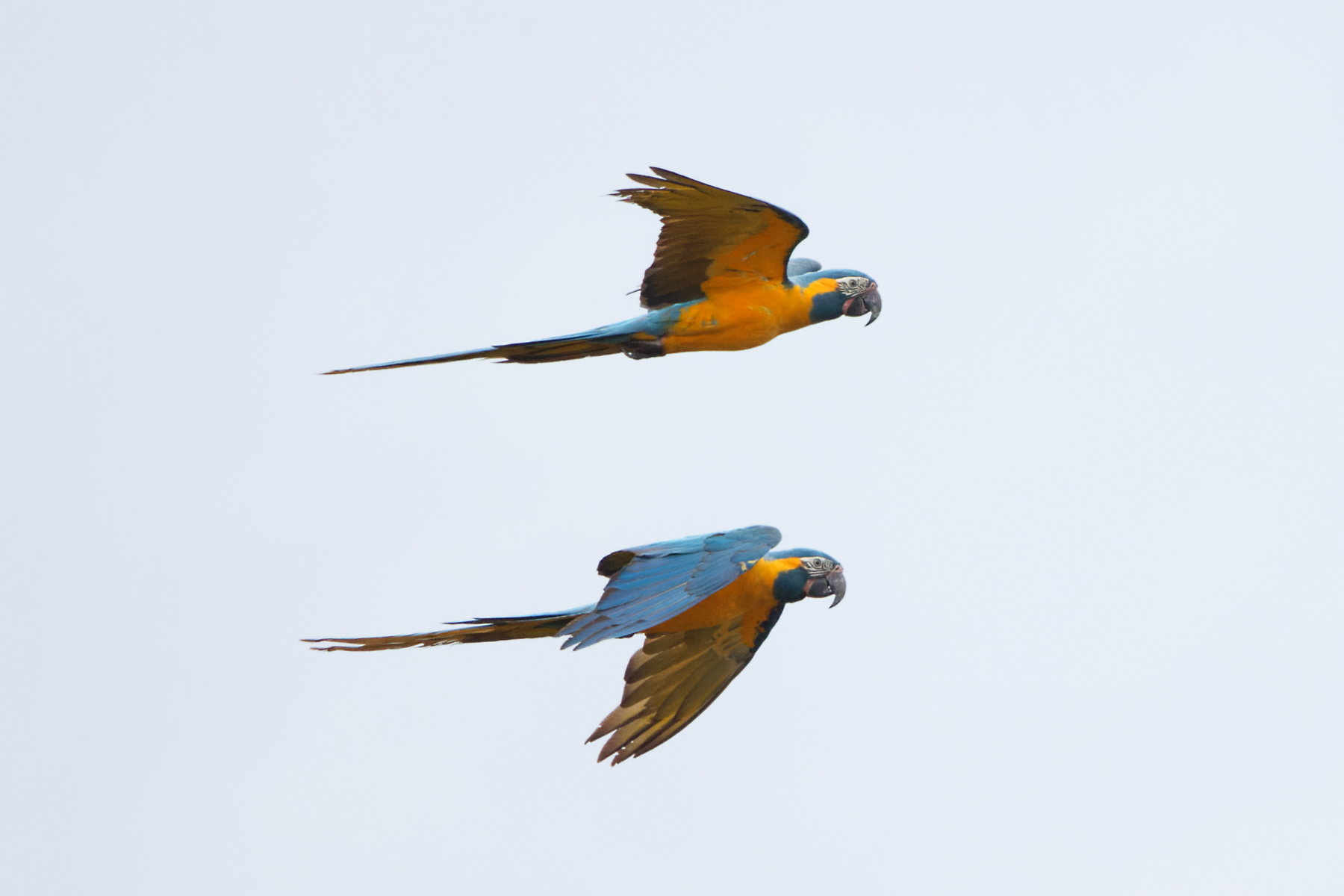
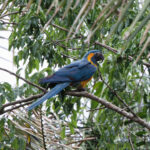
Blue-throated Macaws (image by Leo Garrigues)
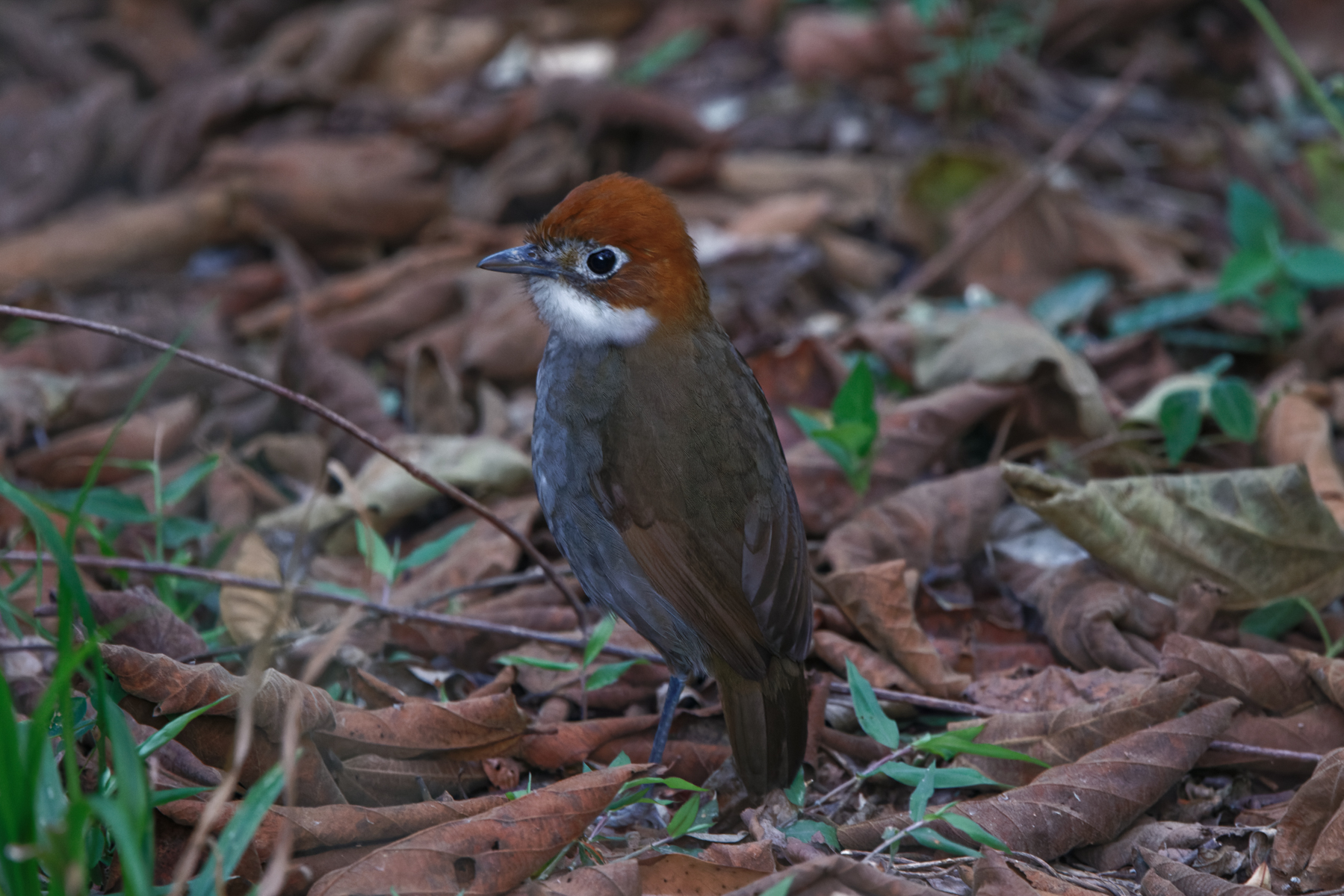
White-throated Antpitta (image by Leo Garrigues)
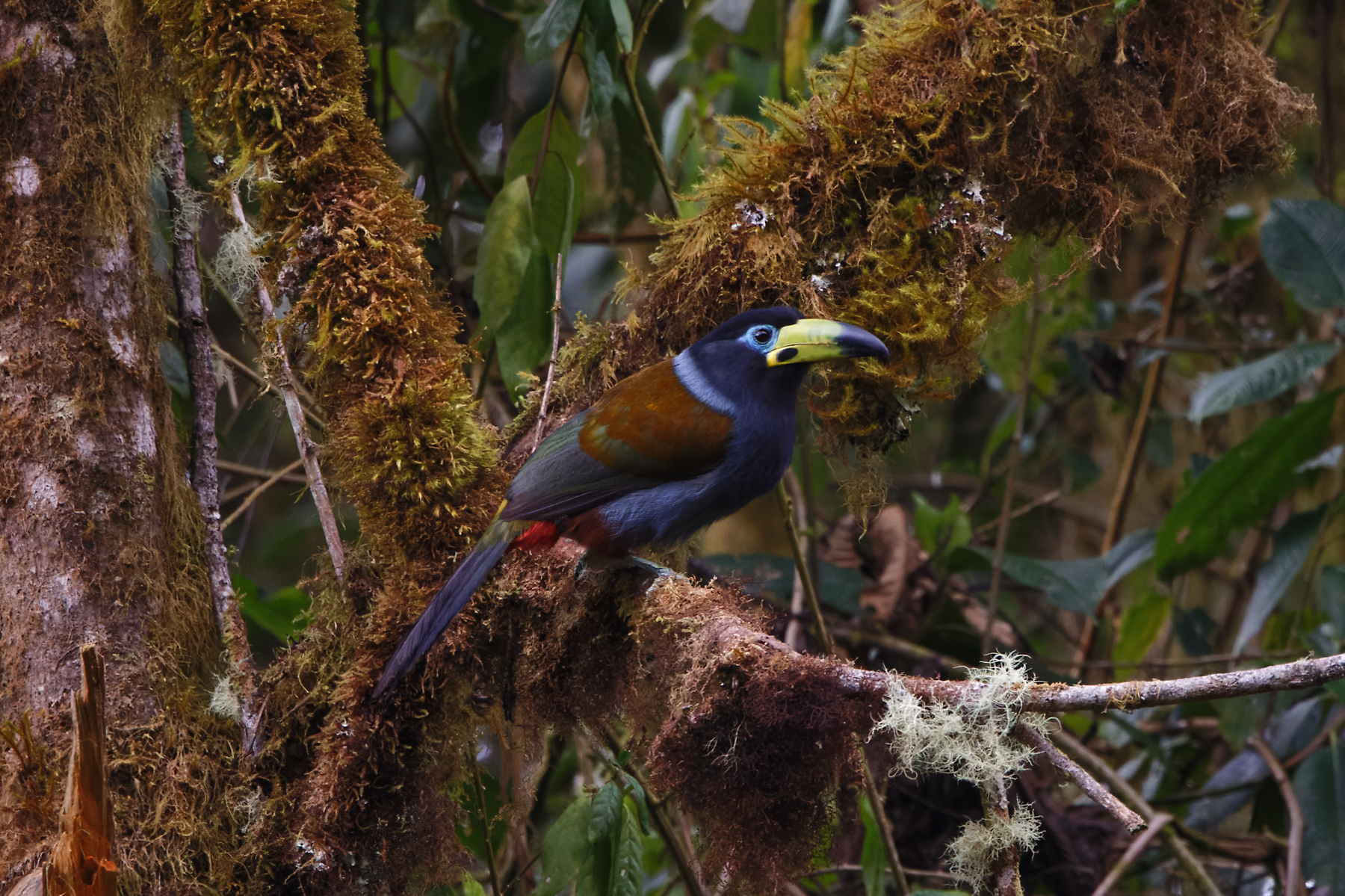
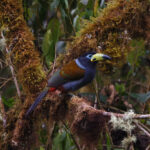
Hooded Moutain Toucan (image by Leo Garrigues)
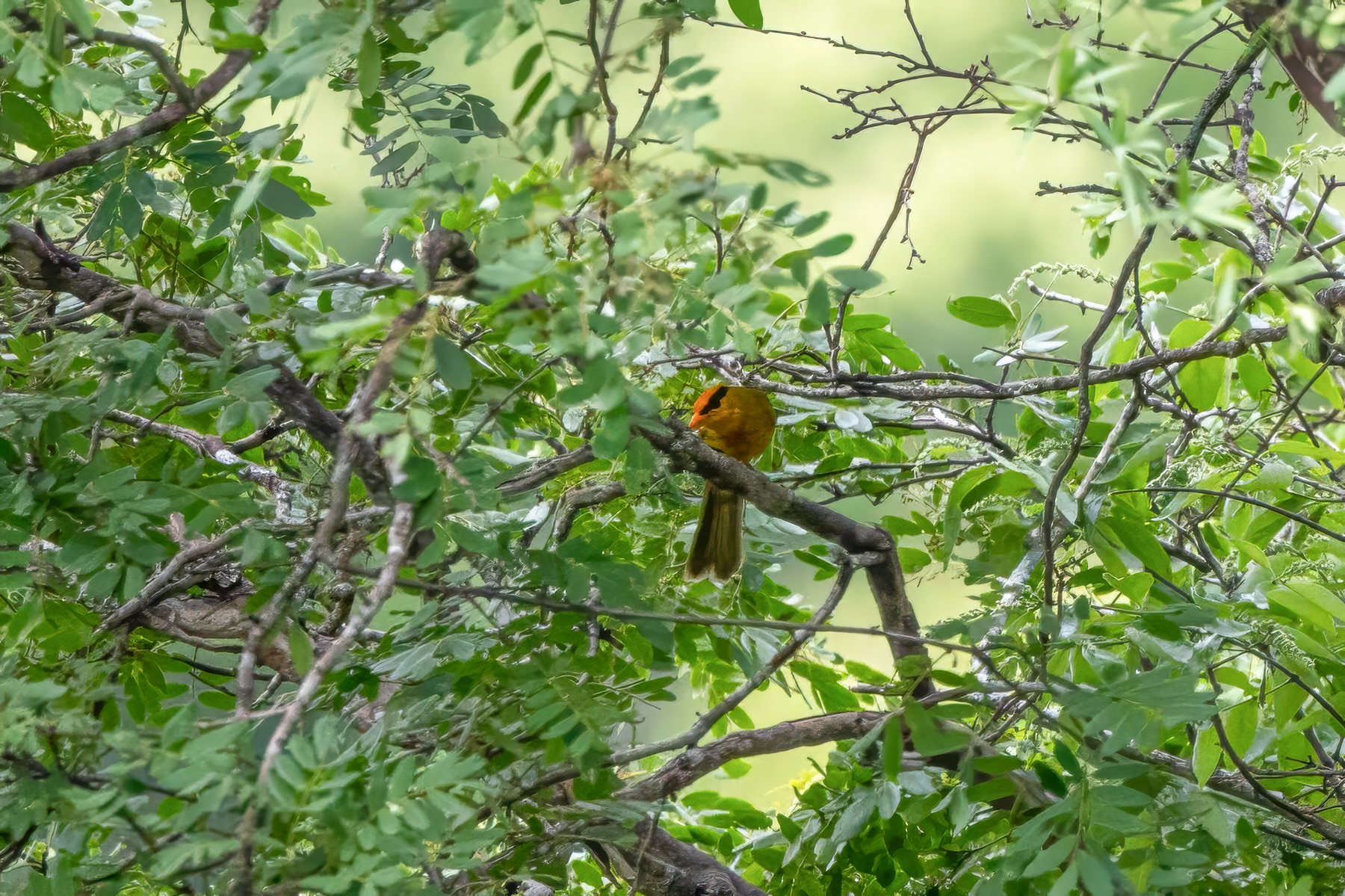
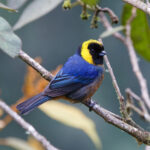
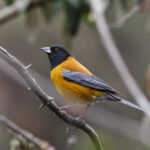
Inti Tanager (image by Leo Garrigues)
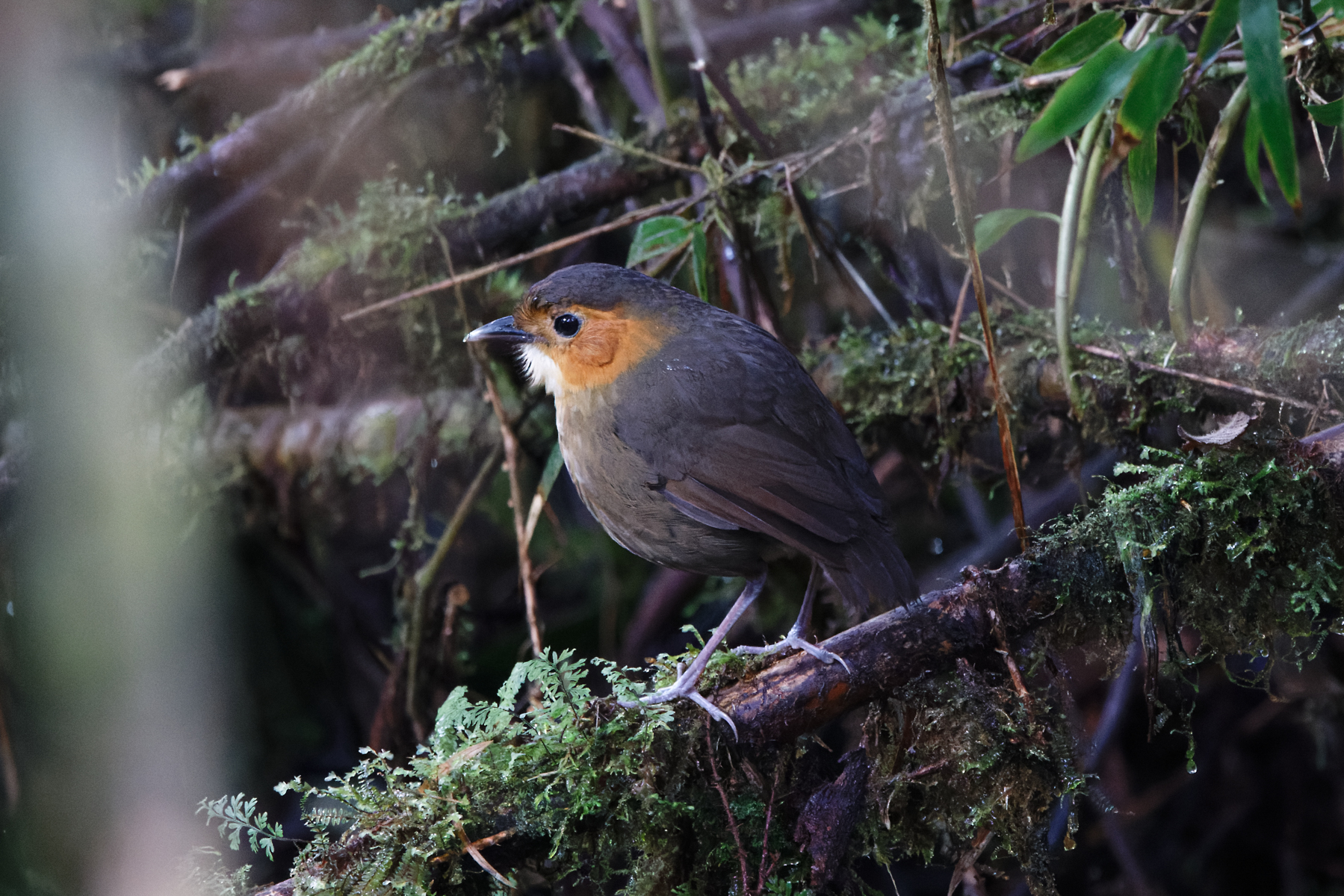
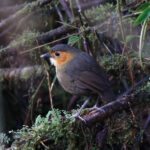
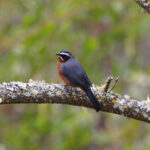
Rufous-faced Antpitta (image by Leo Garrigues)
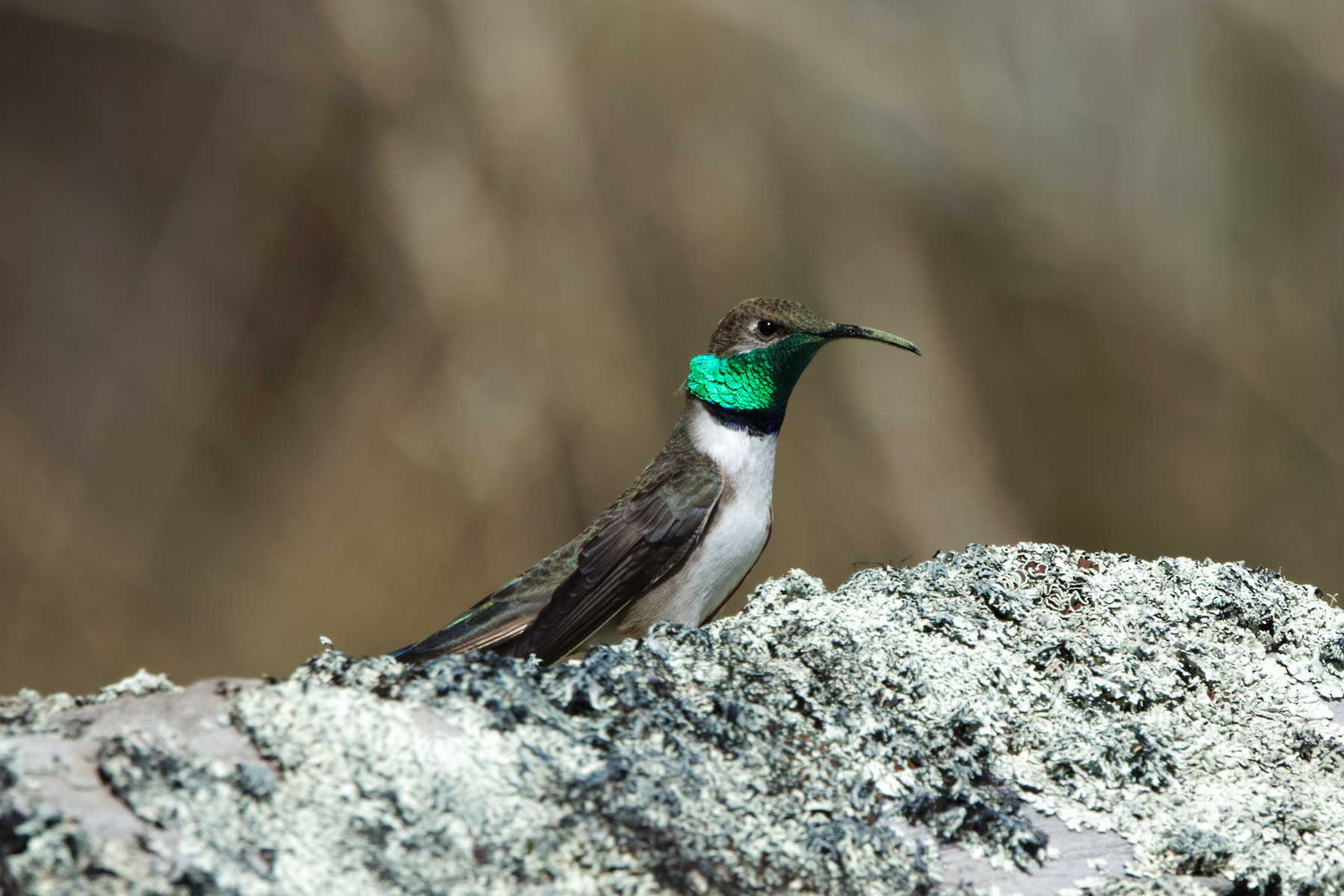
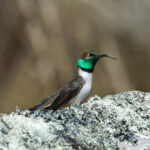
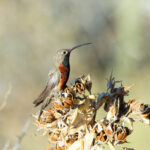
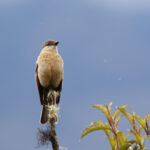
Andean Hillstar (image by Leo Garrigues)
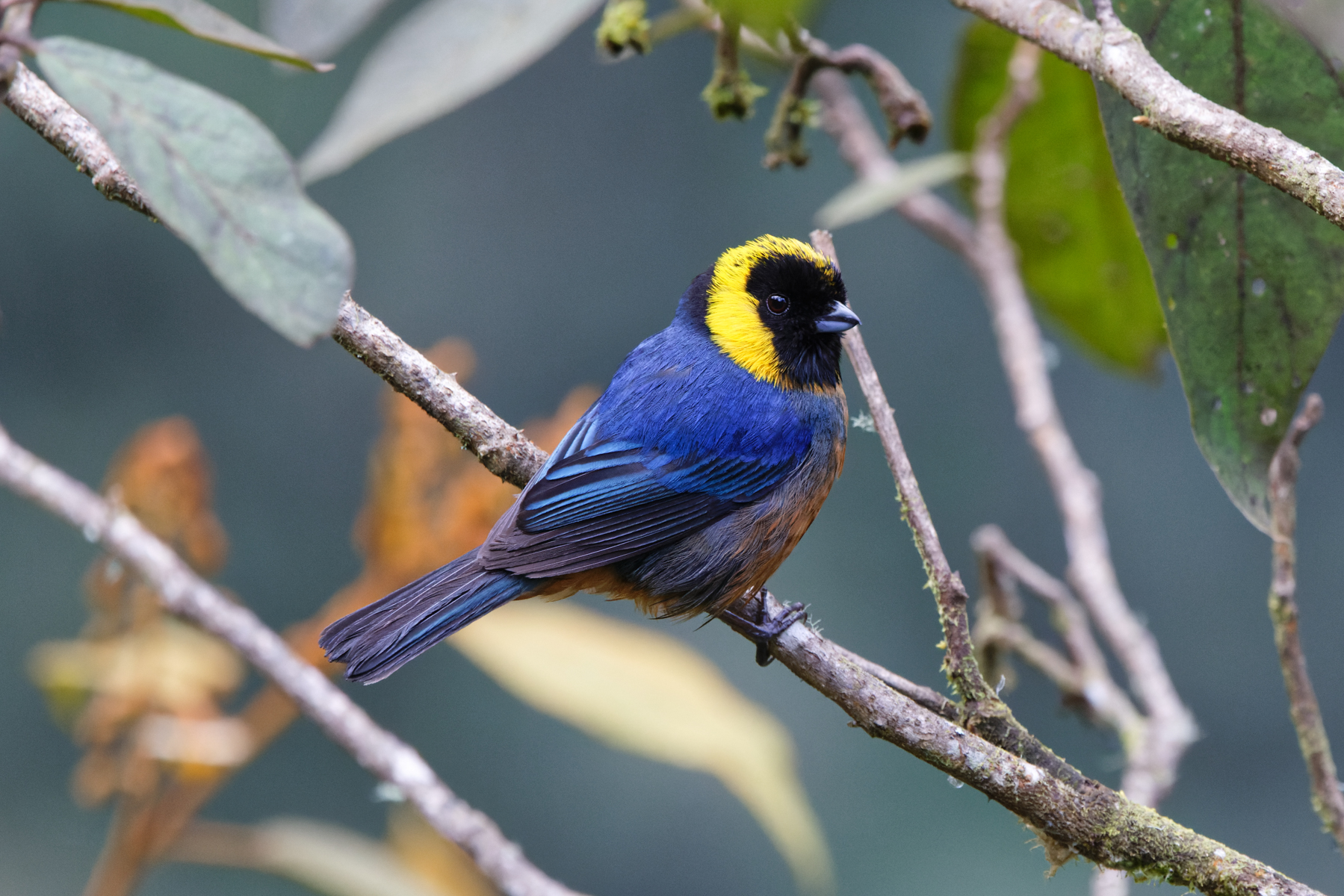
Golden-collared Tanager (image by Leo Garrigues)

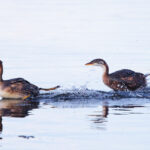
Titicaca Grebes (image by Leo Garrigues)
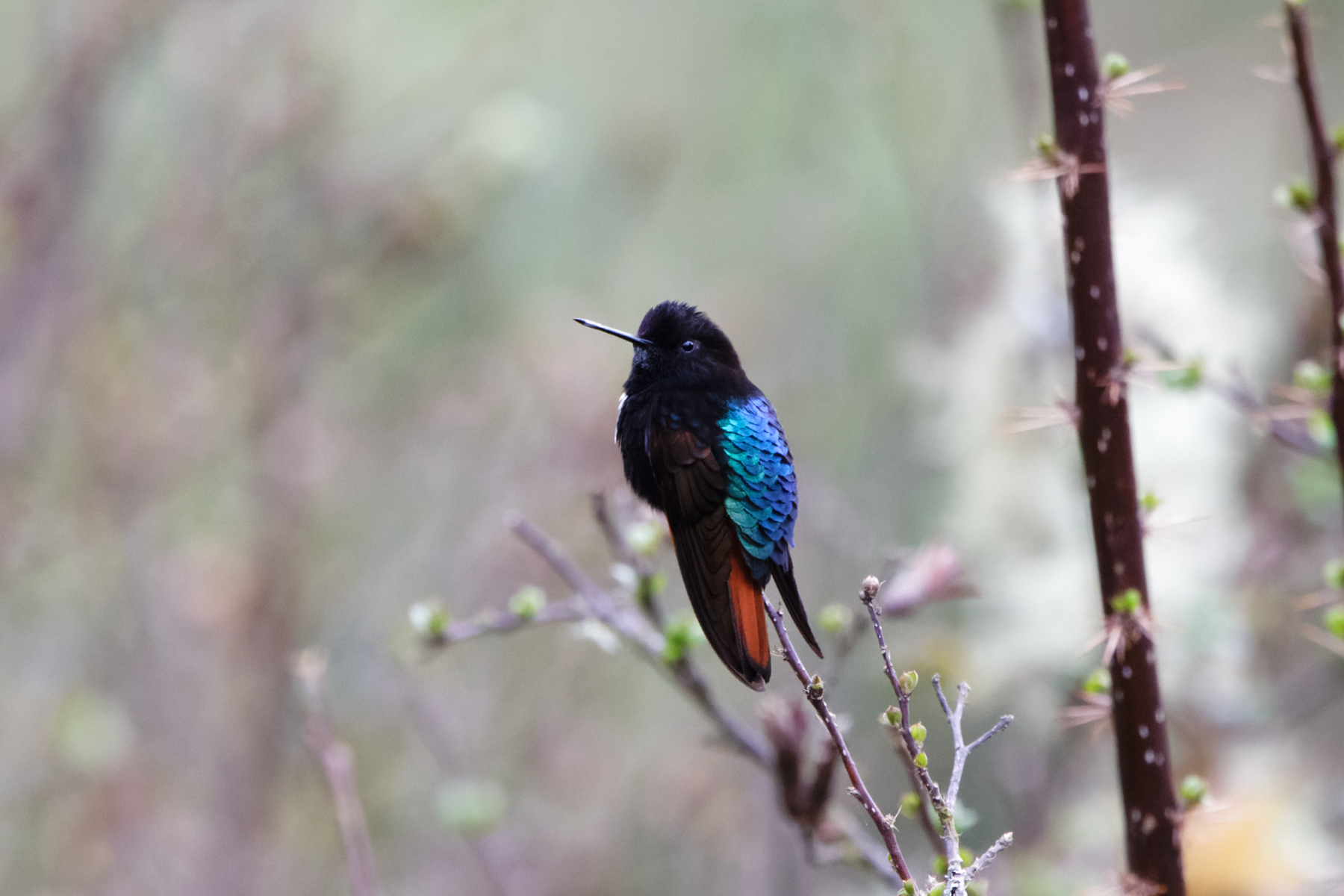
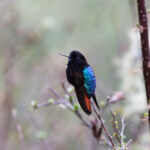
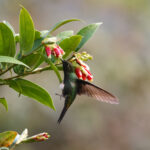
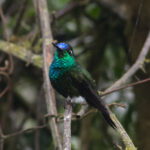
Black-hooded Sunbeam (image by Leo Garrigues)
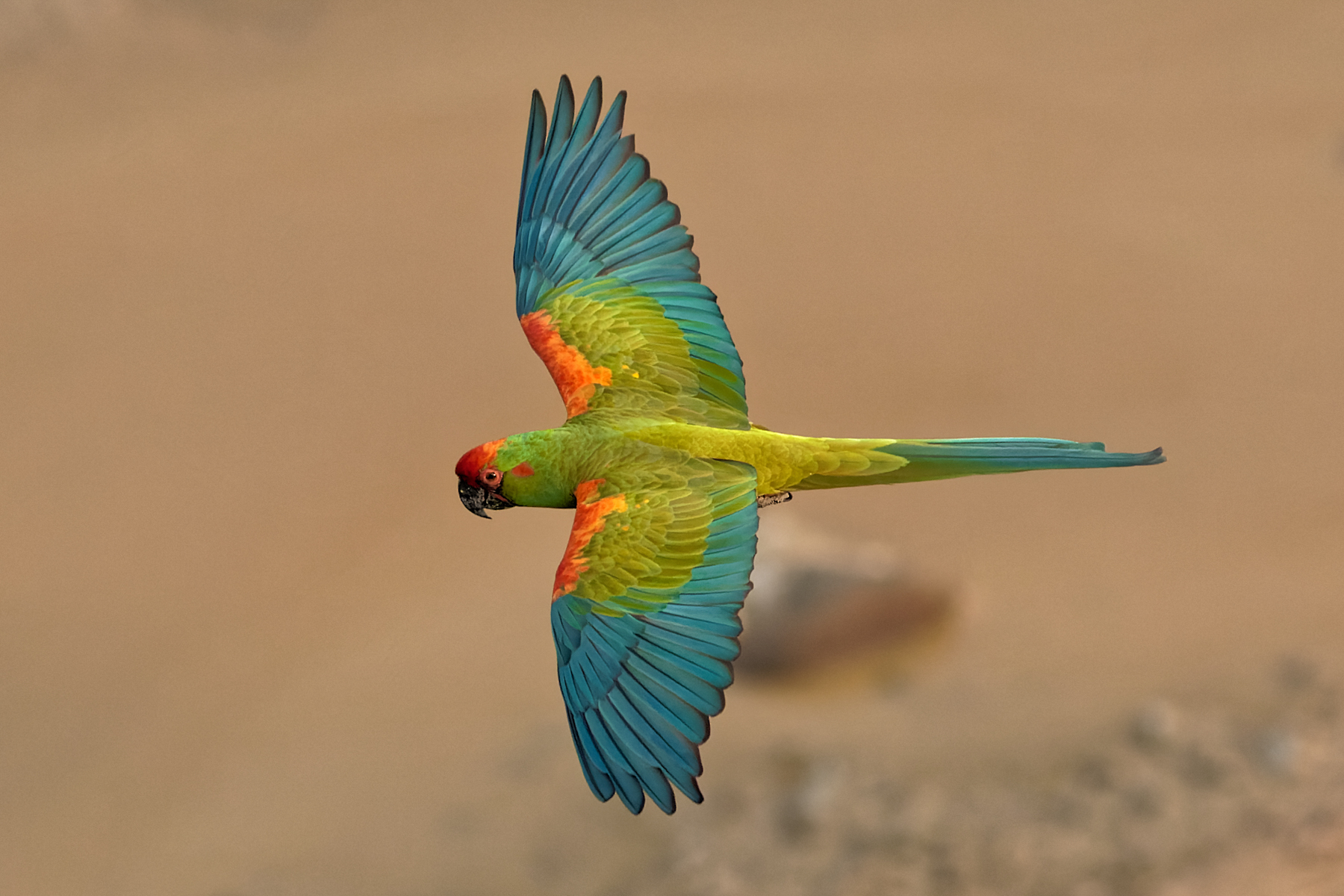
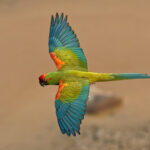
Red-fronted Macaw (image by Leo Garrigues)
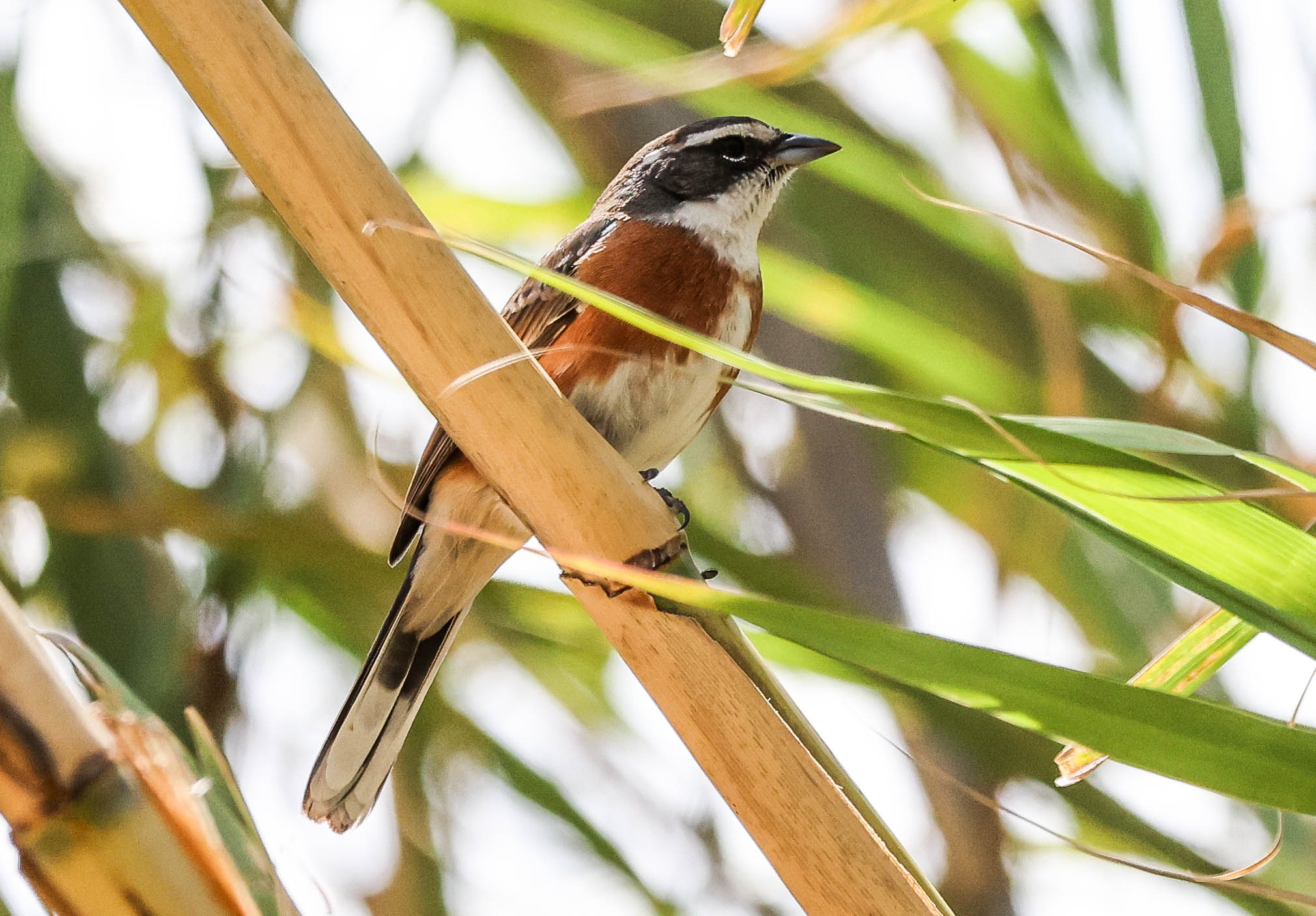
Bolivian Warbling Finch (image by Gina Lloyd)
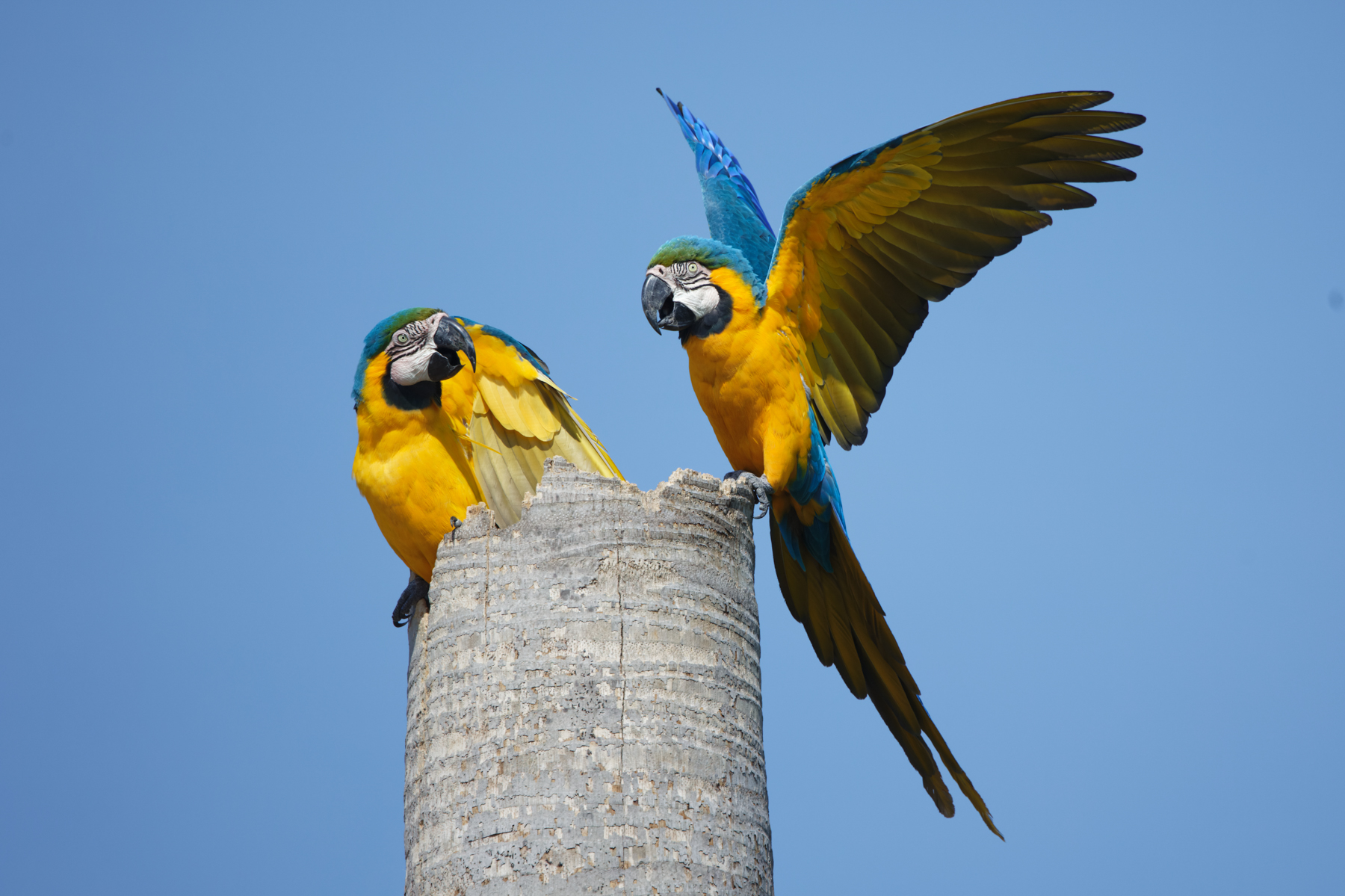
Blue-and-yellow Macaws (image by Leo Garrigues)
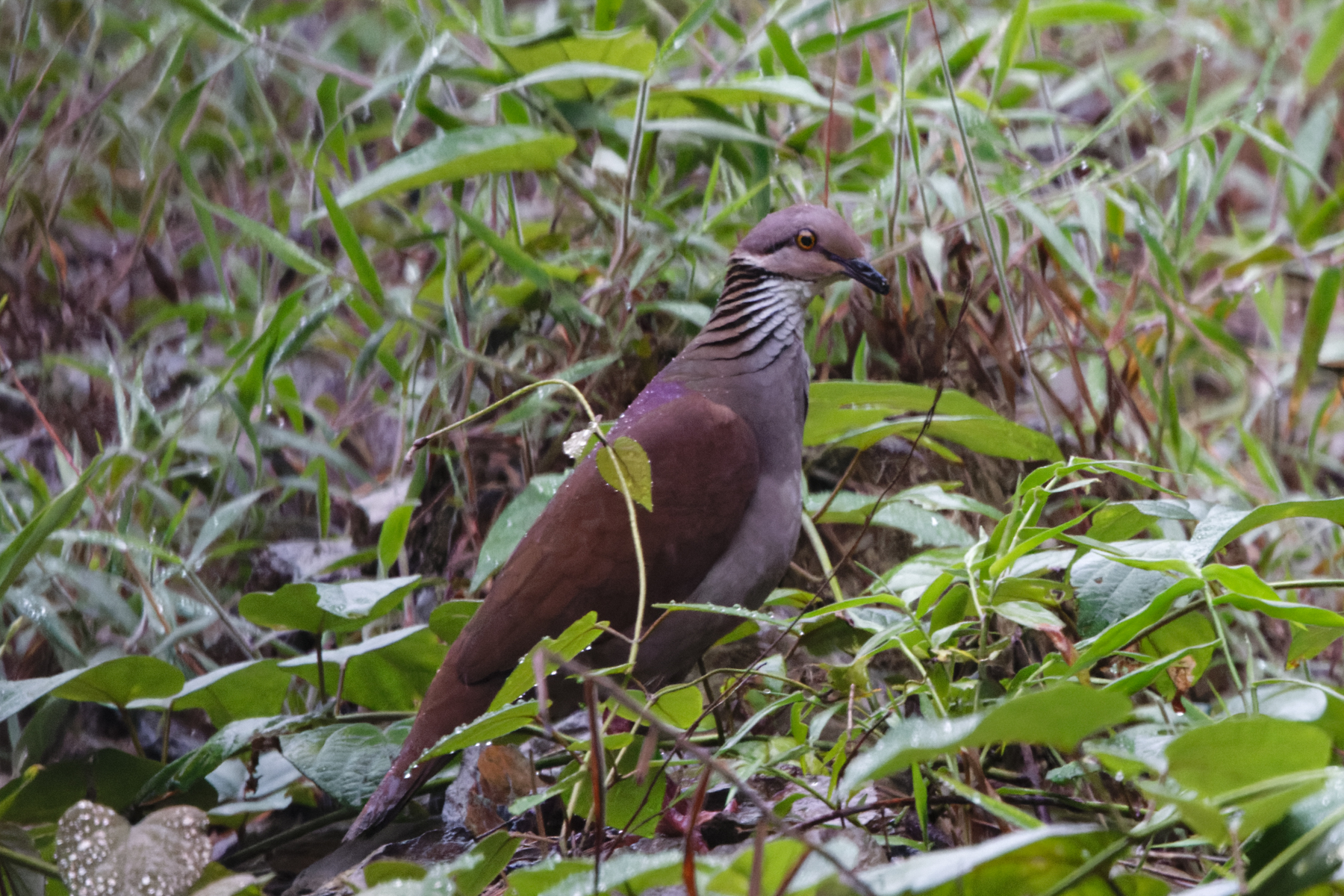
White-throated Quail-Dove (image by Leo Garrigues)
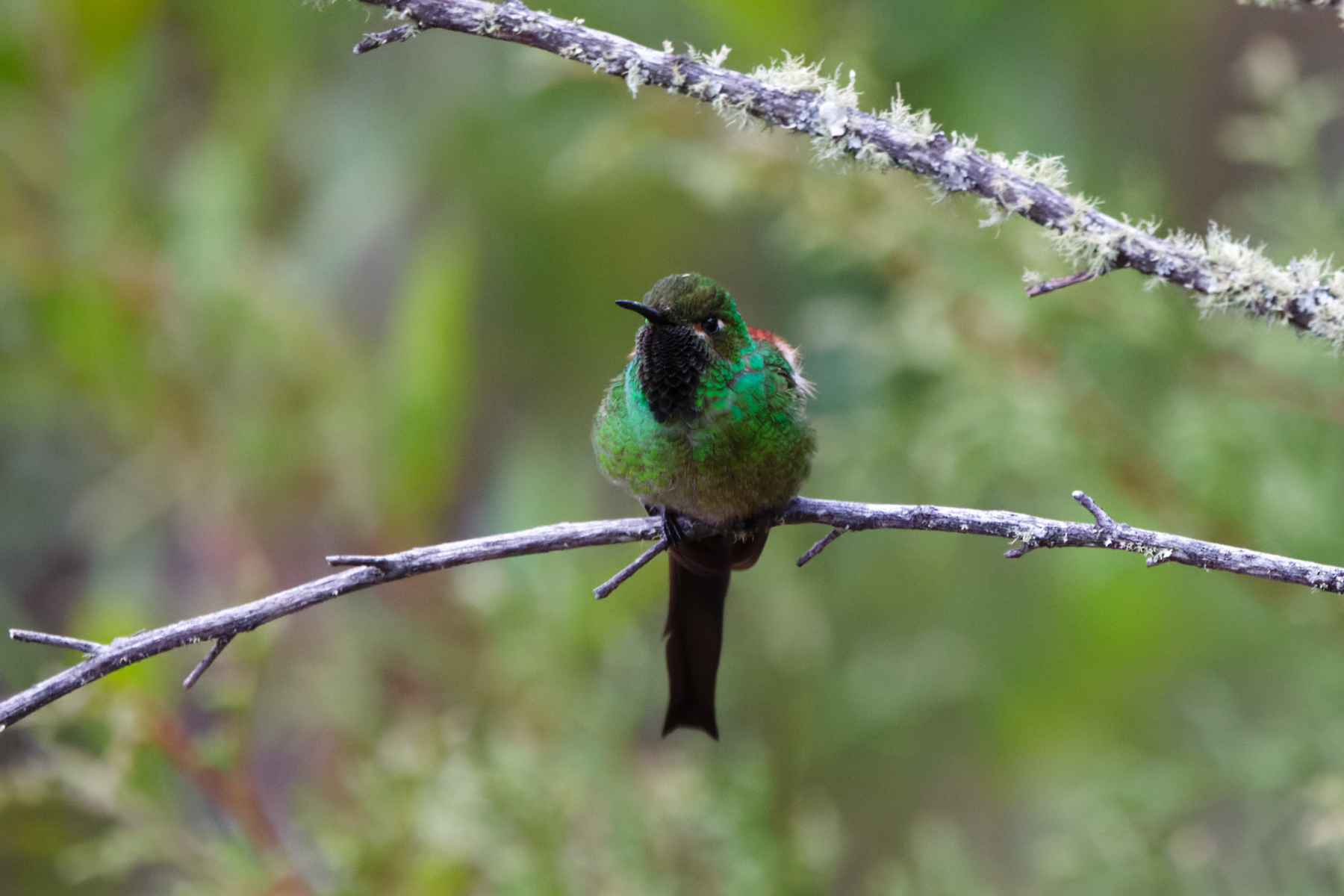
Red-tailed Comet (image by Leo Garrigues)
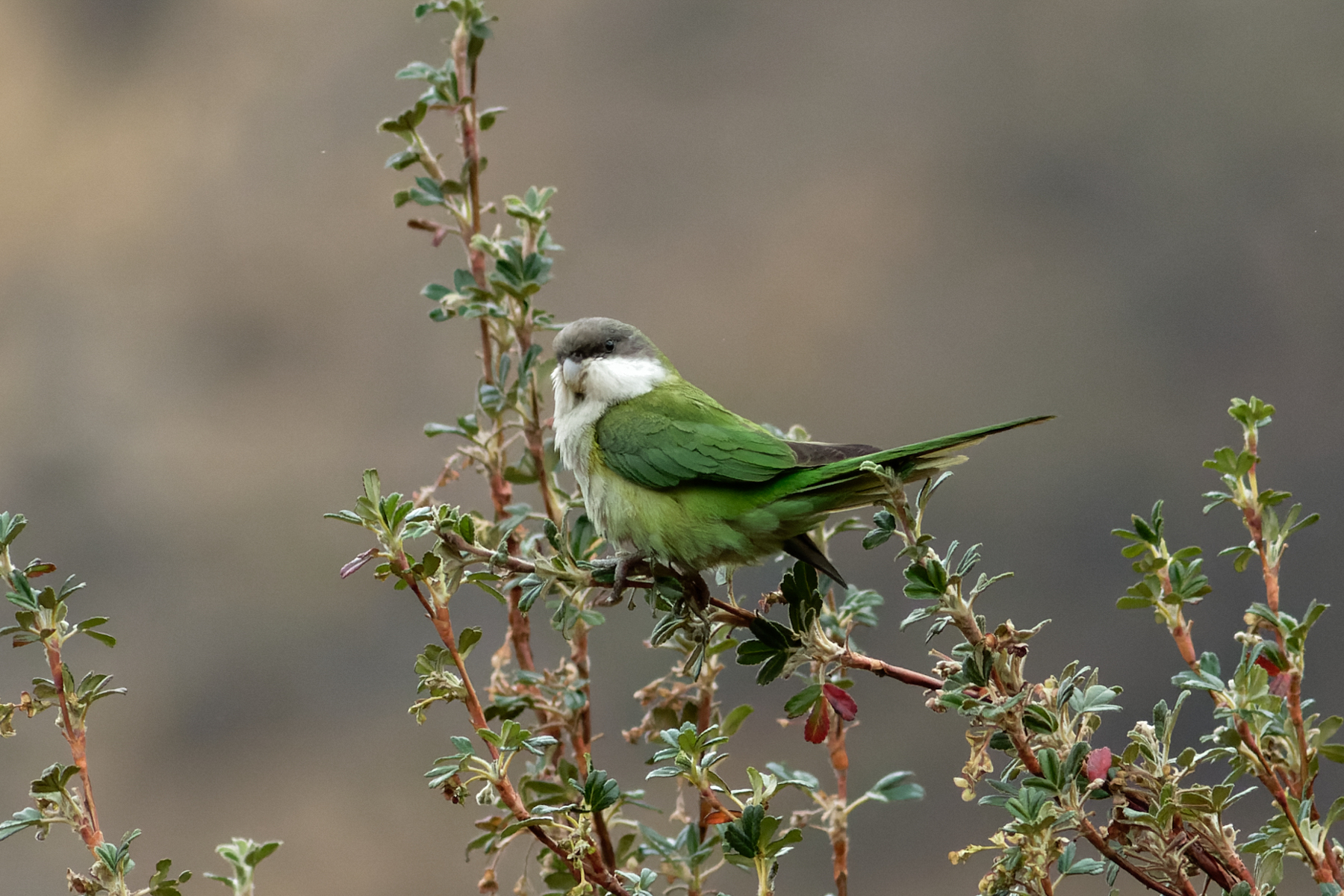
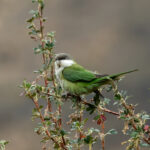
Grey-hooded Parakeet (image by Leo Garrigues)
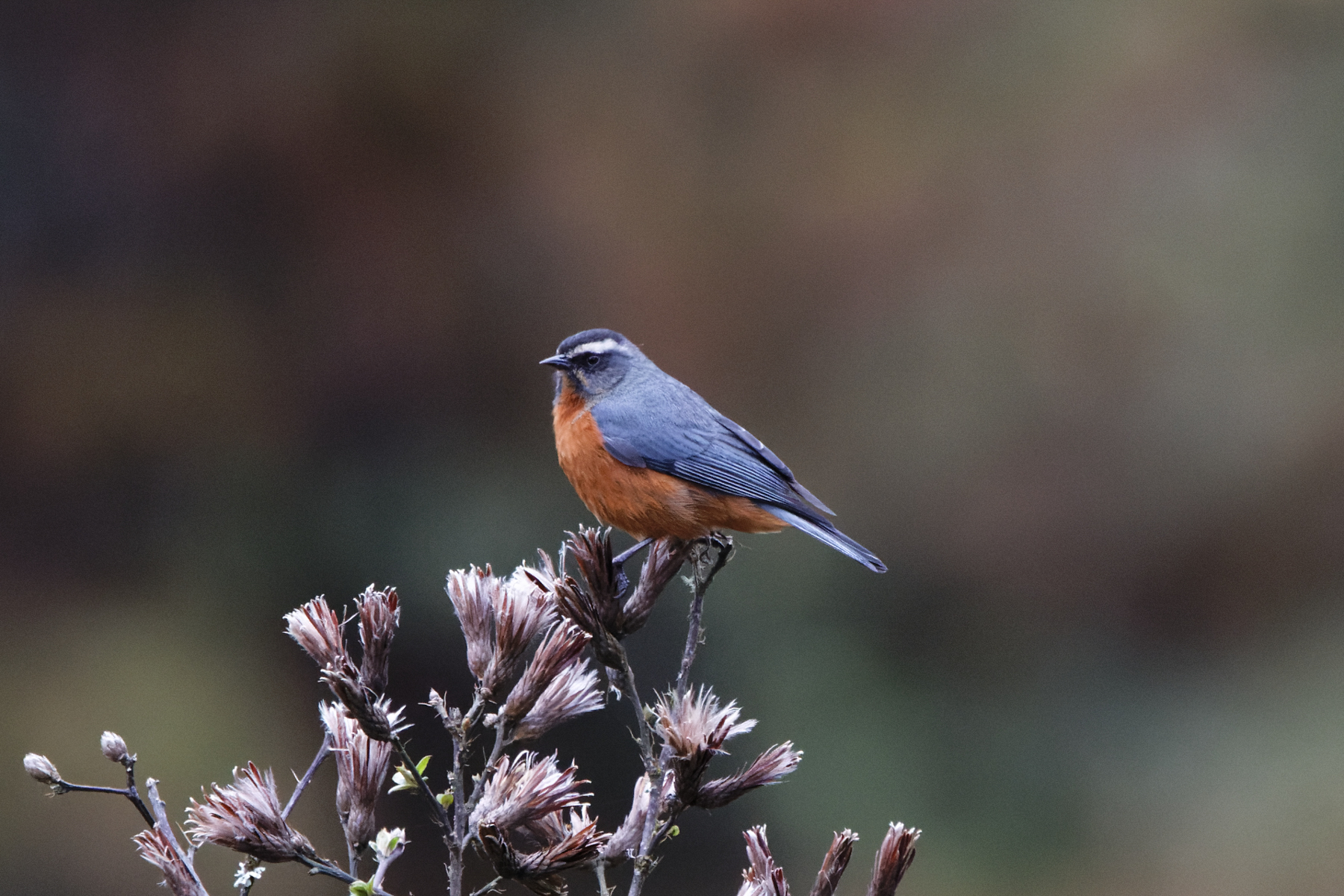
White-browed Conebill (image by Leo Garrigues)
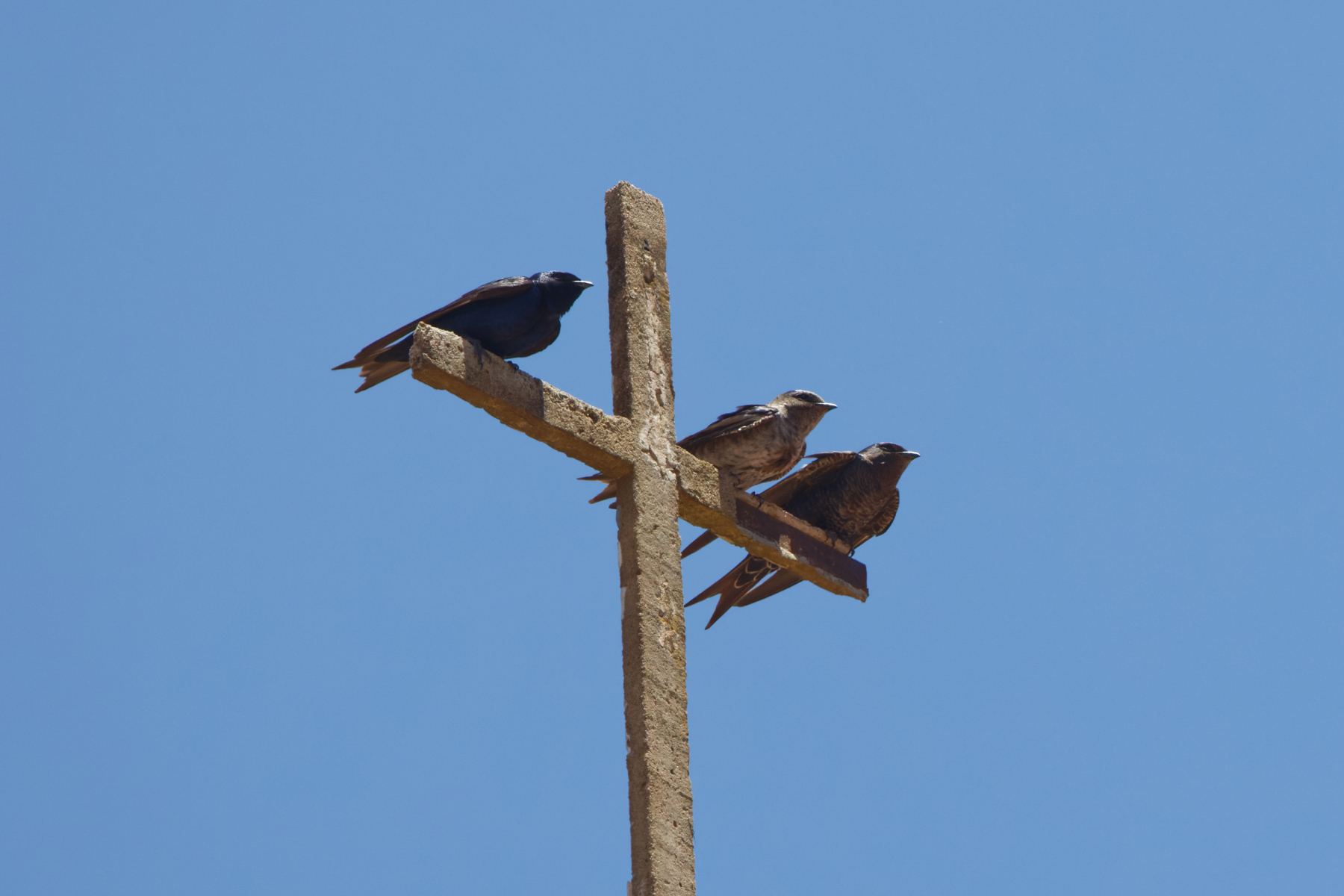
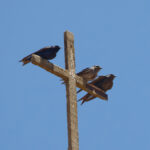
Southern Martins (image by Leo Garrigues)
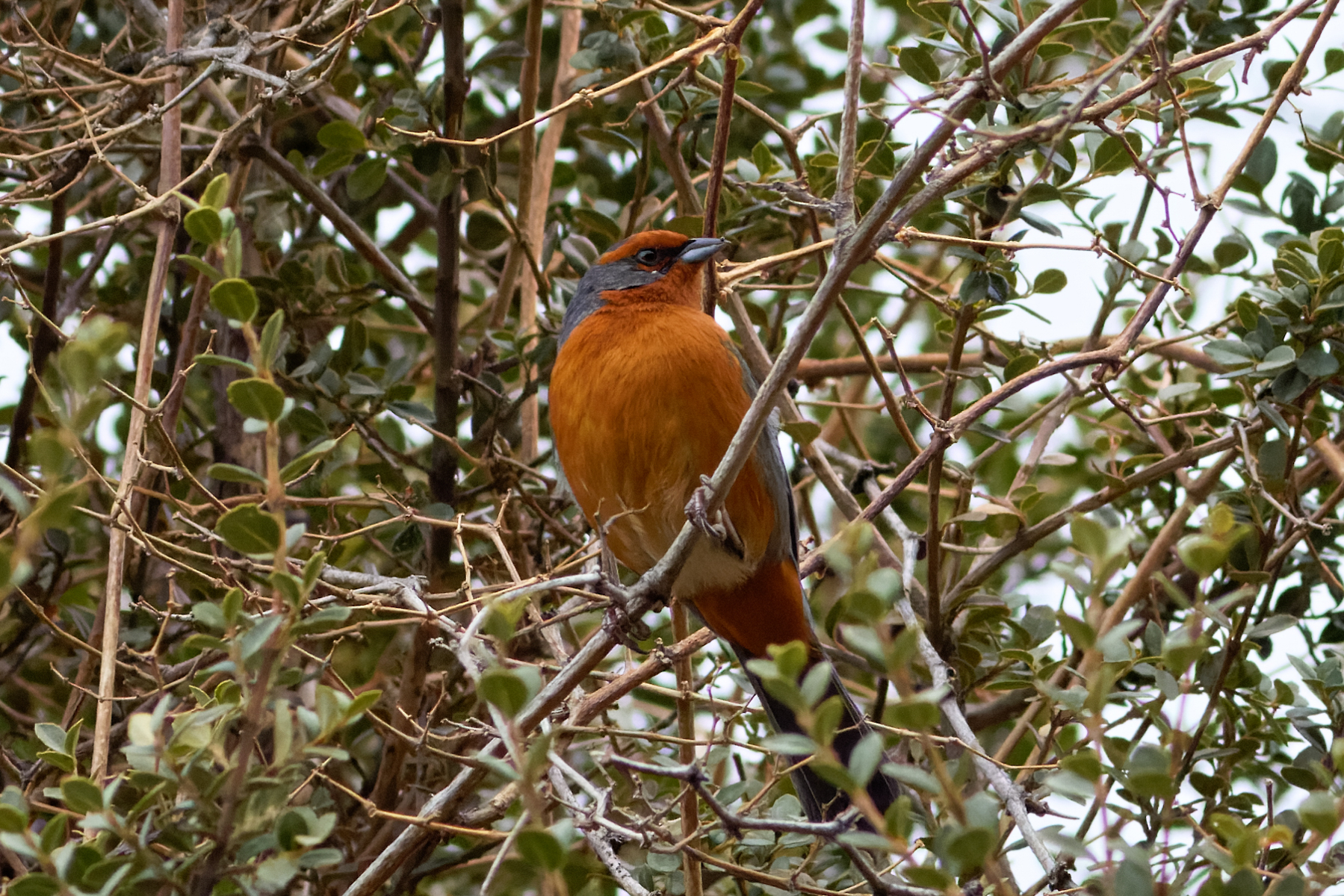
Cochabamba Mountain Finch (image by Leo Garrigues)
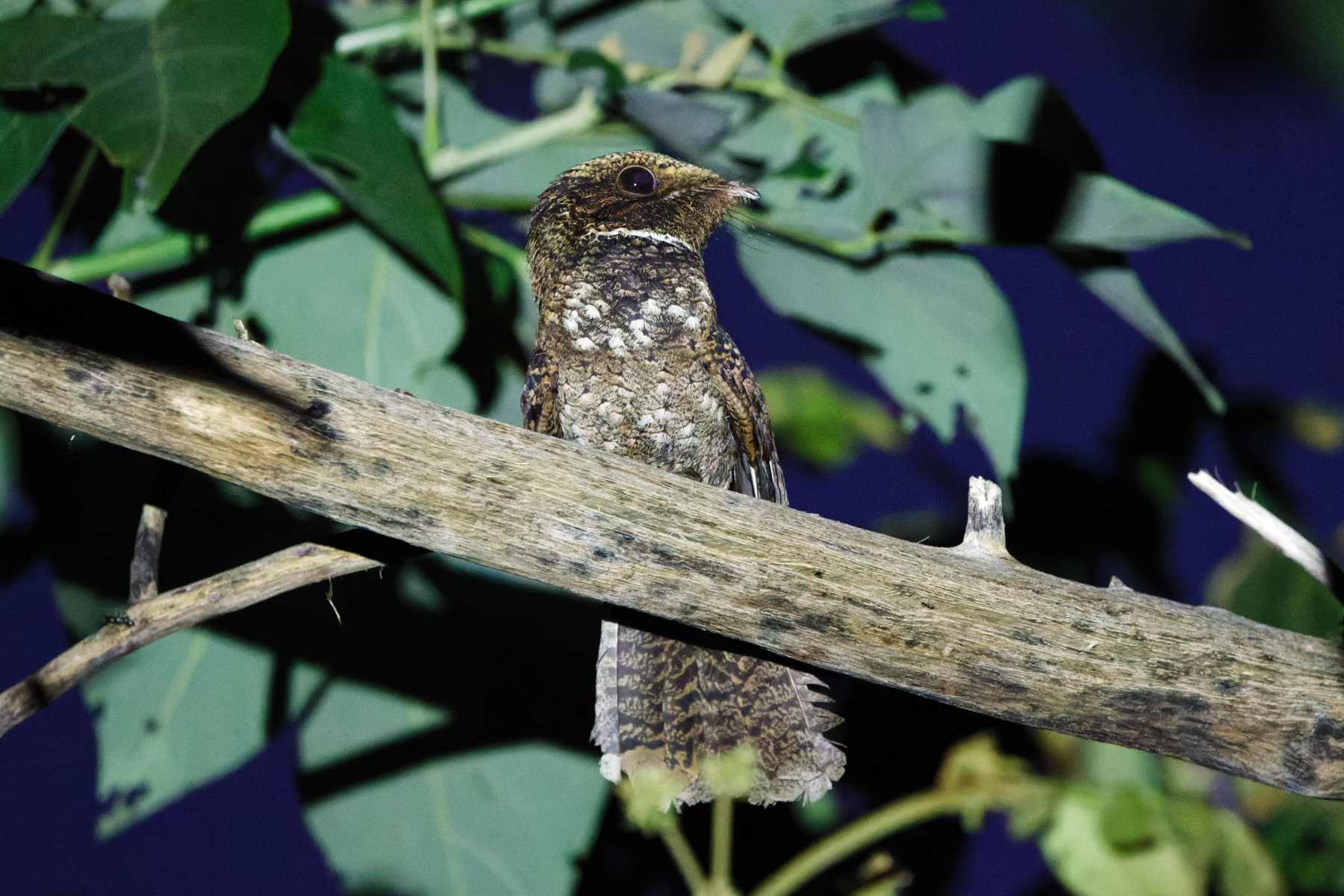
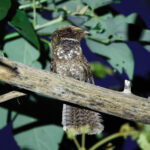
Rufous Nightjar (image by Leo Garrigues)
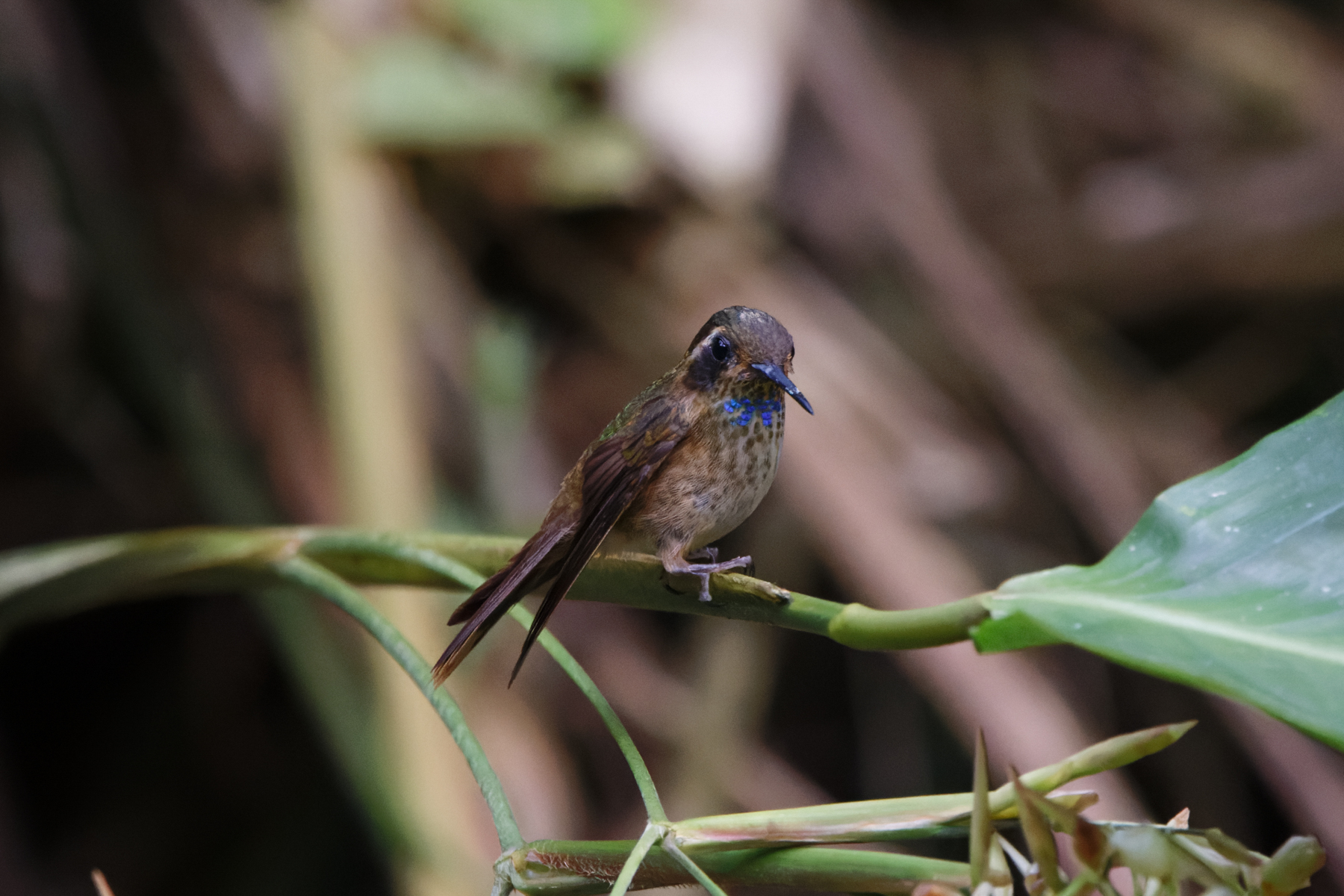
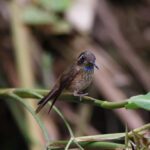
Speckled Hummingbird (image by Leo Garrigues)
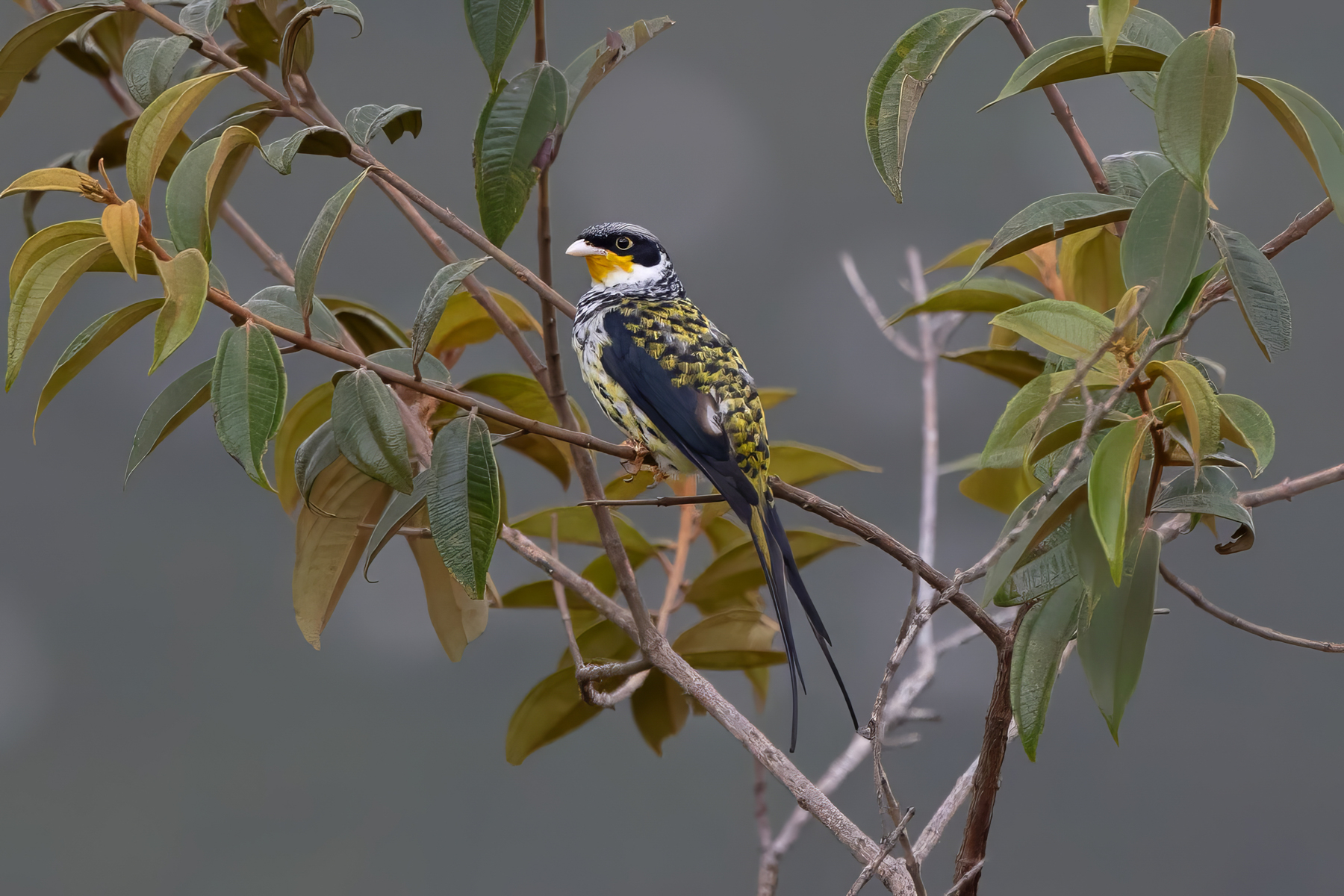
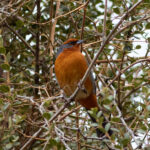
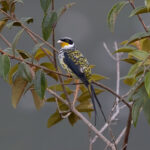
Swallow-tailed (Palkachupa) Cotinga (image by Leo Garrigues)
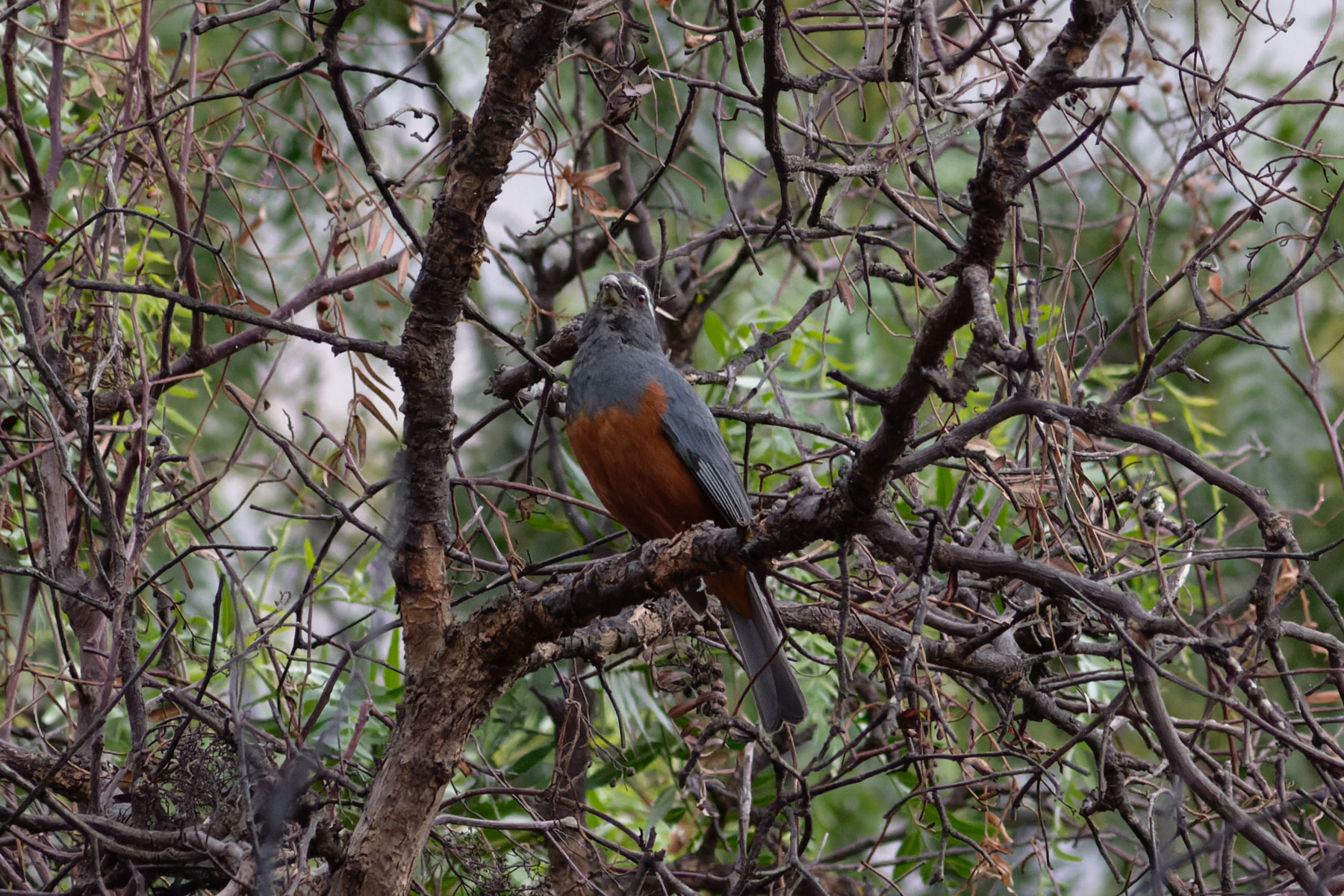
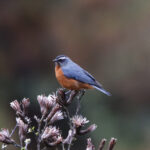
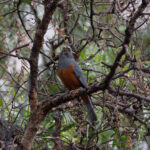
Rufous-bellied Mountain Tanager (image by Leo Garrigues)
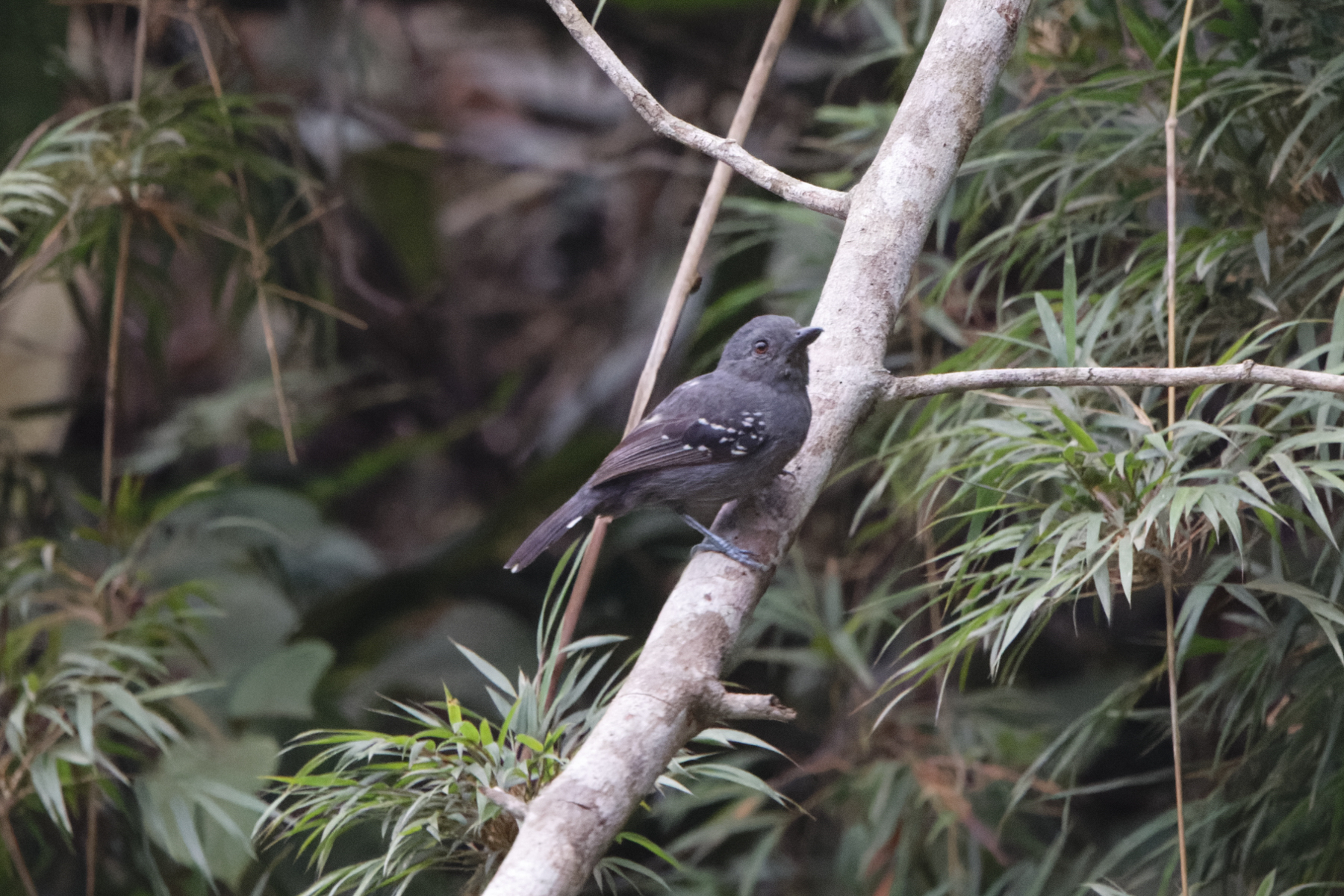
Upland Antshrike (image by Leo Garrigues)
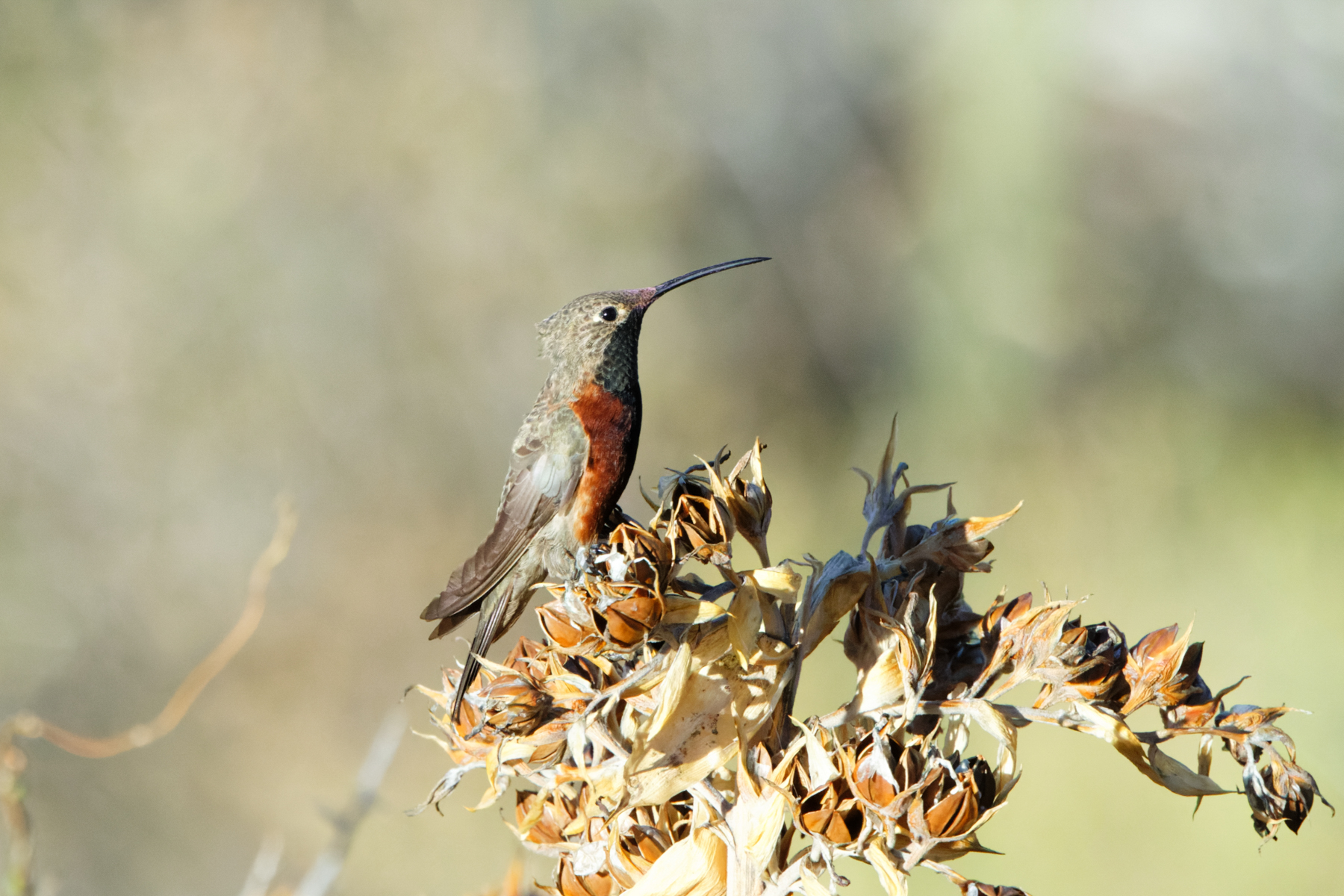
Wedge-tailed Hillstar (image by Leo Garrigues)
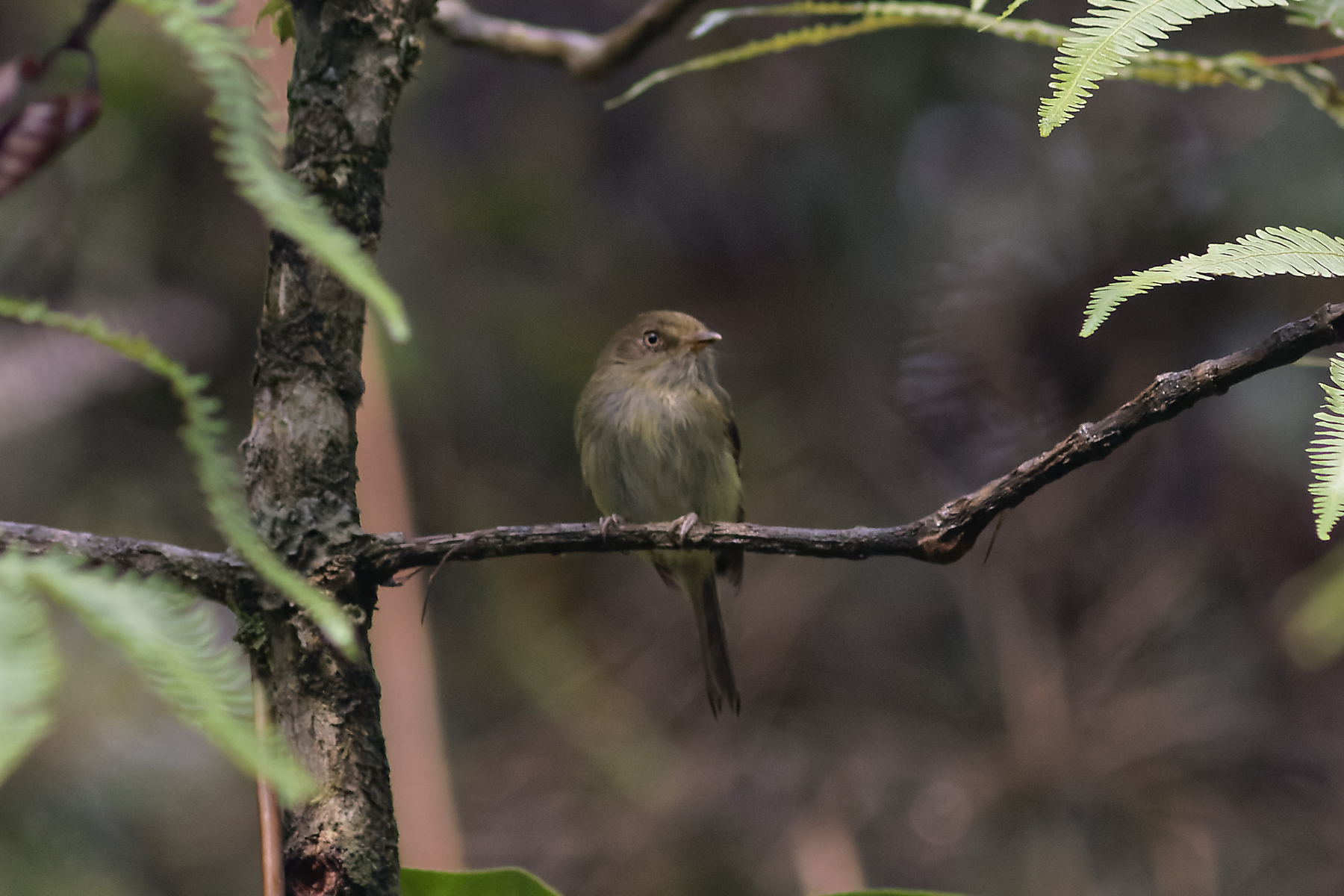
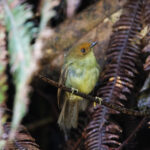
Yungas Tody-Tyrant (image by Leo Garrigues)
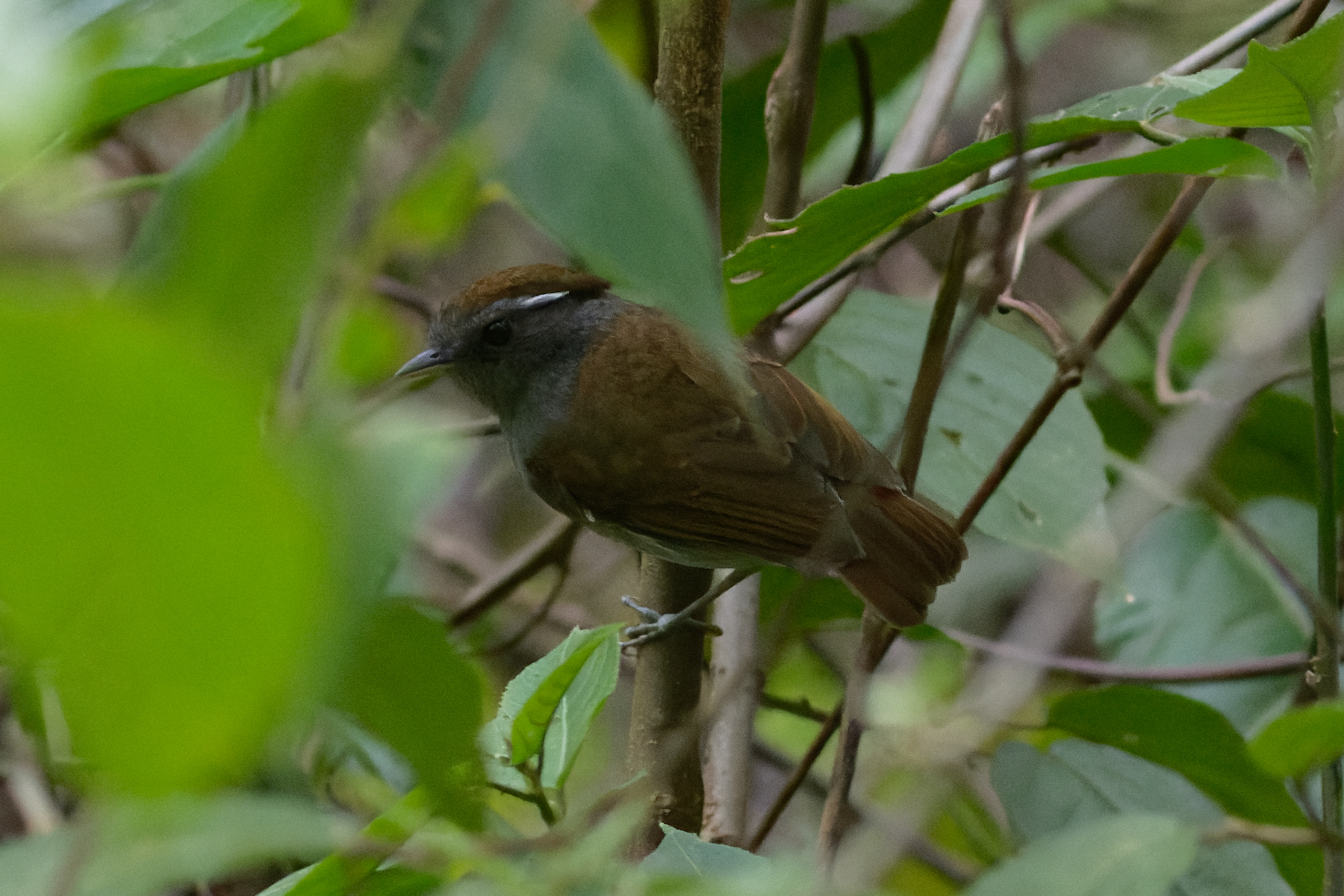
Slaty Gnateater (image by Leo Garrigues)
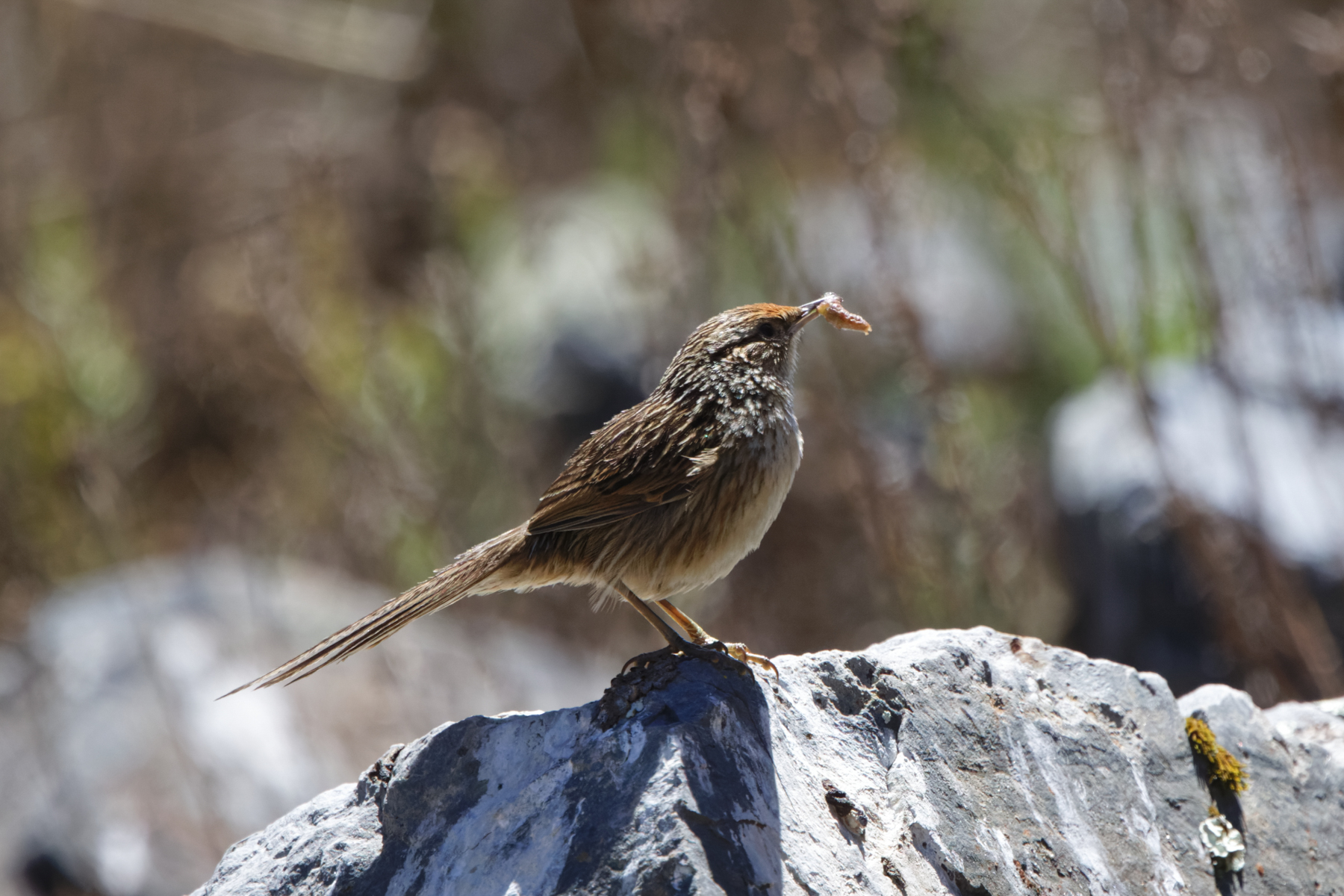
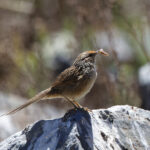
Scribble-tailed Canastero (image by Leo Garrigues)
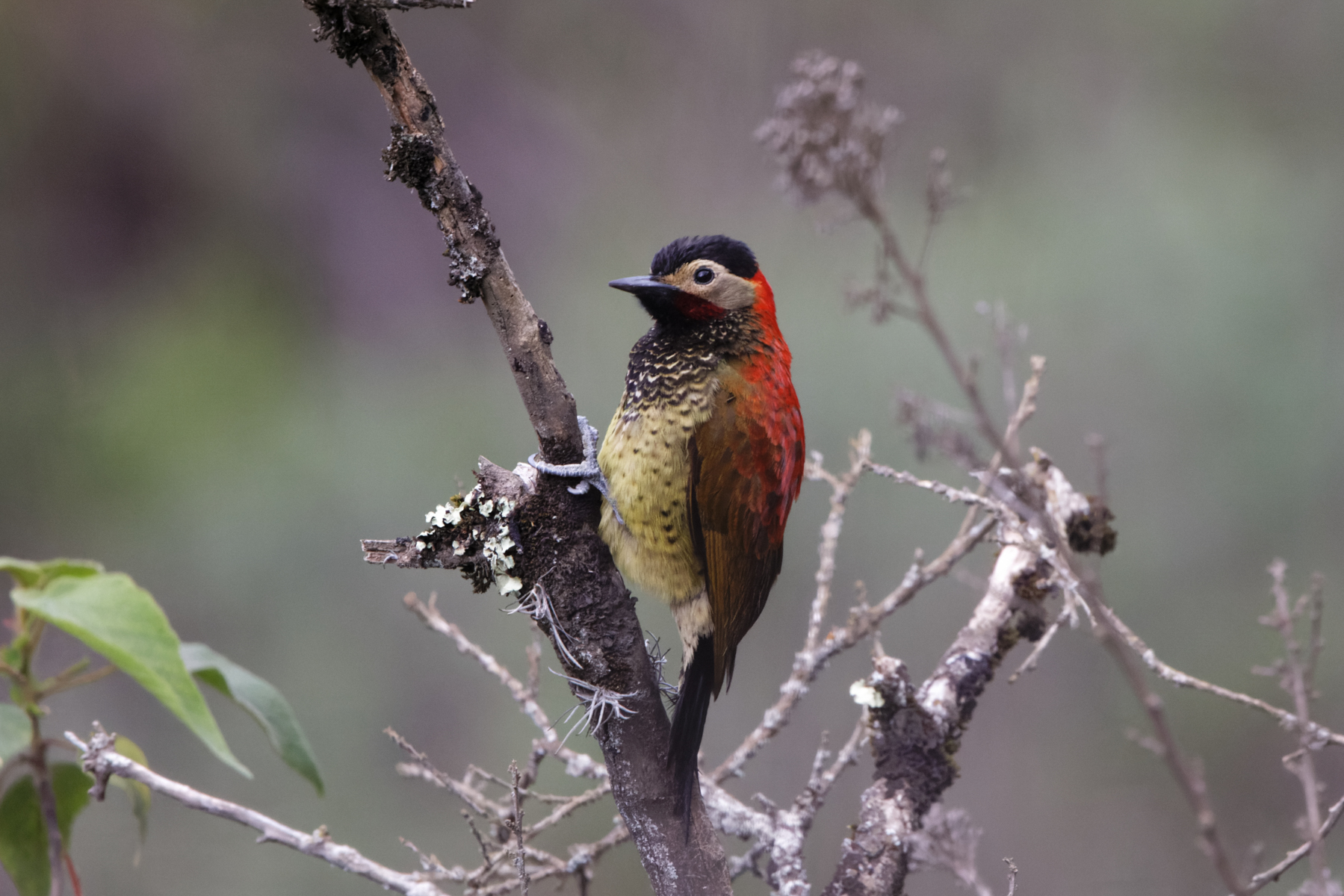
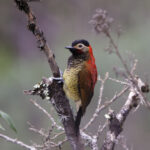
Crimson-mantled Woodpecker (image by Leo Garrigues)
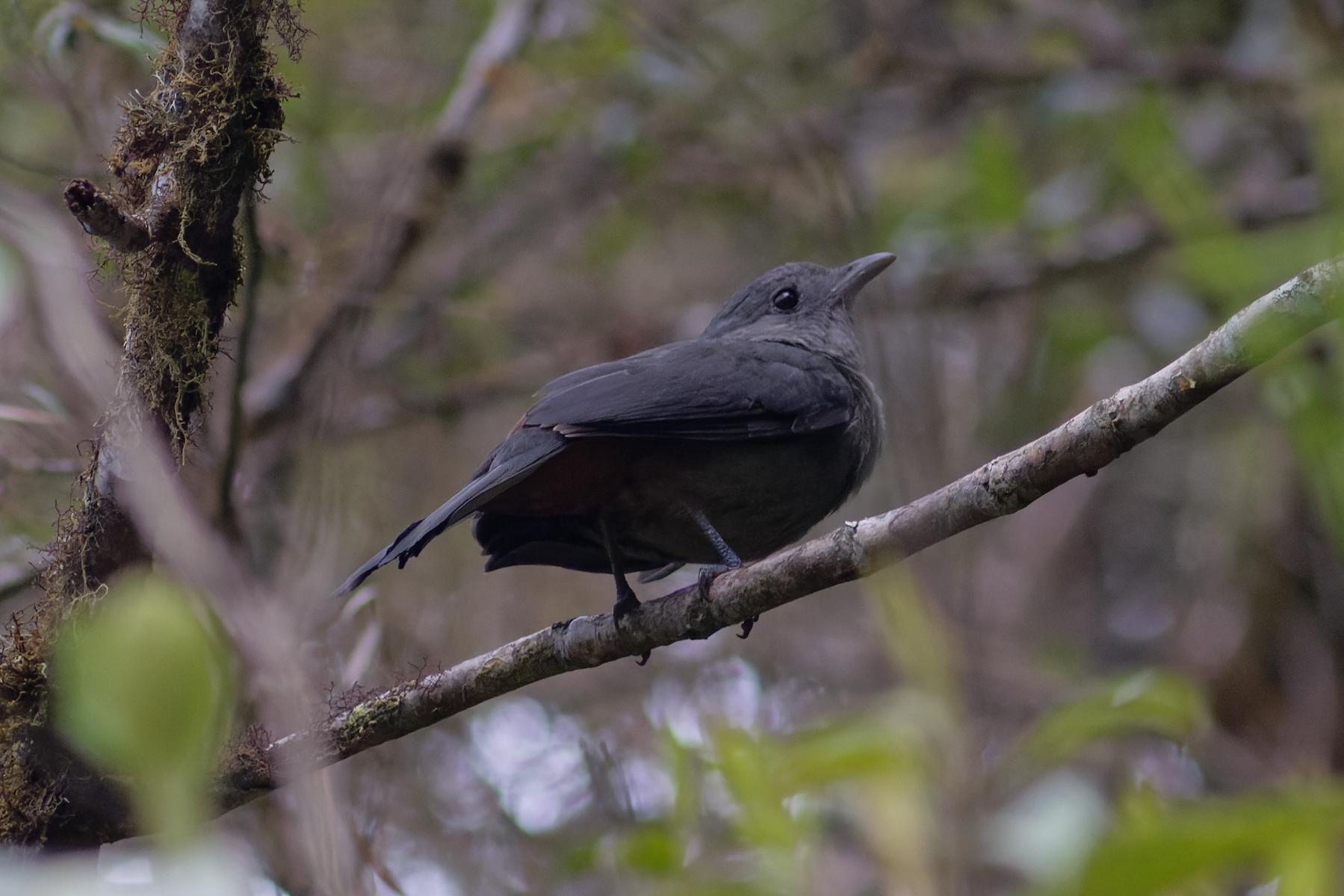
Scimitar-winged Piha (image by Leo Garrigues)
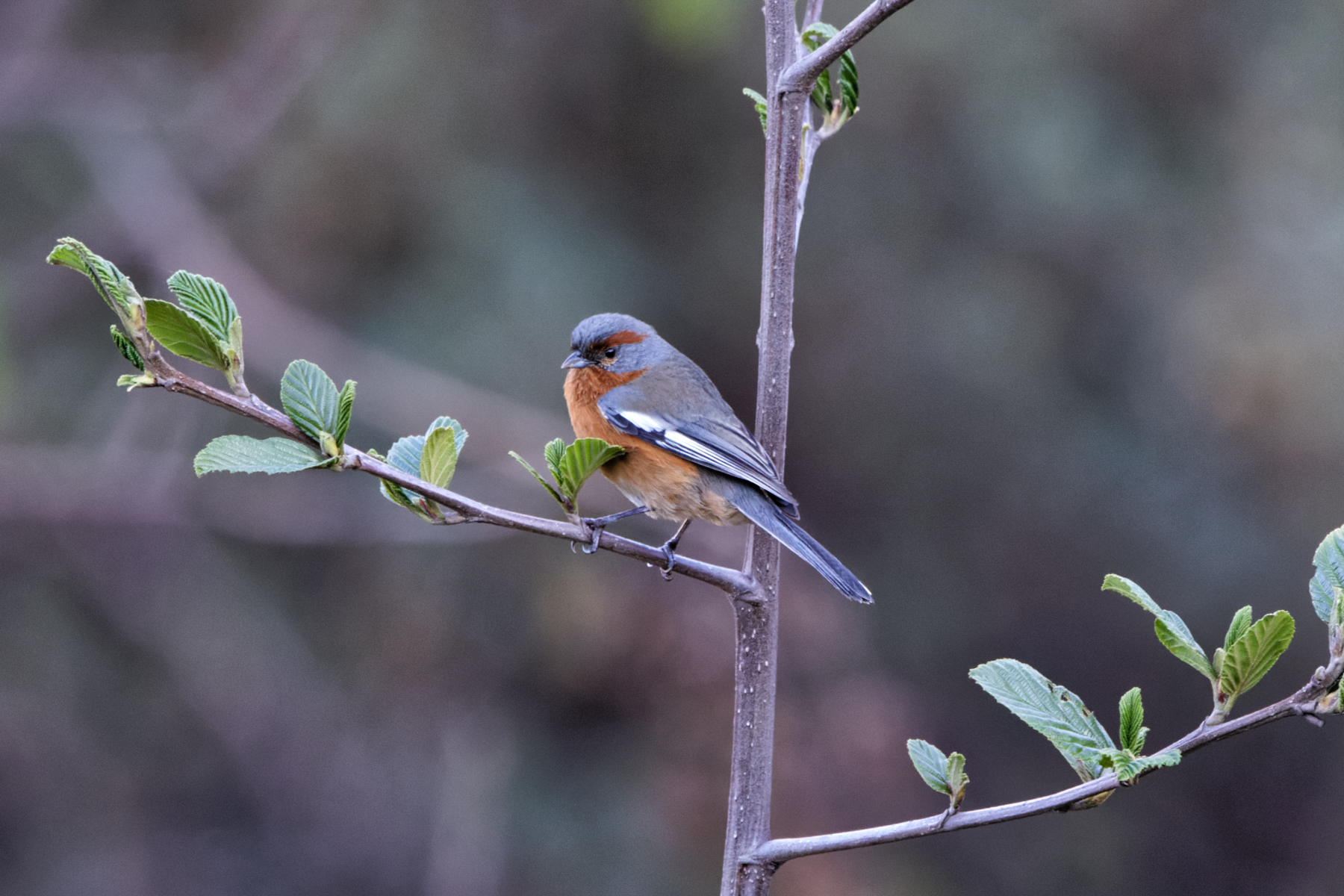
Rusty-browed Warbling Finch (image by Leo Garrigues)
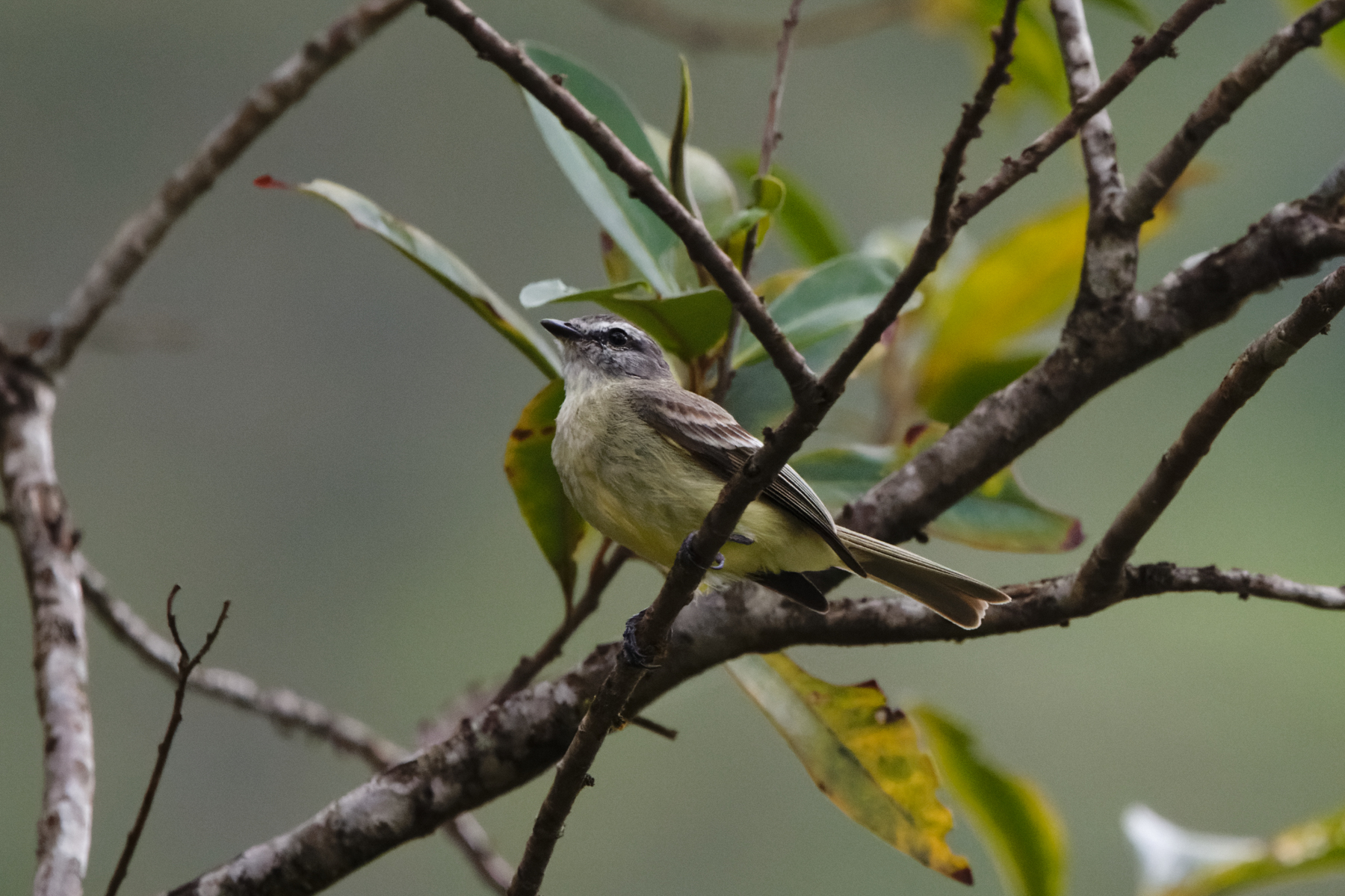
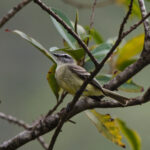
Yungas Tyrannulet (image by Leo Garrigues)
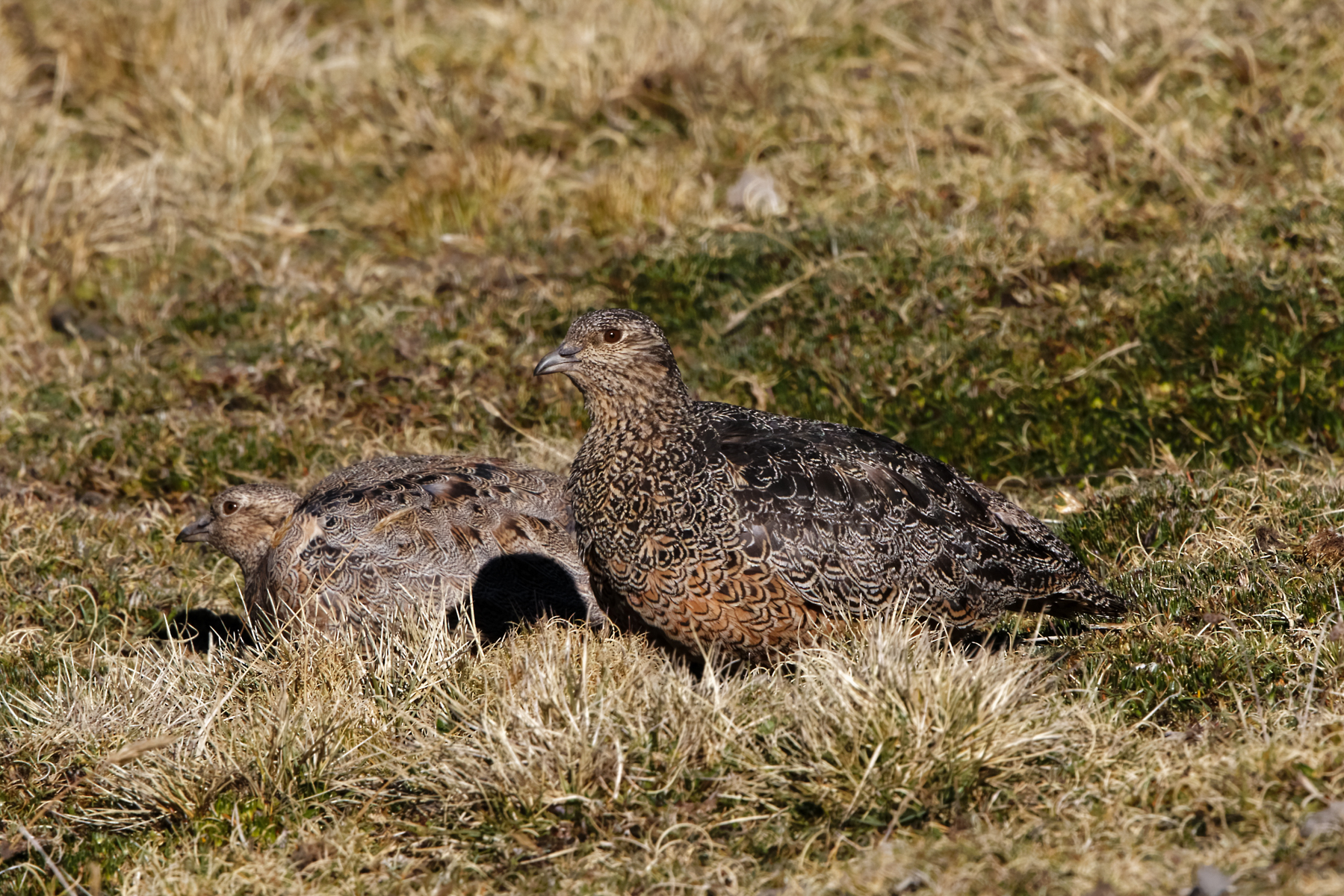
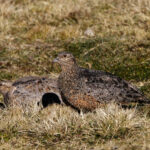
Rufous-bellied Seedsnipe (image by Leo Garrigues)
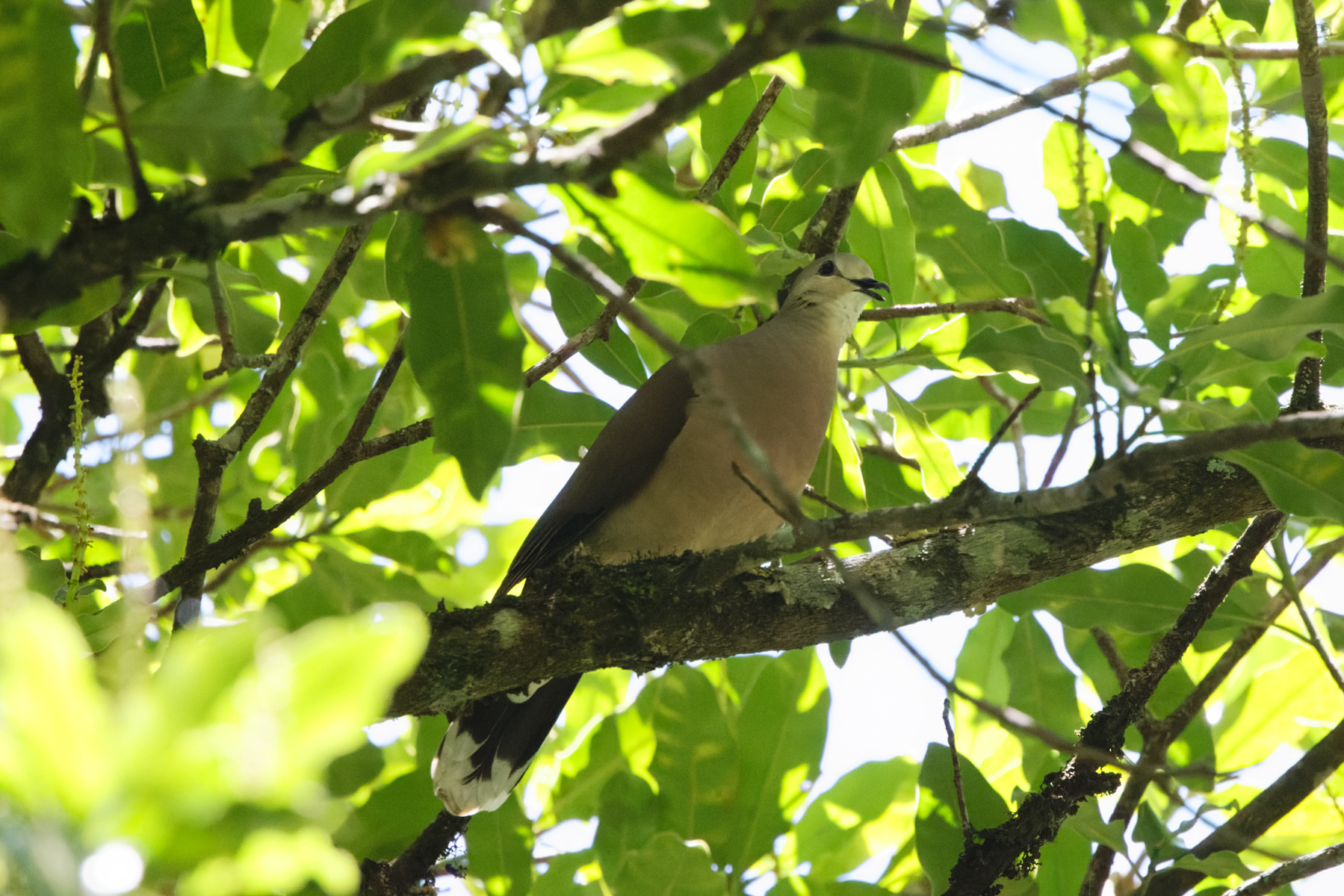
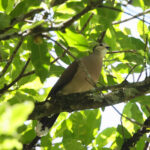
Yungas Dove (image by Leo Garrigues)
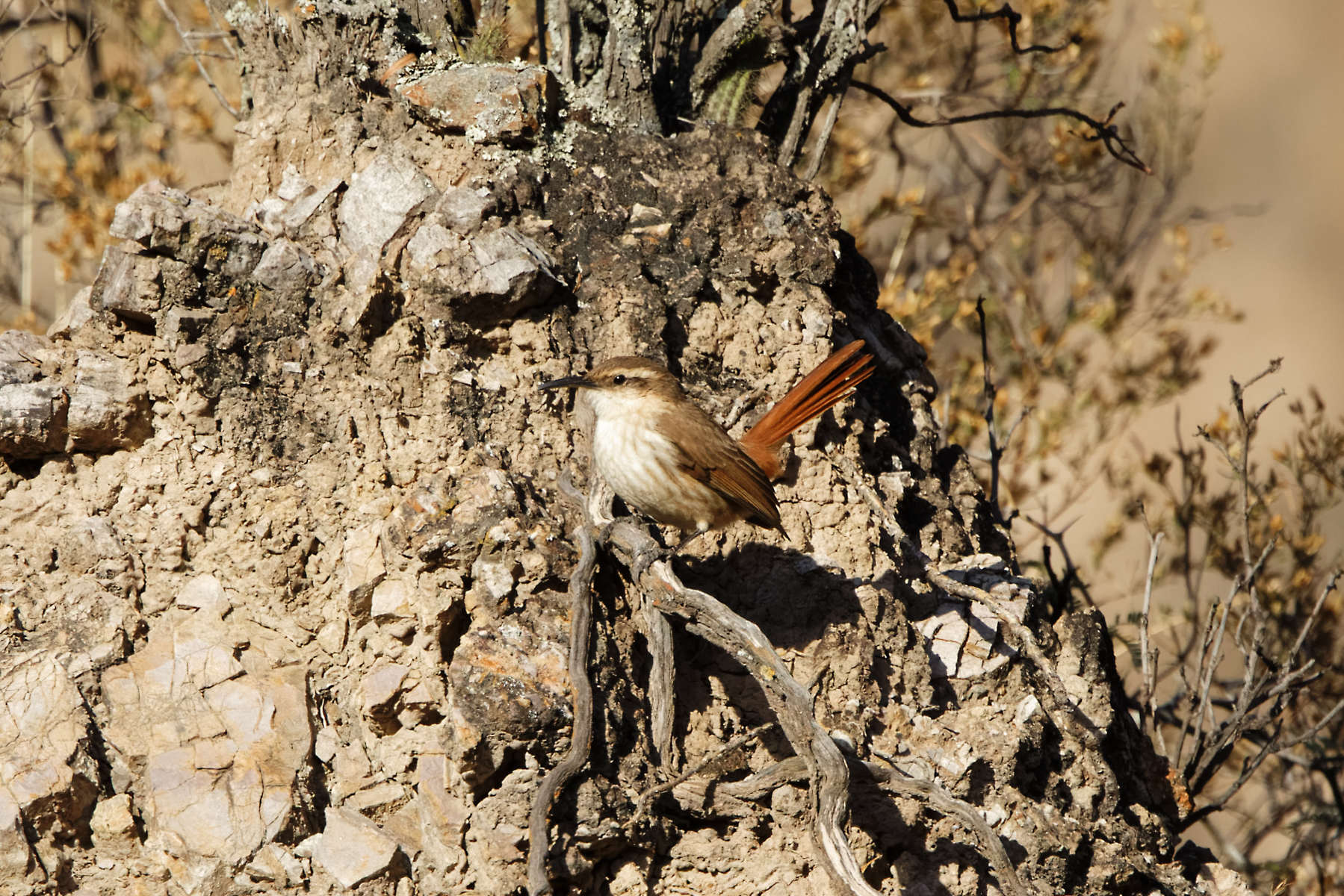
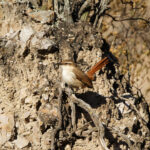
Rock Earthcreeper (image by Leo Garrigues)
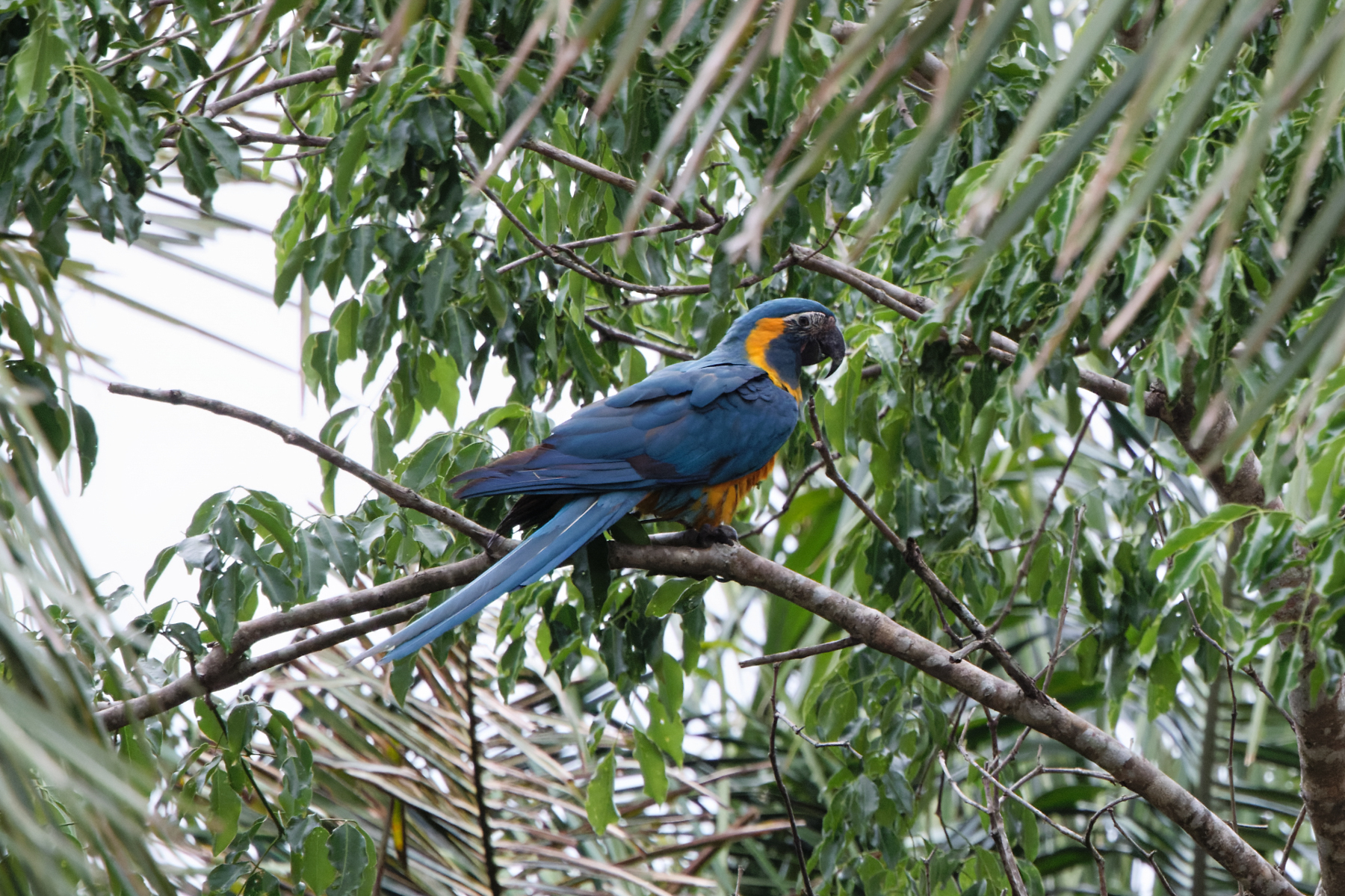
Blue-throated Macaw (image by Leo Garrigues)
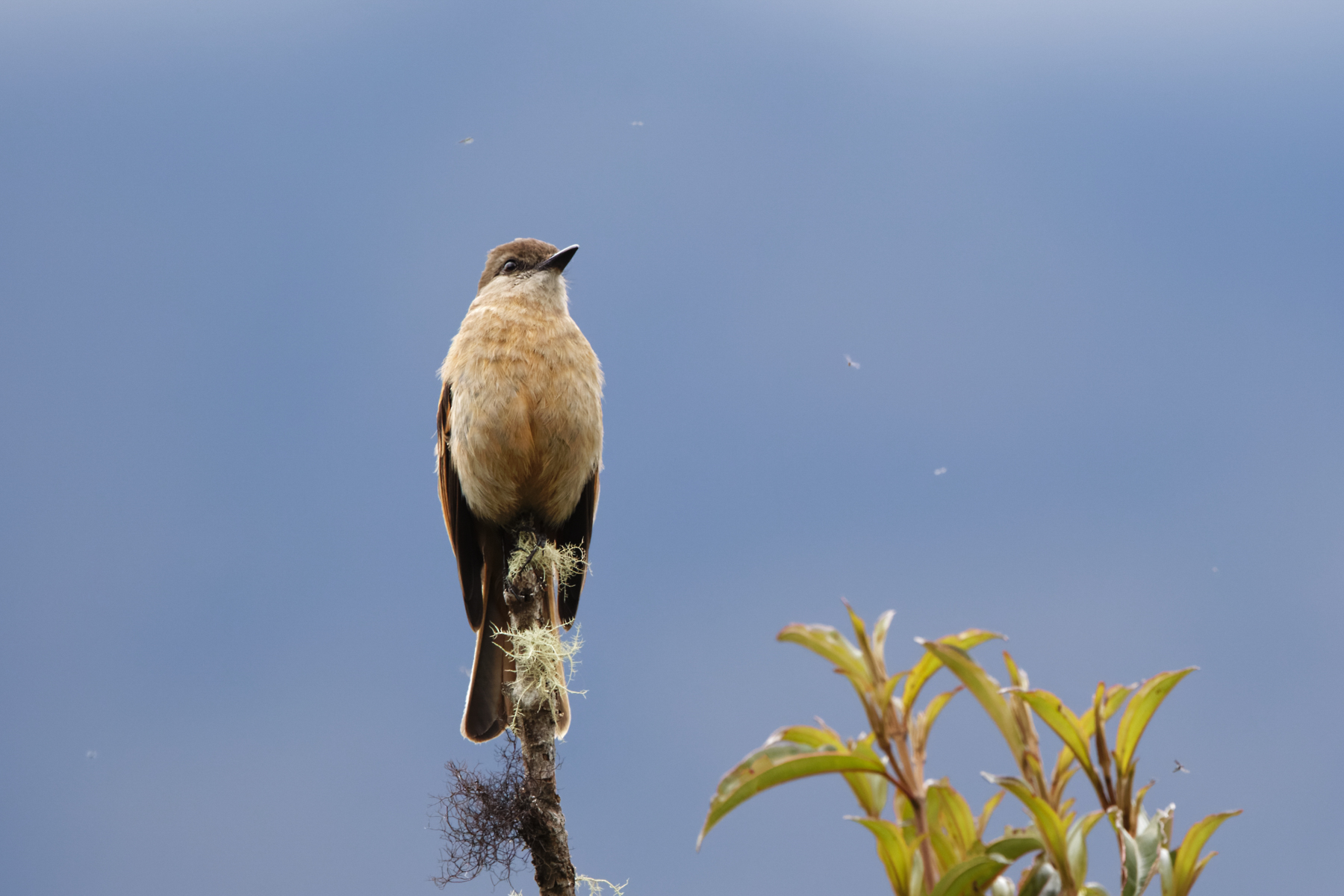
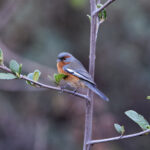
Rufous-bellied Bush-Tyrant (image by Leo Garrigues)
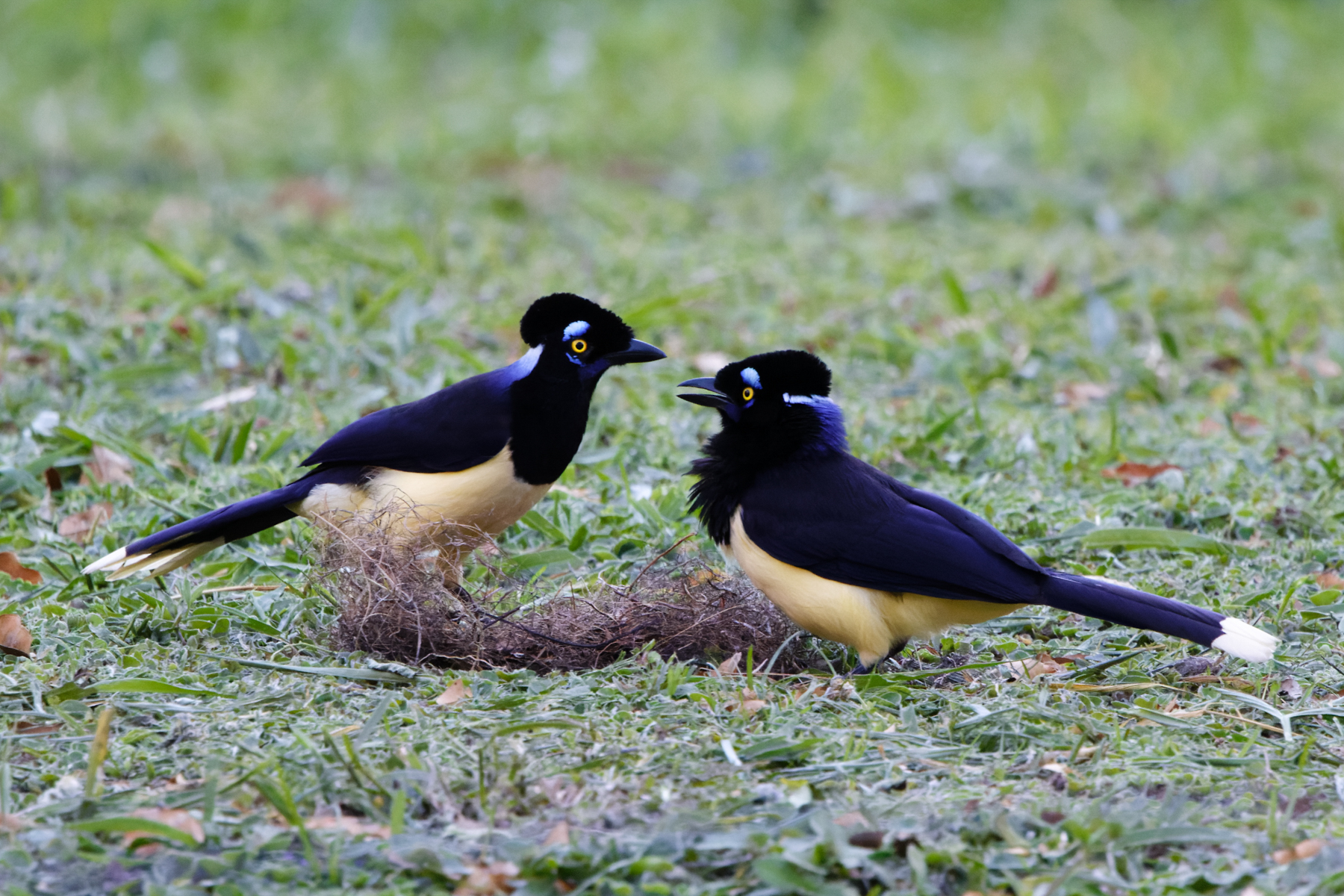
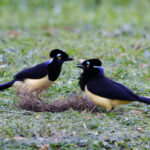
Plush-crested Jay (image by Leo Garrigues)
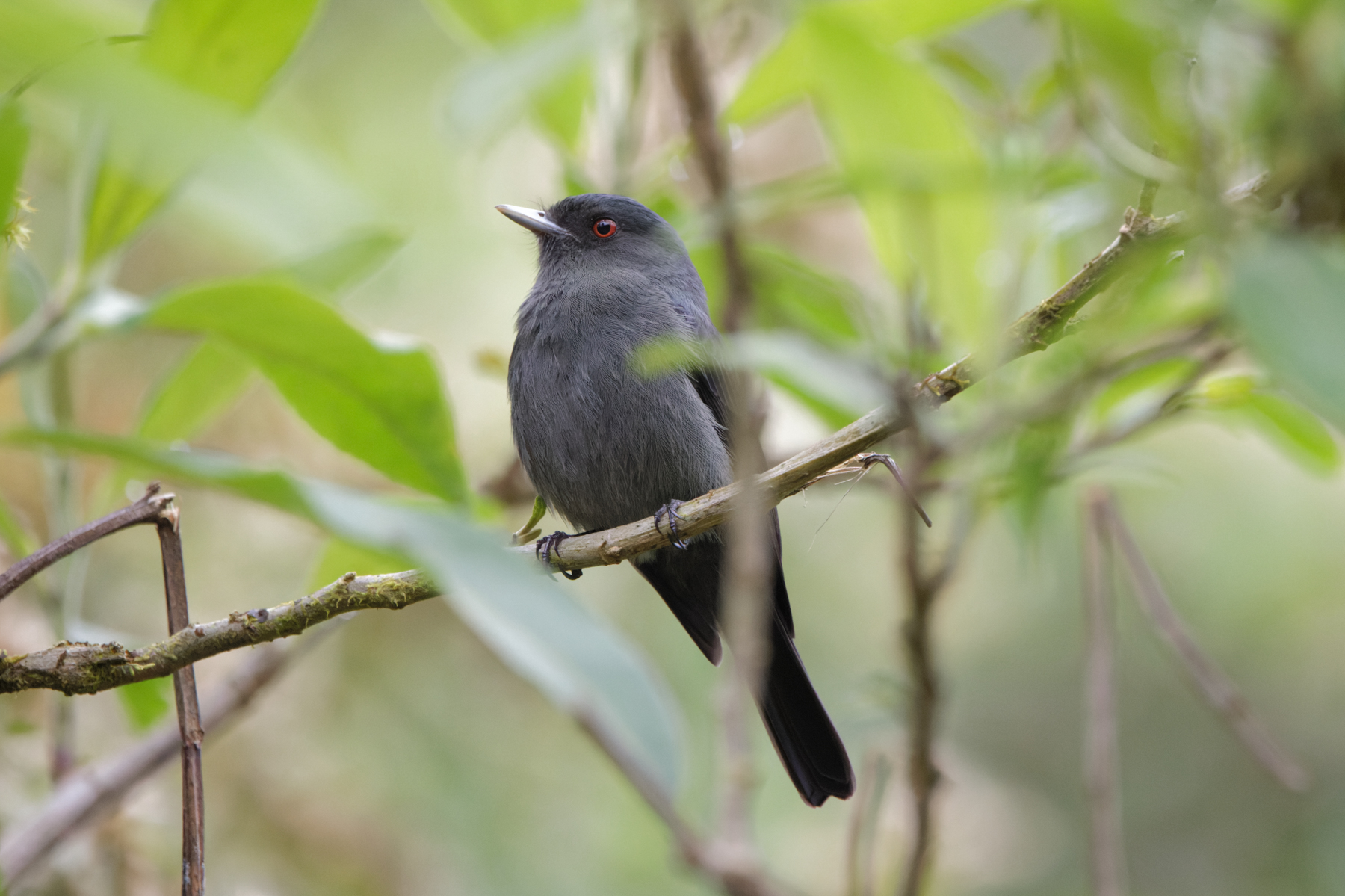
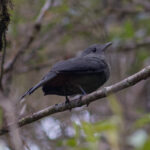
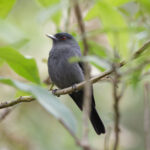
Plumbeous Tyrant (image by Leo Garrigues)
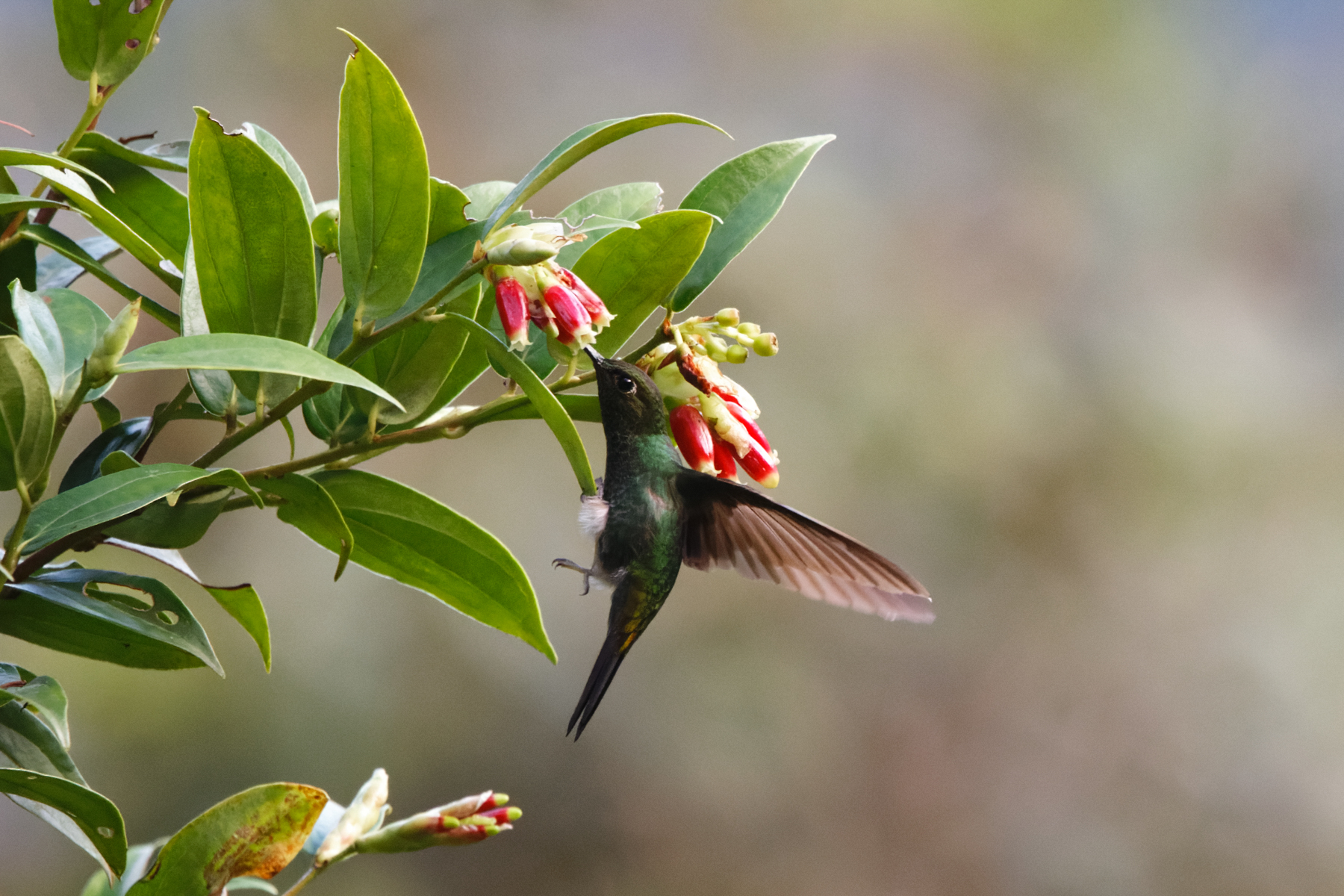
Buff-thighed Puffleg (image by Leo Garrigues)
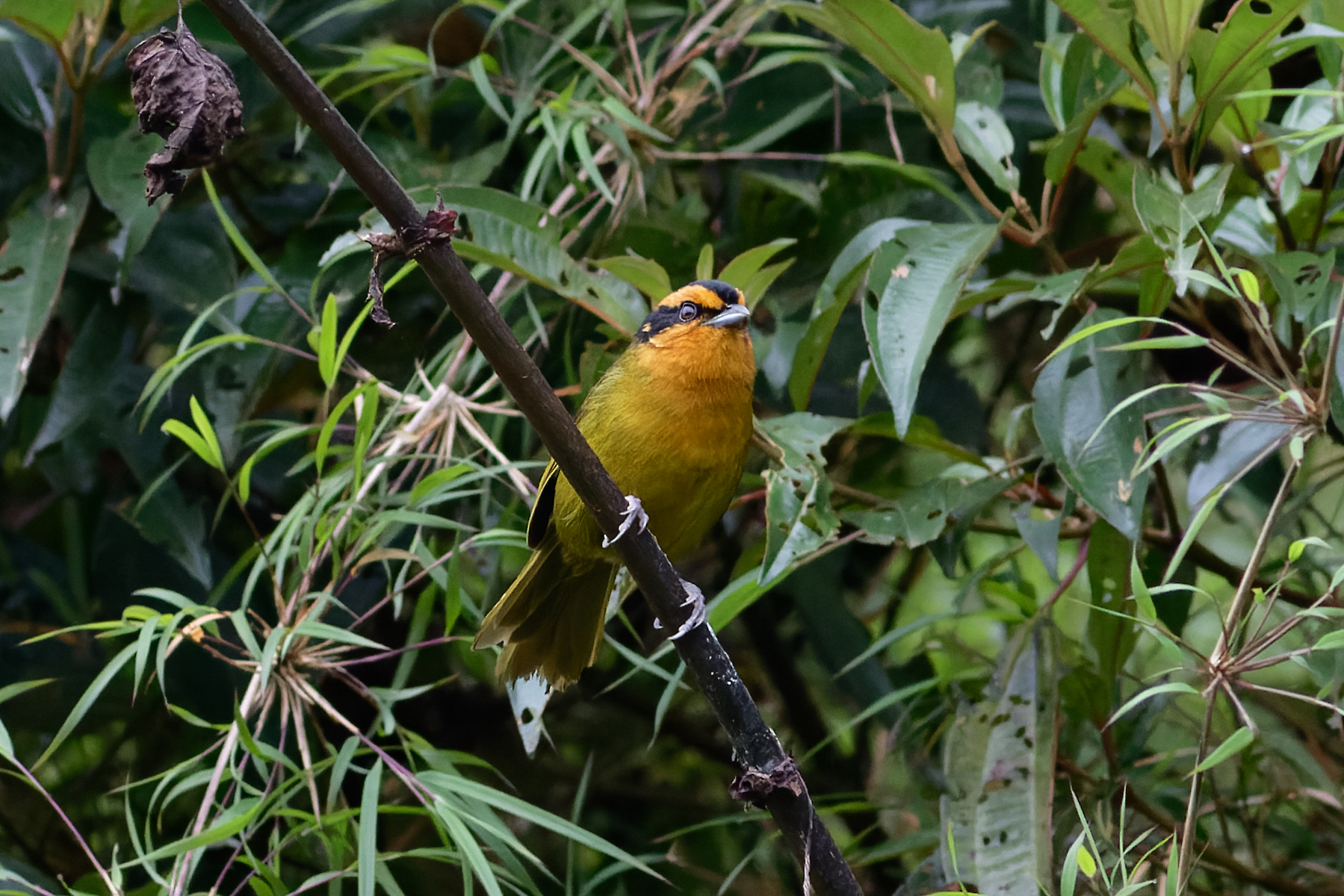
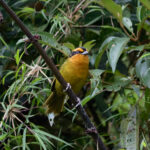
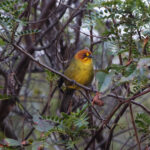
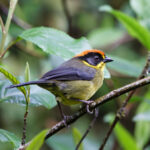
Orange-browed Hemispingus (image by Leo Garrigues)
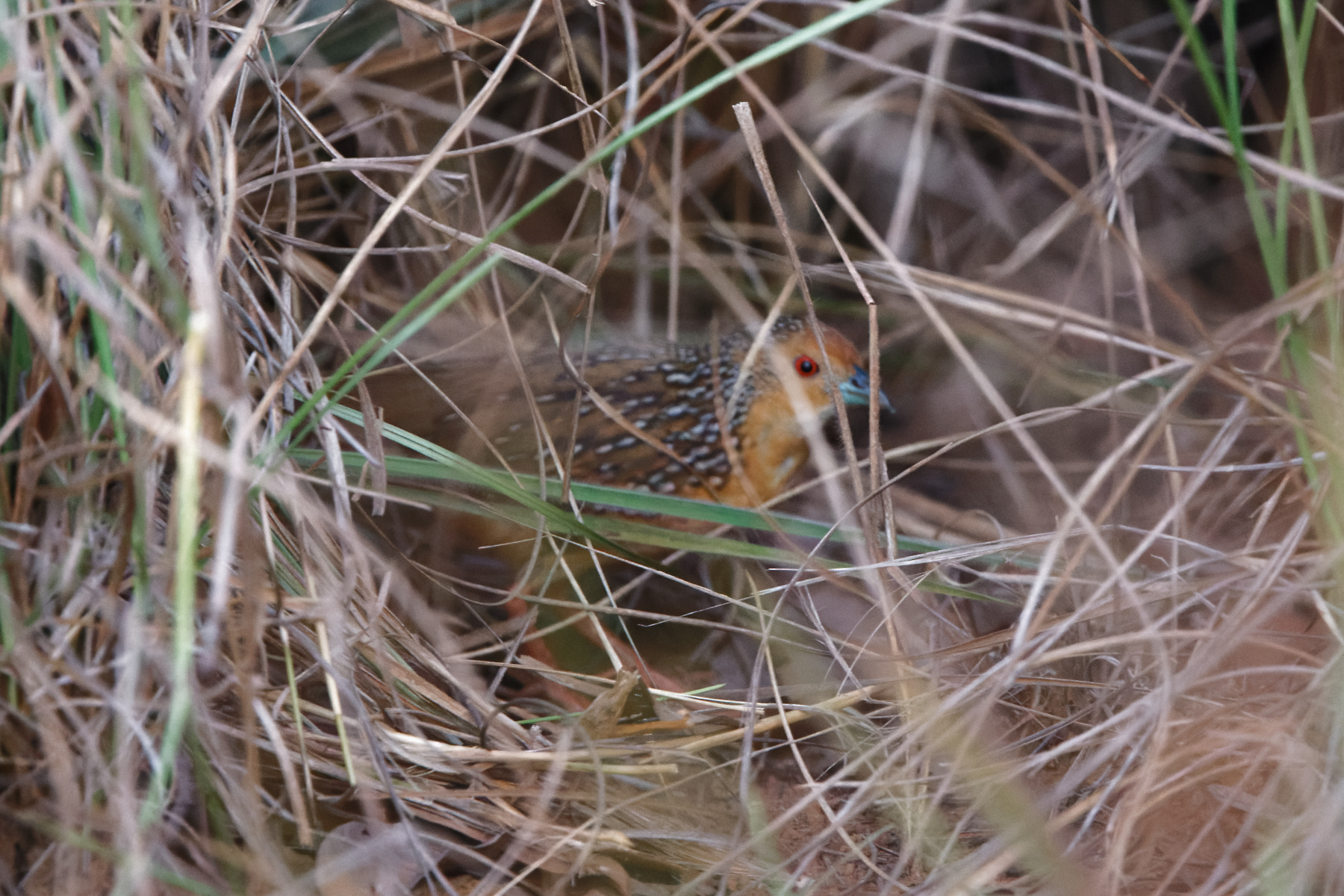
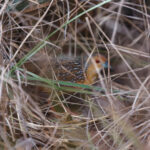
Ocellated Crake (image by Leo Garrigues)
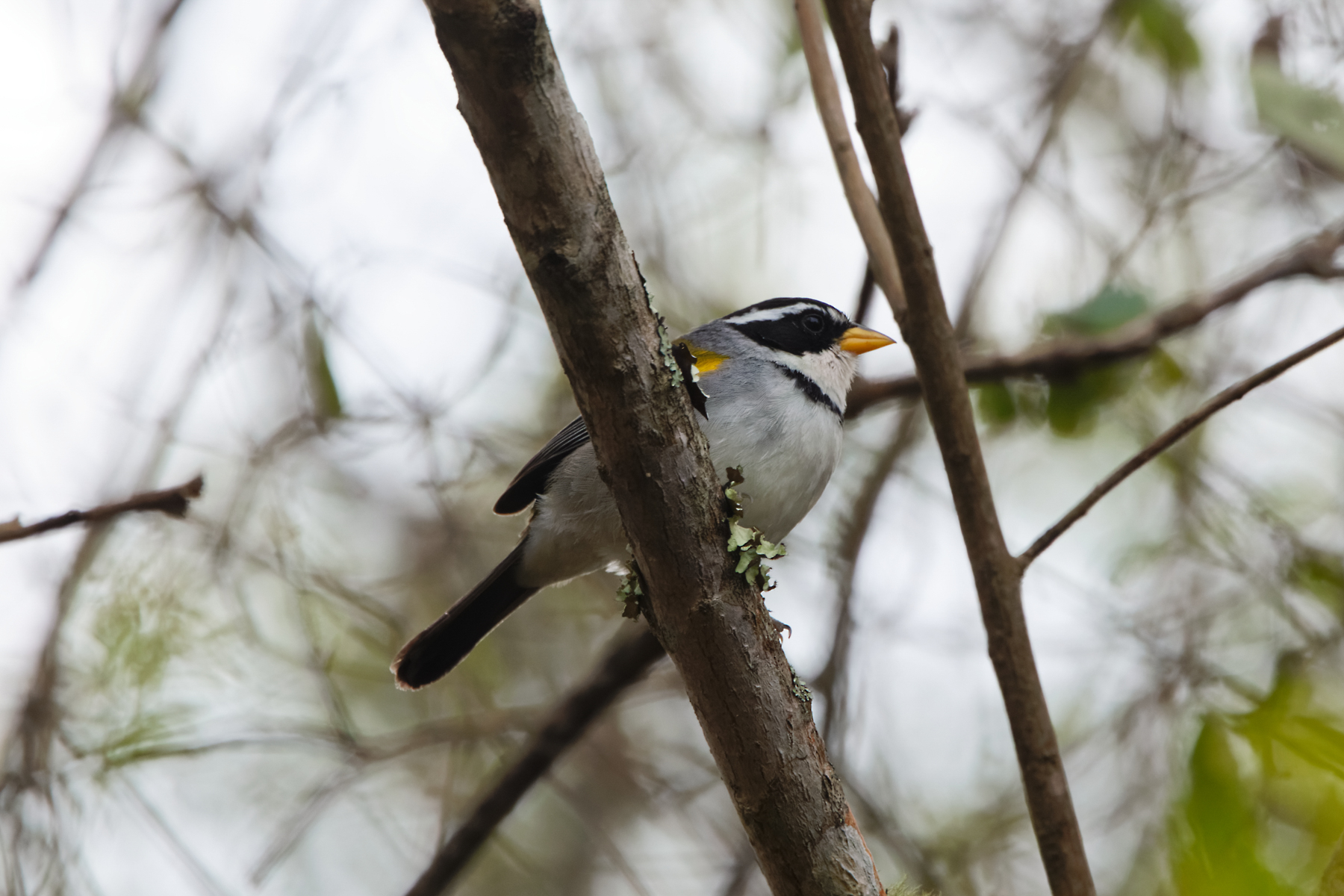
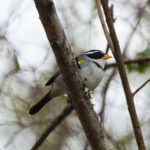
Moss-backed Sparrow (image by Leo Garrigues)
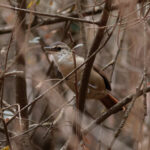
![Light-crowned Spinetail [discolor] (image by Leo Garrigues)](https://www.birdquest-tours.com/wp-content/uploads/2026/04/Light-crowned-Spinetail-discolor-Bolivia-Leo-Garrigues.jpg)
Light-crowned Spinetail [discolor] (image by Leo Garrigues)
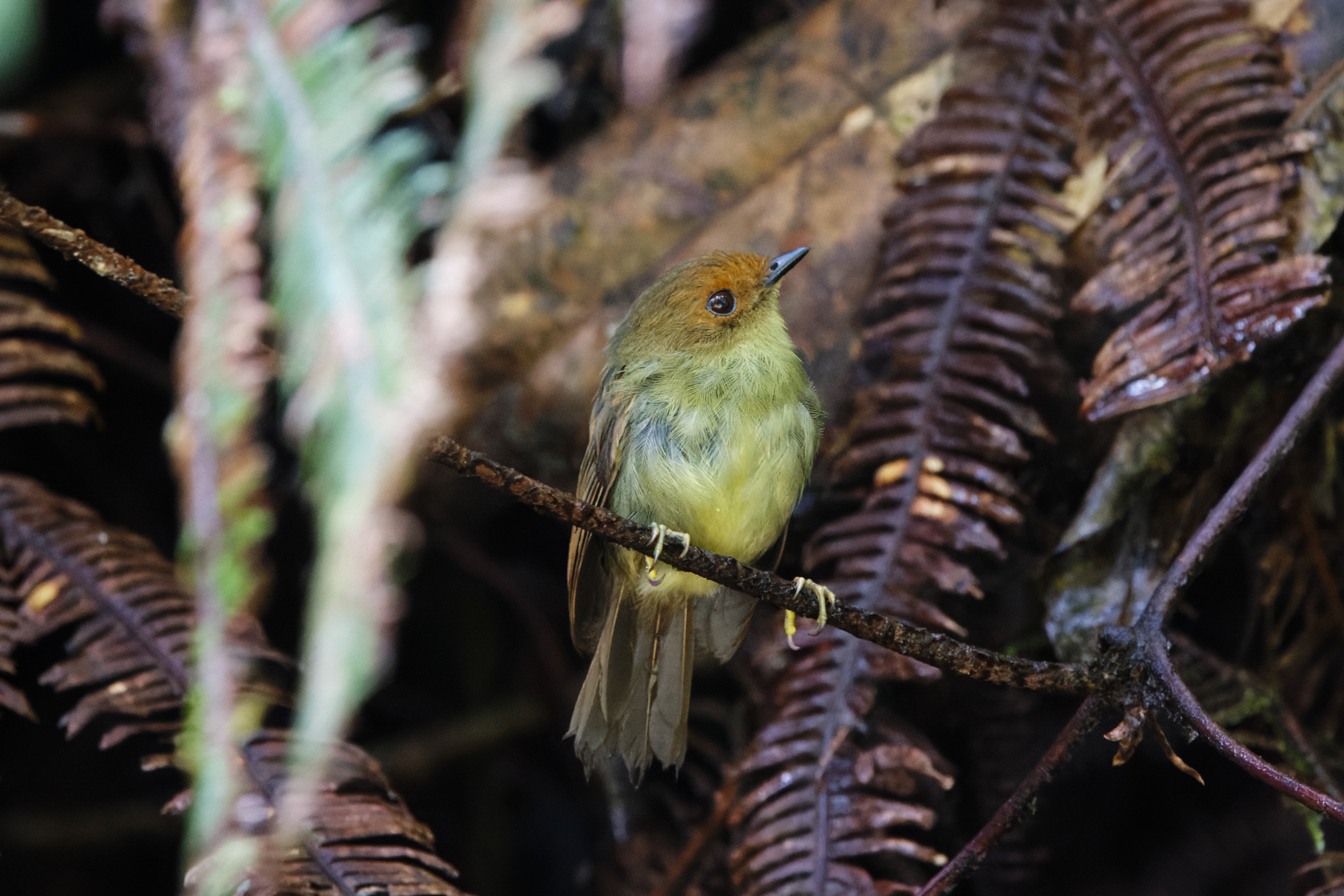
Hazel-fronted Pygmy Tyrant (image by Leo Garrigues)
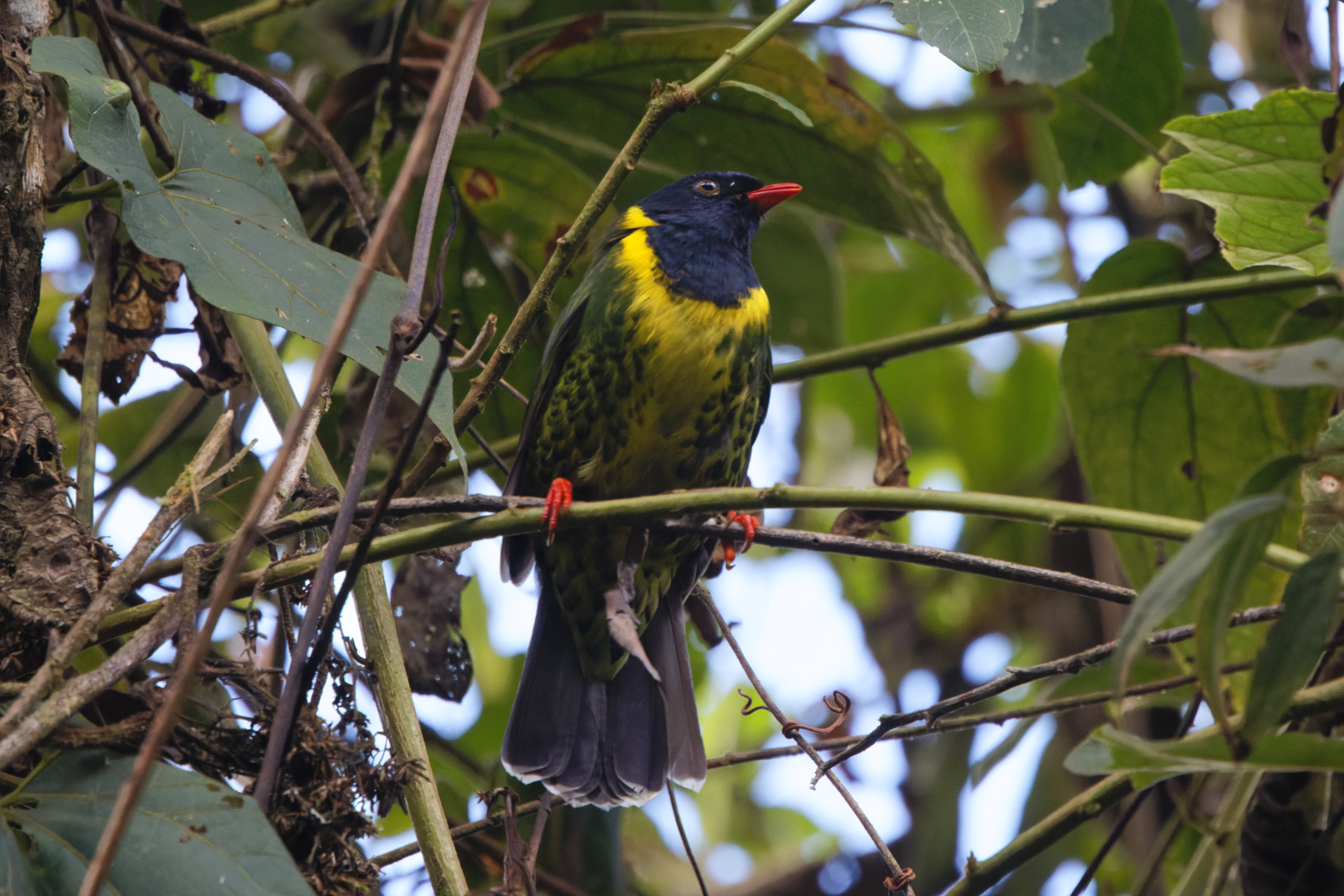
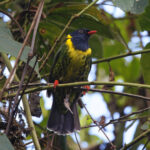
Band-tailed Fruiteater (image by Leo Garrigues)
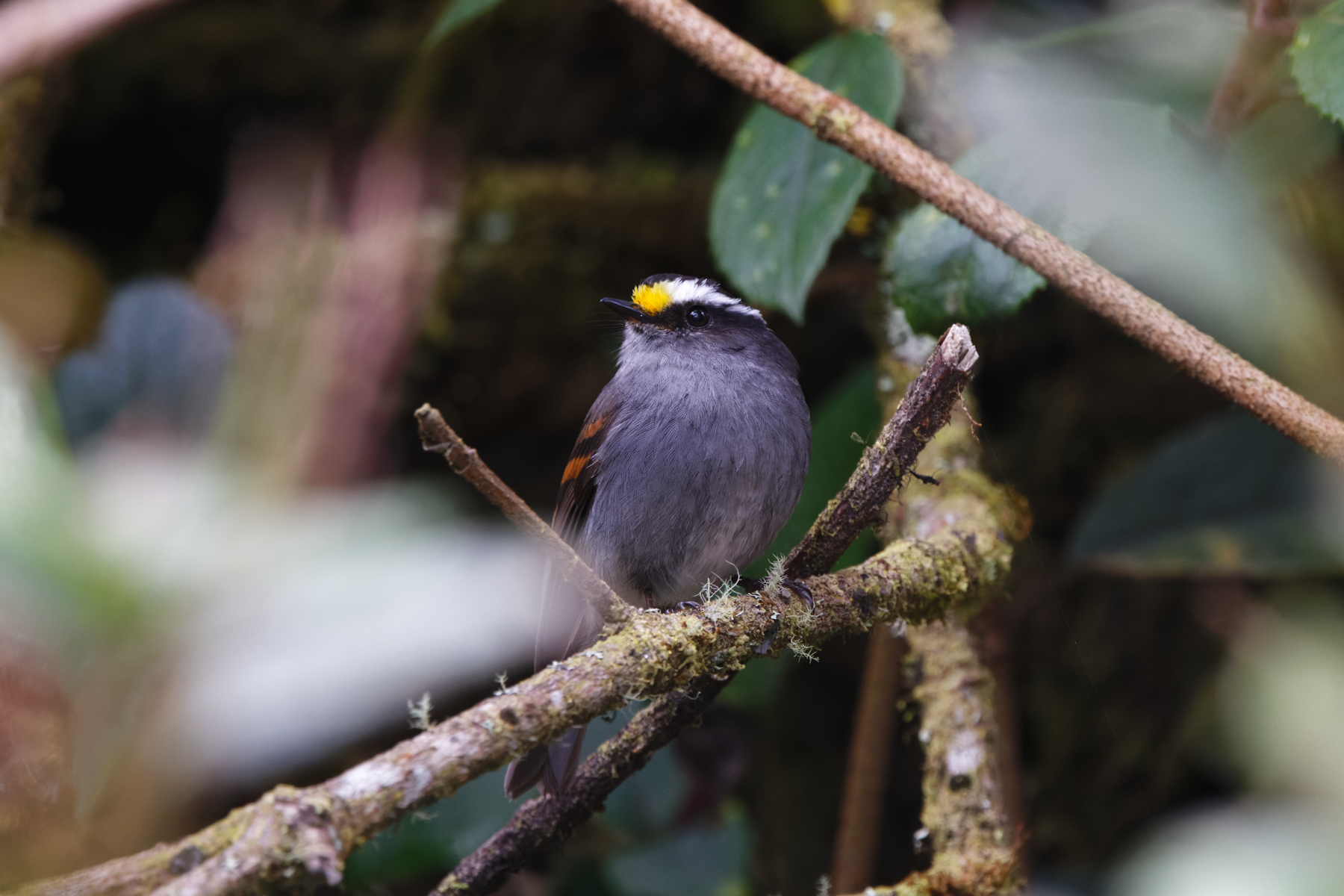
Kalinowski's Chat-Tyrant (image by Leo Garrigues)
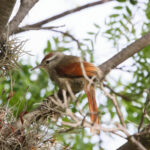
![Light-crowned Spinetail [albiceps] (image by Leo Garrigues)](https://www.birdquest-tours.com/wp-content/uploads/2026/04/Light-crowned-Spinetail-albiceps-Bolivia-Leo-Garrigues.jpg)
Light-crowned Spinetail [albiceps] (image by Leo Garrigues)
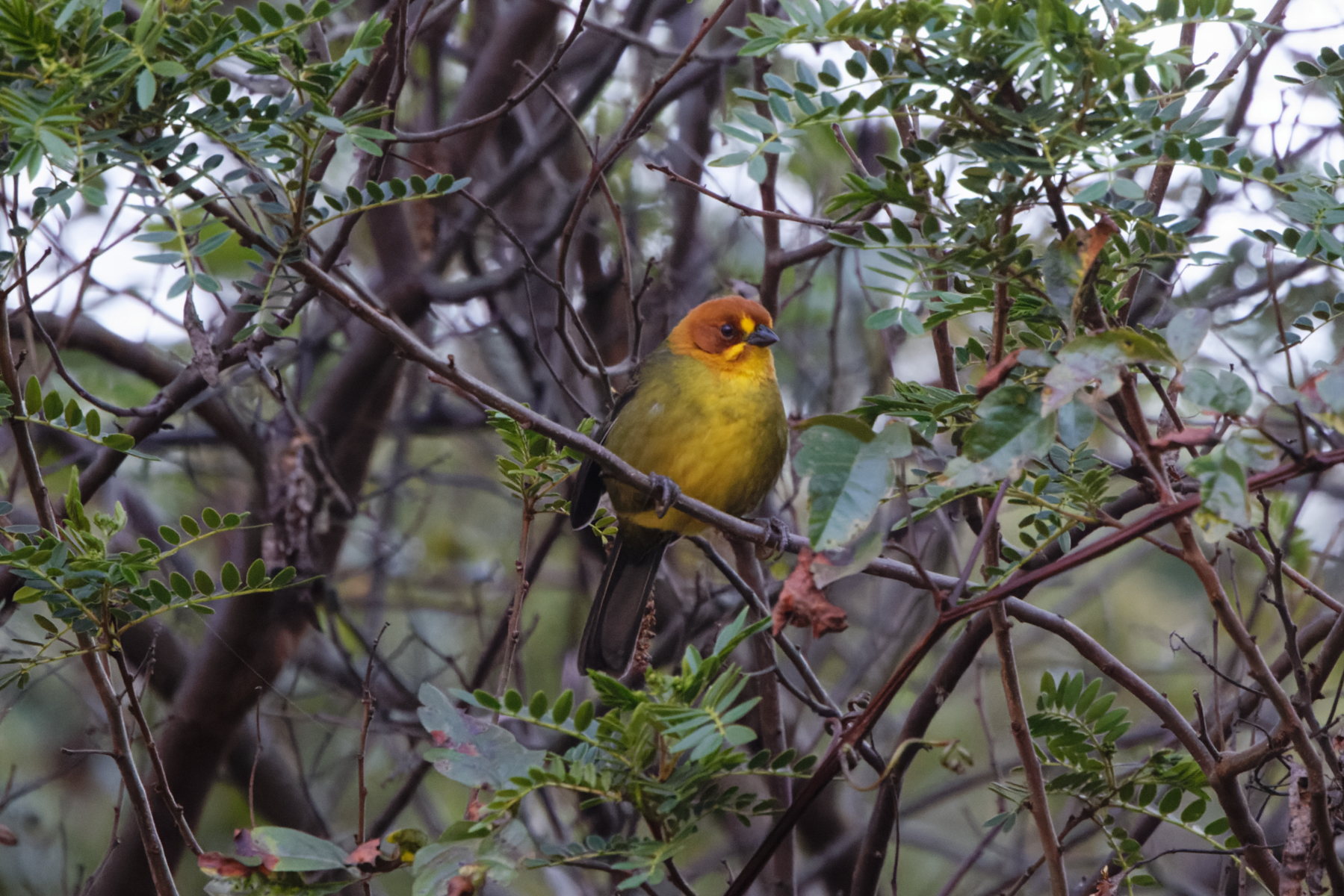
Fulvous-headed Brushfinch (image by Leo Garrigues)
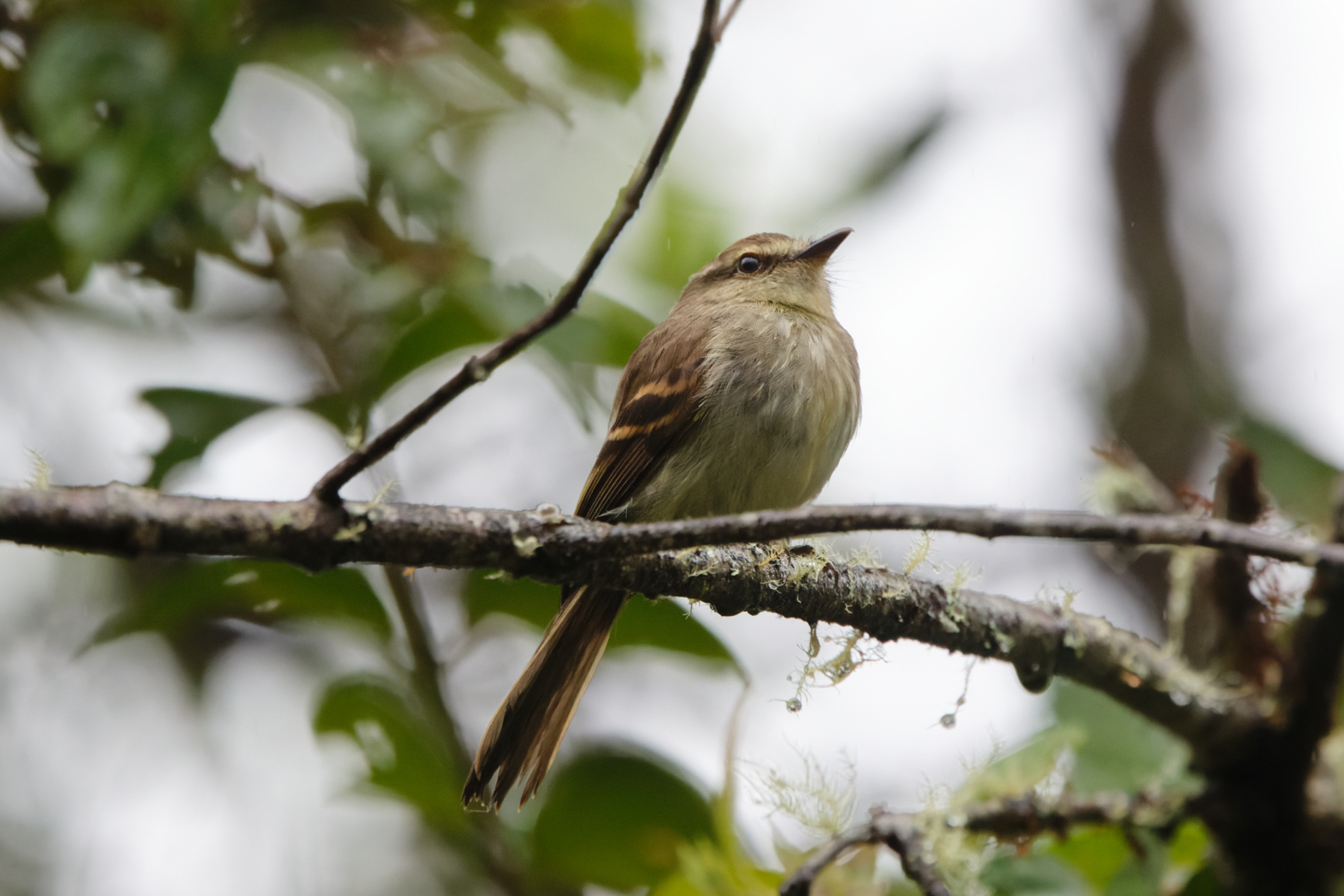
Fuscous Flycatcher (image by Leo Garrigues)
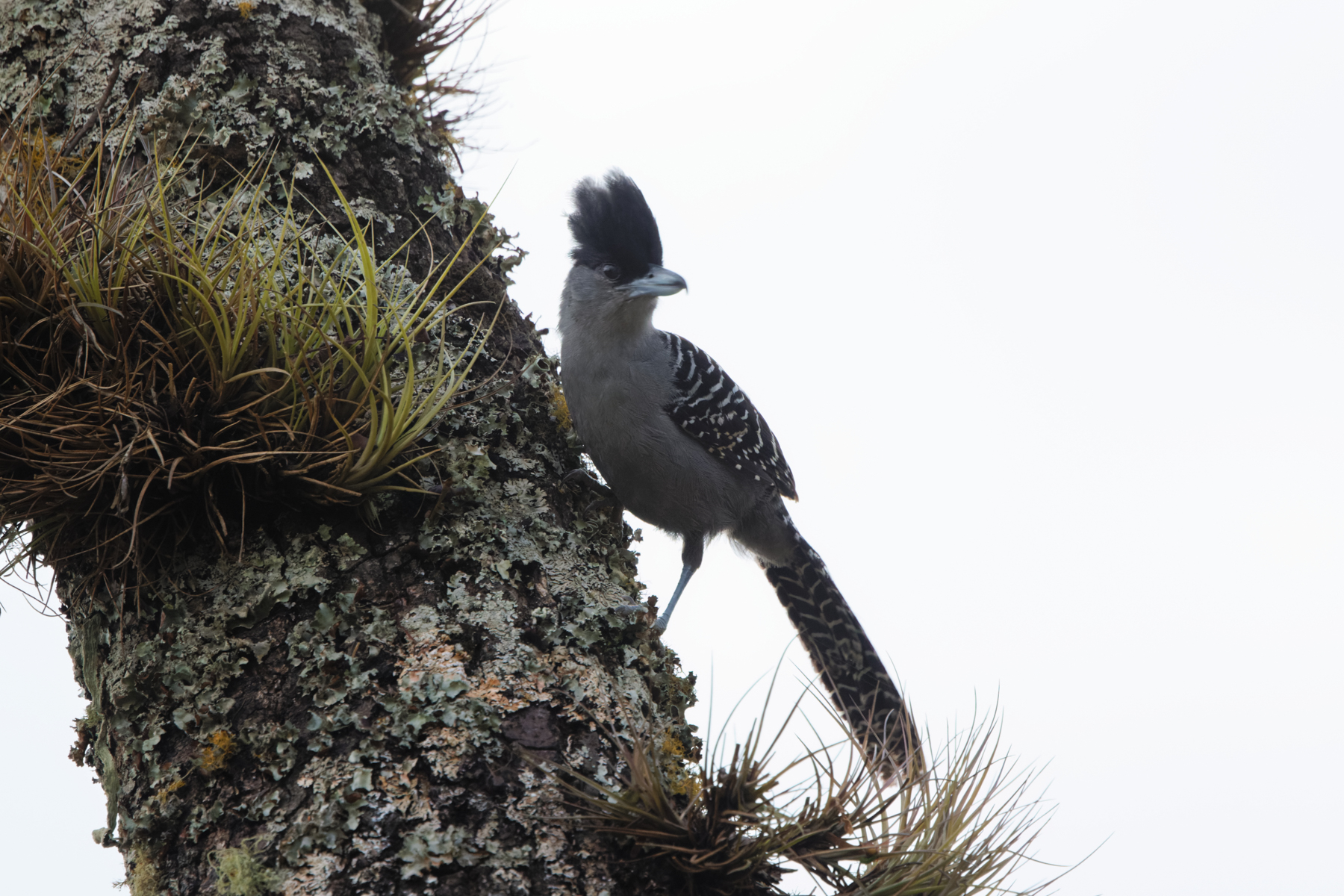
Giant Antshrike (image by Leo Garrigues)
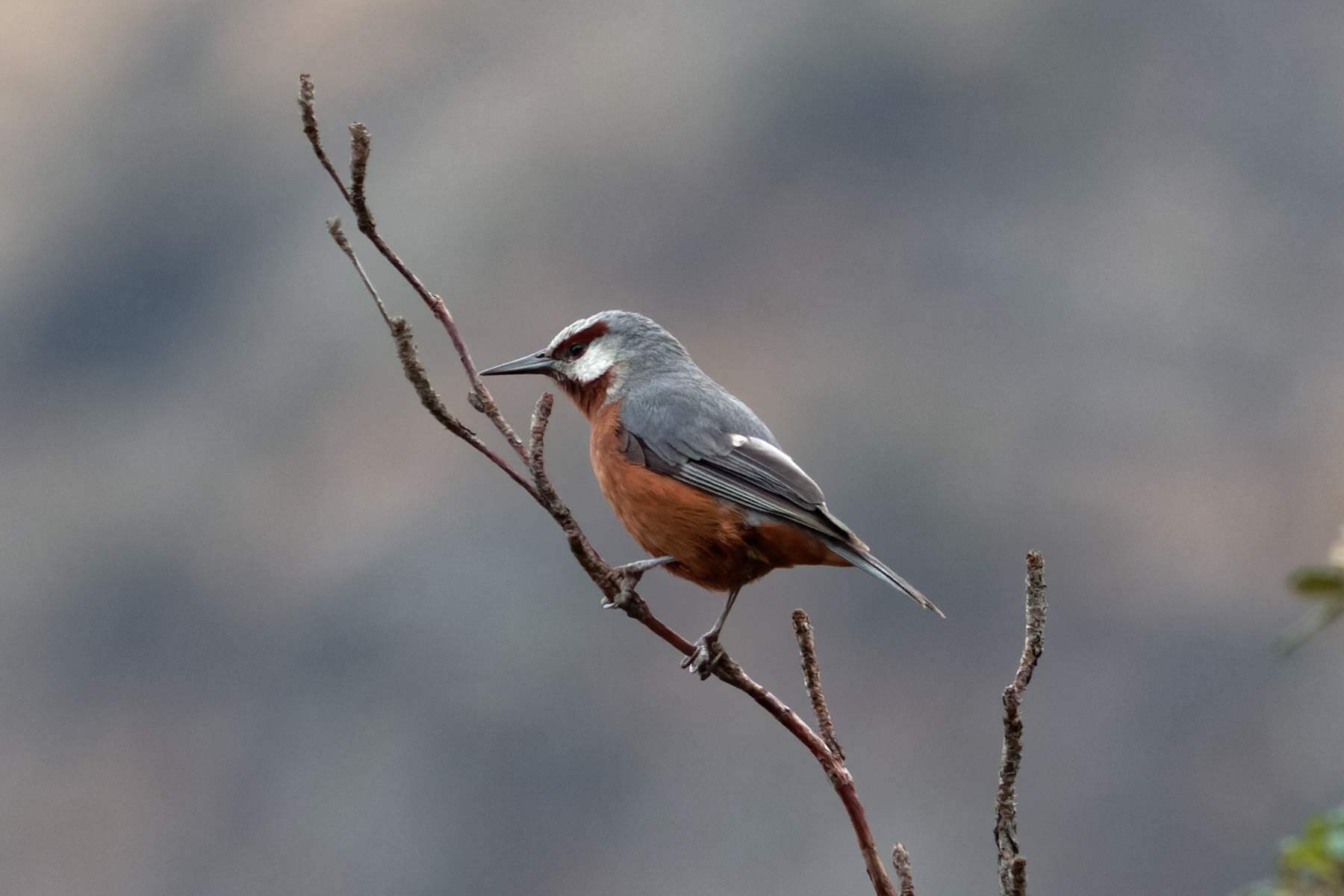
Giant Conebill (image by Leo Garrigues)
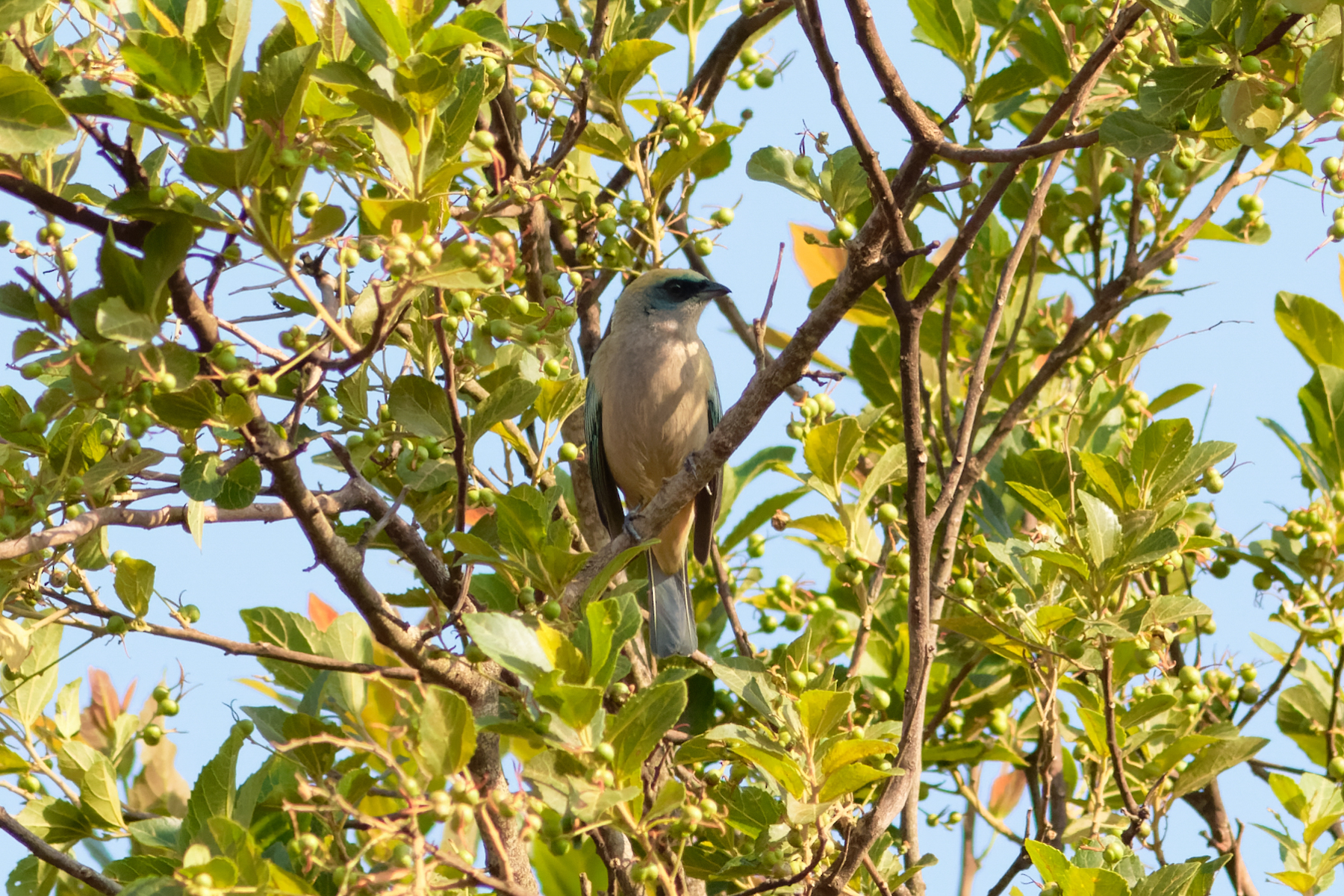
Green-capped Tanager (image by Leo Garrigues)
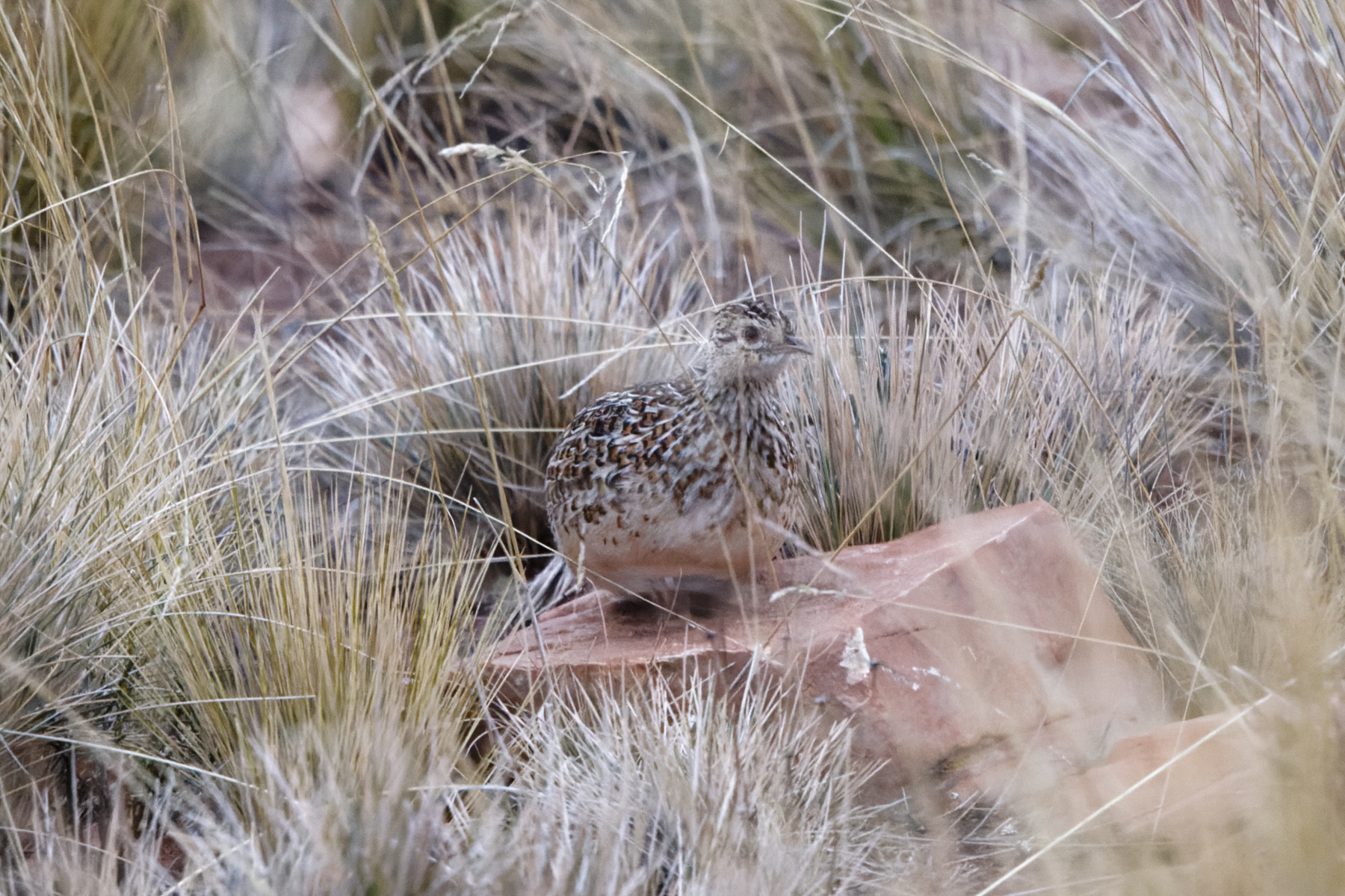
Darwin's Nothura (image by Leo Garrigues)
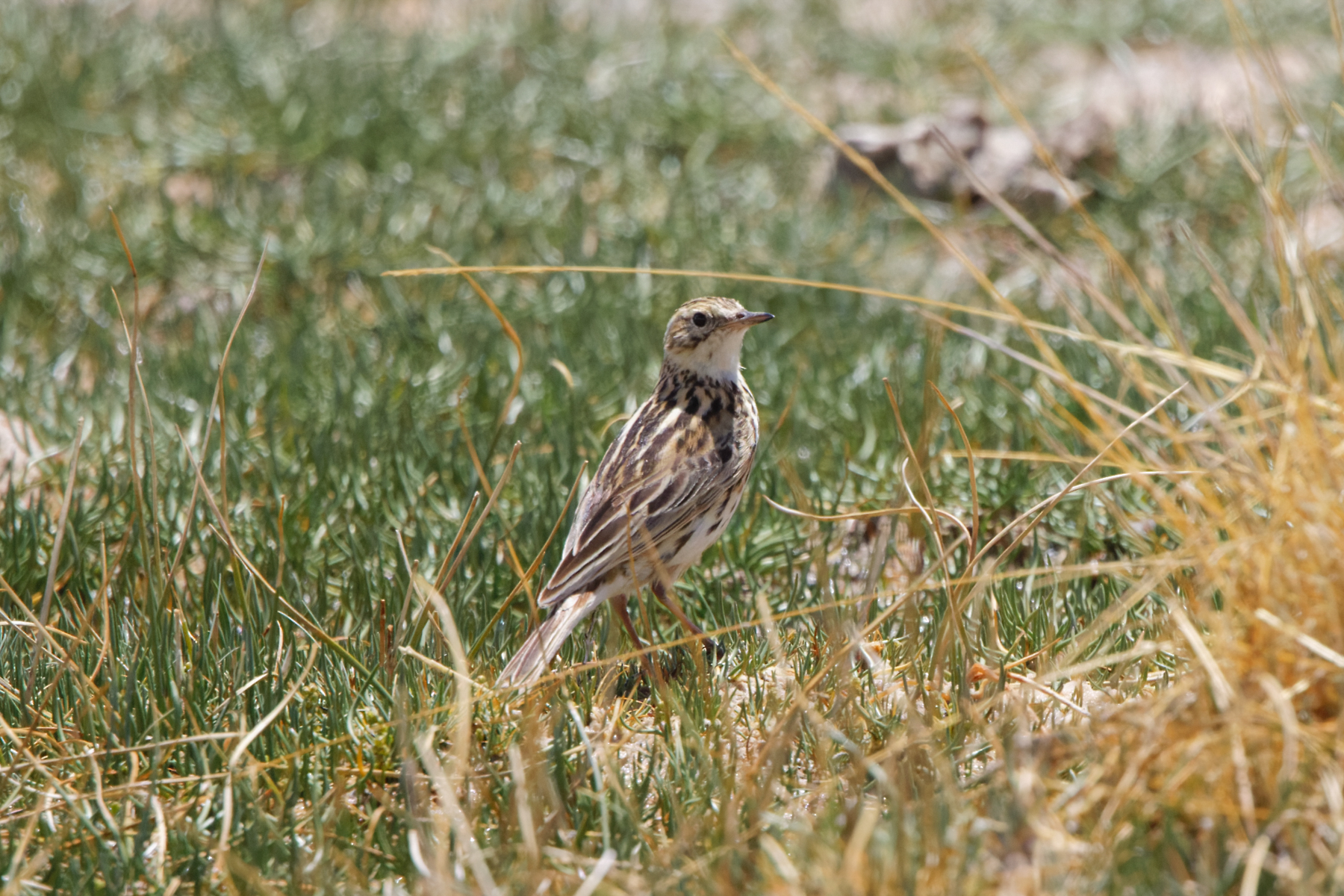
Correndera Pipit (image by Leo Garrigues)
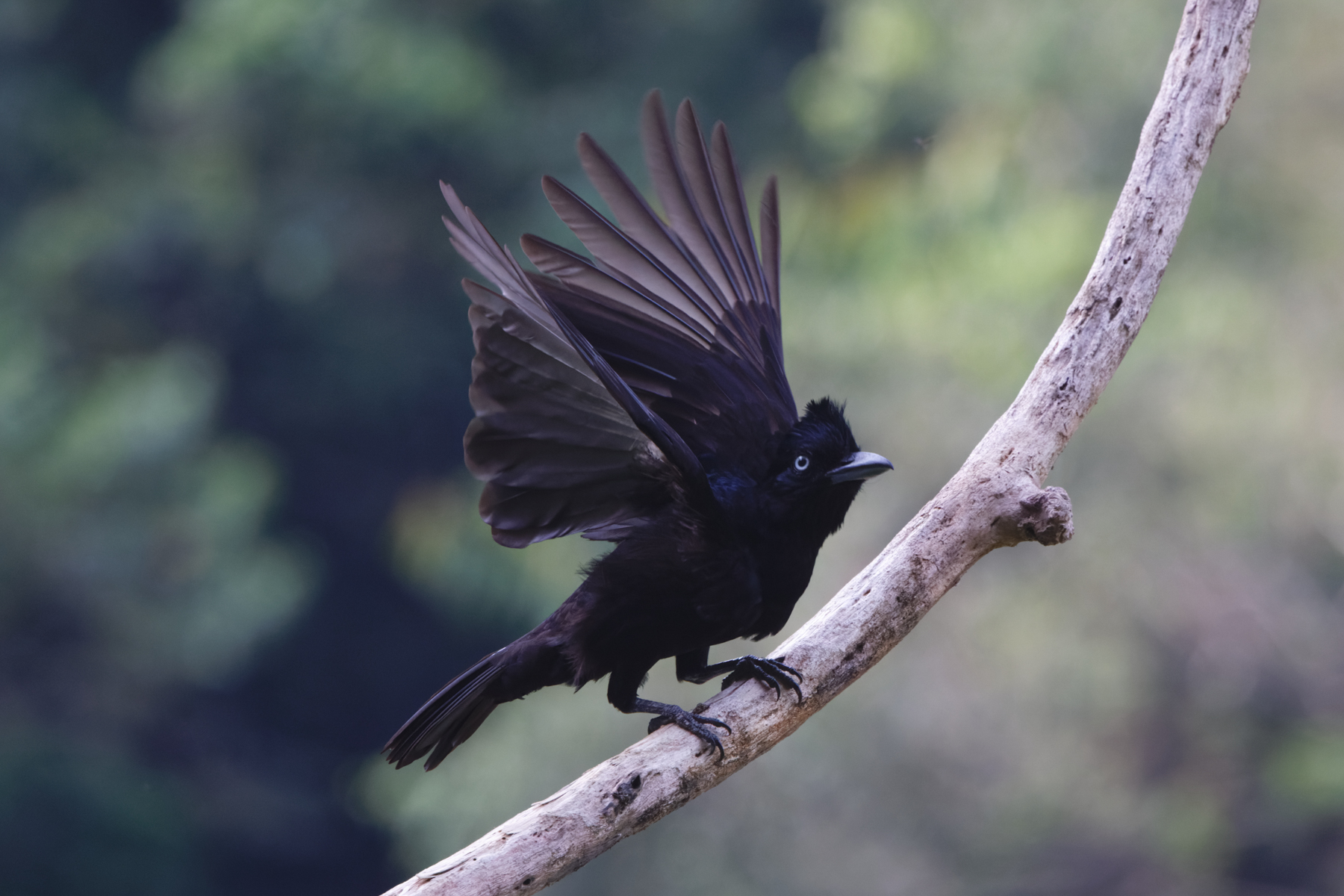
Amazonian Umbrellabird (image by Leo Garrigues)
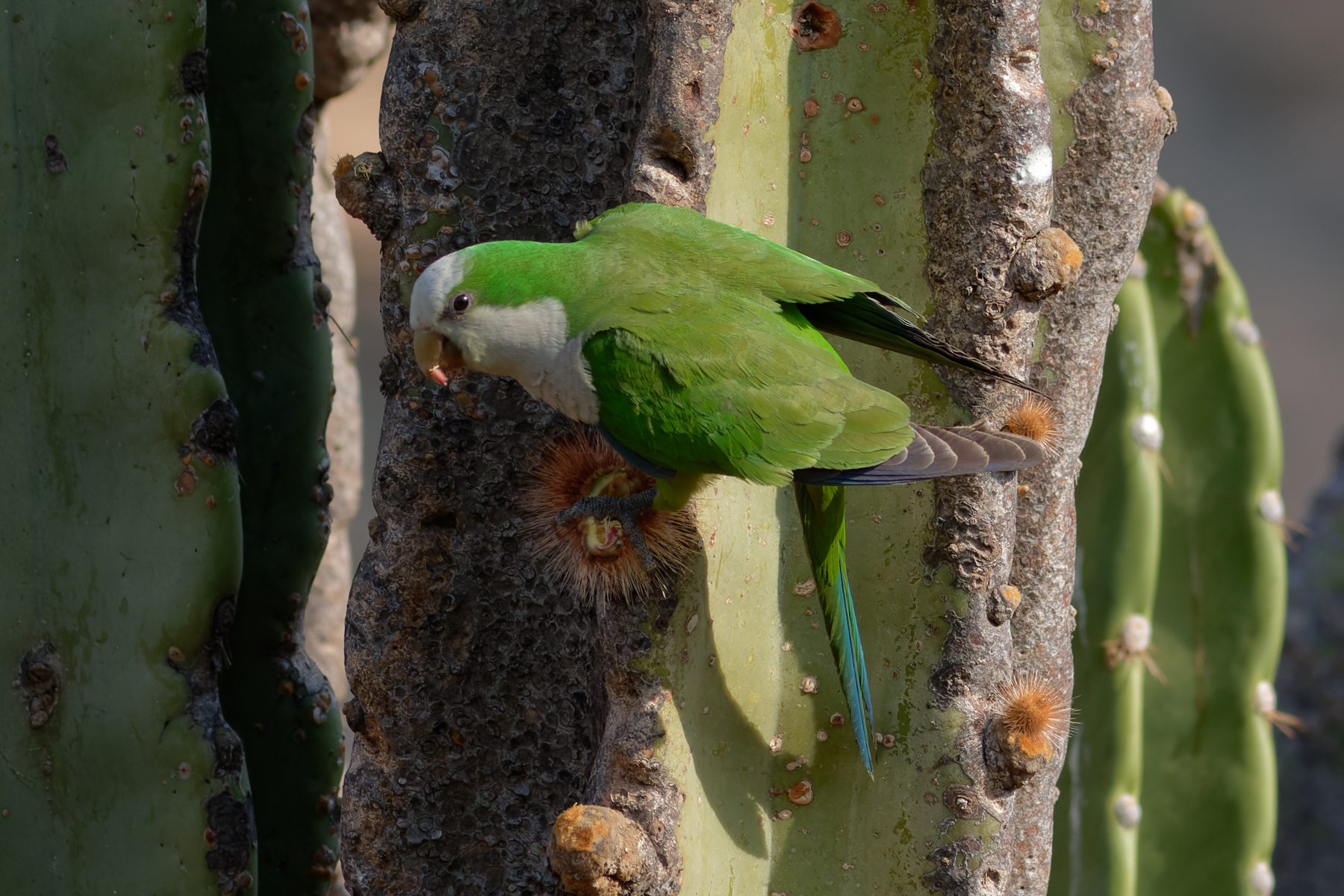
Cliff Parakeet (image by Leo Garrigues)
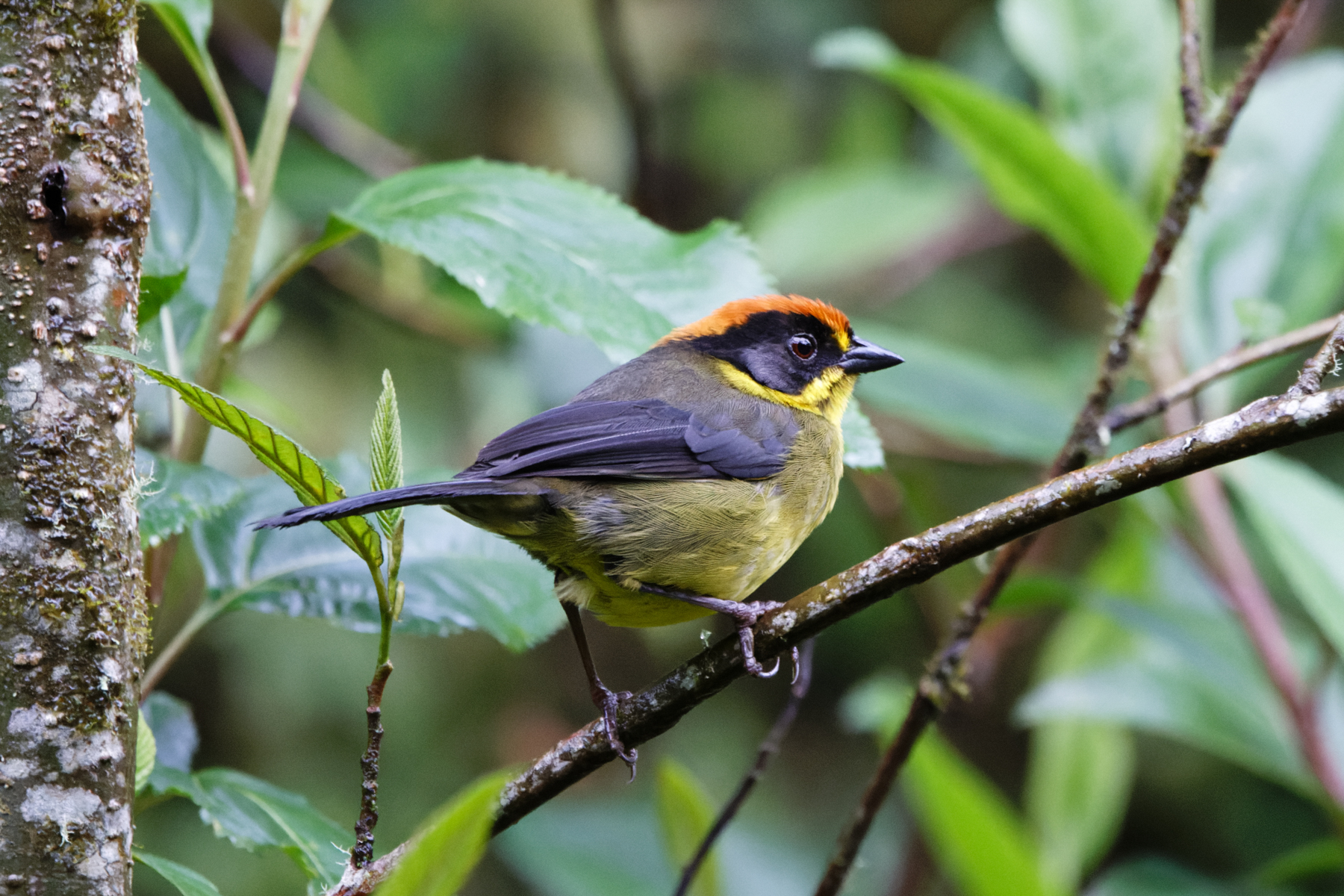
Bolivian Brushfinch (image by Leo Garrigues)
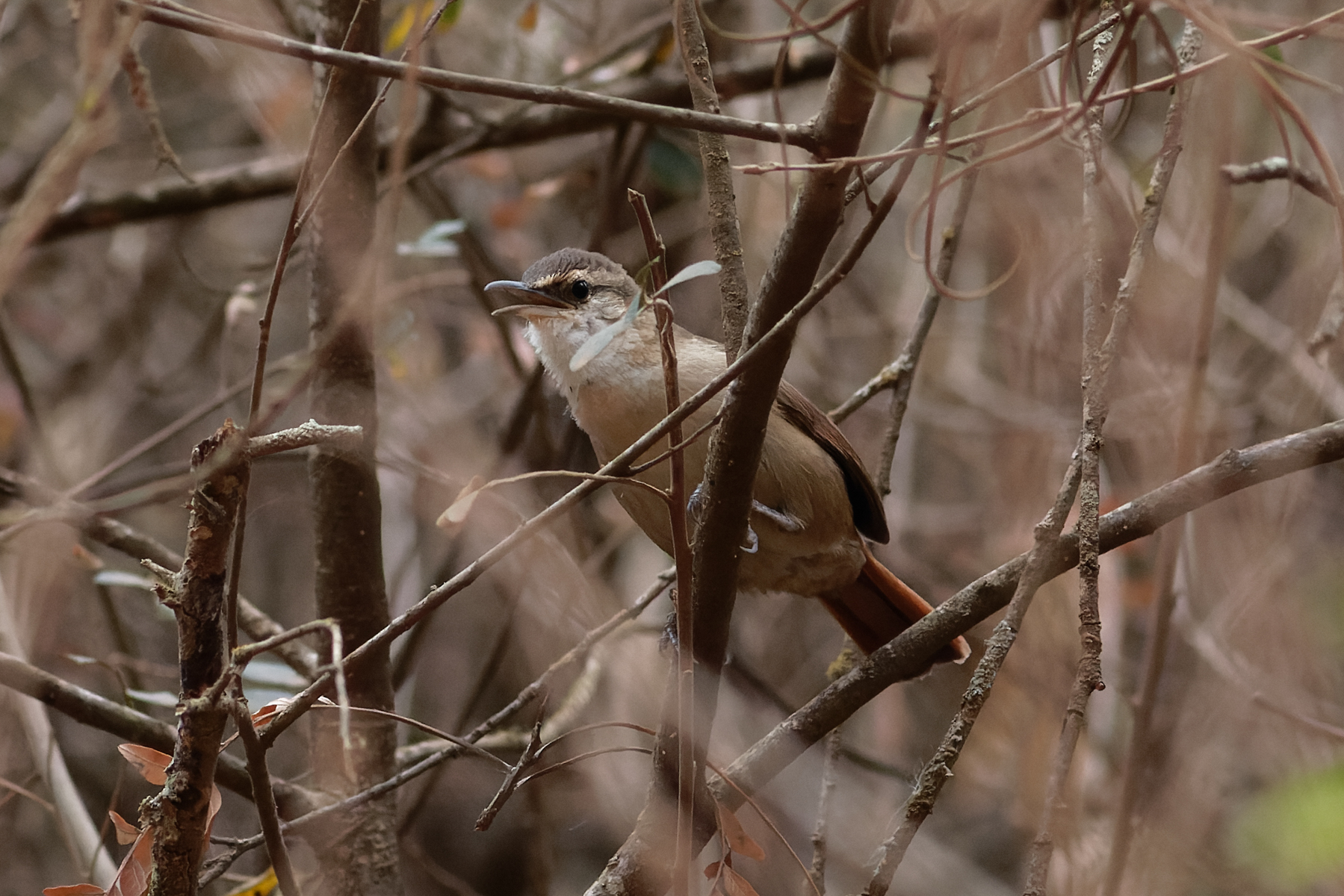
Bolivian Earthcreeper (image by Leo Garrigues)
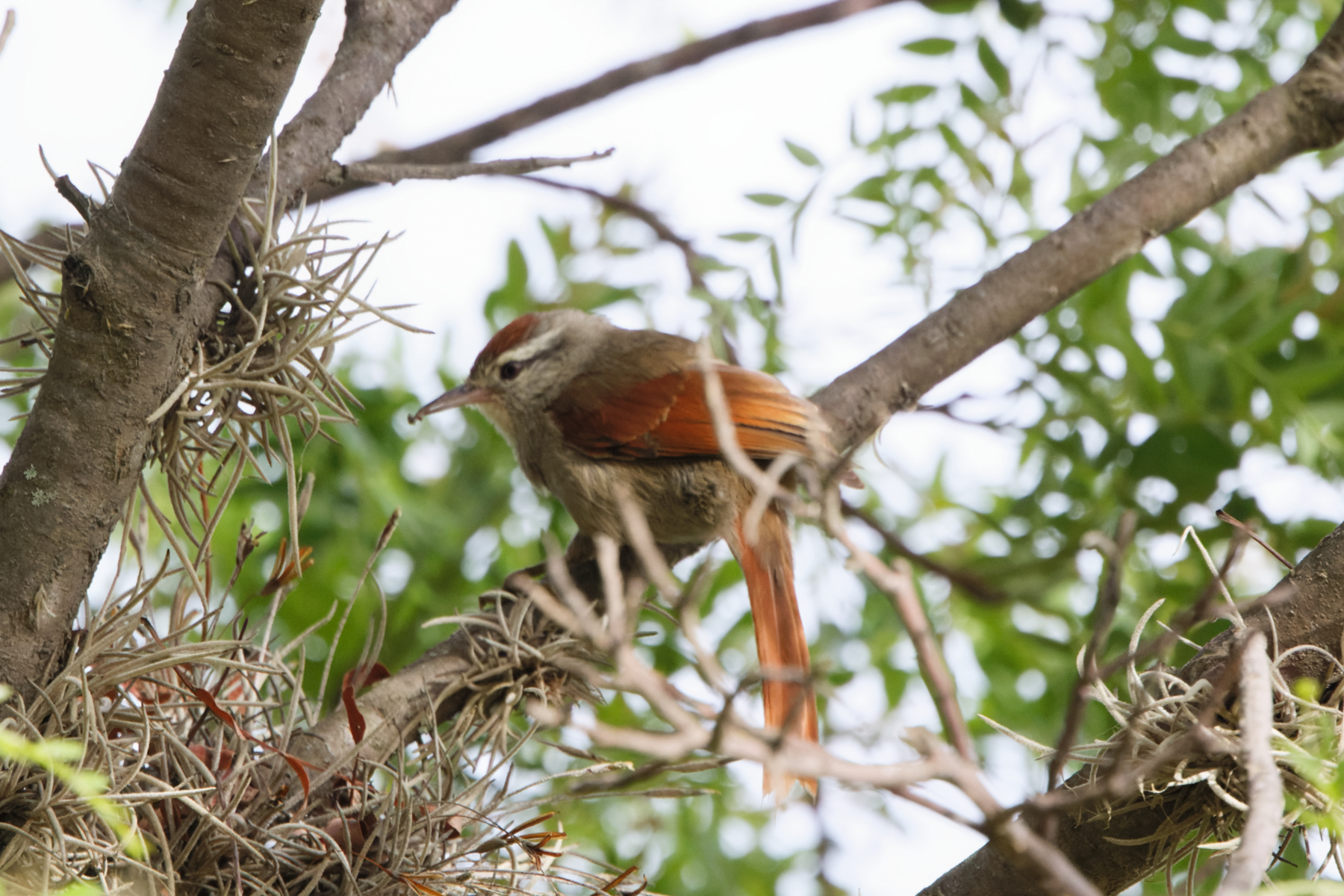
Bolivian Spinetail (image by Leo Garrigues)
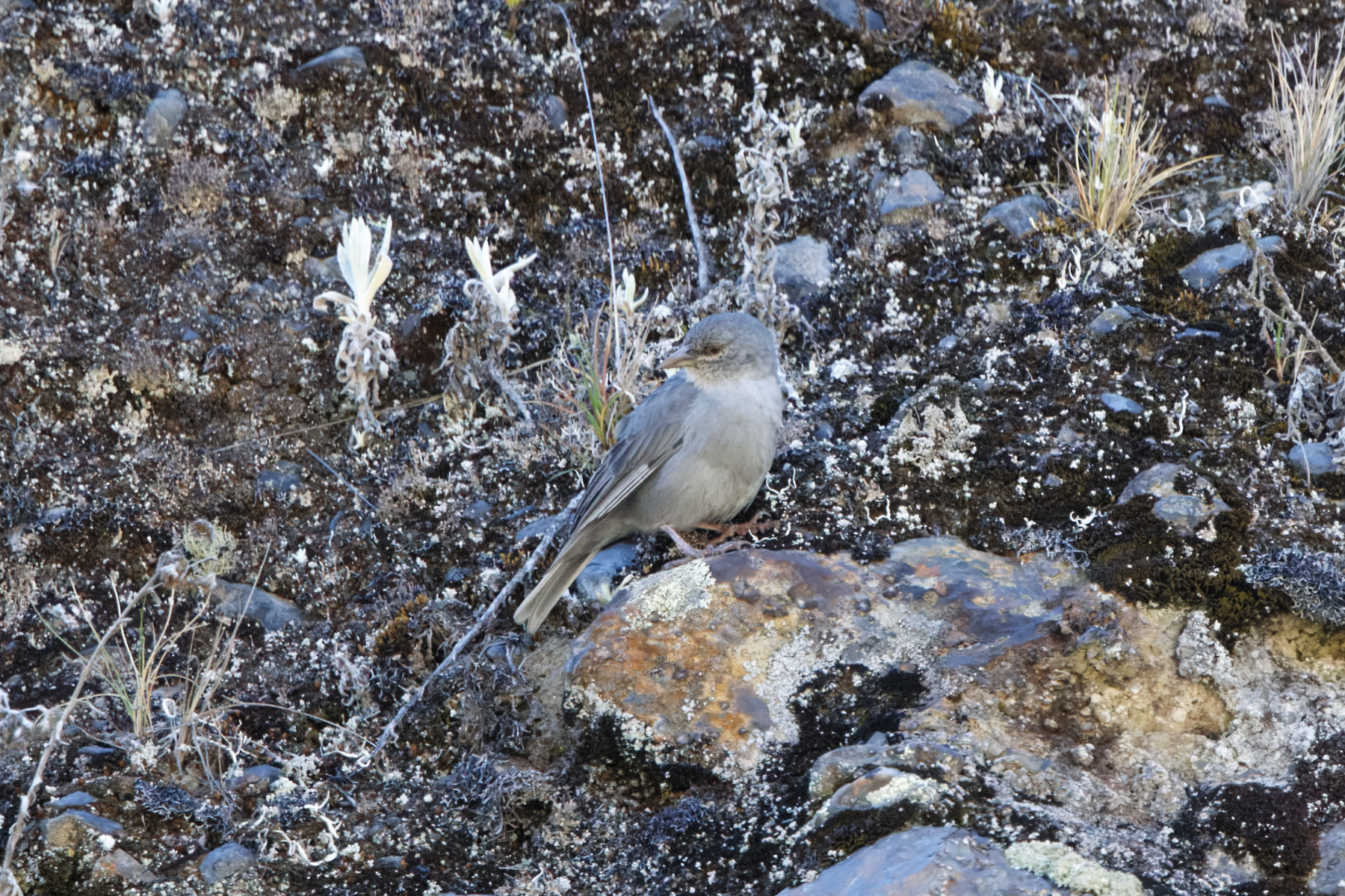
Boulder FInch (image by Leo Garrigues)
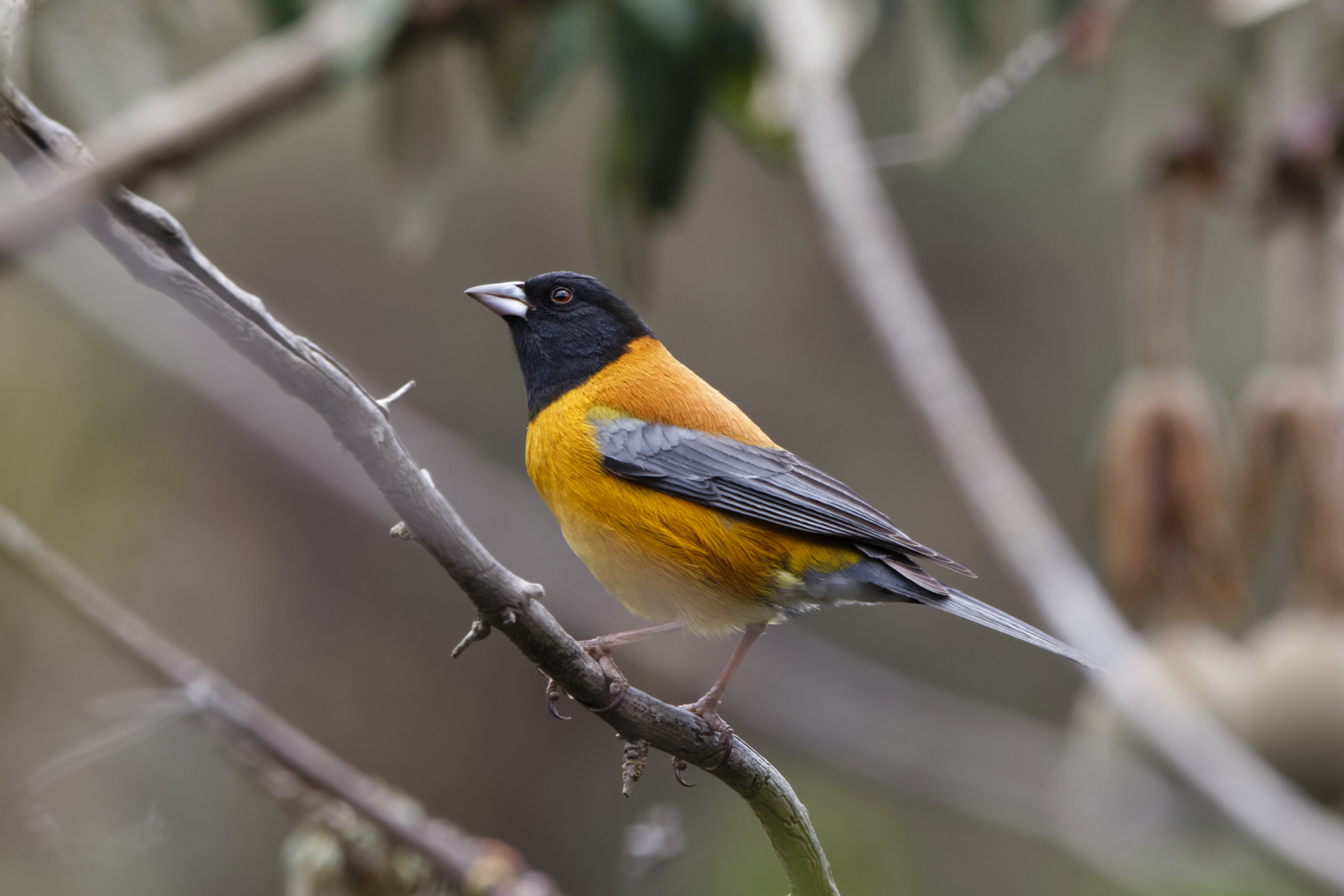
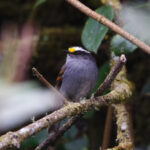
Black-hooded Sierra Finch (image by Leo Garrigues)
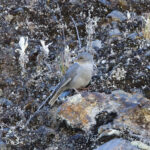
![Black-throated Thistletail [harterti] (image by Leo Garrigues)](https://www.birdquest-tours.com/wp-content/uploads/2026/04/Black-throated-Thistletail-harterti-Bolivia-Leo-Garrigues.jpg)
Black-throated Thistletail [harterti] (image by Leo Garrigues)
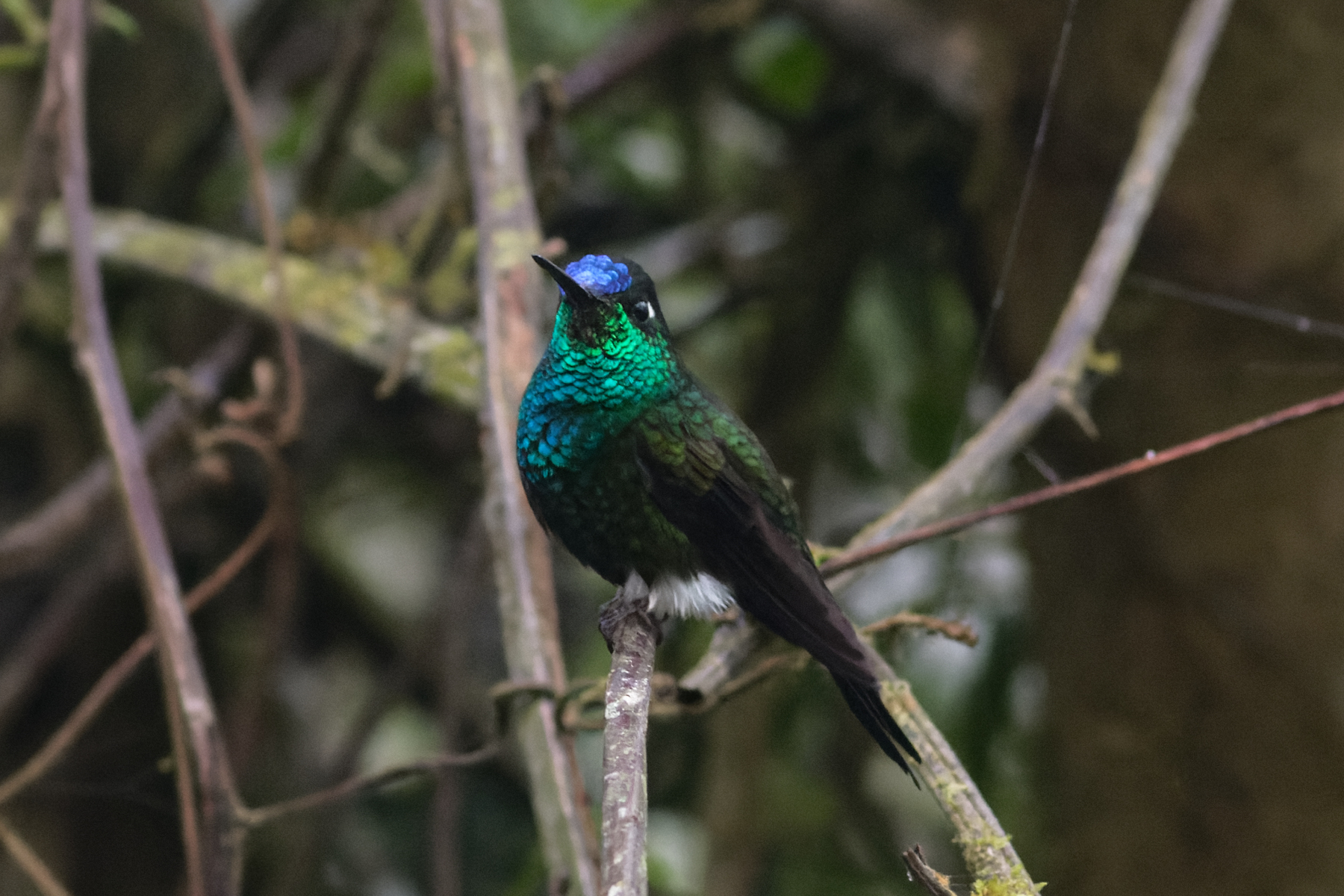
Blue-capped Puffleg (image by Leo Garrigues)
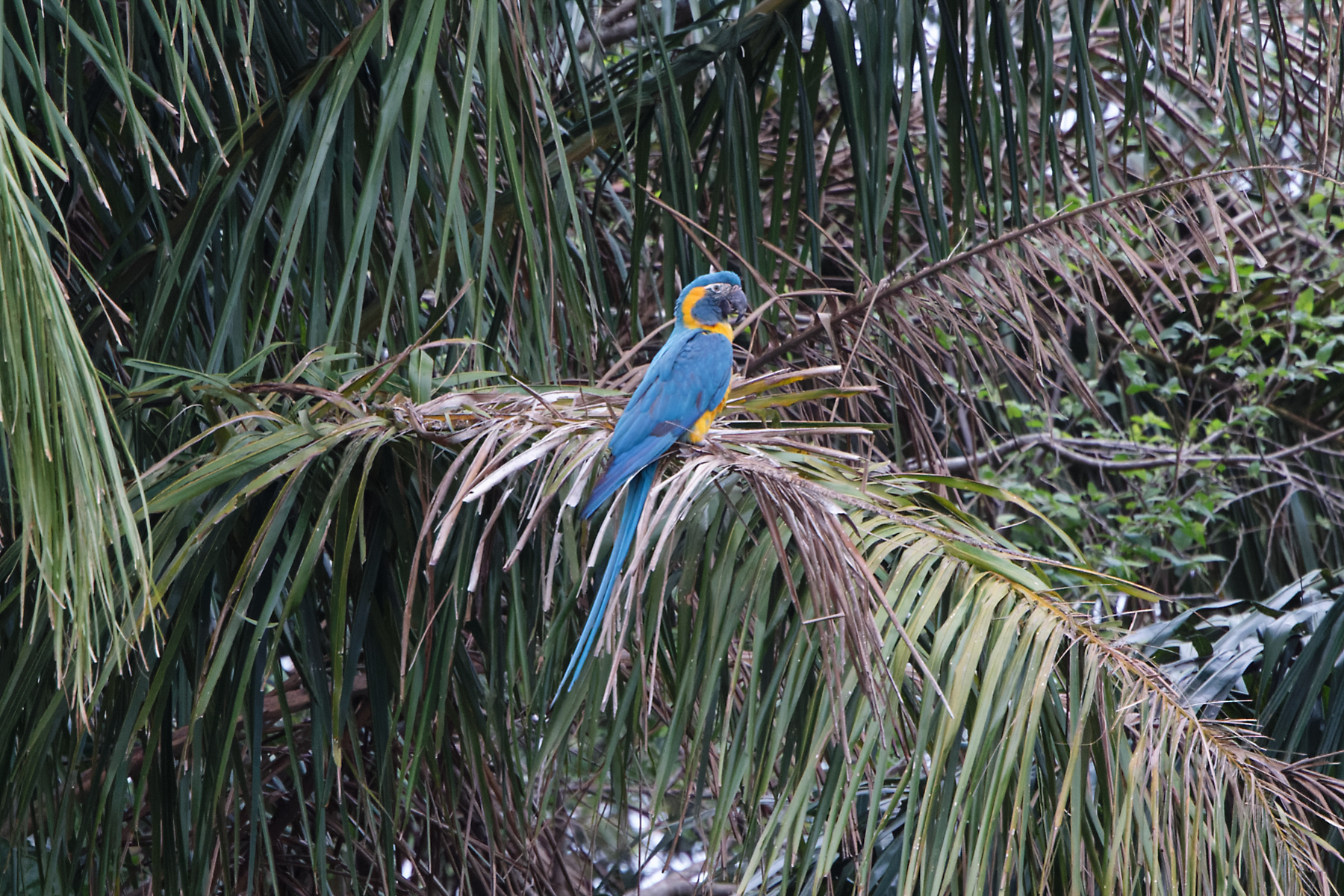
Blue-throated Macaw (image by Leo Garrigues)
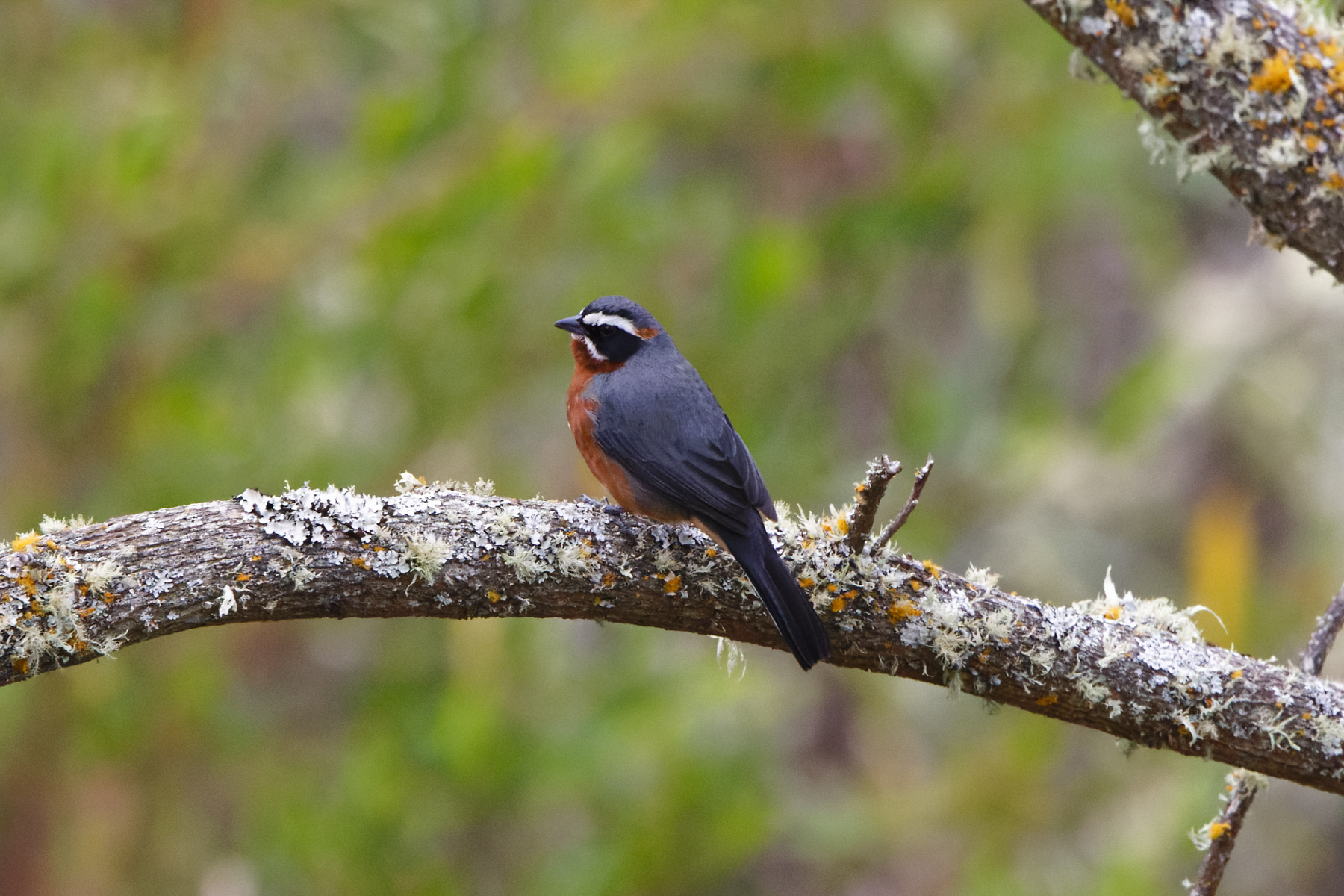
Black-and-chestnut Warbling Finch (image by Leo Garrigues)
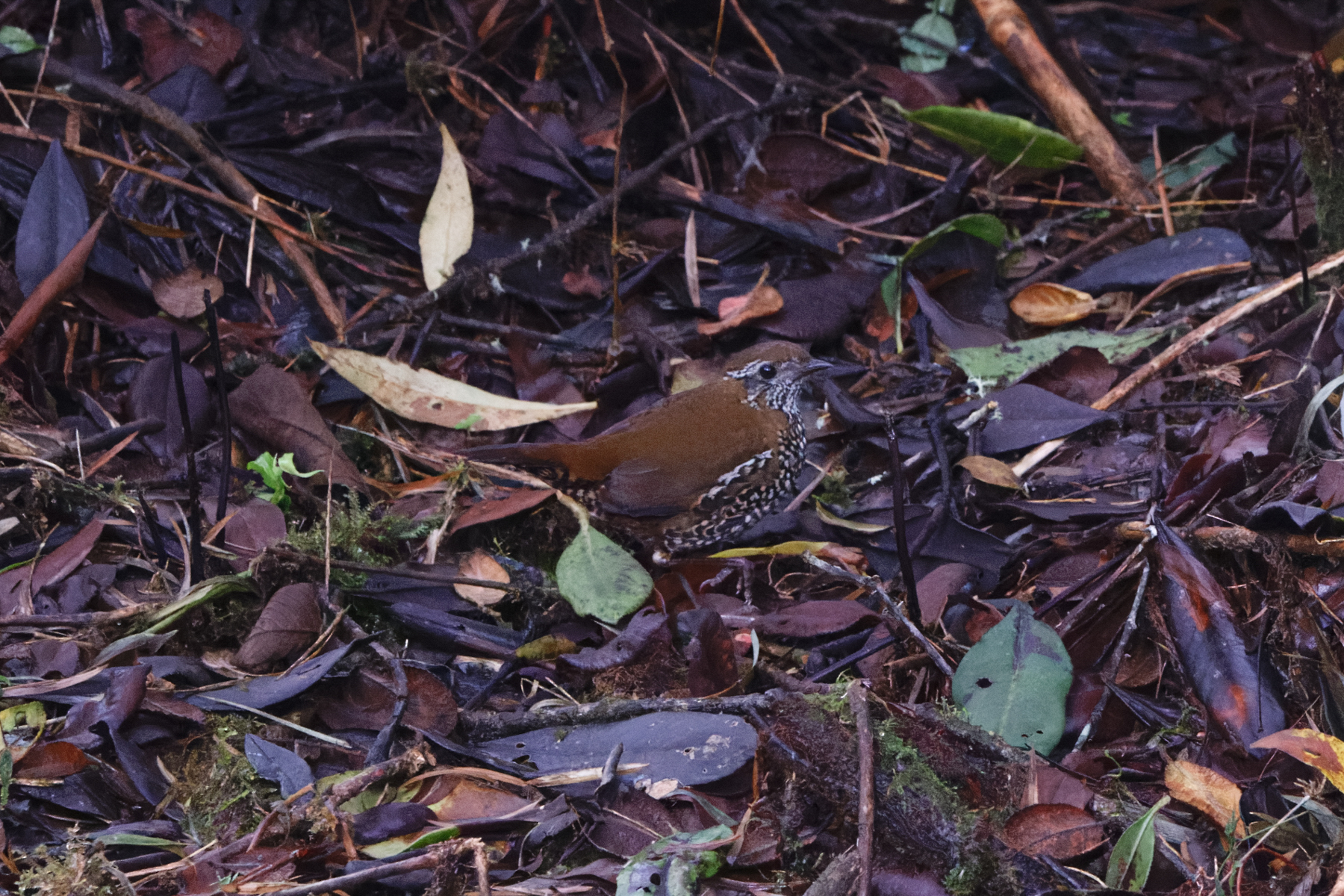
Barred Antthrush (image by Leo Garrigues)
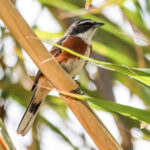
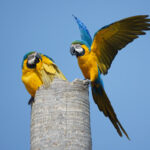
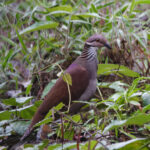
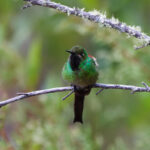
![Light-crowned Spinetail [discolor] (image by Leo Garrigues)](https://www.birdquest-tours.com/wp-content/uploads/2026/04/Light-crowned-Spinetail-discolor-Bolivia-Leo-Garrigues-150x150.jpg)
![Light-crowned Spinetail [albiceps] (image by Leo Garrigues)](https://www.birdquest-tours.com/wp-content/uploads/2026/04/Light-crowned-Spinetail-albiceps-Bolivia-Leo-Garrigues-150x150.jpg)
![Black-throated Thistletail [harterti] (image by Leo Garrigues)](https://www.birdquest-tours.com/wp-content/uploads/2026/04/Black-throated-Thistletail-harterti-Bolivia-Leo-Garrigues-150x150.jpg)
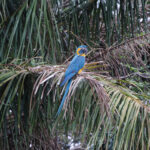


Blue-throated Macaws (image by Leo Garrigues)
White-throated Antpitta (image by Leo Garrigues)
Hooded Moutain Toucan (image by Leo Garrigues)
Inti Tanager (image by Leo Garrigues)
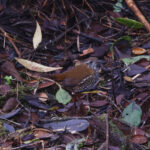
Rufous-faced Antpitta (image by Leo Garrigues)
Andean Hillstar (image by Leo Garrigues)
Golden-collared Tanager (image by Leo Garrigues)
Titicaca Grebes (image by Leo Garrigues)
Black-hooded Sunbeam (image by Leo Garrigues)
Red-fronted Macaw (image by Leo Garrigues)
Bolivian Warbling Finch (image by Gina Lloyd)
Blue-and-yellow Macaws (image by Leo Garrigues)
White-throated Quail-Dove (image by Leo Garrigues)
Red-tailed Comet (image by Leo Garrigues)
Grey-hooded Parakeet (image by Leo Garrigues)
White-browed Conebill (image by Leo Garrigues)
Southern Martins (image by Leo Garrigues)
Cochabamba Mountain Finch (image by Leo Garrigues)
Rufous Nightjar (image by Leo Garrigues)
Speckled Hummingbird (image by Leo Garrigues)
Swallow-tailed (Palkachupa) Cotinga (image by Leo Garrigues)
Rufous-bellied Mountain Tanager (image by Leo Garrigues)
Upland Antshrike (image by Leo Garrigues)
Wedge-tailed Hillstar (image by Leo Garrigues)
Yungas Tody-Tyrant (image by Leo Garrigues)
Slaty Gnateater (image by Leo Garrigues)
Scribble-tailed Canastero (image by Leo Garrigues)
Crimson-mantled Woodpecker (image by Leo Garrigues)
Scimitar-winged Piha (image by Leo Garrigues)
Rusty-browed Warbling Finch (image by Leo Garrigues)
Yungas Tyrannulet (image by Leo Garrigues)
Rufous-bellied Seedsnipe (image by Leo Garrigues)
Yungas Dove (image by Leo Garrigues)
Rock Earthcreeper (image by Leo Garrigues)
Blue-throated Macaw (image by Leo Garrigues)
Rufous-bellied Bush-Tyrant (image by Leo Garrigues)
Plush-crested Jay (image by Leo Garrigues)
Plumbeous Tyrant (image by Leo Garrigues)
Buff-thighed Puffleg (image by Leo Garrigues)
Orange-browed Hemispingus (image by Leo Garrigues)
Ocellated Crake (image by Leo Garrigues)
Moss-backed Sparrow (image by Leo Garrigues)
Light-crowned Spinetail [discolor] (image by Leo Garrigues)
Hazel-fronted Pygmy Tyrant (image by Leo Garrigues)
Band-tailed Fruiteater (image by Leo Garrigues)
Kalinowski's Chat-Tyrant (image by Leo Garrigues)
Light-crowned Spinetail [albiceps] (image by Leo Garrigues)
Fulvous-headed Brushfinch (image by Leo Garrigues)
Fuscous Flycatcher (image by Leo Garrigues)
Giant Antshrike (image by Leo Garrigues)
Giant Conebill (image by Leo Garrigues)
Green-capped Tanager (image by Leo Garrigues)
Darwin's Nothura (image by Leo Garrigues)
Correndera Pipit (image by Leo Garrigues)
Amazonian Umbrellabird (image by Leo Garrigues)
Cliff Parakeet (image by Leo Garrigues)
Bolivian Brushfinch (image by Leo Garrigues)
Bolivian Earthcreeper (image by Leo Garrigues)
Bolivian Spinetail (image by Leo Garrigues)
Boulder FInch (image by Leo Garrigues)
Black-hooded Sierra Finch (image by Leo Garrigues)
Black-throated Thistletail [harterti] (image by Leo Garrigues)
Blue-capped Puffleg (image by Leo Garrigues)
Blue-throated Macaw (image by Leo Garrigues)
Black-and-chestnut Warbling Finch (image by Leo Garrigues)
Barred Antthrush (image by Leo Garrigues)


ULTIMATE BOLIVIA TOUR REPORT 2025

3 - 24/29 October 2025
Leo Garrigues
The remarkable variety of habitats in Bolivia offers a truly outstanding South American birding experience, with a different suite of species occurring across each region. Although our tour focuses on the main Bolivian specialties, it also provides excellent opportunities to see species that are more difficult to find elsewhere, resulting in a very strong overall species list by the end of the tour. This year was no exception, with an impressive total of 703 species recorded, including a superb selection of regional specialties.
The bird of the tour was the recently described Inti Tanager, followed by the stunning Black-hooded Sunbeam and the elusive Hazel-fronted Pygmy Tyrant. With so many highlights, choosing a single favorite was no easy task. Undoubtedly, key endemics such as Blue-throated Macaw and Red-fronted Macaw were among the standout species of the tour. Other notable sightings included Masked and White-throated Antpittas, Ocellated Crake, Hooded Mountain Toucan, Swallow-tailed (Palkachupa) Cotinga, Scimitar-winged Piha, Bolivian Spinetail, Bolivian Warbling-Finch, Cochabamba Mountain Finch and Boulder Finch. Additional highlights included White-bellied and Darwin’s Nothuras, Yungas Guan, Razor-billed Curassow, Andean and James’s Flamingos, Titicaca Grebe, Rufous-vented Ground Cuckoo, Pheasant Cuckoo, Yungas Dove, Rufous-bellied Seedsnipe, Maguari Stork and White-chinned Swift. Nightbirds were particularly well represented with Swallow-tailed, Scissor-tailed and Rufous Nightjars, along with Great Potoo and Tawny-bellied Screech Owl. Hummingbirds were another strong feature of the tour, including Buff-thighed and Blue-capped Pufflegs, Red-tailed Comet, Andean and Wedge-tailed Hillstars and Scaled Metaltail (malagae). Among woodpeckers we recorded Pale-crested, Ringed, Variable, Cream-backed and Striped Woodpeckers. We also tallied an excellent total of 31 species of psittacids, including Grey-hooded, Cliff, Tui, Black-capped, and Green-cheeked Parakeets, as well as Black-winged Parrot and both Golden-collared and Military Macaws. Passerines were equally impressive, featuring species such as Yungas Manakin, Band-tailed Fruiteater, White-tipped Plantcutter, Amazonian Umbrellabird, Yungas Tody-Tyrant, Flammulated Bamboo-Tyrant, Yungas and Bolivian Tyrannulets, Kalinowski’s and d’Orbigny’s Chat-Tyrants, Plumbeous Tyrant and Fuscous Flycatcher (Bolivian Fuscous Flycatcher??). Other notable species included Slaty Gnateater, Giant and Upland Antshrikes, Bolivian Slaty Antshrike, Bolivian and Rufous-faced Antpittas, Bolivian Tapaculo, Great Rufous Woodcreeper, Rock Earthcreeper, Bolivian Earthcreeper, Sharp-tailed Streamcreeper, Berlepsch’s, Scribble-tailed, Maquis, and Cordilleran Canasteros, Light-crowned and Ochre-cheeked Spinetails, Tawny-headed and Pale-footed Swallows, Fulvous Wren, Brown-backed Mockingbird, Andean Slaty Thrush, Correndera Pipit, Bolivian, Fulvous-headed and White-striped Brushfinches, Bolivian Blackbird, Yungas Warbler, Giant Conebill, Black-hooded and Peruvian Sierra Finches, Paramo Seedeater, Grey-bellied Flowerpiercer, Rusty-browed and Black-capped Warbling Finches, Orange-browed Hemispingus, Golden-collared and Straw-backed Tanagers and Grey-crested Finch.
We began the tour with a short but productive birding session before catching our flight to Riberalta. Despite being short, the session proved to be quite productive, with sightings of two species of tinamous: White-bellied Nothura and Red-winged Tinamou. Other species recorded included Greater Rhea, Guira Cuckoo, Picui Ground Dove, Southern Lapwing, Bare-faced Ibis, Burrowing Owl, Yellow-chevroned Parakeet, White-eyed Parakeet, Fork-tailed Flycatcher, White-throated Kingbird, Rufous-fronted Thornbird, Purplish Jay, American Cliff Swallow, Shiny and Giant Cowbirds, Chopi Blackbird, Wedge-tailed Grass Finch, and Red-crested Cardinal. After this productive start, we headed to the airport for our flight to Riberalta. Everything went smoothly, and we arrived on time and settled comfortably into our rooms.
The main target around Riberalta is the highly range-restricted endemic Masked Antpitta, a species inhabiting riverine forest and known only from this remote corner of the Bolivian Amazon. With this in mind, we spent our first afternoon visiting the Hamburgo area in search of it. After some effort, we eventually heard one bird, but despite repeated attempts to approach it for views, it remained deep within dense vegetation and offered no chance of being seen. As most of our time and focus were devoted to the antpitta, overall bird activity felt somewhat limited, although we still recorded a good selection of species, including Short-tailed Swift, Fork-tailed Palm Swift, Short-tailed Hawk, Black-fronted Nunbird, Johanne’s Tody-Tyrant, Swainson’s and Euler’s Flycatchers, Great Antshrike, Peruvian Warbling Antbird, Buff-throated Woodcreeper, Pale-legged and Rufous Horneros, Black-billed Thrush and Hooded and Silver-beaked Tanagers. Regarding the Cantorchilus wrens in the area, I paid particular attention to their identification, where the only species confidently identified during the session was Fawn-breasted Wren. Another noteworthy sighting came during lunchtime in a city park in Riberalta, where we found an Alder Flycatcher.
As we had missed the Masked Antpitta the previous afternoon, we returned the following morning for another attempt. We arrived before dawn to position ourselves in the area where the bird was likely to begin singing. Before hearing the first antpitta, we encountered several interesting species, including Tawny-bellied Screech Owl, Great Potoo, Pheasant Cuckoo, Green Ibis, and Cinnamon-throated Woodcreeper. The forest was active, but our focus remained firmly on the antpitta as it became vocal. This time, the antpitta proved more difficult than on the previous tour with Janos, but persistence paid off and everyone eventually saw the bird. Other species recorded during our morning in Hamburgo included Rufous-breasted and White-bearded Hermits, Fork-tailed Woodnymph, Sapphire-spangled Emerald, Ferruginous Pygmy Owl, Plumbeous Kite, Black-tailed and Blue-crowned Trogons, Rufous-tailed Jacamar, Chestnut, Ringed, and Red-stained Woodpeckers, Blue-headed Parrot, Dusky-headed Parakeet, Chestnut-fronted Macaw, Black-tailed Tityra, Grey-crowned and Dusky-tailed Flatbills (the latter a lifer for Sandro), Johannes’s Tody-Tyrant, Short-tailed Pygmy Tyrant, White-lored Tyrannulet, Long-tailed Tyrant, Black-throated and Riparian Antbirds, Straight-billed Woodcreeper, Purple-throated and Thick-billed Euphonias, and Amazonian Grosbeak. Regarding the Cantorchilus wrens, all individuals observed were again identified as Fawn-breasted Wrens.
We also spent time birding open fields and the margins of the Hamburgo River, where we encountered a different suite of species. These included Horned Screamer, Brazilian Teal, Pale-vented Pigeon, Pale-rumped Swift, Pied and Collared Plovers, Yellow-billed and Large-billed Terns, Great Black Hawk, White-wedged Piculet, Tui Parakeet, Cobalt-winged Parakeet, Spotted Tody-Flycatcher, Boat-billed Flycatcher, Black-capped Donacobius, Yellow-browed Sparrow, Bluish-grey Saltator, White-bellied and Double-collared Seedeaters, and Hooded and Turquoise Tanagers.
During the afternoon, we visited a Cerrado habitat area known as Pampas San Lorenzo, which provided a nice complement to our morning session, with a completely different set of birds. Technically, this is the only true Cerrado habitat visited during the tour, and although it does not hold any particular specialties, it still offers a good variety of species and is always worth exploring when possible. The highlight of the visit was an Ocellated Crake, with one individual eventually putting in an appearance and allowing everyone to enjoy good views. Other typical Cerrado species included Grey Monjita, Rusty-backed Antwren and Black-throated Saltator. Additional species recorded were Scaled and Picazuro Pigeons, Greater Yellow-headed Vulture, White-tailed Hawk, White-eared Puffbird, Aplomado Falcon, Yellow-crowned Amazon, Golden-collared Macaw, Peach-fronted Parakeet, Plain-crested and Lesser Elaenias, Brown-crested and Piratic Flycatchers, Southern Scrub Flycatcher, White-throated Kingbird, Purplish and Plush-crested Jays, Grassland Sparrow, Swallow Tanager, and Black-faced Tanager. Just before dusk, we found a Tropical Screech Owl before returning to our hotel, where a long day list awaited us.
On our last morning in Riberalta, we visited an area with more extensive forest near the community of Warnes, which holds a different set of Amazonian species compared to those found around Hamburgo. We had limited time and only birded part of the morning, but still managed to record a good selection of species. Despite being a somewhat challenging session, we observed several interesting birds, including Black-capped Parakeet, Curl-crested Aracari, Waved Woodpecker, and Flammulated Bamboo Tyrant. These were complemented by other species such as Grey-cowled Wood Rail, Grey-rumped Swift, White-bearded and Reddish Hermits, White-chinned Sapphire, Double-toothed Kite, White-throated Toucan, Cream-colored, Ringed, and Crimson-crested Woodpeckers, Mealy Amazon, Red-and-green Macaw, Band-tailed Manakin, Black-tailed Tityra, Yellow-browed Tody-Flycatcher, Forest Elaenia, Barred and Amazonian Antshrikes, White-flanked Antwren, Grey, Riparian, and Plumbeous Antbirds, Thrush-like and Moustached Wrens, Green Oropendola and Buff-throated Saltator. After lunch, we had time for another brief and relaxed birding session around the Hamburgo area, where we recorded Osprey, Little Woodpecker, American Kestrel and Chestnut-vented Conebill.
Our flight to Trinidad went smoothly without complications, although heavy rain welcomed us upon disembarking the plane. There was no birding in Trinidad that evening, and we simply headed to our hotel before having dinner at a local restaurant.
We left early the next morning towards Loreto, where we were hoping to find the ‘Critically Endangered’ Blue-throated Macaw. A cold front moved in overnight and persisted through the early part of the day, making both driving and birding somewhat more challenging. Our main target proved harder to locate under these conditions, but persistence paid off and we were eventually rewarded with excellent views of Blue-throated Macaws, with birds flying close to the group and feeding in seeding palm groves in the area. During our search for the macaws, we also recorded Southern Screamer, Muscovy Duck, White-throated Piping Guan, Speckled Chachalaca, Limpkin, Plumbeous, Buff-necked, Green, and Bare-faced Ibises, Rufescent Tiger Heron, Capped and Cocoi Herons, Gilded Sapphire, Lesser Yellow-headed Vulture, Black-collared Hawk, Ringed Kingfisher, Toco Toucan, White-wedged Piculet, Pale-crested and Golden-green Woodpeckers, Cobalt-rumped Parrotlet, Yellow-chevroned Parakeet, Golden-collared, Blue-and-yellow, and Chestnut-fronted Macaws, White-winged Becard, Yellow-olive Flatbill [pallescens], Pearly-vented Tody-Tyrant, Plain Inezia, Greenish and Large Elaenias, Black-backed Water Tyrant, White Monjita, Great Antshrike, Great Rufous Woodcreeper, Red-billed Scythebill, Narrow-billed Woodcreeper, Grey-crested Cacholote, Chotoy and Yellow-chinned Spinetails, Black-capped Donacobius, Masked Gnatcatcher, Fawn-breasted Wren, Variable Oriole, Orange-backed Troupial, Velvet-fronted Grackle, Unicolored Blackbird, Greyish Baywing, Red Pileated Finch, White-bellied Seedeater [bicolor], Red-crested and Red-capped Cardinals, and Sayaca Tanager.
The drive back in the afternoon was also very productive, with additional notable species including Greater Rhea, Sunbittern, Jabiru, Maguari Stork, Roseate Spoonbill, Savanna and White-tailed Hawks, Green-barred Woodpecker, Rusty-fronted Tody-Flycatcher, Bran-colored Flycatcher, Hudson’s Black-Tyrant (for some), Greater Thornbird, Plain Softtail [fusciceps], White-rumped Swallow, Chalk-browed Mockingbird, Scarlet-headed Blackbird, Pampa Finch and Rusty-collared Seedeater.
Regarding mammals, the day produced excellent sightings of the range-restricted Rio Beni Titi, along with several Greater Capybaras and a Crab-eating Fox.
On our last day in Trinidad, we visited Cuchini Reserve and Puerto Ballivian, aiming to find the mysterious Unicolored Thrush, but unfortunately, we had no luck. Some of the highlights of the morning included a Razor-billed Curassow and the restricted-range Bolivian Antshrike. Other species recorded were Blue Ground Dove, Buff-bellied Hermit, Gilded Sapphire, Black-fronted Nunbird, White Woodpecker, Bare-necked Fruitcrow, Green-backed Becard, Small-billed Elaenia, Rufous Casiornis, White-eyed Attila, Variegated Flycatcher, Chestnut-backed Antshrike, Band-tailed Antbird, Olivaceous and Buff-throated Woodcreepers, Streaked Xenops, Plain Softtail, Rusty-backed and Plain-crowned Spinetails, White-winged Swallow, Creamy-bellied Thrush, Velvet-fronted Grackle, Golden-crowned Warbler and Orange-headed Tanager. Another highlight of the morning was enjoying close views of a Bolivian River Dolphin at Puerto Ballivian. Our afternoon flight to Santa Cruz went smoothly, and we settled into our hotel for the night, followed by a nice dinner in the hotel.
Our morning session took place at a birding site on the outskirts of Santa Cruz, known as Lomas de Arena. We did not have any specific targets in mind and instead focused on making the most of the morning. Among the species recorded were Striped Cuckoo, Bare-faced Ibis, Spot-backed Puffbird, Cobalt-rumped Parrotlet, Scaly-headed Parrot, Peach-fronted Parakeet, Plain Inezia, Rufous Casiornis, Crowned Slaty and Vermilion Flycatchers, Rufous-fronted Thornbird, Bluish-grey Saltator, and Blue-and-yellow Tanager. On route to Los Volcanes, our driver Herman took us to a site to search for Red-legged Seriema, where we enjoyed excellent views of a pair. We then continued to Refugio Los Volcanes to explore the semi-humid foothill forest adjacent to Amboro National Park. Upon arrival at the meeting point, we transferred down towards the lodge by 4×4 vehicles. We settled into our comfortable rooms and enjoyed a delicious lunch.
During the afternoon, we explored some of the trails around Los Volcanes. Highlights included Military Macaw, Slaty Gnateater and Ochre-cheeked Spinetail. These were complemented by White-throated Piping Guan, Andean Condor, Amazonian Motmot, Channel-billed Toucan, Chestnut-eared Aracari, Green-cheeked and Mitred Parakeets, Golden-crowned Flycatcher, Plain Antvireo, Black-capped Antwren, Ocellated (Tschudi’s) Woodcreeper, White-necked Thrush, Dusky-green Oropendola and Two-banded Warbler. We also made a dedicated effort to find Rufescent Screech Owl, but unfortunately it did not cooperate and remained unseen.
A full day at Los Volcanes produced a strong selection of Yungas and foothill species. Despite considerable effort, Bolivian Recurbill remained elusive. Notable records included Yungas Dove, Bolivian Tapaculo, Yungas Manakin and Straneck’s Tyrannulet. Other species seen during our full day at Los Volcanes included Plumbeous Pigeon, White-collared and Sick’s Swifts, Great-billed Hermit, Sparkling and Lesser Violetears, White-bellied Hummingbird, King Vulture, Andean Condor, Black-chested Buzzard-Eagle, Yellow-chevroned Parakeet, Sepia-capped, McConnell’s, and Cliff Flycatchers, Sclater’s Tyrannulet, Western Fire-eye, Black-banded Woodcreeper, Buff-fronted Foliage-gleaner, Chivi Vireo, Purplish and Plush-crested Jays, Riverbank Warbler and White-winged, Guira, and Black-goggled Tanagers. A night excursion yielded excellent views of Rufous Nightjar, while Rufescent Screech Owl again failed to show.
The following morning, we enjoyed a pre-breakfast birding session which the main highlight was the Short-tailed Antthrush, but other notable species were the Red-necked Woodpecker, Bat Falcon, Slaty Gnateater and Black-goggled Tanager. After breakfast, we continued our journey to Samaipata, where we spent the night. Birding around the area produced Southern Martin, White-barred Piculet, White-crested Elaenia, Hooded Siskin, and Golden-billed Saltator.
From Samaipata, we continued to Quirusillas, where we birded for the remainder of the day. On the way up, we encountered a pair of Yungas Guan, providing a great start to the afternoon. We also enjoyed superb views of White-throated Antpitta, both in the open and deep within the vegetation. Another highlight was Tucuman Amazon, with several birds seen flying over seeding trees around the lagoon. Additional species recorded included brief views of Slender-tailed Woodstar (for some), Glittering-bellied Emerald, Mottle-cheeked Tyrannulet, Ochre-faced Tody-Flycatcher, Highland Elaenia, Variable Antshrike (Chaco subspecies dinelli), Buff-browed Foliage-gleaner, Spot-breasted Thornbird, Common Chlorospingus, Brown-capped Whitestart, Black-backed Grosbeak, and Fawn-breasted Tanager.
During our evening owling session, we initially heard Yungas Screech Owl vocalizing, although Tropical Screech Owl was also present in the same area. Once illuminated, both birds ceased calling, and as the two species are virtually identical in appearance, identification remained uncertain. This site appears to be an area where both screech owls are locally sympatric.
We returned to Quirusillas the following morning, this time birding gradually from the drier lower slopes up into the more humid Tucuman Yungas. The highlight of the morning was a pair of Giant Antshrike, which showed very well, along with other regional specialties such as Dot-fronted Woodpecker, White-browed Brushfinch, Moss-backed Sparrow, Golden-winged Cacique and Straw-backed Tanager. Other species recorded included Variable Hawk, Ocellated Piculet, Golden-olive Woodpecker, Blue-crowned and Mitred Parakeets, Bolivian and Sclater’s Tyrannulets, Rufous-capped Antshrike, Sooty-fronted Spinetail, Ultramarine Grosbeak and Black-capped Warbling Finch.
After a productive morning in Quirusillas, we continued our journey to Perereta, our next destination. Several stops along the way produced good birds, with Bolivian Earthcreeper being the main specialty. Additional species recorded during the drive included Spot-backed Puffbird, Cream-backed Woodpecker, White-tipped Plantcutter, Greater Wagtail-Tyrant, Mouse-colored and White-crested Tyrannulets, Stripe-crowned Spinetail, Bolivian Blackbird, Greyish Baywing, Hepatic Tanager and Ringed and Grey-crested Warbling Finches. Just before reaching the lodge, we encountered several Scissor-tailed Nightjars sitting on the road. Upon arrival at Perereta, we checked into the lodge run by the local community within the Red-fronted Macaw Reserve. After settling into our rooms, we enjoyed a pleasant dinner.
Next morning, we visited the cliffs in front of our hotel to enjoy the Red-fronted Macaw from all kind of different angles, a unique birding experience. This Macaw species is only found in the arid semi-desert in the intermontane valleys of central Bolivia. Another species that shares the same habitat of the Red-fronted Macaws is the Cliff Parakeets, which we also saw in good numbers during our visit, including several active colonies on the macaw cliffs. Their nests are bulky stick structures placed on narrow ledges along the cliff face. Southern Martin also gave us very close views from the cliffs, and one of the main surprises of our morning was the erratic Tawny-headed Swallow. Other species seen during the birding session were the Spot-backed Puffbird, Ocellated Piculet, White-fronted and Striped Woodpeckers, Green-cheeked, Blue-crowned and Mitred Parakeets, White-tipped Plantcutter, Cliff Flycatcher, White-crested Tyrannulet, Crowned Slaty Flycatcher, Sooty-fronted Spinetail, Variable Oriole, Bolivian Blackbird, Southern Yellowthroat, Ultramarine Grosbeak, Golden-billed Saltator, Black-and-chestnut, Ringed and Black-capped Warbling Finches, Dull-colored Grassquit and Grey-crested Finch.
After a productive morning, we continued on to Comarapa, where we would stay for the next days. A brief stop along the route produced Streak-fronted Thornbird and Southern Scrub Flycatcher, though activity was otherwise limited. In the afternoon, we birded the Torrecillas and Comarapa areas, which yielded our first sightings of the Red-tailed Comet. Other species recorded included Andean Condor, Black-chested Buzzard-Eagle, White-browed Chat-Tyrant, White-winged Black Tyrant, Stripe-crowned Spinetail, Brown-capped Whitestar, Pampa Finch, and Rufous-sided and Ringed Warbling Finches.
We left Comarapa early for a day trip to the cloud forests of Siberia. Conditions proved ideal, and we were rewarded with an excellent selection of new species, including several endemics and regional specialties. Among the highlights of the morning were Black-winged Parrot (flyover views only), Blue-capped Puffleg, Plumbeous Tyrant, Rufous-bellied Bush Tyrant, Light-crowned Spinetail [discolor], Andean Slaty Thrush, Bolivian Brushfinch, and Grey-bellied Flowerpiercer. Particularly memorable were the excellent views obtained of the normally elusive Rufous-faced Antpitta, seen well by the entire group. Additional species recorded during our time in Siberia included Andean Guan, Speckled Hummingbird, Long-tailed Sylph, Tyrian Metaltail, Crested Quetzal, Scaly-naped Amazon, Red-crested Cotinga, Barred Becard, Tawny-rumped and Buff-banded Tyrannulets, Highland Elaenia, Maroon-belted Chat-Tyrant, Variable Antshrike [aspersiventer], Trilling Tapaculo, White-eared Solitaire, Glossy-backed Thrush, Pale-legged Warbler, Blue-backed Conebill, Blue-winged [flavinucha] and Chestnut-bellied Mountain Tanagers, and Fawn-breasted Tanager.
On the return journey, we made a stop at Torrecillas, where we enjoyed excellent views of Olive-crowned Crescentchest. Other species recorded here included White-tipped and Andean Swifts, Red-tailed Comet, Rufous-capped Antshrike, and Rusty-vented Canastero. Around the hotel, a pair of Green-barred Woodpeckers provided a fitting conclusion to another highly successful day.
Next day we had a fairly long drive to Cochabamba, but with lots of birding stops on route. Our first birding stop were the higher sections of Siberia, in areas of elfin forest. Here we looked for the local subspecies of Black-throated Thistletail [bejaranoi] that show it nicely to our group. Other species seen at the elfin forest areas were the Puna Tapaculo (for some) Rufous-breasted Chat-Tyrant and White-browed Conebill. Passing the elfin forest, we started to descend into more arid montane valleys where we saw some some different species, which included Brown-capped Tit-Spinetail, Fulvous-headed Brushfinch, Pampa Finch, Rusty-browed Warbling Finch and Rufous-bellied Mountain Tanager.
Moving forward on the rout we pass another section of Cloud Forest where we saw other good set of Andean birds. The best was the Bolivian Antpitta that show it nicely to our group. Other species seen were the Violet-throated Starfrontlet, Yungas Pygmy Owl, White-throated Tyrannulet, Tufted Tit-Tyrant, Buff-browed Foliage-gleaner, Citrine and Pale-legged Warbler and Chestnut-bellied Mountain Tanager. Later on, a technical stop on the road to fix one of our tires of the bus produced a Bolivian Warbling Finch, seems that was our lucky day!
As we moved forward, we reached higher altitudes in the Altiplano areas, with a combination of Puna habitat with agricultural areas, where we saw species like Yellow-billed Teal, Bare-faced Ground Dove, Spot-winged Pigeon, Andean Gull, Puna Ibis, Andean Flicker, Mountain Caracara, Rufous-naped Ground Tyrant, Rufous-webbed Bush Tyrant and Andean Swallow. To finish our day, we ended up our birding day at Jarca Mayu area, in dry highlands dominated by rocky soils and cactus. This last birding stop we got nice views of a male Wedge-tailed Hillstar, also a Rusty-vented Canastero and Brown-backed Mockingbird. The traffic into Cochabamba was not bad at all, and we arrived at our comfortable hotel, where we would spend the next few nights.
Our visit to the Chapare Road was very rewarding, with favorable weather conditions and an excellent selection of birds throughout the day. During the first part of the morning, we focused on the cloud forest zone, where the standout highlight was outstanding close views of Hooded Mountain Toucan. Other notable sightings included Orange-browed Hemispingus, Band-tailed Fruiteater and flocks of Barred Parakeets. Additional species recorded at these elevations included Andean Guan, Gould’s Inca, Amethyst-throated Sunangel, Crested Quetzal, Masked Trogon, Blue-banded Toucanet, Red-billed Parrot, White-banded Tyrannulet, Rufous-bellied Bush Tyrant, Trilling Tapaculo, Spotted Barbtail, Black-throated Thistletail, Light-crowned Spinetail [discolor], White-collared Jay, Pale-footed Swallow, Fulvous Wren, White-eared Solitaire, Mountain Cacique, Citrine Warbler, Superciliaried Hemispingus [urubambae], Hooded Mountain Tanager, and Grass-green Tanager.
At higher elevations, we obtained good views of the local subspecies of Scaled Metaltail [malagae]. We also spent time searching for the endemic Black-hooded Sunbeam, which showed very well to the group. Attempts to find Stripe-faced Quail were unsuccessful, with the species remaining heard only. Before starting our return to Cochabamba, additional sightings included White-browed Conebill and Grey-bellied Flowerpiercer.
By this stage of the tour, we had already acclimatized reasonably well to the altitude, which was essential for our visit to Cerro Tunari, one of the classic high-Andean birding sites near Cochabamba. Reaching elevations of over 4,000 meters above sea level, the area provides access to Puna grassland, Polylepis woodland and high montane scrub. We began in the high montane scrub, where we located the endemic Cochabamba Mountain Finch, one of the main targets of the day. Around our breakfast area, we also enjoyed good views of Maquis Canastero, Red-tailed Comet, Giant Hummingbird, Grey-hooded Parakeet, White-tipped Plantcutter, Greenish Yellow Finch, among others.
After breakfast, we focused much of our effort on the Polylepis woodland, where we connected with key specialties such as Giant Conebill and Tawny Tit-Spinetail. These were complemented by White-banded Tyrannulet, Olive-crowned Crescentchest, and brief views of Rock Earthcreeper (seen by some), along with White-winged Cinclodes, Brown-capped Tit-Spinetail, Streak-backed Canastero, Black-hooded Sierra Finch, Rust-and-yellow Tanager and Rufous-bellied Mountain Tanager.
At the highest elevations, in the Puna habitat, we encountered a different suite of species, including Andean Goose, Crested Duck, Black-winged Ground Dove, Andean Condor, Cinereous Ground Tyrant, Rufous-naped Ground Tyrant, Puna Tapaculo, Common Miner, Cream-winged Cinclodes, Cordilleran Canastero, Andean Swallow, Bright-rumped Yellow Finch, Glacier Finch and Plumbeous Sierra Finch. We returned to our hotel in the late afternoon.
Due to the presidential elections in Bolivia, we had to make a change to our itinerary and move one of our nights from Cochabamba to Quilmes. Bolivian regulations prohibit vehicle movement on election day, and staying in Cochabamba city would have limited our options, so it made more sense to spend that day in a more remote area such as Inquisivi. In the end, we departed Cochabamba a day earlier, and the adjustment worked out quite well.
We left Cochabamba early in the morning to begin our drive to Quilmes. Our first stop produced a nice encounter with Rock Earthcreeper, a good start to the day. At our breakfast site, we were fortunate to see Andean Tinamous walking along the track, a very welcome bonus. Other sightings at this stop included Giant Hummingbird, Grey-hooded Parakeet, White-tipped Plantcutter and Brown-backed Mockingbird.
After breakfast, we continued to Oruro City, where we made a detour to visit Uru Uru Lake in search of flamingos. The majority were Andean Flamingos (500+), along with smaller numbers of James’s Flamingo, and a few Chilean Flamingos in wetlands along the route to the lake. Additional species recorded during this detour included Puna Teal, Crested Duck, Andean Avocet, American Golden Plover, Andean Lapwing, Wilson’s Phalarope, Lesser Yellowlegs, Baird’s and Pectoral Sandpipers and Correndera Pipit.
Continuing towards Quilmes, we made some roadside stops in grassy fields, where we managed to see a pair of Ornate Tinamous as well as a single Darwin’s Nothura. With still some distance to cover, we continued our journey and, after a long day in the field, arrived at our accommodation in Quilmes late in the evening.
The next day, we headed out in search of one of Bolivia’s most range-restricted endemics, the localized Bolivian Spinetail. This species is not rare in the right habitat within the dry intermontane valley below Inquisivi; however, unfortunately, there is no real protection for its habitat. Year after year, the area we visit continues to be degraded, largely due to the expansion of eucalyptus plantations. As we spent more time in the locality on this ocasion, we managed to record around 10 different individuals of Bolivian Spinetail during our visit. Other species seen in the area included Picui Ground Dove, White-collared and White-tipped Swifts, Blue-tailed Emerald, Green-barred Woodpecker, Mottle-cheeked Tyrannulet, Mouse-colored Tyrannulet, Sclater’s Tyrannulet, Azara’s Spinetail, Olive-crowned Crescentchest, Variable Antshrike (aspersiventer), Golden-rumped Euphonia, Black-and-chestnut Warbling Finch, Ringed Warbling Finch and Moss-backed Sparrow.
On the way back to Quilmes, we spent some time in higher elevations where we recorded Andean Tinamou, Red-tailed Comet, Giant Hummingbird, Crimson-mantled Woodpecker, Grey-hooded and Green-cheeked Parakeets [flavoptera], Highland Elaenia, White-winged Black Tyrant, Brown-bellied Swallow, Rusty Flowerpiercer and Rufous-bellied Mountain Finch.
On this day, we drove from Quilmes to La Paz, birding at high elevations and checking several sites across Puna habitat and grasslands of the Altiplano. We encountered several interesting species, including Darwin’s Nothura (again) and Paramo Seedeater, the latter being a write-in for the tour. Probably the bird of the day was a stunning male Andean Hillstar, which performed very nicely for the group.
Throughout the day, we recorded an excellent selection of highland species, including Ornate Tinamou, Andean Goose, Crested Duck, Silvery Grebe, Giant Coot, Black-hooded Sunbeam, Great Sapphirewing, Burrowing Owl, Andean Condor, Cinereous Harrier, Brown-backed and White-browed Chat-Tyrants, Puna, White-fronted, Ochre-naped and White-browed Ground-Tyrants, Rufous-webbed Bush Tyrant, Puna Tapaculo, Common Miner, Puna Miner, Tawny Tit-Spinetail, Cordilleran Canastero, Brown-bellied and Andean Swallows, Black Siskin, Black-hooded Sierra Finch, Band-tailed Sierra Finch, and Glacier Finch. After a productive day birding in the High Andes, it was time to continue on to La Paz, where we experienced the city’s famously chaotic traffic. We eventually arrived at our comfortable hotel in La Paz for the night.
We left early La Paz to go on route to La Cumbre, one of the highest localities of the of the trip, initially with the intentions to find the Red-bellied Seedsnipe, which we saw it really well. After seen the Seedsnipe we birded from La Cumbre to Chuspipata, inpecting different stake outs on the way down. The main highlight of the morning was the localized Boulder Finch, that we saw it really well more than one individual. Olivaceous Thornbill was another surprise of the morning, as well a good variety of Ground Tyrants such as the Taczanowski’s, Puna, Cinereous and Rufous-naped. Other species that we recorded were Great Sapphirewing, D’Orbigny’s Chat-Tyrant, Buff-breasted Eartcreeper, Scribble-tailed and Streak-backed Canasteros, Black Siskin, Peruvian Sierra Finch and Glacier Finch.
We birded the temperate forest along the Coroico Road, where we enjoyed a great selection of species. Some of the best sightings included Barred Antthrush and Rufous-faced Antpitta, with which we spent some time obtaining good views. We also invested time searching for Diademed Tapaculo, which unfortunately remained “heard only”. Different subspecies of Black-throated Thistletail [harterti] and Light-crowned Spinetail (nominate ssp albiceps) were other regional specialities, while excellent views of Kalinowski’s Chat-Tyrant and Golden-collared Tanager were among the most notable highlights. Other species recorded included White-throated Quail-Dove, Gould’s Inca, Band-tailed Fruiteater, Streaked Tuftedcheek, Pale-footed Swallow, Mountain Cacique, and Grey-bellied Flowerpiercer. It was then time to move on to our hotel, making just a few brief stops along the way without anything particularly remarkable. In the evening, we arrived at our comfortable hotel in the Coroico area.
The following day we birded the cloud forest along the Coroico Road once again, this time focusing on different elevations than the previous afternoon. Our main target was the Scimitar-winged Piha, a localized and rare species within its range, and this stretch of the Coroico Road is considered one of the most accessible sites to look for it. Despite our efforts, we did not manage to see it during the entire day.
Probably the best bird of the day was the Hazel-fronted Pygmy Tyrant, a species that tends to go unnoticed. Another interesting record was the Fuscous Flycatcher, which occurs in intermontane valleys along the eastern slopes of Bolivia and southern Peru. It remains unclear whether this represents a distinct taxon or which subspecies is involved, but we were pleased to encounter one. Another good bird was the Buff-thighed Puffleg, not the most striking hummingbird, but generally not an easy species to see. Additional species that complemented the day included Andean Guan, Bronzy and Gould’s Inca, Speckled Hummingbird, Crested Quetzal, Masked Trogon, Versicolored Barbet, Blue-banded Toucanet, Speckle-faced Parrot, Green-cheeked Parakeet, Band-tailed Fruiteater, Streak-necked Flycatcher, Bolivian Tyrannulet, Pale-edged Flycatcher, Rufous-bellied Bush Tyrant, Rufous-capped Antshrike [subfasciatus], Striped Treehunter, Sharp-tailed Streamcreeper, Andean and White-eared Solitaires, Yungas Warbler, Hooded Mountain Tanager, and Blue-capped, Blue-and-black and Saffron-crowned Tanagers.
After dipping the Scimitar-winged Piha the previous day, we gave it another try the following morning. Following a suspenseful search, we managed to find the bird before breakfast. Other species seen at that elevation included White-throated Quail-Dove, White-tipped Swift, Golden-headed Quetzal, Band-tailed Fruiteater, Hazel-fronted Pygmy Tyrant, Buff-banded Tyrannulet, Green Jay, Yungas and Pale-legged Warblers and Rust-and-yellow Tanager.
We then continued to Chuspipata, at higher sections of the road, where we recorded Barred Fruiteater, Diademed Tapaculo, Pearled Treerunner, Fulvous Wren, Bolivian Brushfinch, Citrine and Pale-legged Warblers, Golden-collared Tanager, and Blue-winged Mountain Tanager. We also birded higher elevations near the La Cumbre area at Pongo, where we obtained brief views of Stripe-headed Antpitta. Other species recorded included Taczanowski’s Ground Tyrant, Puna Tapaculo, and White-winged Cinclodes. After that, we continued our drive to Titicaca, where we spent the night.
Our hotel had access to Lake Titicaca, where we did some birding early in the morning before breakfast. The main highlight was the Titicaca Grebe, with excellent close views of several adults accompanied by chicks. Other species seen on the lake included Ruddy Duck, Puna Teal, Yellow-billed Pintail, White-tufted Grebe, Black Siskin, Yellow-winged Blackbird, and Peruvian Sierra Finch. After breakfast, we loaded our gear into the new vehicles that would take us to Apolo, and said goodbye to our chef, Santa, who would not be joining us for the extension. Once everything was organized, we continued towards the Sorata area in search of another highly restricted endemic, Berlepsch’s Canastero. Fortunately, a friend had informed me of an active nest, so we simply needed to visit the site and wait. As a result, the Canastero was not too difficult to see this time, although this is not always the case, as birds at the known site often show little response to playback—a likely consequence of repeated visits by birders.
Other species recorded in the area included Black-hooded Sunbeam, Green-tailed Trainbearer, White-winged Black Tyrant, Brown-capped Tit-Spinetail, and Black-throated Flowerpiercer. The rest of the day was largely spent driving to Charazani, which took a bit longer than usual. We saw several species along the way, but Andean Ibis was the only new addition for the trip. We arrived without complications at our accommodation in Charazani in the evening.
Over the last two years, the road to Apolo has deteriorated significantly, with several tricky sections of muddy terrain. As a result, our priority was to clear the worst stretches before conditions worsened, rather than focusing on birding. Despite this, trucks and public buses still make the journey to Apolo daily, so the road remained passable.
After an early breakfast, we left Charazani. On route, we had an encounter with a male Swallow-tailed Nightjar sitting on the road, although only the first vehicle managed to see it. Birding stops were somewhat limited during the first part of the morning, but we took opportunities whenever something interesting appeared along the way. A group of Spix’s Guans and a female Amazonian Umbrellabird, were among the more notable sightings of the morning, also some Torrent Ducks along the river rapids.
At first, the road was in good condition, but sooner or later the adventure would begin. We were very fortunate that it hadn’t rained in the previous days, which helped us considerably. Slowly but steadily, we made our way through the trickiest sections. Once we had cleared the worst parts and with stable weather in the afternoon, we were able to do some birding in areas of humid yungas forest. Here we recorded some specialties, including the localized Yungas Tyrannulet and Yungas Tody-Tyrant. Upland Antshrike also eventually cooperated, giving us excellent views. Mottle-backed Elaenia and White-chinned Swift were other good additions. Throughout the journey, we also encountered a variety of other species, including Chestnut-headed Swift, Yellow-tufted Woodpecker, Bat Falcon, Mitred Parakeet, Chestnut-crowned Becard, Western Wood Pewee, Stripe-chested Antwren, Southern Chestnut-tailed Antbird, Swainson’s, Black-billed, and Pale-breasted Thrushes, Orange-bellied Euphonia, Red-rumped Cacique, Russet-backed and Crested Oropendolas, Swallow Tanager, Purple Honeycreeper, Black-faced Dacnis, Guira Tanager, Dull-collared Grassquit, and Magpie, Bay-headed, and Blue-necked Tanagers. After a long driving day (longer than usual) we arrived around 8:00pm to Apolo. Were we settle in our rooms at the Apolo monastery and had dinner right away.
The following day we visited Atuen, where we searched for Swallow-tailed (Palkachupa) Cotinga and the localized Green-capped Tanager. It took some time to locate both specialties, but we were eventually rewarded with excellent views of a pair of “Palkachupa” Cotingas, and in the same area we also found Green-capped Tanager. While searching, we recorded White-vented Violetear, a new species for the trip. Other species that complemented the morning included Southern Lapwing, Lesser Yellowlegs, White-eared Puffbird, Green-cheeked Parakeet, Pearly-vented Tody-Tyrant, Pale-breasted Spinetail, Pale-breasted Thrush, Golden-rumped Euphonia, Grassland Sparrow, Wedge-tailed Grass Finch, and Black-faced Tanager.
The afternoon in order to save fuel for the next day we just kill our time birding around the monastery trying to see whatever we could find. Most of the birds that we saw were birds that we already seen. Alder Flycatcher and Broad-winged Hawk (two boreal migrants) were the main sightings of the afternoon session. It was also good to have some rest when you can.
The following day was dedicated to one of the most wanted birds for the group, as we headed to the Marchariapo Valley in search of Inti Tanager. We left the monastery early and drove for about two hours to reach the site. The first part of the morning was quiet, and we didn’t hear any sign of the bird. With overcast conditions, activity was rather low during the early hours. We did have an encounter with Rufous-vented Ground Cuckoo, although only a few members of the group managed to see it.
The area also holds some particularly interesting taxa, including a Herpsilochmus antwren whose identity remains uncertain—whether it represents an isolated population of Black-capped Antwren or something different, such as Inambari-Tambopata Antwren or something else. Another notable species is Black-bellied Antwren, which occurs here as a disjunct population.
Later in the morning, we finally heard an Inti Tanager vocalizing. The bird approached to relatively close range but suddenly moved off, continuing to call from farther away. A second encounter followed, but only Sandro and I managed to see the bird, as the male proved very shy. We went for lunch still without seen the Inti Tanager. After lunch, we continued exploring the area and eventually had another encounter with the Inti Tanager. This time we were rewarded with good views of a pair together. This was technically a Birdquest lifer, as the species had only been heard on previous tours to the area.
After enjoying the tanagers, we began our drive back to the monastery. Other species recorded during our visit to Marchariapo Valley included Blue Ground Dove, Glittering-throated Emerald, Hook-billed Kite, Bicolored Hawk, Bluish-fronted Jacamar, Black-fronted Nunbird, Ocellated Piculet, Crimson-crested Woodpecker, Mealy Amazon, White-winged Becard, White-bellied Pygmy Tyrant, Greenish and Small-billed Elaenias, Rufous Casiornis, Striated Antbird, Inambari Woodcreeper, Streaked Xenops, Yellow-green Vireo, Moss-backed Sparrow and Chestnut-vented Conebill.
Having completed our main targets for the extension, we now needed to return to Charazani the same way we had come a few days earlier. The only difference was that we left Apolo under light drizzle for most of the morning. Birding on this day was limited, as our main concern was to deal with the road conditions. We did some opportunistic birding during meal preparations and short stops along the way, but the priority was to keep moving, as the drive would be long and challenging. The experience of our drivers made all the difference, and despite having to negotiate some muddy sections, we made it safely back to Charazani, arriving at our accommodation in the early evening—well done, Herman and Carlos!
Some of the species recorded during our drive from Apolo to Charazani included Torrent Duck, Spix’s Guan, Speckled Chachalaca, Plumbeous Pigeon, Fasciated Tiger Heron, a female Andean Cock-of-the-rock, Amazonian Umbrellabird, Green Jay, White-capped Dipper, Blue-naped Chlorophonia, Bronze-green Euphonia, Dusky-green Oropendola, Purple and Green Honeycreepers, Chestnut-bellied Seed Finch, and Magpie Tanager.
The very last day of this epic adventure!
After an early breakfast, we left Charazani to begin our drive to La Paz. During the first part of the morning, we made a few stops in the high Puna and at some lagoons, where Puna Miner and wild Vicuñas were the main highlights. We also saw several species already recorded earlier in the trip.
Around midday, we had our final field lunch on the shores of Lake Titicaca, where we enjoyed good views of Many-colored Rush Tyrant and Wren-like Rushbird. Some participants also managed to see Mourning Sierra Finch along the way.
After that, we continued to La Paz (El Alto) Airport, where the tour concluded in the afternoon.
Many thanks to our fantastic crew for their terrific work throughout the trip—Sandro, our local guide; our drivers Herman and Carlos; and our cooks, Santa and Anita. Special thanks as well to all the participants for their great companionship and positive attitude throughout the journey. Until next time!
BIRDS OF THE TOUR
1st Inti Tanager
2nd Black-hooded Sunbeam
3rd Hazel-fronted Pygmy-Tyrant
4rd Swallow-tailed (Palkachupa) Cotinga
5th Ocellated Crake
SYSTEMATIC LIST OF SPECIES RECORDED DURING THE TOUR
Species marked with the diamond symbol (◊) are either endemic to the country or local region or considered ‘special’ birds for some other reason (e.g., it is only seen on one or two Birdquest tours; it is difficult to see across all or most of its range; the local form is endemic or restricted-range and may in future be treated as a full species).
The species names and taxonomy used in the bird list follows AviList v2025 (AviList Core Team 2025. AviList: The Global Avian Checklist, v2025), this was the current version when the checklist for the tour report was created.
BIRDS
Greater Rhea Rhea americana Seen at Santa Cruz airport, also at Trinidad.
White-bellied Nothura ◊ Nothura boraquira Seen at Santa Cruz.
Darwin’s Nothura ◊ Nothura darwinii Seen on route to Quilmes.
Huayco Tinamou ◊ Rhynchotus maculicollis (H)
Red-winged Tinamou ◊ Rhynchotus rufescens Seen at Santa Cruz airport, also on the way out of Apolo.
Ornate Tinamou Nothoprocta ornata Several sightings in Puna habitat.
Andean Tinamou Nothoprocta pentlandii
Hooded Tinamou ◊ Nothocercus nigrocapillus (H)
Great Tinamou Tinamus major (H) Heard only at Riberalta.
Cinereous Tinamou (M) Crypturellus cinereus (H)
Brown Tinamou Crypturellus obsoletus (H)
Undulated Tinamou Crypturellus undulatus (H)
Black-capped Tinamou (E) Crypturellus atrocapillus (H)
Small-billed Tinamou Crypturellus parvirostris (H)
Tataupa Tinamou Crypturellus tataupa (H)
Horned Screamer Anhima cornuta Good views at Riberalta.
Southern Screamer Chauna torquata Several individuals were seen around Trinidad.
Black-bellied Whistling Duck Dendrocygna autumnalis
Ruddy Duck Oxyura [jamaicensis] ferruginea Commonly seen in the high Andes.
Torrent Duck Merganetta armata Seen along the canyon road bellow Charazani.
Muscovy Duck Cairina moschata
Andean Goose Chloephaga melanoptera
Crested Duck Lophonetta specularioides
Brazilian Teal Amazonetta brasiliensis
Puna Teal Spatula puna
Yellow-billed Pintail Anas georgica Seen at Titicaca Lake.
Yellow-billed Teal Anas flavirostris
White-throated Piping Guan ◊ Pipile grayi Seen at Beni and Los Volcanes.
Andean Guan Penelope montagnii
Red-faced Guan ◊ Penelope dabbenei (H) Heard only bellow Querusillas.
Spix’s Guan ◊ Penelope jacquacu Seen on the journey to Apolo.
Yungas Guan ◊ Penelope bridgesi Seen bellow Querusillas.
Razor-billed Curassow ◊ (M) Mitu tuberosum Seen at Cuchini, Trinidad.
Speckled Chachalaca Ortalis guttata
Stripe-faced Wood Quail ◊ Odontophorus balliviani (H)
Andean Flamingo ◊ Phoenicoparrus andinus Seen in good numbers at Uru Uru Lake.
James’s Flamingo ◊ Phoenicoparrus jamesi A few were noted at Uru Uru Lake.
Chilean Flamingo Phoenicopterus chilensis
Titicaca Grebe ◊ Rollandia microptera Excellent views at Titicaca lake.
White-tufted Grebe Rollandia rolland Seen at Titicaca Lake.
Silvery Grebe Podiceps occipitalis
Guira Cuckoo Guira guira
Greater Ani Crotophaga major (H)
Smooth-billed Ani Crotophaga ani
Striped Cuckoo Tapera naevia Seen at Trinidad.
Pheasant Cuckoo ◊ Dromococcyx phasianellus Seen at Riberalta.
Common Squirrel Cuckoo Piaya cayana
Blue Ground Dove Claravis pretiosa
Bare-faced Ground Dove Metriopelia ceciliae
Black-winged Ground Dove Metriopelia melanoptera Seen by some at Cerro Tunari.
Ruddy Ground Dove Columbina talpacoti
Picui Ground Dove Columbina picui
White-tipped Dove Leptotila verreauxi
Grey-fronted Dove Leptotila rufaxilla (H) Heard only at Riberalta.
Yungas Dove ◊ Leptotila megalura Good views at Los Volcanes.
Eared Dove Zenaida auriculata
White-throated Quail-Dove Zentrygon frenata Seen on several opportunities along the Coroico Road.
Pale-vented Pigeon Patagioenas cayennensis
Scaled Pigeon Patagioenas speciosa
Picazuro Pigeon Patagioenas picazuro
Spot-winged Pigeon Patagioenas maculosa
Band-tailed Pigeon Patagioenas fasciata
Plumbeous Pigeon Patagioenas plumbea
Rock Dove (introduced) (Feral Pigeon) Columba [livia] var_domestica
Limpkin Aramus guarauna
Uniform Crake Amaurolimnas concolor (H) Heard only at Hamburgo, Riberalta.
Grey-cowled Wood Rail Aramides cajaneus
Common Gallinule Gallinula galeata
Giant Coot Fulica gigantea
Andean Coot (Slate-colored C) Fulica ardesiaca
Ocellated Crake ◊ (M, E) Rufirallus schomburgkii Good views at Pampas San Lorenzo, near Riberalta.
Rufous-sided Crake Laterallus melanophaius (H)
Grey-breasted Crake Laterallus exillis (H) One bird doing the call notes at Trinidad, near Cuchini.
Andean Avocet Recurvirostra andina Seen at Oruro.
Black-necked Stilt (White-backed S) Himantopus [mexicanus] melanurus
American Golden Plover Pluvialis dominica Seen at Oruro.
Pied Plover Hoploxypterus cayanus Seen at Riberalta.
Southern Lapwing Vanellus chilensis
Andean Lapwing Vanellus resplendens
Collared Plover Anarhynchus collaris Seen at Riberalta.
Rufous-bellied Seedsnipe Attagis gayi Seen at La Cima, La Paz.
Wattled Jacana Jacana jacana
Spotted Sandpiper (B) Actitis macularius
Wilson’s Phalarope (B) Phalaropus tricolor Several at Uru Uru Lake.
Solitary Sandpiper (B) Tringa solitaria
Lesser Yellowlegs (B) Tringa flavipes
Baird’s Sandpiper (B) Calidris bairdii
Pectoral Sandpiper (B) Calidris melanotos Seen at Uru Uru Lake.
Yellow-billed Tern Sternula superciliaris
Large-billed Tern Phaetusa simplex
Andean Gull Chroicocephalus serranus
Sunbittern Eurypyga helias Seen at Trinidad.
Wood Stork Mycteria americana
Jabiru Jabiru mycteria Seen in good numbers at Trinidad.
Maguari Stork Ciconia maguari Two individuals at Trinidad.
Anhinga Anhinga anhinga First seen at Riberalta, also at Trinidad.
Neotropic Cormorant Nannopterum brasilianum
Plumbeous Ibis ◊ Theristicus caerulescens
Buff-necked Ibis Theristicus caudatus Seen at Trinidad, also near Samaipata.
Andean Ibis ◊ Theristicus branickii Seen near Sorata.
Green Ibis Mesembrinibis cayennensis
Bare-faced Ibis Phimosus infuscatus Seen at Santa Cruz and Trinidad.
Puna Ibis Plegadis ridgwayi
Roseate Spoonbill Platalea ajaja
Rufescent Tiger Heron Tigrisoma lineatum
Fasciated Tiger Heron Tigrisoma fasciatum Seen on route from Apolo to Charazani.
Capped Heron Pilherodius pileatus
Whistling Heron Syrigma sibilatrix Seen at Trinidad.
Snowy Egret Egretta thula
Black-crowned Night Heron Nycticorax nycticorax
Great Egret Ardea alba
Western Cattle Egret Ardea ibis
Cocoi Heron Ardea cocoi
Pauraque Nyctidromus albicollis
Swallow-tailed Nightjar ◊ Uropsalis segmentata One male on the road bellow Charazani.
Scissor-tailed Nightjar ◊ Hydropsalis torquata Seen at Perereta and Comarapa.
Rufous Nightjar Antrostomus rufus Excellent views at Los Volcanes.
Great Potoo Nyctibius grandis Seen at Riberalta.
Chestnut-collared Swift Streptoprocne rutila
White-collared Swift Streptoprocne zonaris
White-chinned Swift ◊ (E) Cypseloides cryptus Seen in the Yungas on route to Apolo.
Grey-rumped Swift Chaetura cinereiventris Seen at Aquicuana, Riberalta.
Pale-rumped Swift Chaetura egregia Seen at Hamburgo, Riberalta.
Sick’s Swift Chaetura meridionalis Seen at Los Volcanes.
Short-tailed Swift Chaetura brachyura
White-tipped Swift Aeronautes montivagus
Andean Swift Aeronautes andecolus
Fork-tailed Palm Swift Tachornis squamata
Rufous-breasted Hermit Glaucis hirsutus Seen at Hamburgo, Riberalta.
White-bearded Hermit Phaethornis hispidus Seen at Hamburgo, Riberalta.
Great-billed Hermit Phaethornis malaris Seen at Los Volcanes.
Reddish Hermit Phaethornis ruber Seen at Aquicuana, Riberalta.
Buff-bellied Hermit Phaethornis subochraceus Seen at Cuchini, Trinidad.
White-vented Violetear ◊ Colibri serrirostris Only seen at Atuen, Apolo.
Sparkling Violetear Colibri coruscans
Lesser Violetear Colibri cyanotus Seen at Los Volcanes and Querusillas.
Black-throated Mango Anthracothorax nigricollis
Buff-thighed Puffleg Haplophaedia assimilis Great views at Coroico Road.
Blue-capped Puffleg ◊ Eriocnemis glaucopoides Great views at Siberia.
Black-hooded Sunbeam ◊ Aglaeactis pamela Endemic. Best views at Corani, but also seen at above Quilmes and Sorata.
Bronzy Inca Coeligena coeligena
Gould’s Inca ◊ Coeligena inca
Violet-throated Starfrontlet ◊ (Bolivian S) Coeligena violifer
Great Sapphirewing Pterophanes cyanopterus
Amethyst-throated Sunangel Heliangelus amethysticollis
Speckled Hummingbird Adelomyia melanogenys
Long-tailed Sylph Aglaiocercus kingii
Red-tailed Comet ◊ Sappho sparganurus Best views at Torrecillas, also seen at Tunari and above Inquisivi.
Green-tailed Trainbearer Lesbia nuna Seen at Sorata.
Andean Hillstar Oreotrochilus estella Excellent views of an adult male above Quilmes.
Wedge-tailed Hillstar ◊ Oreotrochilus adela Seen on route to Cochabamba at Jarca Mayu.
Tyrian Metaltail Metallura tyrianthina
Scaled Metaltail ◊ (Reddish M) Metallura [aeneocauda] malagae Seen at the upper sections of Chapare Road.
Olivaceous Thornbill ◊ Chalcogstigma olivaceum Seen at La Cumbre.
Giant Hummingbird Patagona gigas
Slender-tailed Woodstar ◊ Microstilbon burmeisteri Brief views of one male at Querusillas.
Blue-tailed Emerald Chlorostilbon mellisugus
Glittering-bellied Emerald Chlorostilbon lucidus
Fork-tailed Woodnymph Thalurania furcata
Sapphire-spangled Emerald (M) Chionomesa lactea Seen at Riberalta.
Glittering-throated Emerald Chionomesa fimbriata One seen at Machariapo Valley.
Gilded Sapphire Hylocharis chrysura Seen at Trinidad.
White-bellied Hummingbird Elliotomyia chionogaster
White-chinned Sapphire Chlorestes cyanus Seen at Aquicuana, Riberalta.
Burrowing Owl Athene cunicularia
Yungas Pygmy Owl Glaucidium bolivianum Seen at Pojo, near Siberia.
Ferruginous Pygmy Owl Glaucidium brasilianum
Tropical Screech Owl Megascops choliba
Rufescent Screech Owl Megascops ingens (H) We tried on both nights at Los Volcanes, but didn’t cooperate.
Tawny-bellied Screech Owl Megascops watsonii Good views at Riberalta.
King Vulture Sarcoramphus papa Seen at Los Volcanes.
Andean Condor Vultur gryphus First seen at Los Volcanes, also seen at different localities in the High Andes.
Black Vulture Coragyps atratus
Turkey Vulture Cathartes aura
Lesser Yellow-headed Vulture Cathartes burrovianus Seen at Trinidad.
Greater Yellow-headed Vulture Cathartes melambrotus Seen at Riberalta.
Osprey Pandion haliaetus One individual seen at Riberalta.
Hook-billed Kite Chondrohierax uncinatus Seen at Machariapo Valley.
Swallow-tailed Kite Elanoides forficatus
Bicolored Hawk Astur bicolor Seen at Machariapo Valley.
Cinereous Harrier Circus cinereus Some encounters at Puna habitat.
Double-toothed Kite Harpagus bidentatus
Plumbeous Kite Ictinia plumbea
Black-collared Hawk Busarellus nigricollis Several sightings at Trinidad.
Savanna Hawk Buteogallus meridionalis
Great Black Hawk Buteogallus urubitinga
Roadside Hawk Rupornis magnirostris Seen at Riberalta.
Roadside Hawk ◊ (Chaparral H) Rupornis [magnirostris] saturatus This is the form that occurs in most of th tour.
White-tailed Hawk Geranoaetus albicaudatus Seen at the Cerrado habitat at Pampas San Lorenzo.
Variable Hawk Geranoaetus polyosoma
Black-chested Buzzard-Eagle Geranoaetus melanoleucus
Broad-winged Hawk (B) Buteo platypterus Seen at Apolo.
Short-tailed Hawk (B) Buteo brachyurus
Golden-headed Quetzal Pharomachrus auriceps Seen at Coroico Road.
Crested Quetzal Pharomachrus antisianus Seen on different opportunities such as Siberia and Coroico Road.
Black-tailed Trogon Trogon melanurus
Blue-crowned Trogon Trogon curucui
Masked Trogon Trogon personatus
Amazonian Motmot Momotus momota Seen at Los Volcanes.
Andean Motmot Momotus aequatorialis (H)
Ringed Kingfisher Megaceryle torquate
American Pygmy Kingfisher Chloroceryle aenea (H) Heard only at Hamburgo, Riberalta.
Rufous-tailed Jacamar ◊ Galbula ruficauda Seen at Riberalta and Trinidad.
White-eared Puffbird Nystalus chacuru Seen at Pampas San Lorenzo and Atuen.
Spot-backed Puffbird (Chaco P) Nystalus [maculatus] striatipectus Best views at Lomas de Arena, also seen on route to Perereta.
Swallow-winged Puffbird Chelidoptera tenebrosa (LO) Seen by leader at Riberalta.
Black-fronted Nunbird Monasa nigrifrons
White-fronted Nunbird Monasa morphoeus (H) Heard only at Aquicuana, Riberalta.
Versicolored Barbet Eubucco versicolor Seen at Coroico Road.
Toco Toucan Ramphastos toco Seen at Trinidad, also on route to Samaipata.
White-throated Toucan (Cuvier’s T) Ramphastos [tucanus] cuvieri Seen at Aquicuana, Riberalta.
Channel-billed Toucan Ramphastos vitellinus Seen at Los Volcanes.
Chestnut-eared Aracari Pteroglossus castanotis
Curl-crested Aracari Pteroglossus azara Good views at Aquicuana, Riberalta.
Chestnut-tipped Toucanet Aulacorhynchus derbianus (H) Heard only at the Yungas on the way to Apolo.
Blue-banded Toucanet Aulacorhynchus coeruleicinctis Seen at Chapare and Coroico Roads.
Hooded Mountain Toucan ◊ Andigena cucullata Excellent views at Chapare Road.
Bar-breasted Piculet (E) Picumnus aurifrons (LO) Seen by leader at Aquicuana, Riberalta.
White-barred Piculet Picumnos cirratus Seen at Samaipata.
Ocellated Piculet ◊ Picumnus dorbignyanus Seen at Querusillas, Siberia and on route to Apolo.
White-wedged Piculet Picumnus albosquamatus Seen at Riberalta and Trinidad.
Lineated Woodpecker Dryocopus lineatus
Ringed Woodpecker Celeus torquatus Seen at Hamburgo and Aquicuana (Riberalta).
Variable Woodpecker Celeus undatus Seen at Aquicuana, Riberalta.
Cream-colored Woodpecker Celeus flavus Seen at Aquicuana, Riberalta.
Chestnut Woodpecker (M) Celeus elegans Seen at Hamburgo Riberalta.
Pale-crested Woodpecker ◊ Celeus lugubris Seen at Trinidad.
Golden-green Woodpecker Piculus chrysochloros Seen at Trinidad.
Golden-olive Woodpecker Colaptes rubiginosus
Crimson-mantled Woodpecker Colaptes rivolii We saw the distinctive atriceps subspecies, which has a black crowned.
Green-barred Woodpecker Colaptes melanochloros Nice views at Trinidad of this subspecies.
Green-barred Woodpecker ◊ (Golden-breasted W) Colaptes [melanochloros] melanolaimus Good views at Comarapa.
Andean Flicker Colaptes rupicola
Campo Flicker Colaptes campestris Seen at Trinidad.
Red-necked Woodpecker Campephilus rubricollis Seen at Los Volcanes.
Crimson-crested Woodpecker Campephilus melanoleucos Seen at Trinidad and Machariapo Valley.
Cream-backed Woodpecker ◊ Campephilus leucopogon One individual once we left Samaipata.
White Woodpecker Melanerpes candidus Seen at Trinidad.
Yellow-tufted Woodpecker Melanerpes cruentatus
White-fronted Woodpecker Melanerpes cactorum Common at Perereta.
Striped Woodpecker ◊ Veniliornis lignarius Seen at Perereta.
Little Woodpecker Veniliornis passerinus One individual at Riberalta.
Dot-fronted Woodpecker ◊ Veniliornis frontalis Good views at Querusillas.
Red-stained Woodpecker Veniliornis affinis Seen at Hamburgo, Riberalta.
Red-legged Seriema Cariama cristata Great views near Santa Cruz.
Laughing Falcon Herpetotheres cachinnans
Barred Forest Falcon Micrastur ruficollis (H) Heard only at Machariapo Valley.
Crested Caracara Caracara plancus
Yellow-headed Caracara Daptrius chimachima
Mountain Caracara Daptrius megalopterus
American Kestrel Falco sparverius
Bat Falcon Falco rufigularis Seen at Los Volcanes and on route to Apolo.
Aplomado Falcon Falco femoralis Seen at Pampas San Lorenzo.
Grey-hooded Parakeet ◊ Psilopsiagon aymara Seen at Cerro Tunari.
Barred Parakeet ◊ Bolborhynchus lineola Couple groups pass flying by at Chapare Road.
Cobalt-rumped Parrotlet Forpus xanthopterygius Great views at Lomas de Arena, also seen at Trinidad.
Cliff Parakeet ◊ Myiopsitta luchsi Endemic. Great views at Red-fronted Macaw Reserve.
Tui Parakeet (M) Brotogeris sanctithomae Seen at Riberalta.
Yellow-chevroned Parakeet Brotogeris chiriri
Cobalt-winged Parakeet Brotogeris cyanoptera Seen at Riberalta.
Black-winged Parrot ◊ Hapalopsittaca melanotis A fly over views at Siberia.
Red-billed Parrot Pionus sordidus
Scaly-headed Parrot Pionus maximiliani Seen at Lomas de Arena.
Speckle-faced Parrot Pionus tumultuosus Good views at Coroico Road.
Blue-headed Parrot Pionus menstruus
Tucuman Amazon ◊ Amazona tucumana Seen at Querusillas.
Yellow-crowned Amazon Amazona ochrocephala
Turquoise-fronted Amazon Amazona aestiva
Mealy Amazon (M) Amazona farinose Seen at Aquicuana, Riberalta.
Scaly-naped Amazon Amazona mercenarius
Green-cheeked Parakeet Pyrrhura molinae Three subspecies seen: restricta, flavoptera and molinae.
Black-capped Parakeet ◊ Pyrrhura rupicula A pair seen at Aquicuana, Riberalta.
Dusky-headed Parakeet Aratinga weddellii Seen at Riberalta and Trinidad.
Golden-collared Macaw ◊ Primolius auricollis Seen at Trinidad and Pampas San Lorenzo.
Blue-and-yellow Macaw Ara ararauna
Blue-throated Macaw ◊ Ara glaucogularis Endemic. Good views at Loreto, Trinidad.
Chestnut-fronted Macaw Ara severus
Red-fronted Macaw ◊ Ara rubrogenys Endemic. Amazing experience at their breeding cliffs.
Military Macaw ◊ Ara militaris Several seen at Los Volcanes.
Red-and-green Macaw Ara chloropterus
Peach-fronted Parakeet Eupsittula aurea
Blue-crowned Parakeet ◊ Thectocercus acuticaudatus
White-eyed Parakeet Psittacara leucophthalmus
Mitred Parakeet Psittacara mitratus
Yungas Manakin ◊ Chiroxiphia boliviana Seen at Los Volcanes.
Band-tailed Manakin Pipra fasciicauda Seen at Aquicuana.
Fiery-capped Manakin (E) Machaeropterus pyrocephalus (H) Heard only in the Yungas on route to Apolo.
Band-tailed Fruiteater ◊ Pipreola intermedia Good views at Chapare Road and Coroico Road.
Barred Fruiteater Pipreola arcuata Great views at Chuspipata.
Andean Cock-of-the-rock Rupicola peruvianus A female seen in the Yungas from Apolo to Charazani.
Swallow-tailed Cotinga ◊ (E) (Palkachupa C) Phibalura [flavirostris] boliviana A nice pair of Palkachupas at Atuen.
White-tipped Plantcutter Phytotoma rutile
Red-crested Cotinga Ampelion rubrocristatus
Amazonian Umbrellabird (M) Cephalopterus ornatus Seen at the Yungas on route to Apolo.
Bare-necked Fruitcrow (M) Gymnoderus foetidus Seen at Cuchini, Trinidad.
Screaming Piha Lipaugus vociferans (H) Heard only at Aquicuana, Riberalta.
Scimitar-winged Piha ◊ Lipaugus uropygialis It gave us extra work this time, but eventually we got nice views at Coroico Road.
Black-tailed Tityra Tityra cayana
Black-crowned Tityra (M) Tityra inquisitor
Masked Tityra Tityra semifasciata
Green-backed Becard Pachyramphus viridis Seen at Puerto Ballivian, Trinidad.
Barred Becard Pachyramphus versicolor
Chestnut-crowned Becard (M) Pachyramphus castaneus Seen at the Yungas to Apolo.
White-winged Becard Pachyramphus polychopterus
Wing-barred Piprites Piprites chloris (H)
White-throated Spadebill Platyrinchus mystaceus (H) Heard only at Los Volcanes.
Many-colored Rush Tyrant Tachuris rubrigastra Seen at Titicaca lake on the last day of the extension.
Hazel-fronted Pygmy Tyrant ◊ Pseudotriccus simplex Great views at Coroico Road.
Sepia-capped Flycatcher Leptopogon amaurocephalus
Streak-necked Flycatcher Mionectes striaticollis
McConnell’s Flycatcher Mionectes macconnelli Seen at Los Volcanes.
Mottle-cheeked Tyrannulet Phylloscartes ventralis Seen at Querusillas.
Yellow-olive Flatbill Tolmomyias sulphurescens We saw the pallescens subspecies at Trinidad and Machariapo Valley.
Grey-crowned Flatbill Tolmomyias poliocephalus Seen at Riberalta.
Olive-faced Flatbill Tolmomyias viridiceps (H) Heard only at Machariapo Valley.
Spotted Tody-Flycatcher (M) Todirostrum maculatum
Common Tody-Flycatcher Todirostrum cinereum
Yellow-browed Tody-Flycatcher Todirostrum chrysocrotaphum Seen at Aquicuana, Riberalta.
Ochre-faced Tody-Flycatcher Poecilotriccus plumbeiceps Excellent views at Querusillas.
Rusty-fronted Tody-Flycatcher Poecilotriccus latirostris Nice views at Trinidad.
Yungas Tody-Tyrant ◊ Hemitriccus spodiops Seen at the Yungas to Apolo.
Flammulated Bamboo Tyrant ◊ (M) Hemitriccus flammulatus Seen at Aquicuana, Riberalta.
Johannes’s Tody-Tyrant Hemitriccus Iohannis Seen at Hamburgo, Riberalta.
Pearly-vented Tody-Tyrant Hemitriccus margaritaceiventer
White-bellied Pygmy Tyrant ◊ Myiornis albiventris Seen at Machariapo Valley.
Short-tailed Pygmy Tyrant Myiornis ecaudatus
Cliff Flycatcher Hirundinea ferruginea
Cinnamon Flycatcher Pyrrhomyias cinnamomeus
Bolivian Tyrannulet ◊ Zimmerius bolivianus Seen at Querusillas and Coroico Road.
Greater Wagtail-Tyrant ◊ Stigmatura budytoides Seen at Perereta.
Plain Inezia ◊ (A) Inezia inornata
Tawny-rumped Tyrannulet Tyranniscus uropygialis Good views at Siberia.
White-lored Tyrannulet Ornithion inerme Good views at Hamburgo, Riberalta.
Southern Beardless Tyrannulet Camptostoma obsoletum
Forest Elaenia Myiopagis gaimardii
Greenish Elaenia Myiopagis viridicata Seen at Lomas de Arena and Machariapo Valley.
Plain-crested Elaenia Elaenia cristata Seen at Pampas San Lorenzo, near Riberalta.
Mottle-backed Elaenia (E) Elaenia gigas Good views at the Yungas to Apolo.
Highland Elaenia Elaenia obscura
Yellow-bellied Elaenia Elaenia flavogaster
Small-billed Elaenia Elaenia parvirostris
Large Elaenia (A) Elaenia spectabilis Seen at Hamburgo, Riberalta.
Lesser Elaenia Elaenia chiriquensis Seen at Pampas San Lorenzo.
White-crested Elaenia Elaenia albiceps Seen at Samaipata.
Sierran Elaenia Elaenia pallatangae
Sclater’s Tyrannulet Phyllomyias sclateri First seen at Los Volcanes, also at Querusillas and Inquisivi.
Yungas Tyrannulet ◊ (E) Phyllomyias weedeni Good views in the Yungas to Apolo.
Mouse-colored Tyrannulet Nesotriccus murinus
Buff-banded Tyrannulet ◊ Mecocerculus hellmayri Seen at Siberia and Coroico Road.
White-banded Tyrannulet Mecocerculus stictopterus
White-throated Tyrannulet Mecocerculus leucophrys
White-crested Tyrannulet ◊ (White-bellied T) Serpophaga [subcristata] munda Best views at Perereta area, also near Samaipata and Inquisivi.
Tufted Tit-Tyrant Anairetes parulus
Dusky-tailed Flatbill ◊ Ramphotrigon fuscicauda Seen at Hamburgo, Riberalta. It was in transitional varzea forest, not signs of bambu nearby.
Rufous Casiornis (A) Casiornis rufus Best views at Lomas de Arena.
Dusky-capped Flycatcher Myiarchus tuberculifer
Swainson’s Flycatcher (M) Myiarchus swainsoni Seen at Riberalta.
Short-crested Flycatcher Myiarchus ferox
Pale-edged Flycatcher (E) Myiarchus cephalotes Seen at Coroico Road.
Brown-crested Flycatcher Myiarchus tyrannulus
Piratic Flycatcher Legatus leucophaius
White-eyed Attila Attila bolivianus Seen at Cuchini, Trinidad.
Cattle Tyrant Machetornis rixosa
Great Kiskadee Pitangus sulphuratus
Rusty-margined Flycatcher Myiozetetes cayanensis Seen at Riberalta and Trinidad.
Social Flycatcher Myiozetetes similis
Golden-crowned Flycatcher Myiodynastes chrysocephalus Seen at Los Volcanes and Coroico Road.
Streaked Flycatcher Myiodynastes maculatus
Sulphur-bellied Flycatcher (A) Myiodynastes luteiventris Seen at the Yungas to Apolo.
Boat-billed Flycatcher Megarynchus pitangua
Variegated Flycatcher (A) Empidonomus varius
Crowned Slaty Flycatcher (A) Empidonomus aurantioatrocristatus
Fork-tailed Flycatcher (A) Tyrannus savana
White-throated Kingbird (M) Tyrannus albogularis Several seen at Pampas San Lorenzo.
Tropical Kingbird Tyrannus melancholicus
Eastern Kingbird Tyrannus tyrannus
Bran-colored Flycatcher Myiophobus fasciatus
Kalinowski’s Chat-Tyrant ◊ (Peruvian C-T) Silvicultrix spodionota Great views at Chuspipata (upper Coroico Road).
Maroon-belted Chat-Tyrant Ochthoeca thoracica Seen at Siberia.
Rufous-breasted Chat-Tyrant Ochthoeca rufipectoralis
Brown-backed Chat-Tyrant Ochthoeca fumicolor
D’Orbigny’s Chat-Tyrant Ochthoeca oenanthoides Seen at Pongo, La Paz.
White-browed Chat-Tyrant Ochthoeca leucophrys Seen at Torrecillas.
Southern Scrub Flycatcher Sublegatus modestus First seen at Pampas San Lorenzo, also in Chaco Serrano habitat on route to Comparapa.
Long-tailed Tyrant Colonia colonus
Black-backed Water Tyrant Fluvicola albiventer Seen at Trinidad.
Vermilion Flycatcher Pyrocephalus rubinus
Fuscous Flycatcher Cnemotriccus fuscatus Seen along the Coroico Road, where in recent years there have been rumours of a distinct taxon within the Fuscous Flycatcher complex occurring in the dry inter-Andean valleys on the eastern slopes of southern Peru and Bolivia. At present, I am not aware of any formal confirmation, but recordings of this potential taxon can be found on Xeno-canto (https://xeno–canto.org/species/Cnemotriccus–sp.nov.). We obtained good photos and recordings, which remain relatively scarce.
Euler’s Flycatcher (A) Lathrotriccus euleri Seen by some at Hamburgo, Riberalta.
Black Phoebe Sayornis nigricans
Alder Flycatcher (B) Empidonax alnorum First seen at Riberalta, also seen at Apolo.
Smoke-colored Pewee Contopus fumigatus
Western Wood Pewee (B) Contopus sordidulus Seen at the Yungas to Apolo.
Eastern Wood Pewee (B) Contopus virens Seen at Los Volcanes.
Taczanowski’s Ground Tyrant ◊ Muscisaxicola griseus Seen at Pongo, La Paz.
Puna Ground Tyrant Muscisaxicola juninensis Seen at the Puna above Quilme and La Cumbre.
Cinereous Ground Tyrant ◊ Muscisaxicola cinereus Seen at Cerro Tunari.
White-fronted Ground Tyrant ◊ Muscisaxicola albifrons Seen at the Puna above Quilme.
Ochre-naped Ground Tyrant (A) Muscisaxicola flavinucha Seen at the Puna above Quilme.
Rufous-naped Ground Tyrant Muscisaxicola rufivertex Seen at 3 different Puna localities during the tour.
White-browed Ground Tyrant (A) Muscisaxicola albilora Seen just bellow the Puna above Quilme.
Plumbeous Tyrant ◊ Knipolegus cabanisi Good views at Siberia.
White-winged Black Tyrant Knipolegus aterrimus
Hudson’s Black Tyrant ◊ (A) Knipolegus hudsoni (LO) Seen by Sandro at Trinidad.
Rufous-webbed Bush Tyrant ◊ Cnemarchus rufipennis Best views above Quilme, also seen on route to Cochabamba.
White Monjita Xolmis irupero Seen at Trinidad.
Grey Monjita (A) Nengetus cinereus Seen at Pampas San Lorenzo.
Streak-throated Bush Tyrant Myiotheretes striaticollis
Rufous-bellied Bush Tyrant ◊ Myiotheretes fuscorufus
Olive-crowned Crescentchest ◊ Melanopareia maximiliani First seen at Torrecillas, also at Cerro Tunari and Inquisivi.
Slaty Gnateater ◊ Conopophaga ardesiaca Great views at Los Volcanes.
Black-throated Antbird Myrmophylax atrothorax
Stripe-chested Antwren Myrmotherula longicauda Seen at the Yungas on route to Apolo.
White-flanked Antwren Myrmotherula axillaris Seen at Aquicuana, Riberalta.
Rusty-backed Antwren Formicivora rufa Seen at Pampas San Lorenzo.
Bluish-slate Antshrike (E) Thamnomanes schistogynus (H) Heard only at Aquicuana.
Great Antshrike Taraba major
Giant Antshrike ◊ Batara cinerea Fantastic views of a couple at Querusillas.
Plain Antvireo Dysithamnus mentalis
Black-capped Antwren Herpsilochmus atricapillus Seen at Los Volcanes. Also, the individuals of the isolated population of Machariapo Valley which is not known well the taxon.
Barred Antshrike Thamnophilus doliatus
Rufous-capped Antshrike Thamnophilus ruficapillus Two different subspecies were seen, subfasciatus at Coroico Road and cochabambae at Torrecillas.
Chestnut-backed Antshrike Thamnophilus palliatus
Bolivian Slaty Antshrike ◊ Thamnophilus sticturus
Variable Antshrike ◊ (Andean A) Thamnophilus [caerulescens] aspersiventer Seen at Siberia and Inquisivi.
Variable Antshrike ◊ (Chaco A) Thamnophilus [caerulescens] dinellii Seen bellow Querusillas.
Upland Antshrike ◊ Thamnophilus aroyae Seen at Yungas to Apolo.
Amazonian Antshrike (M) Thamnophilus amazonicus Seen at Aquicuana.
Grey Antbird (M) Cercomacra cinerascens
Riparian Antbird (M) Cercomacroides fuscicauda Seen at Riberalta.
Southern Chestnut-tailed Antbird Sciaphylax hemimelaena Seen at Yungas to Apolo.
Peruvian Warbling Antbird (M) Hypocnemis peruviana Seen at Hamburgo, Riberalta.
Striated Antbird (E) Drymophila devillei Seen at Machariapo Valley.
Band-tailed Antbird Hypocnemoides maculicauda Seen at Puerto Bavillian.
Plumbeous Antbird (M) Myrmelastes hyperythrus Good views at Aquicuana.
White-browed Antbird (M) Myrmoborus leucophrys (H)
Western Fire-eye Pyriglena maura Seen at Los Volcanes.
Masked Antpitta ◊ (M) Hylopezus auricularis Endemic. Seen by the whole group at Riberalta.
Undulated Antpitta Grallaria squamigera (H)
Scaled Antpitta Grallaria guatimalensis (H) Heard only at Coroico Road.
Stripe-headed Antpitta ◊ Grallaria andicolus Seen briefly near La Cumbre.
White-throated Antpitta ◊ Grallaria albigula Excellent views at Querusillas.
Bolivian Antpitta ◊ Grallaria cochabambae Endemic. Seen near Siberia.
Rufous-faced Antpitta ◊ Grallaria erythrotis Endemic. Seen at Siberia and Coroico Road.
Puna Tapaculo Scytalopus simonsi
Diademed Tapaculo ◊ Scytalopus schulenbergi
Trilling Tapaculo Scytalopus parvirostris
Bolivian Tapaculo ◊ Scytalopus bolivianus Good views at Los Volcanes.
Short-tailed Antthrush ◊ Chamaeza campanisona Seen at Los Volcanes.
Barred Antthrush ◊ Chamaeza mollissima Seen at Coroico Road.
Black-faced Antthrush Formicarius analis (H) Hear only at Machariapo Valley.
Common Miner Geositta cunicularia Seen at Cerro Tunari and above Quilme.
Puna Miner Geositta punensis Seen above Quilme and the last day of the tour leaving Charazani.
Olivaceous Woodcreeper Sittasomus griseicapillus
Cinnamon-throated Woodcreeper (M) Dendrexetastes rufigula Seen at Hamburgo, Riberalta.
Black-banded Woodcreeper ◊ Dendrocolaptes picumnus Seen at Los Volcanes.
Strong-billed Woodcreeper Xiphocolaptes promeropirhynchus (H)
Great Rufous Woodcreeper Xiphocolaptes major Excellent views at Trinidad.
Ocellated Woodcreeper (M) Xiphorhynchus ocellatus
Buff-throated Woodcreeper Xiphorhynchus guttatus
Straight-billed Woodcreeper Dendroplex picus
Red-billed Scythebill Campylorhamphus trochilirostris Seen at Trinidad.
Narrow-billed Woodcreeper Lepidocolaptes angustirostris
Montane Woodcreeper Lepidocolaptes lacrymiger
Inambari Woodcreeper ◊ Lepidocolaptes fatimalimae Seen at Machariapo Valley.
Streaked Xenops Xenops rutilans
Rock Earthcreeper ◊ Ochetorhynchus andaecola
Spotted Barbtail Premnoplex brunnescens
Pearled Treerunner Margarornis squamiger
Cinnamon-rumped Foliage-gleaner (M) Philydor pyrrhodes (H) Heard only at Aquicuana, Riberalta.
Buff-browed Foliage-gleaner Syndactyla rufosuperciliata
Buff-fronted Foliage-gleaner Dendroma rufa Seen at Los Volcanes.
Striped Treehunter ◊ Thripadectes holostictus Seen at Coroico Road.
Bolivian Earthcreeper ◊ Tarphonomus harterti Seen on route to Perereta.
Streaked Tuftedcheek Pseudocolaptes boissonneautii
Sharp-tailed Streamcreeper Lochmias nematura Seen at Coroico Road.
Wren-like Rushbird Phleocryptes melanops Seen at Titicaca Lake margins.
Pale-legged Hornero Furnarius leucopus
Rufous Hornero Furnarius rufus
Buff-breasted Earthcreeper ◊ (Plain-breasted E) Upucerthia [validirostris] jelskii
Cream-winged Cinclodes Cinclodes albiventris
White-winged Cinclodes Cinclodes atacamensis
Tawny Tit-Spinetail ◊ Sylviorthorhynchus yanacensis
Brown-capped Tit-Spinetail ◊ Leptasthenura fuliginiceps
Rufous-fronted Thornbird Phacellodomus rufifrons
Streak-fronted Thornbird Phacellodomus striaticeps
Spot-breasted Thornbird ◊ Phacellodomus maculipectus Seen at Querusillas.
Greater Thornbird Phacellodomus ruber Seen at Trinidad.
Rusty-vented Canastero Asthenes dorbignyi
Berlepsch’s Canastero ◊ Asthenes berlepschi Endemic. Good views at Sorata.
Scribble-tailed Canastero ◊ Asthenes maculicauda Good views at Pongo, La Paz.
Streak-backed Canastero Asthenes wyatti
Cordilleran Canastero Asthenes modesta Seen at Cerro Tunari.
Black-throated Thistletail ◊ Asthenes harterti Endemic. Two different subspecies recorded: berjaranoi (Siberia) and nominate (Chuspipata).
Maquis Canastero ◊ Asthenes heterura Seen at Cerro Tunari.
Grey-crested Cacholote Pseudoseisura unirufa
Plain Softtail ◊ Thripophaga fusciceps Good views at Trinidad. The nominate subspecies (potential split).
Light-crowned Spinetail ◊ Cranioleuca albiceps Seen at Chuspipata.
Light-crowned Spinetail ◊ (Buffy-crowned S) Cranioleuca [albiceps] discolor Good views at Siberia and Chapare Road.
Rusty-backed Spinetail (M) Cranioleuca vulpina Seen at Trinidad.
Stripe-crowned Spinetail Cranioleuca pyrrhophia Seen on route to Perereta and near Comarapa.
Bolivian Spinetail ◊ Cranioleuca henricae Endemic. Seen on route to Perereta.
Chotoy Spinetail Schoeniophylax phryganophilus
Yellow-chinned Spinetail Certhiaxis cinnamomeus
Ochre-cheeked Spinetail ◊ Synallaxis scutata Seen at Los Volcanes.
Plain-crowned Spinetail Synallaxis gujanensis
Cabanis’s Spinetail Synallaxis cabanisi (H) Heard only at the Yungas on route to Apolo.
Cinereous-breasted Spinetail ◊ (E) Synallaxis hypospodia (H) Heard only at Atuen, Apolo.
Pale-breasted Spinetail Synallaxis albescens Seen at Atuen, Apolo.
Sooty-fronted Spinetail Synallaxis frontalis
Azara’s Spinetail Synallaxis azarae
Azara’s Spinetail ◊ (Buff-browed S) Synallaxis [azarae] samaipatae
Rufous-browed Peppershrike Cyclarhis gujanensis
Slaty-capped Shrike-Vireo Vireolanius leucotis (H) Heard only at the Yungas from Apolo to Charazani.
Brown-capped Vireo Vireo leucophrys
Yellow-green Vireo Vireo flavoviridis One seen at Machariapo Valley.
Chivi Vireo Vireo chivi
White-collared Jay ◊ Cyanolyca viridicyanus Good views at Chapare Road.
Purplish Jay Cyanocorax cyanomelas
Green Jay Cyanocorax yncas Seen at Coroico Road.
Plush-crested Jay Cyanocorax chrysops
Black-capped Donacobius Donacobius atricapilla
Sand Martin Riparia riparia (LO) Seen by leader with a big group of Cliff Swallow at Apolo.
White-winged Swallow Tachycineta albiventer
White-rumped Swallow Tachycineta leucorrhoa Seen at Trinidad.
Grey-breasted Martin Progne chalybea
Southern Martin Progne elegans
Brown-chested Martin Progne tapera
Southern Rough-winged Swallow Stelgidopteryx ruficollis
Blue-and-white Swallow Pygochelidon cyanoleuca
Tawny-headed Swallow Alopochelidon fucata Seen at Red-fronted Macaw Reserve.
Pale-footed Swallow ◊ Orochelidon flavipes
Brown-bellied Swallow Orochelidon murina
Andean Swallow ◊ Orochelidon andecola
Barn Swallow (B) Hirundo rustica
American Cliff Swallow (B) Petrochelidon pyrrhonota
Masked Gnatcatcher Polioptila dumicola
Thrush-like Wren Campylorhynchus turdinus
Southern House Wren Troglodytes musculus
Mountain Wren Troglodytes solstitialis
Moustached Wren Pheugopedius genibarbis Seen at Aquicuana and Coroico. Heard only at other localities.
Fulvous Wren ◊ Cinnycerthia fulva Good views at Chapare Road and Chuspipata.
Fawn-breasted Wren ◊ Cantorchilus guarayanus
Grey-breasted Wood Wren Henicorhina leucophrys
Chalk-browed Mockingbird Mimus saturninus
Brown-backed Mockingbird ◊ Mimus dorsalis First seen at Jarca Mayu, and again when leaving Cochabamba.
White-capped Dipper Cinclus leucocephalus
Andean Solitaire Myadestes ralloides
White-eared Solitaire ◊ Entomodestes leucotis
Swainson’s Thrush (B) Catharus ustulatus Seen on route to Apolo.
Andean Slaty Thrush ◊ Turdus nigriceps Seen at Siberia.
Chiguanco Thrush Turdus chiguanco
Glossy-black Thrush Turdus serranus
Great Thrush Turdus fuscater
Creamy-bellied Thrush Turdus amaurochalinus
Black-billed Thrush Turdus ignobilis
White-necked Thrush Turdus albicollis Seen at Los Volcanes.
Pale-breasted Thrush (E) Turdus leucomelas Regular at Apolo.
Hauxwell’s Thrush Turdus hauxwelli (H)
Rufous-bellied Thrush Turdus rufiventris
House Sparrow (introduced) Passer domesticus
Correndera Pipit Anthus correndera Seen at Puna marshes at Oruro.
Golden-rumped Euphonia Chlorophonia cyanocephala Seen at Inquisivi and Atuen.
Blue-naped Chlorophonia Chlorophonia cyanea Seen at the Yungas on route to Apolo.
Purple-throated Euphonia Euphonia chlorotica
White-lored Euphonia Euphonia chrysopasta Seen at Riberalta.
Thick-billed Euphonia Euphonia laniirostris
Orange-bellied Euphonia Euphonia xanthogaster Seen at the Yungas on route to Apolo.
Bronze-green Euphonia Euphonia mesochrysa Seen at the Yungas on route to Apolo.
Hooded Siskin Spinus magellanicus
Black Siskin Spinus atratus
Common Chlorospingus Chlorospingus flavopectus
Grassland Sparrow Ammodramus humeralis
Yellow-browed Sparrow Ammodramus aurifrons
White-browed Brushfinch ◊ Arremon torquatus Seen at Querusillas.
Moss-backed Sparrow ◊ Arremon dorbignii First seen at the lower areas of Querusillas, also at Inquisivi and Machariapo Valley.
Rufous-collared Sparrow Zonotrichia capensis
Bolivian Brushfinch ◊ Atlapetes rufinucha Endemic. Two subspecies seen on the tour: carrikeri (Siberia) and nominate (Chaparre Road and Chuspipata).
Fulvous-headed Brushfinch ◊ Atlapetes fulviceps Good views near Siberia, also seen on route to Cochabamba.
White-browed Meadowlark Leistes superciliaris
Russet-backed Oropendola Psarocolius angustifrons
Dusky-green Oropendola Psarocolius atrovirens
Green Oropendola (M) Psarocolius viridis Seen at Aquicuana, Riberalta.
Crested Oropendola Psarocolius decumanus
Golden-winged Cacique Cacicus chrysopterus Seen at Querusillas.
Yellow-rumped Cacique Cacicus cela
Mountain Cacique Cacicus chrysonotus Seen at Chapare Road and Chuspipata.
Red-rumped Cacique Cacicus latirostrus Seen in the Yungas areas on route to Apolo. A write in for the tour.
Variable Oriole Icterus pyrrhopterus Seen at Trinidad and Perereta.
Orange-backed Troupial Icterus croconotus
Shiny Cowbird Molothrus bonariensis
Giant Cowbird Molothrus oryzivorus
Velvet-fronted Grackle ◊ Lampropsar tanagrinus
Scarlet-headed Blackbird Amblyramphus holosericeus
Chopi Blackbird Gnorimopsar chopi
Unicolored Blackbird Agelasticus cyanopus
Yellow-winged Blackbird Agelasticus thilius
Bolivian Blackbird ◊ Oreopsar bolivianus Endemic. Regular in Perereta, also outside Cochabamba.
Greyish Baywing (Bay-winged Cowbird) Agelaioides badius First seen at Trinidad, also at other localities like Perereta or Torresillas.
Southern Yellowthroat Geothlypis velata
Tropical Parula Setophaga pitiayumi
Citrine Warbler Myiothlypis luteoviridis Seen at Chapare Road and Chuspipata.
Pale-legged Warbler Myiothlypis signata Seen at Siberia, Chuspipata and Coroico Road.
Riverbank Warbler Myiothlypis rivularis Seen at Los Volcanes.
Two-banded Warbler Myiothlypis bivittata Seen at Los Volcanes.
Golden-crowned Warbler Basileuterus culicivorus Seen at Cuchini, Trinidad.
Yungas Warbler ◊ Basileuterus punctipectus Seen at Coroico Road.
Slate-throated Whitestart Myioborus miniatus
Brown-capped Whitestart ◊ Myioborus brunniceps First seen at Querusillas, last sighting at Inquisivi.
Spectacled Whitestart Myioborus melanocephalus
Black-backed Grosbeak Pheucticus aureoventris
Amazonian Grosbeak (Rothschild’s G) Cyanoloxia rothschildii Good views at Hamburgo, Riveralta.
Ultramarine Grosbeak Cyanoloxia brissonii Seen at Querusillas and Perereta.
White-winged Tanager Piranga leucoptera Seen at Los Volcanes.
Hepatic Tanager (Red T) Piranga [flava] flava Seen at Perereta.
Hooded Tanager Nemosia pileata Seen at Riberalta and Trinidad.
Swallow Tanager Tersina viridis
Purple Honeycreeper Cyanerpes caeruleus
Red-legged Honeycreeper (M) Cyanerpes cyaneus
Black-faced Dacnis Dacnis lineata
Blue Dacnis Dacnis cayana
Green Honeycreeper Chlorophanes spiza
Guira Tanager Hemithraupis guira
Blue-black Grassquit Volatinia jacarina
Inti Tanager ◊ (E) Heliothraupis oneilli A pair seen at Machariapo Valley. The bird of the trip!
Black-goggled Tanager Trichothraupis melanops Seen at Los Volcanes.
White-shouldered Tanager (M) Loriotus luctuosus Seen at Riberalta.
Red Pileated Finch Coryphospingus cucullatus
White-lined Tanager Tachyphonus rufus A pair was seen at Riberalta, a write in for the tour.
Silver-beaked Tanager Ramphocelus carbo
Chestnut-vented Conebill Conirostrum speciosum Seen at Riberalta.
Giant Conebill ◊ Conirostrum binghami Seen at the Polylepis habitat at Cerro Tunari.
White-browed Conebill ◊ Conirostrum ferrugineiventre Seen at Siberia and Corani.
Blue-backed Conebill Conirostrum sitticolor
Cinereous Conebill Conirostrum cinereum
Black-hooded Sierra Finch Phrygilus atriceps Good views at Cerro Tunari.
Peruvian Sierra Finch Phrygilus punensis Good views at Pongo and Titicaca.
Bright-rumped Yellow Finch Sicalis uropygialis Good views at Cerro Tunari.
Greenish Yellow Finch Sicalis olivascens Seen at Cerro Tunari.
Saffron Finch Sicalis flaveola
Glacier Finch ◊ (White-winged Diuca F) Idiopsar speculifer Seen at the high Puna areas.
Boulder Finch ◊ Idiopsar brachyurus Great views bellow La Cumbre.
Ash-breasted Sierra Finch Geospizopsis plebejus
Plumbeous Sierra Finch Geospizopsis unicolor
Band-tailed Seedeater Catamenia analis
Plain-colored Seedeater Catamenia inornate
Paramo Seedeater ◊ Catamenia homochroa Seen above Quilmes.
Moustached Flowerpiercer Diglossa mystacalis (NL) Non Leader, seen at the upper Chapare Road.
Black-throated Flowerpiercer Diglossa brunneiventris
Grey-bellied Flowerpiercer ◊ Diglossa carbonaria Endemic. Regularly seen at the highlands.
Rusty Flowerpiercer Diglossa sittoides
Masked Flowerpiercer Diglossa cyanea
Black-throated Saltator (M) Saltatricula atricollis Seen at Cerrado habitat at Pampas San Lorenzo.
Buff-throated Saltator Saltator maximus
Bluish-grey Saltator Saltator coerulescens
Golden-billed Saltator Saltator aurantiirostris
Pampa Finch Embernagra platensis Seen at Trinidad and Torrecillas.
Wedge-tailed Grass Finch Emberizoides herbicola
Mourning Sierra Finch Rhopospina fruticeti Seen on the last day of the tour near Titicaca.
Band-tailed Sierra Finch Rhopospina alaudina Seen on route to La Paz.
White-bellied Seedeater ◊ (E) Sporophila leucoptera
Chestnut-bellied Seed Finch Sporophila angolensis
Double-collared Seedeater Sporophila caerulescens
Rusty-collared Seedeater Sporophila collaris
Bolivian Warbling Finch ◊ Poospiza boliviana Great views during our driving day to Cochabamba.
Black-and-chestnut Warbling Finch Poospiza whitii First seen at Perereta, also seen at Inquisivi.
Cochabamba Mountain Finch ◊ Poospiza garleppi Endemic. Nice views at Cerro Tunari.
Rufous-sided Warbling Finch Poospizopsis hypocondria
Rusty-browed Warbling Finch ◊ Microspingus erythrophrys Good views near Siberia.
Ringed Warbling Finch Microspingus torquatus
Black-capped Warbling Finch Microspingus melanoleucus Seen at Querusillas.
Orange-browed Hemispingus ◊ Kleinothraupis calophrys Seen at Chapare Road.
Orange-headed Tanager Thlypopsis sordida
Rust-and-yellow Tanager Thlypopsis ruficeps Seen at Cerro Tunari.
Superciliaried Hemispingus Thlypopsis superciliaris Seen at Chapare Road [urubambae].
Bananaquit Coereba flaveola
Dull-colored Grassquit Asemospiza obscura
Golden-collared Tanager Iridosornis jelskii Great views at Chuspipata and Coroico Road.
Fawn-breasted Tanager Pipraeidea melanonota
Blue-and-yellow Tanager Rauenia bonariensis
Rufous-bellied Mountain Tanager ◊ Pseudosaltator rufiventris Seen on different localities in the highlands.
Chestnut-bellied Mountain Tanager Dubusia castaneoventris Seen at Siberia.
Blue-capped Tanager Sporathraupis cyanocephala
Hooded Mountain Tanager Buthraupis montana
Grass-green Tanager Chlorornis riefferii
Scarlet-bellied Mountain Tanager Anisognathus igniventris
Blue-winged Mountain Tanager Anisognathus somptuosus
Grey-crested Finch ◊ Lophospingus griseocristatus
Magpie Tanager Cissopis leverianus
Black-faced Tanager Schistochlamys melanopis
Red-crested Cardinal Paroaria coronata Good views at Trinidad and Lomas de Arena.
Red-capped Cardinal Paroaria gularis
Blue-and-black Tanager Tangara vassorii
Turquoise Tanager Tangara mexicana
Paradise Tanager Tangara chilensis
Bay-headed Tanager Tangara gyrola
Saffron-crowned Tanager Tangara xanthocephala
Blue-grey Tanager Thraupis episcopus
Sayaca Tanager Thraupis sayaca
Palm Tanager Thraupis palmarum
Straw-backed Tanager ◊ Stilpnia argyrofenges Good views at Querusillas.
Green-capped Tanager ◊ (E) Stilpnia meyerdeschauenseei Seen at Atuen.
Blue-necked Tanager Stilpnia cyanicollis
MAMMALS LIST
Crab-eating Fox (Common Zorro) Cerdocyon thous
Culpeo (Colpeo Fox) Lycalopex culpaeus Seen above Quilme.
Bolivian River Dolphin Inia boliviensis Close views at Puerto Ballivian, Trinidad.
Río Beni Titi Plecturocebus modestus Good views at Trinidad.
Bolivian Red Howler Alouatta sara
Azara’s Agouti Dasyprocta azarae
Highland Yellow-toothed Cavy Galea musteloides
Greater Capybara Hydrochoerus hydrochaeris
Common Mountain Viscacha Lagidium viscacia