
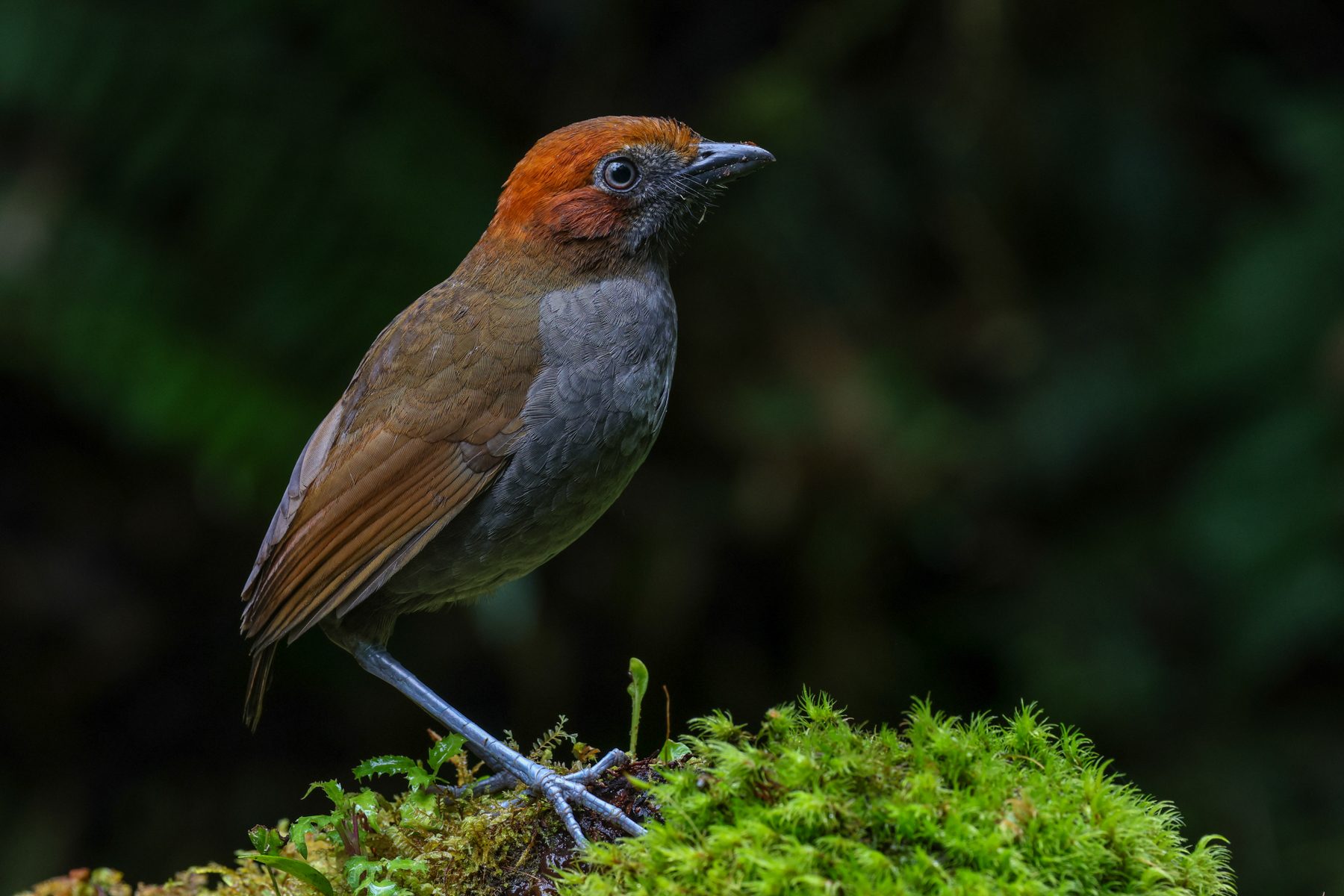
Chestnut-naped Antpitta (image by Trevor Ellery)
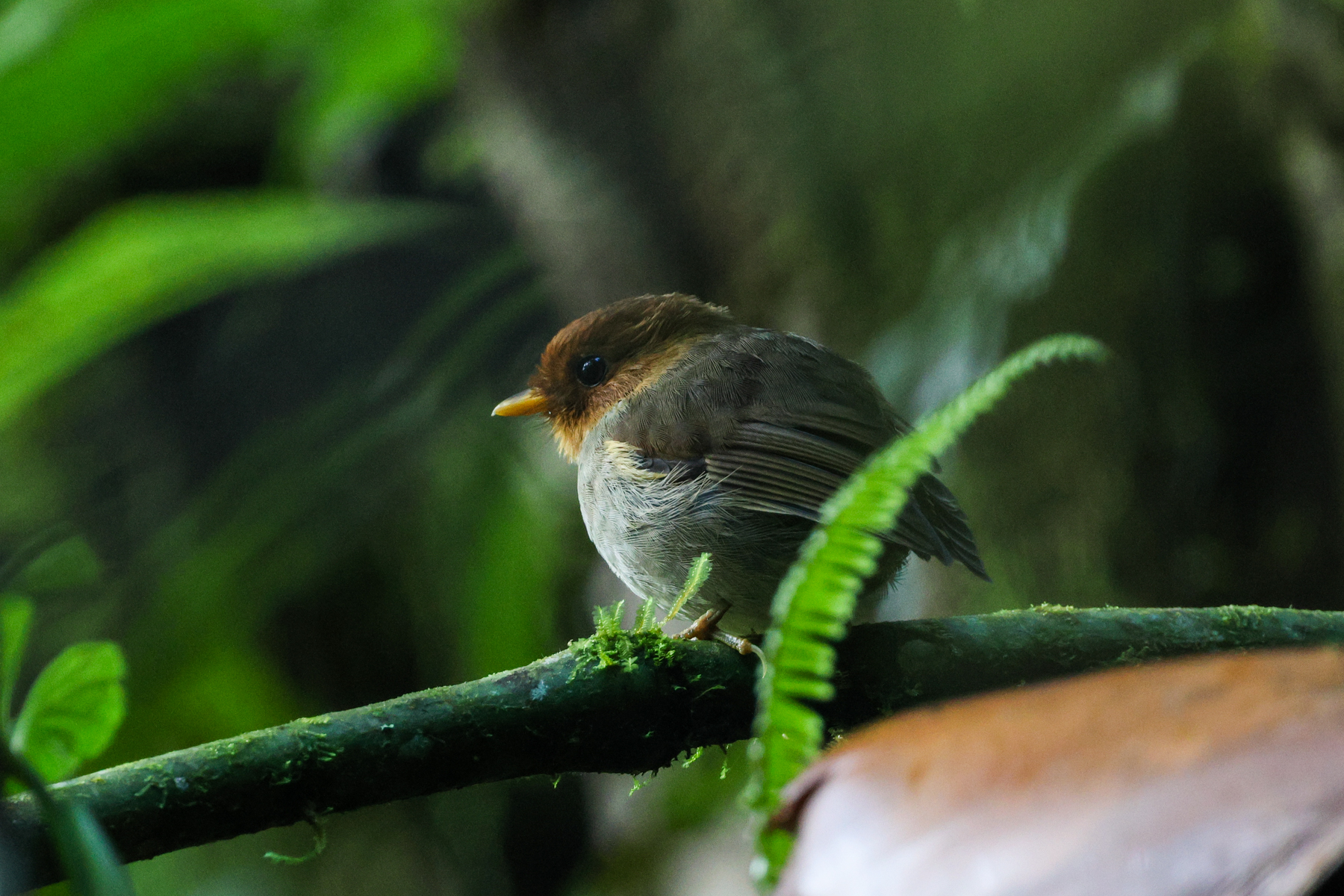
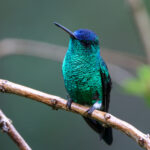
Hooded Antpitta (image by Trevor Ellery)
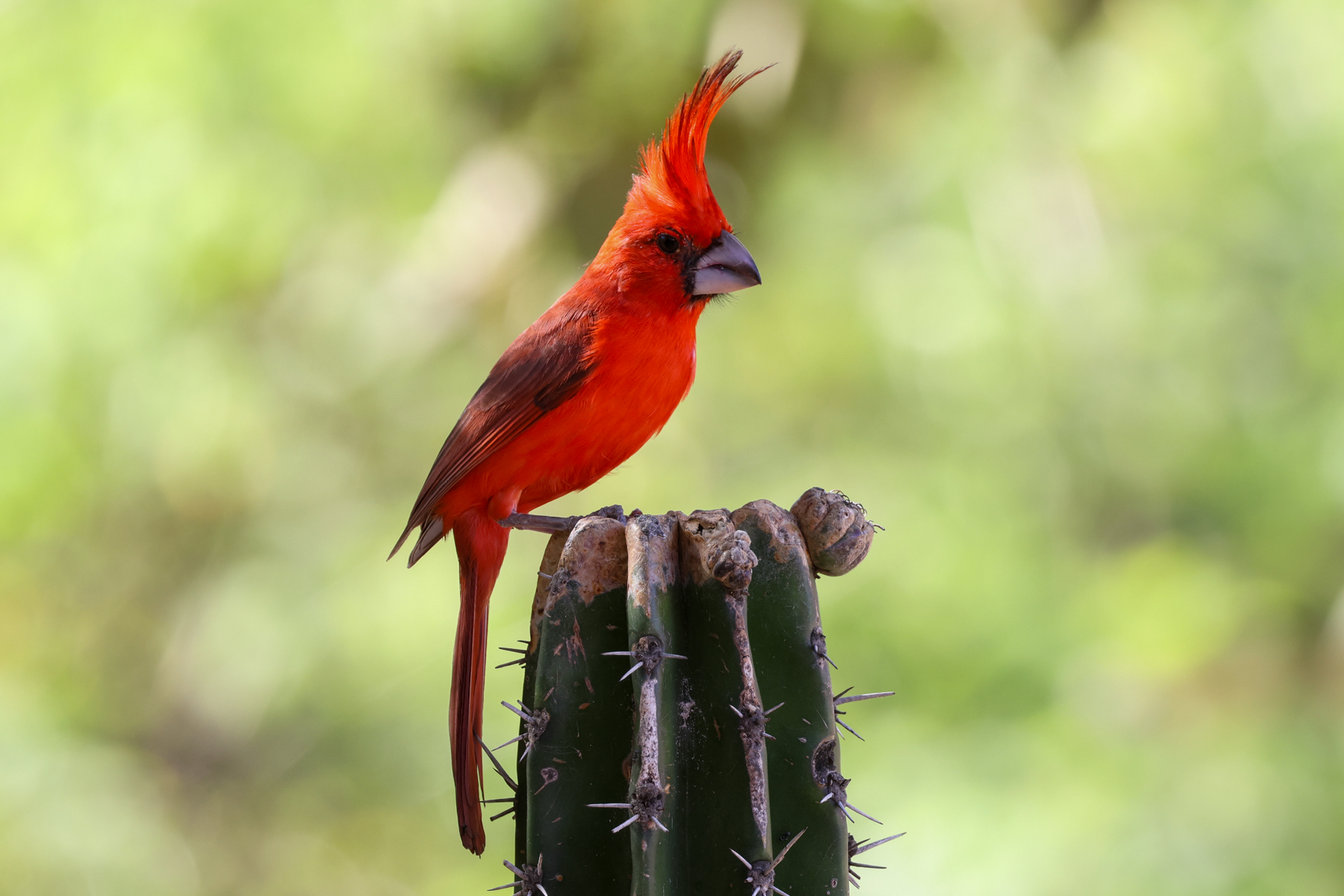
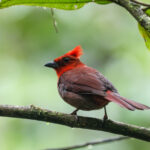
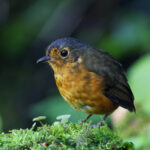
Vermilion Cardinal (image by Trevor Ellery)
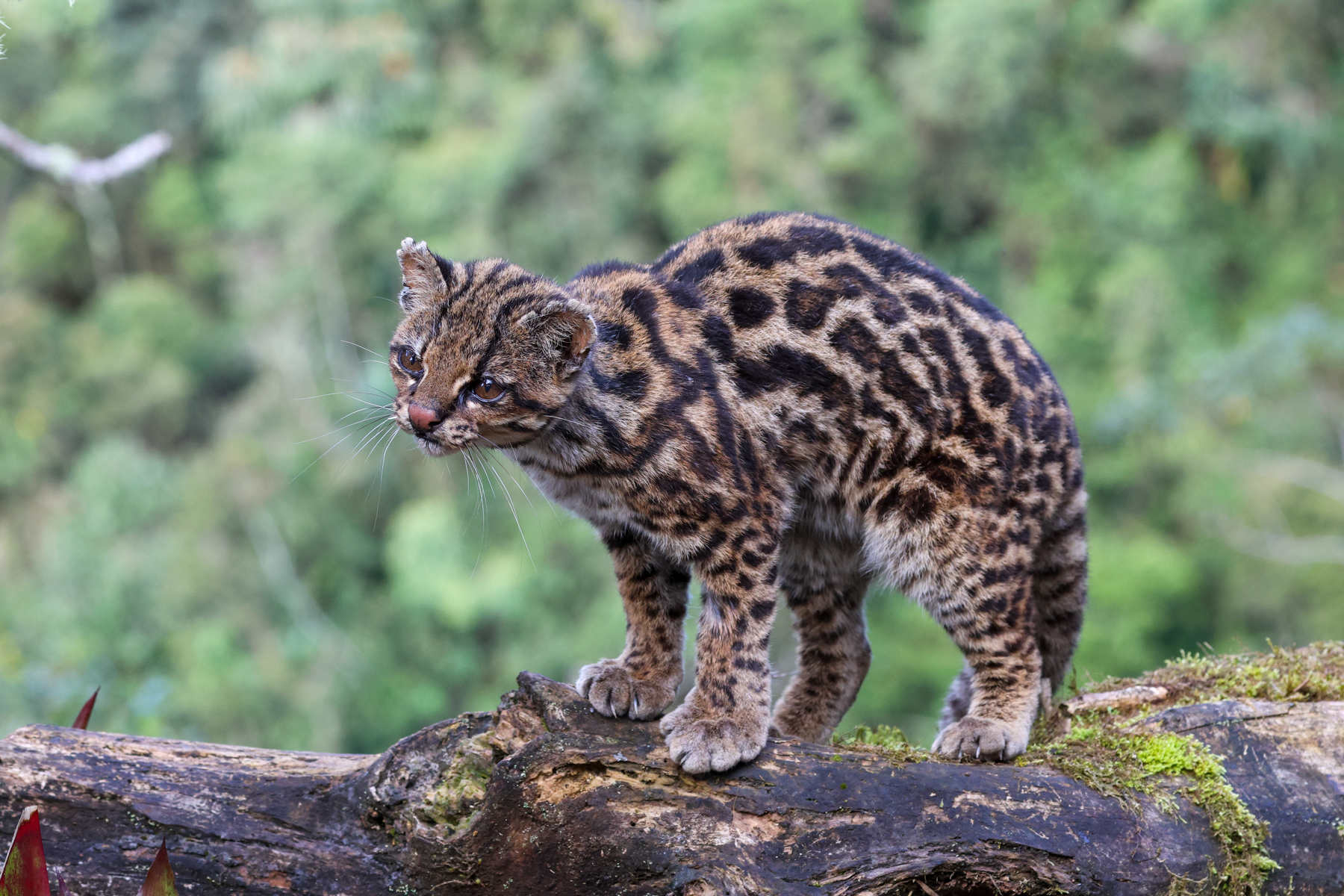
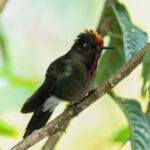
Northern Oncilla (image by Trevor Ellery)
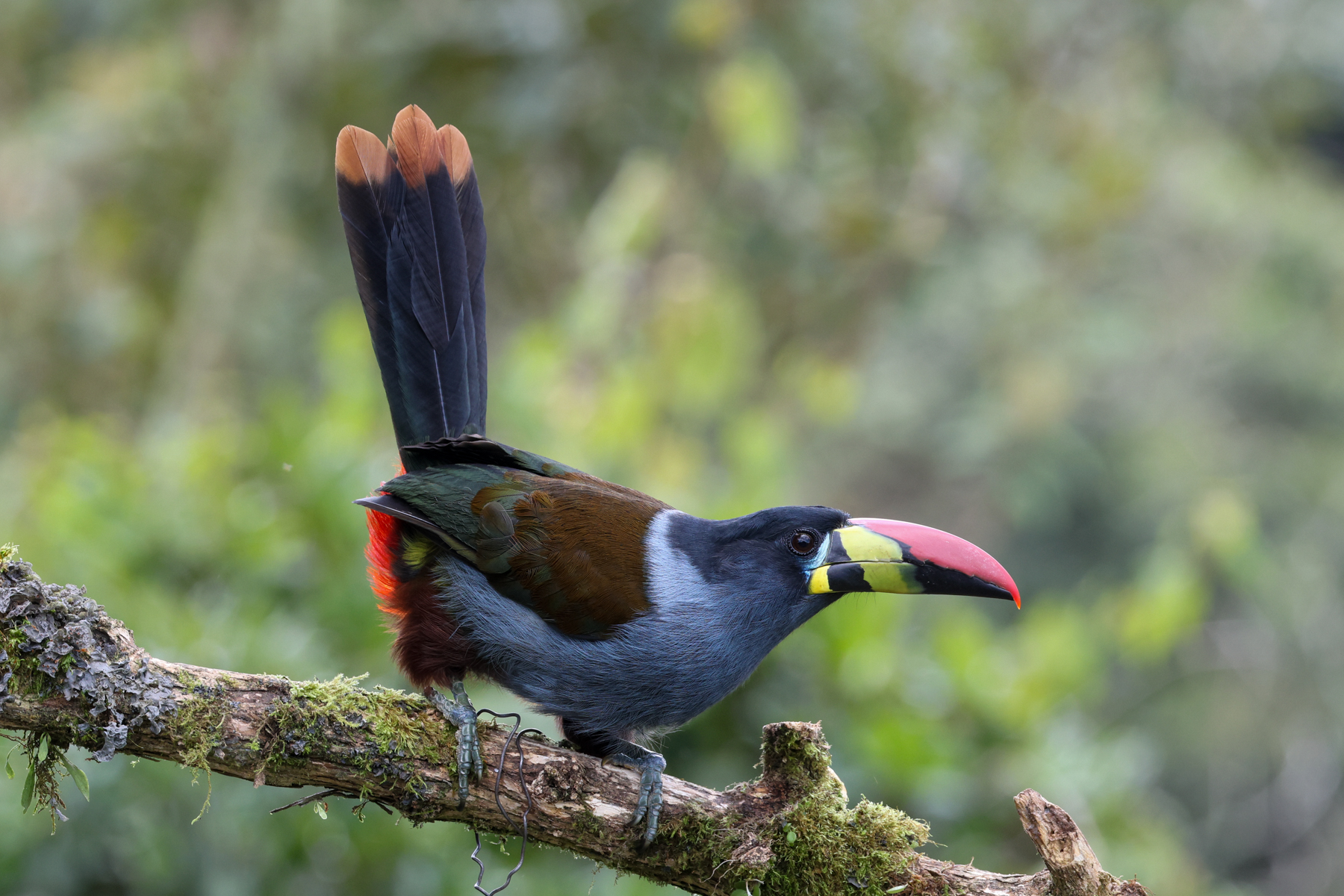
Grey-breasted Mountain Toucan (image by Trevor Ellery)
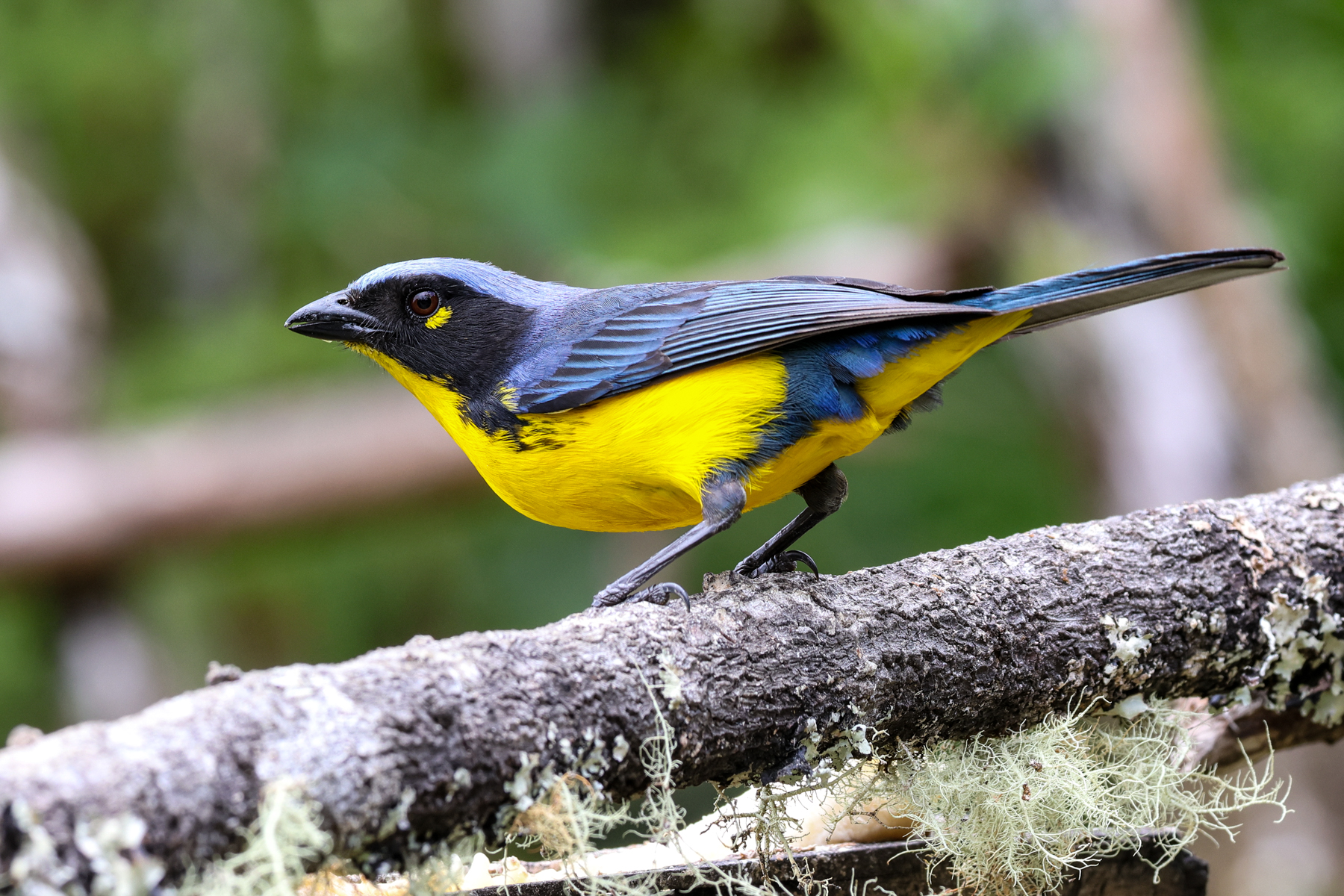
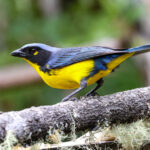
Santa Marta Mountain Tanager (image by Trevor Ellery)
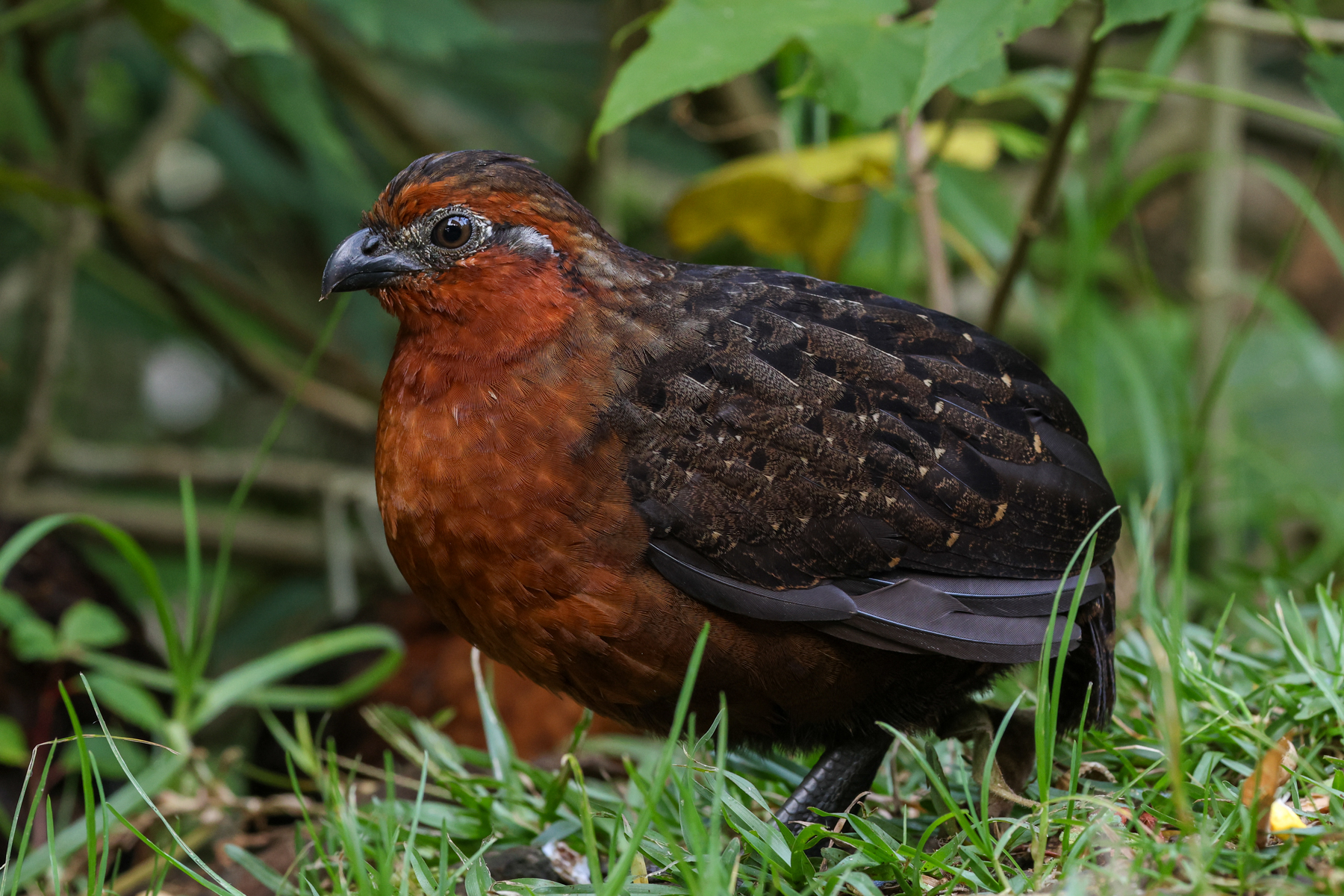
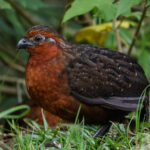
Chestnut Wood Quail (image by Trevor Ellery)
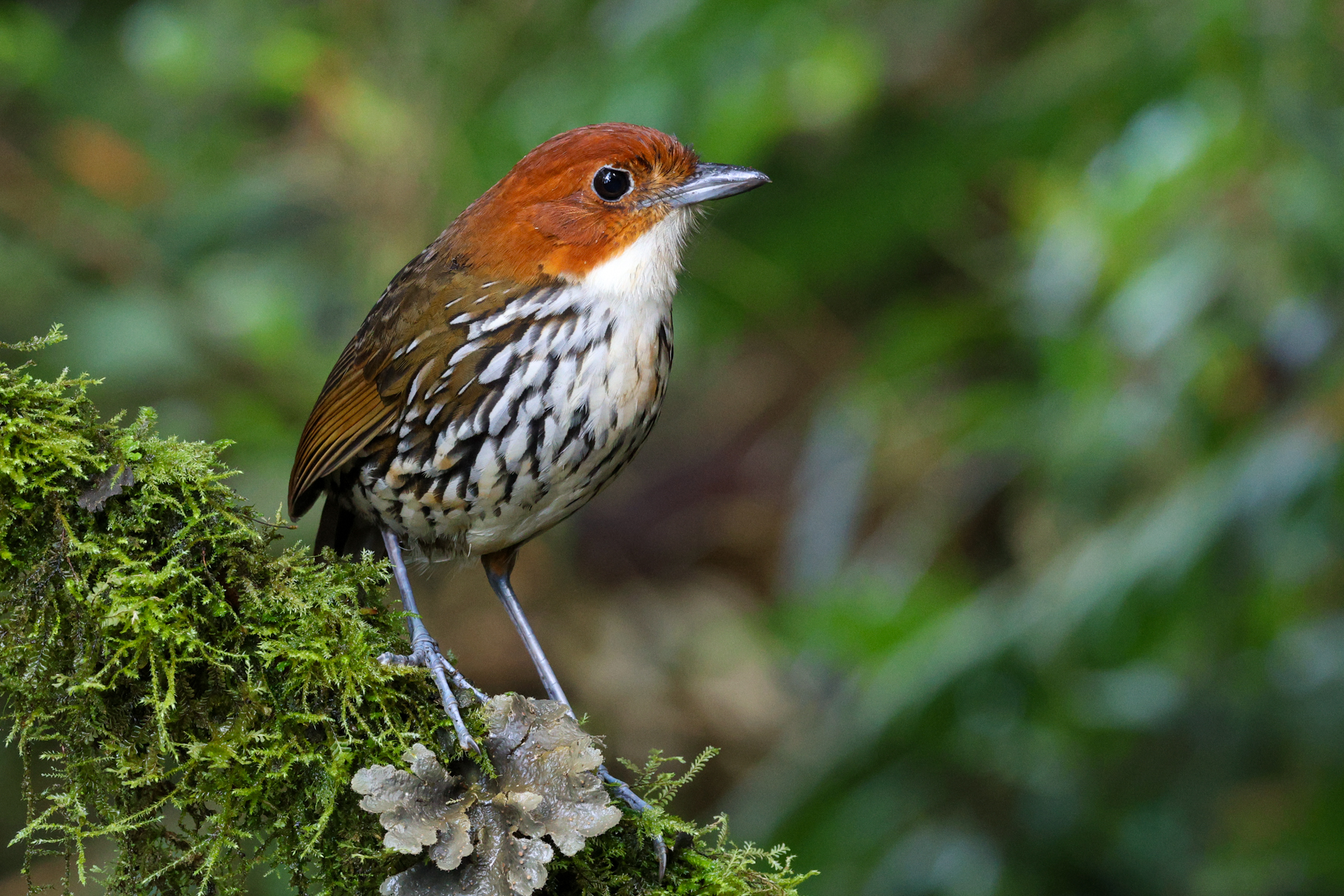
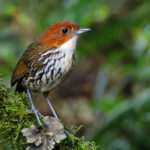
Chestnut-crowned Antpitta (image by Trevor Ellery)
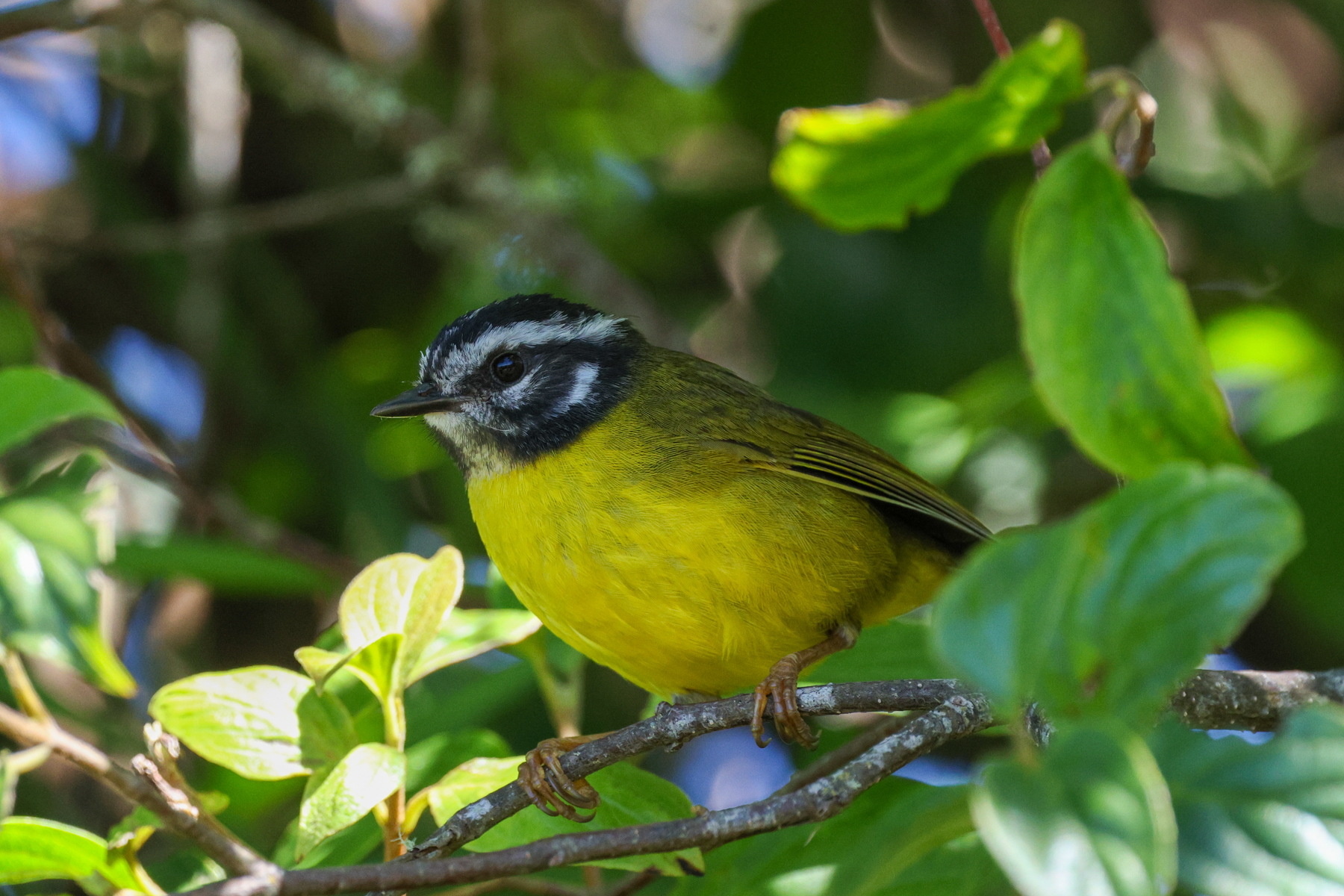
Santa Marta Warbler (image by Trevor Ellery)
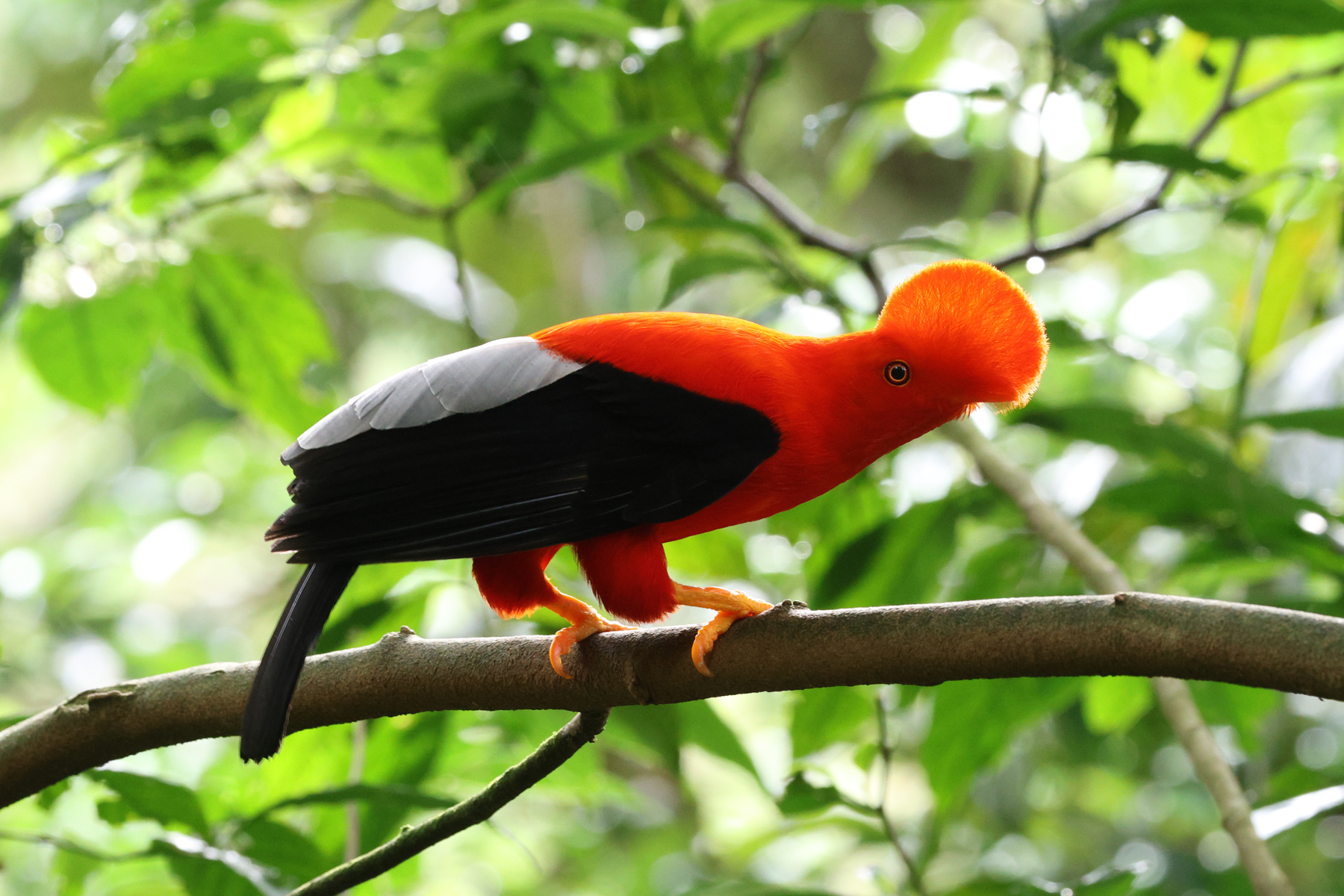
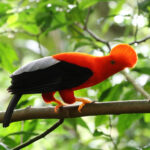
Andean Cock Of The Rock (image by Trevor Ellery)
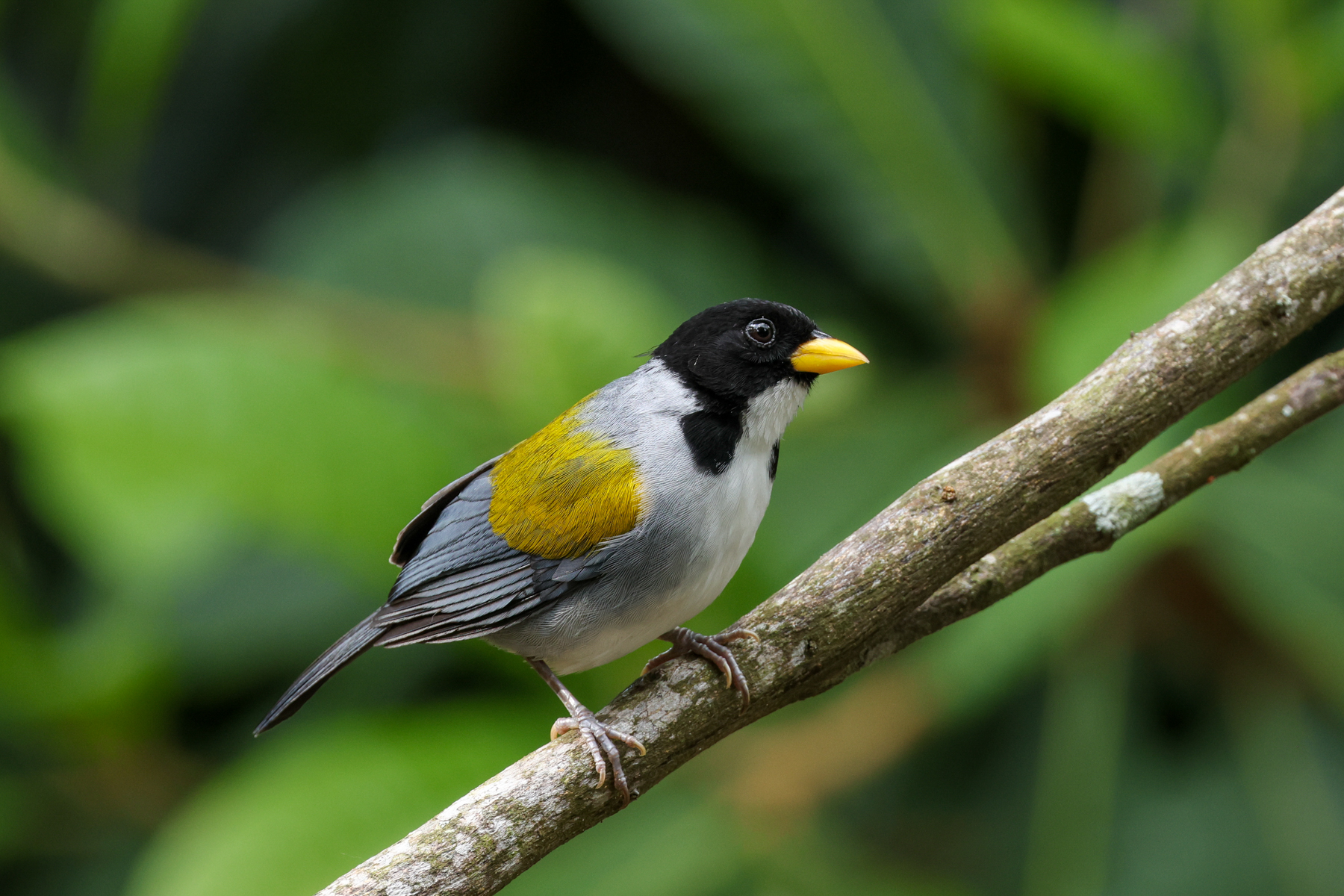
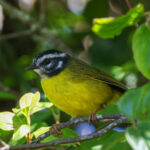
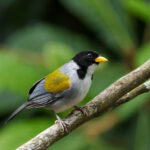
Golden-winged Sparrow (image by Trevor Ellery)
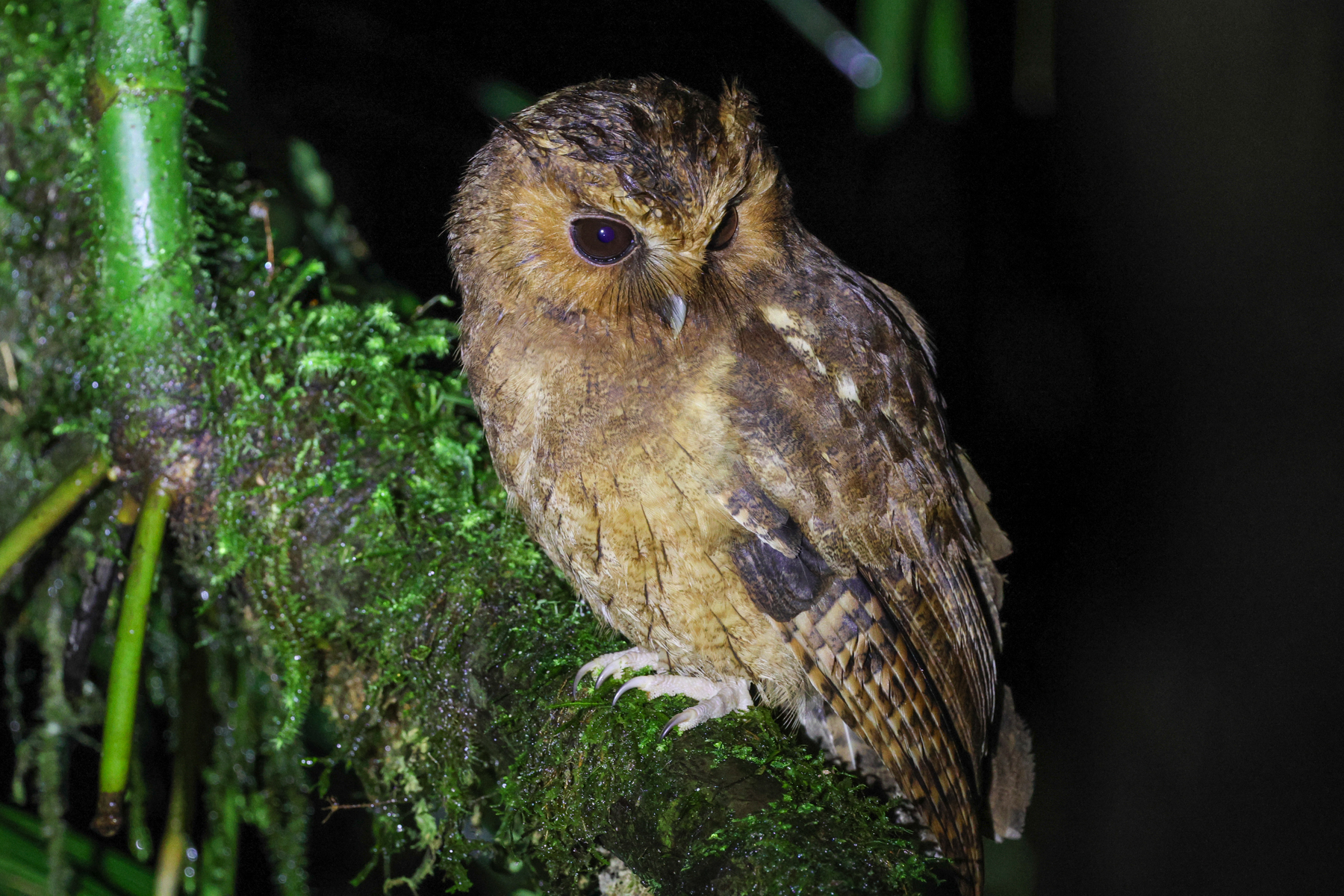
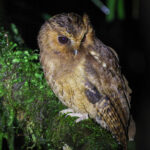
Rufescent Screech Owl (image by Trevor Ellery)
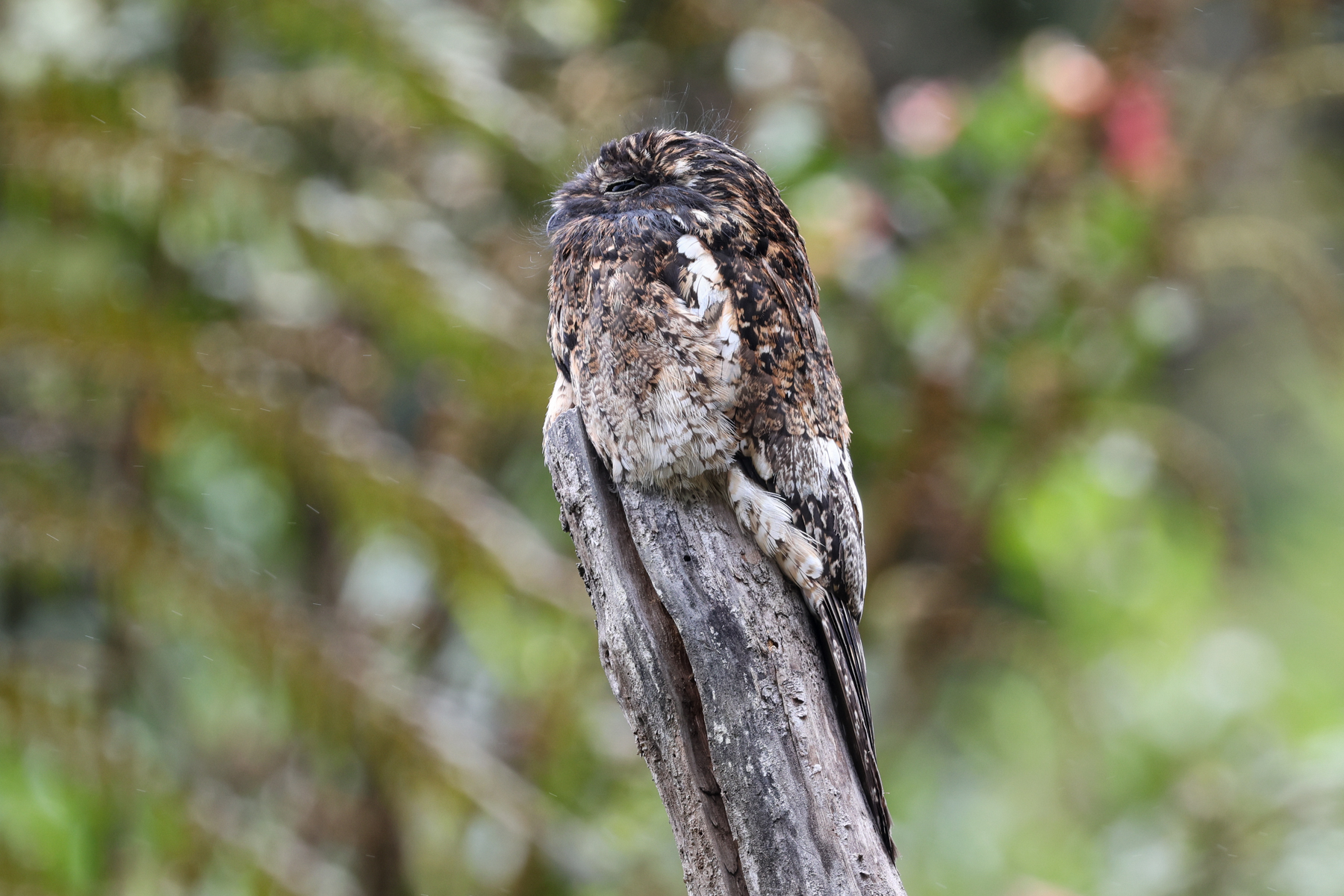
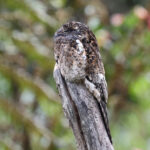
Andean Potoo (image by Trevor Ellery)
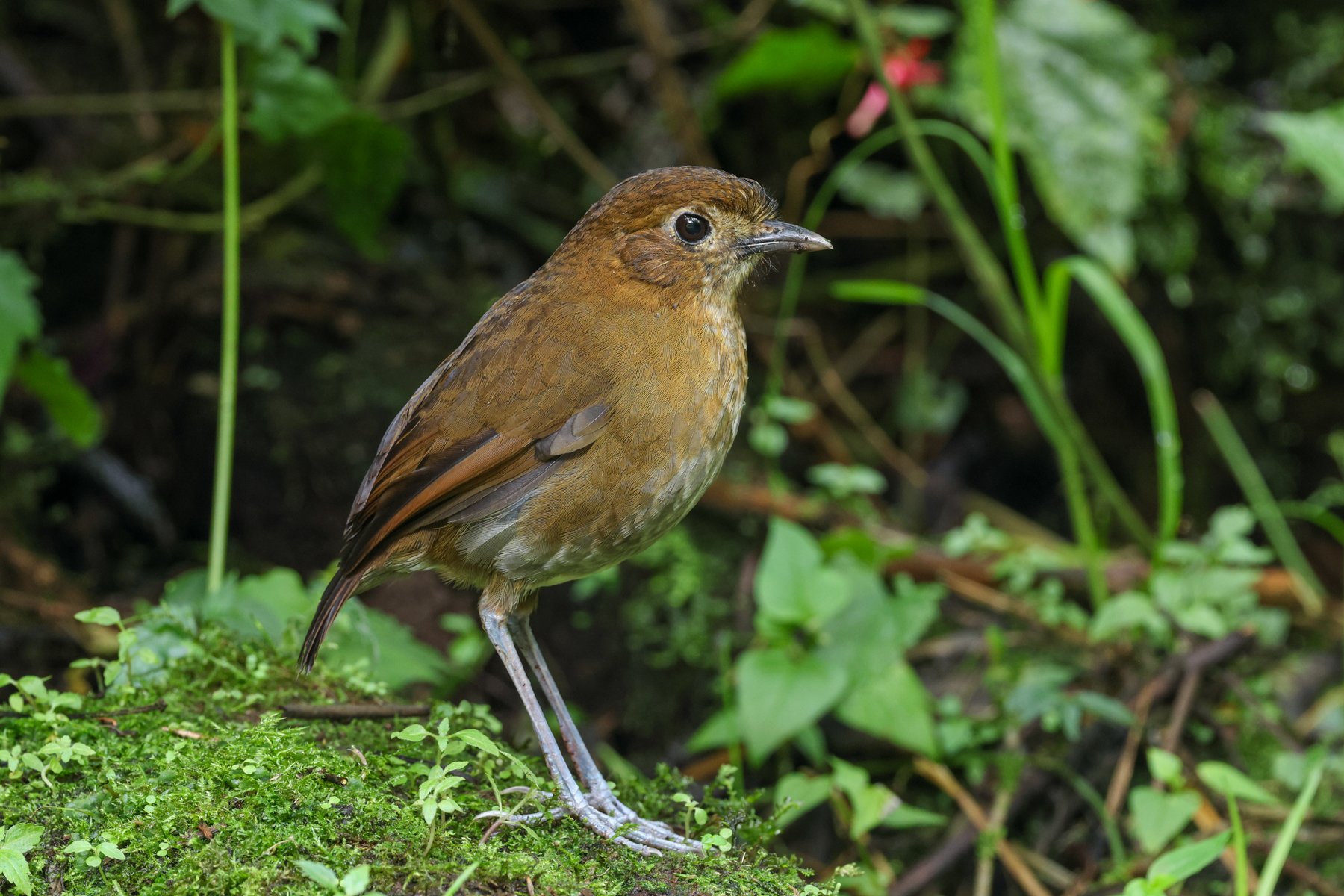
Brown-banded Antpitta (image by Trevor Ellery)
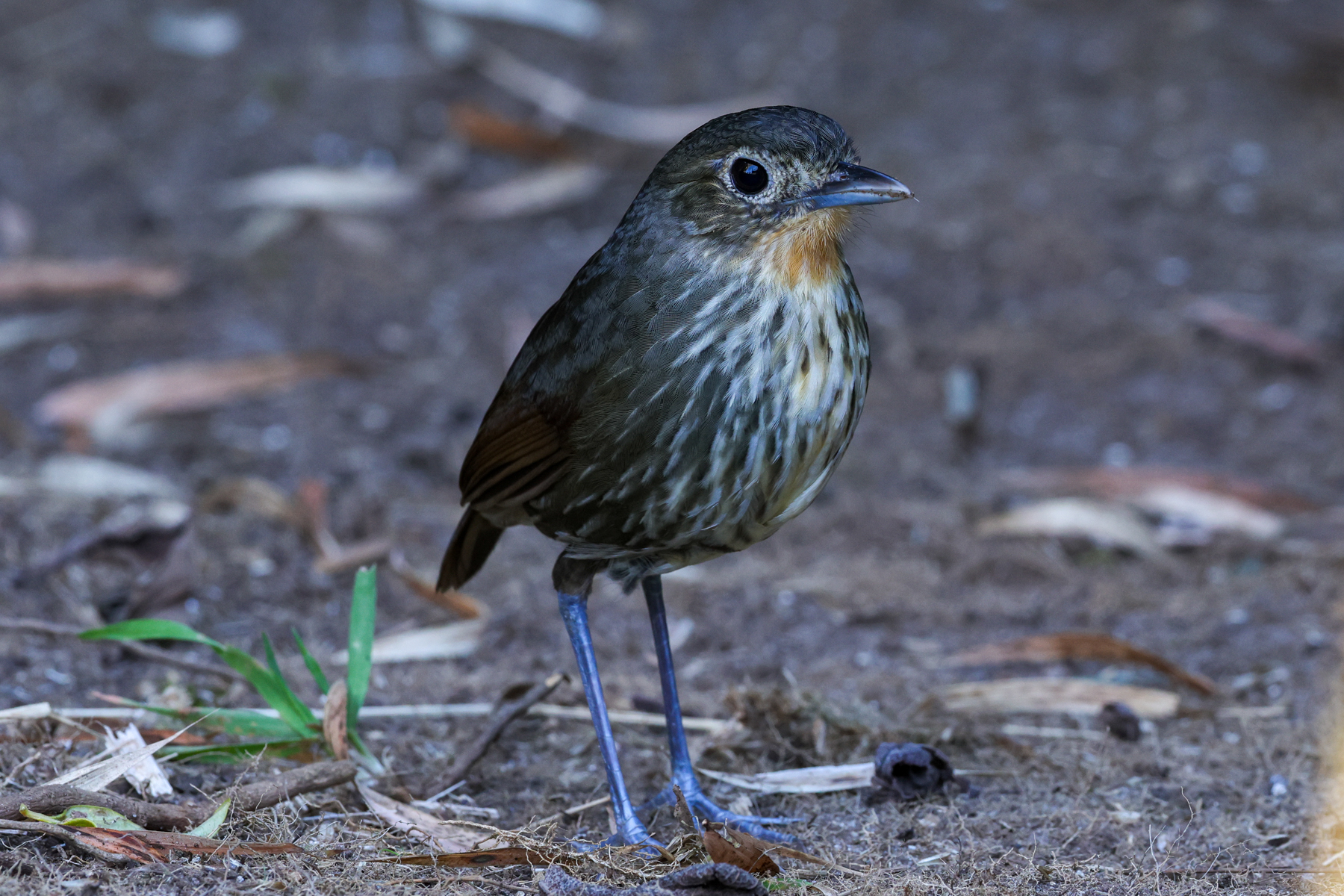
Santa Marta Antpitta (image by Trevor Ellery)
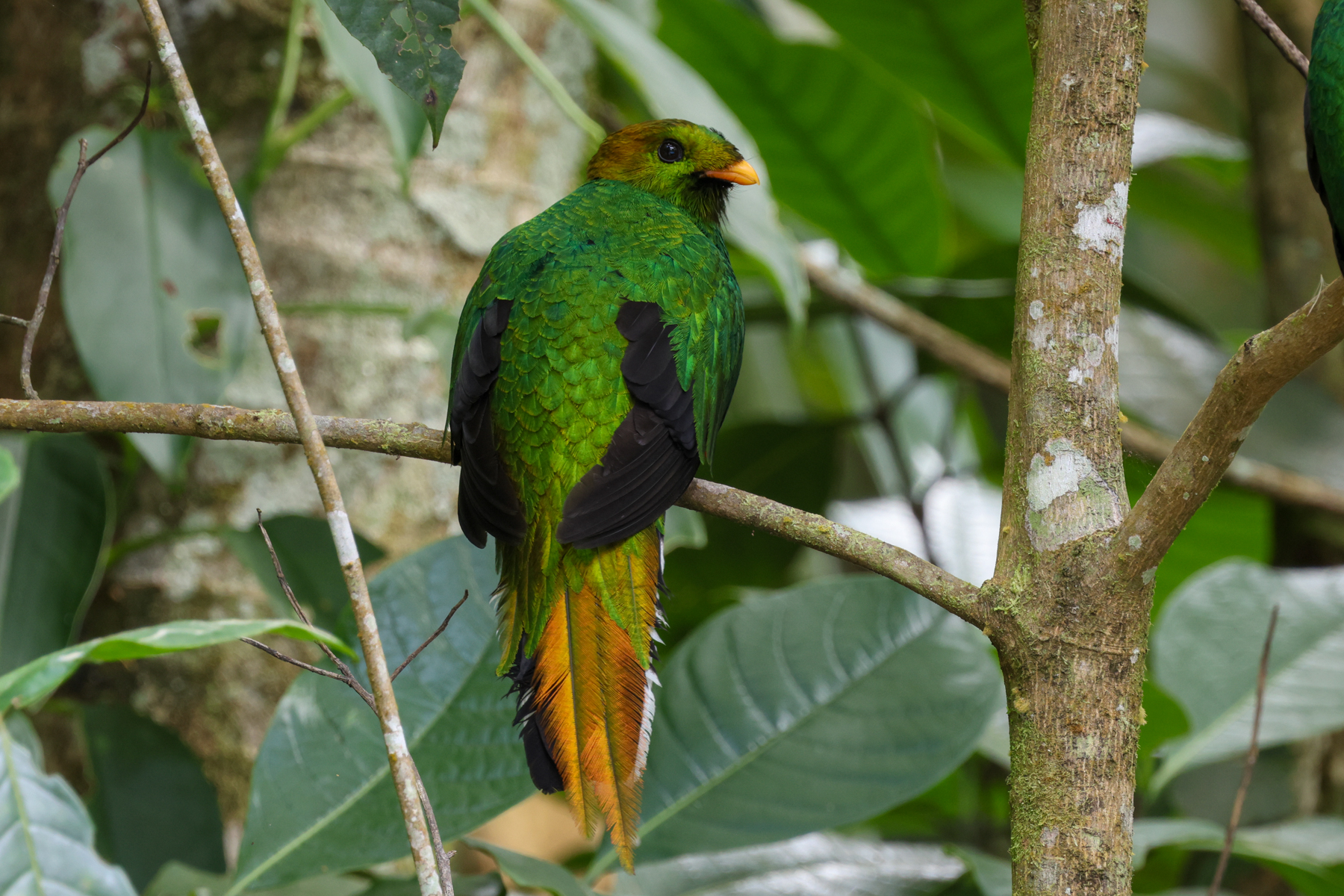
White-tipped Quetzal (image by Trevor Ellery)
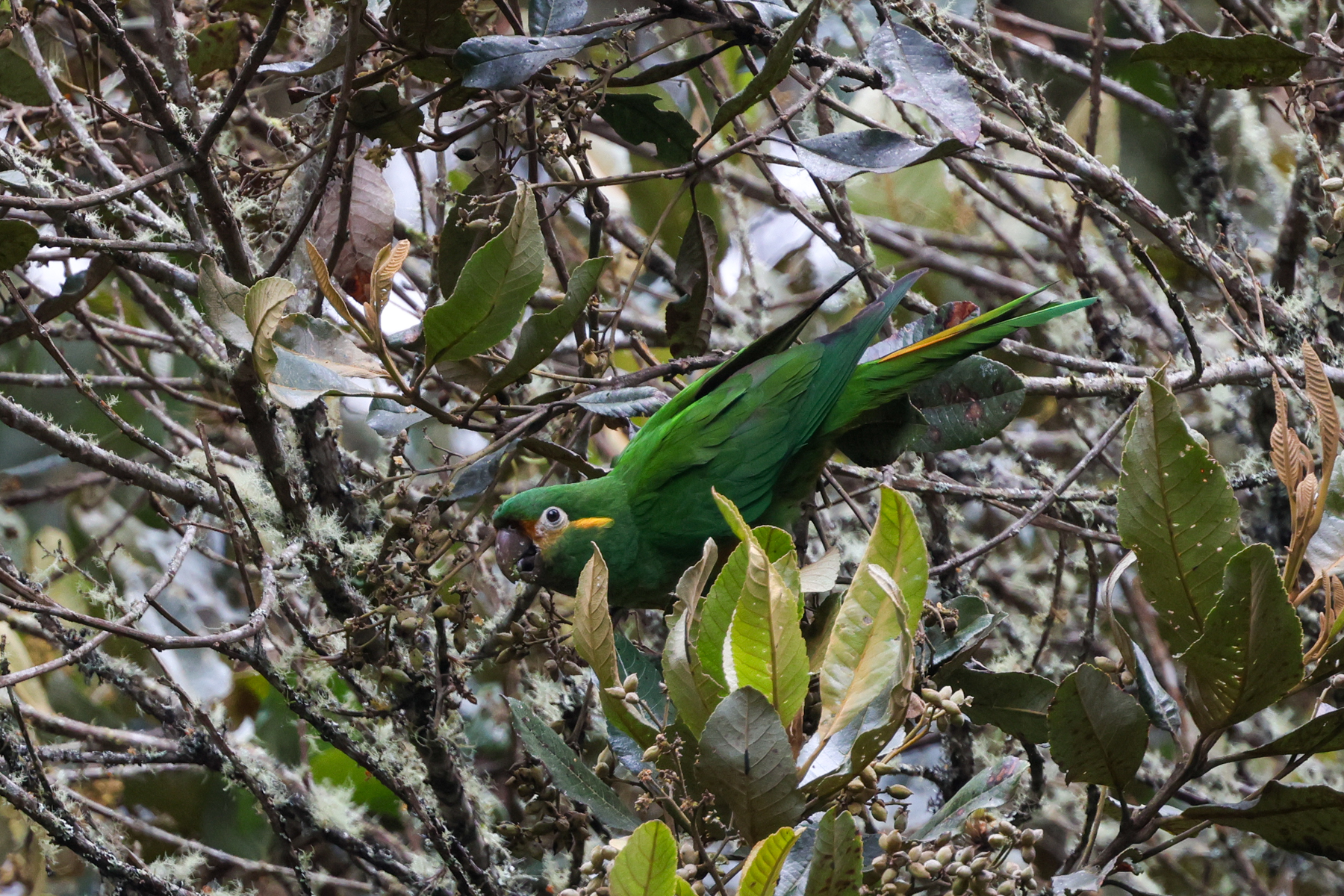
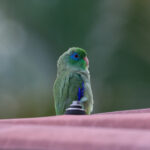
Golden-plumed Parakeet (image by Trevor Ellery)
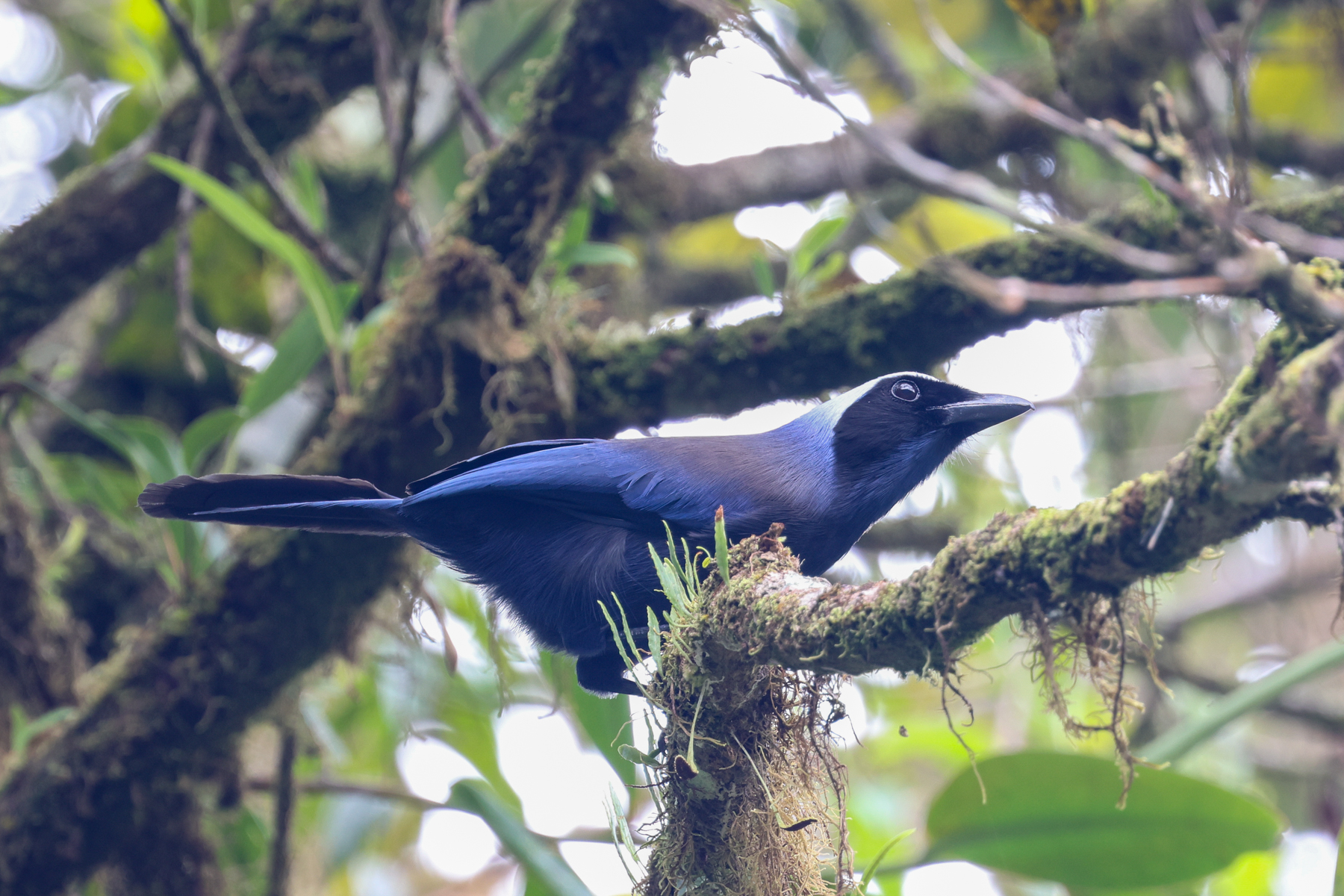
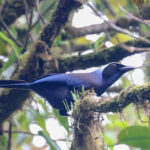
Beautiful Jay (image by Trevor Ellery)
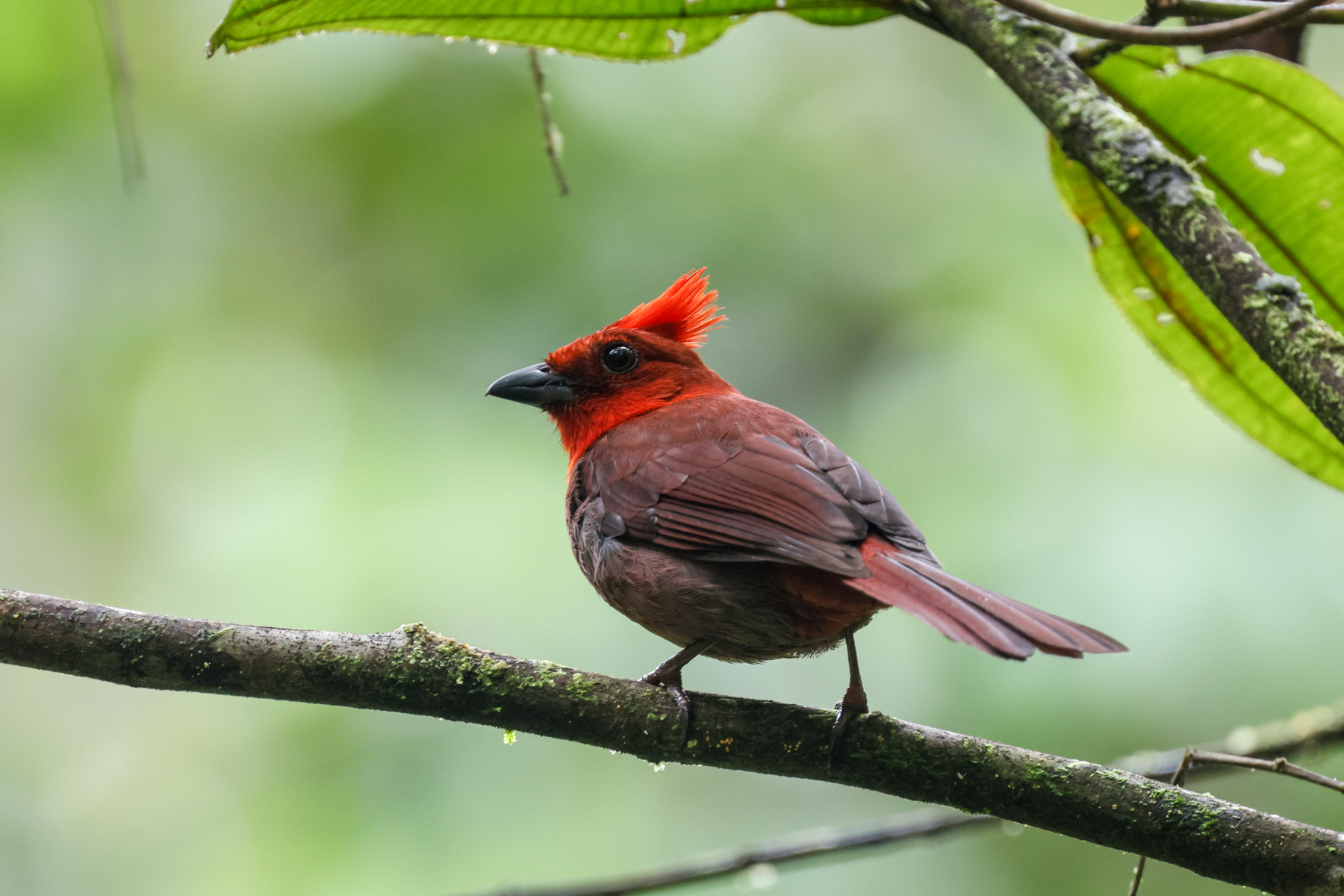
Crested Ant Tanager (image by Trevor Ellery)
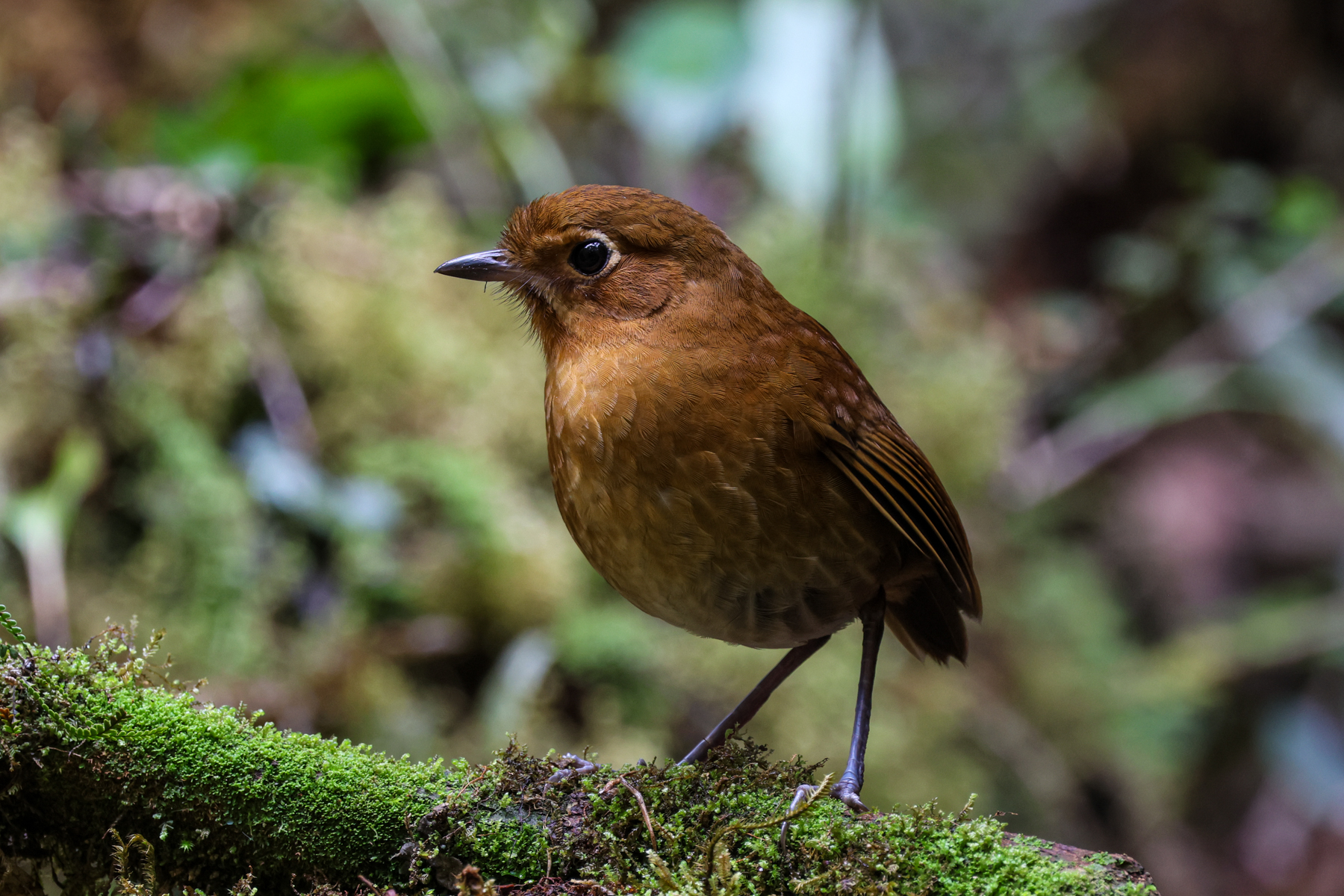
Muisca Antpitta (image by Trevor Ellery)
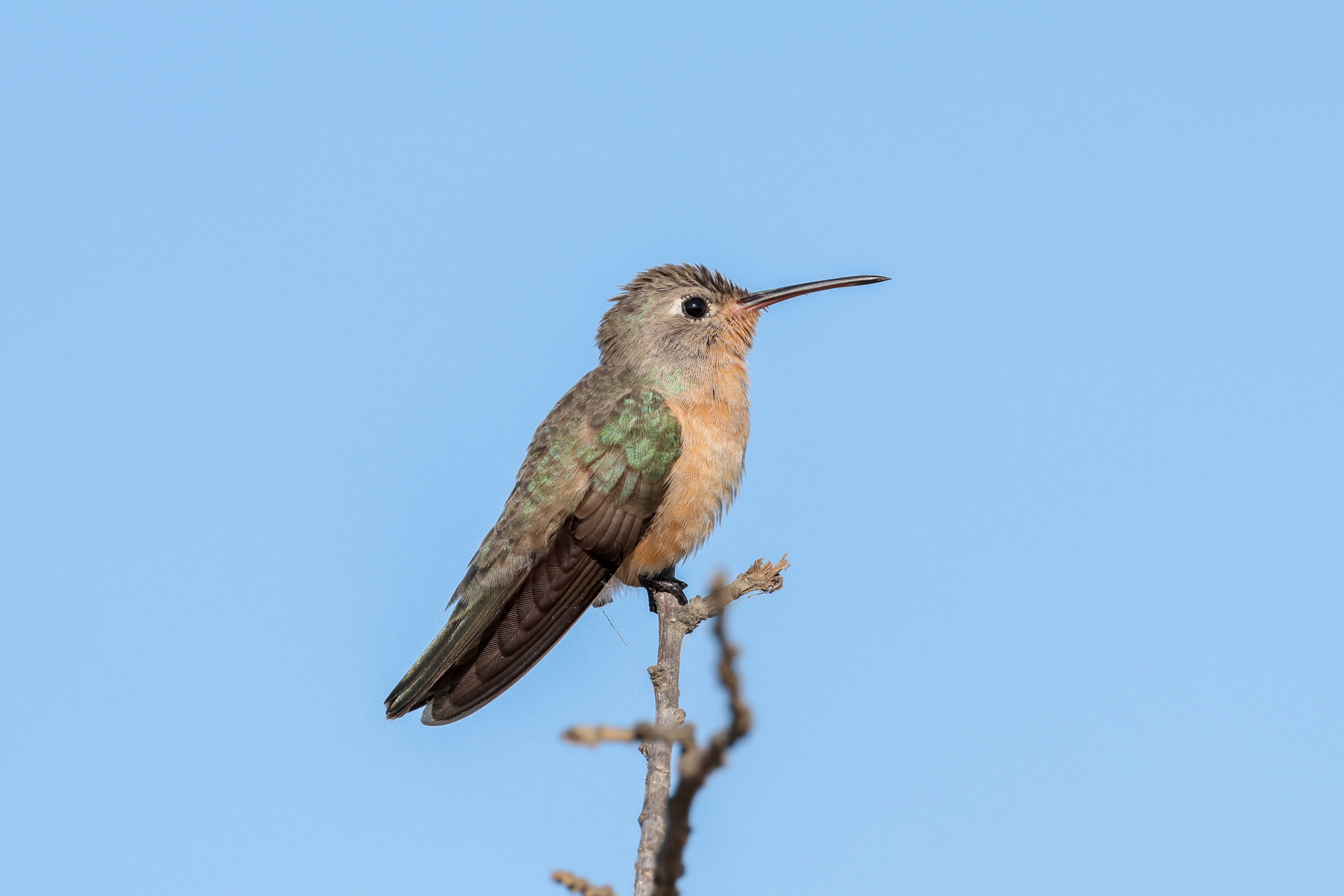
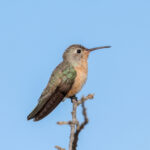
Buffy Hummingbird (image by Trevor Ellery)
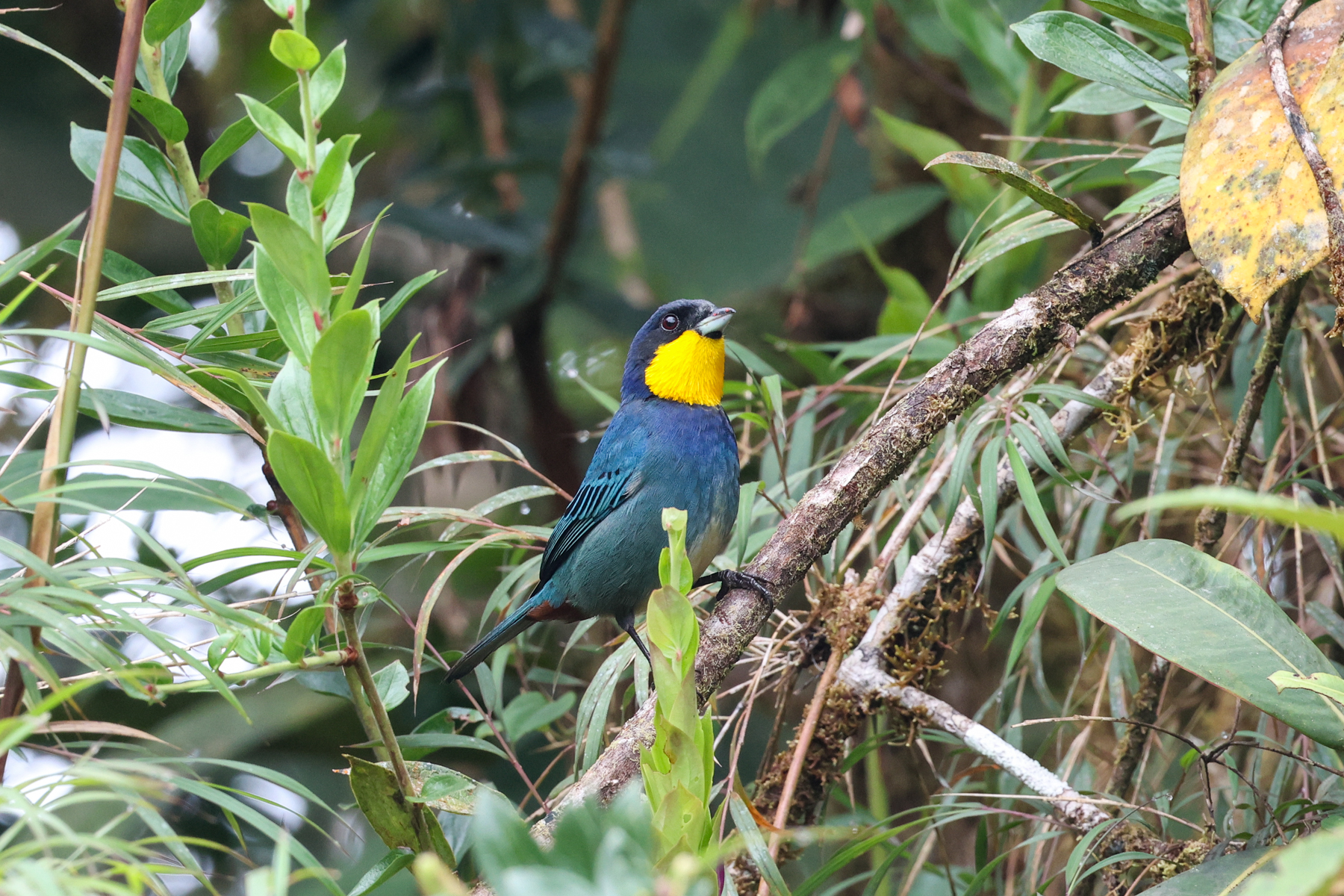
Purplish-mantled Tanager (image by Trevor Ellery)
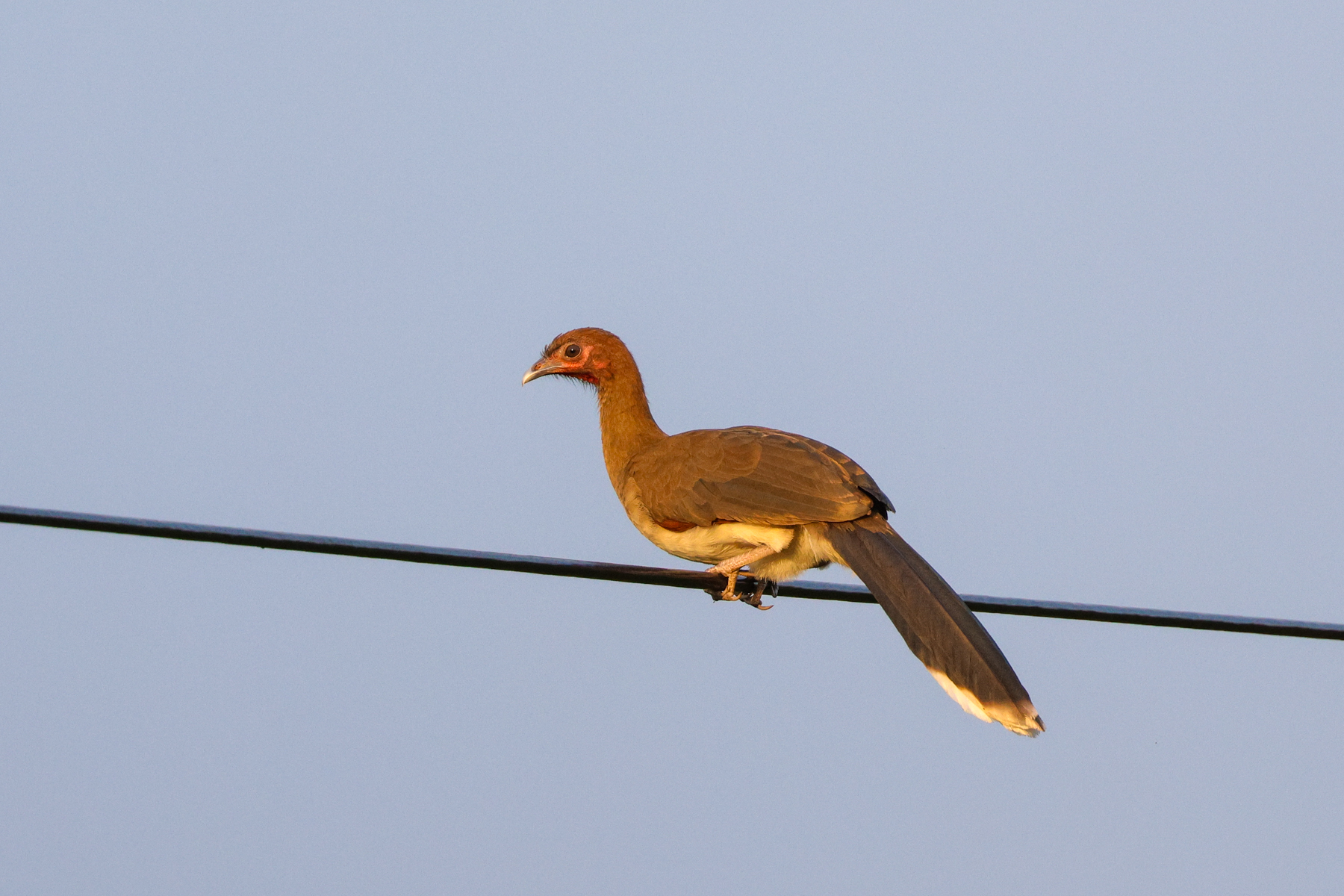
Chestnut-winged Chachalaca (image by Trevor Ellery)
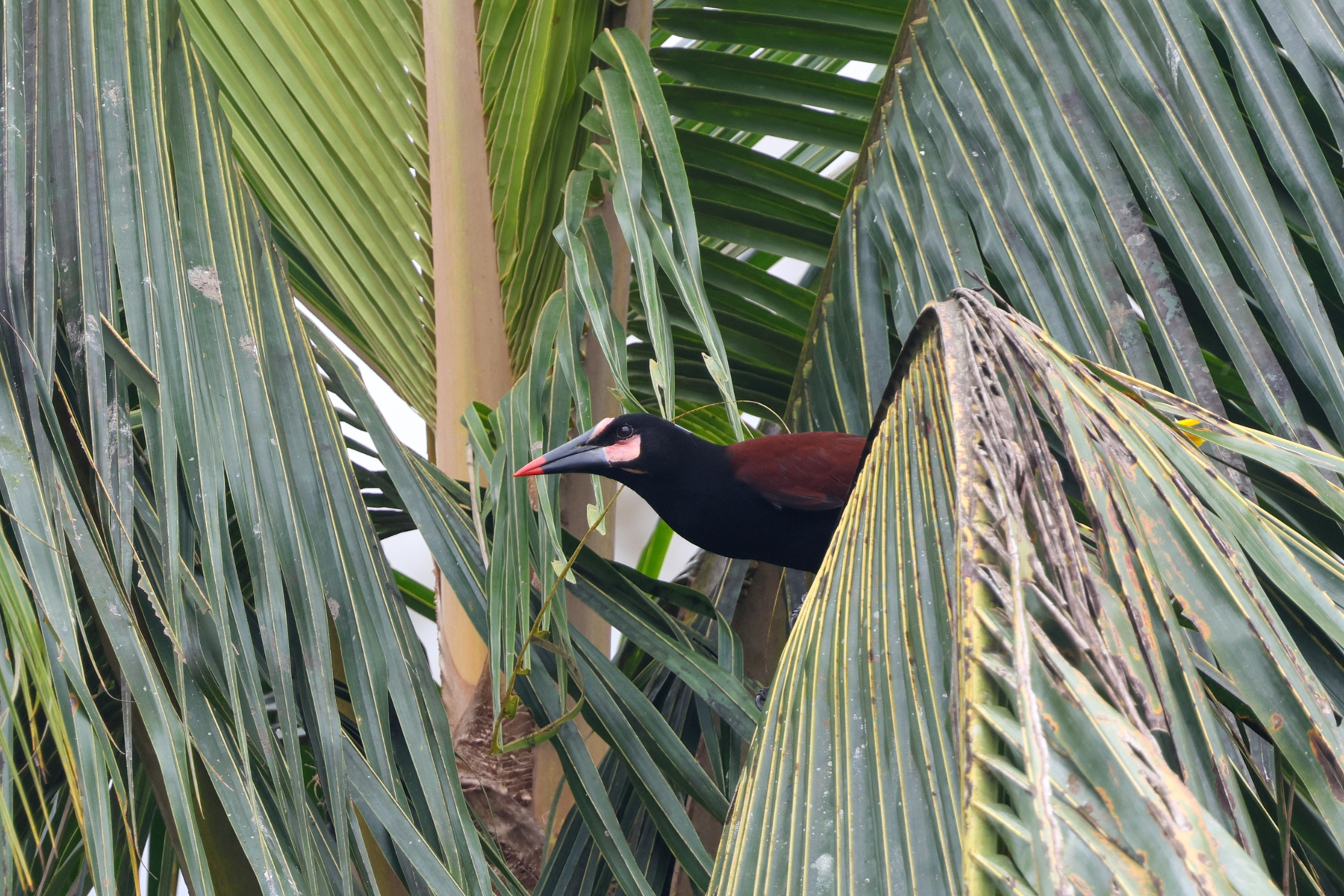
Baudo Oropendola (image by Trevor Ellery)
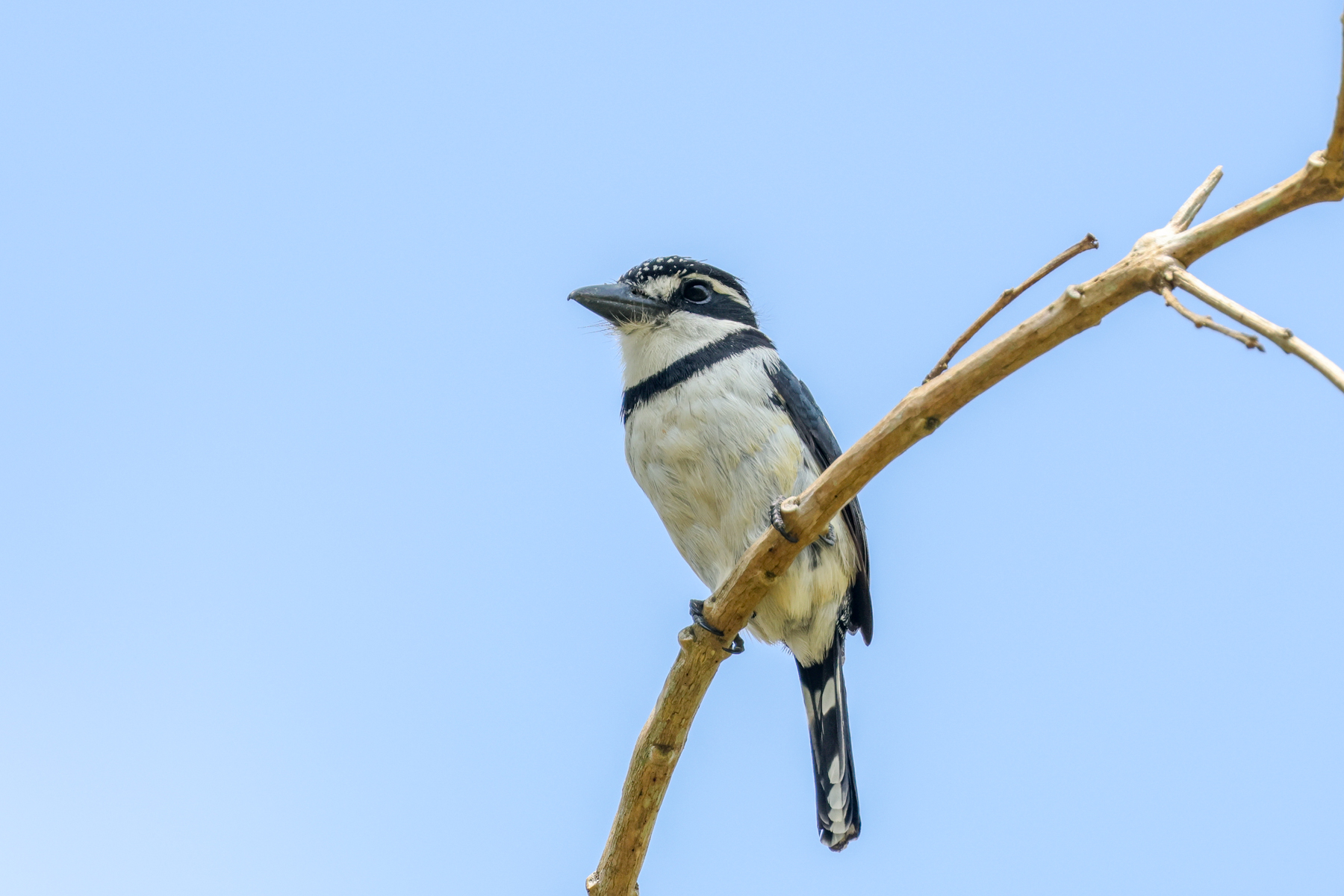
Pied Puffbird (image by Trevor Ellery)
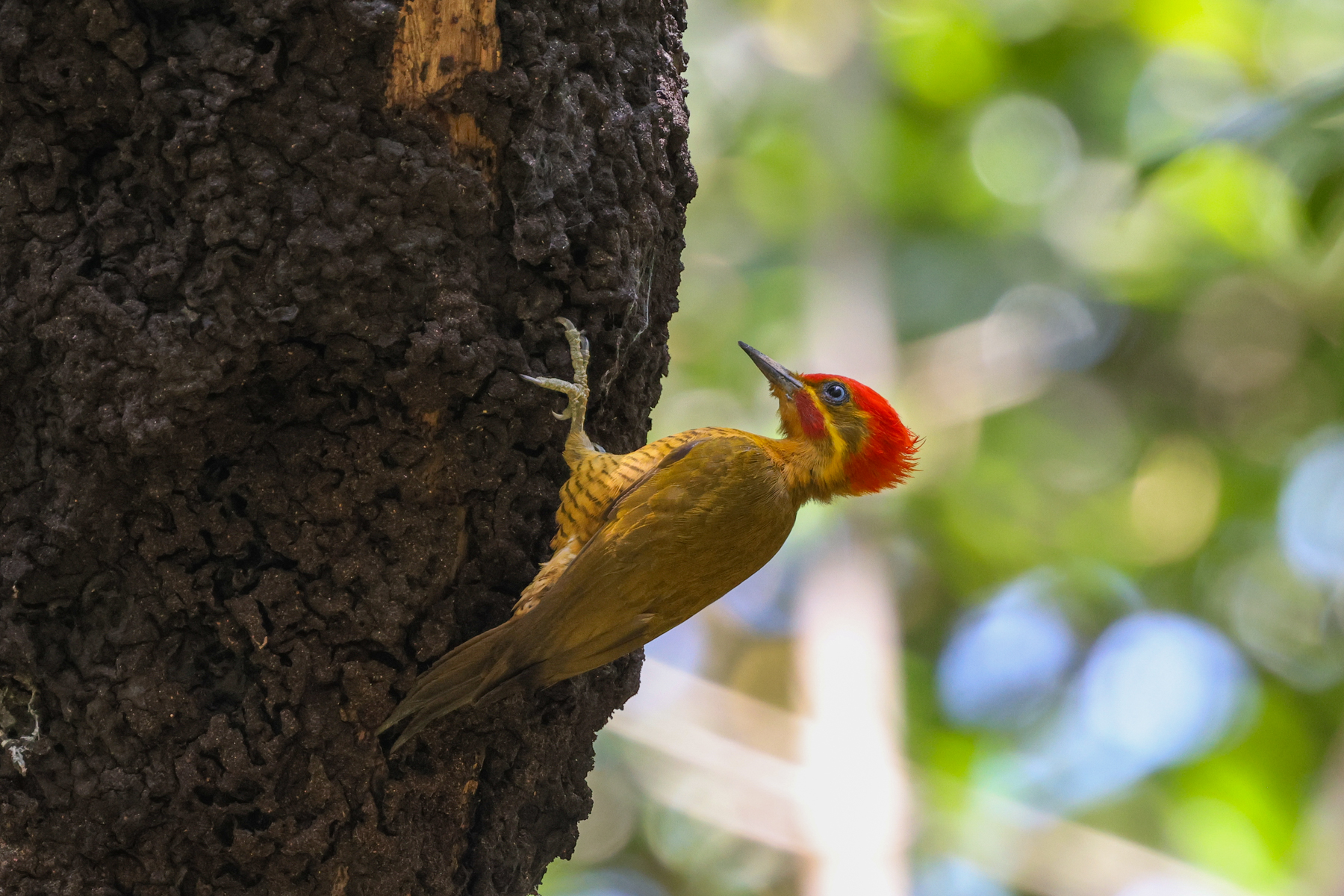
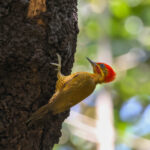
Golden-green Woodpecker (image by Trevor Ellery)
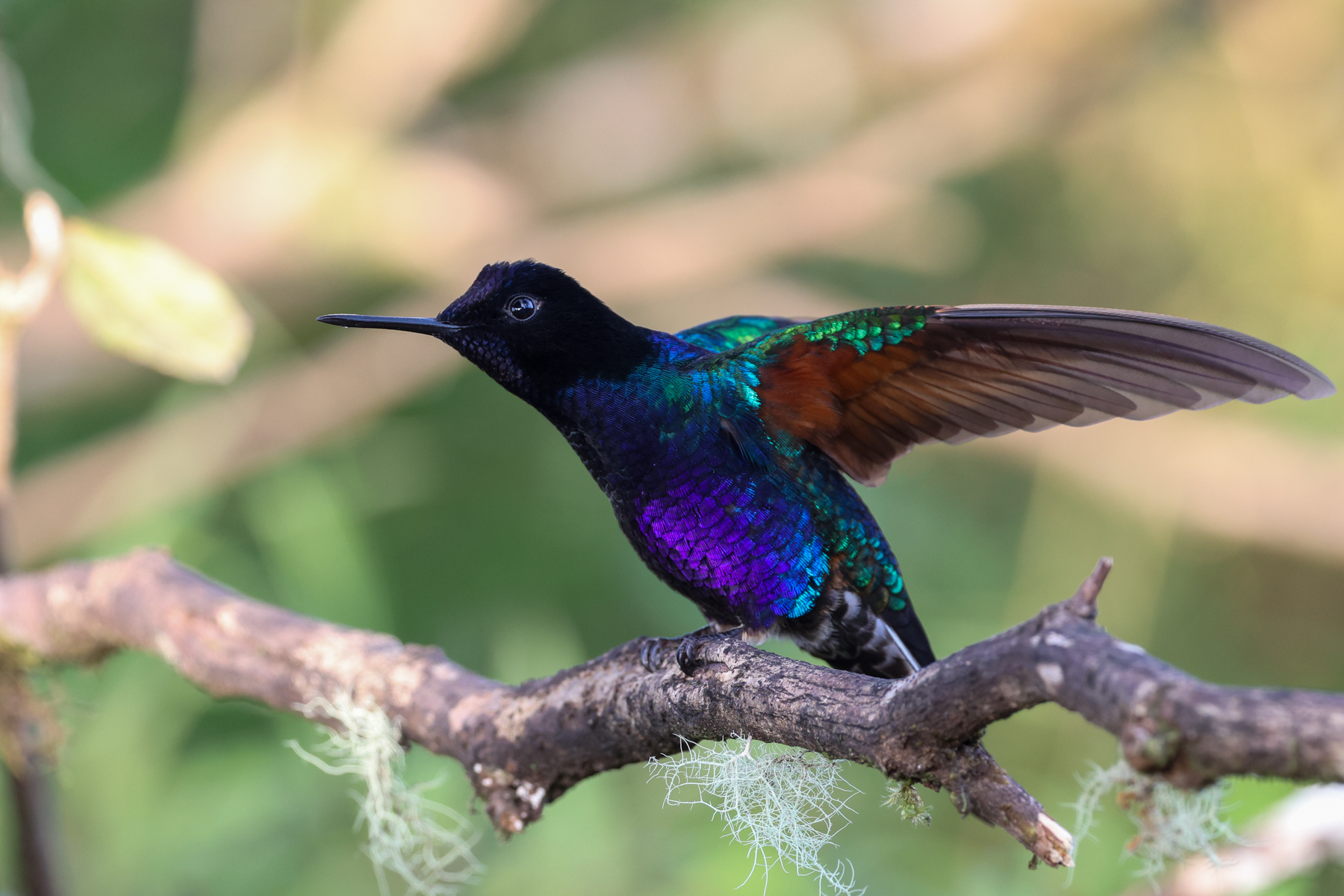
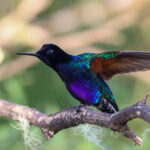
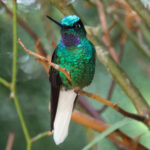
Velvet-purple Coronet (image by Trevor Ellery)
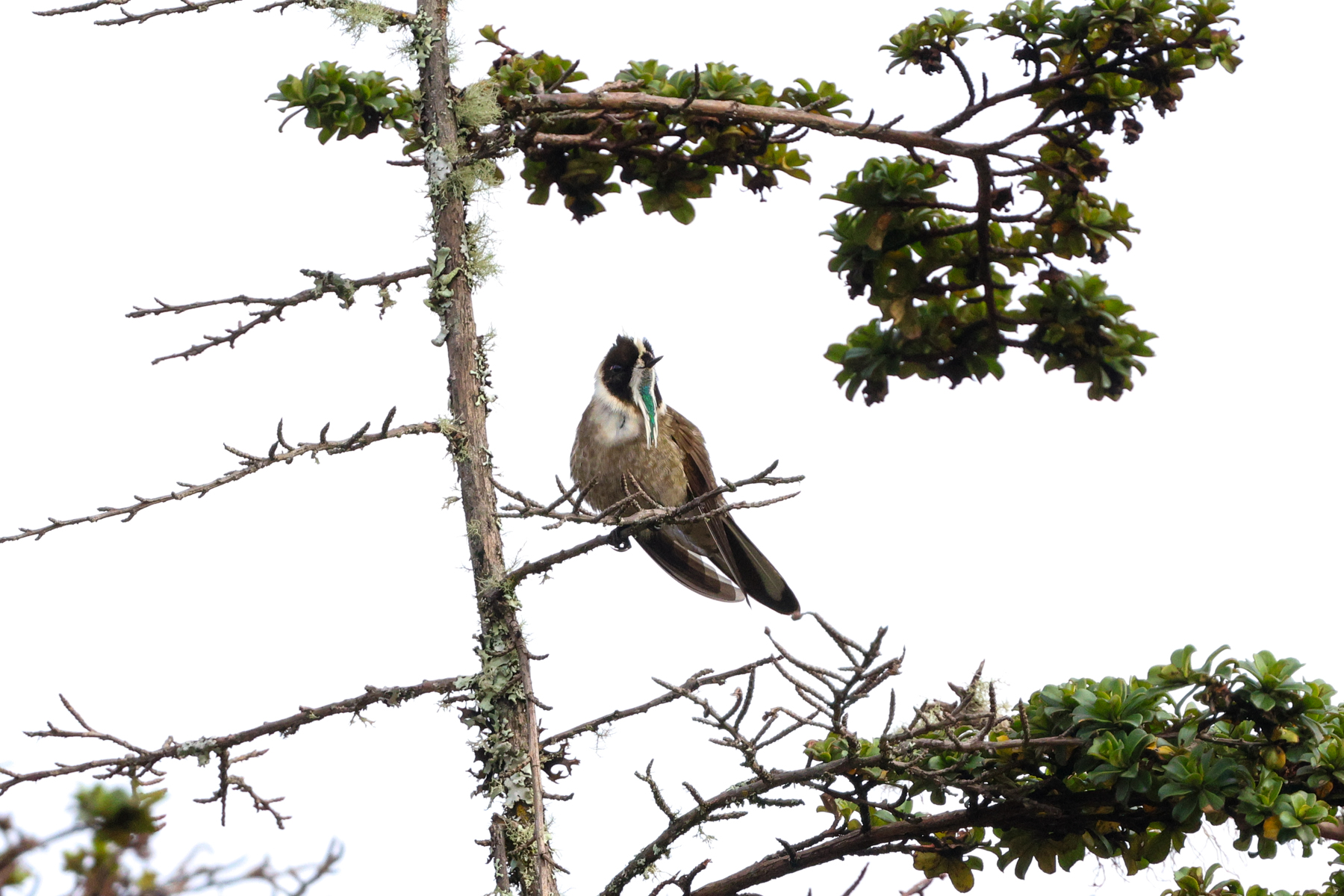
Green-bearded Helmetcrest (image by Trevor Ellery)
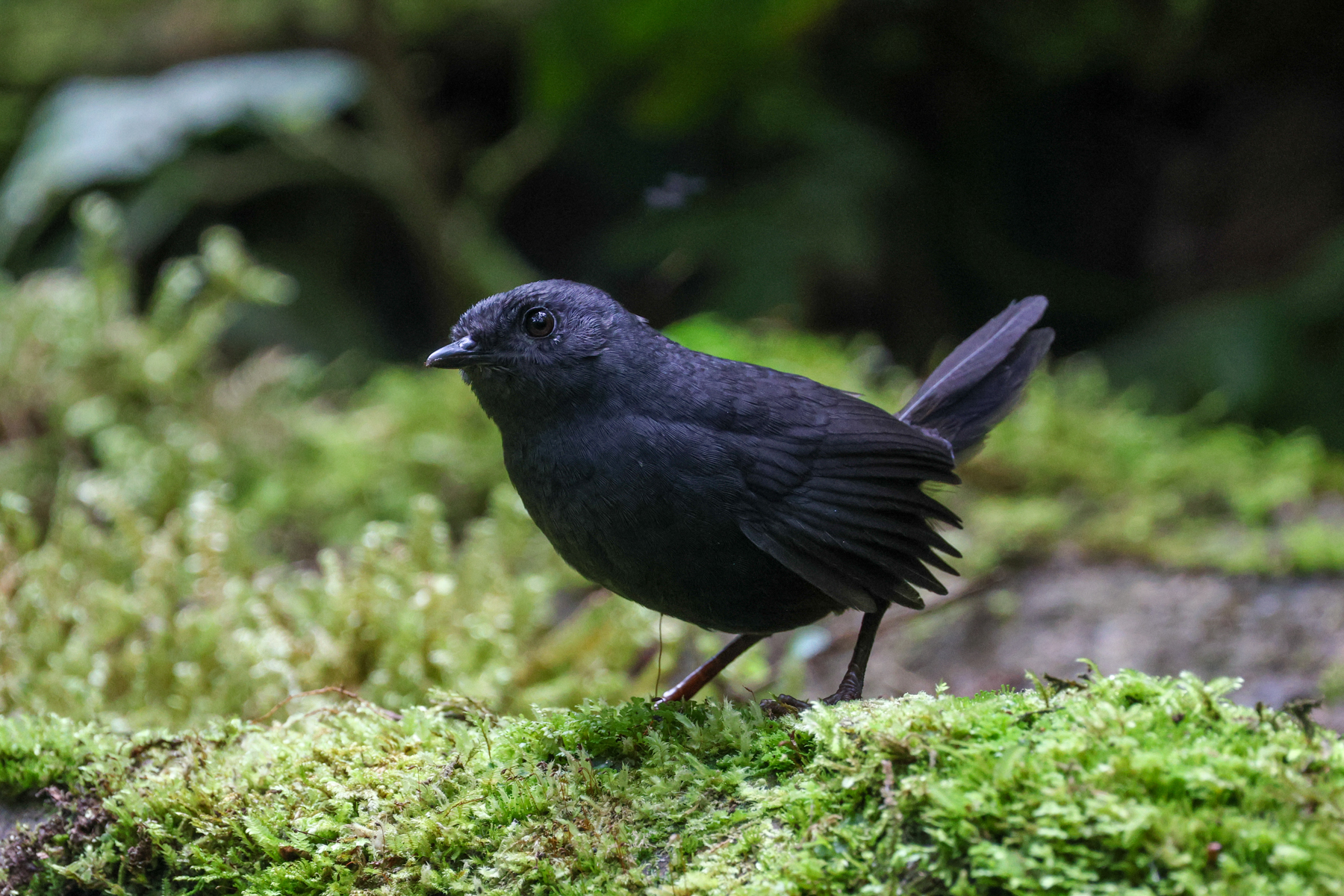
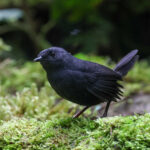
Tatama Tapaculo (image by Trevor Ellery)
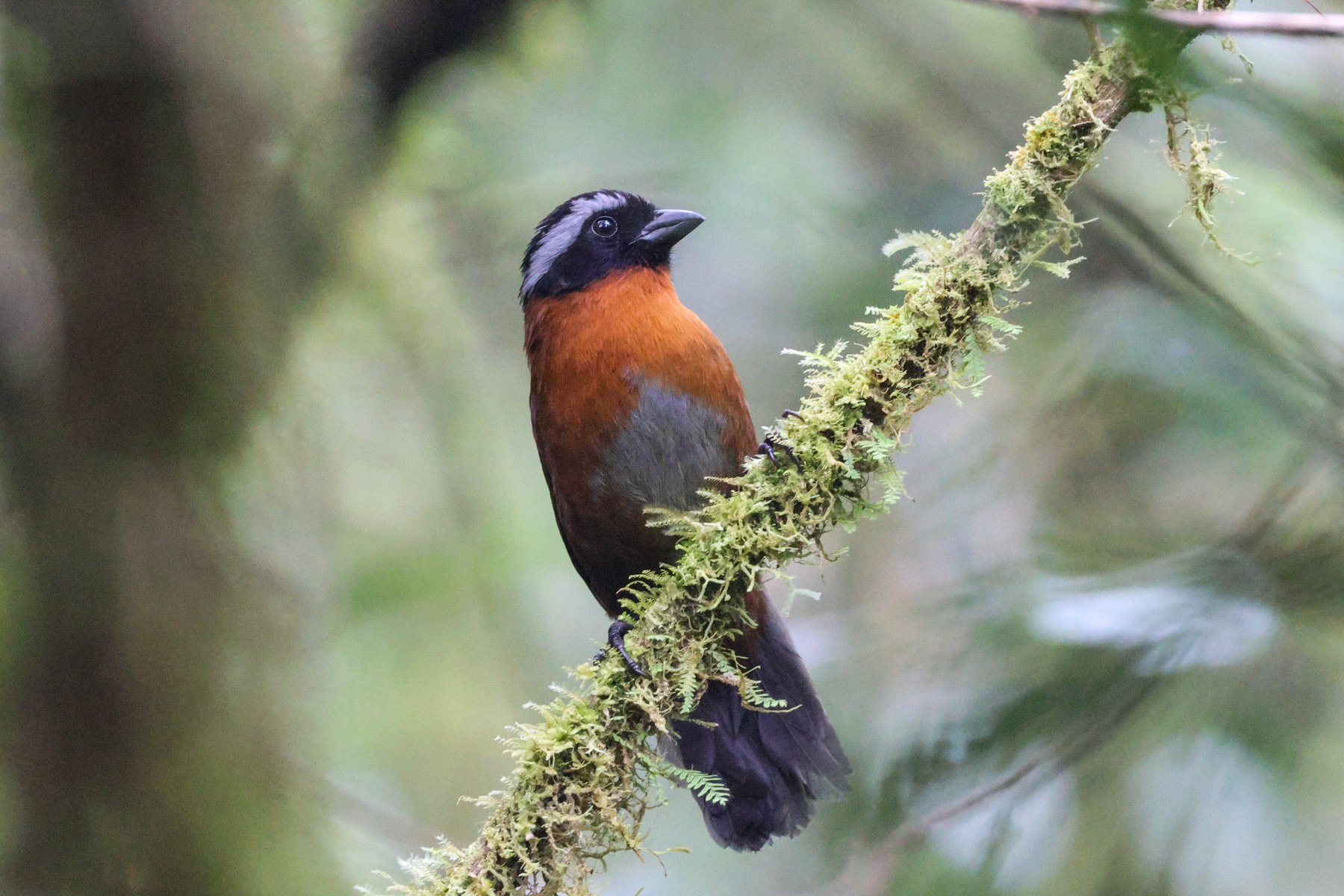
Tanager Finch (image by Trevor Ellery)
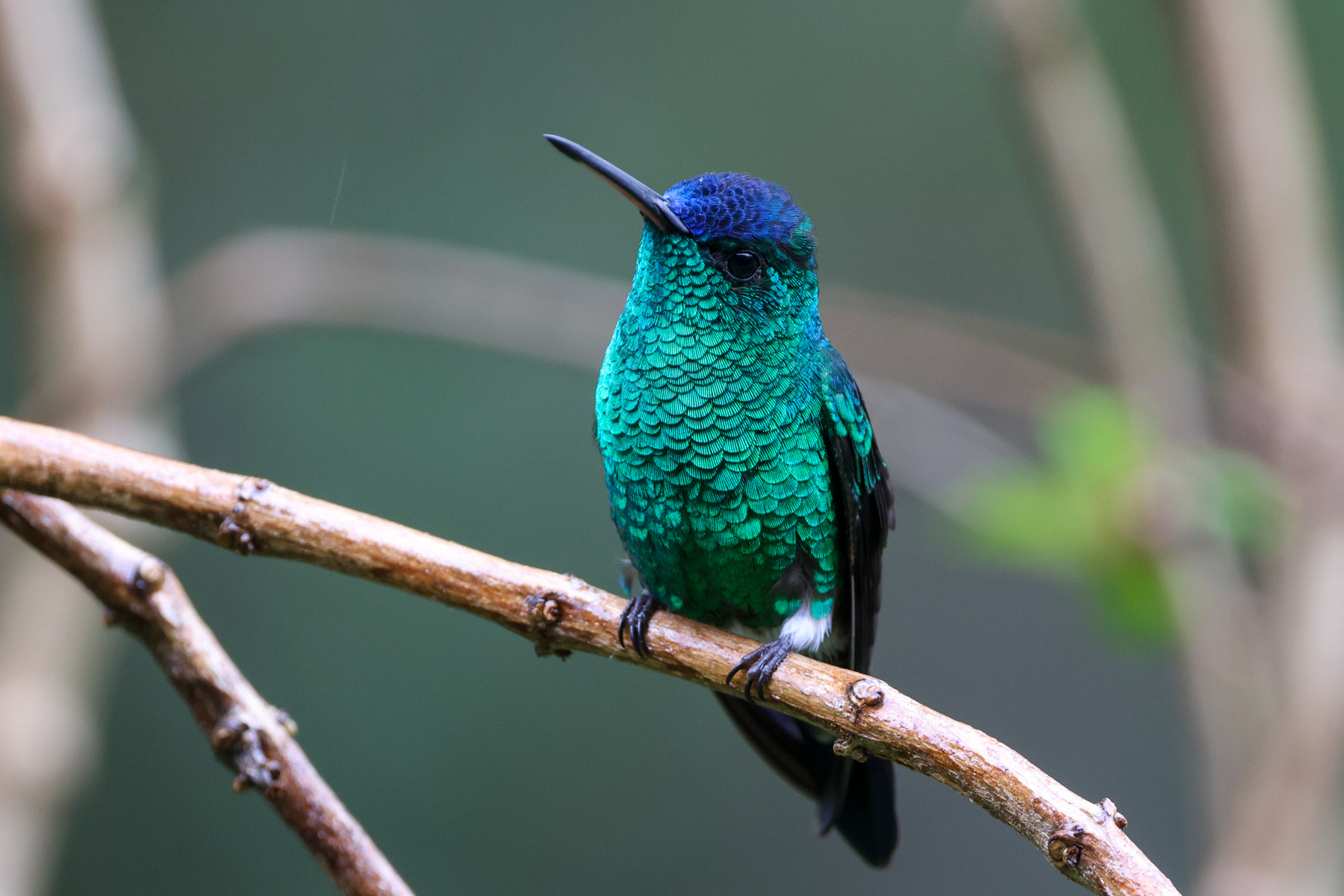
Indigo-capped Hummingbird (image by Trevor Ellery)
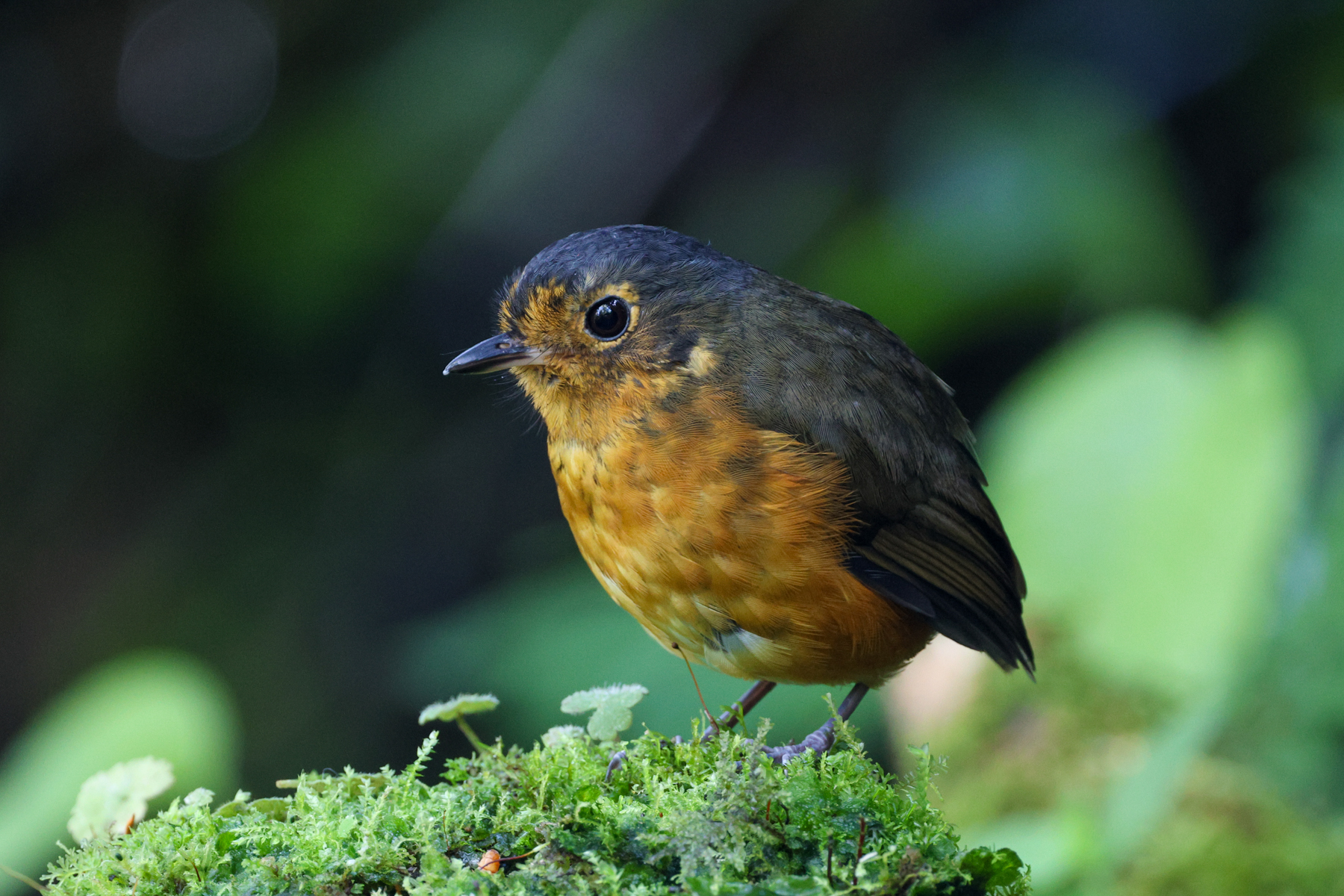
Slaty-crowned Antpitta (image by Trevor Ellery)
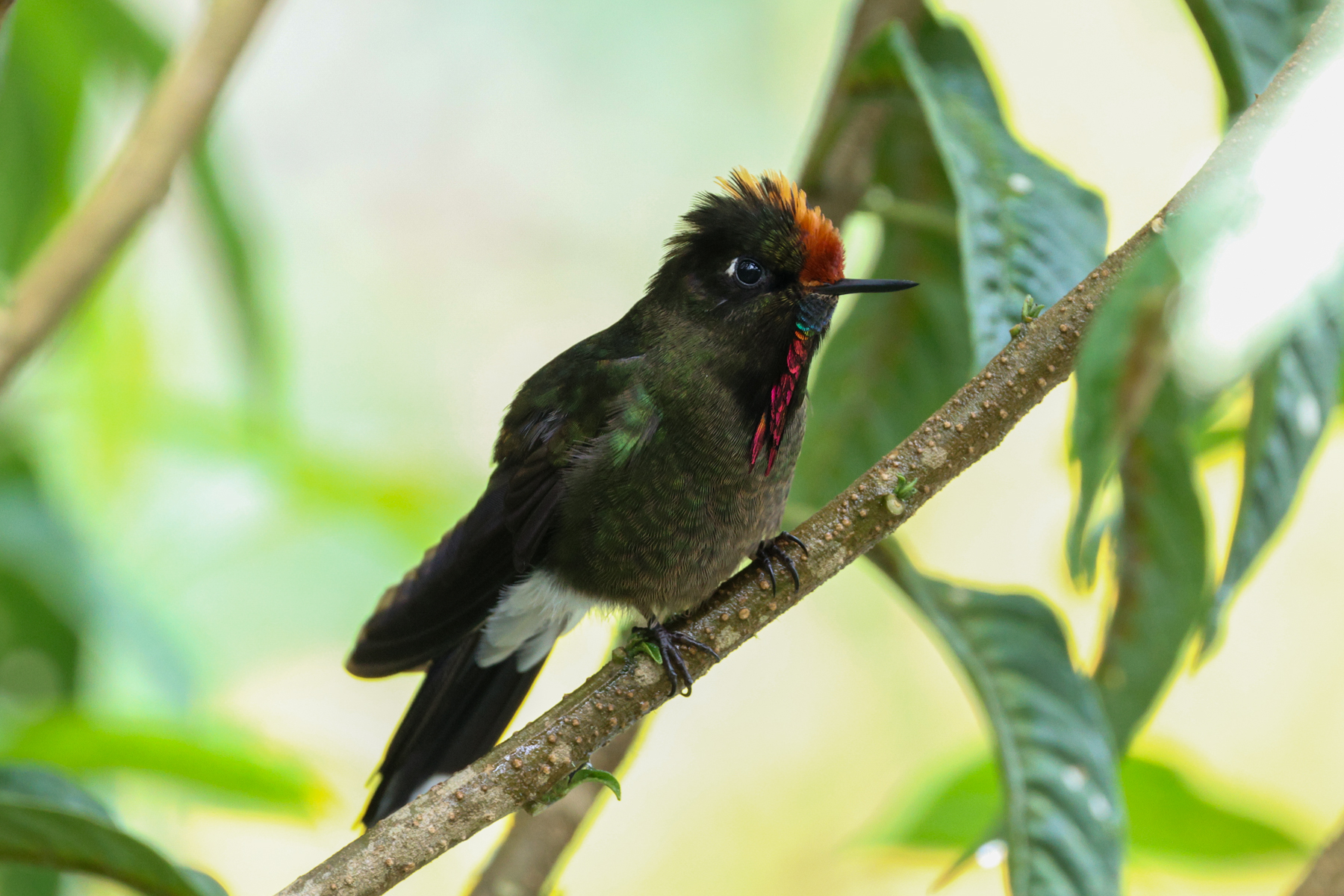
Rainbow-bearded Thornbill (image by Trevor Ellery)
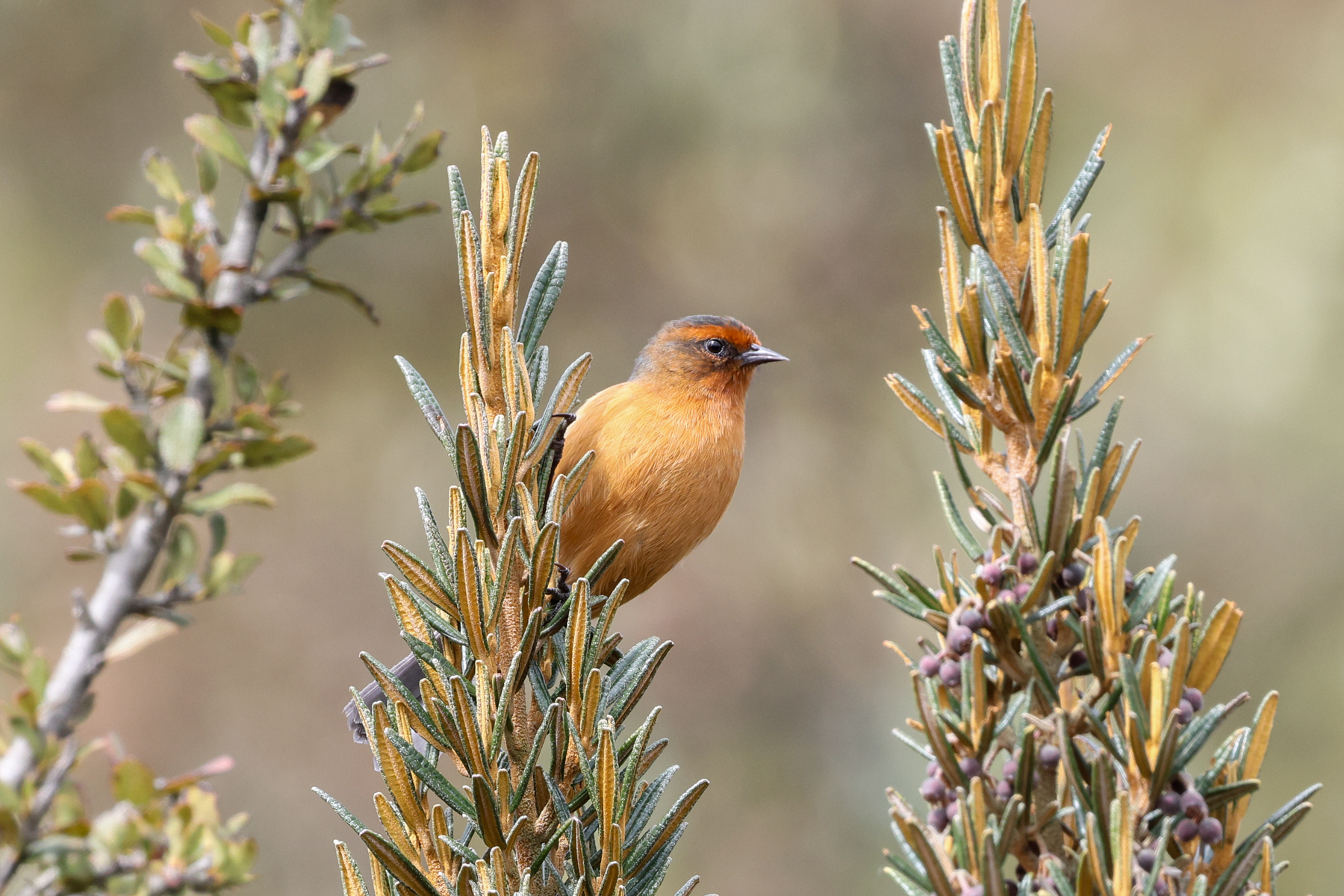
Rufous-browed Conebill (image by Trevor Ellery)
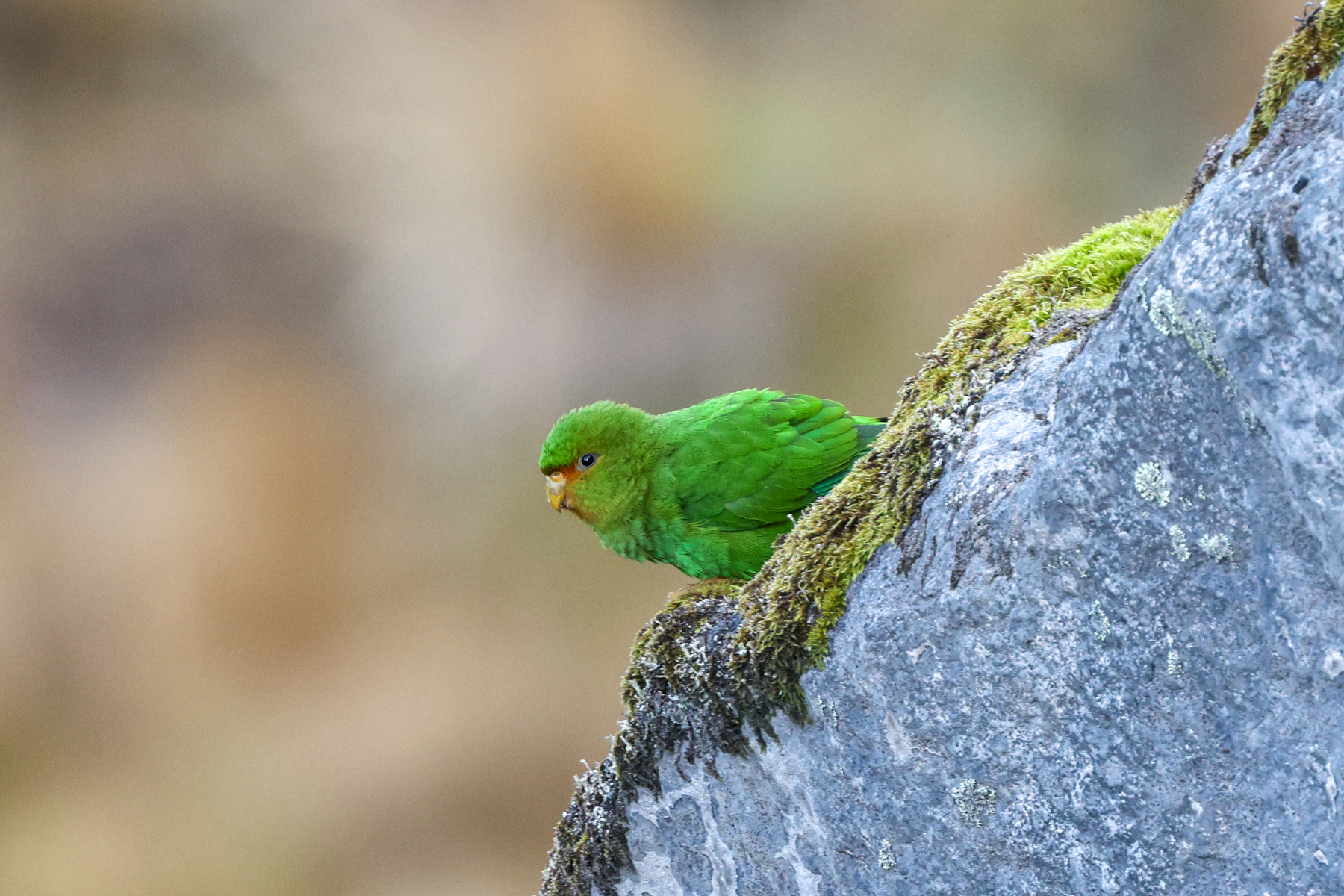
Rufous-fronted Parakeet (image by Trevor Ellery)
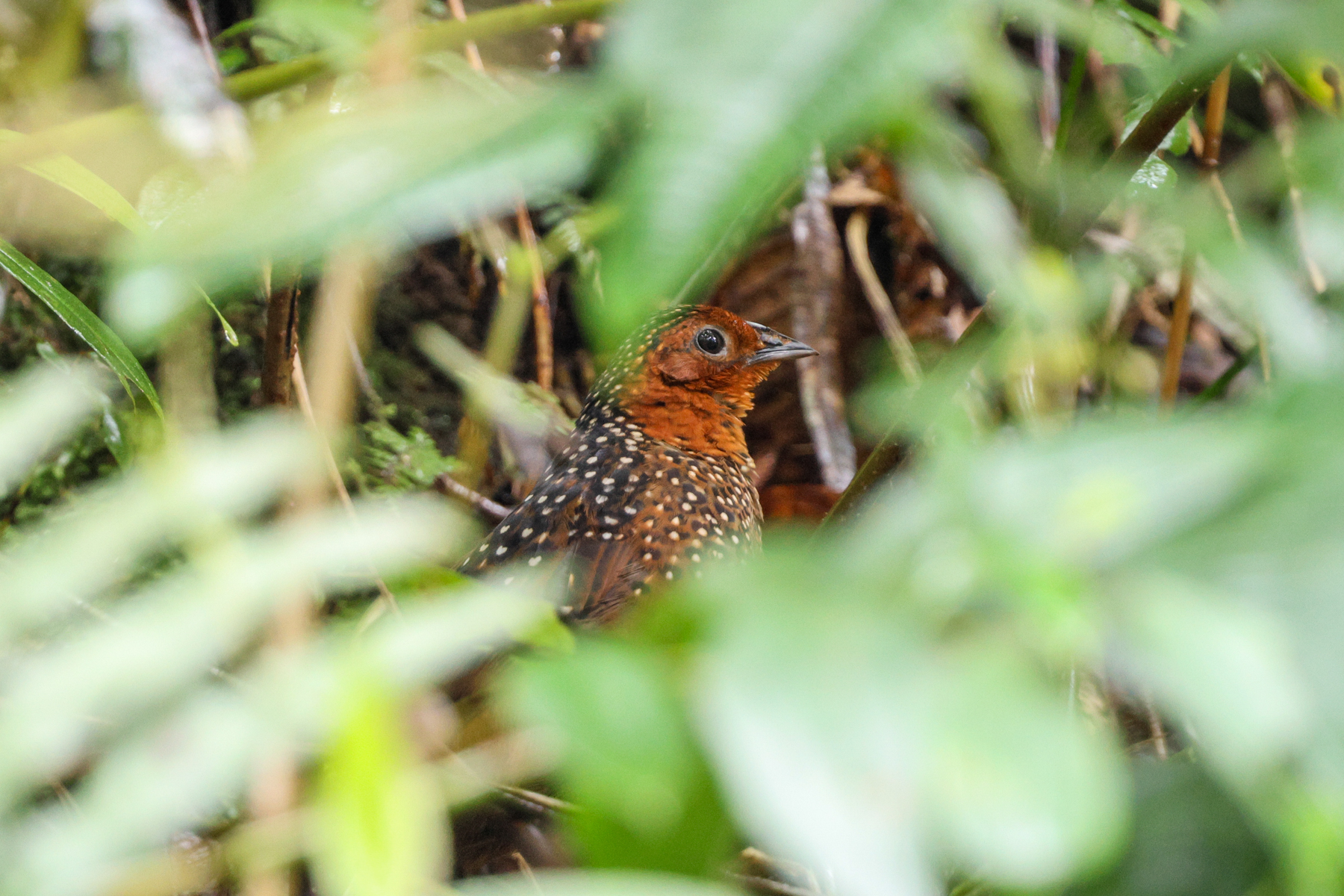
Ocellated Tapaculo (image by Trevor Ellery)
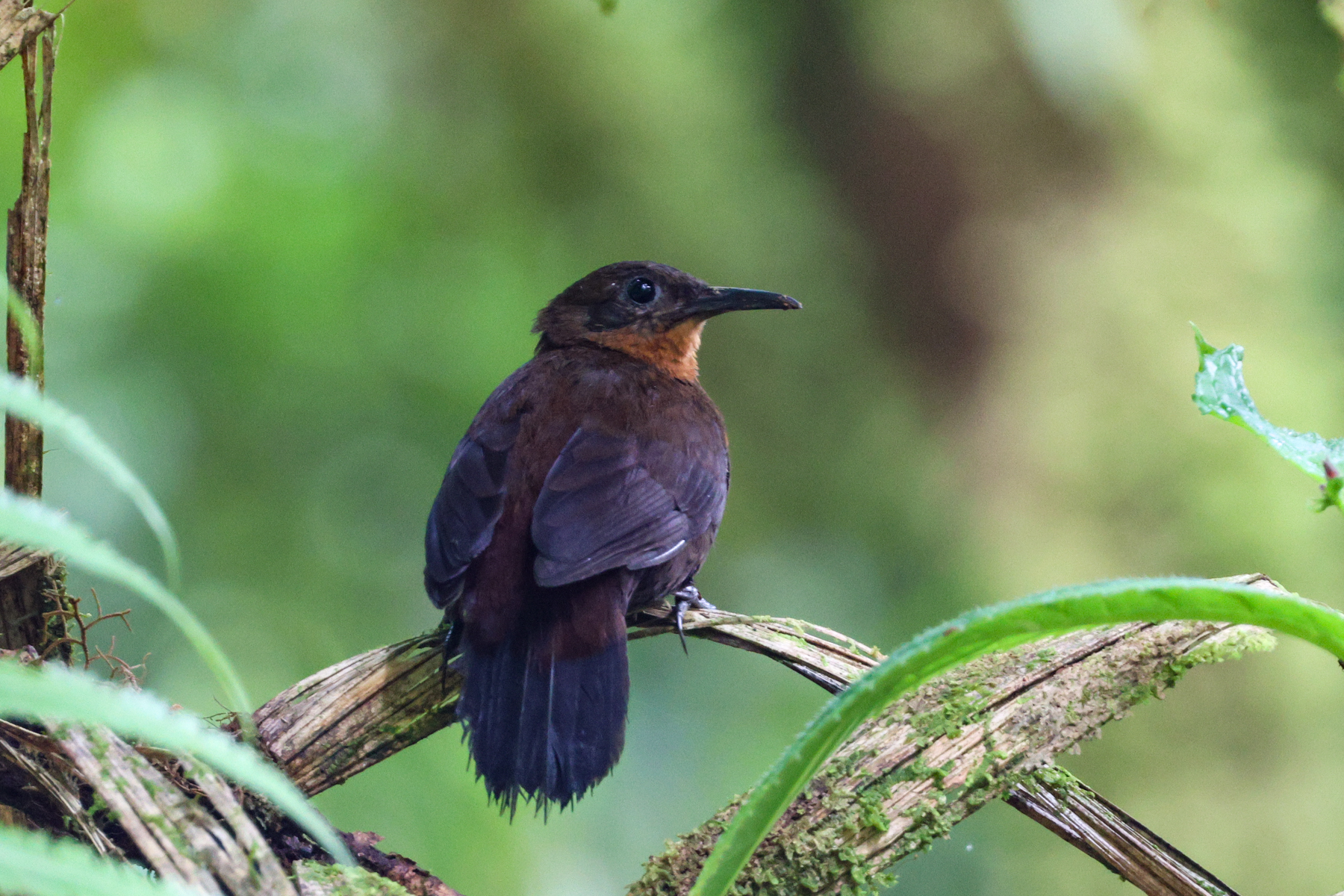
Dusky Leaftosser (image by Trevor Ellery)
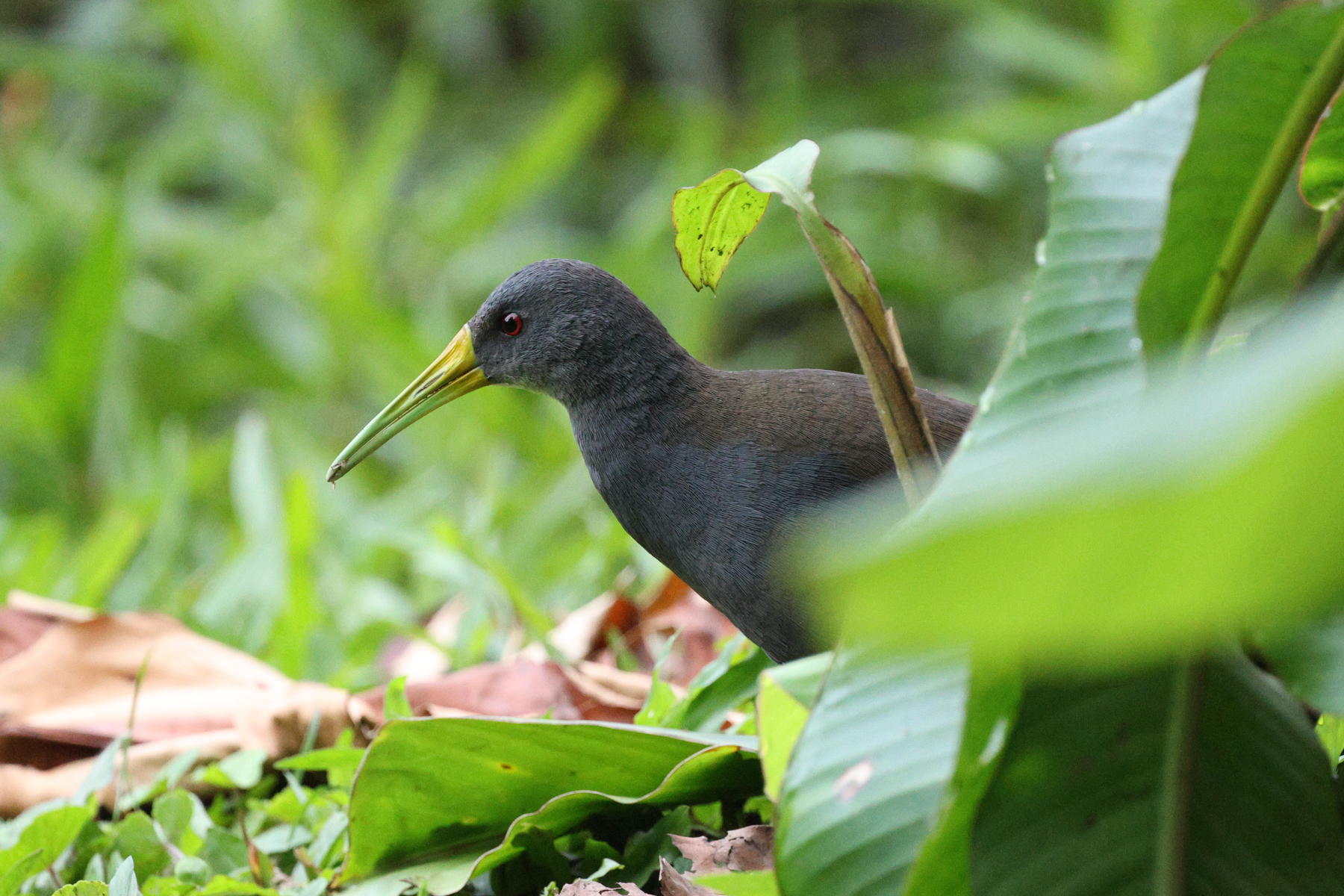
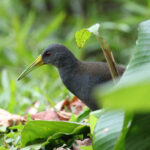
Blackish Rail (image by Trevor Ellery)
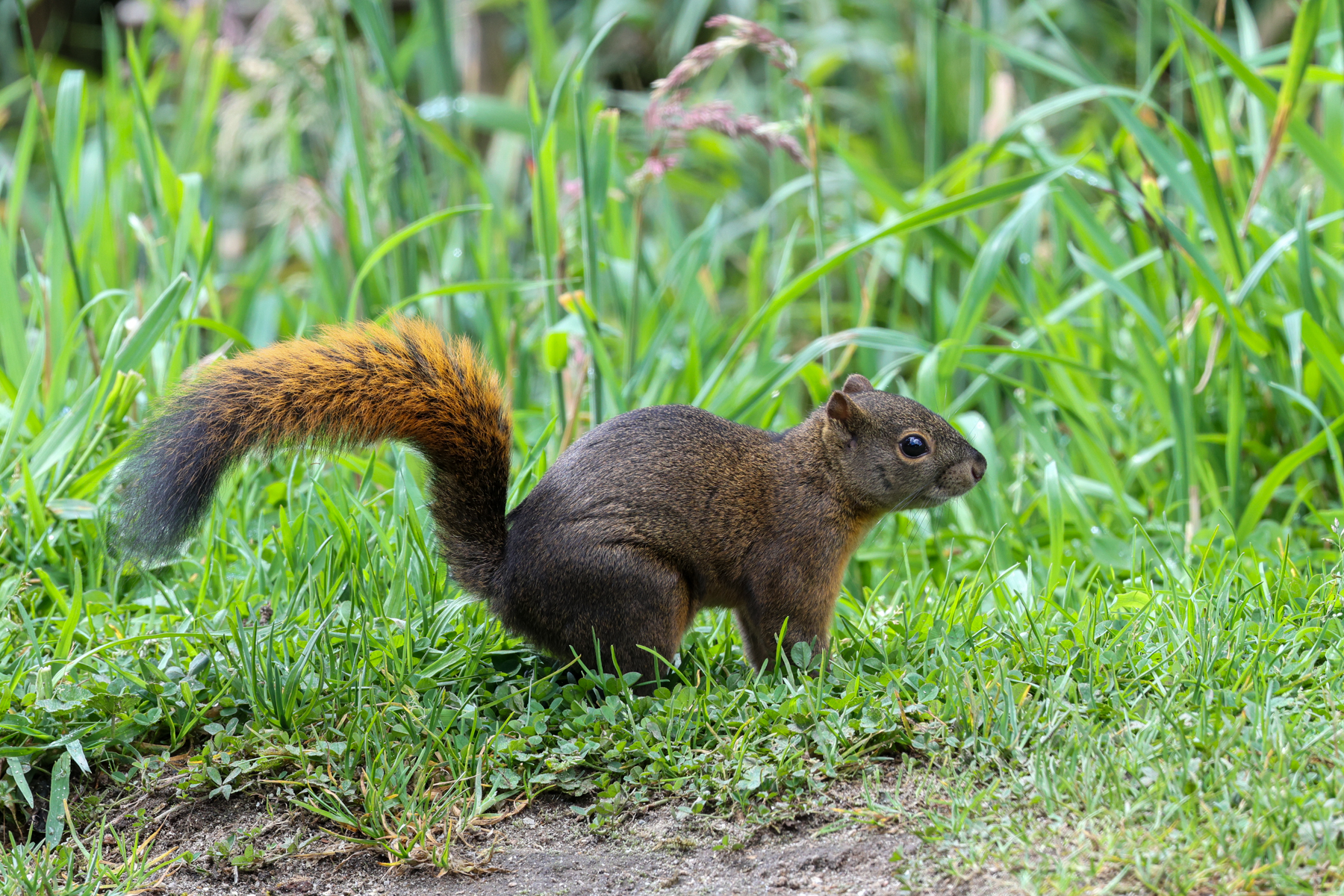
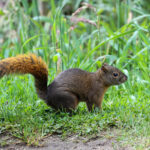
Andean Squirrel (image by Trevor Ellery)
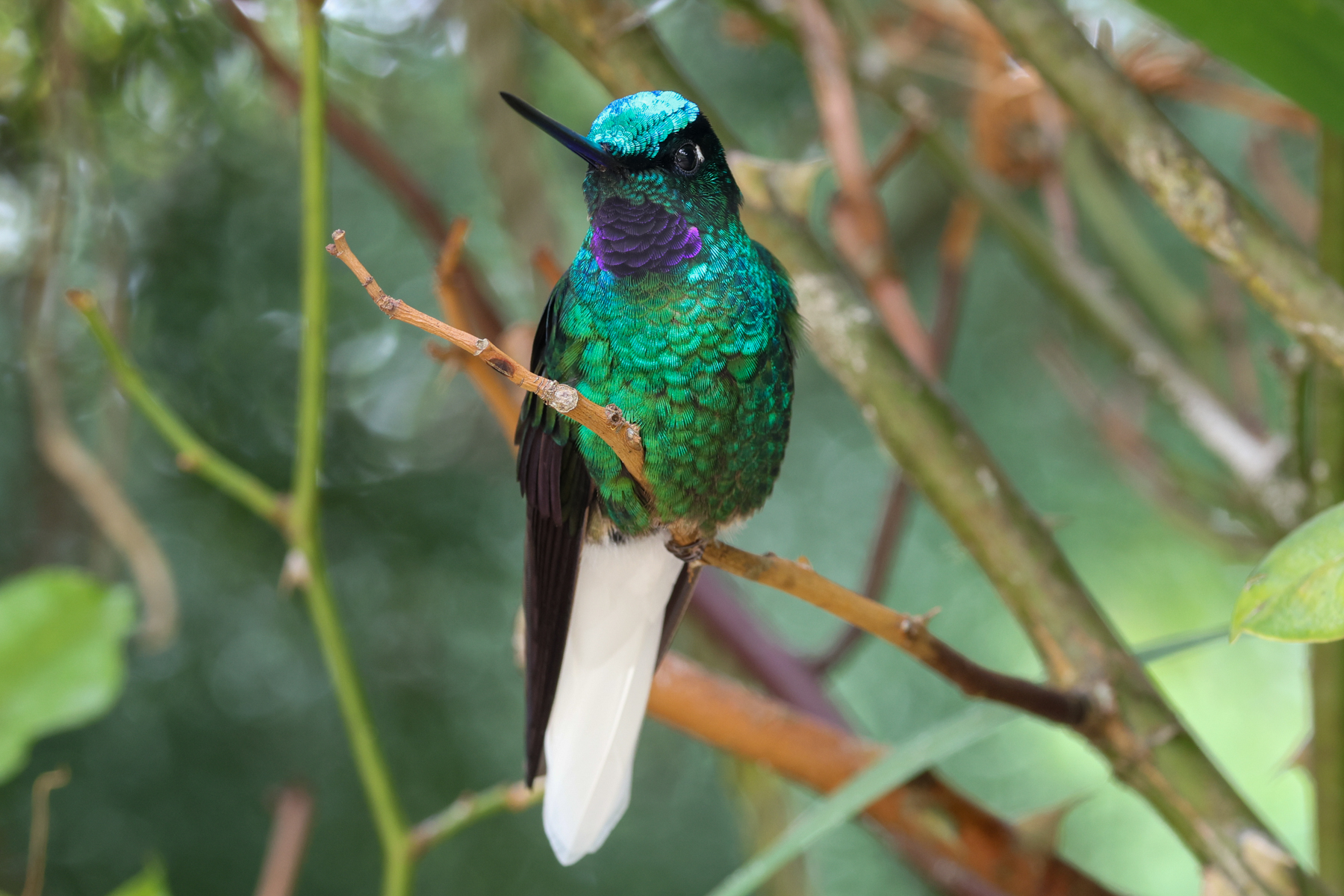
White-tailed Starfrontlet (image by Trevor Ellery)
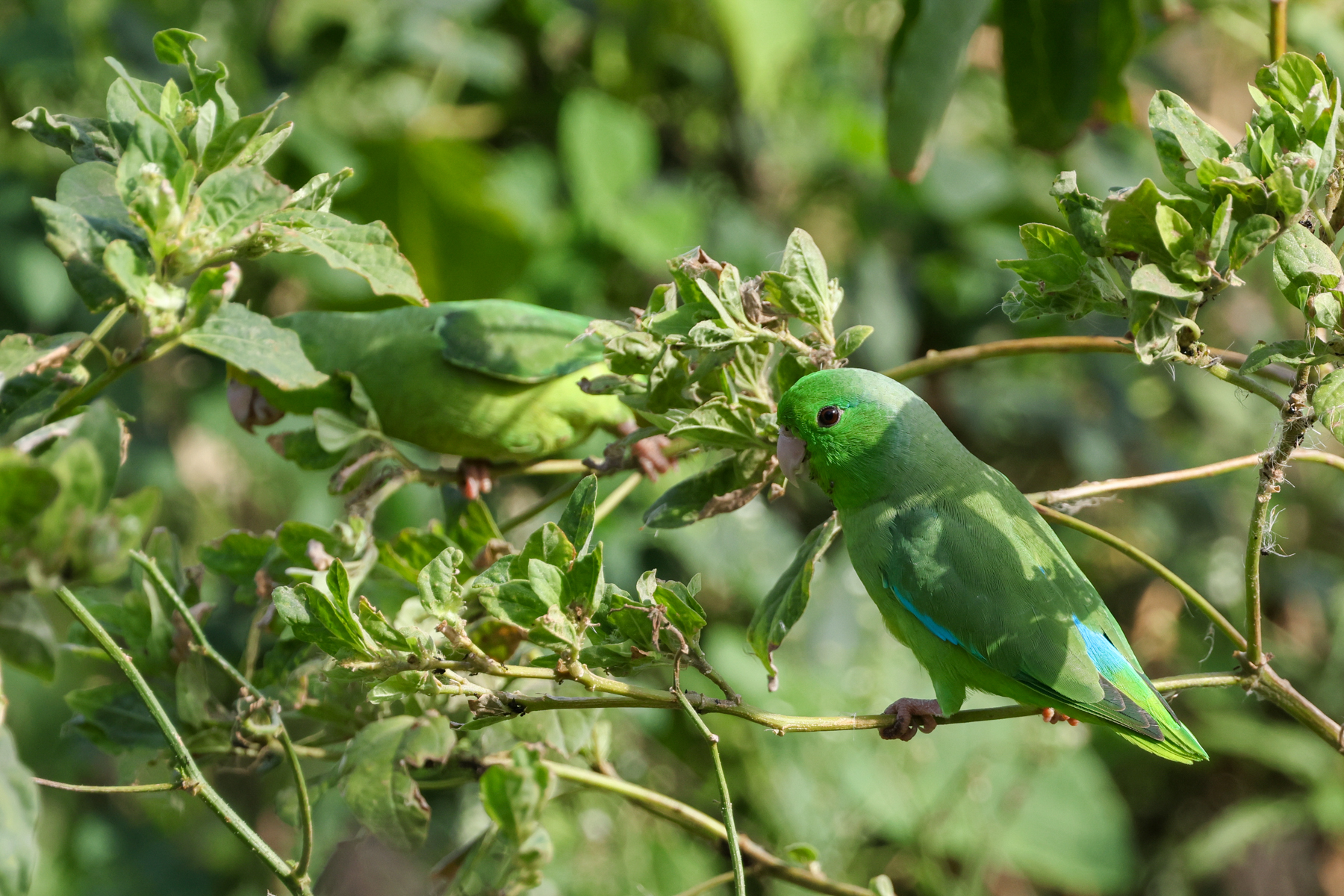
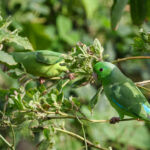
Turquoise-winged Parrotlets (image by Trevor Ellery)
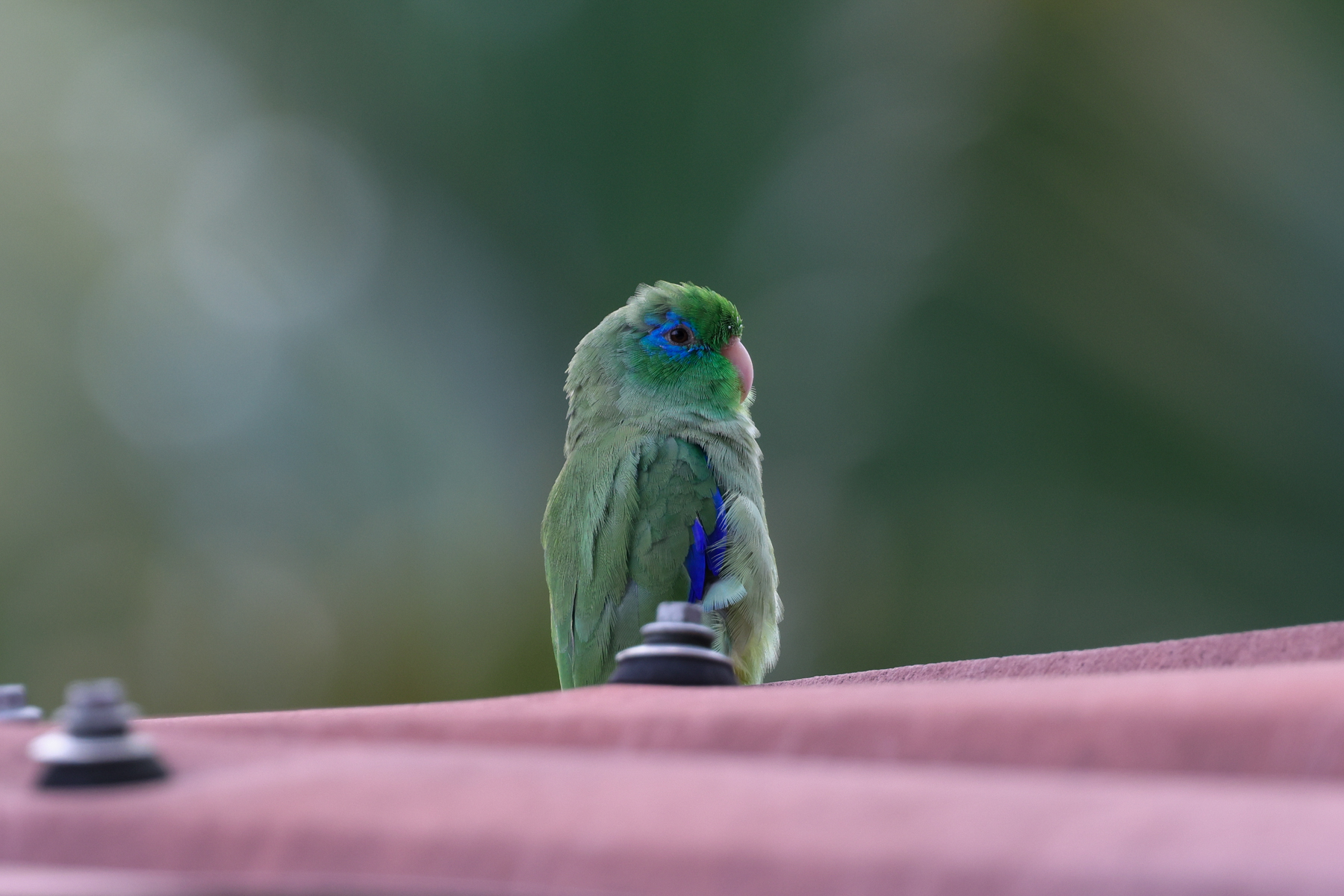
Spectacled Parrotlet (image by Trevor Ellery)
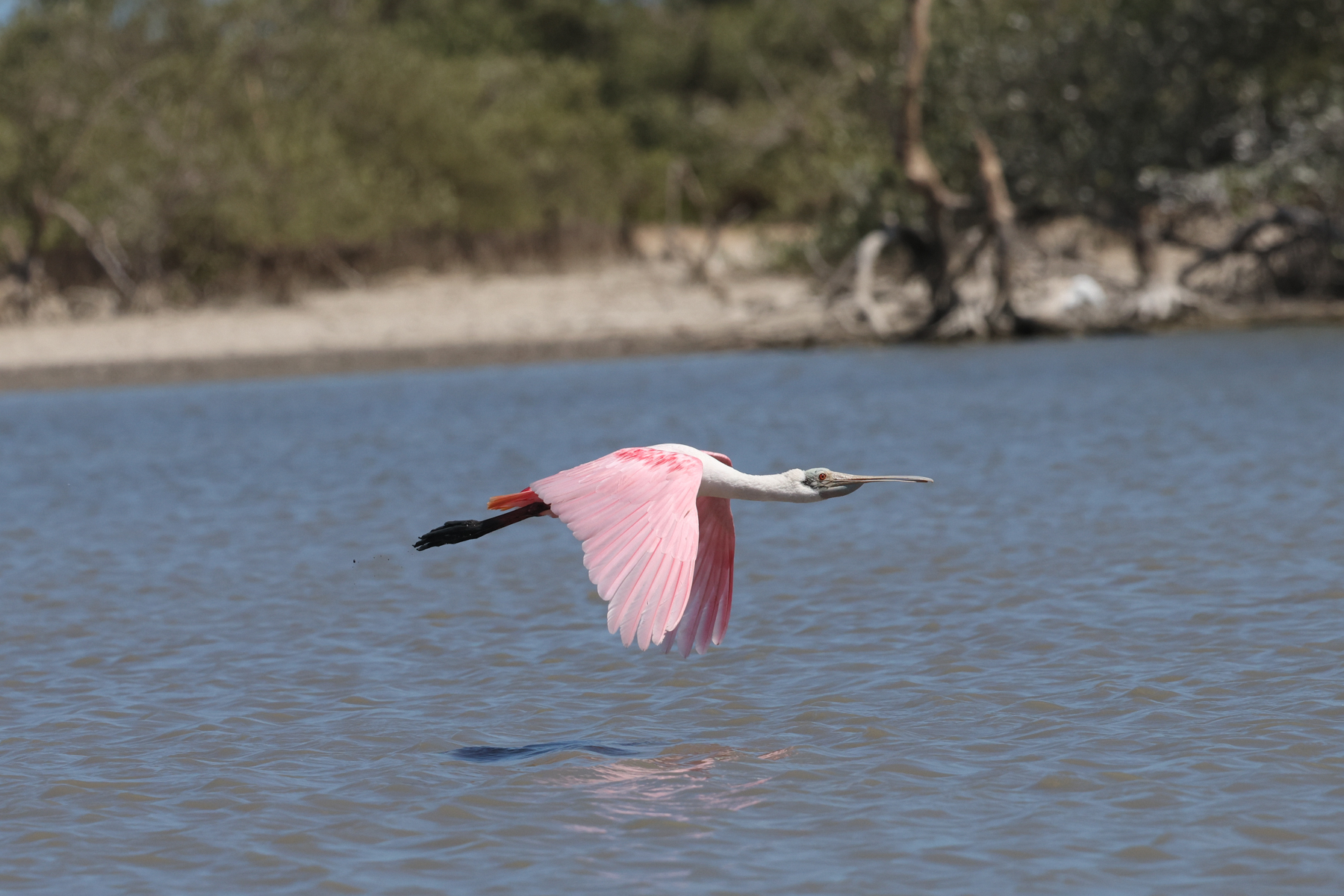
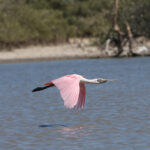
Roseate Spoonbill (image by Trevor Ellery)
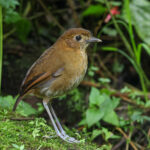
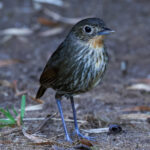
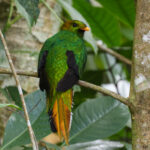
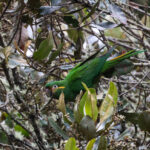
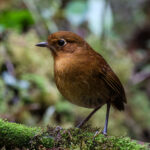
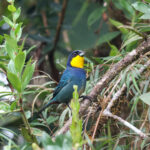
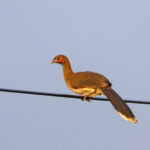
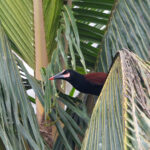
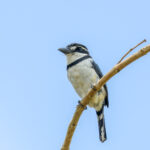
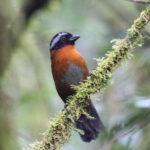
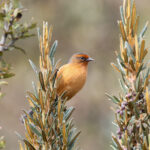
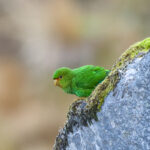
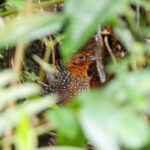
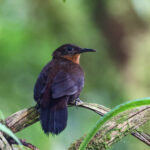


Chestnut-naped Antpitta (image by Trevor Ellery)
Hooded Antpitta (image by Trevor Ellery)
Vermilion Cardinal (image by Trevor Ellery)
Northern Oncilla (image by Trevor Ellery)
Grey-breasted Mountain Toucan (image by Trevor Ellery)
Santa Marta Mountain Tanager (image by Trevor Ellery)
Chestnut Wood Quail (image by Trevor Ellery)
Chestnut-crowned Antpitta (image by Trevor Ellery)
Santa Marta Warbler (image by Trevor Ellery)
Andean Cock Of The Rock (image by Trevor Ellery)
Golden-winged Sparrow (image by Trevor Ellery)
Rufescent Screech Owl (image by Trevor Ellery)
Andean Potoo (image by Trevor Ellery)
Brown-banded Antpitta (image by Trevor Ellery)
Santa Marta Antpitta (image by Trevor Ellery)
White-tipped Quetzal (image by Trevor Ellery)
Golden-plumed Parakeet (image by Trevor Ellery)
Beautiful Jay (image by Trevor Ellery)
Crested Ant Tanager (image by Trevor Ellery)
Muisca Antpitta (image by Trevor Ellery)
Buffy Hummingbird (image by Trevor Ellery)
Purplish-mantled Tanager (image by Trevor Ellery)
Chestnut-winged Chachalaca (image by Trevor Ellery)
Baudo Oropendola (image by Trevor Ellery)
Pied Puffbird (image by Trevor Ellery)
Golden-green Woodpecker (image by Trevor Ellery)
Velvet-purple Coronet (image by Trevor Ellery)
Green-bearded Helmetcrest (image by Trevor Ellery)
Tatama Tapaculo (image by Trevor Ellery)
Tanager Finch (image by Trevor Ellery)
Indigo-capped Hummingbird (image by Trevor Ellery)
Slaty-crowned Antpitta (image by Trevor Ellery)
Rainbow-bearded Thornbill (image by Trevor Ellery)
Rufous-browed Conebill (image by Trevor Ellery)
Rufous-fronted Parakeet (image by Trevor Ellery)
Ocellated Tapaculo (image by Trevor Ellery)
Dusky Leaftosser (image by Trevor Ellery)
Blackish Rail (image by Trevor Ellery)
Andean Squirrel (image by Trevor Ellery)
White-tailed Starfrontlet (image by Trevor Ellery)
Turquoise-winged Parrotlets (image by Trevor Ellery)
Spectacled Parrotlet (image by Trevor Ellery)
Roseate Spoonbill (image by Trevor Ellery)


CLASSIC COLOMBIA TOUR REPORT 2026

20 February – 16 March 2026
Trevor Ellery
The 2026 Birdquest Classic Colombia tour was once again a roaring success and perhaps one of the best editions ever. We journeyed the length and breadth of the country taking in the three Andean cordilleras, the distinct Magdalena and Cauca Valleys, the Choco lowlands, the sky island massif of the mighty Santa Marta mountains, the arid semi desert scrub of the Guajira peninsula and the humid mangrove wetlands near Barranquilla. We managed to see 66 Colombian endemics and a slew of specialities, while the trip list totalled 742 species. We also took in some mammals, with Northern Oncilla once again being a highlight and a bird of the trip contender! Aside from the aforementioned endemics, the specialities we encountered included some of the rarest and most enigmatic South American species: White-faced Nunbird, Andean Potoo, Tanager Finch, Masked Saltator, Hooded Antpitta, Chestnut-crested Cotinga, Northern Screamer, Black-fronted Wood Quail, Dwarf Cuckoo, Buffy Hummingbird, Vermilion Cardinal, Noble Snipe, Tocuyo Sparrow, Black-thighed Puffleg, Blue-throated Starfrontlet, Military Macaw, Red-rumped Bush Tyrant, Bicoloured Antvireo, Choco Vireo, Beautiful Jay and Indigo Flowerpiercer, represent just a small selection of the non-endemic specialities that we encountered. We also took some time to see iconic species such as Andean Cock-of-the Rock, Sword-billed Hummingbird, Torrent Duck, Rainbow-bearded Thornbill, Ocellated Tapaculo, Lyre-tailed Nightjar, Oilbird, White-tipped Sicklebill, Andean Pygmy Owl, both Grey-breasted and Black-billed Mountain Toucans, King Vulture, Black-and-chestnut Eagle, Golden-headed and White-tipped Quetzals, Golden-plumed Parakeet, Chestnut-crowned and Chestnut-naped Antpittas, Orange-breasted and Scaled Fruiteaters, Brown-billed Scythebill, Cerulean Warbler and Plushcap, to name just a few.
The sixty six endemics included memorable experiences with Baudo Oropendola, Indigo-winged Parrot, Black-backed Thornbill, two coveys of Chestnut Wood Quail, some showy Bogota Rails, both Blossomcrowns and both possible Helmetcrests, a lovely group of Rufous-fronted Parakeets, some very confiding Turquoise-winged Parrotlets, Tatama Tapaculo at a feeder, an especially obliging Santa Marta Tapaculo, a very showy Crested Ant-Tanager and a nice Multicoloured Tanager. It was especially pleasing to connect with all the Santa Marta endemics that were possible on this particular itinerary.
The tour started with an early morning trundle through the deserted streets of Bogota, before we climbed into the mountains high above the city. We crisscrossed the paramos and ridges that form the spine of the eastern cordillera and spent much of the day birding in patches of high elevation temperate forest. Our first target was the endemic Flame-winged Parakeet, a beautiful Psittacidae endemic to Colombia and confined to the high elevation forests of the eastern Andes near Bogota. An early start paid off, as we located several typically mobile and restless parties just after dawn. We also noted our first Black-billed Mountain Toucans, a species that we were to see on multiple days through the tour, while a noisy group of Northern Mountain Caciques entertained us. We then visited our first (of many) antpitta feeding stations, where another eastern cordillera speciality, the lovely Muisca Antpitta performed superbly. A short walk through the elfin forest allowed us to visit a roosting Andean Potoo, a much-desired species that is scarce, erratic and hard to find throughout its Andean range. We also squeezed in some time at the hummingbird feeders, where the simply jaw-dropping Blue-throated Starfrontlet stole the show. It did face stiff competition from the always iconic Sword-billed hummingbird and the localised Longuemare’s Sunangel. Some further forest birding allowed us to tease out a Pale-bellied Tapaculo, while the often tricky Coppery-bellied Puffleg, performed well as it frequently returned to a favoured perch. A couple of Whistling Herons were a surprise, a lowland species that seems to be gradually spreading uphill into the eastern Andes. Mixed flocks held Smoky Bush Tyrant, White-banded and White-throated Tyrannulets, Pearled Treerunner, Golden-fronted Whitestart, Superciliaried Hemispingus and Black-crested Warbler. Tawny-breasted Tinamous vocalised from the forest understorey, while Tyrannine Woodcreeper and both Slaty and Pale-naped Brusfinches showed well. A brief Rusty-backed Oropendola was at a very high elevation for this subtropical species and a new addition to the Muisca Reserve list! We also enjoyed something of a Flowerpiercer bonanza, with Black, White-sided, Masked and Bluish Flowerpiercers, all seen at some point during the morning. Tanagers were also well represented and we logged Blue-capped, Blue-and-black, Beryl-spangled and Scarlet-bellied Mountain Tanager.
Lunch was taken at a second hummingbird garden, where we added a few common species including Glowing Puffleg and Great Sapphirewing, before we made a brief stop for the endemic Silvery-throated Spinetail. A roadside lagoon allowed good scope views of the isolated bogotensis race of Spot-flanked Gallinule and the colombiana race of American Coot. Commoner species included (Merida) Andean Teal and a short visit to some reed beds added a pair of the endemic Bogota Rail.
We rounded off the day at a third hummingbird garden, which produced a second male Coppery-bellied Puffleg and some nice Black-tailed Trainbearers, before the short descent back into the sprawling metropolis of Bogota.
The following morning we once again left well before dawn and in fact arrived at Paramo Sumapaz slightly early. We turned this to our advantage as judicious use of a thermal imager allowed us to locate Tapeti, Cavi and Highland Small Rice Rat – the latter a new species for the tour.
At dawn we crept down to a lagoon and enjoyed good views of multiple Noble Snipes, a much-desired species. We then spent the morning birding the open Paramo which produced several Green-bearded Helmetcrests, including a dazzling male. Boyaca Antpittas merrily skipped over the short turf almost between our feet and groups of Apolinar’s Wrens ranged through the dense bamboo clumps. Overhead several Black-chested Buzzard-Eagles cruised past and further scanning of the wetlands added some Andean Ruddy Ducks and a couple of vocal Greater Yellowlegs. A Bronze-tailed Thornbill perched up briefly and an obliging Chestnut-winged Cinclodes and a Paramo Ground Tyrant scurried around amongst the rocks. Plain-coloured Seedeaters and Plumbeous Sierra Finches were common along the roadside, while some patient waiting allowed us to add the spectacular Red-rumped Bush Tyrant. Species diversity is low at this high elevation but mixed flocks held Andean Tit-Spinetail, a skulking White-chinned Thistletail, Andean Siskin, Buff-banded Mountain Tanager and the near-endemic Rufous-browed Conebill. A final highlight was a wonderfully showy Many-striped Canastero.
A short stop at a local garden to enjoy our lunch, out of the intense high elevation sun, produced a lovely Green-tailed Trainbearer and a couple of Black-backed Grosbeaks, along with better views of some obliging Superciliaried Hemispingus.
We rounded off the day at a set of hummingbird feeders, where we soon found our main target, the near endemic Golden-bellied Starfrontlet. A selection of commoner species were also visiting, including our first Collared Incas and Fawn-breasted Brilliant. It was then time for a slow drive back into Bogota, with a few widespread species spotted from the bus, the most exciting of which was our first White-tailed Kite.
Our third day once again found us in darkness of predawn as we wended our way out of Bogota. This morning though we had all our luggage on board and we knew that we would not be returning to the capital for many days. It truly felt like our Colombia adventure was beginning, after our exciting introduction to Andean birding around the fringes of the capital.
We began a rapid descent into the subtropical zone above the Magdalena valley and spent a morning birding some remnant forest patches. Our main target, the endemic, Turquoise Dacnis, took a bit of patience but eventually a dazzling male was scoped at the top of a favoured tree. While waiting for the Dacnis we had begun to rack up the migrants and trip ticks and new species came thick and fast. A pair of Rufous-naped Greenlets were much appreciated, while we also found Red-headed Barbet, Southern Emerald Toucanet, Acorn Woodpecker, Acadian and Dusky-capped Flycatchers, Plain Antvireo, Lineated and Montane Foliage-gleaners, Ash-browed and very skulking Stripe-breasted Spinetails, Brown-capped and Yellow-throated Vireos, Swainson’s, Black-billed and Pale-breasted Thrushes and a surprise pair of Yellow-bellied Siskins. Migrant and resident Warblers including Tennessee, Cerulean, Blackburnian and Chestnut-capped Warblers, Tropical Parula and Slate-throated Whitestart. Our tanager list was once again very diverse with Summer, Fawn-breasted, Bay-headed, Golden, Black-capped, Scrub and Blue-necked Tanagers all seen well.
We then dropped down into the sweltering heat of the Magdalena Valley and spent the late afternoon birding a couple of dry forest sites. These produced the hoped for endemic Apical Flycatcher and Velvet-fronted Euphonia. We also added Short-tailed Hawk, Red-rumped Woodpecker, Slaty-headed and Pearly-vented Tody-Tyrants, Fulvous-crowned Scrub Tyrant, Great-crested Flycatcher, Northern White-fringed Antwren, Barred Antshrike, White-bellied Antbird, Straight-billed Woodcreeper, Scrub Greenlet, Rufous-browed Peppershrike and Tropical Gnatcatcher.
Towards the end of the afternoon we crossed the Magdalena River and ascended into the central Andes. Arriving at the pleasant rural town of Cajamarca, we transferred into jeeps and climbed high into the mountains, for two nights at the remote Fuertesi Parrot Lodge.
The following morning we climbed above the lodge and staked out a tower, from where we hoped to see one of the world’s rarest parrots. While we were waiting the hummer feeders allowed us to log our first Black-thighed Pufflegs, Buff-winged Starfrontlets and Shining Sunbeams. A male Purple-backed Thornbill perched on a nearby tree was much appreciated and a vocal Andean Pygmy Owl showed well. We also saw some distant Grey-breasted Mountain Toucans and Speckle-faced Parrots, while a Brown-backed Chat-Tyrant was more obliging. After quite some wait our quarry finally appeared and we had a lovely Indigo-winged Parrot in a nearby tree, giving superb scope and even better flight views. The walk back to the lodge was punctuated with a brief but quite showy Chestnut-naped Antpitta and a skulking Blackish Tapaculo. A rather showy Tawny Antpitta performed well and we also added our first Red-crested Cotinga and some skulking Grass Wrens.
We then spent much of the day birding down through the forest below the reserve adding Sickle-winged Guan, Masked Trogon, Andean Motmot and Cinnamon Flycatcher. A lovely Ocellated Tapaculo was eked out and we enjoyed not one but two of the often tricky Masked Saltator. Managing to connect with this elusive and erratic Andean speciality was a trip highlight. We completed a hat trick of Tapaculos with a brief Spillman’s, while mixed flocks held Barred Becard, Streaked Tuftedcheek, Capped Conebill, Grass-green Tanager and Lacrimose Mountain Tanager. A raucous group of noisy Golden-plumed Parakeets were very obliging, feeding just in front of us and allowing close approach, a truly spectacular experience.
In the late afternoon we visited some stands of wax palms where we enjoyed good views of Bronze-winged parrot and the endemic and iconic Yellow-eared Parrot. With the thick clouds and rain rolling in once again, it was time to beat a retreat to the Lodge. It had been a sometimes cold and sometimes wet day but one in which we had managed to find a selection of some of the most iconic Andean species, in truly wonderful surroundings.
A pre-dawn start was needed the next morning and as we descended the mountain, we ran into several obliging Rufous-banded Owls. A fallen tree somewhat delayed our descent but while a local chainsaw was organised, we carried on walking down and increased our total of Rufous-banded Owls to an amazing five! We also picked up our first Strong-billed Woodcreeper and Golden-bellied Flycatchers before our Jeeps duly arrived.
We then dropped down to lower elevations where we managed to find a roadside pair of Yellow-headed Brushfinches and our first Colombian Chachalacas, both Colombian endemics.
After this we spent some time in the garden of a very pleasant lodge, which was especially birdy. The feeders held the endemic Indigo-capped Hummingbird while another endemic, the Tolima Blossomcrown, visited the flowing bushes. It took a while but after a wait, a rather furtive, endemic Tolima Dove showed at the seed-feeders. The garden also held White-tipped Sicklebill, which was visiting the flowers and Green Hermit, White-vented Plumleteer, Rufous-tailed Hummingbird and Andean Emerald which were all visiting the feeders. Noisy Orange-chinned Parakeets squabbled overhead and the surrounding coffee plantations held Streaked Flycatcher, Rose-breasted Grosbeak, Hepatic, Crimson-backed and Saffron-crowned Tanagers and smart Rusty Flowerpiercers.
We then crossed the central Andes and spent the late afternoon birding at Otun Quimbaya. This produced a lovely pair of Torrent Ducks and several Torrent Tyrannulets along the river. The tall forest played host to our first Cauca Guans, which were quite common along the road and a couple of resplendent Red-ruffed Fruitcrows, dazzled in the low evening sun. A bit of searching allowed us superb views of a pair of Parker’s Antbirds, while a real surprise was a rather showy Multicoloured Tanager, a species which is often hard to find at this site. We were also kept busy with Golden-olive Woodpecker, Marble-faced Bristle Tyrant, Ornate Flycatcher, Buff-fronted Foliage-gleaner, Red-faced Spinetail and Three-striped Warbler. We stayed out late and enjoyed superb views of Rufescent Screech Owl (of the endemic colombianus subspecies), while a Mottled Owl was also seen briefly.
The following day we were again out early and managed to locate a single very furtive Hooded Antpitta. We then spent the morning birding down the road and managed to find Tawny-bellied Hermit, Speckled Hummingbird, Golden-headed Quetzal, several Collared Trogons, Rufous-breasted Flycatcher, Variegated Bristle Tyrant and Alder Flycatcher. We worked on the skulkers with both White-crowned and Stiles’s Tapaculos seen, while furnarids included Montane Woodcreeper, Spotted Barbtail and Streak-capped Treehunter. It was a busy morning and we also enjoyed good looks at White-naped Brushfinch, Russet-crowned Warbler, Metallic-green Tanager and a roadside Slaty-backed Nightingale Thrush.
The following day was spent entirely in the Rio Blanco reserve. An early start allowed us to find a couple of Lyre-tailed Nightjars at dawn, including a spectacular displaying male. A vocal Streak-headed Antbird emerged from the bamboo and we then spent much of the day looking at Antpittas, with Chestnut-crowned, Slaty-crowned and Brown-banded all seen visiting feeders. The high elevation forest was alive with birds including Andean Guan, Bronzy Inca, Long-tailed Sylph, Crimson-mantled Woodpecker, Green-and-black Fruiteater, Streak-necked Flycatcher, Rufous-crowned Tody-Flycatcher, Black-capped Tyrannulet, Flavescent Flycatcher, Black-banded Woodcreeper, Streaked Xenops, Azara’s Spinetail, and a lovely pair of Black-collared Jays. We were to spend all day birding the traffic free roads in the reserve and were further rewarded with Sepia-brown Wren, Glossy-black Thrush and Grey-browed Brushfinch, while impressive mixed flocks held Black-capped, Oleaginous and Black-eared Hemsipingus, a lovely Plushcap, and our first Blue-winged Mountain Tanagers. We finished the day with Green-fronted Lancebill, better views of White-capped Dipper and a nice Slaty-backed Chat-Tyrant.
The following morning was to be, in elevational terms, the high point of the trip. We climbed to four thousand metres, high along the spine of the central Andes and in the shadow of the spectacular Nevado Del Ruiz volcano. The, by now obligatory, pre-dawn arrival, allowed us superb views of a Band-winged Nightjar. It was time then time to wait and see if any Rufous-fronted Parakeets emerged from a roost site. It quickly became apparent that no Parakeets were present, so we moved on to another spot, where we located a small flock. This group proved very obliging as they fed and fussed on some steep rocky outcrops. Having seen this often tricky endemic we were able to set about exploring the lovely open Paramo. Our first Viridian Metaltails danced around our feet as they fed on roadside flowers and after some effort we found several of the spike crested Buffy Helmetcrests, including a particularly obliging male. We also added a much more showy White-chinned Thistletail, plentiful Stout-billed Cinclodes and some rather obliging Tawny Antpittas.
We then descended to some nearby thermal springs, picking up White-browed Spinetail and Crowned Chat-Tyrant enroute. Some feeders at the springs attracted the incomparable Rainbow-bearded Thornbill and our only Golden-breasted Puffleg.
Our final day in the high mountains of the central Andes was spent at the wonderful Hacienda del Bosque. While we waited for a sumptuous breakfast we found several Paramo Seedeaters and enjoyed a few commoner species. We then visited a feeder where a pair of Equatorial Antpittas gave superlative views. After this a Grass Wren also performed well. Another station allowed close up views of Slaty and Grey-browed Brushfinches, Mountain Wren and Yellow-bellied Chat-Tyrant, while a male Barred Fruiteater skulked in the background. A final feeder allowed close views of the clown like Grey-breasted Mountain Toucan, Hooded Mountain Tanager, Andean Guan and a lovely Andean Squirrel.
In the afternoon we transferred across to the western Andes and took 4×4 transport into Montezuma Lodge, which was to be our base for the next four nights. Enroute we stopped in some coffee plantations adding Bar-crested Antshrike, Masked Tityra, Chivi Vireo, Black-chested Jay, White-breasted Wood Wren and Black-and-white and Golden-crowned Warblers. We also paused at a colony of Chestnut-headed Oropendolas.
Our first morning at Montezuma started with an early morning ascent to the military base high on the mountain. Here we were able to watch Velvet-purple Coronets and Dusky Chlorospingus, while enjoying a packed breakfast and one of the most spectacular views in Colombia.
We then spent much of the day descending the mountain, using a combination of walking and driving, so as to sample the full elevational range and its birdlife. Beginning at the upper elevations allowed us to find Rufous Spinetail, endemic Munchique Wood Wrens and the endemic Chestnut-bellied Flowerpiercer. It was busy and birdy all day and other highlights included Greenish Puffleg, Empress Brilliant, Brown Inca, White-tailed Hillstar, Violet-tailed Sylph, and a majestic Swallow-tailed Kite soaring overhead. Mixed flocks produced Yellow-vented Woodpecker, Black-throated Tody-Tyrant, plentiful Handsome Flycatchers, Smoke-coloured Pewee, Brown-billed Scythebill, Star-chested Treerunner, Choco Brushfinch, Black-billed Peppershrike and some lovely Chestnut-breasted Chlorophonias. New Tanagers included Black-chinned Mountain, Glistening-green, the endemic Gold-ringed, Flame-faced and Silver-throated.
We did not neglect the understorey and diligent searching allowed us to connect with some brief Bicoloured Antvireos, Uniform Antshrike, Narino Tapaculo and a Yellow-breasted Antpitta.
In the late afternoon birding around and near the lodge allowed us to add Blackish Rail (an impressive three individuals), an endemic Greyish Piculet and a skulking Sooty-headed Wren. The hummer feeders were swarming and new species included Purple-throated Woodstar, Green Thorntail, Green-crowned Brilliant, White-whiskered Hermit and Crowned Woodnymph, while Western Emeralds buzzed around the flowers.
The next day we headed downslope and undertook some birding in the warm pacific lowlands. Our main target was the endemic Baudo Oropendola and soon after dawn we had obtained reasonable flight and perched scope views. We added a slew of lowland species before returning to the nearby village for breakfast. As we sat down to enjoy our coffees, the restaurant owner casually pointed out a Baudo Oropendola in a palm tree in his neighbour’s garden! This provided fantastic views and was part of a flock that moved through the village. The other surprise of the morning was a Chestnut-sided Warbler, a scarce bird on the Colombian lowland, especially this far from the coast. Other species that we encountered included Pacific Antwren, Cinnamon Becard, Bay Wren, Slaty Spinetail, Blue-headed Parrot, Yellow-margined Flatbill, a wonderful perched Double-toothed Kite, Black-cheeked Woodpecker, Black-headed Tody-Flycatcher, Fulvous-vented Euphonia, Bay-breasted Warbler, Blue Dacnis, Buff-throated Saltator, Thick-billed Seed Finch, Variable Seedeater and both Plain-coloured and Golden-hooded Tanagers.
As the day heated up and the activity dropped off, we retraced our steps back up to Montezuma, where we birded the lower slopes of the mountain. This allowed us to add the endemic Crested Ant Tanager, along with Moustached Puffbird, Choco Tapaculo, Yellow-throated Chlorospingus, Choco Warbler and Ochre-breasted, Rufous-throated and Black-and-gold Tanagers.
On our third day at Montezuma we once again headed up the mountain but this time started birding at lower elevation. We still had a whole suite of targets to look for and we once again spent much of the day birding down the road. The absolute highlight of the day was locating a single White-faced Nunbird. This species is tricky, enigmatic and hard to catch up with throughout its Andean range. Other highlights included a brief Black Hawk-Eagle, a lovely pair of Toucan Barbets, both Scaled and Orange-breasted Fruiteaters, Yellow-breasted Antwren, a superb pair of Tanager Finch, a couple of Choco Vireos ranging with an overhead flock and a skulking Chami Antpitta, We also called in a Dusky Leaftosser and enjoyed good looks at Scaly-throated Foliage-gleaner, Pacific Tuftedcheek and a super pair of Beautiful Jays. A couple of skulking Northern Chestnut-breasted Wrens allowed glimpses as did a brief Black Solitaire. A single Slaty Finch along the road was a surprise and a lucky sighting of this erratic and nomadic species. We also caught up with a lovely male Indigo Flowerpiercer and a couple of Purplish-mantled Tanagers showed well.
The following morning we departed early and visited a new lodge near Montezuma. Here we were quickly able to enjoy an obliging Yellow-breasted Antpitta that was being fed. We then had spectacular views of some tame Chestnut Wood Quail and a showy Chestnut-capped Brushfinch. We took an alfresco balcony breakfast that was interrupted by a Whiskered Wren visiting a feeder, while an Andean Solitaire sang from a nearby perch.
Our final stop produced the amazing site of a Tatama Tapaculo coming to take worms, along with a showy Grey-breasted Wood Wren. A little birding along the road gave our best views of Metallic-green Tanager and we then stopped in the coffee zone, picking up some more Turquoise Dacnis and a Slaty-capped Flycatcher.
A visit to some cane fields and dry forest in the Cauca valley produced a lovely pair of Dwarf Cuckoo. The open, cultivated habitat was not unproductive on the avian front and we also added Pale-vented Pigeon, Yellow Oriole, Spectacled Parrotlet, Large-billed Seed Finch and both Grey and Ruddy-breasted Seedeaters.
The following morning we once again climbed high into the Andes and visited the remote Finca of Dona Lucia. While we waited for a lavish breakfast we enjoyed some of the birds in her garden. The real highlight though was a visit by a semi-habituated Northern Oncilla, that came in to take an offering of meat, a real candidate for bird of the trip! A surprise second covey of Chestnut Wood Quail fed around our feet, some Green Jays visited briefly and several flocks of Yellow-eared Parrots cruised overhead.
Once we had had our fill of hot chocolate and arepas, we made the short transfer to a feeding station, where a very obliging Chestnut-naped Antpitta performed superbly. A couple of Streak-throated Bush Tyrant in the canopy overhead were a bonus.
We then spent much of the rest of the day birding our way to Jardin, with mixed flocks adding Flammulated Treehunter Rufous-headed Pygmy Tyrant, Rufous-breasted Chat-Tyrant, Citrine Warbler and Grey-hooded Bush Tanager. A judicious roadside stop produced two Chestnut-crested Cotingas at a fruiting tree. They were joined by a Red-crested Cotinga and it was quite a sight to see the two species together. A single Black-and-chestnut Eagle that passed over the road was much appreciated.
After this we dropped down to Jardin where the obligatory visit to the Cock-of-the-rock lek was made. Numerous males performed their stylised dancing and raucous croaking, while a group of endemic Red-bellied Grackle at the fruit feeders were a real bonus and we also added Clay-coloured Thrush. Some post dinner owling in the hotel grounds produced our only Tropical Screech Owl of the trip.
The following morning we walked to a site near our hotel where we plunged down into a deep canyon and enjoyed a small group of nesting Oilbirds. In order to see the birds we had to wear a climbing harness and walk out on a narrow suspension bridge, a rather interesting experience!
We then worked our way back across to the Magdalena valley but not first without stopping at some dry forest in the Cauca valley. This produced the endemic Antioquia Wren, while commoner species included Yellow-olive Flatbill, Streak-headed Woodcreeper, both Forest and Greenish Elaenia’s and Black-crowned Antshrike.
Some late afternoon birding in the Magdalena Valley added White-mantled Barbet, Pale-breasted Spinetail and Yellow-tufted Dacnis. As we returned to the bus an overhead flock of migrating raptors was spotted, including 500 Swainson´s Hawks and 250 Broad-winged Hawks, a truly spectacular sight and something of a trip highlight.
Our full day in the Magdalena valley began with some birding along a remote back road. It took a little while but we were to enjoy good looks at Beautiful Woodpecker and Sooty Ant Tanager, both Colombian endemics. Other species we found in the lowland forest patches included Purple-crowned Fairy, Blue-chested Hummingbird, Striolated, White-bearded and Golden-headed Manakins, Long-tailed Tyrant, Scarlet, Yellow-backed and White-shouldered Tanagers, Red-legged and Purple Honeycreepers Olivaceous Piculet, Ochre-bellied Flycatcher, Southern Bentbill, Cocoa Woodcreeper, Northern Plain Xenops, Band-backed Wren and White-vented Euphonia.
We spent a while searching a nearby canyon, where we found three roosting Spectacled Owls, Lesser Greenlet, Collared Aracari, Cinnamon Woodpecker, Western Olivaceous Flatbill and Buff-rumped Warbler, while our lunch stop produced a showy Bicoloured Wren.
We then followed a streambed down to another canyon, picking up Greater Ani, White-thighed and White-winged Swallows, a group of Chestnut-fronted Macaws and some noisy Yellow-rumped Caciques. A quick look at another Oilbird cave produced more atmospheric views of these nocturnal creatures.
On our final morning we had enough time to revisit one of the canyons briefly, where we added Blue-black Grosbeak, White-tailed Trogon, Bright-rumped Attila, Citron-throated Toucan, Dot-winged Antwren and Wedge-billed Woodcreeper.
We then began the long drive up to Bogota. A single stop at some wetlands early in the journey was rather productive and we found Pied and Russet-throated Puffbirds, Caribbean Hornero, Pied Water Tyrant, Wattled Jacana, Yellow-headed Blackbird, Red-breasted Meadowlark and Black-crowned Tityra.
Despite heavy rain and a partial landslide we reached Bogota airport with plenty of time for dinner and the list, before catching our mid-evening flight to Santa Marta. We arrived at our hotel in the late evening and settled in for a brief night, before the start of our coastal adventures.
Next day was the day that we would ascend to the endemic rich sky island massif represented by the Santa Marta Mountains, the highest mountains in Colombia and one of the world’s great endemism hotspots. Before that though we had a little business to attend to on the coast and the half dawn light found us spilling out of the jeeps, onto a little used road through some dry scrub. It didn’t take long to locate our main target, the endemic Chestnut-winged Chachalaca and while initially skulking, we soon obtained excellent views. Having now left the Andes and changed to a completely different biome, the new birds came thick and fast. Brown-throated Parakeets passed overhead and the scrub held our first Ochre-lored Flatbills, Black-crested Antshrikes, Groove-billed Anis and Common Ground Doves. An obliging pair of Mouse-coloured Tyrannulets were appreciated and we also added Brown-crested Flycatcher, Straight-billed Woodcreeper, Buff-breasted Wren, Whooping Motmot and Olive-grey Saltator. A pair of Yellow-crowned Amazons were our only ones of the trip and a few Grey Kingbirds moved overhead.
As the morning warmed it was time to head up into the relatively cooler Santa Marta foothills. A stop on the lower slopes allowed us to add Black-backed Antshrike, Golden-fronted Greenlet, Pale-eyed Pygmy Tyrant, Rufous-and-white Wren, Crested Oropendola and our first Ferruginous Pygmy Owl, while a Grey-headed Kite soared overhead. The coffee zone added Scaled Piculet, furtive Rosy-thrush Tanager, noisy Rufous-breasted Wrens, showy Rufous-tailed Jacamar, Chestnut-capped Warbler, Dull-coloured Grassquit and a couple of very brief Coppery Emeralds. Once we arrived in the subtropical zone it was time to start on the endemics and an initial pause allowed us to find both Santa Marta Antbird and a showy Santa Marta Foliage-gleaner. We then followed a path deeper into the forest, where a Santa Marta Tapaculo was typically subliminal, while White-lored Warbler and Sierra Nevada Brushfinch were much more obliging.
We took lunch at a lodge about halfway up the mountain, with the feeders adding Brown Violetear and the flowers holding the endemic Santa Marta Blossomcrown. We also added Black-headed Tanager, Yellow-legged Thrush and a migrant Olive-sided Flycatcher.
We arrived at El Dorado lodge to find a pair of White-tipped Quetzals excavating a nest in the car park and we enjoyed superlative views of these wondrous beasts. Some birding around the grounds allowed us to pick up Groove-billed Toucanet (a surprisingly high elevation for this species), Lined Quail-Dove, Band-tailed Guan, Streak-headed Spinetail, Hooded Thrush and the ubiquitous Santa Marta Brushfinches.
The following morning we climbed high to the San Lorenzo ridge, with a Santa Marta Screech Owl gave brief views enroute. We were to spend the whole day along the ridge gradually eking out the endemics. An early highlight was a worm fed Santa Marta Antpitta and we also added Hermit Wood Wren, Yellow-crowned Whitestart, skulking Rusty-headed Spinetails and a surprisingly showy Brown-rumped Tapaculo. Seeing the endemics up at these high elevations can take perseverance and we gradually managed to connect with Santa Marta Warbler and some rather furtive Santa Marta Bush Tyrants. At lunch we enjoyed Santa Marta Mountain Tanagers and the incomparable White-tailed Starfrontlet at feeders. Although Scarlet-fronted Parakeets and Scaly-naped Amazons were common overhead, it took us until almost the end of the day to find a single individual of the increasingly rare Santa Marta Parakeet. Once found though it proved surprisingly confiding and allowed the awestruck group some close-range views. We also logged fly over Zone-tailed and White –rumped Hawks, on what had proved to be a rather sunny day.
The following morning we made a return trip up the mountain and managed to connect with a couple of the erratic and rare Black-backed Thornbill and a singing Carriker’s Bush Tanager. Much effort was then put in before we finally all managed good views of an obliging Sierra Nevada Antpitta. We also picked up a singing Golden Grosbeak. The afternoon we spent at lower elevations looking for Santa Marta Woodstar to no avail, though we did add Scaled Pigeon, overhead Plumbeous Kite and migrant Osprey.
Our final morning dawned on the higher mountain and it was clear that we needed to make a repeat attempt for the Woodstar. This proved very successful, as we managed great views of a single individual early in the morning. We then picked up Coopmans’s and Spectacled Tyrannulets, Keel-billed Toucan and a lovely Crimson-crested Woodpecker. After this we spent some time working on the skulkers with good views of Rusty-breasted Antpitta, Grey-throated Leaftosser and Slaty Antwren. A male Golden-breasted Fruiteater overhead was our fifth and last Fruiteater of the trip, while some mixed flocks held Streaked Xenops and Montane Foliage-gleaner.
We descended further and dodged the rain showers before checking in to a lower elevation lodge. Some birding in the garden there produced Golden-winged Sparrow, Plain-brown Woodcreeper, White-lined Tanager and fly over King Vulture and Bat Falcon. We finished the day on the lower slopes and managed to connect with a few high flying flocks of Military Macaws, which were winging their way to roost from distant feeding grounds. We also added our only Lesser Swallow-tailed Swifts of the trip.
Our last morning on the mountain involved a change of plan based on new information. We climbed back to a site in the foothills and were led to a feeding station, where we were able to enjoy a spectacular Rufous-necked Wood Rail. An Orange-billed Nightingale-Thrush also visited and a small covey of Black-fronted Wood Quail came close but didn’t quite emerge to feed.
We then descended to the Caribbean coast, picking up Lineated Woodpecker and made our way out to the Guajira peninsula. A mid-afternoon stop in some gallery forest was rather quiet though we did find a White-chinned Sapphire. A second stop however soon began to produce all sorts of goodies with a surprise Tocuyo Sparrow the highlight. We also added Rufous-vented Chachalaca, Chestnut Piculet, Pale-tipped Inezia, Northern Scrub Flycatcher Trinidad Euphonia and a fly over Crane Hawk, while our second Chestnut-sided Warbler of the trip was a real surprise.
Further birding in the scrub nearby produced White-whiskered Spinetail, Bare-eyed Pigeon and Glaucous Tanager.
We arrived at the Camarones lagoon late afternoon, where the trip ticks came thick and fast, as we added a plethora of waders, herons, gulls and terns. Black Skimmers, Magnificent Frigatebirds and Brown Pelicans were plentiful and we also picked out our first Green-rumped Parrotlets in the nearby trees.
The penultimate day of the tour involved birding around the Los Flamencos NP area, where we worked on the species that we were lacking, visited a feeding station and even took a boat ride. We were able to catch up with Buffy Hummingbird, Vermilion Cardinal, Orinoco Saltator, Red-billed Emerald, Slender-billed Inezia, Grey Pileated Finch, Black-faced Grassquit and many others, with the feeding station allowing especially good views. On the boat trip we were successful with Mangrove Rail, while the close-up views of American Flamingo, Scarlet Ibis and Roseate Spoonbill, along with some bonus Yellow-crowned Night Herons and Wood Storks, were much appreciated. We also made a short stop for Double-striped Thick-knee and one of the group located a single Knot, a rare bird in Colombia and a country tick for the leader!
On the drive back to Santa Marta we again stopped in some gallery forest and managed to add Lance-tailed Manakin and some obliging Gartered Trogons. Our final dinner was taken in a pleasant hotel near Santa Marta but the birding was not over yet!
The final morning found us once again heading out in the pre-dawn darkness, as we journeyed SW towards Barranquilla, one of Colombia’s largest cities. We stopped short of the urban sprawl though and began some birding with a local guide in the Isla de Salamanca NP. Our first target was the endemic Sapphire-bellied Hummingbird and a singing male obliged, as it sang from a low perch just on the cusp of dawn. We then moved on to a truck stop, which allowed us to add a second endemic, the Bronze-brown Cowbird, which is generally regarded as a full species and which is only found in Colombia. With the day heating up we headed out into the marshes and added another slew of species including Stripe-backed Wren, Spot-breasted Woodpecker, Black-bellied and Fulvous Whistling Ducks, Blue-winged Teal, a singing Striped Cuckoo, a showy Grey-cowled Wood Rail, plentiful Purple Gallinules, a few flocks of Glossy Ibis, some Lesser Yellow-headed Vultures and quite a few Snail Kites. Several Northern Screamers were much appreciated and a small group of Sapphire-rumped Parrotlets were to be our last endemic of the trip. It is testament to the sheer avian diversity of Colombia that despite 24 days on the road and despite it being our last morning, we still managed a hat trick of endemics at the eleventh hour. As the sun and the heat intensified, we retired to the shadier and slightly cooler mangroves. A short walk here allowed us to add Bicolored Conebill, plentiful Prothonotary Warblers, American Pygmy Kingfisher, Black-collared Hawk, several Panama Flycatchers and a lovely pair of Golden-green Woodpeckers.
It was then time to head to the airport but not without time for one short diversion to the Malecon, where we added our last bird of the trip, Large-billed Tern and further close up views of Northern Screamers. We also squeezed in a quick, obligatory look at the Shakira statue! A brief hotel stop to shower and change and a leisurely lunch and final list at the airport and it was then time to say our farewells. The Colombia tour had been a blast, 24 days that featured plenty of intense birding, lots of laughs, fantastic scenery, great food and friendly and welcoming Colombians wherever we went. We had racked up an impressive list of endemics and specialities, seen a few choice mammals and also experienced so much more, that makes this vibrant, colourful, energetic country, such a popular birding destination.
BIRDS OF THE TOUR
1st: Hooded Antpitta
2nd: Chestnut-crested Cotinga
3rd: Ocellated Tapaculo
4th: Chestnut-crowned Antpitta
5th: Rainbow-bearded Thornbill & Oncilla
SYSTEMATIC LIST OF SPECIES RECORDED DURING THE TOUR
Species marked with the diamond symbol (◊) are either endemic to the country or local region or considered ‘special’ birds for some other reason (e.g., it is only seen on one or two Birdquest tours; it is difficult to see across all or most of its range; the local form is endemic or restricted-range and may in future be treated as a full species).
The species names and taxonomy used in the bird list follow Avilist v2025 (AviList Core Team 2025. AviList: The Global Avian Checklist, v2025).
BIRDS
Tawny-breasted Tinamou ◊ Nothocercus Julius Heard at Chingaza.
Grey Tinamou ◊ Nothocercus bonapartei Non Leader – A single seen by two of the group at El Dorado.
Little Tinamou Crypturellus soui Heard at Santa Cecilia.
Northern Screamer ◊ Chauna chavaria Multiple individuals in the Barranquilla area.
Black-bellied Whistling Duck Dendrocygna autumnalis Small numbers in the Barranquilla marshes.
Fulvous Whistling Duck Dendrocygna bicolor A pair in the Barranquilla marshes.
Ruddy Duck (Andean D) Oxyura [jamaicensis] ferruginea Thirty three at Sumapaz.
Torrent Duck Merganetta armata Four near Otun Quimbaya.
Blue-winged Teal Spatula discors A small group in the Barranquilla marshes.
Andean Teal ◊ (Merida Speckled T) Anas [andium] altipetens Small number in wetlands near Bogota.
Sickle-winged Guan ◊ Chamaepetes goudotii Widespread in the subtropics.
Band-tailed Guan ◊ Penelope argyrotis Common in the Santa Marta mountains.
Andean Guan ◊ Penelope montagnii Seen on three days in the highlands.
Cauca Guan ◊ Penelope perspicax Endemic. Common at Otun Quimbaya.
Chestnut-winged Chachalaca ◊ Ortalis garrula Endemic. Seen Santa Marta and Barranquilla.
Rufous-vented Chachalaca ◊ Ortalis ruficauda Small numbers on the edge of the Guajira.
Colombian Chachalaca ◊ Ortalis columbiana Endemic. Recorded on five days in the Andes.
Crested Bobwhite ◊ Colinus cristatus Some furtive individuals in the Guajira.
Black-fronted Wood Quail ◊ Odontophorus atrifrons A small group in the Santa Marta foothills.
Chestnut Wood Quail ◊ Odontophorus hyperythrus Endemic. Seen at Apia and Penas Blancas.
American Flamingo (Caribbean F) Phoenicopterus ruber Quite common at Camarones.
Pied-billed Grebe Podilymbus podiceps Non Leader – A single seen by some near Bogota.
Greater Ani Crotophaga major Several groups at Rio Claro.
Smooth-billed Ani Crotophaga ani Scattered sightings.
Groove-billed Ani Crotophaga sulcirostris Small numbers on the north coast.
Striped Cuckoo Tapera naevia Heard in the Cauca valley and seen near Barranquilla.
Dwarf Cuckoo ◊ Coccycua pumila Seen in the Cauca valley and heard near Barranquilla.
Common Squirrel Cuckoo Piaya cayana Recorded on five days, with a couple seen.
Blue Ground Dove Claravis pretiosa A single fly-by in the Santa Marta foothills.
Common Ground Dove Columbina passerine Common on the north coast.
Ruddy Ground Dove Columbina talpacoti Widespread.
Scaled Dove Columbina squammata Common on the north coast.
White-tipped Dove Leptotila verreauxi Widespread and especially common on the north coast.
Tolima Dove ◊ Leptotila conoveri Endemic. Good but brief views near Cajamarca.
Eared Dove Zenaida auriculata Widespread.
Lined Quail-Dove ◊ Zentrygon linearis Good looks at El Dorado Lodge.
Pale-vented Pigeon Patagioenas cayennensis Seen in the Cauca valley and north coast lowlands.
Scaled Pigeon Patagioenas speciosa Seen well in the Santa Marta foothills.
Bare-eyed Pigeon ◊ Patagioenas corensis Common in the Guajira and seen near Santa Marta.
Band-tailed Pigeon Patagioenas fasciata Common in the highlands.
Plumbeous Pigeon Patagioenas plúmbea Heard at Montezuma.
Rock Dove (introduced) (Feral P) Columba [livia] var_domestica Widespread.
Limpkin Aramus guarauna Heard in the Cauca valley and seen commonly north coast wetlands.
Blackish Rail Pardirallus nigricans Up to three at Montezuma.
Rufous-necked Wood Rail Aramides axillaris A lovely pair in the Santa Marta Mountains.
Grey-cowled Wood Rail Aramides cajaneus Heard Pedro Palo, seen Rio Claro and Barranquilla.
Mangrove Rail Rallus longirostris A pair showed well at Camarones.
Bogota Rail ◊ Rallus semiplumbeus Endemic. A pair showed well in the Bogota marshes.
Spot-flanked Gallinule ◊ Porphyriops melanops Three in the Bogota marshes.
Common Gallinule Gallinula galeata Small numbers Bogota and Barranquilla.
American Coot Fulica Americana Small numbers around Bogota.
Purple Gallinule (American P G) Porphyrio martinica Quite common in the Barranquilla marshes.
Russet-crowned Crake Rufirallus viridis Heard Rio Claro.
White-throated Crake Laterallus albigularis Heard at Santa Cecilia.
Double-striped Thick-knee Hesperoburhinus bistriatus Seen well at Camarones.
Black-necked Stilt Himantopus mexicanus Small numbers on the north coast.
American Oystercatcher Haematopus palliates Small numbers at Camarones.
Grey Plover Pluvialis squatarola Small numbers at Camarones.
Semipalmated Plover Charadrius semipalmatus Small numbers at Camarones
Southern Lapwing Vanellus chilensis Widespread.
Wilson’s Plover Anarhynchus wilsonia A single at Camarones.
Wattled Jacana Jacana jacana Seen near Rio Claro and in the Barranquilla marshes.
Hudsonian Whimbrel Numenius hudsonicus Small numbers at Camarones.
Short-billed Dowitcher Limnodromus griseus A single at Camarones.
Noble Snipe ◊ Gallinago nobilis Up to nine at Sumapaz.
Spotted Sandpiper Actitis macularius Small numbers in the Barranquilla marshes.
Solitary Sandpiper Tringa solitaria A couple in the Barranquilla marshes.
Lesser Yellowlegs Tringa flavipes Small numbers on the north coast.
Willet (Eastern W) Tringa [semipalmata] semipalmata Fairly common at Camarones.
Greater Yellowlegs Tringa melanoleuca Two at Sumapaz and a few on the north coast.
Ruddy Turnstone Arenaria interpres Three at Camarones
Red Knot Calidris canutus A single at Camarones, a real surprise!
Sanderling Calidris alba Small numbers at Camarones.
Semipalmated Sandpiper Calidris pusilla Common at Camarones.
Western Sandpiper Calidris mauri Non leader – A single at Camarones.
Least Sandpiper Calidris minutilla Small numbers at Camarones and Barranquilla.
Black Skimmer Rynchops niger A couple near Rio Claro and common at Camarones.
Large-billed Tern Phaetusa simplex A few along the Malecon at Barranquilla. Our last trip bird!
Caspian Tern Hydroprogne caspia Common at Camarones.
Gull-billed Tern Gelochelidon nilotica Non leader – A single at Camarones.
Sandwich Tern (Cabot’s T) Thalasseus [sandvicensis] acuflavidus Small numbers at Camarones.
Royal Tern Thalasseus maximus Common at Camarones.
Laughing Gull Leucophaeus atricilla Common at Camarones.
Wood Stork Mycteria Americana Four at Camarones and one at Barranquilla.
Magnificent Frigatebird Fregata magnificens Common on the north coast.
Neotropic Cormorant Nannopterum brasilianum Scattered sightings and common on the north coast.
Scarlet Ibis Eudocimus ruber Small numbers at Camarones
American White Ibis Eudocimus albus Common Camarones and Barranquilla.
Bare-faced Ibis (Whispering I) Phimosus infuscatus Widespread.
Glossy Ibis Plegadis falcinellus Common Barranquilla marshes.
Roseate Spoonbill Platalea ajaja Common Camarones.
Brown Pelican Pelecanus occidentalis Common on the coast.
Whistling Heron Syrigma sibilatrix A couple near Chingaza and one near Bogota.
Little Blue Heron Egretta caerulea Common on the north coast with a couple of sightings elsewhere.
Tricolored Heron Egretta tricolor Small numbers at Camarones.
Reddish Egret Egretta rufescens Small numbers at Camarones.
Snowy Egret Egretta thula Common on the north coast.
Yellow-crowned Night Heron Nyctanassa violacea A couple at Camarones.
Black-crowned Night Heron Nycticorax nycticorax A single leader only sighting near Barranquilla.
Striated Heron Butorides striata A single at Barranquilla and seen on one other day.
Green Heron Butorides virescens A single in the mangroves at Salamanca.
Great Egret (American G E) Ardea [alba] egretta Widespread though commonest on the north coast.
Western Cattle Egret Ardea ibis Omnipresent except at very high elevations.
Cocoi Heron (White-necked H) Ardea cocoi A single near Barranquilla.
Great Blue Heron Ardea Herodias Small numbers at Camarones.
Rufous-bellied Nighthawk ◊ Lurocalis rufiventris Non leader – A single at the Fuertesi Reserve.
Pauraque Nyctidromus albicollis Seen commonly near Montezuma and heard at one other site.
Lyre-tailed Nightjar Uropsalis lyra A nesting female and a displaying male at Rio Blanco.
Band-winged Nightjar Systellura longirostris Great looks at Nevado del Ruiz heard at the Fuertesi.
Lesser Nighthawk Chordeiles acutipennis A brief single at dawn near Santa Marta.
Oilbird Steatornis caripensis Three at Jardin and eight at Rio Claro.
Common Potoo Nyctibius griseus Heard at Manizales and a lovely roosting bird at Montezuma.
Andean Potoo ◊ Nyctibius maculosus A roosting bird in the Andes near Bogota on our first day.
Chestnut-collared Swift Streptoprocne rutile Seen in the highlands on two days.
White-collared Swift Streptoprocne zonaris Scattered sightings.
Grey-rumped Swift Chaetura cinereiventris Seen at Rio Claro and Barranquilla.
Lesser Swallow-tailed Swift Panyptila cayennensis A couple in the Santa Marta foothills.
White-necked Jacobin Florisuga mellivora Common at Montezuma and nearby Coffee zone.
White-tipped Sicklebill Eutoxeres Aquila A single at El Recuerdo de los Colibrís.
Rufous-breasted Hermit (Hairy H) Glaucis hirsutus A single at Rio Claro.
White-whiskered Hermit Phaethornis yaruqui On the feeders at Montezuma.
Green Hermit Phaethornis guy On the feeders at Apia.
Tawny-bellied Hermit ◊ Phaethornis syrmatophorus Seen at Otun and Montezuma.
Long-billed Hermit (Western Long-tailed H) Phaethornis longirostris Seen Rio Claro and SM.
Green-fronted Lancebill ◊ Doryfera ludovicae A single at Rio Blanco.
White-throated Daggerbill Schistes albogularis Non leader – Seen at Rio Blanco and Apia.
Sparkling Violetear Colibri coruscans Widespread.
Brown Violetear Colibri delphinae Common in the Santa Marta mountains.
Lesser Violetear Colibri cyanotus Widespread.
Purple-crowned Fairy Heliothryx barroti A couple at Rio Claro.
Black-throated Mango Anthracothorax nigricollis Non leader – Seen at Montezuma.
Greenish Puffleg Haplophaedia aureliae Fairly common at higher elevations at Montezuma.
Glowing Puffleg ◊ Eriocnemis vestita Seen at several sites near Bogota.
Black-thighed Puffleg ◊ Eriocnemis derbyi Seen at the Fuertesi Reserve.
Coppery-bellied Puffleg ◊ Eriocnemis cupreoventris Seen at a couple of sites near Bogota.
Golden-breasted Puffleg ◊ Eriocnemis mosquera A single at Termales del Ruiz.
Mountain Velvetbreast Lafresnaya lafresnayi Scattered sightings in the highlands.
Shining Sunbeam ◊ Aglaeactis cupripennis Common in the central Andes.
Bronzy Inca Coeligena coeligena A single at Rio Blanco.
Brown Inca ◊ Coeligena wilsoni Small numbers at Montezuma.
Black Inca ◊ Coeligena prunellei Endemic. Non leader – A single seen briefly at Pedro Palo.
Collared Inca Coeligena torquata Scattered sightings in the Andes.
White-tailed Starfrontlet ◊ Coeligena phalerata Endemic. Lovely views on the San Lorenzo ridge.
Buff-winged Starfrontlet Coeligena lutetiae Seen at several sites in the central Andes.
Golden-bellied Starfrontlet ◊ Coeligena bonapartei A couple near Bogota.
Blue-throated Starfrontlet ◊ Coeligena helianthea Seen at a couple of sites near Bogota.
Sword-billed Hummingbird Ensifera ensifera Scattered sightings in the Andes.
Great Sapphirewing Pterophanes cyanopterus Scattered sightings in the Andes.
Buff-tailed Coronet ◊ Boissonneaua flavescens Widespread sightings in the Andes.
Velvet-purple Coronet ◊ Boissonneaua jardini Common at Montezuma.
Purple-bibbed Whitetip ◊ Urosticte benjamini Small numbers at Montezuma.
White-booted Racket-tail Ocreatus underwoodii Scattered sightings in the Andes.
Rufous-gaped Hillstar ◊ Urochroa bougueri Common at Montezuma.
Fawn-breasted Brilliant ◊ Heliodoxa rubinoides Scattered sightings in the Andes.
Green-crowned Brilliant Heliodoxa jacula Common at Montezuma.
Empress Brilliant ◊ Heliodoxa imperatrix Common at Montezuma.
Green Thorntail Discosura conversii Common at the lodge at Montezuma.
Longuemare’s Sunangel ◊ Heliangelus Clarisse Small numbers near Bogota.
Tourmaline Sunangel ◊ Heliangelus exortis Widespread in the Andes.
Speckled Hummingbird Adelomyia melanogenys Seen on three days in the Andes.
Long-tailed Sylph Aglaiocercus kingie Seen at Rio Claro and Penas Blancas.
Violet-tailed Sylph ◊ Aglaiocercus coelestis Common at Montezuma.
Black-backed Thornbill ◊ Ramphomicron dorsale Endemic. A couple above El Dorado!
Purple-backed Thornbill ◊ Ramphomicron microrhynchum A male at the Fuertesi Reserve.
Black-tailed Trainbearer Lesbia victoriae A single near Bogota.
Green-tailed Trainbearer Lesbia nuna Seen at a couple of sites near Bogota.
Tyrian Metaltail Metallura tyrianthina Widespread sightings involving more than one subspecies.
Viridian Metaltail Metallura williami Common at Nevado del Ruiz.
Green-bearded Helmetcrest ◊ Oxypogon guerinii Endemic. Great looks at Sumapaz.
Buffy Helmetcrest ◊ Oxypogon stuebelii Endemic. Several seen at Nevado del Ruiz.
Bronze-tailed Thornbill ◊ Chalcostigma heteropogon A brief individual at Sumapaz.
Rainbow-bearded Thornbill ◊ Chalcostigma herrani A showy individual at Termales del Ruiz.
Purple-throated Woodstar ◊ Philodice mitchellii Common at Montezuma.
White-bellied Woodstar ◊ Chaetocercus mulsant Widespread in the Andes.
Santa Marta Woodstar ◊ Chaetocercus astreans Endemic. A single in the Santa Marta mountains.
Red-billed Emerald ◊ Chlorostilbon gibsoni A single in the Guajira.
Coppery Emerald ◊ Chlorostilbon russatus A couple seen briefly in the Santa Marta foothills.
Western Emerald ◊ Chlorostilbon melanorhynchus Seen at Cajamarca, Montezuma and Apia.
Santa Marta Blossomcrown ◊ Anthocephala floriceps Endemic. Seen well at Santa Marta.
Tolima Blossomcrown ◊ Anthocephala berlepschi Endemic. In the garden at El Recuerdo.
White-vented Plumeleteer Chalybura buffonii Recorded on three days.
Crowned Woodnymph ◊ (Violet-crowned W) Thalurania [colombica] colombica SM and Cajamarca.
Crowned Woodnymph ◊ (Green-crowned W) Thalurania [colombica] fannyae Montezuma.
Buffy Hummingbird ◊ Leucippus fallax Great views in the Guajira.
Steely-vented Hummingbird Saucerottia saucerottei Scattered sightings.
Indigo-capped Hummingbird ◊ Saucerottia cyanifrons Endemic. Common at El Recuerdo.
Rufous-tailed Hummingbird Amazilia tzacatl Widespread sightings.
Andean Emerald ◊ Uranomitra franciae Scattered sightings
Shining-green Hummingbird ◊ Chrysuronia goudoti A couple of sightings on the north coast.
Sapphire-throated Hummingbird ◊ Chrysuronia coeruleogularis A single briefly at Salamanca.
Sapphire-bellied Hummingbird ◊ Chrysuronia lilliae Endemic. A single male at Salamanca.
Blue-chested Hummingbird Polyerata amabilis A single at Rio Claro.
White-chinned Sapphire Chlorestes cyanus Seen on two days on the north coast.
Andean Pygmy Owl ◊ Glaucidium jardinii A single at the Fuertesi Reserve.
Ferruginous Pygmy Owl Glaucidium brasilianum Seen Minca, in the Guajira and near Barranquilla.
Tropical Screech Owl Megascops choliba Nice looks in the Hotel grounds at Jardin.
Rufescent Screech Owl ◊ (Colombian S O) Megascops [ingens] colombianus Seen well at Otun
Santa Marta Screech Owl ◊ Megascops gilesi Endemic. A brief individual at Santa Marta.
Spectacled Owl Pulsatrix perspicillata Three on a day roost at Rio Claro.
Mottled Owl Strix virgata Brief individuals at Otun and El Dorado Lodge.
Rufous-banded Owl Strix albitarsis Five at the Fuertesi Reserve and a day roosting bird at Rio Blanco.
King Vulture Sarcoramphus papa A single in the Santa Marta foothills.
Black Vulture Coragyps atratus Omnipresent.
Turkey Vulture Cathartes aura Widespread.
Lesser Yellow-headed Vulture Cathartes burrovianus Common Barranquilla, a single elsewhere.
Osprey Pandion [haliaetus] carolinensis Several north coast, including migrants over the mountains.
Pearl Kite Gampsonyx swainsonii A couple along the Caribbean coast.
White-tailed Kite Elanus leucurus Recorded on four days including around Bogota.
Grey-headed Kite Leptodon cayanensis A single in the Santa Marta foothills.
Swallow-tailed Kite (American S-t K) Elanoides forficatus Recorded four days including a flock of six.
Black Hawk-Eagle Spizaetus tyrannus A single over Montezuma.
Black-and-chestnut Eagle ◊ Spizaetus isidori A single above Jardin.
Double-toothed Kite Harpagus bidentatus A lovely perched bird at Santa Cecilia.
Plumbeous Kite Ictinia plumbea Seen on a couple of days in the Santa Marta foothills.
Crane Hawk Geranospiza caerulescens A single in the Guajira.
Black-collared Hawk Busarellus nigricollis A single in the Mangroves at Salamanca.
Snail Kite Rostrhamus sociabilis Fairly common in the Barranquilla marshes.
Common Black Hawk Buteogallus anthracinus A single in the Guajira.
Roadside Hawk Rupornis magnirostris Widespread sightings.
White-rumped Hawk ◊ Parabuteo leucorrhous A single near Montezuma and two at El Dorado.
Black-chested Buzzard-Eagle Geranoaetus melanoleucus Chingaza, Sumapaz and Los Nevados.
Broad-winged Hawk Buteo platypterus Scattered sightings and a migrant flock over Rio Claro.
Zone-tailed Hawk Buteo albonotatus A single over the San Lorenzo ridge.
Short-tailed Hawk Buteo brachyurus One near Coello.
Swainson’s Hawk Buteo swainsoni A migrant flock of five hundred over Rio Claro was a trip highlight.
Golden-headed Quetzal Pharomachrus auriceps Seen at Otun Quimbaya and Rio Blanco.
White-tipped Quetzal ◊ Pharomachrus fulgidus Lovely views of a nesting pair at El Dorado.
White-tailed Trogon (Western W-t T) Trogon chionurus Heard in the Choco lowlands and Rio Claro.
Gartered Trogon (Northern Violaceous T) Trogon caligatus Seen Rio Claro and north coast.
Collared Trogon Trogon collaris Three seen at Otun Quimbaya.
Masked Trogon Trogon personatus Scattered sightings.
Rufous Motmot Baryphthengus martii Seen at Rio Claro.
Whooping Motmot Momotus subrufescens Seen on the north coast.
Andean Motmot (Highland M) Momotus aequatorialis Widespread sightings in the Andes.
Ringed Kingfisher Megaceryle torquata Recorded on four days, commonest at Barranquilla.
Amazon Kingfisher Chloroceryle amazon Small numbers in the Barranquilla marshes.
American Pygmy Kingfisher Chloroceryle aenea A single in the mangroves at Salamanca.
Green Kingfisher Chloroceryle Americana Common Barranquilla and also seen Rio Claro.
Rufous-tailed Jacamar Galbula ruficauda Common on the north coast and heard Rio Claro.
Moustached Puffbird ◊ Malacoptila mystacalis A single showed well at Montezuma.
White-faced Nunbird ◊ Hapaloptila castanea A single at Montezuma was a trip highlight.
Russet-throated Puffbird ◊ Hypnelus ruficollis A single near Rio Claro, common on the north coast.
Pied Puffbird Notharchus tectus A couple near Rio Claro, small numbers in the Barranquilla marshes.
Red-headed Barbet ◊ Eubucco bourcierii Scattered sightings in the Andes.
White-mantled Barbet ◊ Capito hypoleucus Endemic. A single near Rio Claro.
Toucan Barbet ◊ Semnornis ramphastinus A couple showed well at Montezuma.
Yellow-throated Toucan (Chestnut-mandibled T) Ramphastos [ambiguus] swainsonii Heard RC.
Keel-billed Toucan Ramphastos sulfuratus Small numbers in the Santa Marta foothills.
Choco Toucan ◊ Ramphastos brevis Heard at Montezuma.
Channel-billed Toucan ◊ (Citron-throated T) Ramphastos [vitellinus] citreolaemus Seen Rio Claro.
Collared Aracari Pteroglossus torquatus Seen Rio Claro and Santa Marta mountains.
Southern Emerald Toucanet ◊ (Santa Marta T) Aulacorhynchus [albivitta] lautus Heard Santa Marta.
Southern Emerald Toucanet ◊ (Grey-throated T) Aulacorhynchus [albivitta] griseigularis Five days.
Southern Emerald Toucanet ◊ Aulacorhynchus [albivitta] albivitta Seen at Pedro Palo.
Groove-billed Toucanet ◊ (Yellow-billed T) Aulacorhynchus [sulcatus] calorhynchus Seen SM.
Crimson-rumped Toucanet ◊ Aulacorhynchus haematopygus A single at Montezuma.
Grey-breasted Mountain Toucan ◊ Andigena hypoglauca Fuertesi Reserve and HDA Bosque.
Black-billed Mountain Toucan ◊ Andigena nigrirostris Recorded on four days in the Andes.
Scaled Piculet Picumnus squamulatus Great views in the Santa Marta foothills.
Olivaceous Piculet Picumnus olivaceus Small numbers at Rio Claro.
Greyish Piculet ◊ Picumnus granadensis Endemic. Seen well at Montezuma.
Chestnut Piculet ◊ Picumnus cinnamomeus Seen well in the Guajira.
Lineated Woodpecker Dryocopus lineatus A single Santa Marta foothills and heard on one other day.
Cinnamon Woodpecker Celeus loricatus Several seen well at Rio Claro.
Golden-green Woodpecker Piculus chrysochloros A pair in the mangroves at Salamanca.
Golden-olive Woodpecker Colaptes rubiginosus Scattered sightings throughout.
Crimson-mantled Woodpecker Colaptes rivolii Seen Rio Blanco and heard on a couple of other days.
Spot-breasted Woodpecker Colaptes punctigula Common in the Barranquilla marshes.
Crimson-crested Woodpecker Campephilus melanoleucos A nice male at Santa Marta.
Acorn Woodpecker Melanerpes formicivorus Scattered sightings.
Beautiful Woodpecker ◊ Melanerpes pulcher Endemic. A lovely pair at Rio Claro.
Black-cheeked Woodpecker Melanerpes pucherani Seen in the Choco lowlands and at Montezuma.
Red-crowned Woodpecker Melanerpes rubricapillus Common in the lowlands.
Smoky-brown Woodpecker Leuconotopicus fumigatus Recorded on two days.
Red-rumped Woodpecker Veniliornis kirkii Seen near Coello, at Rio Claro and at Salamanca.
Yellow-vented Woodpecker ◊ Veniliornis dignus Seen at Montezuma.
Laughing Falcon Herpetotheres cachinnans Heard on a couple of days.
Collared Forest Falcon Micrastur semitorquatus Heard on a couple of days.
Barred Forest Falcon Micrastur ruficollis Heard at Montezuma.
Crested Caracara (Northern C C) Caracara [plancus] cheriway Widespread.
Yellow-headed Caracara Daptrius chimachima Widespread.
American Kestrel Falco sparverius Recorded on four days.
Merlin Falco columbarius Non leader – A single in the Santa Marta mountains.
Bat Falcon Falco rufigularis A single in the Santa Marta foothills.
Barred Parakeet Bolborhynchus lineola Heard in the Santa Marta mountains.
Rufous-fronted Parakeet ◊ Bolborhynchus ferrugineifrons Endemic. Seen well at Nevado del Ruiz.
Blue-fronted Parrotlet Touit dilectissimus Heard overhead at Montezuma.
Turquoise-winged Parrotlet ◊ Forpus spengeli Very good views near Barranquilla on our final morning.
Green-rumped Parrotlet Forpus passerines Quite common in the Guajira.
Spectacled Parrotlet ◊ Forpus conspicillatus Seen on four days, often in the vicinity of buildings.
Orange-chinned Parakeet Brotogeris jugularis Common in the lowlands.
Fuertes’s Parrot ◊ Hapalopsittaca fuertesi Seen well at the Fuertesi Reserve.
Red-billed Parrot Pionus sordidus Plentiful in the Santa Marta mountains, an isolated subspecies.
Speckle-faced Parrot (White-capped P) Pionus [tumultuosus] seniloides Four Fuertesi Reserve.
Blue-headed Parrot Pionus menstruus Common in the lowlands.
Bronze-winged Parrot Pionus chalcopterus Small numbers near Cajamarca and Jardin.
Yellow-crowned Amazon (Y-c Parrot) Amazona ochrocephala A couple on the north coast.
Scaly-naped Amazon (S-n Parrot) Amazona mercenaries Common in the Santa Marta mountains.
Santa Marta Parakeet ◊ Pyrrhura viridicata Superb views of a single at El Dorado.
Flame-winged Parakeet ◊ Pyrrhura calliptera Several flocks in the Andes near Bogota.
Chestnut-fronted Macaw Ara severus A group of six at Rio Claro.
Military Macaw Ara militaris Fourteen seen heading to roost in the Santa Marta foothills.
Brown-throated Parakeet Eupsittula pertinax Common on the north coast.
Yellow-eared Parrot ◊ Ognorhynchus icterotis Endemic. Fifteen Cajamarca, overhead flocks at Jardin.
Golden-plumed Parakeet ◊ Leptosittaca branickii Common Fuertesi Reserve and six at Rio Blanco.
Blue-crowned Parakeet Thectocercus acuticaudatus A single at a stakeout on the north coast.
Scarlet-fronted Parakeet Psittacara wagleri Common at Santa Marta, a few seen elsewhere.
Golden-winged Manakin ◊ Masius chrysopterus Non leader. A single at Montezuma.
Lance-tailed Manakin Chiroxiphia lanceolate An immature male on the north coast.
White-bearded Manakin Manacus manacus Small numbers at Rio Claro and Santa Marta.
Striolated Manakin ◊ Machaeropterus striolatus A couple at Rio Claro.
Golden-headed Manakin Ceratopipra erythrocephalam A single male briefly at Rio Claro.
Scaled Fruiteater ◊ Ampelioides tschudii Seen at Montezuma and Apia Birding Lodge.
Green-and-black Fruiteater Pipreola riefferii Seen on four days in the Andes.
Barred Fruiteater Pipreola arcuate A single at HDA Bosque.
Golden-breasted Fruiteater ◊ Pipreola aureopectus A lovely male at Santa Marta,
Orange-breasted Fruiteater ◊ Pipreola jucunda Several seen at Montezuma.
Andean Cock-of-the-rock Rupicola peruvianus Common Jardin lek, heard at Otun and Montezuma.
Red-crested Cotinga ◊ Ampelion rubrocristatus Seen at the Fuertesi Reserve and Jardin.
Chestnut-crested Cotinga ◊ Ampelion rufaxilla A lovely pair near Jardin.
Red-ruffed Fruitcrow Pyroderus scutatus Lovely views at Otun Quimbaya.
Black-crowned Tityra Tityra inquisitor A couple near Rio Claro.
Masked Tityra Tityra semifasciata Seen at Montezuma and the Choco lowlands.
Barred Becard Pachyramphus versicolor Recorded on three days in the Andes.
Cinnamon Becard Pachyramphus cinnamomeus Seen Rio Claro, Choco lowlands and Santa Marta.
White-winged Becard Pachyramphus polychopterus Recorded on five days.
Rufous-headed Pygmy Tyrant Pseudotriccus ruficeps Seen well above Jardin.
Slaty-capped Flycatcher Leptopogon superciliaris Seen near Apia Birding Lodge.
Rufous-breasted Flycatcher ◊ Leptopogon rufipectus Seen at Otun and heard on one other day.
Streak-necked Flycatcher Mionectes striaticollis Recorded on two days in the Andes.
Olive-striped Flycatcher Mionectes olivaceus Recorded on two days.
Ochre-bellied Flycatcher Mionectes oleaginous Seen at Rio Claro and in the Santa Marta foothills.
Marble-faced Bristle Tyrant Pogonotriccus ophthalmicus Seen on a couple of days.
Variegated Bristle Tyrant Pogonotriccus poecilotis Seen at Otun Quimbaya.
Western Olivaceous Flatbill Rhynchocyclus aequinoctialis Seen at Rio Claro.
Yellow-olive Flatbill (Y-o Flycatcher) Tolmomyias sulphurescens Seen Cauca valley and SM.
Yellow-winged Flatbill (Y-margined Flycatcher) Tolmomyias flavotectus Seen well at Santa Cecilia.
Ochre-lored Flatbill (O-l Flycatcher) Tolmomyias flaviventris Seen commonly on the north coast.
Common Tody-Flycatcher Todirostrum cinereum Widespread sightings.
Black-headed Tody-Flycatcher Todirostrum nigriceps Seen Choco and Rio Claro, heard,north coast.
Rufous-crowned Tody-Flycatcher Poecilotriccus ruficeps Seen Rio Blanco.
Slaty-headed Tody-Flycatcher Poecilotriccus Sylvia Seen near Coello and in the Cauca valley.
Pearly-vented Tody-Tyrant Hemitriccus margaritaceiventer Seen near Coello and in the Guajira.
Black-throated Tody-Tyrant ◊ Hemitriccus granadensis Seen at Montezuma.
Pale-eyed Pygmy Tyrant Atalotriccus pilaris Seen in the Santa Marta foothills.
Scale-crested Pygmy Tyrant Lophotriccus pileatus Heard.
Southern Bentbill ◊ Oncostoma olivaceum A single at Rio Claro.
Cinnamon Flycatcher Pyrrhomyias cinnamomeus Seen in the Andes and Santa Marta mountains.
Ornate Flycatcher ◊ Myiotriccus ornatus Scattered sightings.
Handsome Flycatcher ◊ Nephelomyias pulcher Common at Montezuma.
Spectacled Tyrannulet ◊ Zimmerius improbus Seen well in the Santa Marta foothills.
Golden-faced Tyrannulet ◊ Zimmerius [chrysops] chrysops Widespread.
Golden-faced Tyrannulet ◊ (Coopmans’s T) Zimmerius [chrysops] minimus Seen well at SM.
Fulvous-crowned Scrub Tyrant ◊ Euscarthmus meloryphus Seen Coello and heard in the Guajira.
Slender-billed Inezia ◊ Inezia tenuirostris Seen in the Guajira.
Pale-tipped Inezia ◊ (P-t Tyrannulet) Inezia caudate Seen in the Guajira.
Black-capped Tyrannulet Tyranniscus nigrocapillus A single at Rio Blanco.
Southern Beardless Tyrannulet Camptostoma obsoletum Scattered sightings in the lowlands.
Yellow-crowned Tyrannulet Tyrannulus elatus Heard on four days.
Forest Elaenia Myiopagis gaimardii Seen at Rio Claro and the north coast lowlands.
Greenish Elaenia Myiopagis viridicata Heard at Coello and seen in the Cauca valley.
Yellow-bellied Elaenia Elaenia flavogaster Widespread.
Mountain Elaenia Elaenia frantzii Widespread in the highlands.
Sooty-headed Tyrannulet Phyllomyias griseiceps Recorded on five days.
Mouse-colored Tyrannulet (Northern M-c T) Nesotriccus [murinus] incomtus Cauca valley, coast.
White-banded Tyrannulet Mecocerculus stictopterus A single near Chingaza.
White-throated Tyrannulet Mecocerculus leucophrys Common in the highlands.
Torrent Tyrannulet Serpophaga cinerea Seen on six days, always near water.
Dusky-capped Flycatcher Myiarchus tuberculifer Widespread sightings.
Panama Flycatcher ◊ Myiarchus panamensis Common in the Mangroves at Salamanca.
Apical Flycatcher ◊ Myiarchus apicalis Endemic. Seen in both the Magdalena and Cauca valleys.
Pale-edged Flycatcher Myiarchus cephalotes Recorded on three days.
Great Crested Flycatcher Myiarchus crinitus Scattered sightings in the lowlands.
Brown-crested Flycatcher Myiarchus tyrannulus Seen on two days in the coastal lowlands.
Piratic Flycatcher Legatus leucophaius Widespread in the lowlands.
Bright-rumped Attila ◊ (Flammulated A) Attila spadiceus Seen at Rio Claro.
Cattle Tyrant Machetornis rixosa Scattered sightings.
Lesser Kiskadee Philohydor lector Non leader – Recorded on one day.
Great Kiskadee Pitangus sulphuratus Widespread in the lowlands.
Rusty-margined Flycatcher Myiozetetes cayanensis Widespread in the lowlands.
Social Flycatcher Myiozetetes similis A couple seen on the north coast.
Golden-bellied Flycatcher Myiodynastes hemichrysus Seen on five days in the Andes.
Streaked Flycatcher Myiodynastes maculatus Widespread in the lowlands.
Boat-billed Flycatcher Megarynchus pitangua Seen at Rio Claro and the Santa Marta foothills.
Fork-tailed Flycatcher Tyrannus savanna Seen on a couple of days.
Tropical Kingbird Tyrannus melancholicus Widespread.
Grey Kingbird Tyrannus dominicensis Common on the north coast.
Flavescent Flycatcher ◊ Myiophobus flavicans A single at Rio Blanco.
Crowned Chat-Tyrant Silvicultrix frontalis Seen well at Los Nevados.
Yellow-bellied Chat-Tyrant ◊ Silvicultrix diadema Seen at HDA Bosque and Santa Marta.
Slaty-backed Chat-Tyrant ◊ Ochthoeca cinnamomeiventris Seen at Rio Blanco and Jardin.
Rufous-breasted Chat-Tyrant Ochthoeca rufipectoralis Seen above Jardin.
Brown-backed Chat-Tyrant Ochthoeca fumicolor Recorded at high elevations on three days.
Northern Scrub Flycatcher Sublegatus arenarum Seen in the Guajira and Barranquilla marshes.
Long-tailed Tyrant Colonia colonus Several at Rio Claro.
White-headed Marsh Tyrant Arundinicola leucocephala Seen in the Barranquilla marshes.
Pied Water Tyrant Fluvicola pica Seen near Rio Claro, the Guajira and Barranquilla marshes.
Vermilion Flycatcher Pyrocephalus rubinus Seen on a couple of days.
Fuscous Flycatcher Cnemotriccus fuscatus Non leader – A single seen in the Santa Marta foothills.
Black Phoebe Sayornis nigricans Scattered sightings.
Acadian Flycatcher Empidonax virescens Widespread.
Alder Flycatcher Empidonax alnorum A single at Otun Quimbaya.
Olive-sided Flycatcher Contopus cooperi A single in the Santa Marta foothills.
Smoke-colored Pewee Contopus fumigatus Seen on three days.
Paramo Ground Tyrant Muscisaxicola alpinus A single showed well at Sumapaz.
Red-rumped Bush Tyrant ◊ Cnemarchus erythropygius A single showed well at Sumapaz.
Streak-throated Bush Tyrant Myiotheretes striaticollis A couple in the mountains near Jardin.
Santa Marta Bush Tyrant ◊ Myiotheretes pernix Endemic. A couple after much searching at El Dorado.
Smoky Bush Tyrant Myiotheretes fumigatus Seen near Chingaza and at Montezuma.
Dot-winged Antwren Microrhopias quixensis A couple at Rio Claro.
Checker-throated Stipplethroat Epinecrophylla fulviventris A brief bird at Rio Claro.
Pacific Antwren ◊ (P Streaked A) Myrmotherula pacifica Common at Santa Cecilia and Rio Claro.
Slaty Antwren Myrmotherula schisticolor Seen in the Santa Marta mountains.
Northern White-fringed Antwren Formicivora intermedia Seen at several lowland sites.
Plain Antvireo Dysithamnus mentalis Seen at Pedro Palo and recorded on a couple of other days.
Bicolored Antvireo ◊ (Western Antshrike) Dysithamnus occidentalis Three at Montezuma.
Yellow-breasted Antwren ◊ Herpsilochmus axillaris Seen in the canopy at Montezuma.
Black-crested Antshrike Sakesphorus canadensis Seen commonly on the north coast.
Barred Antshrike Thamnophilus doliatus Seen near Coello and the Guajira.
Bar-crested Antshrike ◊ Thamnophilus multistriatus A pair near Apia.
Black-crowned Antshrike (Western Slaty A) Thamnophilus atrinucha Seen in the Cauca valley.
Uniform Antshrike Thamnophilus unicolor Seen at Montezuma.
Black-backed Antshrike ◊ Thamnophilus melanonotus Nice views in the Santa Marta foothills.
Parker’s Antbird ◊ Cercomacroides parkeri Endemic. A pair at Otun Quimbaya.
Santa Marta Antbird ◊ Drymophila hellmayri Endemic. Fairly common in the Santa Marta foothills.
Streak-headed Antbird ◊ Drymophila striaticeps Seen at Rio Blanco.
Chestnut-backed Antbird Poliocrania exsul Recorded on three days.
White-bellied Antbird Myrmeciza longipes Seen at Coello and on the north coast.
Zeledon’s Antbird ◊ Hafferia zeledoni A couple were seen at Montezuma.
Hooded Antpitta ◊ Grallaricula cucullata A single showed well in the central Andes.
Rusty-breasted Antpitta ◊ Grallaricula ferrugineipectus A couple in the Santa Marta foothill’s
Slaty-crowned Antpitta Grallaricula nana A single at a feeder at Rio Blanco.
Undulated Antpitta Grallaria squamigera Heard at the Fuertesi Reserve.
Moustached Antpitta ◊ Grallaria alleni Heard at Otun Quimbaya.
Chestnut-crowned Antpitta Grallaria ruficapilla Seen at Rio Blanco and heard at other sites.
Santa Marta Antpitta ◊ Grallaria bangsi Endemic. Seen well at a feeder at El Dorado.
Chestnut-naped Antpitta ◊ Grallaria nuchalis Seen at the Fuertesi reserve and at a feeder near Jardin.
Yellow-breasted Antpitta ◊ Grallaria flavotincta Seen at Montezuma and Apia.
Sierra Nevada Antpitta ◊ Grallaria spatiator Endemic. A single after much effort at El Dorado.
Bicolored Antpitta ◊ Grallaria rufocinerea Heard at the Fuertesi Reserve and Rio Blanco.
Muisca Antpitta ◊ Grallaria rufula Seen well near Bogota.
Chami Antpitta ◊ Grallaria alvarezi Endemic. Seen briefly at Montezuma.
Equatorial Antpitta ◊ Grallaria saturate Seen well at HDA Bosque.
Boyaca Antpitta ◊ Grallaria alticola Endemic. Several seen well at Sumapaz.
Tawny Antpitta ◊ (Western T A) Grallaria quitensis Seen at the Fuertesi Reserve and Los Nevados.
Brown-banded Antpitta ◊ Grallaria milleri Endemic. Seen well at Rio Blanco.
Ocellated Tapaculo ◊ Acropternis orthonyx Seen well at the Fuertesi Reserve.
Ash-colored Tapaculo ◊ Myornis senilis Recorded on three days but only seen by the leader.
Paramo Tapaculo ◊ Scytalopus opacus A skulking bird seen at Nevado del Ruiz.
White-crowned Tapaculo Scytalopus atratus A single showed well at Otun.
Santa Marta Tapaculo ◊ Scytalopus sanctaemartae Endemic. Seen in the SM foothills!
Blackish Tapaculo ◊ Scytalopus latrans Seen briefly at the Fuertesi Reserve.
Narino Tapaculo ◊ Scytalopus vicinior Seen at Montezuma.
Choco Tapaculo ◊ Scytalopus chocoensis Seen near Montezuma Lodge.
Stiles’s Tapaculo ◊ Scytalopus stilesi Endemic. Seen in the central Andes.
Tatama Tapaculo ◊ (Alto Pisones T) Scytalopus alvarezlopezi Endemic. Superb views at Apia feeder!
Pale-bellied Tapaculo ◊ (Mattoral T) Scytalopus griseicollis Seen at a couple of sites near Bogota.
Brown-rumped Tapaculo ◊ Scytalopus latebricola Endemic. Seen El Dorado Reserve.
Spillmann’s Tapaculo ◊ Scytalopus spillmanni Seen below the Fuertesi reserve.
Black-faced Antthrush Formicarius analis Heard at Rio Claro.
Rufous-breasted Antthrush ◊ Formicarius rufipectus Glimpsed at Montezuma.
Dusky Leaftosser ◊ Sclerurus obscurior A showy individual at Montezuma.
Grey-throated Leaftosser Sclerurus albigularis A showy individual in the Santa Marta foothills.
Wedge-billed Woodcreeper Glyphorynchus spirurus Seen at Rio Claro.
Olivaceous Woodcreeper Sittasomus griseicapillus Seen at Rio Claro.
Tyrannine Woodcreeper Dendrocincla tyrannina Seen near Chingaza and at Rio Blanco.
Plain-brown Woodcreeper Dendrocincla fuliginosa Seen above Minca.
Black-banded Woodcreeper Dendrocolaptes picumnus Seen at Rio Blanco.
Strong-billed Woodcreeper Xiphocolaptes promeropirhynchus Recorded on five days.
Cocoa Woodcreeper Xiphorhynchus susurrans Seen at Rio Claro and heard on the north coast.
Straight-billed Woodcreeper Dendroplex picus Scattered sightings in the lowlands.
Brown-billed Scythebill Campylorhamphus pusillus Seen at Montezuma.
Streak-headed Woodcreeper Lepidocolaptes souleyetii Scattered sightings in the lowlands.
Montane Woodcreeper Lepidocolaptes lacrymiger Seen on four days in the highlands.
Northern Plain Xenops Xenops mexicanus Seen at Rio Claro and heard on the north coast.
Streaked Xenops Xenops rutilans Seen at Rio Claro and in the Santa Marta mountains.
Spotted Barbtail Premnoplex brunnescens Seen at Otun Quimbaya.
Star-chested Treerunner ◊ (Fulvous-dotted T) Margarornis stellatus Seen at Montezuma.
Pearled Treerunner Margarornis squamiger Seen on four days in the Andes.
Scaly-throated Foliage-gleaner Anabacerthia variegaticeps Seen at Montezuma.
Montane Foliage-gleaner Anabacerthia striaticollis Seen in the Andes and Santa Marta mountains.
Lineated Foliage-gleaner Syndactyla subalaris Seen at Pedro Palo.
Buff-fronted Foliage-gleaner Dendroma rufa Seen on two days in the Andes.
Santa Marta Foliage-gleaner ◊ Clibanornis rufipectus Endemic. Seen well in the Santa Marta foothills.
Uniform Treehunter ◊ Thripadectes ignobilis Seen at Montezuma.
Flammulated Treehunter ◊ Thripadectes flammulatus Seen well above Jardin
Streak-capped Treehunter ◊ Thripadectes virgaticeps Seen at Otun and heard at Apia.
Pacific Tuftedcheek ◊ Pseudocolaptes johnsoni Seen at Montezuma.
Streaked Tuftedcheek Pseudocolaptes boissonneautii Seen on five days in the Andes.
Caribbean Hornero ◊ Furnarius longirostris Seen near Rio Claro and on the north coast.
Chestnut-winged Cinclodes ◊ Cinclodes albidiventris Fairly common at Sumapaz.
Stout-billed Cinclodes ◊ Cinclodes excelsior Common at Nevado del Ruiz.
Andean Tit-Spinetail Leptasthenura andicola Seen at Sumapaz and Nevado del Ruiz.
White-browed Spinetail ◊ Hellmayrea gularis Seen at Nevado del Ruiz and HDA Bosque.
Many-striped Canastero ◊ Asthenes flammulata Nice looks at Sumapaz.
White-chinned Thistletail ◊ Asthenes fuliginosa Seen at Sumapaz and a showy bird at Los Nevados.
Red-faced Spinetail Cranioleuca erythrops Seen on three days in the Andes.
Streak-capped Spinetail ◊ Cranioleuca hellmayri Endemic. Small numbers at Santa Marta.
Ash-browed Spinetail Cranioleuca curtata Seen well at Pedro Palo.
Yellow-chinned Spinetail Certhiaxis cinnamomeus Seen near Rio Claro and at Barranquilla
Slaty Spinetail Synallaxis brachyuran Seen well at Santa Cecilia.
Silvery-throated Spinetail ◊ Synallaxis subpudica Endemic. Seen well near Bogota.
Pale-breasted Spinetail Synallaxis albescens Seen in the Magdalena valley.
Azara’s Spinetail Synallaxis azarae Seen at Rio Blanco and heard on other days.
White-whiskered Spinetail ◊ Synallaxis candei Several in the Guajira -.the best Spinetail?
Rusty-headed Spinetail ◊ Synallaxis fuscorufa Endemic. Typically skulking at El Dorado.
Rufous Spinetail Synallaxis unirufa Great looks above Montezuma.
Stripe-breasted Spinetail Synallaxis cinnamomea A skulking pair at Pedro Palo.
Black-billed Peppershrike ◊ Cyclarhis nigrirostris Great looks at Montezuma.
Rufous-browed Peppershrike Cyclarhis gujanensis Seen near Coello, Rio Claro and the north coast.
Scrub Greenlet Hylophilus flavipes Seen near Coello and on the north coast.
Slaty-capped Shrike-Vireo Vireolanius leucotis Heard at Monetzuma.
Lesser Greenlet Pachysylvia decurtata Seen at Rio Claro.
Golden-fronted Greenlet Pachysylvia aurantiifrons Santa Marta foothills and coastal gallery forest.
Rufous-naped Greenlet ◊ Pachysylvia semibrunnea Recorded on five days.
Brown-capped Vireo Vireo leucophrys Recorded on five days.
Red-eyed Vireo Vireo olivaceus Migrants seen at Rio Claro and Santa Marta.
Chivi Vireo Vireo chivi Widespread at lowland and foothill sites.
Yellow-throated Vireo Vireo flavifrons Singles seen on four days.
Choco Vireo ◊ Vireo masteri A pair high in the canopy at Montezuma.
Beautiful Jay ◊ Cyanolyca pulchra A lovely pair at Montezuma.
Black-collared Jay ◊ Cyanolyca armillata A pair at Rio Blanco.
Green Jay Cyanocorax yncas A very fleeting group above Jardin.
Black-chested Jay ◊ Cyanocorax affinis Common in the lowlands especially in the north.
White-winged Swallow Tachycineta albiventer Seen at Rio Claro.
Grey-breasted Martin Progne chalybean Seen on five days.
Southern Rough-winged Swallow Stelgidopteryx ruficollis Widespread.
White-thighed Swallow Atticora tibialis Seen at Rio Claro.
Blue-and-white Swallow Pygochelidon cyanoleuca Widespread in the subtropics.
Brown-bellied Swallow Orochelidon murina Common in the highlands.
Barn Swallow Hirundo rustica Fairly widespread in the lowlands.
Trilling Gnatwren Ramphocaenus melanurus Seen near Minca and on the north coast.
Tropical Gnatcatcher Polioptila plumbea Seen Coello and on the north coast.
Southern Nightingale-Wren Microcerculus marginatus Heard on four days.
Band-backed Wren Campylorhynchus zonatus Several at Rio Claro.
Stripe-backed Wren Campylorhynchus nuchalis Common in the Barranquilla marshes.
Bicolored Wren Campylorhynchus griseus Seen in the Magdalena lowlands and north coast.
Grass Wren (Grass W) Cistothorus platensis Seen Fuertesi Reserve, Los Nevado and HDA Bosque.
Apolinar’s Wren ◊ (A Marsh W) Cistothorus apolinari Endemic. Seen well at Sumapaz.
Southern House Wren Troglodytes musculus Widespread.
Mountain Wren Troglodytes solstitialis Seen on three days in the highlands.
Sooty-headed Wren ◊ Pheugopedius spadix Seen at Montezuma and Cocorna.
Black-bellied Wren ◊ Pheugopedius fasciatoventris Heard at Rio Claro.
Whiskered Wren Pheugopedius mystacalis On a feeder at Apia and heard elsewhere.
Rufous-breasted Wren Pheugopedius rutilus Common in the Santa Marta foothills.
Rufous Wren Cinnycerthia unirufa Heard at the Fuertesi Reserve and Montezuma.
Sepia-brown Wren (Sharpe’s W) Cinnycerthia olivascens Seen Rio Blanco, Montezuma and Jardin.
Bay Wren Cantorchilus nigricapillus Seen in the Choco and at Rio Claro.
Buff-breasted Wren Cantorchilus leucotis Heard at Coello and seen on the north coast.
White-breasted Wood Wren Henicorhina leucosticte Seen near Apia and heard at Rio Claro.
Grey-breasted Wood Wren Henicorhina leucophrys Widespread in the subtropics.
Hermit Wood Wren ◊ Henicorhina anachoreta Endemic. Lovely views at El Dorado.
Munchique Wood Wren ◊ Henicorhina negreti Endemic. Lovely views at Montezuma.
Northern Chestnut-breasted Wren ◊ Cyphorhinus dichrous Heard at Otun and seen at Montezuma.
Rufous-and-white Wren Thryophilus rufalbus Seen well in the Santa Marta foothills.
Antioquia Wren ◊ Thryophilus sernai Endemic. A couple seen in Cauca valley dry forest.
Tropical Mockingbird Mimus gilvus Recorded on seven days.
White-capped Dipper Cinclus leucocephalus Seen at Otun and Jardin.
Andean Solitaire Myadestes ralloides Seen well at Apia and heard on many other days.
Black Solitaire ◊ Entomodestes coracinus A couple at Montezuma but rather scarce there.
Orange-billed Nightingale-Thrush Catharus aurantiirostris Seen in the Santa Marta mountains.
Slaty-backed Nightingale-Thrush Catharus fuscater Seen at Otun and heard Santa Marta.
Swainson’s Thrush Catharus ustulatus Widespread.
Grey-cheeked Thrush Catharus minimus Seen on two days.
Glossy-black Thrush Turdus serranus Seen Rio Blanco and heard on a few other days.
Great Thrush Turdus fuscater Common in the highlands.
Black-hooded Thrush ◊ Turdus olivater Common at Santa Marta.
Black-billed Thrush Turdus ignobilis Widespread.
Yellow-legged Thrush Turdus flavipes Common in the Santa Marta mountains.
White-necked Thrush Turdus albicollis Heard in the Santa Marta mountains.
Pale-breasted Thrush Turdus leucomelas Widespread especially on the north coast.
Clay-colored Thrush Turdus grayi Seen Jardin, Cauca valley and north coast.
Blue-naped Chlorophonia Chlorophonia cyanea Common in the Santa Marta mountains.
Chestnut-breasted Chlorophonia ◊ Chlorophonia pyrrhophrys Several seen at Montezuma.
Yellow-collared Chlorophonia ◊ Chlorophonia flavirostris Non Leader – A single at Montezuma.
Velvet-fronted Euphonia ◊ Euphonia concinna Endemic. Seen well in the Magdalena valley.
Trinidad Euphonia ◊ Euphonia trinitatis Seen on the north coast.
White-vented Euphonia Euphonia minuta A pair at Rio Claro.
Thick-billed Euphonia Euphonia laniirostris Widespread.
Fulvous-vented Euphonia ◊ Euphonia fulvicrissa Seen in the Choco and at Rio Claro.
Orange-bellied Euphonia Euphonia xanthogaster Scattered sightings in the subtropics.
Lesser Goldfinch Spinus psaltria A small flock near Bogota.
Andean Siskin ◊ Spinus spinescens Seen on three days in the highlands.
Yellow-bellied Siskin Spinus xanthogastrus Seen at Pedro Palo and Jardin.
Hooded Siskin Spinus magellanicus Non leader – A single at HDA Bosque.
Rosy Thrush-tanager Rhodinocichla rosea Seen in the Santa Marta foothills.
Tanager Finch ◊ Oreothraupis arremonops A lovely pair at Montezuma.
Yellow-throated Chlorospingus Chlorospingus flavigularis Seen at Montezuma.
Ashy-throated Chlorospingus Chlorospingus canigularis Seen near Cajamarca.
Dusky Chlorospingus (Dusky-bellied B T) Chlorospingus semifuscus Common at Montezuma.
Black-striped Sparrow ◊ Arremonops conirostris Heard in the Cauca Valley.
Tocuyo Sparrow ◊ Arremonops tocuyensis Nice looks in the Guajira.
Sierra Nevada Brushfinch ◊ Arremon basilicus Endemic. Fairly common Santa Marta mountains.
Grey-browed Brushfinch Arremon assimilis Recorded on four days in the Andes.
Golden-winged Sparrow ◊ Arremon schlegeli Seen well in the Santa Marta foothills.
Chestnut-capped Brushfinch Arremon brunneinucha Seen well at Apia Lodge.
Rufous-collared Sparrow Zonotrichia capensis Abundant in the highlands.
White-naped Brushfinch Atlapetes albinucha Seen at Otun Quimbaya.
Santa Marta Brushfinch ◊ Atlapetes melanocephalus Endemic. Common Santa Marta mountains.
Yellow-headed Brushfinch ◊ Atlapetes flaviceps Endemic. A couple seen near Cajamarca.
Choco Brushfinch ◊ Atlapetes crassus Several groups at Montezuma.
Slaty Brushfinch Atlapetes schistaceus Common in the highlands.
Pale-naped Brushfinch ◊ Atlapetes pallidinucha Seen near Chingaza, Sumapaz and Los Nevados.
Eastern Meadowlark Sturnella magna A few seen near Bogota.
Red-breasted Meadowlark Leistes militaris Non leader – Seen near Rio Claro.
Yellow-billed Cacique Amblycercus holosericeus Non leader – Seen briefly at the Fuertesi Reserve.
Russet-backed Oropendola Psarocolius angustifrons Montezuma and Chingaza, the latter a surprise.
Crested Oropendola Psarocolius decumanus Common in the Santa Marta mountains.
Chestnut-headed Oropendola Psarocolius wagleri Seen Montezuma, Choco lowlands and Rio Claro.
Baudo Oropendola ◊ Psarocolius cassini Endemic. Several groups at Santa Cecilia.
Yellow-rumped Cacique Cacicus cela Small numbers Rio Claro.
Mountain Cacique ◊ (Northern M C) Cacicus [chrysonotus] leucoramphus Chingaza and Jardin.
Yellow-backed Oriole Icterus chrysater Scattered sightings.
Yellow Oriole Icterus nigrogularis Scattered sightings in the lowlands.
Shiny Cowbird Molothrus bonariensis Widespread.
Bronze-brown Cowbird ◊ Molothrus armenti Endemic. Around ten in the Barranquilla marshes.
Giant Cowbird Molothrus oryzivorus Seen on three days.
Great-tailed Grackle Quiscalus mexicanus Common on north coast and at Jardin.
Carib Grackle Quiscalus lugubris Widespread.
Red-bellied Grackle ◊ Hypopyrrhus pyrohypogaster Endemic. A small group on the feeders at Jardin.
Yellow-hooded Blackbird Chrysomus icterocephalus Seen Rio Claro and Barranquilla marshes.
Northern Waterthrush Parkesia noveboracensis A couple on the north coast.
Black-and-white Warbler Mniotilta varia Seen on three days.
Prothonotary Warbler Protonotaria citrea Common in the mangroves at Salamanca.
Tennessee Warbler Leiothlypis peregrine Widespread.
American Redstart Setophaga ruticilla Several in the Santa Marta foothills.
Cerulean Warbler Setophaga cerulean Recorded on five days.
Tropical Parula Setophaga pitiayumi Scattered sightings.
Blackburnian Warbler Setophaga fusca Widespread in the subtropics.
Bay-breasted Warbler Setophaga castanea Widespread in the lowlands.
Chestnut-sided Warbler Setophaga pensylvanica Singles in the Choco lowlands and the Guajira.
American Yellow Warbler Setophaga aestival Scattered sightings.
Santa Marta Warbler ◊ Myiothlypis basilica Endemic. A couple of groups in the El Dorado Reserve.
Citrine Warbler Myiothlypis luteoviridis In mixed flocks above Jardin.
Black-crested Warbler Myiothlypis nigrocristata Seen on seven days in the Andes.
Buff-rumped Warbler Myiothlypis fulvicauda Seen at Rio Claro.
Choco Warbler ◊ Myiothlypis chlorophrys Seen at Montezuma.
White-lored Warbler ◊ Myiothlypis conspicillata Endemic. Seen in the Santa Marta mountains.
Russet-crowned Warbler Myiothlypis coronate Seen at Otun and recorded on a couple of other days.
Chestnut-capped Warbler ◊ Basileuterus delattrii Seen near Coello and in the Santa Marta mountains.
Golden-crowned Warbler Basileuterus culicivorus Seen on two days.
Three-striped Warbler Basileuterus tristriatus Seen on five days in the Andes.
Canada Warbler Cardellina Canadensis Seen on five days.
Slate-throated Whitestart (S-t Redstart) Myioborus miniatus Common in the subtropics.
Yellow-crowned Whitestart ◊ (Y-c Redstart) Myioborus flavivertex Endemic. Seen at Santa Marta.
Golden-fronted Whitestart ◊ (Yellow-f W) Myioborus [ornatus] ornatus Central and western Andes.
Golden-fronted Whitestart ◊ Myioborus [ornatus] chrysops Seen at two sites near Bogota.
Golden Grosbeak Pheucticus chrysogaster A singing bird in the Santa Marta mountains.
Black-backed Grosbeak Pheucticus aureoventris A couple of males below Sumapaz.
Rose-breasted Grosbeak Pheucticus ludovicianus Seen on three days.
Blue-black Grosbeak Cyanoloxia cyanoides Seen at Rio Claro.
Ochre-breasted Tanager ◊ Chlorothraupis stolzmanni Seen at Montezuma.
Vermilion Cardinal ◊ Cardinalis phoeniceus Lovely looks in the Guajira.
Sooty Ant Tanager ◊ Driophlox gutturalis Endemic. A showy group at Rio Claro.
Crested Ant Tanager ◊ Driophlox cristata Endemic. Superb views at Montezuma.
Summer Tanager Piranga rubra Widespread.
Hepatic Tanager (Tooth-billed T) Piranga [flava] lutea Seen on two days.
Scarlet Tanager Piranga olivacea A couple of males at Rio Claro.
Dusky-faced Tanager Mitrospingus cassinii Seen at Montezuma and heard at Rio Claro.
Swallow Tanager Tersina viridis Seen at Rio Claro and on the north coast.
Purple Honeycreeper Cyanerpes caeruleus A couple at Rio Claro.
Red-legged Honeycreeper Cyanerpes cyaneus Seen on the north coast.
Black-faced Dacnis ◊ (Yellow-tufted D) Dacnis [lineata] egregia Seen at Rio Claro.
Turquoise Dacnis ◊ Dacnis hartlaubi Endemic. Seen at Pedro Palo and near Apia.
Blue Dacnis Dacnis cayana Scattered sightings in the lowlands.
Golden-collared Honeycreeper ◊ Iridophanes pulcherrimus Non leader – A single at Montezuma.
Green Honeycreeper Chlorophanes spiza Scattered sightings.
Yellow-backed Tanager Hemithraupis flavicollis Seen at Rio Claro.
Blue-black Grassquit Volatinia jacarina Seen on four days.
White-shouldered Tanager Loriotus luctuosus Seen at Rio Claro.
Grey Pileated Finch Coryphospingus pileatus Seen in the Guajira.
White-lined Tanager Tachyphonus rufus A single in the Santa Marta foothills.
Flame-rumped Tanager ◊ Ramphocelus [flammigerus] flammigerus Small numbers at Montezuma
Flame-rumped Tanager ◊ (Lemon-r T) Ramphocelus [flammigerus] icteronotus Montezuma, RC.
Crimson-backed Tanager ◊ Ramphocelus dimidiatus Widespread.
Bicolored Conebill Conirostrum bicolor Common in the Mangroves near Barranquilla.
Blue-backed Conebill Conirostrum sitticolor Seen at Nevado del Ruiz.
Capped Conebill Conirostrum albifrons Seen at the Fuertesi Reserve and Rio Blanco.
Rufous-browed Conebill ◊ Conirostrum rufum Seen at Sumapaz.
Saffron Finch Sicalis flaveola Widespread.
Plumbeous Sierra Finch Geospizopsis unicolor Seen at Sumapaz and Los Nevados.
Slaty Finch ◊ Haplospiza rustica A single at Montezuma.
Plain-colored Seedeater Catamenia inornata Seen at Sumapaz and in the central Andes.
Paramo Seedeater Catamenia homochroa Seen at HDA Bosque.
Chestnut-bellied Flowerpiercer ◊ Diglossa gloriosissima Endemic. Several at Montezuma.
Glossy Flowerpiercer Diglossa lafresnayii Seen on three days in the highlands.
Black Flowerpiercer Diglossa humeralis Scattered sightings in the highlands.
White-sided Flowerpiercer Diglossa albilatera Widespread in the subtropics.
Indigo Flowerpiercer ◊ Diglossa indigotica A male showed well at Montezuma.
Rusty Flowerpiercer Diglossa sittoides Seen near Cajamarca and in the Santa Marta mountains.
Bluish Flowerpiercer Diglossa caerulescens Seen on two days.
Masked Flowerpiercer Diglossa cyanea Widespread in the highlands.
Buff-throated Saltator Saltator maximus Widespread in the lowlands and subtropics.
Black-winged Saltator ◊ Saltator atripennis On the feeders at Montezuma.
Orinoco Saltator ◊ Saltator orenocensis Seen well in the Guajira.
Olive-grey Saltator Saltator olivascens Common on the north coast.
Streaked Saltator Saltator striatipectus Scattered sightings.
Masked Saltator ◊ Saltator cinctus A couple below the Fuertesi reserve, a trip highlight.
Ruddy-breasted Seedeater Sporophila minuta Seen in the Cauca valley.
Thick-billed Seed Finch Sporophila funereal Seen in the Choco lowlands and Cauca valley.
Large-billed Seed Finch ◊ Sporophila crassirostris Seen in the Cauca valley.
Variable Seedeater Sporophila corvina Fairly common around Santa Cecilia.
Grey Seedeater Sporophila intermedia Seen in the Cauca valley.
Yellow-bellied Seedeater Sporophila nigricollis Widespread.
Grey-hooded Bush Tanager Cnemoscopus rubrirostris Seen at Jardin.
Black-capped Hemispingus Kleinothraupis atropileus Seen at Rio Blanco and Jardin.
Oleaginous Hemispingus Sphenopsis frontalis Seen briefly at Rio Blanco.
Black-eared Hemispingus Sphenopsis melanotis Seen at Rio Blanco.
Superciliaried Hemispingus Thlypopsis superciliaris Seen near Bogota and Cajamarca.
Plushcap (Plush-capped F) Catamblyrhynchus diadema Seen Rio Blanco, Jardin and Santa Marta.
Bananaquit Coereba flaveola Widespread.
Yellow-faced Grassquit Tiaris olivaceus Non leader – Seen on one day.
Black-faced Grassquit Melanospiza bicolor Seen near Coello and in the Guajira.
Dull-colored Grassquit Asemospiza obscura Seen in the Santa Marta foothills.
Purplish-mantled Tanager ◊ Iridosornis porphyrocephalus Seen at Montezuma and Jardin.
Fawn-breasted Tanager Pipraeidea melanonota Seen on two days.
Buff-banded Mountain Tanager Dubusia taeniata Scattered sightings in the highlands.
Carriker’s Mountain Tanager Dubusia carrikeri Endemic. Seen well in the Santa Marta mountains.
Blue-capped Tanager Sporathraupis cyanocephala Widespread in the subtropics.
Hooded Mountain Tanager Buthraupis montana Seen at the Fuertesi Reserve and HDA Bosque.
Grass-green Tanager Chlorornis riefferii Seen on four days in the highlands.
Santa Marta Mountain Tanager ◊ Anisognathus melanogenys Endemic. Seen well El Dorado.
Lacrimose Mountain Tanager Anisognathus lacrymosus Seen on three days in the Andes.
Scarlet-bellied Mountain Tanager Anisognathus igniventris Widespread in the Andean highlands.
Blue-winged Mountain Tanager Anisognathus somptuosus Seen at several subtropical sites.
Black-chinned Mountain Tanager ◊ Anisognathus notabilis Seen at Montezuma.
Glistening-green Tanager ◊ Chlorochrysa phoenicotis Seen at Montezuma.
Multicolored Tanager ◊ Chlorochrysa nitidissima Endemic. Seen at Otun and Montezuma.
Black-and-gold Tanager ◊ Bangsia melanochlamys Endemic. Great looks at Montezuma.
Gold-ringed Tanager ◊ Bangsia aureocincta Endemic. Great looks at Montezuma.
Blue-and-black Tanager Tangara vassorii Seen on three days in the Andean highlands.
Beryl-spangled Tanager Tangara nigroviridis Seen on four days in the subtropics.
Metallic-green Tanager ◊ Tangara labradorides Seen at Otun, Rio Blanco and Apia.
Plain-colored Tanager ◊ Tangara inornata Seen in the Choco lowlands and at Rio Claro.
Bay-headed Tanager Tangara gyrola Widespread.
Saffron-crowned Tanager Tangara xanthocephala A couple near Cajamarca.
Flame-faced Tanager Tangara parzudakii Seen at Montezuma.
Golden Tanager Tangara arthus Scattered sightings in the subtropics.
Silver-throated Tanager Tangara icterocephala Seen at Montezuma.
Blue-grey Tanager Thraupis episcopus Widespread.
Glaucous Tanager ◊ Thraupis glaucocolpa Seen in the Guajira and Barranquilla marshes.
Palm Tanager Thraupis palmarum Widespread.
Rufous-throated Tanager Ixothraupis rufigula Seen at Montezuma.
Black-headed Tanager ◊ Stilpnia cyanoptera Seen in the Santa Marta mountains.
Black-capped Tanager Stilpnia heinei Seen on three days in the subtropics.
Scrub Tanager ◊ Stilpnia vitriolina Widespread.
Golden-hooded Tanager Stilpnia larvata Seen in the Choco lowlands and at Rio Claro.
Blue-necked Tanager Stilpnia cyanicollis Seen at four sites.
MAMMALS
Northern Oncilla Leopardus tigrinus Great looks at El Roble.
Crab-eating Fox Cerdocyon thous Seen at Otun, Montezuma and the Santa Marta mountains.
Kinkajou Potos flavus A single spotlighted at Santa Marta.
Tayra Eira Barbara Non leader – A single seen briefly at Rio Blanco.
Lesser Sac-winged Bat (L White-lined B) Saccopteryx leptura Some roosting Santa Marta foothills.
Colombian Red Howler Alouatta seniculus Heard at Santa Marta.
Andean Tapeti Sylvilagus andinus Seen at Sumapaz and Los Nevados.
Central American Agouti Dasyprocta punctata Seen around several Lodges.
Lowland Paca Cuniculus paca A single briefly pre-dawn at Otun Quimbaya.
Brazilian Guinea Pig Cavia aperea Seen at Sumapaz.
Western Dwarf Squirrel Microsciurus mimulus Seen Otun, Rio Blanco and Montezuma.
Red-tailed Squirrel (Tropical R S) Sciurus granatensis Widespread especially in the north.
Andean Squirrel Sciurus pucheranii Seen at several sites including the HDA Bosque feeders.
Highland Small Rice Rat Microryzomys altissimus A couple pre-dawn at Sumapaz.