
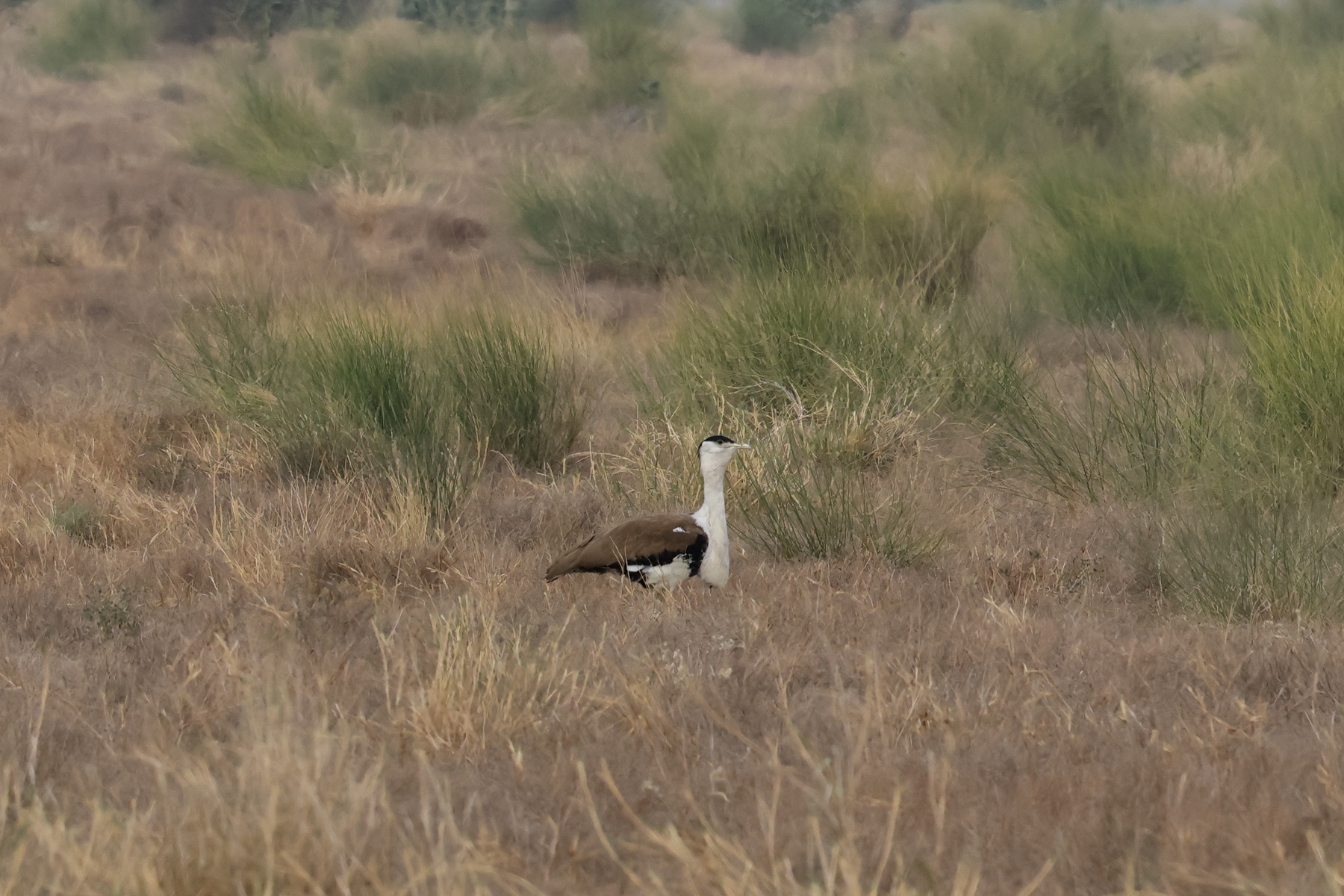
Great Indian Bustard (image by Hannu Jännes)
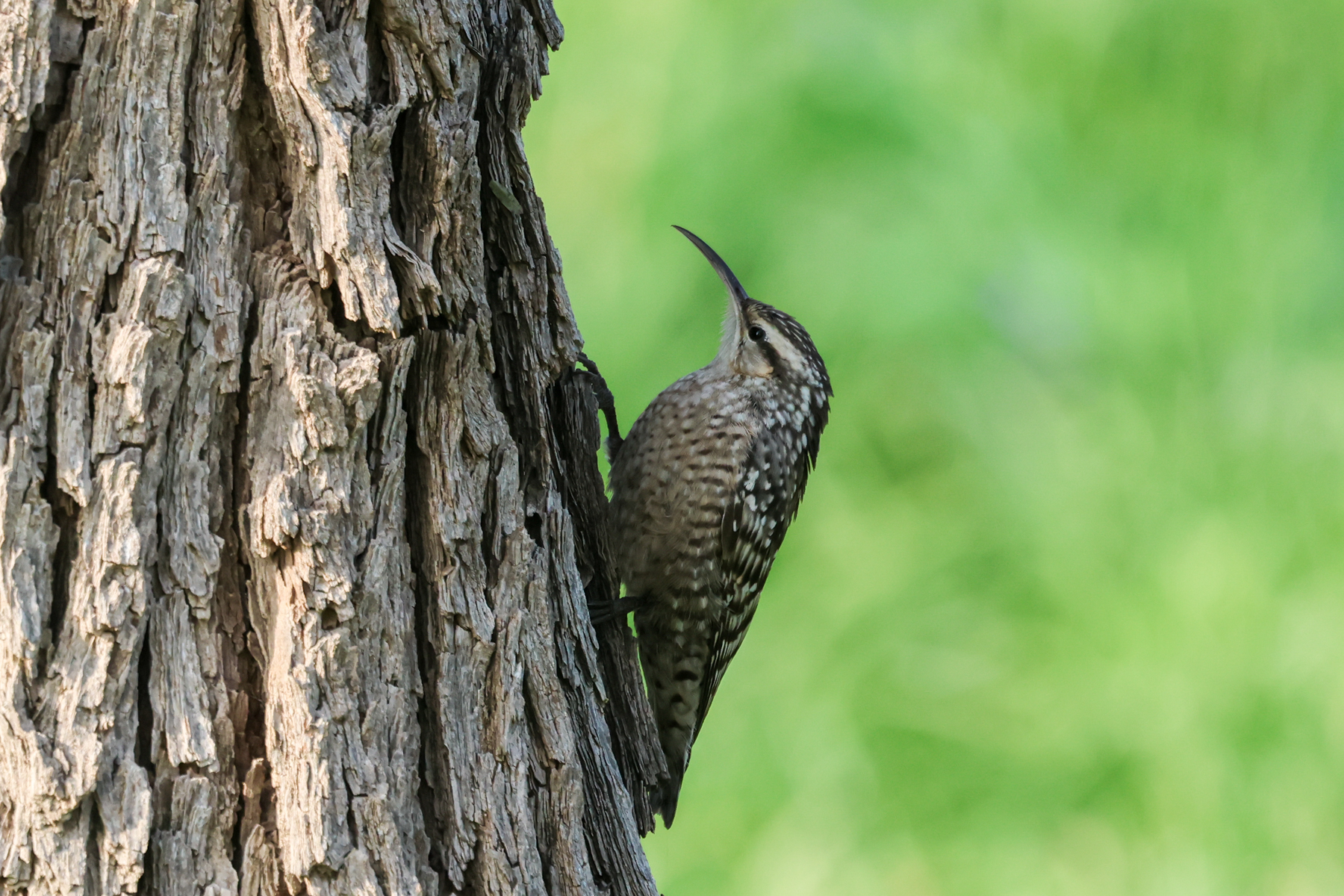
Indian Spotted Creeper (image by Hannu Jännes)
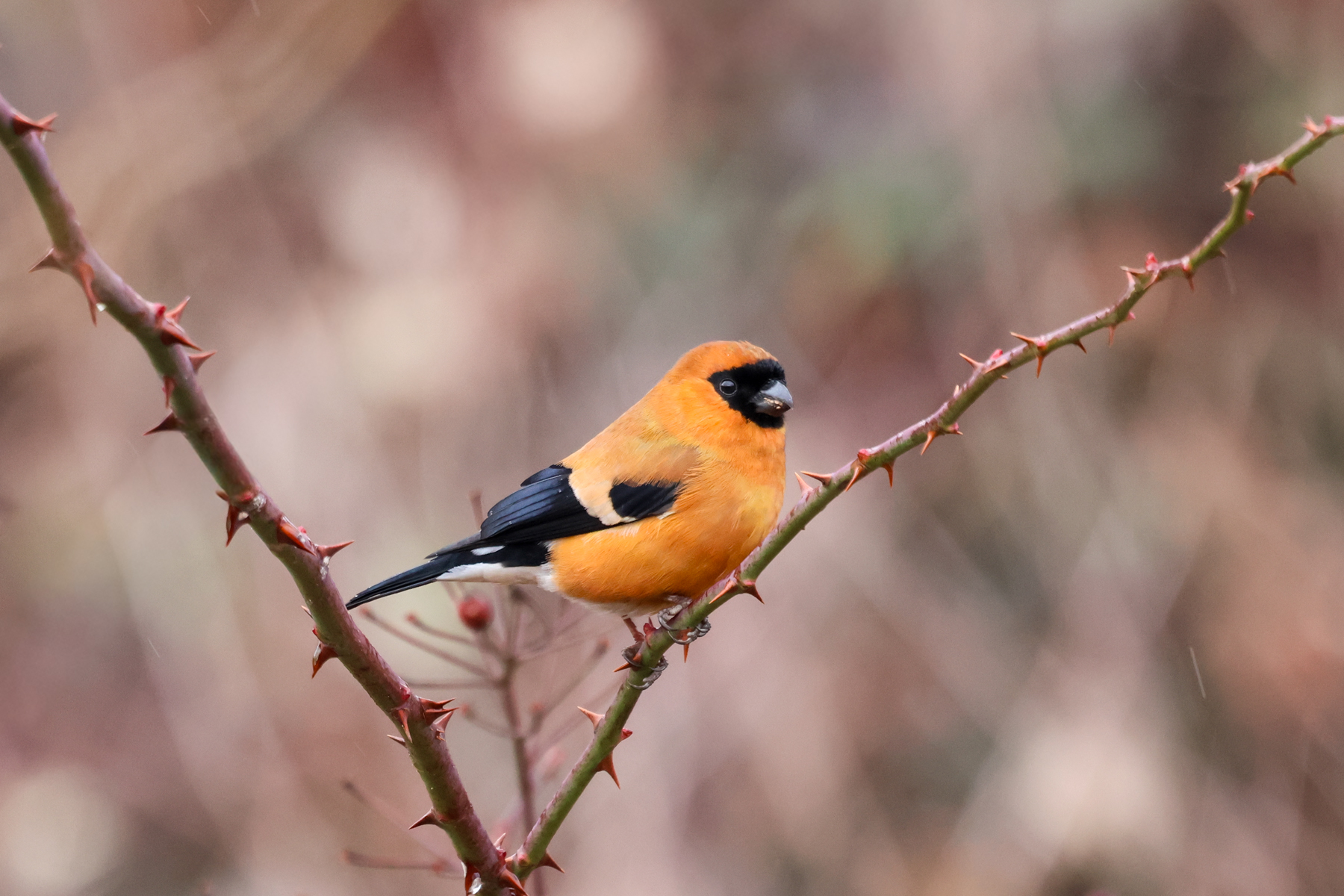
Orange Bullfinch (image by Hannu Jännes)
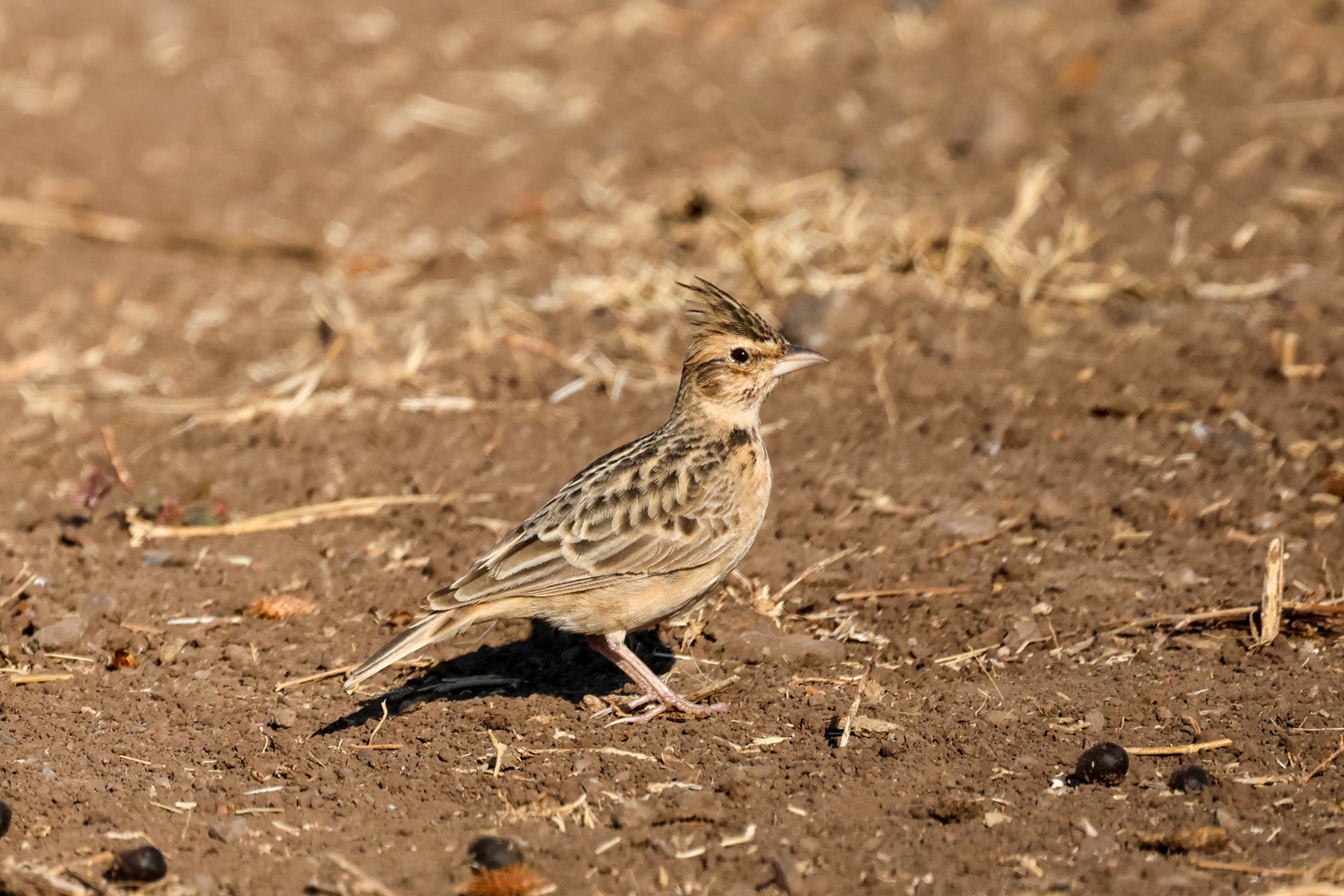
Sykes's Lark (image by Hannu Jännes)
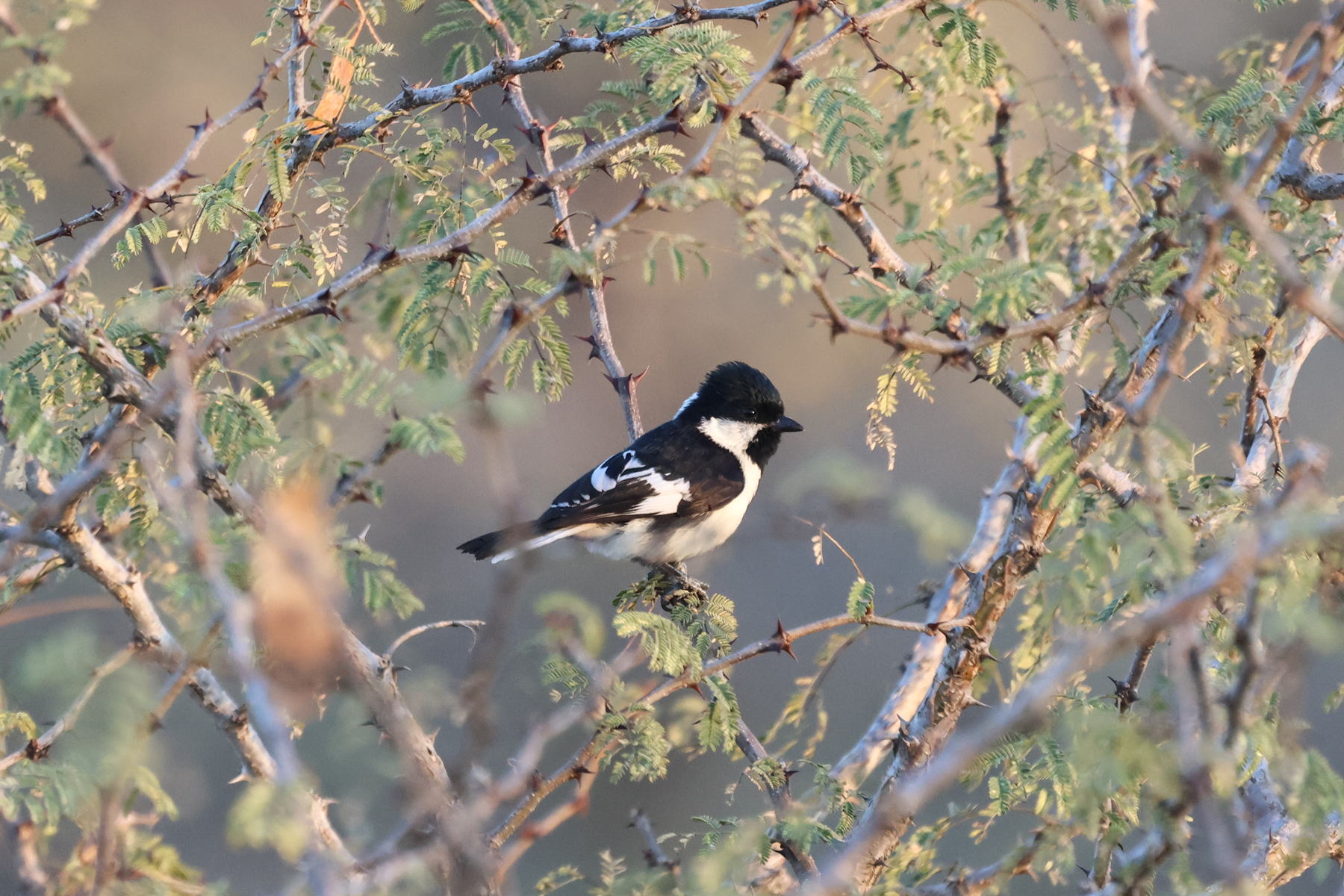
White-naped Tit (image by Hannu Jännes)
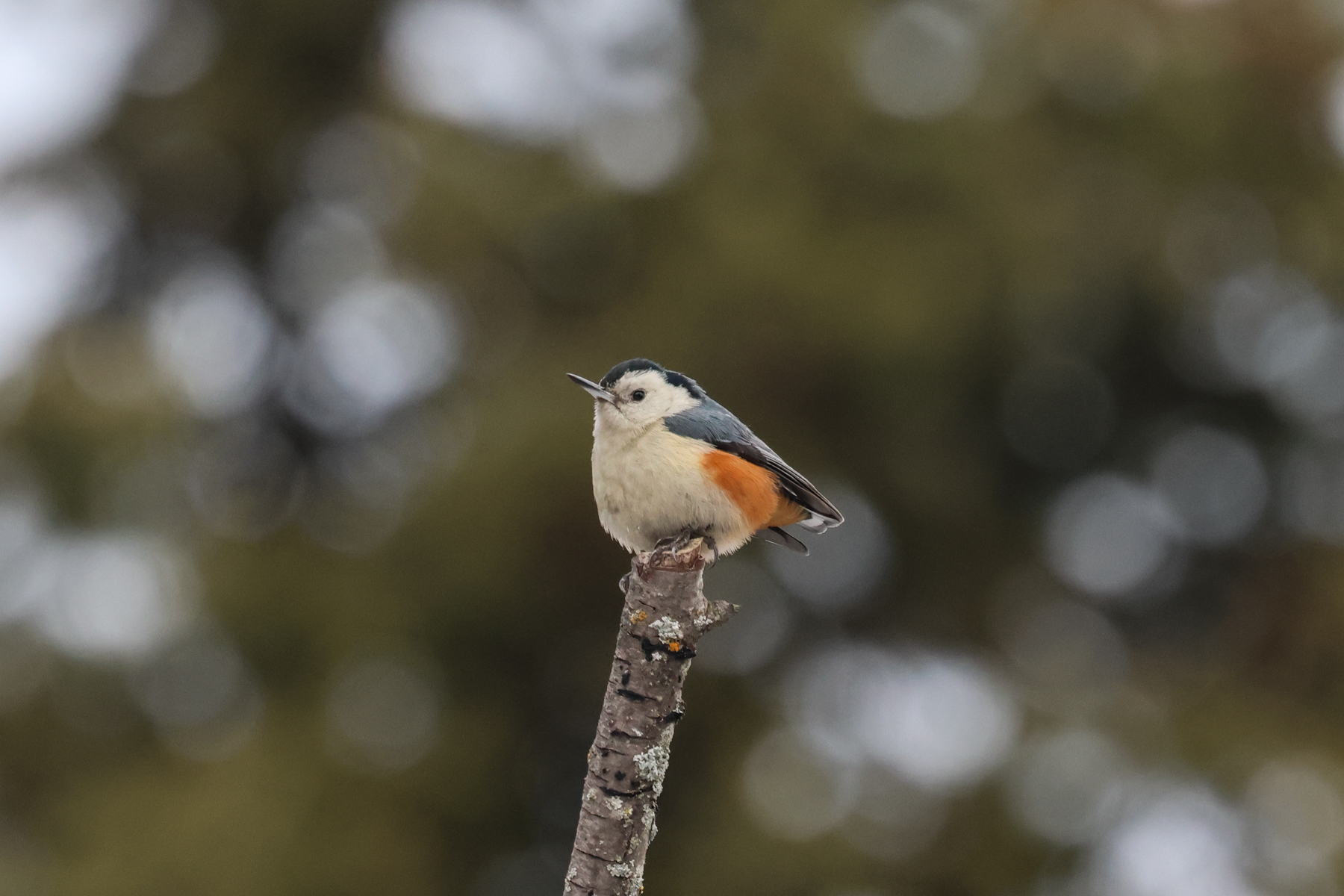
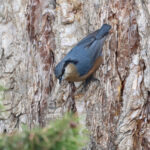
White-cheeked Nuthatch (image by Hannu Jännes)
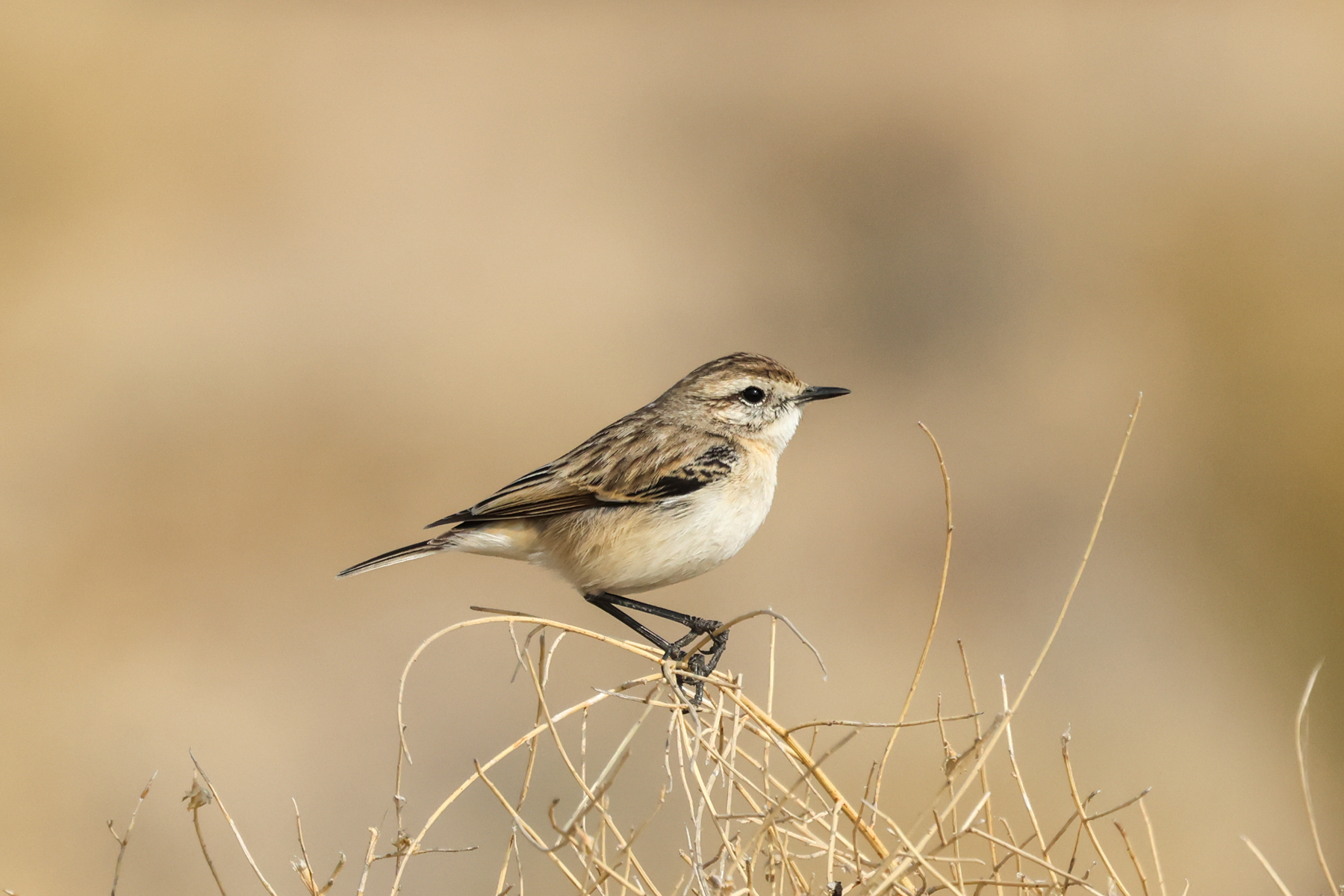
White-browed Bush Chat (image by Hannu Jännes)
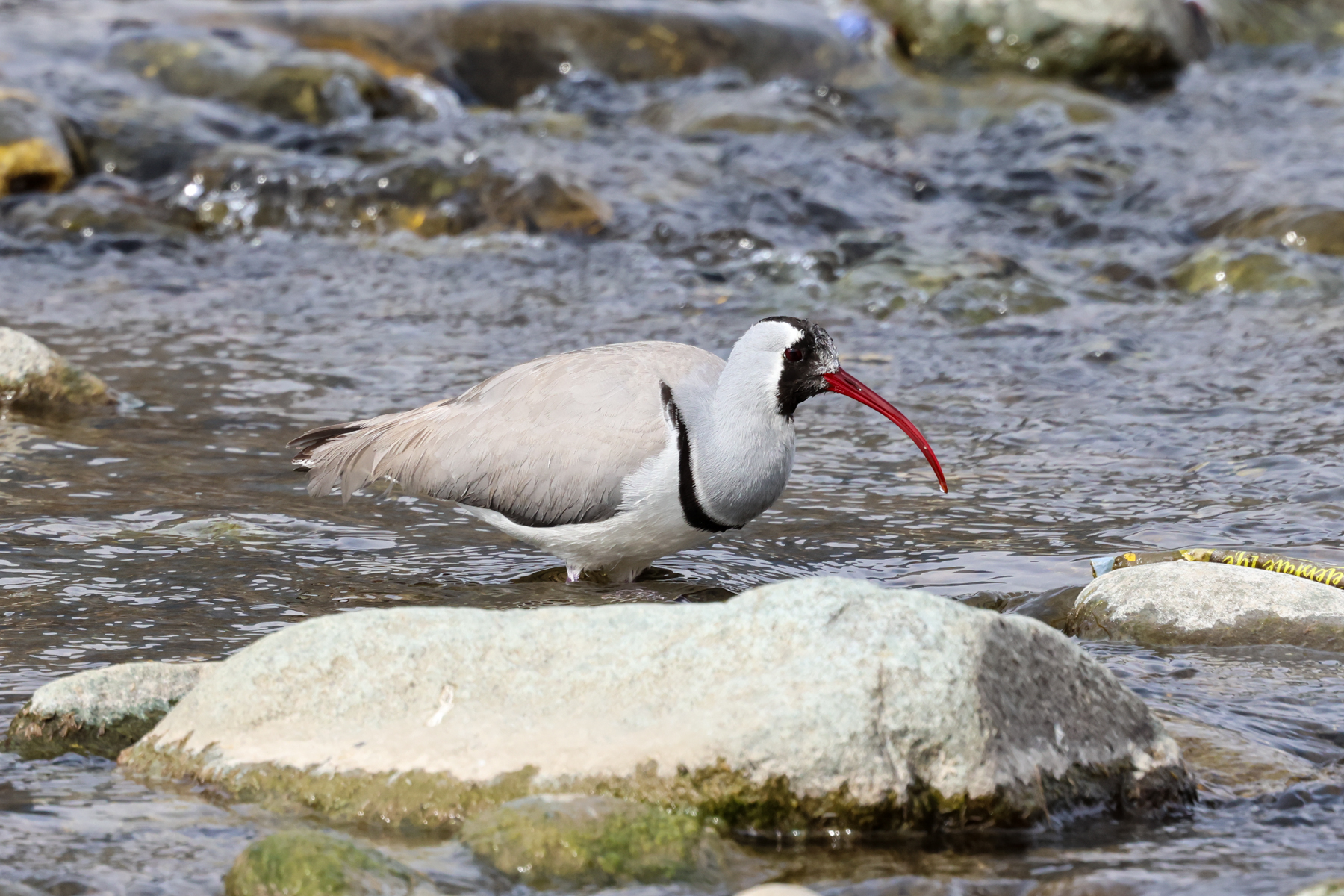
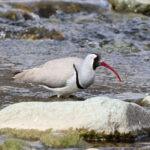
Ibisbill (image by Hannu Jännes)
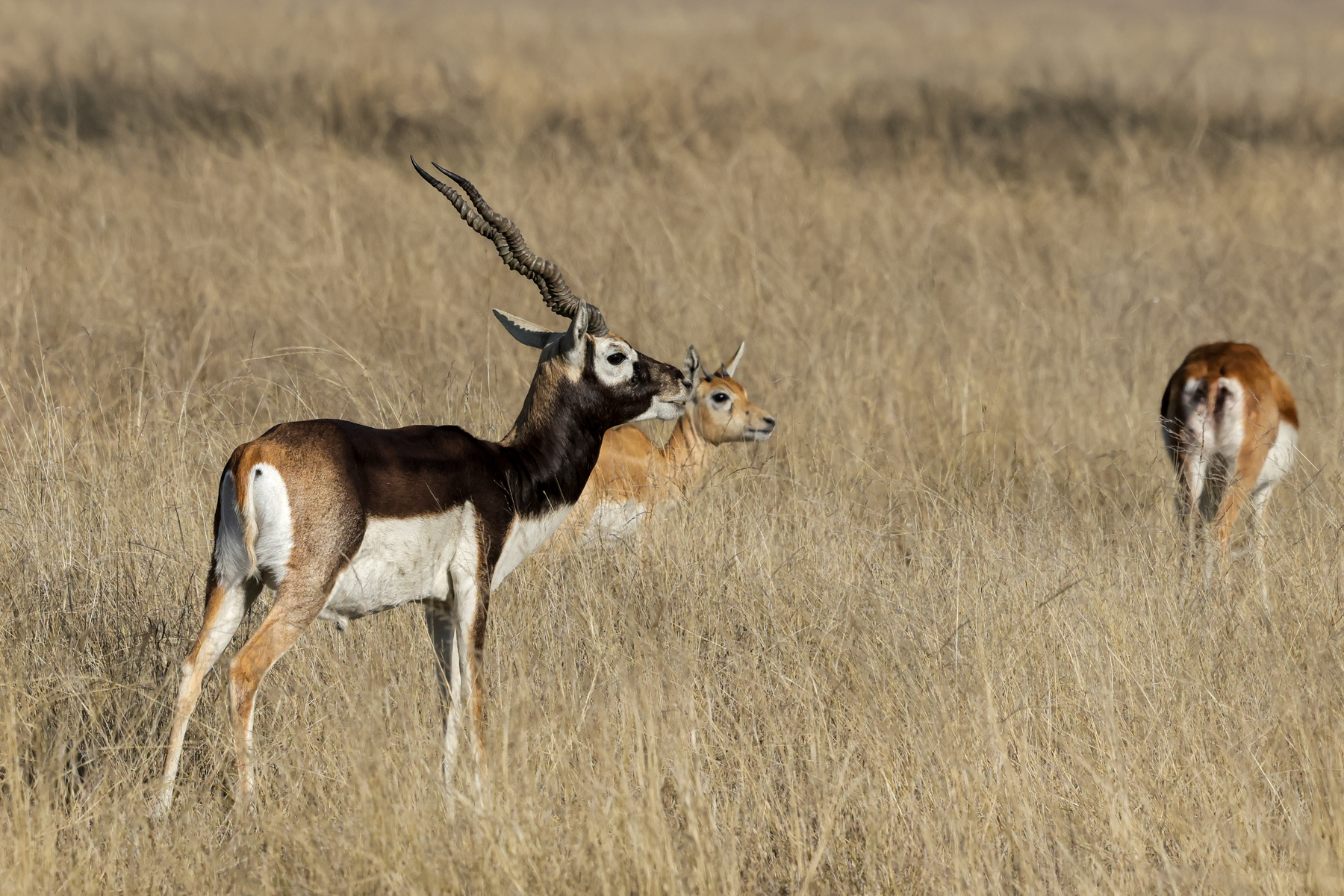
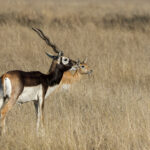
Blackbucks (image by Hannu Jännes)
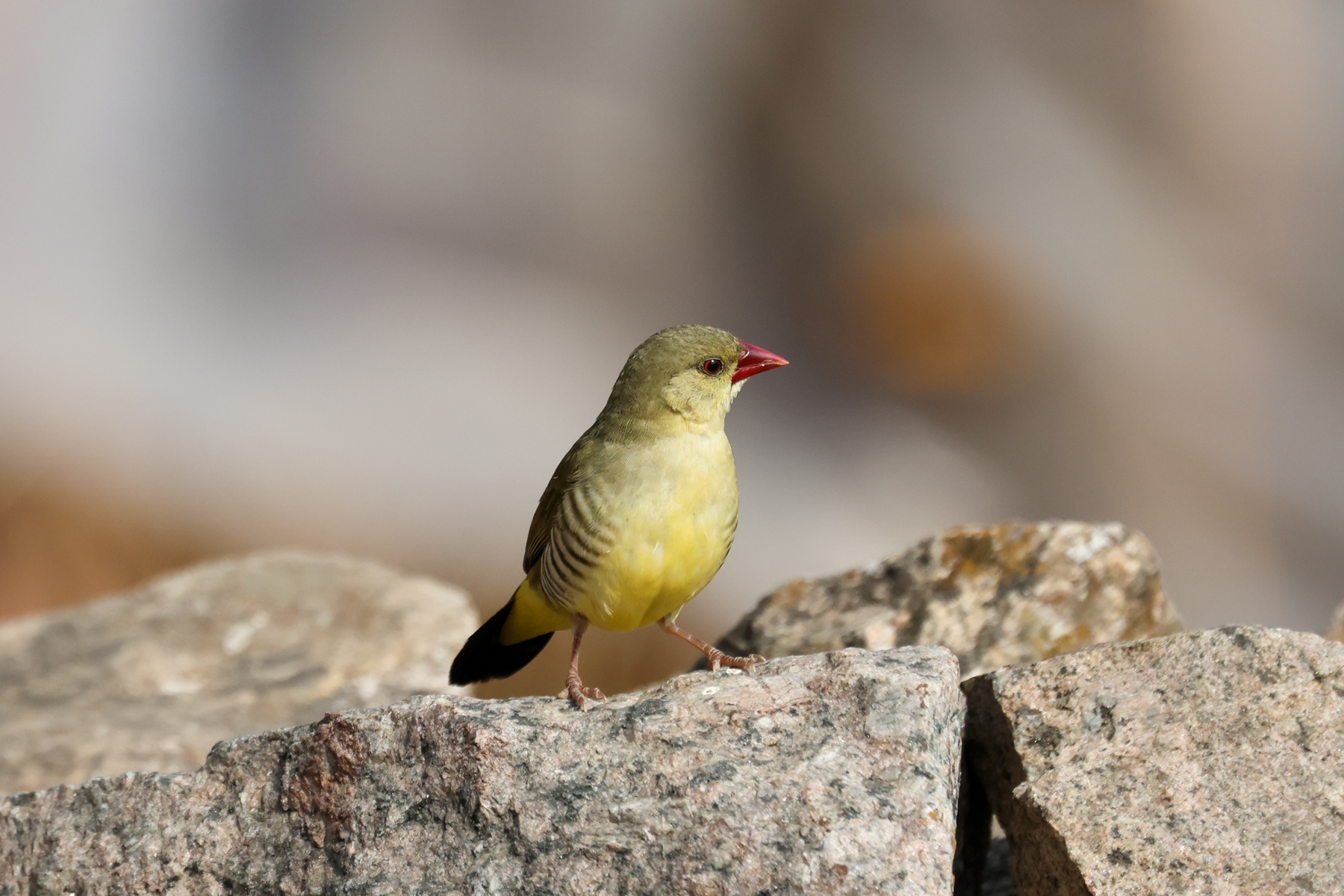
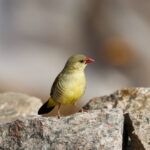
Green Avadavat (image by Hannu Jännes)
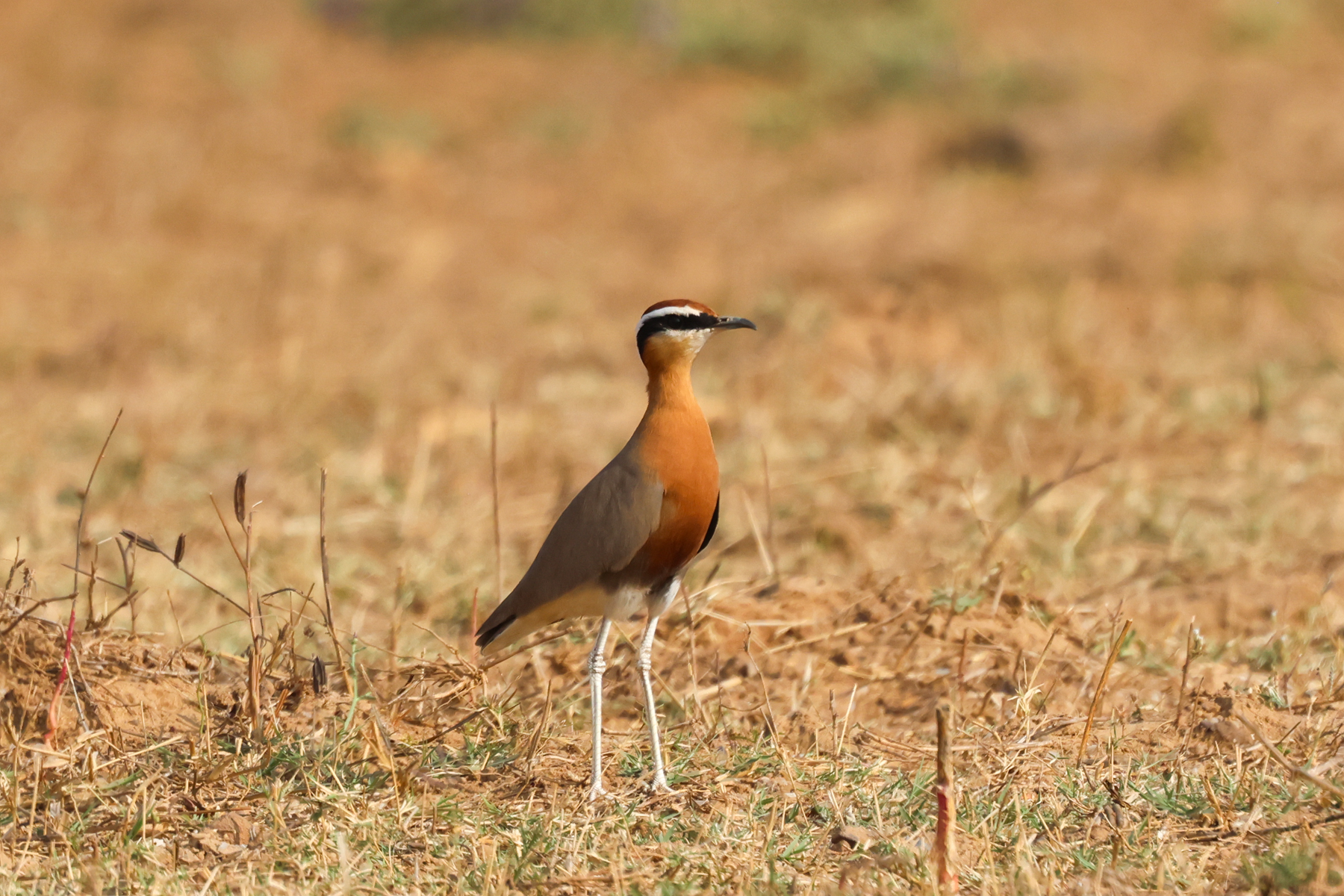
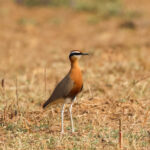
Indian Courser (image by Hannu Jännes)
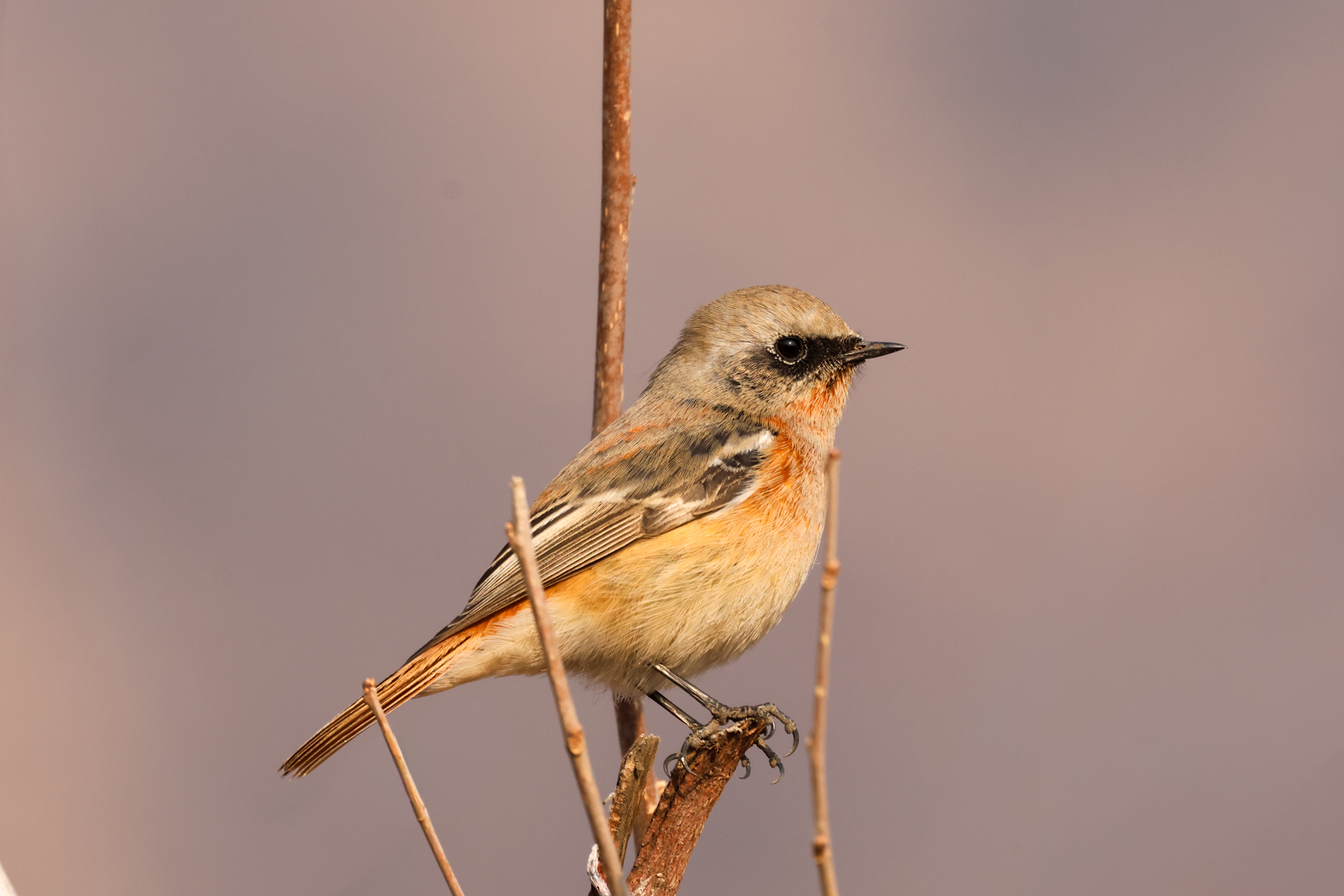
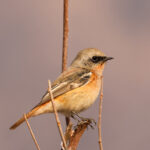
Eversmann's Redstart (image by Hannu Jännes)

Golden Temple (image by Hannu Jännes)
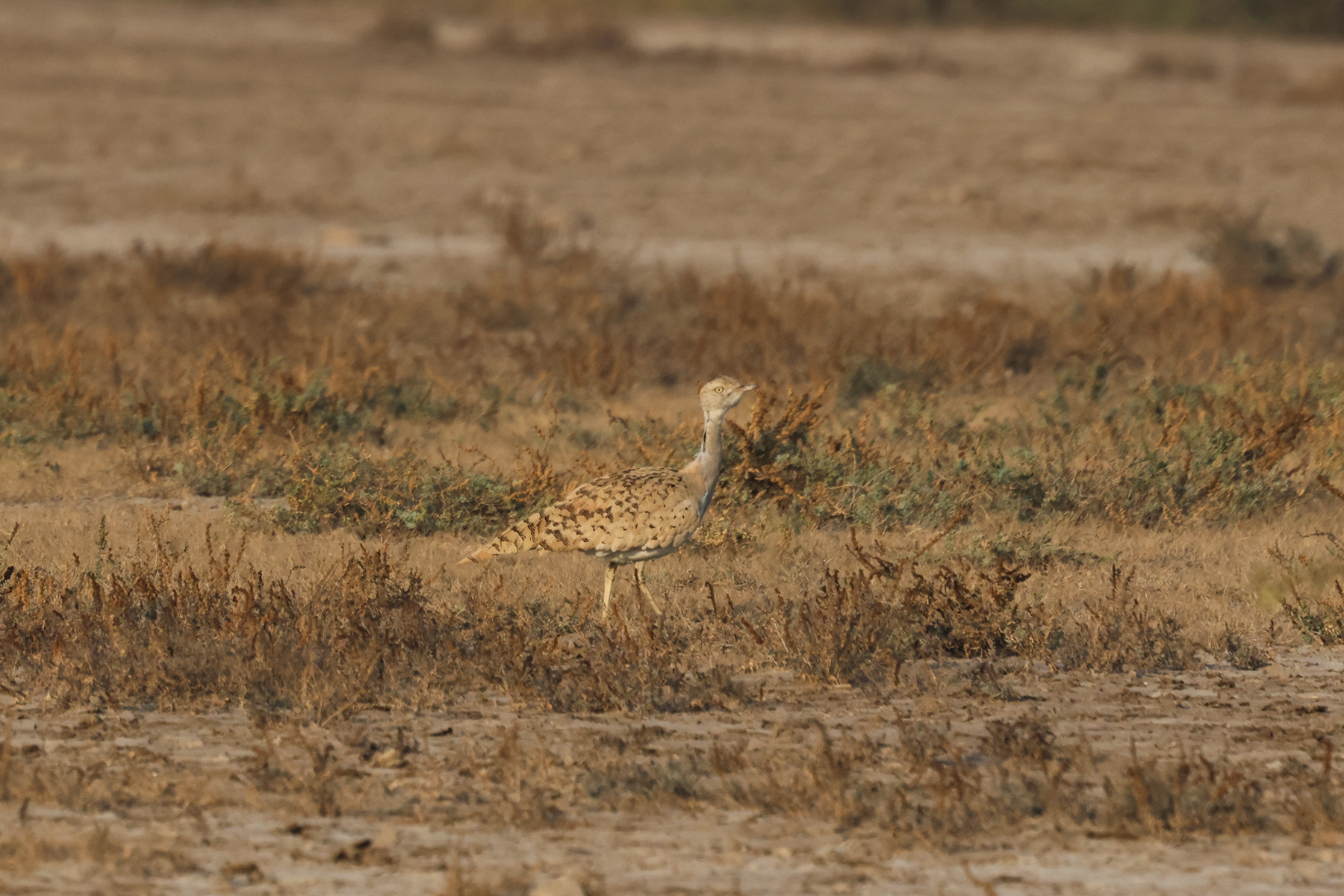
Asian Houbara (image by Hannu Jännes)
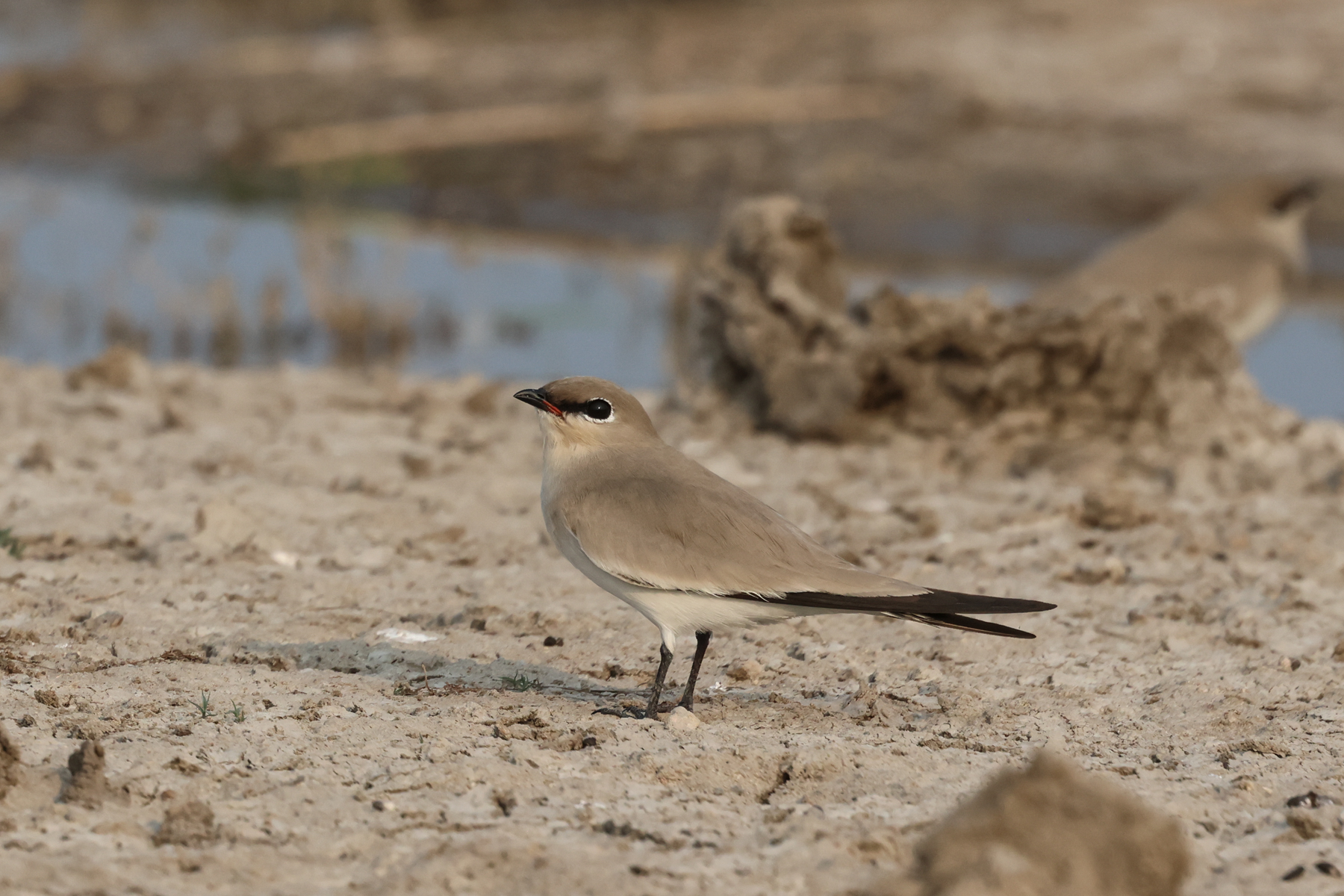
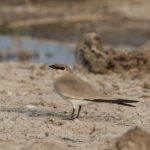
Small Pratincoles (image by Hannu Jännes)
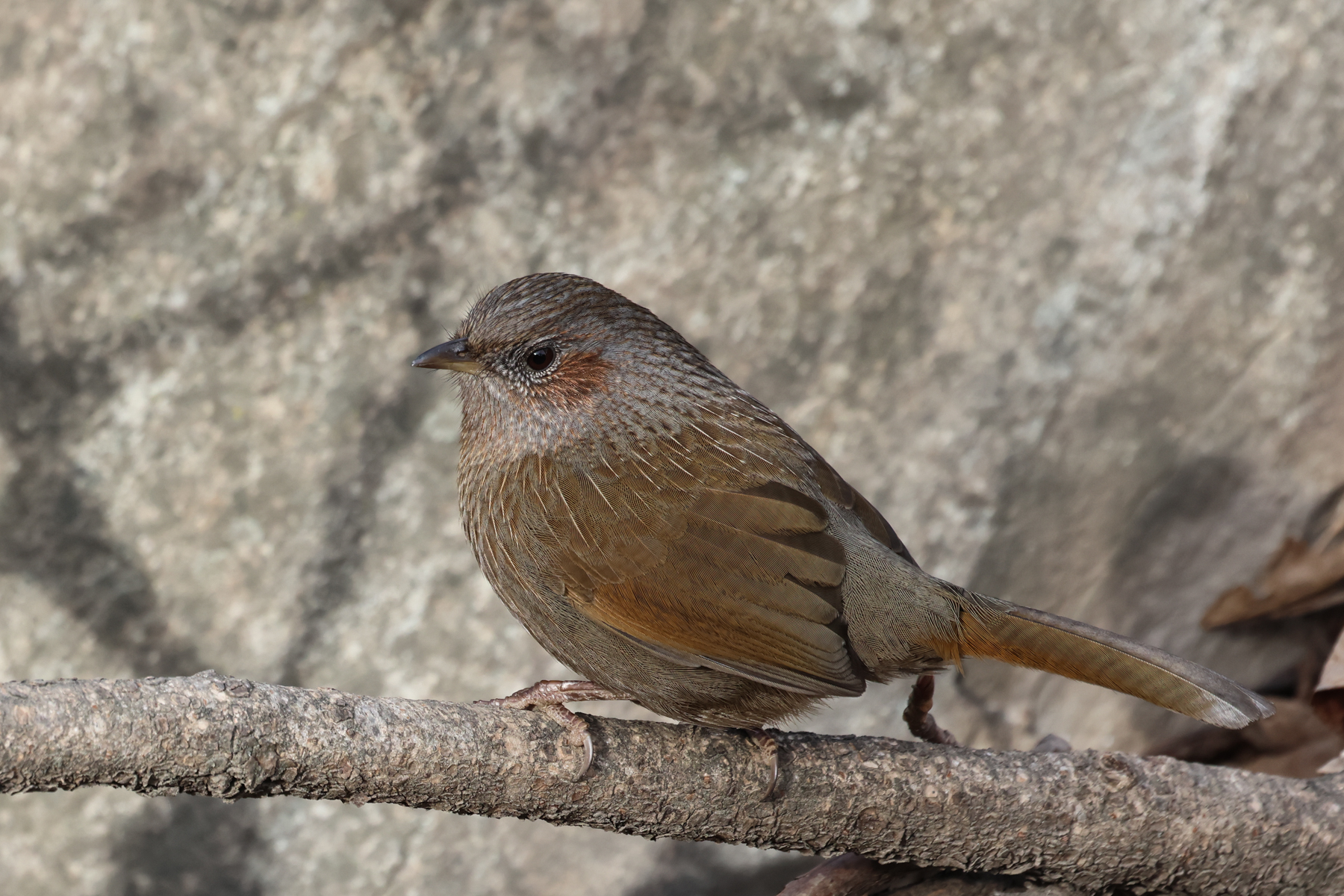
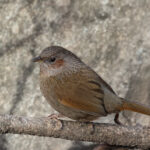
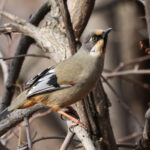
Streaked Laughingthrush (image by Hannu Jännes)
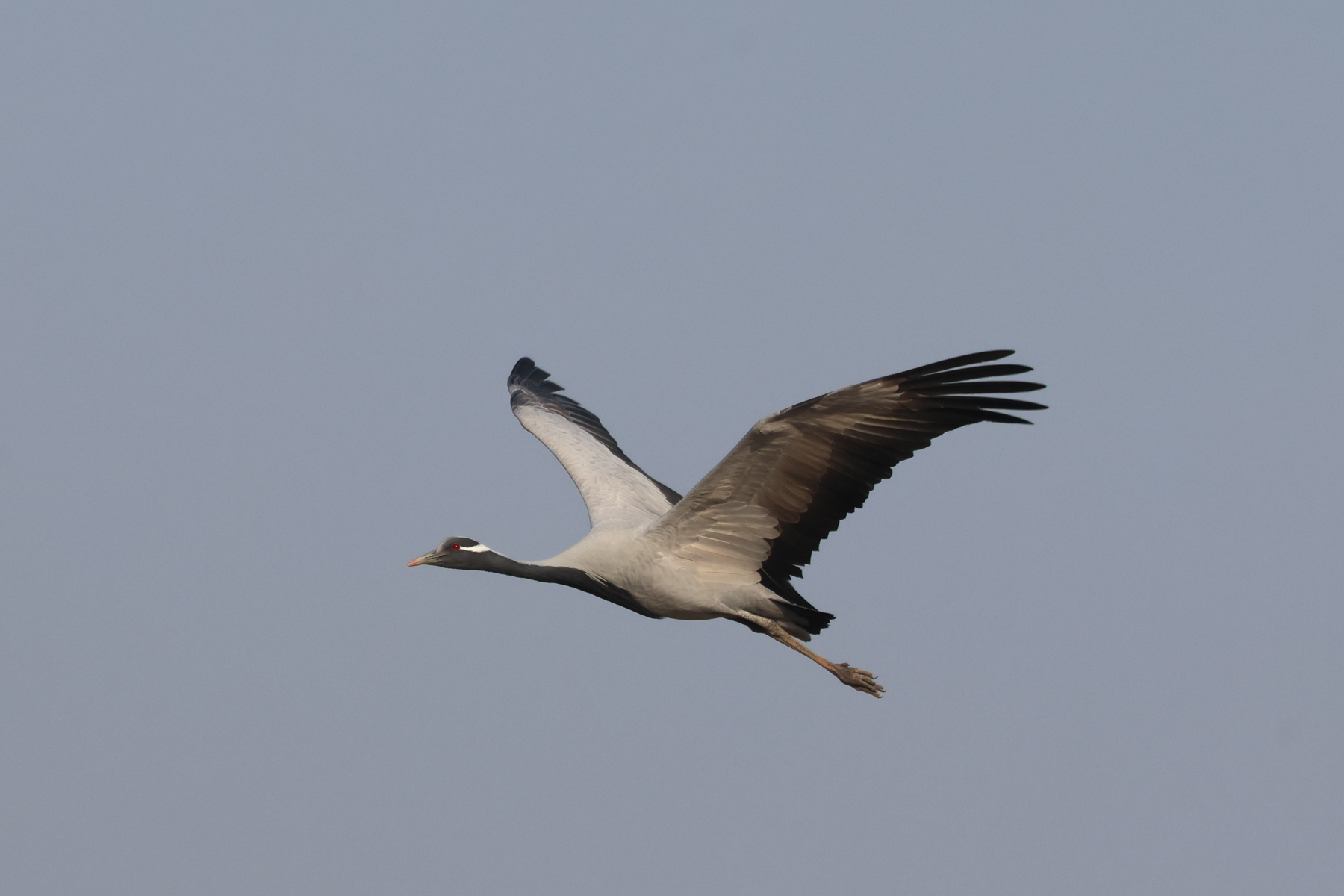
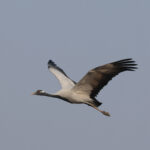
Demoiselle Crane (image by Hannu Jännes)
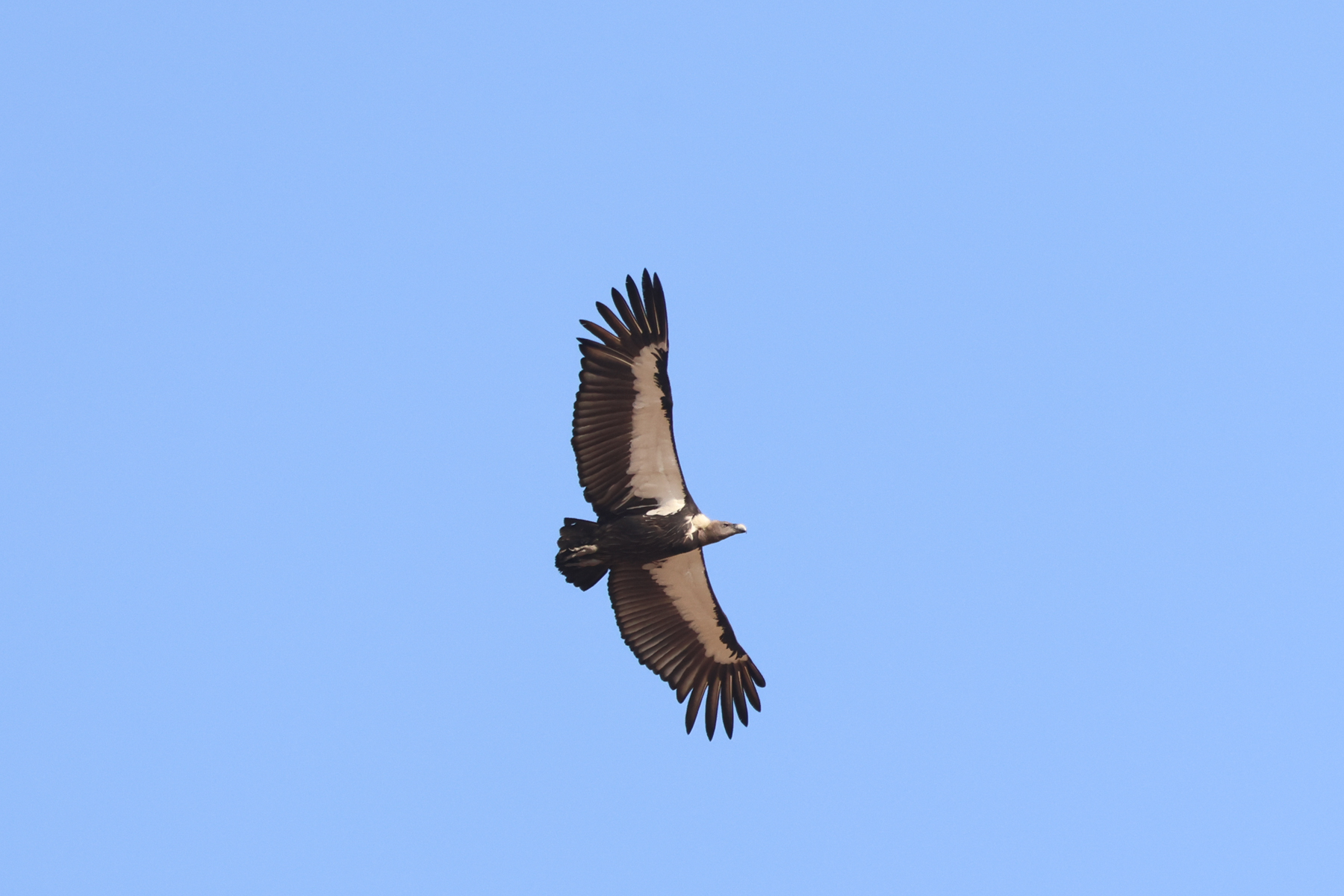
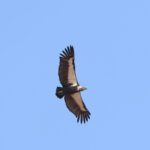
White-rumped Vulture (image by Hannu Jännes)
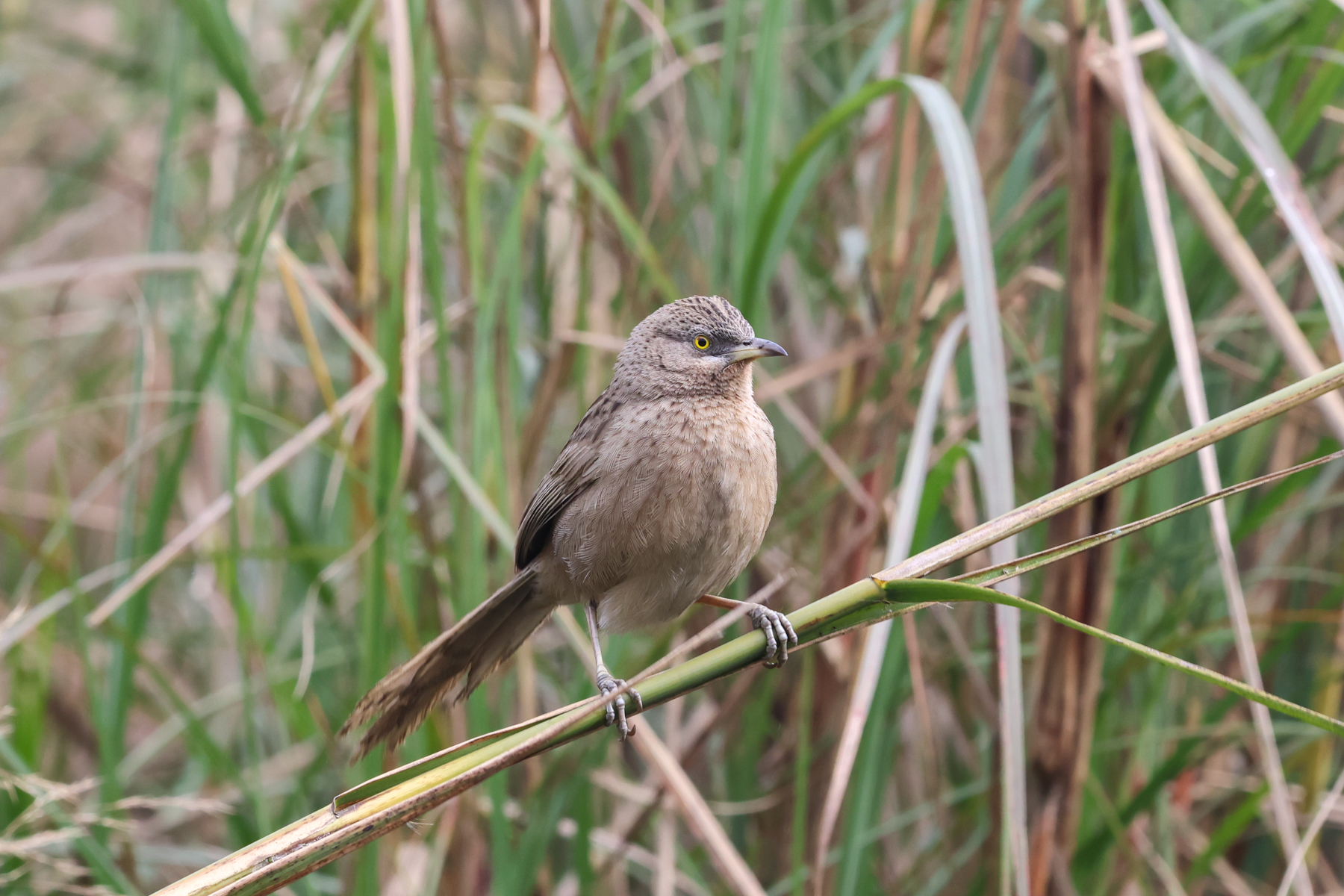
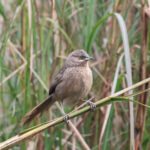
Striated Babbler (image by Hannu Jännes)
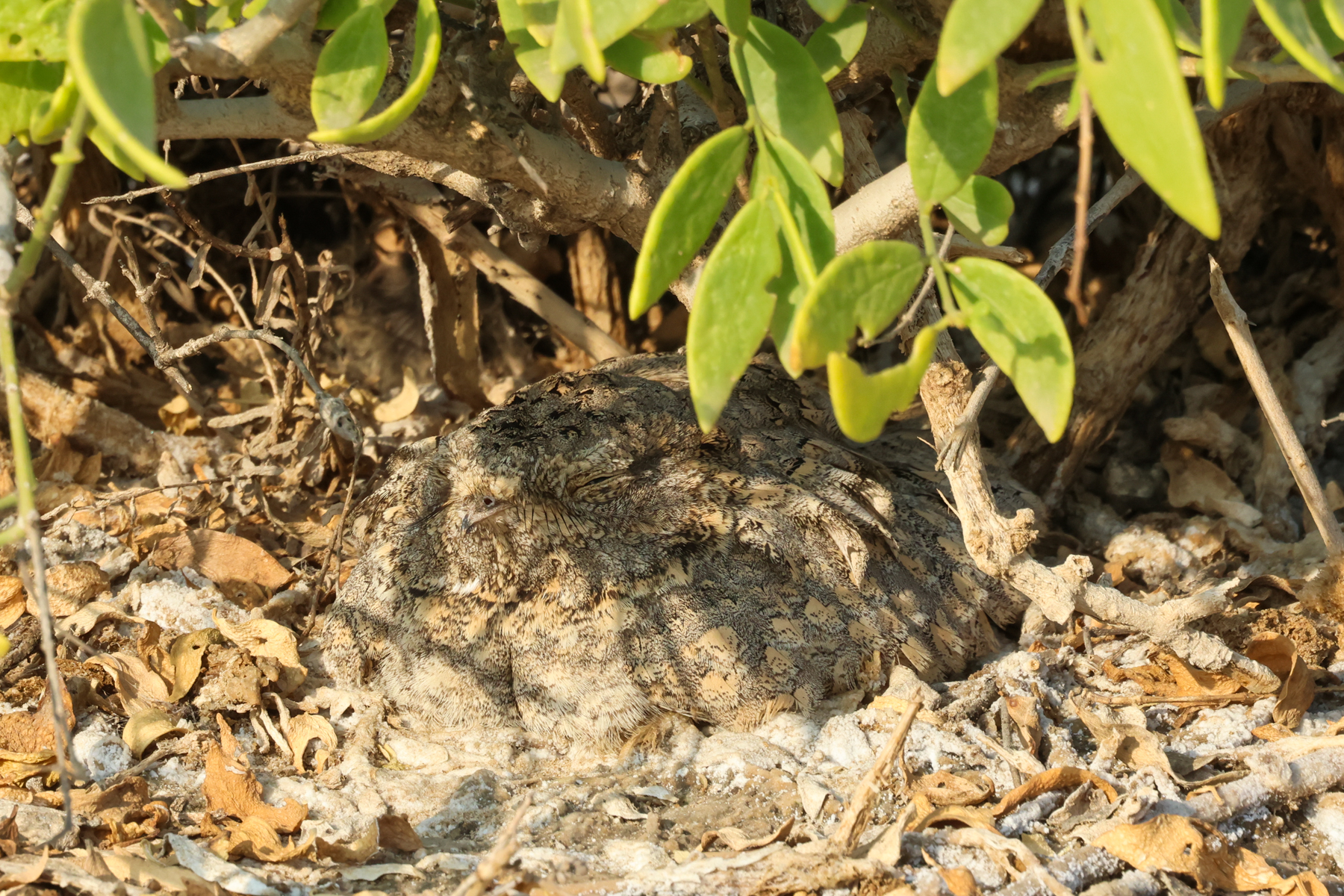
Sykes's Nightjar (image by Hannu Jännes)
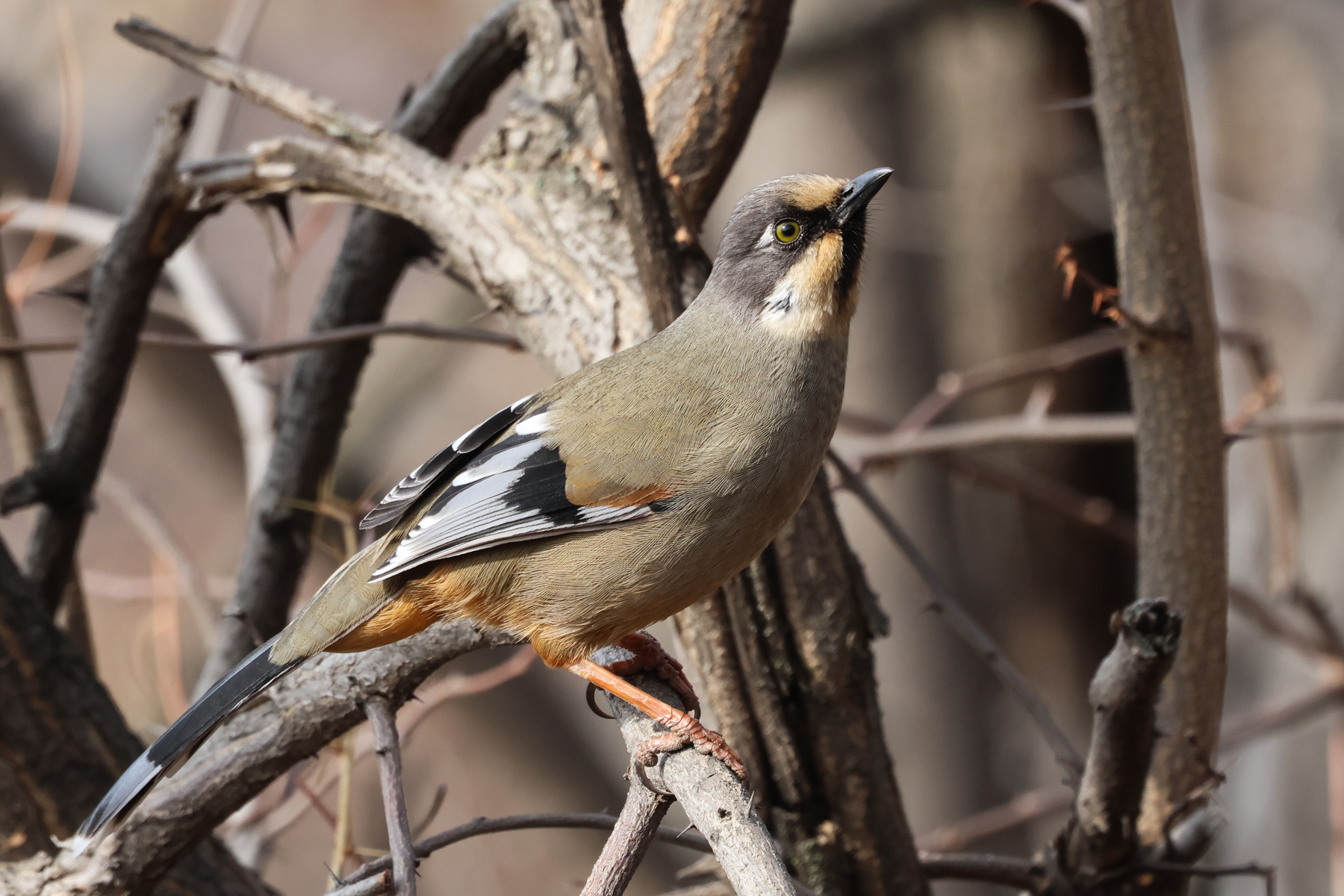
Variegated Laughingthrush (image by Hannu Jännes)
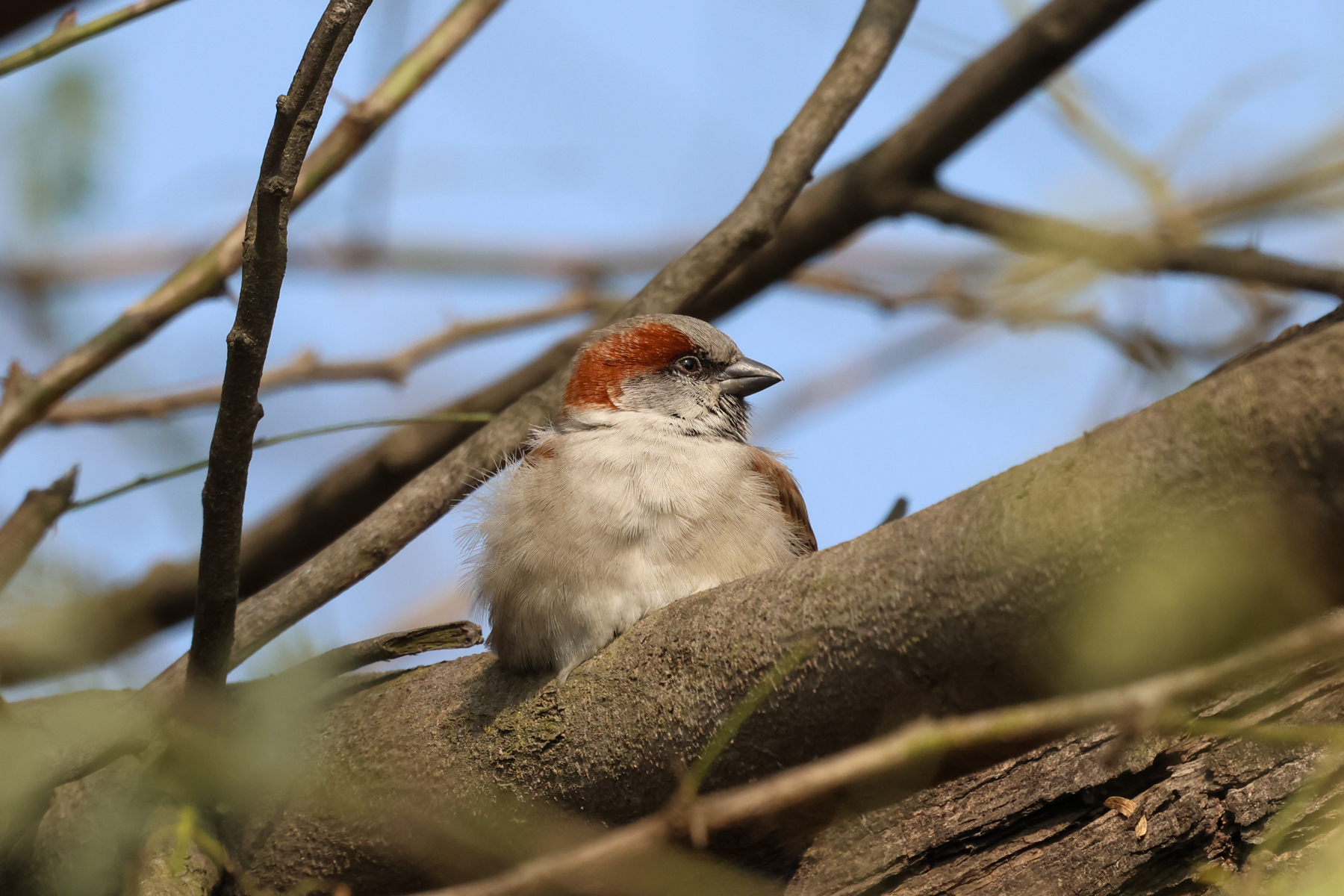
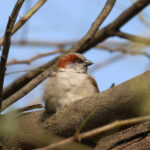
Sind Sparrow (image by Hannu Jännes)
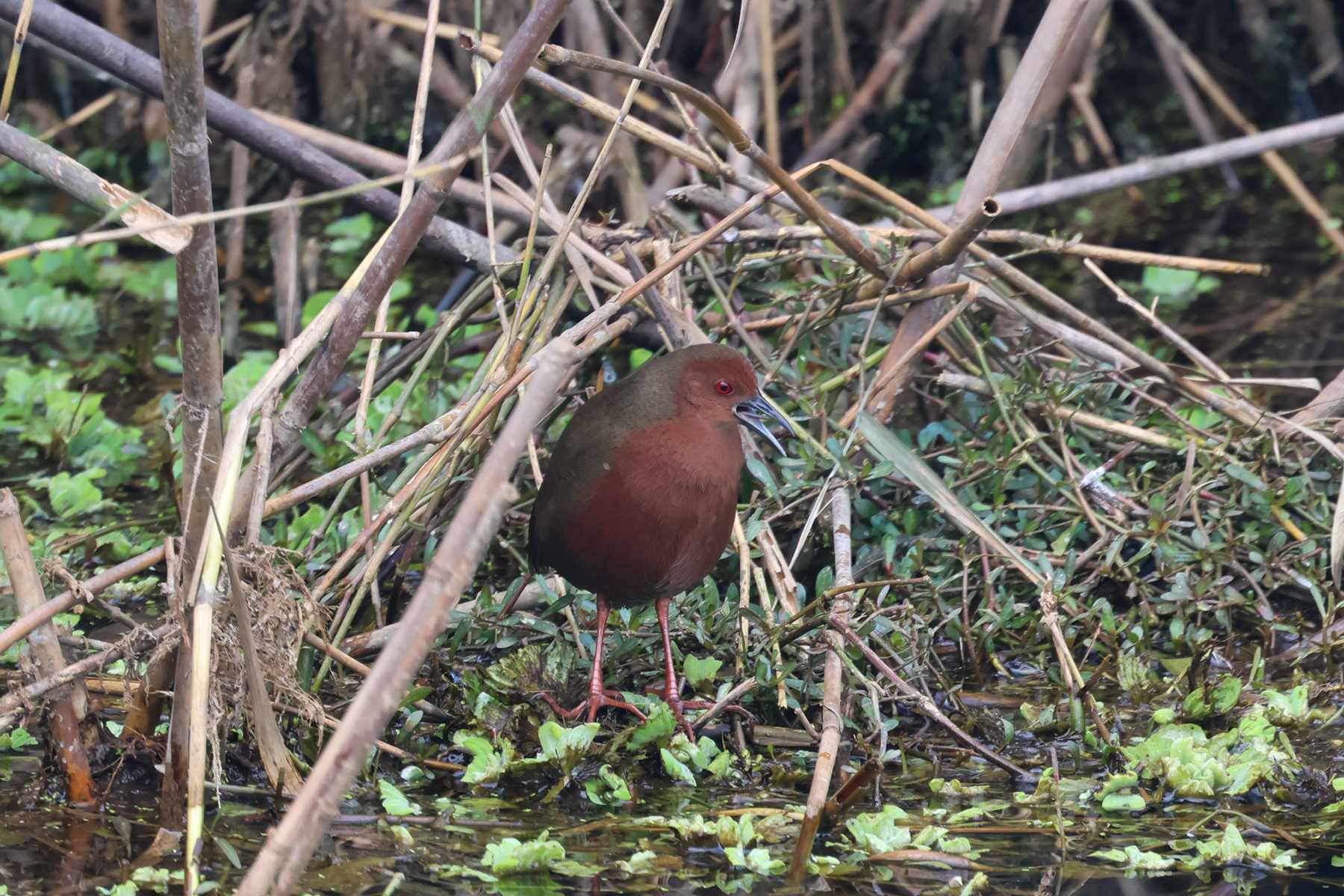
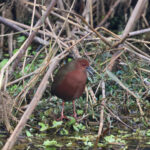
Ruddy-breasted Crake (image by Hannu Jännes)
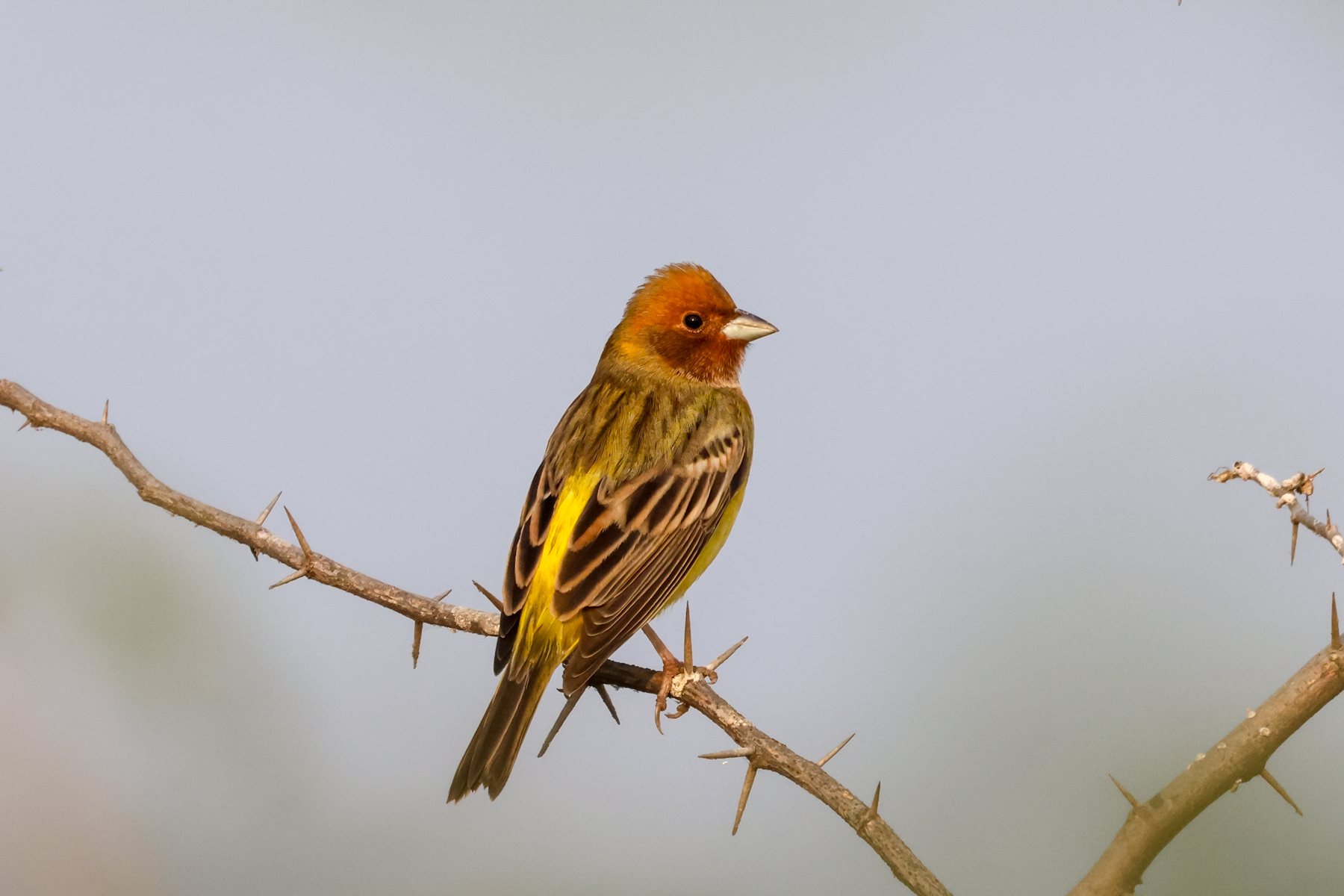
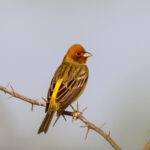
Red-headed Bunting (image by Hannu Jännes)
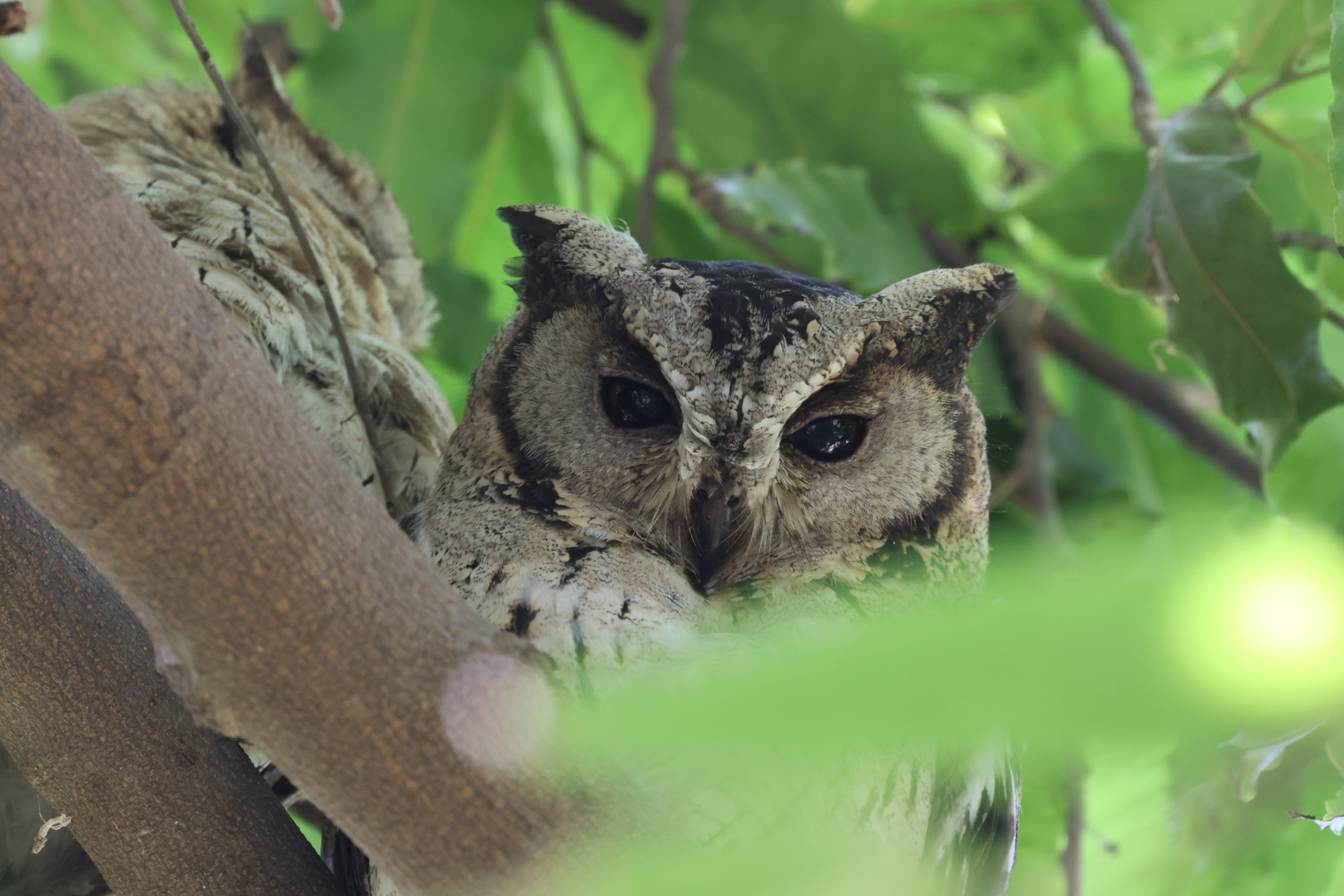
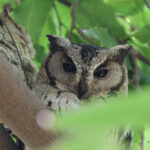
Indian Scops Owls (image by Hannu Jännes)
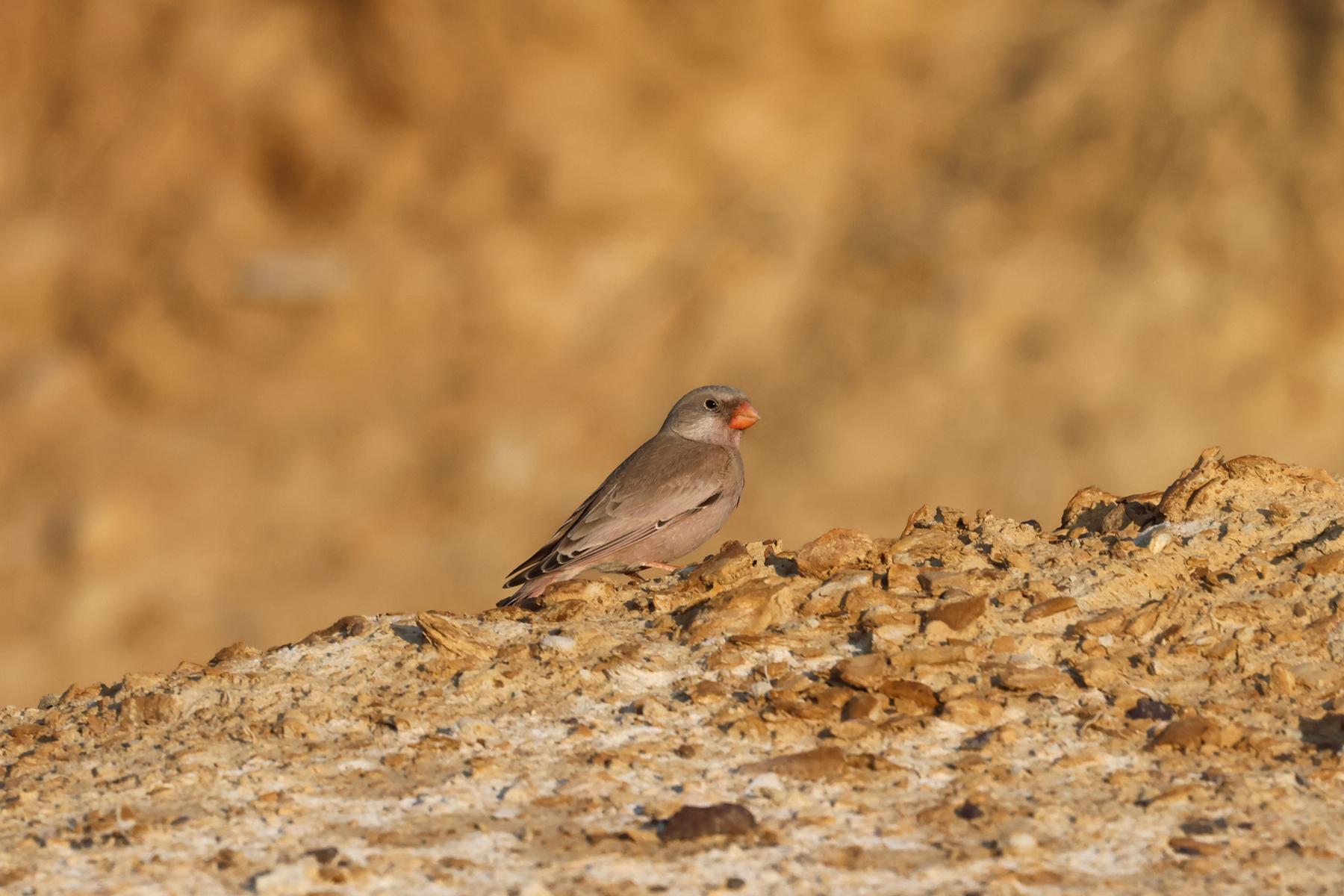
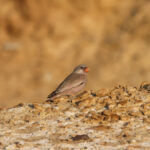
Trumpeter Finch (image by Hannu Jännes)
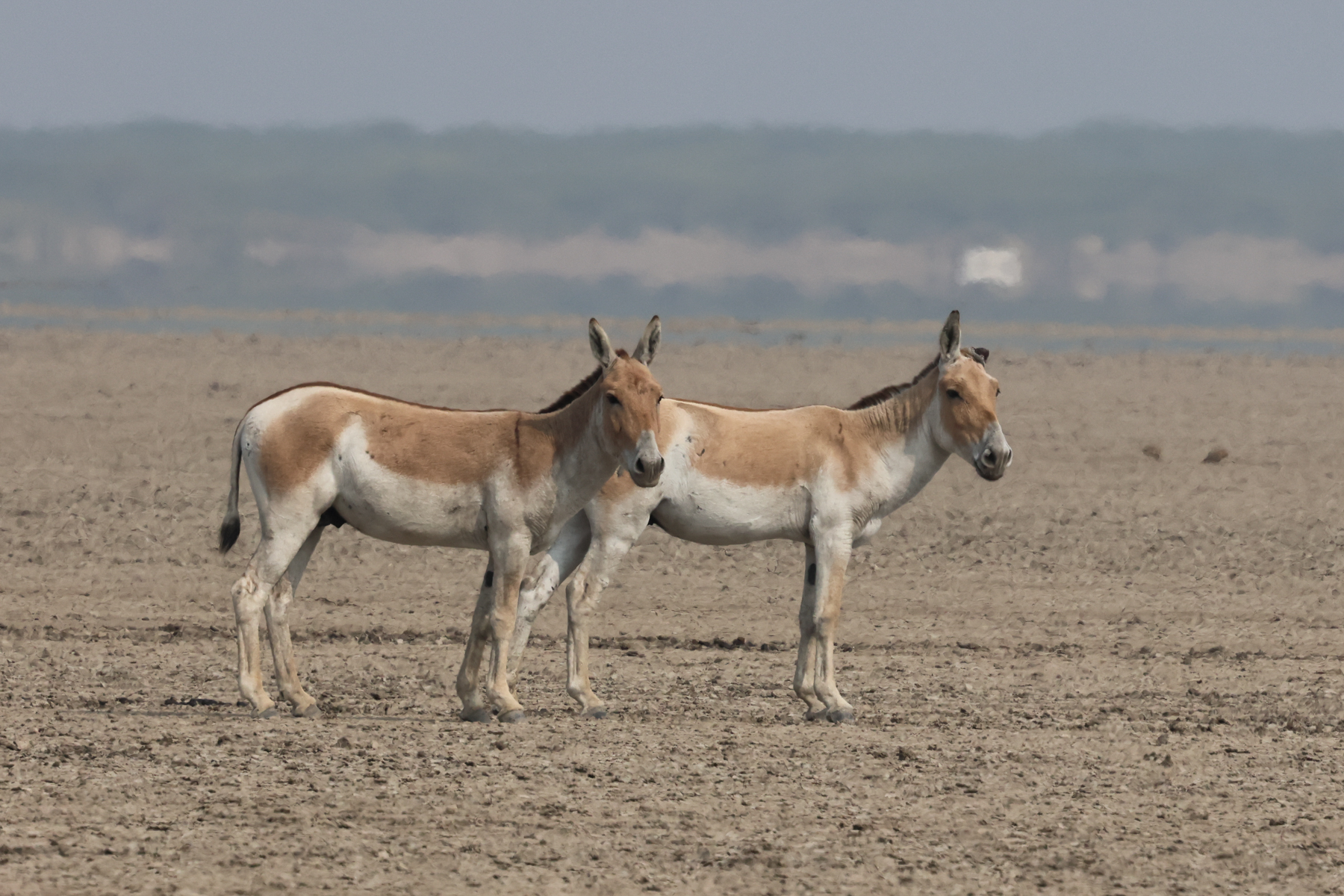
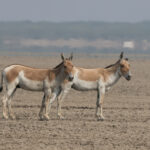
Asian Wild Ass (image by Hannu Jännes)
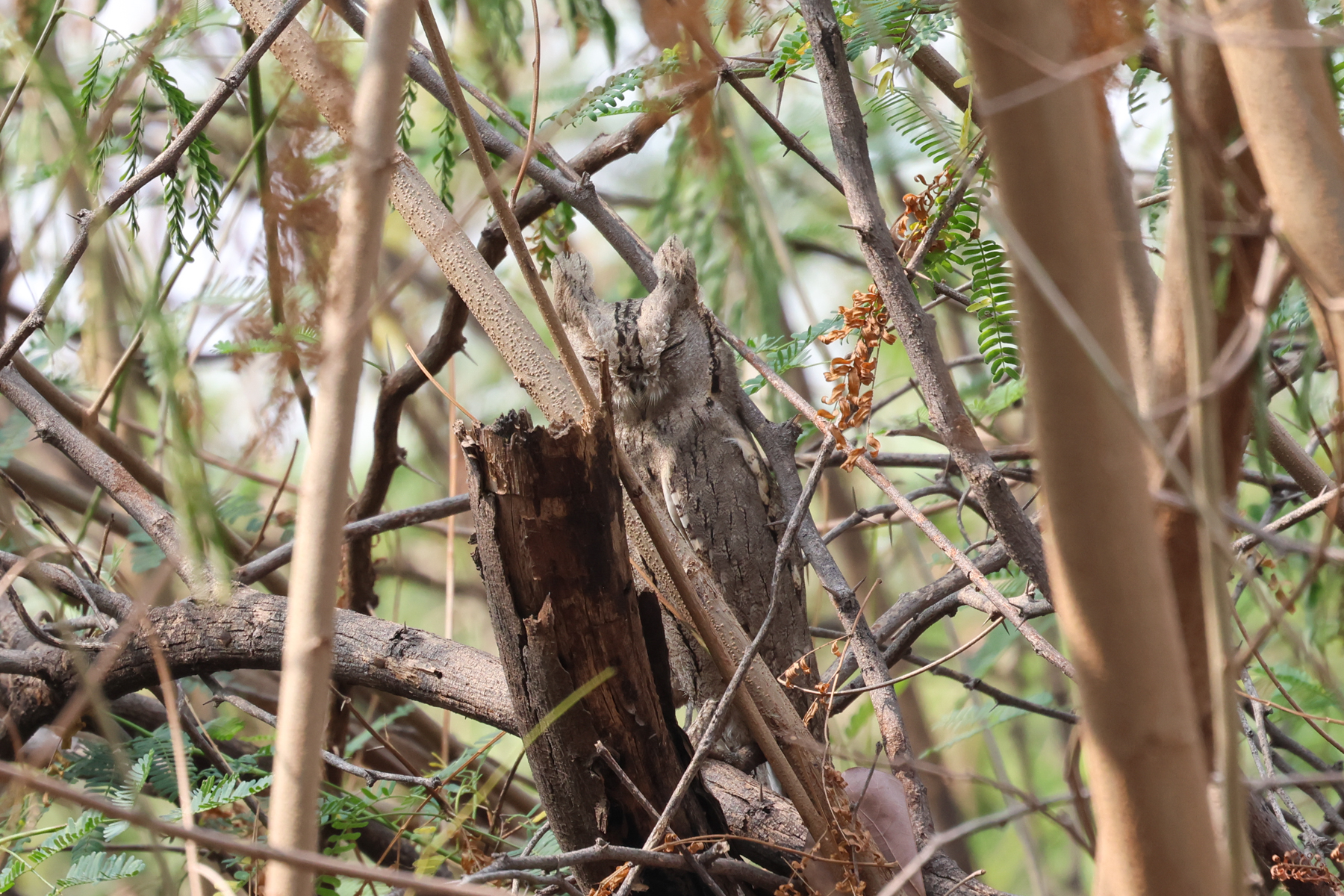
Pallid Scops Owl (image by Hannu Jännes)
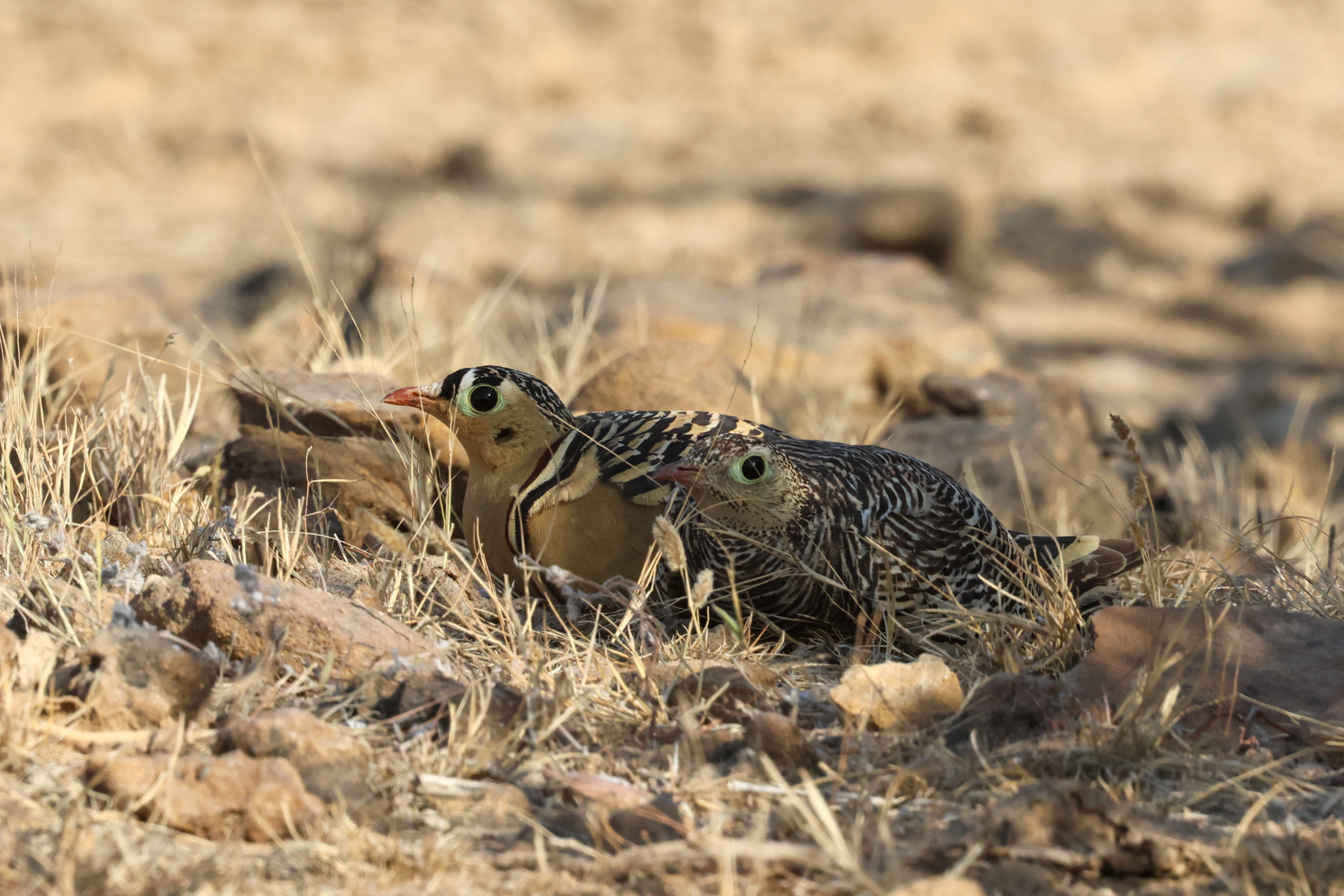
Painted Sandgrouses (image by Hannu Jännes)
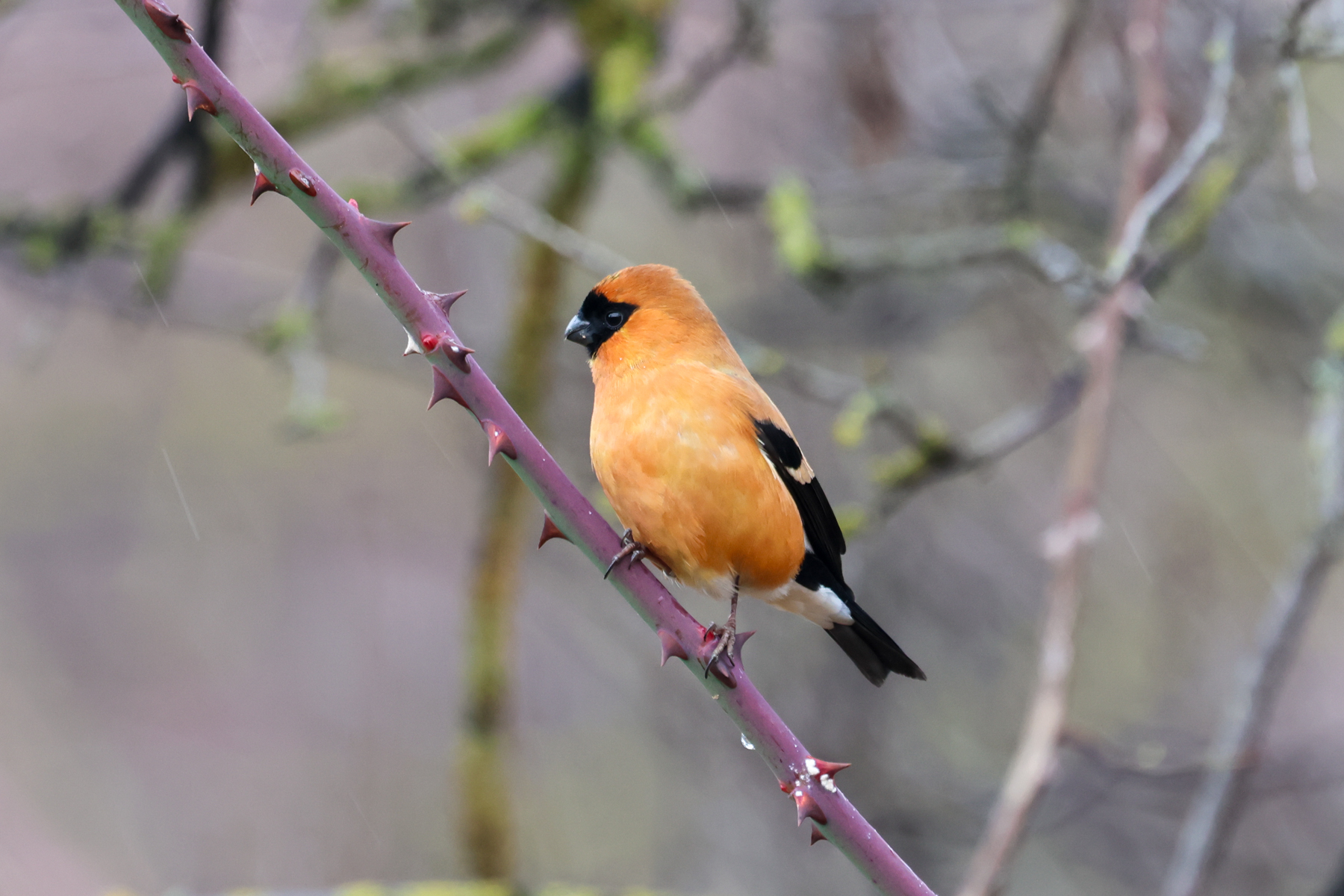
Orange Bullfinch (image by Hannu Jännes)
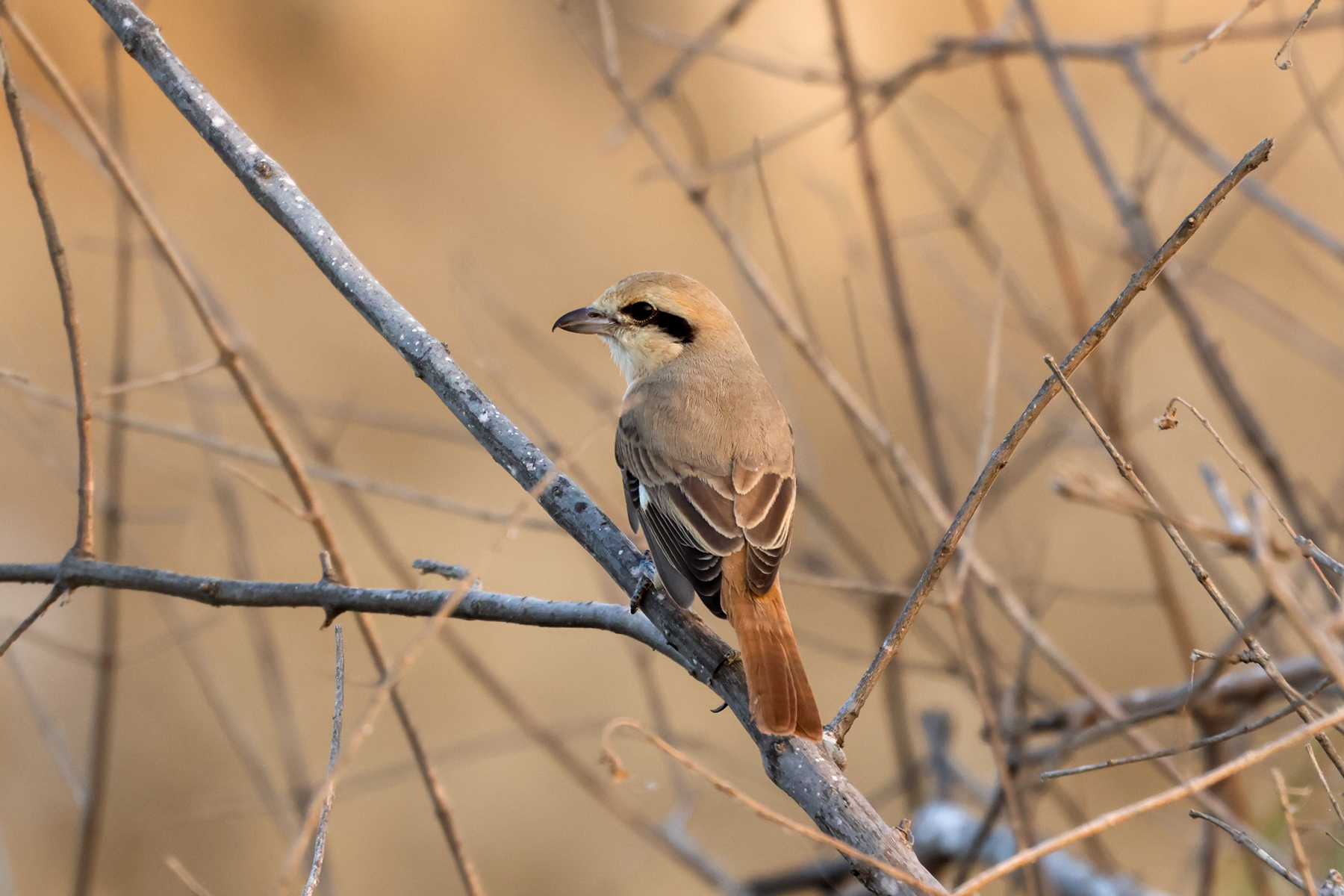
Isabelline Shrike (image by Hannu Jännes)
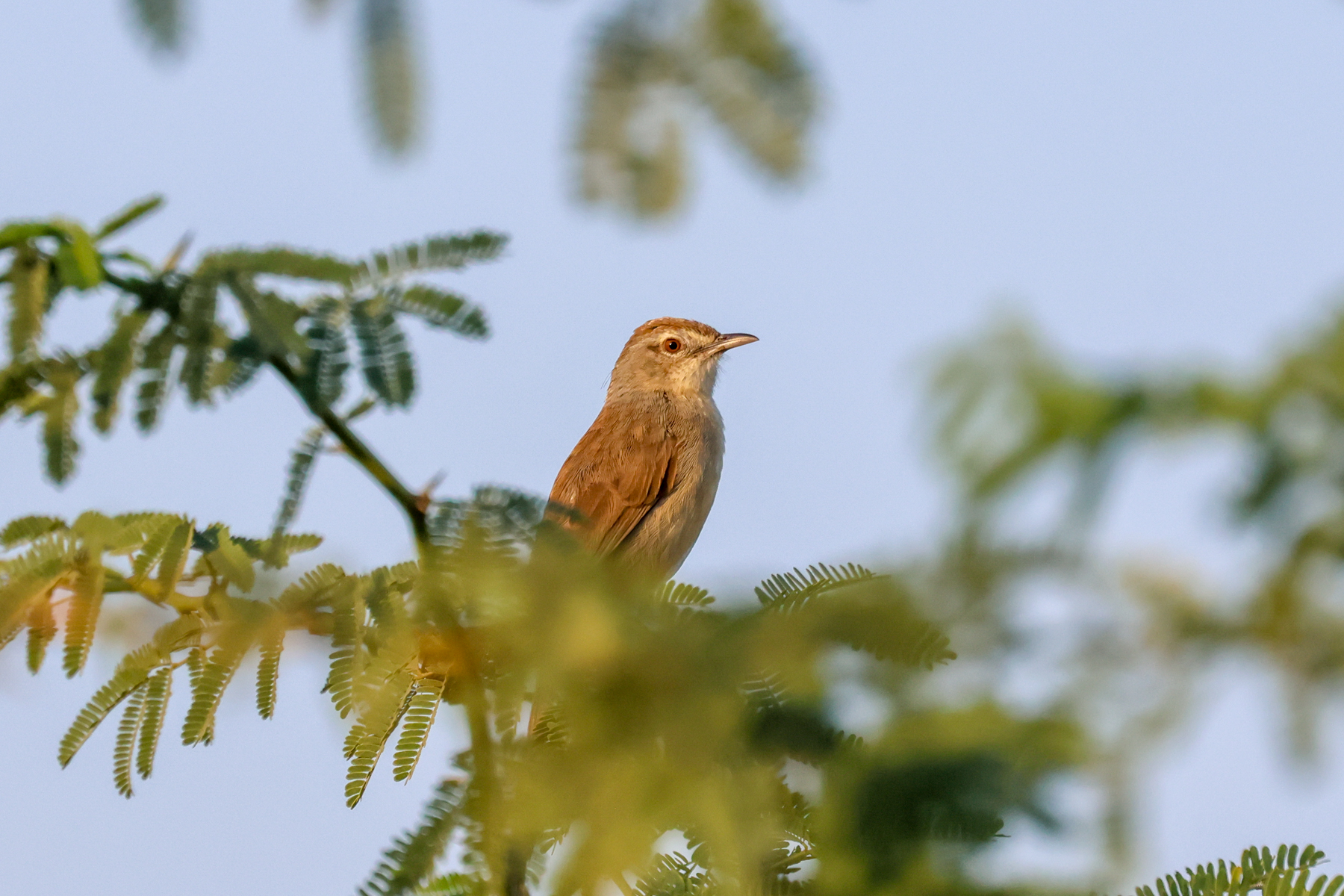
Jungle Prinia (image by Hannu Jännes)
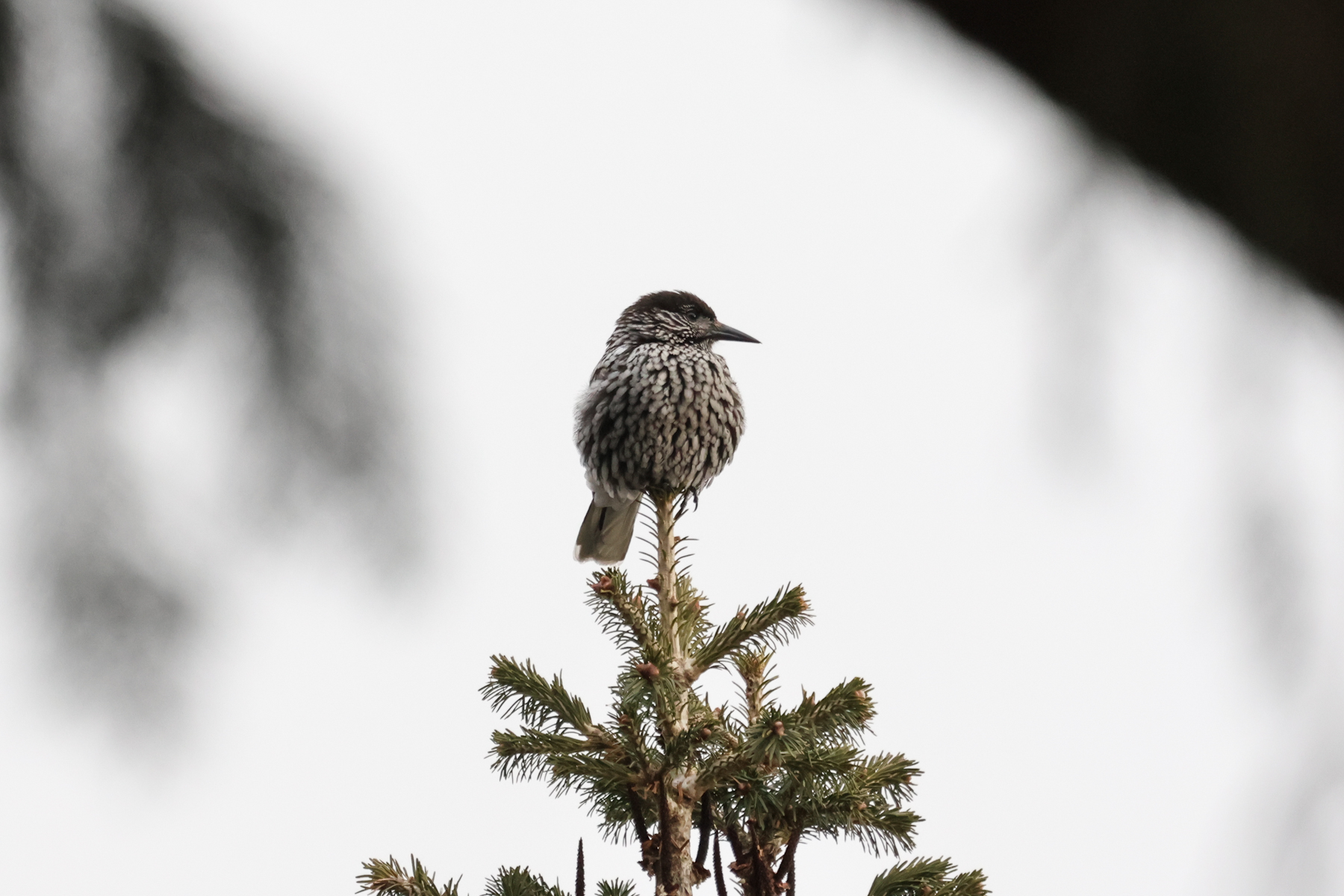
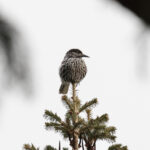
Kashmir Nutcracker (image by Hannu Jännes)
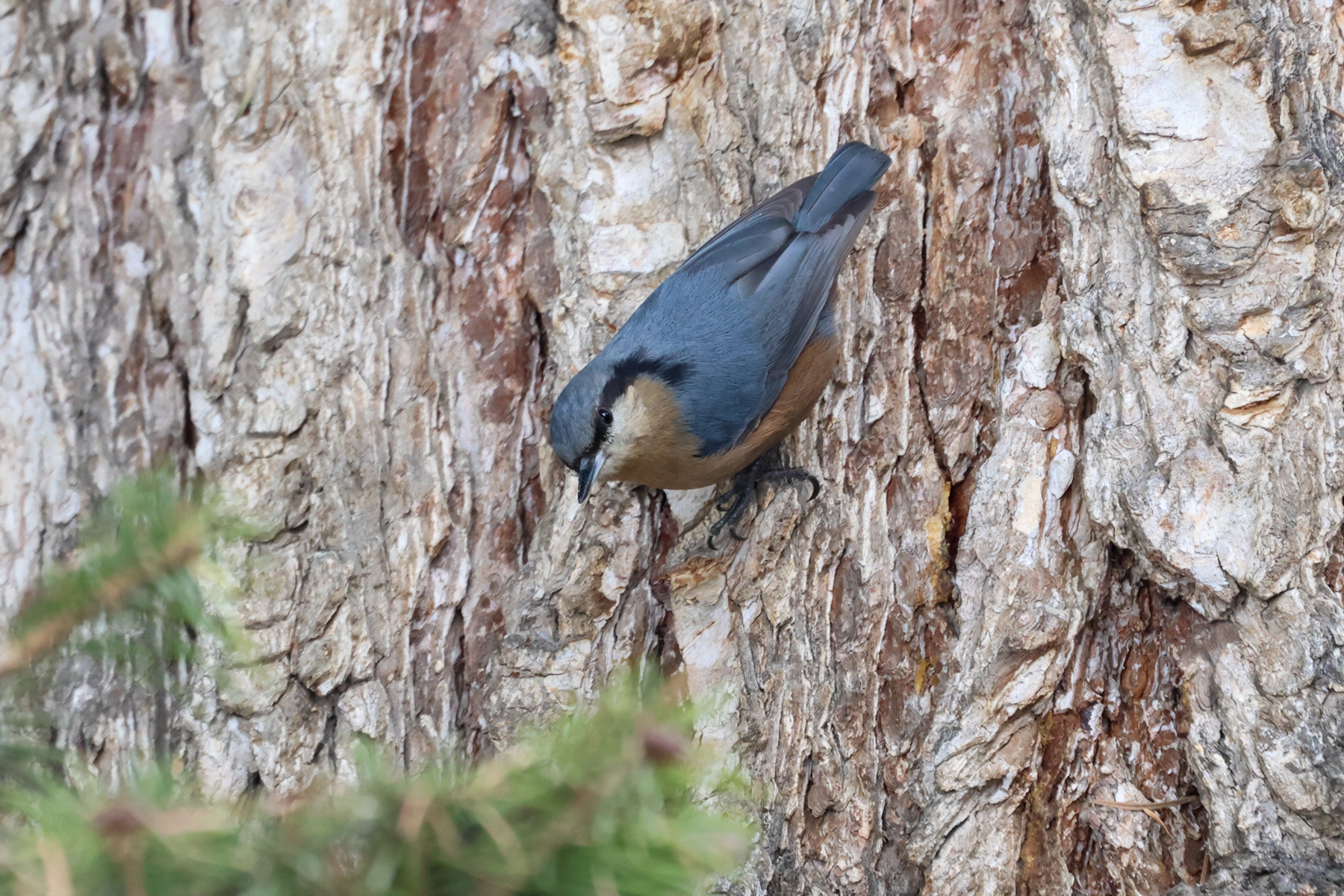
Kashmir Nuthatch (image by Hannu Jännes)
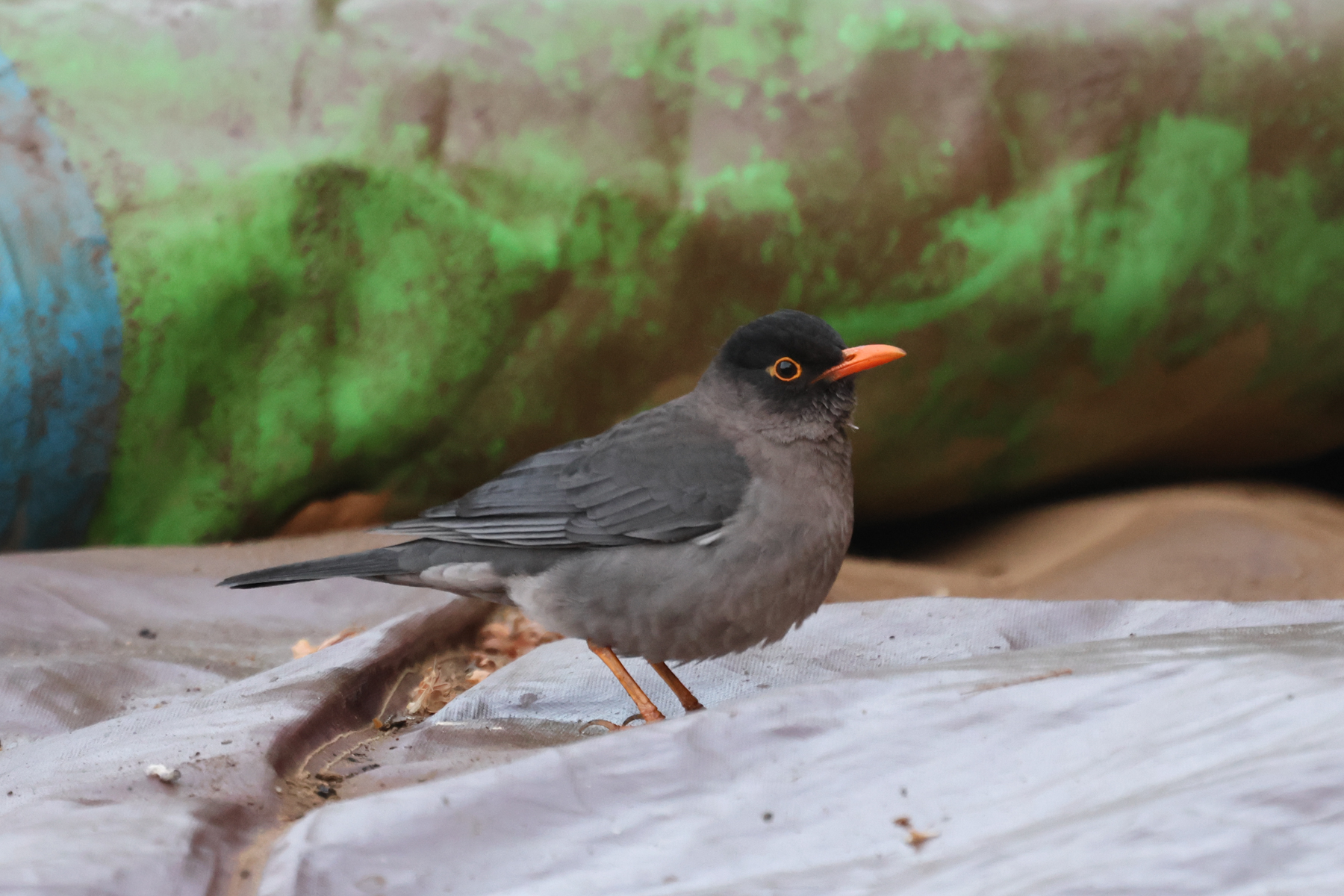
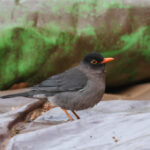
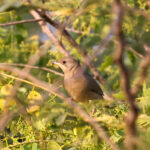
Indian Blackbird (image by Hannu Jännes)
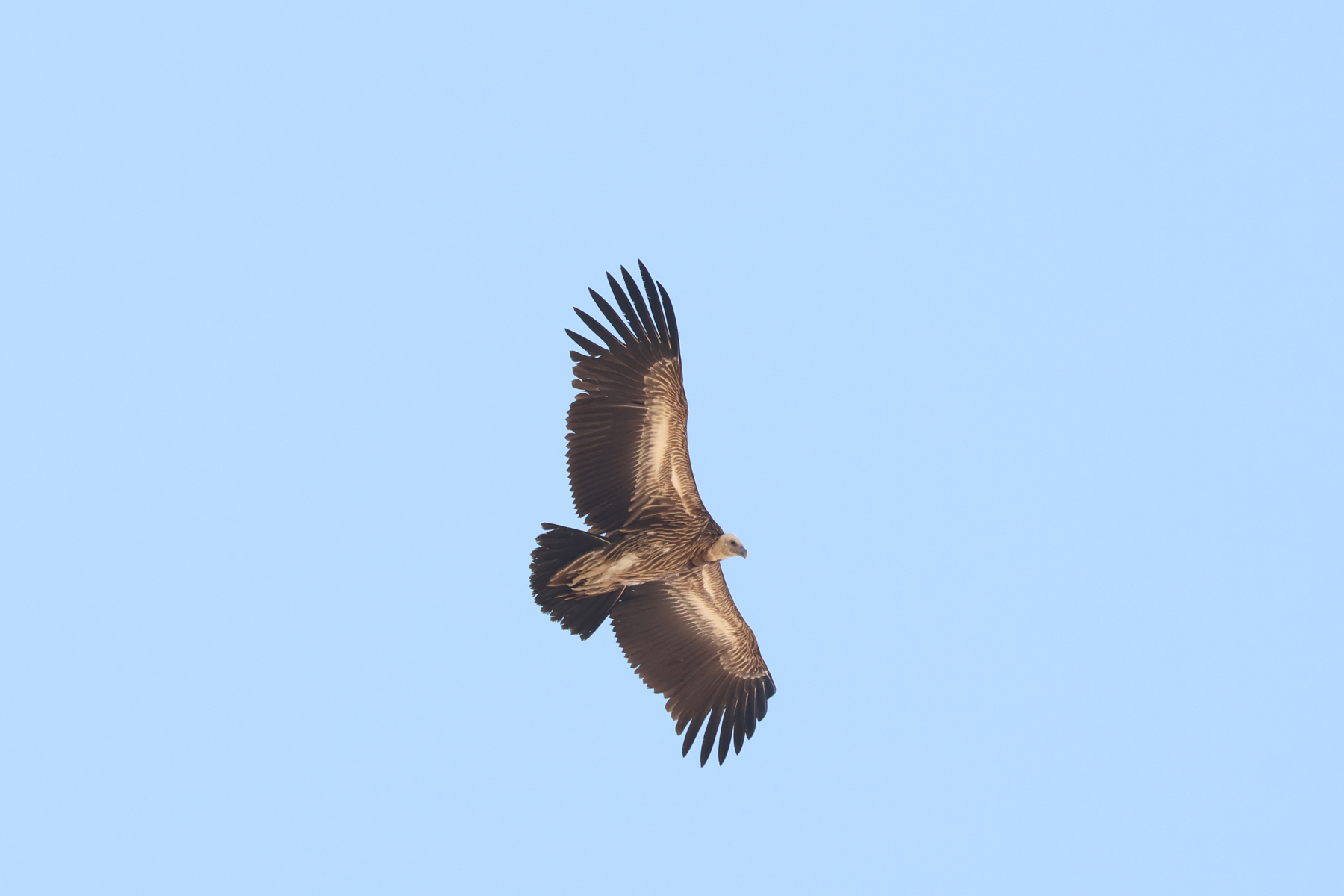
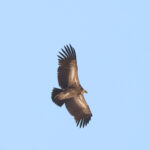
Himalayan Vulture (image by Hannu Jännes)
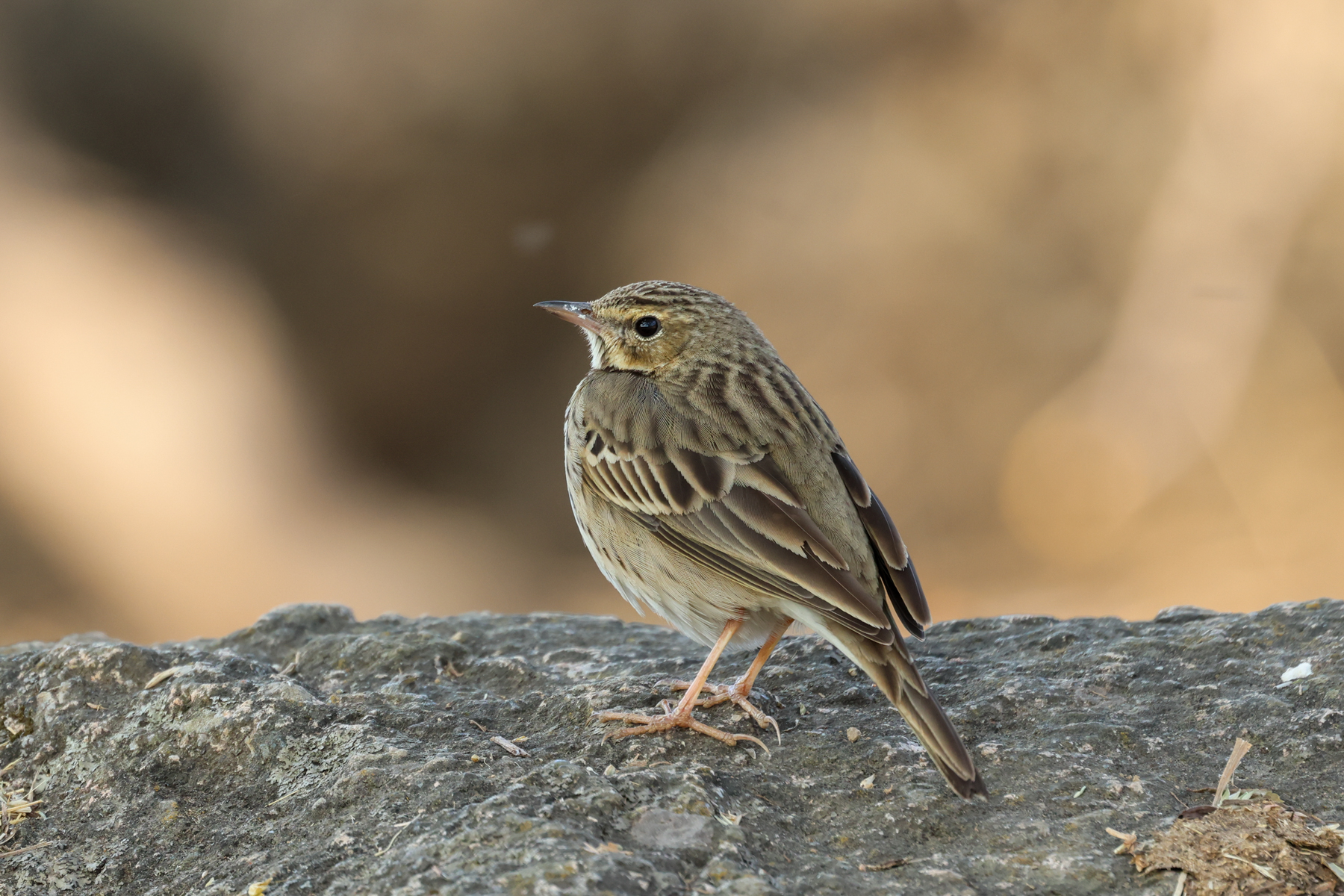
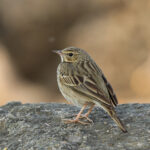
Tree Pipit (image by Hannu Jännes)
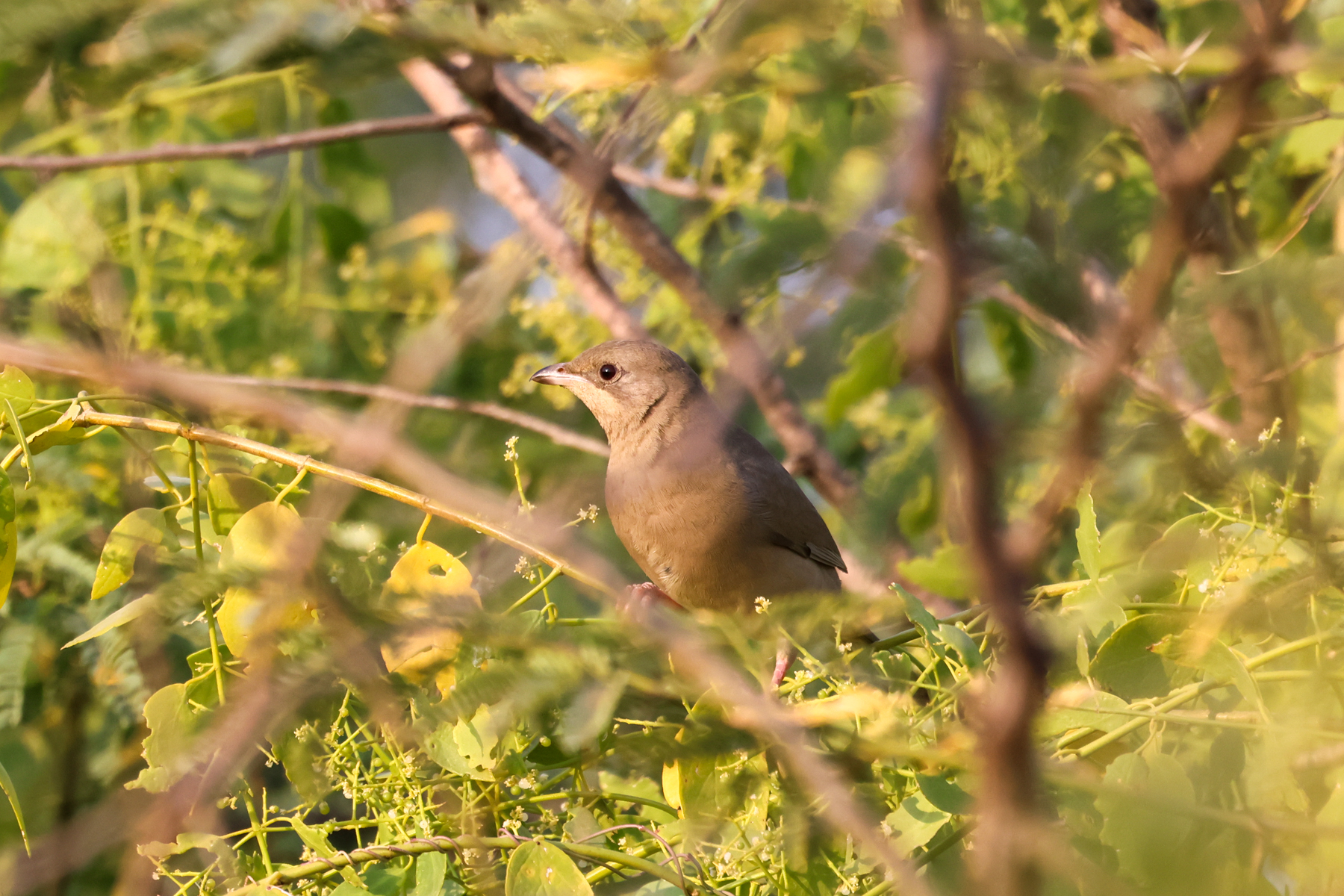
Grey Hypocolius (image by Hannu Jännes)
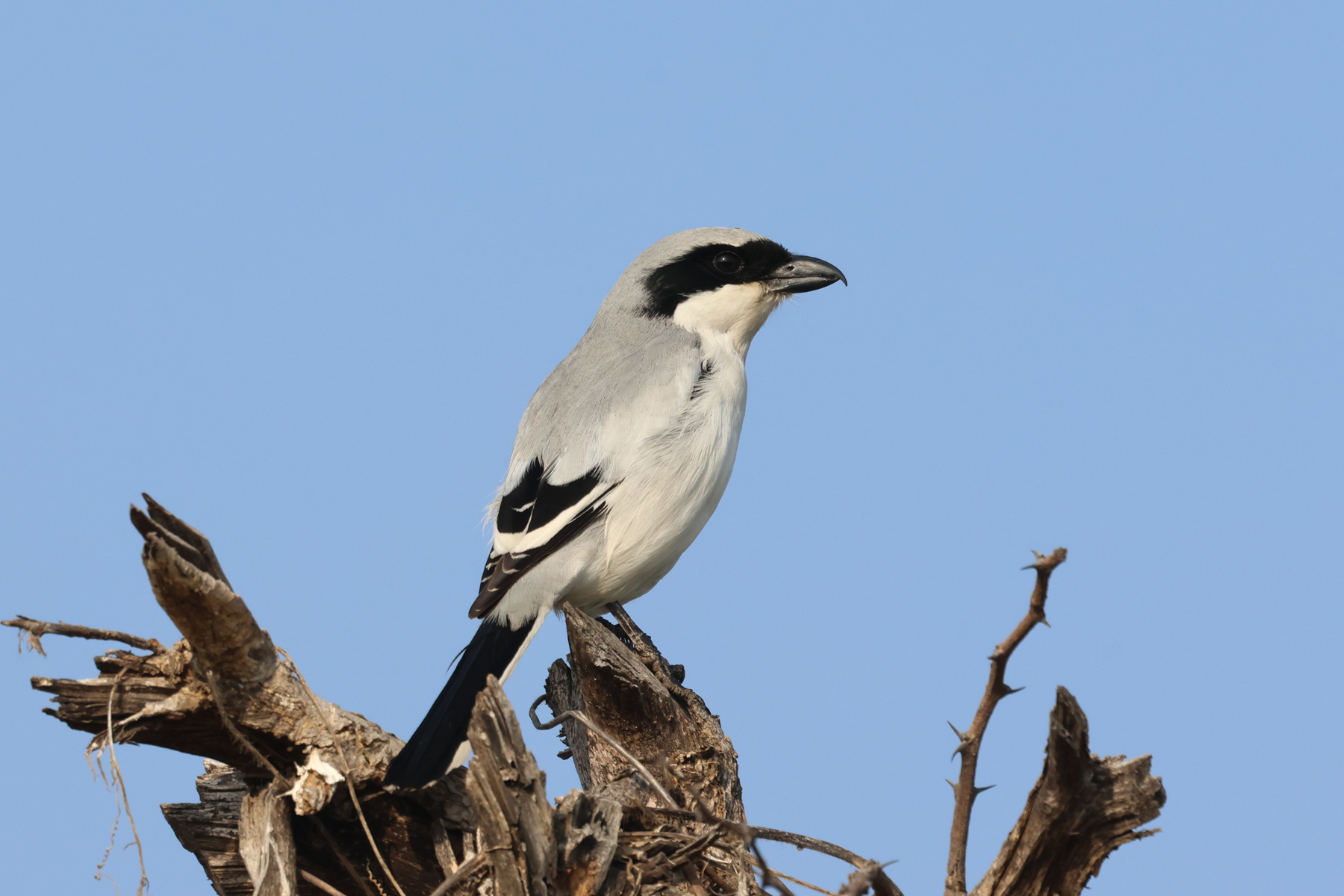
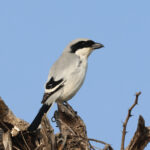
Great Grey Shrike (image by Hannu Jännes)
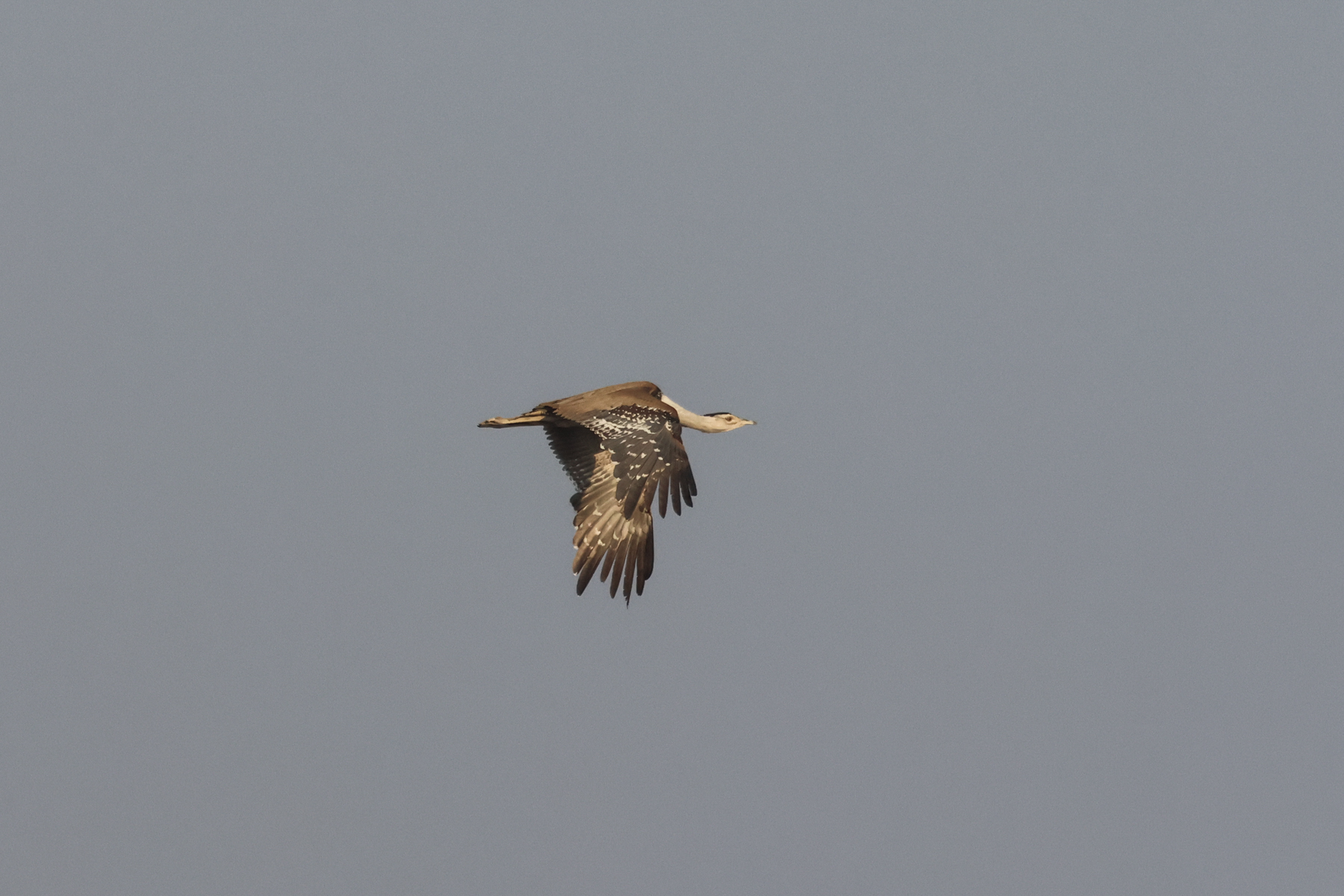
Great Indian Bustard (image by Hannu Jännes)
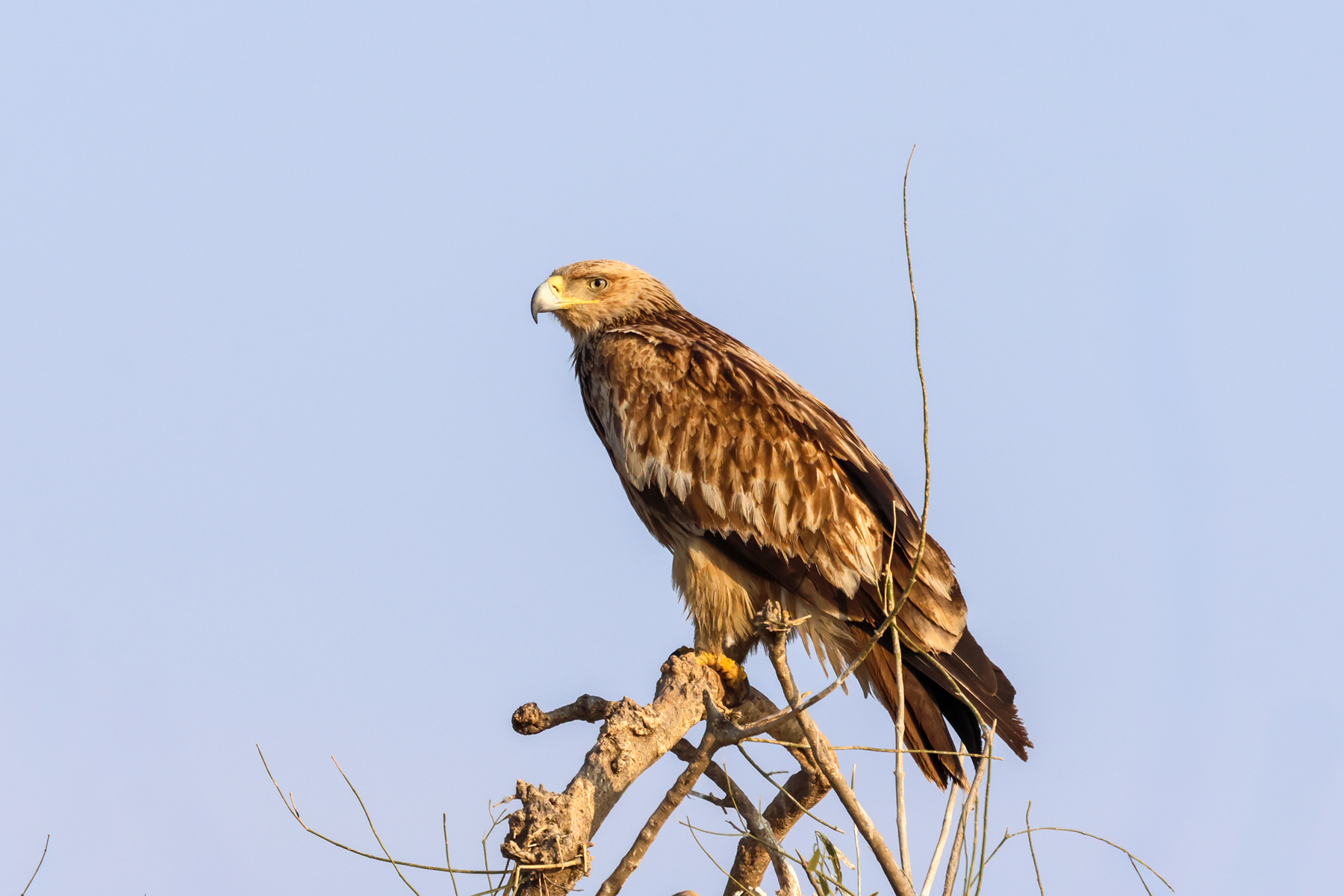
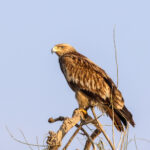
Eastern Imperial Eagle (image by Hannu Jännes)
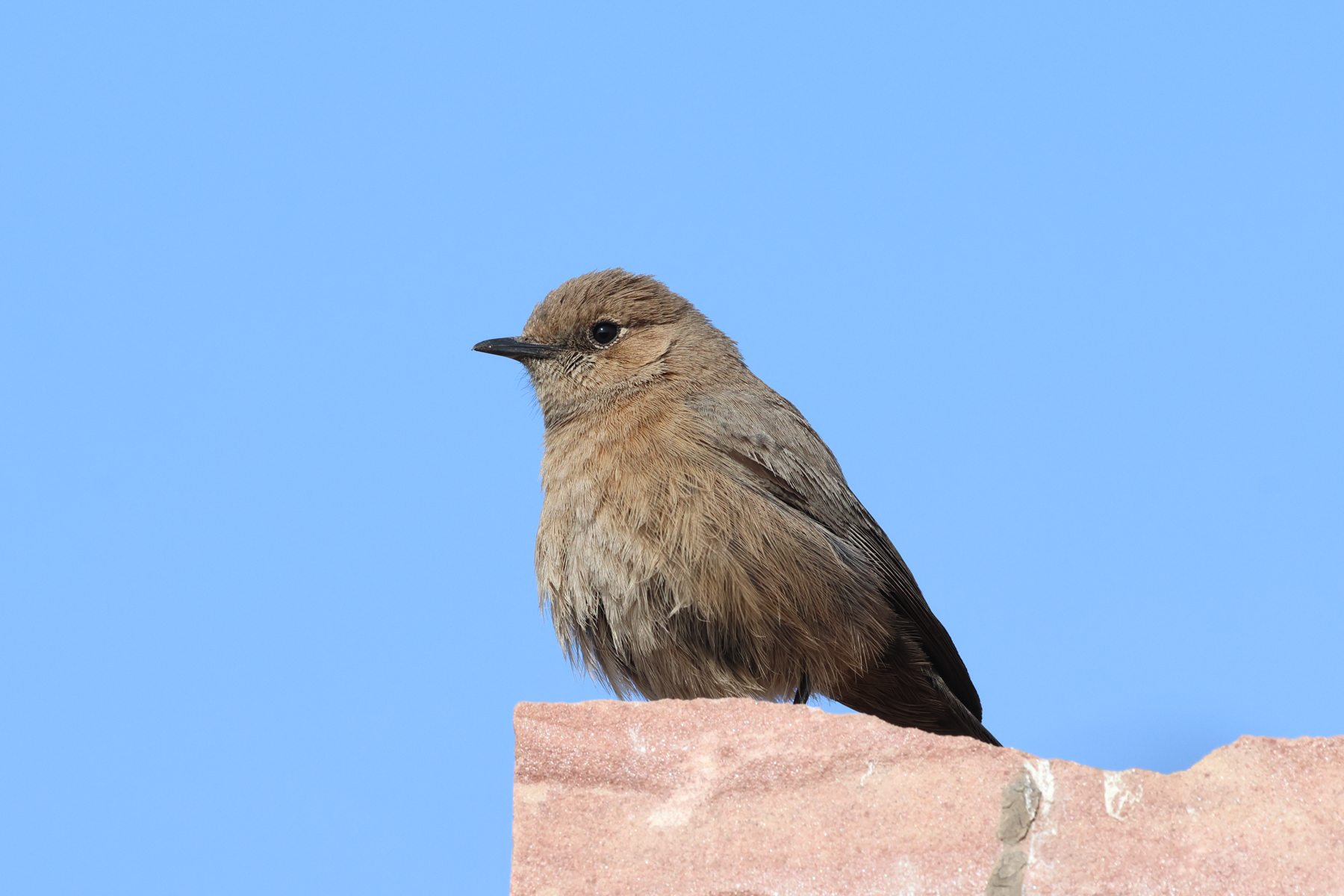
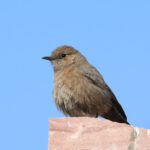
Brown Rock Chat (image by Hannu Jännes)

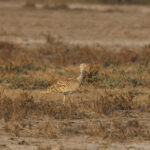
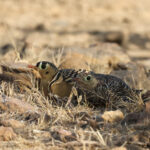
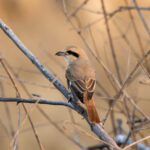
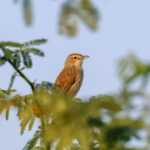


Great Indian Bustard (image by Hannu Jännes)
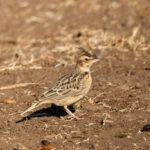
Indian Spotted Creeper (image by Hannu Jännes)
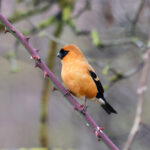
Orange Bullfinch (image by Hannu Jännes)
Sykes's Lark (image by Hannu Jännes)
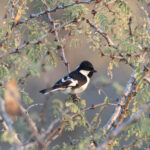
White-naped Tit (image by Hannu Jännes)
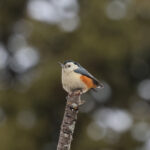
White-cheeked Nuthatch (image by Hannu Jännes)
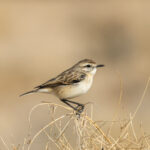
White-browed Bush Chat (image by Hannu Jännes)
Ibisbill (image by Hannu Jännes)
Blackbucks (image by Hannu Jännes)
Green Avadavat (image by Hannu Jännes)
Indian Courser (image by Hannu Jännes)
Eversmann's Redstart (image by Hannu Jännes)
Golden Temple (image by Hannu Jännes)
Asian Houbara (image by Hannu Jännes)
Small Pratincoles (image by Hannu Jännes)
Streaked Laughingthrush (image by Hannu Jännes)
Demoiselle Crane (image by Hannu Jännes)
White-rumped Vulture (image by Hannu Jännes)
Striated Babbler (image by Hannu Jännes)
Sykes's Nightjar (image by Hannu Jännes)
Variegated Laughingthrush (image by Hannu Jännes)
Sind Sparrow (image by Hannu Jännes)
Ruddy-breasted Crake (image by Hannu Jännes)
Red-headed Bunting (image by Hannu Jännes)
Indian Scops Owls (image by Hannu Jännes)
Trumpeter Finch (image by Hannu Jännes)
Asian Wild Ass (image by Hannu Jännes)
Pallid Scops Owl (image by Hannu Jännes)
Painted Sandgrouses (image by Hannu Jännes)
Orange Bullfinch (image by Hannu Jännes)
Isabelline Shrike (image by Hannu Jännes)
Jungle Prinia (image by Hannu Jännes)
Kashmir Nutcracker (image by Hannu Jännes)
Kashmir Nuthatch (image by Hannu Jännes)
Indian Blackbird (image by Hannu Jännes)
Himalayan Vulture (image by Hannu Jännes)
Tree Pipit (image by Hannu Jännes)
Grey Hypocolius (image by Hannu Jännes)
Great Grey Shrike (image by Hannu Jännes)
Great Indian Bustard (image by Hannu Jännes)
Eastern Imperial Eagle (image by Hannu Jännes)
Brown Rock Chat (image by Hannu Jännes)


NORTHWEST INDIA TOUR REPORT 2026

23 January - 12 February 2026
Hannu Jännes
A highly successful Birdquest tour across northwestern India followed an extensive route through Kashmir, Punjab, Rajasthan, and Gujarat before concluding with a short visit to Maharashtra.
The main tour recorded 343 bird species and 14 mammals adding 49 species birds and two species of mammal on the short Kashmir extension. More importantly, we observed almost all of the key specialties of the dry western and central regions of the subcontinent, including several, increasingly scarce, range-restricted species. Highlights included Great Indian Bustard (global population under 150 individuals), Asian Houbara, Indian and White-backed Vultures, Forest Owlet, White-naped Tit, White-browed (Stoliczka’s) Bush Chat and Green Avadavat. We also recorded many Indian subcontinent endemics and near-endemics, including Rock and Jungle Bush Quails, Red Spurfowl, Red-naped Ibis, Indian Courser, Painted Sandgrouse, Indian Skimmer, Mottled Wood Owl, Indian Eagle-Owl, Plum-headed and Malabar Parakeets, Yellow-wattled Lapwing, Indian Spotted Creeper, Rufous-vented Grass Babbler, Indian Scimitar Babbler, Vigors’s Sunbird, Sind Sparrow and the range-restricted western form of Jerdon’s Babbler. Other notable highlights were Grey Hypocolius, Demoiselle Cranes at Khichan, the evening flight of thousands of Common Cranes in the Great Rann of Kutch, the critically endangered Sociable Lapwing, Red-necked and Laggar Falcons, Crab-plover, the exceptional concentrations of raptors at Jorbeer Conservation Reserve, Pallid (Striated) Scops Owl, and a varied selection of wheatears, warblers, and buntings. The four-day pre-tour extension to Kashmir proved highly productive despite partly adverse weather conditions, and nearly all of the key target species were recorded. These included Orange Bullfinch, Kashmir Nutcracker, Kashmir and White-cheeked Nuthatches and Blyth’s Rosefinch, plus a fine selection of West Himalayan specialties with Scaly-bellied, Brown-fronted, and Himalayan Woodpeckers, Rufous-naped Tit, Variegated and Streaked Laughingthrushes, Pink-browed Rosefinch and Grey-capped Goldfinch. Also several iconic Ibisbills and winter visitors including Brown and Black-throated Accentors, Pine Bunting and Eversmann’s Redstart were encountered. On the mammal front, sightings of two groups of the rare Hangul (Kashmir Stag) were particularly noteworthy. A separate systematic list of species seen in Kashmir is at the end of this tour report.
Beyond the wildlife, the itinerary provided opportunities to experience everyday life in both rural and urban India, alongside consistently excellent local cuisine. Special thanks go to our outstanding local guides: Dalveer Singh; Musa (Little Rann of Kutch); Jugal Tiwari and Veer Vaibhav Mishra (Great Rann of Kutch); Rohidas Dagale (Tansa Wildlife Sanctuary) and Ansar Ahmad and Irfan Jeelani (Kashmir).
The main part of our Northwest India tour began with an informal welcome and dinner at our hotel in Amritsar. Early the following morning, before sunrise, we set off for Harike, an extensive wetland surrounded by vast reedbeds and agricultural landscapes. After breakfast at a local dhaba, we spent the early morning hours birding along the Sutlej River. Although the weather was overcast and bird activity was generally subdued, a walk along the edge of a large stand of Elephant Grass soon proved rewarding. Here we encountered one of Harike’s key specialties, the Rufous-vented Grass Babbler, a species formerly classified among the prinias and known as Rufous-vented Prinia. Another major target, the “Sind” Jerdon’s Babbler, was also located without difficulty, allowing everyone excellent views. This western taxon, scindicum, was long thought to be restricted to Pakistan’s Indus Valley, but was first recorded at Harike as recently as October 2012.
The area also supported a wide range of more common species, including numerous Striated Babblers and Black-breasted, Baya, and Streaked Weavers and Oriental Skylarks. Yellow-bellied, Delicate (recently split from Graceful), and Plain Prinias. Notable wildfowl sightings included a pair of Ruddy Shelducks and many handsome Indian Spot-billed Ducks We also saw the only Pied Avocet of the tour and several River Terns, plus the welcome surprise of a pair of Red-necked Falcons, a species that is often difficult to encounter on this tour. Intermittent rain showers and thunderstorms during the day slowed our progress, and some reed-dependent species such as Sind Sparrow and White-crowned Penduline Tit were not observed. After lunch at a local dhaba, we explored additional areas and recorded several new species, including two Ruddy-breasted Crakes, one of the few White-tailed Lapwings seen on the tour, Black-headed Ibis, Black-rumped Flameback, excellent views of Moustached and Paddyfield Warblers, striking Bluethroats, a flock of around one hundred Citrine Wagtails, White-browed Wagtail and Common Rosefinch.
The following day brought much improved weather, and we successfully located a flock of Sind Sparrows at their usual site. Other new species recorded included Indian Cormorant, Red-crested Pochard, Dusky Warbler, Eurasian Hobby and Bronze-winged Jacana. After a full day of birding at Harike, we returned to Amritsar to visit the iconic Golden Temple, which appears to float like a golden barge on the still waters of its surrounding pool. The white marble complex, with its many subsidiary buildings and minarets, attracts Sikh pilgrims from around the world and houses the original copy of the Sikh holy scripture, the Granth Sahib.
The following day began with an early start at 4 a.m., as we were faced with a drive of more than 600 kilometers. Along the way, we made some brief roadside stops that produced new dry-country species with Indian Peafowl, Grey Francolin, Yellow-footed Green Pigeon, and, for some, Chestnut-bellied Sandgrouse. We arrived at Tal Chappar and our comfortable lodge in time for a late lunch. During the afternoon, we explored nearby open woodland in search of the rare and highly localized Indian Spotted Creeper, which unfortunately eluded us. Nevertheless, birding was productive, and we added a wide range of species, including Wryneck; Booted, Steppe, and Imperial Eagles; Cinereous, Egyptian, Himalayan, and Griffon Vultures; Rufous-fronted Prinia, Small Minivet, White-browed Fantail, Common Woodshrike, Bay-backed Shrike, Indian Robin, Black Redstart, White-eared Bulbul, Large Grey Babbler, Brahminy Starling, Desert Wheatear, and Tawny, Paddyfield and Tree Pipits to the bird list during the afternoon. It also provided the opportunity to admire good numbers of Blackbuck, with several handsome males, surely one of the most beautiful antelopes in the world.
Based on a tip received that evening, we decided to try an alternative site for the Spotted Creeper the following morning. This proved successful, as we soon found an obliging individual that gave excellent views. At the same site, we also encountered a small flock of the scarce White-bellied Minivets and admired a singing Black Francolin.
After lunch, we continued on to Bikaner, where we had time to visit Jorbeer Conservation Reserve (also known as the Bikaner carcass dump), now managed by the Forest Department as a protected site for wintering raptors. Despite the brief visit, the spectacle was impressive, with hundreds of Steppe Eagles, Griffon and Egyptian Vultures, along with smaller numbers of Black Kites, Himalayan Vultures and Eastern Imperial Eagles. All the Egyptian Vultures observed belonged to the northern nominate subspecies, that winters in lowland India. Additional species included small numbers of Yellow-eyed Doves and large flocks of Rosy Starlings. In Bikaner we stayed at the elegant Lallgarh Palace, formerly the residence of Maharaja Ganga Singh, the ruler of the princely state of Bikaner.
The following day began with an early departure to witness the renowned Demoiselle Crane gathering in the village of Khichan. As hoped, the spectacle fully met expectations, and we spent unhurried time observing thousands of cranes congregating to feed noisily at a small compound in the heart of the village. We then continued to Jaisalmer, where a pleasant lunch at a local restaurant was followed by a guided walk through the historic old town. Over the course of a couple of hours, we explored its narrow lanes, traditional houses, and former merchants’ residences. Later in the afternoon, we visited Akal Wood Fossil Park, where highlights included a magnificent pair of Indian Eagle-Owls providing excellent scope views, a Striolated Bunting, several Desert Larks, and our first Red-tailed Wheatears of the tour. From there, we drove on to our accommodation, a tented desert camp located near Sam.
Early the following morning, we set out in two jeeps for Desert National Park, the last remaining stronghold of the critically endangered Great Indian Bustard. The park now includes two large enclosures that are closed to visitors and livestock to provide undisturbed conditions for the bustards—an entirely sensible conservation measure. Thanks to the skill and experience of our drivers, we were taken directly to a suitable area where we soon located our first Great Indian Bustard: an impressive adult male that allowed good telescope views, although remaining too distant for high-quality photographs. Later in the morning, two females were found in the same area, but unfortunately, they were flushed by a passing motorbike before we could approach more closely. A captive-breeding program has been established to prevent the species’ imminent extinction, although it is still too early to assess its long-term effectiveness. Fewer than 150 individuals are thought to survive in the wild. Other notable birds recorded during the morning included several hundred Yellow-eyed Pigeons, Merlin and Laggar Falcon, large numbers of Black-crowned Sparrow-Larks and Bimaculated Larks, Desert Whitethroat, our first Asian Desert Warbler, two White-browed Bush Chats, Isabelline, Desert and Variable Wheatears and our first Long-billed Pipit. After lunch and a short rest at Musa’s Desert Nest, we explored nearby grassy plains and rocky areas where we enjoyed close views of a confiding Trumpeter Finch, a pair of Greater Hoopoe-Larks (an uncommon species in India) and five Cream-coloured Coursers. We also recorded good numbers of Cinereous and Himalayan Vultures, and, most notably, the exceedingly rare and critically endangered White-rumped Vulture.
The following morning, we returned to Desert National Park and enjoyed a prolonged encounter with the same two female Great Indian Bustards seen the previous day. We also obtained improved views of Tawny Eagles and had another good sight of a White-browed Bush Chat. Around midday, we relocated to a different camp for lunch and a brief siesta before heading out again. We visited a new area where our focus was an unusual wheatear that had previously been suggested as a Cyprus Wheatear, but which was clearly identifiable as a stained Variable Wheatear! Next stop was an area of low scrub, where, after a search, we successfully located a long-staying female Finch’s Wheatear (only the second record of this species for India) following our observation of the country’s first individual, a striking male, in 2019.
The following morning, we departed Sam and our desert camp and travelled south-east to the remote village of Siana, where we stayed for one night. We arrived at our charming lodge, operated by an aristocratic Rajput family of hereditary landowners, in time for lunch. After a short rest, we began birding in the surrounding landscape of dry hills and open plains, an area that is both remote and sparsely populated. Accompanied by our knowledgeable guide, we first visited a site where two Indian Stone-curlews were roosting. We then explored the lower slopes of a nearby dry hill, where we encountered White-bellied Minivets, a singing Jungle Prinia, our first Syke’s Warbler, and briefly observed a pair of Painted Sandgrouse. We were also pleased to finally record Brook’s Leaf Warbler, a species we had searched for unsuccessfully at several earlier sites. During the late afternoon, we moved on to another area, where Rock Bush Quails were calling but remained frustratingly out of sight. We did, however, obtain decent scope views of a roosting Sirkeer Malkoha, watched a displaying pair of Short-toed Snake Eagles, noted territorial Indian Bush Larks, and recorded our first Indian Vulture of the tour. The day concluded with sightings of Indian Nightjars in flight and the calls of Savanna Nightjars after dark.
The following morning the Siana area produced several notable observations, including five critically endangered Indian Vultures at their breeding cliffs, satisfactory views of Rock Bush Quail, and, back at the camp, two Indian Scops Owls. From Siana we continued to Mount Abu, where afternoon birding added a wide range of new species. These included Common Buzzard, a striking male Jungle Bush Quail, Oriental Turtle Dove, White-spotted Fantail, White-bellied Drongo, our first Large-billed (Indian Jungle) Crows, Indian Black-lored Tit, Sulphur-bellied Warbler, Grey-breasted Prinia, Red-whiskered Bulbul, Indian White-eye, White-capped and Crested Buntings, and, most importantly, the rare Green Avadavat, our primary reason for visiting the mountain. A brief visit to the lower, more densely forested slopes, rewarded us with excellent views of a pair of Indian Scimitar Babblers.
The next morning began with confiding Jungle Nightjars calling and flying around us and a heard only Oriental Scops Owl. Later, a three-hour stint on Mount Abu in bright, sunny conditions produced many species seen the previous day, along with several new additions including Crested Honey Buzzard, our first Brown-headed Barbet, brief views of Red Spurfowl and a heard only Grey Junglefowl. A particular highlight was a handsome male Indian Blackbird discovered by Alison, a new species for the itinerary.
En route to our camp at Zainabad, on the edge of the Little Rann of Kutch, we made a lengthy detour via Lake Nalsarovar to search for a small wintering flock of Sociable Lapwings. Shortly before reaching the site, we were informed by our local contact that the birds had been flushed by photographers and could not be located. Despite this disappointment, we decided to continue birding in the Nalsarovar area. About twenty minutes later, we received further news that the lapwings had been relocated and were again under pressure from another group of approaching photographers. After a tense drive along narrow, cow-filled tracks, we finally reached the paddy fields and enjoyed excellent views of four critically endangered Sociable Lapwings. Additional species observed during this hectic late-afternoon session included Painted Storks, thousands of Glossy Ibises, Rosy Starlings and Barn Swallows gathering to roost, a few Red-headed Buntings, a pair of Purple-rumped Sunbird, two Common Quails and two Sarus Cranes. We arrived at our lovely accommodation in Zainabad rather late in the evening.
At dawn the following morning, we set out into the saline landscapes of the Little Rann of Kutch. Our primary target in this habitat was the Asian Houbara (also known as Macqueen’s Bustard), a winter visitor from Central Asia that has become increasingly scarce due to persecution and habitat loss. Despite extensive searching, we had not located the species by breakfast, and prospects were beginning to look discouraging. However, our sharp-eyed driver-guide Musa persisted, and we were eventually rewarded with a bird concealed in low vegetation between thorn scrub and open plains. Although it was shy and kept its distance, we were still able to enjoy prolonged and satisfactory views. Other notable observations during the morning included several encounters with Onagers (Indian Wild Ass), a flock of ten Yellow-wattled Lapwings, a distant Pallas’s Gull, our first good views of Rufous-tailed Larks, and the tour’s only Little Heron. We also recorded several Montagu’s Harriers, a single Pallid Harrier, a White-eyed Buzzard and a striking pair of Sand Larks. Returning to camp around midday, we were shown a roosting Pallid Scops Owl and encountered our first Black-naped Monarch. In the late afternoon and early evening, we visited nearby Navra Talav Lake, which was heaving with birds. Highlights included a variety of ducks, Dalmatian Pelicans, Small and Collared Pratincoles, an impressive selection of Western Yellow Wagtails representing three different forms, hundreds of Demoiselle Cranes and small numbers of both Tibetan and Greater Sand Plovers, both new species for the tour. Several tern species were also present, including Caspian, Gull-billed, Whiskered, and River Terns. After dark, we obtained good views of a perched Syke’s Nightjar, and some also had brief encounter with a Short-eared Owl.
The following day, on route to our destination in western Gujarat, we made a detour to Jamnagar on the Arabian Sea coast. Although the tide was low and most waders were feeding far offshore, the visit still proved productive and added several species to our bird list with Western Reef Heron, Eurasian Oystercatcher, Bar-tailed Godwit, Terek Sandpiper, Eurasian Whimbrel, Eurasian Curlew, Grey Plover, Slender-billed, Brown-headed and Heuglin’s Gulls as well as Lesser Crested and Little Terns, Black-necked Stork, and, most notably, 24 Crab-plovers.
At a nearby coastal site, we also observed four Indian Skimmers roosting at a tidal pool. This was where we said farewell to our local guide, Mr Dalveer, who had taken excellent care of us and contributed greatly to the success of our birding in the region. As a result of the detour, we arrived at CEDO, our comfortable accommodation in Moti Virani, late in the evening.
The morning began near the village of Fulay in the Greater Rann of Kutch, where berry-laden bushes held a male and female Grey Hypocolius. We also enjoyed excellent views of a pair of Marshall’s Iora, a welcome addition to our trip list, as well as a roosting Syke’s Nightjar. From there, we continued, via a Pallid Scops Owl at its roost, to a drinking pool on the edge of the Banni Grassland, where we enjoyed a picnic breakfast. Although bird activity at the pool was quieter than expected, several Syke’s Warblers showed well for our enjoyment During the afternoon, we began to search for Indian Courser. Thanks to our experienced local guides, we located the species quickly and spent time observing and photographing this elegant wader. We then moved on to Chhari Lake, which was dominated by large numbers of Common Coots but also supported a good variety of other waterfowl. The reedbeds around the lake held Clamorous Reed, Paddyfield, and Moustached Warblers, while the area is also renowned for the impressive evening flight of Common Cranes, which winter here in vast numbers. Additional highlights included a few Greater Spotted Eagles, a small flock of Alpine Swifts (a new species for the tour), and several Citrine and Western Yellow Wagtails (subspecies beema and feldeggi).
The following morning was spent birding a patch of thorn forest. Here we recorded a single White-naped Tit, an Indian endemic and a new species for the trip, along with around half a dozen Grey-necked Buntings. A Sirkeer Malkoha was heard but refused to show. Other species included several Marshall’s Ioras, two Eastern Orphean Warblers and a very obliging Sulphur-bellied Warbler. Nearby dry wasteland produced good views of a small group of Syke’s Larks, and a visit to another part of the thorn forest finally gave us excellent views of a Sirkeer Malkoha.
After lunch and a short siesta, the group split. Kevin and Neil headed to the coast in search of their much-needed Great Thick-knee, while the rest of us opted for birding closer to camp. Our main target, the Yellow-crowned Woodpecker, was located without difficulty, and we also found six Painted Sandgrouse, which provided excellent views and photographs. The afternoon concluded with refreshments and close views of a confiding Jungle Prinia, a species some participants had missed earlier in the tour. Meanwhile, the coastal team was also successful, recording two Great Thick-knees.
The following day, we travelled from Bhuj to Mumbai, arriving at our comfortable accommodation near Tansa Wildlife Sanctuary around midday. As our regular guide, Rohidas, was engaged with another group, our afternoon excursion was led by an alternative guide. Despite a concerted effort, we were unable to locate the elusive Forest Owlet that afternoon. However, at dusk we enjoyed good views of a pair of Mottled Wood Owls and heard a third individual. Other noteworthy sightings during the afternoon included Alpine Swifts, a pair of Brown-capped Pygmy Woodpeckers, White-eyed Buzzard and both Alexandrine and Plum-headed Parakeets. We also heard White-naped Woodpecker and Brown Boobook calling in the distance, though neither species showed.
The next morning was spent exploring a different part of the Tansa forest in the Fort Mahuli area, which proved highly productive. Highlights included a female White-naped Woodpecker, reportedly a difficult species to find this year, along with two Jungle Owlets, two Rufous Woodpeckers (of the vocally distinctive Peninsular Indian form jerdonii), Greater Racket-tailed Drongos, Indian Cuckooshrikes, Blue-winged (Malabar) Parakeets, Thick-billed and Pale-billed Flowerpeckers, and a Black-hooded Oriole of the vocally distinctive Peninsular Indian form maderaspatanus. Additional species recorded included Asian Palm Swift, Tawny-bellied Babbler, Brown-cheeked Fulvetta, Jungle Babbler of the distinctive sommervillei form, Jerdon’s and Golden-fronted Leafbirds, Grey Wagtail, Black-naped Monarch, Indian Paradise Flycatcher, Green Warbler, and, most importantly, the range-restricted Vigors’s Sunbird. Later in the afternoon, Rohidas rejoined us and guided us to one of his carefully guarded Forest Owlet sites, where he quickly located this very rare species. We were able to spend unhurried time observing the bird, which was later voted the bird of the trip. On our return journey, we visited dry paddy fields and successfully found our second key target of the afternoon: a fine Malabar Lark, an Indian endemic.
The final morning of the tour was devoted to birding forest patches near the Range Office of Tansa Wildlife Sanctuary, which was coincidentally marking its establishment in 1970 that day. New species added here included Indian Golden Oriole and a brief sighting of Loten’s Sunbird. Back at our accommodation, we also located Tickell’s Blue Flycatcher for those who still needed it, along with a Verditer Flycatcher, a new addition to the tour list. After check-out and lunch at a roadside dhaba, we returned to Mumbai, where it was time to say our farewells and thank everyone for their excellent company—an essential part of what made this tour, together with the outstanding birds and memorable locations, such a rewarding experience.
The Kashmir extension began with a late afternoon visit to the grassy, rocky slopes above the SKUAST campus on the outskirts of Srinagar. It didn’t take long to connect with the primary target, Eversmann’s Redstart, a scarce winter visitor here, which gave excellent views. The same area also produced Brown and Black-throated Accentors and a few Rock Buntings.
Next day an early start took us up to Gulmarg (c. 2,650m asl), best known as a ski resort but also holding fine high-altitude conifer forest. Our main quarry was the endemic Kashmir Nutcracker, a species that can be notoriously difficult to find. Fortunately, a reliable pair had been present for weeks and they were found without undue effort in the snowy woods. Both Kashmir Nuthatch and White-cheeked Nuthatch also showed well, alongside Brown-fronted and Himalayan Woodpeckers, Coal, Rufous-naped and Green-backed Tits, Himalayan Bulbul, Variegated Laughingthrush and Bar-tailed Treecreeper. In the afternoon we moved to the Botanical Garden in Srinagar where a couple of productive hours delivered a male Blyth’s Rosefinch, good numbers of Black-throated Thrush, Yellow-breasted Greenfinch, two Eurasian Sparrowhawks, many Himalayan and Black Bulbuls, plus Lemon-rumped Warbler and both Streaked and Variegated Laughingthrushes.
New day saw us in the valley of Pahalgam, two hours’ drive from Srinagar, with the elegant Orange Bullfinch firmly in mind—arguably Kashmir’s most sought-after bird. After waiting quietly in a small side valley dotted with a few houses, we heard the bullfinches calling and soon located a flock coming to a small pool to drink and bathe, before feeding on buds and seeds in a garden, giving superb views. This species is unpredictable in its occurrence and sometimes difficult to find, making the day’s success especially welcome. We then moved to the more touristic part of the valley and, along the Jhelum River, enjoyed outstanding views of three Ibisbills, a Crested Kingfisher, several Brown Dippers, White-capped and Plumbeous Redstarts and Little Forktail. Nearby woodland produced Pink-browed Rosefinch, another Eversmann’s Redstart, many Yellow-billed Blue Magpies, Eurasian Wren, several Blue Whistling Thrushes and a single Yellowhammer. Raptors and other notable sightings during the morning included Peregrine Falcon, Himalayan Vulture and two Himalayan Buzzards, along with tens of Western Jackdaws, many Large-billed Crows and a flock of 100 Snow Pigeons. A brief stop at a roadside wetland on the return journey added Common Moorhen, Purple Swamphen and Red-wattled Lapwing. Finally, the drive up into the mountains along the Sind River was productive for Pine Bunting, while two more Ibisbills, White Wagtail, Grey Wagtail, Common Sandpiper and Green Sandpiper were all new for the trip list.
A climatic western disturbance then reached the Vale of Kashmir, dumping several feet of fresh snow and blocking access to higher-altitude sites. We therefore focused on lower, less affected areas. Near the airport at Avanpora we had excellent views of a roosting Tawny Owl in a tree hole, along with a small flock of Bramblings, valuable additions for anyone building an Indian bird list! Other new birds included Russet Sparrow, Grey-crowned Goldfinch and Scaly-bellied Woodpecker. We then returned to the Botanical Garden and enjoyed another flock of Orange Bullfinches, a large flock of Plain Mountain Finches forced down by the weather, a single Blue-capped Redstart and a female Blyth’s Rosefinch. Our final birding before flying to Amritsar was in Dachigam National Park, only 20 minutes from our hotel. Here the highlight was watching two small groups of Hangul (Kashmir Stag) — a subspecies of Central Asian Red Deer endemic to Jammu & Kashmir and surrounding areas — feeding on the slopes of a spectacular snow-clad valley. With the total population now only around 300 individuals, the stronghold in this valley is of immense conservation importance. Birding during our two-hour walk in the quiet, snowy forest produced several Himalayan Bluetails and a male Grey-winged Blackbird to round off the successful extension.
BIRDS OF THE TRIP’ WINNERS 2026 (main tour):
1st: Forest Owlet
2nd: Great Indian Bustard
3rd: Asian Houbara & Sociable Lapwing
4th: Mottled Wood Owl
5th: Indian Eagle-Owl & Demoiselle Crane
SYSTEMATIC LIST OF SPECIES RECORDED DURING THE MAIN TOUR
Species marked with the diamond symbol (◊) are either endemic to the country or local region or considered ‘special’ birds for some other reason (e.g., it is only seen on one or two Birdquest tours; it is difficult to see across all or most of its range; the local form is endemic or restricted-range and may in future be treated as a full species).
The species names and taxonomy used in the bird list follow Gill, F., Donsker, D., & Rasmussen, P. (Eds). 2025. IOC World Bird List (v15.1). Where the subspecies seen is/are known, these are often given in the species comment.
BIRDS
Lesser Whistling Duck Dendrocygna javanica
Bar-headed Goose Anser indicus A flock of 18 in Harike seen by Hannu, Kevin and Alan on our pre-tour visit.
Greylag Goose Anser anser
Ruddy Shelduck Tadorna ferruginea Two at Harike and 50 or so at Navra Talav lake in LRK.
Knob-billed Duck Sarkidiornis melanotos Small numbers at Siana and in Jamnagar.
Red-crested Pochard Netta rufina 50 or so at Harike.
Ferruginous Duck Aythya nyroca Small numbers were noted on six days.
Common Pochard Aythya ferina Seen on seven days, often in good numbers.
Tufted Duck Aythya fuligula Small numbers were noted on five days.
Garganey Spatula querquedula Only a handful of birds were recorded.
Northern Shoveler Spatula clypeata Noted, sometimes in hundreds, on all larger wetlands.
Gadwall Mareca strepera Noted, sometimes in hundreds, on all larger wetlands.
Eurasian Wigeon Mareca penelope Noted, sometimes in good numbers, on all larger wetlands.
Indian Spot-billed Duck Anas poecilorhyncha Small numbers were seen on six days.
Mallard Anas platyrhynchos Small numbers seen on five days
Northern Pintail Anas acuta Noted, sometimes in hundreds, on most larger wetlands.
Green-winged Teal Anas crecca Noted, sometimes in hundreds, on all larger wetlands.
Indian Peafowl Pavo cristatus Common in the dry country from Tal Chappar onwards.
Red Spurfowl ◊ Galloperdix spadicea Endemic. Brief views of a singleton for most of the participants on Mt Abu. In addition, several birds were heard only [caurina].
Grey Junglefowl ◊ Gallus sonneratii Endemic. Heard only. Two birds were heard on Mt Abu.
Grey Francolin Ortygornis pondicerianus Common in the dry country from Tal Chappar to Great Rann of Kutch.
Black Francolin Francolinus francolinus Great views of a male near Tal Chappar. In addition, two birds were heard.
Common Quail Coturnix coturnix Two in the Lake Nalsarovar area.
Jungle Bush Quail ◊ Perdicula asiatica Great views of a male on Mt Abu.
Rock Bush Quail ◊ Perdicula argoondah Endemic. Brief views of several birds in Siana [meinertzhageni].
Little Grebe Tachybaptus ruficollis Widespread.
Great Crested Grebe Podiceps cristatus Small numbers were noted on six days.
Great Indian Bustard ◊ (Indian B) Ardeotis nigriceps On our first day at bustard reserve we had good views of one male and two females and the following day the same two females were performing very well indeed.
Asian Houbara ◊ Chlamydotis macqueenii After an extensive search we located one bird in the Little Rann of Kutch.
Greater Coucal Centropus sinensis Small numbers were encountered almost daily, [sinensis] in Punjab and [parroti] further south.
Sirkeer Malkoha ◊ Taccocua leschenaultii One in Siana and another one near Nakhatrana in GRK, where we also heard one bird.
Asian Koel (Common K) Eudynamys scolopaceus A singleton was noted on four days [scolopaceus].
Chestnut-bellied Sandgrouse Pterocles exustus Rather common in the dry country between Tal Chappar and GRK with a maximum daily count of ca100 birds.
Painted Sandgrouse ◊ Pterocles indicus A pair in Siana and six birds in one afternoon at GRK.
Spotted Dove Spilopelia [chinensis] suratensis Small numbers in Tansa WLS.
Laughing Dove Spilopelia senegalensis Widespread.
Red Collared Dove (R Turtle D) Streptopelia tranquebarica Noted on six days.
Oriental Turtle Dove (Rufous T D) Streptopelia orientalis Rather common in Harike and then again on Mt Abu [erythrocephala].
Eurasian Collared Dove Streptopelia decaocto Widespread, sometimes in big numbers.
Rock Dove Columba livia
Yellow-eyed Pigeon ◊ (Y-e Stock Dove) Columba eversmanni Only 20 or so at Jorbeer, one at Khichan with Feral Pigeons and then several hundred in Desert National Park in Jaisalmer.
Yellow-footed Green Pigeon ◊ Treron phoenicopterus Small numbers were noted on four days [phoenicopterus].
Sarus Crane ◊ Antigone antigone Only two juveniles near Lake Nalsarovar.
Demoiselle Crane ◊ Grus virgo Thousands and thousands in Khichan. What a show! Also 500 or so at Navra Lake in LRK.
Common Crane Grus grus Several big flocks in flight around Jamnagar and thousands in the Banni Grassland at GRK.
Common Moorhen Gallinula chloropus
Eurasian Coot (Common C) Fulica atra Common winter visitor with thousands at some wetlands [atra].
Purple Swamphen (Grey-headed S) Porphyrio porphyrio Small numbers at suitable wetlands [poliocephalus].
White-breasted Waterhen Amaurornis phoenicurus Common around Harike, but only a few elsewhere [phoenicurus].
Ruddy-breasted Crake Zapornia fusca Good views of two individuals in Harike.
Great Stone-curlew ◊ (G Thick-knee) Esacus recurvirostris Non-leader. Two for Kevin and Neil at Modava Beach on the coast.
Indian Stone-curlew (I Thick-knee) Burhinus indicus Two encounters including two excellent birds in Siana.
Pied Avocet Recurvirostra avosetta Non-leader. One at Harike for some.
Black-winged Stilt Himantopus himantopus Widespread [himantopus].
Eurasian Oystercatcher Haematopus ostralegus 20 or so in Jamnagar [buturlini].
Grey Plover (Black-bellied P) Pluvialis squatarola 50 or so in Jamnagar
Little Ringed Plover Thinornis dubius Small numbers noted on four days [jerdoni].
Yellow-wattled Lapwing ◊ (Y-w Plover) Vanellus malabaricus Noted in LRK and GRK with excellent views and there was also a singleton in the Tansa area.
Red-wattled Lapwing (R-w Plover) Vanellus indicus Noted daily [indicus].
Sociable Lapwing ◊ (S Plover) Vanellus gregarius Four near Lake Nalsarovar after a stressful chase.
White-tailed Lapwing ◊ (W-t Plover) Vanellus leucurus Only two sightings.
Tibetan Sand Plover Anarhynchus atrifrons Two at Navra Talav, LRK and several hundred in the Jamnagar area the next day [pamirensis].
Greater Sand Plover Anarhynchus leschenaultii Two at Navra Talav, LRK and a few in the Jamnagar area the next day
Kentish Plover Anarhynchus alexandrinus Small numbers were noted on three days [alexandrinus].
Bronze-winged Jacana Metopidius indicus Non-leader. A single bird in Gujarat.
Eurasian Whimbrel Numenius phaeopus Common on the coast at Jamnagar.
Eurasian Curlew Numenius arquata Common on the coast at Jamnagar. Also seen by Kevin and Neil at Modava Beach.
Bar-tailed Godwit Limosa lapponica Common on the coast at Jamnagar.
Black-tailed Godwit Limosa limosa Widespread.
Common Snipe Gallinago gallinago Small numbers noted in the wetlands of Gujarat.
Terek Sandpiper ◊ Xenus cinereus Common on the coast at Jamnagar.
Common Sandpiper Actitis hypoleucos Widespread in small numbers.
Green Sandpiper Tringa ochropus Widespread in small numbers.
Marsh Sandpiper Tringa stagnatilis Small numbers noted in the wetlands of Gujarat.
Wood Sandpiper Tringa glareola Small numbers noted in the wetlands of Gujarat.
Common Redshank Tringa totanus Small numbers noted in Harike and the wetlands of Gujarat.
Spotted Redshank Tringa erythropus A few in Harike and again at Navra Talav in LRK.
Common Greenshank Tringa nebularia A handful of birds were seen.
Ruff Calidris pugnax Noted on six days with 500 at Navra Talav being the highest number.
Temminck’s Stint Calidris temminckii Noted on six days.
Little Stint Calidris minuta Small numbers in Gujarat.
Crab-plover ◊ Dromas ardeola 24 on the coast near Jamnagar.
Indian Courser ◊ Cursorius coromandelicus Four, with excellent views, near Nakhatrana in GRK.
Cream-colored Courser ◊ Cursorius cursor Five, with excellent views, near Sam in Jaisalmer.
Collared Pratincole Glareola pratincola 50 or so at Navra Talav in LRK.
Small Pratincole Glareola maldivarum 150 at Navra Talav in LRK.
Indian Skimmer ◊ Rynchops albicollis Four in Jamnagar.
Little Tern Sternula albifrons A few on the coast near Jamnagar [albifrons].
Caspian Tern Hydroprogne caspia A few at Navra Talav in LRK and again on the coast near Jamnagar.
Gull-billed Tern Gelochelidon nilotica Small numbers in Gujarat.
Whiskered Tern Chlidonias hybrida A few at Navra Talav in LRK and 100 or so on the coast near Jamnagar.
Lesser Crested Tern Thalasseus bengalensis A few on the coast near Jamnagar.
River Tern Sterna aurantia Widespread in small numbers.
Slender-billed Gull Chroicocephalus genei 20 on the coast near Jamnagar.
Black-headed Gull (Common B-h G) Chroicocephalus ridibundus Noted in Harike.
Brown-headed Gull Chroicocephalus brunnicephalus Small numbers in Harike and in Gujarat.
Pallas’s Gull (Great Black-headed G) Ichthyaetus ichthyaetus A handful of birds in Gujarat.
Lesser Black-backed Gull (Heuglin’s G) Larus [fuscus] heuglini Noted in Gujarat.
Lesser Black-backed Gull (Steppe G) Larus [fuscus] barabensis Small numbers in Harike and in Gujarat.
Asian Openbill ◊ Anastomus oscitans Only two sightings, a flock of six on the way to Mt Abu and five in Tansa WLS.
Painted Stork ◊ Mycteria leucocephala
Black-necked Stork ◊ Ephippiorhynchus asiaticus One juvenile on the coast near Jamnagar.
Asian Woolly-necked Stork Ciconia episcopus A few were noted [episcopus].
Oriental Darter Anhinga melanogaster Small numbers in Harike and then again in Gujarat.
Little Cormorant Microcarbo niger Widespread.
Great Cormorant Phalacrocorax carbo Moderate numbers in Harike and then again in Gujarat.
Indian Cormorant ◊ (I Shag) Phalacrocorax fuscicollis Noted in Harike and then again in Gujarat.
Glossy Ibis Plegadis falcinellus Massive evening flight, including thousands of birds, in the Nalsarovar area. Smaller numbers elsewhere.
Red-naped Ibis ◊ Pseudibis papillosa Widespread in small numbers.
Eurasian Spoonbill Platalea leucorodia Noted on six days.
Black-headed Ibis Threskiornis melanocephalus Noted on six days.
Great White Pelican Pelecanus onocrotalus Eight at Dhingra Lake in Jamnagar.
Dalmatian Pelican ◊ Pelecanus crispus Small numbers on three days in Gujarat.
Western Reef Heron (W R Egret) Egretta gularis Small numbers in the Jamnagar area.
Little Egret Egretta garzetta Rather widespread [garzetta].
Black-crowned Night Heron Nycticorax nycticorax Noted on four days.
Little Heron Butorides atricapilla One in LRK [javanica].
Indian Pond Heron Ardeola grayii Widespread.
Great Egret Ardea alba Widespread [modesta].
Medium Egret Ardea intermedia Small numbers daily in Gujarat, only a few elsewhere [intermedia].
Eastern Cattle Egret Ardea coromanda Widespread, and often in good numbers.
Purple Heron Ardea purpurea Widespread in small numbers.
Grey Heron Ardea cinerea Widespread in small numbers [cinerea].
Jungle Nightjar ◊ (I Jungle N) Caprimulgus indicus Two were seen on Mt Abu.
Sykes’s Nightjar ◊ Caprimulgus mahrattensis Two sightings, one at Navra Talav in LRK and second one at Fulay in GRK.
Indian Nightjar ◊ Caprimulgus asiaticus Seen in Siana and in Nakhatrana.
Savanna Nightjar Caprimulgus affinis Heard only in Siana.
Asian Palm Swift Cypsiurus balasiensis Small numbers in Tansa.
Alpine Swift Tachymarptis melba Small numbers in Tansa.
Little Swift Apus affinis affinis Noted on four days.
Brown Boobook Ninox scutulata Heard only in Tansa WLS [lugubris].
Forest Owlet ◊ Athene blewitti Endemic. We had a great encounter with this rarity in Tansa WLS.
Spotted Owlet Athene brama A handful of observations with some excellent views [indica].
Jungle Owlet ◊ Glaucidium radiatum A few with excellent views in Tansa WLS [malabaricum].
Pallid Scops Owl ◊ (Striated S O) Otus brucei A roosting bird at Desert Coursers in LRK and another one near Fulay in GRK.
Oriental Scops Owl Otus sunia Heard only on Mt Abu [rufipennis].
Indian Scops Owl ◊ Otus bakkamoena A beautiful roosting pair at our resort in Siana. One was also heard at Desert Coursers in LRK.
Short-eared Owl Asio flammeus Non-leader. One seen by some at Navra Talav, LRK.
Indian Eagle-Owl ◊ (Rock E-O) Bubo bengalensis Great views of a pair near Jaisalmer.
Mottled Wood Owl ◊ Strix ocellata A rather showy pair plus a heard only bird in Tansa WLS.
Black-winged Kite Elanus caeruleus Widespread [vociferus].
Egyptian Vulture Neophron percnopterus Common in the dry country between Tal Chappar and Jaisalmer. Highest count in Jorbeer, where 300 were estimated [percnopterus].
Crested Honey Buzzard (Oriental H B) Pernis ptilorhynchus A few seen [ruficollis].
Cinereous Vulture (Eurasian Black V) Aegypius monachus Rather common in the dry country between Tal Chappar and Jaisalmer.
White-rumped Vulture (Indian White-b V) Gyps bengalensis An adult bird in Jaisalmer was a nice surprise.
Himalayan Vulture Gyps himalayensis Small numbers daily in the dry country between Tal Chappar and Jaisalmer.
Indian Vulture Gyps indicus A total of six in Siana, where they still breed.
Griffon Vulture (Eurasian G V) Gyps fulvus Fairly common in the dry country between Tal Chappar and Jaisalmer. Highest count in Jorbeer, where 50 were estimated.
Short-toed Snake Eagle (S-t Eagle) Circaetus gallicus Two in Siana and one near Nakhatrana [gallicus].
Greater Spotted Eagle Clanga clanga A handful of birds.
Booted Eagle Hieraaetus pennatus A total of three birds seen.
Steppe Eagle Aquila nipalensis Noted almost daily in small numbers between Tal Chappar and Jaisalmer, but 200 estimated at Jorbeer.
Tawny Eagle Aquila rapax A total of five in the Jaisalmer area.
Eastern Imperial Eagle (Imperial E) Aquila heliacal A few were noted.
Bonelli’s Eagle Aquila fasciata An adult at nest in Siana.
Shikra Tachyspiza badia Widespread [dussumieri] [cenchroides].
Eurasian Sparrowhawk Accipiter nisus A total of five were identified [nisosimilis].
Pallid Harrier Circus macrourus A few.
Hen Harrier Circus cyaneus One on the ‘extra day’ in Harike.
Montagu’s Harrier Circus pygargus Rather common in the Wild Ass Sanctuary in LRK and around Fulay in GRK. A scattered few elsewhere.
Western Marsh Harrier Circus aeruginosus Widespread.
Black Kite (Black-eared K) Milvus [migrans] lineatus Noted in Harike and at Jorbeer. A few elsewhere.
Black Kite (Indian B K) Milvus [migrans] govinda Small numbers in Gujarat and in Maharasthra.
White-eyed Buzzard ◊ Butastur teesa One in the Wild Ass Sanctuary in LRK and four birds in Tansa.
Common Buzzard Buteo buteo One on Mt Abu [vulpinus].
Long-legged Buzzard Buteo rufinus Two in Jaisalmer.
Common Hoopoe Upupa epops Noted on seven days [epops].
Indian Grey Hornbill Ocyceros birostris A few birds in Harike.
Indian Roller Coracias benghalensis Widespread.
Asian Green Bee-eater Merops orientalis Widespread [orientalis] [beludschicus].
Common Kingfisher Alcedo atthis Small numbers in Gujarat and in Maharastra [bengalensis].
Pied Kingfisher Ceryle rudis Small numbers in Gujarat [leucomelanurus].
White-throated Kingfisher Halcyon smyrnensis Noted almost daily [fusca].
Coppersmith Barbet Psilopogon haemacephalus A handful of birds seen and heard [indicus].
Brown-headed Barbet Psilopogon zeylanicus A handful of birds seen and heard.
Eurasian Wryneck Jynx torquilla One at Tal Chappar.
Rufous Woodpecker Micropternus brachyurus Two at Tansa WLS. This is the vocally distinct Peninsular Indian form [jerdonii].
Black-rumped Flameback Dinopium benghalense Scattered records of a few.
White-naped Woodpecker ◊ (W-n Flameback) Chrysocolaptes festivus Good scope views of a female at Tansa WLS.
Brown-capped Pygmy Woodpecker ◊ Yungipicus nanus A few at Tansa WLS.
Yellow-crowned Woodpecker ◊ Leiopicus mahrattensis We were struggling with this relatively common and widespread woodpecker but finally saw one at Nakhatrana in GRK.
Common Kestrel Falco tinnunculus Widespread.
Merlin Falco columbarius One in Desert National Park.
Eurasian Hobby Falco subbuteo Non-leader. A single bird in Harike.
Red-necked Falcon ◊ Falco chicquera Two, a pair, in Harike.
Laggar Falcon ◊ Falco jugger This resident Falcon species was seen twice.
Alexandrine Parakeet ◊ Psittacula eupatria Rather common from Harike to Tal Chappar. Scattered few elsewhere.
Rose-ringed Parakeet (Ring-necked P) Psittacula krameri Widespread.
Plum-headed Parakeet ◊ Psittacula cyanocephala Rather common in Tansa, scattered few elsewhere.
Blue-winged Parakeet ◊ (Malabar P) Psittacula columboides Endemic. Great views in Tansa WLS.
White-bellied Minivet ◊ Pericrocotus erythropygius First four near Tal Chappar and then three in Siana.
Small Minivet Pericrocotus cinnamomeus Seen on six days [cinnamomeus].
Indian Cuckooshrike Coracina macei A few in Tansa WLS [macei].
Common Iora Aegithina tiphia Noted in Tansa WLS [humei].
Marshall’s Iora ◊ Aegithina nigrolutea Several good sightings in GRK.
Common Woodshrike Tephrodornis pondicerianus A handful of birds in the Tal Chappar area and then again in Gujarat and in Tansa [pallidus].
Black-hooded Oriole Oriolus xanthornus Three in Tansa WLS [maderaspatanus].
Indian Golden Oriole ◊ Oriolus kundoo One in Tansa WLS.
White-spotted Fantail ◊ (Spot-breasted F) Rhipidura albogularis Endemic. Sighted on Mt Abu and in Tansa.
White-browed Fantail Rhipidura aureola Seen in Tal Chappar and in Siana [aureola].
Greater Racket-tailed Drongo Dicrurus paradiseus Sighted in Tansa WLS [rangoonensis].
White-bellied Drongo Dicrurus caerulescens Two on Mt Abu.
Ashy Drongo Dicrurus leucophaeus Seen in Tansa WLS [longicaudatus].
Black Drongo Dicrurus macrocercus Widespread [macrocercus].
Black-naped Monarch Hypothymis azurea A handful of birds seen [styani].
Indian Paradise Flycatcher Terpsiphone paradisi A few in Tansa including a handsome white male in the garden of our resort [leucogaster].
Great Grey Shrike (Indian G S) Lanius [excubitor] lahtora Noted daily in small numbers in the dry country.
Bay-backed Shrike Lanius vittatus Seen on five days.
Isabelline Shrike ◊ (Daurian S) Lanius isabellinus Noted on five days [arenarius].
Long-tailed Shrike Lanius schach Widespread [erythronotus] [caniceps].
Rufous Treepie Dendrocitta vagabunda Widespread [behni].
Northern Raven Corvus corax A handful of birds in the dry country [subcorax].
House Crow Corvus splendens Common.
Large-billed Crow (Indian Jungle C) Corvus [macrorhynchos] culminatus Small numbers in the more forested areas on Mt Abu and in Tansa.
Grey-headed Canary-flycatcher (G-h Flycatcher) Culicicapa ceylonensis One in Siana.
White-crowned Penduline Tit ◊ Remiz coronatus Heard by Hannu during the ‘extra day’ in Harike.
Cinereous Tit Parus cinereus Several birds in Tansa WLS [stupae].
White-naped Tit ◊ Machlolophus nuchalis Endemic. Great views of this thorn forest specialist at Rampar Hills in GRK.
Indian Black-lored Tit ◊ Machlolophus aplonotus Endemic. Good views of this beautiful tit on Mt Abu.
Greater Hoopoe-Lark Alaemon alaudipes A pair near Sam in Jaisalmer.
Rufous-tailed Lark ◊ Ammomanes phoenicura Small numbers were noted on five days.
Desert Lark Ammomanes deserti A total of four in Jaisalmer.
Black-crowned Sparrow-Lark ◊ (B-c Finch-L) Eremopterix nigriceps Rather common in the Jaisalmer area.
Ashy-crowned Sparrow-Lark ◊ (A-c Finch-L) Eremopterix griseus Fairly common in the lowlands from Siana to Gujarat.
Indian Bush Lark Plocealauda erythroptera Several birds in Siana.
Oriental Skylark Alauda gulgula Only a few noted.
Sykes’s Lark ◊ Galerida deva Endemic. Great encounter with a small group of birds in GRK.
Malabar Lark ◊ Galerida malabarica Endemic. One bird in the Tansa area.
Crested Lark Galerida cristata Locally common in Gujarat.
Greater Short-toed Lark Calandrella brachydactyla Locally abundant in the dry country.
Bimaculated Lark ◊ Melanocorypha bimaculata Common in the Jaisalmer area.
Sand Lark ◊ Alaudala raytal Two in LRK and six in the Jamnagar area the following day [adamsi].
Common Tailorbird Orthotomus sutorius Widespread [guzuratus].
Rufous-fronted Prinia ◊ Prinia buchanani Widespread in small numbers in the dry country.
Grey-breasted Prinia Prinia hodgsonii Rather common in the more well forested areas [hodgsonii].
Delicate Prinia Prinia lepida Widespread in small numbers.
Jungle Prinia ◊ Prinia sylvatica One in Siana and another one in GRK [sylvatica].
Yellow-bellied Prinia Prinia flaviventris Common in the vast reedbeds of Harike [sindiana].
Ashy Prinia Prinia socialis Rather widespread in small numbers [stewarti].
Plain Prinia Prinia inornata Only noted in Harike [inornata].
Sykes’s Warbler ◊ Iduna rama A handful of birds noted.
Moustached Warbler Acrocephalus melanopogon A few in Harike and then again two at Charri Lake in GRK [mimicus].
Paddyfield Warbler Acrocephalus agricola A few in Harike and then several birds at Charri Lake in GRK.
Blyth’s Reed Warbler ◊ Acrocephalus dumetorum A few sighted.
Clamorous Reed Warbler ◊ Acrocephalus stentoreus Ten or so in Gujarat [brunnescens].
Striated Grassbird Megalurus palustris Heard only in Harike.
Grey-throated Martin Riparia chinensis Widespread.
Dusky Crag Martin Ptyonoprogne concolor Widespread.
Eurasian Crag Martin Ptyonoprogne rupestris A handful of birds in Tansa WLS:
Wire-tailed Swallow Hirundo smithii Widespread in small numbers.
Barn Swallow Hirundo rustica Widespread, occasionally in thousands [gutturalis].
Eastern Red-rumped Swallow Cecropis daurica Sighted on four days [erythropygia].
Streak-throated Swallow ◊ (Indian Cliff S) Petrochelidon fluvicola Big breeding colony under a bridge near Mt Abu.
Hume’s Leaf Warbler Phylloscopus humei Widespread from Harike to Mt Abu, but only a few records after that [humei].
Brooks’s Leaf Warbler ◊ Phylloscopus subviridis One in Siana.
Sulphur-bellied Warbler ◊ Phylloscopus griseolus Couple of birds seen.
Dusky Warbler Phylloscopus fuscatus One in Harike.
Common Chiffchaff Phylloscopus [collybita] tristis Common in Harike but only scattered few elsewhere.
Green Warbler Phylloscopus nitidus One obliging individual in the garden of CEDO and several more in Tansa WLS.
Greenish Warbler Phylloscopus trochiloides A handful of birds noted [viridanus].
Red-whiskered Bulbul Pycnonotus jocosus Common on Mt Abu and also noted in Tansa [fuscicaudatus].
Red-vented Bulbul Pycnonotus cafer Widespread and common [humayuni].
White-eared Bulbul Pycnonotus leucotis Widespread and common in the dry country.
Lesser Whitethroat Curruca curruca Widespread.
Lesser Whitethroat ◊ (Desert L W) Curruca [curruca] minula Small numbers in the Jaisalmer area.
Eastern Orphean Warbler Curruca crassirostris One at Tal Chappar and two at Rampar Hill in GRK.
Asian Desert Warbler ◊ Curruca nana Small numbers in the Jaisalmer area.
Yellow-eyed Babbler Chrysomma sinense Noted on six days.
Jerdon’s Babbler ◊ Chrysomma altirostre Good views in Harike [scindicum].
Indian White-eye Zosterops palpebrosus Noted on Mt Abu and in Tansa [palpebrosus].
Tawny-bellied Babbler ◊ Dumetia hyperythra Seen in Tansa [albogularis].
Indian Scimitar Babbler ◊ Pomatorhinus horsfieldii Endemic. Good views of a pair on Mt Abu on our first afternoon. Also heard there the next morning.
Puff-throated Babbler Pellorneum ruficeps Heard only in Tansa WLS [ruficeps].
Rufous-vented Grass Babbler ◊ Laticilla burnesii Several birds with excellent views in Harike.
Brown-cheeked Fulvetta Alcippe poioicephala Noted in Tansa WLS [brucei].
Large Grey Babbler ◊ Argya malcolmi Common in Tal Chappar and again in Siana.
Jungle Babbler Argya striata Widespread, [sommervillei] in Tansa, [sindiana] elsewhere.
Common Babbler ◊ Argya caudata Common in the drier parts of Rajasthan and Gujarat.
Striated Babbler ◊ Argya earlei Common in Harike.
Grey Hypocolius ◊ Hypocolius ampelinus Two, male and female, in Fulay, GRK.
Indian Spotted Creeper ◊ Salpornis spilonota Endemic. Great views of one near Tal Chappar. We also heard another individual in the same area.
Common Starling (European S) Sturnus vulgaris Noted in Harike and at Jorbeer.
Rosy Starling ◊ Pastor roseus Locally very common in Gujarat but also noted at Jorbeer.
Indian Pied Myna Gracupica contra Common in Harike and a few at Jorbeer.
Brahminy Starling ◊ Sturnia pagodarum Small numbers on four days.
Bank Myna Acridotheres ginginianus Small numbers on six days.
Common Myna Acridotheres tristis Common and widespread.
Indian Blackbird Turdus simillima Endemic. One fine male on Mt Abu, a new bird for this itinerary.
Indian Robin ◊ Copsychus fulicatus Widespread in moderate numbers.
Oriental Magpie-Robin Copsychus saularis Widespread in small numbers.
Verditer Flycatcher Eumyias thalassinus One in Tansa.
Tickell’s Blue Flycatcher Cyornis tickelliae A few in Tansa.
Bluethroat Luscinia svecica A total of eight birds [pallidogularis].
Red-breasted Flycatcher Ficedula parva Widespread in small numbers.
Taiga Flycatcher (Red-throated F) Ficedula albicilla Heard only in Tansa.
Black Redstart Phoenicurus ochruros Widespread in small numbers [phoenicuroides].
White-browed Bush Chat ◊ (Stoliczka’s B C) Saxicola macrorhynchus We saw six or so in the Jaisalmer area.
Pied Bush Chat Saxicola caprata Only a few were noted.
Siberian Stonechat Saxicola maurus Widespread in small numbers [indicus].
Desert Wheatear Oenanthe deserti Locally common between Tal Chappar and GRK [deserti].
Isabelline Wheatear Oenanthe isabellina Only seen in the Jaisalmer area.
Brown Rock Chat ◊ Oenanthe fusca Widespread in small numbers.
Variable Wheatear ◊ Oenanthe picata Locally common between Tal Chappar and GRK [picata, capistrata, opistholeuca].
Finsch’s Wheatear Oenanthe finschii A female near Sam. Only the second record for India!
Red-tailed Wheatear ◊ Oenanthe chrysopygia A few birds in the Jaisalmer area.
Thick-billed Flowerpecker Pachyglossa agilis Noted in Tansa WLS.
Pale-billed Flowerpecker ◊ Dicaeum erythrorhynchos Seen in Tansa WLS.
Purple-rumped Sunbird ◊ Leptocoma zeylonica A pair near lake Nalsarovar.
Vigors’s Sunbird ◊ Aethopyga vigorsii Endemic. Several birds with excellent views in Tansa WLS.
Purple Sunbird Cinnyris asiaticus Common from the Jaisalmer area all the way to Tansa.
Loten’s Sunbird ◊ Cinnyria loteni Endemic. One in Tansa WLS [hindustanicus].
Jerdon’s Leafbird ◊ Chloropsis jerdoni Noted in Tansa WLS.
Golden-fronted Leafbird Chloropsis aurifrons Seen in Tansa WLS [frontalis].
Streaked Weaver ◊ Ploceus manyar A handful of birds in Harike.
Baya Weaver Ploceus philippinus Noted in Harike and then again at CEDO in GRK [philippinus].
Black-breasted Weaver ◊ Ploceus benghalensis A handful of birds in Harike.
Indian Silverbill Euodice malabarica Widespread in small numbers.
Scaly-breasted Munia Lonchura punctulata Only two birds seen [punctulata].
Green Avadavat ◊ Amandava formosa Endemic. Great views of good number of birds on Mt Abu.
Red Avadavat Amandava amandava Rather common in Harike [amandava].
Yellow-throated Sparrow ◊ Gymnoris xanthocollis Widespread.
Sind Sparrow ◊ Passer pyrrhonotus A flock of six in Harike.
House Sparrow Passer domesticus Widespread with two subspecies, the resident [indicus] and wintering [bactrianus].
Grey Wagtail Motacilla cinerea A few noted.
Western Yellow Wagtail (form unidentified) Motacilla flava Yellow Wagtails were noted, sometimes in good numbers, on six days, along suitable wetlands.
Western Yellow Wagtail (Sykes’s W) Motacilla [flava] beema Birds showing characteristics of this form were noted near Lake Nalsarovar and again at Navra Talav in LRK.
Western Yellow Wagtail (Black-headed W) Motacilla [flava] feldegg Birds showing characteristics of this form were noted at couple of wetlands in Gujarat.
Western Yellow Wagtail (Grey-headed W) Motacilla [flava] thunbergi Birds showing characteristics of this form were noted at couple of different wetlands in Gujarat.
Citrine Wagtail Motacilla citreola A scattered few around suitable wetlands, but a flock of ca100 birds in Harike one afternoon [citreola].
White-browed Wagtail Motacilla maderaspatensis A few seen.
White Wagtail Motacilla [alba] alba Small numbers noted.
White Wagtail ◊ (Masked W) Motacilla [alba] personata A few seen.
Tawny Pipit Anthus campestris Small numbers daily between Jaisalmer and Siana. Scattered few elsewhere.
Long-billed Pipit ◊ Anthus similis A handful of birds seen [jerdoni].
Paddyfield Pipit Anthus rufulus A handful of birds seen [rufulus].
Tree Pipit Anthus trivialis Locally common [trivialis].
Rosy Pipit Anthus roseatus Five in Harike during the ‘extra’ day.
Water Pipit Anthus spinoletta Five in Harike.
Common Rosefinch Carpodacus erythrinus Three encounters with good views.
Trumpeter Finch Bucanetes githagineus One gorgeous bird near Sam in Jaisalmer.
Striolated Bunting ◊ Emberiza striolata One in the Jaisalmer area.
Crested Bunting ◊ Emberiza lathami A few with good views on Mt Abu.
Red-headed Bunting ◊ Emberiza bruniceps Two near Lake Nalsarovar in Gujarat.
Grey-necked Bunting ◊ Emberiza buchanani A small flock at Rampar Hill in GRK.
White-capped Bunting ◊ Emberiza stewarti Twenty or so with good views on Mt Abu.
MAMMALS
Small Indian Mongoose Urva auropunctata One in Harike.
Indian Grey Mongoose Urva edwardsii Three on Mt Abu.
Golden Jackal (Common J) Canis aureus Two sightings.
Asian Wild Ass (Indian W A) Equus hemionus Ten or so in LRK.
Eurasian Wild Pig Sus scrofa Several sightings in Gujarat.
Blackbuck Antilope cervicapra Common around Tal Chappar.
Nilgai (Blue Bull) Boselaphus tragocamelus Widespread in small numbers.
Chinkara (Indian Gazelle) Gazella bennettii Small numbers were sighted.
Rhesus Macaque Macaca mulatta Small numbers in Punjab.
Bengal Sacred Langur (Hanuman L) Semnopithecus entellus Common in Siana and especially on Mt Abu.
Indian Hare Lepus nigricollis A few were noted.
Indian Palm Squirrel (Southern P S) Funambulus palmarum Rather common in Tansa WLS.
Northern Palm Squirrel Funambulus pennantii Noted almost daily between Harike and GRK.
Indian Desert Jird (Mid-day Jird) Meriones hurrianae Two encounters.
SYSTEMATIC LIST OF SPECIES RECORDED DURING THE KASHMIR EXTENSION
The species names and taxonomy used in the bird list follow Gill, F., Donsker, D., & Rasmussen, P. (Eds). 2025. IOC World Bird List (v15.1).
BIRDS
Northern Shoveler Spatula clypeata
Gadwall Mareca strepera
Mallard Anas platyrhynchos
Northern Pintail Anas acuta
Green-winged Teal Anas crecca
Little Grebe Tachybaptus ruficollis
Rock Dove Columba livia
Snow Pigeon ◊ Columba leuconota A flock of 100 in flight in the Pahalgam area.
Common Moorhen Gallinula chloropus 15 at Pampore Wetlands.
Eurasian Coot (Common C) Fulica atra
Purple Swamphen (Grey-headed S) Porphyrio [porphyrio] poliocephalus 15 at Pampore Wetlands.
Ibisbill ◊ Ibidorhyncha struthersii First three with excellent views at Pahalgam and then two along the Sind River.
Red-wattled Lapwing (R-w Plover) Vanellus indicus One at Pampore Wetlands.
Common Sandpiper Actitis hypoleucos One along the Sind River.
Green Sandpiper Tringa ochropus Two along the Sind River.
Black-headed Gull (Common B-h G) Chroicocephalus ridibundus Small numbers at the Dal Lake.
Little Egret Egretta garzetta
Indian Pond Heron Ardeola grayii
Grey Heron Ardea cinerea
Tawny Owl Strix aluco One roosting bird near Avanpora.
Himalayan Vulture Gyps himalayensis Three seen.
Eurasian Sparrowhawk Accipiter nisus Two sightings.
Black Kite (Black-eared K) Milvus [migrans] lineatus Good numbers noted daily.
Himalayan Buzzard Buteo refectus Scattered few were recorded.
Common Kingfisher Alcedo atthis Only one sighting.
Crested Kingfisher Megaceryle lugubris One at Pahalgam
Pied Kingfisher Ceryle rudis A handful of birds were noted.
White-throated Kingfisher Halcyon smyrnensis A few seen.
Great Barbet Psilopogon virens Heard only.
Scaly-bellied Woodpecker ◊ Picus squamatus Seen on two days.
Brown-fronted Woodpecker ◊ Dendrocoptes auriceps Sighted on four days.
Himalayan Woodpecker ◊ Dendrocopos himalayensis Seen on four days.
Common Kestrel Falco tinnunculus One sighting of a roadside bird.
Peregrine Falcon Falco peregrinus Seen on two days.
Alexandrine Parakeet ◊ Psittacula eupatria A few birds in the outskirts of Srinagar.
Rose-ringed Parakeet (Ring-necked P) Psittacula krameri Small numbers in the outskirts of Srinagar.
Yellow-billed Blue Magpie Urocissa flavirostris Widespread and rather common in the more forested areas.
Kashmir Nutcracker ◊ Nucifraga multipunctata A confiding pair at Gulmarg.
Western Jackdaw Coloeus monedula Common.
House Crow Corvus splendens Noted on two days.
Large-billed Crow Corvus macrorhynchos Common.
Green-backed Tit Parus monticolus Noted on two days.
Cinereous Tit Parus cinereus Widespread in small numbers.
Coal Tit Periparus ater Locally common.
Rufous-naped Tit ◊ Periparus rufonuchalis Small numbers in the conifer forests.
Lemon-rumped Warbler Phylloscopus chloronotus A total of six birds recorded.
Himalayan Bulbul Pycnonotus leucogenys Locally common with up to 100 a day.
Black Bulbul Hypsipetes leucocephalus Small numbers noted.
Streaked Laughingthrush ◊ Trochalopteron lineatum Seen almost daily with excellent views.
Variegated Laughingthrush ◊ Trochalopteron variegatum Noted almost daily with excellent views.
White-cheeked Nuthatch ◊ Sitta leucopsis A showy pair at Gulmarg and another one at Pahalgam the next day.
Kashmir Nuthatch ◊ Sitta cashmirensis A noisy pair at Gulmarg and another pair in the conifer forests of Pahalgam.
Bar-tailed Treecreeper ◊ Certhia himalayana Fairly common, noted on three days.
Eurasian Wren Troglodytes troglodytes Four encounters.
Common Myna Acridotheres tristis
Brown Dipper Cinclus pallasii Three at Pahalgam.
Black-throated Thrush Turdus atrogularis Rather common with up to 100 in the Botanical Garden one afternoon.
Grey-winged Blackbird Turdus boulboul Nice male at Dachigam NP.
Little Forktail Enicurus scouleri One at Pahalgam.
Blue Whistling Thrush Myophonus caeruleus Small numbers noted almost daily.
Himalayan Bluetail Tarsiger rufilatus Five at Dachigam NP.
Eversmann’s Redstart ◊ (Rufous-backed R) Phoenicurus erythronotus Three (two males and one female) on the outskirts of Srinagar on the first afternoon and a single male in the Pahalgam area.
Blue-capped Redstart ◊ Phoenicurus coeruleocephala A female in the Botanical Garden.
White-capped Redstart Phoenicurus leucocephalus Noted in Pahalgam and along the Sind River.
Plumbeous Water Redstart Phoenicurus fuliginosus Seen in Pahalgam and along the Sind River.
Black-throated Accentor ◊ Prunella atrogularis Three on the outskirts of Srinagar on the first afternoon.
Brown Accentor Prunella fulvescens One on the outskirts of Srinagar on the first afternoon.
House Sparrow Passer domesticus Noted on two days only.
Russet Sparrow Passer cinnamomeus Two near Avanpora.
Grey Wagtail Motacilla cinerea Two along the Sind River.
White Wagtail ◊ (Masked W) Motacilla [alba] personata One along the Sind River.
Water Pipit Anthus spinoletta One at Wular Lake.
Brambling Fringilla montifringilla A flock of ten near Avanpora.
Blyth’s Rosefinch ◊ Carpodacus grandis Two, a male and a female, at the Botanical Garden.
Pink-browed Rosefinch ◊ Carpodacus rodochroa One in Pahalgam.
Orange Bullfinch ◊ Pyrrhula aurantiaca Twenty or so with excellent views near Pahalgam and a flock of five in the Botanical Garden.
Plain Mountain Finch Leucosticte nemoricola A flock of 70 in the Botanical Garden on the second visit.
Yellow-breasted Greenfinch Chloris spinoides Noted on both visits to the Botanical Garden.
Grey-crowned Goldfinch ◊ Carduelis caniceps A small flock near Avanpora.
Rock Bunting Emberiza cia Rather widespread, small numbers noted on four days.
Pine Bunting Emberiza leucocephalos A minimum of 120 along the Sind River.
Yellowhammer Emberiza citrinella One near Pahalgam.
MAMMALS
Hangul ◊ Cervus hanglu Two groups, eight in total, in Dachigam NP on the last afternoon.
Kashmir Grey Langur ◊ Semnopithecus ajax A few were noted.
Rhesus Macaque Macaca mulatta