
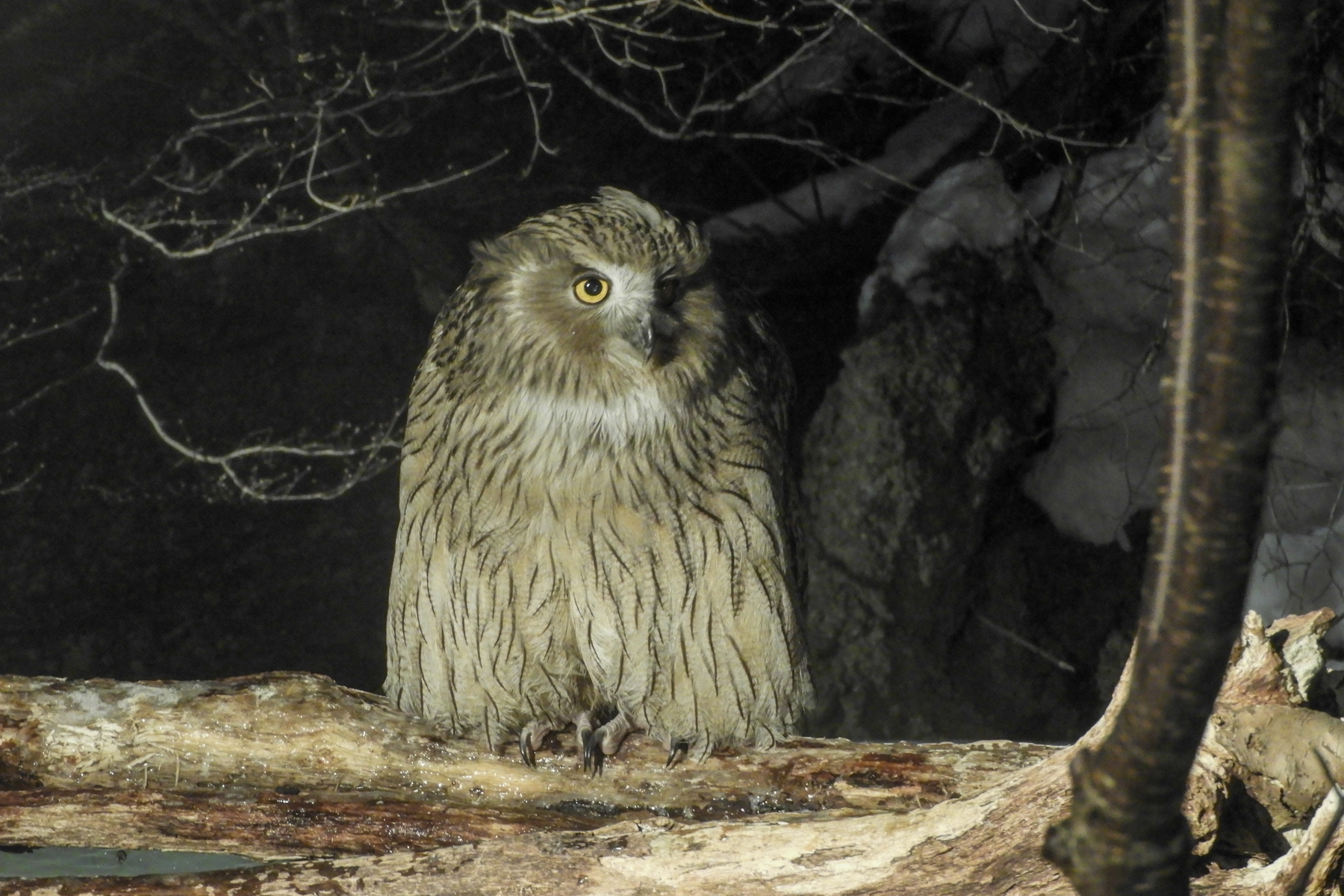
Blakiston's Fish Owl (image by Dave Farrow)
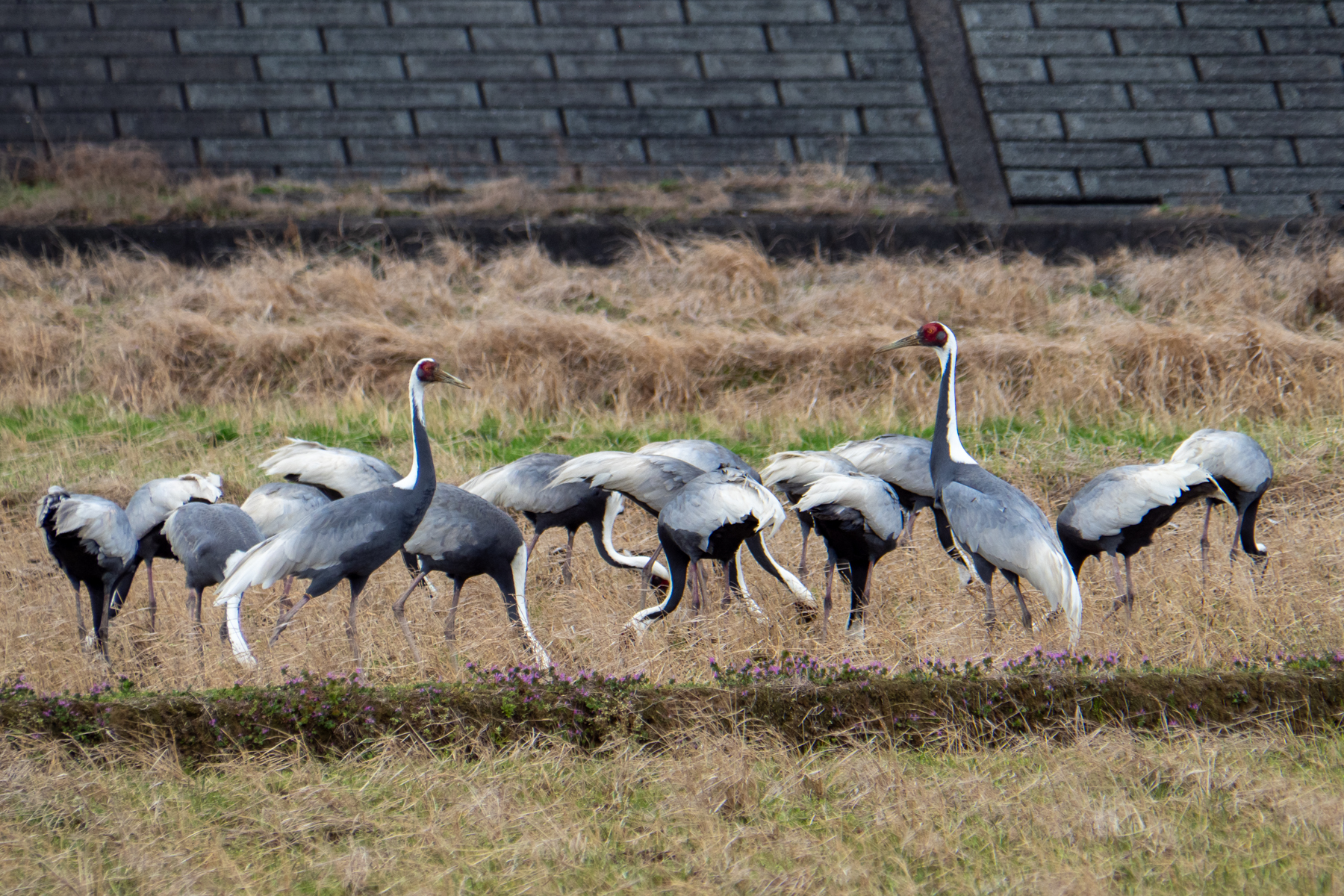
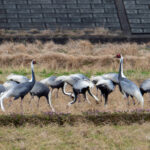
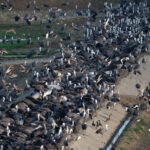
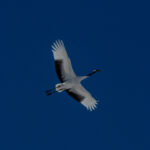
White-naped Cranes (image by Dave Farrow)
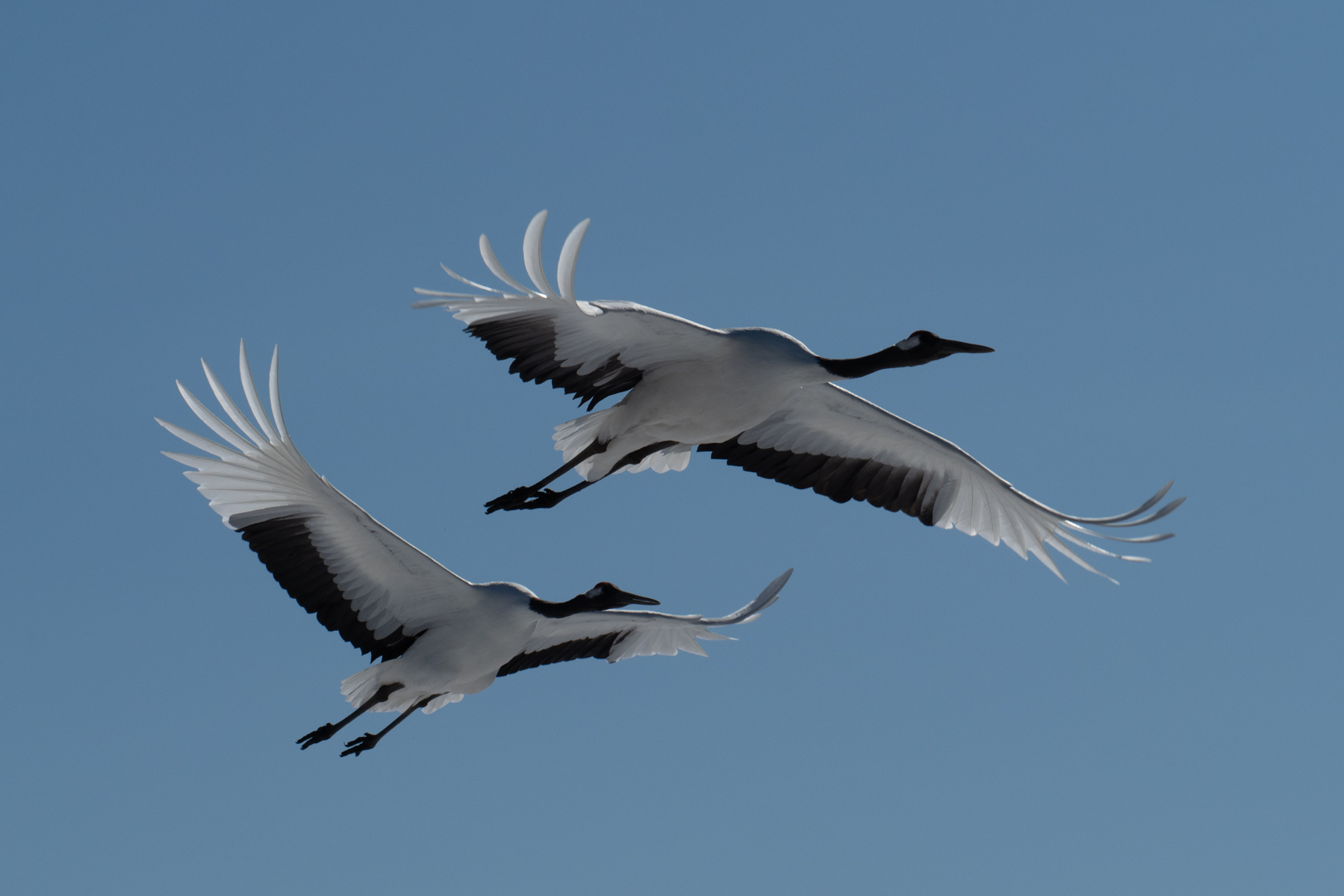
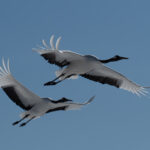
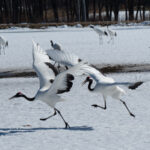
Red-crowned Cranes (image by Dave Farrow)
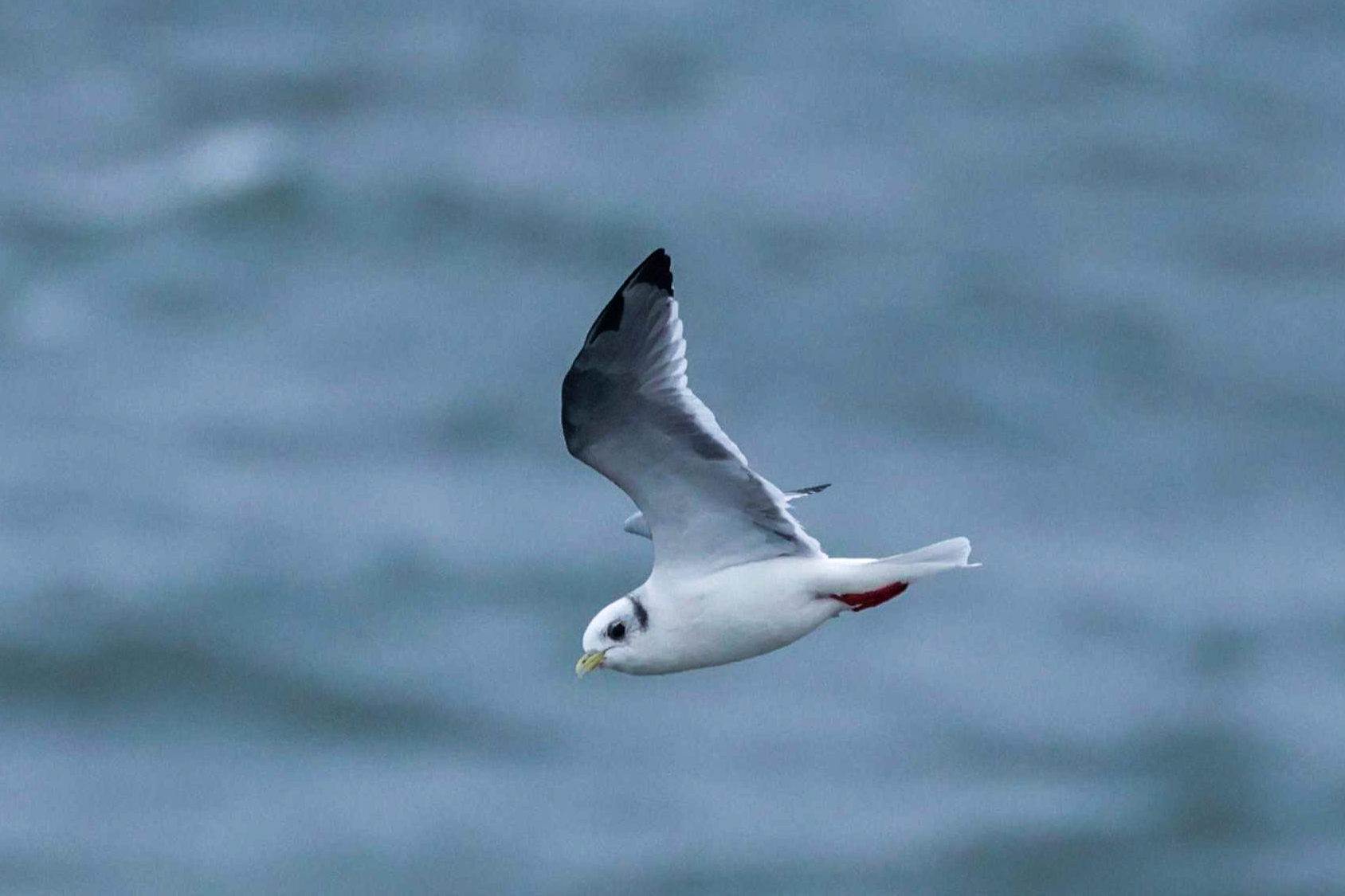
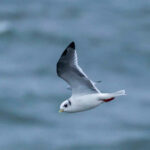
Red-legged Kittiwake (image by Andrew Merrick)
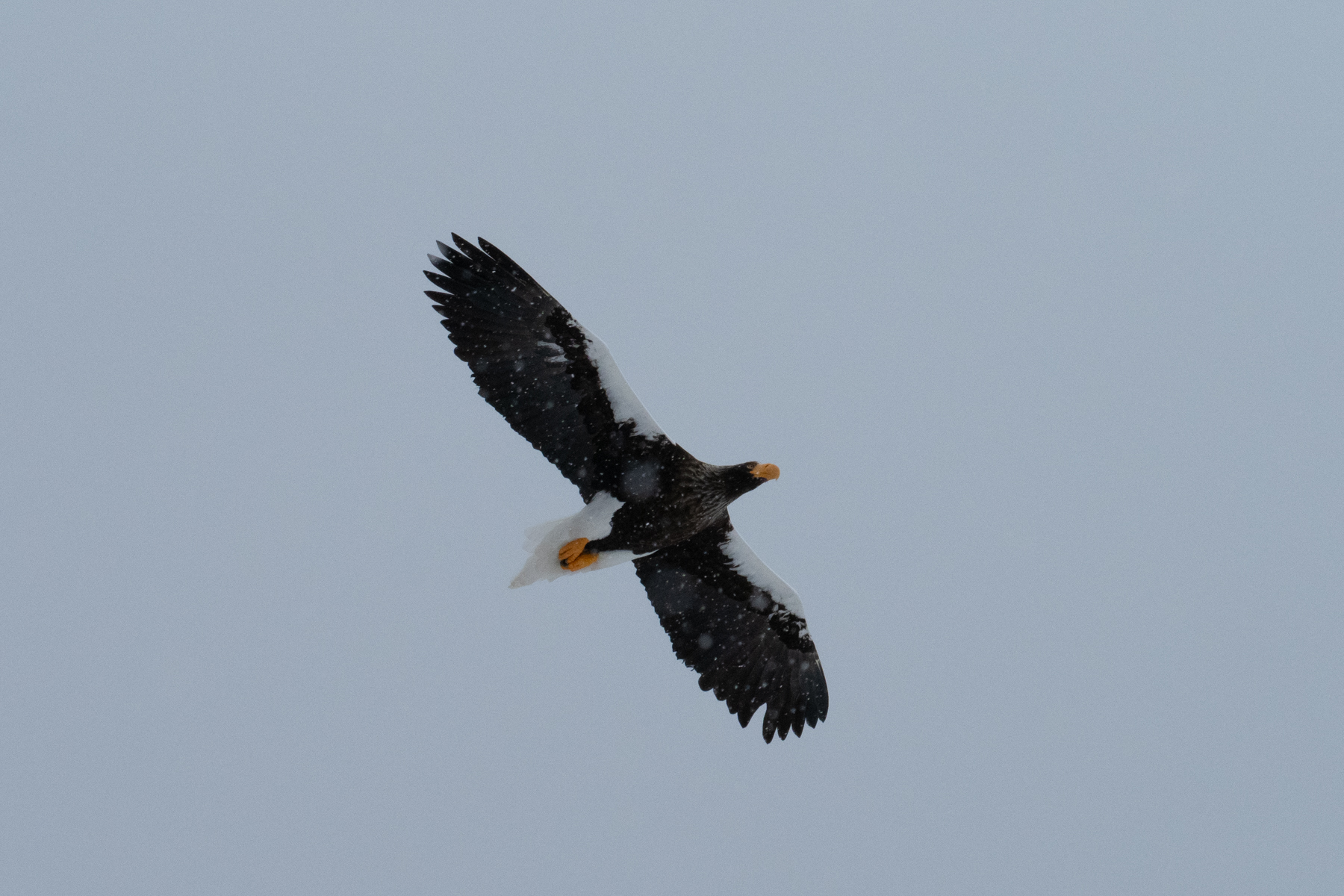
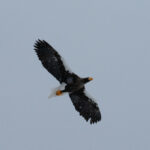
Steller's Sea Eagle (image by Dave Farrow)
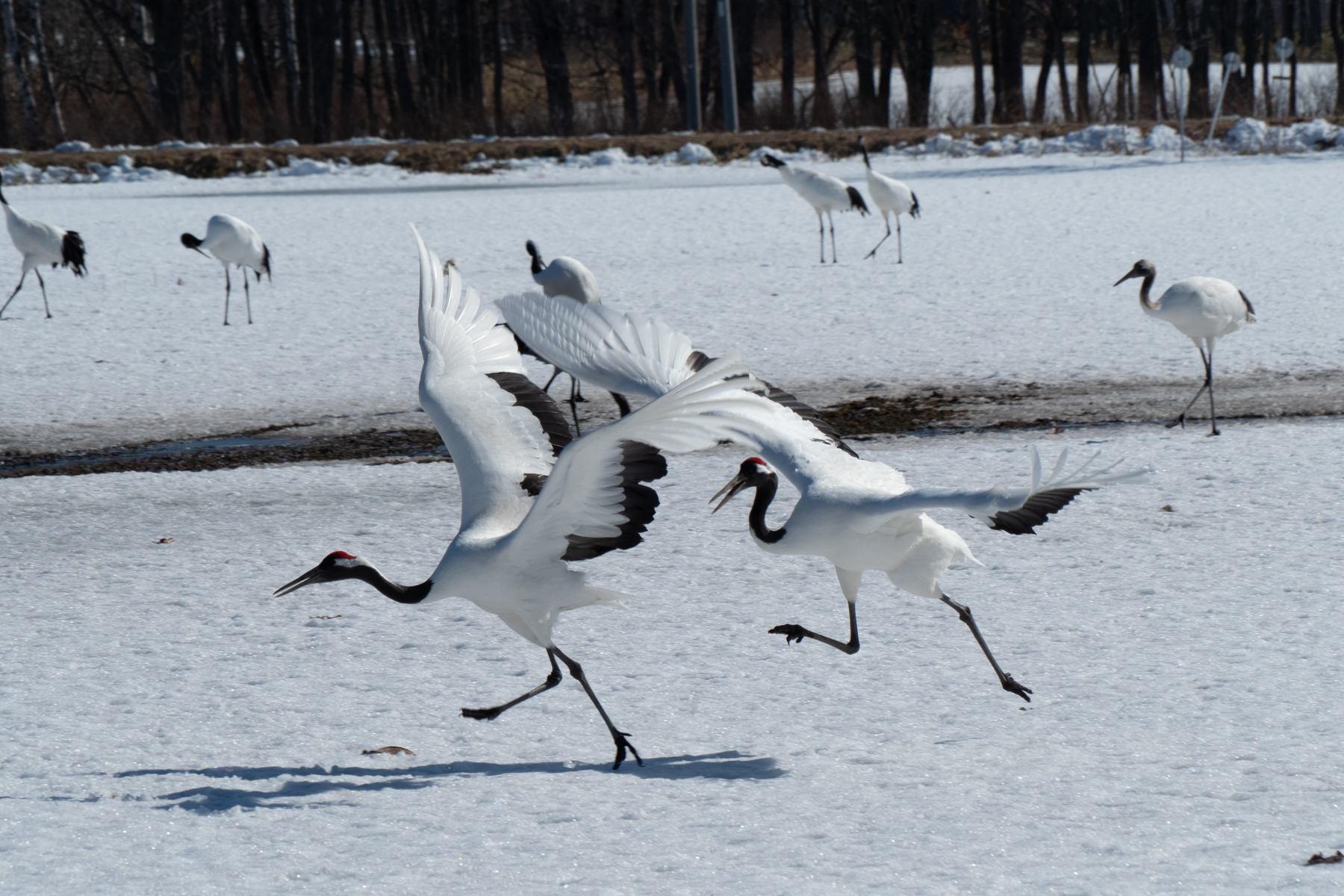
Red-crowned Cranes (image by Dave Farrow)
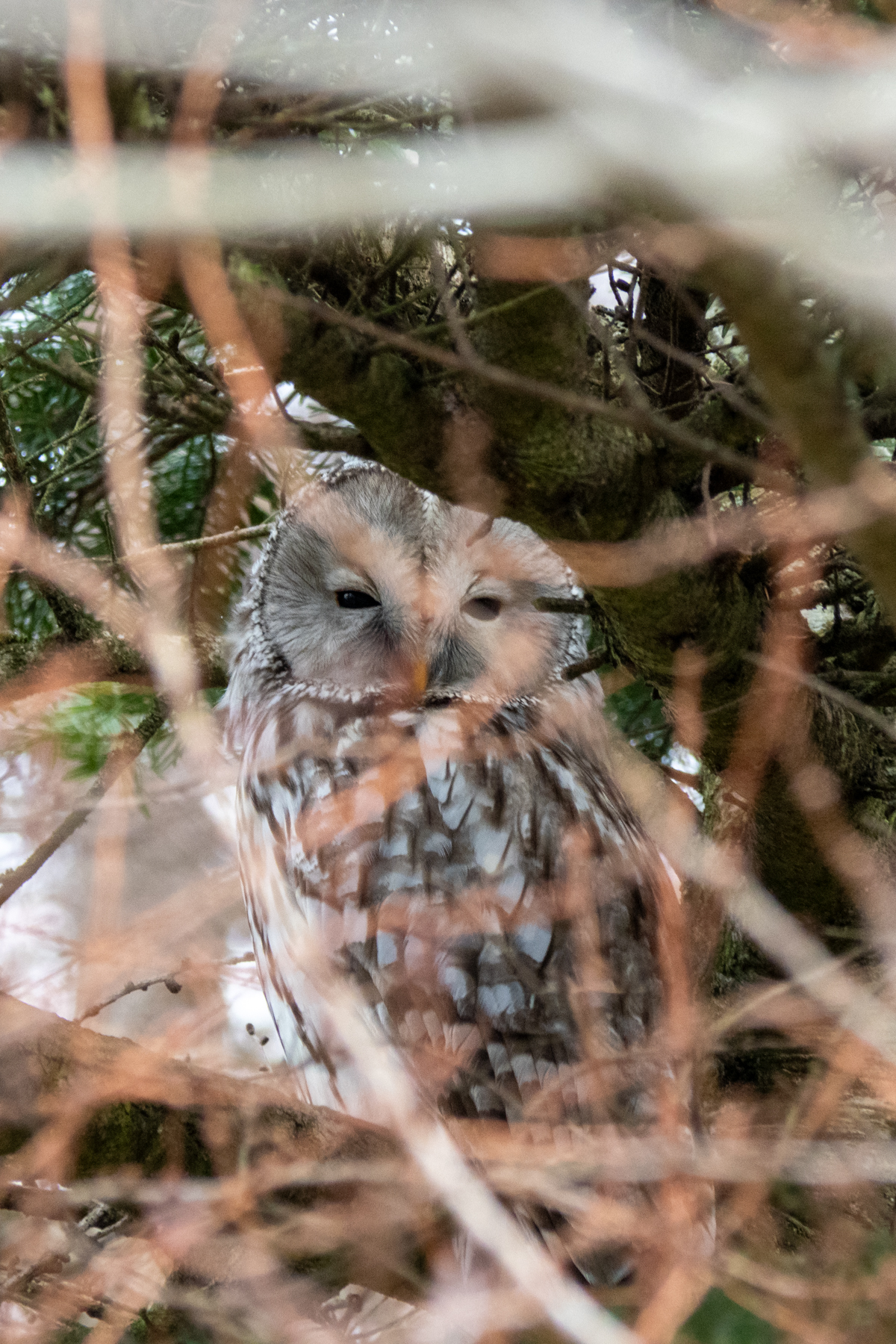
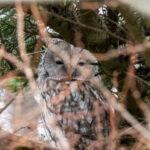
Ural Owl (image by Dave Farrow)
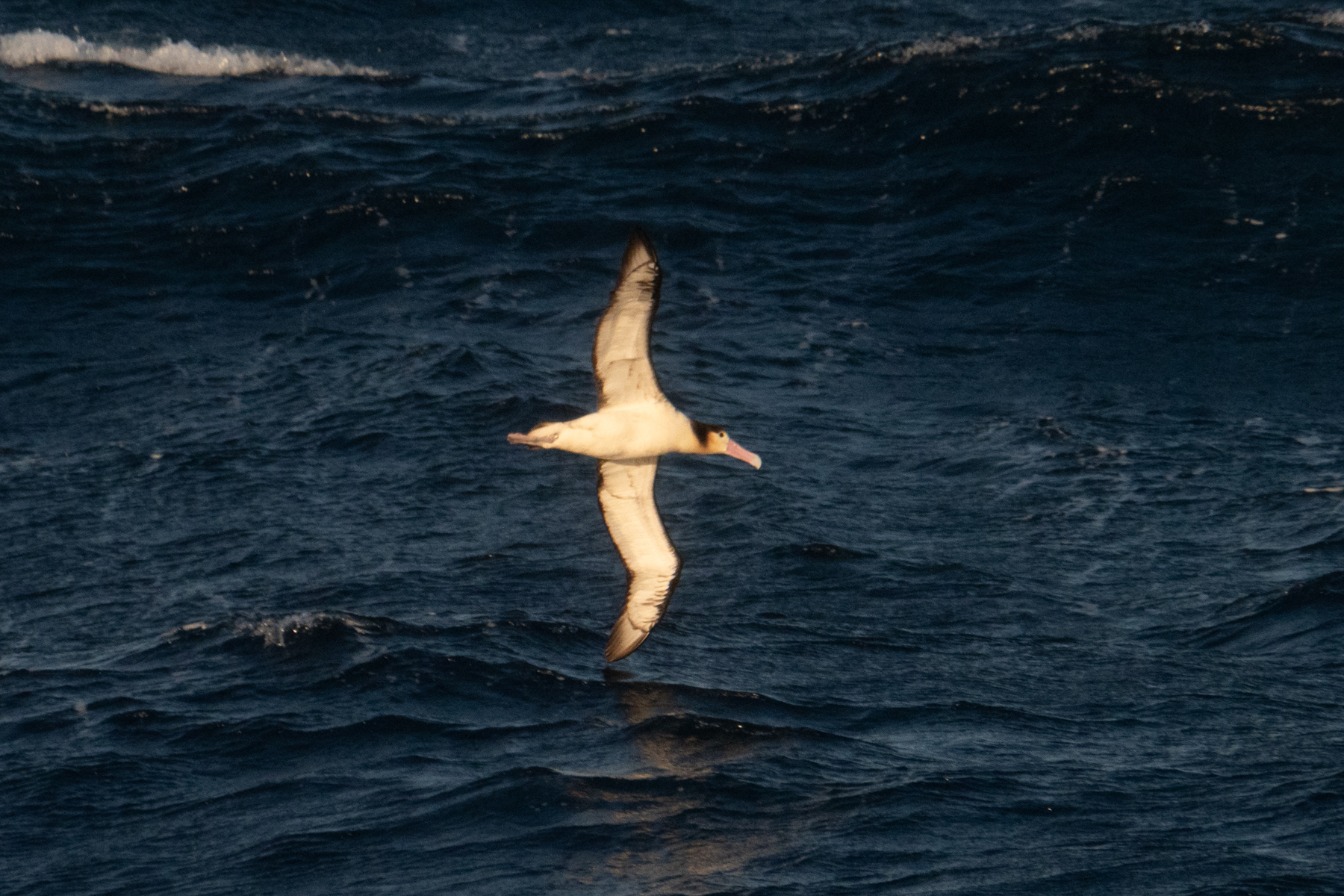
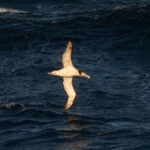
Short-tailed Albatross (image by Dave Farrow)
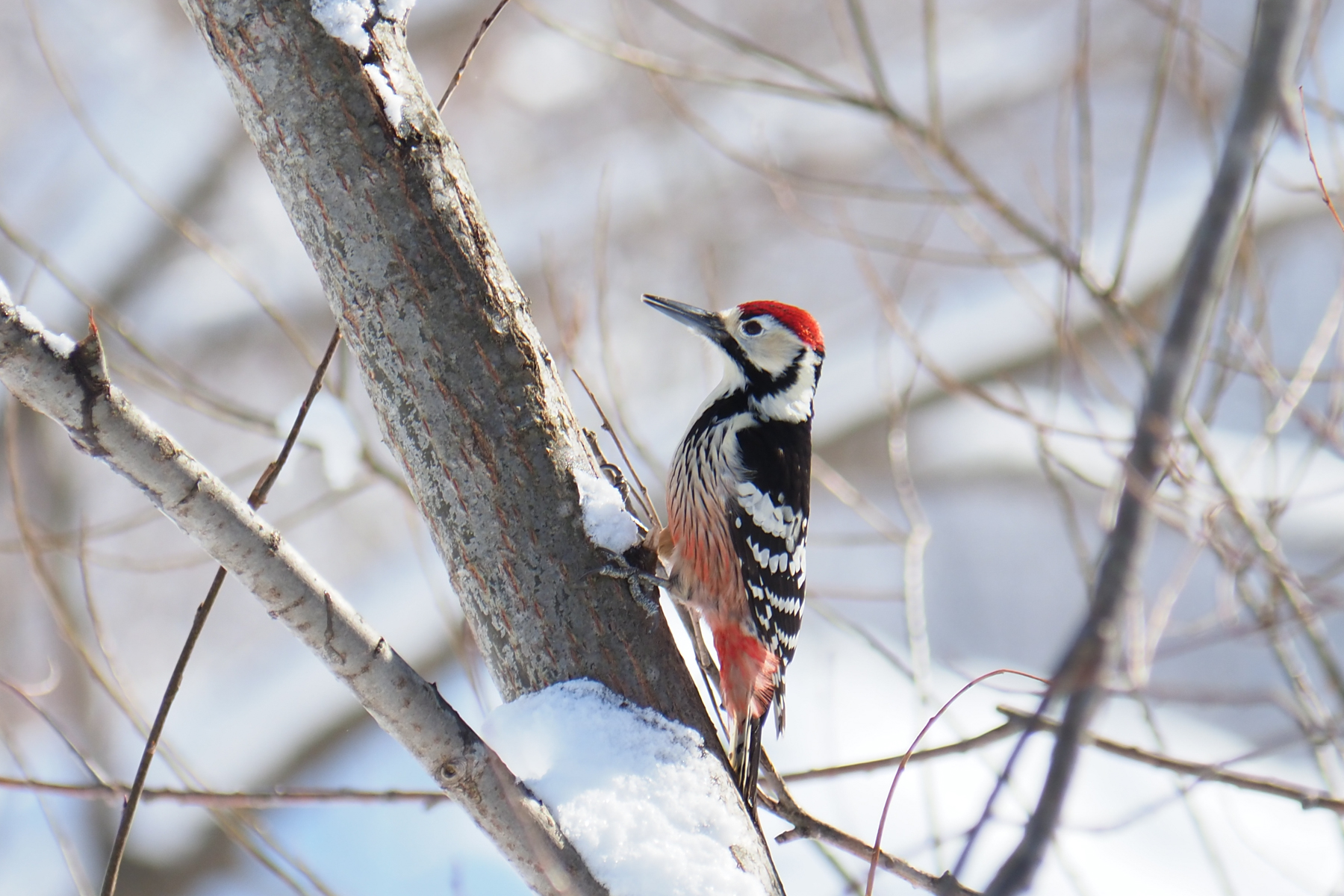
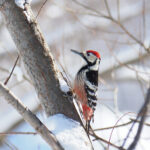
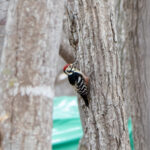
White-backed Woodpecker (image by Dave Farrow)
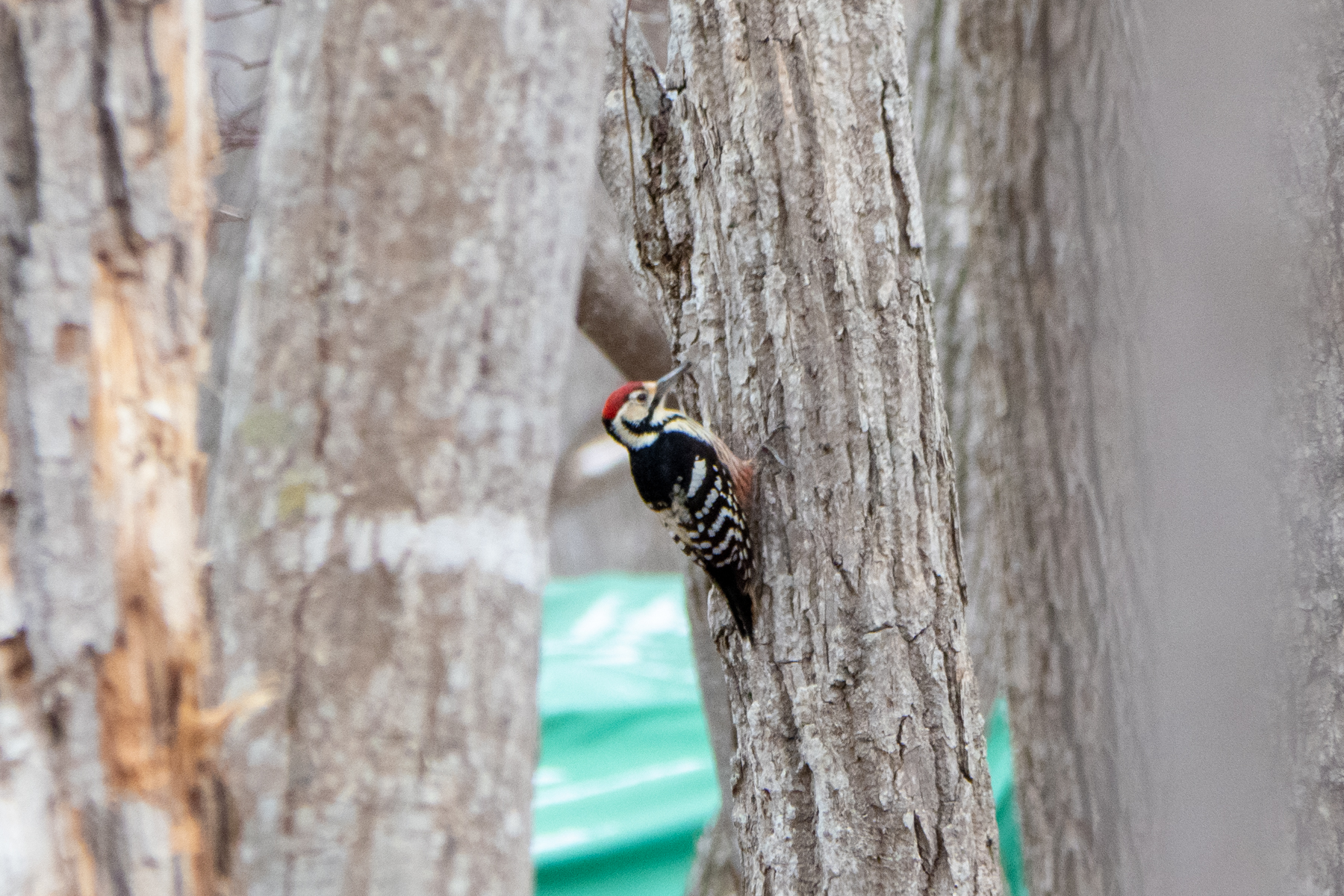
White-backed Woodpecker (image by Dave Farrow)
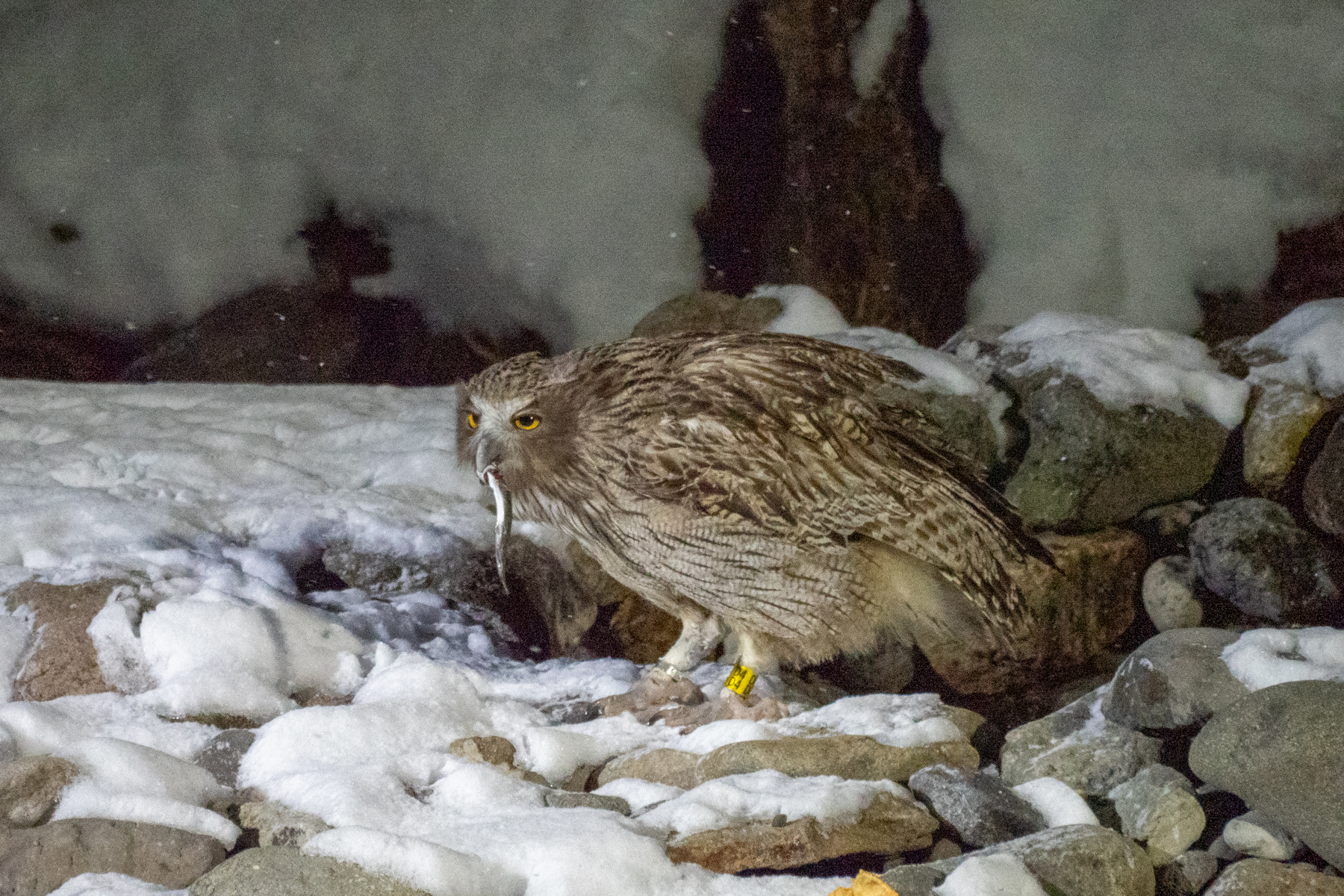
Blakiston's Fish Owl (image by Dave Farrow)
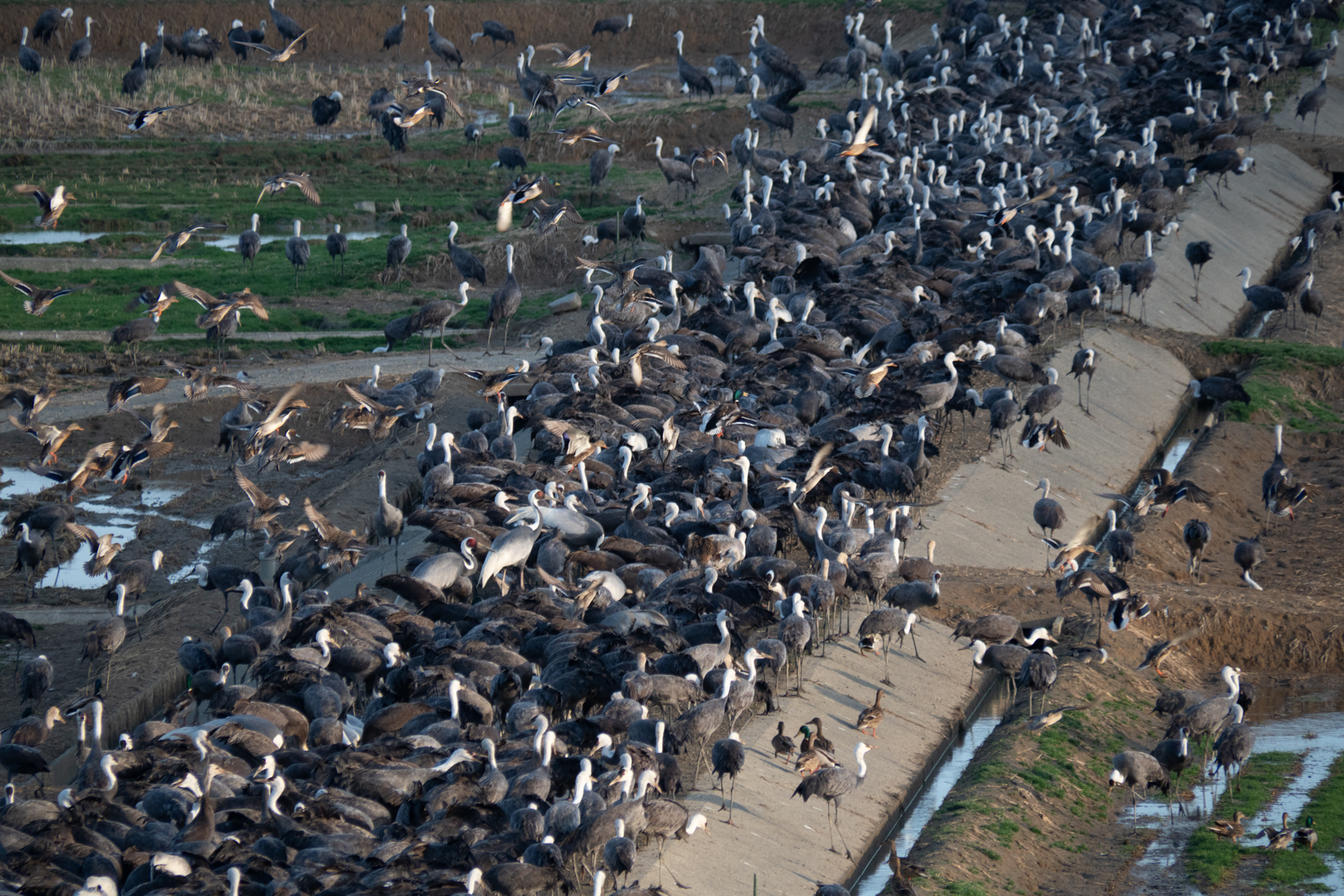
Crane Melee (image by Dave Farrow)
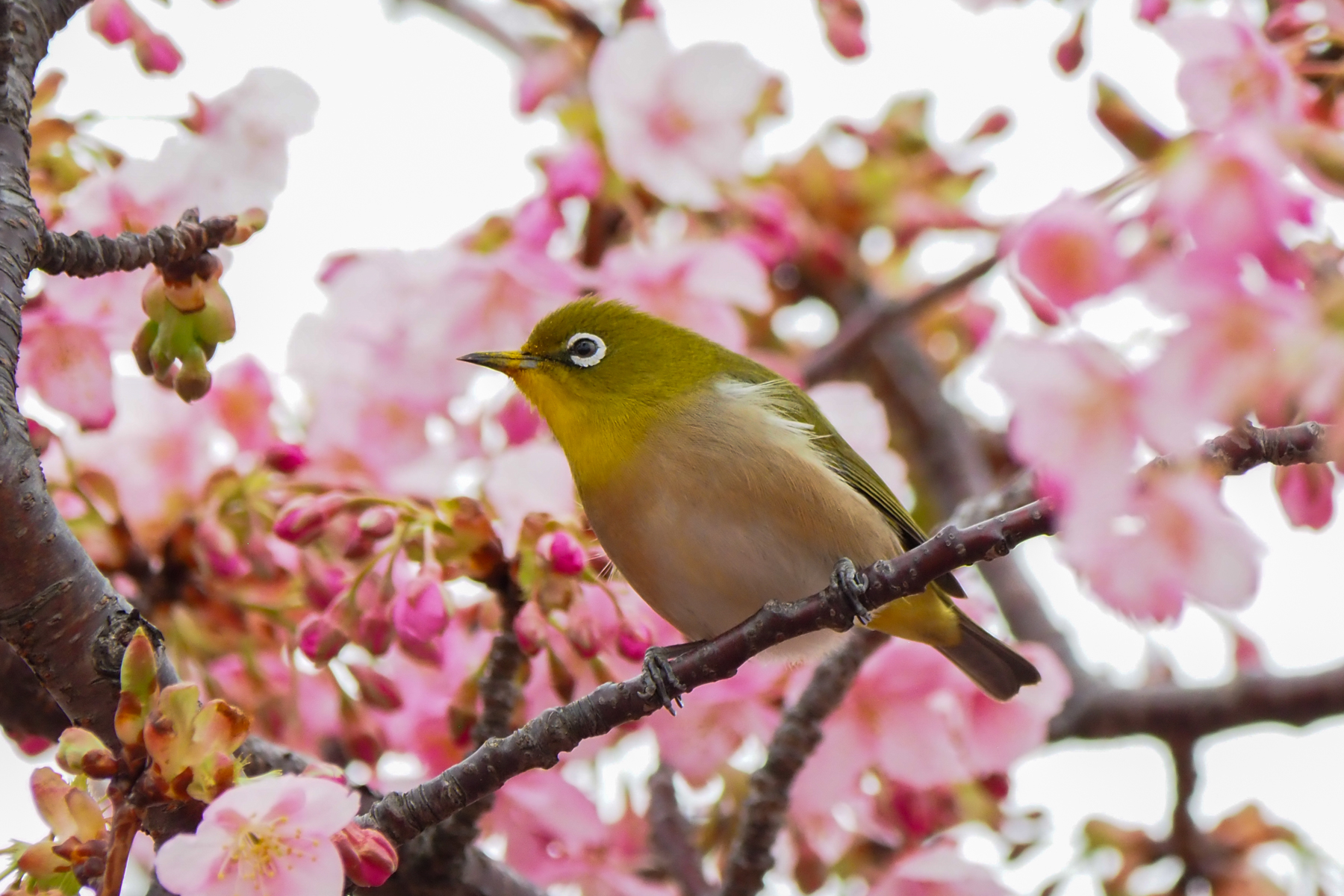
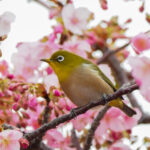
Warbling White-eye (image by Dave Farrow)
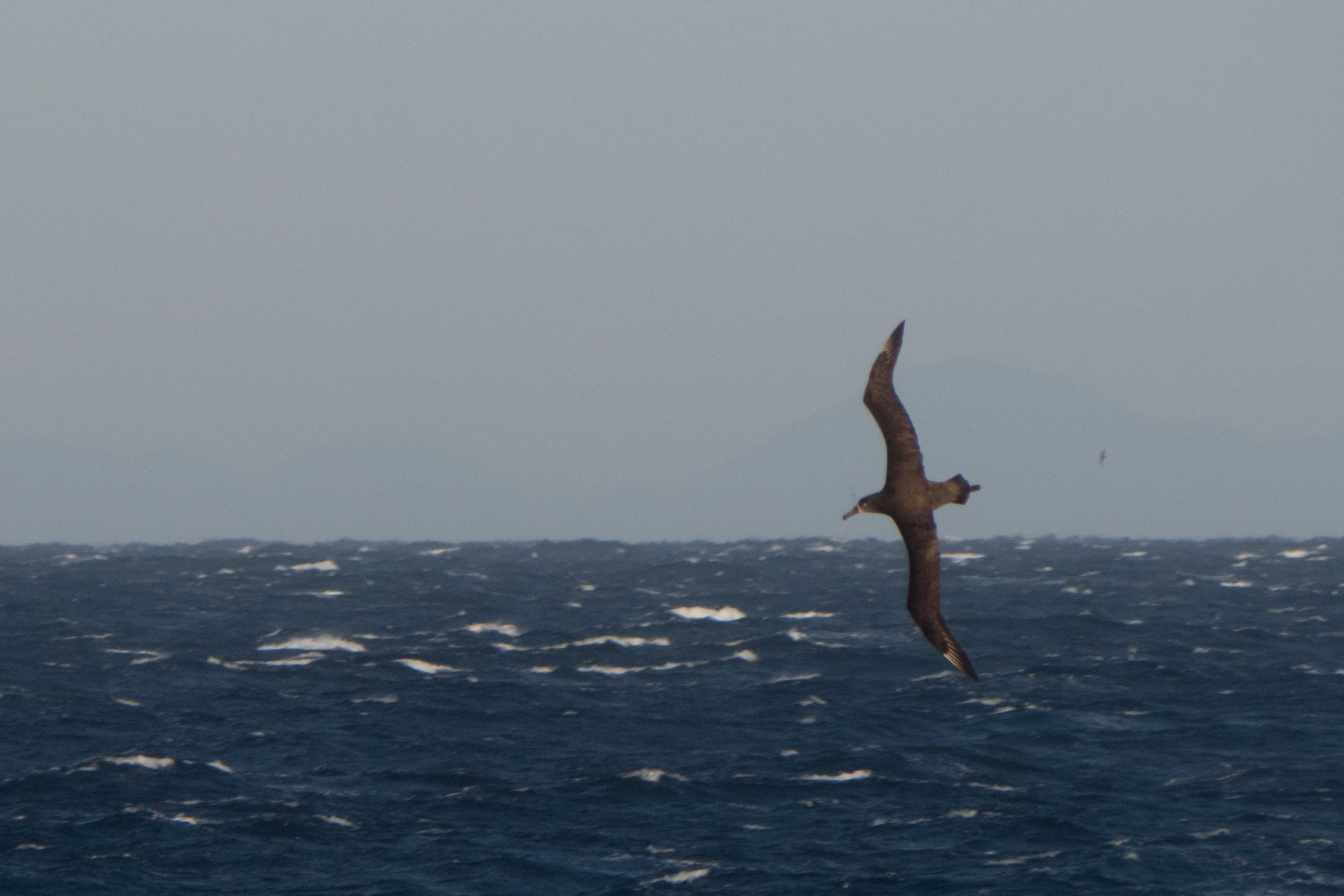
Black-footed Albatross (image by Dave Farrow)
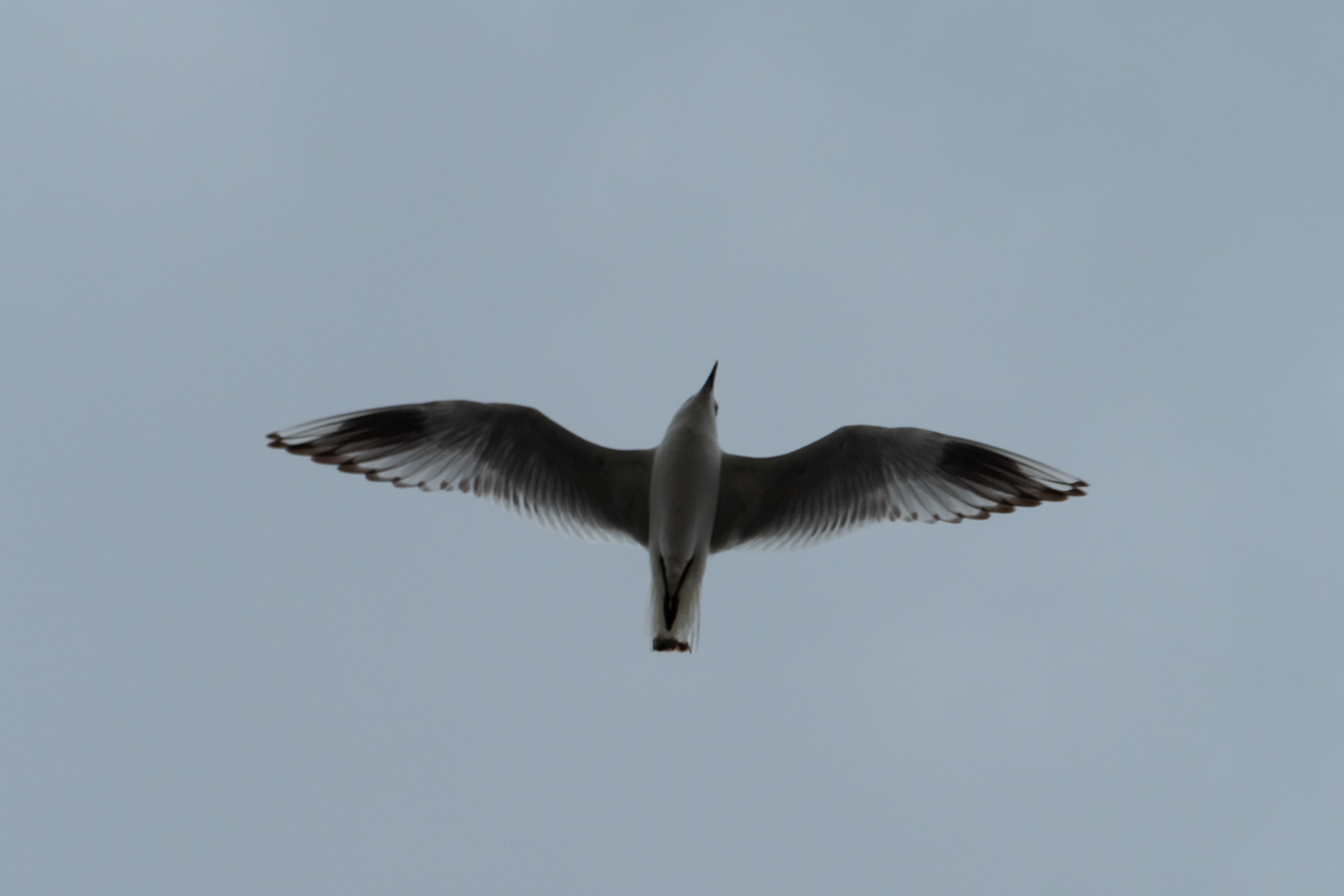
Saunders's Gull (image by Dave Farrow)
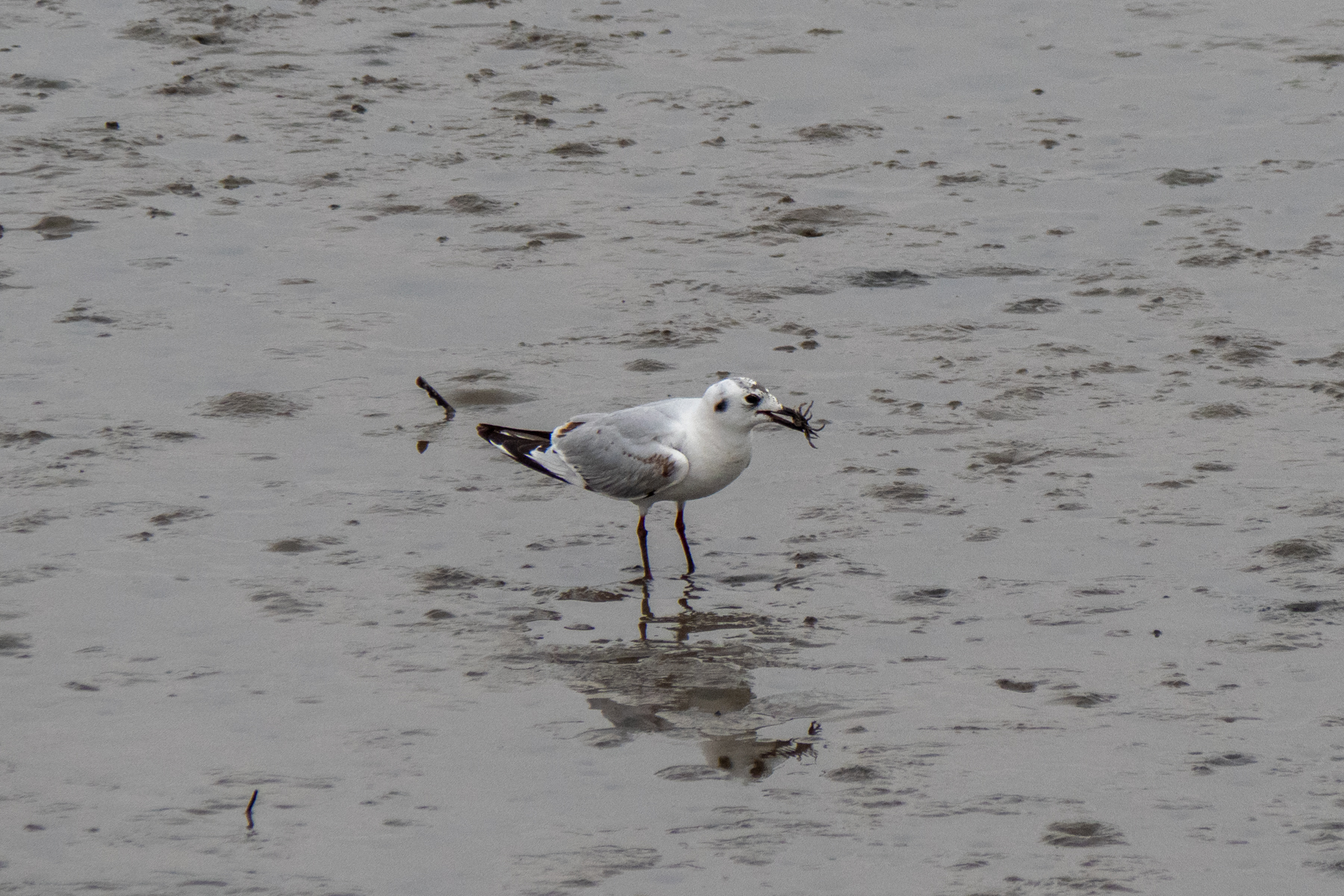
Saunders's Gull (image by Dave Farrow)
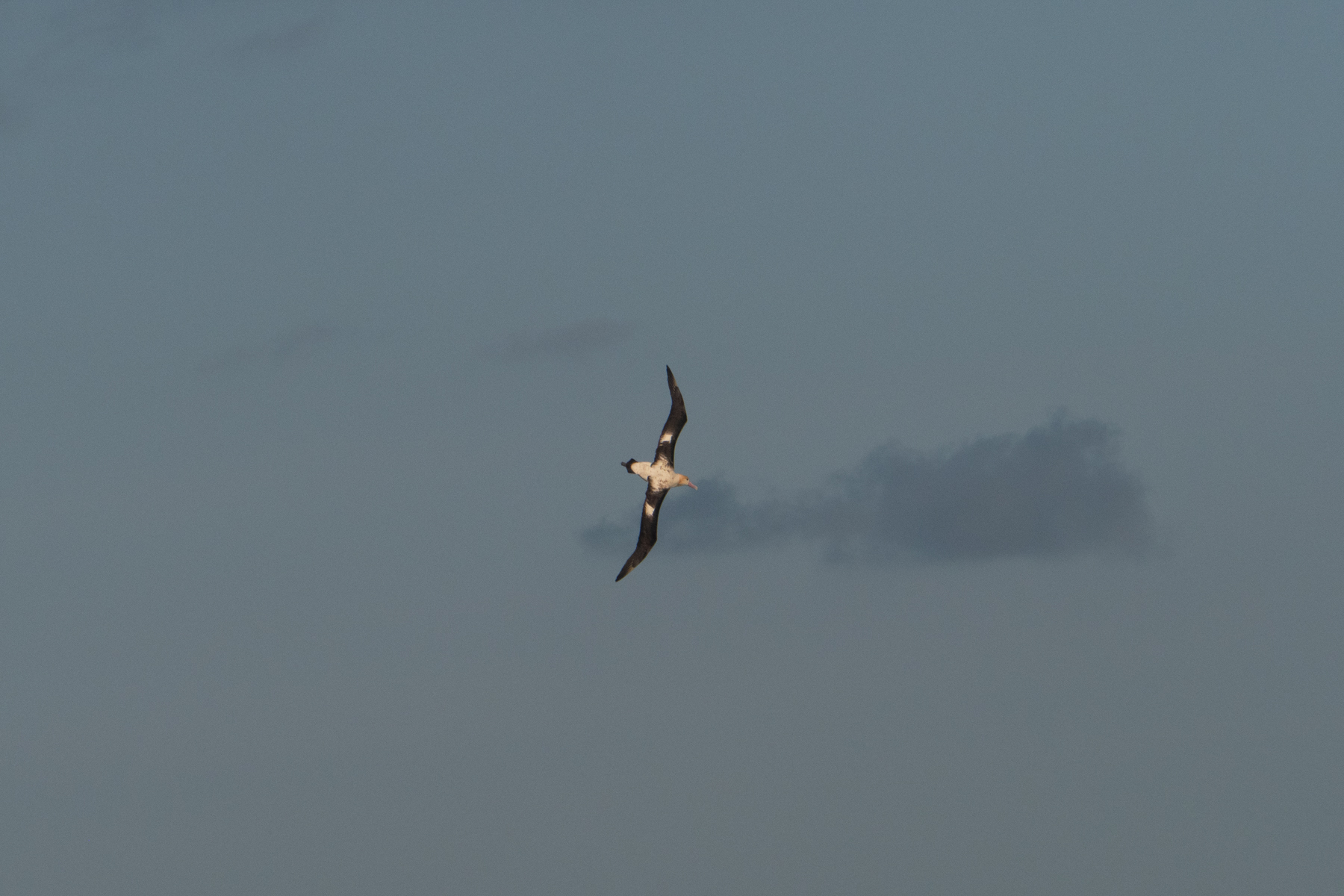
Short-tailed Albatross (image by Dave Farrow)
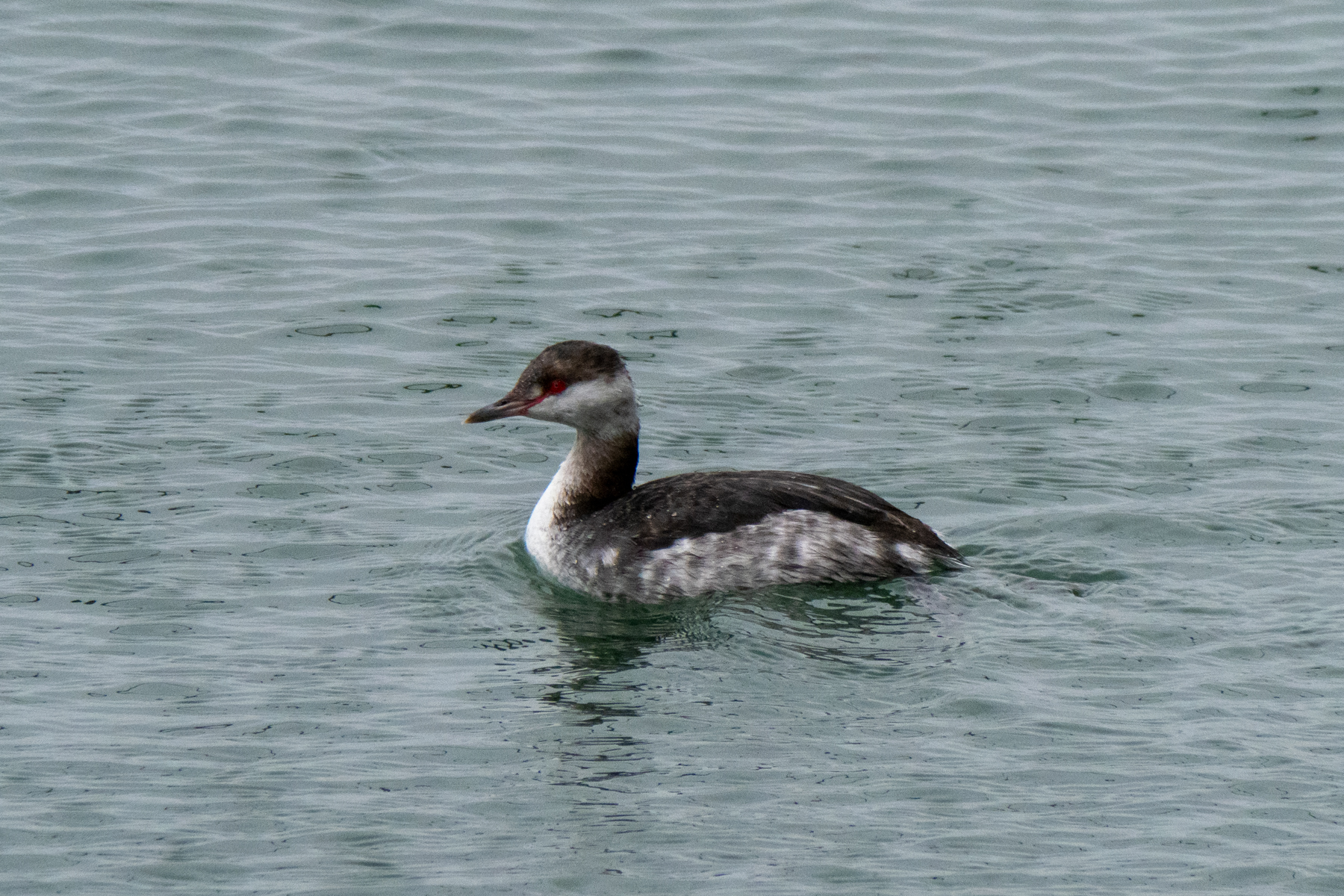
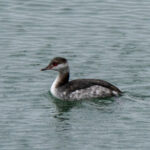
Slavonian Grebe (image by Dave Farrow)
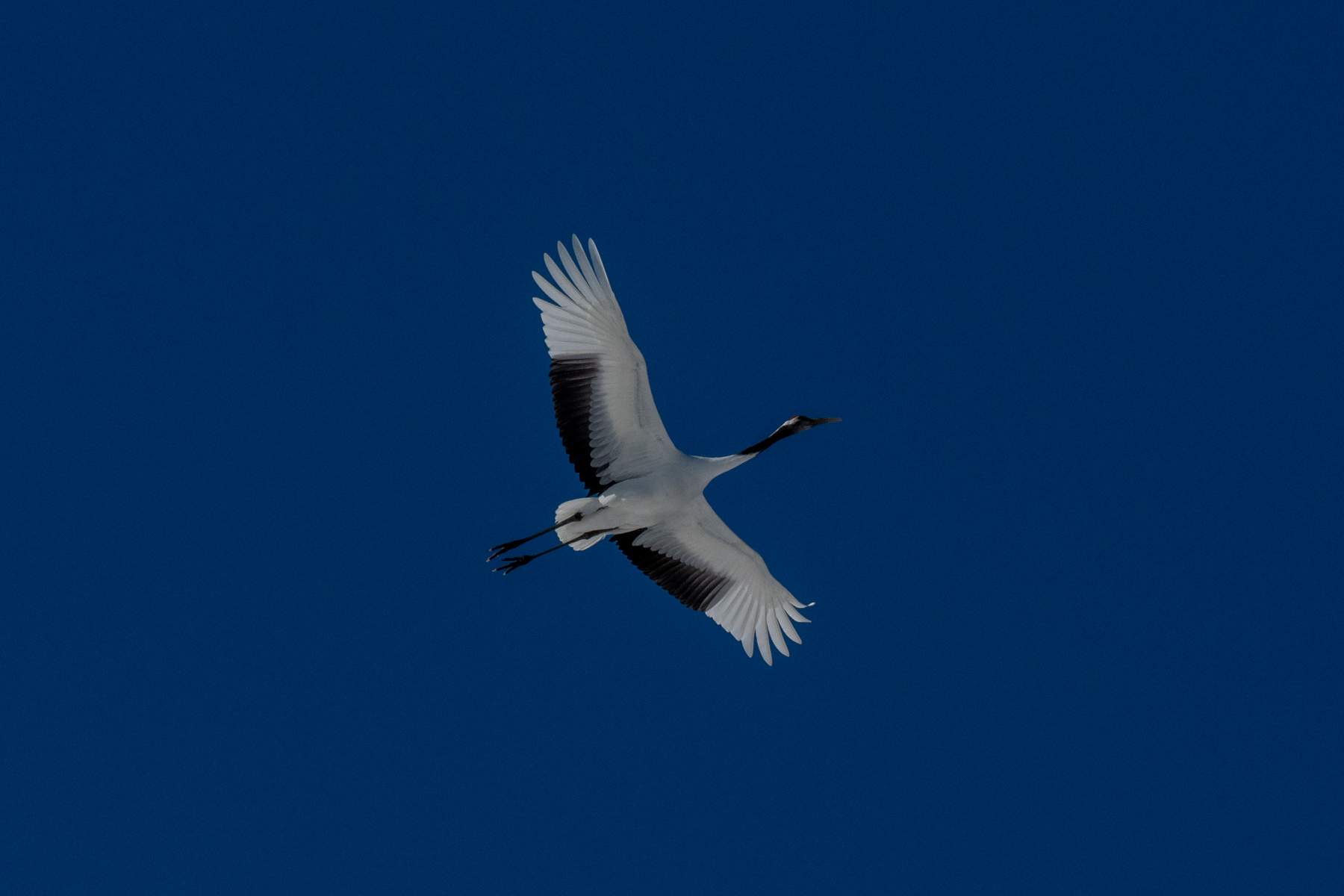
Red-crowned Crane (image by Dave Farrow)
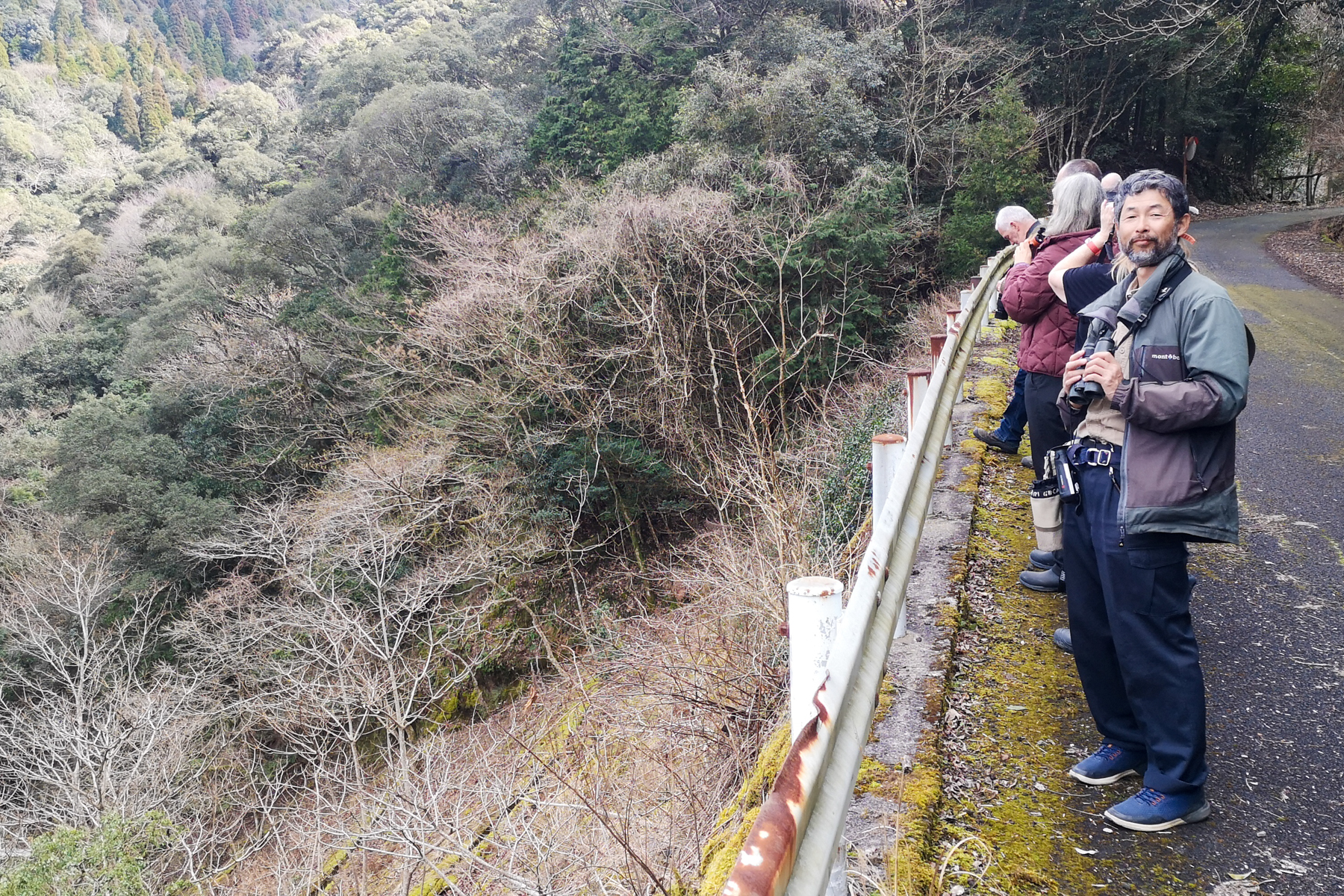
Otani San (image by Dave Farrow)
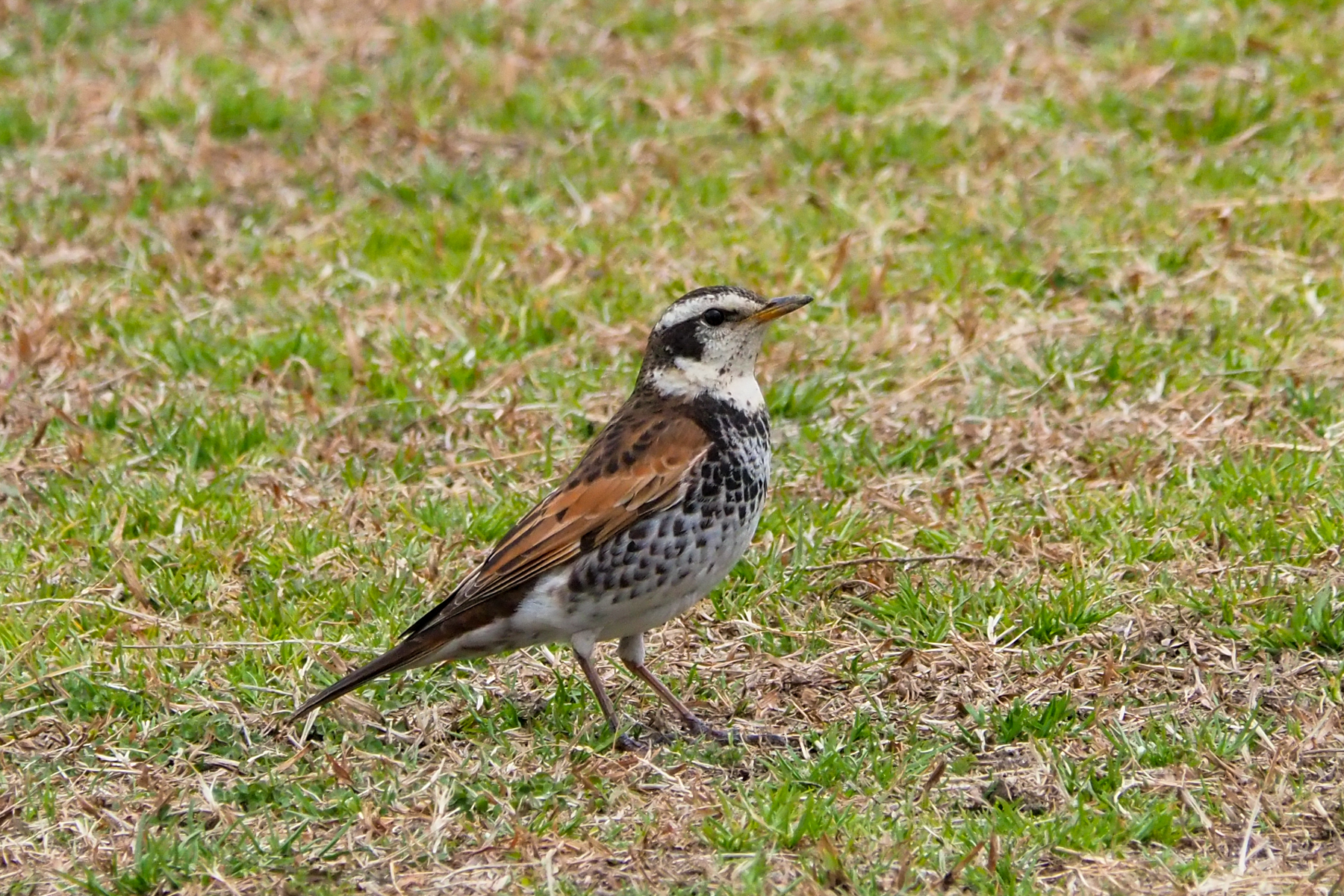
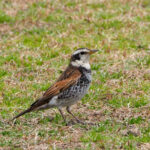
Dusky Thrush (image by Dave Farrow)
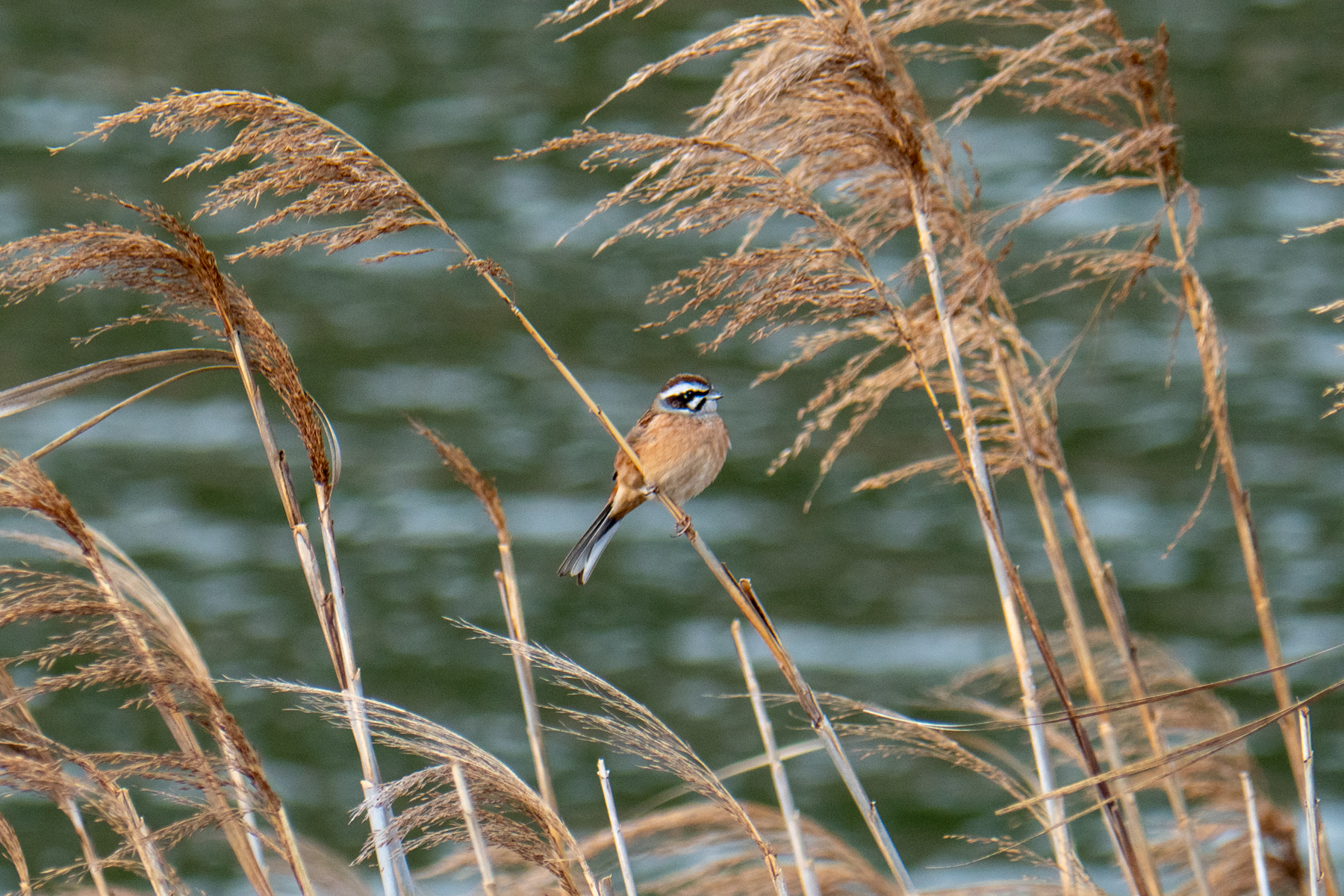
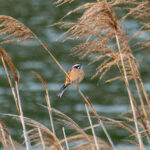
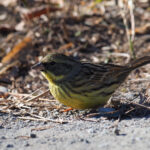
Meadow Bunting (image by Dave Farrow)
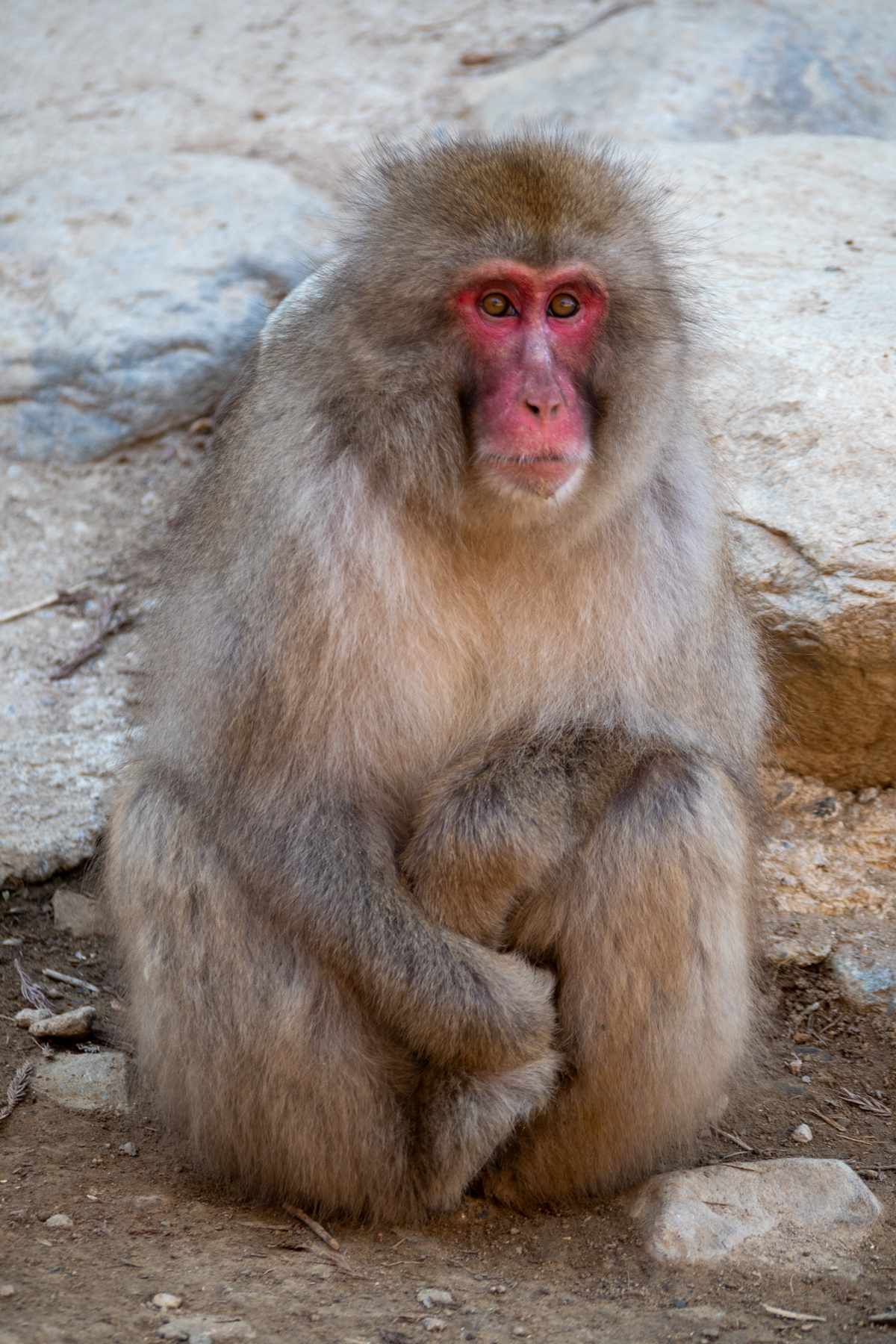
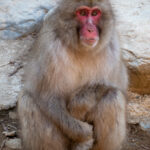
Japanese Macaque (image by Dave Farrow)
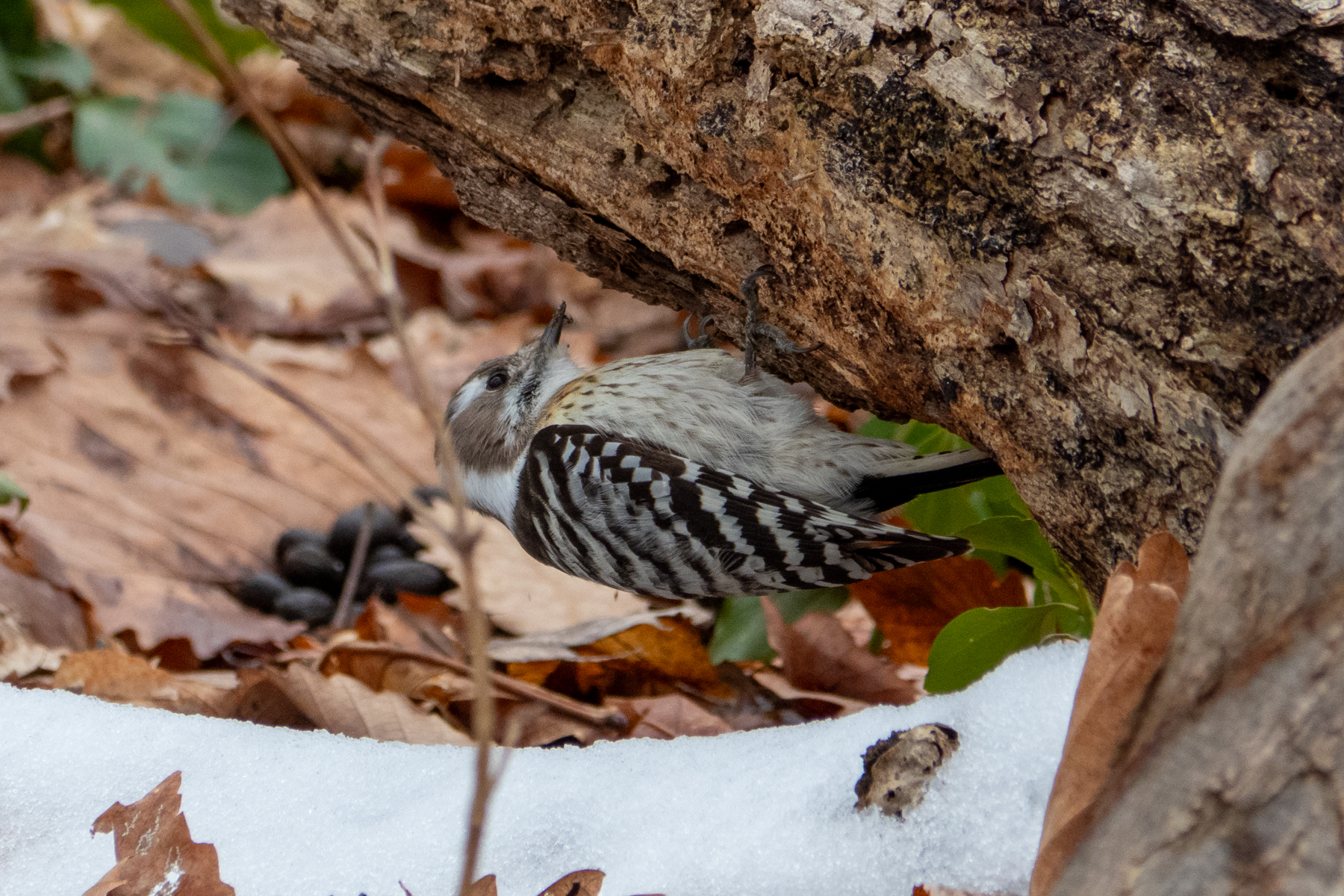
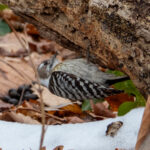
Japanese Pygmy Woodpecker (image by Dave Farrow)
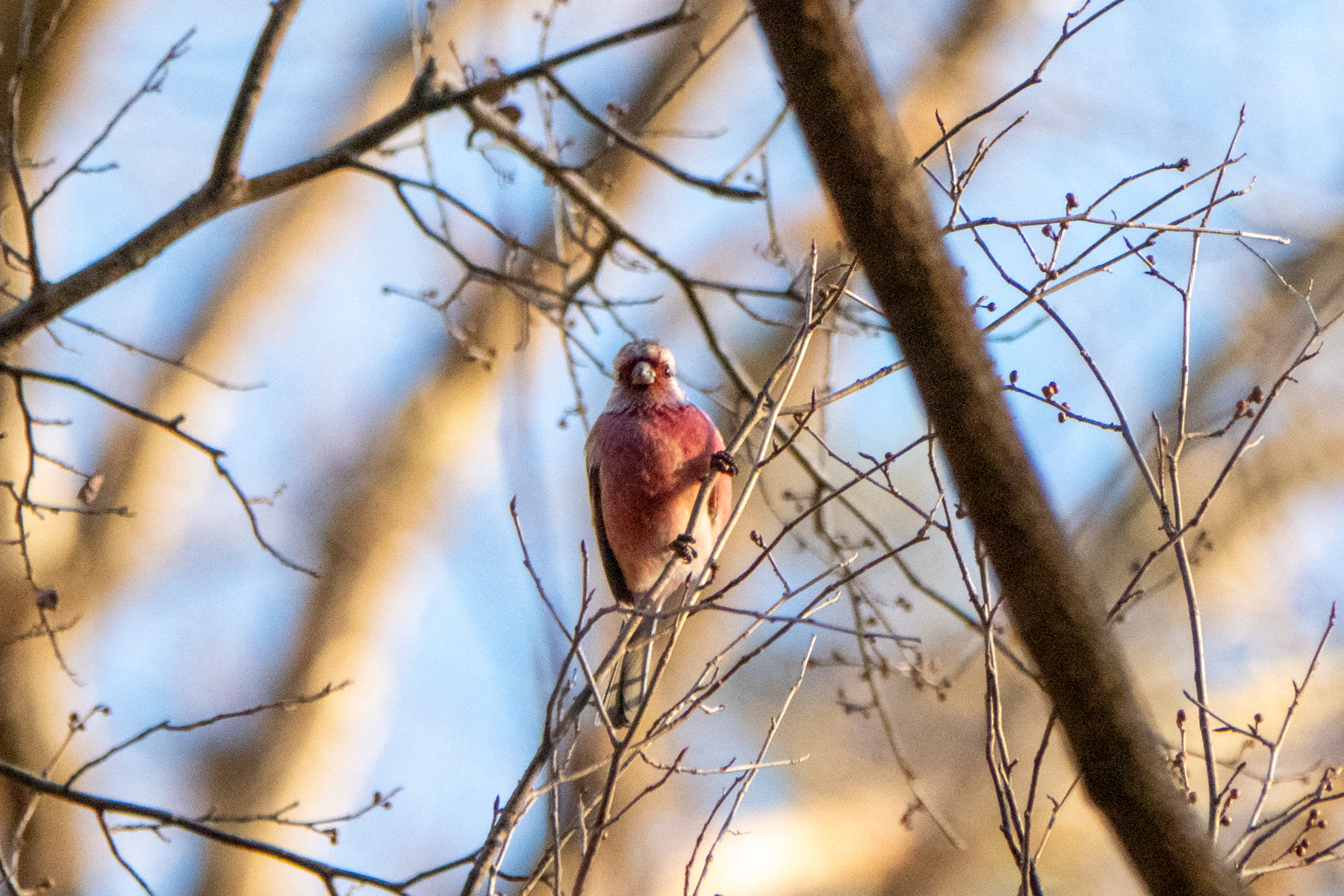
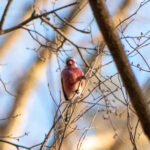
Long-tailed Rosefinch (image by Dave Farrow)
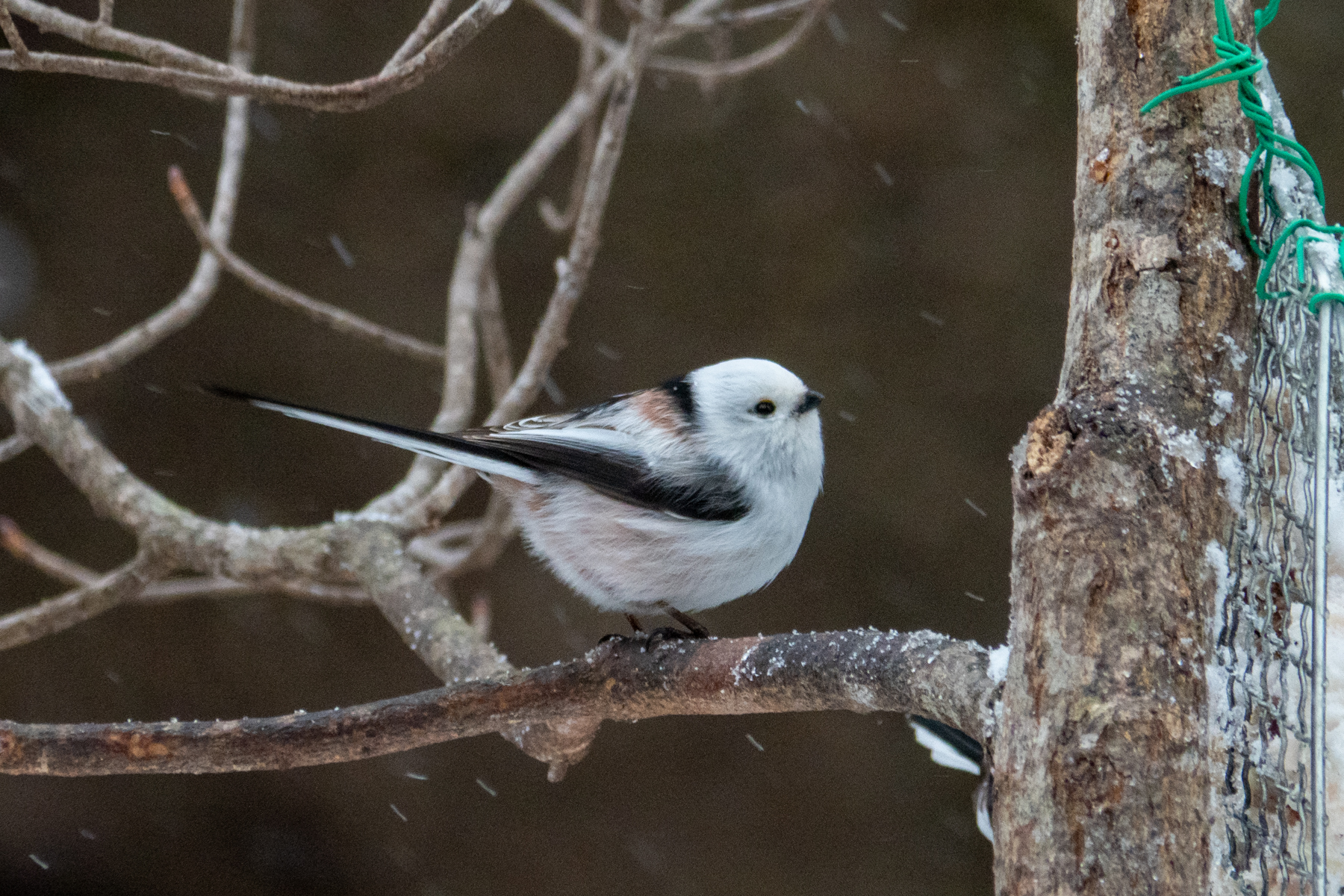
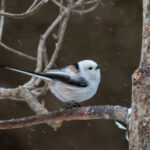
Long-tailed Tit (image by Dave Farrow)
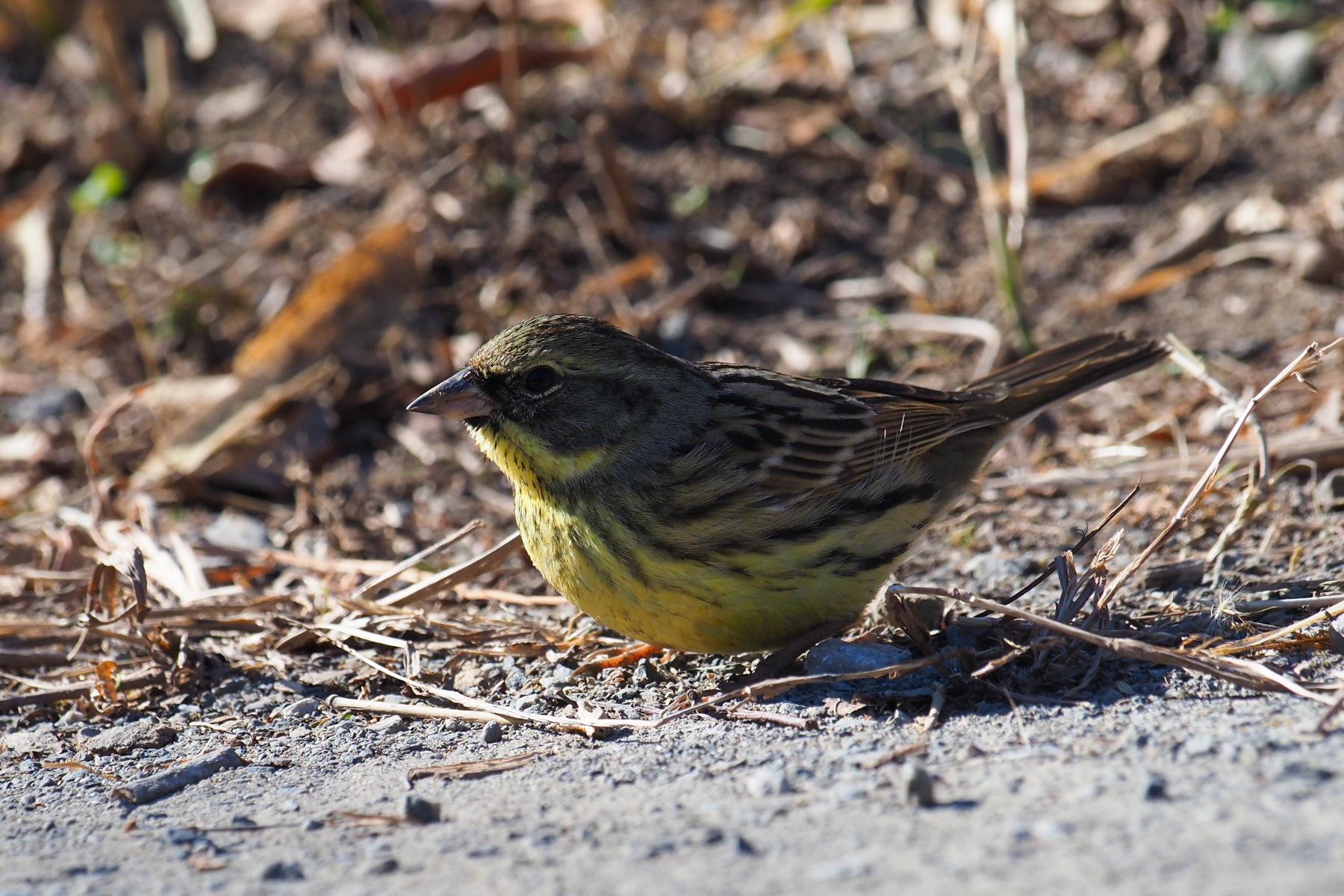
Masked Bunting (image by Dave Farrow)
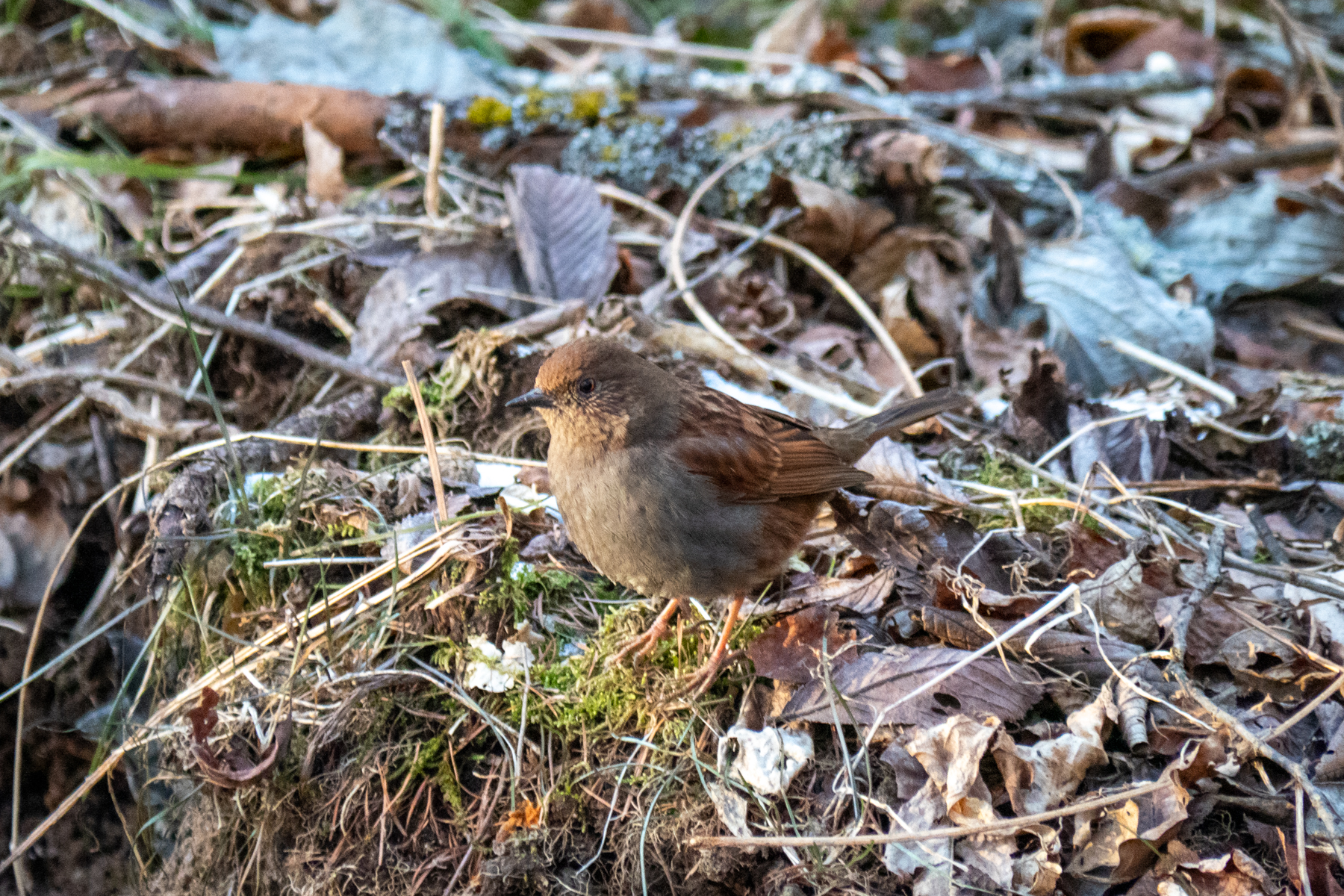
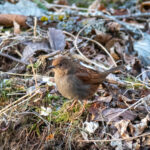
Japanese Accentor (image by Dave Farrow)
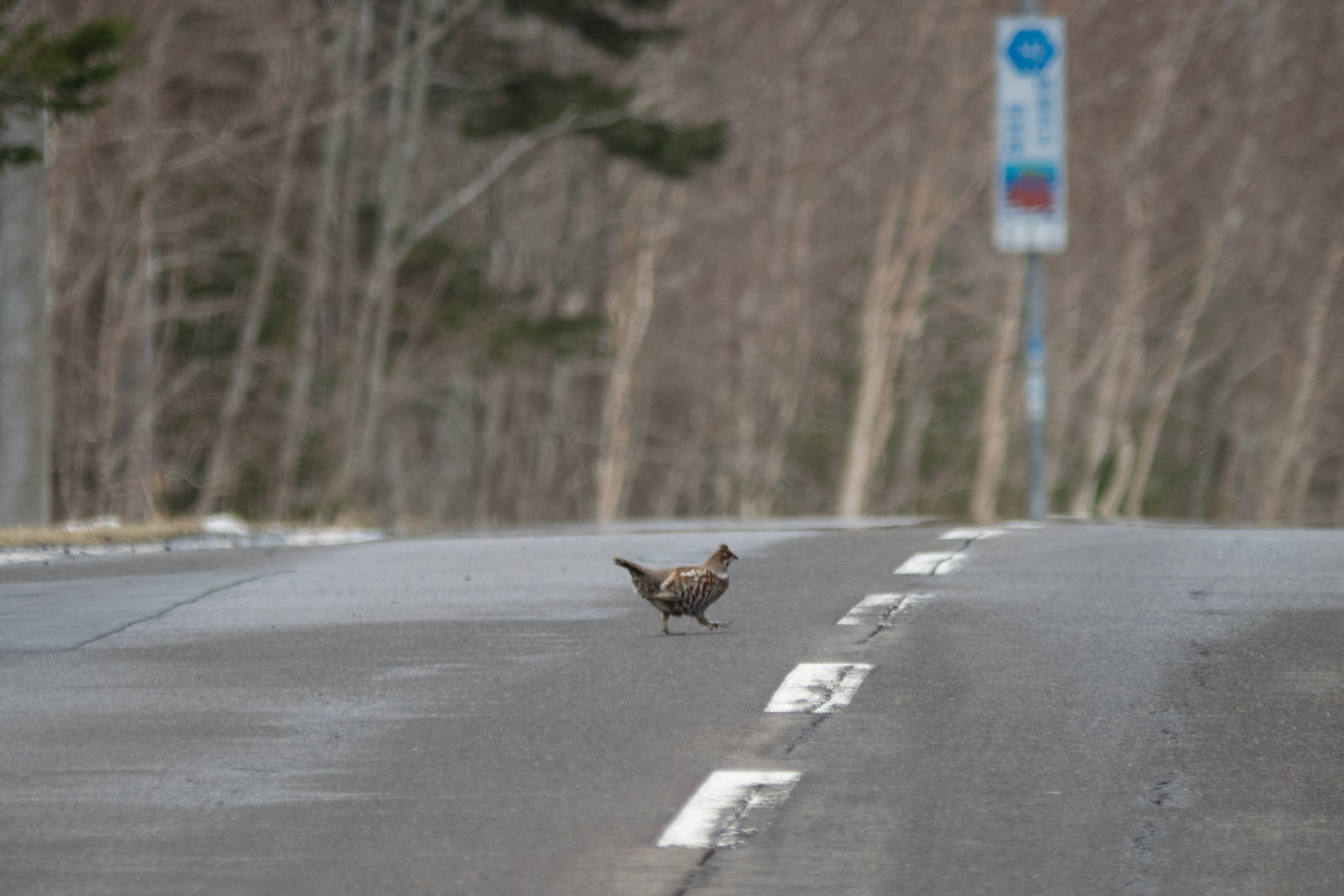
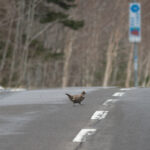
Hazel Grouse (image by Dave Farrow)
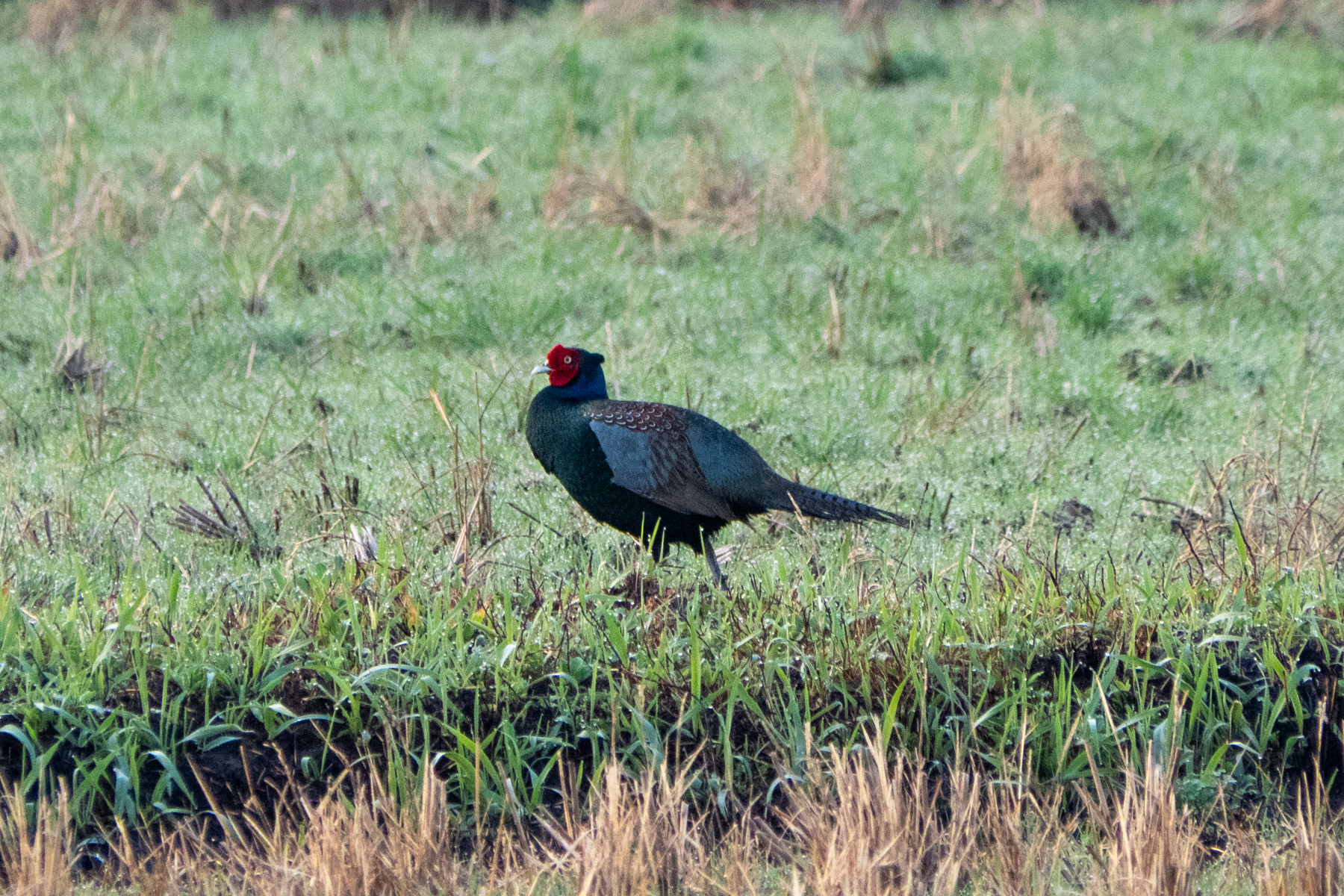
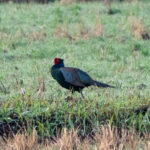
Green Pheasant (image by Dave Farrow)
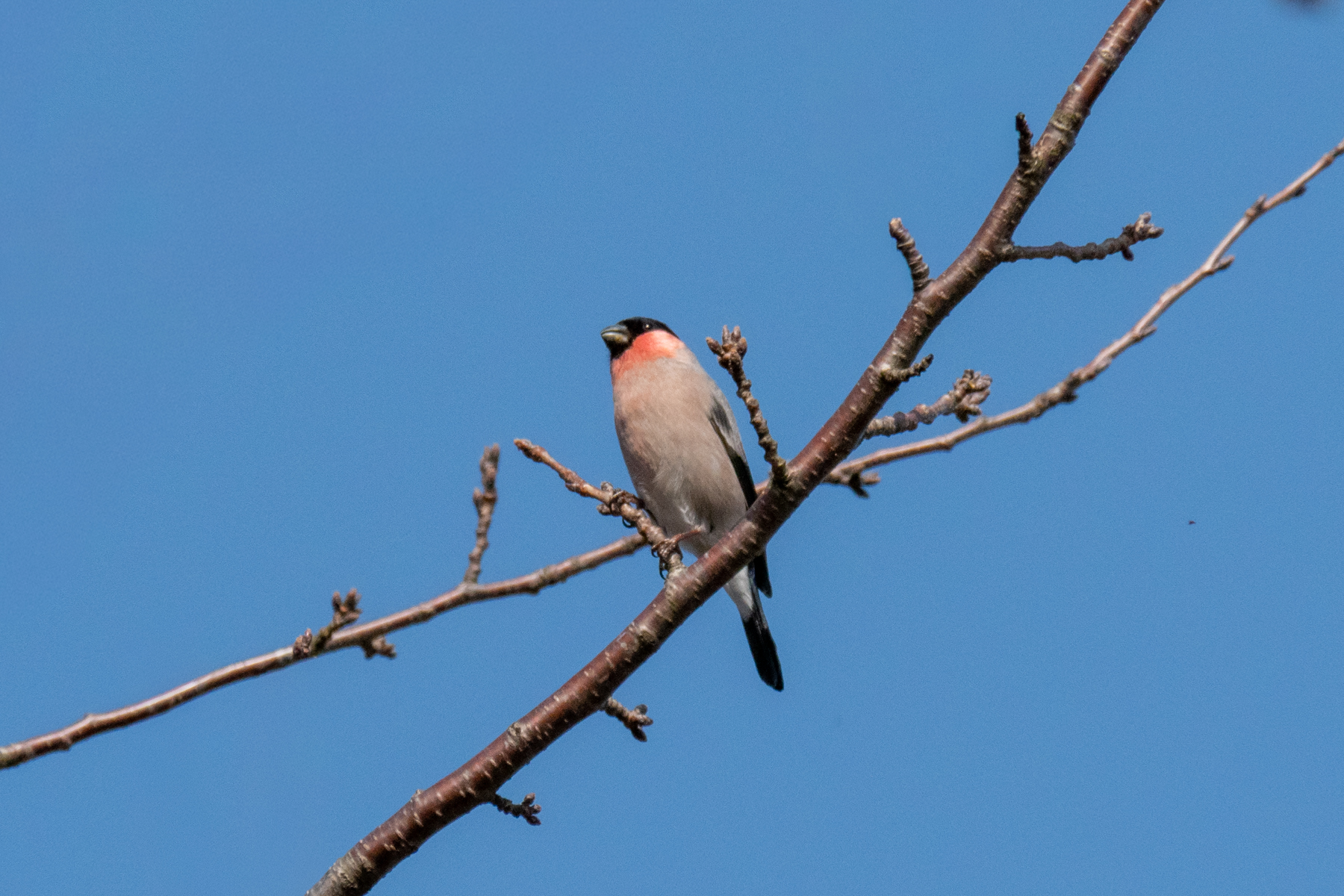
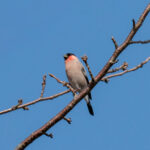
Eurasian Bullfinch (image by Dave Farrow)
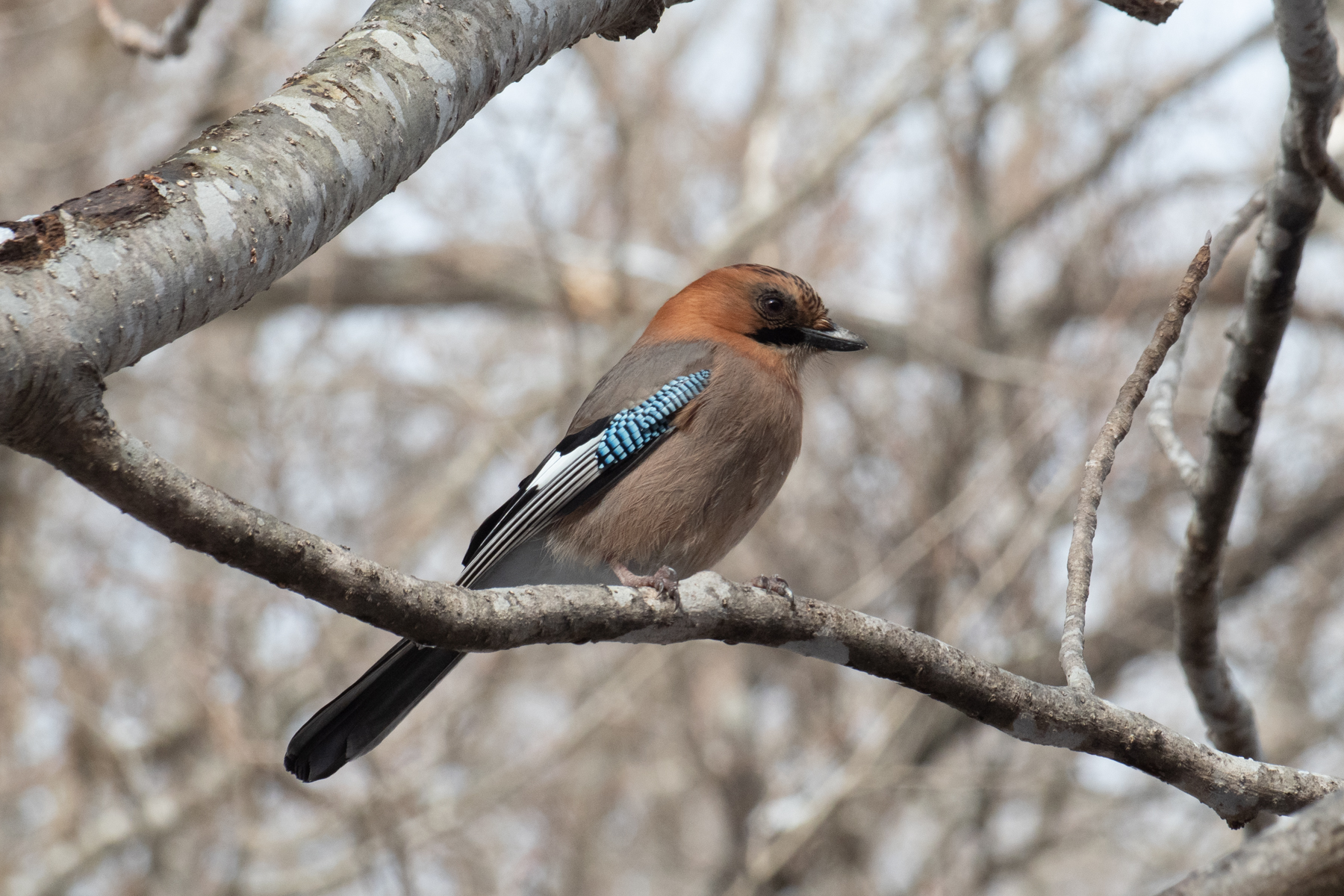
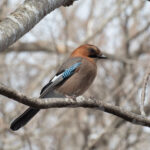
Eurasian Jay Brandti Race (image by Dave Farrow)
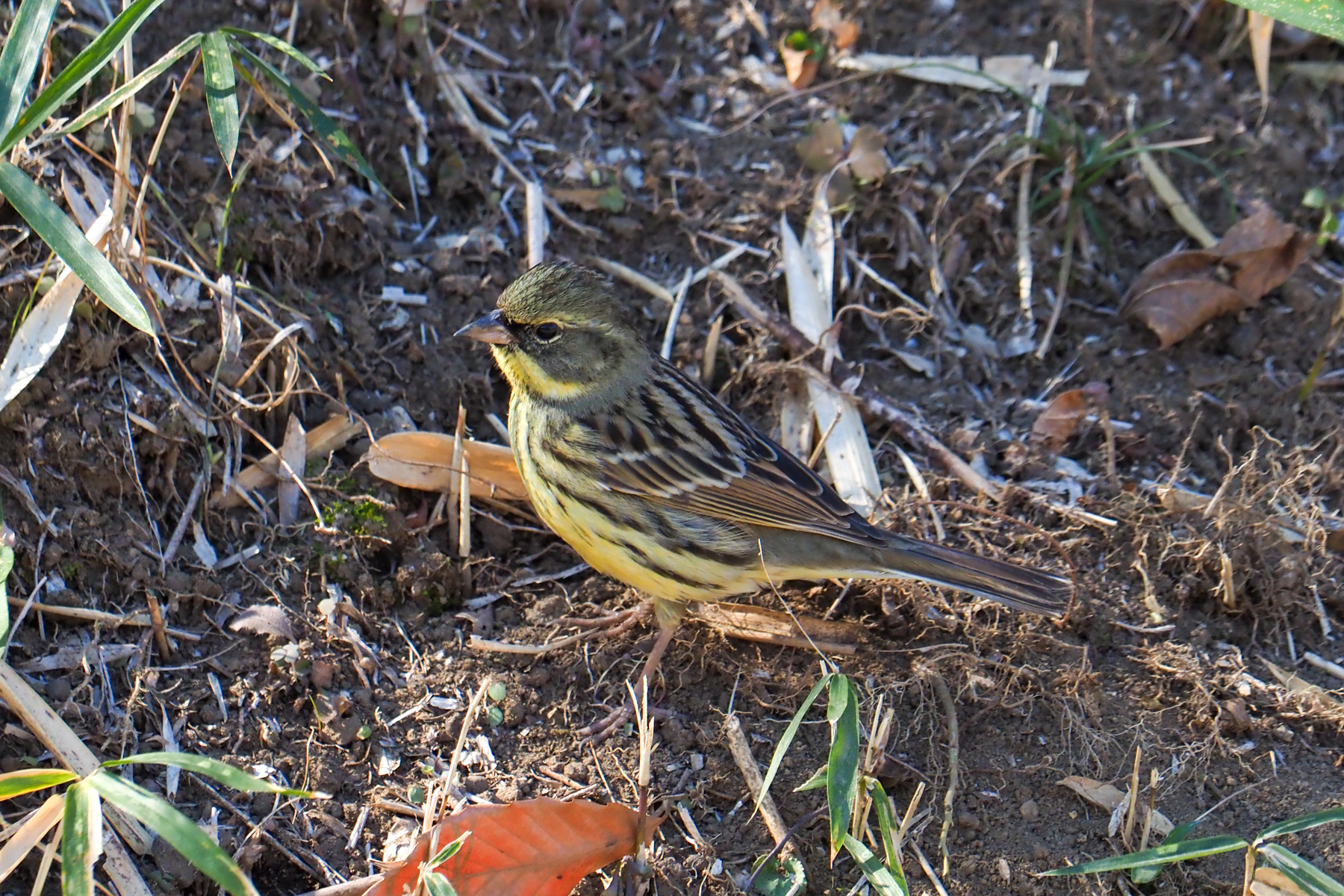
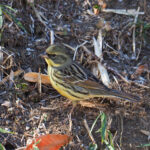
Masked Bunting (image by Dave Farrow)
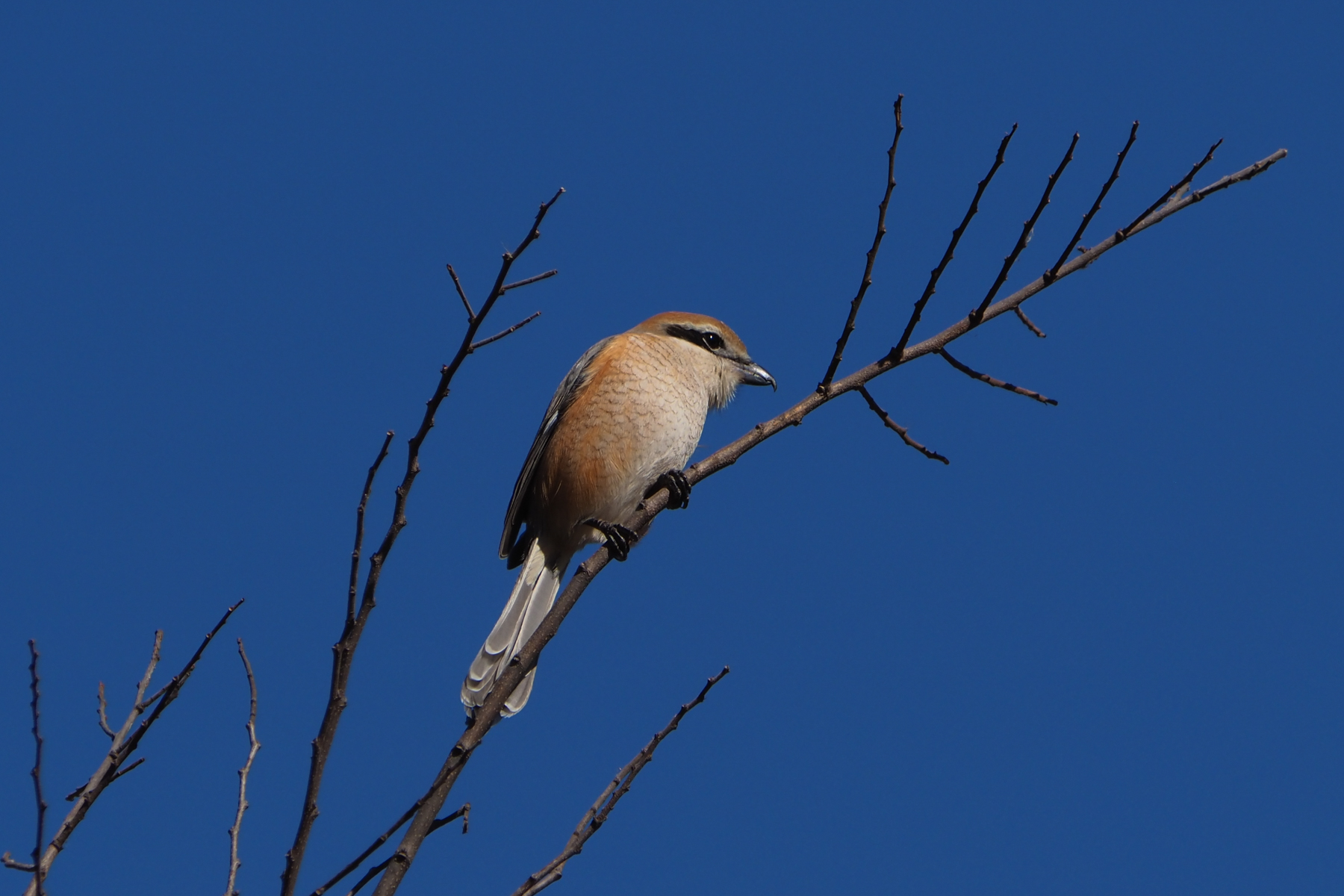
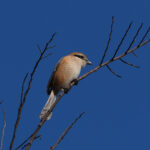
Bull-headed Shrike (image by Dave Farrow)
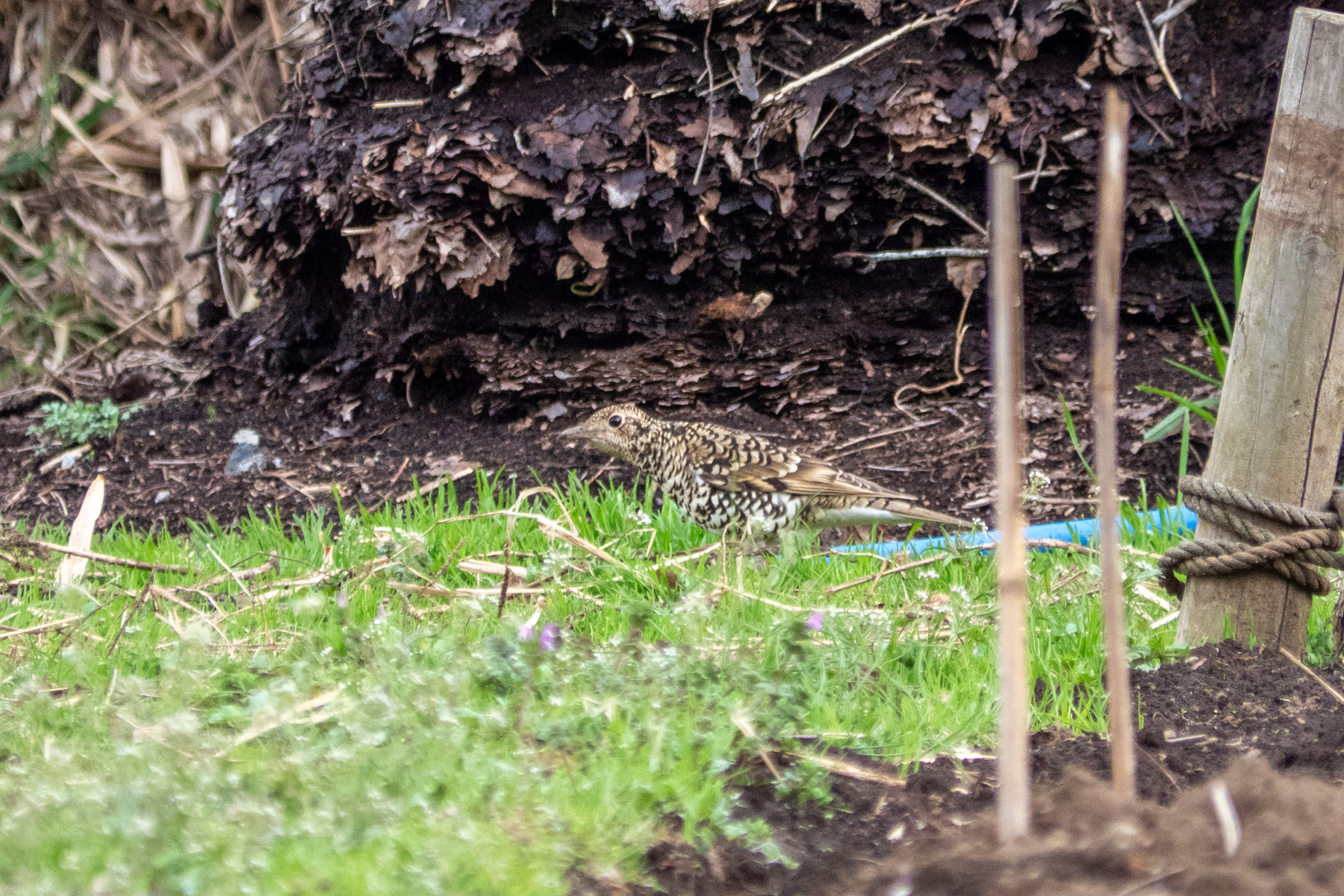
White's Thrush (image by Dave Farrow)
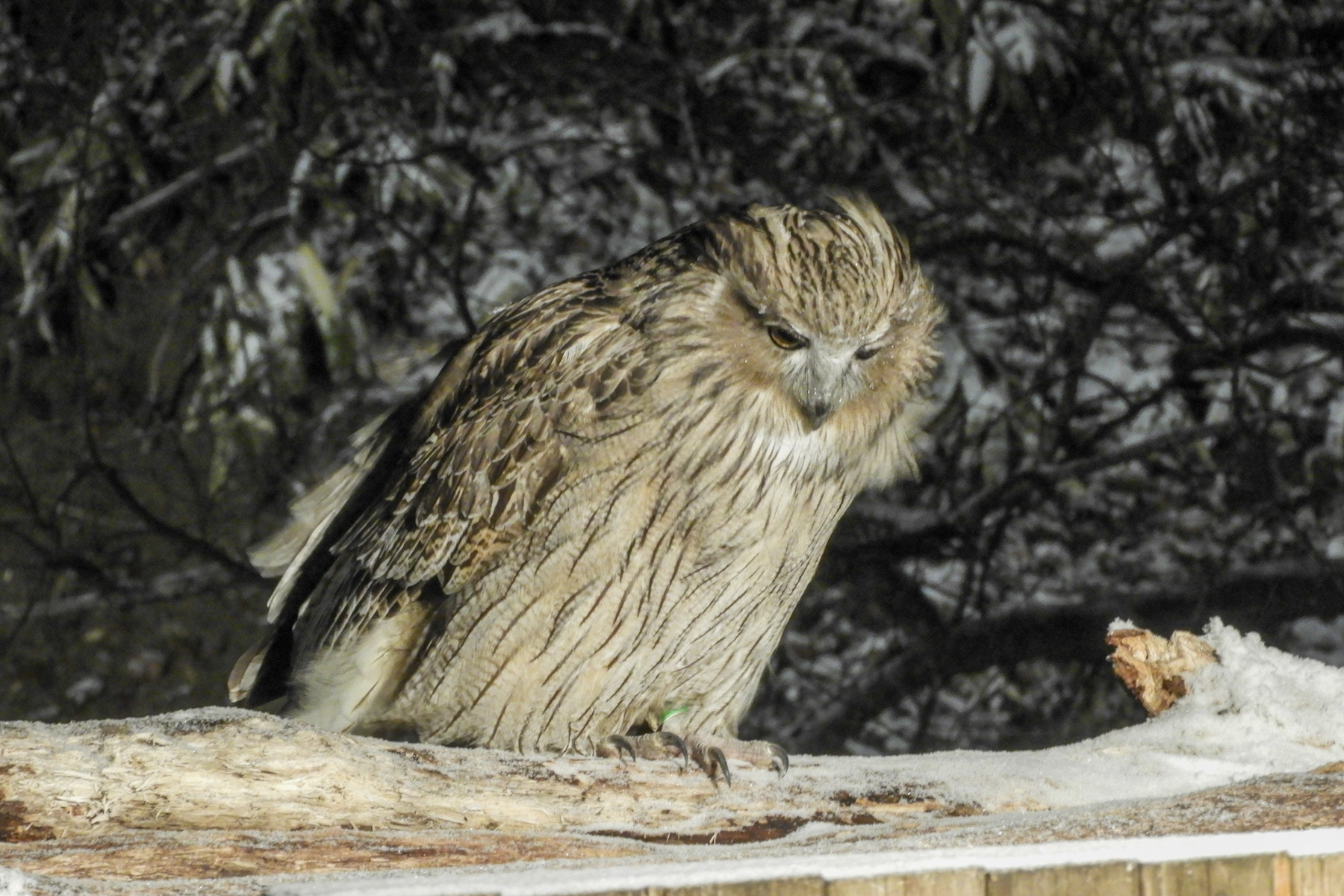
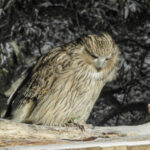
Blakiston's Fish Owl (image by Dave Farrow)
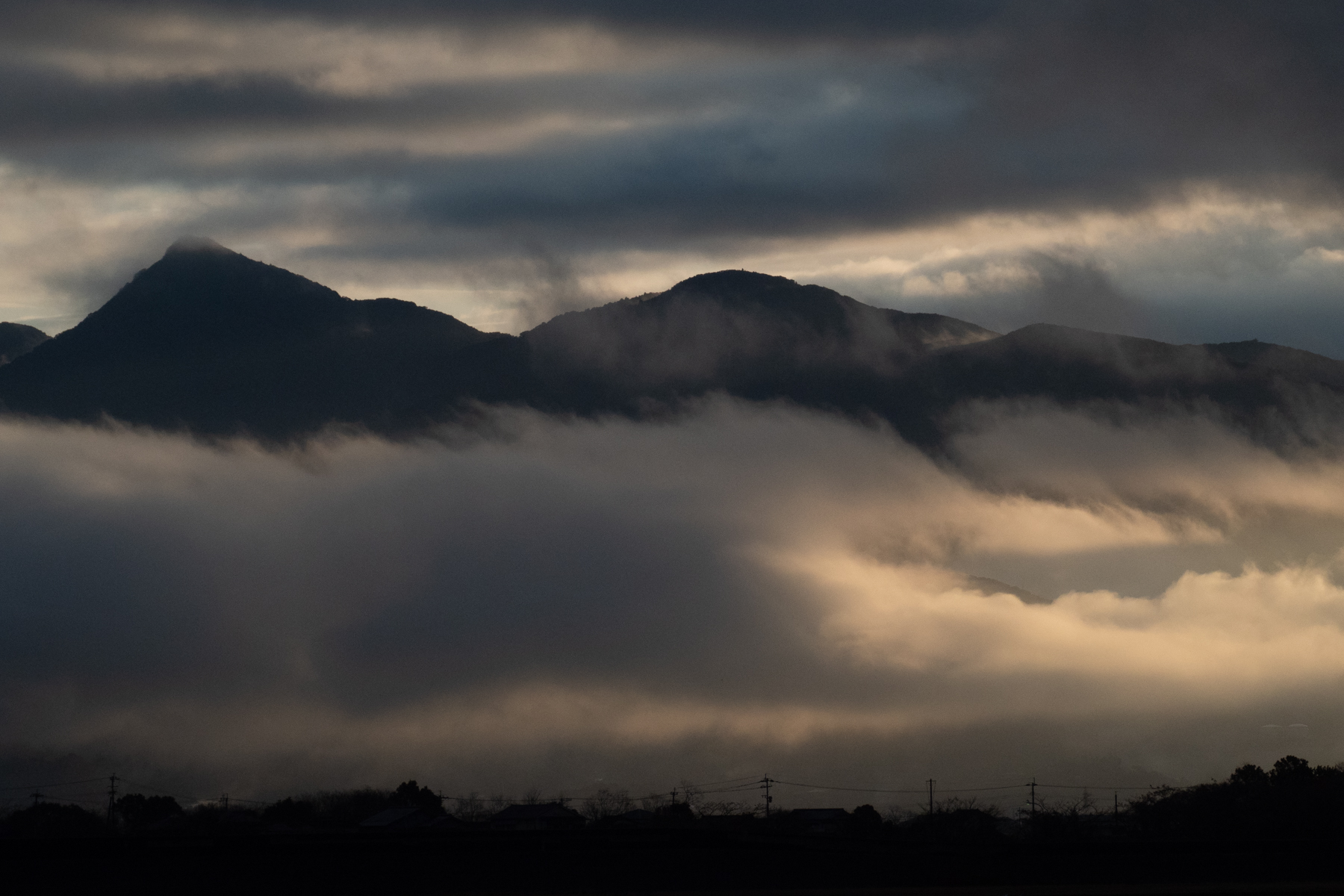
Arasaki Morning Sky (image by Dave Farrow)
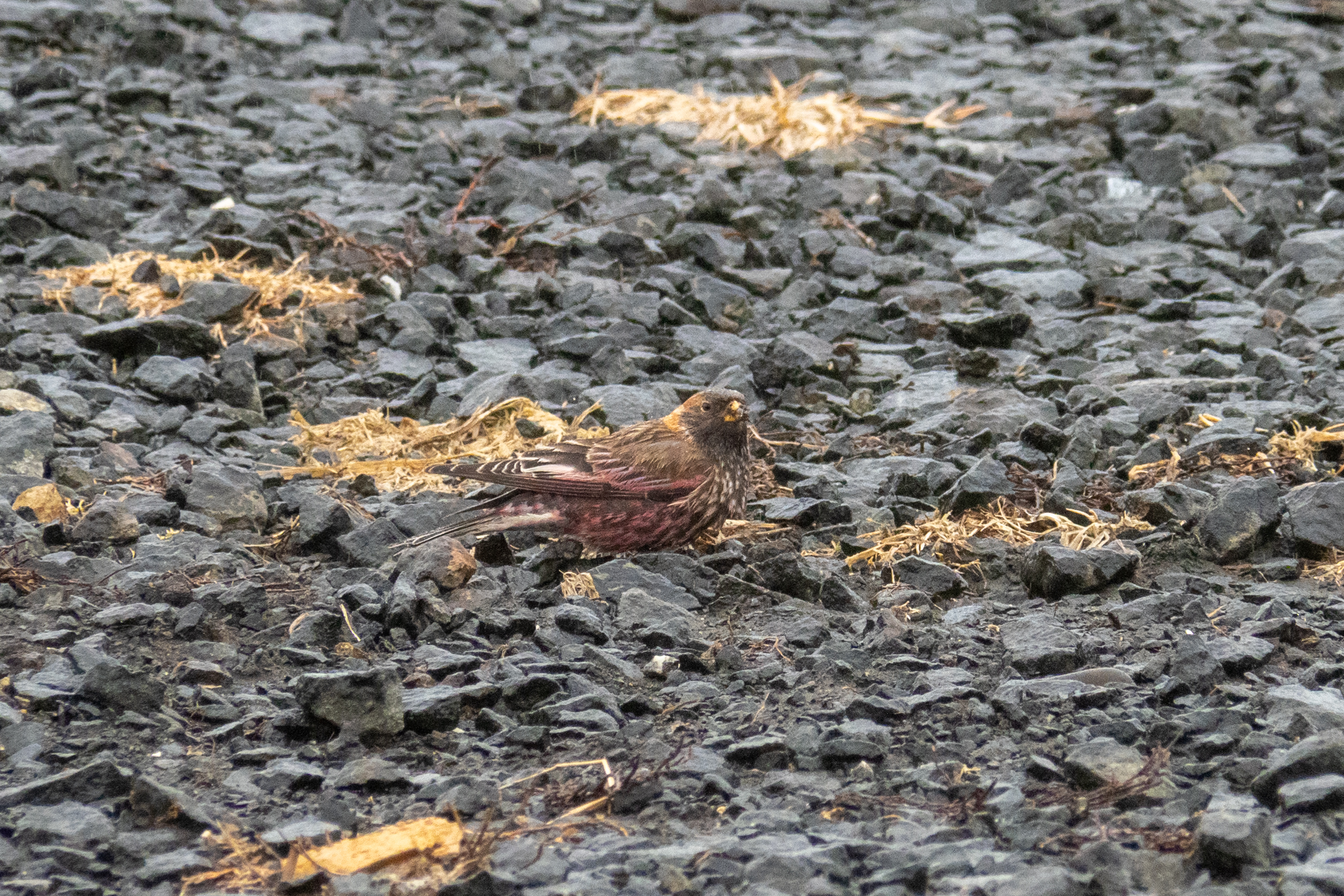
Asian Rosy Finch (image by Dave Farrow)
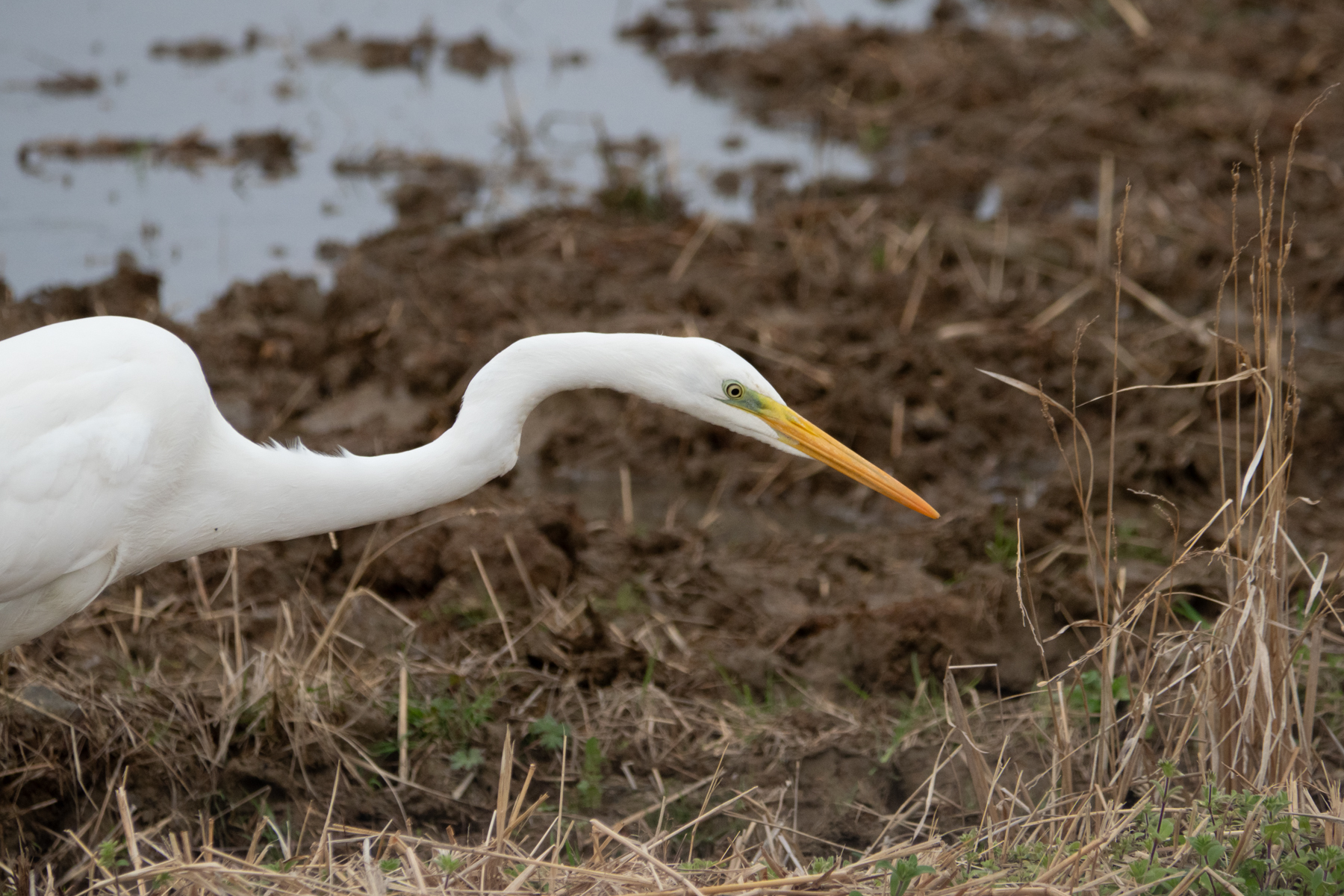
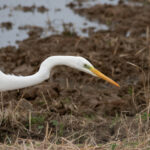
Great Egret (image by Dave Farrow)
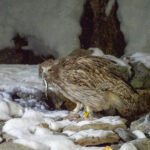


Blakiston's Fish Owl (image by Dave Farrow)
White-naped Cranes (image by Dave Farrow)
Red-crowned Cranes (image by Dave Farrow)
Red-legged Kittiwake (image by Andrew Merrick)
Steller's Sea Eagle (image by Dave Farrow)
Red-crowned Cranes (image by Dave Farrow)
Ural Owl (image by Dave Farrow)
Short-tailed Albatross (image by Dave Farrow)
White-backed Woodpecker (image by Dave Farrow)
White-backed Woodpecker (image by Dave Farrow)
Blakiston's Fish Owl (image by Dave Farrow)
Crane Melee (image by Dave Farrow)
Warbling White-eye (image by Dave Farrow)
Black-footed Albatross (image by Dave Farrow)
Saunders's Gull (image by Dave Farrow)
Saunders's Gull (image by Dave Farrow)
Short-tailed Albatross (image by Dave Farrow)
Slavonian Grebe (image by Dave Farrow)
Red-crowned Crane (image by Dave Farrow)
Otani San (image by Dave Farrow)
Dusky Thrush (image by Dave Farrow)
Meadow Bunting (image by Dave Farrow)
Japanese Macaque (image by Dave Farrow)
Japanese Pygmy Woodpecker (image by Dave Farrow)
Long-tailed Rosefinch (image by Dave Farrow)
Long-tailed Tit (image by Dave Farrow)
Masked Bunting (image by Dave Farrow)
Japanese Accentor (image by Dave Farrow)
Hazel Grouse (image by Dave Farrow)
Green Pheasant (image by Dave Farrow)
Eurasian Bullfinch (image by Dave Farrow)
Eurasian Jay Brandti Race (image by Dave Farrow)
Masked Bunting (image by Dave Farrow)
Bull-headed Shrike (image by Dave Farrow)
White's Thrush (image by Dave Farrow)
Blakiston's Fish Owl (image by Dave Farrow)
Arasaki Morning Sky (image by Dave Farrow)
Asian Rosy Finch (image by Dave Farrow)
Great Egret (image by Dave Farrow)


JAPAN IN WINTER TOUR REPORT 2026

19 February – 5/7 March 2026
Dave Farrow
Another great trip to Japan, with superb wildlife encounters from one end to the other. A mouth-watering list of birds led by the stars of Hokkaido: Red-crowned Crane, Steller’s Sea Eagle and Blakiston’s Fish Owls, while on Honshu we saw Copper and Green Pheasants, Solitary Snipe, Japanese Green Woodpecker, Japanese Waxwings and Japanese Accentor, and a lake covered in 7000 Baikal Teal. On Kyushu we enjoyed being immersed among the thousands of Hooded and White-naped Cranes, watched crab-hunting Saunders’s Gulls, Japanese Murrelet, Ryukyu Minivet, Chinese Penduline Tits, Japanese Grosbeaks, and Yellow-throated Buntings. More unusual finds were a flock of Chinese Grosbeaks, Demoiselle Crane, Lesser White-fronted and Swan Geese at Arasaki, while on Hokkaido we saw a Red-legged Kittiwake, plus Rock Sandpipers, Hazel Grouse, Rough-legged Buzzard and Asian Rosy Finch. On our extension, in Tokyo parks we saw Grey Buntings, Brown-headed and White’s Thrushes, and on the pelagic we saw plenty of Short-tailed Albatross, Black-footed and Laysan Albatross, and Providence Petrel.
Overall there is a great selection of wintering wildfowl and passerines, not to mention some very comfortable accommodations offering top class food, it was a thrill from start to finish. Every year this tour is different, and this year was no exception as we weathered some unseasonably warm temperatures in places, a lack of snow where it should have been, and heavy rain and strong winds cancelling boat trips.
We gathered in Haneda, on a clear sunny day with the stunning backdrop of Mt Fuji rising 100km distant. We were joined by our Japanese guide, Otani-san, and began our journey by travelling overland across Tokyo. We boarded the Shinkansen bullet train, and moving at speeds of up to 276kph we soon arrived in a chilly but largely snow-free Karuizawa. Venturing out into the cold forest, we watched Falcated Ducks with Eurasian Wigeon on a forest pond, and checking clumps of mistletoe we found some very smart Japanese Waxwings, one of which treated us to a gooey display of ‘how mistletoe spreads’. In the afternoon sunshine we found a perky Japanese Accentor, a stunning pink Long-tailed Rosefinch, a male Red-flanked Bluetail and a Japanese Green Woodpecker.
Close to our hotel we saw three Wild Boar and some flyover Japanese Grosbeaks and Hawfinches, and at the hotel feeders we saw Varied and Cinereous Tits and dapper Oriental Greenfinches. Along an old road, we drove slowly through the copper-coloured forested slopes searching the elusive Copper Pheasant. We found a Japanese Serow walking through the trees, a male White-backed Woodpecker, and as the sun hit the hillsides we found Japanese Accentor, Daurian Redstarts and Dusky Thrushes. Next we headed along to Saku, eating a picnic lunch beside the Chikumagawa. Many duck were present on the river and adjoining lake with a good number of Smew, Northern Pintail, Goosander, Falcated Duck, and large numbers of Green-winged (Eurasian) Teal and Eurasian Wigeon. On the river itself we enjoyed several Long-billed Plovers in the shallows and rocky islands, Japanese Wagtails, Siberian Pipits, with Rustic Buntings, Long-tailed Rosefinches and a Japanese Bush Warbler along the grassy banks. Numerous Black-eared Kites wheeled and whined overhead, and the Great Cormorant colony was noisy with activity. Around some fields in a forest clearing we found a flock of Azure-winged Magpies, numerous Green Pheasants showed well despite their usual timidity, we found many Meadow and a few Rustic Buntings, and just as we thought it was all done we found a handsome Solitary Snipe feeding in a channel that gave excellent views. Quite a day!
We spent a second day in the wooded hills surrounding Karuizawa, continuing our search for Copper Pheasant. Along a quiet valley we startled two males that appeared on the track in front of us before flying uphill, affording some good flight views. As the sun crept over the hillsides we saw singing and nest-building Brown Dippers, disappearing behind a waterfall to a likely nest site. We saw Japanese Grosbeaks, more Japanese Waxwings, Japanese Pygmy and Japanese Green Woodpeckers, and a pair of Peregrines flew overhead. Further explorations along back lanes yielded a pair of rosacea Eurasian Bullfinch. Further forest explorations produced a fine pair of White-backed Woodpeckers, a few Brambling and Coal Tits, and our first Japanese White-eye (or Warbling as it is now known).
We left our quaint and peaceful hotel the next morning and headed for the Snow Monkey Park at Jigokudani. Despite arriving quite early it was already getting busy. With just enough snow remaining for it to still be a ‘Snow’ Monkey experience, it is perhaps more notable now as being a comical human zoo! Despite the crowds we found a trio of Japanese Accentors and a flyover Mountain Hawk Eagle, while around the parking area we saw Goldcrest, Eurasian Siskin, and a selection of Tits. Continuing our journey westwards over the snowy mountains and onto the highway along the north coast, the air was so clear we had stunning vistas of the snowy peaks as we went. More unexpected were the high temperatures, with 21c recorded for most of the day! We reached the lake at Katano Kamoike in the mid-afternoon, where the surface of the water was almost blotted out by wildfowl. The Observatory staff told us there were 7000 Baikal Teal currently, the most I have ever seen here, also 3000 Mallard, with Bewick’s Swans, Greater White-fronted Geese, and a few Tundra Bean Geese scattered among the more numerous Taiga Bean Geese.
Our day birding around the lakes, fields and coast of the Kaga was unusually blessed with fine weather, not the horizontal sleet that we usually encounter here on a typical February day! We began around some rice fields where Grey-headed Lapwings were calling and displaying to each other, while skeins of Greater White-fronted Geese and Bewick’s Swans passed overhead heading to their feeding areas. We visited another pond thronged with real wild Mallard and good numbers of Falcated Duck, and nearby we saw a flock of smart Black-necked Grebes. We returned to the lake at Kamoike, where we swooned over the thousands of wildfowl here. Baikal Teal were the most prominent, but it’s hard to beat a Northern Pintail for looks. At nearby Cape Kasano we saw Pelagic and Japanese Cormorants, plus Red-necked Grebes, Red-throated and Black-throated Divers, a trip of super-distant Ancient Murrelets, and our first Vega, Black-tailed and Slaty-backed Gulls.
A travel day followed, from Komatsu airport we took a flight to Fukuoka in Kyushu, on a small turboprop aircraft that passed almost directly over the city of Hiroshima, glinting below in the morning sun. On arrival we took our new vehicles and set a course southwards along the Kyushu expressway, enroute pausing for a while beside the estuary of the Kuma river at Yatsushiro. Amazingly our visit was perfectly timed, with a high tide that was dropping to expose the mud flats. Flocks of Grey Plover and Greenshank swirled around, and our target bird, Saunders’s Gull, arrived in a large flock that settled in front of us. Also here were a flock of Black-faced Spoonbills, plus we saw hundreds of Dunlin and Kentish Plover, a single Sanderling, Black-headed, Black-tailed, Vega and a trio of Taimyr Gulls, Siberian Pipits, Russet Sparrows, and a cracking male Hen Harrier that put them all to flight. In the town of Minemata we saw a House Swift and several Asian House Martins, before reaching our traditional guest house at Arasaki. There was still enough daylight to see the gathering of roosting Hooded Cranes from the windows, which was followed by a fine meal.
The wonders of Arasaki are always pleasing. From the first light of day we watched the noisy flights of Hooded Cranes passing overhead towards their feeding area, joined by a Swan Goose, a long staying rarity here this winter. Moving closer to the feeding area we spotted the solitary Demoiselle Crane plus several Common Cranes, and the remaining few dozen White-naped Cranes. Siberian Pipits and Japanese Skylarks also featured as did hundreds of Oriental Rook and a couple of dozen juvenile Daurian Jackdaws. We visited adjoining farmland and wetland areas where we saw two separate groups of Chinese Penduline Tit, Chestnut-eared Buntings, Black-faced and Eurasian Spoonbills. In the afternoon we refound the same flock of Chinese Grosbeaks I had seen earlier in the month, amazingly feeding into the same tree as before. We heard several Ruddy-breasted Crakes in the waterlogged ditches and back at our lodgings in the late afternoon we were lucky enough to see a trio of Japanese Raccoon Dogs coming out to play.
We rejoined the skeins of Cranes at dawn the following day, and they croaked and bugled over our heads enroute to the feeding area. Closer looks revealed the Demoiselle Crane once more, and from the roof of the Crane Observatory we found the Swan Goose and the lone Lesser White-fronted Goose, a ringtail Hen Harrier, and our first Eurasian Goshawk. Dragging ourselves away after saying goodbye to our lovely hosts, we headed inland to Kogawa Dam. We soon found Crested Kingfishers and watched some splendid Japanese Grosbeaks feeding on small dry fruit. A large flock of Baikal Teal circled the lake, while shy Mandarin Ducks flew as soon as they saw us. Taking a minor road eastwards through the forested hills we found three Ryukyu Minivets and a circling Mountain Hawk Eagle. We reached Mi-ike in the late afternoon, saw Olive-backed Pipits and Pale Thrush, before probably the best meal of the tour at our nearby hotel.
With an eye on the weather we made an early start for the east coast, but unfortunately we discovered that our boat trip to see the Japanese Murrelets was cancelled due to high winds and heavy rain. We pressed on regardless as the rain began, enroute finding a busy Bunting flock with many lovely Yellow-throated Buntings, plus several Rustics, but the rain wasn’t helping! Reaching the coast we stared out at the rolling sea from Cape Hyuga, which was unexpectedly fruitful as Japanese Murrelets could be seen bobbing about on distant waves, as tiny as they are. Several Streaked Shearwaters could be seen out in the murk, brought in by the onshore winds. We saw Pacific Reef Heron, a few Black-tailed and Vega Gulls, but we were just getting soaked so we called it a day and returned to our hotel and its inviting Onsen.
In the morning in fields close to our hotel we found Green Pheasants, Chestnut-eared Buntings, Japanese Skylarks, and a tree full of Dusky and Pale Thrushes feeding on fruit. We explored another spot where we had a great view of a fuscescens race Ural Owl, plus Ryukyu Minivets, many Japanese Grosbeaks and Eurasian Siskins. Then it was time to head for Kagoshima airport, and fly – via Haneda – to a largely snow-free Kushiro in Hokkaido, in time for another excellent banquet.
An early start was in order for the ritual visit to Otawabashi bridge where we jostled with photographers to view the river, where a small number of Red-crowned Cranes stood around in the riverbed and Goosanders flew over low over our heads. At +2c and largely bereft of snow, it perhaps wasn’t the experience the assembled photographers were hoping for! We visited the Red-crowned Cranes at one of their feeding sites and watched them dance and pogo about in the strong sunshine. Next, we set a course for the east coast of Hokkaido, on the way seeing our first Steller’s Sea Eagles, Whooper Swans, and in woodland we enjoyed Japanese Pygmy Woodpecker, Marsh Tit and Eurasian Treecreeper. On reaching the coast we braved the windchill of a stiff north-westerly to view numerous Harlequin Duck on the sea, plus Pelagic Cormorants, Red-breasted Mergansers, and many Slaty-backed and Kamchatka Gulls. Pressing on to Rausu, we reached our lodgings at the fabled minshuku Washi no Yado, home of the Blakiston’s Fish Owl. We took up our positions to wait for the Owl to come to feed on the stream in front of us, expecting to have to stay up long into the night for it to appear. It was a shock when at 6pm it flew in and ate several fish before flying back into the forest. Hurrah! That Owl plus another male made several visits through the night, for those who stayed awake!
As we feared, the strong winds meant that our Eagle Nature Cruise was cancelled, though only at the last minute as we reached quay, and unfortunately we could see that another boat captain had made a different decision and decided to run their cruise! However after a while it was clear, as they parked just outside the harbour with a few bored looking Eagles looking at them, today was not the day and they soon returned to the quay. Meanwhile on the slopes above town numerous White-tailed and Steller’s Sea Eagles were whizzing about the tree roosts, we had some close ‘Eagles on ice’ views in the harbour itself, and a Steller’s Sea Lion was seen.
Further down the coast, we drove along a very windy Notsuke peninsula, where we managed to see a few Spectacled Guillemot and Glaucous Gulls, Sika Deer stags and Red Foxes. Recent warm temperatures had left much of this part of the east coast snow free, and on open waters we saw many Brant Geese, plus big flocks of Glaucous and a few Glaucous-winged Gulls. Further south we found some fine Long-tailed Duck, rafts of Black Scoter and some splendid Stejneger’s Scoters bathed in sunshine. The classic Hokkaido ‘Ural-Owl-in-a-hole’ was no longer available as the tree had blown down in a storm, but after some detective work using online resources we found the hole where a Ural Owl was likely hiding, and just across the road we found the male roosting in a conifer. This japonica race is beautifully pale and ghostly, and he even rendered a sequence of calls so we could watch the thick turtle-neck inflating as he hooted.
The next morning we headed for Cape Nosappu, the easternmost point of Japan. Sea watching in initially clear weather was productive with a Crested Auklet that appeared close in and landed on the sea for some good views. Also we saw numerous Spectacled Guillemot, Rhinoceros Auklets, many Red-necked Grebes, Harlequin Ducks and Black Scoters, and several Divers divided between Red-throated and Pacific. A Rough-legged Buzzard was watched flying out from the cape towards the offshore islands, and a couple of smart Asian Rosy Finch were found feeding on the stoney car park. Visibility worsened, with rain and sleet blowing sideways so we switched our attention to sheltered harbours where we studied the Slaty-backed and Glaucous-winged Gulls, Red-breasted Mergansers and Long-tailed Ducks. Dodging in and out of warm convenience stores, we headed back to Cape Nosappu in the afternoon to check on the Cormorants in the hope of finding a Red-faced Cormorant. Resuming our sea watching we were stunned by the sudden and brief appearance at close range of a Red-legged Kittiwake, which quickly passed on its way south, but not before a photo had been secured. Hurrah! Lifer all round! Unfortunately Otani-san had stepped away at that moment and missed it. We hung on till dusk however the Cormorant did not appear.
The next morning we returned to Cape Nosappu, where plenty of Spectacled Guillemots were passing, a Slavonian Grebe appeared close in, and a couple of Pigeon Guillemots showed well plus one of the snowi subspecies, better split as Kuril Guillemot. A hot tip from some young Japanese birders that Rock Sandpipers were showing at the nearby Onnemoto rocks caused us to quickly relocate, and soon we were happily watching up to 12 Rock Sandpipers on offshore rocks, even though it was 460m away! Moving inland, we were brought to a rapid halt when two Hazel Grouse were spotted crouched on the verge, before running across the road and flying up into the trees. Another woodland stop produced a flock of Japanese Pygmy Woodpeckers, Marsh Tits, a male White-backed Woodpecker and some white-headed Long-tailed Tits. We paused to view the Ural Owl once more, at roost in a different conifer, before heading onwards to Yoroushi Onsen. As we checked in, the feeders were busy with Marsh Tits and Eurasian Nuthatches, plus some more Long-tailed Tits. After darkness fell, the Blakiston’s Fish Owl flew in and perched above the river, before coming to sit on the tank outside the window to please the assembled crowd. Of course, a special banquet was provided for us in this rather special hotel.
The feeders provided much of the mornings’ entertainment, with Eurasian Red Squirrels, many Eurasian Jays of the brandti race, Great Spotted Woodpeckers, clara race Eurasian Nuthatches, and Brown Dippers feeding on the river just outside the windows of the restaurant. We visited Lake Kussharo where a few Whooper Swan lingered, and around the carpark we were treated great views of a pair of White-backed Woodpeckers, a pair of Grey headed Woodpeckers and several confiding Japanese Pygmy Woodpeckers. We spent some time around Tsurui watching Red-crowned Cranes, before heading towards the airport and our final flight back to Haneda.
The main tour ended, and we continued with our extension, spending the day exploring Tokyo parks. At Meiji Jingu we peered under thick bushes and eventually located some skulking Grey Buntings, rewarded with good views after some persistence. The Varied Tits were very friendly, plus we saw several Pale Thrushes and heard a Japanese Sparrowhawk. From here we travelled over into Yokohama, taking the local bus up to Maioka Park where we spent a productive few hours seeing Brown-headed Thrush, Chinese Hwamei, Chinese Bamboo Partridges, some confiding Masked Buntings, Japanese Bush Warblers, a surprise flock of Japanese Waxwings, and a final hurrah of a splendid White’s Thrush feeding in the open, watched until closing time. That evening we made our way to Takeshiba port, where we discovered the ferry to the Izu islands would depart (unlike our previous three boat trips) although it would be a shortened service due to the strong winds. Nevertheless, it was going to put us right where we wanted, and we set sail at 2230hrs.
Waking early, we reached Miyakejima and went ashore briefly before reboarding the ship, which set off back towards Tokyo just as the dawn broke. Within minutes we saw our first Black-footed and Short-tailed Albatrosses, amid innumerable Streaked Shearwaters. In the first couple of hours there was much activity, and we saw many more Albatrosses with Short-tailed being the most numerous with some 50 birds seen, then smaller numbers of Black-footed and just ten Laysan. Other sightings included at least five Providence Petrels, two Japanese Murrelets and a Red Phalarope. As we neared Tokyo Bay the seabirds dropped away, and drawing closer to the city we saw notably large numbers of Black-headed Gulls, Vega and Black-tailed Gulls and a single Glaucous Gull.
So ended a wonderful journey around the islands of Japan and all its winter birding delights. It never ceases to be an amazing tour and is never the same twice. Once you have had a taste of Japan, the next step is to return in spring!
SYSTEMATIC LIST OF SPECIES RECORDED DURING THE TOUR
Species marked with the diamond symbol (◊) are either endemic to the country or local region or considered ‘special’ birds for some other reason (e.g. it is only seen on one or two Birdquest tours; it is difficult to see across all or most of its range; the local form is endemic or restricted-range and may in future be treated as a full species).
The species names and taxonomy used in the bird list follows AviList v2025 (AviList Core Team. 2025. AviList:The Global Avian Checklist, v2025).
Bewick’s Swan ◊ (Tundra S) Cygnus [columbianus] bewickii Good numbers at Kaga.
Whooper Swan Cygnus cygnus Several small flocks on Hokkaido.
Brant Goose ◊ (Black Brant) Branta [bernicla] nigricans Plenty out on the shallow sea at Odaito.
Swan Goose ◊ Anser cygnoides One at Arasaki, only my second on this tour in 16 years.
Lesser White-fronted Goose ◊ Anser erythropus A single at Arasaki is an unusual record.
Greater White-fronted Goose Anser albifrons A single at Arasaki, a few hundred in the Kaga area.
Tundra Bean Goose ◊ Anser serrirostris A handful at Katano Kamoike, luckily all close in.
Taiga Bean Goose ◊ Anser fabalis Many at Katano Kamoike.
Mandarin Duck ◊ Aix galericulata Quite numerous at Kogawa Dam but very nervous and flighty as usual.
Common Shelduck Tadorna tadorna A maxima of 31 seen at Arasaki.
Long-tailed Duck Clangula hyemalis Frequent sightings on Hokkaido, good looks at pairs in harbours.
Harlequin Duck ◊ Histrionicus histrionicus Plenty of these handsome ducks around the Hokkaido coasts.
Black Scoter ◊ Melanitta americana
Stejneger’s Scoter ◊ Melanitta stejnegeri Some nice close examples along the east coast of Hokkaido.
Common Goldeneye Bucephala clangula
Smew ◊ Mergellus albellus 21 at Lake Toden, some females at Katano Kamoike
Red-breasted Merganser Mergus serrator Many around the Hokkaido coasts and harbours.
Common Merganser (Goosander) Mergus merganser
Common Pochard Aythya ferina
Tufted Duck Aythya fuligula
Greater Scaup Aythya marila Just two seen on the entire trip.
Baikal Teal ◊ Sibirionetta formosa Some 7000 at Katano Kamoike according to the staff there, the highest number I have ever encountered there.
Northern Shoveler Spatula clypeata
Falcated Duck ◊ Mareca falcata Seen in several localities, the showy ones at Karuizawa on our first day stand out though.
Gadwall Mareca strepera
Eurasian Wigeon Mareca penelope
Eastern Spot-billed Duck Anas zonorhyncha Widespread, but very numerous at Arasaki.
Mallard Anas platyrhynchos
Northern Pintail Anas acuta
Green-winged Teal (Eurasian T) Anas [crecca] crecca
Hazel Grouse ◊ Tetrastes bonasia A shock to see a pair crouched by the roadside in woodland near Nemuro. My first in Japan in winter.
Copper Pheasant ◊ Syrmaticus soemmerringii A quick but good look at two males flying away upslope at Karuizawa, surprised off the track ahead of us.
Green Pheasant ◊ Phasianus versicolor Often hard to see in winter, we had multiple encounters and saw some very smart males.
Chinese Bamboo Partridge ◊ (introduced) Bambusicola thoracicus Close prolonged views in Maioka Park, also heard in Kyushu.
Little Grebe Tachybaptus ruficollis
Slavonian Grebe (Horned G) Podiceps auritus Nice examples seen in Habomai harbour and at Cape Nosappu.
Red-necked Grebe Podiceps grisegena Very numerous (40+) this year off Cape Nosappu, also seen off Kaga coasts.
Great Crested Grebe Podiceps cristatus
Black-necked Grebe (Eared G) Podiceps nigricollis A nice little flock of 13 near Kaga.
Oriental Turtle Dove Streptopelia orientalis
Rock Dove (introduced) (Feral P) Columba [livia] var_domestica
White-bellied Green Pigeon ◊ (Japanese G P) Treron sieboldii Glimpsed in Kyushu.
White-naped Crane ◊ Antigone vipio At Arasaki many had left, we saw c100 of this most elegant of Cranes.
Demoiselle Crane Grus virgo A single at Arasaki, another ‘only my second’ record for me.
Red-crowned Crane ◊ (Japanese C) Grus japonensis A highlight of every visit, however milder windy weather seemed to change their behaviour. We had some great sessions with lively dancing birds around Tsurui.
Common Crane Grus grus Several individuals at Arasaki, plus some apparent hybrids.
Hooded Crane ◊ Grus monachal The main biomass at Arasaki, where thousands were present.
Common Moorhen Gallinula chloropus Non-leader.
Eurasian Coot Fulica atra
Ruddy-breasted Crake Zapornia fusca Heard-only.
Grey Plover Pluvialis squatarola A lively flock of 73 at Yatsushiro.
Long-billed Plover ◊ Thinornis placidus Nice looks at four or more on the Chikuma Gawa.
Little Ringed Plover Thinornis dubius Heard-only.
Northern Lapwing Vanellus vanellus A couple of dozen of these winter visitors at Arasaki.
Grey-headed Lapwing Vanellus cinereus At least ten seen near Kaga, unusually vocal and displaying in pairs.
Kentish Plover Anarhynchus alexandrines A good number on the mud at Yatsushiro.
Solitary Snipe ◊ Gallinago solitaria Not found in the regular sites, but a cracking example found in a stream near Karuizawa pleased us greatly.
Common Snipe Gallinago gallinago
Common Sandpiper Actitis hypoleucos
Red Phalarope Phalaropus fulicarius A single flyby from the Izu ferry.
Green Sandpiper Tringa ochropus
Common Greenshank Tringa nebularia A flock of 24 at Yatsushiro.
Sanderling Calidris alba A single with the following at Yatsushiro.
Dunlin Calidris alpina Plenty on the mud at Yatsushiro.
Rock Sandpiper ◊ Calidris ptilocnemis A flock of 12 birds on the offshore rocks at Onnemoto, some 465m distant! Despite looking every year, this is (again) just the second time I have seen them here.
Rhinoceros Auklet ◊ Cerorhinca monocerata A couple of singles off Cape Nosappu.
Crested Auklet ◊ Aethia cristatella An unusually close example flew past us at Cape Nosappu and landed on the sea nearby.
Japanese Murrelet ◊ Synthliboramphus wumizusume Despite our boat from Kadogawa being cancelled due to the high winds, we were fortunate enough to find 15-20 birds swimming off Cape Hyuga, as tiny as they are!
Ancient Murrelet ◊ Synthliboramphus antiquus A distant group off Cape Kasano showing about a single pixel each!
Spectacled Guillemot ◊ Cepphus carbo Plenty seen off Cape Nosappu in a range of plumages, plus a few from Notsuke peninsula.
Pigeon Guillemot ◊ Cepphus (columba) columba A few seen off Cape Nosappu.
Kuril Guillemot ◊ Cepphus (columba) snowi A good example seen off Cape Nosappu.
Black-legged Kittiwake (Pacific B-l K) Rissa [tridactyla] pollicaris Non-leader.
Red-legged Kittiwake Rissa brevirostris A big thrill to see this at Cape Nosappu, as brief as it was! A close fly-by, but luckily a good photo acquired to help savour the moment.
Saunders’s Gull ◊ Saundersilarus saundersi A great show by these at Yatsushiro, with 250 birds coming in on a falling tide.
Black-headed Gull Chroicocephalus ridibundus
Black-tailed Gull ◊ Larus crassirostris
Kamchatka Gull ◊ (Common G) Larus [canus] kamtschatschensis
Vega Gull ◊ Larus vegae
Glaucous Gull Larus hyperboreus Good numbers locally on Hokkaido, a single in Tokyo Bay was more unusual.
Taimyr Gull ◊ (Lesser Black-backed G, Heuglin’s G) Larus [fuscus] heuglini A few of these at Yatsushiro, showing darker backs and yellower legs than Vega.
Glaucous-winged Gull ◊ Larus glaucescens Some lovely examples around the harbours of Hokkaido.
Slaty-backed Gull ◊ Larus schistisagus
Red-throated Loon (R-t Diver) Gavia stellata
Pacific Loon ◊ (P Diver) Gavia pacifica A couple flying past Cape Nosappu.
Black-throated Loon ◊ (B-t Diver) Gavia arctica A few seen off the Sea of Japan coast near Kaga.
Laysan Albatross ◊ Phoebastria immutabilis Atypically he least numerous of the three Albatrosses on our extension, with no more than ten seen.
Black-footed Albatross ◊ Phoebastria nigripes Great views of some close birds on our extension, with 20+ seen.
Short-tailed Albatross ◊ Phoebastria albatrus The highlight of our extension with 50+ birds of all ages and plumages seen, in what is known to birders as ‘The Oshima Triangle’.
Streaked Shearwater ◊ Calonectris leucomelas
Providence Petrel Pterodroma solandri At least five seen from the Izu ferry.
Pelagic Cormorant ◊ Urile pelagicus
Japanese Cormorant ◊ Phalacrocorax capillatus A few seen at Cape Kasano, also at Miyakejima.
Great Cormorant Phalacrocorax carbo
Eurasian Spoonbill Platalea leucorodia
Black-faced Spoonbill ◊ Platalea minor Plenty of these around Arasaki, usually outnumbering the above species.
Pacific Reef Heron Egretta sacra Two seen in the teeth of a gale at Cape Hyuga.
Little Egret Egretta garzetta
Great Egret (Western G E) Ardea [alba] alba
Great Egret (Eastern G E) Ardea [alba] modesta Some were tentatively identified at Arasaki on size, leg colour seemed to be a variable feature.
Grey Heron Ardea cinerea
House Swift Apus nipalensis One seen over Minemata town.
Blakiston’s Fish Owl ◊ Ketupa blakistoni Simply an amazing bird, the biggest Owl in the world. We were lucky with early showings both at Rausu and at Yoroushi. At Rausu there were multiple visits in the early hours by two males. At Yoroushi the presumed male with one good eye made several visits through the night, so close to the window it doesn’t seem real!
Ural Owl ◊ Strix uralensis A vocal bird near Mi-ike made an appearance twice, perching briefly the second time. This is of the browner fuscescens race. The classic Ural-Owl-in-a-hole on Hokkaido was no longer available as the tree had blown down in a storm, but with some detective work around online material led us to another site where we found the male roosting in a conifer. This pallid form is of the japonica race.
Osprey (Western O) Pandion [haliaetus] haliaetus
Mountain Hawk-Eagle Nisaetus nipalensis One flew over the Monkey Park possibly with part of a Copper Pheasant in its talons, and another was seen soaring over the Kyushu forests near Kogawa.
Japanese Sparrowhawk Tachyspiza gularis Heard-only. At Meiji Jingu in Tokyo.
Eurasian Sparrowhawk Accipiter nisus
Eurasian Goshawk Astur gentilis A hefty juvenile at Arasaki.
Hen Harrier Circus cyaneus A smart male flew past us at Yatsushiro, and a female-plumaged bird was seen at Arasaki.
Black Kite (Black-eared K) Milvus [migrans] lineatus
Steller’s Sea Eagle ◊ Haliaeetus pelagicus Simply a stunning bird! Despite being thwarted by the weather at Rausu, we still enjoyed the spectacle of large numbers of these around the town and sitting on ice in the harbour.
White-tailed Eagle Haliaeetus albicilla As with the above, always impressive, and quite widely spread on Hokkaido.
Rough-legged Buzzard ◊ Buteo lagopus One watched flying out from Cape Nosappu heading for the offshore islands.
Eastern Buzzard (Japanese B) Buteo [japonicus] japonicus
Common Kingfisher Alcedo atthis
Crested Kingfisher Megaceryle lugubris Nice views of a pair at Kogawa Dam.
Japanese Green Woodpecker ◊ Picus awokera Seen well around Karuizawa, heard in other places on Kyushu.
Grey-headed Woodpecker Picus canus A pair at Lake Kussharo showed very well.
Japanese Pygmy Woodpecker ◊ Yungipicus kizuki Frequent sightings, plus confiding examples of the smart seebohmi race on Hokkaido.
White-backed Woodpecker Dendrocopos leucotos Multiple sightings, at Karuizawa, Nemuro area and Lake Kussharo.
Great Spotted Woodpecker Dendrocopos major
Common Kestrel (Eurasian K) Falco tinnunculus
Peregrine Falcon Falco peregrinus
Ryukyu Minivet ◊ Pericrocotus tegimae Good views in the woods on Kyushu.
Bull-headed Shrike ◊ Lanius bucephalus
Azure-winged Magpie ◊ Cyanopica cyanus A flock seen at Hochi near Karuizawa.
Eurasian Jay Garrulus glandarius Two races encountered; the white-eyed japonica on Honshu, and the orange-headed brandti on Hokkaido.
Daurian Jackdaw ◊ Coloeus dauuricus A good number at Arasaki, all juvenile.
Rook ◊ (Oriental R) Corvus [frugilegus] pastinator
Carrion Crow ◊ (Oriental C) Corvus [corone] orientalis
Large-billed Crow Corvus macrorhynchos
Chinese Penduline Tit Remiz consobrinus Two flocks at seen at Arasaki.
Cinereous Tit ◊ (Japanese T) Parus [cinereus] minor
Coal Tit Periparus ater
Varied Tit ◊ (Japanese V T) Sittiparus varius
Marsh Tit Poecile palustris Plenty seen on Hokkaido.
Willow Tit Poecile montanus A few seen at Karuizawa.
Japanese Skylark ◊ (Eurasian S) Alauda [arvensis] japonica
Zitting Cisticola Cisticola juncidis
Barn Swallow Hirundo rustica
Asian House Martin Delichon Dasypus A handful seen at Minemata, a couple more at Kogawa Dam.
Long-tailed Tit Aegithalos caudatus Frequent sightings on Honshu of the trivirgatus race, and a few on Hokkaido of the nominate white-headed race, the ‘Snow Fairy’.
Asian Stubtail ◊ Urosphena squameiceps Heard-only, near Mi-ike.
Japanese Bush Warbler ◊ Horornis diphone Already singing in Kyushu.
Brown-eared Bulbul ◊ Hypsipetes amaurotis
Warbling White-eye Zosterops japonicus
Chinese Hwamei (introduced) Garrulax canorus Numerous and noisy at Maioka Park.
Japanese Waxwing ◊ Bombycilla japonica A good year for these, we had great views at Karuizawa of several flocks, plus a surprise flock of 14 at Maioka Park, Yokohama.
Goldcrest Regulus regulus
Eurasian Nuthatch Sitta europaea On Hokkaido we saw many of the clara subspecies, on Honshu it was hondoensis, and roseilia at Mi-ike.
Eurasian Treecreeper Certhia familiaris A couple on Hokkaido of the pallid daurica race.
Eurasian Wren Troglodytes troglodytes
Common Starling Sturnus vulgaris A small number seen at Arasaki.
White-cheeked Starling ◊ (Grey S) Spodiopsar cineraceus
Brown Dipper Cinclus pallasii Good looks at several at Karuizawa, and at Yoroushi where they were showing well just outside the breakfast room window.
White’s Thrush ◊ Zoothera aurea A prolonged view of one feeding in the open at Maioka Park.
Dusky Thrush ◊ Turdus eunomus Seen frequently, with some stunning examples enjoyed.
Brown-headed Thrush ◊ Turdus chrysolaus One at Maioka Park.
Pale Thrush ◊ Turdus pallidus In low numbers this winter, we saw them well in fruiting trees in Kyushu, and lurking under bushes at Meiji Jingu.
Red-flanked Bluetail Tarsiger cyanurus Three males seen at Karuizawa.
Daurian Redstart Phoenicurus auroreus
Blue Rock Thrush (Asian R T) Monticola [solitarius] philippensis
Japanese Accentor ◊ Prunella rubida A showy bird at Karuizawa plus three at Jigokudani.
Russet Sparrow Passer cinnamomeus Small flocks seen at Yatsushiro and Arasaki,
Eurasian Tree Sparrow Passer montanus
Grey Wagtail Motacilla cinerea
White Wagtail ◊ (Black-backed W) Motacilla [alba] lugens
Japanese Wagtail ◊ Motacilla grandis A near endemic, typically found on streams and rivers on Honshu.
Olive-backed Pipit Anthus hodgsoni Several feeding around the campsite at Mi-ike.
Red-throated Pipit Anthus cervinus Heard-only, at Arasaki.
Siberian Pipit Anthus japonicus In good numbers at Yatsushiro, also at Arasaki and Lake Toden.
Brambling Fringilla montifringilla Small flocks seen around Karuizawa.
Hawfinch Coccothraustes coccothraustes Regularly seen around the Honshu woodlands, and a flock of six in Maoika Park on the extension..
Japanese Grosbeak ◊ Eophona personata After rather poor views on Honshu, we had many great encounters on Kyushu, with birds in song at several places.
Chinese Grosbeak ◊ (Yellow-billed G) Eophona migratoria A flock of five males and six females seen at Arasaki feeding on small fruits in a big tree. Found by myself earlier in the month, it’s yet another another ‘second time only’ for me, since I saw one in 2010.
Long-tailed Rosefinch ◊ Carpodacus sibiricus Good views of a male at Karuizawa, a pair also at Lake Toden.
Eurasian Bullfinch Pyrrhula [pyrrhula] rosacea A good year for these with small flocks seen at Karuizawa and Kaga, although all the Sakhalin rosacea subspecies, not the Grey-bellied griseiventris.
Asian Rosy Finch ◊ Leucosticte arctoa Two in a gravel car park at Cape Nosappu were well received.
Oriental Greenfinch (Grey-capped G) Chloris sinica
Eurasian Siskin Spinus spinus
Yellow-throated Bunting ◊ (Elegant B) Emberiza elegans Quite a good number seen in the rain at Kota Shrine on Kyushu.
Common Reed Bunting Emberiza schoeniclus
Grey Bunting Emberiza variabilis Almost inaudible and invisible, we found five at Meiji Jingu where we eventually had good views of a couple of males.
Rustic Bunting ◊ Emberiza rustica Quite a good winter for these with plenty seen.
Masked Bunting Emberiza personata Many glimpses of shy birds along the way, we had point-blank views of confiding birds in Maioka park on the extension.
Chestnut-eared Bunting ◊ (Grey-headed B) Emberiza fucata Plenty of good looks at these smart Buntings, in grass around Arasaki and Mi-ike.
Meadow Bunting ◊ Emberiza cioides
MAMMALS
Japanese Raccoon Dog Nyctereutes viverrinus At least three were seen well at dusk from our lodgings at Arasaki, and a very sick looking one ran past us at Maioka Park.
Red Fox Vulpes vulpes
Steller Sea Lion Eumetopias jubatus One seen around the ice at Rausu.
Harbor Seal (Common S) Phoca vitulina
Sea Otter Enhydra lutris One showed very well at Cape Nosappu.
Sable Martes zibellina Non-leader.
Siberian Weasel Mustela sibirica A couple of sightings in Kyushu.
Eurasian Wild Pig Sus scrofa A trio near our hotel on a cold morning at Karuizawa.
Sika Deer Cervus nippon
Japanese Serow Capricornis crispus A single seen on a forest slope at Karuizawa.
Japanese Macaque Macaca fuscata
Japanese Hare Lepus brachyurus Non-leader, near Mi-ike.
Mountain Hare Lepus timidus A Japan lifer for the leader, a snow-white apparition on snow-free ground near Kushiro airport.
Pallas’s Squirrel (introduced) Callosciurus erythraeus Several seen at Maioka Park.
Japanese Squirrel Sciurus lis A couple seen at Karuizawa.
Eurasian Red Squirrel Sciurus vulgaris Several around the feeders at Yoroushi