
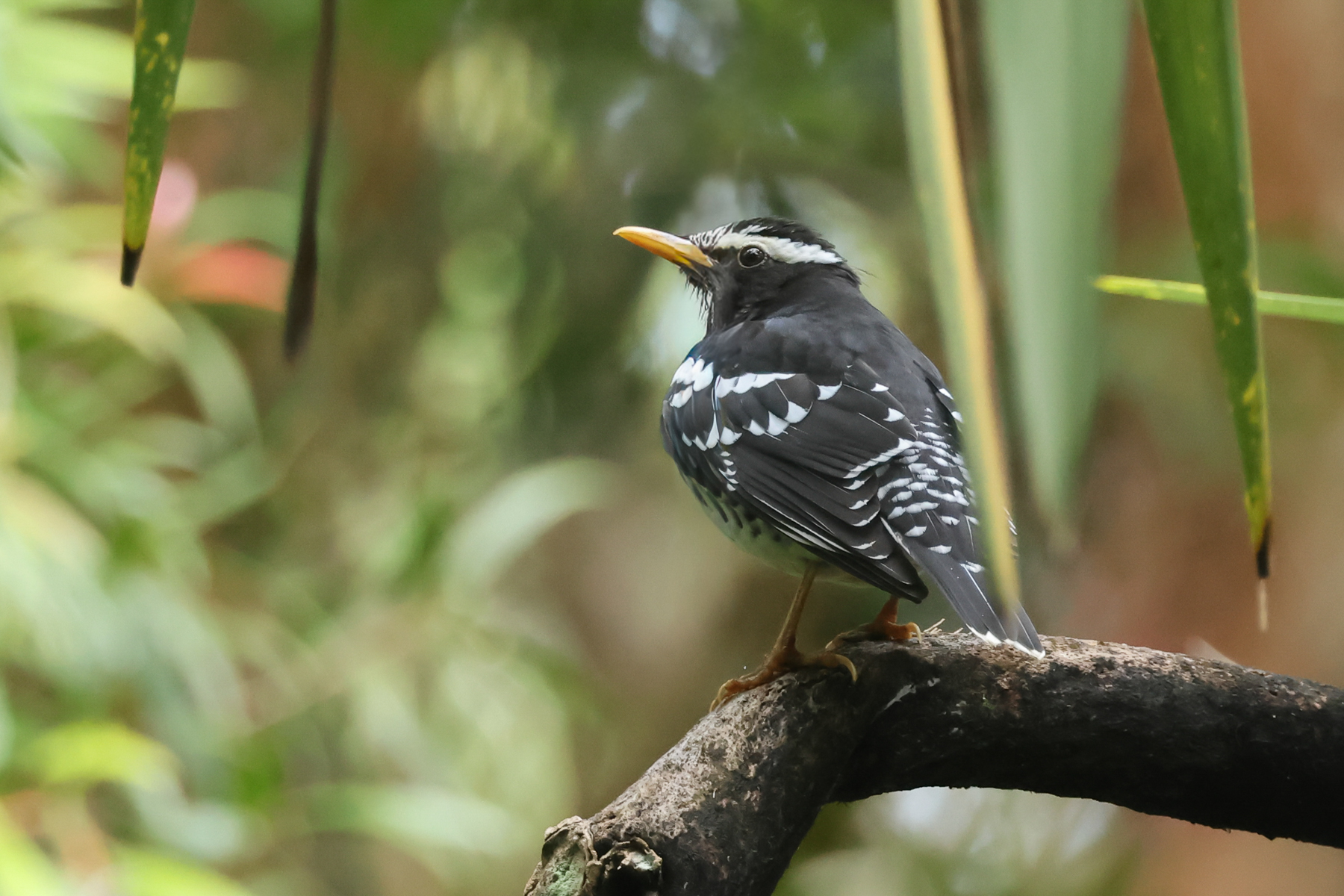
Pied Thrush (image by Vincent van der Spek)
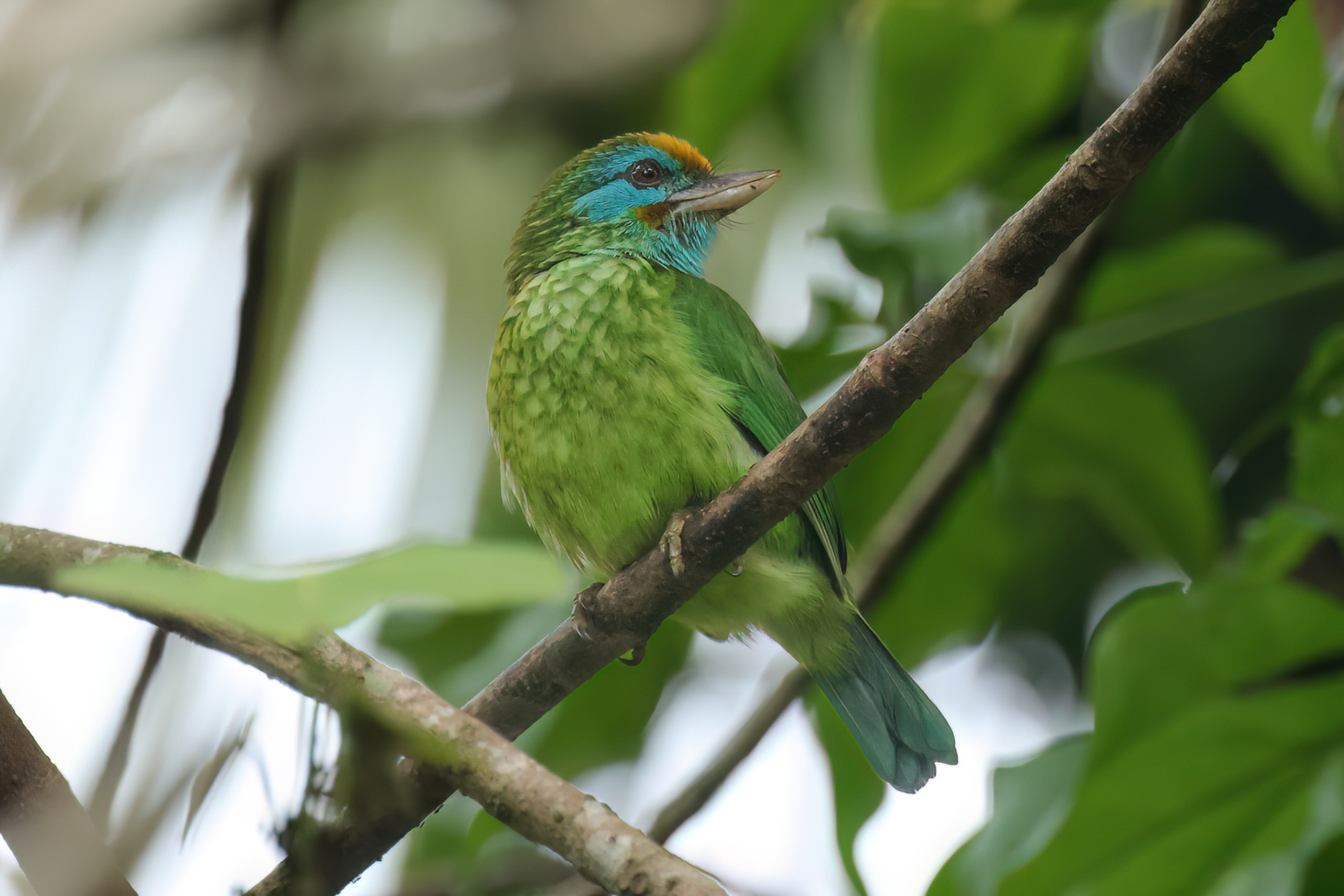
Yellow-fronted Barbet (image by Vincent van der Spek)
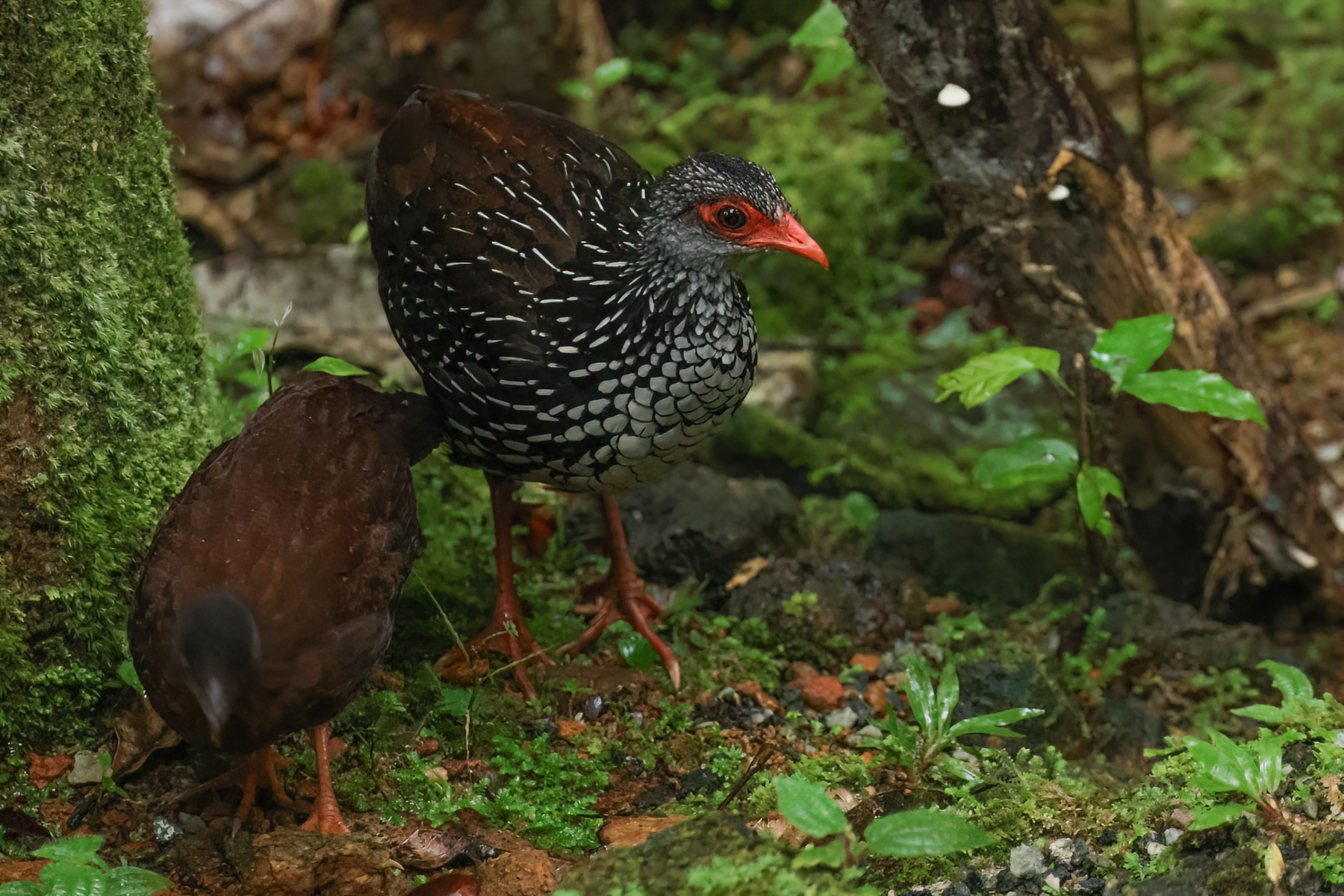
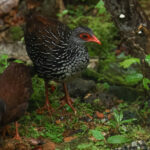
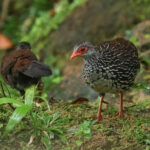
Sri Lanka Spurfowls (image by Vincent van der Spek)

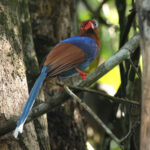
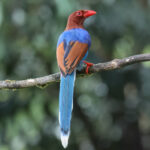
Sri Lanka Blue Magpie (image by Vincent van der Spek)

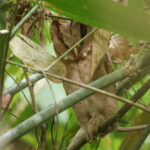
Sri Lanka Bay Owl (image by Vincent van der Spek)
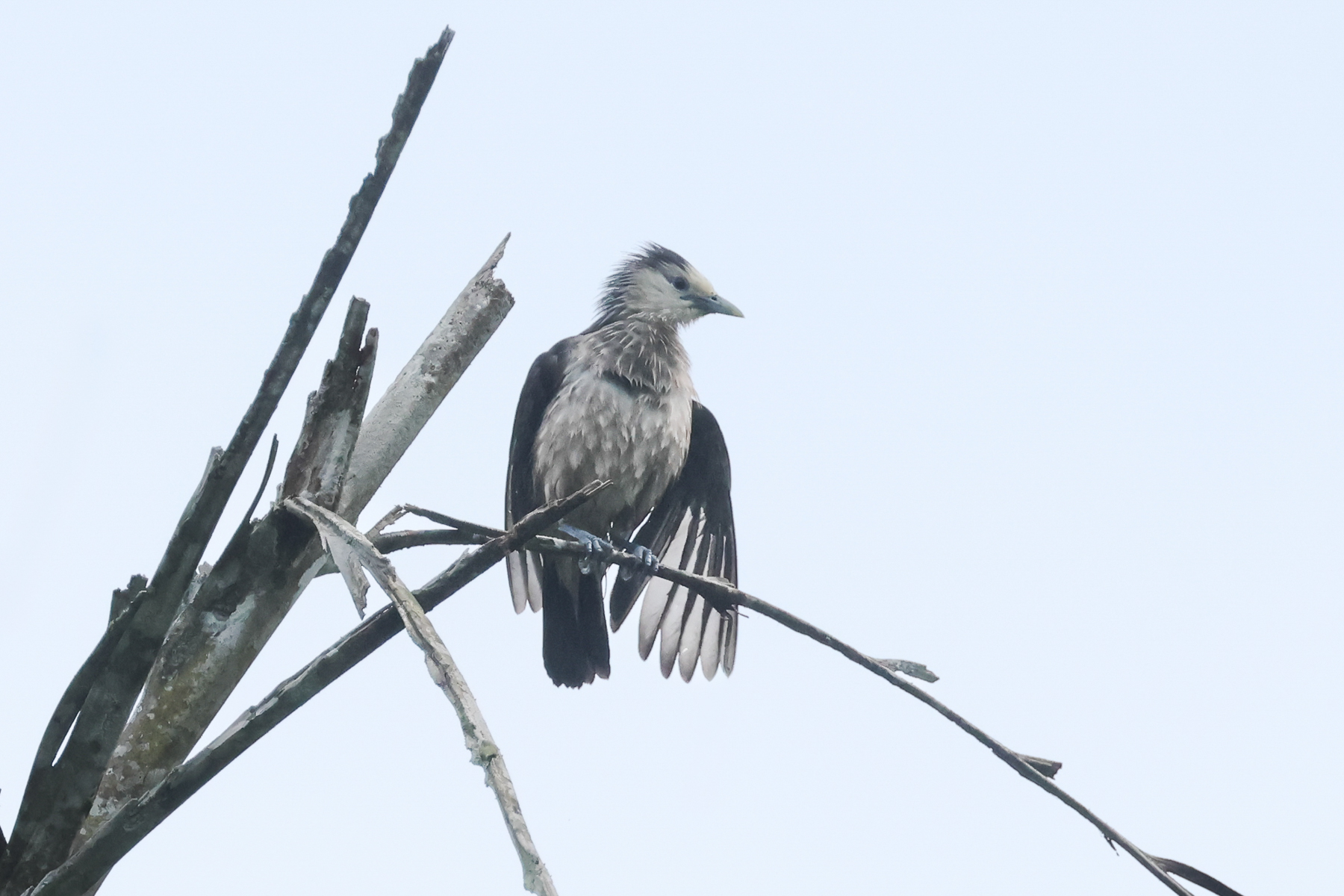
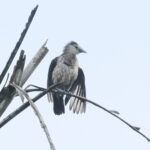
White-faced Starling (image by Vincent van der Spek)
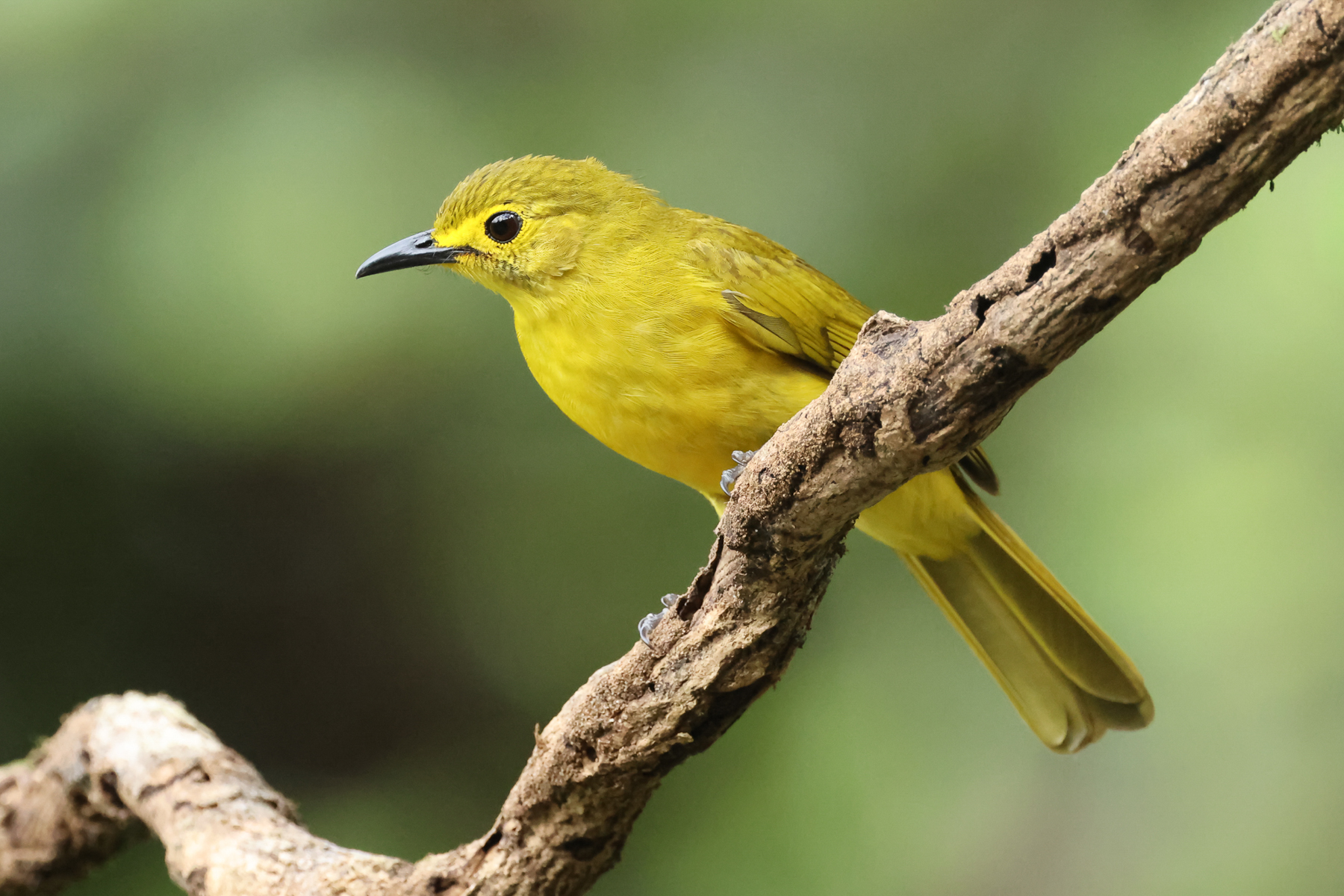
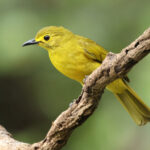
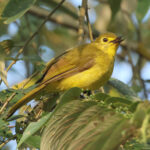
Yellow-browed Bulbul (image by Vincent van der Spek)
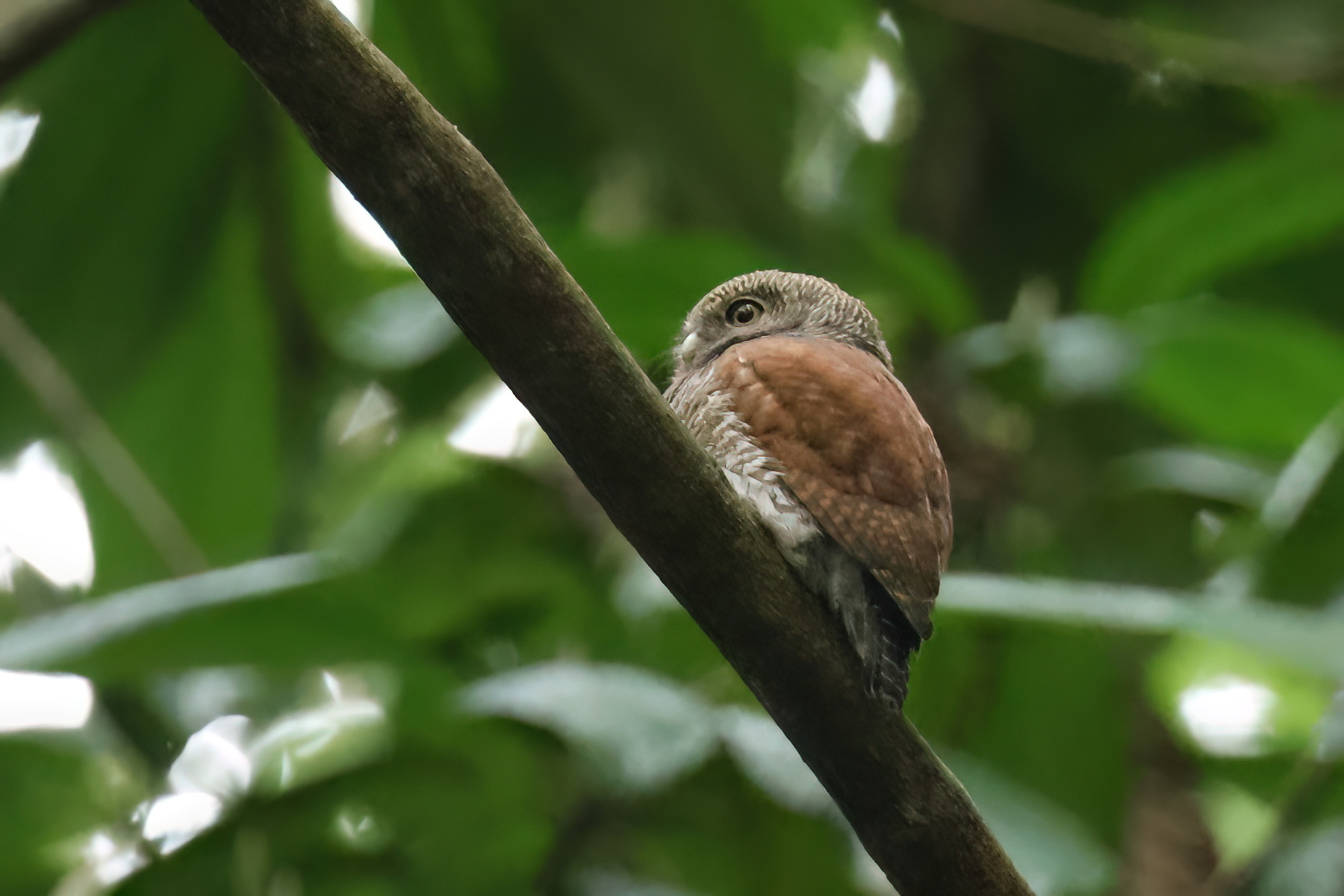
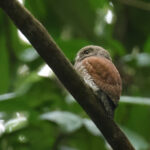
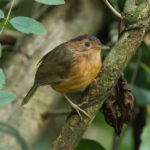
Chestnut-backed Owlet (image by Vincent van der Spek)
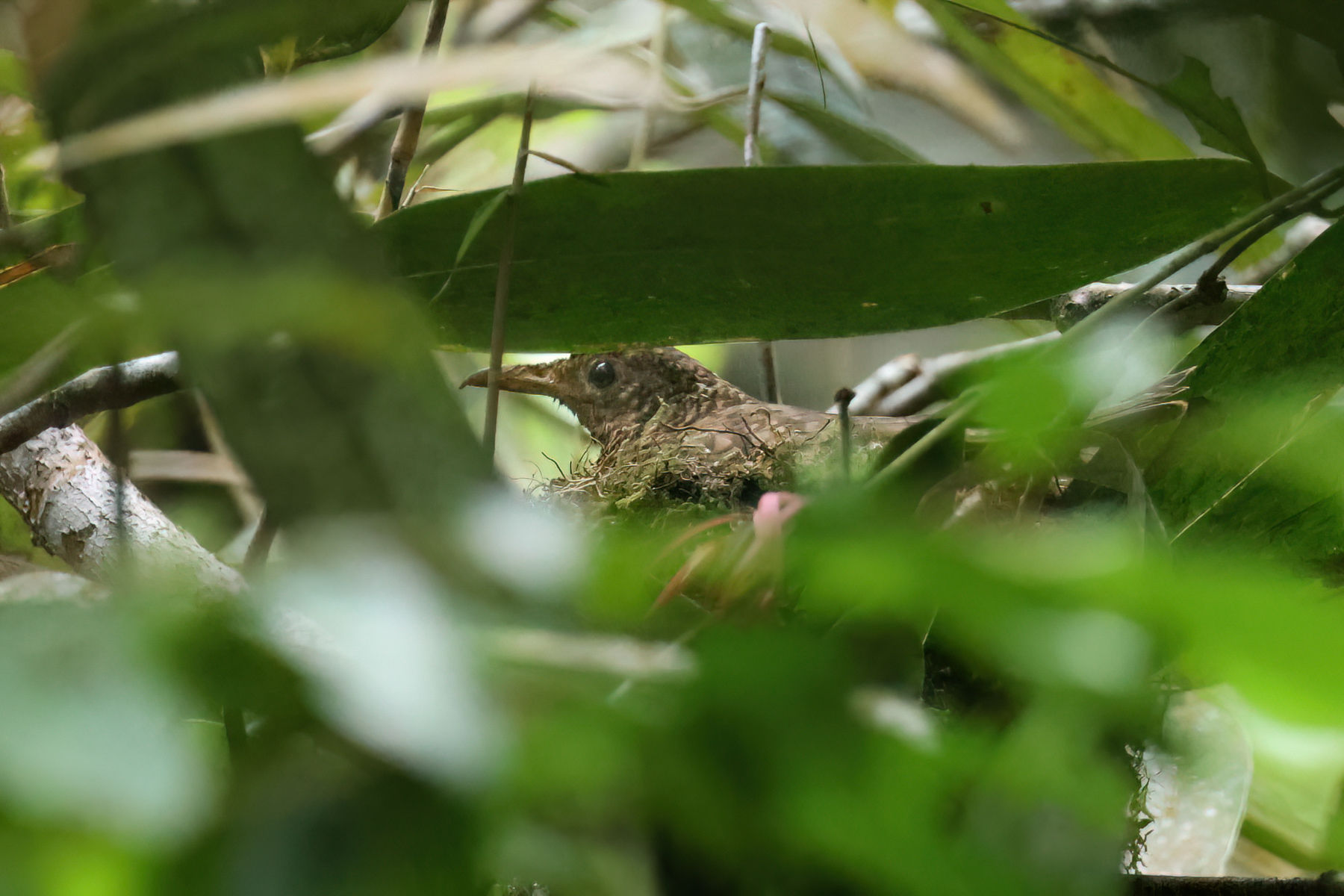
Sri Lanka Thrush (image by Vincent van der Spek)
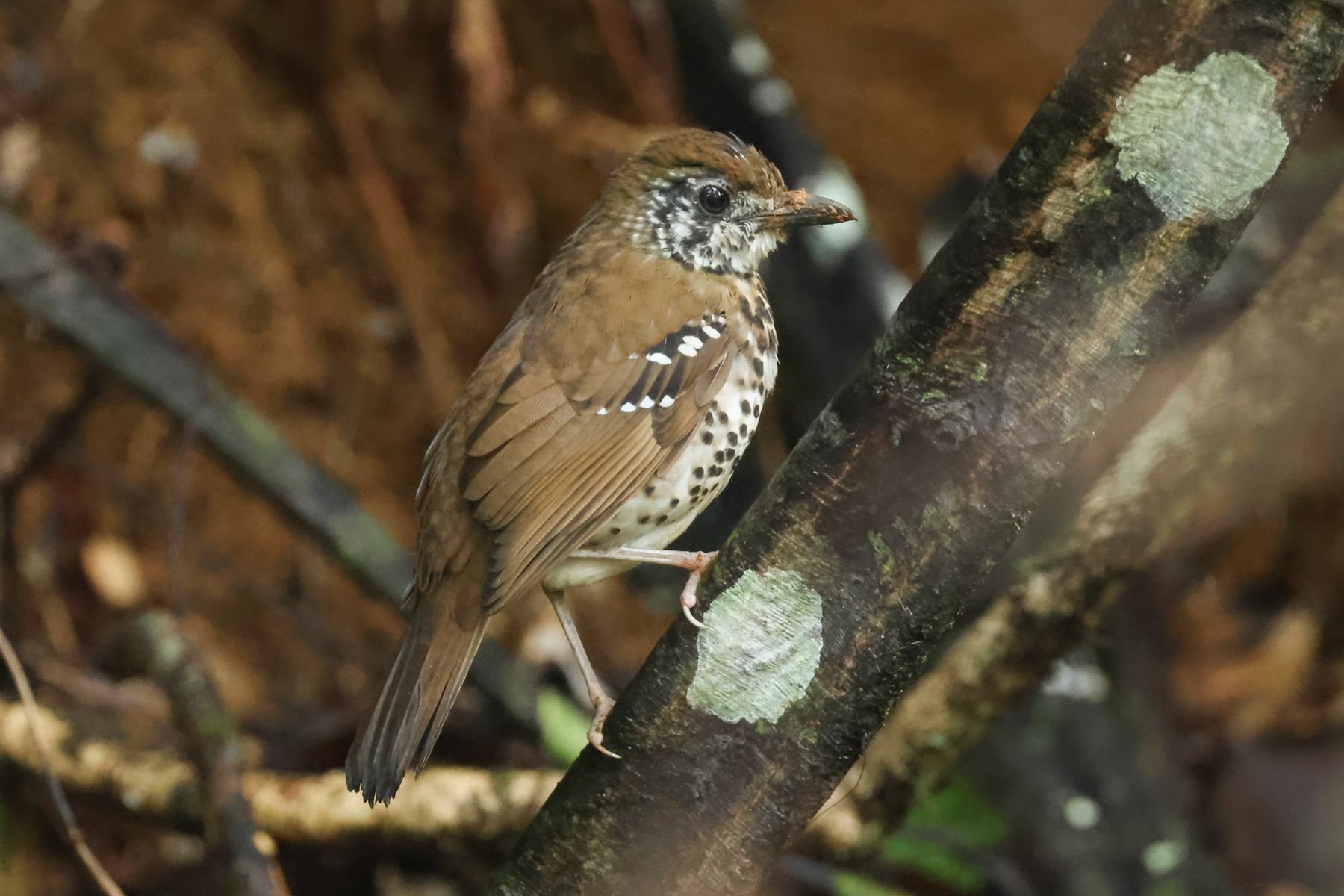
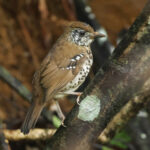
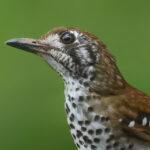
Spot-winged Thrush (image by Vincent van der Spek)
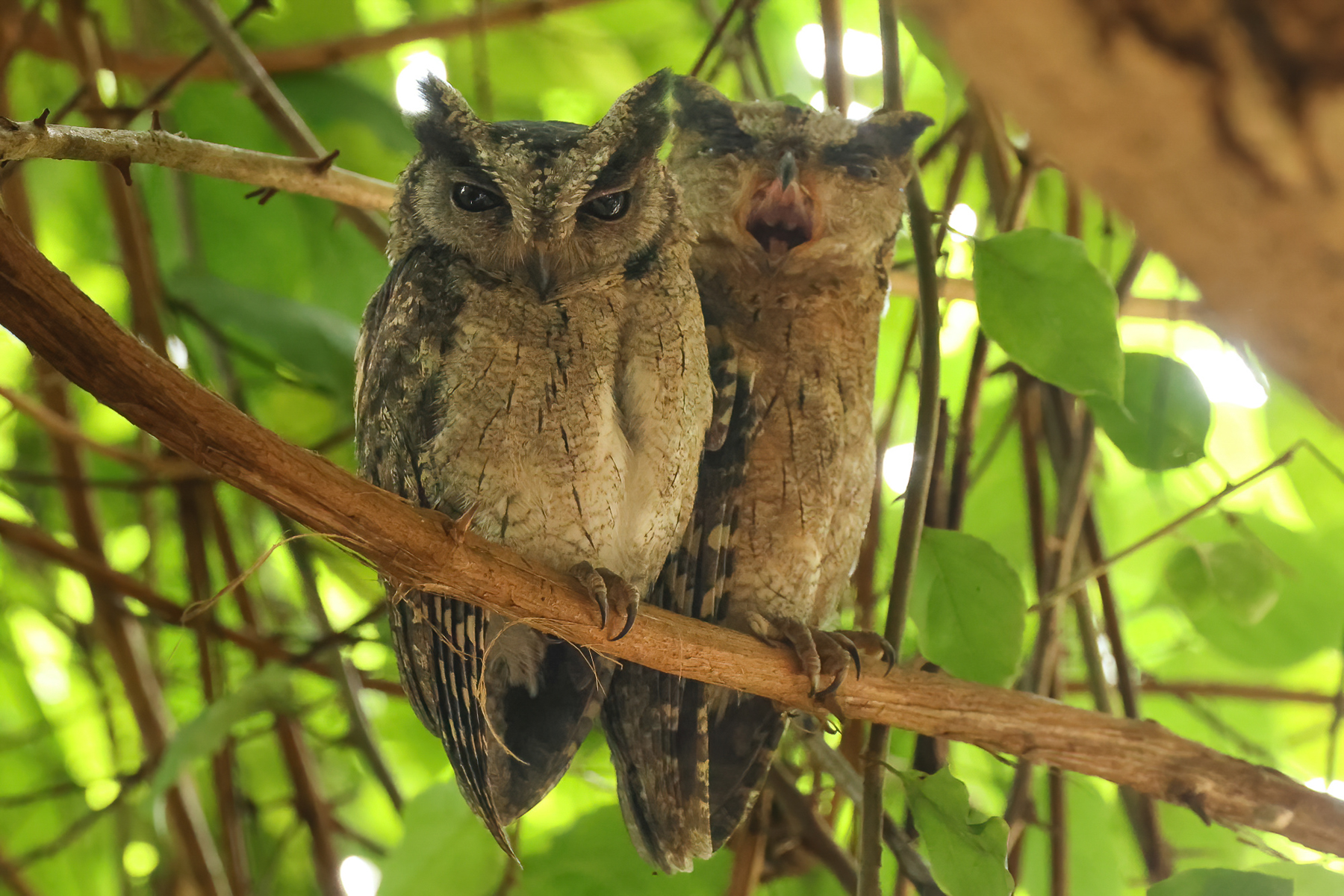
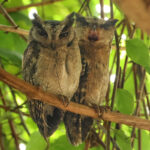
Indian Scops Owls (image by Vincent van der Spek)
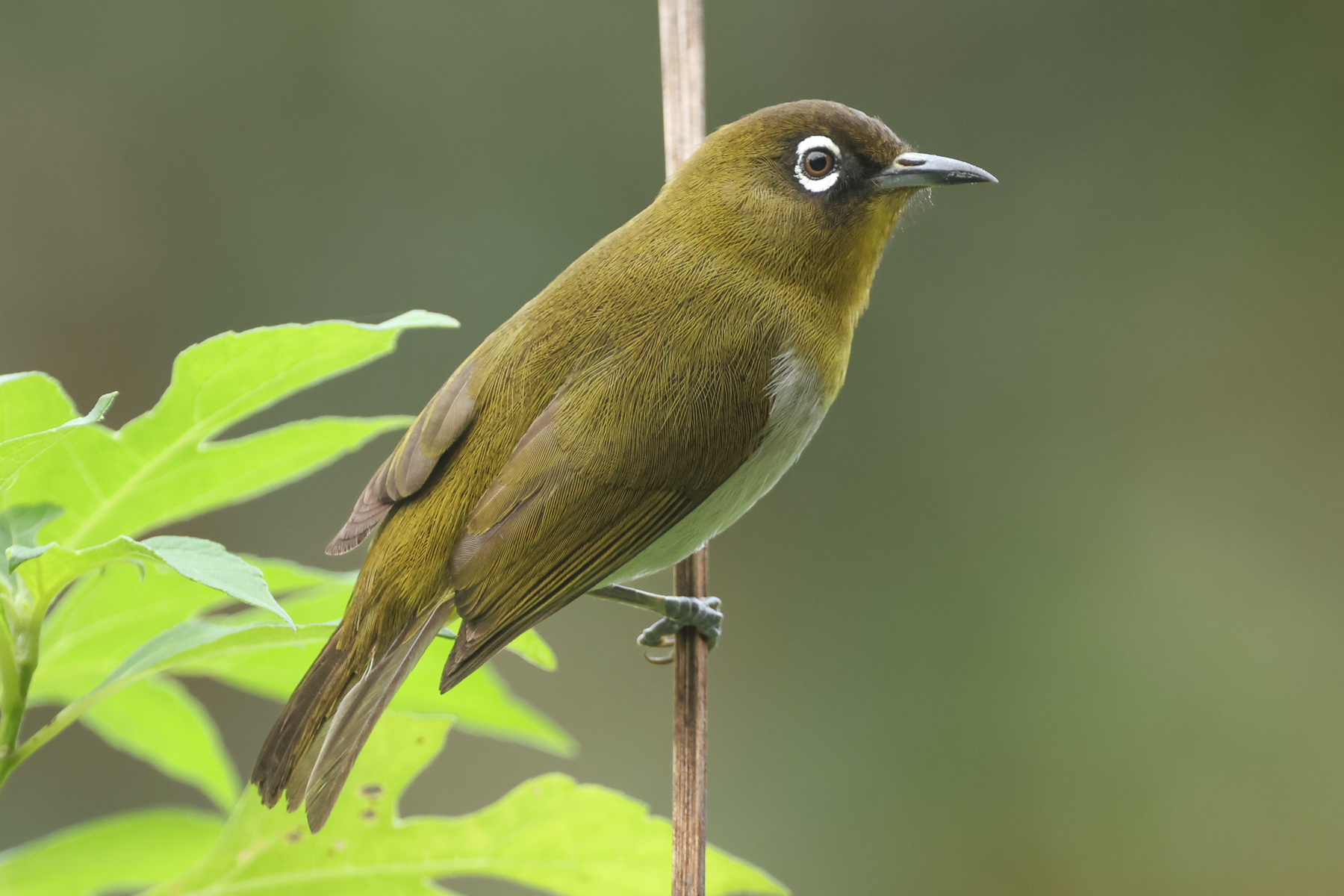
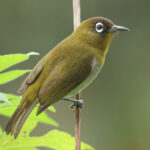
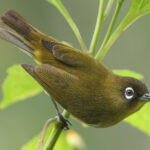
Sri Lanka White-eye (image by Vincent van der Spek)
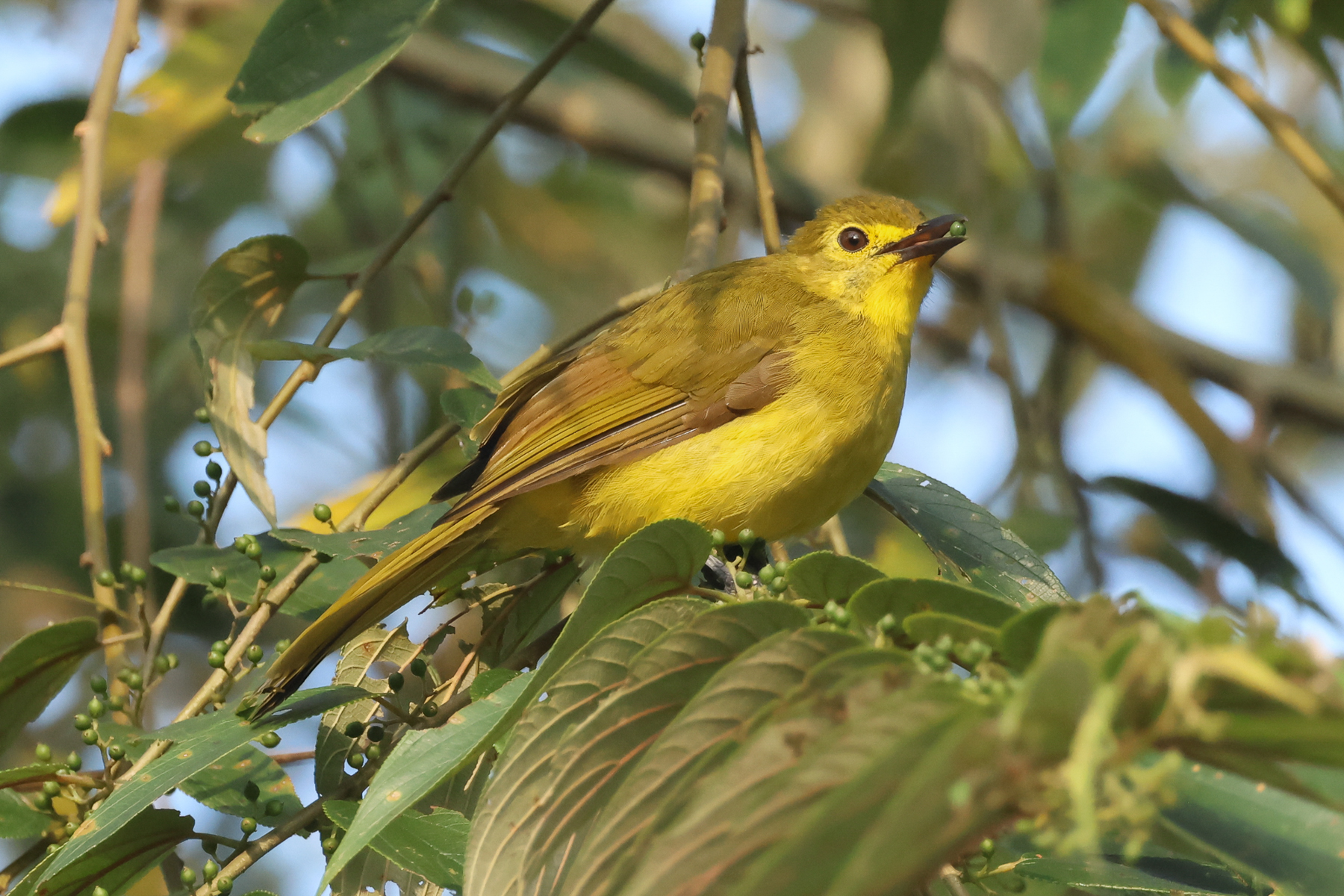
Yellow-browed Bulbul (image by Vincent van der Spek)
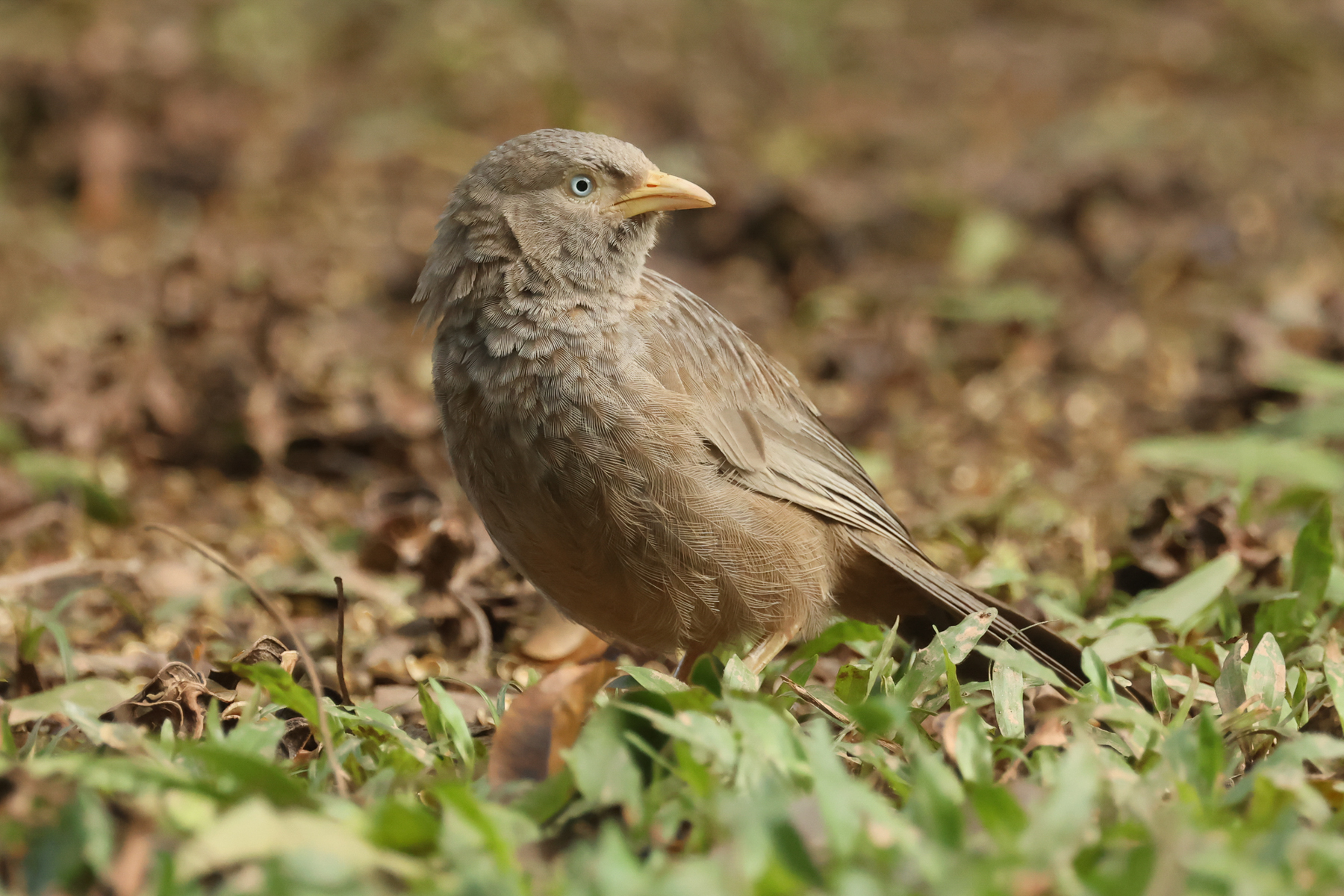
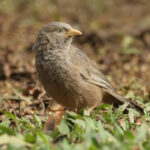
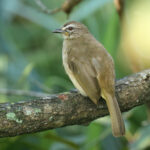
Yellow-billed Babbler (image by Vincent van der Spek)
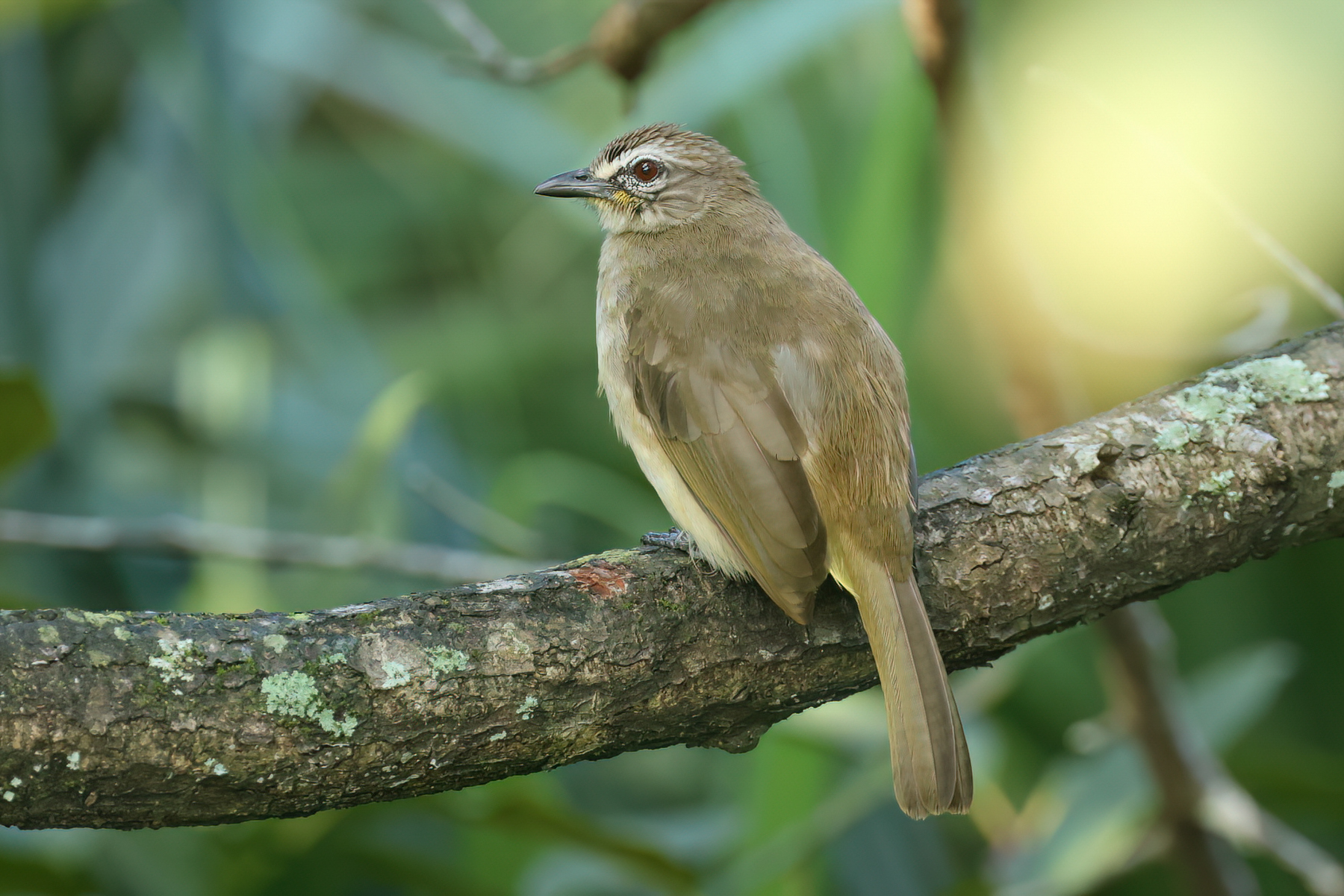
White-browed Bulbul (image by Vincent van der Spek)
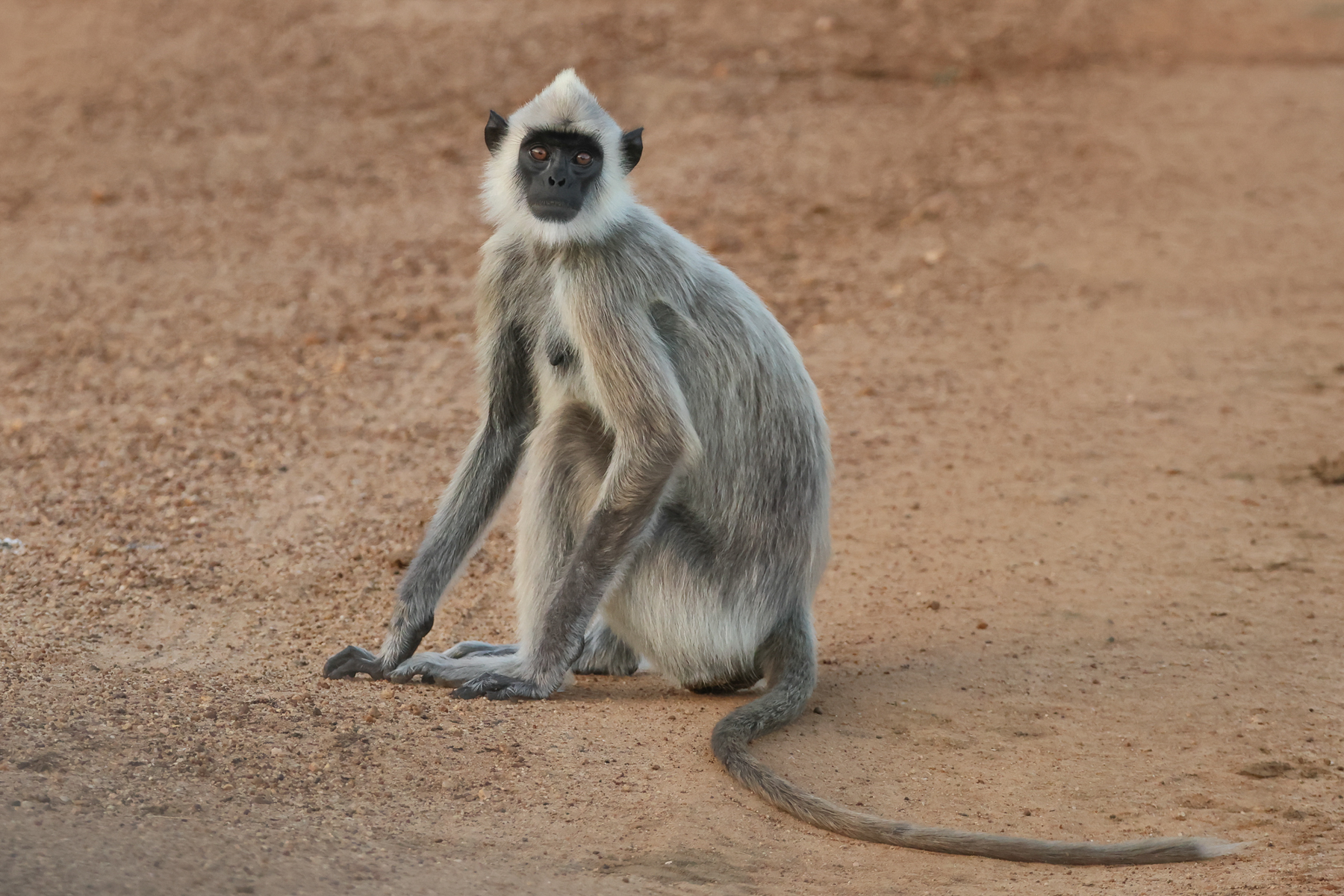
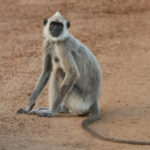
Tufted Gray Langur (image by Vincent van der Spek)
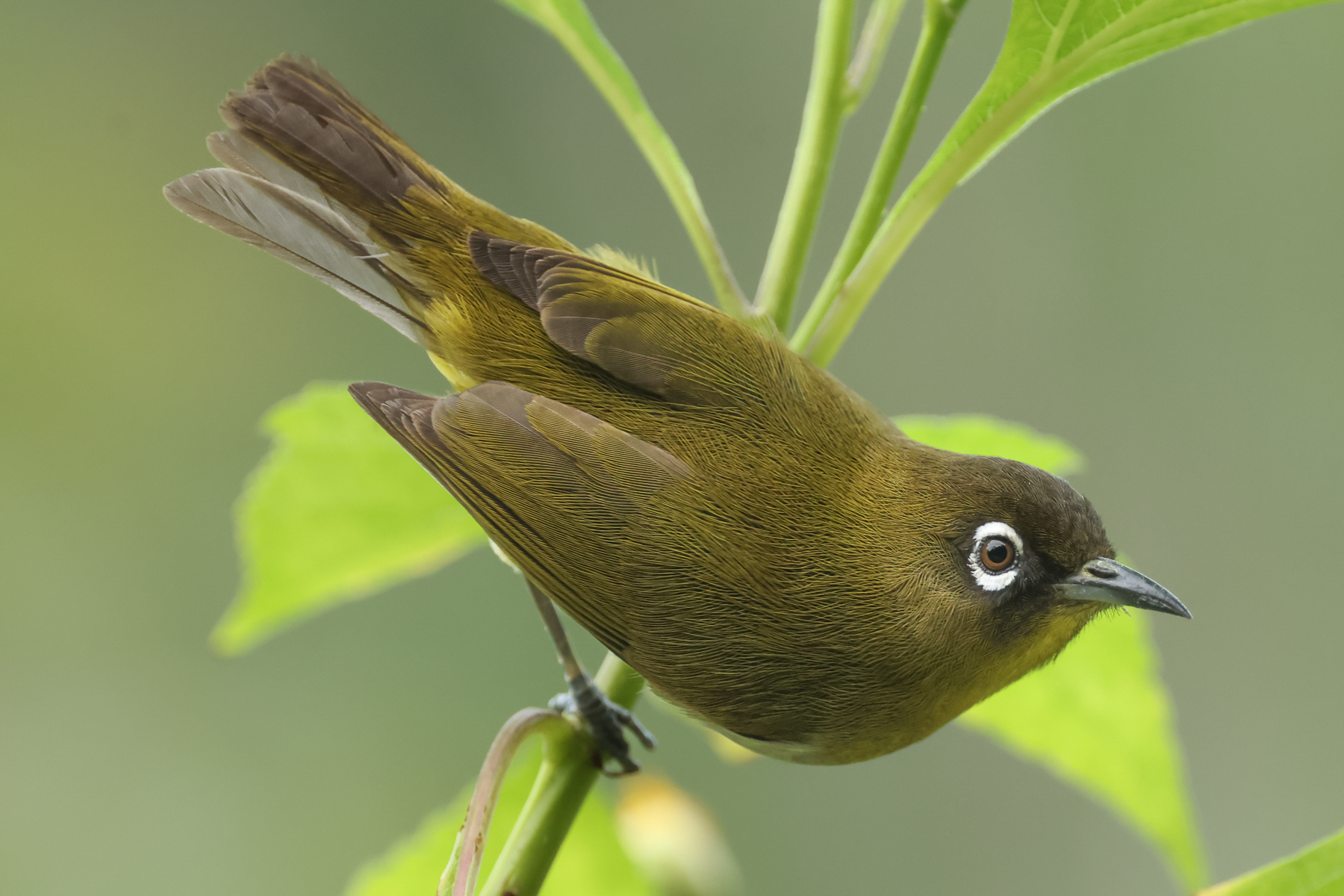
Sri Lanka White-eye (image by Vincent van der Spek)

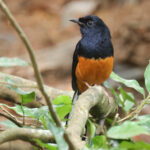
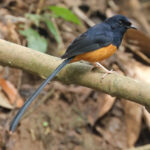
Sri Lanka Shama (image by Vincent van der Spek)
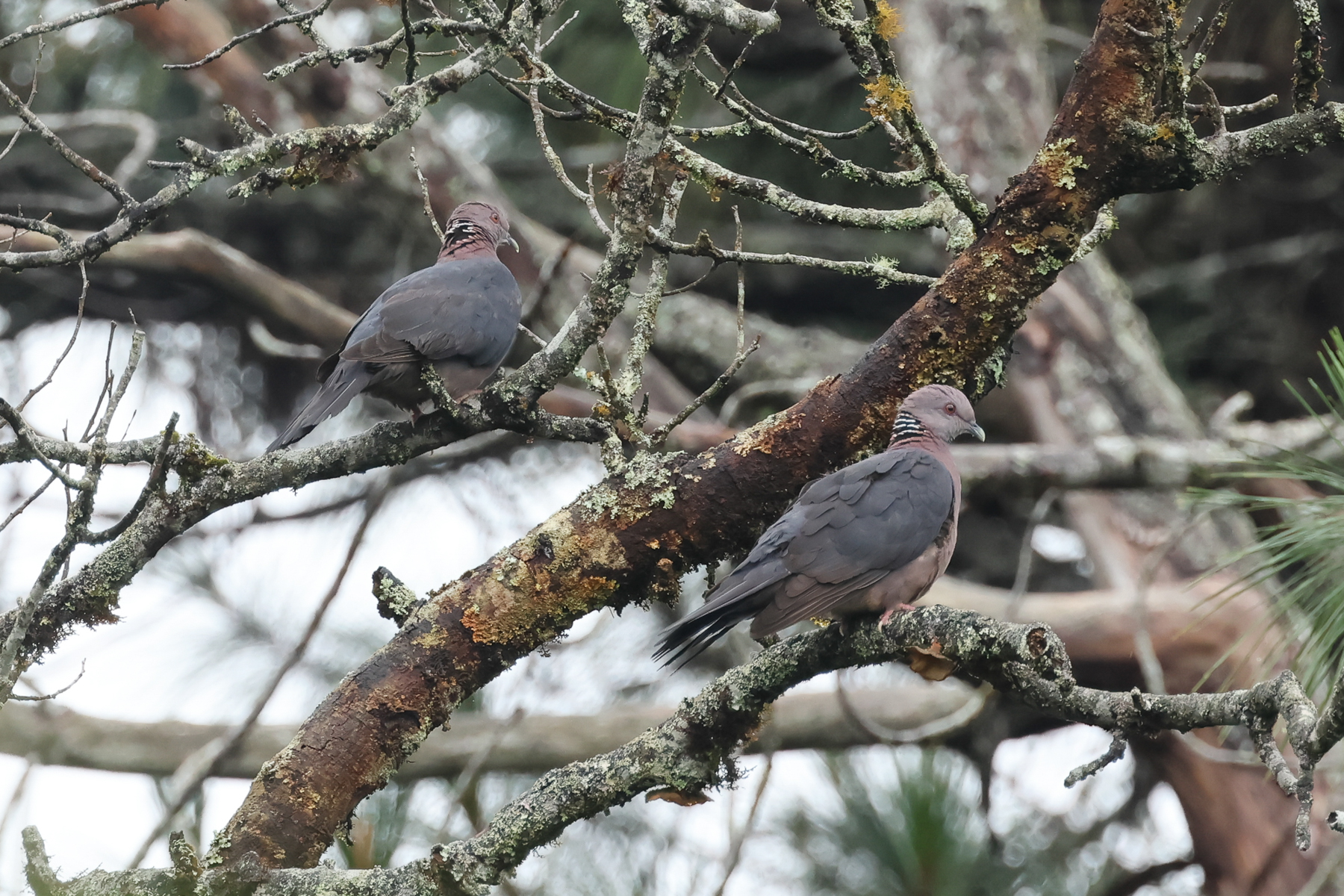
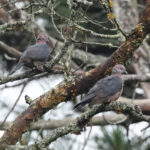
Sri Lanka Woodpigeon (image by Vincent van der Spek)
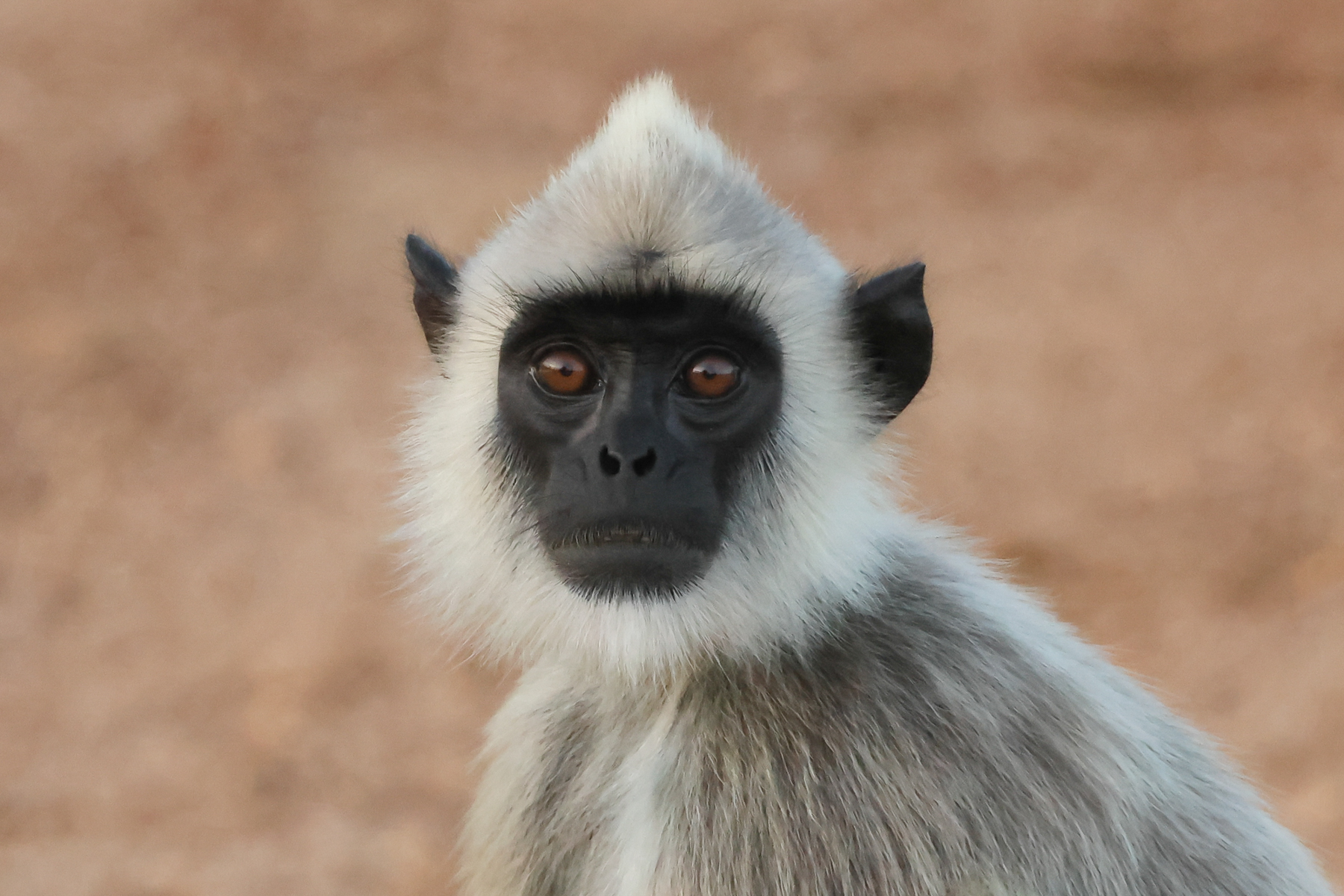
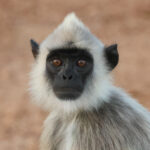
Tufted Gray Langur (image by Vincent van der Spek)
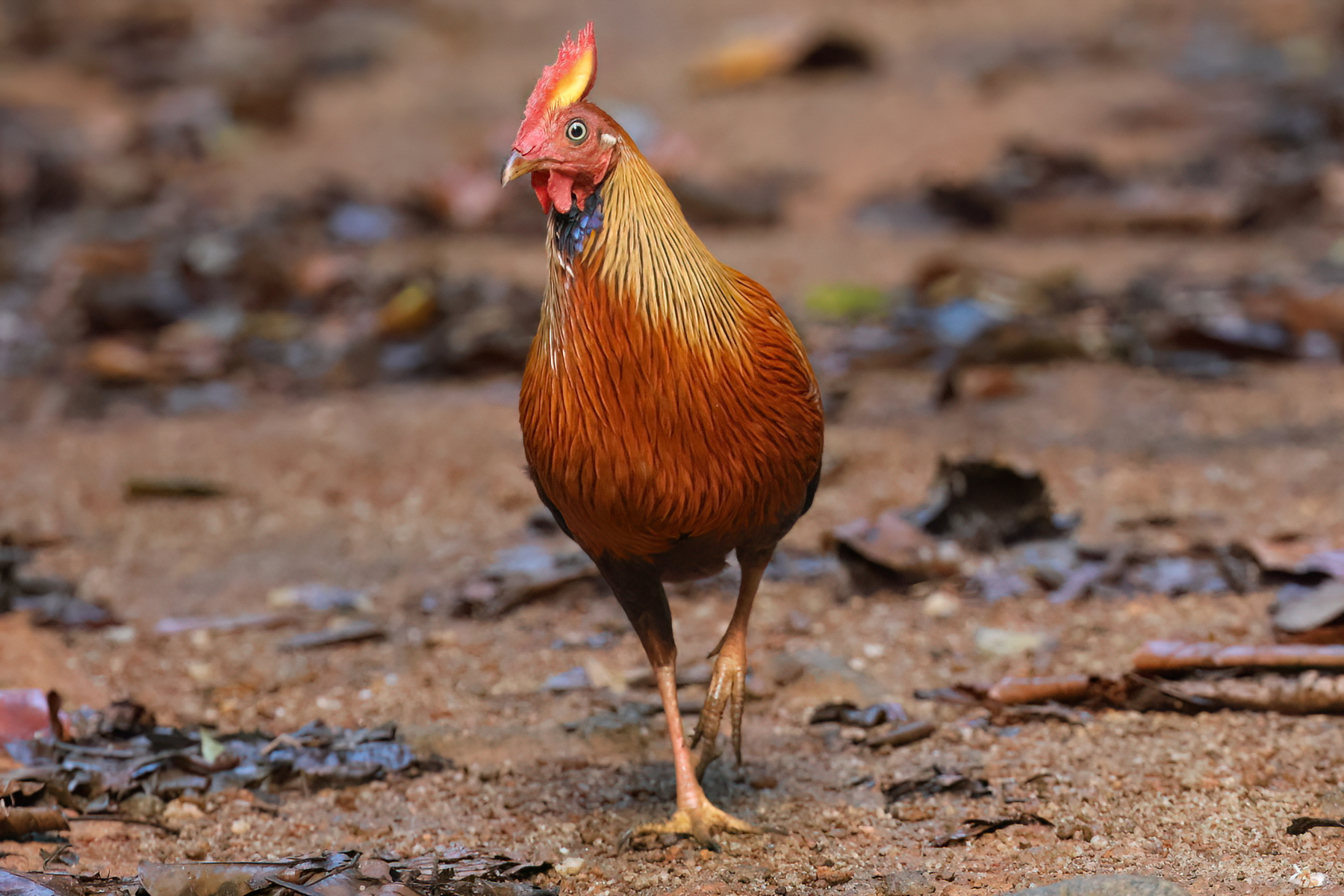
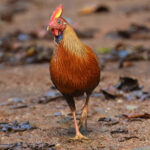
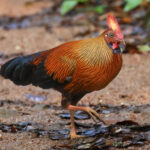
Sri Lanka Junglefowl (image by Vincent van der Spek)
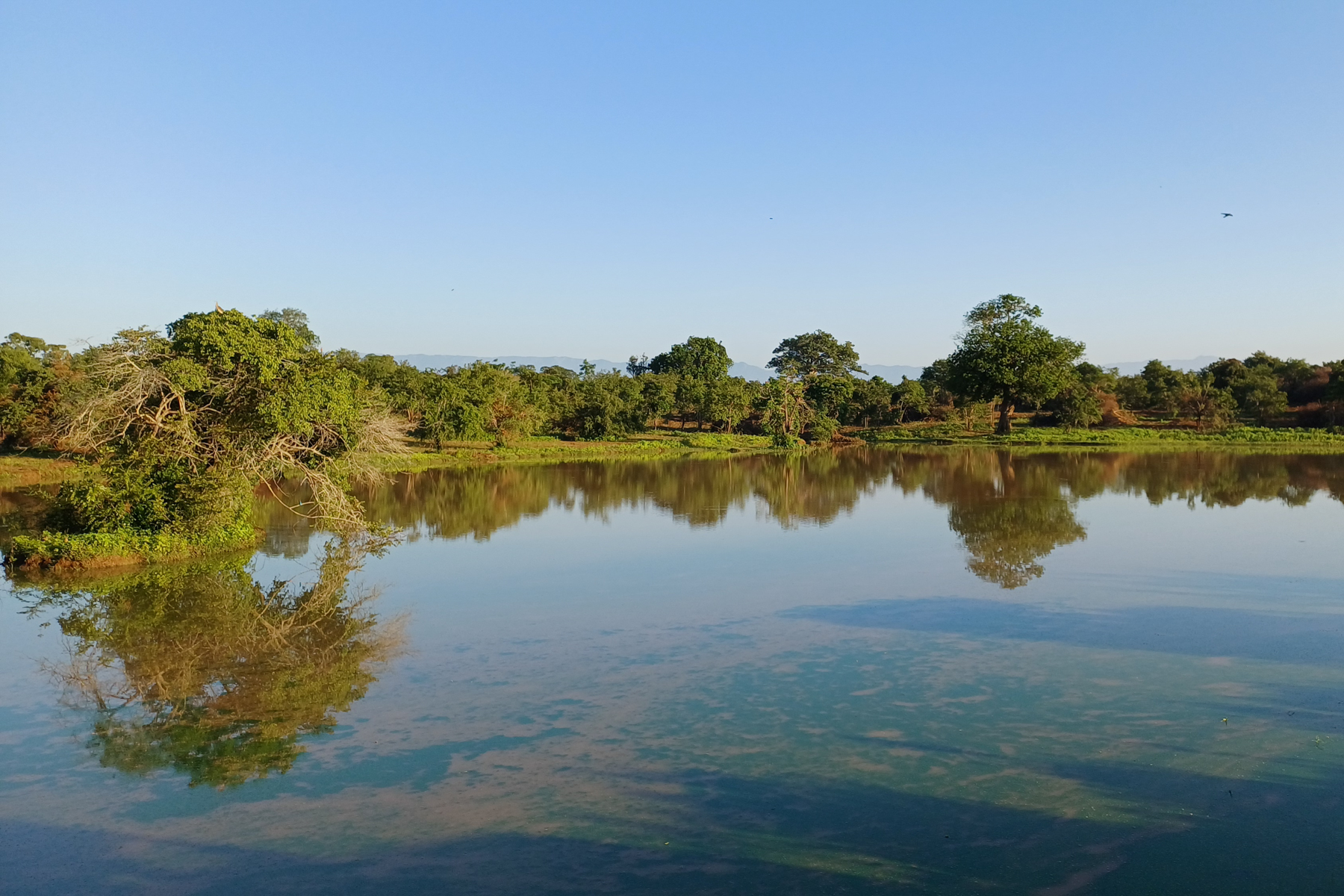
Uda Walawe (image by Vincent van der Spek)
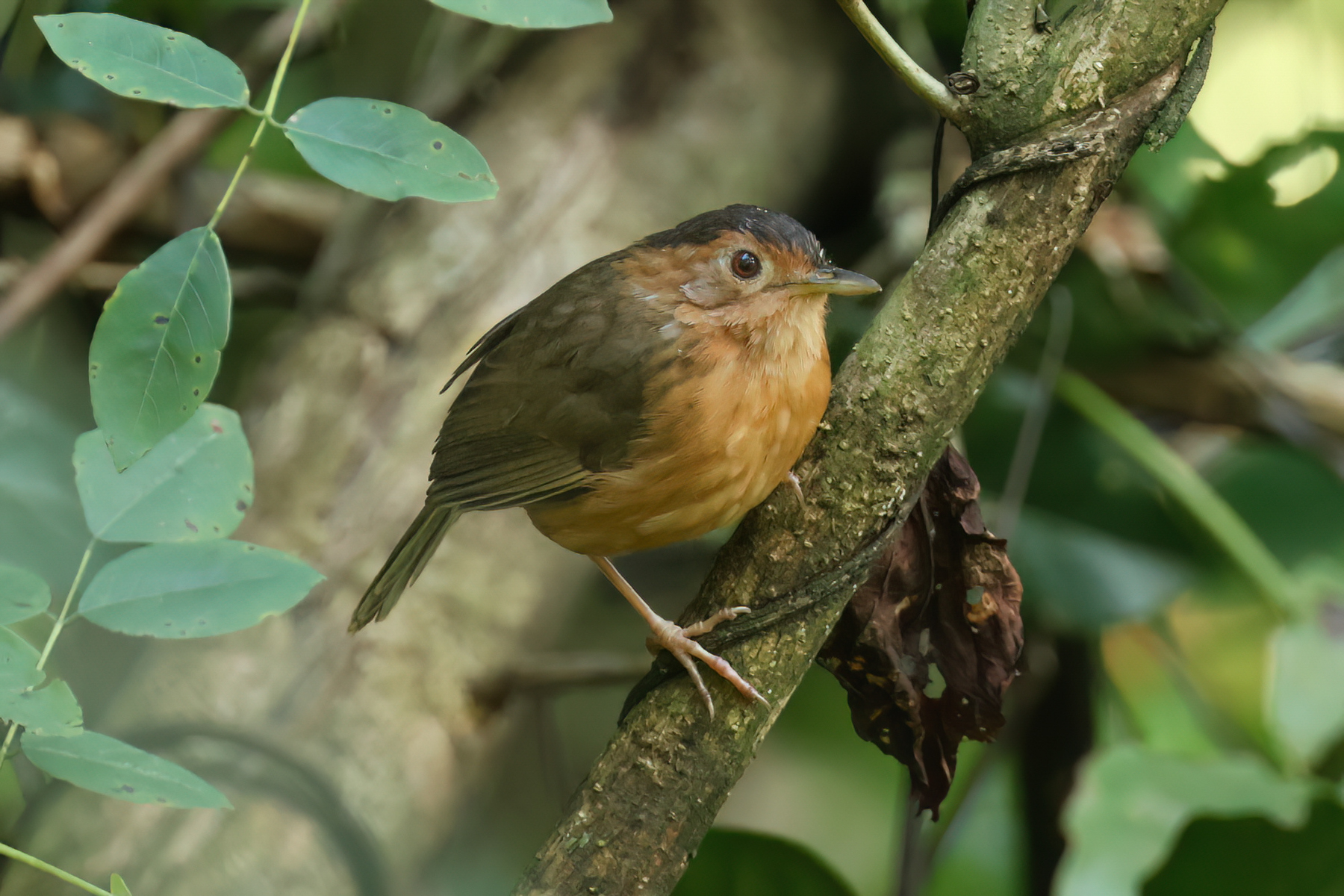
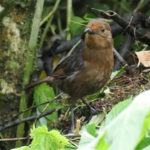
Brown-capped Babbler (image by Vincent van der Spek)
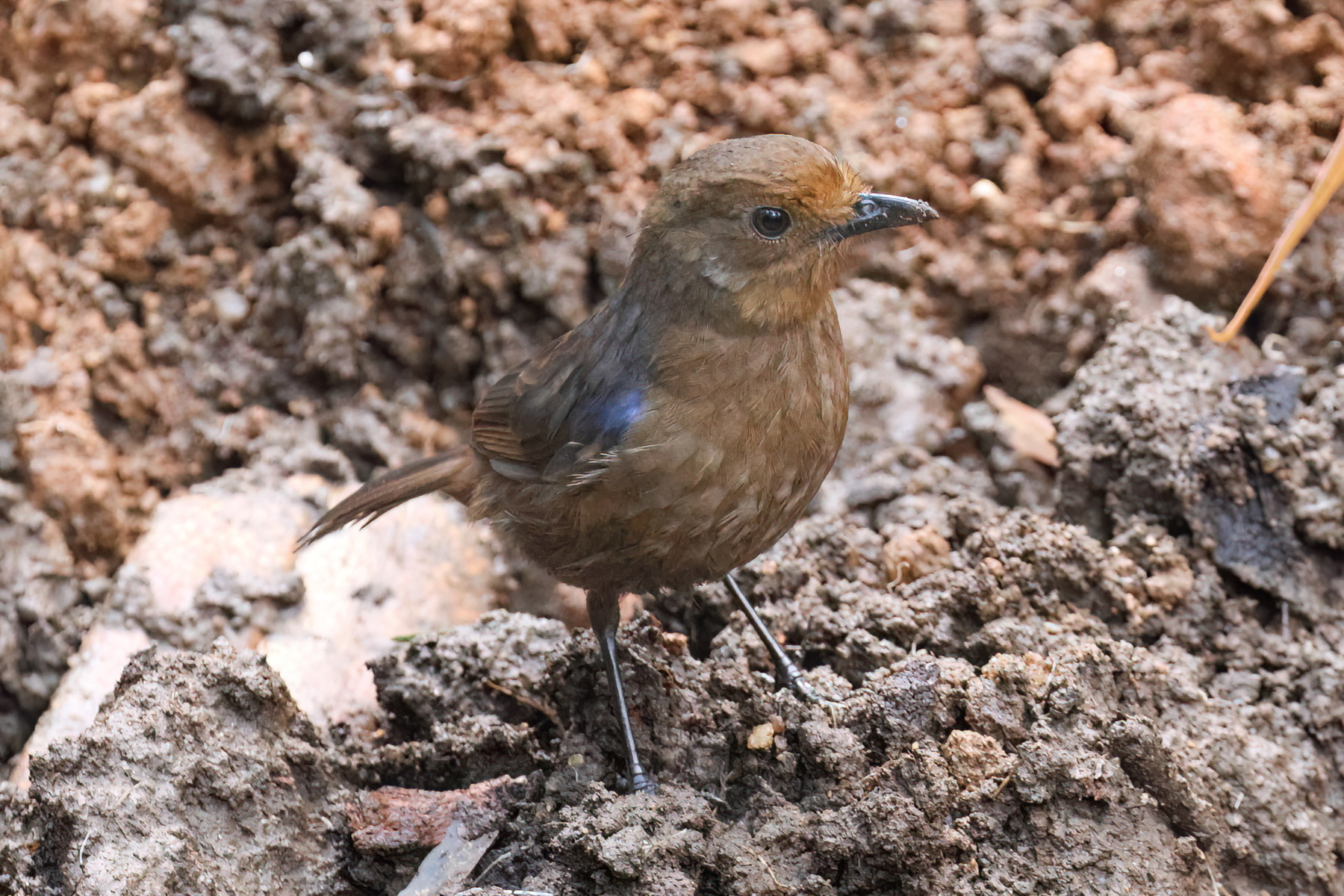
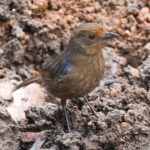
Sri Lanka Whistling-Thrush (image by Vincent van der Spek)
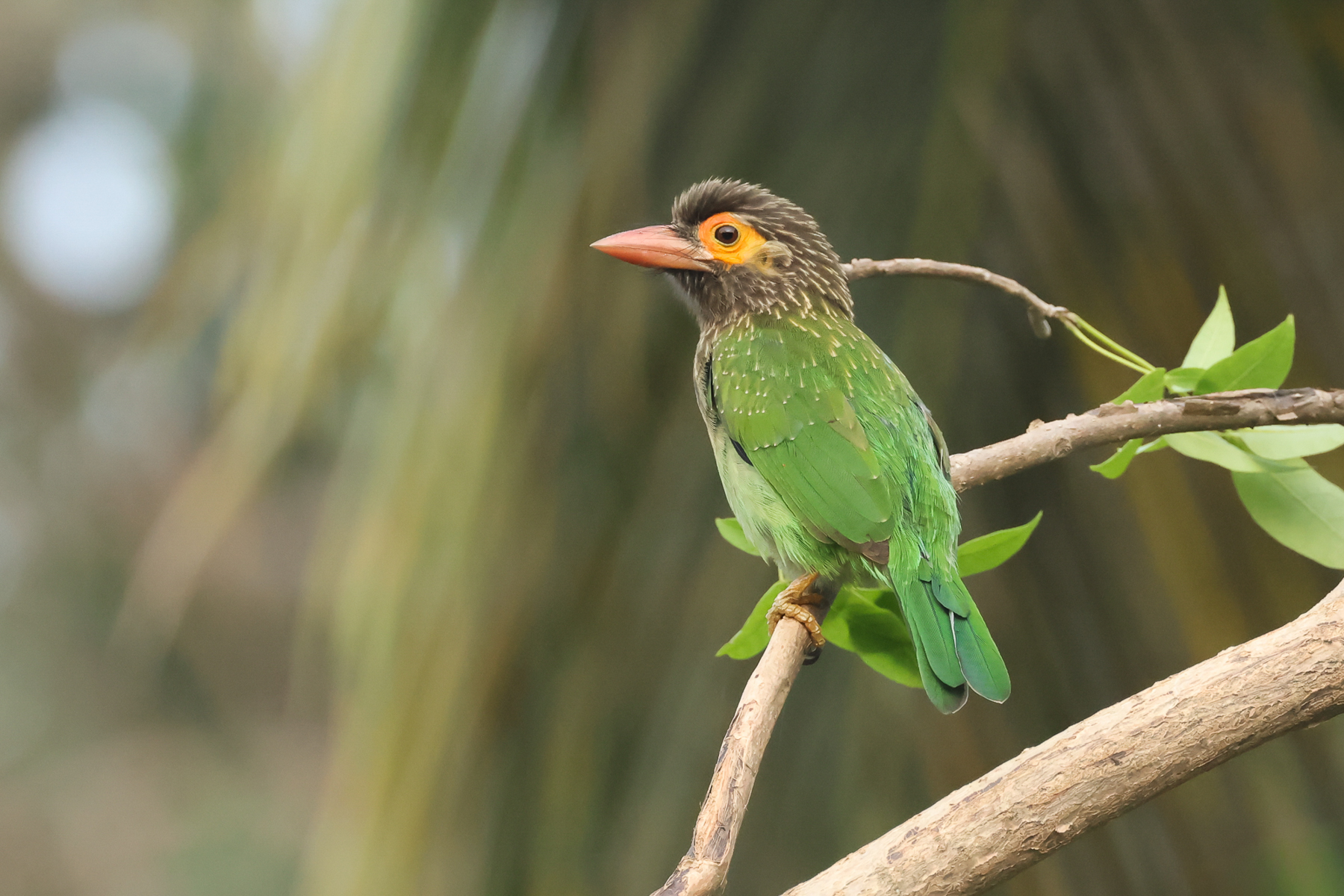
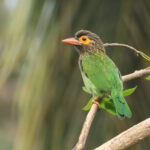
Brown-headed Barbet (image by Vincent van der Spek)
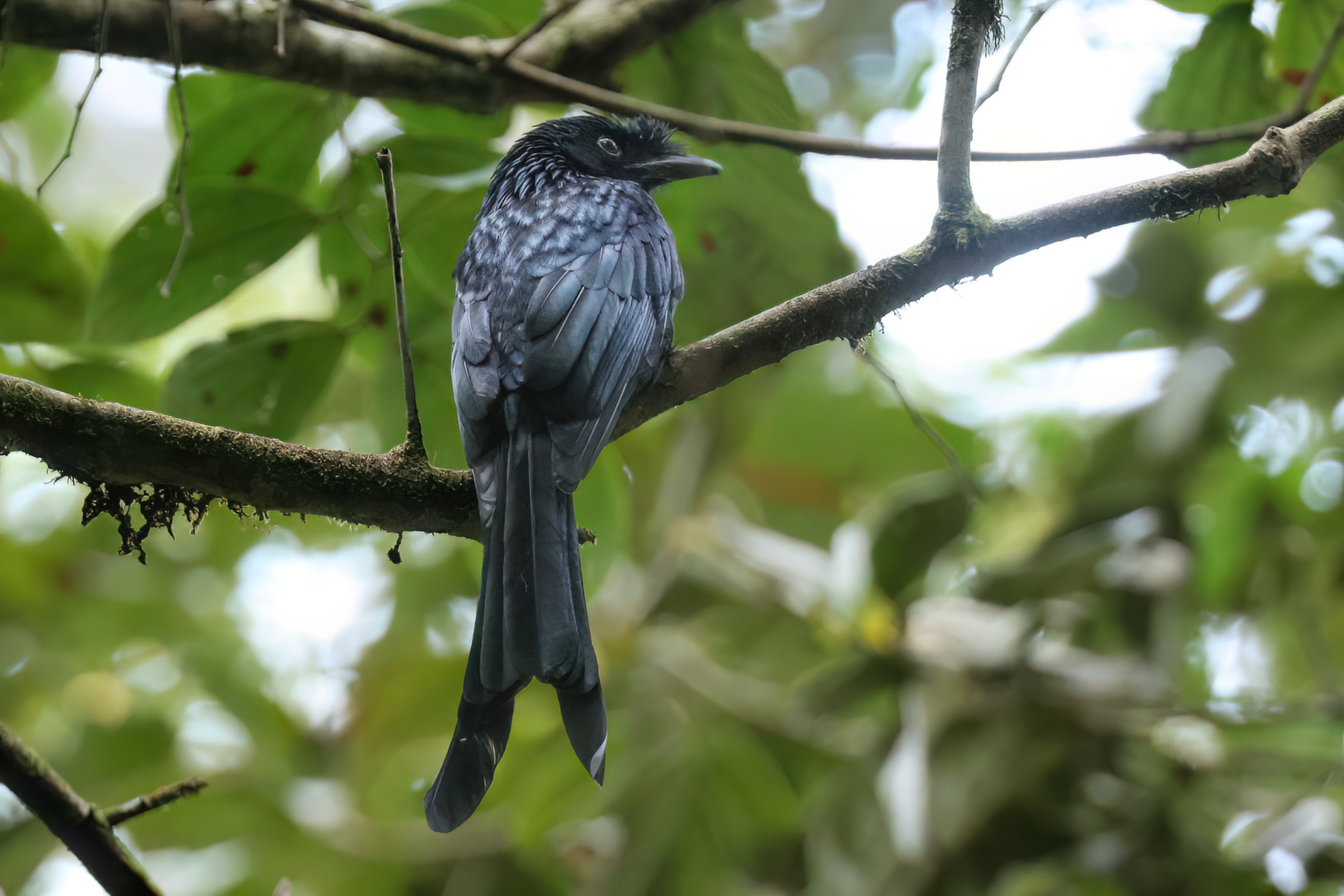
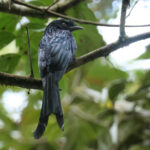
Sri Lanka Drongo (image by Vincent van der Spek)
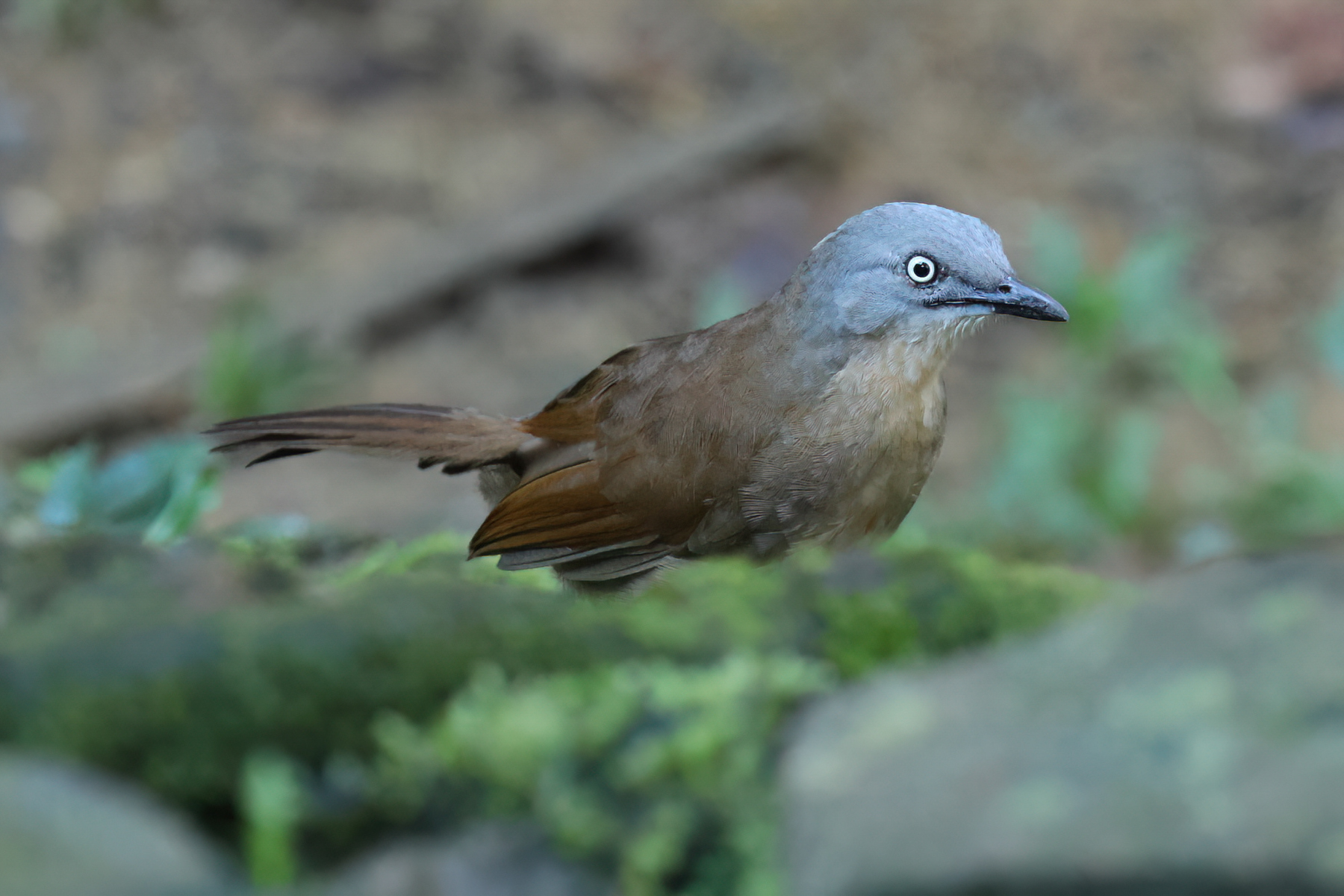
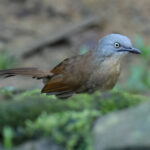
Ashy-headed Laughingthrush (image by Vincent van der Spek)
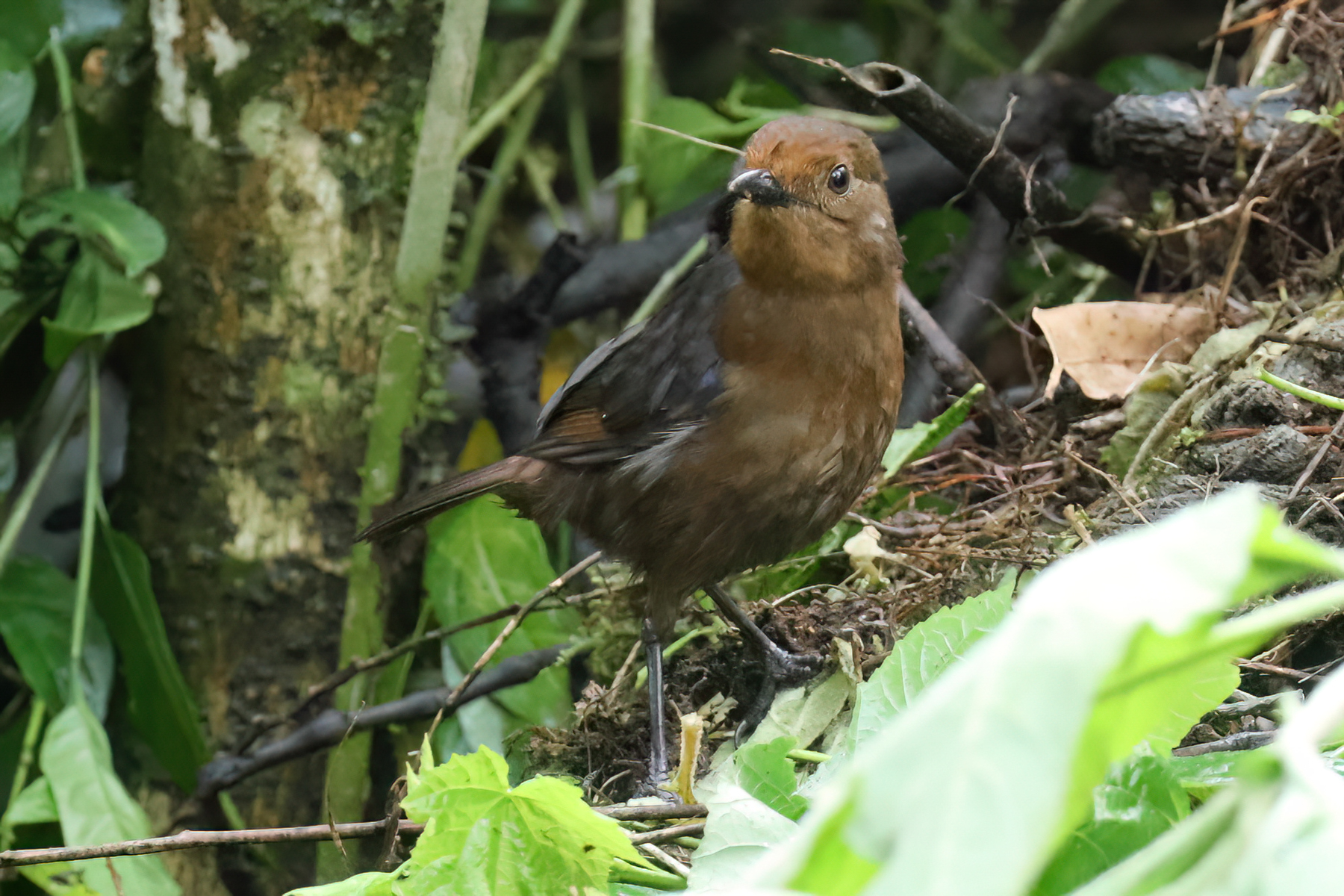
Sri Lanka Whistling-Thrush (image by Vincent van der Spek)
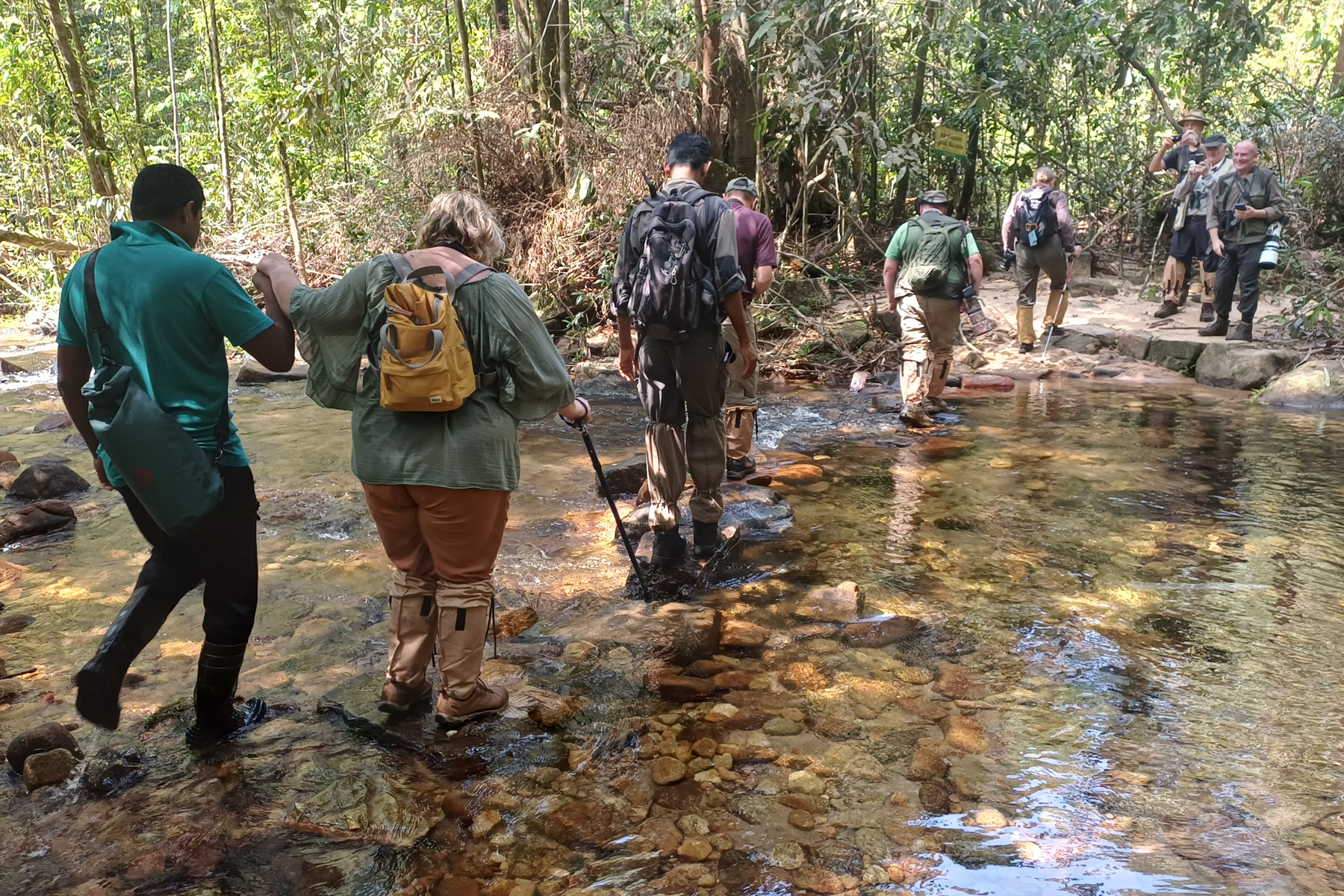
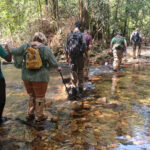
Sinharaja NP (image by Vincent van der Spek)
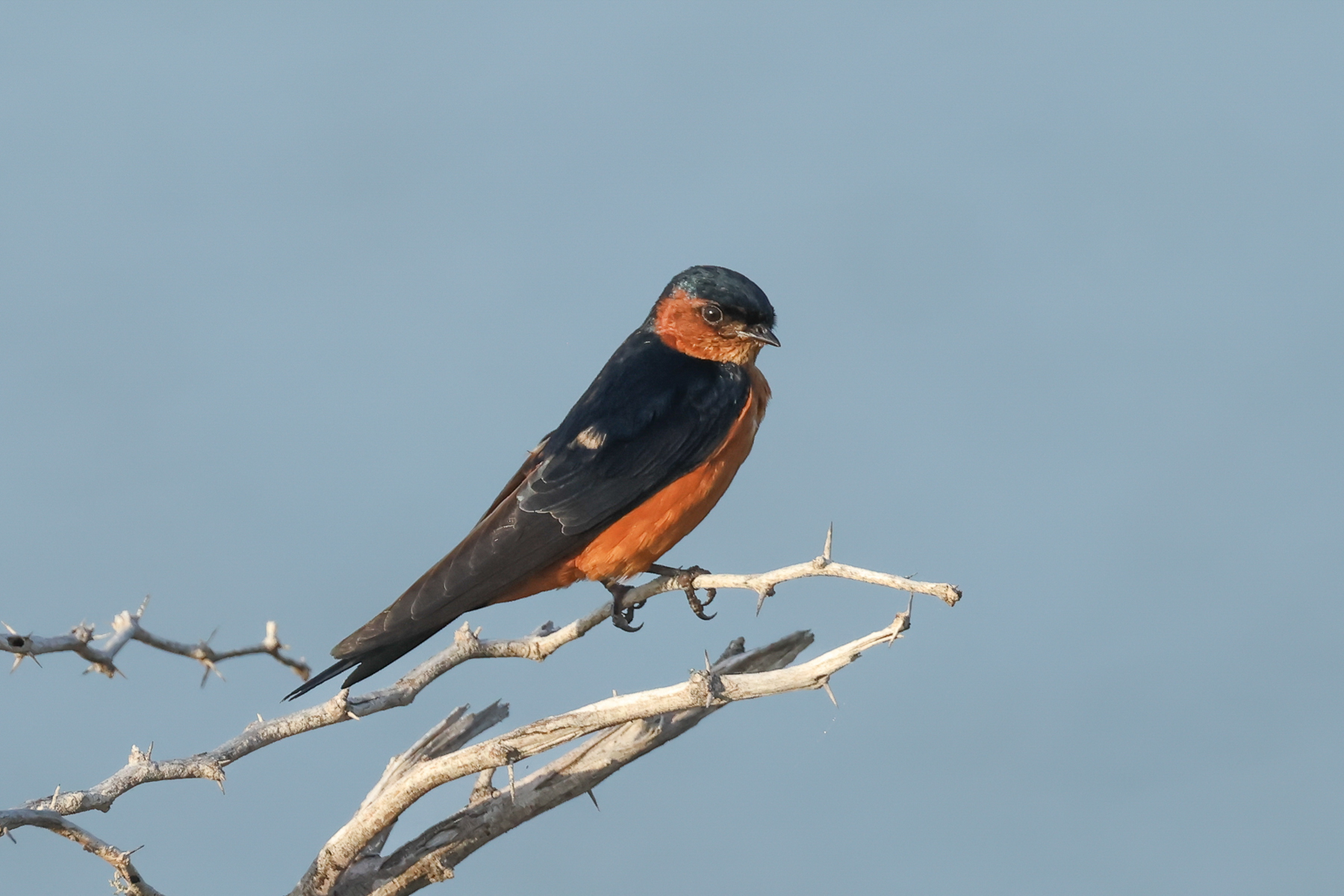
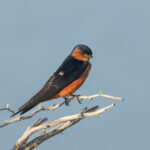
Sri Lanka Swallow (image by Vincent van der Spek)
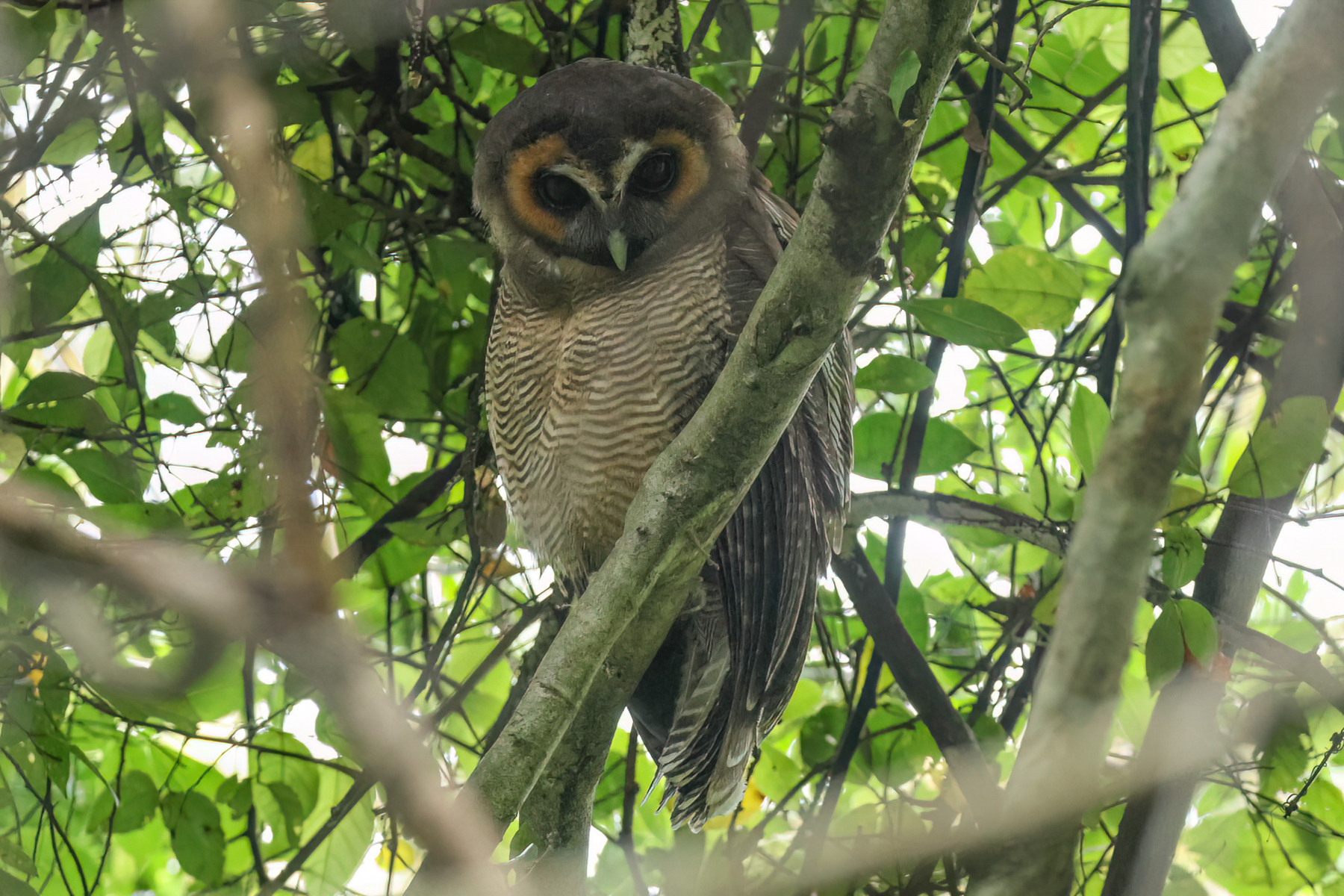
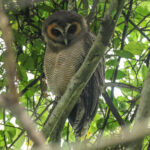
Brown Wood-Owl (image by Vincent van der Spek)
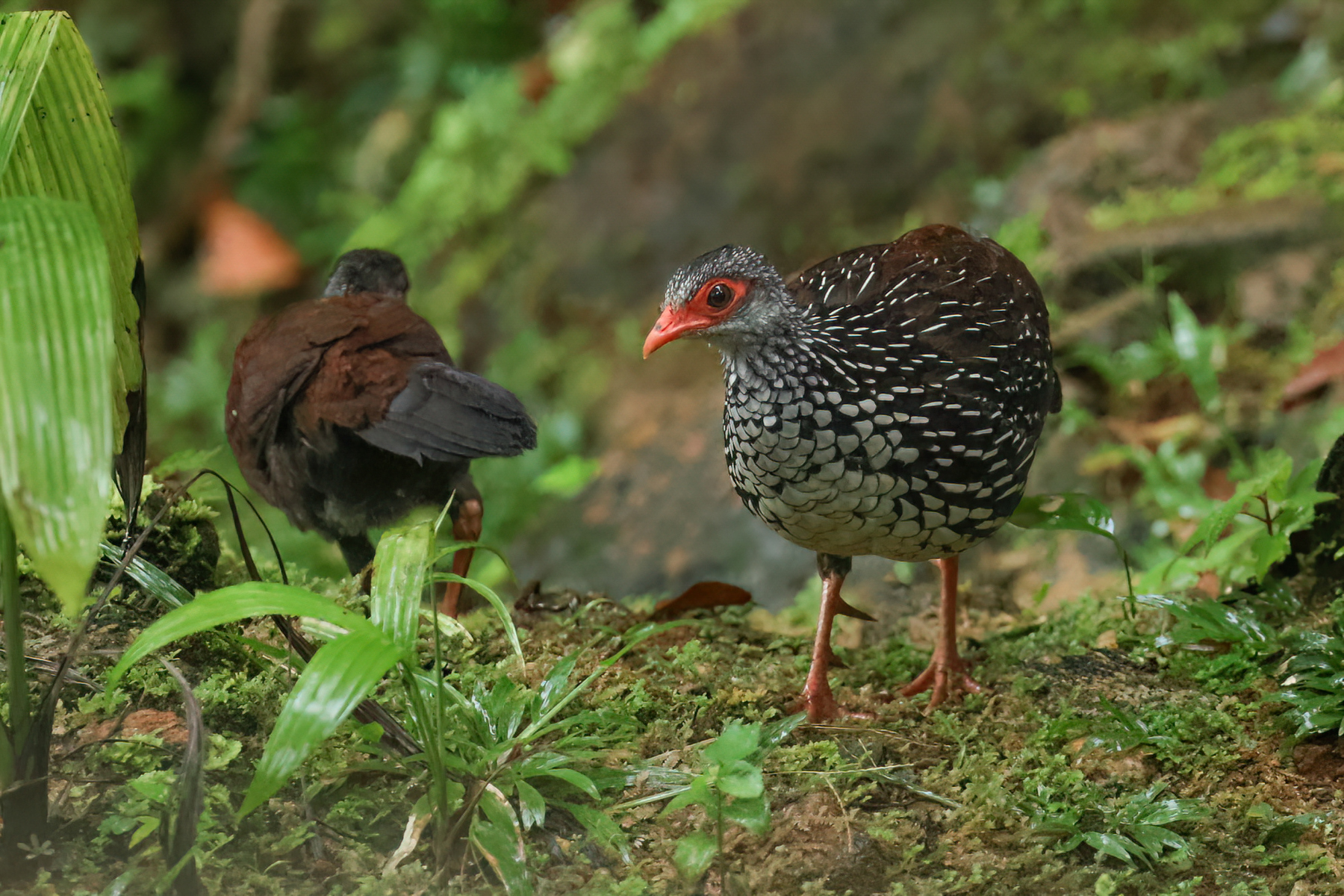
Sri Lanka Spurfowls (image by Vincent van der Spek)
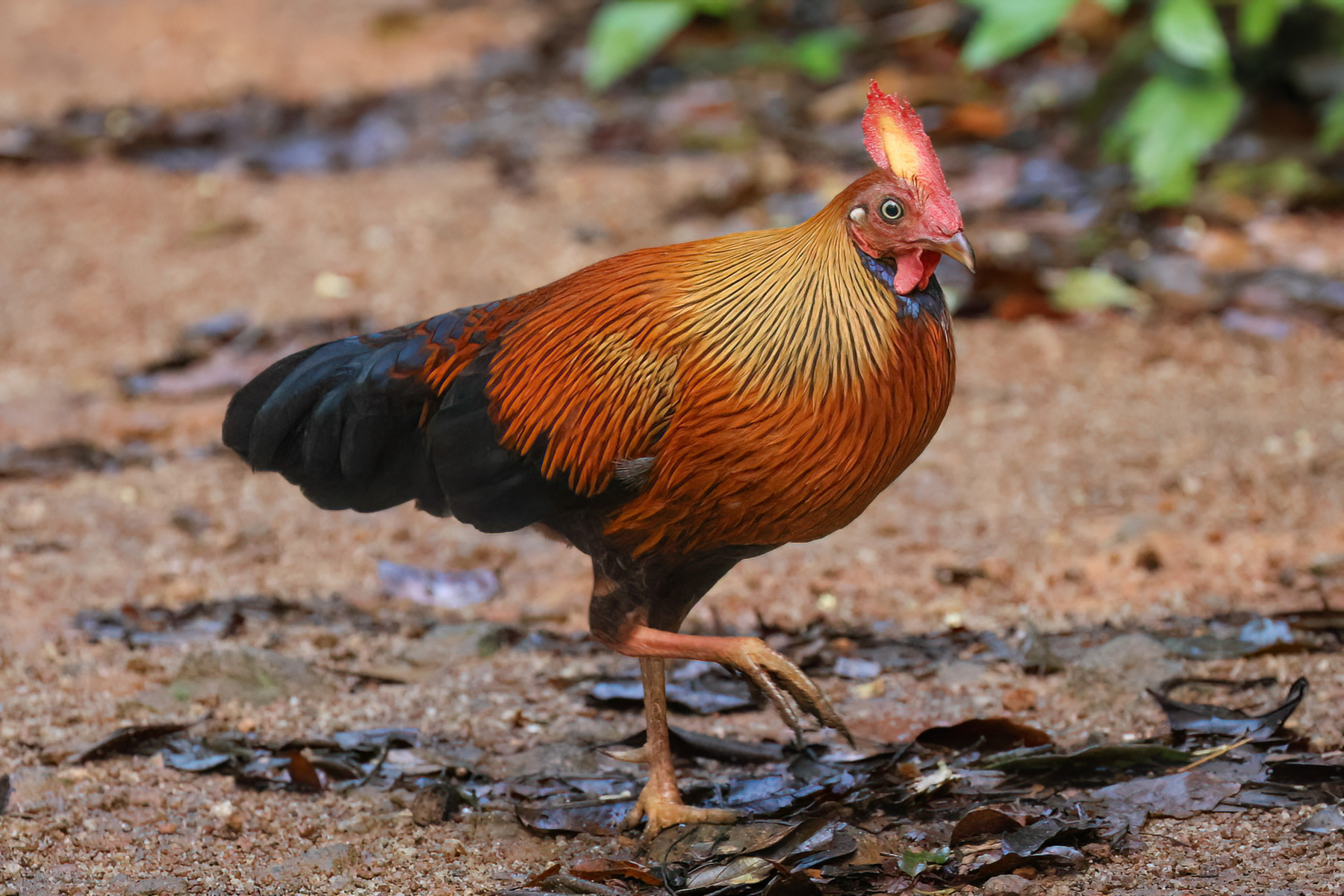
Sri Lanka Junglefowl (image by Vincent van der Spek)
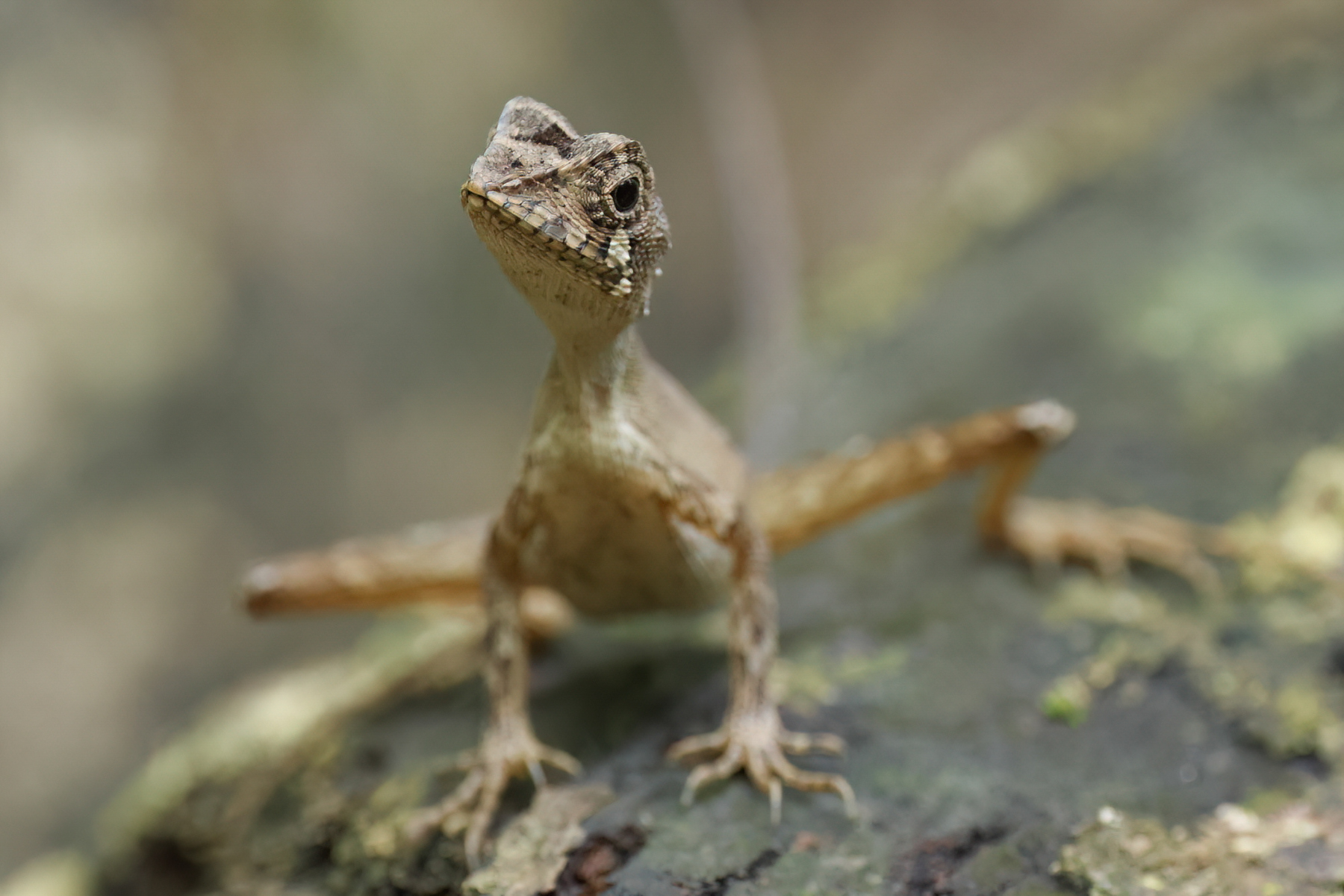
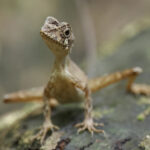
Sri Lanka Kangaroo Lizard (image by Vincent van der Spek)
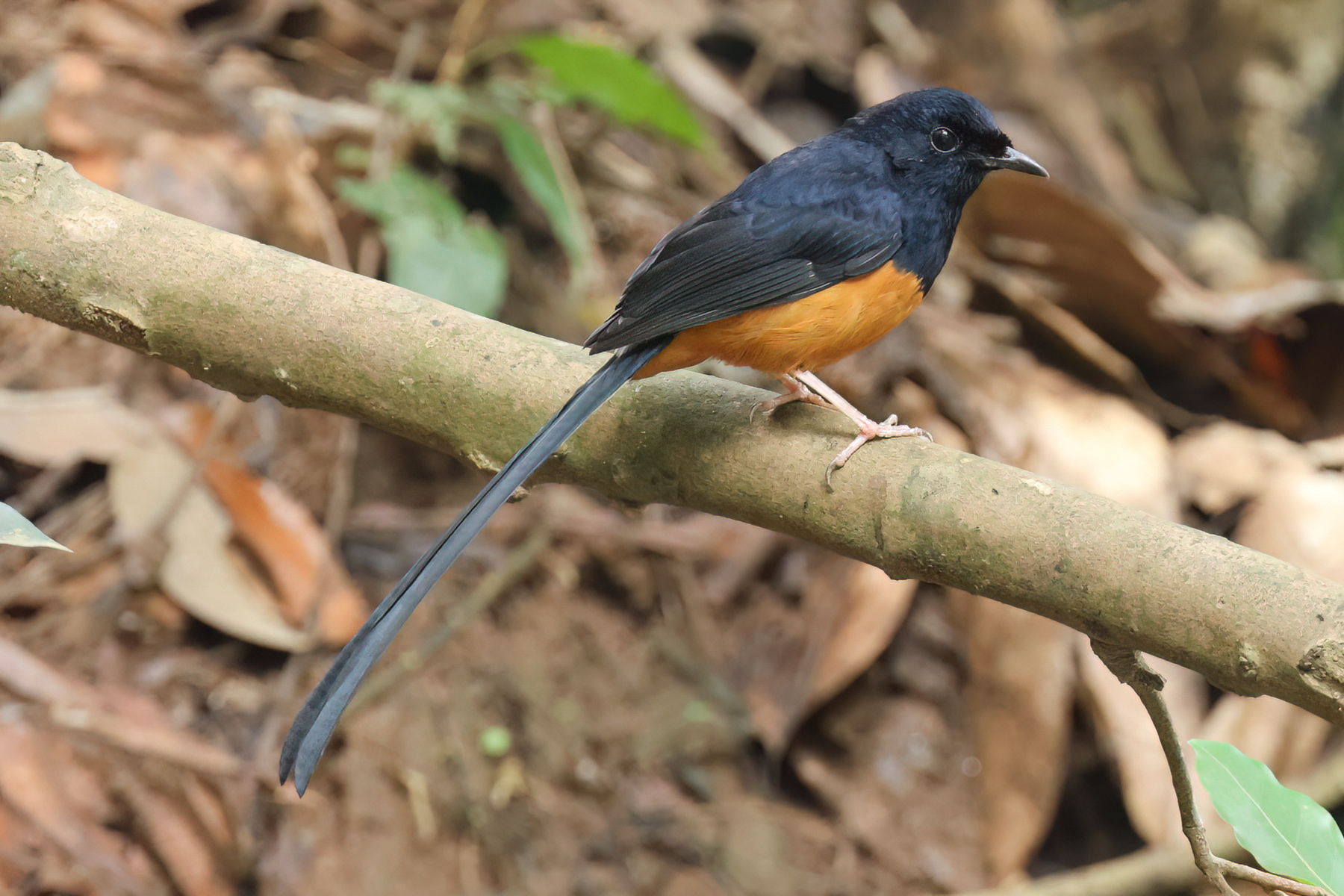
Sri Lanka Shama (image by Vincent van der Spek)
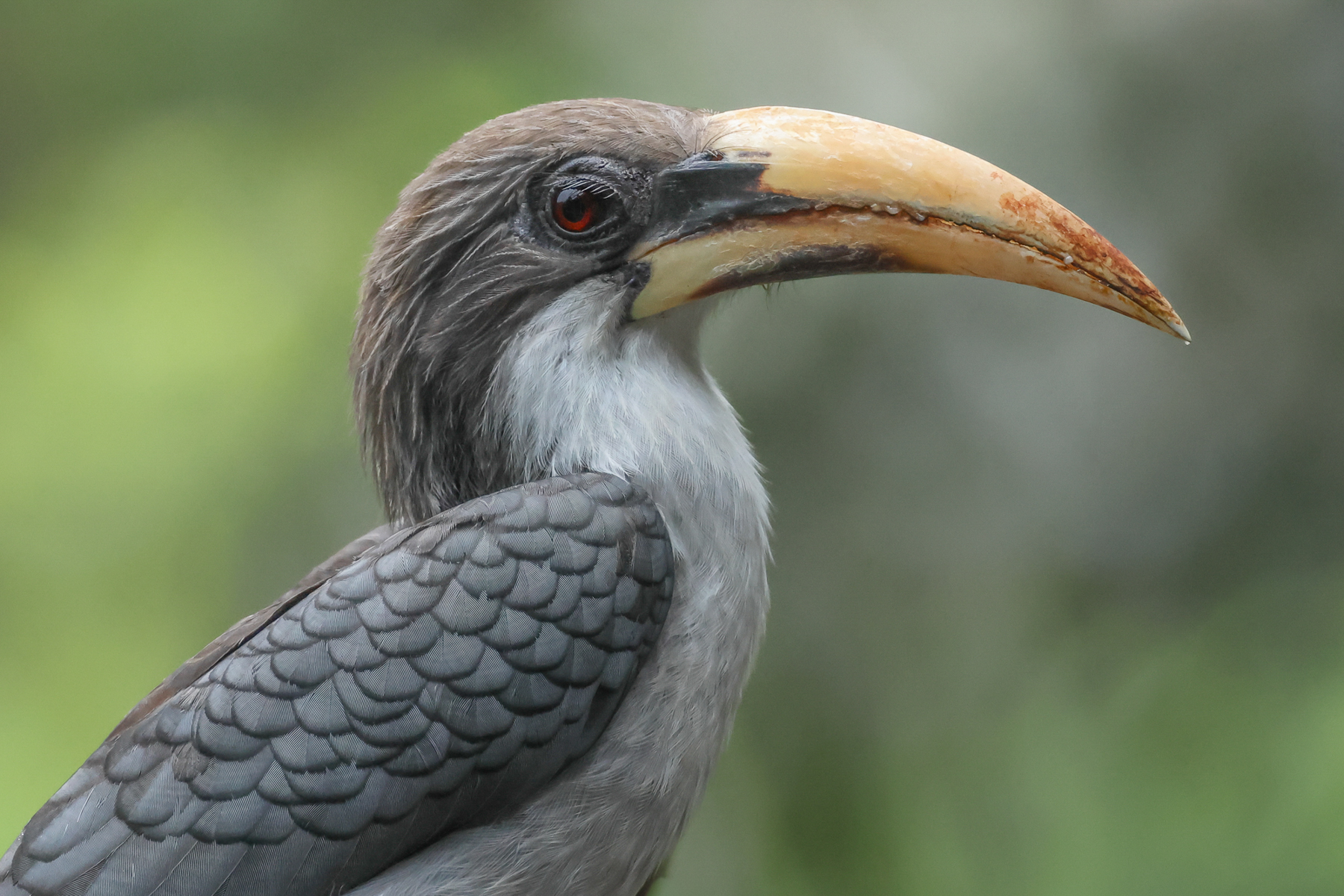
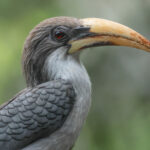
Sri Lanka Grey Hornbill (image by Vincent van der Spek)
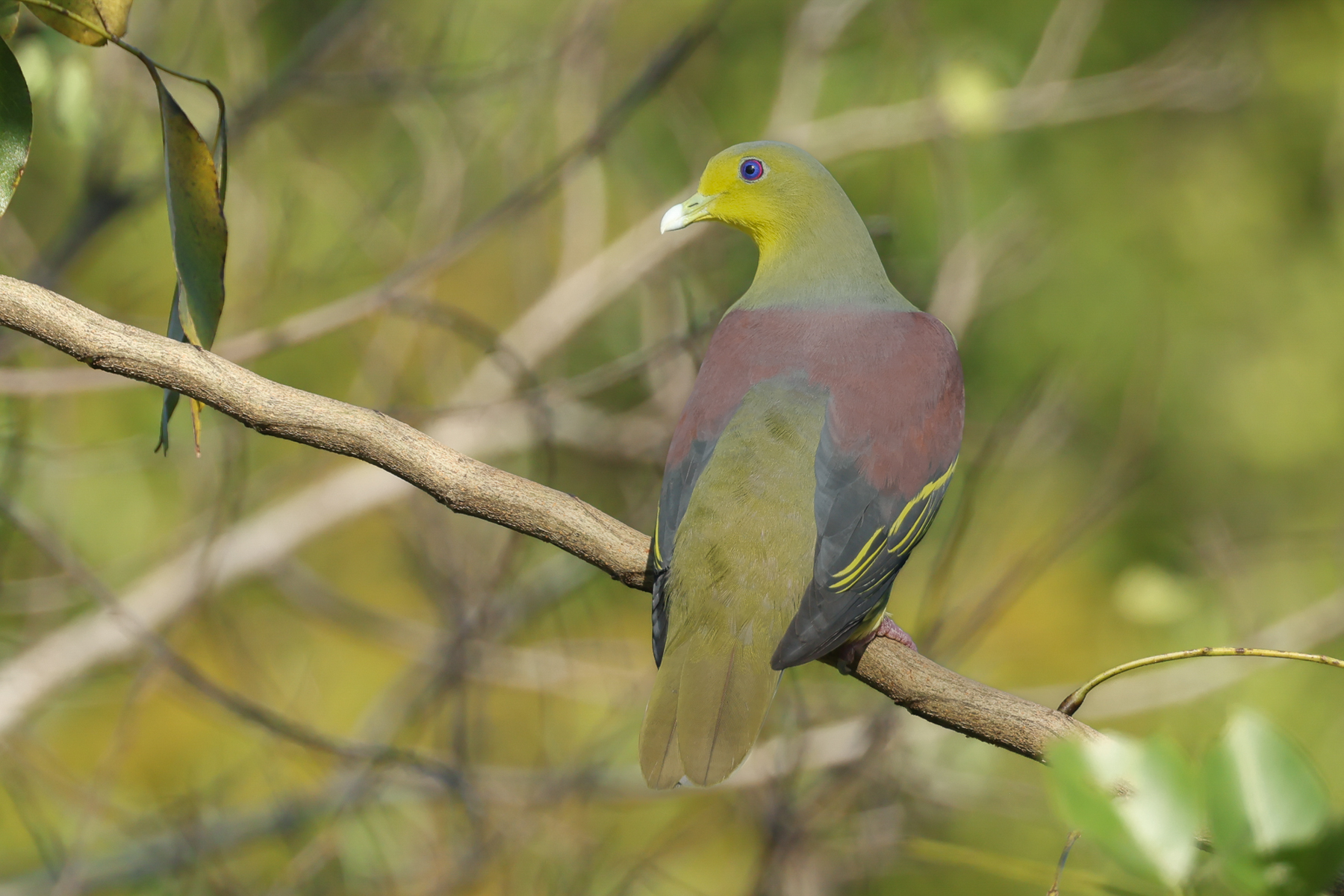
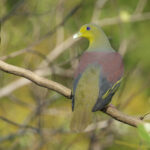
Sri Lanka Green Pigeon (image by Vincent van der Spek)
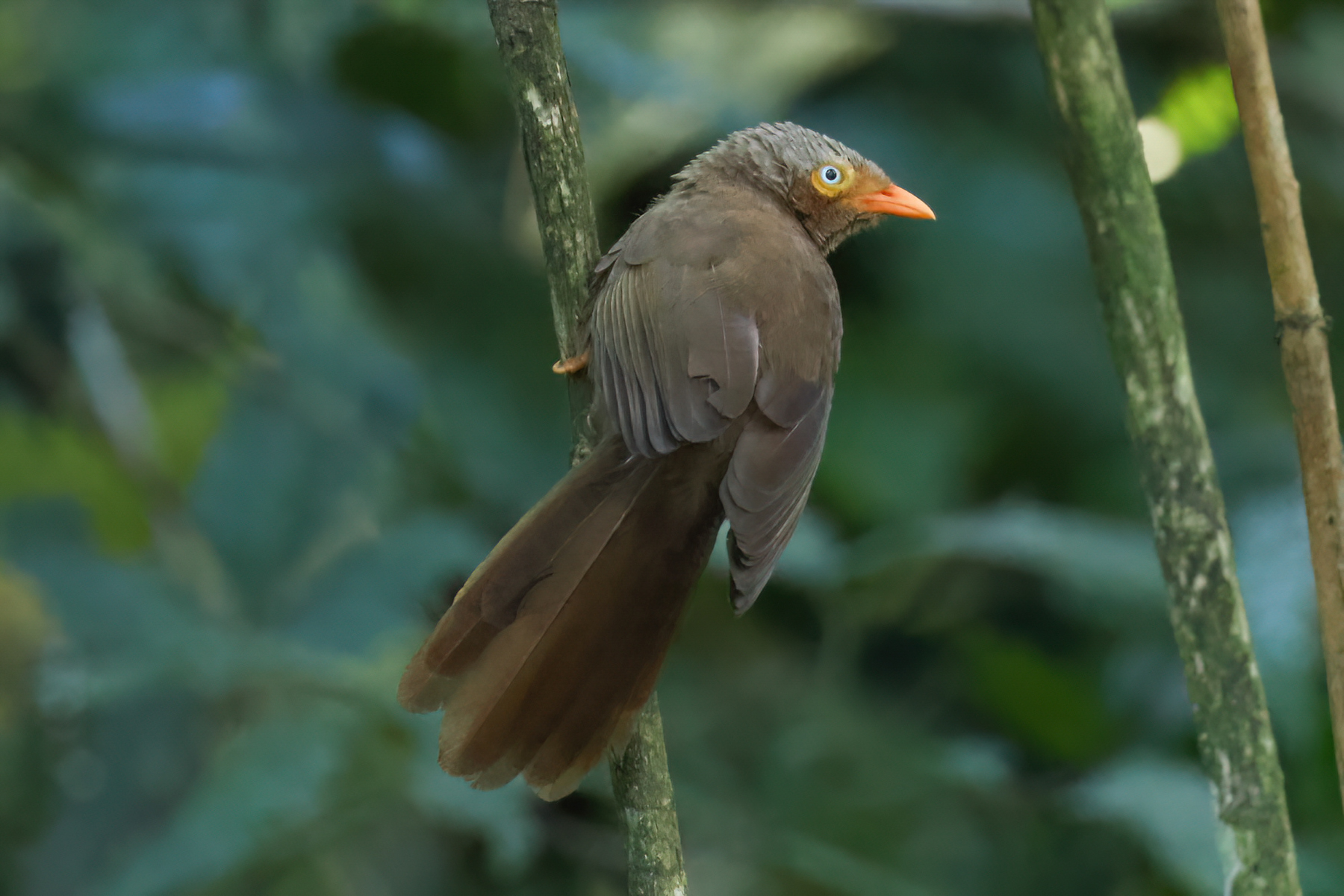
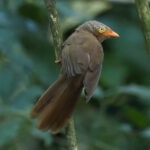
Orange-billed Babbler (image by Vincent van der Spek)
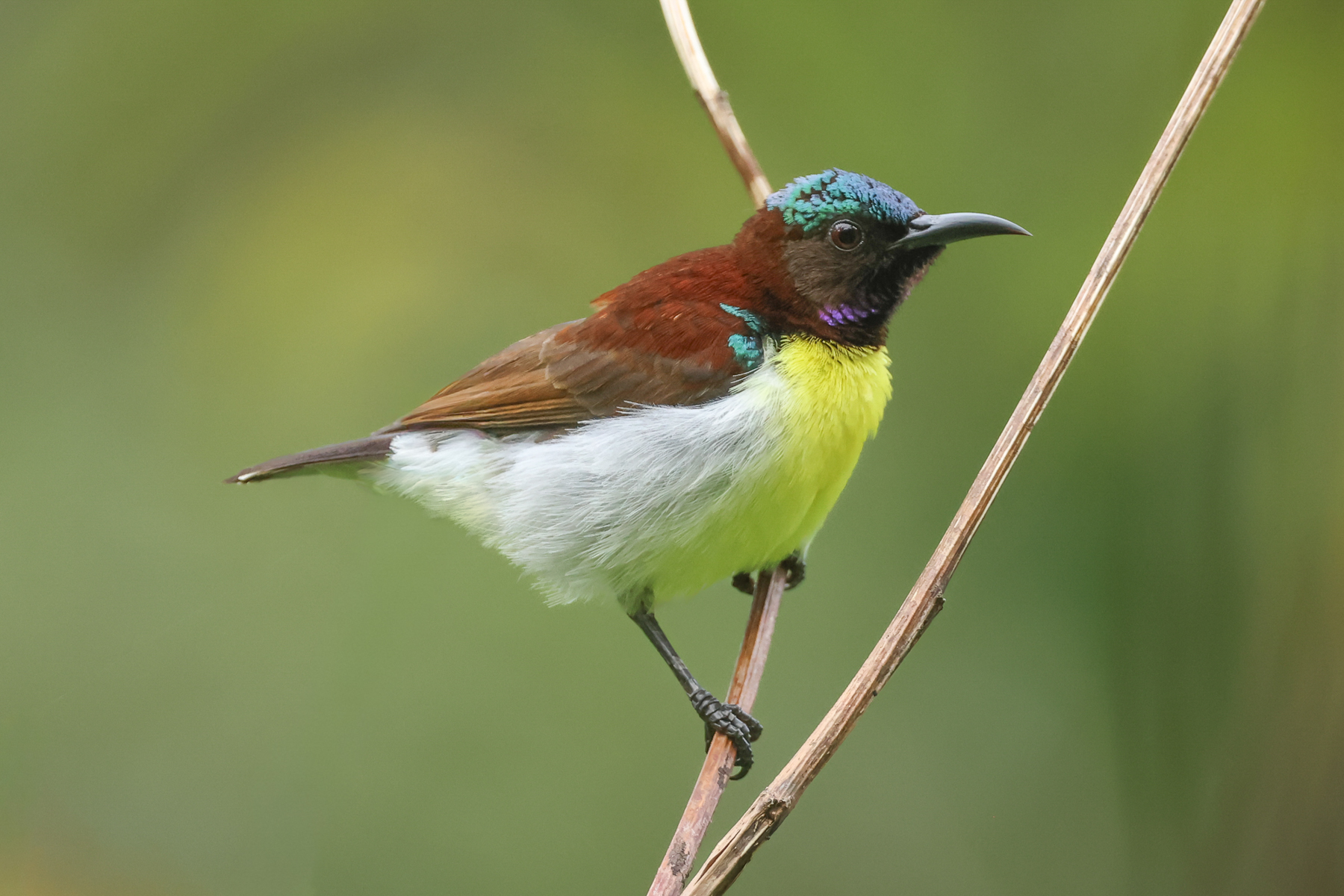
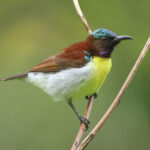
Purple-rumped Sunbird (image by Vincent van der Spek)
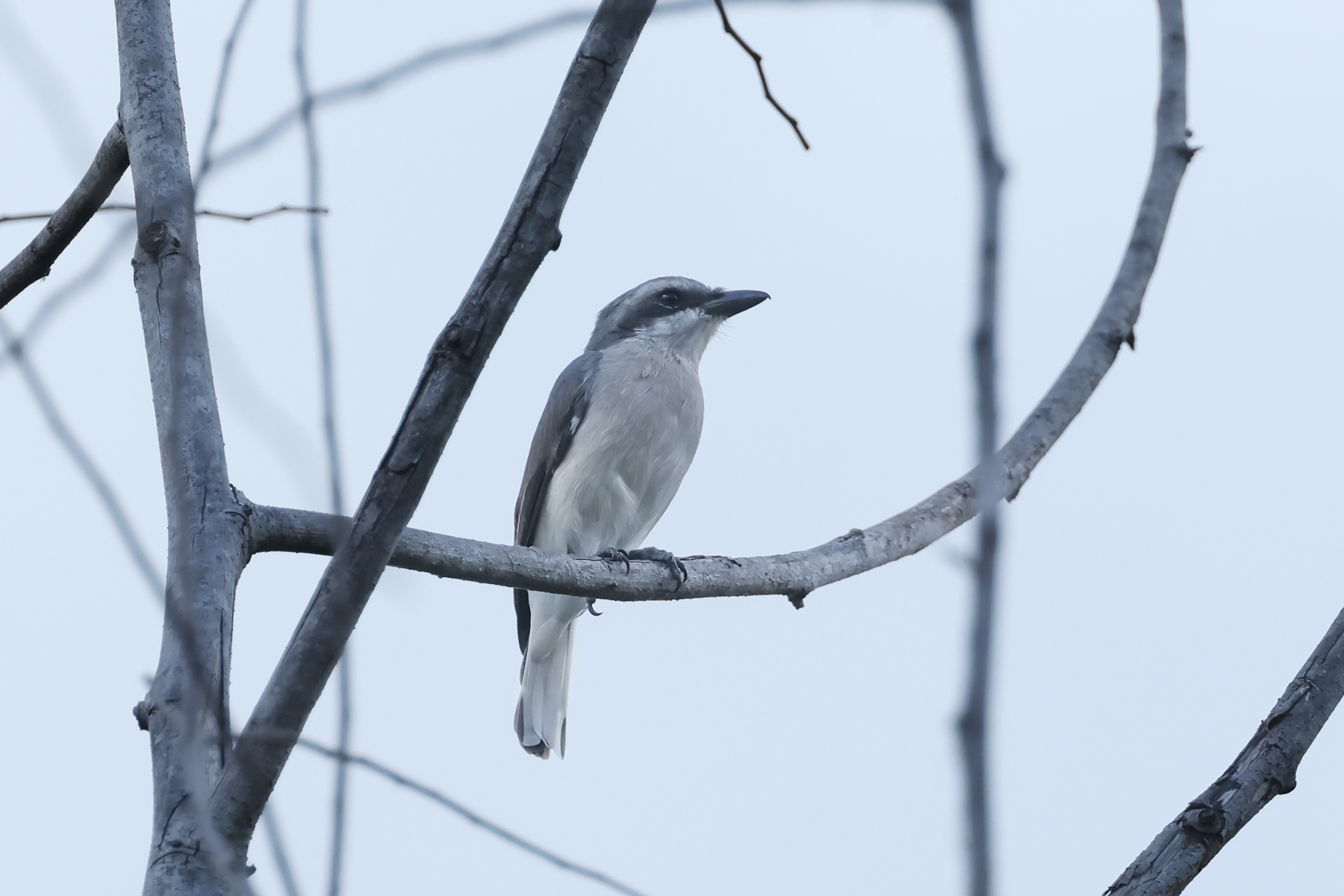
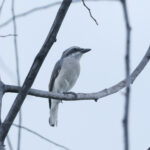
Sri Lanka Woodshrike (image by Vincent van der Spek)
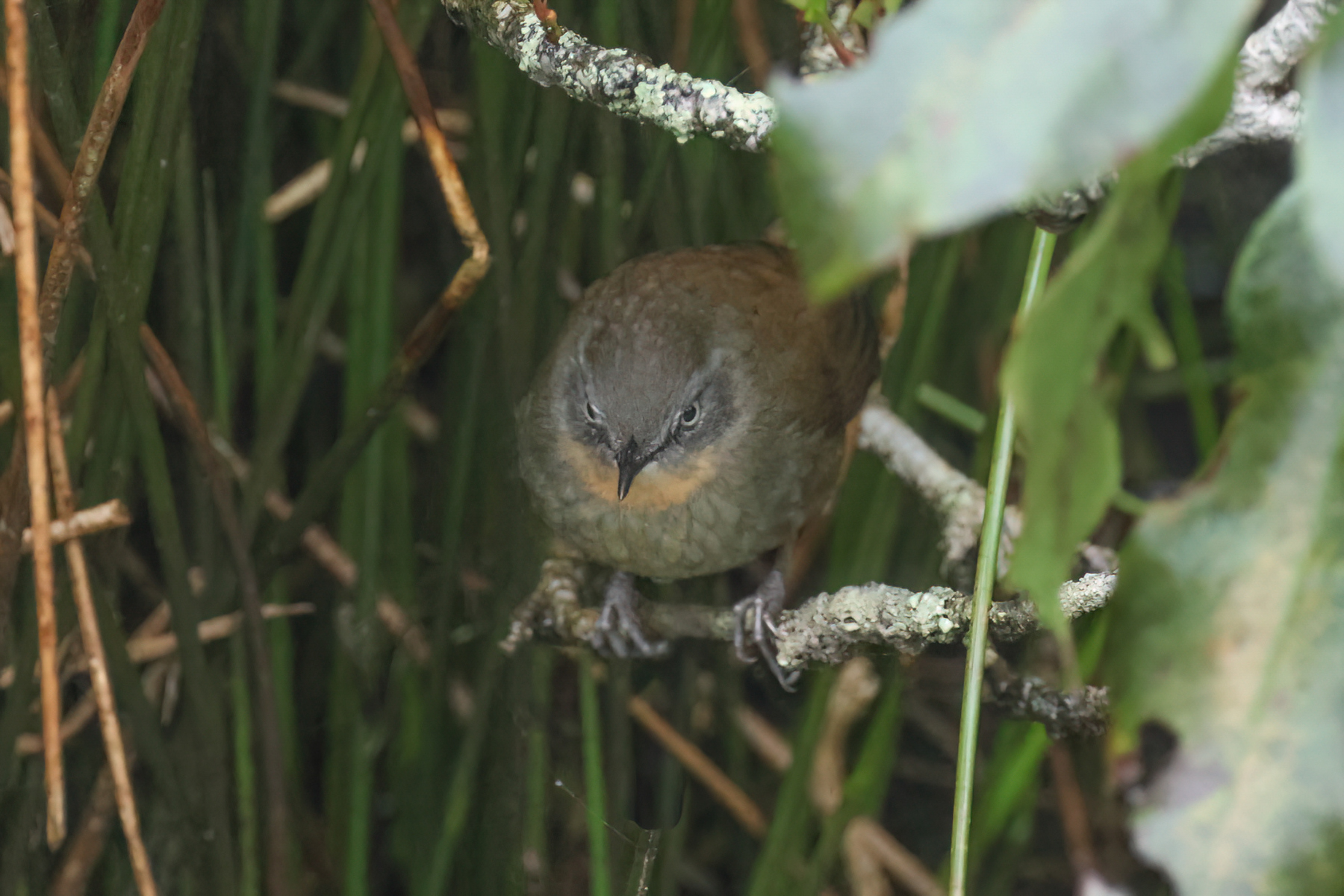
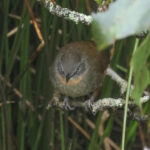
Sri Lanka Bush Warbler (image by Vincent van der Spek)
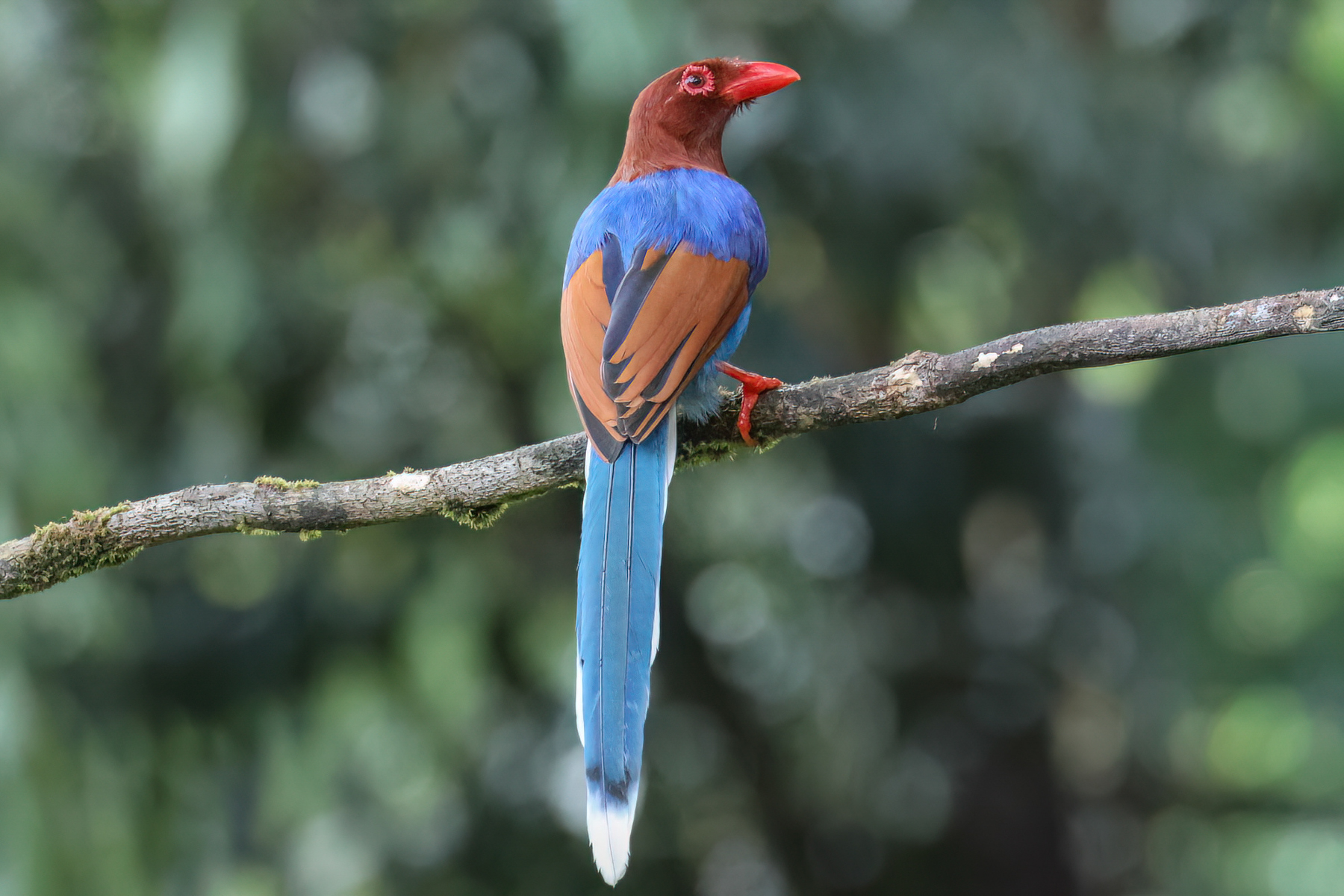
Sri Lanka Blue Magpie (image by Vincent van der Spek)
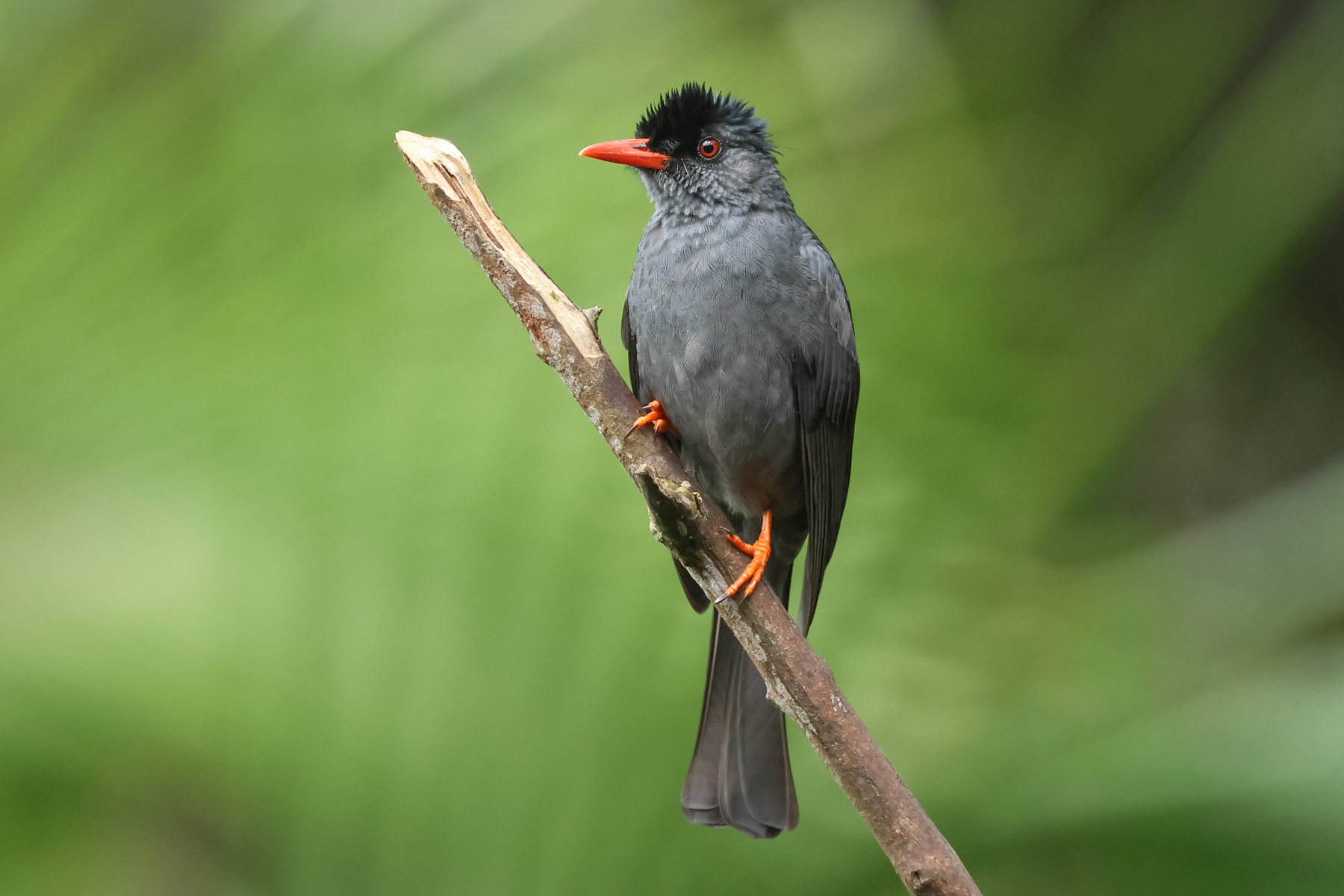
Square-tailed Bulbul (image by Vincent van der Spek)
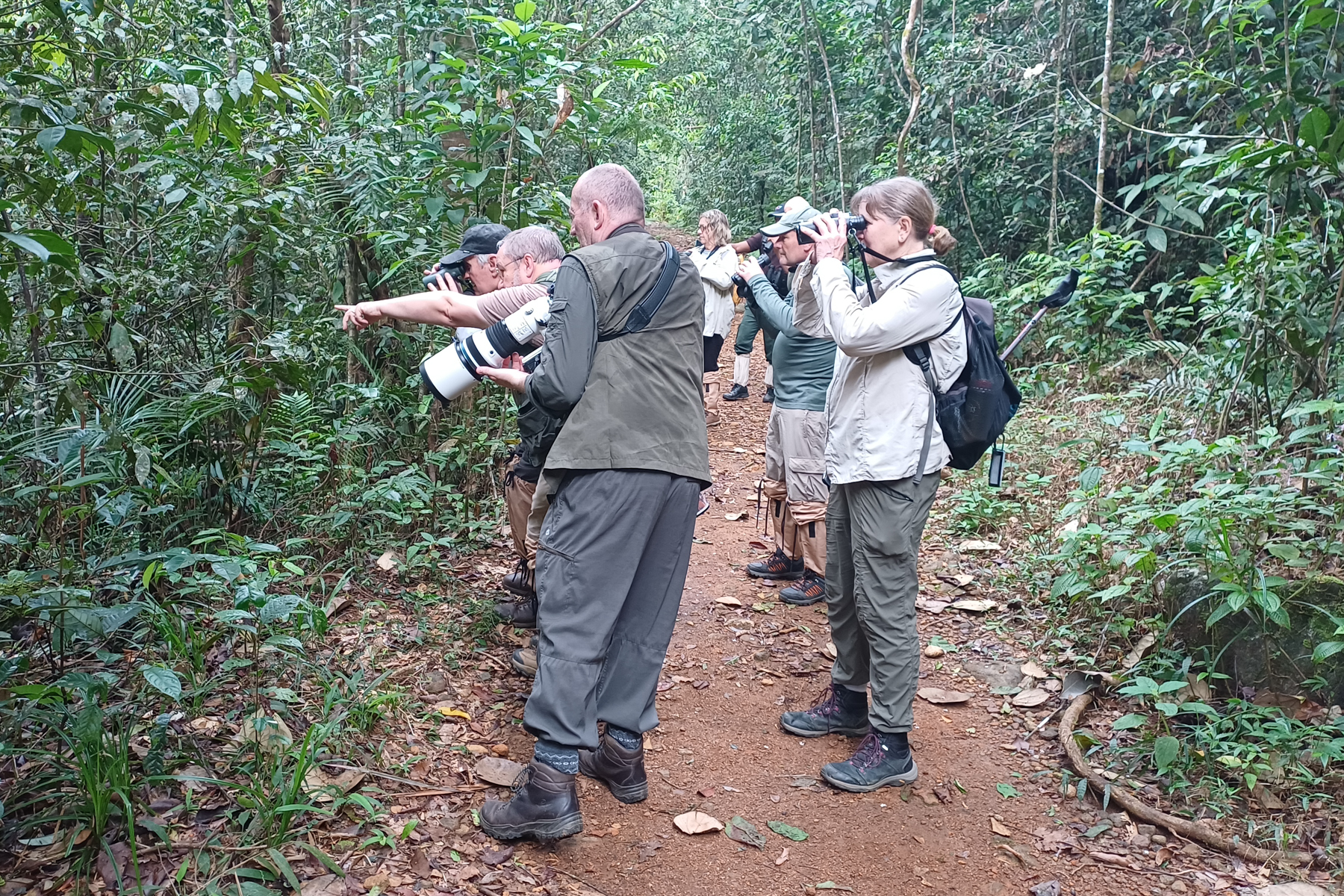
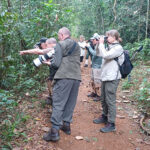
Sri Lanka Birding (image by Vincent van der Spek)
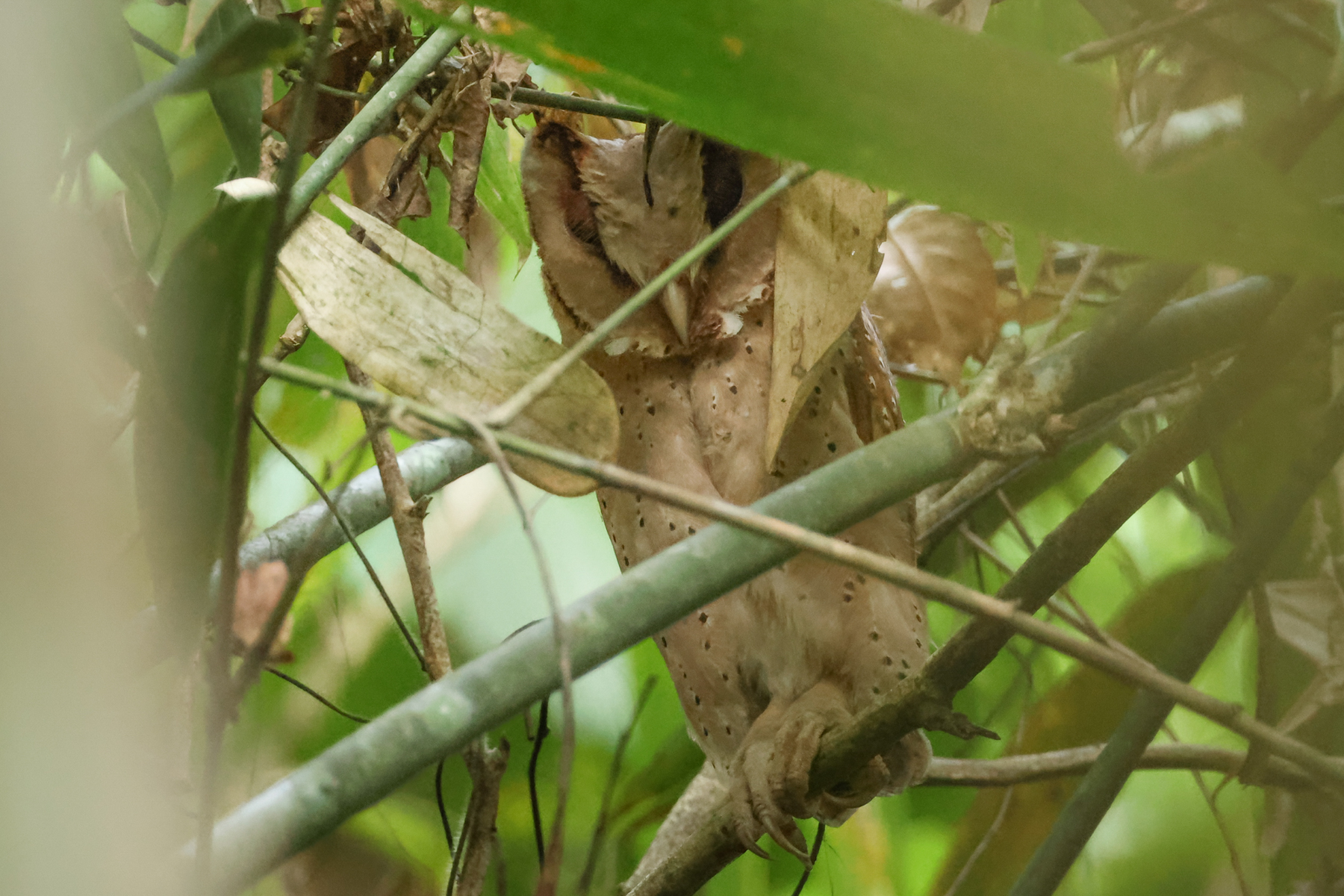
Sri Lanka Bay Owl (image by Vincent van der Spek)
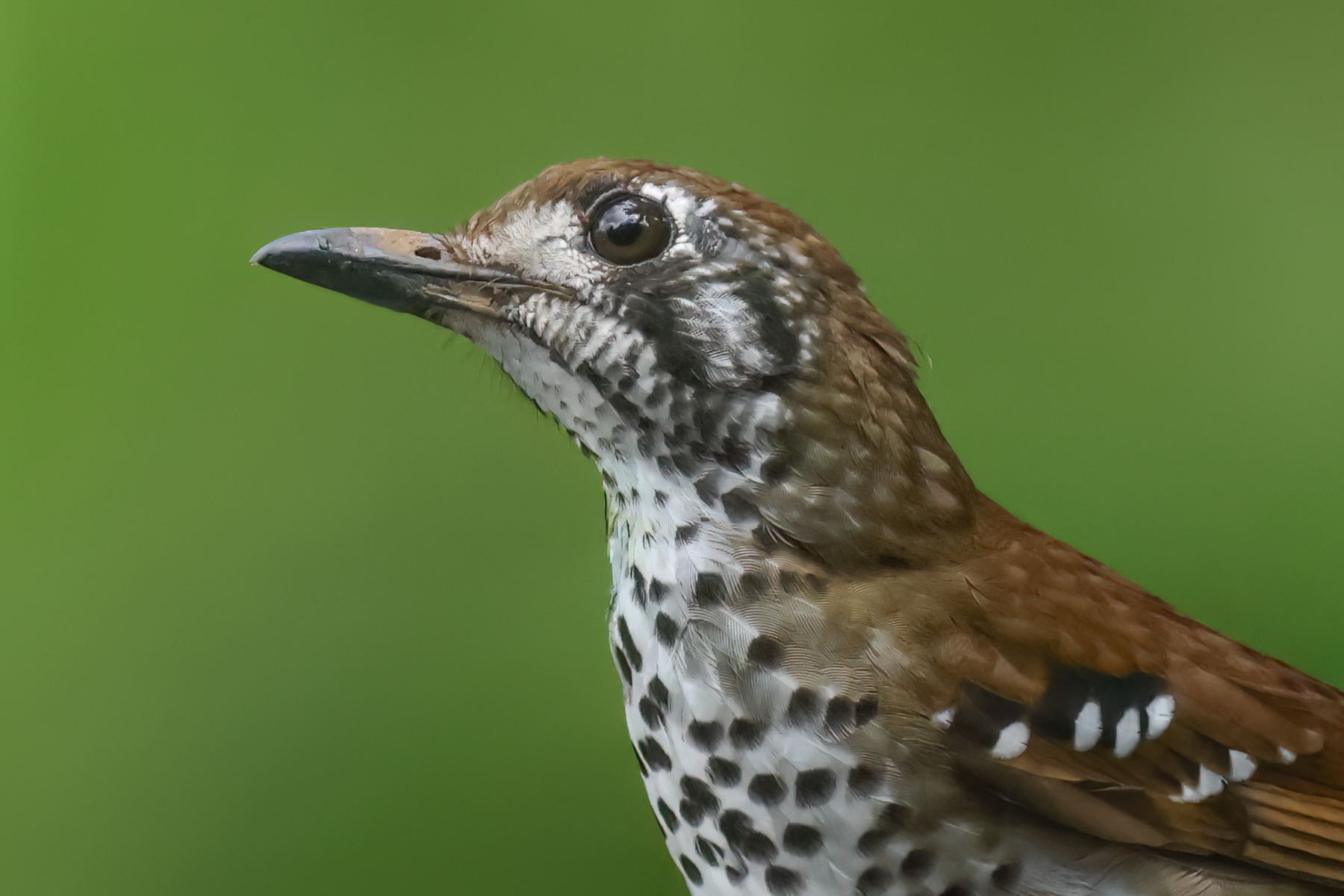
Spot-winged Thrush (image by Vincent van der Spek)
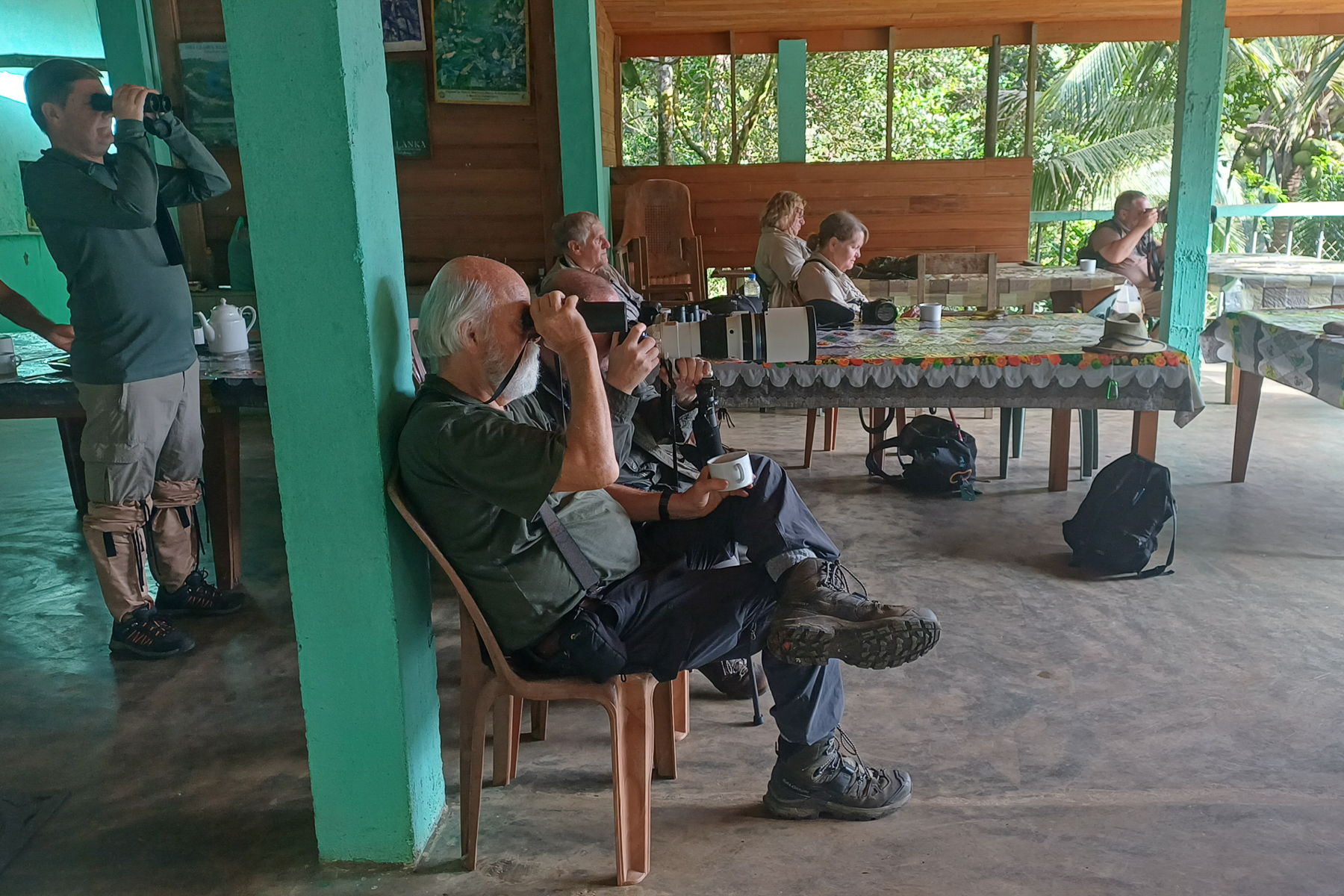
Sinharaja NP (image by Vincent van der Spek)
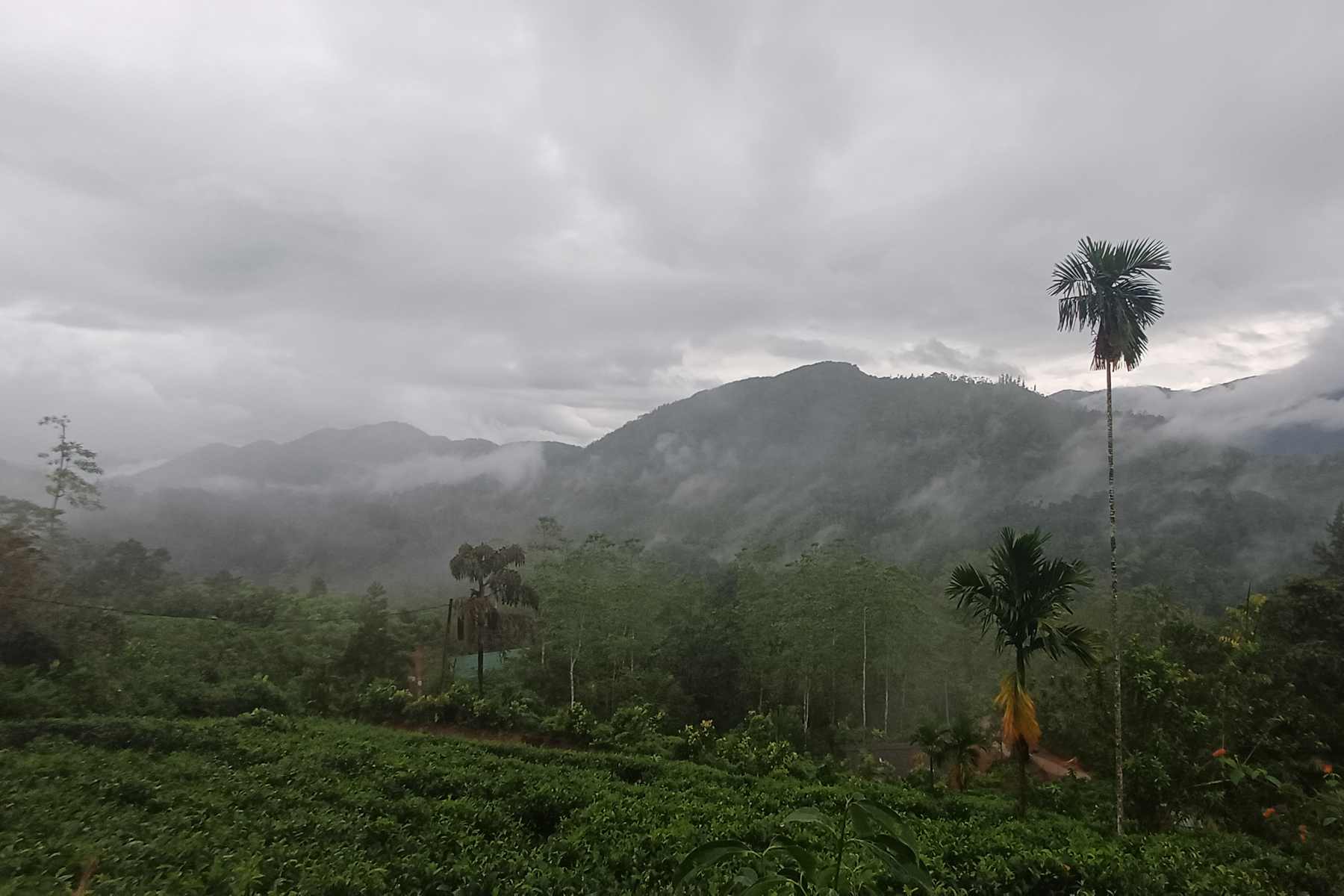
Sinharaja NP (image by Vincent van der Spek)
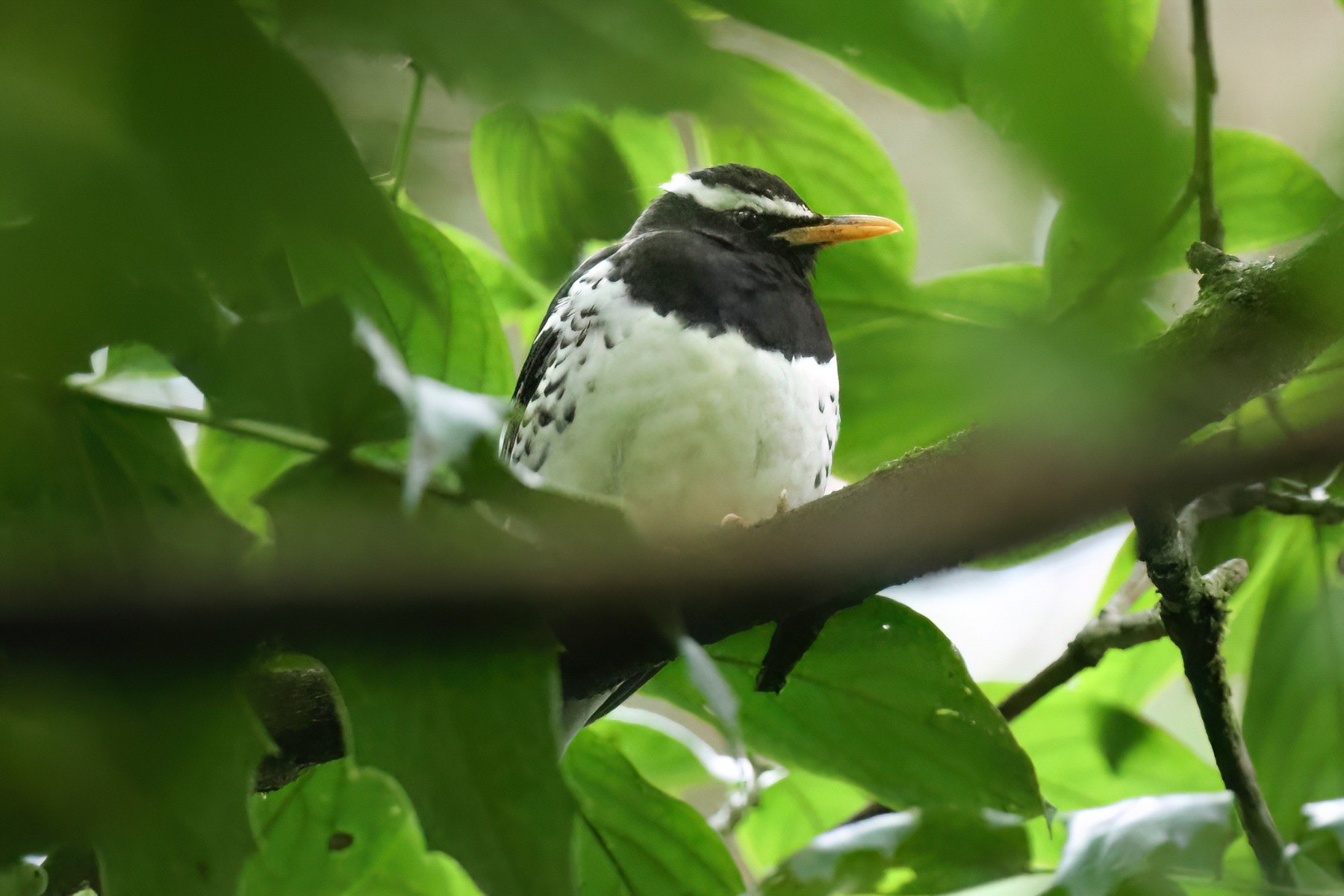
Pied Thrush (image by Vincent van der Spek)
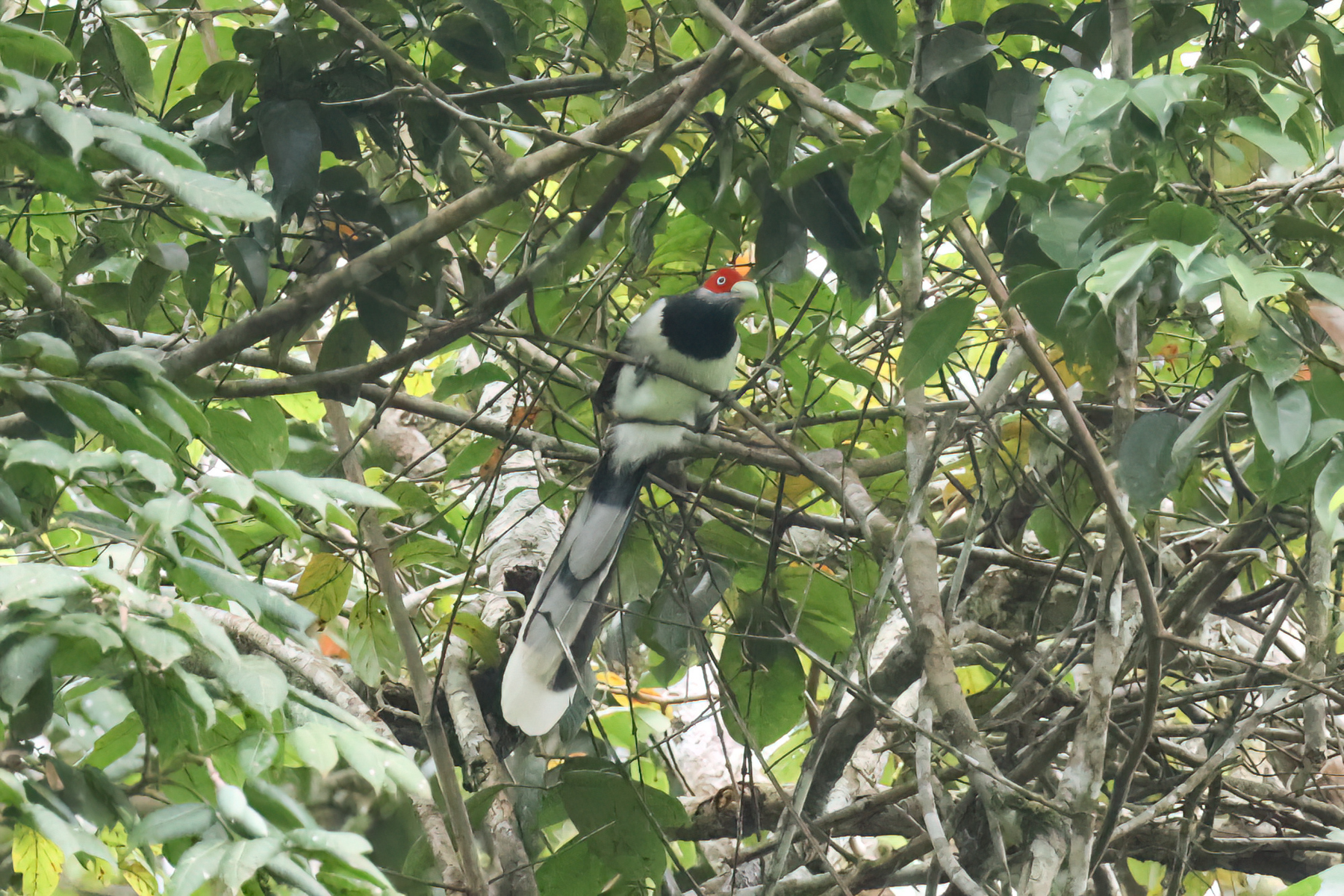
Red-faced Malkoha (image by Vincent van der Spek)
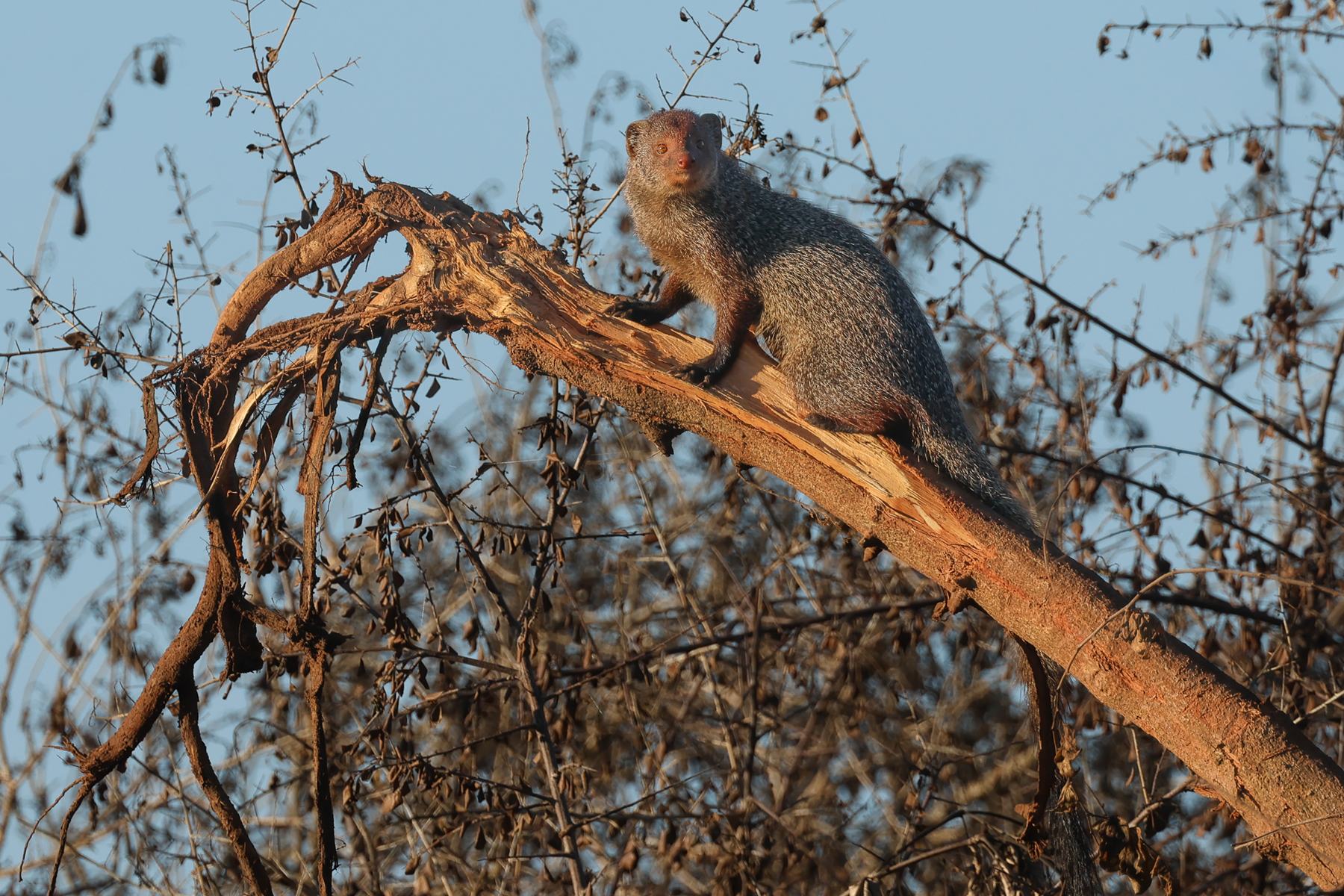
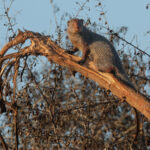
Ruddy Mongoose (image by Vincent van der Spek)
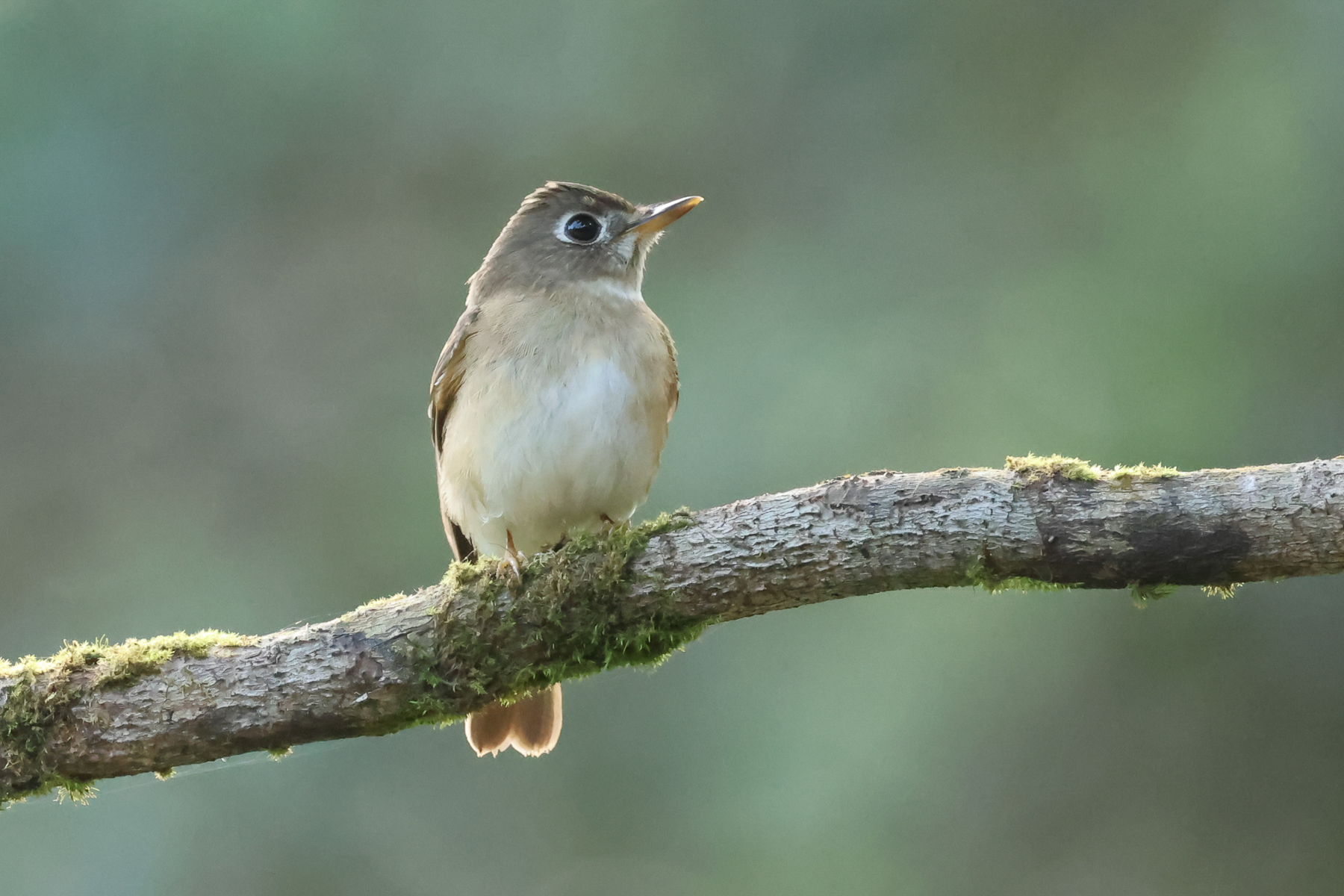
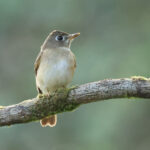
Brown-breasted Flycatcher (image by Vincent van der Spek)
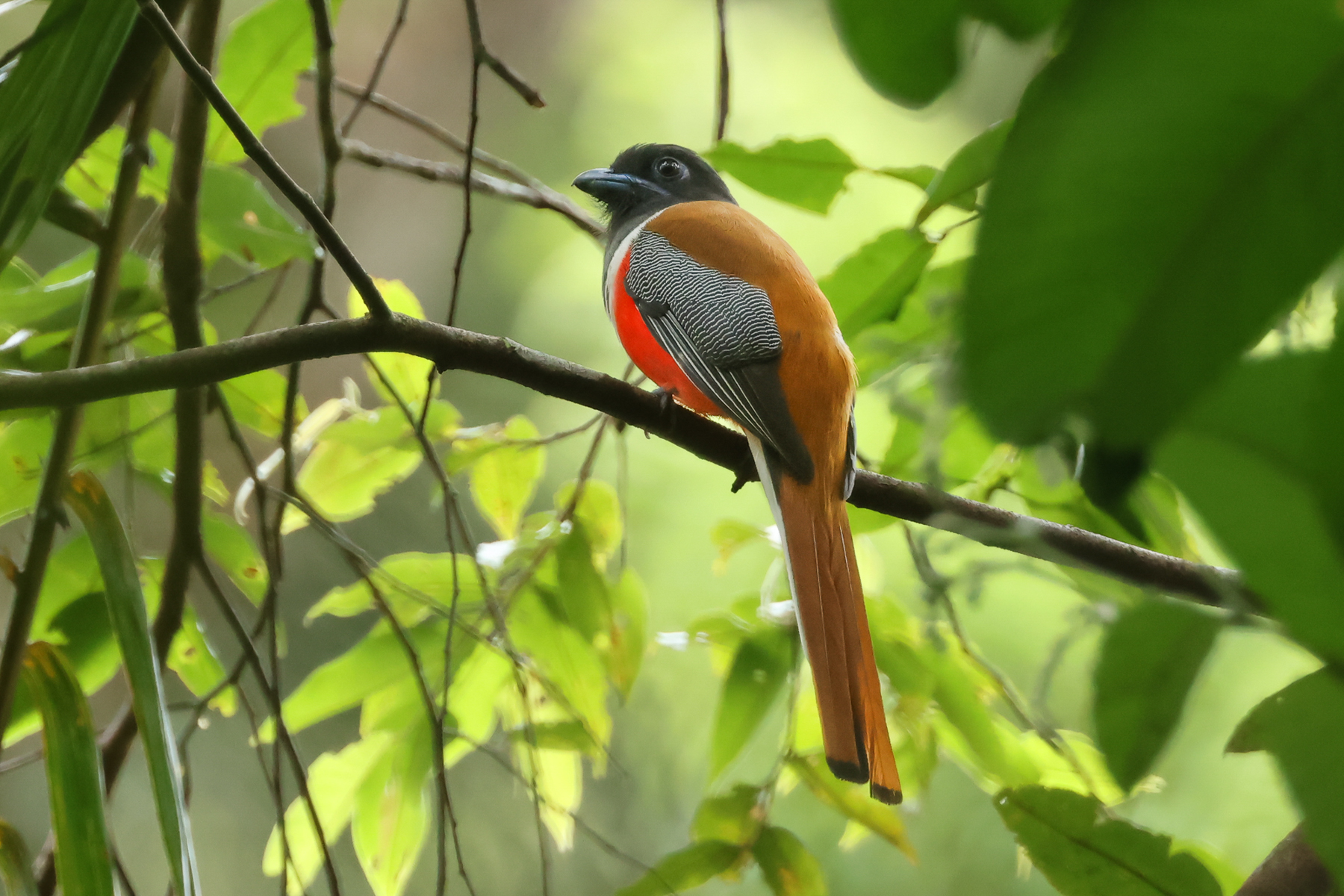
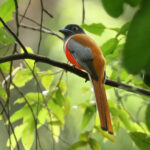
Malabar Trogon (image by Vincent van der Spek)
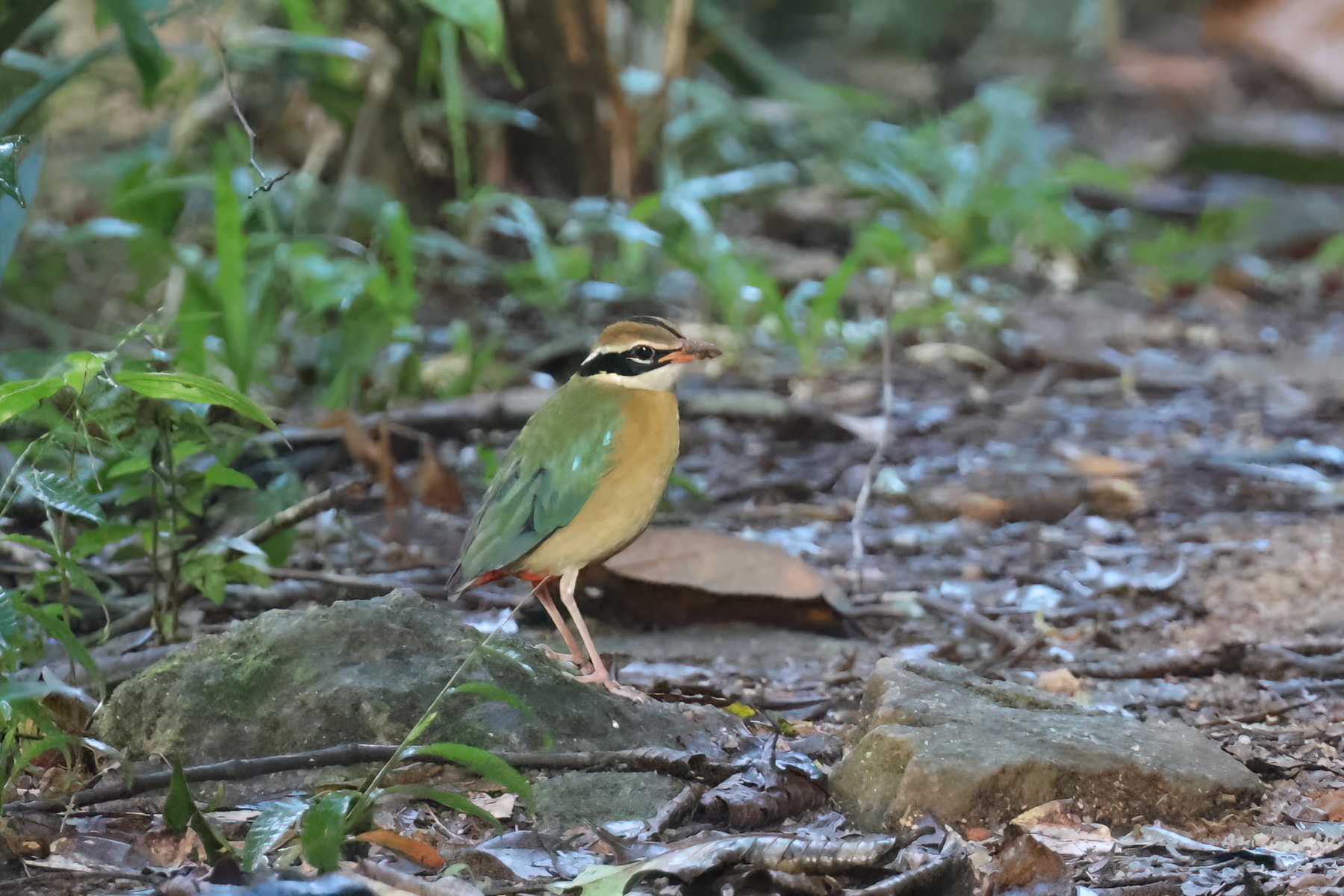
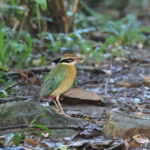
Indian Pitta (image by Vincent van der Spek)
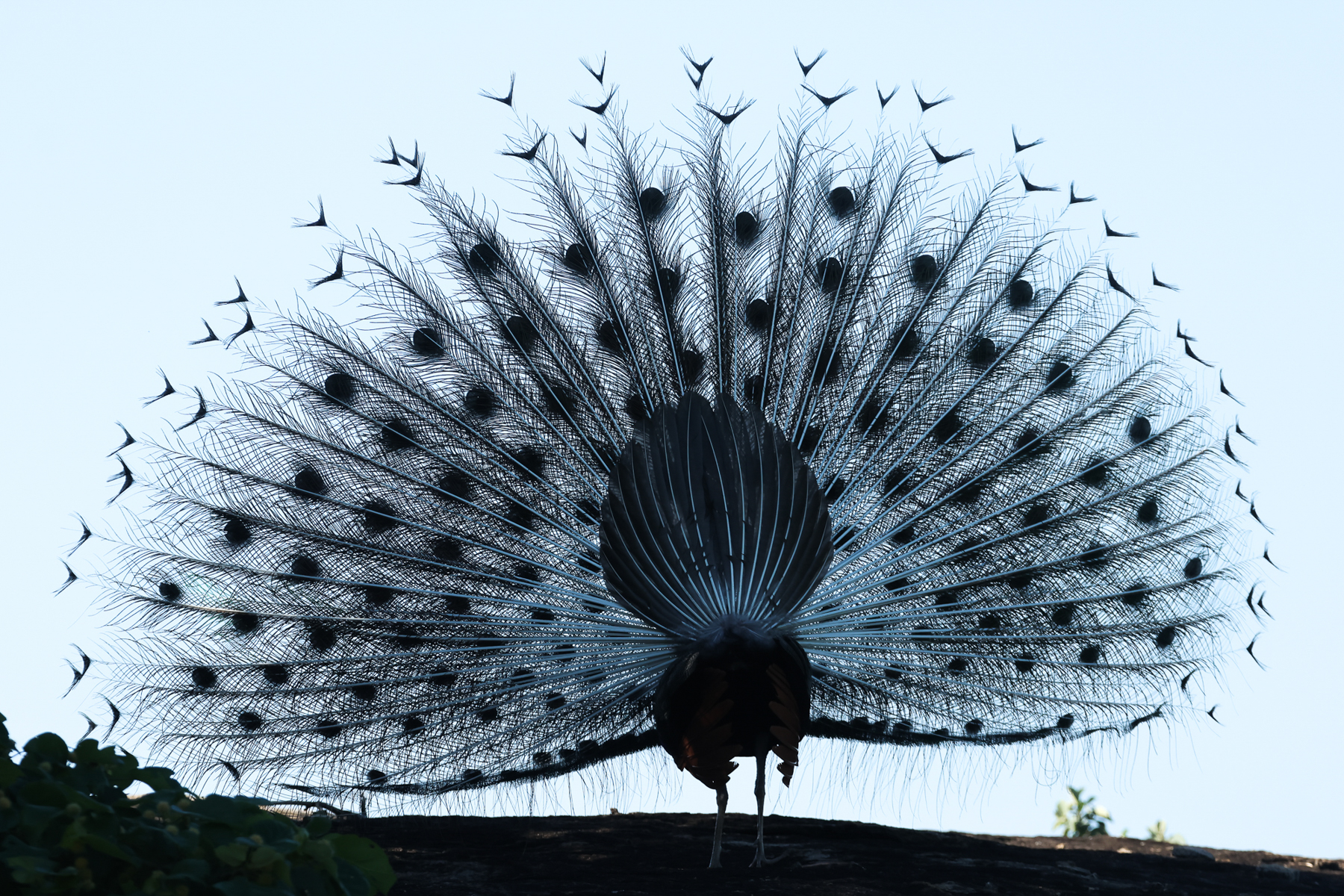
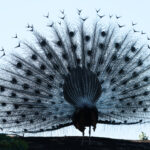
Indian Peafowl (image by Vincent van der Spek)
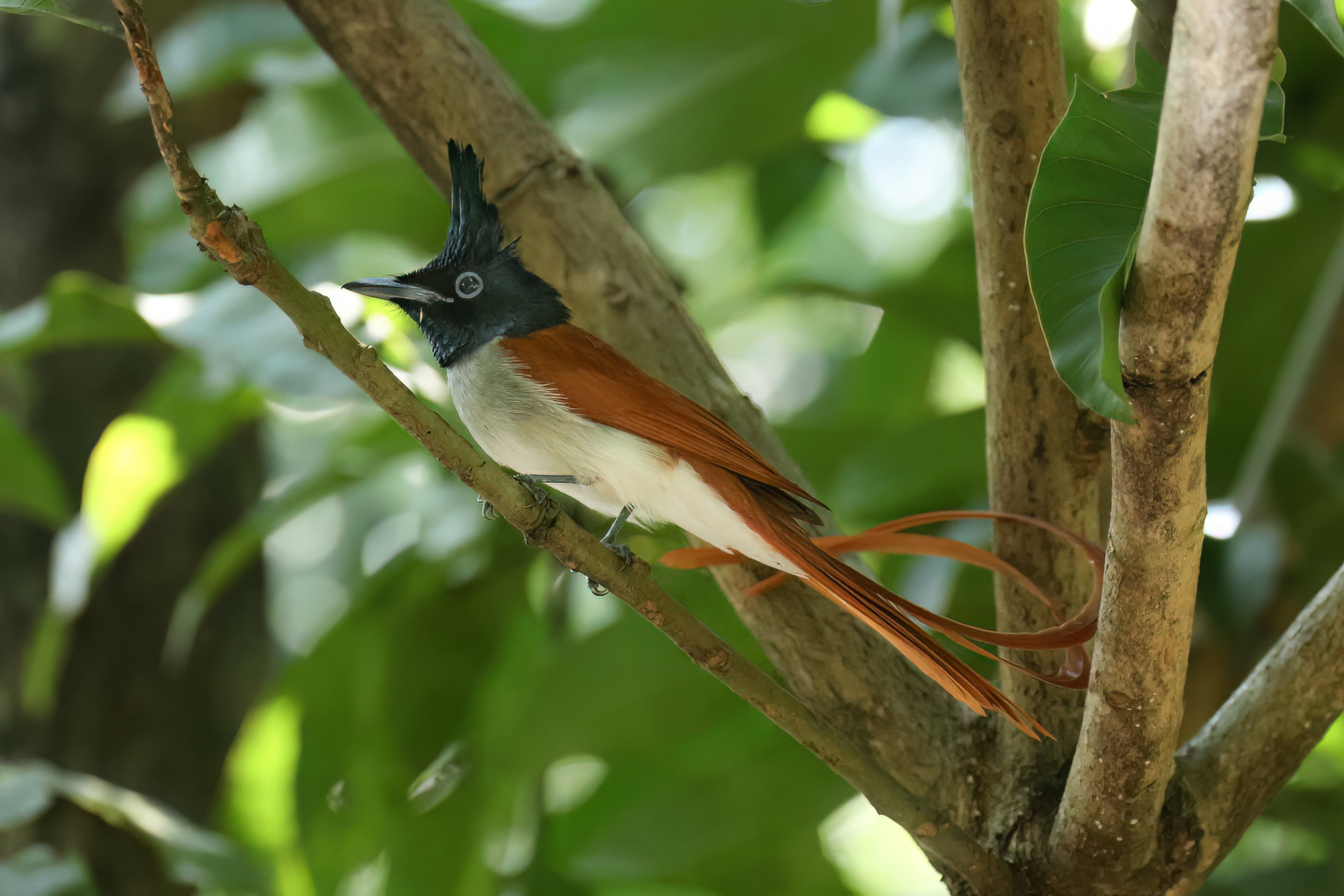
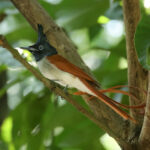
Indian Paradise Flycatcher (image by Vincent van der Spek)
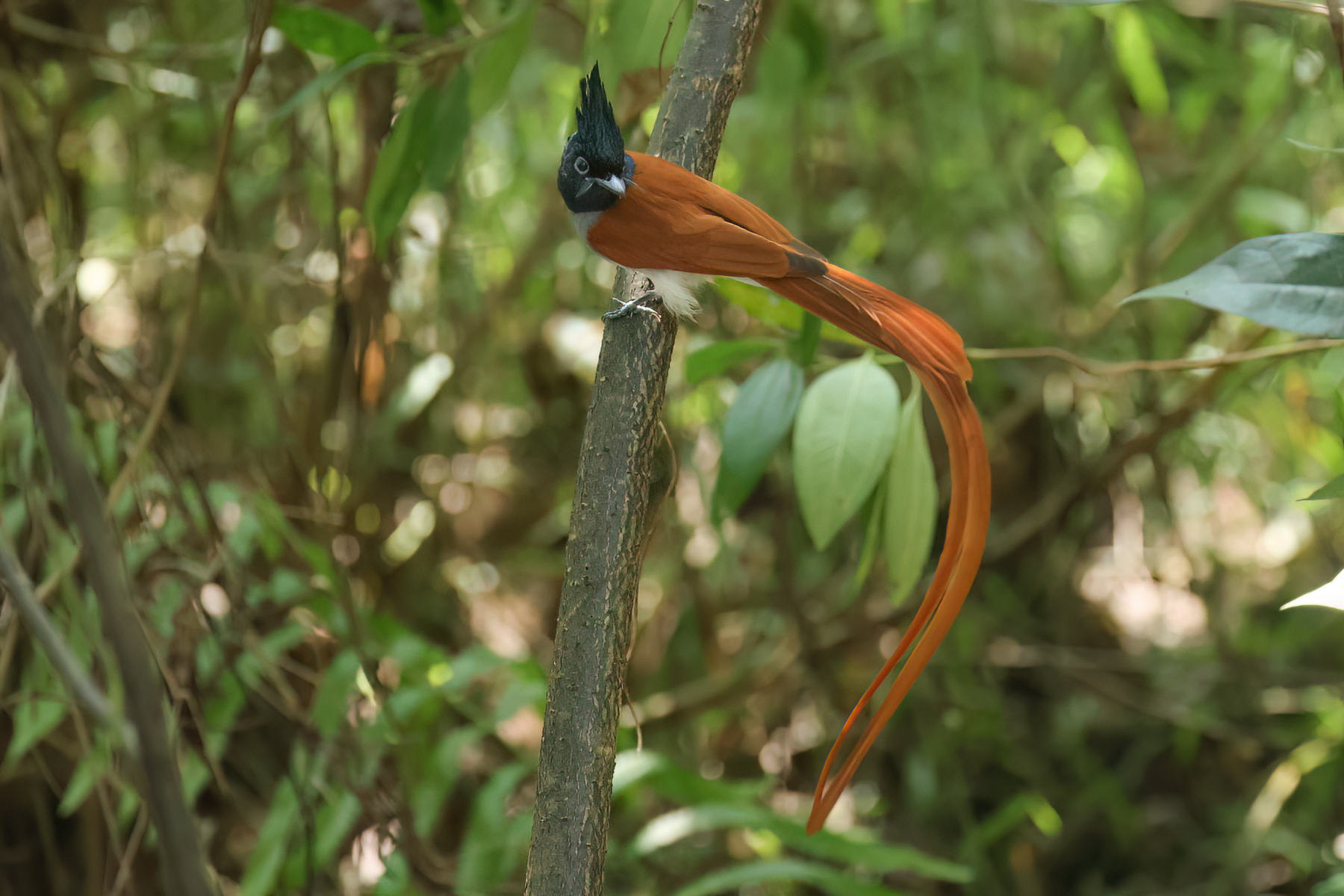
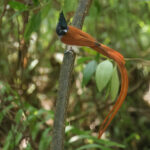
Indian Paradise Flycatcher (image by Vincent van der Spek)
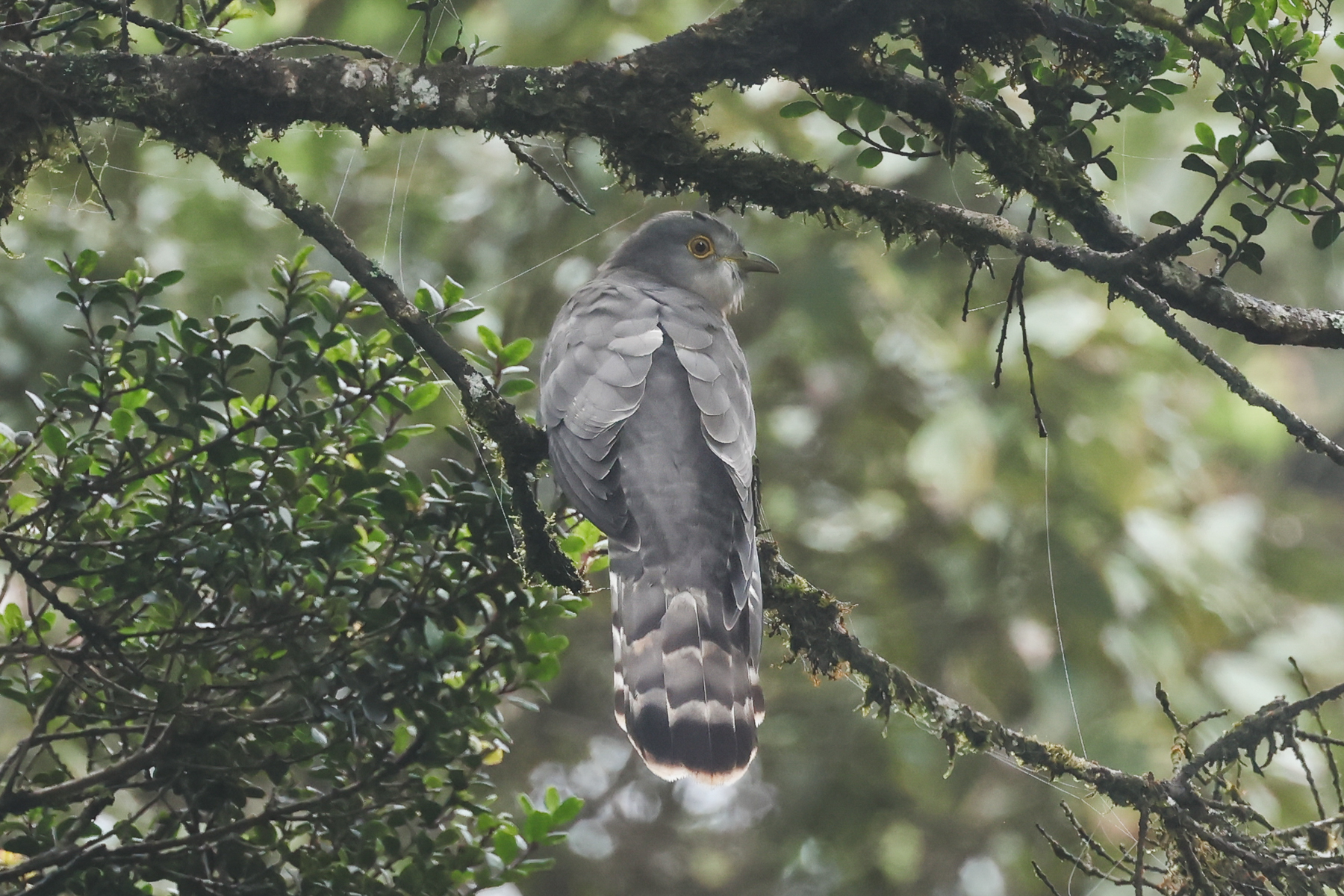
Common Hawk-Cuckoo (image by Vincent van der Spek)
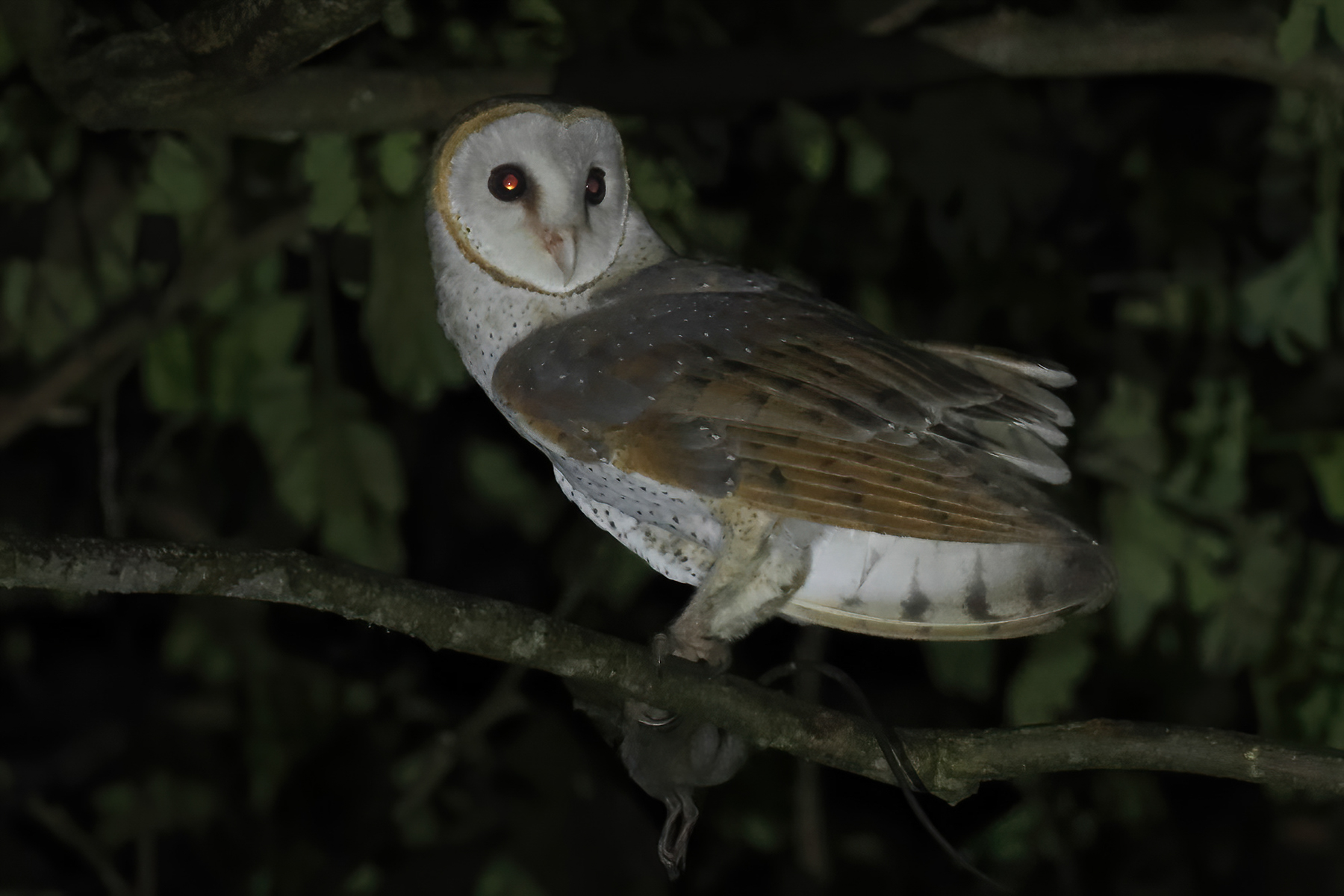
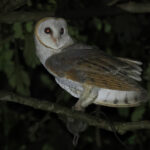
Eastern Barn Owl (image by Vincent van der Spek)
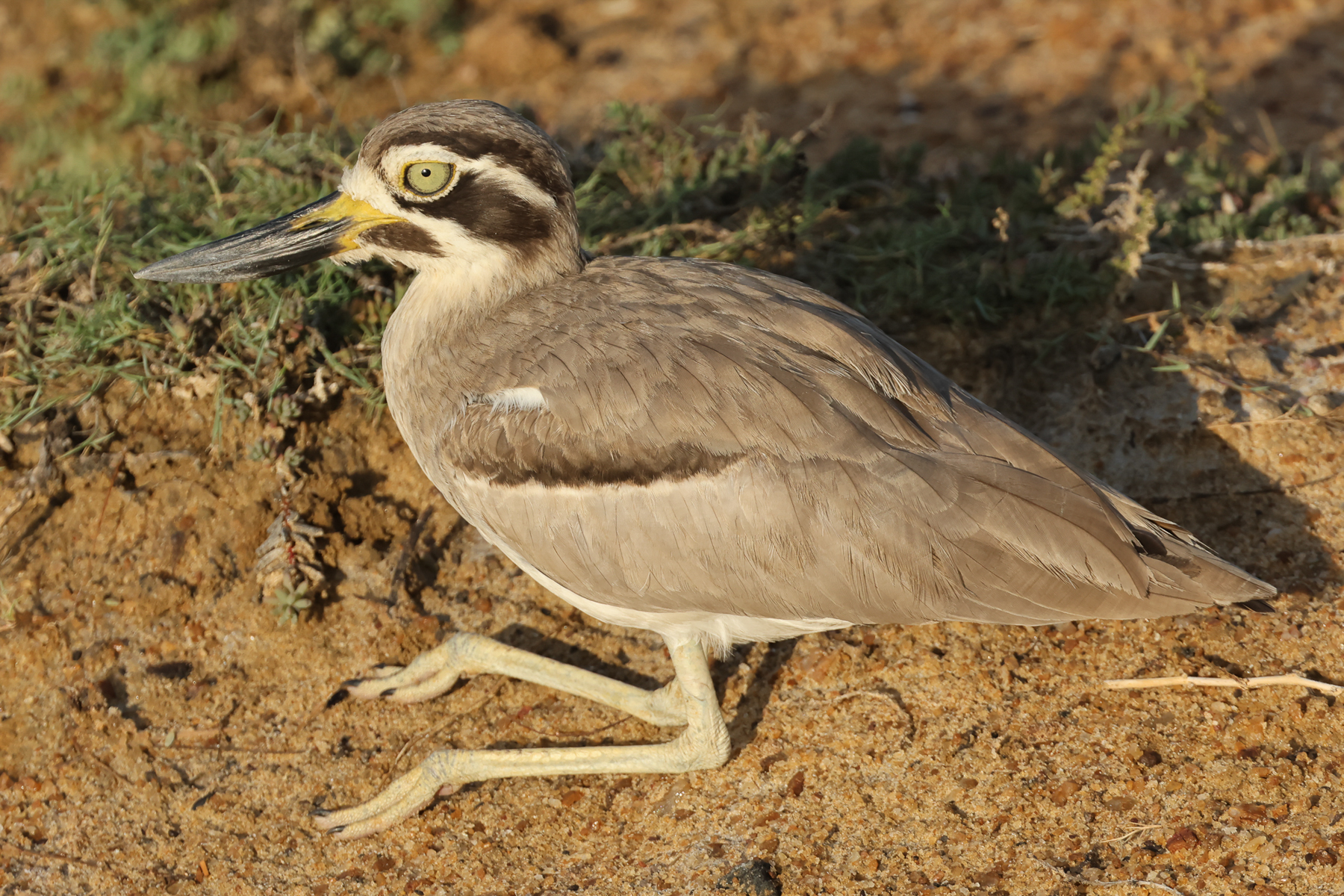
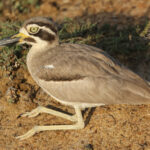
Great Thick-knee (image by Vincent van der Spek)
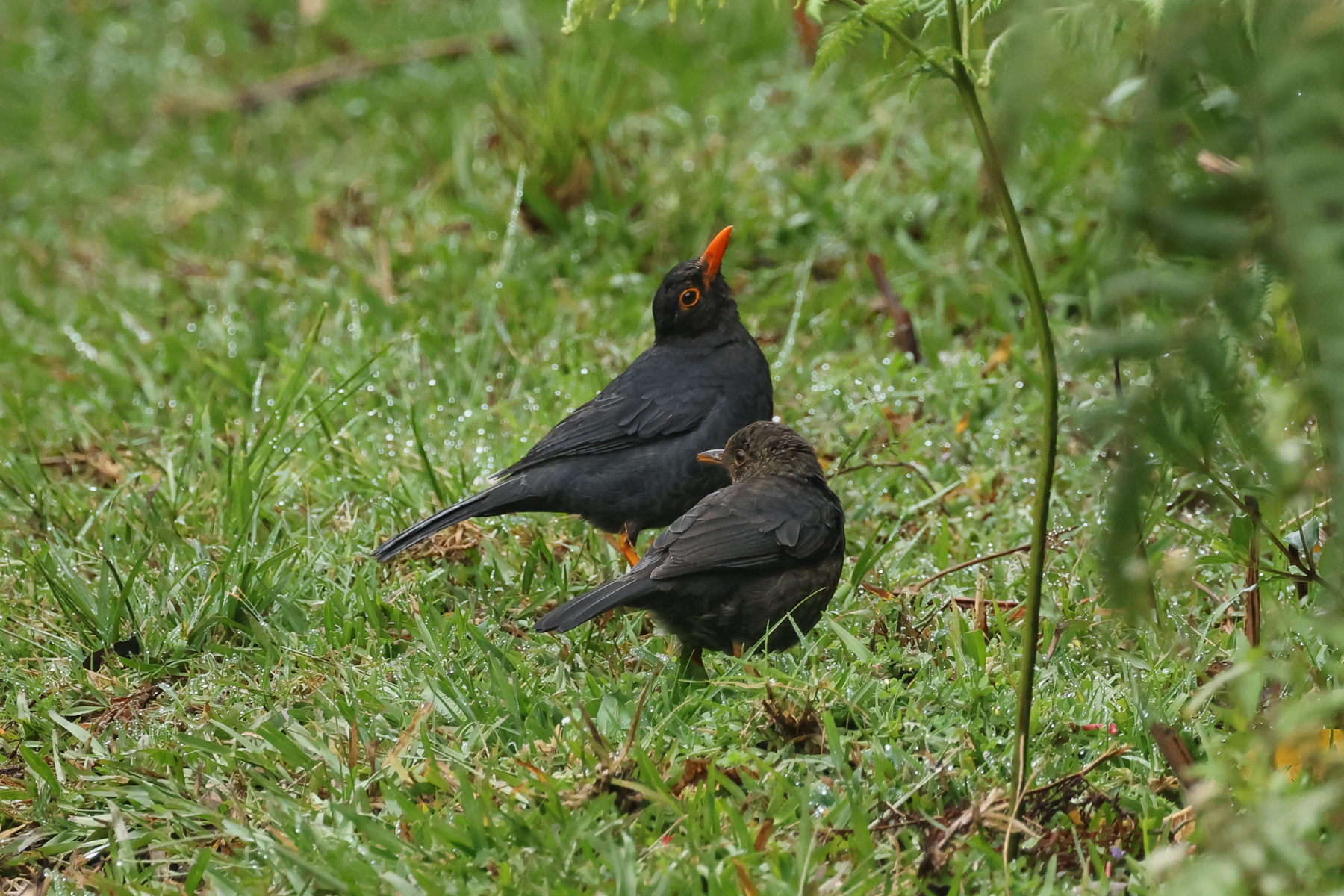
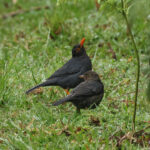
Indian Blackbird (image by Vincent van der Spek)
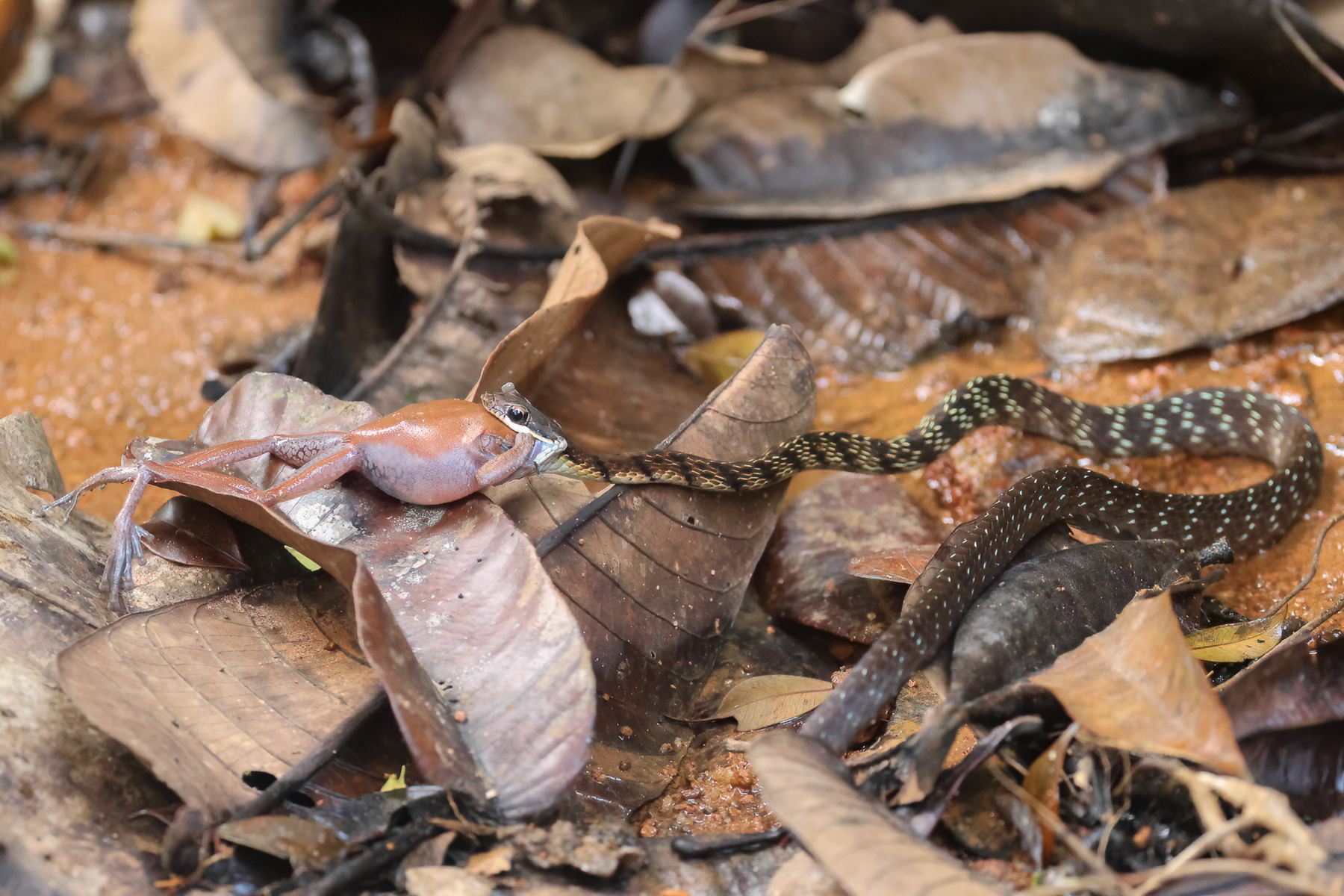
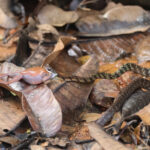
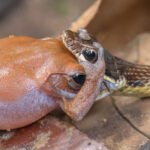
Common Bronzeback (image by Vincent van der Spek)
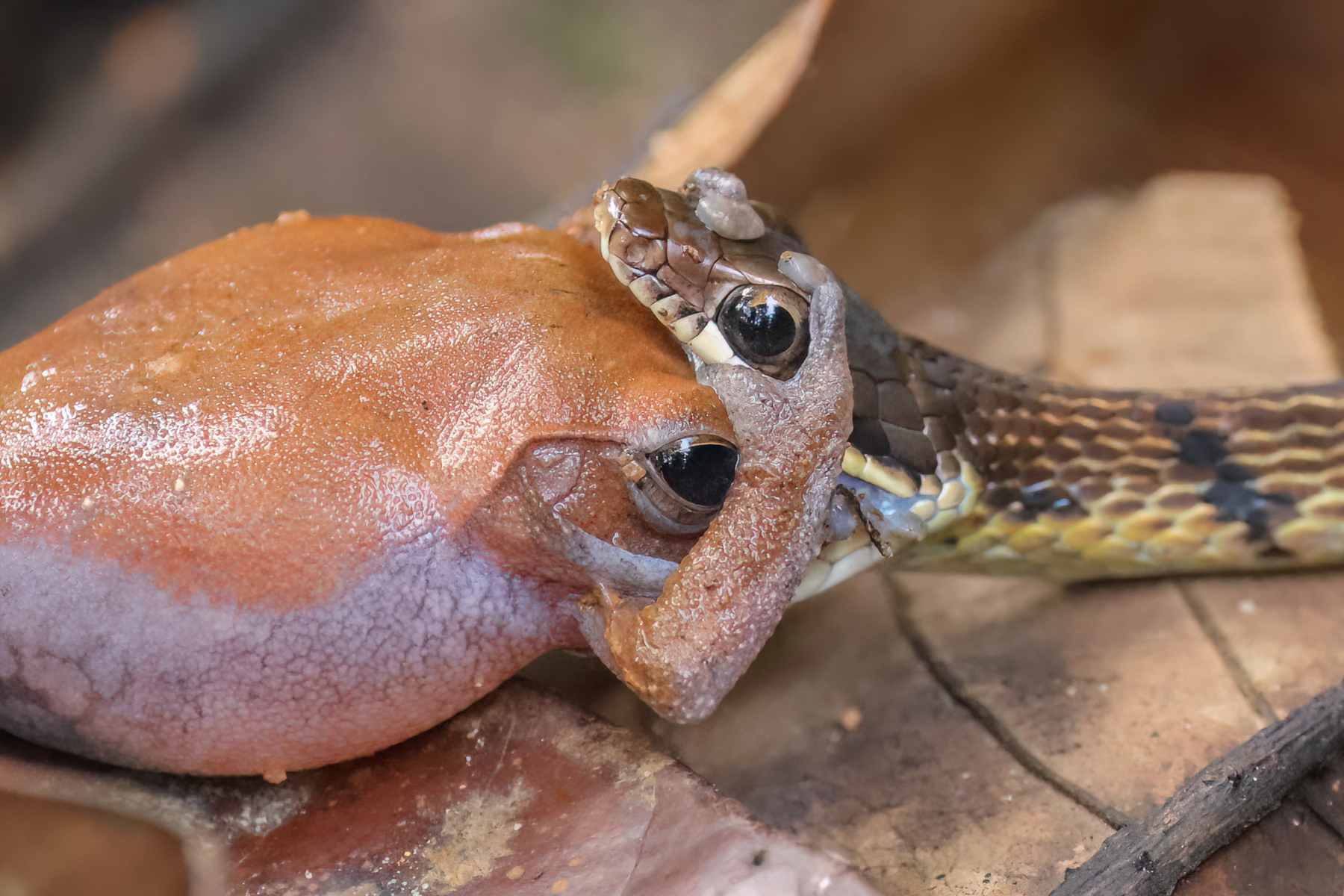
Common Bronzeback (image by Vincent van der Spek)
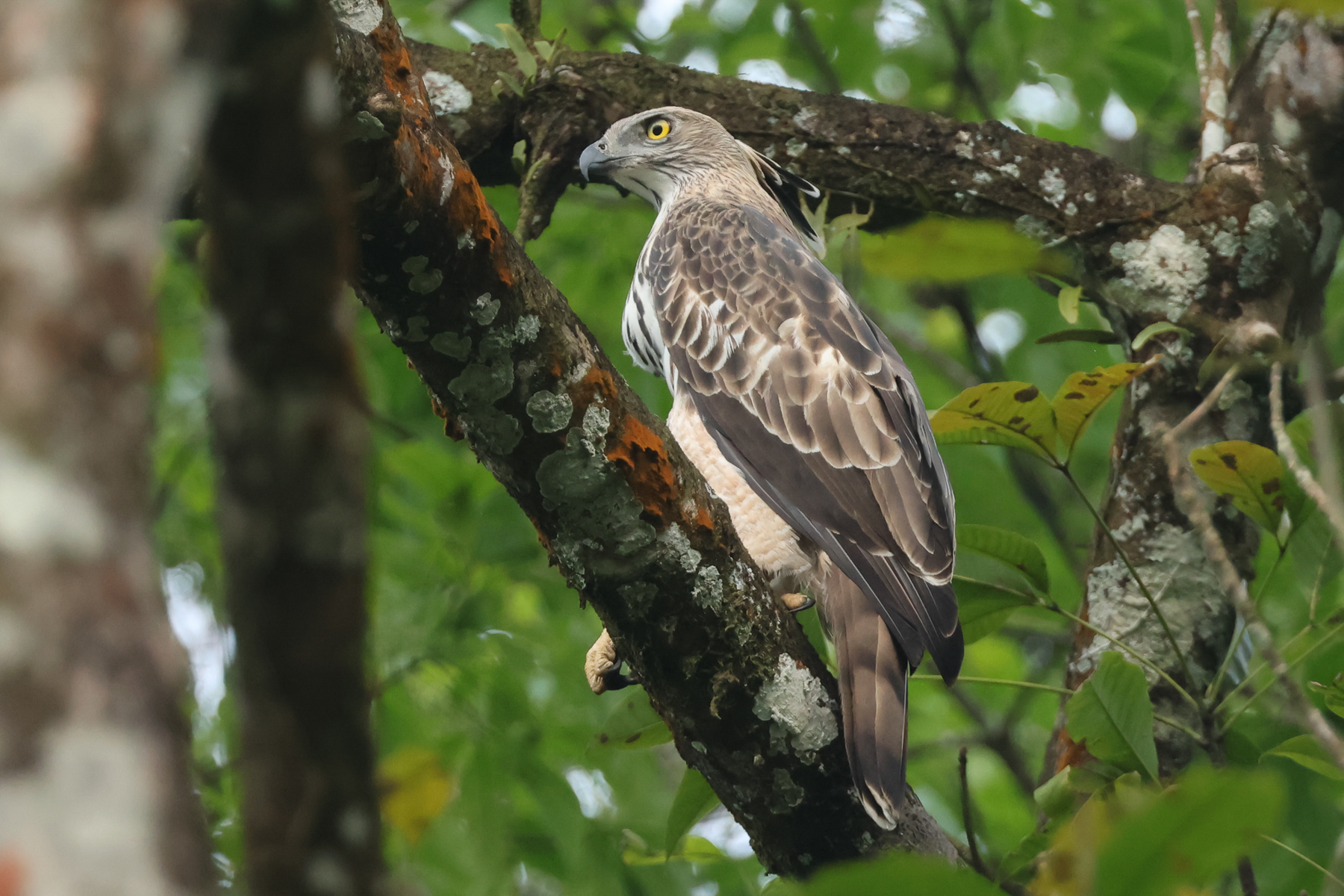
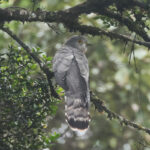
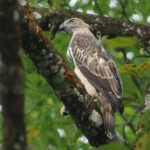
Changeable Hawk-Eagle (image by Vincent van der Spek)
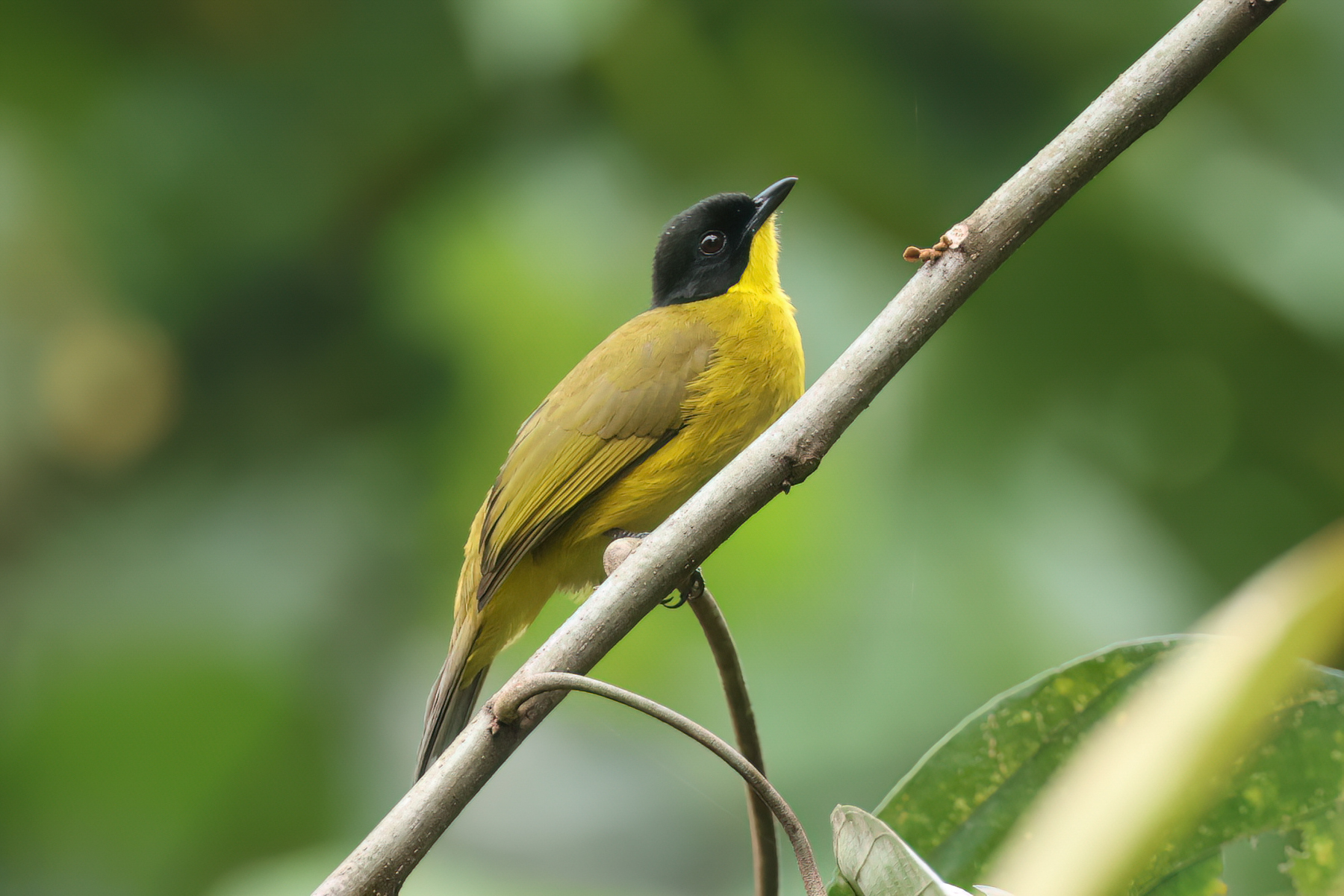
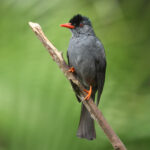
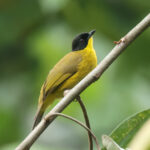
Black-capped Bulbul (image by Vincent van der Spek)
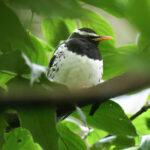
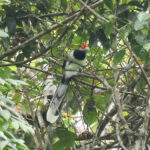


Pied Thrush (image by Vincent van der Spek)
Yellow-fronted Barbet (image by Vincent van der Spek)
Sri Lanka Spurfowls (image by Vincent van der Spek)
Sri Lanka Blue Magpie (image by Vincent van der Spek)
Sri Lanka Bay Owl (image by Vincent van der Spek)
White-faced Starling (image by Vincent van der Spek)
Yellow-browed Bulbul (image by Vincent van der Spek)
Chestnut-backed Owlet (image by Vincent van der Spek)
Sri Lanka Thrush (image by Vincent van der Spek)
Spot-winged Thrush (image by Vincent van der Spek)
Indian Scops Owls (image by Vincent van der Spek)
Sri Lanka White-eye (image by Vincent van der Spek)
Yellow-browed Bulbul (image by Vincent van der Spek)
Yellow-billed Babbler (image by Vincent van der Spek)
White-browed Bulbul (image by Vincent van der Spek)
Tufted Gray Langur (image by Vincent van der Spek)
Sri Lanka White-eye (image by Vincent van der Spek)
Sri Lanka Shama (image by Vincent van der Spek)
Sri Lanka Woodpigeon (image by Vincent van der Spek)
Tufted Gray Langur (image by Vincent van der Spek)
Sri Lanka Junglefowl (image by Vincent van der Spek)
Uda Walawe (image by Vincent van der Spek)
Brown-capped Babbler (image by Vincent van der Spek)
Sri Lanka Whistling-Thrush (image by Vincent van der Spek)
Brown-headed Barbet (image by Vincent van der Spek)
Sri Lanka Drongo (image by Vincent van der Spek)
Ashy-headed Laughingthrush (image by Vincent van der Spek)
Sri Lanka Whistling-Thrush (image by Vincent van der Spek)
Sinharaja NP (image by Vincent van der Spek)
Sri Lanka Swallow (image by Vincent van der Spek)
Brown Wood-Owl (image by Vincent van der Spek)
Sri Lanka Spurfowls (image by Vincent van der Spek)
Sri Lanka Junglefowl (image by Vincent van der Spek)
Sri Lanka Kangaroo Lizard (image by Vincent van der Spek)
Sri Lanka Shama (image by Vincent van der Spek)
Sri Lanka Grey Hornbill (image by Vincent van der Spek)
Sri Lanka Green Pigeon (image by Vincent van der Spek)
Orange-billed Babbler (image by Vincent van der Spek)
Purple-rumped Sunbird (image by Vincent van der Spek)
Sri Lanka Woodshrike (image by Vincent van der Spek)
Sri Lanka Bush Warbler (image by Vincent van der Spek)
Sri Lanka Blue Magpie (image by Vincent van der Spek)
Square-tailed Bulbul (image by Vincent van der Spek)
Sri Lanka Birding (image by Vincent van der Spek)
Sri Lanka Bay Owl (image by Vincent van der Spek)
Spot-winged Thrush (image by Vincent van der Spek)
Sinharaja NP (image by Vincent van der Spek)
Sinharaja NP (image by Vincent van der Spek)
Pied Thrush (image by Vincent van der Spek)
Red-faced Malkoha (image by Vincent van der Spek)
Ruddy Mongoose (image by Vincent van der Spek)
Brown-breasted Flycatcher (image by Vincent van der Spek)
Malabar Trogon (image by Vincent van der Spek)
Indian Pitta (image by Vincent van der Spek)
Indian Peafowl (image by Vincent van der Spek)
Indian Paradise Flycatcher (image by Vincent van der Spek)
Indian Paradise Flycatcher (image by Vincent van der Spek)
Common Hawk-Cuckoo (image by Vincent van der Spek)
Eastern Barn Owl (image by Vincent van der Spek)
Great Thick-knee (image by Vincent van der Spek)
Indian Blackbird (image by Vincent van der Spek)
Common Bronzeback (image by Vincent van der Spek)
Common Bronzeback (image by Vincent van der Spek)
Changeable Hawk-Eagle (image by Vincent van der Spek)
Black-capped Bulbul (image by Vincent van der Spek)


SRI LANKA TOUR REPORT 2025

1 - 12 December 2025
Vincent van der Spek
What is not to like about Sri Lanka? Despite its relatively small size, the isolation from the rest of the Indian Subcontinent has resulted in an impressive list of 35 endemics. In addition, there is a fine selection of regional endemics shared only with southern India. Add to that the winter migrants, some of them very hard to see elsewhere, and you have a brilliant birding destination. This year we had a highly successful tour. The scenic landscapes of this tour are varied and include high altitude stunted forests and plains, lowland rainforests, dry forests and grasslands, marshes, lakes and small scale agriculture like rice paddies. The country might have a troubled past, but the people are very friendly. Sri Lanka is therefore both a great place for first timers to the Indian Subcontinent (or Asia, for that matter) and for those with past experience in this colourful region. Sri Lanka is a clean, efficient, more egalitarian and most of all far more quiet corner than its sometimes overwhelming big neighbour. Only days before our arrival a cyclone hit the country, that together with the last remnants of the monsoon season formed a devastating combination resulted in floodings and landslides. Our local contacts ensured us that the trip did not have to be cancelled and they were right. It was almost surreal that we arrived in sunshine and a slight breeze. We had to do a few detours to reach sites towards the end of the tour (thanks to our reliable driver Sunil), but it all worked out. Along the way we did see some flooded houses in the lowlands and several landslides in the mountains that impressed us. This year’s tour turned out to be highly successful from a birding point of view. We logged 230 species that included all 35 endemics, with spectacular species like Red-faced Malkoha and Sri Lanka Blue Magpie. We enjoyed very good views of all of them, even of very shy species like Sri Lanka Spurfowl, Sri Lanka Thrush and Sri Lanka Whistling Thrush. The quality of the sightings was such that we even managed to photograph all of them, even though that was never a goal! In addition to the country endemics, we saw all possible regional endemics, including ‘holy grail’ Sri Lanka Bay Owl, a species that has only been seen on a handful of Birdquest tours to either Sri Lanka or South India. Legge’s Hawk Eagle is always a bit of a hit or miss in both countries and Malabar Pied Hornbill is not easy to find along the regular birding circuit in south India; Sri Lanka is definitely the best place to see it. World class migrants included the range restricted, spectacular Pied Thrush and Kashmir Flycatcher, as well as Grey-bellied Cuckoo. The more widespread but patchily distributed Marshall’s Iora and the forest gem Black-backed Dwarf Kingfisher were also appreciated. Night birds were very much in evidence, with seven owls seen and an eighth heard, as well as two nightjars and Sri Lanka Frogmouth. Thanks to the contacts of our excellent local guide Saman Kumara, the frogmouth and six of the owls were even seen during daylight. What a luxury not having to go out at night! Add to that the good company, with laughs and tall tales (and fantastic dishes!) shared at the dining table, and it is no wonder that we look back at a more than wonderful trip.
We all met in the lobby of our Colombo hotel in the morning, where we were introduced to our local guide Saman and our driver Sunil. The hotel was the setting of a world cup strength lifting championship (right across the leader’s room) and some of us shook hands with golden medallists! Travelling for birding takes you to places… Two days earlier the roads to Kitulgala had still been flooded by the cyclone, but fortunately the water levels had dropped and roads were cleared. We had to do a little detour that did not block any of our plans. It was saddening to see that some streets were still flooded, but fortunately the water level was still dropping quickly. Our lovely situated Kitulgala guesthouse overlooked the now fast floating Kelani River, with the rainforest forming a dramatic backdrop. Birding the garden before lunch was rewarding with the more common endemics, Yellow-fronted Barbet (the first endemic of the tour), Sri Lanka Grey Hornbill, Sri Lanka Hanging-Parrot and Red-backed Flameback, as well as the regional endemics Yellow-browed Bulbul and Indian Swiftlet. More widespread species included Lesser Yellownape and the first of many Indian Paradise and Tickell’s Blue Flycatchers. After our first of many excellent lunches we visited Saman’s stake-out for Chestnut-backed Owlet, only a short drive away. They usually require a bit of work, and it took a while for the owl to respond, but then we enjoyed our only views of the trip (more were heard). Other endemics were Sri Lanka Green Pigeon and Black-Capped Bulbul. The most bizarre sighting was of a Black Eagle that flew by at 30 metres, that landed and sort of hung at a clutch of dead tangles on an electricity pole. It then flew straight towards us, came within five meters above our heads and landed ten metres away from us, again in some tangles, before it took off again. We burst in laughter out of disbelief. What was it doing, and why did it ignore us completely? None of us had ever seen an eagle of any kind this close. After a fine lunch we headed to a tea plantation. On the hill we had a good view of the surroundings. We kept adding endemics, with Sri Lanka Swallows, Layard’s Parakeets and Orange-billed Babblers. Ten endemics on the first day wasn’t a bad start, not bad at all! The supporting cast included Crested Treeswift, Chestnut-headed Bee-eater and a close Changeable Hawk-Eagle, that we only saw after we’d been staring in a tree to get better views of a Green Warbler for minutes. Best of all were the several calling Indian Pitta’s. After some effort two of them showed well. One even perched on an electricity wire! We ended the day with the discussion if a pitta perching on a wire deserves to bear the family name, or not.
Both before and after breakfast we took the suspension bridge to cross the Kelani river. For a short while we were kids again playing Indiana Jones. On the other side we first focused on Green-billed Coucal, one of the endemics that requires a bit more work. The first one refused to co-operate, but the second pair behaved well. With the coucal out of the way, we focused on the not so aptly named Brown-capped Babbler (it is blackish brown rather than brown). In the meantime we came across the first of many Sri Lanka Junglefowls. We enjoyed brilliant views of the babbler, picking up both Tawny-bellied and Dark-fronted Babbler in the process. After breakfast we went back, this time supported by two local trackers. In the morning they had located a roosting Serendip Scops Owl, a species discovered as recently as 2001. Hurrah! Nowadays newly described species are usually splits, or cryptic species that had been hiding in plain sight. Only a few truly distinct species have been found in recent times, and this is one of them: scops owls might often look like one another, but this one looks like nothing else. On the way up we saw our first Large-billed Leaf Warblers, uttering their unusual but sweet calls. Tension rose when we went off trail to the roosting site of the owl. One by one we snuck in to have a look. The scope I’d set up offered frame filling views. The yellow rather than orange iris revealed it was probably a female. It was great to have one of Sri Lanka’s most epic birds in the bag this early in the trip! After everybody was satisfied we moved on – for a few minutes. Before we knew it, we were watching a pair of roosting Sri Lanka Frogmouths, the rufous female being prettier than the greyish brown male. This excellent day kept giving, when we both saw Sri Lanka Drongo (not so common in Kitulgala) and three Malabar Trogons on the walk back, as well as a white male Indian Paradise Flycatcher. We enjoyed a nice set of reptiles, with Sri Lanka Green Pit-Viper and the bizarre Hump Snout Lizard as highlights. After a late lunch we returned to the Chestnut-backed Owlet site, focusing on the always elusive Black-backed Dwarf Kingfisher. There was quite some activity, with Southern Hill Myna being new for the trip. We had great views of the not so common Indian Brown Mongoose. The kingfisher was nowhere to be found, so we tried for a calling Spot-winged Thrush instead. We got a response shortly before dusk. It first played hide and seek before it perched in a tree right out in the open for over ten minutes. What a great day.
We started with some pre-breakfast birding, crossing the suspension bridge one last time. We focused on Black-backed Dwarf Kingfisher again, but to no avail. Apparently their nests had been flooded, and they seemed to have abandoned their usual sites. Green-billed Coucal and Brown-capped Babbler were notable sightings, and we picked up our first Loten’s Sunbird. The general birding was good, and we ended with a nice flock. After breakfast we transferred to Sinharaja – arguably the best birding site in the country – for a four night stay. Another Indian Brown Mongoose crossed the road when we left the Kitulgala area. On the way to Sinharaja, Saman received an exciting call from a local spotter. A roosting Sri Lanka Bay Owl had just been found! Unlike its name suggests, this species also occurs in South India. It is however the toughest bird to connect with in the entire region. They are scarce, territories are large and they roost somewhere else every day. Tension rose during the drive, as we knew we were in for something special. Before we knew it we formed a line again and went into the bamboo thickets one by one. Despite the short range it took a while for some of us to find the bird with our bins, it was so well hidden! It looked just like a dead leaf. Again the frame-filling scope views were great. We all went in three or four times before we left the area with a huge smile on our faces. During our four day stay no other bay owls were found by any local tracker. Lucky us! After a belated lunch we birded the edges of the reserve. The first three Sri Lanka Blue Magpies crossed the road. They moved on quickly, but we would get better views of this spectacular species later. At 300 meters altitude a pair of very showy Sri Lanka White-eyes was a bit of a surprise. This normally is a higher altitude species. We saw a hawk-eagle perched in a tree, on its back. There was barely a window through the leaves for a proper view. The key features to separate Changeable from the scarce regional endemic Legge’s are in the underparts, but it refused to turn around. It however just didn’t look right for a Changeable, with a very dark cheek, big head and huge bill. The crest was on the short end. Legge’s would cost me a round of drinks, as this was one of my bogey birds. A round I was more than happy to pay. But it dropped down into the valley without showing its underparts. Did a Legge’s just slip through our fingers? Luckily I’d made some reasonable digiscope shots. Since it didn’t look right for a Changeable, I asked experts of the region’s avifauna (including Birdquest veteran Dave Farrow) for their opinion once I got home. They had no doubt about the ID: Legge’s! I knew it! I’ll have to buy that round for those that were there on a future trip… In a distant tree the first Sri Lanka Myna in the fading light rounded off another superb day.
Right after my alarm clock went off, I heard a Spot-bellied Eagle Owl. I quickly got half-dressed and grabbed my speaker, but once outside it was already further away. It did not respond to tape. After an early breakfast we could all hear it in the distance (again no reaction to playback). After jeeps took us up the hill towards the reserve as far as they were allowed to, we continued on foot. At first light we snuck into an improvised hide and waited. First up were 15 junglefowl coming for the rice. Then the bulbuls. And then, finally, three splendid Sri Lanka Spurfowl entered the scene. In the old days this was not an easy bird to find to say the least, now we were having amazing views. Quite incredibly we ran into another covey along the track an hour later. Sri Lanka Myna showed much better than yesterday. We walked up further along the concrete road, leaving us wondering why the jeeps were not allowed to drive up here. It did deliver Spot-winged Thrush (many would follow). A male Legge’s Flowerpecker showed well and allowed prolonged scope views, with the impressive calls of Purple-faced Langur in the background. We were joined by the excellent local tracker Shanta for the next few days. We took a track where we looked for flocks, but not until we ran into a stunning Crimson-backed Flameback that Saman lured in the old-fashioned way by drumming on a tree with a stick. The flocks kept us entertained for a few good hours. Red-faced Malkoha and White-faced Starling were the best birds, but both did not show all too well. Especially the starling remained elusive. Sri Lanka Scimitar-Babbler behaved much better. Other species in the flocks included Lesser Yellownape, Sri Lanka Drongo, Dark-fronted and Orange-billed Babblers, Velvet-fronted Nuthatch, Orange Minivet (now re-lumped again with Scarlet), Indian White-eye, Purple-rumped Sunbird, Green Warbler, Bar-winged Flycatcher-Shrike, Common Iora, Black-naped Monarch, Indian Paradise Flycatcher and Red-vented, Square-tailed, Yellow-browed and Black-capped Bulbuls. Ashy-headed Laughingthrush was however missing in action. At this point we had seen so much already, that targets were getting scarce. The skulking Sri Lanka Thrush was our main focus in the early afternoon, but most of us never got more than a flash. On the walk back we had much better views of Sri Lanka Blue Magpie than yesterday. A belated lunch at Martin’s was appreciated. Then the rain came, so we observed the more common birds on the feeder a bit longer than planned. Late in the afternoon we picked up Scarlet-fronted Babbler, our 25th endemic of the tour. Only ten to go with another eight days of birding ahead of us! Black-throated Munia was only seen by a few. We tried for the eagle owl at another spot, but around dusk heavy rain teared our plans to pieces.
Most specialties in Sinharaja can be seen in a day or two. But the reason that we stay for four days is because some birds can be tricky. Two endemics were still missing on our list: Ashy-headed Laughingthrush and Sri Lanka Thrush. And although we had tickable views of White-faced Starling, most of us only saw them in flight. On our way up we first stopped at a regular haunt for the starling, but to no avail. We did add a perched Crested Goshawk – a surprisingly scarce species in Sri Lanka – and Golden-fronted Leafbird to the trip list, and briefly saw Black-throated Munia. We continued our way up. Three Brown-backed Needletails were appreciated and we had great views of a pair of the prehistoric looking Crimson-backed Flamebacks. We stocked some ice cold Cokes at a small road shop before we entered the forest, where we immediately saw an India Pitta on the trail. Until well in the afternoon a cat and mouse game followed. Sri Lanka Thrush is a true skulker and eventually most of us at least had a few glimpses. My thermal and our excellent Sri Lankan guides picked one up regularly, but we got brief views only. A bird hopping through a gap in the foliage, or a fly-by. And some of us got nothing at all. We did find seven Spot-winged Thrushes in the process, that showed so much better. Fortunately the laughingthrushes obliged and we had nice views of about eight in a massive mixed flock. Red-faced Malkoha only allowed a few glimpses, and Green-billed Coucal was a surprise find in the canopy. Two Malabar Trogons showed well as well as three Legge’s Flowerpeckers. Another belated lunch at Martin’s came just in time, as soon we witnessed a typical tropical rain storm. While sitting out the weather, a party of four Sri Lanka Spurfowls emerged. Apparently our group doesn’t need a hide, we just find them in the field multiple times! The weather never fully cleared, but when it was dry we quickly left and gave Spot-bellied Eagle Owl another go at dusk. Again no luck.
For a long time this was one of those tough days. Hard work, few rewards. Sure, we started with our best views of Sri Lanka Blue Magpie and we had Indian Pitta performing well on the trail. But the morning was mainly spent trying to get everybody on Sri Lanka Thrush, which proved to be hard. Some of us got their bins on it, but most of the group just saw some bits and pieces – again. In the mean time we did not find any flocks to speak of either. It wasn’t until the afternoon when we walked back to the restaurant (admittedly a little defeated) that our luck changed. A flock of five Red-faced Malkoha’s tried to stay hidden in the canopy, but eventually one showed well. It stayed out in the open so long that we even enjoyed scope views, a rare event with this species. Our mood increased, despite the failed final attempt for better views of the thrush. After lunch at Martin’s we were taken to a Sri Lanka Frogmouth roost, where we quickly found a female. While not new for the list, this remains an incredible bird and thereby a good mood increaser. When we walked down we got our National Geographic moment. A frog fell on the road from a tree above us, quickly followed by a small snake! The tree frog had dropped all the way down to escape from the hunting tree snake, a very risky and desperate jump given the height. But the snake must have been very hungry to take the same risk. The Common Bronzeback resumed its hunt. What presumably was the localised endemic Morningside Hourglass Frog first escaped, but eventually the snake struck. The frog inflated itself so it couldn’t be swallowed, holding on with its hind legs so it wouldn’t get dragged away. With its front legs it was pushing on the snake’s head to get out of its grip. Spectacular stuff! High on what we just witnessed, hardworking Shanta had one last trick up his sleeve before we said goodbye. While we were watching the frogmouth, he tried one more time for the thrush. Amazingly, he found a nest after he had heard their high pitched – for many of us inaudible – calls! Scope views of a Sri Lanka Thrush, who would have thought! Pleased with the results of the last hour, we walked back to our jeeps. But one of our jeep drivers rushed towards us on the way, telling he’d just seen White-faced Starlings. Soon we were watching them through the scope. What a great afternoon this turned out to be. In the dark we tried one last time for Spot-bellied Eagle Owl. Finally the weather was good, but again the owl did not play ball. We did hear two Chestnut-backed Owlets and a frogmouth.
In the morning we spent our final few hours in Sinharaja. A migrant Slaty-legged Crake was heard, but refused to come out in the open. An immature Indian Blue Robin was more obliging. Dusky Palm Squirrel completed the trio of all possible species of this group of mammals. After only a few hours of driving we´d left the wet zone behind us where we had been birding for almost a week. We were in a different world now. The hotel in Uda Walawe was a treat. At walking distance we overlooked a huge water tank where we saw a good amount of trip ticks. Best birds were Spot-billed Pelican, Yellow-wattled Lapwing and Indian Thick-knee. An adult with a young Indian Grey Mongoose rushed by. We then birded the scrub behind the hotel, which was remarkably productive. Our main target was Sri Lanka Woodshrike and we saw a pair without much effort, securing endemic #29. The range restricted Marshall’s Iora, that has seen a remarkable increase in the area in recent years, was also very much appreciated. Other species followed quickly and included all four prinia’s, Yellow-eyed Babbler, Jerdon’s Bushlark and Thick-billed Flowerpecker. After we’d flushed a Barred Buttonquail Saman and I both placed our speakers strategically in the field and lured out another one. Around dusk birds started moving towards their roosts. A flock of over 500 Whiskered Terns was impressive and 35+ Glossy Ibises was fairly unusual for the site. Around dusk Jerdon’s Nightjars started calling behind us. The thermal came to use and we quickly located two. Two Indian Thick-knees distracted us, but soon we were also watching two Indian Nightjars. One landed on a rock right in front of us. What a brilliant afternoon after this week’s hard work in the forest.
What a day! This was by far the day with the highest number of species and the highest number of individual birds. We visited two National Parks. We started in the Asian Elephant reserve Uda Walawe. Quite a few ‘regular’ tourists were in the area to watch elephants. We saw 12 elephants during our morning jeep drive in this savanna like habitat. Several new birds were added to the list, including sought-after species like two Grey-headed Fish Eagles, three Grey-bellied Cuckoos and eight regionally endemic Malabar Pied Hornbills. Two Baya Weavers were a nice find. Along a river endemic #30 came in the form of two vocally active Sri Lanka Shama’s. It took a while to get good views, but so far the quality of the sightings of all endemics had been very good. With two Ruddy Mongooses we’d now seen all three possible species. We spend the drive back to the gate successfully trying to get everybody on the regionally endemic Blue-faced Malkoha. We then pressed on to Bundala NP, a beautiful coastal wetland reserve that we again entered by jeeps. The birdlife was abundant and we boosted our trip list significantly. A large flooded grass plain at the park’s fringe held Yellow Bittern among numerous storks, ibises and egrets. Arguably the best munia, the Tricoloured, was appreciated and we saw the first of nine Great Thick-knees, some ridiculously confiding. We added another Sri Lanka Woodshrike, saw the first of many Ashy-crowned Sparrowlarks and a few of us got lucky when a Watercock flew from one reedy patch to another. Jacobin Cuckoo was another good find, as was a Eurasian Hoopoe which is remarkably thin on the ground here. We then entered the park proper and checked its many pools and water tanks. A Small Pratincole was perhaps the best wader around and we enjoyed the likes of Terek Sandpiper, Tibetan and Greater Sand Plovers and Indian Thick-knees. The driver appeared to know his stuff when he pointed out a Brahminy Starling amongst the large numbers of Rosy. Three appeared to be present. While watching the starlings, a woodpecker started drumming: Yellow-crowned. Hundreds of distant waders were flying around, flushed by something but they landed out of view and we had no time left to explore the distant saltpans. We did however see quite a few species closer by. We tallied seven species of tern and a single Brown-headed Gull, a not so common species here. A Mugger Crocodile showed its impressive teeth. On top of that we saw two more elephants. All free roaming Water Buffaloes on Sri Lanka are most likely descendants of feral cattle, from a long, long time ago. They surely look and behave like the real deal far away from people. The troops of Tufted Gray Langurs were however undisputedly wild. The light was fading when we got back to the entrance, but we weren’t done just yet. We stopped at a site for Eastern Barn Owl conveniently close to our lovely hotel. It showed within a minute after we’d arrived. That’s how we like night time owling! Today we added 51 new species to the list, and we passed the 200 mark.
We started the morning with bad and good news. The small forest patch with Brown Fish Owl in Tissamaharama (Tissa in short) that had been reliable for years had been cleared, but White-naped Woodpecker – that had been elusive lately – was reported in a garden. Soon we had great scope views of this striking species. Jungle Owlet responded to tape, but remained out of view. We moved to another area where the local owl guy had staked out no less than three roosting species, that we all saw well: Brown Hawk Owl, Jungle Owlet and Indian Scops Owl. Brilliant! I could surely get used to owling during the day… We briefly stopped at a lily-covered lake to fill in some blanks from yesterday, for more widespread species like Cotton Pygmy Goose. We then pressed on to the mountains. A lovely lunch break with an amazing view over a valley near an impressive waterfall delivered our best view of Crimson-headed Barbet of the trip. Dozens of Sri Lanka Swallows flew around. Due to the cyclone damage it was unclear whether we could visit Surrey Estate Bird Sanctuary, a former tea plantation that has regrown to a forest. News changed by the minute. The road was closed for heavier traffic, so it seemed. But Saman knew a guy who knew a guy in charge of the traffic and since we used a relatively small bus, we got permission to drive up the road. In the estate we walked down the slippery stairs and followed a muddy trail for one reason only: a wonderful roosting Brown Wood Owl. Back in the van some of us had re-acquainted themselves with leeches, but maybe, just maybe the leader should not have entered the forest in shorts… We continued our way and saw some serious landslide damage, including two destroyed houses, putting our birding trip in perspective. The town of Nuwara Elliya, a former British hill station, was however happy to receive us. Tourism had mostly come to a halt, causing trouble to those dependant on it. We had one more trick up our sleeves at the end of the day. Sri Lanka Whistling Thrush can be a difficult bird to connect with and only a few accessible territories of this endangered bird are known, so we tried a new spot not far from our hotel. They can be skulkers, but shortly after we´d arrived we had an incredible encounter with a female right out in the open, that even allowed scope views. Great to have this one out of the way before our visit to Horton Plains! With Dull-blue Flycatcher and Yellow-eared Bulbul also present, we added three more species to our ever growing list of endemics, all within half an hour. 33 down, two to go.
We headed out early in minibuses with packed breakfasts to perhaps the most scenic area of the trip. It can get very crowded with tourists at Horton Plains, but as said there were not many around at that moment, so we almost had the place to ourselves. At 2130m asl we were birding in the clouds. We were after the two final endemics of the trip: Sri Lanka Wood Pigeon and Sri Lanka Bush Warbler. The first bush warbler – a species in a unique genus – was heard soon, but it refused to give itself up in the thick vegetation. The second however obliged and showed amazingly by itself. It never called. We enjoyed close views at the edge of a beautiful pond. One to go! A woodpigeon flew by shortly after, but it was only seen by the leader and one participant. We carried on birding for a few hours, enjoying both the scenery and the decent flocks that included smart Yellow-eared Bulbuls, Dull-blue Flycatchers, Sri Lanka Scimitar Babblers and Sri Lanka White-eyes. Without any specific effort we somehow managed to find two different Sri Lanka Whistling Thrushes, males this time. A Black Eagle flew by and several Crimson-backed Woodpeckers were active, though they only allowed a glimpse. The plains held good numbers of Sambar Deer, as well as nice flock of Tricoloured Munias. Hill Swallows were present in decent numbers. But no sign of the woodpigeon. On the way out a Common Hawk Cuckoo showed very well, living up its name: when it flew away from us, it looked more like a sparrowhawk than a cuckoo. One of the drivers wasn’t only a decent spotter, he also knew a site for the pigeons outside the national park, on the way back to Nuwara Eliya. And sure enough, shortly after we arrived at the site we were watching three fine Sri Lanka Woodpigeons! This was it. All 35 endemics were under the belt. High fives were given and a group photo was taken. After yet another belated, excellent lunch we headed for the town’s park for two more major birds. The floods from two weeks ago had partly devastated the park. The place was covered in mud and the vegetation along the river that is normally the haunt for Pied Thrushes, was cleared. Several big trees had not survived. There was litter everywhere in this normally much cleaner park. The thrushes had moved to the other side of the park. After a search we enjoyed scope views of four of these spectacular birds, that are not easy to get on any other regular trip. That perhaps applies even more for Kashmir Flycatcher. A splendid adult male at the end of the day only allowed brief views, but we all got our bins on it at least once. Mission accomplished. What a day. What a trip. Celebrations drinks were ordered that night! In hindsight a toad that we photographed in the park appeared to be somewhat of a mystery, as no toads are known above 500 metre in all of Sri Lanka. Whatever it was, it was a significant record.
We had time for some pre breakfast birding and most of us headed back to Victoria Park to have better views, or to make better photos of the specialties. With the endemics out of the way, some opted for a little lie-in, a rare event on a Birdquest trip! It took a while before we’d found Kashmir Flycatcher, a young male this time. Apparently only three adult males were known to winter, so it seemed like we found a new bird. Not as pretty as yesterday´s adult, but we at least enjoyed much better views than yesterday. We tried several Indian Blue Robins. Two immature males finally gave themselves up and showed out in the open, whereas an adult male stayed more hidden, though we all got our bins on this beautiful creature. On our way back we passed the Pied Thrushes. We saw at least six this time, four males and two females that showed even better than yesterday. What a stonker of a thrush! After breakfast we moved to Kandy, the heart of the Sinhalese culture, but also the region that was hit hardest by the cyclone. We had to take some detours, including one on a minor road that delayed us a bit. It was raining when we arrived in Kandy. After a wonderful lunch (though spicy for some!) we headed out for Udawatakelle Forest Reserve. We had to hide in a shelter for the rain, but it eventually stopped. Malabar Red Muntjacs were very much in evidence, with six seen. Forest Wagtail was the only new bird for the trip, and we reacquainted ourselves with Spot-winged Thrush and Tickell’s Blue Flycatcher until it started raining again. Bird activity ceased immediately. We decided to make the most out of it and visited the Temple of the Tooth instead of dragging ourselves through the rain. One of Buddha’s four teeth that remained after his cremation is kept as a relic in this impressive UNESCO World Heritage Site, that we all enjoyed visiting.
On the final day we headed back to Udawatakelle for a few hours of birding. When we saw a Sri Lanka Shama trying to devour a big earthworm on the tarmac before we even reached the entrance, we knew we were in for a good morning. The shama proved to be common and showed well several times. The thermal scope proved its value today. As soon as we passed the gate we immediately hit the jackpot: our main target Black-backed Dwarf Kingfisher! Soon we were enjoying scope views. Half an hour later we were watching a second bird. We picked up many more birds, including a couple of Brown-capped Babblers, several Spot-winged Thrushes, five Forest Wagtails and two Indian Pittas. It was then time to pack and head back to the airport, with a lunch stop and a very short final birding stop at a small marsh near the airport. We said goodbye, knowing we just had a fantastic trip, in good company.
BIRD OF THE TRIP
The top three perfectly represents all the good things about Sri Lanka: an endemic, a regional endemic and a special migrant.
- Sri Lanka Bay Owl
- Pied Thrush
- Serendib Scops Owl
SYSTEMATIC LIST OF SPECIES RECORDED DURING THE TOUR
Species marked with the diamond symbol (◊) are either endemic to the country or local region or considered ‘special’ birds for some other reason (e.g., it is only seen on one or two Birdquest tours; it is difficult to see across all or most of its range; the local form is endemic or restricted-range and may in future be treated as a full species).
The species names and taxonomy used in the bird list follows Gill, F., Donsker, D., & Rasmussen, P.(Eds). 2025. IOC World Bird List (v15,1). Where the subspecies seen is known, these are often given in at the end of the species comment.
BIRDS
Lesser Whistling Duck Dendrocygna javanica
Cotton Pygmy Goose (C Teal) Nettapus coromandelianus Five seen at Debarawewa Lake, Tissa.
Indian Peafowl Pavo cristatus
Sri Lanka Spurfowl ◊ Galloperdix bicalcarata Endemic. This used to be a difficult bird, until a hide was built in Sinharaja. We saw three birds well. We however also found a party of four along the entrance road, that we encountered every day, making this a good trip for this species. Also heard in Kitulgula and along the ridge trail in Sinharaja.
Sri Lanka Junglefowl ◊ Gallus lafayettii Endemic. Common throughout, often very confiding in Sinharaja.
Jerdon’s Nightjar ◊ Caprimulgus atripennis Nice views in flight mostly but also perched behind our hotel in Uda Walawe.
Indian Nightjar ◊ Caprimulgus asiaticus Several with the above species. One dropped down and perched right in front of us.
Sri Lanka Frogmouth ◊ Batrachostomus moniliger Two at Kitulgala and one at Sinharaja, all during the day.
Crested Treeswift Hemiprocne coronata
Indian Swiftlet Aerodramus unicolor The default swift in Sri Lanka.
Brown-backed Needletail Hirundapus giganteus Three at Sinharaja.
Asian Palm Swift Cypsiurus balasiensis
Alpine Swift Tachymarptis melba One between swiftlets in Kitulgala.
Little Swift Apus affinis
Green-billed Coucal ◊ Centropus chlororhynchos Endemic. A pair eventually showed in Kitulgala, where another was seen the following day. Finding one in a bird flock in Sinharaja was a bit unusual.
Greater Coucal Centropus sinensis
Red-faced Malkoha ◊ Phaenicophaeus pyrrhocephalus Endemic. A few in flocks at Sinharaja, where this stunner often disappeared in the canopy. Eventually one perched out in the open, allowing scope views.
Blue-faced Malkoha ◊ Phaenicophaeus viridirostris A few at Uda Walawe.
Jacobin Cuckoo Clamator jacobinus Two at Bundala.
Asian Koel Eudynamys scolopaceus
Grey-bellied Cuckoo ◊ Cacomantis passerinus A duo and a single of this small cuckoo at Uda Walawe.
Common Hawk-Cuckoo ◊ Hierococcyx varius Heard at Sinharaja and seen very well at Horton Plains.
Rock Dove Columba [livia] var_domestica
Sri Lanka Wood Pigeon ◊ Columba torringtoniae Endemic. The final endemic of the trip. A fly-by at Horton Plains was missed by many. Fortunately the minibus driver knew a regular haunt outside the park, where three showed well.
Spotted Dove Spilopelia chinensis The only species we’d encountered every single day.
Common Emerald Dove Chalcophaps indica Widespread, not rare, but they are so beautiful. We enjoyed multiple sightings at Kitulgala, Sinharaja and Udawatakelle.
Orange-breasted Green Pigeon Treron bicinctus Common at Uda Walawe, including dozens on their way to a drinking site or a pre-roost an hour before dawn, just behind our hotel.
Sri Lanka Green Pigeon ◊ Treron pompadora Endemic. Fairly common at Kitulgula, but also seen at Sinharaja and Uda Walawe.
Green Imperial Pigeon Ducula aenea Quite common in the lowlands, with most birds seen during a late afternoon flight with Orange-breasted Green-Pigeons in Uda Walawe.
Common Moorhen Gallinula chloropus
Grey-headed Swamphen Porphyrio poliocephalus
Watercock Gallicrex cinerea Only seen in flight at Bundala.
White-breasted Waterhen Amaurornis phoenicurus
Slaty-legged Crake Rallina eurizonoides This wintering species was heard at Sinharaja. It came close but never showed in the thick vegetation of a steep slope.
Little Grebe Tachybaptus ruficollis
Barred Buttonquail Turnix suscitator Seen at Uda Walawe, where one was flushed and another crossed a track twice. Their weird but fantastic song was also heard.
Small Pratincole Glareola lactea A single bird of this wonderful species was seen at Bundala.
Great Stone-curlew ◊ Esacus recurvirostris Nine counted at Bundala, including one that was so close to our jeep that it was difficult to fit into the frame of our cameras.
Indian Stone-curlew ◊ Burhinus indicus Three near our Uda Walawe hotel and another three at Bundala.
Black-winged Stilt Himantopus himantopus
Grey Plover Pluvialis squatarola
Pacific Golden Plover Pluvialis fulva A few hundred seen in several flocks at Bundala.
Common Ringed Plover Charadrius hiaticula
Little Ringed Plover Charadrius dubius
Yellow-wattled Lapwing ◊ Vanellus malabaricus A total of ten seen at Uda Walawe and three at Bundala.
Red-wattled Lapwing Vanellus indicus
Tibetan Sand Plover Anarhynchus atrifrons Only a few at Bundala, but there must have been more in the very distant wader flocks.
Greater Sand Plover Anarhynchus leschenaultii One at Bundala.
Kentish Plover Anarhynchus alexandrinus
Pheasant-tailed Jacana Hydrophasianus chirurgus A few around Tissa.
Eurasian Curlew Numenius arquata
Black-tailed Godwit Limosa limosa
Pin-tailed Snipe Gallinago stenura Small numbers at Bundala.
Terek Sandpiper Xenus cinereus A single at Bundala.
Common Sandpiper Actitis hypoleucos
Green Sandpiper Tringa ochropus
Marsh Sandpiper Tringa stagnatilis Good numbers at Bundala.
Wood Sandpiper Tringa glareola
Common Redshank Tringa totanus
Common Greenshank Tringa nebularia
Little Stint Calidris minuta
Little Tern Sternula albifrons
Brown-headed Gull An adult seen in a big mixed tern flock in Bundala. Not so common here.
Gull-billed Tern Gelochelidon nilotica Quite common around the wetlands of the southeast.
Caspian Tern Hydroprogne caspia Dozens on the Bundala saltpans.
Whiskered Tern Chlidonias hybrida
White-winged Tern Chlidonias leucopterus A few seen with the more numerous above species at Bundala.
Lesser Crested Tern Thalasseus bengalensis Six on the Bundala saltpans, in a flock with the following species.
Greater Crested Tern Thalasseus bengalensis Three on the Bundala saltpans, next to some Lesser Crested, many Caspian Terns and several Little Terns.
Asian Openbill Anastomus oscitans Only a few seen around Uda Walawe, Tissa and along the way.
Painted Stork Mycteria leucocephala
Asian Woolly-necked Stork Ciconia episcopus A total of six around Uda Walawe and another two along the way.
Oriental Darter Anhinga melanogaster
Little Cormorant Microcarbo niger
Indian Cormorant ◊ Phalacrocorax fuscicollis
Great Cormorant Phalacrocorax carbo
Black-headed Ibis Threskiornis melanocephalus
Glossy Ibis Plegadis falcinellus A flock of 35 over the reservoir at Uda Walawe, a large flock of 120 at Bundala and seven at Debarawewa Lake.
Eurasian Spoonbill Platalea leucorodia
Black Bittern Botaurus flavicollis Only seen by Saman at a marsh near the airport during our final birding stop.
Yellow Bittern Botaurus sinensis Two seen around the Tissa wetlands and one in a marsh near the airport.
Black-crowned Night Heron Nycticorax nycticorax
Little Egret Egretta garzetta
Striated Heron Butorides striata A single seen on the Bundala saltpans.
Indian Pond Heron Ardeola grayii
Great Egret (Eastern G E) Ardea [alba] modesta
Medium Egret Ardea intermedia
Eastern Cattle Egret Ardea coromanda
Grey Heron Ardea cinerea
Purple Heron Ardea purpurea
Spot-billed Pelican ◊ Pelecanus philippensis Regular at larger water bodies, including the lake in Kandy.
Black-winged Kite Elanus caeruleus One at Bundala and one at Horton Plains.
Crested Honey Buzzard (Oriental H B) Pernis ptilorhynchus Regular in the lowlands.
Crested Serpent Eagle Spilornis cheela
Changeable Hawk-Eagle ◊ (Crested H E) Nisaetus cirrhatus Seen in a broad range of habitats, from the wet zone in Kitulgala (our best sighting), to five in the dry area of Uda Walawe, to two at high elevation at Nuwara Eliya, to one in Udawatakelle (ceylanensis).
Legge’s Hawk-Eagle ◊ Nisaetus cirrhatus Scope views of a perched bird at Sinharaja with a larger mammalian prey in its impressive claws.
Rufous-bellied Eagle Lophotriorchis kienerii A single juvenile bird circled above our hotel in Kitulgala.
Black Eagle Ictinaetus malaiensis Three at Kitulgala, one at Sinharaja and two at Horton Plains, as well as four on the way. The most bizarre sighting was of a bird in Kitulgala that flew straight towards us, passed within a few metres and then landed right next to us, before it continued its way. As if we were not there.
Shikra Tachyspiza badia In all nine seen.
Crested Goshawk Lophospiza trivirgata. Surprisingly rare in Sri Lanka. We saw one in Sinharaja. First in flight and then scope views when it perched in a tree, showing the typical underparts.
Brahminy Kite Haliastur indus
White-bellied Sea Eagle Icthyophaga leucogaster Always a favourite, we saw five throughout the country.
Grey-headed Fish Eagle Icthyophaga ichthyaetus Two birds seen well at Uda Walawe.
Eastern Barn Owl Tyto javanica Conveniently close to our hotel at Tissa Lake, where one showed well with a (Black?) rat as prey.
Sri Lanka Bay Owl ◊ Phodilus assimilis Lucky us! The holy grail of birding in this region. This species very often changes its roost so there are no regular stake-outs. A local tracker found one on the day we arrived at Sinharaja. Though partially obscured, we had great views from two angles. The following days there were no signs of bay owls in the area. Only the second for Birdquest in Sri Lanka.
Brown Boobook (B Hawk-Owl) Ninox scutulata A roosting pair at an abandoned plantation in Tissa.
Jungle Owlet ◊ Glaucidium radiatum Heard in a garden and then a pair seen at an abandoned plantation in Tissa.
Chestnut-backed Owlet ◊ Glaucidium castanotum Endemic. Seen after a bit of a search in Kitulgala. More heard at Sinharaja.
Serendib Scops Owl ◊ Otus thilohoffmanni Endemic. Another holy grail. Local trackers found one in Kitulgala, where they are very scarce. Hidden in bamboo, we enjoyed scope views of this endangered species. The yellow iris indicated it was a female. This distinct scops owl, only discovered in 2001, was voted bird of the trip.
Indian Scops Owl ◊ Otus bakkamoena A roosting pair in Tissa.
Spot-bellied Eagle Owl ◊ Ketupa nipalensis. Repeatedly heard just before dawn on our first morning at Sinharaja. It didn’t respond to tape, it was probably a bit too far away. We tried every evening at several places, but without any luck.
Brown Wood Owl Strix leptogrammica A roosting bird seen well at the Surrey Estate.
Malabar Trogon ◊ Harpactes fasciatus A good year for the species, with three at Kitulgala and seven at Sinharaja.
Common Hoopoe Upupa epos. A good flight view of this surprisingly scarce species at Bundala.
Malabar Pied Hornbill ◊ Anthracoceros coronatus No less than eight seen of this fine bird at Uda Walawe, with another six near our hotel at Tissa.
Sri Lanka Grey Hornbill ◊ Ocyceros gingalensis Endemic. Small numbers in Kitulgala and Sinharaja, where especially seen well at the feeder at Martin’s.
Indian Roller Coracias benghalensis Only one at Uda Walawe.
Stork-billed Kingfisher Pelargopsis capensis Surprisingly little seen, with four logged during the second part of the tour.
White-throated Kingfisher Halcyon smyrnensis
Common Kingfisher Alcedo atthis
Black-backed Dwarf Kingfisher Ceyx erithaca We enjoyed great scope views of two different individuals of these tiny forest gems in Udawatakelle.
Pied Kingfisher Ceryle rudis Four at Bundala.
Asian Green Bee-eater Merops orientalis
Blue-tailed Bee-eater Merops philippinus
Chestnut-headed Bee-eater Merops leschenaulti Several seen well at Kitulgala and during a lunch break on our way to Nuwara Eliya.
Brown-headed Barbet ◊ Psilopogon zeylanicus Small numbers, mostly heard but also seen, in the drier parts of the country.
Yellow-fronted Barbet ◊ Psilopogon flavifrons Endemic. This smart barbet was common by voice but also showed well in Kitulgala, Sinharaja and Udawatakelle.
Coppersmith Barbet Psilopogon haemacephalus Common around Uda Walawe.
Crimson-fronted Barbet ◊ Psilopogon rubricapillus Endemic. Two seen at Sinharaja where another one was heard, and fine views during a lunch stop on our way to Nuware Eliya.
Yellow-crowned Woodpecker Leiopicus mahrattensis One seen and another one heard at Bundala.
Lesser Yellownape Picus chlorolophus Several at Kitulgala and Sinharaja.
Red-backed Flameback ◊ Dinopium psarodes Endemic. Not uncommon in the lowlands.
Crimson-backed Flameback ◊ (Sri Lanka F) Chrysocolaptes stricklandi Endemic. Three individuals of this beast of a woodpecker were seen at Sinharaja, and one at Horton Plains where a few more were heard.
White-naped Woodpecker ◊ Chrysocolaptes festivus Scope views of one in a garden at Tissa, until an Alexandrine Parakeet claimed the tree hole in a palm it was exploring.
Layard’s Parakeet ◊ Psittacula calthrapae Endemic. Small flocks at Kitulgala and especially Sinharaja.
Plum-headed Parakeet Psittacula cyanocephala A vocal flock of six of these small and elegant parakeets raced by at Uda Walawe.
Alexandrine Parakeet ◊ Psittacula eupatria
Rose-ringed Parakeet (Ring-necked P) Psittacula krameri
Sri Lanka Hanging Parrot ◊ Loriculus beryllinus Endemic. Quite common at Kitulgala, Sinharaja and Udawatakelle. Often only heard, but several seen well, too.
Indian Pitta ◊ Pitta brachyura Showing often and well this year, with two at Kitulgala including one on an electricity wire (!), one at Sinharaja and two at Udawatakelle. Quite a few more heard throughout.
Bar-winged Flycatcher-shrike Hemipus picatus A few seen at Kitulgala, Sinharaja and Horton Plains.
Sri Lanka Woodshrike ◊ Tephrodornis affinis Endemic. Good views of two behind our Uda Walawe hotel, plus a single at Bundala.
Common Iora Aegithina tiphia Seen at lowland sites, both in de wet and dry zone.
Marshall’s Iora ◊ (White-tailed I) Aegithina nigrolutea A pair of this patchily distributed species at Uda Walawe showed fairly well.
Small Minivet Pericrocotus cinnamomeus Two at Kitulgala and three at Uda Walawe.
Scarlet Minivet ◊ (Orange M) Pericrocotus speciosus Orange Minivet was recently re-lumped with Scarlet Minivet, resulting in the loss of a regional endemic that is distinct in both plumage and voice. Still a fine bird, that was seen in small numbers in the wet zone (flammeus).
Black-headed Cuckooshrike ◊ Lalage melanoptera Pairs at Kitulgala and Sinharaja.
Black-hooded Oriole Oriolus xanthornus Regular at many sites, this remains a fine bird to watch.
Sri Lanka Drongo ◊ Dicrurus lophorinus Endemic. One at Kitulgala and regular in flocks at Sinharaja, where they are often the flock leaders.
White-bellied Drongo Dicrurus caerulescens Confined to the Indian Subcontinent, this species was fairly common in lowland rural areas.
White-browed Fantail Rhipidura aureola
Black-naped Monarch Hypothymis azurea
Indian Paradise Flycatcher Terpsiphone paradisi Up to twenty seen at Kitulgala, Sinharaja and Uda Walawe.
Brown Shrike Lanius cristatus
Sri Lanka Blue Magpie ◊ Urocissa ornata Endemic. What a beauty! A few small flocks seen at Sinharaja, where especially seen well at the feeder at Martin’s Restaurant.
House Crow Corvus splendens
Large-billed Crow Corvus macrorhynchos Indian Jungle Crow has been lumped again with Large-billed (culminates).
Grey-headed Canary-flycatcher Culicicapa ceylonensis Small numbers around Nuwara Eliya.
Asian Tit Parus cinereus At higher elevation only.
Ashy-crowned Sparrow-Lark ◊ Eremopterix griseus Flocks seen in drier habitats at Bundala.
Jerdon’s Bush Lark ◊ Plocealauda affinis Small numbers at Uda Walawe and Bundala.
Yellow-browed Bulbul ◊ Acritillas indica Common in the wet zone forests, best views on the feeder at ‘Martin’s’ at Sinharaja where quite a few gathered.
Square-tailed Bulbul ◊ Hypsipetes ganeesa As above species.
Black-capped Bulbul ◊ Rubigula melanictera Endemic. A handful of sightings of this smart bulbul at Kitulgala and Sinharaja.
White-browed Bulbul ◊ Pycnonotus luteolus Only a few seen in lowland habitats.
Yellow-eared Bulbul ◊ Pycnonotus penicillatus Endemic. Surely one of the best bulbuls of all – if not the best. Small numbers seen at Horton Plains and around Nuwara Eliya.
Red-vented Bulbul Pycnonotus cafer
Sand Martin Riparia riparia
Hill Swallow ◊ Hirundo domicola Regular at higher elevations.
Barn Swallow Hirundo rustica
Sri Lanka Swallow ◊ Cecropis hyperythra Endemic. Regular throughout, usually a few together, but also over 20 at a lunch stop on our way to Nuwara Eliya.
Green Warbler ◊ Phylloscopus nitidus Heard at all sites, with views of some.
Large-billed Leaf Warbler Phylloscopus magnirostris Seen at Kitulgala, Sinharaja, Udawatakelle and Horton Plains, but more often heard.
Blyth’s Reed Warbler Acrocephalus dumetorum A few of these migrants seen throughout.
Sri Lanka Bush Warbler ◊ Elaphrornis palliseri Endemic. Seen very well at Horton Plains, where we heard another two.
Zitting Cisticola Cisticola juncidis
Grey-breasted Prinia Prinia hodgsonii A single and a pair at Uda Walawe.
Jungle Prinia Prinia sylvatica A few at Uda Walawe and Bundala.
Ashy Prinia ◊ Prinia socialis In all seven individuals of this distinct and refreshingly smart prinia around Uda Walawe.
Plain Prinia Prinia inornata
Common Tailorbird Orthotomus sutorius
Yellow-eyed Babbler Chrysomma sinense Only one at Uda Walawe.
Sri Lanka White-eye ◊ Zosterops ceylonensis Endemic. A very showy pair in the lowest parts of Sinharaja was unusual given the altitude. Common at Horton Plains.
Indian White-eye Zosterops palpebrosus
Tawny-bellied Babbler Dumetia hyperythra Small parties at Kitulgala and Uda Walawe.
Dark-fronted Babbler ◊ Dumetia atriceps Regular at Kitulgala and Sinharaja, plus a single at Udawatakelle.
Sri Lanka Scimitar Babbler ◊ Pomatorhinus melanurus Endemic. Common by voice but also good views at Kithulgala, Sinharaja, Horton Plains, Victoria Park and Udawatakelle. Often in bird flocks.
Brown-capped Babbler ◊ Pellorneum fuscocapillus Endemic. In all four seen at Kitulgala and four at Udawatakelle.
Ashy-headed Laughingthrush ◊ Argya cinereifrons Endemic. Only seen in Sinharaja, where it can be found in some of the bird flocks. Also briefly at close range near a feeder in a garden.
Orange-billed Babbler ◊ Argya rufescens Endemic. Noisy flocks regularly seen and heard at Kitulgala and Sinharaja. Replaces the following species in the forests of the wet zone.
Yellow-billed Babbler ◊ Argya affinis This noisy babbler moves around in small flocks like raiding bandits in the rural areas of the lowlands. Replaced by the previous species in the wet zone forests, where they sometimes meet at the forest edge.
Velvet-fronted Nuthatch Sitta frontalis A few in flocks at both Sinharaja and Horton Plains.
Sri Lanka Hill Myna ◊ Gracula ptilogenys Endemic. A few small flocks at Sinharaja, some showing well.
Southern Hill Myna ◊ Gracula indica Only encountered at Kitulgala and Udawatakelle.
Common Myna Acridotheres tristis
Brahminy Starling Sturnia pagodarum Pointed out by our jeep driver (!) at Bundala. We then found another two. Not an easy bird in this part of the region.
White-faced Starling ◊ Sturnornis albofrontatus Endemic. This one gave us a bit of a runaround. Seen and heard in a flock on our first day at Sinharaja, but not very well. It took another two days and some extra effort before we finally enjoyed prolonged views of a pair.
Rosy Starling Pastor roseus Common at Uda Walawe National Park and numerous at Bundala, with large flocks seen. These normally pretty birds are however not at their best in winter.
Sri Lanka Thrush ◊ Zoothera imbricata Endemic. Boy did it take effort to get satisfying views of this species. During many hours of searching we only had brief views. Some of us had hardly seen anything. But then the keen local tracker found a nest when we were on our way out of the park, at a final attempt! Scope views of a Sri Lanka Thrush, who would have thought?
Pied Thrush ◊ Geokichla wardii This stunner of a bird was found on its regular wintering quarters at Victoria Park. We had to work for it at first, but in the end we had walk-away views of at least four males and two females. Not an easy bird to get outside of Sri Lanka.
Spot-winged Thrush ◊ Geokichla spiloptera Endemic. Small numbers at Kitulgala, Sinharaja and Udawattekelle, often showing well.
Indian Blackbird ◊ (Nilgiri B) Turdus simillimus Not uncommon around forest edges at Horton Plains, including a male feeding a larger chick.
Oriental Magpie-Robin Copsychus saularis
Indian Robin ◊ Copsychus fulicatus A smart dry zone specialist that is slowly expanding its range into the wet zone. Typically seen in rural habitats.
Sri Lanka Shama ◊ Copsychus leggei Endemic. The most recent addition to the list of endemics, after a split from White-rumped. We saw two along the river at Uda Walawe. At Udawattekelle quite a few were seen and heard well, including an individual that tried to swallow a huge earthworm on the tarmac of the entrance road.
Brown-breasted Flycatcher ◊ Muscicapa muttui One of the more common birds in the lower storey of the forest, often showing well.
Asian Brown Flycatcher Muscicapa dauurica
Dull-blue Flycatcher ◊ Eumyias sordidus Endemic. Two at Nuwara Eliya and three at Horton Plains.
Tickell’s Blue Flycatcher Cyornis tickelliae Common in lowland forests.
Sri Lanka Whistling Thrush ◊ Myophonus blighi Endemic. This endangered bird can sometimes be difficult to see. We tried a new site near Nuwara Eliya and found an incredibly confiding female in the fading light. The pressure was off at Horton Plains the following day, where we somewhat surprisingly found two males without any extra effort.
Indian Blue Robin Larvivora brunnea The first was seen at Sinharaja, but otherwise only seen and more often heard in the highlands. In all five seen, including a splendid adult male.
Kashmir Flycatcher ◊ Ficedula subrubra An endangered species with a tiny and remote breeding area and a limited wintering range. We saw a smart adult male, an immature male and heard a third at Victoria Park.
Pied Bush Chat Saxicola caprata Only on Horton Plains, where it is common.
Golden-fronted Leafbird Chloropsis aurifrons
Jerdon´s Leafbird ◊ Chloropsis jerdoni A few at Kitulgala and singles at Sinharaja and Bundala.
Baya Weaver Ploceus philippinus Two female-type birds at Uda Walawe.
Thick-billed Flowerpecker Dicaeum agile Two showed well behind our Uda Walawe hotel.
Legge’s Flowerpecker ◊ Dicaeum vincens Endemic. A few at Sinharaja, mostly higher up the trees but one pair descended to eye-level.
Pale-billed Flowerpecker ◊ Dicaeum erythrorhynchos Especially common at Sinharaja and the sites around Nuwara Eliya.
Purple-rumped Sunbird ◊ Leptocoma zeylonica Regularly seen in the lowlands.
Purple Sunbird Cinnyris asiaticus Small numbers at Uda Walawe.
Loten’s Sunbird ◊ Cinnyris lotenius A few seen, both in the lowlands and at higher elevation.
House Sparrow Passer domesticus
Scaly-breasted Munia Lonchura punctulata
Black-throated Munia ◊ Lonchura kelaarti Brief views on two occasions at Sinharaja.
White-rumped Munia Lonchura striata
Tricolored Munia ◊ (Black-headed M) Lonchura malacca Arguably the smartest looking munia of the lot. A big flock of >40 was seen on the grasslands at Horton Plains, but also six seen at Bundala.
Forest Wagtail Dendronanthus indicus Good numbers at Udawattakele, with at least seven different individuals found.
Western Yellow Wagtail Motacilla flava A few dozen at Uda Walawe. At least two birds were dark-headed and gave raspy calls, matching the eastern European subspecies Black-headed Wagtail (feldegg).
Grey Wagtail Motacilla cinerea
Paddyfield Pipit Anthus rufulus Most common at Uda Walawe and Bundala, but also at Horton Plains.
MAMMALS
Asian Elephant (Indian E) Elephas maximus In all 12 counted at Uda Walawe, some at very close range. One took a dust bath, classic National Geographic stuff. Another two seen at Bundala.
Sri Lankan Grey Mongoose (Indian G M) Urva edwardsii A female with youngster behind our hotel at Uda Walawe (lanka).
Ruddy Mongoose Urva smithii Two singles seen well at Uda Walawe.
Indian Brown Mongoose Urva fusca The least regular of the three mongooses. One looking for scraps at a small compound at Kitulgala. Another crossed the road near our lodge the following day.
Chital (Spotted Deer) Axis axis A herd outside Uda Walawe and one at Bundala.
Malabar Red Muntjac Muntiacus malabaricus Common at Udawattekelle, with 6-7 seen on both visits.
Sri Lankan Sambar Rusa unicolor This large deer was common at Horton Plains where up to 15 were seen, including one right next to our minibuses. The staple food for the Leopards here. Old leopard faeces with Sambar hairs were indeed found along the trail (unicolor).
Indian Flying Fox Pteropus giganteus A solo individual of this normally communal species was found roosting at Kitulgala. Common in Kandy near the temple and even seen leaving a roost from the airport around dusk.
Toque Macaque Macaca sinica Endemic. Common, yet officially endangered. Every eco-region has its own subspecies, with aurifrons in the wet zone, sinica in the dry zone and opisthomelas in the highlands.
Tufted Gray Langur Semnopithecus priam A few at Uda Walawe and many at Bundala.
Purple-faced Langur Semnopithecus vetulus Endemic. Small numbers of this endangered primate at Sinharaja and two at Horton Plains. Amazing calls.
Indian Hare (Black-naped H) Lepus nigricollis Only one, at Uda Walawe
Layard’s Palm Squirrel Funambulus layardi A few seen daily at Sinharaja. One visited the feeder at Martin’s.
Indian Palm Squirrel (Three-striped P S) Funambulus palmarum Common throughout.
Nilgiri Palm Squirrel (Dusky Striped S) Funambulus sublineatus One at Sinharaja and a few in the Nuwara Eliya area.
Sri Lankan Giant Squirrel Ratufa macroura Two together at Kitulgala and one at Sinharaja.
bat sp. Very small pipistrelles seen in Kandy.
REPTILES
Sri Lankan Black Turtle (Indian B T) Melanochelys trijuga thermalis
Sri Lankan Flapshell Turtle (S L Softshell T) Lissemys ceylonensis
Indian Star Tortoise Geochelone elegans
Mugger Crocodile Crocodylus palustris
Asian Water Monitor Varanus salvator
Bengal Monitor Varanus bengalensis
Hump Snout Lizard Lyriocephalus scutatus
Sri Lanka Kangaroo Lizard Otocryptis wiegmanni
Rhino-horned Lizard Ceratophora stoddartii
Common Green Forest Lizard Calotes calotes
Oriental Garden Lizard Calotes versicolor
Common House Gecko Hemidactylus frenatus
skink sp.
Sri Lanka Green Pit Viper Craspidocephalus trigonocephalus
Oriental Rat Snake (Indian R S) Ptyas mucosa
Banded Wolf Snake (Joseph’s Racer) Lycodon fasciolatus
Common Bronzeback (Daudin’s B) Dendrelaphis tristis Successfully hunted a presumed Morningside Hourglass Tree frog at close range after both dropped down to the road from an overhanging tree, a spectacular experience!
AMPHIBIANS
Montane Frog (Sri Lanka Paddyfield F) Minervarya greenii
Morningside Hourglass Tree Frog Taruga fastigo
toad sp. Duttaphrynus sp. A small (ca. 5cm) toad was photographed in Victoria Park at Nuwara Eliya, at over 1800 metres in altitude. However, no toads are known in Sri Lanka over 500 metres! Whatever it was, it was a significant record.