
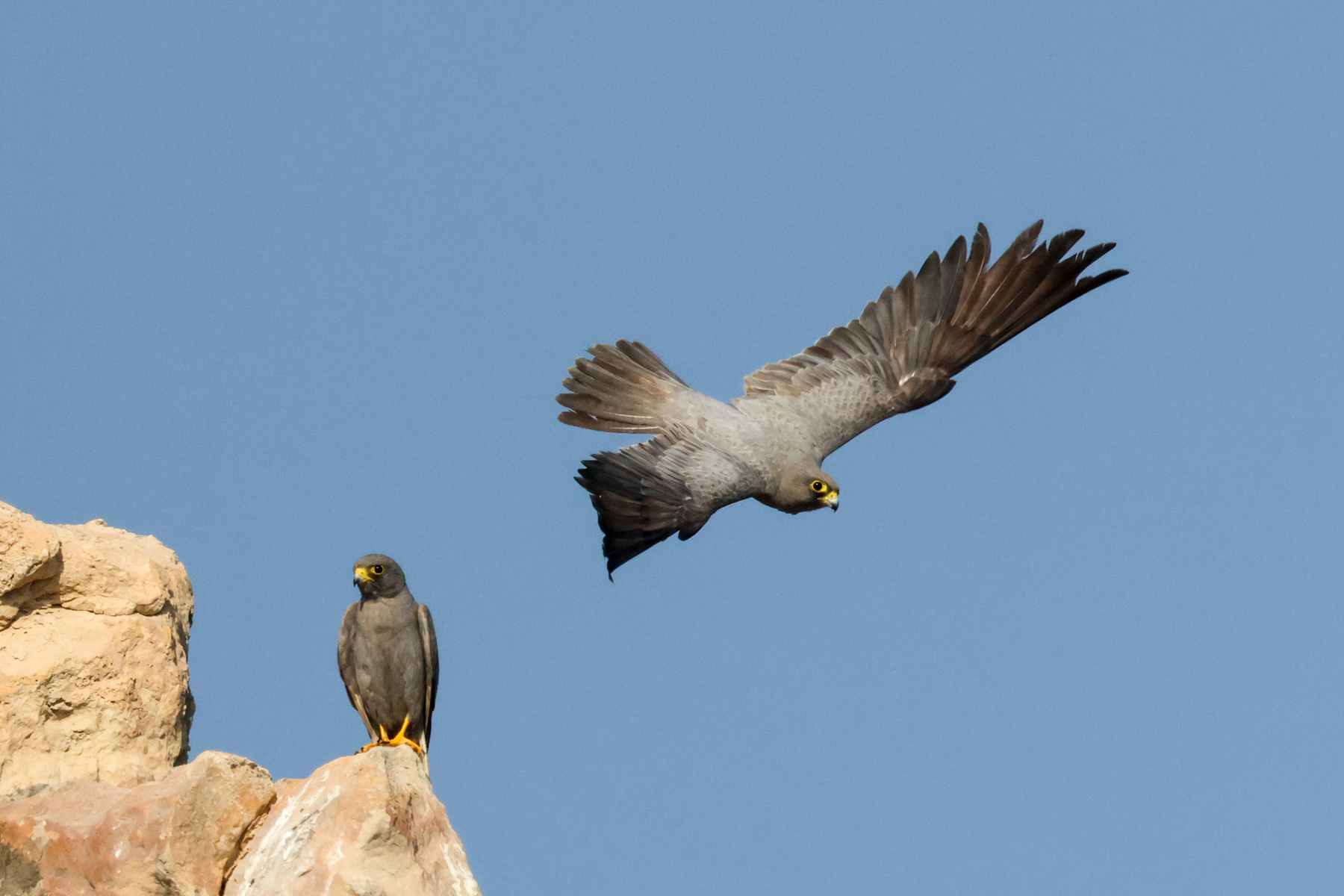
Sooty Falcons (image by Hannu Jännes)
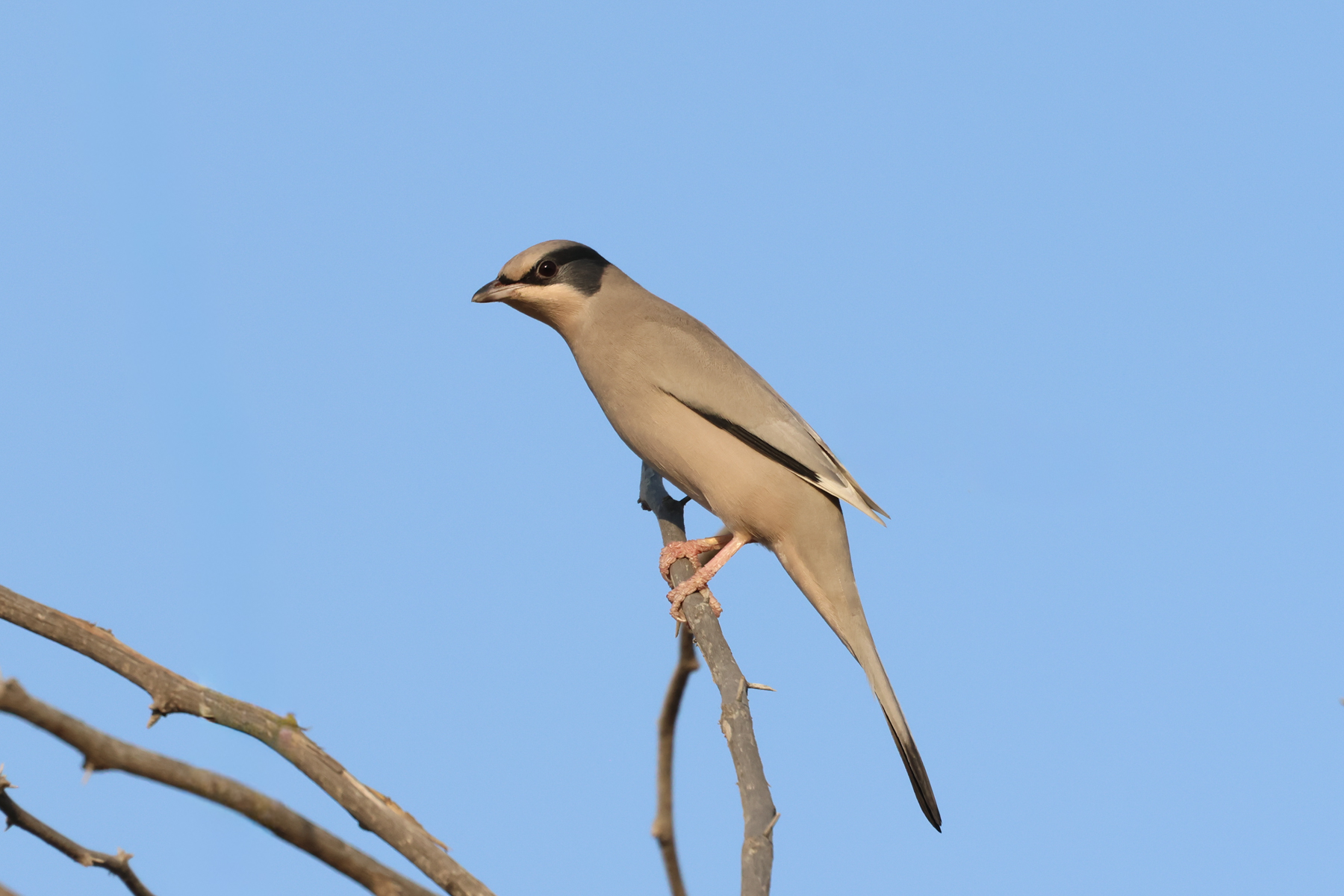
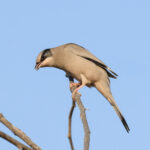
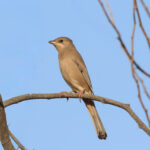
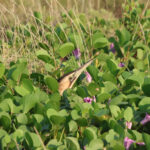
Grey Hypocolius (image by Hannu Jännes)
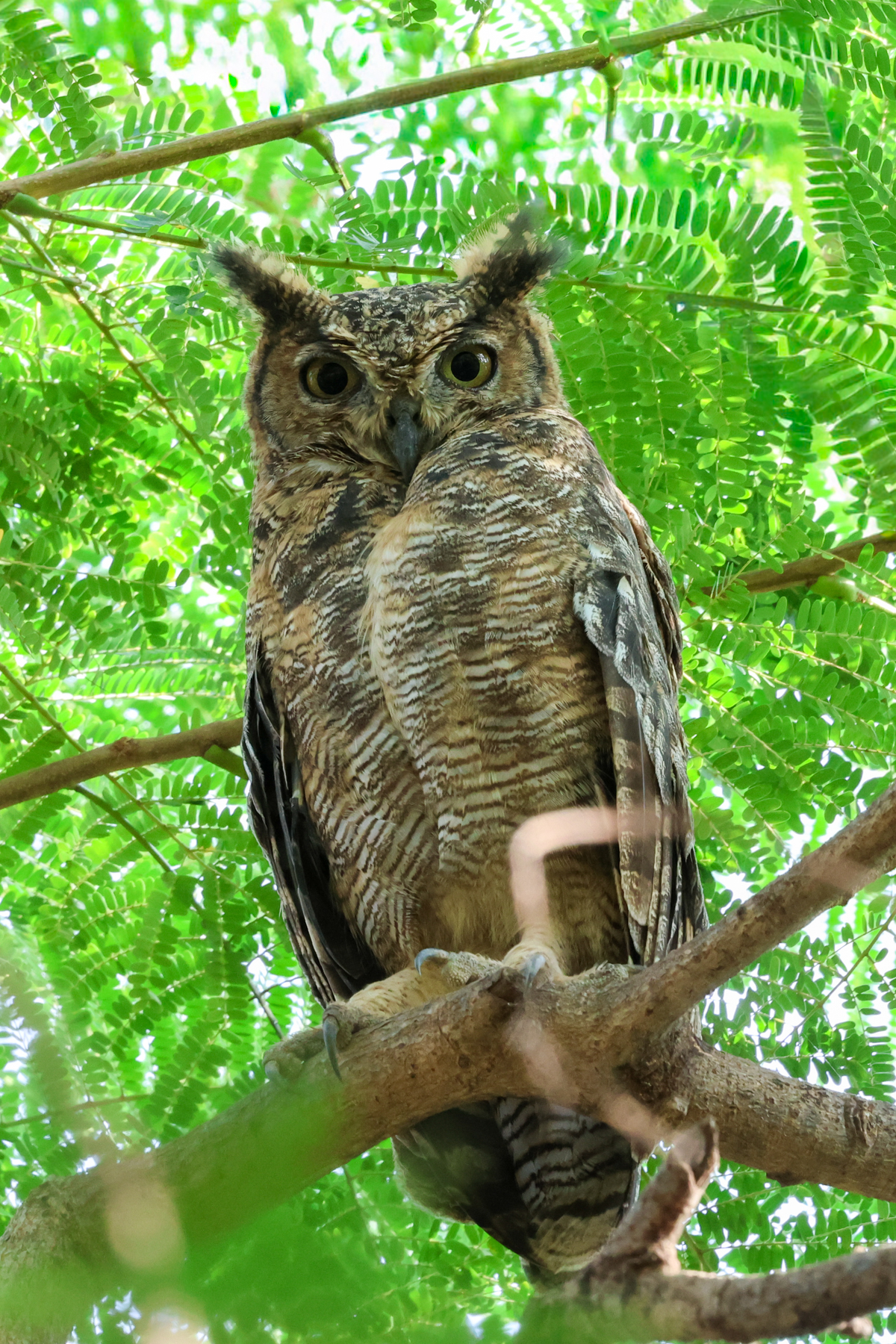
Arabian Eagle-Owl (image by Hannu Jännes)
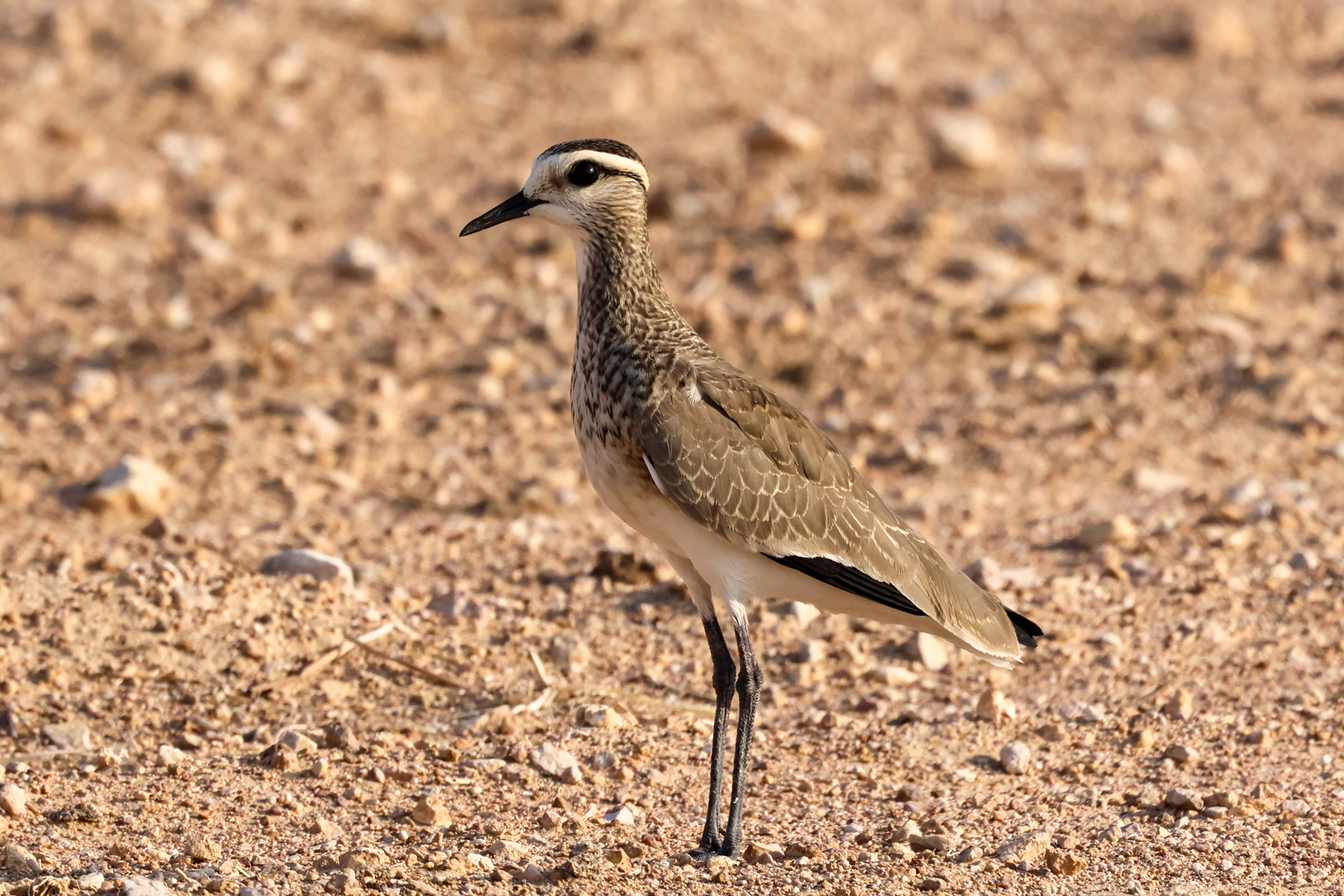
Sociable Lapwing (image by Hannu Jännes)
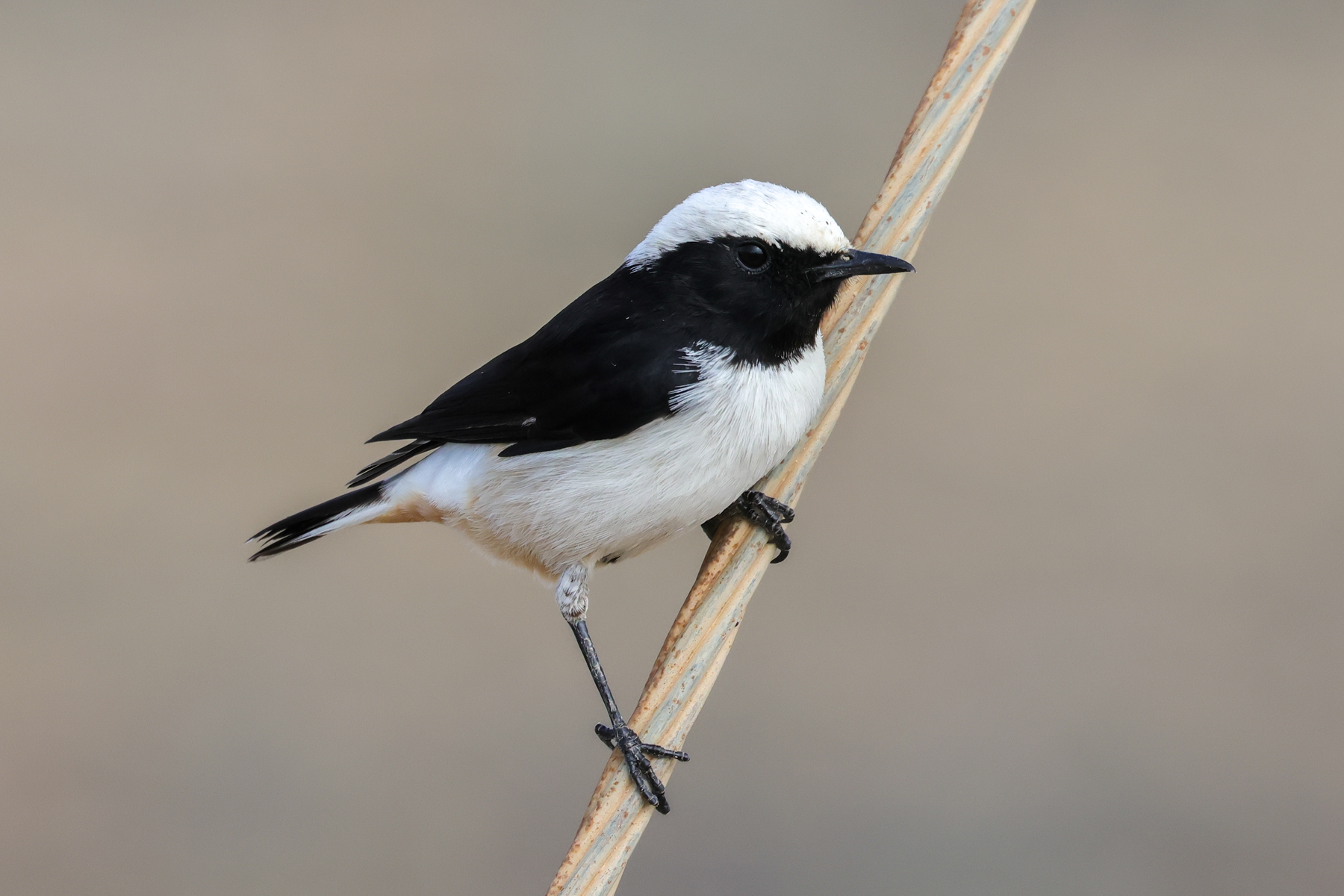
Arabian Wheatear (image by Hannu Jännes)
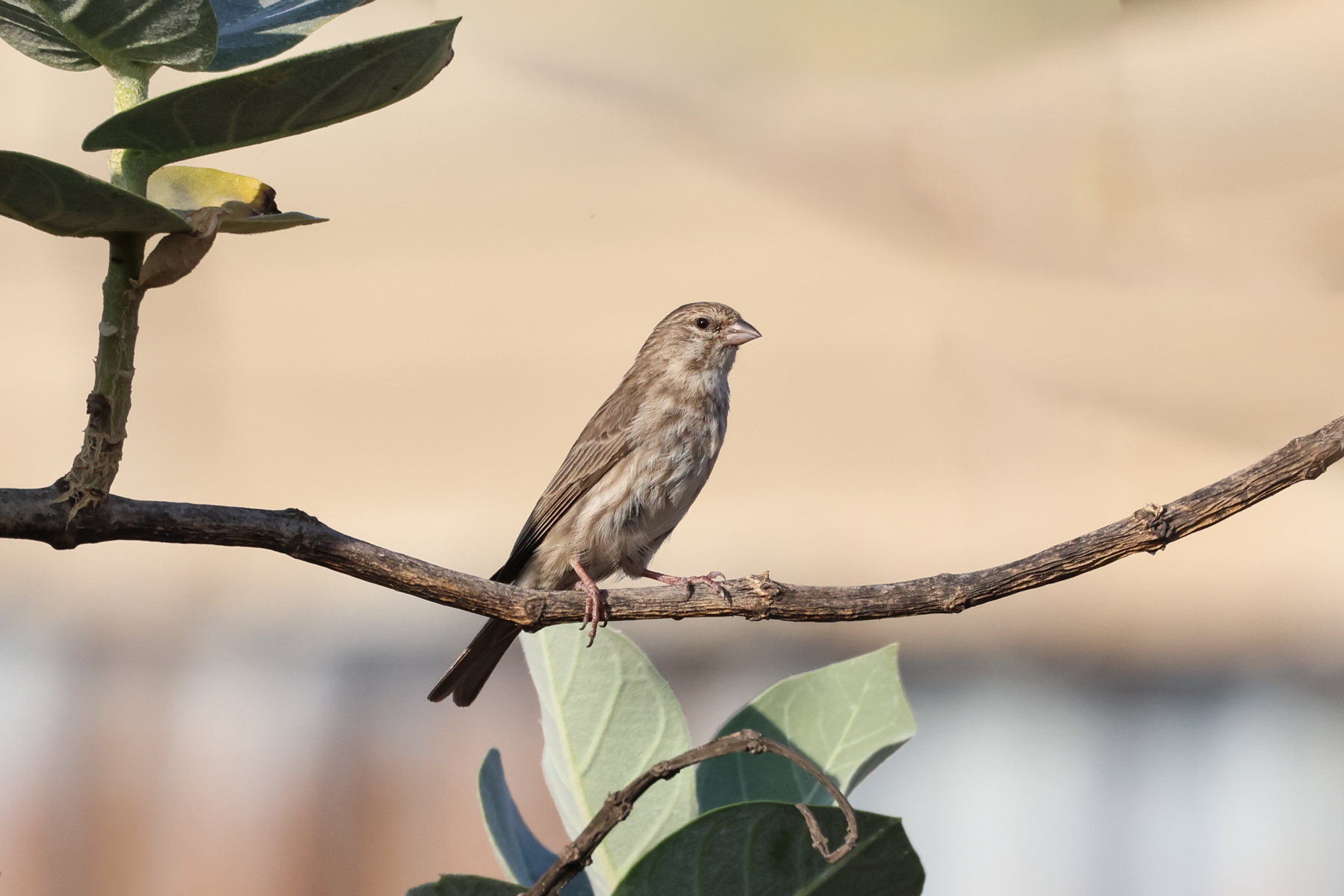
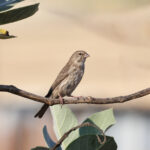
Yemen Serin (image by Hannu Jännes)
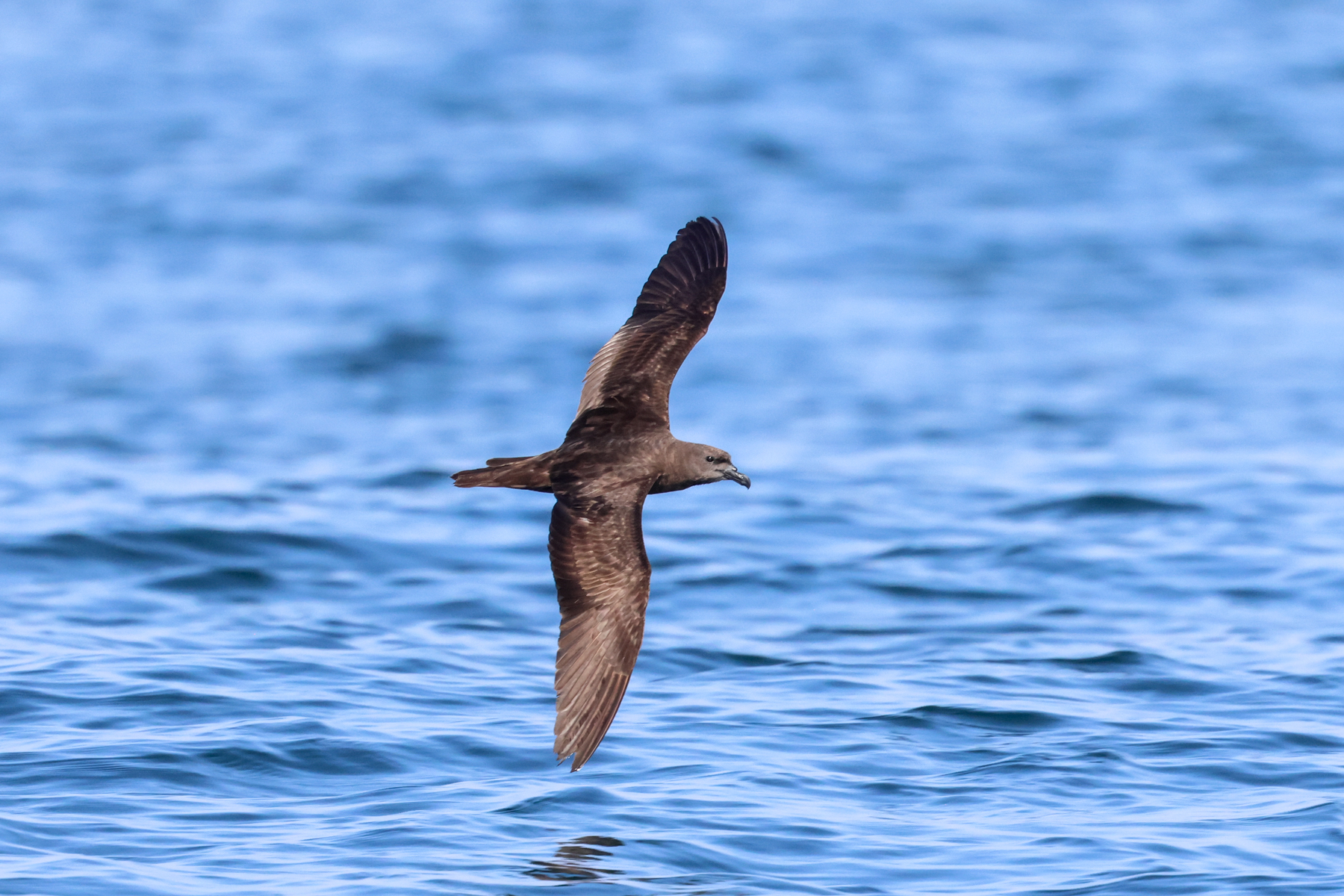
Jouanin's Petrel (image by Hannu Jännes)
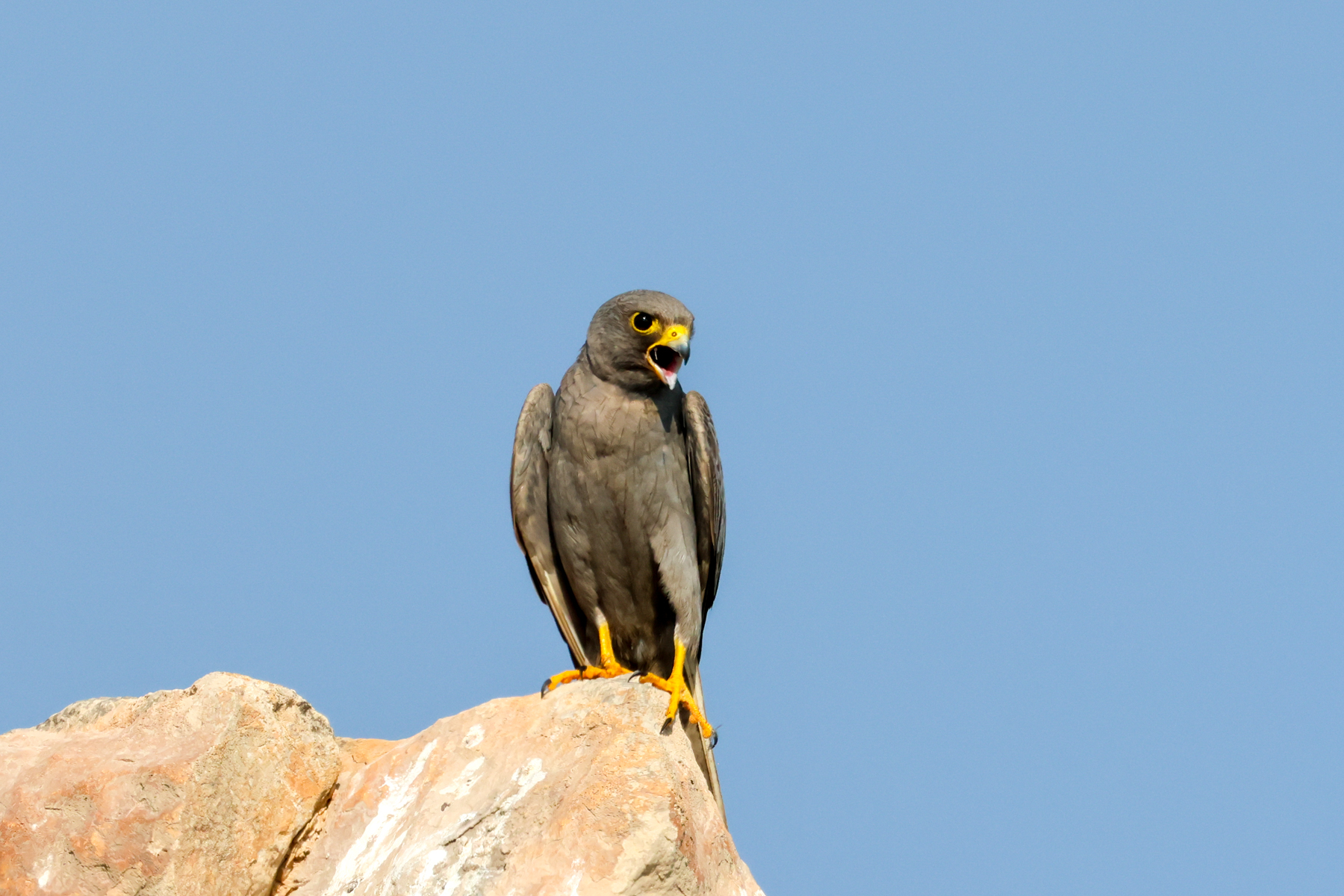
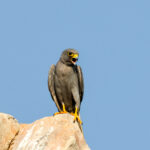
Sooty Falcon (image by Hannu Jännes)
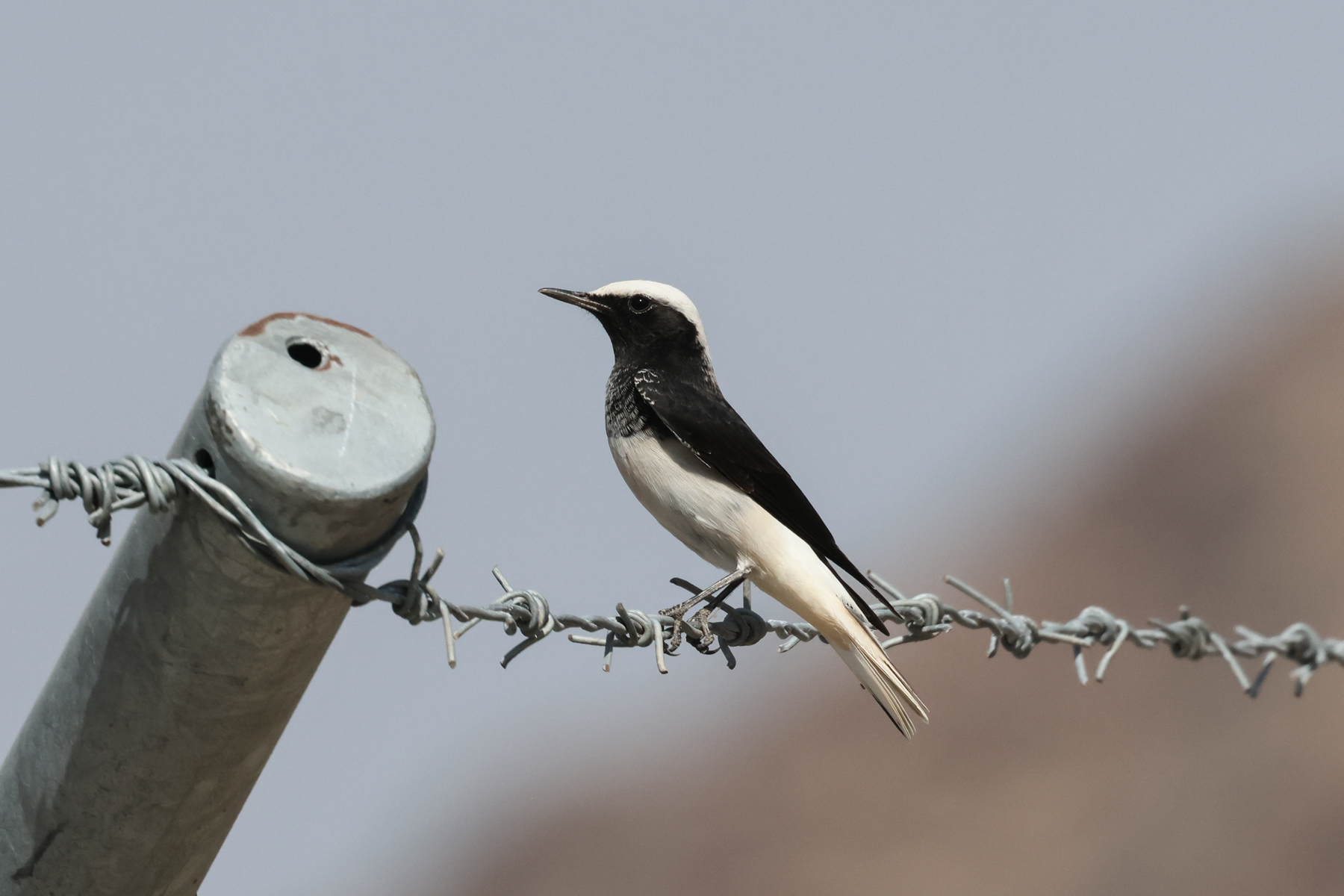
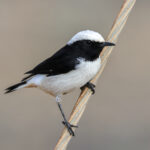
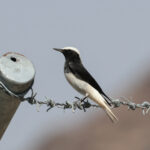
Hooded Wheatear (image by Hannu Jännes)
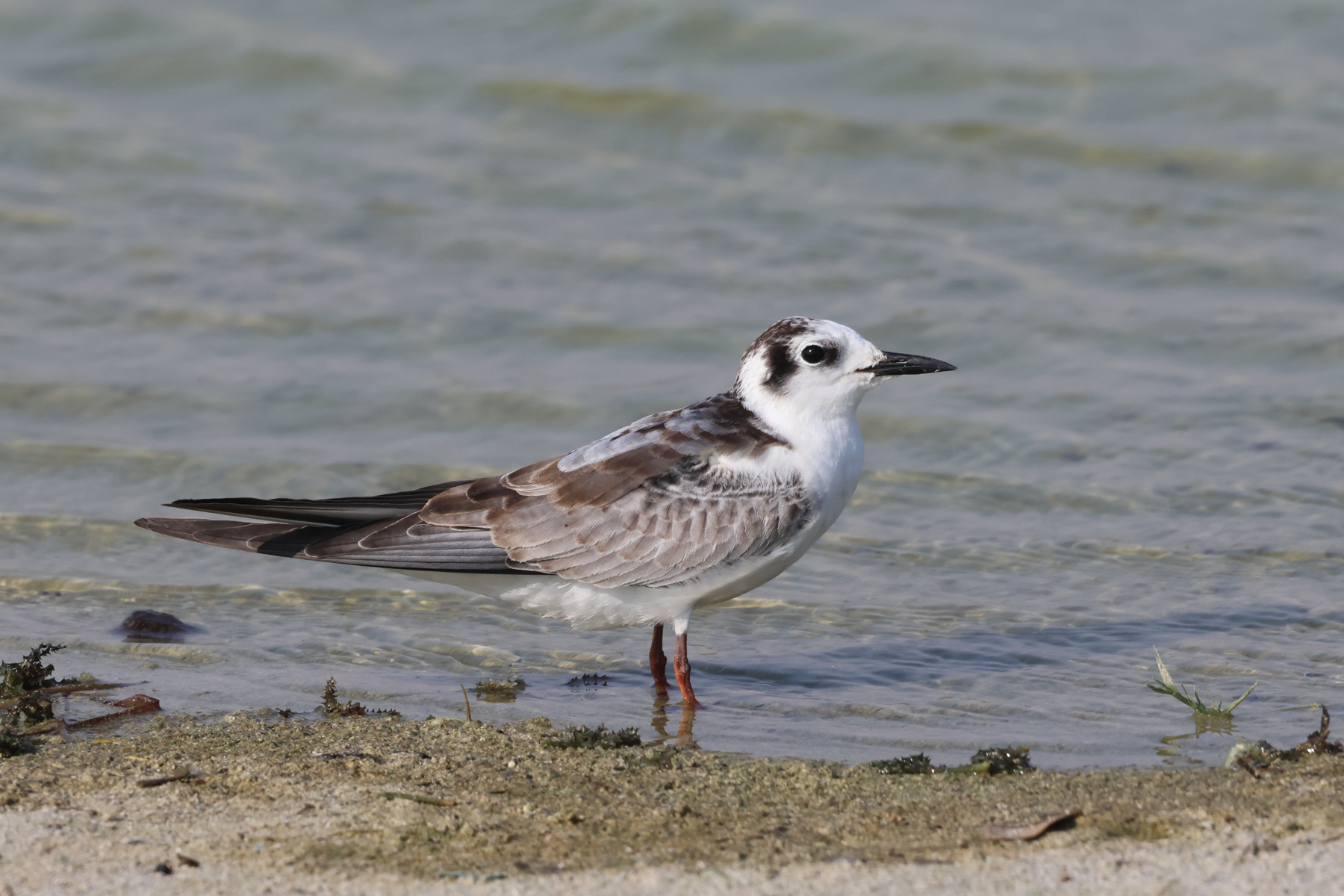
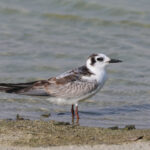
White-winged Tern (image by Hannu Jännes)
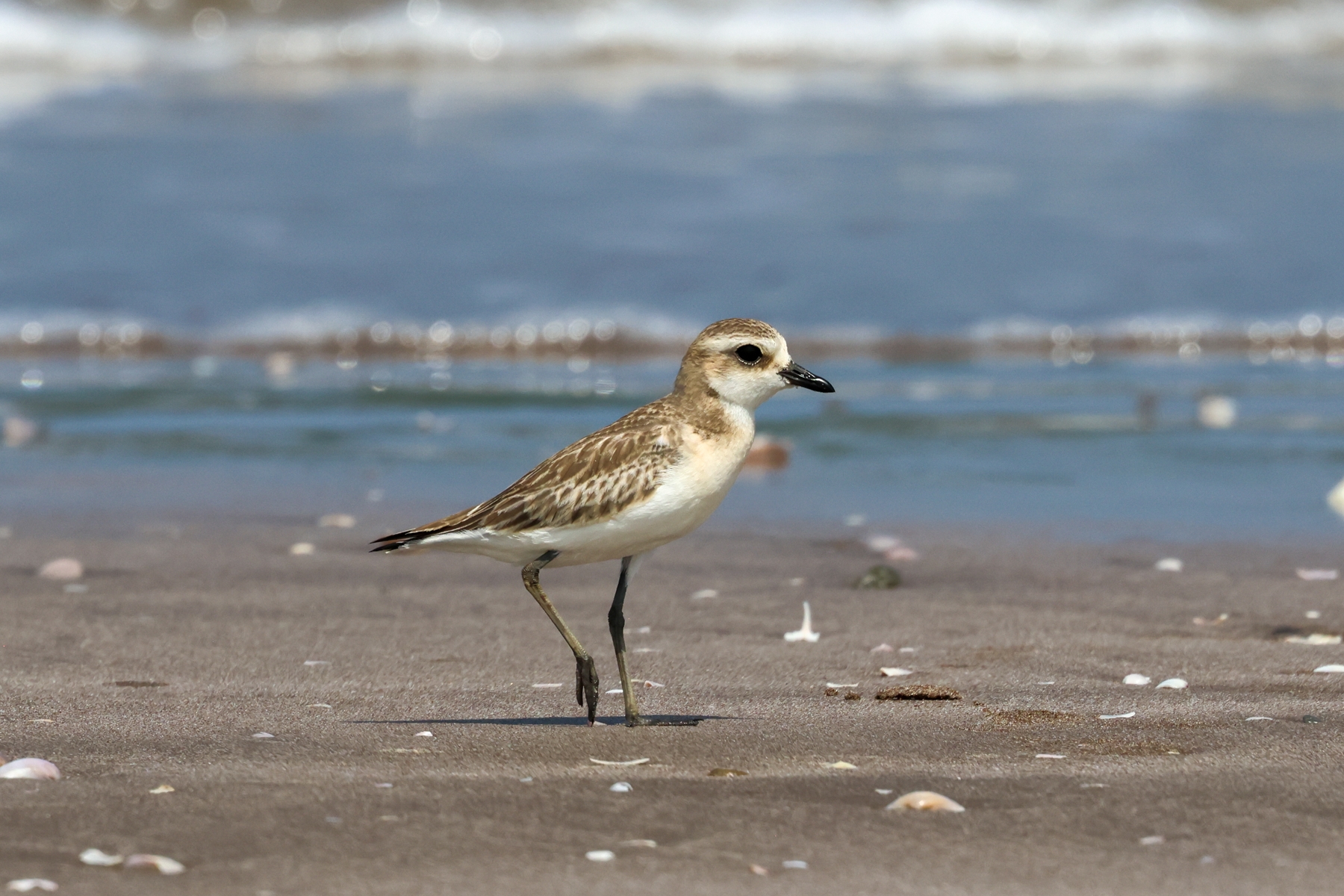
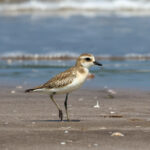
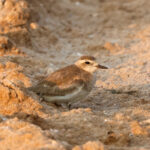
Tibetan Sandplover (image by Hannu Jännes)
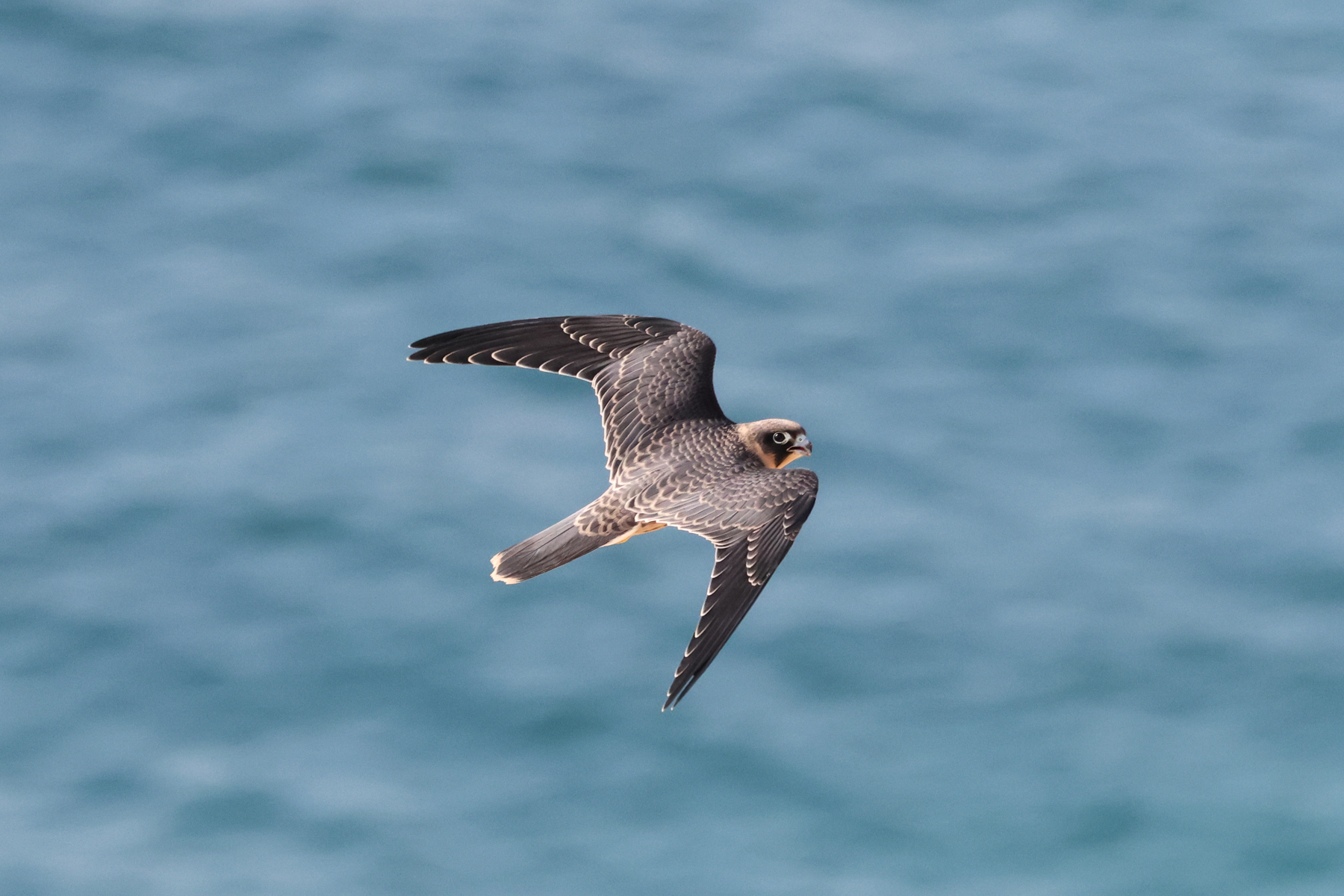
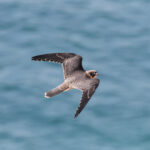
Sooty Falcon juvenile (image by Hannu Jännes)
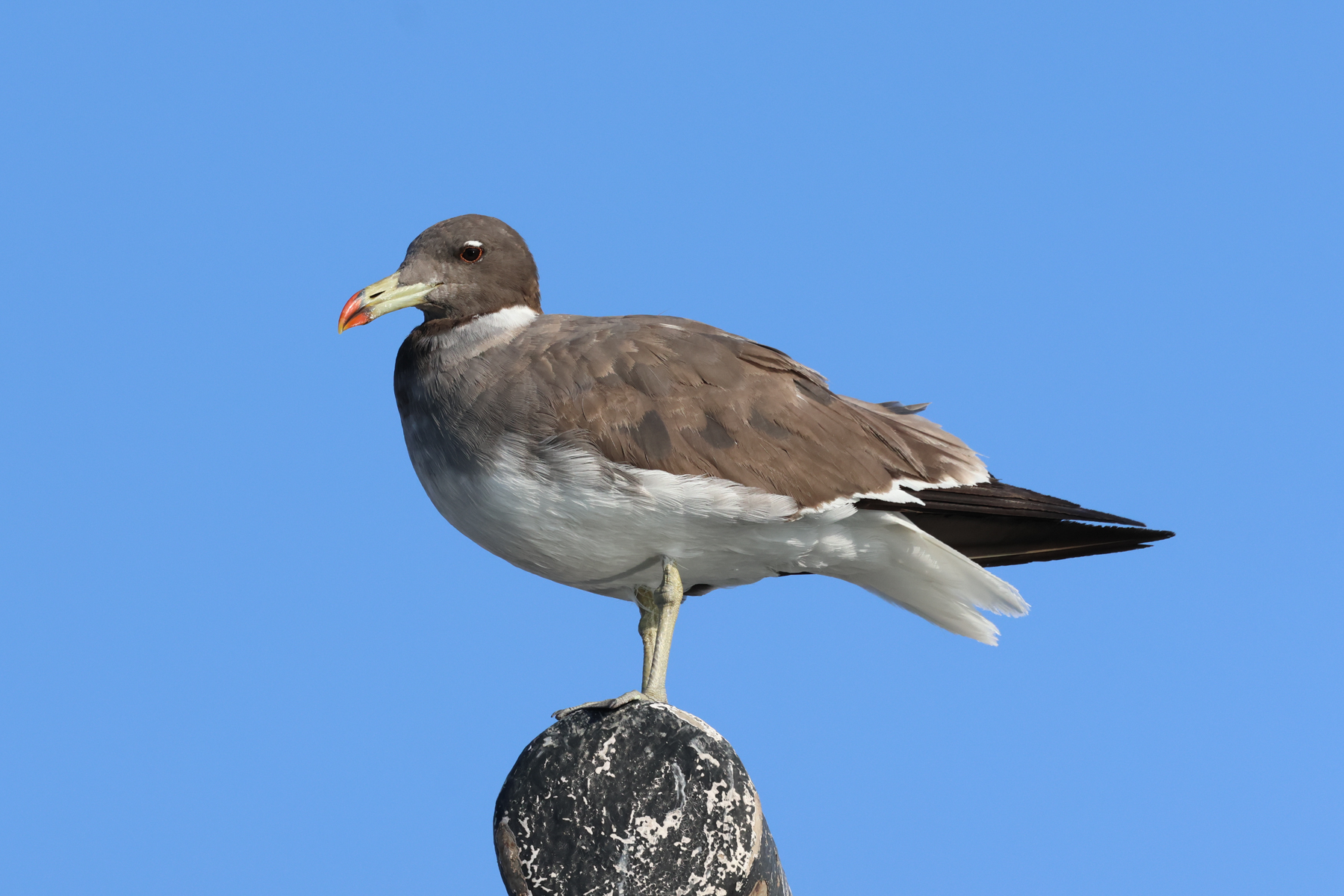
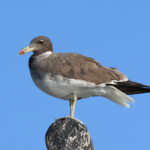
Sooty Gull (image by Hannu Jännes)
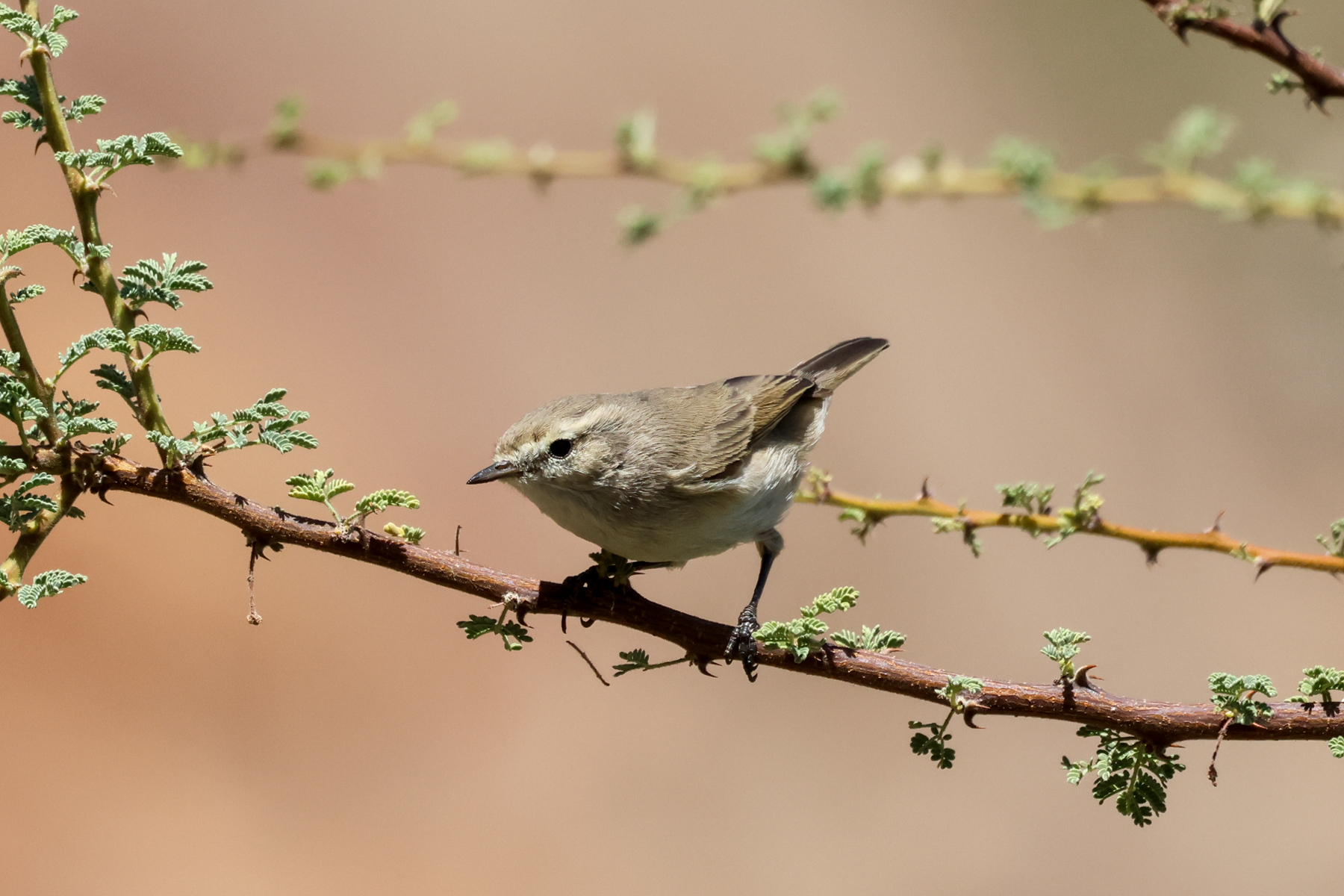
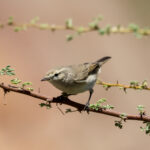
Plain Leaf Warbler (image by Hannu Jännes)
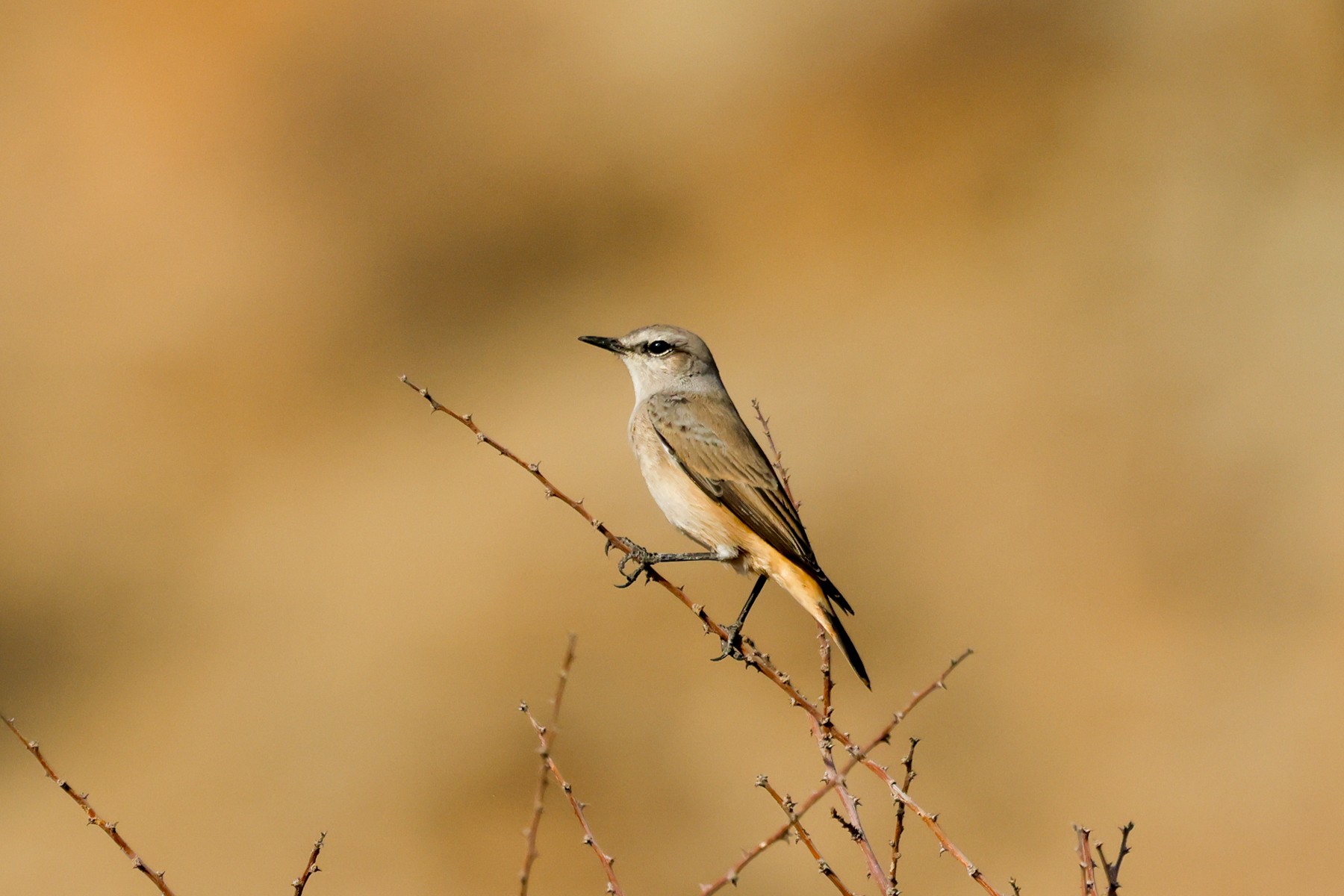
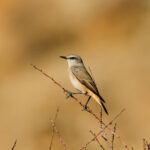
Red-tailed Wheatear (image by Hannu Jännes)
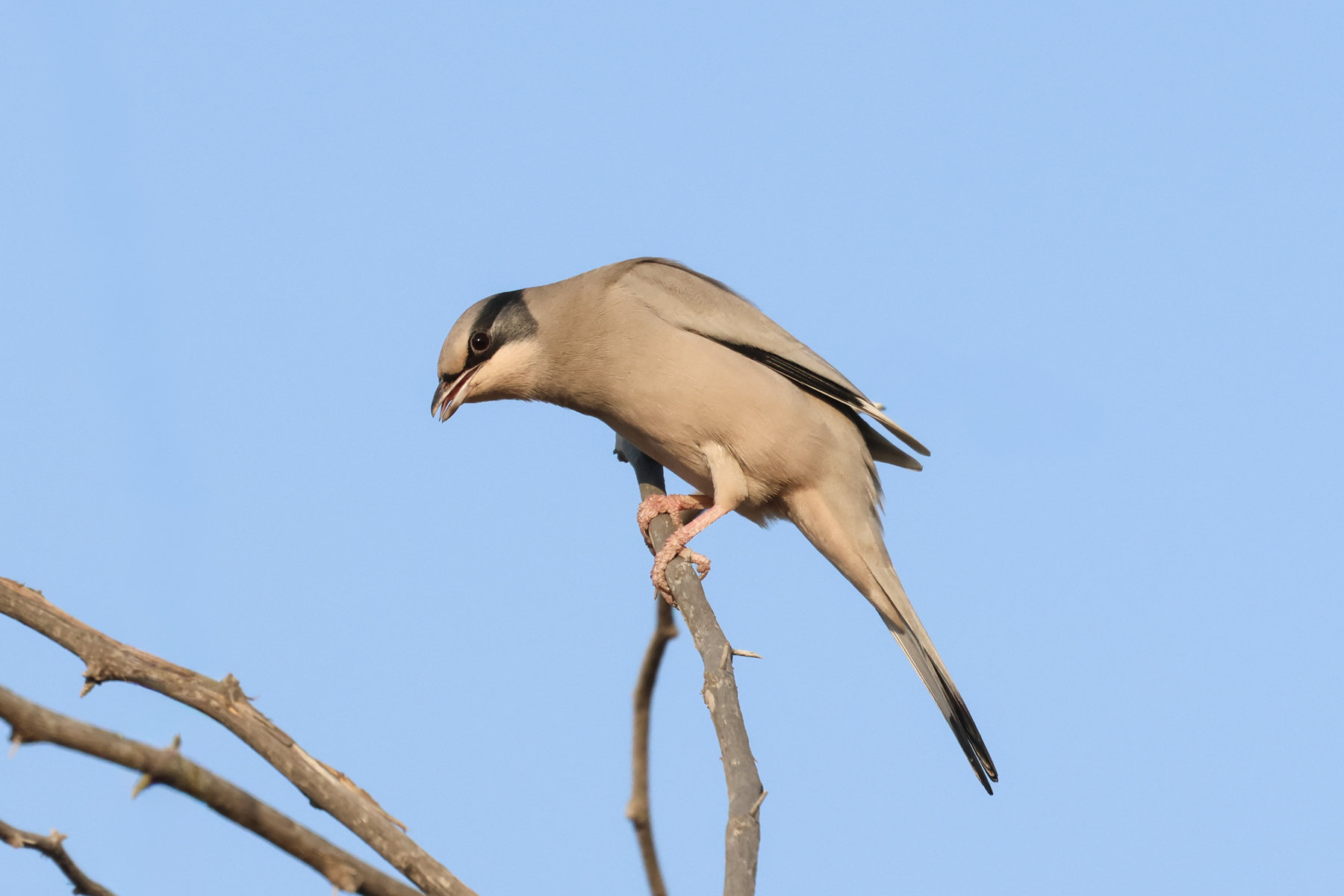
Grey Hypocolius (image by Hannu Jännes)
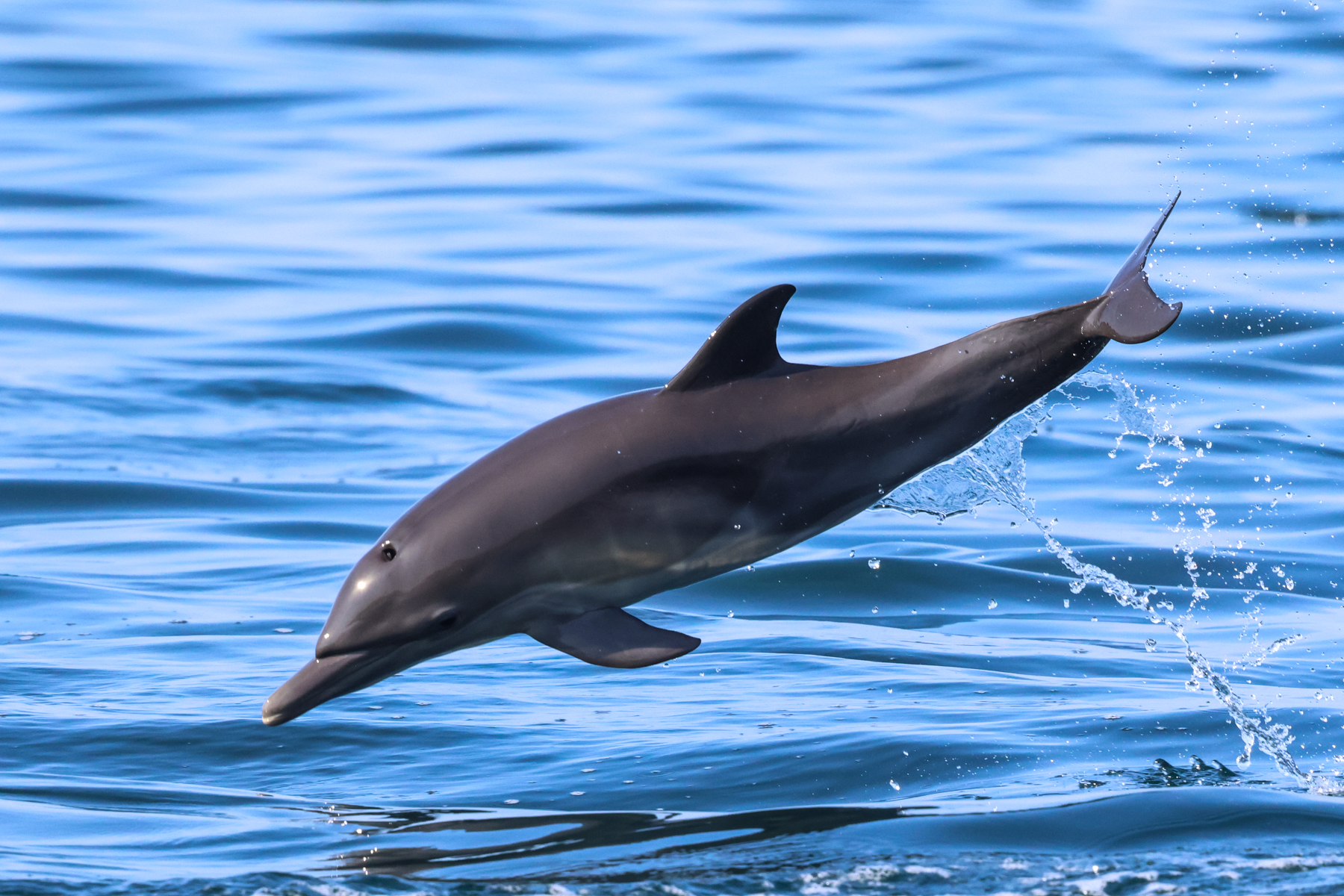
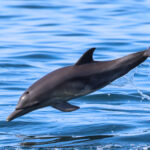
Common Dolphin (image by Hannu Jännes)
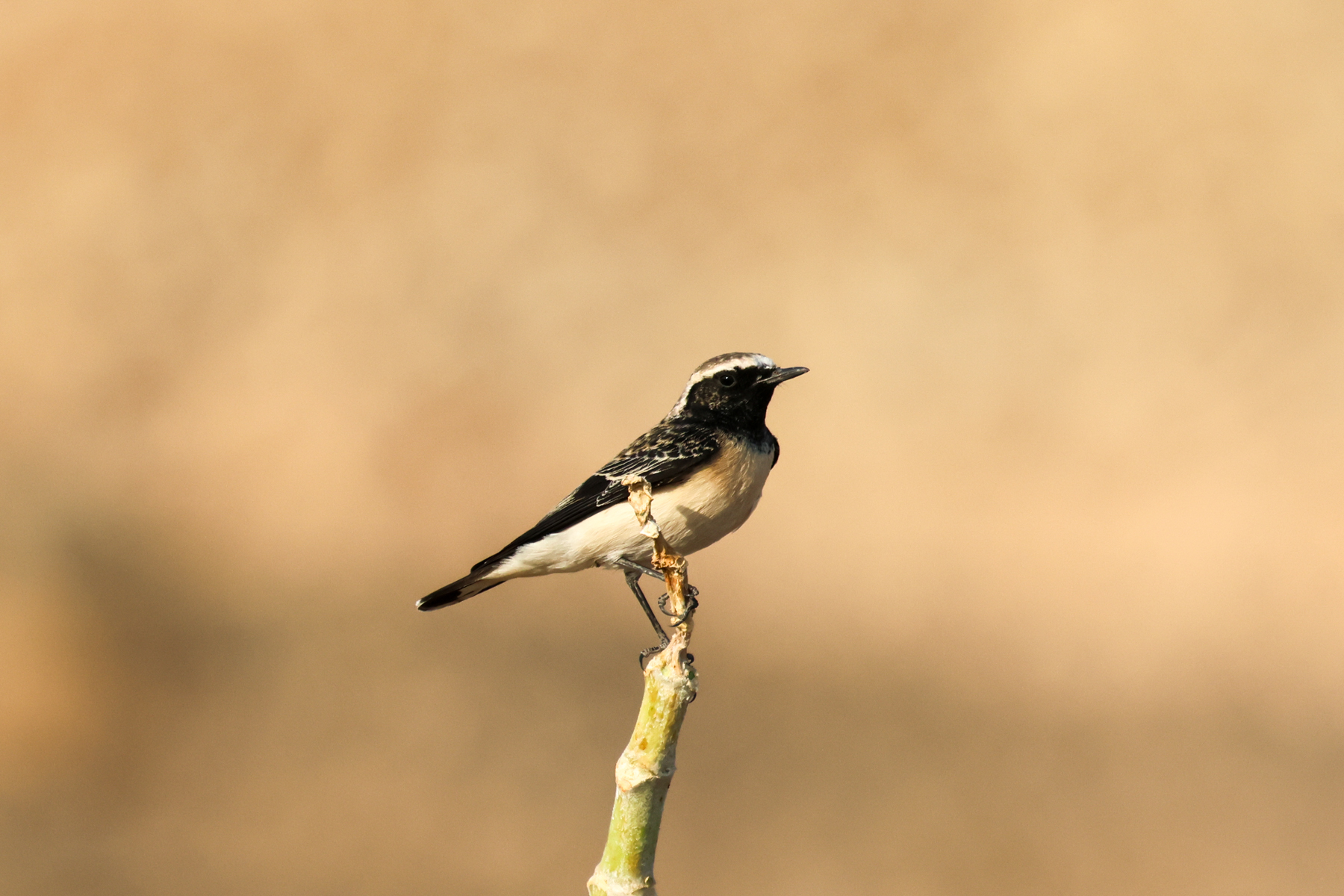
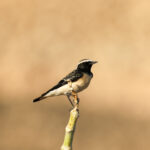
Pied Wheatear (image by Hannu Jännes)
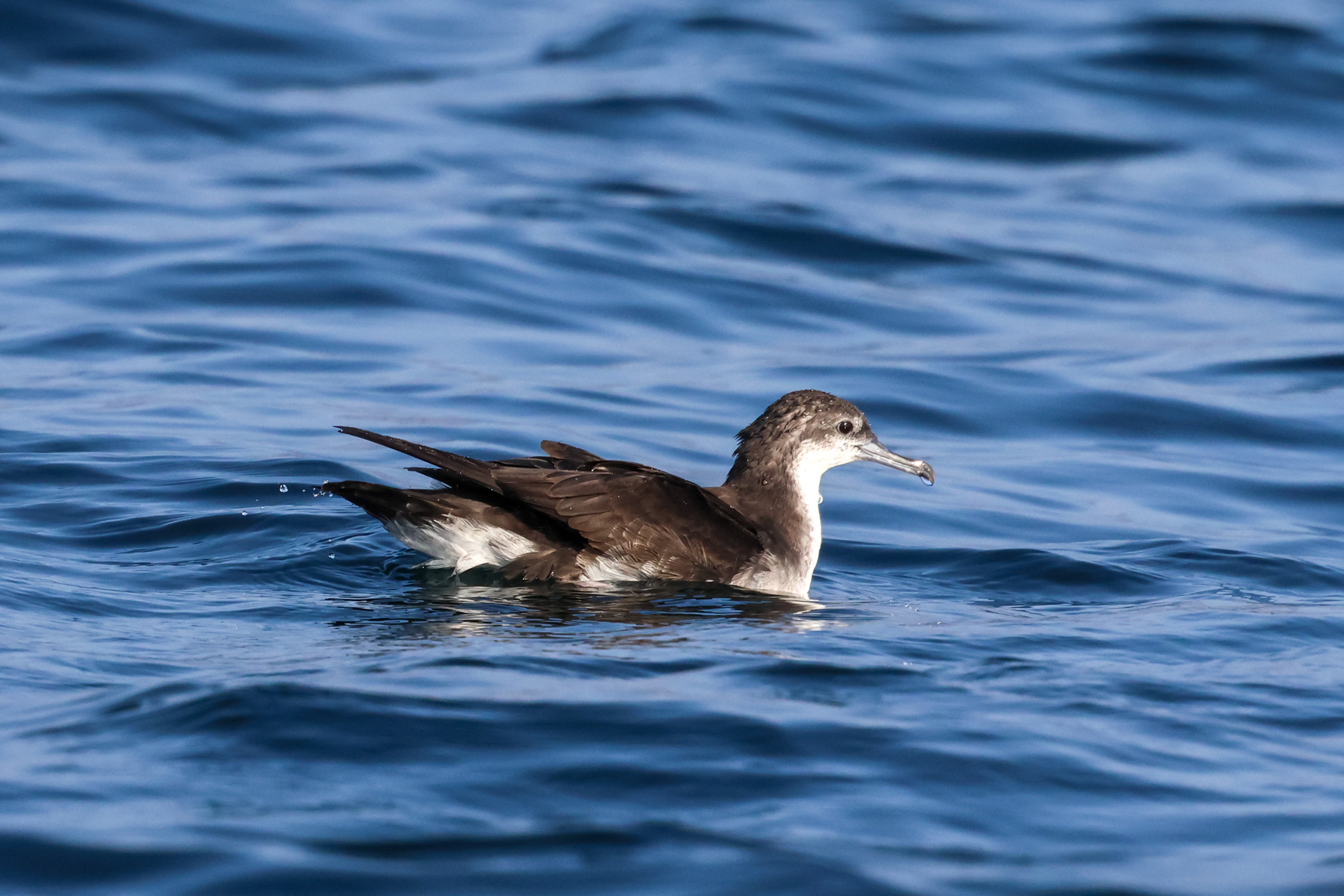
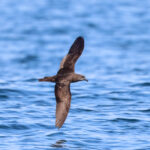
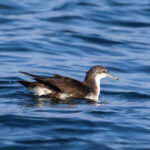
Persian Shearwater (image by Hannu Jännes)
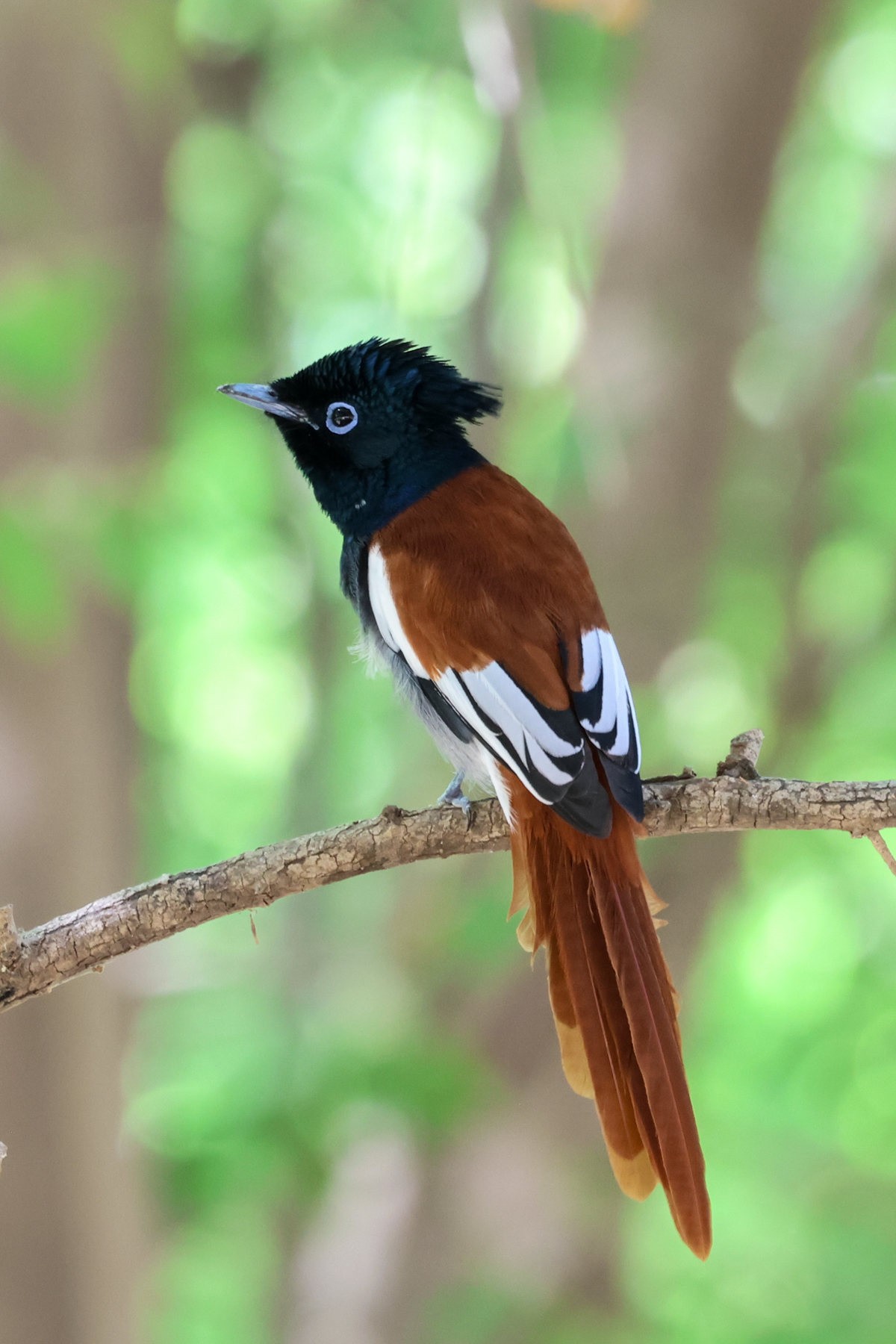
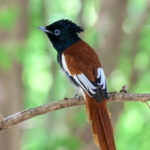
African Paradise Flycatcher (image by Hannu Jännes)
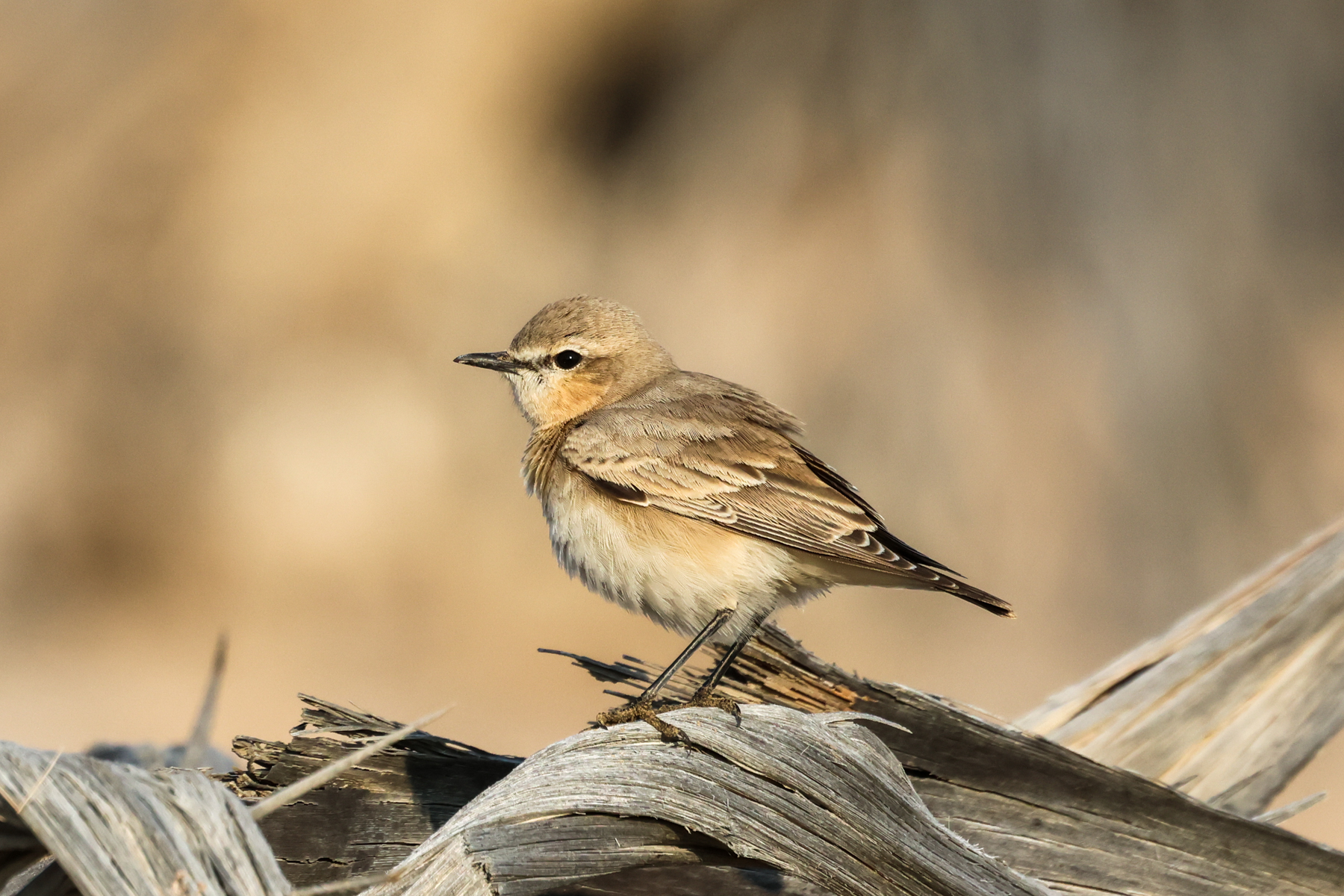
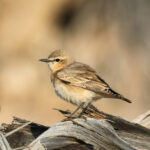
Isabelline Wheatear (image by Hannu Jännes)
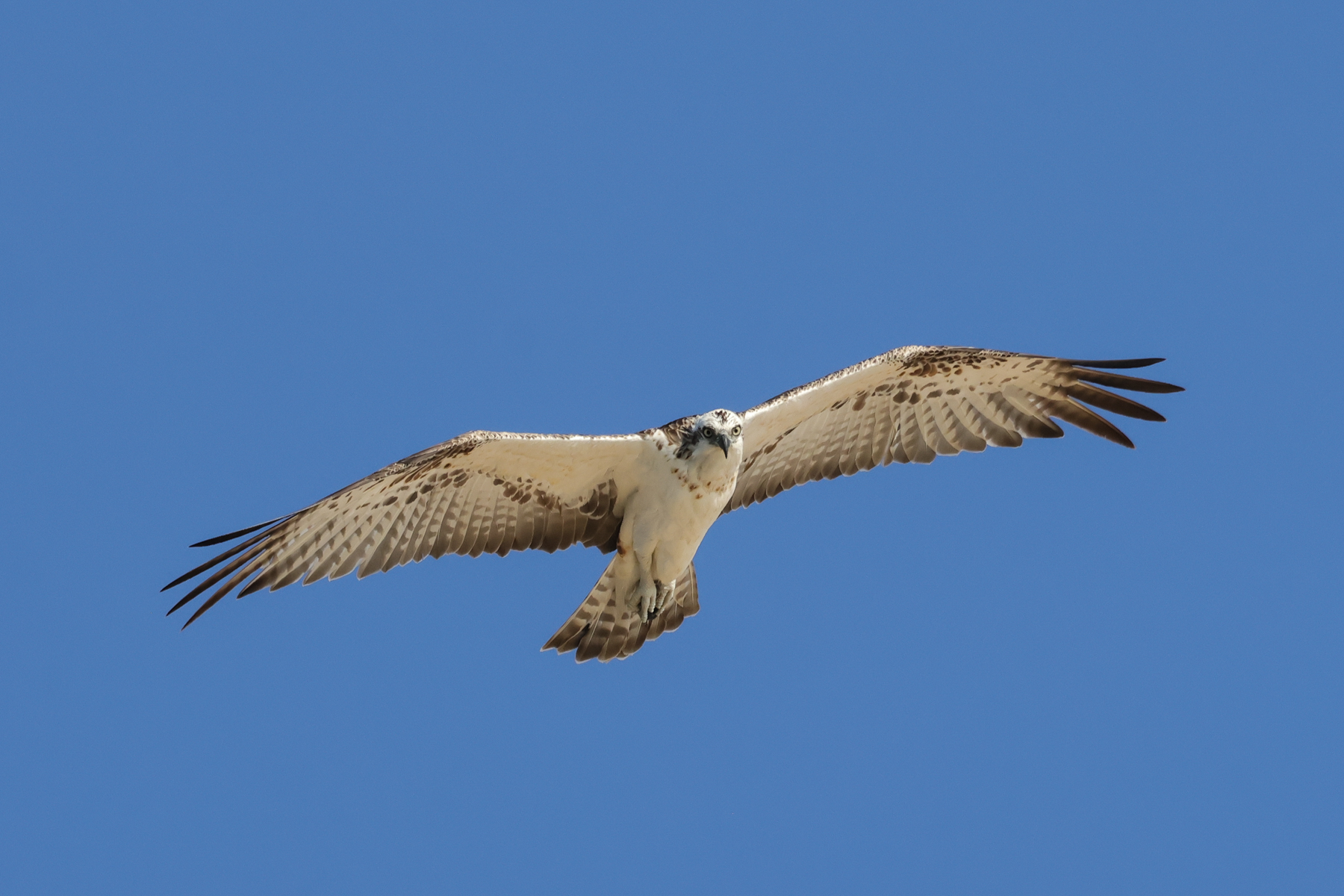
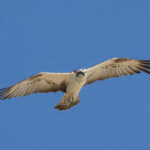
Osprey (image by Hannu Jännes)
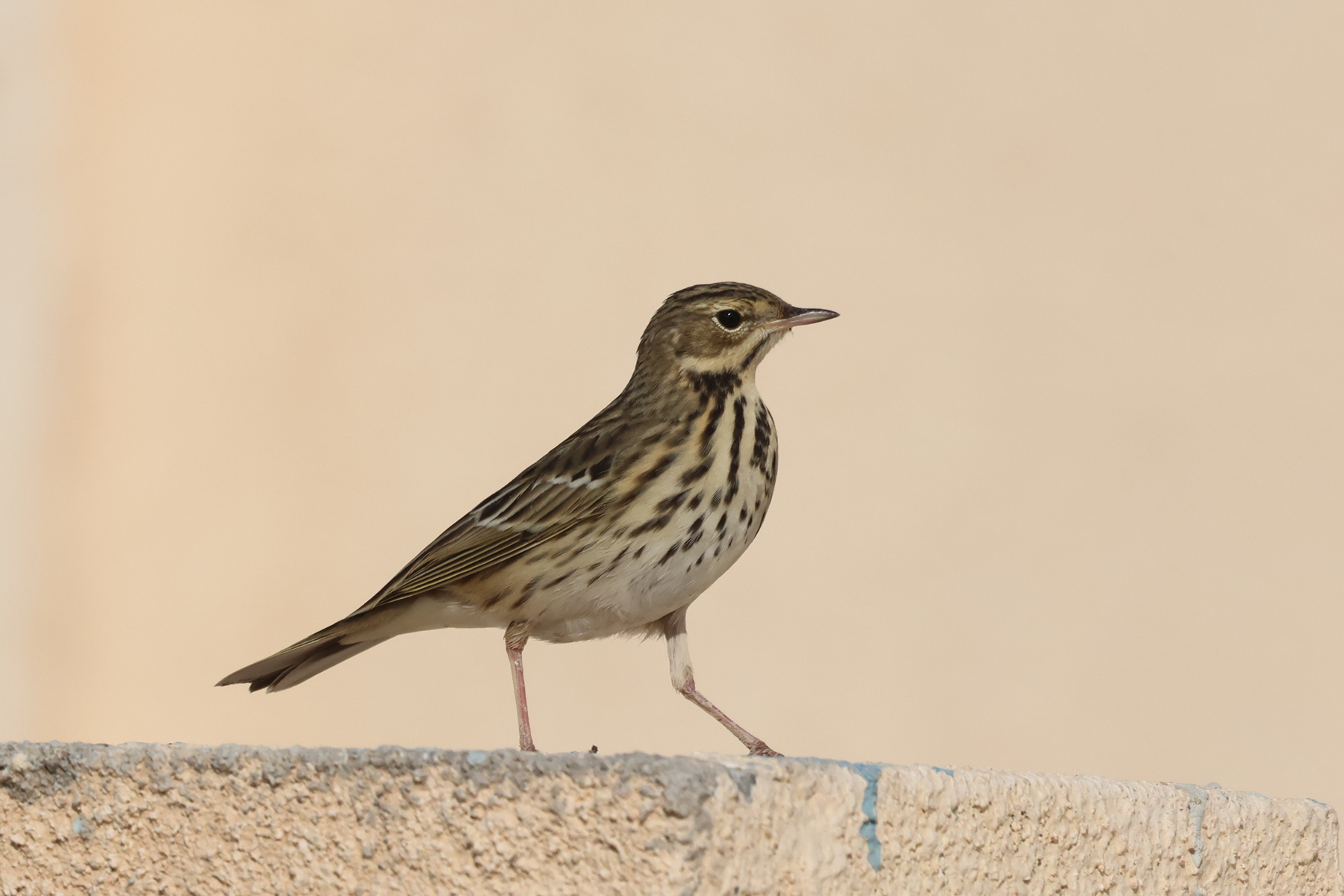
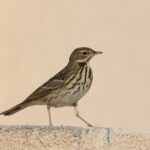
Tree Pipit (image by Hannu Jännes)
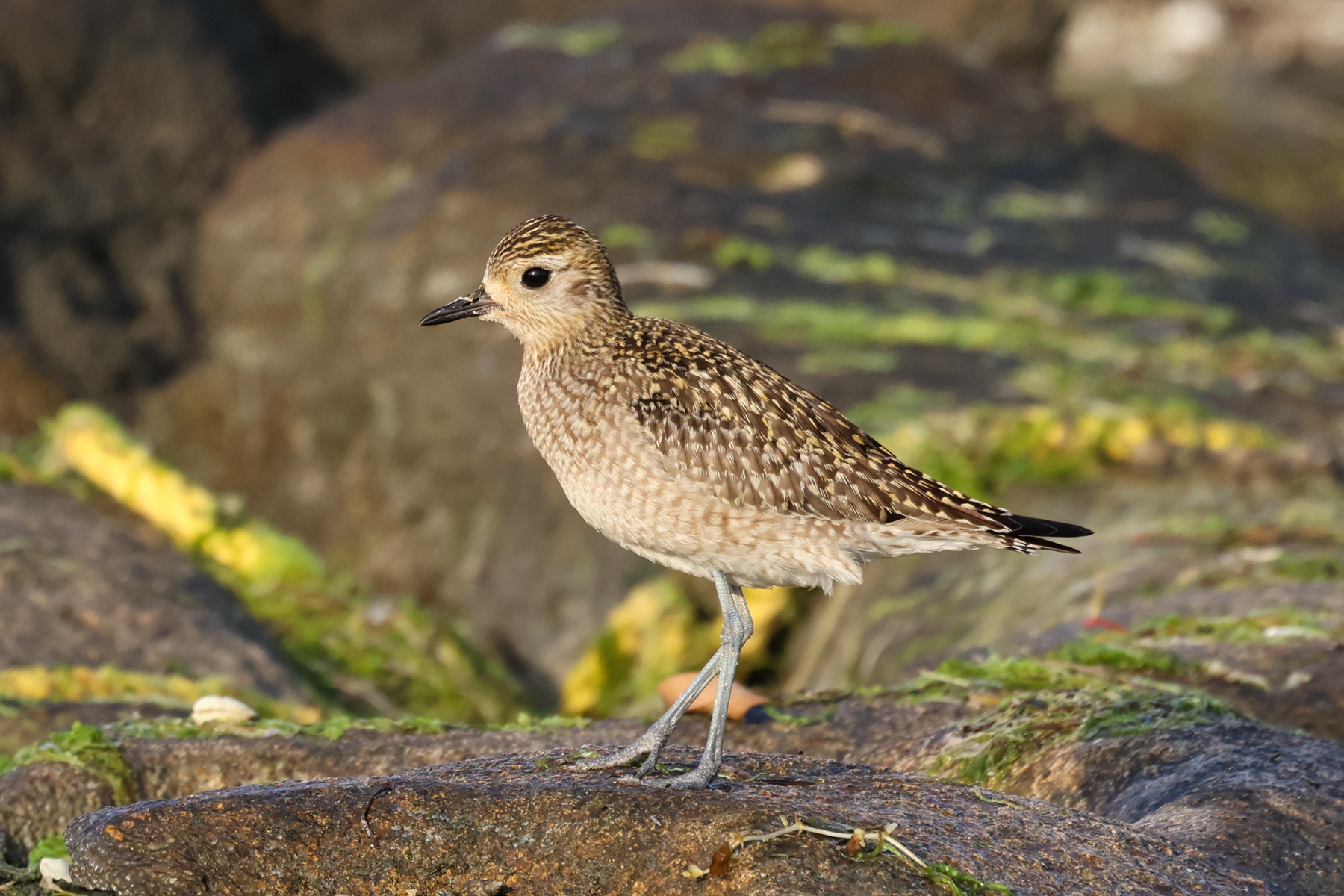
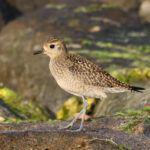
Pacific Golden Plover (image by Hannu Jännes)
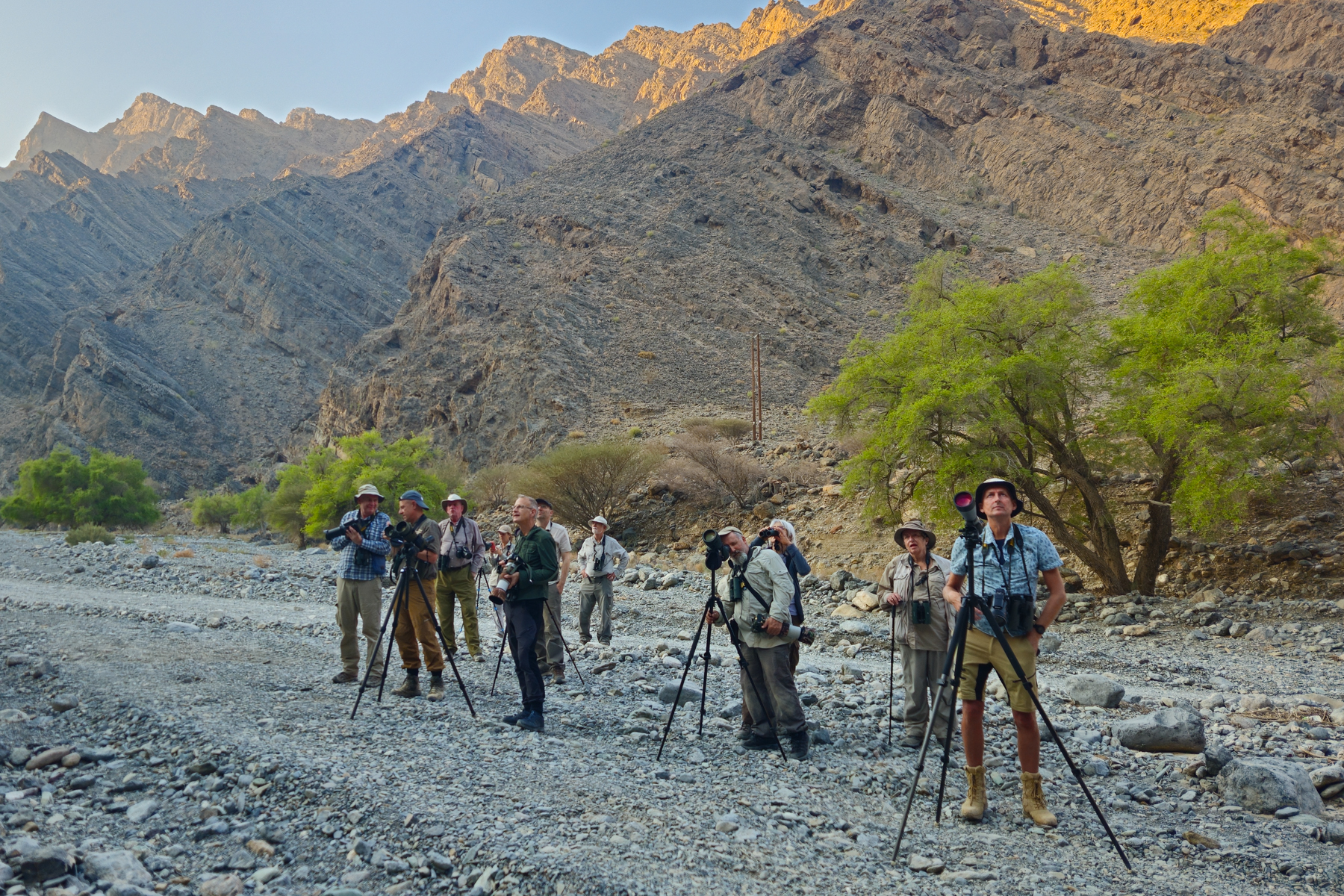
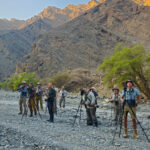
Group (image by Hannu Jännes)
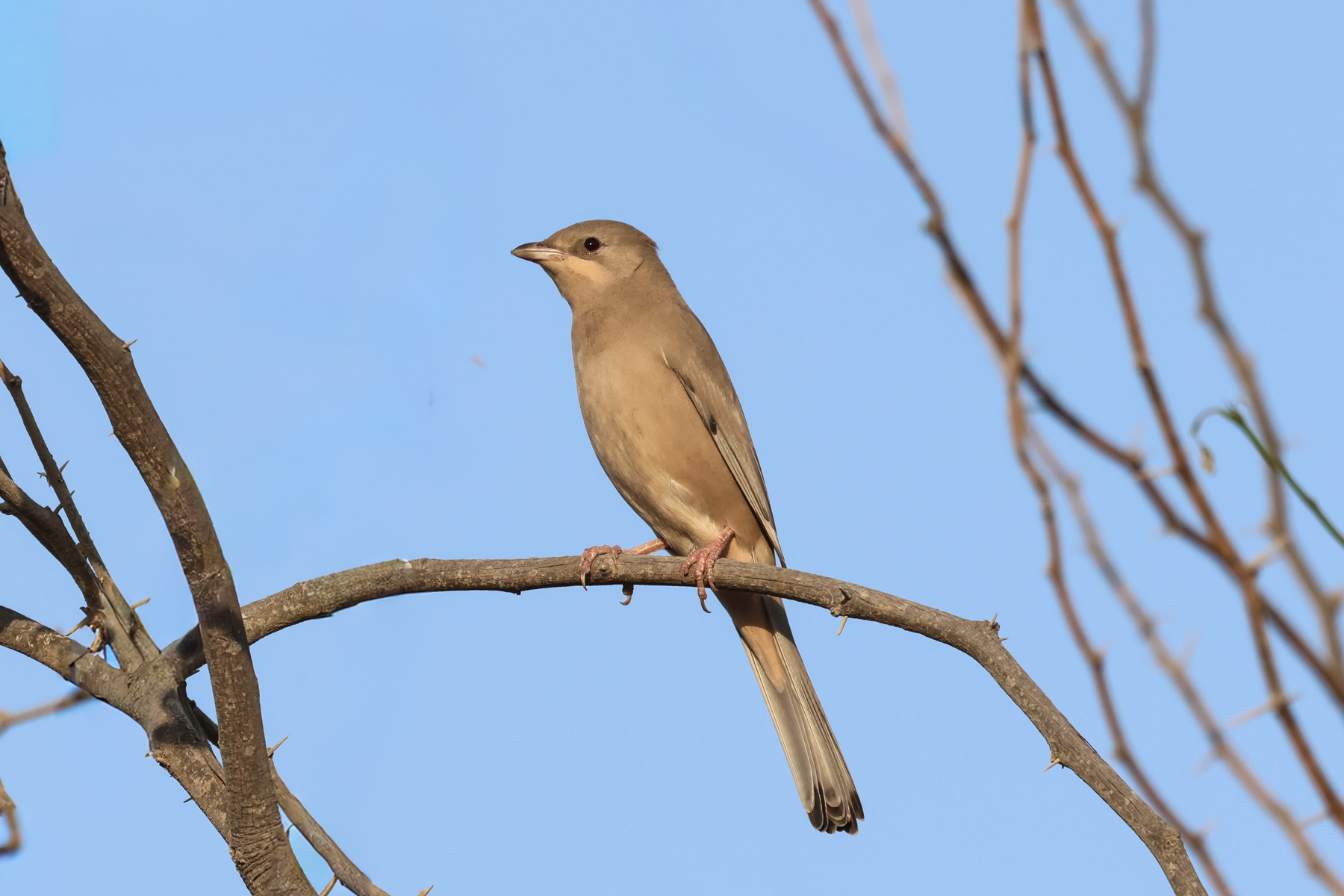
Grey Hypocolius (image by Hannu Jännes)
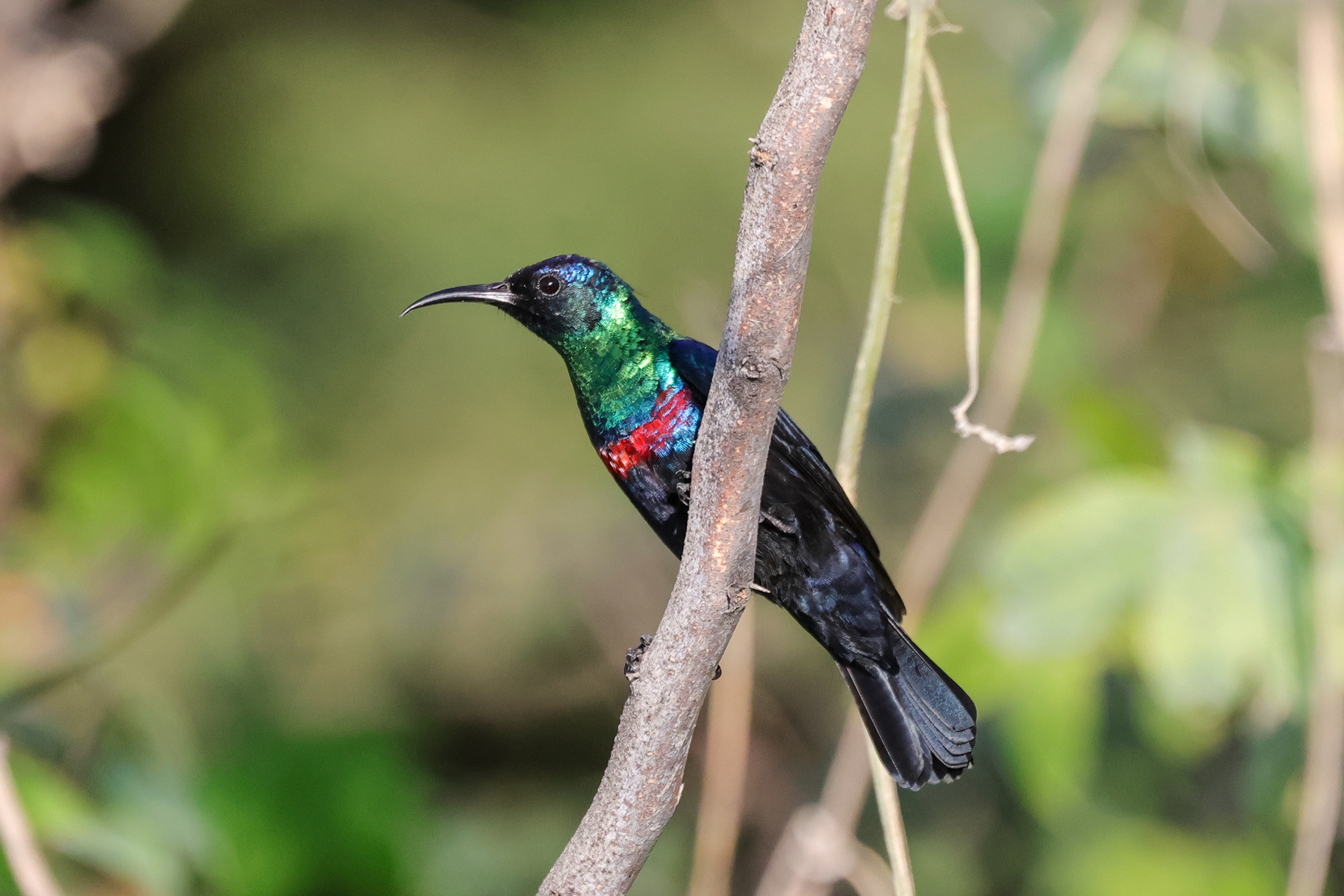
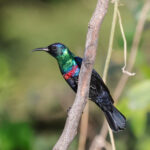
Arabian Sunbird (image by Hannu Jännes)
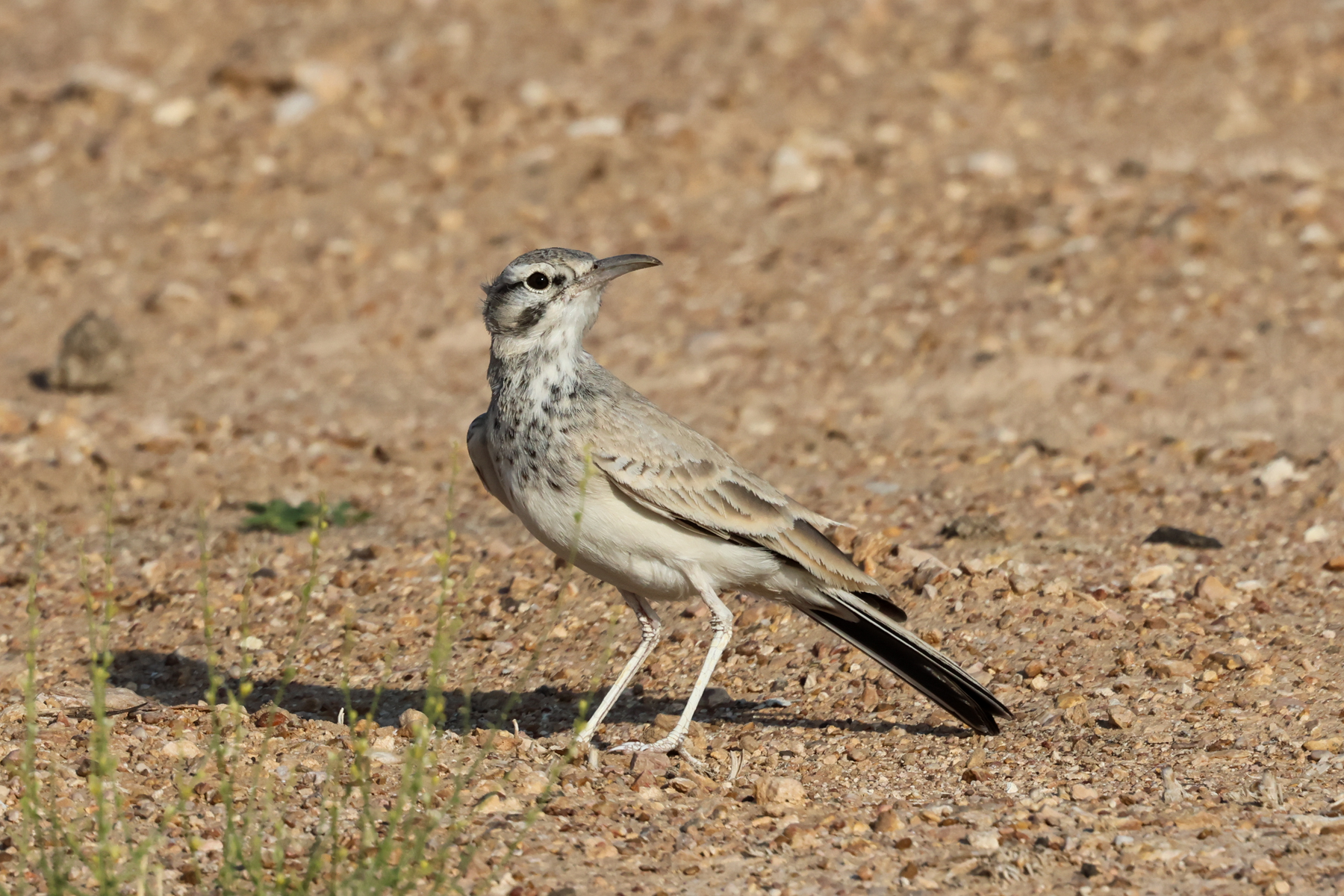
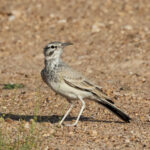
Greater Hoopoe-Lark (image by Hannu Jännes)
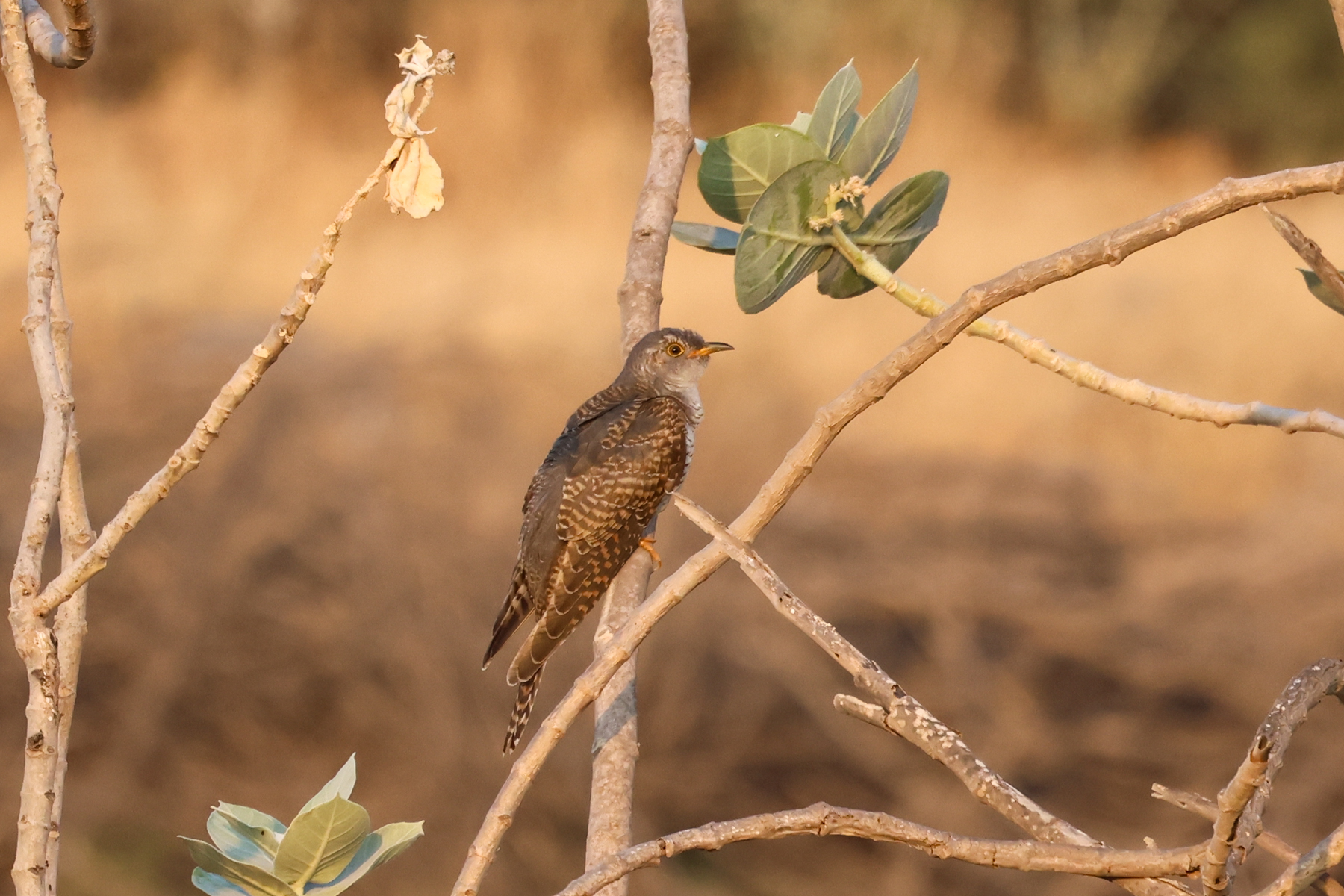
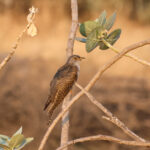
Common Cuckoo (image by Hannu Jännes)
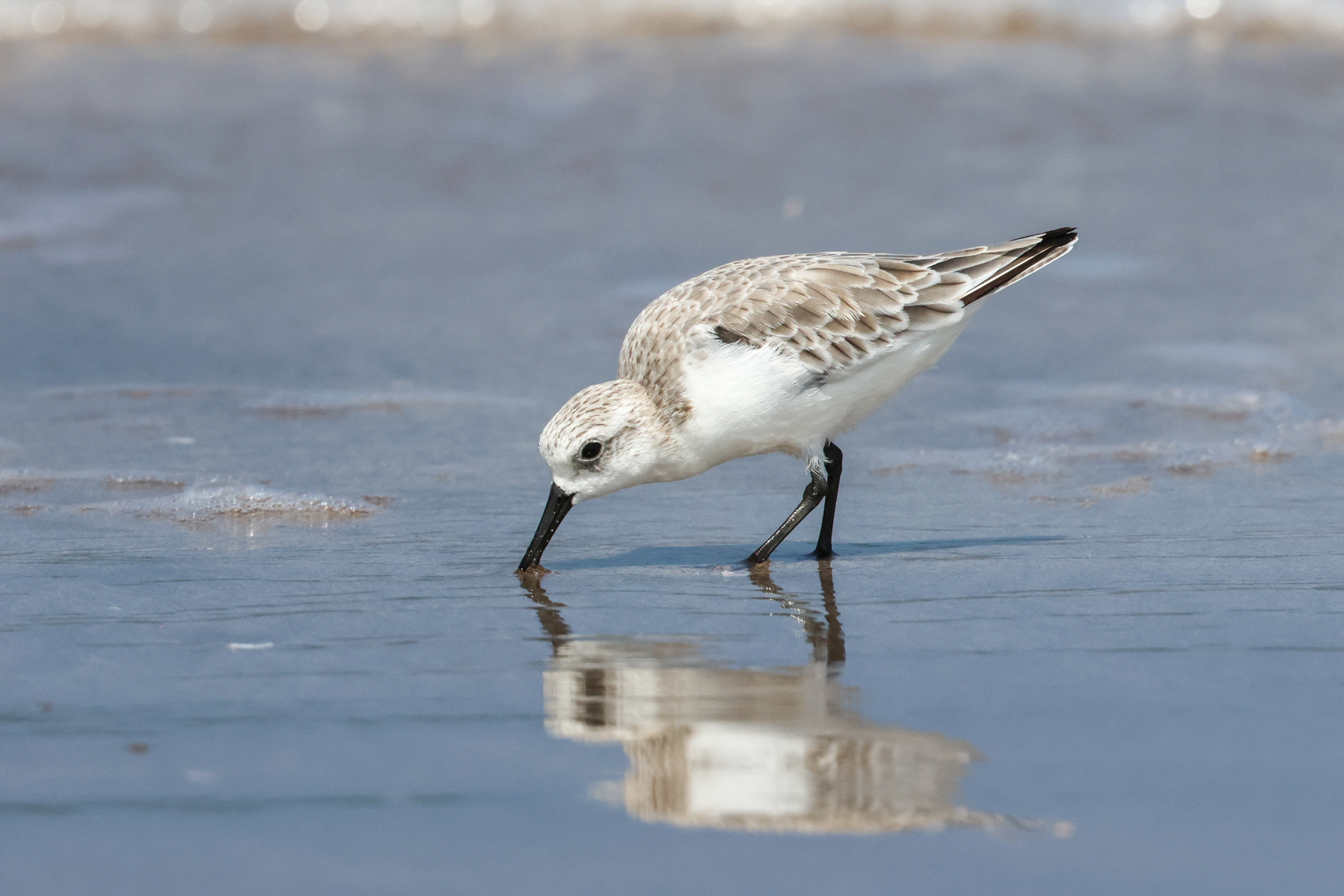
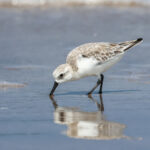
Sanderling (image by Hannu Jännes)
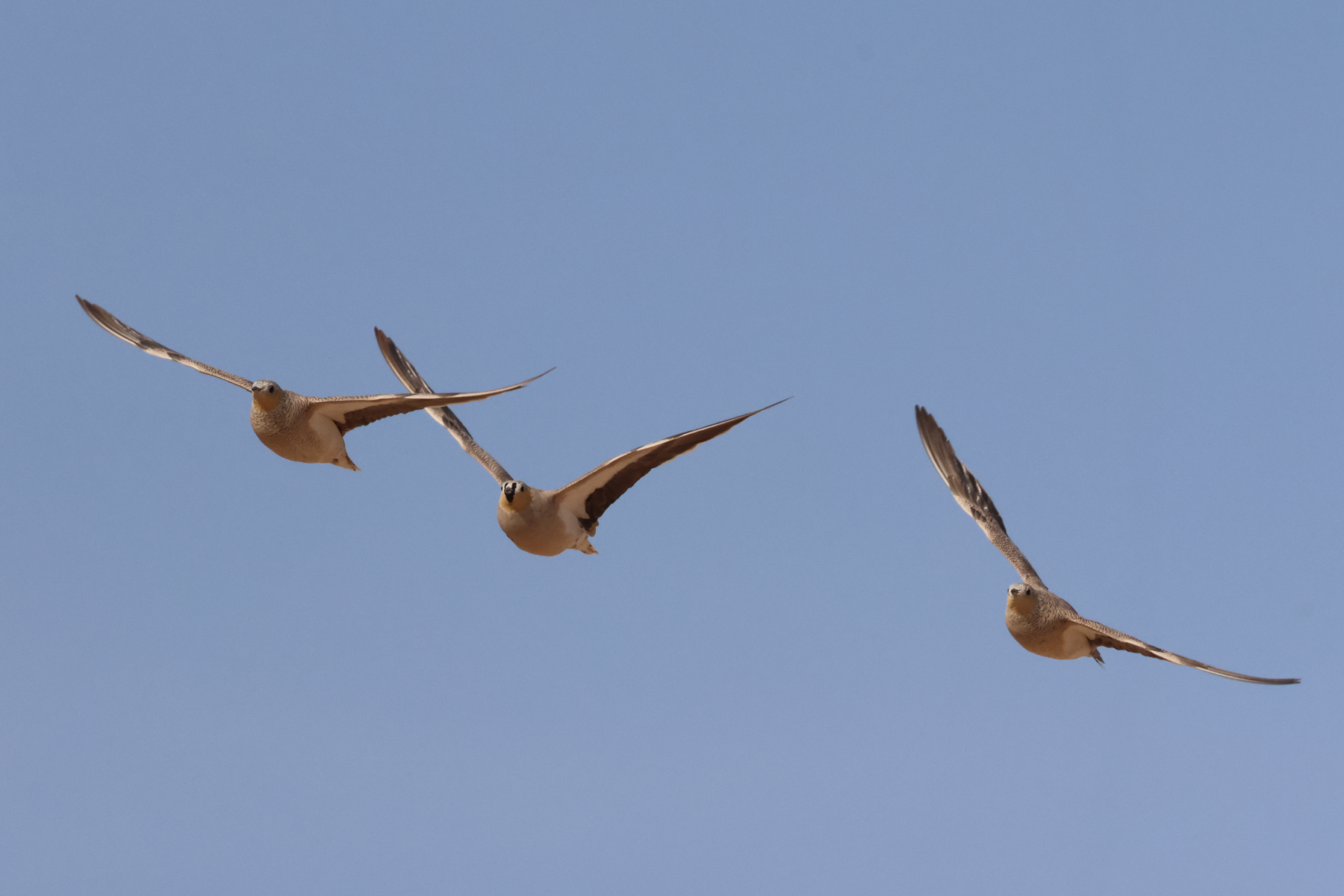
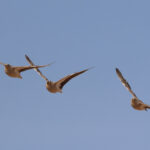
Crowned Sandgrouses (image by Hannu Jännes)
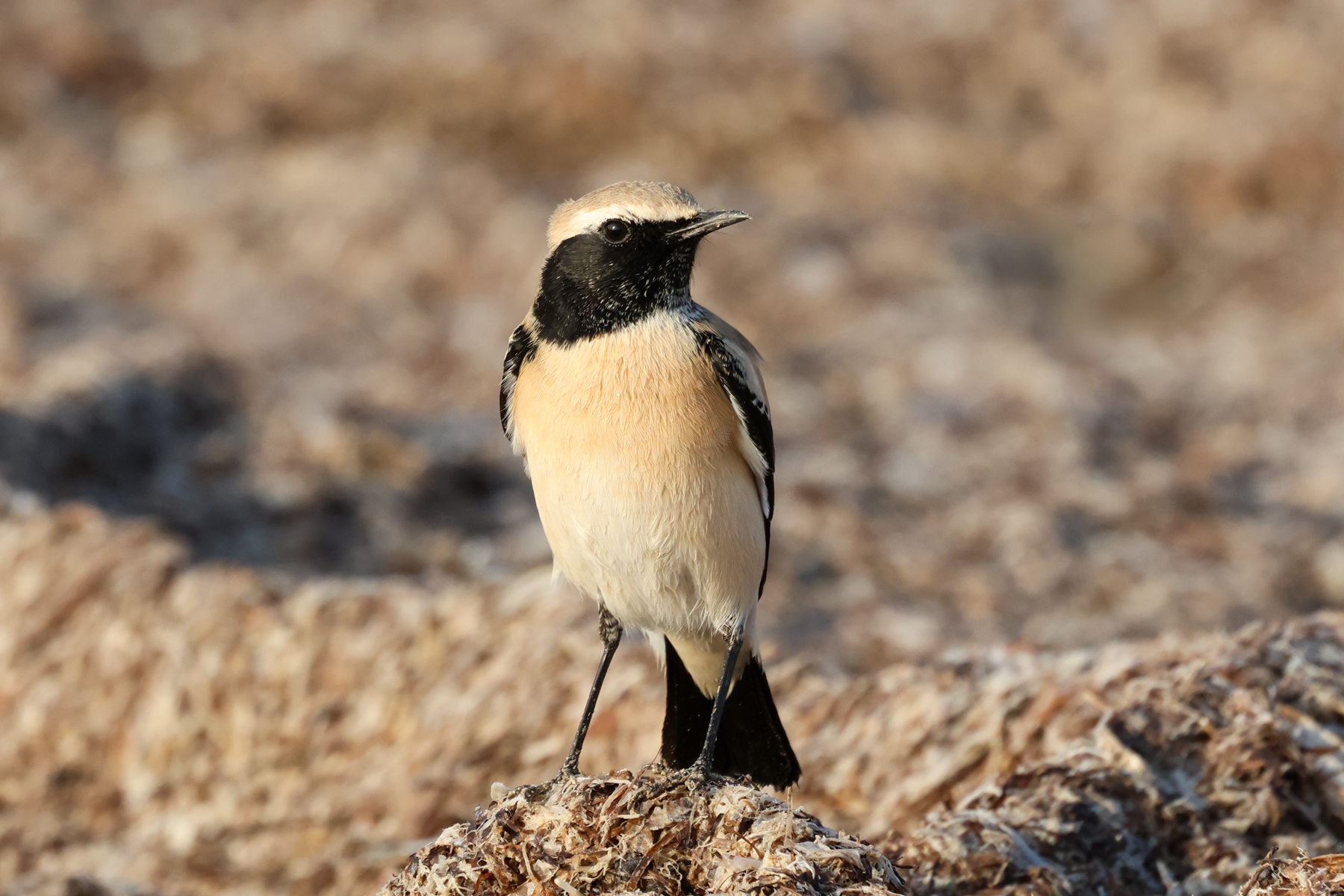
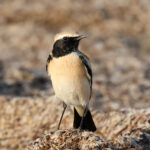
Desert Wheatear (image by Hannu Jännes)
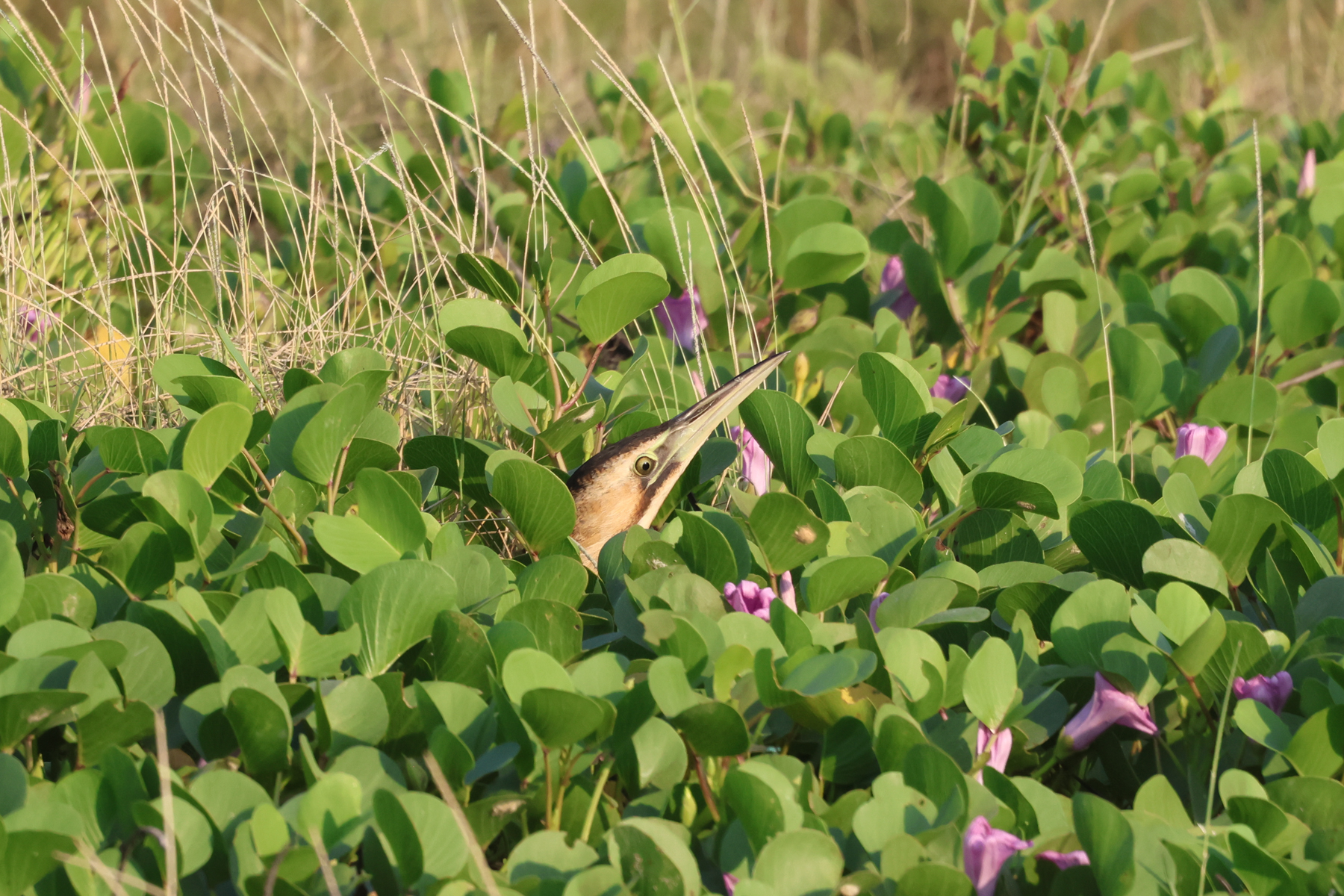
Eurasian Bittern (image by Hannu Jännes)
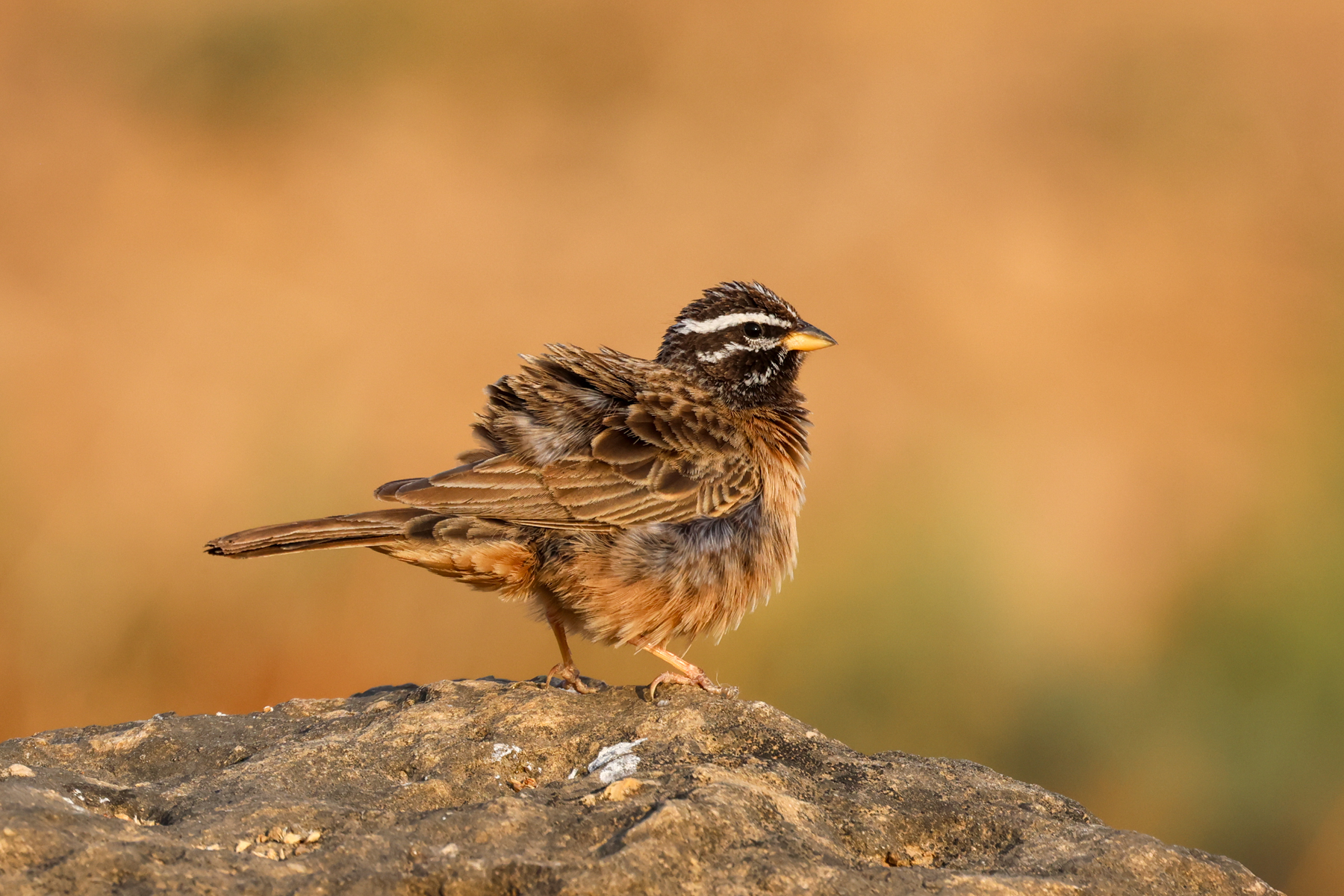
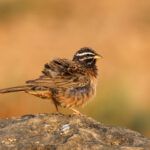
Cinnamon-breasted Bunting (image by Hannu Jännes)
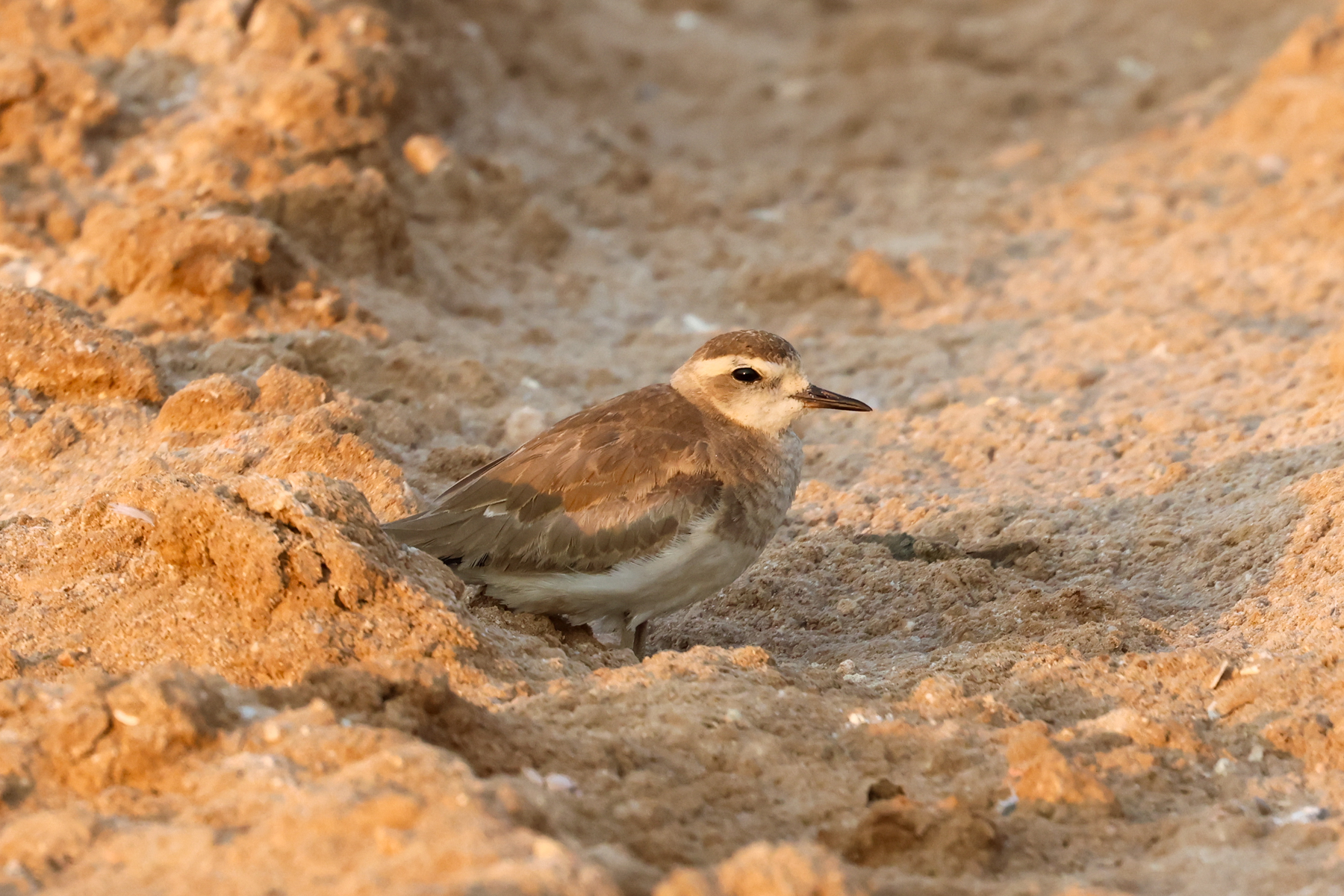
Caspian Plover (image by Hannu Jännes)
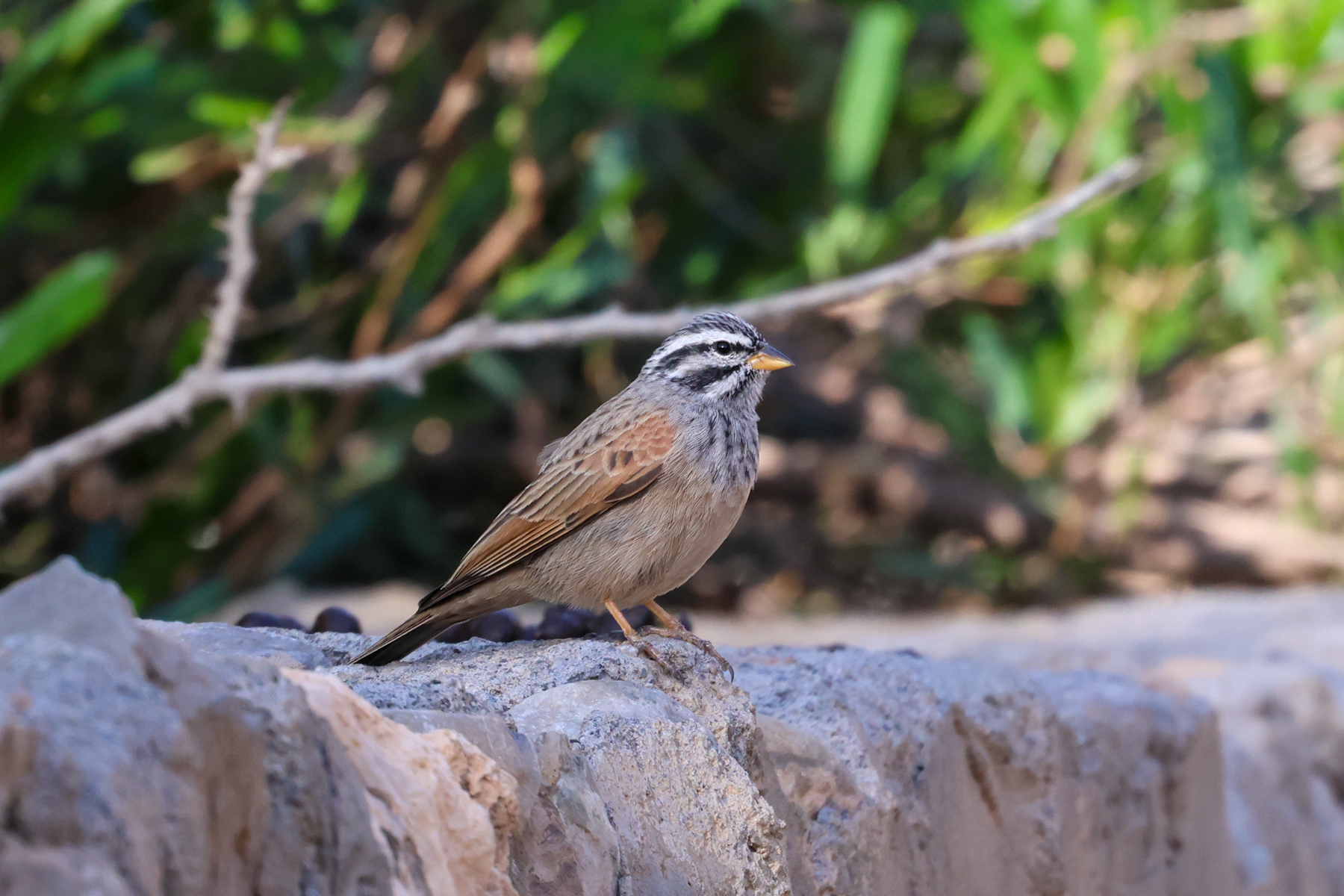
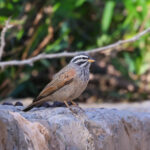
Striolated Bunting (image by Hannu Jännes)
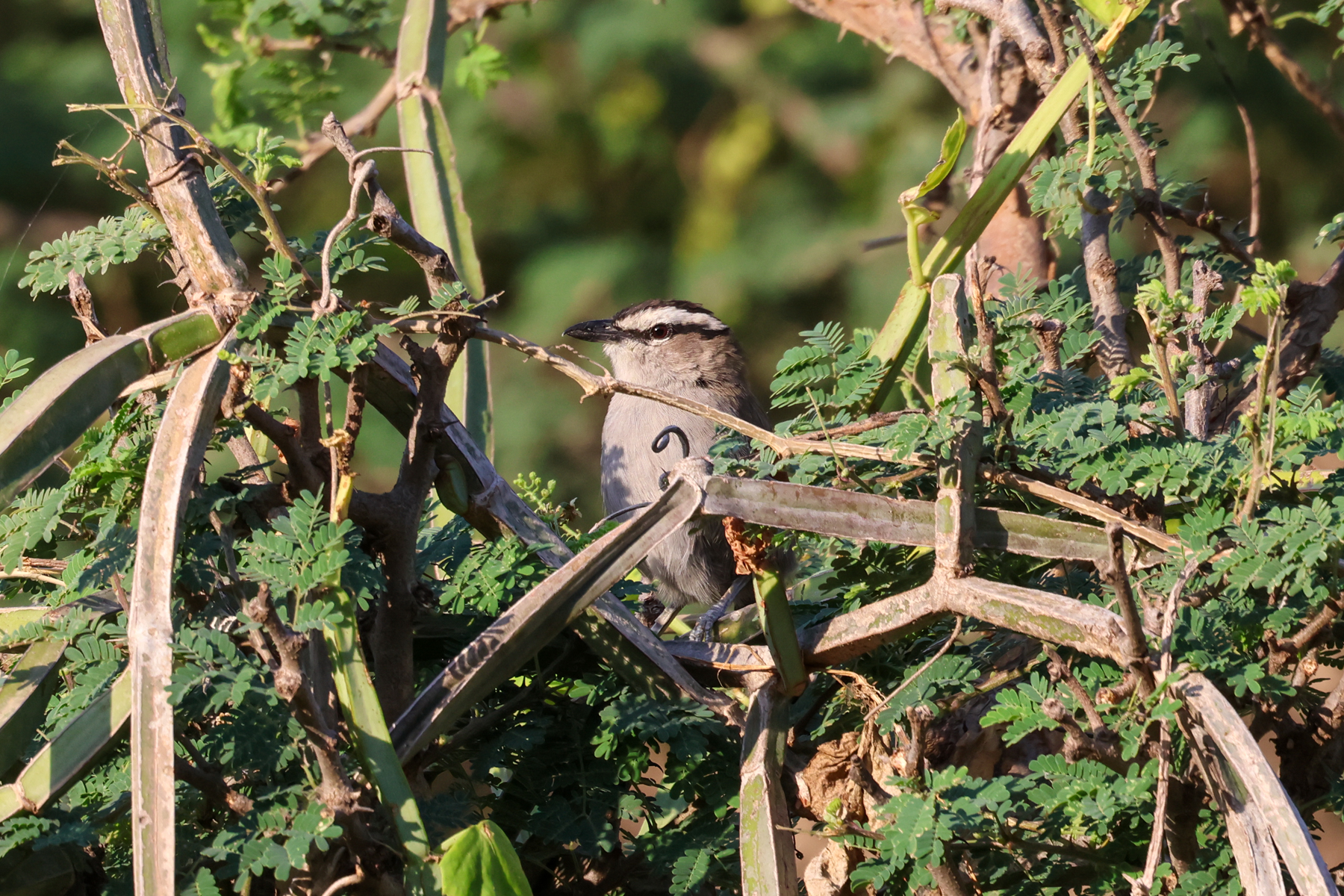
Black-crowned Tchagra (image by Hannu Jännes)
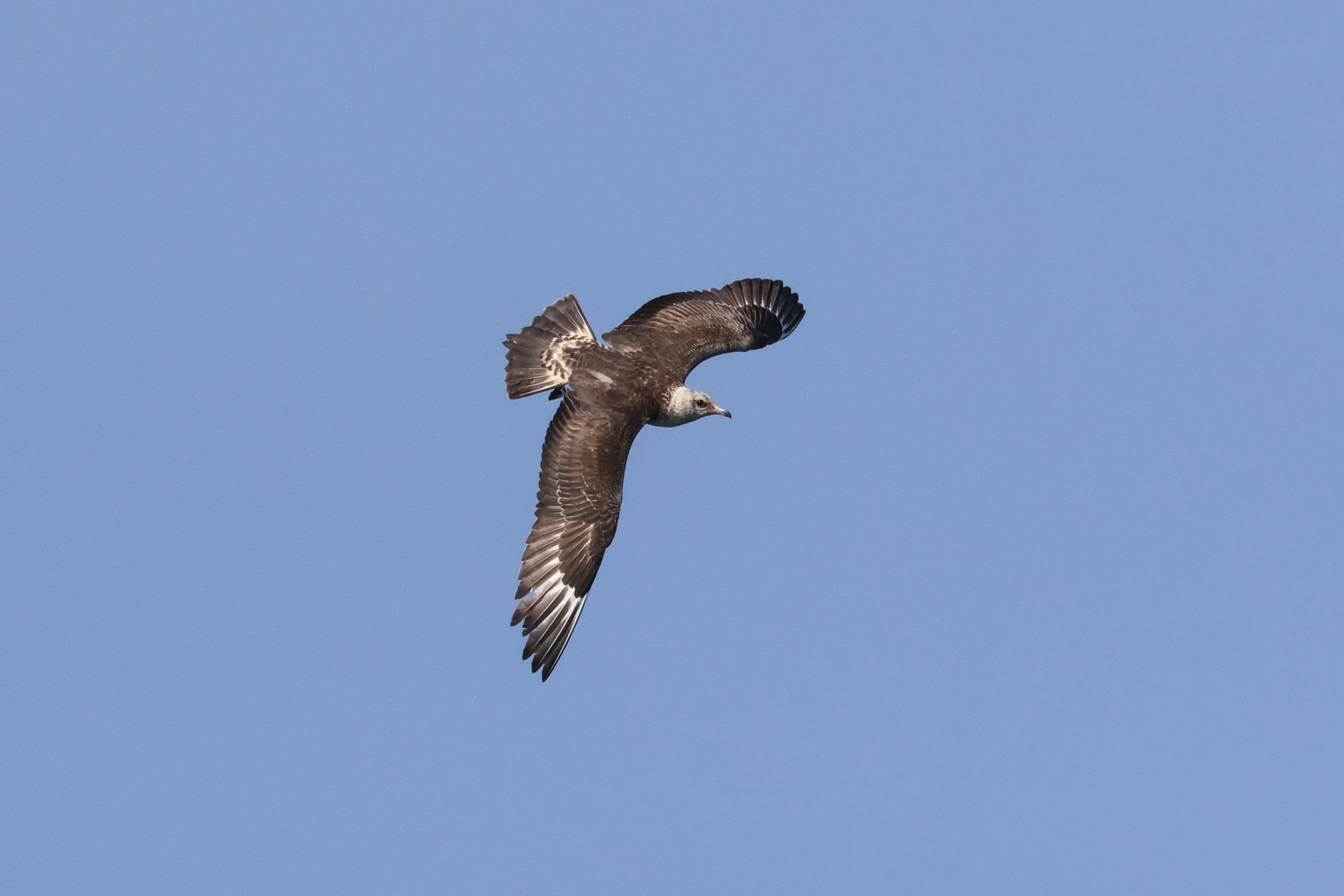
Arctic Skua (image by Hannu Jännes)
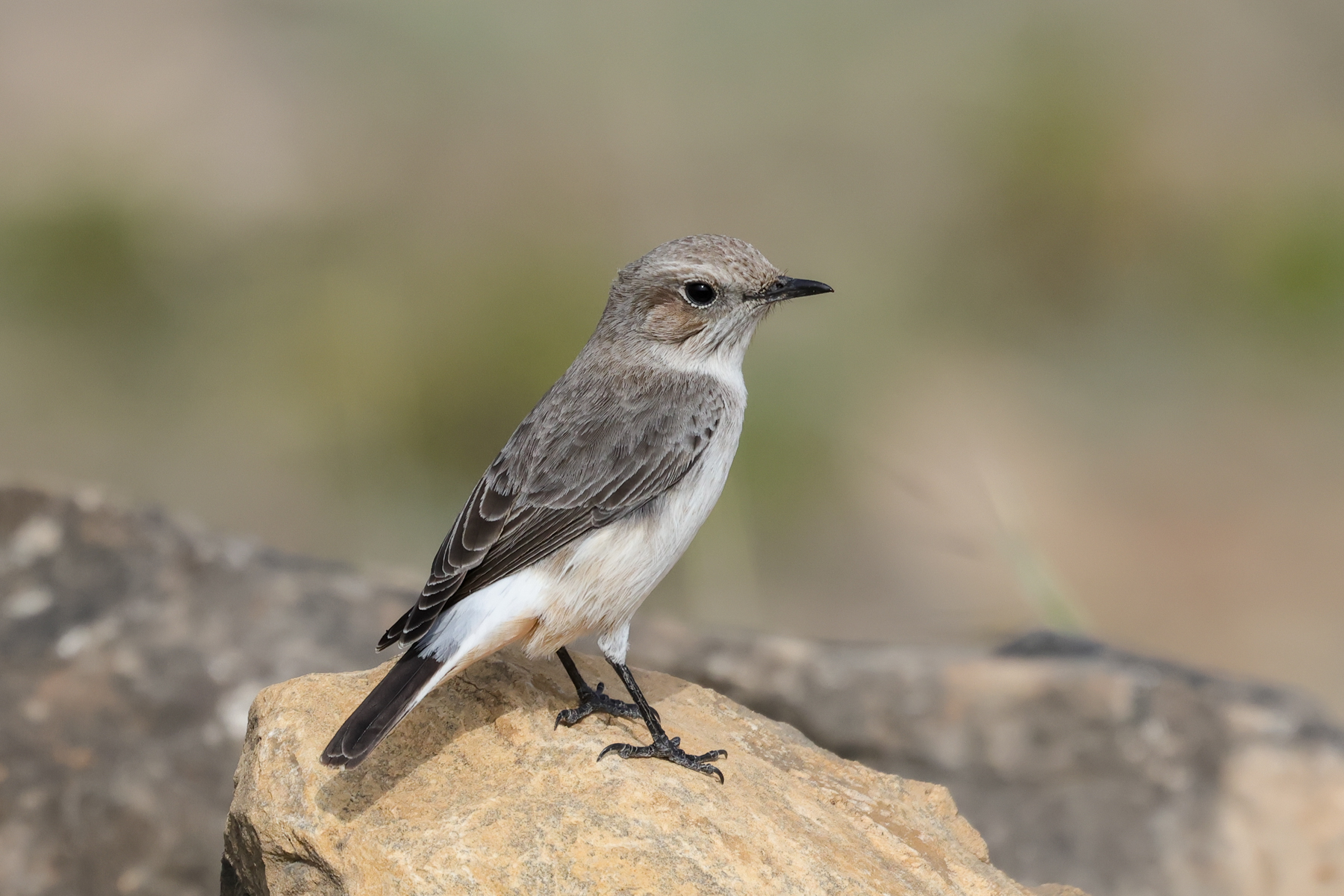
Arabian Wheatear (image by Hannu Jännes)
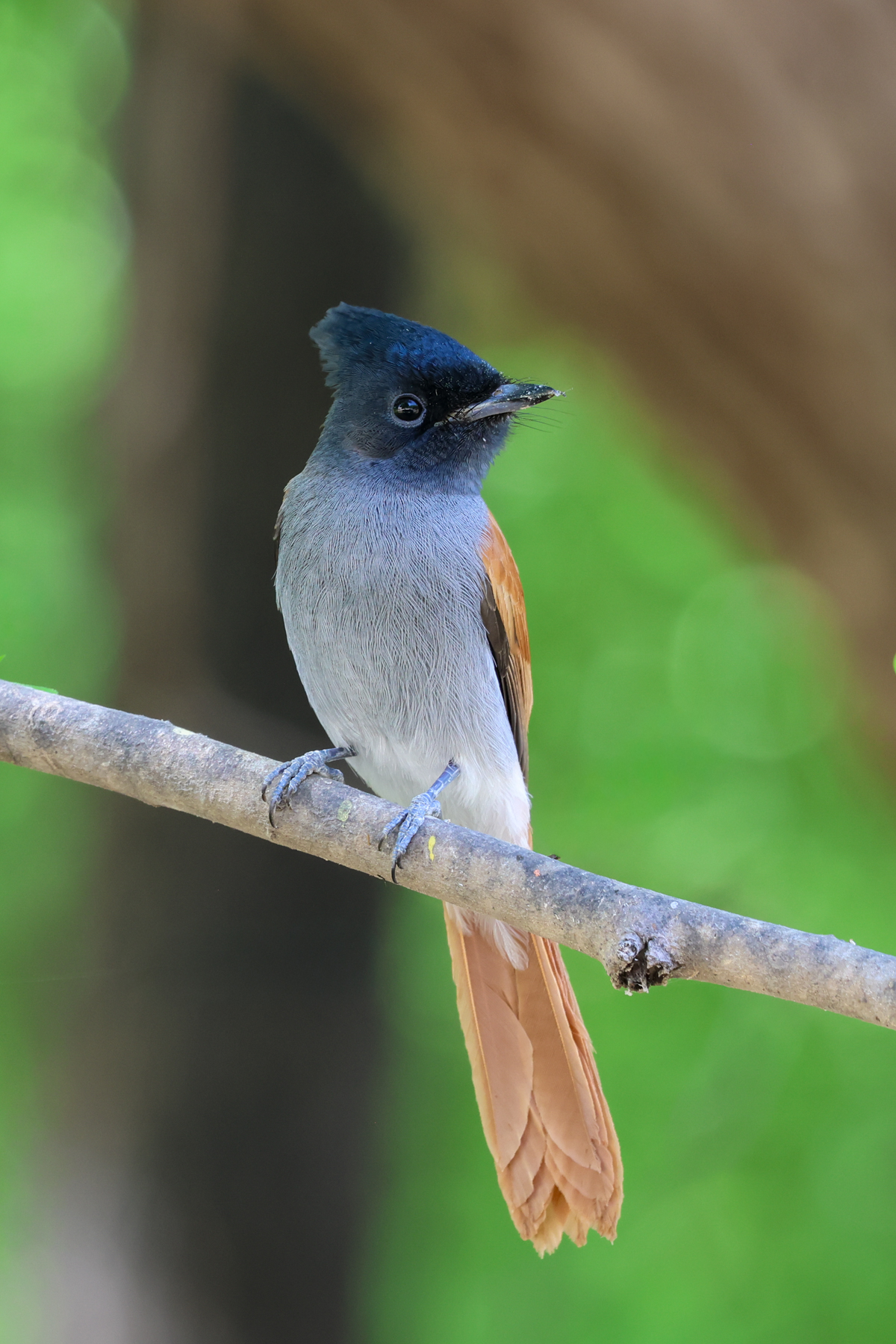
African Paradise Flycatcher (image by Hannu Jännes)
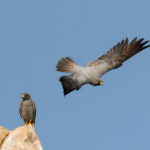
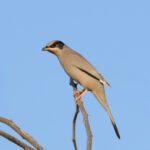
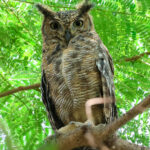
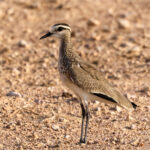


Sooty Falcons (image by Hannu Jännes)
Grey Hypocolius (image by Hannu Jännes)
Arabian Eagle-Owl (image by Hannu Jännes)
Sociable Lapwing (image by Hannu Jännes)
Arabian Wheatear (image by Hannu Jännes)
Yemen Serin (image by Hannu Jännes)
Jouanin's Petrel (image by Hannu Jännes)
Sooty Falcon (image by Hannu Jännes)
Hooded Wheatear (image by Hannu Jännes)
White-winged Tern (image by Hannu Jännes)
Tibetan Sandplover (image by Hannu Jännes)
Sooty Falcon juvenile (image by Hannu Jännes)
Sooty Gull (image by Hannu Jännes)
Plain Leaf Warbler (image by Hannu Jännes)
Red-tailed Wheatear (image by Hannu Jännes)
Grey Hypocolius (image by Hannu Jännes)
Common Dolphin (image by Hannu Jännes)
Pied Wheatear (image by Hannu Jännes)
Persian Shearwater (image by Hannu Jännes)
African Paradise Flycatcher (image by Hannu Jännes)
Isabelline Wheatear (image by Hannu Jännes)
Osprey (image by Hannu Jännes)
Tree Pipit (image by Hannu Jännes)
Pacific Golden Plover (image by Hannu Jännes)
Group (image by Hannu Jännes)
Grey Hypocolius (image by Hannu Jännes)
Arabian Sunbird (image by Hannu Jännes)
Greater Hoopoe-Lark (image by Hannu Jännes)
Common Cuckoo (image by Hannu Jännes)
Sanderling (image by Hannu Jännes)
Crowned Sandgrouses (image by Hannu Jännes)
Desert Wheatear (image by Hannu Jännes)
Eurasian Bittern (image by Hannu Jännes)
Cinnamon-breasted Bunting (image by Hannu Jännes)
Caspian Plover (image by Hannu Jännes)
Striolated Bunting (image by Hannu Jännes)
Black-crowned Tchagra (image by Hannu Jännes)
Arctic Skua (image by Hannu Jännes)
Arabian Wheatear (image by Hannu Jännes)
African Paradise Flycatcher (image by Hannu Jännes)


OMAN & BAHRAIN TOUR REPORT 2025

24 October - 7 November 2025
Hannu Jännes
Birdquest’s sixteenth tour of Oman & Bahrain once again proved a great success recording a respectable 237 taxa of which 48 were Birdquest ‘diamond’ species (regional specialities) and included a number of interesting migrants and seabirds. In addition to the special birds Oman has to offer, the country, with its large numbers of migrating and wintering birds, offers great general birding in a near perfect climate making it highly recommended as a birding destination. Middle Eastern specialities and sought-after migrants encountered on the tour included Arabian and Sand Partridges, Socotra Cormorant, Persian Shearwater, Jouanin’s Petrel, Red-billed Tropicbird, Masked Booby, Verreaux’s Eagle, Lappet-faced Vulture, Red-knobbed Coot, the critically endangered Sociable Lapwing, great views of many Crab-plovers, Cream-coloured Courser, hundreds of Sooty Gulls, Spotted, Lichtenstein’s, Crowned and Chestnut-bellied Sandgrouse, African Collared Dove, Bruce’s Green Pigeon, Forbes-Watson’s Swift, magnificent views of Sooty Falcons at their breeding cliffs, two forms of Grey Shrike, Fan-tailed Raven, Greater Hoopoe-Lark, Black-crowned Sparrow-Lark, White-spectacled Bulbul, Streaked Scrub Warbler, Arabian, Asian Desert, Eastern Orphean and Ménétries’s Warblers, Plain Leaf Warbler, Abyssinian White-eye, Tristram’s Starling, Blackstart, Hooded, Hume’s, Red-tailed and Arabian Wheatears, Nile Valley, Palestine and Arabian Sunbirds, Arabian Babbler, Rüppell’s Weaver, Yemen Serin, Arabian Golden-winged Grosbeak and Striolated Bunting. Oman’s special owls have always been a highlight of the tour, and we were successful in finding the newly described Desert Owl (voted as a bird of the trip), Arabian Scops Owl and a pair of Arabian Eagle-Owls at their day roost. The Kingdom of Bahrain weighed in again with a wonderful pre-roost gathering of ca45 Grey Hypocolius and ‘Eastern’ Mourning and White-crowned Wheatears, bringing the total wheatear species seen on the tour to ten!
Oman remains the safest country in the Middle East with stunning landscapes, a great road network, generally good food and accommodation throughout and a warm welcome for tourists.
The tour began in the morning at a hotel near Muscat airport, from where we (minus Richard whose flight had been cancelled) headed straight to the shore of the Gulf of Oman at Ras as Sawadi, a low-lying promontory just west of Muscat, where we took two boats to one of the nearby islands. After climbing up the steep steps, we had great views and photo opportunities of ca10 adult and juvenile Sooty Falcons flying around us and perching on the cliff tops. Other birds noted whilst on the island included Red-tailed, Desert, Isabelline and Pied Wheatears, Asian Desert Warbler, and Long-billed Pipit, all new and exciting birds for us. Before heading back to the mainland, we had a short boat ride around some of the other islets, where we saw Peregrine Falcon, yet another Sooty Falcon, the very dark local morph of Little Heron (a.k.a. Striated Heron), small flocks of Red-necked Phalaropes and a Parasitic Jaeger. After finding a Steppe Grey Shrike, now lumped back to Great Grey Shrike, further inland, we headed to our pleasant hotel in Barka, where we enjoyed a good lunch and a short rest before heading out again in the afternoon. Our excursion to a nearby agricultural area produced some Grey Francolins, two Black-winged Kites (a scarce bird in Oman), Namaqua Doves, a few Common Hoopoes, many Indian Rollers, another Steppe Grey and two Isabelline Shrikes, Sand Martins, Delicate Prinia (a recent split from Graceful Prinia), many colourful Blue-cheeked Bee-eaters and Arabian Bee-eaters (one of the three species that resulted from the recent split of Little Green Bee-eater), Bank Mynas, Indian Silverbills, Purple Sunbirds and Red-vented, White-spectacled and White-eared Bulbuls, and, most importantly, a very confiding group of Arabian Babblers, an Arabian/Middle Eastern endemic, which can be tricky to find. Another great find, and a real surprise, was a flock of six Sociable Lapwings, a critically endangered species, that were hanging around with 50 or so Red-wattled Lapwings and a handful of Common Snipes on a recently harvested field. While we were watching the lapwings and babblers, Simon took Richard, who had caught up with the rest of us around noon, to see the Sooty Falcons, an important target bird for him.
Very early (read shortly after midnight) the next morning we headed for the Al Hajar mountains, home of the legendary Omani Owl, which unfortunately we couldn’t find this time and even the calling Pallid Scops Owl was very skittish and only glimpsed by some of us. As dawn broke, we enjoyed a picnic breakfast in the beautiful, remote wadi, before it was time for daylight birding! Birds included several Hume’s and Red-tailed Wheatears, Long-billed Pipit, a couple of Menetrie’s Warblers, our first Desert Larks, Black Redstarts, Blue Rock Thrush and Pale Crag Martins, many Striolated Buntings and a Plain Leaf Warbler, that was untypically shy and skittish. Probably the best bird of the morning was a male Hooded Wheatear, a scarce bird in Oman, which showed very well. After checking out of our hotel and a good lunch in an Indian restaurant, it was time to head for Nizwa for two nights stay. After a short rest and early dinner in Nizwa, we did quite a bit of owling in another wadi. Unfortunately, our efforts here didn’t produce much, not even a Pallid Scops Owl, which is usually easy to find here. We were back in our hotel around midnight.
Next morning, after a rather short night’s sleep, we drove the steep and windy road up to the Sayiq plateau (at 1900m asl), where we spent the first half of the day visiting the juniper clad valleys. Highlights included an Egyptian Vulture, many Brown-necked Ravens, high numbers of eastern Black Redstarts, Menetries’s and Eastern Orphean Warblers, numerous Lesser Whitethroats, an excellent pair of Streaked Scrub Warblers (our main target here), Pied, Hume’s and Red-tailed Wheatears and Common and Blue Rock Thrushes. It was also good to connect with a more confiding and showy Plain Leaf Warbler. Back in Nizwa we had lunch and a short rest. After doing the birdlist and enjoying drinks (including beer for some!) in a posh international hotel and dinner in a more modest local restaurant, it was time for more owling. This time we nailed the Pallid Scops Owl early on and had a great encounter with a duetting pair. The rest of the time was spent in an area where I had heard a very distant Omani Owl and a closer Pharaoh Eagle-Owl on my recce a week earlier, but despite a long wait till almost midnight, nothing happened and we retreated to Nizwa for some rest.
Nexr day we headed for the tidal shores of Barr Al Hickman. After a relatively early start and quick box breakfast en route we reached the shoreline just before the peak of the high tide. It was thronged with waders and other wading birds and it didn’t take us long to locate Great Knots, our main target bird here, and we also identified Grey and Common Ringed Plovers, Greater and Tibetan Sand Plovers, Eurasian Whimbrel, Eurasian Curlew, Bar-tailed Godwit, Curlew Sandpiper, Dunlin, Little Stint, Broad-billed Sandpiper, Terek Sandpiper, Common Greenshank, Common Redshank and even distant Crab-plovers. Next came a visit to the Shannah area, where we spent good part of the afternoon admiring waders at close quarters and also checked the port itself for anything interesting. The highlight was good numbers of Crab-plovers, including several close-up individuals. At sunset we drove to the town of Mahoot, where after checking in to our pleasant accommodation, we had a very good dinner in a local restaurant.
Next morning, at sunrise, we were back on the shoreline concentrating our birding efforts around the Filim desalination plant, which, with its nearby stands of mangroves, is a well-known birding hotspot. Here, thanks to Trevor’s sharp eyes, we found a single Yellow Bittern, always a good bird in Oman, some stranded migrants, including Tree Pipits, Spotted Flycatcher, Red-backed and Red-tailed Shrikes and Western Yellow Wagtails, a good selection of waders including showy and vocal Terek Sandpipers, and singing Clamorous Reed Warblers. Then late breakfast in our favorite restaurant before leaving for the pastures new! The long drive to our next destination, Qitbit oasis, was interrupted by a short birding stop (Griffon Vulture and Asian Desert Warbler), a photo op at some impressive sand dunes, a lunch break and a longer late afternoon birding stop at the Al Ghaftayn oasis. The oasis was full of birds and we managed to find a number of interesting ones including Barred Warbler, couple of Menetries’s Warblers, Lesser and Common Whitethroats, Eurasian Blackcaps, a single Plain Leaf Warbler, a handful of Common Chiffchaffs, good numbers of Spotted Flycatchers, a single Bluethroat, Black Redstarts, Common Cuckoo, a handful of European Rollers, and, best of all, an Asian Koel and at least three Oriental Turtle Doves, both scarce winter visitors to Oman. In addition, Richard saw a Red-rumped Swallow, a rare bird on this itinerary. At Qitbit oasis in the evening we had a somewhat chaotic check-in (which is usual here) and good dinner in the local restaurant, before heading to another oasis, where we soon located an Egyptian Nightjar providing good views. In addition, we found some Cape Hares and two Rüppell’s Foxes that were clearly after some hare meat.
The next morning we were back in the same oasis, where, whilst waiting for the sandgrouse to arrive, we enjoyed yet another field breakfast and had great views of an out-of-the-place Red-necked Phalarope, a beautiful adult male Pallid Harrier, our first Great Grey Shrike of the form aucheri, co-operative Asian Desert Warblers, a single Water Pipit, a juvenile Purple Heron, a distant Greater Hoopoe-Lark, Isabelline and Red-tailed Shrikes and Tawny Pipit. Eventually the sandgrouse arrived, and we saw a total of nine handsome Spotted and 19 Chestnut-bellied. Later, a short birding session in the heavily overgrown garden of our accommodation gave us good views of a Bluethroat, Red-breasted Flycatcher, a confiding Common Cuckoo, a single, somewhat flighty, Rosy Starling and the first Temminck’s Stint of the tour. In the afternoon on the way to the truck-stop town of Thumrayt, we visited a complex of several farms in the middle of the central desert, where cultivation of grass on a large scale often attracts good numbers of migrating and wintering birds. For some reason unknown there was little to see this time, and the only new bird for our list was Greater Short-toed Lark.
The following morning was spent in Mudday, a small village situated ca 80 kms west of Thumrayt. Highlights here included several confiding Blackstarts, good views of Crowned (38 in total), three Lichtenstein’s and several flocks of Chestnut bellied Sandgrouse and our first African Silverbills. In the afternoon we checked another area of farms, where we connected with a photogenic juvenile Sociable Lapwing and later sighted a more distant flock of 16 birds. Other birds seen during the afternoon included three forms of Yellow and two forms of White Wagtail, Red-throated Pipit, a couple of Montagu’s Harriers, good numbers of White Storks and several confiding and photogenic Greater Hoopoe Larks.
The following morning, we were back in the general area of Mudday, where our aim was to try and find couple of species we had missed the previous day. The first, Sand Partridge, took quite a lot of searching for, but in the end, we had good scope views of a group of three birds. African Collared Dove also played hard to get but an intensive search rewarded us with couple of different birds. Unfortunately, the third target bird, Nile Valley Sunbird, showed only for Richard, who managed to take couple of photos of the bird before it disappeared for good. Later we headed down to the coast and the city of Salalah, where we had late lunch and short break in our posh hotel. On the way we encountered a flock of four Lappet-faced Vultures and paid a quick visit to Wadi Dokah, a World Heritage site for the Incense Tree Boswellia serrata. In Salalah a late afternoon visit to the magnificent East Khwar gave us an opportunity to get close-up views of a number of wetland species, many of which were new for the trip, including Garganey, Northern Shoveler, Common Moorhen, Eurasian Coot, Little Grebe, Black-winged Stilt, Black-tailed Godwit, Temminck’s Stint, Wood Sandpiper, Ruff, Little Stint, Little, Caspian Great Crested, Whiskered and White-winged Terns, hundreds of Glossy Ibises, Squacco Heron, Citrine Wagtail and a showy Graceful Prinia.
Our first full day in Salalah began before sunrise in a wadi where we soon found our main target Arabian Scops Owl, which eventually provided good views for all. We also heard an Arabian Eagle-Owl giving its distinctive hooting, but the bird decided to stay out sight and there was also a pack of Grey Wolves howling somewhere further away! When walking back towards our vehicles at dawn a single Grey Wolf rushed past us and was later seen again while walking on a steep slope and disappearing on the other side of a ridge! The remainder of the morning was spent birding in this and the next wadi and a stretch of a dry plateau, where best birds included our first Bonelli’s, Steppe and Imperial Eagles, Forbes-Watson’s Swift, Grey-headed Kingfisher, Black-crowned Tchagra, Tristram’s Starling, Long-billed Pipit, gorgeous African Paradise Flycatchers, a few Graceful Prinias, three Arabian Warblers, Abyssinian White-eye, Arabian Sunbird (a recent split from Shining Sunbird), Rüppell’s Weaver, African Silverbill, Scaly-breasted Munia, many Cinnamon-breasted Buntings, Black Stork, a scarce bird here, and a single Arabian Partridge for some. On the way back to our hotel a roadside stop rewarded us with three Cream-coloured Coursers and several pairs of displaying Black-crowned Sparrow-Larks. After lunch and short siesta we visited yet another wadi, where, after a search, we had brilliant close-up views of a pair of Arabian Eagle-Owls. Other birds sighted here included Indian Pond Heron, our first Little Egrets and Black-crowned Night Herons of the tour, a wonderful mixed flock of Alpine and Forbes-Watson’s Swifts circling overhead, a rather distant Eurasian Golden Oriole and a few Fan-tailed Ravens.
Next morning found us at the harbour of Mirbat, where we boarded our boat for a pelagic excursion. During the morning our captain took us several kilometres offshore stopping at regular intervals to chum on the relatively calm sea. and we enjoyed a great seabird experience with many Jouanin’s Petrels and Persian Shearwaters, a few Masked Boobies, the first Socotra Cormorants of the tour, an Arctic Skua, many Bridled Terns, good numbers of Red-necked Phalaropes and one of each of Flesh-footed Shearwater and Wilson’s Storm Petrel. In addition, we had a magnificent close-up encounter with a school of Common Dolphins, and we also saw a Bryde’s Whale plus Green and Olive Ridley Turtles. Back in Mirbat harbour a Red-billed Tropicbird was flying around, a very good bird here. After the boat trip it was time for a relaxed lunch in a seafood restaurant near the harbour. In the afternoon we headed for the mountains east of Salalah visiting Jabal Samhan, a wonderful site on the escarpment. It didn’t take us to long find our main target the amazing Verreaux’s Eagle, and we had a pair flying around and also sitting on a distant cliff. At one point a Steppe Eagle came too close to the nesting cliff of the Verreaux’s Eagle, and it was chased away by a brutal attack. Other birds seen here included a European Hobby, some showy Tristram’s Starlings and Fan-tailed Ravens and a pair of Arabian Wheatears. The last stop of the afternoon was at Tawi Atayr, the site of an immense limestone sinkhole where Yemen Serin was found by cavers in 1997 more than 1000km from the nearest population in Yemen (although it has since been found at another sinkhole to the west of Salalah). We found the serin almost immediately after leaving our vehicles and had good views of a small group. Another target bird, Arabian Partridge, took some finding, but in the end, we had good scope views of a small group of birds foraging on the edge of the sinkhole. Palestine Sunbird and Singing Bush Lark were two other new birds here.
The next day began with a somewhat tricky drive into another big wadi, which is currently the only reliable site for the much needed Arabian Golden-winged Grosbeak in the Salalah area. After a field breakfast and a short walk across rocky terrain we reached the hotspot, the entrance to a big cave, where the grosbeaks (and many other birds) come to drink from stalactites dripping with water. It didn’t take us long to see the first grosbeak to pay a short visit, but we had to wait a lot longer for the second visit and better views for all. Other birds seen during the morning included Forbes-Watson’s Swifts, Tristram’s Starlings, Arabian and Palestine Sunbirds, Cinnamon-breasted Buntings, and best of all a handful of Bruce’s Green Pigeons, a new bird for us. Raptors were also well represented in these highlands and during the morning we came across Short-toed Snake Eagle, Griffon Vulture, Booted, Steppe and Eastern Imperial and Bonelli’s Eagles, Eurasian Sparrowhawk and Montagu’s and Western Marsh Harriers. Non-avian highlights included an Arabian Chameleon and a Rock Hyrax. Before lunch in the hotel, we paid a short visit to East Khwar, seeing all the usual suspects, but nothing new. In the afternoon we paid a visit to my old stake-out for Spotted Thick-knee, but the area was seriously disturbed by construction work and the thick-knees were gone and a lagoon where a Black Egret had been sighted recently but it remained disappointingly absent during our visit. Then it was time for late afternoon birding in the al Mughsayl area, where a short seawatching session produced some Brown Noddies, a new species for us, and a hundred or so Persian Shearwaters. The lagoon itself held a good selection of birds including the only Gadwalls and Red-knobbed Coots of the tour, but the biggest surprise came in the form of an African Wild Cat that came down to the lagoon for a sip of a water before disappearing back into the mountains. Proving that it really was a wild cat is difficult but it certainly ticked all the right boxes. At sunset we headed for the traditional Desert Owl site and bagged this co-operative owl with ease. It is no wonder that this very charismatic owl was once again voted as the bird of the trip.
For the last full day in Oman the group was split between those who wanted to drive back to Mudday to try to see the Nile Valley Sunbird and those who wanted to have more relaxed birding in the Salalah area. The Salalah team headed first to a small roadside wetland east of the city, where the best bird was a Baillon’s Crake. After nice breakfast in the hotel, the group then visited the river mouth near Raysut, always a nice birding spot, where the highlights included three Great Spotted Eagles and some Broad-billed Sandpipers. Then it was time to visit the Raysut water treatment plant, a very birdy place, but unfortunately nowadays closed to visitors. We did however scan the area through the fence and found, amongst the large numbers of birds, two Spur-winged Plovers, which was a new bird for us. On the way back to the hotel we re-checked the khwar, where the Black Egret had been seen and the Spotted Thick-knee area, but draw a blank at both sites. The other team arrived back from Mudday just in time for lunch. They had encountered many of the same species we had seen there on our previous visit, but unfortunately not the sunbird. In the afternoon, after a short visit to East Khwar, we headed for West Khwar, where we first found an Eurasian Bittern (a new bird for this itinerary!) and then, thanks to Richard’s perseverance, a fine Caspian Plover. At dusk we tried another site for the Spotted Thick-knee and finally connected with a group of four birds that showed very well.
On our last morning in Salalah some of us still had the stamina to check out an agricultural area close to our hotel. The hoped for Singing Bush Larks were not around but we saw a single Sociable Lapwing, always a good bird, and a Black-winged Kite, another scarce bird in the Salalah area. Then it was time to fly to Muscat, where we said our goodbyes to Richard, Kaj, Simon and Trevor, who were not joining us for the extension, before heading to Bahrain for a two-night stay. The journey to Bahrain went smoothly and we arrived at our comfortable hotel in Manama around sunset.
Our full day in Bahrain began around small pools on the edge of the Sanad Mangroves, where new birds included Purple Swamphen and Pallid Swift. Next came a visit to the arid hills of Jabal ad Dukhan, where we eventually managed to locate our main target, the ‘Eastern’ (or Persian) Mourning Wheatear, a potential split from Mourning Wheatear. In addition, the same area produced two White-crowned Wheatears which was a bit of a surprise as they are late winter visitors and thus not normally seen on the tour. The Al Areen Wildlife Park gave us African Sacred Ibis, but not much else, and then it was time for a delicious lunch in a nice restaurant. The afternoon was spent in the Hypocolius pre-roost area, which consists of patches of acacia scrub, where the birds congregate before flying off to their roost, presumably in the palms of VIP gardens. As usual, there was no large build up, just lots of comings and goings. We counted around 45 of these unique, superb-looking birds during the afternoon. Another new bird for the tour was a nice Spanish Sparrow. Back at the hotel we had dinner and drinks after which it was time to say our goodbyes, and to thank everyone for their excellent company, which, together with all the wonderful birds and exciting places combined to make such a memorable trip. Special thanks to my assistant guides Simon and Trevor, who did such a great job driving their vehicles and looking after all of us.
BIRD OF THE TRIP
BIRDS OF THE TOUR
1st: Desert Owl
2nd: Sooty Falcon
3rd: Arabian Golden-winged Grosbeak
4th: Arabian Eagle-Owl
5th: Sociable Lapwing
Extension: Grey Hypocolius
SYSTEMATIC LIST OF SPECIES RECORDED DURING THE TOUR
Species marked with the diamond symbol (◊) are either endemic to the country or local region or considered ‘special’ birds for some other reason (e.g., it is only seen on one or two Birdquest tours; it is difficult to see across all or most of its range; the local form is endemic or restricted-range and may in future be treated as a full species).
The species names and taxonomy used in the bird list follow Gill, F., Donsker, D., & Rasmussen, P. (Eds). 2025. IOC World Bird List (v15.1).
BIRDS
Garganey Spatula querquedula
Northern Shoveler Spatula clypeata
Gadwall Anas strepera
Northern Pintail Anas acuta
Green-winged Teal Teal Anas crecca
Grey Francolin (introduced) Ortygornis pondicerianus A few were seen and heard around Barka in northern Oman and again in Bahrain.
Sand Partridge ◊ Ammoperdix heyi Endemic to Arabian Peninsula and Middle East. Sighted in the Mudday area only.
Arabian Partridge ◊ Alectoris melanocephala Endemic to southern half of the Arabian Peninsula. Good views of a small group at Tawi Attair and a singleton for some at Ayn Khees.
Greater Flamingo Phoenicopterus roseus
Little Grebe Tachybaptus ruficollis
Asian Koel Eudynamus scolopaceus One at the Al Ghaftain oasis.
Common Cuckoo Cuculus canorus A total of four birds, with some excellent views, were noted.
Chestnut-bellied Sandgrouse Pterocles exustus Rather common in the central desert from Muntasar to Mudday.
Spotted Sandgrouse ◊ Pterocles senegallus A flock of nine at Muntasar and another flock of 25 birds at Qitbit the same day.
Crowned Sandgrouse ◊ Pterocles coronatus Few flocks were sighted in the Mudday area.
Lichtenstein’s Sandgrouse ◊ Pterocles lichtensteinii Great views of three at Mudday and one heard only bird elsewhere.
Laughing Dove (Palm D) Spilopelia senegalensis
Oriental Turtle Dove (Rufous T D) Streptopelia orientalis At least three birds at Qitbit. Subspecies meena.
Eurasian Collared Dove Streptopelia decaocto
African Collared Dove ◊ Streptopelia roseogrisea This bird is getting tricky in the Mudday area. Only two were noted.
Rock Dove Columba livia
Namaqua Dove Oena capensis Small numbers on six days.
Bruce’s Green Pigeon ◊ Treron waalia Only seen in Wadi Darbat, where a total of six birds were sighted.
Common Moorhen Gallinula chloropus
Eurasian Coot Fulica atra
Red-knobbed Coot Fulica cristata Three birds at al Mughsail.
Purple Swamphen (Grey-headed S) Porphyrio [porphyrio] poliocephalus A few in Bahrain.
Baillon’s Crake Zapornia pusilla Good views of one in a small roadside wetland near Salalah.
Spotted Thick-knee Burhinus capensis It took some finding, but in the end, we had a good encounter with four birds.
Black-winged Stilt Himantopus himantopus
Eurasian Oystercatcher Haematopus ostralegus
Grey Plover (Black-bellied P) Pluvialis squatarola
Pacific Golden Plover Pluvialis fulva
Common Ringed Plover Charadrius hiaticula
Little Ringed Plover Charadrius dubius
Spur-winged Lapwing Vanellus spinosus Two in Salalah.
Red-wattled Lapwing Vanellus indicus
Sociable Lapwing ◊ Vanellus gregarius Four sightings of a total of 23 birds including an excellent juvenile bird. Critically endangered.
Caspian Plover ◊ Anarhynchus asiaticus Brilliant views of one in Salalah.
Tibetan Sand Plover Anarhynchus atrifrons
Greater Sand Plover Anarhynchus leschenaultii
Kentish Plover Anarhynchus alexandrinus
Eurasian Whimbrel Numenius phaeopus
Eurasian Curlew Numenius arquata
Bar-tailed Godwit Limosa lapponica
Black-tailed Godwit Limosa limosa
Common Snipe Gallinago gallinago
Terek Sandpiper Xenus cinereus
Common Sandpiper Actitis hypoleucos
Red-necked Phalarope Phalaropus lobatus
Green Sandpiper Tringa ochropus
Marsh Sandpiper Tringa stagnatilis
Wood Sandpiper Tringa glareola
Common Redshank Tringa totanus
Common Greenshank Tringa nebularia
Ruddy Turnstone Arenaria interpres
Great Knot Calidris tenuirostris Three birds with Bar-tailed Godwits at Barr al Hikmann.
Ruff Calidris pugnax
Broad-billed Sandpiper ◊ Calidris falcinellus Sighted at Barr al Hikman and in Salalah.
Curlew Sandpiper Calidris ferruginea
Temminck’s Stint Calidris temminckii
Sanderling Calidris alba
Dunlin Calidris alpina
Little Stint Calidris minuta
Crab-plover Dromas ardeola Good numbers with several close-up birds in Barr Al Hikman.
Cream-colored Courser Cursorius cursor A flock of three in Salalah.
Parasitic Jaeger (Arctic Skua) Stercorarius parasiticus Two sightings, one at Ras as Sawadi and another one off Mirbat.
Brown Noddy Anous stolidus Four at al Mughsail near Salalah.
Bridled Tern Onychoprion anaethetus Rather common during boat trip off Mirbat.
Little Tern Sternula albifrons
Caspian Tern Hydroprogne caspia
Gull-billed Tern Gelochelidon nilotica
Whiskered Tern Chlidonias hybrida
White-winged Tern (W-w Black T) Chlidonias leucopterus
Sandwich Tern Thalasseus sandvicensis
Greater Crested Tern Thalasseus bergii
Lesser Crested Tern Thalasseus bengalensis
Common Tern Sterna hirundo
Slender-billed Gull Chroicocephalus genei
Black-headed Gull Chroicocephalus ridibundus One in Salalah and 25 or so in Bahrain.
Sooty Gull ◊ Ichthyaetus hemprichii
Caspian Gull Larus cachinnans Non-leader. One for Martin at Shannah.
Lesser Black-backed Gull Larus [fuscus] heuglini Regularly encountered but in smaller numbers than the next species.
Lesser Black-backed Gull ◊ (Steppe G) Larus [fuscus] barabensis The commonest large gull at all coastal sites visited.
Red-billed Tropicbird ◊ Phaethon aethereus One yellow-billed young bird in Mirbat harbor was a nice surprise.
Wilson’s Storm Petrel Oceanites oceanicus Scarce this year with only one on the Mirbat pelagic.
Jouanin’s Petrel ◊ Bulweria fallax Endemic to seas surrounding the Arabian Peninsula. Good numbers, with some excellent views, on our pelagic off Mirbat.
Flesh-footed Shearwater Ardenna carneipes Good views of a single bird circling our boat off Mirbat.
Persian Shearwater ◊ Puffinus persicus Endemic to seas surrounding the Arabian Peninsula. Good numbers, with excellent views, on our pelagic off Mirbat. Also 100 or so off the coast at al Mughsail.
Black Stork Ciconia nigra One adult bird at Ayn Hamran. A rather scarce species on this tour.
White Stork Ciconia ciconia
Abdim’s Stork Ciconia abdimii Common in the Salalah area.
Masked Booby Sula dactylatra A few on the Mirbat pelagic.
Great Cormorant Phalacrocorax carbo
Socotra Cormorant ◊ Phalacrocorax nigrogularis Endemic to seas surrounding the Arabian Peninsula. A total of four birds on our pelagic off Mirbat.
Glossy Ibis Plegadis falcinellus
Eurasian Spoonbill Platalea leucorodia
African Sacred Ibis Threskiornis aethiopicus Noted in Bahrain.
Yellow Bittern Botaurus sinensis One at Filim.
Eurasian Bittern Botaurus stellaris One with good views in Salalah. A new bird for this tour.
Little Egret Egretta garzetta
Western Reef Heron (W R Egret) Egretta gularis
Black-crowned Night Heron Nycticorax nycticorax
Little Heron Butorides atricapilla
Indian Pond Heron Ardeola grayii
Squacco Heron Ardeola ralloides
Great Egret Ardea alba
Medium Egret Ardea intermedia One in Salalah. With the very recent three-way split of Intermediate Egret, the form we encountered becomes Medium Egret Ardea intermedia.
Western Cattle Egret Bubulcus ibis
Purple Heron Ardea purpurea
Grey Heron Ardea cinerea
Egyptian Nightjar ◊ Caprimulgus aegyptius Good views of one in an oasis in the middle of the desert.
Alpine Swift Apus melba Nice flock at Ayn Razat in Salalah.
Pallid Swift Apus pallidus A few in Bahrain.
Forbes-Watson’s Swift ◊ Apus berliozi Endemic to southern Oman and Socotra. Noted at several sites around Salalah.
Arabian Scops Owl ◊ Otus pamelae Endemic to southern part of the Arabian Peninsula. One was seen, and few more were heard, near Salalah.
Pallid Scops Owl ◊ (Striated S O) Otus brucei Brief views of a calling bird near Nakhal and much better views of a duetting pair near Nizwa.
Arabian Eagle-Owl ◊ Bubo milesi Endemic to southern part of the Arabian Peninsula. Great daytime views of a pair in a valley near Salalah. Additionally, one bird was heard in another valley.
Desert Owl ◊ Strix hadorami Endemic to Arabian Peninsula and the Middle East. Brilliant encounter with a bold hooting male and its shyer partner.
Osprey Pandion haliaetus
Black-winged Kite Elanus caeruleus Two near Barka in the north and one in Salalah. A rather scarce bird in Oman.
Egyptian Vulture Neophron percnopterus One on the Sayiq plateau.
Crested Honey Buzzard (Oriental HB) Pernis ptilorhynchus One in Salalah.
Lappet-faced Vulture Torgos tracheliotos Great encounter with a flock of four birds between Mudday and Thumrayt.
Griffon Vulture Gyps fulvus A singleton in the desert on the way to Qitbit and a flock of six birds in the highlands near Salalah.
Short-toed Snake Eagle Circaetus gallicus Three seen in the Salalah area.
Greater Spotted Eagle Clanga clanga Five birds, all in the Salalah area.
Booted Eagle Hieraaetus pennatus Four seen, all in the Salalah area.
Steppe Eagle Aquila nipalensis Ten or so, all in the Salalah area.
Eastern Imperial Eagle Aquila heliacal 15 or so, all in the Salalah area.
Verreaux’s Eagle Aquila verreauxii Good views of a pair at Jabal Samhan.
Bonelli’s Eagle Aquila fasciata A few in Salah.
Eurasian Sparrowhawk Accipiter nisus A few in Salah.
Pallid Harrier Circus macrourus Male at the Muntasar oasis.
Montagu’s Harrier Circus pygargus Four were noted.
Western Marsh Harrier Circus aeruginosus Fairly common and widespread in suitable wetland habitats. A total of 30 or so were noted.
Common Buzzard (Steppe B) Buteo [buteo] vulpinus Two near Salalah.
Common Hoopoe Upupa epops
Indian Roller Coracias benghalensis Rather common in the north from Muscat to Mahoot.
European Roller Coracias garrulus A number of sightings in the south from Al Ghaftain to Salalah.
Arabian Green Bee-eater ◊ Merops cyanophrys Endemic to Arabian Peninsula and the Middle East.
Blue-cheeked Bee-eater Merops persicus
Common Kingfisher Alcedo atthis
Grey-headed Kingfisher Halcyon leucocephala Two sightings in the Salalah area.
Common Kestrel Falco tinnunculus
Sooty Falcon ◊ Falco concolor Great encounter with a total of 10 birds on one of the islands off Ras as Sawadi in the north.
Eurasian Hobby Falco subbuteo One at Jabal Samhan.
Peregrine Falcon Falco peregrinus Two in the north.
Rose-ringed Parakeet (introduced) Psittacula krameri
Black-crowned Tchagra Tchagra senegalus A few, with excellent views, in Salalah.
Eurasian Golden Oriole Oriolus oriolus A single bird was observed near Salalah.
African Paradise Flycatcher Terpsiphone viridis Brilliant views in the Salalah area.
Great Grey Shrike (Southern G S) Lanius [excubitor] aucheri A couple of sightings of this locally breeding form.
Great Grey Shrike ◊ (Steppe G S) Lanius [excubitor] pallidirostris Three sightings of this migratory subspecies that winters in Oman.
Isabelline Shrike (Daurian Shrike) Lanius isabellinus Widespread in small numbers.
Red-backed Shrike Lanius collurio Four birds were noted.
Red-tailed Shrike (Turkestan S) Lanius phoenicuroides Less common than Isabelline Shrike. Noted on four days.
Brown-necked Raven Corvus ruficollis A regular sight between Nizwa and Thumrayt.
Fan-tailed Raven ◊ Corvus rhipidurus Regular in the highlands around Salalah.
House Crow (introduced) Corvus splendens
Greater Hoopoe-Lark Alaemon alaudipes Rather common in the central desert.
Desert Lark Ammomanes deserti Small numbers were seen.
Black-crowned Sparrow-Lark ◊ Eremopterix nigriceps Small numbers in the south.
Singing Bush Lark Mirafra javanica Several birds near Tawi Attayr in the Salalah area.
Crested Lark Galerida cristata
Greater Short-toed Lark Calandrella brachydactyla Only seen at a farm in the central desert.
Graceful Prinia Prinia gracilis Common in the south of Oman.
Delicate Prinia Prinia lepida This recent split from Graceful Prinia was seen in the north
Clamorous Reed Warbler (Indian R W) Acrocephalus [stentoreus] brunnescens
Sand Martin (Bank Swallow) Riparia riparia
Pale Crag Martin Ptyonoprogne obsoleta
Barn Swallow Hirundo rustica
European Red-rumped Swallow Cecropis rufula Non-leader. One for Richard at Al Ghaftain oasis.
Streaked Scrub Warbler ◊ Scotocerca inquieta Good encounter with a pair on Sayq plateau.
Plain Leaf Warbler ◊ Phylloscopus neglectus Three encounters with this cool Phylloscopus.
Common Chiffchaff Phylloscopus collybita
Red-vented Bulbul (introduced) Pycnonotus cafer
White-eared Bulbul Pycnonotus leucotis
White-spectacled Bulbul ◊ (Yellow-vented B) Pycnonotus xanthopygos
Eurasian Blackcap Sylvia atricapilla
Barred Warbler Curruca nisoria A singleton at Al Ghaftain.
Lesser Whitethroat Curruca curruca
Arabian Warbler ◊ Curruca leucomelaena Three at Ayn Hamran.
Eastern Orphean Warbler Curruca crassirostris Two on Sayq plateau.
Asian Desert Warbler ◊ Curruca nana A total of ten between Barka and Mudday. Brilliant views!
Menetries’s Warbler ◊ Curruca mystacea A total of ten between Nakhal and Mudday.
Common Whitethroat Curruca communis
Abyssinian White-eye (White-breasted W-e) Zosterops abyssinicus
Arabian Babbler ◊ Argya squamiceps Endemic to Arabian Peninsula and the Middle East. Great views in the Barka area.
Grey Hypocolius ◊ Hypocolius ampelinus Excellent encounter with ca 45 birds in Bahrain.
Rosy Starling (Rose-coloured S) Pastor roseus Only a few were noted this year.
Bank Myna (introduced) Acridotheres ginginianus Five in the Barka area in the north.
Common Myna Acridotheres tristis
Tristram’s Starling ◊ (T Grackle) Onychognathus tristramii Common in the south.
Spotted Flycatcher Muscicapa striata Small numbers were seen almost daily.
Bluethroat Luscinia svecica
Red-breasted Flycatcher Ficedula parva
Black Redstart Phoenicurus ochruros Common on the Sayq plateau and a, scattered few elsewhere. Subspecies phoenicuroides, ‘Eastern Black Redstart’.
Common Rock Thrush (Rufous-tailed R T) Monticola saxatilis Two on the Sayq plateau.
Blue Rock Thrush Monticola solitarius A total of eight were noted
Hooded Wheatear ◊ Oenanthe monacha A brilliant male near Nakhal in the north.
Desert Wheatear Oenanthe deserti Small numbers were seen almost daily. Perhaps the commonest migrating/wintering wheatear in Oman.
Pied Wheatear Oenanthe pleschanka Small numbers were noted.
Isabelline Wheatear Oenanthe isabellina Another common wintering/migrating wheatear in Oman.
Blackstart ◊ Oenanthe melanura Rather common in the south.
Hume’s Wheatear ◊ Oenanthe albonigra Small numbers of this resident species were noted in the northern mountains.
‘Eastern’ Mourning Wheatear ◊ (B) Oenanthe [lugens] persica Good views of one in Bahrain.
Red-tailed Wheatear ◊ (Persian W, Rufous-t W) Oenanthe chrysopygia Small numbers of this winter visitor were noted in the north.
White-crowned Wheatear Oenanthe leucopyga Two of this late arriving winter visitor in Bahrain.
Arabian Wheatear ◊ Oenanthe lugentoides Endemic to southern part of the Arabian Peninsula. Small numbers of this resident species were noted in the highlands near Salalah.
Nile Valley Sunbird ◊ Hedydipna metallica Non-leader. Only seen (and photographed) by Richard.
Palestine Sunbird ◊ Cinnyris osea Endemic to Arabian Peninsula and the Middle East. A few were noted in the south.
Arabian Sunbird ◊ Cinnyris hellmayri Endemic to southern part of the Arabian Peninsula. Rather common in the Salalah area.
Purple Sunbird Cinnyris asiaticus Common in the north.
Rüppell’s Weaver ◊ Ploceus galbula Common in the south.
Indian Silverbill ◊ Euodice malabarica Two small flocks were sighted in the north.
African Silverbill Euodice cantans Common in the south.
Scaly-breasted Munia (introduced) Lonchura punctulata Ten in Ayn Hamran in Salalah.
Spanish Sparrow Passer hispaniolensis One male in Bahrain.
House Sparrow Passer domesticus
Grey Wagtail Motacilla cinerea
Western Yellow Wagtail ◊ Motacilla flava A number of subspecifically unidentified Yellow Wagtails were noted.
Western Yellow Wagtail ◊ (Sykes’s W) Motacilla [flava] beema Good views of adult males along the Shisr road.
Western Yellow Wagtail (Black-headed W) Motacilla [flava] feldegg Good views of adult males along the Shisr road.
Western Yellow Wagtail (Grey-headed W) Motacilla [flava] thunbergi Good views of adult males along the Shisr road.
Citrine Wagtail Motacilla citreola A total of six birds were seen.
White Wagtail Motacilla alba Widespread in small numbers.
White Wagtail ◊ (Masked W) Motacilla [alba] personata One with the Yellow Wagtails along the Shisr road.
Tawny Pipit Anthus campestris Widespread in small numbers.
Long-billed Pipit Anthus similis A few in the north and again in the highlands near Salalah.
Tree Pipit Anthus trivialis
Red-throated Pipit Anthus cervinus A total of three birds were noted.
Water Pipit Anthus spinoletta A single bird at Muntasar and another one in Bahrain.
Arabian Golden-winged Grosbeak ◊ Rhynchostruthus percivali Endemic to southern part of the Arabian Peninsula. A single bird visited the drinking spot twice during our morning watch in Wadi Darbat near Salalah.
Yemen Serin ◊ Crithagra menachensis Endemic to southern part of the Arabian Peninsula. We had great views of a small group near Salalah.
Striolated Bunting ◊ (Striated B) Emberiza striolata Good numbers in the mountains near Nakhal, and also seen in Mudday.
Cinnamon-breasted Bunting (African Rock B) Emberiza tahapisi Common in the south.
MAMMALS
Rock Hyrax Procavia capensis One in Wadi Darbat near Salalah.
African Wildcat Felis lybica One at al Mughsayl near Salalah.
Grey Wolf Canis lupus One in Ayn Hamran near Salalah.
Rüppell’s Fox (Sand F) Vulpes rueppellii Two at Muntasar.
Red Fox Vulpes vulpes Two sightings.
Bryde’s Whale Balaenoptera brydei One from the boat in Mirbat.
Common Dolphin Delphinus delphis Close encounter with a big group of these beauties on our pelagic off Mirbat .
Bat sp Some unidentified bats were noted on our night excursions.
Cape Hare Lepus capensis Four at Muntasar.
Five-striped Palm Squirrel (introduced) Funambulus pennata One in Barka in the north.
Brown Rat Rattus norvegicus
REPTILES
Indian Garden Lizard Calotes versicolor
Arabian Chameleon Chameleo arabicus
Forskal Sand Snake (Schokari Sand Racer) Psammophis schokari
Green Turtle Chelonia mydas
Olive Ridley Turtle Lepidochelys olivacea