
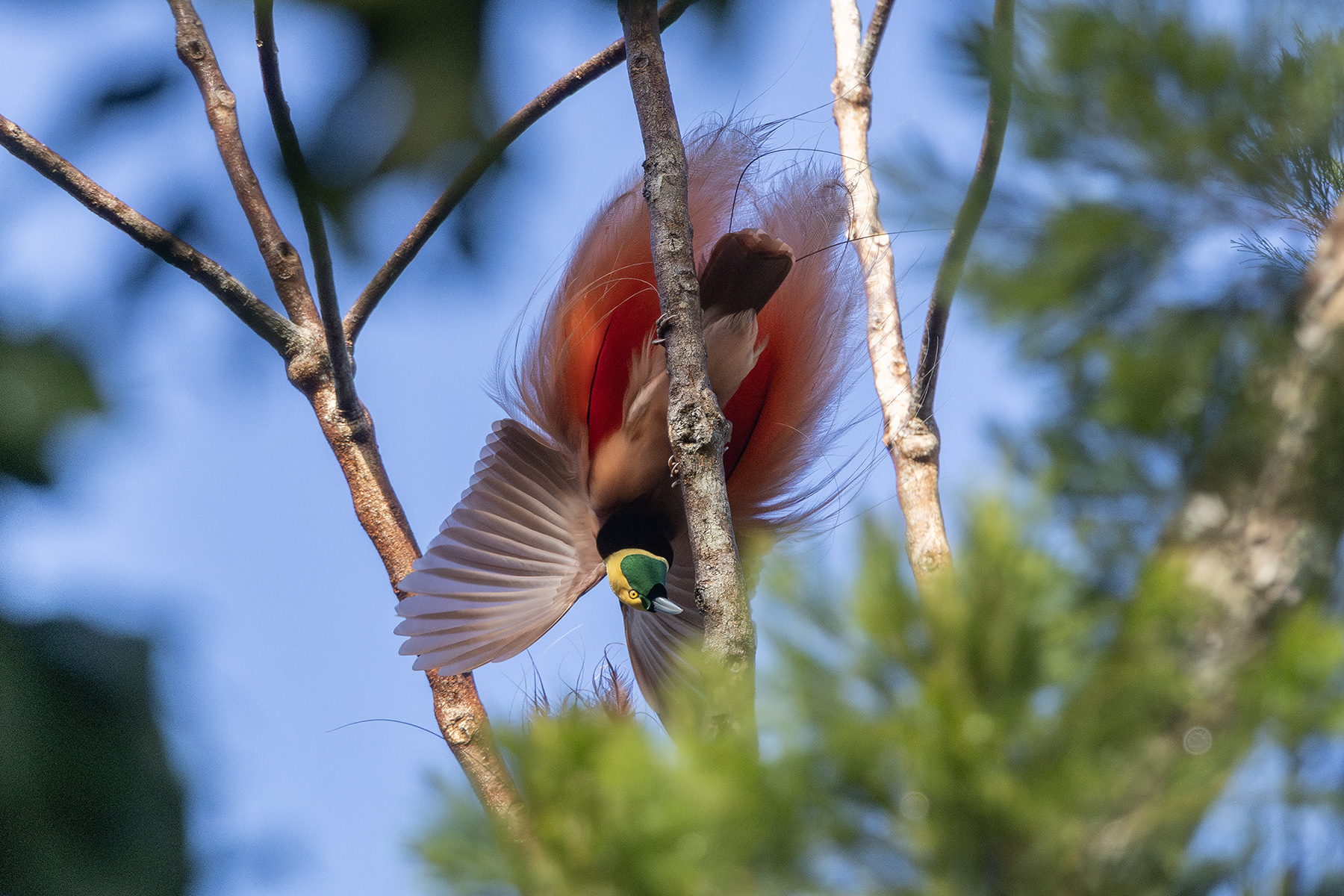
Raggiana Bird-of-paradise (image by Dáni Balla)
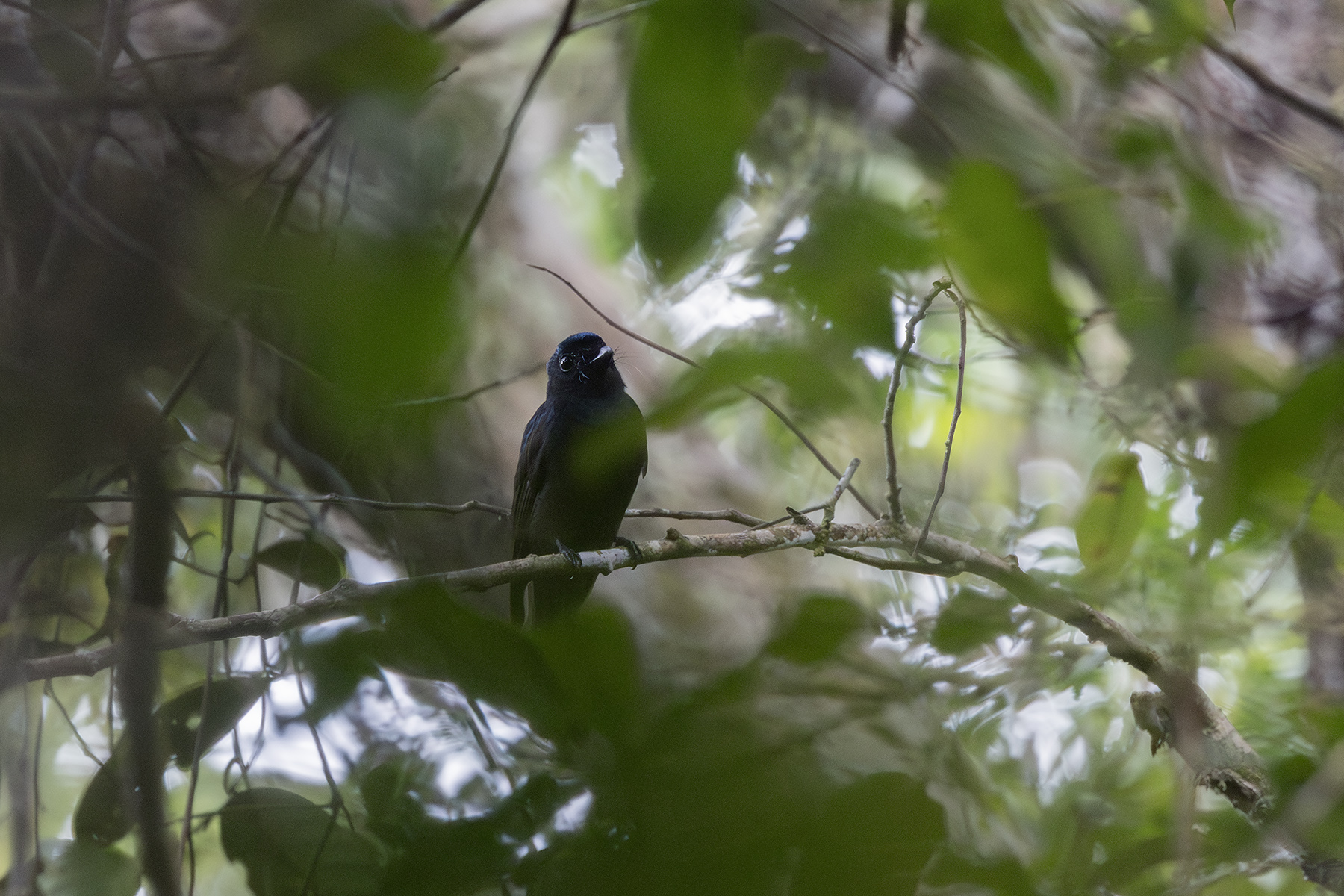
Drongo Fantail (image by Dáni Balla)
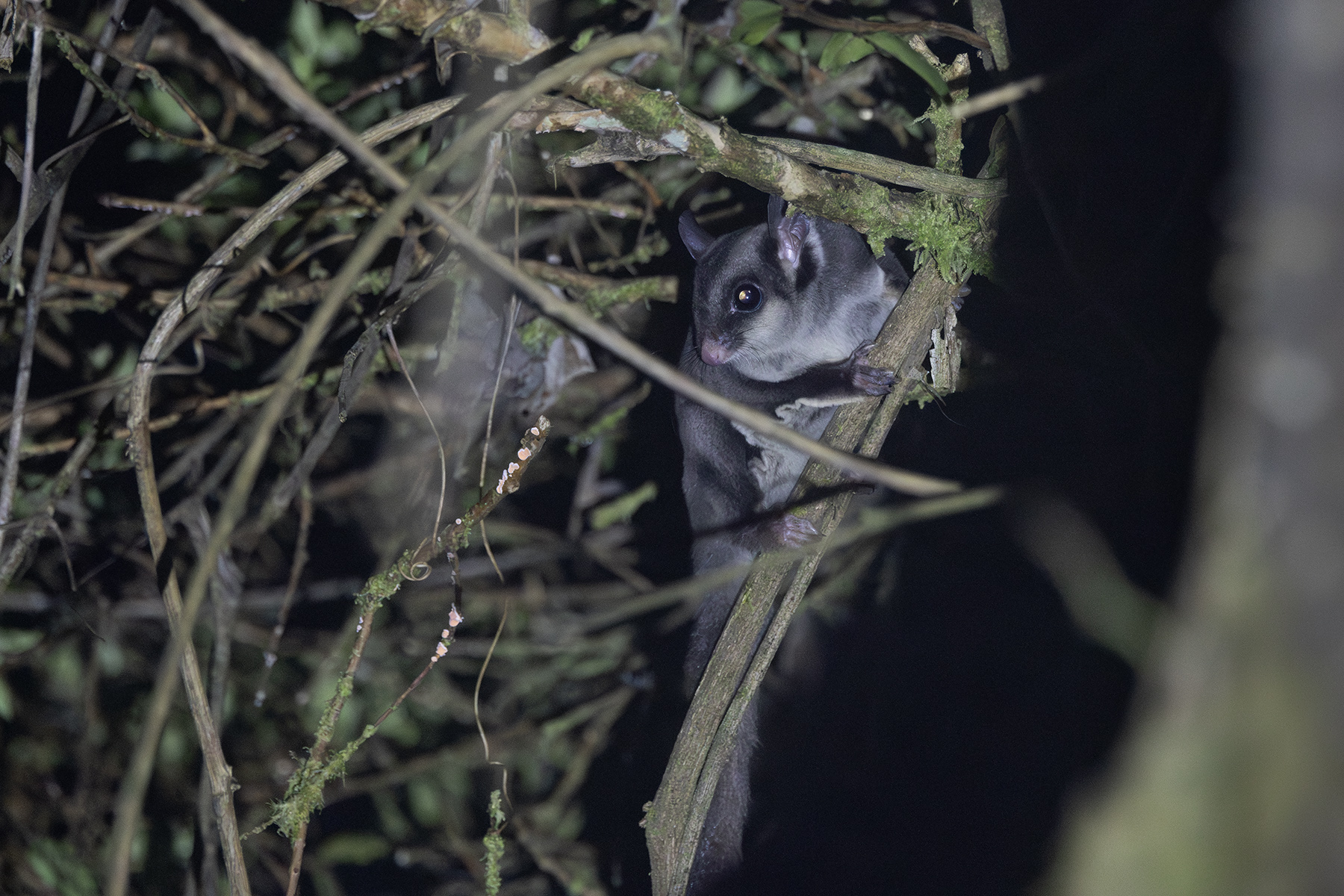
Sugar Glider (image by Dáni Balla)
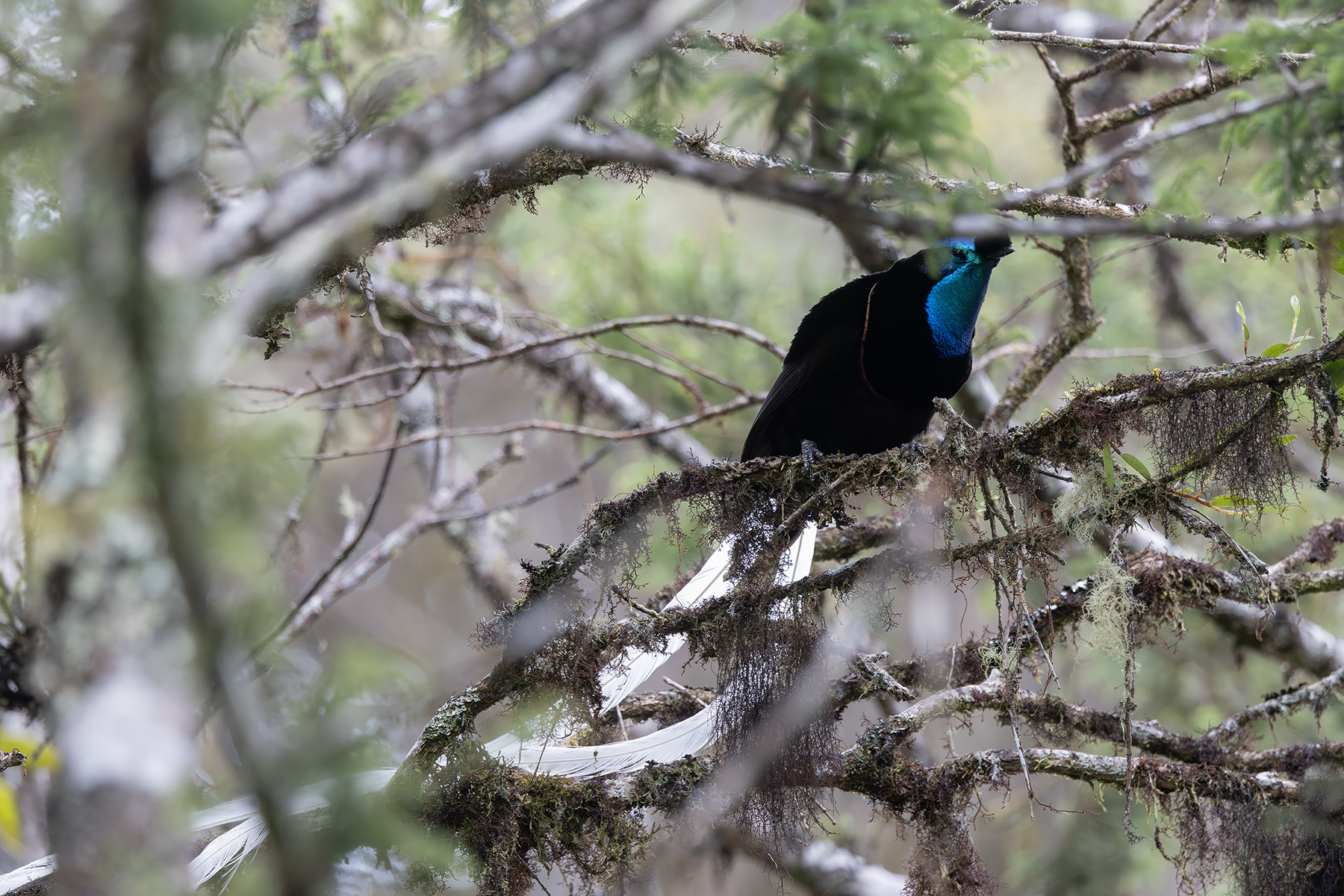
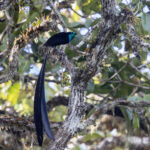
Ribbon-tailed Astrapia (image by Dáni Balla)
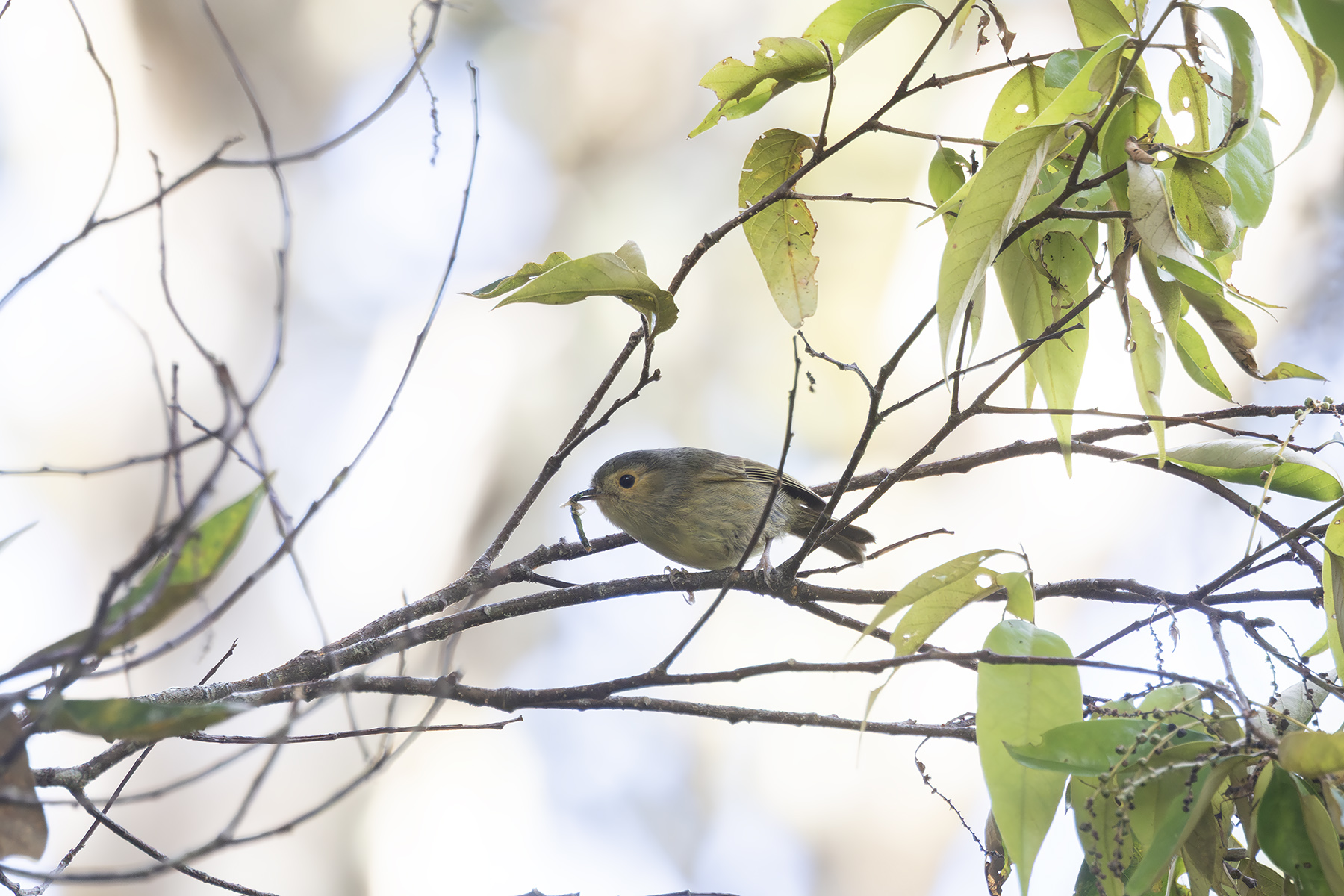
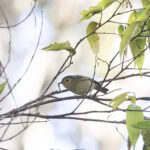
Buff-faced Scrub-wren (image by Dáni Balla)
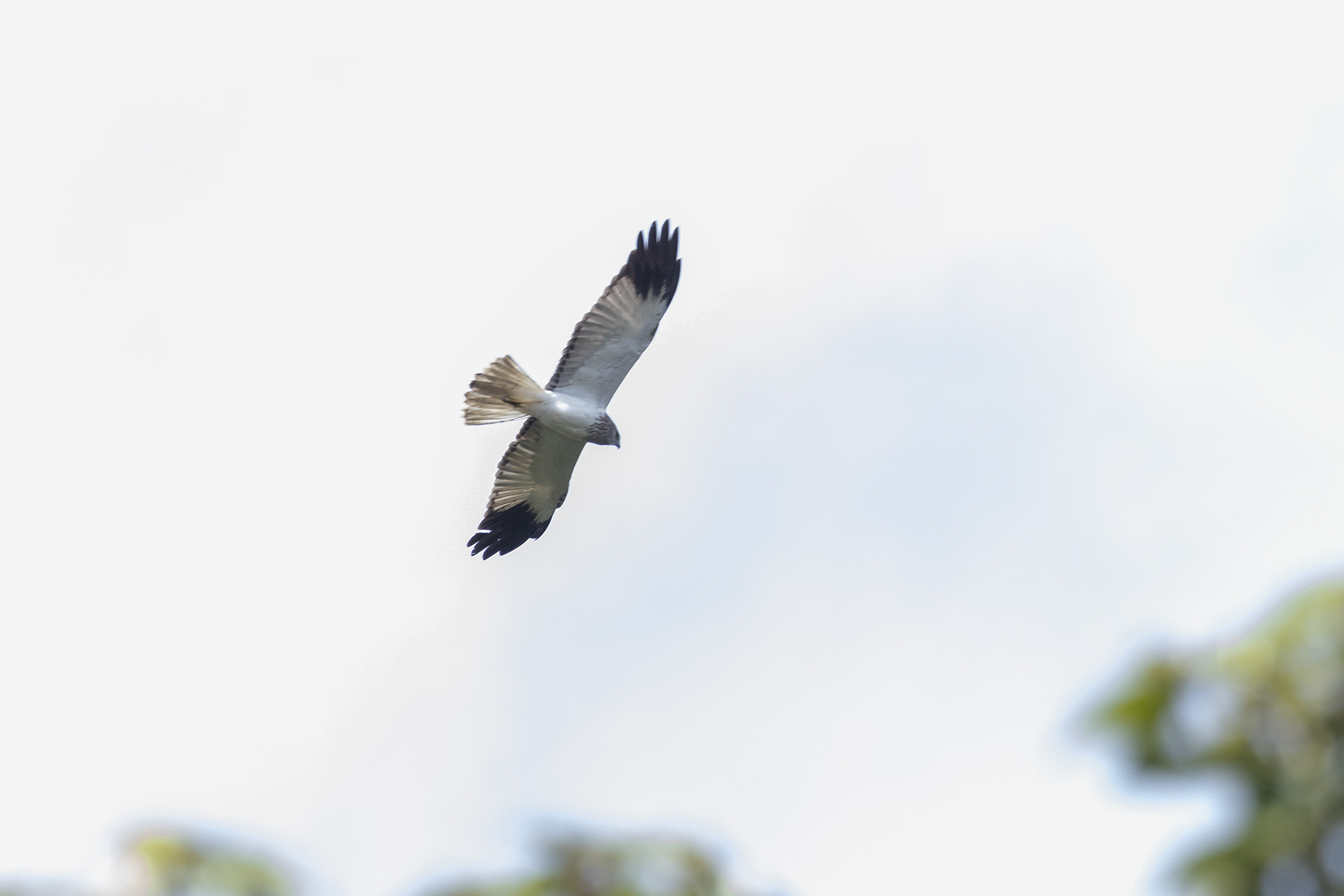
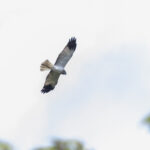
Papuan Harrier (image by Dáni Balla)
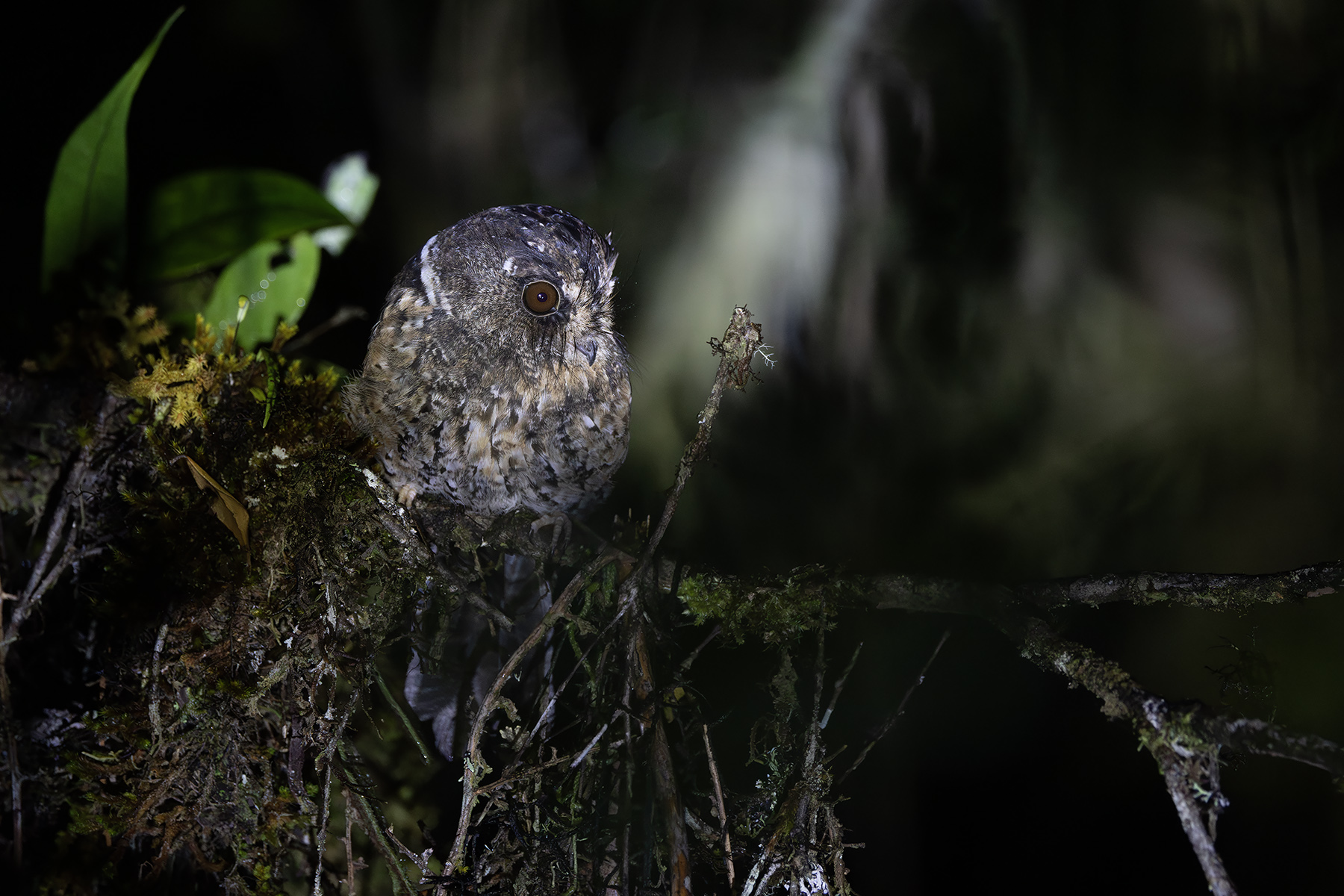
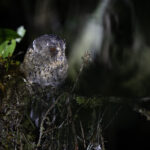
Mountain Owlet-Nightjar (image by Dáni Balla)
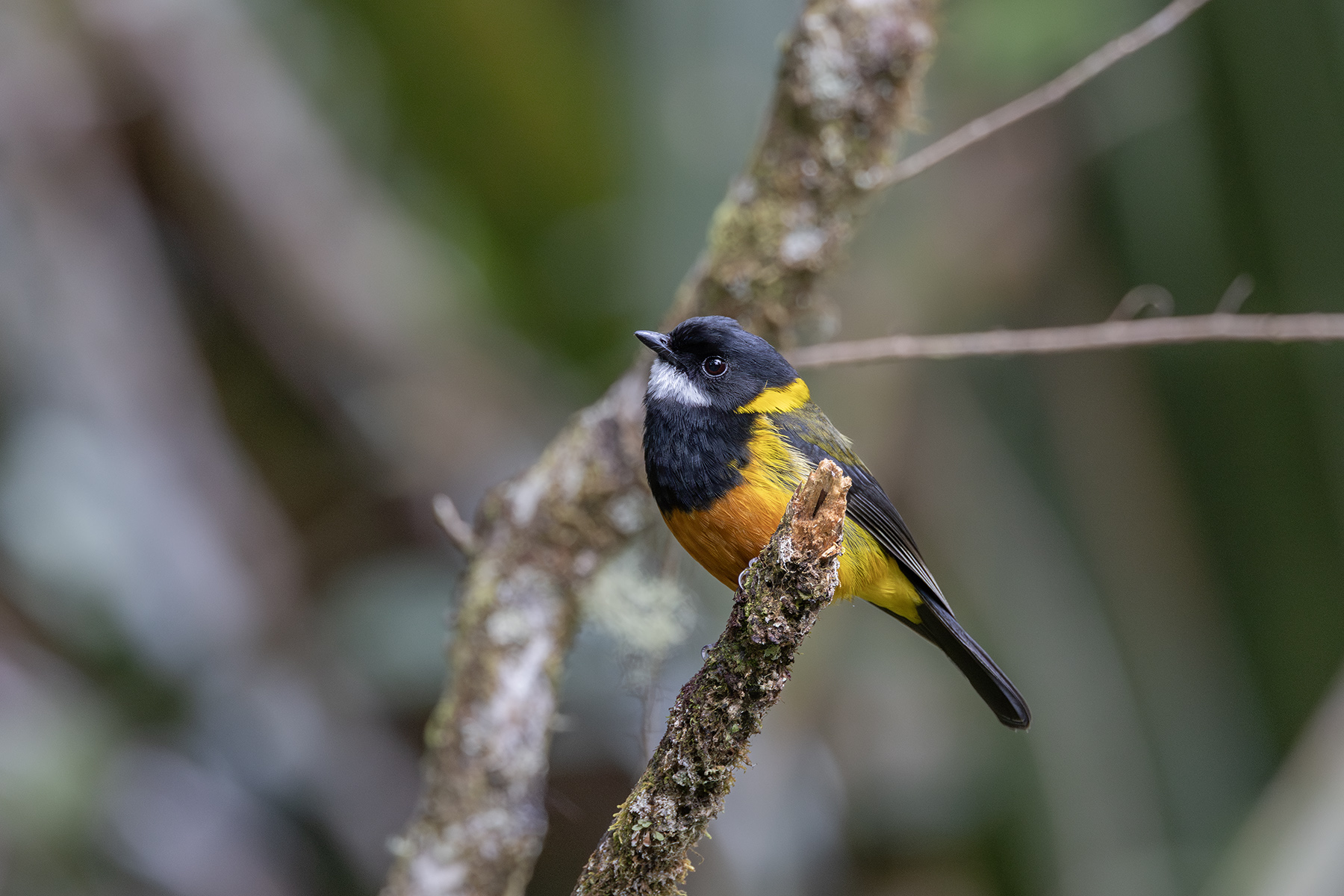
Regent Whistler (image by Dáni Balla)
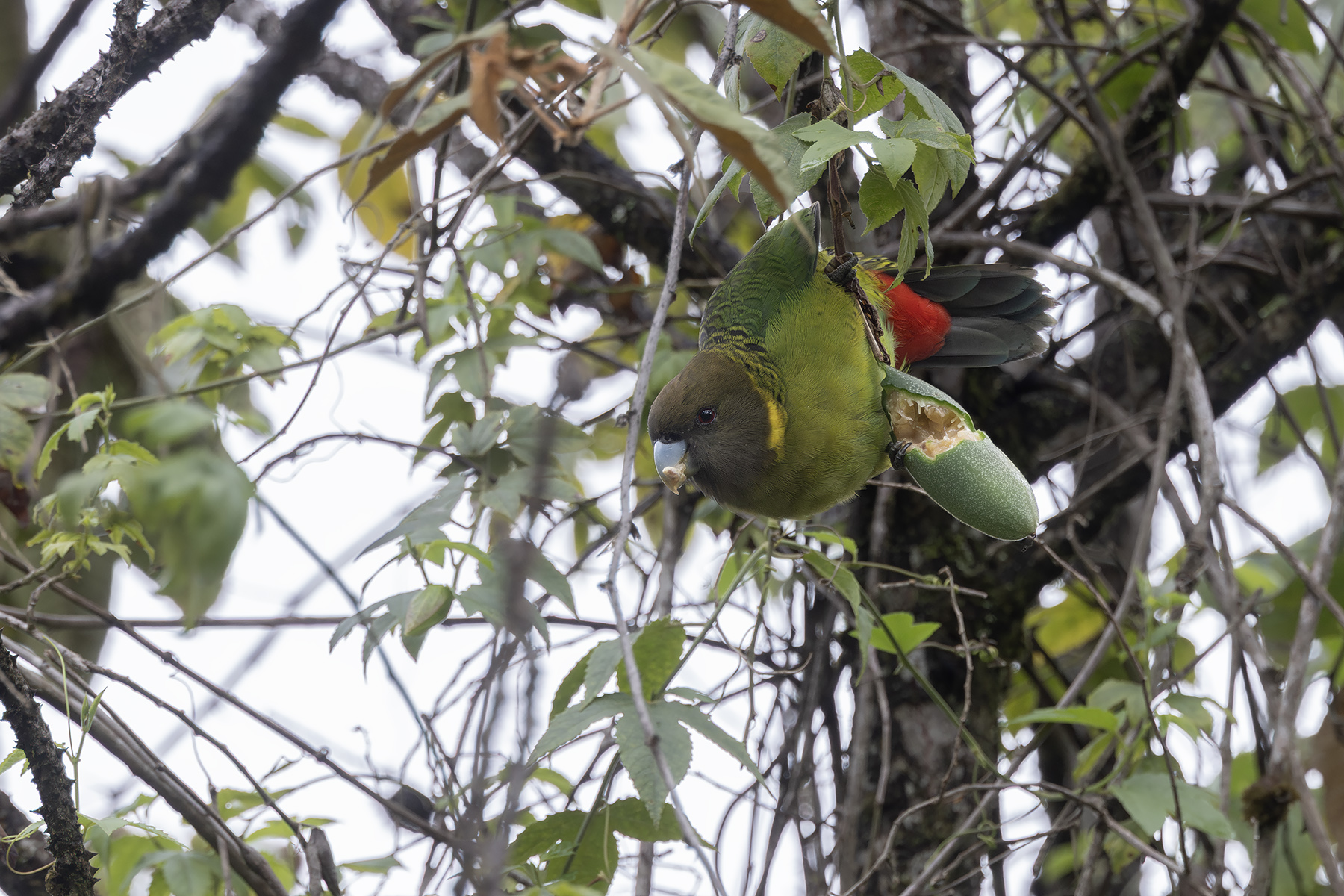
Brehm's Tiger Parrot (image by Dáni Balla)
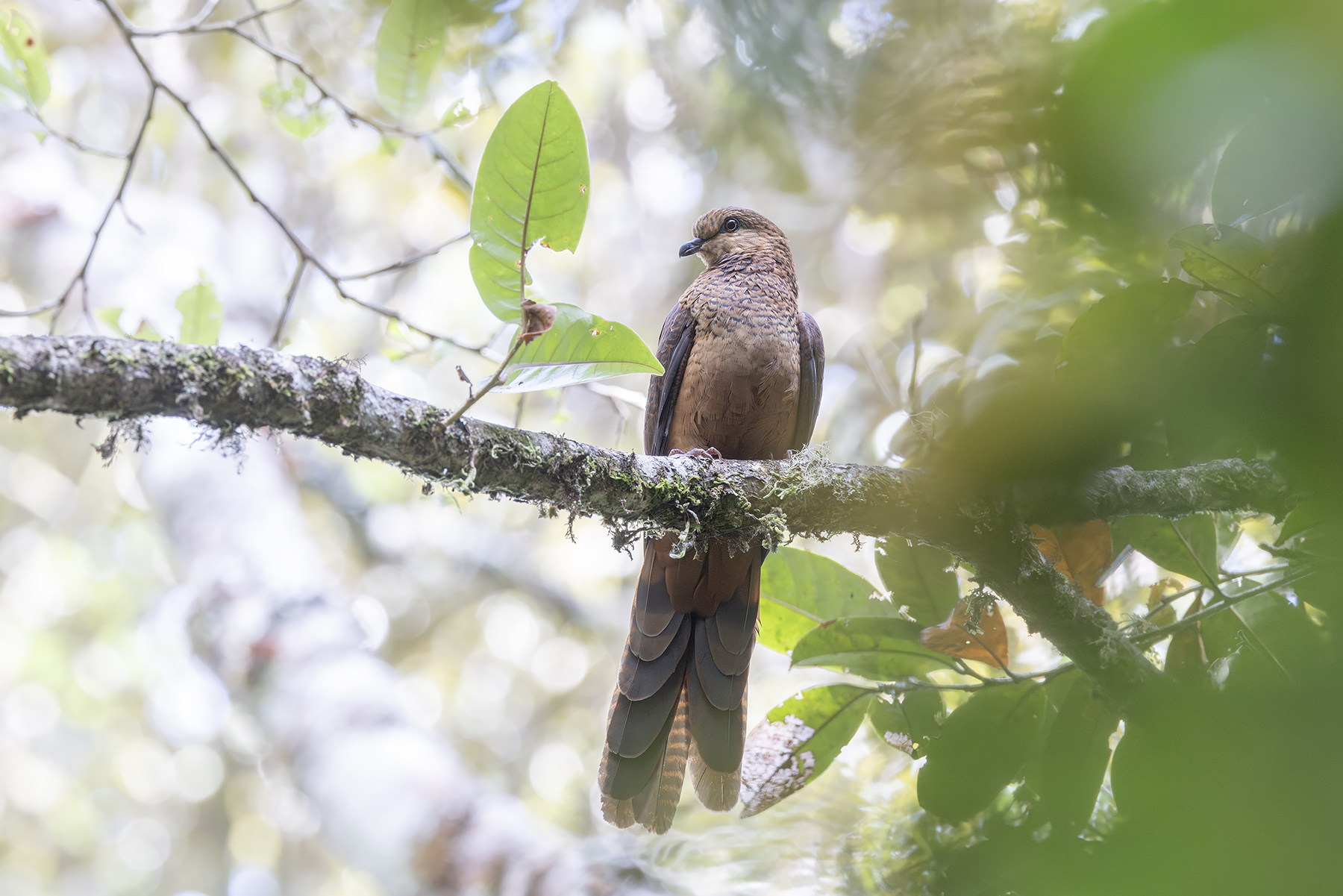
Bar-tailed Cuckoo-Dove (image by Dáni Balla)
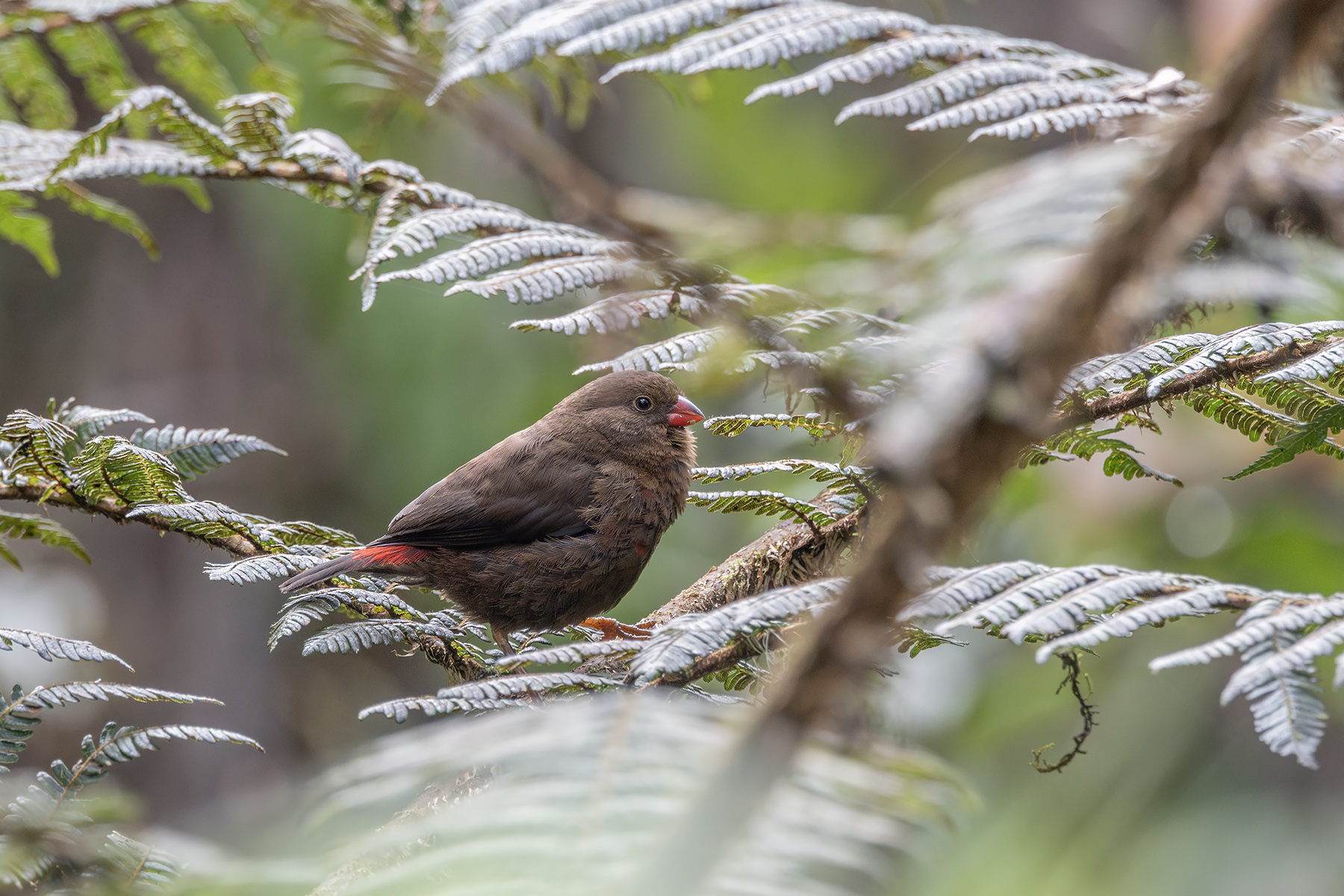
Mountain Firetail (image by Dáni Balla)
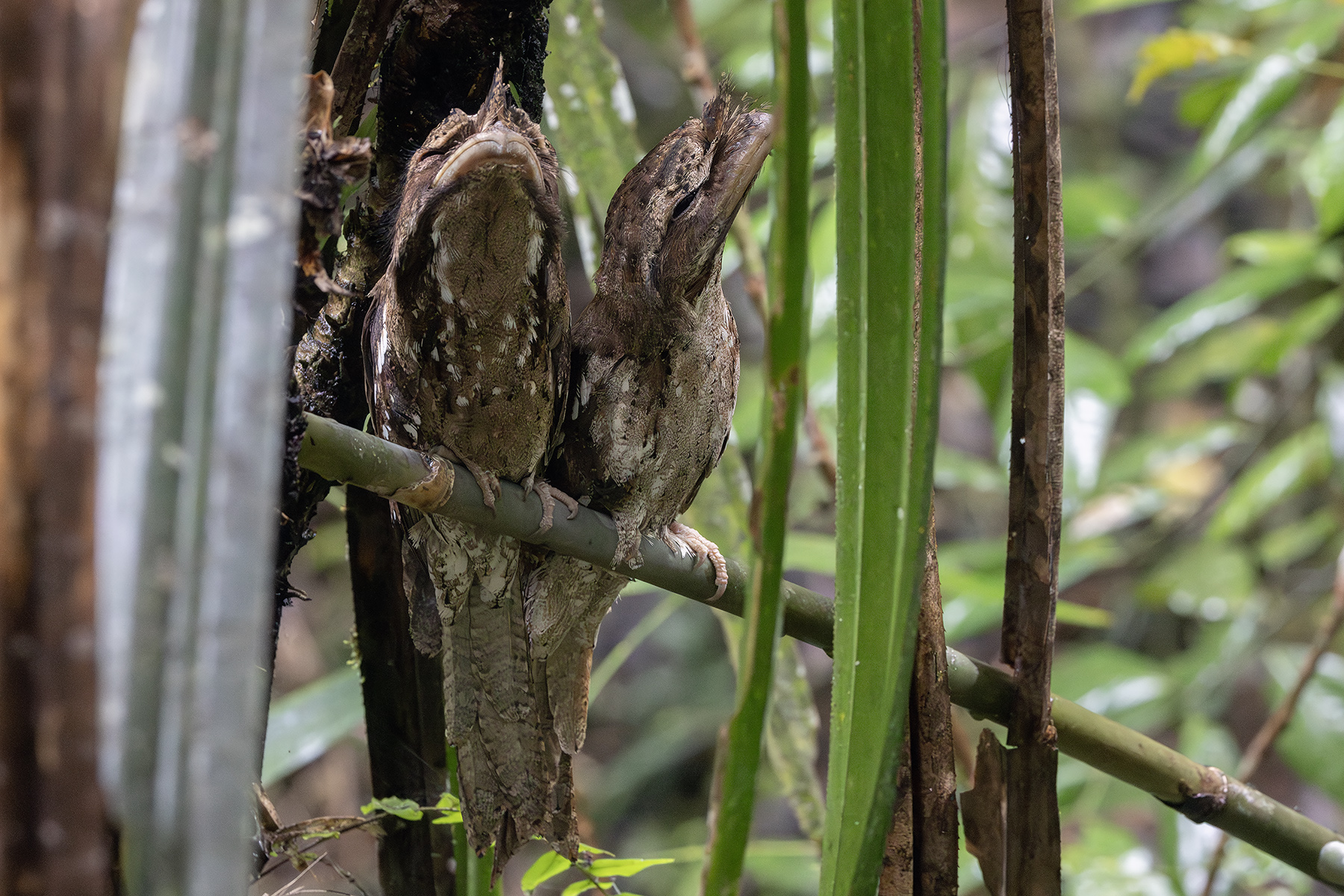
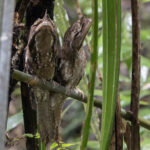
Marbled Frogmouth (image by Dáni Balla)
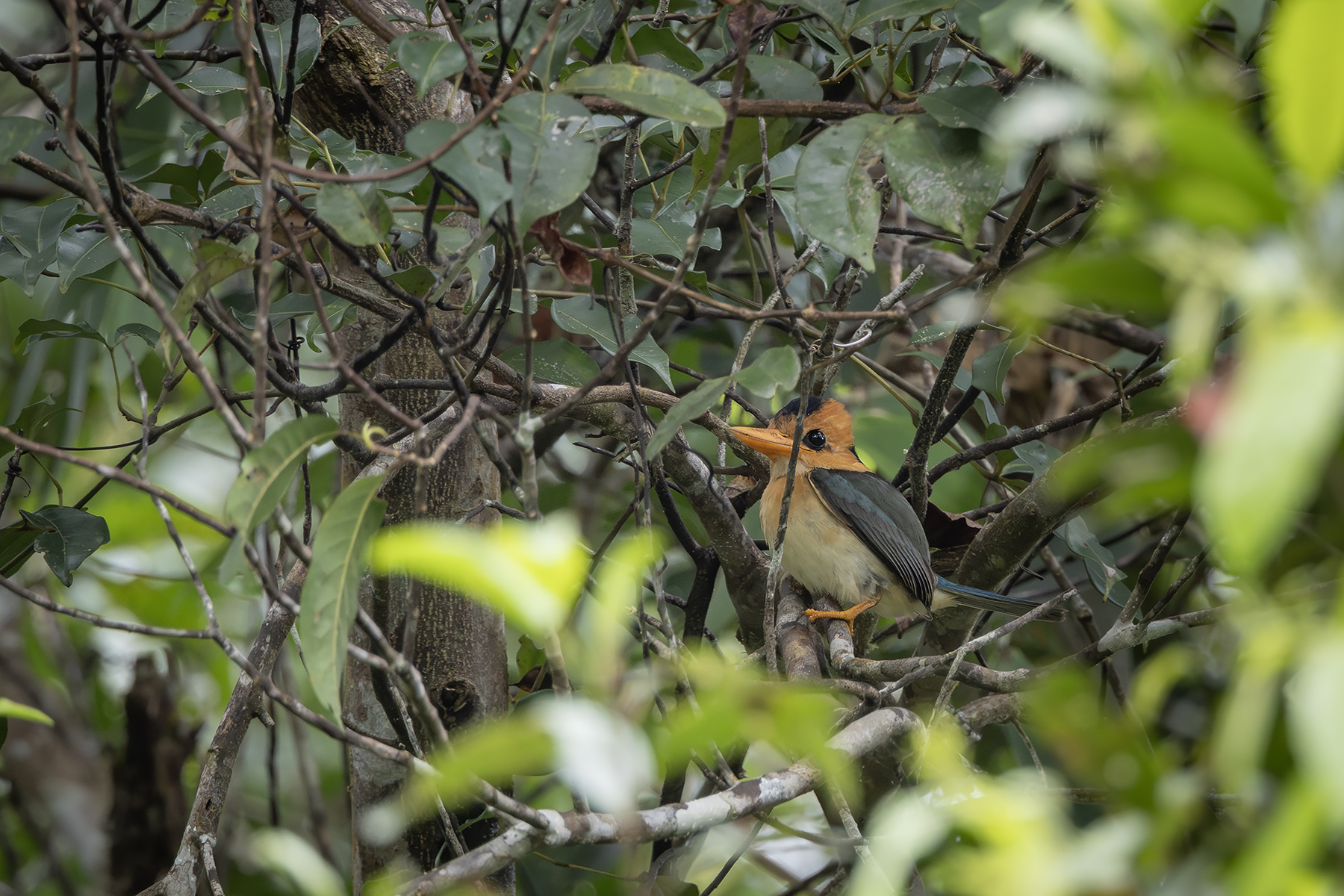
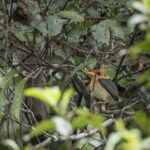
Yellow-billed Kingfisher (image by Dáni Balla)
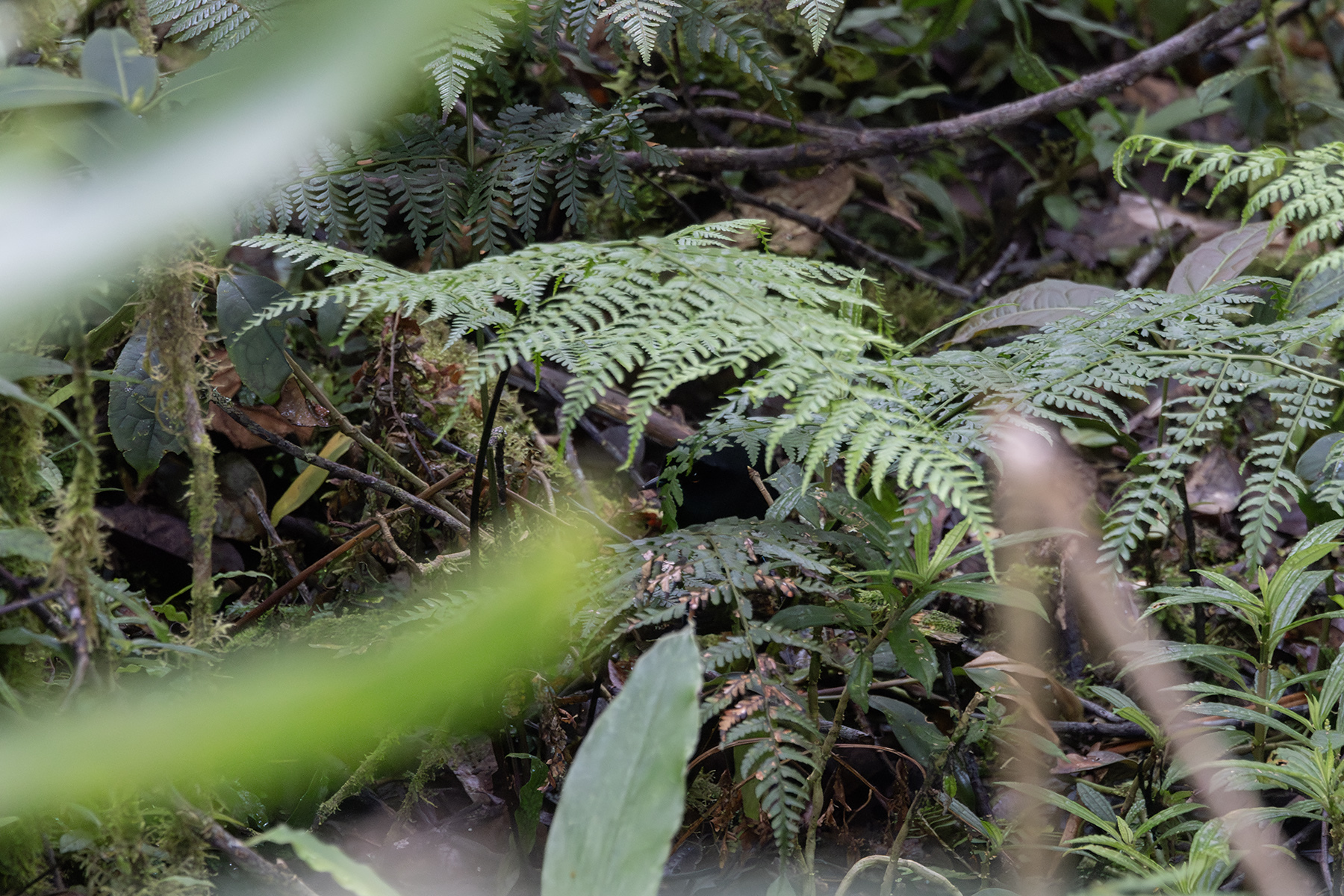
Lesser Melampitta (image by Dáni Balla)
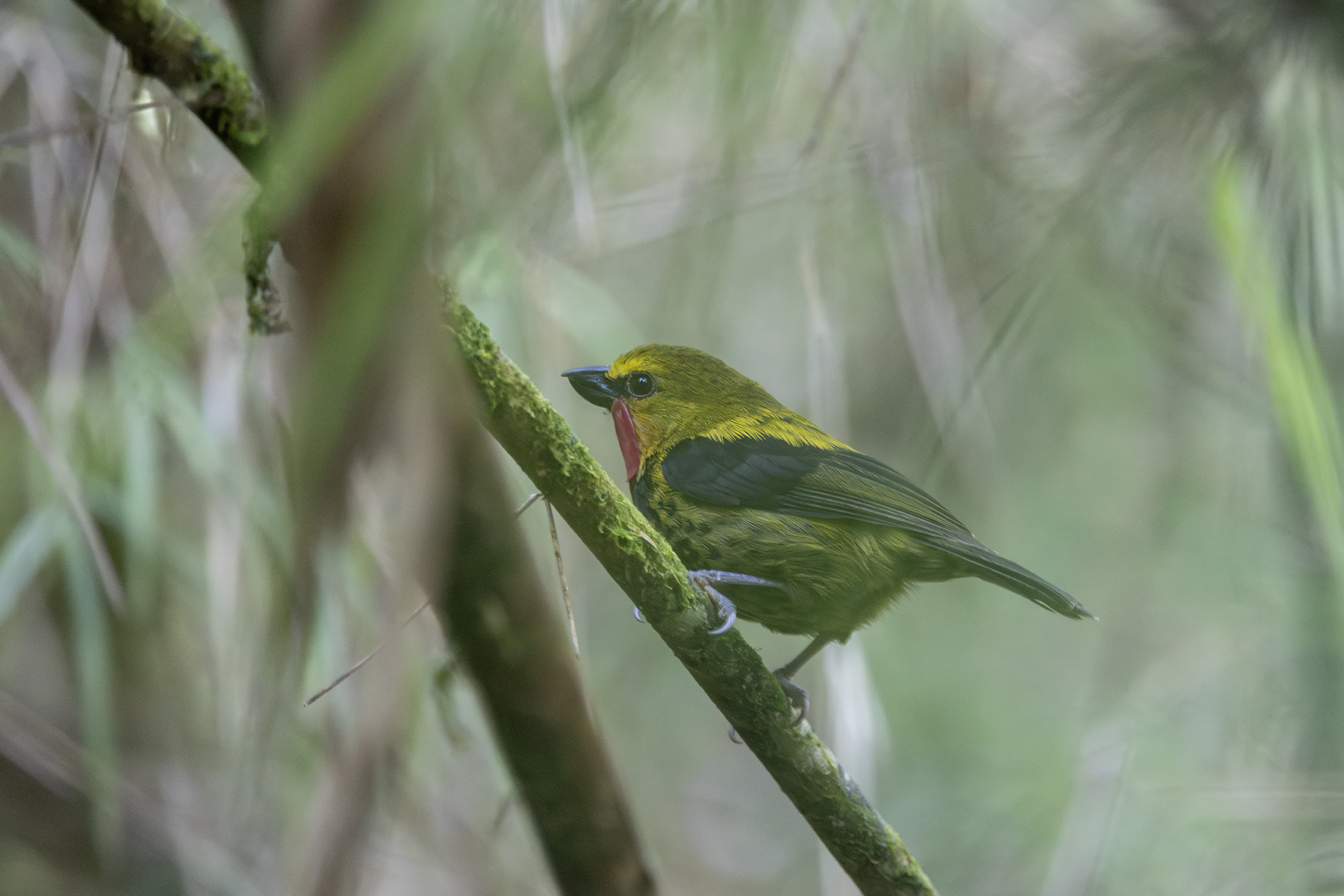
Wattled Ploughbill (image by Dáni Balla)
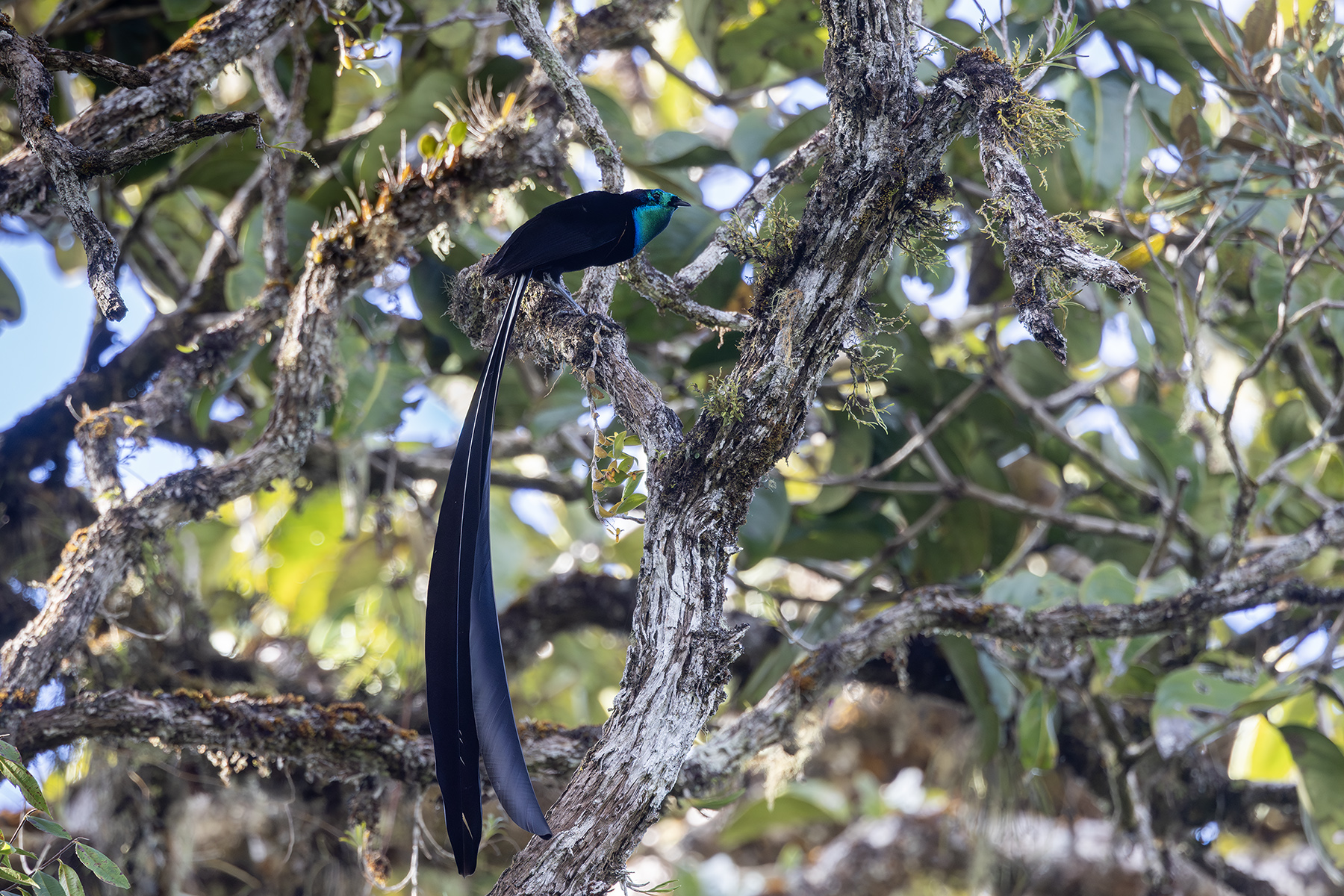
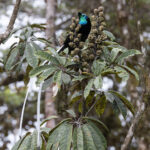
Princess Stephanie's Astrapia (image by Dáni Balla)
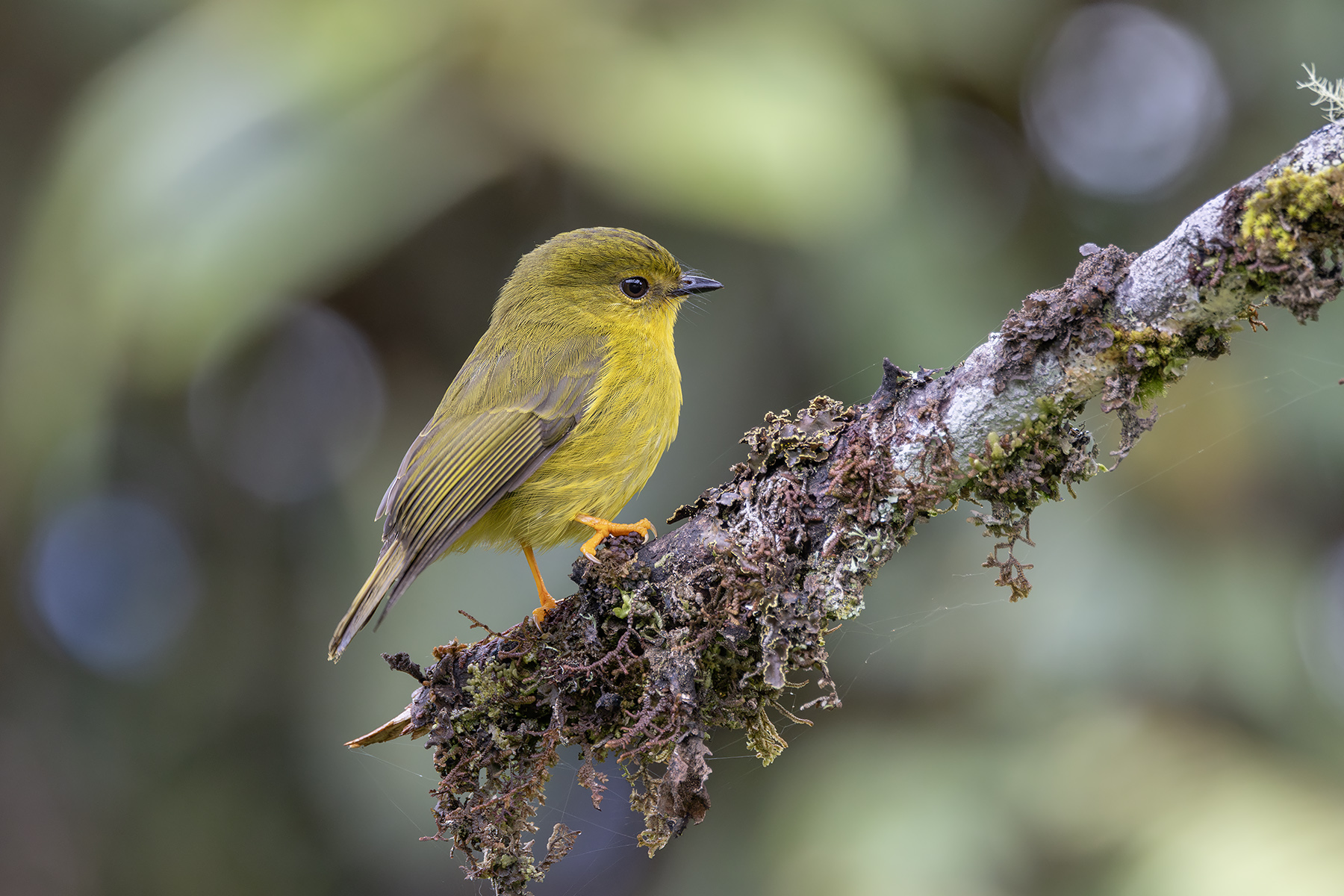
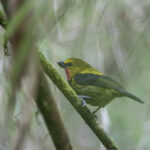
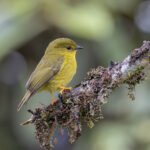
Canary Flyrobin (image by Dáni Balla)
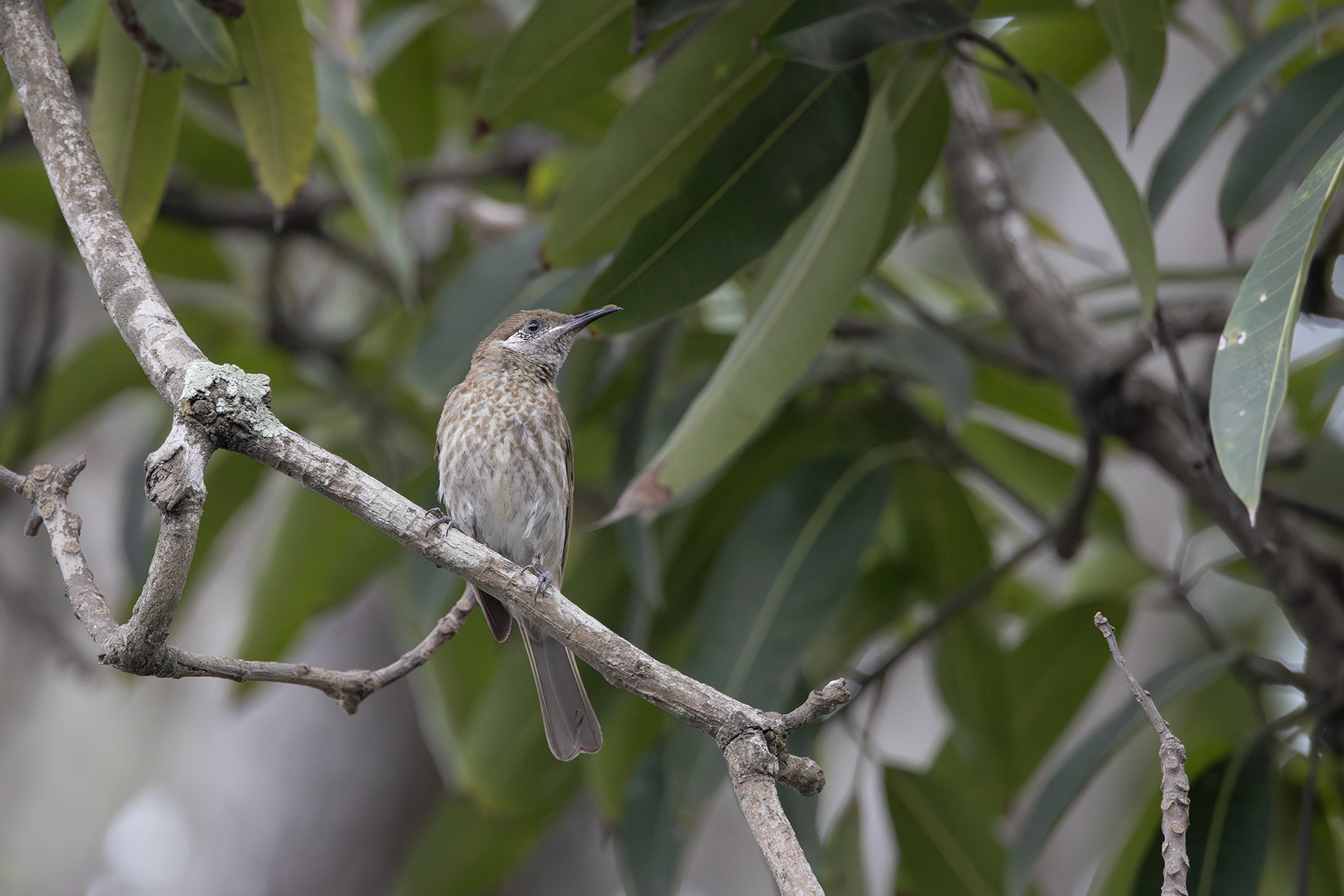
Silver-eared Honeyeater (image by Dáni Balla)
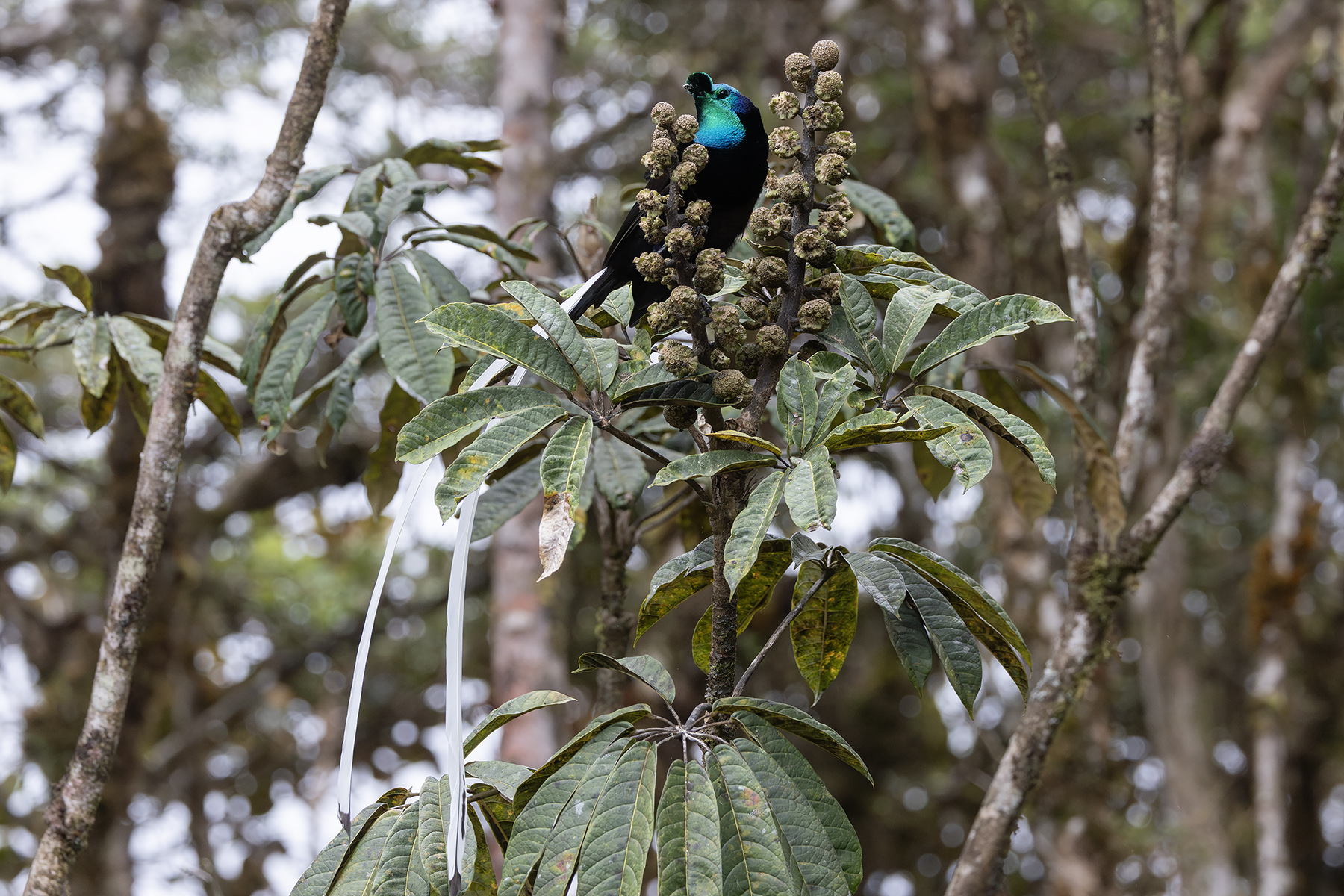
Ribbon-tailed Astrapia (image by Dáni Balla)
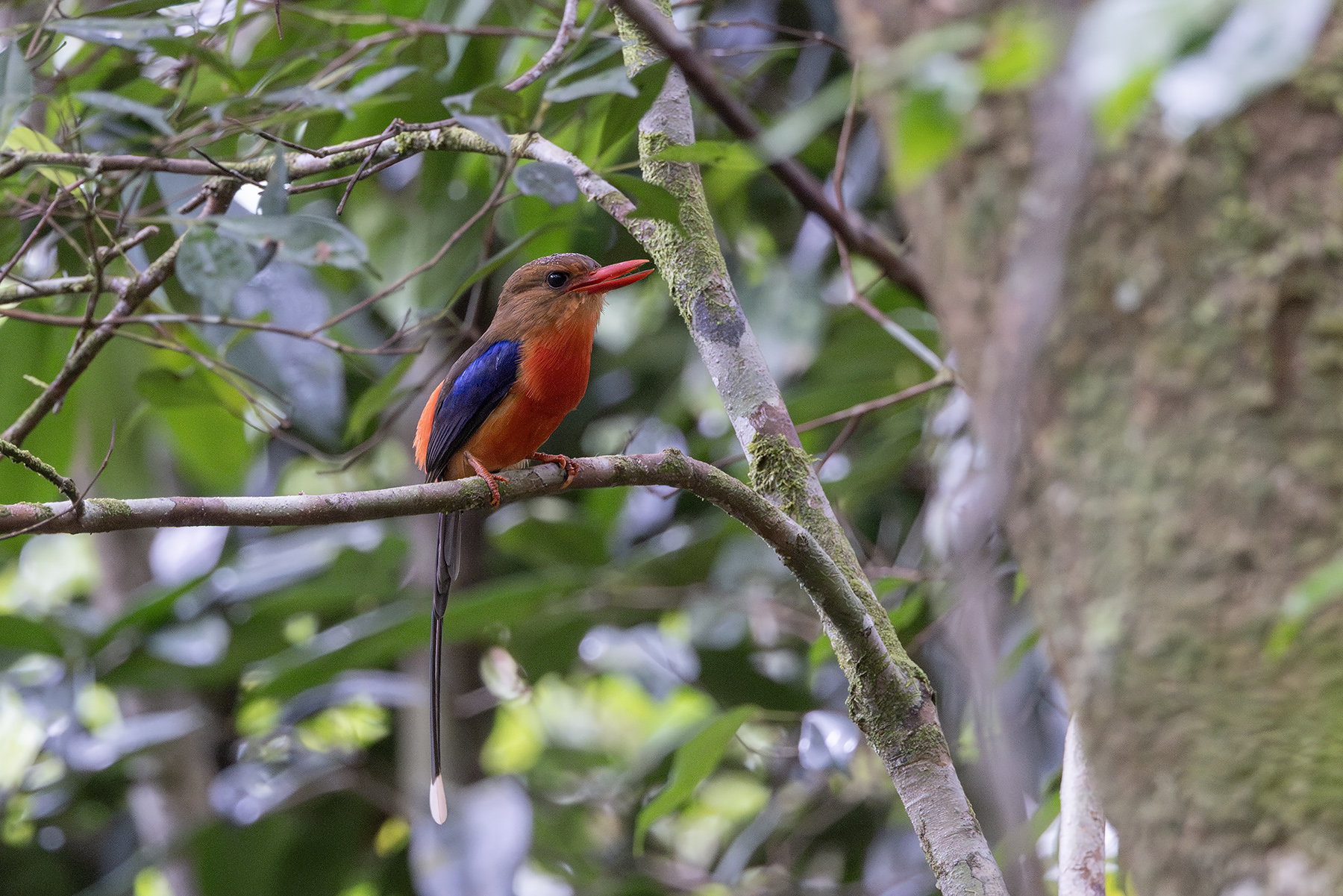
Brown-headed Paradise Kingisher (image by Dáni Balla)
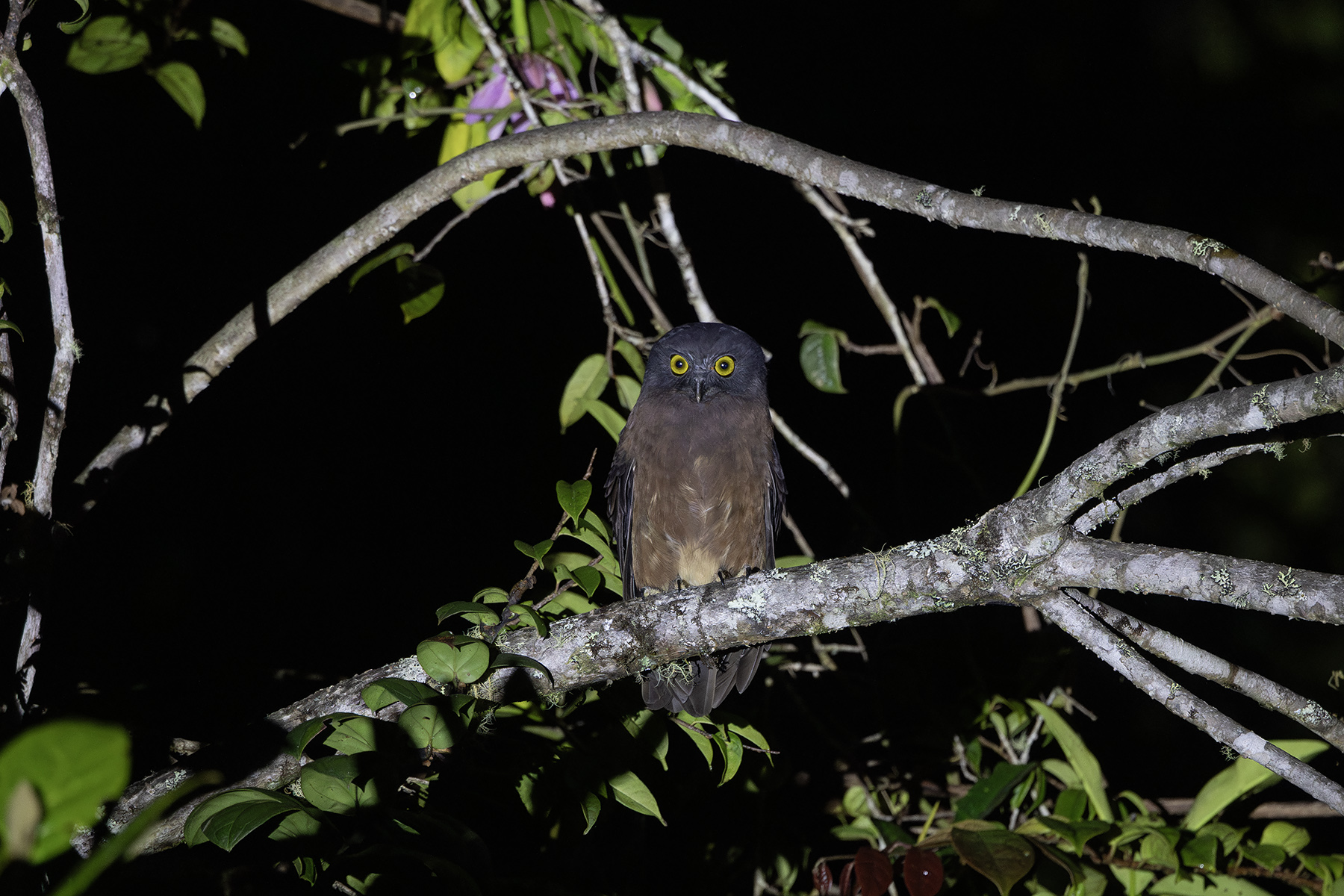
Papuan Boobook (image by Dáni Balla)
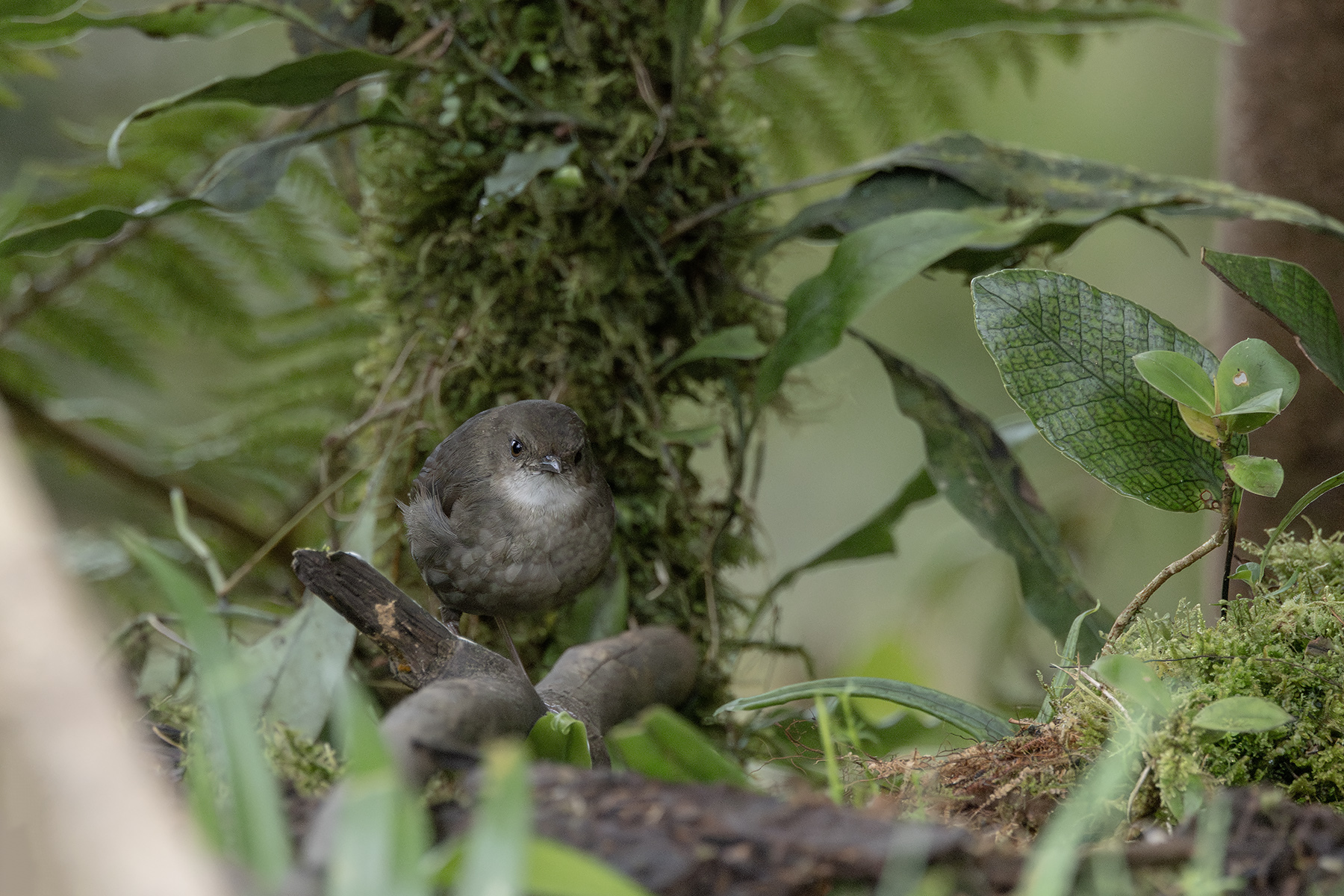
Mountain Mouse-warbler (image by Dáni Balla)
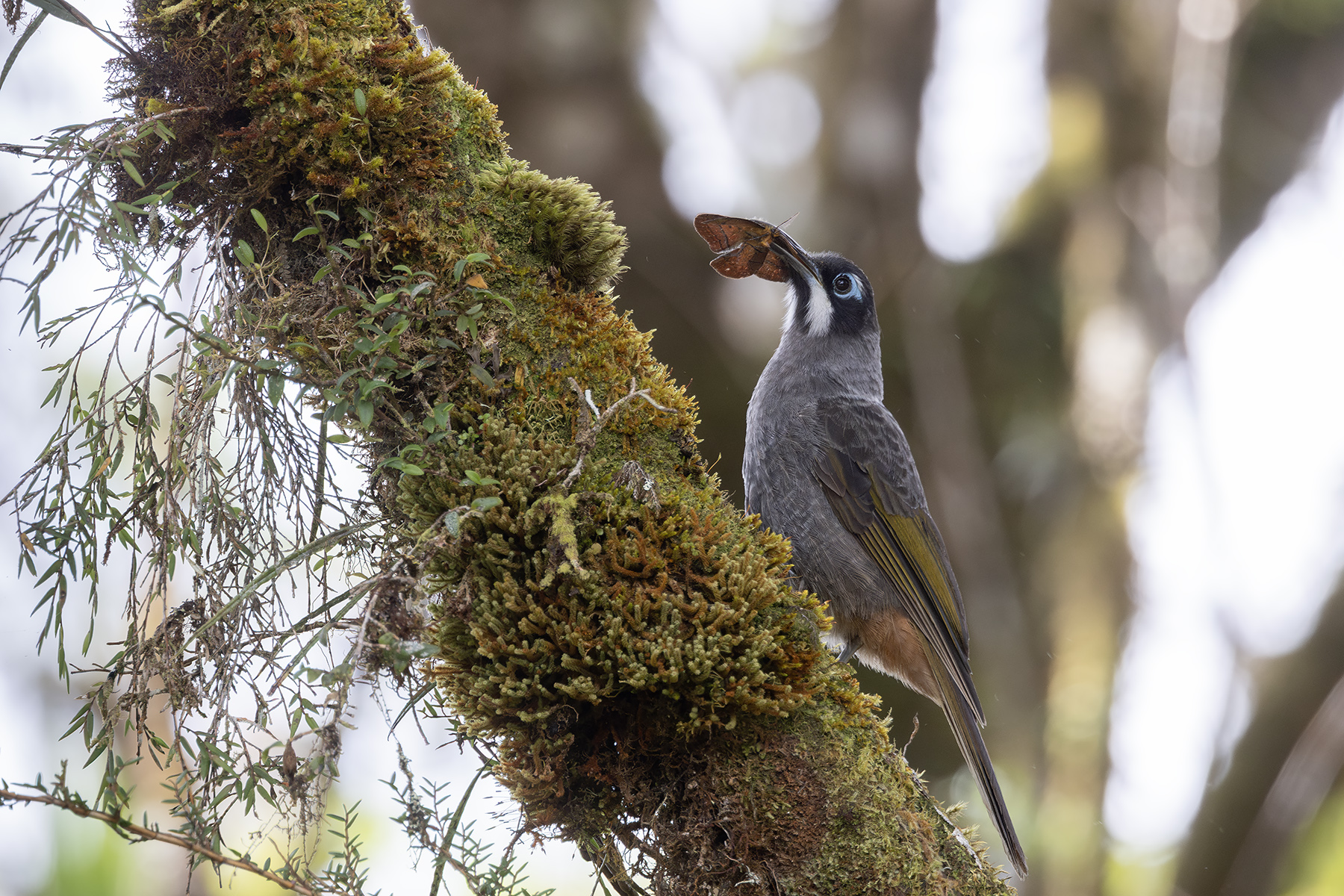
Belford's Melidectes (image by Dáni Balla)
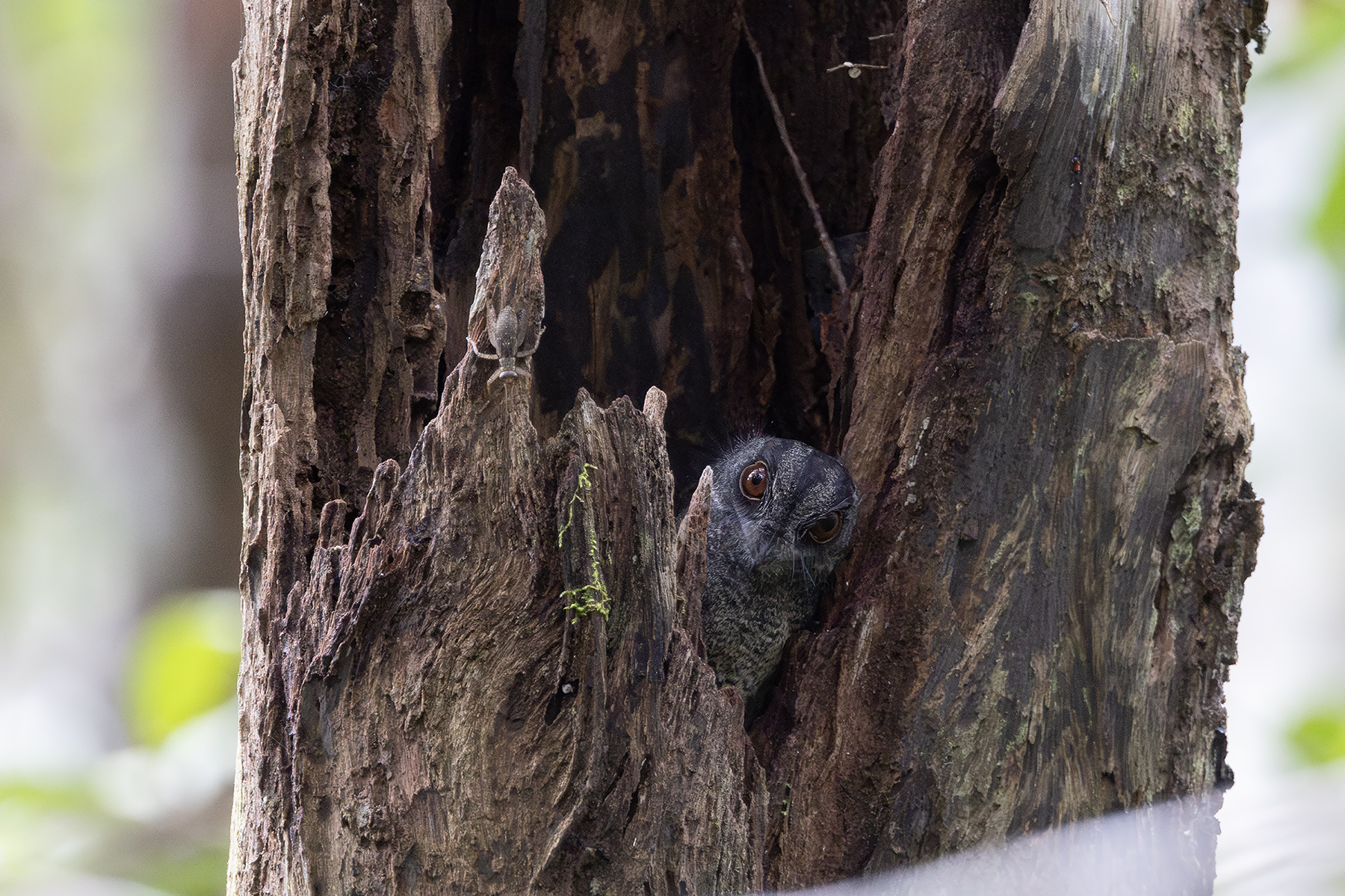
Barred Owlet-nightjar (image by Dáni Balla)
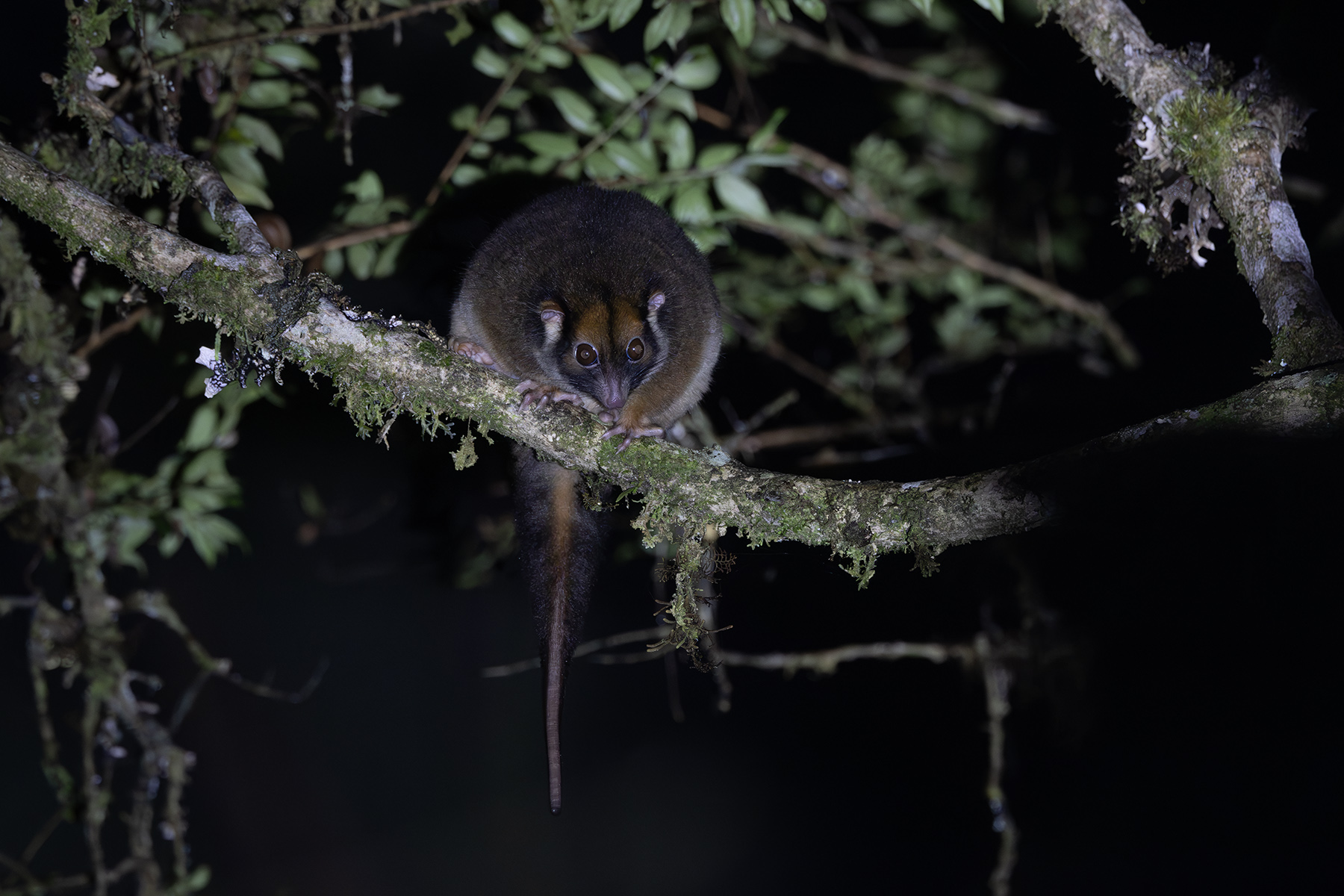
Masked Ring-tailed Possum (image by Dáni Balla)
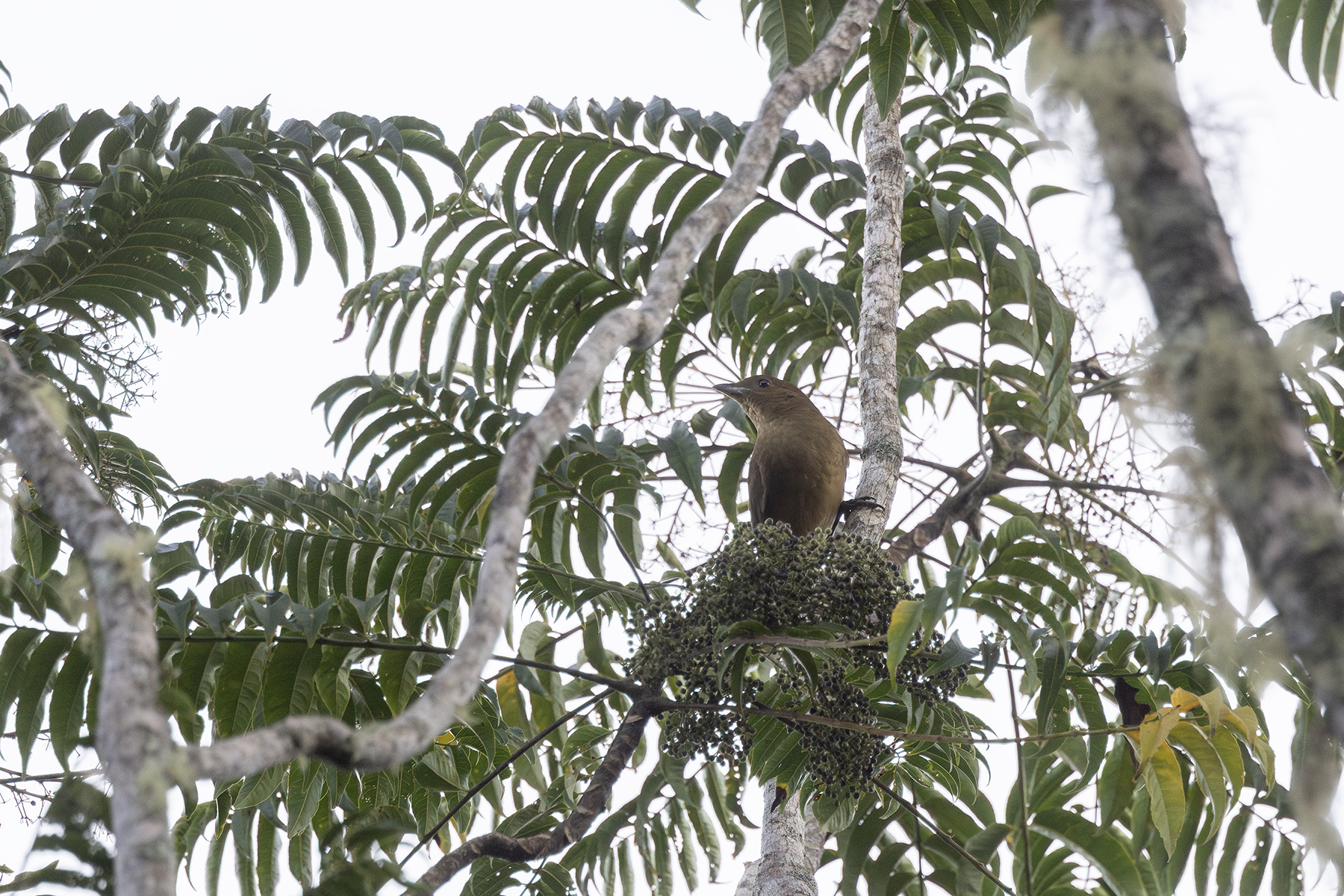
MacGregor's Bowerbird (image by Dáni Balla)
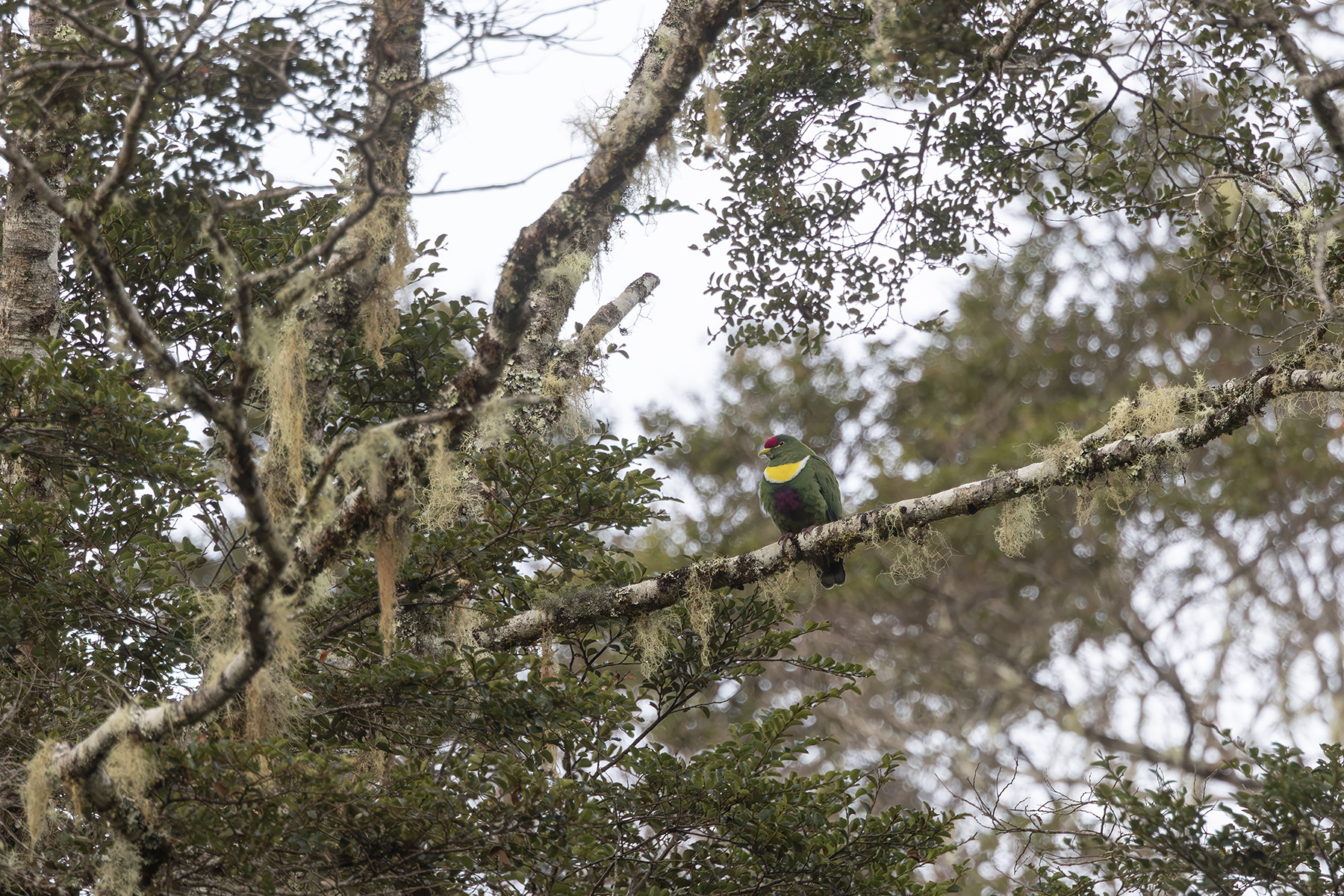
White-bibbed Fruit Dove (image by Dáni Balla)
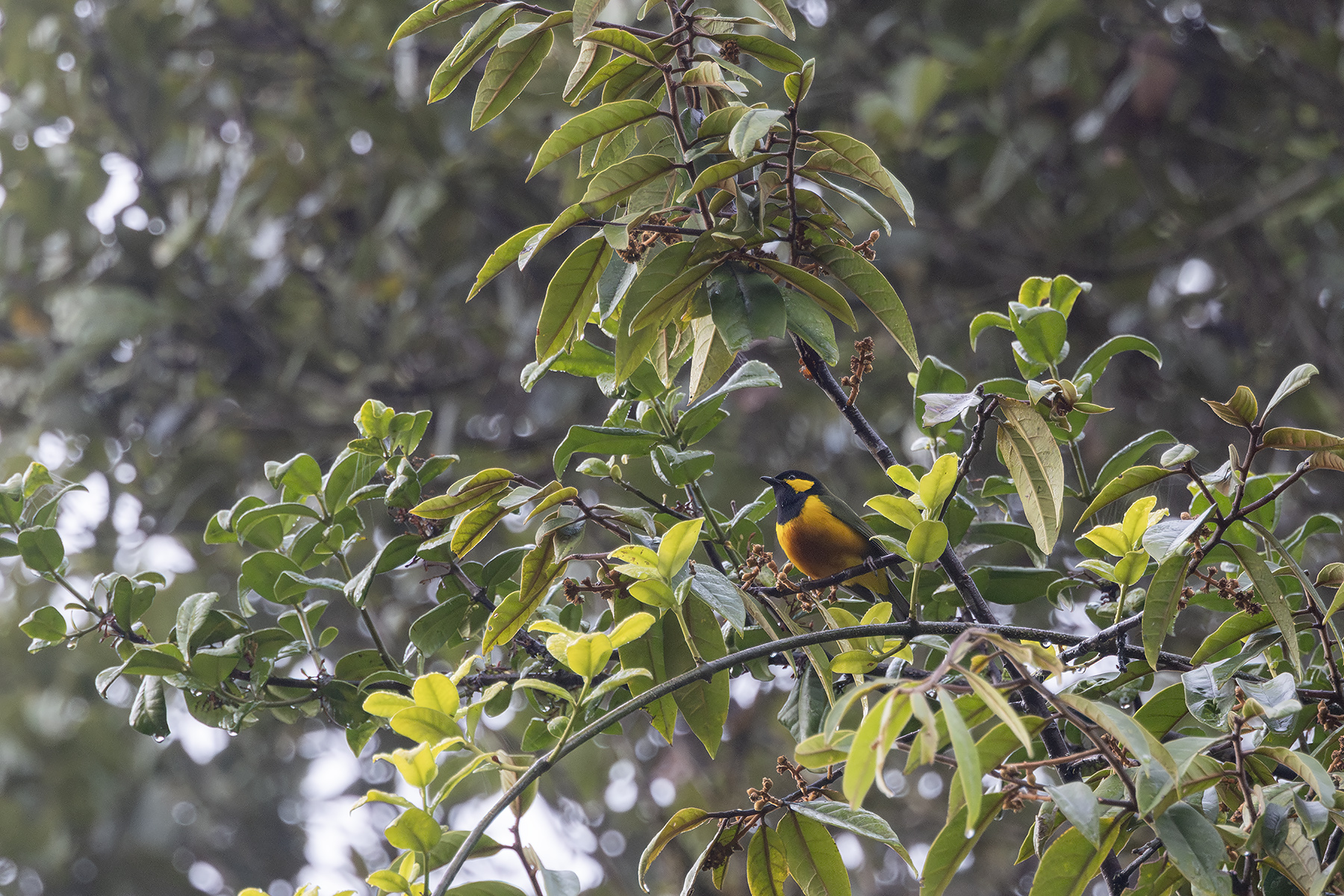
Tit Berrypecker (image by Dáni Balla)
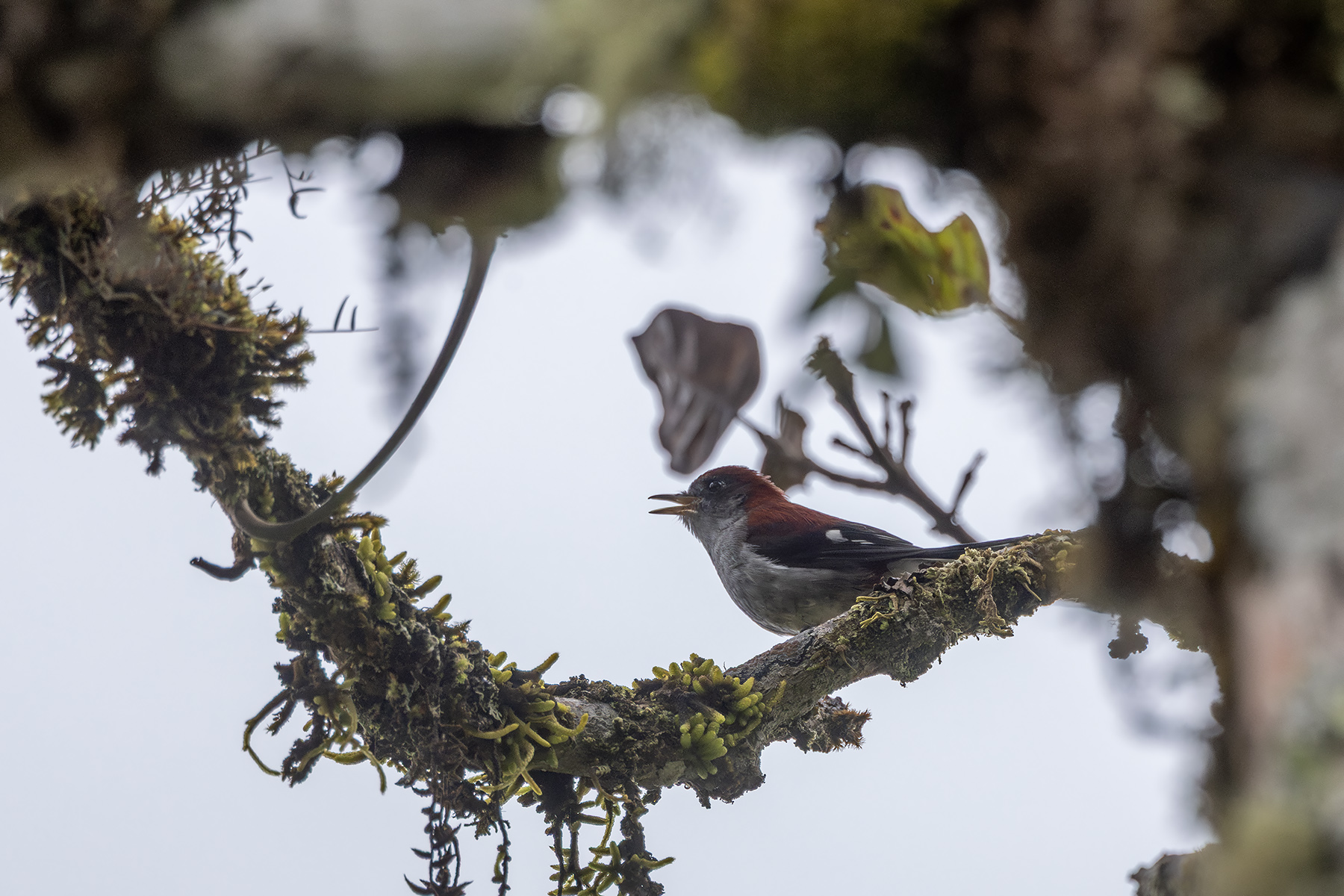
Garnet Robin (image by Dáni Balla)
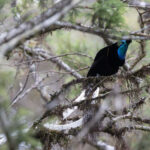
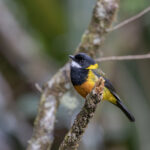
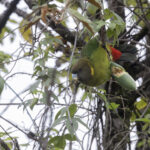
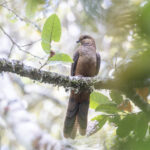
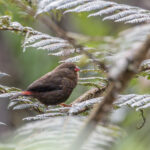
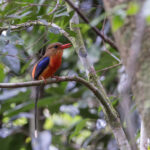
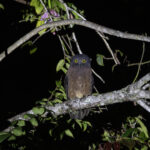
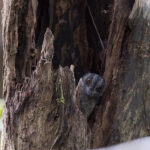
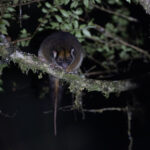
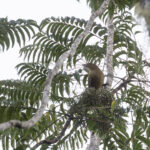
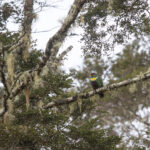
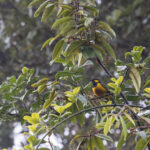
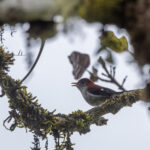


Raggiana Bird-of-paradise (image by Dáni Balla)
Drongo Fantail (image by Dáni Balla)
Sugar Glider (image by Dáni Balla)
Ribbon-tailed Astrapia (image by Dáni Balla)
Buff-faced Scrub-wren (image by Dáni Balla)
Papuan Harrier (image by Dáni Balla)
Mountain Owlet-Nightjar (image by Dáni Balla)
Regent Whistler (image by Dáni Balla)
Brehm's Tiger Parrot (image by Dáni Balla)
Bar-tailed Cuckoo-Dove (image by Dáni Balla)
Mountain Firetail (image by Dáni Balla)
Marbled Frogmouth (image by Dáni Balla)
Yellow-billed Kingfisher (image by Dáni Balla)
Lesser Melampitta (image by Dáni Balla)
Wattled Ploughbill (image by Dáni Balla)
Princess Stephanie's Astrapia (image by Dáni Balla)
Canary Flyrobin (image by Dáni Balla)
Silver-eared Honeyeater (image by Dáni Balla)
Ribbon-tailed Astrapia (image by Dáni Balla)
Brown-headed Paradise Kingisher (image by Dáni Balla)
Papuan Boobook (image by Dáni Balla)
Mountain Mouse-warbler (image by Dáni Balla)
Belford's Melidectes (image by Dáni Balla)
Barred Owlet-nightjar (image by Dáni Balla)
Masked Ring-tailed Possum (image by Dáni Balla)
MacGregor's Bowerbird (image by Dáni Balla)
White-bibbed Fruit Dove (image by Dáni Balla)
Tit Berrypecker (image by Dáni Balla)
Garnet Robin (image by Dáni Balla)


CLASSIC PAPUA NEW GUINEA (I) TOUR REPORT 2025

2 - 20 / 24 July 2025
Dáni Balla & Diedert Koppenol
Papua New Guinea provides one of the most testing yet rewarding experience for any birder with an interest in global birding! The unique avifauna is perhaps best known for the amazing birds-of-paradise and any birder remotely interested in birding abroad will dream about visiting this very special island to see these stunning birds which were first brought to many people’s attention by Sir David Attenborough’s various brilliant films about these avian jewels! New Guinea is the second-largest island in the world, and to this day remains one of the wildest, most sparsely settled regions on earth. Over 700 species of birds are found here, the world’s richest island avifauna and nearly half of these are found nowhere else! As well as the birds-of-paradise there is so much else to attract the birdwatcher such as strange megapodes, a gorgeous array of doves, pigeons, parrots and kingfishers (all of which reach their greatest diversity here), sinister-looking frogmouths, amazing owlet-nightjars, skulking jewel-babblers, exquisite fairy-wrens, brightly coloured f lycatchers, confusing honeyeaters, and fascinating bowerbirds, to mention just some of the highlights.
New Guinea is also an essential destination for people interested in bird families, holding no fewer than seven endemic families! These are the monotypic Wattled Ploughbill (family Eulacestomatidae), the monotypic Blue-capped Ifrit (family Ifritidae), the longbills and berrypeckers (family Melanocharitidae), the painted berrypeckers (family Paramythiidae), the monotypic Mottled Berryhunter (family Rhagologidae), the satinbirds (family Cnemophilidae) and the melampittas (family Melampittidae). With so many great birds, the challenge then is to see them! With a history of heavy hunting and exploitation, many of the birds are extremely shy. The hot, humid and often wet climate adds to the challenges, and the logistics of getting around the country, with a somewhat unreliable air service, is also a challenge! Fortunately we have had plenty of experience, and this tour, our first of two Classic Papua New Guinea tours this year, was another great success with many special birds showing to the group.
All of the endemic families were found and seen well, and on the main tour highlights included three stunning species of owlet-nightjar, 23 species of stunning birds-of-paradise, including some great display, amazing Sclater’s Crowned Pigeons, a fabulous array of kingfishers, and Papuan and Western Hooded Pittas to name just a few! On our short, but wonderful and great extension to New Britain, we were delighted to see the rare Golden Masked Owl and the attractive New Britain Boobook in the space of just twenty minutes, a brief sighting for some of New Britain Woodswallow, amazing views of the rare Black Honey Buzzard, excited to glimpse Black Imperial Pigeon and enjoyed point-blank views of Melanesian Megapode, New Britain Dwarf Kingfisher and Black-capped Paradise Kingfisher in roughly the same spot! All in alll, a truly memorable tour with some great birds but with a fair bit of hard work!
Kicking off from our hotel in Port Moresby we straight dove into birding without leaving the city to initiate this year’s tour. A less tranquil surrounding at the industrial part of the capital was our first birding location where we nailed the localised Silver-eared Honeyeater at its stakeout and got Singing Starling, a few Torresian Imperial Pigeons and Fawn-breasted Bowerbird during a short stop. We soon left the disturbed area of the capital and headed to the nearby Varirata National Park. We initiated birding along the entrance road where we soon connected with a Rufous-bellied Kookaburra, New Guinea (Helmeted) Friarbirds, White-throated Honeyeater, Yellow-bellied Flyrobin, Pink-spotted Fruit Doves and a Collared Sparrowhawk. Moving further, we reached the park’s main gate and chose to walk around and scan the canopy from the main clearing in the centre. No notable fruiting trees were around but luckily a small bush brought in a few more Pink-spotted and Orange-bellied Fruit Doves while another tree with smaller berries were frequently visited by Honeyeaters amongst them a few Mimics, an Elegant, Green-backed and Plain as well. We managed to spot a calling Yellow-billed Kingfisher which was hiding so well. In the higher canopies a great set of Cuckooshrikes including Boyer’s, Barred, Black-faced and White-bellied were moving from time to time sitting out in the open and a male Black Cicadabird and a Brown Oriole also popped up once. Taking the trail into the more dense forest we soon found a small mixed feeding flock moving in the mid and upper storey with a few Chestnut-bellied Fantail, a responsive Fairy Gerygone, the endemic Black Berrypecker, scarce Goldenface and Drongo Fantail showing themselves while we were “enjoying” our first rain of the tour. The forest was otherwise quiet but luckily another main target of ours, a pair of Brown-headed Paradise Kingfishers, were showing very well. On the way back to the bus we had a short view on a
Afternoon we chose to drive further up inside and stopped to check the local Barking Owl on its dayroost. Before reaching the local ranger coming with us spotted a Growling Riflebird from the car which then turned out to be a few individuals together and they gave great scope views for us, and as we were already out of our vehicle we chose to take a short walk which yielded a nice perched Zoe’s Imperial Pigeon. Reaching the viewpoint we started descending down walking along the trail seeing a few new birds only as it was already late afternoon but still a few Blyth’s Hornbills, a noisy flock of Rusty Pitohuis, we also managed to find a pair and a single roosting Marbled Frogmouth, glimpsed Papuan Dwarf Kingfisher as it was not too cooperative, while a seldom responding White-faced Robin was only found when the light was making observation tricky. The last bird we found in the forest was a Beautiful Fruit Dove in its nest before we gave up birding and left the forest. Unfortunately just before reaching our bus Dani had a bad step causing him an injury which limited him for the upcoming days and he had to call for a replacement.
Early in the morning we came back to Varirata to enjoy the spectacle of Raggiana Bird-of-paradise dancing in the canopy literally a few meters away from us. We took our time and spent more than an hour at the lek seeing a dozen males performing around while females were coming and going checking them. As Dani was limited to walking only on smooth terrain we chose to stay on the road and started birding along only risking a short trail section to see Barred Owlet-Nightjar in a cavity which we missed yesterday. Along the road a calling Painted Quail-thrush took quite some time to lure in but finally it came out into the open not just once to provide great views. As we were walking further down we found Growling Riflebird calling in a treetop, Beautiful Fruit Dove seen better now, Hooded Butcherbirds, a flock of Grey Crows passing above us before reaching our lunchspot at the clearing where we had Hooded Pitohui, Red-cheeked Parrots and Red-capped Flowerpecker to end birding here.
As we left the park we stopped for a roadside Blue-winged Kookaburra, and for a Sacred and an Azure Kingfisher, thus already having a nice set from this family.
In Port Moresby a short break in the hotel was welcome in the heat before heading to the Pacific Adventist University’s campus with our local fixer Andrew while Dani got checked in the hospital. At the campus the wetlands provided us with a good collection of waterbirds such as Australian White Ibis, Dusky Moorhen, Australasian Swamphen and a set of Egrets and Herons including Plumed Egret, Pied Heron and Nankeen Night Heron. Trees in the park had Rufous-banded Honeyeaters. A small flock of Rainbow Bee-eaters were hunting around and Torresian Imperial Pigeons, Fawn-breasted Bowerbirds and Australasian Figbirds were nicely seen as well.
The flight schedule this year forced us to change the itinerary a bit and instead of flying to Tabubil we started with the highlands section and first flew to Mt Hagen. Our flight wasn’t too late this time and we arrived at Mt. Hagen in time for an afternoon exploration of Kumul Lodge’s surroundings. As we checked in to Kumul we were immediately thrilled by the feeder outside making us hardly sit down for lunch as seeing a Ribbon-tailed Astrapia with a fully grown tail was hardly beatable by any kind of meal the best chef could offer. As it happened a very short lunch took place and we were soon back on our cosy terrace entertaining with not just Ribbon-tailed Astrapias but also male and female Brown Sicklebill several Brehm’s Tiger Parrot, great looking Belford’s Melidected and were entertained by Common Smoky Honeyeaters as they were changing the colour of their facial skin from yellow to vivid red. A surprise Fan-tailed Berrypecker pair turned up a few times attracted to the feeder’s fruit.
Afternoons were mostly spent around the lodge while staying here, the garden and the trails giving us some excellent birds such as Eastern Crested Berrypecker, Crested Satinbird, the special Lesser Melampitta, a tame Mountain Firetail, Papuan Island Thrush, rarely seen Sooty Honeyeater, Mountain Honeyeater and Garnet Robin and great views of some more common but not less splendid species such as the fantastic Regent Whistler, White-winged Robin, Dimorphic Fantail, Canary Flyrobin, Rufous-naped Bellbird or Red-collared Myzomela or Large Scrubwren and Mountain Mouse-warbler being the birders birds.
We managed to get around the lodge at night times finding Mountain Owlet-Nightjar, Masked and Coppery Ring-tailed Possum, Sugar Glider, Speckled Dasyure, Silky Cuscus and even a huge Black-tailed Giant Rat all in the garden of the lodge. Driving once out not too far we managed to find Archbold’s Nightjar at the open areas.
One morning we visited the nearby Murmur Pass, where the star bird, a male King of Saxony Bird-of-paradise was seen nicely in the scope, while other great species such as Loria’s Satinbird, a female Archbold’s Bowerbird, the elusive Wattled Ploughbill and Blue-capped Ifrit were all showing well, the latter two being endemic monotypic families as well on the island of New Guinea. We were also treated with Stella’s Lorikeet, Black-bellied Cuckooshrike and Grey-streaked Honeyeater. Reaching the paved road again a short walk yielded short view of Tit Berrypeckers, a few Rufous-backed Honeyeater, Yellow-browed Melidectes and real great views of the otherwise quite shy Mottled Berryhunter, another endemic which sits in its own monotypic family.
On the second morning at Kumul we opted to drive the Blue Bird-of-paradise hotspot, where after some warmup walk and patient waiting we had a fantastic male visiting a fruiting tree, great scope views furthermore not just Blue Bird-of-paradise but a male Lawes’s Parotia came on the exact same tree showing its antennae and shining shield causing a great surprise as it is hardly recorded here, while a calling Greater Lophorine remained unseen. Other than the BoPs we were happy to find Mountain Honeyeater, White-shouldered Fairywren, Island Leaf Warblers and Orange-billed Lorikeets.
Our last morning in Kumul started earlier than usual, leaving this great lodge behind, we left in time to arrive to Kama village around sunrise just in time to enjoy the local Lesser Bird-of-paradise displaying together with Raggiana on the same tree. Some Papuan Grassbirds, colourful Coconut Lorikeets, a Mountain (Elfin) Myzomela, the first Ornate Melidectes were seen around here before driving to the other end of the village where a close calling Magnificent BoP was too shy to show himself and a Yellow-breasted Bowerbird was only spotted for a second before disappearing.
We arrived at the recently built Komange Lodge where we spent the upcoming two nights by lunch time. Birding here is mainly done along the dirt road running in front of the lodge which is usually a quiet place, but not this year, as many villagers from around were gathering for the official opening ceremony of the lodge which was taking place during our stay leading to much fewer birds present around but giving us an unforgettable event with traditional dances and the charming locals. Nevertheless, we kept pushing our birding plans and managed to find some great species around including Rufous-throated and Fan-tailed Cuckoos, White-bibbed Fruit Dove, and the real specialties as the seldom seen Black Sittella, Wattled Ploughbill, Black-throated Honeyeater, Red-collared Myzomela and Brown-backed Whistler. A great selection of parrots were found including a few Plum-faced Lorikeets, a Papuan King Parrot, Stella’s Lorikeets flying around and Orange and Yellow-billed Lorikeets presenting in good numbers both providing great views but the icing on the cake being a very loud group of lorikeets on leaving which we stopped for having quite a few Goldie’s Lorikeets amongst them. During our stay here, we had great views of Princess Stephanie’s Astrapias, a male Loria’s Satinbird, several gorgeous Tit Berrypeckers and Blue-capped Ifrits. We took short walks after dinner and found Papuan Boobook and Mountain Cuscus in the dark. By the end of the second day Diedert finally arrived to take over the leader’s position so we could return deep into the forest from now on.
It took a full morning drive to get back to Mt Hagen which fortunately was quite relaxing only a male Papuan Harrier circling above the road made us stop for a minute just when passing Kumul Lodge. In Mount Hagen we said goodbye to our local staff helping us for the past days and were greeted by the people from the luxurious Rondon Ridge who drove us up in a short 30 minutes to the Lodge where we again stayed for two nights. After check-in and lunch, it was straight back to birding. We visited the birding trails close to the lodge and ran into some great birds already, including our first Papuan Mountain Pigeons, a Buff-banded Rail, a nice pair of Mountain Myzomela, showy Yellow-browed and Ornate Melidectes, another Mottled Berryhunter, a male Black Pitohui, a male Sclater’s Whistler, a few Island Leaf Warblers, our first Papuan White-eyes and a family group of Blue-faced Parrotfinches to end the birding with. We debated their ID for quite some time, as they weren’t too showy, and we weren’t too familiar with the differences between Blue-faced and Papuan, but photos and second opinions helped confirm the ID as Blue-faced. At night, we tried for several owls, owlets and nightjars, or a combination, but sadly had to settle for heard-only Feline Owlet-nightjar.
It was another early start, as they all would be, but today we had a bit of a hike on the program as well, so we wanted to get out and about before the heat. An early breakfast later and we were on our way to the top of the Ridge at Rondon. However, birding along the way would prove very productive and interesting as well. It wasn’t a difficult walk and there were quite some broad open areas that allowed for scanning the canopy. Our main quarry here would be the Black Sicklebill. Highlights of our walk up were Fan-tailed Berrypecker, a male Loria’s Satinbird, a great bonus in the form of Madarasz’s Tiger Parrot, and almost at the top we also located a female Black Sicklebill! Success already, and we still had some time at the top to go. Here the definite highlight was a displaying and singing male King of Saxony Bird-of-paradise. Another female and a male Black Sicklebill were seen too. We birded around the top, on our way down and later in the afternoon adding birds such as Rufous-throated Bronze Cuckoo, more Plum-faced Parakeets, a couple MacGregor’s Bowerbirds, Sooty Honeyeaters, a single Grey-streaked Honeyeater, more Yellow-browed Melidectes, a flock of Buff-faced Scrubwren, Slaty & Yellow-bellied Longbill, a Wattled Ploughbill (nice catch-up for Diedert), a female Black Pitohui, several Regent, Sclater’s and a Brown-backed Whistler, as our highlights. Another evening of owling, but sadly the Feline Owlet-nightjar still didn’t play ball…
Our time at Rondon Ridge was over and we departed for the airport. We took a flight to Kiunga, as we were switching hunting grounds. After a nice lunch at the guesthouse, we were in for a very long drive up to Tabubil. There wasn’t much time for birding, nor much time for relaxing, but we did make one very important stop before dark. A nice viewpoint into the river delivered the hoped-for Salvadori’s Teal and we were able to one for quite a while. Another nice target bird we were able to add was Torrent Flyrobin and we saw at least three birds foraging about. Our bird of the day was something altogether differently, when just before complete darkness, we managed to get decent views of Shovel-billed Kookaburra! That was definitely worth the long travel day and we were happily enjoying our dinner that night.
We would spend the next few days exploring the highlands here and mainly on a road aplty-named Henry’s Road. It is of course owned by Henry! We would also explore what is apparently called Mt. Fuctup (foo-k-too-p). After a bit of a rough drive, it would turn out to be a great morning! Birding along the road delivered Hooded Pitohui & Queen Carola’s Pariota, while looking overhead would result in great views of Grey-headed Goshawk and a pair of Papuan Eagle (!) for us. Brown Goshawk, Chestnut-breasted Cuckoo, Green-backed Gerygone, Plain Honeyeater, Grey-headed Cuckooshrike, White-crowned Cuckoos, White-eared Bronze Cuckoos, Dusky-cheeked Fig Parrots, Mountain Peltops, White-shouldered Fairywrens, a single Plain Honeyeater and our first Moustached Treeswift were all good birds we added in this morning session. We returned for lunch, escaping the heat of the day as well. After some shopping for tomorrow’s lunch, a quick rest and we were back in the field. Afternoons are usually quieter and so was this afternoon. Our plan to try and obtain views of Shovel-billed Kookaburra again did succeed and with that we returned for a good dinner and some well-deserved sleep.
Today we would venture out much further, as our goal was to drive the Telefomin Road, to reach the so-called Hindeburg Wall (a large part of PNG used to be a German colony). It was a long drive so we left early and birding was tough here. It was still dark at our first stop. Feline Owlet-nightjar remained a heard-only and sadly the site for New Guinea Woodcock had been destroyed by recent logging, much to our and our local guide’s chagrin, but we did have a perched Archbold’s Nightjar next to the car. As soon as daylight set in, we started birding. We added some great species to our list here, including a male Lorentz’s Whistler, Black-breasted Boatbill, our first flock of Red-breasted Pygmy Parrots, Dusky Lories, Brown Falcon, a Sooty Shrikethrush for some, another Crickle-collared Manucode, a nice female Splendid Astrapia, two female King of Saxony Bird-of-paradise, but general birding was quite tough, as ongoing rain and fog didn’t help. Our local guide spotted a Yellow-breasted Satinbird, but sadly, we couldn’t relocate it..! After another bumpy ride back we turned in for the night.
We woke up to a bit of a cloudy morning, but it would turn out to be a very productive one! We visited Henry’s Road again and saw loads of good stuff. It started with a small flock of Golden Cuckooshrikes, a large flock of Red-breasted Pymgy Parrots, a Pygmy Longbill, another Mountain Peltops, a perched Black-capped Lory, a fly-by Great Cuckoo-Dove and finally Streak-headed Honeyeaters that showed well enough for ID purposes. It was great to be distracted by several Moustached Treeswifts flying about and often perching as well, while we also added two Chestnut-breasted Cuckoos to our list. After a bit of a relocation drive, we started birding again when some raptors caught our attention. It turned out to be three Long-tailed Honey Buzzards soaring overhead. We saw another Dusky-cheeked Fig Parrot, found two Obscure Berrypeckers, some of us managed to lay eyes on the ever-skulking White-rumped Robin & Rusty Mouse-warbler. We found a single Tawny-breasted Honeyeater and two Long-billed Honeyeaters here as well. A showy Yellow-breasted Boatbill was a nice completion of the duo. Of course, we couldn’t resist another attempt in the evening to obtain good photos of Shovel-billed Kookaburra and although we did have another successful session with seeing it, photos with such low light remain a challenge.
Our final morning in the Tabubil area was a repeat of the day before with a productive morning of birding on Henry’s Road. We added two new Rhipidura in the form of White-bellied Thicket Fantail and Rufous-backed Fantail. We also saw a nice male Emperor Fairywren, a single Black-headed Whistler, more Dusky-cheeked Fig Parrots, Black Sunbirds and a nice Beautiful Fruit Dove. A pair of Pacific Koel was seen well, we saw a few more Streak-headed Honeyeaters, Helmeted Friarbirds, Tawny-breasted Honeyeaters and a new one in the form of Mimic Honeyeater. A pair of Black Butcherbirds was nice, plus another Mountain Peltops and a band of Hooded Butcherbirds. After this, the rain set in and wouldn’t stop all day. After lunch, we headed out, back to Kiunga. We made a short stop at KM 17, but didn’t really have time to go inside the forest so we ended up doing some roadside birding here which resulted in the insurance ticking of Greater Bird-of-paradise, and we also saw a female Raggiana Bird-of-paradise here. With darkness setting in, we went to the guesthouse for dinner and sleep.
We took off early in the morning, to board our boat at about sunrise. We would take a boat up the Kwatu River, to reach the Kwatu River Camp. Birding on the boat was great, with Spangled Drongos being our first bird seen. Soon we added a White-bellied Sea Eagle that flew over and the sky started to come alive the longer we went. Papuan Spinetails were the main bird, but we had a plethora of imperial pigeons flying over, including Collared, Zoe’s and Pinon’s Imperial Pigeons. Other birds seen from the boat were Palm Cockatoo, Red-cheeked Parrot, Sulphur-crested Cockatoo, Blyth’s Hornbills, Oriental Dollarbirds, Moustached Treeswifts, Channel-billed Cuckoos, Stephan’s Emerald Dove, Little Pied Cormorant, Glossy-mantled Manucode, Sahul Brush Cuckoo, Shining Flycatcher, Lowland Peltops, Helmeted Friarbird, Golden Myna, Dwarf Fruit Dove, and Grey Crow. We made a stop at two hides for Flame Bowerbird and New Guinea Flightless Rail, but to no avail. We would have lunch at the camp, with a bit of birding as well, adding Pink-spotted and Orange-bellied Fruit Dove, and then went back to the river by boat to do more birding. Nankeen Night Heron was new, but the birding was a bit slow. However, we would have a major highlight in the form of a small flock of Sclater’s Crowned Pigeon! They showed well, but a bit brief, so we would try again tomorrow.
Waking up in the middle of the lowland rainforest at the camp was something special! The first bird we heard was a Papuan Hawk-Owl and we stumbled out of our bed to try and get some views. Soon, we had a big one right in the torch. The coffee tasted all the better, but we tried our luck a bit further down the track to soon find not one, but two Marbled Frogmouths! To finish off the morning night birding, we also located a large Papuan Frogmouth. What a unit! After this session, we went further down the tracks and birded the trails. We would focus our efforts on scoring the two pittas here and dedicated the whole morning to it. We started off with good views of a Wompoo Fruit Dove and then started the first battle with an Eastern Hooded Pitta. It took some time, as per usual, but everyone ended up with great views of a nice male Eastern Hooded Pitta! Shortly after, Papuan Pitta was added to our list, with excellent views when one hopped right in the middle of the track. Black-billed Brushturkeys were calling everywhere but we would fail to see one the whole trip, even though we saw many mounds from up close..! The same happened with both Dwarf and Ivory-billed Coucal. We did see three nice Little Bronze Cuckoos, another Great Cuckoo-Dove, flushed a Cinnamon Ground Dove but nobody really saw it well, another set of fruit doves including Superb, Beautiful and Pink-spotted Fruit Dove, Purple-tailed Imperial Pigeon, plenty of Papuan Mountain Pigeons, Sooty Thicket Fantail, Hooded Monarch, a male Golden Monarch, and some managed to lay eyes on a sneaky Blue Jewel-babbler! On our way back for lunch we had another great encounter with a flock of Sclater’s Crowned Pigeon that were sleeping on some branches close to the camp. We were a bit close as they were right next to the track, so they didn’t stay long, but seeing these massive pigeons take off was something else as well! After lunch, we did a quick stint with the boat to try for Twelve-wired Bird-of-paradise and we saw a juvenile/female-type bird, but it was far away. No male would show so we returned quickly as we wanted to bird the floodplains during low tide. Some Yellow-faced Mynas distracted us at camp, but then we went out to the floodplains and added a plethora of species to our ever-growing list. Highlights were Hook-billed Kingfisher, Common Paradise Kingfisher, Rufous-bellied Kookaburra, Azure Kingfisher, Yellow-capped Pygmy Parrot, Large Fig Parrot, Double-eyed Fig Parrot, Puff-backed Honeyeater, , Black-sided Robin, Yellow-bellied Gerygone, Large-billed Gerygone, and particularly nice was a loud band of Papuan Babblers and Rusty Pitohuis! Dinner was simple, but better than expected in such a camp. Soon we were out at night again, by boat, as we would travel to another island in the river system. It would be a slow-going, but great session! It started off particularly well, when we located a Cinnamon Ground Dove with thermal bins and were able to spotlight it as well. We found some sleeping Beautiful Ground Doves, we had very good views of Common Spotted Cuscus on two occassions, and after quite some time, managed to locate another Wallace’s Owlet-nightjar high up the canopy. We also heard Feline Owlet-nightjar. On the way back, we bumped into two male King Bird-of-paradise, fast asleep. A great session, but tomorrow would be another early start so we headed back.
The day started with another coffee in the dark, before we did another quick owling session. We saw the local Papuan Hawk-Owl again, but not much more. We would leave the river camp today, but first we went birding along the trails of the camp again. One of us had seen Campbell’s Fairywren yesterday and we also wanted to get better views of Blue Jewel-babbler, so we had our targets set out for us. It took time and dedication and Campbell’s Fairywren eluded some of us, but all of us managed to obtain good views of Blue Jewel-babbler in the end. Black Berrypecker was a nice bonus too, plus we saw Boyer’s Cuckooshrike, Spot-winged Monarch, two Frilled Monarchs, another Grey Crow, a nice Trumpet Manucode, a female Raggiana Bird-of-paradise and more Golden and Yellow-faced Mynas. We left the camp by boat again, after we packed up all our belongings. Our first stop was another lek of Twelve-wired Bird-of-paradise and it took some time but soon we had great views of a displaying male, bopping up and down its perch. It was a bit far, but we managed to count all wires! We then translocated to the hide for Flame Bowerbird. We saw several Black Bitterns and a flock of Coconut Lorikeet, during the voyage. At the hide, it was a long, long wait, but in the end we saw two juvenile males. Sadly, not the hoped-for adult male, but at least we didn’t go home empty-handed! After that, we had a bit of time left and we visited a lek of King Bird-of-paradise. It turned out they liked staying high up in the canopy during our visit. We managed brief but good looks of an adult male though! We didn’t have much time as we needed to outpace a massive rainfront coming down the mountains towards us, and the boat didn’t have much in the form of shelter. Luckily, our boat made it back just before the heaven opened itself and we found ourselves high and dry in the guesthouse.
As we did not have the time to visit KM-17 on our first go-around, we used the morning time before the flight back to Port Moresby to go there. The birds were a bit slow this morning, but at the end of the track we did have a great time with the lekking Greater Birds-of-paradise! Multiple males showed off their dance moves, but most ladies seemed unimpressed. Other highlights that morning included Whistling Kite, White-crowned Cuckoo, Red-flanked Lorikeet and Brown Oriole. The main target of Greater Bird-of-paradise was in the bag, so we turned back, off to the airport. With the usual ‘delay’ (it is expected, so not really a delay by normal standards), we soon boarded our plane to Port Moresby, where the main tour ended with one more night at our base hotel.
We had a nice, well-deserved lie-in this morning, as our flight to New Britain wasn’t until early afternoon. After we had filled our bellies with breakfast, it was back to the airport for another typical wait. It took a while before we were allowed to board, but then it was a short flight out to New Britain. We were picked up by the resort staff and although it wasn’t far, it was quite a drive avoiding the many potholes. Quite exhausted from this bumpy ride and the travels from before, we decided to bird the resort grounds. This was already quite good with several new birds, including the endemic Buff-bellied Mannikin, Bismarck Crow and New Britian Friarbird being amongst the first birds we saw. While walking around, we also saw Common Kingfisher, Sahul Sunbirds, Brahminy Kites, Moustached Treeswifts, Papuan Eclectus, Willie Wagtails, Rainbow Bee-eaters, Purple-bellied Lories, Northern Fantail, Red-knobbed Imperial Pigeon, Varied Triller, Red-flanked Lorikeet and out on the beach and over the sea we ticked off some commoner species, including Pacific Reef Heron, Pacific Black Duck, Common Sandpiper, Common Terns, Plumed Egrets and Sacred Kingfishers. After this birding session, we checked in for an early dinner as we would do our first owling session this evening. Along with local guides David and Joseph, we went out in the 4X4, driving through the palm plantation as we searched for owls and rails. Apart from flushing a small flock of King Quail, we didn’t see anything else noteworthy so we called it quits a bit before midnight.
The resort here normally caters for divers and snorkelling activities, but they easily adapt to birding demands, so we were served a full-on breakfast at 4:30. Always nice to have real coffee before going out, for those addicts! We would focus our efforts on the northern side of the peninsula today, targetting the rare and endemic Black Honey Buzzard amongst some more goodies. It would turn out to be one of the best birding days of the tour as local guide Joseph attested to, saying it was one of the best birding days of his life here! We started our day with a nice flock of Buff-bellied Mannikins, Melanesian and Sacred Kingfishers, Buff-banded Rails and a few Stephan’s Emerald Doves on the track. The ditches inside the palm plantation held Nankeen Night Heron and Black Bittern. We navigated our way through the palm plantation to reach the good bits of habitat. We wanted to be there early, as there is a mound where Melanesian Megapodes lay their eggs in. However, the local population knows this too and likes free eggs, so you need to be there before the megapodes get flushed! Our first distraction was a small band of coucals, which consisted of four White-necked Coucals and soon after we found a Violaceous Coucal as well. We then reached the mound of the megapodes, and we soon located a few individuals on high branches. This spot is also good for shade-dwelling kingfishers and it didn’t take much effort to find a New Britain Dwarf Kingfisher that ended up showing really well! It took a bit more effort to locate the next kingfisher, but we ended up seeing at least four Black-capped Paradise Kingfishers too. So far, so good. We decided to bird the road on foot, as it was slowly getting a bit warmer so birds were starting to wake up. It was really great birding, up to that point where you feel like you are lacking eyes. Highlights here were, amongst the many Blyth’s Hornbills, Rainbow Bee-eaters, Red-flanked Lorikeets, Coconut Lorikeets and Purple-bellied Lories, our first Knob-billed Fruit Doves, laying eyes on a Finsch’s Imperial Pigeon, finding a Velvet Flycatcher, locating our first Blue-eyed Cockatoo, several Buff-faced Pygmy Parrots, a female Black-bellied Myzomela, our first of many Long-tailed Mynas, Red-banded Flowerpeckers and Ashy Myzomelas. It took some more effort and a few tries to find a nice White-mantled Kingfisher and then there was our main target. While walking down our birding road, we suddenly spotted two birds soaring up high. Not long after our first glimpse, we were able to ID the long-tailed raptors, which were quite black too… Two Black Honey Buzzards! They came down a bit lower and allowed for great views, which was a great way to end our morning birding. It was a quick drive back for lunch, as we were eager to get out of the midday heat and get back out there after it cooled down a bit. The afternoon was no less and we started out with a brief look at a singing Australian Reed Warbler, before navigation our way through the palm plantation again. We would go a bit more east this time, as that is were Bismarck Pitta often gets seen. Our first real stop was at a massive fruiting tree that attracted loads of Yellowish Imperial Pigeons and quite a few White-rumped Swiftlets were flying about. Scanning the nearby Kulu River resulted in some good birds, including a flock of Wandering Whistling Ducks and a pair of Pied Stilt. Some palm trees nearby held our first Nicobar Pigeons and we flushed two Melanesian Megapodes as well. Then, a dark pigeon came flying across, and even though it flew at high speed, we all saw that is was completely black, and there is only one large pigeon like that: Black Imperial Pigeon! However, we didn’t have long to savour the sighting as we had to go pitta-hunting. As luck was with us today, it really didn’t take us long to have great views, and I mean, great views of both a male and female Bismarck Pitta! The foliage and lack of light killed any hope for photographs, plus the fact you have to sit still doesn’t help, but the female hopped at point-blank range in front of us. There were a few more males calling around us well. When darkness had really set in, we made an attempt for New Britain Rail, but to no avail. We lingered around as we waited for a bit before we would try owling on our way back. This resulted in us attracting at least three Large-tailed Nightjars to the headlights of our 4×4, an unexpected bonus bird. We tried the spot for boobooks and quickly had a response to Joseph’s ‘natural’ playback with two New Britain Boobooks showing amazingly well! We hadn’t even left the site or a brown bird, owl-sized, flew out of a nearby tree. We quickly chased it and in the next minute our torches illuminated a beautiful Golden Masked Owl! It sat there, showing all its faces, so we soon left it to enjoy the night without us disturbing it. As we drove back, we reflected back on this amazing day of birding. It had been an excellent day indeed!
The New Britain extension might be a bit short, but there is plenty to do. Today would be another good day and after our early breakfast, we set out on a boat to check out the offshore islets. First up would be Restorff Island, after which we would visit Big Mala Mala and then Little Mala Mala. The first tactic to bird these islets is to circle around it by boat, but we did land on Restorff Island as well. We started off great with a large flock of up to 400+ Rainbow Bee-eaters leaving their roost as did plenty of Island Imperial Pigeons and Yellowish Imperial Pigeons. We located small flocks of Sclater’s Myzomelas, quite a few Spot-breasted Cuckoo-Doves on all the islands, a few male Mangrove Golden Whistlers, plenty of Nicobar Pigeons and we were happy with a pair of Beach Kingfishers on Little Mala Mala. We scoured Restorff Island for Island Monarch but only a few glimpses were obtained. We did flush a Melanesian Megapode, it was quite a surprise to find one of those out here. During the boat ride back, we scanned multiple flocks of terns, but only saw Common and Greater Crested Terns. A few Great Egrets and a flyby Osprey were other nice birds, but a perched White-bellied Sea Eagle was a highlight! After a nice morning out on the ocean and a good lunch, we were out in the 4×4 again. This afternoon, we would try and get some eyes on birds we mostly heard or flushed, so we started at the cattle range, where we had great views of Australian Reed Warbler and several Papuan Grassbirds. We scoured the palm plantation and tried to lure out any crake or rail that would play ball, but it turned out not many wanted to… However, we held on until dusk and that is when we were lucky with great views of a pair of White-browed Crakes, and better views of King Quails, as they flew past our heads. A few Pacific Black Ducks, Nankeen Night Herons and Eastern Cattle Egrets were all she wrote for the night birding.
Our final morning on New Britain would consist of quite a hike up the Mt. Garbuna Trail, but it would be well worth the effort! The early morning saw quite some activity from common species, but a highlight was seeing a small group of White-mantled Kingfishers up close, showing well. Nice to get another stab at that species. As we walked up and gained a bit of altitude, it was nice and cool, especially underneath the canopy. We birded quite a way up the track where we added two male Black-bellied Myzomela to our tally. Suddenly, an all-black pigeon came bombing through and we added our second Black Imperial Pigeon to the list. We then reached a bit of a clearing in the forest, with very tall trees still. Fantails didn’t really cooperate, but a raptor that suddenly flew in and perched right above our heads turned out to be a Black Honey Buzzard! Such views were definitely unexpected! After the clearing, we reached a bit more overgrown parts of the forest. It was a hard-fought battle with Bismarck Monarch but we all managed to see it once or twice. We turned back here, to avoid the high heat of midday and found another goodie in the same clearing, in the form of a nice male Song Parrot, perched right above us as well. A pair of Buff-faced Pygmy Parrots was good too. It was time to head back and we went into walking mode, but were brutally taken back to the present when a White-backed Woodswallow came soaring up the mountainside! It disappeared as soon as we picked up, so sadly we couldn’t take any photos and we failed to relocate it. A great comfort to those who missed it was a showy Shining Bronze Cuckoo, which would be the final bird of the tour! We made our way back to the resort and started packing for our very early flight the following morning.
It would be an uneventful return back to Port Moresby, after a nice smooth flight back from New Britain. We enjoyed a nice dinner together in our favourite airport hotel and said our goodbyes as we all departed to different airports the following morning! Thanks to all who joined and, even though it didn’t go as planned with an extra leader joining the fray, we managed to get a great set of birds!
SYSTEMATIC LIST OF SPECIES RECORDED DURING THE TOUR
Species marked with the diamond symbol (◊) are either endemic to the country or local region or considered ‘special’ birds for some other reason (e.g., it is only seen on one or two Birdquest tours; it is difficult to see across all or most of its range; the local form is endemic or restricted-range and may in future be treated as a full species).
The species names and taxonomy used in the bird list follows Gill, F., Donsker, D., & Rasmussen, P.(Eds). 2025. IOC World Bird List (v15.1).
Where the subspecies seen is/are known, these are often given in parentheses at the end of the species comment.
BIRDS
Wandering Whistling Duck Dendrocygna arcuata
Salvadori’s Teal ◊ Salvadorina waigiuensis
Pacific Black Duck Anas superciliosa
Black-billed Brushturkey ◊ (Yellow-legged B) Talegalla fuscirostris Heard-only.
Melanesian Megapode ◊ Megapodius eremita
King Quail Synoicus chinensis
Archbold’s Nightjar ◊ (Mountain N) Eurostopodus archboldi
Large-tailed Nightjar Caprimulgus macrurus
Marbled Frogmouth ◊ Podargus ocellatus
Papuan Frogmouth ◊ Podargus papuensis
Feline Owlet-nightjar ◊ Aegotheles insignis Heard-only.
Wallace’s Owlet-nightjar ◊ Aegotheles wallacii
Mountain Owlet-nightjar ◊ Aegotheles albertisi
Barred Owlet-nightjar ◊ Aegotheles bennettii
Moustached Treeswift Hemiprocne mystacea
Glossy Swiftlet Collocalia esculenta
Mountain Swiftlet ◊ Aerodramus hirundinaceus
White-rumped Swiftlet ◊ Aerodramus spodiopygius
Uniform Swiftlet Aerodramus vanikorensis
Papuan Spinetail ◊ (P Needletail) Mearnsia novaeguineae
White-necked Coucal ◊ Centropus ateralbus
Violaceous Coucal ◊ Centropus violaceus
Pheasant Coucal Centropus phasianinus
Pacific Koel Eudynamys orientalis
Channel-billed Cuckoo Scythrops novaehollandiae
Rufous-throated Bronze Cuckoo ◊ Chrysococcyx ruficollis
Shining Bronze Cuckoo Chrysococcyx lucidus
White-eared Bronze Cuckoo ◊ Chrysococcyx meyerii
Little Bronze Cuckoo Chrysococcyx minutillus
White-crowned Cuckoo ◊ (W-c Koel) Cacomantis leucolophus
Chestnut-breasted Cuckoo ◊ Cacomantis castaneiventris
Fan-tailed Cuckoo Cacomantis flabelliformis
Brush Cuckoo Cacomantis variolosus
Amboyna Cuckoo-Dove ◊ Macropygia amboinensis
Bar-tailed Cuckoo-Dove ◊ (Black-billed C-D) Macropygia nigrirostris
Spot-breasted Cuckoo-Dove ◊ Macropygia mackinlayi
Great Cuckoo-Dove ◊ (Long-tailed C-D) Reinwardtoena reinwardti
Stephan’s Emerald Dove Chalcophaps stephani
Peaceful Dove Geopelia placida
Nicobar Pigeon ◊ Caloenas nicobarica
Cinnamon Ground Dove ◊ Gallicolumba rufigula
Pheasant Pigeon ◊ (Grey-naped P P) Otidiphaps [nobilis] cervicalis Heard-only.
Sclater’s Crowned Pigeon ◊ Goura sclaterii
Wompoo Fruit Dove ◊ Ptilinopus magnificus
Pink-spotted Fruit Dove ◊ Ptilinopus perlatus
Superb Fruit Dove Ptilinopus superbus
Beautiful Fruit Dove ◊ Ptilinopus pulchellus
White-bibbed Fruit Dove ◊ (Mountain F D) Ptilinopus rivoli
Orange-bellied Fruit Dove ◊ Ptilinopus iozonus
Knob-billed Fruit Dove ◊ Ptilinopus insolitus
Dwarf Fruit Dove ◊ Ptilinopus nainus
Red-knobbed Imperial Pigeon ◊ Ducula rubricera
Purple-tailed Imperial Pigeon ◊ Ducula rufigaster
Finsch’s Imperial Pigeon ◊ Ducula finschii
Island Imperial Pigeon ◊ Ducula pistrinaria
Pinon’s Imperial Pigeon ◊ Ducula pinon
Black Imperial Pigeon ◊ Ducula melanochroa
Collared Imperial Pigeon ◊ Ducula mullerii
Zoe’s Imperial Pigeon ◊ Ducula zoeae
Torresian Imperial Pigeon ◊ Ducula spilorrhoa
Yellowish Imperial Pigeon ◊ Ducula subflavescens
Papuan Mountain Pigeon ◊ Gymnophaps albertisii
Forbes’s Forest Rail ◊ Rallicula forbesi
Buff-banded Rail Hypotaenidia philippensis
Dusky Moorhen Gallinula tenebrosa
Australasian Swamphen Porphyrio melanotus
White-browed Crake Poliolimnas cinereus
Pale-vented Bush-hen ◊ Amauromis moluccana Heard-only.
Pied Stilt (White-headed S) Himantopus leucocephalus
Masked Lapwing Vanellus miles
Common Sandpiper Actitis hypoleucos
Common Tern Sterna hirundo
Greater Crested Tern (C T, Swift T) Thalasseus bergii
Little Pied Cormorant Microcarbo melanoleucos
Little Black Cormorant Phalacrocorax sulcirostris
Australian White Ibis Threskiornis molucca
Black Bittern Ixobrychus flavicollis
Nankeen Night Heron (Rufous N H) Nycticorax caledonicus
Pacific Reef Heron Egretta sacra
Pied Heron ◊ Egretta picata
Eastern Cattle Egret Bubulcus coromandus
Great Egret (Eastern G E) Ardea [alba] modesta
Plumed Egret Ardea plumifera
Osprey (Eastern O) Pandion [haliaetus] cristatus
Pacific Baza (Crested Hawk) Aviceda subcristata
Long-tailed Honey Buzzard ◊ Henicopernis longicauda
Black Honey Buzzard ◊ Henicopernis infuscatus
Papuan Eagle ◊ (N G Harpy E) Harpyopsis novaeguineae
Collared Sparrowhawk Tachyspiza cirrocephala
Grey-headed Goshawk ◊ Tachyspiza poliocephala
Variable Goshawk Tachyspiza hiogaster
Brown Goshawk (Australasian G) Tachyspiza fasciata
Papuan Harrier ◊ Circus spilothorax
Black Kite Milvus migrans
Brahminy Kite Haliastur indus
Whistling Kite Haliastur sphenurus
White-bellied Sea Eagle Icthyophaga leucogaster
Golden Masked Owl ◊ Tyto aurantia
Papuan Hawk-Owl ◊ Uroglaux dimorpha
Barking Owl Ninox connivens
Papuan Boobook ◊ (Jungle Hawk Owl, Jungle B) Ninox theomacha
New Britain Boobook ◊ Ninox odiosa
Blyth’s Hornbill ◊ (Papuan H) Rhyticeros plicatus
Oriental Dollarbird Eurystomus orientalis
Hook-billed Kingfisher ◊ Melidora macrorrhina Heard-only.
Common Paradise Kingfisher ◊ Tanysiptera galatea
Black-capped Paradise Kingfisher ◊ Tanysiptera nigriceps
Brown-headed Paradise Kingfisher ◊ Tanysiptera danae
Shovel-billed Kookaburra ◊ (S-b Kingfisher) Dacelo rex
Rufous-bellied Kookaburra ◊ Dacelo gaudichaud
Blue-winged Kookaburra Dacelo leachii
White-mantled Kingfisher ◊ Todiramphus albonotatus
Melanesian Kingfisher ◊ Todiramphus tristrami
Beach Kingfisher ◊ Todiramphus saurophagus
Sacred Kingfisher Todiramphus sanctus
Yellow-billed Kingfisher ◊ (Lesser Y-b K) Syma torotoro
Mountain Kingfisher ◊ (M Yellow-billed K) Syma megarhyncha
Common Kingfisher Alcedo atthis
Papuan Dwarf Kingfisher ◊ Ceyx solitarius
New Britain Dwarf Kingfisher ◊ Ceyx sacerdotis
Azure Kingfisher Ceyx azureus
Little Kingfisher ◊ Ceyx pusillus
Rainbow Bee-eater Merops ornatus
Brown Falcon Falco berigora
Palm Cockatoo ◊ Probosciger aterrimus
Blue-eyed Cockatoo ◊ Cacatua ophthalmica
Sulphur-crested Cockatoo Cacatua galerita
Pesquet’s Parrot ◊ (N G Vulturine P) Psittrichas fulgidus Heard-only.
Yellow-capped Pygmy Parrot ◊ Micropsitta keiensis
Buff-faced Pygmy Parrot ◊ Micropsitta pusio
Red-breasted Pygmy Parrot ◊ Micropsitta bruijnii
Papuan King Parrot ◊ Alisterus chloropterus
Papuan Eclectus ◊ Eclectus polychloros
Red-cheeked Parrot Geoffroyus geoffroyi
Song Parrot ◊ Geoffroyus heteroclitus
Brehm’s Tiger Parrot ◊ Psittacella brehmii
Madarasz’s Tiger Parrot ◊ Psittacella madaraszi
Plum-faced Lorikeet ◊ (Whiskered L) Oreopsittacus arfaki
Red-flanked Lorikeet ◊ Hypocharmosyna placentis
Stella’s Lorikeet ◊ Charmosyna stellae
Yellow-billed Lorikeet ◊ Neopsittacus musschenbroekii
Orange-billed Lorikeet ◊ Neopsittacus pullicauda
Purple-bellied Lory ◊ Lorius hypoinochrous
Black-capped Lory ◊ (Western B-c L) Lorius lory
Dusky Lory ◊ Pseudeos fuscata
Goldie’s Lorikeet ◊ Glossoptilus goldiei
Coconut Lorikeet ◊ Trichoglossus haematodus
Large Fig Parrot ◊ (Yellow-naped F P) Psittaculirostris [desmarestii] cervicalis
Dusky-cheeked Fig Parrot ◊ Cyclopsitta melanogenia
Double-eyed Fig Parrot ◊ (Red-faced F P) Cyclopsitta diophthalma
Papuan Pitta ◊ Erythropitta macklotii
Bismarck Pitta ◊ Erythropitta novaehibernicae
Eastern Hooded Pitta ◊ Pitta novaeguineae
Archbold’s Bowerbird ◊ Archboldia papuensis
MacGregor’s Bowerbird ◊ Amblyornis macgregoriae
Flame Bowerbird ◊ Sericulus ardens
Yellow-breasted Bowerbird ◊ (Lauterbach’s B) Chlamydera lauterbachi
Fawn-breasted Bowerbird ◊ Chlamydera cerviniventris
Campbell’s Fairywren ◊ Chenorhamphus campbelli
Emperor Fairywren ◊ Malurus cyanocephalus
White-shouldered Fairywren ◊ Malurus alboscapulatus
Green-backed Honeyeater ◊ Glycichaera fallax
Sooty Honeyeater ◊ (S Melidectes) Melionyx fuscus
Yellowish-streaked Honeyeater ◊ Ptiloprora meekiana
Rufous-backed Honeyeater ◊ Ptiloprora guisei
Grey-streaked Honeyeater ◊ (Black-backed H) Ptiloprora perstriata
Rufous-banded Honeyeater ◊ Conopophila albogularis
Long-billed Honeyeater ◊ Melilestes megarhynchus
Common Smoky Honeyeater ◊ Melipotes fumigatus
Plain Honeyeater ◊ Pycnopygius ixoides
Streak-headed Honeyeater ◊ Pycnopygius stictocephalus
Ashy Myzomela ◊ Myzomela cineracea
Papuan Black Myzomela ◊ (Black M) Myzomela nigrita
Mountain Myzomela ◊ (Elfin M, M Red-headed M) Myzomela adolphinae
Sclater’s Myzomela ◊ Myzomela sclateri
Black-bellied Myzomela ◊ Myzomela erythromelas
Red-collared Myzomela ◊ Myzomela rosenbergii
Helmeted Friarbird ◊ (New Guinea F) Philemon buceroides novaeguineae
New Britain Friarbird ◊ Philemon cockerelli
Tawny-breasted Honeyeater ◊ Xanthotis flaviventer
Silver-eared Honeyeater ◊ Lichmera alboauricularis
White-throated Honeyeater ◊ Melithreptus albogularis
Puff-backed Honeyeater ◊ (P-b Meliphaga) Meliphaga aruensis
Mountain Honeyeater ◊ (M Meliphaga, Hill Forest H) Microptilotis orientalis
Scrub Honeyeater ◊ (S Meliphaga, S White-eared M) Microptilotis albonotatus
Mimic Honeyeater ◊ (M Meliphaga, Mimetic M) Microptilotis analogus
Elegant Honeyeater ◊ (E Meliphaga) Microptilotis cinereifrons
Black-throated Honeyeater ◊ Caligavis subfrenata
Obscure Honeyeater ◊ Caligavis obscura
Yellow-browed Melidectes ◊ Melidectes rufocrissalis
Belford’s Melidectes ◊ Melidectes belfordi
Ornate Melidectes ◊ (Cinnamon-breasted M) Melidectes torquatus
Goldenface ◊ (Dwarf Whistler) Pachycare flavogriseum
Mountain Mouse-warbler ◊ Origma robusta
Rusty Mouse-warbler ◊ (Lowland M-w) Origma murina
Large Scrubwren ◊ Sericornis nouhuysi
Buff-faced Scrubwren ◊ Aethomyias perspicillatus
Papuan Scrubwren ◊ Aethomyias papuensis
Yellow-bellied Gerygone ◊ Gerygone chrysogaster
Green-backed Gerygone ◊ Gerygone chloronota
Fairy Gerygone Gerygone palpebrosa
Large-billed Gerygone Gerygone magnirostris
Brown-breasted Gerygone ◊ (Treefern G) Gerygone ruficollis
Papuan Babbler ◊ (Rufous B, New Guinea B) Garritornis isidorei
Loria’s Satinbird ◊ Cnemophilus loriae
Crested Satinbird ◊ (C Bird-of-paradise) Cnemophilus macgregorii
Obscure Berrypecker ◊ Melanocharis arfakiana
Black Berrypecker ◊ Melanocharis nigra
Fan-tailed Berrypecker ◊ Melanocharis versteri
Pygmy Longbill ◊ (P Honeyeater) Oedistoma pygmaeum
Yellow-bellied Longbill ◊ (Green-crowned L) Toxorhamphus novaeguineae
Slaty-headed Longbill ◊ (S-chinned L, Grey-winged L) Toxorhamphus poliopterus
Tit Berrypecker ◊ Oreocharis arfaki
Eastern Crested Berrypecker ◊ Paramythia montium
Blue Jewel-babbler ◊ Ptilorrhoa caerulescens
Chestnut-backed Jewel-babbler ◊ Ptilorrhoa castanonota Heard-only.
Painted Quail-thrush ◊ Cinclosoma ajax
Yellow-breasted Boatbill ◊ Machaerirhynchus flaviventer
Black-breasted Boatbill ◊ Machaerirhynchus nigripectus
White-breasted Woodswallow Artamus leucorynchus
Great Woodswallow ◊ Artamus maximus
White-backed Woodswallow ◊ Artamus insignia
Lowland Peltops ◊ Peltops blainvillii
Mountain Peltops ◊ Peltops montanus
Black Butcherbird Melloria quoyi
Hooded Butcherbird ◊ Cracticus cassicus
Mottled Berryhunter ◊ Rhagologus leucostigma
Barred Cuckooshrike ◊ (Yellow-eyed C) Coracina lineata
Black-faced Cuckooshrike Coracina novaehollandiae
Boyer’s Cuckooshrike ◊ Coracina boyeri
White-bellied Cuckooshrike Coracina papuensis
Golden Cuckooshrike ◊ Campochaera sloetii
Black-bellied Cuckooshrike ◊ (B-b Cicadabird) Edolisoma montanum
Grey-headed Cuckooshrike ◊ (G-h Cicadabird) Edolisoma schisticeps
Sahul Cicadabird Edolisoma tenuirostre A leader-only bird at Rondon.
Black Cicadabird ◊ (B Cuckooshrike, New Guinea C) Edolisoma melas
Varied Triller Lalage leucomela
Black Sittella ◊ Daphoenositta miranda
Wattled Ploughbill ◊ Eulacestoma nigropectus
Rufous-naped Bellbird ◊ (R-n Whistler) Aleadryas rufinucha
Piping Bellbird ◊ (Crested Pitohui) Ornorectes cristatus Heard-only.
Black Pitohui ◊ Melanorectes nigrescens
Brown-backed Whistler ◊ Pachycephala modesta
Grey Whistler Pachycephala simplex
Sclater’s Whistler ◊ Pachycephala soror
Mangrove Golden Whistler ◊ Pachycephala melanura
Lorentz’s Whistler ◊ Pachycephala lorentzi
Regent Whistler ◊ Pachycephala schlegelii
Black-headed Whistler ◊ Pachycephala monacha
White-bellied Whistler ◊ Pachycephala leucogastra Heard-only.
White-bellied Pitohui ◊ Pseudorectes incertus
Rusty Pitohui ◊ Pseudorectes ferrugineus
Sooty Shrikethrush Colluricincla tenebrosa
Little Shrikethrush Colluricincla megarhyncha
Australasian Figbird Sphecotheres vieilloti
Hooded Pitohui ◊ Pitohui dichrous
Brown Oriole ◊ Oriolus szalayi
Spangled Drongo Dicrurus bracteatus
Willie Wagtail Rhipidura leucophrys
Northern Fantail ◊ Rhipidura rufiventris
Sooty Thicket Fantail ◊ Rhipidura threnothorax
White-bellied Thicket Fantail ◊ Rhipidura leucothorax
Black Fantail ◊ Rhipidura atra Leader-only.
Chestnut-bellied Fantail ◊ Rhipidura hyperythra
Friendly Fantail ◊ Rhipidura albolimbata
Dimorphic Fantail ◊ Rhipidura brachyrhyncha
Rufous-backed Fantail ◊ Rhipidura rufidorsa
Drongo Fantail ◊ (Pygmy Drongo, Mountain D) Chaetorhynchus papuensis
Hooded Monarch ◊ Symposiachrus manadensis
Bismarck Monarch ◊ Symposiachrus verticalis
Golden Monarch ◊ Carterornis chrysomela
Frilled Monarch ◊ Arses telescopthalmus
Shining Flycatcher Myiagra alecto
Velvet Flycatcher ◊ Myiagra eichhorni
Long-tailed Shrike Lanius schach
Grey Crow ◊ (Bare-eyed C) Corvus tristis
Torresian Crow Corvus orru
Bismarck Crow ◊ Corvus insularis
Lesser Melampitta ◊ Melampitta lugubris
Blue-capped Ifrit ◊ (B-c Ifrita) Ifrita kowaldi
Glossy-mantled Manucode ◊ (Glossy M) Manucodia ater
Crinkle-collared Manucode ◊ Manucodia chalybatus
Trumpet Manucode ◊ Phonygammus keraudrenii
Splendid Astrapia ◊ Astrapia splendidissima
Ribbon-tailed Astrapia ◊ Astrapia mayeri
Princess Stephanie’s Astrapia ◊ Astrapia stephaniae
Queen Carola’s Parotia ◊ Parotia carolae
Lawes’s Parotia ◊ Parotia lawesii
King of Saxony Bird-of-paradise ◊ Pteridophora alberti
Greater Lophorina ◊ Lophorina superba Heard-only.
Magnificent Riflebird ◊ Ptiloris magnificus
Growling Riflebird ◊ (Eastern R) Ptiloris intercedens
Black Sicklebill ◊ Epimachus fastosus
Brown Sicklebill ◊ Epimachus meyeri
Magnificent Bird-of-paradise ◊ Diphyllodes magnificus
King Bird-of-paradise ◊ Cicinnurus regius
Twelve-wired Bird-of-paradise ◊ Seleucidis melanoleucus
Greater Bird-of-paradise ◊ Paradisaea apoda
Raggiana Bird-of-paradise ◊ Paradisaea raggiana
Lesser Bird-of-paradise ◊ Paradisaea minor
Blue Bird-of-paradise ◊ Paradisornis rudolphi
Garnet Robin ◊ Eugerygone rubra
Canary Flyrobin ◊ (Papuan Flycatcher, Montane F) Devioeca papuana
Torrent Flyrobin ◊ (T Flycatcher) Monachella muelleriana
Lemon-bellied Flyrobin ◊ (L-b Flycatcher) Microeca flavigaster
Black-capped Robin ◊ Heteromyias armiti Heard-only.
Black-sided Robin ◊ (B-bibbed R) Poecilodryas hypoleuca
White-winged Robin ◊ Peneothello sigillata
Slaty Robin ◊ (Blue-grey R) Peneothello cyanus
White-rumped Robin ◊ Peneothello bimaculata
White-faced Robin ◊ Tregellasia leucops Leader-only.
Pacific Swallow Hirundo tahitica
Island Leaf Warbler Phylloscopus poliocephalus
Australian Reed Warbler Acrocephalus australis
Papuan Grassbird ◊ Cincloramphus macrurus
Golden-headed Cisticola Cisticola exilis
Black-fronted White-eye ◊ Zosterops chrysolaemus
Papuan White-eye ◊ Zosterops novaeguineae
Metallic Starling (Shining S) Aplonis metallica
Singing Starling ◊ Aplonis cantoroides
Yellow-faced Myna ◊ Mino dumontii
Long-tailed Myna ◊ Mino kreffti
Golden Myna ◊ Mino anais
Papuan Island Thrush ◊ Turdus papuensis
Pied Bush Chat (P Chat) Saxicola caprata
Red-capped Flowerpecker ◊ Dicaeum geelvinkianum
Red-banded Flowerpecker ◊ Dicaeum eximium
Black Sunbird ◊ Leptocoma aspasia
Sahul Sunbird Cinnyris frenatus
Eurasian Tree Sparrow (introduced) Passer montanus
Mountain Firetail ◊ Oreostruthus fuliginosus
Hooded Mannikin ◊ Lonchura spectabilis
Buff-bellied Mannikin ◊ Lonchura melaena
Blue-faced Parrotfinch Erythrura trichroa
Australian Pipit Anthus australis
MAMMALS
Speckled Dasyure (Long-clawed Marsupial Mouse) Neophascogale lorentzii
Mountain Cuscus Phalanger carmelitae
Silky Cuscus Phalanger sericeus
Common Spotted Cuscus Spilocuscus maculatus
Sugar Glider (Papuan S G) Petaurus breviceps
Coppery Ring-tailed Possum Pseudochirops cupreus
Masked Ring-tailed Possum Pseudochirulus larvatus
Javan Deer (introduced) Rusa timorensis
New Britain Naked-backed Fruit Bat Dobsonia praedatrix
Great Flying Fox Pteropus neohibernicus
Brown Rat (introduced) Rattus norvegicus
Black-tailed Giant Rat Uromys anak