
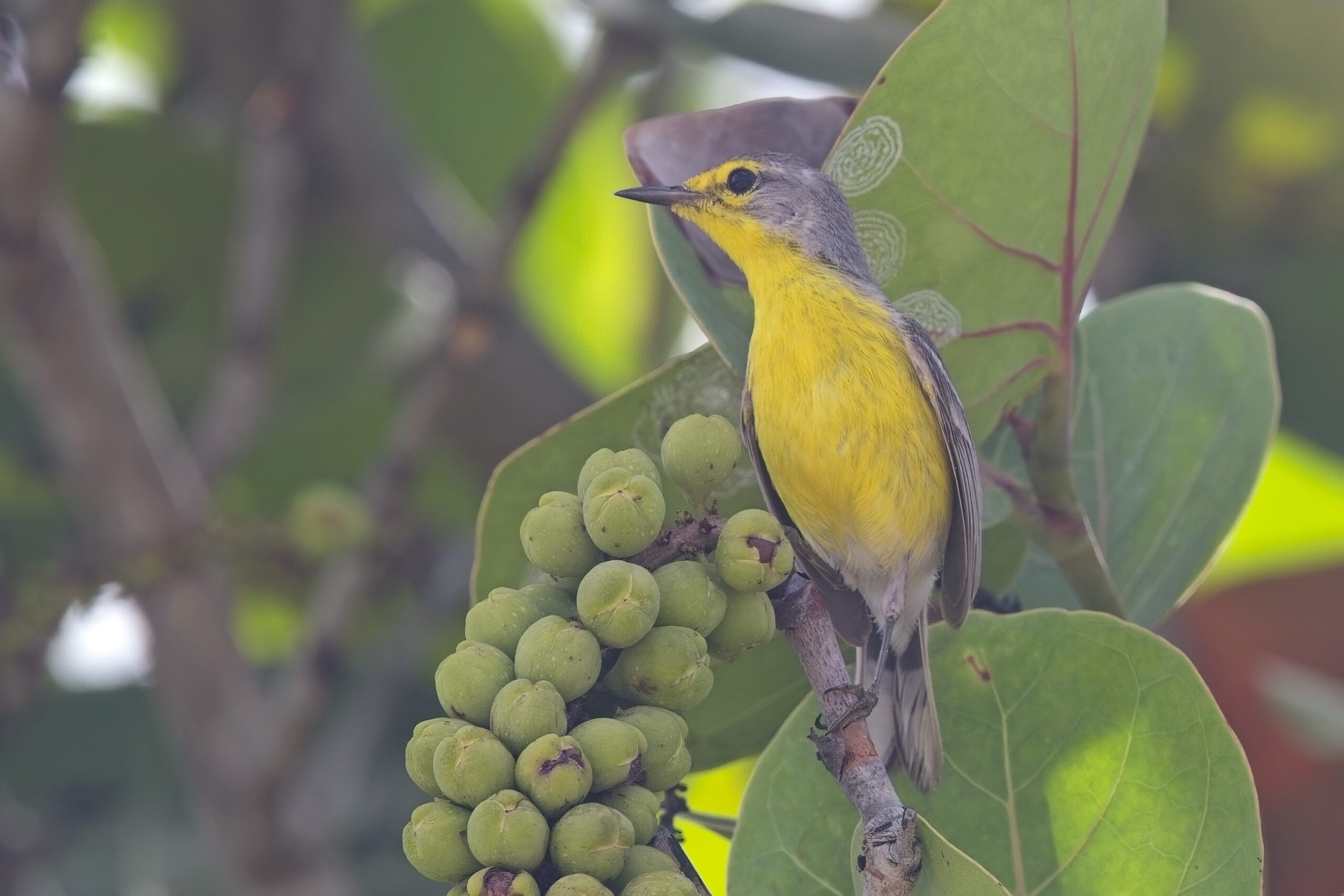
Barbuda Warbler (image by Tony Mills)
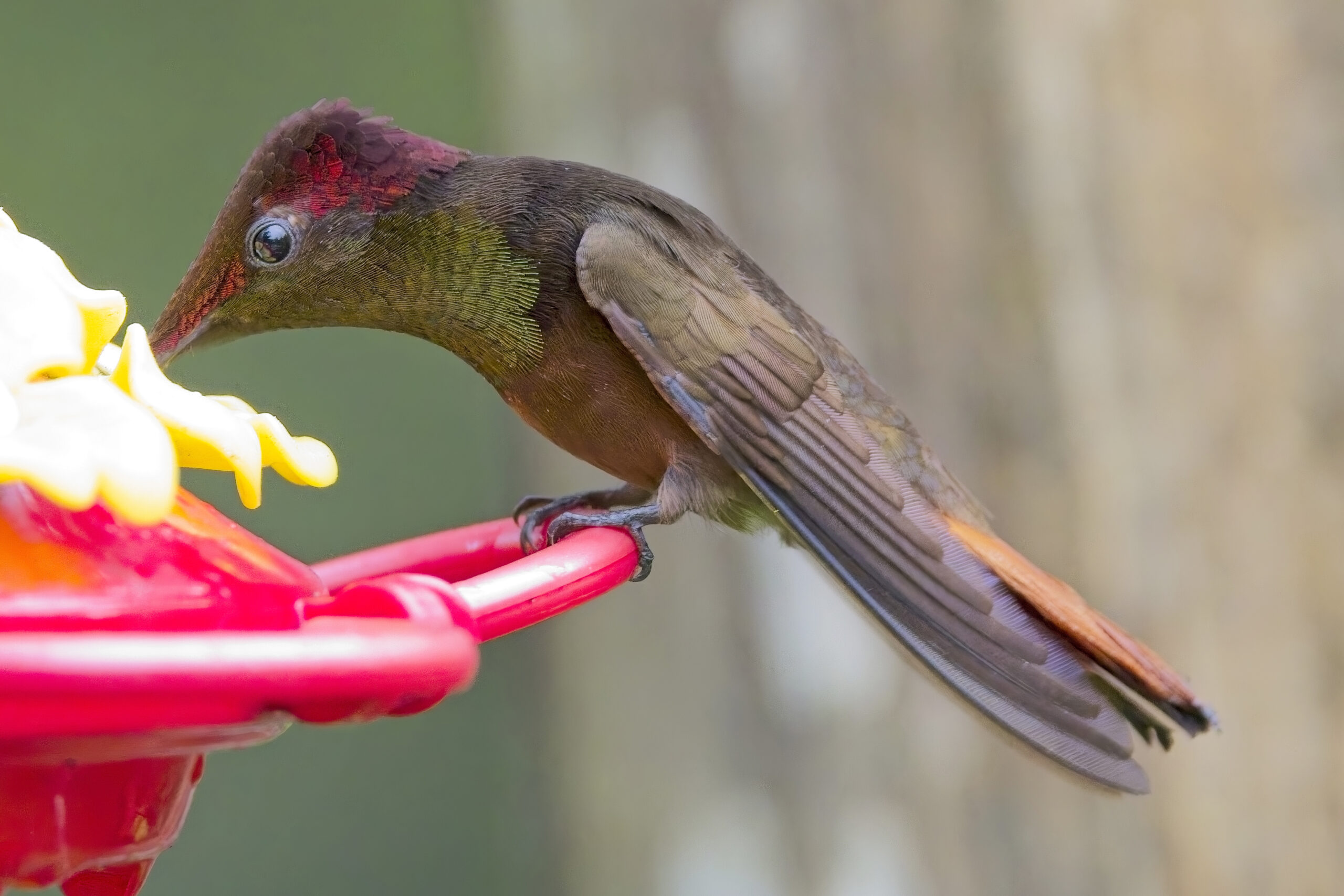
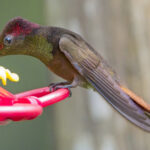
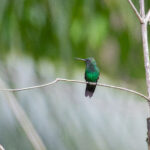
Ruby-topaz Hummingbird (image by Tony Mills)
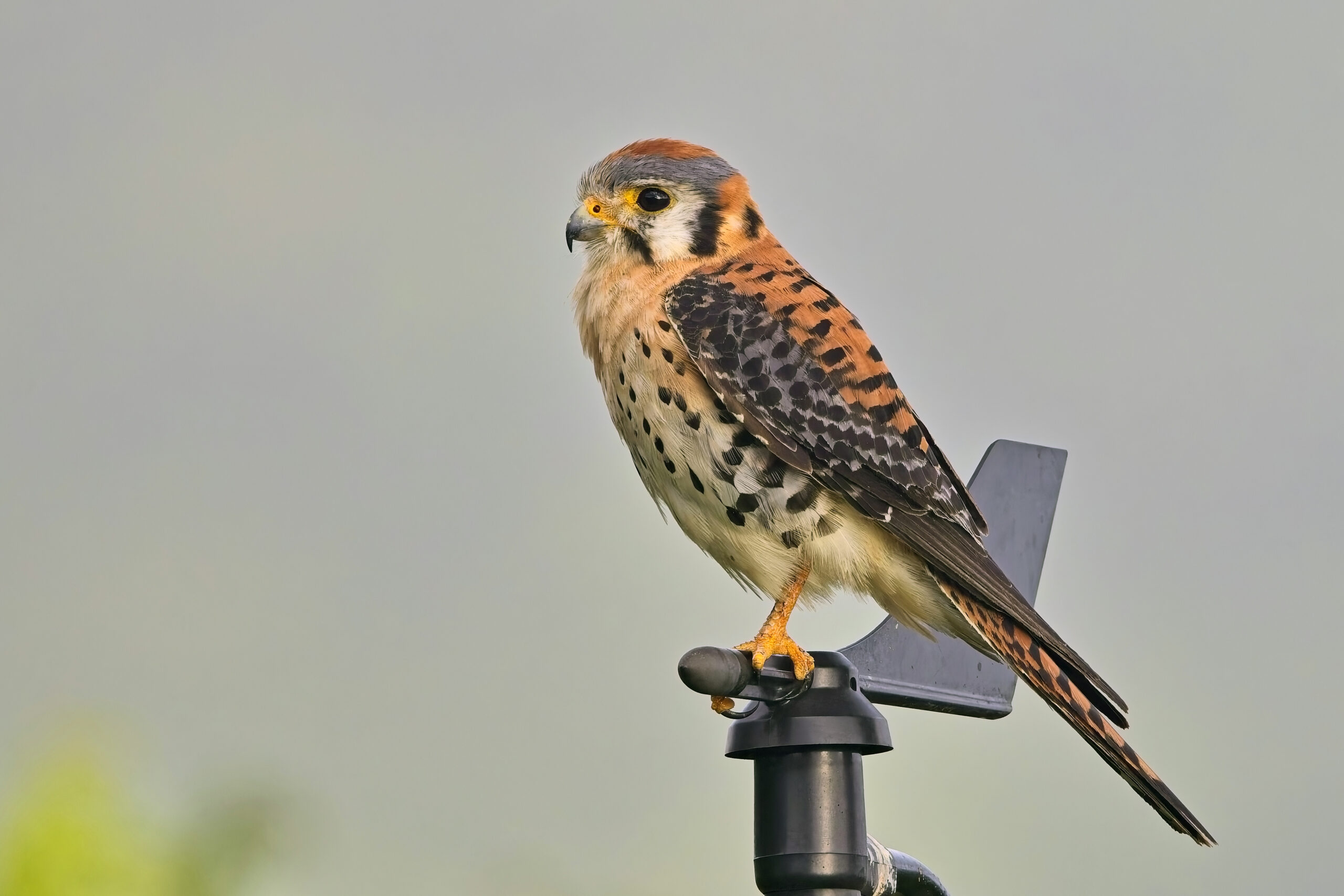
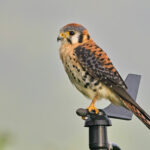
American Kestrel (image by Tony Mills)
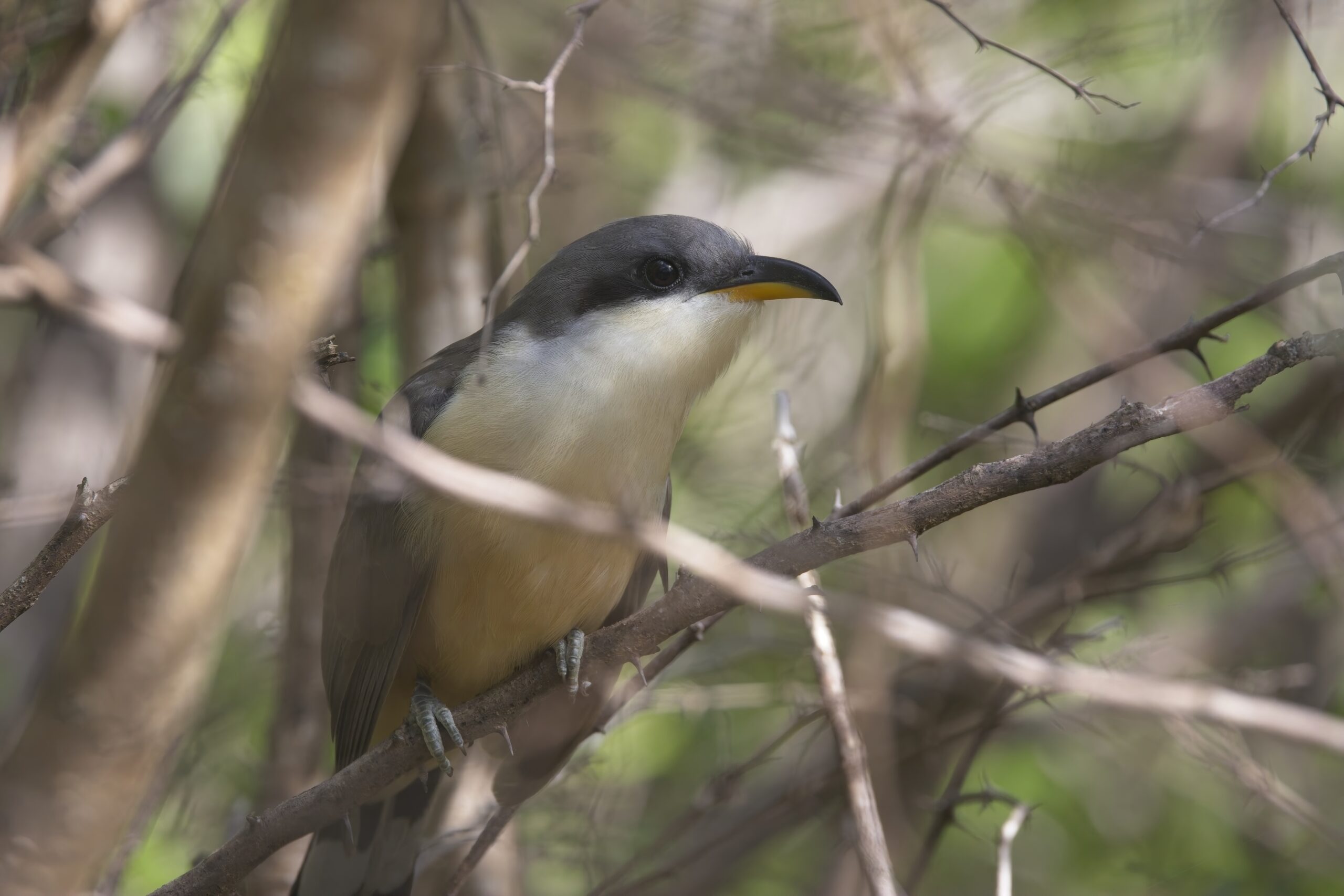
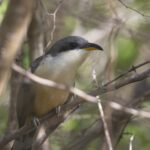
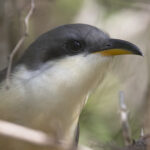
Mangrove Cuckoo (image by Tony Mills)
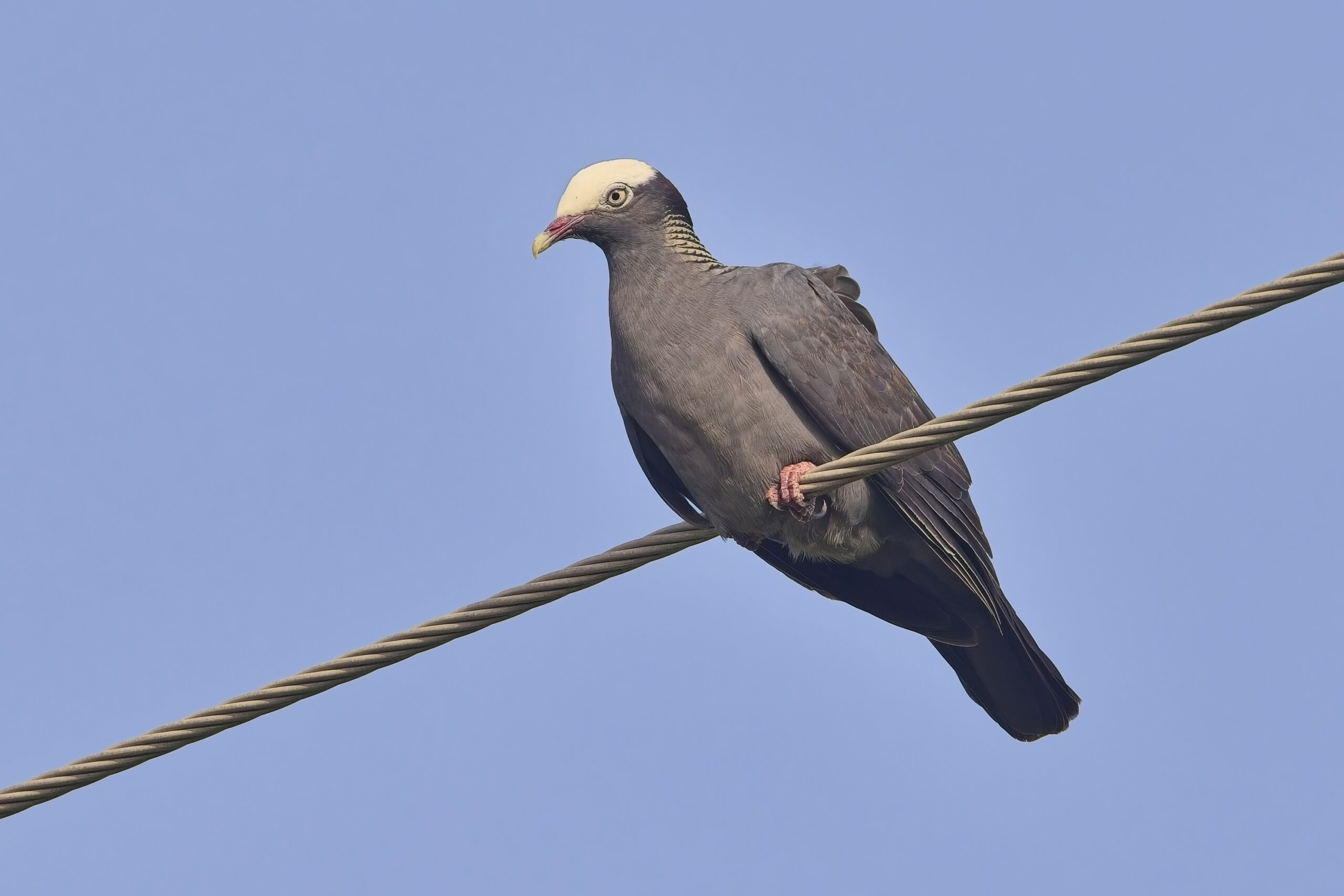
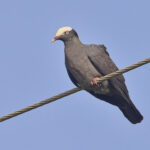
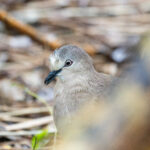
White-crowned Pigeon (image by Tony Mills)

Lesser Antillean Tanager (image by Tony Mills)
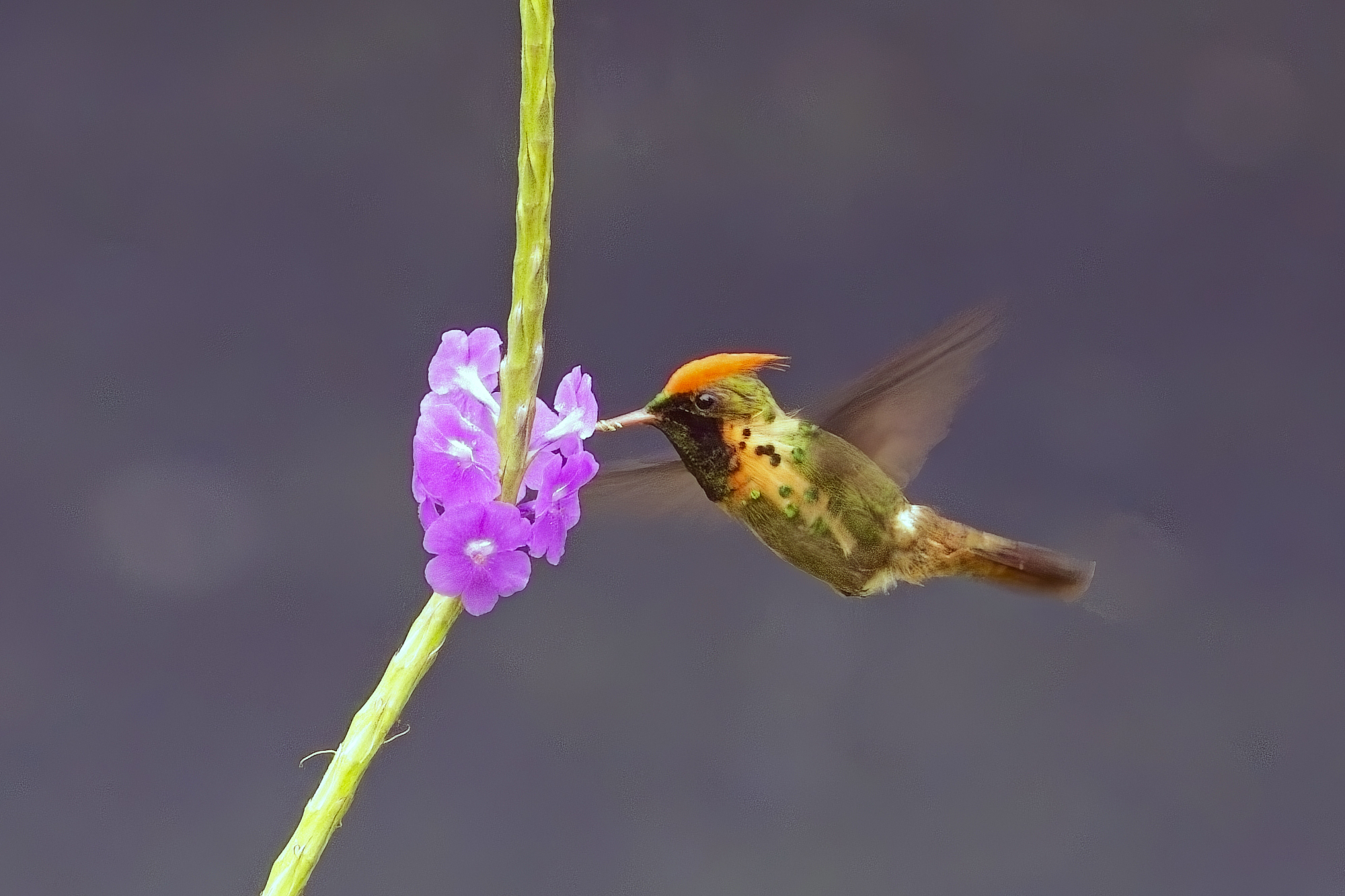
Tufted Coquette (image by Tony Mills)
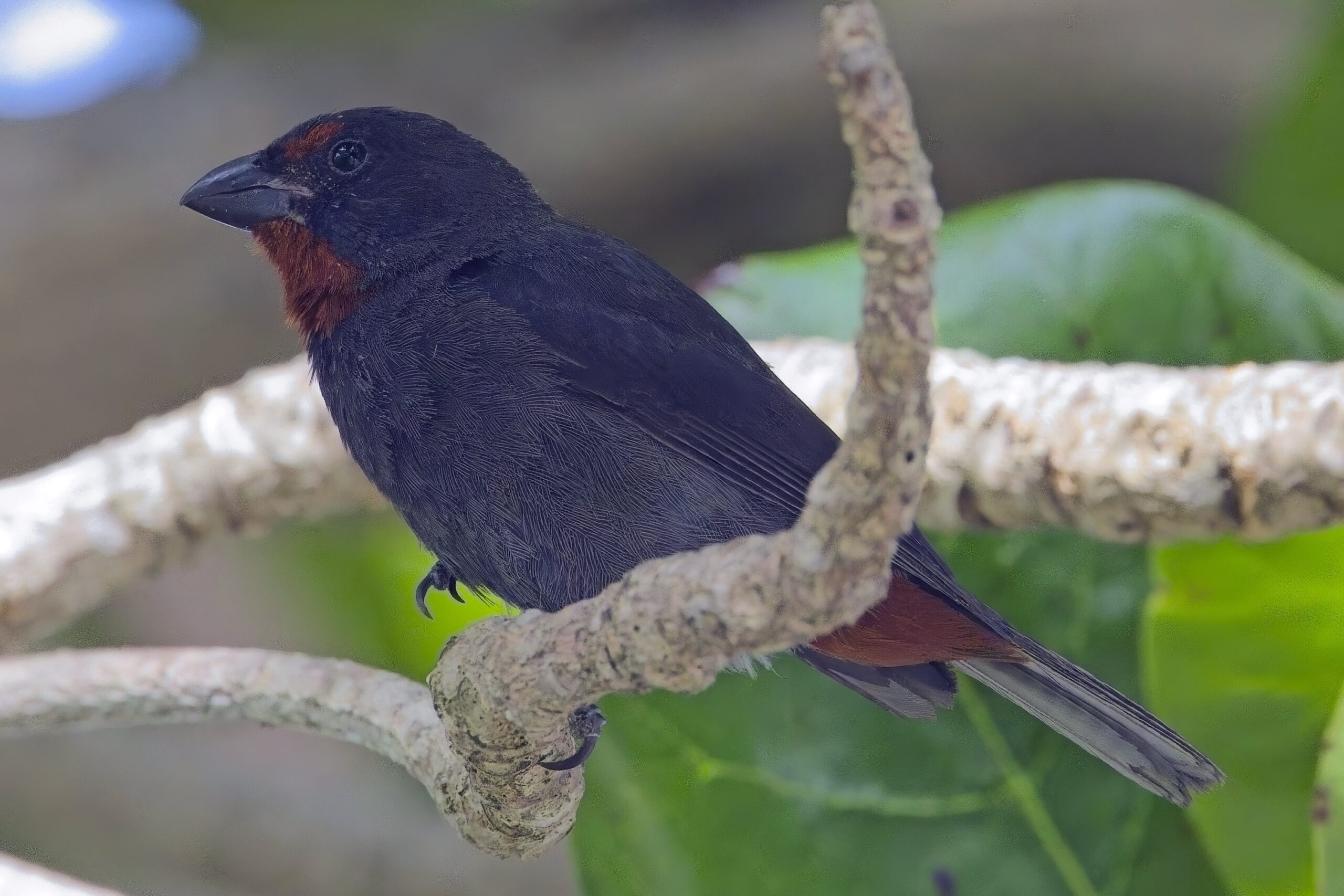
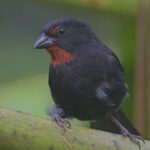
male Lesser Antillean Bullfinch (image by Tony Mills)
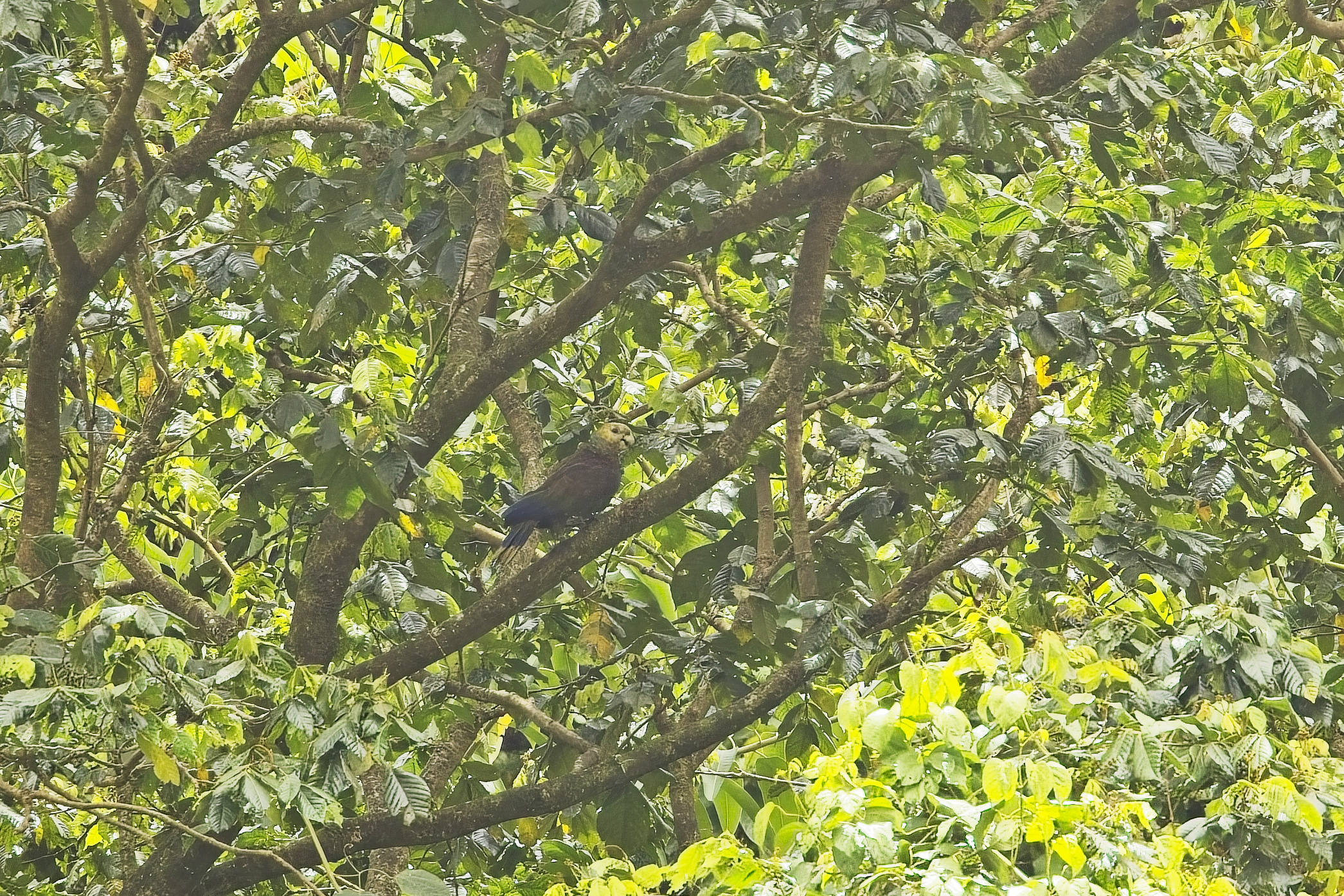
St. Vincent Amazon (image by Tony Mills)
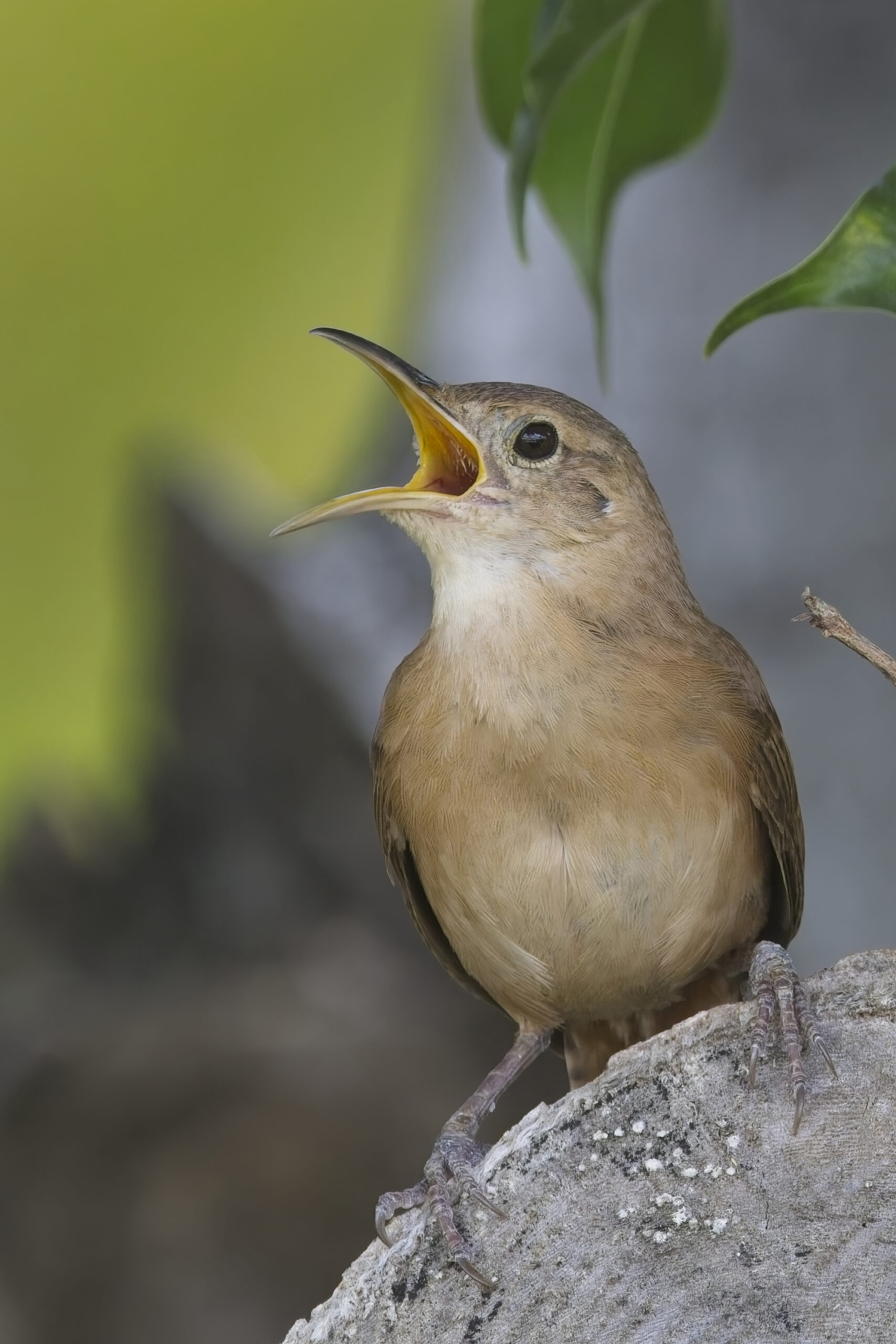
Grenada Wren (image by Tony Mills)
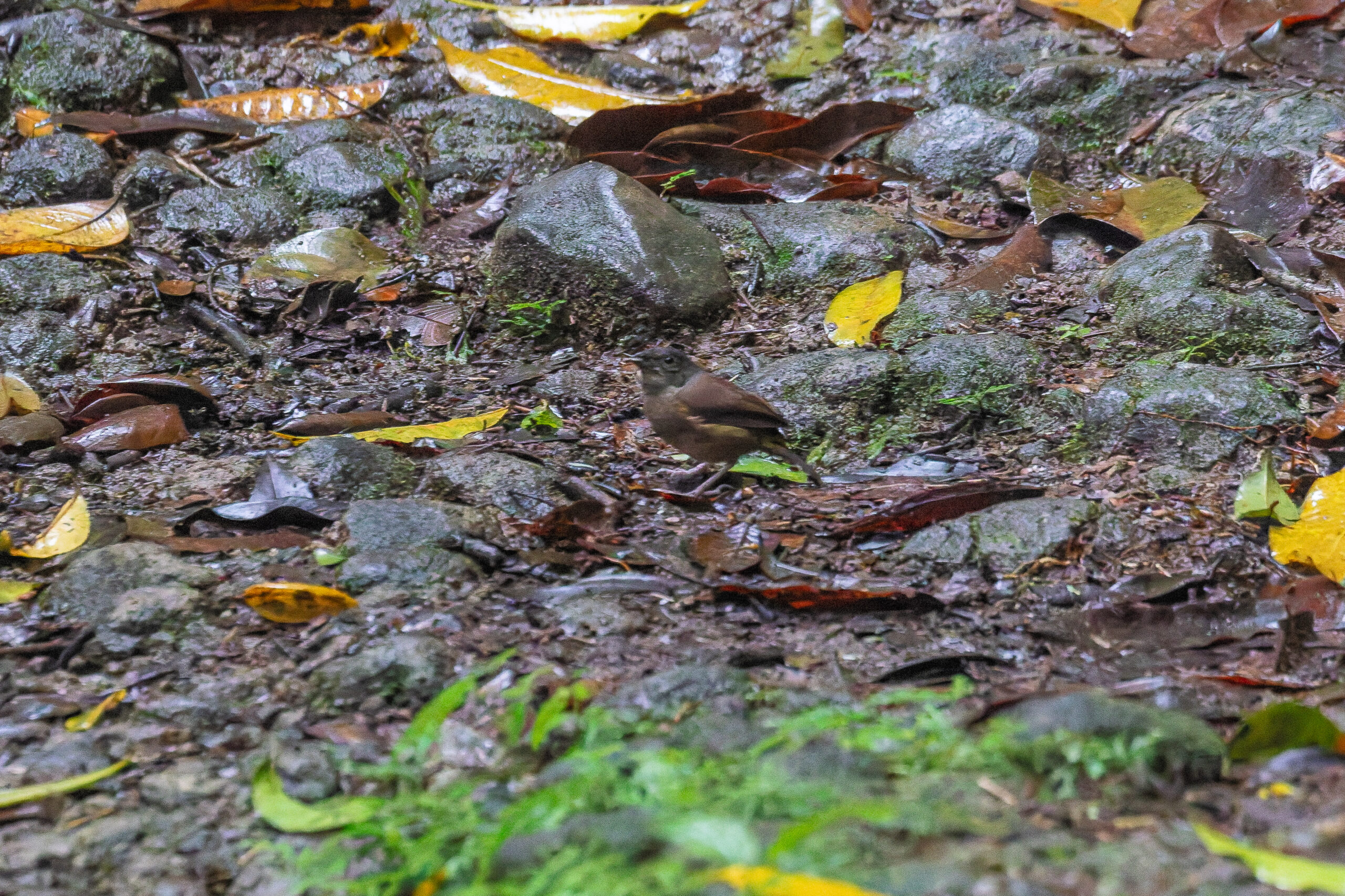
female St. Lucia Black Finch (image by Tony Mills)
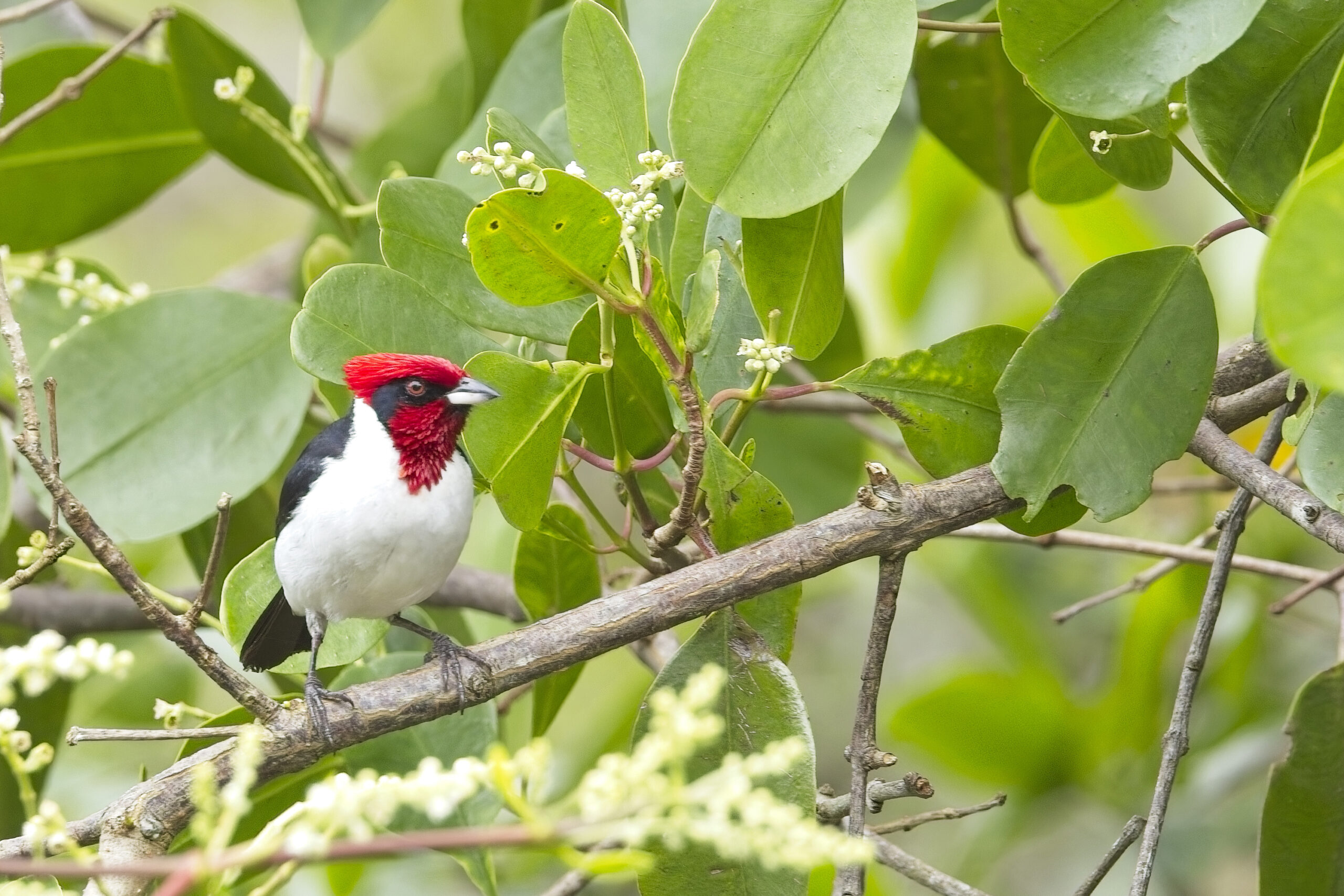
Masked Cardinal (image by Tony Mills)
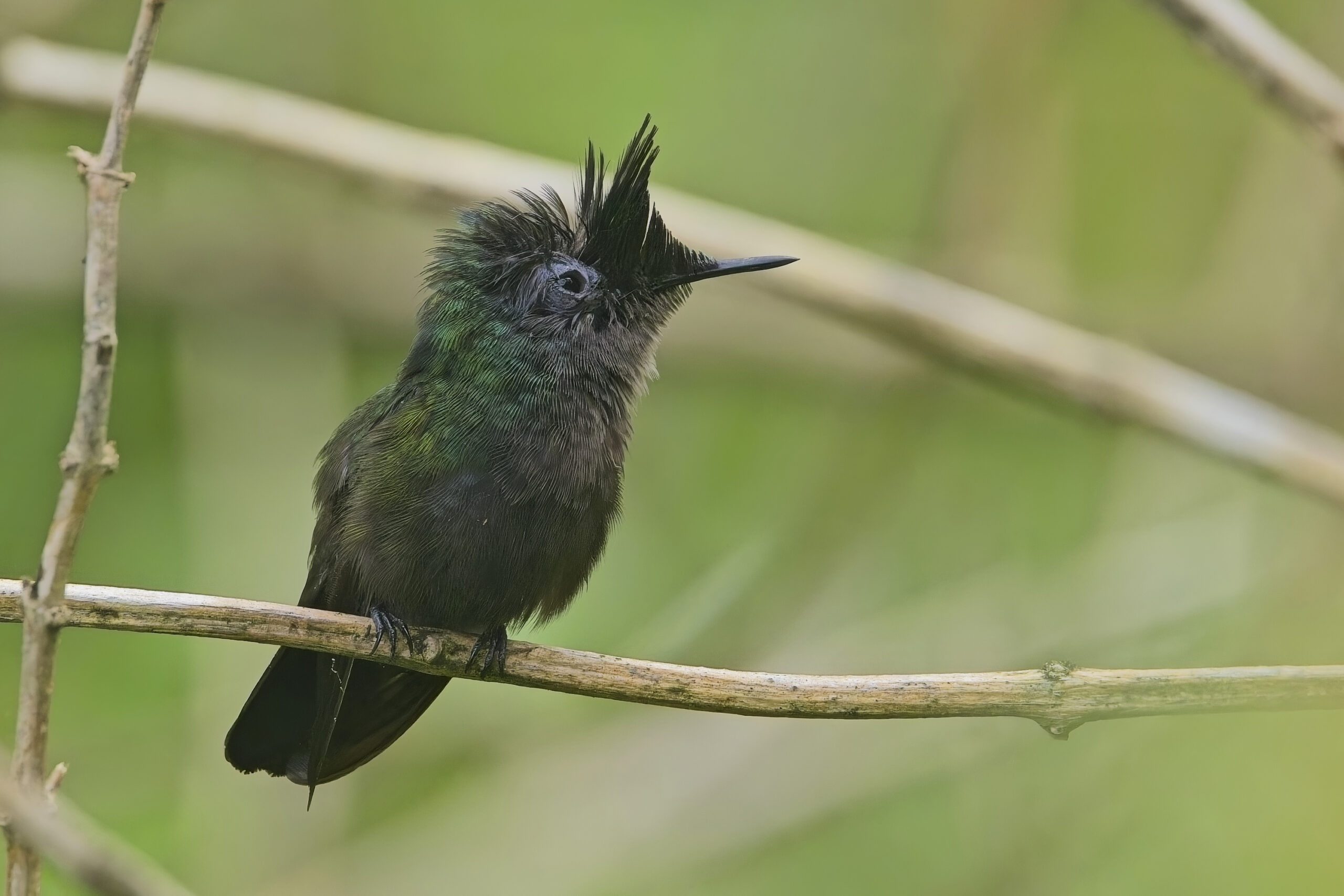
Antillean Crested Hummingbird (image by Tony Mills)
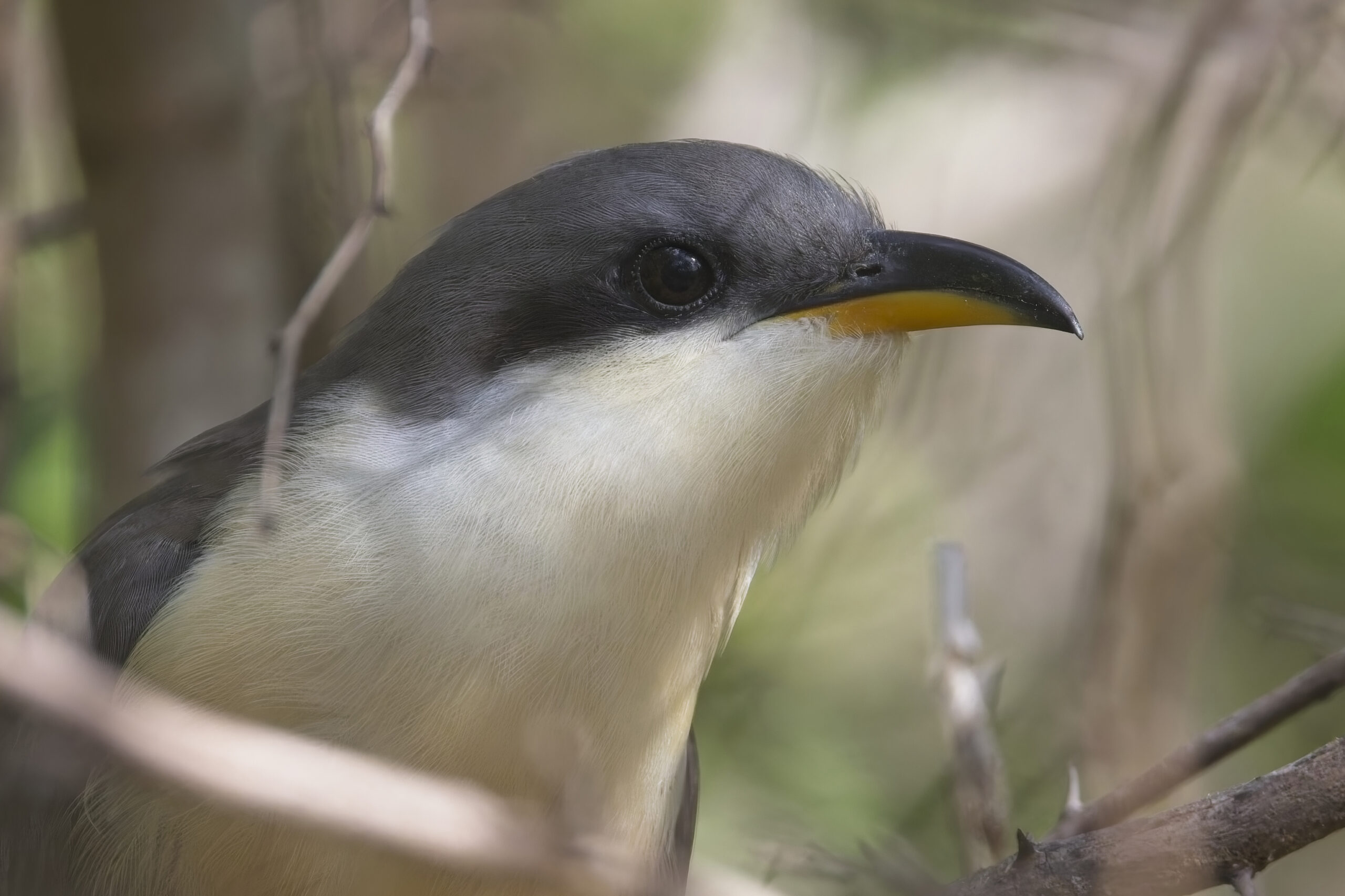
Mangrove Cuckoo (image by Tony Mills)
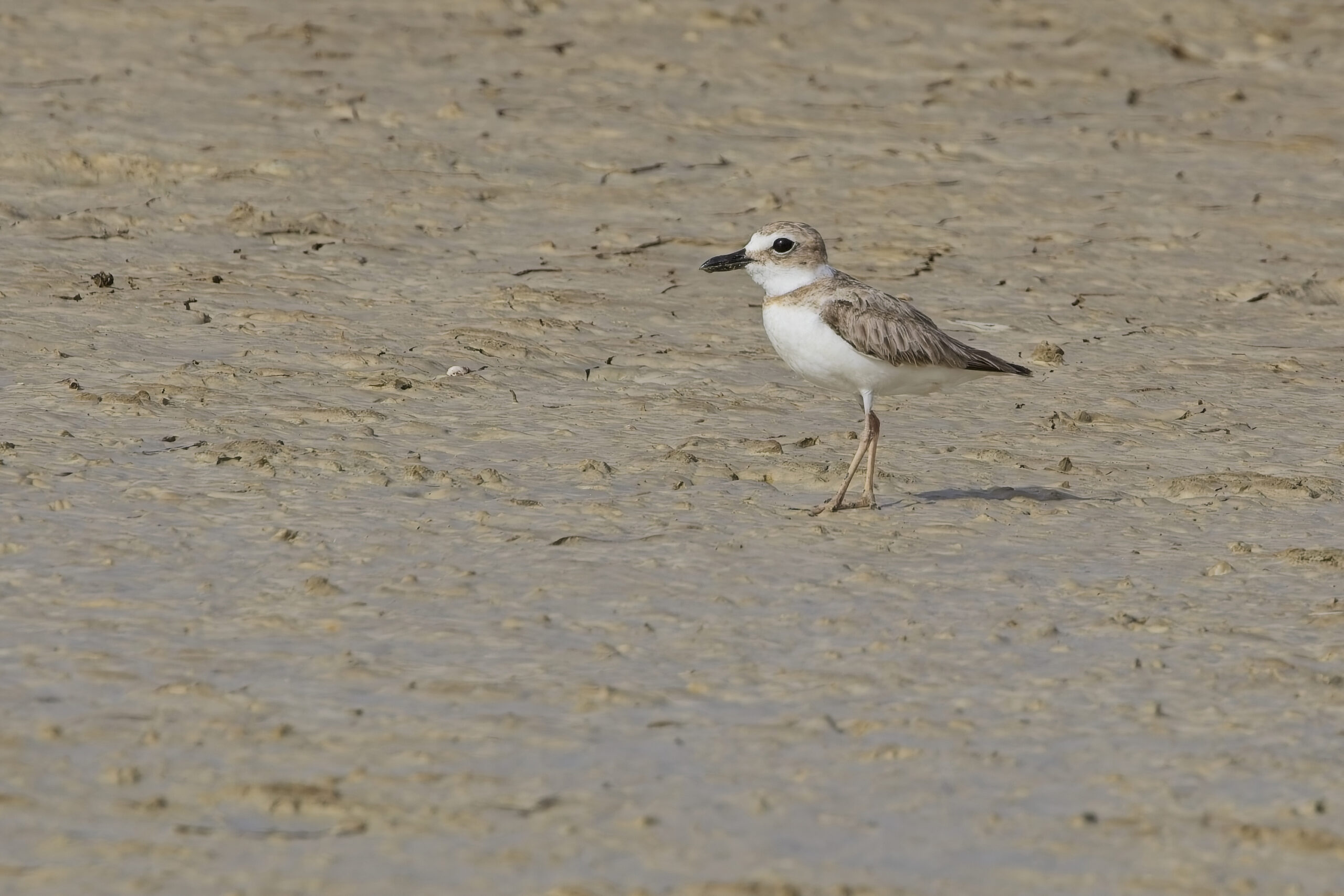
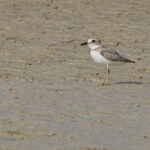
Wilson's Plover (image by Tony Mills)
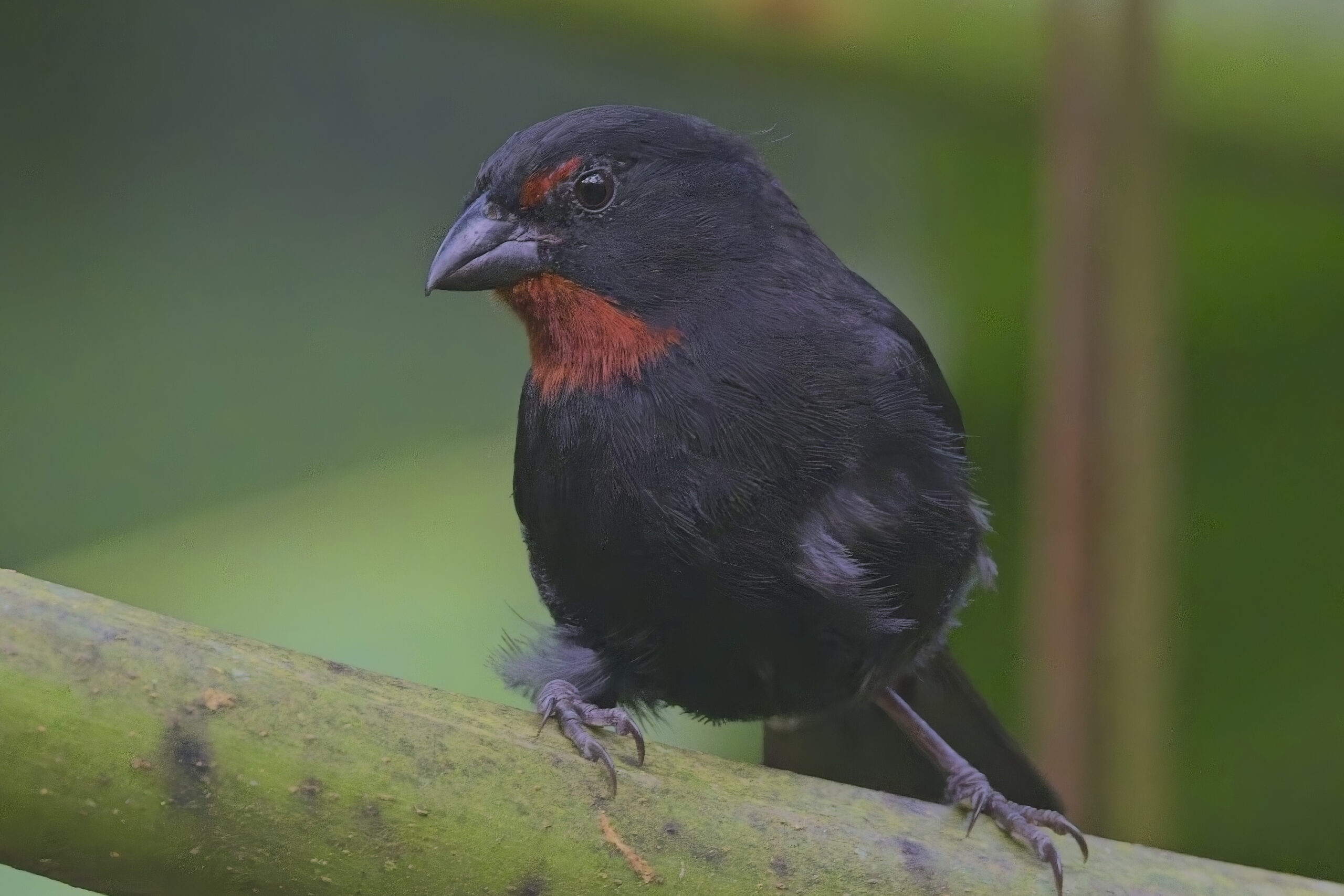
male Lesser Antillean Bullfinch (image by Tony Mills)
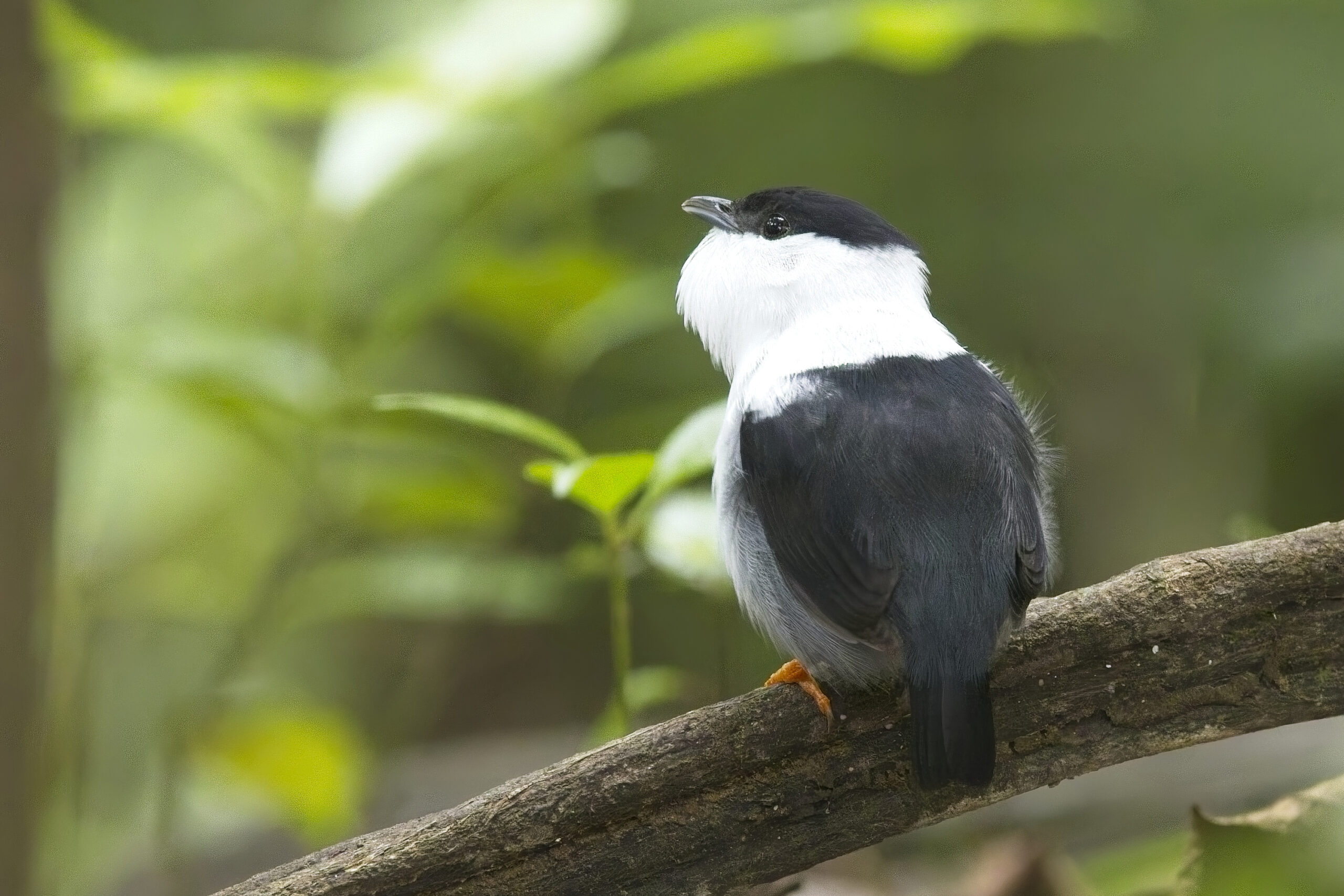
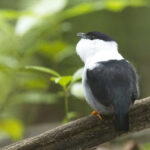
White-bearded Manakin (image by Tony Mills)
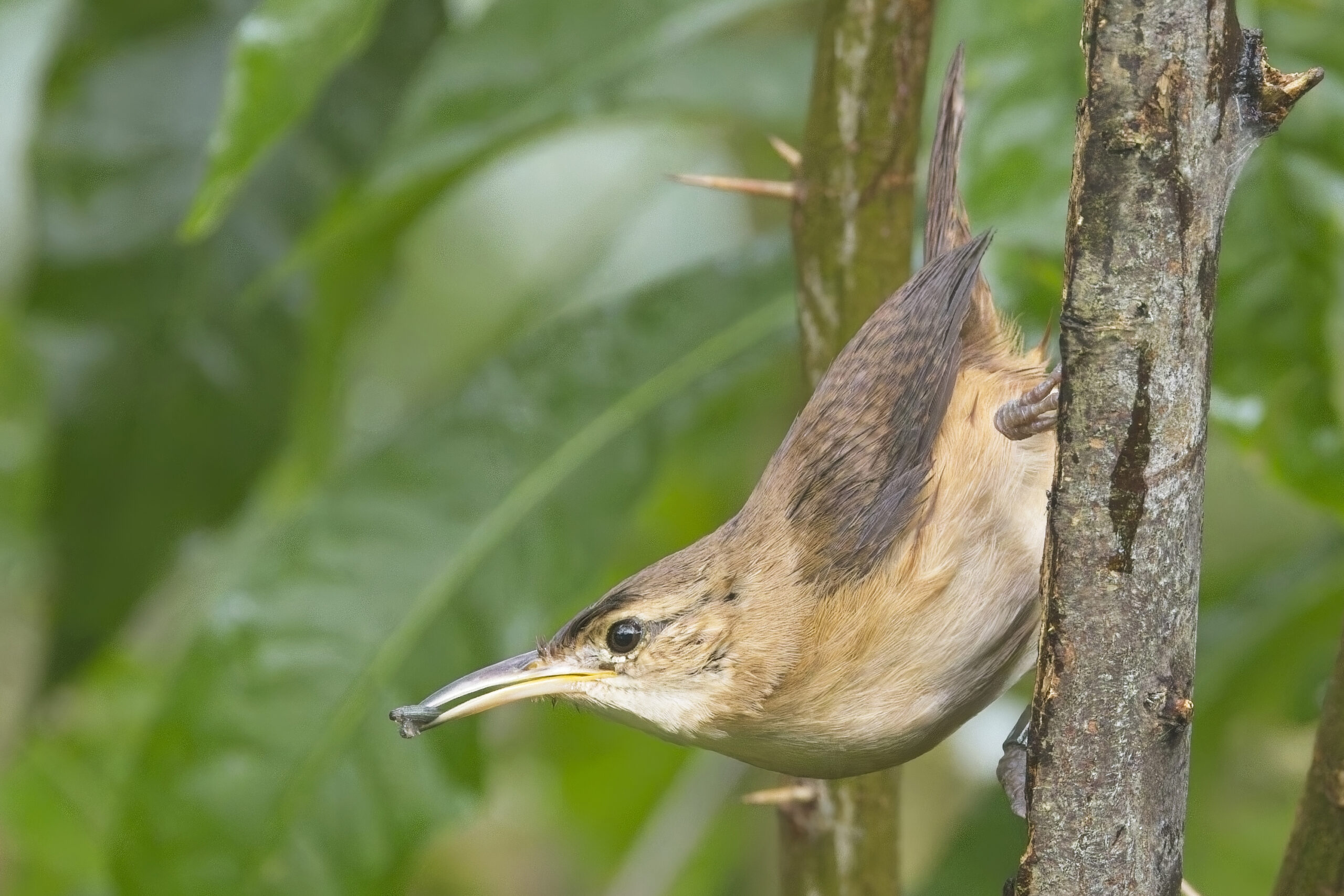
Grenada Wren (image by Tony Mills)
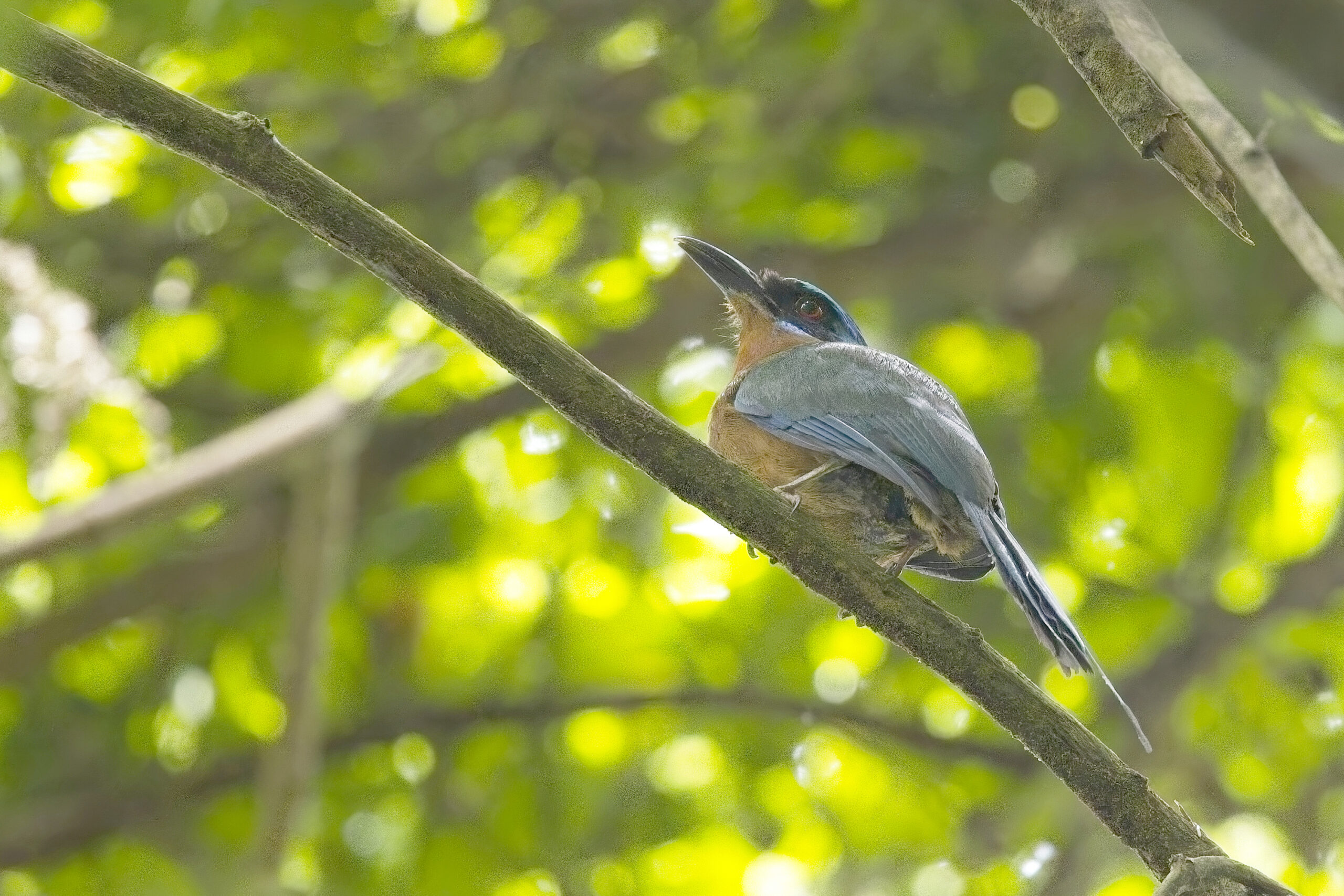
Trinidad Motmot (image by Tony Mills)
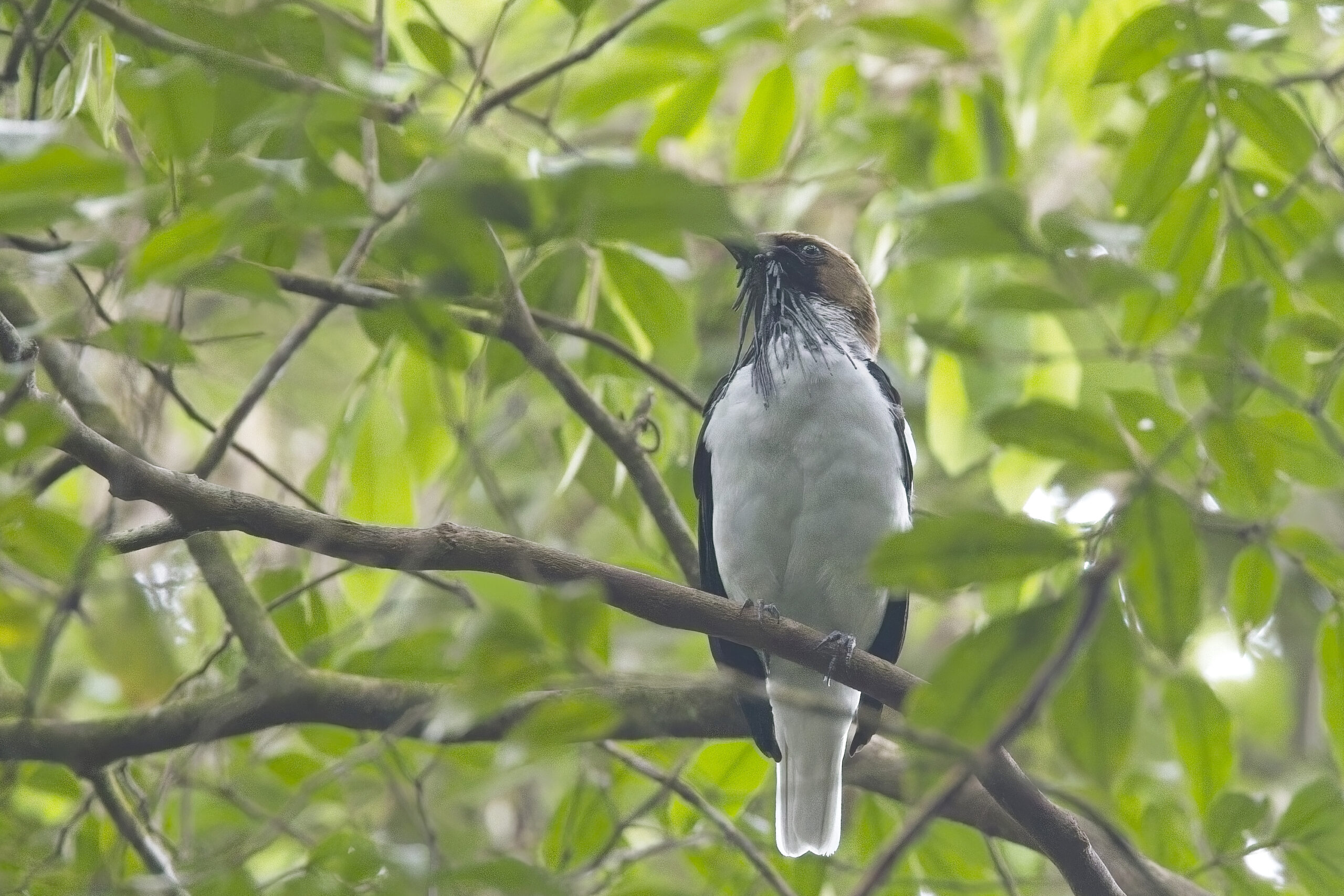
Bearded Bellbird (image by Tony Mills)
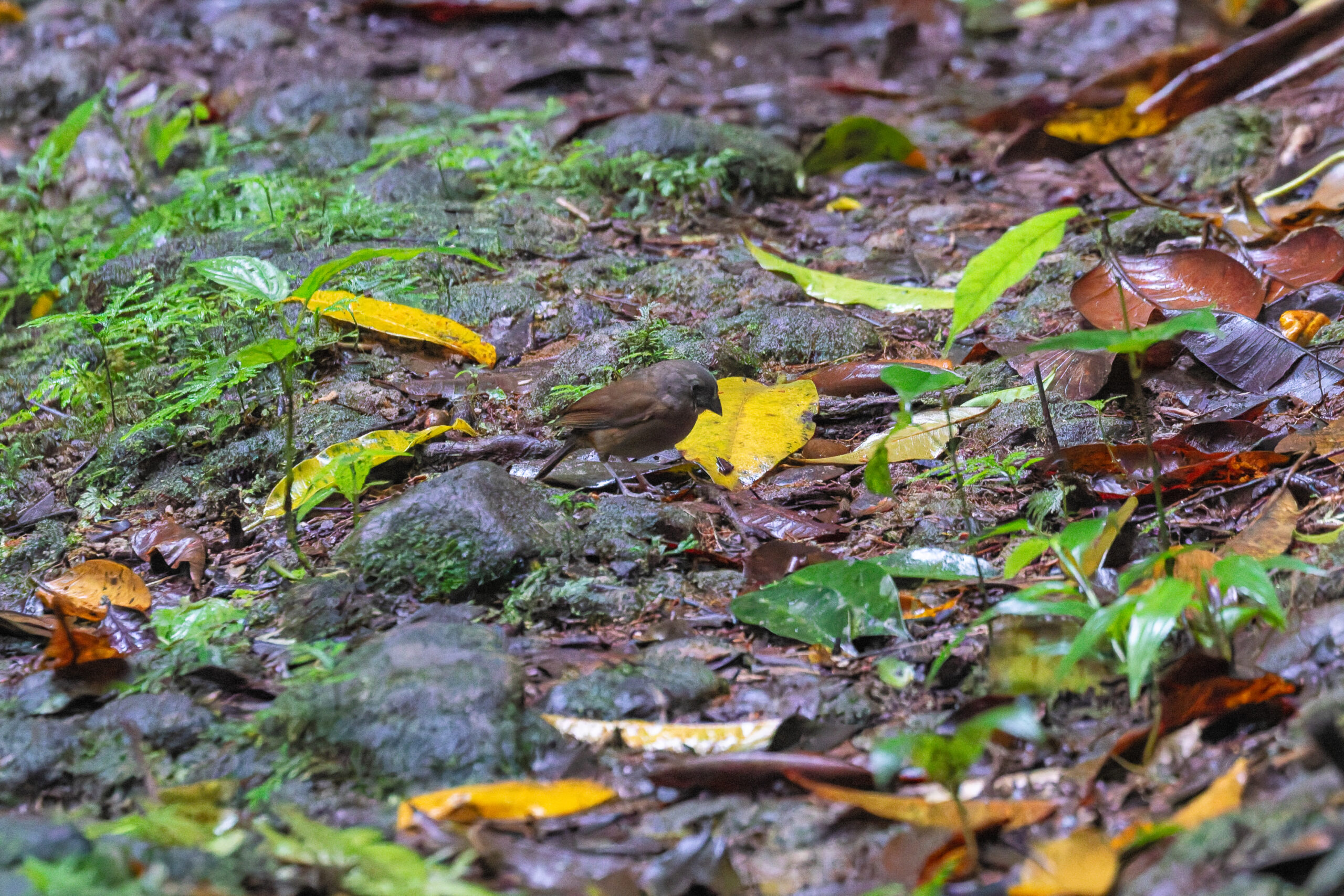
female St. Lucia Black Finch (image by Tony Mills)
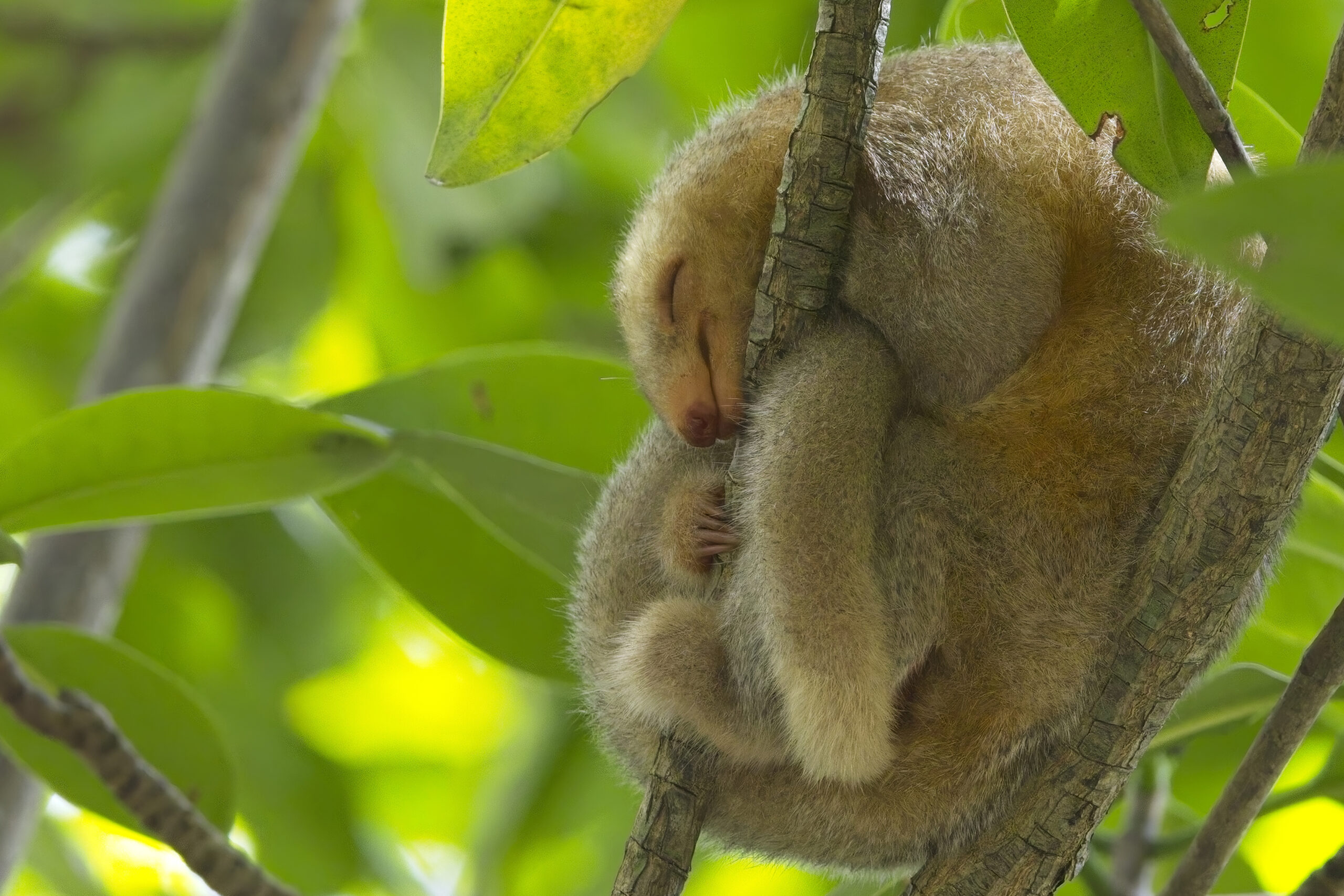
Silky Anteater (image by Tony Mills)
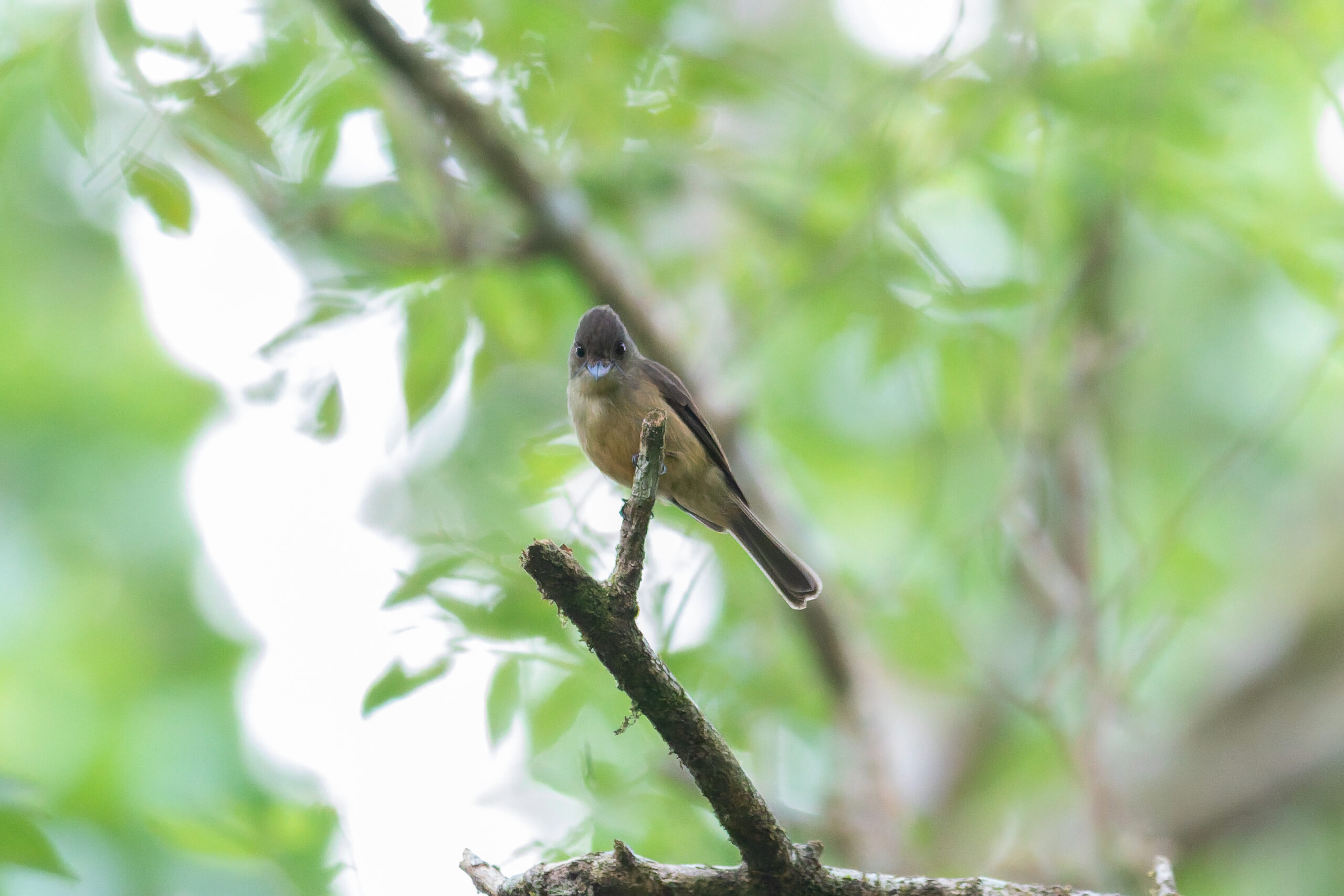
Lesser Antillean Pewee (image by Diedert Koppenol)
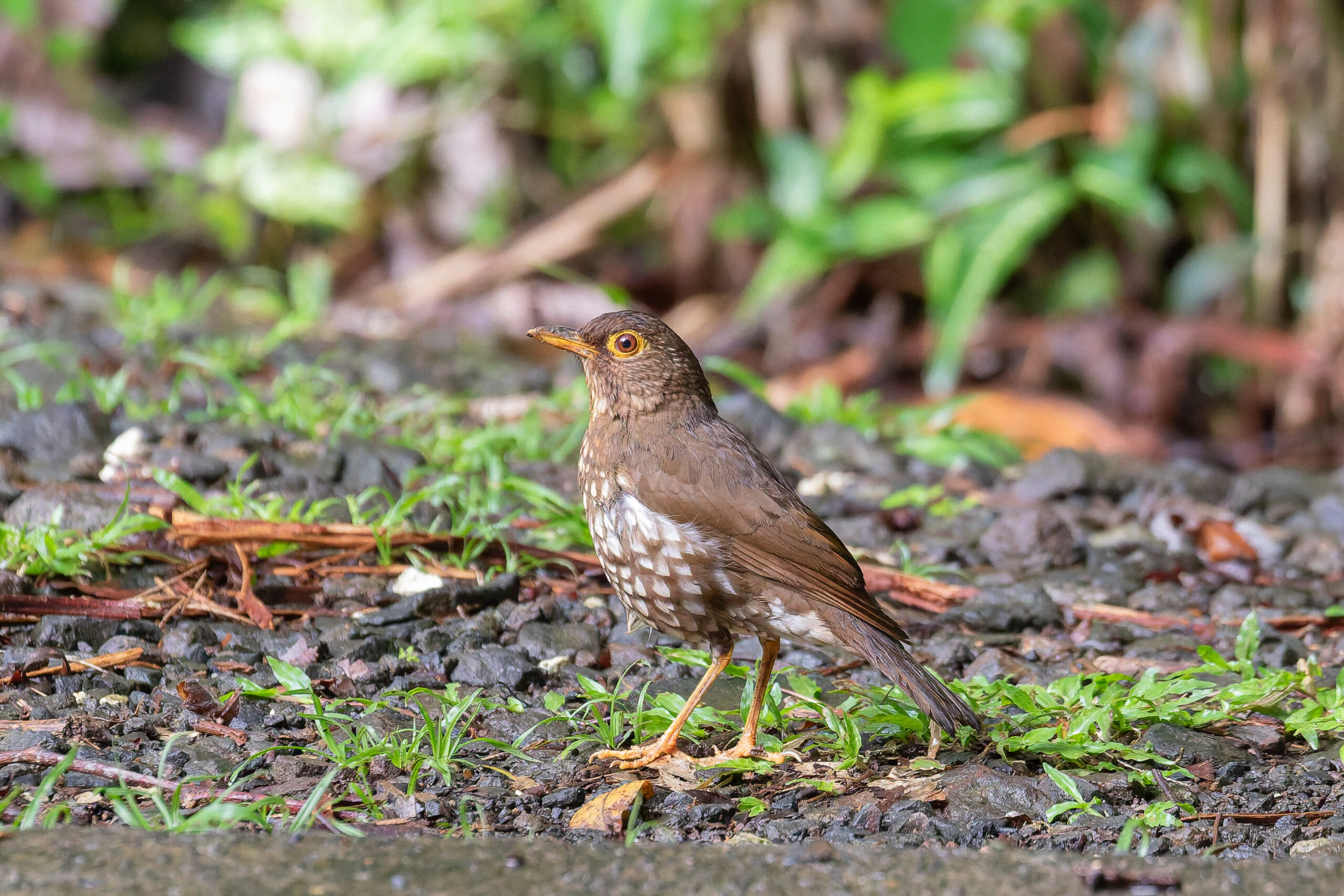
Forest Thrush (image by Diedert Koppenol)
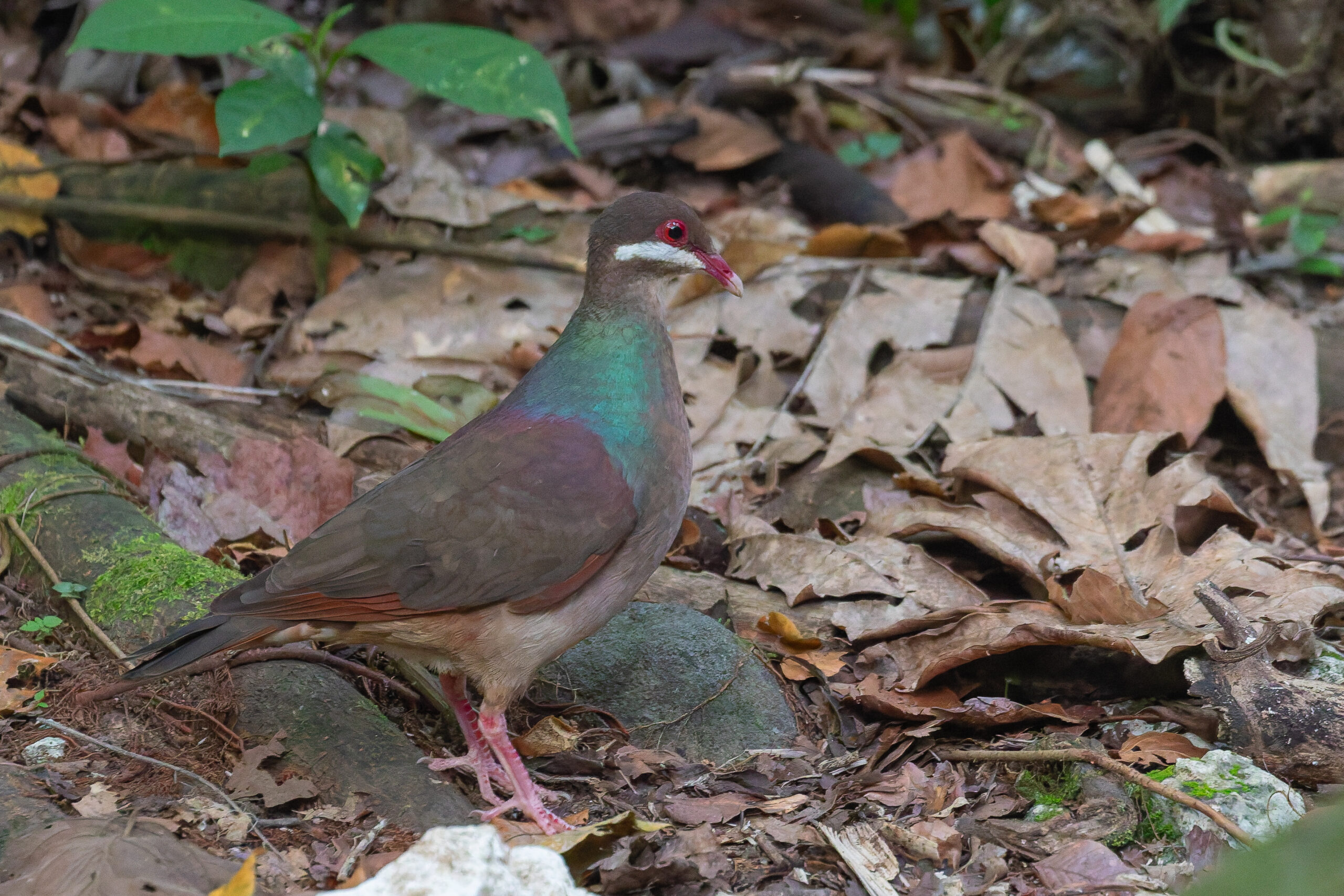
Bridled Quail-Dove (image by Diedert Koppenol)
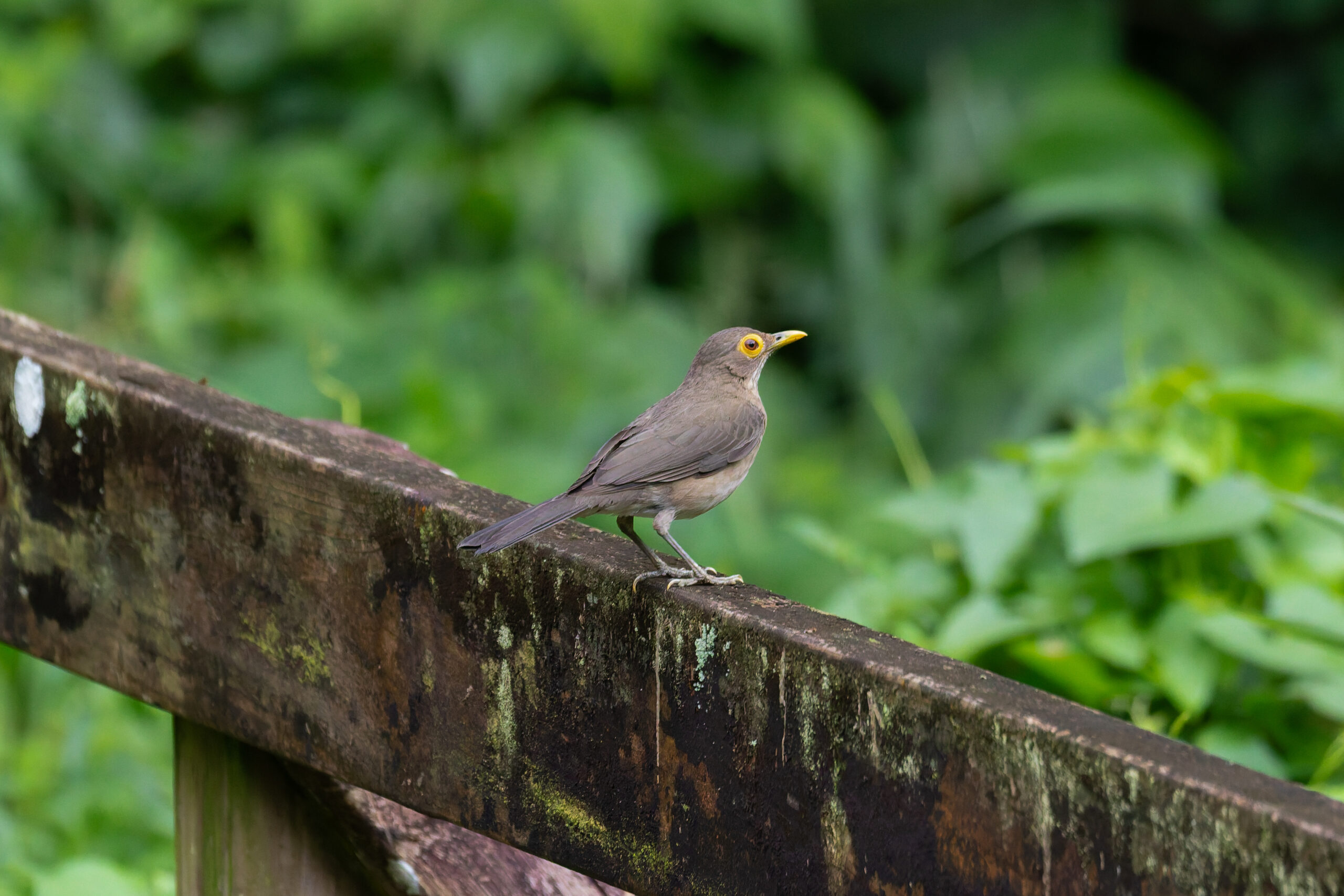
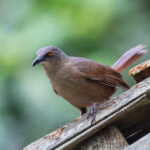
Spectacled Thrush (image by Diedert Koppenol)
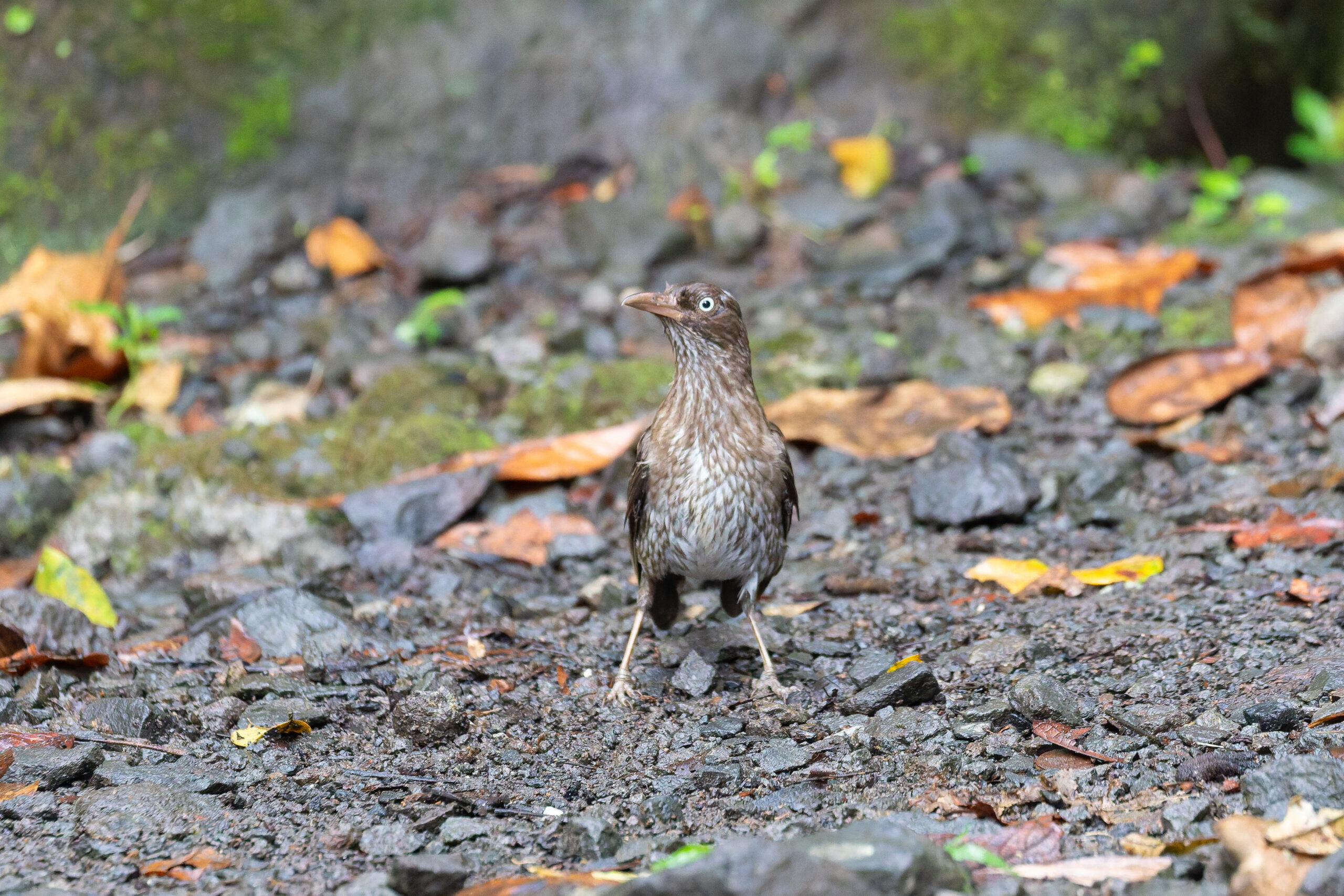
Pearly-eyed Thrasher (image by Diedert Koppenol)
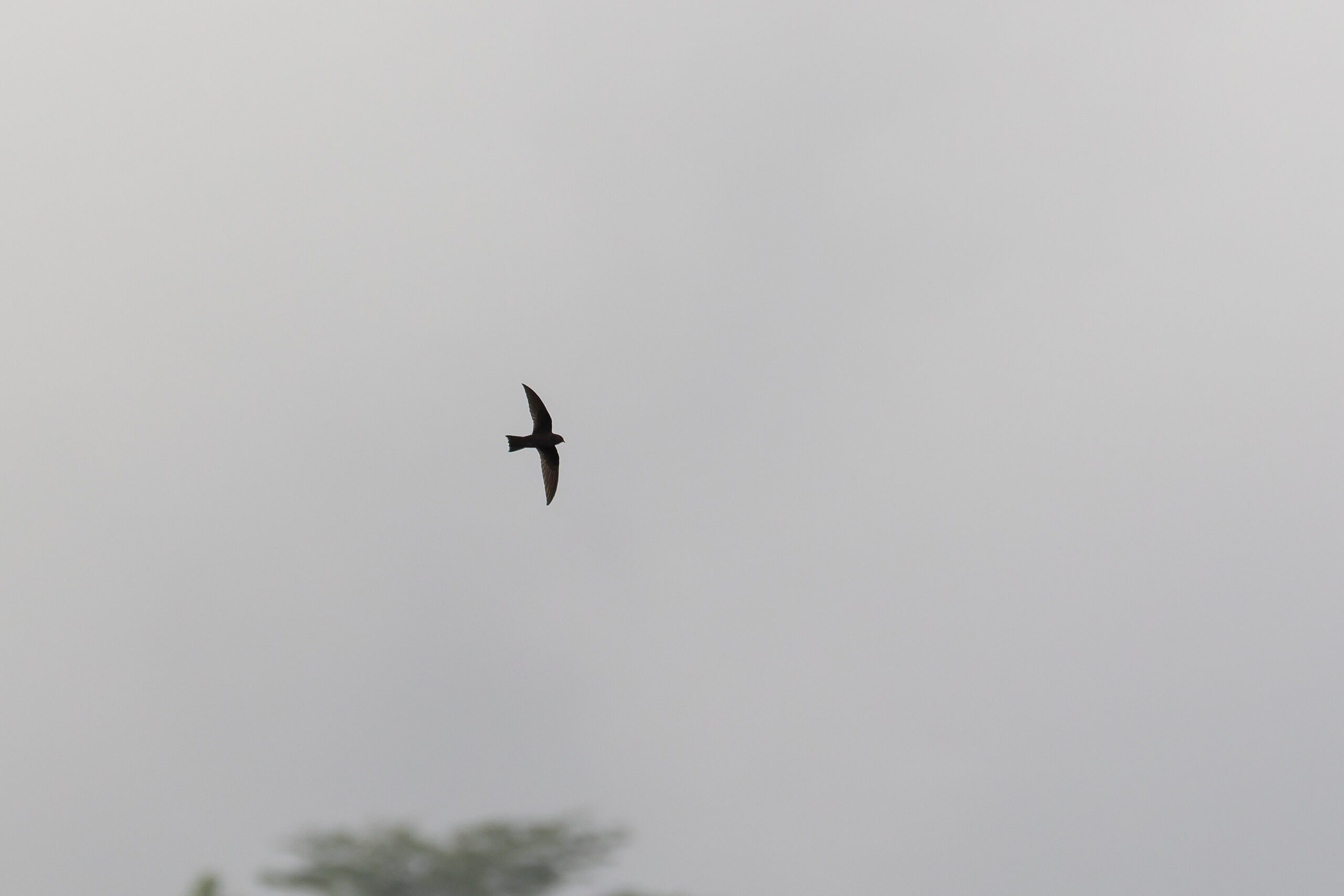
American Black Swift (image by Diedert Koppenol)
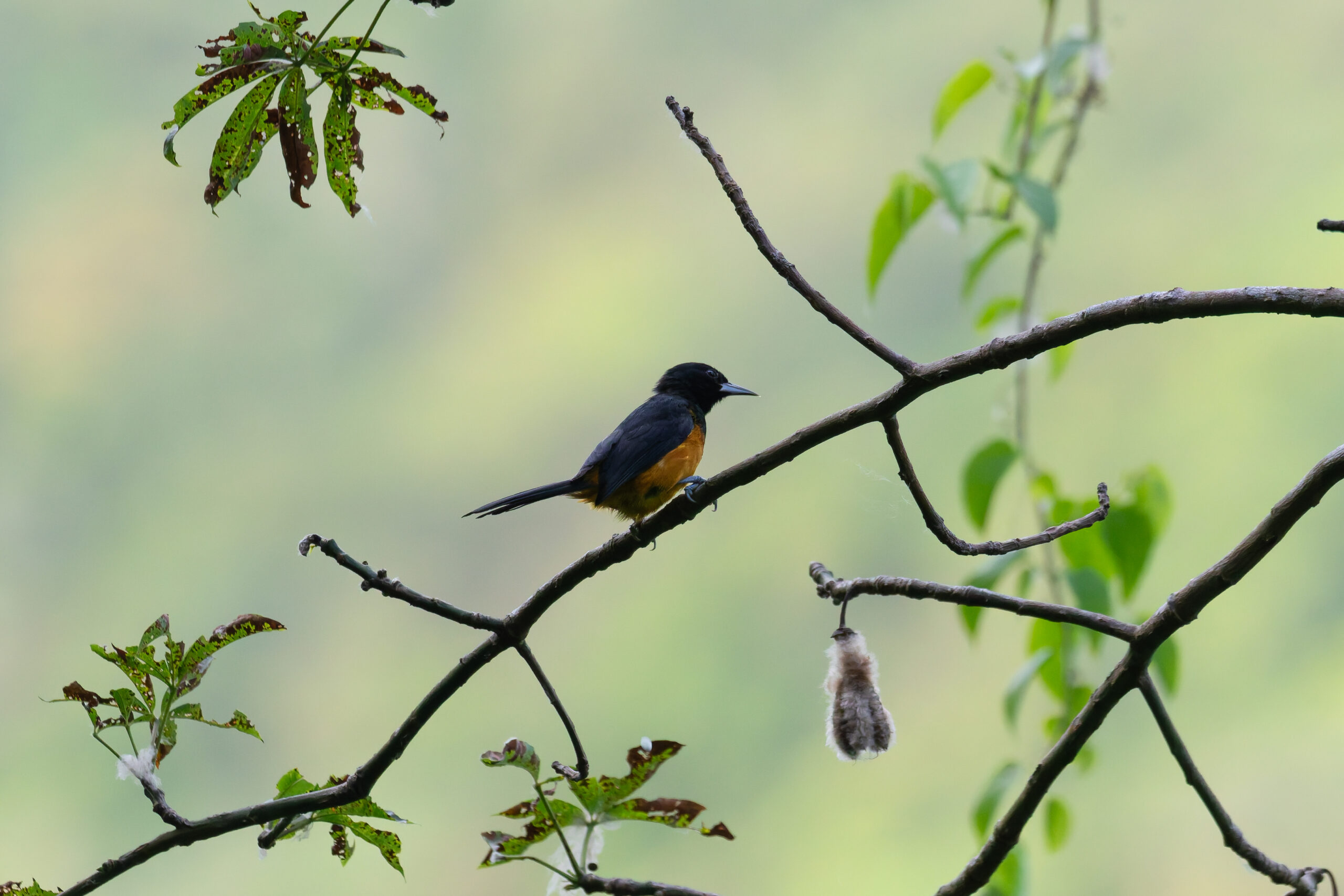
male Montserrat Oriole (image by Diedert Koppenol)
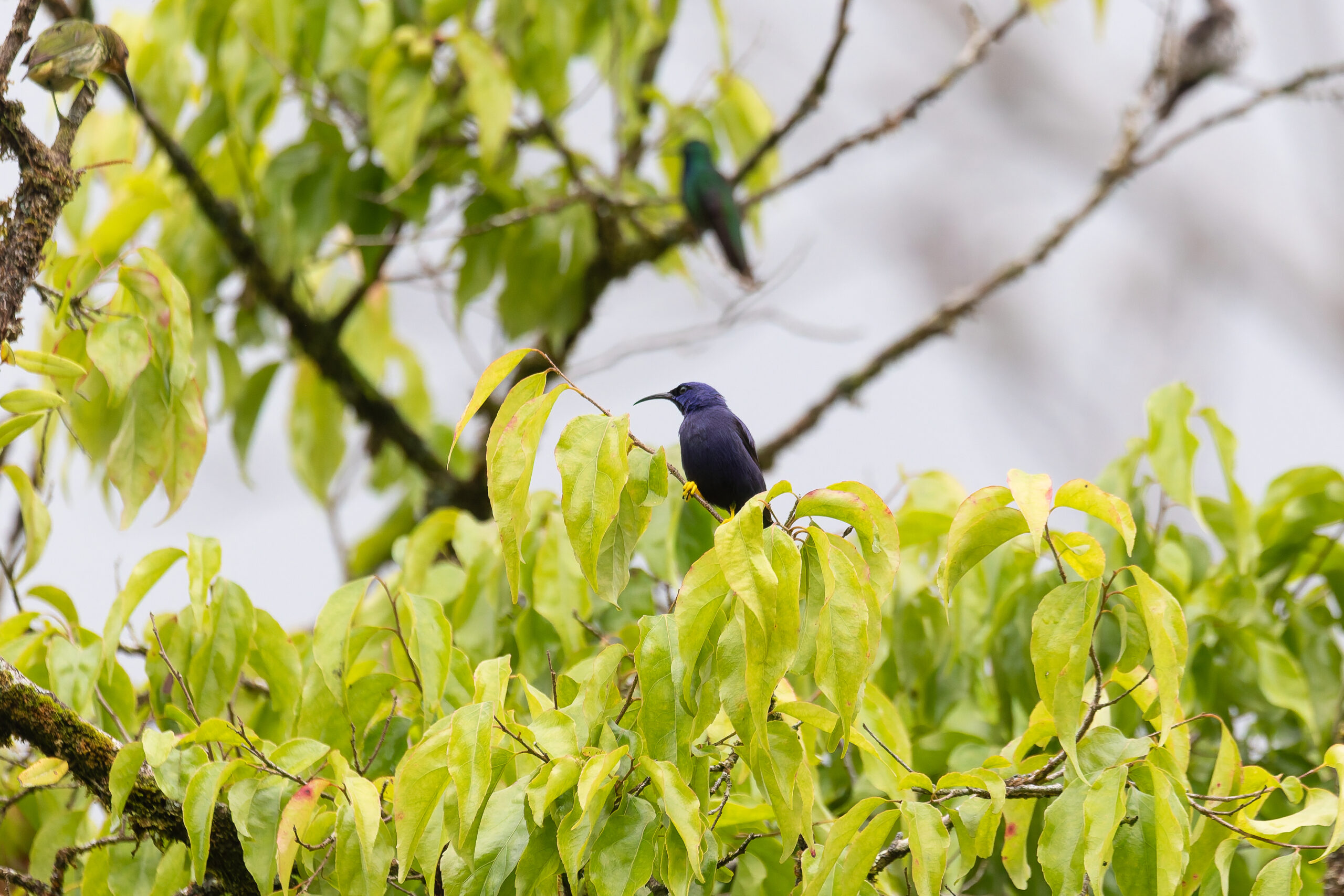
Shining Honeycreeper (image by Diedert Koppenol)
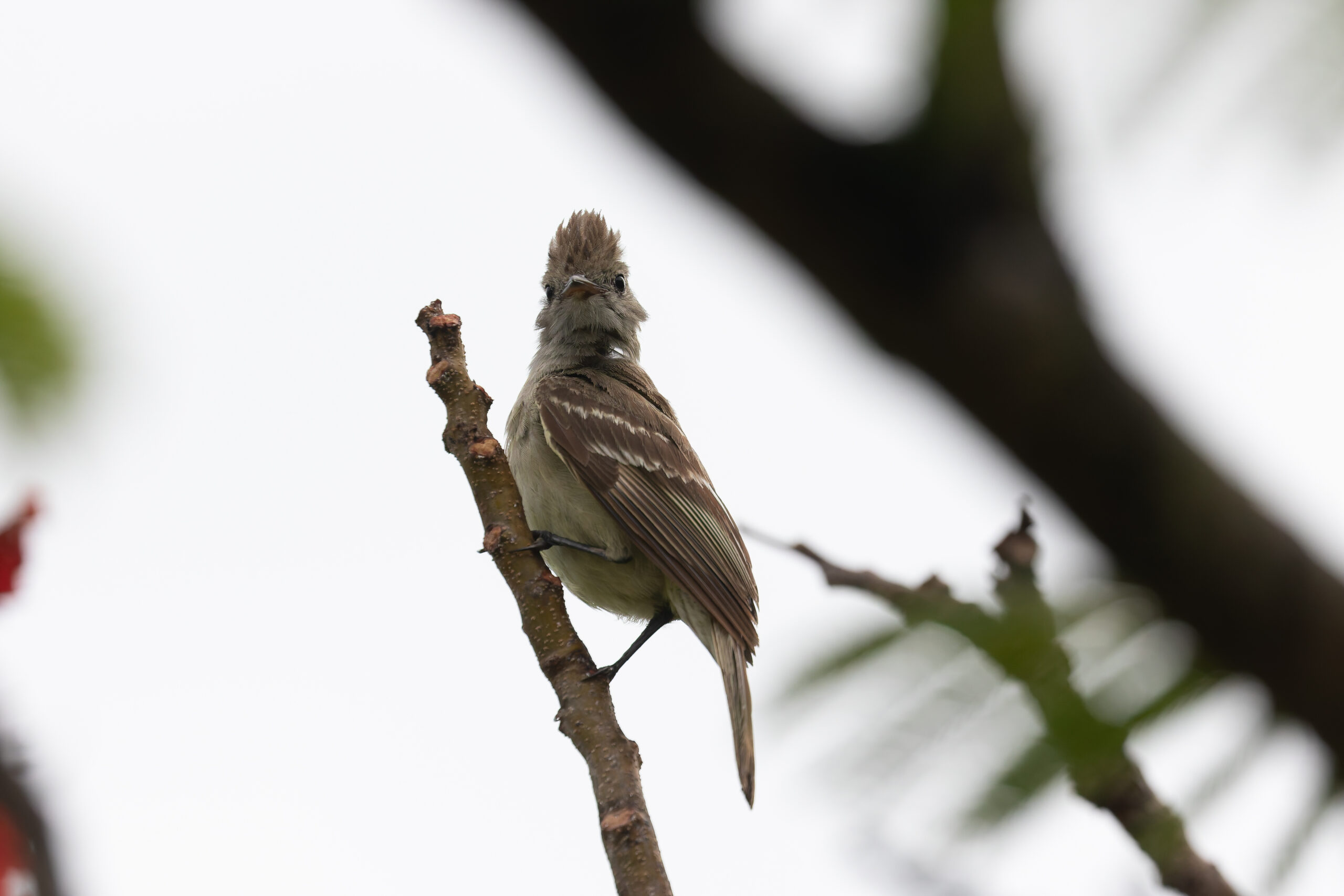
Yellow-bellied Elaenia (image by Diedert Koppenol)
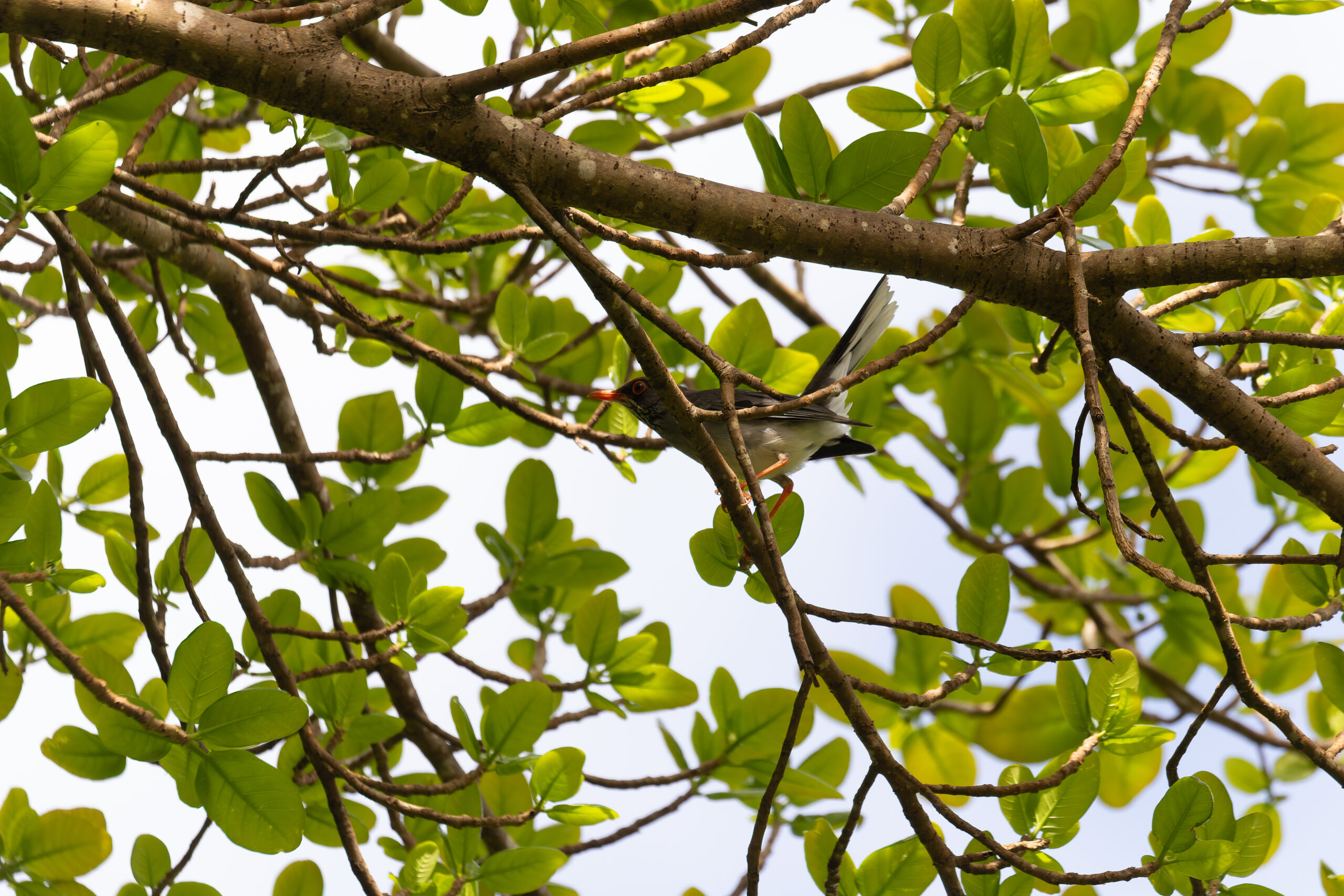
Eastern Red-legged Thrush (image by Diedert Koppenol)
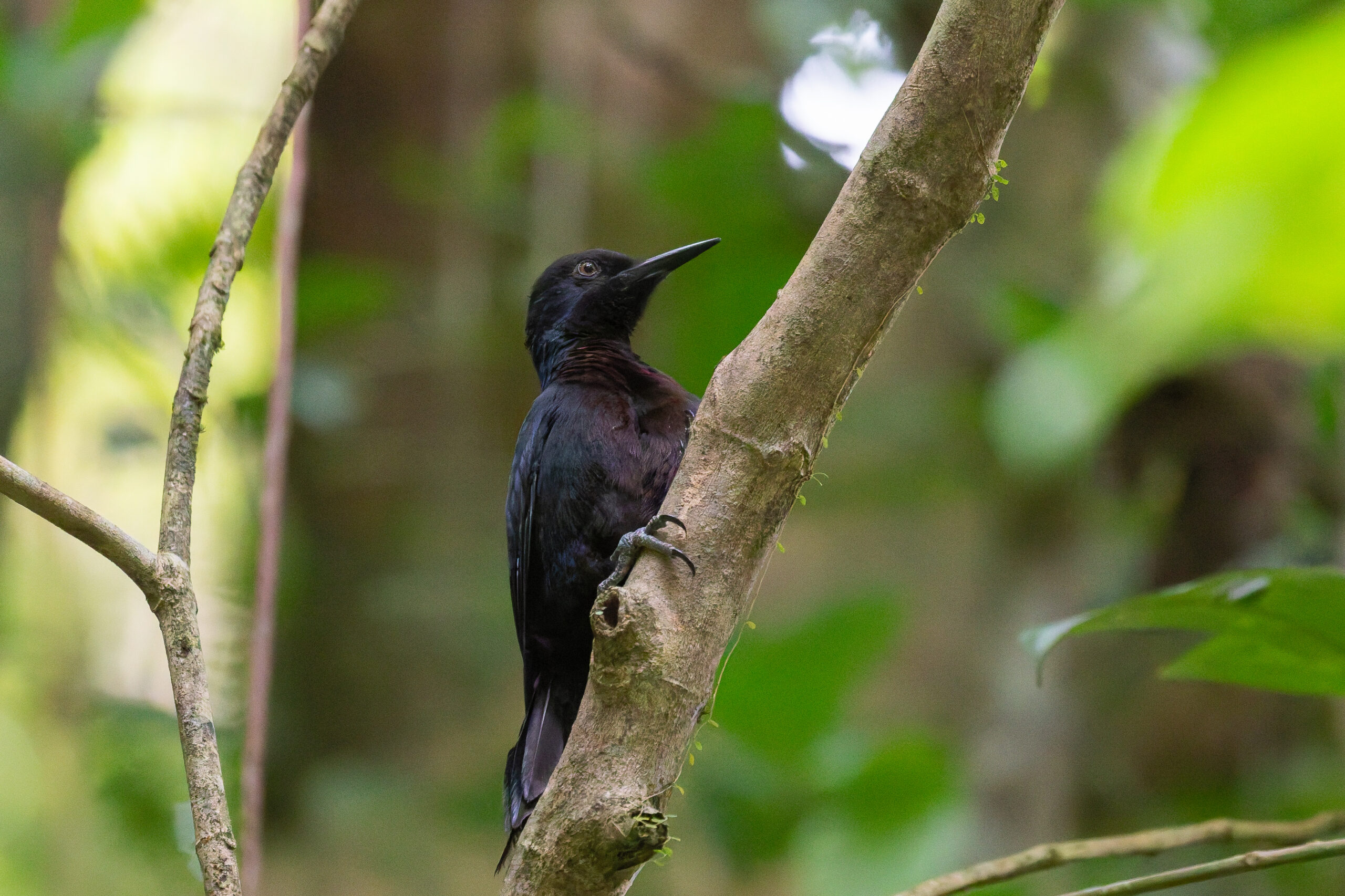
Guadeloupe Woodpecker (image by Diedert Koppenol)
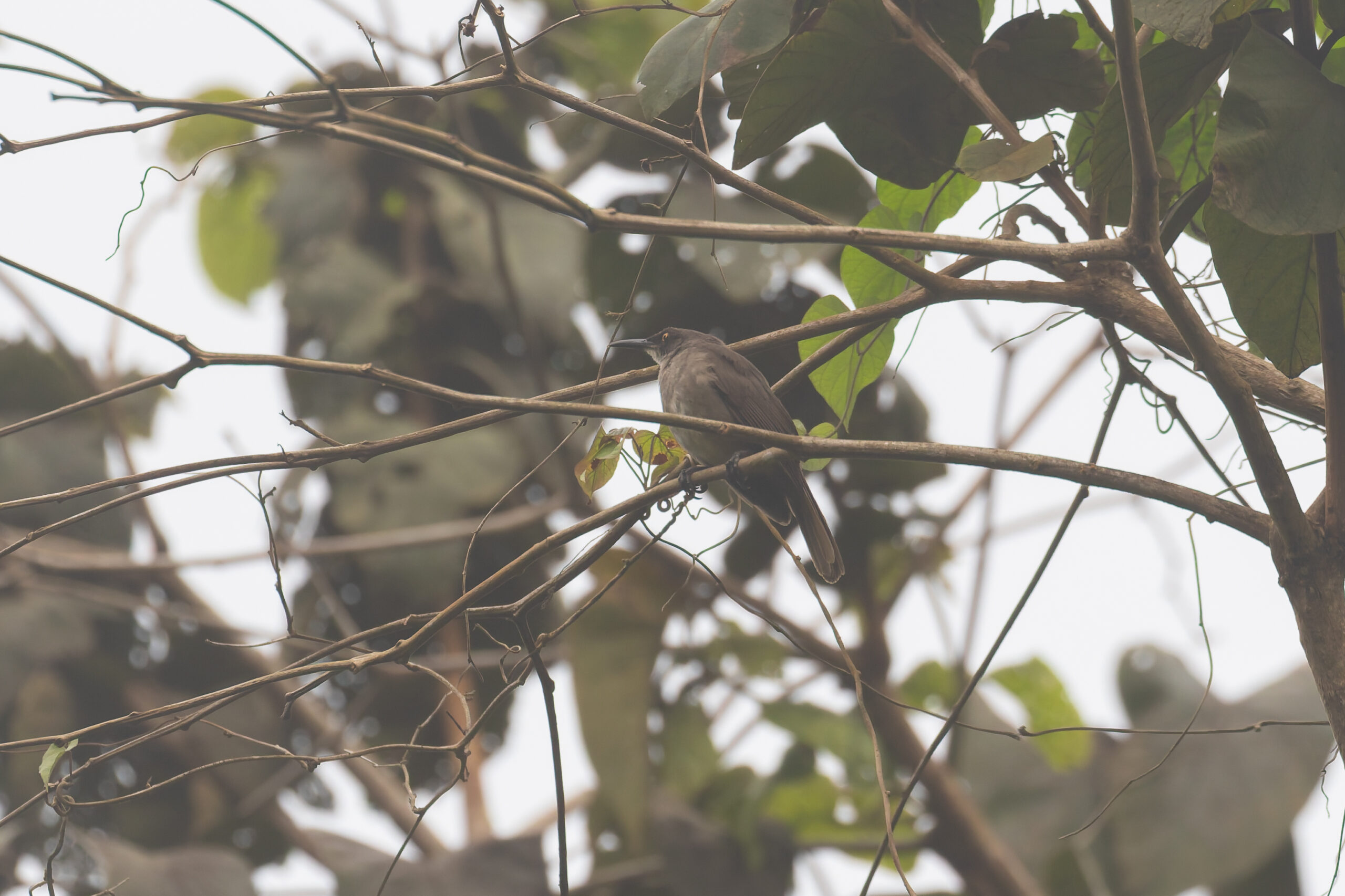
Grey Trembler (image by Diedert Koppenol)
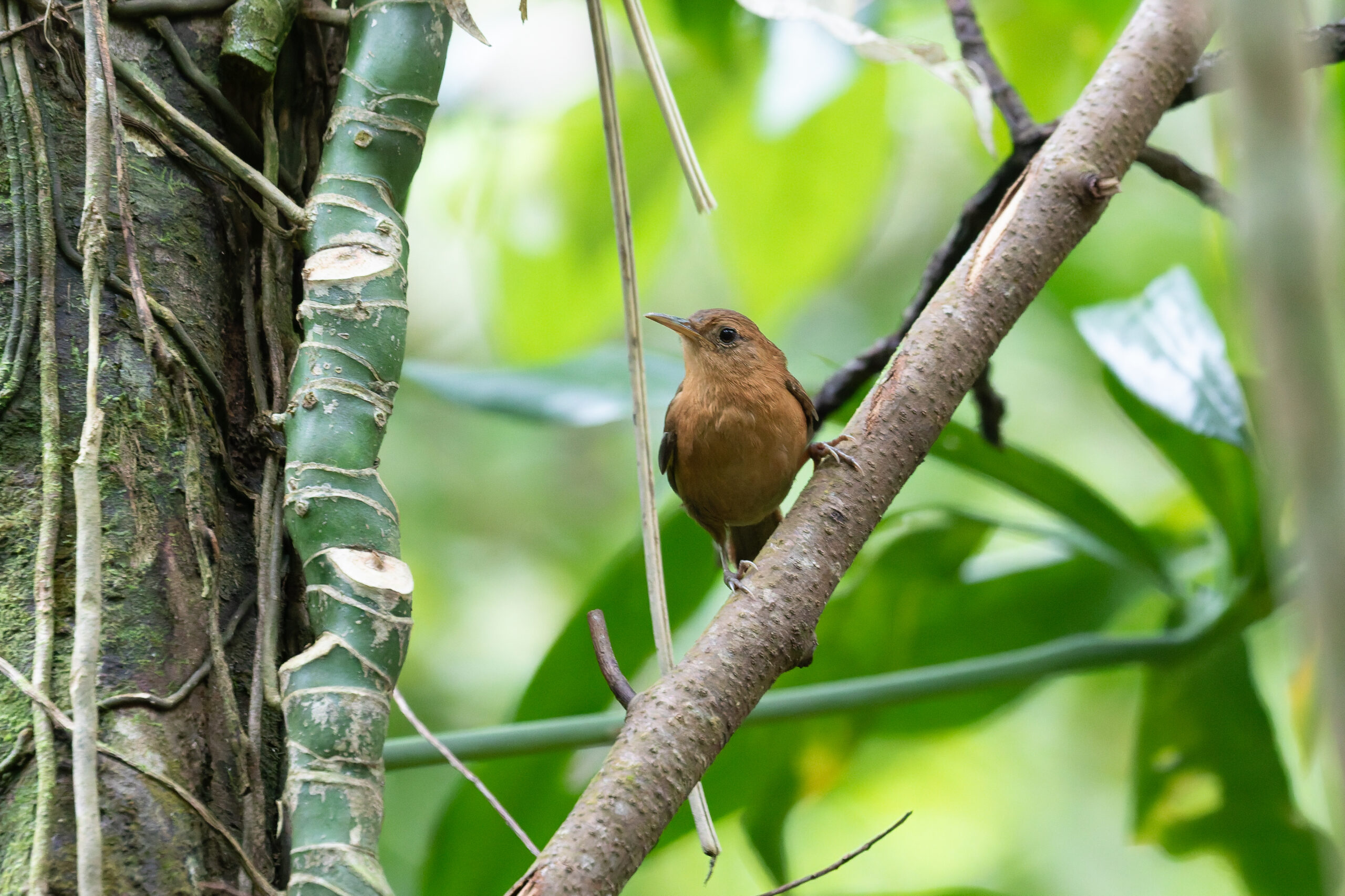
Dominica Wren (image by Diedert Koppenol)
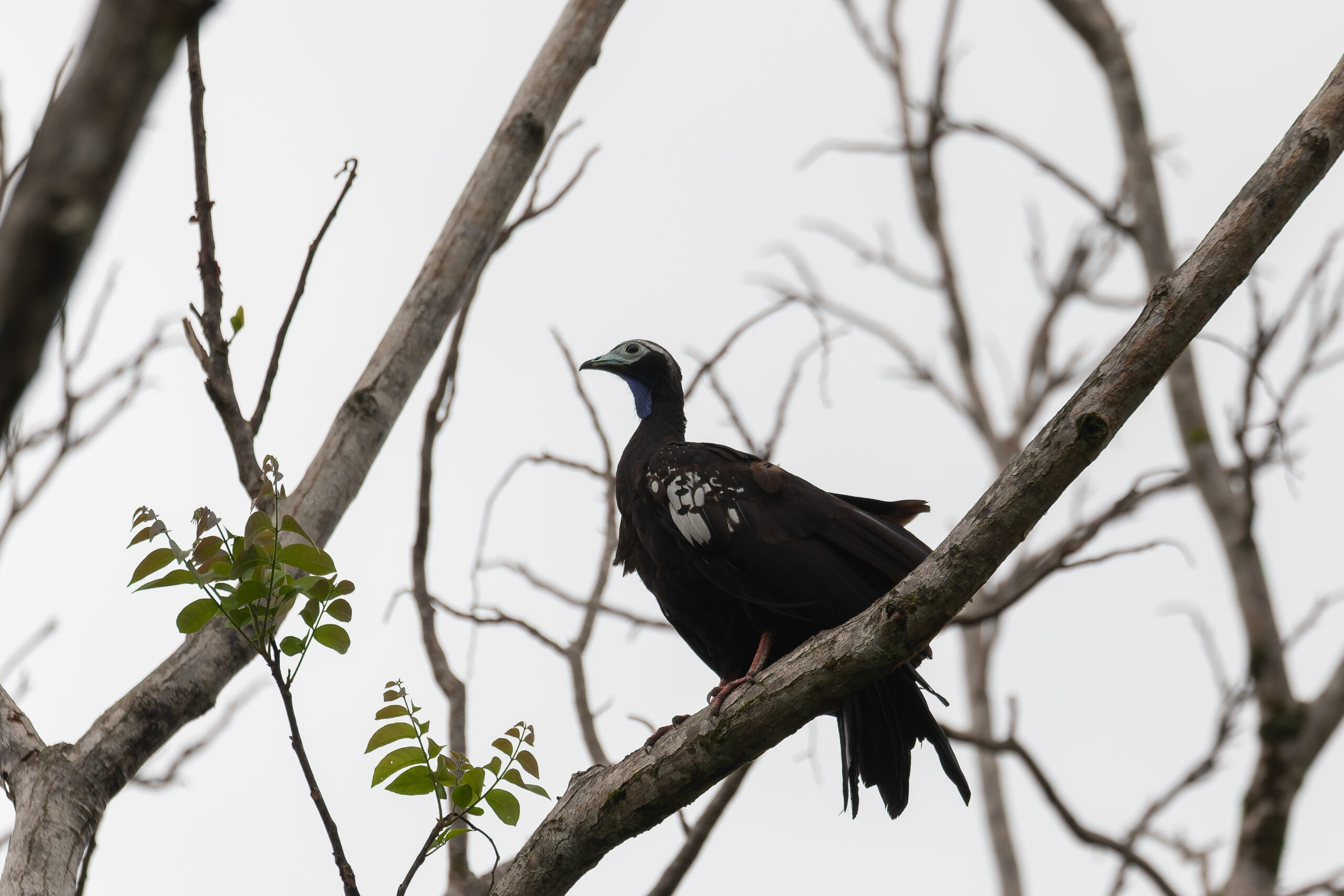
Trinidad Piping Guan (image by Diedert Koppenol)
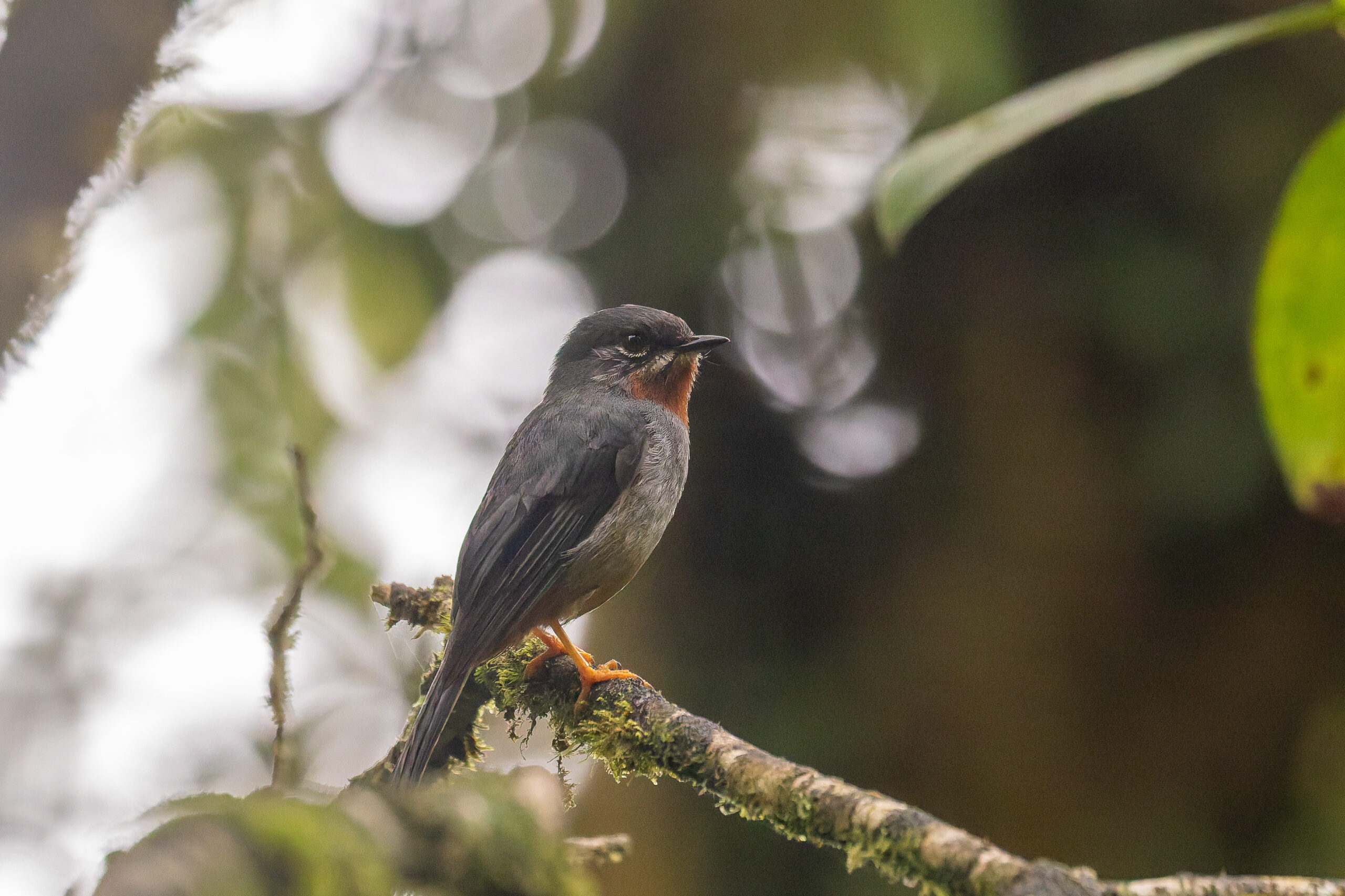
Rufous-throated Solitaire (image by Diedert Koppenol)
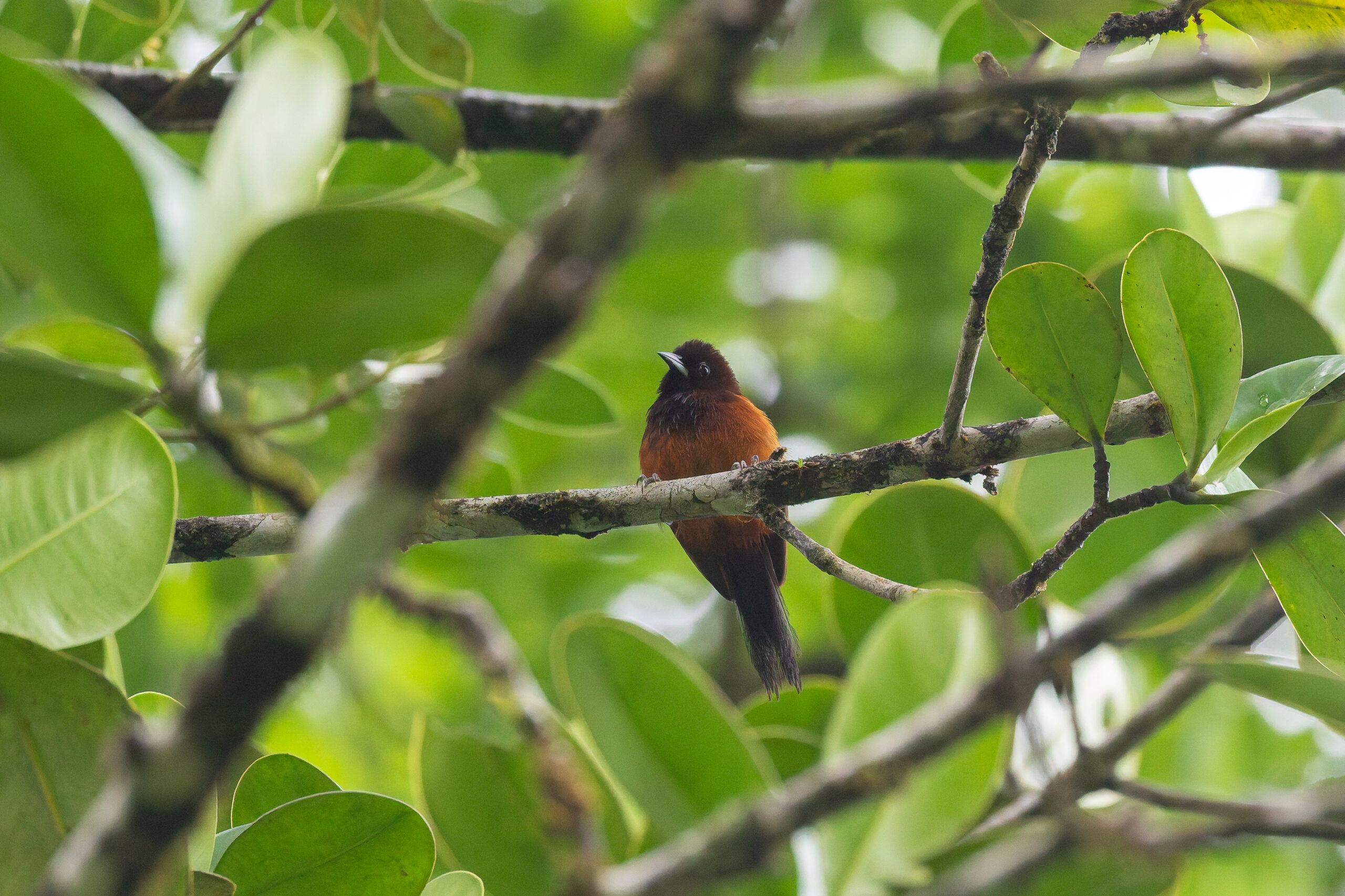
male Martinique Oriole (image by Diedert Koppenol)
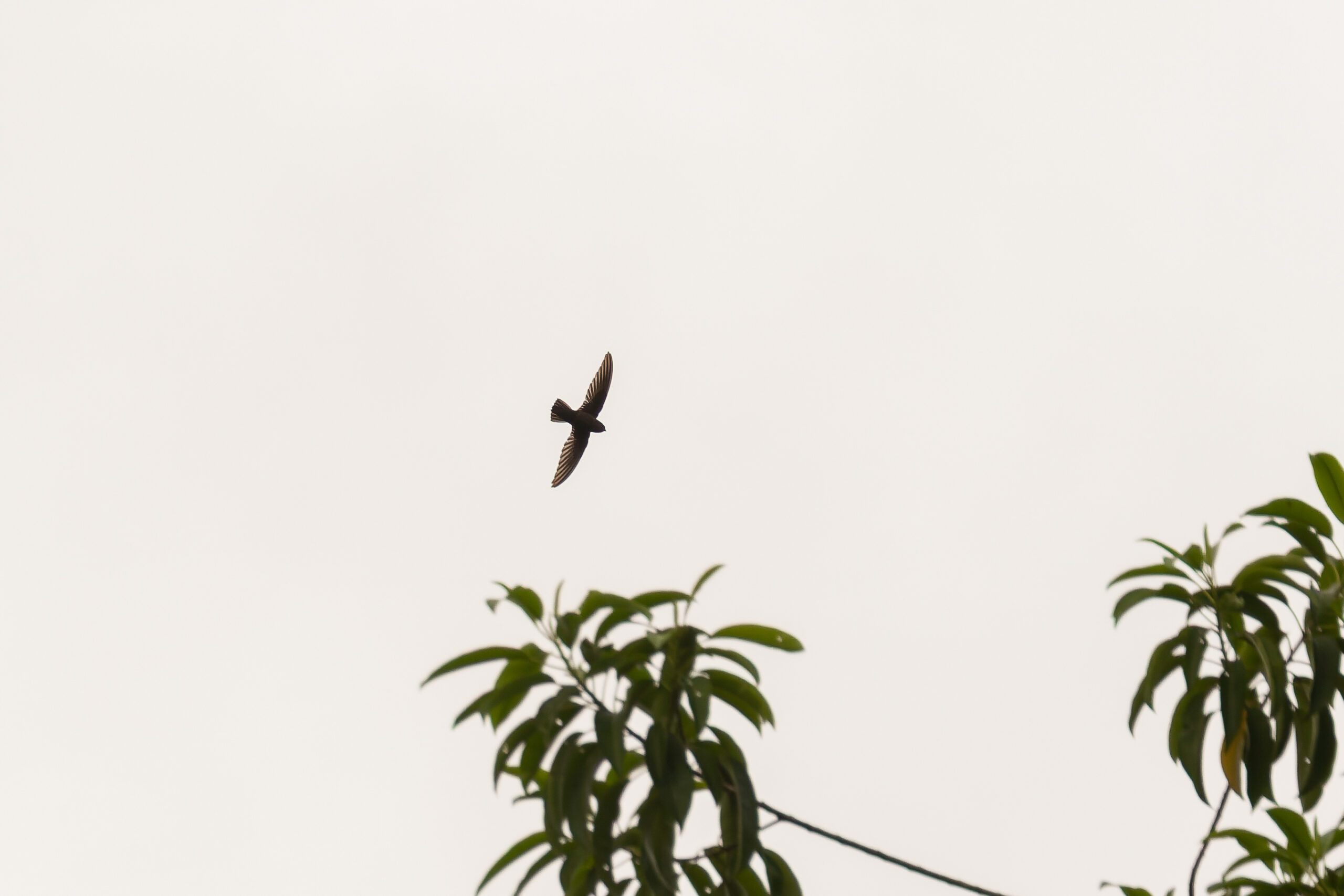
Lesser Antillean Swift (image by Diedert Koppenol)
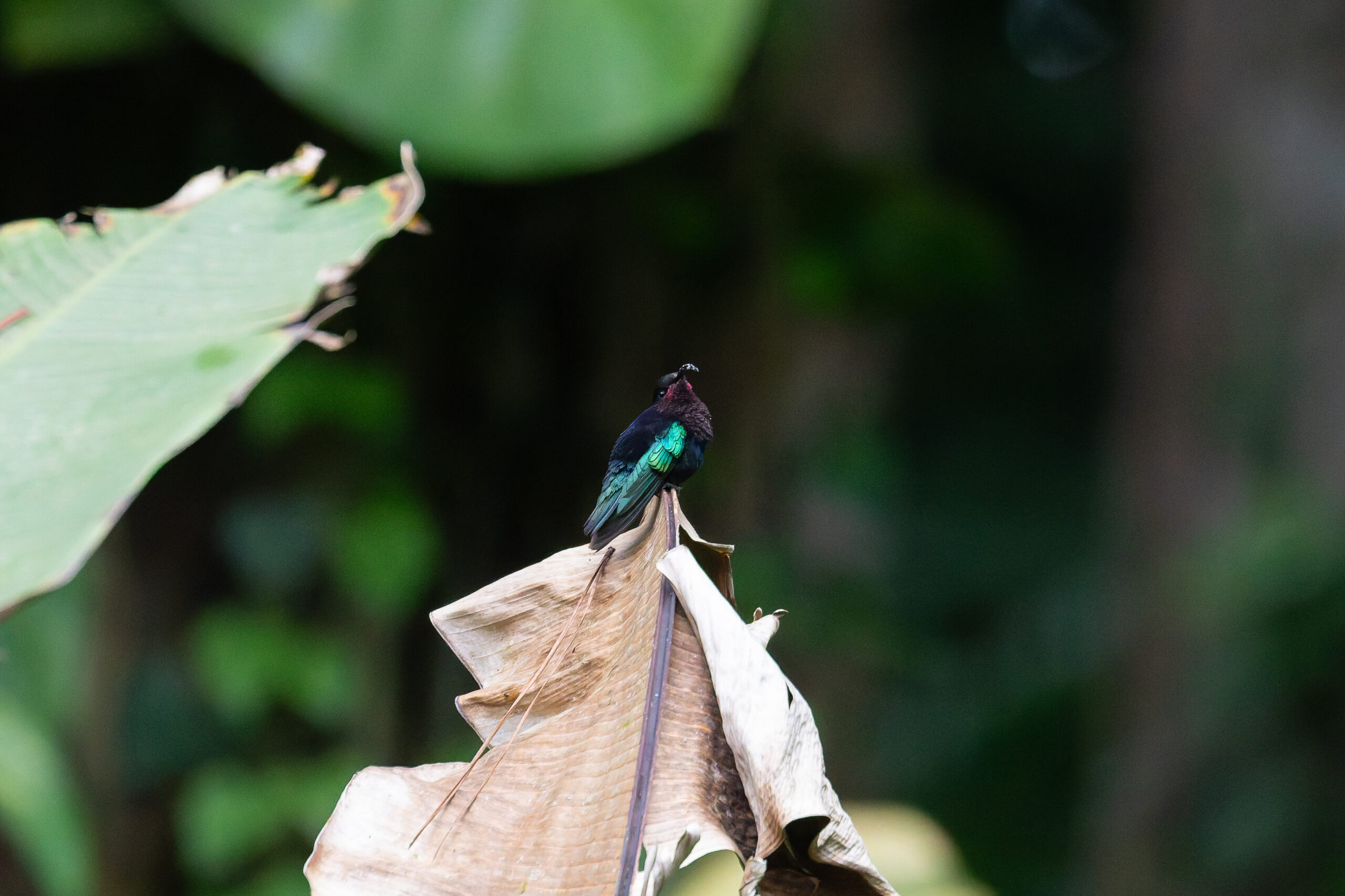
Purple-throated Carib (image by Diedert Koppenol)
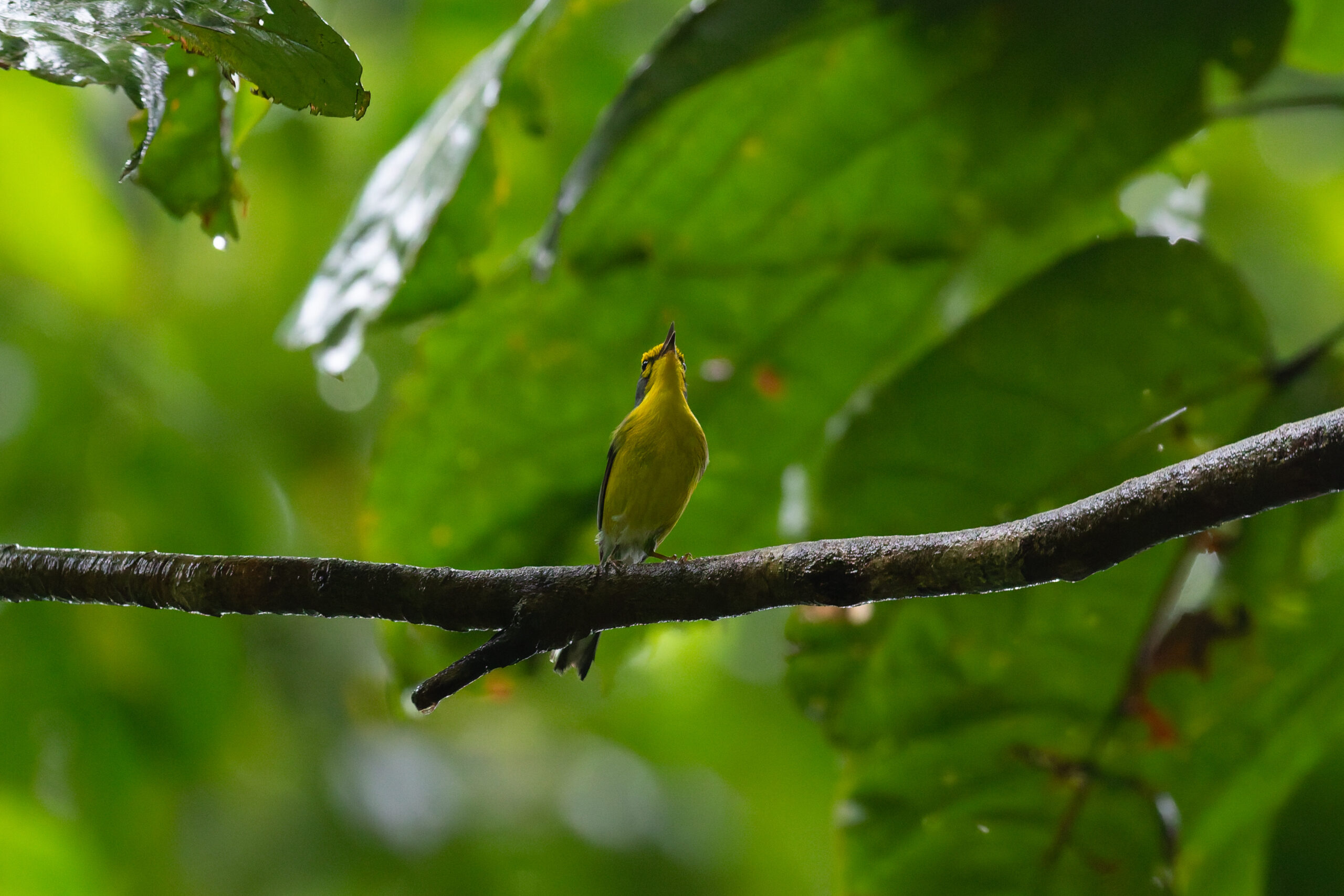
St. Lucia Warbler (image by Diedert Koppenol)
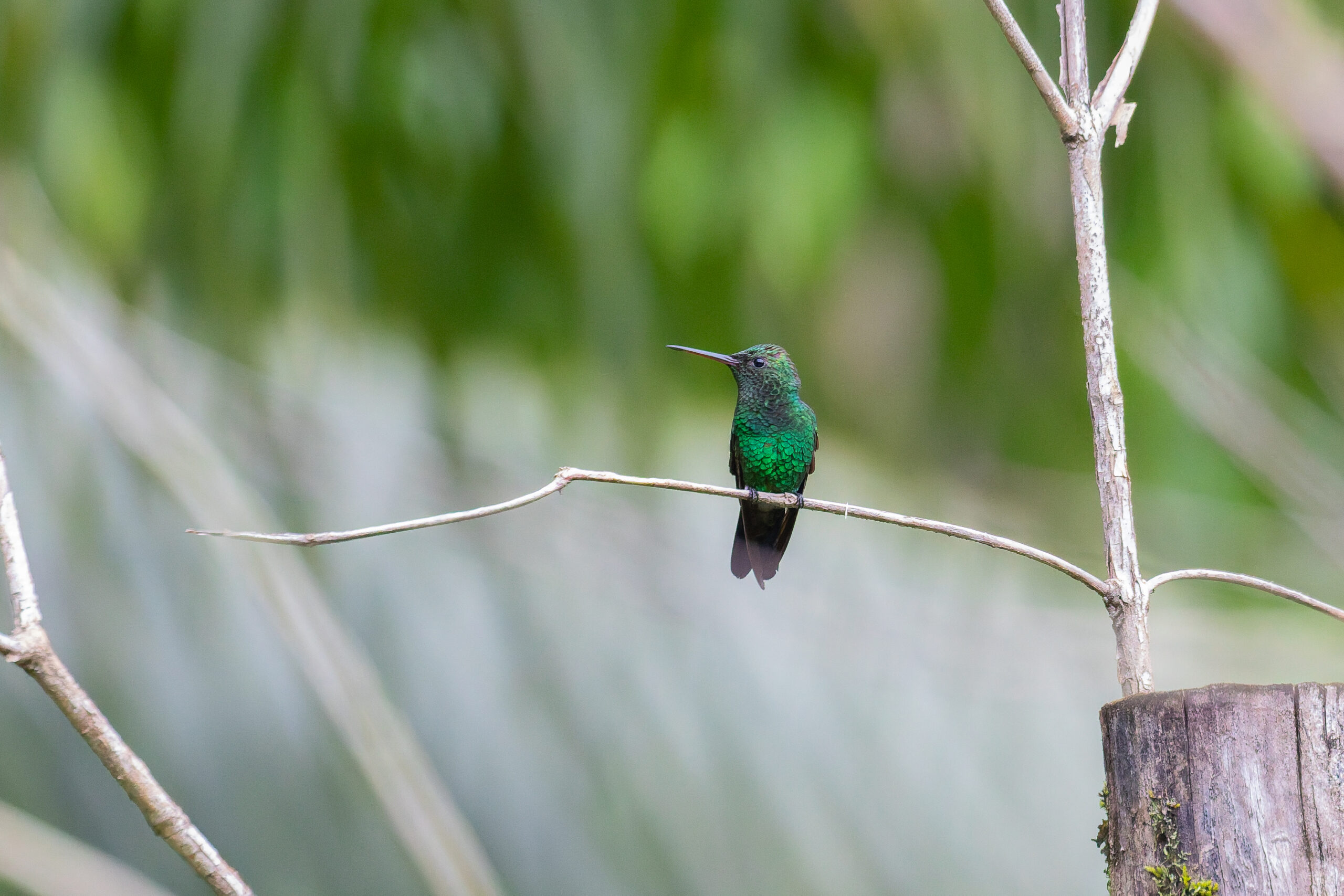
Copper-rumped Hummingbird (image by Diedert Koppenol)
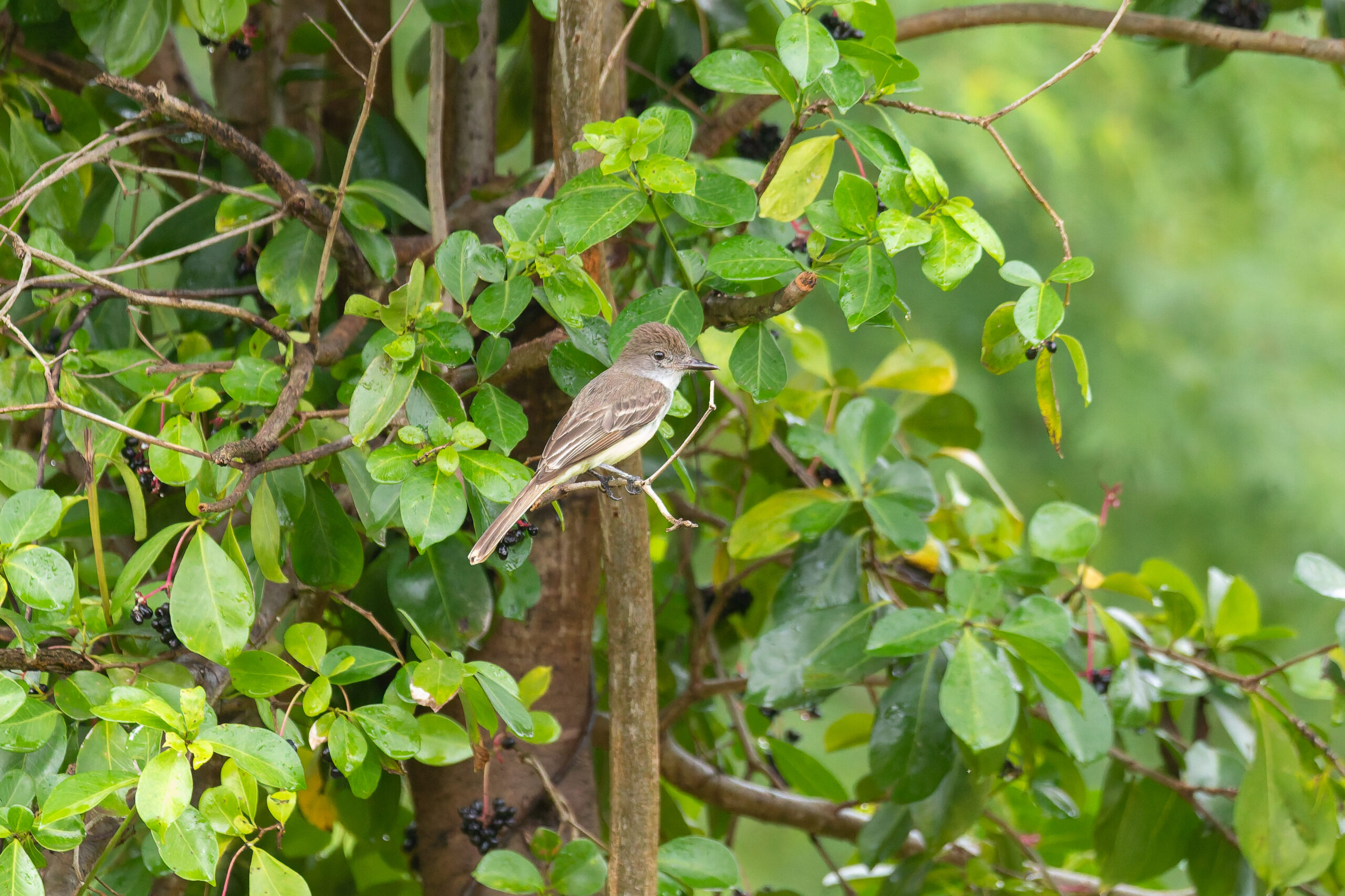
Grenada Flycatcher (image by Diedert Koppenol)
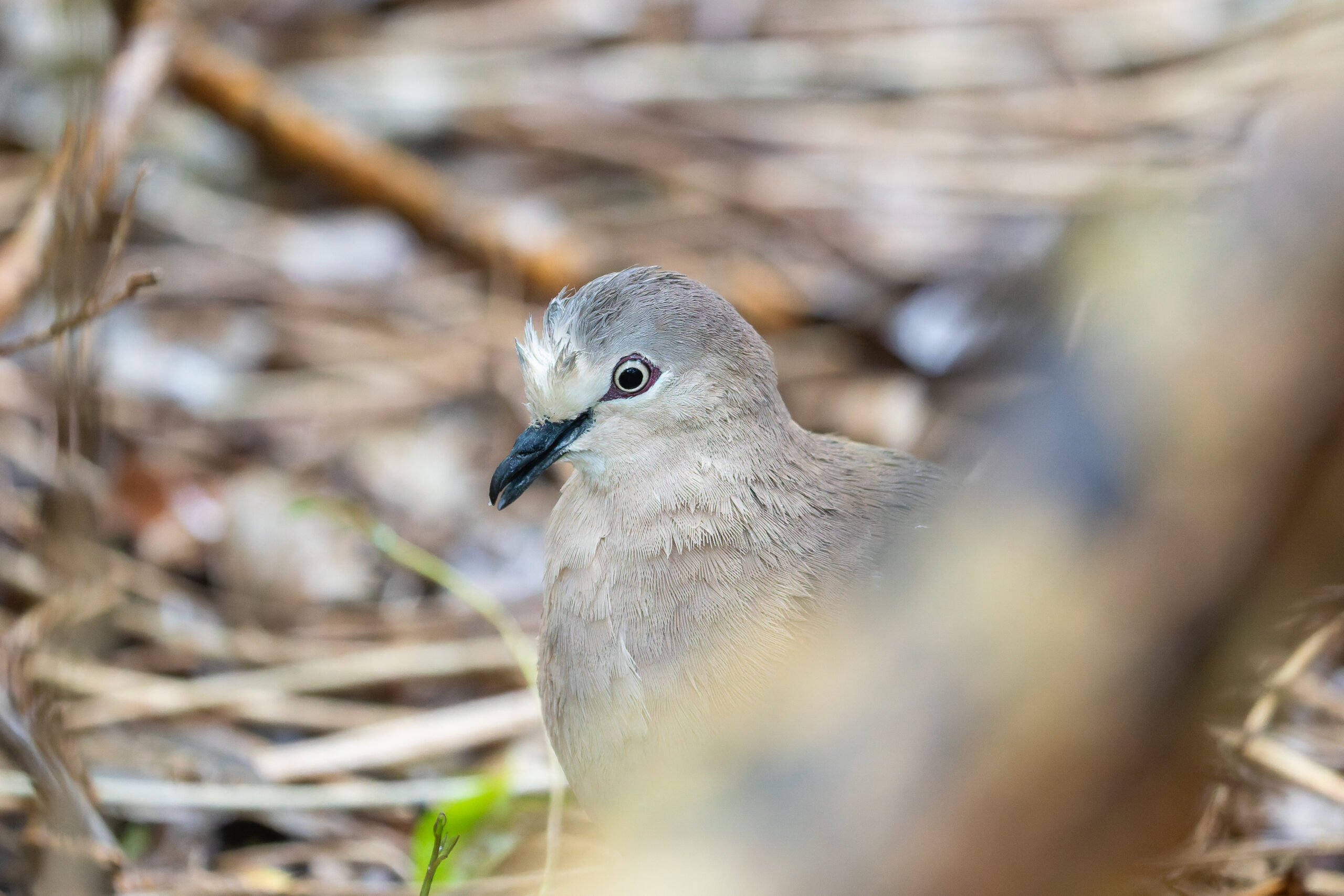
Grenada Dove (image by Diedert Koppenol)
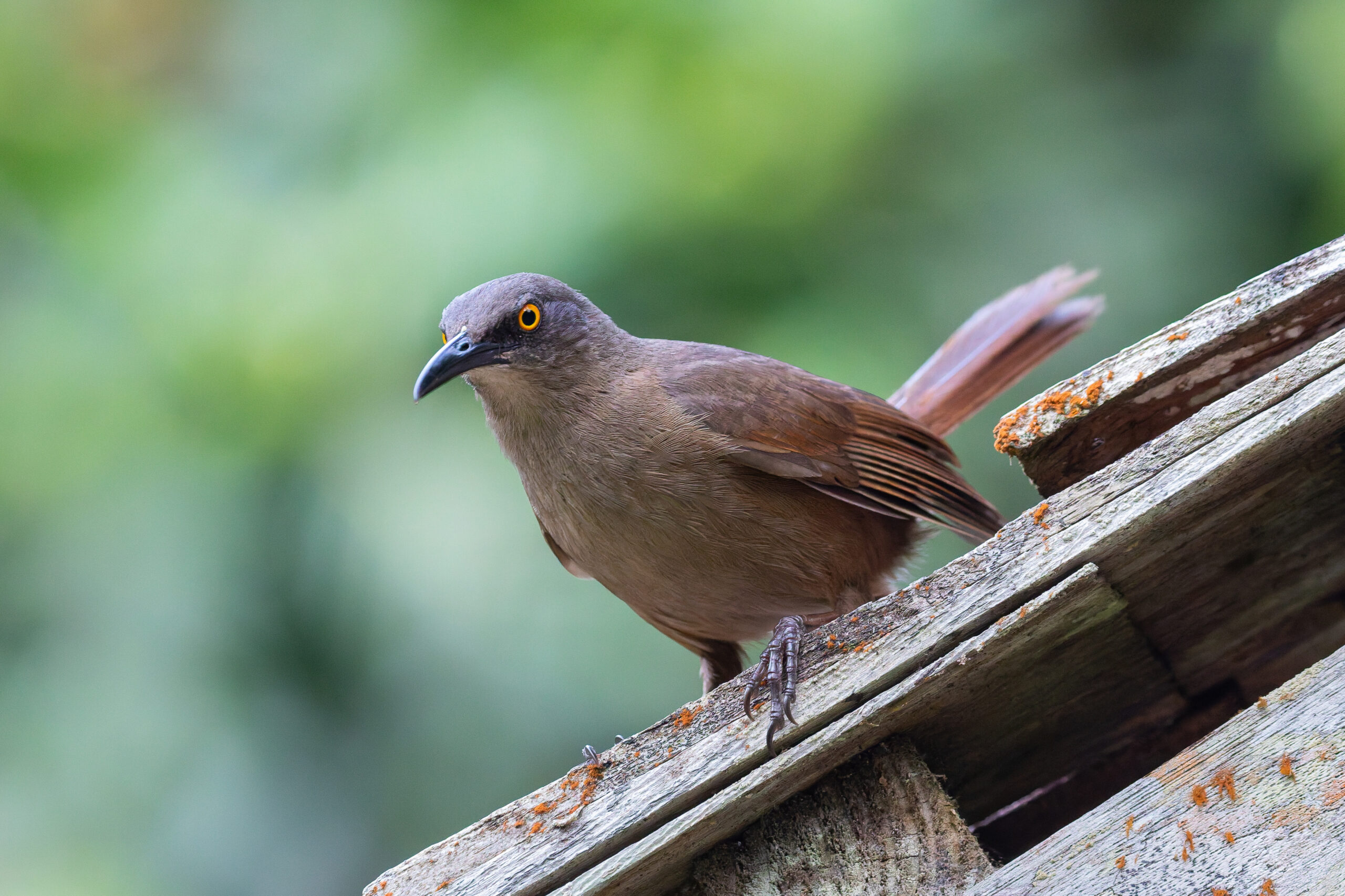
Brown Trembler (image by Diedert Koppenol)
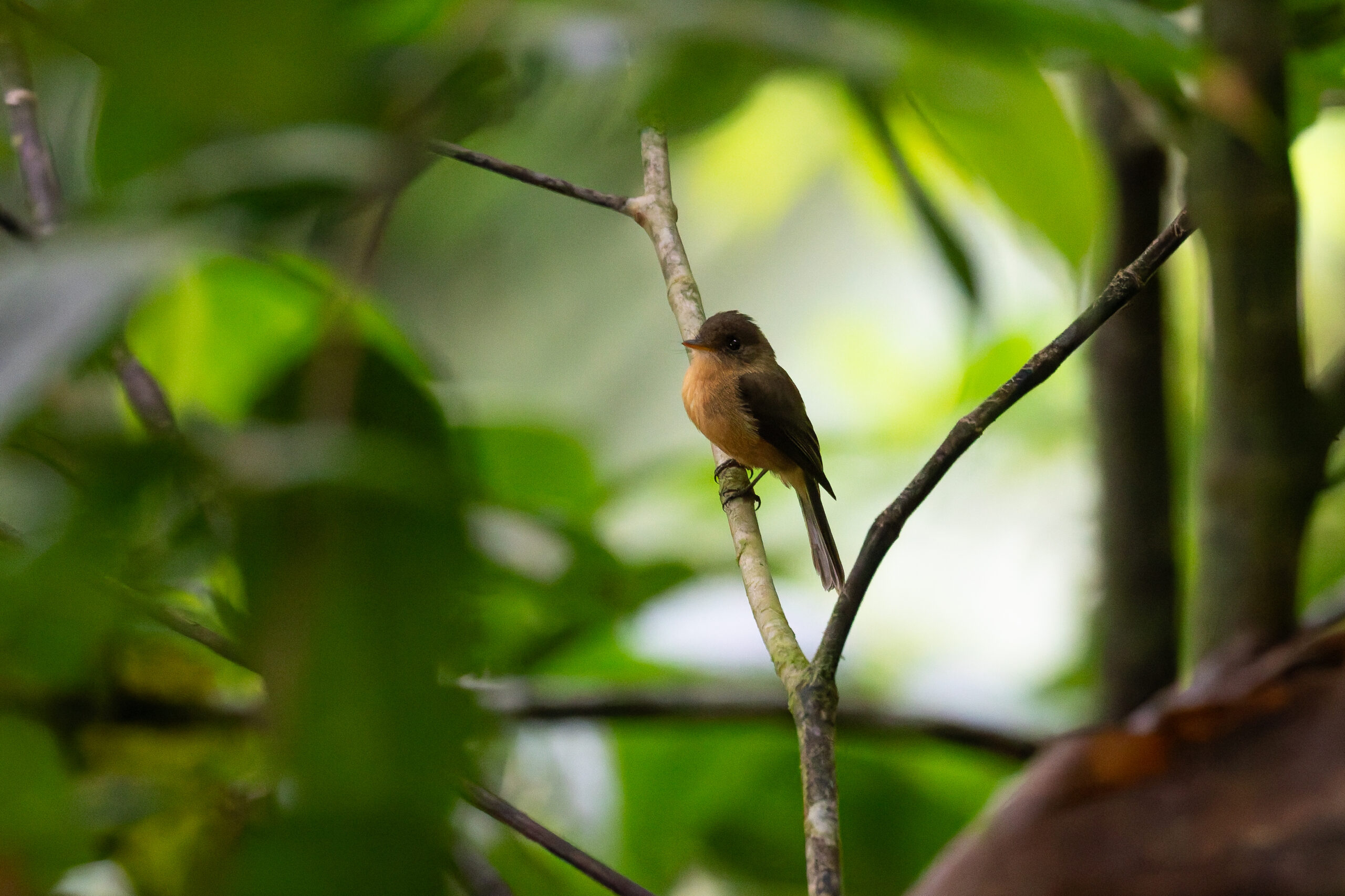
the race of Lesser Antillean Pewee on St. Lucia is often mooted as a separate species (image by Diedert Koppenol)
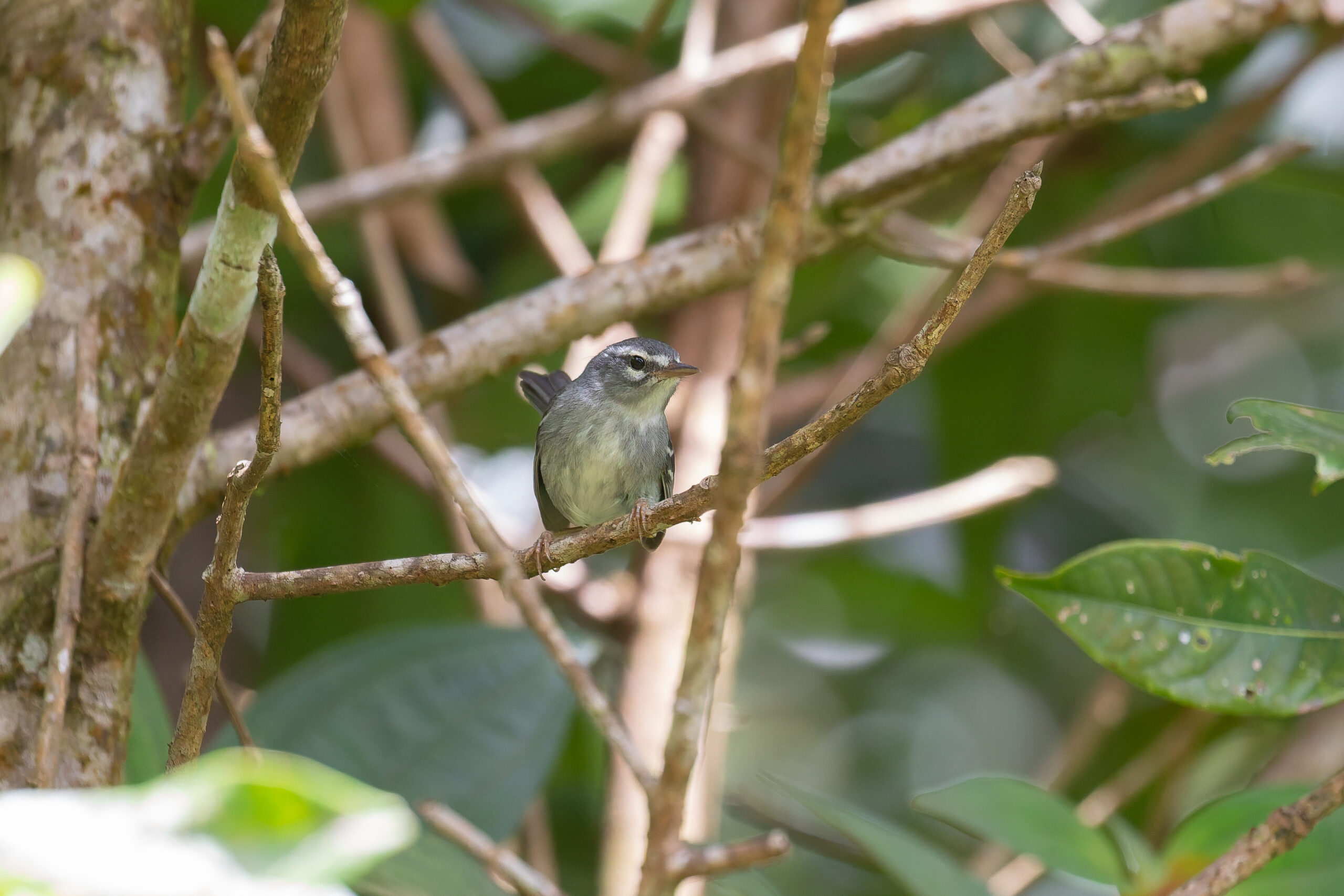
Plumbeous Warbler (image by Diedert Koppenol)
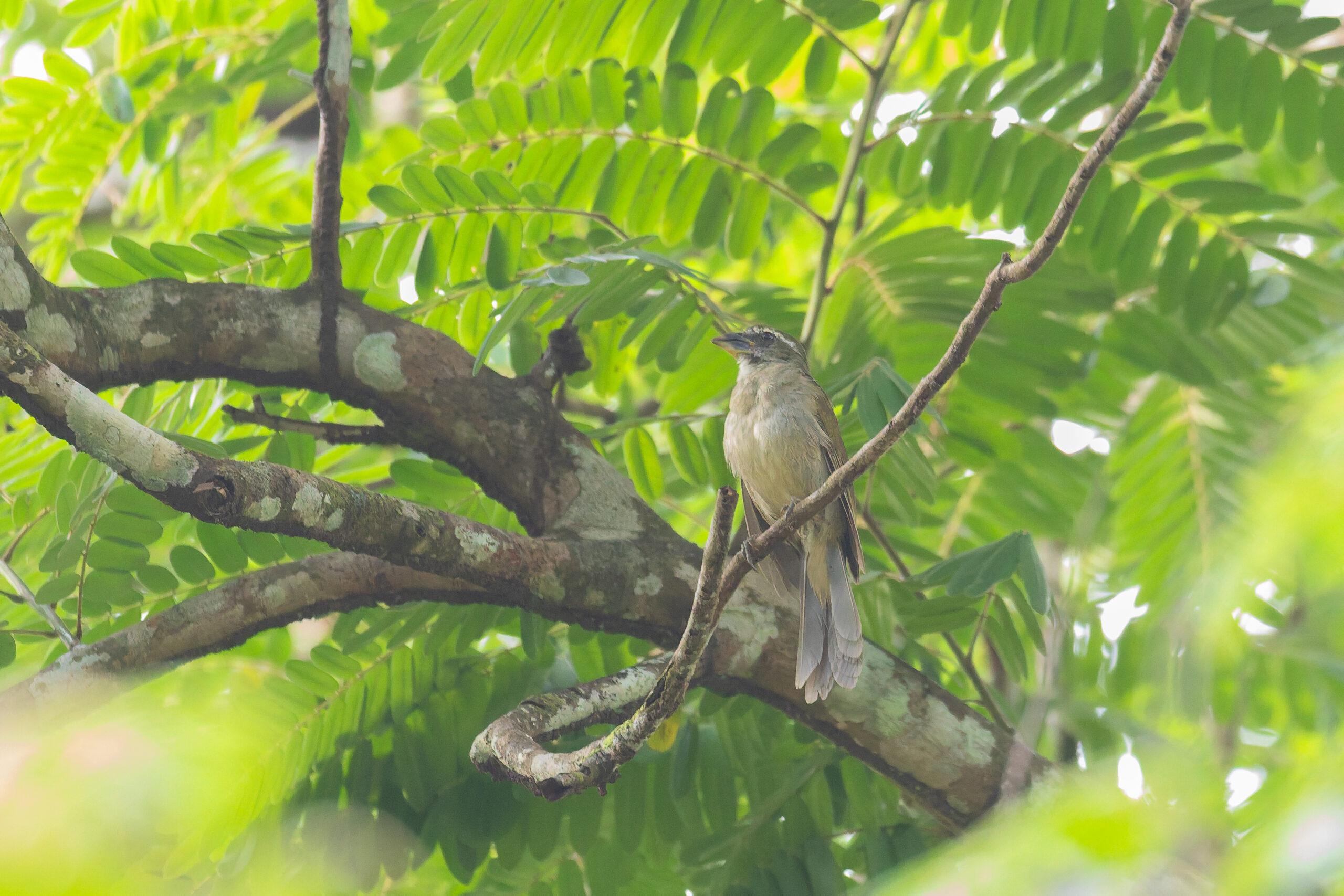
Lesser Antillean Saltator (image by Diedert Koppenol)
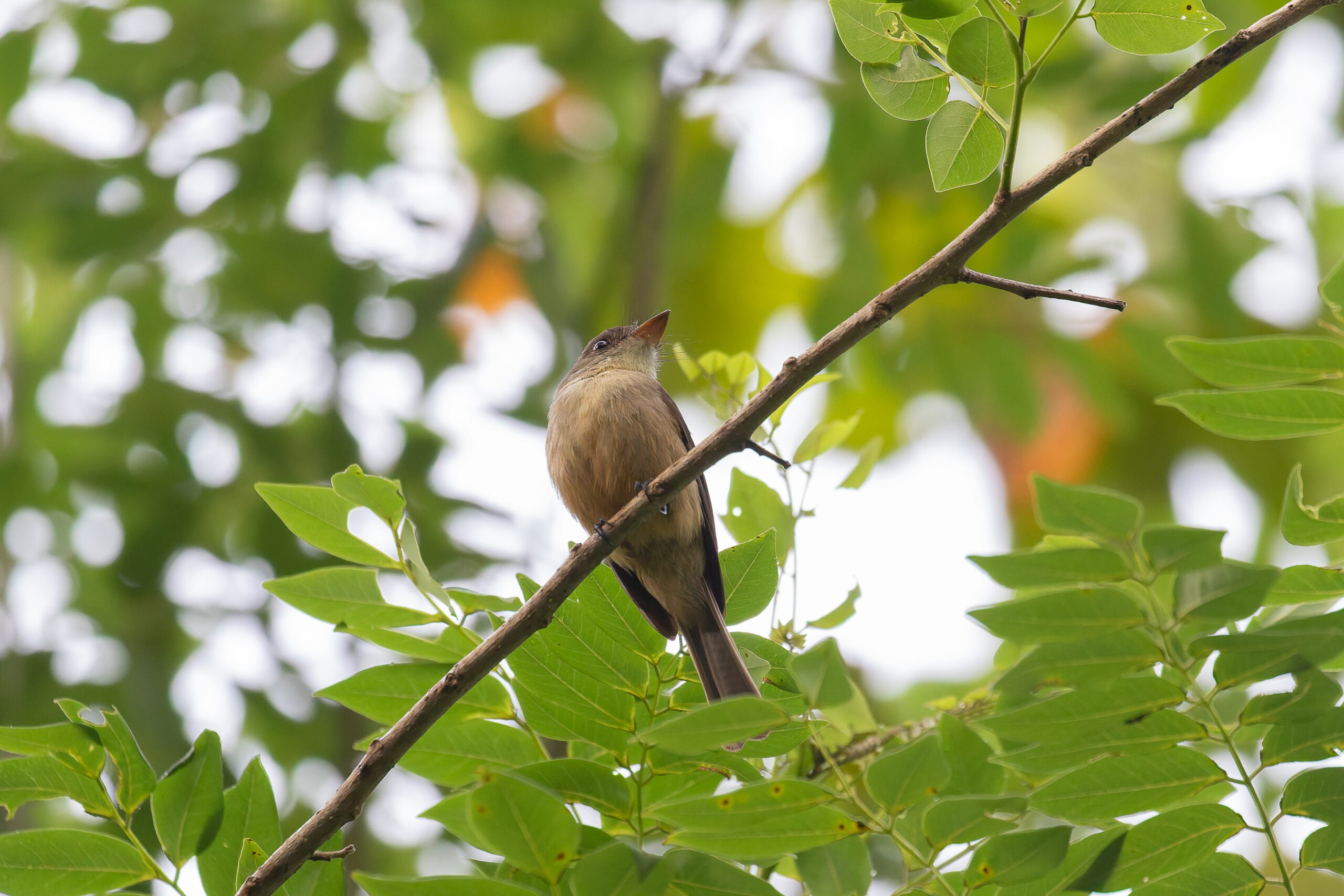
Lesser Antillean Pewee (image by Diedert Koppenol)
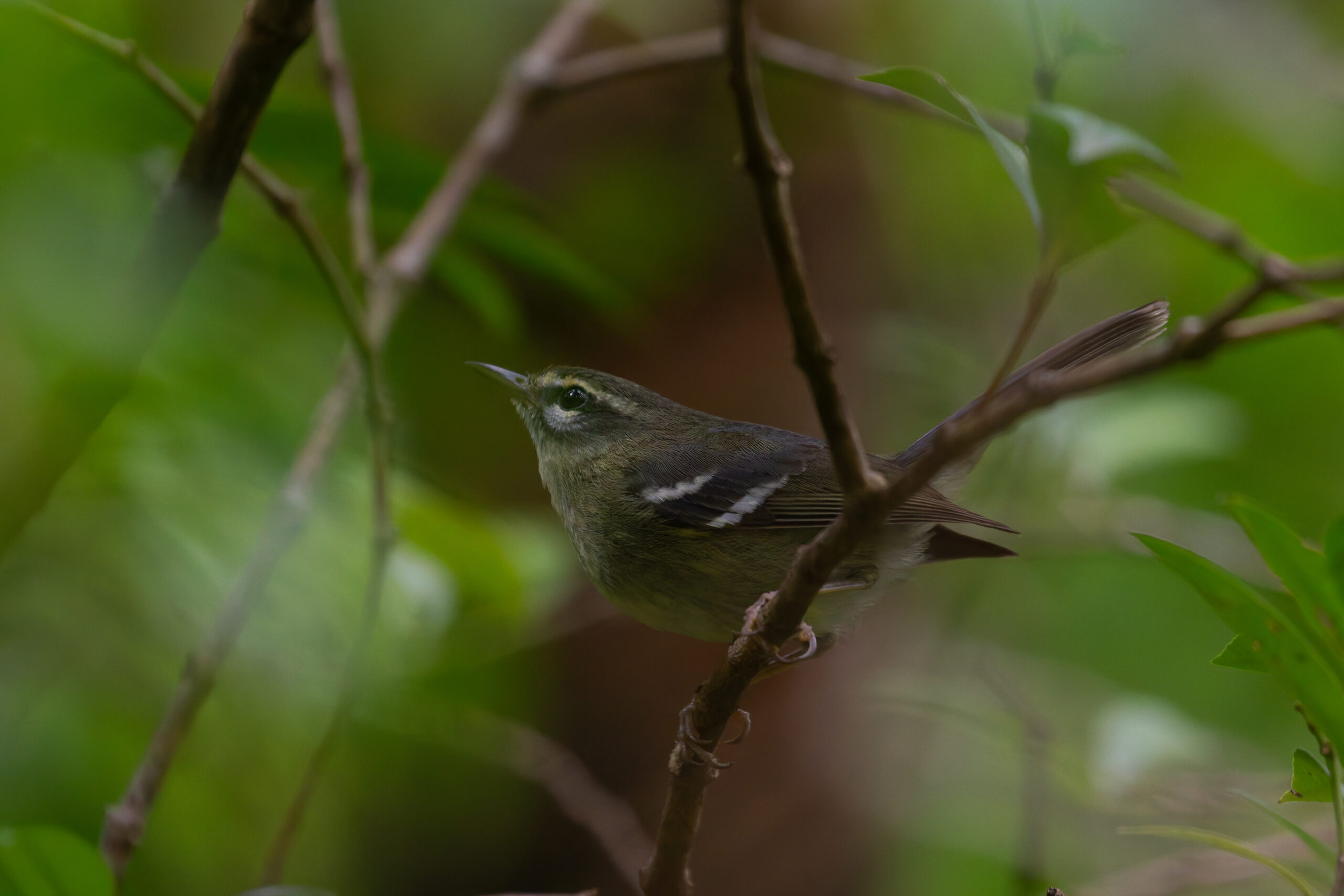
Plumbeous Warbler (image by Diedert Koppenol)
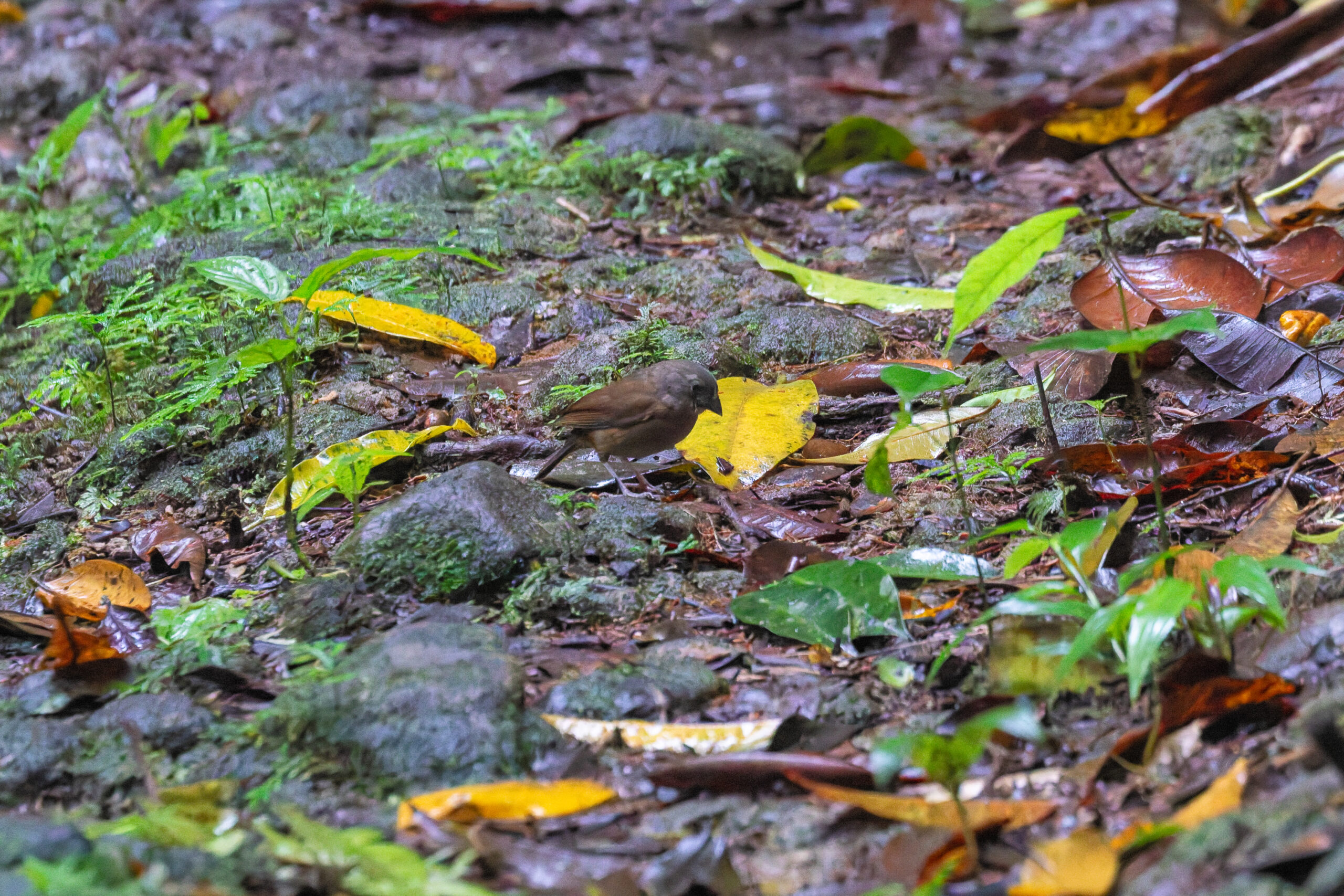
female St. Lucia Black Finch (image by Diedert Koppenol)
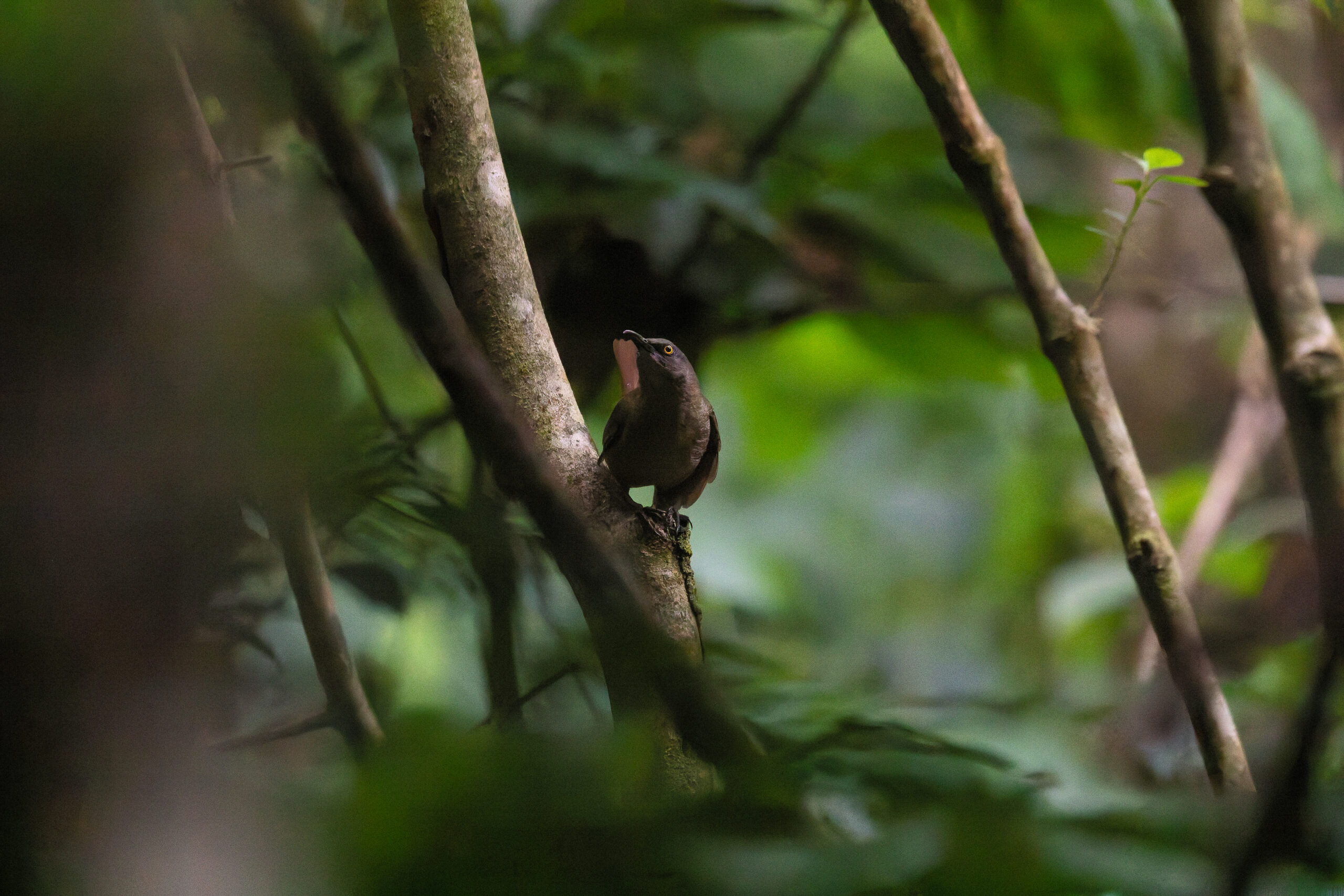
Brown Trembler (image by Diedert Koppenol)
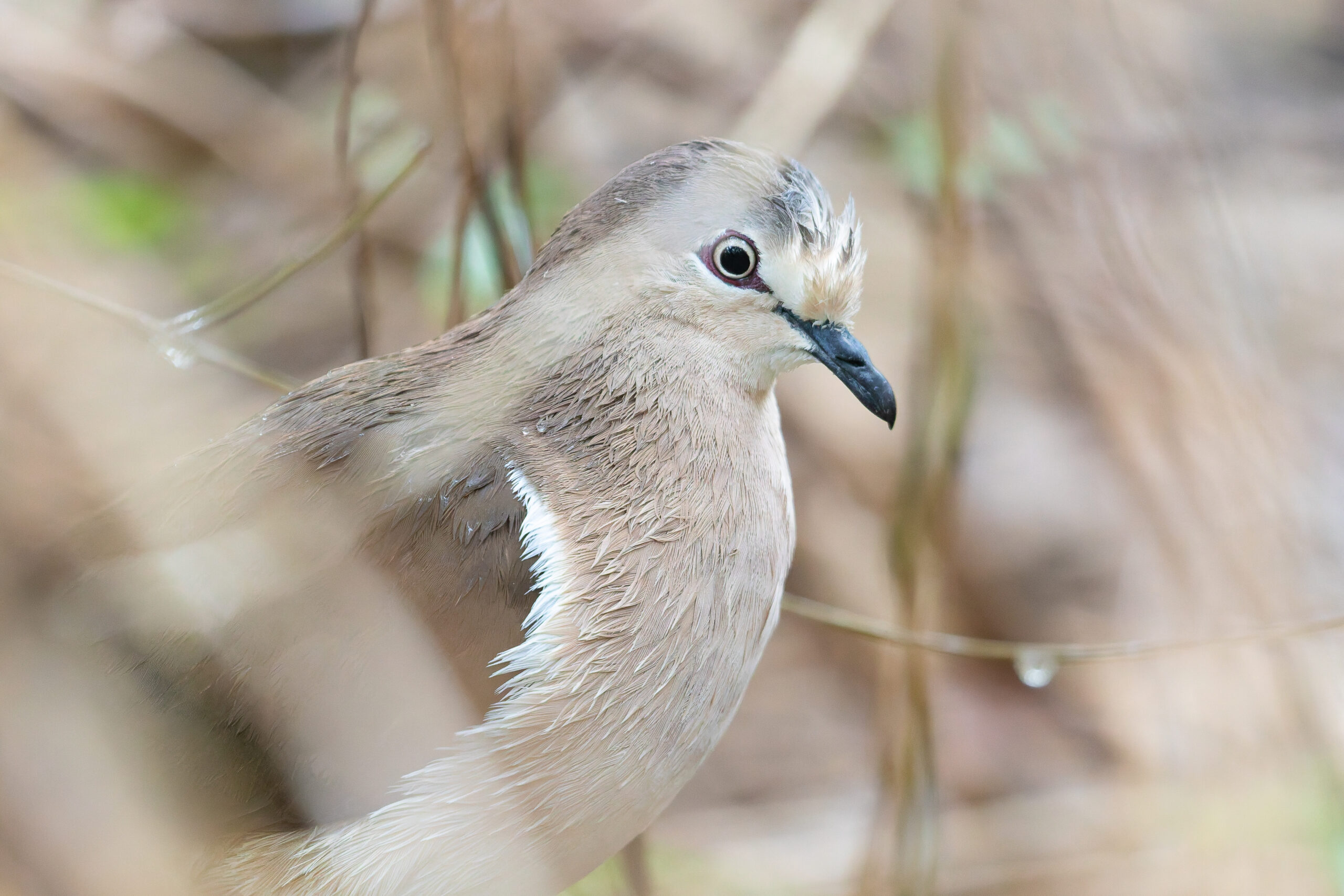
Grenada Dove (image by Diedert Koppenol)
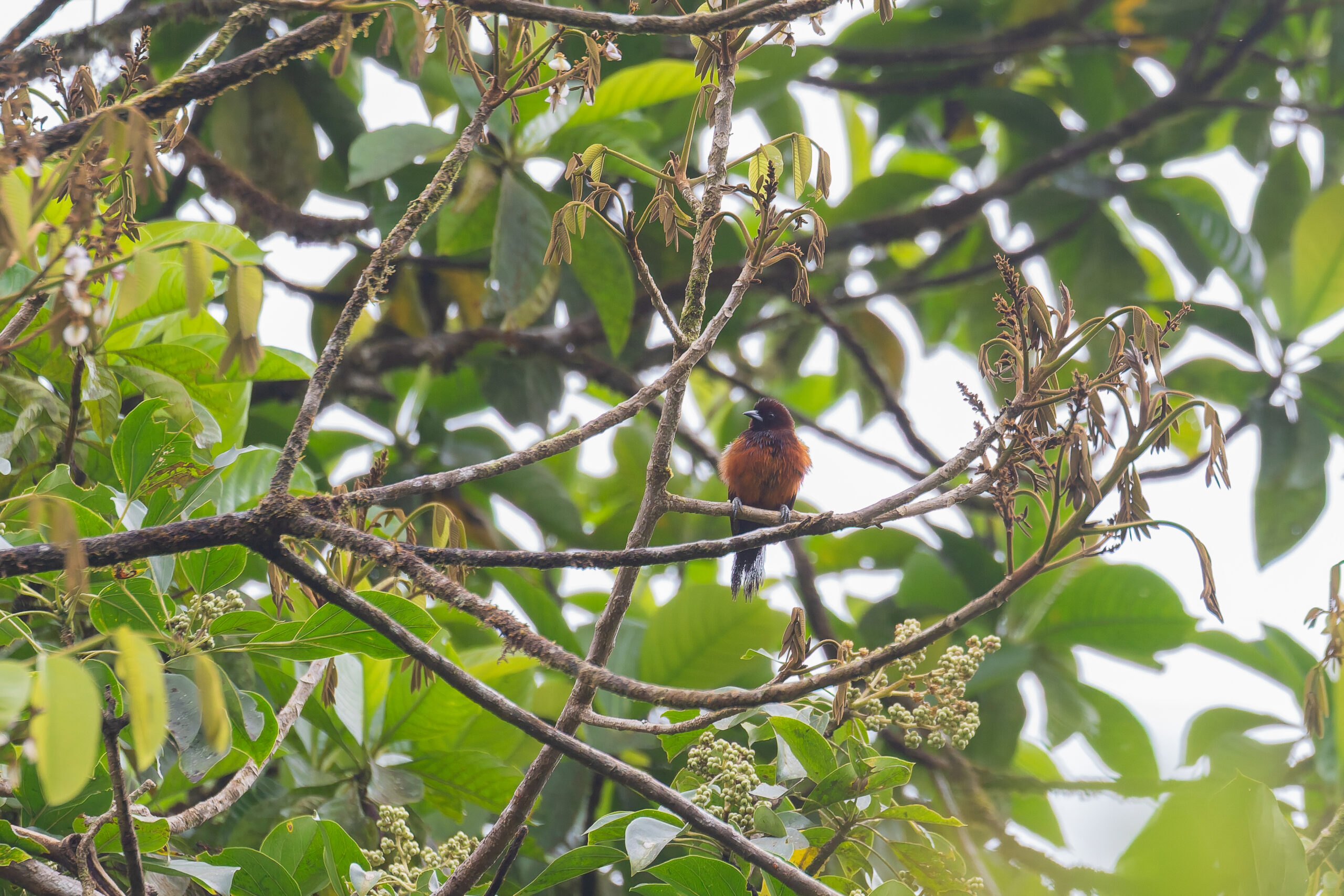
male Martinique Oriole (image by Diedert Koppenol)
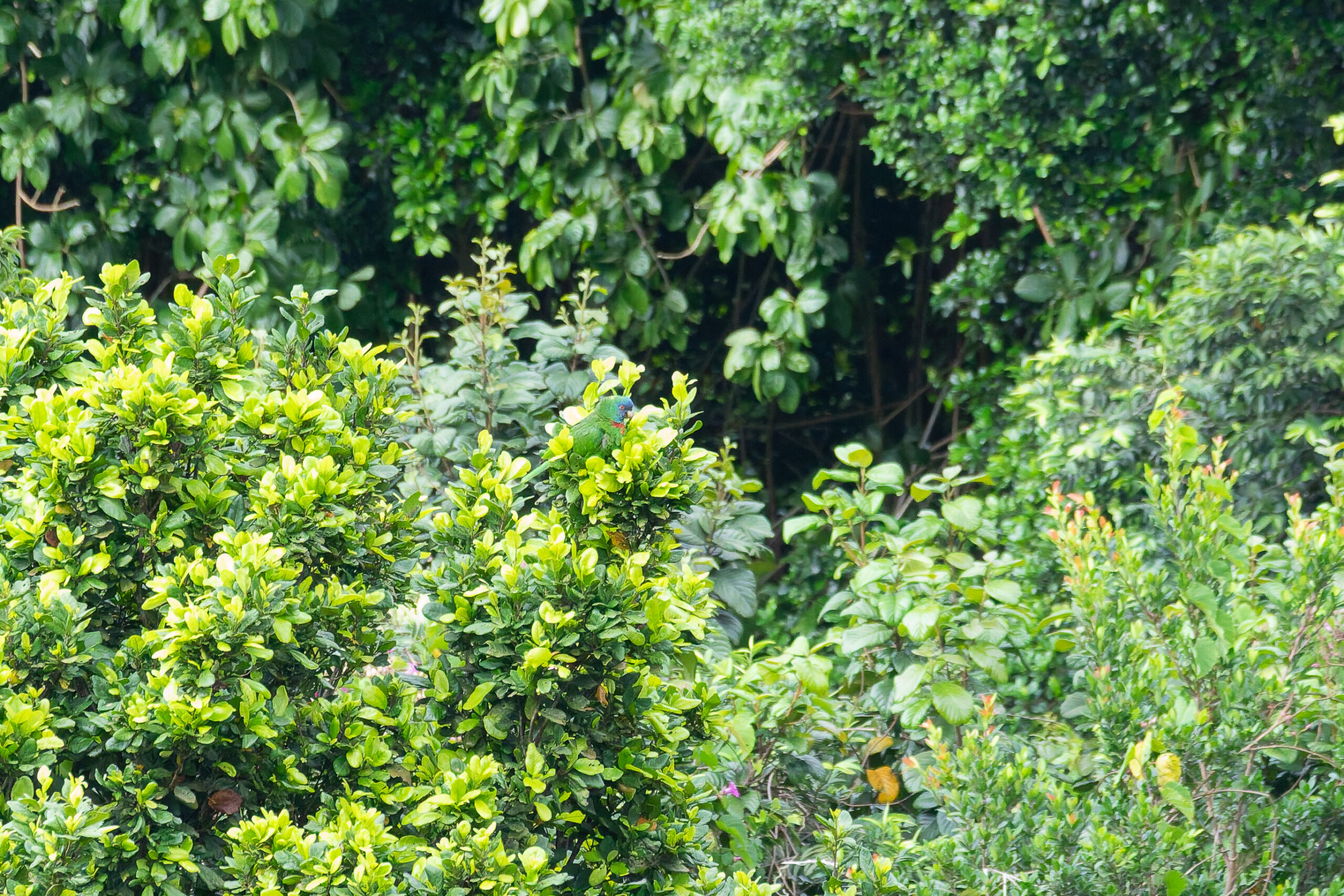
Red-necked Amazon (image by Diedert Koppenol)
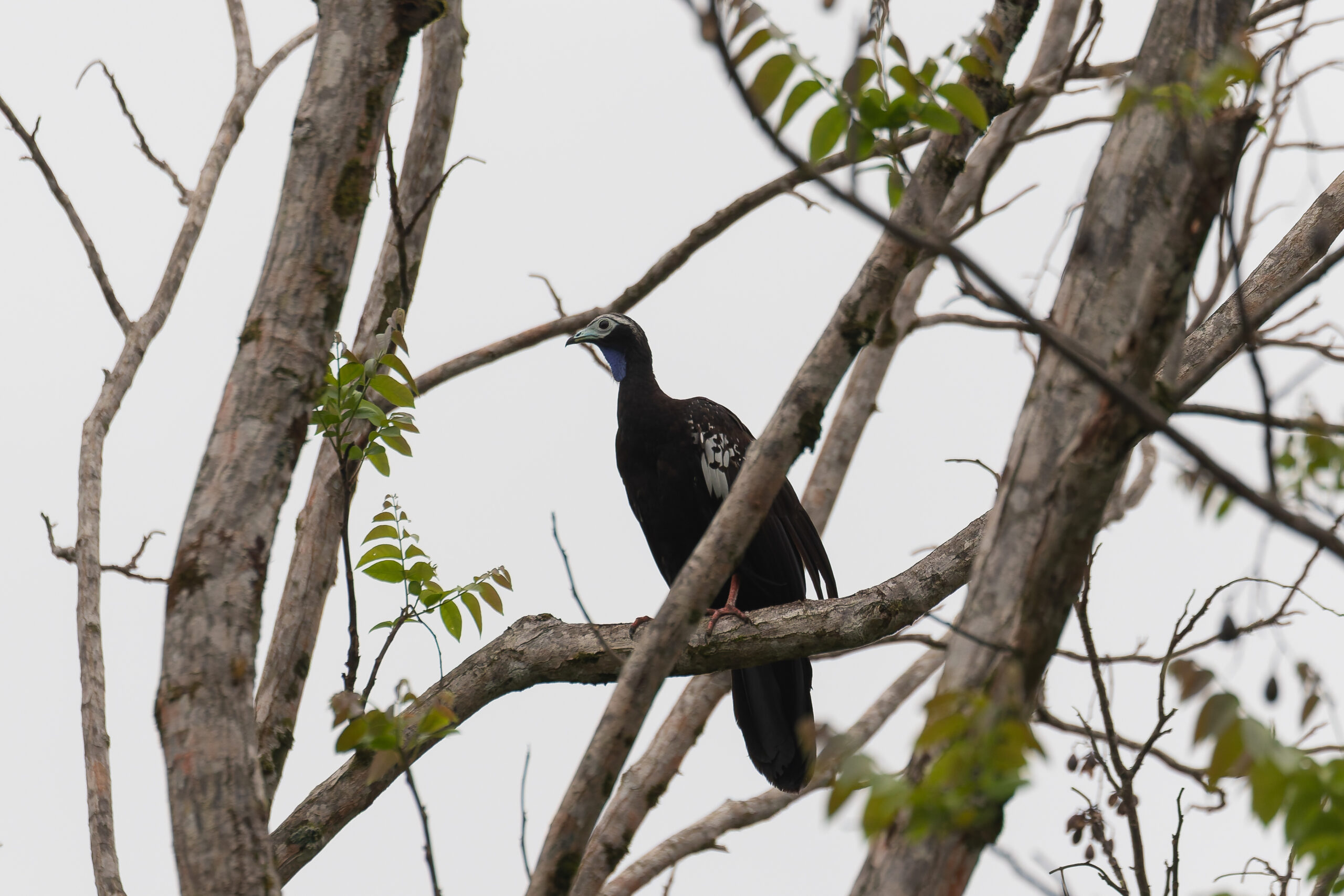
Trinidad Piping Guan (image by Diedert Koppenol)
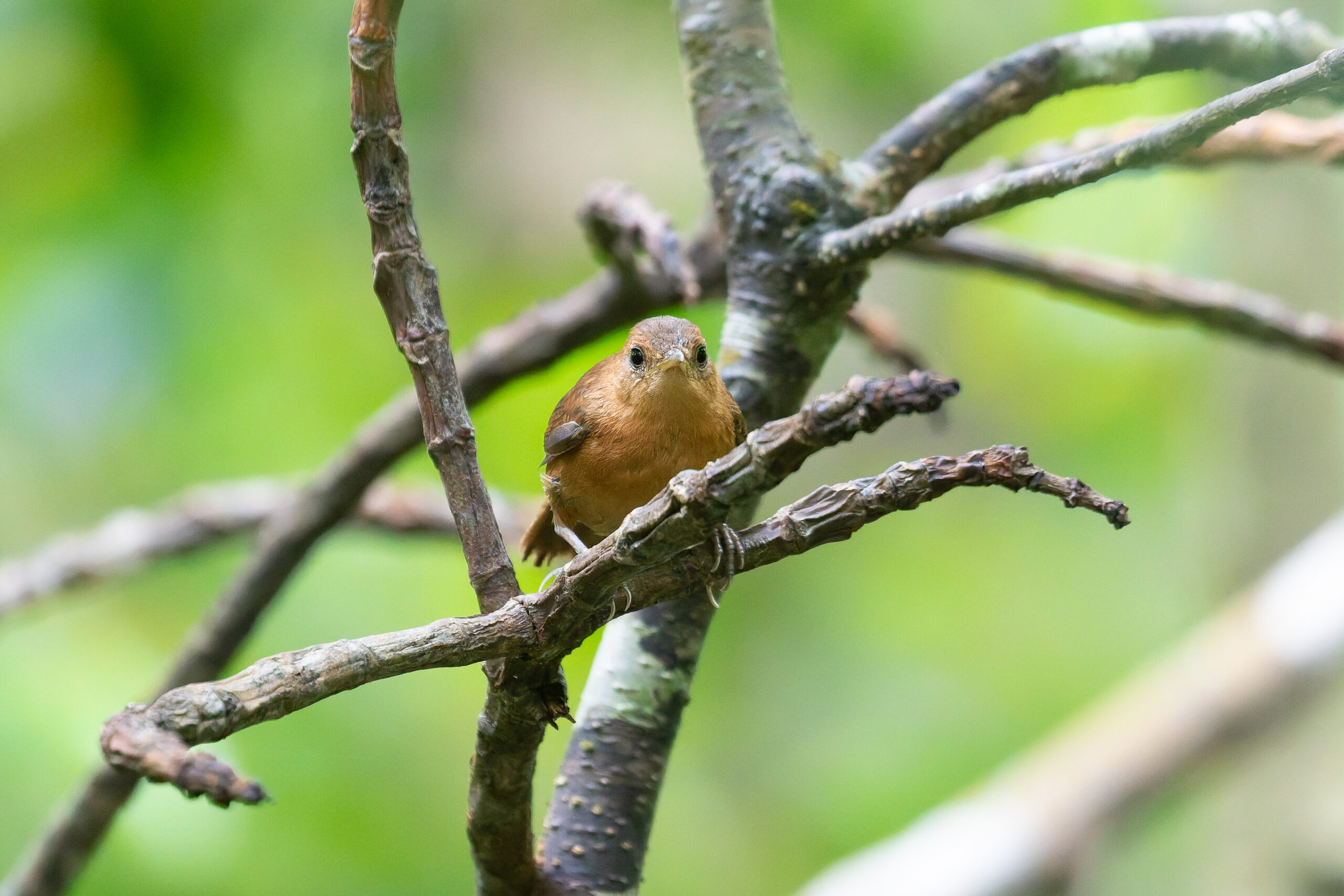
Dominica Wren (image by Diedert Koppenol)
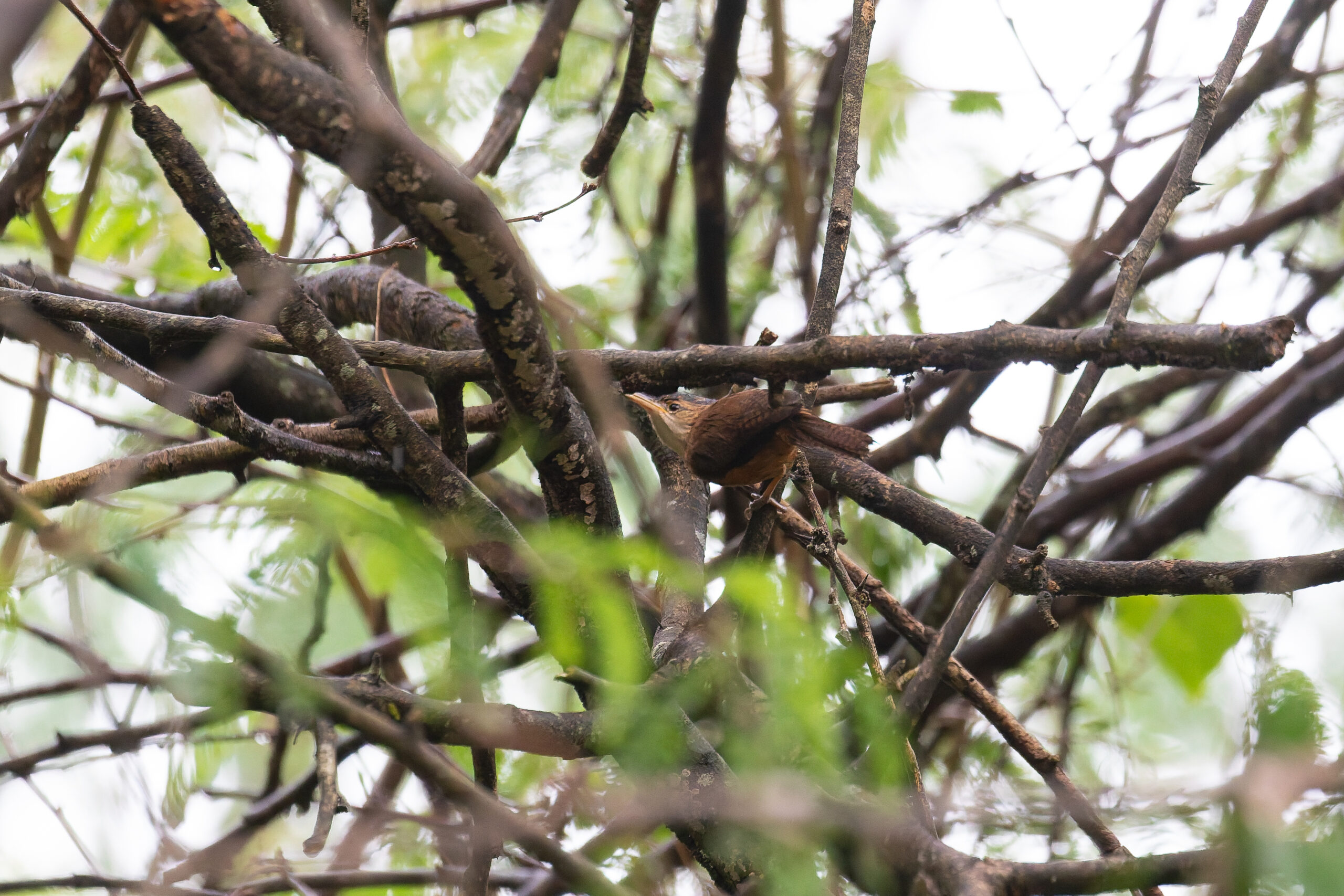
Grenada Wren (image by Diedert Koppenol)
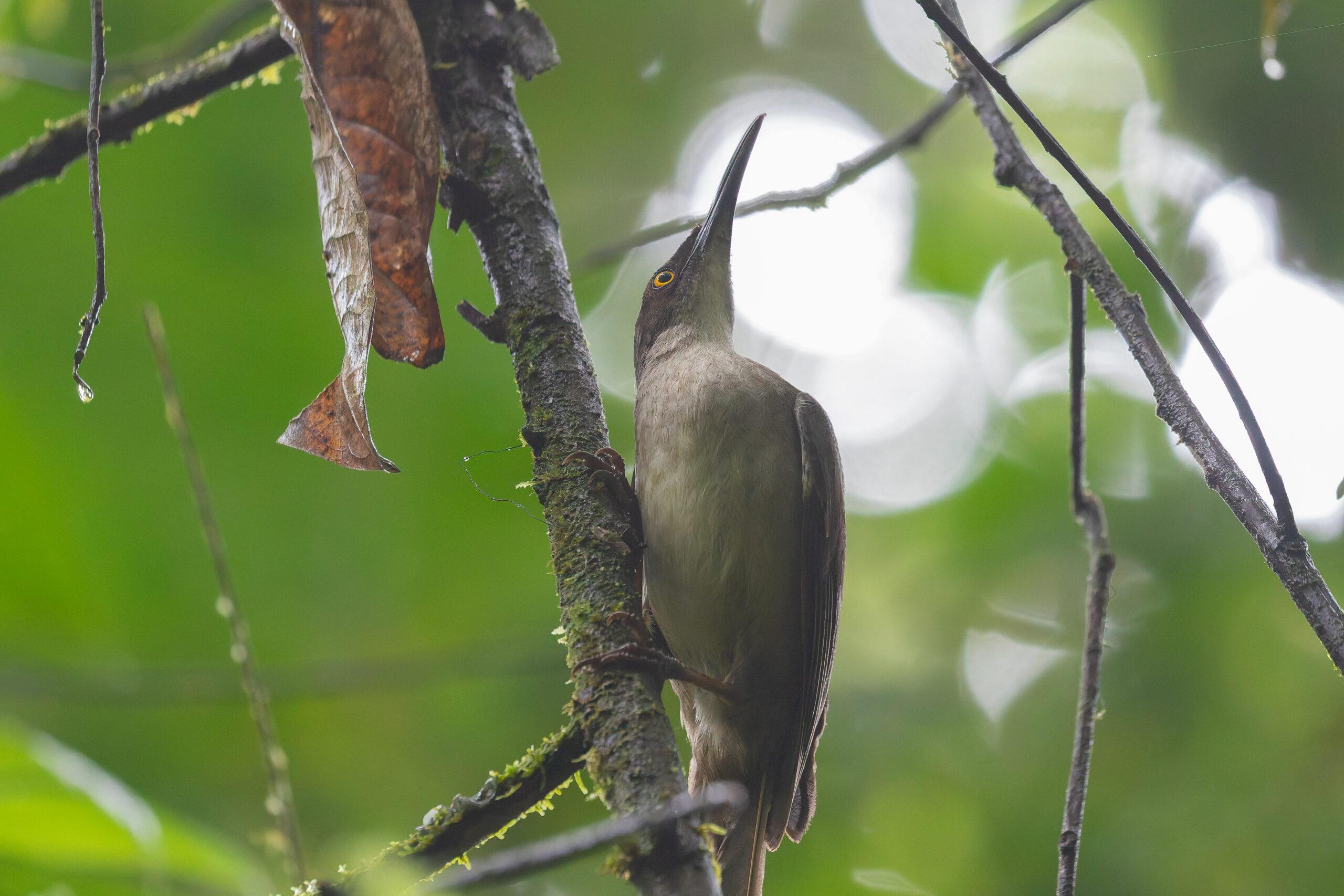
Grey Trembler (image by Diedert Koppenol)
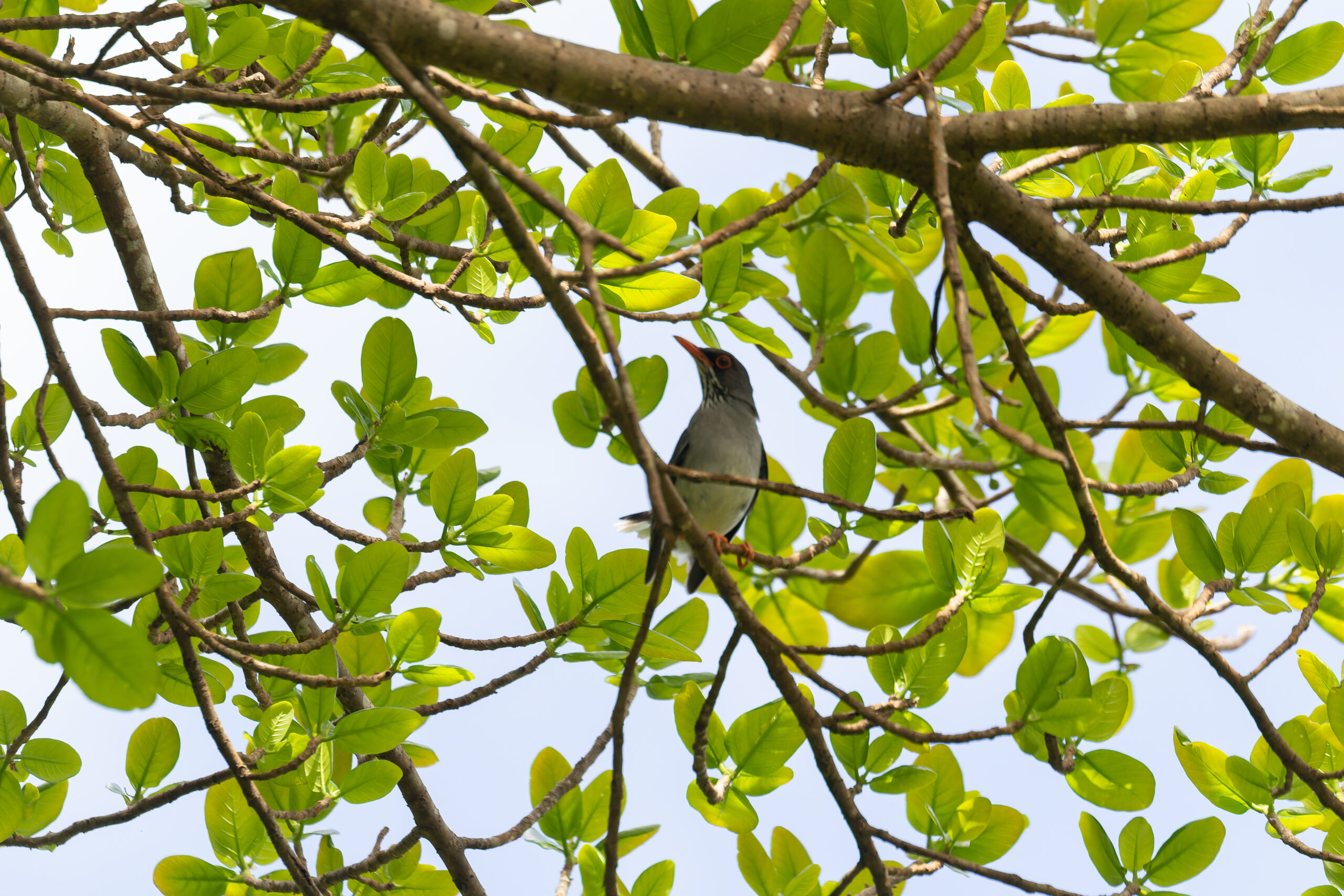
Eastern Red-legged Thrush (image by Diedert Koppenol)
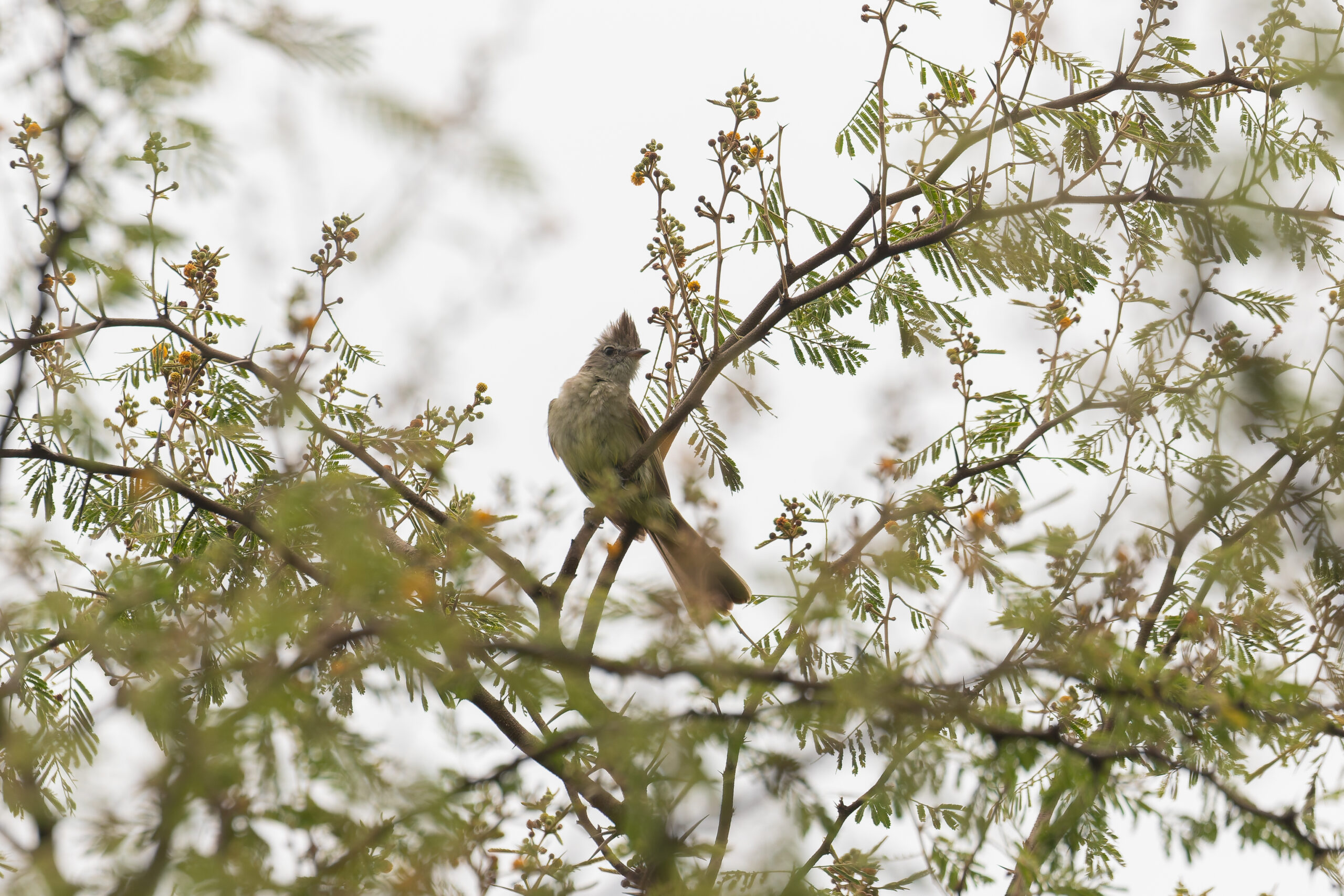
Yellow-bellied Elaenia (image by Diedert Koppenol)
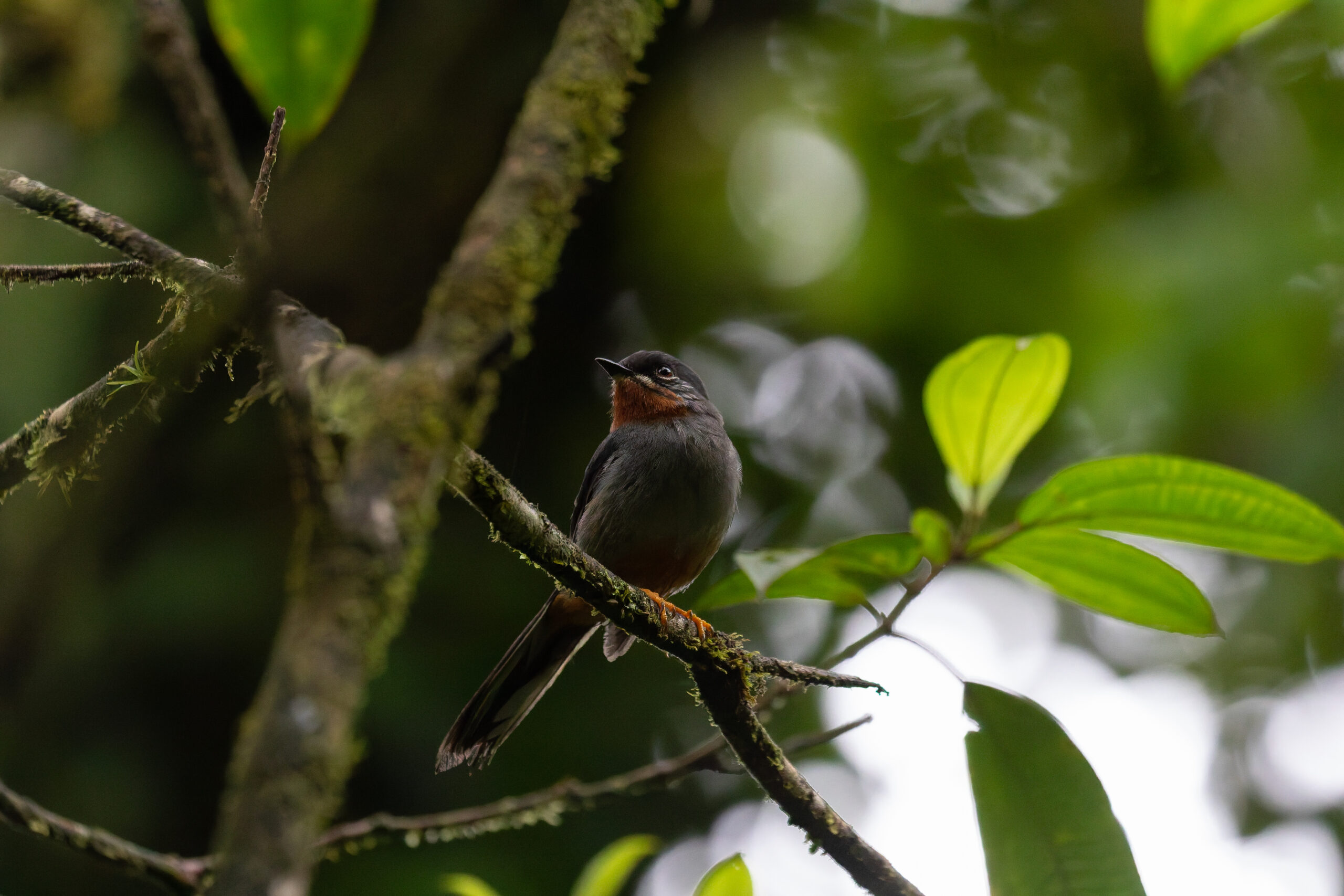
Rufous-throated Solitaire (image by Diedert Koppenol)
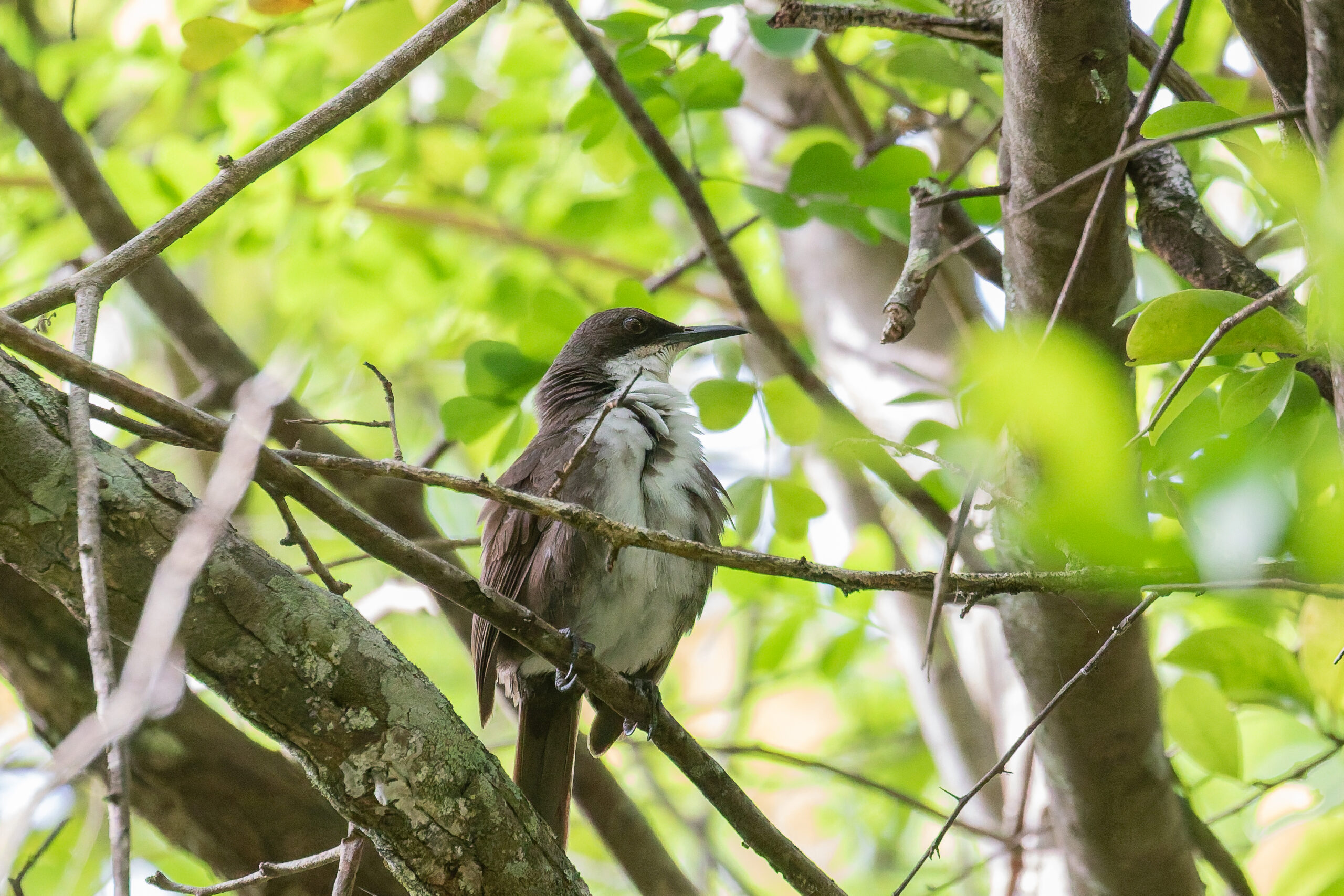
Martinique Thrasher (image by Diedert Koppenol)
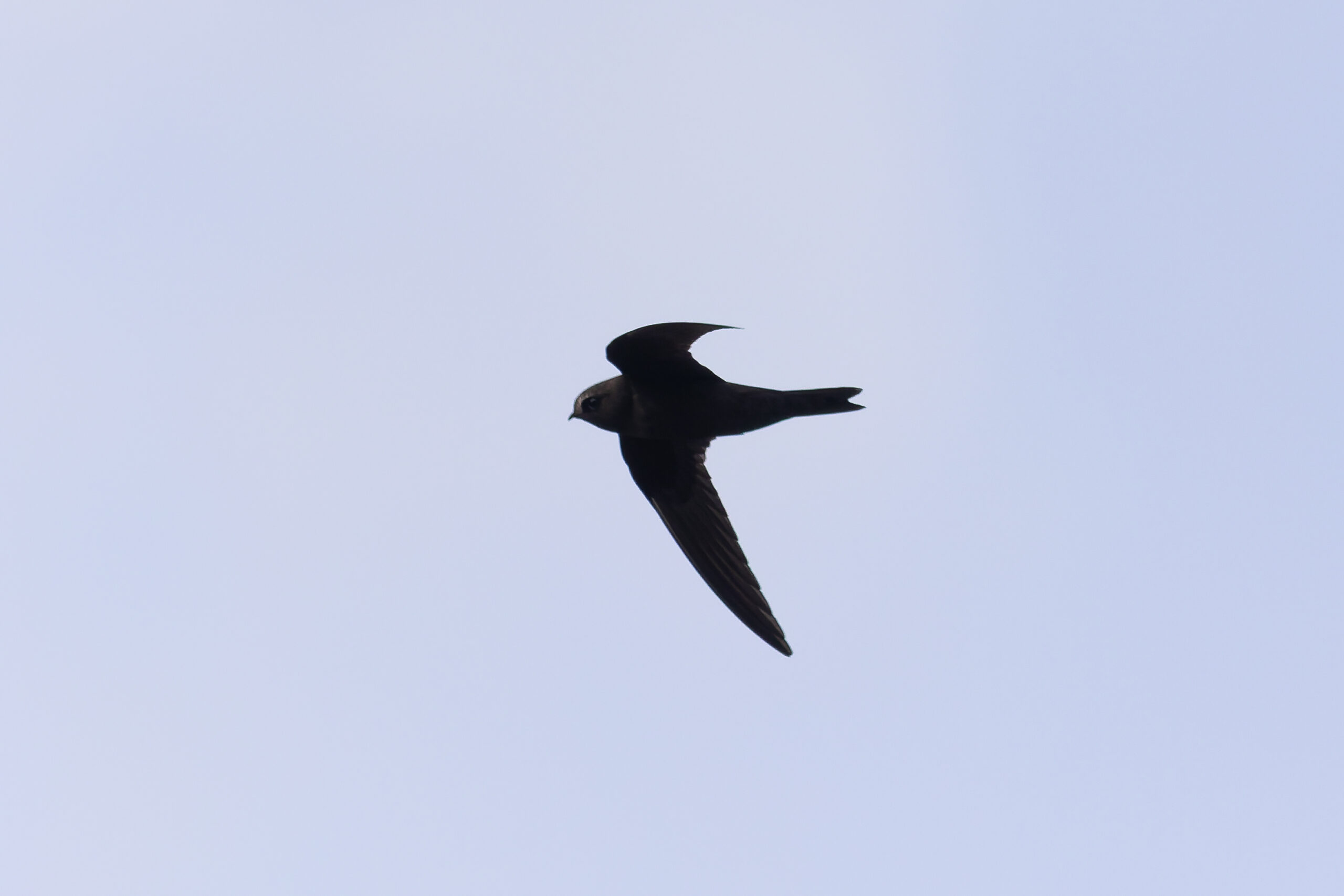
American Black Swift (image by Diedert Koppenol)
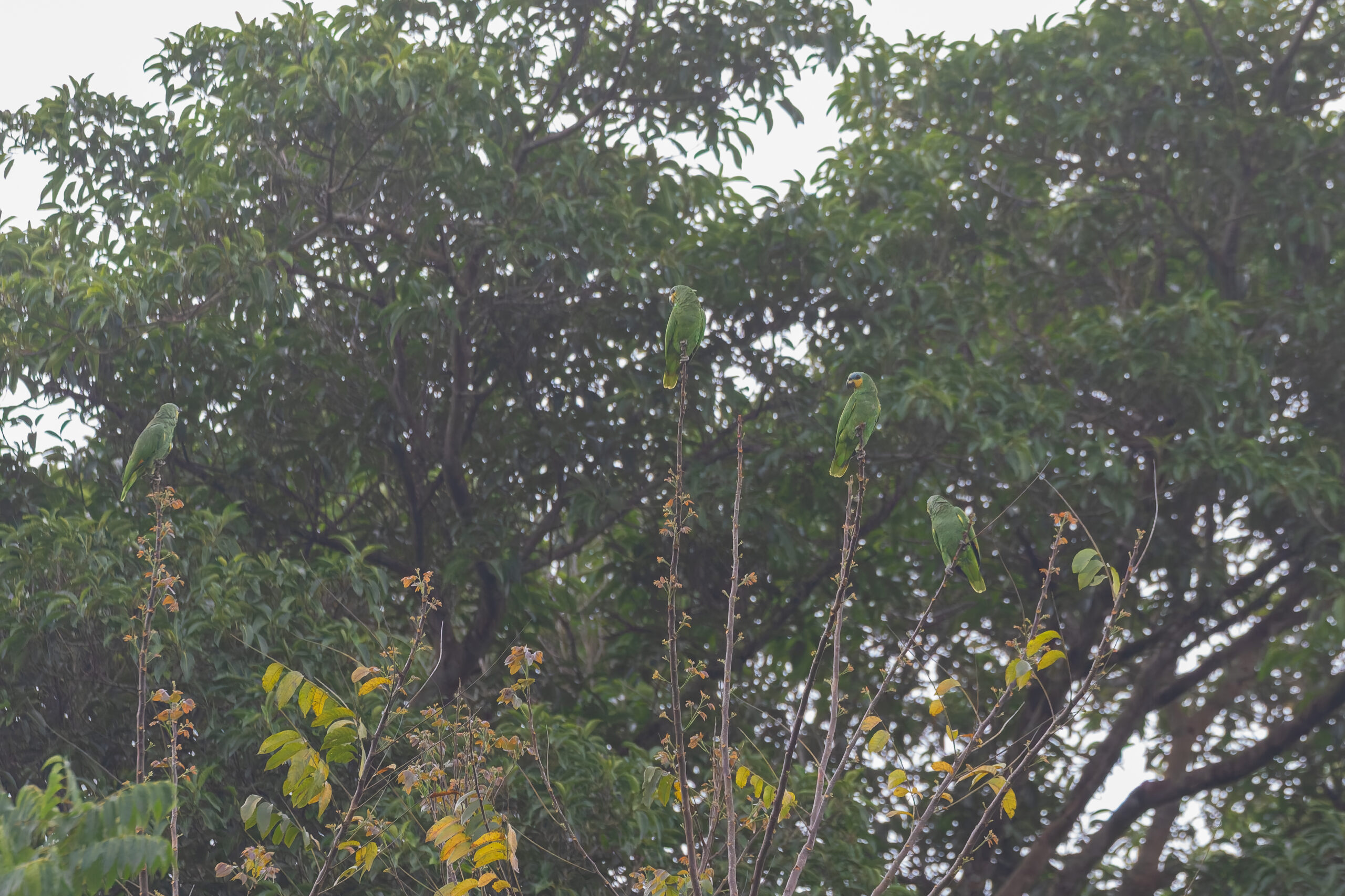
Orange-winged Amazons (image by Diedert Koppenol)
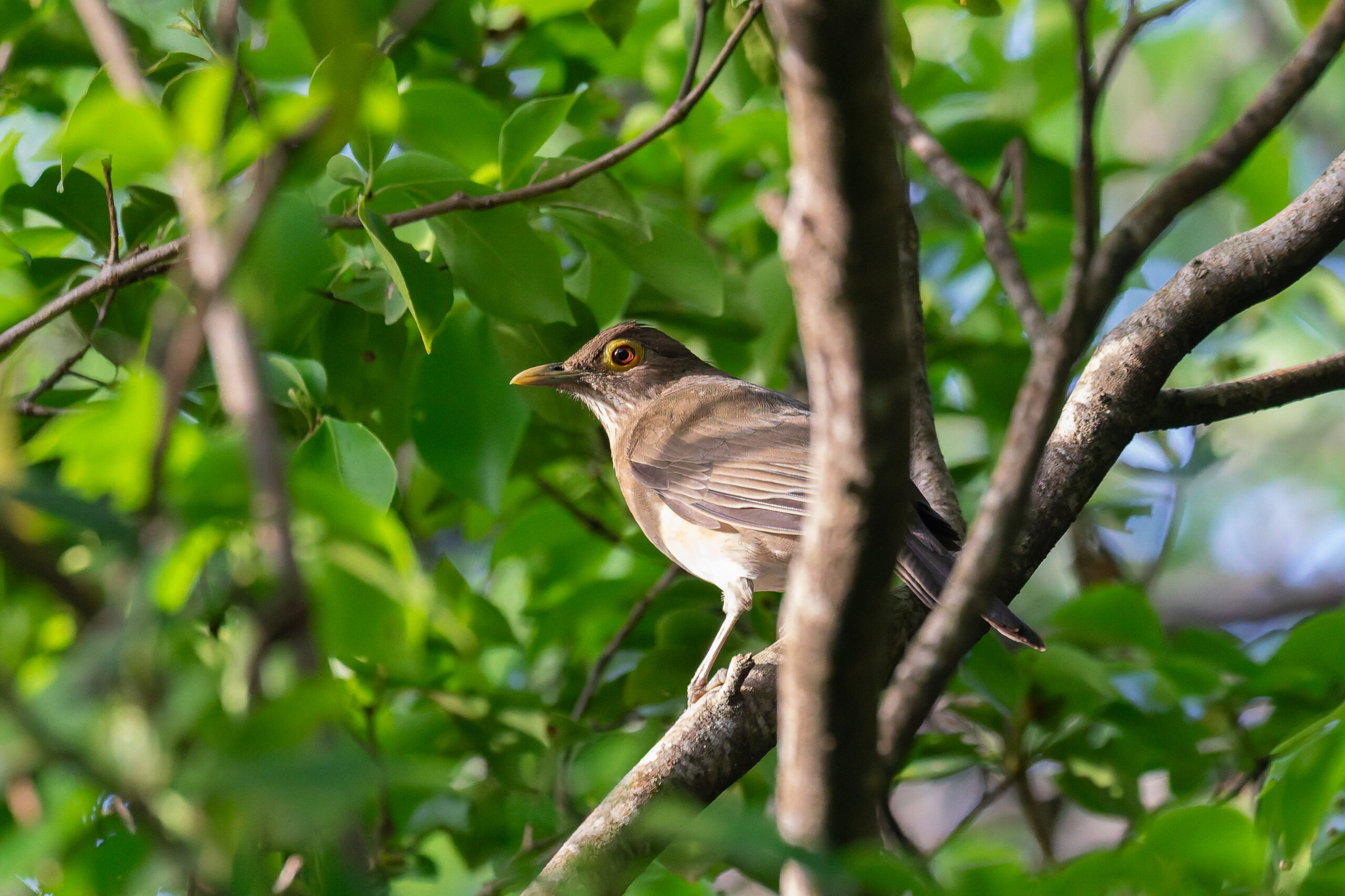
Spectacled Thrush (image by Diedert Koppenol)
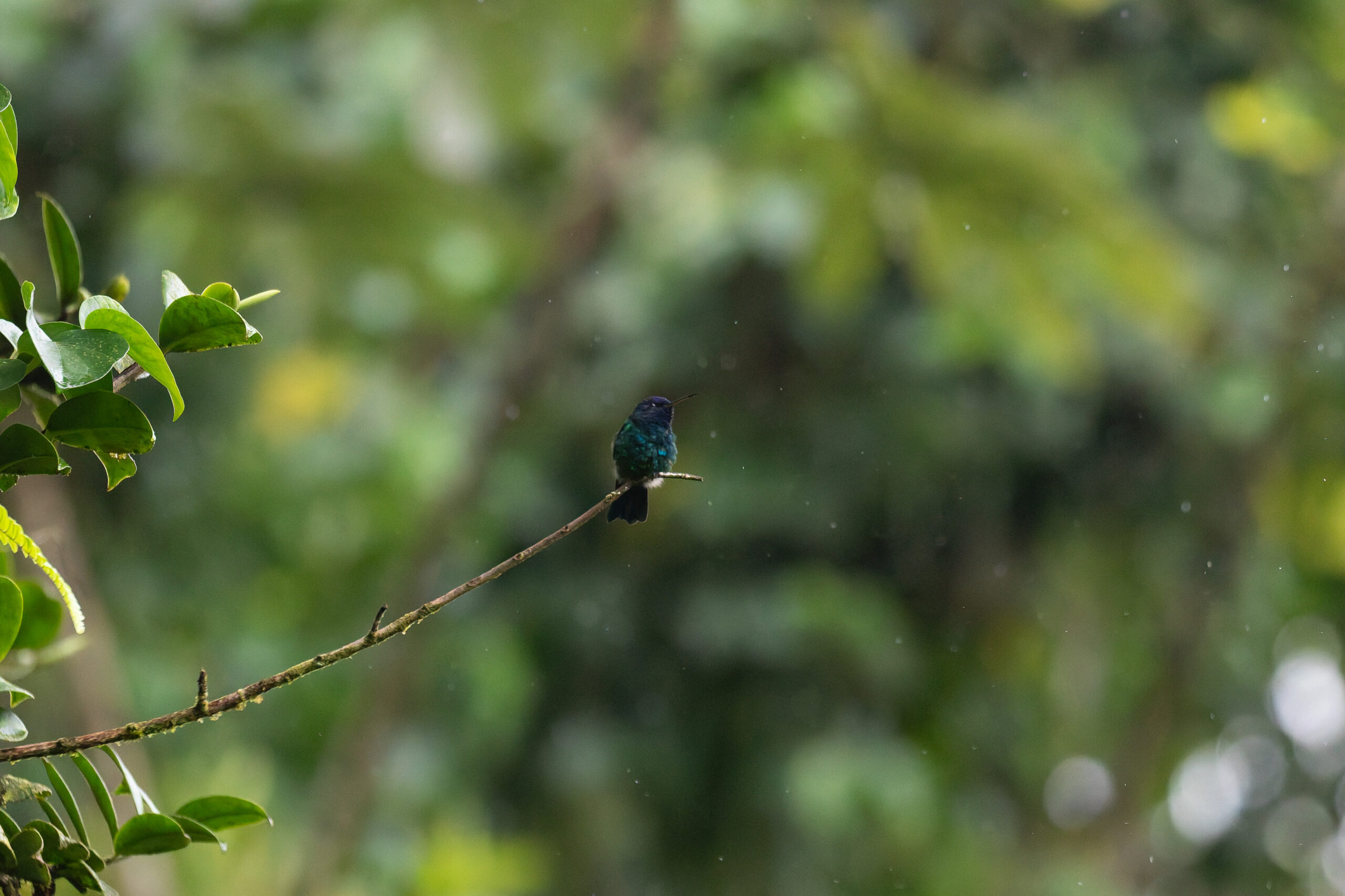
Blue-headed Hummingbird (image by Diedert Koppenol)
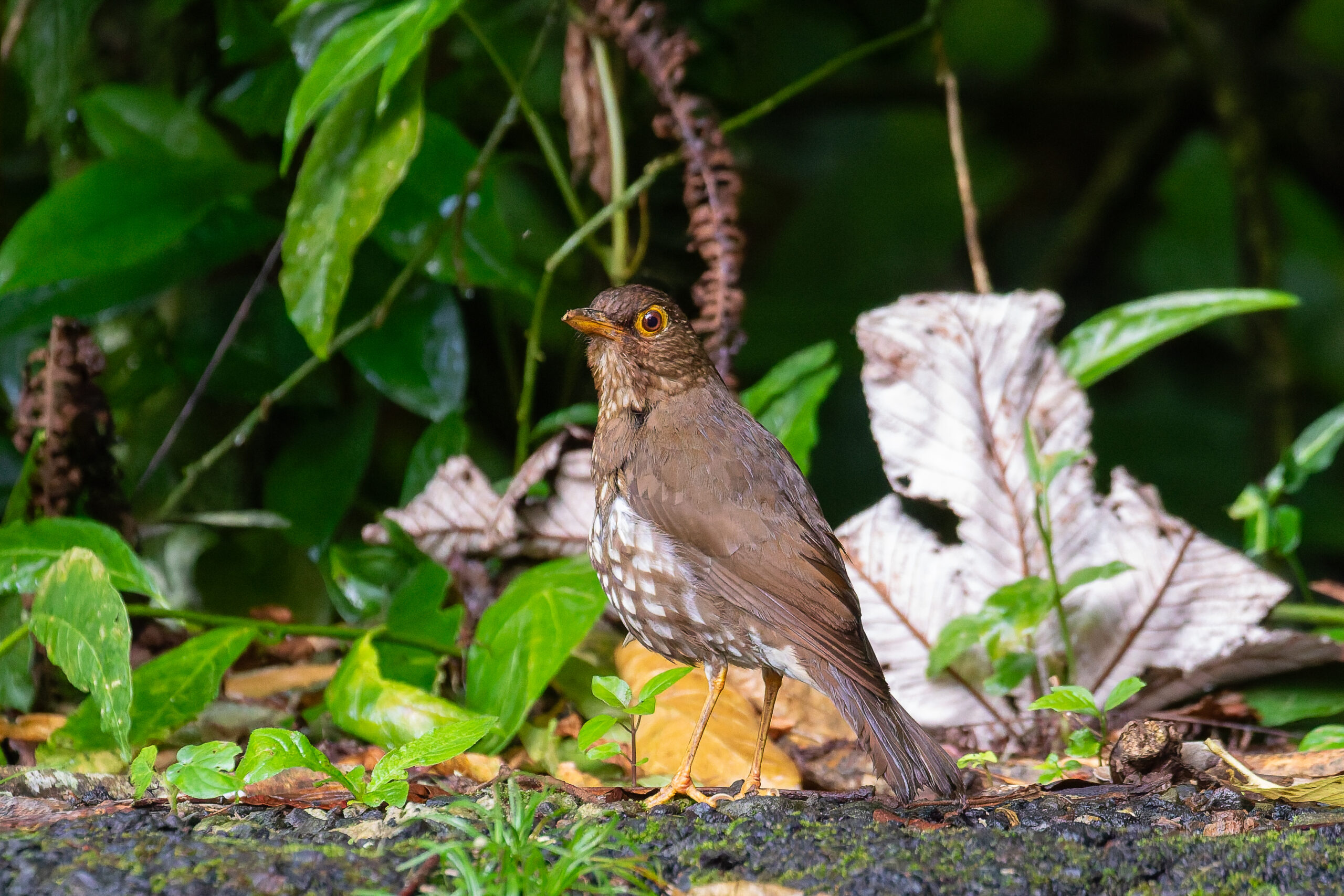
Forest Thrush (image by Diedert Koppenol)
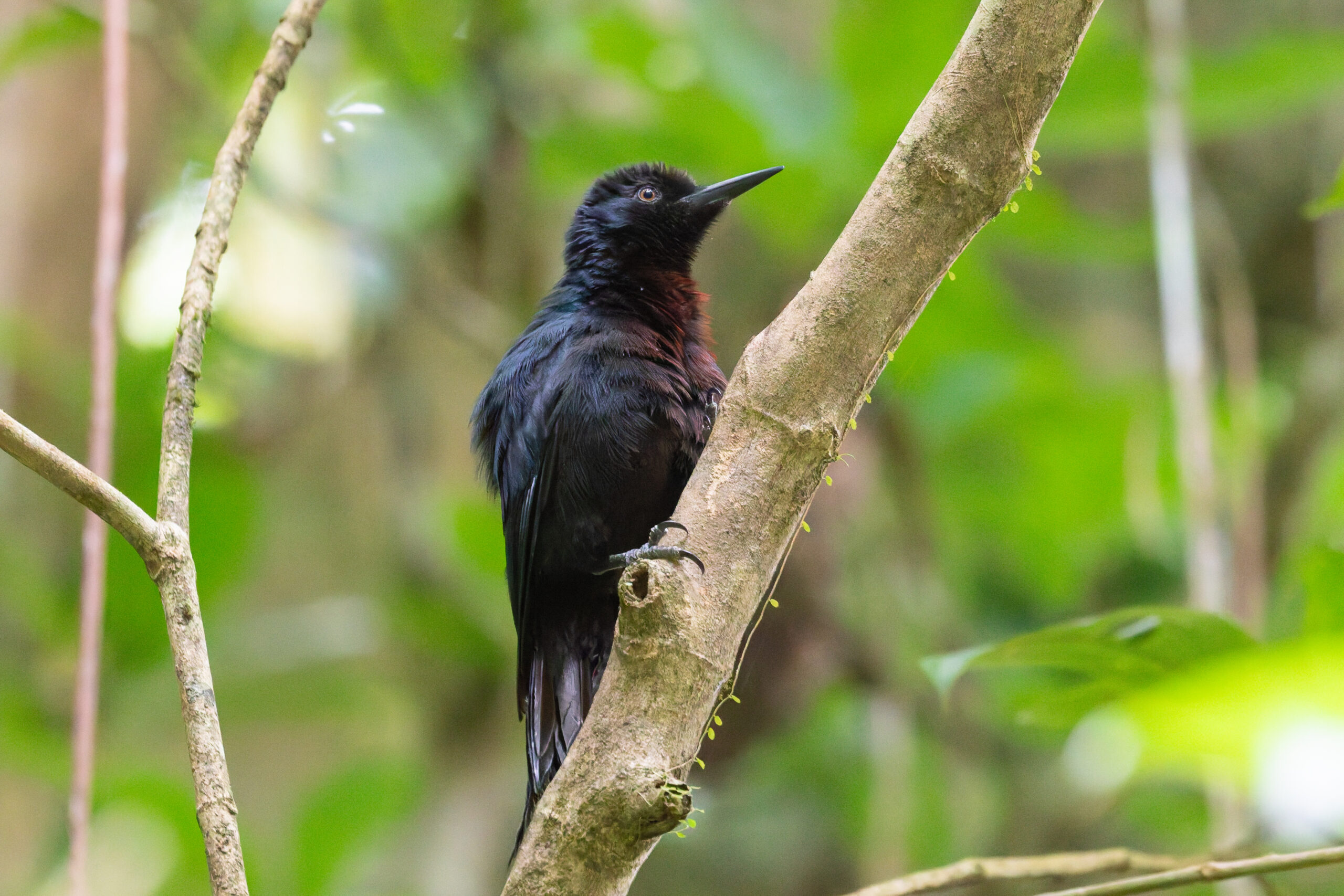
Guadeloupe Woodpecker (image by Diedert Koppenol)
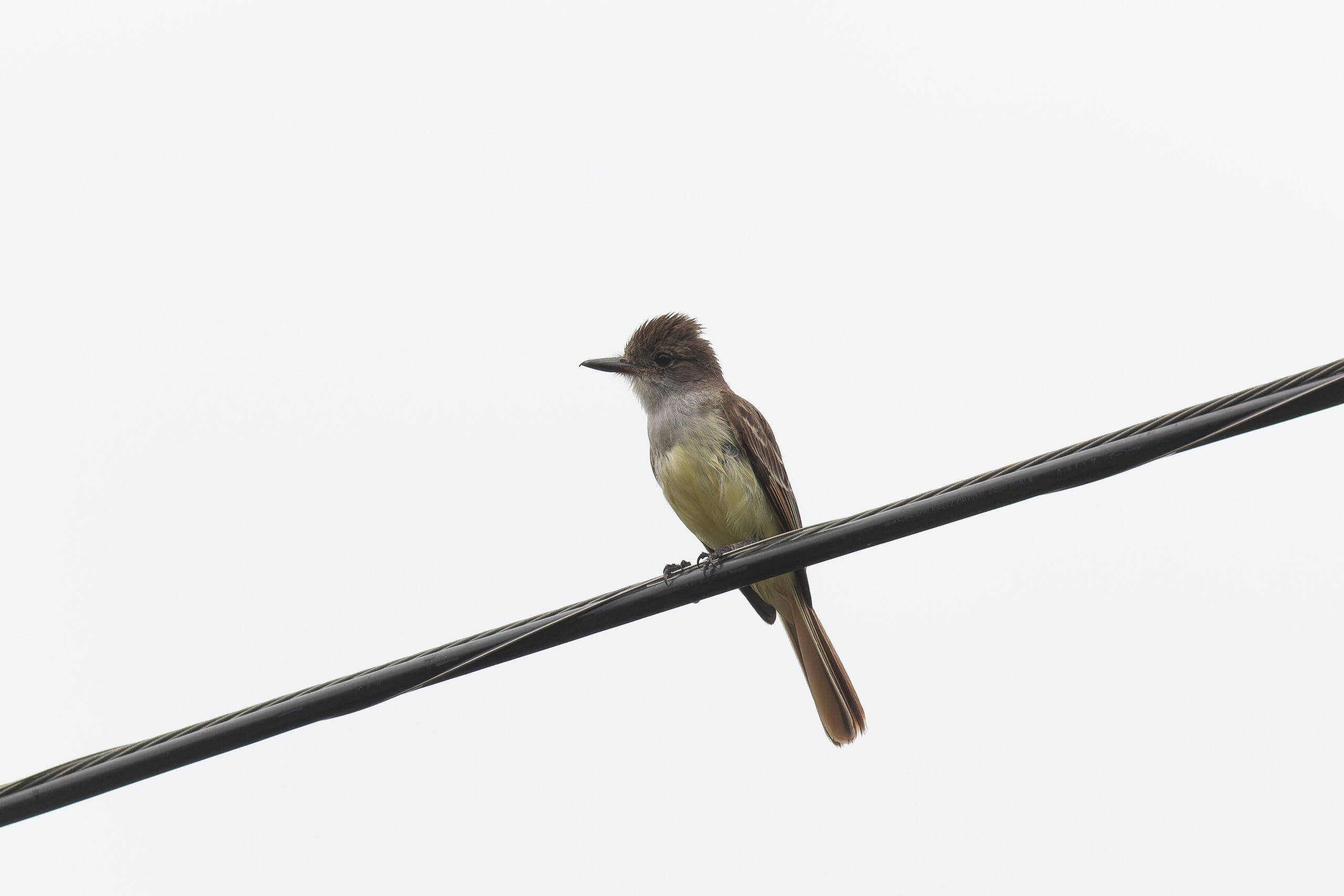
Grenada Flycatcher (image by Diedert Koppenol)
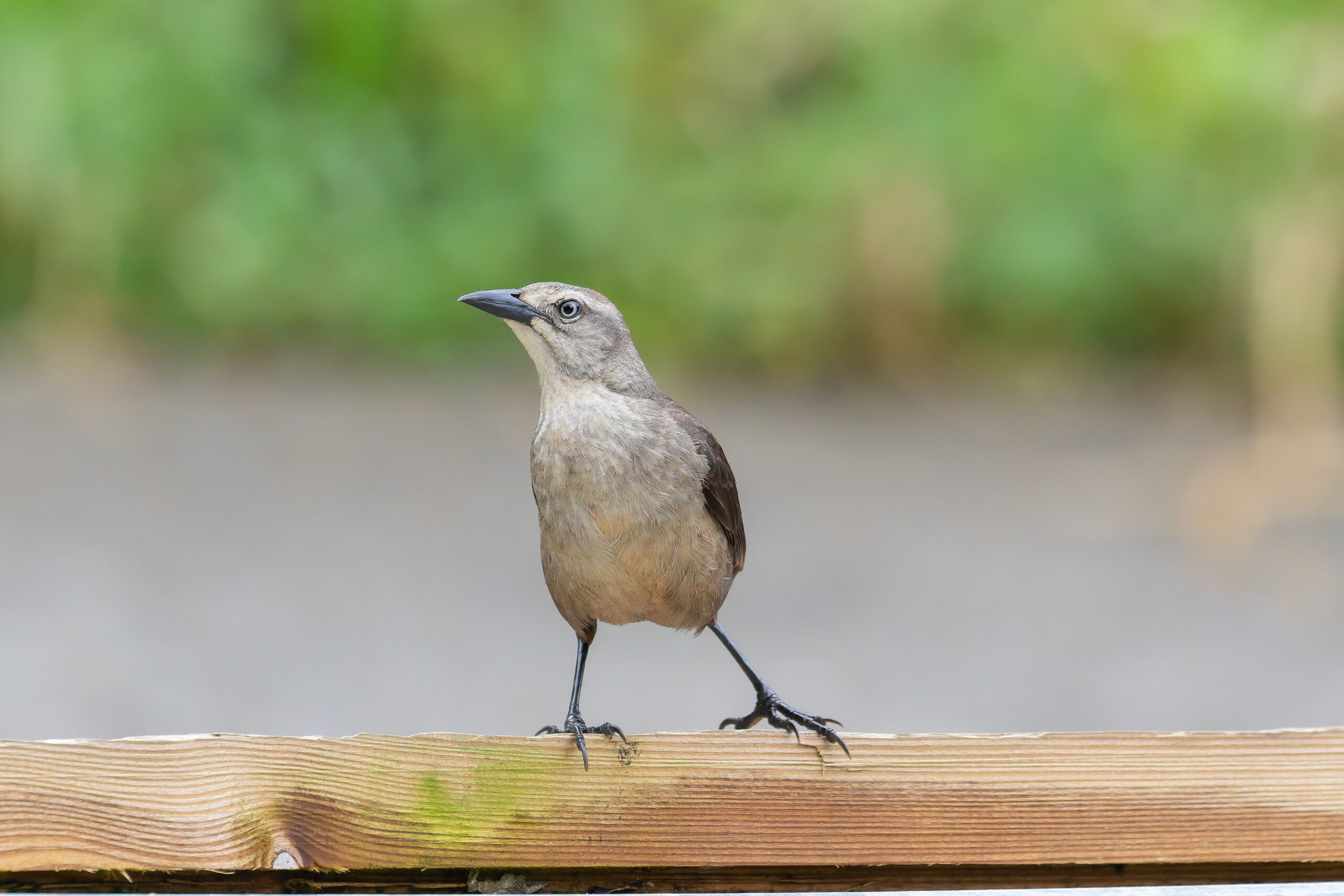
Carib Grackle (image by Diedert Koppenol)
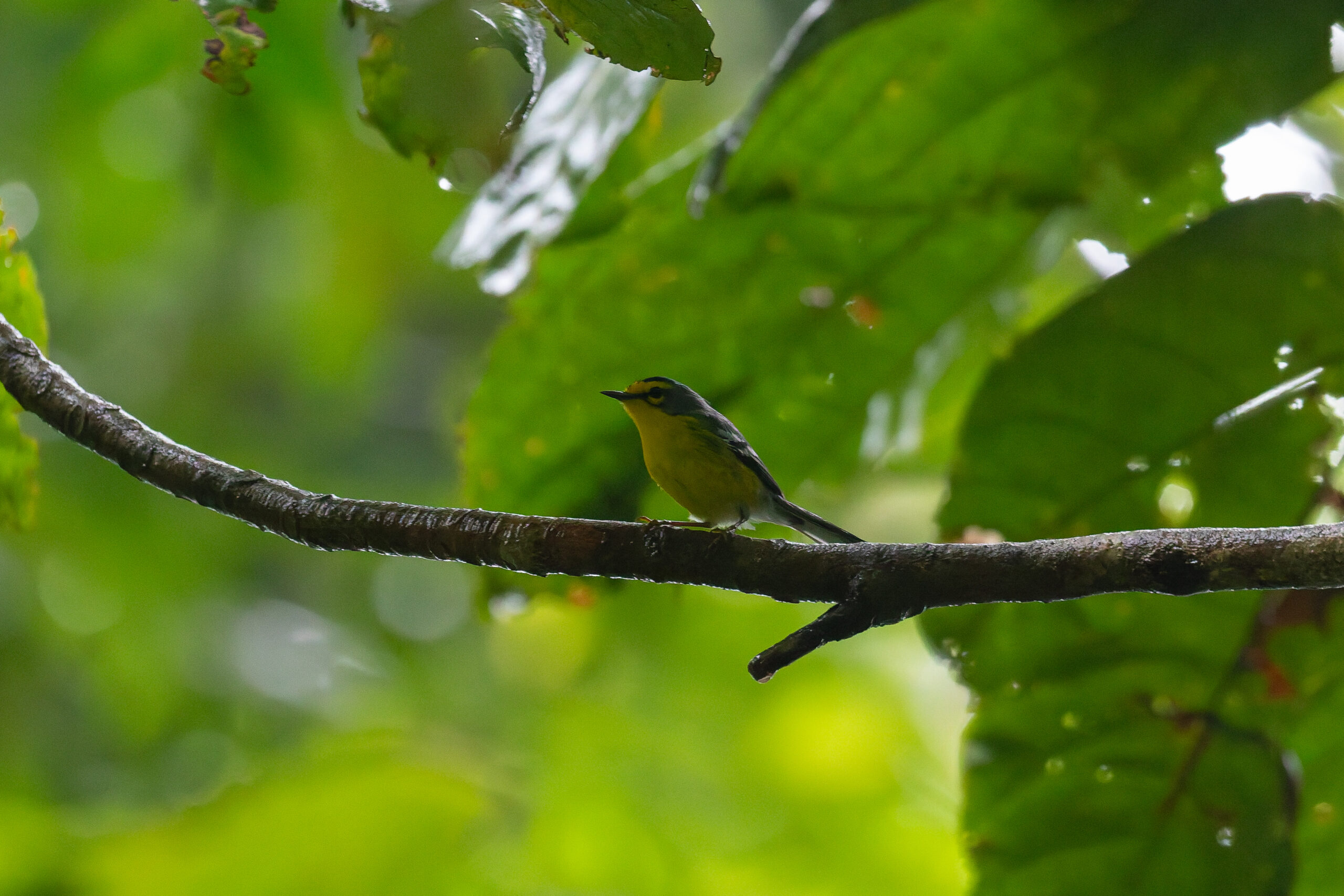
St. Lucia Warbler (image by Diedert Koppenol)
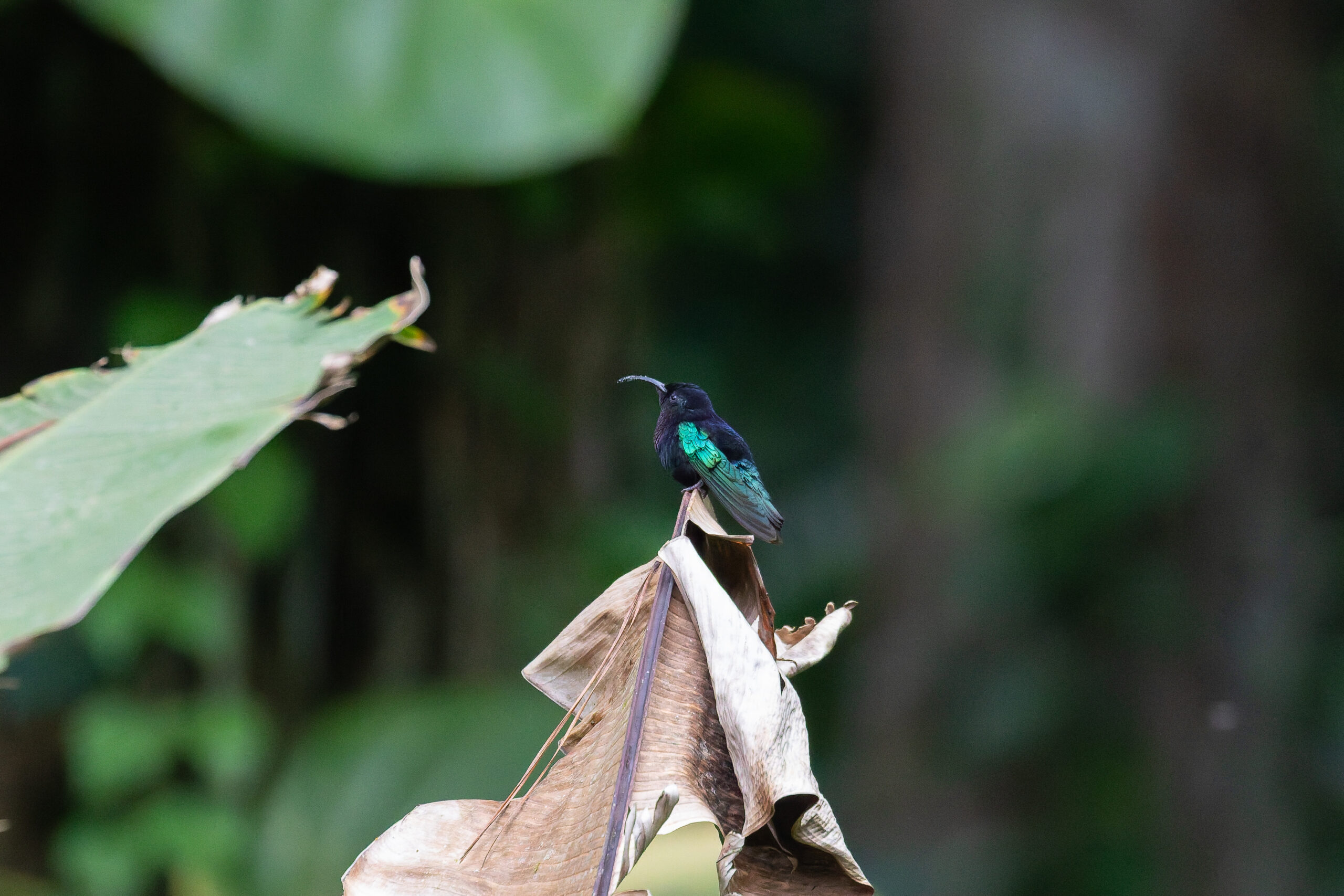
Purple-throated Carib (image by Diedert Koppenol)
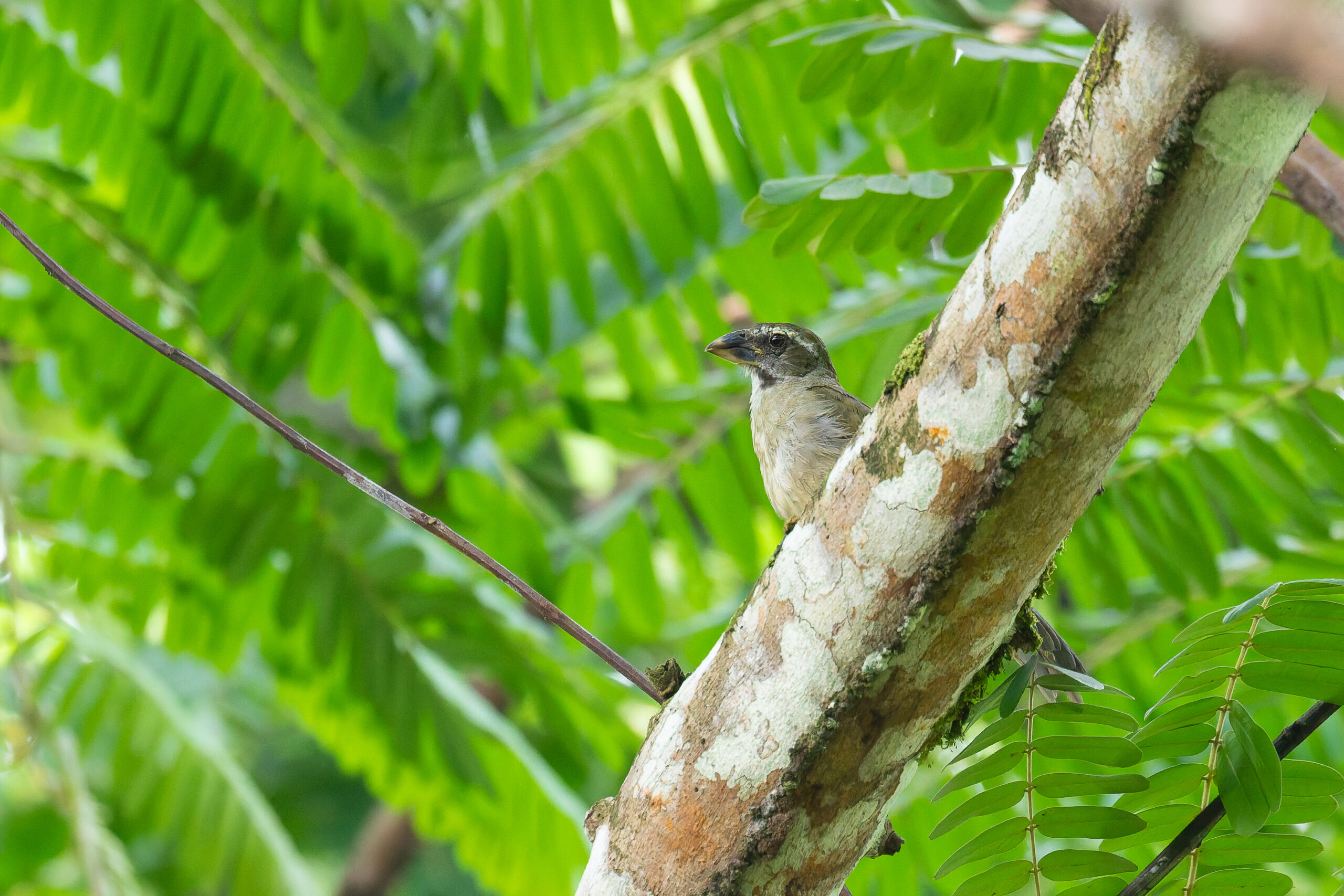
Lesser Antillean Saltator (image by Diedert Koppenol)
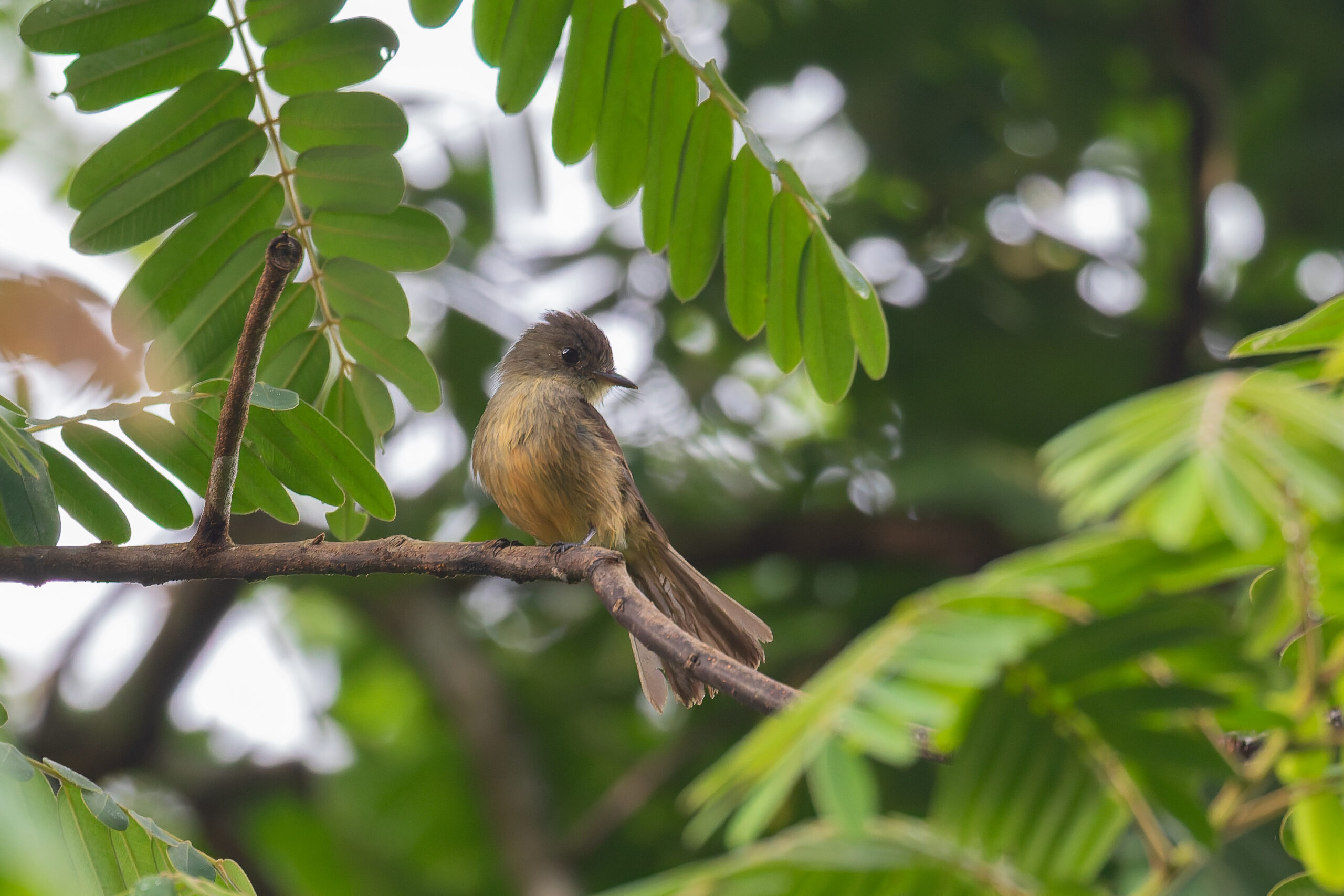
Lesser Antillean Pewee (image by Diedert Koppenol)
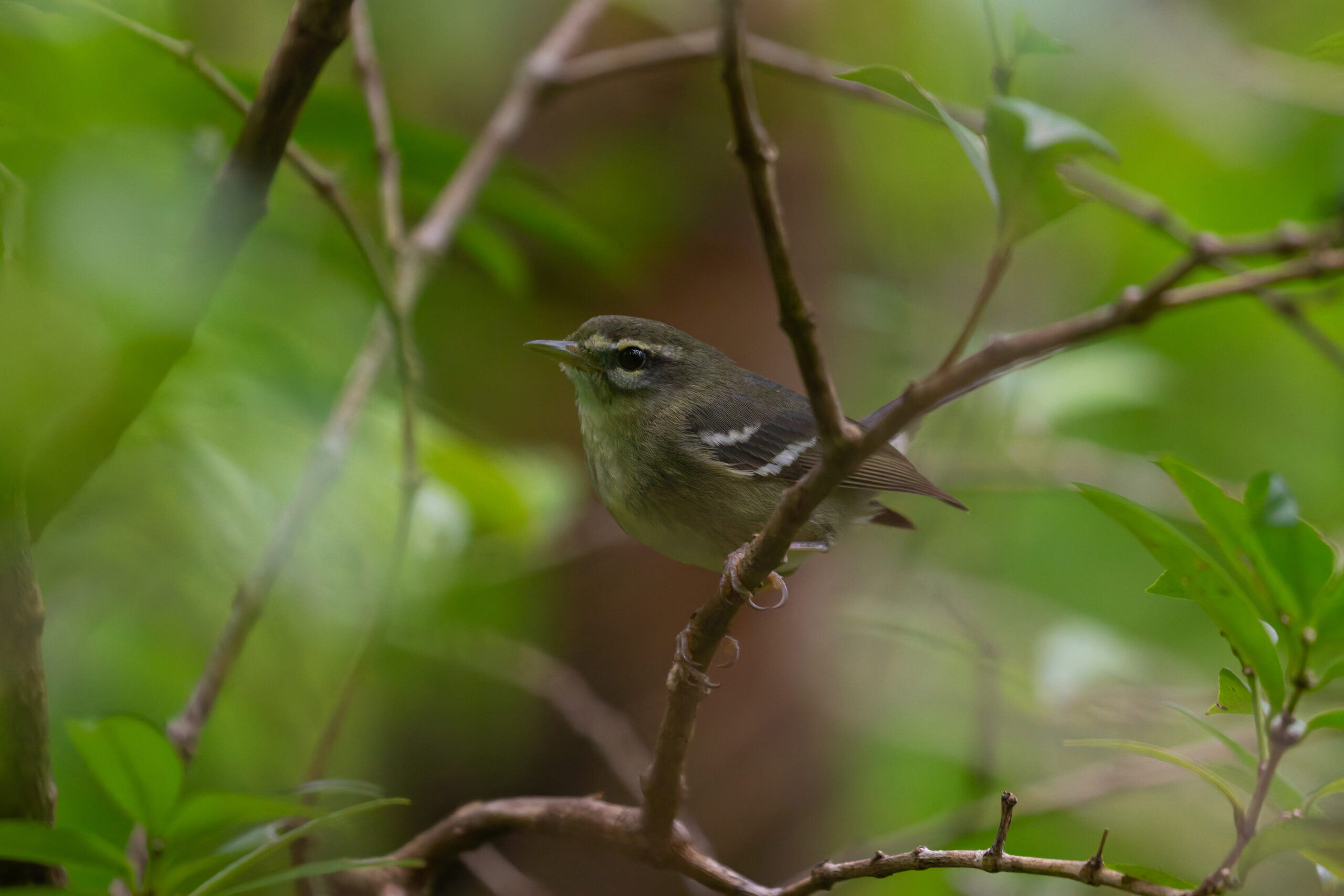
Plumbeous Warbler (image by Diedert Koppenol)
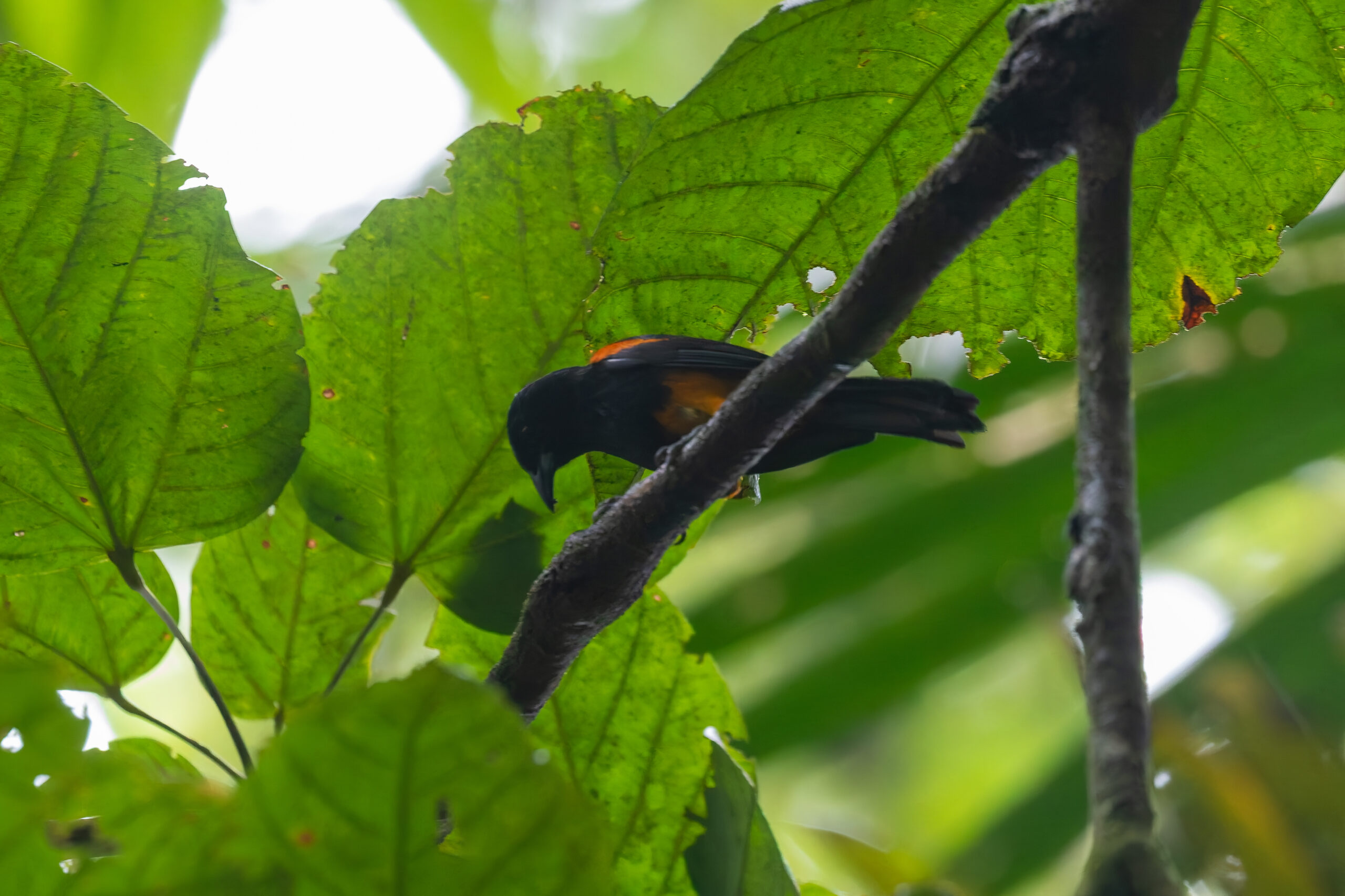
male St. Lucia Oriole (image by Diedert Koppenol)
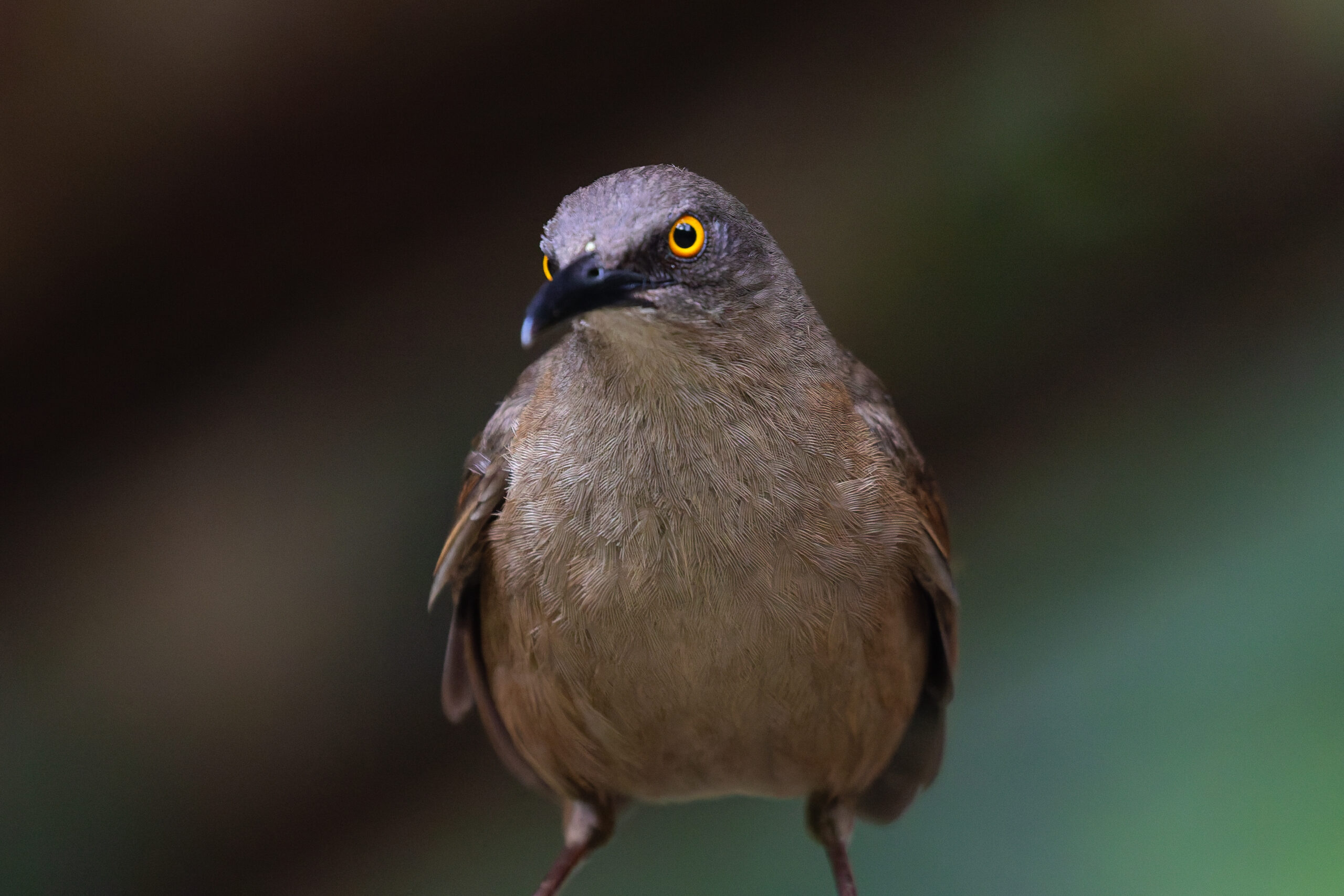
Brown Trembler (image by Diedert Koppenol)
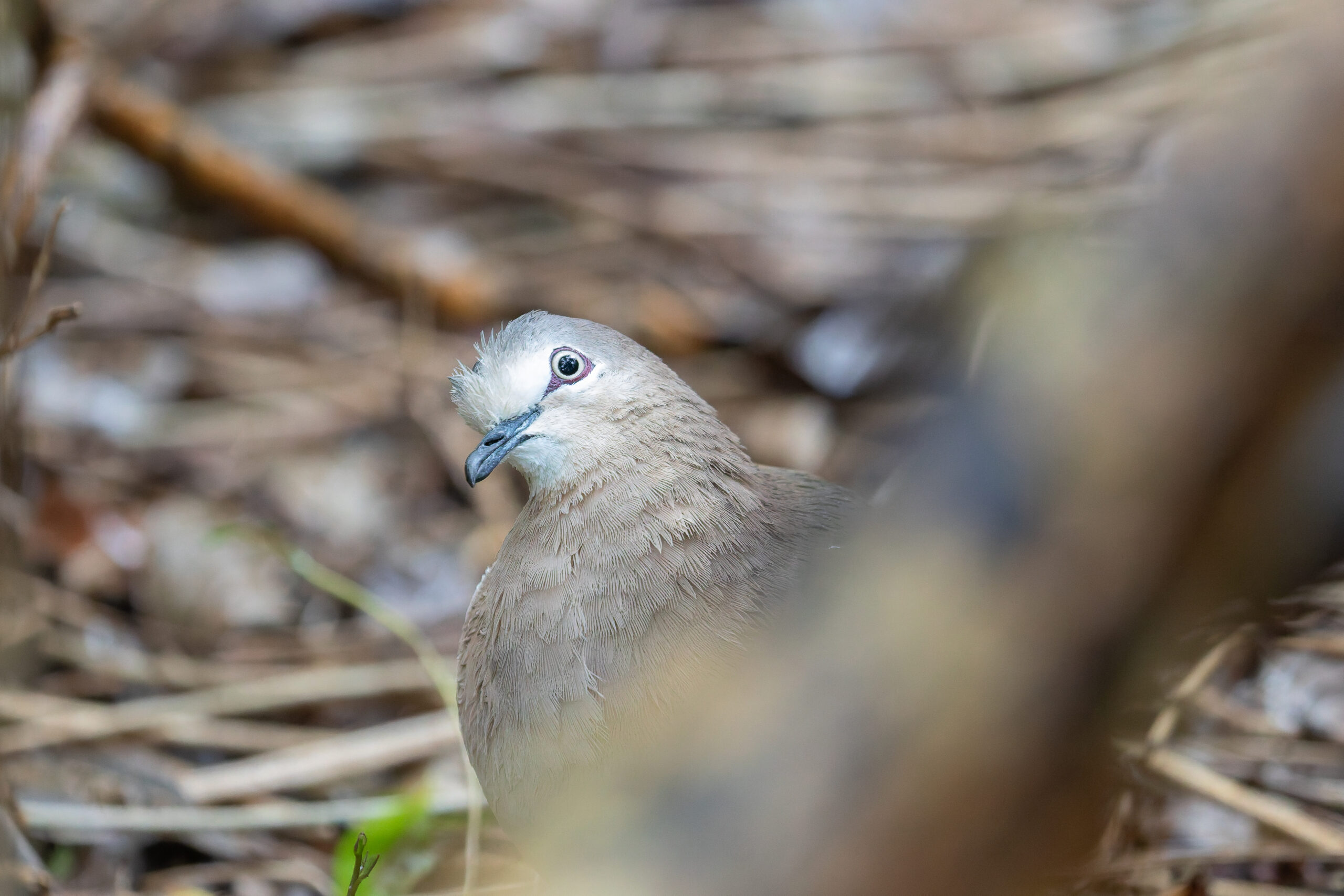
Grenada Dove (image by Diedert Koppenol)
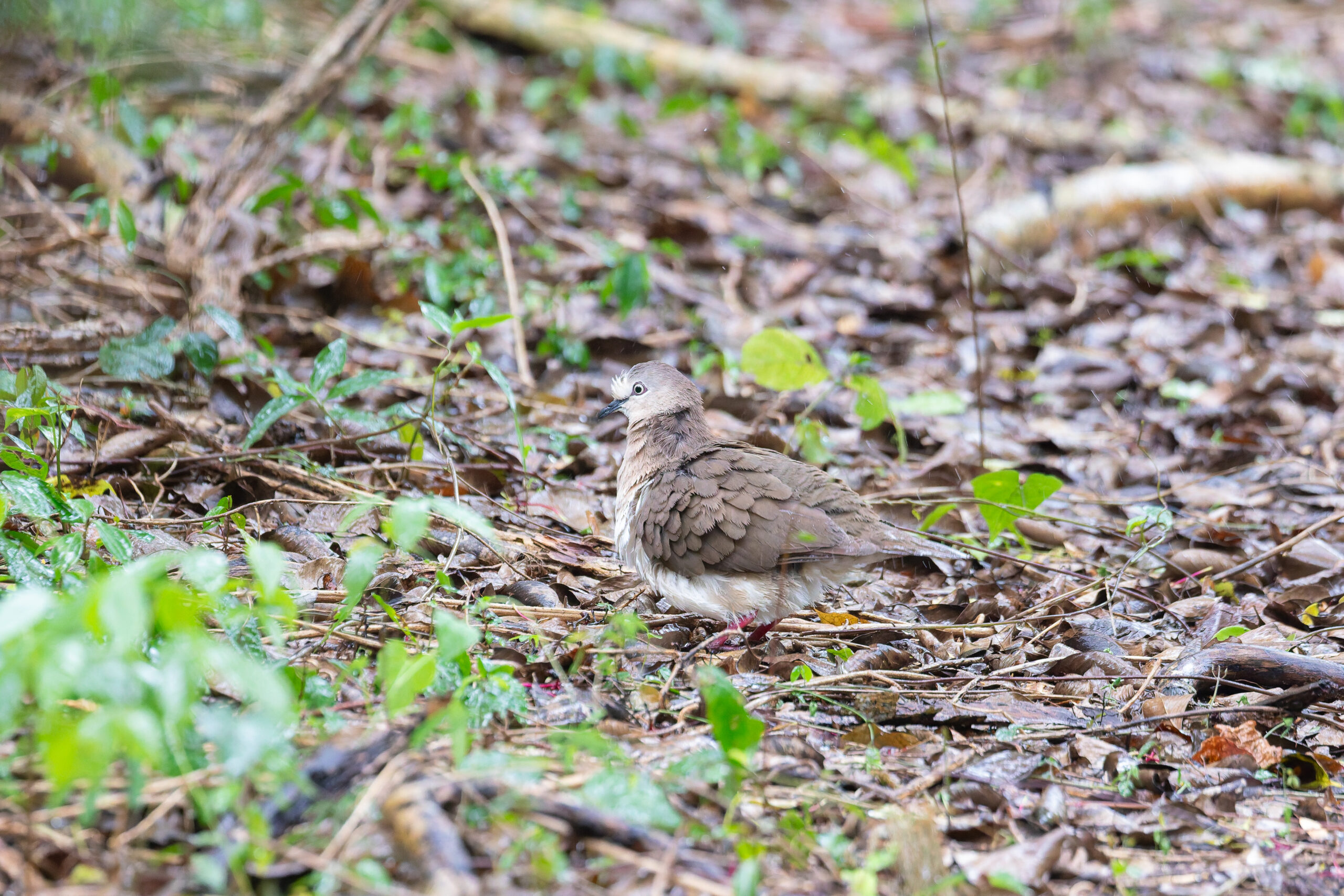
Grenada Dove (image by Diedert Koppenol)
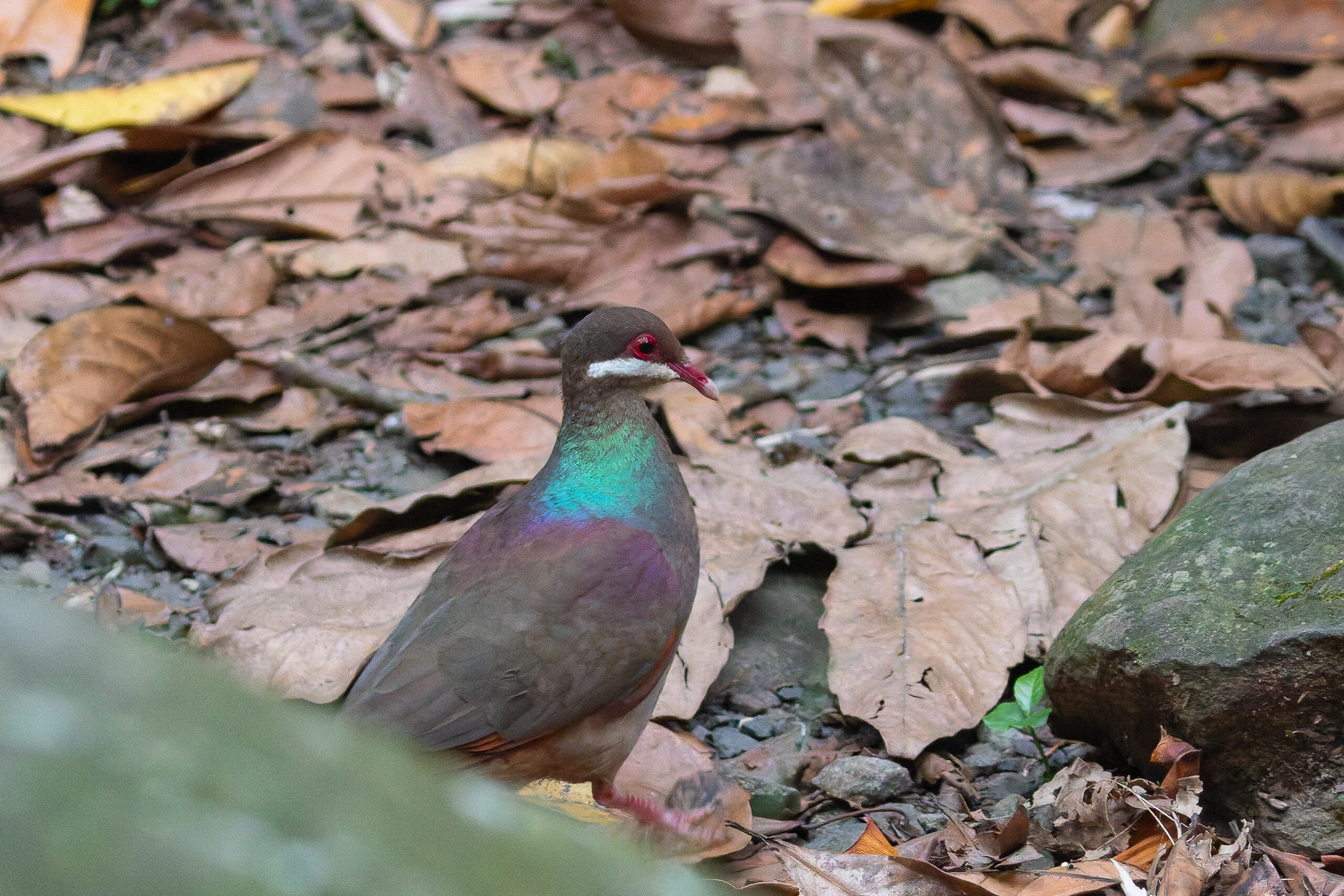
Bridled Quail-Dove (image by Diedert Koppenol)
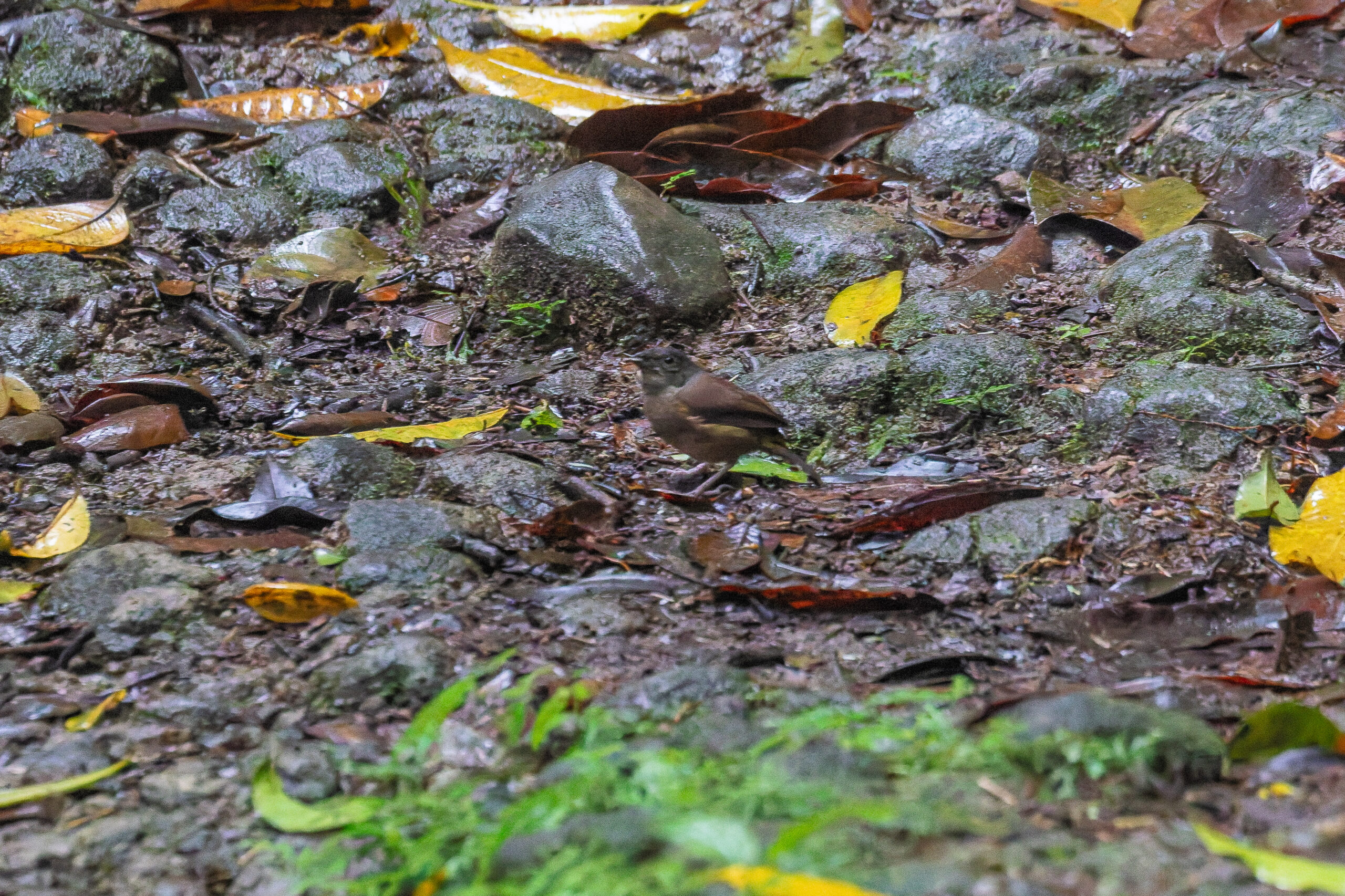
female St. Lucia Black Finch (image by Diedert Koppenol)
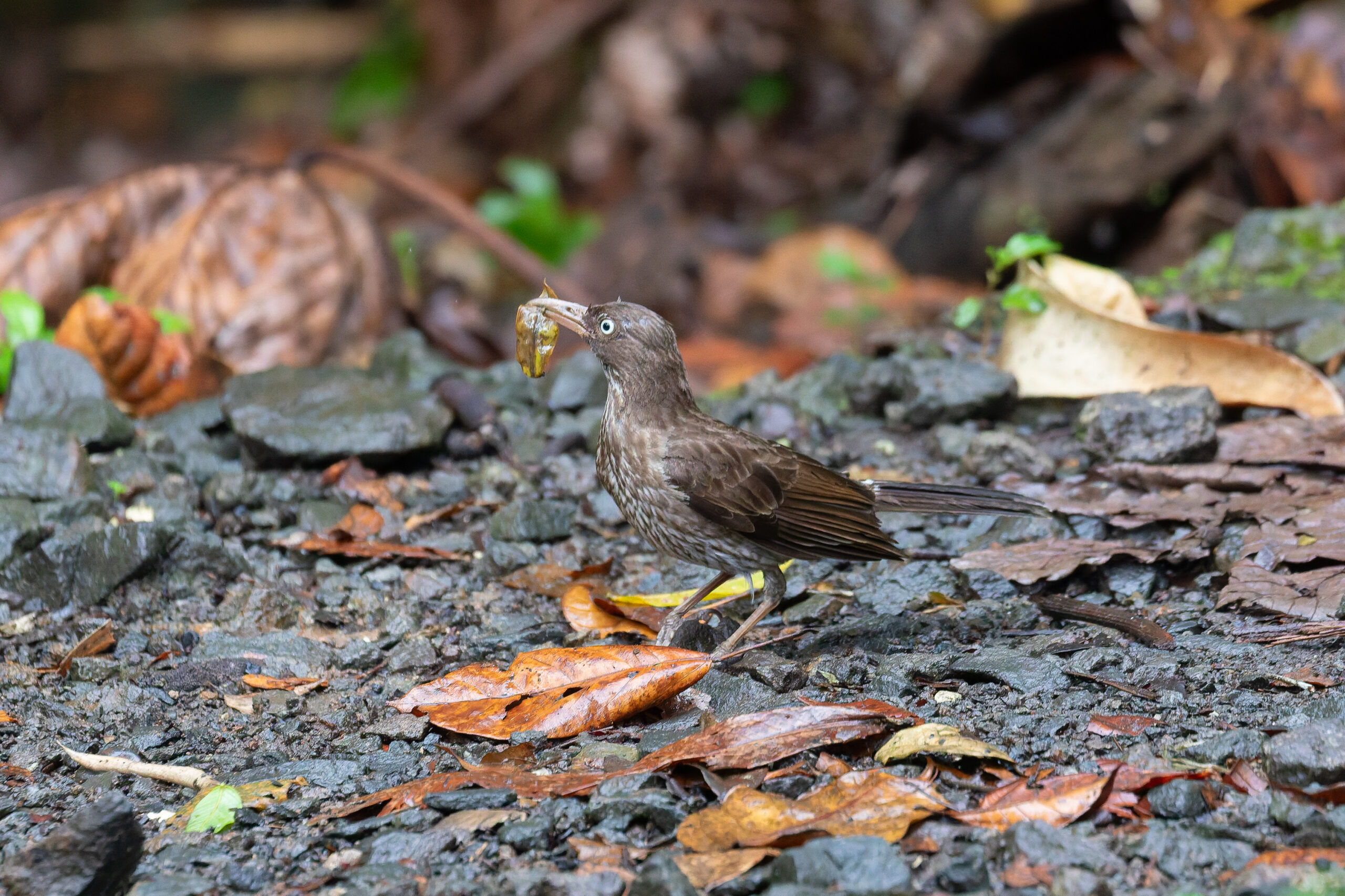
Pearly-eyed Thrasher (image by Diedert Koppenol)
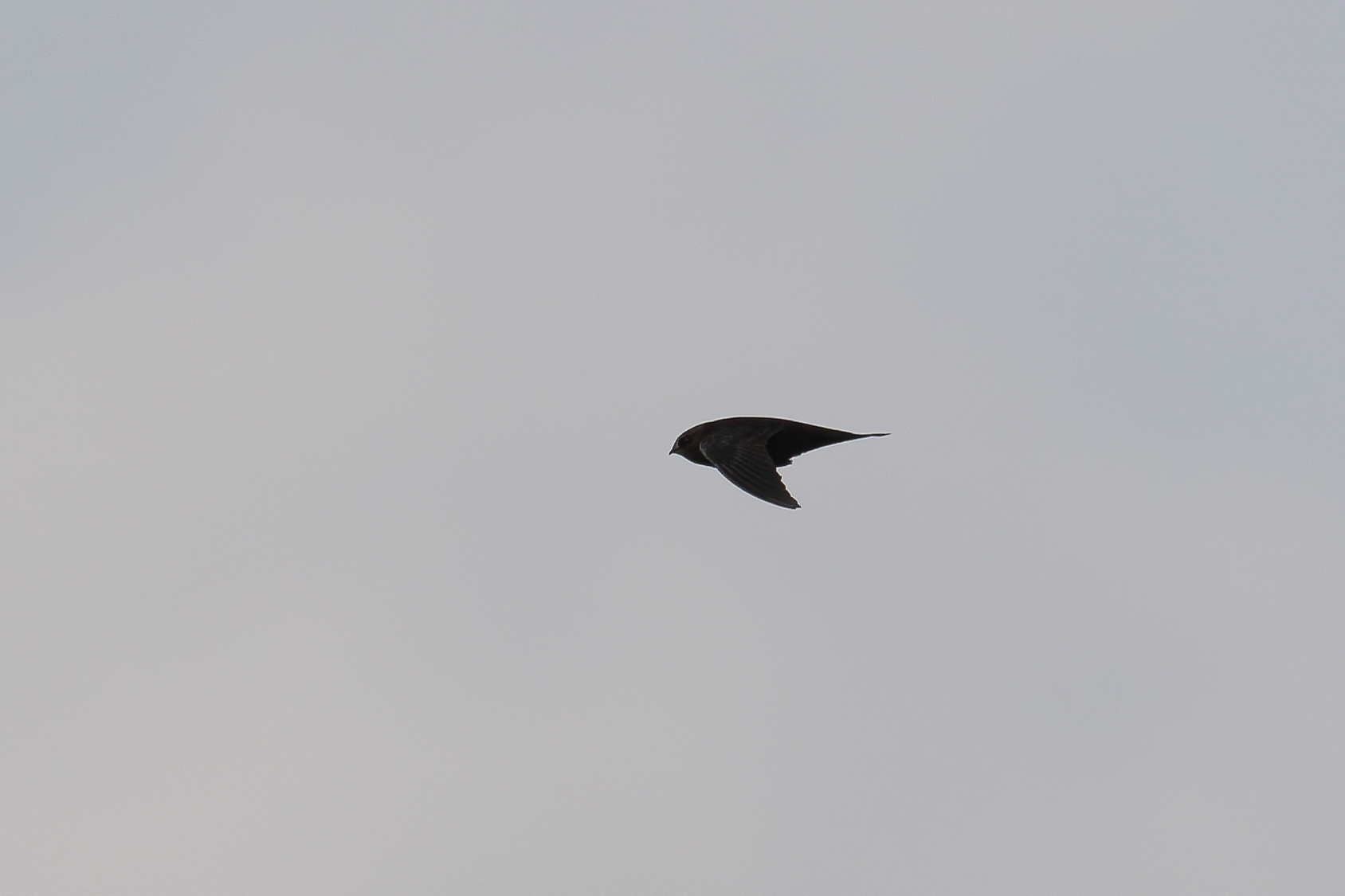
American Black Swift (image by Diedert Koppenol)
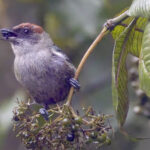
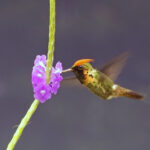
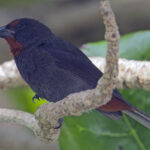
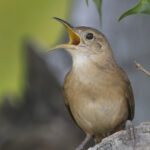
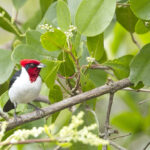
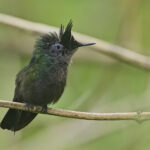
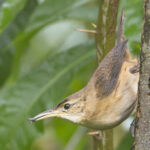
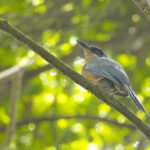
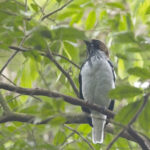
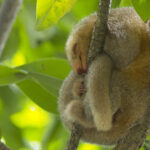
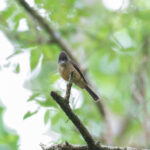
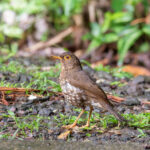
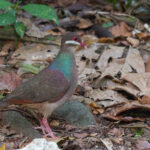
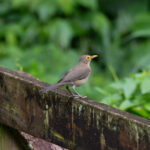
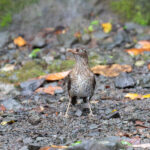
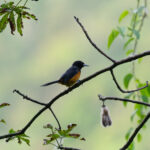
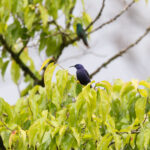
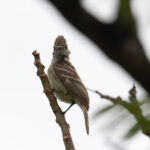
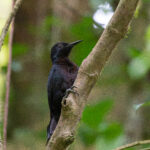
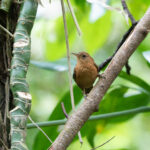
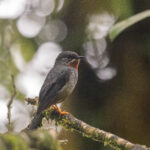
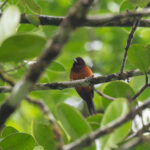
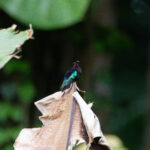
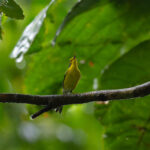
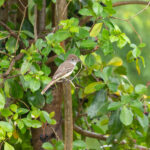
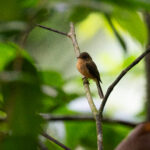
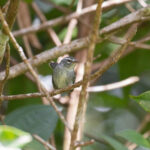
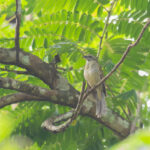
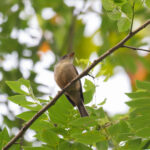
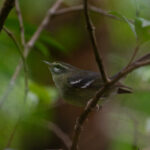
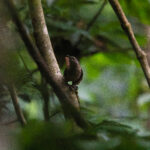
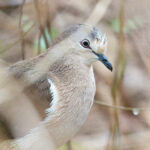
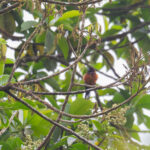
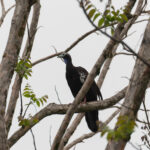
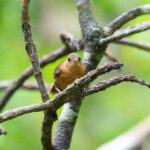
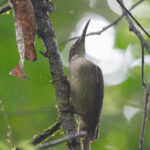
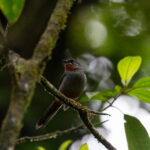
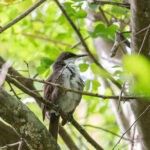
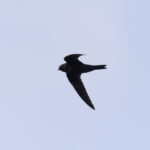
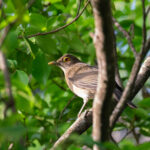
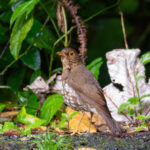
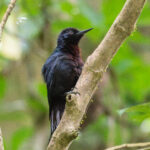
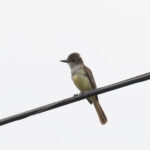
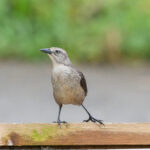
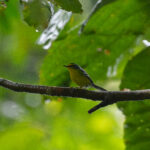
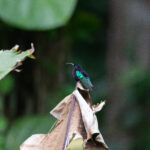
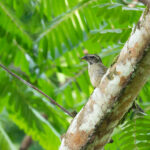
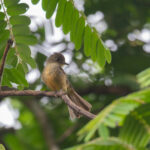
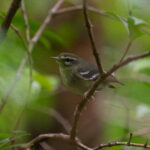
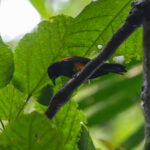
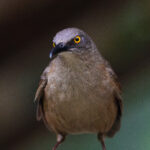
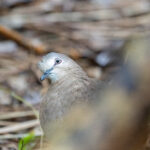
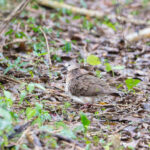
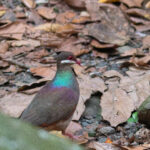


Barbuda Warbler (image by Tony Mills)
Ruby-topaz Hummingbird (image by Tony Mills)
American Kestrel (image by Tony Mills)
Mangrove Cuckoo (image by Tony Mills)
White-crowned Pigeon (image by Tony Mills)
Lesser Antillean Tanager (image by Tony Mills)
Tufted Coquette (image by Tony Mills)
male Lesser Antillean Bullfinch (image by Tony Mills)
St. Vincent Amazon (image by Tony Mills)
Grenada Wren (image by Tony Mills)
female St. Lucia Black Finch (image by Tony Mills)
Masked Cardinal (image by Tony Mills)
Antillean Crested Hummingbird (image by Tony Mills)
Mangrove Cuckoo (image by Tony Mills)
Wilson's Plover (image by Tony Mills)
male Lesser Antillean Bullfinch (image by Tony Mills)
White-bearded Manakin (image by Tony Mills)
Grenada Wren (image by Tony Mills)
Trinidad Motmot (image by Tony Mills)
Bearded Bellbird (image by Tony Mills)
female St. Lucia Black Finch (image by Tony Mills)
Silky Anteater (image by Tony Mills)
Lesser Antillean Pewee (image by Diedert Koppenol)
Forest Thrush (image by Diedert Koppenol)
Bridled Quail-Dove (image by Diedert Koppenol)
Spectacled Thrush (image by Diedert Koppenol)
Pearly-eyed Thrasher (image by Diedert Koppenol)
American Black Swift (image by Diedert Koppenol)
male Montserrat Oriole (image by Diedert Koppenol)
Shining Honeycreeper (image by Diedert Koppenol)
Yellow-bellied Elaenia (image by Diedert Koppenol)
Eastern Red-legged Thrush (image by Diedert Koppenol)
Guadeloupe Woodpecker (image by Diedert Koppenol)
Grey Trembler (image by Diedert Koppenol)
Dominica Wren (image by Diedert Koppenol)
Trinidad Piping Guan (image by Diedert Koppenol)
Rufous-throated Solitaire (image by Diedert Koppenol)
male Martinique Oriole (image by Diedert Koppenol)
Lesser Antillean Swift (image by Diedert Koppenol)
Purple-throated Carib (image by Diedert Koppenol)
St. Lucia Warbler (image by Diedert Koppenol)
Copper-rumped Hummingbird (image by Diedert Koppenol)
Grenada Flycatcher (image by Diedert Koppenol)
Grenada Dove (image by Diedert Koppenol)
Brown Trembler (image by Diedert Koppenol)
the race of Lesser Antillean Pewee on St. Lucia is often mooted as a separate species (image by Diedert Koppenol)
Plumbeous Warbler (image by Diedert Koppenol)
Lesser Antillean Saltator (image by Diedert Koppenol)
Lesser Antillean Pewee (image by Diedert Koppenol)
Plumbeous Warbler (image by Diedert Koppenol)
female St. Lucia Black Finch (image by Diedert Koppenol)
Brown Trembler (image by Diedert Koppenol)
Grenada Dove (image by Diedert Koppenol)
male Martinique Oriole (image by Diedert Koppenol)
Red-necked Amazon (image by Diedert Koppenol)
Trinidad Piping Guan (image by Diedert Koppenol)
Dominica Wren (image by Diedert Koppenol)
Grenada Wren (image by Diedert Koppenol)
Grey Trembler (image by Diedert Koppenol)
Eastern Red-legged Thrush (image by Diedert Koppenol)
Yellow-bellied Elaenia (image by Diedert Koppenol)
Rufous-throated Solitaire (image by Diedert Koppenol)
Martinique Thrasher (image by Diedert Koppenol)
American Black Swift (image by Diedert Koppenol)
Orange-winged Amazons (image by Diedert Koppenol)
Spectacled Thrush (image by Diedert Koppenol)
Blue-headed Hummingbird (image by Diedert Koppenol)
Forest Thrush (image by Diedert Koppenol)
Guadeloupe Woodpecker (image by Diedert Koppenol)
Grenada Flycatcher (image by Diedert Koppenol)
Carib Grackle (image by Diedert Koppenol)
St. Lucia Warbler (image by Diedert Koppenol)
Purple-throated Carib (image by Diedert Koppenol)
Lesser Antillean Saltator (image by Diedert Koppenol)
Lesser Antillean Pewee (image by Diedert Koppenol)
Plumbeous Warbler (image by Diedert Koppenol)
male St. Lucia Oriole (image by Diedert Koppenol)
Brown Trembler (image by Diedert Koppenol)
Grenada Dove (image by Diedert Koppenol)
Grenada Dove (image by Diedert Koppenol)
Bridled Quail-Dove (image by Diedert Koppenol)
female St. Lucia Black Finch (image by Diedert Koppenol)
Pearly-eyed Thrasher (image by Diedert Koppenol)
American Black Swift (image by Diedert Koppenol)


LESSER ANTILLES & TRINIDAD TOUR REPORT 2025

9 - 26 June 2025
Diedert Koppenol
It had been a while since we visited the great band of Lesser Antilles islands, but we once again virtually cleaned up on all the islands, and there were quite a few islands on our itinerary! Antigua, Barbuda, Montserrat, Dominica, Guadeloupe, Martinique, St. Lucia, St. Vincent, Barbados and Grenada were the ten islands we visited on our tour, with Trinidad to boot. As one can understand; quite a logistical feet and with the disappearance of LIAT, the inter-caribbean airline, we now had to make use of about five or six suppliers of inter-island flights. Some are independent countries in their own right, while others are British Overseas Territories. All these islands exude a quite unique flavour; some are rich and well-developed, others are rather poor with pothole-riddled roads and limited infrastructure. One might expect a sunny Caribbean holiday, but the weather definitely wasn’t thát boring. Usually, there is sun, but the wind never dies down in these parts. In Dutch, this collection of islands is also called ‘Upperwind Islands’, or Windward Islands, as the prevailing easterlies (wind blowing from east to west) used to blow sailors from Europe straight down here; windward (toward)! We didn’t loose to much birding time due to excessive rain, but we definitely had some sessions waiting underneath our umbrellas hoping for the rain to subside; one of the main things that got affected was our time with the Leatherback Turtles on Trinidad. You’ll soon get used to the Caribbean flow of time, which is definitely slower than Western European timeflow, but the birds make up for it plenty. Our only ‘miss’ was the recently-split Dominica Wren, but we recorded all other endemics, of which quite a few are endemic genera! Highlights included Imperial Amazon, Whistling, Plumbeous and St. Lucia Warbler, Blue-headed Hummingbird, Green-throated & Purple-throated Carib, Guadeloupe Woodpecker, Brown & Grey Trembler, Montserrat, Martinique and St. Lucia Oriole, Bridled Quail-Dove, Forest Thrush, both St. Lucia & Martinique Thrasher, the superb Lesser Antillean Owl, the now very-rare Grenada Dove and much more. We rounded off our trip in Trinidad, which boosted our species total by about 100% and we enjoyed many highlights here, including point-blank views of Trinidad Piping Guan, Trinidad Motmot, Oilbirds, Tufted Coquette, White-bearded and Golden-headed Manakin, Bearded Bellbird and a wonderful cruise around the Caroni Swamp where Masked Cardinal, Green-throated Mango and American Pygmy Kingfisher were nice bonuses before the sunset where we watched flocks of red Scarlet Ibises coming to roost as we sipped rum punch! Seeing a female Leatherback Turtle laying eggs and a nest of turtlings emerging from the sand was a wonderful, unique experience too!
The tour began on Antigua, where, having assembled late afternoon, and checked into our hotel, we had time to make our first excursion. We just had time to explore the adjacent McKinnon’s Salt Pond, a good place for our initiation in Caribbean birding. We found a good variety of common species to kick-start the tour. White-cheeked Pintails were quite numerous, two Ruddy Ducks were noted, we saw a few Least and Royal Terns, and a quite a lot of Magnificent Frigatebirds and Lauging Gulls flying overhead. A selection of common herons were also present and Brown Pelicans had made the bushes to their roosting spot. In the surrounding scrub we noted our first few Caribbean specialities including quite a lot of White-crowned Pigeons, Zenaida Dove, Green-throated Carib, Mangrove Warbler of the Caribbean race, Caribbean Elaenia, Lesser Antillean Bullfinch, American Coots of the Caribbean race and we also saw a few Caribbean Bananaquits. We couldn’t believe how different they looked with their long tails and red gapes – surely a good split? We worked our way through the area and in a bit of a quieter spot, we ran into a pair of Wilson’s Plovers, which was a nice surprise! We relocated to the eastern part of the island as our main target, West Indian Whistling, wasn’t present even though a pair was seen on a recce yesterday. So, we birded the last bit of light, adding our first Black-whiskered Vireos and after a while, laid eyes on three West Indian Whistling Ducks. Mission accomplished! With that, we finished our first day, as darkness set in.
The following morning we headed down to town, admired our first Caribbean Martins and Cabot’s Terns, and took the ferry across to Barbuda. It was a choppy crossing, that some passengers experienced more thoroughly than others…, but all were pleased to jump off and see the endemic Barbuda Warbler in the first bit of scrub we birded. This smart endemic proved to be common and we also noted a few more elaenias as well. We birded the main road and cut through the interior of this small island, whilst adding our first Pearly-eyed Thrasher, a few Lesser Antillean Flycatchers, several Black-whiskered Vireos, attractive Mangrove Warblers, and a handful of Black-faced Grassquits. A bit of a surprise was caused by a Helmeted Guineafowl flying up, as nobody had realized they were introduced to this island. Along the coast, we found a foraging Green-throated Carib, some had a Yellow-crowned Night Heron perched for a while and some waders were present, including Ruddy Turnstone and Willet. Lunch at the nice ‘restaurant’ near the docks provided welcome respite from the heat and the journey back was fairly quiet, with no seasickness this time, but we did add Sargasso Shearwater, Brown Noddy, Bridled and Roseate Tern and Brown Booby to our list, both ways combined.
Before we had to go to the airport; we had some time for early birding around the hotel. Nothing noteworthy was seen, apart from another large number of White-crowned Pigeons. Perhaps they had a good year or are just becoming more numerous? Then it was time to fly to Montserrat! As we were a very small group, we all made it into one plane and soon found ourselves on vulcanic paradise. A standard wait for the rental car, check-in and off we were! As we made our way along a trail through the forest, it seemed a bit quiet at first, but soon we were in full birding-mode. We struggled a bit to get good views at first, as the broad leaves were obstructing view and birds were quite shy, but soon laid eyes on Forest Thrush, quite a cool Turdus! After that, we battled with both Pearly-eyed and Scaly-breasted Thrasher, and were able to study the differences very well. A sizable size-difference! It didn’t take long to also connect with our main target, the very rare Montserrat Oriole! Absolutely stunning and we noted at least four males and two duller females. A Purple-throated Carib was foraging amongst the canopy and didn’t sit still, but an Antillean Crested Hummingbird did perch for a while allowing great views. We noted our first Scaly-naped Pigeons, but more interesting was our first encouter with Cinclocerthia, in the form of the unique Brown Trembler. It actually did tremble its way through the forest! After this birding session, we decided to explore the island a bit more and visited the (closed) Vulcano Observatory, where we had a very obliging American Kestrel and cool views of the now-sleeping volcano. On our way back, we did a birder-stop when two American Black Swifts were spotted flying above us and with that we returned to our magnificent hotel.
Our flight back to Antigua wasn’t until 10 am so we had some time for another round of morning birding. More thrashers, Montserrat Orioles and Antillean Crested Hummingbirds later, we turned back but not before we tried to locate Bridled Quail-Dove. We had heard quite a few but not seen any yet. We placed ourselves strategically along the track, did some wait-and-bait and suddenly, one flew right in, not sitting itself on the track as we had expected, but on a bush right next to it. Thus, not everybody laid eyes on, sadly. With that semi-success, we turned to the airport. A Killdeer was waiting for us on Antigua’s airport. Some more afternoon birding on Antigua followed before we set off to Dominica, with an in-between landing in St. Kitts. We arrived in the dark and ventured into the dark across the island to our accommodation.
We had a day-and-a-half to explore Dominica, and it was just over a one hour drive to our main birding site at Syndicate. Here, two visits were required before everyone had seen the ultra-rare Imperial Amazon (or Parrot). Current estimates put the population at a very low ~50 mature individuals! We noted a total of three birds in two fly-by’s. They are quite noisy and the sound is very discinct, which alerted us to their presence, especially on the second occassion. The more colourful Red-necked Amazon was rather more common, and gradually we unearthed a series of other goodies, during the long watchhours we did. Broad-winged Hawks were common over the forest, stunning Purple-throated and Green-throated Caribs and Antillean Crested Hummingbirds fed around the flowery margins, we obtained great views of Eastern Red-legged Thrushes, gorgeous Plumbeous Warblers delighted us and we found our first of the wrens; nice views of now-called Kalingo Wren. We obtained, great for some, mediocre for others, views of our sole pair of Lesser Antillean Euphonias, while Southern Brown Tremblers trembled through the understorey. Overhead we had ample opportunity to enjoy Lesser Antillean Swifts and impressive American Black Swifts. After our final morning of birding, we took the ferry to Guadeloupe, where some of us saw some nice birds, including another Brown Noddy and plenty of Bridled Terns, and others took a well-deserved nap! We arrived well in time for some late-afternoon birding in that what remains of Guadeloupe’s interesting forest. It virtually took no time whatsoever to locate the unique and mesmerizing Guadeloupe Woodpecker (why does only this island have a woodpecker?) showing very well. Other goodies here included obliging Forest Thrushes, more caribs of both endemic species, Plumbeous Warblers and a nearly-tame Bridled Quail-Dove that posed well to everyone.
Early next morning, we added more Lesser Antillean goodness to our list in the form of our first Saltator and Pewee. More Bridled Quail-Doves, Carib Grackles, Forest Thrushes and Grey Kingbirds later, new was Spectacled Thrush and Mangrove Cuckoo. After a brief but successful stay on the island, we made our way to the airport for our flight to Martinique, where we made our way to our accommodation. We arrived well in time for some early (more like, late) exploration and were happy to obtain great views of another true island endemic, when we found a family of Martinique Thrashers. The adults were feeding their youngster, hence they were a bit silent, but it allowed for great observation. The next day would be our one day to really explore Martinique. As we had already seen the thrashers, we went straight for the interior of the island to find its specialities there. The early morning was very rainy, but inbetween the many showers, we obtained great views of Rufous-throated Solitaires, singing their eerie song. Another major target was finally bagged when we ran into a male Blue-headed Hummingbird that perched for us. We started to worry a bit about the oriole, but when we returned to the car, we managed to locate a beautiful male Martinique Oriole! A bit more towards civilization, we birded a now-abandoned park and added Grey Trembler to our ever-growing list of Lesser Antillean endemics. With all targets seen, we returned to the coastal area to bird there for a bit more, getting more views of Martinique Thrasher, and another failed attempt at White-tailed Nightjar at night. We had time for another birding sesion in the morning and after that, we said goodbye to Martinique as we saw it disappear into the sea from the deck of the ferry. We didn’t have much time on our first afternoon on St. Lucia, but we made the most of it by doing a night session with success. It took us some searching and patience but we added Rufous Nightjar to our list. The population here has a distinctly different song and is sometimes mooted as a split; better be safe than sorry! Especially all these island subspecies are often subject to splitting (and lumping).
The following day, with bad weather in sight, was dedicated to finding as many St. Lucia endemics as we could, as we only had one full day! St. Lucia Warbler was first to fall and allowed for great views, we were lucky with a female St. Lucia Black Finch foraging right in front of us on the track, but Grey Trembler and St. Lucia Oriole were a bit more of a fight. Whilst being distracted by St. Lucia Amazons flying overhead and being very vocal, it wasn’t until midday before we located our first Grey Trembler and finally found a pair of St. Lucia Orioles silently foraging through the understorey. We also noted a very cinnamon-coloured Lesser Antillean Pewee, of the St. Lucia race, sometimes categorized as a separate species. At that point, the bad weather had completely caught up with us and soaking wet, we had to call off any more birding. It meant the next morning was a bit tense as we still had to find the other half of the white-breasted thrashers. Some more rain held us off a bit, but soon it was dry and off we went. The first site didn’t hold any thrashers during our visit, but did have another St. Lucia Pewee for all to see. We rushed off to the next site and luckily located a St. Lucia Thrasher quite quickly. Here, we also encountered at least four more St. Lucia Black Finches, including nice black males. Then, we had to rush to the airport for our flight to St. Vincent!
Of course, our flight was then quite delayed, but you never know on these islands! We arrived in time on St. Vincent for an afternoon visit to Vermont Nature Trail. Quite a bit of the trail has fallen in disrepair and in any case, birding was very quiet on the part of the trail that is still accessible. The main attraction was found at the parrot viewpoint which is the end of the trail nowadays. Here we noted our first Grenada Flycatcher, a few foraging St. Vincent Wrens, our first completely black Bananaquits and had views of flying and sometimes briefly perched St. Vincent Amazons! Surely this amazon is one of the best ones out there, with its wonderful palette of colour. Whistling Warbler was heard briefly at more than one occasion, but nothing responded to tape, so we had to leave that one for tomorrow as we needed to descend before darkness completely set in. The next day was dedicated to Whistling Warbler, but we added a few new species such as Common Black Hawk, Smooth-billed Ani and Grenada Flycatcher (for some) to our list first. It was quite a battle to obtain satisfying views of Whistling Warbler at this new site we visited, but we succeeded nonetheless, with at least two adult males and one subadult male. After this success, some of us managed to obtain somewhat satisfying views of our first pair of Lesser Antillean Tanagers, but we quickly returned to the Vermont Nature Trail with what little time we had left before our next island. We found a pair of St. Vincent Wren breeding at the entrance building, which allowed us great views. We found a showy St. Vincent Amazon perched, allowing for nice scope views, whilst a large number of Lesser Antillean, American Black and Short-tailed Swifts was coming in to drink in the pond next to us. Then it was time to go back to the airport for our flight to Barbados, which would go via Grenada. Some of us managed to tick off Caribbean’s dullest, or perhaps the world’s dullest, endemic in the form of the Barbados Bullfinch. Most of us were more looking forward to a comfortable night sleep and moreover, a lie-in!
Before we knew it, we were back on our way to the airport, but not before enjoying point-blank views of Barbados Bullfinch at the breakfast table! We soon boarded our flight to Grenada, for our last bit of true Caribbean birding. On arrival we picked up our car and headed straight for our accommodation to enjoy some more respite during some rain and a typically slow lunch. This did allow us to enjoy great views of Grenada Wren before heading for one of the few remaining areas of dry forest on the island, and perhaps the only reliable site for the rare and endangered Grenada Dove. Current estimates put the population still at only 200 adult birds, with pressure from introduced predators such as Small Indian Mongoose (of which we saw at least five during our visits) still being very high. It seems the habitat here is regenerating well though, following extensive hurricane damage a few years back. It wasn’t long before we heard the distinctive song, or hoots, of this threatened dove, but it did take us quite some perseverance before we all obtained satisfying views. A pair of foraging birds was located right in the thick bushes, which obstructed view quite a bit. One had to find the right angle but all managed to find their own spot to see something. We enjoyed our time birding the surrounding area and we saw plenty of nice goodies, including more Antillean Crested Hummingbirds, a very showy pair of Mangrove Cuckoos, our first Yellow-bellied Elaenias and more Grenada Flycatchers but this time actually on its namesake island. We were then driven back to our accommodation due to an erupting heaven, which would also prevent us from going out very early next morning… We went out anyway, as one does on a BirdQuest tour, and visited a site a bit further inland. This proofed to be quite productive as we managed to add Cocoa Thrush and Rufous-breasted Hermit to our list, as well as improve our views of Lesser Antillean Tanager by a mile. Due to the weather still being poor and having seen virtually all target species we, we returned for an early lunch, before we decided to return to Mt. Hartman NP to try for better views of the Grenada Dove. This turned out to be a superb decision, even though the weather was still atrocious. Perhaps it was actually due to the rain that broke out as soon as we reached the view tower in the middle of the area, but as we pulled out our umbrellas to shelter, a Grenada Dove just came walking by. It gave away an incredible show, not phased by our presence, or perhaps not noticing us, at all. It came within about a metre of us! With this amazing sighting under our belt, we birded the area a bit more and had another nice bonus in the form of a flyby Hook-billed Kite! It showed quite well and we could add another endemic subspecies to our list. With that, we returned to a lovely dinner, before heading out again. Weather prevented us from going out last night and it still wasn’t perfect, but needs must. So, in the drizzling rain, we ventured out the ouskirts of town and soon located the localized Ashy-faced Owl! It didn’t take that long before we laid eyes on this very cool owl, often split off as Lesser Antillean Barn Owl. With that, we headed to back and basically ended our Caribbean clean-up.
The following morning we flew to Trinidad, which would boost our list with some nice South American avifauna. We started off with some initial birding around Port of Spain, mostly near the agricultural fields, where we added quite a few species such as Yellow-hooded Blackbird, Yellow Oriole, Orange-winged Amazon, White-winged and Southern Rough-winged Swallow, Ruddy Ground Dove, Great Kiskadee, Wattled Jacana to name a few. We then continued our way eastwards, as our accommodation was located on the far northeastern coast of the island. We tried to visit the lighthouse on the northeastern corner of Trinidad, but for some reason it was closed for everybody and by the looks of it, it will be for quite some time as the area is fenced off and seems to have fallen in disrepair. Onwards we went to our accommodation at Grand Rivière, where we would go look for some more Trinidadian specialties. Armed with scope and good hope, we walked inland and soon found some new species such as Olive-grey Saltator, a small band of Guianan Trogons and most importantly, as soon as we reached the higher hills, a perched male Trinidad Piping Guan. Our main target here showed itself wonderfully and allowed for prolonged views and photographs. It turned out that there were some hummingbird feeders nearby; any birder knows what that means. We basically spent the rest of our afternoon here, watching the many hummers buzzing to and from several sugary rewards. White-necked Jacobins were aplenty, while we also noted Green Hermits, Black-throated Mangos, White-chested Emeralds, quite a few Copper-rumped Hummingbirds and major highlight was a showy, beautiful Tufted Coquette! We also noted a real Southern House Wren, and it was in fact strikingly different from most of the wrens we had previously encountered this trip. Bonuses came in the form of a nice male Crimson-crested Woodpecker and a juvenile Grey-headed Kite. A small group of Crested Oropendolas were the last birds of the day, but we still had one massive, literally, highlight waiting for us. We explored the beach near our hotel after dinner, as they are a famous breeding ground for Leatherback Turtles. These giants come to the same beach every three years to dig a hole and lay their many eggs. However, it seemed that someone had saved some rainwater for us, and even though we had seen our fair share of heavy downpours, tonight would be an absolute low in that regard. Rivers in the street, soaking wet in an instant, you name it… This didn’t keep the keenest of us at bay and some of us found themselves walking in the pouring rain at midnight in red light. It didn’t take us long to locate a female that was putting her nest back to sleep, flopping large heaps of sand on top of the softshell eggs. It is not often that one actually feels what privilige is, rather than a concept. Here, it felt quite clear how priviliged we were to get so close to one of these ancient giants and see how it created new life. The following morning, we did indeed feel a bit upset when we saw another nest had been washed out by the rain and ocean and cleared out by the local Turkey Vultures…
We did some morning birding at the hummingbird feeders and added some new species in the form of a male Golden-headed Manakin, a pair of Channel-billed Toucans and a few Turquoise Tanagers before we headed up to the well-situated Asa Wright, where we were housed and fed for two more nights. There’s a distinctly continental feel to the birds of Trinidad here, though with the species diversity being somewhat lower, the birding is not too complicated. From the verandah we were able to sit and watch the procession of birds coming to the hummingbird and fruit feeders and watch for raptors, whilst just below were a series of excellent trails into the forest. Hummingbirds were plentiful in the garden here too, including more gorgeous Tufted Coquettes. White-necked Jacobins were abundant, while Blue-chinned Sapphires, White-chested Emeralds, a Long-billed Starthroat, Copper-rumped Hummingbirds, Black-throated Mangos and Little, Green and Rufous-breasted Hermits were present in smaller numbers. Audible and sometimes visible from the verandah was the remarkable Bearded Bellbird, though the views from within the forest were somewhat more impressive. Here, under darker cover, gorgeous Golden-headed and White-bearded Manakins popped and jumped like clockwork toys. We visited the leks of both White-beared Manakin and Bearded Bellbird on our first afternoon here and also made a guided visit to the Oilbird cave. It required sacrificing dry feet to see them, as the previous night’s rainfall had raised the waterlevel quite a bit, but to see this unique creature, it was well worth it. The following morning was spent birding the grounds of the lodge, with the endemic Trinidad Motmot being our main quarry. It took some searching but we obtained great views of this shining blue bird. We added more species such as Tropical Parula, Plain-brown Woodcreeper, Ochre-lored and Yellow-olive Flatbills, Rufous-breasted Wren, Violaceous Euphonia, Collared Trogon in the surrounding area, while the main road and feeders held other good birds such as Purple, Red-legged and Green Honeycreepers and Bay-headed, Silver-beaked and Turquoise Tanagers as well as the common Blue-grey, White-lined and Palm Tanagers. and while we battled with several of the ant-following species, we only managed to obtain satisfying views of White-bellied Antbird and Red-crowned Ant Tanager. In the afternoon of our full day, we did a boat trip to Caroni Swamp, which isn’t really a swamp but more a mangrove forest. Fully supplied and under guidance of a very competent captain, we set out along the channels of the mangroves. Soon, we were looking at nice looking Masked Cardinals, our first Green-throated Mango, a tiny American Pygmy Kingfisher, while Green-rumped Parrotlets kept whizzing by, Straight-billed Woodcreepers and a Red-rumped Woodpecker were foraging along the large root systems. Further along, we found the localized Bicoloured Conebill, a pair of Black-crested Antshrikes, several Rufous-browed Peppershrikes, and a few Ringed Kingfishers along the way. Our sharp-eyed boatman also had a special trick up his sleeve as he showed us a tiny Silky Anteater, curdled up and enjoying a nice nap. Definitely the mammal highlight of our trip! Halfway through, we found ourselves at a herony in a bit more open water. A large flock of American Flamingoes was waiting for us here, showing themselves nicely in the ‘golden hour’. As the sun sank and the rum punch flowed freely, or LLB’s (Lemon-Lime-Bitters) for the alcohol-free version, quite some herons flew into roost, while the sky was graced with several flocks of beautiful Scarlet Ibises; a very good way to end the day. In the darkness, we also spotlighted a few more birds, including several Pauraques, a Common Potoo and two Greater Yellowlegs by surprise. We also found a small band of Capybara’s here, really emphasizing the South American vibe of Trinidad.
After a final relaxing morning, one more look at the feeders, and then we headed to the airport having comfortably achieved our objectives, and perhaps exceeded them?! The adventure was over now and we could look back on a very unique tour. With no fewer than eleven very varied and interesting islands and almost all the endemic (sub)species this region has to offer, it was definitely also due to the very good company, joy and laughter that made this trip a definitive success!
BIRDS OF THE TOUR
1st: Martinique Thrasher
2nd: Tufted Coquette & Imperial Amazon & Brown Trembler
3rd: Trinidad Piping Guan
4th: Whistling Warbler
5th: Leatherback Turtle
SYSTEMATIC LIST OF SPECIES RECORDED DURING THE TOUR
Species marked with the diamond symbol (◊) are either endemic to the country or local region or considered ‘special’ birds for some other reason (e.g., it is only seen on one or two Birdquest tours; it is difficult to see across all or most of its range; the local form is endemic or restricted-range and may in future be treated as a full species).
The species names and taxonomy used in the bird list follows Gill, F., Donsker, D., & Rasmussen, P.(Eds). 2025. IOC World Bird List (v15.1).
Where the subspecies seen is/are known, these are often given in parentheses at the end of the species comment.
BIRDS
Black-bellied Whistling Duck Dendrocygna autumnalis
West Indian Whistling Duck ◊ Dendrocygna arborea
White-cheeked Pintail Anas bahamensis
Ruddy Duck Oxyura jamaicensis
Trinidad Piping Guan ◊ Pipile pipile
Helmeted Guineafowl (introduced) Numida meleagris
Pauraque Nyctidromus albicollis
Rufous Nightjar Antrostomus rufus
Oilbird ◊ Steatornis caripensis
Common Potoo Nyctibius griseus
American Black Swift ◊ Cypseloides niger
Chestnut-collared Swift Streptoprocne rutila
White-collared Swift Streptoprocne zonaris
Grey-rumped Swift Chaetura cinereiventris
Lesser Antillean Swift ◊ Chaetura martinica
Short-tailed Swift Chaetura brachyura
White-necked Jacobin Florisuga mellivora
Rufous-breasted Hermit Glaucis hirsutus
Little Hermit Phaethornis longuemareus
Green Hermit Phaethornis guy
Ruby-topaz Hummingbird Chrysolampis mosquitus
Green-throated Mango ◊ Anthracothorax viridigula
Black-throated Mango Anthracothorax nigricollis
Green-throated Carib ◊ Eulampis holosericeus
Purple-throated Carib ◊ Eulampis jugularis
Tufted Coquette ◊ Lophornis ornatus
Long-billed Starthroat Heliomaster longirostris
Blue-headed Hummingbird ◊ Riccordia bicolor
Antillean Crested Hummingbird ◊ Orthorhyncus cristatus
Copper-rumped Hummingbird Saucerottia tobaci
White-chested Emerald Chrysuronia brevirostris
Blue-chinned Sapphire Chlorestes notata
Greater Ani Crotophaga major
Smooth-billed Ani Crotophaga ani
Mangrove Cuckoo ◊ Coccyzus minor
Rock Dove (introduced) (Feral Pigeon) Columba [livia] var_domestica
White-crowned Pigeon ◊ Patagioenas leucocephala
Scaly-naped Pigeon ◊ Patagioenas squamosa
Scaled Pigeon Patagioenas speciosa
Eurasian Collared Dove (introduced) Streptopelia decaocto
Common Ground Dove Columbina passerina
Ruddy Ground Dove Columbina talpacoti
Bridled Quail-Dove ◊ Geotrygon mystacea
White-tipped Dove Leptotila verreauxi Non-leader.
Grey-fronted Dove ◊ Leptotila rufaxilla Heard-only.
Grenada Dove ◊ Leptotila wellsi
Eared Dove Zenaida auriculata
Zenaida Dove ◊ Zenaida aurita
White-winged Dove Zenaida asiatica
Common Gallinule Gallinula galeata
American Coot ◊ (Caribbean C) Fulica americana
Pied-billed Grebe Podilymbus podiceps
American Flamingo Phoenicopterus ruber
Black-necked Stilt Himantopus mexicanus
Killdeer Charadrius vociferus
Southern Lapwing Vanellus chilensis
Wilson’s Plover Anarhynchus wilsonia
Wattled Jacana Jacana jacana
Lesser Yellowlegs Tringa flavipes
Willet (Eastern W) Tringa [semipalmata] semipalmata
Greater Yellowlegs Tringa melanoleuca
Ruddy Turnstone Arenaria interpres
Brown Noddy Anous stolidus
Bridled Tern Onychoprion anaethetus
Least Tern Sternula antillarum
Caspian Tern Hydroprogne caspia
Common Tern Sterna hirundo
Roseate Tern Sterna dougallii
Cabot’s Tern Thalasseus acuflavidus
Royal Tern Thalasseus maximus
Laughing Gull Leucophaeus atricilla
Sargasso Shearwater ◊ Puffinus lherminieri
Magnificent Frigatebird Fregata magnificens
Brown Booby Sula leucogaster
Masked Booby ◊ Sula dactylatra Non-leader.
Anhinga Anhinga anhinga
Neotropic Cormorant Nannopterum brasilianum
Scarlet Ibis ◊ Eudocimus ruber
Yellow-crowned Night Heron Nyctanassa violacea
Black-crowned Night Heron Nycticorax nycticorax
Little Blue Heron Egretta caerulea
Tricolored Heron (Louisiana H) Egretta tricolor
Snowy Egret Egretta thula
Striated Heron Butorides striata
Green Heron Butorides virescens
Great Egret (American G E) Ardea [alba] egretta
Western Cattle Egret Ardea ibis
Brown Pelican Pelecanus occidentalis
Black Vulture Coragyps atratus
Turkey Vulture Cathartes aura
Osprey (American O) Pandion [haliaetus] carolinensis
Hook-billed Kite Chondrohierax uncinatus Subspecies mirus is endemic to Grenada.
Grey-headed Kite Leptodon cayanensis
Plumbeous Kite Ictinia plumbea
Common Black Hawk Buteogallus anthracinus
White Hawk Pseudastur albicollis
Broad-winged Hawk Buteo platypterus
Zone-tailed Hawk Buteo albonotatus
Short-tailed Hawk Buteo brachyurus
Ashy-faced Owl ◊ (Lesser Antillean Barn O) Tyto [glaucops] insularis
Green-backed Trogon (Amazonian White-tailed T) Trogon viridis Heard-only.
Guianan Trogon Trogon violaceus
Collared Trogon Trogon collaris
American Pygmy Kingfisher Chloroceryle aenea
Ringed Kingfisher Megaceryle torquata
Trinidad Motmot ◊ Momotus bahamensis
Channel-billed Toucan Ramphastos vitellinus
Guadeloupe Woodpecker ◊ Melanerpes herminieri
Red-rumped Woodpecker Veniliornis kirkii
Crimson-crested Woodpecker Campephilus melanoleucos
Crested Caracara Caracara plancus
Yellow-headed Caracara Milvago chimachima
American Kestrel Falco sparverius
Blue-headed Parrot Pionus menstruus
Red-necked Amazon ◊ (R-n Parrot) Amazona arausiaca
St. Lucia Amazon ◊ (Saint L Parrot) Amazona versicolor
Imperial Amazon ◊ (I Parrot) Amazona imperialis
Orange-winged Amazon (introduced) Amazona amazonica
St. Vincent Amazon ◊ (Saint V Parrot) Amazona guildingii
Green-rumped Parrotlet Forpus passerinus
Plain-brown Woodcreeper Dendrocincla fuliginosa
Straight-billed Woodcreeper Dendroplex picus
Barred Antshrike Thamnophilus doliatus
Black-crested Antshrike Sakesphorus canadensis
White-bellied Antbird Myrmeciza longipes
Yellow-bellied Elaenia Elaenia flavogaster
Caribbean Elaenia ◊ Elaenia martinica
Southern Beardless Tyrannulet Camptostoma obsoletum
Ochre-bellied Flycatcher Mionectes oleagineus
Ochre-lored Flatbill (O-l Flycatcher) Tolmomyias flaviventris
Lesser Antillean Pewee ◊ Contopus [latirostris] brunneicapillus
Lesser Antillean Pewee ◊ (St Lucia P) Contopus [latirostris] latirostris
Piratic Flycatcher Legatus leucophaius
Great Kiskadee Pitangus sulphuratus
Boat-billed Flycatcher Megarynchus pitangua
Tropical Kingbird Tyrannus melancholicus
Grey Kingbird Tyrannus dominicensis
Grenada Flycatcher ◊ Myiarchus nugator
Lesser Antillean Flycatcher ◊ Myiarchus oberi
Bearded Bellbird ◊ Procnias averano
White-bearded Manakin Manacus manacus
Golden-headed Manakin Ceratopipra erythrocephala
Black-tailed Tityra Tityra cayana
White-winged Becard Pachyramphus polychopterus
Rufous-browed Peppershrike Cyclarhis gujanensis
Golden-fronted Greenlet Pachysylvia aurantiifrons
Black-whiskered Vireo ◊ Vireo altiloquus
White-winged Swallow Tachycineta albiventer
Grey-breasted Martin Progne chalybea
Caribbean Martin ◊ Progne dominicensis
Southern Rough-winged Swallow Stelgidopteryx ruficollis
Rufous-breasted Wren Pheugopedius rutilus
Southern House Wren Troglodytes musculus
Kalinago Wren ◊ (Dominica W) Troglodytes [martinicensis] rufescens
St. Vincent Wren ◊ Troglodytes musicus
Grenada Wren ◊ Troglodytes grenadensis
Tropical Mockingbird Mimus gilvus
Martinique Thrasher ◊ Ramphocinclus brachyurus
St. Lucia Thrasher ◊ Ramphocinclus sanctaeluciae
Scaly-breasted Thrasher ◊ Allenia fusca
Pearly-eyed Thrasher ◊ Margarops fuscatus
Brown Trembler ◊ Cinclocerthia ruficauda
Grey Trembler ◊ Cinclocerthia gutturalis
Rufous-throated Solitaire ◊ Myadestes genibarbis
Red-legged Thrush ◊ Turdus plumbeus
Forest Thrush ◊ Turdus lherminieri
White-necked Thrush Turdus albicollis
Cocoa Thrush Turdus fumigatus
Spectacled Thrush (Bare-eyed T) Turdus nudigenis
House Sparrow (introduced) Passer domesticus
Scaly-breasted Munia (introduced) Lonchura punctulata
Orange-cheeked Waxbill (introduced) Estrilda melpoda
Lesser Antillean Euphonia ◊ Chlorophonia flavifrons
Violaceous Euphonia Euphonia violacea
Crested Oropendola Psarocolius decumanus
Yellow Oriole Icterus nigrogularis
Martinique Oriole ◊ Icterus bonana
Montserrat Oriole ◊ Icterus oberi
St. Lucia Oriole ◊ Icterus laudabilis
Shiny Cowbird Molothrus bonariensis
Carib Grackle Quiscalus lugubris Seen on all islands where it occurs. Subspecies fortirostris, endemic to Barbados and introduced to Antigua, Barbuda and St. Kitts, is sometimes mooted as a species, Barbados Grackle.
Yellow-hooded Blackbird Chrysomus icterocephalus
Whistling Warbler ◊ Catharopeza bishopi
Plumbeous Warbler ◊ Setophaga plumbea
Tropical Parula Setophaga pitiayumi
Mangrove Warbler Setophaga petechia
Barbuda Warbler ◊ Setophaga subita
St. Lucia Warbler ◊ Setophaga delicata
Red-crowned Ant Tanager Habia rubica
Green Honeycreeper Chlorophanes spiza
Purple Honeycreeper Cyanerpes caeruleus
Blue Dacnis Dacnis cayana
Olive-grey Saltator Saltator olivascens
Lesser Antillean Saltator ◊ Saltator albicollis
Bananaquit Coereba flaveola
Bananaquit (Lesser Antillean B) Coereba [flaveola] bartholemica
Barbados Bullfinch ◊ Loxigilla barbadensis
Lesser Antillean Bullfinch ◊ Loxigilla noctis
St. Lucia Black Finch ◊ Melanospiza richardsoni
Black-faced Grassquit Melanospiza bicolor
Blue-black Grassquit Volatinia jacarina
White-lined Tanager Tachyphonus rufus
Silver-beaked Tanager Ramphocelus carbo
Bicolored Conebill Conirostrum bicolor
Masked Cardinal Paroaria nigrogenis
Blue-grey Tanager Thraupis episcopus
Palm Tanager Thraupis palmarum
Lesser Antillean Tanager ◊ Stilpnia cucullata
Bay-headed Tanager Tangara gyrola
Turquoise Tanager Tangara mexicana
MAMMALS
Northern Black-eared Opossum (Common O) Didelphis marsupialis
Common Silky Anteater (Pygmy A) Cyclopes didactylus
Small Indian Mongoose (introduced) Urva auropunctata
Capybara Hydrochoerus hydrochaeris
Common Red-rumped Agouti (Brazilian A) Dasyprocta leporina
Black Agouti Dasyprocta fuliginosa
Red-tailed Squirrel Syntheosciurus granatensis
Brown Rat Rattus norvegicus
REPTILES
Antiguan Ground Lizard Pholidoscelis griswoldi
Watt’s Anole Anolis wattsi
Leach’s Anole Anolis leachii
Green Iguana Iguana iguana
Montserrat Ground Lizard Pholidoscelis pluvianotatus
Montserrat Racer Alsophis manselli
Dominican Anole Anolis oculatus
Martinique Anole Anolis roquet
St Lucia Anole Anolis luciae
St Vincent Tree Anole Anolis griseus
St Vincent Bush Anole Anolis trinitatis
Antillean Ameiva Ameiva tobagana
Grenada Tree Anole Anolis richardii
Grenada Bush Anole Anolis aeneus
Audubon’s Multicoloured Lizard Polychrus auduboni
Red-tailed Boa Boa constrictor
Trinidad Tree Boa Corallus ruschenbergerii
Leatherback Sea Turtle Dermochelys coriacea
CRUSTACEANS
Yellow Land Crab Guinotia dentata – red & yellow form
Atlantic Mangrove Ghost Crab Ucides cordatus
Caribbean Land Hermit Crab Coenobita clypeatus
Great Land Crab Cardisoma guanhumi
Black-backed Land Crab Gecarcinus lateralis
Sally Lightfoot Crab Grapsus grapsus
BUTTERFLIES
Cloudless Sulphur Butterfly Phoebis sennae
Little Yellow Butterfly Eurema lisa
Great Southern White Butterfly Ascia monuste
Mangrove Buckeye Butterfly Junonia neildi
Stub-tailed Skipper Thorybes obscurus
Zebra Longwing Butterfly Heliconius charithonia
White Peacock Butterfly Anartia jatrophae
Gulf Fritillary Agraulis vanillae
Pale Yellow Butterfly Pyrisitia venusta
Julia Heliconian Butterfly Dryas iulia
Tropical Buckeye Butterfly Junonia zonalis
DRAGONFLIES
Band-winged Dragonlet Erythrodiplax umbrata
Lesser Antillean Skimmer Dragonfly Orthemis macrostigma