
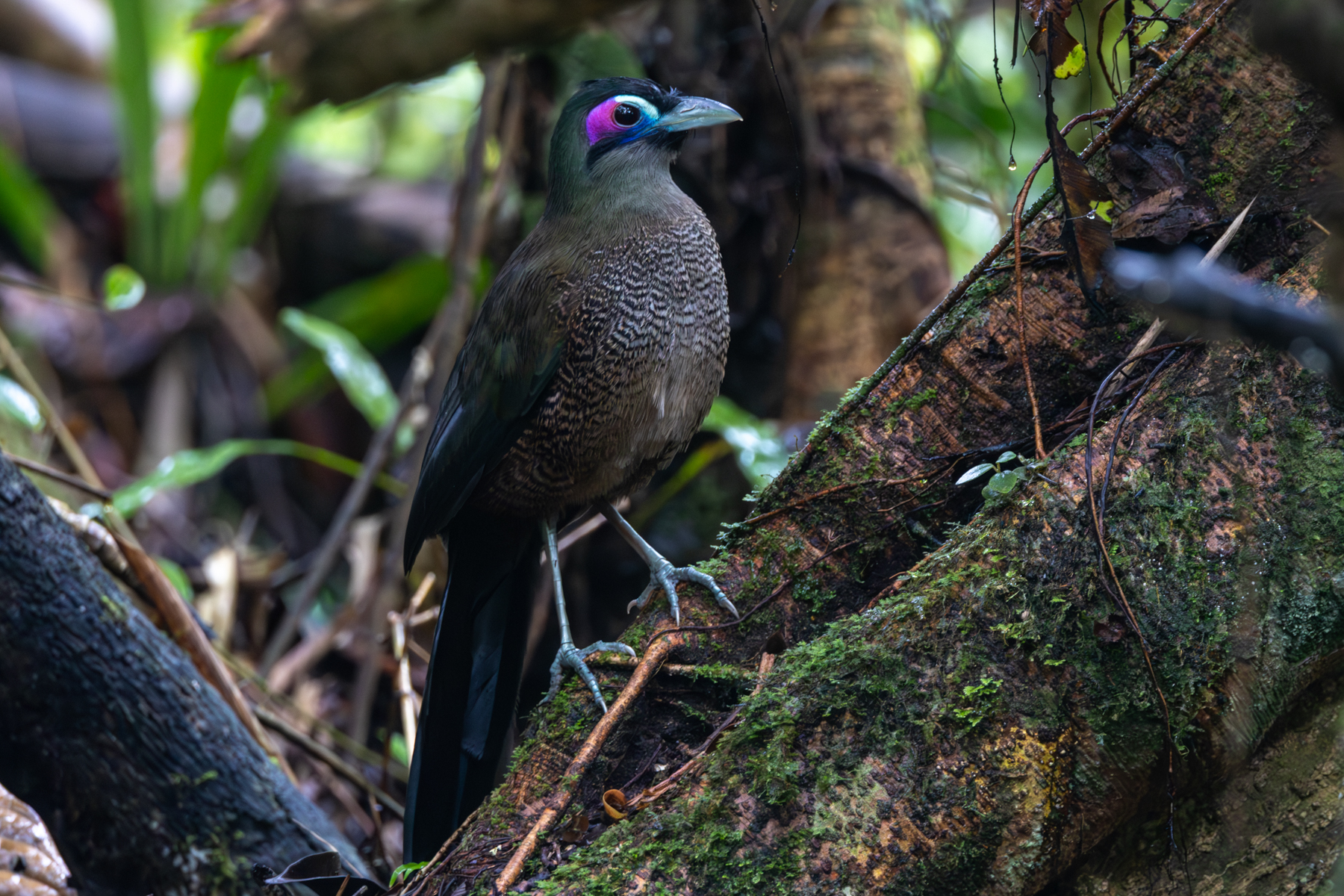
Sumatran Ground Cuckoo (image by Sjoerd Radstaak)
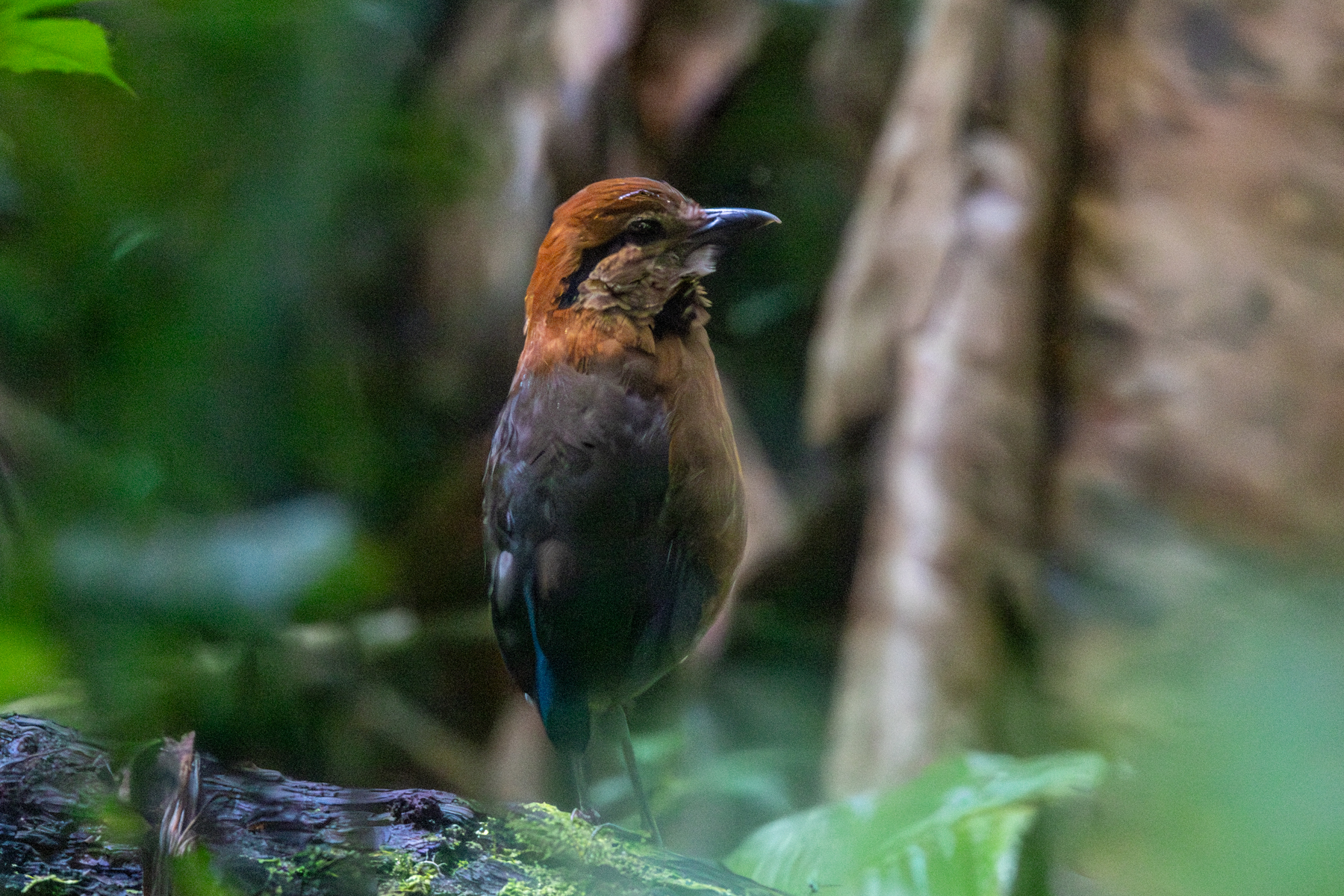
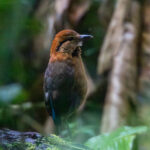
Schneider's Pitta (image by Sjoerd Radstaak)
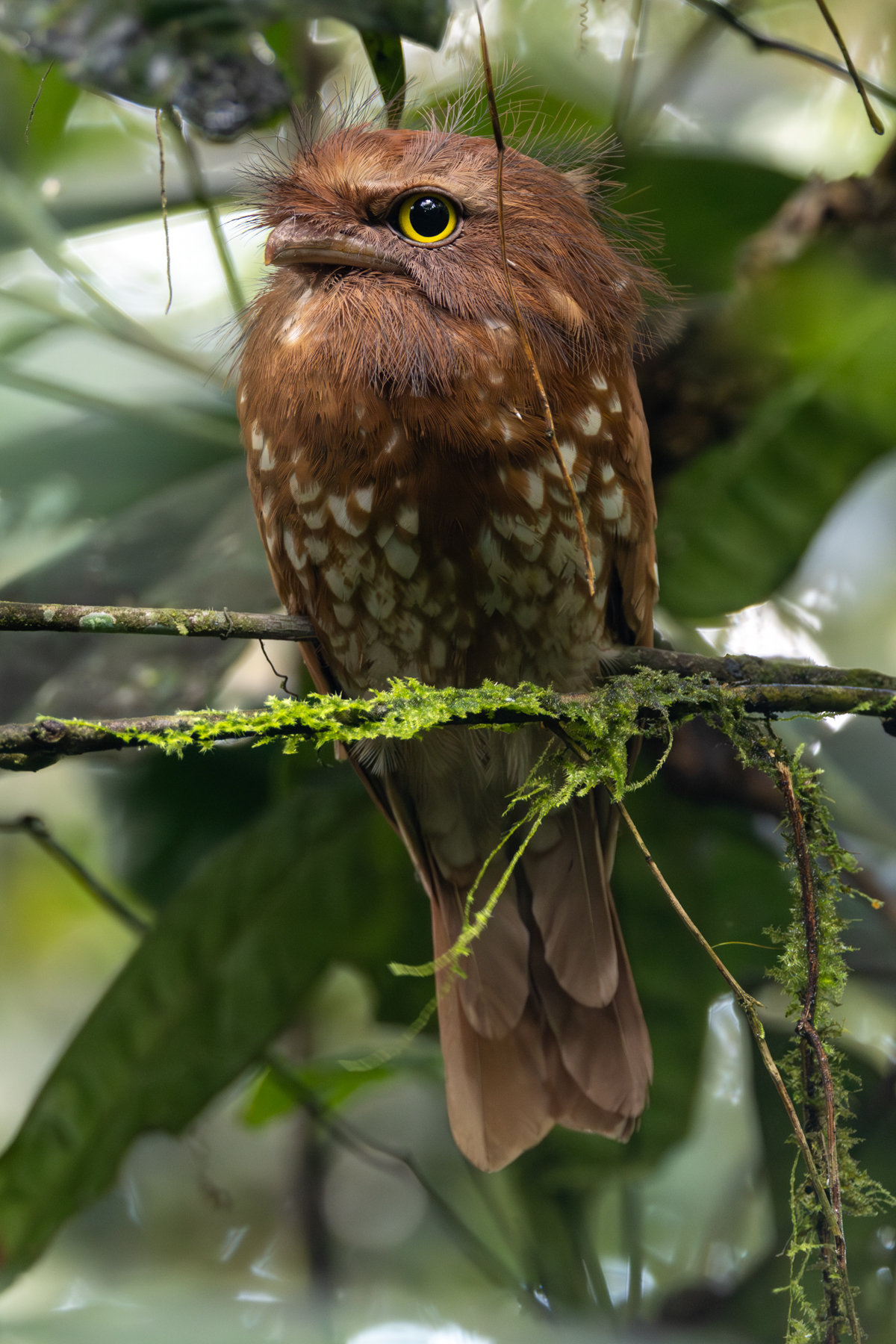
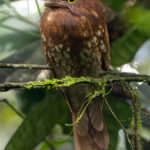
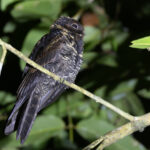
Sumatran Frogmouth (image by Sjoerd Radstaak)
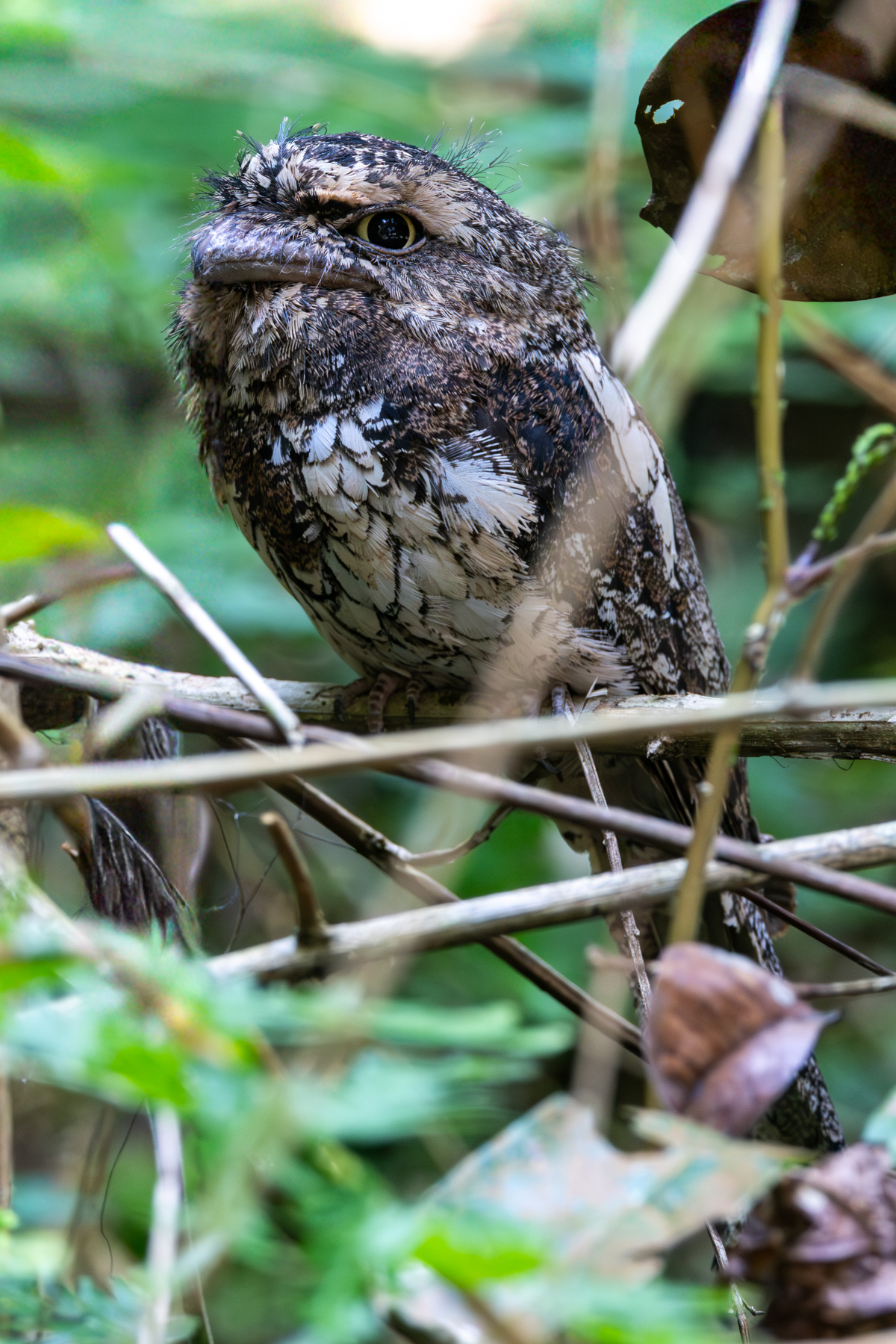
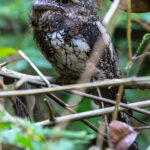
Sunda Frogmouth (image by Sjoerd Radstaak)
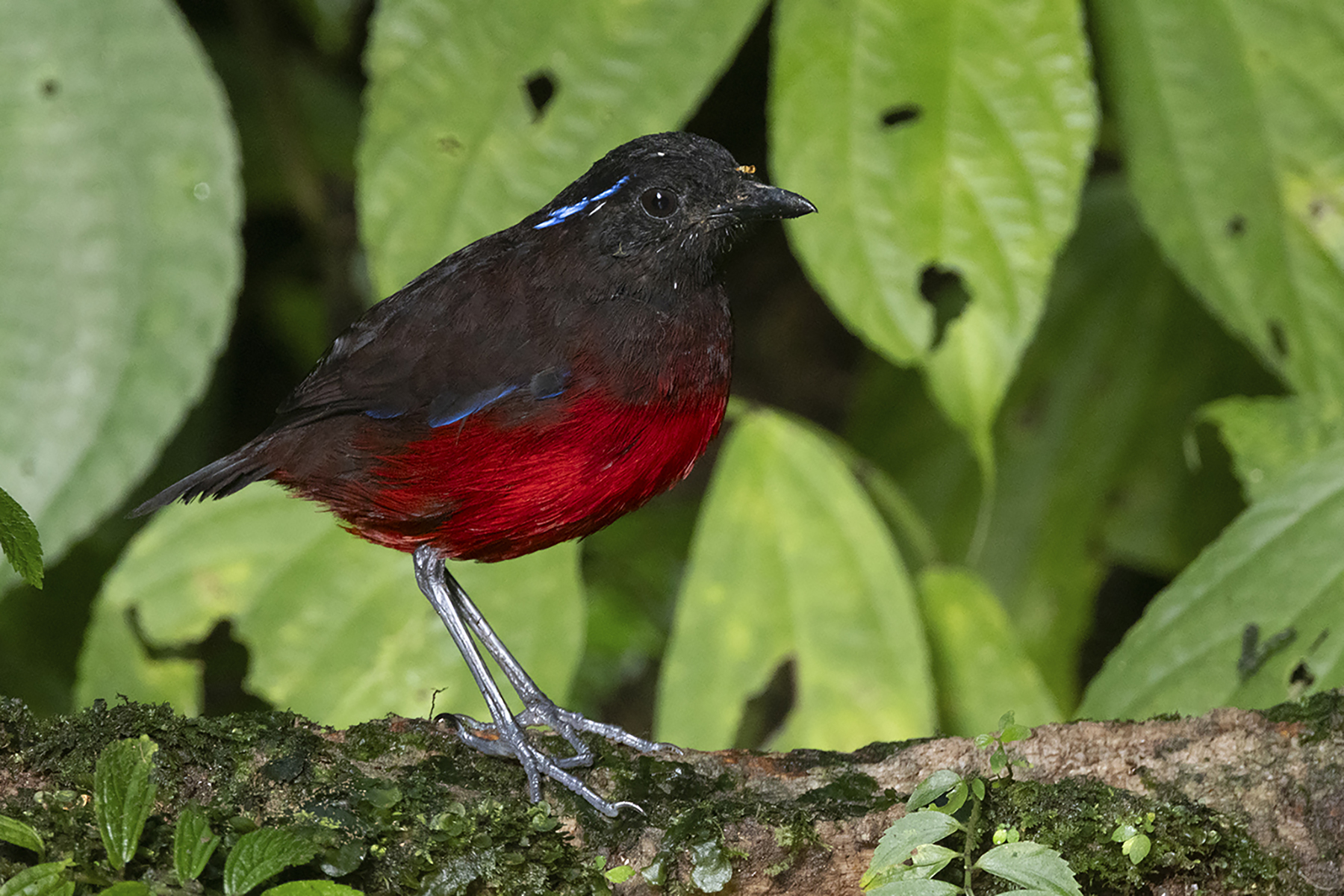
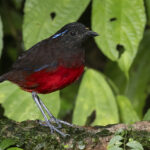
Graceful Pitta (image by Sjoerd Radstaak)
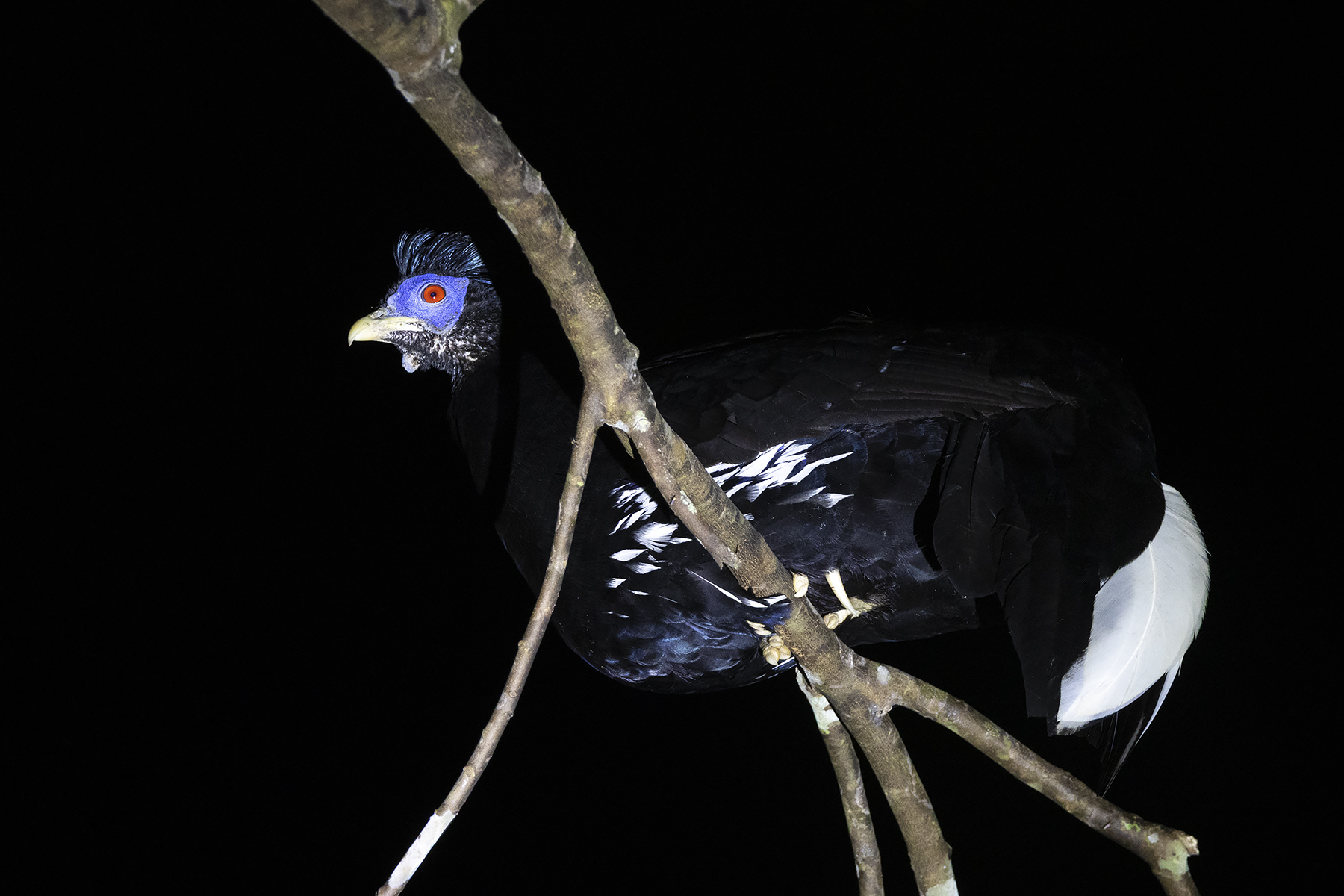
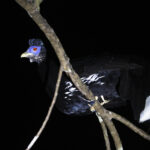
Malayan Crested Fireback (image by Sjoerd Radstaak)
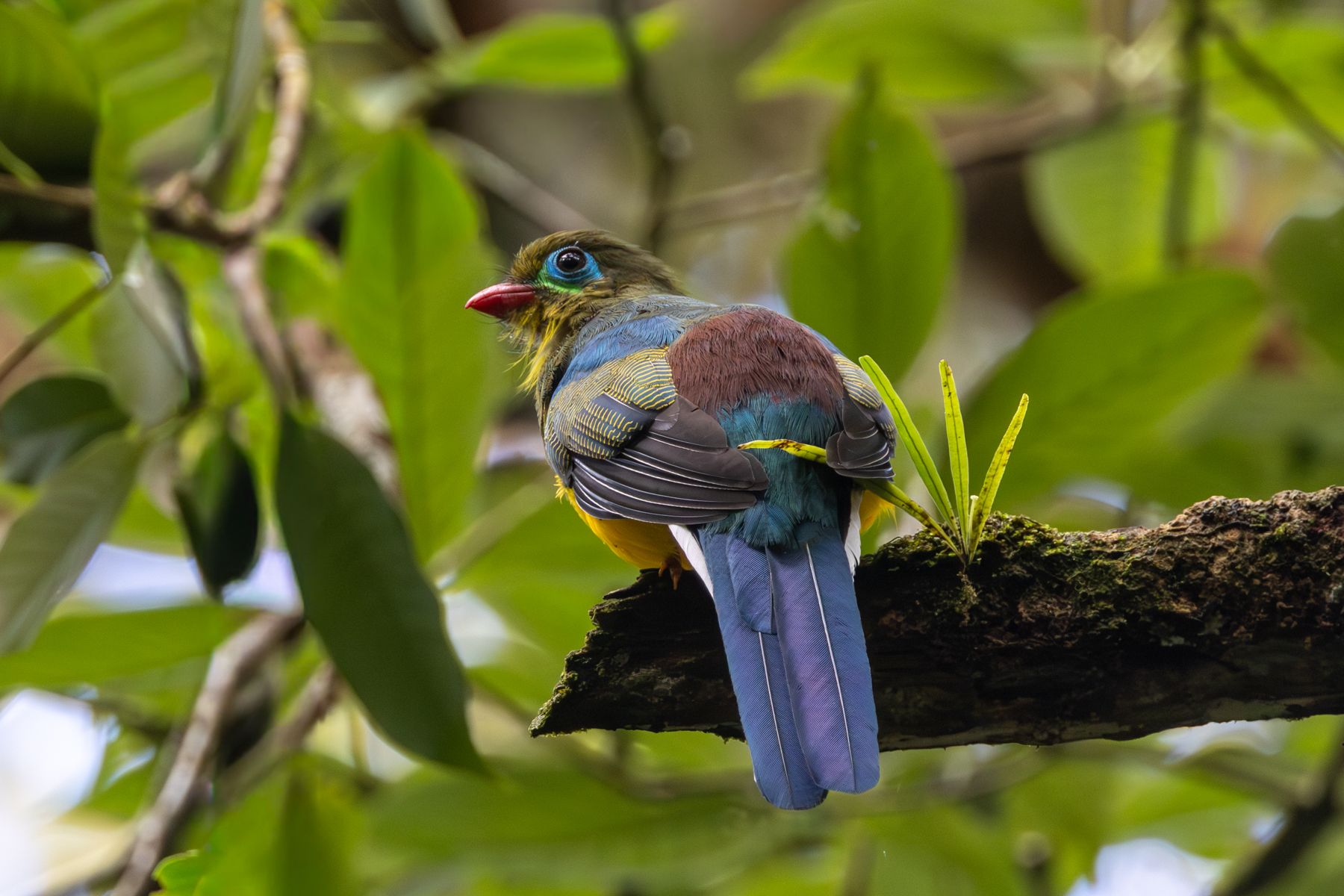
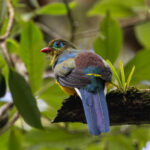
Sumatran Trogon (image by Sjoerd Radstaak)
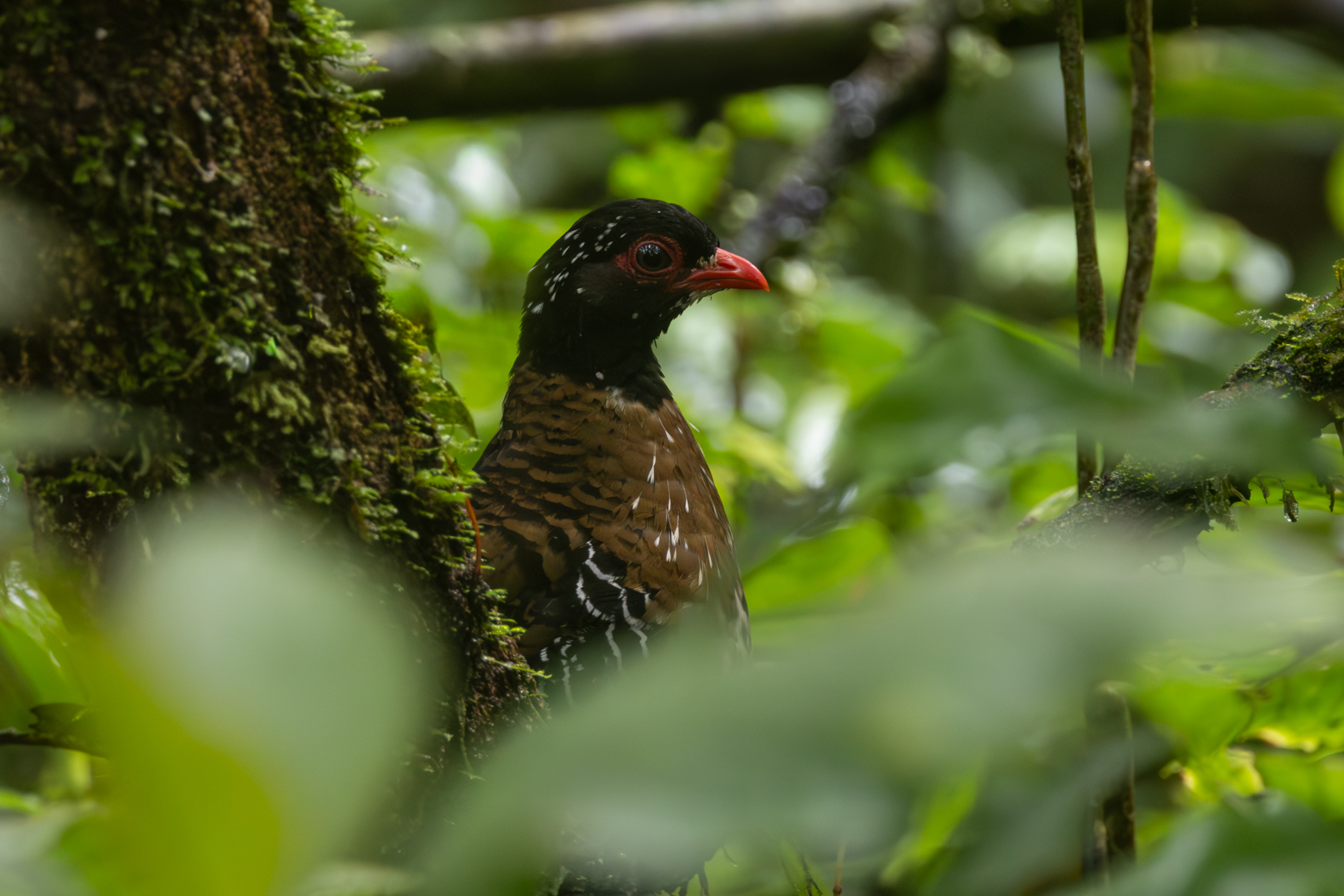
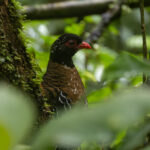
Red-billed Partridge (image by Sjoerd Radstaak)
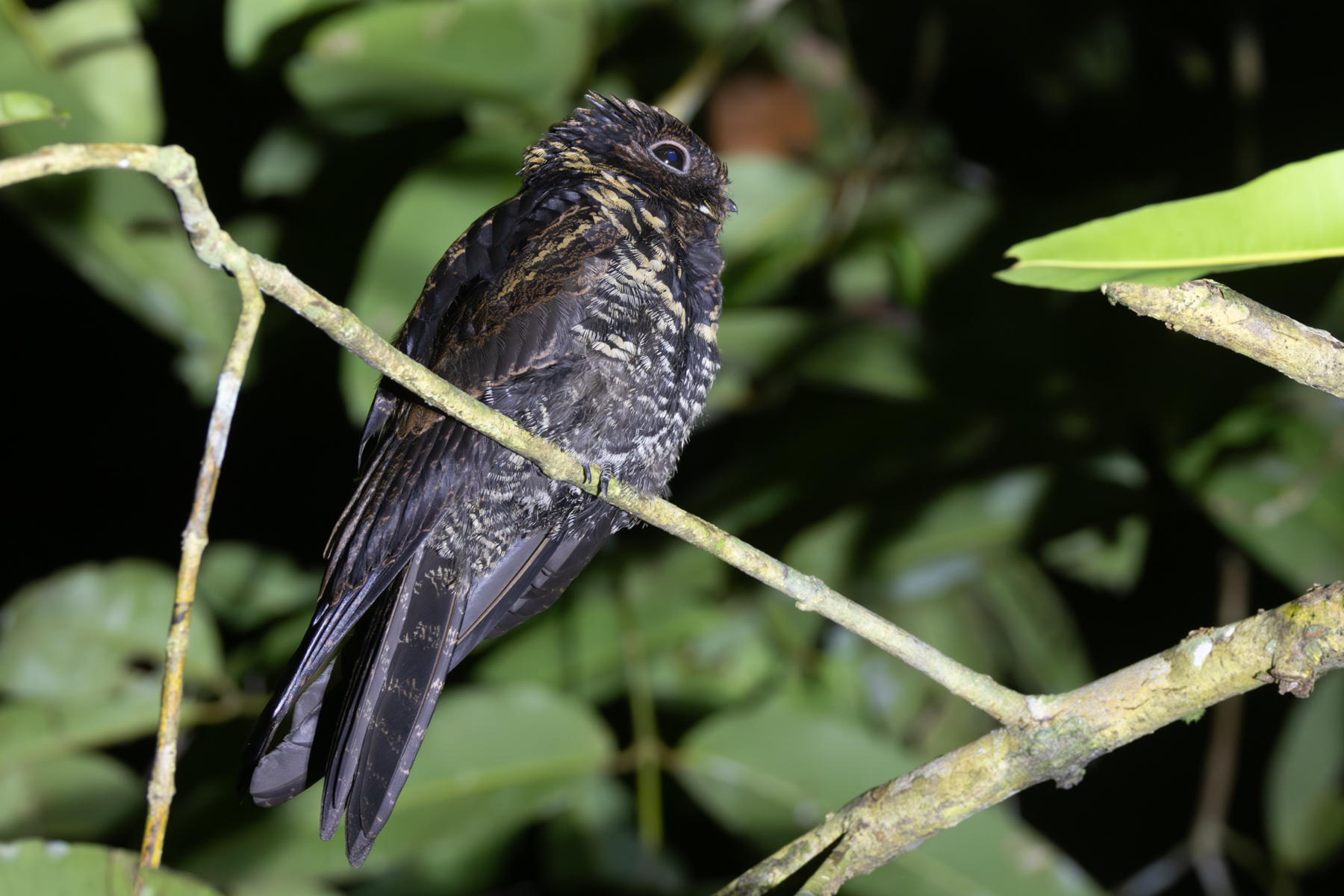
Malaysian Eared Nightjar (image by Sjoerd Radstaak)
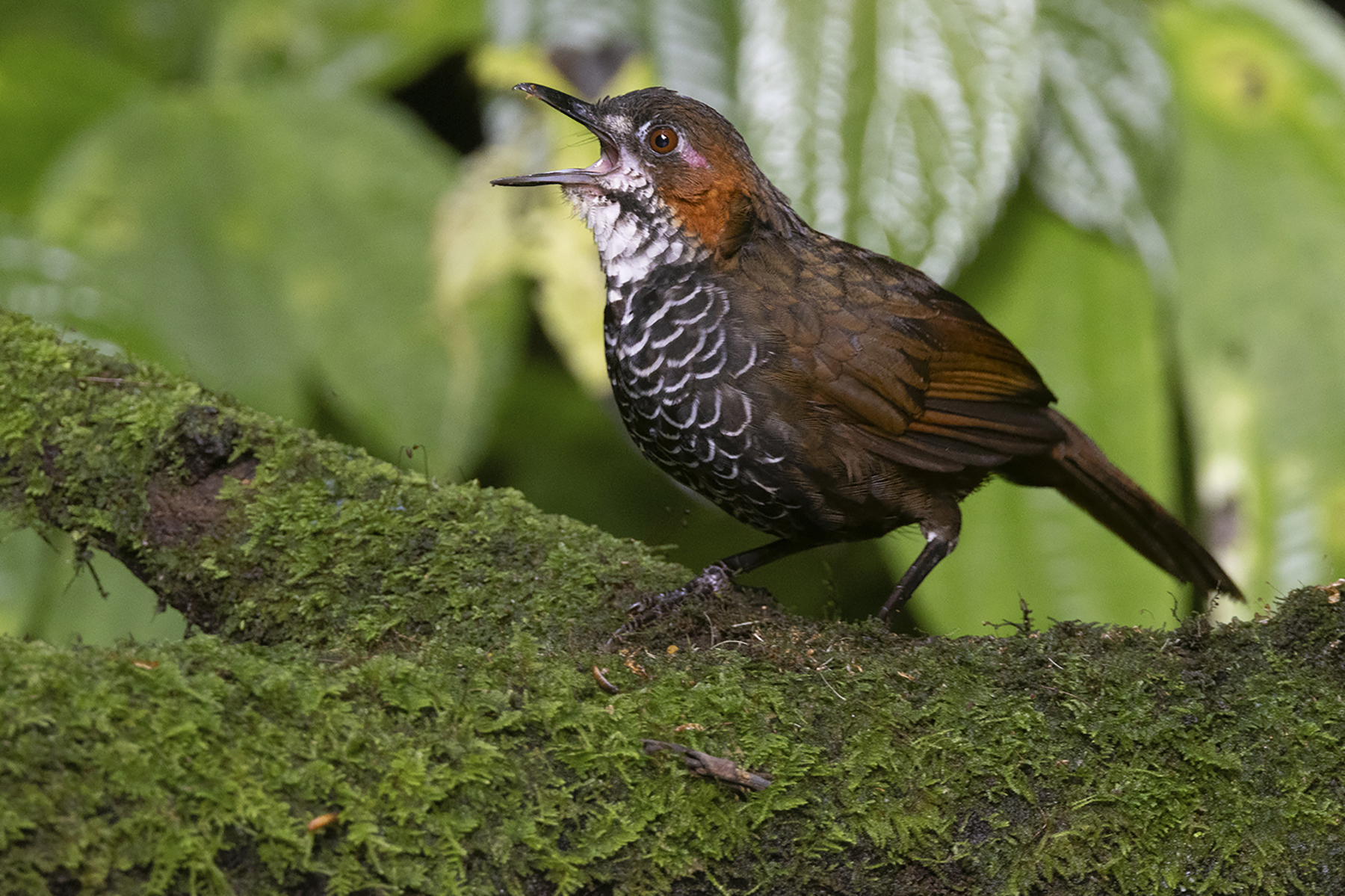
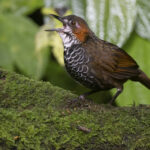
Marbled Wren Babbler (image by Sjoerd Radstaak)
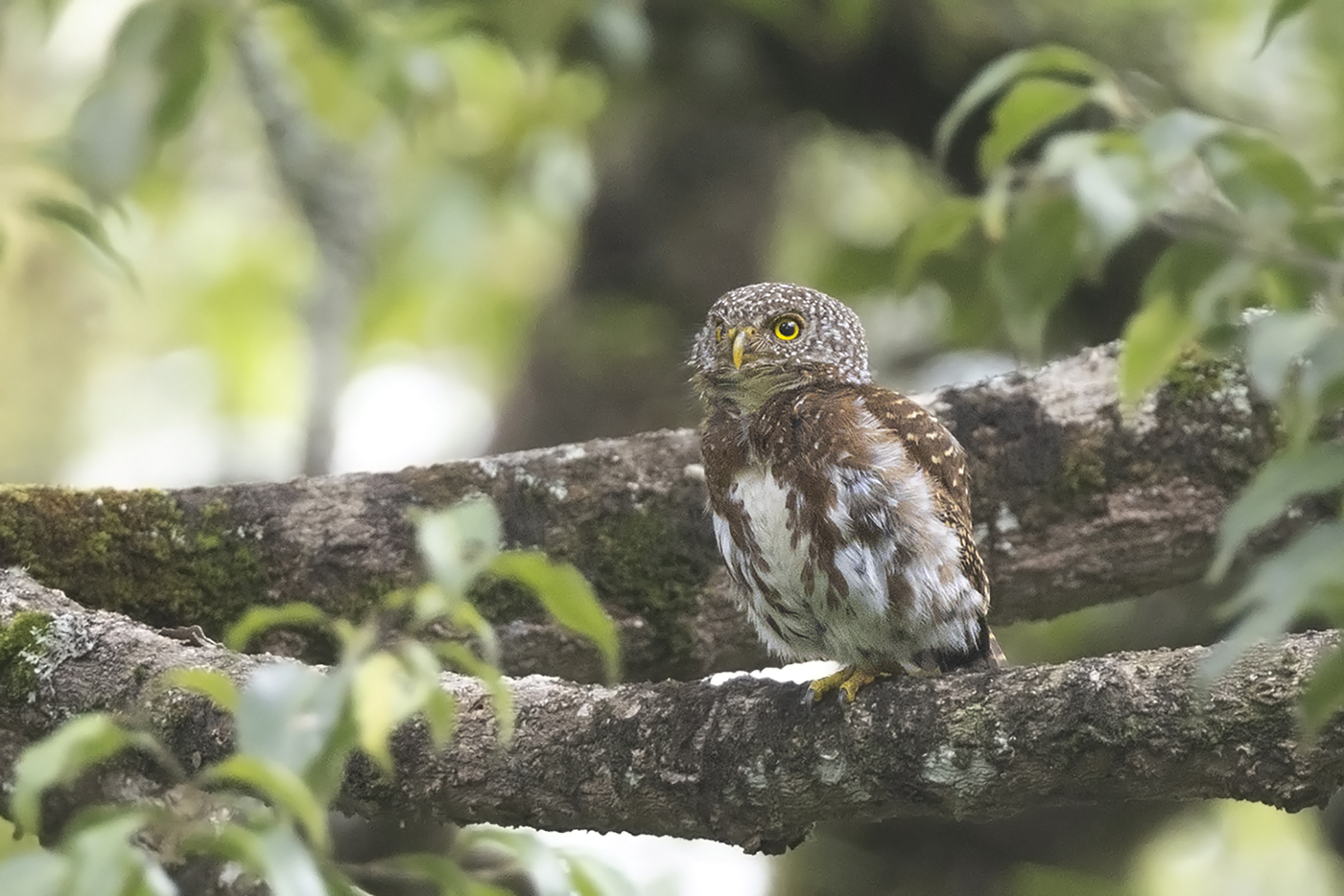
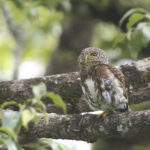
Sunda Owlet (image by Sjoerd Radstaak)
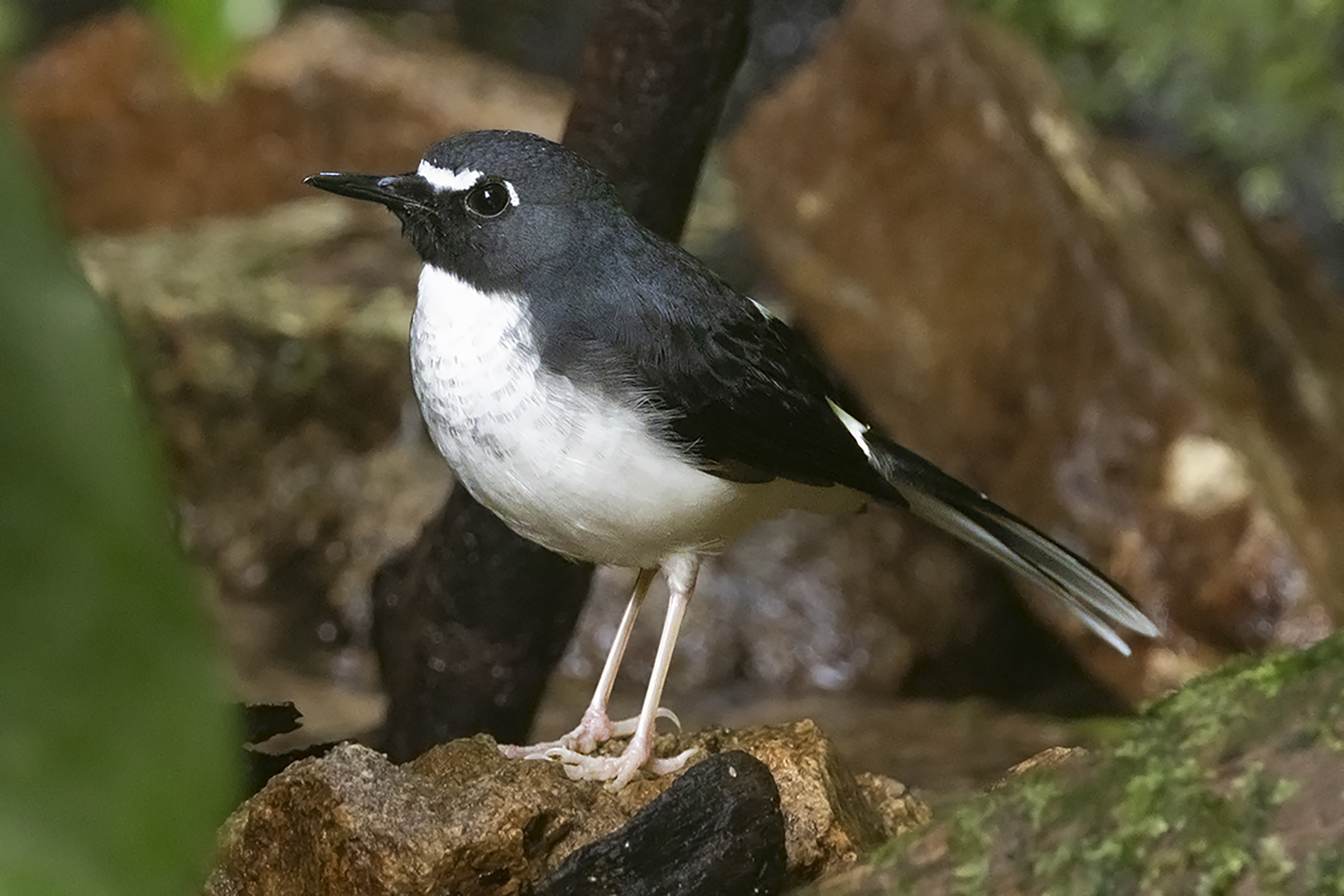
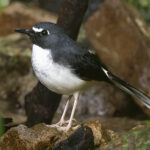
Sunda Forktail (image by Sjoerd Radstaak)
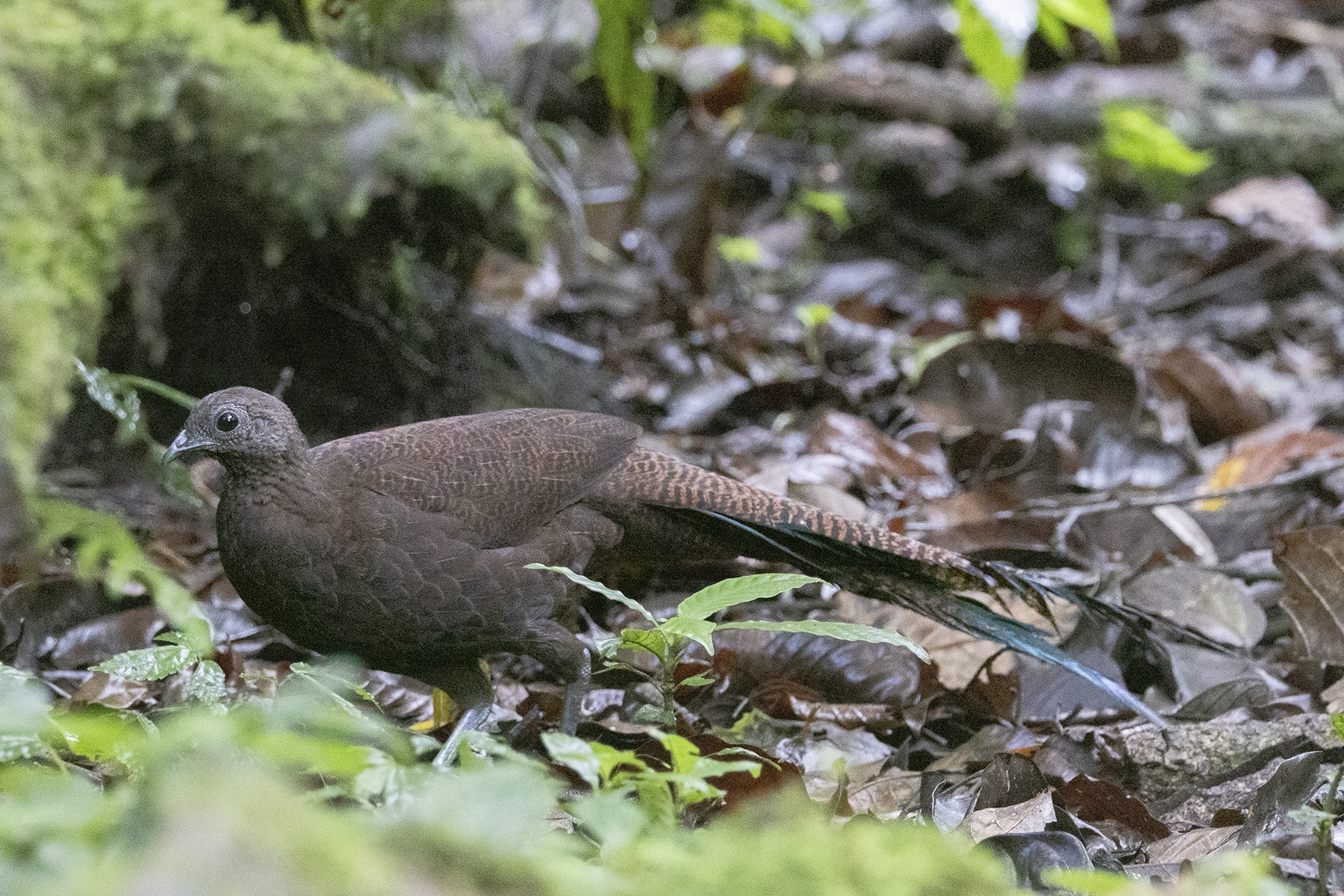
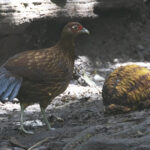
Sumatran Peacock Pheasant (image by Sjoerd Radstaak)
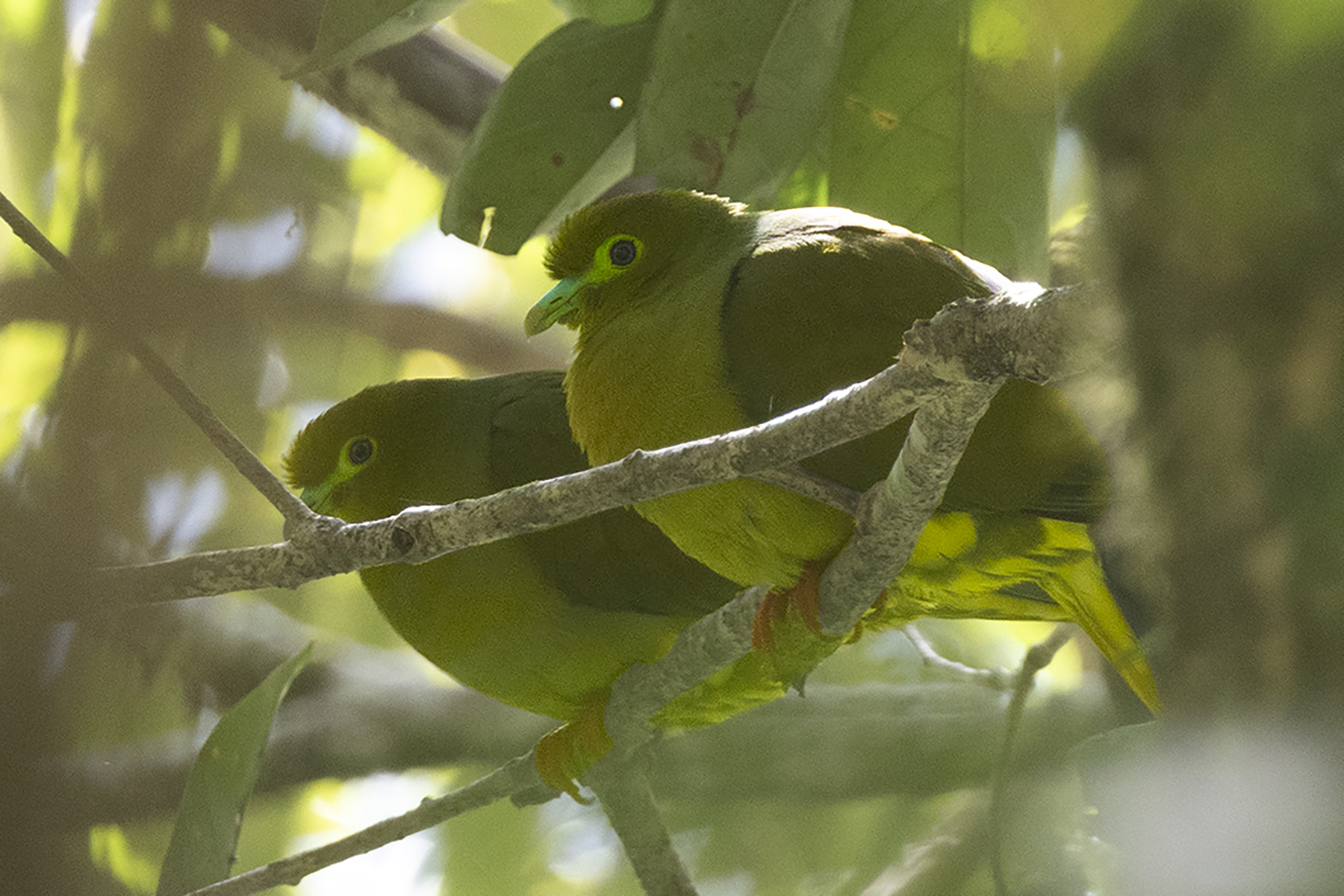
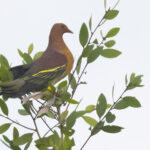
Sumatran Green Pigeons (image by Sjoerd Radstaak)
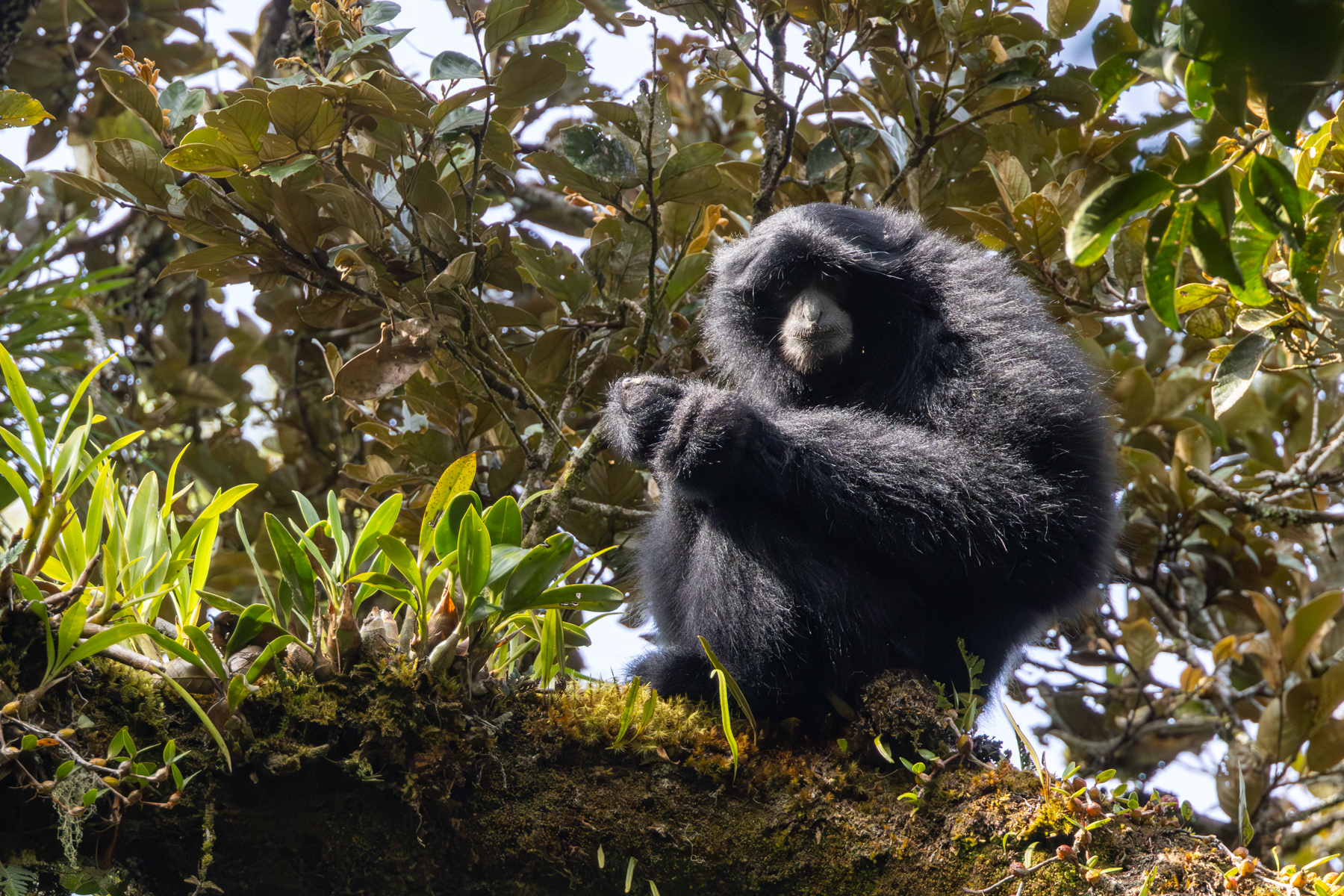
Siamang (image By Sjoerd Radstaak)
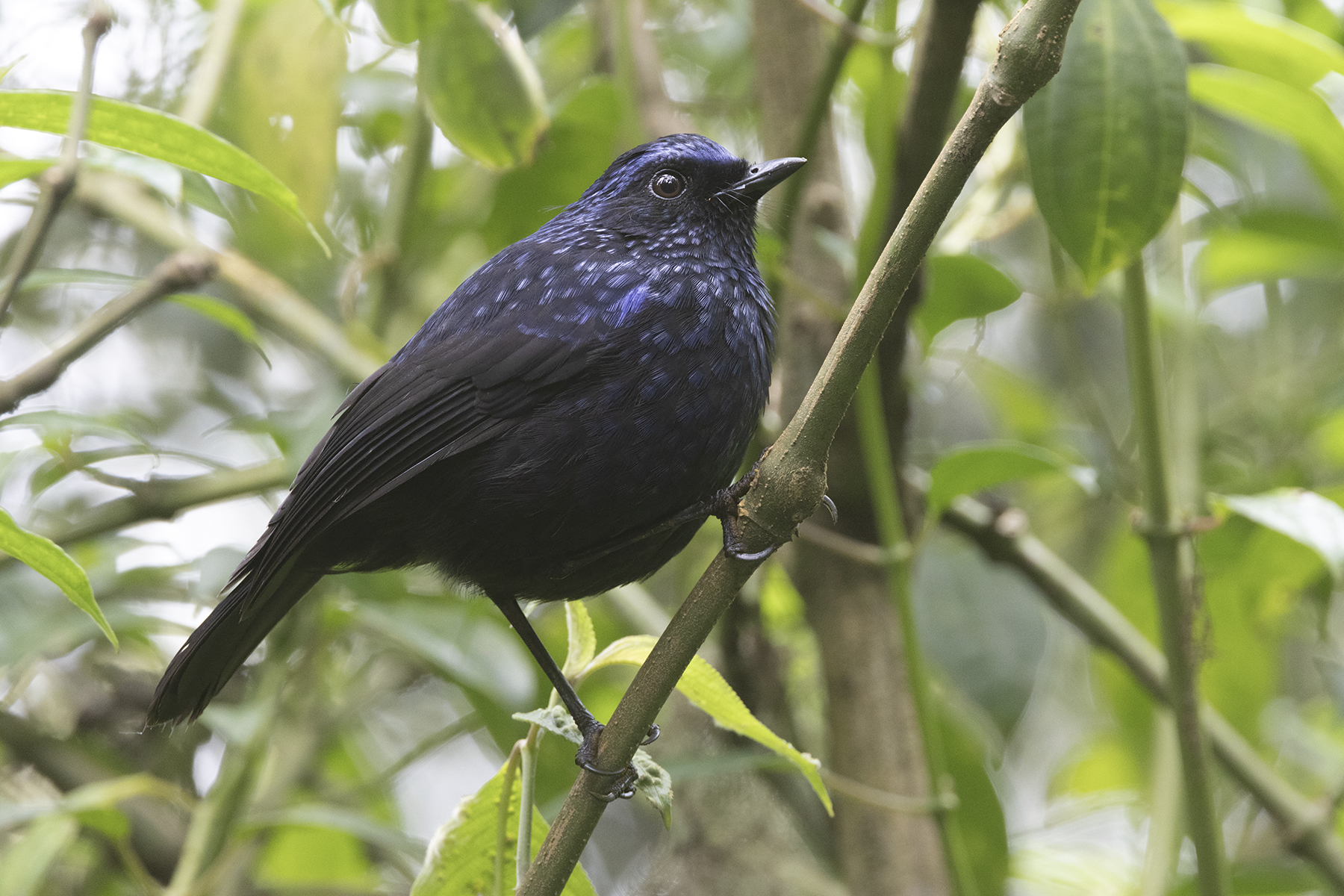
Shiny Whistling Thrush (image by Sjoerd Radstaak)
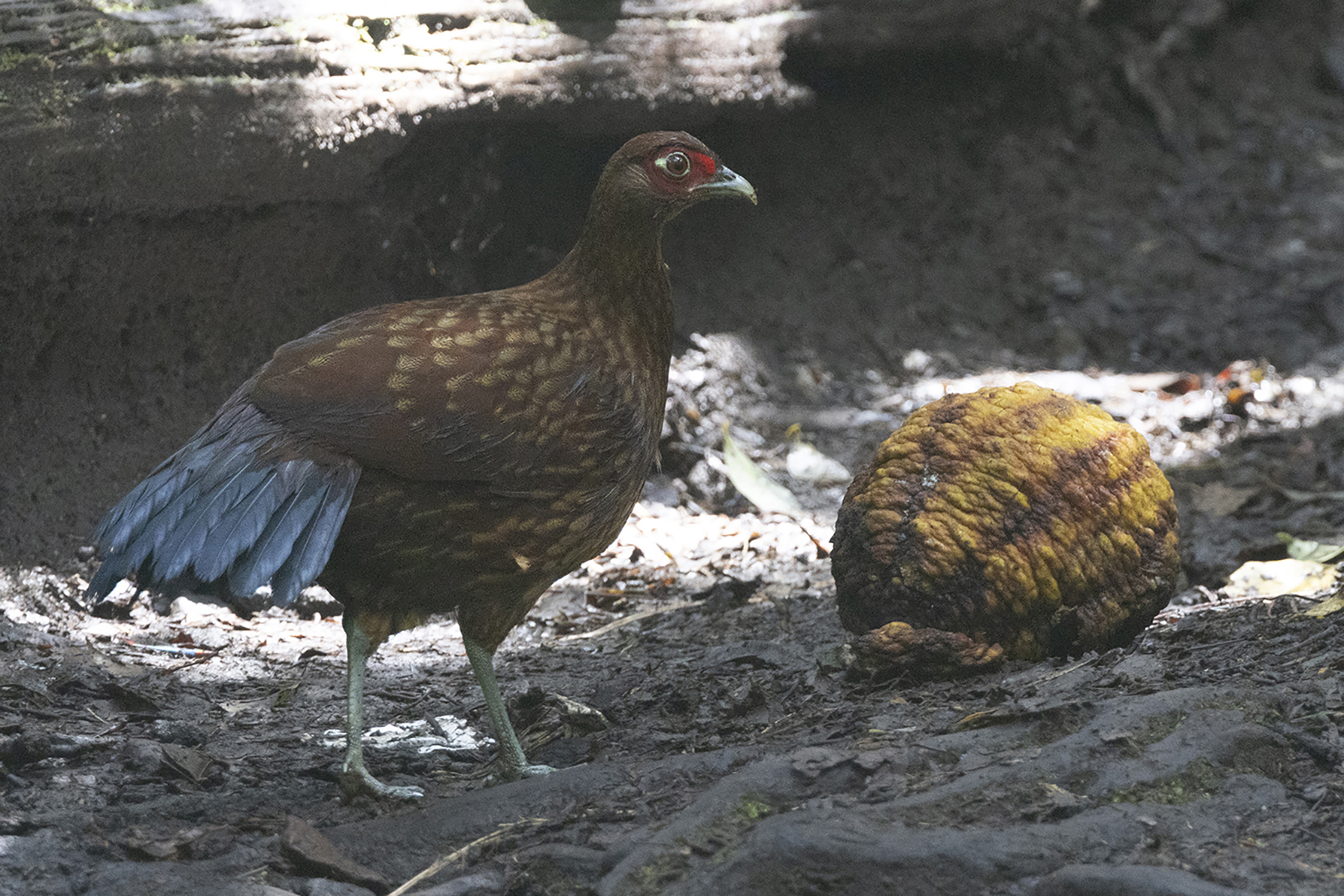
Salvadori's Pheasant (image by Sjoerd Radstaak)
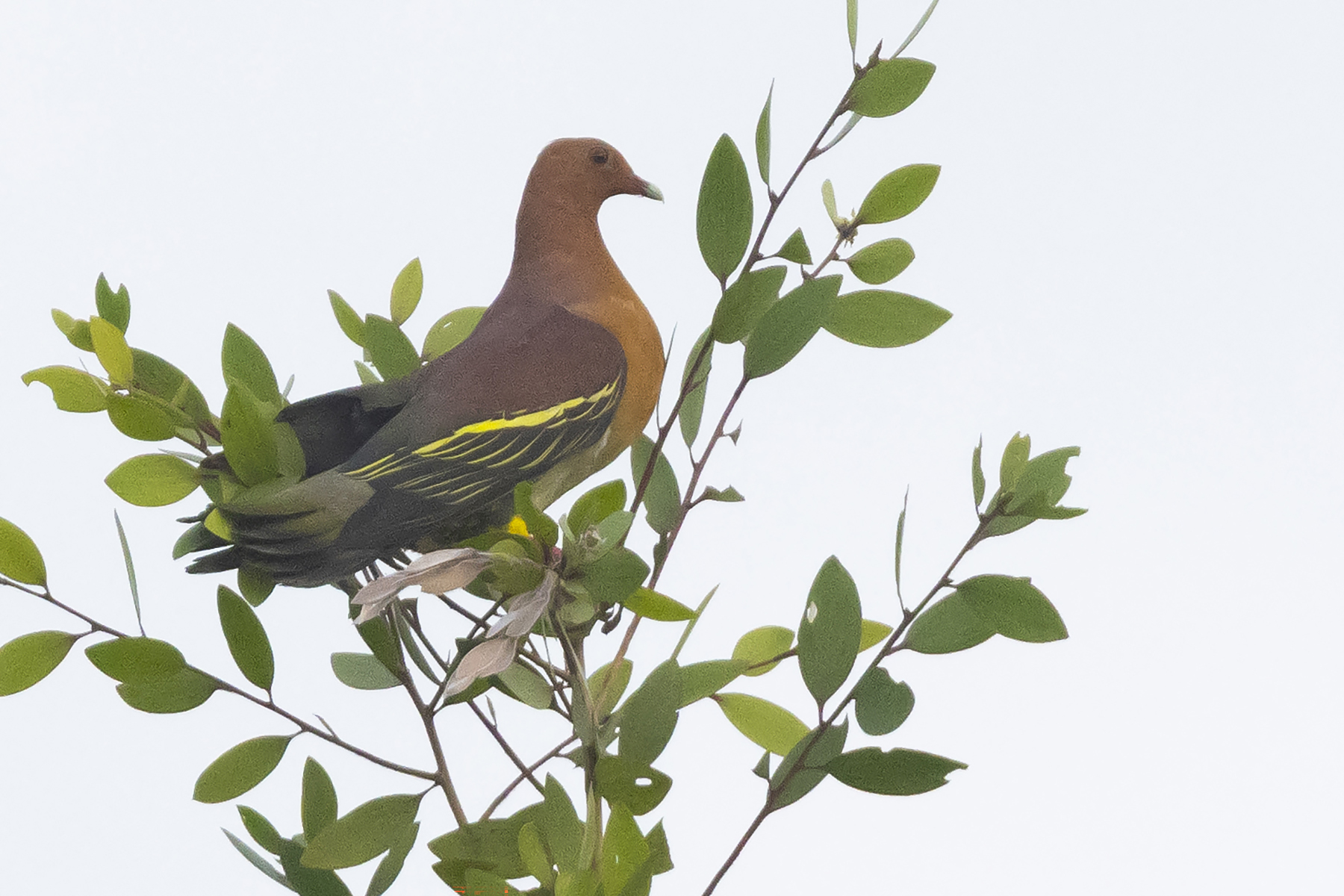
Cinnamon-headed Green Pigeon (image by Sjoerd Radstaak)
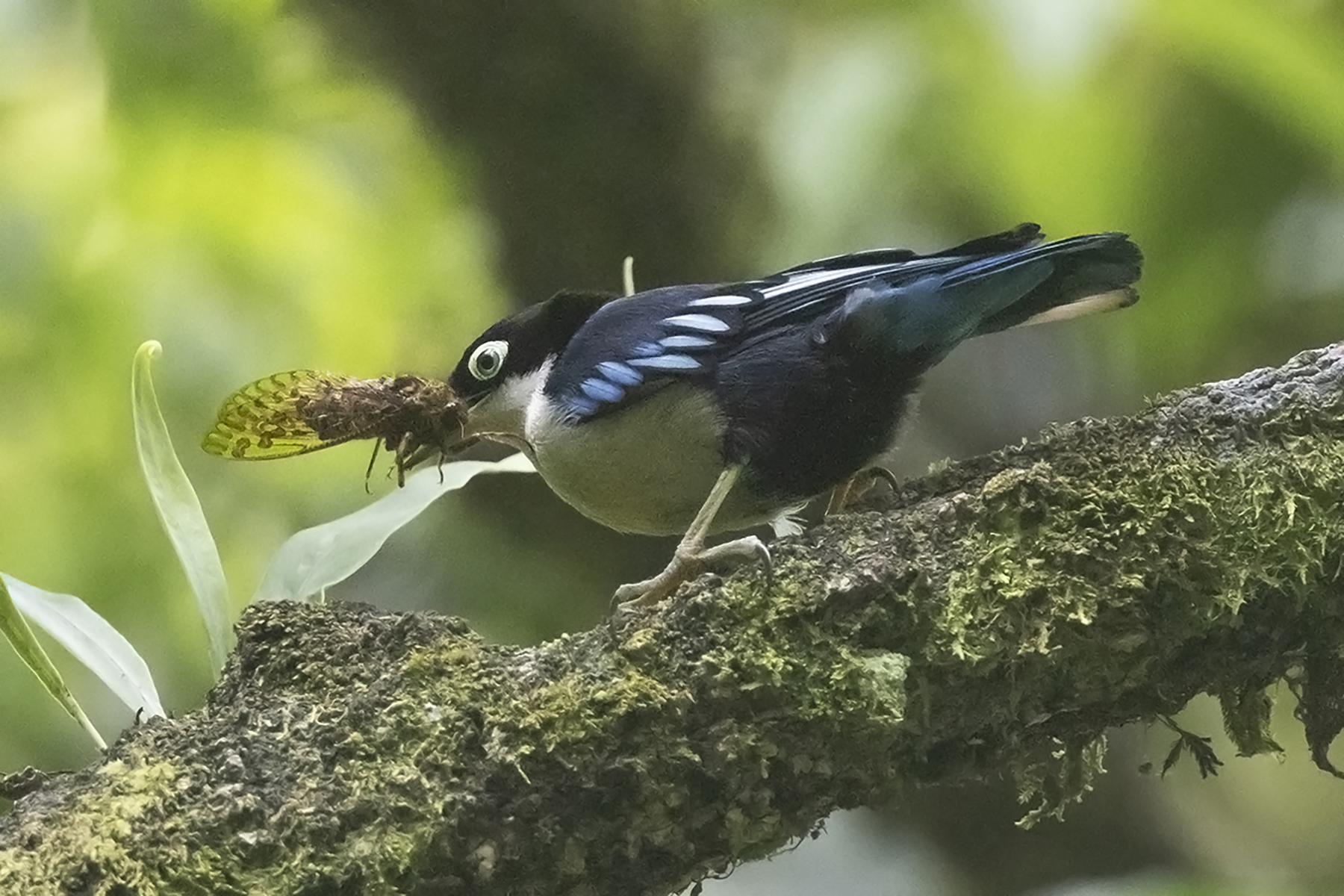
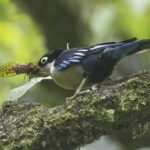
Blue Nuthatch (image by Sjoerd Radstaak)
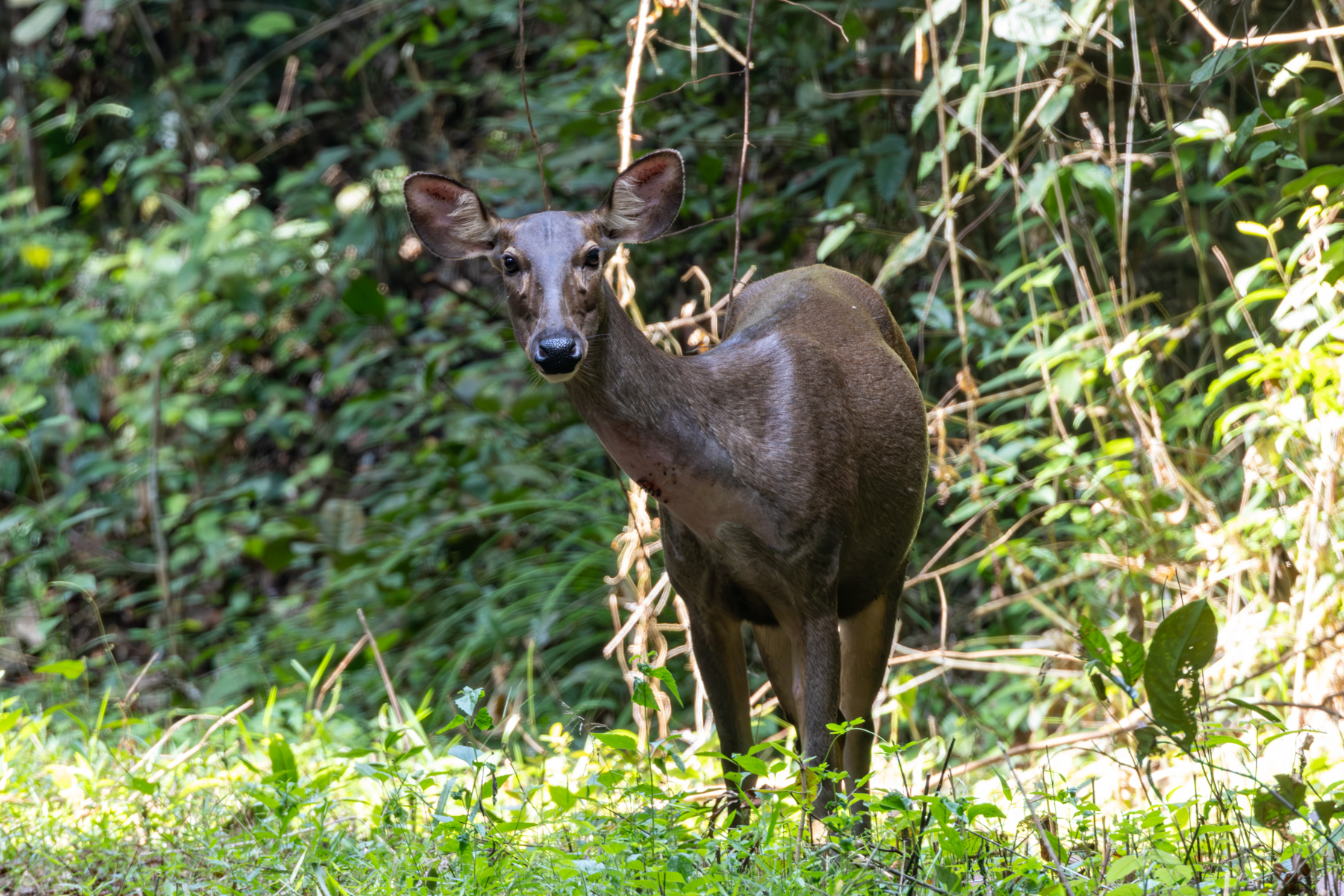
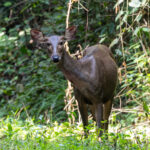
Sambar (image by Sjoerd Radstaak)
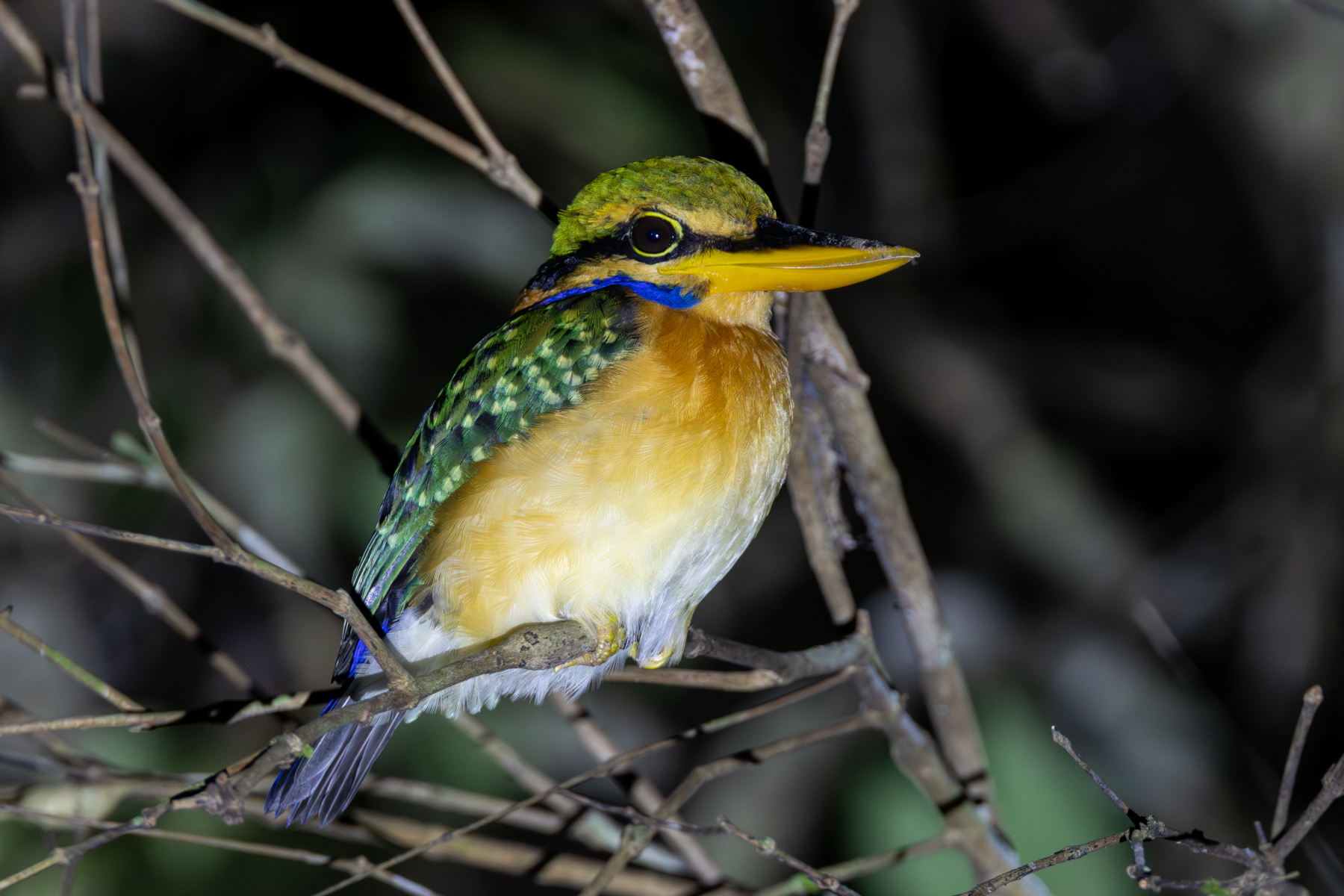
Rufous-collared Kingfisher (image by Sjoerd Radstaak)
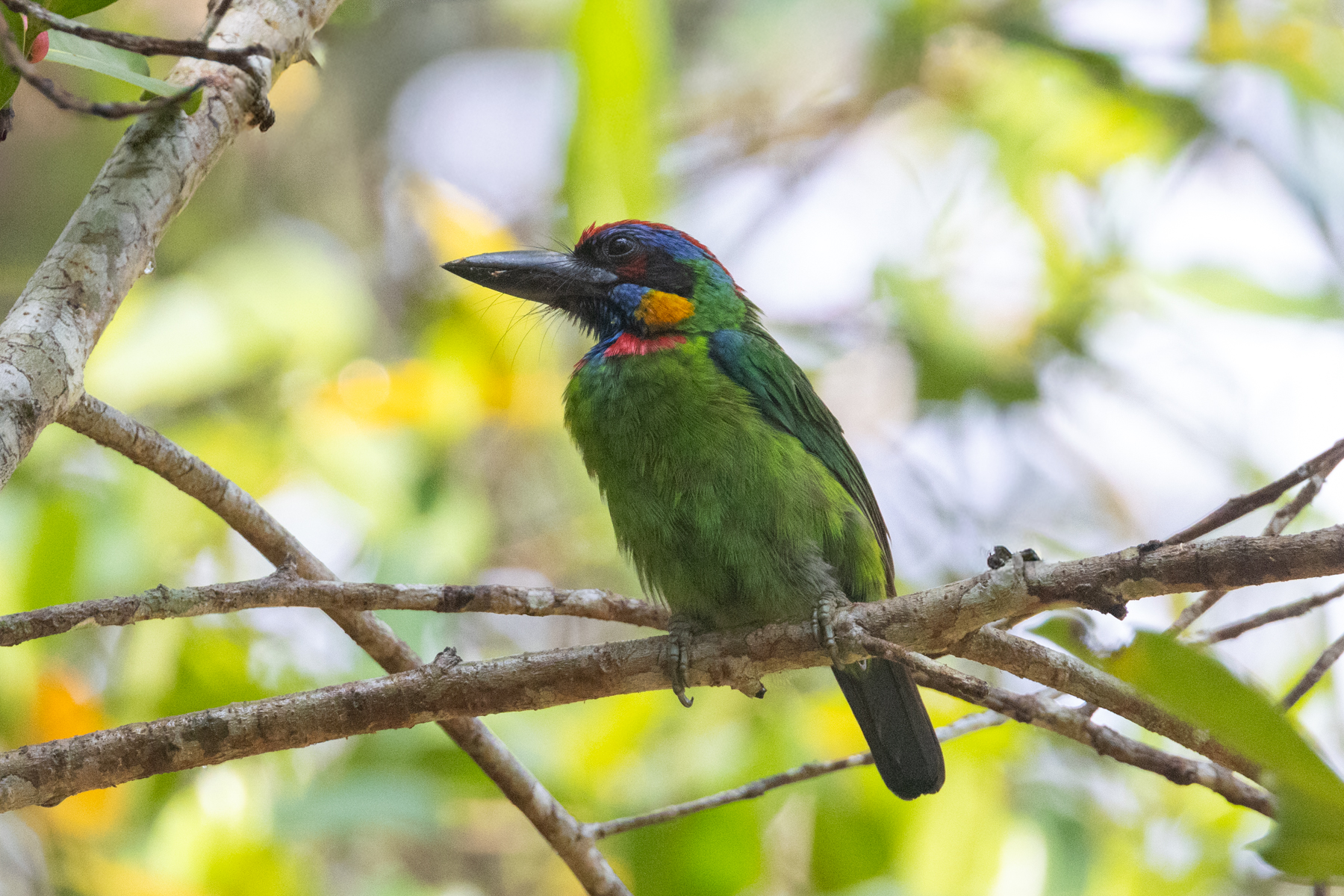
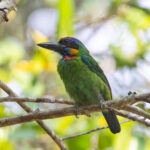
Red-crowned Barbet (image by Sjoerd Radstaak)
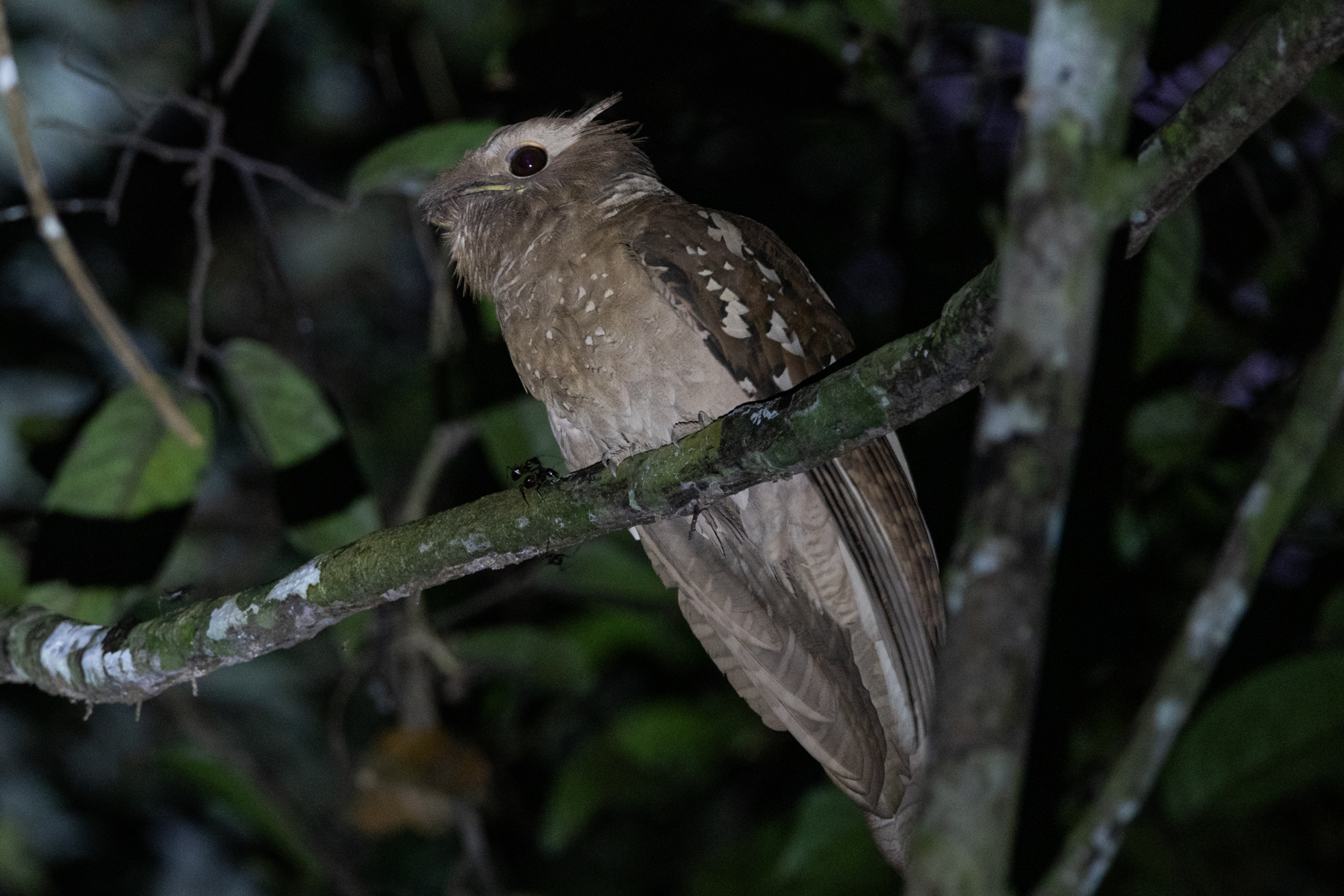
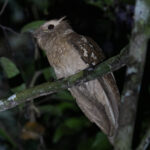
Large Frogmouth (image by Sjoerd Radstaak)
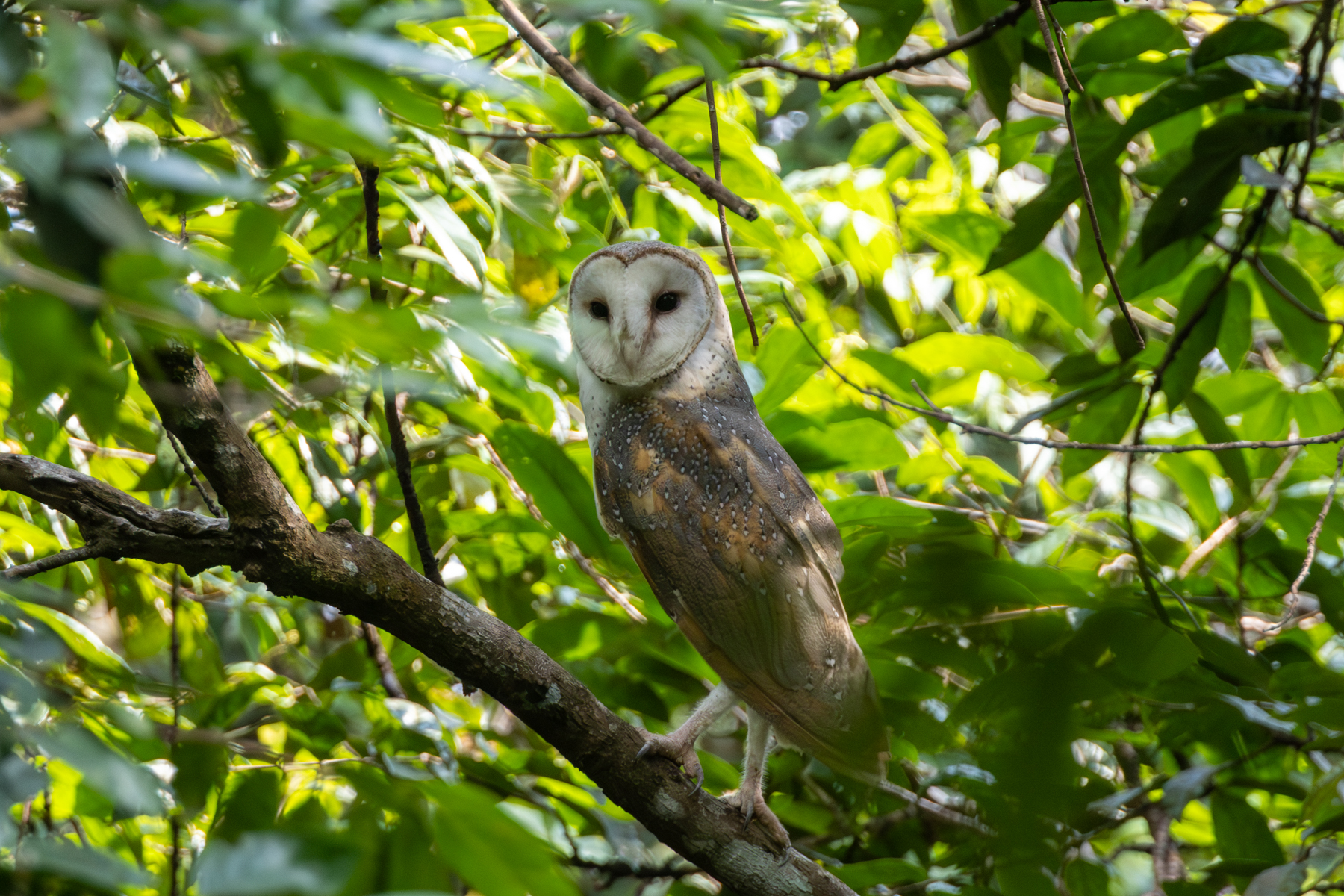
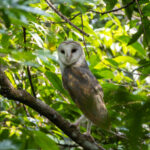
Eastern Barn Owl (image by Sjoerd Radstaak)
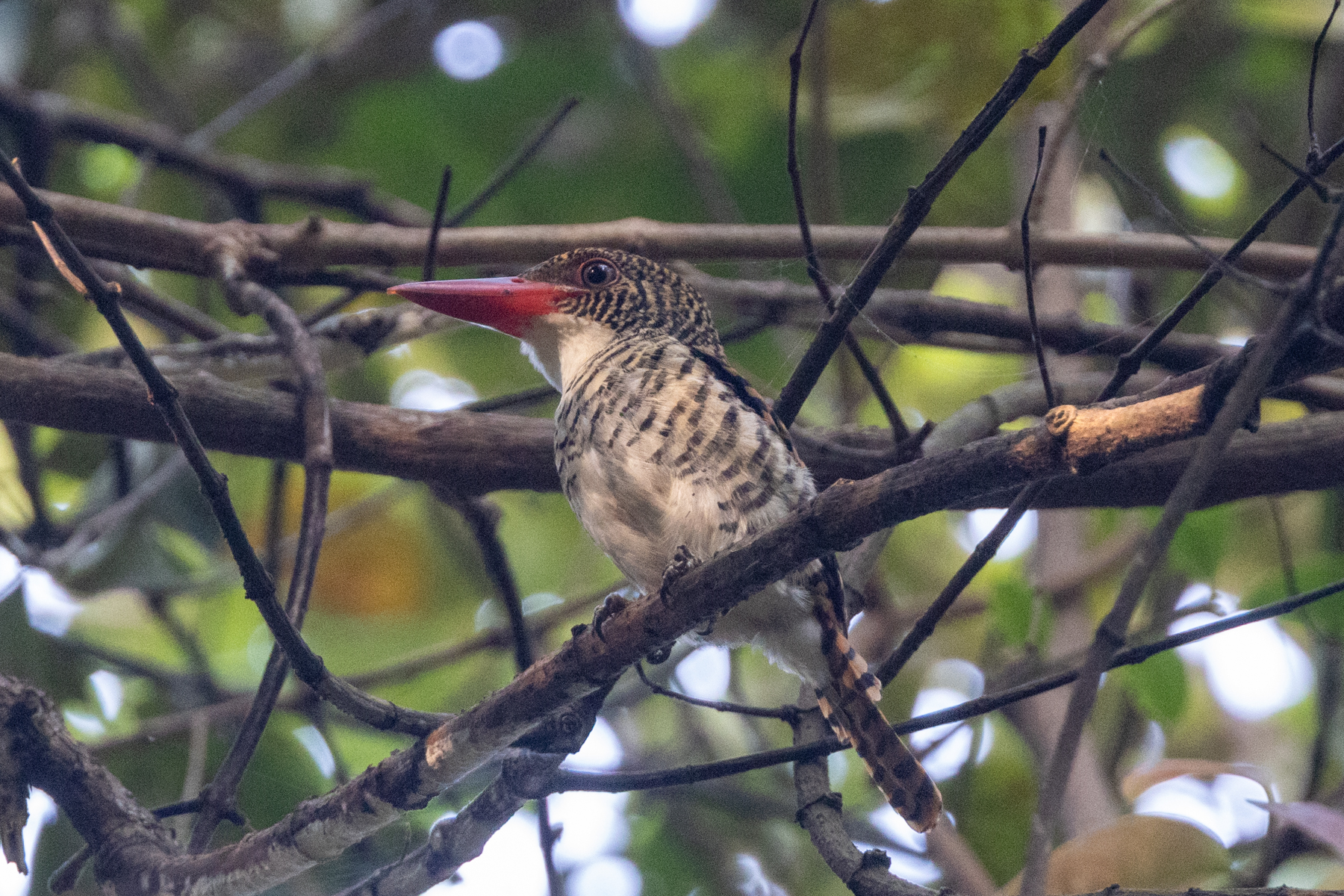
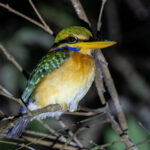
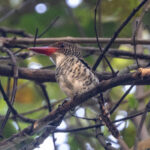
Banded Kingfisher (image by Sjoerd Radstaak)
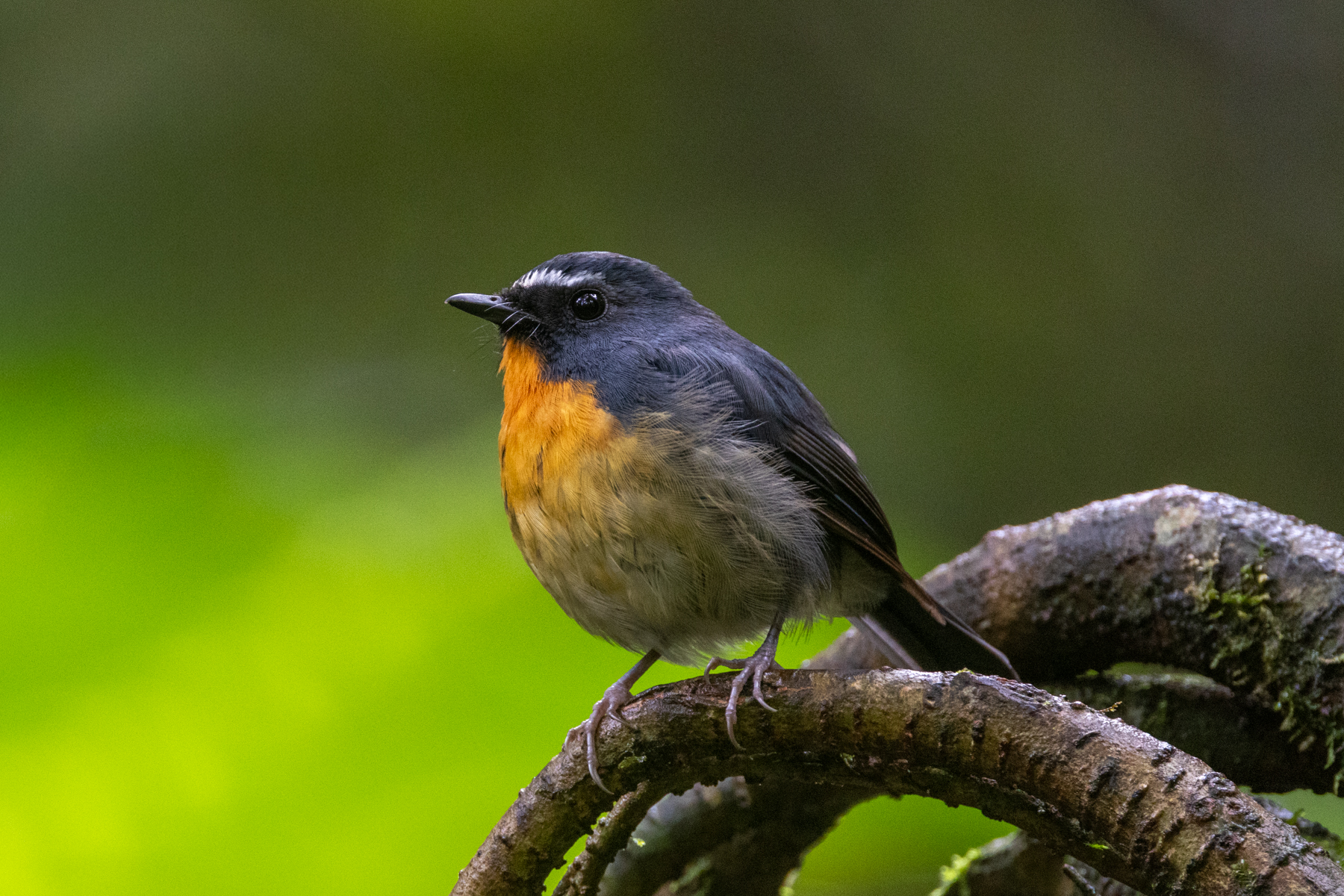
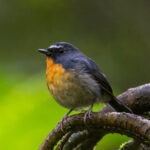
Snowy-browed Flycatcher (image by Sjoerd Radstaak)
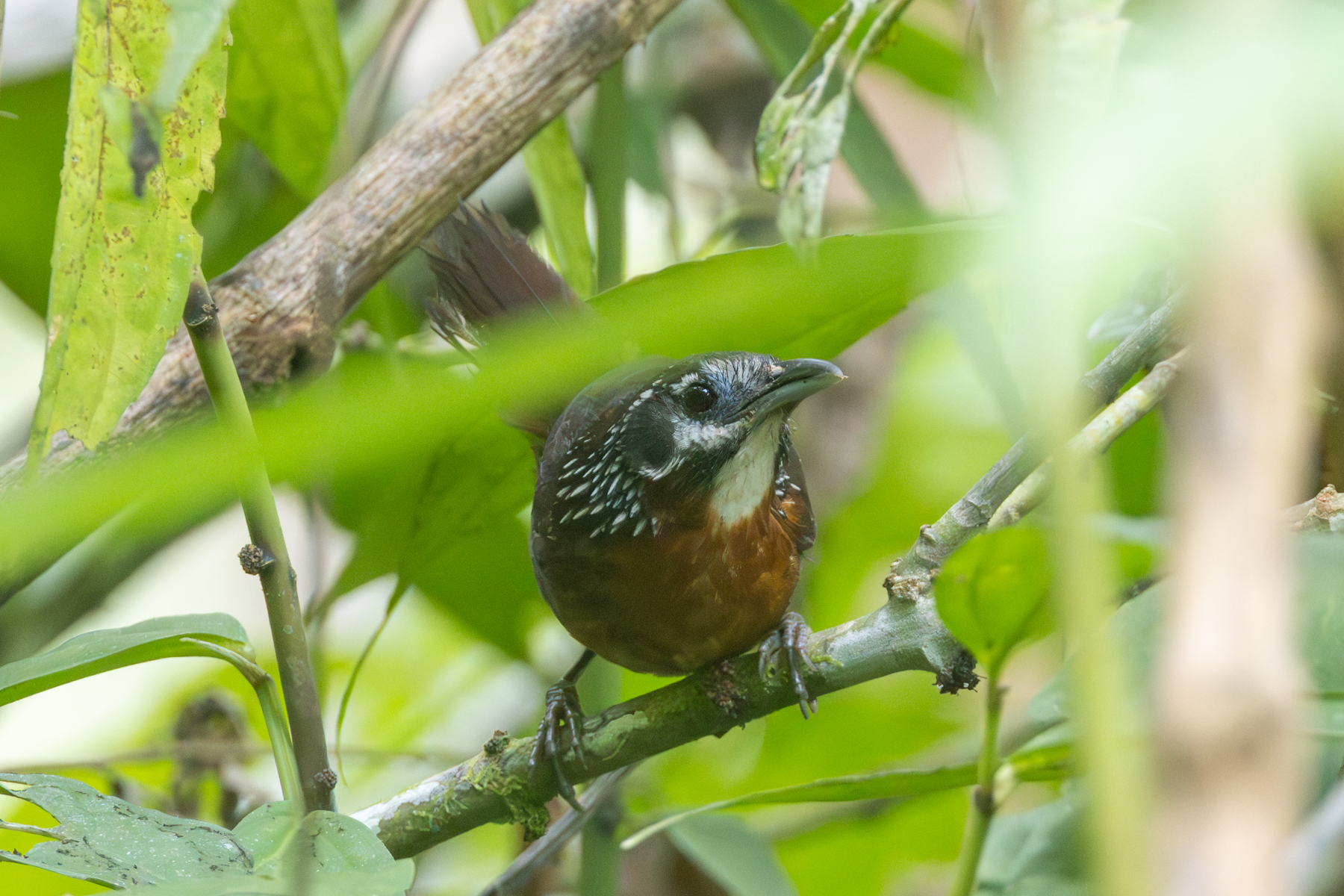
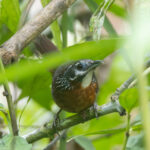
Spot-necked Babbler (image by Sjoerd Radstaak)
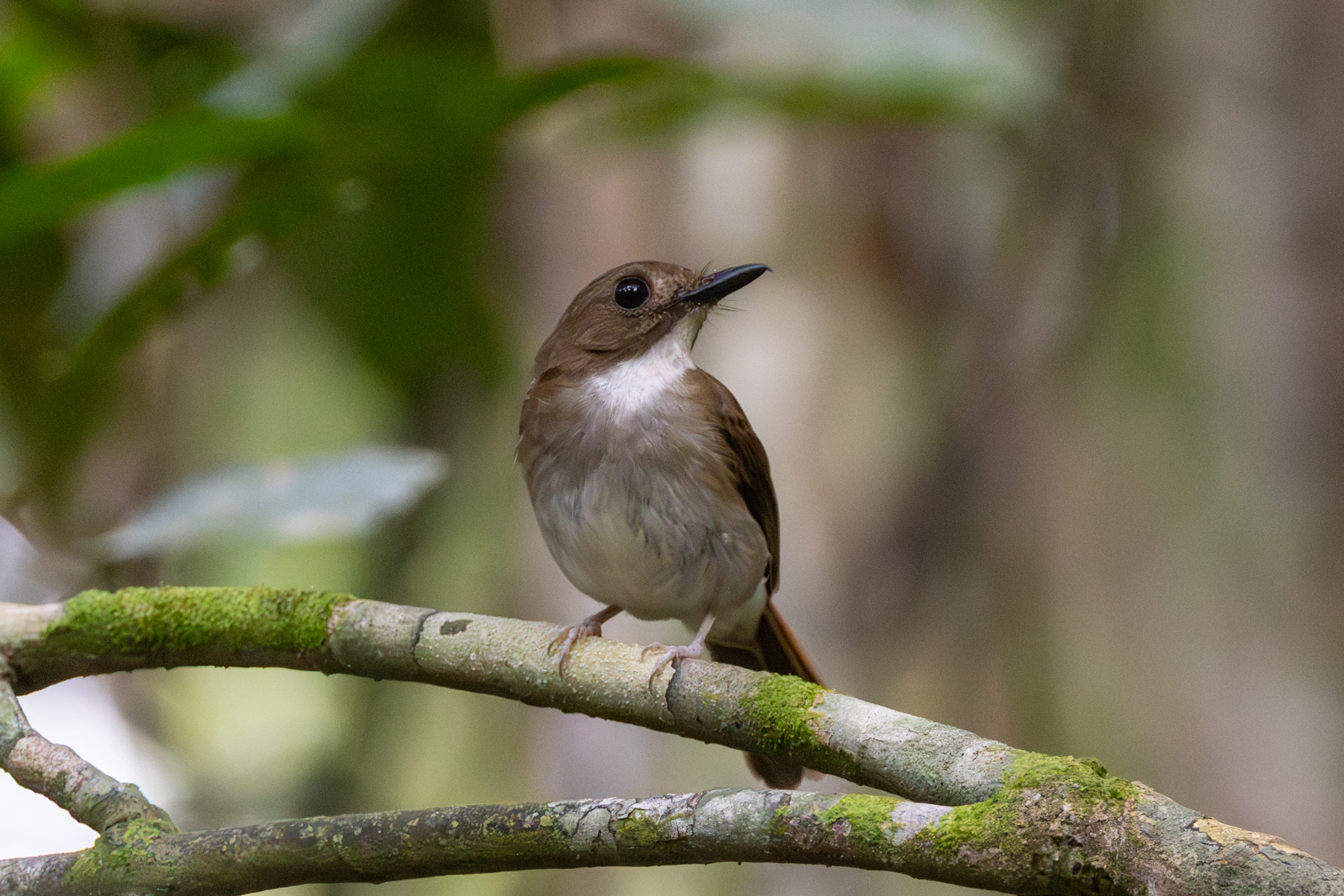
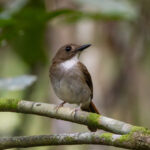
Grey-chested Jungle Flycatcher (image by Sjoerd Radstaak)
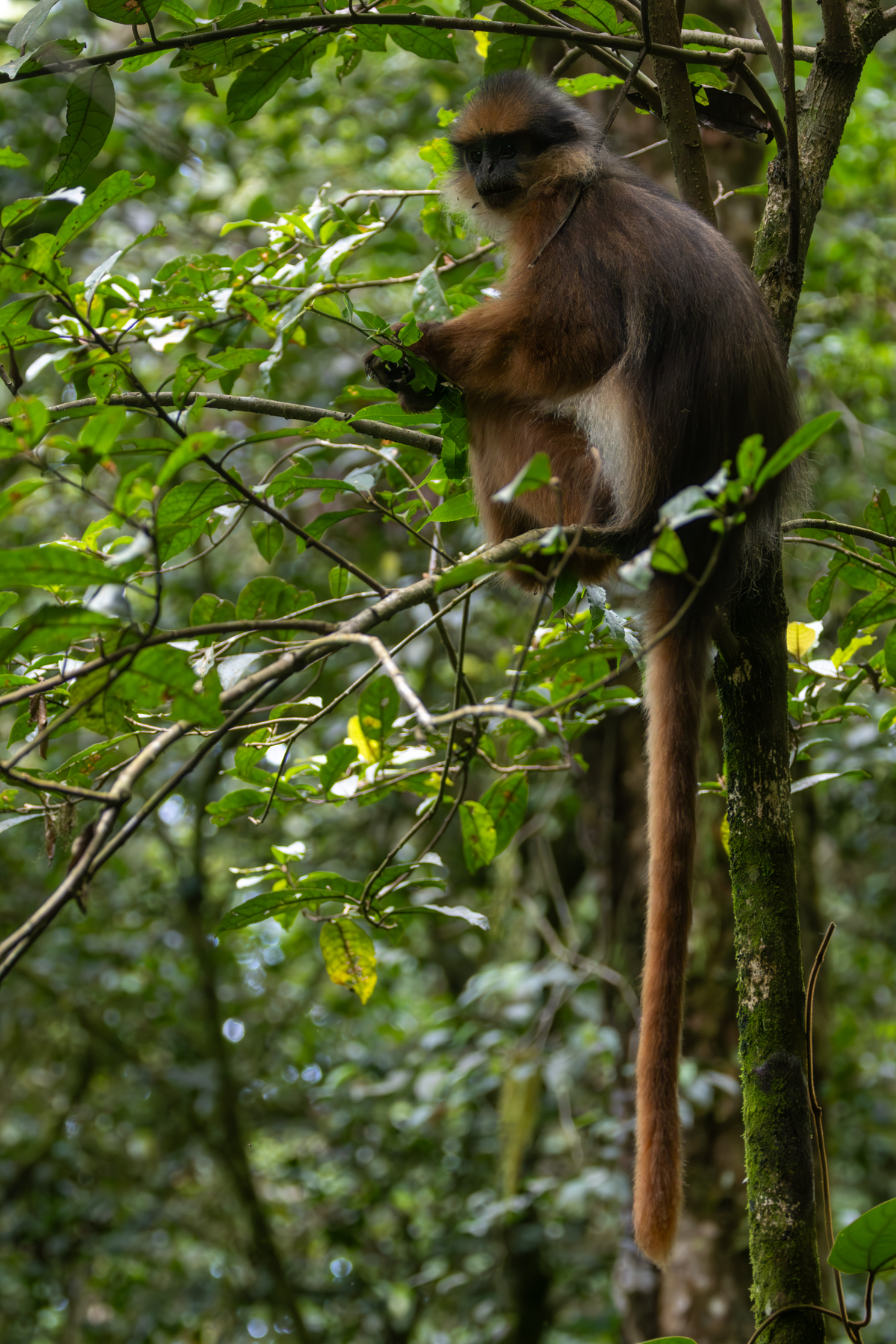
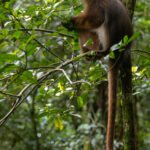
Black-crested Sumatran Langur (image by Sjoerd Radstaak)
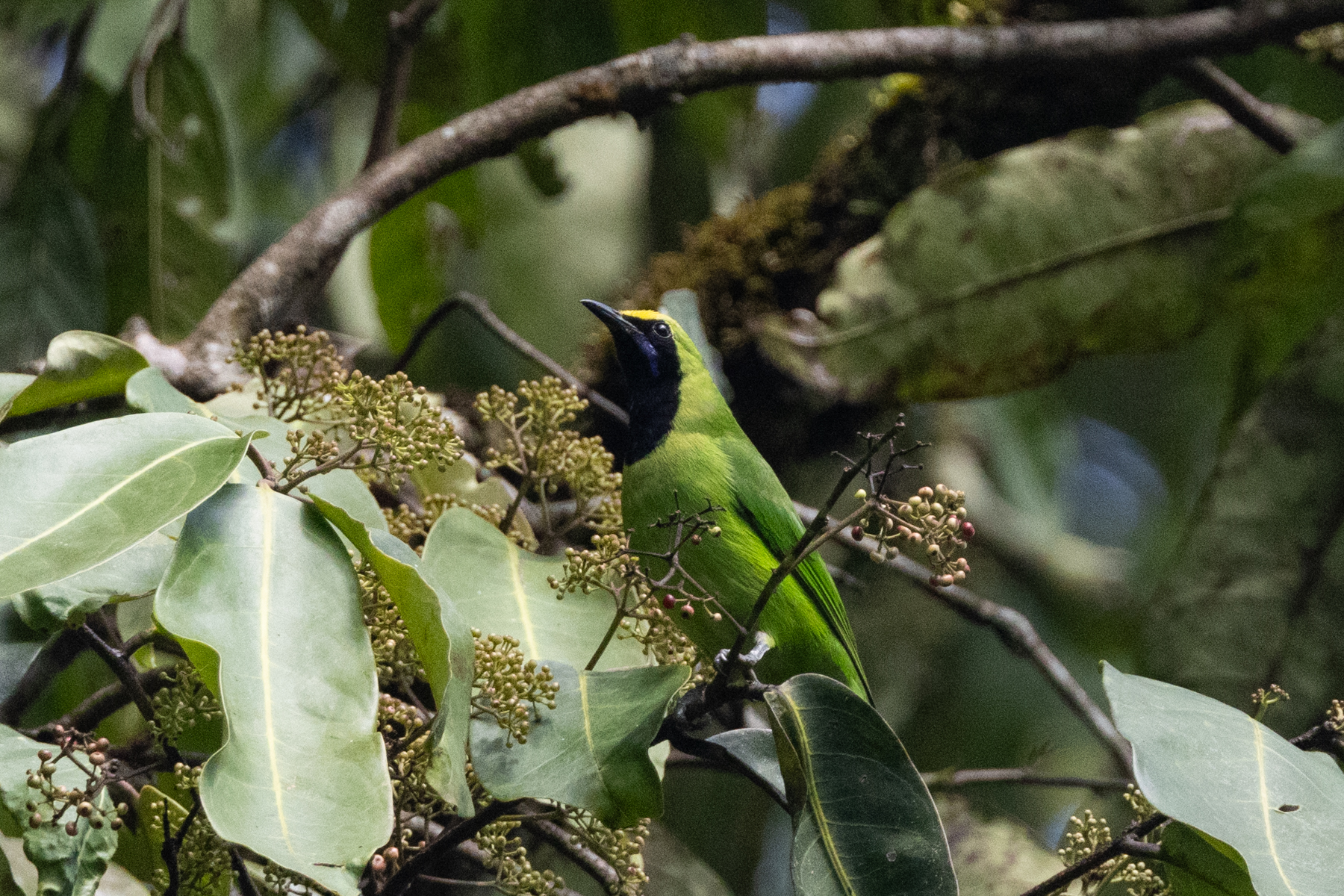
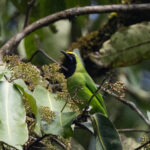
Sumatran Leafbird (image by Sjoerd Radstaak)
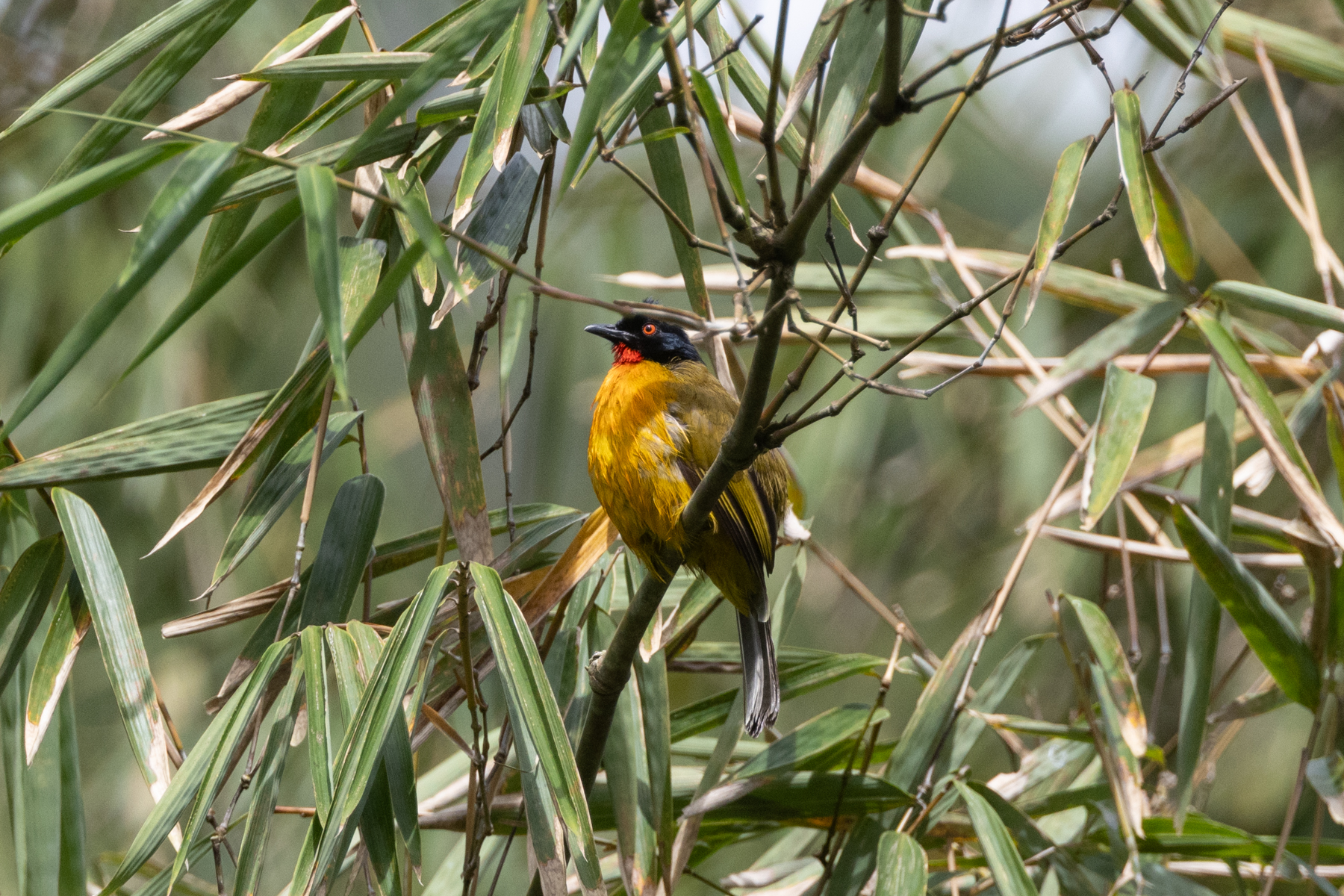
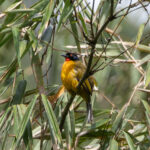
Ruby-throated Bulbul (image by Sjoerd Radstaak)
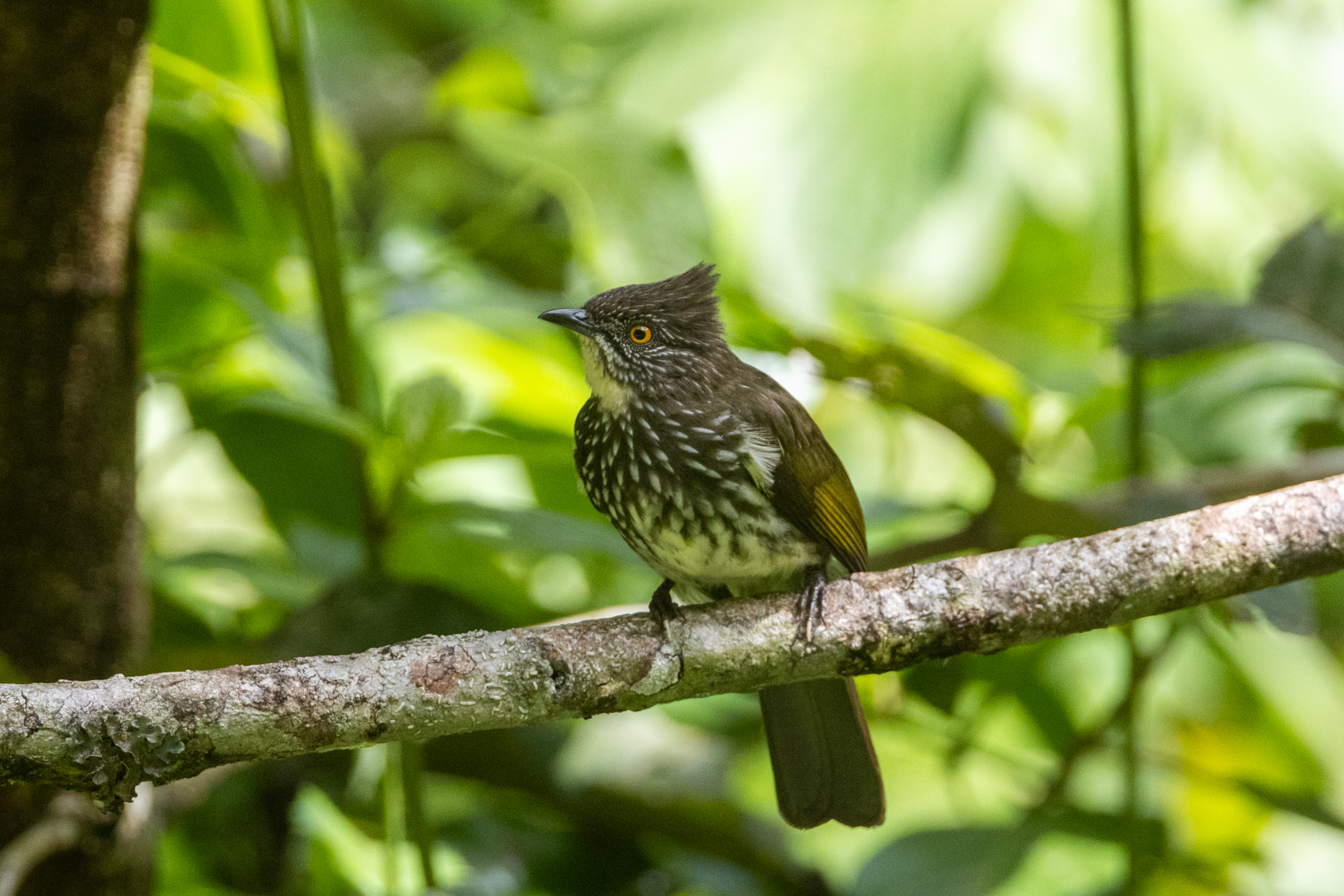
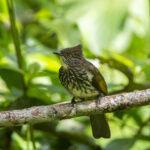
Cream-striped Bulbul (image by Sjoerd Radstaak)
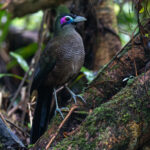
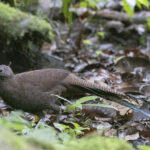
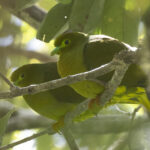
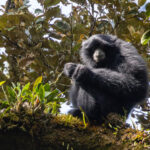
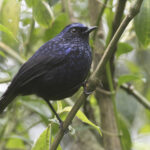


Sumatran Ground Cuckoo (image by Sjoerd Radstaak)
Schneider's Pitta (image by Sjoerd Radstaak)
Sumatran Frogmouth (image by Sjoerd Radstaak)
Sunda Frogmouth (image by Sjoerd Radstaak)
Graceful Pitta (image by Sjoerd Radstaak)
Malayan Crested Fireback (image by Sjoerd Radstaak)
Sumatran Trogon (image by Sjoerd Radstaak)
Red-billed Partridge (image by Sjoerd Radstaak)
Malaysian Eared Nightjar (image by Sjoerd Radstaak)
Marbled Wren Babbler (image by Sjoerd Radstaak)
Sunda Owlet (image by Sjoerd Radstaak)
Sunda Forktail (image by Sjoerd Radstaak)
Sumatran Peacock Pheasant (image by Sjoerd Radstaak)
Sumatran Green Pigeons (image by Sjoerd Radstaak)
Siamang (image By Sjoerd Radstaak)
Shiny Whistling Thrush (image by Sjoerd Radstaak)
Salvadori's Pheasant (image by Sjoerd Radstaak)
Cinnamon-headed Green Pigeon (image by Sjoerd Radstaak)
Blue Nuthatch (image by Sjoerd Radstaak)
Sambar (image by Sjoerd Radstaak)
Rufous-collared Kingfisher (image by Sjoerd Radstaak)
Red-crowned Barbet (image by Sjoerd Radstaak)
Large Frogmouth (image by Sjoerd Radstaak)
Eastern Barn Owl (image by Sjoerd Radstaak)
Banded Kingfisher (image by Sjoerd Radstaak)
Snowy-browed Flycatcher (image by Sjoerd Radstaak)
Spot-necked Babbler (image by Sjoerd Radstaak)
Grey-chested Jungle Flycatcher (image by Sjoerd Radstaak)
Black-crested Sumatran Langur (image by Sjoerd Radstaak)
Sumatran Leafbird (image by Sjoerd Radstaak)
Ruby-throated Bulbul (image by Sjoerd Radstaak)
Cream-striped Bulbul (image by Sjoerd Radstaak)


CLASSIC SUMATRA TOUR REPORT 2025

28 July - 10 August 2025
Sjoerd Radstaak
This year’s Classic Sumatra tour focused on three major birding hotspots on this Indonesian island: the lowlands of Way Kambas NP and the hills and mountains of Kerinci-Seblat NP, in particular Tapan Road and Gunung Kerinci. Though this year turned out to be hard work and the weather wasn’t always on our side, we still managed to connect with many good birds in just twelve days. In Way Kambas NP, we found Large and Sunda Frogmouth, Malaysian Eared Nightjar, Malayan Crested Fireback and Rufous-collared Kingfisher at night. During the daytime we managed to find many of the Sundaic endemics like colourful Malayan Banded Pitta, uncommon Cinnamon-headed Green Pigeon, intriguing Red-bearded Bee-eater, bold Fluffy-backed Tit-Babbler and water-loving Black-and-red Broadbill – alongside a nice set of malkohas, babblers, trogons and beautiful woodpeckers like Orange-backed, Checker-throated and Banded. On Gunung Kerinci we connected with almost all endemics (except the difficult cochoa), having wonderful encounters with Red-billed Partridge, Sumatran Peacock Pheasant, Sumatran Trogon, Schneider’s Pitta, Salvadori’s Pheasant, Rajah Scops Owl, Rusty-breasted and Sumatran Wren Babbler. On the Tapan Road we enjoyed good views of Sumatran Leafbird, Sumatran Treepie, Marbled Wren-Babbler, Graceful Pitta and a nice set of endemic and range-restricted bulbuls: Cream-striped, Spot-necked, Sumatran, Grey-bellied and Scaly-breasted Bulbul. In between, we had some great moments with the best bird of the trip, the Sumatran Ground Cuckoo.
The tour began at the airport of Bandar Lampung. With some of us already there and others being delayed, nest-building White-headed Munias provided some much needed distraction. From there, we drove the short drive to the lowlands of Way Kambas NP. Upon arrival it was already dark, so we had dinner and an introductory round. The next morning we left at 4 AM, starting along the main track with night birding. We heard Sunda Frogmouth and Brown Boobook, but both did not come in. Just before dawn we heard another Sunda Frogmouth, when suddenly a Large Frogmouth started singing. It didn’t take long before we were all looking at this beast among the frogmouths! Sunda Frogmouth eluded us, but we enjoyed good views of Sunda Scops Owl and Sunda Colugo with a baby. By now it was almost light and we slowly picked up on more new birds like Banded Woodpecker, Sunda Crow and Greater Racket-tailed Drongo. Unfortunately it started to rain, so we decided to have our packed breakfast first and then continue birding. In the drizzle we enjoyed Short-tailed Babbler (now lumped again together with the Bornean birds and no longer known as Mourning Babbler), a pair of Orange-backed Woodpecker, Pin-striped Tit-Babbler, Sooty Barbet, Red-crowned Barbet, White-bellied Woodpecker, Rufous-tailed Tailorbird and Chestnut-winged Warbler. Back at the lodge we had lunch, adding Plain, Crimson-breasted and Orange-bellied Flowerpecker to our list in the garden. Late afternoon we went back in and although afternoons can be slow at times, this time it was birdy, finding a pair of Checker-throated Woodpecker, Red-billed Malkoha, Red-naped and Diard’s Trogons, Buff-rumped and Buff-necked Woodpeckers and a female Banded Kingfisher! Above the track we taped in a showy Black-and-yellow Broadbill. A little further we enjoyed Fluffy-backed Tit-Babbler and heard our first Malayan Banded Pitta, while on the main track we saw our first Red Junglefowl and Malayan Crested Fireback. Night birding was a bit slow, though we did see our first Brown Boobooks, heard Malaysian Eared Nightjar and Reddish Scops Owl and enjoyed Malaysian Slow Loris. Several Malayan Crested Firebacks were found roosting above the main track, a recurring event over the next few days.
The next morning we had a good start with a nice pair of Sunda Frogmouth in the garden! At dawn, Rufous-collared Kingfishers were the first birds singing and with the help of the thermal we soon found one perched at eye-level. After this, we birded the border road in the hope to find Hooded Pitta. While waiting for Hooded, Sjoerd was surprised to suddenly see a Malayan Banded Pitta at eye-level. It immediately dropped dawn and was only seen by some in the moments after. In the process we bumped into our only Malayan Black-capped Babbler. With the pitta seemingly gone, we decided to move on to the elephant sanctuary nearby. In this more open habitat we had our packed breakfast while enjoying some more common birds. After breakfast, we walked to the forest edge for a stake-out for Malayan Banded Pitta. Within minutes we were all enjoying good views of this amazing pitta(!) and after a while, continued birding in the forest. We picked up on a couple of new species here, including a pair of the local Malaysian Blue Flycatcher and two species of owl: Eastern Barn Owl and Buffy Fish Owl. At our lunch spot, we had good views of our only pair of Sunda Pygmy Woodpecker.
The afternoon was spent on a boat to search for White-winged Duck but despite not seeing our main target, we still had nice views of Black-and-red Broadbill, Lesser Adjutant, Velvet-fronted Nuthatch, Blue-eared and Stork-billed Kingfishers. However, best of all, we had excellent views of singing Cinnamon-headed Green Pigeons – a species seen only in flight on most tours! On the way back, Malaysian Eared Nightjars were hunting above the river and replaced at the jetty by Large-tailed Nightjars. Almost dark now, Reddish Scops Owls started singing but we couldn’t lure them in. A Savanna Nightjar provided some distraction and another Sunda Colugo was found in the trees. On the drive out, we found a resting Malaysian Eared Nightjar and – even better – a Rufous-collared Kingfisher above the track!
Our last morning started early again, but night birding was slow and we didn’t see much. At dawn, we slowly started picking up on new birds like Blue-rumped Parrot, Black-bellied Malkoha, Little Green Pigeon, Rufous-tailed Shama, Grey-chested Jungle Flycatcher and Rufous-winged Philentoma. Much appreciated was a Red-bearded Bee-eater which was seen nicely in the scope. Having seen most of the brown babblers already, a Ferruginous Babbler was highly appreciated and seen well. A nearby Chestnut-bellied Malkoha quickly moved on high in the canopy. At the clearing by the river, we enjoyed good views of a pair of Purple-naped Spiderhunter and – for some – the water-loving White-chested Babbler ( again lumped with the Bornean subspecies and thus no longer known as Malayan Swamp Babbler). It was time for lunch at the lodge before heading back in the park late afternoon. It didn’t get us much, though a Sunda Frogmouth found along the side of the road and a pair of Raffle’s Malkoha were highly appreciated. We tried one last time for Bonaparte’s Nightjar in the evening, but only found another Large Frogmouth. We decided to call it the day and went back to the lodge for dinner, packed our bags and went to bed.
The next morning we left early to catch our flight from Bandar Lampung to Jakarta. At Jakarta’s Soekarno-Hatta International Airport we did see three new trip species: Linchi Swiftlet, Sooty-headed Bulbul and Javan Myna. After the usual delay, we arrived in Padang late afternoon and were picked up by our driver. The next morning we left the hotel at six – all excited to start birding Gunung Kerinci. From the drop-off, we slowly climbed up to the forest and went straight to the hide for Schneider’s Pitta. Along the way we picked up on our first endemic: Rusty-breasted Wren Babbler. Once in the hide we waited in silence for the pitta to come, while enjoying Shiny Whistling Thrush, Lesser Shortwing and Snowy-browed Flycatcher. Every now and then all were chased away by Niobe Ground Squirrels. At one point, a Sumatran Peacock-Pheasant joined shortly, and a typical flock came in with Grey-throated Babbler, Golden Babbler and White-throated Fantail. After two hours we moved on and our local guide Dwi showed us a nice Sumatran Frogmouth! After this, we continued our way upwards but got distracted by a big flock comprising Large Niltava, Sunda Warbler, Mountain Leaf Warbler, Lesser Racket-tailed Drongo and both Warbling and Black-capped White-eye. In the meantime, a Sumatran Trogon decided to join in and we had good views of our first Black-browed Barbet too. At Base Camp we connected with another endemic: Red-billed Partridge. This beautiful partridge showed well and turned out not to be shy over the next few days. The afternoon was more quiet and rainy, only picking up on White-browed Shrike-Babbler (now re-lumped, formerly known as Blyth’s Shrike-Babbler here) and Brown-winged Whistling Thrush higher up. We spent the final hours of the day in the hide lower down, where a party of Large Niltava were present.
The next morning we started off in the hide, but waited in vain. We had better views of Sumatran Peacock-Pheasant and enjoyed the usual gang (including the family of Large Niltava) before continuing our way to Air Minum. We did see more of the same, but also some new birds in the form of Sumatran Blue Robin, Fire-tufted Barbet and Eye-browed Wren-Babbler. On two occasions we heard Sumatran Wren Babbler and had silhouetted views at one point. Once at Air Minum, some of us decided to continue their way up to Camp Cochoa – a strenuous climb uphill. One of the species occurring higher up the mountain is the now split, the Sumatran Shortwing, and it didn’t take long before we heard one singing its typical song. Next was a group of all red minivets: Sunda Minivet. While climbing up we enjoyed Black-crested Sumatran Langur. This langur species only occurs here and we had prolonged views of a group of three feeding low down. Once at Camp Cochoa we had lunch and waited some time for the cochoa to come in, but it did not. We did see our first Indigo Flycatcher and had goods views of Sumatran Shortwing. As the rain came in again, we skipped night birding and walked straight out of the forest.
This morning, Jean-Francois went with Dwi to look for Rajah Scops Owl and Salvadori’s Nightjar. Despite it being dry, they came back empty handed. However, he did see Schneider’s Pitta from the hide just before dawn. The lucky ones who were up for another muddy climb up the mountain this morning did also enjoy good views of Schneider’s Pitta on the trail! Having now all seen the pitta, we continued our way up and slowly picked up on some new birds with both Little and Barred Cuckoo-Dove, a pair of Little Pied Flycatcher and a skittish Maroon Woodpecker. We had good views of Red-billed Partridge again. We had lunch at Air Minum, where we did see our first Sunda Owlet and – best of all – Dwi found us a pair of Salvadori’s Pheasant! This species used to be relatively easy to see at Kerinci, but since the start of this year have become more difficult. After this success, we were motivated to climb up to Camp Cochoa again. Shortly after, we enjoyed a good flock with our first Temminck’s Sunbird, Cinereous Tit and Grey-chinned Minivet. We continued for a bit, but with fog and drizzle coming in we decided to head back. The drizzle turned into torrential rain, so no night birding again. We still had one full day on this mountain, but decided to go for Sumatran Ground Cuckoo and Tapan Road first.
Today was a big day with one big target: Sumatran Ground Cuckoo. This enigmatic bird, once almost a mystery and only very rarely seen, but a few years ago a couple of these birds were found in the forests near Lake Kerinci. Ever since, the birds did become more habituated to humans and now it is almost guaranteed to see here. We left Kersik Tua early morning and arrived just after dawn at the hill forest. On arrival, some birds were already active and we quickly saw the other main target here: Ruby-throated Bulbul. This bird has become increasingly rare these days, mainly due to trapping. Also new for our list, but very common here, was Yellow-bellied Warbler, a bamboo-specialist. Inside the forest there weren’t many birds active, so we walked straight to the area for the Sumatran Ground Cuckoo. Once there, it turned out one of the birds was already there and we had an amazing time with this rather tame individual! After our main target bagged, we continued birding along the trail. Soon we found a nice open area with many new birds, best of all being a group of eight Black Laughingthrushes. It was hard getting everybody on them, with the birds being shy and quite high up. While hoping for better views, we picked up on other new birds like Sumatran Treepie, Chestnut-breasted Malkoha and Black-and-crimson Oriole. Little further we saw our first (of many) Cream-striped Bulbuls. The rest of the morning was a bit quiet, but we still heard our first Graceful Pitta, saw a couple of Chestnut-capped Laughingthrushes, a perched Blyth’s Hawk-Eagle, two Sumatran Green Pigeons and our first Hill Prinias. Walking out mid-afternoon, we drove straight to our hotel and did some birding from the roof terrace. This promptly resulted in several write-ins for this tour, as we did see Ruddy-breasted Rail, Wandering Whistling Duck and Purple Swamphen (all six swamphens now being lumped as Purple Swamphen in the new Avilist)! Next to these write-ins, we enjoyed nice views of a pair of Greater Painted Snipe, Slaty-breasted Crake and Black-winged Kite. A nice way to end our day!
The next morning we went straight for the famous Tapan Road. This mountain road winds through some good forest at mid-elevation and is mostly easy birding from the road. We started our day near the hide for Graceful Pitta, where Dwi would try to get it in. With him succeeding pretty quickly, it didn’t take long before we were all watching a neat adult Graceful Pitta. After taking lots of pictures, we moved on and birded along the road. Slowly we picked up on new species, having nice views of Spot-necked Bulbul, Fire-tufted Barbet and Sumatran Green Pigeon. Keeping an eye out in the sky resulted in Crested Serpent Eagle, Blyth’s Hawk Eagle and Rufous-bellied Eagle, plus a pair of Wreathed Hornbills! By the end of the afternoon we drove back to Sungai Penuh where we picked up on another write-in in the ricefields behind the hotel: Baya Weaver! In the afternoon the Tapan Road was rather quiet, but we enjoyed new birds like Giant Swiftlet and Green-billed Malkoha, and better views of Sumatran Flowerpecker and White-browed Shrike-Babbler. At dawn, we tried a bit of owling but the weather wasn’t great and we headed back to the hotel.
As we still needed Marbled Wren Babbler, we started at the hide again the next morning. While Dwi tried to lure it in, we enjoyed some roadside birding. Not many new birds, though we did enjoy proper views of Sumatran Treepie, Black-and-crimson Oriole and Sumatran Trogon again. Almost 45 minutes later we were picked up as the Marbled Wren-Babbler finally gave in. Ten minutes later we all enjoyed amazing views of not only Marbled Wren-Babbler, but also a pair of Graceful Pitta and Sunda Forktail this time! Back on the road again, we decided to check out a nearby flowering tree. Birds were plentiful and new birds included Grey-bellied Bulbul, Swinhoe’s White-eye, Cinereous Bulbul, Verditer Flycatcher and Yellow-eared Spiderhunter, but best of all was a male Sumatran Leafbird! This bird is now getting very rare as it is unfortunately heavily trapped these days. By now it was time for lunch. We were back in late afternoon, but this time didn’t get much except a huge family group of Southern Pig-tailed Macaque on the road.
Today was our last day on the Tapan Road, where we still needed to see Blue-masked Leafbird. We drove straight to the fruiting tree, where a Red-headed Trogon was our first new bird. Right next to it, we had scope views of a beautiful male Asian Fairy-bluebird. As the fruiting tree itself was rather quiet, we walked down and picked up on a couple of new species: Grey-breasted Spiderhunter, Fulvous-chested Jungle Flycatcher and Whiskered Treeswift. A huge fruiting tree attracted several Scaly-breasted Bulbul (the best bulbul, in my opinion) – next to more Grey-bellied and Cinereous Bulbuls. Nearby we saw our first Sumatran Drongo, but also had good looks of Banded Broadbill while a pair of Rhinoceros Hornbills flew over. Another fruiting tree attracted a nice pair of Blue-winged Leafbird, but also what we were looking for: Sumatran Bulbul. Not the best looking bulbul, but a rather uncommon endemic. While having lunch in a small village, we enjoyed Bar-winged Prinia in the garden. The afternoon didn’t get us much, though we now all connected with a couple of skulky Spot-necked Babblers. After this, we drove back to the hotel and packed our luggage to go back to Guning Kerinci for our very last day.
Today was a very early start for some, as we were still missing both Rajah Scops Owl and Salvadori’s Nightjar. We were dropped off by our van, walked up to the forest edge and were surprised to hear Salvadori’s Nightjar already singing at 4 AM! We had flight views in the torch, though it never landed close. We then turned our focus to Rajah Scops Owl, very surprised to have an immediate response and soon great views after! We tried for the nightjar again around dawn, while hearing some Sumatran Frogmouths singing in the background. On the trail hopped a Schneider’s Pitta and as it was getting light, we did enjoy the diminutive Pygmy Cupwing, a covey of Red-billed Partridges and a singing Sumatran Blue Robin here too. A Sumatran Wren-Babbler turned out to be very showy and we had prolonged views of a singing bird! With the main targets already bagged before 8 AM, we continued our way to Camp Cochoa for another try for the cochoa. Despite waiting for hours, we never heard or saw the bird. One bird flock contained a couple of Blue Nuthatches, which were highly appreciated. Back in the hotel we had dinner, packed our luggage and went to bed.
The next day we headed early for Padang, all said goodbye and our Classic Sumatra tour came to an end. As said it was hard work at times – for sure – and we were a bit unfortunate with the weather, but in the end we succeeded to connect with most of the Sumatran endemics in the Kerinci-Seblat NP and saw a lot of the Sundaic endemics in Way Kambas NP. We ended up seeing 235 bird species, including 72 star birds and four write-ins. Fourteen species were heard-only. Another 17 mammal species were recorded, including six star mammals.
TOP 5 BIRDS OF THE TOUR:
- Sumatran Ground Cuckoo
- Graceful Pitta
- Red-bearded Bee-eater
- Sumatran Wren Babbler
- Schneider’s Pitta
SYSTEMATIC LIST OF SPECIES RECORDED
Species marked with the diamond symbol (◊) are either endemic to the country or local region or considered ‘special’ birds for some other reason (e.g., it is only seen on one or two Birdquest tours; it is difficult to see across all or most of its range; the local form is endemic or restricted-range and may in future be treated as a full species).
The species names and taxonomy used in the bird list follow Gill, F., Donsker, D., & Rasmussen, P. (Eds). 2025. IOC World Bird List (v15.1).
BIRDS
Wandering Whistling Duck Dendrocygna arcuate Write-in. At least 200 birds in a pool near Sungai Penuh.
Red-billed Partridge ◊ Arborophila rubrirostris Endemic. Heard and seen few times at Gunung Kerinci.
Salvadori’s Pheasant ◊ Lophura inornata Endemic. Near-threatened. A pair seen near Air Minum at Gunung Kerinci.
Malayan Crested Fireback Lophura rufa Seen on the track and resting at night at Way Kambas NP.
Sumatran Peacock-Pheasant ◊ (Bronze-tailed P-P) Polyplectron chalcurum Endemic. Seen in front of the hide at Guning Kerinci.
Red Junglefowl Gallus gallus Seen twice at Way Kambas NP
Malaysian Eared Nightjar ◊ Lyncornis temminckii Several seen in flight and one resting at Way Kambas NP.
Large-tailed Nightjar Caprimulgus macrurus
Savanna Nightjar Caprimulgus affinis
Salvadori’s Nightjar ◊ Caprimulgus pulchellus Near-endemic. One seen in flight at Guning Kerinci.
Large Frogmouth ◊ Batrachostomus auritus Vulnerable. Seen twice at Way Kambas NP.
Sumatran Frogmouth ◊ (Short-tailed F) Batrachostomus poliolophus Endemic. Seen resting during daytime and more heard at night at Gunung Kerinci.
Sunda Frogmouth ◊ Batrachostomus cornutus One pair seen at night and one more resting during daytime. Several more heard in Way Kambas NP.
Whiskered Treeswift Hemiprocne comata
Giant Swiftlet ◊ (Waterfall S) Hydrochous gigas Near-threatened. Good views along the Tapan Road.
Plume-toed Swiftlet Collocalia affinis
Edible-nest Swiftlet Aerodramus fuciphagus
Silver-rumped Spinetail ◊ Rhaphidura leucopygialis Leader-only.
House Swift Apus nipalensis
Lesser Coucal Centropus bengalensis
Sumatran Ground Cuckoo ◊ Carpococcyx viridis Endemic. Critically endangered. One tame individual heard and seen at Danau Kaco.
Raffles’s Malkoha Rhinortha chlorophaea
Red-billed Malkoha Zanclostomus javanicus One seen at Way Kambas NP.
Chestnut-breasted Malkoha Phaenicophaeus curvirostris One seen at Way Kambas NP.
Chestnut-bellied Malkoha ◊ Phaenicophaeus sumatranus Near-threatened. One seen at Danau Kaco.
Black-bellied Malkoha Phaenicophaeus diardi Near-threatened. One seen at Way Kambas NP.
Green-billed Malkoha Phaenicophaeus tristis
Banded Bay Cuckoo Cacomantis sonneratii Heard-only.
Plaintive Cuckoo Cacomantis merulinus Heard-only.
Sunda Brush Cuckoo Cacomantis sepulcralis Heard-only.
Rock Dove (introduced) Columba [livia] var_domestica
Spotted Dove Spilopelia chinensis
Barred Cuckoo-Dove Macropygia unchall One seen well at Gunung Kerinci
Little Cuckoo-Dove Macropygia ruficeps
Common Emerald Dove Chalcophaps indica Mostly seen in flight, one perched on the trail at Guning Kerinci
Zebra Dove Geopelia striata
Cinnamon-headed Green Pigeon ◊ Treron fulvicollis Vulnerable. A total of 25+ birds seen and heard along the river at Way Kambas NP.
Little Green Pigeon ◊ Treron olax One female at Way Kambas NP.
Sumatran Green Pigeon ◊ Treron oxyurus Near-endemic. Near-threatened. Seen at Danau Kaco and along the Tapan Road.
Green Imperial Pigeon ◊ Ducula aenea Near-threatened.
Slaty-breasted Rail Lewinia striata One or two in the ricefields near Sungai Penuh.
Common Moorhen Gallinula chloropus
Purple Swamphen Porphyrio porphyrio Write-in. Few seen in a pool near Sungai Penuh.
Ruddy-breasted Crake Zapornia fusca Write-in. About 10+ seen in the ricefields near Sungai Penuh.
White-breasted Waterhen Amaurornis phoenicurus
Greater Painted-snipe Rostratula benghalensis A nice pair in the ricefields near Sungai Penuh.
Lesser Adjutant Leptoptilos javanicus Near-threatened. One frying over the river at Way Kambas NP.
Little Egret Egretta garzetta
Javan Pond Heron Ardeola speciosa Non-leader.
Great Egret (Eastern G E) Ardea [alba] modesta
Medium Egret Ardea intermedia
Eastern Cattle Egret Ardea coromanda
Purple Heron Ardea purpurea
Black-winged Kite Elanus caeruleus
Crested Honey Buzzard Pernis ptilorhynchus Leader-only.
Crested Serpent Eagle Spilornis cheela
Blyth’s Hawk-Eagle Nisaetus alboniger One perched at Danau Kaco and one flying over the Tapan Road.
Changeable Hawk-Eagle Nisaetus cirrhatus Leader-only.
Rufous-bellied Eagle Lophotriorchis kienerii Near-threatened. One juvenile flying over the Tapan Road, together with a Blyth’s Hawk-Eagle.
Black Eagle Ictinaetus malaiensis
Brahminy Kite Haliastur indus
Eastern Barn Owl Tyto javanica One flushed and seen perched by some at the Elephant Training Center (Way Kambas NP)
Oriental Bay Owl ◊ Phodilus badius Heard-only at Way Kambas NP.
Brown Boobook Ninox scutulata
Sunda Owlet ◊ Taenioptynx sylvaticus Heard and seen at Guning Kerinci.
Reddish Scops Owl ◊ Otus rufescens Near-threatened. Heard-only at Way Kambas NP.
Rajah Scops Owl ◊ Otus brookii Heard and seen at close range at Gunung Kerinci.
Sunda Scops Owl Otus lempiji Heard and seen at Way Kambas NP.
Buffy Fish Owl ◊ Ketupa ketupu Seen at the Elephant Training Center (Way Kambas NP).
Barred Eagle-Owl ◊ Ketupa sumatrana Near-threatened. Non-leader. Heard-only at Gunung Kerinci.
Sumatran Trogon ◊ (S Blue-tailed T) Apalharpactes mackloti Endemic. Seen at Guning Kerinci and along the Tapan Road.
Red-naped Trogon Harpactes kasumba Near-threatened. Seen twice and more heard at Way Kambas NP.
Diard’s Trogon Harpactes diardii Near-threatened. One seen and more heard at Way Kambas NP.
Red-headed Trogon Harpactes erythrocephalus One seen along the Tapan Road.
Rhinoceros Hornbill Buceros rhinoceros Vulnerable. A pair flying over at some distance along the Tapan Road.
Oriental Pied Hornbill Anthracoceros albirostris
Wreathed Hornbill Rhyticeros undulatus Vulnerable. A pair flying over the Tapan Road.
Oriental Dollarbird Eurystomus orientalis
Rufous-collared Kingfisher ◊ Actenoides concretus Near-threatened. Two seen (one resting at night) and more heard at Way Kambas NP.
Banded Kingfisher Lacedo pulchella A female was seen and one heard at Way Kambas NP and one more heard along the Tapan Road.
Stork-billed Kingfisher Pelargopsis capensis
White-throated Kingfisher Halcyon smyrnensis
Collared Kingfisher Todiramphus chloris
Blue-eared Kingfisher Alcedo meninting
Rufous-backed Dwarf Kingfisher Ceyx rufidorsa
Red-bearded Bee-eater Nyctyornis amictus One heard and seen at Way Kambas NP.
Blue-throated Bee-eater Merops viridis
Fire-tufted Barbet ◊ Psilopogon pyrolophus First seen at Guning Kerinci, better views along the Tapan Road.
Golden-whiskered Barbet Psilopogon chrysopogon Heard-only along the Tapan Road.
Red-crowned Barbet ◊ Psilopogon rafflesia Near-threatened. One bird seen in a fruiting tree at Way Kambas NP.
Black-browed Barbet ◊ Psilopogon oorti Heard and seen at Guning Kerinci and along the Tapan Road.
Black-eared Barbet Psilopogon duvaucelii One bird seen in a fruiting tree at Way Kambas NP.
Sooty Barbet ◊ Caloramphus hayii Near-threatened. Several birds seen in a fruiting tree at Way Kambas NP.
Grey-capped Pygmy Woodpecker Yungipicus canicapillus One seen at Guning Kerinci.
Sunda Pygmy Woodpecker Yungipicus moluccensis A pair seen at the Elephant Training Center (Way Kambas NP).
White-bellied Woodpecker Dryocopus javensis One bird seen at Way Kambas NP.
Banded Woodpecker ◊ Chrysophlegma miniaceum Several birds heard and seen at Way Kambas NP.
Checker-throated Woodpecker Chrysophlegma mentale A pair seen at Way Kambas NP.
Orange-backed Woodpecker Chrysocolaptes Validus A pair seen at Way Kambas NP.
Maroon Woodpecker Blythipicus rubiginosus Heard and seen at Danau Kaco and Guning Kerinci.
Rufous Woodpecker Micropternus brachyurus Leader-only.
Buff-rumped Woodpecker Meiglyptes grammithorax Three individuals seen at Way Kambas NP.
Buff-necked Woodpecker Meiglyptes tukki Near-threatened. A pair seen at Way Kambas NP.
Blue-rumped Parrot Psittinus cyanurus Near-threatened. Seen in flight at Way Kambas NP.
Blue-crowned Hanging Parrot ◊ Loriculus galgulus Commonly seen in flight at Way Kambas NP.
Long-tailed Broadbill Psarisomus dalhousiae About 5 seen in one flock at Guning Kerinci.
Black-and-red Broadbill Cymbirhynchus macrorhynchos Several seen along the river at Way Kambas NP.
Banded Broadbill Eurylaimus javanicus Heard and seen at Way Kambas NP and along the Tapan Road.
Black-and-yellow Broadbill Eurylaimus ochromalus Near-threatened. Heard and seen at Way Kambas NP.
Green Broadbill Calyptomena viridis Near-threatened. Heard-only at Way Kambas NP.
Schneider’s Pitta ◊ Hydrornis schneideri Endemic. Seen from the hide and on the trail at Guning Kerinci.
Malayan Banded Pitta ◊ Hydrornis irena Near-threatened. One seen at the edge of Way Kambas NP and one more seen in the Elephant Training Center (Way Kambas NP).
Graceful Pitta ◊ Erythropitta venusta Endemic. Heard at Danau Kaco and a pair seen well along the Tapan Road.
Western Hooded Pitta Pitta sordida Heard-only at Way Kambas NP.
Bar-winged Flycatcher-shrike Hemipus picatus
Black-winged Flycatcher-shrike Hemipus hirundinaceus
Rufous-winged Philentoma (R-w Flycatcher) Philentoma pyrhoptera One seen and one heard at Way Kambas NP.
White-breasted Woodswallow Artamus leucorynchus
Common Iora Aegithina tiphia Seen at the Elephant Training Center (Way Kambas NP)
Green Iora Aegithina viridissima Near-threatened. Seen at Way Kambas NP and one along the Tapan Road.
Fiery Minivet Pericrocotus igneus Near-threatened. Seen in a flock along the river at Way Kambas NP.
Grey-chinned Minivet Pericrocotus solaris Seen at Guning Kerinci.
Sunda Minivet ◊ Pericrocotus miniatus Near-endemic. One flock at Gunung Kerinci.
Pied Triller Lalage nigra One male seen at the Elephant Training Center (Way Kambas NP)
White-browed Shrike-babbler Pteruthius aeralatus Few seen at Guning Kerinci and along the Tapan Road.
Black-and-crimson Oriole ◊ Oriolus consanguineus Common at Danau Kaco and along the Tapan Road.
Lesser Racket-tailed Drongo Dicrurus remifer
Greater Racket-tailed Drongo Dicrurus paradiseus
Sumatran Drongo ◊ Dicrurus sumatranus Endemic. Heard and seen along the Tapan Road.
Ashy Drongo Dicrurus leucophaeus
White-throated Fantail Rhipidura albicollis Leader of most flocks at Gunung Kerinci.
Malaysian Pied Fantail Rhipidura javanica
Black-naped Monarch Hypothymis azurea Leader-only.
Crested Jayshrike Platylophus galericulatus Near-threatened. Heard-only at Danau Kaco.
Long-tailed Shrike Lanius schach
Sumatran Treepie ◊ Dendrocitta occipitalis Endemic. Good views along the Tapan Road.
Sunda Crow Corvus enca Seen and heard twice at Way Kambas NP.
Grey-headed Canary-flycatcher Culicicapa ceylonensis
Cinereous Tit Parus cinereus One in a flock at Gunung Kerinci.
Hairy-backed Bulbul Tricholestes criniger
Ochraceous Bulbul Alophoixus ochraceus Several seen along the Tapan Road.
Cinereous Bulbul ◊ Hemixos cinereus Several seen along the Tapan Road.
Cream-striped Bulbul ◊ Ixos leucogrammicus Endemic. Common at Danau Kaco and along the Tapan Road.
Sumatran Bulbul ◊ Ixos sumatranus Endemic. One seen along the Tapan Road.
Grey-bellied Bulbul Ixodia cyaniventris Near-threatened. Several birds along the Tapan Road.
Scaly-breasted Bulbul Ixodia squamata Near-threatened. Several birds along the Tapan Road.
Ruby-throated Bulbul ◊ Rubigula dispar Vulnerable. A few heard and seen at Danau Kaco.
Cream-vented Bulbul Pycnonotus simplex
Olive-winged Bulbul Pycnonotus plumosus Leader-only.
Asian Red-eyed Bulbul Pycnonotus brunneus
Spot-necked Bulbul ◊ Pycnonotus tympanistrigus Endemic. Good views along the Tapan Road.
Yellow-vented Bulbul Pycnonotus goiavier
Sooty-headed Bulbul (introduced) Pycnonotus aurigaster
Pacific Swallow Hirundo javanica
Barn Swallow Hirundo rustica
Pygmy Cupwing Pnoepyga pusilla Commonly heard and few seen at Gunung Kerinci.
Yellow-bellied Warbler Abroscopus superciliaris Bamboo-specialist common at Danau Kaco.
Mountain Tailorbird Phyllergates cucullatus
Aberrant Bush Warbler (Mountain B W) Horornis flavolivaceus Heard and seen at Gunung Kerinci.
Sunda Warbler ◊ Phylloscopus grammiceps Near-endemic. In most flocks at Gunung Kerinci.
Mountain Leaf Warbler Phylloscopus trivirgatus
Hill Prinia Prinia superciliaris Seen at Danau Kaco and along the Tapan Road.
Bar-winged Prinia ◊ Prinia familiaris. Near-endemic. Near-threatened. Seen lower down the Tapan Road.
Yellow-bellied Prinia Prinia flaviventris Heard-only.
Rufous-tailed Tailorbird Orthotomus sericeus A pair heard and seen at Way Kambas
Ashy Tailorbird Orthotomus ruficeps
Black-capped White-eye ◊ Zosterops atricapilla The default white-eye at Gunung Kerinci
Warbling White-eye Zosterops japonicus A few seen at Gunung Kerinci.
Sangkar White-eye ◊ Zosterops melanurus Vulnerable. See two times a small flock along the Tapan Road.
Pin-striped Tit-Babbler Mixornis gularis
Fluffy-backed Tit-Babbler Macronus ptilosus Near-threatened. A pair heard and seen at Way Kambas NP.
Golden Babbler Cyanoderma chrysaeum Several seen in flocks with Grey-throated Babbler at Gunung Kerinci.
Chestnut-winged Babbler Cyanoderma erythropterum One seen and more heard at Way Kambas NP
Black Laughingthrush ◊ Melanocichla lugubris A flock of 7-8 bird at Danau Kaco.
Sunda Scimitar Babbler ◊ Pomatorhinus bornensis Heard-only at Way Kambas NP.
Grey-throated Babbler Stachyris nigriceps Seen in small flocks at Gunung Kerinci.
Spot-necked Babbler ◊ Stachyris strialata Heard at Gunung Kerinci and seen twice along the Tapan Road.
Marbled Wren-Babbler ◊ Turdinus marmoratus One seen heard and seen along the Tapan Road.
Sooty-capped Babbler Malacopteron affine Near-threatened. Seen twice and more heard at the Tapan Road.
Scaly-crowned Babbler Malacopteron cinereum One seen and heard at Way Kambas NP
Moustached Babbler Malacopteron magnirostre One seen at Way Kambas NP
Malayan Black-capped Babbler ◊ Pellorneum nigrocapitatum One seen at the edge of Way Kambas NP.
Short-tailed Babbler Pellorneum malaccense Near-threatened. Heard and seen twice at Way Kambas NP.
White-chested Babbler ◊ Pellorneum rostratum Near-threatened. Heard and seen along the river at Way Kambas NP.
Ferruginous Babbler Pellorneum bicolor Seen by non-leader at the Elephant Training Center (Way Kambas NP) and one heard and seen at Way Kambas NP
Rusty-breasted Wren-Babbler ◊ Gypsophila rufipectus Endemic. Seen twice and more heard at Gunung Kerinci.
Eyebrowed Wren-Babbler Napothera epilepidota Seen twice and more heard at Gunung Kerinci.
Sumatran Wren-Babbler ◊ Napothera albostriata Endemic. Heard few times at Gunung Kerinci and seen best on the last day.
Brown Fulvetta Alcippe brunneicauda Near-threatened. A small flock along the Tapan Road.
Chestnut-capped Laughingthrush ◊ Pterorhinus mitratus Near-threatened. Few birds seen at Danau Kaco.
Asian Fairy-bluebird Irena puella One male seen along the Tapan Road.
Baya Weaver Ploceus philippinus Write-in. About 10+ in the ricefields near Sungai Penuh.
Blue Nuthatch ◊ Sitta azurea Seen three times at Gunung Kerinci
Velvet-fronted Nuthatch Sitta frontalis One seen along the river at Way Kambas.
Asian Glossy Starling Aplonis panayensis
Javan Myna Acridotheres javanicus Near-endemic. Vulnerable. Seen at Jakarta’s Soekarno-Hatta International Airport and en-route back to Padang on Sumatra (introduced)
Oriental Magpie-Robin Copsychus saularis A pair seen along the river at Way Kambas NP.
Rufous-tailed Shama ◊ Copsychus pyrropygus Near-threatened. One heard and seen at Way Kambas NP.
Rufous-vented Niltava ◊ (Sumatran N) Niltava sumatrana Heard-only at Gunung Kerinci.
Large Niltava Niltava grandis A family group in front of the hide at Gunung Kerinci.
Indigo Flycatcher ◊ Eumyias indigo Seen few times at Gunung Kerinci.
Verditer Flycatcher Eumyias thalassinus
Malaysian Blue Flycatcher ◊ Cyornis turcosus Near-threatened. A pair at the Elephant Training Center (Way Kambas NP)
Grey-chested Jungle Flycatcher ◊ Cyornis umbratilis Near-threatened. Just one at Way Kambas NP.
Fulvous-chested Jungle Flycatcher ◊ Cyornis olivaceus One seen and more heard along the Tapan Road.
Sumatran Blue Robin ◊ Myiomela sumatrana Endemic. Heard and seen twice at Gunung Kerinci.
Sunda Forktail ◊ (Lesser Forktail) Enicurus velatus Near-endemic. A pair seen well along the Tapan Road.
Shiny Whistling Thrush ◊ Myophonus melanurus Endemic. Commonly seen at Gunung Kerinci
Brown-winged Whistling Thrush ◊ (Sumatran W T) Myophonus castaneus Endemic. Seen a few times at Gunung Kerinci.
Lesser Shortwing Brachypteryx leucophris A few seen and more heard at Gunung Kerinci.
Sumatran Shortwing ◊ Brachypteryx saturate Endemic. Few seen and more heard at the higher section of Gunung Kerinci.
Snowy-browed Flycatcher Ficedula hyperythra Good views of 2 males at Gunung Kerinci.
Little Pied Flycatcher Ficedula westermanni A pair at Gunung Kerinci.
Lesser Green Leafbird Chloropsis cyanopogon Near-threatened. Leader-only at Way Kambas NP.
Blue-winged Leafbird Chloropsis moluccensis One at Way Kambas NP and a pair along the Tapan Road.
Sumatran Leafbird ◊ Chloropsis media Endemic. One male at a fruiting tree along the Tapan Road.
Crimson-breasted Flowerpecker Prionochilus percussus
Orange-bellied Flowerpecker Dicaeum trigonostigma
Plain Flowerpecker Dicaeum minullum
Sumatran Flowerpecker ◊ Dicaeum beccarii Endemic. Seen at both Gunung Kerinci and along the Tapan Road.
Scarlet-backed Flowerpecker Dicaeum cruentatum
Scarlet-headed Flowerpecker ◊ Dicaeum trochileum Near-endemic. Leader-only at the Elephant Training Center (Way Kambas NP)
Brown-throated Sunbird Anthreptes malacensis
Temminck’s Sunbird Aethopyga temminckii Mostly seen at the Tapan Road
Purple-naped Spiderhunter Kurochkinegramma hypogrammicum A pair seen at Way Kambas NP and one male along the Tapan Road.
Little Spiderhunter Arachnothera longirostra
Yellow-eared Spiderhunter Arachnothera chrysogenys One seen along the Tapan Road
Grey-breasted Spiderhunter Arachnothera modesta Seen twice along the Tapan Road.
Eurasian Tree Sparrow Passer montanus
Scaly-breasted Munia Lonchura punctulata
White-rumped Munia Lonchura striata
Javan Munia ◊ Lonchura leucogastroides Near-endemic. Seen in the garden of our lodge at Way Kambas NP
White-headed Munia Lonchura maja Commonly seen, for the first time at the airport of Bandar Lampung.
Grey Wagtail Motacilla cinerea
Paddyfield Pipit Anthus rufulus
MAMMALS
Small-toothed Palm Civet Arctogalidia trivirgata Seen twice along the Tapan Road.
Southern Red Muntjac (Red M, Common Barking Deer) Muntiacus muntjak
Sambar Rusa unicolor Vulnerable. Seen twice at Way Kambas NP.
Indonesian Short-nosed Fruit Bat Cynopterus titthaecheilus
Sunda Colugo ◊ (S Flying Lemur) Galeopterus variegatus Seen twice at Way Kambas NP.
Sumatran Treeshrew ◊ Tupaia ferruginea Endemic. At least two seen at Gunung Kerinci
Malayasian Slow Loris (Sunda S L, Greater S L) Nycticebus coucang Endangered. Good views of one at Way Kambas NP.
Long-tailed Macaque (Long-tailed M) Macaca fascicularis Endangered.
Southern Pig-tailed Macaque Macaca nemestrina Endangered. Seen in groups of up to 25 along the Tapan Road.
Black-crested Sumatran Langur ◊ (Mitred Leaf Monkey) Presbytis melalophos Endemic. Endangered. Commonly heard and seen at Gunung Kerinci.
Sunda Silvery Langur ◊ Trachypithecus cristatus Vulnerable. One seen along the river at Way Kambas NP.
Siamang ◊ Symphalangus syndactylus Endangered. One seen and more heard at Gunung Kerinci.
Black-striped Squirrel Callosciurus nigrovittatus One seen along the Tapan Road.
Plantain Squirrel Callosciurus notatus
Prevost’s Squirrel Callosciurus prevostii One seen at Way Kambas NP.
Niobe Ground Squirrel ◊ Lariscus Niobe The default ground squirrel at Gunung Kerinci and alonf the Tapan Road.
Slender Squirrel (Sumatran Mountain S) Sundasciurus tenuis Seen higher up Gunung Kerinci.