

Snow Partridge (image by Hannu Jännes)

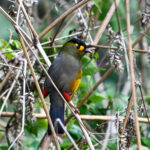
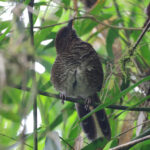
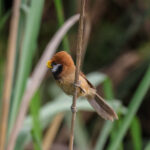
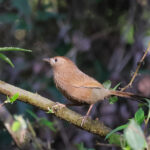
Black-breasted Parrotbill (image by Hannu Jännes)

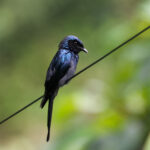
Bronzed Drongo (image by Hannu Jännes)

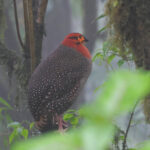
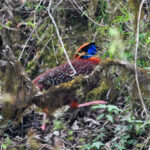
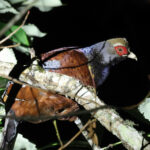
Blyth's Tragopan (image by Hannu Jännes)

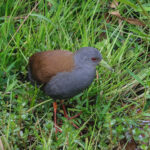
Black-tailed Crake (image by Hannu Jännes)

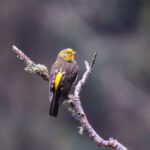
Yellow-rumped Honeyguide (image by Hannu Jännes)

Temminck's Tragopan (image by Peter Lobo)

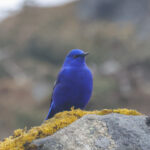
Grandala (image by Hannu Jännes)

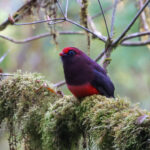
Ward's Trogon (image by Hannu Jännes)

Bugun Liocihla (image by Peter Lobo)

Long-billed Wren-babbler (image by Peter Lobo)

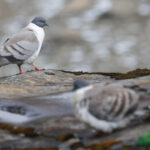
Snow Pigeons (image by Hannu Jännes)

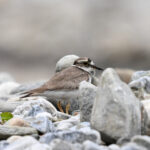
Long-billed Plover (image by Peter Lobo)

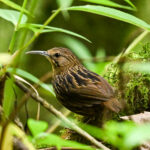
Striped Laughingthrush (image by Hannu Jännes)

Snow Partridge (image by Hannu Jännes)

White-breasted Parrotbill (image by Peter Lobo)

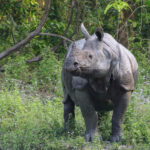
Indian One-horned Rhinoceros (image by Hannu Jännes)

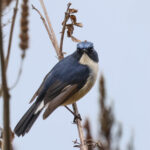
Slaty-blue Flycatcher (image by Hannu Jännes)

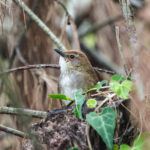
Russet Bush Warbler (image by Hannu Jännes)

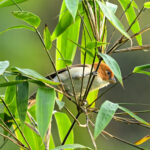
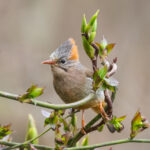
Rufous-vented Yuhina (image by Hannu Jännes)

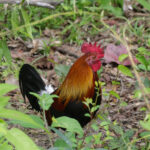
Red Junglefowl (image by Hannu Jännes)

Mrs Hume's Pheasant (image by Hannu Jännes)

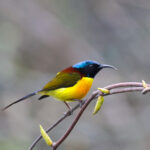
Green-tailed Sunbird (image by Hannu Jännes)

Large Blue Flycatcher (image by Hannu Jännes)

Hume's Wedge-billed Babbler (image by Peter Lobo)

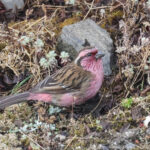
Himalayan White-browed Rosefinch (image by Hannu Jännes)

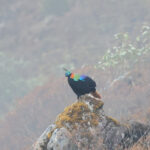
Himalayan Monal (image by Hannu Jännes)

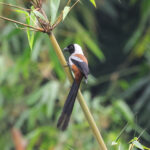
Collared Treepie (image by Hannu Jännes)

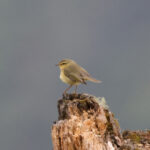
Buff-throated Warbler (image by Hannu Jännes)

Brown-capped Laughingthrush (image by Hannu Jännes)

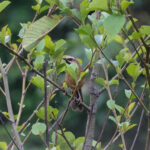
Black-breasted Parrotbill (image by Hannu Jännes)

Bhutan Laughingthrush (image by Hannu Jännes)

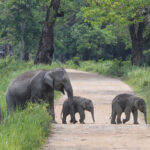
Asian Elephant (image by Hannu Jännes)
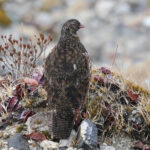

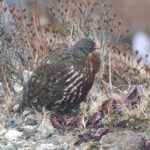


Snow Partridge (image by Hannu Jännes)
Black-breasted Parrotbill (image by Hannu Jännes)
Bronzed Drongo (image by Hannu Jännes)
Blyth's Tragopan (image by Hannu Jännes)
Black-tailed Crake (image by Hannu Jännes)
Yellow-rumped Honeyguide (image by Hannu Jännes)
Temminck's Tragopan (image by Peter Lobo)
Grandala (image by Hannu Jännes)
Ward's Trogon (image by Hannu Jännes)
Bugun Liocihla (image by Peter Lobo)
Long-billed Wren-babbler (image by Peter Lobo)
Snow Pigeons (image by Hannu Jännes)
Long-billed Plover (image by Peter Lobo)
Striped Laughingthrush (image by Hannu Jännes)
Snow Partridge (image by Hannu Jännes)
White-breasted Parrotbill (image by Peter Lobo)
Indian One-horned Rhinoceros (image by Hannu Jännes)
Slaty-blue Flycatcher (image by Hannu Jännes)
Russet Bush Warbler (image by Hannu Jännes)
Rufous-vented Yuhina (image by Hannu Jännes)
Red Junglefowl (image by Hannu Jännes)
Mrs Hume's Pheasant (image by Hannu Jännes)
Green-tailed Sunbird (image by Hannu Jännes)
Large Blue Flycatcher (image by Hannu Jännes)
Hume's Wedge-billed Babbler (image by Peter Lobo)
Himalayan White-browed Rosefinch (image by Hannu Jännes)
Himalayan Monal (image by Hannu Jännes)
Collared Treepie (image by Hannu Jännes)
Buff-throated Warbler (image by Hannu Jännes)
Brown-capped Laughingthrush (image by Hannu Jännes)
Black-breasted Parrotbill (image by Hannu Jännes)
Bhutan Laughingthrush (image by Hannu Jännes)
Asian Elephant (image by Hannu Jännes)


NORTHEAST INDIA TOUR REPORT 2025

6 - 30 April 2025
Hannu Jannes
This comprehensive, bird-filled 25-day tour of Northeast India proved to be a highly successful exploration of this remote corner of the Indian subcontinent on which we observed over 520 species of birds, including most of the region’s specialties and other highly desired bird species. Our one-day pre-tour extension to Meghalaya rewarded us with the range-restricted Tawny-breasted Wren-Babbler and Dark-rumped Swift, whilst the Himalayan section of the trip amongst the snowy heights of the Dirang Region produced Snow Partridge, Blood Pheasant, Himalayan Monal, Temmink’s Tragopan, Black-tailed Crake, Slender-billed Scimitar Babbler, Brown Parrotbill and several splendid Grandalas. The magnificent Eaglenest Wildlife Sanctuary never disappoints, and we saw great birds including the rare and critically endangered Bugun Liocichla, Rufous-necked Hornbill, Ward’s Trogon, Chestnut-breasted Partridge, Blue-naped Pitta, Yellow-rumped Honeyguide, Beautiful Nuthatch, Large Blue Flycatcher, Rufous-throated and Long-billed Wren-babblers and Sikkim Wedge-billed Babbler. The world famous Kaziranga National Park revealed Swamp Francolin, Greater Adjutant, Dusky Eagle-Owl and Finn’s Weaver and a sidetrack into Nagaland rewarded us with Naga Wren-Babbler, Black-breasted Thrush, Mountain Bamboo Partridge and Spot-breasted, Brown-capped, Assam, White-browed and Striped Laughingthrushes. A new feature on this tour was a two night’s stay in Jessami, a recently discovered birding site in the Manipur province, where we obtained great views of Yellow-throated and Moustached Laughingthrushes and an excellent male Mrs Hume’s Pheasant at its roosting tree. On the Assam Plains along the Brahmaputra River, we discovered Bengal Florican, Marsh and Jerdon’s Babblers and Black-breasted Parrotbill whilst the magnificent lowland forests of Assam held a great selection of quality birds including Black-backed Dwarf Kingfisher, a gorgeous Grey Peacock Pheasant, Western Hooded Pitta and Chestnut-backed Laughingthrush. In the remote Mishmi Hills, we tracked down many of the eastern Himalayan specialties with an amazing Blyth’s Tragopan, Wood Snipe, Cachar Wedge-billed Babbler, Mishmi Wren-babbler, Gould’s Shortwing, Collared Treepie and Green and Purple Cochoas. The Scaly Laughingthrush seen there was our 22nd species of laughingthrush of the tour! Mammals are an important part of the tour and in Kaziranga, we enjoyed great views of Asian Elephant, Indian Rhinoceros, Swamp Deer, and Asian (or wild Water) Buffalo. This year we were guided by the master himself Dr Peter Lobo, assisted by excellent local guides Micah Rai and Rohit Goorng with local experts when required.
Our epic journey began in Guwahati, the capital of Assam province, with a one-day pre-tour extension to the hills of Meghalaya, where our main objective was to try and find the restricted range Tawny-breasted Wren-babbler and Dark-rumped Swift, both of which we managed to see well. Other interesting species seen during the day included Crested Finchbill, Mountain Tailorbird, an excellent, Brown-flanked Bush Warbler, the only Himalayan Prinias of the tour, Rufous-crowned Prinia, Rusty-capped Fulvetta, Grey Sibia, White-tailed Robin and Lesser Shortwing. We drove back to Guwahati (a long day!) for the night, where the main tour commenced.
The first full day of the main tour involved a drive from Guwahati to Dirang in Arunachal Pradesh. Despite the long drive we made time for roadside birding seeing River Lapwing, Black-throated Prinia, Himalayan Swiftlet, Green-billed, Malkoha, Long-billed Plover, Black Eagle, Oriental Dollarbird, Scarlet Minivet, Black-hooded Oriole, Hair-crested Drongo, Mountain Bulbul, Nepal House Martin, Grey-cheeked Warbler, Black-throated Prinia, Golden Babbler and Grey-throated Babblers, Rusty-fronted Barwing, Silver-eared Mesia, Chestnut-bellied Nuthatch, many mynas, Small Niltava and Little Spiderhunter.
The first birding destination in the Dirang region was the lofty Se La pass at 4170m asl. Birding at this altitude is hard work but we persevered in the thin air till early afternoon and were very successful in seeing most of the target birds. The magnificent male Himalayan Monal was soon found, and we were lucky enough to observe its amazing display flight. We were also able to get close to showy Blood Pheasants and a pair of tame Snow Partridges. Other interesting birds in this very scenic area included twenty or so Grandalas, many stunning Snow Pigeons, a Bearded Vulture (a scarce bird here), Red-billed Chough, Coal and Grey-crested Tits, White-browed Tit-warbler, Brown-throated Fulvetta, Black-faced Laughingthrush, Eurasian Wren, a singing Alpine Thrush, several White-collared Blackbirds, White-browed, Golden and Rufous-breasted Bush Robins, Himalayan Bluetail, Blue-fronted Redstart, Fire-tailed Sunbird, Rufous-breasted Accentor, Rosy Pipit, Collared and White-winged Grosbeaks, Dark-breasted and Himalayan White-browed Rosefinches and Plain Mountain Finch. Unfortunately, the Solitary Snipe that had been seen here earlier in the season was not found despite an extensive search. In the afternoon we visited Sangti Valley stopping en route for a good lunch and a showy Black-tailed Crake, where we were also entertained by three Long-billed Plovers.
The next morning found us at Mandala and Phudung Roads, with their wide elevational range and associated habitats, where we birded for the whole day. The cool upper levels with mixed oak, Rhododendron and coniferous forests produced a number of quality birds including Yellow-rumped Honeyguide, an unusual find here, Rufous-bellied and Darjeeling Woodpeckers, Southern Nutcracker, a confiding Spotted Laughingthrush, showy Black-faced Laughingthrushes, Slender-billed Scimitar Babbler, Brown Parrotbill, a small group of cute Rufous-fronted Bushtits, two Hume’s Bush Warblers, White-tailed Nuthatch, and Sikkim Treecreeper, Grey-headed and Red-headed Bullfinches, small flocks of Crimson-browed Finches, Red Crossbills and Tibetan Serins. Commoner species feeding on the numerous flowering Rhododendrons included Bar-throated Minla, Stripe-throated and Rufous-vented Yuhinas, Buff-barred, Lemon-rumped and Ashy-throated Warblers, Green-tailed Sunbirds and Beautiful Sibias. One of our main objectives was to find a Temminck’s Tragopan, and we spent a fair amount of time in the morning with a bird that gave its magical call every now and then but refused to show itself. In the afternoon, on the way down towards Dirang, we unexpectedly located another calling male tragopan, which, after a lot of hard work, showed well, but rather briefly, on several occasions. What a bird! The afternoon was spent in the lower altitude forests, which yielded us with Black-chinned Yuhinas, Bhutan Laughingthrush, a small flock Black-faced Warblers, Himalayan Thrush, Blue-capped and Chestnut-bellied Rock Thrushes, Mrs Gould’s Sunbird, two different Buff-throated Warblers and two excellent Russet Bush Warblers.
Our last morning in the Dirang area saw us back on the Mandala Road, where we managed to see a pair of copulating Speckled Piculets, Short-billed Minivets, Rufous-chinned Laughingthrush, Tickell’s Thrush, another Lesser Shortwing and Pale Blue, Blue-throated Blue, Ultramarine and several Little Pied, Flycatchers and Scarlet Finch. From Dirang we drove to Lamacamp in the Eaglenest Wildlife Sanctuary for a two-night stay, stopping on route at a big river, where we spent time scanning for Ibisbill, but had to make do with Hodgson’s Redstart, Black-faced Bunting and White-browed Wagtail (a rarity in this part of India) and three forms (ocularis, alboides and leucopsis) of White Wagtail. After lunch and shopping (beer, chocolate and water!) in Tenga, we entered the famous Eaglenest Wildlife Sanctuary, where a late afternoon birding session below Lama camp produced a brief White-breasted Parrotbill and a showy Rufous-throated Wren-babbler. After dinner we still had enough energy left for an owling session, which produced a Grey Nightjar, a heard only Hodgson’s Frogmouth and Mountain Scops Owl.
The first morning at Lamacamp was spent searching for the relatively recently (in 2006) described, and extremely rare, Bugun Liocichla, which was first heard a couple of times before having had prolonged views of a feeding bird. After last year’s struggle it was a big relief to find this critically endangered (only 12-14 pairs are known to exist) bird so quickly and easily. Other birds seen during the morning in this very birdy area included Black Eagle, Crimson-naped and Bay Woodpeckers, Green Shrike-babbler, Striated Bulbul, Yellow-browed and Yellow-cheeked Tits, Striated Laughingthrush, a flock of Himalayan Cutias, a single Spot-winged Grosbeak and Golden-naped Finches. The afternoon was spent birding areas above Lama camp all the way up to the Eaglenest pass, where new birds included White-spectacled Warbler, Rufous-winged Fulvetta, Streak-throated Barwing (of the form daflaensis) and a Mongolian Lark, a migrant that had been forced down by foul weather.
Next morning, on the way to Bompu camp, we stopped at a beautiful hill side forest, where, after a short uphill walk, our main target, a pair of amazing Ward’s Trogon, put up a great show. We also saw two Black-headed Shrike-babblers and our first Saphire Flycatchers. The rest of the day was spent travelling to Bompu camp with a number birding stops en route. New birds seen during this partly rainy day included a beautiful Golden-breasted Fulvetta, a tame Yellow-rumped Honeyguide, Bar-winged Wren-babbler, Yellow-throated Fulvetta, Grey-sided Laughingthrush, Blue-fronted Robin (allowing only brief views, which seems to be the norm) and Snowy-browed Flycatcher. It was also good to have another encounter with a flock of Tibetan Serins.
The first day in Bompu found us on the forested slopes above and below the camp, where one of our main targets, the bulky and often extremely skulking Sikkim Wedge-billed Babbler showed very well for once. Other important target birds seen included a Chestnut-breasted Partridge, a very co-operative Long-billed Wren-babbler, a smart Broad-billed Warbler, a very close Blue-naped Pitta and an obliging Scaly Thrush, plus a selection of commoner Himalayan species, seen for the first time on the tour including Crested Goshawk, Barred Cuckoo-dove, Mountain Imperial Pigeon, Grey-chinned Minivet, Black-eared Shrike-babbler, Sultan Tit and Orange-bellied Leafbird. In the evening, we had a short owling session below Bompu camp, but the hoped for Mountain Scops Owl didn’t co-operate.
The next day was spent birding the forests between Bompu (1900m asl) and Doimara camp (300m asl), just outside the wildlife sanctuary. Thanks to the wide altitudinal range we covered many different forest habitats including some bamboo and encountered many new species of birds. Our first target bird, Beautiful Nuthatch, was found easily along the main road just below Bompu and showed well. Rufous-necked Hornbill, the other important target bird proved a bit more difficult, but in the end, we saw a total of six birds. Further down, in the mid-elevation forests around Sessni we saw a number of new birds including a fine Hodgson’s Hawk-Cuckoo, Greater Yellownape, Long-tailed Broadbill, Lesser Racket-tailed Drongo, Black-naped Monarch, another Sikkim Wedge-billed Babbler, an Eye-browed Wren-babbler, Long-tailed and Rufous-backed Sibias, White-crested Laughingthrush, White-naped Yuhina and Grey-throated Babbler. Further down the road in the bamboo zone and in the lowland forest and scrub we encountered a co-operative individual of the little known Large Blue Flycatcher, had our first Banded Bay Cuckoo, Pin-tailed Green Pigeon, Crested Honey Buzzard, Blue-bearded Bee-eater, Large Woodshrike, Black-naped Monarch, Grey-backed Shrike, Grey-treepie, Black-throated Sunbird, Striated Yuhina, Rufous-fronted and two singing Spot-throated Babblers, which unfortunately, refused to show.
The next morning, we headed back to Eaglenest WLS, where we spent couple of hours in the bamboo zone above Khellong and also checked the riverine habitat. New birds included Kalij Pheasant for some of the group, two Asian Emerald Cuckoos, Fulvous-breasted and Pale-headed Woodpeckers, Black-crested Bulbul, Yellow-bellied, Rufous-faced and Yellow-vented Warblers, Grey-headed Parrotbill, Red-billed and White-browed Scimitar Babblers, Nepal Fulvetta and Spotted Forktail. We then drove back to Doimara for lunch and the rest of the day was spent travelling through the Assam lowlands to Kaziranga for a two-night stay. On the way we bypassed the northern edge of the Kaziranga National Park and saw our first Asian Elephants and Great Indian One-horned Rhinoceros, Black-necked Storks, and first, and only, River Tern and Bar-headed Geese for the tour.
We now had one full day in the world-famous Kaziranga National Park visiting the tourist infested Central Range both in the morning and in the afternoon in our open topped jeeps. This year the park authorities had closed access to one of the watchtowers, which greatly limited our chances to try and see the many wetland and grassland birds of this excellent area. Despite the limitations we did see a good selection of Kaziranga’s birds including Swamp Francolin, a sizeable flock, including some breeding plumage males, of the rare Finn’s Weavers, the usual array of storks, including Black-necked and Asian Woolly-necked Storks, Greater and Lesser Adjutants and Spot-billed Pelicans, while raptors included Pallas’s and Grey-headed Fish Eagles, Crested Serpent Eagle and Changeable Hawk-Eagle. Other interesting birds in the mixed forest and grassland habitats included Dusky Eagle-Owl, a single Great and two Oriental Pied Hornbills, several Red Junglefowls, Green Imperial Pigeons, numerous colourful Indochinese Rollers, Blue-tailed, Asian Green and Chestnut-headed Bee-eaters, Lineated Barbet, Grey-capped Pygmy Woodpecker, and a good selection of parakeets including the only Blossom-headed Parakeets of the tour and Lesser Coucal, Green-billed Malkoha, Indian Cuckoo, Red-collared Dove, Eastern Yellow and Citrine Wagtails, Striated Grassbird, Ashy and Plain Prinia (of the form fusca, a possible future split), Chestnut-capped Babbler, Greenish Warbler, White-rumped Shama and Pale-chinned Flycatcher. Mammals are a prominent feature of this World Heritage Site, and we had no difficulty in getting multiple sightings of the ‘big four’: Asian Elephant, Indian Rhinoceros, Barasingha (or Swamp Deer) and Asian Buffalo. Other interesting mammals included several Smooth-coated Otters, Hog Deer, a single Sambar and Wild Boars.
Leaving Kaziranga behind we drove to Nagaland arriving at our comfortable accommodation (we stayed in two different homestays) in Khonoma in time for lunch. After lunch we did some roadside birding along the Dzüleki road, where the main target species was Spot-breasted Laughingthrush, and we eventually managed to see a pair quite well sat inside a large bush.
The following morning saw us back on the Dzüleki road and the Tragopan Sanctuary, where we climbed several hundred meters up a steep and treacherous trail into the habitat of the range restricted Naga Wren-Babbler, which we located after a search and had good views of it. To find the other target species this ‘trail’ has on offer we had to climb a bit more but in the end we had good views of three of the restricted range Brown-capped Laughingthrushes. Other birds seen during the day included our first Mountain Bamboo Partridges, Striped, Rufous-necked and White-browed Laughingthrushes, Spotted Elachura, Black-breasted Thrush, Ferrruginous Flycatcher, Indian Blue Robin and Yellow-breasted Greenfinch. In the evening, thanks to Rohit’s perseverance, we finally laid our eyes on the Collared Scops Owl that kept calling outside our dinner place.
Next morning we were back at the sanctuary area, where a short morning birding session produced many of the same species as the previous day plus Speckled Wood Pigeon, Black-tailed Crake, Blue-winged, Assam and Grey-sided Laughingthrushes, a very showy Brown Bush Warbler, Spot-breasted Scimitar Babbler, Red-faced Liocichla and Scarlet Finch. We then travelled further into the state of Manipur and the village of Jessami for a two a night stay. In Jessami, we still had enough energy to go out after dark to look out for Hodgson’s Frogmouth, which we heard well, but failed to see.
Jessami in Manipur is a brand-new birding location, which is rapidly becoming a popular destination amongst visiting birders as it holds the many of the same special birds as the more traditional sites in Manipur, but is completely safe to visit. The main reason for our visit to Jessami was the range restricted Yellow-throated Laughingthrush, which occurs here in good numbers and is generally rather easy to find. For us it took more time than expected, but in the end, we had brilliant views of a flock of about 35 birds. The afternoon was dedicated to finding the Moustached Laughingthrush, another range restricted and scarce bird in India, which we accomplished after much hard work. After dark we visited a wonderful roosting male Mrs Hume’s Pheasant that had been tracked down by local ex-hunters. Other birds encountered during our full day in this little studied, and very interesting area, included Plaintive Cuckoo, our first Common Emerald Dove, Cinnamon Bittern, Lesser Yellownape, Rufous Woodpecker, Rufescent Prinia, Yellow-eyed Babbler, another pair of Spot-breasted Scimitar Babblers and Scaly-breasted and White-rumped Munias.
A travelling day followed, but we managed roadside birding which included a couple of mid-morning hours near Pfutsero seeing White-browed Piculet, a pair of Grey-bellied Tesias, our first Ashy Bulbuls and Dusky Warbler of the trip and yet another Striped Laughingthrush. We arrived at our nice hotel in Dimapur early in the evening and really enjoyed our warm showers and the good restaurant with even beer on offer.
Leaving Dimapur early the next morning our first stop was at a roadside dhaba for a decent breakfast accompanied by a Blue-eared Barbet just outside. Then we spent a couple of hours doing roadside birding in a fine lowland reserve forest, where good birds included Green-billed Malkoha, Asian Emerald Cuckoo, Thick-billed and Ashy-headed Green Pigeons, Ruddy Kingfisher, another White-browed Piculet, Greater Racket-tailed Drongo, several White-throated Bulbuls, a Yellow-browed Warbler, Dark-necked Tailorbirds, Abbott’s Babbler, Pin-striped Tit-Babbler, Greater Necklaced Laughingthrush and White-rumped Shama. Another stop at a rice paddy yielded us with the much-needed Bengal Bush Lark and we also saw Indian Cuckooshrike, Zitting Cisticola and Paddyfield Pipit here. The rest of the day was spent driving to Tinsukia, but a brief stop at a promising looking roadside marsh added Cotton Pygmy Goose, Pheasant-tailed Jacana and Purple Heron to the birdlist. The next morning we headed for the Dihing-Patkai National Park, a large area of wet lowland forest with lots of birding potential, where we spent the whole day with Bijay, an excellent local bird guide. The new habitat brought us many new birds with a very tame male Grey Peacock-Pheasant, a splendid Chestnut-winged Cuckoo, several Square-tailed Drongo-Cuckoos (a species we had only heard earlier), Red-headed Trogon, Ruddy Kingfisher, three Black-backed Dwarf Kingfishers, Western Hooded Pitta, a rather brief Chestnut-backed Laughingthrush, Blyth’s Paradise Flycatcher, Thick-billed Warbler, Black-backed Forktail, Golden-fronted Leafbird, Yellow-vented and Scarlet-backed Flowerpeckers and, as an unexpected bonus, a flock of four Grey-lored Broadbills (a recent split from Silver-breasted Broadbill).
The following morning, we returned to Dihing-Patkai’s forests to get a better look at the elusive Chestnut-backed Laughingthrush, achieving partial success, and added Greater Flameback and Blue-eared Kingfisher (for Dale only) to our birdlist. Then we drove to Roing at the base of the Mishmi Hills, stopping en route at the Brahmaputra bridge where we enjoyed relaxed late morning birding seeing an Osprey, a pair of Oriental Hobby and singles of White-rumped and Slender-billed Vultures, when suddenly a female Bengal Florican flew past us and landed on one of the islands in the Brahmaputra. How lucky you can get! In Roing, after check-in and lunch at our hotel, there was more birding in the extensive roadside bamboo of the lower Mishmi Hills, where we were rewarded with a small flock of Black-throated Parrotbills, two Pale-billed Parrotbills moving with a flock of White-hooded Babblers, Collared Treepie, Hill Blue Flycatcher, Blyth’s Pipit (a transient migrant here), Eurasian Wryneck (another migrant) and a Barred Buttonquail.
For the next three and a half days we explored the seemingly endless forests between 600 and 2700m elevation along the remote Roing to Hunli road, spending much of our time beyond the Mayodia pass at almost 2500m asl. The Mishmi Hills are famous for rain, and this year was no exception. We missed one morning and one afternoon birding due to bad weather, though some other teams faced even more rain during their stay. The highlights included the range restricted Mishmi Wren-Babbler, a few Cachar Wedge-billed Babblers, two Gould’s Shortwings, an excellent male Blyth’s Tragopan, a roadside Wood Snipe and Purple and Green Cochoas. Other species worth a mention included Eurasian Jay, Yellow-billed Blue Magpie, Large-billed Leaf Warbler, Manipur Fulvetta, Black-crowned Scimitar Babbler, Scaly Laughingthrush (our 22nd species of laughingthrush on this tour), Red-throated Thrush, Himalayan Shortwing, Pygmy Flycatcher, Dark-rumped Rosefinch and many other species seen previously. During brief visits to the floodplain near Roing — one in the morning (interrupted by a massive thunderstorm) and one in the afternoon — we saw Black-breasted Parrotbill, Swamp Francolin, a pair of Jerdon’s Babblers, several Striated Babblers, Rosy Minivets, a skulking Chestnut-crowned Bush Warbler, two heard-only Marsh Babblers and Chinese Rubythroat.
Leaving Mishmi hills behind, we headed back to Tinsukia for our last night stopping first by the Brahmaputra River crossing and later at a large marsh, where we added Chinese Pond Heron, Garganey, Northern Shoveler, Gadwall, Ferruginous and Tufted Ducks, Watercock, Eastern Marsh Harrier and Common Redshank to our bird list and also sighted decent numbers (15 of each species) of the critically endangered White-rumped and Slender-billed Vultures plus a single Himalayan Vulture there.
Next morning saw us on the shores of the mighty Brahmaputra, from where we were taken by a canoe to one of the nearby islands for birding. Our main target was the Marsh Babbler, a scarce denizen of the Assamese grasslands, which we saw well with the help of our local guide. Other good birds seen here and along the edge of the Maguli wetland during the morning included Small Pratincole, Whiskered Tern, another Chinese Pond Heron, Black Bittern (a write-in), Brown Shrike, Sand Lark, Sand Martin, Baikal and Spotted Bush Warblers, Delicate Prinia and Chestnut Munia. Back at the hotel it was time to pack, have lunch, do the bird list and then drive to the airport, where it was time to say our goodbyes, and to thank everyone for their excellent company, which, together with all the wonderful birds and exciting places, combined to make such a memorable trip.
‘BIRDS OF THE TRIP’ WINNERS:
1st: Himalayan Monal
2nd: Blyth’s Tragopan
3rd: Purple Cochoa
4th: Greater Adjutant
5th: Bugun Liocichla
SYSTEMATIC LIST OF SPECIES RECORDED DURING THE TOUR
Species marked with the diamond symbol (◊) are either endemic to the country or local region or considered ‘special’ birds for some other reason (e.g., it is only seen on one or two Birdquest tours; it is difficult to see across all or most of its range; the local form is endemic or restricted-range and may in future be treated as a full species).
The species names and taxonomy used in the bird list follow Gill, F., Donsker, D., & Rasmussen, P.(Eds). 2025. IOC World Bird List (v15.1). Where the subspecies seen is/are known, these are often given in the species comment.
BIRDS
Lesser Whistling Duck Dendrocygna javanica
Bar-headed Goose Anser indicus
Ruddy Shelduck Tadorna ferruginea
Cotton Pygmy Goose Nettapus coromandelianus
Garganey Spatula querquedula
Northern Shoveler Spatula clypeata
Gadwall Mareca strepera
Indian Spot-billed Duck Anas poecilorhyncha
Ferruginous Duck (F Pochard) Aythya nyroca
Tufted Duck Aythya fuligula
Common Merganser (Goosander) Mergus merganser
Hill Partridge (Common H-P) Arborophila torqueola Heard only.
Chestnut-breasted Partridge ◊ (C-b Hill-P) Arborophila mandellii Endemic (or nearly so). One was seen at Eaglenest WLS. In addition, several birds were heard there.
Rufous-throated Partridge ◊ (R-t Hill-P) Arborophila rufogularis Heard only, ssp rufogularis.
White-cheeked Partridge ◊ Arborophila atrogularis Heard only in the lowland forests of Assam.
Snow Partridge ◊ Lerwa lerwa A confiding pair at Sela pass.
Blood Pheasant Ithaginis cruentus ssp tibetanus. Great views at Sela pass, where a total of four birds were seen.
Blyth’s Tragopan ◊ Tragopan blythii A brilliant male in the Mishmi Hills. Ssp molesworthi.
Temminck’s Tragopan ◊ Tragopan temminckii Good views of a male along the Mandala road. In addition, another male was heard there.
Himalayan Monal ◊ Lophophorus impejanus Brilliant displaying male near Sela pass.
Mrs Hume’s Pheasant ◊ Syrmaticus humiae A roosting male tracked down by local ex-hunters was a thrill to watch.
Kalij Pheasant Lophura leucomelanos Seen at Eaglenest, Nagaland and Dihing Patkai. Ssp lathami.
Grey Peacock-Pheasant ◊ Polyplectron bicalcaratum Brilliant walk away views of a male at Dihing-Patkai NP. Also heard at Eaglenest WLS.
Mountain Bamboo Partridge Bambusicola fytchii Rather common in Nagaland. Ssp hopkinsoni
Red Junglefowl Gallus gallus ssp murghi
Swamp Francolin ◊ Ortygornis gularis Seen on three days in the lowlands.
Grey Nightjar Caprimulgus jotaka ssp hazarae.
Large-tailed Nightjar Caprimulgus macrurus Seen well at Doimara camp. Ssp bimaculatus.
Savanna Nightjar Caprimulgus affinis Heard only at Doimara camp.
Hodgson’s Frogmouth ◊ Batrachostomus hodgsoni Heard only at Eaglenest WLS and in Manipur. Ssp hodgsoni.
Himalayan Swiftlet Aerodramus brevirostris Quite widespread in the mountains. Ssp brevirostris.
White-throated Needletail (S) Hirundapus caudacutus ssp nudipes
Asian Palm Swift Cypsiurus balasiensis ssp infumatus Widespread in small numbers in the lowlands.
Blyth’s Swift Apus leuconyx
Dark-rumped Swift ◊ Apus acuticauda 20 or so near their breeding cliffs in Meghalaya.
House Swift Apus nipalensis
Bengal Florican ◊ Houbaropsis bengalensis One female in flight by the Brahmaputra!. Critically endangered.
Greater Coucal Centropus sinensis ssp sinensis
Lesser Coucal Centropus bengalensis ssp bengalensis
Green-billed Malkoha Phaenicophaeus tristis ssp tristis
Chestnut-winged Cuckoo ◊ Clamator coromandus Excellent views in Dihing Patkai.
Asian Koel (S) Eudynamys scolopaceus Widespread in the lowlands. Ssp malayanus.
Asian Emerald Cuckoo (S) Chrysococcyx maculatus A total of five seen.
Banded Bay Cuckoo Cacomantis sonneratii ssp sonneratii
Plaintive Cuckoo Cacomantis merulinus ssp querulus.
Square-tailed Drongo-Cuckoo (S) Surniculus lugubris Fairly widespread in small numbers in the lowlands.
Large Hawk-Cuckoo Hierococcyx sparverioides Widespread and vocal.
Hodgson’s Hawk-Cuckoo ◊ Hierococcyx nisicolor One was seen at Eaglenest WLS. In addition, a few birds were heard during the tour.
Indian Cuckoo Cuculus Micropterus ssp micropterus Widespread in the lowlands.
Lesser Cuckoo (S) Cuculus poliocephalus Heard only.
Indian Cuckoo (S) Cuculus micropterus Widespread in the lowlands.
Himalayan Cuckoo (S) Cuculus saturatus Heard only
Common Cuckoo (Eurasian C) Cuculus canorus Widespread in the mountains. Ssp bakeri.
Rock Dove (introduced) (Feral Pigeon) Columba [livia] var_domestica
Snow Pigeon ◊ Columba leuconota 30 or so at Sela Pass.
Speckled Wood Pigeon ◊ Columba hodgsonii A flock of six in Khonoma.
Oriental Turtle Dove (Rufous T D) Streptopelia orientalis ssp agricola
Red Collared Dove (Red Turtle D) Streptopelia tranquebarica
Spotted Dove Spilopelia chinensis ssp tigrina
Barred Cuckoo-Dove Macropygia unchall ssp tusalia
Common Emerald Dove Chalcophaps indica ssp indica
Ashy-headed Green Pigeon Treron phayrei Small numbers were seen on two days in the Assam lowlands.
Thick-billed Green Pigeon Treron curvirostra ssp nipalensis
Yellow-footed Green Pigeon Treron phoenicopterus ssp phoenicopterus
Pin-tailed Green Pigeon ◊ Treron apicauda ssp apicauda
Wedge-tailed Green Pigeon Treron sphenurus Heard only.
Green Imperial Pigeon Ducula aenea ssp sylvatica
Mountain Imperial Pigeon Ducula badia ssp griseicapilla
Common Moorhen Gallinula chloropus
Grey-headed Swamphen Porphyrio poliocephalus ssp poliocephalus
Black-tailed Crake ◊ Zapornia bicolor Great views of one near Dirang and another in Khonoma.
Watercock Gallicrex cinerea One on the way from Roing to Tinsukia.
White-breasted Waterhen Amaurornis phoenicurus ssp phoenicurus
Little Grebe Tachybaptus ruficollis
Barred Buttonquail Turnix suscitator One on the lower slopes of Mishmi Hills was a nice surprise.
Little Ringed Plover Charadrius dubius Two sightings.
Long-billed Plover ◊ Charadrius placidus One in Tenga and three in the Sangti Valley.
River Lapwing Vanellus duvaucelii
Red-wattled Lapwing Vanellus indicus
Pheasant-tailed Jacana Hydrophasianus chirurgus Five at a roadside marsh in Assam.
Bronze-winged Jacana Metopidius indicus Noted on three days.
Wood Snipe ◊ Gallinago nemoricola A roadside bird in the Mishmi Hills.
Common Sandpiper Actitis hypoleucos
Wood Sandpiper Tringa glareola
Common Redshank Tringa totanus
Spotted Redshank Tringa erythropus
Common Greenshank Tringa nebularia
Temminck’s Stint Calidris temminckii
Little Stint Calidris minuta
Small Pratincole Glareola lactea
Whiskered Tern Chlidonias hybrida
River Tern Sterna aurantia
Black-headed/Brown-headed Gull Chroicocephalus ridibundus/brunnicephalus A distant flock at a reservoir on the pre-tour extension.
Asian Openbill Anastomus oscitans
Lesser Adjutant Leptoptilos javanicus
Greater Adjutant ◊ Leptoptilos dubius Only two, both in flight, in Kaziranga NP.
Black-necked Stork Ephippiorhynchus asiaticus ssp asiaticus
Asian Woolly-necked Stork Ciconia episcopus
Oriental Darter Anhinga melanogaster
Little Cormorant Microcarbo niger
Great Cormorant Phalacrocorax carbo
Black-headed Ibis Threskiornis melanocephalus
Glossy Ibis Plegadis falcinellus
Black Bittern Botaurus flavicollis One at the Brahmaputra on our last morning. A write-in.
Cinnamon Bittern Botaurus cinnamomeus A few were seen.
Black-crowned Night Heron Nycticorax nycticorax
Little Egret Egretta garzetta
Striated Heron Butorides striata
Indian Pond Heron Ardeola grayii
Chinese Pond Heron Ardeola bacchus Two in the Assam lowlands. Scarce but regular visitor to Assam plains in late spring-summer.
Great Egret Ardea alba
Medium Egret Ardea intermedia
Eastern Cattle Egret Ardea coromanda
Grey Heron Ardea cinerea
Purple Heron Ardea purpurea ssp manilensis
Spot-billed Pelican ◊ Pelecanus philippensis
Osprey (Western O) Pandion [haliaetus] haliaetus
Black-winged Kite Elanus caeruleus ssp vociferus
Bearded Vulture (Lammergeier) Gypaetus barbatus One at Sela pass. A rare bird on this itinerary.
Crested Honey Buzzard (Oriental H B) Pernis ptilorhynchus ssp ruficollis
White-rumped Vulture Gyps bengalensis Noted on two days (one and 15 birds) near the Brahmaputra river crossing. Critically endangered.
Slender-billed Vulture ◊ Gyps tenuirostris Noted on two days (one and 15 birds) near the Brahmaputra river crossing. Critically endangered.
Himalayan Vulture (H Griffon V) Gyps himalayensis Only one was identified.
Crested Serpent Eagle Spilornis cheela ssp cheela
Mountain Hawk-Eagle Nisaetus nipalensis ssp nipalensis
Changeable Hawk-Eagle Nisaetus cirrhatus ssp limnaeetus
Black Eagle Ictinaetus malaiensis ssp perniger
Crested Goshawk Lophospiza trivirgata ssp indicus
Shikra Tachyspiza badia ssp poliopsis
Eurasian Sparrowhawk Accipiter nisus
Eastern Marsh Harrier Circus spilonotus
Black Kite (Black-eared K) Milvus [migrans] lineatus Great encounter with Black Kites (including this form) on Mishmi Hills on 28th, where we estimated around 500 migrating birds.
Black Kite (Pariah K) Milvus [migrans] govinda
Pallas’s Fish Eagle ◊ Haliaeetus leucoryphus A few in Kaziranga.
Grey-headed Fish Eagle ◊ Icthyophaga ichthyaetus A few in Kaziranga.
Himalayan Buzzard Buteo refectus One along the Mandala road.
Collared Owlet Taenioptynx brodiei Heard only. Ssp brodiei
Asian Barred Owlet Glaucidium cuculoides
Mountain Scops Owl Otus spilocephalus Heard only. Ssp spilocephalus.
Oriental Scops Owl Otus sunia Heard only.
Collared Scops Owl Otus lettia
Dusky Eagle-Owl ◊ Ketupa coromanda
Brown Wood Owl Strix leptogrammica Heard only
Red-headed Trogon Harpactes erythrocephalus ssp erythrocephalus
Ward’s Trogon ◊ Harpactes wardi Brilliant sighting of a pair near Lama camp in Eaglenest WLS.
Eurasian Hoopoe (Common H) Upupa epops
Great Hornbill (Great Pied H) Buceros bicornis Good views of a singleton in Kaziranga.
Oriental Pied Hornbill Anthracoceros albirostris ssp albirostris Seen on four days.
Rufous-necked Hornbill ◊ Aceros nipalensis A total of six at Eaglenest WLS.
Indochinese Roller Coracias affinis
Oriental Dollarbird (S) Eurystomus orientalis ssp cyanicollis Three birds in the lowlands on the way to Dirang.
Stork-billed Kingfisher Pelargopsis capensis ssp capensis
Ruddy Kingfisher (S) Halcyon coromanda ssp coromanda
White-throated Kingfisher Halcyon smyrnensis ssp perpulchra
Black-capped Kingfisher Halcyon pileata One roadside bird for Dale.
Blue-eared Kingfisher Alcedo meninting One for Dale in Dihing Patkai.
Common Kingfisher Alcedo atthis
Black-backed Dwarf Kingfisher ◊ Ceyx [erithaca] erithaca
Pied Kingfisher (Lesser Pied K) Ceryle rudis ssp leucomelanurus
Blue-bearded Bee-eater Nyctyornis athertoni ssp athertoni
Asian Green Bee-eater Merops orientalis ssp ferrugeiceps
Blue-tailed Bee-eater (S) Merops philippinus A few in Kaziranga.
Chestnut-headed Bee-eater Merops leschenaultia ssp leschenaulti A handful of birds noted.
Great Barbet Psilopogon virens ssp magnifica and apparently ssp clamator in Nagaland
Lineated Barbet Psilopogon lineatus ssp lineatus and hodgsoni
Golden-throated Barbet Psilopogon franklinii ssp franklinii
Blue-throated Barbet Psilopogon asiaticus ssp asiaticus
Blue-eared Barbet Psilopogon cyanotis ssp cyanotis
Coppersmith Barbet Psilopogon haemacephalus Heard only.
Yellow-rumped Honeyguide ◊ Indicator xanthonotus One along the Mandala road and another one at Eaglenest WLS:
Eurasian Wryneck Jynx torquilla
Speckled Piculet Picumnus innominatus ssp innominatus
White-browed Piculet Sasia ochracea ssp ochracea
Grey-capped Pygmy Woodpecker Yungipicus canicapillus
Crimson-naped Woodpecker (C-n Pied W) Dryobates cathpharius ssp catpharius
Rufous-bellied Woodpecker Dendrocopos hyperythrus ssp hyperythrus
Fulvous-breasted Woodpecker (F-b Pied W) Dendrocopos macei
Darjeeling Woodpecker (D Pied W) Dendrocopos darjellensis
Greater Yellownape Chrysophlegma flavinucha ssp flavinucha
Lesser Yellownape Picus chlorolophus ssp chlorolophus
Grey-headed Woodpecker (G-faced W) Picus canus ssp hessei
Greater Flameback Chrysocolaptes guttacristatus ssp guttacristatus
Pale-headed Woodpecker ◊ Gecinulus grantia ssp grantia Two with good views at Eaglenest WLS.
Bay Woodpecker Blythipicus pyrrhotis ssp pyrrhotis
Rufous Woodpecker Micropternus brachyurus ssp phaioceps
Oriental Hobby ◊ Falco severus A pair showed well by the Brahmaputra bridge.
Blossom-headed Parakeet (Rosy-h P) Psittacula roseata ssp juneae Four in Kaziranga.
Red-breasted Parakeet Psittacula alexandri ssp fasciata
Alexandrine Parakeet Psittacula eupatria ssp avensis
Rose-ringed Parakeet (Ring-necked P) Psittacula krameri ssp borealis
Long-tailed Broadbill Psarisomus dalhousiae ssp dalhousiae
Grey-lored Broadbill ◊ Serilophus rubropygius A group of four birds in Dihing Patkai was a nice surprise and a tour write-in.
Blue-naped Pitta ◊ Hydrornis nipalensis
Western Hooded Pitta (S) Pitta sordida ssp cucullate
Bar-winged Flycatcher-shrike (Pied F-s) Hemipus picatus ssp capitalis
Large Woodshrike Tephrodornis virgatus ssp pelvicus
Ashy Woodswallow Artamus fuscus
Common Iora Aegithina tiphia ssp tiphia
Grey-chinned Minivet Pericrocotus solaris ssp solaris
Short-billed Minivet Pericrocotus brevirostris
Long-tailed Minivet Pericrocotus ethologus ssp semiruber
Scarlet Minivet Pericrocotus speciosus
Rosy Minivet ◊ Pericrocotus roseus
Indian Cuckooshrike Coracina macei
Black-winged Cuckooshrike Lalage melaschistos
Green Shrike-babbler Pteruthius xanthochlorus ssp xanthochlorus
Black-eared Shrike-babbler Pteruthius melanotis ssp melanotis
Black-headed Shrike-babbler ◊ Pteruthius rufiventer
White-browed Shrike-babbler Pteruthius aeralatus ssp validirostris
Maroon Oriole Oriolus traillii ssp traillii
Black-hooded Oriole Oriolus xanthornus ssp xanthornus
Bronzed Drongo Dicrurus aeneus ssp aeneus
Lesser Racket-tailed Drongo Dicrurus remifer ssp tectirostris
Greater Racket-tailed Drongo Dicrurus paradiseus ssp grandis
Hair-crested Drongo Dicrurus hottentottus ssp hottentottus
Ashy Drongo Dicrurus leucophaeus ssp hopwoodi
Black Drongo Dicrurus macrocercus ssp albirictus
White-throated Fantail Rhipidura albicollis ssp stanleyi
Black-naped Monarch (B-n Blue M) Hypothymis azurea ssp stanyi
Blyth’s Paradise Flycatcher Terpsiphone affinis
Brown Shrike Lanius cristatus
Long-tailed Shrike Lanius Schach ssp tricolor
Grey-backed Shrike Lanius tephronotus
Eurasian Jay (Plain-crowned J) Garrulus [glandarius] bispecularis
Yellow-billed Blue Magpie Urocissa flavirostris ssp flavirostris
Red-billed Blue Magpie Urocissa erythroryncha
Common Green Magpie Cissa chinensis Heard only. Ssp chinensis
Rufous Treepie Dendrocitta vagabunda ssp vagabunda
Grey Treepie Dendrocitta formosae ssp himalayensis
Collared Treepie ◊ Dendrocitta frontalis One in the Mishmi Hills.
Southern Nutcracker Nucifraga hemispila
Red-billed Chough Pyrrhocorax pyrrhocorax ssp himalayanus
House Crow Corvus splendens ssp splendens
Large-billed Crow Corvus macrorhynchos ssp tibetosinensis
Eastern Jungle Crow Corvus levaillantii
Yellow-bellied Fantail (Y-b Fairy Flycatcher) Chelidorhynx hypoxanthus
Grey-headed Canary-flycatcher Culicicapa ceylonensis ssp calochrysea
Yellow-browed Tit Sylviparus modestus ssp modestus
Sultan Tit Melanochlora sultanea ssp sultanea
Coal Tit (Himalayan C T) Periparus [ater] aemodius
Grey-crested Tit Lophophanes dichrous
Cinereous Tit (Grey T) Parus cinereus ssp nipalensis
Green-backed Tit Parus monticolus ssp yunnanensis
Yellow-cheeked Tit (Black-spotted Y T) Machlolophus spilonotus ssp spilonotus
Bengal Bush Lark ◊ Plocealauda assamica
Mongolian Short-toed Lark Calandrella dukhunensis
Sand Lark ◊ Alaudala raytal ssp raytal
White-throated Bulbul ◊ Alophoixus flaveolus ssp flaveolus
Striated Bulbul Alcurus striatus ssp striatus
Ashy Bulbul Hemixos flavala ssp flavala
Mountain Bulbul (Northern M B) Ixos [mcclellandii] mcclellandii
Black Bulbul (Himalayan B B) Hypsipetes leucocephalus ssp nigrescens
Black-crested Bulbul Rubigula flaviventris ssp flaviventris
Crested Finchbill Spizixos canifrons
Red-whiskered Bulbul Pycnonotus jocosus ssp monticola
Red-vented Bulbul Pycnonotus cafer ssp bengalensis
Grey-throated Martin (Plain Martin, G-t Sand M) Riparia chinensis
Sand Martin (Bank Swallow) Riparia riparia
Barn Swallow Hirundo rustica ssp gutturalis
Asian House Martin Delichon dasypus ssp cashmeriense
Nepal House Martin Delichon nipalense ssp cutting
Eastern Red-rumped Swallow Cecropis daurica
Scaly-breasted Cupwing (S-b Wren-Babbler) Pnoepyga albiventer Heard only. Ssp albiventer.
Pygmy Cupwing (P Wren-Babbler) Pnoepyga pusilla ssp pusilla
Yellow-bellied Warbler Abroscopus superciliaris ssp flaviventris/drasticus
Rufous-faced Warbler ◊ Abroscopus albogularis ssp albogularis
Black-faced Warbler ◊ Abroscopus schisticeps ssp flavimentalis
Mountain Tailorbird Phyllergates cucullatus ssp coronatus
Broad-billed Warbler ◊ Tickellia hodgsoni ssp hodgsoni
Brown-flanked Bush Warbler (Strong-footed B-w, Brownish-f B-w) Horornis fortipes ssp fortipes
Hume’s Bush Warbler Horornis brunnescens
Grey-bellied Tesia (Yellow-browed T) Tesia cyaniventer
Slaty-bellied Tesia Tesia olivea ssp olivea
Chestnut-crowned Bush Warbler ◊ (Large B-w) Cettia major
Chestnut-headed Tesia Cettia castaneocoronata ssp castaneocoronata
White-browed Tit-warbler Leptopoecile sophiae One at Sela pass. A new bird for this itinerary.
Black-throated Bushtit Aegithalos concinnus ssp rubricapillus & manipurensis
Rufous-fronted Bushtit ◊ Aegithalos iouschistos
Buff-barred Warbler (Orange-b W) Phylloscopus pulcher
Ashy-throated Warbler (A-t Leaf W, Grey-faced L W) Phylloscopus maculipennis ssp maculipennis
Yellow-browed Warbler (Y-b Leaf-W) Phylloscopus inornatus
Lemon-rumped Warbler (L-r Leaf W) Phylloscopus chloronotus
Tickell’s Leaf Warbler Phylloscopus affinis
Dusky Warbler Phylloscopus fuscatus ssp fuscatus
Buff-throated Warbler Phylloscopus subaffinis Two along the Mandala road. This species, a former rarity, seems to be getting commoner in NE India, or perhaps birders have learned to identify it.
Common Chiffchaff (Siberian C) Phylloscopus [collybita] tristis One at KM 65 in Mishmi Hills was seen well.
White-spectacled Warbler ◊ Phylloscopus intermedius ssp zosterops
Grey-cheeked Warbler ◊ Phylloscopus poliogenys
Grey-crowned Warbler Phylloscopus tephrocephalus
Whistler’s Warbler Phylloscopus whistleri ssp nemoralis
Greenish Warbler Phylloscopus trochiloides
Large-billed Leaf Warbler ◊ (S) Phylloscopus magnirostris Scarce this year, but eventually we managed good views in Mishmi Hills.
Chestnut-crowned Warbler Phylloscopus castaniceps ssp castaniceps
Yellow-vented Warbler ◊ Phylloscopus cantator ssp cantator Rather common in the lower reaches of Eaglenest WLS. Also heard on the way to Dirang on the first day of the main tour.
Blyth’s Leaf Warbler Phylloscopus reguloides ssp assamensis
Grey-hooded Warbler Phylloscopus xanthoschistos ssp flavogularis/tephrodiras
Thick-billed Warbler Arundinax aedon A few were noted.
Brown Bush Warbler ◊ (S) Locustella luteoventris One in Khonoma.
Baikal Bush Warbler ◊ Locustella davidi One was seen and another one was heard at the Brahmaputra island.
Spotted Bush Warbler Locustella thoracica One was seen at the Brahmaputra island
Russet Bush Warbler ◊ Locustella mandelli Commonly heard in the Dirang area, where we also managed brilliant views of two birds.
Striated Grassbird Megalurus palustris ssp toklao
Zitting Cisticola Cisticola juncidis
Himalayan Prinia Prinia crinigera
Black-throated Prinia Prinia atrogularis
Rufous-crowned Prinia ◊ Prinia khasiana
Rufescent Prinia Prinia rufescens
Grey-breasted Prinia Prinia hodgsonii ssp rufula
Delicate Prinia Prinia lepida
Yellow-bellied Prinia Prinia flaviventris ssp flaviventris
Ashy Prinia Prinia socialis ssp stewarti
Plain Prinia Prinia inornata The form encountered (fusca) is a potential split from Plain Prinia.
Common Tailorbird Orthotomus sutorius
Dark-necked Tailorbird Orthotomus atrogularis ssp nitidus
Golden-breasted Fulvetta ◊ (Himalayan G-b F) Lioparus [chrysotis] chrysotis Two encounters with this beauty.
Yellow-eyed Babbler Chrysomma sinense
Jerdon’s Babbler ◊ Chrysomma altirostre ssp griseigulare of NE India differs rather markedly from the more western scindicum. A future split?
Brown-throated Fulvetta ◊ Fulvetta ludlowi
Manipur Fulvetta ◊ (Streak-throated F) Fulvetta manipurensis
Black-breasted Parrotbill ◊ Paradoxornis flavirostris
Brown Parrotbill ◊ Paradoxornis unicolor
Grey-headed Parrotbill ◊ Paradoxornis gularis
White-breasted Parrotbill ◊ Paradoxornis ruficeps
Black-throated Parrotbill ◊ (Grey-breasted P) Suthora [nipalensis] poliotis
Pale-billed Parrotbill Suthora atrosuperciliaris
Striated Yuhina Staphida castaniceps ssp rufigenis
Black-chinned Yuhina ◊ Yuhina nigrimenta
Whiskered Yuhina Yuhina flavicollis
White-naped Yuhina ◊ Yuhina bakeri
Stripe-throated Yuhina Yuhina gularis ssp gularis
Rufous-vented Yuhina Yuhina occipitalis ssp occipitalis
Indian White-eye Zosterops palpebrosus ssp palpebrosus
Chestnut-capped Babbler Timalia pileata ssp bengalensis
Pin-striped Tit-Babbler (Striped T-B) Mixornis gularis ssp rubicapilla
Golden Babbler Cyanoderma chrysaeum ssp chrysaeum
Rufous-capped Babbler Cyanoderma ruficeps ssp ruficeps
Rufous-fronted Babbler (Buff-chested B) Cyanoderma [rufifrons] ambiguum
Rufous-throated Wren-Babbler ◊ Spelaeornis caudatus
Mishmi Wren-Babbler ◊ Spelaeornis badeigularis Good views of one in Mishmi Hills. Endemic.
Bar-winged Wren-Babbler ◊ Spelaeornis troglodytoides ssp sherriffi
Naga Wren-Babbler ◊ Spelaeornis chocolatinus Endemic.
Tawny-breasted Wren-Babbler ◊ Spelaeornis longicaudatus Endemic.
Black-crowned Scimitar Babbler ◊ Pomatorhinus ferruginosus ssp ferruginosus
Red-billed Scimitar Babbler ◊ (Orange-b S B, Long-b S B) Pomatorhinus ochraceiceps
Slender-billed Scimitar Babbler ◊ (Sickle-b S B) Pomatorhinus superciliaris ssp superciliaris
Streak-breasted Scimitar Babbler Pomatorhinus ruficollis ssp godwini & bakeri
White-browed Scimitar Babbler Pomatorhinus schisticeps ssp salimali
Spot-breasted Scimitar Babbler ◊ Erythrogenys mcclellandi
Grey-throated Babbler Stachyris nigriceps ssp nigriceps
Sikkim Wedge-billed Babbler ◊ (Blackish-breasted B) Stachyris humei Great encounter at Eaglenest with four birds seen and one heard only bird.
Cachar Wedge-billed Babbler ◊ (Chevron-breasted B) Stachyris roberti Brilliant views in Mishmi Hills.
White-hooded Babbler ◊ (Indian W-h B) Gampsorhynchus rufulus
Yellow-throated Fulvetta ◊ Schoeniparus cinereus
Rufous-winged Fulvetta Schoeniparus castaneceps ssp castaneceps
Rufous-throated Fulvetta ◊ Schoeniparus rufogularis Heard only.
Rusty-capped Fulvetta ◊ Schoeniparus dubius ssp mandellii
Puff-throated Babbler Pellorneum ruficeps ssp pectorale
Marsh Babbler ◊ Pellorneum palustre Endemic. Struggled at first with this vocal, but often skulking species, but in the end we had great views on one of the islands of Brahmaputra.
Spot-throated Babbler ◊ Pellorneum albiventre Heard only.
Abbott’s Babbler Malacocincla abbotti
Eyebrowed Wren-Babbler Napothera epilepidota
Long-billed Wren-Babbler Napothera malacoptila
Nepal Fulvetta ◊ Alcippe nipalensis ssp nipalensis
Striated Laughingthrush Grammatoptila striata ssp brahmaputra
Himalayan Cutia Cutia nipalensis ssp nipalensis
Scaly Laughingthrush ◊ Trochalopteron subunicolor
Brown-capped Laughingthrush ◊ Trochalopteron austeni Near-endemic, occurs also in W Myanmar.
Blue-winged Laughingthrush ◊ Trochalopteron squamatum
Bhutan Laughingthrush ◊ Trochalopteron imbricatum
Striped Laughingthrush ◊ Trochalopteron virgatum Near-endemic, occurs also in W Myanmar.
Black-faced Laughingthrush Trochalopteron affine ssp bethalae
Chestnut-crowned Laughingthrush ◊ Trochalopteron erythrocephalum ssp godwini
Assam Laughingthrush ◊ Trochalopteron chrysopterum Near endemic, occurs also in W Myanmar.
Long-tailed Sibia ◊ Heterophasia picaoides ssp picaoides
Beautiful Sibia ◊ Heterophasia pulchella ssp pulchella in the Mishmi Hills and ssp nigroaurita in the west.
Grey Sibia ◊ Heterophasia gracilis
Streak-throated Barwing ◊ (Grey-breasted B) Actinodura [waldeni] daflaensis
Blue-winged Minla Actinodura cyanouroptera ssp cyanouroptera & aglae
Bar-throated Minla Actinodura strigula ssp strigula & yunnanensis
Rusty-fronted Barwing ◊ Actinodura egertoni
Red-billed Leiothrix Leiothrix lutea Heard only, ssp calipyga.
Silver-eared Mesia Leiothrix argentauris
Red-tailed Minla Minla ignotincta ssp ignotincta
Rufous-backed Sibia Leioptila annectens
Bugun Liocichla ◊ Liocichla bugunorum Endemic, and with only 12-14 known pairs critically endangered. We had brilliant views of a singleton below Lama camp in Eaglenest WLS.
Red-faced Liocichla ◊ (Crimson-f L) Liocichla phoenicea ssp phoenicea & bakeri
Striated Babbler ◊ Argya earlei ssp earlei
Spot-breasted Laughingthrush ◊ Garrulax merulinus
Lesser Necklaced Laughingthrush Garrulax monileger
White-crested Laughingthrush Garrulax leucolophus ssp leucolophus.
Rufous-chinned Laughingthrush ◊ Ianthocincla rufogularis
Moustached Laughingthrush ◊ Ianthocincla cineracea
Spotted Laughingthrush ◊ Ianthocincla ocellata ssp ocellata
Yellow-throated Laughingthrush ◊ Pterorhinus galbanus Near-endemic, occurs also in W Myanmar.
Rufous-necked Laughingthrush ◊ Pterorhinus ruficollis
Chestnut-backed Laughingthrush ◊ Pterorhinus nuchalis Near-endemic, occurs also in N Myanmar.
White-browed Laughingthrush Pterorhinus sannio
Greater Necklaced Laughingthrush Pterorhinus pectoralis ssp pectoralis
Grey-sided Laughingthrush ◊ Pterorhinus caerulatus ssp caerulatus.
Asian Fairy-bluebird Irena puella ssp sikkimensis
Spotted Elachura ◊ (Spotted W-b) Elachura formosa One was seen in the Khonoma area. In addition, five birds were heard during the tour.
Eurasian Wren Troglodytes troglodytes ssp nipalensis
Beautiful Nuthatch ◊ Sitta formosa Three birds with some decent views at Eaglenest WLS:
White-tailed Nuthatch Sitta himalayensis
Chestnut-bellied Nuthatch Sitta cinnamoventris ssp koelzi
Sikkim Treecreeper (Brown-throated T) Certhia discolor
Common Hill Myna Gracula religiosa ssp intermedia
Great Myna (White-vented M) Acridotheres grandis
Jungle Myna Acridotheres fuscus ssp fumidus
Common Myna Acridotheres tristis ssp tristis
Indian Pied Myna (Asian Pied Starling) Gracupica contra ssp superciliaris
Chestnut-tailed Starling (Grey-headed S) Sturnia malabarica ssp malabarica
Grandala ◊ Grandala coelicolor 20 or so at Sela pass.
Purple Cochoa ◊ Cochoa purpurea Two sightings including a very showy male in Mishmi Hills.
Green Cochoa ◊ Cochoa viridis One male in Mishmi Hills.
Alpine Thrush Zoothera mollissima
Himalayan Thrush Zoothera salimalii
Scaly Thrush Zoothera dauma
Grey-winged Blackbird Turdus boulboul
Tickell’s Thrush ◊ Turdus unicolor
Black-breasted Thrush ◊ Turdus dissimilis
Red-throated Thrush Turdus ruficollis
White-collared Blackbird Turdus albocinctus
Oriental Magpie-Robin Copsychus saularis ssp erimelas
White-rumped Shama Copsychus malabaricus ssp macrourus
Dark-sided Flycatcher (S) Muscicapa sibirica ssp cacabata
Ferruginous Flycatcher Muscicapa ferruginea
Rufous-bellied Niltava Niltava sundara
Small Niltava Niltava macgrigoriae ssp signata
Large Niltava Niltava grandis ssp grandis
Verditer Flycatcher Eumyias thalassinus ssp thalassinus
White-gorgeted Flycatcher Anthipes monileger ssp leucops
Pale Blue Flycatcher ◊ Cyornis unicolor ssp unicolor
Blue-throated Blue Flycatcher (S) Cyornis rubeculoides ssp rubeculoides
Large Blue Flycatcher ◊ Cyornis magnirostris One obliging female in the bamboo at Eaglenest WLS.
Hill Blue Flycatcher Cyornis whitei
Pale-chinned Flycatcher ◊ Cyornis poliogenys
White-tailed Robin (W-t Blue R) Myiomela leucura
Chinese Rubythroat ◊ Calliope tschebaiewi
Black-backed Forktail ◊ Enicurus immaculatus
Slaty-backed Forktail Enicurus schistaceus
Spotted Forktail Enicurus maculatus
Blue-fronted Robin ◊ Cinclidium frontale ssp orientale
Blue Whistling Thrush Myophonus caeruleus ssp temminckii
Himalayan Shortwing ◊ Brachypteryx cruralis
Rusty-bellied Shortwing ◊ Brachypteryx hyperythra Heard only.
Lesser Shortwing Brachypteryx leucophris ssp nipalensis
Indian Blue Robin ◊ Larvivora brunnea
Slaty-blue Flycatcher Ficedula tricolor ssp tricolor and ssp cerviniventris.
Snowy-browed Flycatcher Ficedula hyperythra ssp hyperythra
Pygmy Flycatcher ◊ Ficedula hodgsoni
Rufous-gorgeted Flycatcher (Orange-g F) Ficedula strophiata ssp strophiata
Sapphire Flycatcher ◊ Ficedula sapphira
Ultramarine Flycatcher ◊ Ficedula superciliaris ssp aestigma
Little Pied Flycatcher Ficedula westermanni ssp australorientis
Taiga Flycatcher (Red-throated F) Ficedula albicilla
White-browed Bush Robin ◊ Tarsiger indicus ssp indicus
Golden Bush Robin Tarsiger chrysaeus ssp chrysaeus
Rufous-breasted Bush Robin Tarsiger hyperythrus
Himalayan Bluetail (Orange-flanked Bush-robin) Tarsiger rufilatus ssp rufilatus
Gould’s Shortwing ◊ Heteroxenicus stellatus Two seen in Mishmi Hills.
Blue-fronted Redstart Phoenicurus frontalis
Plumbeous Water Redstart Phoenicurus fuliginosus ssp fuliginosus
White-capped Redstart (River Chat) Phoenicurus leucocephalus
Black Redstart Phoenicurus ochruros
Hodgson’s Redstart Phoenicurus hodgsoni
Blue-capped Rock Thrush ◊ (B-headed R-t) Monticola cinclorhyncha
Chestnut-bellied Rock Thrush Monticola rufiventris
Blue Rock Thrush Monticola solitarius
Grey Bush Chat Saxicola ferreus ssp haringtoni
Siberian Stonechat Saxicola maurus
Golden-fronted Leafbird Chloropsis aurifrons ssp aurifrons
Orange-bellied Leafbird Chloropsis hardwickii ssp hardwickii
Yellow-vented Flowerpecker Dicaeum chrysorrheum ssp chrysochlore
Plain Flowerpecker Dicaeum minullum ssp olivaceum
Fire-breasted Flowerpecker Dicaeum ignipectus ssp ignipectus
Scarlet-backed Flowerpecker Dicaeum cruentatum ssp cruentatum
Ruby-cheeked Sunbird Chalcoparia singalensis
Purple Sunbird Cinnyris asiaticus
Mrs. Gould’s Sunbird Aethopyga gouldiae ssp gouldiae
Green-tailed Sunbird ◊ Aethopyga nipalensis ssp koelzi
Black-throated Sunbird (B-breasted S) Aethopyga saturata ssp assamensis
Crimson Sunbird (Greater C S) Aethopyga siparaja ssp labecula
Fire-tailed Sunbird Aethopyga ignicauda ssp ignicauda
Little Spiderhunter Arachnothera longirostra ssp longirostra
Streaked Spiderhunter Arachnothera magna ssp magna
Russet Sparrow (Cinnamon S) Passer cinnamomeus ssp cinnamomeus
Eurasian Tree Sparrow Passer montanus
House Sparrow Passer domesticus
Baya Weaver Ploceus philippinus ssp burmanicus
Finn’s Weaver ◊ Ploceus megarhynchus A flock of 25 birds including several breeding plumaged males in Kaziranga.
Scaly-breasted Munia Lonchura punctulata ssp subundulata
White-rumped Munia Lonchura striata
Chestnut Munia Lonchura atricapilla ssp atricapilla
Rufous-breasted Accentor Prunella strophiata ssp strophiata
Eastern Yellow Wagtail (form unidentified) Motacilla tschutschensis
Citrine Wagtail Motacilla citreola ssp calcarata and citreola
Grey Wagtail Motacilla cinerea
White Wagtail Motacilla [alba] alba
White Wagtail (East Siberian W) Motacilla [alba] ocularis
White Wagtail (Amur W) Motacilla [alba] leucopsis
White Wagtail (Himalayan W) Motacilla [alba] alboides
White-browed Wagtail ◊ Motacilla maderaspatensis
Paddyfield Pipit Anthus rufulus
Blyth’s Pipit Anthus godlewskii
Olive-backed Pipit Anthus hodgsoni ssp hodgsoni
Rosy Pipit Anthus roseatus
Collared Grosbeak ◊ Mycerobas affinis
Spot-winged Grosbeak ◊ Mycerobas melanozanthos
White-winged Grosbeak ◊ Mycerobas carnipes ssp carnipes
Red-headed Bullfinch ◊ Pyrrhula erythrocephala
Grey-headed Bullfinch Pyrrhula erythaca
Golden-naped Finch ◊ Pyrrhoplectes epauletta
Dark-breasted Rosefinch Procarduelis nipalensis
Plain Mountain Finch Leucosticte nemoricola
Common Rosefinch Carpodacus erythrinus ssp roseatus
Scarlet Finch ◊ Carpodacus sipahi
Dark-rumped Rosefinch ◊ Carpodacus edwardsii
Himalayan White-browed Rosefinch ◊ Carpodacus thura
Crimson-browed Finch Carpodacus subhimachalus
Yellow-breasted Greenfinch (Himalayan G) Chloris spinoides
Red Crossbill Loxia curvirostra
Tibetan Serin ◊ (T Siskin) Spinus thibetanus
Little Bunting Emberiza pusilla
Black-faced Bunting Emberiza spodocephala
MAMMALS
Asian Elephant Elephas maximus Numerous in Kaziranga.
Yellow-throated Marten Martes flavigula One in Mishmi Hills.
Greater One-horned Rhinoceros Rhinoceros unicornis Numerous in Kaziranga.
Eurasian Wild Pig (Wild Pig, Indian W P) Sus scrofa Small numbers in Kaziranga.
Hog Deer Axis porcinus Common sight in Kaziranga.
Northern Red Muntjac (Indian M) Muntiacus vaginalis
Barasingha (Swamp Deer) Rucervus duvaucelii Common in Kaziranga.
Sambar Rusa unicolor One in Kaziranga.
Asian Wild Buffalo (Wild Water B) Bubalus arnee Common in Kaziranga.
Indian Flying Fox Pteropus giganteus
Rhesus Macaque Macaca mulatta
Western Hoolock Gibbon Hoolock hoolock Heard only.
Large-eared Pika Ochotona macrotis One at Sela pass.
Irrawaddy Squirrel (Hoary-bellied S) Callosciurus pygerythrus
Orange-bellied Himalayan Squirrel Dremomys lokriah
Red Giant/ Indian Giant Flying Squirrel Petaurista petaurista/philippensis One was seen by some on Mishmi Hills.
Black Giant Squirrel Ratufa bicolor
Himalayan Striped Squirrl Tamiops macclellandii