
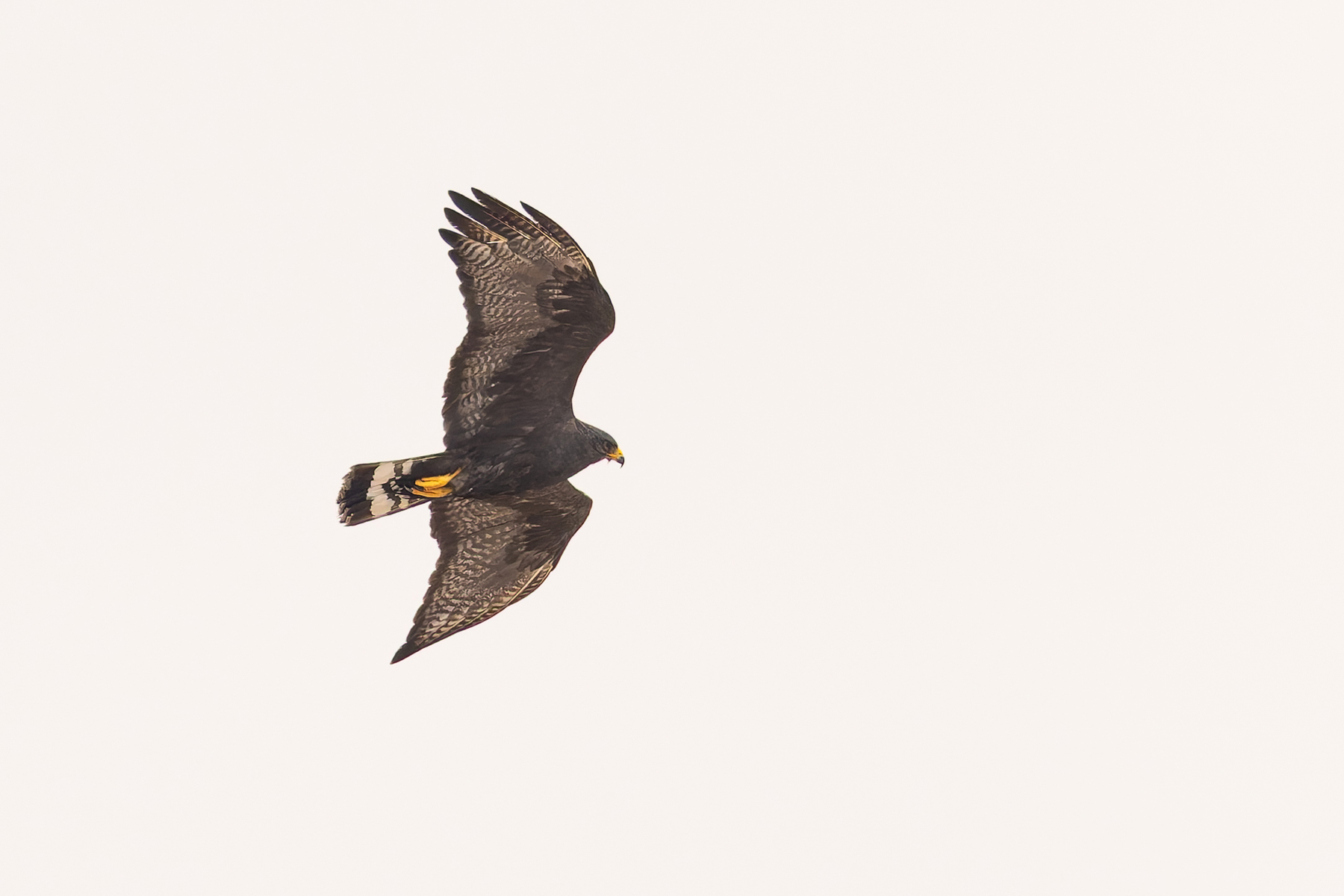
Zone-tailed Hawk (image by Mike Watson)
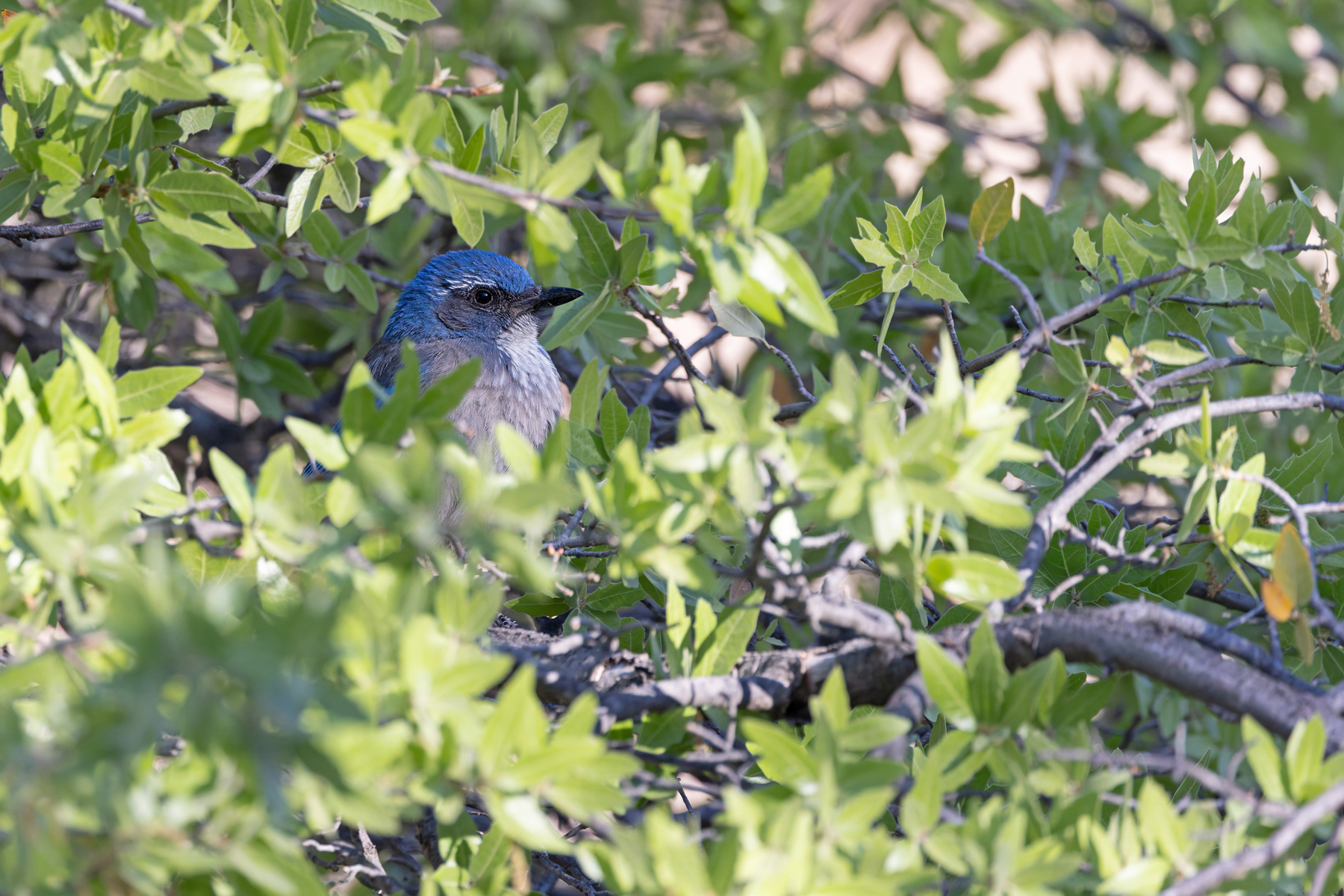
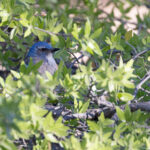
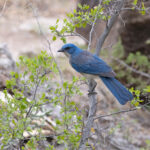
Woodhouses Scrub Jay (image by Mike Watson)
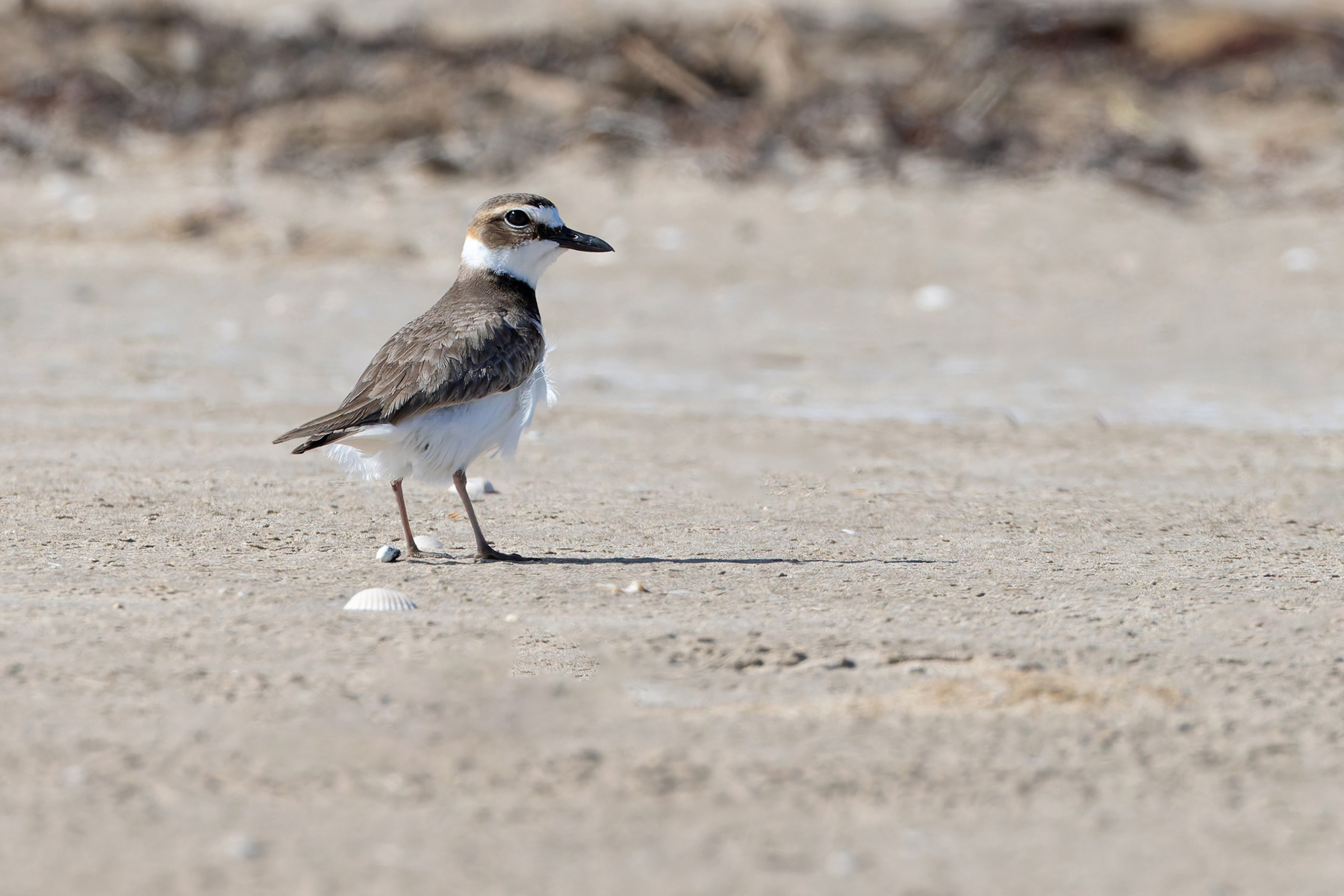
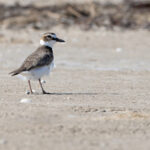
Wilson's Plover (image by Mike Watson)
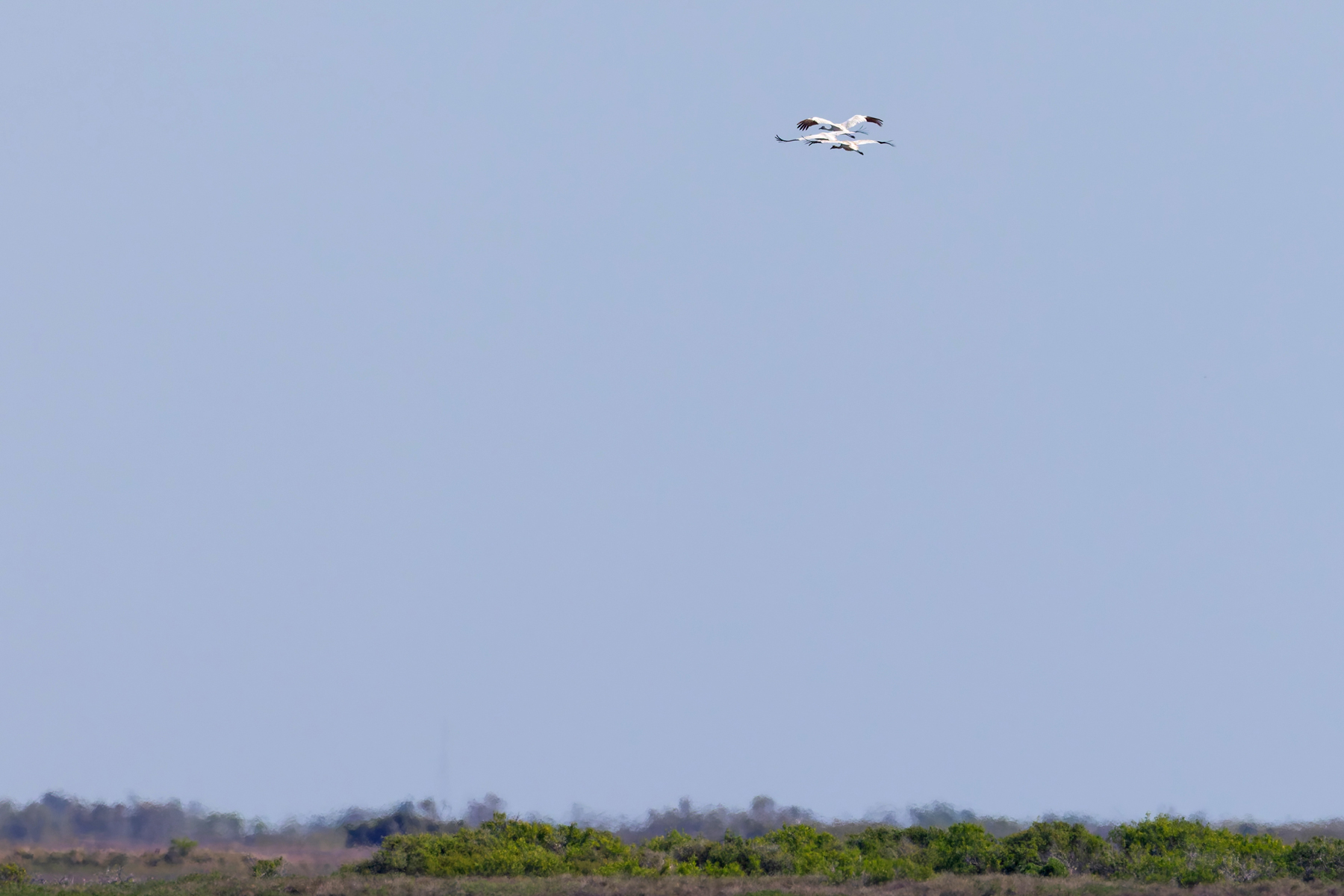
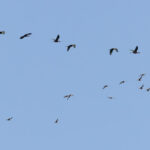
Whooping Crane (image by Mike Watson)
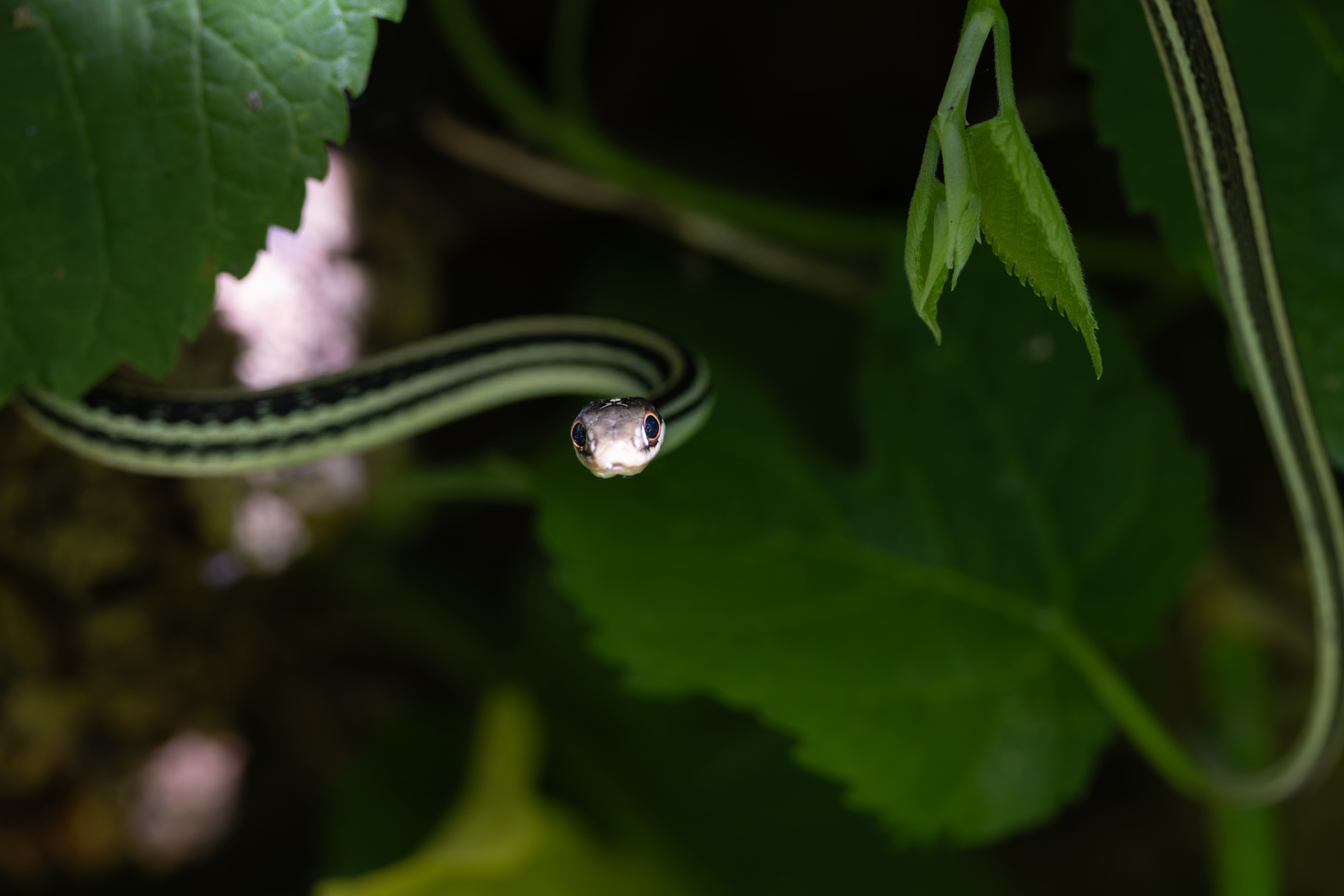
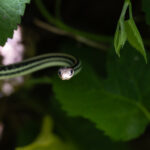
Western Vine Snake (image by Mike Watson)
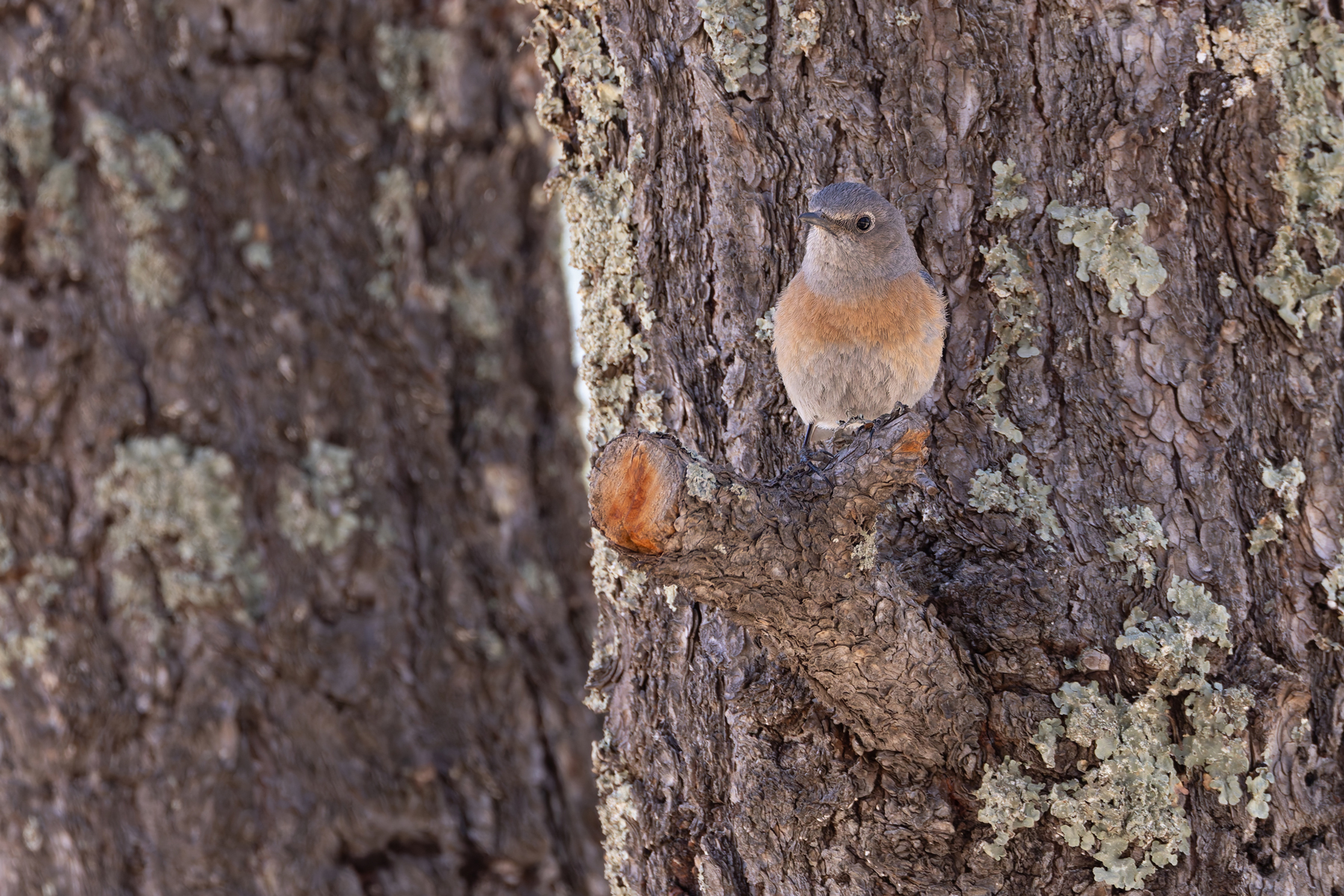
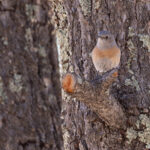
Western Bluebird (image by Mike Watson)
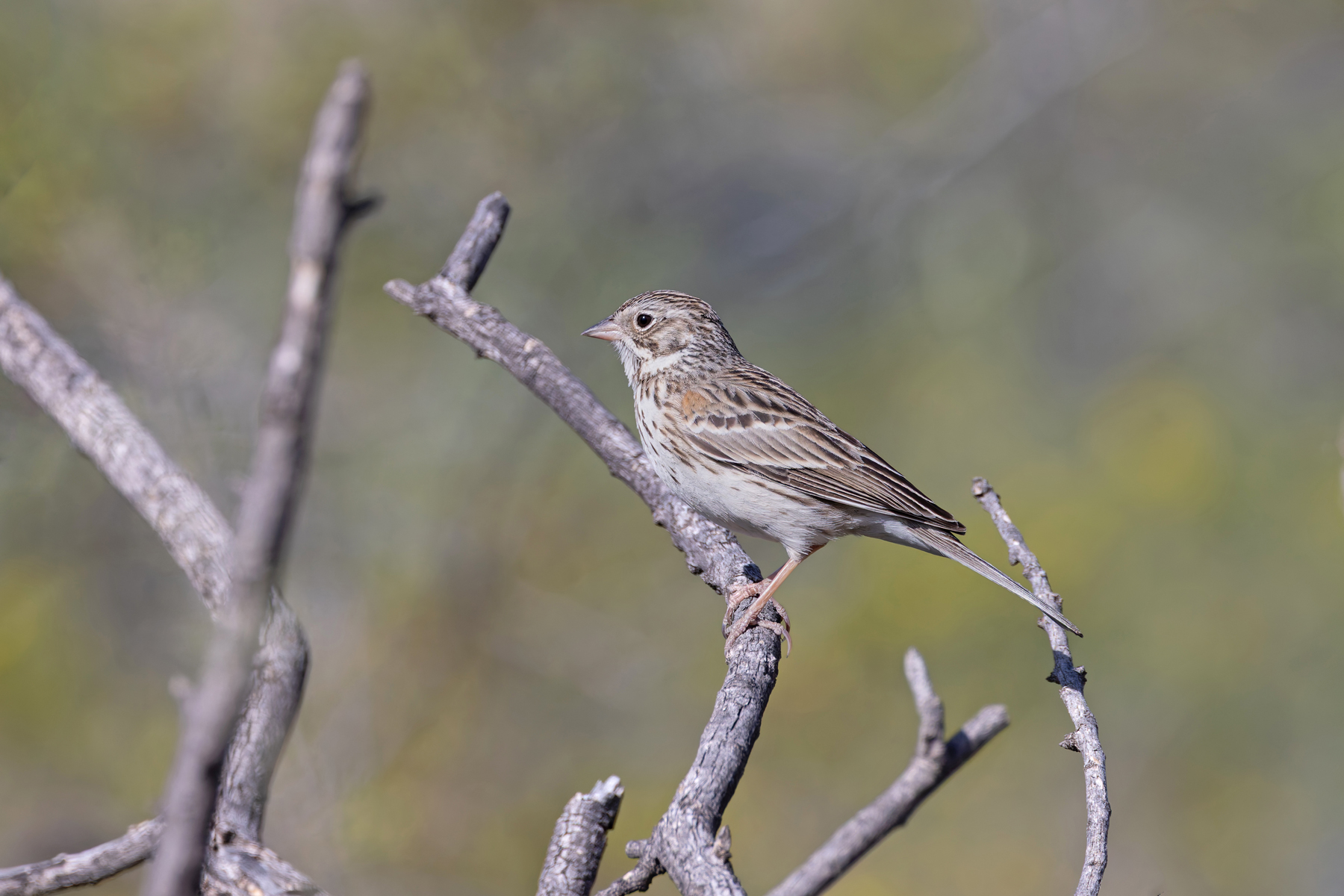
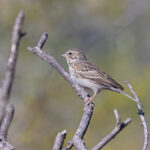
Vesper Sparrow (image by Mike Watson)
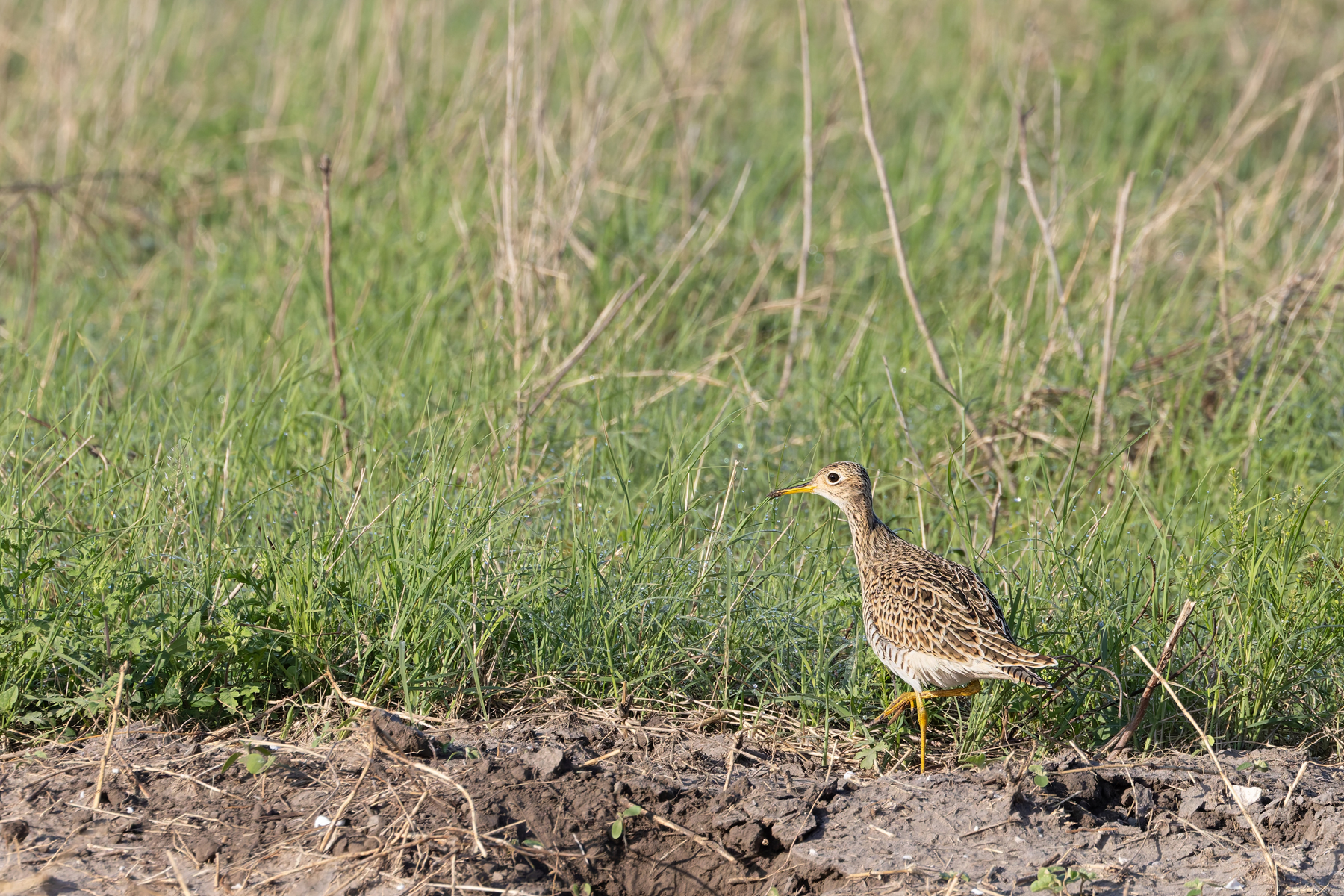
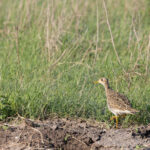
Upland Sandpiper (image by Mike Watson)
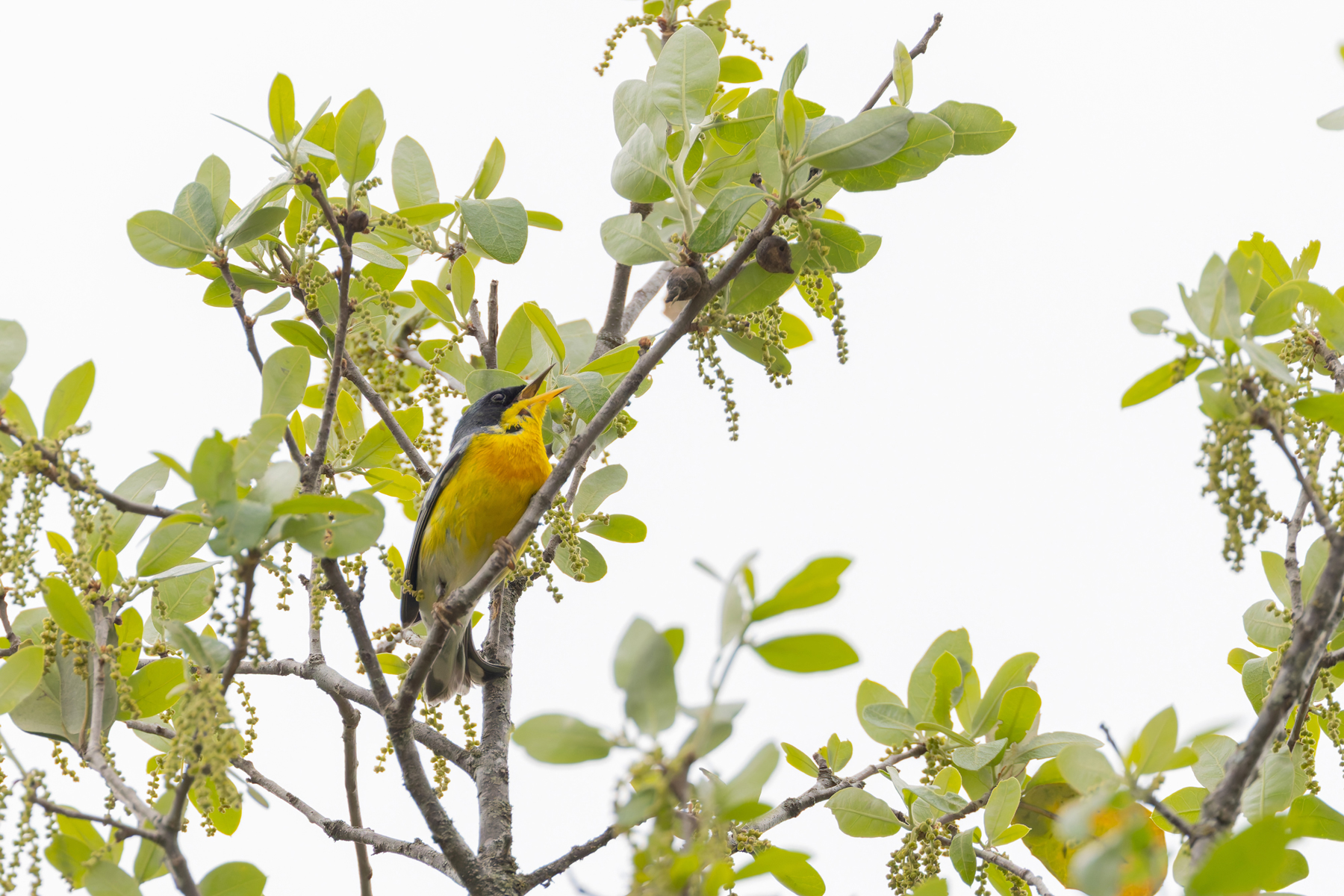
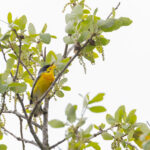
Tropical Parula (image by Mike Watson)
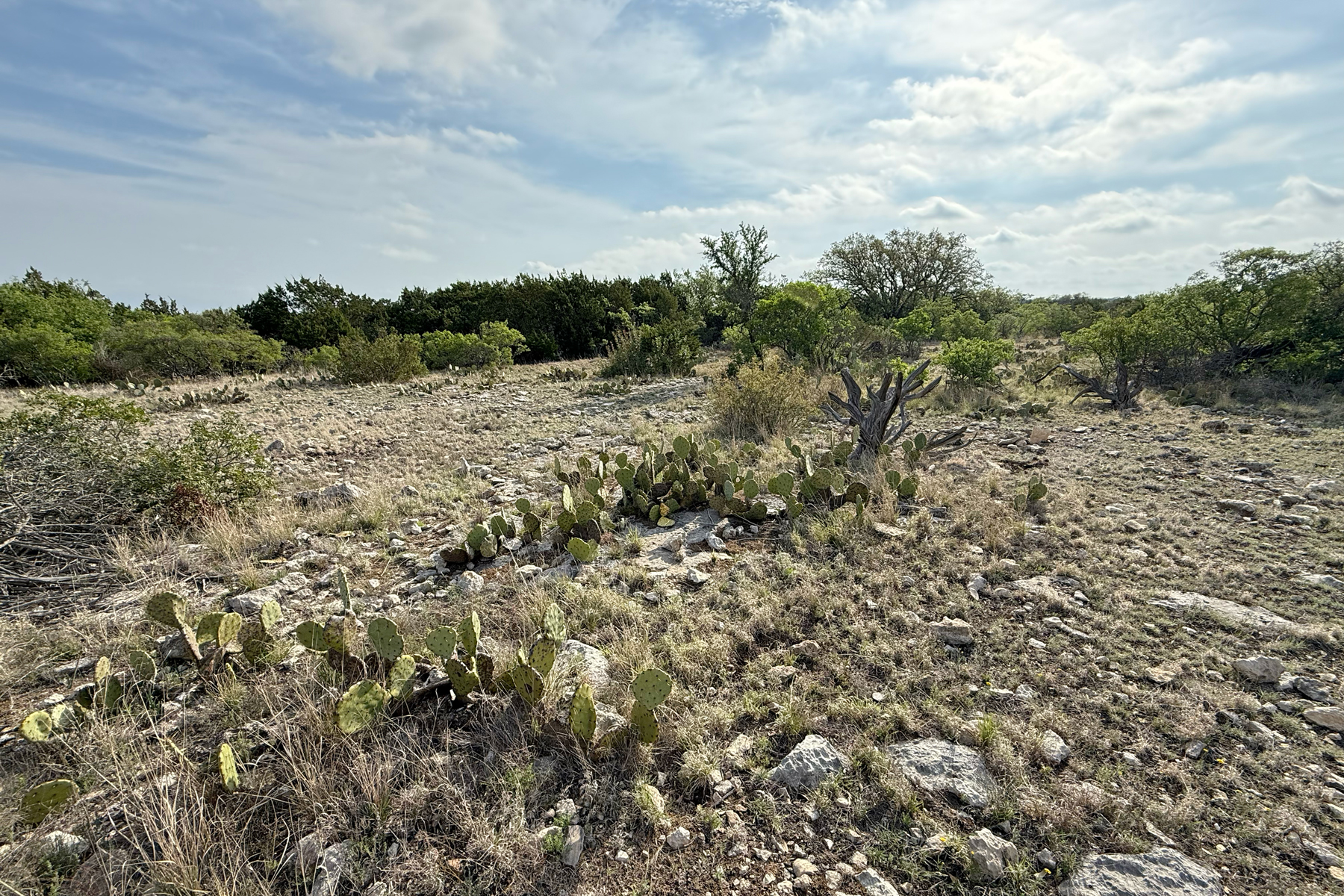
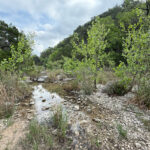
South Llano River (image by Mike Watson)
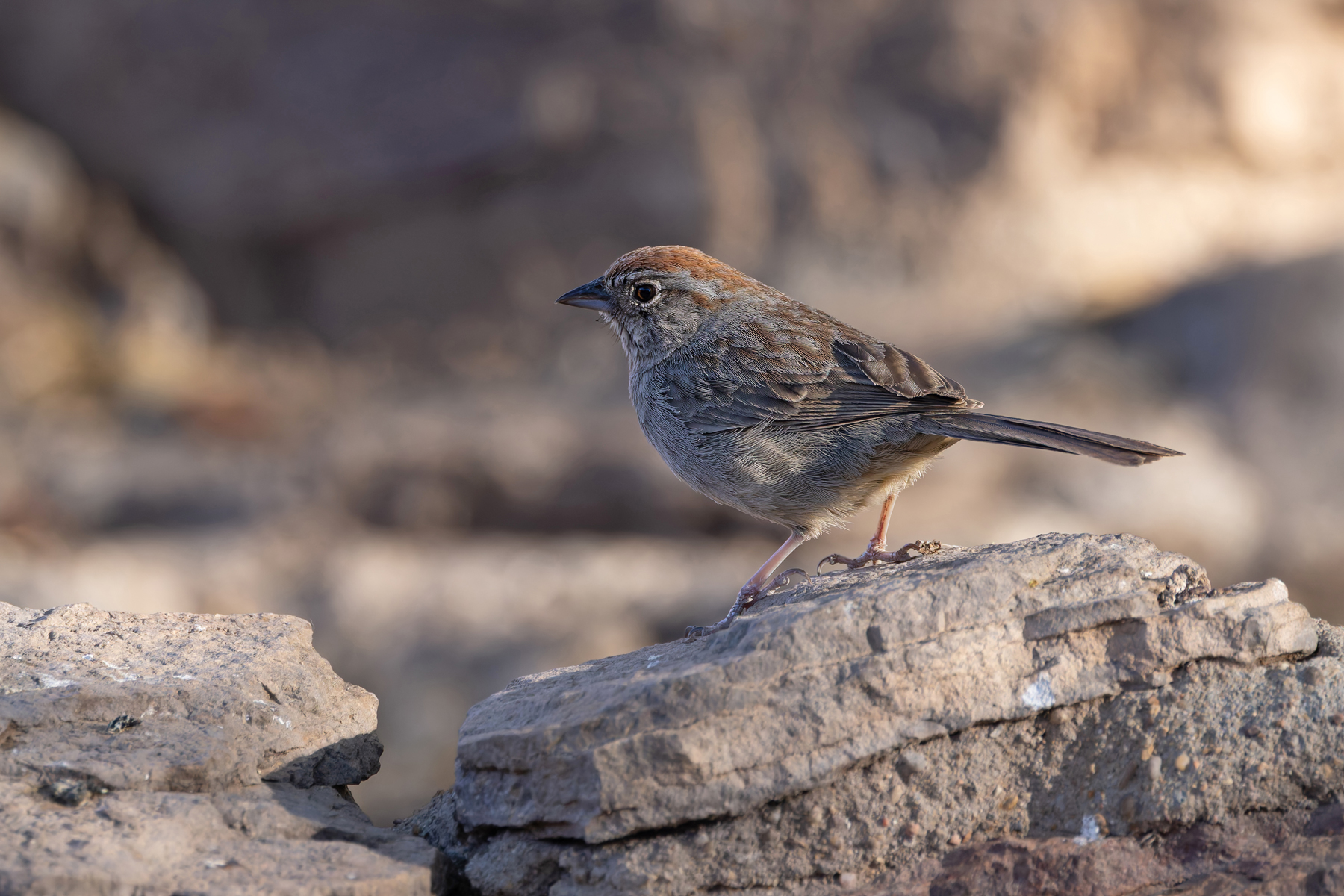
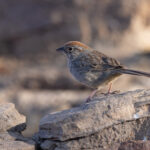
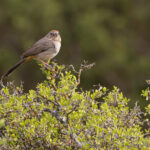
Rufous-crowned Sparrow (image by Mike Watson)
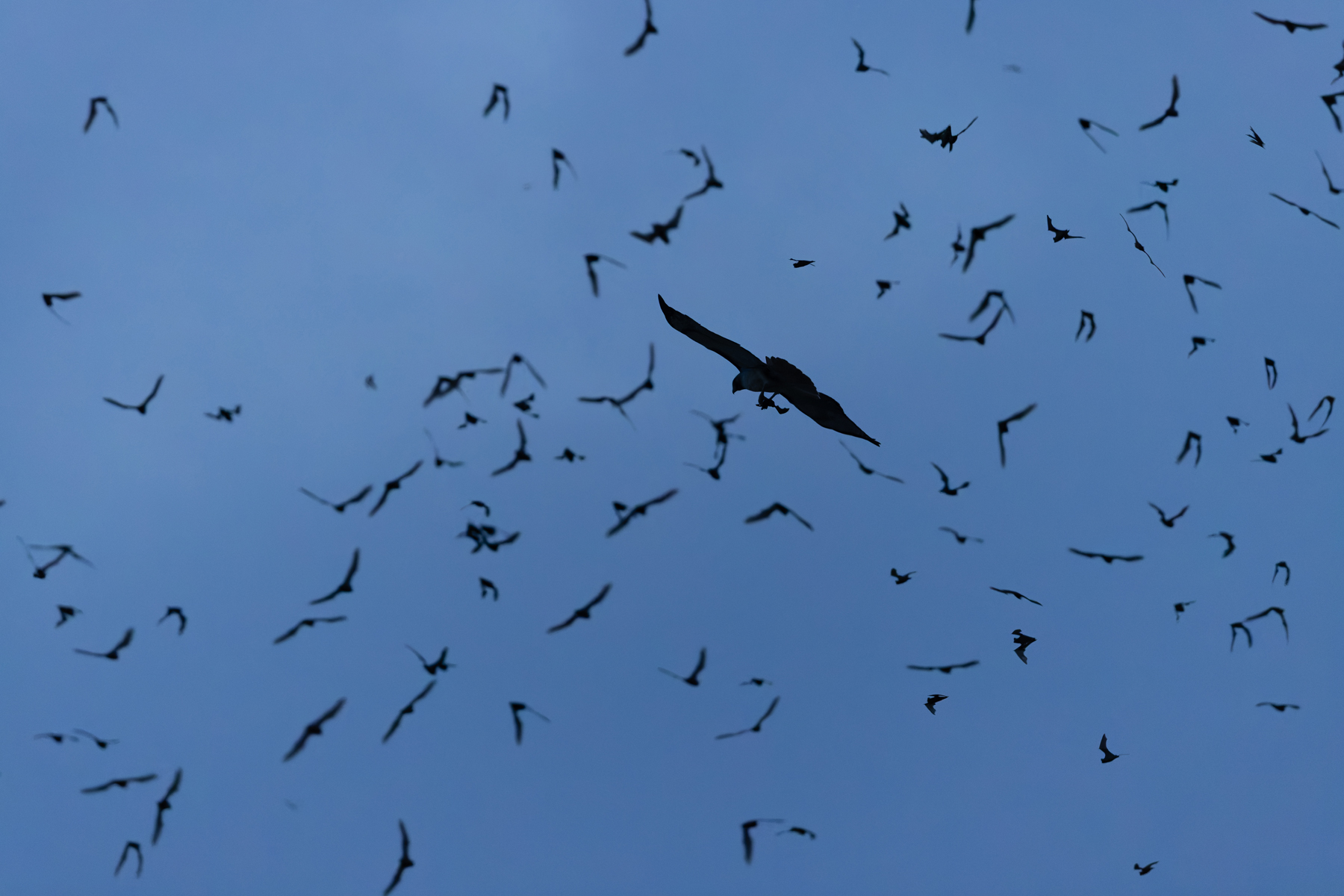
Red-tailed Hawk (image by Mike Watson)
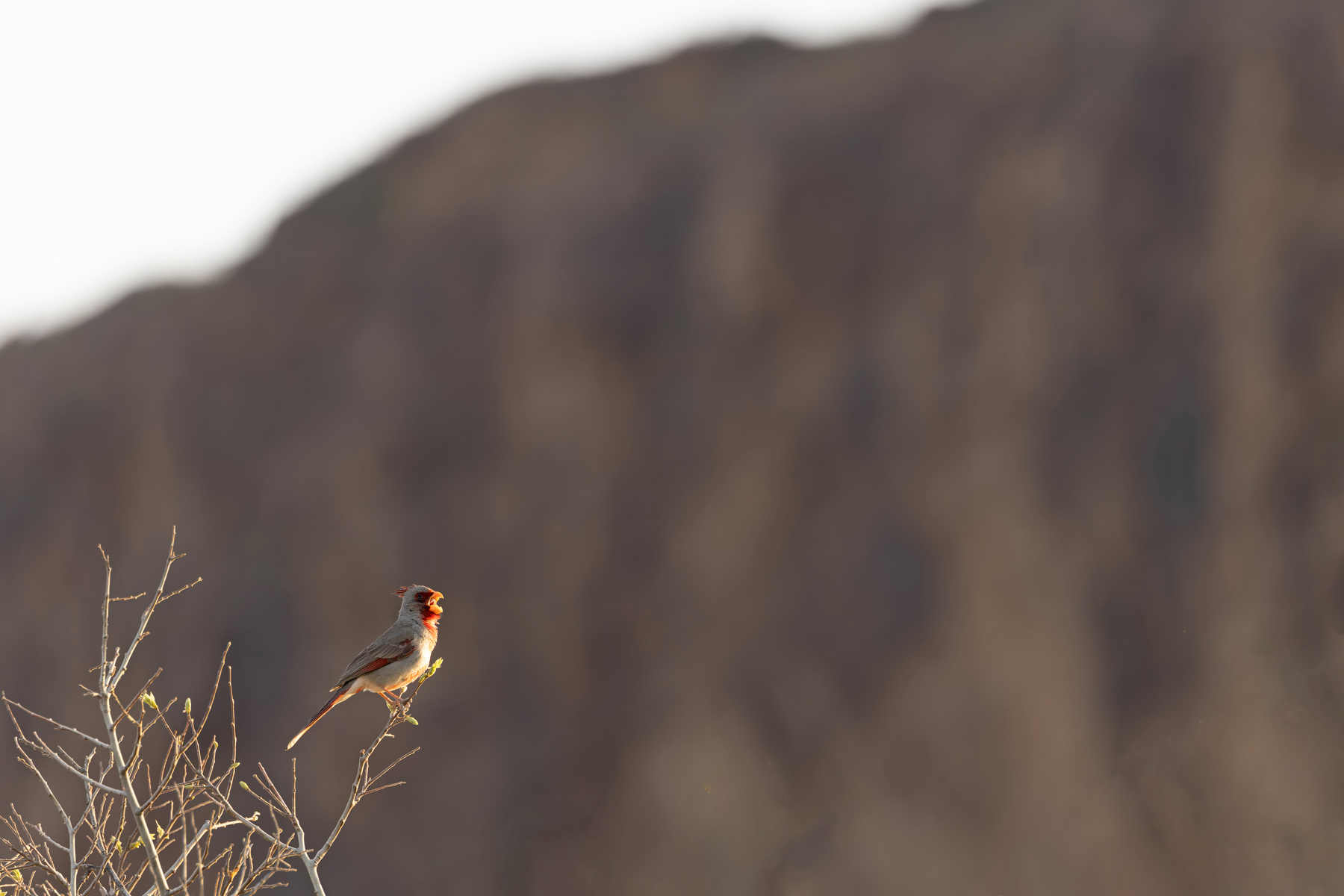
Pyrrhuloxia (image by Mike Watson)
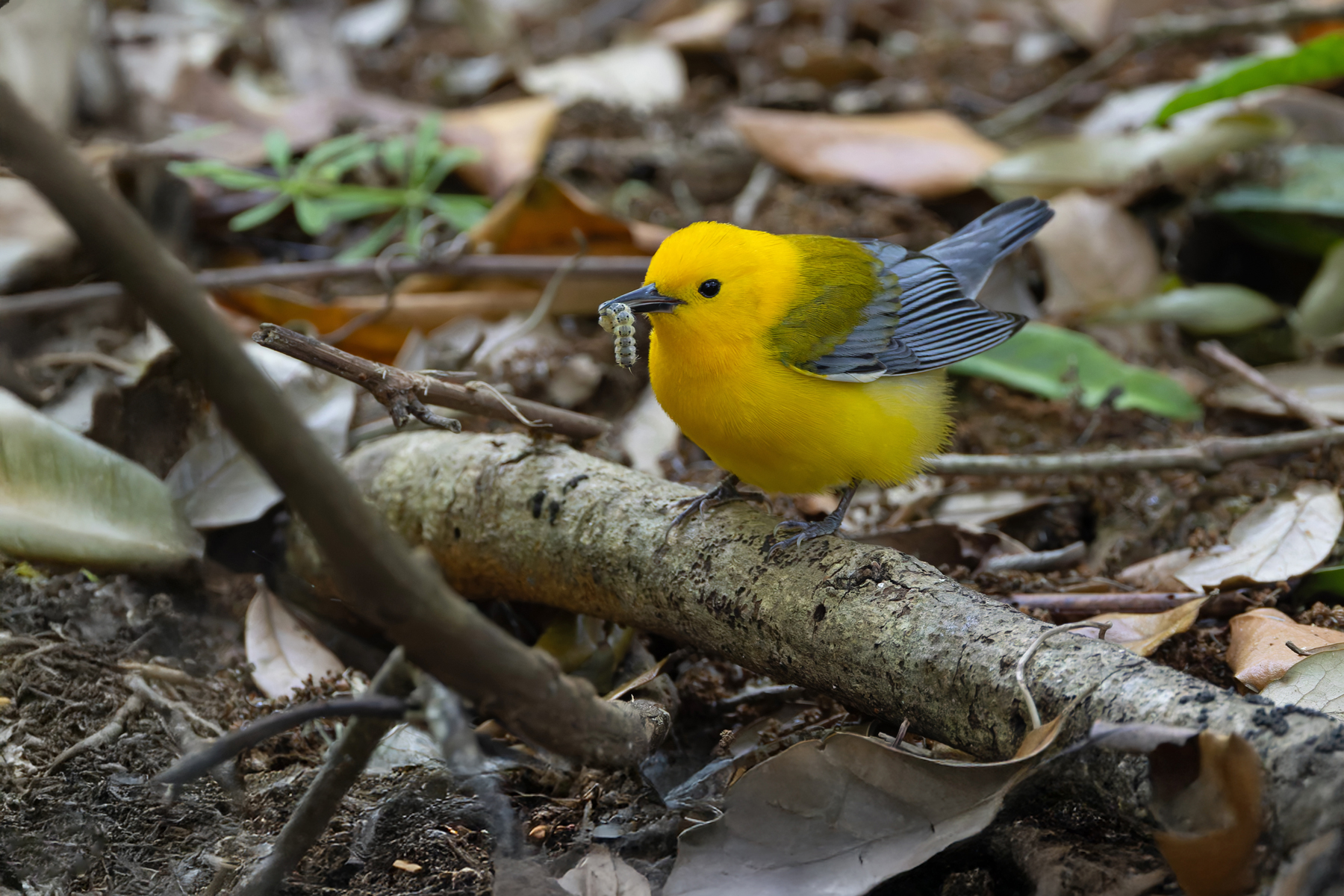
Prothonotary Warbler (image by Mike Watson)
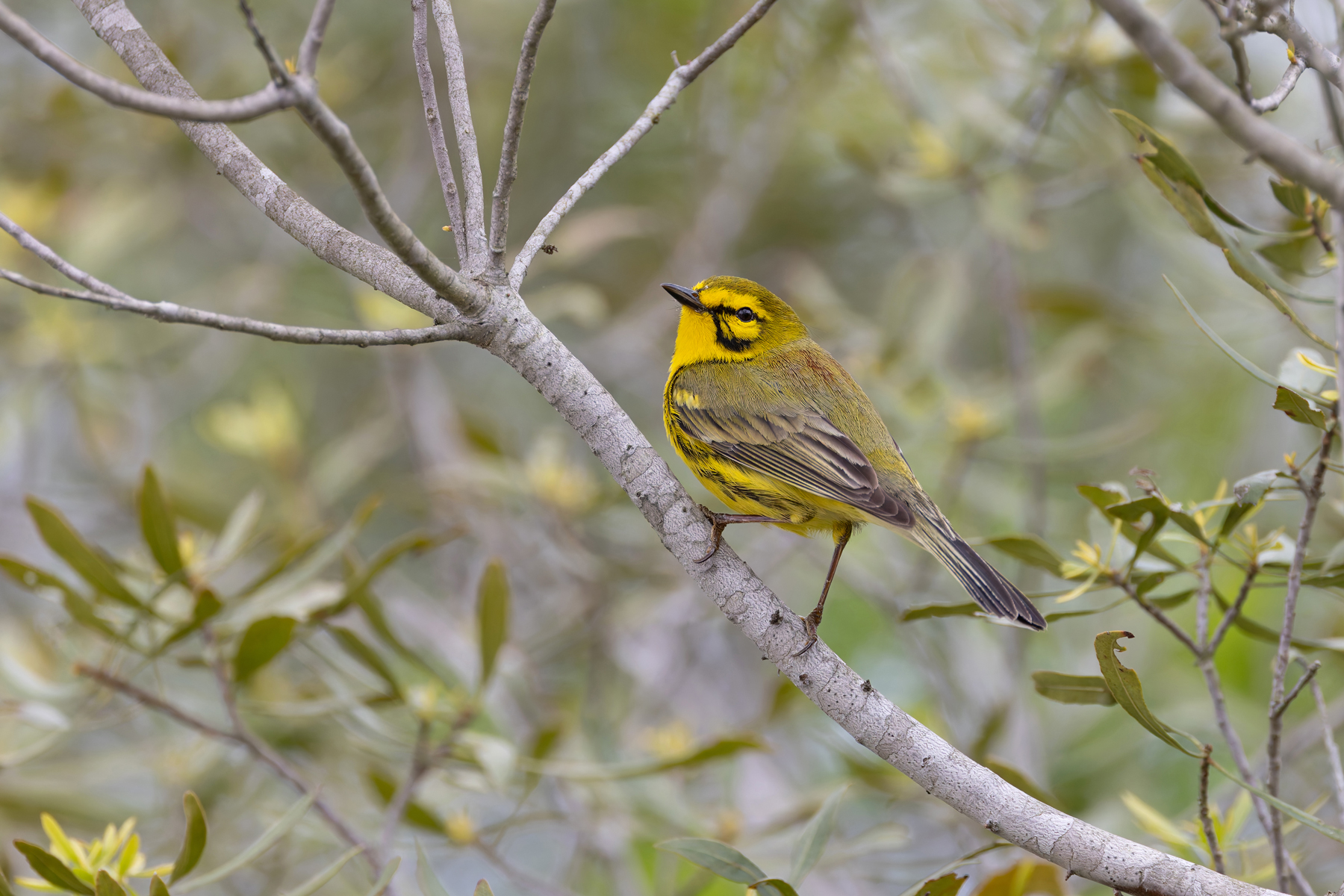
Prairie Warbler (image by Mike Watson)
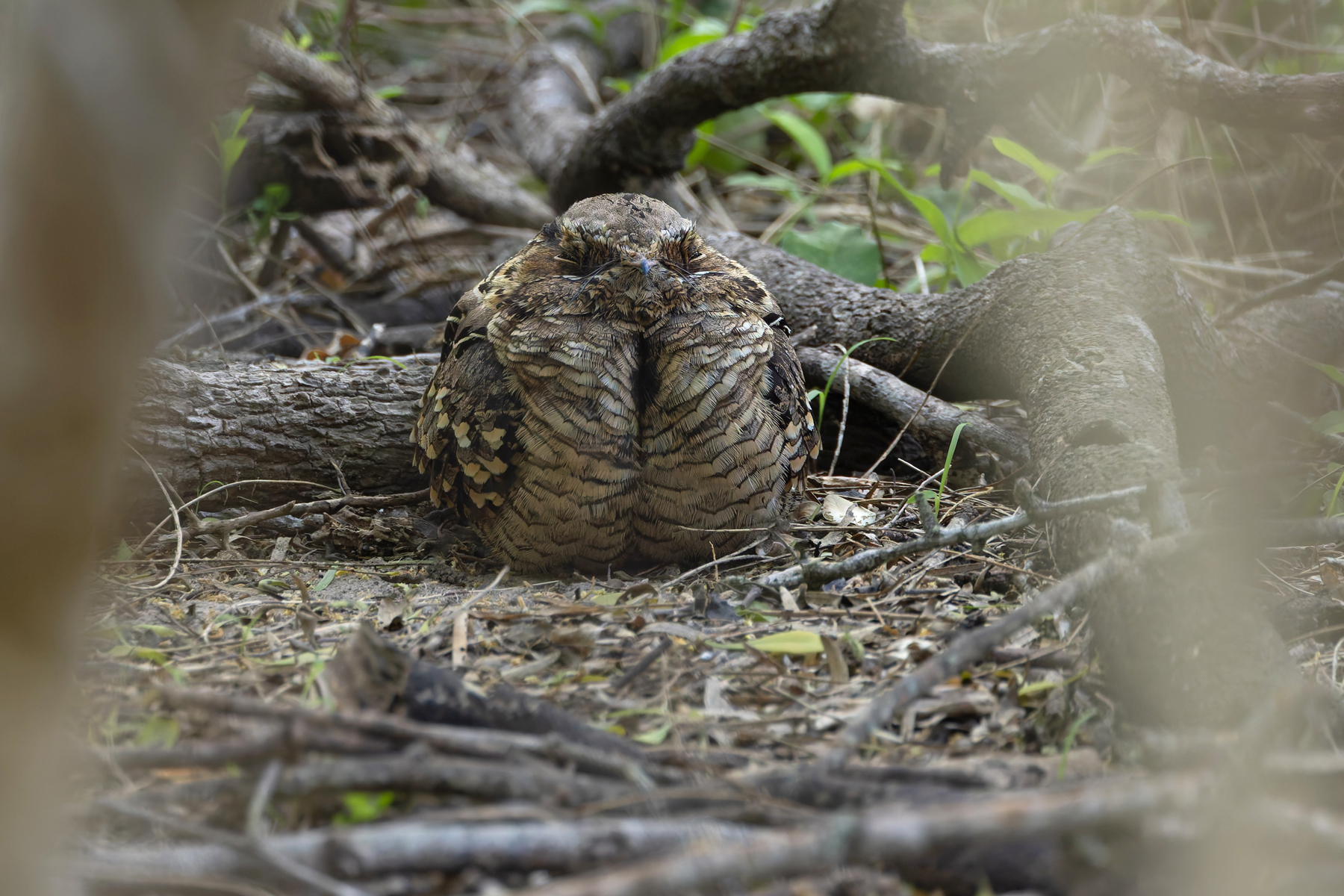
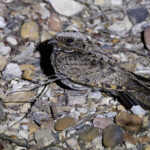
Pauraque (image by Mike Watson)
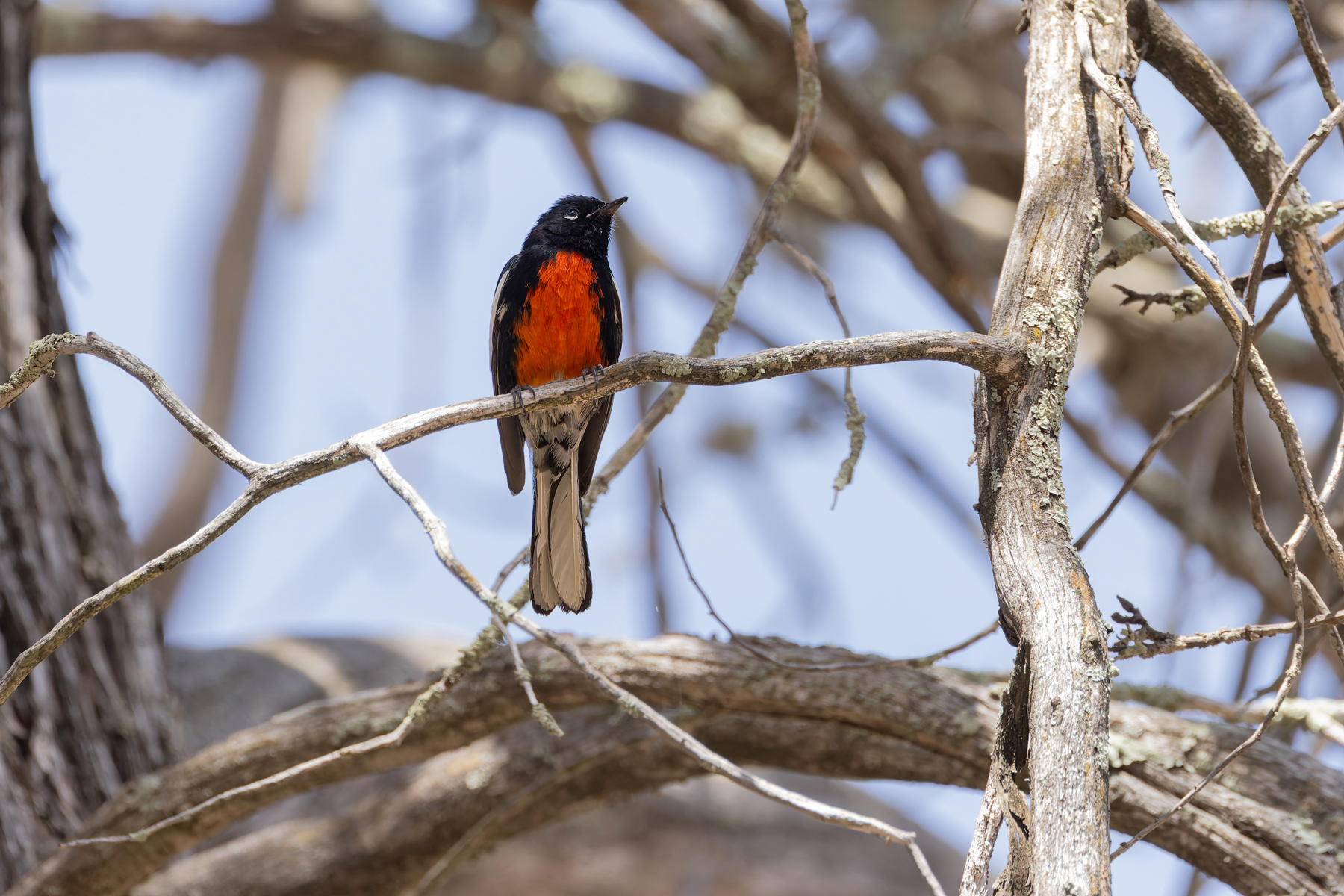
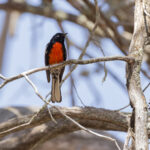
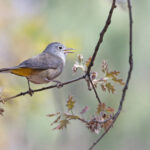
Painted Whitestart (image by Mike Watson)
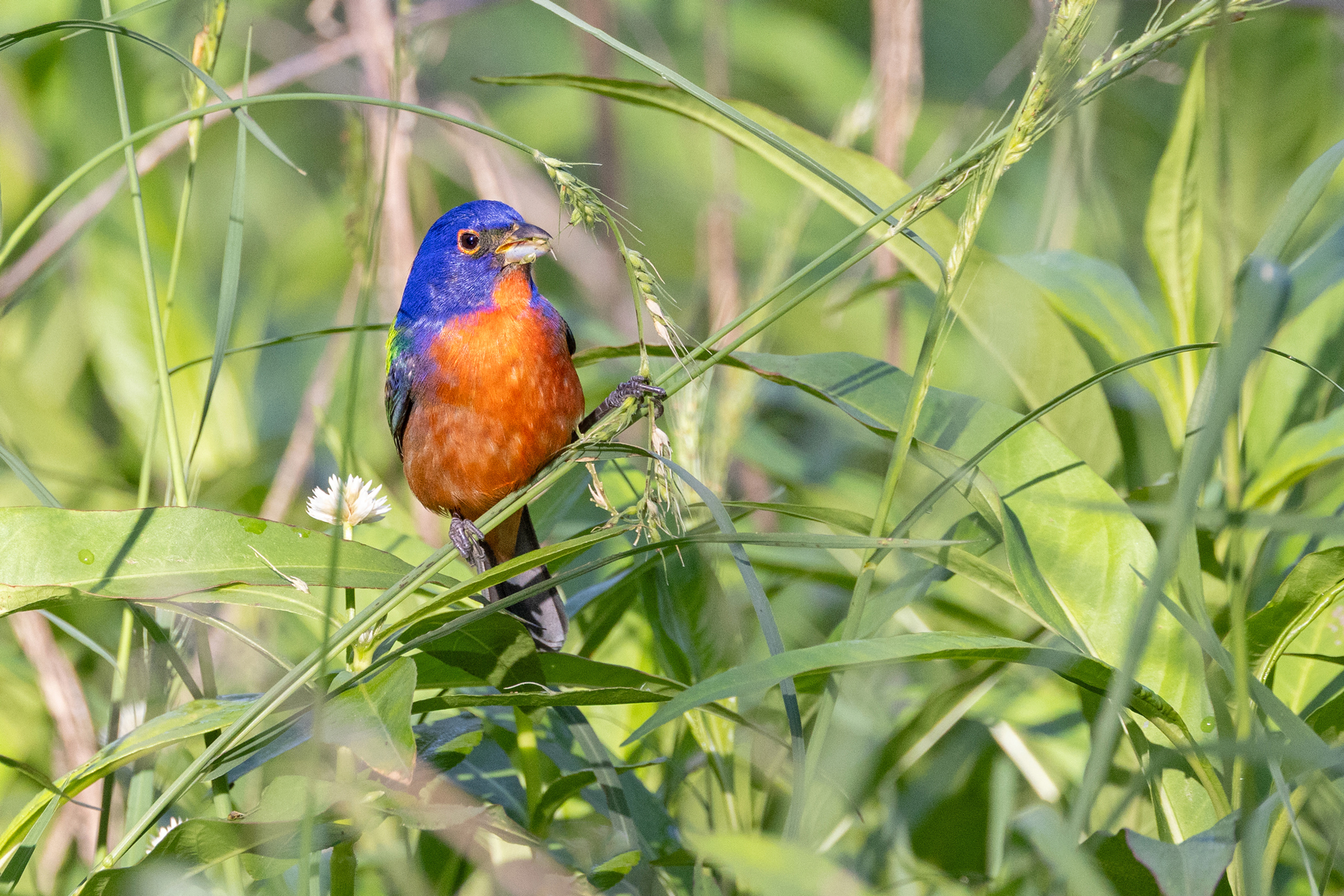
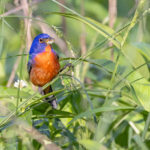
Painted Bunting (image by Mike Watson)
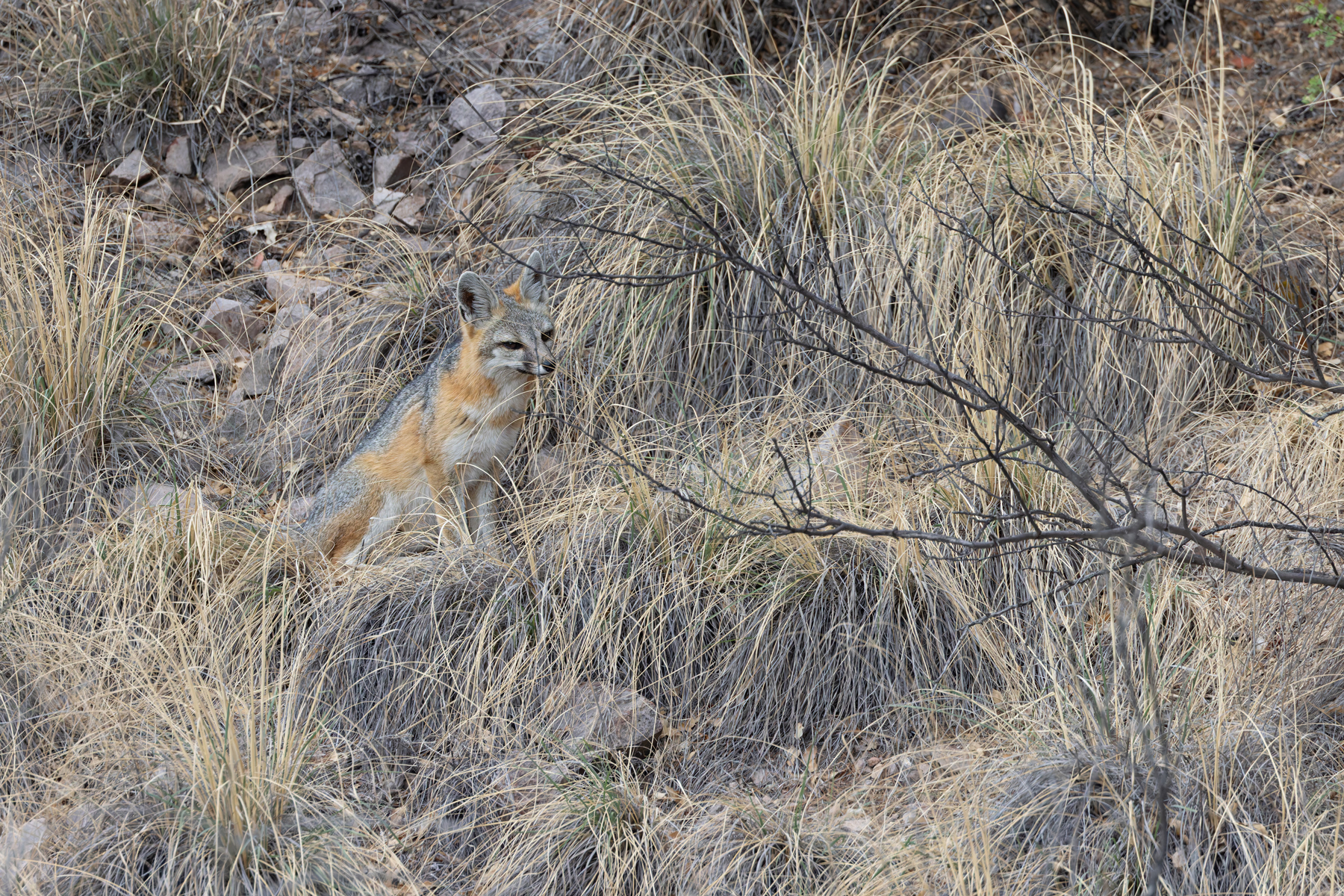
Northern Gray Fox (image by Mike Watson)
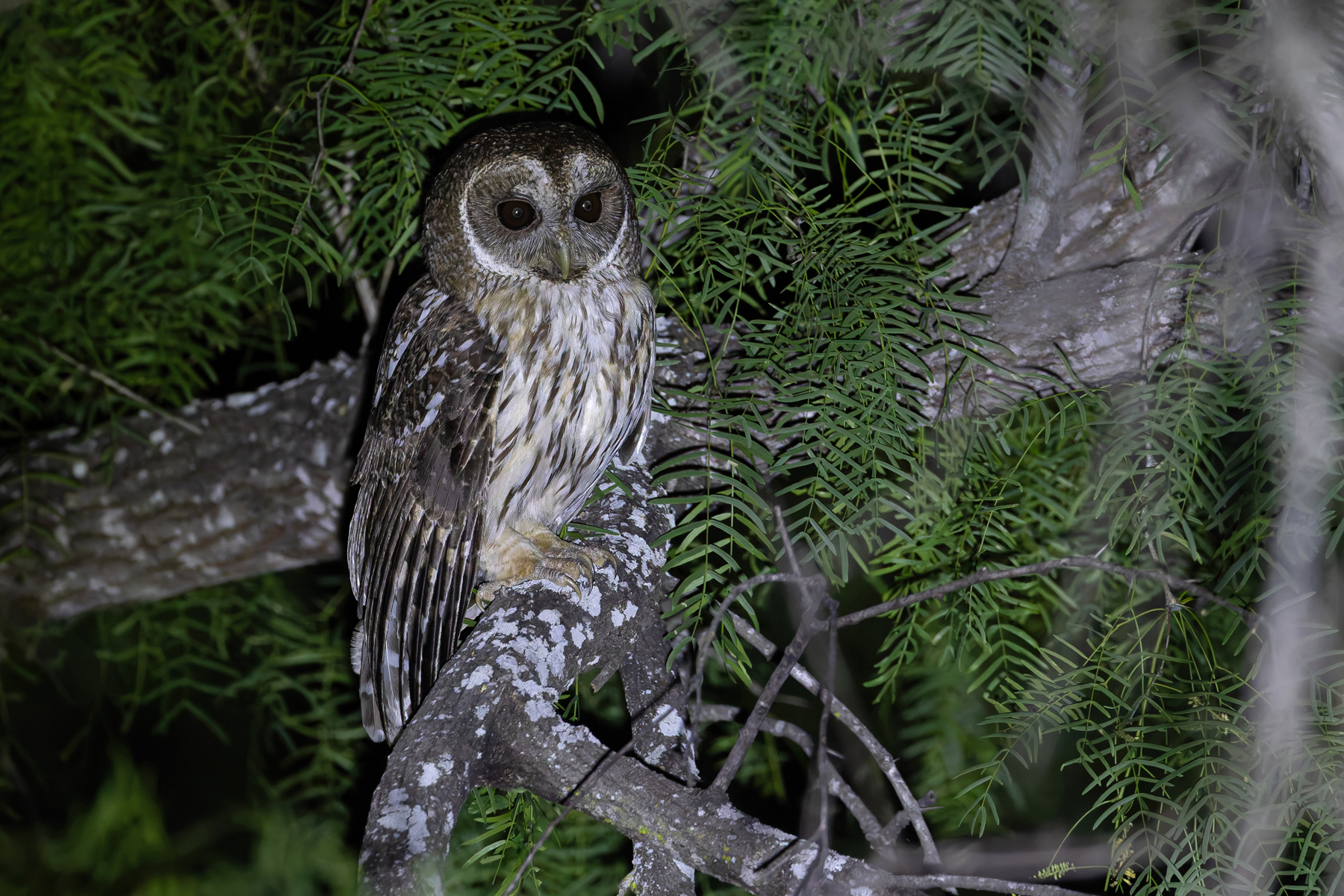
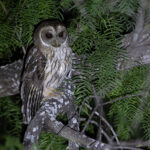
Mottled Owl (image by Mike Watson)
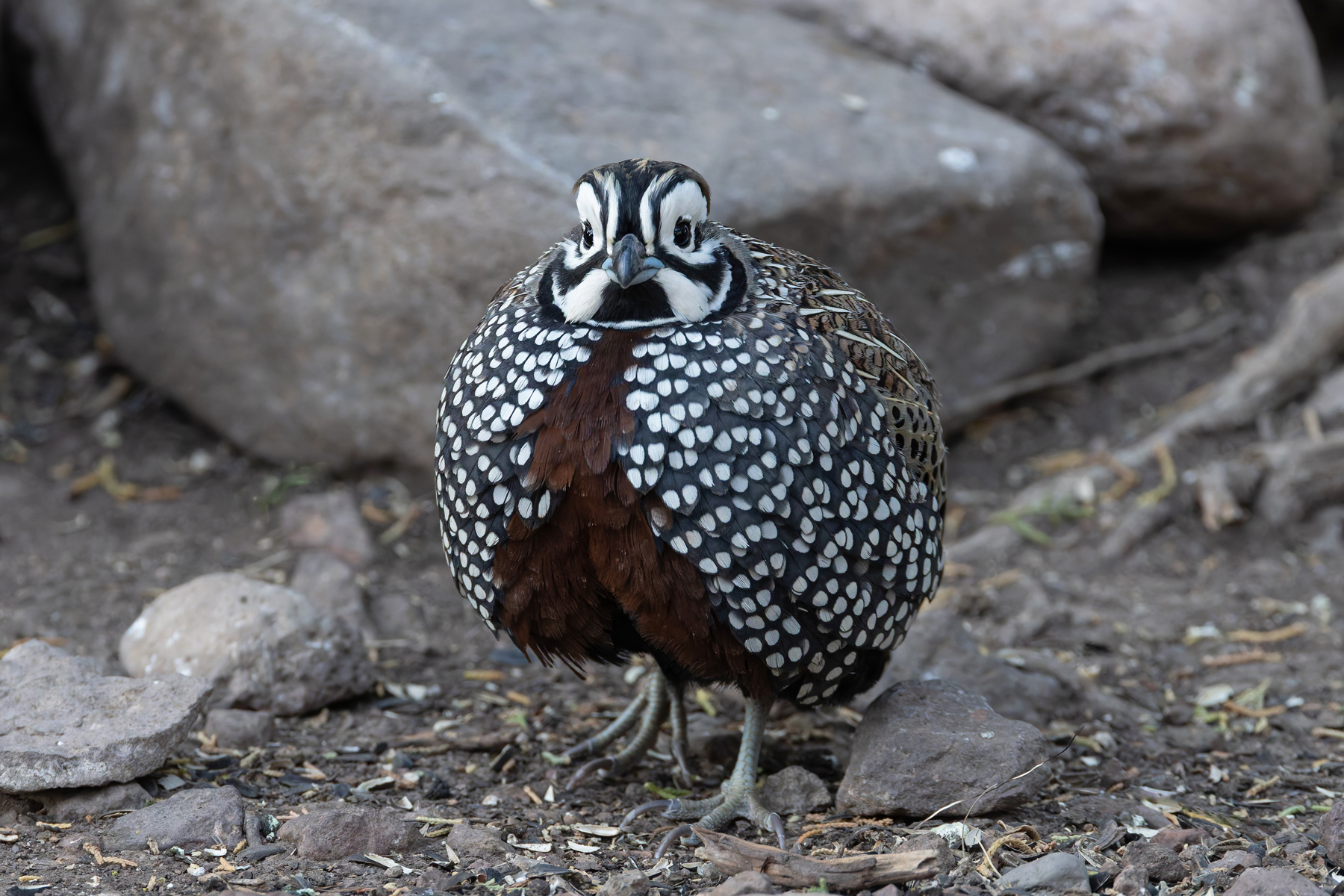
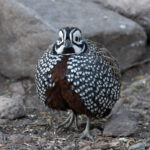
Montezuma Quail (image by Mike Watson)
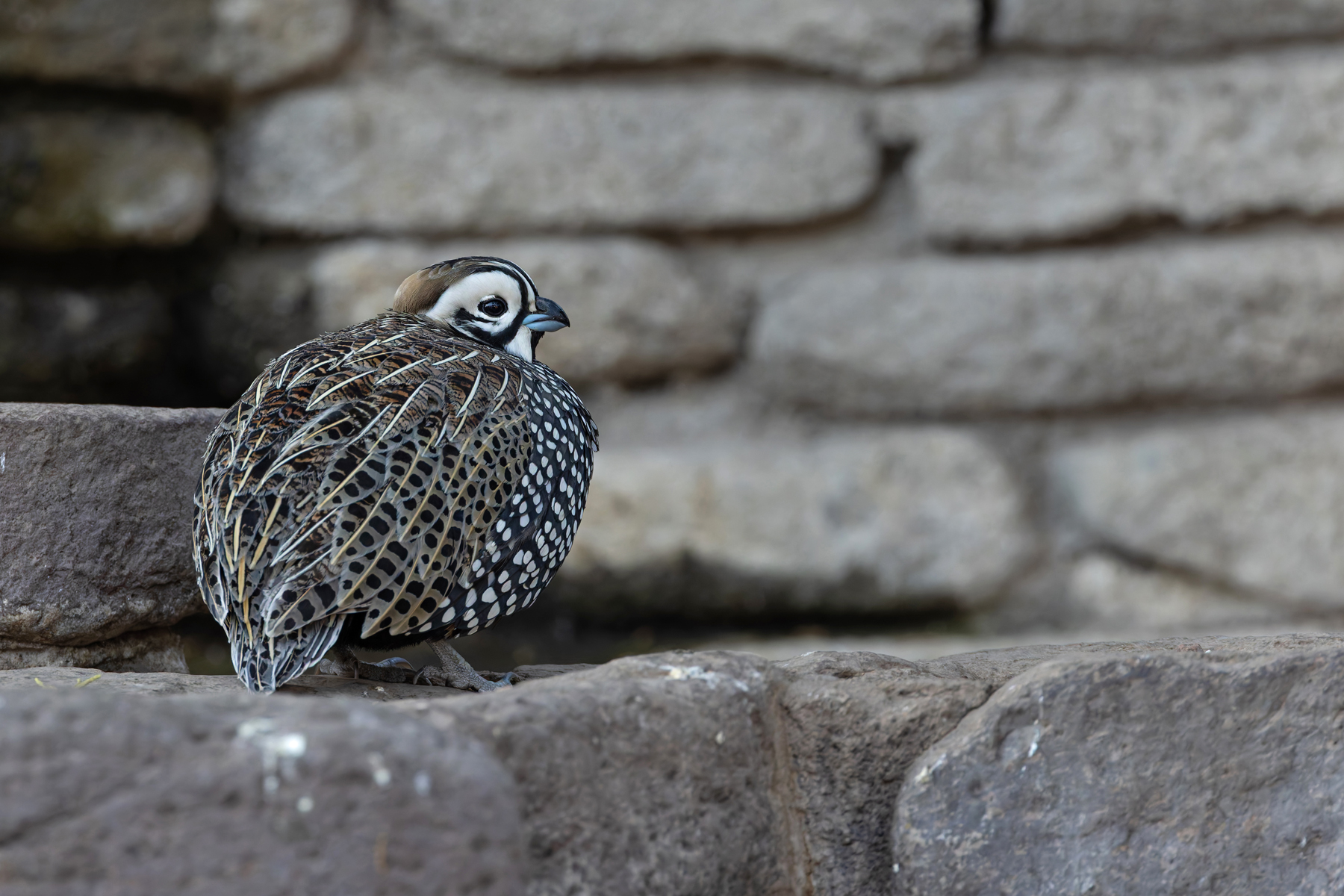
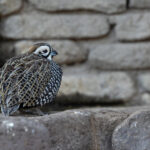
Montezuma Quail (image by Mike Watson)
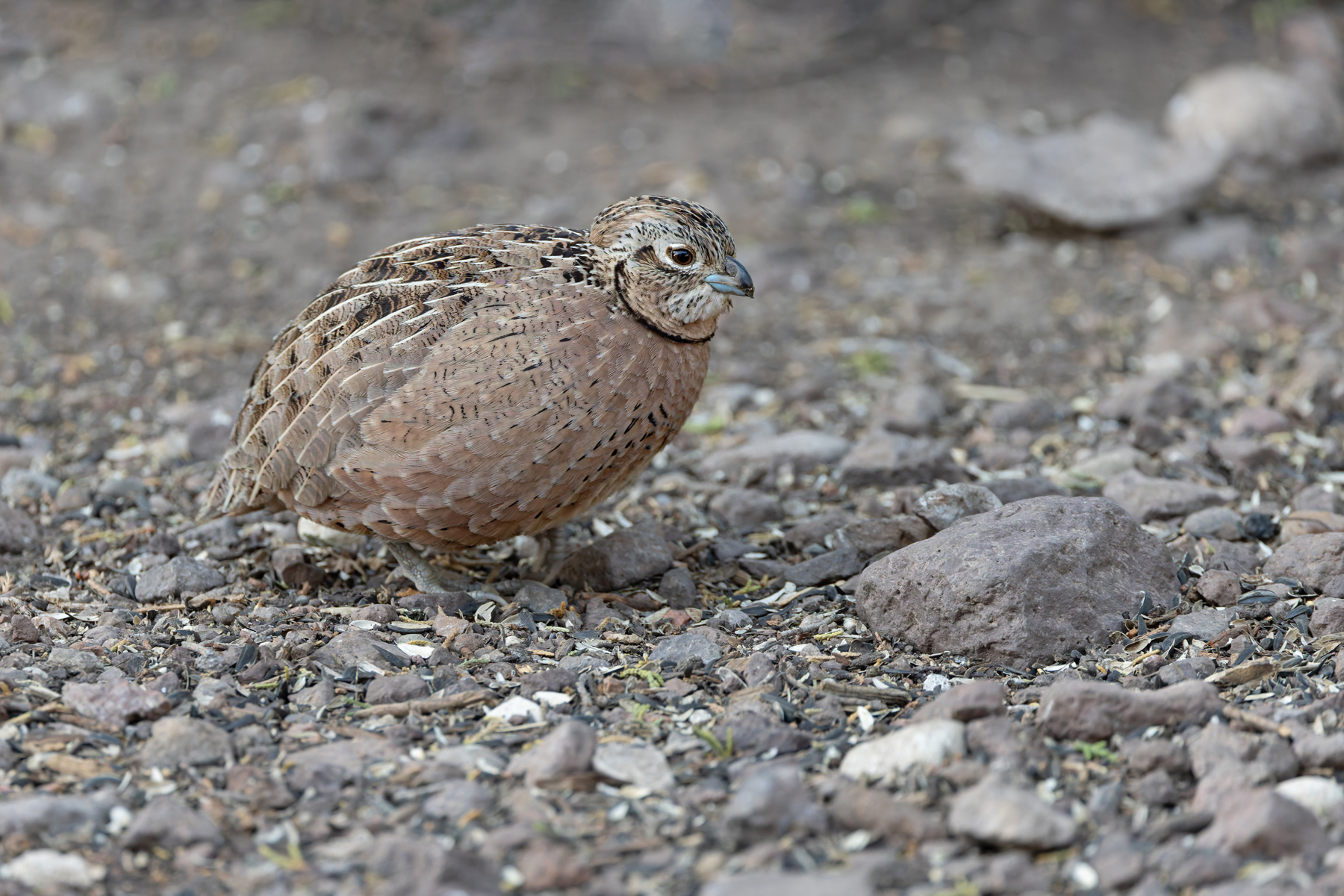
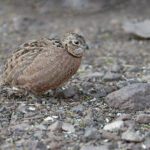
Montezuma Quail (image by Mike Watson)
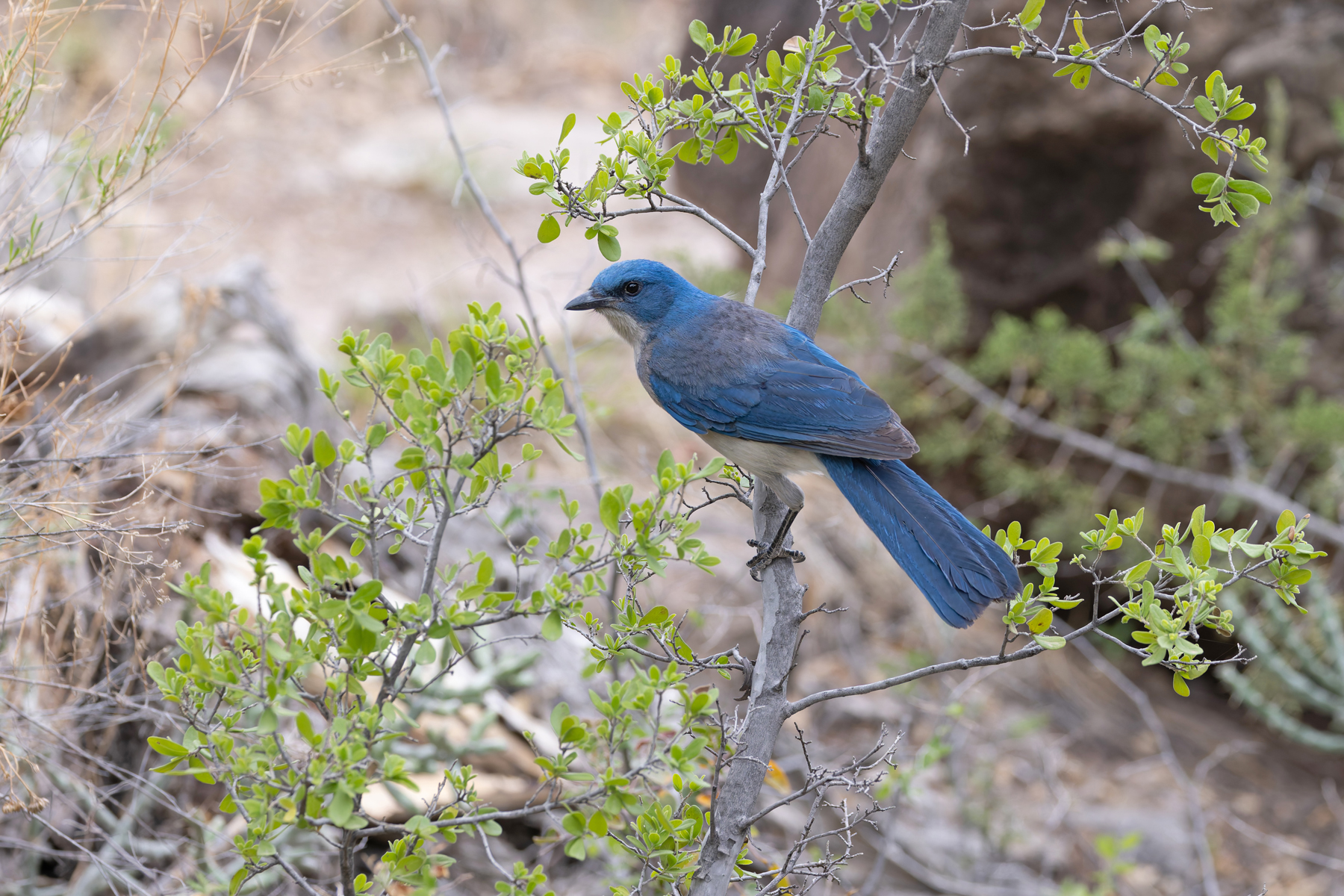
Mexican Jay (image by Mike Watson)
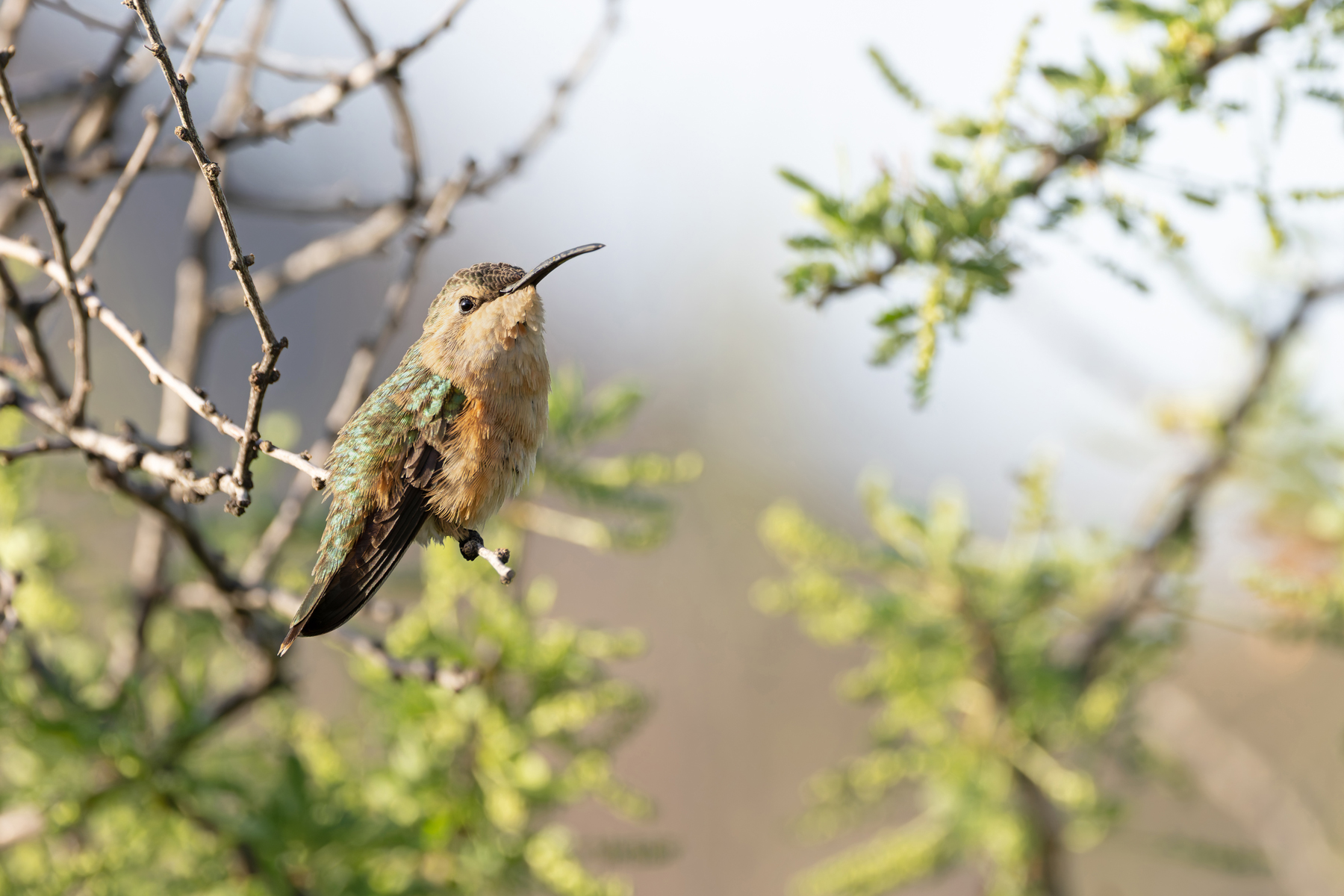
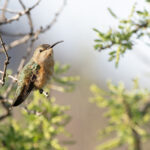
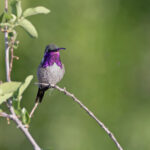
Lucifer Sheartail (image by Mike Watson)
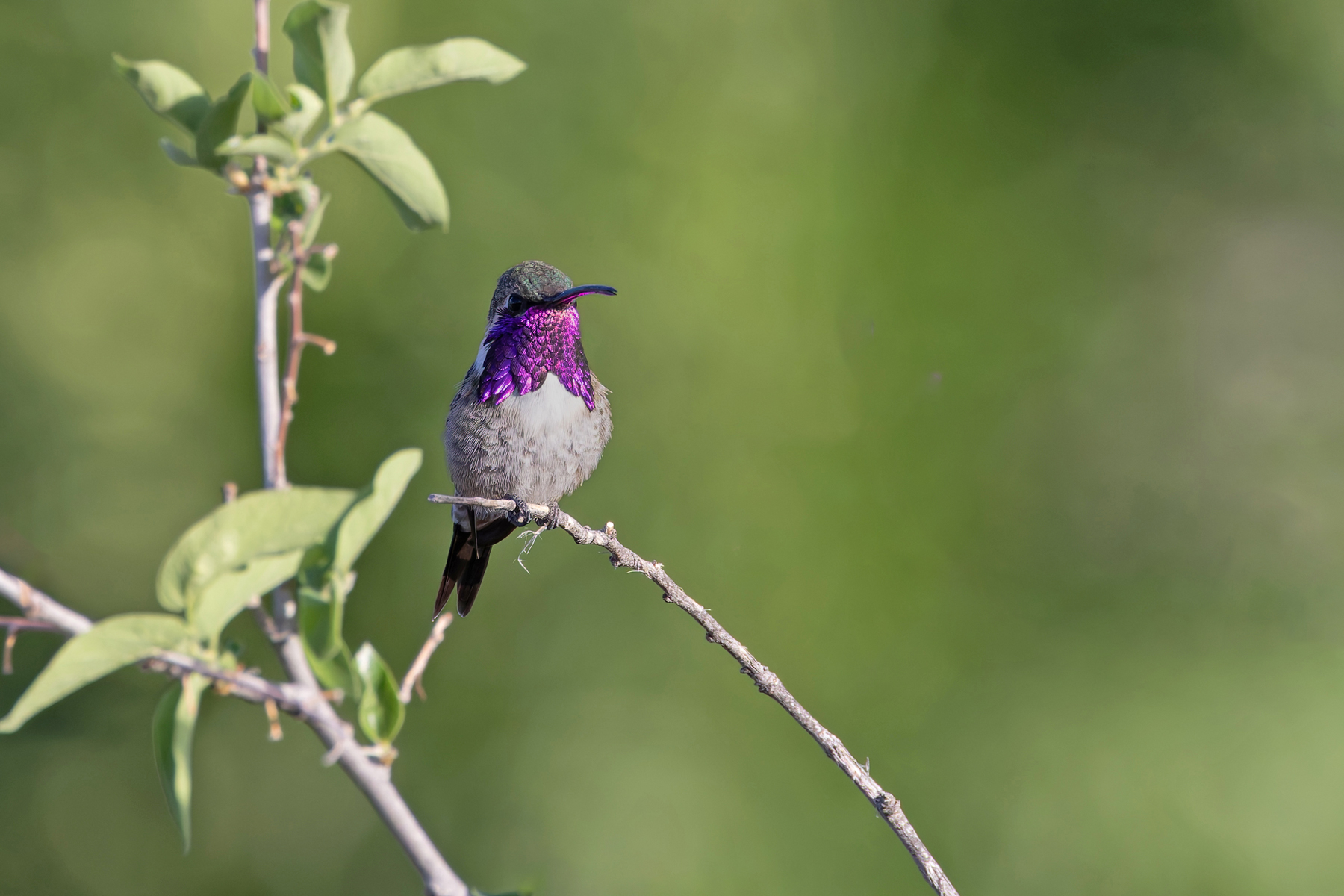
Lucifer Sheartail (image by Mike Watson)
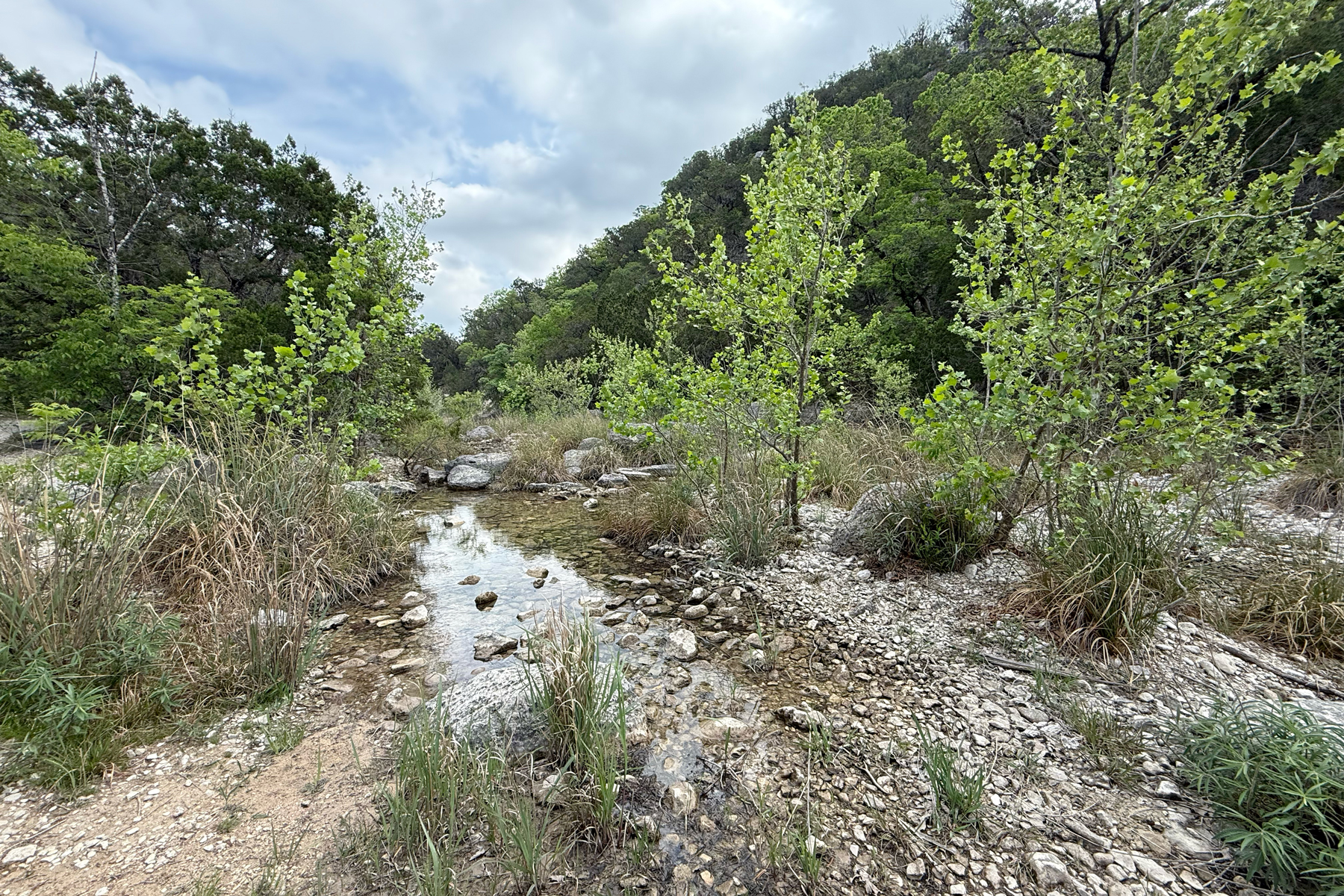
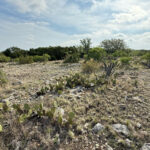
Lost Maples (image by Mike Watson)
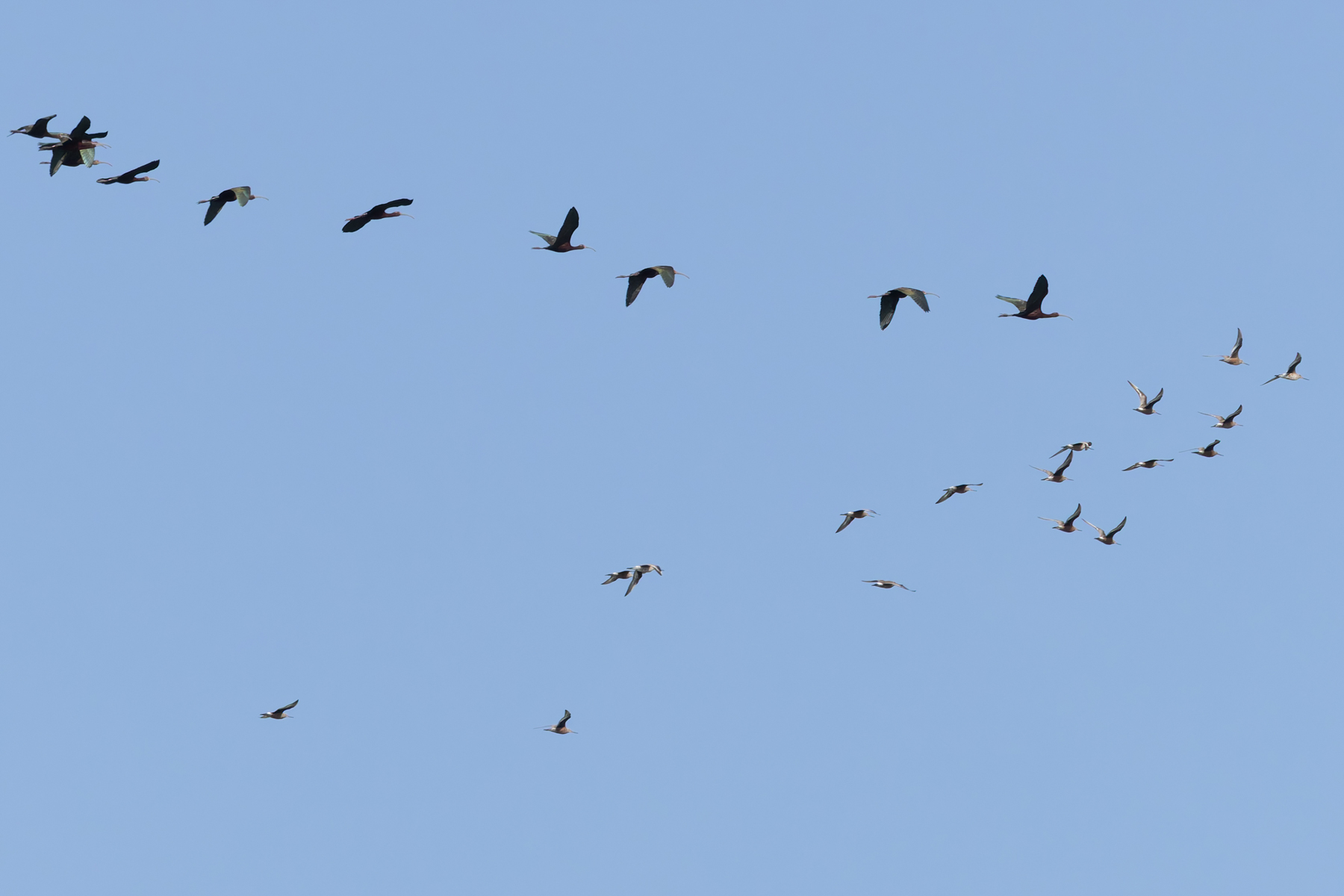
Hudsonian Godwit (image by Mike Watson)
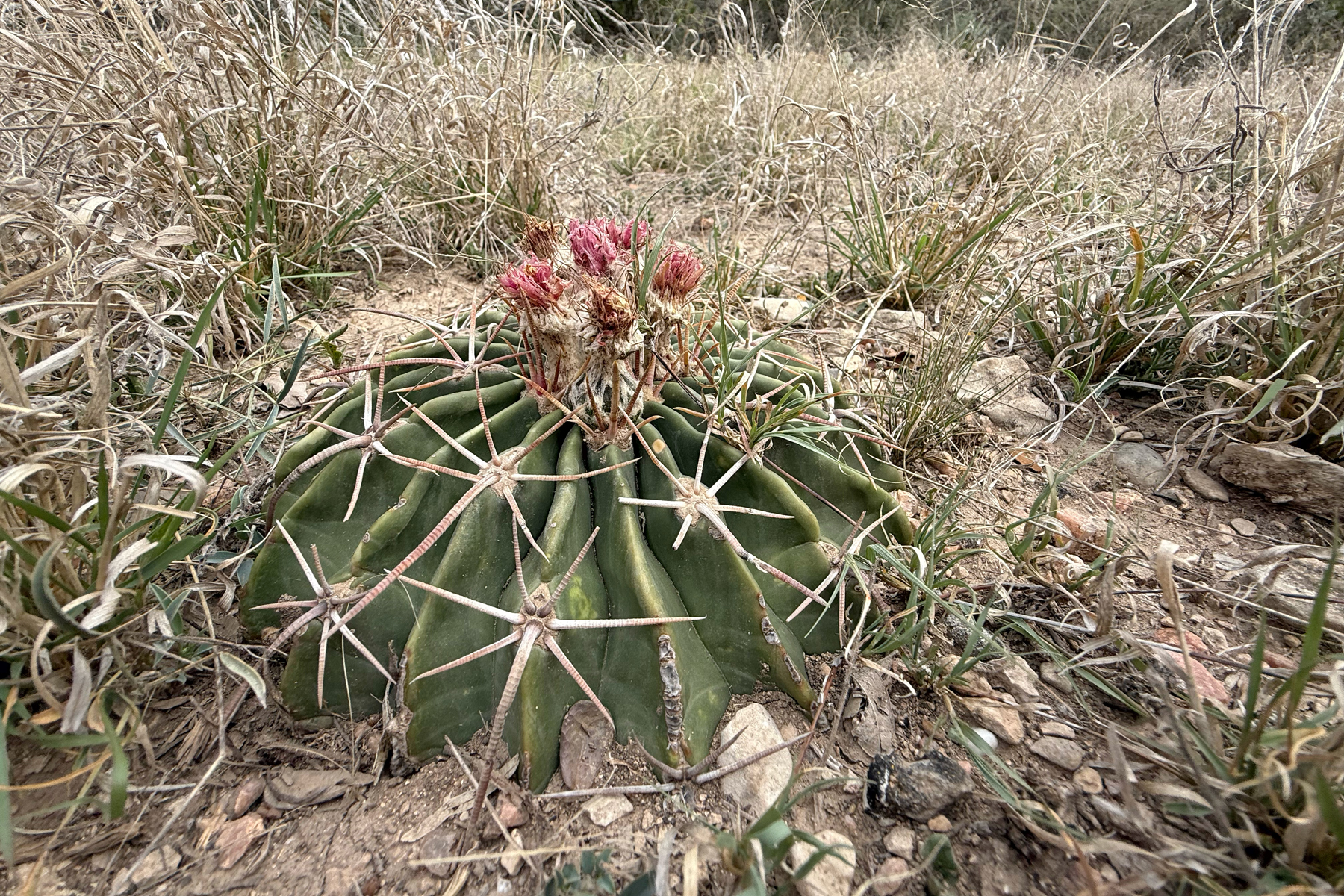
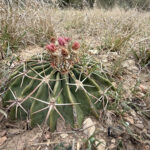
Horse Crippler Cactus (image by Mike Watson)
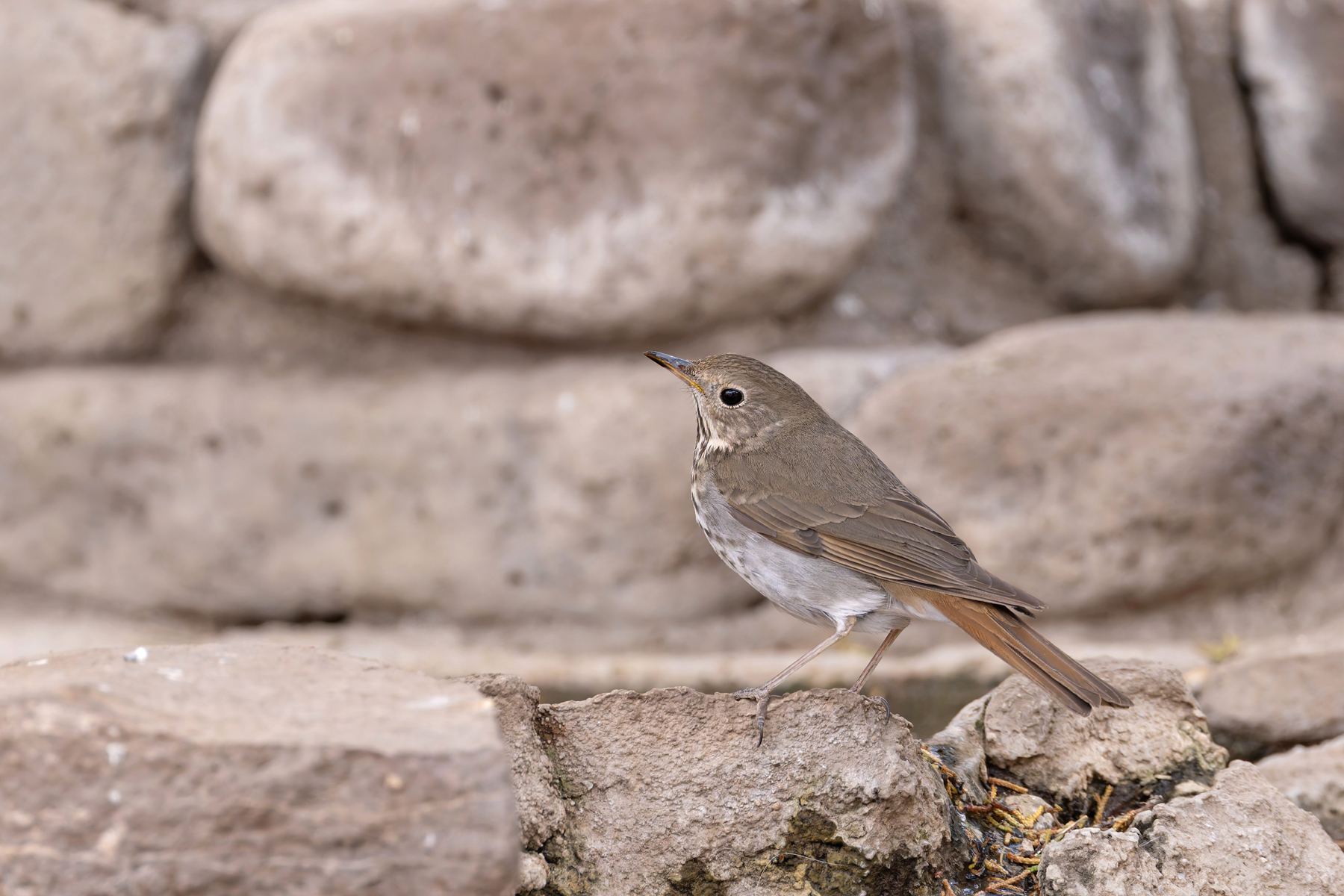
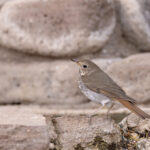
Hermit Thrush (image by Mike Watson)
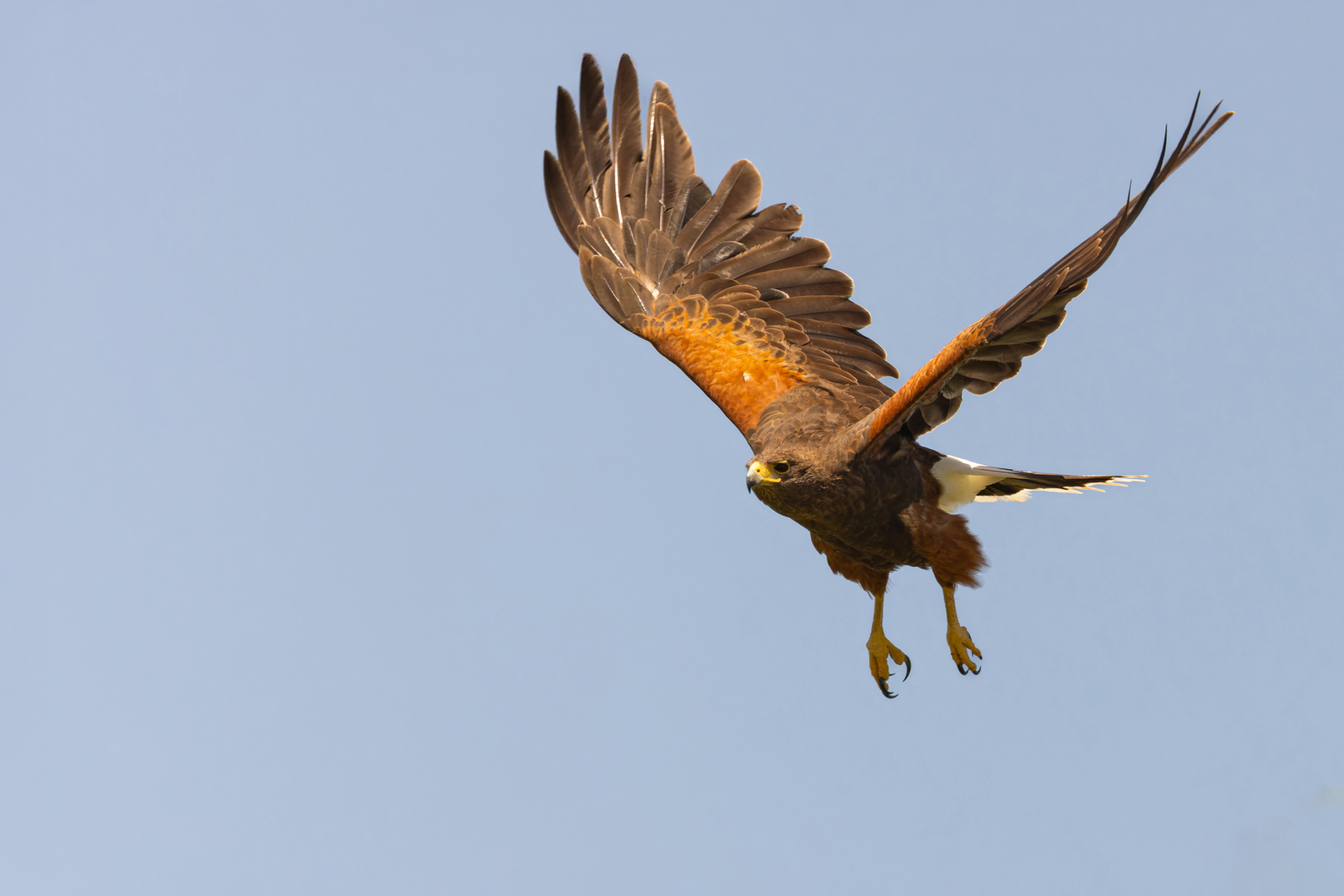
Harris's Hawk (image by Mike Watson)
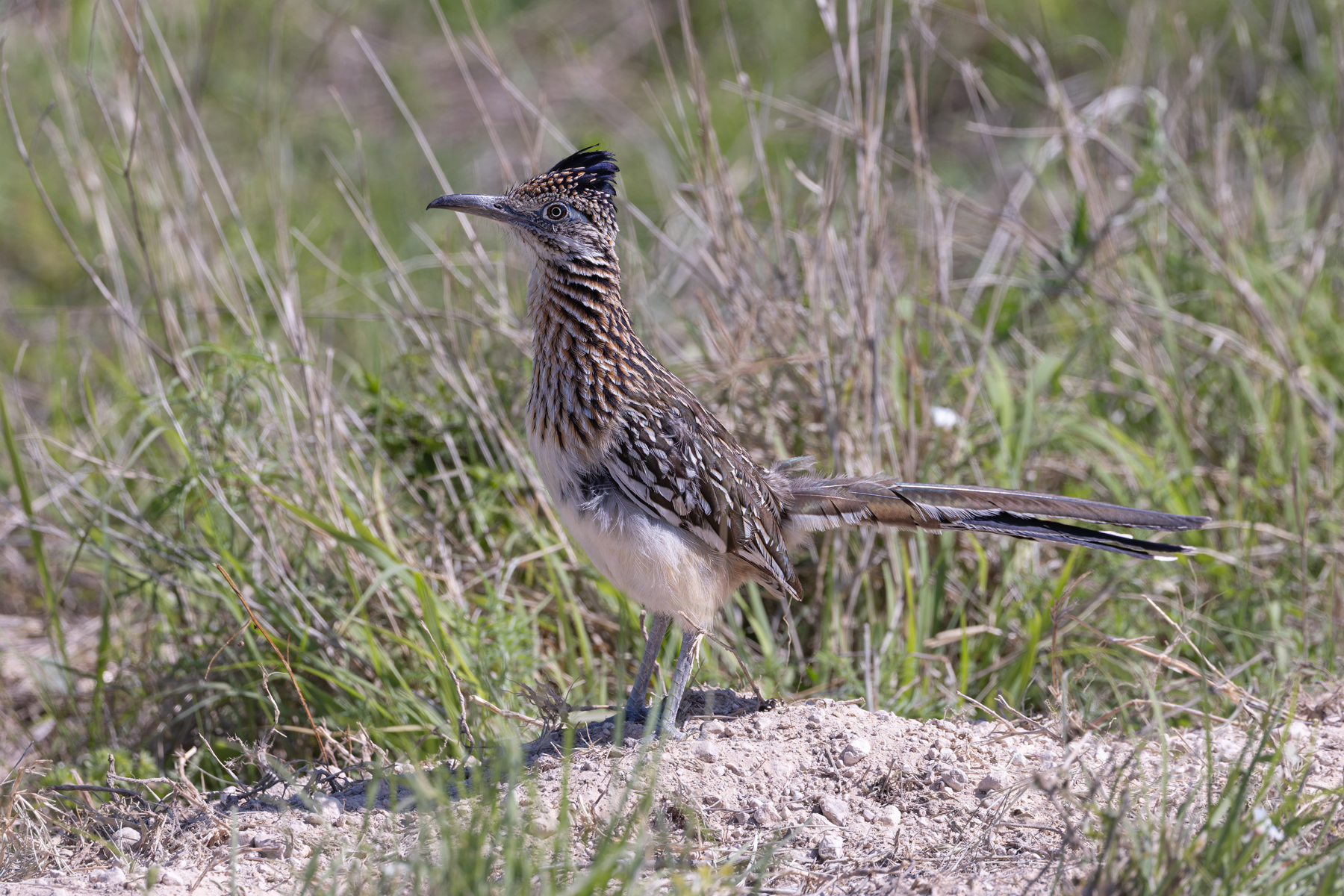
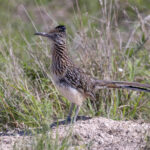
Greater Roadrunner (image by Mike Watson)
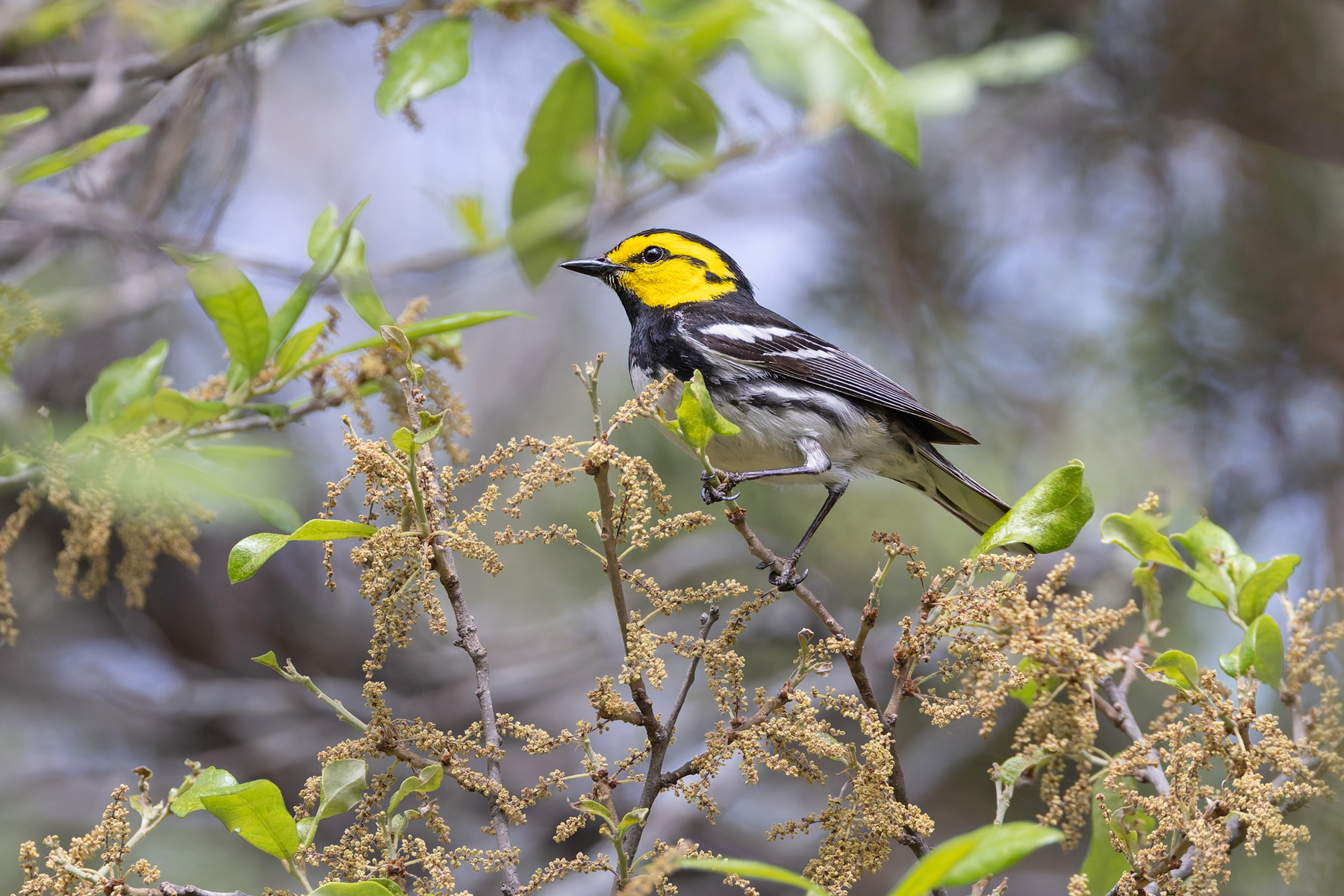
Golden-cheeked Warbler (image by Mike Watson)
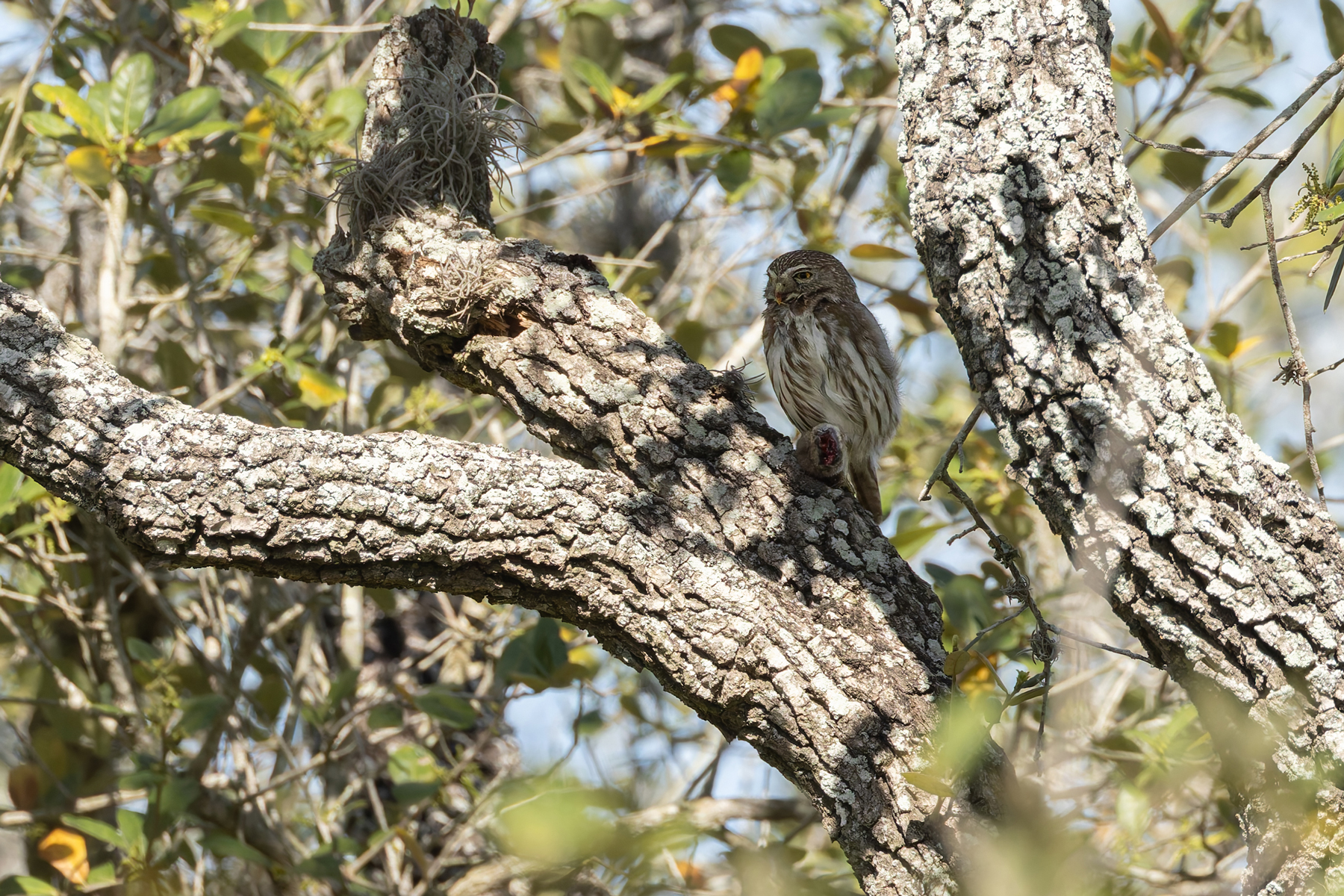
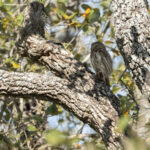
Ferruginous Pygmy Owl (image by Mike Watson)
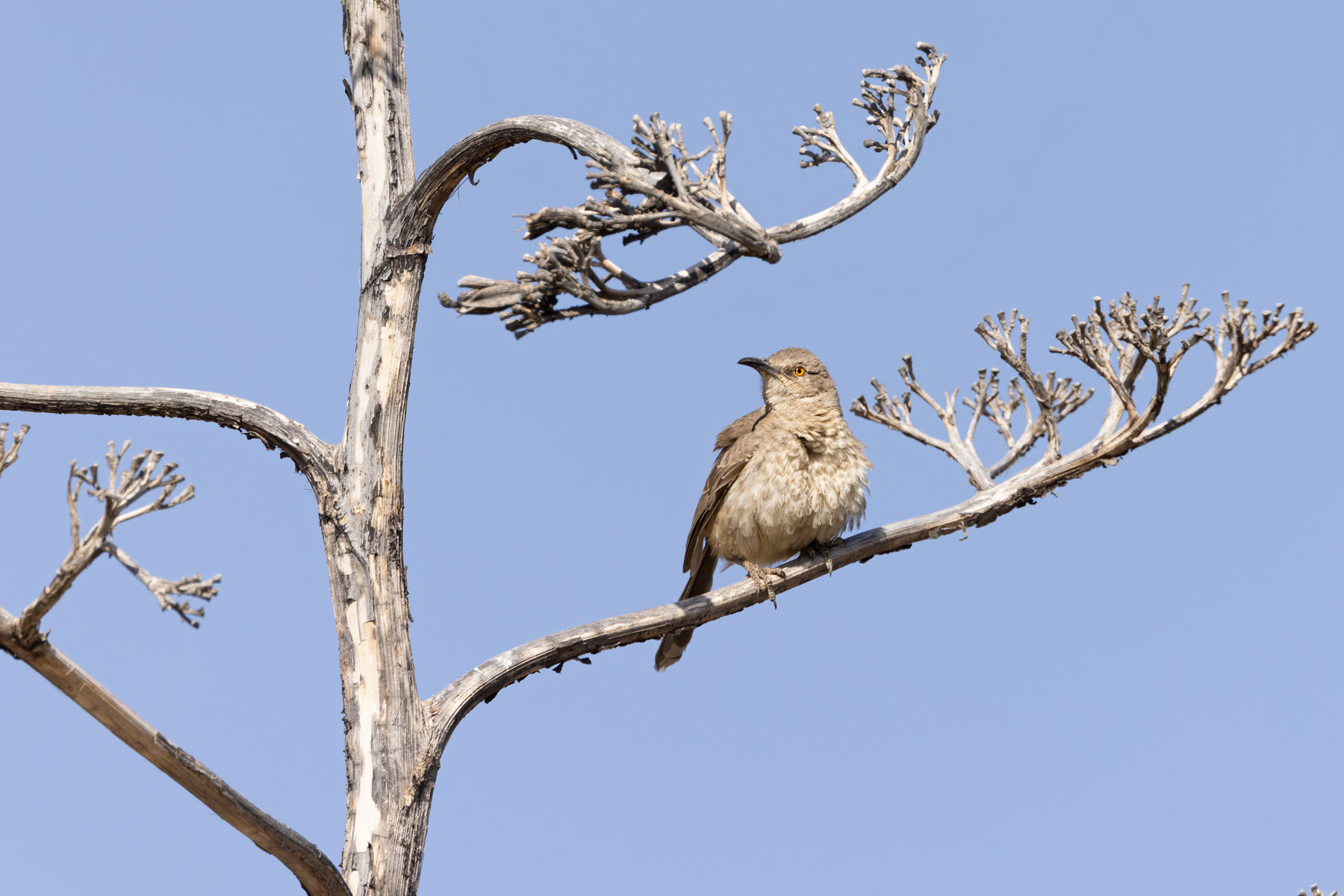
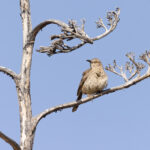
Curve-billed Thrasher (image by Mike Watson)
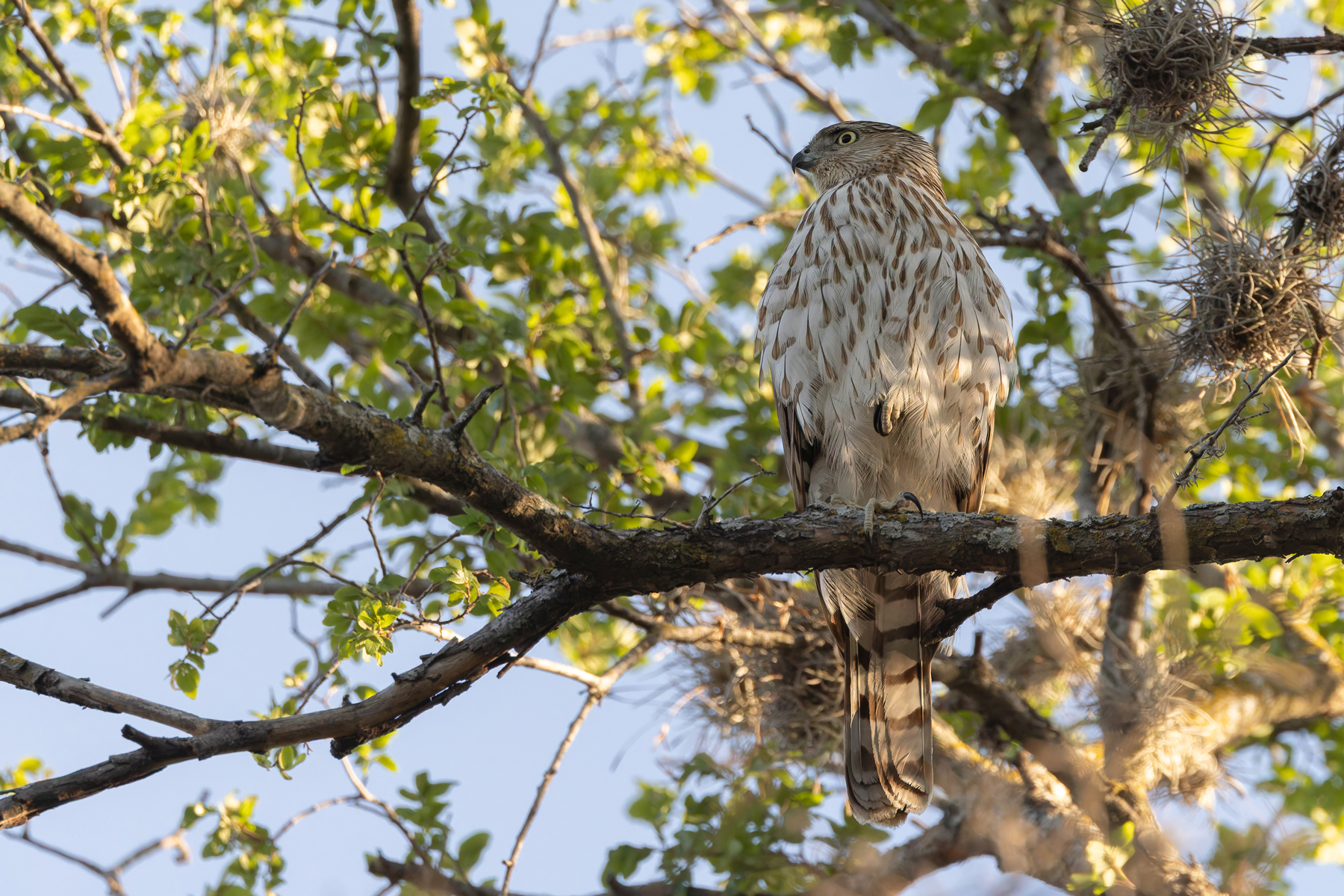
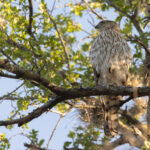
Cooper's Hawk (image by Mike Watson)
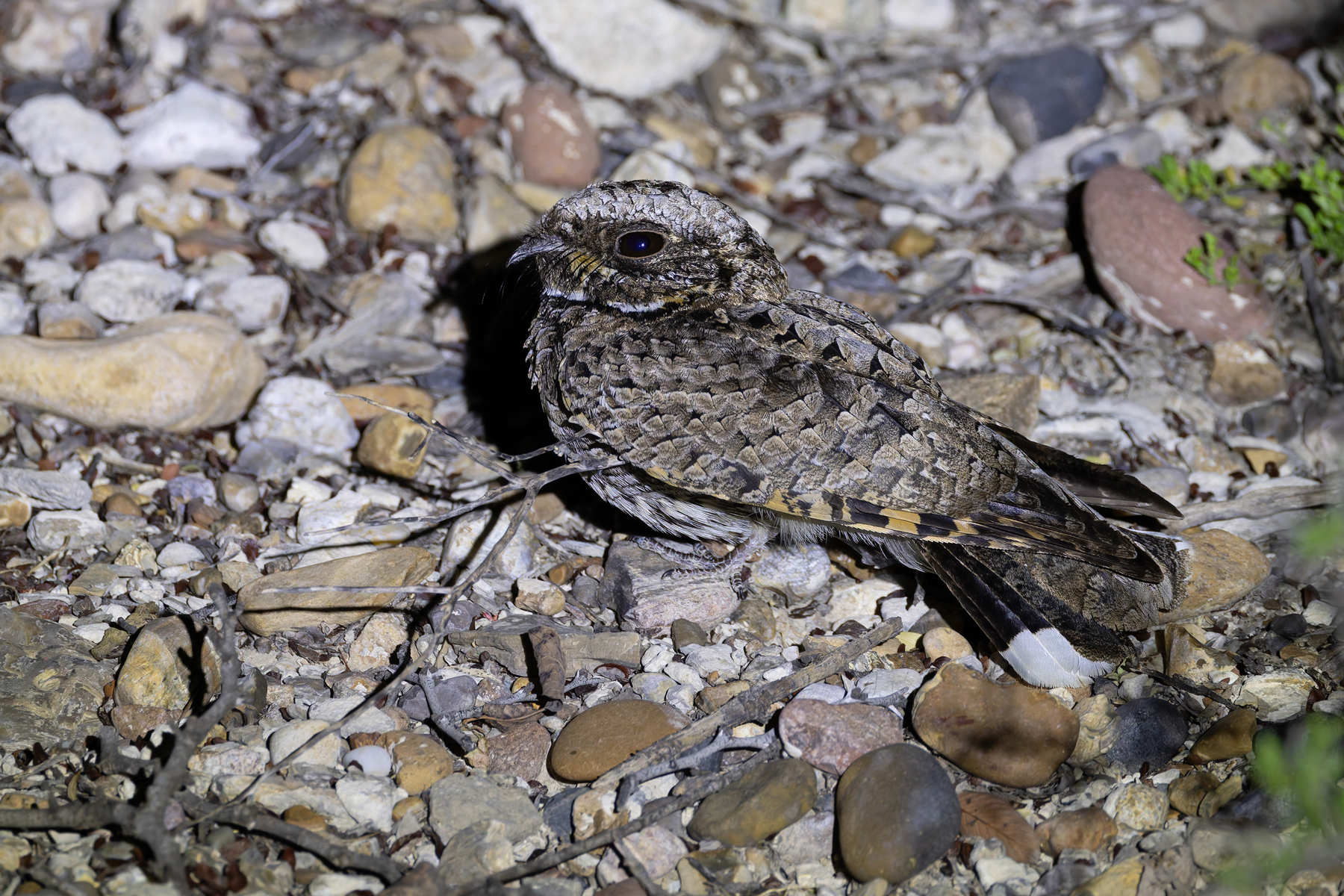
Common Poorwill (image by Mike Watson)
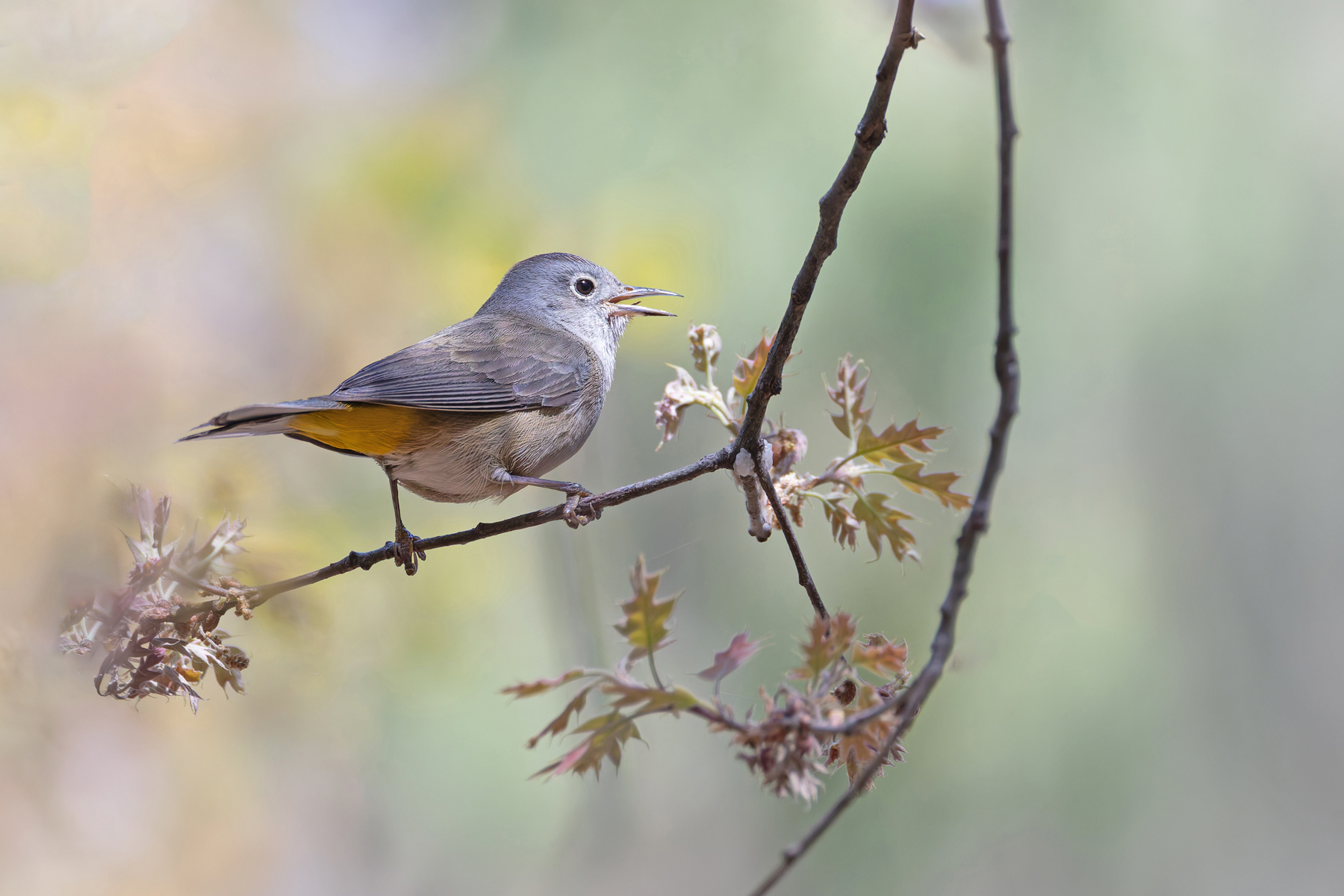
Colima Warbler (image by Mike Watson)
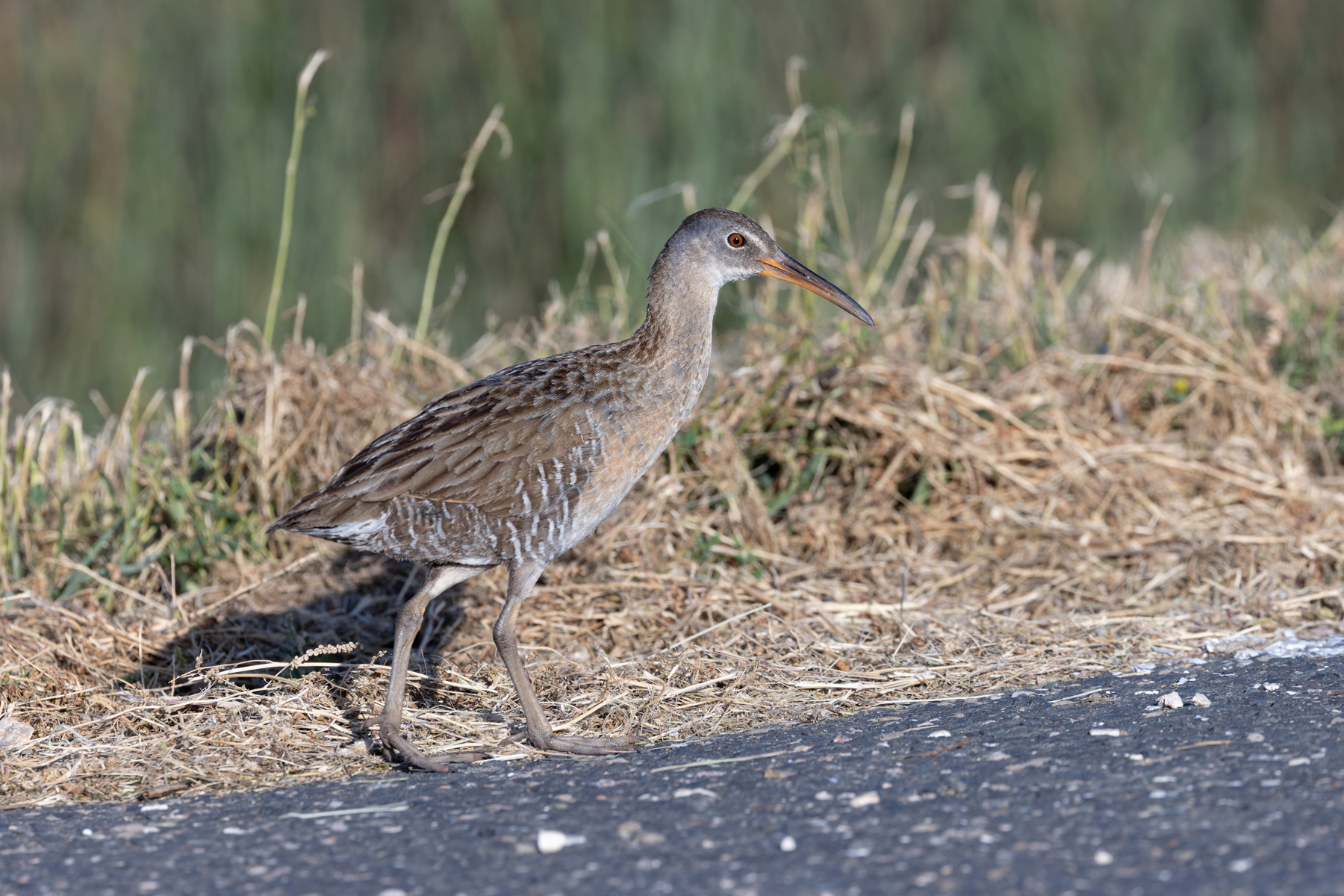
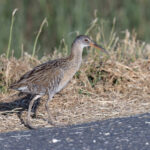
Clapper Rail (image by Mike Watson)
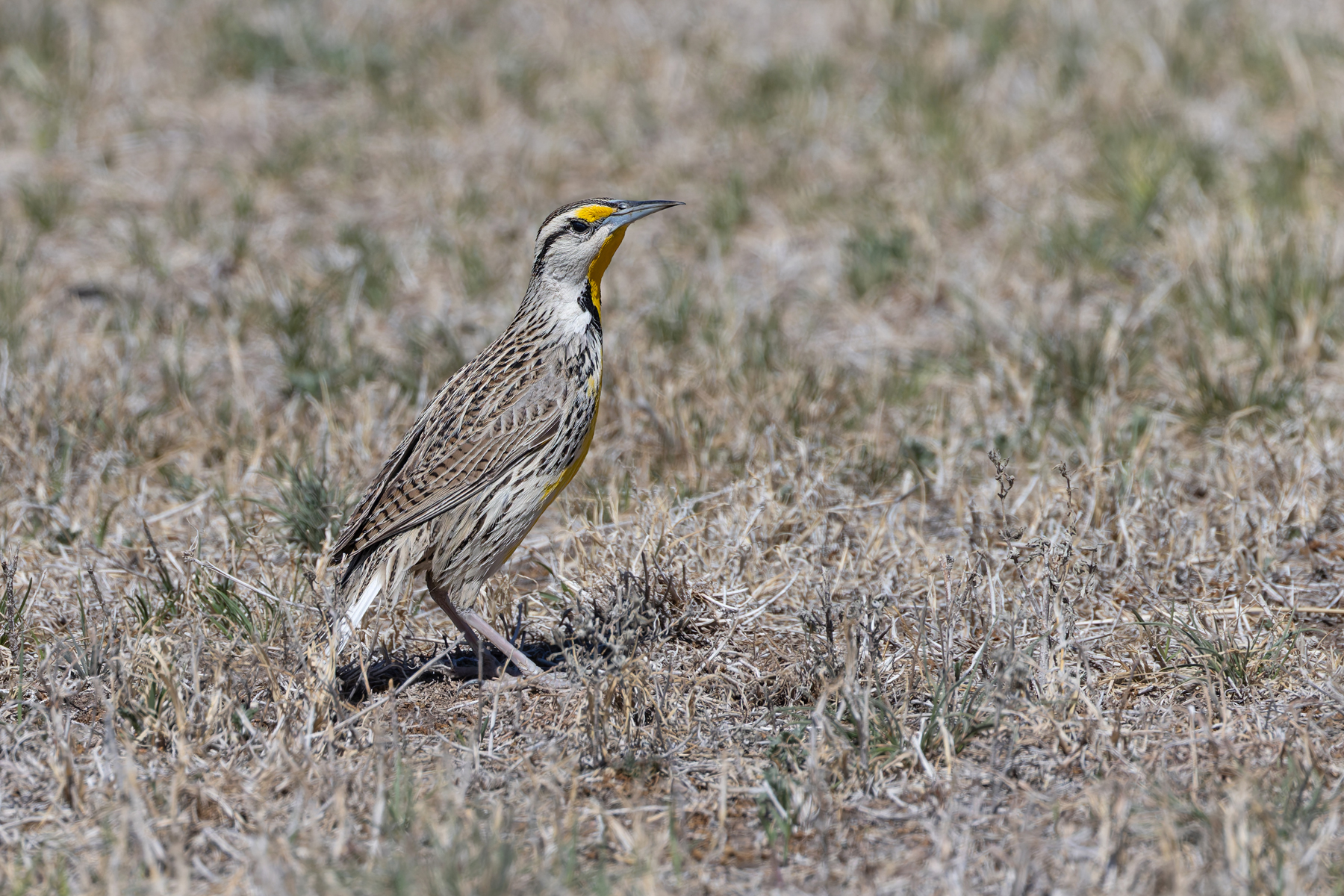
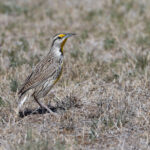
Chihuahuan Meadowlark (image by Mike Watson)
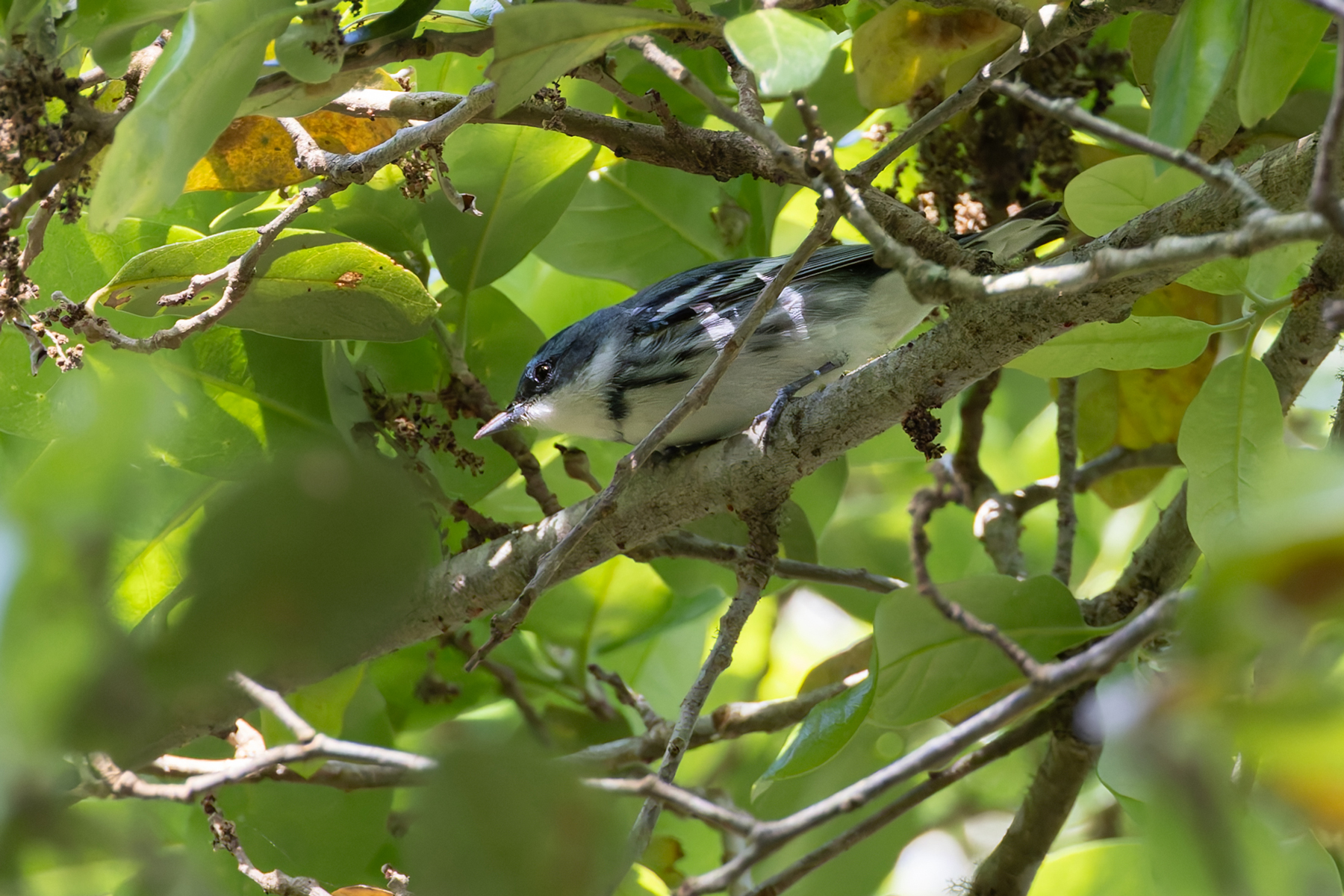
Cerulean Warbler (image by Mike Watson)
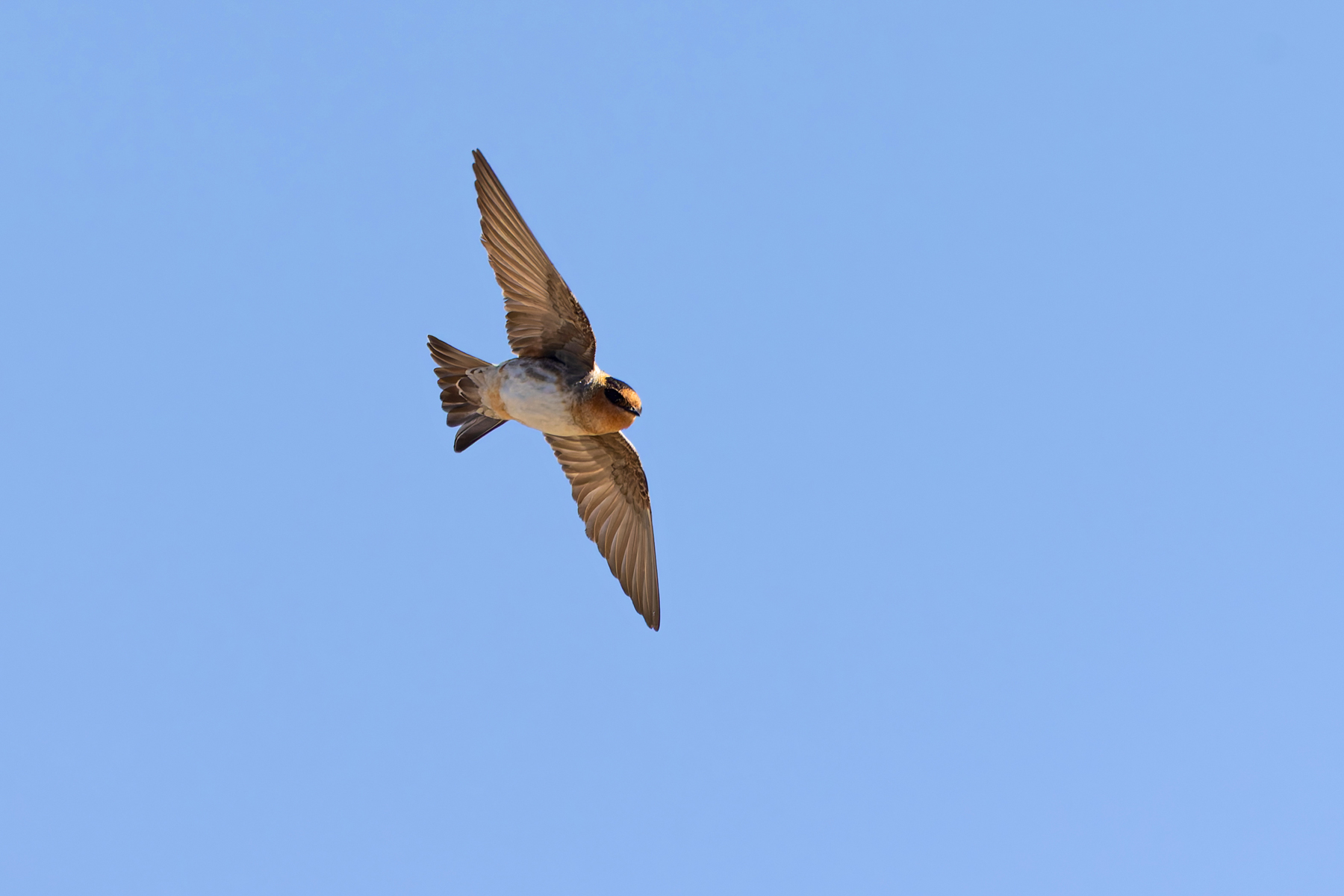
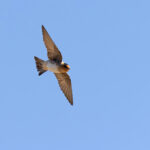
Cave Swallow (image by Mike Watson)
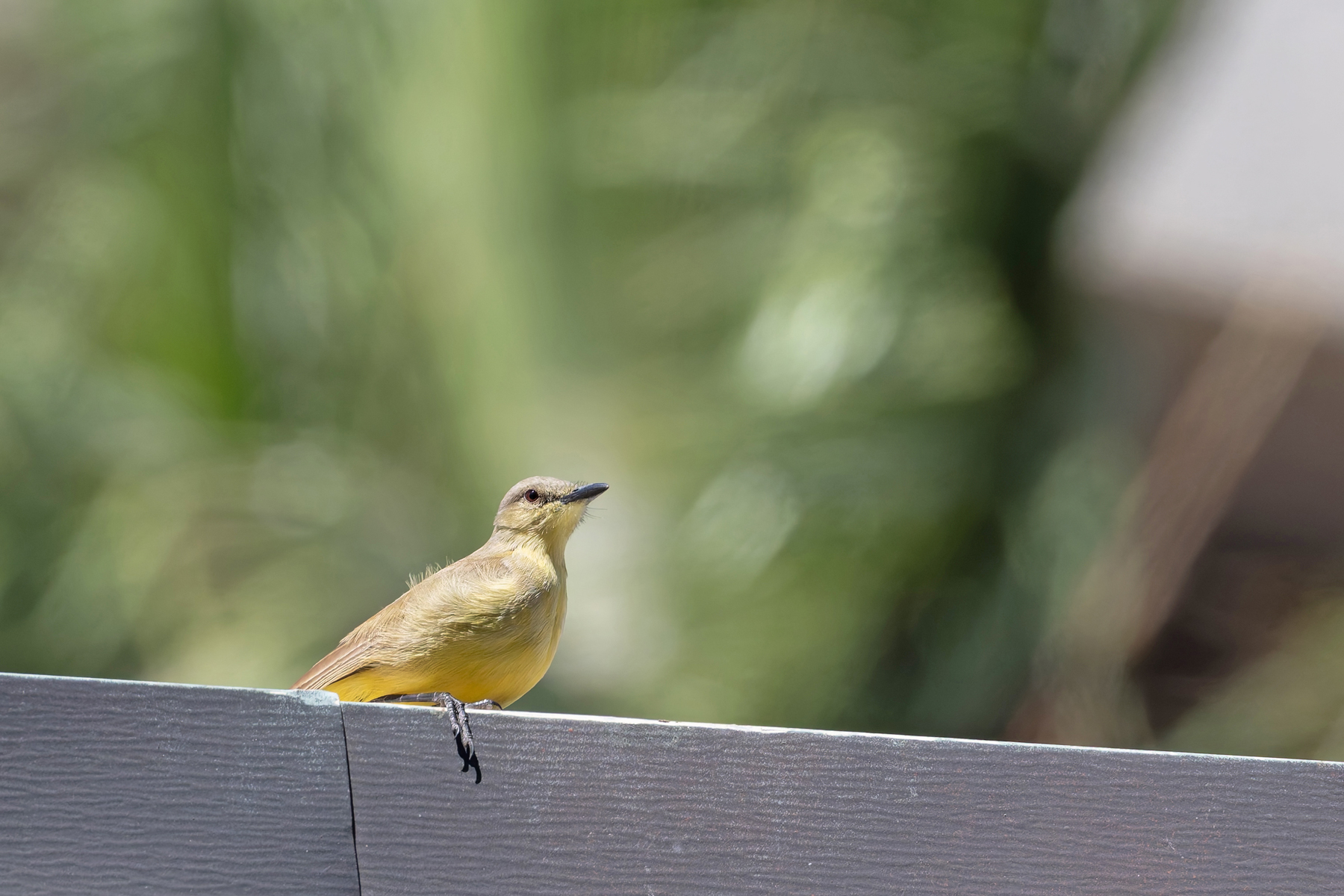
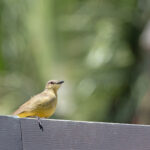
Cattle Tyrant (image by Mike Watson)
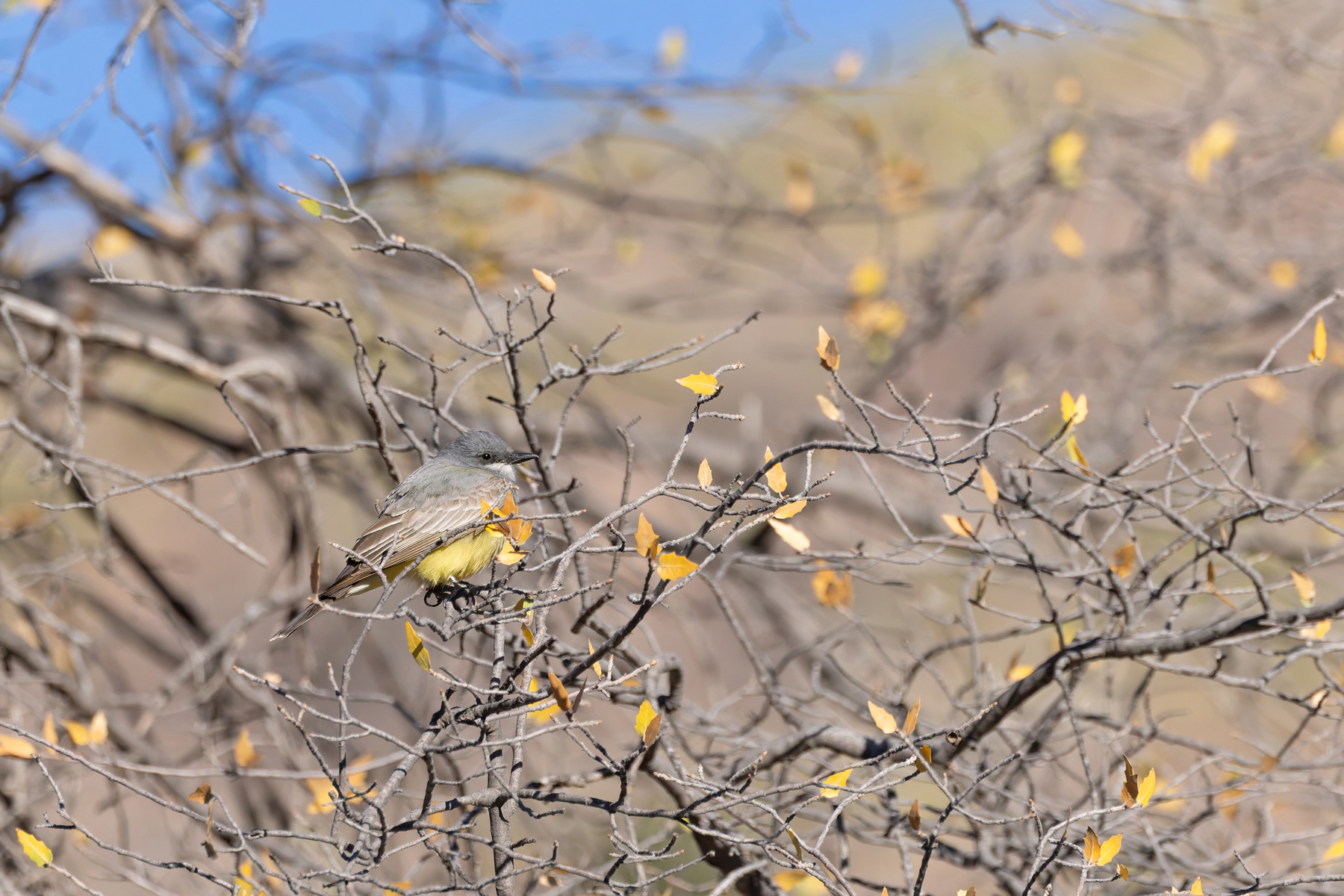
Cassin's Kingbird (image by Mike Watson)
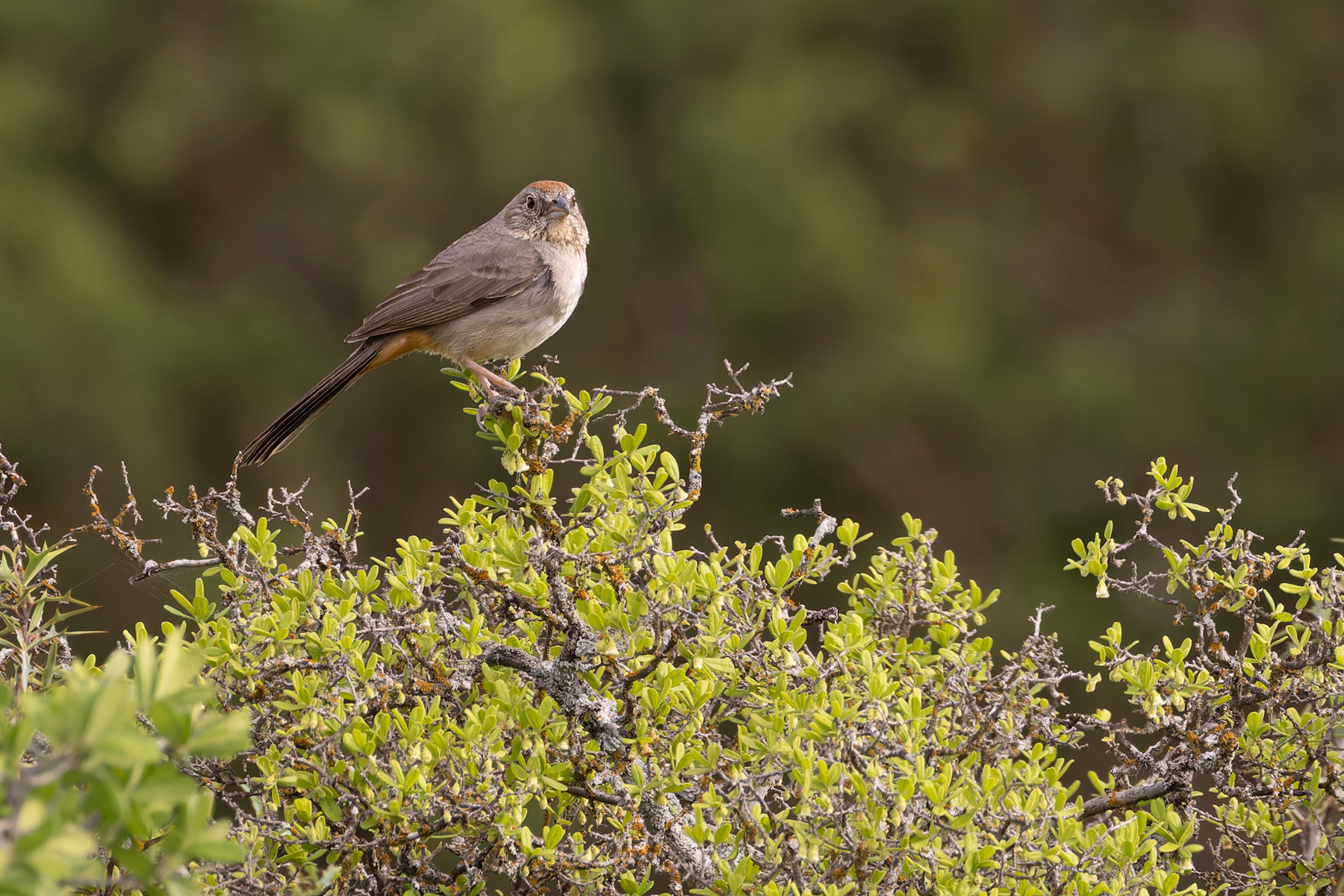
Canyon Towhee (image by Mike Watson)
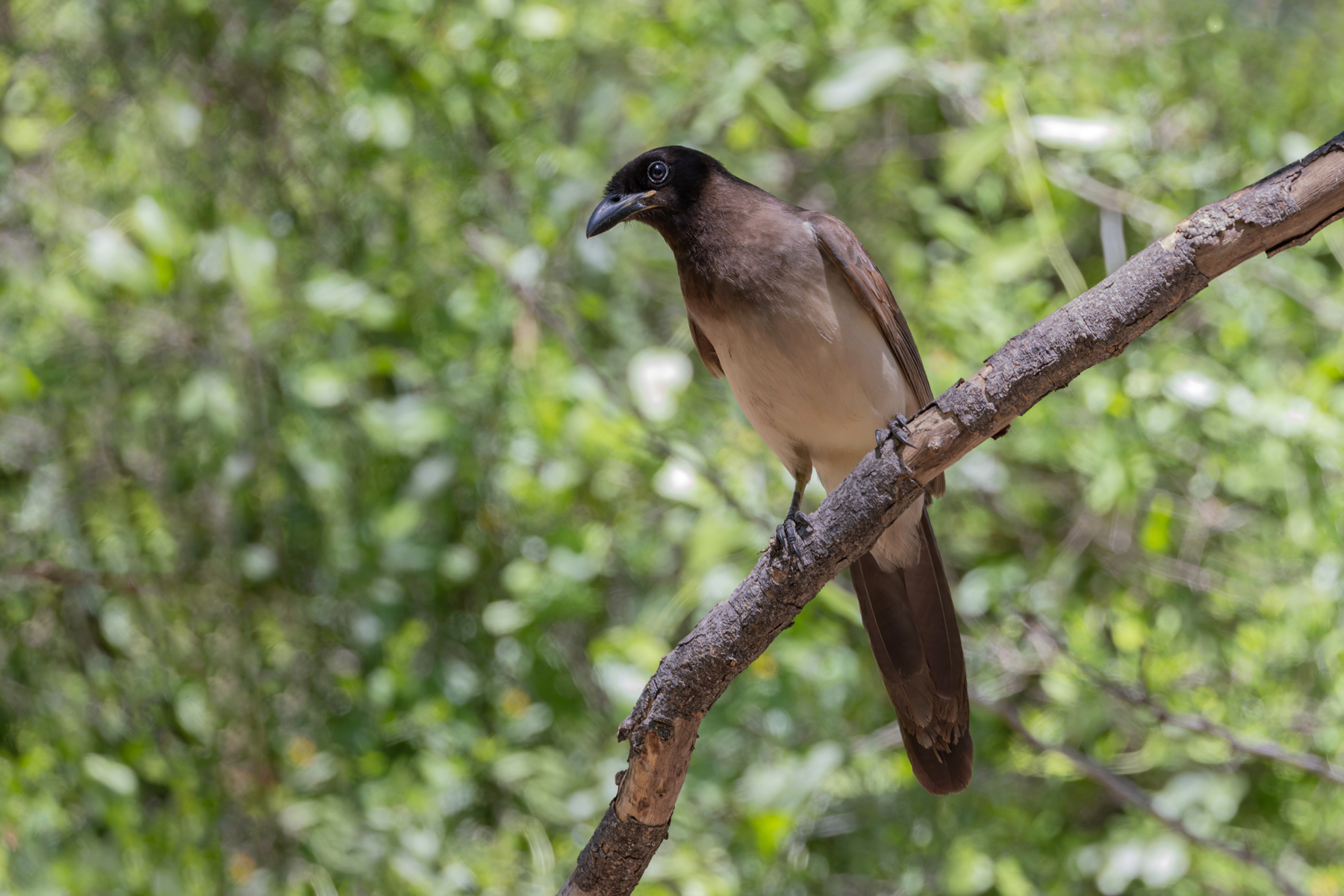
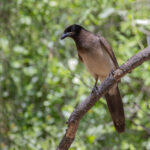
Brown Jay (image by Mike Watson)
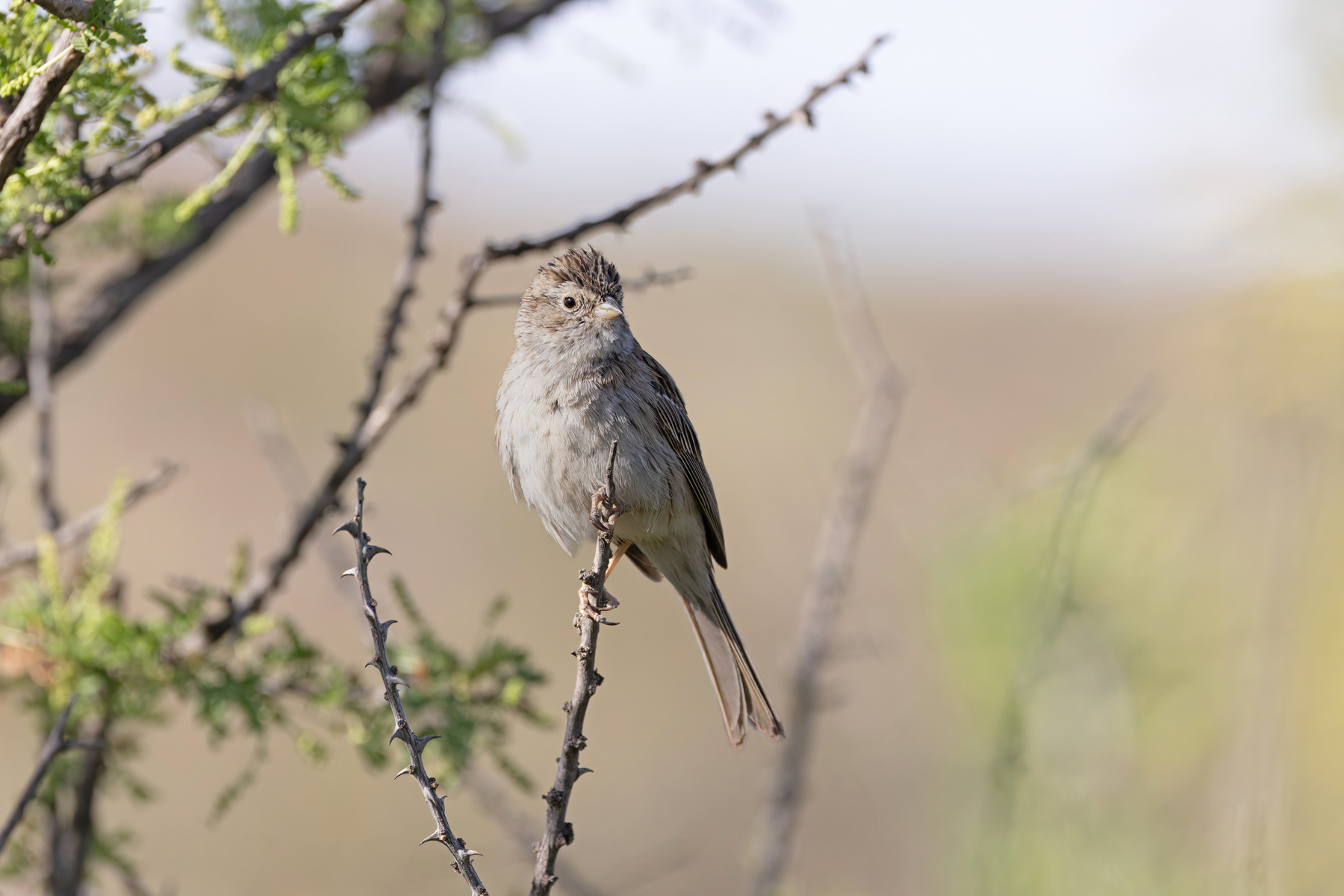
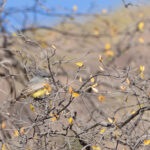
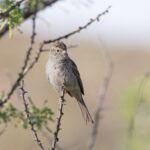
Brewer's Sparrow (image by Mike Watson)
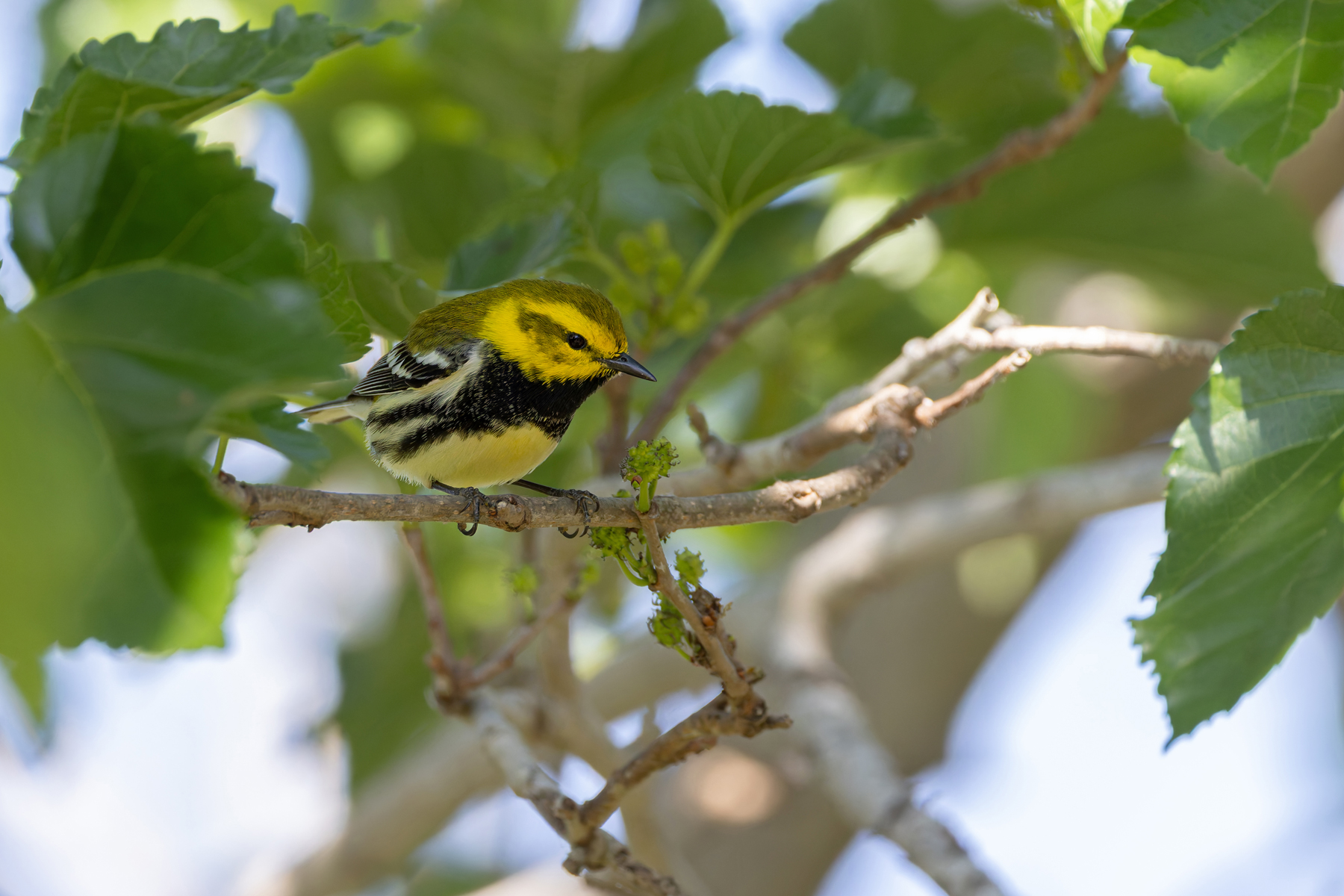
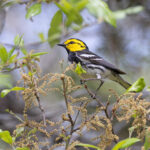
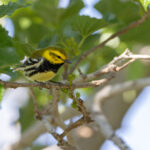
Black-throated Green Warbler (image by Mike Watson)
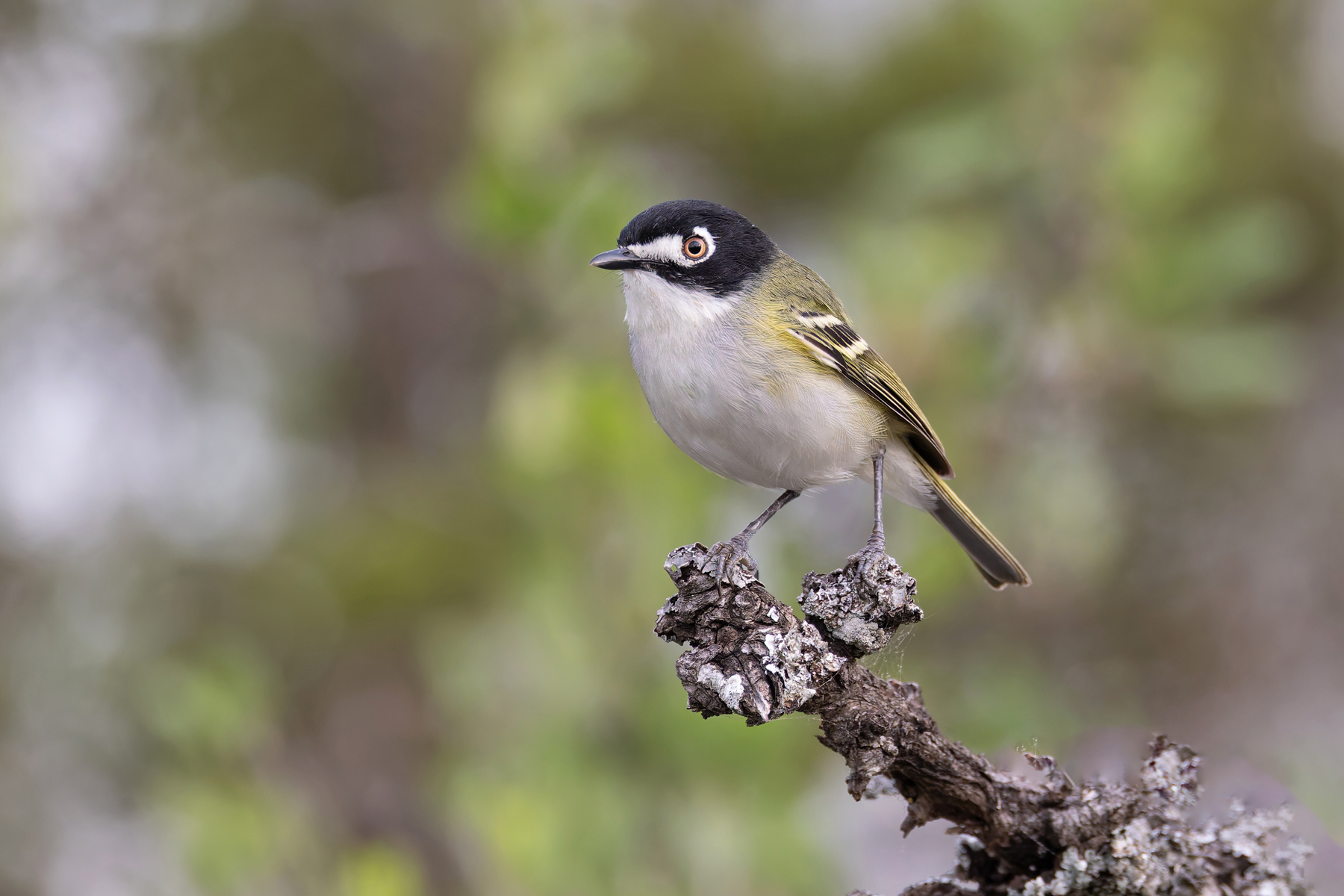
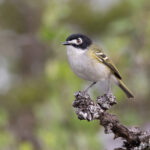
Black-capped Vireo (image by Mike Watson)
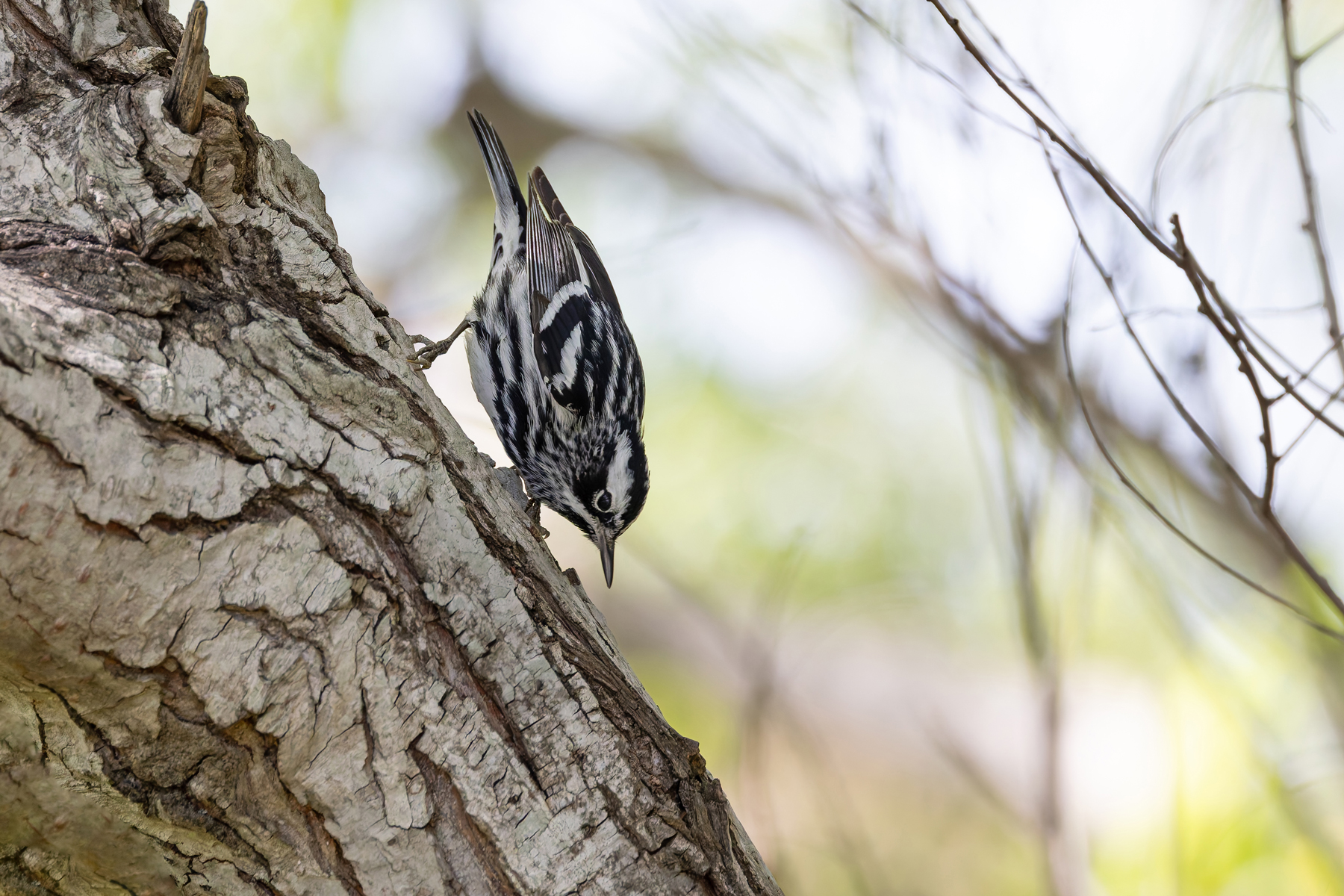
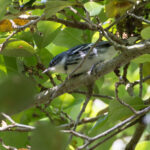
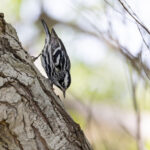
Black-and-white Warbler (image by Mike Watson)
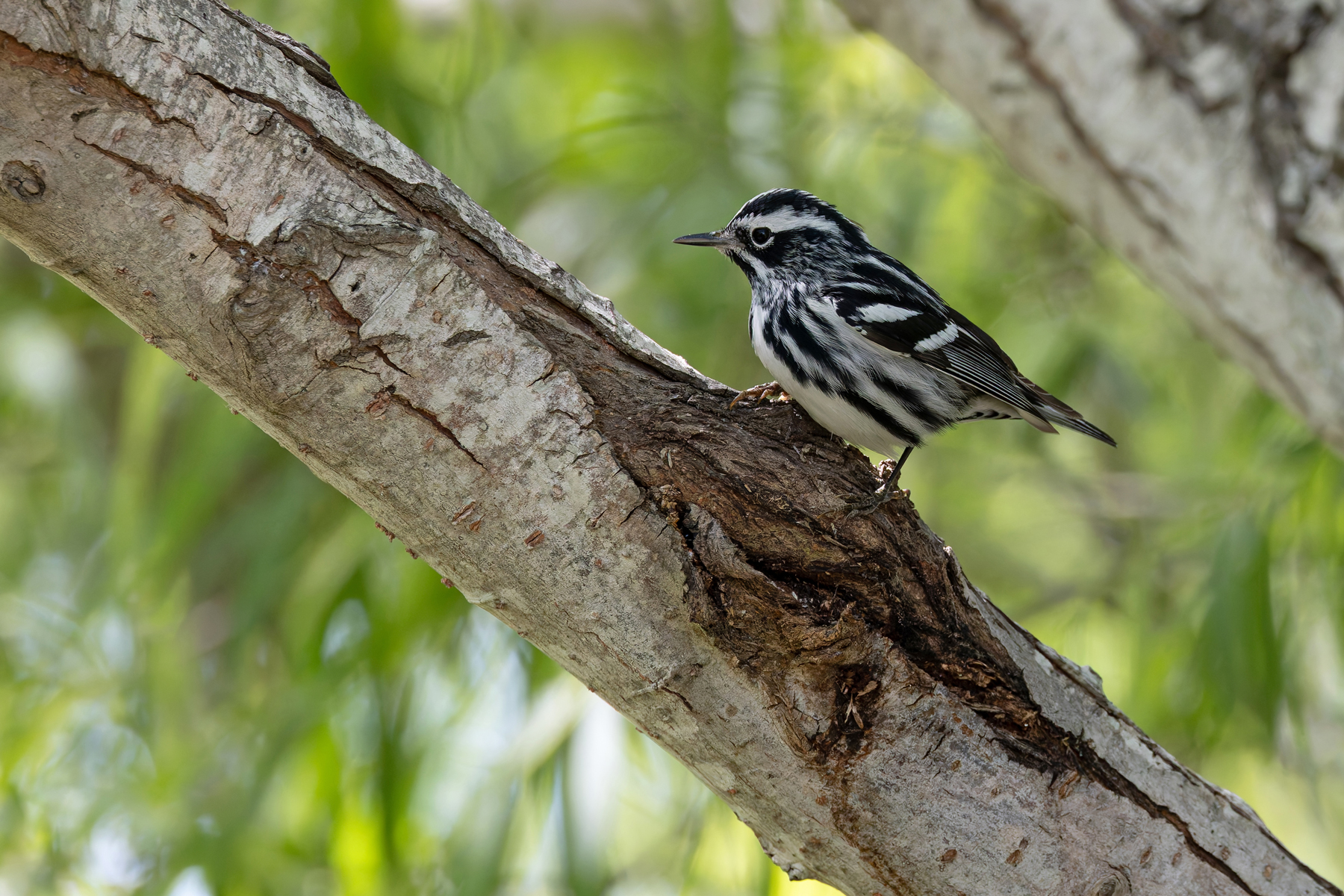
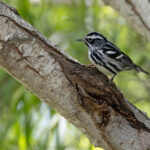
Black-and-white Warbler (image by Mike Watson)
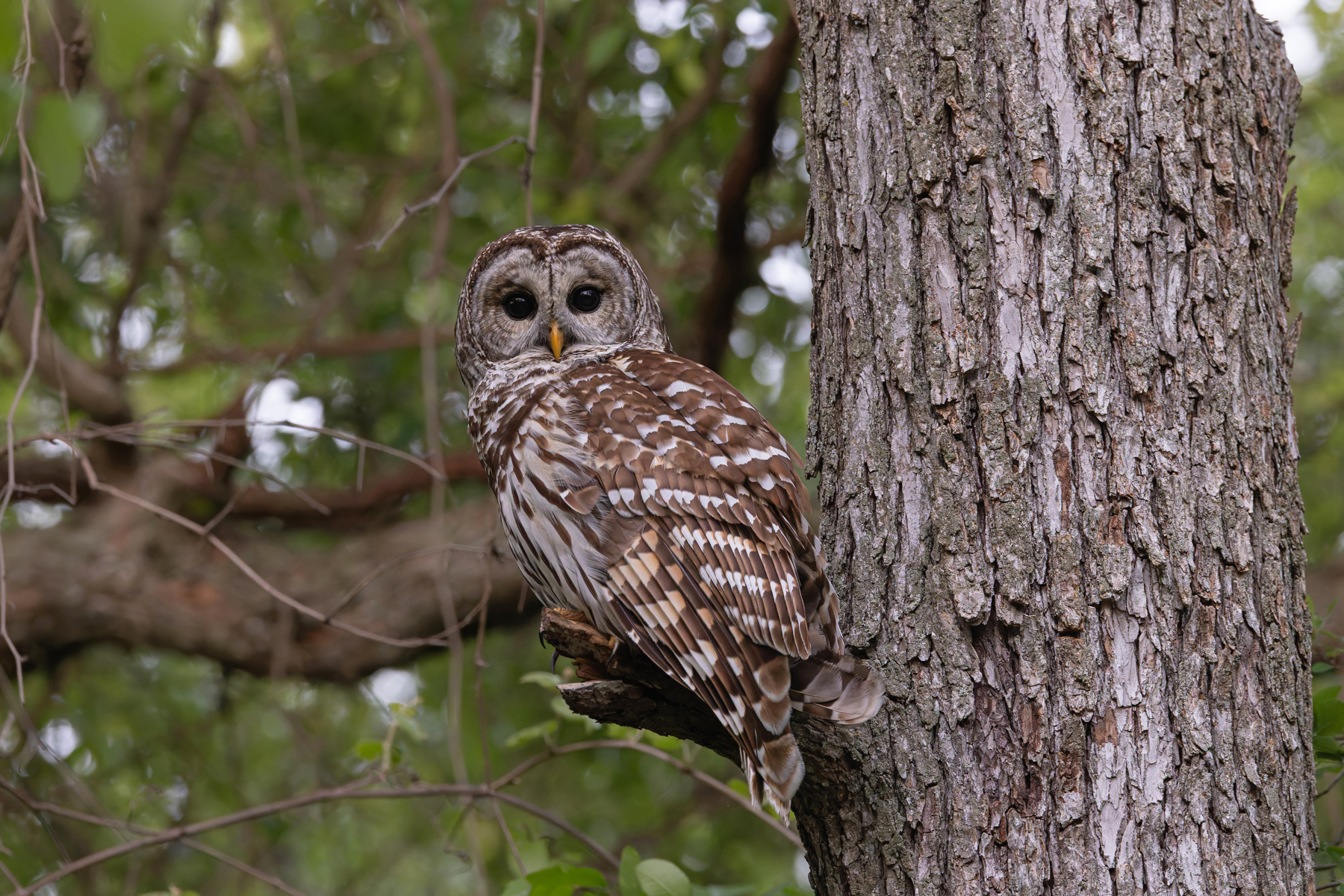
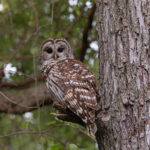
Barred Owl (image by Mike Watson)
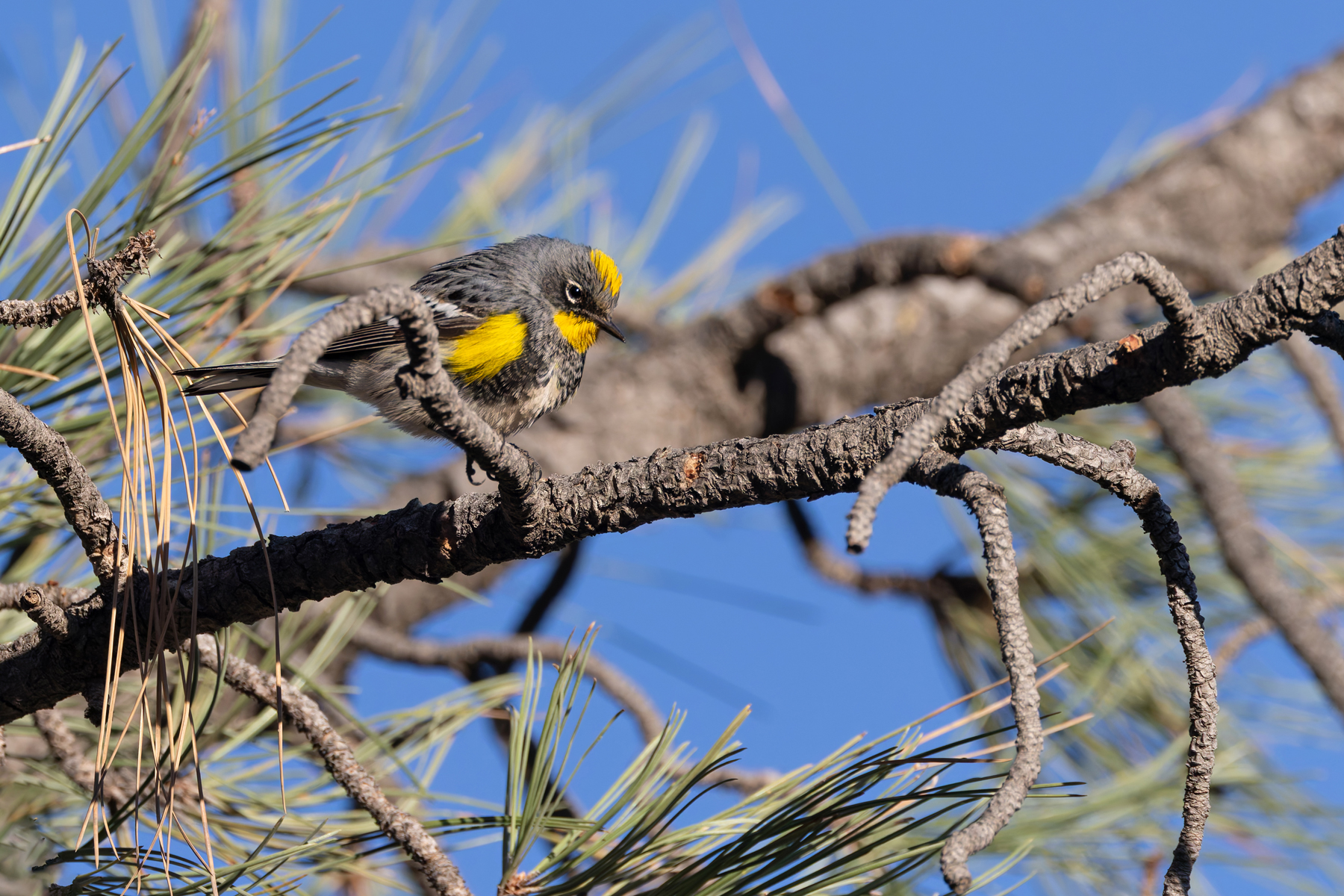
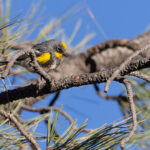
Audubon's Warbler (image by Mike Watson)
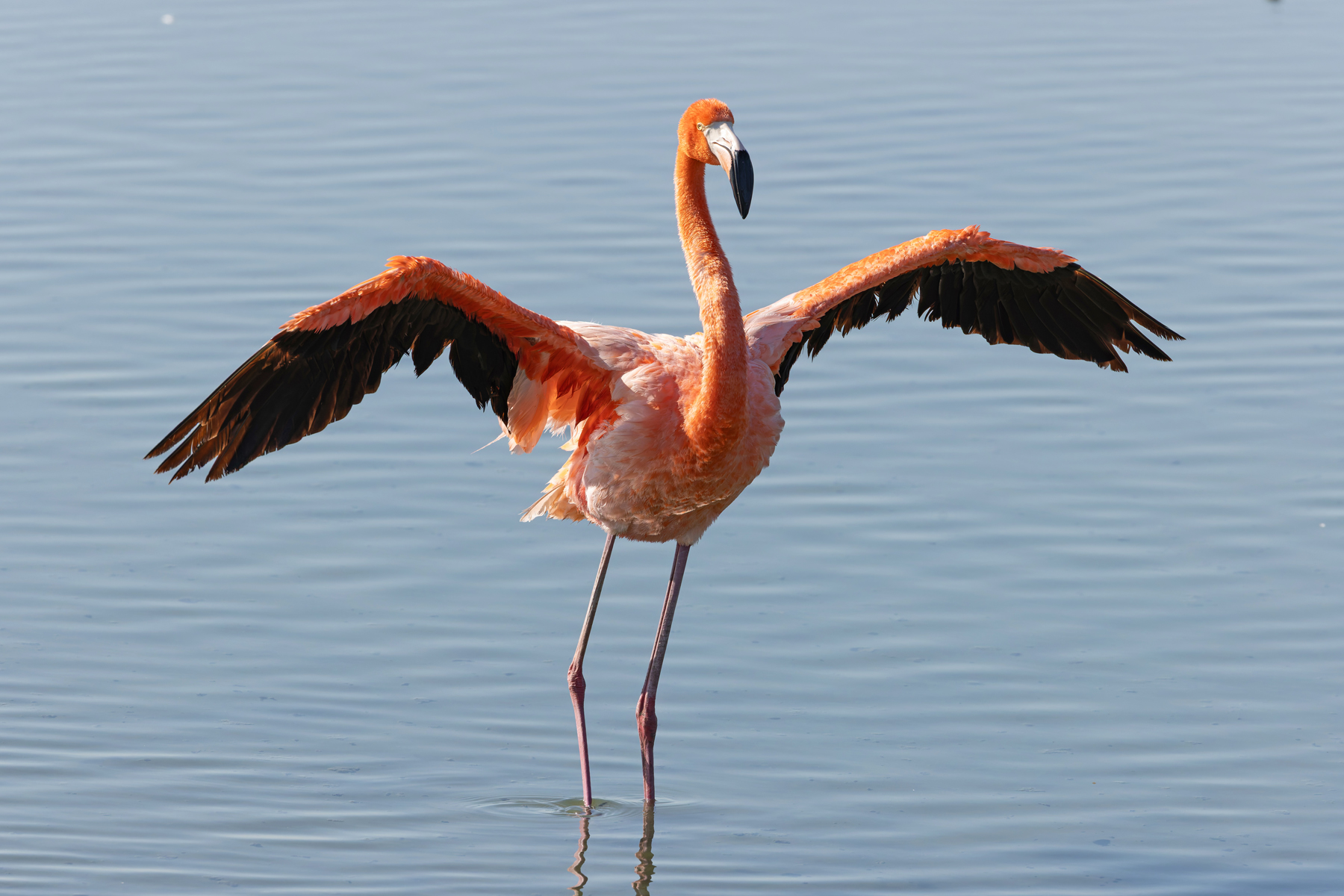
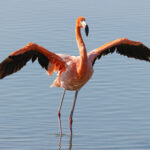
American Flamingo (image by Mike Watson)
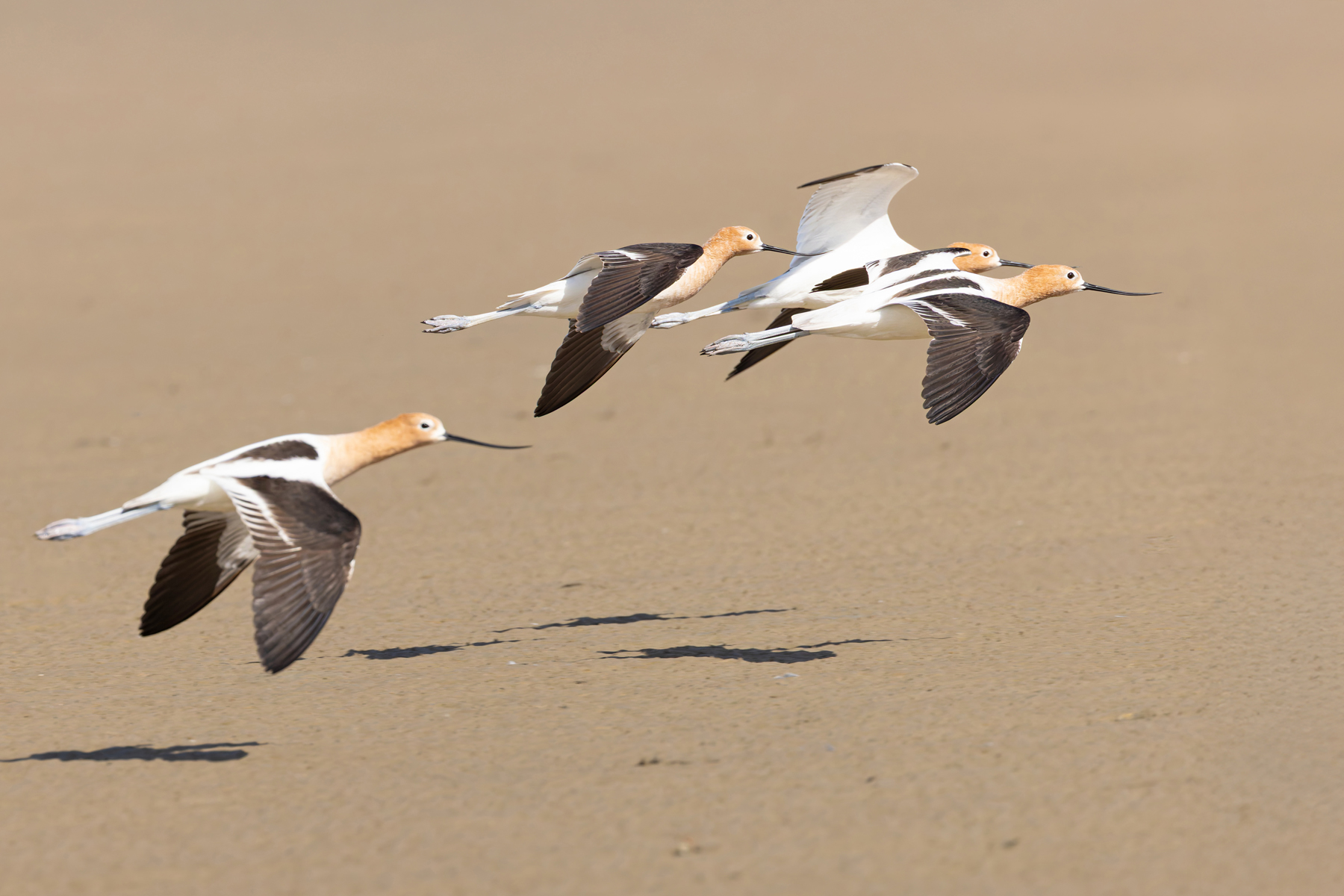
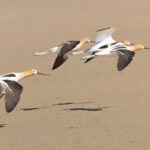
American Avocet (image by Mike Watson)
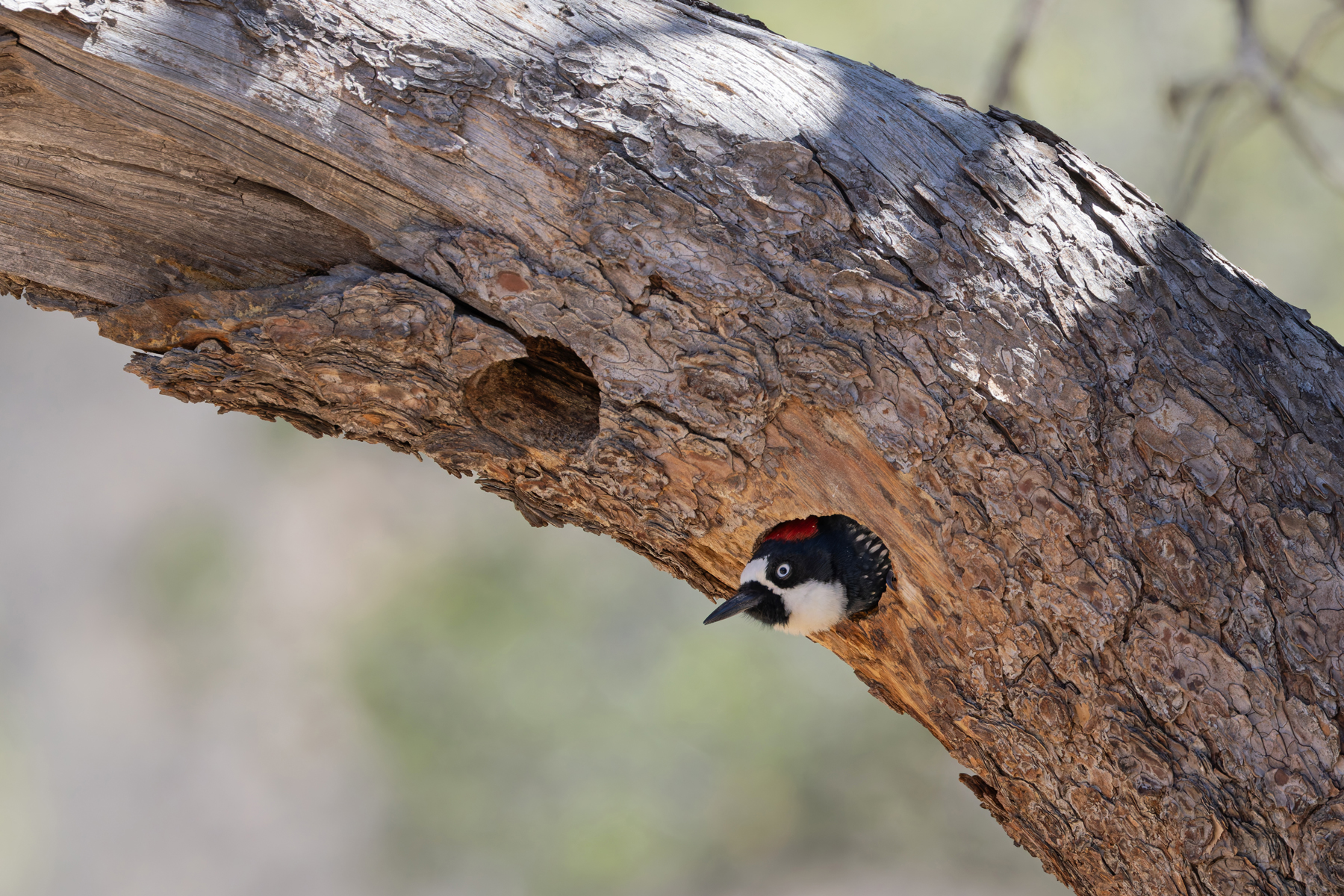
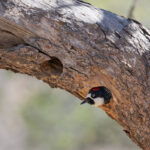
Acorn Woodpecker (image by Mike Watson)
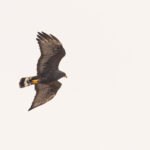
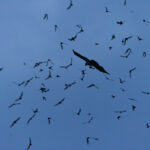
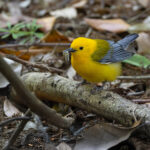
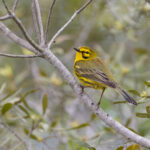
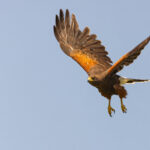


Zone-tailed Hawk (image by Mike Watson)
Woodhouses Scrub Jay (image by Mike Watson)
Wilson's Plover (image by Mike Watson)
Whooping Crane (image by Mike Watson)
Western Vine Snake (image by Mike Watson)
Western Bluebird (image by Mike Watson)
Vesper Sparrow (image by Mike Watson)
Upland Sandpiper (image by Mike Watson)
Tropical Parula (image by Mike Watson)
South Llano River (image by Mike Watson)
Rufous-crowned Sparrow (image by Mike Watson)
Red-tailed Hawk (image by Mike Watson)
Pyrrhuloxia (image by Mike Watson)
Prothonotary Warbler (image by Mike Watson)
Prairie Warbler (image by Mike Watson)
Pauraque (image by Mike Watson)
Painted Whitestart (image by Mike Watson)
Painted Bunting (image by Mike Watson)
Northern Gray Fox (image by Mike Watson)
Mottled Owl (image by Mike Watson)
Montezuma Quail (image by Mike Watson)
Montezuma Quail (image by Mike Watson)
Montezuma Quail (image by Mike Watson)
Mexican Jay (image by Mike Watson)
Lucifer Sheartail (image by Mike Watson)
Lucifer Sheartail (image by Mike Watson)
Lost Maples (image by Mike Watson)
Hudsonian Godwit (image by Mike Watson)
Horse Crippler Cactus (image by Mike Watson)
Hermit Thrush (image by Mike Watson)
Harris's Hawk (image by Mike Watson)
Greater Roadrunner (image by Mike Watson)
Golden-cheeked Warbler (image by Mike Watson)
Ferruginous Pygmy Owl (image by Mike Watson)
Curve-billed Thrasher (image by Mike Watson)
Cooper's Hawk (image by Mike Watson)
Common Poorwill (image by Mike Watson)
Colima Warbler (image by Mike Watson)
Clapper Rail (image by Mike Watson)
Chihuahuan Meadowlark (image by Mike Watson)
Cerulean Warbler (image by Mike Watson)
Cave Swallow (image by Mike Watson)
Cattle Tyrant (image by Mike Watson)
Cassin's Kingbird (image by Mike Watson)
Canyon Towhee (image by Mike Watson)
Brown Jay (image by Mike Watson)
Brewer's Sparrow (image by Mike Watson)
Black-throated Green Warbler (image by Mike Watson)
Black-capped Vireo (image by Mike Watson)
Black-and-white Warbler (image by Mike Watson)
Black-and-white Warbler (image by Mike Watson)
Barred Owl (image by Mike Watson)
Audubon's Warbler (image by Mike Watson)
American Flamingo (image by Mike Watson)
American Avocet (image by Mike Watson)
Acorn Woodpecker (image by Mike Watson)


TEXAS TOUR REPORT 2025

7 - 23 April 2025
Mike Watson
Despite what you might read in the media about travelling in the USA at the moment, we had a great time on the 2025 Birdquest tour of the Lone Star State, met some fabulous people, saw some awesome scenery and racked up an impressive 333 species (of which only 5 were heard only), miles ahead of our 2022 total. The diamond bird total of 66 compared well with previous years too. Although many of the birds we see can be seen elsewhere, if you don’t want to go south of the border, then Texas is an awesome place to catch up with them.
The runaway winner of the ‘bird of the trip’ vote this time was the exquisite Montezuma Quail, which performed exceptionally well at Fort Davis State Park, where, following a good breeding season last year, they have been visiting the bird feeders regularly. Close behind the quails followed some great experiences with other sought-after North American birds: Whooping Cranes at Aransas National Wildlife Refuge aboard MV Skimmer with Captain Tommy Moore; a point-blank migrant Painted Bunting in lovely Sabine Woods on the Upper Gulf Coast; a feisty singing Colima Warbler that showed so well on the ‘sky island’ at Boot Spring; gaudy Prothonotary Warblers around High Island; a male Cerulean Warbler that truly lived up to the colour of its name at Sabine Woods, the most-wanted of all the wood warblers; Pyrrhuloxia singing in the idyllic setting of Christmas Mountain Oasis; White-tailed Kite punching above its weight to the make the top ten in some outstanding company; Mottled Owl, the third for the USA that delighted us among the mozzies at Santa Margarita Ranch in ‘the valley’ and finally the stunning Yellow-breasted Chat, Tom’s most desired lifer.
Some terrific birds did not even make the top ten, let alone get a vote! 32 species of wood warblers inevitably included some other crackers like males of Black-and-white, Hooded, American Redstart, Northern Parula, Kentucky, Blackburnian, Myrtle, Audubon’s, Townsend’s, Black-throated Green and Painted Whitestart. Or how about the glowing male Lucifer Sheartail hummingbird at Christmas Mountain, performing his ridiculous display flight, before dropping like a stone to the ground; the Prairie Warbler almost within touching distance in the Pineywoods; the Greater Roadrunner that nearly got in the van at the King Ranch; the Clapper Rails that almost pecked our noses off on the Bolivar Peninsula; the supporting cast of Mexican birds at Santa Margarita Ranch that included a nocturnal Common Poorwill resting only a few metres away, the family of Brown Jays (the only ones in the USA) and the nest-building Rose-throated Becards or maybe the Barred Owls that kicked off the tour in San Antone? Not forgetting the Hill Country duo, Golden-cheeked Warbler and Black-capped Vireo, that we saw so very well too! The number and quality of highlights was stunning this time! I am sure that it crosses some folks’ minds that they can save USA road trips until later and do them themselves, but it is rather nice to be driven around the 3868 miles of this itinerary by someone else in a big comfortable SUV! By the end of the tour, we felt like we had seen a lot of Texas!
SAN ANTONE
Our ornithological road trip began once again in the military city of San Antonio, site of the Alamo, an important part of American history, where in 1836 a rag tag assemblance of around 200 Texans defending the mission were massacred by Mexican General Santa Anna’s force of 1500 soldiers. However, their brave stand triggered a reaction among citizens of the fledgling Republic of Texas and revenge was quick. We passed the site of Alamo on our way south out of the city, which is now surrounded by tall modern buildings in downtown San Antone, and you can easily visit if you have extra time here before the tour. We kicked off this time with a couple of good birds that we do not usually see on this tour. We were gathered as dawn broke by a quiet tree-lined creek serenaded by Carolina Wrens and Northern Cardinals. A pair of Barred Owls quietly glided in to inspect us, the male calling softly. We didn’t even need to reach for playback before they were upon us. Magnificent views were had by all – what a way to start! It seemed so long ago by the time the bird of the trip vote came around though. Eventually the pair of owls disappeared from view creekside and we turned our attention to a nearby Carolina Wren. Smart Wood Ducks followed, not an easy bird to see on the rest of this circuit, as well as our first Cooper’s Hawk, Ash-throated Flycatcher, Ruby-crowned Kinglet and Orange-crowned and Tennessee Warblers.
The drive south across the farmland towards Aransas saw our first Scissor-tailed Flycatchers appear on fence lines here and there. We would see over 70 of these amazing birds on the tour but it is difficult to drag people away from their first, ‘don’t worry we will see more of these later!’ We did have a little time to pause and look at some of the hundreds of Cliff Swallows nesting on the highway underpasses, there is extensive new breeding habitat like this for them in South Texas! We were hoping to see Burrowing Owl on this tour for the first time for many years but the recent weather event, which was still drowning people in Kentucky this morning, seemed to have flooded the owls’ homes too, with flotsam debris all over the spots where their burrows lay. One for next time then. We enjoyed some nice views of migrant Swainson’s Hawks over the vast agricultural fields, as well as the smaller Broad-winged Hawk mixed in with them. A distant White-tailed Hawk was also spotted as it vanished high into the blue.
MUSTANG ISLAND
The afternoon saw us circumnavigating Corpus Christi’s horrible traffic system, with its at least one million roadwork detours, on our way to the spectacularly named Mustang Island. The hoped-for Aplomado Falcon was sitting inside its roadside nesting contraption and to our delight it flew over to perch briefly on overhead power lines, affording a much better look than the amorphous blob in the heat haze it started as. A short stop at ‘The Willows’, a lovely little migrant trap (where someone is bent on eradicating mosquitoes?), only produced a couple of Ruby-crowned Kinglets and a young male Indigo Bunting of note. So, there had not been much of an arrival, as we had hoped with the wind having turned northerly today. Next stop was Port Aransas and a couple of excellent sites that we visited in 2022. At the first, Joan & Scott Holt Paradise Pond, we again enjoyed some nice eye-level wood warblers, particularly Black-and-white Warbler. They seem to like it here. Our first Wilson’s Warbler was nice, as were another couple of Indigo Buntings, one male in better plumage than the previous bird. The water level in the pond itself was quite low and there was nothing of interest on it this time.
We spent the rest of a sunny afternoon at the superb Leonabelle Turnbull Birding Center. What a great spot this is! Before we got to the very sturdy boardwalk, which overlooks waterbird-thronged lagoons, we enjoyed a small selection of migrants. The smart male Black-throated Green Warbler was a contender for ‘bird of the day’ in the isolated tress by the parking lot. In the ‘also’ category here were: Myrtle and Nashville Warblers, a fine Summer Tanager and more Indigo Buntings. The large wetland produced an unintentional write-in for this long-running tour, American Flamingo. Leftover from recent influxes to the USA from the Caribbean. A pair of Mottled Ducks was much appreciated, being a lifer for most and a drake Redhead was a surprise lingering winter visitor. Shorebirds abounded, many of them ultra tame and sometimes even under the boardwalk! Black-necked Stilt, American Avocet, Grey (or Black-bellied) Plover, Marbled Godwit, Long-billed Dowitcher, Lesser and Greater Yellowlegs, Stilt Sandpiper and Baird’s and Pectoral Sandpipers (two of each) were all added to our list. A gaggle of Roseate Spoonbills brightened up the scene and eight species of herons and egrets included Tricolored Heron and Reddish Egret. We did not quite reach 100 species today, but it had a been a good start. The seafood restaurant was very welcome at the end of a long day’s birding!
ARANSAS NWR
A pair of fine Golden-fronted Woodpeckers greeted us as we got into our vehicles outside our hotel this morning and a post-breakfast stop at the Linda S. Castro Nature Reserve on the edge of town was unproductive although we did see Black-throated Hummingbird of note among the mosquitoes. There is nothing like having the main target of the tour falling at the start to set the tone, combined with it being a winter visitor, which we have managed to miss in the past! The majestic and endangered Whooping Crane! To add to the tension eBird, in its wisdom, turns this bird to ‘sensitive’ status in April, so you can’t see where they have been seen recently! The best time to see them is just after Thanksgiving, when there are plenty of family groups around, encroaching on each other’s feeding territory. However, when combining them with Texas summer migrants we cannot visit too much earlier in April. So, it was a massive relief to finally set eyes on it on Captain Tommy Moore’s Skimmer cruise up the Intracoastal Waterway to the enormous Aransas National Wildlife Refuge (NWR). As is often the case, they were distant, striding across the saltmarsh in search of crabs. As we were watching a couple of them, loud bugling calls could be heard to the east as a family group of three cranes flew with a purpose across the waterway, before soaring up into a blue sky full of Turkey Vultures. Migration was happening! Next stop maybe a prairie lake in Kansas or the Dakotas, on their northbound journey to their breeding grounds in Wood Buffalo National Park, Canada. At their nadir in the 1940s they numbered only 22 birds, but thanks to intensive conservation efforts the Aransas/Wood Buffalo migratory flock numbers just over 500 birds. It was very special to be able to share this moment with Captain Tommy, a living legend in Whooping Crane viewing terms. His usual, very entertaining commentary accompanied some other great sightings on our journey across Aransas Bay, where several oyster dredgers were working. A couple of Common Loons (AKA Great Northern Divers) were in attendance as the small boats carved tight circles in the murky waters. A few Common Bottlenose Dolphins were also around, and numerous Royal Terns and Laughing Gulls passed by. On the various manmade flood barriers and shingle ridges were our first American Oystercatchers, Forster’s and Cabot’s Terns. Several less common gulls included Ring-billed, American Herring and a fine Lesser Black-backed, hitching a ride on one of the massive waterway barges. There were a lot of cormorants out here too, both Neotropical and Double-crested. There was obviously a lot of migration happening in addition to the cranes’ departure, as flocks of ibises heading north was a constant feature of the morning. One of the flocks of White-faced Ibises had a small group of shorebirds at its arrowhead, HUDSONIAN GODWITS(!), 17 of them, many in breeding plumage, their jet-black armpits contrasting with white wing bars and rumps! I was glad of a few record shots or perhaps no-one would have believed us? I hadn’t heard of a number like this in Texas before. It took something special to upstage the cranes!
The heron and egret rookeries were full, and it was nice to get some good looks at the crazy Reddish Egrets in their breeding finery. Raptors were also well-represented this morning, with an adult Bald Eagle stealing the show, an uncommon sight here and a rusty-tinged Northern Harrier. Skimmer had to do some actual skimming for once on the return journey, as the southerly breeze had caused some waves in the bay and back on dry land once again, the tasty Duck Blind café sandwiches were well worth the wait!
On our way south to the valley, we stopped in downtown Corpus Christi, where we paid our respects to a category 5 US rarity, a Cattle Tyrant, which has been in residence on and off since November 2023! The first for the USA in fact, it breeds no closer than Panama. It was strange to see it flycatching from the window ledges of high-rise buildings, instead of hawking between the hooves of horses, like I usually see them in Brazil’s Pantanal. Just one of many creatures making their way north in recent times! We ended the day at the Whataburger Loop in Harlingen, where, in the most surreal urban surroundings, thousands of Great-tailed Grackles come to roost. There were no parrots among them, but we did spot a single Bronzed Cowbird, as it paused on wires before diving into its roosting trees with the rest of the throng and hundreds of Chimney Swifts swirled overhead.
KING RANCH
Nearing Harlingen, gateway to the Lower Rio Grande Valley, we started to see lakes! Well, on closer inspection they were flooded fields. I couldn’t recall wetlands like this on the edge of town. They were the product of the severe rainstorm a week earlier, which had brough 18 inches of rain to Harlingen in 24 hours!!! This had a disruptive effect on our birding over the next couple of days. Happily, less so on our King Ranch morning excursion. As we waited for our guide at the Norias Division gate, Scissor-tailed Flycatchers put on a nice show at last, Brewer’s Blackbirds were among the many Brown-headed Cowbirds and brightly coloured Hooded Orioles were nesting nearby. Our excellent King Ranch guide, Janice eventually rolled up and we were off onto the ranch. Before we reached the HQ buildings, we were already seeing some interesting birds. Small groups of migrant Upland Sandpipers were dotted about the cattle pastures, it was great to hear their strange rippling call (the one that surprised birders at Spurn in East Yorkshire in autumn 2023)! White-tailed Hawk was nesting nearby and showed beautifully in the early morning sunshine, while Eastern Meadowlarks sang from their exposed perches on the grassland. Other interesting sightings followed. A pair of male Hooded Orioles grappled in the grass right next to the King Ranch van; a Northern Beardless Tyrranulet obliged after it was located via its high-pitched piping call; Vermilion Flycatcher and Couch’s Kingbirds (the first of many) were spotted; Common Ground and Inca Doves were also added to our lists and a few Harris’s Hawk were perched above the groves of oaks. We passed by some impressive Texas Longhorn Cattle, one of the ranch’s iconic breeds, that bear the ‘running W’ brand, registered in 1859. The origin of the brand is unknown, it is thought by some to represent a rattlesnake and others the course of the Santa Gertrudis creek.
The 825,00 acres King Ranch was established in 1852 by Captain Richard King, the son of Irish immigrants, and his friend Texas Ranger Gideon Lewis (Lewis was killed in 1855 by the husband of his mistress) and it has played an important part in the history of Texas. Latterly it has been known for its horse breeding and cattle rearing. Doing a shortened version of the all-day excursion, we only had a few specific targets to find here that we would not see elsewhere, notably Ferruginous Pygmy Owl. Laughably, this bird is listed as a threatened species under the U.S. Endangered Species Act. It is common across much of Central and South America as far south as Argentina but its range only just creeps into the USA. Playback is deemed illegal for it in the USA but fortunately Janice knew of an occupied nest hole, and when we arrived at a quiet oak grove, the female was already sitting at its entrance. Her partner was not far away and was calling softly, he had a small headless rodent in his clutches. An Audubon’s Oriole sang in the distance but quickly faded away. Later, we stopped to look at our 8th Greater Roadrunner of the day and as we were admiring this impressive and very confident ground cuckoo, we could hear a Tropical Parula singing. Another southern bird that just creeps into the USA in South Texas. He did not have any trace of white eye crescents (although this may not preclude a pure bird after all?) and the extent of yellow on his underparts looked pretty good too. We had a very nice picnic lunch in the shade of a grove of Live Oaks, washed down with some nice views of Brown-crested Flycatcher. Finally, a rather nervous Ladder-backed Woodpecker followed by a female Ruddy Duck and a fine Belted Kingfisher at one of the ranch’s few waterbodies marked the end of a great visit.
SANTA MARGARITA RANCH
We had to make tracks, as this evening, we had date with another cat. 5 US rarity. After a lovely meal at a traditional Mexican restaurant, we gathered upstream, by Trump’s Wall on the Santa Margarita Ranch. The ranch has hosted a female Mottled Owl, the third record for the USA, since November 2023 (its arrival date fitting spookily with yesterday’s tyrant!). We made our way down to the riparian woodland section of the ranch, with our guide Simon, a stone’s throw from Mexican on the opposite bank of the Rio Grande. It was still light enough to see some diurnal birds, including the ultra-rare Brown Jay. The jay was first recorded in Texas via a skin collected in 1897 (labeled ‘Brownsville’), and the first photographic record came in 1972. They were found to be breeding ’10 miles west of Roma’ in 1974, not far from where we stood today, and by 1975 some 40-50 were scattered in the valley from Falcon Dam to Fronton. However, this population gradually declined and had died out by 2013. The next sighting was not until December 2022 at Salineño but by March 2023 they had relocated to the Santa Margarita Ranch, where they have been ever since, thanks to the establishment of a feeding station and minimal disturbance there. It is great news for newer listers to be able to see this bird in the USA again! Our first noisy Plain Chachalacas were also here.
Back to the owl quest. A couple of Lesser Nighthawks flew by and, as darkness fell, the number of mosquitoes reached their mega irritating peak. There were many more than usual in the valley this year after the recent inundation. Although this part of the valley did not receive nearly as much rain as downstream at Harlingen, it still got a huge amount more than usual. The river itself was largely unaffected being protected by the huge Falcon Dam, which simply filled up. Eventually the Mottled Owl began calling and thanks to some minimal encouragement, she flew over to inspect us, as she seems to do as part of her normal routine, affording some great views! She did not linger long, and we left her to another night of activity by the Rio Grande as Coyotes started howling and Eastern Screech Owls whinnied. What a great experience, hopefully the superb views of the owl will be remembered long after the mosquito bites are forgotten. Our evening’s entertainment was not quite over yet, a Common Poorwill responded on the way out of the ranch and plonked itself by the side of the track right next to us for a stunning look at this diminutive nightjar!
The following early morning saw us back at the Santa Margarita Ranch for a truly blockbusting birding session in the valley. A Common Pauraque and Lesser Nighthawk had not finished their business for the night yet on the drive in. After the gate in the wall had grated shut behind us, we started with some birds characteristic of the Chihuahuan desert, Black-throated Sparrow the purple-hued Varied Bunting, both singing from the low bushes in the thorny scrub. We continued in what is now a kind of birding DMZ, to a low bluff that overlooks the Rio Grande, snaking its way along the border between the USA and Mexico. The early morning sun just starting to light up the opposite bank of the river. A terrific vantage point session for the next couple of hours included some very sought-after valley specials: Muscovy Duck (2 immatures, thought to be of wild origin here); Red-billed Pigeon (up to 5, one perched up for a long time downriver); Hook-billed Kites (two soared over the forest on the Mexican side of the river); Gray Hawk (three, including some view perched views); Green and Ringed Kingfishers along the riverbank and the gaudy trio of Audubon’s, Altamira and Bullock’s Orioles all obliged. Also from here Solitary Sandpiper, Little Blue Heron and Chihuahuan Raven were new for the trip and a Merlin showed very well after zooming into Mexico. A raccoon swam across from the Mexican side but turned back and Empress Leilia (Asterocampo leilia) was a good southern butterfly to see here. The second session of our ranch visit was back down on the riverbank in the riparian forest, where a recent fire had taken out a good number of important trees. Fortunately our key targets were still around, a pair of sturdy Rose-throated Becards could be watched working on their large hanging nest; up to four Clay-colored Thrushes and an Olive Sparrow lurked in the shadows; we had another look at many of the previous woodland birds at the feeding station, including the Brown Jays and finally a singing Morelet’s Seedeater showed itself in the trees down by the cane grass along the river, usually the toughest valley special of all. Back at the vehicles a Cassin’s Sparrow was singing nearby and sat up for all to look at this unassuming dry country bird. There was more! The desert scrub on our way out of the ranch offered up Verdin and the localised Black-tailed Gnatcatcher but no more than the voice of a Pyrrhuloxia, which chose to remain hidden. A look at that one would have to wait until later! Nevertheless, it had been a very memorable morning. The huge pitcher sized glasses of lemonade at Rancho Café were guzzled down afterwards. There was still some more birding to be done today. Unfortunately, the introduced parrot mission was only half accomplished, with Green Parakeet seen in McAllen. Red-crowned Amazon proved elusive. They do not always roost in the same place each night, but I note that both parrots are now ‘yellowed out’ as exotics by eBird. It was previously thought that they might have been supplemented by wild birds from Mexico but ticking them as naturally occurring is not generally accepted now. However, at least our old friend the tiny Elf Owl proved ever reliable and popped into view in its nest hole at Bentsen State Park, the same hole as we have seen it in on each tour since 2017. This is the borderland, and we enjoyed another great Mexican restaurant this evening, although the live music was pretty bad.
HIGH ISLAND & THE UPPER GULF COAST
We now had a long drive ahead to the Upper Gulf Coast but there was still time for a few hours birding in the valley in the morning for a few things we still needed. We usually do much better at Estero Llano Grande State Park World Birding Center but I suspect the recent flooding event disrupted the local birds. Eastern Screech Owl and Buff-bellied Hummingbird were absent from their usual haunts. At least we were able to find a roosting Common Pauraque, the first one since the storm apparently and Least Grebe carrying a chick on its back at the visitor center was very nice. A close view of an immature Gray Hawk, Sora, Least Bittern and our first Pied-billed Grebe and Purple Martin were also appreciated. The drive north was uneventful, even crossing Houston’s confusing traffic system went without a navigation error! We finally rolled up at High Island with a little time to explore the legendary Boy Scout Woods. There was no sign of the reported Golden-winged Warbler, but we saw plenty of migrants, in fact more than during our entire stay last time! Yellow-billed Cuckoo, Yellow-bellied Sapsucker, Red-eyed and Philadelphia Vireos, Wood and Swainson’s, Worm-eating and Kentucky Warblers, Scarlet Tanager, Rose-breasted Grosbeak (fine males of the latter!) and White-throated Sparrow all got us excited about the prospect of migration watching over the next few days. High Island is actually a salt dome that rises only 38 feet over the surrounding island but it is still the most significant feature of the gulf coast from Mobile, Alabama to Mexico’s Yucatan!
Even though the wind had been southerly today, crucially there had been a northerly airflow over the Yucatan for three days causing a pile up of migrants there and a subsequent mass departure. From such a huge departure there will be some (less fit?) birds that drop out of the sky as soon as they see the Texas coast. I had planned to spend one morning at the lovely Sabine Woods near Texas Point, about an hour’s drive from High Island during our stay. It is the last migrant trap before Louisiana. I was delighted to see that two Cerulean Warblers had been reported there today, so our destination for the following day was an easy choice! This is the most sought-after of the regularly occurring wood warblers on the Upper Gulf Coast and being a different colour to the others – the male is bright cerulean-blue, there is something special about it. Dwelling high in the deciduous canopy of the Appalachians it is not easy to get a close view of on its breeding grounds, so migration represents the best opportunity to get a good look. To cut a long story short, we scored with one of them, with some help from the warbler watching Gedi masters of Sabine Woods. These guys have an awesome knowledge of migration and seem to have a sixth sense in detecting wood warblers in the dappled shade of the canopy. We got some great views of Cerulean Warbler, as it crept through the leaves, quite furtively and unobtrusive at times, it is easy to miss in a brief scan! The supporting cast at Sabine Woods was very good too: Yellow-billed Cuckoos rested in the meadow; Red-bellied Woodpecker (mating!); Downy Woodpecker; Eastern Kingbird; Great Crested Flycatcher (black-and-white tertials!); Blue Jay; Brown Thrasher; Orchard Oriole; both Northern and Louisiana Waterthrushes (very helpfully almost side by side); the outrageous Prothonotary Warbler; Tennessee Warbler; Hooded Warbler; American Redstart; Northern Parula; American Yellow Warbler (for some); Myrtle Warbler and once we had got our wood warbler on, a stunning Blackburnian Warbler, dazzling in the canopy but oh so difficult to follow for long! Summer and Scarlet Tanagers and Rose-breasted Grosbeak took advantage of the Hackberry bushes, which are so important for newly arrived migrants to take on sugar, especially these fat ones. The Hackberries also attracted the striking Blue Grosbeak and some nice male Indigo Buntings and in the nearby grass a colourful male Painted Bunting fed on grass seeds, oblivious to its admirers. What a morning we had! The poor guests on my 2022 tour would have killed for a session like this one.
Heading back to High Island we scoured the rice fields, but it seemed that none were flooded yet, although preparations were in place. A dry cattle pasture on FM1941 produced another flock of 18 Upland Sandpipers though. The rest of the day was spent in Boy Scout Woods and Smith Oaks, but things were already quieter than yesterday (the migration radar showed c.110 million birds migrating north over Texas), the northbound wave was already leaving. In the woods we added Acadian Flycatcher (the earliest empid), Hermit Thrush and Baltimore Oriole and at Smith Oaks a look at the spectacular rookery added Purple Gallinule under the hundreds of herons, egrets and cormorants plus an Anhinga before finally a Yellow-breasted Chat tormented Tom by the last drip we checked.
The weather did not promise much in the way of migration for the following day, so it was time to explore the wetlands. Our first stop was the massive and newly renamed Jocelyn Nungaray Anahuac NWR. [The Anahuac National Wildlife Refuge was renamed the Jocelyn Nungaray National Wildlife Refuge to honour the 12-year-old, who was brutally murdered in Houston in June 2024. The renaming was done as a tribute to Jocelyn’s love of animals and nature, and to commemorate her life]. The drive-through birding circuit at Shoveler Pond produced hundreds of birds, of which Sora, American and Least Bitterns, Yellow-crowned Night Heron, Semipalmated Sandpiper, Wilson’s Snipe, Swamp Sparrow and Boat-tailed Grackle were notable. The water levels were quite high following the recent rain, and this may have hampered our efforts to find large rails, which, unsually for this site, drew a blank.
Rollover Pass produced American White Pelican. However, we had to get over a harrowing experience at our next stop. A Red-footed Booby had been reported on the beach the day before, but our priority was not widespread oceanic birds, so we had ignored it. As we approached the parking area on the beach off Retillon Road, a group of Houston Audubon folks were leaving having seen the booby…’walking into the sand dunes’!!!? There was a couple of other birders here who said they had seen the booby’s wings flapping in the grass, but it was out of view. What? It was clearly very sick, or it would not be here in the first instance, on a beach next to a very shallow sea, so we were puzzled why no-one had taken it into care? I decided to find it and see what state it was in. When I did, it could hardly support the weight of its head, which was flopping around as it looked up at me. I returned to the nearby group to take my jacket off and try and grab it and put it somewhere other than the long grass, through which it was struggling. However, when I walked back to it a couple of minutes later it was already stone dead. A very sad end for a magnificent bird that marred what should have been a more joyous visit to this excellent site.
The shorebirds at Bolivar Flats Shorebird Sanctuary did not disappoint. 27 species included some new ones: Piping, Wilson’s and Snowy Plovers; Hudsonian Whimbrel; Short-billed Dowitcher; Sanderling and Western Sandpiper, all in very helpful ID-wise breeding plumage. Also, along the shore were Least and American Black Terns. A single Black Skimmer was the only one of the tour (we usually see hundreds!?) and a Horned Lark in the roped off tern/plover breeding area was again our only one. To keep it in perspective, Horned Lark is much commoner in North America than in Europe, it is usually one of the commonest birds in Colorado in spring for instance! The saltmarsh on the landward side of the peninsula holds some good birds and a couple of stops resulted in some great encounters: 69 American Black Terns; Seaside Sparrows and at our last spot a rail spectacular with both King and Clapper Rails! The former can be tricky to identify but ours had a pale malar, bright rufous breast sides and jet-black flank barring. Some say they are still best with a question mark though, owing to the spectre of hybridisation. The Clapper Rails went totally mental, almost within touching distance in the open, they are so bold. After dark we heard a Chuck-will’s-widow in the woods and had some fleeting glimpses of Virginia Opossum but no luck again with Eastern Screech Owl.
THE PINEYWOODS
While at High Island we made a day trip to the Pineywoods, a couple of hours drive to the north, necessitating an early start! The day started cloudy, which was a great help, extending the bird activity in the forest, which can go quiet if it gets hot. Returning to some favourite spots it was nice to find business as usual. The near-threatened USA endemic Red-cockaded Woodpeckers obliged near their colony, although they did not come down low. Instead we enjoyed some great extended scope views for a change. We had a long target list for this day, that touches the westernmost range of a lot of these birds and other delights of the Pineywoods included the subtle beauty Bachman’s Sparrow, which was singing from a low shrub under the pines not far from the woodpeckers, as always. Pine Warblers and Brown-headed Nuthatches were in the pines themselves and Confused Cloudywing butterflies found some nectar on thistles in the airy woodland. We left the pine forest and explored marginal habitats with a little more open country. A male Black-and-white Warbler sang from the highest branch of a tall tree, but the star of the Pineywoods was again the gorgeous Prairie Warbler. We enjoyed some knockout views of a lovely singing bird not far from the B&W Warbler, typically in an area with some young pines. What a beauty! It does not often stop off at the coast but heads straight inland to its breeding areas in spring. Carolina Chickadee was also new here and a second chance for Yellow-breasted Chat, Tom’s most-wanted, was successful after some effort, with some great looks at this lemon-yellow stunner. My JBL clip might still be there had I not remembered where I left it, another close shave, I will lose it completely eventually. Simon told me he’s on his 5th or 6th.
Relocating a short distance, after some celebratory ice creams we tried our luck at Martin Dies SP. Although we failed to find a Swainson’s Warbler this time (no records yet this year, again the perils of trying to combine the latest date for Whooping Crane with warbler migration!) we added some great birds: Pileated Woodpecker; Tufted Titmouse (nesting), Mississippi Kites (is that enough s and p?) and at the last knockings Red-headed Woodpecker (they are apparently declining here?). A nice look at Northern Parula was a good catch up for those who missed it at Sabine Woods. Fish Crow was seen to and from, yawn. The mozzies were bad again, but I’ve experienced even worse here and happily we would soon be rid of them for a while. Time to return to the Gulfway for Jin’s sushi night, it was worth the wait!
We still needed Nelson’s Sparrow, so it made sense to try the saltmarsh on the Bolivar Marsh on our last sunny morning on the Gulf coast. Prothonotary Warbler in a small bush near the vehicles, then another, another and another! Orchard Orioles, Red-eyed Vireo, American Redstart and 11(!) Indigo Buntings were here too. Flipping Heck, there had been an arrival. We gave the sparrow a quick try without any luck, but we did see Marsh Wren and hear Sedge Wren before we dashed back to High Island. Hooks Woods is first in line to receive migrants off the seashore and saltmarsh and as we arrived the folks before us had just had a Cerulean Warbler over the parking pull in, it was not seen again though. The drip in Hooks Woods quickly produced Painted and Indigo Buntings. The patch of woodland near the entrance has some nice understorey that you can just about see through and sharp-eyed Simon spotted a Swainson’s Warbler here that most of us managed to get on, a good catch up. He also had an Ovenbird that disappeared quickly. Prothonotary, Hooded and Kentucky Warblers and American Redstart were prominent though and a Veery spotted by Yvana was a good find. A quick stop at Boy Scout Woods, just in case anything outrageous had appeared added the rather drab Eastern Wood Pewee before it really was time to head west to the Hill Country. We had a long journey with two cities worth of bonkers traffic systems to cross. It felt good to be free again on the fast highway to Junction after we left San Antone behind for a second time and Ashe Junipers and Plateau Live Oak trees started to appear as we entered a different landscape, home to new set of birds for the next few days.
THE HILL COUNTRY
South Llano River State Park is our favourite birding spot in the Texas Hill Country. It has a nice combination of habitats and a series of blinds with feeding stations and water features that make seeing birds so much easier. However, as we learned on our first visit here in 2017, the two main targets cannot be relied upon to visit the blinds, so it is important to get out into the juniper and oak woodland and find them early in the morning before things heat up. The delightful Black-capped Vireo was in its usual place and gave us some stunning views! It is a little gem of a bird! Soon after, a nice male Scott’s Oriole made its first appearance of the tour, as did Canyon Towhee. The other of the Hill Country’s prize duo, and another virtual Texas breeding endemic, Golden-cheeked Warbler was a little trickier but when we resorted to the same spot as 2022 we saw one very nicely. After these successes we could relax to the blinds and see what came in. We visited all four blinds throughout the course of the day, adding some great birds to our trip list as well as seeing some nicely for the first time: Black-chinned Hummingbird was common and at last we saw a male Ruby-throated to remove any doubt; Bell’s Vireo is common here, even in town; Woodhouse’s Scrub Jay; Bewick’s Wren; Hermit Thrush; House Finch; Lesser Goldfinch; Pine Siskin; Clay-colored, Field, White-crowned and White-throated Sparrows; Spotted Towhee; Orange-crowned Warbler and MacGillivray’s Warbler. We saw many other species already on our list too. It really is a pleasant way to spend your time, and there was non-stop action with something coming and going all the while. As the day wore on, the water features became more popular, but activity dropped off in the afternoon. After dark, those keen on a nocturnal walk scored with point blank Chuck-will’s-widow and Eastern Screech Owl, at last! We also had some very nice looks at several Nine-banded Armadillos. Another excellent day’s birding in the Lone Star State!
We could move on to another site this morning, the picturesque Lost Maples State Natural Area, another beautiful landscape cut into the limestone bedrock of the Hill Country. We saw many characteristic birds of the Hill Country again here, including more Golden-cheeked Warblers and Black-capped Vireos but we also added some new ones: Eastern Phoebe; Hutton’s and Yellow-throated Vireos; Canyon Wren (its song is like the descending notes of a Willow Warbler, followed by the ‘chay chay’ of a Willow Tit); Chipping Sparrow (the first of many!) and Yellow-throated Warbler. There were some nice repeats including: Olive Sparrow and White-tipped Dove and Tropical Parula – all southern birds at their furthest north here. The biggest surprise was a Grace’s Warbler that perched up high in a tree from the blind at the start of the West Trail, I was expecting it to be another Yellow-throated Warbler, but it had all grey cheeks/ear coverts and more subdued black-and-white markings! It is a migrant here and breeds much further west in Texas. An early evening meal/late lunch at Concan’s Hippy Chic’s River Shack (including an eastern Bluebird by the shack!) prepared us for the main event today, a visit to the Rio Frio Bat Cave, home to some 10 million(!) Brazilian (formerly known as Mexican, but their scientific name is brasiliensis) Free-tailed Bats. The cave entrance is not large, but the cave itself is cavernous (David had to be restrained from going inside), so it takes hours for them to leave each evening to go hunting for their airborne invertebrate food, mostly moths, of which they eat over a tonne per night! Such a gathering attracts predators, and we saw Merlin, Swainson’s, Harris’s and Red-tailed Hawks, but only the latter was successful in catching a bat. Another Canyon Wren was singing from the cave entrance, and we had some nice views of Cave Swallows, which share the cavern with the bats. They must be precise when flying into the cave for the night, while the bats are pouring out! Outside the cave is some civil war paraphernalia, which we were told was used by the Confederacy to extra nitrate from the bat guano for use in gun powder. Alas, we didn’t hear any nightjars on the way out this year, so it was time for the weary to head straight to bed in nearby Uvalde.
WAY OUT WEST
As we loaded up next morning a pair of Lesser Nighthawks were flying around our hotel building, just as last time, a regular spot it seems! Today was the day we headed way out west to Fort Davis, in the heart of Comanche Country. We broke the long journey with a couple of productive stops, the first at Seminole Canyon, where again, almost exactly as last time a Zone-tailed Hawk tried to sneak past us with the meandering TVs. We had some great views of this insane plumage/behaviour mimic. White-throated Swift was also new here, screaming above the picturesque canyon. We had a little time to admire some impressive Ocotillo cacti growing on the canyon’s rim. Other interesting sightings on a cool and overcast morning here were Verdin (next to its nest at the bird blind) and Rock Wren. Next stop was Judge Roy Bean’s Cactus Museum at Langtry. Phantly Roy Bean, Jr. (1825-1903) was an eccentric saloonkeeper and Justice of the Peace who called himself “The Law West of the Pecos”. We learned that ‘Bean relied on a single law book, the 1879 edition of the ‘Revised Statutes of Texas’, which he rarely referred to. Langtry did not have a jail, so all cases were settled by fines. Bean refused to send the state any part of the fines but instead kept all the money. In most cases, the fines were made for the exact amount on the accused’s person. The bar is still intact and was named ‘The Jersey Lily’ after English actress Lily Langtree (after whom the small town is also named). Bean was infatuated with her, and she even visited the area after his death. We had some great views of Cactus Wren, which breeds in the garden, as well as Hooded Oriole of the pale yellow sennetti form, a stunning male Western Tanager, as well as another Zone-tailed Hawk, which again tried to sneak by with TVs. We paused for lunch in Alpine, the Sul Ross University town, gateway to Big Bend NP. Sul Ross (real name Lawrence Sullivan Ross) is one of the most fascinating characters in the history of Texas. He was a former Texas Ranger, and officer in the Confederate forces and rose to the rank of Brigadier General in the Civil War. He survived 135 engagements with Union forces, his horse was shot from under him five times, yet he remained uninjured, and he was still only 26 years old when the Confederacy surrendered in Jackson, Mississippi in 1865, while he was on leave! As a Texas Ranger he is attributed to have rescued the white, kidnapped mother of Comanche chief Quanah Parker, Cynthia Ann Parker, at the Battle of Pease River, killing his father, Chief Peta Nocona in the process. In an earlier engagement Ross had been shot in the shoulder with an arrow and through the chest with a rifle but survived. After the civil war he became a sheriff and then a politician, serving as governor of Texas for two terms. He died in 1891, after a very eventful life, aged only 59.
Eventually we rolled up at the pretty Fort Davis State Park, where we added several new birds to our list: Acorn Woodpecker; American Bushtit; Rufous-crowned Sparrow; Green-tailed Towhee and Audubon’s Warbler (a rare opportunity to see males of this species and Myrtle Warbler side-by-side!). Unfortunately, there was a no show by the bird we had our hopes pinned on, it would have to wait until tomorrow! One of Fort Davis’s most famous visitors was the last Comanche War Chief Quanah Parker, who stayed at the Lempert Hotel (now the ‘Veranda’) here in 1884, when he visited the region to collect peyote cacti from Mitre Peak (peyote is a small button-shaped spineless cactus, known for its psychoactive properties and was used in ritualistic ceremonies by native Americans).
Next morning our persistence at Fort Davis State Park was quickly rewarded by the bird of the tour! Montezuma Quail! A combination of the super-striking looks of the male of the pair and the difficulty in seeing one like this, at point blank range did the trick. We were again very privileged! We had time to check both the Interpretive Center and Emory Oak blinds this morning and added Say’s Phoebe; the stubby-billed Cassin’s Kingbird; a sinister-looking Phainopepla with its blood-red iris; Curve-billed Thrasher and the smart Black-headed Grosbeak. There is a great selection of birds here. We could now cut loose into the surrounding area and at Musquiz Creek, 7 miles east of Fort Davis we noted: Mexican Duck (a pair); American Grey Flycatcher; some great looks at Cave Swallow and Brewer’s Sparrow. No Pyrrhuloxia yet though! There was no sign of Common Black Hawk here either, maybe sitting tight or deserted its nest? eBird sightings had dried up a couple of weeks previously. Jeff Davis County Park, which is a set of sports pitches rather than a natural park, is a great spot for the newly split Chihuahuan Meadowlark, which obliged in flashing its tail showing the requisite extent of white in the outer feathers. Our al fresco lunch at Blue Mountain was also great, when it finally arrived, complete with some very good live country music for a change! This afternoon we reached the westernmost point of the tour, at the Lawrence E. Wood Picnic Area and adjacent Madera Canyon Trail. Fittingly, there were some great western birds here with Cassin’s and Plumbeous Vireos, Western Bluebird (including stunning males) and White-breasted Nuthatch. Driving into Alpine this evening, headed for the wonderful Reata Restaurant, we bumped into a covey of Scaled Quails on the highway. Reata means rope and the restaurant is named after the ranch in the 1956 film Giant, starring Rock Hudson, James Dean and Elizabeth Taylor, (and a young Dennis Hopper!), which was based on and filmed on the King Ranch! It was James Dean’s last film as a leading actor, he was killed in a car crash even before it was released. Next door to me at our motel were Brian, Kenny and his wife Melissa from Kentucky, who bring their Harleys to Texas on trailers to drive them on the empty desert roads by day and gaze at the dark sky at night. We had a good look at Jupiter’s stripes and moons among others. What a great way to spend your time! The stars at night shine bright deep in the heart of Texas!
We arrived at Carolyn Ohl’s superb Christmas Mountain Oasis feeding station early next morning. Again, it was the best feeding station we visited on the tour and in a delightful location in the shadow of her mountain of the same name, she is still the only lady I know who owns a mountain! As soon as we arrived, we were greeted by the main attraction, the delightful Lucifer Sheartail, buzzing around the feeders, sometimes only a few centimetres away, the males flashing their gorgeous magenta bibs. Christmas Mountain is the location in the USA for this diminutive Mexican hummer! FAB-U-LOUS! I was delighted to see that the Golden Ball Lead Tree (Leucaena refusa) was in much better shape and in leaf this year. We had seen many of the other birds here already on the tour this time but at last, here was the desert cardinal, Pyrrhuloxia, on the feeders and singing atop the tall bushes in the oasis. Other new birds for the tour were: America Pipit (a breeding plumaged bird stranded in the desert at the CMO water tank) and Lark Bunting (a scruffy male). In the ‘also’ category were: Scaled Quail; Phainopepla; Cactus Wren and Curve-billed Thrasher. We had a sparrow study session with 13 species including superficial lookalike Vesper, Savannah, Clay-colored and Brewer’s Sparrows. Carolyn moved to Christmas Mountain in 1976 and planted her oasis in 1996. Within 20 years it became another world birding Mecca! I wonder how many birders saw their lifer Lucifer Sheartail here. We checked some other areas in the afternoon adding Common Black Hawk on a nest (just head, an eye and bill though as it hunkered down in the afternoon heat); Black Phoebe; Western Wood Pewee and Yellow-headed Blackbird as well as a catch-up Black-tailed Gnatcatcher for Mel. Another meal at Reata was very enjoyable!
A Coyote trotted along by our vehicles in the desert this morning and while the non-hikers were enjoying a lie-in, the hikers were already halfway up a mountain, in the dark. At this time of year struggling uphill in the heat of the day is not recommended and necessitates carrying even more water in an environment devoid of it. So up we went again before dawn. Mexican Jays kept us company again. With some much slower hikers this time it took us almost twice the usual time to reach our first major stop, this time without hearing the wavering trill of a Colima Warbler. My usual first site for it not (yet) occupied this year. So, we needed to extend the hike by at least another 4km. A Townsend’s Warbler whizzed past as we descended on another trail. Happily, it was not long before we located a Colima Warbler. As its name suggests, it is much easier to see in Mexico. Endemic to the Sierra Madre Occidental Mountains of northeast Mexico, its breeding range only just creeps across the border into the USA in a couple of places, neither of which are easily accessed. We had a rough view and some of us failed to get on it, so on we went, to another more reliable spot that rewarded us with some stunning close views of this lemon-vented little gem as it foraged for small insects by the trail. Other treasures up here on the sky island, way above the heat of the plains, among the Alligator Junipers, Bigtooth Maples and Graves Oaks, were: Blue-throated Mountaingem for some (a much deeper buzzing hummingbird than the sheartail); a couple of Painted Whitestarts, Hammond’s Flycatcher and the stunning Townsend’s Warbler, which we all managed a good view of. With such a slower-paced group it was time to head downhill, pausing in what little shade there was to keep our temperatures down and conserve water. We did not get as far as the spots for Crissal Thrasher, Broad-tailed Hummingbird and Black-chinned Sparrow this year but they are all available elsewhere. After 27000+ steps, again we had drunk all the three litres of water each of us carried. At least we were around three kilos lighter by the time we staggered back to our vehicles. To finish we added another Northern Gray Fox to our early morning one. We had a longer road transfer than usual to complete our loop back to San Antone this time, so we set off early. We still had a little time to stop near Comfort, where we added our final bird, Grasshopper Sparrow before we went our separate ways. Thanks to our very enthusiastic group for a great tour! See y’all next time in the Lone Star State!
BIRDS OF THE TOUR
1st: Montezuma Quail
2nd: Whooping Crane
3rd: Painted Bunting
4th: Colima Warbler
5th: Prothonotary Warbler
6th: Cerulean Warbler
7th: Pyrrhuloxia
8th: White-tailed Kite
9th: Mottled Owl
10th: Yellow-breasted Chat
SYSTEMATIC LIST OF SPECIES RECORDED DURING THE TOUR
Species marked with the diamond symbol (◊) are either endemic to the country or local region or considered ‘special’ birds for some other reason (e.g., it is only seen on one or two Birdquest tours; it is difficult to see across all or most of its range; the local form is endemic or restricted-range and may in future be treated as a full species).
The species names and taxonomy used in the bird list follow Gill, F., Donsker, D., & Rasmussen, P.(Eds). 2025. IOC World Bird List (v15.1).
BIRDS
Black-bellied Whistling Duck Dendrocygna autumnalis First noted San Antonio
Fulvous Whistling Duck Dendrocygna bicolor c30 Joecelyn Nungaray Anahuac NWR
Egyptian Goose (Introduced) Alopochen aegyptiaca 5 San Antonio. A write-in for this tour.
Muscovy Duck Cairina moschata 2 immatures Santa Margarita Ranch.
Wood Duck ◊ Aix sponsa c.10 San Antonio.
Blue-winged Teal Spatula discors Small numbers throughout.
Northern Shoveler Spatula clypeata First noted Leonabelle Turnbull BC.
Gadwall Mareca strepera Pair Santa Margarita Ranch.
Mallard Anas platyrhynchos c.10 San Antonio.
Mottled Duck ◊ Anas fulvigula Pair Leonabelle Turnbull BC plus another 8 sightings.
Mexican Duck ◊ Anas diazi Pair TX118–Musquiz Creek, Fort Davis.
Green-winged Teal Anas carolinensis c.30 Leonabelle Turnbull BC.
Redhead Aythya americana Drake Leonabelle Turnbull BC.
Ruddy Duck Oxyura jamaicensis Female King Ranch plus 28 Musquiz Creek, Fort Davis.
Plain Chachalaca Ortalis vetula c.10 Santa Margarita Ranch plus another 12 noted.
Scaled Quail ◊ Callipepla squamata c.15 Fort Davis–Alpine & 7 Christmas Mountain Oasis.
Northern Bobwhite ◊ Colinus virginianus Heard only King Ranch & Santa Margarita Ranch.
Montezuma Quail ◊ Cyrtonyx montezumae Pair Fort Davis SP.
Wild Turkey ◊ Meleagris gallopavo First noted, 24 King Ranch.
Lesser Nighthawk Chordeiles acutipennis 3 Santa Margarita Ranch & 2 Uvalde.
Pauraque Nyctidromus albicollis Singles Santa Margarita Ranch & Estero Llano Grande SP WBC.
Common Poorwill ◊ Phalaenoptilus nuttallii Santa Margarita Ranch.
Chuck-will’s-widow ◊ Antrostomus carolinensis Heard Smith Oaks, High Island & seen South Llano River SP.
Chimney Swift Chaetura pelagica First c.200 Harlingen.
White-throated Swift Aeronautes saxatalis 2 Seminole Canyon & c.20 Tollhouse Pass.
Blue-throated Mountaingem ◊ (B-t Hummingbird) Lampornis clemenciae 1 for some at Boot Spring.
Lucifer Sheartail ◊ (L Hummingbird) Calothorax lucifer 3 (2 males) Christmas Mountain Oasis.
Black-chinned Hummingbird Archilochus alexandri First noted Linda S Castro Reserve.
Ruby-throated Hummingbird Archilochus colubris A male South Llano River SP, several females elsewhere.
Greater Roadrunner Geococcyx californianus 12 sightings, first King Ranch.
Yellow-billed Cuckoo ◊ Coccyzus americanus Six sightings, first Boy Scout Woods, High Island.
Rock Dove (introduced) Columba livia Common.
Red-billed Pigeon Patagioenas flavirostris 5 Santa Margarita Ranch.
Eurasian Collared Dove (introduced) Streptopelia decaocto First noted San Antonio.
Inca Dove Columbina inca First noted King Ranch.
Common Ground Dove Columbina passerine First noted King Ranch.
White-tipped Dove Leptotila verreauxi First noted Santa Margarita Ranch.
Mourning Dove Zenaida macroura First noted San Antonio.
White-winged Dove Zenaida asiatica First noted San Antonio.
Clapper Rail ◊ Rallus crepitans Pair Bolivar Peninsula.
King Rail ◊ Rallus elegans One Bolivar Peninsula.
Sora Porzana carolina Two Estero Llano Grande SP WBC & 6 Jocelyn Nungaray Anahuac NWR.
Common Gallinule (Laughing G) Gallinula galeata First noted Leonabelle Turnbull BC.
American Coot Fulica americana Four Leonabelle Turnbull BC.
Purple Gallinule (American P G) Porphyrio martinica 1 Smith Oaks & 3 Jocelyn Nungaray Anahuac NWR.
Whooping Crane ◊ Grus americana 8 Aransas NWR.
Least Grebe Tachybaptus Dominicus 1-2 Estero Llano Grande SP WBC.
Pied-billed Grebe Podilymbus podiceps First noted Estero Llano Grande SP WBC.
American Flamingo Phoenicopterus ruber 1 continuing bird Leonabelle Turnbull BC.
American Oystercatcher Haematopus palliates 4 Aransas NWR.
Black-necked Stilt Himantopus mexicanus First noted Leonabelle Turnbull BC.
American Avocet Recurvirostra americana First noted Leonabelle Turnbull BC.
Grey Plover (Black-bellied P) Pluvialis squatarola 6 Aransas NWR.
American Golden Plover Pluvialis dominica 18 north of Harlingen.
Killdeer Charadrius vociferus Small numbers throughout.
Semipalmated Plover Charadrius semipalmatus Two Aransas NWR.
Piping Plover ◊ Charadrius melodus 4 Bolivar Flats Shorebird Sanctuary.
Wilson’s Plover Anarhynchus wilsonia 2 Bolivar Flats Shorebird Sanctuary.
Snowy Plover Anarhynchus nivosus 6 Bolivar Flats Shorebird Sanctuary.
Upland Sandpiper ◊ Bartramia longicauda 10 King Ranch, 18 FM1941, near Anahuac.
Hudsonian Whimbrel Numenius hudsonicus 2 Bolivar Flats Shorebird Sanctuary.
Long-billed Curlew ◊ Numenius americanus 2 Aransas NWR & 3 Bolivar Flats Shorebird Sanctuary.
Hudsonian Godwit ◊ Limosa haemastica 17 Aransas NWR.
Marbled Godwit Limosa fedoa 1 Leonabelle Turnbull BC & c.30 Bolivar Flats Shorebird Sanctuary.
Long-billed Dowitcher Limnodromus scolopaceus First noted Leonabelle Turnbull BC.
Short-billed Dowitcher Limnodromus griseus c.20 Bolivar Flats Shorebird Sanctuary.
Wilson’s Snipe Gallinago delicata 3 Bolivar Flats Shorebird Sanctuary & 1 Bolivar Peninsula.
Spotted Sandpiper Actitis macularius First noted King Ranch.
Solitary Sandpiper Tringa solitaria 1 Santa Margarita Ranch & 1 Bolivar Flats Shorebird Sanctuary.
Lesser Yellowlegs Tringa flavipes First noted Leonabelle Turnbull BC.
Willet (Western W) Tringa [semipalmata] inornata First noted Aransas NWR.
Willet (Eastern W) Tringa [semipalmata] semipalmata c.30 Bolivar Peninsula.
Greater Yellowlegs Tringa melanoleuca First noted Leonabelle Turnbull BC.
Ruddy Turnstone Arenaria interpres 3 Aransas NWR.
Stilt Sandpiper Calidris himantopus c.20 First noted Leonabelle Turnbull BC.
Sanderling Calidris alba c.200 Bolivar Flats Shorebird Sanctuary.
Dunlin Calidris alpina c.10 Aransas NWR the first.
Baird’s Sandpiper Calidris bairdii 2 Leonabelle Turnbull BC.
Least Sandpiper Calidris minutilla First noted Aransas NWR.
Pectoral Sandpiper Calidris melanotos 2 Leonabelle Turnbull BC & 16 Bolivar Flats Shorebird Sanctuary.
Western Sandpiper Calidris mauri c. 20 Bolivar Flats Shorebird Sanctuary.
Semipalmated Sandpiper Calidris pusilla c.10 Bolivar Flats Shorebird Sanctuary.
Black Skimmer Rynchops niger 1 Bolivar Flats Shorebird Sanctuary.
Least Tern Sternula antillarum c.20 Bolivar Flats Shorebird Sanctuary.
Gull-billed Tern Gelochelidon nilotica First noted Leonabelle Turnbull BC.
Caspian Tern Hydroprogne caspia. First noted Leonabelle Turnbull BC.
Black Tern Chlidonias niger 69 Bolivar Peninsula.
Forster’s Tern Sterna forsteri c.30 Aransas NWR.
Cabot’s Tern Thalasseus acuflavidus 6 Aransas NWR.
Royal Tern Thalasseus maximus First noted Aransas NWR.
Laughing Gull Leucophaeus atricilla Common on the Gulf Coast.
Ring-billed Gull Larus delawarensis c.20 Leonabelle Turnbull BC.
Lesser Black-backed Gull Larus [fuscus] graellsii Adults Aransas NWR & Bolivar Flats Shorebird Sanctuary.
American Herring Gull Larus smithsonianus First noted Leonabelle Turnbull BC.
Common Loon (Great Northern Diver) Gavia immer 2 Aransas Bay.
Red-footed Booby Sula sula 1 moribund Bolivar Flats Shorebird Sanctuary, it died.
Anhinga Anhinga anhinga 1 Smith Oaks & 4 Martin Dies SP.
Neotropic Cormorant Nannopterum brasilianum Common.
Double-crested Cormorant Nannopterum auritum c.300 Aransas NWR.
American White Ibis Eudocimus albus First noted San Antonio.
White-faced Ibis Plegadis chihi First noted Aransas NWR.
Roseate Spoonbill Platalea ajaja First noted 8 Leonabelle Turnbull BC.
American Bittern Botaurus lentiginosus 2 Jocelyn Nungaray Anahuac NWR.
Least Bittern Botaurus exilis 1 Estero Llano Grande SP WBC & 5 Shoveler Pond, Anahuac.
Yellow-crowned Night Heron Nyctanassa violacea 3 Jocelyn Nungaray Anahuac NWR & 2 Bolivar Peninsula.
Black-crowned Night Heron Nycticorax nycticorax First noted Leonabelle Turnbull BC.
Little Blue Heron Egretta caerulea First noted Santa Margarita Ranch.
Tricolored Heron (Louisiana H) Egretta tricolor First noted Leonabelle Turnbull BC.
Reddish Egret Egretta rufescens First noted Leonabelle Turnbull BC.
Snowy Egret Egretta thula First noted Leonabelle Turnbull BC.
Green Heron Butorides virescens First noted Leonabelle Turnbull BC.
Great Egret (American G E) Ardea [alba] egretta Common.
Western Cattle Egret Ardea ibis Common.
Great Blue Heron Ardea herodias Common.
American White Pelican Pelecanus erythrorhynchos 3 Bolivar Flats Shorebird Sanctuary.
Brown Pelican Pelecanus occidentalis Common Gulf Coast.
Black Vulture Coragyps atratus Common.
Turkey Vulture Cathartes aura Common.
Osprey Pandio carolinensis Small numbers from Corpus Christi onwards.
White-tailed Kite Elanus leucurus First noted Mustang Island.
Hook-billed Kite Chondrohierax uncinatus 2 Santa Margarita Ranch.
Cooper’s Hawk Astur cooperii 7 sightings, first San Antonio.
Northern Harrier Circus hudsonius Four sightings, first Leonabelle Turnbull BC.
Bald Eagle Haliaeetus leucocephalus Adult Aransas NWR.
Mississippi Kite Ictinia mississippiensis 2 Martin Dies SP.
Common Black Hawk Buteogallus anthracinus 1 on a nest Daniels Ranch Rd.
Harris’s Hawk Parabuteo unicinctus 4 sightings, first King Ranch.
White-tailed Hawk Geranoaetus albicaudatus 1 near Austwell & 5 King Ranch, including on a nest.
Grey Hawk Buteo plagiatus 3 Santa Margarita Ranch, 1 Estero Llano Grande SP WBC & heard Daniels Ranch Rd.
Red-shouldered Hawk Buteo lineatus 1 McAllen, heard Martin Dies SP.
Broad-winged Hawk Buteo platypterus c.30 San Antonio – Austwell.
Swainson’s Hawk Buteo swainsoni c.20 San Antonio – Austwell.
Zone-tailed Hawk Buteo albonotatus Singles Seminole Canyon SP & Judge Roy Bean Cactus Museum.
Red-tailed Hawk Buteo jamaicensis 13 sightings, first King Ranch.
Elf Owl Micrathene whitneyi Bentsen SP.
Ferruginous Pygmy Owl Glaucidium brasilianum. Pair King Ranch, Norias Division.
Great Horned Owl Bubo virginianus. Heard only Santa Margarita Ranch.
Eastern Screech Owl ◊ Megascops asio Heard Santa Margarita Ranch & Bentsen SP, seen South Llano River SP.
Barred Owl ◊ Strix varia Pair San Antonio.
Mottled Owl Strix virgata Continuing female Santa Margarita Ranch riparian zone.
Green Kingfisher Chloroceryle americana 1 Santa Margarita Ranch.
Ringed Kingfisher Megaceryle torquata 4 Santa Margarita Ranch.
Belted Kingfisher Megaceryle alcyon 3 sightings, first King Ranch.
Red-headed Woodpecker ◊ Melanerpes erythrocephalus 1 Martin Dies SP.
Acorn Woodpecker Melanerpes formicivorus 10 sightings, first Fort Davis SP.
Golden-fronted Woodpecker Melanerpes aurifrons 27 sightings, first Fulton.
Red-bellied Woodpecker ◊ Melanerpes carolinus 3 Sabine Woods & 3 Martin Dies SP.
Yellow-bellied Sapsucker Sphyrapicus varius 1 Boy Scout Woods, High Island.
Red-naped Sapsucker Sphyrapicus nuchalis 1 Boot Spring.
Ladder-backed Woodpecker Dryobates scalaris. 12 sightings, first King Ranch.
Downy Woodpecker Dryobates pubescens 1 Sabine Woods.
Red-cockaded Woodpecker ◊ Leuconotopicus borealis Pair Angelina SF.
Northern Flicker Colaptes auratus. 1 Angelina SF.
Pileated Woodpecker ◊ Dryocopus pileatus. 1 Martin Dies SP.
Crested Caracara (Northern C C) Caracara [plancus] cheriway Common.
American Kestrel Falco sparverius Common San Antonio – Austwell.
Aplomado Falcon Falco femoralis 1 Mustang Island viewpoint.
Merlin Falco columbarius Singles Leonabelle Turnbull BC, Santa Margarita Ranch & Rio Frio Bat Cave.
Green Parakeet ◊ (introduced) Psittacara holochlorus 5 McAllen.
Northern Beardless Tyrannulet Camptostoma imberbe 1 seen plus another heard King Ranch, Norias Division.
Eastern Phoebe Sayornis phoebe 1 Lost Maples SNA.
Black Phoebe Sayornis nigricans Rio Grande Village.
Say’s Phoebe Sayornis saya 6 sightings, first Fort Davis SP.
Western Wood Pewee Contopus sordidulus 1 Daniels Ranch Rd.
Eastern Wood Pewee Contopus virens 1 Boy Scout Woods, High Island.
Acadian Flycatcher Empidonax virescens 1 Boy Scout Woods, High Island.
Hammond’s Flycatcher Empidonax hammondii 1 Boot Canyon Trail.
American Grey Flycatcher Empidonax wrightii 3 sightings, first TV118—Musquiz Creek.
Vermilion Flycatcher Pyrocephalus obscurus 14 sightings, first King Ranch.
Cattle Tyrant Machetornis rixosa Continuing bird Corpus Christi.
Great Kiskadee Pitangus sulphuratus First King Ranch.
Tropical Kingbird Tyrannus melancholicus Seen and identified by voice McAllen.
Couch’s Kingbird ◊ Tyrannus couchii 17 sightings of this or the previous species, identified first by voice King Ranch.
Cassin’s Kingbird Tyrannus vociferans. 10 sightings, first Fort Davis SP.
Western Kingbird Tyrannus verticalis Two Junction.
Scissor-tailed Flycatcher Tyrannus forficatus 70+ noted, the first between San Antonio & Austwell.
Eastern Kingbird Tyrannus tyrannus 7 Sabine Woods/High Island area.
Ash-throated Flycatcher Myiarchus cinerascens 9 noted, first San Antonio.
Great Crested Flycatcher Myiarchus crinitus 2 Sabine Woods.
Brown-crested Flycatcher Myiarchus tyrannulus 9 sightings, the first King Ranch.
Rose-throated Becard Pachyramphus aglaiae Pair Santa Margarita Ranch riparian area.
Red-eyed Vireo Vireo olivaceus 10 sightings plus another 3 heard, first at Boy Scout Woods, High Island.
Philadelphia Vireo Vireo philadelphicus 1 Boy Scout Woods, High Island.
Hutton’s Vireo Vireo huttoni 1 Lost Maples SNA plus another heard Boot Spring.
Yellow-throated Vireo Vireo flavifrons 1 seen Lost Maples SNA.
Cassin’s Vireo Vireo cassinii 1 Lawrence E. Wood Picnic Area.
Plumbeous Vireo ◊ Vireo plumbeus 1 Lawrence E. Wood Picnic Area.
White-eyed Vireo Vireo griseus First seen High Island.
Bell’s Vireo Vireo bellii 7 sightings, the first at South Llano River SP.
Black-capped Vireo ◊ Vireo atricapilla 5 sightings, first at South Llano River SP.
Loggerhead Shrike Lanius ludovicianus 4 sightings, first King Ranch.
Brown Jay Cyanocorax morio 5 sightings at Santa Margarita Ranch.
Green Jay Cyanocorax luxuosus 25 sightings, first King Ranch.
Blue Jay ◊ Cyanocitta cristata 13 Sightings, first Sabine Woods.
Mexican Jay ◊ (Grey-breasted J) Aphelocoma wollweberi c.20 Pinnacles Trail/Chisos Basin.
Woodhouse’s Scrub Jay ◊ Aphelocoma woodhouseii 15 sightings, first Fort Davis SP.
American Crow Corvus brachyrhynchos Noted San Antonio.
Fish Crow ◊ Corvus ossifragus 5 Jasper/Woodville areas.
Northern Raven (Common R) Corvus corax Noted from Hil Country onwards.
Chihuahuan Raven ◊ Corvus cryptoleucus 6 sightings, 4 Santa Margarita Ranch the first.
Cedar Waxwing Bombycilla cedrorum 11 South Llano River SP the first for all.
Phainopepla ◊ Phainopepla nitens Singles Fort Davis SP & Christmas Mountain Oasis.
Tufted Titmouse ◊ Baeolophus bicolor 2 Martin Dies SP.
Black-crested Titmouse ◊ Baeolophus atricristatus Over 40 sightings, the first at San Antonio.
Carolina Chickadee ◊ Poecile carolinensis 11 sightings, 4 in the Pineywoods the first.
Verdin Auriparus flaviceps Singles Santa Margarita Ranch & Seminole Canyon.
Horned Lark (Shore L) Eremophila alpestris 1 Bolivar Flats Shorebird Sanctuary.
Sand Martin (Bank Swallow) Riparia riparia 2 Santa Margarita Ranch.
Tree Swallow Tachycineta bicolor Small numbers from the Gulf Coast onwards.
Purple Martin Progne subis Small numbers noted, the first Estero Llano Grande SP WBC.
Northern Rough-winged Swallow Stelgidopteryx serripennis Four King Ranch the first.
Barn Swallow Hirundo rustica Common throughout.
American Cliff Swallow Petrochelidon pyrrhonota Hundreds between San Antonio & Austwell were the frist.
Cave Swallow ◊ Petrochelidon fulva Noted at Rio Frio, Judge Roy Bean and TX118—Musquiz Creek.
American Bushtit Psaltriparus minimus Four sithings, the first at Fort Davis SP.
Ruby-crowned Kinglet Corthylio calendula 15 sightings, first at San Antonio.
Cactus Wren Campylorhynchus brunneicapillus Five sightings, the first at Judge Roy Bean.
Rock Wren Salpinctes obsoletus First Seminole Canyon.
Canyon Wren Catherpes mexicanus First Lost Maples SNA.
Sedge Wren Cistothorus stellaris Heard only Bolivar Peninsula.
Marsh Wren Cistothorus palustris 1 Bolivar Peninsula.
Bewick’s Wren Thryomanes bewickii First South Llano River SP.
Carolina Wren ◊ Thryothorus ludovicianus First San Antonio.
Northern House Wren Troglodytes aedon First sighting Boy Scout Woods, High Island.
Blue-grey Gnatcatcher Polioptila caerulea First San Antonio.
Black-tailed Gnatcatcher ◊ Polioptila melanura Male Santa Margarita Ranch & a female Dugout Wells.
White-breasted Nuthatch Sitta carolinensis Four Lawrence E. Wood Picnic Area.
Brown-headed Nuthatch ◊ Sitta pusilla Four Angelina SF.
Grey Catbird Dumetella carolinensis First San Antonio.
Northern Mockingbird Mimus polyglottos First San Antonio.
Brown Thrasher ◊ Toxostoma rufum Four sightings, first Sabine Woods.
Long-billed Thrasher ◊ Toxostoma longirostre Ten sightings, first Santa Margarita Ranch.
Curve-billed Thrasher Toxostoma curvirostre 9 sightings, first Fort Davis SP.
Common Starling (introduced) Sturnus vulgaris Common throughout.
Western Bluebird Sialia mexicana 8 Lawrence E. Wood Picnic Area.
Eastern Bluebird Sialia sialis 1 San Antonio–Austwell & another Concan.
Wood Thrush Hylocichla mustelina 20+ sightings, first Boy Scout Woods, High Island.
Swainson’s Thrush Catharus ustulatus 16 sightings, first Boy Scout Woods, High Island
Hermit Thrush Catharus guttatus Noted at High Island, South Llano River SP & Fort Davis SP.
Veery Catharus fuscescens 1 Hooks Woods, High Island.
American Robin Turdus migratorius Heard only South Llano River SP (Merlin).
Clay-colored Thrush (C-c Robin) Turdus grayi Five, the first Santa Margarita Ranch.
House Sparrow (introduced) Passer domesticus Common throughout.
American Pipit Anthus rubescens 1 Christmas Mountain Oasis & 2 Daniels Ranch Rd.
House Finch Haemorhous mexicanus Common in the west from Fort Davis onwards.
American Goldfinch Spinus tristis. Heard only San Antonio.
Lesser Goldfinch Spinus psaltria 14 sightings, the first at South Llano River SP.
Pine Siskin Spinus pinus 1 South Llano River SP and common at Fort Davis SP.
Cassin’s Sparrow ◊ Peucaea cassinii 1 Santa Margarita Ranch.
Bachman’s Sparrow ◊ Peucaea aestivalis 1 Angelina Forest SF.
Grasshopper Sparrow Ammodramus savannarum 1-2 Comfort.
Olive Sparrow ◊ Arremonops rufivirgatus Singles Santa Margarita Ranch & Lost Maples SNA.
Black-throated Sparrow Amphispiza bilineata 20 sightings first Santa Margarita Ranch.
Lark Sparrow Chondestes grammacus c.30 sightings, first King Ranch.
Lark Bunting ◊ Calamospiza melanocorys Male Christmas Mountain Oasis & 3 (1 male) Daniels Ranch Rd.
Chipping Sparrow Spizella passerine Common in the west after Lost Maples SNA.
Clay-colored Sparrow Spizella pallida 12 sightings, first Fort Davis SP.
Field Sparrow ◊ Spizella pusilla 1 South Llano River SP.
Brewer’s Sparrow ◊ Spizella breweri 5 TX118—Musquiz Creek & 5 Christmas Mountain Oasis.
White-crowned Sparrow Zonotrichia leucophrys First Santa Margarita Ranch, common in the west.
White-throated Sparrow Zonotrichia albicollis 5 sightings, first Boy Scout Woods, High Island.
Vesper Sparrow Pooecetes gramineus 1 King Ranch & 2 Christmas Mountain Oasis.
Seaside Sparrow ◊ Ammospiza maritima 9 Bolivar Peninsula saltmarsh.
Savannah Sparrow Passerculus sandwichensis c.20 sightings, first King Ranch.
Song Sparrow Melospiza melodia Heard only South Llano River SP.
Lincoln’s Sparrow Melospiza lincolnii 10 sightings, first Mustang Island.
Swamp Sparrow ◊ Melospiza georgiana 2 Shoveler Pond, Jocelyn Nungaray Anahuac NWR.
Canyon Towhee Melozone fusca 26 sightings, first South Llano River SP.
Rufous-crowned Sparrow Aimophila ruficeps 2 Fort Davis SP & 1 Chisos Basin.
Green-tailed Towhee ◊ Pipilo chlorurus 8 sightings, first Fort Davis SP.
Spotted Towhee Pipilo maculatus 11 sightings, first South Llano River SP.
Yellow-breasted Chat Icteria virens 5 sightings, first Smith Oaks, High Island
Yellow-headed Blackbird Xanthocephalus xanthocephalus 4 Dugout Wells.
Eastern Meadowlark Sturnella magna 22 sightings, first between San Antonio–Austwell.
Chihuahuan Meadowlark ◊ Sturnella lilianae 2 Jeff Davis County Park & 1 south of Alpine.
Scott’s Oriole Icterus parisorum 13 sightings, first South Llano River SP.
Audubon’s Oriole ◊ Icterus graduacauda Heard only King Ranch & 3 sightings Santa Margarita Ranch.
Altamira Oriole ◊ Icterus gularis 4 Santa Margarita Ranch.
Bullock’s Oriole Icterus bullockii 3 Santa Margarita Ranch.
Baltimore Oriole Icterus galbula 4 Boy Scout Woods, High Island.
Hooded Oriole Icterus cucullatus 12 sightings, first King Ranch.
Orchard Oriole Icterus spurius First for all Sabine Woods.
Red-winged Blackbird Agelaius phoeniceus Common throughout.
Bronzed Cowbird Molothrus aeneus 5 sightings in the LRGV, first Harlingen.
Brown-headed Cowbird Molothrus ater Common throughout.
Brewer’s Blackbird Euphagus cyanocephalus c10 King Ranch.
Common Grackle Quiscalus quiscula c.10 Pineywoods.
Boat-tailed Grackle ◊ Quiscalus major 17 sightings, first near High Island.
Great-tailed Grackle Quiscalus mexicanus Common until Hill Country, absent from the west.
Ovenbird Seiurus aurocapilla 1 for Simon only Hookds Woods, High Island.
Worm-eating Warbler Helmitheros vermivorum 1 Boy Scout Woods & 3 Sabine Woods.
Louisiana Waterthrush ◊ Parkesia motacilla 1 Sabine Woods.
Northern Waterthrush Parkesia noveboracensis 1 Sabine Woods & 1 Boy Scout Woods, High Island.
Black-and-white Warbler Mniotilta varia 9 sightings, first 2 Holt Paradise Pond.
Prothonotary Warbler Protonotaria citrea 9 sightings, first Sabine Woods.
Swainson’s Warbler ◊ Limnothlypis swainsonii 1 Hooks Woods, High Island.
Tennessee Warbler Leiothlypis peregrina 8 sightings, first San Antonio.
Orange-crowned Warbler Leiothlypis celata 7 sightings, first San Antonio.
Colima Warbler ◊ Leiothlypis crissalis 2 seen plus another heard only Book Canyon/Boot Springs.
Nashville Warbler Leiothlypis ruficapilla 6 sightings, first San Antonio.
MacGillivray’s Warbler Geothlypis tolmiei 1 South Llano River SP.
Kentucky Warbler Geothlypis formosa 5 sightings, first Boy Scout Woods, High Island.
Common Yellowthroat Geothlypis trichas 5 sightings, first San Antonio.
Hooded Warbler Setophaga citrina 8 sightings, first Boy Scout Woods, High Island.
American Redstart Setophaga ruticilla 2 Sabine Woods, 1 Bolivar Peninsula & 1 Hooks Woods.
Cerulean Warbler ◊ Setophaga cerulea Male Sabine Woods.
Northern Parula Setophaga americana Female Sabine Woods & 2 Martin Dies SP.
Tropical Parula Setophaga pitiayumi 1 King Ranch & 2 Lost Maples SNA.
Blackburnian Warbler Setophaga fusca Male Sabine Woods.
American Yellow Warbler Setophaga aestiva 4 sightings, the first for all Lost Maples SNA.
Pine Warbler ◊ Setophaga pinus 6 sightings plus another 5 heard only.
Myrtle Warbler Setophaga coronata 16 sightings, first Leonabelle Turnbull BC.
Audubon’s Warbler Setophaga auduboni 40+ sightings in the west, first Fort Davis SP.
Yellow-throated Warbler ◊ Setophaga dominica 4 Lost Maples SNA.
Prairie Warbler ◊ Setophaga discolor 1 seen plus another heard only Angelina SF.
Grace’s Warbler ◊ Setophaga graciae 1 Lost Maples SNA.
Townsend’s Warbler Setophaga townsendi 2 Boot Canyon Trail & 1 Pinnacles Trail.
Golden-cheeked Warbler ◊ Setophaga chrysoparia 12 sightings, first South Llano River SP.
Black-throated Green Warbler Setophaga virens Male Leonabelle Turnbull BC.
Wilson’s Warbler Cardellina pusilla 8 sightings, first Holt Paradise Pond.
Painted Whitestart (P Redstart) Myioborus pictus 2 Boot Spring.
Summer Tanager Piranga rubra 37 sightings, first San Antonio.
Scarlet Tanager Piranga olivacea 5 High Island/Sabine Woods.
Western Tanager Piranga ludoviciana Male Judge Roy Bean Cactus Museum.
Rose-breasted Grosbeak Pheucticus ludovicianus 12 sightings, first Boy Scout Woods, High Island.
Black-headed Grosbeak Pheucticus melanocephalus Male Fort Davis SP.
Northern Cardinal Cardinalis cardinalis Noted throughout.
Pyrrhuloxia ◊ Cardinalis sinuatus Heard Santa Margarita Ranch, 2 Christmas Mountain Oasis & 1 Dugout Wells.
Blue Grosbeak Passerina caerulea 2 Sabine Woods, 1 South Llano River SP & 1 Lost Maples SNA.
Indigo Bunting Passerina cyanea 26 sightings, first Mustang Island.
Varied Bunting Passerina versicolor 1 singing Santa Margarita Ranch.
Painted Bunting Passerina ciris Male Sabine Woods & 2 males Hooks Woods, High Island.
Morelet’s Seedeater ◊ Sporophila morelleti Male singing Santa Margarita Ranch.
MAMMALS
Virginia Opossum Didelphis virginiana High Island & South Llano River SP
Nine-banded Armadillo Dasypus novemcinctus 2-3 South Llano River SP.
Coyote Canis latrans Heard Santa Margarita Ranch & seen near Terlingua.
Northern Grey Fox Urocyon cinereoargenteus 1 near Terlingua & 1 Chisos Basin.
Northern Raccoon Procyon lotor 1 swimming across the Rio Grande at Santa Margarita turned back!
Collared Peccary Pecari tajacu Several, first Santa Margarita.
Eurasian Wild Pig (introduced) Sus scrofa 1 Hill Country.
Mule Deer Odocoileus hemionus 7 sightings Alpine area.
White-tailed Deer Odocoileus virginianus Common in the east.
Common Bottlenose Dolphin Tursiops truncatus 5 Aransas Bay.
Brazilian Free-tailed Bat Tadarida brasiliensis Thousands! Rio Frio Bat Cave.
Black-tailed Jackrabbit Lepus californicus Common after dark Alpine area.
Desert Cottontail Sylvilagus audubonii The cottontail out west.
Eastern Cottontail Sylvilagus floridanus Common out east.
Common Rock Squirrel Otospermophilus variegatus 5 sightings out west.
Eastern Grey Squirrel Sciurus carolinensis 2 Martin Dies SP.
Eastern Fox Squirrel Sciurus niger Common in the east.