

Yellow-footed Gull (image by Pete Morris)

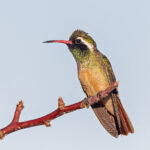
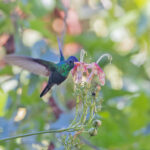
Xantus's Hummingbird (image by Pete Morris)
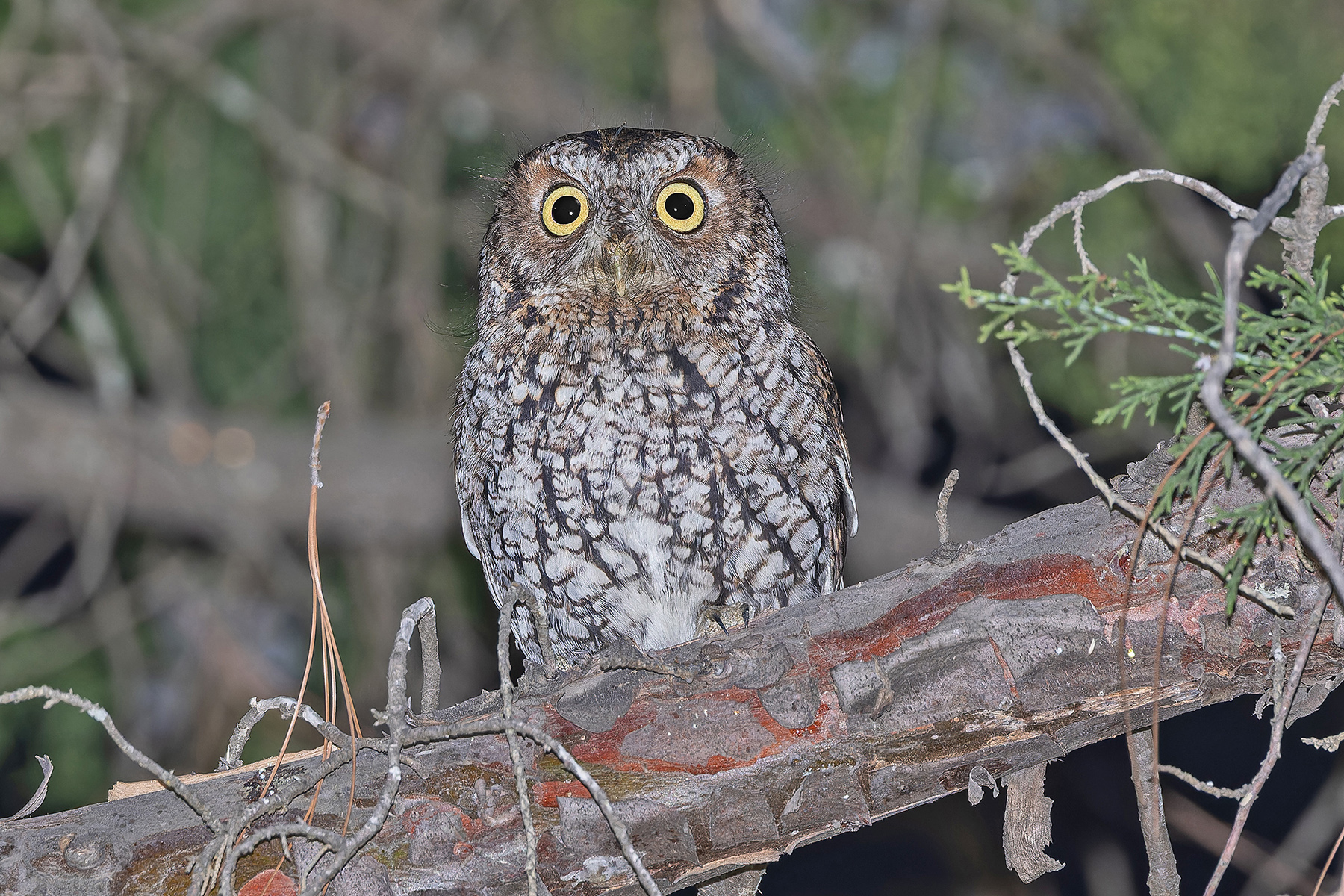
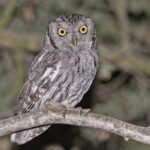
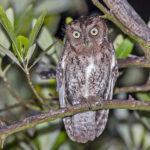
Whiskered Screech Owl (image by Pete Morris)
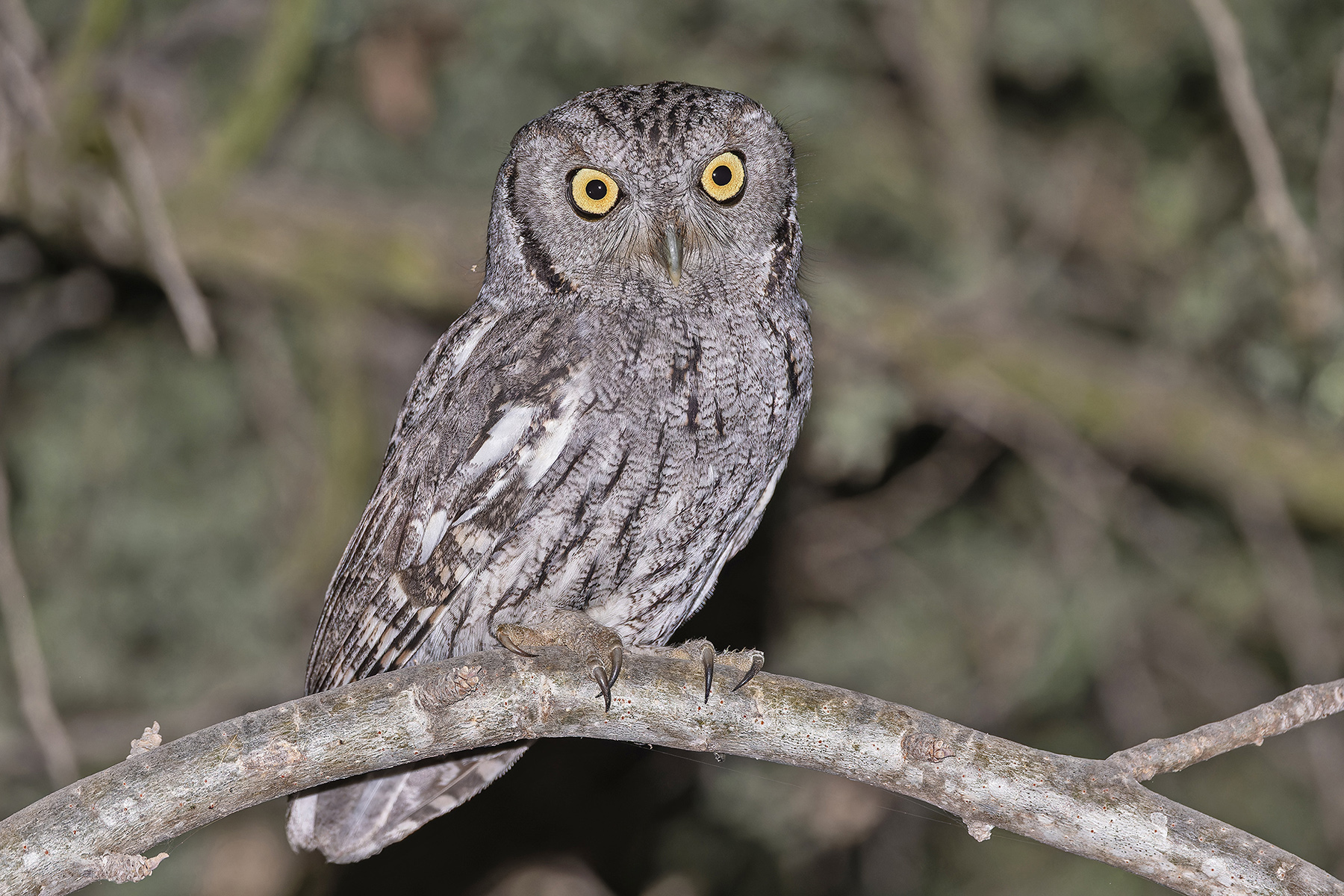
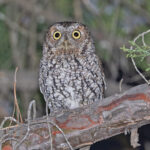
Western Screech Owl (image by Pete Morris)
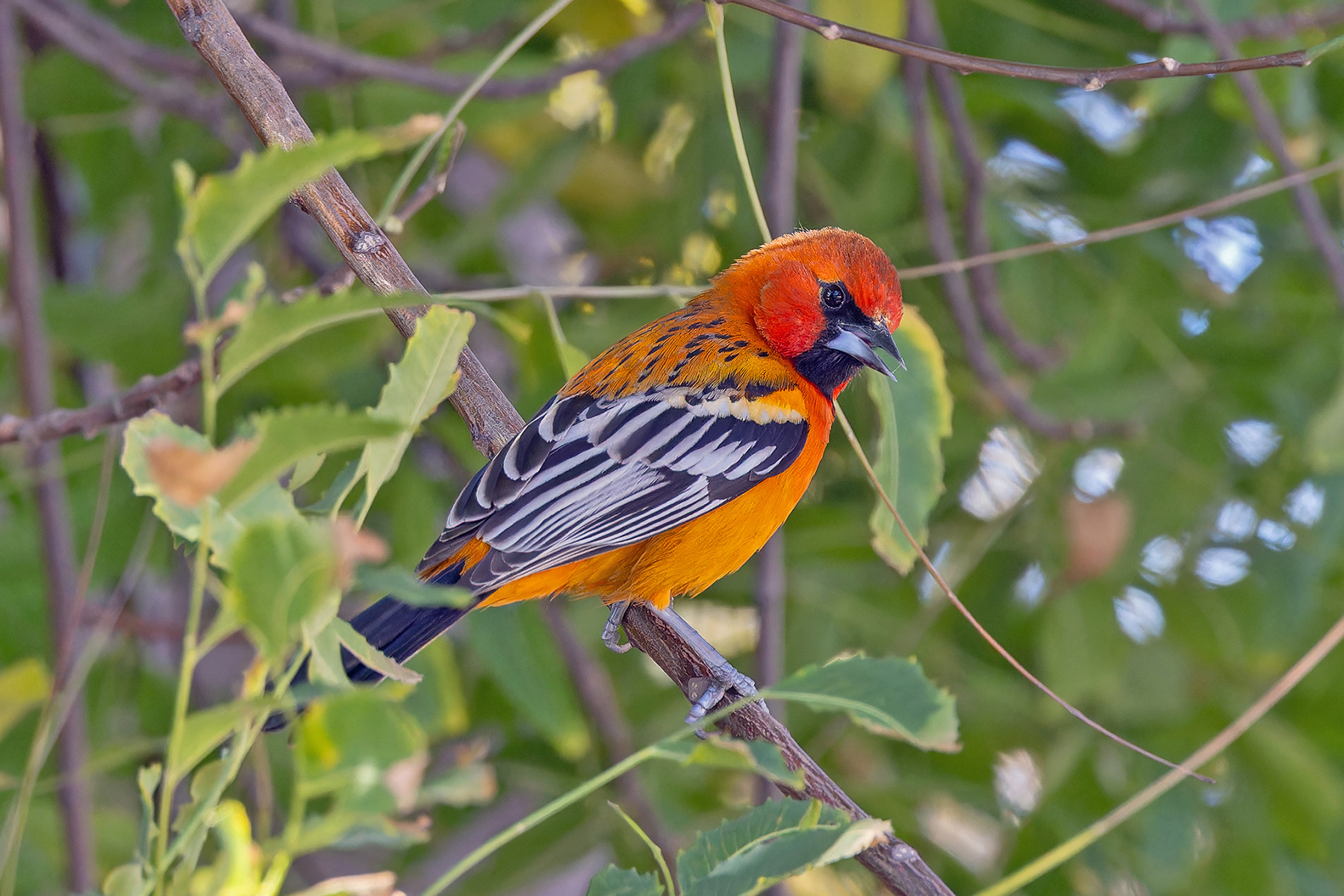
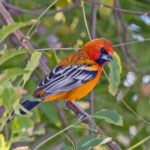
Streak-backed Oriole (image by Pete Morris)
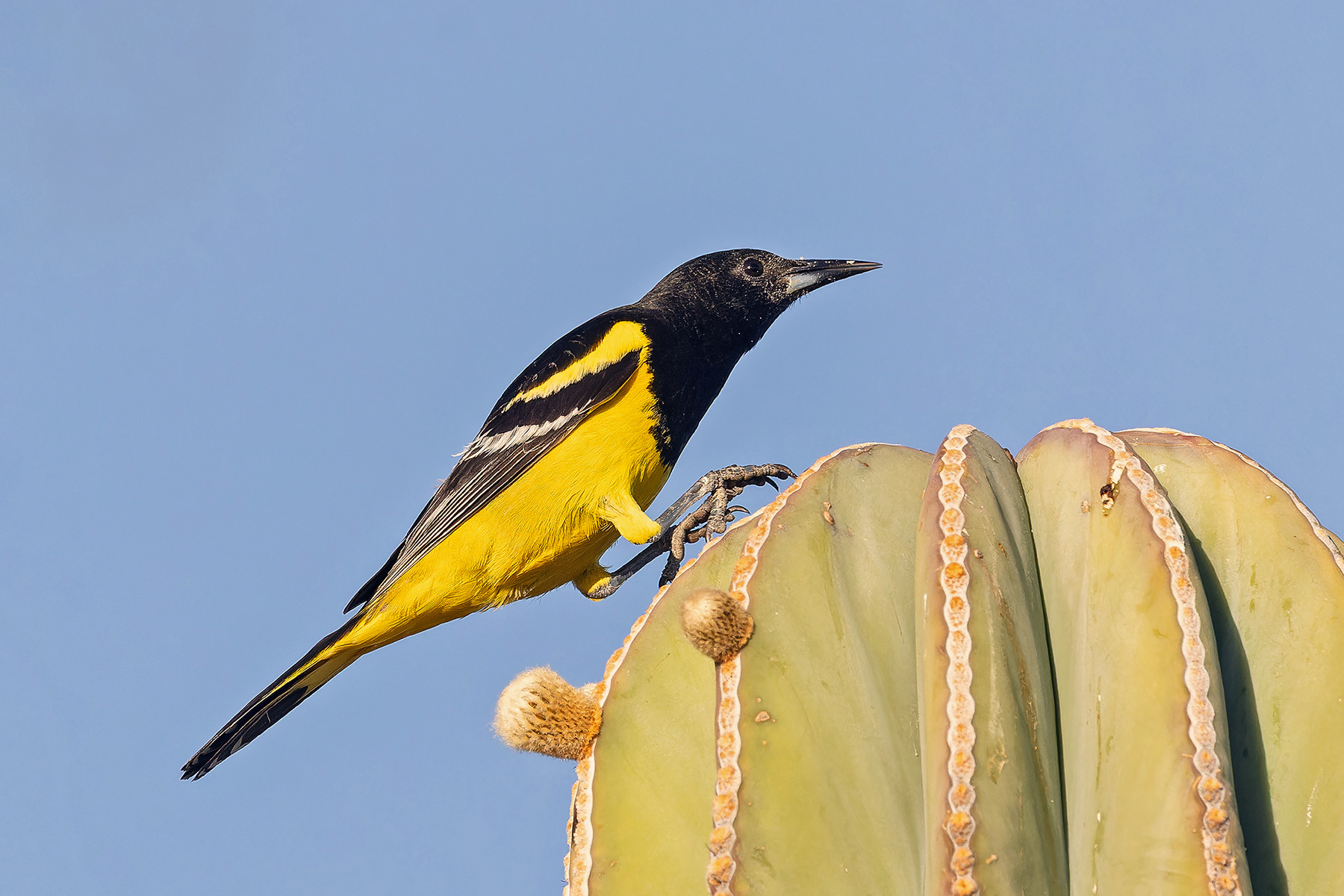
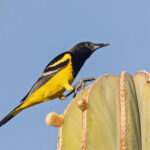
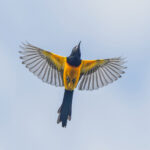
Scott's Oriole (image by Pete Morris)
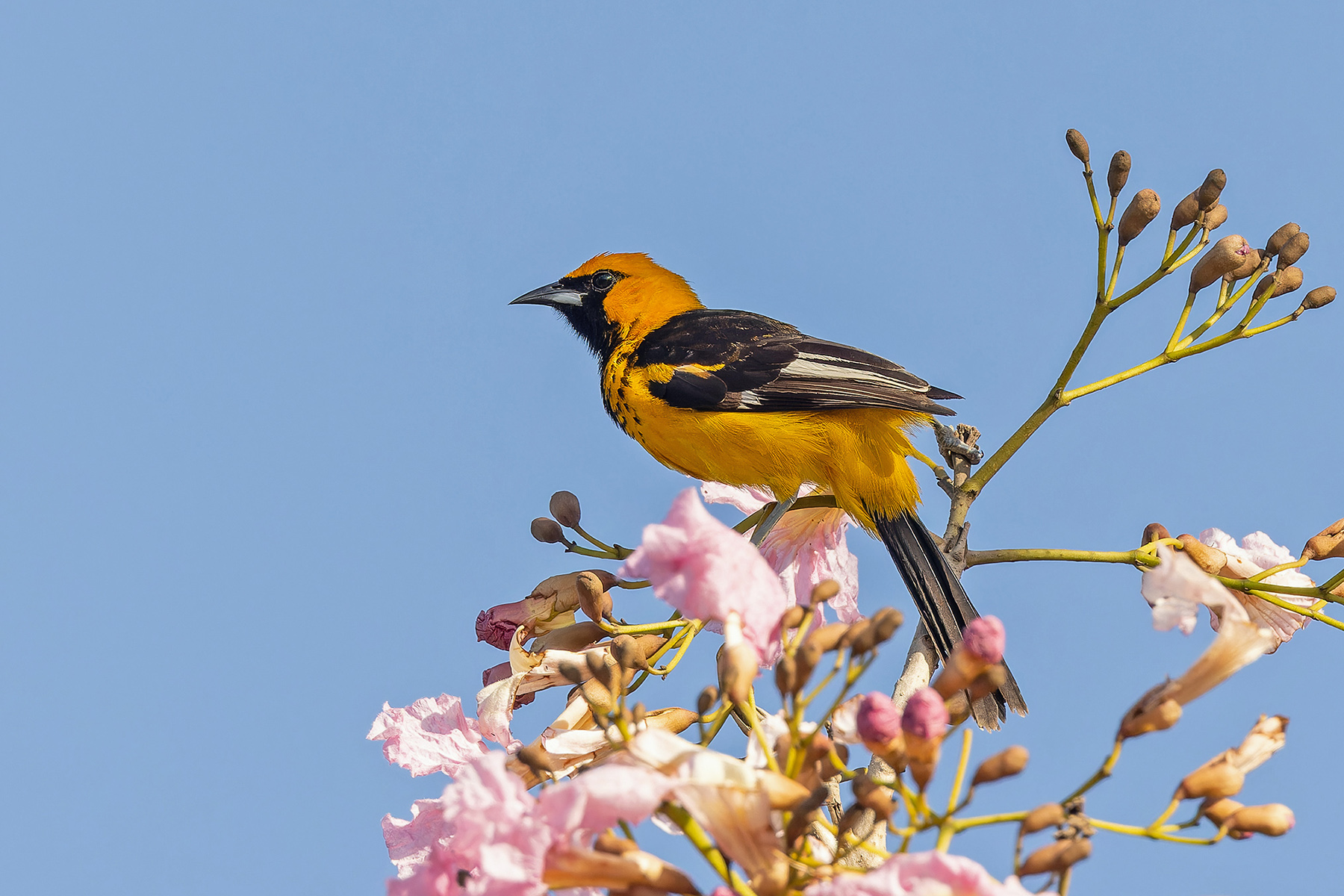
Spot-breasted Oriole (image by Pete Morris)
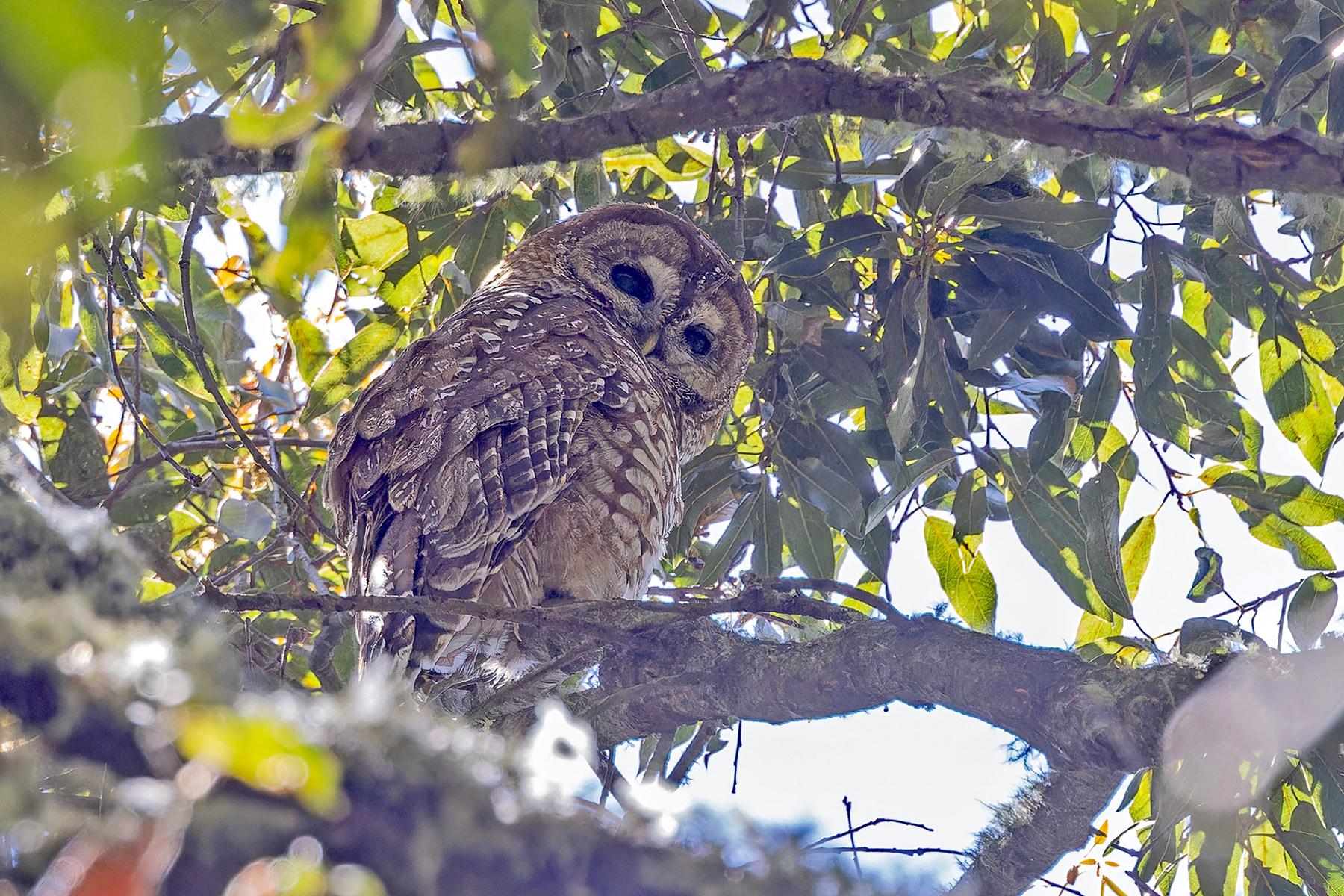
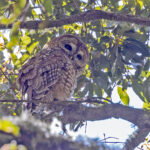
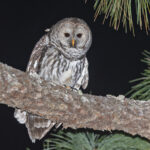
Spotted Owl (Mexican) (image by Pete Morris)
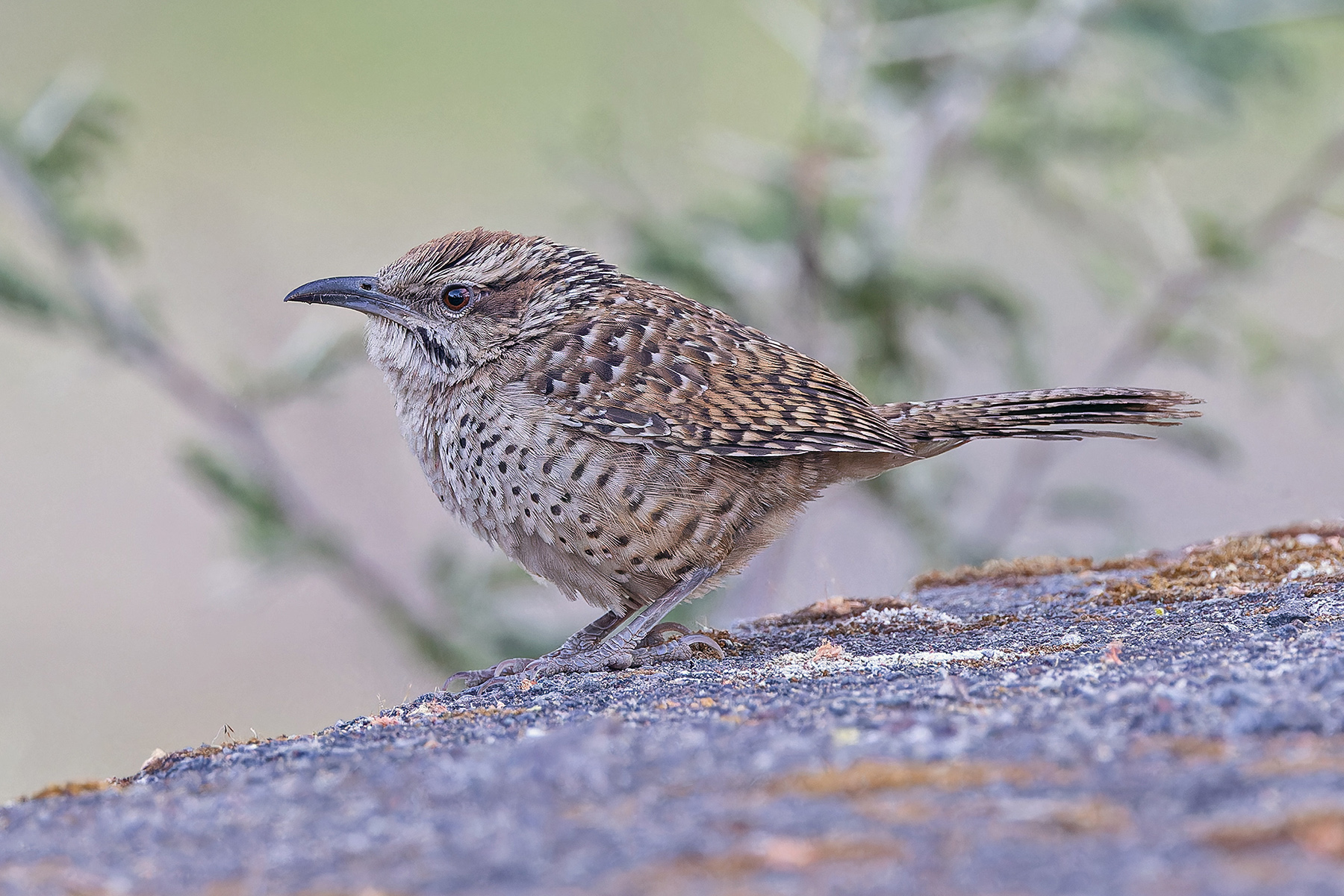
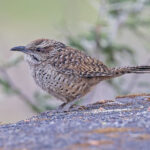
Spotted Wren (image by Pete Morris)
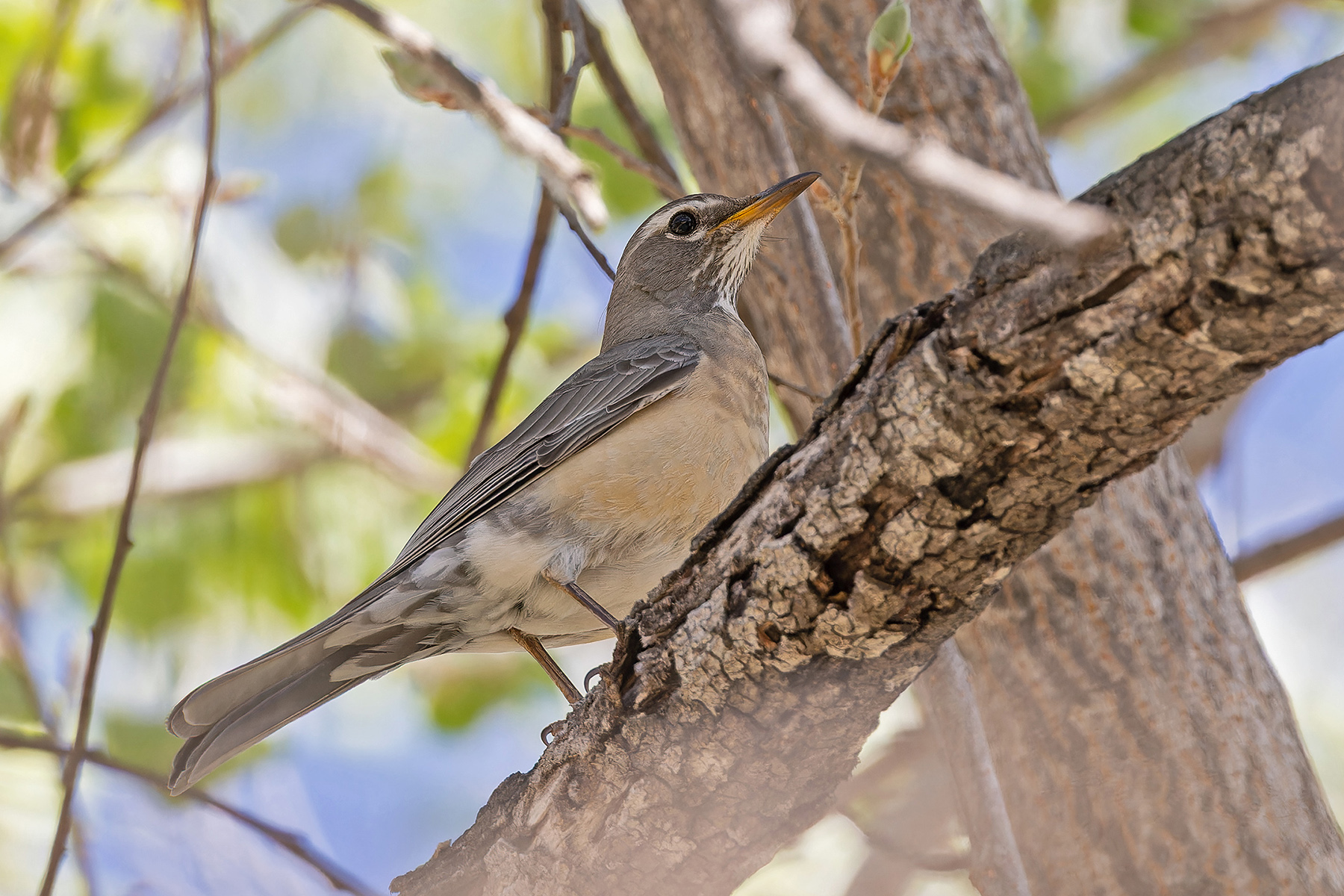
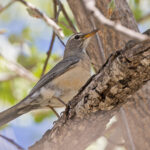
San Lucas Robin (image by Pete Morris)
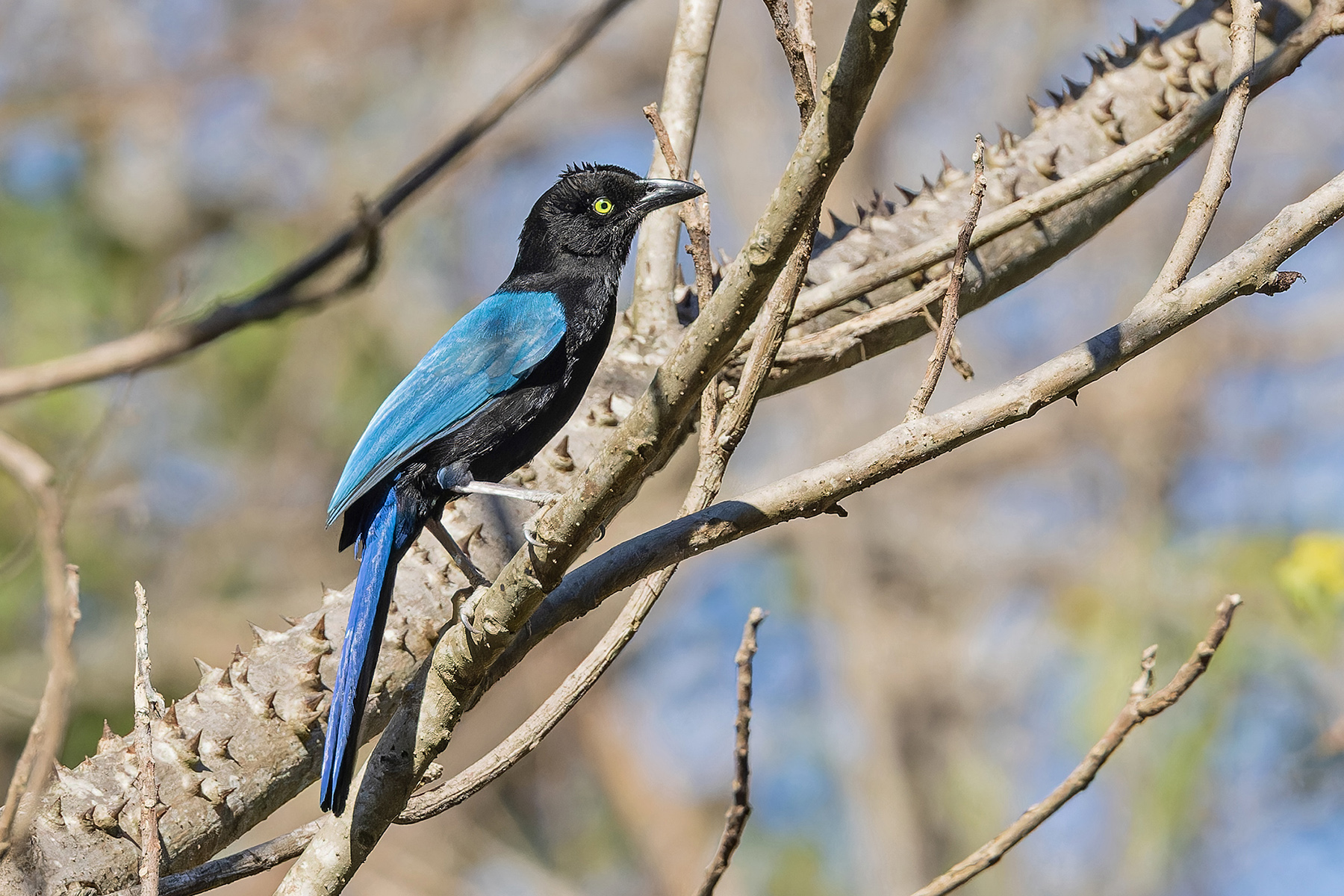
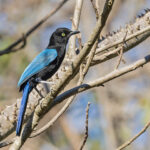
San Blas Jay (image by Pete Morris)
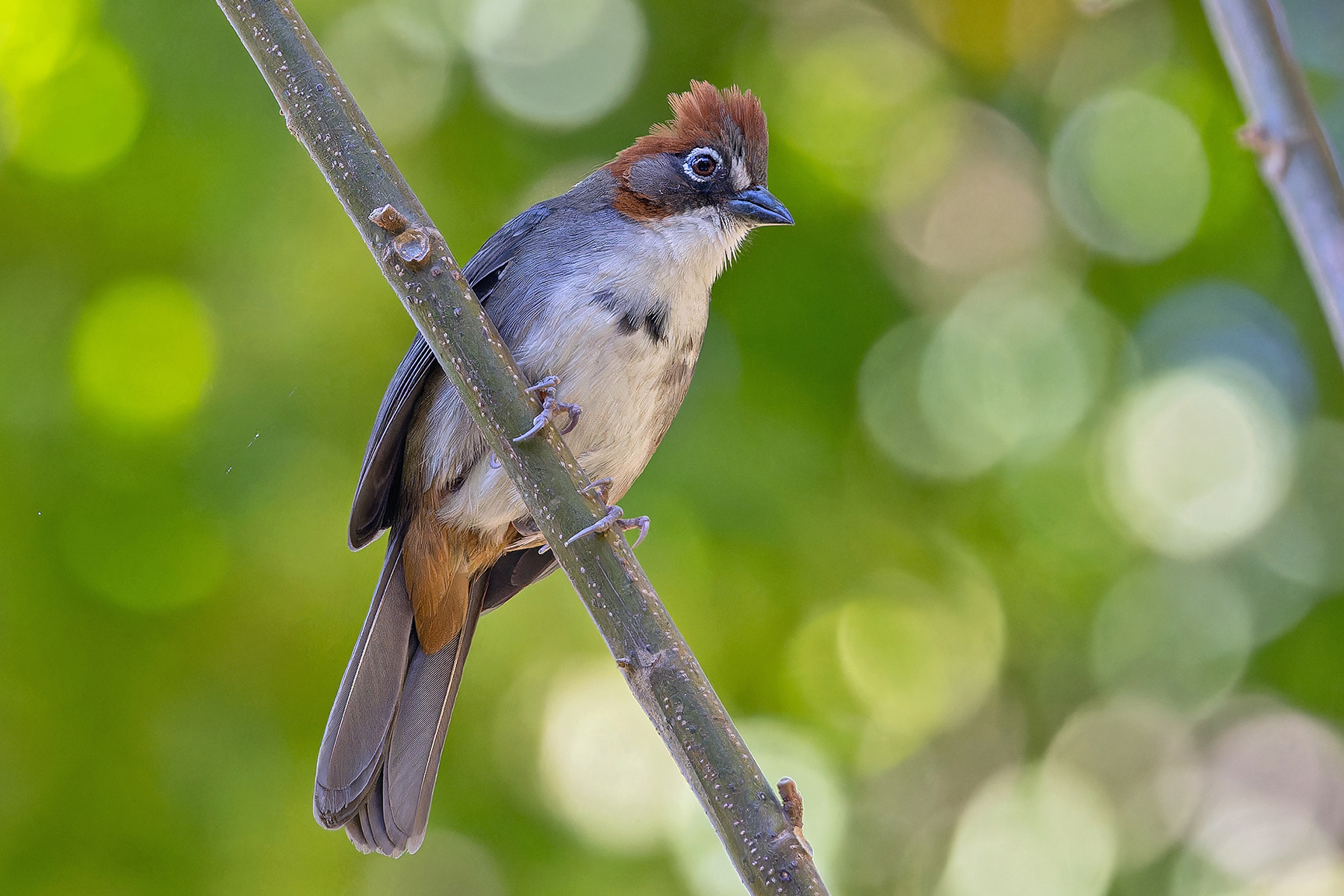
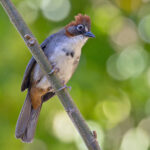
Rusty-crowned Ground Sparrow (image by Pete Morris)
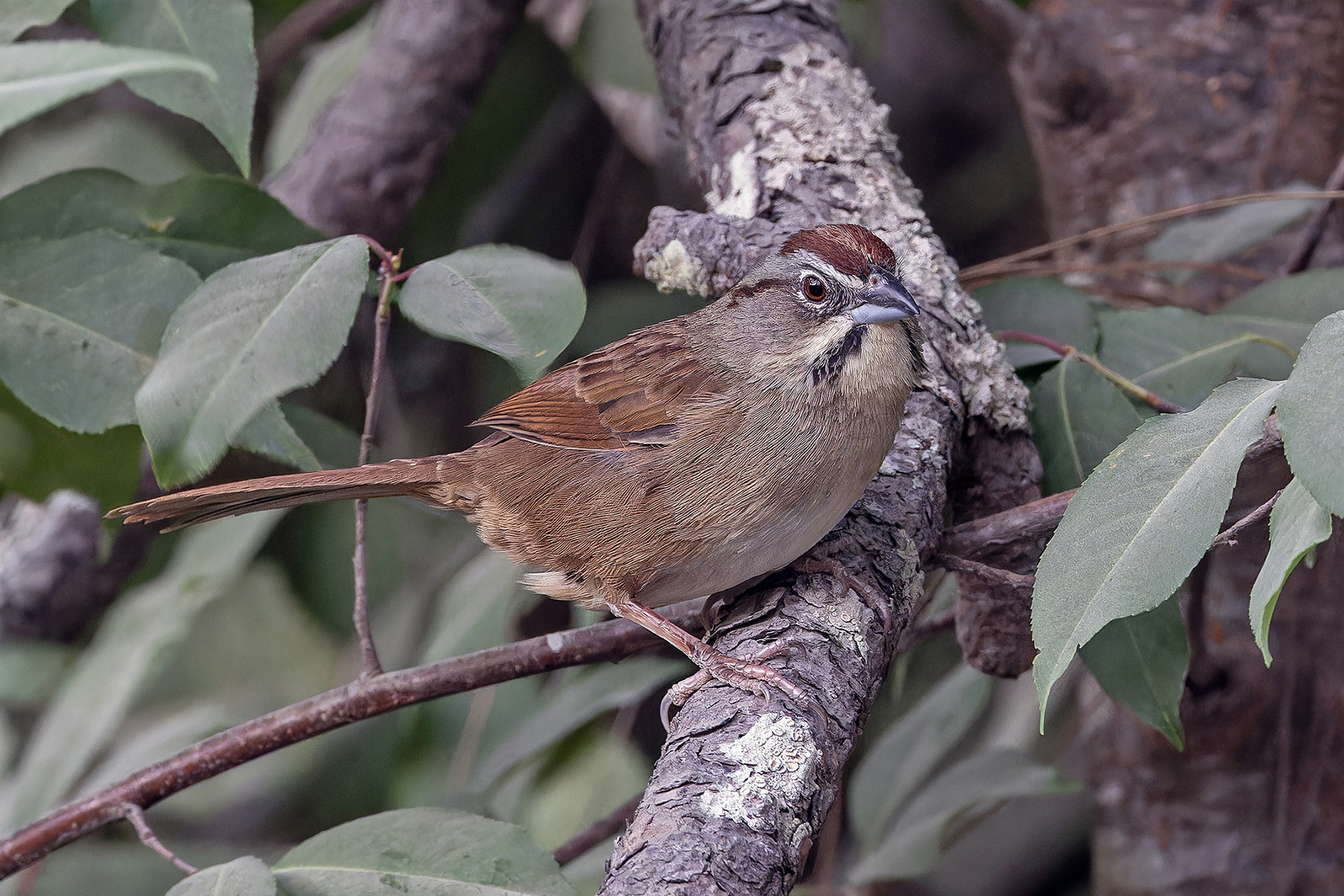
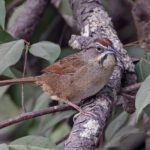
Rusty Sparrow (image by Pete Morris)
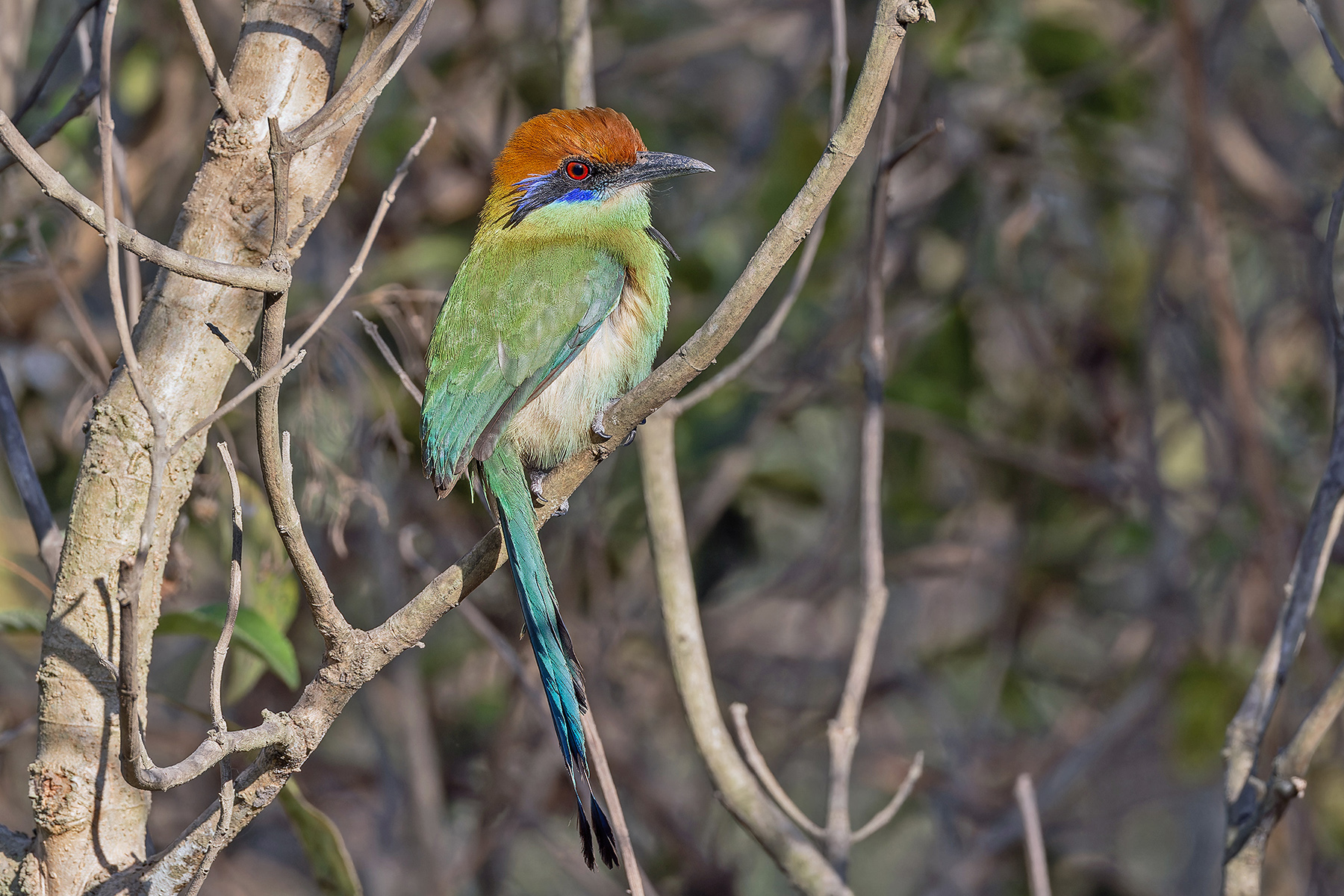
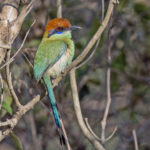
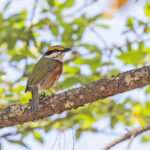
Russet-crowned Motmot (image by Pete Morris)
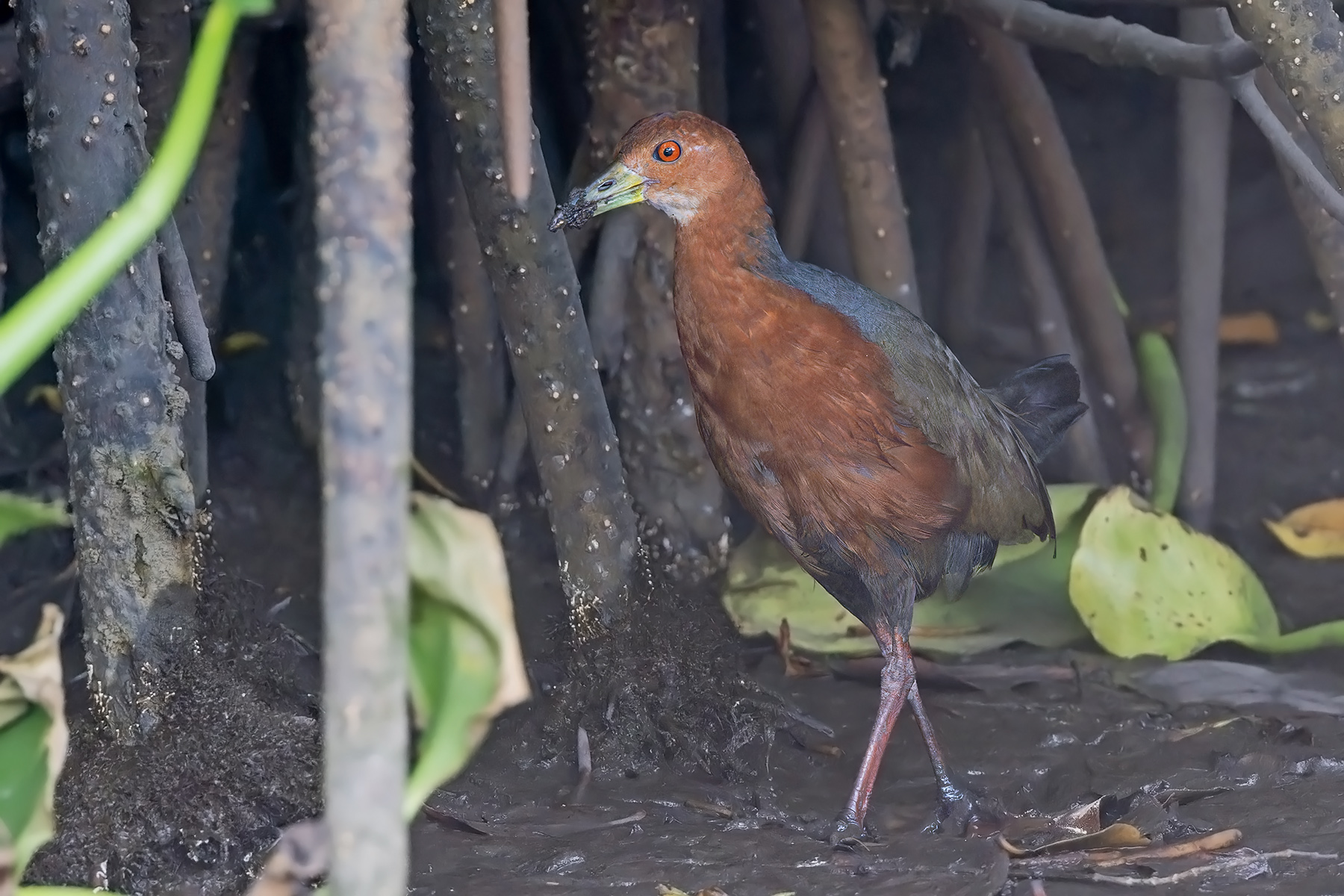
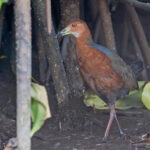
Rufous-necked Wood Rail (image by Pete Morris)
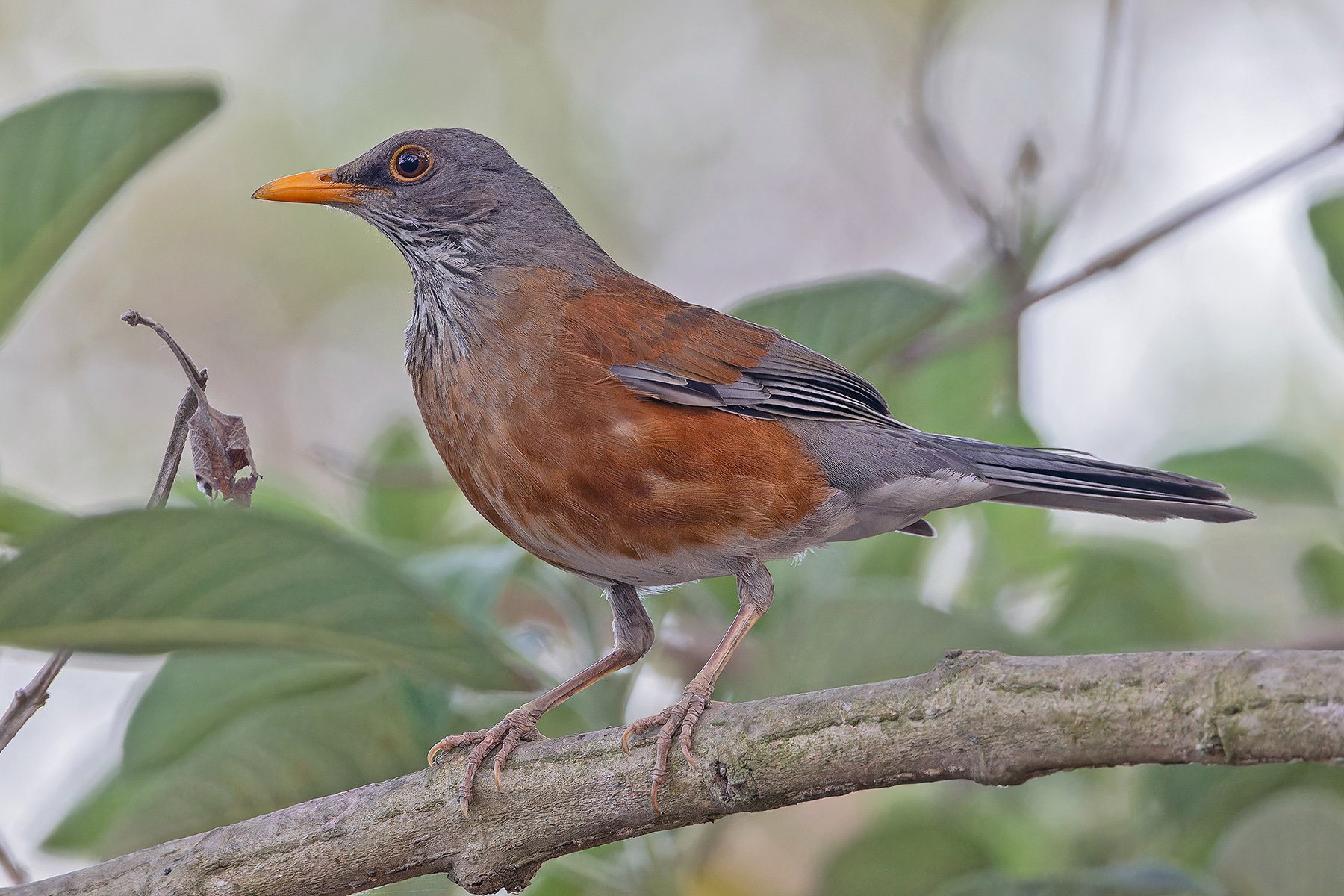
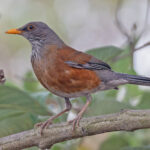
Rufous-backed Thrush (image by Pete Morris)
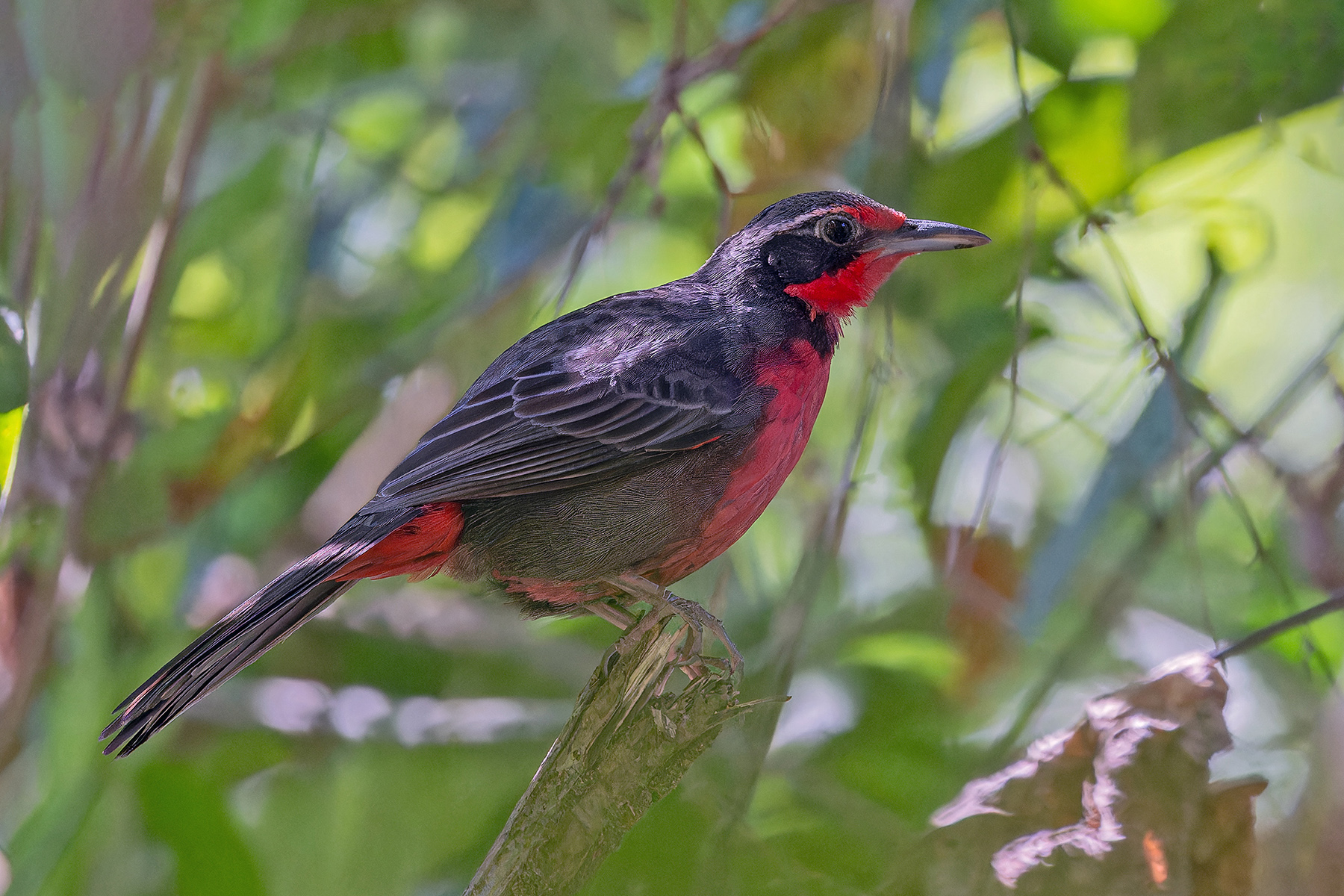
Rosy Thrush-tanager (image by Pete Morris)
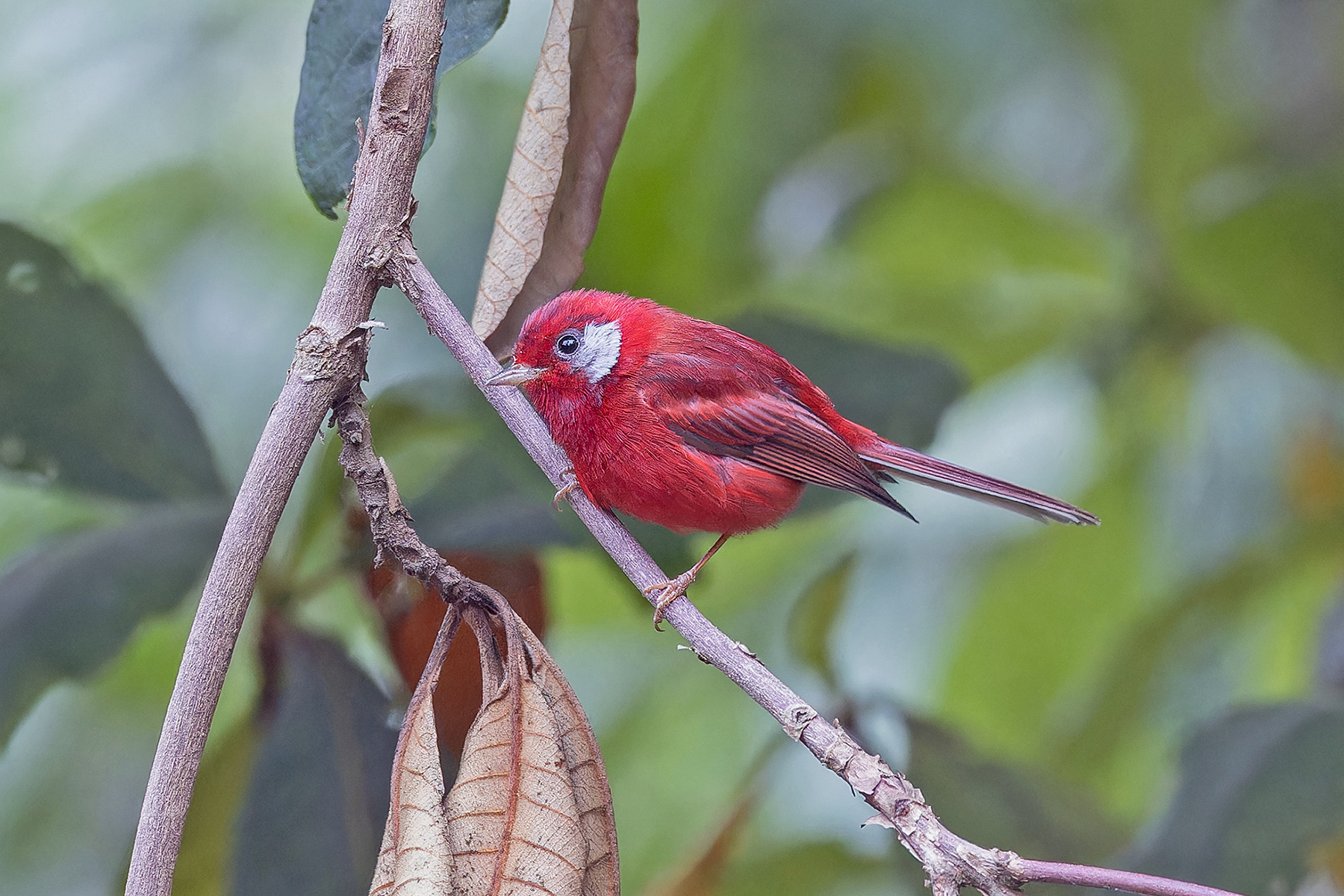
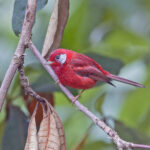
Red Warbler (image by Pete Morris)
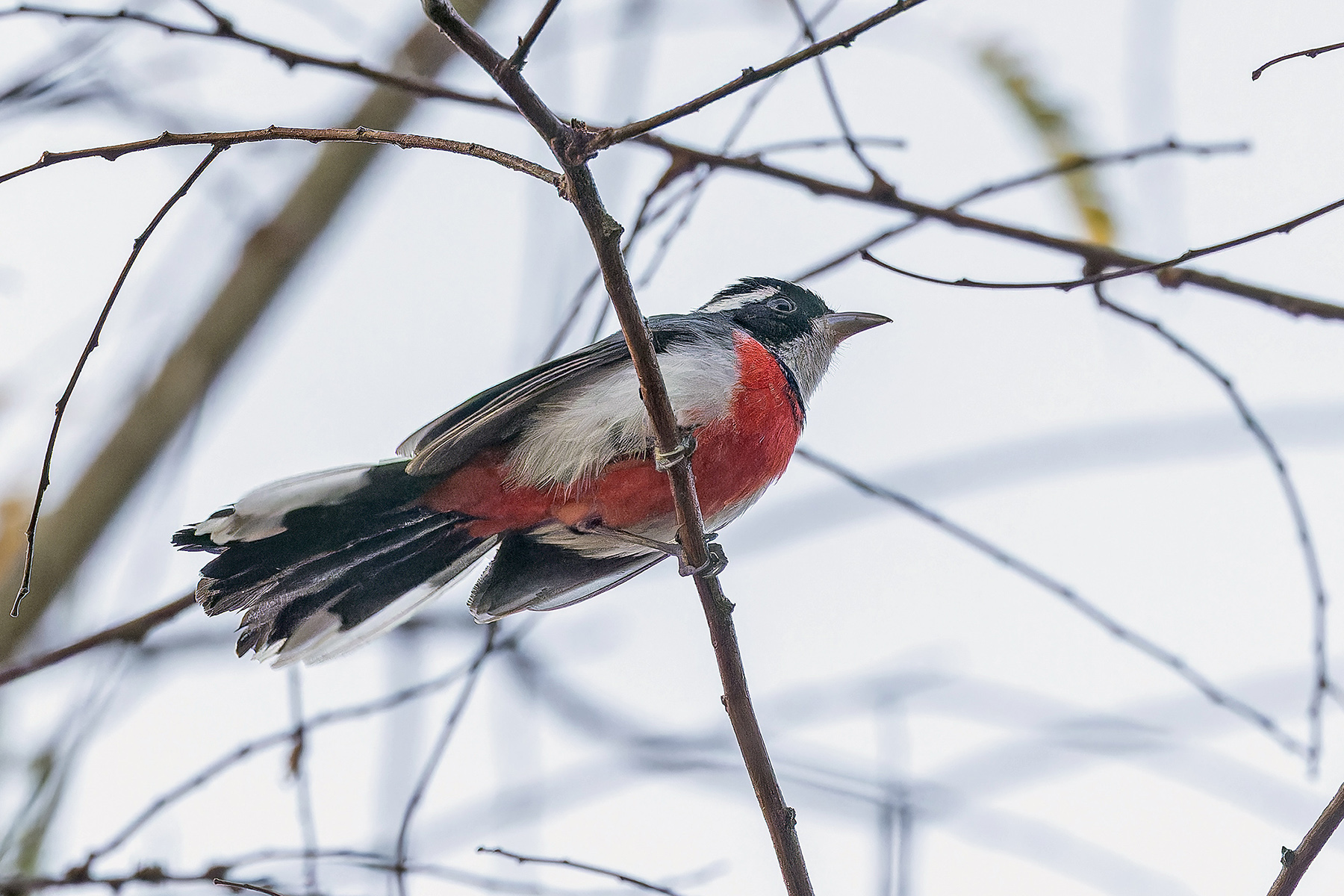
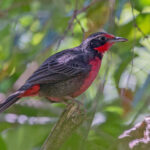
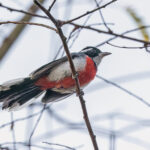
Red-breasted Chat (image by Pete Morris)
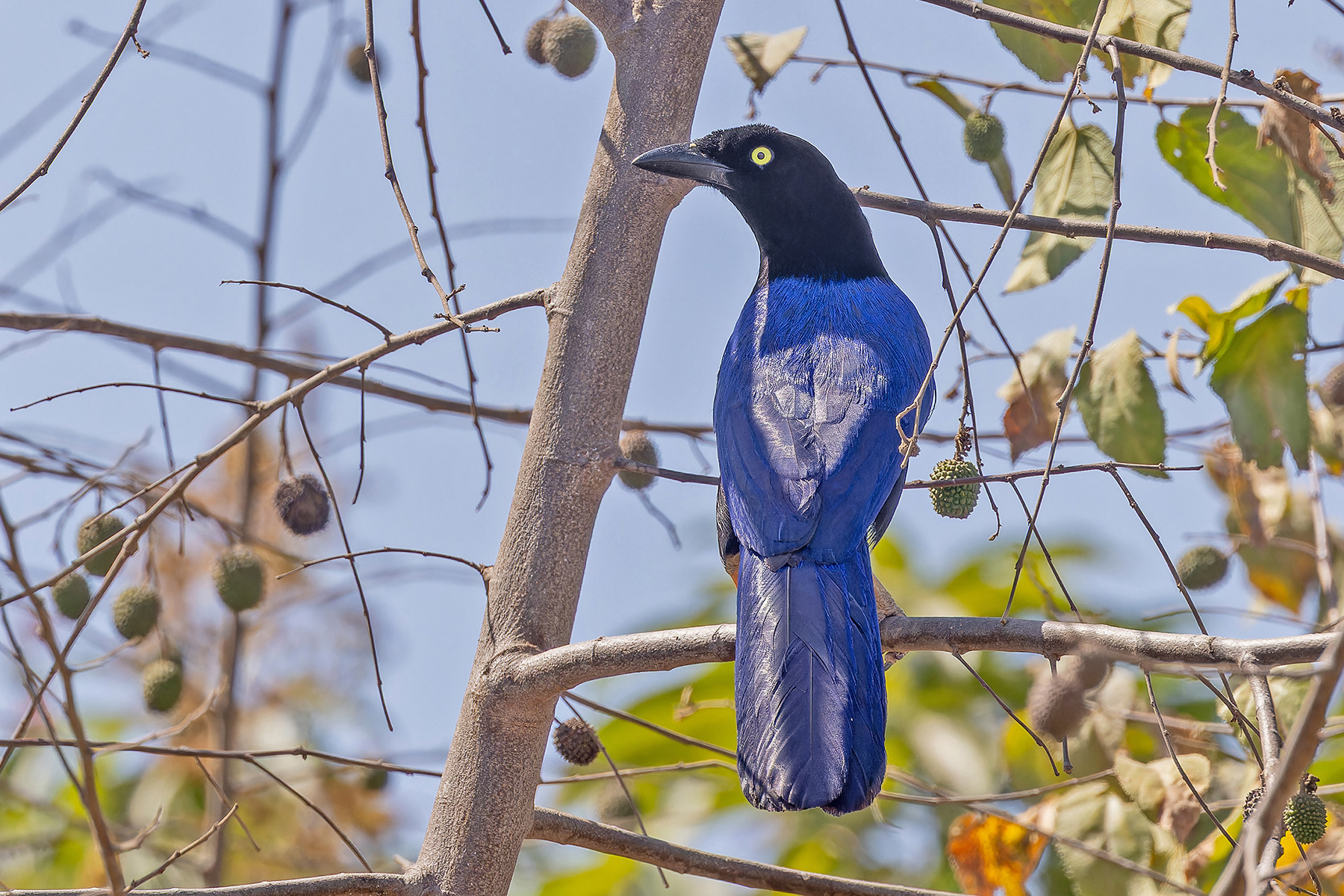
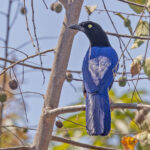
Purplish-backed Jay (image by Pete Morris)
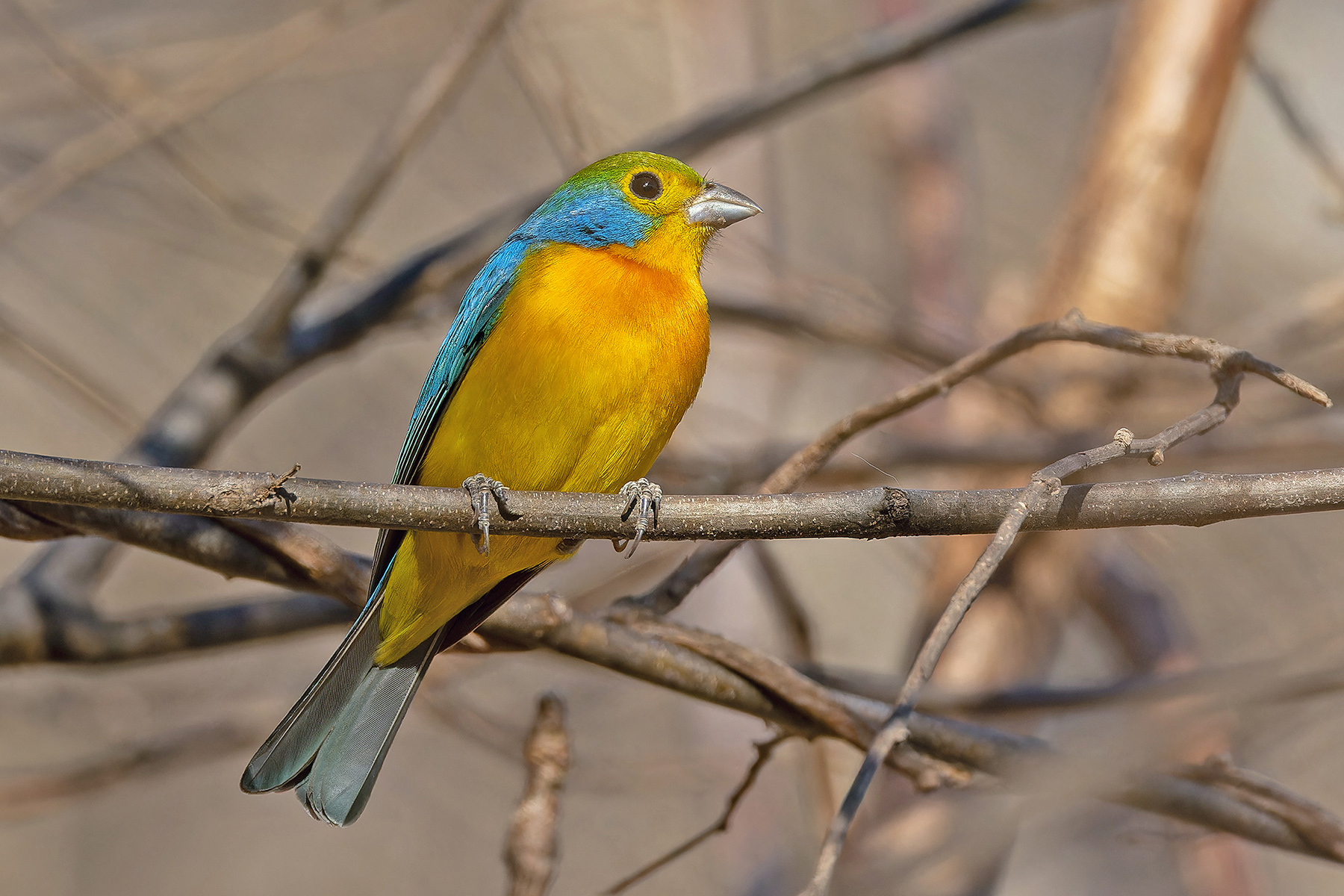
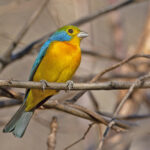
Orange-breasted Bunting (image by Pete Morris)
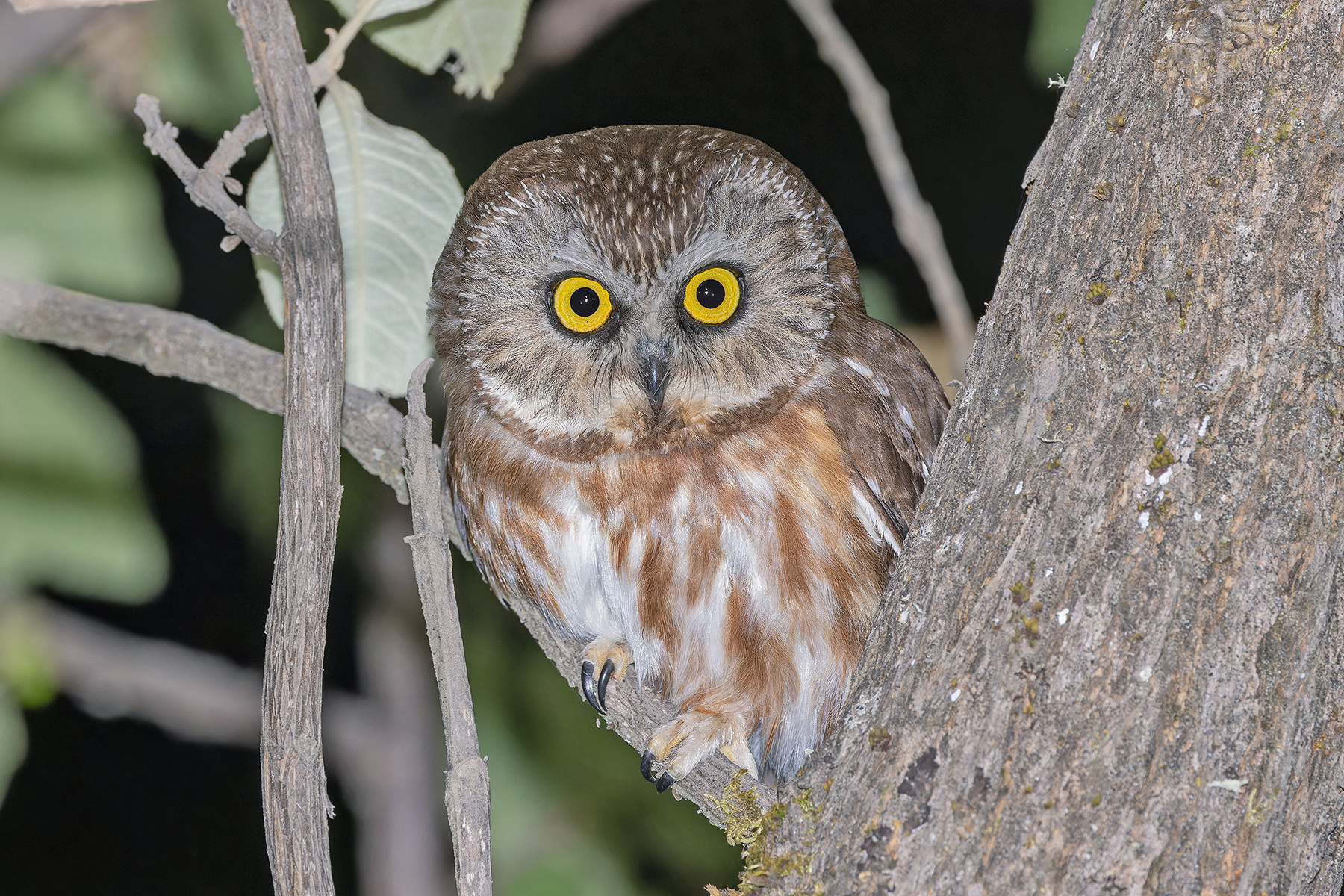
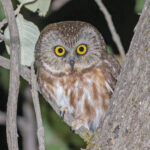
Northern Saw-whet Owl (image by Pete Morris)
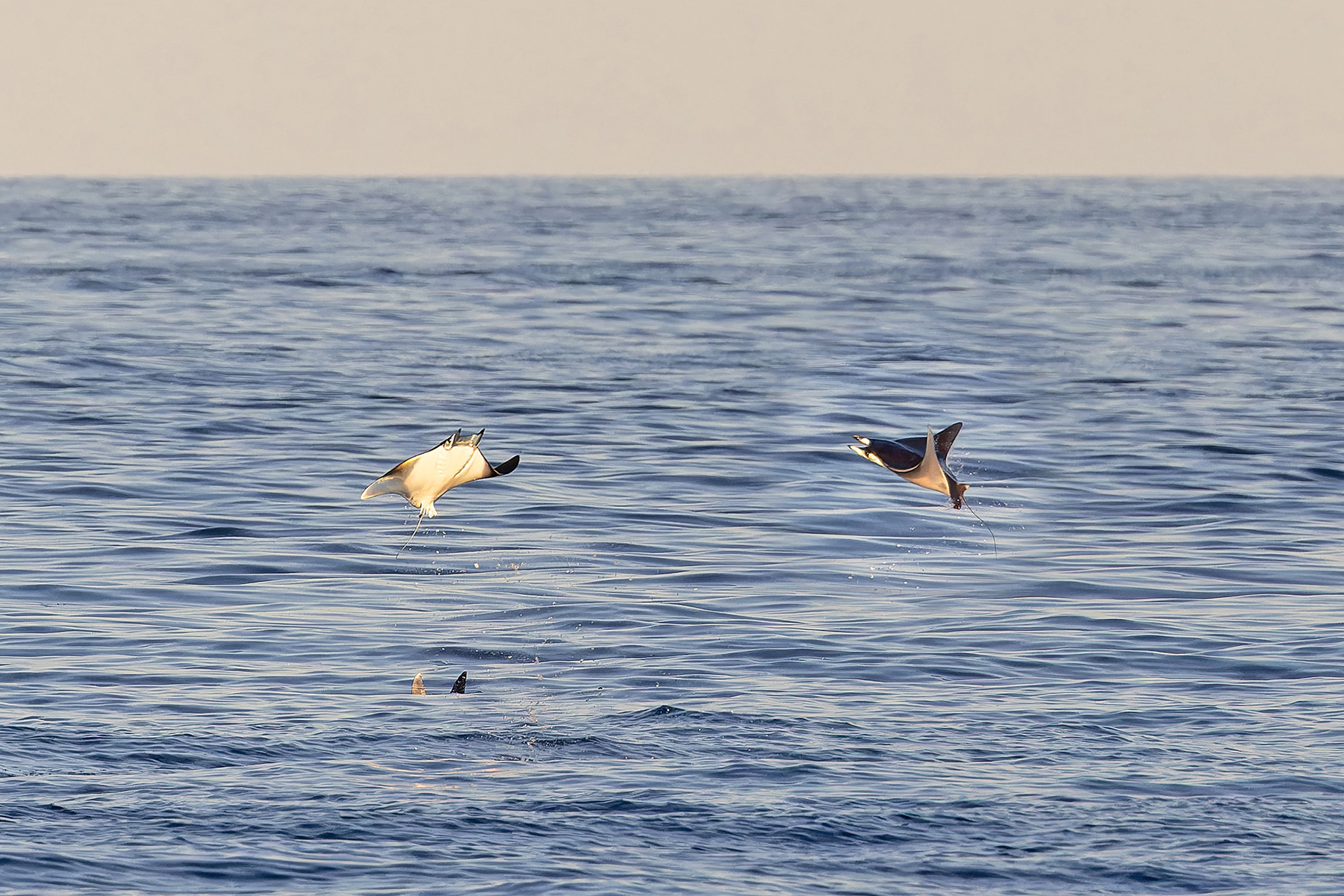
Mobular Rays (image by Pete Morris)
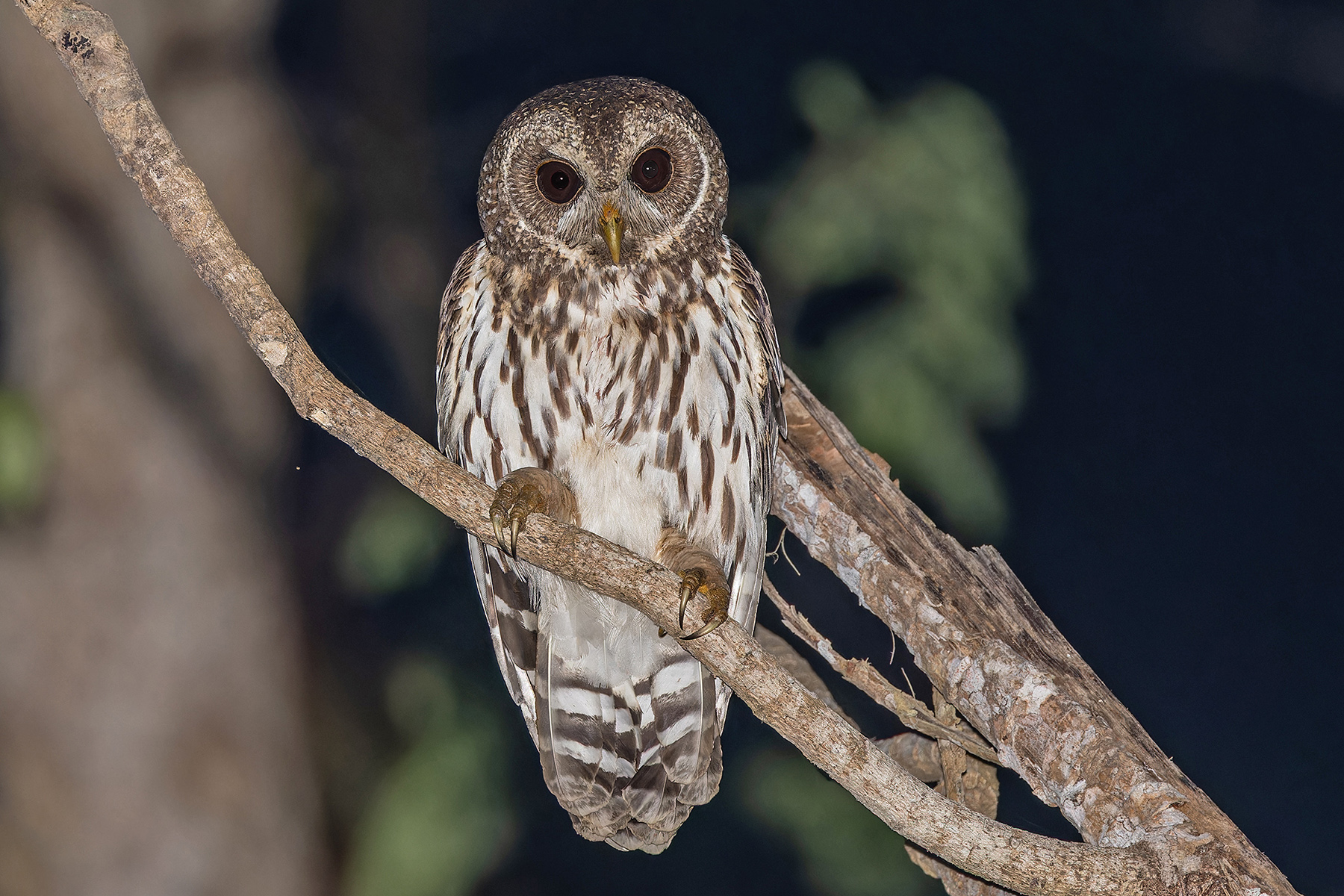
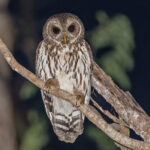
Mottled Owl (Mexican) (image by Pete Morris)
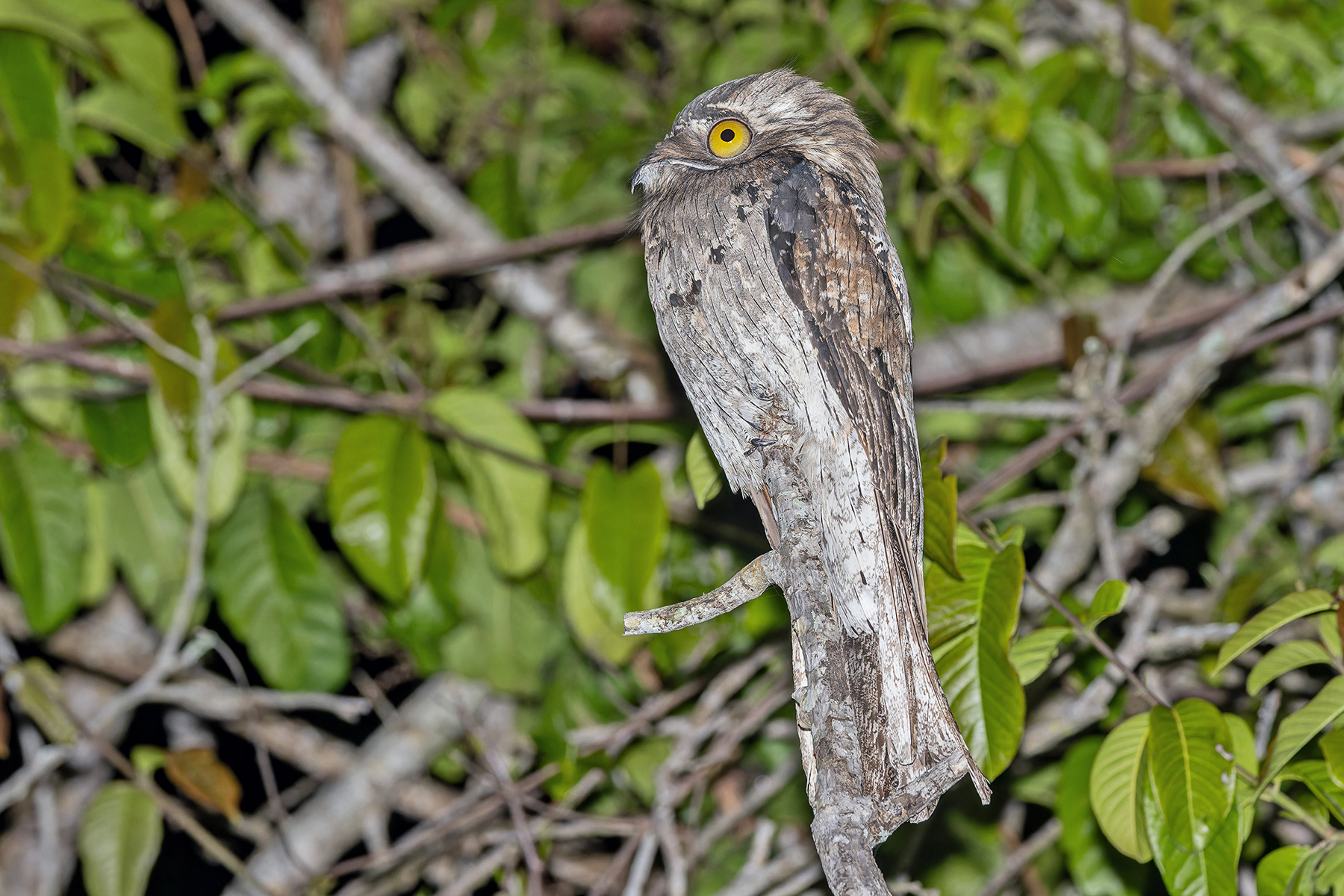
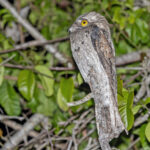
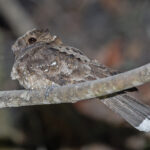
Northern Potoo (image by Pete Morris)
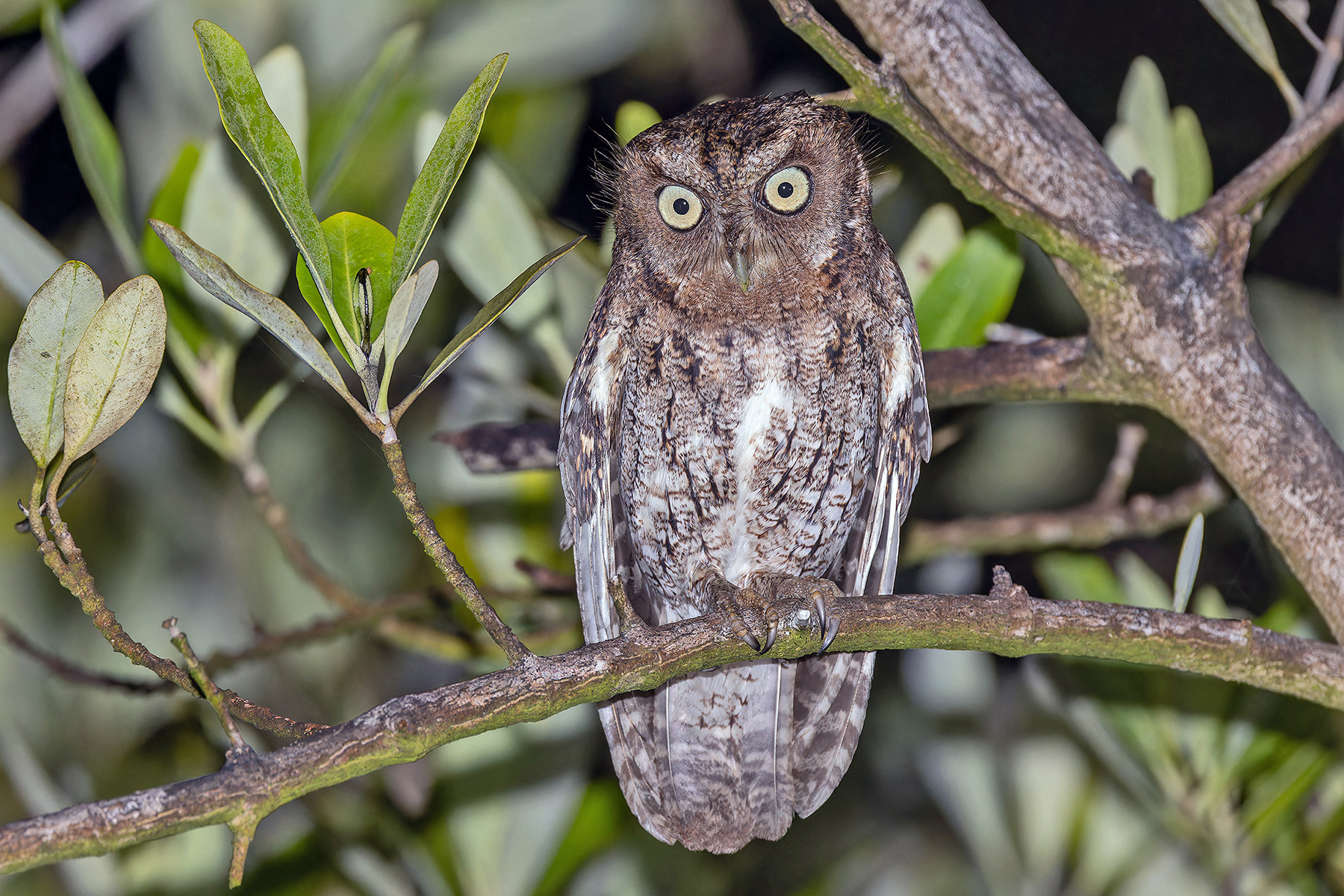
Middle American Screech Owl (image by Pete Morris)
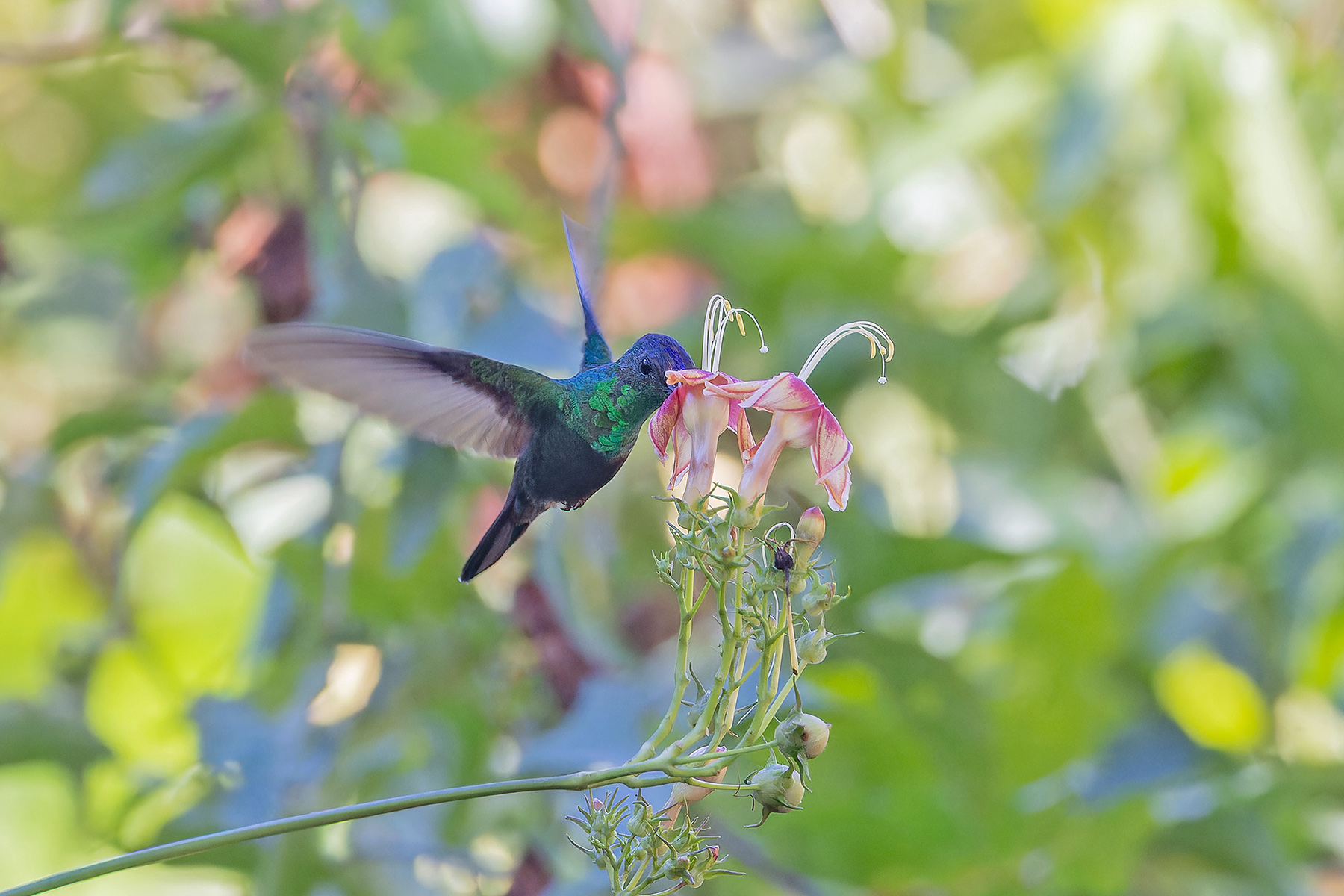
Mexican Woodnymph (image by Pete Morris)
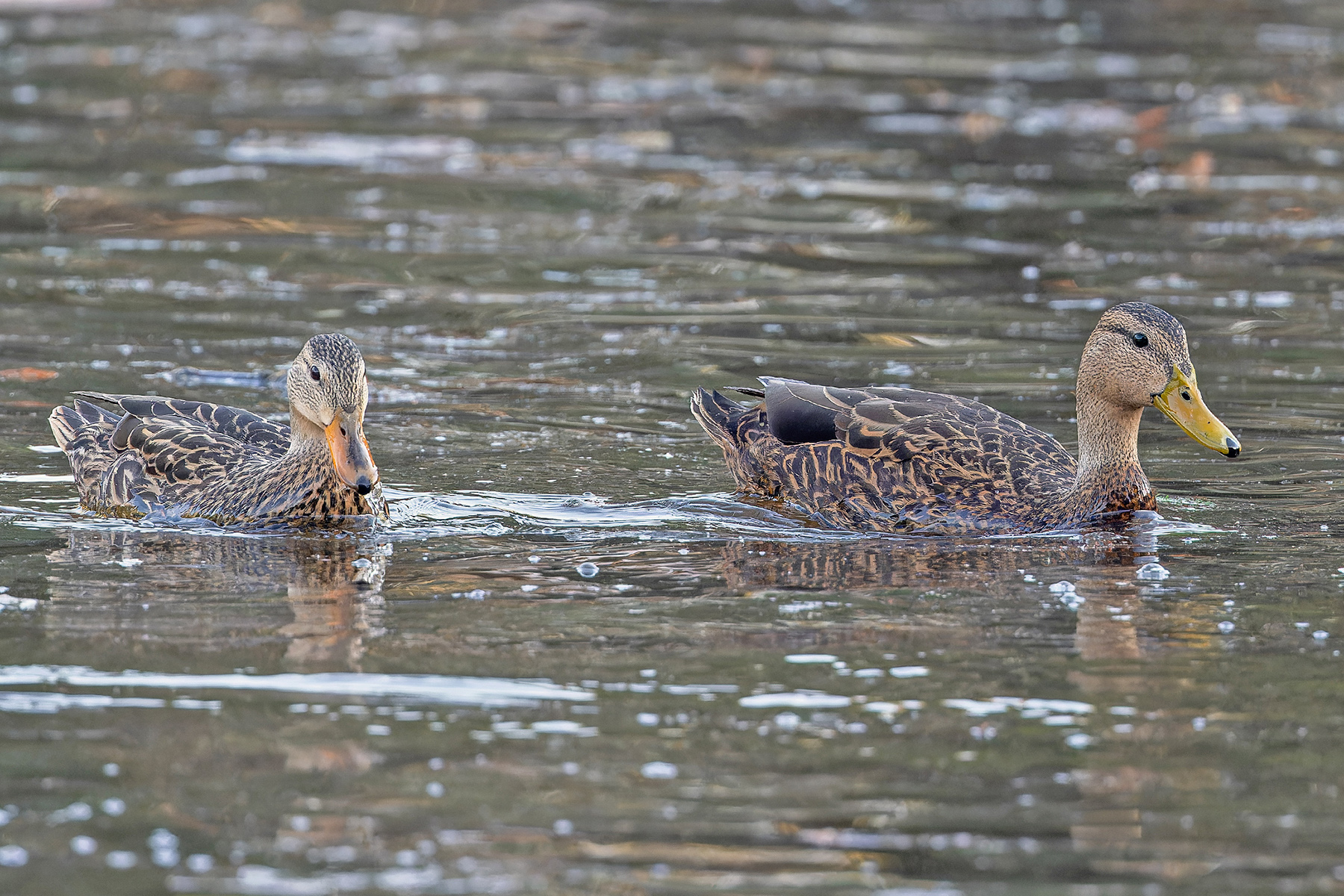
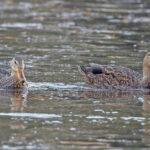
Mexican Ducks (image by Pete Morris)
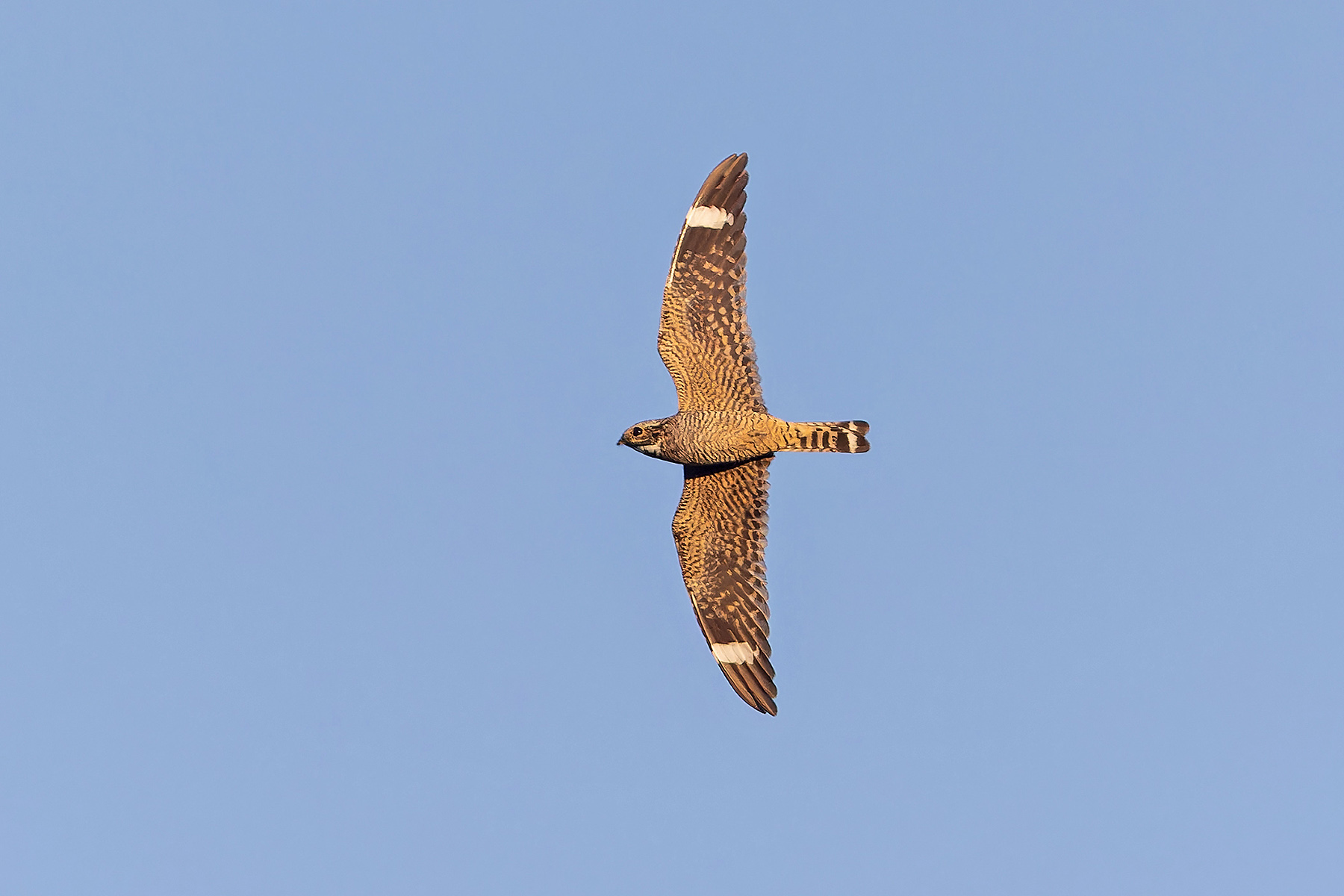
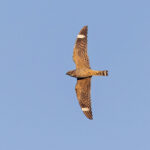
Lesser Nighthawk (image by Pete Morris)
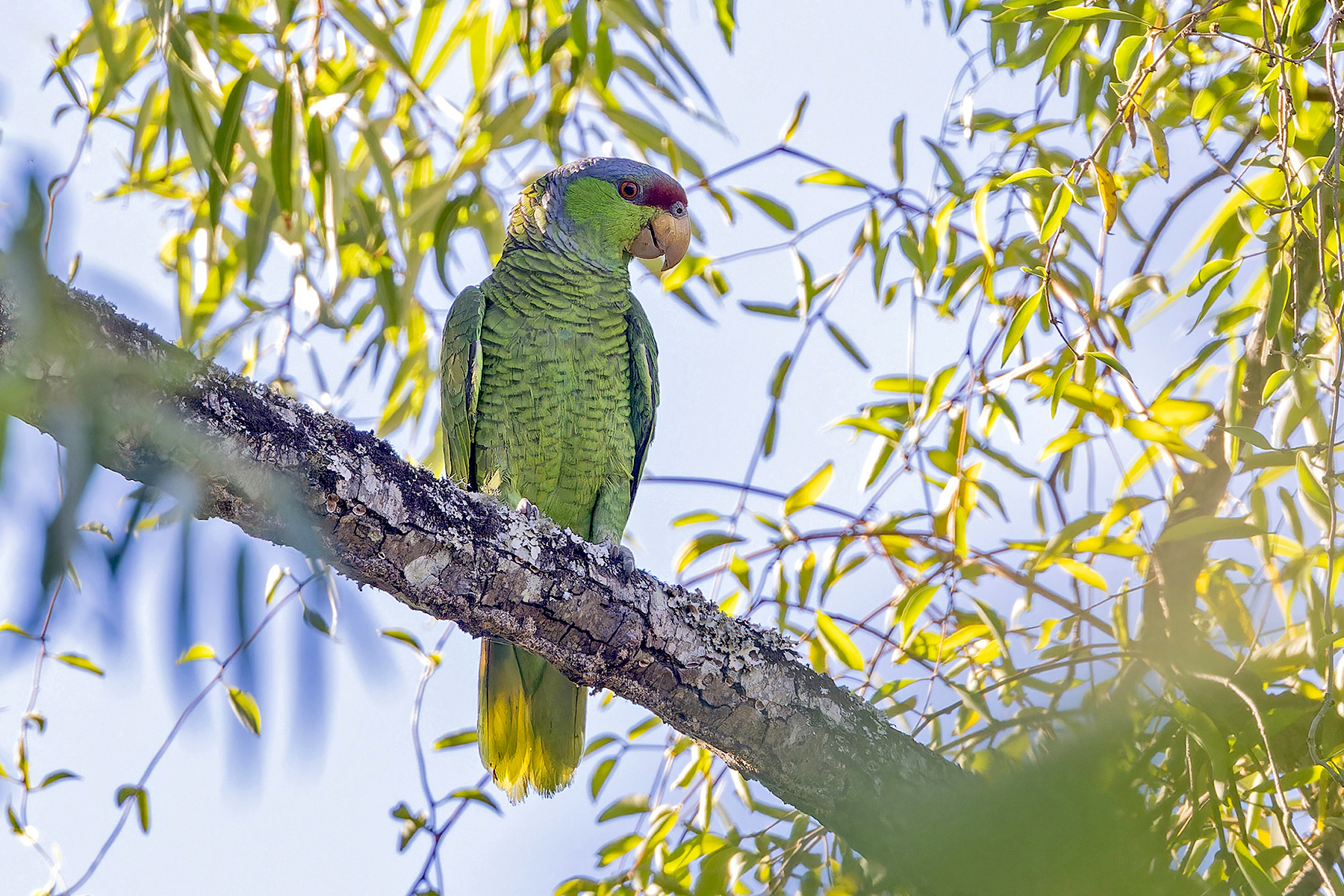
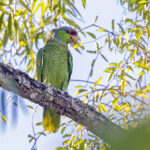
Lilac-crowned Parrot (image by Pete Morris)
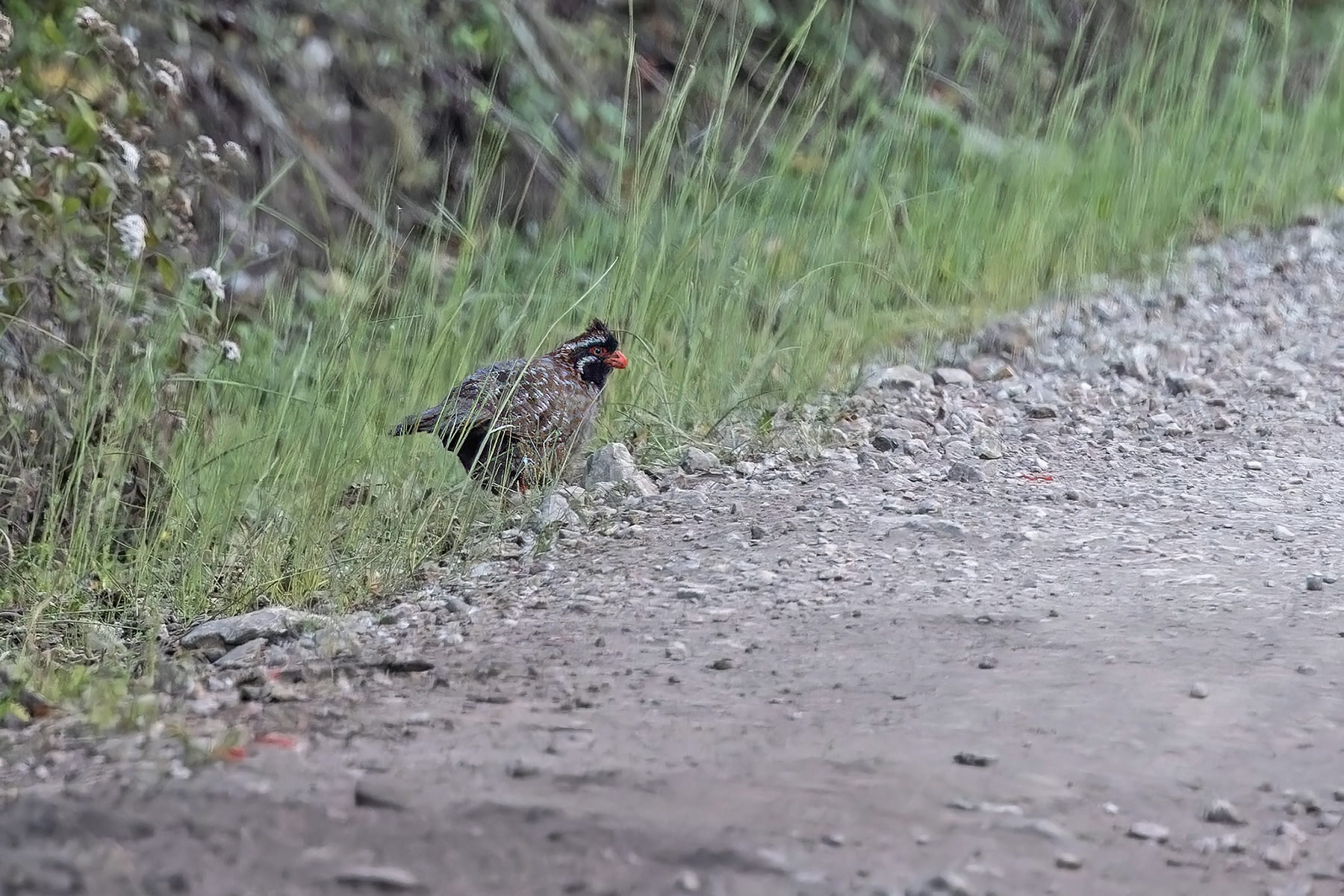
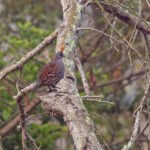
Long-tailed Wood Partridge (image by Pete Morris)
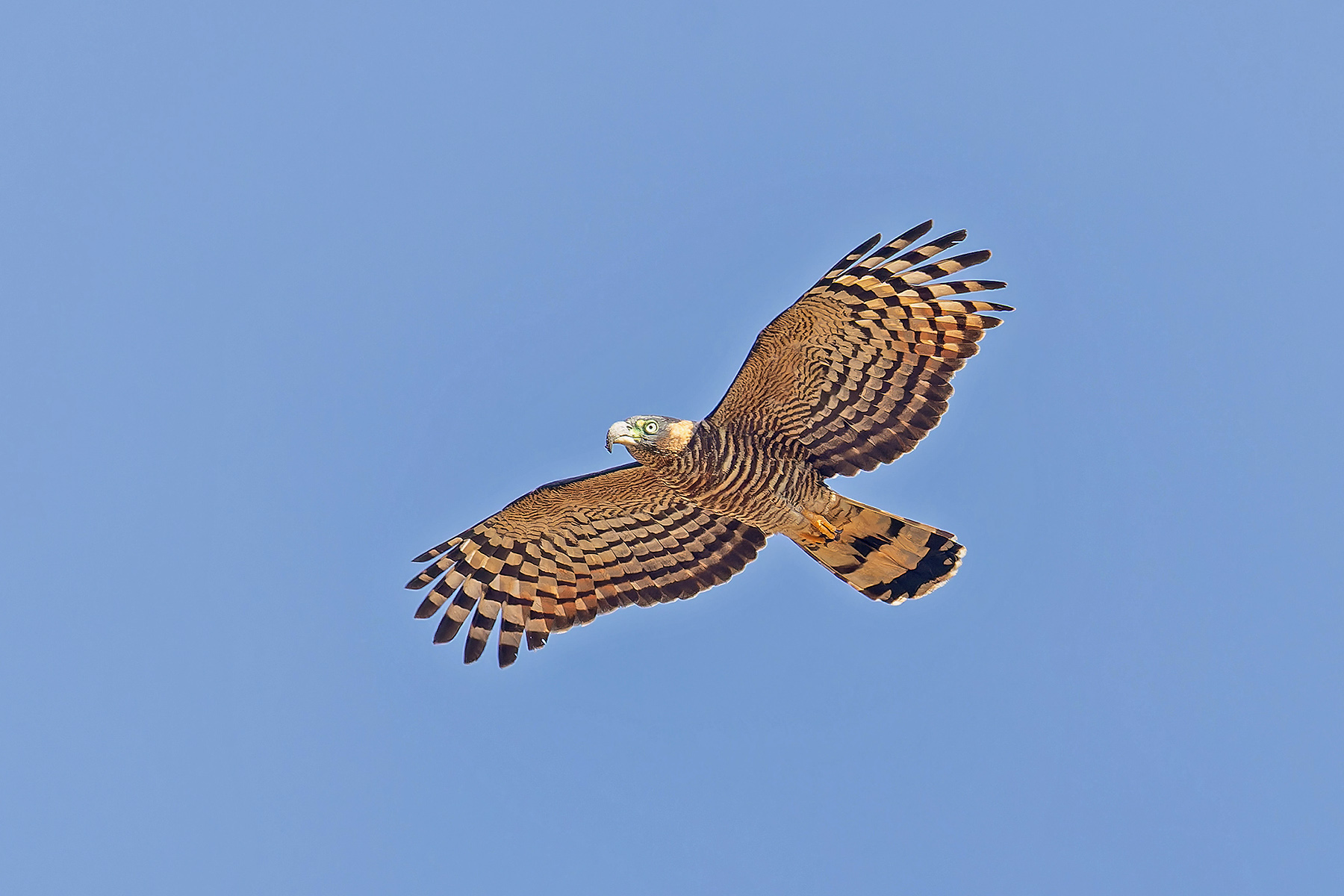
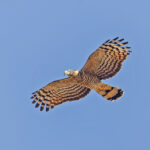
Hook-billed Kite (image by Pete Morris)
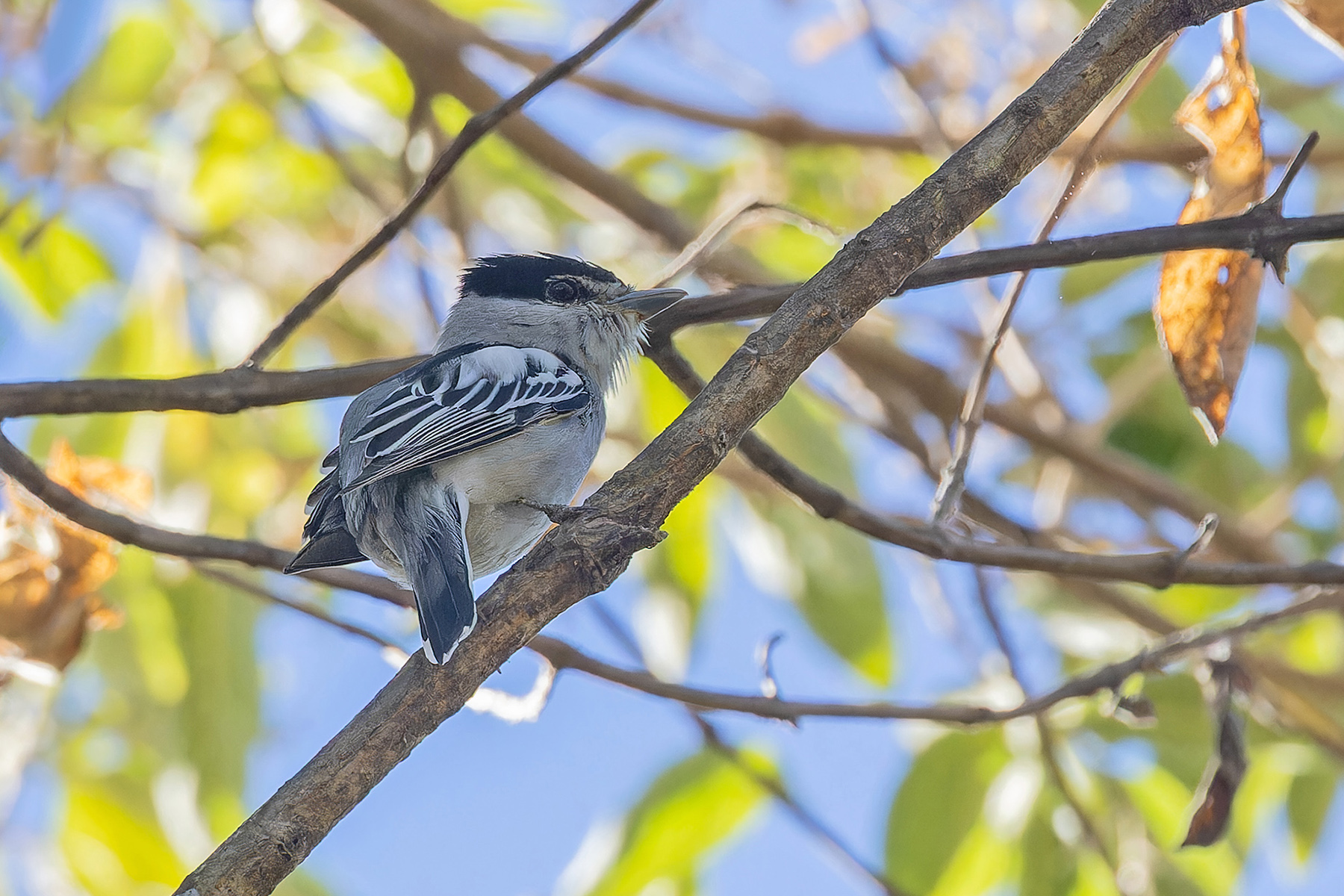
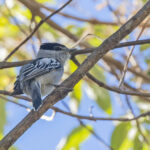
Grey-collared Becard (image by Pete Morris)
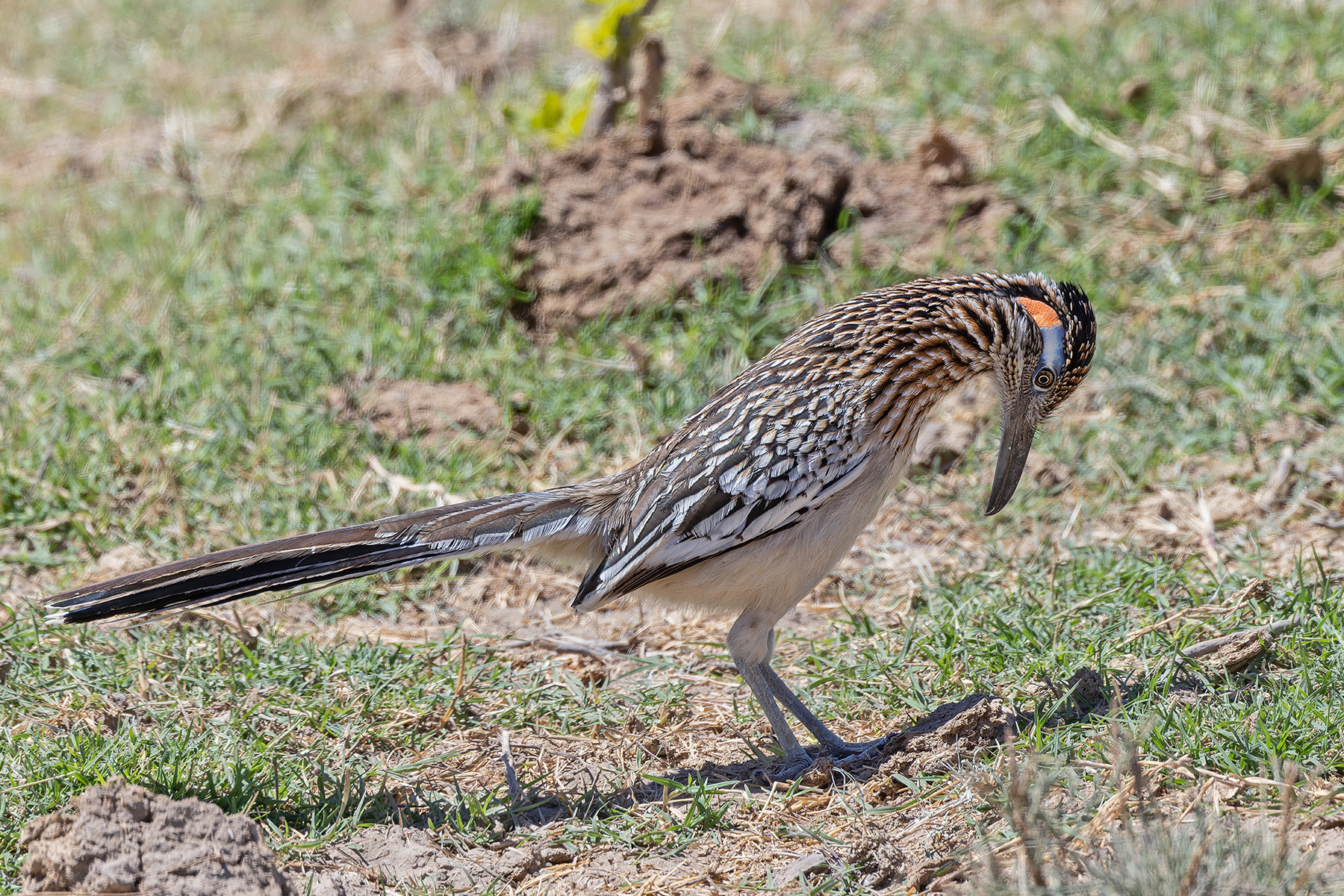
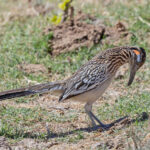
Greater Roadrunner (image by Pete Morris)
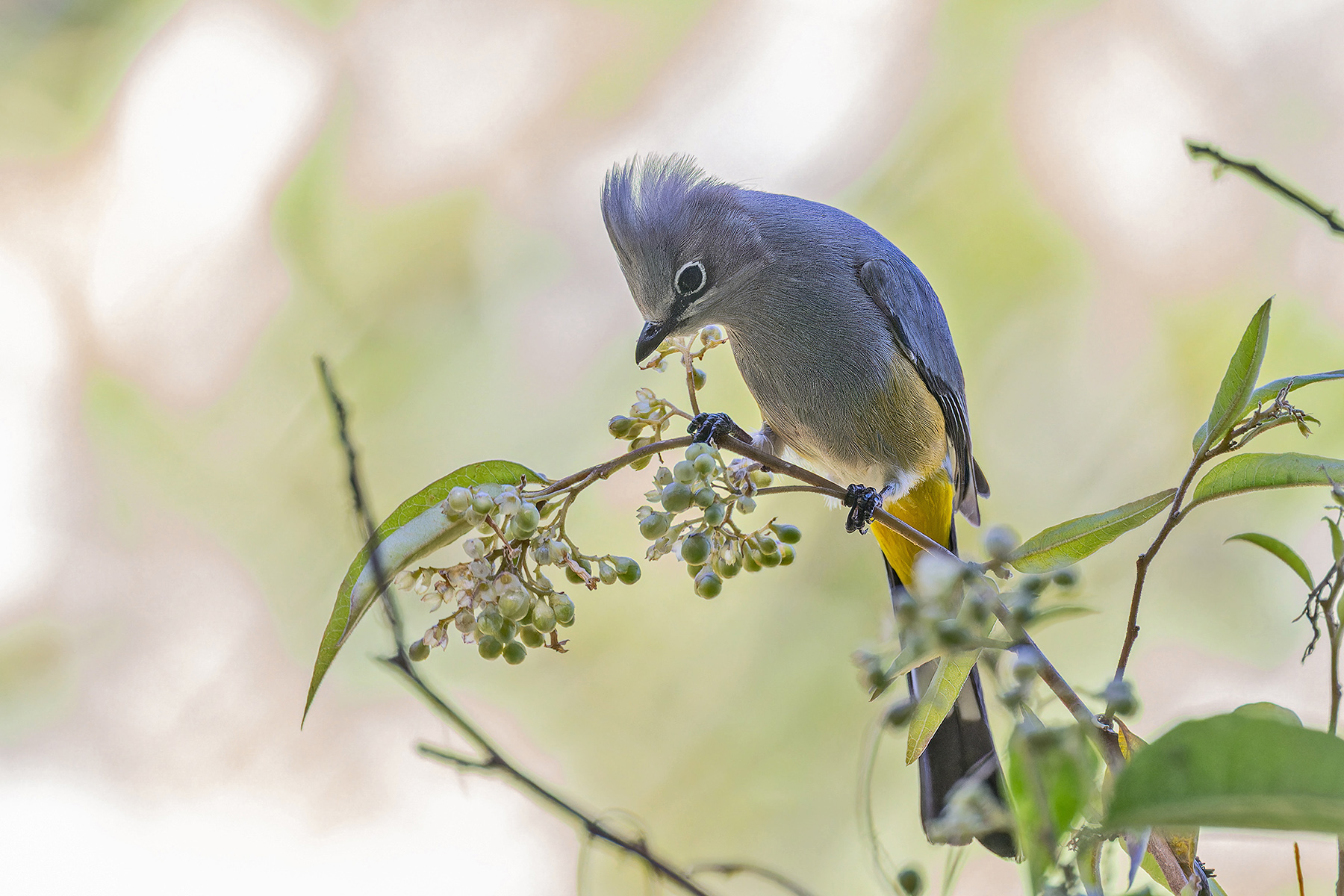
Grey Silky-Flycatcher (image by Pete Morris)
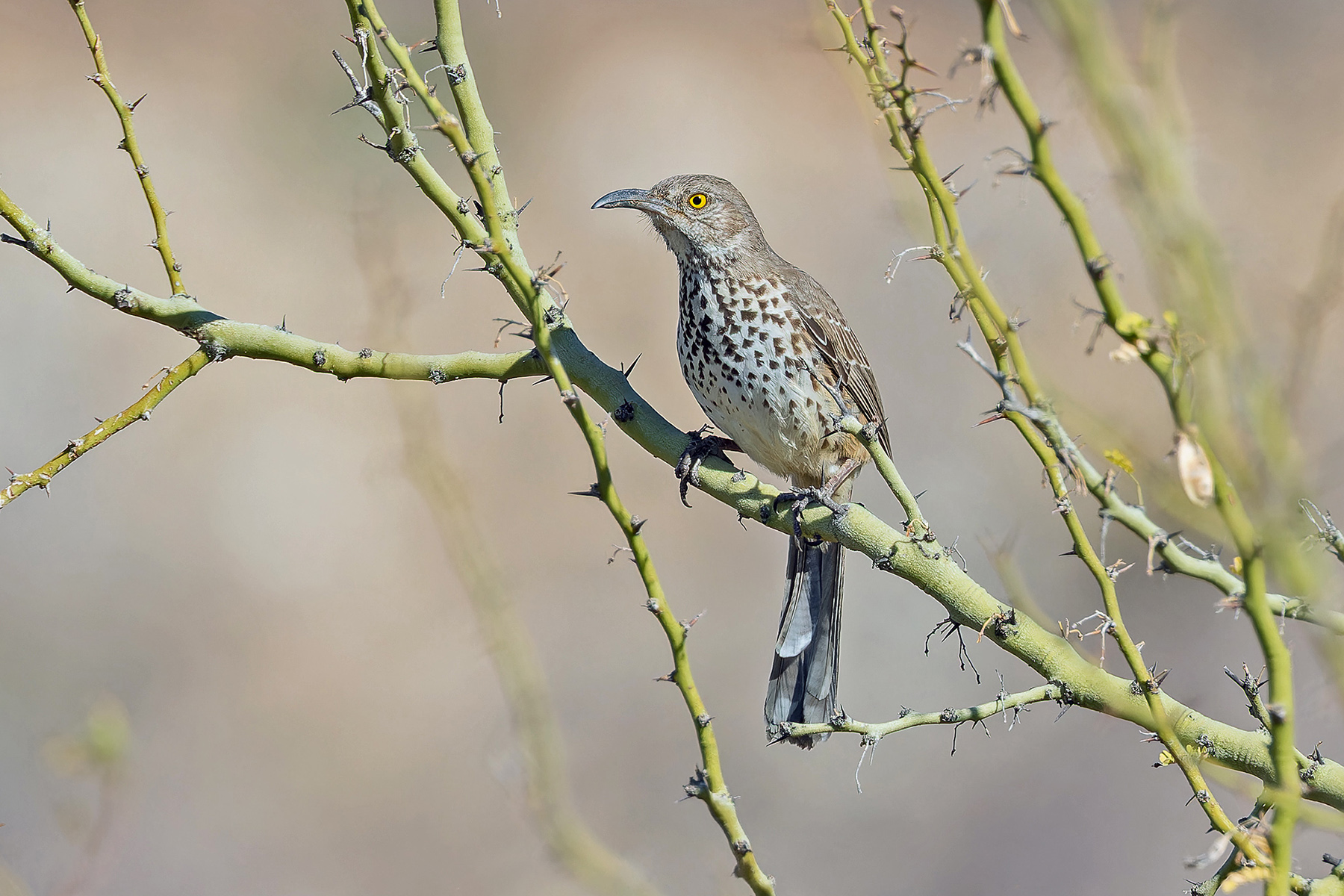
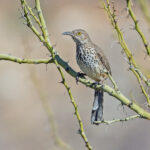
Grey Thrasher (image by Pete Morris)
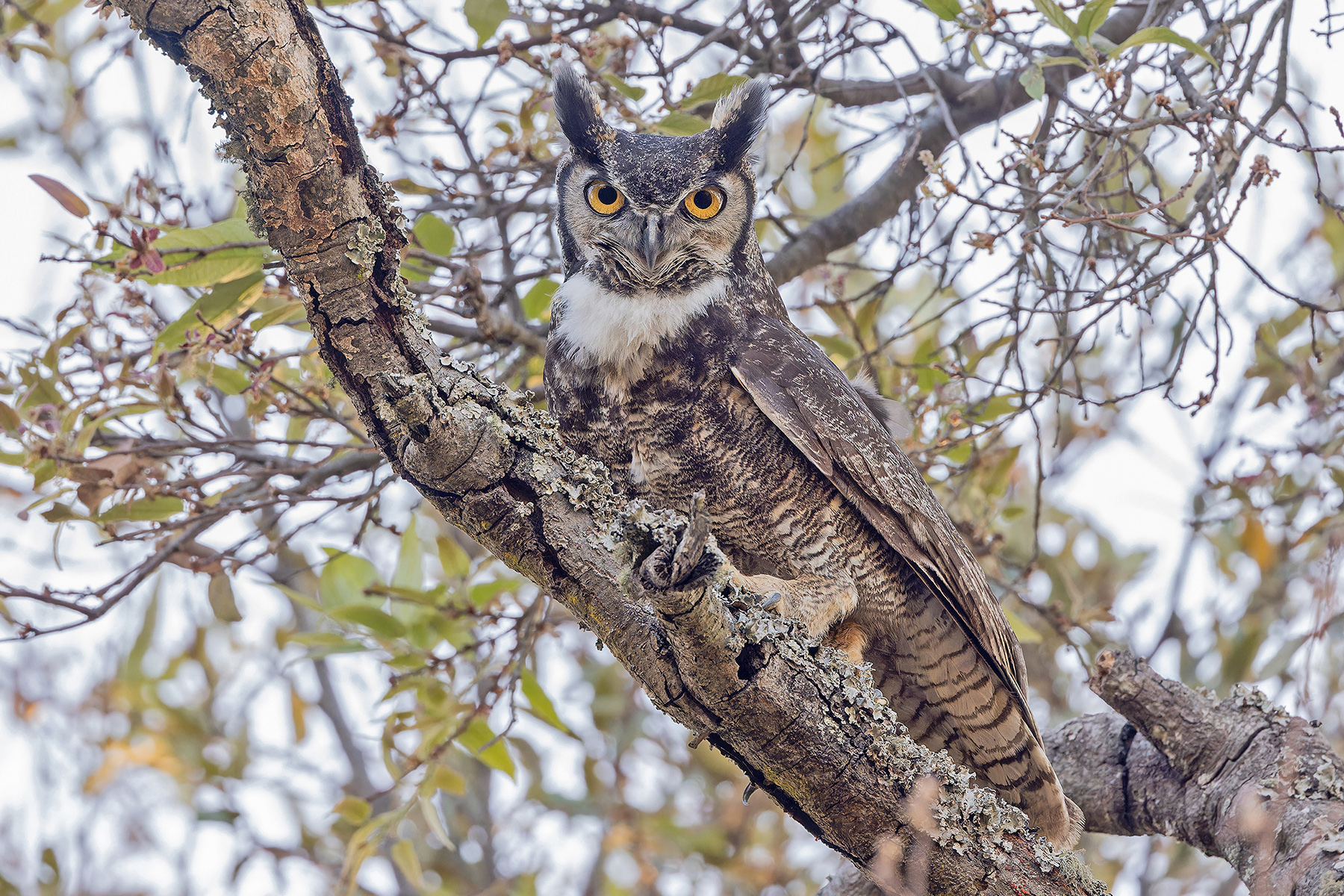
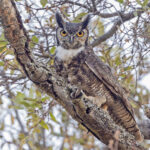
Great Horned Owl (image by Pete Morris)
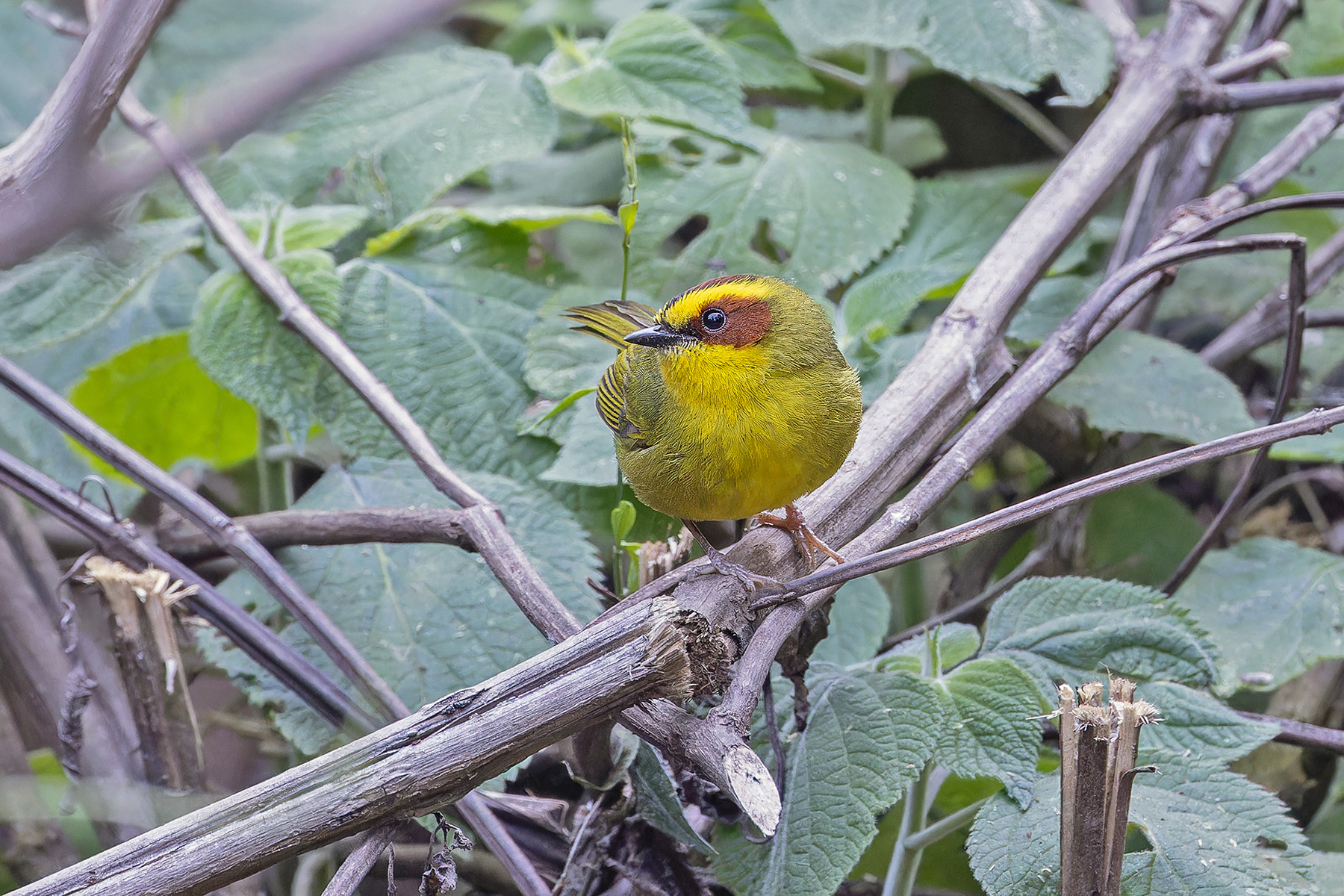
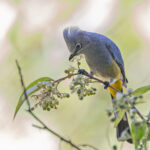
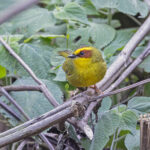
Golden-browed Warbler (image by Pete Morris)
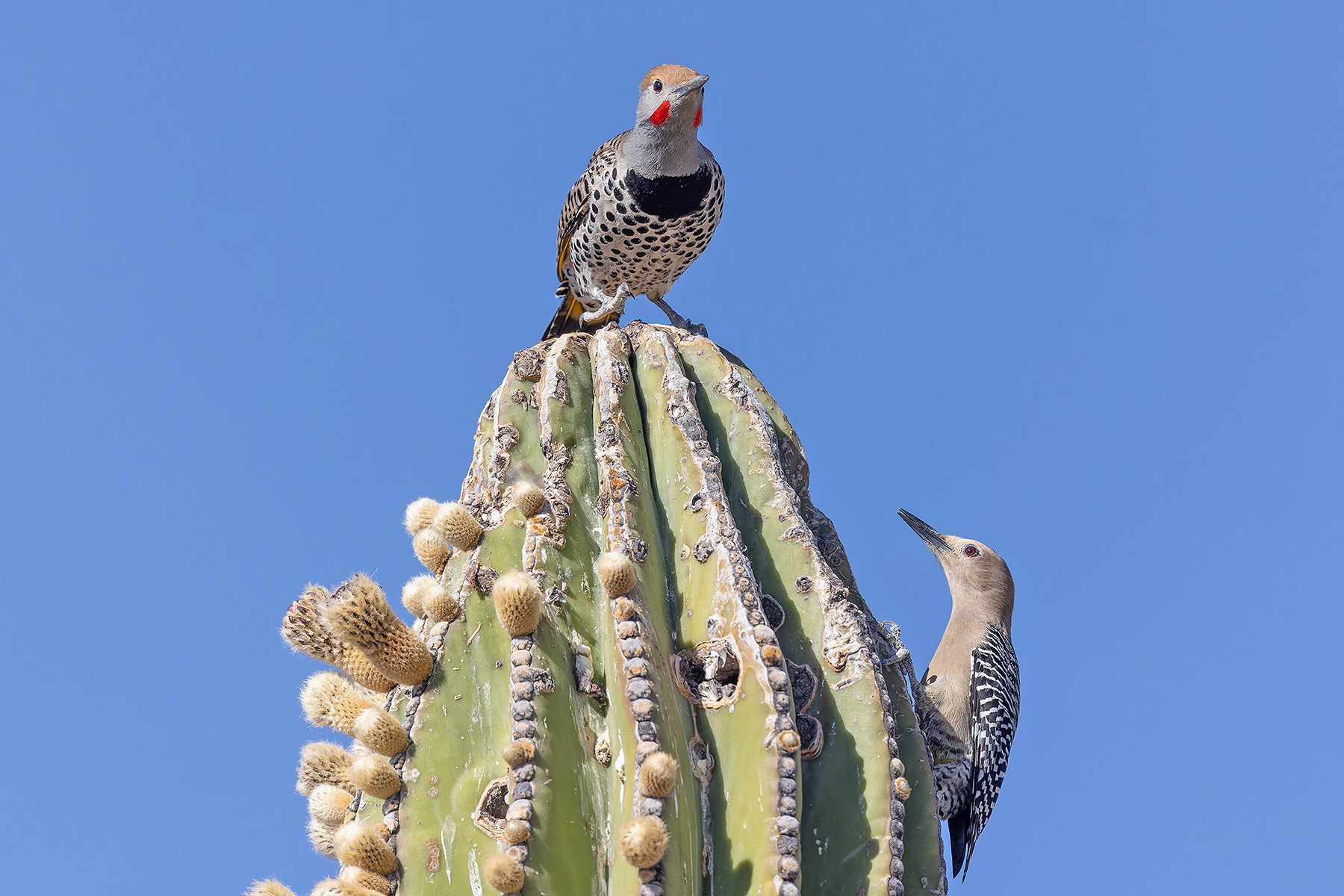
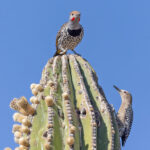
Gilded Flicker and Gila Woodpecker (image by Pete Morris)
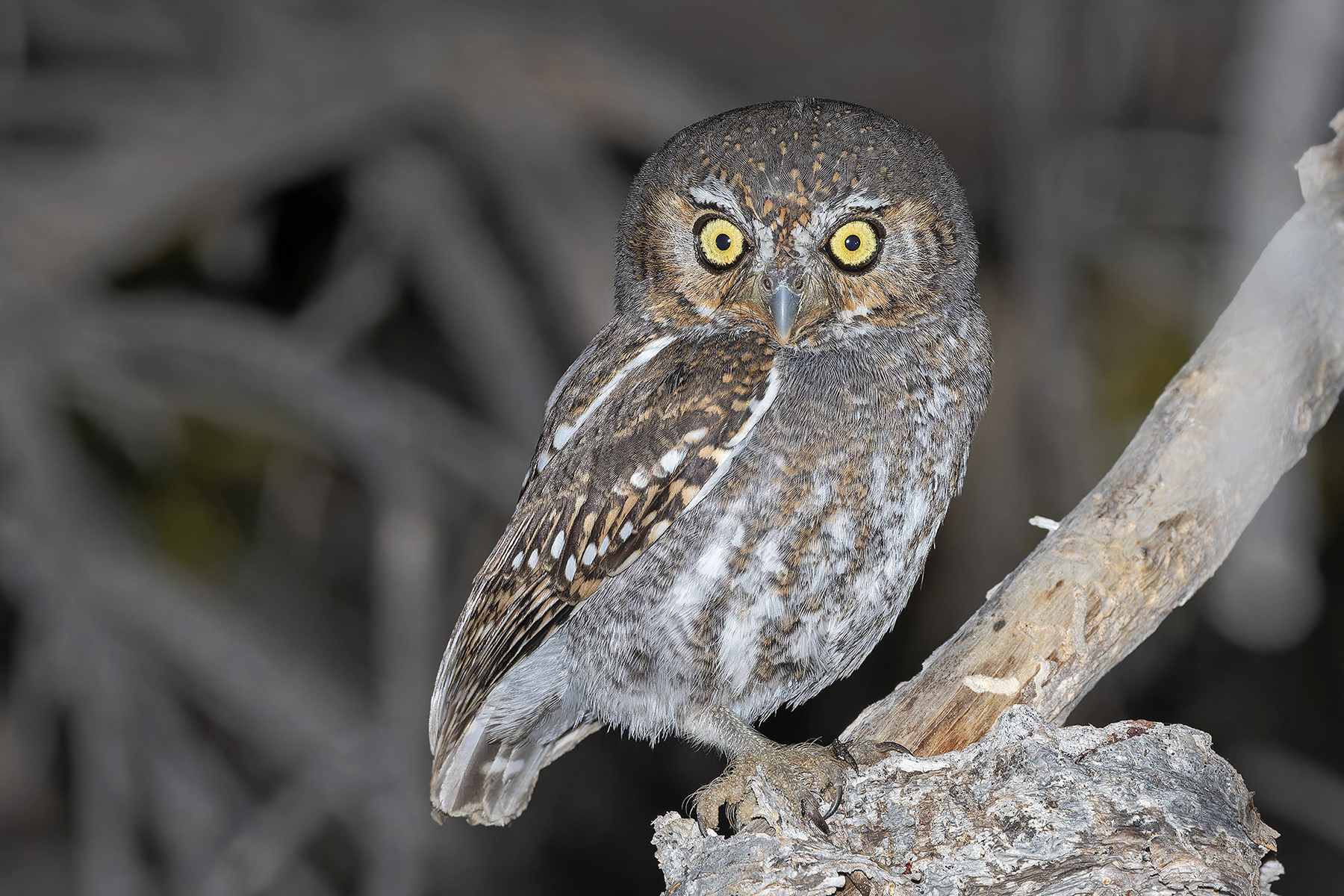
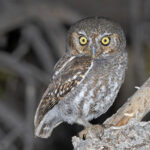
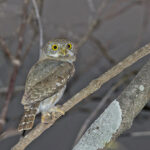
Elf Owl (image by Pete Morris)
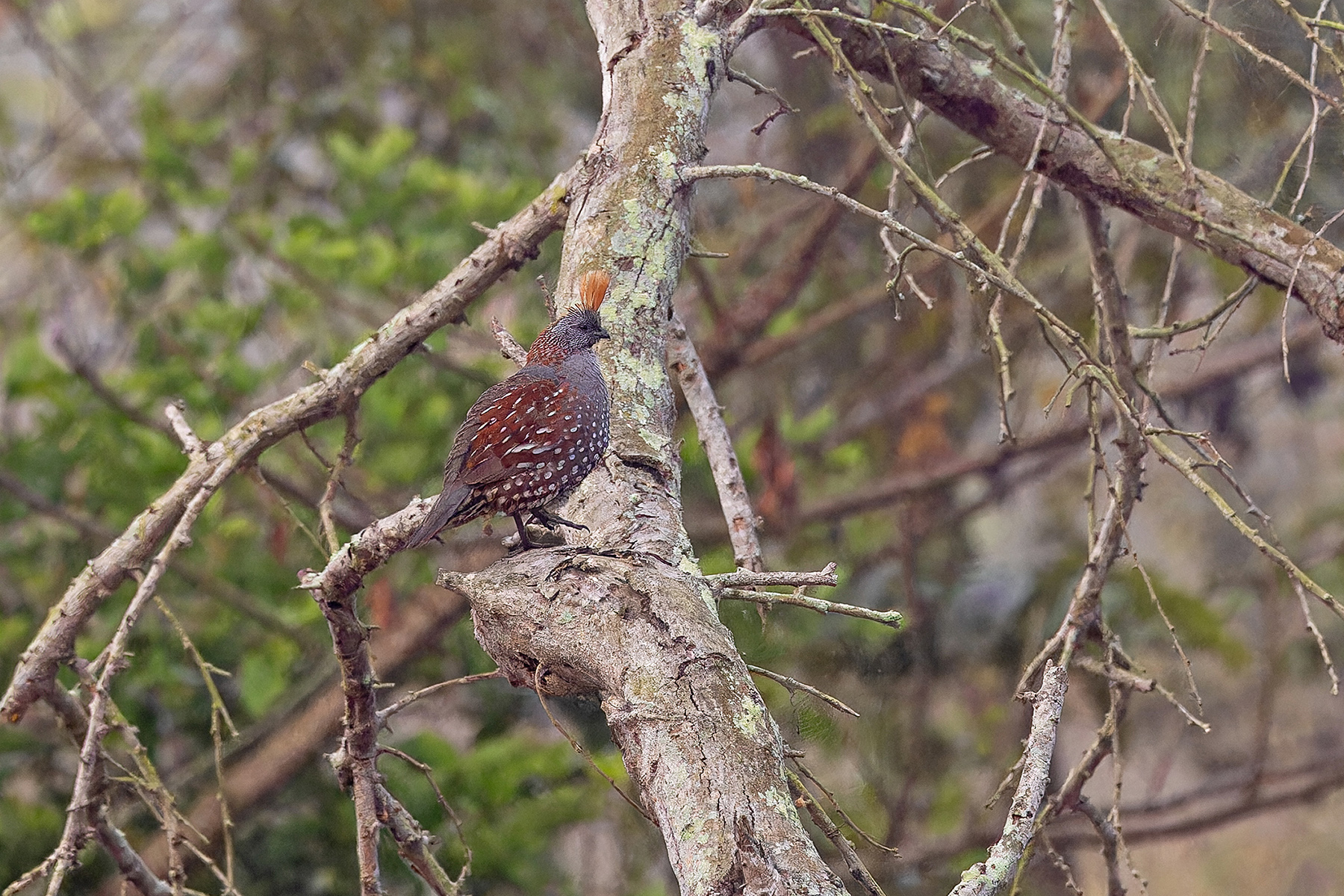
Elegant Quail (image by Pete Morris)
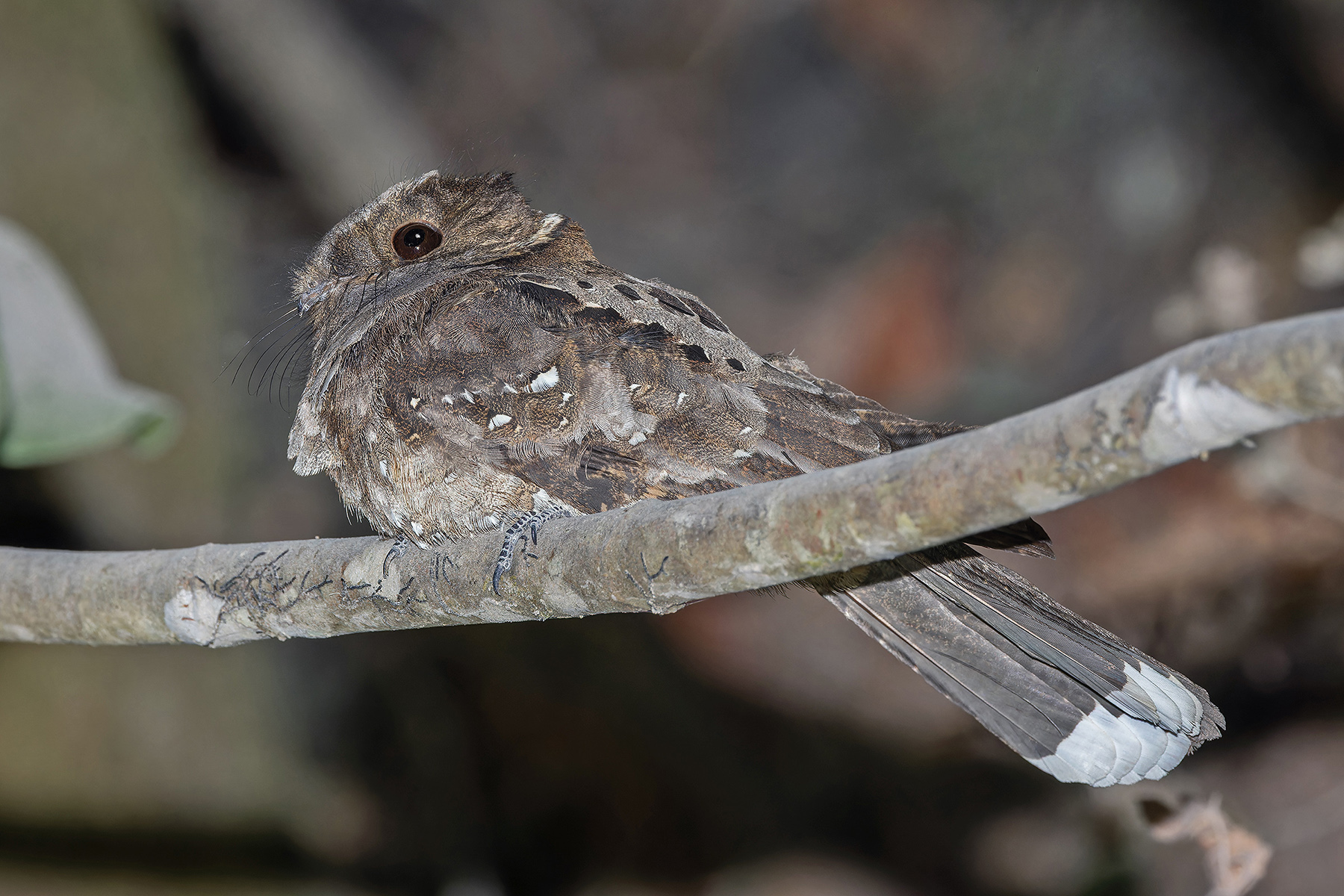
Eared Poorwill (image by Pete Morris)
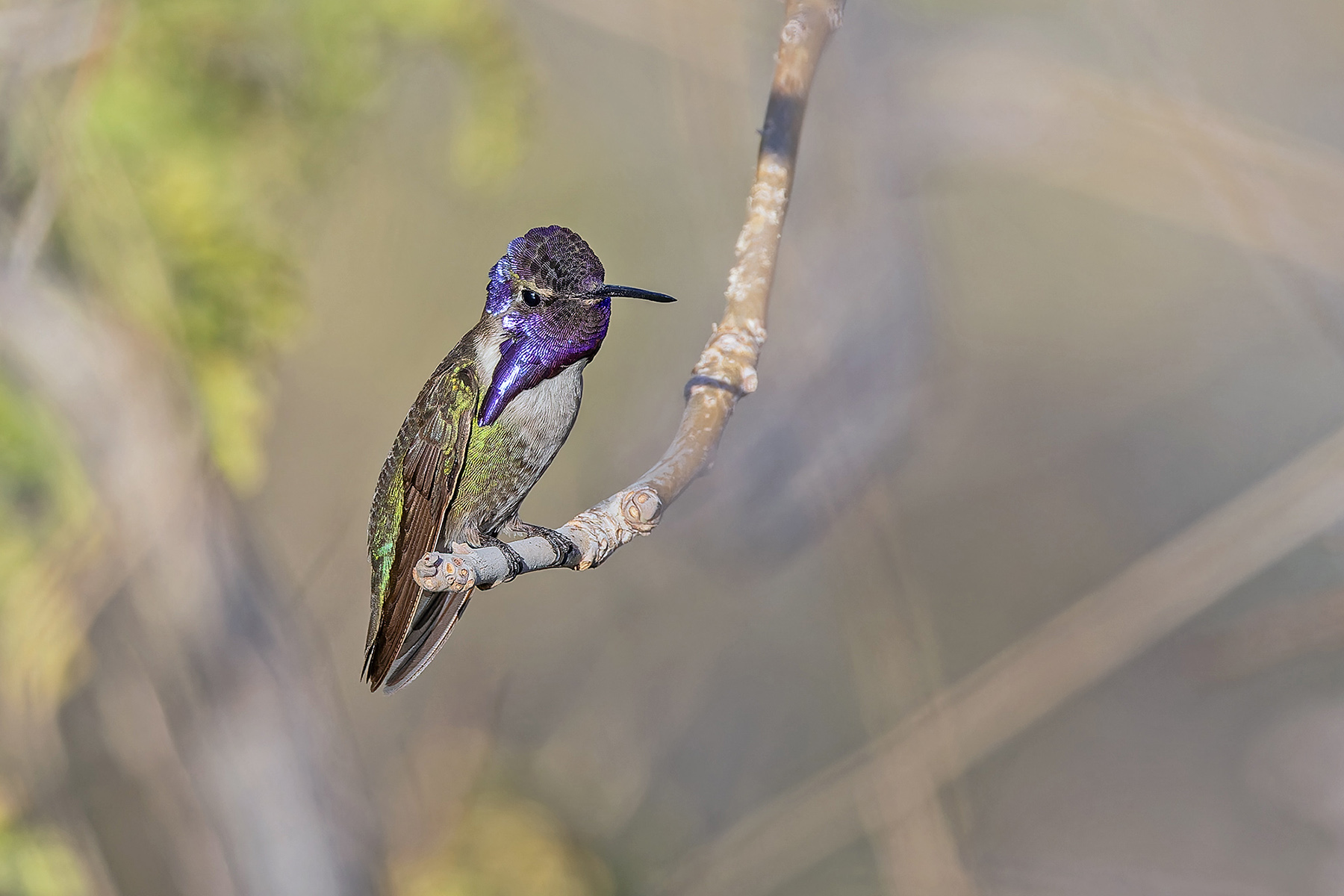
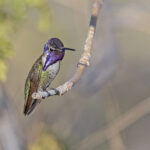
Costa's Hummingbird (image by Pete Morris)
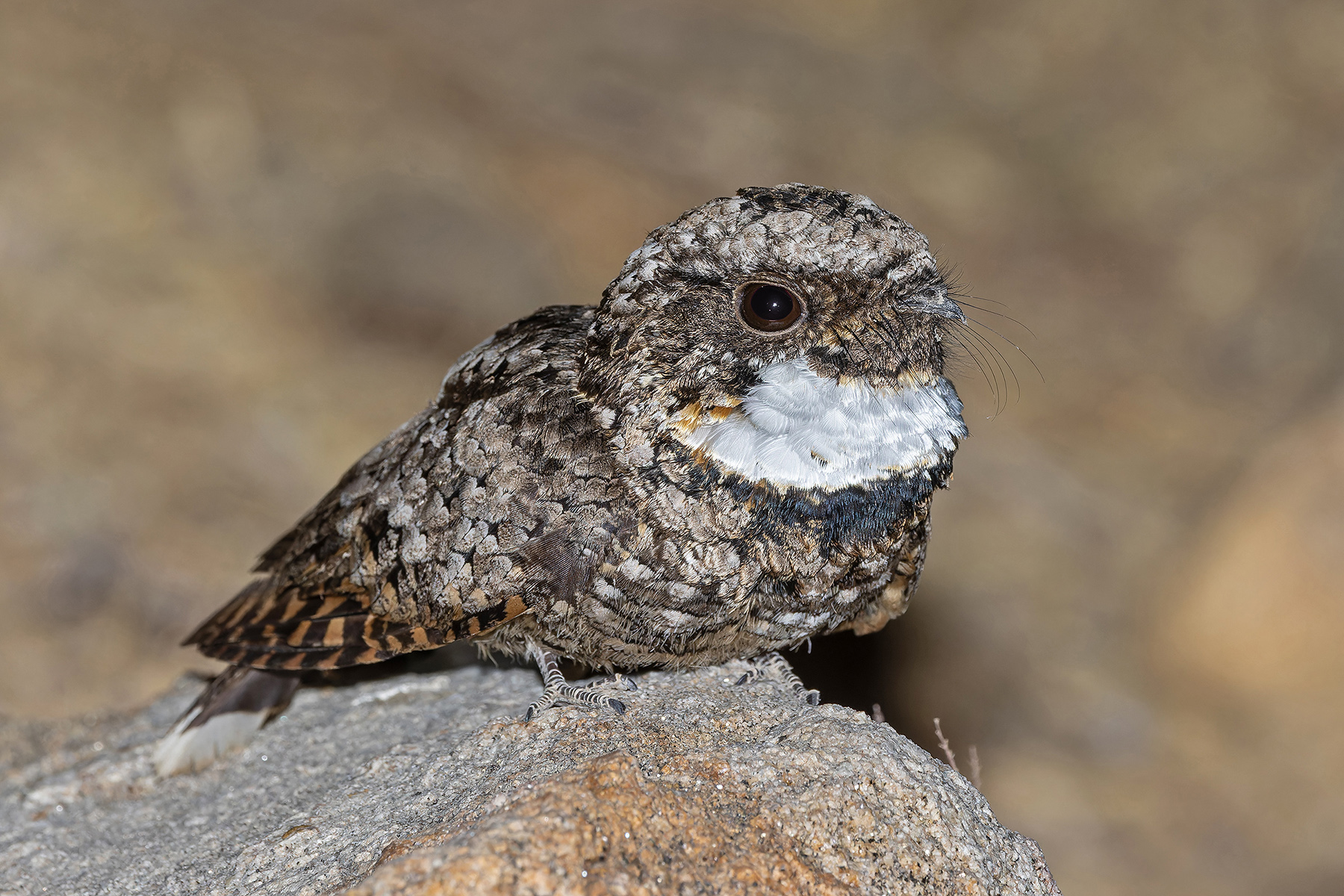
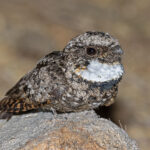
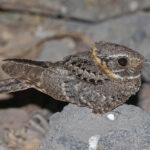
Common Poorwill (image by Pete Morris)
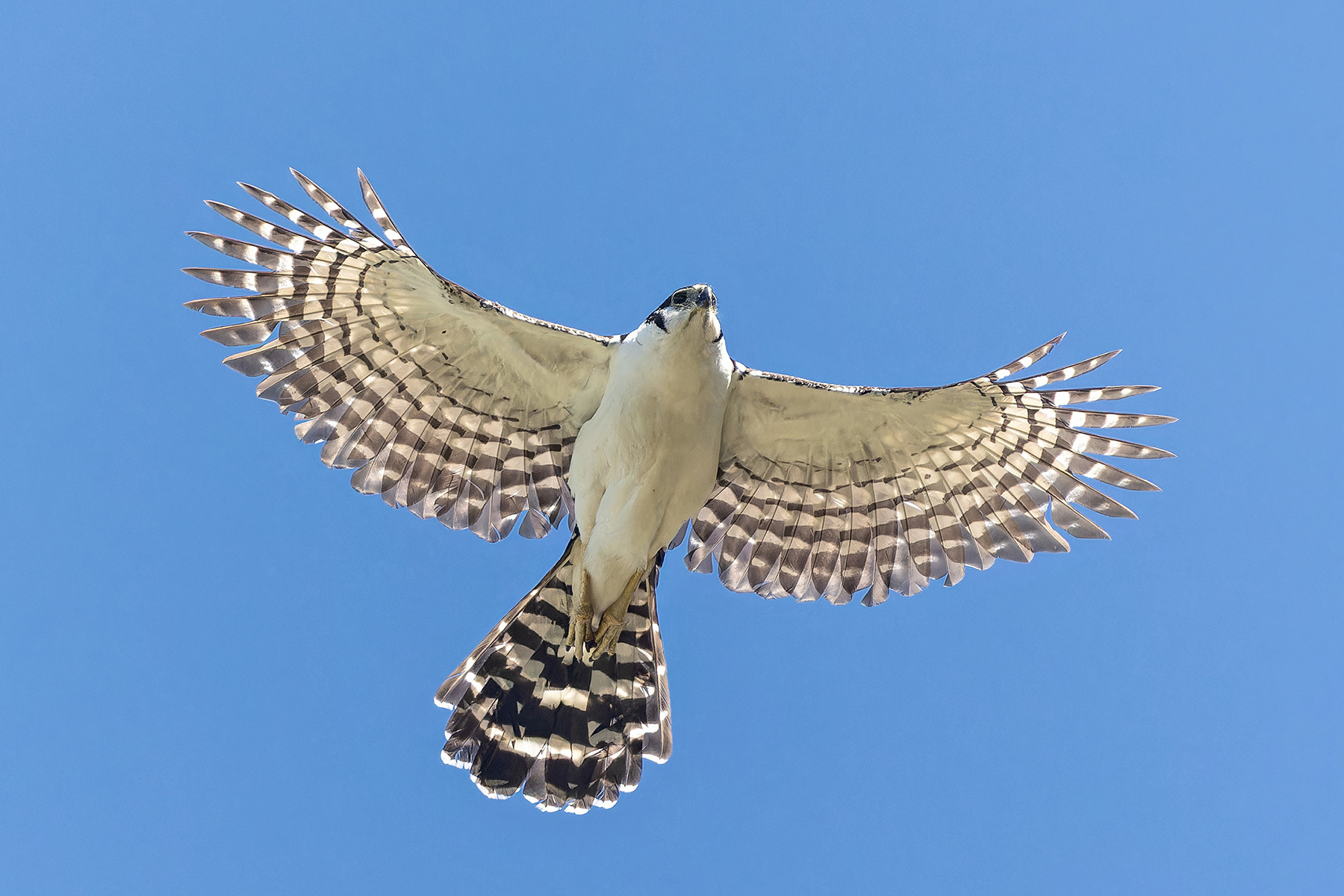
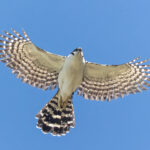
Collared Forest Falcon (image by Pete Morris)
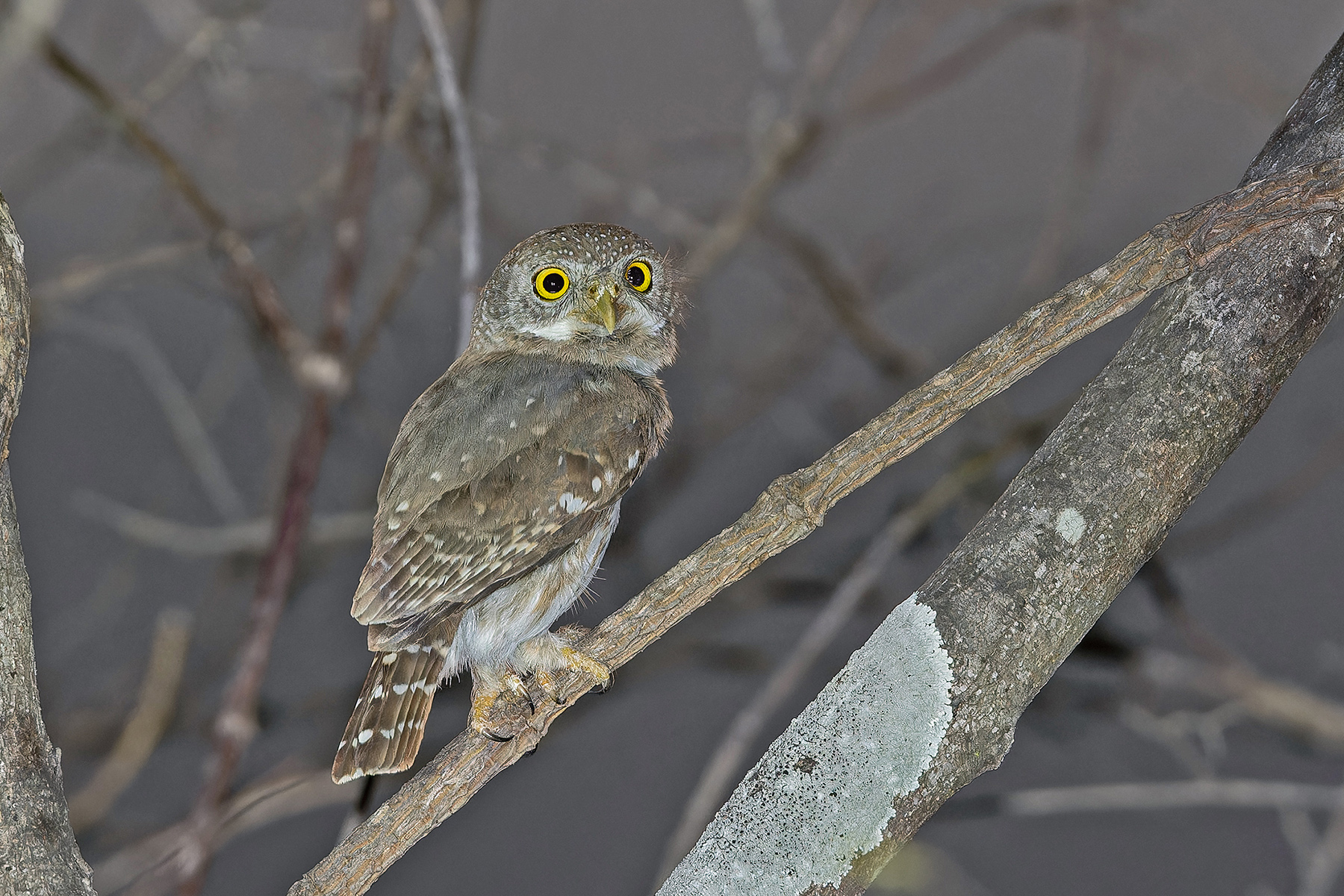
Colima Pygmy Owl (image by Pete Morris)
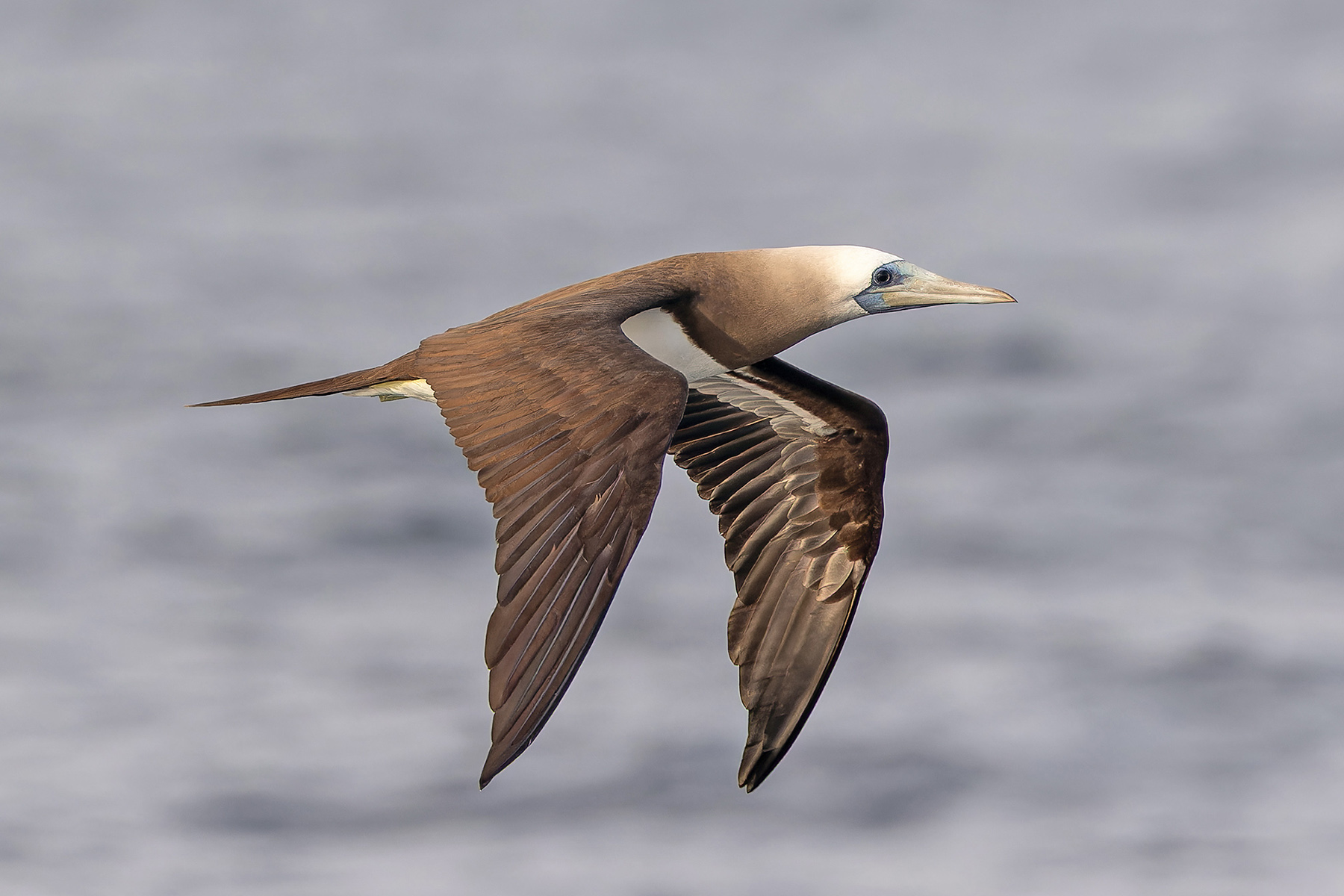
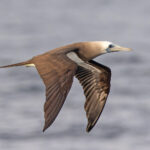
Cocos Booby (image by Pete Morris)
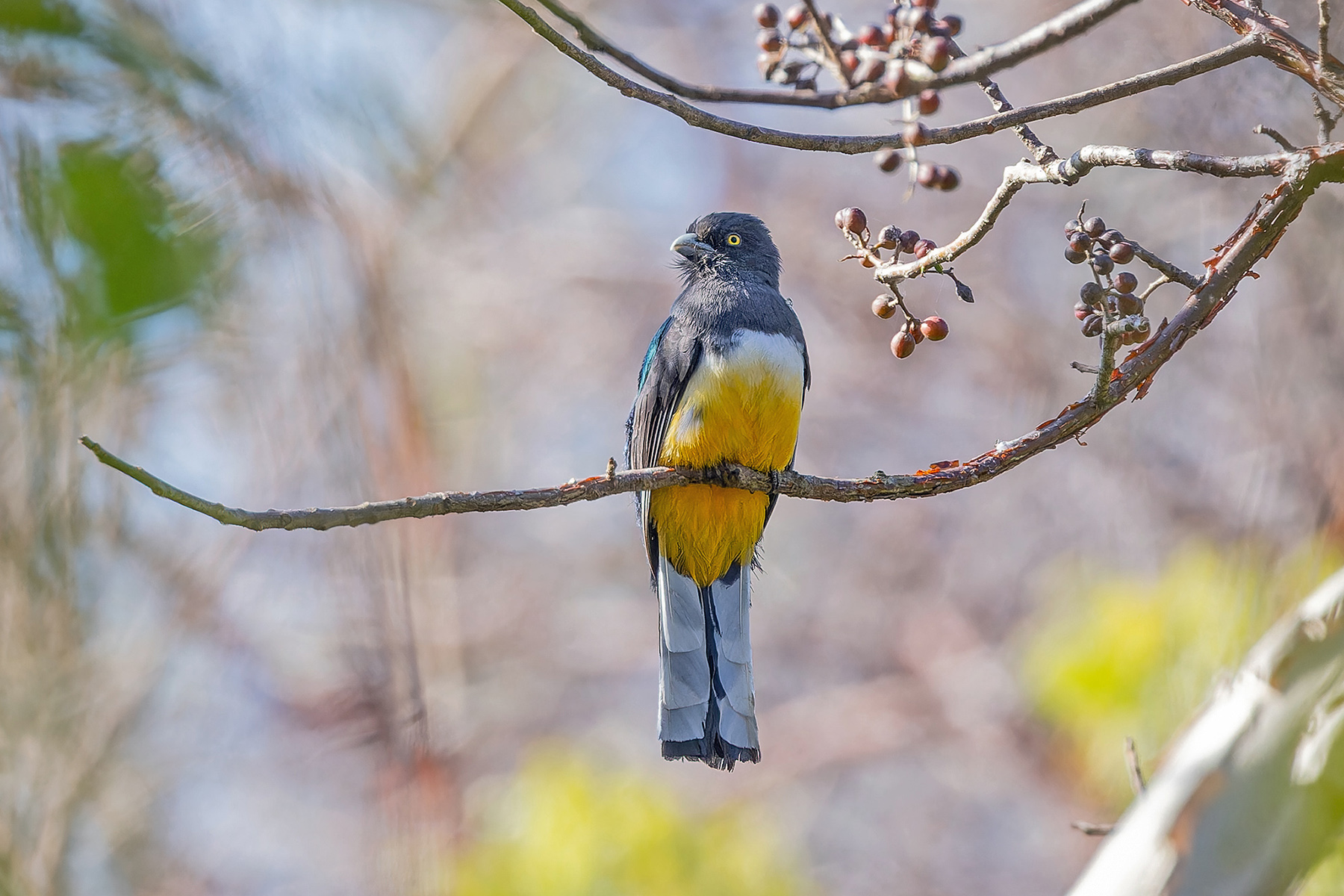
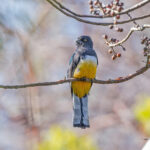
Citreoline Trogon (image by Pete Morris)
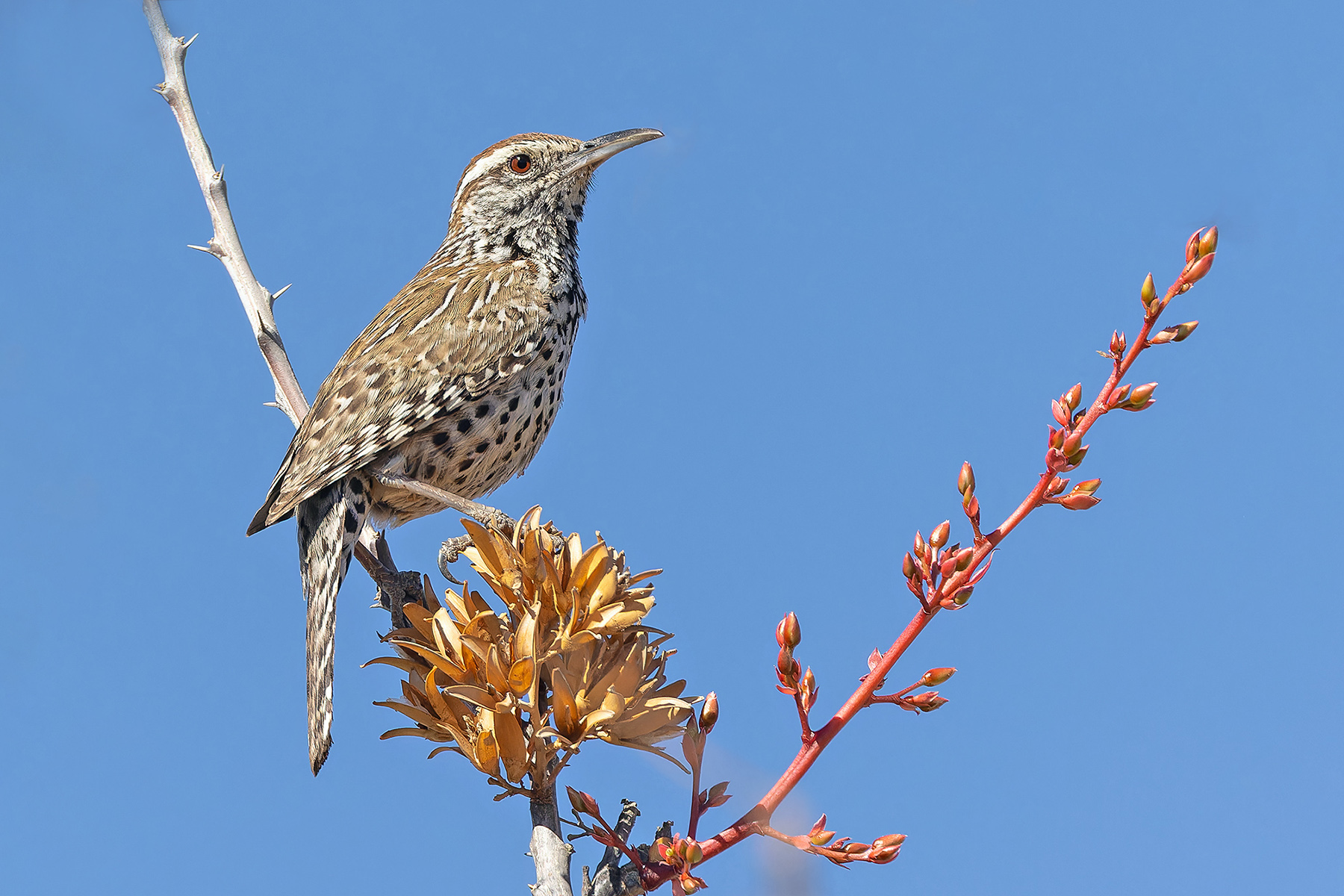
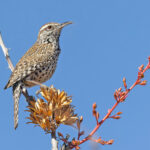
Cactus Wren (image by Pete Morris)
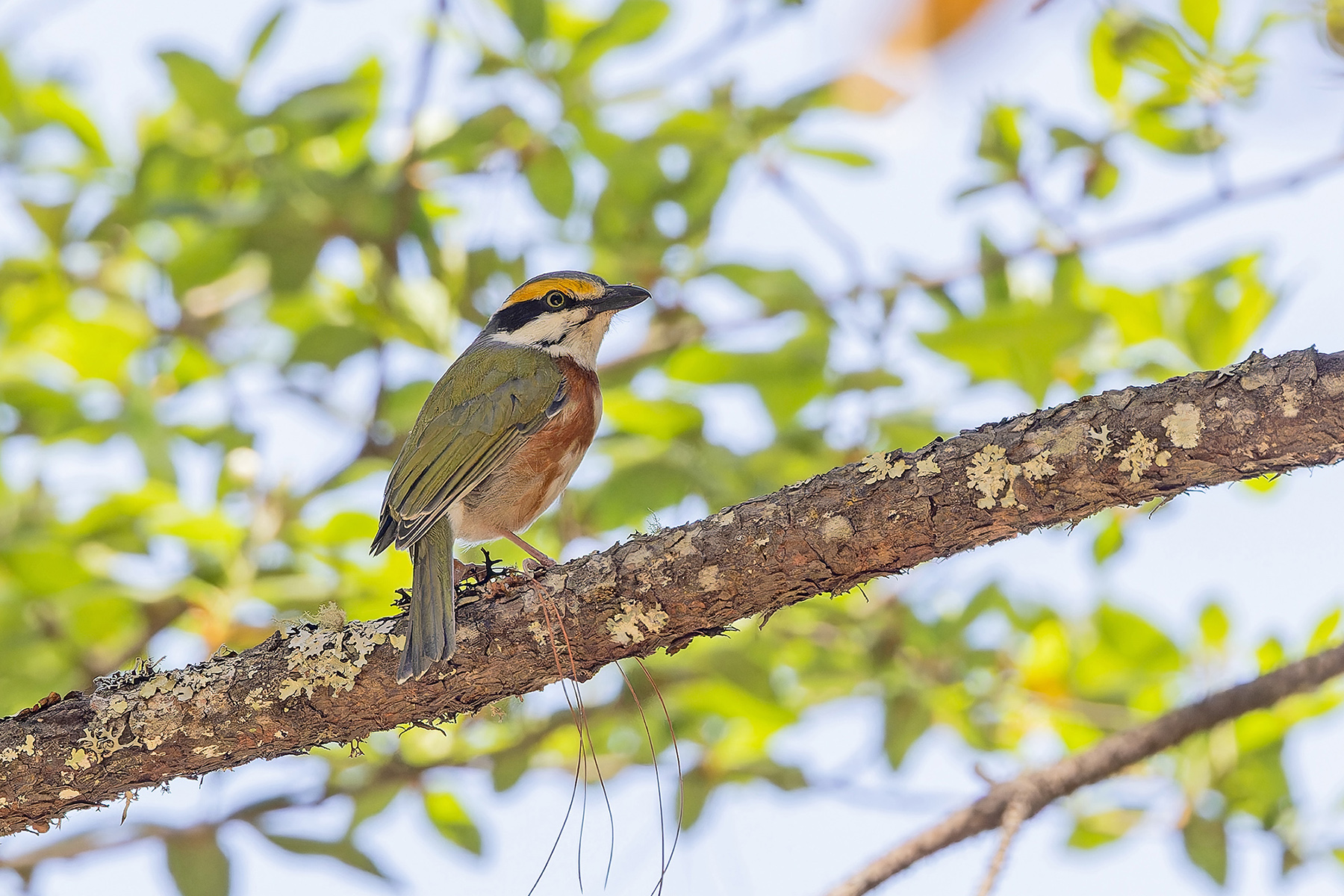
Chestnut-sided Shrike-Vireo (image by Pete Morris)
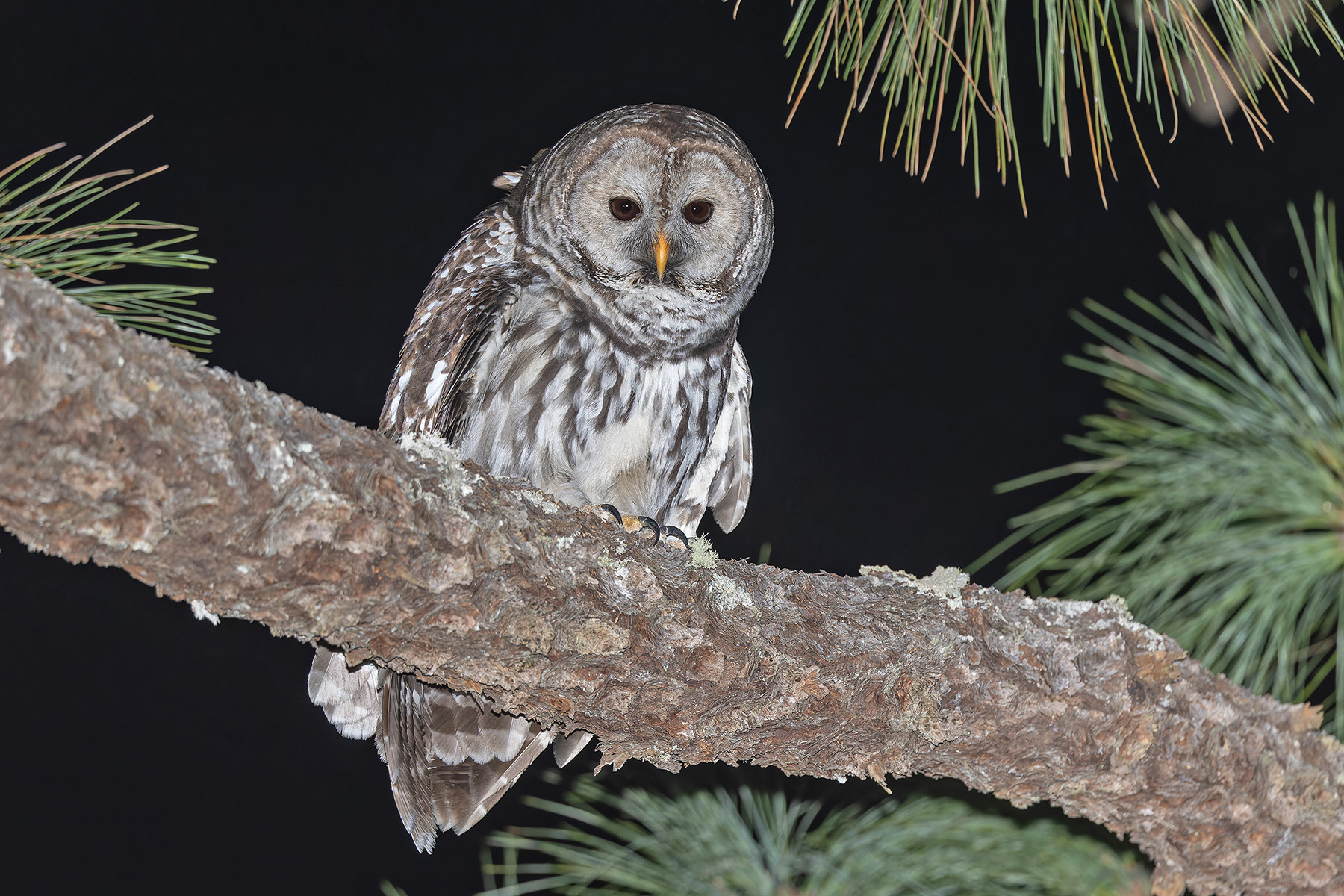
Cinereous Owl (image by Pete Morris)
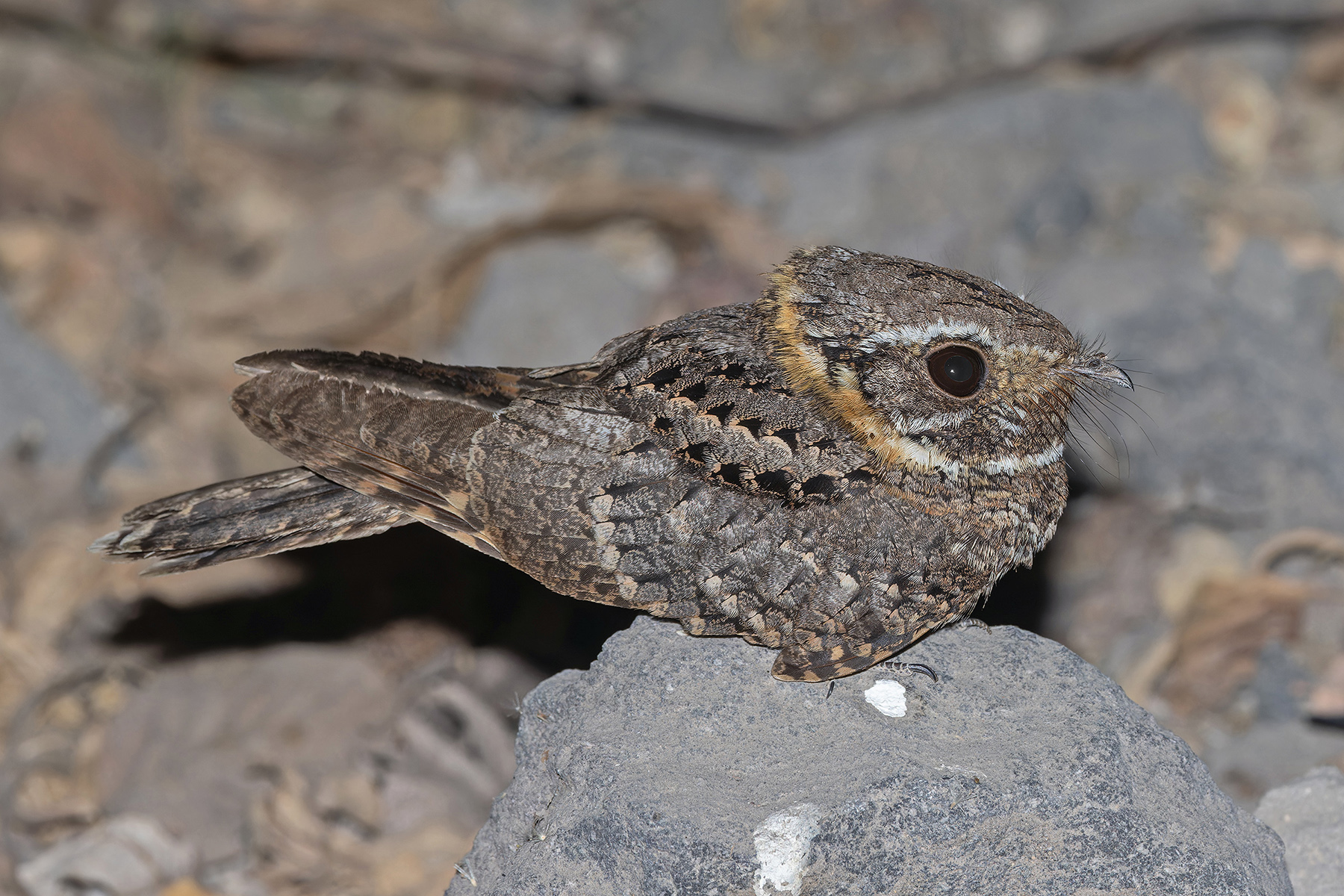
Buff-collared Nightjar (image by Pete Morris)
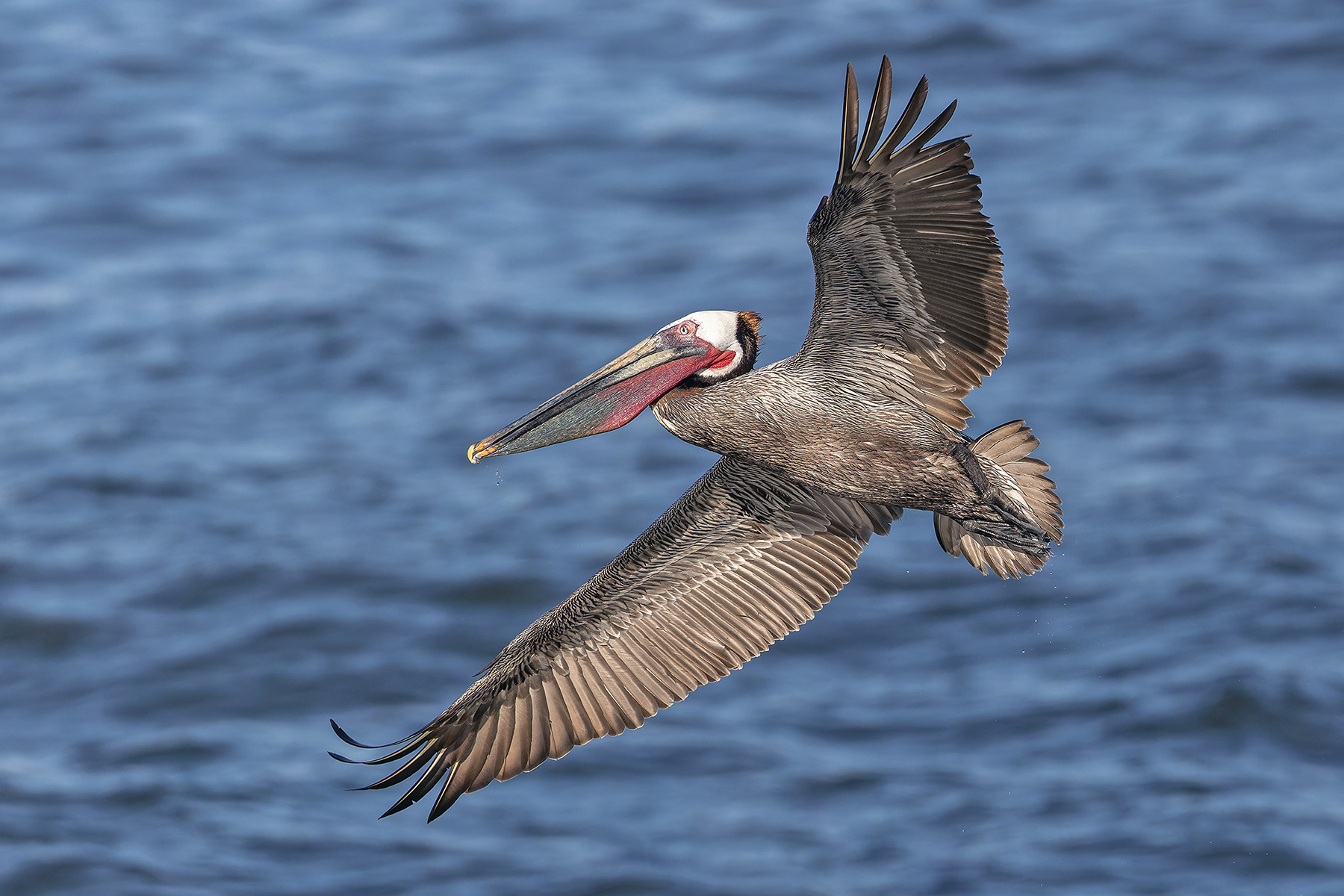
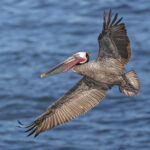
Brown Pelican (image by Pete Morris)
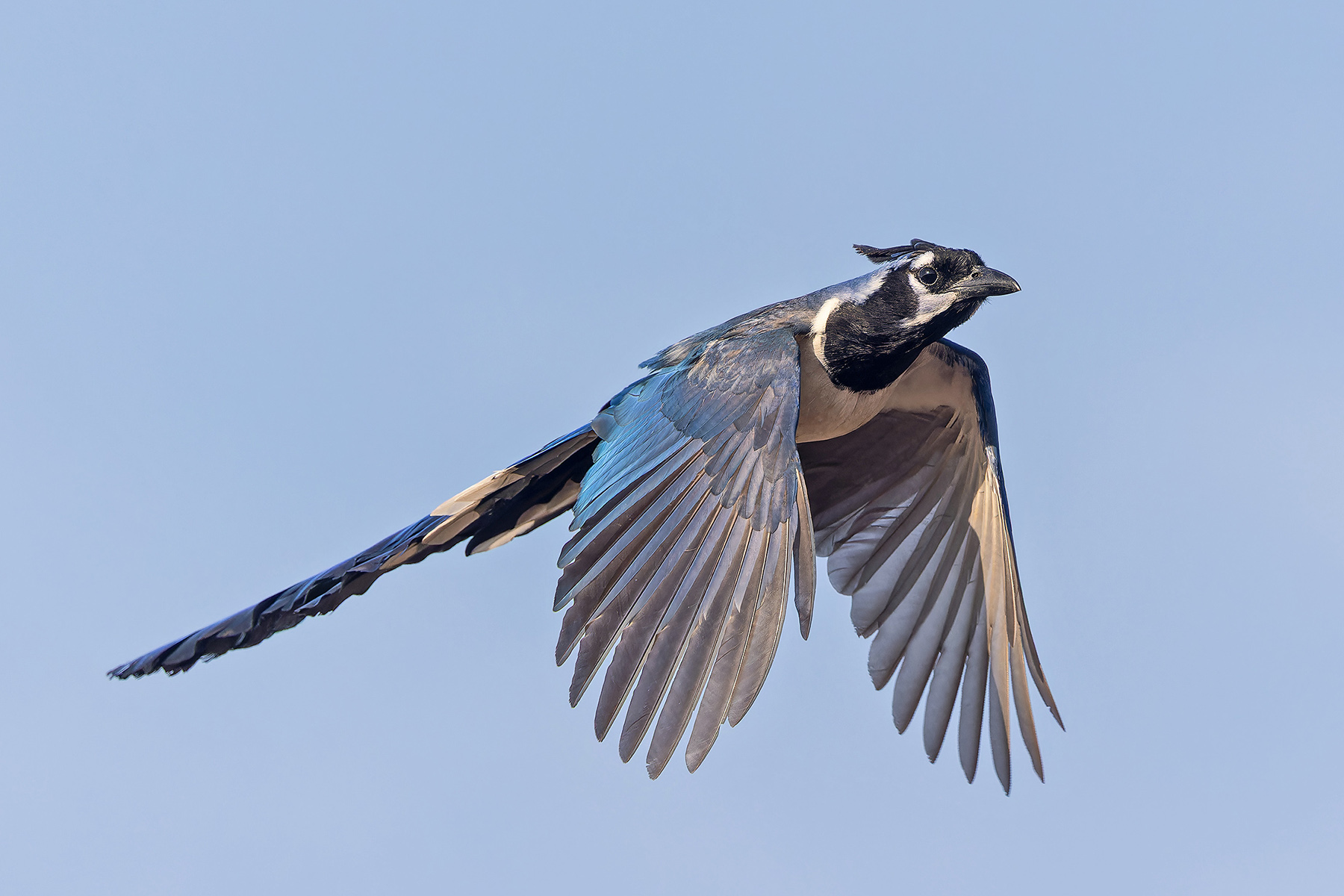
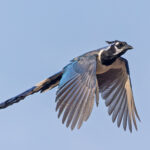
Black-throated Magpie-Jay (image by Pete Morris)
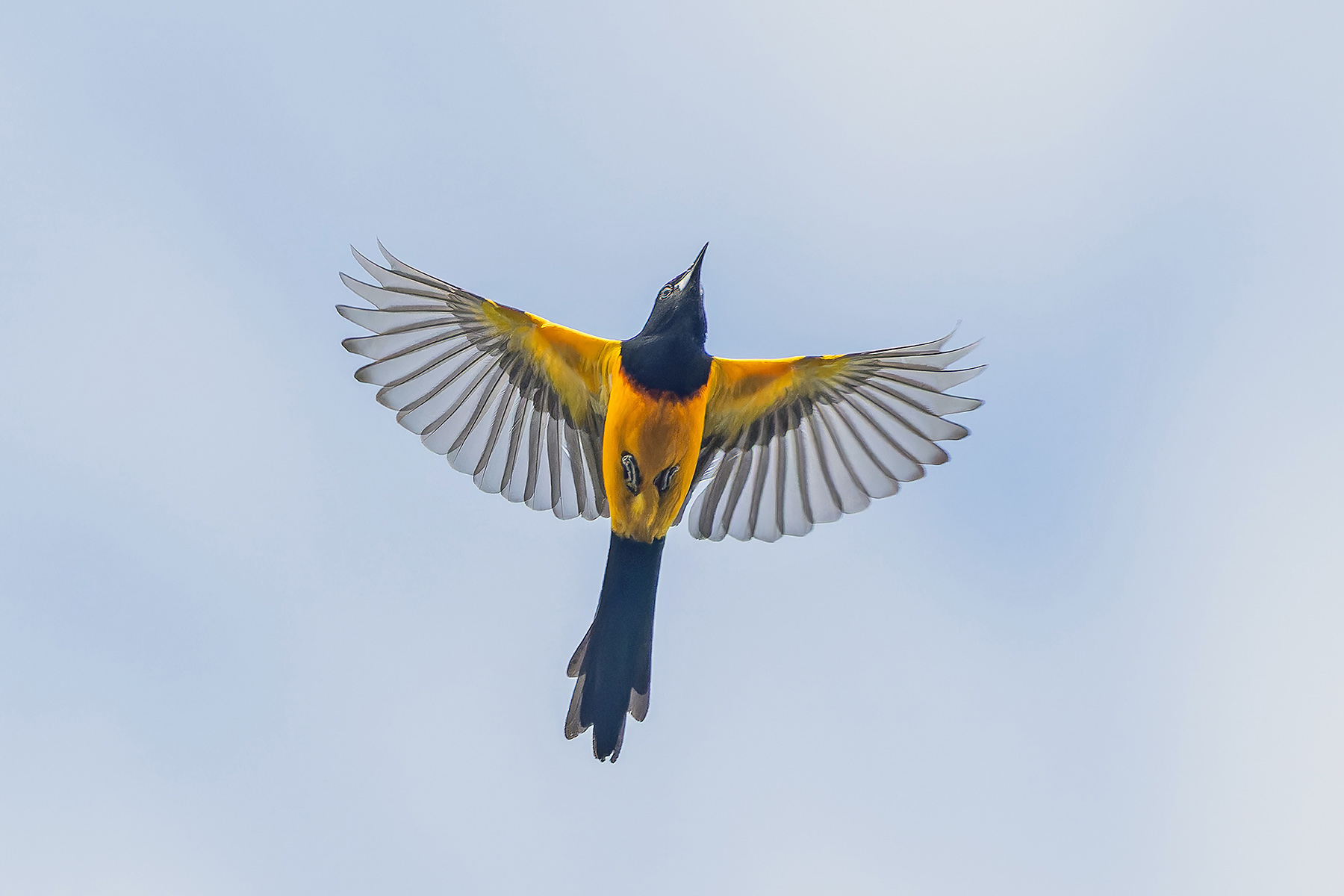
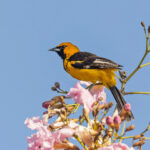
Black-vented Oriole (image by Pete Morris)
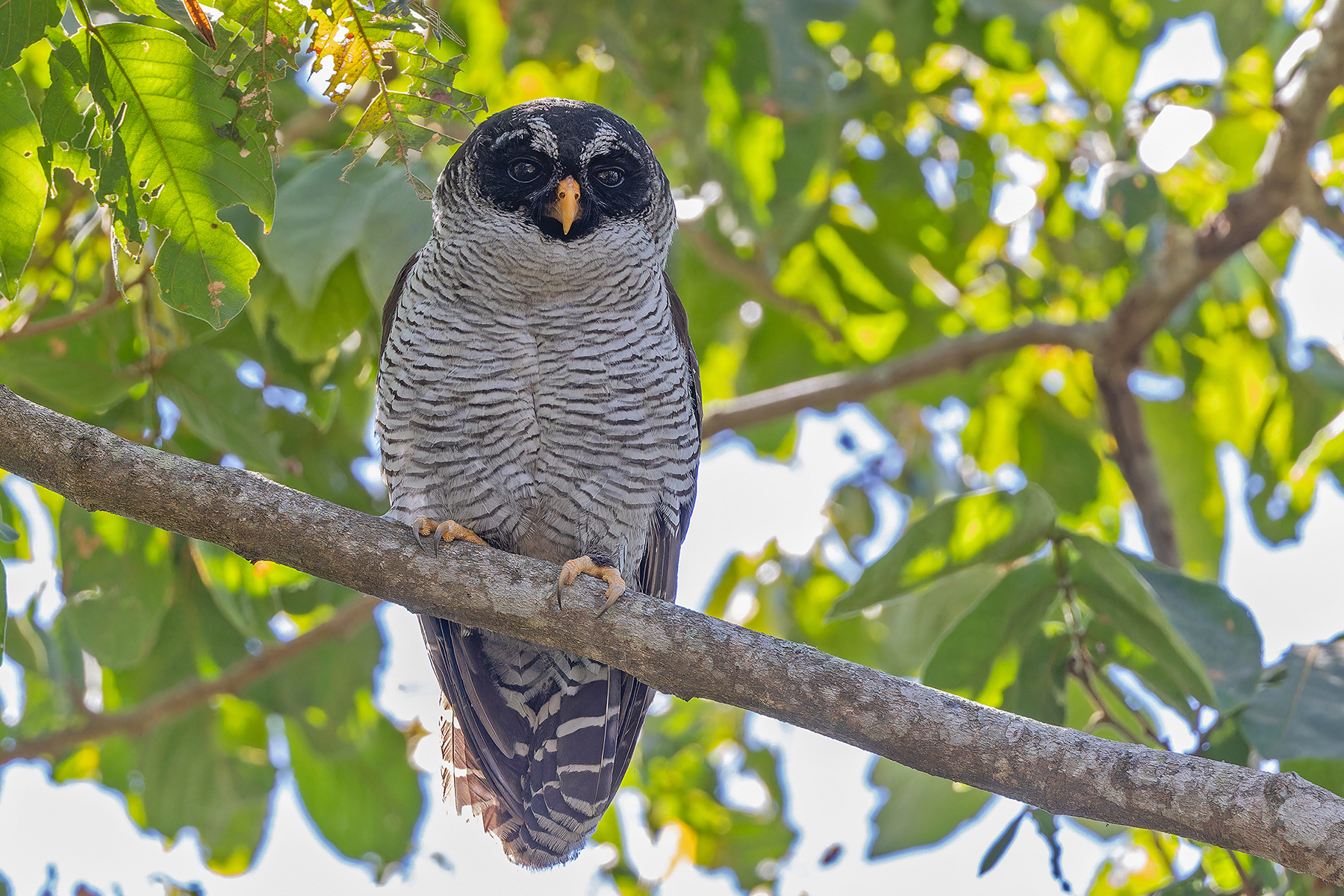
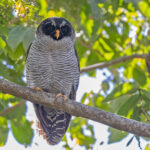
Black-and-white Owl (image by Pete Morris)
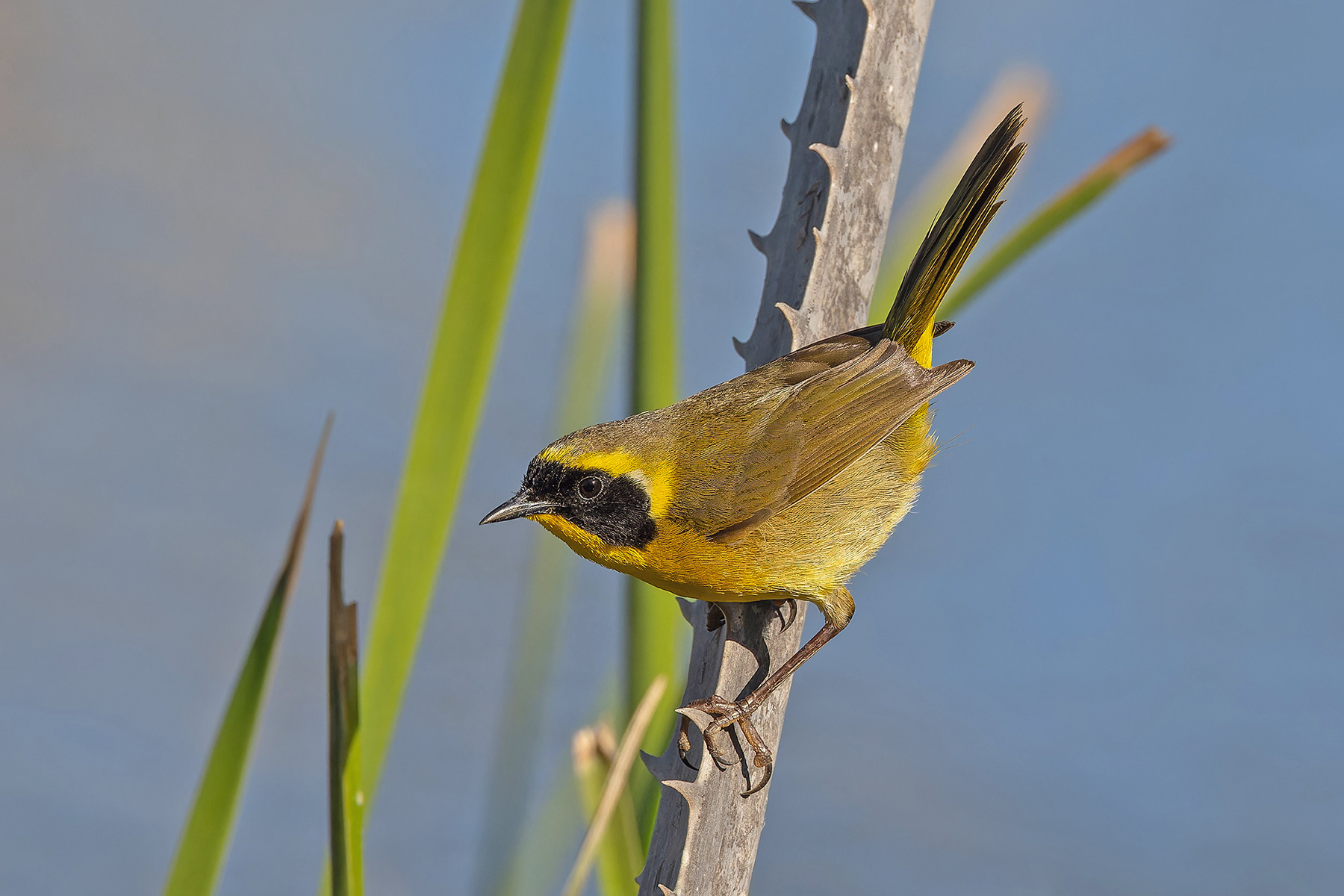
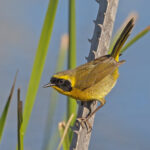
Belding's Yellowthroat (image by Pete Morris)
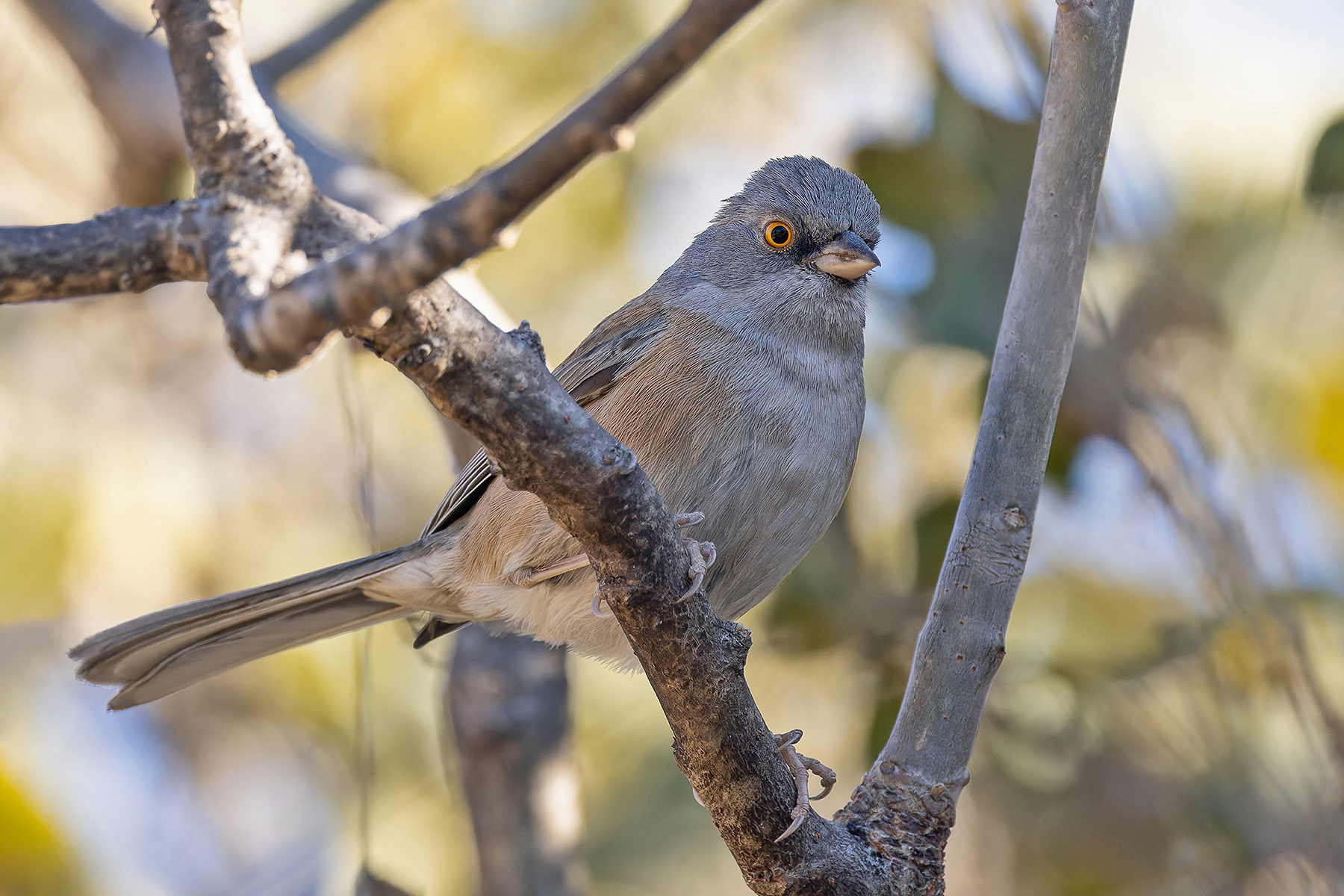
Baird's Junco (image by Pete Morris)
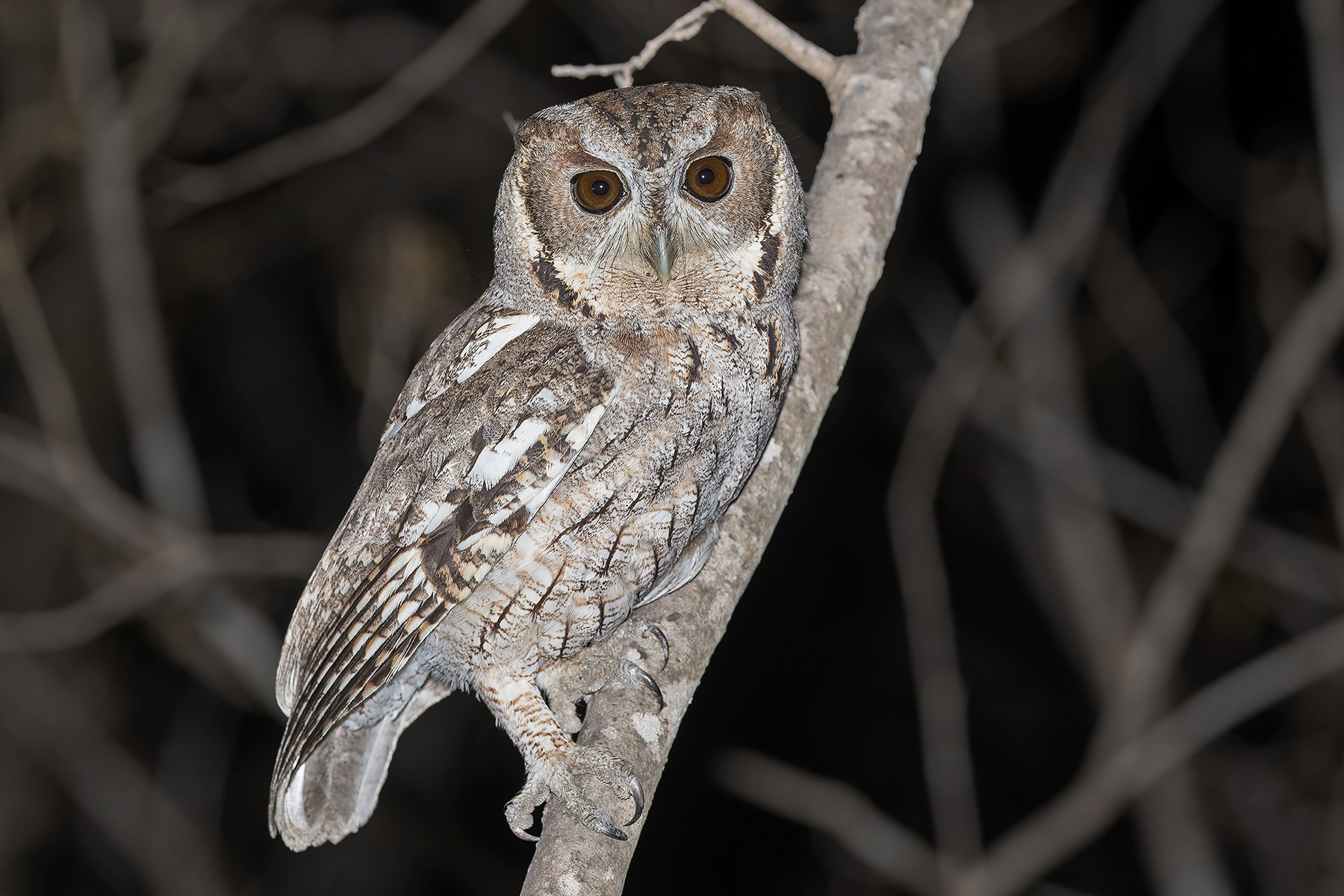
Balsas Screech Owl (image by Pete Morris)
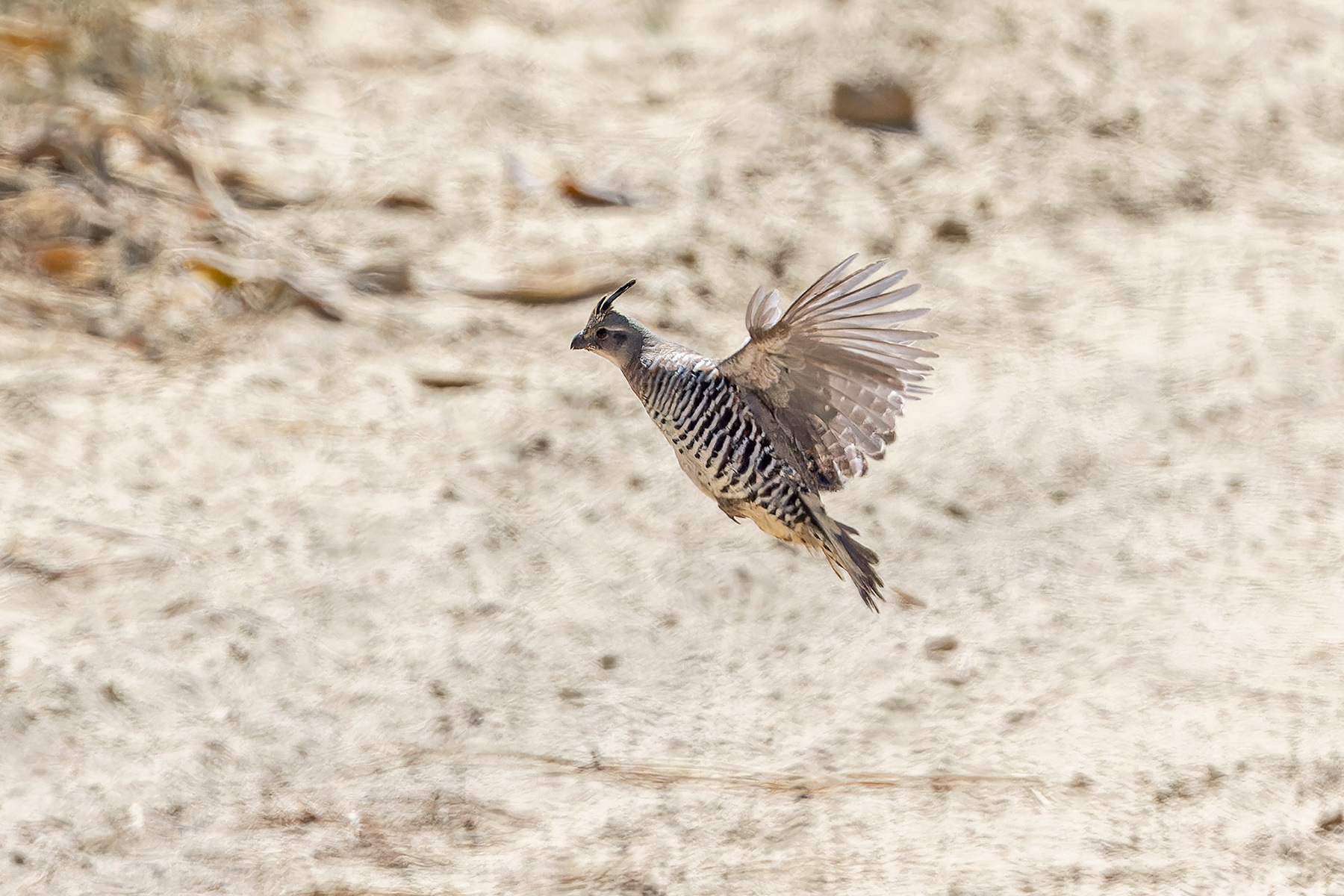
Banded Quail (image by Pete Morris)
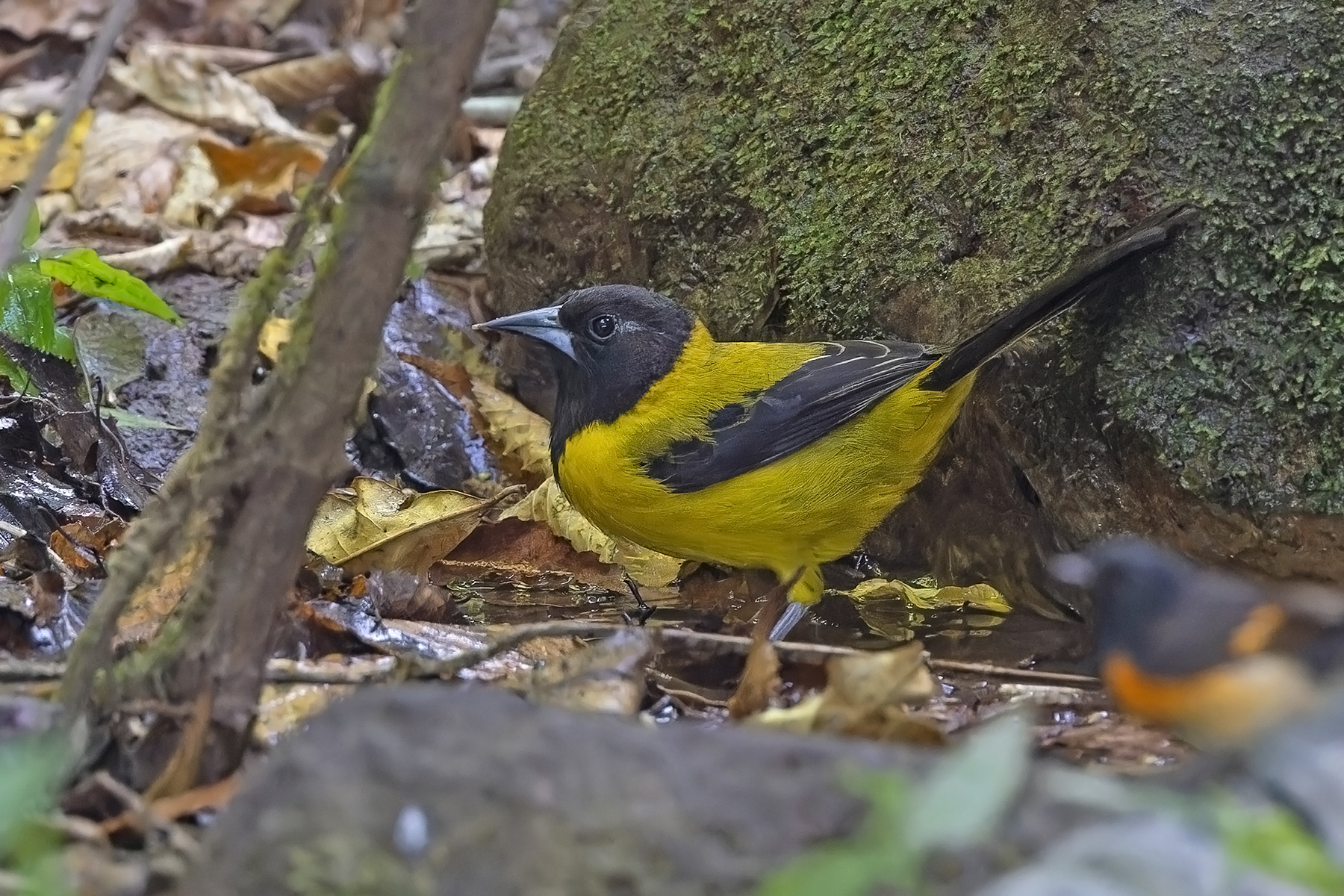
Audubon's Oriole (Dickey's) (image by Pete Morris)

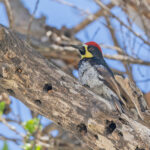
(Baja) Acorn Woodpecker (image by Pete Morris)


Yellow-footed Gull (image by Pete Morris)
Xantus's Hummingbird (image by Pete Morris)
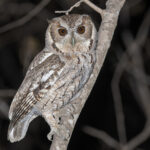
Whiskered Screech Owl (image by Pete Morris)
Western Screech Owl (image by Pete Morris)
Streak-backed Oriole (image by Pete Morris)
Scott's Oriole (image by Pete Morris)
Spot-breasted Oriole (image by Pete Morris)
Spotted Owl (Mexican) (image by Pete Morris)
Spotted Wren (image by Pete Morris)
San Lucas Robin (image by Pete Morris)
San Blas Jay (image by Pete Morris)
Rusty-crowned Ground Sparrow (image by Pete Morris)
Rusty Sparrow (image by Pete Morris)
Russet-crowned Motmot (image by Pete Morris)
Rufous-necked Wood Rail (image by Pete Morris)
Rufous-backed Thrush (image by Pete Morris)
Rosy Thrush-tanager (image by Pete Morris)
Red Warbler (image by Pete Morris)
Red-breasted Chat (image by Pete Morris)
Purplish-backed Jay (image by Pete Morris)
Orange-breasted Bunting (image by Pete Morris)
Northern Saw-whet Owl (image by Pete Morris)
Mobular Rays (image by Pete Morris)
Mottled Owl (Mexican) (image by Pete Morris)
Northern Potoo (image by Pete Morris)
Middle American Screech Owl (image by Pete Morris)
Mexican Woodnymph (image by Pete Morris)
Mexican Ducks (image by Pete Morris)
Lesser Nighthawk (image by Pete Morris)
Lilac-crowned Parrot (image by Pete Morris)
Long-tailed Wood Partridge (image by Pete Morris)
Hook-billed Kite (image by Pete Morris)
Grey-collared Becard (image by Pete Morris)
Greater Roadrunner (image by Pete Morris)
Grey Silky-Flycatcher (image by Pete Morris)
Grey Thrasher (image by Pete Morris)
Great Horned Owl (image by Pete Morris)
Golden-browed Warbler (image by Pete Morris)
Gilded Flicker and Gila Woodpecker (image by Pete Morris)
Elf Owl (image by Pete Morris)
Elegant Quail (image by Pete Morris)
Eared Poorwill (image by Pete Morris)
Costa's Hummingbird (image by Pete Morris)
Common Poorwill (image by Pete Morris)
Collared Forest Falcon (image by Pete Morris)
Colima Pygmy Owl (image by Pete Morris)
Cocos Booby (image by Pete Morris)
Citreoline Trogon (image by Pete Morris)
Cactus Wren (image by Pete Morris)
Chestnut-sided Shrike-Vireo (image by Pete Morris)
Cinereous Owl (image by Pete Morris)
Buff-collared Nightjar (image by Pete Morris)
Brown Pelican (image by Pete Morris)
Black-throated Magpie-Jay (image by Pete Morris)
Black-vented Oriole (image by Pete Morris)
Black-and-white Owl (image by Pete Morris)
Belding's Yellowthroat (image by Pete Morris)
Baird's Junco (image by Pete Morris)
Balsas Screech Owl (image by Pete Morris)
Banded Quail (image by Pete Morris)
Audubon's Oriole (Dickey's) (image by Pete Morris)
(Baja) Acorn Woodpecker (image by Pete Morris)


WESTERN MEXICO TOUR REPORT 2025

12 / 16 – 30 March 2025
Pete Morris
Put simply, our 2025 tour to Western Mexico was once again a brilliant success! With just the odd tweak here and there, our well-established Western Mexico tour has, over the years, become a very efficient clean-up (or nearly!) of the many regional specialities that this fantastic part of Mexico has to offer. This year, we recorded a very impressive 445 species of birds, and again we found a very high proportion of the special birds (or diamond birds) which is, of course, the main focus of the tour. We once again found the poorly-known (Mexican) Spotted Owl, a species that is only rarely recorded in Mexico. Highlights were many and varied, but special mention should go to the following: the nightbirds which included amazing Northern Potoos, a record breaking 17 species of owl (including such gems as Balsas Screech Owl, Northern Saw-whet Owl and Cinereous Owl), six species of nightjar (including the stunning Eared Poorwill and Common Poorwill which was new for the list); Banded and Elegant Quails; the stunning Long-tailed Wood Partridge; brilliant Greater and Lesser Roadrunners; the amazing variety of endemic jays including the incredible Tufted Jay; stunning Military Macaws; colourful Rosy Thrush-tanagers; a flock of Aztec Thrushes (when we thought we may have missed them!); much appreciated Rufous-necked Wood Rails as well as localized Aztec and Ridgway’s Rails; an amazing variety of North American Wood Warblers (including Olive Warbler – now in its own family, the stunning Red Warbler, and the endemic Belding’s Yellowthroat); many superb species of wrens; a brilliant variety of sparrows (including the endemic Black-chested Sparrow); the best vireos in the world, and many, many more! All of this was complemented by some great food (rather too much!), some soothing beers and margaritas, a pleasant climate, and a happy and jovial group that were all well pleased with the numbers of lifers under their belts!
The tour began in Baja California, where those of us participating on the pre-tour extension met up at San José del Cabo airport. We launched straight into the action with an afternoon visit to the excellent estero at La Ribera. It’s a birdy spot, and in the short time we had to visit, we had an excellent introduction to our Mexican birding. Our prime target, the endangered and endemic Belding’s Yellowthroat, proved pretty easy, with several giving good views. The estero itself held a good selection of North American waterbirds, with good numbers of wintering ducks including Cinnamon and Blue-winged Teals, American Wigeon, Redhead, Ring-necked Duck and Lesser Scaup. A Greater White-fronted Goose and a female Hooded Merganser were unexpected bonuses too. Small numbers of shorebirds included Long-billed Dowitchers, Least Sandpipers, Semipalmated and Snowy Plovers, and other species included Double-crested Cormorants, Royal and Elegant Terns, California Gulls and our first Yellow-footed Gulls. As we walked back, we noted a Loggerhead Shrike, as Lesser Nighthawks hawked over us. We then made our way to our base for the next few nights, and enjoyed our first of many fine Mexican meals!
We had plenty of time to find the specialities of Southern Baja California, and set about our task with some relatively relaxing birding in some desert close to our hotel. After an initial hiccup with a rather stroppy local man, this proved to be excellent and we found most of the hoped-for desert species including smart California Quails, California Scrub Jays, the localized California Gnatcatcher, the endemic Grey Thrasher, the scarce Grey Vireo, American Grey Flycatcher, a surprise Hermit Thrush (in the desert!), superb male Costa’s Hummingbirds, our first delightful Xantus’s Hummingbirds, noisy Cactus Wrens, and some smart and obliging Black-throated Sparrows. Gilded Flickers and Gila and Ladder-backed Woodpeckers adorned the impressive cacti, and colour was added by Verdin, Scott’s and Hooded Orioles and smart Norther Cardinals. Venturing slightly further afield, we found good numbers of Black-chinned Sparrows, Rufous-crowned Sparrow and Rock Wren, and along the coast, we stopped to study some Brandt’s Cormorants on some rocks and enjoyed leaping Mobula Rays. In the afternoon we found our first Green-tailed Towhees, a smart Pyrrhuloxias and more of the same desert birds. We hung on until the sun slipped below the horizon, and very soon were watching a fine Common Poorwill. Soon after a Western Screech Owl was fixed in the beam, followed by a cute little Elf Owl and then a huge Great Horned Owl. Not a bad hour’s work, and we were back in town by eight o’clock for another fine feast!
The following day we were off early and drove into the San Antonio de la Sierra, making our way up into the mountains. As we waited for our host, we detoured to a nearby ‘arroyo’ where we were delighted to find several San Lucan Robins (the distinctive local form of American Robin) and our first (San Lucan) Acorn Woodpeckers. Due to changes in access, we were spared the long hike this year, and instead got a ride on the back of a rather uncomfortable four wheel drive. As we ascended the mountains, it was clear that the whole area was extremely dry, and many of the trees looked really heat-stressed. And as we started birding, it was evident that it was extremely quiet compared to my previous visits, and despite getting to altitude early, the birding was not going to be easy! The main purpose of the visit was to find the endemic Baird’s Junco, and this proved extremely difficult! We searched and searched and it was not until lunch time when we finally found a skittish and totally unresponsive pair! Thankfully everyone saw them. Whilst searching, we found a few other birds, including a couple of much-wanted Baja (or Cape) Pygmy Owls, American Grey and Ash-throated Flycatchers, tiny American (Grinda’s) Bushtits, California and Spotted Towhees and Western Tanagers. We also found the endemic forms of Warbling and Cassin’s Vireos, the latter almost like a Blue-headed Vireo!
After a challenging morning we headed back down the hill, and drove to an area where there was a little water. Birds were much more evident, with migrant warblers and vireos, including Bell’s Vireos showing well, more stunning Xantus’s Hummingbirds, and, to our great surprise, there was another Baird’s Junco! It was well below it’s usual altitudinal range, and showy and confiding! Presumably it had been forced down by the drought! We also admired a fine Zone-tailed Hawk just overhead.
The following morning, we set off early and headed north, along empty roads and through stunning scenery. An obligatory Oxxo stop yielded hot coffee and snacks, and having admired our first stationary Phainopepla, we made our way to some coastal mangroves. Here, our main target, the shy Ridgway’s Rail soon obliged, and also here were a few waders including Long-billed Curlews. We then made our way around various spots in La Paz, enjoying close up views of many smart adult Yellow-footed Gulls and a variety of other waterbirds including American White and White-faced Ibises, our first American White Pelicans, American Oystercatcher, American Avocets, numerous Short-billed Dowitchers, Marbled Godwits, Gull-billed, Royal, Caspian and Forster’s Terns, Black Skimmers and Reddish Egrets. A couple of Pacific Golden Plovers were a real surprise here. We also made the obligatory visit to the sewage ponds, where we finally found the impressive Greater Roadrunner! Also here was an American Pipit, a vagrant white-headed male Ruff, White-crowned Sparrows and numerous common ducks and waders. We also had a brief encounter with a Bobcat! We explored a little more without adding too much more, before heading for the airport and our flight to Mazatlan, from where we headed to our comfortable hotel.
The following morning, the extension ended and the main tour began, necessitating a trip back to Mazatlan Airport. We fitted some birding in around Mazatlan, adding plenty of new species. Noisy Sinaloa Crows were busy, and once we’d found our way around (many of the streets were closed due to a running race) we went to the seafront, where we stopped to view some offshore rocks. Here, numerous Cocos and Blue-footed Boobies could be scoped on the stacks, as Red-billed Tropicbirds flew about manically. Inshore, good numbers of Elegant Terns and Brown Pelicans fished, whilst Heermann’s Gulls chased any scraps available! Nearby scrub yielded Lucy’s Warbler, Orange-fronted Parakeet and smart Cinnamon-rumped Seedeaters. Near to the airport we found our first Ferruginous Pygmy Owl and (Mexican) Squirrel Cuckoo, whilst overhead, we were fortunate to see some White-naped Swifts feeding, a bird that can be tricky to find. We also made an extended stop at a beach where numerous California, Ring-billed and Heermann’s Gulls were joined by some lovely pink-hued Elegant Terns and some less attractive immature Western Gulls and a single bulky 2cy American Herring Gull.
After a break and some lunch, we headed back out, first investigating some rocky areas where we found literally hundreds of Surfbirds as well as three smart Black Turnstones and a couple of Wandering Tattlers. We then tried a nearby area of thorn forest, where we were we found a few smart Rufous-bellied Chachalacas as well as cracking Golden-cheeked Woodpeckers and Mexican Caciques though sadly the Purplish-backed Jays did not oblige, only showing briefly.
The following morning we tried another area of thorn forest just outside Mazatlan. Hundreds of Sinaloa Crows flew from their roosts, and we soon found impressive Black-throated Magpie-Jays and some stunning Purplish-backed Jays, but even better was an obliging Lesser Roadrunner on the railway! He’d obviously not read the manual! A pair of Black-capped Gnatcatchers showed well, Nutting’s Flycatchers were grilled, and we found some migrant hirundines including both American Cliff and Tree Swallows. Other species included Broad-billed and Cinnamon Hummingbirds, Thick-billed Kingbirds, Happy Wren, the much-wanted Yellow-breasted Chat and a male Yellow Grosbeak, Streak-backed Orioles and Varied Buntings, as well as a variety of wintering North American warblers. At a nearby estuary, we paused to check out the numerous waterbirds and see some smart Mangrove Swallows
As it became increasingly hot, we decided to hit the road. This year, due to drug-related unrest, we were unable to visit the sites we usually to go to on the Durango Highway, and as a result, had to put ‘plan b’ into action. This saw us heading south to Tepic. A longish drive, we paused for lunch (where we also saw more lovely Purplish-backed Jays), and arrived at our comfortable hotel in the mid-afternoon. We then made an excursion out to a nearby park, which was fun and yielded many new species. A gorgeous Russet-crowned Motmot posed, smart and confiding Rufous-backed Thrushes obliged, and we also found our first Mexican Ducks. Confiding Black-bellied Whistling Ducks were joined by what looked superficially like a Fulvous Whistling Duck, but when I checked the photos, I realized that this distinctive individual is actually a hybrid between the two species!
We had a very early start the following morning, for it was a long drive to Guadalupe Ocotán, our backup site for Tufted Jay in far eastern Nayarit, probably the only safely accessible, and most southerly, site for this spectacular species! After some initially frustrating and difficult encounters, we eventually got some great looks at this most-wanted bird, and relief spread through the group! What an amazing jay it is, and once again it became our bird of the trip. Birding here was generally quite slow and hard work, but we did manage to add a number of desirable species including a Crested Guan perched up, White-throated Swifts, Arizona and Acorn Woodpeckers, a smart male Red-naped Sapsucker, White-eared and Broad-tailed Hummingbirds, the attractive and boldly marked White-striped Woodcreeper, Brown Creeper, Hammond’s Flycatcher, a lovely pair of Spotted Wrens, the much-wanted Olive Warbler, Grace’s Warbler, Painted Whitestart and several Hepatic Tanagers. By lunchtime it was hot and quiet, and we had a long way to go, so after a sit down and pleasant meal, we headed back towards Tepic. We paused for a few birds, including a fine Laughing Falcon and a Loggerhead Shrike, and ended the day at an impressive overlook. Here, noisy and colourful Military Macaws regularly passed by, whilst nearer to the road our first Blue Bunting, the endemic West Mexican Euphonia, and Violet-crowned Hummingbird all obliged.
The following day and a half we spent at the excellent Cerro de San Juan, just outside Tepic, spending most of our time in the pine-oak forests here seeking the birds we often first see on the Durango Highway. Birding was great and we knocked off many of our targets. Pride of place perhaps goes to our short nightbirding excursion. Soon after sunset we were watching the magnificent Eared Poorwill at point blank range, and less than an hour later had a fantastic Cinereous Owls in the spotlight. Quite something! But the day birding was good too! We were very pleased to have several encounters with tiny Bumblebee Hummingbirds and endemic Mexican Woodnymphs, and a concerted effort was required to find the elusive Grey-collared Becard. Other localized species we encountered included Berylline Hummingbird, Grey-crowned Woodpecker, our first feisty little Colima Pygmy Owl, Blue Mockingbirds, musical Brown-backed Solitaires, Sinaloa Wren, attractive Golden Vireos, a fine Fan-tailed Warbler, attractive Red-faced, Crescent-chested, Grace’s and Townsend’s Warblers, the scarce Dickey’s (Audubon’s) Oriole, chunky Rusty Sparrows, Black-headed Siskins, and much appreciated, glistening, endemic Red-headed Tanagers. Many of these species were visiting a leaky pipe, alongside dozens of Nashville Warblers, making for some great viewing! Other more widespread species seen here included our first superb Collared Forest Falcon, Calliope Hummingbird, stunning Elegant Trogons, the sturdy Ivory-billed Woodcreeper, perky Northern Tufted Flycatchers, Hutton’s Vireo, smart Orange-billed Nightingale Thrushes, colourful Green Jays, cracking Flame-coloured Tanagers, Slate-throated Whitestart and our only Virginia’s Warbler of the trip. We also spent some time in the large clearing where a different set of birds included flocks of Grey Silky-Flycatchers, a showy Bright-rumped Attila, Stripe-headed, Chipping, Lincoln’s and Grasshopper Sparrows, a Say’s Phoebe and diminutive Buff-breasted Flycatchers.
We also found an excellent outdoor restaurant that had recently opened and enjoyed a fine dinner and lunch here the following day. Great hospitality and tequila on tap… now that sounds dangerous. After our lunch here we set off towards San Blas, but made a stop at a scenic waterfall on the way. Here we saw our first fine male Golden-crowned Emerald and a really obliging Flammulated Flycatcher, though sadly our vigil for swifts was ultimately unsuccessful. That said, watching the huge passage of Turkey Vultures interspersed with hundreds of Swainson’s and plenty of Zone-tailed Hawks, was quite exciting! Once at San Blas we settled into our rather special hotel. San Blas was to be our base for the next few nights, and one could not wish for a better base than our friendly, family-run hotel. With great rooms, a pool, and an incredible restaurant, losing weight here was not an option as the cuisine was absolutely superb!
San Blas is noted for its rich bird life due to the variety of habitats present, which vary from open country and scrub, to tropical forest, swamps, mangroves and shrimp ponds. As a result, a huge variety of species can be found near to town! The following morning we headed to a track which weaved in and out of forest patches and took us alongside several swampy areas. Bird activity was high and overall, we recorded a good number of species. Perhaps the highlight of the morning were the fabulous Elegant Quails which finally showed well, or maybe the amazing pair of Collared Forest Falcons which gave brilliant views! Other goodies also included Mexican Parrotlets, subtle Citreoline Trogons and the range-restricted White-throated Flycatcher, as well as more widespread species such as Muscovy Duck, Crane Hawk, Bat Falcon, Rose-throated Becard and Least and Willow Flycatchers. We also saw our first of several ‘Grayson’s’ Thrushes, the dull local form of Rufous-backed Thrush which breeds largely on the Tres Marias islands to the west. A stop at some birdy saltpans on the way back yielded good numbers of common waterbirds and some rathe impressive crocs!
After a cracking lunch and a well-earned siesta, we set off that afternoon for an enjoyable boat trip into the mangroves. Once again, it turned out to be a fantastic trip. High on the desired list was the difficult Rufous-necked Wood Rail, and after some diligent searching, we scored with some great views. An excellent variety of waterbirds included Anhingas, a bizarre-looking Boat-billed Heron, a fabulous immature Bare-throated Tiger Heron, and Green, Ringed and Belted Kingfishers, and we also found a Mangrove Cuckoos, Common Black Hawks and Mangrove Warblers. As the light began to fade, we rounded the trip off with several Lesser Nighthawks, an American Barn Owl, a stunning Mottled Owl looking startled, and some amazing views of Pauraque and weird-looking Northern Potoos in the spotlight. Quite a trip, and we were back in time for margaritas and a great dinner!
The following day, we visited another forested area, and had another fabulous morning. Top of the highlights were some amazing fluorescent Rosy Thrush-Tanagers that teased us at first and then showed brilliantly, and some fine male Mexican Woodnymphs! Also here were more Citreoline and colourful Elegant Trogons, a stunning male Black-capped Vireo, skittish Red-crowned Ant Tanagers, and a number of other favourites. Nearby we saw several brilliant Mexican Hermits at their lek, and a fine pair of Black Hawk-Eagles calling overhead, whilst a fine adult Bare-throated Tiger Heron posed in a small stream!
In the afternoon we visited another area close to town. Here we found a distinctive Western Kingbird, some Painted Buntings, and, in a small wetland, a fine Spotted Rail, a small group of four Masked Ducks and an obliging Sora. We also got some excellent exposure to the local insect populations!! After dinner we made another short excursion, this time to catch a fine Middle American Screech Owl in our beam!
The following day was almost a bonus day. Having not gone to the Durango Highway, and seen most likely birds around San Blas, we tried some other forested areas a little way inland. Here we heard the local form of Thicket Tinamou at quite close range, but sadly it refused to show. More obliging was a fantastic Black-and-white Owl that peered down at us, and we also saw our first smart Black-vented Oriole. Later we made another attempt for swifts at the waterfall, but again, they failed to materialise.
This essentially completed our San Blas birding, and we made our way back to the hotel for one final lavish dinner before leaving our wonderful hospitality behind. The following morning we embarked upon the long drive to Ciudad Guzman, but made several stops along the way. Our first stop was to see the much-wanted San Blas Jay, and they appeared right on cue! Our next stop added some brilliant Clark’s Grebes (including some displaying birds) and a fine pair of Grey-crowned Yellowthroats. We then made the long drive to the interesting wetlands of Laguna de Atotonilco. Here, areas that were marshland last time I visited were bone dry, and although we heard the endemic Aztec Rail, it refused to show. We did however find a number of other species including American Pipit, smart Chihuahuan Meadowlarks, a pair of Snowy Plovers and three distant Snow Geese! In the surrounding scrub, we also found Curve-billed Thrasher and Bewick’s Wren amongst others. We then hurried on to our next site where we successfully found the smart Striped Sparrow as well as Canyon Towhee, and then squeezed in one last stop where we finally saw the elusive Aztec Rail, as well as Golden-fronted Woodpecker, Brewer’s Blackbirds, impressive flocks of Yellow-headed Blackbirds, and some Marsh Wrens.
The main reason for our stay in Ciudad Guzman was to visit the forested slopes of Volcan de Fuego and Volcan de Nieve along three, less than smooth mountain tracks! Indeed the tracks were in pretty poor shape and we needed a bit of help to get up them!! Early starts (and the odd late finish) were the order of the day here due to the numerous nightbirds that occur, and we were richly rewarded for our not inconsiderable efforts, pushing the nightbird list on this tour to a new level! Pride of place went to the fantastic Northern Saw-whet Owl and the brilliant Mexican Spotted Owl, both of which showed superbly, but the supporting cast of Whiskered Screech Owl, a stunning Great Horned Owl, brilliant Buff-collared Nightjar and showy Mexican Whip-poor-wills wasn’t bad, and we also heard and saw a brief Stygian Owl! In daylight on the mountains, we found nearly all of our hoped-for targets. At the highest altitudes, we were worried when my usual sites failed, but ultimately we were delighted when the piebald Aztec Thrush was found at some fruiting trees! Stunning Long-tailed Wood Partridges showed very well, and the vocal Chestnut-sided Shrike-Vireo was another major prize. In these higher forests the flower banks attracted Cinnamon-bellied Flowerpiercers, and were alive with hummers, including Mexican Violetears, Amethyst-throated and Blue-throated Mountaingems, and Rufous, Rivoli’s and Broad-tailed Hummingbirds. Smart Mountain Pygmy Owls tooted from the canopy, Red Warblers (here of the white-eared subspecies) showed well, a tiny Golden-crowned Kinglet and Pine Siskins hid in the giant conifers, Pygmy Nuthatches foraged, noisy Grey-barred Wrens joined mixed flocks, a noisy flock of the recently split/re-named Transvolcanic Jay passed through, and attractive Collared Towhees sang from the undergrowth. We also found a number of species that we usually first see on the Durango Highway, including smart Mountain Trogons, the subtle near-endemic Pine Flycatcher, Russet Nightingale-Thrush, the endemic Rufous-capped and Green-striped Brushfinches, the stunning Golden-browed Warbler, Mexican Chickadees and Yellow-eyed Juncos.
In the lower and mid elevation oak forests some diligent searching revealed two major targets as the often elusive but stunning Slaty Vireo and the equally tricky Dwarf Vireo were both found. Here we also saw West Mexican Chachalacas, Smoky-brown Woodpecker, (Black-eared) American Bushtits, smart Rusty-crowned Ground Sparrows and lively Rufous-capped Warblers. Lower down we had our first great looks at a group of attractive Banded Quails, another definite highlight. In between the trips to the volcanoes, we spent a little more time exploring the marshes around Ciudad Guzman. Here we eventually found a smart male Black-backed (or Abeille’s) Oriole, having seen a hybrid (with Bullock’s Oriole) on the mountain earlier!
After a final morning on the volcanoes, we headed down to our base in Colima, and that afternoon we visited the nearby La Cumbre. Here, we soon found some stunning Black-chested Sparrows and amazing Orange-breasted Buntings as well as an elusive Lesser Ground Cuckoo, vocal Russet-naped Wrens and more Colima Pygmy Owls. As the sun slipped down, we got into position and very soon saw the endemic Balsas Screech Owl, which showed brilliantly. What a lovely owl that is, probably my favourite on the tour!
On our final day in the Colima area we visited the attractive and birdy Laguna La Maria area. Here the morning was dominated by many fantastic views of the rare Lilac-crowned Parrot, but plenty of other species were present and during the morning we had good looks at Black-chinned and Violet-crowned Hummingbirds, another Collared Forest Falcon, Greenish Elaenia, Eastern Bluebirds, a surprise Tennessee Warbler, more smart Rusty-crowned Ground Sparrows and another cracking Black-capped Vireo! As we left, we saw another excitable covey of Banded Quails, and on our way back into Colima, we stopped at a park where we got some more great looks at yet more Banded Quails!!
After a very successful time around the Colima volcanoes, it was now time to move on to the final leg of our tour! Our drive to Barra de Navidad was punctuated with a stop at Manzanillo Power Station. Here, two Humpback Whales were the highlight, and there were more smart Royal and Elegant Terns, but not much else. A couple of other stops yielded little, so we made our way to the excellent Playa de Oro road. This road runs through an excellent tract of thorn forest, and a short afternoon session here and another look the following morning yielded more goodies, allowing us to find our remaining hoped-for targets. These included superb Red-breasted Chats, some cute White-bellied Wrens and Olive Sparrows, some noisy White-throated Magpie-Jays, more Lilac-crowned Amazons, a splendid Hook-billed Kite and our only Roadside Hawks and Grey-breasted Martins of the tour. In the afternoon we visited the nearby Barranca El Choncho. Here a large gang of San Blas Jays mobbed a poor Mottled Owl, smart Pale-billed Woodpeckers showed well, several Least Flycatchers performed and a number of other favourites showed well again, though sadly another Lesser Ground Cuckoo proved elusive.
Our base for this time was Barra de Navidad, where we frequented the excellent Ramon’s and here we enjoyed our final excellent Mexican meal and a few great margaritas. Wow, he puts some kick in them. But we weren’t completely finished! The following morning we had time to venture offshore for a few hours. This proved a little bumpy, but we did manage to see both Black and Least Storm Petrels, close Cocos Boobies, several Sabine’s Gulls, large flocks of (American) Black Terns, a few Red and lots of Red-necked Phalaropes, and an excellent flock of Black-vented Shearwaters. We then had time to relax and pack, and at this time we noticed the hotel gardens held numerous Orchard Orioles and a couple of Ruby-throated Hummingbirds!
All that remained was an afternoon transit to the airport and our long flights home (and we did manage to find a colourful Spot-breasted Oriole at the airport on our third attempt!). Yet another very successful Western Mexico tour had come to its conclusion. It had been a great adventure through the land of ‘topes’ and margaritas! We could once again feel we had done this magnificent birding destination proud. Packed full of endemics, sunshine and great food, that’s our Western Mexico tour. Still only recommended for people not on a diet, and who can cope with high volumes of quality birds!
BIRD OF THE TOUR (MAIN TOUR)
1st TUFTED JAY
2nd ORANGE-BREASTED BUNTING
3rd BALSAS SCREECH OWL
4th Northern Saw-whet Owl
5th Cinereous Owl
6th Aztec Thrush
BIRD OF THE TOUR (BAJA EXTENSION)
1st ELF OWL
2nd GREATER ROADRUNNER
3rd BAIRD’S JUNCO
4th Common Poorwill
SYSTEMATIC LIST OF SPECIES RECORDED
BIRDS
Species marked with the diamond symbol (◊) are either endemic to the country or local region or considered ‘special’ birds for some other reason (e.g., it is only seen on one or two Birdquest tours; it is difficult to see across all or most of its range; the local form is endemic or restricted-range and may in future be treated as a full species).
The species names and taxonomy used in the bird list follows Gill, F., Donsker, D., & Rasmussen, P.(Eds). 2024. IOC World Bird List (v15.1) (this was the current version when the checklist for the tour report was created).
Species only seen on the pre-tour extension to Baja California are marked (B).
Thicket Tinamou ◊ Crypturellus cinnamomeus Heard only, at quite close range, inland from San Blas [occidentalis].
Black-bellied Whistling Duck Dendrocygna autumnalis Best views were at the Parque Ecologico Tachi’i, in Tepic [fulgens].
[Fulvous Whistling Duck Dendrocygna bicolor x Black-bellied Whistling Duck Dendrocygna autumnalis The bird seen at the Parque Ecologico Tachi’i, in Tepic, was actually a hybrid between these species. I realised when I looked at the photos!]
Snow Goose Anser caerulescens Three seen distantly at Laguna de Atotonilco.
Greater White-fronted Goose Anser albifrons (B) Good views of an adult at the Estero La Ribera [gambelli/sponsa].
Muscovy Duck Cairina moschata A few in the San Blas area.
Cinnamon Teal Spatula cyanoptera Common at the Estero La Ribera etc., and a few on the main tour [septentrionalium].
Blue-winged Teal Spatula discors Common at the Estero La Ribera etc., and plenty on the main tour.
Northern Shoveler Spatula clypeata Common at the Estero La Ribera etc. Many in La Paz along the seafront, and plenty on the main tour.
Gadwall Mareca strepera (B) A pair seen at the sewage ponds at La Paz [nominate].
American Wigeon Mareca americana (B) Especially good numbers at the Estero La Ribera.
Mexican Duck ◊ Anas diazi Seen at a few sites, with best views at the Parque Ecologico Tachi’i, in Tepic.
Northern Pintail Anas acuta (B) Good numbers at the Estero La Ribera.
Green-winged Teal Anas carolinensis A few at the Estero La Ribera, and a few on the main tour.
Redhead Aythya americana (B) Three females at the Estero La Ribera.
Ring-necked Duck Aythya collaris (B) A few females at the Estero San Jose.
Lesser Scaup Aythya affinis (B) Quite a few in Southern Baja, the first at the Estero La Ribera.
Hooded Merganser Lophodytes cucullatus (B) Great views of a female at the Estero La Ribera. A nice surprise!
Masked Duck Nomonyx dominicus Great views of four non-breeding plumaged birds on the pools at Chacalilla.
Ruddy Duck Oxyura jamaicensis A few, the first at the Estero La Ribera. A couple of flocks seen on the main tour.
Rufous-bellied Chachalaca ◊ Ortalis wagleri Plenty seen well, the first near to Paco’s Reserve, just outside Mazatlan.
West Mexican Chachalaca ◊ Ortalis poliocephala Plenty seen well on the last few days of the tour, the first at Volcan de Fuego.
Crested Guan Penelope purpurascens First seen at the cabins at Guadalupe Ocotan [nominate].
Long-tailed Wood Partridge ◊ Dendrortyx macroura Excellent views of three along the Nevado de Colima Road [striatus].
Elegant Quail ◊ Callipepla douglasii Great views at San Blas [impedita].
California Quail ◊ Callipepla californica (B) A few seen north of Los Barriles [achrustera].
Banded Quail ◊ Philortyx fasciatus Excellent views on the lower slopes of Volcan de Fuego. Also seen well near to the Laguna La Maria and in the Parque Ecologico La Campana in Colima.
Lesser Nighthawk Chordeiles acutipennis Excellent views of many at the Estero La Ribera, and plenty more seen on the mainland [texensis].
Pauraque Nyctidromus albicollis Plenty seen, especially on the mangrove boat trip to La Tovara [yucatanensis].
Eared Poorwill ◊ Nyctiphrynus mcleodii Brilliant views of one at Cerro de San Juan. Others heard [nominate].
Common Poorwill ◊ Phalaenoptilus nuttallii Brilliant views of one in the desert north of Los Barriles [dickeyi].
Buff-collared Nightjar ◊ Antrostomus ridgwayi Stunning views of one on the lower slopes of Volcan de Fuego. Another couple seen there and others heard [nominate].
Mexican Whip-poor-will ◊ Antrostomus arizonae Brilliant views on the lower section of the Nevado de Colima Road [nominate].
Northern Potoo Nyctibius jamaicensis Stunning views of several of the 20 or so seen on the mangrove boat trip to La Tovara [lambi].
White-naped Swift ◊ Streptoprocne semicollaris Best views were near to Mazatlan Airport.
Vaux’s Swift Chaetura vauxi A few were noted during our swift vigils at the Cascada El Cora [warneri].
White-throated Swift Aeronautes saxatalis A few seen at the cabins at Guadalupe Ocotan [nominate].
Mexican Hermit ◊ Phaethornis mexicanus Great views of several at the lek site near San Blas [griseoventer].
Mexican Violetear ◊ Colibri thalassinus A few seen well, the first at El Floripondio on Volcan de Nieve.
Rivoli’s Hummingbird ◊ Eugenes fulgens A few seen high up at the Colima Volcanos, the first at El Floripondio on Volcan de Nieve.
Blue-throated Mountaingem ◊ (B-t Hummingbird) Lampornis clemenciae One seen well along the Nevado de Colima Road [nominate].
Amethyst-throated Mountaingem ◊ (A-t Hummingbird) Lampornis amethystinus A very dull individual scoped at El Floripondio on Volcan de Nieve [nominate].
Black-chinned Hummingbird Archilochus alexandri A few seen, the first near to the Laguna La Maria.
Ruby-throated Hummingbird Archilochus colubris Two or three seen around Barra de Navidad.
Costa’s Hummingbird ◊ Calypte costae (B) Many seen well, the first in the desert along ‘Roberto’s Track’, north of Los Barriles.
Calliope Hummingbird ◊ Selasphorus calliope A couple seen at Cerro de San Juan and in the forest patch inland from San Blas
Rufous Hummingbird Selasphorus rufus Just one male seen well at El Floripondio on Volcan de Nieve.
Broad-tailed Hummingbird ◊ Selasphorus platycercus First seen, a female, at the cabins at Guadalupe Ocotan. Also seen well on the Colima Volcanoes.
Bumblebee Hummingbird ◊ Selasphorus heloisa A few seen well at Cerro de San Juan, including some tiny singing males [margarethae].
Broad-billed Hummingbird ◊ Cynanthus latirostris Plenty seen well, the first just around Mazatlan [magicus].
Golden-crowned Emerald ◊ Cynanthus auriceps A few seen well, the first, a fine male, at the Cascada El Cora.
White-eared Hummingbird ◊ Basilinna leucotis Very common in the highlands, the first seen at the cabins at Guadalupe Ocotan [nominate].
Xantus’s Hummingbird ◊ Basilinna xantusii (B) Many seen well, the first in the desert along ‘Roberto’s Track’, north of Los Barriles.
Mexican Woodnymph ◊ Eupherusa ridgwayi Several females seen well at Cerro de San Juan, with males elsewhere, including at La Bajada, near to San Blas.
Violet-crowned Hummingbird ◊ Ramosomyia violiceps A few seen well, the first at the Mirador Aguila, north of Tepic [ellioti].
Berylline Hummingbird ◊ Saucerottia beryllina Fairly common at Cerro de San Juan and especially so near to the Laguna La Maria [viola].
Cinnamon Hummingbird ◊ Amazilia rutila Common. The form diluta first seen near to Mazatlan, and the nominate form in the south, seen around Barra de Navidad for example.
Groove-billed Ani Crotophaga sulcirostris Common, first seen near to San Blas.
Lesser Ground Cuckoo ◊ Morococcyx erythropygus Heard at close range and seen by some at La Cumbre and heard again at Barranca El Choncho, but refused to show there [mexicanus].
Greater Roadrunner Geococcyx californianus (B) Great views of two individuals at the sewage ponds at La Paz.
Lesser Roadrunner ◊ Geococcyx velox One seen very well along the Escopama Estuary road.
Squirrel Cuckoo (Mexican S C) Piaya [cayana] mexicana A few seen well and others heard, the first just by Mazatlan Airport.
Mangrove Cuckoo ◊ Coccyzus minor One seen well on the mangrove boat trip to La Tovara.
Rock Dove (introduced) (Feral Pigeon) Columba livia ‘feral’ Vermin!
Band-tailed Pigeon Patagioenas fasciata On the Baja Extension, a few seen in flight along the track to La Victoria in the Sierra de La Laguna [vioscae]. On the main tour, a few seen in the higher areas, such as Nevado de Colima [nominate].
Red-billed Pigeon ◊ Patagioenas flavirostris Seen very well at a number of sites, with some great views on the mangrove boat trip to La Tovara [restricta].
Eurasian Collared Dove (introduced) Streptopelia decaocto Amazingly common now!
Inca Dove Columbina inca Fairly common at a number of sites.
Common Ground Dove Columbina passerina Common for much of the trip [pallescens].
Ruddy Ground Dove Columbina talpacoti Plenty seen well, especially around San Blas [eluta].
White-tipped Dove Leptotila verreauxi Common, especially at the end of the trip when many seen well [angelica].
Mourning Dove Zenaida macroura A few seen, mostly flying in the highlands [marginella].
White-winged Dove Zenaida asiatica Common in Southern Baja, and on much of the mainland [mearnsi].
Spotted Rail Pardirallus maculatus Brilliant views of one on the pools at Chacalilla [insolitus].
Rufous-necked Wood Rail ◊ Aramides axillaris Stunning views of a couple on the mangrove boat trip to La Tovara.
Ridgway’s Rail ◊ Rallus obsoletus (B) Excellent views of one at El Centenario, west of La Paz [beldingi].
Aztec Rail ◊ Rallus tenuirostris Several heard, we eventually saw one pretty well at the Ciudad Guzman Marshes.
Sora Porzana carolina Best views were on the pools at Chacalilla.
Common Gallinule Gallinula galeata First seen at the Estero La Ribera. Also on the main tour [cachinnans].
American Coot Fulica americana First seen at the Estero La Ribera. Also on the main tour [nominate].
Purple Gallinule Porphyrio martinica Best views were on the pools at Chacalilla.
Limpkin Aramus guarauna Just a few, the first at the Parque Ecologico Tachii [dolosus].
Least Grebe Tachybaptus dominicus On the Baja Extension, a few seen well at the sewage ponds at La Paz [bangsi]. On the main tour, we saw a few more [brachypterus].
Pied-billed Grebe Podilymbus podiceps First seen at the Estero La Ribera. A few on the mainland [nominate].
Clark’s Grebe ◊ Aechmophorus clarkii Many pairs at the Laguna de Tepeltitic, near Tepic, including some in display [nominate].
American Oystercatcher Haematopus palliatus A few seen, the first on the mudflats at La Paz. A few on the mainland too [nominate].
Black-necked Stilt Himantopus mexicanus First seen at the Estero La Ribera. Plenty on the mainland [nominate].
American Avocet Recurvirostra americana First seen on the mudflats at La Paz. Also around Mazatlan, San Blas etc.
Grey Plover (Black-bellied P) Pluvialis squatarola First seen on the mudflats at La Paz Also in Mazatlan [cynosurae].
Pacific Golden Plover Pluvialis fulva Two on the mudflats at La Paz were a surprise.
Killdeer Charadrius vociferus First seen at the Estero La Ribera. Also many on the mainland [nominate].
Semipalmated Plover Charadrius semipalmatus First seen at the Estero La Ribera. Also many on the mainland.
Snowy Plover Anarhynchus nivosus A few seen at the Estero La Ribera. Also a pair on dry mud at Laguna de Atotonilco.
Northern Jacana Jacana spinosa A few seen, especially on the pools at Chacalilla.
Hudsonian Whimbrel Numenius hudsonicus First seen on the mudflats at La Paz. A few on the main tour.
Long-billed Curlew Numenius americanus (B) Seen well at El Centenario, west of La Paz.
Marbled Godwit Limosa fedoa (B) First seen at El Centenario, west of La Paz. Plenty around La Paz [nominate].
Long-billed Dowitcher Limnodromus scolopaceus First seen at the Estero La Ribera. Common at San Blas.
Short-billed Dowitcher Limnodromus griseus (B) 50+ seen on the mudflats at La Paz.
Wilson’s Snipe Gallinago delicata (B) A few seen well at the Estero La Ribera.
Red Phalarope Phalaropus fulicarius A few seen on the pelagic trip south of Barra de Navidad.
Red-necked Phalarope Phalaropus lobatus 100s seen on the pelagic trip south of Barra de Navidad.
Spotted Sandpiper Actitis macularius Common in small numbers. Some getting spotty by the end of the tour.
Solitary Sandpiper Tringa solitaria Just one seen, near to Chacalilla.
Wandering Tattler Tringa incana Great views of a couple on the rocks at Playa Cerritos, Mazatlan.
Lesser Yellowlegs Tringa flavipes First seen around La Paz. A few seen on the main tour
Willet (Western W) Tringa [semipalmata] inornata First seen at the Estero La Ribera. Several seen on the main tour.
Greater Yellowlegs Tringa melanoleuca First seen at the Estero La Ribera. Several seen on the main tour.
Black Turnstone ◊ Arenaria melanocephala Great views of three on the rocks at Playa Cerritos, Mazatlan.
Surfbird Calidris virgata 100+ on rocks at Letras de Mazatlan, and smaller number at Playa Cerritos and at the river mouth at San Blas (5).
Ruff Calidris pugnax (B) A white-headed male, coming into breeding plumage, seen at the sewage ponds at La Paz.
Stilt Sandpiper Calidris himantopus Good numbers seen around San Blas.
Sanderling Calidris alba (B) Plenty seen, the first at the Estero La Ribera [rubida].
Least Sandpiper Calidris minutilla Common, first seen at the Estero La Ribera. Common on the main tour too.
Western Sandpiper Calidris mauri Good numbers on the mudflats at La Paz. Also one at San Blas.
Semipalmated Sandpiper Calidris pusilla One with Least Sandpipers at Laguna de Atotonilco was only seen by the leader.
Black Skimmer Rynchops niger (B) c100 seen on the mudflats at La Paz [nominate].
Gull-billed Tern Gelochelidon nilotica (B) A couple on the mudflats at La Paz were the only ones [vanrossemi].
Caspian Tern Hydroprogne caspia First seen at the Estero La Ribera and on the mudflats at La Paz. Also a few on the main tour.
Black Tern (American B T) Chlidonias [niger] surinamensis 100s seen on the pelagic trip south of Barra de Navidad.
Forster’s Tern Sterna forsteri (B) Good numbers showing well on the mudflats at La Paz.
Common Tern Sterna hirundo An adult and a 2cy on the pelagic trip south of Barra de Navidad [nominate].
Elegant Tern Thalasseus elegans First seen at the Estero La Ribera. Many more seen well including some stunning views around Mazatlan.
Royal Tern Thalasseus maximus First seen at the Estero La Ribera. Many more seen well including some stunning views around Mazatlan.
Sabine’s Gull Xema sabini c50 seen well on the pelagic trip south of Barra de Navidad.
Laughing Gull Leucophaeus atricilla First seen at the Estero La Ribera. Plenty more seen throughout the tour [megalopterus].
Heermann’s Gull ◊ Larus heermanni First seen near to Los Barilles. Plenty more seen, with best views at Mazatlan.
Ring-billed Gull Larus delawarensis A few seen well in La Paz and plenty around Mazatllan
Yellow-footed Gull ◊ Larus livens Great views of a fair number, especially around La Paz, where several were sporting Darvic rings.
Western Gull ◊ Larus occidentalis Great looks at three 2cy birds on the beach at Mazatlan [wymani].
California Gull Larus californicus Good numbers of scruffy individuals, especially on the beach at the Estero La Ribera and at Mazatlan [nominate].
American Herring Gull Larus smithsonianus A single 2cy bird seen well on the beach at Mazatlan.
Red-billed Tropicbird Phaethon aethereus Seen a few times distantly from land, the first at Mazatlan and just one on the pelagic trip south of Barra de Navidad [mesonauta].
Black Storm Petrel ◊ Hydrobates melania Decent views of a few on the pelagic trip south of Barra de Navidad.
Least Storm Petrel ◊ Hydrobates microsoma Two or three seen on the pelagic trip south of Barra de Navidad.
Black-vented Shearwater ◊ Puffinus opisthomelas c12 seen well in a feeding flock on the pelagic trip south of Barra de Navidad.
Wood Stork Mycteria americana A few seen, especially around San Blas.
Magnificent Frigatebird Fregata magnificens Common along the coasts [rothschildi].
Cocos Booby ◊ Sula brewsteri Many good looks, the first off Mazatlan. Closer views on the pelagic trip south of Barra de Navidad [nominate].
Blue-footed Booby Sula nebouxii Seen through the scope on the rocks off Mazatlan [nominate].
Anhinga Anhinga anhinga A few seen well, especially on the mangrove boat trip to La Tovara [leucogaster].
Brandt’s Cormorant ◊ Urile penicillatus Some good views near to Los Barriles, Baja [nominate].
Neotropic Cormorant Nannopterum brasilianum Common and widespread [mexicanum].
Double-crested Cormorant Nannopterum auritum (B) Several seen on Baja California [albociliatum].
American White Ibis Eudocimus albus Plenty seen, especially around San Blas [nominate].
White-faced Ibis Plegadis chihi A few seen. The first on Southern Baja California.
Roseate Spoonbill Platalea ajaja Many great views with big numbers at Laguna de Atotonilco.
Bare-throated Tiger Heron Tigrisoma mexicanum A juvenile seen well on the mangrove boat trip to La Tovara and a smart adult at La Bajada, near to San Blas.
Boat-billed Heron Cochlearius cochlearius Just two seen on the mangrove boat trip to La Tovara [zeledoni].
Yellow-crowned Night Heron Nyctanassa violacea A few seen, the first at El Centenario, west of La Paz. A few on the mainland too [bancrofti].
Black-crowned Night Heron Nycticorax nycticorax A few seen, the first at the Parque Ecologico Tachi’i, in Tepic [hoactli].
Little Blue Heron Egretta caerulea A few noted.
Tricolored Heron Egretta tricolor Several seen [ruficollis].
Reddish Egret Egretta rufescens First seen well on the mudflats at La Paz [dickeyi].
Snowy Egret Egretta thula Plenty seen [brewsteri].
Green Heron Butorides virescens Small numbers, especially on the mangrove boat trip to La Tovara [nominate].
Great Egret (American G E) Ardea [alba] egretta Very common.
Western Cattle Egret Ardea ibis Especially common around Barra de Navidad.
Great Blue Heron Ardea herodias Plenty at wetlands throughout [wardi].
American White Pelican Pelecanus erythrorhynchos Lots of nice views.
Brown Pelican Pelecanus occidentalis Common along the coast. Great watching Heermann’s Gulls kleptoparasitizing them [californicus].
Black Vulture Coragyps atratus Abundant on the main tour.
Turkey Vulture Cathartes aura Abundant on Baja and the main tour [aura-group].
Osprey (American O) Pandion [haliaetus] carolinensis Good numbers seen in Southern Baja, and a few on the mainland.
White-tailed Kite Elanus leucurus One for the second vehicle on one of the journeys.
Hook-billed Kite Chondrohierax uncinatus Brilliant views of a female, perched and in flight along the Playa de Oro Road. Stunner! [nominate].
Black Hawk-Eagle Spizaetus tyrannus Good views of a calling pair circling over the forest near La Bajada [serus].
Sharp-shinned Hawk Accipiter striatus Just one seen at Volcan de Fuego.
Cooper’s Hawk Astur cooperii A handful seen, the first in Southern Baja.
Northern Harrier Circus hudsonius One for the second vehicle on one of the journeys.
Crane Hawk Geranospiza caerulescens Just a couple including decent views along the Lower Singayta track, near to San Blas [nigra-group].
Snail Kite Rostrhamus sociabilis A male was seen circling at the Manzanillo Airport Marshes [major].
Common Black Hawk Buteogallus anthracinus Several seen well around San Blas [nominate].
Roadside Hawk Rupornis magnirostris At least three seen along the Playa de Oro Road [griseocauda].
Grey Hawk Buteo plagiatus Common, first seen near to Mazatlan.
Zone-tailed Hawk Buteo albonotatus First seen on the track to San Antonio in the Sierra de la Laguna. Plenty more on the mainland including several migrants going over Cascada El Cora with the hordes of Turkey Vultures!
Short-tailed Hawk Buteo brachyurus Plenty seen including several dark morphs [fuliginosus].
Swainson’s Hawk Buteo swainsoni First seen near to Tecuitata, we then saw good numbers (100s) migrating over the San Blas area, with big numbers at Cascada El Cora.
Red-tailed Hawk Buteo jamaicensis Several seen well in Southern Baja [suttoni]. Also plenty on the mainland, including an apparent dark morph at Volcan de Fuego [hadropus].
American Barn Owl Tyto furcata Nice flight views of one, just before dusk, on the mangrove boat trip to La Tovara [pratincola].
Elf Owl ◊ Micrathene whitneyi (B) Brilliant views of one in the desert opposite ‘Roberto’s Track’, north of Los Barriles [sanfordi].
Northern Saw-whet Owl ◊ Aegolius acadicus Fantastic views of one at Nevado de Colima [nominate].
Mountain Pygmy Owl ◊ Glaucidium gnoma Great views of a couple at Nevado de Colima
Baja Pygmy Owl ◊ Glaucidium hoskinsii (B) A couple seen very well on the track to San Antonio in the Sierra de la Laguna.
Colima Pygmy Owl ◊ Glaucidium palmarum First seen well at Cerro de San Juan. Also at other sites such as La Bajada and La Cumbre.
Ferruginous Pygmy Owl Glaucidium brasilianum The form cactorum was first seen near to Mazatlan. The form intermedium was seen around Colima and Barra de Navidad.
Stygian Owl ◊ Asio stygius Our only encounter was of one at night at Nevado de Colima which called plenty but only showed briefly [lambi].
Great Horned Owl Bubo virginianus First seen well in the desert north of Los Barriles [elachistus]. We then got fantastic views of another at Volcan was de Fuego [pallescens].
Whiskered Screech Owl ◊ Megascops trichopsis One seen well at Volcan de Fuego (the same bird as two years previously, with a damaged eye) and a pair seen well along the Nevado de Colima Road [nominate].
Western Screech Owl ◊ Megascops kennicottii Brilliant views of one in the desert north of Los Barriles [xantusi].
Balsas Screech Owl ◊ Megascops seductus Brilliant views of one at La Cumbre, Colima. Two birds were present.
Middle American Screech Owl ◊ Megascops guatemalae One seen very well in the mangroves near San Blas [hastatus].
Spotted Owl ◊ (Mexican S O) Strix [occidentalis] lucida Brilliant views of one at dawn on the Colima Volcanoes.
Cinereous Owl ◊ Strix sartorii Great views of a one at Cerro de San Juan.
Mottled Owl Strix virgata Seen superbly at dusk at La Tovara, on the mangrove boat trip, and one seen in daylight, being harassed by San Blas Jays, at Barranca El Choncho. The birds in Mexico seem to have distinctive vocalizations and appearance.
Black-and-white Owl Strix nigrolineata Superb vies of one near to San Blas
Citreoline Trogon ◊ Trogon citreolus Plenty seen well, the first in the San Blas area [nominate].
Elegant Trogon ◊ Trogon elegans Several seen well, the first at Cerro de San Juan [canescens].
Mountain Trogon ◊ Trogon mexicanus Seen well on the Colima Volcanoes [clarus].
Green Kingfisher Chloroceryle americana Several seen, especially on the mangrove boat trip to La Tovara [hachisukai].
Ringed Kingfisher Megaceryle torquata A couple seen on the mangrove boat trip to La Tovara [nominate].
Belted Kingfisher Megaceryle alcyon A few on Baja and several on the mangrove boat trip to La Tovara.
Russet-crowned Motmot ◊ Momotus mexicanus Best views of this stunner were at the Parque Ecologico Tachi’i, in Tepic [vanrossemi].
Acorn Woodpecker Melanerpes formicivorus Several seen at the cabins at Guadalupe Ocotan and on the Colima Volcanoes [nominate].
Acorn Woodpecker ◊ (Baja W) Melanerpes [formicivorus] angustifrons (B) This dark-eyed form was common in the Sierra de la Laguna, Baja California.
Golden-cheeked Woodpecker ◊ Melanerpes chrysogenys First seen around Mazatlan [nominate]. Plenty more further south [flavinuchus].
Gila Woodpecker ◊ Melanerpes uropygialis Very common in Southern Baja California [brewsteri]. A few seen well on the mainland [nominate].
Golden-fronted Woodpecker Melanerpes aurifrons Great views of a pair at least at the Ciudad Guzman Marshes [nominate].
Yellow-bellied Sapsucker Sphyrapicus varius Just one seen at Cerro de San Juan.
Red-naped Sapsucker ◊ Sphyrapicus nuchalis Great views of at least one male at the cabins at Guadalupe Ocotan.
Ladder-backed Woodpecker Dryobates scalaris A few seen well in Southrn Baja [lucasanus]. Several seen well on the mainland [sinaloensis].
Smoky-brown Woodpecker Leuconotopicus fumigatus One seen at Volcan de Fuego [oleagineus].
Arizona Woodpecker ◊ Leuconotopicus arizonae Several seen well, the first at the cabins at Guadalupe Ocotan [fraterculus].
Hairy Woodpecker Leuconotopicus villosus A few seen well high up around the Colima Volcanoes [icastus].
Grey-crowned Woodpecker ◊ Colaptes auricularis First seen well at Cerro de San Juan. Several seen and heard subsequently.
Northern Flicker Colaptes auratus Good views of a pair at El Floripondio on Volcan de Nieve [mexicanus].
Gilded Flicker ◊ Colaptes chrysoides (B) Great views along Roberto’s desert track, north of Los Barriles, and a few elsewhere [nominate].
Lineated Woodpecker Dryocopus lineatus A few seen, the first near to San Blas [scapularis].
Pale-billed Woodpecker ◊ Campephilus guatemalensis A few seen well, and the distinctive drumming frequently heard. First seen at Cerro de San Juan [nelsoni].
Crested Caracara (Northern C C) Caracara [plancus] cheriway Quite common, especially in Southern Baja.
Laughing Falcon Herpetotheres cachinnans Good views of one on the drive back from at the new Tufted Jay site [nominate].
Collared Forest Falcon ◊ Micrastur semitorquatus Great views of one at Cerro de San Juan, a pair along the Lower Singayta Track, San Blas, one near to the Laguna La Maria and another, investigating pishing, along the Playa de Oro Road!! Not a bad haul. Western Mexico is a great place to see this species [naso].
American Kestrel Falco sparverius Plenty seen in Baja [peninsularis]. Many roadside birds seen on the mainland [nominate].
Merlin (Taiga M) Falco [columbarius] columbarius Singles seen near to Mazatlan and on the boat trip to La Tovara.
Bat Falcon Falco rufigularis A few seen but best views were of the perched bird along the Lower Singayta track, near to San Blas [petoensis].
Peregrine Falcon Falco peregrinus (B) A few seen but only in southern Baja [anatum].
Monk Parakeet (introduced) Myiopsitta monachus A few introduced birds in La Paz.
White-fronted Amazon ◊ Amazona albifrons Just one in flight briefly along the Lower Singayta track, near to San Blas [saltuensis].
Lilac-crowned Amazon ◊ Amazona finschi Brilliant views of good numbers around and beyond the Laguna La Maria. Also seen well along the Playa de Oro Road, and at Barranca El Choncho.
Mexican Parrotlet ◊ Forpus cyanopygius A few flocks seen, mostly in the San Blas area with the first along the Lower Singayta track [nominate].
Orange-fronted Parakeet ◊ Eupsittula canicularis Plenty seen well, the first on wires in Mazatlan [clarae]!
Military Macaw ◊ Ara militaris Good numbers seen from the Mirador Aguila, north of Tepic [mexicanus].
Olivaceous Woodcreeper Sittasomus griseicapillus One seen well at Cerro de San Juan [jaliscensis].
Ivory-billed Woodcreeper ◊ Xiphorhynchus flavigaster The form tardus was first seen well around Cerro de San Juan, whilst the form mentalis was seen further south such as around Barra de Navidad.
White-striped Woodcreeper ◊ Lepidocolaptes leucogaster First seen well at the cabins at Guadalupe Ocotan. Plenty of others, including around the Colima Volcanoes [umbrosus].
Greenish Elaenia Myiopagis viridicata Plenty heard and eventually seen well near to the Laguna La Maria [jaliscensis].
Northern Beardless Tyrannulet Camptostoma imberbe Common and widespread, first seen near to Mazatlan.
Black Phoebe Sayornis nigricans (B) Just one seen at the Estero La Ribera [nigricans-group].
Say’s Phoebe Sayornis saya One seen well at the clearing at La Noria, Cerro de San Juan [nominate].
Northern Tufted Flycatcher Mitrephanes phaeocercus Fairly common in higher forests, and first seen at the cabins at Guadalupe Ocotan [tenuirostris].
Greater Pewee Contopus pertinax Several seen well, and frequently heard [nominate].
Willow Flycatcher Empidonax traillii Prefers wet areas. First seen well along the Lower Singayta track, near to San Blas.
White-throated Flycatcher ◊ Empidonax albigularis Another wetland bird with great views along the Lower Singayta track, near to San Blas, and again at the Ciudad Guzman Marshes [timidus].
Least Flycatcher Empidonax minimus Several seen well, the first along the Lower Singayta track, near to San Blas, and common at Barranca El Choncho.
Hammond’s Flycatcher Empidonax hammondii A few seen in the higher forests, the first at the cabins at Guadalupe Ocotan.
American Dusky Flycatcher Empidonax oberholseri A few seen well. The first was along the Escopama Estuary road, but best views were at the Laguna La Maria.
American Grey Flycatcher Empidonax wrightii (B) Several seen well on Southern Baja, the first in the desert north of Los Barriles.
Pine Flycatcher ◊ Empidonax affinis Excellent views of a couple at El Floripondio on Volcan de Nieve [nominate].
Western Flycatcher ◊ (Pacific-slope F) Empidonax [difficilis] difficilis Fairly common on Baja [cineritius] and on the mainland [nominate]
Western Flycatcher ◊ (Cordilleran F) Empidonax [difficilis] occidentalis Several seen well (and heard) on the Colima Volcanoes where assumed to be this form.
Buff-breasted Flycatcher ◊ Empidonax fulvifrons One or two eventually seen well in the clearing at La Noria at Cerro de San Juan. Also seen well at Juanacatlan, while looking for the Striped Sparrows [pygmaeus].
Vermilion Flycatcher Pyrocephalus obscurus Plenty seen well [mexicanus-group].
Social Flycatcher Myiozetetes similis Common on the mainland [hesperis].
Great Kiskadee Pitangus sulphuratus Common on the mainland [derbianus].
Boat-billed Flycatcher Megarynchus pitangua A few seen, the first near to San Blas [tardiusculus].
Tropical Kingbird Tyrannus melancholicus Abundant on the mainland [satrapa].
Cassin’s Kingbird Tyrannus vociferans Plenty seen well, though mostly in Baja, the first in the Sierra de la Laguna [nominate].
Thick-billed Kingbird ◊ Tyrannus crassirostris Fairly common with many great looks. Distinctive voice too [pompalis]!
Western Kingbird Tyrannus verticalis One seen well along the road, just before Chacalilla.
Dusky-capped Flycatcher Myiarchus tuberculifer Common in wetter forest [olivascens].
Ash-throated Flycatcher Myiarchus cinerascens Common on Baja where the only Myiarchus [pertinax]. Also few on the mainland [nominate].
Nutting’s Flycatcher ◊ Myiarchus nuttingi Seen at a few sites, but first seen well along the Escopama Estuary road [inquietus].
Brown-crested Flycatcher Myiarchus tyrannulus Fairly common. First seen near to San Blas, and especially common along the Playa de Oro Road [magister].
Flammulated Flycatcher ◊ Ramphotrigon flammulatum Great views of a showy individual at Cascada El Cora.
Bright-rumped Attila (Flammulated A) Attila [spadiceus] flammulatus Many heard, and one seen well at Cerro de San Juan [pacificus].
Masked Tityra Tityra semifasciata Plenty seen well [hannumi].
Grey-collared Becard ◊ Pachyramphus major Eventually, the male of a pair seen well at Cerro de San Juan [uropygialis].
Rose-throated Becard Pachyramphus aglaiae Several smart individuals seen well, the first near to San Blas [albiventris].
Chestnut-sided Shrike-Vireo ◊ Vireolanius melitophrys A real stunner, seen well on the Colima volcanoes.
Golden Vireo ◊ Vireo hypochryseus A great bird, first seen at Cerro de San Juan [nominate].
Warbling Vireo Vireo gilvus A few seen on the track to San Antonio in the Sierra de la Laguna [victoriae]. Many of the migrants on the mainland were likely from the swainsoni group. Singing birds on the Colima Volcanoes were most likely sympatricus. Some bright birds with yellow flanks along the Playa de Oro Road, were thought to likely be nominate eastern birds.
Hutton’s Vireo Vireo huttoni A few seen well on the Colima Volcanoes [stephensi].
Grey Vireo ◊ Vireo vicinior (B) A couple seen well north of Los Barriles.
Cassin’s Vireo Vireo cassinii A few seen well in the Sierra de la Laguna [lucasanus]. Also a few seen well on the mainland [nominate].
Plumbeous Vireo Vireo plumbeus A few seen with good views near to Mazatlan and at Cerro de San Juan [nominate].
Bell’s Vireo Vireo bellii A good number of migrants seen, probably of several forms!!
Black-capped Vireo ◊ Vireo atricapilla Two males seen really well, one at La Bajada, near to San Blas, and the other at Laguna La Maria..
Dwarf Vireo ◊ Vireo nelsoni Eventually, great views of one at Volcan de Fuego.
Slaty Vireo ◊ Vireo brevipennis A couple of this stunner seen well at Volcan de Fuego [nominate].
Loggerhead Shrike Lanius ludovicianus A couple seen well in Southern Baja and also seen on the drive back from the cabins at Guadalupe Ocotan [mexicanus].
Black-throated Magpie-Jay ◊ Cyanocorax colliei Common and noisy, first seen on the outskirts of Mazatlan, with many great views, such as along the Escopama Estuary road.
White-throated Magpie-Jay Cyanocorax formosus Seen well along the Playa de Oro Road, and at Melaque [nominate].
Green Jay Cyanocorax luxuosus Best views were at Cerro de San Juan [speciosus].
Purplish-backed Jay ◊ Cyanocorax beecheii Great views along the Escopama Estuary road, and again at the lunch stop on the drive to Tepic.
San Blas Jay ◊ Cyanocorax sanblasianus Great views of a flock, at the start of the Jalcocotan Road near San Blas and then seen especially well at Barranca El Choncho, where a flock were mobbing a poor Mottled Owl [nelsoni].
Tufted Jay ◊ Cyanocorax dickeyi Great views in the end along the trail to the caves near to the cabins at Guadalupe Ocotan.
Transvolcanic Jay ◊ Aphelocoma ultramarina Great views at El Floripondio on Volcan de Nieve and at Volcan de Fuego [colimae].
California Scrub Jay ◊ Aphelocoma californica (B) Plenty seen in southern Baja California [hypoleuca].
Sinaloa Crow ◊ Corvus sinaloae Very common from Mazatlan to San Blas!
Northern Raven Corvus corax Lots seen, the first on Southern Baja.
Grey Silky-flycatcher ◊ (G Silky) Ptiliogonys cinereus First seen well at Cerro de San Juan [otofuscus]. Also, plenty seen around the Colima Volcanoes [pallescens].
Phainopepla ◊ Phainopepla nitens (B) A few seen in Southern Baja, with best views around La Paz.
Bridled Titmouse Baeolophus wollweberi Heard only, by Leo, on Volcan de Fuego.
Mexican Chickadee ◊ Poecile sclateri A few seen well on the Colima volcanoes.
Verdin ◊ Auriparus flaviceps (B) Attractive, and surprisingly common on southern Baja California [lamprocephalus].
Sand Martin Riparia riparia (B) One seen at the Estero La Ribera [nominate].
Tree Swallow Tachycineta bicolor At least two seen along the Escopama Estuary road.
Mangrove Swallow Tachycineta albilinea Many seen well, the first along the Escopama Estuary road.
Violet-green Swallow Tachycineta thalassina First seen in Southern Baja California [brachyptera].
Grey-breasted Martin Progne chalybea At least one seen along the Playa de Oro Road [warneri].
Northern Rough-winged Swallow Stelgidopteryx serripennis Fairly common and widespread [nominate group].
Barn Swallow (American B S) Hirundo [rustica] erythrogaster Fairly common and widespread – some nice red individuals seen!
American Cliff Swallow Petrochelidon pyrrhonota One seen along the Escopama Estuary road.
American Bushtit ◊ (Grinda’s B) Psaltriparus [minimus] grindae One small flock seen well on the track to San Antonio in the Sierra de la Laguna.
American Bushtit ◊ (Black-eared B) Psaltriparus [minimus] melanurus A flock seen mobbing the Great Horned Owl at Volcan de Fuego [iulus].
Ruby-crowned Kinglet Corthylio calendula Plenty seen well [nominate].
Golden-crowned Kinglet ◊ Regulus satrapa A couple seen well high up along the Nevado de Colima Road [aztecus].
Grey-barred Wren ◊ Campylorhynchus megalopterus A few seen well, especially at El Floripondio on Volcan de Nieve and along the Nevado de Colima Road [nominate].
Russet-naped Wren ◊ Campylorhynchus humilis Great views at La Cumbre, Colima.
Spotted Wren ◊ Campylorhynchus gularis Fantastic views of several obliging pairs, the first at the cabins at Guadalupe Ocotan.
Cactus Wren Campylorhynchus brunneicapillus (B) Several seen well in southern Baja California [affinis].
Rock Wren ◊ Salpinctes obsoletus One seen well near to Los Barriles [nominate].
Canyon Wren Catherpes mexicanus Heard only at the cabins at Guadalupe Ocotan [conspersus].
Marsh Wren Cistothorus palustris Best views were at the Ciudad Guzman Marshes [plesius-group].
Bewick’s Wren Thryomanes bewickii Only seen at the north end of the Laguna de Atotonilco, southwest of Guadalajara [eremophilus].
Happy Wren ◊ Pheugopedius felix Plenty! First seen well along the Escopama Estuary road [sonorae]. Also seen further south, around San Blas etc [pallidus].
Sinaloa Wren ◊ Thryophilus sinaloa Plenty! First seen well at Paco’s Reserve near to Mazatlan [cinereus]. Also seen further south, around San Blas etc [nominate].
Northern House Wren Troglodytes aedon A few migrants seen, the first near to Los Barriles [aedon-group].
Northern House Wren (Brown-throated H W) Troglodytes [aedon] brunneicollis A few seen, the first at the cabins at Guadalupe Ocotan [cahooni].
White-bellied Wren ◊ Uropsila leucogastra Great views of several along the Playa de Oro Road [pacifica].
Grey-breasted Wood Wren Henicorhina leucophrys Heard only at El Floripondio on Volcan de Nieve [minuscula].
Blue-grey Gnatcatcher Polioptila caerulea Good numbers seen this year.
California Gnatcatcher ◊ Polioptila californica (B) Great views of a few north of Los Barriles [margaritae].
Black-capped Gnatcatcher ◊ Polioptila nigriceps Seen very well a number of times, the first along the Escopama Estuary road [nominate].
White-breasted Nuthatch Sitta carolinensis Excellent views in the lower oak forest along the Nevado de Colima Road [mexicana].
Pygmy Nuthatch ◊ Sitta pygmaea Nice looks at the park gate at the Nevado de Colima [brunnescens].
Brown Creeper (B Treecreeper) Certhia americana A few seen well, the first at the cabins at Guadalupe Ocotan, the new Tufted Jay site [alticola].
Northern Mockingbird Mimus polyglottos Common and widespread [nominate].
Grey Thrasher ◊ Toxostoma cinereum Several seen very well in southern Baja California, the first in the desert north of Los Barriles [nominate].
Curve-billed Thrasher Toxostoma curvirostre A few seen, the first at the north end of the Laguna de Atotonilco, southwest of Guadalajara [occidentale].
Blue Mockingbird ◊ Melanotis caerulescens Fairly common and widespread, the first seen in Tepic and at Cerro de San Juan [nominate].
Common Starling (introduced) Sturnus vulgaris (B) Introduced in Baja.
Eastern Bluebird Sialia sialis Several seen near to the Laguna La Maria [fulva].
Brown-backed Solitaire ◊ Myadestes occidentalis Fairly common, first seen well at Cerro de San Juan [nominate]. Also common on the Colima volcanoes [oberholseri].
Aztec Thrush ◊ Ridgwayia pinicola After no sign at the usual spots, it was great to see around 15 individuals visiting fruiting trees along the Nevado de Colima Road [nominate].
Orange-billed Nightingale-Thrush Catharus aurantiirostris A few seen well, the first at Cerro de San Juan [melpomene-group].
Swainson’s Thrush Catharus ustulatus Just one or two seen at Laguna de Atotonilco.
Hermit Thrush Catharus guttatus Just a few seen, the first, rather surprisingly, in the desert north of Los Barriles.
Russet Nightingale-Thrush ◊ Catharus occidentalis Several seen well, mostly at El Floripondio on Volcan de Nieve [lambi].
American Robin Turdus migratorius A few seen high up along the Nevado de Colima Road [migratorius-group].
American Robin (San Lucas R) Turdus [migratorius] confinis (B) Some great looks in the Sierra de la Laguna. Such a distinctive form!
White-throated Thrush Turdus assimilis Particularly common at Cerro de San Juan [lygrus]!
Rufous-backed Thrush ◊ Turdus rufopalliatus Many seen well, with some bright and showy birds at the Parque Ecologico Tachi’i, in Tepic [nominate].
Rufous-backed Thrush ◊ (Grayson’s T) Turdus [rufopalliatus] graysoni A few showing clear characters of this form were seen well around San Blas, including two along the Lower Singayta track, one at Chacalilla, and a couple in our hotel garden.
House Sparrow (introduced) Passer domesticus Introduced vermin [nominate].
Olive Warbler ◊ Peucedramus taeniatus A few seen well, the first of which was at the cabins at Guadalupe Ocotan. Many more heard [jaliscensis].
American Pipit Anthus rubescens A few seen, both at the sewage ponds at La Paz, and at Laguna de Atotonilco.
House Finch Haemorhous mexicanus Common in Southern Baja California [ruberrimus] and on the mainland [coccineus].
Lesser Goldfinch Spinus psaltria A few seen [nominate].
Pine Siskin Spinus pinus Several seen high up along the Nevado de Colima Road [macropterus].
Black-headed Siskin ◊ Spinus notatus Many seen well, the first at Cerro de San Juan [forreri].
Elegant Euphonia (Blue-hooded E) Chlorophonia elegantissima One for some of the group at Volcan de Fuego.
West Mexican Euphonia ◊ Euphonia godmani Several great looks at this recent split, the first at Mazatlan Airport.
Rosy Thrush-Tanager ◊ Rhodinocichla rosea Great views of a couple of smart pairs near to San Blas [schistacea].
Stripe-headed Sparrow Peucaea ruficauda Several seen well, the first in the clearing at Cerro de San Juan [acuminata].
Black-chested Sparrow ◊ Peucaea humeralis Several seen well at La Cumbre, Colima.
Grasshopper Sparrow Ammodramus savannarum Excellent views of one in the clearing at La Noria at Cerro de San Juan [bimaculatus].
Olive Sparrow ◊ Arremonops rufivirgatus A few seen well along the Playa de Oro Road and at Barranca El Choncho [sinaloae].
Black-throated Sparrow ◊ Amphispiza bilineata (B) Great views of a few in the deserts of southern Baja California [bangsi].
Lark Sparrow Chondestes grammacus Quite a few seen, especially in southern Baja California.
Chipping Sparrow Spizella passerina A few seen well, with good numbers in the clearing at La Noria at Cerro de San Juan.
Black-chinned Sparrow ◊ Spizella atrogularis (B) Good numbers seen near to Los Barriles, in Southern Baja California.
Brewer’s Sparrow ◊ (B) Spizella breweri One identified by some of the group near to Los Barriles.
Green-striped Brushfinch ◊ Arremon virenticeps Excellent views of a pair at El Floripondio on Volcan de Nieve.
Yellow-eyed Junco ◊ Junco phaeonotus A few seen well, with the first at El Floripondio on Volcan de Nieve [nominate].
Baird’s Junco ◊ Junco bairdi (B) It took a monumental effort this year! We eventually found an elusive pair along the track to San Antonio in the Sierra de la Laguna, and then, much to our surprise, found a much more obliging individual, a ‘1cy’ bird with pale tips to the greater coverts, much lower down, at around 700m! Presumably the obvious drought conditions did not help!
White-crowned Sparrow Zonotrichia leucophrys (B) A few seen at the La Paz Sewage Ponds [oriantha].
Striped Sparrow ◊ Oriturus superciliosus We made a detour to Juanacatlan, where we saw five of these attractive sparrows [palliatus]!
Savannah Sparrow Passerculus sandwichensis Plenty seen well, the first in Southern Baja California [sandwichensis-group].
Lincoln’s Sparrow Melospiza lincolnii A few seen well, the first at Cerro de San Juan.
Rusty-crowned Ground Sparrow ◊ Melozone kieneri First seen well at Volcan de Fuego, and then particularly good views at the Laguna La Maria [nominate].
Canyon Towhee ◊ Melozone fusca First seen at Juanacatlan and then several more seen well around the Colima Volcanoes [perpallida].
California Towhee ◊ Melozone crissalis (B) Several seen well along the track to La Victoria in the Sierra de La Laguna [albigula].
Rusty Sparrow ◊ Aimophila rufescens Great views at Cerro de San Juan [nominate].
Rufous-crowned Sparrow Aimophila ruficeps (B) One or two seen well just to the north of Los Barriles [nominate].
Green-tailed Towhee ◊ Pipilo chlorurus The first, in Los Barriles, exhibited some behaviour suggesting they may be breeding there??!! Also seen near to Mazatlan.
Spotted Towhee Pipilo maculatus (B) Just a few seen, the first along the track to La Victoria in the Sierra de La Laguna [magnirostris].
Collared Towhee ◊ Pipilo ocai Some great views around the Colima Volcanoes, the first seen really well at El Floripondio on Volcan de Nieve [alticola].
Rufous-capped Brushfinch ◊ Atlapetes pileatus A few seen well along the Nevado de Colima Road [dilutus].
Yellow-breasted Chat Icteria virens Several seen well during the trip, the first along the Escopama Estuary road. A new family for some!
Yellow-headed Blackbird Xanthocephalus xanthocephalus Good numbers around the Ciudad Guzman Marshes.
Chihuahuan Meadowlark ◊ Sturnella lilianae Excellent views of several, the first at Laguna de Atotonilco [auropectoralis].
Mexican Cacique ◊ (Yellow-winged C) Cassiculus melanicterus Fairly common and widespread, first seen near to Mazatlan.
Scott’s Oriole ◊ Icterus parisorum Mostly in Southern Baja, where we got some great looks. Seen by some at Volcan de Fuego.
Audubon’s Oriole ◊ (Dickey’s O) Icterus [graduacauda] dickeyae Brilliant views of a pair at Cerro de San Juan. Others heard [nayaritensis].
Bullock’s Oriole Icterus bullockii Plenty seen well, the first at Cerro de San Juan. Interestingly, we saw a hybrid x Black-backed Oriole at El Floripondio on Volcan de Nieve.
Streak-backed Oriole Icterus pustulatus First seen around Mazatlan [microstictus]. Further south this form was replaced by the nominate form.
Black-backed Oriole ◊ (Abeiile’s O) Icterus abeillei Eventually we got some excellent views of a male at the Ciudad Guzman Marshes.
Spot-breasted Oriole ◊ Icterus pectoralis It took a few attempts, but we eventually saw one by Manzanillo Airport [carolynae].
Black-vented Oriole ◊ Icterus wagleri One seen well inland from San Blas, and another on the lower slopes of Volcan de Fuego [nominate].
Hooded Oriole ◊ Icterus cucullatus Common in Southern Baja California [trochiloides]. Also seen on the mainland where in the north [nelsoni] and further south [nominate].
Orchard Oriole Icterus spurius Good numbers seen, especially around the hotel in Barra de Navidad.
Red-winged Blackbird Agelaius phoeniceus A few seen, the first at the Estero La Ribera [phoeniceus-group].
Bronzed Cowbird Molothrus aeneus Plenty seen, the first in Mazatlan [loyei].
Brown-headed Cowbird Molothrus ater Plenty seen, the first around La Paz.
Brewer’s Blackbird Euphagus cyanocephalus A few seen well, the best views at the Ciudad Guzman Marshes.
Great-tailed Grackle Quiscalus mexicanus Very common and widespread on the mainland [graysoni-group].
Ovenbird Seiurus aurocapilla One seen well at Cerro de San Juan, and a second bird seen briefly.
Louisiana Waterthrush Parkesia motacilla Brilliant views of a cracking individual at Barranca El Choncho.
Northern Waterthrush Parkesia noveboracensis Plenty seen well, especially around the mangroves at San Blas.
Black-and-white Warbler Mniotilta varia Fairly common, first seen in Baja.
Crescent-chested Warbler ◊ Oreothlypis superciliosa A smart warbler, first seen well at Cerro de San Juan [sodalis].
Tennessee Warbler Leiothlypis peregrina A couple of sightings, one at El Floripondio on Volcan de Nieve, and another near to the Laguna La Maria.
Orange-crowned Warbler Leiothlypis celata Very common and widespread, first seen at Southern Baja.
Lucy’s Warbler ◊ Leiothlypis luciae A few seen well, the first near to Mazatlan.
Nashville Warbler Leiothlypis ruficapilla The commonest warbler at many sites.
Virginia’s Warbler Leiothlypis virginiae Excellent views of one coming to the drinking pipe at Cerro de San Juan.
Grey-crowned Yellowthroat Geothlypis poliocephala Great views of a pair at the Laguna de Tepeltitic, near Tepic [nominate].
MacGillivray’s Warbler ◊ Geothlypis tolmiei Many seen well, particularly towards the end of the tour.
Belding’s Yellowthroat ◊ Geothlypis beldingi Several seen well at the Estero La Ribera [nominate].
Common Yellowthroat Geothlypis trichas Fairly commonly seen, the first in Southern Baja. Many were not assignable to race, but the breeding birds at the Ciudad Guzman Marshes, which show a bit of yellow on the forehead, were the form chryseola.
American Redstart Setophaga ruticilla A few seen well, particularly around San Blas.
Tropical Parula Setophaga pitiayumi A few seen at various sites [pulchra].
American Yellow Warbler Setophaga aestiva Fairly common, many seen well.
Mangrove Warbler Setophaga petechia Three forms noted. At El Centenario, west of La Paz [castaneiceps]. At the Escopama Estuary road [rhizophorae]. In the mangroves at San Blas [phillipsi].
Myrtle Warbler Setophaga coronata One that seemed to be this species seen well at Los Barriles.
Audubon’s Warbler Setophaga auduboni Fairly common and widespread [auduboni].
Audubon’s Warbler ◊ (Black-fronted W) Setophaga [auduboni] nigrifrons Several brightly coloured individuals in the central highlands were assumed to be this form.
Grace’s Warbler ◊ Setophaga graciae Several seen well, the first at the cabins at Guadalupe Ocotan [yaegeri].
Black-throated Grey Warbler Setophaga nigrescens Fairly common, first seen in Southern Baja.
Townsend’s Warbler ◊ Setophaga townsendi Common with many lovely individuals seen well.
Hermit Warbler ◊ Setophaga occidentalis Just one seen at El Floripondio on Volcan de Nieve.
Fan-tailed Warbler ◊ Basileuterus lachrymosus A real cracker, with a few showing nicely, the first at the pipe at Cerro de San Juan.
Rufous-capped Warbler ◊ Basileuterus rufifrons A few seen well, the first on Volcan de Fuego [dugesi].
Golden-browed Warbler ◊ Basileuterus belli Several of this cracker seen well at higher levels on the Colima Volcanos [bateli].
Wilson’s Warbler Cardellina pusilla Pretty common and widespread.
Red-faced Warbler ◊ Cardellina rubrifrons Singles seen at the cabins at Guadalupe Ocotan and at Cerro de San Juan.
Red Warbler ◊ Cardellina rubra A stunner, with several seen well at higher levels on the Colima Volcanos. Here, the white-cheeked nominate form.
Painted Whitestart ◊ (P Redstart) Myioborus pictus Seen well at the cabins at Guadalupe Ocotan [nominate].
Slate-throated Whitestart (S-t Redstart) Myioborus miniatus Plenty seen well, the first at Cerro de San Juan. The red-bellied form here is the nominate.
Flame-colored Tanager ◊ Piranga bidentata Many seen well, the first at Cerro de San Juan, where relatively common [flammea].
Hepatic Tanager (Northern H T) Piranga hepatica Fairly common in the higher areas with the first seen well at the cabins at Guadalupe Ocotan [nominate].
Summer Tanager Piranga rubra Small numbers throughout [cooperi].
Western Tanager Piranga ludoviciana Fairly common and widespread with some fine males towards the end of the tour.
Red-headed Tanager ◊ Piranga erythrocephala A real cracker which showed beautifully, the first at Cerro de San Juan [candida].
Red-crowned Ant Tanager Habia rubica A few seen briefly, mostly at La Bajada, near to San Blas [rosea].
Yellow Grosbeak (Mexican Y G) Pheucticus chrysopeplus Just a few seen with best views along the Escopama Estuary road.
Black-headed Grosbeak Pheucticus melanocephalus Fairly common and seen well at many locations.
Red-breasted Chat ◊ Granatellus venustus Two or three stunning males along the Playa de Oro Road [nominate].
Northern Cardinal Cardinalis cardinalis Several seen well in Southern Baja [igneus], around Mazatlan [sinaloensis] and along the track at Playa de Oro [carneus].
Pyrrhuloxia ◊ Cardinalis sinuatus A fine male seen well near to Los Barriles [peninsulae].
Blue Bunting ◊ Cyanocompsa parellina A real beauty, seen well a few times. The first were at the Mirador Aguila, with many mores seen well in the Barra de Navidad area [indigotica].
Blue Grosbeak Passerina caerulea Fairly common and widespread, with several seen well [salicaria].
Indigo Bunting Passerina cyanea Just a few seen with best views near to the Laguna La Maria.
Lazuli Bunting ◊ Passerina amoena Just a few seen.
Varied Bunting ◊ Passerina versicolor A few seen in the Sierra de La Laguna [pulchra] and fairly common and widespread on the mainland [dickeyae].
Painted Bunting ◊ Passerina ciris A handful seen though sadly most were females.
Orange-breasted Bunting ◊ Passerina leclancherii A real cracker, first seen well at La Cumbre, Colima [grandior].
Cinnamon-bellied Saltator Saltator grandis Plenty seen well, the first around Mazatlan [vigorsii].
Blue-black Grassquit Volatinia jacarina Just a few seen, the first around Mazatlan [splendens].
Cinnamon-rumped Seedeater ◊ Sporophila torqueola A few smart males noted, the first around Mazatlan [atriceps]. Further south, we saw the nominate form around Barra de Navidad.
Cinnamon-bellied Flowerpiercer ◊ Diglossa baritula Several seen with obliging birds at El Floripondio on Volcan de Nieve and high up along the Nevado de Colima Road [nominate]
MAMMALS
Bobcat Lynx rufus (B) One briefly at La Paz Sewage Ponds.
California Sea Lion Zalophus californianus A few on the rocks of Mazatlan.
White-nosed Coati Nasua narica A few seen.
Humpback Whale Megaptera novaeangliae Scoped a couple of times!
Pantropical Spotted Dolphin Stenella attenuata A few off Barra de Navidad.
Black-tailed Jackrabbit Lepus californicus (B) A couple on Baja.
Mexican Cottontail Sylvilagus cunicularius A few.
White-tailed Antelope Squirrel Ammospermophilus leucurus (B) Just one on Baja.
Collie’s Squirrel Sciurus colliaei
Mexican Fox Squirrel (Nayarit S) Sciurus nayaritensis