
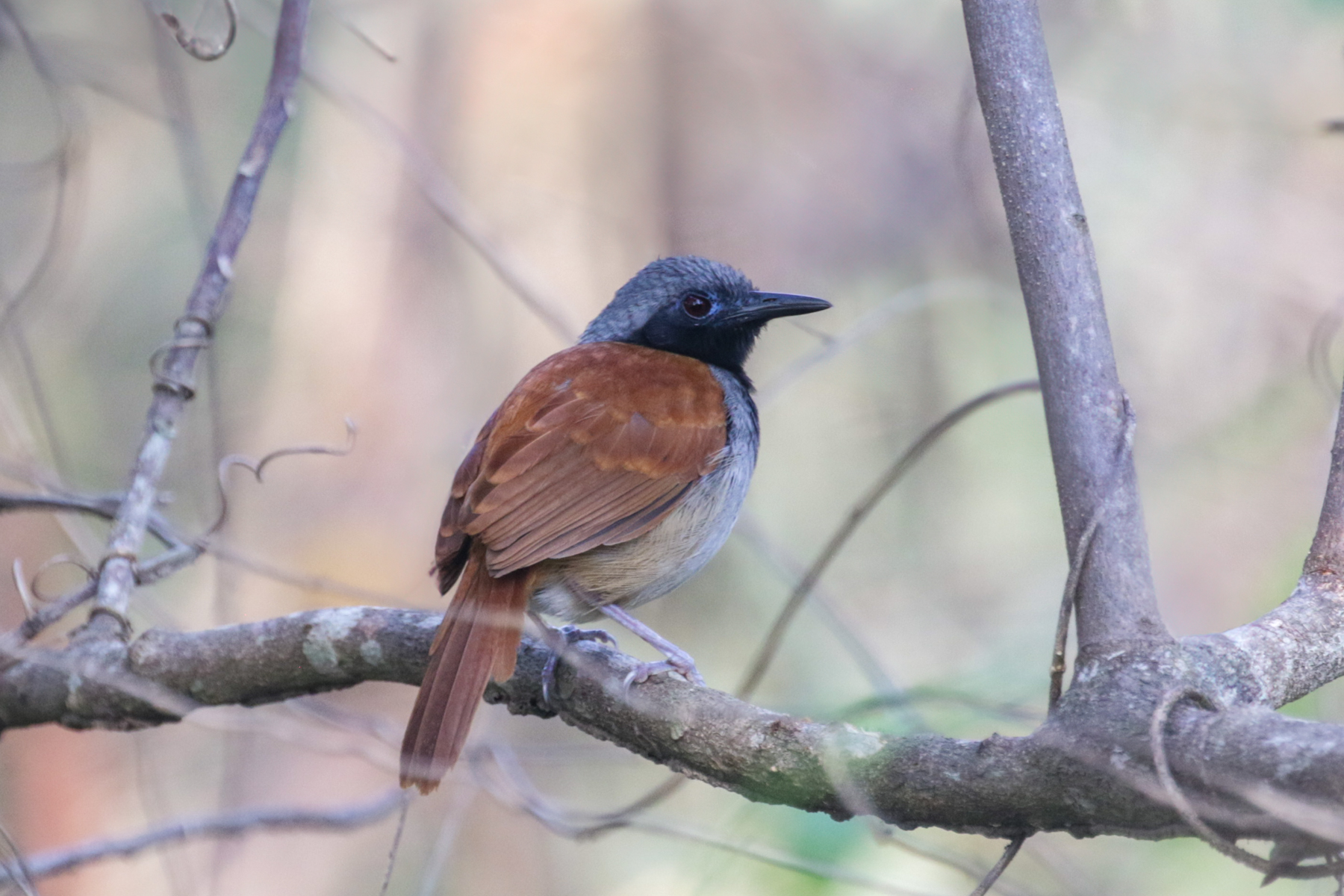
White-bellied Antbird (image by Trevor Ellery)

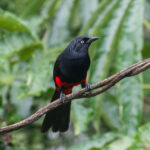
Vermilion Cardinal (image by Trevor Ellery)
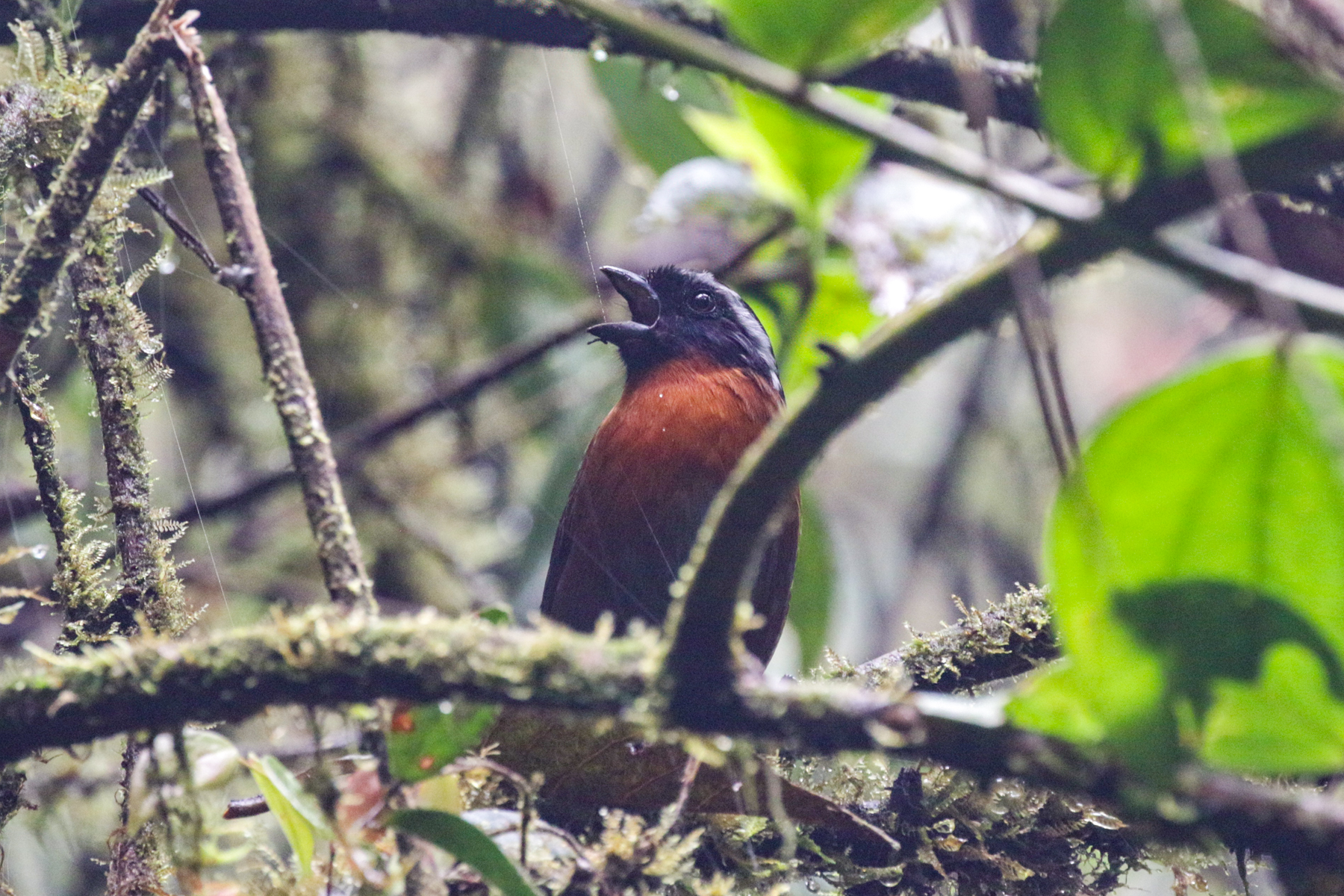
Tanager Finch (image by Trevor Ellery)
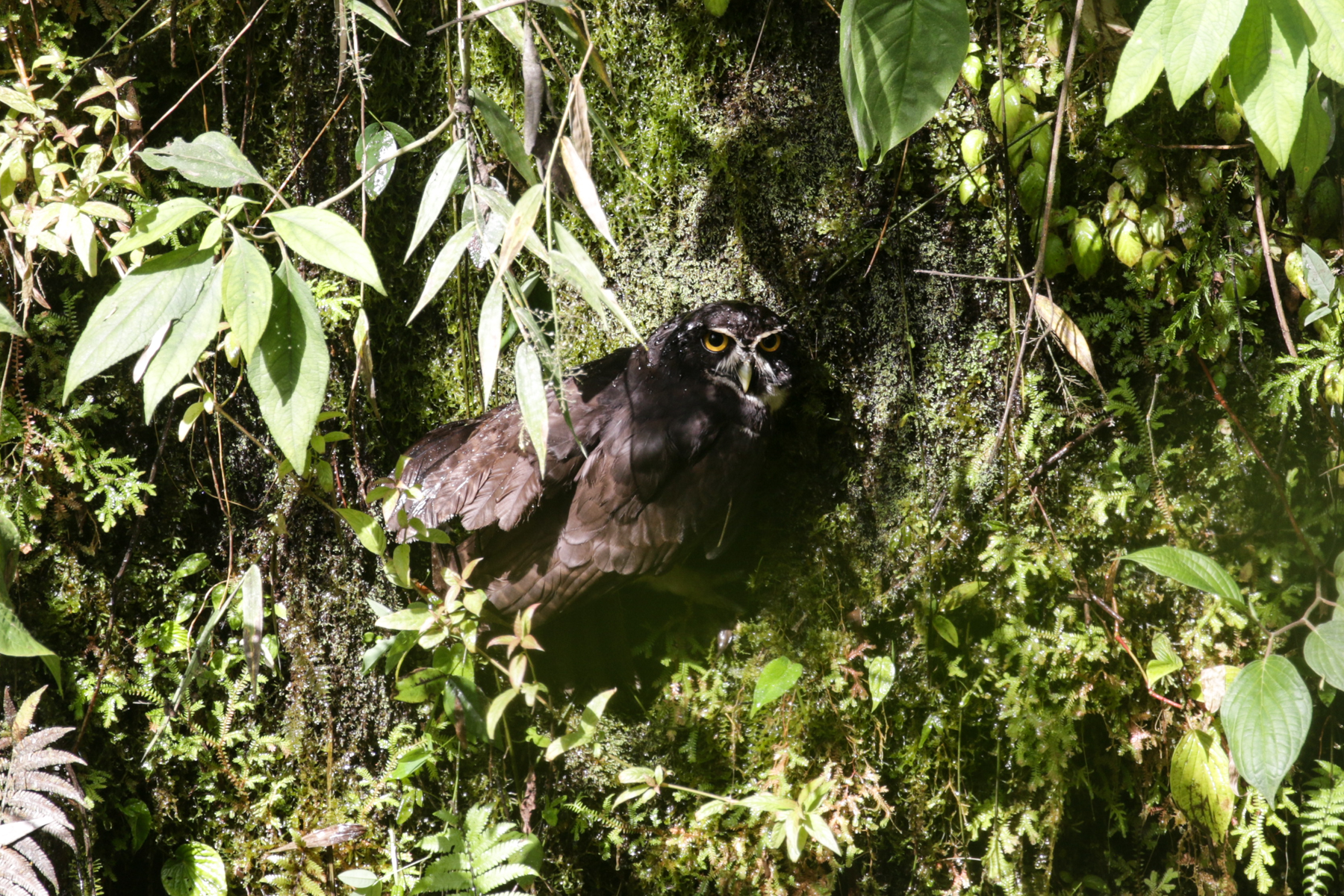
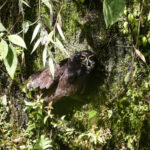
Spectacled Owl (image by Trevor Ellery)
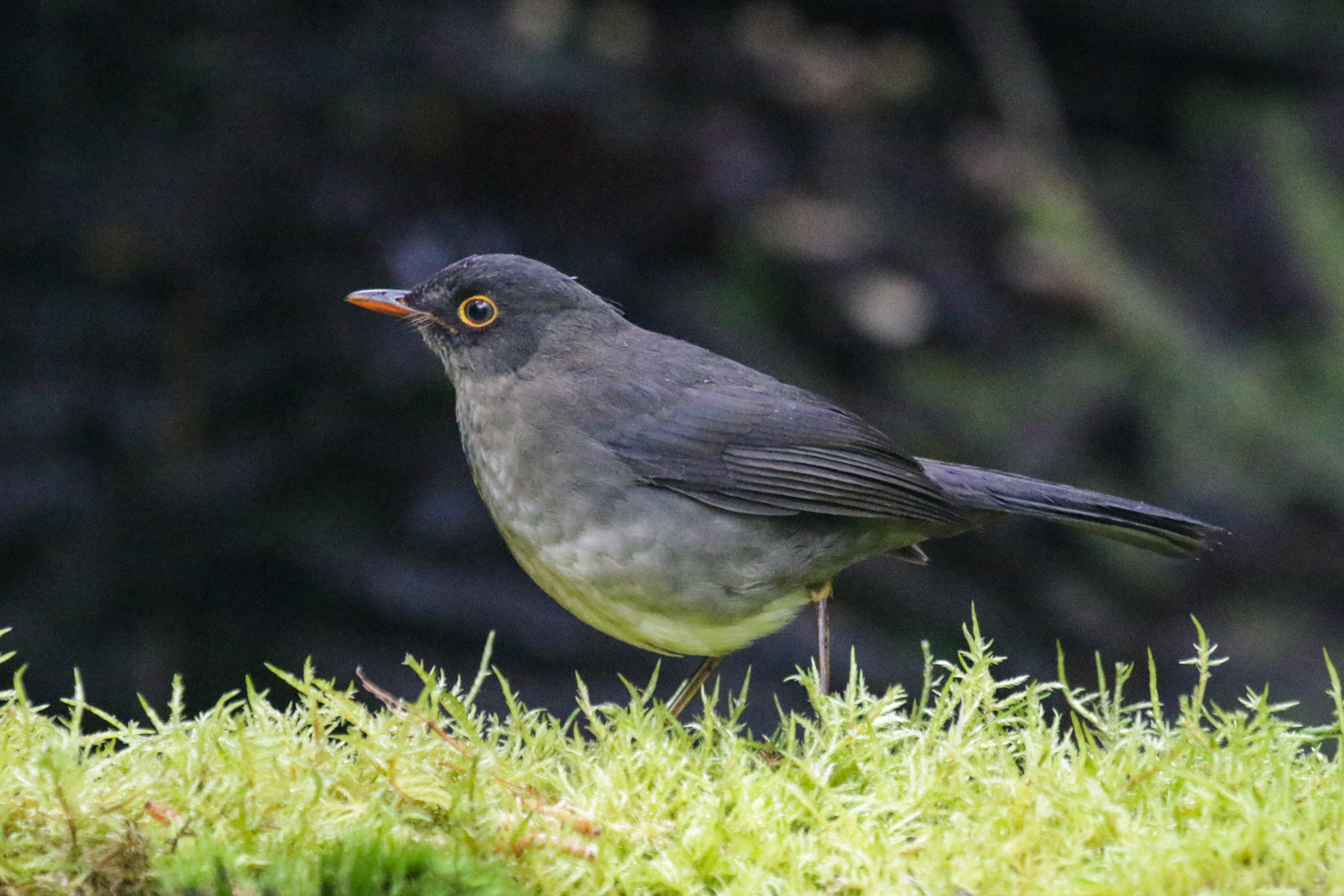
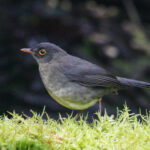
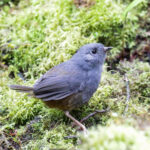
Slaty-backed Nightingale-Thrush (image by Trevor Ellery)
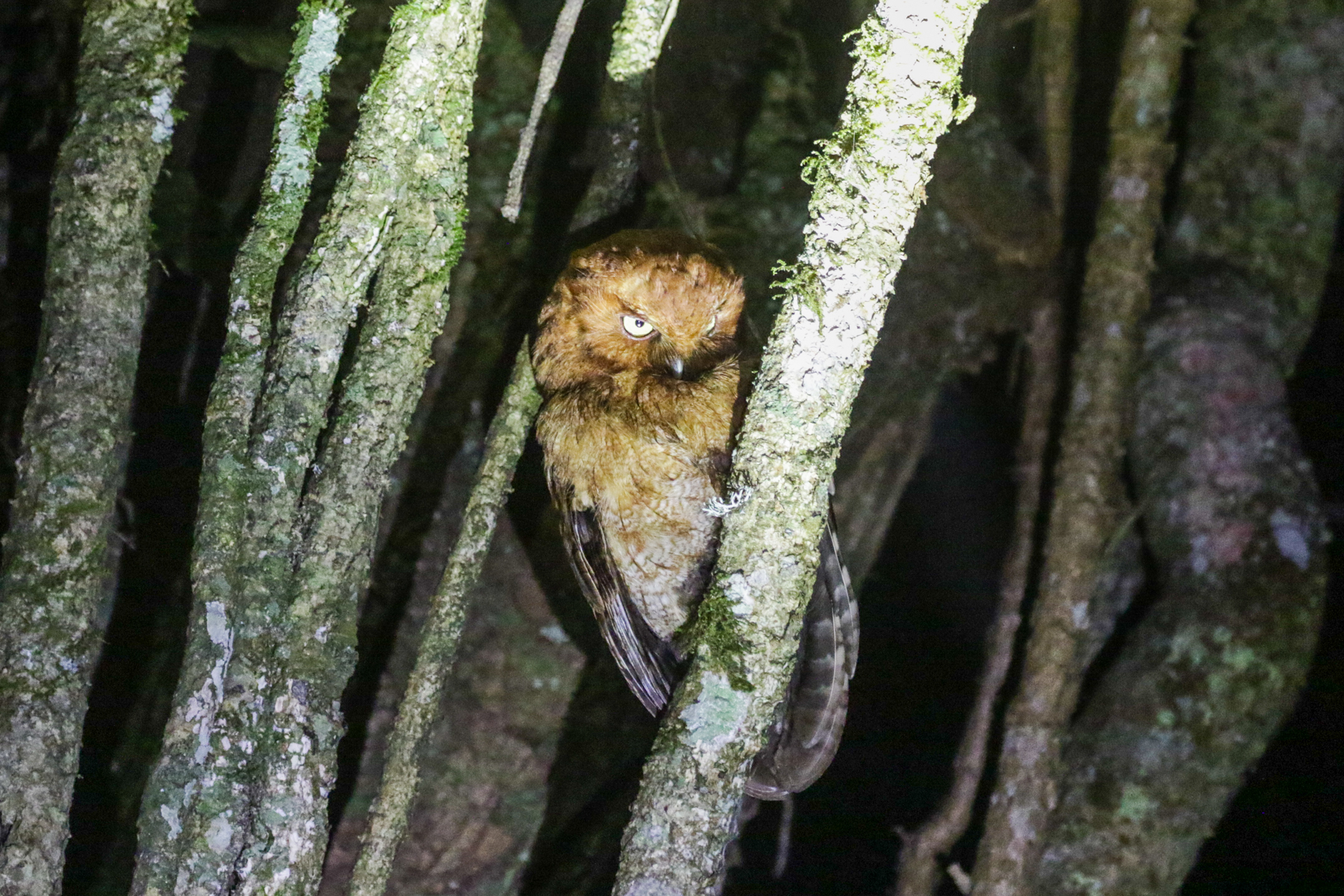
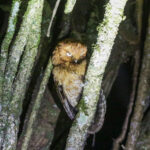
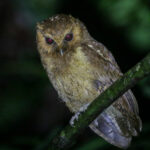
Santa Marta Screech Owl (image by Trevor Ellery)
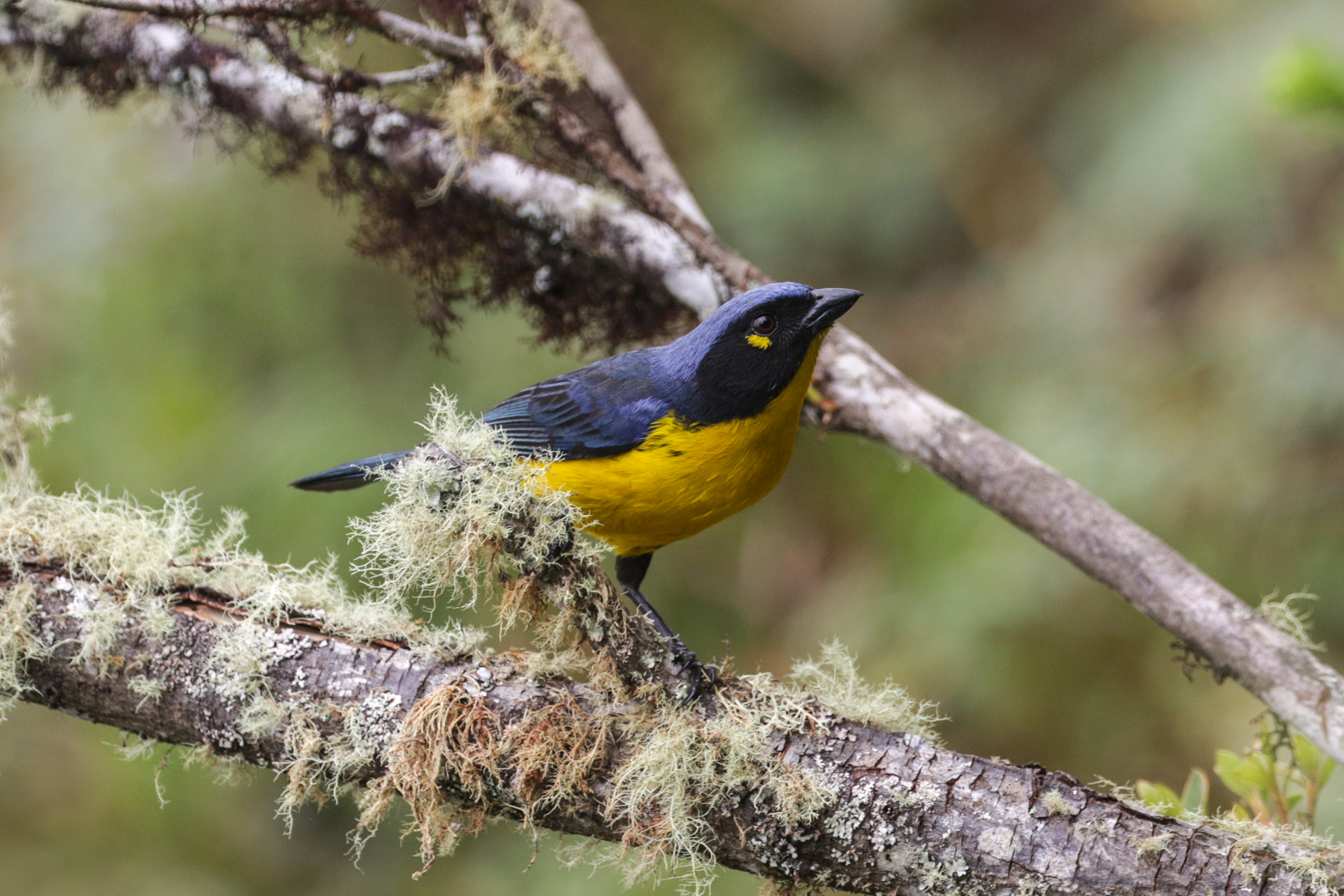
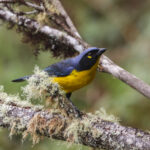
Santa Marta Mountain Tanager (image by Trevor Ellery)
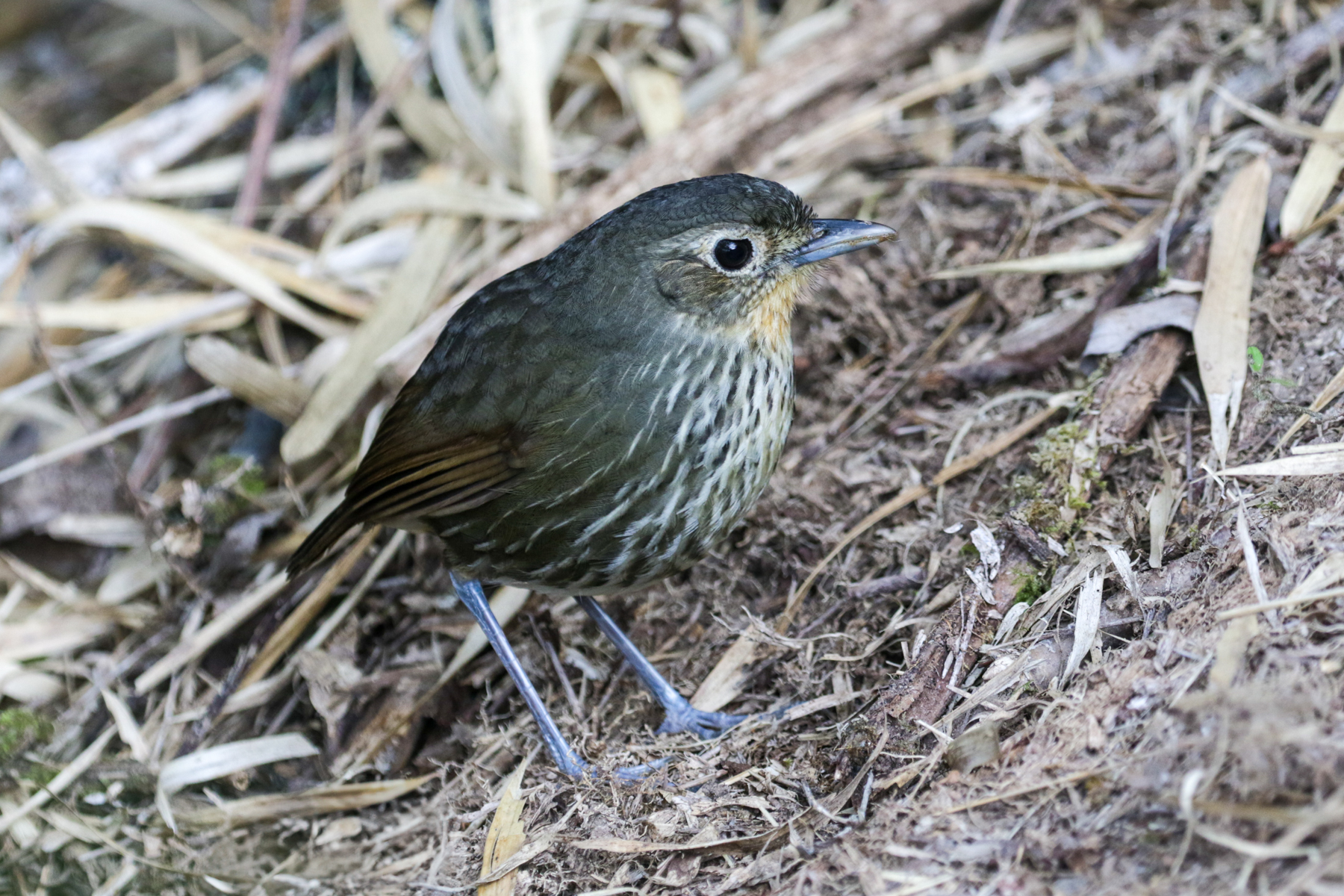
Santa Marta Antpitta (image by Trevor Ellery)
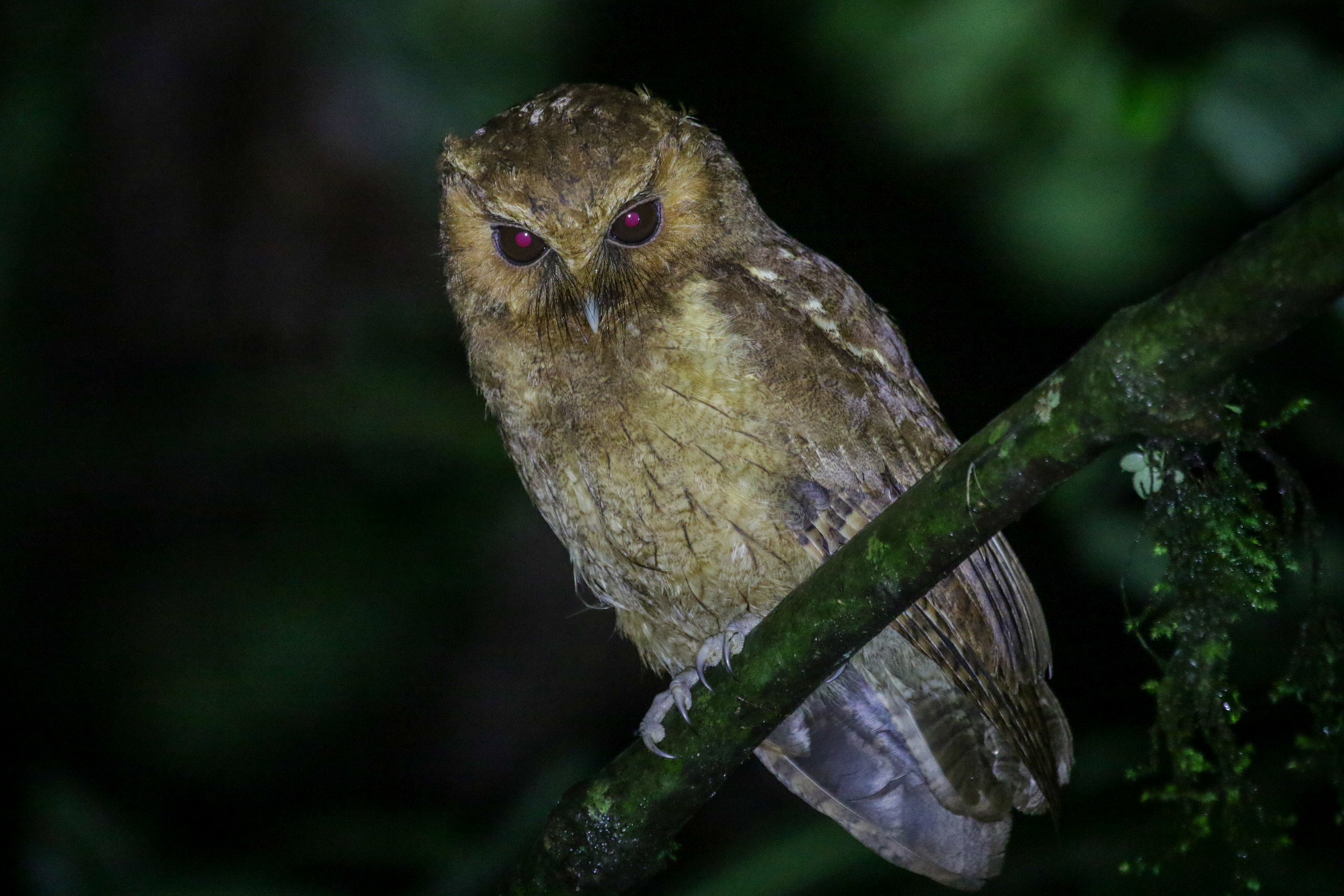
Rufescent Screeh Owl (image by Trevor Ellery)
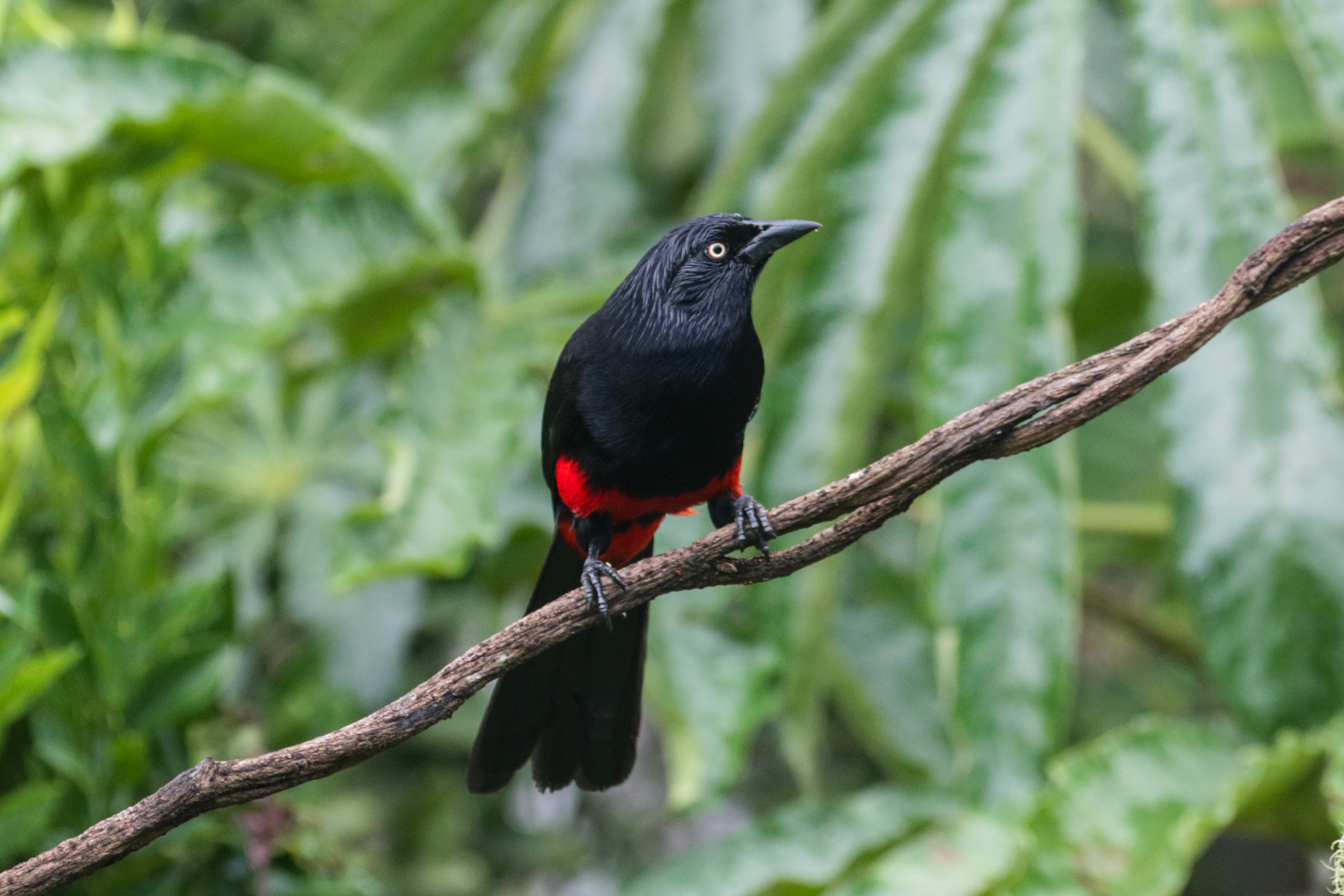
Red-bellied Grackle (image by Trevor Ellery)
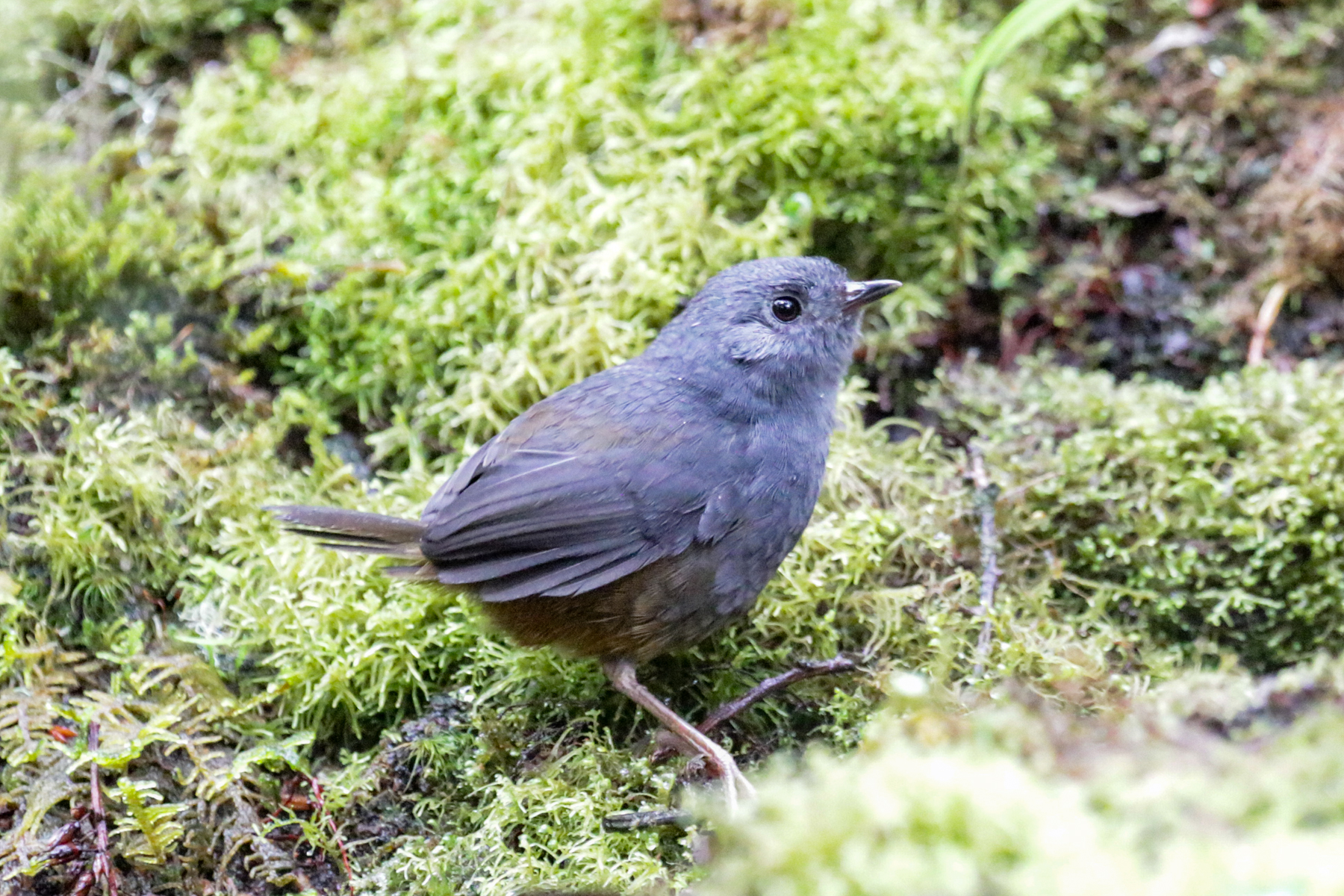
Pale-bellied Tapaculo (image by Trevor Ellery)

Orange-breasted Fruiteater (image by Trevor Ellery)

Oilbird (image by Trevor Ellery)
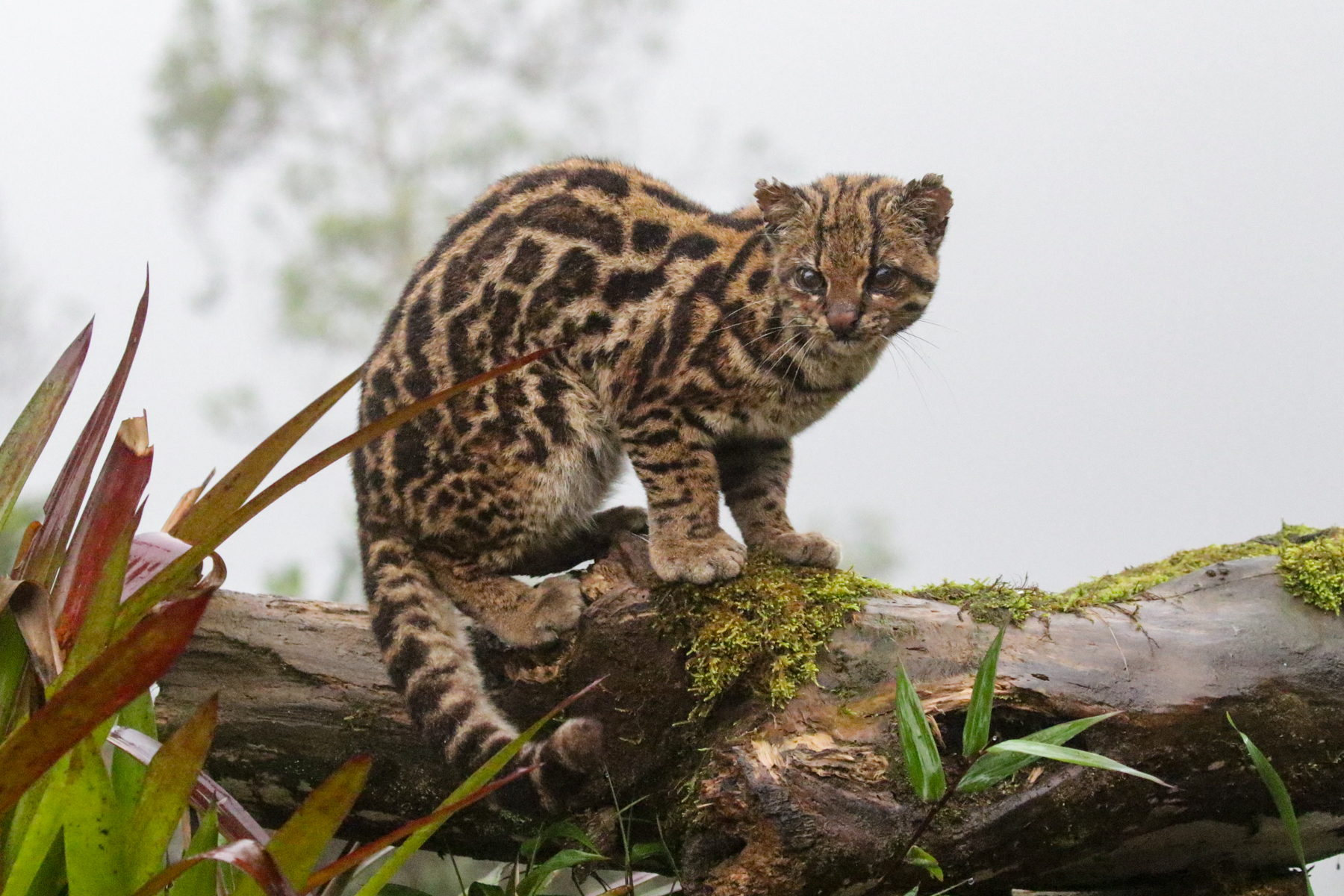
Northern Oncilla (image by Trevor Ellery)
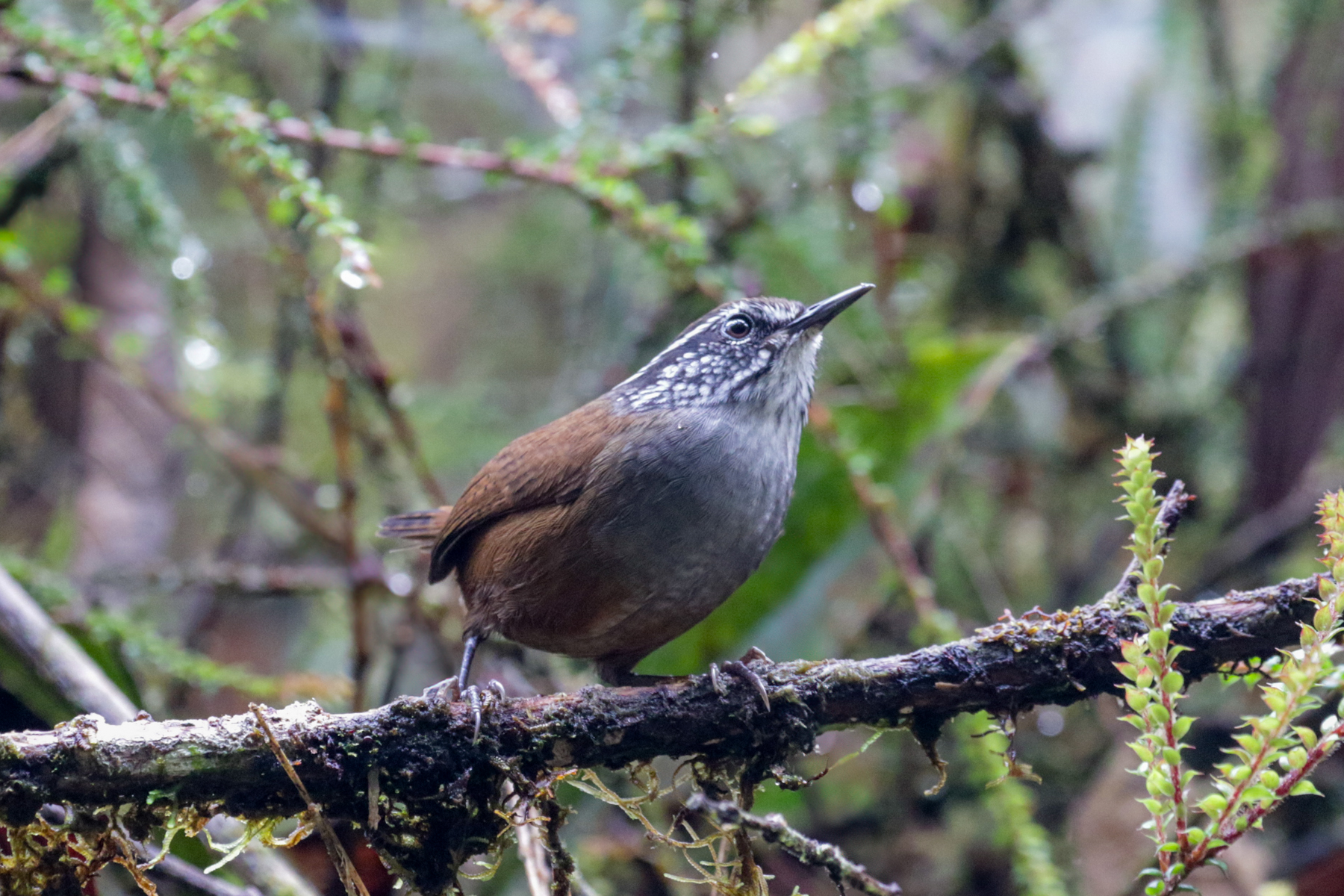
Munchique Wood Wren (image by Trevor Ellery)
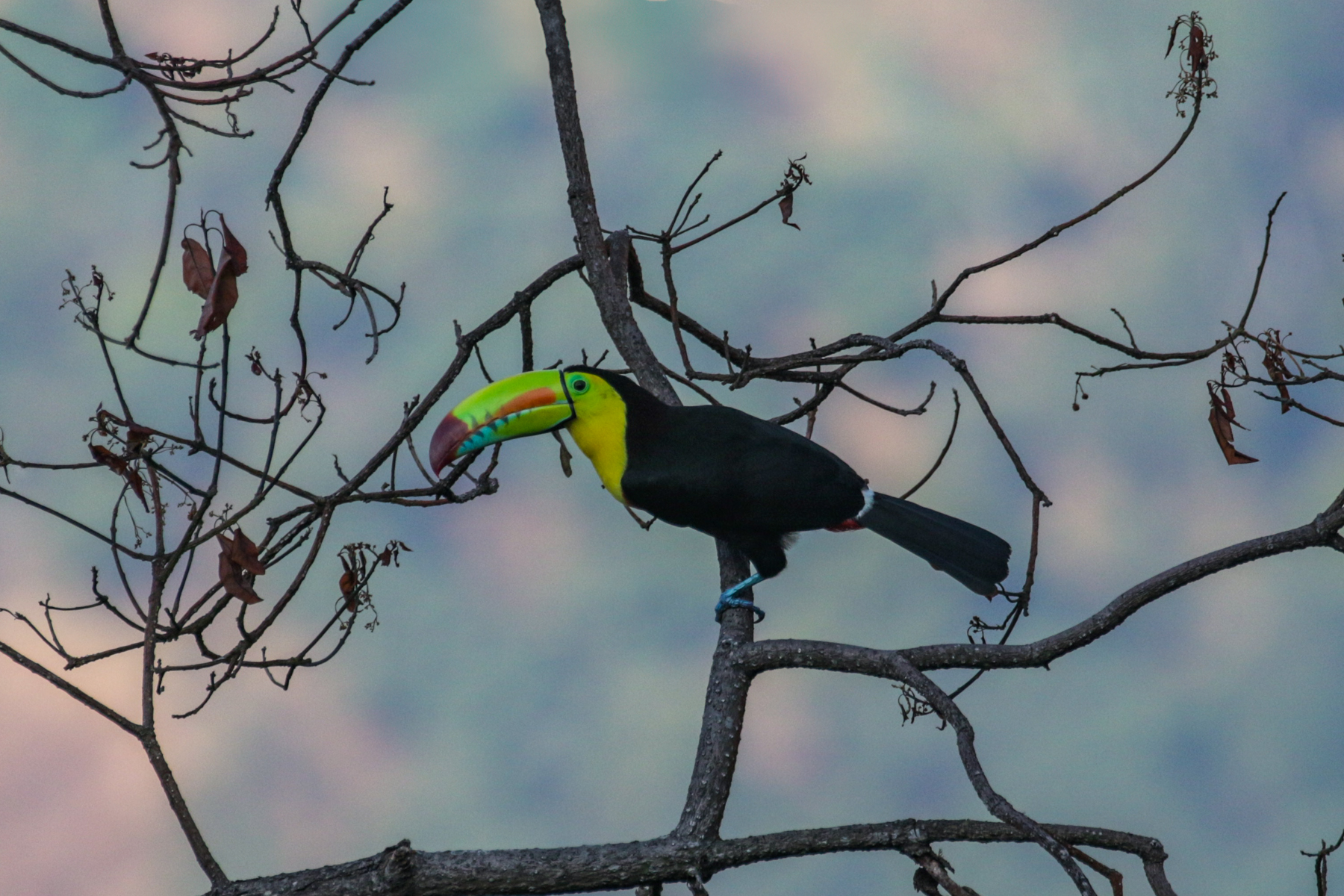
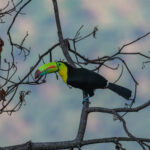
Keel-billed Toucan (image by Trevor Ellery)
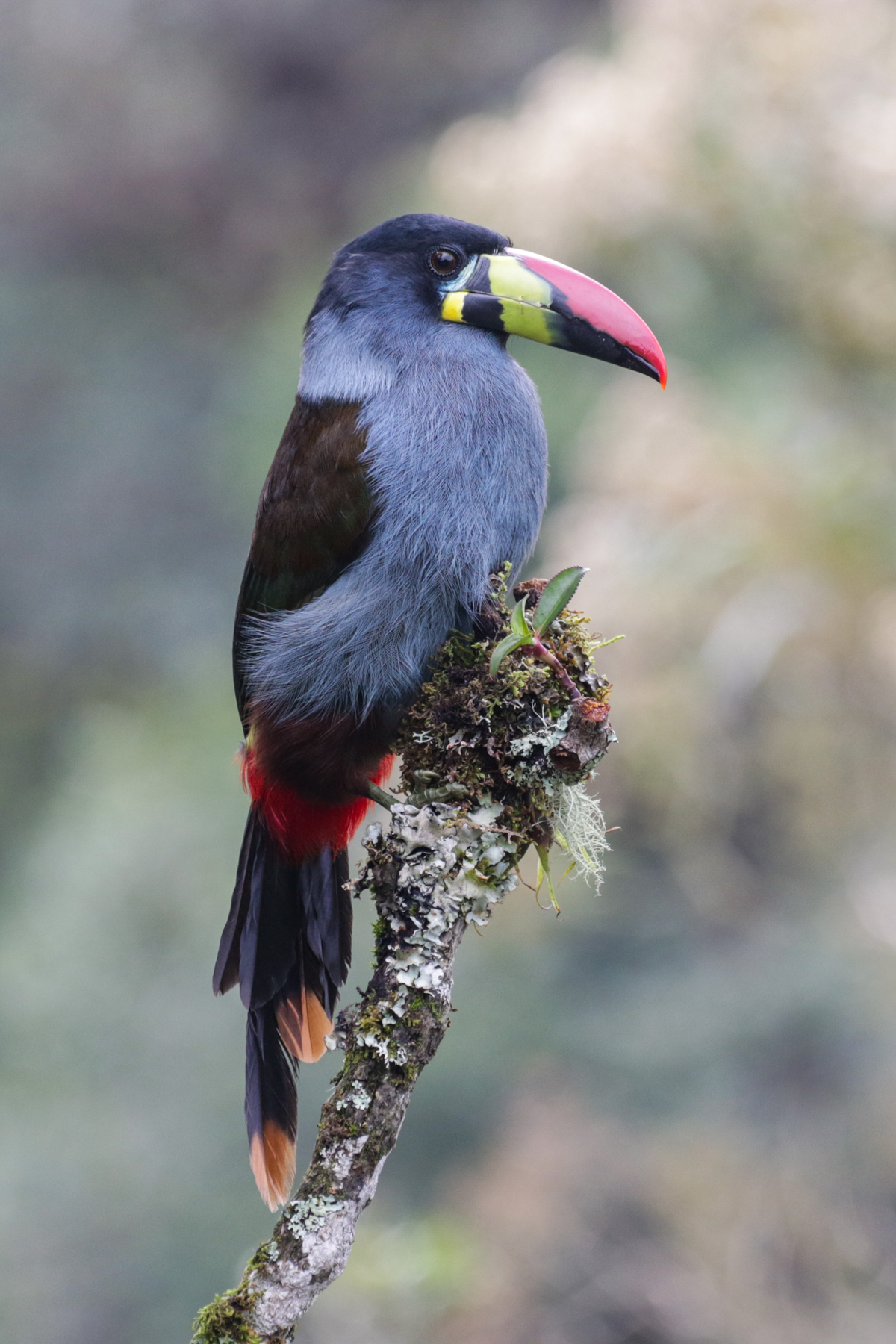
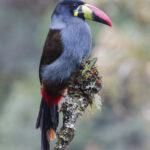
Grey-breasted Mountain Toucan (image by Trevor Ellery)
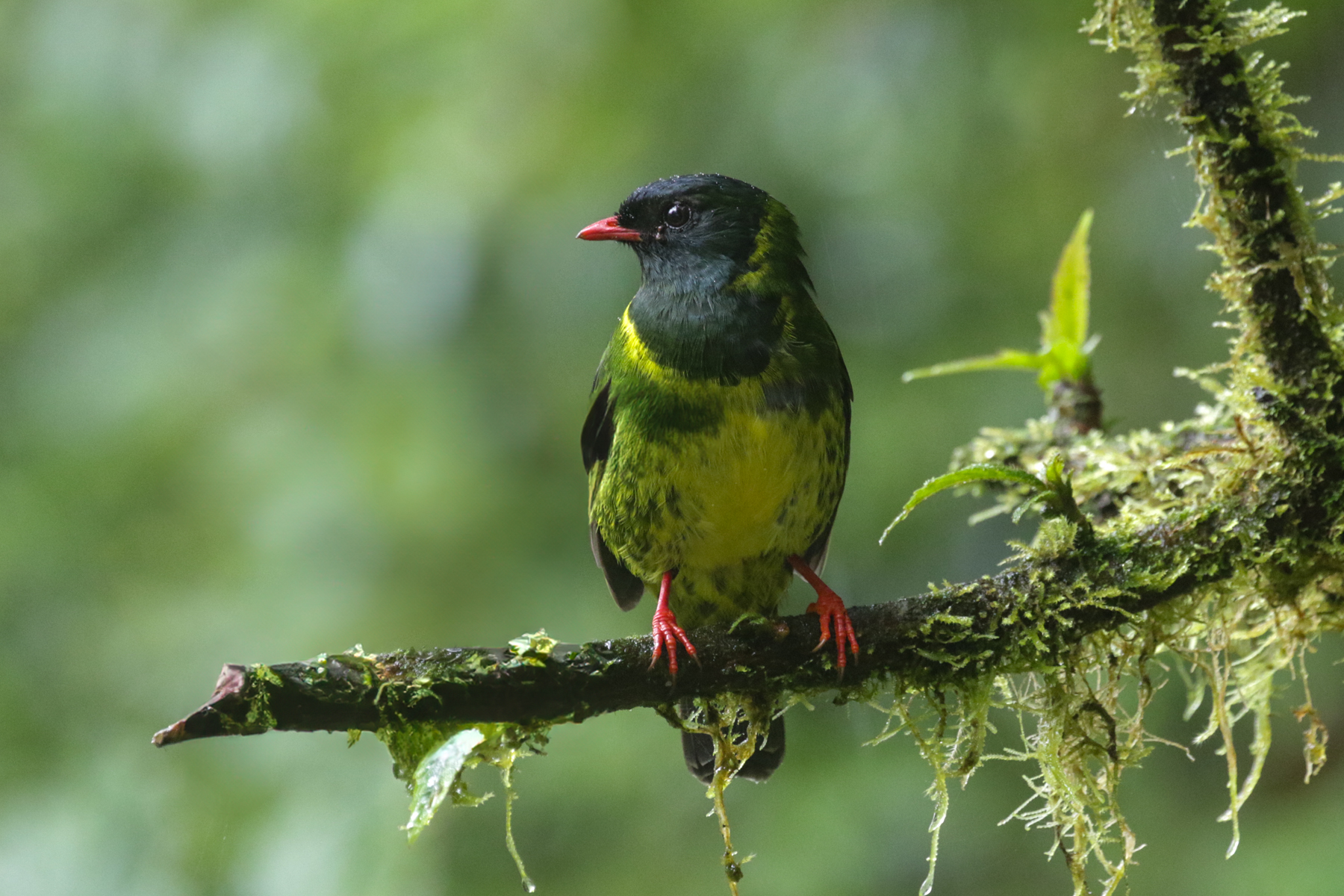
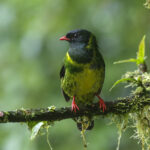
Green-and-black Fruiteater (image by Trevor Ellery)

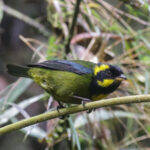
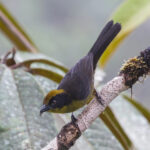
Gold-ringed Tanager (image by Trevor Ellery)

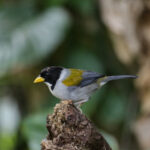
Golden-winged Sparrow (image by Trevor Ellery)
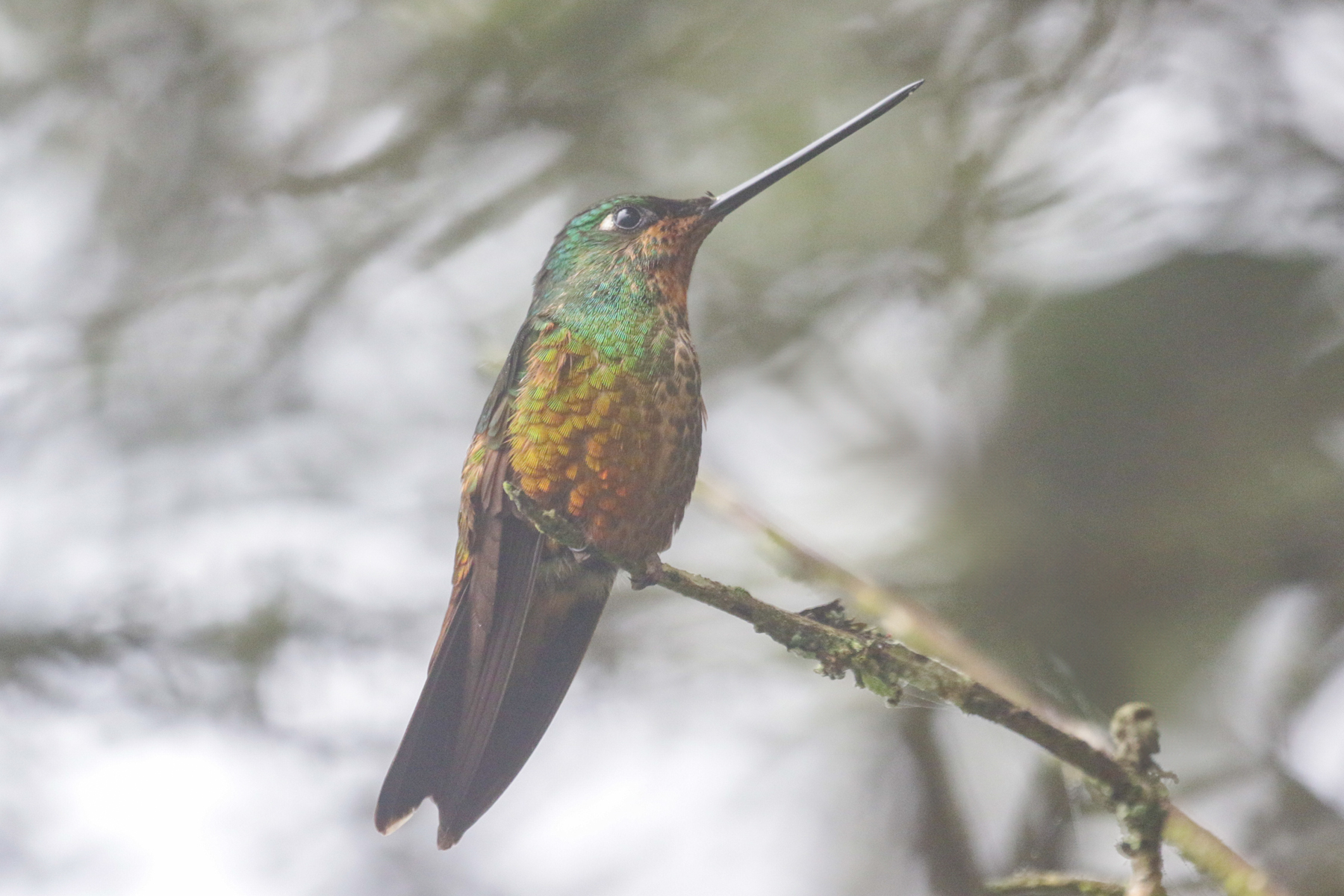
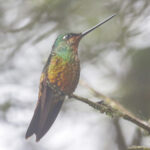
Golden-bellied Starfrontlet (image by Trevor Ellery)
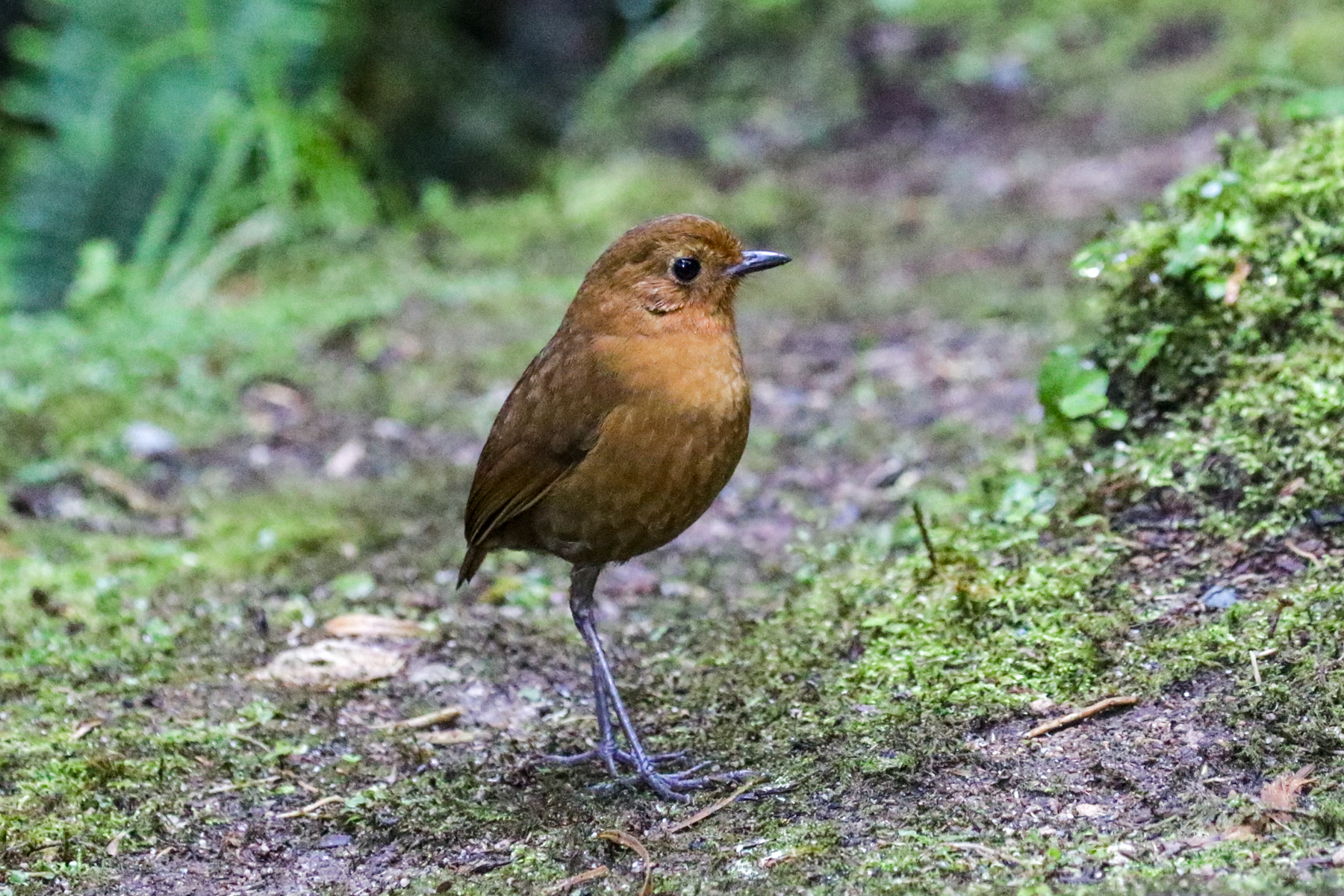
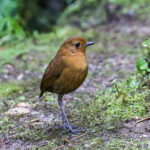
Equatorial Antpitta (image by Trevor Ellery)
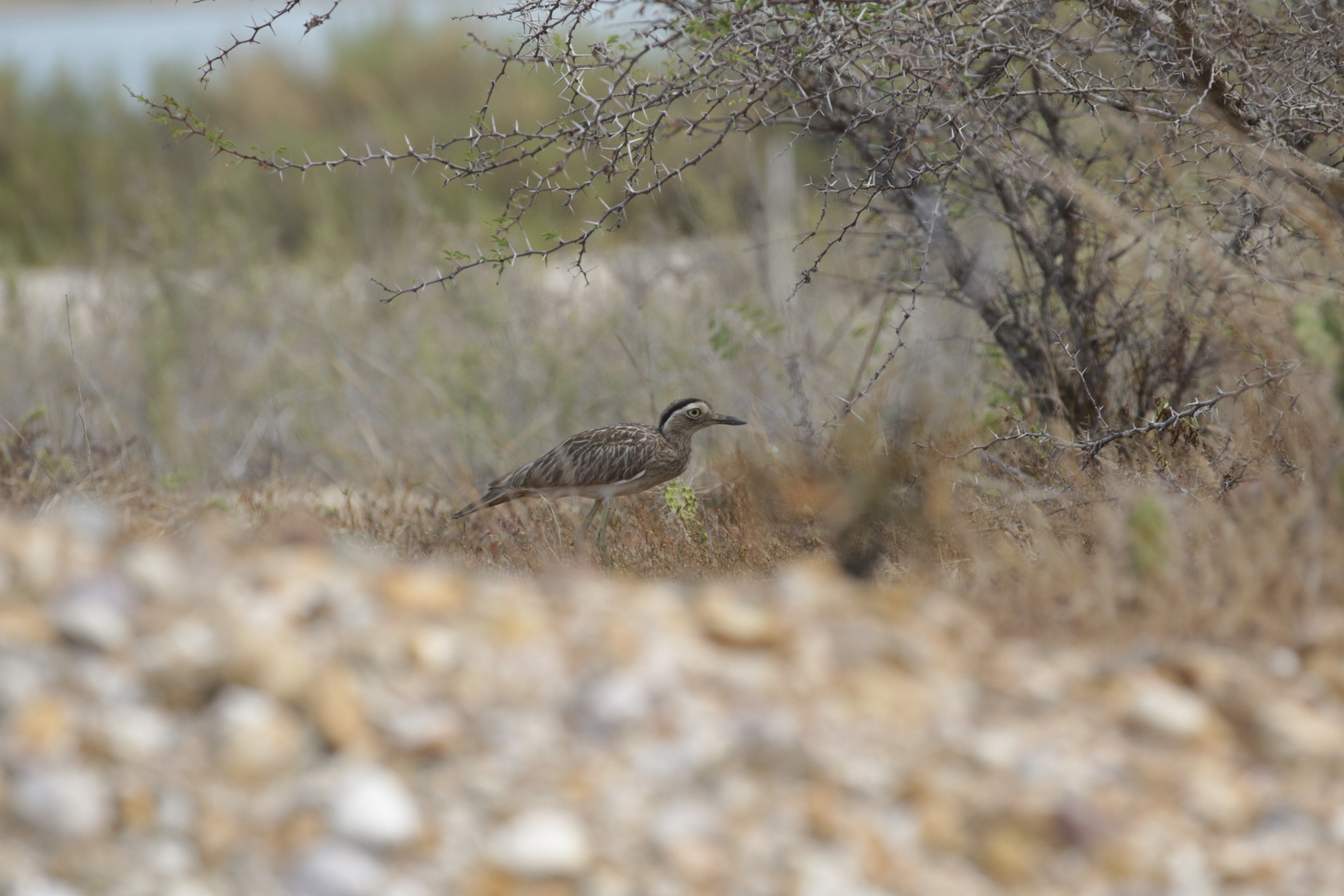
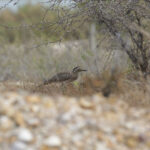
Double-striped Thick-knee (image by Trevor Ellery)
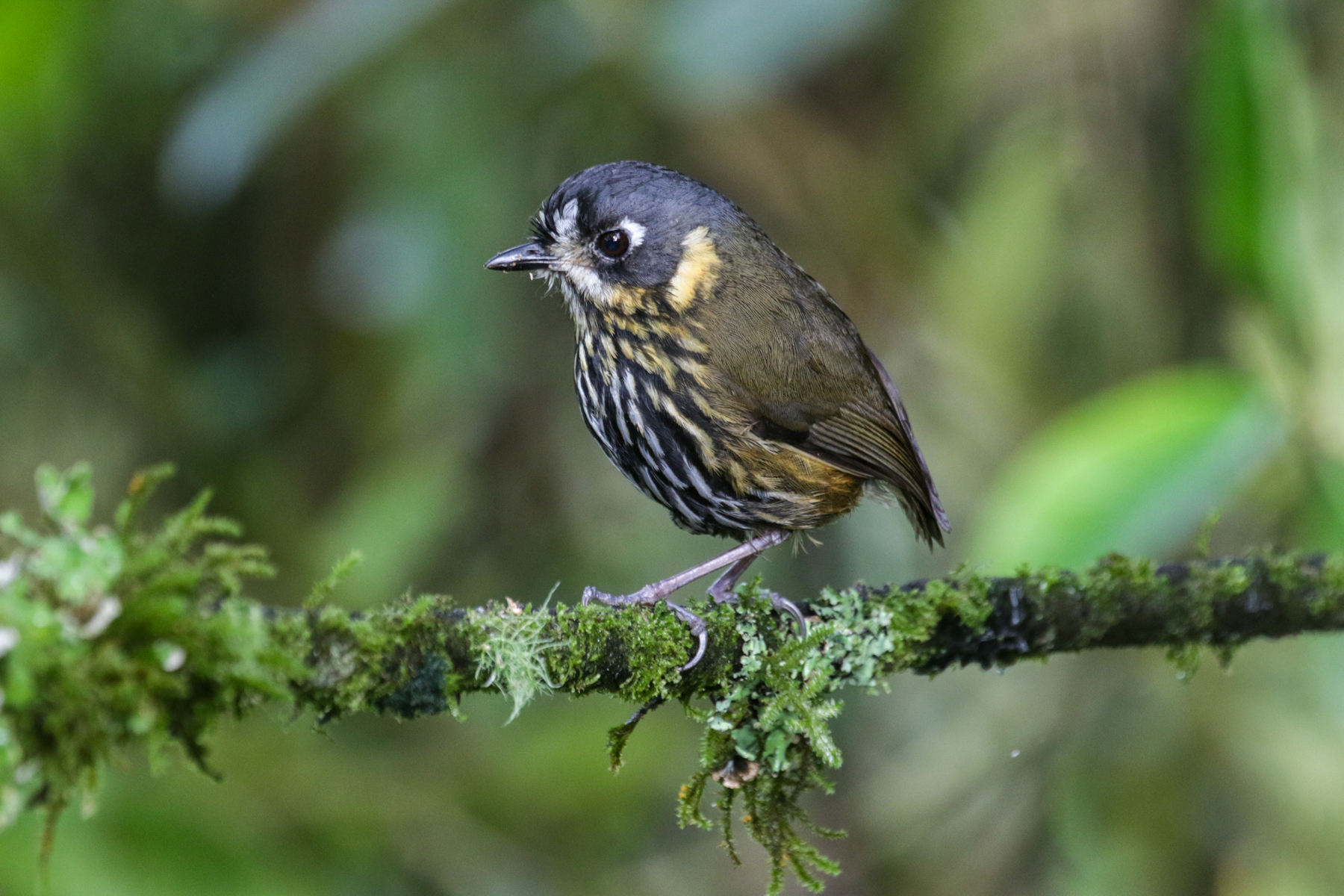
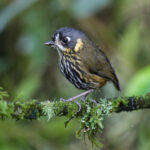
Crescent-faced Antpitta (image by Trevor Ellery)
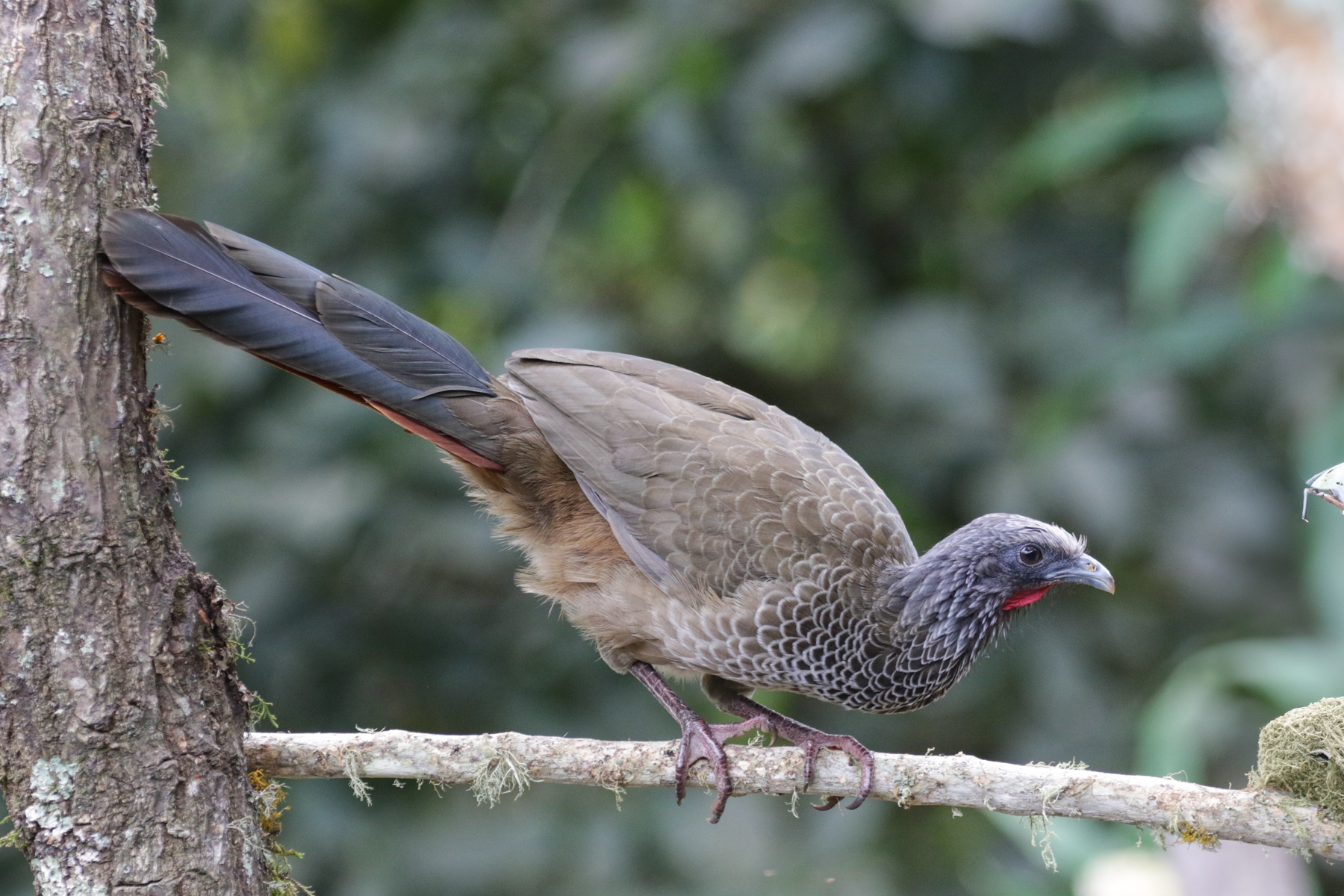
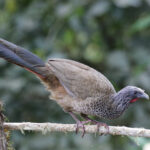
Colombian Chachalaca (image by Trevor Ellery)
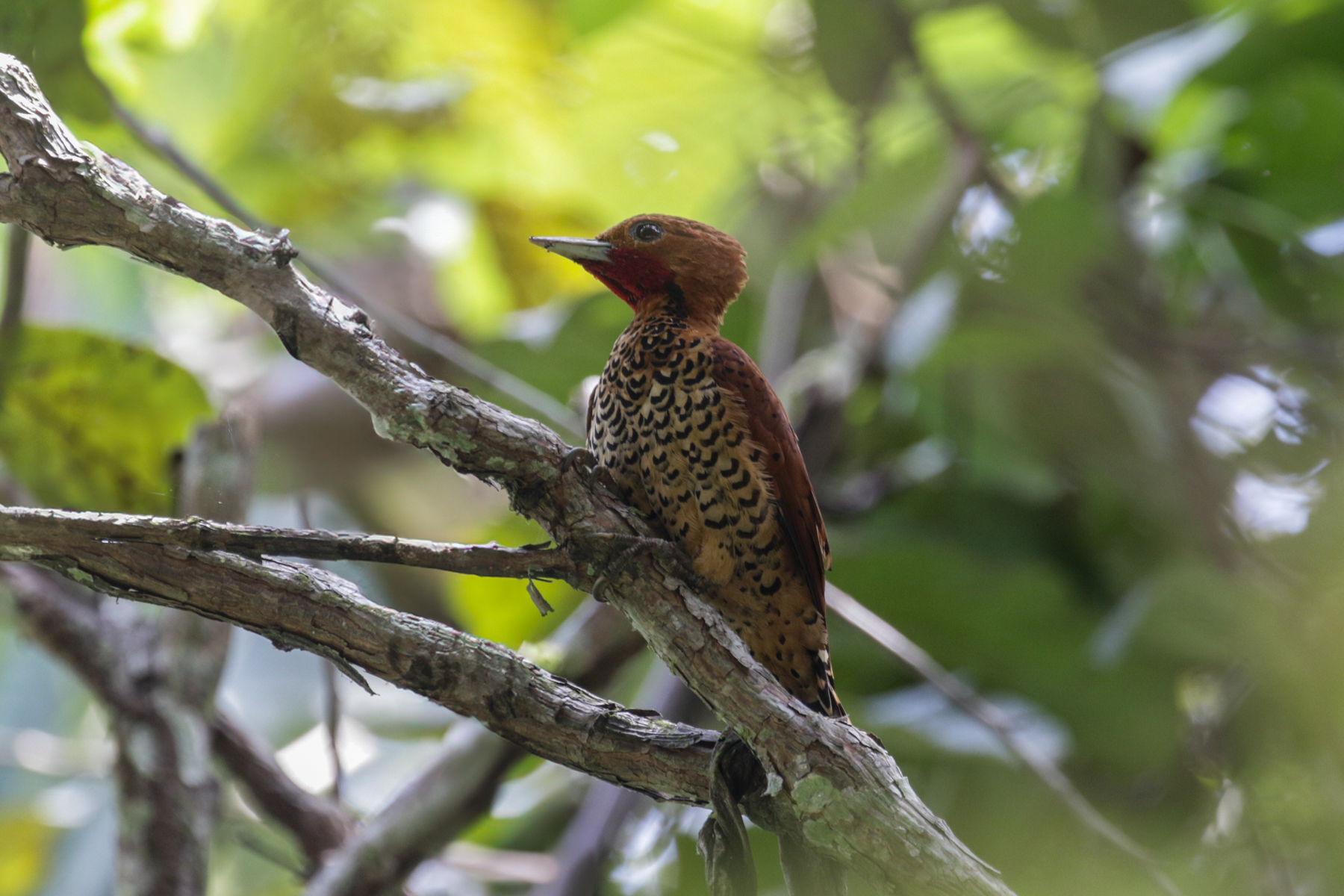
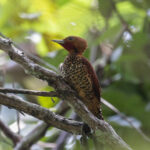
Cinnamon Woodpecker (image by Trevor Ellery)
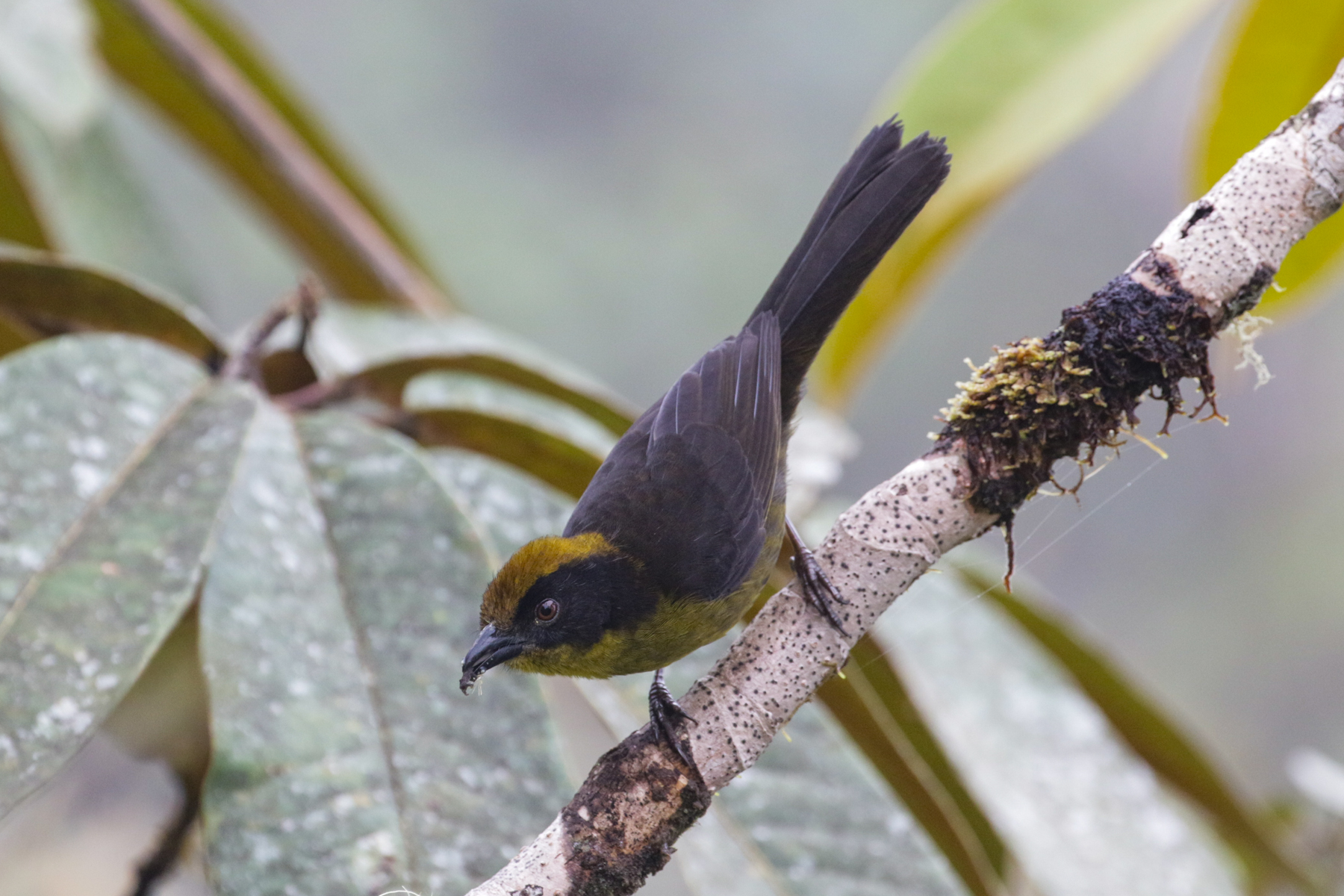
Choco Brushfinch (image by Trevor Ellery)
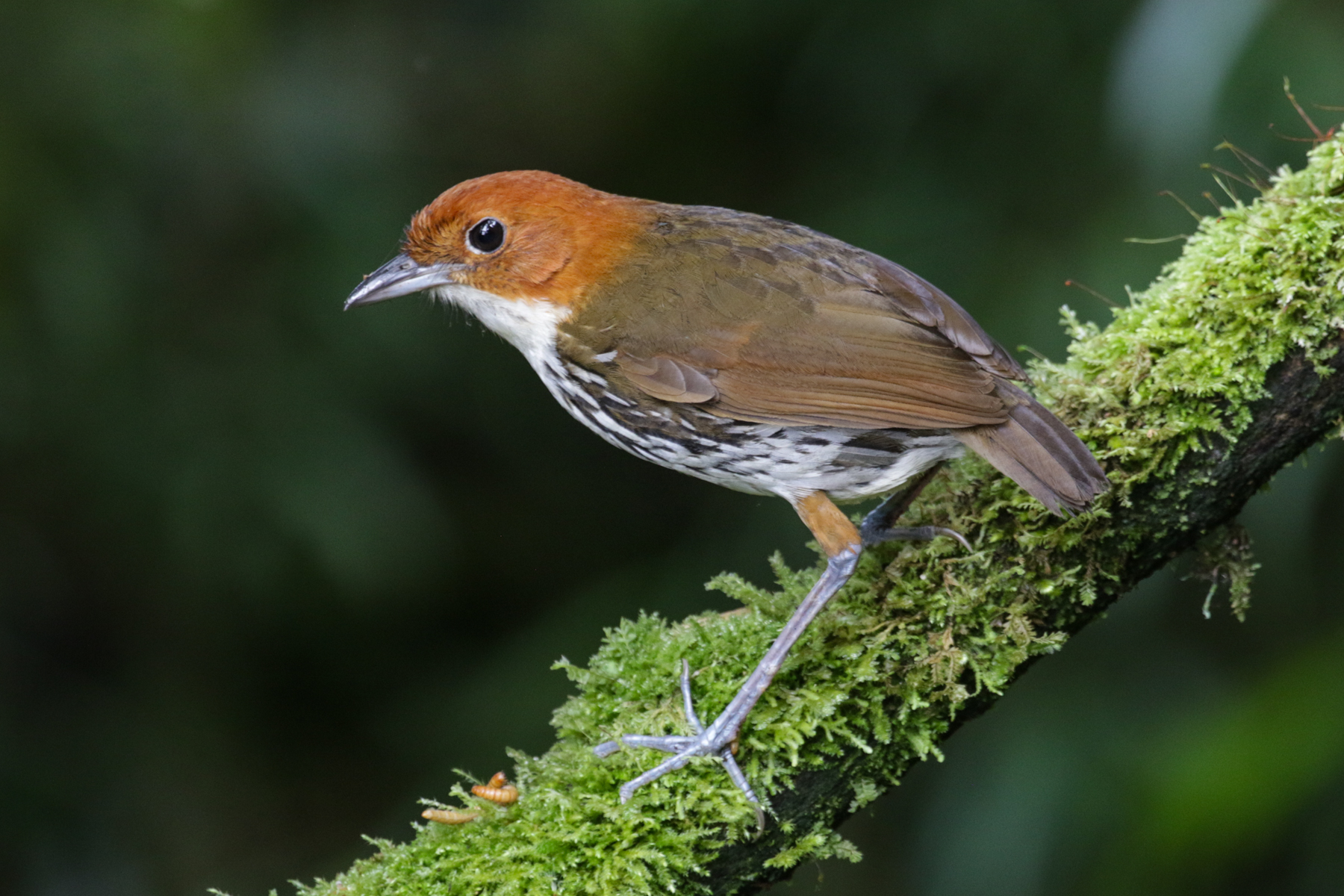
Chestnut-crowned Antpitta (image by Trevor Ellery)
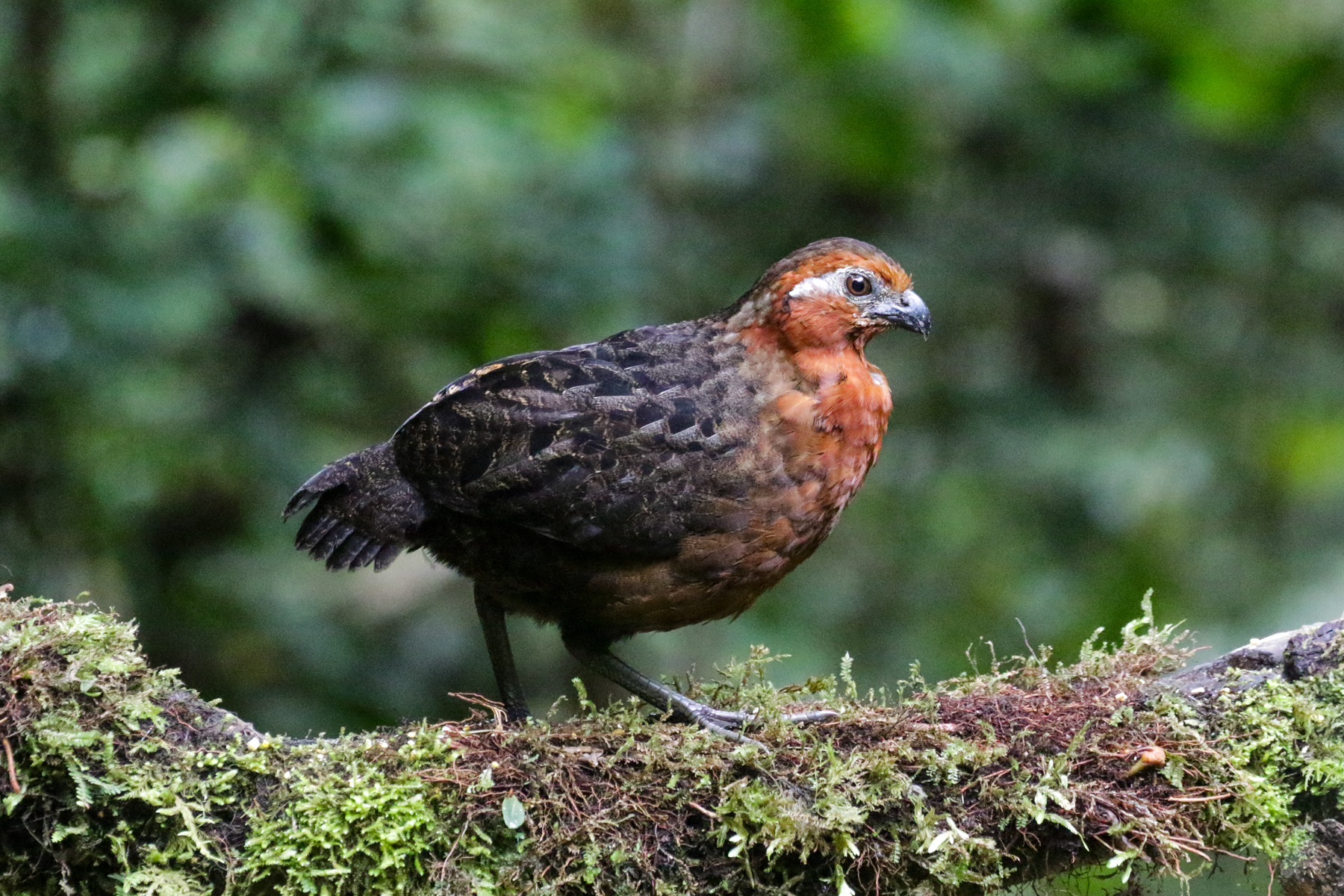
Chestnut Wood Quail (image by Trevor Ellery)
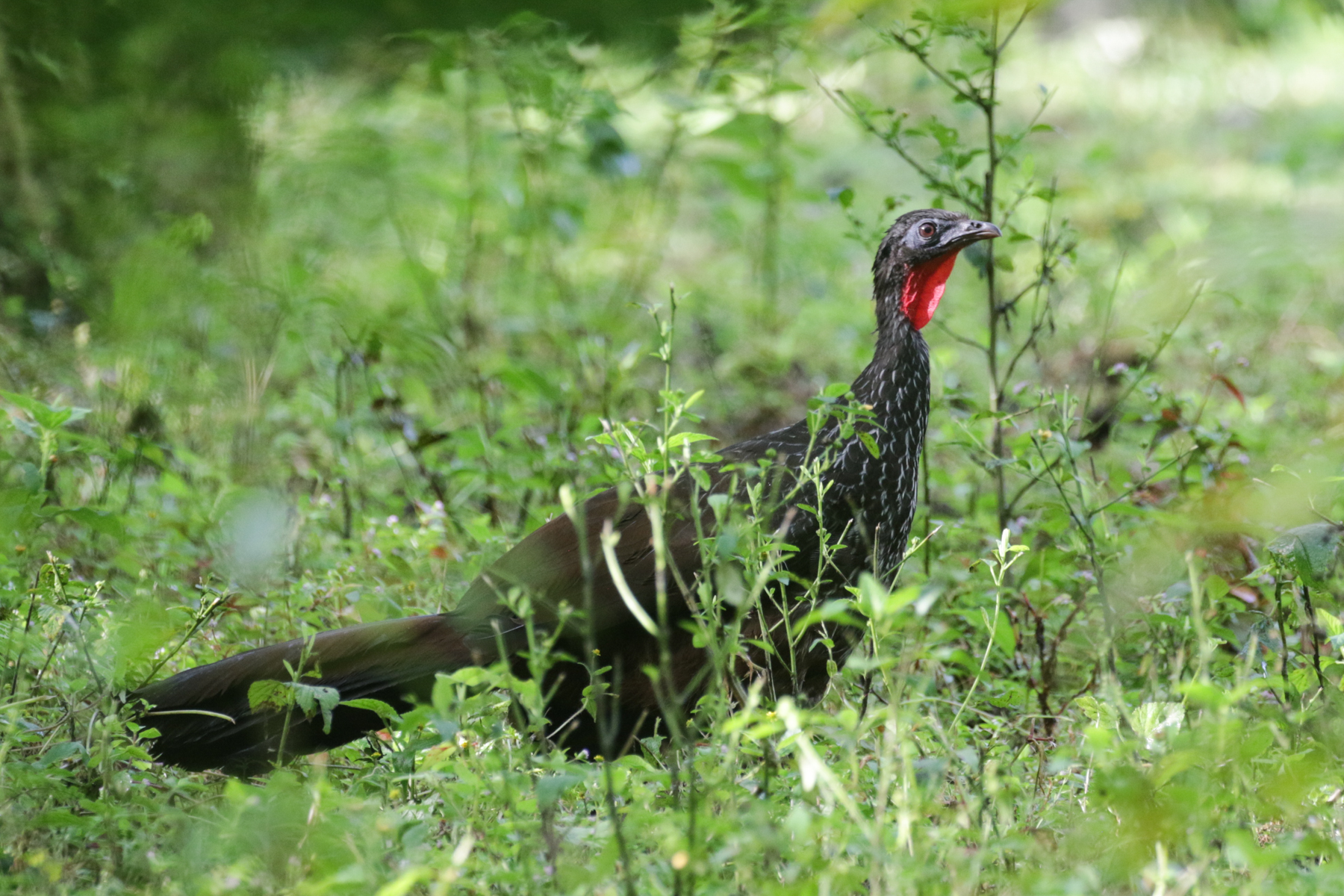
Cauca Guan (image by Trevor Ellery)
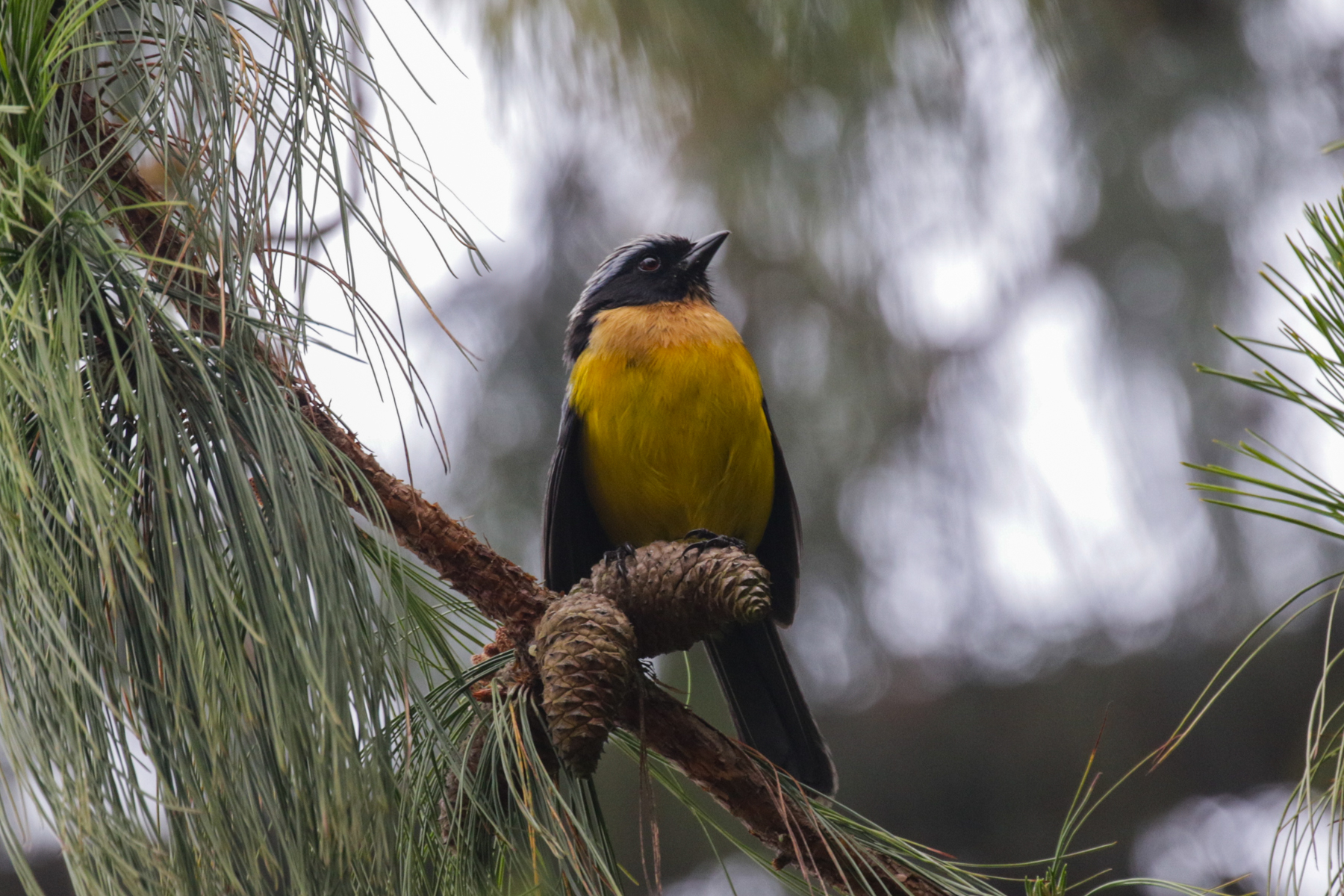
Carriker's Mountain Tanager (image by Trevor Ellery)
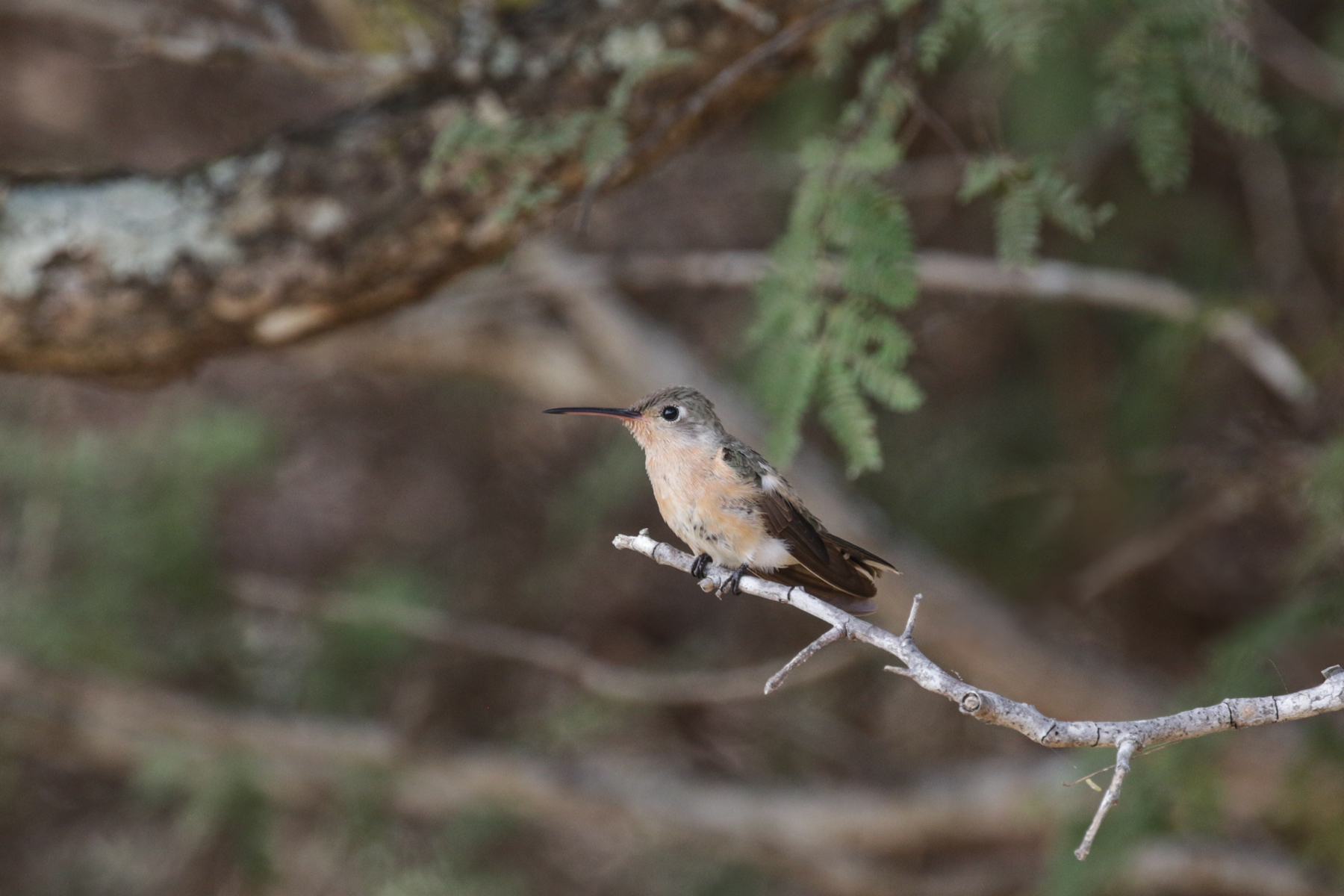
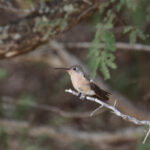
Buffy Hummingbird (image by Trevor Ellery)
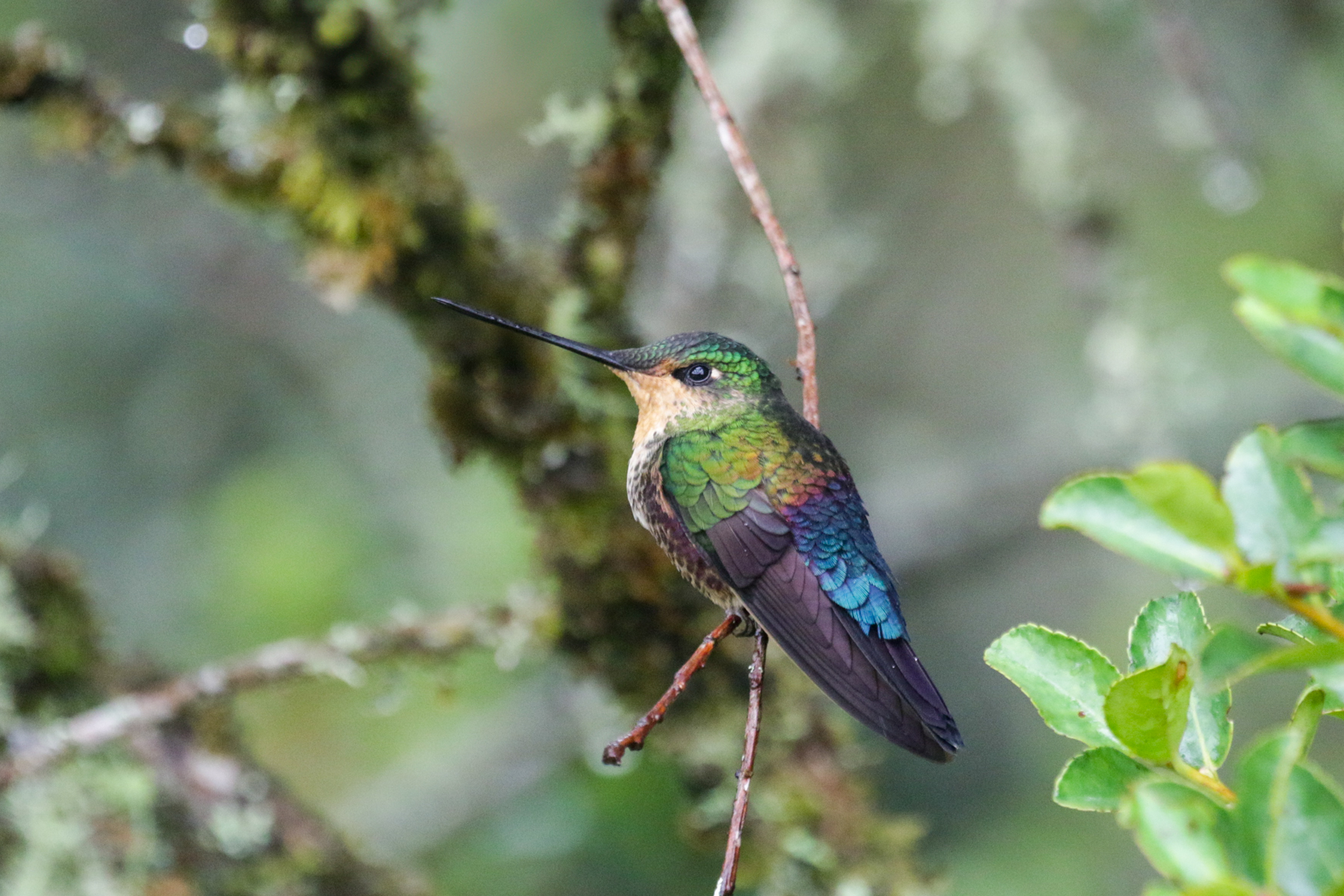
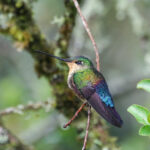
Blue-throated Starfrontlet (image by Trevor Ellery)
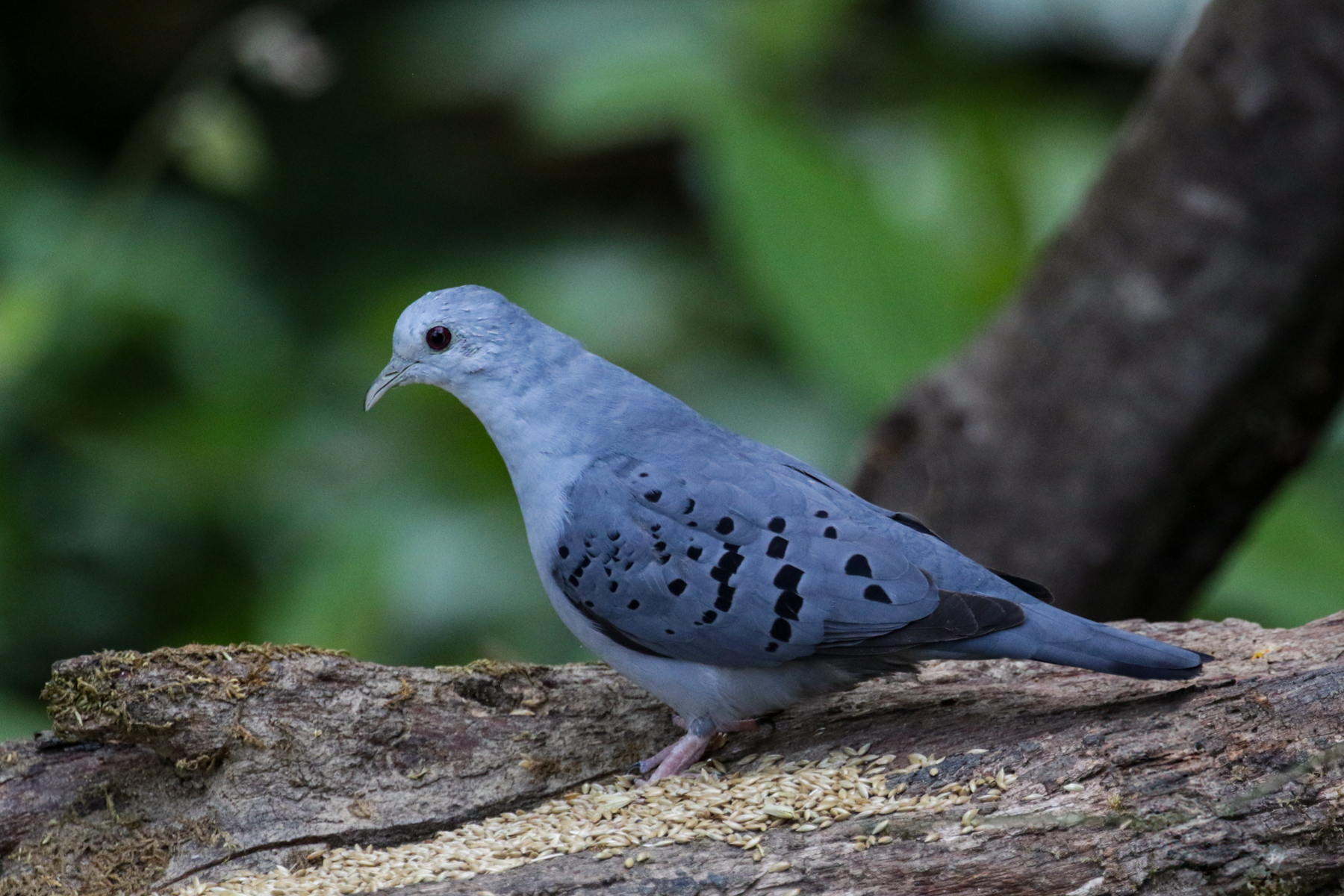
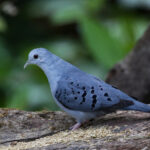
Blue Ground Dove (image by Trevor Ellery)
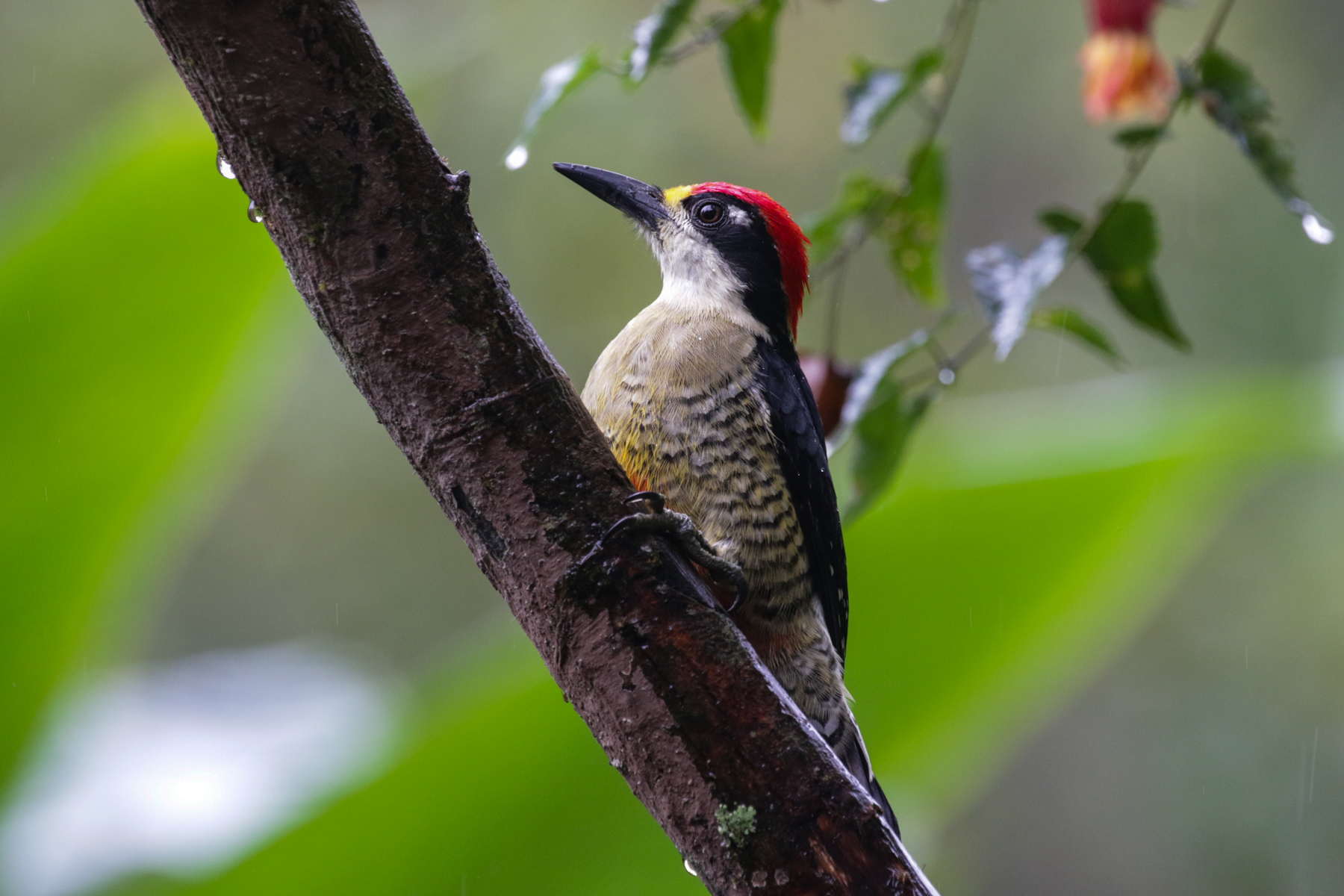
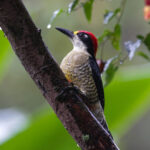
Black-cheeked Woodpecker (image by Trevor Ellery)
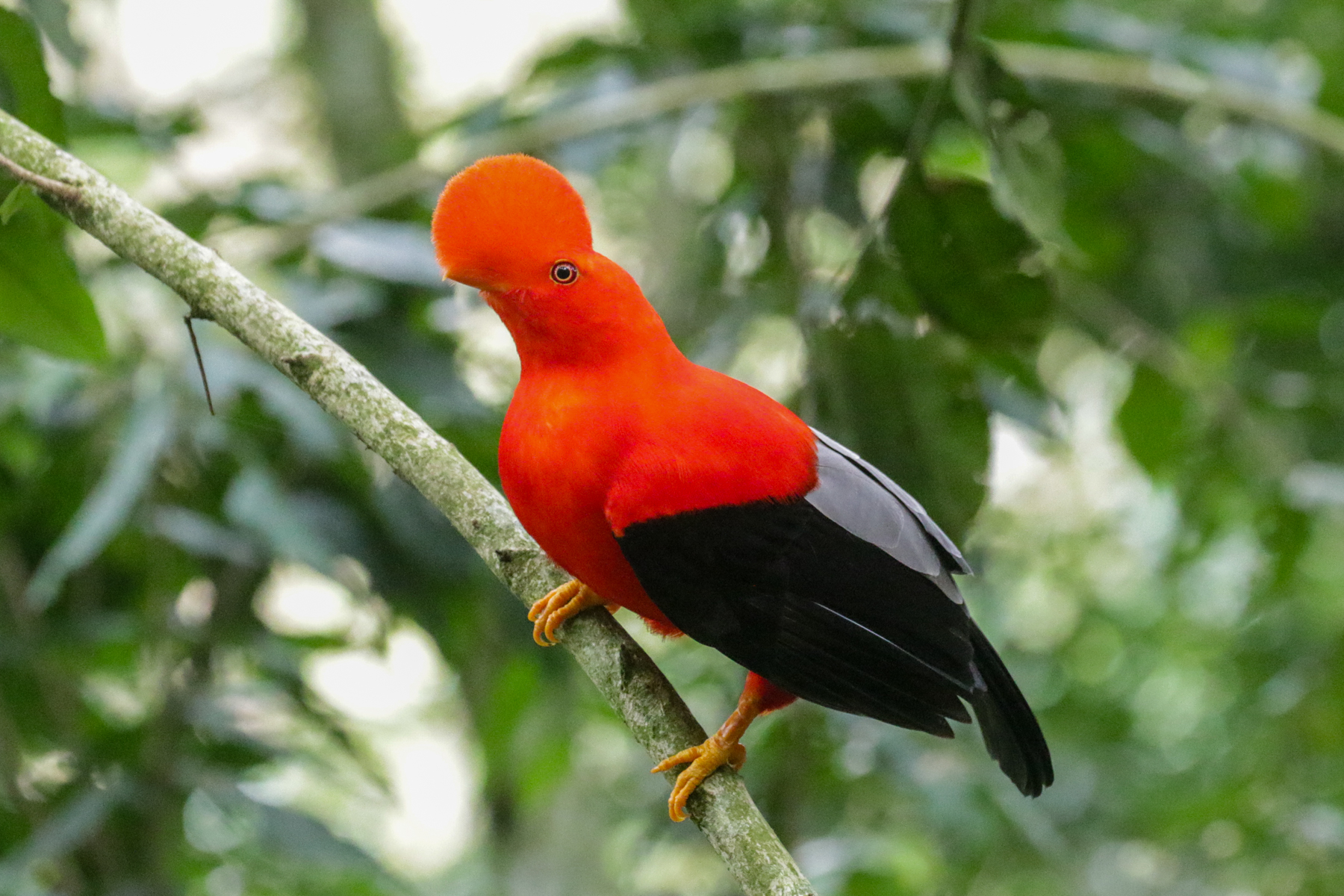
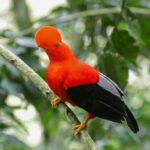
Andean-cock-of-the-rock (image by Trevor Ellery)
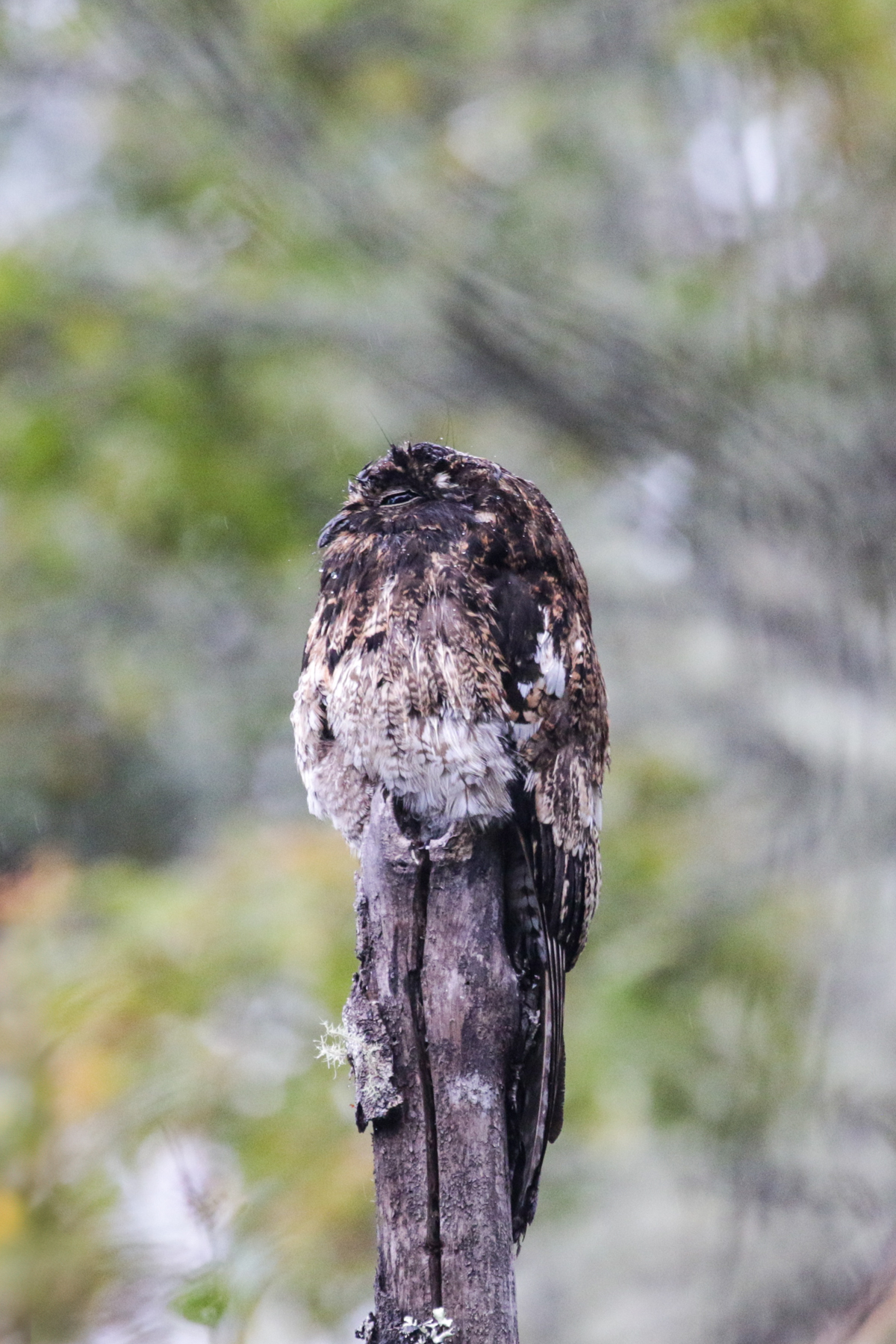
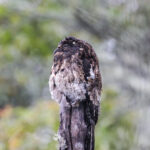
Andean Potoo (image by Trevor Ellery)
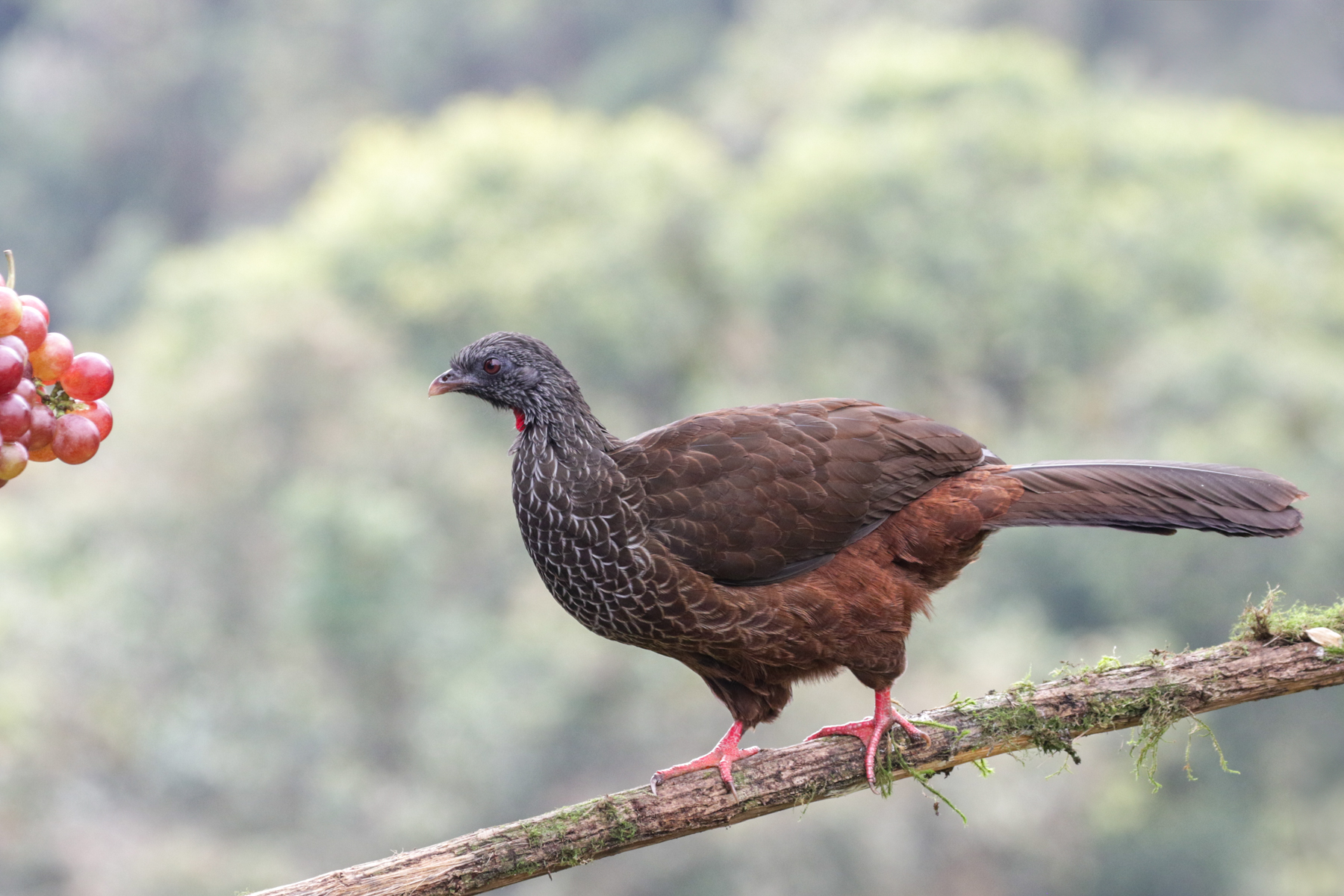
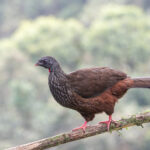
Andean Guan (image by Trevor Ellery)
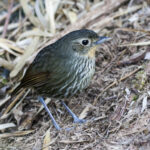
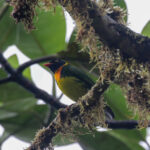
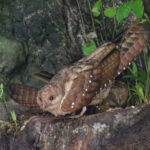
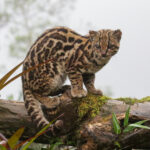
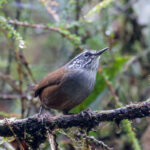
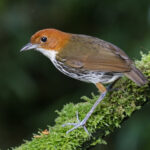
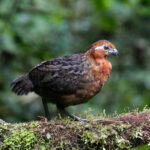
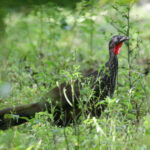
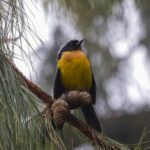


White-bellied Antbird (image by Trevor Ellery)
Vermilion Cardinal (image by Trevor Ellery)
Tanager Finch (image by Trevor Ellery)
Spectacled Owl (image by Trevor Ellery)
Slaty-backed Nightingale-Thrush (image by Trevor Ellery)
Santa Marta Screech Owl (image by Trevor Ellery)
Santa Marta Mountain Tanager (image by Trevor Ellery)
Santa Marta Antpitta (image by Trevor Ellery)
Rufescent Screeh Owl (image by Trevor Ellery)
Red-bellied Grackle (image by Trevor Ellery)
Pale-bellied Tapaculo (image by Trevor Ellery)
Orange-breasted Fruiteater (image by Trevor Ellery)
Oilbird (image by Trevor Ellery)
Northern Oncilla (image by Trevor Ellery)
Munchique Wood Wren (image by Trevor Ellery)
Keel-billed Toucan (image by Trevor Ellery)
Grey-breasted Mountain Toucan (image by Trevor Ellery)
Green-and-black Fruiteater (image by Trevor Ellery)
Gold-ringed Tanager (image by Trevor Ellery)
Golden-winged Sparrow (image by Trevor Ellery)
Golden-bellied Starfrontlet (image by Trevor Ellery)
Equatorial Antpitta (image by Trevor Ellery)
Double-striped Thick-knee (image by Trevor Ellery)
Crescent-faced Antpitta (image by Trevor Ellery)
Colombian Chachalaca (image by Trevor Ellery)
Cinnamon Woodpecker (image by Trevor Ellery)
Choco Brushfinch (image by Trevor Ellery)
Chestnut-crowned Antpitta (image by Trevor Ellery)
Chestnut Wood Quail (image by Trevor Ellery)
Cauca Guan (image by Trevor Ellery)
Carriker's Mountain Tanager (image by Trevor Ellery)
Buffy Hummingbird (image by Trevor Ellery)
Blue-throated Starfrontlet (image by Trevor Ellery)
Blue Ground Dove (image by Trevor Ellery)
Black-cheeked Woodpecker (image by Trevor Ellery)
Andean-cock-of-the-rock (image by Trevor Ellery)
Andean Potoo (image by Trevor Ellery)
Andean Guan (image by Trevor Ellery)


CLASSIC COLOMBIA TOUR REPORT 2025

20 February - 16 March 2025
Trevor Ellery
The 2025 Classic Colombia tour was once again a comprehensive sample of all that Colombia has to offer. We criss-crossed the country taking in the three Andean ranges, the Cauca and Magdalena Valleys, the endemic rich Santa Marta massif and the semi-deserts of the Guajira. We targeted a host of mouth-watering endemics and specialities with great success and also took time to look at some of South America’s most iconic birds. The stunning Colombian scenery, vibrant culture and some special mammals, all combined with the incredible avian diversity made it a truly epic adventure!
Our tour started with the obligatory early morning departure in Bogota. The traffic in this expanding and bustling mega city builds quickly, so it was imperative that we reached the outskirts well before dawn. Once we had negotiated our way across virtually the length of the city, we winded our way gradually upwards and reached the wild and windswept Paramos of Sumapaz NP, just on the cusp of dawn. We were soon enjoying good looks at the much desired Noble Snipe, with several seen in flight and a couple scoped on the deck, as they skulked in the marsh. A garrulous group of Apolinar’s Wren (of the high elevation race) showed well and the marsh also held Andean Teal, the endemic Boyaca Antpitta, our first Great Thrushes, Rufous-collared Sparrows, Southern Lapwings and a Greater Yellowlegs. We also began the mammal list, with a single Cavi (Brazilian Guinea Pig) scurrying around at the edges. A single male Merlin was something of a surprise, as it is a rather scarce passage migrant and winter visitor to Colombia.
The endemic Green-bearded Helmetcrest was one of our principal targets and a short stop at a patch of scrubby Paramo produced several birds, including a dazzling male. The near endemic Bronze-tailed Thornbill was less obliging, just perching briefly. Other species seen included a lovely near endemic Rufous-browed Conebill, while a Paramo Ground Tyrant that flicked around a nearby cliff-face, was much appreciated. We also added plenty of commoner species including Plumbeous Sierra Finch, Andean Duck, American Coot, Black-chested Buzzard Eagle, Andean Tit-Spinetail, an obliging Many-striped Canastero, a pair of Tawny-rumped Tyrannulets and some confiding Pale-naped Brushfinches.
We moved on to another spot, where Chestnut-winged Cinclodes showed well. It was then endemic Rail time and after a short wait, a Bogota Rail gave superlative views. This species can often be rather skulking, so to watch a single individual parading around in full view was a huge bonus. We also found our first Brown-backed Chat-Tyrant of the trip, along with Scarlet-bellied Mountain Tanager and Plain-coloured Seedeater.
With all of our main targets located we dropped down to lower elevations, where Silvery-throated Spinetails were seen at a couple of spots but were always skulking. We also took a roadside picnic lunch and noted a few commoner species including Black-crested Warbler, Golden-fronted Whitestart, White-throated Tyrannulet , Superciliaried Hemispingus, a fly by Crimson-mantled Woodpecker and a brief Paramo Seedeater. We then descended from the Paramo and trundled our way through the hustle and bustle of Bogota, with this slightly onerous task being relieved by the endless street scenes that always make any journey in Colombia fascinating. We also racked up a few commoner species including Feral Pigeon, Eared Dove, Bare-faced Ibis, Cattle Egret, Black Vulture and Tropical Kingbird.
Our destination for the afternoon was a sliver of Cloud forest, which still clung on at the lip of the meeting point of the plateau and the steep drop down off the Andes, into the Magdalena valley. More especially we were visiting some hummingbird feeders, with the endemic Golden-bellied Starfrontlet as our main objective. Commoner hummingbirds visiting the feeders included Lesser Violetear, a male Tourmaline Sunangel, a male Collared Inca, and Buff-tailed Coronet. We also enjoyed good looks at two female Golden-bellied Starfrontlets, that dashed in and out and perched in nearby trees. Diminutive but attractive White-bellied Woodstars buzzed in and we also teased out a female, of the much more local, Gorgeted Woodstar, an erratic visitor at these higher elevations. We then once again crossed Bogota as we returned to the Hotel, adding a couple of White-tailed Kites on the journey.
The next day we visited the edge of Chingaza National Park. Much time was spent at the productive hummer feeders, where we saw the near endemic Blue-throated Starfrontlet and the localised Lounguemare’s Sunangel. Breaks in the showers allowed us to visit a feeder, where a Pale-bellied Tapaculo performed superbly and we also had an obligatory look at the local Andean Potoo. Perseverance allowed us to find Black-billed Mountain Toucan, Northern Mountain Cacique, Smoke-coloured Pewee, Green-and-black Fruiteater, Slaty Brushfinch , Eastern Meadowlark, Blackburnian Warbler and both Bluish and Masked Flowerpiercers. The rain persisted through to the afternoon, severely restricting birding opportunities but after some persistence, we did manage to locate a couple of Flame-winged Parakeets, which were the main endemic target. We then gradually made our way back to Bogota, stopping for some more obliging Silvery-throated Spinetails at a lagoon. This small lake was very productive and held the endemic and highly localised race of Spot-flanked Gallinule, along with Blue-winged Teal, Common Gallinule, Neotropic Cormorant and Great Egret.
A final stop at some hummer feeders near Bogota, added Sword-billed Hummer, Glowing Puffleg, Black-tailed Trainbearer and Sparkling Violetear, while non hummers included a nice pair of Streak-throated Bush Tyrants and our first Black Flowerpiercers. We then descended onto the plateau and the gradually twinkling lights of Bogota as the day faded into dusk.
The following day we left Bogota early once again but this time with luggage in tow, as it was going to be many days before we returned to the capital. We dropped off the plateau and descended into the upper reaches of the Magdalena Valley. A stop at some fairly high remnant cloud forest was very birdy and after a wait, we enjoyed good scope views of the endemic Turquoise Dacnis. New species came thick and fast here including Ash-browed and Stripe-breasted Spinetails, Plain Antvireo, Smooth-billed Ani , Broad-winged Hawk, Red-headed Barbet, a single White-throated Toucanet, Band-tailed Pigeon and our first Acorn Woodpeckers, plus a single Lineated Woodpecker. Flycatchers were well represented with Golden-faced Tyrannulet, Scale-crested Pygmy Tyrant, Black Phoebe and Acadian, Rusty-margined, Golden-bellied and Dusky-capped Flycatchers. The canopy flocks held our first Rufous-naped Greenlets, Brown-capped Vireos and Slate-throated Whitestarts. Migrants visiting the fruiting trees included Swainson’s Thrush, Canada Warbler and plentiful Summer Tanagers. A single Moustached Brushfinch was much appreciated and we also began to increase our tanager list, with Blue-necked, Scrub, Bay-headed and Golden all seen well. A Black Inca that was seen briefly was a bonus as this is a hard bird at this site.
We then dropped down into the hot lowlands of the Magdalena Valley and an afternoon stop in some dry forest, soon produced the endemic double of Apical Flycatcher and Velvet-fronted Euphonia. We also added a whole slew of new species here including Grey Seedeater, Black-striped Sparrow, Groove-billed Ani, Ruddy Ground and White-tipped Doves, a pair of Olivaceous Piculets, Shining-green Hummingbird and our first Red-crowned Woodpeckers. A Red-rumped Woodpecker showed briefly while noisy Spectacled Parrotlets perched on wires and a pale morph Short-tailed Hawk soared overhead. The birding was very busy and we also picked up Straight-billed Woodcreeper, Greenish Elaenia and both Boat-billed and Panama Flycatchers. A couple of Rufous-browed Peppershrikes were enticed in and were scolded by our first Scrub Greenlets and a Tropical Gnatcatcher. Pale-breasted Thrushes were abundant and we also added a pair of Chestnut-capped Warblers, Streaked Saltator, both Black-faced and Blue-black Grassquits and White-shouldered and Crimson-backed Tanagers. Several Grey-pileated Finches were watched at a drinking spot, while the wonderfully named Fulvous-crowned Scrub Tyrant showed well. Further poking around deep in the dry forest eked out Northern White-fringed Antwren, some showy Barred Antshrikes and a lovely male White-bellied Antbird.
The following morning we ascended high onto the eastern flank of the central Andes. It was another wet morning but with patience and perseverance we managed to find a mouth-watering selection of localised species. The feeders held Black-thighed Puffleg, Buff-wing Starfrontlet, our first Shining Sunbeam, a single Mountain Velvetbreast and more Sword-billed Hummers. Mixed flocks were active and we added Grey-breasted Mountain Toucan, Hooded Mountain Tanager and Golden-fronted Whitestart (of the Yellow-fronted form). Red-crested Cotinga were scoped on some distant trees and small groups of Scaly-naped Amazons flew past, while a male Purple-backed Thornbill was much appreciated. Further sifting through the flocks brought Agile Tit-tyrant, Black-headed Hemispingus, Blue-backed Conebill, Mountain Wren and Blue-and-black Tanager, with an Andean Pygmy Owl scoped on a distant ridge as a superb bonus.
Although we did see our main quarry, the critically endangered Fuertesi Parrot briefly, we had to hike into the forest before we obtained satisfactory views, with a small flocks feeding silently in the overhead bromeliads. We also picked up a skulking Blackish Tapaculo and a lovely Chestnut-naped Antpitta. Having been somewhat delayed while searching for the Parrot, we took our picnic lunch at the wonderful new Lodge and added Grass Wren and Brown-bellied Swallow. We then gradually descended adding a few commoner species including Masked Trogon, Streaked Tuftedcheek, Pearled Treerunner, Barred Becard, White-banded Tyrannulet , Cinnamon Flycatcher, Black-capped Hemispingus, Capped Conebill, Buff-breasted and Lacrimose Mountain Tanagers, Blue-capped Tanager and both Andean and Sickle-winged Guans. A late afternoon stop at some of the endemic Palm groves was highly productive with plentiful Golden-plumed Parakeets and Yellow-eared Parrots. Despite the continued gloom of what had been a damp day in the Andes, we enjoyed fantastic views of this pssittacidae bonanza, before retracing our steps to the delightful town of Cajamarca and our humble but friendly hotel.
Early the next morning we birded at much lower elevations closer to the town and soon found the endemic Yellow-headed Brushfinch, plus our first Torrent Tyrannulet and a couple of skulking Whiskered Wrens. We then visited a lovely hummingbird garden, where the endemics came thick and fast with Tolima Blossomcrown, Indigo-capped Hummingbird, Colombian Chachalaca and Tolima Dove, all seen well from the veranda! The garden was very birdy and we also added Green Hermit, Fawn-breasted Brilliant, White-vented Plumleteer, Rufous-tailed Hummingbird, Andean Emerald, Andean Motmot, Orange-chinned Parakeet, Bare-faced Ibis, Slaty-capped Flycatcher, Black-billed Thrush, Rose-breasted Grosbeak, Montane Woodcreeper, Lesser Goldfinch, Tropical Parula, Rusty Flowerpiercer and Chestnut-capped Brushfinch . A confiding Central American Agouti at the feeders was a bonus and Chestnut-collared and White-collared Swifts cruised overhead.
We then crossed the central Andes and moved on to Otun Quimbaya. A random lunch stop at a roadside restaurant was surprisingly birdy with Long-billed Starthroat, Cattle Tyrant, Yellow-faced Grassquit, Vermilion Flycatcher and Bronze-winged Parrot. We arrived at Otun to heavy downpours and despite our best efforts; we were heavily rained out for the afternoon. An attempt to bird the forest did produce our first Cauca Guans, Red-ruffed Fruitcrows and White-capped Dippers, before we were beaten back by the deluge.
The next morning it was up even earlier for some pre-dawn Owling and we found a very obliging Rufescent (Colombinaus) Screech Owl and a brief Mottled Owl, plus our first Common Potoo of the trip. We headed up the road and managed to connect with the very local Hooded Antpitta, a species that has become very hard to find in recent years. We also enjoyed a garrulous group of White-capped Tanagers, a lone Crested Ant Tanager, a skulking Streak-capped Treehunter, Variegated and Marble-faced Bristle Tyrants, Plumbeous-crowned Tyrannulet and Rufous-breasted Flycatcher. A Northern Chestnut-breasted Wren did its best to remain invisible but satisfactory views were eventually obtained and a Slaty-backed Nightingale-Thrush scurried along the roadside. Endemic Cauca Guans were plentiful and we also encountered several gorgeous Red-ruffed Fruitcrows, a species which is far easier to see here than perhaps anywhere else in its range. After some effort a Chestnut Wood Quail was encouraged to cross the road, little did we know what views lay in store for us later in the trip. We rounded off the day with another visit to the nearby fast flowing Rio Otun, where we were finally greeted with good scope views of the iconic Torrent Duck.
The following day was spent in the wonderful Andean cloud forests of Rio Blanco. Some pre-dawn owling only produced brief views of White-throated Screech Owl but superb looks at a male Lyre-tailed Nightjar. As the dawn gradually came up we found a confiding Flammulated Treehnuter and a couple of Chestnut-bellied Chat-Tyrants. We then climbed to the lodge where Andean Guan and Andean Motmot were visiting the fruit feeders and we also saw Long-tailed Sylph, Bronzy Inca and Speckled Hummingbird at the hummer feeders. White-throated Wedgebills visited the flowers, Blue-and-white and Brown-bellied Swallows hawked around the eaves and a couple of Yellow-bellied Siskins could be seen from the balcony.
It was then time for Antpitta feeding and we visited various stations where we saw Chestnut-crowned, Slaty-crowned and Brown-banded Antpittas very well. In between the antpittas we also managed some birding with a couple of the enigmatic Masked Saltator showing well. We also added Black-collared Jay, Streak-headed Antbird, Russet-crowned Warbler, Grey-hooded Tanager, Rufous-crowned Tody Flycatcher, Smoky Bush Tyrant, Pale-edged Flycatcher and Black-capped Tyrannulet. A small group of the enigmatic Pale-footed Swallow were a real highlight, though as often with this species, they were almost ephemeral shapes in the mist with the diagnostic call and bat-like jizz being key to the identification. In the late afternoon birding at slightly lower elevations produced Yellow-vented Woodpecker, Oleaginous and Black-eared Hemispingus. Streaked Xenops, Montane Foliage-gleaner, Ashy-headed Tyrannulet, Blue-winged Mountain Tanager and Beryl-spangled Tanager.
The following morning we ascended to HDA Bosque where we visited various feeding stations. These allowed us good views of White-browed Spinetail, Slaty and Grey-browed Brushfinches, Mountain and Grass Wrens, Yellow-bellied Chat-Tyrant and some lovely Grey-breasted Mountain Toucans. We also enjoyed the antpitta show with Equatorial Antpitta and the incomparable Crescent-faced Antpitta. With all of these species providing point blank views the cameras were busy but it was the diminutive and delightful pair of Crescent-faced Antpittas that stole the show and which were eventually voted ‘Bird of the trip’, not for the first time on this tour!. Other species seen included a female Powerful Woodpecker and a Tyrannnine Woodcreeper. In the afternoon we ascended to a rather hot and quiet Nevado del Ruiz. With activity low on a clear sunny afternoon, we quickly dropped back down to the feeders at Termales, where we enjoyed good views of Rainbow-bearded Thornbill, Golden-breasted Puffleg, Viridian Metaltail and Great Sapphirewing.
The following morning we made a return to Los Nevados so as to be present in the more active early morning. Starting pre-dawn we had a couple of Band-winged Nightjars and we followed this with three endemic Buffy Helmetcrests and quite a showy Paramo Tapaculo. Stout-billed Cinclodes were common, Andean Siskin showed briefly and we eventually found an obliging Tawny Antpitta.
We then made the long drive to Montezuma, with a brief stop at some dry forest in the Cauca valley producing Dwarf and Striped Cuckoos and Greater Ani. While it may have been a longish drive it was truly spectacular, as we descended from around four thousand metres in the central Andes, to around four hundred metres where we crossed the Cauca river. We then climbed out to the western Andes, passing through lots of coffee plantations and some wonderful well preserved colonial fincas and villages.
Our first day at the legendary Montezuma began with a bumpy ascent to the military base. We were soon enjoying the endemic Chestnut-bellied Flowerpiercer and then birded down the road finding Rufous Spinetail, endemic Munchique Wood Wren, a lovely pair of Tanager Finches, Greenish Puffleg, White-throated Quail Dove, Glossy-black Thrush and Crested Quetzal. Mixed flocks held Spotted Barbtail, Handsome and Ornate Flycatchers, Orange-breasted and Barred Fruiteaters, Black Solitaire, Choco Brushfinch, Indigo Flowerpiercer, Dusky Chloropsingus, Three-striped Warbler, Purplish-mantled Tanager and the endemic Gold-ringed Tanager. Skulkers included Olive Finch, a surprisingly showy Yellow-breasted Antpitta and a couple of the endemic Tatama Tapaculo. We managed the double of both Chestnut-breasted and Yellow-collared Chlorophonias, with the stunning male Chestnut-breasted giving especially good views. The feeders around the lodge held plentiful White-necked Jacobins and Green Thontails plus Violet-tailed Sylph, Tawny-bellied Hermit, Velvet-Purple Coronet, Rufous-gaped Hillstar, Purple-bibbed Whitetip, Green-crowned and Empress Brilliants, Purple-throated Woodstar, Crowned Woodnymph and Steely-vented Hummingbird. Some late afternoon birding near the Lodge produced a superb Lanceolated Monklet, a Western Emerald at some flowers, Buff-throated Saltator and Lemon-rumped and Silver-throated Tanagers.
Our second day at Montezuma was spent at lower down, as we targeted species of the mid elevations. This was very successful and we added Toucan Barbet, Uniform Treehunter, several Ochre-breasted Antpittas, Narino Tapaculo, Bronze-olive Pygmy Tyrant, Olivaceous Piha, Golden-winged and Club-winged Manakins, Beautiful Jay, Sepia-brown Wren, Black-chinned Mountain Tanager and Golden-collared Honeycreeper. We also located a pair of the enigmatic Bicoloured Antvireos, a single Black-throated Tody Tyrant and managed to scope a furtive singing Pale-eyed Thrush. A final highlight was good views of our second endemic Bangsia tanager, the lovely Black-and-gold Tanager. Some afternoon birding in the lodge vicinity produced Blackish Rail, Red-faced Spinetail, Sooty-headed Wren, Black-throated Mango, Black-winged Saltator and the endemic Greyish Piculet. A lovely Black-cheeked Woodpecker, a few Russet-backed Oropendolas, Green Honeycreeper, Flame-rumped Tanager and Tennessee warbler were observed at the feeders.
Our third day at Montezuma was a mix of birding the lower elevations and targeting missing species. We managed to find Stripe-throated Hermit, Plumbeous Pigeon, Swallow-tailed Kite, a lovely pair of Moustached Puffbirds, Spotted and Olive-backed Woodcreepers, Pacific Tuftedcheek and Buff-fronted and Ruddy Foliage-gleaners. We had missed Fulvous-dotted Treerunner on the previous two days but managed to connect with several in mixed flocks. We also added Bar-crested Antshrike, Parker’s and Zeledon’s Antbirds, a couple of Choco Tapaculos, Streak-necked Flycatcher and a couple of Fulvous-breasted Flatbills. A flock of Lemon-browed Flycatchers were typically noisy overhead and a Slaty-capped Shrike Vireo perched in the canopy. A couple of the scarce Choco Vireo were much appreciated, while the understorey held Yellow-throated Chlorospingus, Buff-rumped and Choco Warblers and Ochre-breasted Tanager. A flock of Chestnut-headed Oropendolas also moved through and Tooth-billed Tanager was seen near the Lodge.
Then next morning we bade our farewells to the magnificent Montezuma and headed out well before dawn. We had planned a stop at Apia birding Lodge, which lay on our route back to the Cauca valley. We arrived at dawn and after a hearty al-fresco breakfast on the lodge balcony, we were led to some more feeders. It took a while but a lovely group of five Chestnut Wood Quail eventually emerged from the forest and provided superb views, as they scurried along some well-placed mossy logs. We then spent much of the morning waiting at a fruiting tree, which had recently been attracting Multicoloured Tanager. We had no luck with the Tanager but did add Andean Solitaire, Squirrel Cuckoo, Montane Foliage-gleaner, Ashy-throated Chloropsingus and Metallic-green Tanager. We also took some time to visit another feeder, where rather amazingly a Tatama Tapaculo came in and some of the group also saw White-tipped Sicklebill at some nearby flowers.
We then made the fairly long drive to Rio Sucio with one brief stop at some secondary forest in the foothills of the Cauca Valley. This produced Laughing Falcon, Chivi Vireo and Streaked Flycatcher. We arrived at Rio Sucio in the late afternoon with time to get organised for our next few days in the mountains.
The following morning it was another early start as we climbed out of the Cauca Valley and up into the mountains again. We arrived at Finca El Roble just at dawn and were amazed to find a Norther Oncilla quietly sitting on a log outside the kitchen window! It seemed like it was waiting for us but in reality it was waiting to be fed. This particular individual has become semi-habituated at this site but can go missing for several weeks at a time, so we were very fortunate to connect with one of its erratic visits. We followed this with perhaps the most sumptuous breakfasts of the trip and enjoyed some of the hummers. Not long after dawn the rain had begun to hammer down and it kept going all morning. We tried visiting the Antpitta feeding station but in such condition it was not surprising that nothing came in. With little sign of the weather easing, we decided to head on towards Jardin, in search of more birds and better weather. This was fairly successful on both counts. We managed to find a couple of the highly desirable Chestnut-crested Cotingas at one spot. We then followed this with a skulking Ocellated Tapaculo, which only allowed glimpses. Mixed flocks held many of the commoner Andean species, with a couple of Pluchcaps being a real bonus.
In the late afternoon we descended off the mountain to the pleasant town of Jardin and we rounded off the day at the spectacular Andean Cock-of-the-rock lek. At this site Andean Cock-of-the Rocks perform better than anywhere else in the world. Having multiple gaudy males strutting their stuff just above our heads was a very special experience!
The following day a planned pre-dawn ascent of the mountains near Jardin was scuppered with news of a problem on the road. The alternative was some birding around the hotel and a rare sit down breakfast. The hotel grounds produced a showy Blackish Rail, some nice Bronze-winged Parrots and our first Spot-breasted Woodpecker, Pale-vented Pigeon and Scarlet-fronted Parakeet. Great-tailed Grackles were common but unlikely to be of natural origin so far from the coast. We then walked a short distance to a new site, where some feeders produced the endemic Red-bellied Grackle and some nice White-naped Brushfinches. A trek down into a steep canyon and a walk across a somewhat precarious bridge (while wearing safety harnesses) and we were face to face with the enigmatic Oilbird. It really was a pleasure to see this species close up and in natural light. A very tame female Cock of the Rock was trying to build a nest on a cliff below us and an obliging Green-fronted Lancebill perched overhead. As we walked out a couple of Yellow-headed Caracaras passed over in hot pursuit of a large Owl and amazingly we were able to locate what turned out to be a Spectacled Owl, perched on a cliff side. Despite the attentions of various mobbing birds including Black-chested Jays and a male Andean Cock-of-the Rock, it steadfastly clung to the vertical edge, glaring menacingly around and looking somewhat bewildered. With this bonus bird under our belts, we returned to the van and set off on the long drive to Rio Claro. We broke it up with lunch and some birding in the Cauca valley, where we saw our first Bicoloured Wrens, American Kestrel, Black-crowned Antshrike, Yellow Warbler and several endemic Antioquia Wrens. Much of the rest of the day was spent winding up and down through the Andes and crossing Medellin, Colombia’s second largest City. We arrived at Rio Claro after dark but not too late and settled in to the much more tropical climate, after many days in the cooler Andes.
We started our birding in earnest along a road above Rio Claro and soon achieved scope views of the endemic Beautiful Woodpecker, we also added Fulvous-vented Euphonia, Purple-crowned Fairy, Blue-chested Hummingbird, Sooty-headed and Yellow-crowned Tyrannulets and Plain-coloured Tanager. A call about an issue led us to change plans and we descended to the main canyon. This proved fortuitous, as the sometimes tricky endemic Antioquia Bristle Tyrant was seen well. A small ant swarm held Bicoloured Antbird and Grey-headed Tanager and we also added Collared Aracari, Pacific Antwren and Western Olivaceous Flatbill. We then tried another road, where we found White-whiskered and Barred Puffbirds, Bay Wren, Chestnut-backed Antbird, Sepia-capped and Ruddy-tailed Flycatchers, Northern Plain Xenops and Rufous Motmot. A key endemic target was White-mantled Barbet and we located a group of three, which perched overhead. We also found a very obliging pair of Cinnamon Woodpeckers that gave superb views.
We took lunch in the heat of the middle of the day, though that was somewhat interrupted by a couple of Sulphur-bellied Flycatchers, a scarce migrant in Colombia. After lunch we descended another canyon and after a little searching were scoping the much desired Grey-cheeked Nunlet in the subcanopy. As we walked back to the van we added Lesser Swallow-tailed Swift, White-thighed and White-winged Swallows, Savanna Hawk, Black-headed Tody Flycatcher, Long-tailed Tyrant, Piratic Flycatcher, Ruddy-breasted Seedeater, a lovely Yellow-tufted Dacnis and plentiful Yellow-rumped Caciques, at a mixed colony with Chestnut-headed Oropendolas. A return trip to one of the other roads and staying out until after dark, produced a few extra species including Checker-throated Stipplethroat, Ochre-bellied Flycatcher and Cinnamon Becard but was generally quiet for nocturnal birding, although we did see Mottled Owl.
Our final morning in the Magdalena Valley started with some pre-dawn owling which produced Spectacled Owl but little else. We only really had an hour for further birding after dawn broke but this allowed us a close encounter with a lovely male Magdalena Antbird and our only looks at White-tailed Trogon. A couple of Chestnut-fronted Macaws at the hotel were a last minute bonus. We headed off towards Bogota but made one quick stop at some marshes where we added Yellow-hooded Blackbird, White-headed Marsh Tyrant, Russet-throated Puffbird, Grey-rumped Swift, Wattled Jacana, Lesser Yellow-headed Vulture, Caribbean Hornero, Pied Water Tyrant, Barn Swallow and Black-bellied Whistling Duck. It was then a long climb back to the capital and just time for dinner and lunch before an evening flight to Santa Marta and a very quick arrival and check in at our hotel, which was appreciated.
Our first day on the north coast was to begin on the cusp of dawn at some remnant coastal scrub. Despite the degraded habitat we were quickly picking out the endemic Chestnut-winged Chachalaca in the half light, even scoping some perched on roadside powerlines well before the sun came up. Once we had obtained satisfactory views we birded the dry forest roadside and added Northern Mouse Coloured and Southern Beardless Tyrannulets, Pale-bellied Hermit, Red-billed Emerald, Brown-throated Parakeet, Black-crested Antshrike, Ochre-lored Flatbill, Brown-crested Flycatcher, Olive-grey Saltator and Yellow Oriole.
It was then time to begin a slow ascent into the Santa Marta Mountains and El Dorado Lodge. It proved to be one of those days where frequent birding at different elevations, brings an endless procession of new and exciting species. Starting below Minca we soon found Trilling Gnatwren, Whooping Motmot, Black-backed Antshrike, Pale-eyed Pygmy Tyrant, Golden-fronted Greenlet, Blue Dacnis and our only Ferruginous Pygmy Owl. Climbing higher we added Scaled Piculet, Scaled Pigeon, Gartered Trogon, Rufous-tailed Jacamar, Bran-coloured Flycatcher, Rufous-breasted and Rufous-and-white Wrens, American Redstart, Streaked Saltator and a Rosy-Thrush Tanager. We had to go yet higher still to find our first Santa Marta endemic, the dashing Santa Marta Antbird.
A problem with our planned lunch stop meant a hastily planned alternative had to be found. This proved fortuitous as a Santa Marta Blossomcrown visited flowers next to where we were eating. A short distance up the road we enjoyed both Santa Marta and Sierra Nevada Brushfinches. We also located Santa Marta Tapaculo, Santa Marta Foliage-gleaner and White-lored Warbler, a hat trick of endemics. Red-billed Parrots dashed overhead and a lovely Blue-naped Chlorophonia was seen at a fruit feeder. We visited some feeders where Brown Violetear was common and a Lazuline Sabrewing dashed in and out. A Masked Tityra was seen briefly and we also got good looks at a couple of Yellow-legged Thrushes and a Dull-coloured Grassquit, while White-lined and Black-headed Tanagers were seen in the garden. We arrived at El Dorado Lodge in the late afternoon where we glimpsed Band-tailed Guan and Rusty-headed Spinetail.
The following morning we ascended to the San Lorenzo ridge, a key site in the Santa Marta mountains. Arriving just on dawn a single Santa Marta Parakeet flew in and perched in a favoured tree. Everyone enjoyed satisfactory views but all too quickly it was gone. The endemics then came thick and fast with Yellow-crowned Whitestart, Hermit Wood Wren, Streak-capped Spinetail and Santa Marta Mountain Tanager. A quick diversion was made to a feeder where we enjoyed superb views of Santa Marta Antpitta. A walk along a trail added our only Santa Marta Bush Tyrant plus a fine couple of White-tipped Quetzals but Brown rumped Tapaculo proved challenging. The rest of the morning was spent birding along the ridge and we eked out Santa Marta Warbler and Sierra Nevada Antpitta, while enjoying plenty of noisy and garrulous Scaly-naped Amazons and Scarlet-fronted Parakeets. Tyrian Metaltails (form districta) were seen at some feeders. We had arranged lunch at a small hostel high on the ridge and this was very productive, as multiple dazzling White-tailed Starfrontlets visited the feeders and Santa Marta Mountain Tanagers also came in to some fruit.
The rest of the afternoon was spent trying for a few extra endemics with only limited success. We did add Santa Marta Toucanet, Golden Grosbeak and Strong-billed Woodcreeper, before we descended to the lodge. Despite it being a long day we still headed out into the darkness to try for Santa Marta Screech Owl and were successful fairly quickly, with good views obtained after a bit of cat and mouse.
The following morning we birded well below the lodge, starting in the foothill zone allowed us to add a whole slew of new species. A stakeout for Santa Marta Woodstar allowed us good looks at this diminutive endemic. Spectacled and Coopman’s Tyrannulets were seen well and we also found several Rusty-breasted Antpittas and a brief but showy Orange-billed Nightingale-Thrush. The incredibly gaudy Keel-billed Toucans (perhaps the best toucan) put on quite a show and we finally saw a Yellow-backed Oriole, having previously only heard it at multiple locations. Gradually climbing back to the lodge allowed us to fish out a showy Grey-throated Leaftosser and we enjoyed good looks at a Groove-billed Toucanet. We also added our final fruiteater of the trip, with a lovely male Golden-breasted showing well. The late afternoon we spent on some lovely trails behind the lodge which added little although Santa Marta Toucanet was seen especially well and a Black-banded Woodcreeper obliged at dusk. Those who remained around the lodge enjoyed close looks at Lined Quail Dove and Band-tailed Guan on the feeders.
Although we had done very well on the San Lorenzo ridge we still had a couple of endemics that were missing, so once again we ascended high into the mountain. A first stop needed a little patience but we then enjoyed good looks at a couple of Black-backed Thornbills that perched up briefly. This species tends to like higher elevations and is only an erratic wanderer to the San Lorenzo ridge, so we were especially lucky to find this species on the tour. We then climbed a little further and enjoyed a singing male Carriker’s Mountain Tanager, a new Colombian endemic, following a three way split of the Buff-breasted Mountain Tanager complex. With this important species under the belt we began to descend but did not forget some unfinished business with Brown-rumped Tapaculo, which had eluded us on the previous day. After a bit of searching we eventually found a single typically skulking individual but managed to obtain satisfactory views. What goes up must come down and our very successful time in the high Sierra had come to an end. We needed to get down to Minca but we had most of the rest of the day to do this. We dropped back down to the lodge to pick up a couple of the group who had decided on a more relaxed morning’s birding and bade our farewells to El Dorado Lodge.
Our gradual descent was interrupted with a few birdings stops which added Cocoa Woodcreeper, Plumbeous Kite and Golden-crowned Warbler. We arrived at Hotel Minca in the later afternoon – ample time to settle in and enjoy the commoner Hummers at the feeders and even to partake of some rather lovely Ice Creams. The last hour of the day was spent a short distance below the Lodge where, after a fair wait, we enjoyed distant views of some Military Macaws, coming in to roost. Unfortunately they had decided to roost behind one of the more distant ridges rather than in a visible location. We also added a Grey-lined hawk and a Bat Falcon at dusk.
The next day we had a little unfinished business above Minca. Several checks had failed to find Black-and-white Owl at their preferred day roost, so it was time for option two, a night search. This was spectacularly successful very quickly, as we enjoyed a magnificent individual just overhead. With some darkness still left we tried another spot where we finally saw (not just heard) a Pauraque and added a showy Tropical Screech owl, a species that had somehow eluded us up to this point. We climbed a little higher and after quite some searching, added a rather brief Coppery Emerald. We then descended and took a side road to some new feeders, where both Golden-winged Sparrow and a lovely male Blue Ground Dove showed well. We also enjoyed fine looks at Black-chested Jay and Russet-backed Oropendola and a Zone-tailed Hawk soared overhead. It was then time to grab our stuff and begin the long, winding but rather lovely drive north east along the fringes of the Caribbean and out to the Guajira peninsula.
We made a couple of opportune stops en-route and despite it being the heat of the day, a search in some gallery forest added Orange-crowned Oriole, One-coloured Becard, Trinidad Euphonia, Sapphire-throated Hummingbird, Forest Elaenia, Brown-capped Tyrannulet , Black-whiskered Vireo , Red-legged Honeycreeper, Buff-breasted Wren and a lovely male Lance-tailed Manakin. A second short stop produced the hoped for Blue-crowned Parakeets while a third stop was less productive but we did finally see some obliging Colombian Red Howlers, having heard them almost daily in the Santa Marta Mountains.
We arrived at the lagoon at Camarones in the late afternoon but it was absolutely thronging with birds, many new for the trip. Laughing Gulls were abundant, while Terns included many Royal, Caspian and Cabot’s and we picked out a couple of the Cayenne form of Cabot’s in the throng. Large numbers of Brown Pelicans were in the melee, while Magnificent Frigatebirds cruised overhead and Black Skimmers sailed past. Waders were well represented with many Willet, plentiful Greater and Lesser Yellowlegs, flocks of Hudsonian Whimbrel and Short Billed Dowitcher, small groups of Sanderling, Grey Plover and Ruddy Turnstone and a couple of American Oystercatcher. Distant scoping added American Flamingo and Roseate Spoonbill, while American White Ibis and Reddish Egret performed much closer. Scanning of the nearby village produced flocks of Green-rumped Parrotlets flying into roost, our first Grey Kingbirds and some House Sparrows (a scarce bird in Colombia). Last but not least, one of the closest birds was a Grey-headed Gull. This species may be widespread but it is very rare in Colombia and was much appreciated by the group leader! We just about caught the last rays of the sunset on the beach, before heading to our hotel in the bustling Rioacha. With the town clearly in party mode on a Friday night, we opted to order a pizza and had an al fresco dinner and list in the hotel lobby, which seemed the quietest option.
Our penultimate morning began with our now obligatory early morning stop. This successfully netted us several showy Rufous-vented Chachalacas. After this it was time to plunge into the ‘proper’ Guajira scrub where the many specialities and endemics came thick and fast. We quickly found White-whiskered Spinetail, Orinoco Saltator, the stunning Chestnut Piculet and Glaucous Tanager. A little bit more persistence was needed to eke out the sometimes tricky Tocuyo Sparrow but eventually one obliged. Flycatchers were represented by both Pale-tipped and Slender-billed Inezia’s, Pearly-vented Tody-Tyrant and Northern Scrub Flycatcher. After a rather lovely sit down breakfast in the nearby village (a bit of a luxury on this tour) we headed to a feeding station. A few shakes of a seed filled bottle by our local guide and the area was transformed from almost empty, to frenetic activity within minutes. Scaled Doves and Black-faced Grassquits soon came in and fed virtually at our feet. The star of the show though were several Vermilion Cardinal, with a male posing especially well. Some nearby flowers also attracted the localised Buffy Hummingbird which performed very well. A quick stop nearby produced a Double-striped Thick-knee sheltering in the shade.
We retired back to the lagoon and something of a novelty was taking a short boat trip with a couple of the local fishermen. The main target was Mangrove Rail, a widespread species but one that has only been possible to see in Colombia very recently. A single hulking individual came lumbering out of the mangroves, scattering waders in all directions and generally looking rather menacing. It put on quite a performance. The boat trip also allowed close views of some of the waders, Tricolored Herons, our only Yellow-crowned Night Herons and our only Osprey. A quick scan through the still packed mouth of the lagoon added Common Tern and Semipalmated Plover but little else, although we did get good looks at a Pearl Kite on nearby wires.
We then retraced our steps back along the coast to Santa Marta. We made another stop at the gallery forest and after a fair bit of searching, located a lovely White-necked Puffbird. A Little Tinamou was also seen briefly. We arrived at the hotel in Santa Marta reasonably early and enjoyed a nice early supper in a pleasant restaurant by the swimming pool.
Our final morning and we were once again trundling through the pre-dawn darkness (surprise surprise). This time we were heading west towards the large coastal city of Barranquilla but first we had to cross the length of Salamanca NP. As the waves pounded against the shore to our right, the still slumbering marshes stretched away inland, a true wilderness of northern Colombia.
We made our first stop at some mangroves, where our friendly local guide was waiting and he took us to a special spot, where we quickly enjoyed a lovely male Sapphire-bellied Hummingbird. With both Sapphire-throated and Sapphire bellied occurring at this site, we wanted to be sure it really was a Sapphire-bellied. The somewhat gloomy early morning light didn’t help but with some careful manoeuvring, we were all able to see that the Sapphire tones did indeed reach down well onto the belly. It would have been nice to spend more time with this endemic but we needed to hurry, hurry. The heat rises rapidly on this part of the Caribbean Coast, so if we were to enjoy the early morning burst of activity we needed to move along.
Our second stop was much more open but, as always, very birdy and filled with the sounds and sights of marshland species. Limpkin and Purple Gallinule were quickly added but we also focused on some key targets, with a couple of Turquoise-winged Parrotlets showing well and Stripe-backed Wren proving common. A fly over pair of Orange-winged Amazon and a couple of Northern Orioles were somewhat unusual for this site. More normal species included Common Ground Dove, Solitary Sandpiper and a Peregrine Falcon. A pair of Northern Screamers rounded off the early morning with the heat really starting to beat down, it was time to retrace our steps. A short stop at a nearby truckstop provided another key target – several Bronze-brown Cowbirds fed with their commoner Shiny brethren, various Grackles and the chickens! We then headed back into the mangroves for a more thorough search. Prothonotary warblers proved common, Bicolored Conebills showed well and after some persistence we found a lovely male Golden-green Woodpecker. We also added a showy American Pygmy Kingfisher and finally saw (rather than just heard) Slaty-headed Tody Flycatcher. Panama Flycatcher gave their best views yet and we logged our only Back-necked Stilt of the trip. A final mammal was a Colombian Speckled Tree rat, that skulked under the eaves of one of the administrative buildings. By late morning it was time to head for a hotel near the airport for showers, packing and a final lunch. We still managed to add one species, Fork-tailed Flycatcher, spotted by one of the group from the departure lounge of Barranquilla airport!
Then it was a wrap, always something of a sense of sadness to say goodbye to a group with whom so many amazing wildlife experiences had been shared. Weather and some (out of our control) logistical issues had made it a challenging tour at times but we had still managed to see the vast majority of key targets and we really had sampled some of the best that Colombia can offer. The magical Oncilla and the gorgeous Crescent-faced Antpitta stood out as trip highlights but a whole slew of species were listed among birds of the trip by the members of the group, showing the incredible depth and breadth of avian diversity that Colombia possesses. At the end of such a three week tour it is hard not to be impressed with such a vibrant and friendly country that is bursting at the seams with fantastic wildlife and jaw dropping scenery.
SYSTEMATIC LIST OF SPECIES RECORDED DURING THE TOUR
Species marked with the diamond symbol (◊) are either endemic to the country or local region or considered ‘special’ birds for some other reason (e.g., it is only seen on one or two Birdquest tours; it is difficult to see across all or most of its range; the local form is endemic or restricted-range and may in future be treated as a full species).
The species names and taxonomy used in the bird list follow Gill, F., Donsker, D., & Rasmussen, P.(Eds). 2025. IOC World Bird List (v15.1).
BIRDS
Grey Tinamou ◊ Tinamus tao Heard in the Santa Marta mountains.
Tawny-breasted Tinamou ◊ Nothocercus julius Heard at Jardin and Bosque Guajira.
Little Tinamou Crypturellus soui Heard at Rio Claro and glimpsed by some on the north coast.
Northern Screamer Chauna chavaria A lovely pair in the Barranquilla marshes.
Black-bellied Whistling Duck Dendrocygna autumnalis One at Puerto Trunfio and few at Barranquilla..
Torrent Duck Merganetta armata A single seen well at Otun.
Blue-winged Teal Spatula discors Small numbers in wetlands near Bogota and at Barranquilla.
Andean Teal ◊ (Merida Speckled T) Anas [andium] altipetens Seen at Sumapaz and near Guasca.
Andean Teal (A Speckled T) Anas [andium] andium A single at Los Nevados.
Andean Duck Oxyura ferruginea Fifteen on the lake at Sumapaz NP.
Chestnut-winged Chachalaca ◊ Ortalis garrula Good views of around twenty on the north coast.
Rufous-vented Chachalaca ◊ Ortalis ruficauda Good views in the Guajira.
Colombian Chachalaca ◊ Ortalis columbiana Seen at Cajamarca and Jardín.
Band-tailed Guan ◊ Penelope argyrotis Seen on several days in the Santa Marta mountains.
Andean Guan ◊ Penelope montagnii Seen commonly in the Andes with superb views at feeders.
Cauca Guan ◊ Penelope perspicax Multiple individuals seen well at Otun Quimbaya.
Sickle-winged Guan ◊ Chamaepetes goudotii Seen commonly in the Andes with superb views at feeders.
strong>Black-fronted Wood Quail ◊ Odontophorus atrifrons Heard in the Santa Marta mountains.
Chestnut Wood Quail ◊ Odontophorus hyperythrus A single at Otun and then a lovely covey at Apia Birding Lodge.
Pauraque Nyctidromus albicollis Heard commonly in the lowlands and seen above Minca.
Band-winged Nightjar Systellura longirostris Seen at Los Nevados, Jardin and El Dorado Lodge.
Lyre-tailed Nightjar Uropsalis lyra A male showed well at Rio Blanco.
Oilbird Steatornis caripensis Good views in the canyon at Jardin.
Common Potoo Nyctibius griseus Singles at Otun and Rio Blanco, the latter a high elevation for this species.
Andean Potoo ◊ Nyctibius maculosus A single roosting bird near Bosque Guajira.
Chestnut-collared Swift Streptoprocne rutile Seen at Cajamarca, Apia and the Santa Marta mountains.
White-collared Swift Streptoprocne zonaris Fairly common in the highlands.
Grey-rumped Swift Chaetura cinereiventris A couple at Puerto Trunfio and seen at Minca
Lesser Swallow-tailed Swift Panyptila cayennensis Seen above Jardin and Minca.
White-necked Jacobin Florisuga mellivora Common on the feeders at Montezuma and Minca.
White-tipped Sicklebill Eutoxeres aquila A single seen by some at Apia Birding Lodge.
Rufous-breasted Hermit (Hairy H) Glaucis hirsutus A single at Rio Claro.
Stripe-throated Hermit Phaethornis striigularis Seen at Rio Claro.
Pale-bellied Hermit Phaethornis anthophilus Seen at Rio Claro and the Santa Marta lowlands.
Green Hermit Phaethornis guy On the flowers at El Retorno de los Colibris and at Apia Lodge.
Tawny-bellied Hermit ◊ Phaethornis syrmatophorus On the feeders at Montezuma
Long-billed Hermit (Western Long-tailed H) Phaethornis longirostris Heard in the SM Mountains.
Green-fronted Lancebill ◊ Doryfera ludovicae A single at the Oilbird canyon at Jardin.
White-throated Daggerbill Schistes albogularis A couple showed well at Rio Blanco
Brown Violetear Colibri delphinae Common in the Santa Marta mountains.
Lesser Violetear Colibri cyanotus Seen commonly in the Andes throughout the tour.
Sparkling Violetear Colibri coruscans Seen commonly in the Andes.
Purple-crowned Fairy Heliothryx barroti A couple at Rio Claro.
Black-throated Mango Anthracothorax nigricollis Small numbers at Montezuma and common at Minca.
Longuemare’s Sunangel ◊ Heliangelus Clarisse Seen at Bosque Guajira and the Observatorio de los Colibris.
Tourmaline Sunangel ◊ Heliangelus exortis Seen at multiple Andean sites through the tour.
Green Thorntail Discosura conversii Common on the feeders at Montezuma.
Speckled Hummingbird Adelomyia melanogenys Seen well at Rio Blanco.
Long-tailed Sylph Aglaiocercus kingie Seen at Rio Blanco, Apia and Jardin.
Violet-tailed Sylph ◊ Aglaiocercus coelestis Common at Montezuma.
Black-tailed Trainbearer Lesbia victoriae Good views at the Observatorio de los Colibris.
Black-backed Thornbill ◊ Ramphomicron dorsale A couple in the Santa Marta mountains.
Purple-backed Thornbill ◊ Ramphomicron microrhynchum A male at the Fuertesi reserve, a female at HDA Bosque.
Buffy Helmetcrest ◊ Oxypogon stuebelii Three seen at Los Nevados.
Green-bearded Helmetcrest ◊ Oxypogon guerinii A minimum of three, including a lovely male, at Sumapaz NP.
Bronze-tailed Thornbill ◊ Chalcostigma heteropogon A single briefly at Sumapaz NP.
Rainbow-bearded Thornbill ◊ Chalcostigma herrani A couple seen well at Termales.
Tyrian Metaltail Metallura tyrianthina Seen commonly in the Andes and the Santa Marta mountains.
Viridian Metaltail Metallura williami Seen well at Termales and Nevado del Ruiz.
Greenish Puffleg Haplophaedia aureliae Small numbers at Montezuma.
Glowing Puffleg ◊ Eriocnemis vestita Seen well at the Observatorio de los Colibris.
Black-thighed Puffleg ◊ Eriocnemis derbyi Seen well on the feeders at the Fuertesi Parrot Reserve.
Golden-breasted Puffleg ◊ Eriocnemis mosquera Seen well at Termales.
Shining Sunbeam ◊ Aglaeactis cupripennis Seen commonly in the central Andes.
Bronzy Inca Coeligena coeligena Seen at Otún, Rio Blanco and Jardín.
Brown Inca ◊ Coeligena wilsoni A single at Montezuma.
Black Inca ◊ Coeligena prunellei A single was seen briefly at Pedro Palo. A very erratic species at that site.
Collared Inca Coeligena torquata This handsome species was seen at several Andean sites through the tour.
White-tailed Starfrontlet ◊ Coeligena phalerata Several in the Santa Marta mountains.
Buff-winged Starfrontlet Coeligena lutetiae Seen commonly in the central Andes.
Golden-bellied Starfrontlet ◊ Coeligena bonapartei A couple of females at Chicaque.
Blue-throated Starfrontlet ◊ Coeligena helianthea Common on the feeders at Bosque Guajira and Obs de Colibris.
Mountain Velvetbreast Lafresnaya lafresnayi Seen at the Fuertesi Reserve.
Sword-billed Hummingbird Ensifera ensifera Seen well at several Andean sites.
Great Sapphirewing Pterophanes cyanopterus A single at Termales.
Buff-tailed Coronet ◊ Boissonneaua flavescens Seen commonly at several highland sites through the tour.
Velvet-purple Coronet ◊ Boissonneaua jardini Common at Montezuma.
White-booted Racket-tail Ocreatus underwoodii Seen at Otun and Montezuma.
Rufous-gaped Hillstar ◊ Urochroa bougueri On the feeders at Montezuma.
Purple-bibbed Whitetip ◊ Urosticte benjamini On the feeders at Montezuma.
Fawn-breasted Brilliant ◊ Heliodoxa rubinoides Seen at several sites in the Andes.
Green-crowned Brilliant Heliodoxa jacula On the feeders at Montezuma.
Empress Brilliant ◊ Heliodoxa imperatrix Common at Montezuma.
Long-billed Starthroat Heliomaster longirostris A single at the lunch stop on the way to Otun.
Purple-throated Woodstar ◊ Philodice mitchellii Common at Montezuma.
White-bellied Woodstar ◊ Chaetocercus mulsant Seen commonly at highland sites throughout the tour.
Gorgeted Woodstar ◊ Chaetocercus heliodor A single female at the feeders at Chicaque.
Santa Marta Woodstar ◊ Chaetocercus astreans A single bird in the Santa Marta mountains.
Western Emerald ◊ Chlorostilbon melanorhynchus Seen well at Montezuma, Apia and Jardin.
Red-billed Emerald ◊ Chlorostilbon gibsoni Common on the north coast.
Coppery Emerald ◊ Chlorostilbon russatus A single briefly in the Santa Marta foothills.
Santa Marta Blossomcrown ◊ Anthocephala floriceps At flowers in the Santa Marta mountains.
Tolima Blossomcrown ◊ Anthocephala berlepschi A couple in the garden at El Retorno
Lazuline Sabrewing ◊ Campylopterus falcatus On the feeders at El Dorado and Mountain House.
White-vented Plumeleteer Chalybura buffonii Common on the feeders at El Retorno and Hotel Minca.
Crowned Woodnymph ◊ (Violet-crowned W) Thalurania [colombica] colombica Common Santa Marta mountains.
Crowned Woodnymph ◊ (Green-crowned W) Thalurania [colombica] fannyae Small numbers at Montezuma.
Buffy Hummingbird ◊ Leucippus fallax Several seen well in the Guajira.
Steely-vented Hummingbird Saucerottia saucerottei On the feeders at Montezuma and Santa Marta.
Indigo-capped Hummingbird ◊ Saucerottia cyanifrons Common on the feeders at El Retorno.
Rufous-tailed Hummingbird Amazilia tzacatl Seen on multiple days through the tour.
Andean Emerald ◊ Uranomitra franciae Common at feeders at several Andean locations.
Shining-green Hummingbird ◊ Chrysuronia goudoti Seen at Coello and on the north coast.
Sapphire-throated Hummingbird ◊ Chrysuronia coeruleogularis Seen at a couple of sites on the north coast.
Sapphire-bellied Hummingbird ◊ Chrysuronia lilliae A nice male at Salamanca.
Blue-chested Hummingbird Polyerata amabilis A couple seen at Rio Claro.
Greater Ani Crotophaga major A couple seen in the Cauca valley.
Smooth-billed Ani Crotophaga ani Scattered sightings through the tour.
Groove-billed Ani Crotophaga sulcirostris Seen at Coello and on the north coast.
Striped Cuckoo Tapera naeviae Heard at Coello and seen well in the Cauca Valley.
Dwarf Cuckoo ◊ Coccycua pumila Seen well in the Cauca valley and on the north coast.
Squirrel Cuckoo Piaya cayana Scattered sightings through the tour.
Rock Dove (introduced) (Feral P) Columba [livia] var_domestica Common around towns and cities throughout.
Scaled Pigeon Patagioenas speciose Common in the Santa Marta foothills.
Bare-eyed Pigeon ◊ Patagioenas corensis Common in the Guajira.
Band-tailed Pigeon Patagioenas fasciata Seen commonly in the highlands.
Pale-vented Pigeon Patagioenas cayennensis Common on the north coast and seen at Jardin.
Plumbeous Pigeon Patagioenas plumbea Heard at Otun and seen at Montezuma
Ruddy Pigeon Patagioenas subvinacea Heard at Rio Claro.
Scaled Dove Columbina squammata Common on the north coast.
Common Ground Dove Columbina passerine A couple in the Barranquilla marshes.
Ruddy Ground Dove Columbina talpacoti Seen commonly in the lowlands.
Blue Ground Dove Claravis pretiosa Lovely views at feeders above Minca.
White-tipped Dove Leptotila verreauxi Seen at a number of sites through the tour.
Tolima Dove ◊ Leptotila conoveri A couple showed well at El Retorno de los Colibris.
White-throated Quail-Dove ◊ Zentrygon frenata Heard at Hacienda del Bosque and seen on the road at Montezuma.
Lined Quail-Dove* ◊ Zentrygon linearis Seen on the feeder at El Dorado Lodge.
Eared Dove Zenaida auriculata Omnipresent in open country in the Andes, sometimes ranging into forested sites.
Blackish Rail Pardirallus nigricans Seen well at Montezuma and Jardin.
Grey-cowled Wood Rail Aramides cajaneus A single glimpsed by some of the group at El Retorno.
Mangrove Rail Rallus longirostris A single seen well at Camarones.
Bogota Rail ◊ Rallus semiplumbeus A single bird gave superb views at Sumapaz NP.
Spot-flanked Gallinule ◊ Porphyriops melanops Five seen well on a lagoon near Guasca.
Sora Porzana carolina A couple seen in the Barranquilla marshes.
Common Gallinule Gallinula galeata Seen near Guasca and the Barranquilla marshes.
American Coot Fulica Americana Seen at several wetlands in the Bogota area.
Purple Gallinule (American P G) Porphyrio martinica Small numbers in the Barranquilla marshes.
Limpkin Aramus guarauna A single in the Barranquilla marshes.
American Flamingo (Caribbean F) Phoenicopterus ruber Three distant birds at Camarones.
Double-striped Thick-knee Hesperoburhinus bistriatus Seen well in the Guajira.
American Oystercatcher Haematopus palliates A couple at Camarones.
Black-necked Stilt Himantopus mexicanus A single at Salamanca.
Grey Plover Pluvialis squatarola Small numbers on the north coast.
Semipalmated Plover Charadrius semipalmatus A single at Camarones.
Southern Lapwing Vanellus chilensis Seen commonly throughout the tour.
Wattled Jacana Jacana jacana A couple near Rio Claro and common Barranquilla marshes.
Hudsonian Whimbrel Numenius hudsonicus Common on the north coast.
Short-billed Dowitcher Limnodromus griseus Common on the north coast.
Noble Snipe ◊ Gallinago nobilis Five were seen at Sumapaz and we even managed some coped perched views!
Spotted Sandpiper Actitis macularius Small numbers on the north coast.
Solitary Sandpiper Tringa solitaria Small numbers in the Barranquilla marshes.
Lesser Yellowlegs Tringa flavipes Common on the north coast.
Willet (Eastern W) Tringa [semipalmata] semipalmata Common on the north coast.
Greater Yellowlegs Tringa melanoleuca A single at Sumapaz and seen commonly on the coast.
Ruddy Turnstone Arenaria interpres Small numbers on the north coast.
Sanderling Calidris alba Small numbers on the north coast.
Least Sandpiper Calidris minutilla Small numbers on the north coast.
Western Sandpiper Calidris mauri Small numbers on the north coast.
Black Skimmer Rynchops niger Small numbers at Camarones.
Large-billed Tern Phaetusa simplex A couple in the Barranquilla marshes.
Caspian Tern Hydroprogne caspia Fairly common at Camarones.
Common Tern Sterna hirundo Around twenty at Camarones.
Cabot’s Tern ◊ Thalasseus acuflavidus Common at Camarones.
Cabot’s Tern (Cayenne T) Thalasseus [acuflavidus] acuflavidus A couple at Camarones.
Royal Tern Thalasseus maximus Common at Camarones.
Grey-headed Gull Choricocephalus cirrocephalus A single vagrant at Camarones.
Laughing Gull Leucophaeus atricilla Common at Camarones.
Magnificent Frigatebird Fregata magnificens Common on the north coast.
Neotropic Cormorant Nannopterum brasilianum Abundant on the coast and scattered sighting elsewhere.
Buff-necked Ibis Theristicus caudatus Multiple sightings through the tour mark a distinct uptick for this species.
Bare-faced Ibis (Whispering I) Phimosus infuscatus Abundant throughout the tour.
American White Ibis Eudocimus albus Small numbers at Camarones and Barranquilla.
Glossy Ibis Plegadis falcinellus Common in the Barranquilla marshes.
Roseate Spoonbill Platalea ajaja Seen at Camarones and Barranquilla.
Yellow-crowned Night Heron Nyctanassa violacea Several at Camarones.
Black-crowned Night Heron Nycticorax nycticorax A couple at Pedro Palo and a single at Camarones.
Little Blue Heron Egretta caerulea Common on the north coast.
Tricolored Heron Egretta tricolor Common on the north coast.
Reddish Egret Egretta rufescens Several at Camarones.
Snowy Egret Egretta thula Common at wetlands.
Green Heron Butorides virescens Seen near Rio Claro and in the Barranquilla Marshes.
Great Egret (American G E) Ardea [alba] egretta Commonly seen through the tour.
Western Cattle Egret Ardea ibis Abundant throughout the tour.
Great Blue Heron Ardea Herodias Several at Camarones.
Cocoi Heron (White-necked H) Ardea cocoi Seen near Rio Claro and in the Barranquilla marshes.
Brown Pelican Pelecanus occidentalis Common at Camarones.
Black Vulture Coragyps atratus Abundant throughout the tour.
Turkey Vulture Cathartes aura Seen commonly through the tour.
Lesser Yellow-headed Vulture Cathartes burrovianus Seen near Rio Claro and on the north coast.
Osprey Pandion [haliaetus] carolinensis A single on the north coast.
White-tailed Kite Elanus leucurus A couple from the bus on the edge of Bogota.
Pearl Kite Gampsonyx swainsonii A couple of roadside sightings with best views at Los Flamencos.
Swallow-tailed Kite (American S-t K) Elanoides forficatus Seen overhead at Montezuma, Rio Claro and Minca.
Ornate Hawk-Eagle Spizaetus ornatus Heard at Montezuma.
Plumbeous Kite Ictinia plumbea Small numbers in the Santa Marta foothills
Snail Kite Rostrhamus sociabilis Small numbers in the Barranquilla marshes.
Common Black Hawk Buteogallus anthracinus Seen in the Barranquilla marshes.
Savanna Hawk Buteogallus meridionalis Seen at Rio Claro.
Roadside Hawk Rupornis magnirostris Scattered sightings through the tour.
White-tailed Hawk Geranoaetus albicaudatus A single near Jardin.
Black-chested Buzzard-Eagle Geranoaetus melanoleucus A single at Sumapaz and seen at Nevado del Ruiz.
Grey-lined Hawk Buteo nitidus Seen in the Santa Marta foothills.
Broad-winged Hawk Buteo platypterus Scattered sightings in the highlands.
Short-tailed Hawk Buteo brachyurus Soaring birds seen on several days during the tour.
Zone-tailed Hawk Buteo albonotatus A couple seen in the Santa Marta mountains.
Cloud-forest Pygmy Owl ◊ Glaucidium nubicola Heard distantly at Montezuma.
Andean Pygmy Owl ◊ Glaucidium jardinii A single bird was scoped at the Fuertesi Parrot Reserve.
Ferruginous Pygmy Owl Glaucidium brasilianum Seen below Minca.
White-throated Screech Owl ◊ Megascops albogularis Glimpsed at Rio Blanco.
Tropical Screech Owl Megascops choliba Seen well above Minca.
Rufescent Screech Owl ◊ (Colombian S O) Megascops [ingens] colombianus A single gave stunning views at Otun.
Santa Marta Screech Owl ◊ Megascops gilesi Seen well in the Santa Marta mountains.
Spectacled Owl Pulsatrix perspicillata Seen well at Jardin and Rio Claro.
Mottled Owl Strix virgate A couple seen at Otun and a single at Rio Claro, heard Santa Marta.
Black-and-white Owl ◊ Strix nigrolineata Seen well above Minca.
Golden-headed Quetzal Pharomachrus auriceps A single male at Rio Blanco and heard at Montezuma.
White-tipped Quetzal ◊ Pharomachrus fulgidus Seen well in the Santa Marta mountains.
Crested Quetzal Pharomachrus antisianus A single at Montezuma.
White-tailed Trogon (Western W-t T) Trogon chionurus Seen at Rio Claro.
Gartered Trogon (Northern Violaceous T) Trogon caligatus Seen at several sites on the north coast.
Masked Trogon Trogon personatus Seen at several highland sites.
Amazon Kingfisher Chloroceryle amazon Seen in the Barranquilla marshes.
American Pygmy Kingfisher Chloroceryle aenea Seen well at Salamanca.
Green Kingfisher Chloroceryle Americana Seen on the north coast.
Ringed Kingfisher Megaceryle torquata Scattered sightings and common on the coast.
Whooping Motmot Momotus subrufescens Seen well in the Santa Marta foothills and on the north coast.
Andean Motmot (Highland M) Momotus aequatorialis Seen commonly in the Andes.
Rufous Motmot Baryphthengus martii A single at Rio Claro.
Rufous-tailed Jacamar Galbula ruficauda Seen at Rio Claro and commonly on the north coast.
White-necked Puffbird Notharchus hyperrhynchus Seen well on the north coast.
Pied Puffbird Notharchus tectus Seen well at Salamanca.
Barred Puffbird ◊ Nystalus radiates Seen well at Rio Claro.
Russet-throated Puffbird ◊ Hypnelus ruficollis Seen well in the Magdalena valley and north coast.
White-whiskered Puffbird Malacoptila panamensis Several seen well at Rio Claro.
Moustached Puffbird ◊ Malacoptila mystacalis A pair seen well at Montezuma.
Lanceolated Monklet Micromonacha lanceolate A single showed well at Montezuma
Grey-cheeked Nunlet ◊ Nonnula frontalis Seen well at Rio Claro.
White-mantled Barbet ◊ Capito hypoleucus Seen well at Rio Claro.
Red-headed Barbet ◊ Eubucco bourcierii Seen fairly commonly in the Andes.
Toucan Barbet ◊ Semnornis ramphastinus A group were seen well at Montezuma.
White-throated Toucanet ◊ (Santa Marta T) Aulacorhynchus [albivitta] lautus Seen well Santa Marta mountains.
White-throated Toucanet ◊ (Grey-throated T) Aulacorhynchus [albivitta] griseigularis Seen at several Andean sites.
White-throated Toucanet ◊ Aulacorhynchus [albivitta] albivitta A single at Pedro Palo.
Groove-billed Toucanet ◊ (Yellow-billed T) Aulacorhynchus [sulcatus] calorhynchus Seen well at Santa Marta.
Collared Aracari Pteroglossus torquatus Seen at Rio Claro and above Minca.
Grey-breasted Mountain Toucan ◊ Andigena hypoglauca Seen at HDA Bosque and the Fuertesi Reserve.
Black-billed Mountain Toucan ◊ Andigena nigrirostris Multiple individuals seen at several Andean sites.
Citron-throated Toucan ◊ Ramphastos citreolaemus Heard at Rio Claro.
Keel-billed Toucan Ramphastos sulfuratus Fairly common in the Santa Marta foothills.
Yellow-throated Toucan (Chestnut-mandibled T) Ramphastos [ambiguus] swainsonii Heard Rio Claro.
Scaled Piculet Picumnus squamulatus Seen well in the Santa Marta foothills.
Olivaceous Piculet Picumnus olivaceus Two were seen well at Coello.
Greyish Piculet ◊ Picumnus granadensis A single near the Lodge at Montezuma.
Chestnut Piculet ◊ Picumnus cinnamomeus Seen at Salamanca and the Guajira.
Acorn Woodpecker Melanerpes formicivorus Seen at several sites in the Andes.
Beautiful Woodpecker ◊ Melanerpes pulcher Good scopes views at Rio Claro.
Black-cheeked Woodpecker Melanerpes pucherani On the feeders at Montezuma.
Red-crowned Woodpecker Melanerpes rubricapillus Seen commonly in the lowlands.
Yellow-vented Woodpecker ◊ Veniliornis dignus Seen at Rio Blanco and Montezuma.
Red-rumped Woodpecker Veniliornis kirkii Seen at Coello, Rio Claro and Salamanca.
Smoky-brown Woodpecker Leuconotopicus fumigatus Seen at Montezuma.
Golden-green Woodpecker Piculus chrysochloros Seen well at Salamanca.
Golden-olive Woodpecker Colaptes rubiginosus Seen or heard in the subtropics at several sites.
Crimson-mantled Woodpecker Colaptes rivolii Seen at several Andean sites.
Spot-breasted Woodpecker Colaptes punctigula Seen well at Jardin and in the Barranquilla marshes.
Cinnamon Woodpecker Celeus loricatus Good views of a pair at Rio Claro.
Lineated Woodpecker Dryocopus lineatus Singles at Coello and Isla Salamanca and heard at Montezuma.
Powerful Woodpecker ◊ Campephilus pollens A single female at Hacienda del Bosque.
Crested Caracara (Northern C C) Caracara [plancus] cheriway Scattered sightings through the tour.
Yellow-headed Caracara Milvago chimachima Seen commonly throughout the tour.
Laughing Falcon Herpetotheres cachinnans Seen near Apia and heard on a couple of other days.
Barred Forest Falcon Micrastur ruficollis Seen by some of the group in the Santa Marta mountains.
Collared Forest Falcon Micrastur semitorquatus Heard at Pedro Palo and in the Santa Marta mountains.
American Kestrel Falco sparverius A couple seen in the Cauca Valley.
Merlin Falco columbarius A male at Sumapaz and another on the San Lorenzo ridge in the Santa Marta mountains.
Bat Falcon Falco rufigularis Seen below Minca.
Peregrine Falcon Falco peregrinus A single in the Barranquilla marshes.
Barred Parakeet Bolborhynchus lineola Heard at Montezuma and Apia birding Lodge.
Orange-chinned Parakeet Brotogeris jugularis Common in the lowlands.
Rose-faced Parrot ◊ Pyrilia pulchra Heard at Montezuma.
Fuertes’s Parrot ◊ Hapalopsittaca fuertesi About fifteen were eventually seen at the Fuertesi Reserve.
Red-billed Parrot Pionus sordidus Fairly common in the Santa Marta mountains.
White-capped Parrot Pionus seniloides Heard at Bosque Guajira.
Blue-headed Parrot Pionus menstruus Seen at Rio Claro and below Minca.
Bronze-winged Parrot Pionus chalcopterus A couple flew past during lunch at Otun and seen at Jardin.
Scaly-naped Amazon (S-n Parrot) Amazona mercenaries Seen commonly in the highlands.
Orange-winged Amazon (O-w Parrot) Amazona amazonica Seen at Rio Claro and the Barranquilla marshes.
Turquoise-winged Parrotlet ◊ Forpus spengeli Seen well in the Barranquilla marshes.
Green-rumped Parrotlet Forpus passerines Seen well in the Guajira.
Spectacled Parrotlet ◊ Forpus conspicillatus Scattered sightings through the tour.
Santa Marta Parakeet ◊ Pyrrhura viridicata A single seen well on the San Lorenzo ridge.
Flame-winged Parakeet ◊ Pyrrhura calliptera A couple were eventually seen in the rain at Bosque Guajira.
Brown-throated Parakeet Eupsittula pertinax Common on the north coast.
Chestnut-fronted Macaw Ara severus A couple at Rio Claro.
Military Macaw Ara militaris Distant views in the Santa Marta foothills.
Golden-plumed Parakeet ◊ Leptosittaca branickii About forty below the Fuertesi Reserve and heard at Rio Blanco.
Yellow-eared Parrot ◊ Ognorhynchus icterotis Seen below the Fuertesi Reserve and at Jardin.
Blue-crowned Parakeet Thectocercus acuticaudatus Seen on the north coast.
Scarlet-fronted Parakeet Psittacara wagleri Common in the Santa Marta mountains and a couple at Jardin
Grey-throated Leaftosser Sclerurus albigularis Several seen in the Santa Marta mountains.
Olivaceous Woodcreeper Sittasomus griseicapillus Heard at Rio Claro.
Tyrannine Woodcreeper Dendrocincla tyrannina Seen at Hacienda del Bosque and Jardin.
Plain-brown Woodcreeper Dendrocincla fuliginosa Seen at Montezuma and Rio Claro.
Black-banded Woodcreeper Dendrocolaptes picumnus A single in the Santa Marta mountains.
Strong-billed Woodcreeper Xiphocolaptes promeropirhynchus Seen in the Santa Marta mountains.
Cocoa Woodcreeper Xiphorhynchus susurrans Heard commonly at Rio Claro and seen on the north coast.
Spotted Woodcreeper Xiphorhynchus erythropygius Seen at Montezuma.
Olive-backed Woodcreeper Xiphorhynchus triangularis Seen at Montezuma.
Straight-billed Woodcreeper Dendroplex picus Seen at several lowland sites.
Brown-billed Scythebill Campylorhamphus pusillus Two Seen at Montezuma.
Streak-headed Woodcreeper Lepidocolaptes souleyetii Seen at Rio Claro.
Montane Woodcreeper Lepidocolaptes lacrymiger Seen in the Andes and Santa Marta mountains.
Northern Plain Xenops Xenops mexicanus A single at Rio Claro.
Streaked Xenops Xenops rutilans Seen at Rio Blanco and in the Santa Marta mountains.
Pacific Tuftedcheek ◊ Pseudocolaptes johnsoni Seen at Montezuma.
Streaked Tuftedcheek Pseudocolaptes boissonneautii Seen well at several Andean sites.
Caribbean Hornero ◊ Furnarius longirostris Seen in the Magdalena Valley and north coast.
Chestnut-winged Cinclodes ◊ Cinclodes albidiventris Several showed well at Sumapaz.
Stout-billed Cinclodes ◊ Cinclodes excelsior Seen commonly at Nevado del Ruiz.
Montane Foliage-gleaner Anabacerthia striaticollis Seen in the Andes and Santa Marta mountains.
Buff-fronted Foliage-gleaner Dendroma rufa Seen at Montezuma.
Ruddy Foliage-gleaner Clibanornis rubiginosus A skulking bird at Montezuma.
Santa Marta Foliage-gleaner ◊ Clibanornis rufipectus Seen well in the Santa Marta mountains.
Uniform Treehunter ◊ Thripadectes ignobilis Several were seen at Montezuma.
Flammulated Treehunter ◊ Thripadectes flammulatus Seen at Rio Blanco and Montezuma and heard Santa Marta.
Streak-capped Treehunter ◊ Thripadectes virgaticeps A skulking bird at Otun and a showy bird at Apia Lodge.
Spotted Barbtail Premnoplex brunnescens Seen at Montezuma.
Star-chested Treerunner ◊ (Fulvous-dotted T) Margarornis stellatus Seen at Montezuma.
Pearled Treerunner Margarornis squamiger Scattered sightings in the Andes.
Andean Tit-Spinetail Leptasthenura andicola Seen at Sumapaz and Nevado del Ruiz.
White-browed Spinetail ◊ Hellmayrea gularis On the feeder at HDA Bosque and heard at the Fuertesi Reserve.
Many-striped Canastero ◊ Asthenes flammulata A single showed well at Sumapaz and heard at Nevado del Ruiz.
Red-faced Spinetail Cranioleuca erythrops Several seen at Montezuma and Apia Birding Lodge.
Streak-capped Spinetail ◊ Cranioleuca hellmayri Seen in the Santa Marta mountains.
Ash-browed Spinetail Cranioleuca curtata A single at Pedro Palo.
Yellow-chinned Spinetail Certhiaxis cinnamomeus Seen in the Barranquilla marshes.
Slaty Spinetail Synallaxis brachyuran Heard at Montezuma.
Silvery-throated Spinetail ◊ Synallaxis subpudica Several below Sumapaz and an obliging bird near Guasca.
Azara’s Spinetail Synallaxis azarae Scattered sightings in the Andes.
White-whiskered Spinetail ◊ Synallaxis candei Seen well in the Guajira.
Rusty-headed Spinetail ◊ Synallaxis fuscorufa Seen well in the Santa Marta mountains.
Rufous Spinetail Synallaxis unirufa Seen well at Montezuma.
Stripe-breasted Spinetail Synallaxis cinnamomea A couple at Pedro Palo.
Checker-throated Stipplethroat Epinecrophylla fulviventris Three were seen at Rio Claro.
Pacific Antwren ◊ (P Streaked A) Myrmotherula pacifica Seen at Rio Claro.
Slaty Antwren Myrmotherula schisticolor Heard in the Santa Marta mountains.
Northern White-fringed Antwren Formicivora intermedia Seen at Coello and commonly on the north coast.
Yellow-breasted Antwren ◊ Herpsilochmus axillaris Heard at Montezuma but unresponsive.
Plain Antvireo Dysithamnus mentalis Several seen at Pedro Palo.
Bicolored Antvireo ◊ (Western Antshrike) Dysithamnus occidentalis A skulking pair were seen at Montezuma.
Black-backed Antshrike ◊ Thamnophilus melanonotus Seen well in the Santa Marta foothills.
Barred Antshrike Thamnophilus doliatus A couple showed well at Coello.
Bar-crested Antshrike ◊ Thamnophilus multistriatus Heard at El Retorno and seen at Montezuma.
Uniform Antshrike Thamnophilus unicolor Heard at Montezuma.
Black-crowned Antshrike (Western Slaty A) Thamnophilus atrinucha Heard at Coello and seen in the Cauca valley.
Black-crested Antshrike Sakesphorus Canadensis Seen at several sites on the north coast.
Bicolored Antbird Gymnopithys bicolor Seen well at Rio Claro.
Santa Marta Antbird ◊ Drymophila hellmayri Seen well in the Santa Marta mountains.
Streak-headed Antbird ◊ Drymophila striaticeps Seen at Rio Blanco and head at Montezuma.
Parker’s Antbird ◊ Cercomacroides parkeri Seen at Montezuma.
Chestnut-backed Antbird Poliocrania exsul Seen at Rio Claro.
Magdalena Antbird ◊ Sipia palliate Seen well at Rio Claro.
White-bellied Antbird Myrmeciza longipes A superb male at Coello.
Zeledon’s Antbird ◊ Hafferia zeledoni Seen at Montezuma.
Undulated Antpitta Grallaria squamigera Heard at the Fuertesi Reserve and Jardin.
Moustached Antpitta ◊ Grallaria alleni A couple briefly on the road at Otun.
Chestnut-crowned Antpitta Grallaria ruficapilla Heard at several Andean sites and seen well at Rio Blanco.
Santa Marta Antpitta ◊ Grallaria bangsi Seen at a feeding station in the Santa Marta mountains.
Chestnut-naped Antpitta ◊ Grallaria nuchalis Seen at the Fuertesi Reserve, heard Jardin.
Yellow-breasted Antpitta ◊ Grallaria flavotincta Seen well at Montezuma.
Sierra Nevada Antpitta ◊ Grallaria spatiator A single seen well in the Santa Marta mountains.
Muisca Antpitta ◊ Grallaria rufula Heard at Bosque Guajira but unresponsive in heavy rain.
Bicolored Antpitta ◊ Grallaria rufocinerea Heard at Rio Blanco but not visiting the feeding station.
Chami Antpitta ◊ Grallaria alvarezi Heard at Jardin and Montezuma.
Equatorial Antpitta ◊ Grallaria saturate Seen at HDA Bosque and heard at the Fuertesi Reserve.
Tawny Antpitta ◊ (Western T A) Grallaria quitensis Seen at Nevado del Ruiz and heard at the Fuertesi Reserve.
Boyaca Antpitta ◊ Grallaria alticola A minimum of five on the Paramo at Sumapaz.
Brown-banded Antpitta ◊ Grallaria milleri Seen well at Rio Blanco.
Ochre-breasted Antpitta Grallaricula flavirostris Three were seen at Montezuma!
Hooded Antpitta ◊ Grallaricula cucullata A single seen well at Otun.
Rusty-breasted Antpitta ◊ Grallaricula ferrugineipectus Several seen in the Santa Marta mountains.
Slaty-crowned Antpitta Grallaricula nana Seen well at Rio Blanco and heard at a few other sites.
Crescent-faced Antpitta ◊ Grallaricula lineifrons A pair showed very well at HDA Bosque.
Ocellated Tapaculo ◊ Acropternis orthonyx A skulking bird seen at Jardin and heard at Montezuma.
Ash-coloured Tapaculo ◊ Myornis senilis Heard at several Andean sites.
Paramo Tapaculo ◊ Scytalopus opacus Seen well at Nevado del Ruiz.
Santa Marta Tapaculo ◊ Scytalopus sanctaemartae Seen well in the Santa Marta foothills.
Blackish Tapaculo ◊ Scytalopus latrans Seen at the Fuertesi Reserve.
Narino Tapaculo ◊ Scytalopus vicinior Seen at Montezuma.
Choco Tapaculo ◊ Scytalopus chocoensis A couple were seen at Montezuma.
Stiles’s Tapaculo ◊ Scytalopus stilesi Despite much effort only heard at Otun.
Tatama Tapaculo ◊ (Alto Pisones T) Scytalopus alvarezlopezi Seen at Montezuma and at a feeding station at Apia.
Pale-bellied Tapaculo ◊ (Mattoral T) Scytalopus griseicollis Heard at Sumapaz, seen at a feeder near Chingaza.
Brown-rumped Tapaculo ◊ Scytalopus latebricola Seen well in the Santa Marta mountains.
Spillmann’s Tapaculo ◊ Scytalopus spillmanni Heard at a couple of Andean sites.
Wing-barred Piprites Piprites chloris A single subliminal bird was a leader only at Pedro Palo.
Sooty-headed Tyrannulet Phyllomyias griseiceps Heard and seen at several sites through the tour.
Plumbeous-crowned Tyrannulet ◊ Phyllomyias plumbeiceps A single high in the canopy at Otun.
Black-capped Tyrannulet Tyranniscus nigrocapillus Seen at Rio Blanco and in the Santa Marta mountains.
Ashy-headed Tyrannulet Tyranniscus cinereiceps Seen at Rio Blanco.
Tawny-rumped Tyrannulet ◊ Tyranniscus uropygialis A couple were seen at Sumapaz.
Yellow-crowned Tyrannulet Tyrannulus elatus Seen at Rio Claro.
Forest Elaenia Myiopagis gaimardii Seen at Rio Claro and the north coast.
Greenish Elaenia Myiopagis viridicata A couple were seen at Coello and a single on the north coast.
Yellow-bellied Elaenia Elaenia flavogaster Heard and seen widely through the tour.
Mountain Elaenia Elaenia frantzii Heard and seen in the highlands throughout the tour.
Brown-capped Tyrannulet Ornithion brunneicapillus Seen well on the north coast.
Southern Beardless Tyrannulet Camptostoma obsoletum Seen well on the north coast.
White-throated Tyrannulet Mecocerculus leucophrys Seen commonly at many Andean sites.
White-banded Tyrannulet Mecocerculus stictopterus Seen at several Andean sites.
Agile Tit-Tyrant Uromyias agilis A single seen well at the Fuertesi Reserve.
Torrent Tyrannulet Serpophaga cinerea Seen at several sites in the Andes.
Northern Mouse-coloured Tyrannulet Nesotriccus incomtus Seen on the north coast.
Bronze-olive Pygmy Tyrant Pseudotriccus pelzelni A single at Montezuma.
Fulvous-crowned Scrub Tyrant ◊ Euscarthmus meloryphus A couple of this delightfully named bird at Coello.
Spectacled Tyrannulet ◊ Zimmerius improbus Seen well in the Santa Marta mountains.
Golden-faced Tyrannulet ◊ Zimmerius chrysops Common at multiple sites through the tour.
Coopmans’s Tyrannulet ◊ Zimmerius minimus Seen well in the Santa Marta mountains.
Variegated Bristle Tyrant Pogonotriccus poecilotis A single at Otun.
Marble-faced Bristle Tyrant Pogonotriccus ophthalmicus Seen at Otun and Montezuma.
Antioquia Bristle Tyrant ◊ Pogonotriccus lanyoni A single seen well at Rio Claro.
Streak-necked Flycatcher Mionectes striaticollis Seen at Montezuma and Apia Birding Lodge.
Olive-striped Flycatcher Mionectes galbinus Scattered sightings through the tour.
Ochre-bellied Flycatcher Mionectes oleaginous Seen at Rio Claro.
Sepia-capped Flycatcher Leptopogon amaurocephalus Seen at Rio Claro and heard at Santa Marta.
Slaty-capped Flycatcher Leptopogon superciliaris Seen at a couple of sites in the Andes.
Rufous-breasted Flycatcher ◊ Leptopogon rufipectus A couple at Otun.
Northern Scrub Flycatcher Sublegatus arenarum Seen on the north coast.
Slender-billed Inezia ◊ Inezia tenuirostris Seen well in the Guajira.
Pale-tipped Inezia ◊ (P-t Tyrannulet) Inezia caudate Seen well in the Guajira.
Bran-coloured Flycatcher Myiophobus fasciatus A single in the Santa Marta foothills.
Handsome Flycatcher ◊ Nephelomyias pulcher Common at Montezuma.
Ornate Flycatcher ◊ Myiotriccus ornatus Heard at Otun and seen at Montezuma.
Pearly-vented Tody-Tyrant Hemitriccus margaritaceiventer Seen well in the Guajira.
Black-throated Tody-Tyrant ◊ Hemitriccus granadensis Seen at Montezuma and the Santa Marta mountains.
Scale-crested Pygmy Tyrant Lophotriccus pileatus A single at Coello.
Pale-eyed Pygmy Tyrant Atalotriccus pilaris Seen well in the Santa Marta foothills.
Rufous-crowned Tody-Flycatcher Poecilotriccus ruficeps Seen at Rio Blanco.
Slaty-headed Tody-Flycatcher Poecilotriccus sylvia Heard at several sites and eventually seen at Salamanca.
Common Tody-Flycatcher Todirostrum cinereum Heard and seen commonly through the tour.
Black-headed Tody-Flycatcher Todirostrum nigriceps Seen at Rio Claro, heard north coast.
Fulvous-breasted Flatbill Rhynchocyclus fulvipectus Seen well at Montezuma.
Western Olivaceous Flatbill Rhynchocyclus aequinoctialis Seen at Rio Claro.
Ochre-lored Flatbill (O-l Flycatcher) Tolmomyias flaviventris Seen well on the north coast.
White-throated Spadebill Platyrinchus mystaceus Seen at Montezuma.
Cinnamon Flycatcher Pyrrhomyias cinnamomeus Seen in the Andes and the Santa Marta mountains.
Black Phoebe Sayornis nigricans Scattered sightings through the tour.
Smoke-coloured Pewee Contopus fumigatus Seen or heard at several Andean sites.
Acadian Flycatcher Empidonax virescens Scattered sightings through the tour.
Vermilion Flycatcher Pyrocephalus obscurus Seen on the way to Otun and in the Cauca Valley.
Paramo Ground Tyrant Muscisaxicola alpinus A single was seen well at Sumapaz.
Streak-throated Bush Tyrant Myiotheretes striaticollis A couple seen well at Obs de Colibris.
Santa Marta Bush Tyrant ◊ Myiotheretes pernix A single in the Santa Marta mountains.
Smoky Bush Tyrant Myiotheretes fumigatus Seen at Rio Blanco and Montezuma.
Pied Water Tyrant Fluvicola pica Seen near Rio Claro and in the Barranquilla marshes.
White-headed Marsh Tyrant Arundinicola leucocephala Seen near Rio Claro and B/quilla marshes.
Yellow-bellied Chat-Tyrant ◊ Silvicultrix diadema Seen in the Andes and the Santa Marta mountains.
Slaty-backed Chat-Tyrant ◊ Ochthoeca cinnamomeiventris A couple seen well at Rio Blanco.
Rufous-breasted Chat-Tyrant Ochthoeca rufipectoralis Seen at several Andean sites.
Brown-backed Chat-Tyrant Ochthoeca fumicolor Seen commonly at several highland sites.
Long-tailed Tyrant Colonia colonus Seen at Rio Claro.
Cattle Tyrant Machetornis rixosa A single at a lunch stop on the way to Otun and a single at Jardin.
Piratic Flycatcher Legatus leucophaius Heard and seen at several lowland sites.
Rusty-margined Flycatcher Myiozetetes cayanensis Seen commonly throughout the tour.
Social Flycatcher Myiozetetes similis Seen on the north coast.
Great Kiskadee Pitangus sulphuratus Seen commonly throughout the tour.
Lemon-browed Flycatcher ◊ Conopias cinchoneti A small flock at Montezuma.
Golden-bellied Flycatcher Myiodynastes hemichrysus Seen in the subtropical zone at several sites.
Sulphur-bellied Flycatcher Myiodynastes luteiventris A couple at Rio Claro. A rather scarce migrant in Colombia.
Streaked Flycatcher Myiodynastes maculatus Fairly common in the lowlands.
Boat-billed Flycatcher Megarynchus pitangua Seen at Coello.
Tropical Kingbird Tyrannus melancholicus Seen commonly throughout the tour.
Fork-tailed Flycatcher Tyrannus savanna A single from the departure lounge at Barranquilla airport!
Grey Kingbird Tyrannus dominicensis Seen well in the Guajira.
Dusky-capped Flycatcher Myiarchus tuberculifer Scattered sightings in the subtropics.
Panama Flycatcher ◊ Myiarchus panamensis Seen at Coello, Rio Claro, Salamanca.
Apical Flycatcher ◊ Myiarchus apicalis A single showed well at Coello.
Pale-edged Flycatcher Myiarchus cephalote Seen well at Rio Blanco.
Great Crested Flycatcher Myiarchus crinitus Scattered sightings in the lowlands.
Brown-crested Flycatcher Myiarchus tyrannulus Seen on the north coast.
Bright-rumped Attila ◊ (Flammulated A) Attila spadiceus Heard at Rio Claro and on the north coast.
Scaled Fruiteater ◊ Ampelioides tschudii A single at Montezuma.
Orange-breasted Fruiteater ◊ Pipreola jucunda Several were seen at Montezuma.
Golden-breasted Fruiteater ◊ Pipreola aureopectus Seen well in the Santa Marta mountains.
Barred Fruiteater Pipreola arcuate A pair at Montezuma.
Green-and-black Fruiteater Pipreola riefferii Seen at several Andean sites with one at a feeder at Finca El Roble.
Olivaceous Piha ◊ Snowornis cryptolophus A couple were seen at Montezuma.
Andean Cock-of-the-rock Rupicola peruvianus Heard at Otun and seen at a couple of sites at Jardin.
Red-crested Cotinga ◊ Ampelion rubrocristatus Four scoped distantly at the Fuertesi Reserve.
Chestnut-crested Cotinga ◊ Ampelion rufaxilla A couple were seen well at Jardin.
Red-ruffed Fruitcrow Pyroderus scutatus Multiple individuals seen at Otun.
Dusky Piha ◊ Lipaugus fuscocinereus Heard very distantly at the Fuertesi Reserve.
Lance-tailed Manakin Chiroxiphia lanceolate Seen well on the north coast.
Golden-winged Manakin ◊ Masius chrysopterus Seen at Montezuma.
White-bearded Manakin Manacus manacus Seen at Rio Claro and heard in the Santa Marta foothills.
Club-winged Manakin ◊ Machaeropterus deliciosus Seen at Montezuma.
Ruddy-tailed Flycatcher Terenotriccus erythrurus Seen at Rio Claro.
Masked Tityra Tityra semifasciata Seen in the Santa Marta foothills.
Barred Becard Pachyramphus versicolor Seen on a couple of days in the Andes.
Cinnamon Becard Pachyramphus cinnamomeus Seen at Rio Claro, heard on the north coast.
White-winged Becard Pachyramphus polychopterus Head or seen at several sites during the tour.
One-coloured Becard Pachyramphus homochrous A couple seen in gallery forest on the north coast.
Rufous-browed Peppershrike Cyclarhis gujanensis A couple at Coello and seen at El Valle.
Black-billed Peppershrike ◊ Cyclarhis nigrirostris Heard and seen at several sites in the Andes.
Slaty-capped Shrike Vireo Vireolanius leucotis A single at Montezuma.
Scrub Greenlet Hylophilus flavipes Seen at Coello and on the north coast.
Golden-fronted Greenlet Pachysylvia aurantiifrons Seen at several sites on the north coast.
Rufous-naped Greenlet ◊ Pachysylvia semibrunnea Seen in the subtropical zone at several sites.
Yellow-green Vireo Vireo flavoviridis Seen at Rio Claro.
Black-whiskered Vireo Vireo altiloquus A single in gallery forest on the north coast.
Chivi Vireo Vireo chivi Scattered sightings through the tour.
Brown-capped Vireo Vireo leucophrys Seen in the subtropical zone at several sites.
Yellow-throated Vireo Vireo flavifrons A single at Rio Claro.
Choco Vireo ◊ Vireo masteri A couple seen at Montezuma.
Black-collared Jay ◊ Cyanolyca armillata A couple showed well at Rio Blanco and heard at Jardin.
Beautiful Jay ◊ Cyanolyca pulchra A couple were seen at Montezuma.
Inca Jay Cyanocorax yncas A couple at the feeders near Cajamarca and seen at Jardin.
Black-chested Jay ◊ Cyanocorax affinis Common in the lowlands, especially the north coast.
White-winged Swallow Tachycineta albiventer Seen at Rio Claro.
Grey-breasted Martin Progne chalybea Seen at Rio Claro and the lowlands in the north.
Southern Rough-winged Swallow Stelgidopteryx ruficollis Common at lowland sites.
White-thighed Swallow Atticora tibialis Seen at Rio Claro.
Blue-and-white Swallow Pygochelidon cyanoleuca Common in the Andes.
Pale-footed Swallow Orochelidon flavipes Four swirling about in the mist at Rio Blanco.
Brown-bellied Swallow Orochelidon murina Seen commonly in the high Andes.
Barn Swallow Hirundo rustica Seen near Rio Claro and on the north coast.
Band-backed Wren Campylorhynchus zonatus Seen at Rio Claro.
Stripe-backed Wren Campylorhynchus nuchalis Common in the Barranquilla marshes.
Bicolored Wren Campylorhynchus griseus Seen in the Cauca Valley and common on the north coast.
Sepia-brown Wren (Sharpe’s W) Cinnycerthia olivascens Seen at Montezuma and Jardin.
Apolinar’s Wren ◊ (A Marsh W) Cistothorus apolinari Four were seen well at Sumapaz NP.
Grass Wren (Grass W) Cistothorus platensis Seen commonly in the central Andes including at feeders.
Sooty-headed Wren ◊ Pheugopedius spadix Seen at Montezuma.
Black-bellied Wren ◊ Pheugopedius fasciatoventris Heard at Rio Claro.
Whiskered Wren Pheugopedius mystacalis Seen near Cajamarca and heard at Apia and Jardin.
Rufous-breasted Wren Pheugopedius rutilus Seen in the Santa Marta foothills.
Speckle-breasted Wren ◊ (Colombian W) Pheugopedius [sclateri] columbianus Heard at Pedro Palo.
Rufous-and-white Wren Thryophilus rufalbus Seen in the Santa Marta foothills.
Antioquia Wren ◊ Thryophilus sernai Seen in the Cauca Valley.
Buff-breasted Wren Cantorchilus leucotis Heard at Coello and seen on the north coast.
Bay Wren Cantorchilus nigricapillus Seen well at Rio Claro.
Southern House Wren Troglodytes musculus Heard and seen commonly throughout the tour.
Mountain Wren Troglodytes solstitialis Seen at the Fuertesi Reserve, HDA Bosque and Rio Blanco.
White-breasted Wood Wren Henicorhina leucosticte Heard at a couple of lowland sites.
Grey-breasted Wood Wren Henicorhina leucophrys Heard and seen commonly throughout the tour.
Hermit Wood Wren ◊ Henicorhina anachoreta Seen well on the San Lorenzo ridge.
Munchique Wood Wren ◊ Henicorhina negreti A couple at Montezuma.
Southern Nightingale-Wren Microcerculus marginatus Heard at Montezuma and Rio Claro.
Northern Chestnut-breasted Wren ◊ Cyphorhinus dichrous Seen at Otun,heard Montezuma and Apia.
Trilling Gnatwren Ramphocaenus melanurus Seen in the Santa Marta foothills.
Tropical Gnatcatcher Polioptila plumbea A single at Coello and common on the north coast.
Tropical Mockingbird Mimus gilvus Scattered sightings through the tour.
Andean Solitaire Myadestes ralloides Heard commonly in the Andes and seen at Apia.
Black Solitaire ◊ Entomodestes coracinus Seen on several days at Montezuma.
Orange-billed Nightingale-Thrush Catharus aurantiirostris Heard at Jardin and seen in the Santa Marta foothills.
Slaty-backed Nightingale-Thrush Catharus fuscater Seen at Otun and Rio Blanco and heard Santa Marta.
Swainson’s Thrush Catharus ustulatus Fairly common in the subtropics.
Grey-cheeked Thrush Catharus minimus Seen at Pedro Palo and Rio Claro.
Pale-eyed Thrush Turdus leucops A singing bird seen at Montezuma.
Glossy-black Thrush Turdus serranus Heard at the Fuertesi Reserve and seen at Montezuma.
Black-hooded Thrush ◊ Turdus olivater Fairly common in the Santa Marta mountains.
Great Thrush Turdus fuscater Common in the highlands throughout the tour.
Black-billed Thrush Turdus ignobilis Seen at multiple sites in the Andes.
Yellow-legged Thrush Turdus flavipes Fairly common in the Santa Marta mountains.
White-necked Thrush Turdus albicollis Heard in the Santa Marta mountains.
Pale-breasted Thrush Turdus leucomelas Very common in the lowlands and subtropics.
White-capped Dipper Cinclus leucocephalus Seen at Otun and Montezuma
House Sparrow (introduced) Passer domesticus Seen at Camarones.
Lesser Goldfinch Spinus psaltria Seen at a couple of sites.
Yellow-bellied Siskin Spinus xanthogastrus A couple at Rio Blanco and a couple at Apia.
Andean Siskin ◊ Spinus spinescens A single briefly at Nevado del Ruiz.
Golden-rumped Euphonia Chlorophonia cyanocephala A single seen by one of the group at Pedro Palo.
Blue-naped Chlorophonia Chlorophonia cyanea Seen at Pedro Palo and commonly in the Santa Marta mountains.
Chestnut-breasted Chlorophonia ◊ Chlorophonia pyrrhophrys Seen well at Montezuma.
Yellow-collared Chlorophonia ◊ Chlorophonia flavirostris Seen at Montezuma.
Velvet-fronted Euphonia ◊ Euphonia concinna This endemic showed well at Coello.
Trinidad Euphonia ◊ Euphonia trinitatis Seen well in the Guajira.
Thick-billed Euphonia Euphonia laniirostris Widespread.
Fulvous-vented Euphonia ◊ Euphonia fulvicrissa A single at Rio Claro.
Orange-bellied Euphonia Euphonia xanthogaster Seen at several sites in the Andes
Rosy Thrush-tanager Rhodinocichla rosea Heard at Pedro Palo and seen in the Santa Marta foothills.
Tanager Finch ◊ Oreothraupis arremonops A pair showed well at Montezuma.
Yellow-throated Chlorospingus Chlorospingus flavigularis Seen at Montezuma.
Ashy-throated Chlorospingus Chlorospingus canigularis Seen at Apia Birding Lodge.
Dusky Chlorospingus (Dusky-bellied B T) Chlorospingus semifuscus Common at Montezuma.
Black-striped Sparrow ◊ Arremonops conirostris Seen at Coello and in the Cauca valley and heard Santa Marta.
Tocuyo Sparrow ◊ Arremonops tocuyensis A single in the Guajira.
Sierra Nevada Brushfinch ◊ Arremon basilicus Several seen in the Santa Marta mountains.
Black-headed Brushfinch ◊ Arremon atricapillus A couple at Montezuma.
Grey-browed Brushfinch Arremon assimilis Seen commonly in the Andes.
Golden-winged Sparrow ◊ Arremon schlegeli Good looks above Minca.
Chestnut-capped Brushfinch Arremon brunneinucha Seen at several sites in the Andes, including at feeders.
Olive Finch ◊ Arremon castaneiceps A skulking bird showed well at Montezuma.
Rufous-collared Sparrow Zonotrichia capensis Common in the highlands throughout the trip.
White-naped Brushfinch Atlapetes albinucha Seen well at Jardin.
Moustached Brushfinch ◊ Atlapetes albofrenatus A single showed well at Pedro Palo.
Santa Marta Brushfinch ◊ Atlapetes melanocephalus Common in the Santa Marta mountains.
Yellow-headed Brushfinch ◊ Atlapetes flaviceps A pair showed well above Cajamarca.
Choco Brushfinch ◊ Atlapetes crassus Common at Montezuma.
Slaty Brushfinch Atlapetes schistaceus Seen commonly in the Andes, very confiding at feeding stations.
Pale-naped Brushfinch ◊ Atlapetes pallidinucha Seen at several sites in the Andes.
Eastern Meadowlark Sturnella magna Heard at Sumapaz and seen below Bosque Guajira.
Chestnut-headed Oropendola Psarocolius wagleri Common at Montezuma and Rio Claro.
Russet-backed Oropendola Psarocolius angustifrons Small numbers at Montezuma and Jardin.
Crested Oropendola Psarocolius decumanus Common in the Santa Marta foothills.
Yellow-rumped Cacique Cacicus cela Common at Rio Claro and seen on the north coast.
Mountain Cacique ◊ (Northern M C) Cacicus [chrysonotus] leucoramphus Seen at Bosque Guajira and Jardin.
Yellow-backed Oriole Icterus chrysater Heard at several sites and eventually seen well in the Santa Marta foothills.
Yellow Oriole Icterus nigrogularis Common on the north coast.
Baltimore Oriole Icterus galbula A couple in the Barranquilla marshes.
Orange-crowned Oriole Icterus auricapillus A couple in gallery forest on the north coast.
Giant Cowbird Molothrus oryzivorus Scattered sightings through the tour.
Shiny Cowbird Molothrus bonariensis Seen commonly throughout the trip.
Bronze-brown Cowbird ◊ Molothrus armenti Several seen well in the Barranquilla marshes.
Carib Grackle Quiscalus lugubris See from the highlands to the coast, a widespread species in Colombia.
Great-tailed Grackle Quiscalus mexicanus Some at Jardin of dubious origin. Common on the coast.
Red-bellied Grackle ◊ Hypopyrrhus pyrohypogaster Seen well at Jardin.
Yellow-hooded Blackbird Chrysomus icterocephalus Seen near Rio Claro and on the north coast.
Northern Waterthrush Parkesia noveboracensis Seen or heard at a couple of sites.
Golden-winged Warbler Vermivora chrysoptera A single seen briefly by one of the group in the SM Mountains.
Black-and-white Warbler Mniotilta varia Small numbers in the subtropics.
Prothonotary Warbler Protonotaria citrea Common in mangroves and dry forest on the coast.
Tennessee Warbler Leiothlypis peregrine Small numbers in the subtropics.
Mourning Warbler Geothlypis philadelphia Seen at Rio Claro.
American Redstart Setophaga ruticilla Small numbers in the Santa Marta foothills.
Tropical Parula Setophaga pitiayumi Heard at Pedro Palo and seen at El Retorno.
Bay-breasted Warbler Setophaga castanea Very common in the Magdalena valley.
Blackburnian Warbler Setophaga fusca Abundant at subtropical elevations throughout the tour.
American Yellow Warbler Setophaga aestival Scattered sightings mainly in the lowlands.
Santa Marta Warbler ◊ Myiothlypis basilica Several groups seen on the San Lorenzo ridge.
Black-crested Warbler Myiothlypis nigrocristata Seen or heard at several sites in the Andes.
Buff-rumped Warbler Myiothlypis fulvicauda Seen at Montezuma and Rio Claro
Choco Warbler ◊ Myiothlypis chlorophrys Seen well at Montezuma.
White-lored Warbler ◊ Myiothlypis conspicillata Seen well in the Santa Marta mountains.
Russet-crowned Warbler Myiothlypis coronate Heard at Otun and seen at Rio Blanco.
Chestnut-capped Warbler ◊ Basileuterus delattrii Seen at Coello and in the Santa Marta foothills.
Golden-crowned Warbler Basileuterus culicivorus A couple in the Santa Marta foothills.
Three-striped Warbler Basileuterus tristriatus Common at Montezuma.
Canada Warbler Cardellina Canadensis Fairly common in the subtropics.
Slate-throated Whitestart (S-t Redstart) Myioborus miniatus Seen at multiple sites in the subtropics.
Yellow-crowned Whitestart ◊ (Y-c Redstart) Myioborus flavivertex Quite common in the Santa Marta mountains.
Golden-fronted Whitestart ◊ (Yellow-f W) Myioborus [ornatus] ornatus Seen commonly in the central/western Andes.
Golden-fronted Whitestart ◊ Myioborus [ornatus] chrysops Seen well at Bosque Guajira.
Dusky-faced Tanager Mitrospingus cassinii Seen by some of the group at Rio Claro.
Tooth-billed Tanager (Highland Hepatic T) Piranga lutea Seen at Montezuma and Apia.
Summer Tanager Piranga rubra Fairly common, mainly in the subtropics but also in the lowlands.
Sooty Ant Tanager ◊ Driophlox rubriceps Heard at Rio Claro.
Crested Ant Tanager ◊ Driophlox cristata A single at Rio Blanco and several at Montezuma.
Ochre-breasted Tanager ◊ Chlorothraupis stolzmanni A single at Montezuma.
Golden Grosbeak Pheucticus chrysogaster Seen well in the Santa Marta mountains.
Rose-breasted Grosbeak Pheucticus ludovicianus Seen at El Retorno and Apia.
Vermilion Cardinal ◊ Cardinalis phoeniceus Seen well in the Guajira.
Blue-black Grosbeak Cyanoloxia cyanoides Heard on the north coast and Santa Marta foothills.
Plushcap (Plush-capped F) Catamblyrhynchus diadema A couple were seen above Jardin
White-capped Tanager ◊ Sericossypha albocristata A nice group at Otun.
Green Honeycreeper Chlorophanes spiza Seen at Montezuma, Apia and Rio Claro.
Golden-collared Honeycreeper ◊ Iridophanes pulcherrimus A single at Montezuma.
Swallow Tanager Tersina viridis Seen at Rio Claro and in the Santa Marta foothills.
Red-legged Honeycreeper Cyanerpes cyaneus Seen in dry forest on the north coast.
Blue Dacnis Dacnis cayana Seen on the north coast.
Turquoise Dacnis ◊ Dacnis hartlaubi A pair gave good scope views at Pedro Palo.
Yellow-tufted Dacnis ◊ Dacnis egregia Seen well at Rio Claro.
Orinoco Saltator ◊ Saltator orenocensis Seen well in the Guajira.
Olive-grey Saltator Saltator olivascens Common on the north coast.
Streaked Saltator Saltator striatipectus Scattered sightings through the tour.
Buff-throated Saltator Saltator maximus Scattered sightings through the tour.
Black-winged Saltator ◊ Saltator atripennis Seen well at Montezuma and Apia.
Masked Saltator ◊ Saltator cinctus A couple seen at Rio Blanco.
Bananaquit Coereba flaveola Scattered sightings through the tour.
Yellow-faced Grassquit Tiaris olivaceus Good views at a lunch stop on the way to Otun.
Black-faced Grassquit Melanospiza bicolor A couple at Coello and common in the Guajira.
Dull-coloured Grassquit Asemospiza obscura Seen in the Santa Marta foothills.
Blue-black Grassquit Volatinia jacarina Scattered sightings through the tour.
Grey-headed Tanager Eucometis penicillata Seen at Rio Claro and the Santa Marta foothills.
White-shouldered Tanager Loriotus luctuosus Seen at Coello, Montezuma and Rio Claro.
Grey Pileated Finch Coryphospingus pileatus Several at Coello and common in the Guajira.
White-lined Tanager Tachyphonus rufus Seen in the Santa Marta mountains.
Flame-rumped Tanager ◊ Ramphocelus flammigerus Seen at Jardin, Apia and Montezuma.
Lemon-rumped Tanager ◊ Ramphocelus icteronotus A mix of hybrids and pure birds at Montezuma.
Crimson-backed Tanager ◊ Ramphocelus dimidiatus Common in the lowlands throughout the tour.
Grey Seedeater Sporophila intermedia A single at Coello and a couple in the Cauca valley.
Yellow-bellied Seedeater Sporophila nigricollis Seen on several days during the tour.
Thick-billed Seed Finch Sporophila funereal Seen at Rio Claro and in the Santa Marta foothills.
Ruddy-breasted Seedeater Sporophila minuta Seen at Rio Claro.
Grey-hooded Bush Tanager Cnemoscopus rubrirostris Seen at Rio Blanco
Black-headed Hemispingus ◊ Pseudospingus verticalis A single at the Fuertesi Parrot Reserve.
Black-capped Hemispingus Kleinothraupis atropileus Seen at several Andean sites.
Oleaginous Hemispingus Sphenopsis frontalis Seen at Rio Blanco.
Black-eared Hemispingus Sphenopsis melanotis Seen at Rio Blanco.
Superciliaried Hemispingus Thlypopsis superciliaris Seen below Sumapaz and at HDA Bosque.
Bicolored Conebill Conirostrum bicolor Seen well in the mangroves at Salamanca.
Capped Conebill Conirostrum albifrons Seen at several Andean Sites.
Blue-backed Conebill Conirostrum sitticolor Seen at the Fuertesi Reserve and HDA Bosque.
Rufous-browed Conebill ◊ Conirostrum rufum A couple showed well at Sumapaz NP.
Saffron Finch Sicalis flaveola Common in the lowlands throughout the tour.
Plumbeous Sierra Finch Geospizopsis unicolor Seen at Sumapaz and Nevado del Ruiz.
Plain-coloured Seedeater Catamenia inornata Seen at Sumapaz, Fuertesi Reserve and Los Nevados.
Paramo Seedeater Catamenia homochroa A single briefly at Sumapaz and a single at HDA Bosque.
Bluish Flowerpiercer Diglossa caerulescens Seen at several Andean sites.
Masked Flowerpiercer Diglossa cyanea Fairly common and widespread in the Andes.
Indigo Flowerpiercer ◊ Diglossa indigoticaI Several seen at Montezuma.
Rusty Flowerpiercer Diglossa sittoides Seen well at El Retorno and in the Santa Marta mountains.
Glossy Flowerpiercer Diglossa lafresnayii Seen at several Andean Sites.
Chestnut-bellied Flowerpiercer ◊ Diglossa gloriosissima A single showed well at Montezuma.
White-sided Flowerpiercer Diglossa albilatera Seen fairly commonly in the Andes.
Black Flowerpiercer Diglossa humeralis Seen at Obs de Colibris and Nevado del Ruiz.
Purplish-mantled Tanager ◊ Iridosornis porphyrocephalus Seen on a couple of days at Montezuma.
Buff-breasted Mountain Tanager Dubusia taeniata Seen at the Fuertesi Reserve and in the Santa Marta mountains.
Hooded Mountain Tanager Buthraupis montana A couple were seen at the Fuertesi Reserve.
Blue-capped Tanager Sporathraupis cyanocephala Scattered sightings in the highlands.
Grass-green Tanager Chlorornis riefferii Heard at Rio Blanco
Blue-winged Mountain Tanager Anisognathus somptuosus Seen at Rio Blanco and Apia.
Black-chinned Mountain Tanager ◊ Anisognathus notabilis Seen at Montezuma.
Santa Marta Mountain Tanager ◊ Anisognathus melanogenys Fairly common in the Santa Marta mountains.
Scarlet-bellied Mountain Tanager Anisognathus igniventris Seen at multiple Andean sites.
Lacrimose Mountain Tanager Anisognathus lacrymosus Seen at multiple Andean sites.
Glistening-green Tanager ◊ Chlorochrysa phoenicotis Seen on several days at Montezuma.
Multicolored Tanager ◊ Chlorochrysa nitidissima Leader only at Otun and glimpsed by some at Montezuma.
Gold-ringed Tanager ◊ Bangsia aureocincta Seen well at Montezuma.
Black-and-gold Tanager ◊ Bangsia melanochlamys A couple seen at Montezuma.
Grey-and-gold Tanager Poecilostreptus palmeri Seen briefly at Montezuma
Blue-grey Tanager Thraupis episcopus Common throughout the tour.
Glaucous Tanager ◊ Thraupis glaucocolpa Seen in the Guajira and Barranquilla.
Palm Tanager Thraupis palmarum Common throughout the tour.
Black-headed Tanager ◊ Stilpnia cyanoptera Seen well in the Santa Marta mountains.
Black-capped Tanager Stilpnia heinei Seen at Montezuma and Apia, heard Santa Marta.
Golden-hooded Tanager Stilpnia larvata Seen at Rio Claro.
Blue-necked Tanager Stilpnia cyanicollis Scattered sightings through the tour.
Scrub Tanager ◊ Stilpnia vitriolina Seen commonly at several sites during the tour.
Blue-and-black Tanager Tangara vassorii Seen at several Andean Sites.
Beryl-spangled Tanager Tangara nigroviridis Fairly common in the subtropics.
Metallic-green Tanager ◊ Tangara labradorides Leader only at Otun and seen well at Apia Lodge.
Bay-headed Tanager Tangara gyrola Common at several sites in the subtropics.
Saffron-crowned Tanager Tangara xanthocephala A single at Rio Blanco.
Flame-faced Tanager Tangara parzudakii A couple at Montezuma.
Golden Tanager Tangara arthus Common in the Andes.
Silver-throated Tanager Tangara icterocephala Seen well at Montezuma.
Plain-coloured Tanager ◊ Tangara inornata Seen at Rio Claro.
MAMMALS
Andean White-eared Opossum Didelphis pernigra An opossum seen at Rio Blanco was most probably this species.
Crab-eating Fox Cerdocyon thous A family party at Rio Blanco and seen at Montezuma, Otun and north coast.
Western Mountain Coati Nasua olivacea A family party seen by most of the group at Jardin.
Tayra Eira Barbara A single seen by most of the group at Montezuma.
Colombian Red Howler Alouatta seniculus Heard in the Santa Marta mountains and seen on the north coast.
Andean Tapeti Sylvilagus andinus A couple were seen by some at Los Nevados.
Central American Agouti Dasyprocta punctata Seen at El Retorno, Montezuma and in the SM Mountains.
Brazilian Guinea Pig Cavia aperea A single at Sumapaz NP.
Western Dwarf Squirrel Microsciurus mimulus Sightings at Rio Blanco and Montezuma probably this species.
Andean Squirrel Sciurus pucheranii Seen at several Andean sites.
Red-tailed Squirrel (Tropical Red S) Syntheosciurus granatensis Seen commonly at lower elevations.
Northern Oncilla Leopardus tigrinus A single at Finca El Roble was a major trip highlight!
Colombian speckled tree rat Pattonomys semivillosus A single hiding under the eaves at Salamanca NP.