
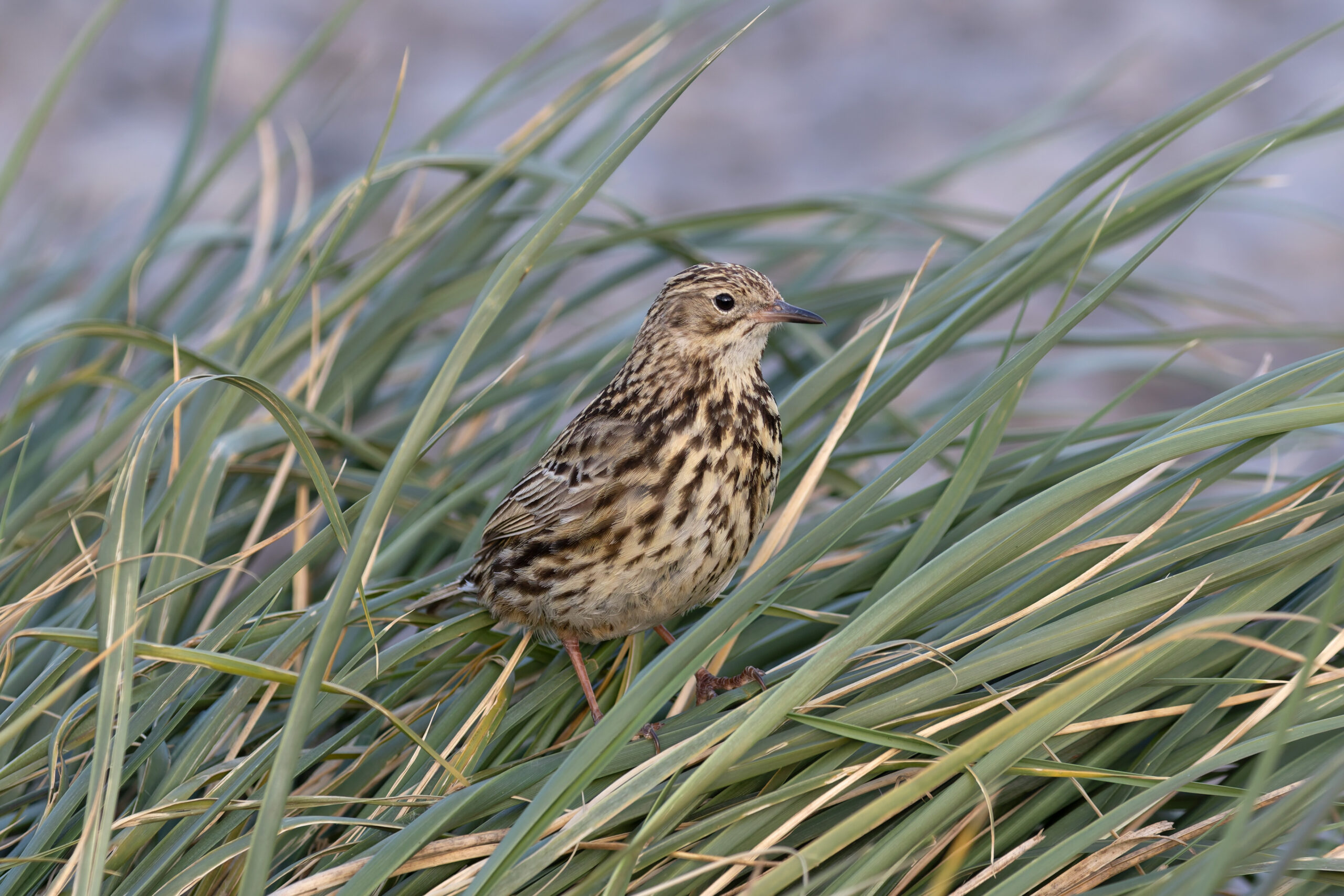
South Georgia Pipit (image by Diedert Koppenol)
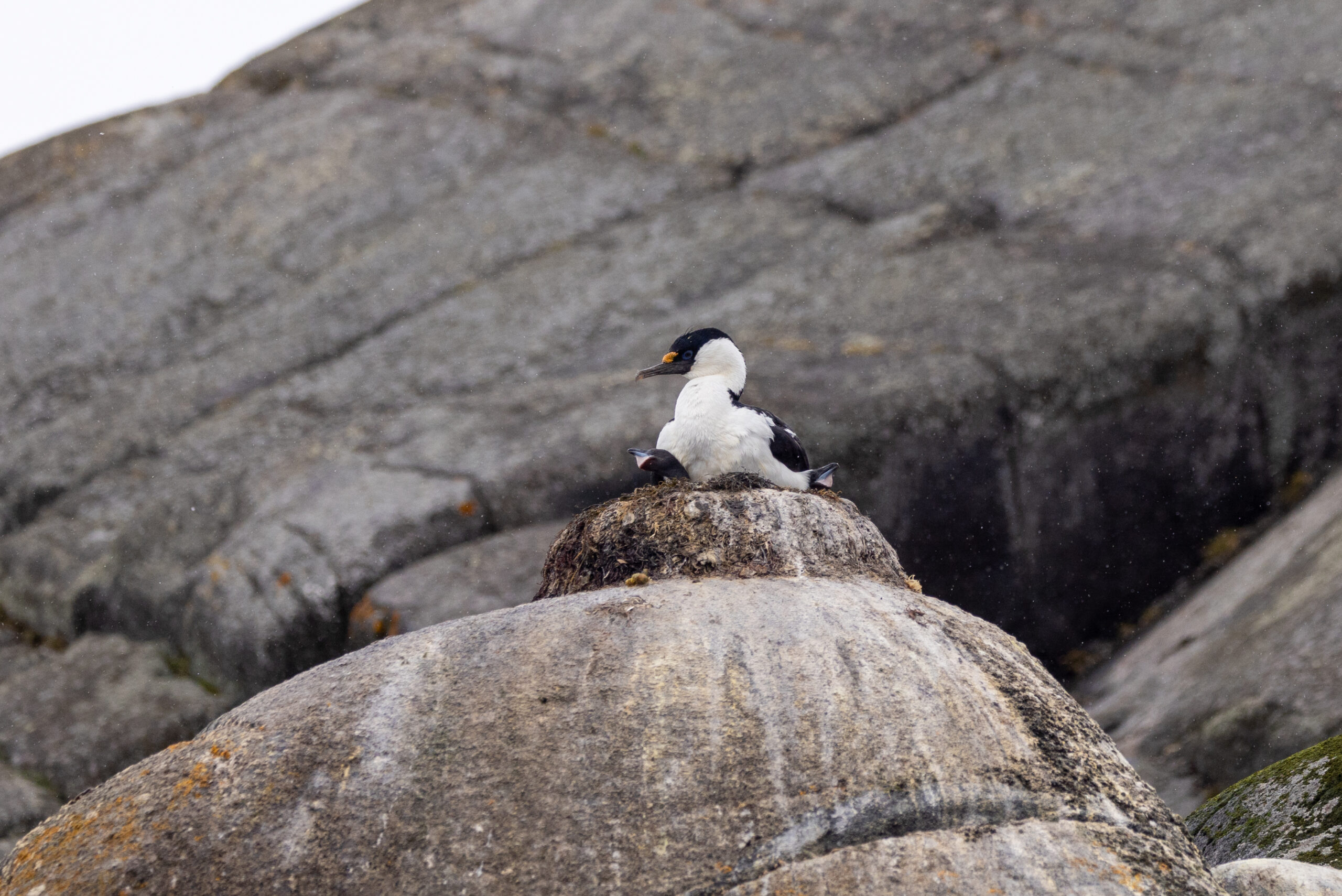
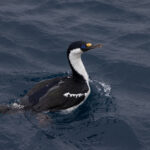
Antarctic Shag (image by Mike Galtry)
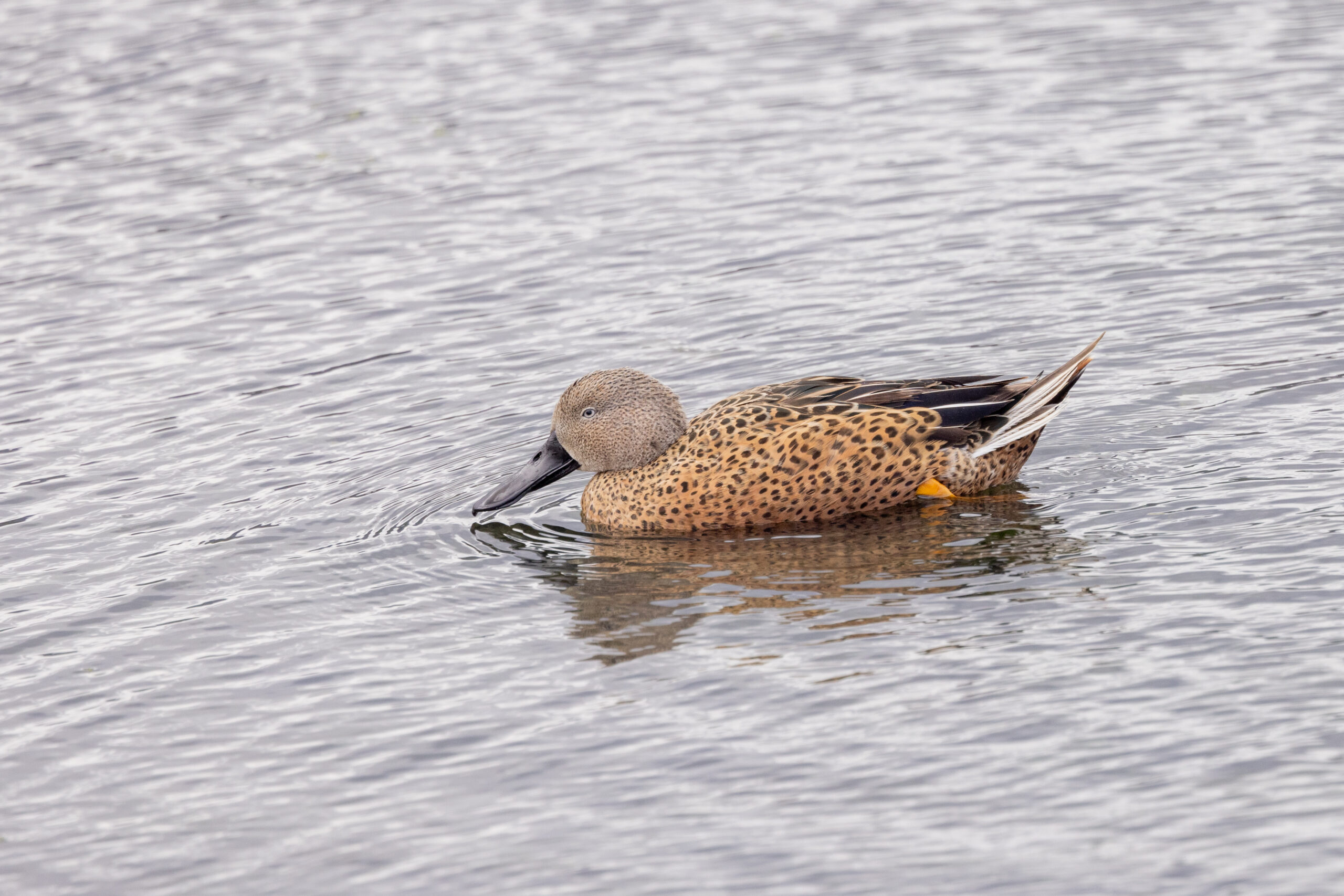
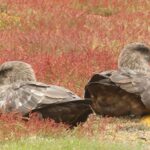
Red Shoveler (image by Mike Galtry)
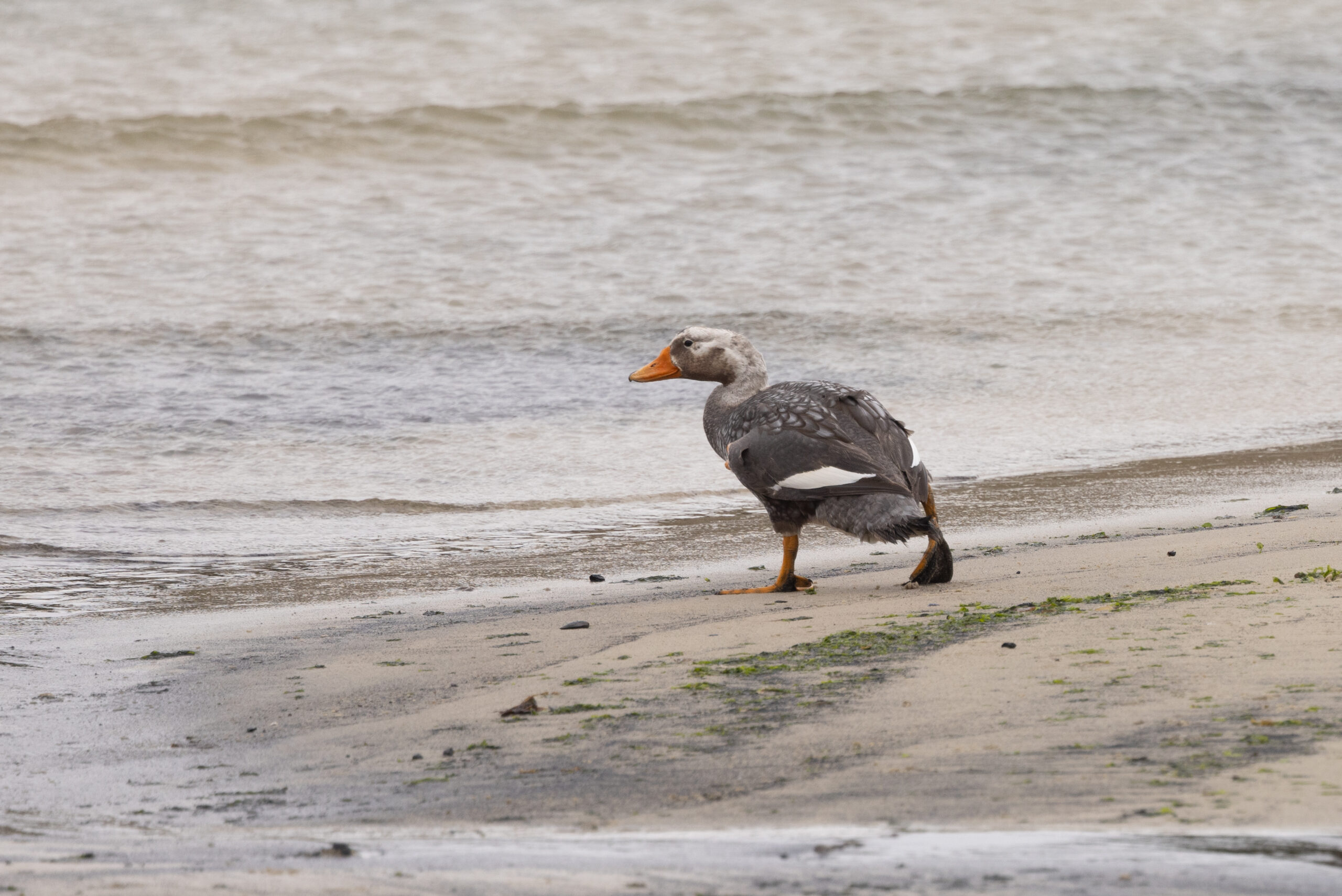
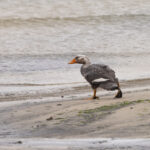
Falkland Steamer Duck (image by Mike Galtry)
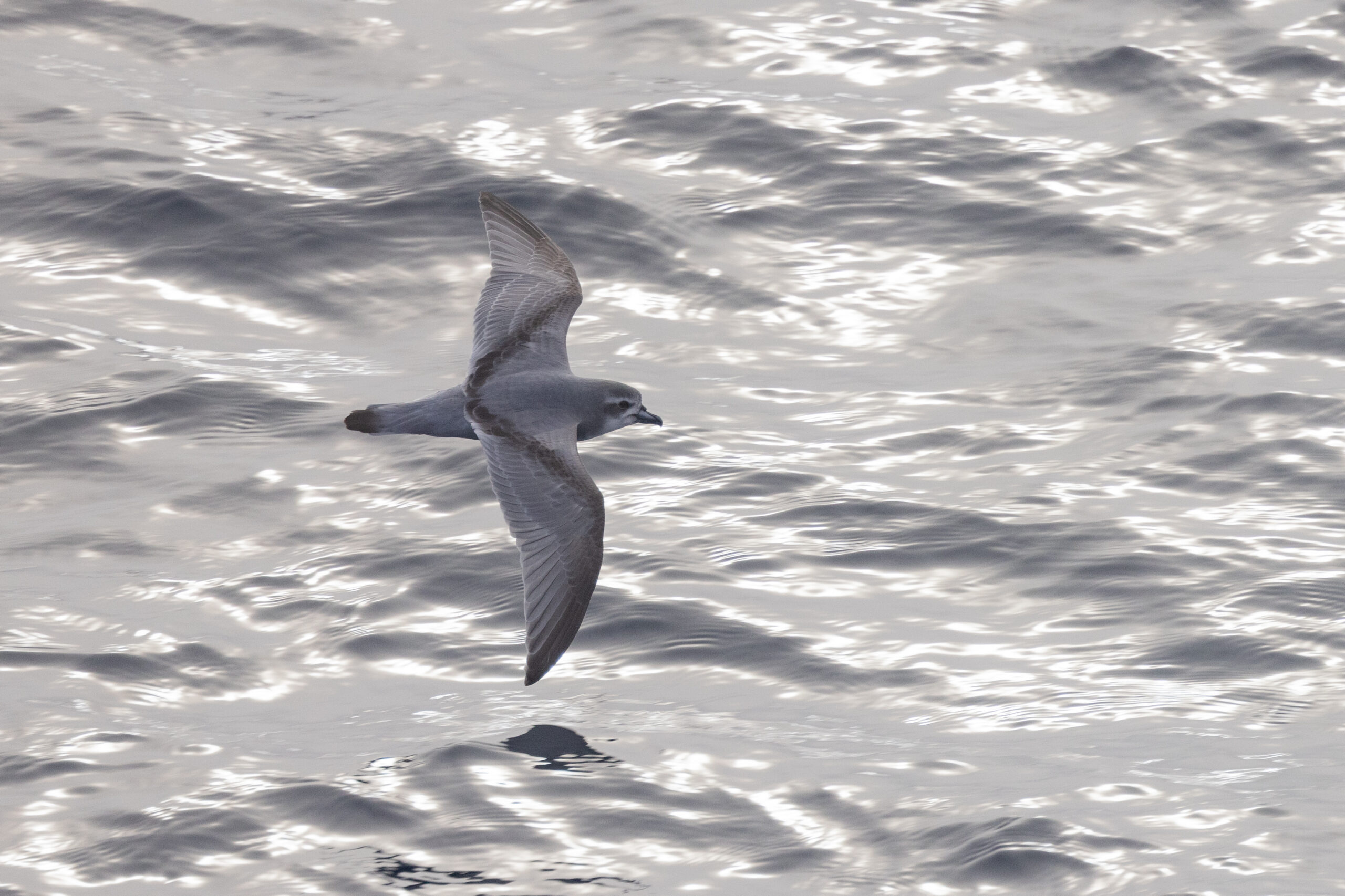
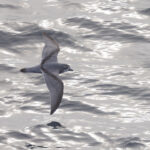
Antarctic Prion (image by Mike Galtry)
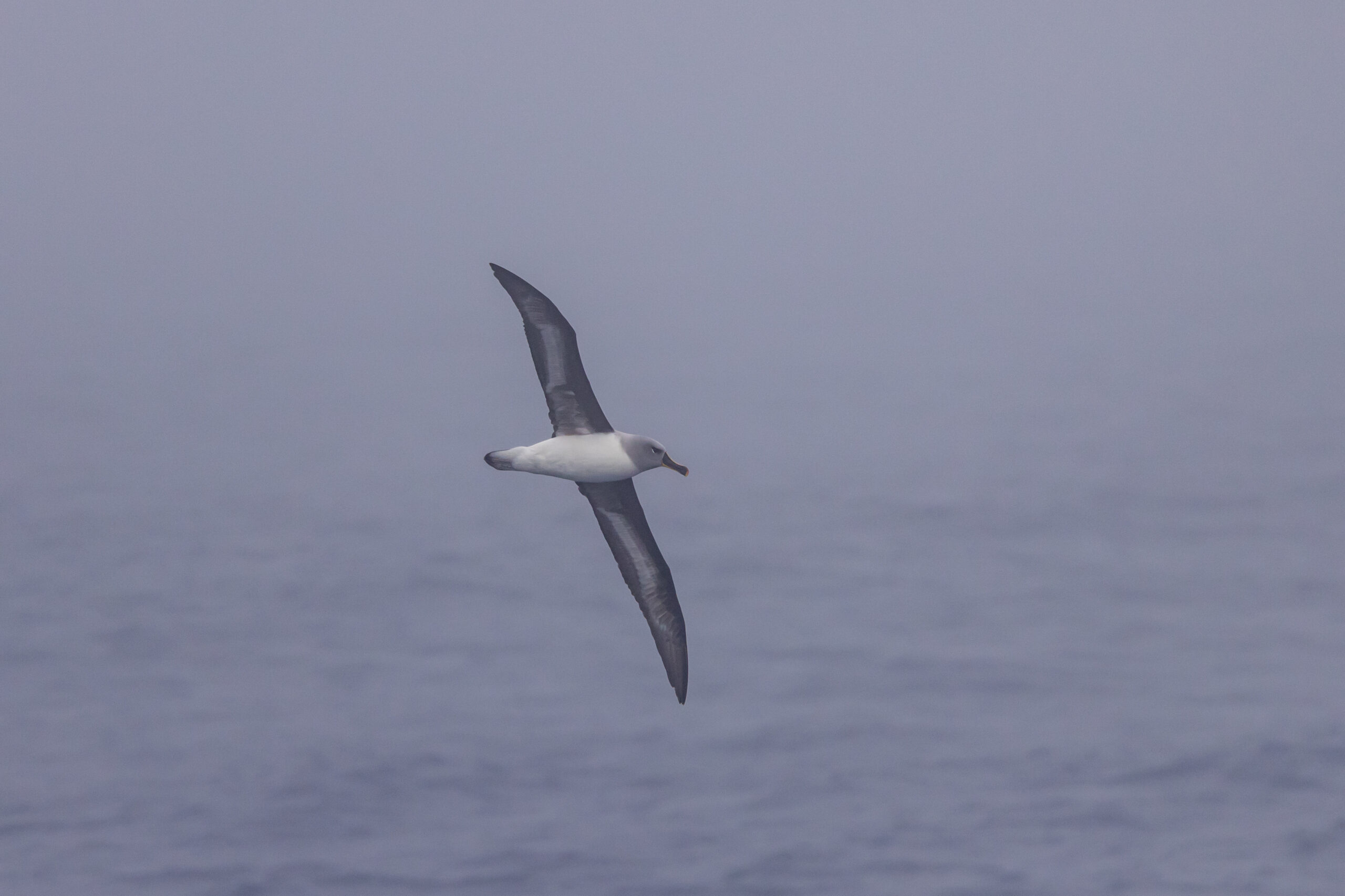
Grey-headed Albatross (image by Mike Galtry)
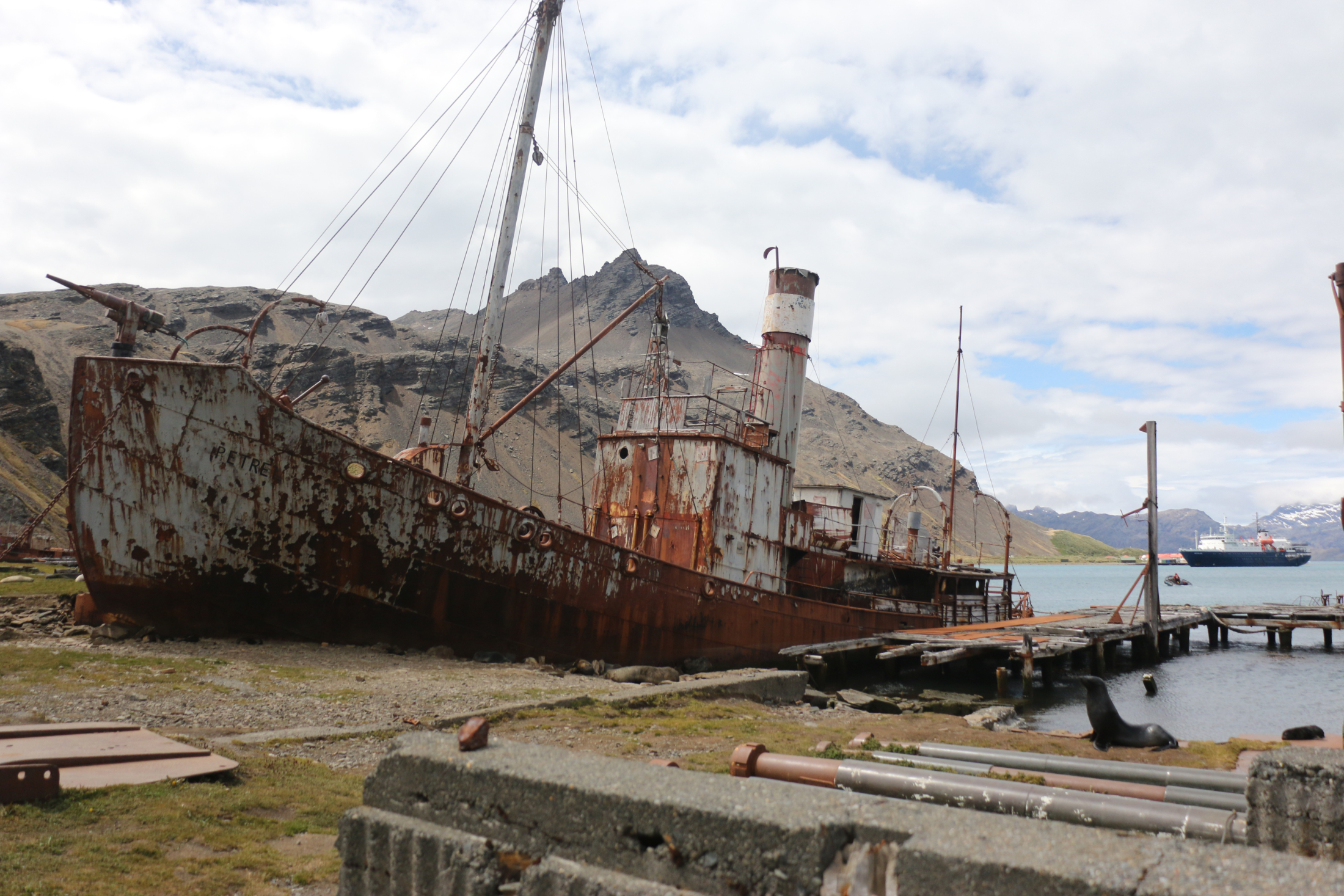
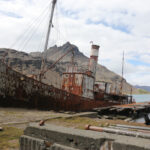
Abandoned whaling station at Grytviken (image by Michael O'Clery)
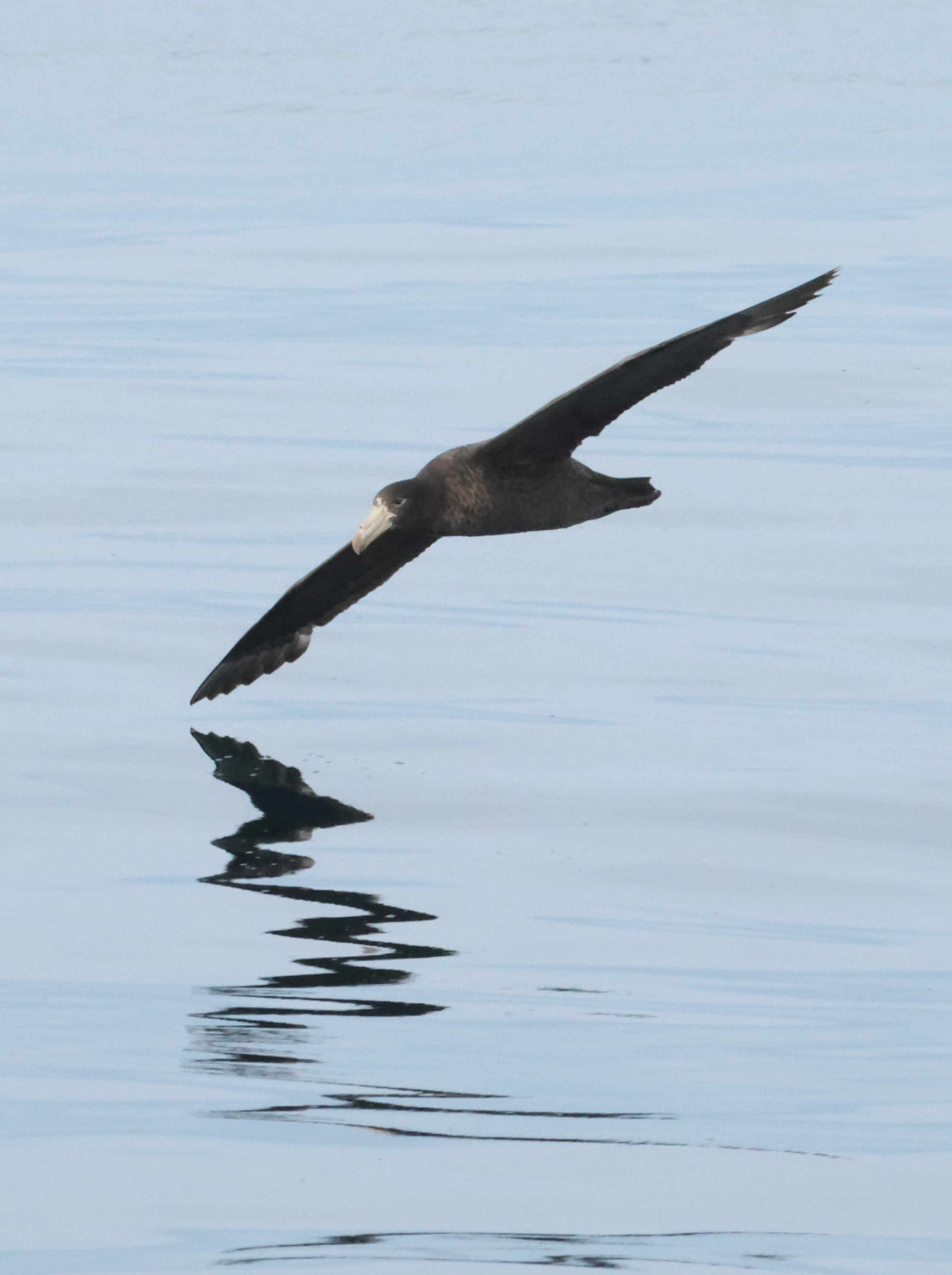
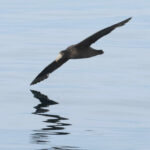
Southern Giant Petrel (image by Michael O'Clery)
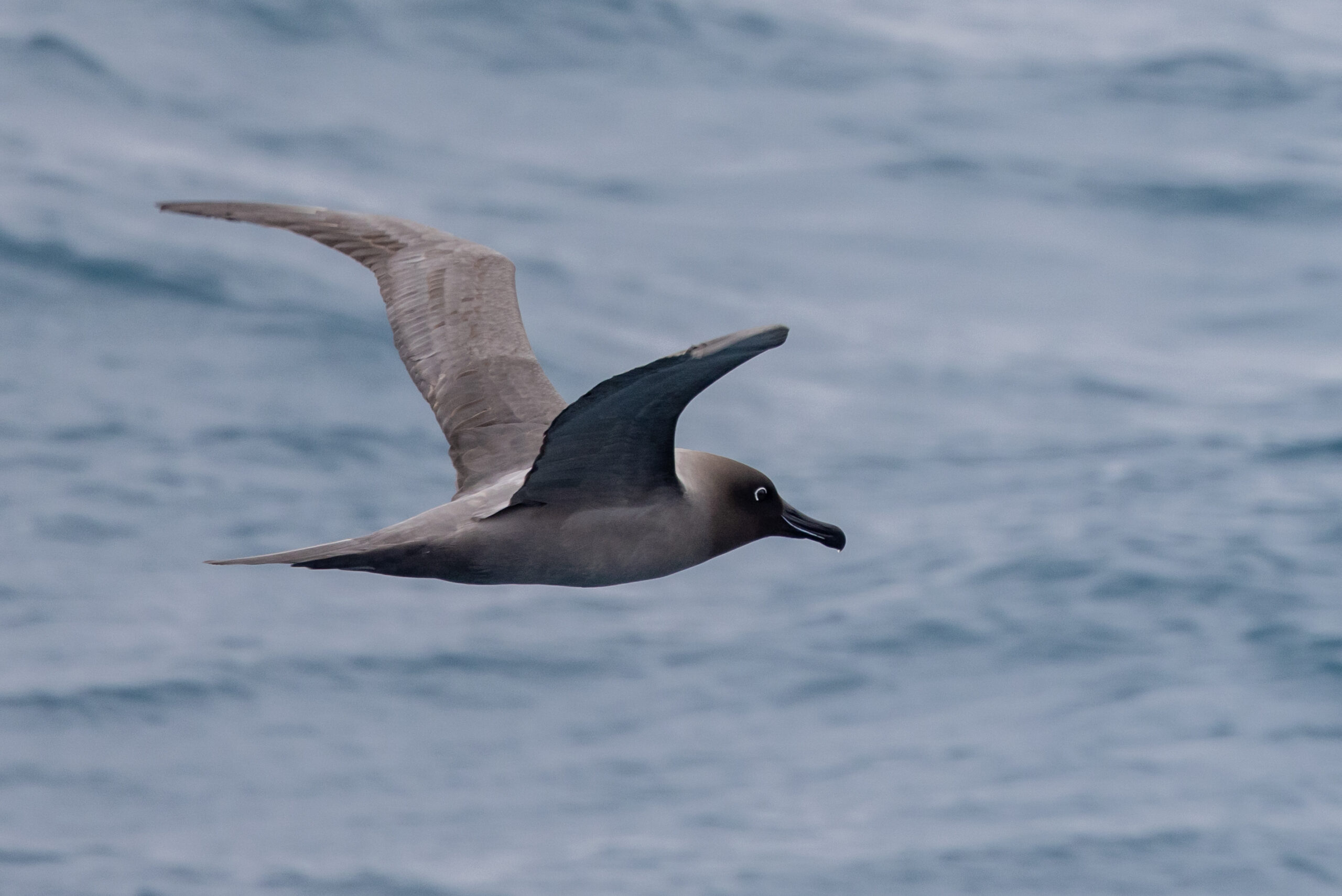
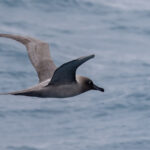
Light-mantled Albatross (image by Mike Galtry)
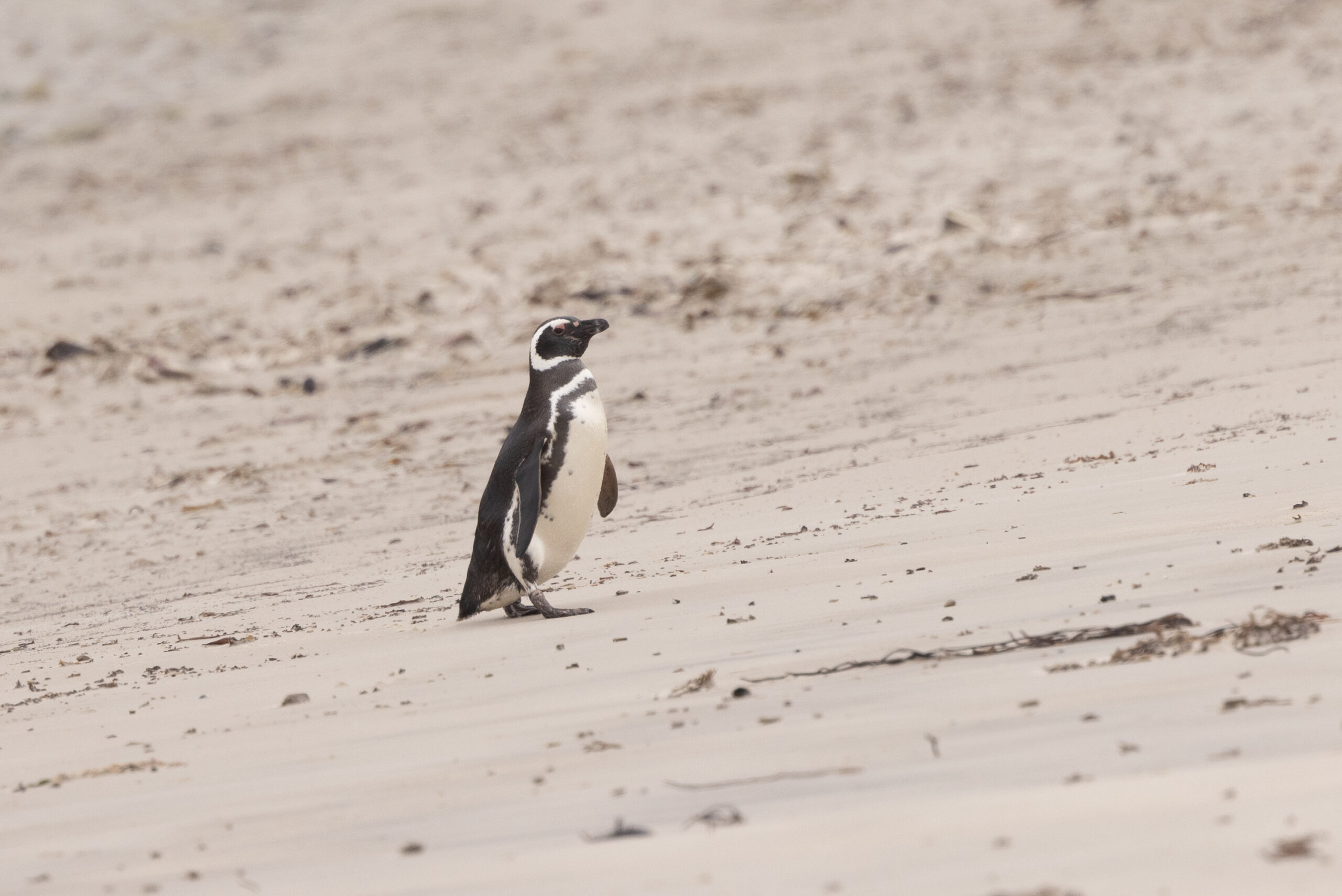
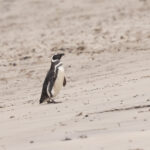
Magellanic Penguin (image by Mike Galtry)
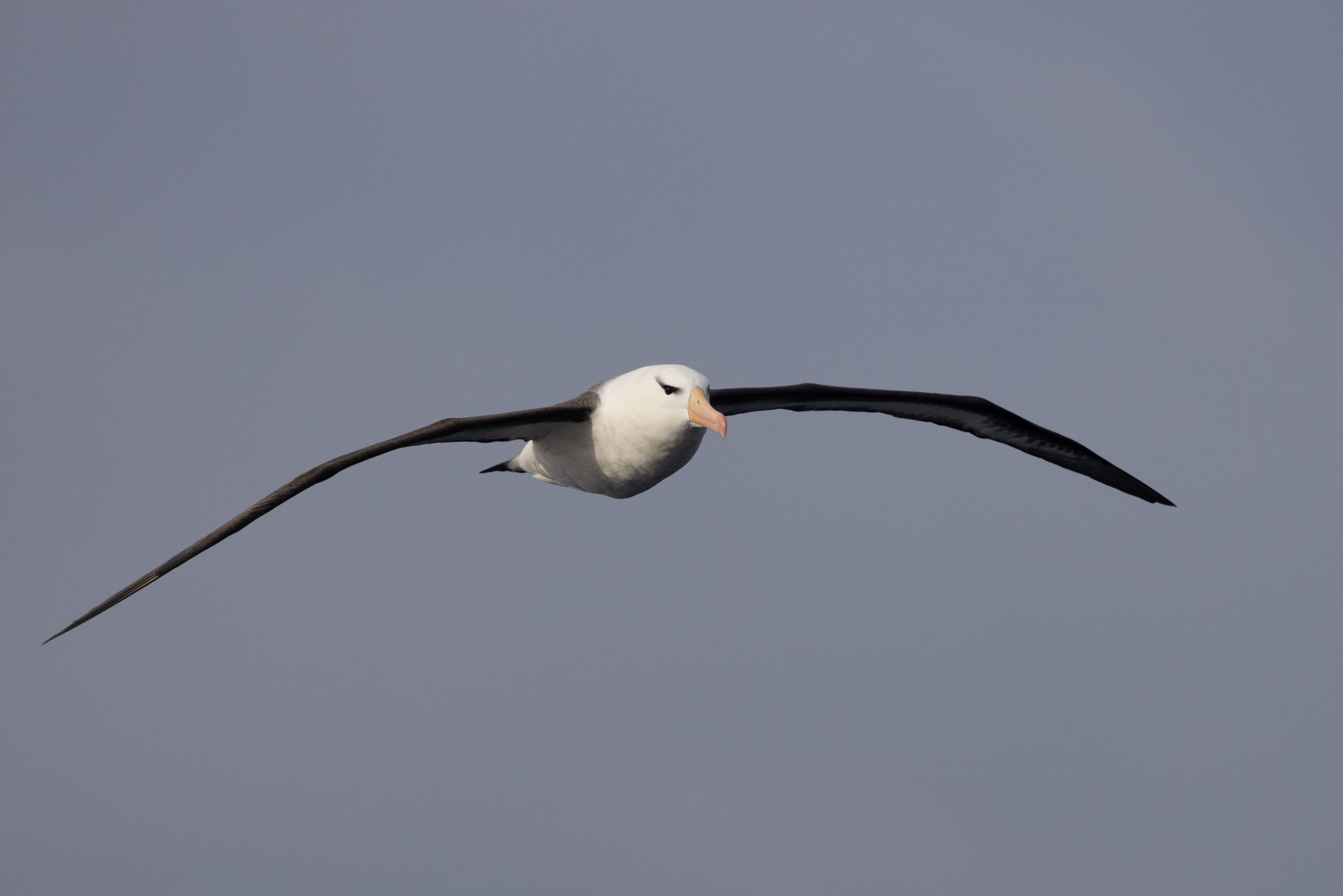
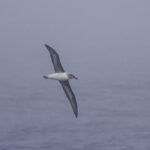
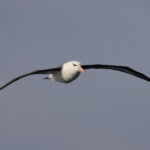
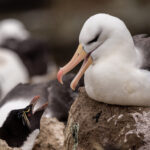
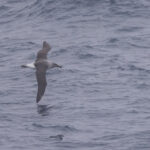
Black-browed Albatross (image by Mike Galtry)
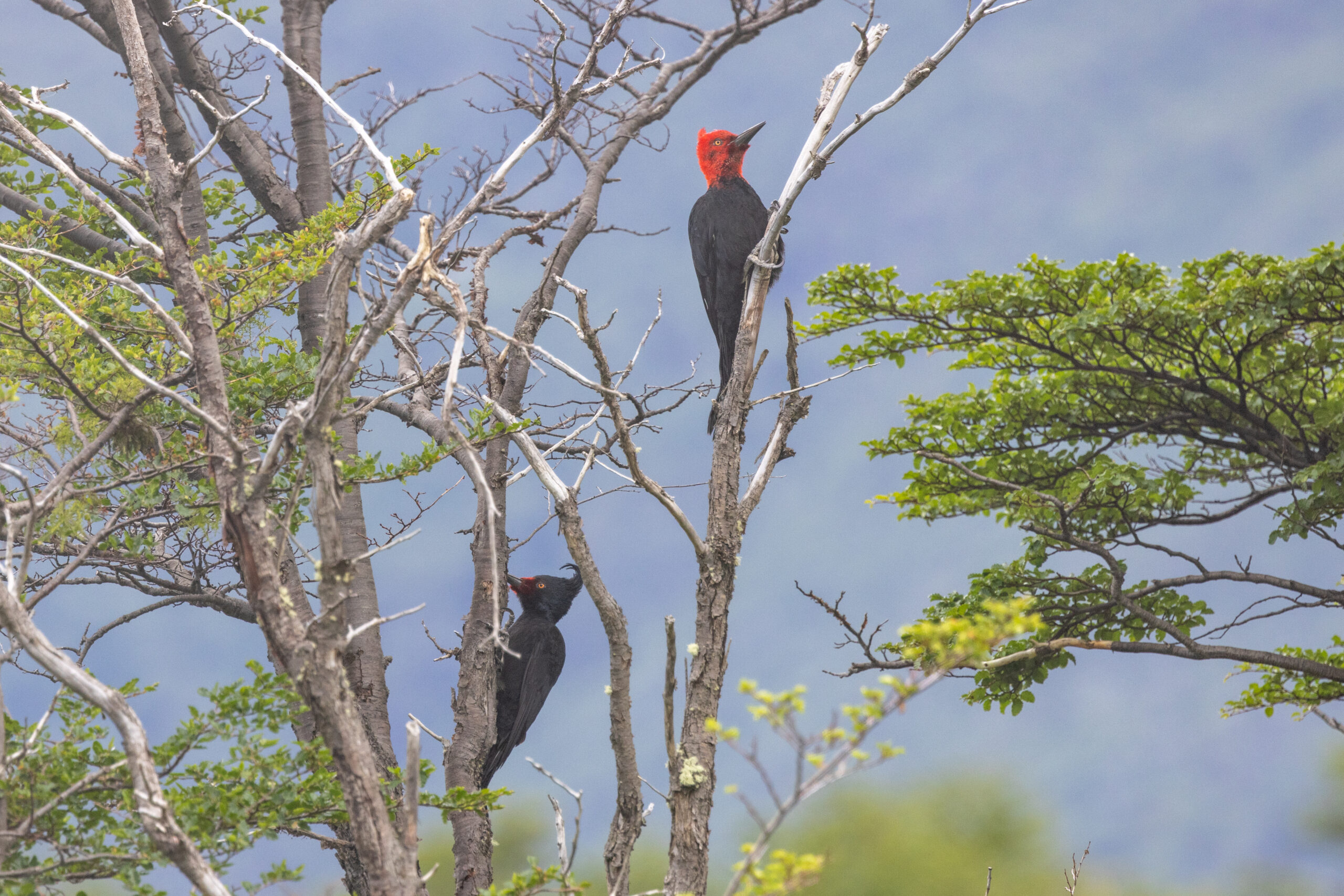
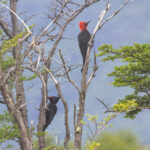
Magellanic Woodpeckers (image by Mike Galtry)
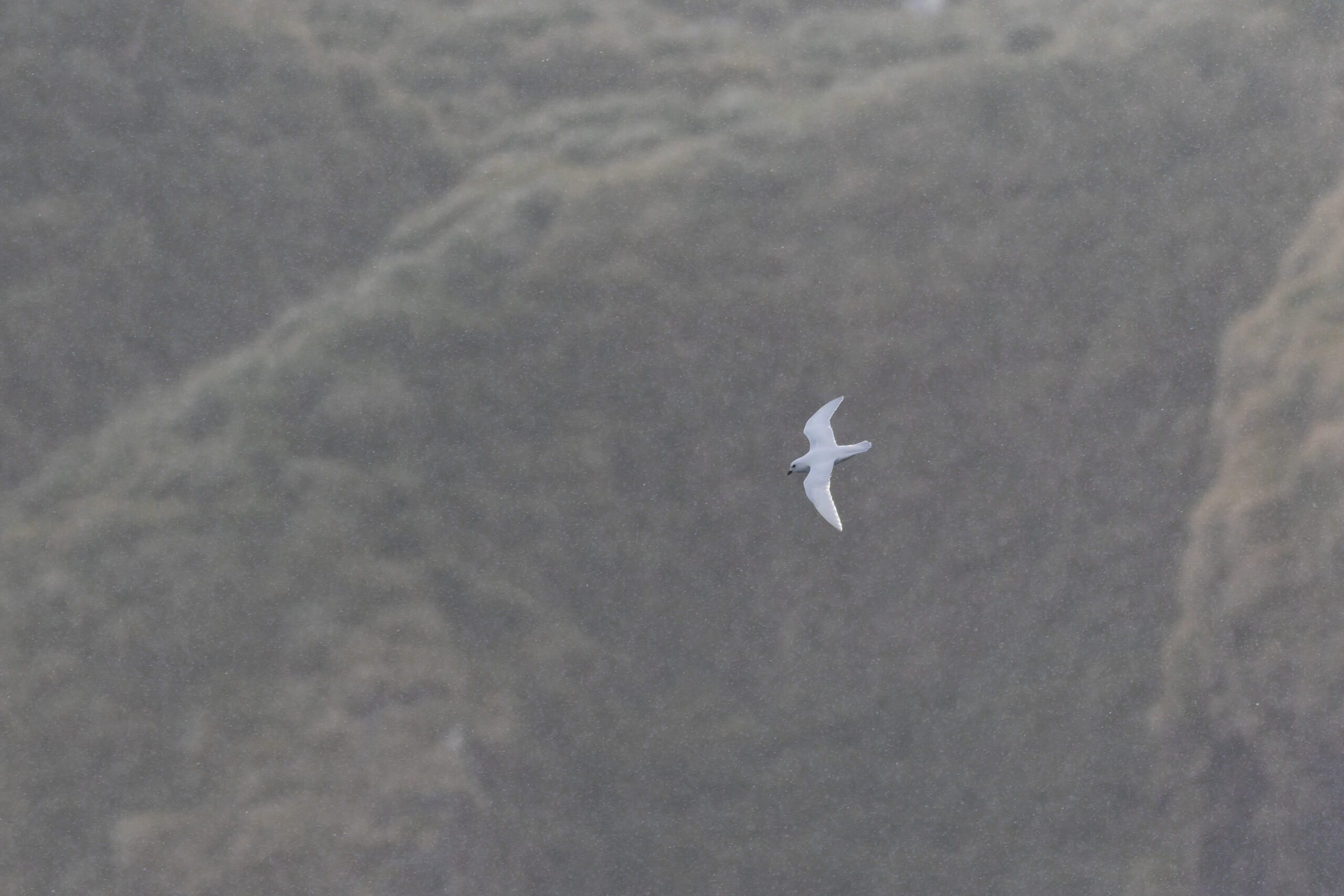
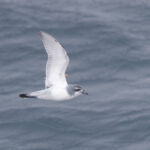
Snow Petrel (image by Diedert Koppenol)
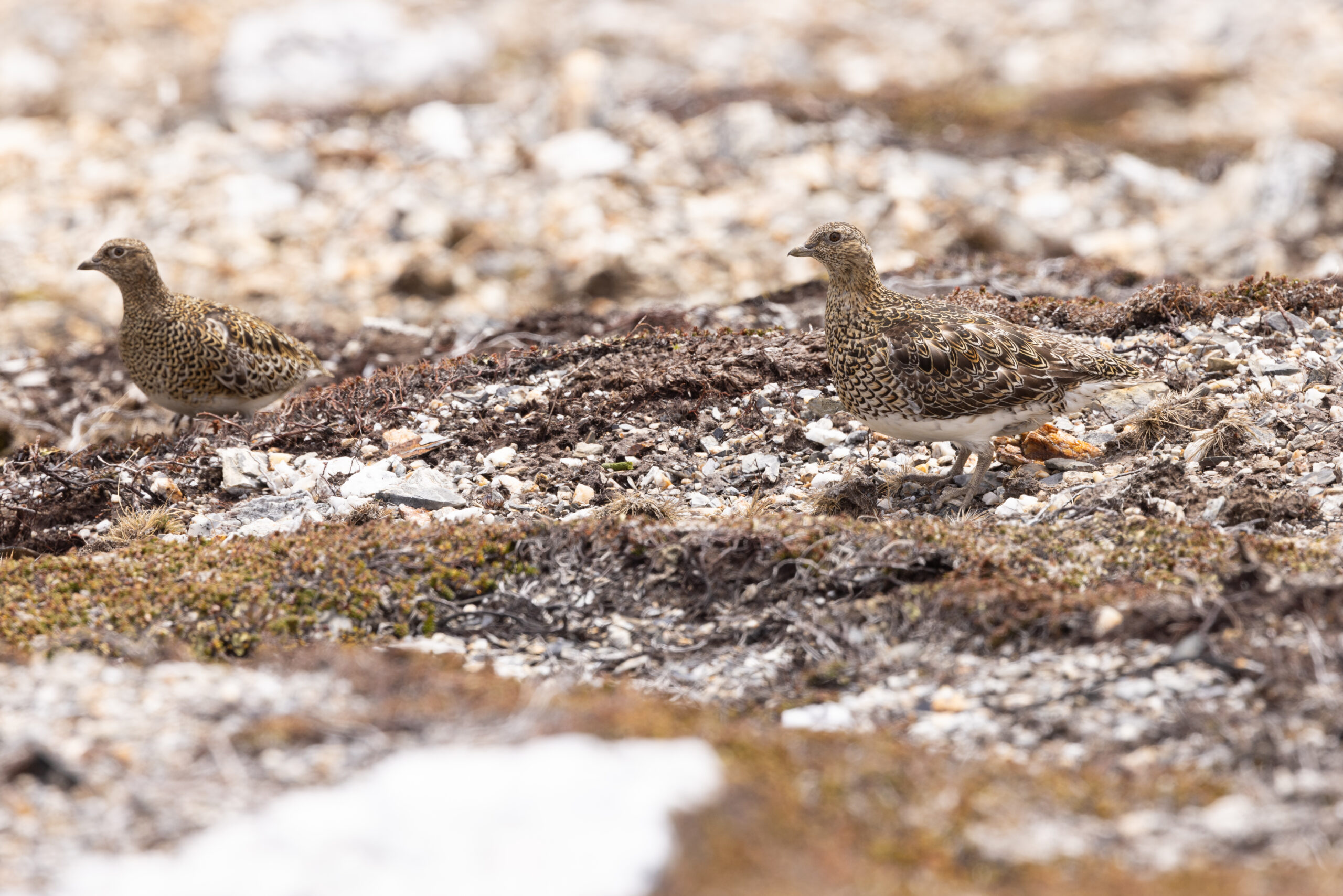
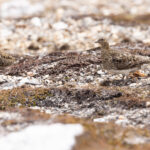
White-bellied Seedsnipes (image by Mike Galtry)
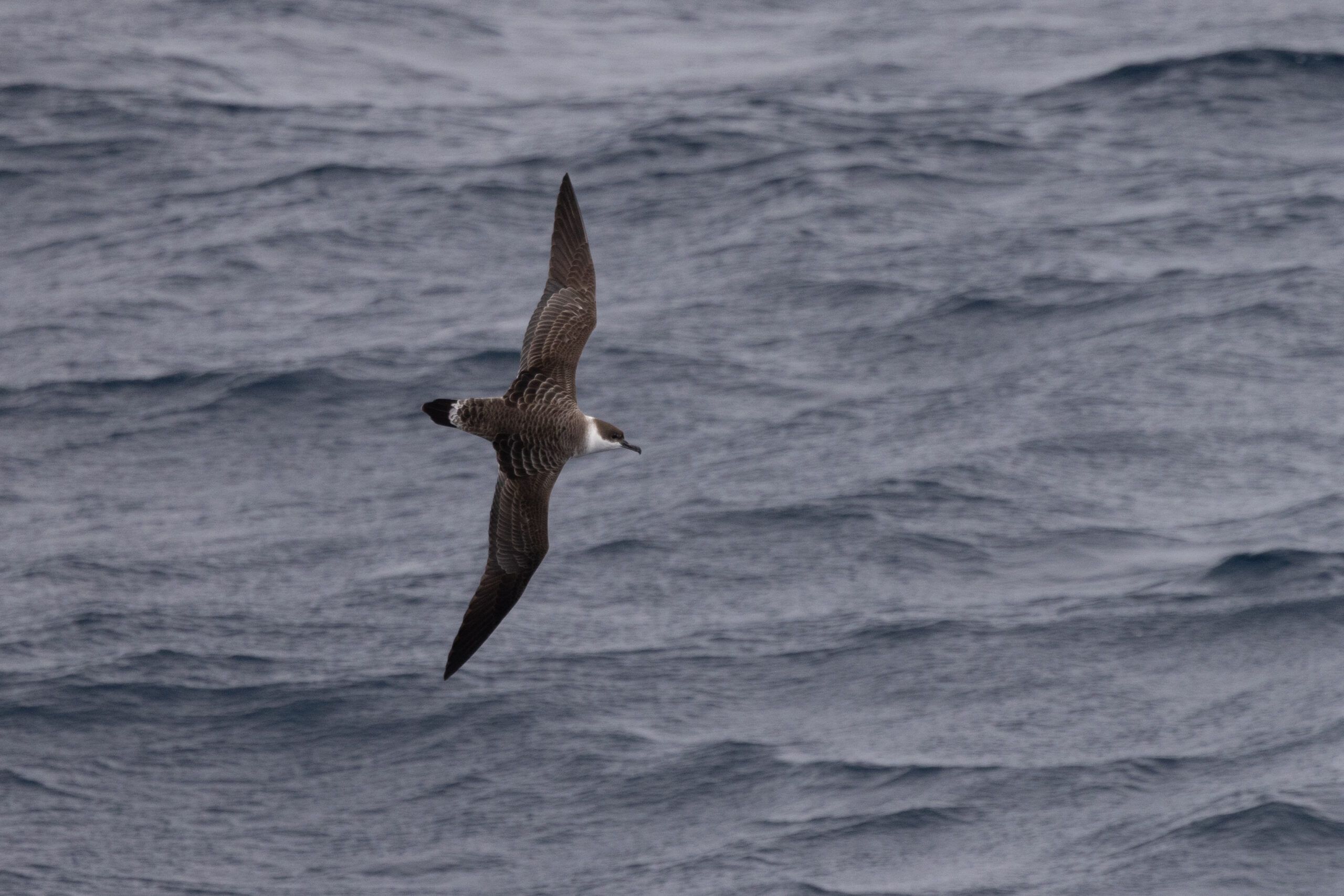
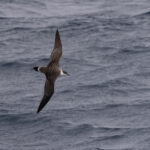
Great Shearwater (image by Mike Galtry)
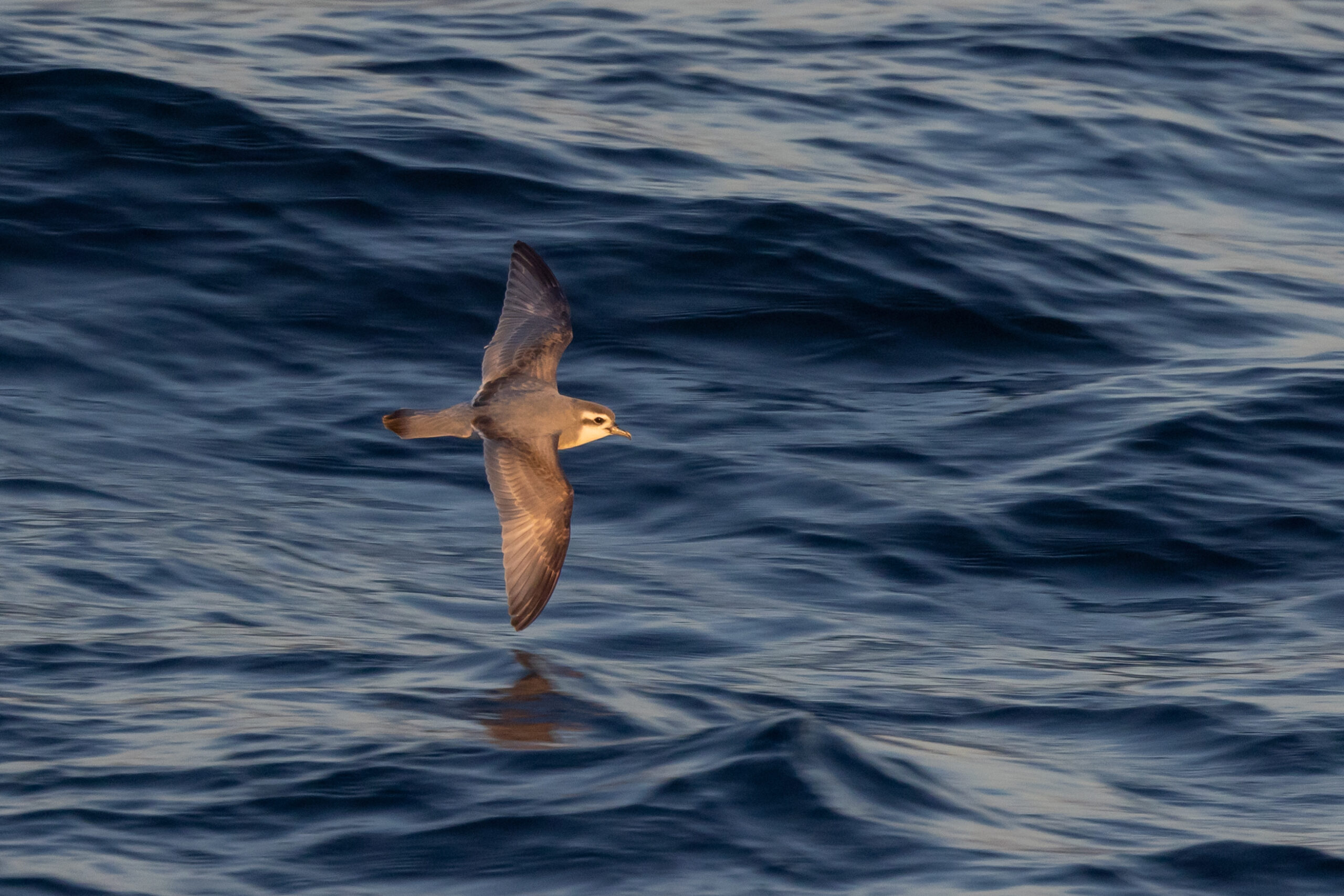
Slender-billed Prion (image by Mike Galtry)
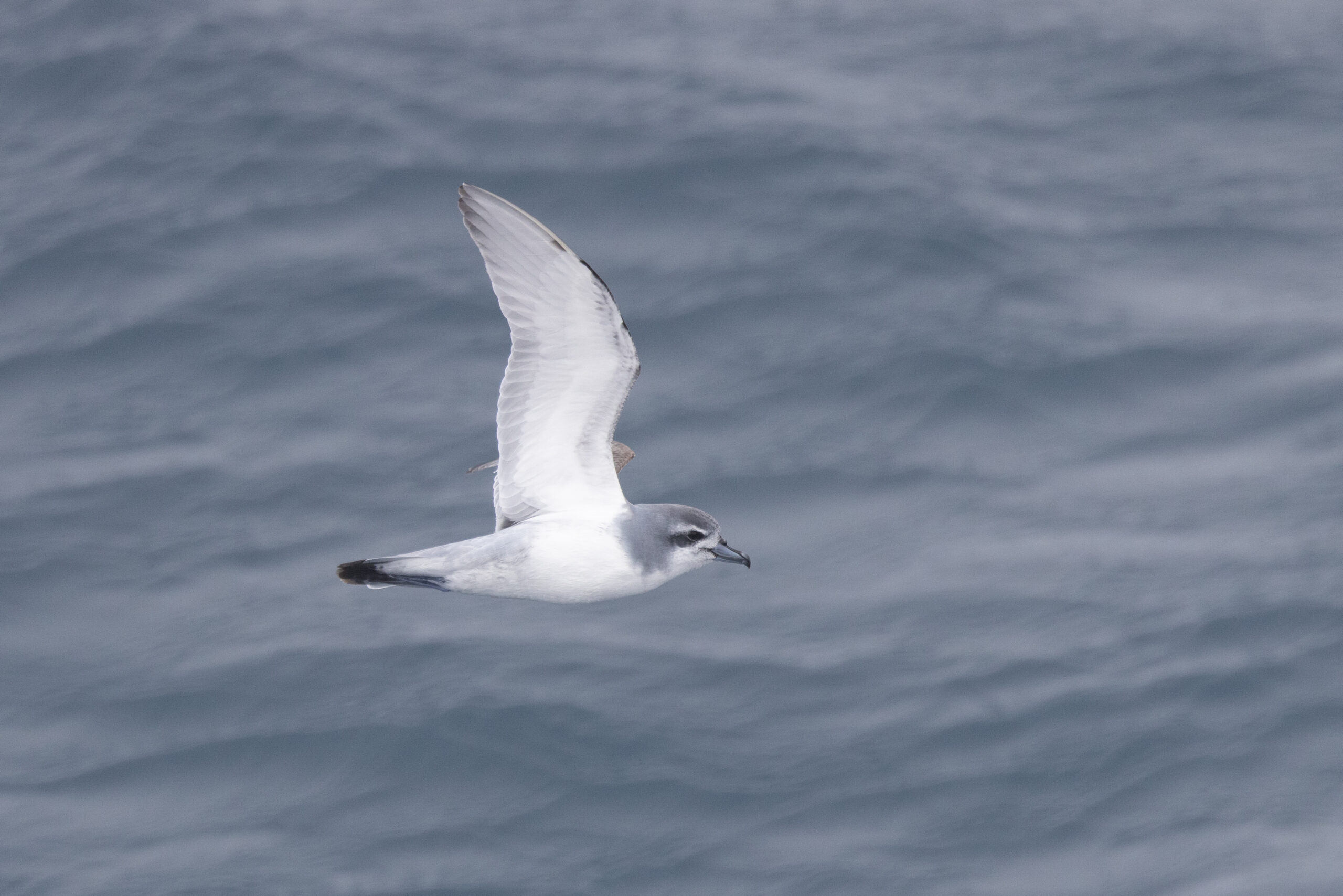
Antarctic Prion (image by Mike Galtry)
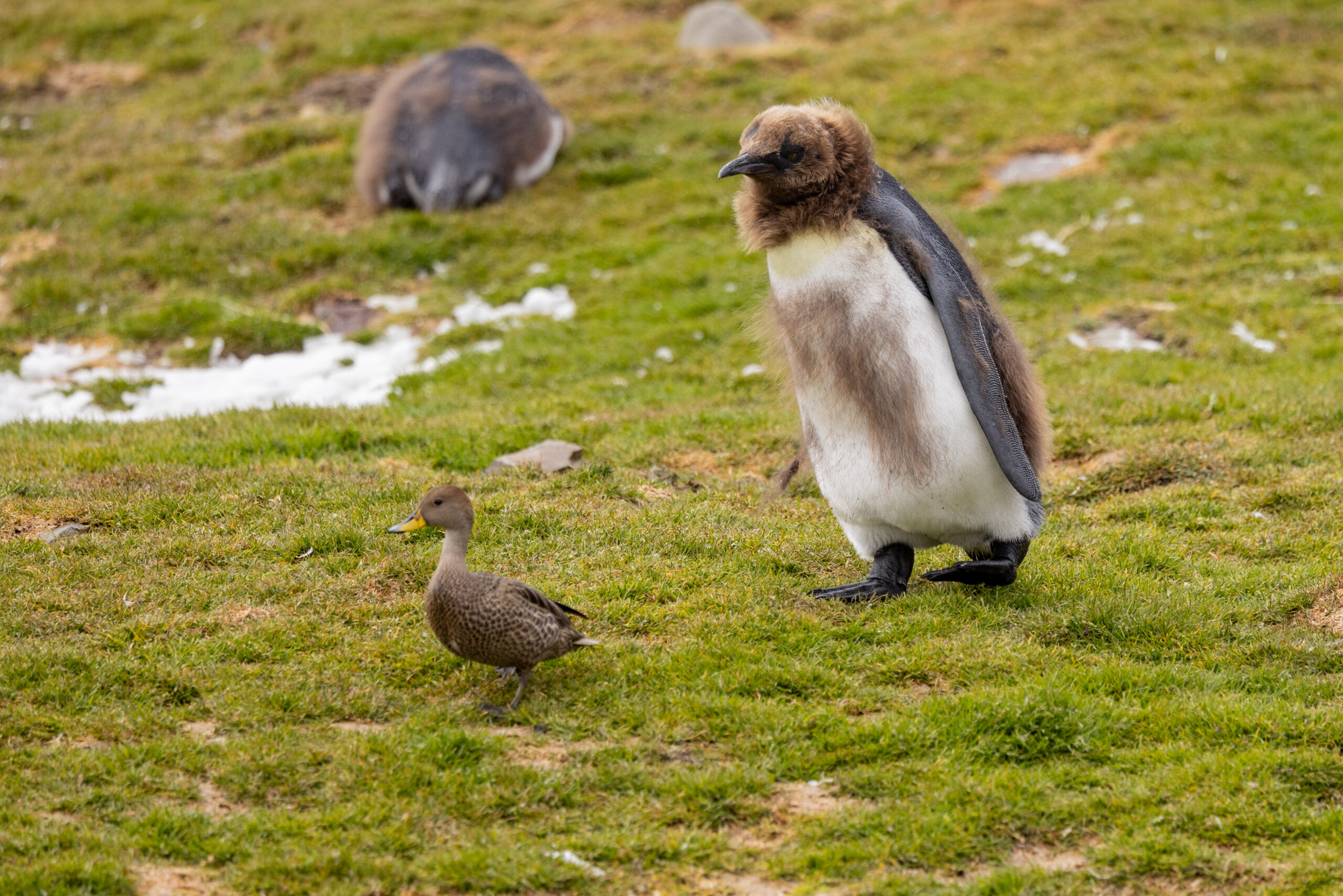
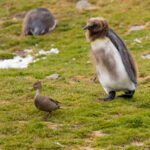
juvenile King Penguin playing South Georgia Pintail football (image by Mike Galtry)
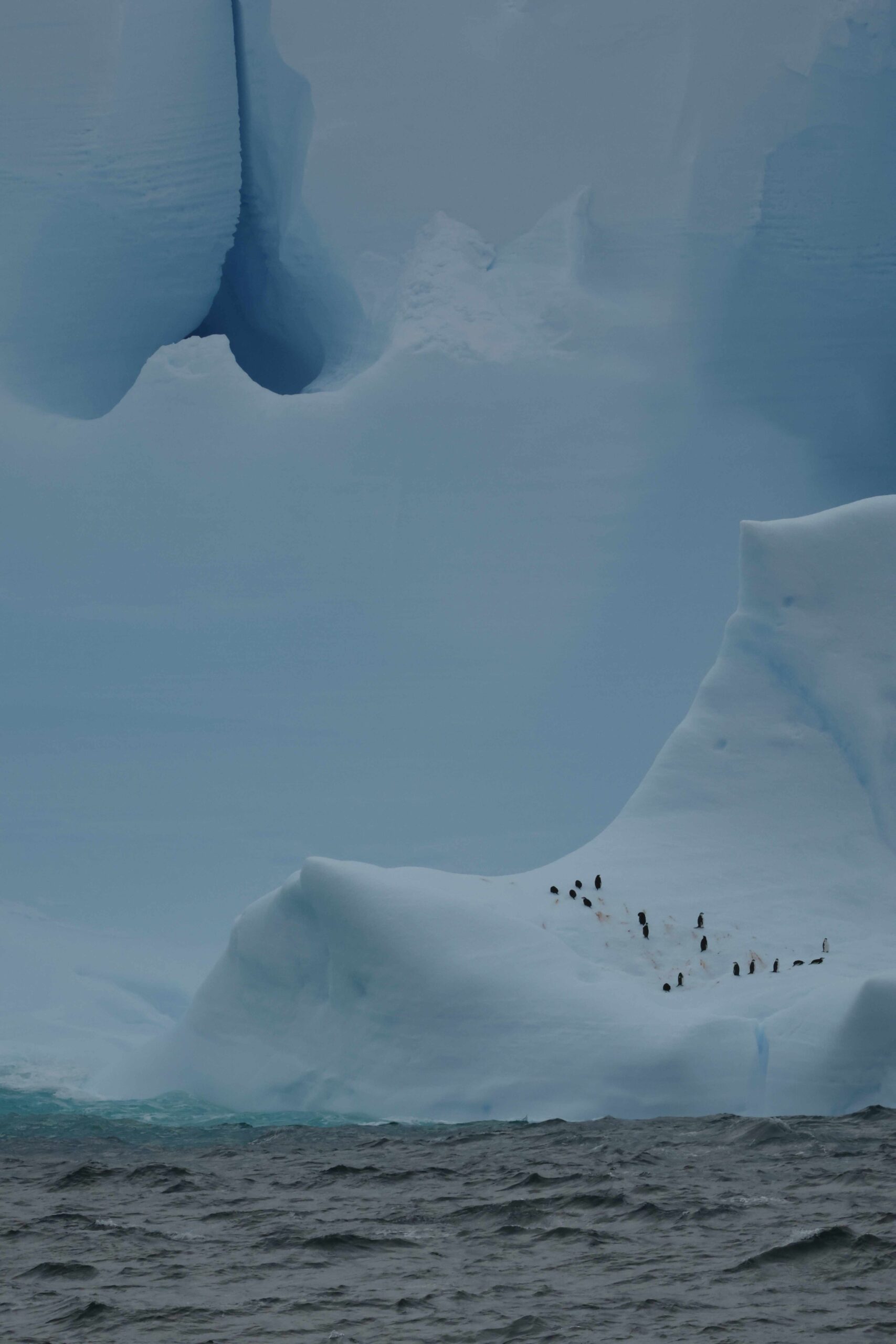
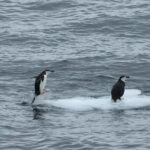
Chinstrap Penguins (image by Michael O'Clery)
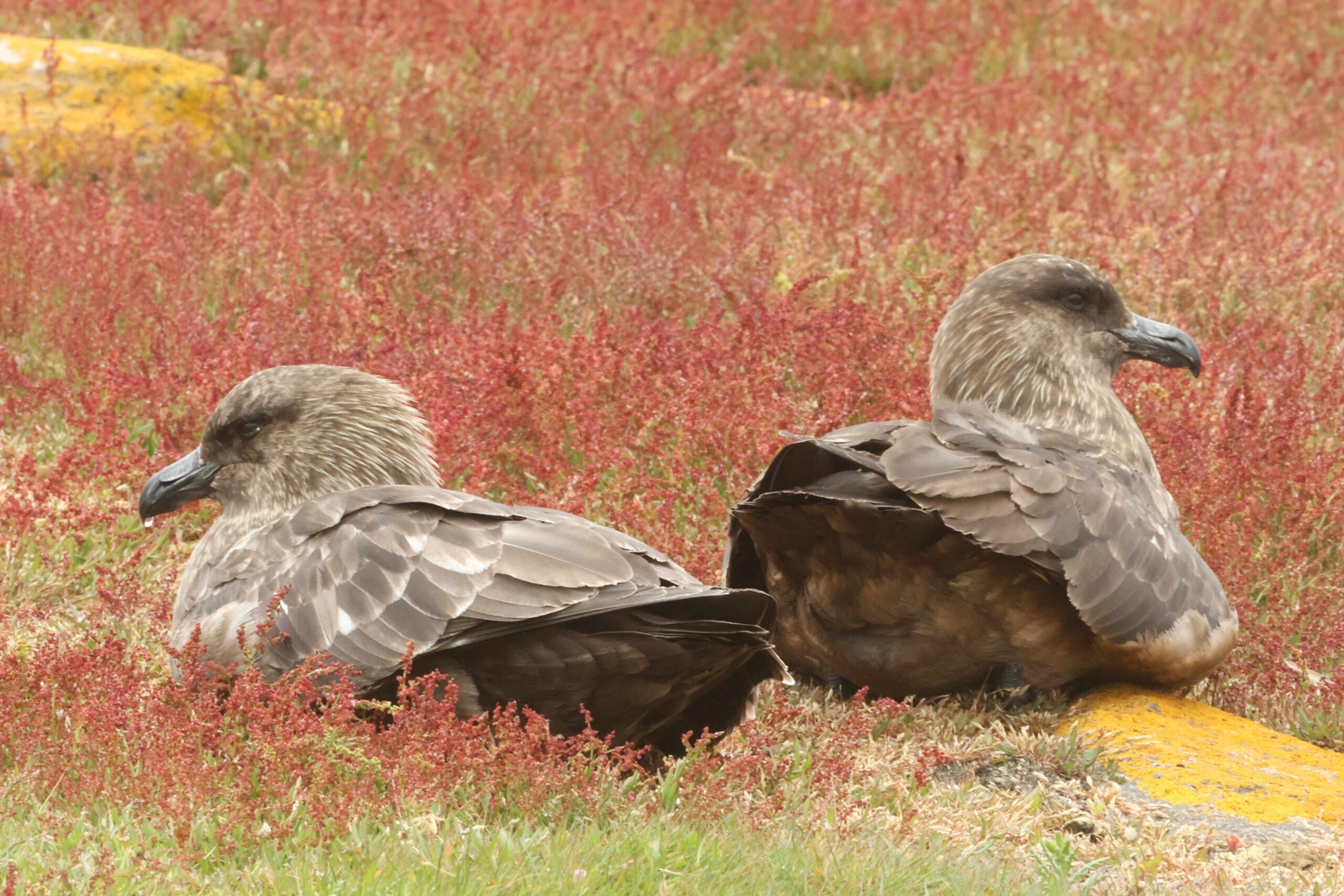
Brown Skuas (image by Michael O'Clery)
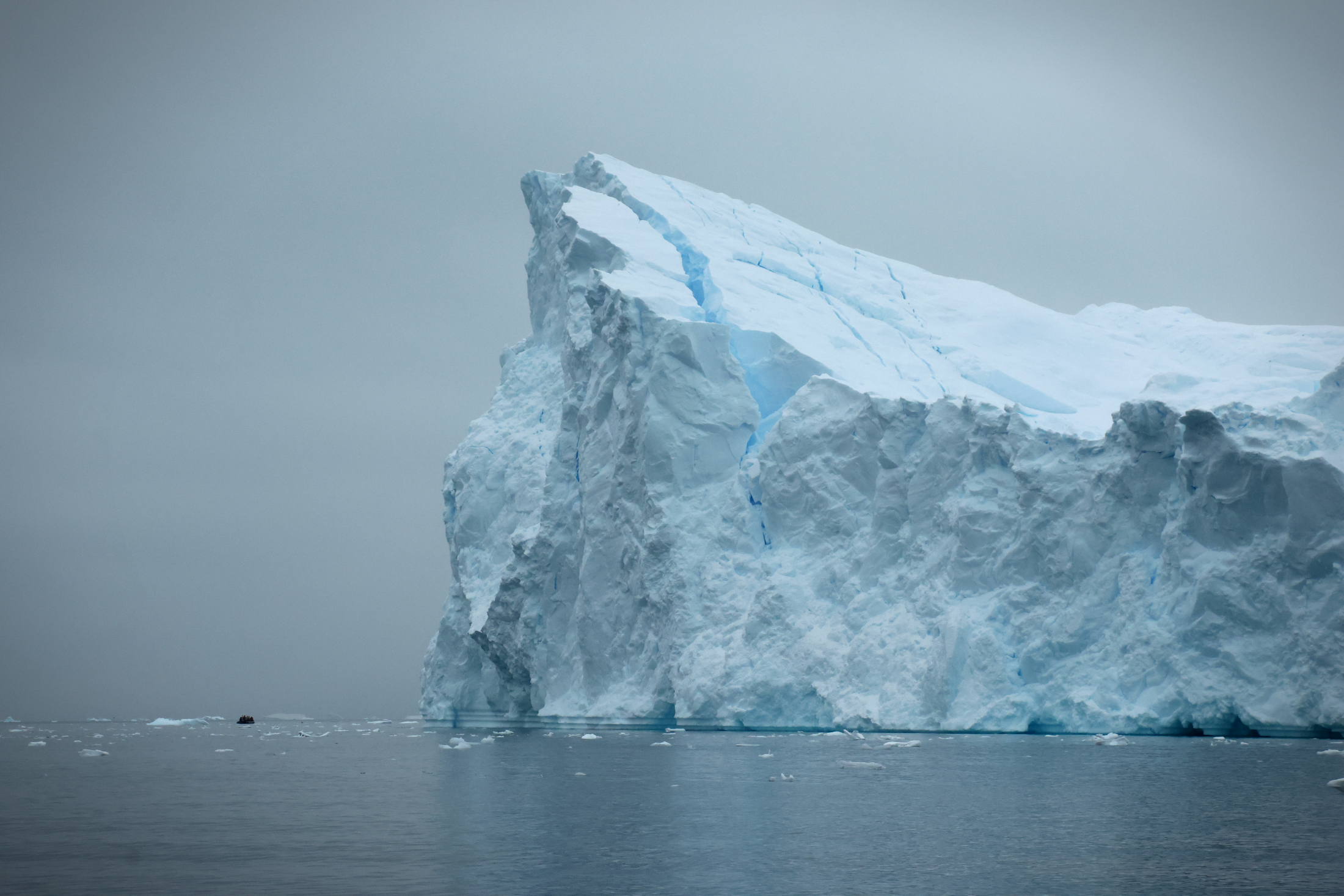
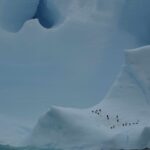
Look closely, there's a zodiac dingy there! (image by Michael O'Clery)
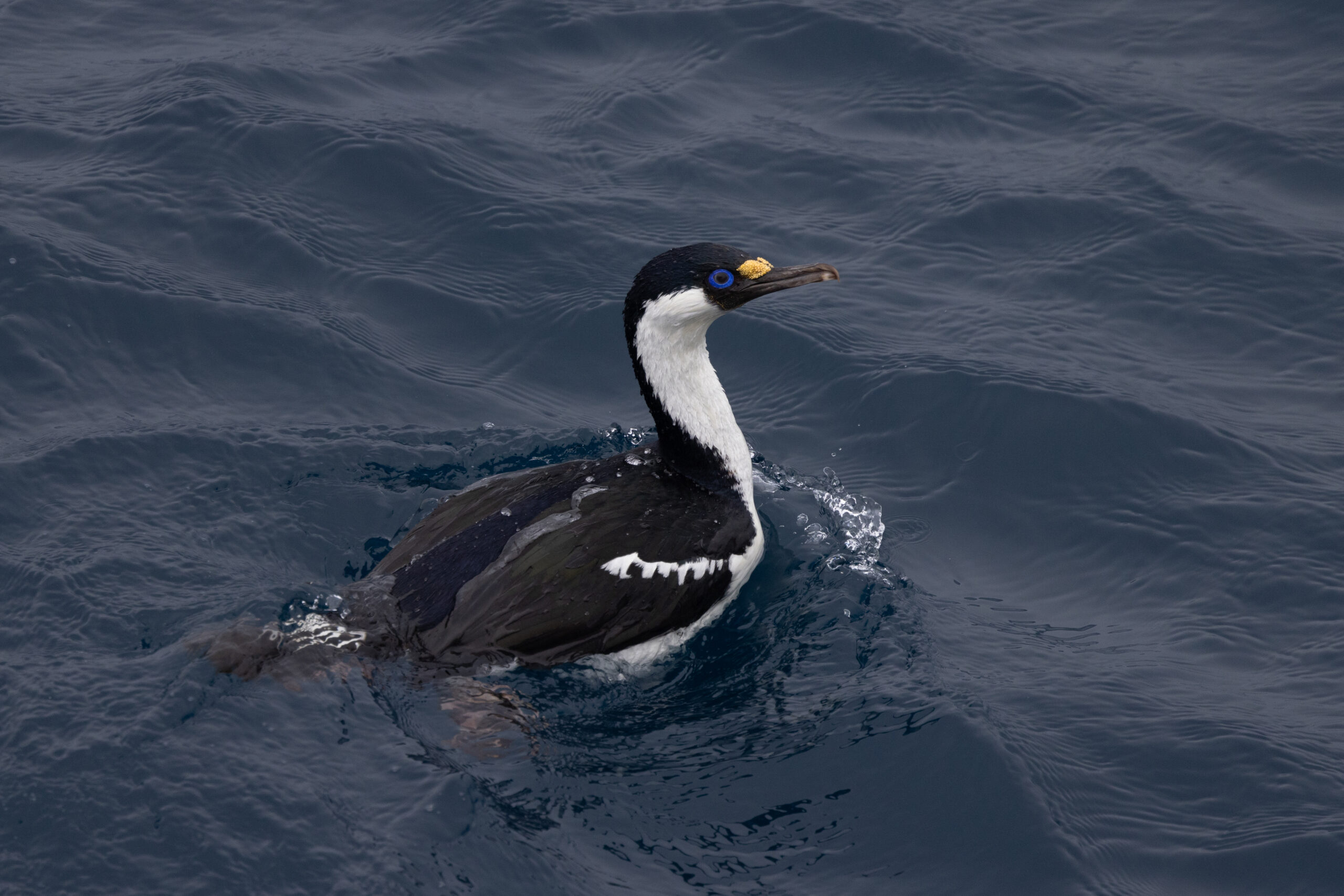
South Georgia Shag (image by Mike Galtry)
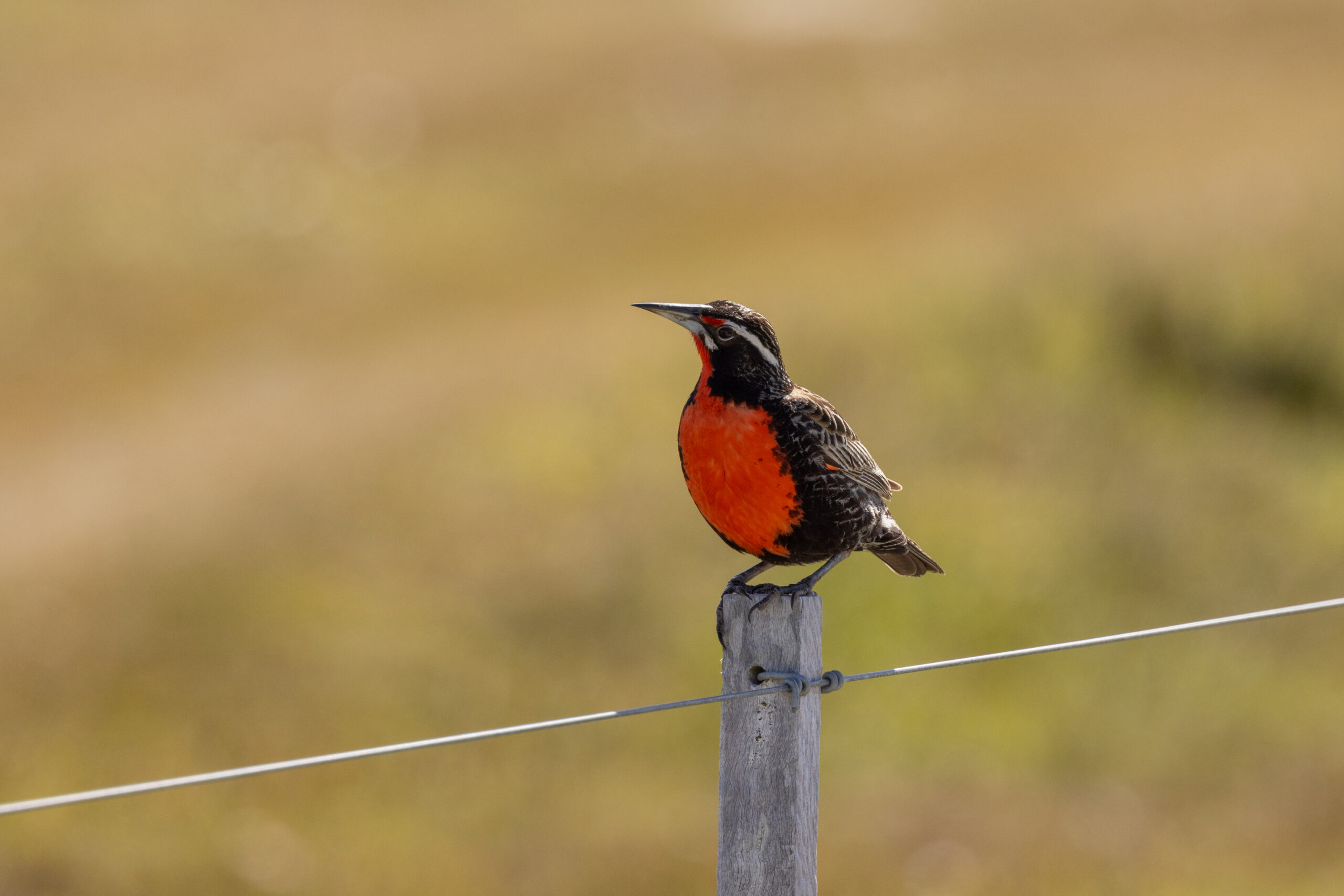
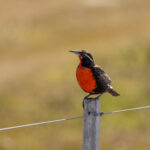
Long-tailed Meadowlark (image by Mike Galtry)
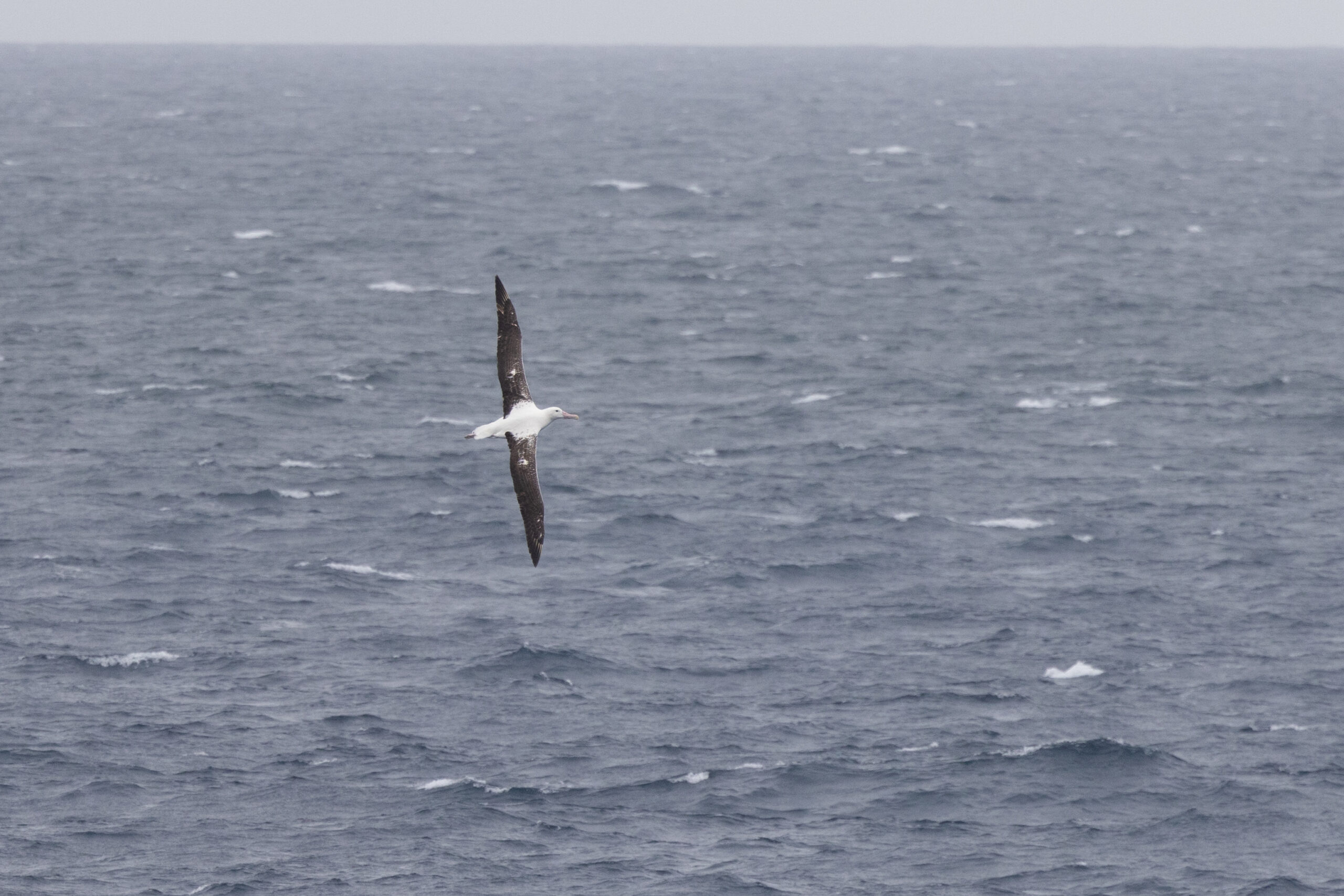
Southern Royal Albatross (image by Mike Galtry)
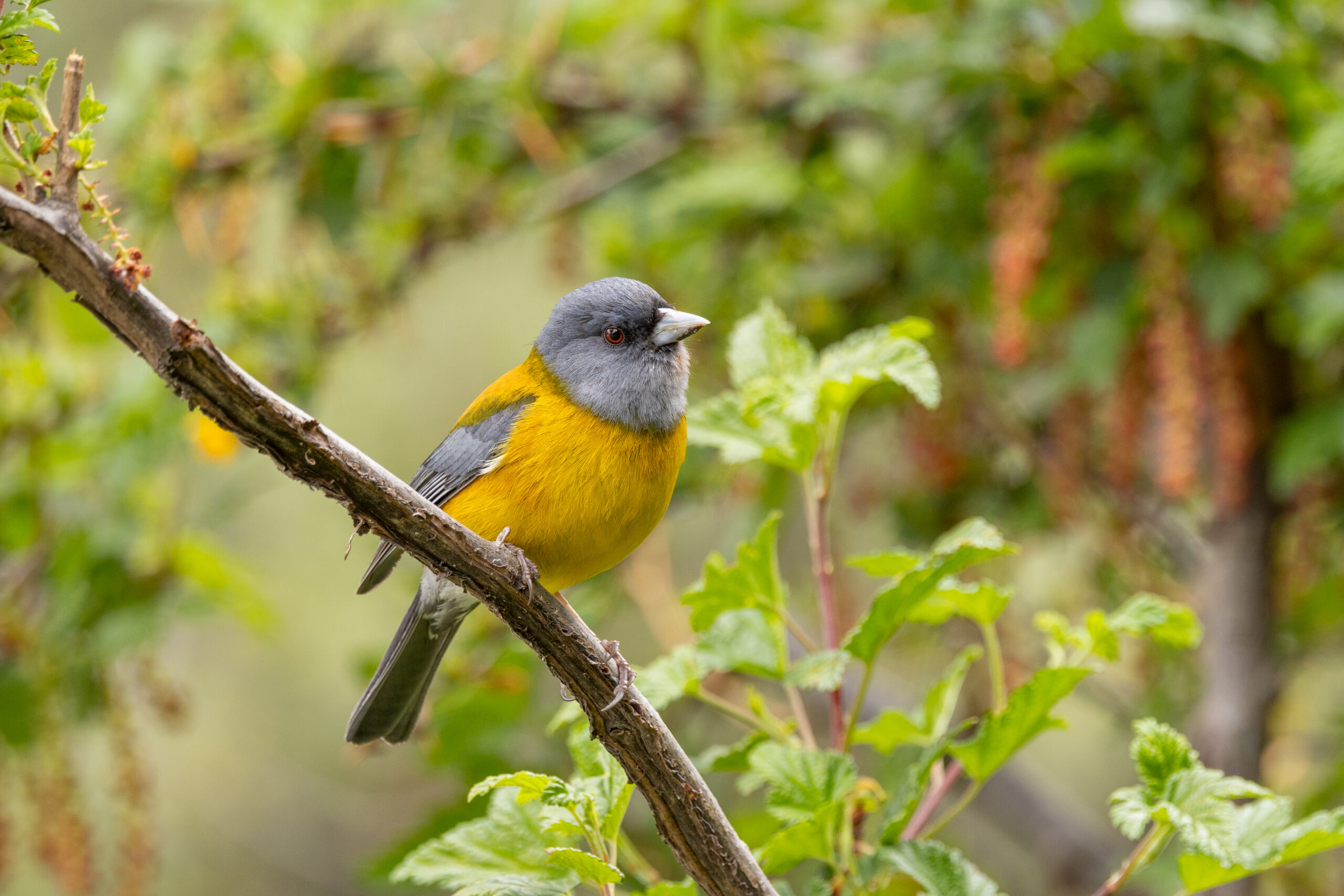
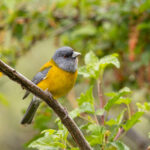
Patagonian Sierra Finch (image by Mike Galtry)
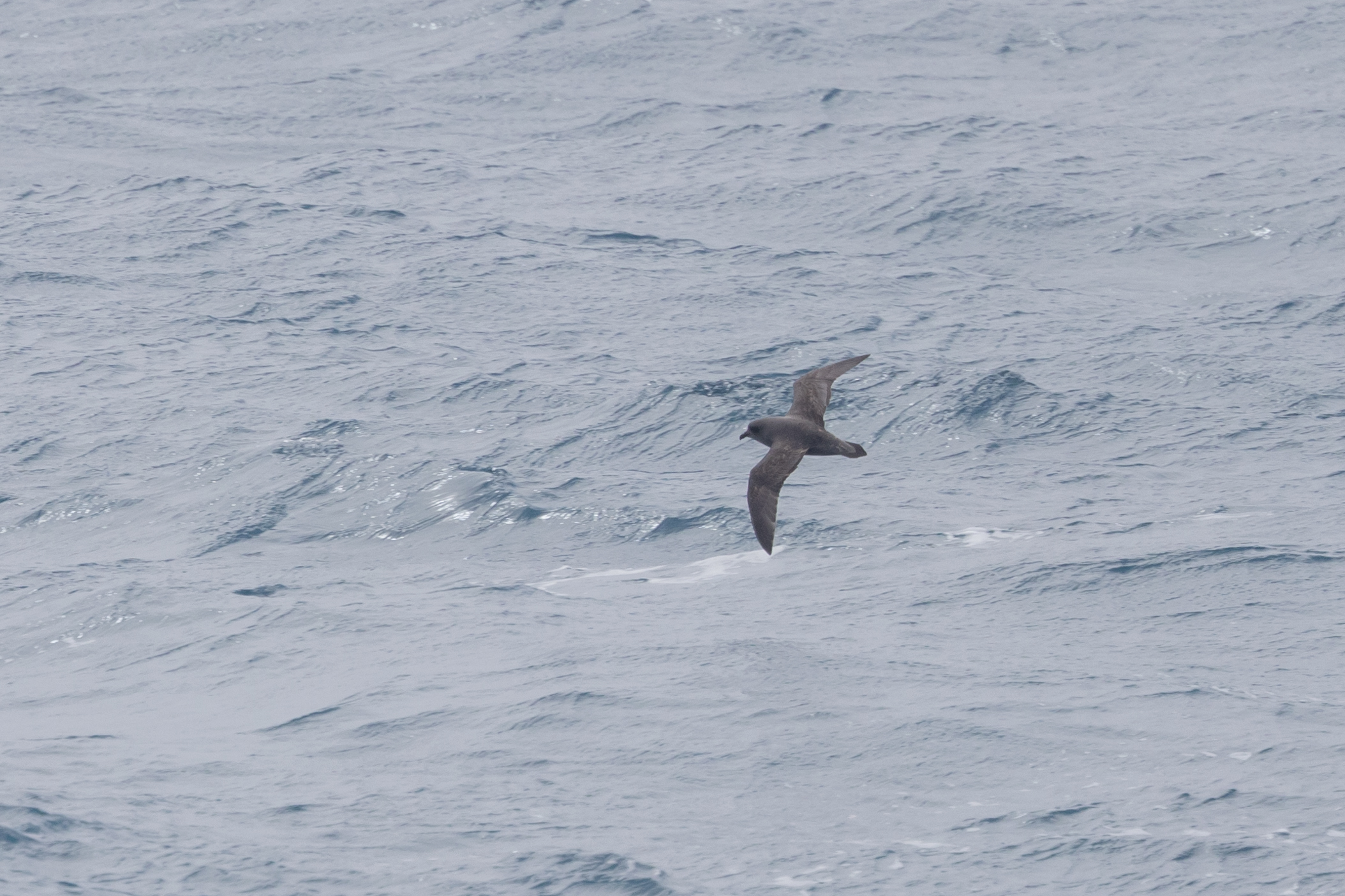
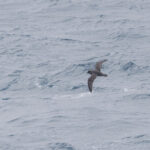
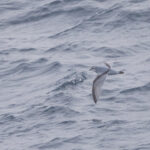
Kerguelen Petrel (image by Mike Galtry)
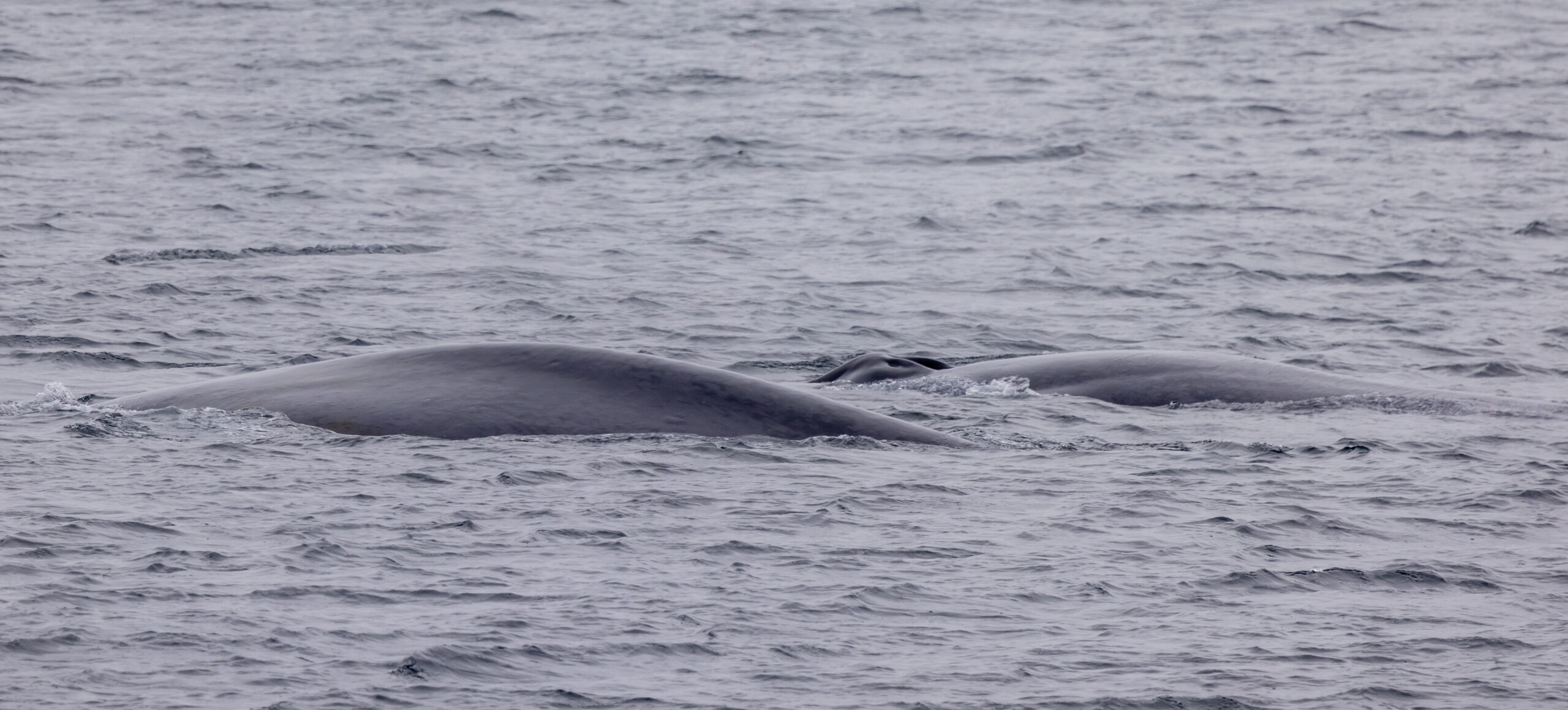
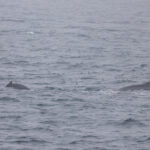
Blue Whales; mum and daughter (image by Mike Galtry)
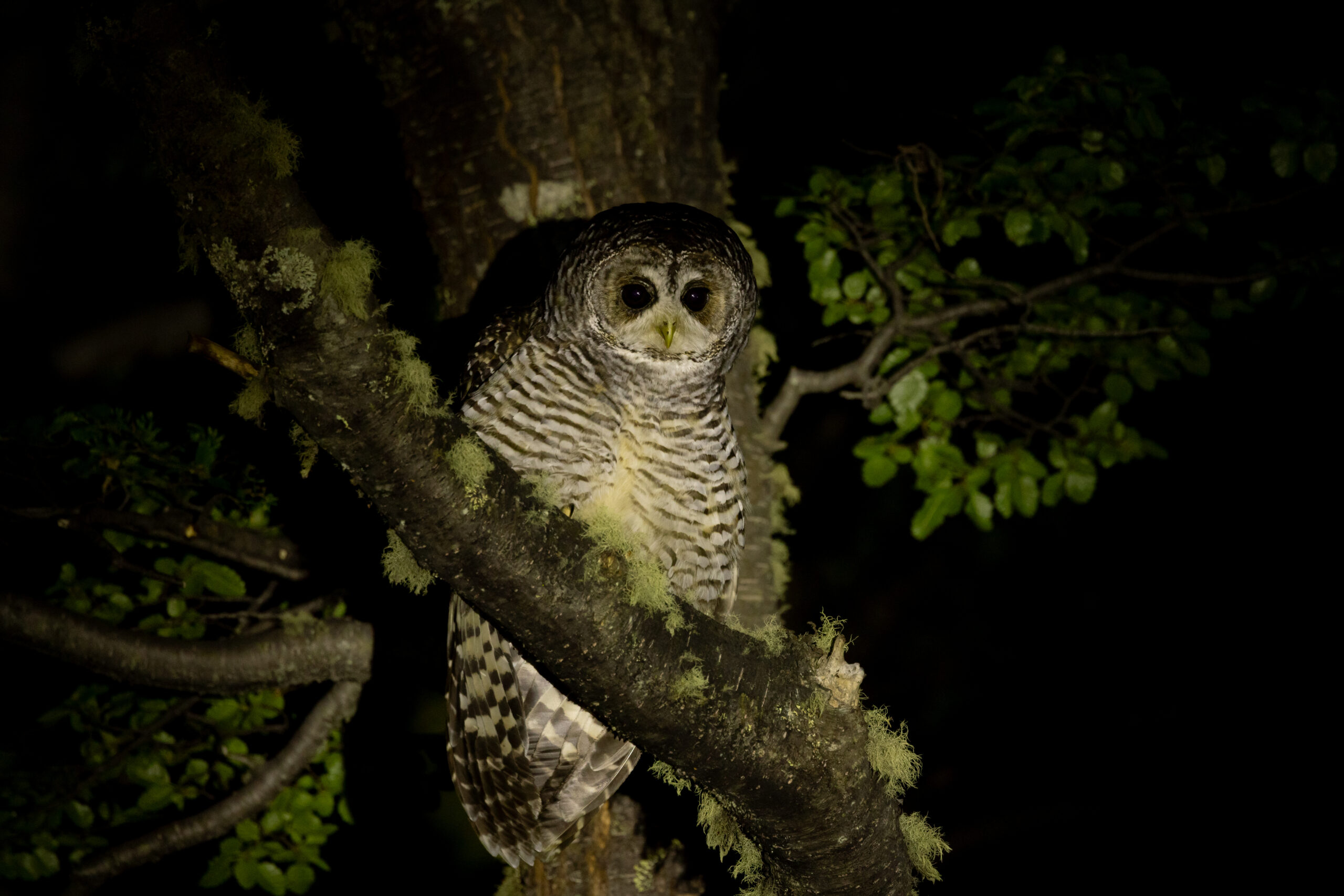
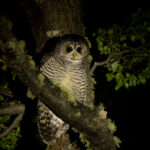
Rufous-legged Owl (image by Mike Galtry)
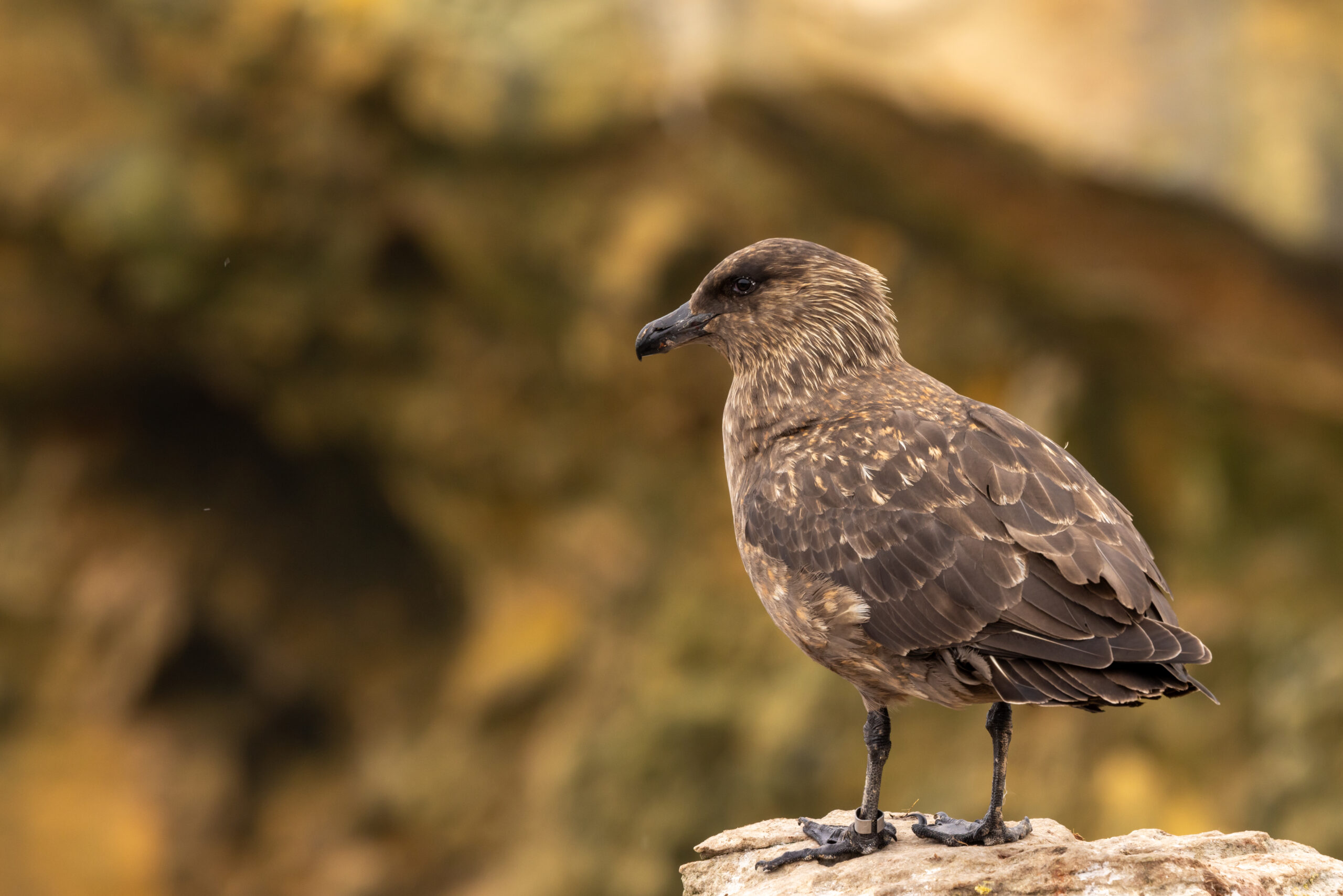
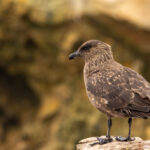
Brown Skua (image by Mike Galtry)
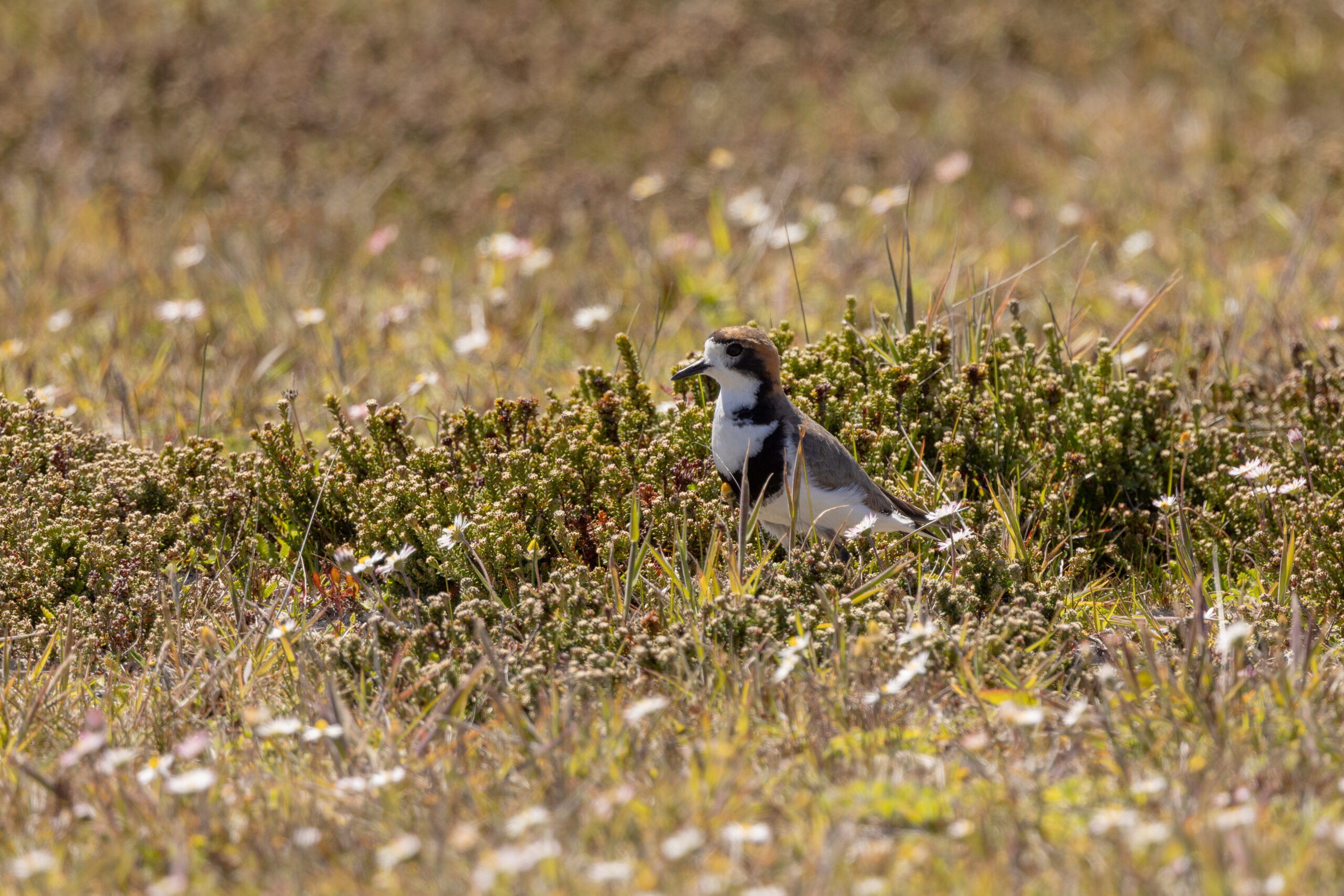
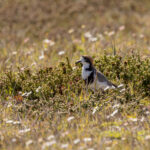
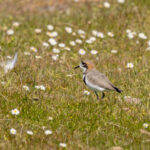
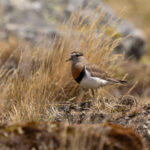
Two-banded Plover (image by Mike Galtry)
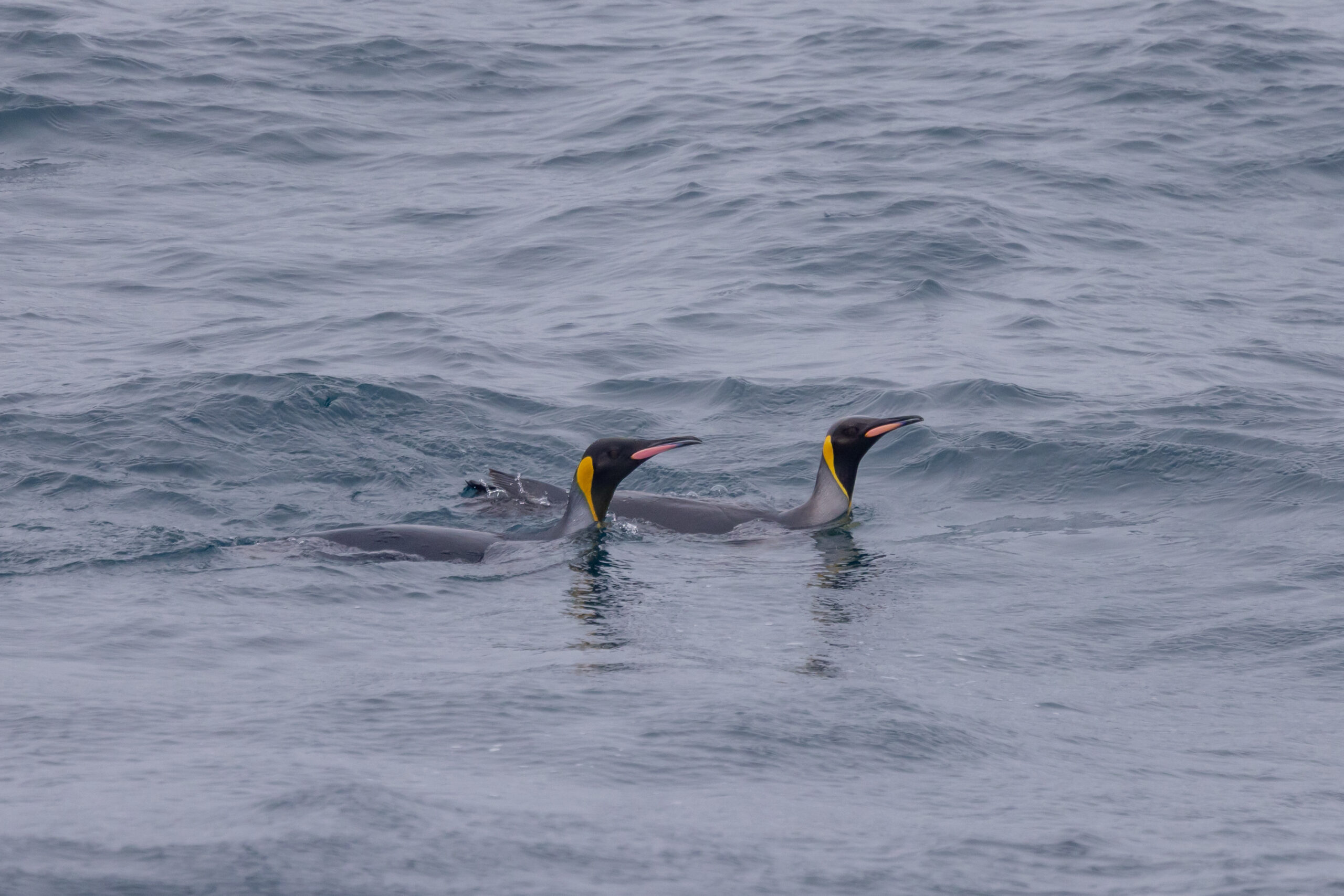
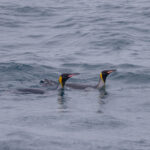
King Penguins (image by Mike Galtry)
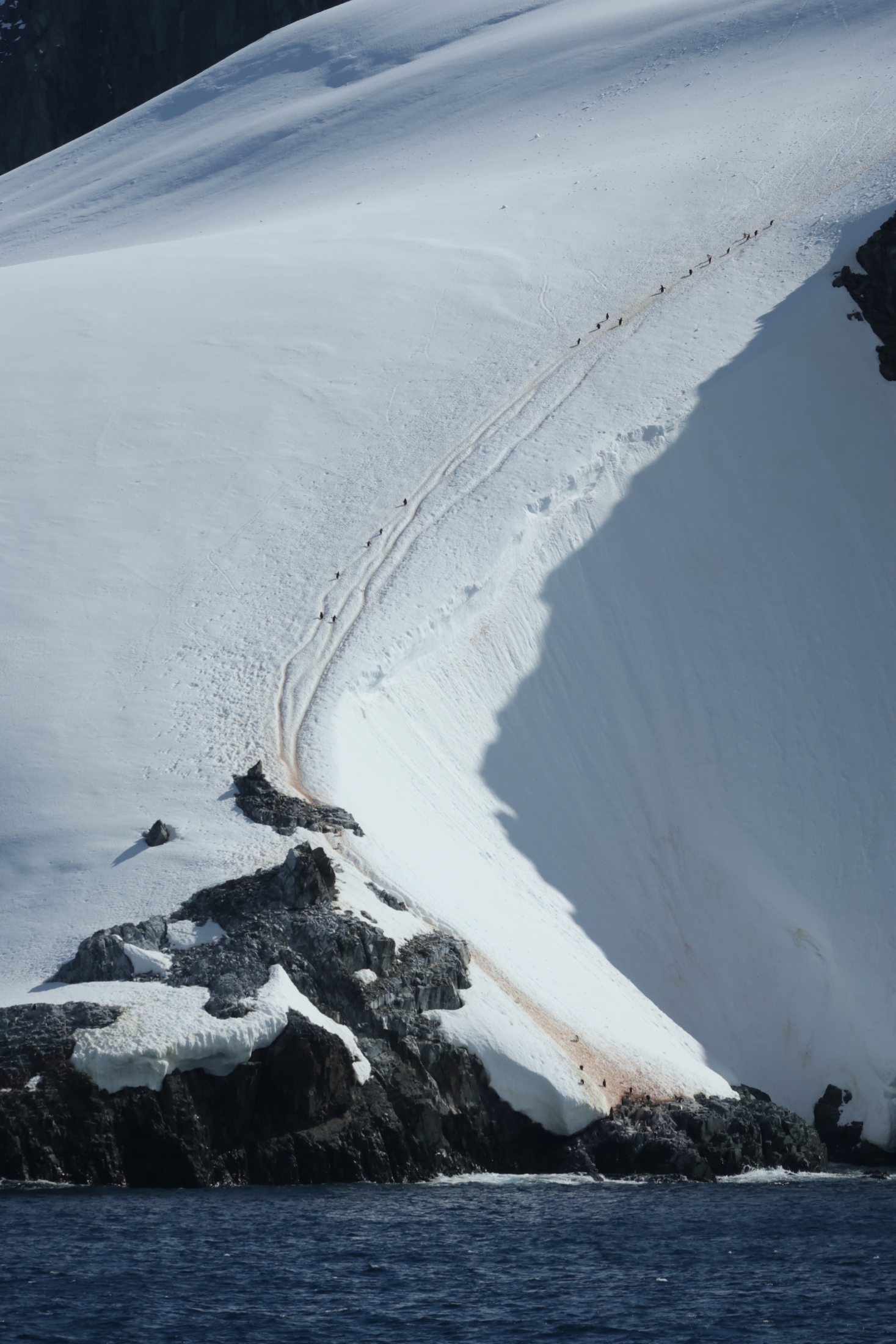
Chinstrap Penguins trailing up the mountain to their colony. (image by Michael O'Clery)
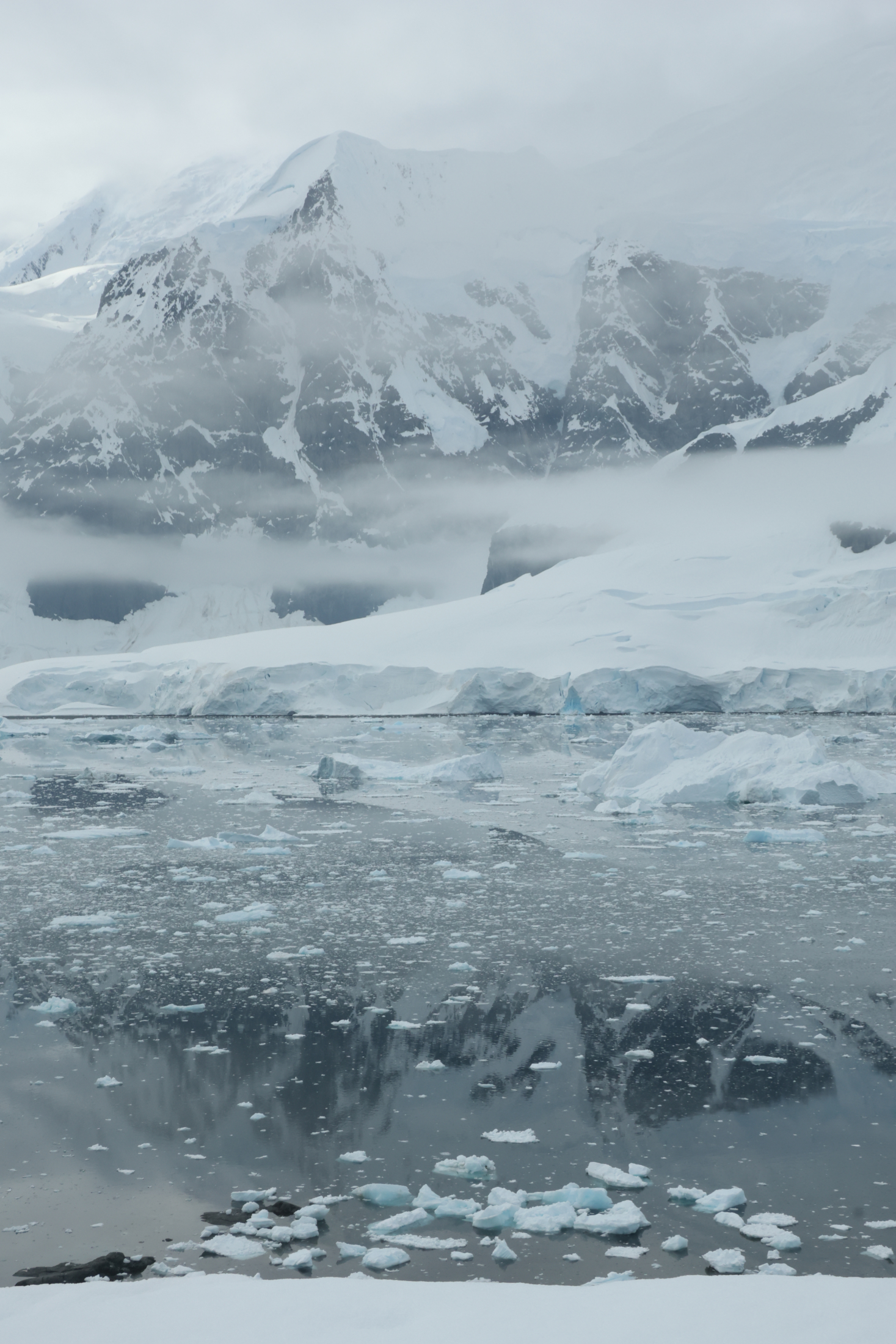
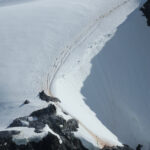
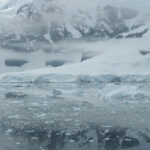
Antarctica on Christmas Day (image by Michael O'Clery)(image by Michael O'Clery)
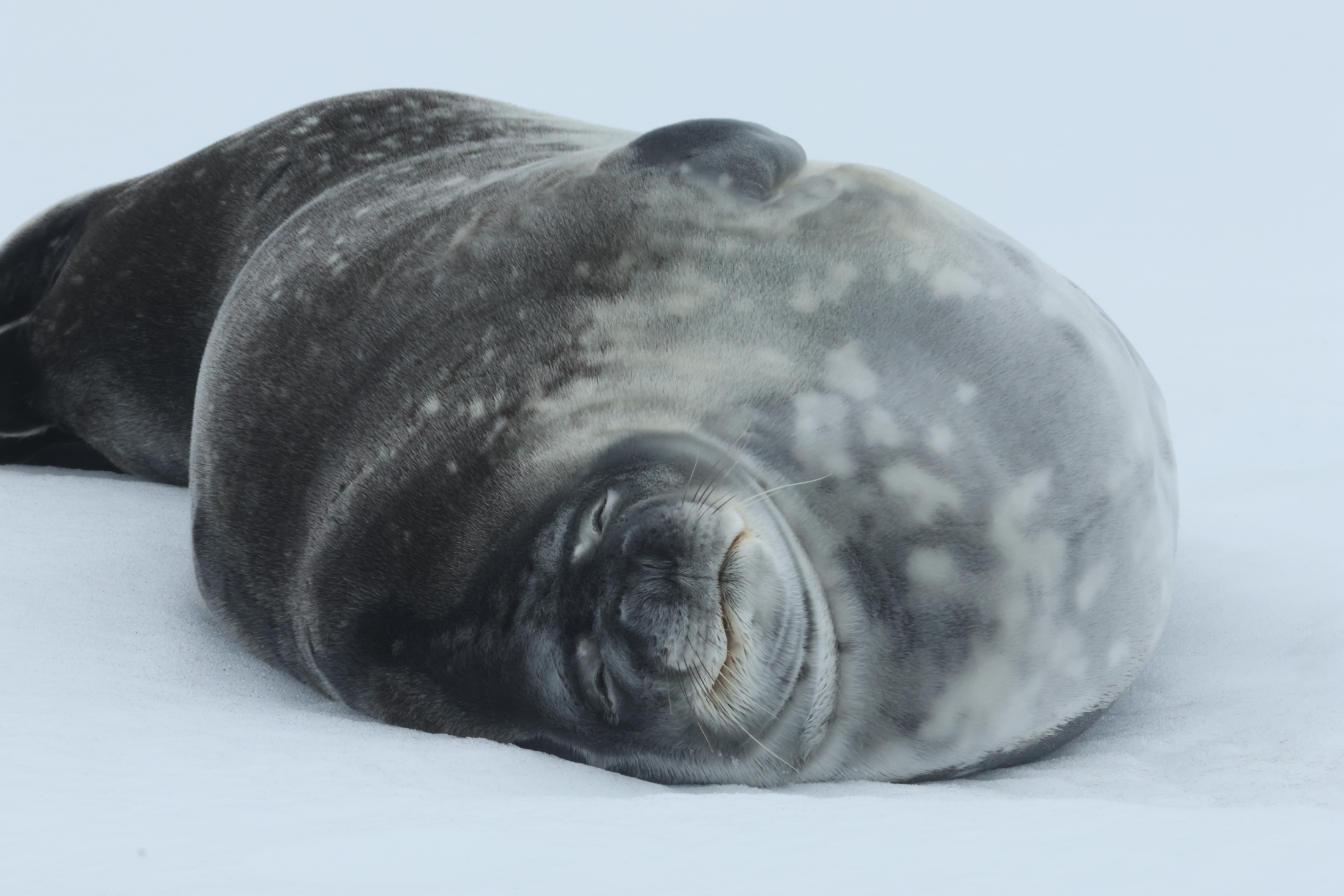
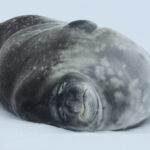
Weddell Seal (image by Michael O'Clery)
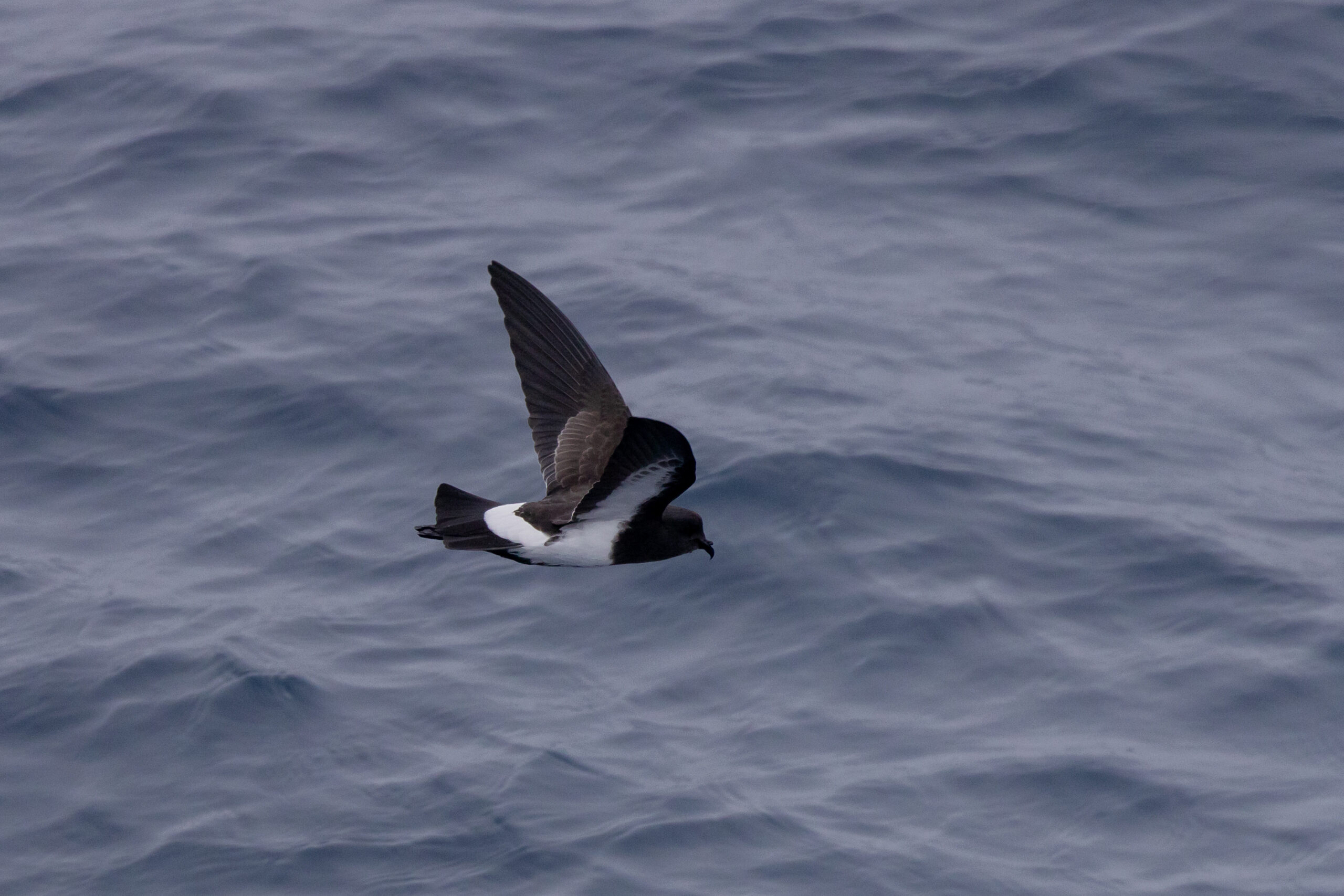
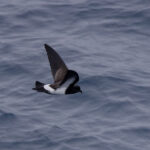
Black-bellied Storm Petrel (image by Mike Galtry)
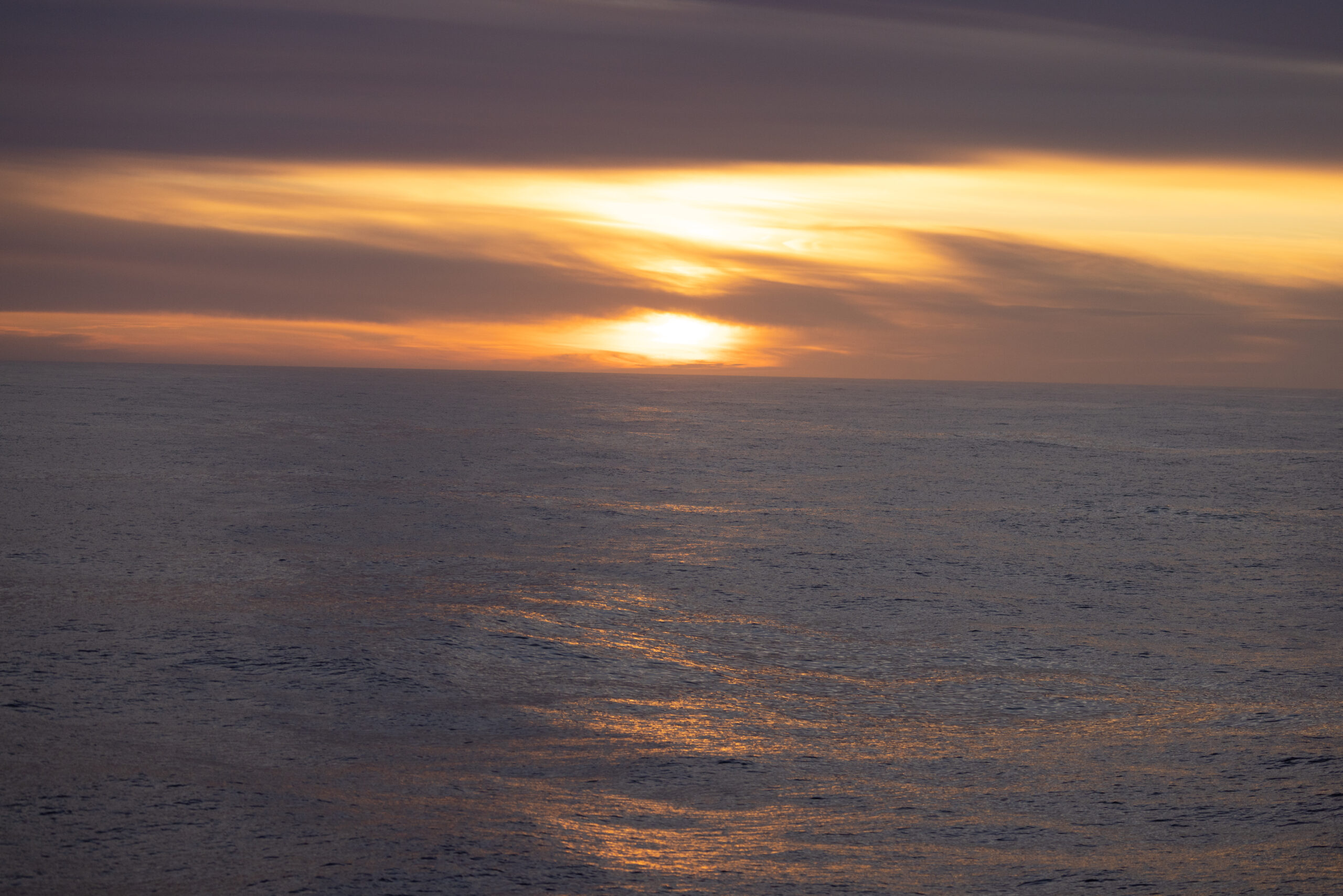
Setting sail for South Georgia! (image by Mike Galtry)
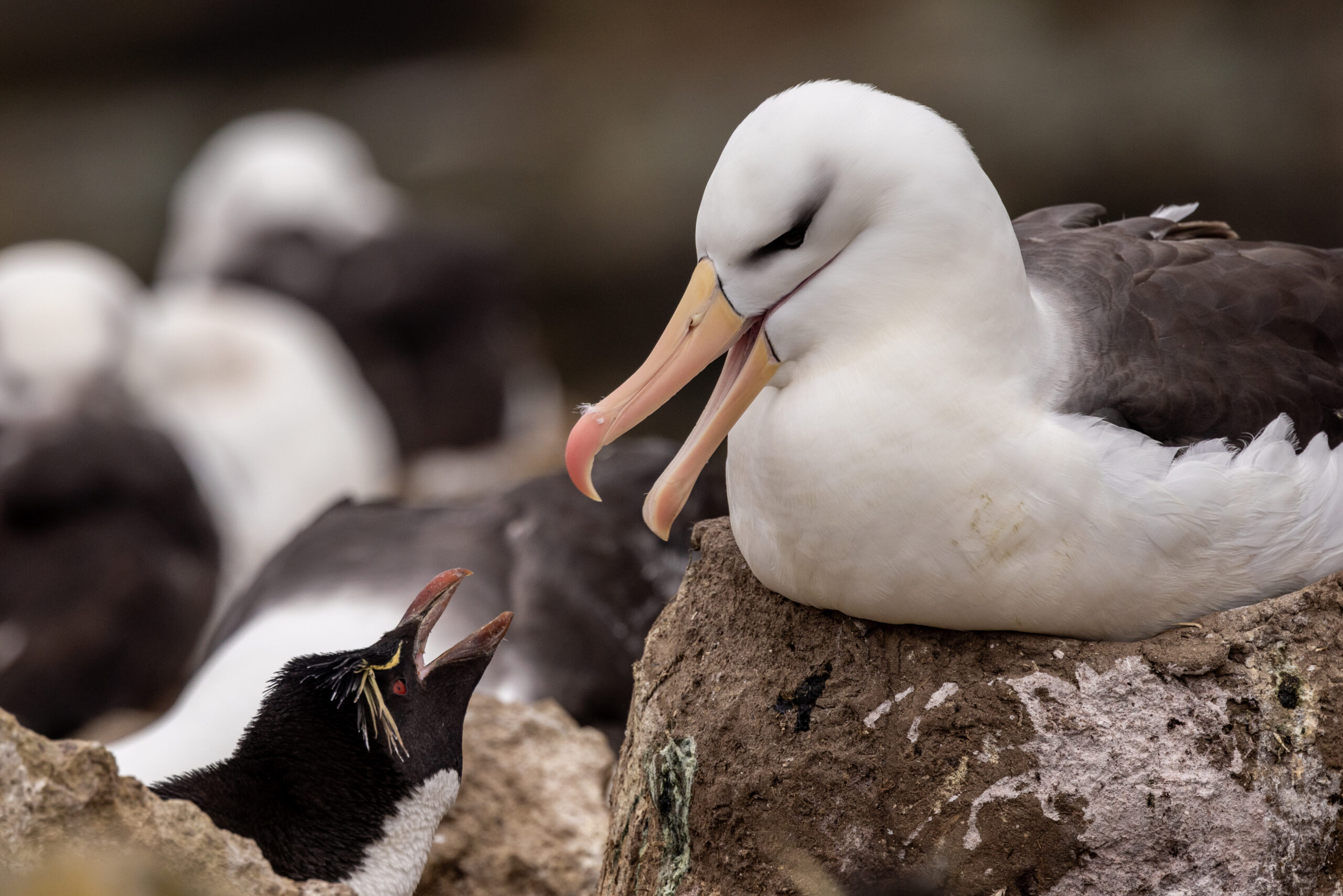
Black-browed Albatross (image by Mike Galtry)
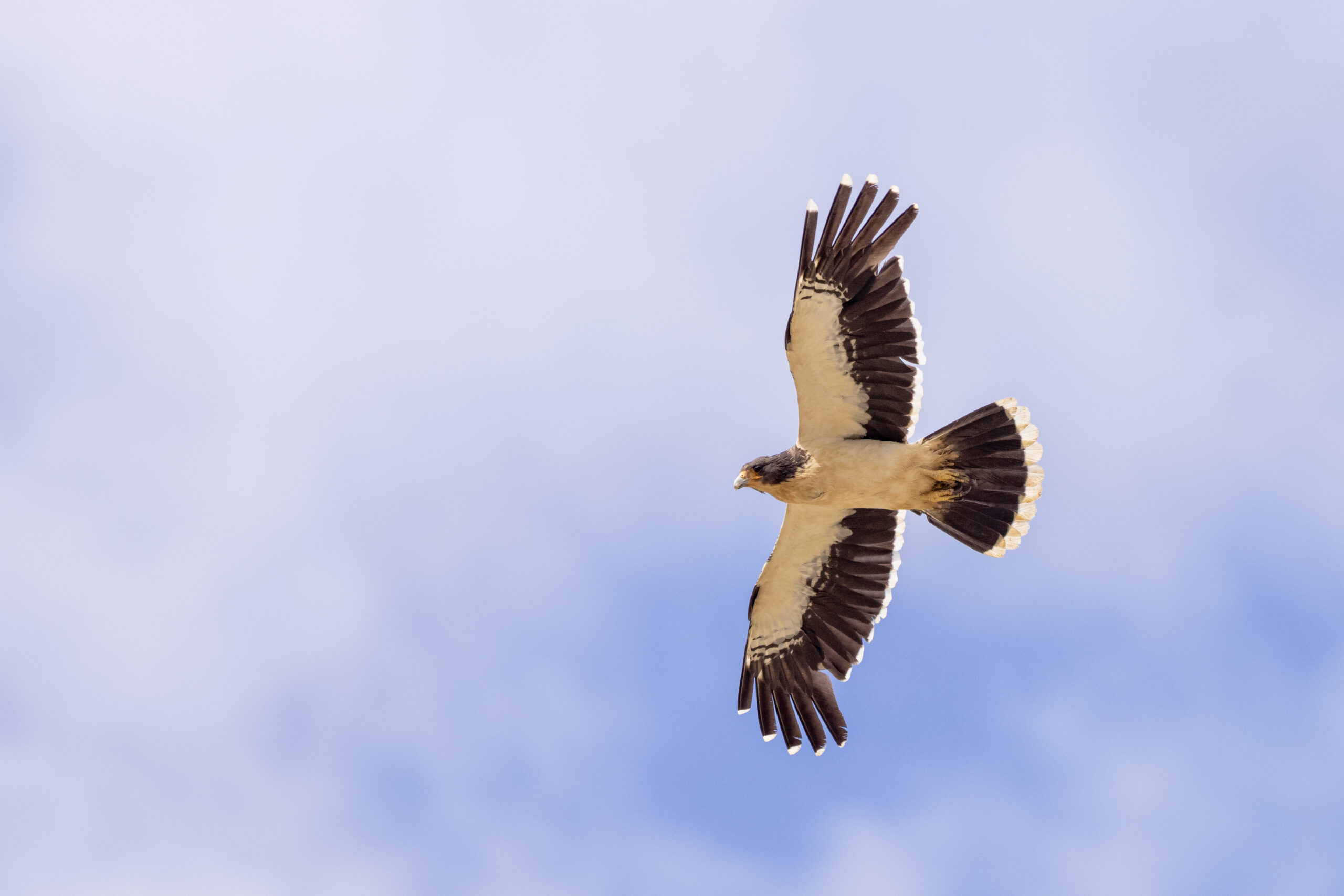
White-throated Caracara (image by Mike Galtry)
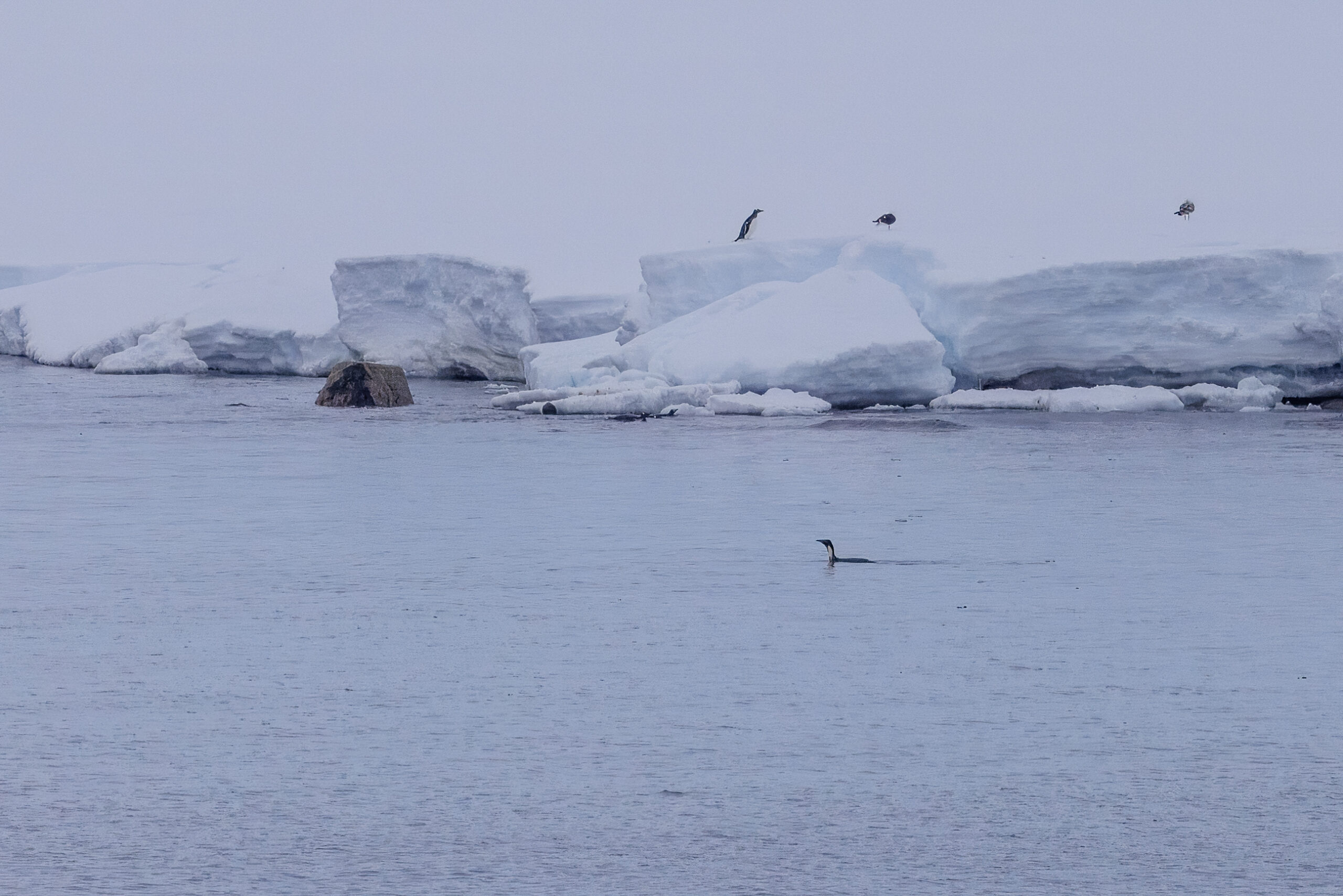
Emperor Penguin (image by Mike Galtry)
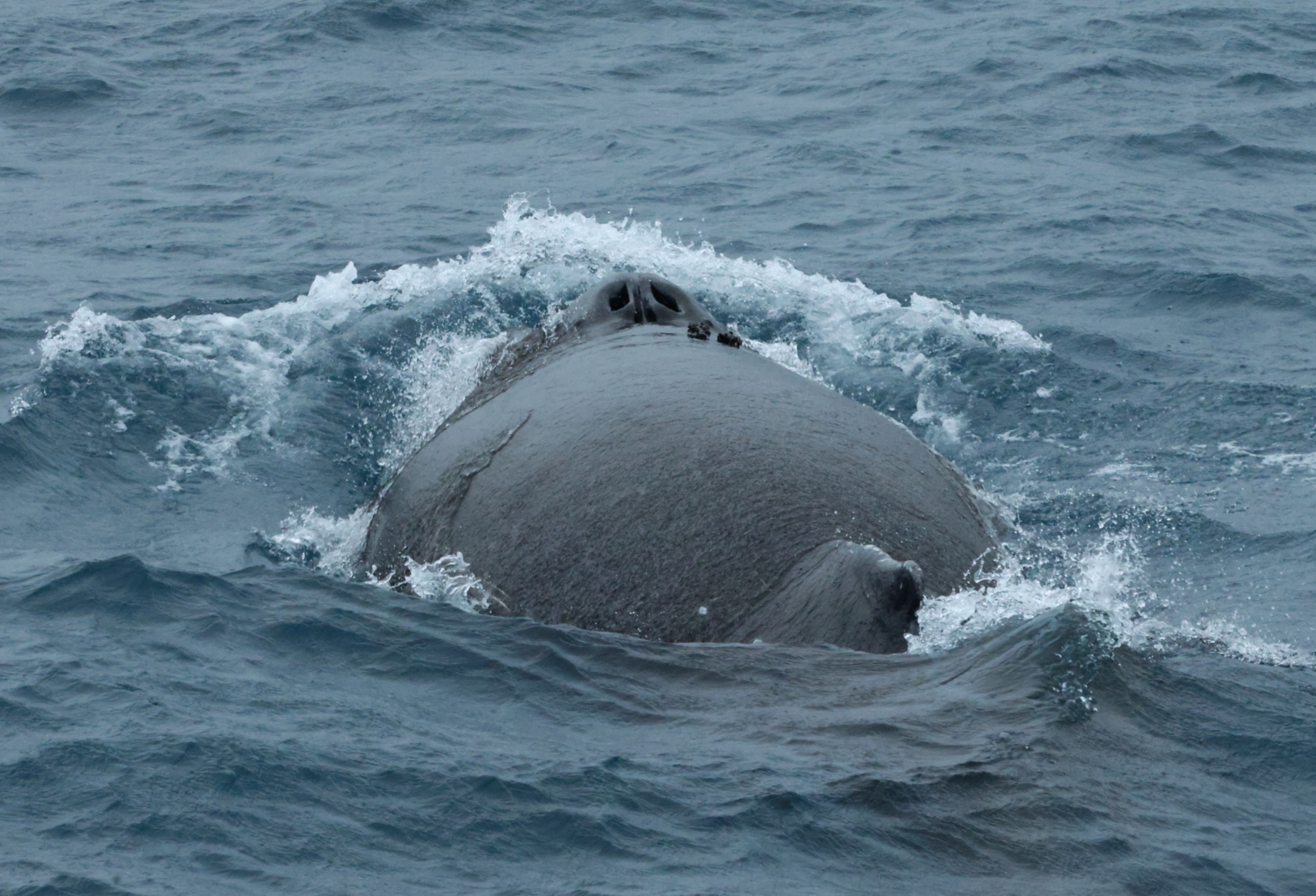
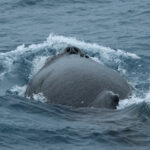
Humpback Whale (image by Michael O'Clery)
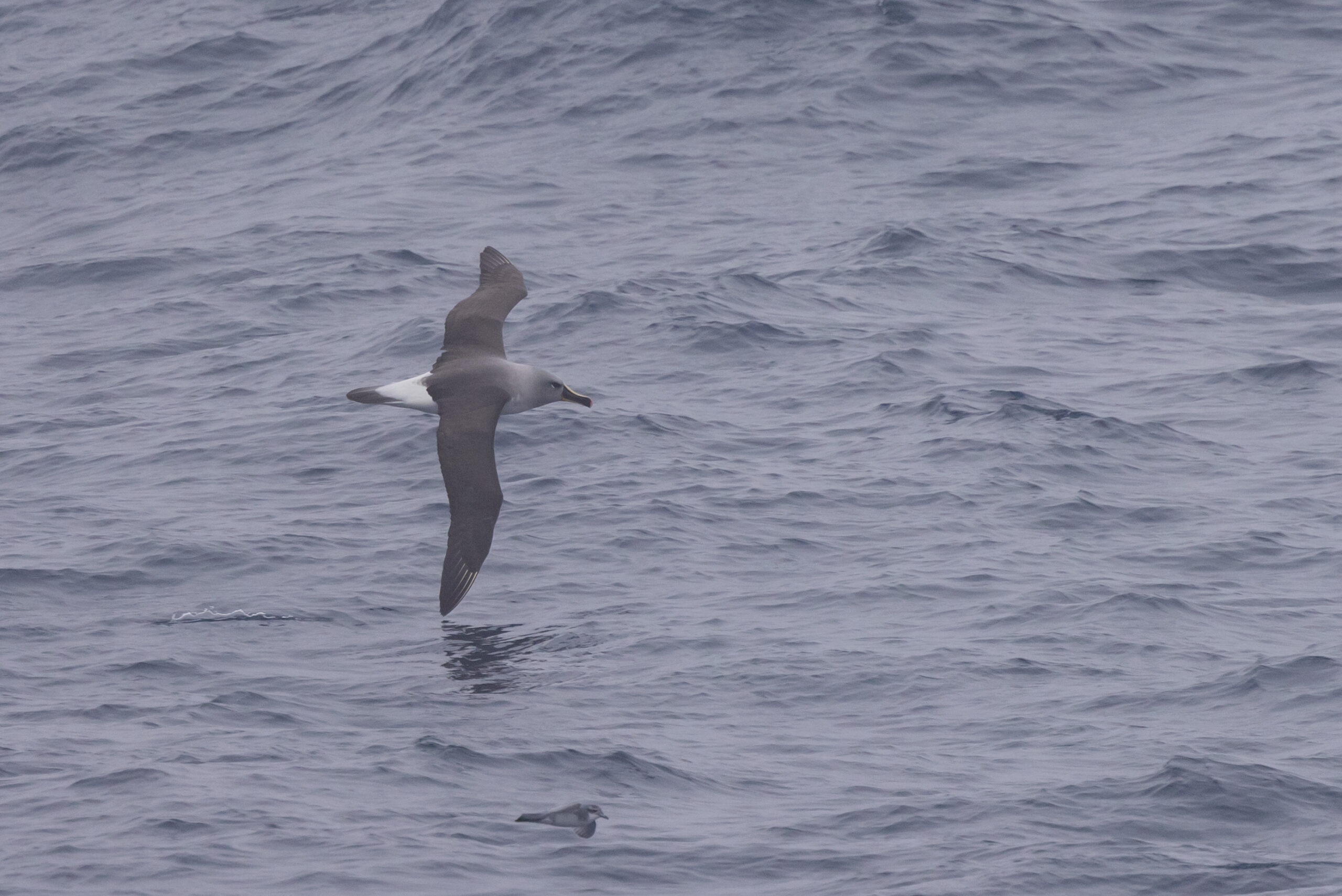
Grey-headed Albatross (image by Mike Galtry)
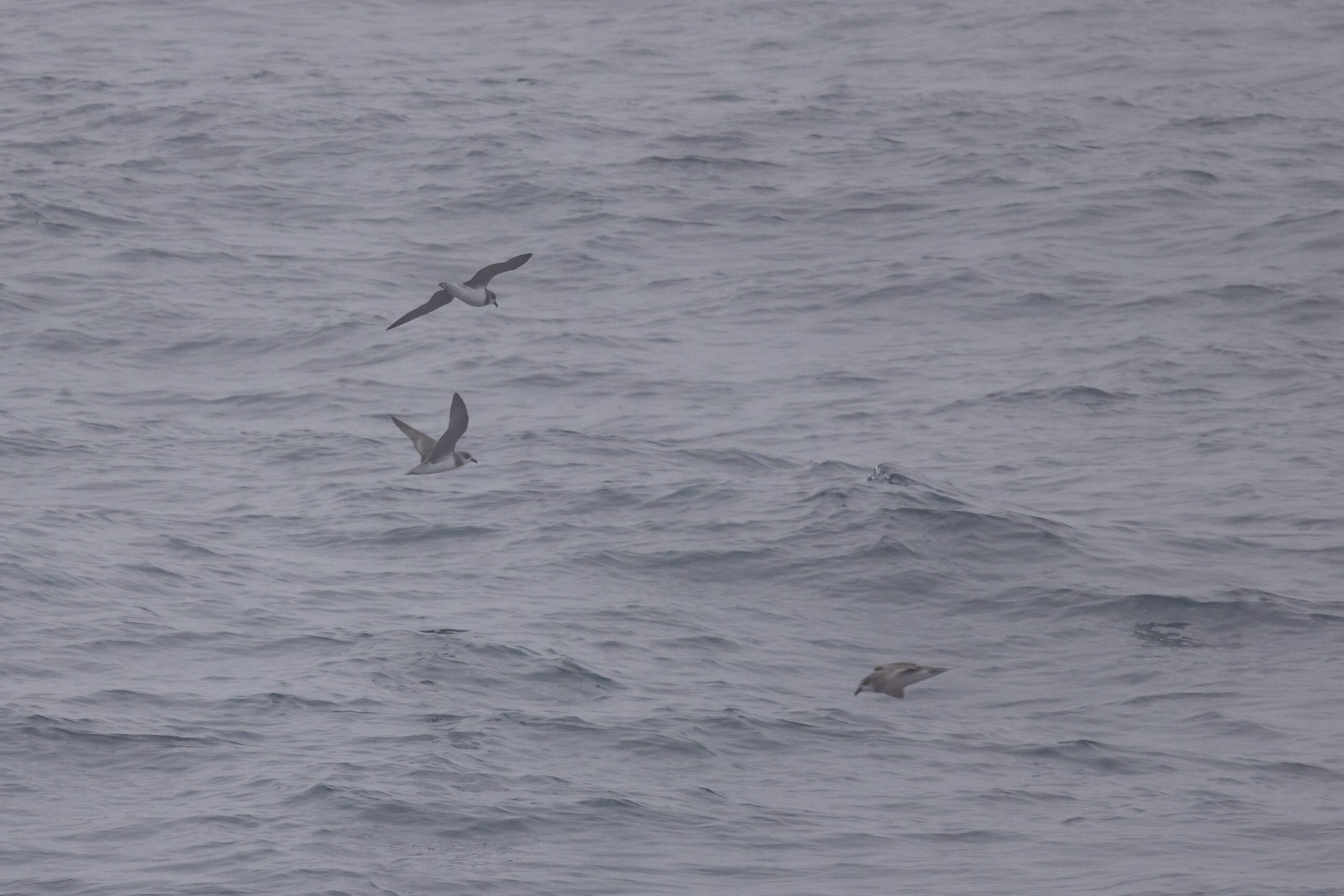
Soft-plumaged Petrel frenzy (image by Mike Galtry)
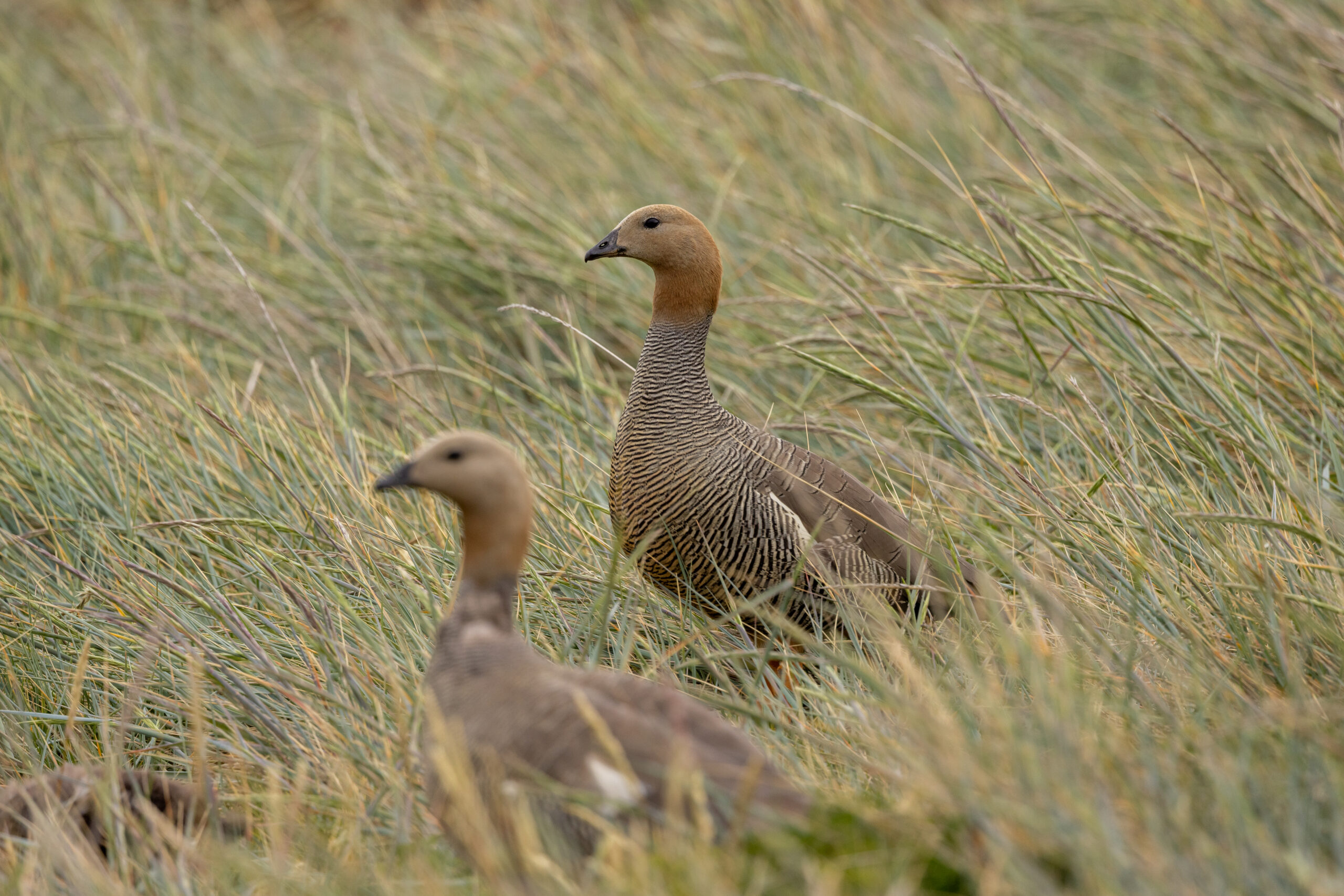
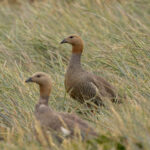
Ruddy-headed Geese (image by Mike Galtry)
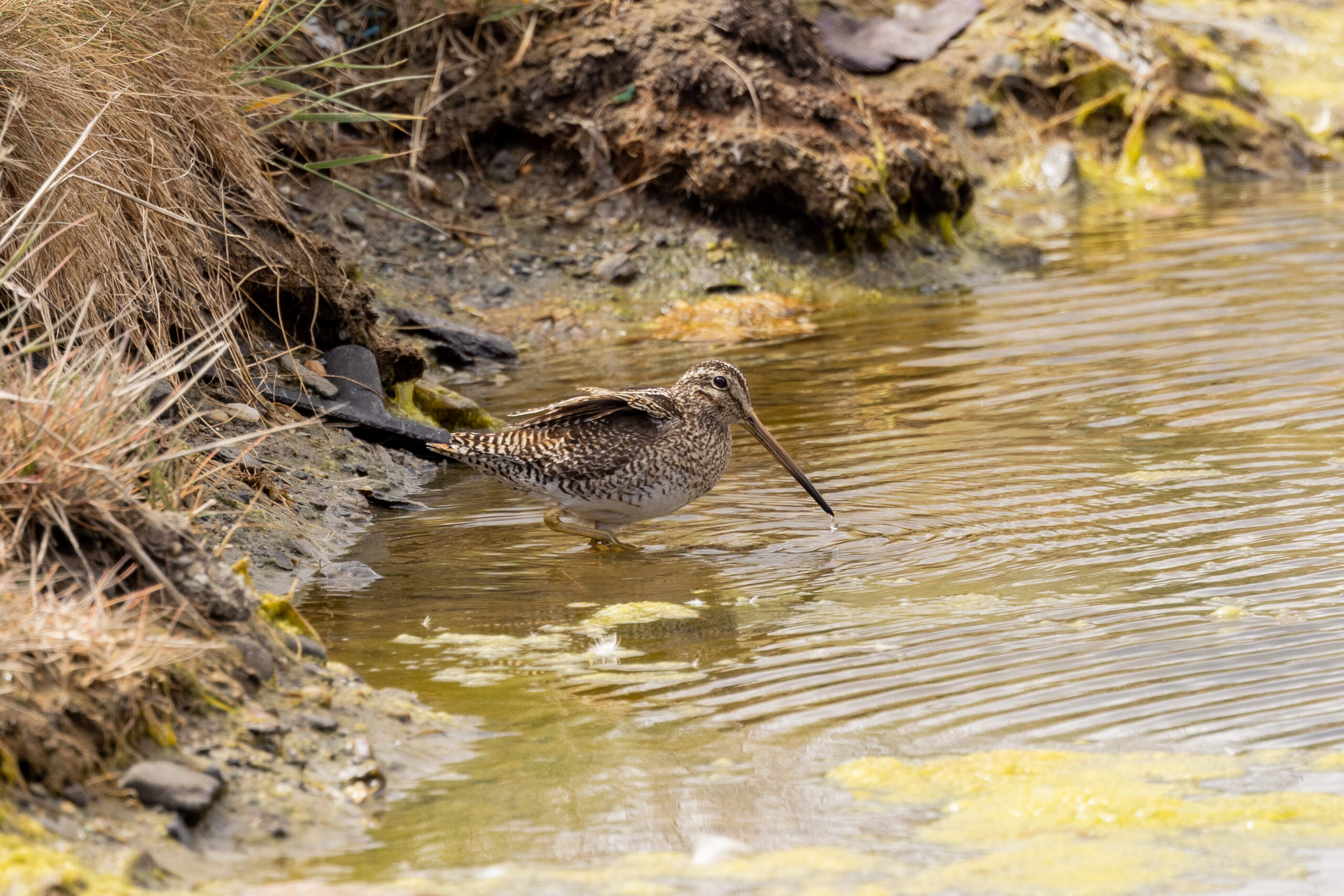
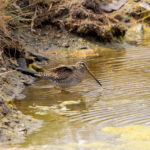
Magellanic Snipe (image by Mike Galtry)
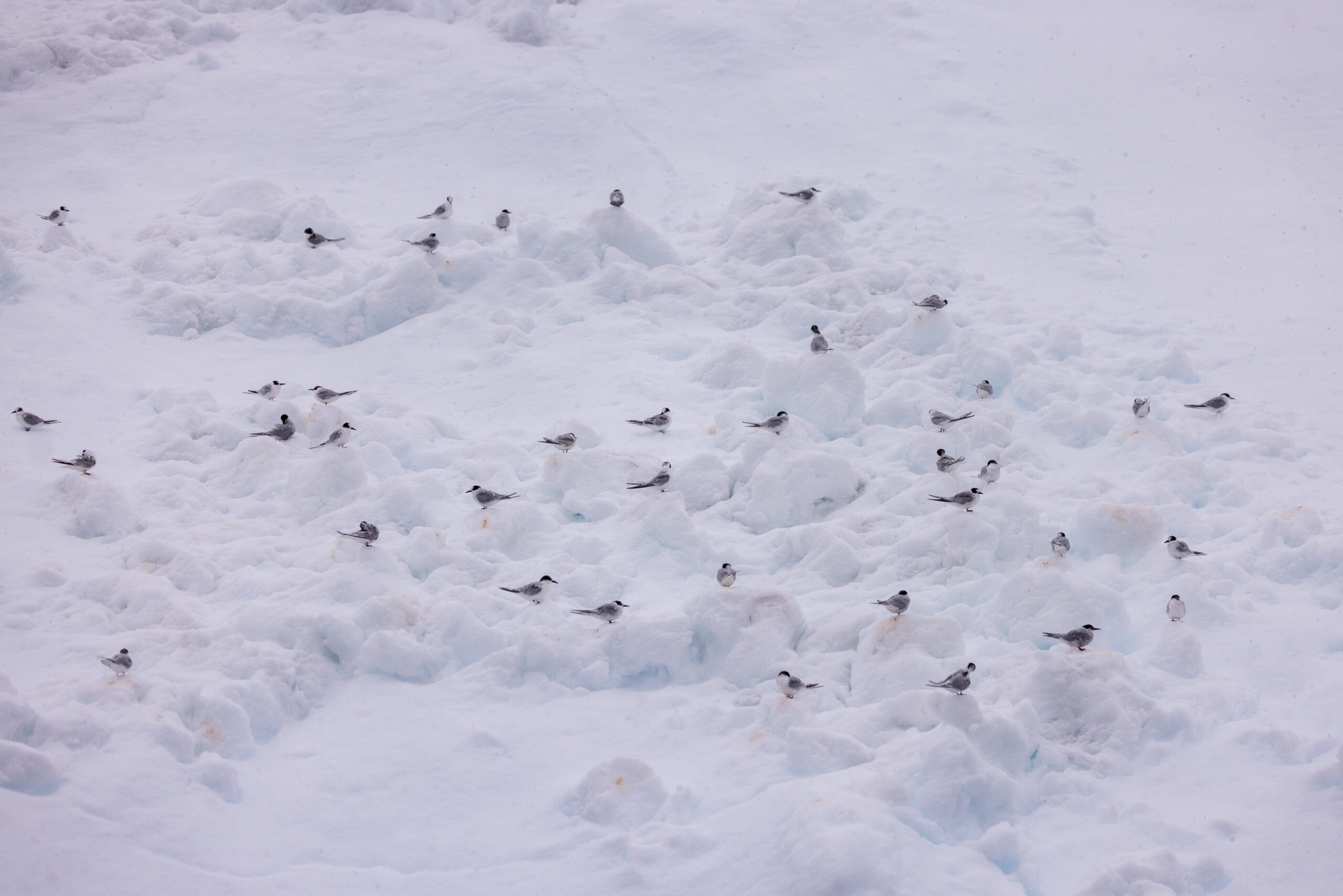
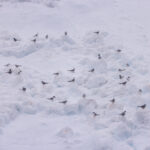
Antarctic Terns (image by Mike Galtry)
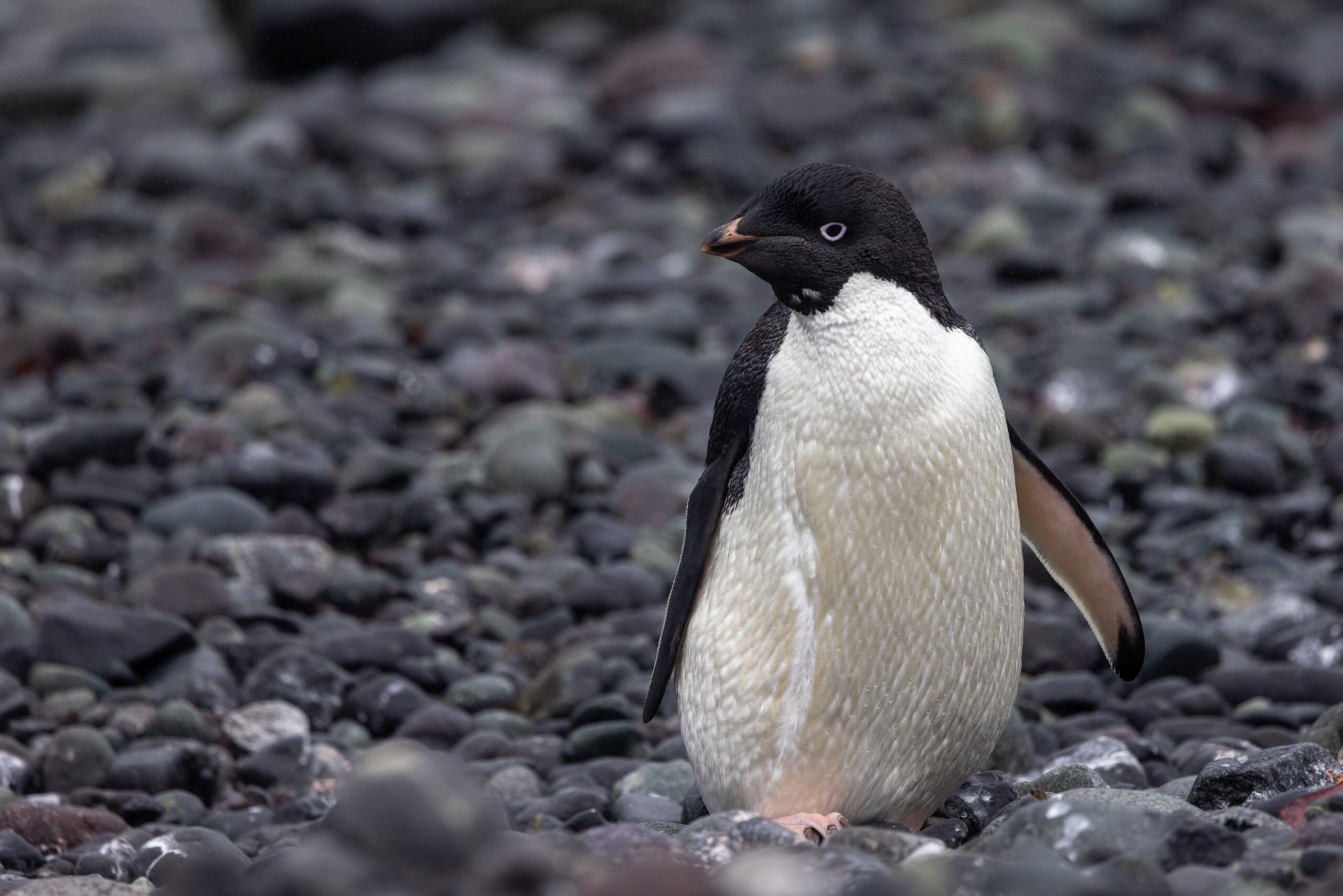
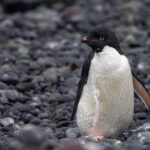
Adélie Penguin (image by Mike Galtry)
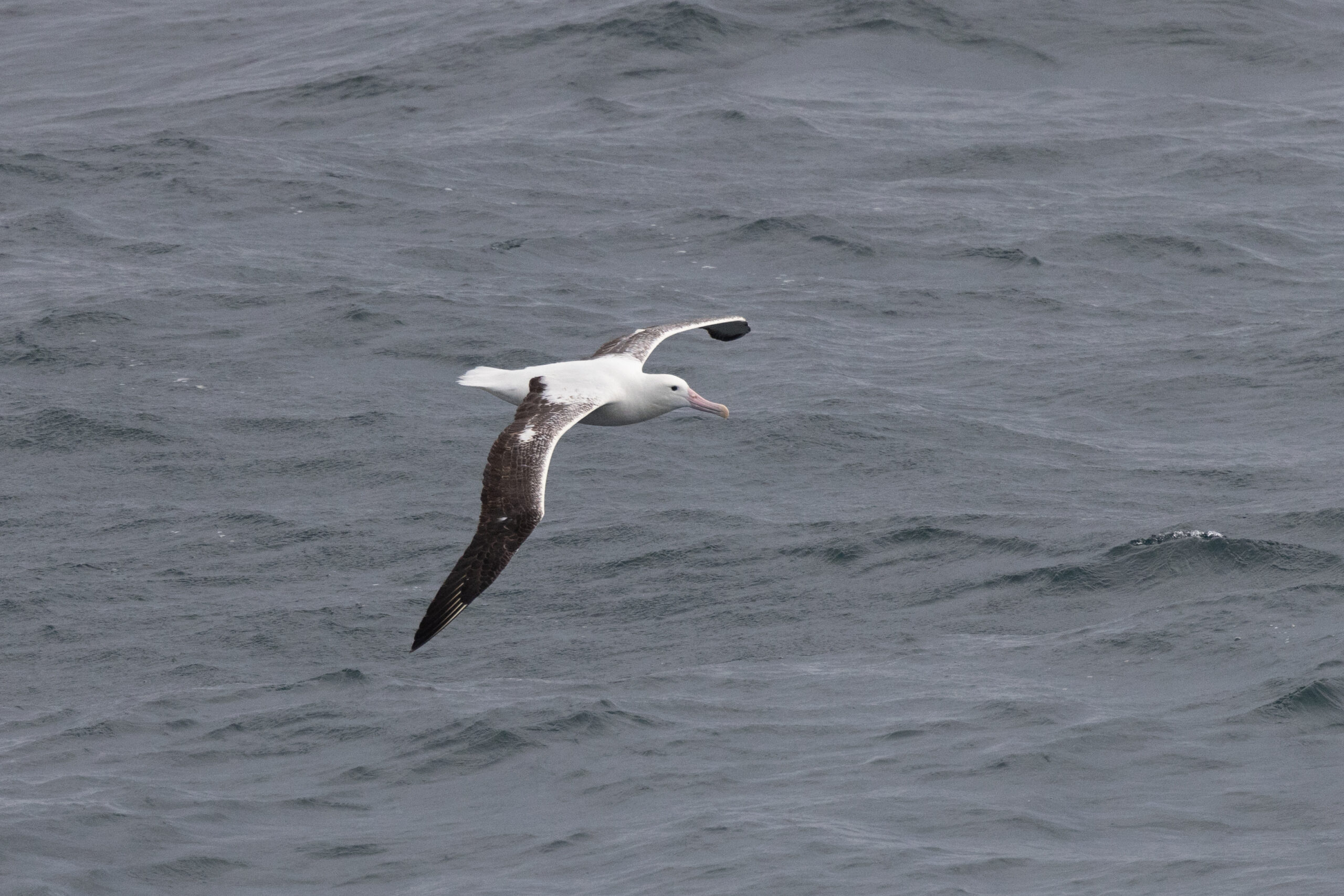
Southern Royal Albatross (image by Mike Galtry)
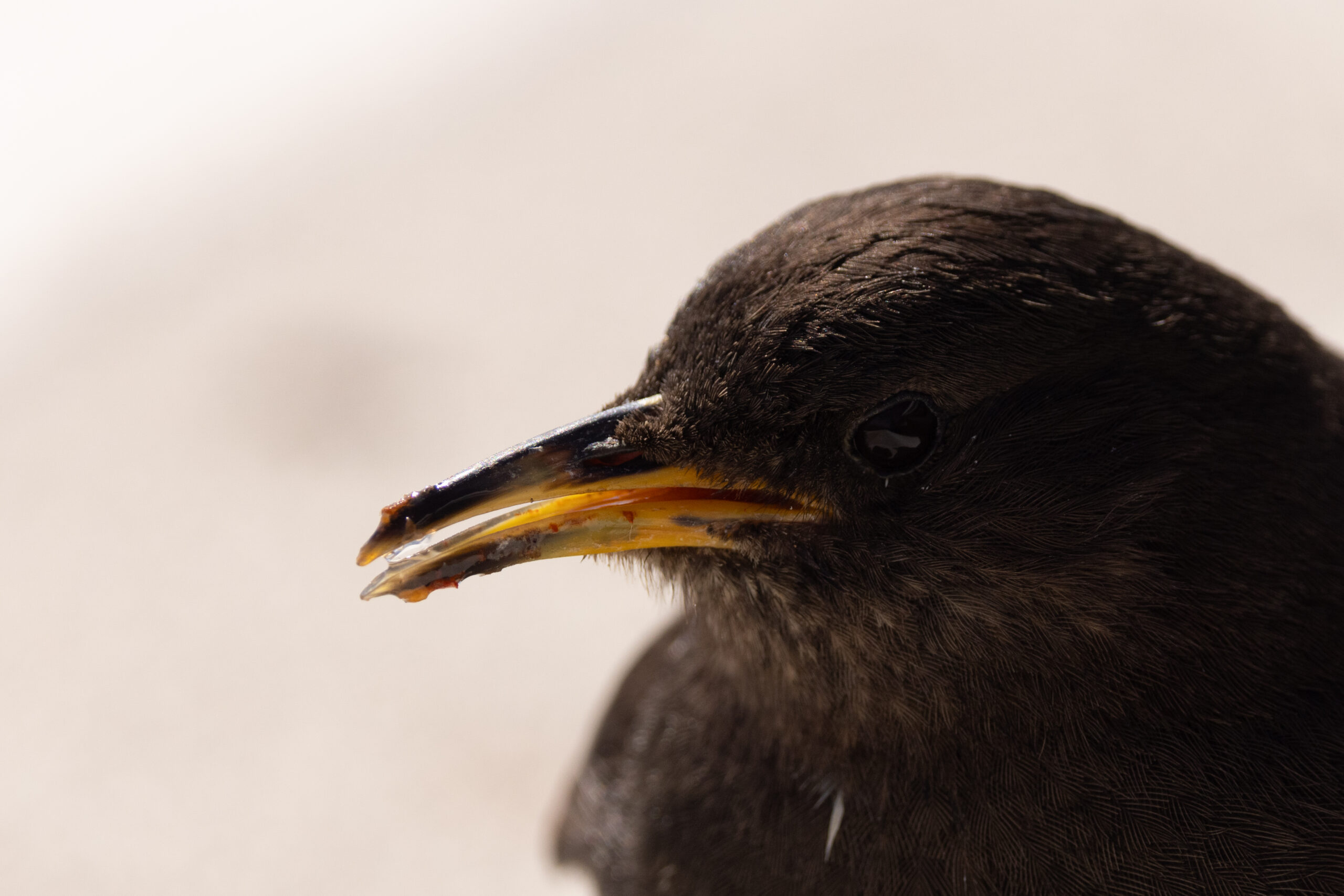
Blackish Cinclodes (image by Mike Galtry)
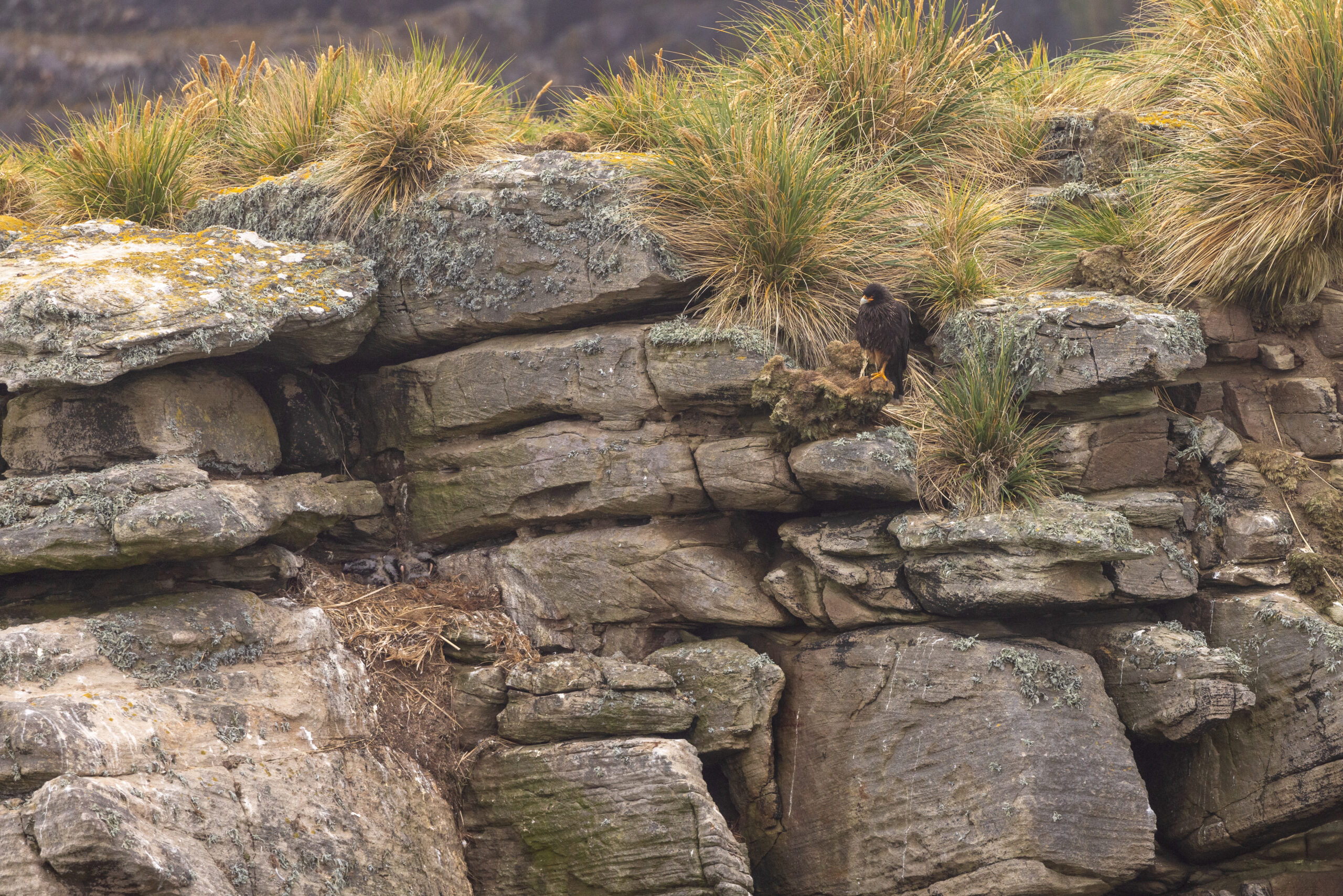
Striated Caracara, with nest (image by Mike Galtry)
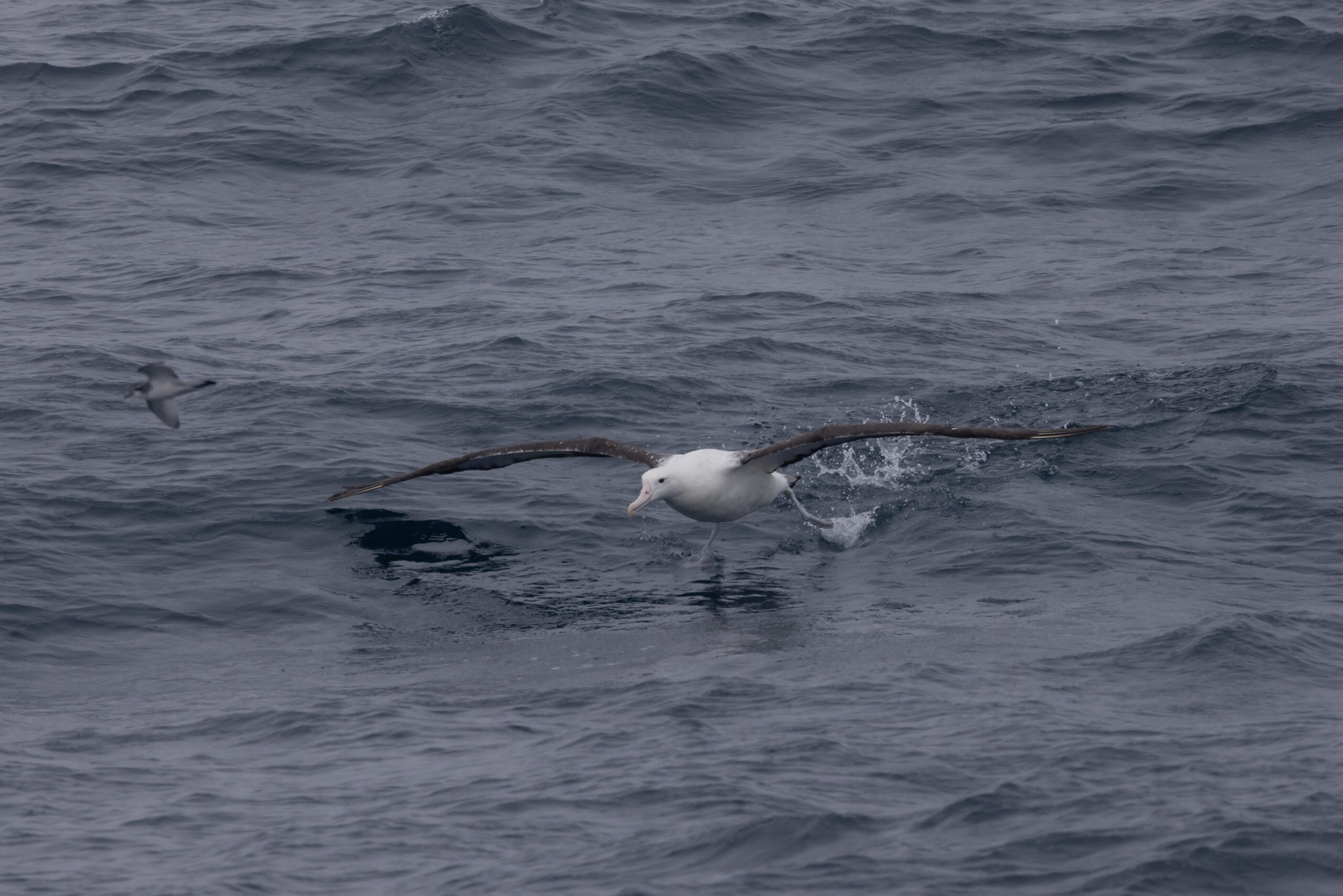
Northern Royal Albatross (image by Mike Galtry)
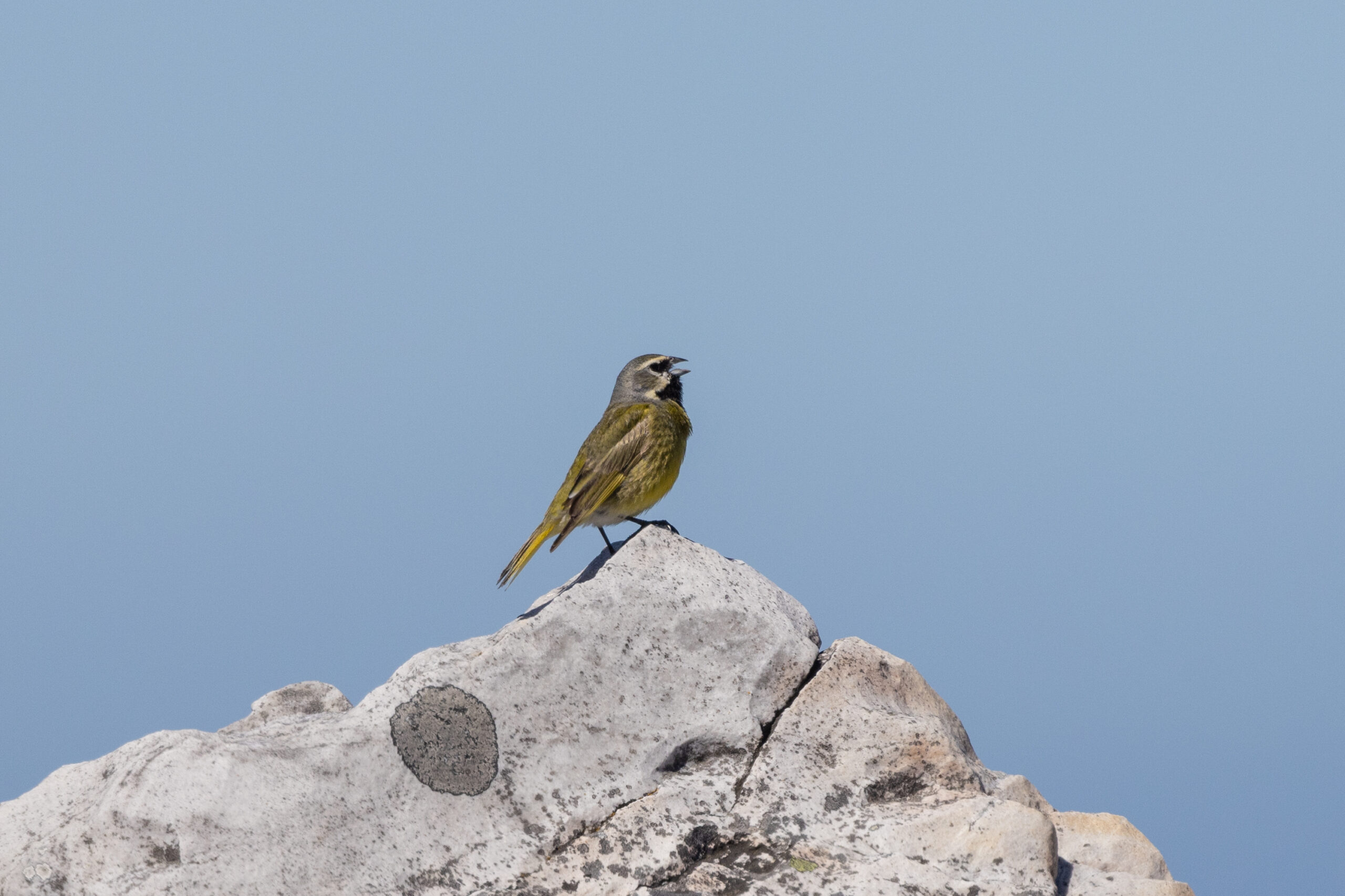
White-bridled Finch (image by Mike Galtry)
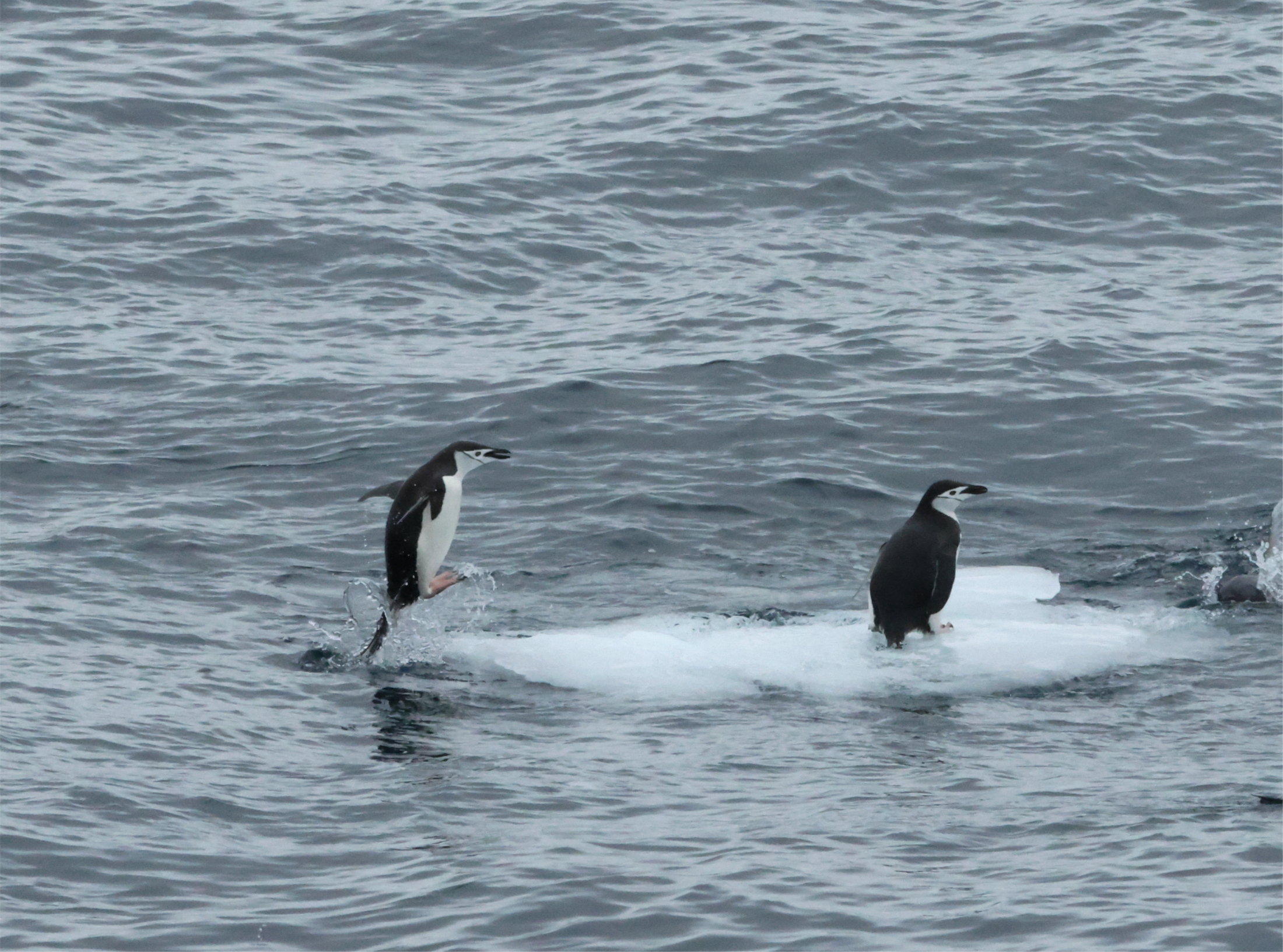
Chinstrap Penguin nailing the landing! (image by Michael O'Clery)
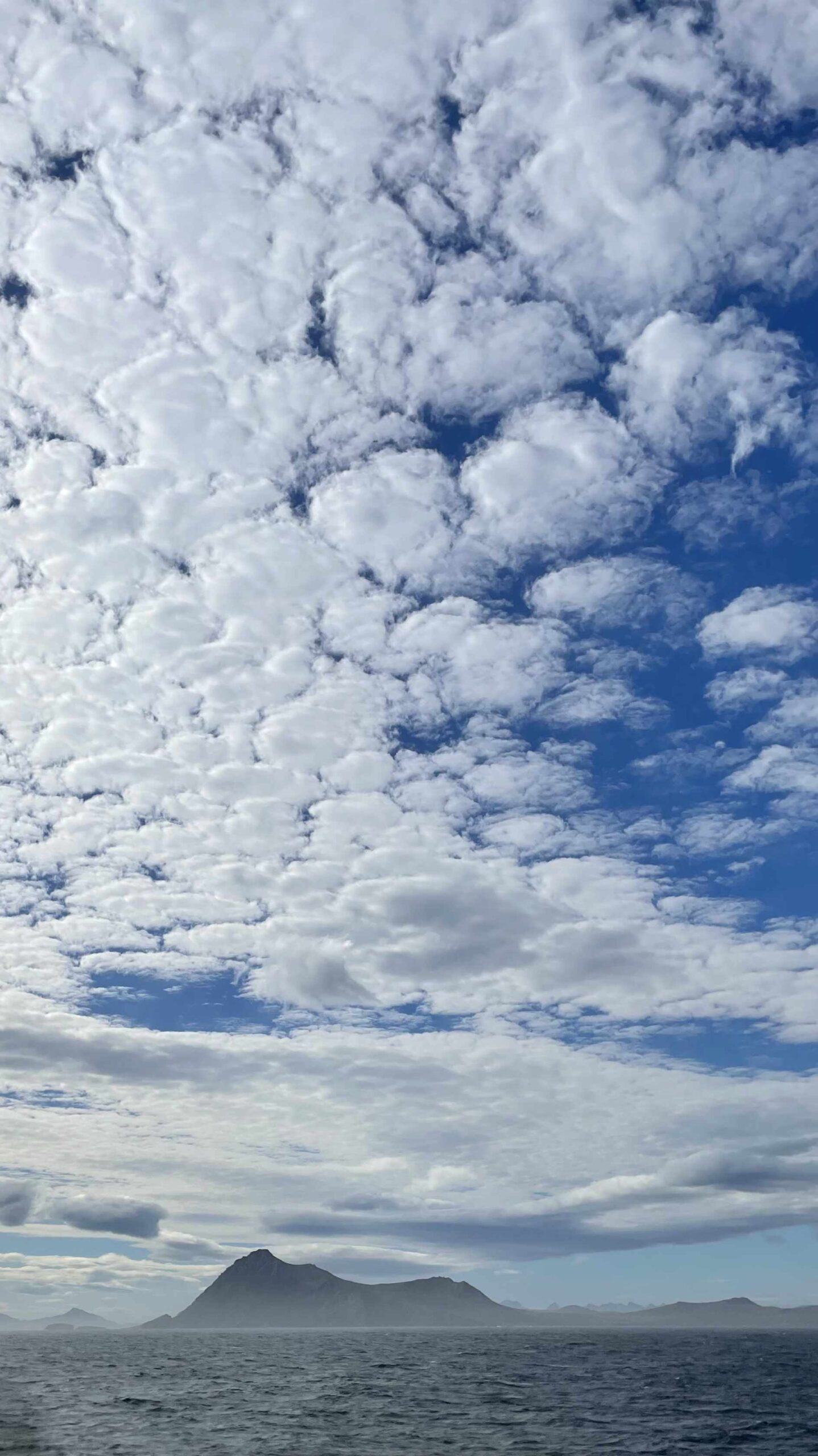
Cape Horn, on our way back to Ushuaia (image by Michael O'Clery)
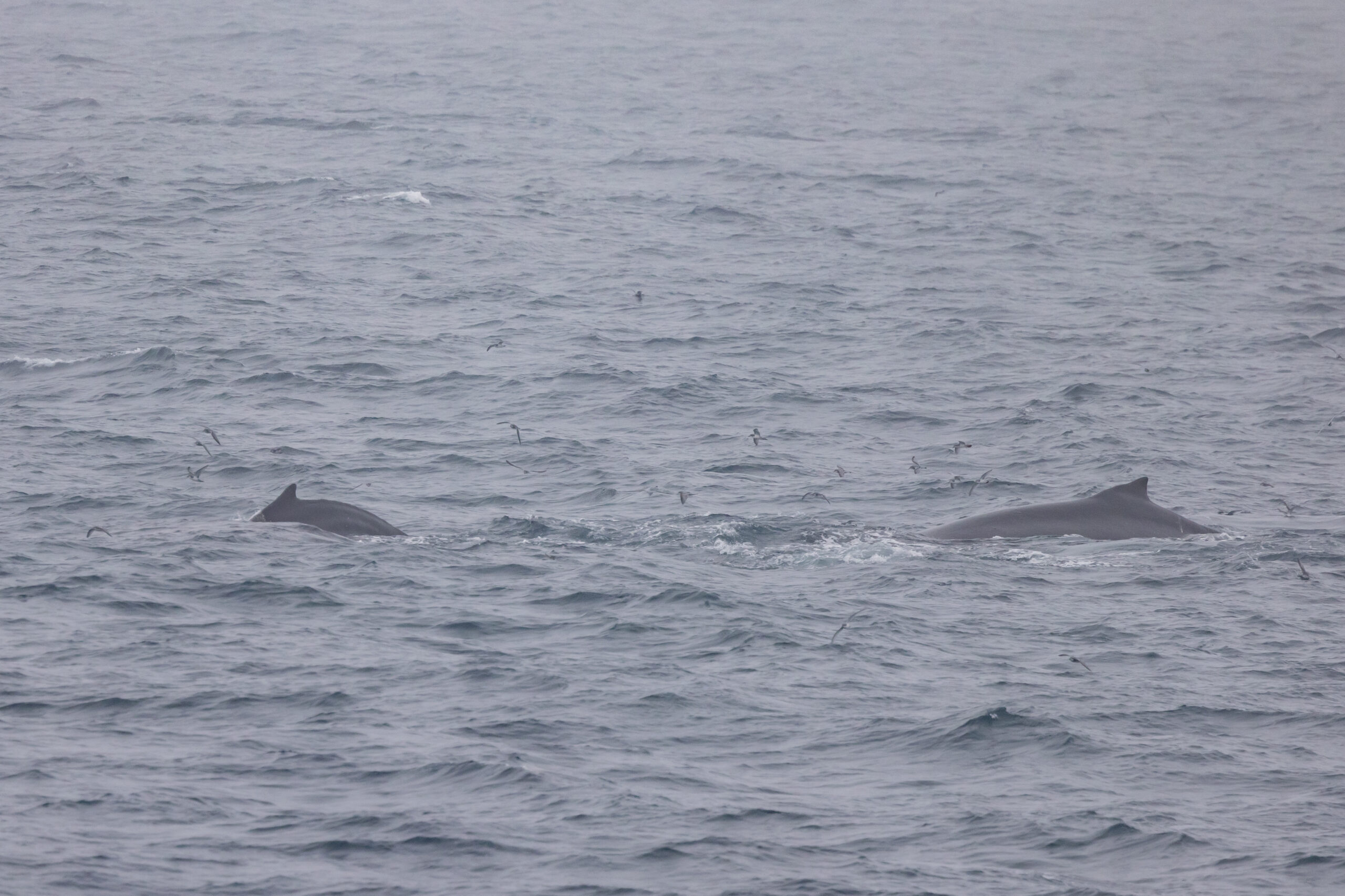
Feeding frenzy with Humpback Whales (image by Mike Galtry)
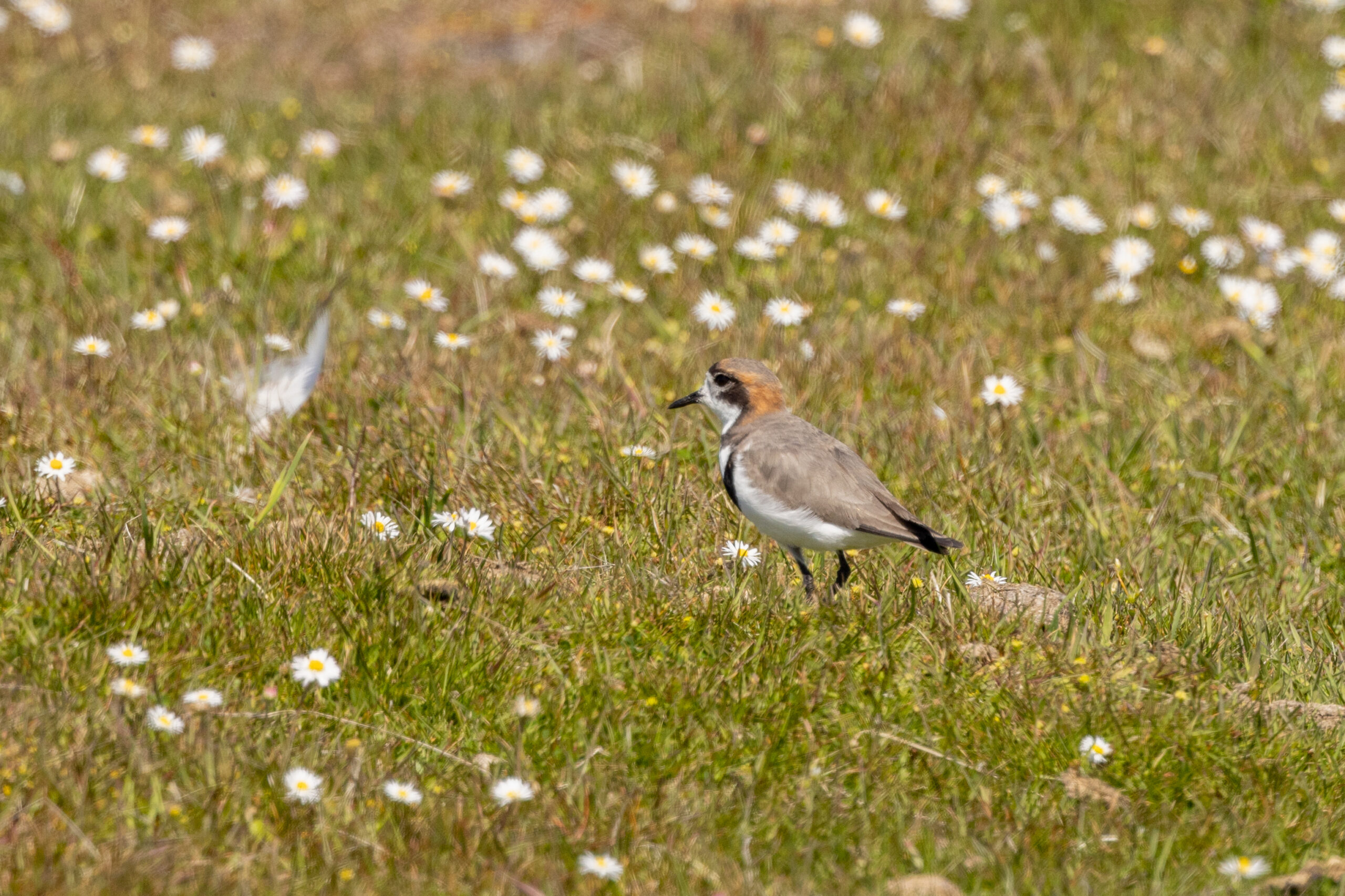
Two-banded Plover (image by Mike Galtry)
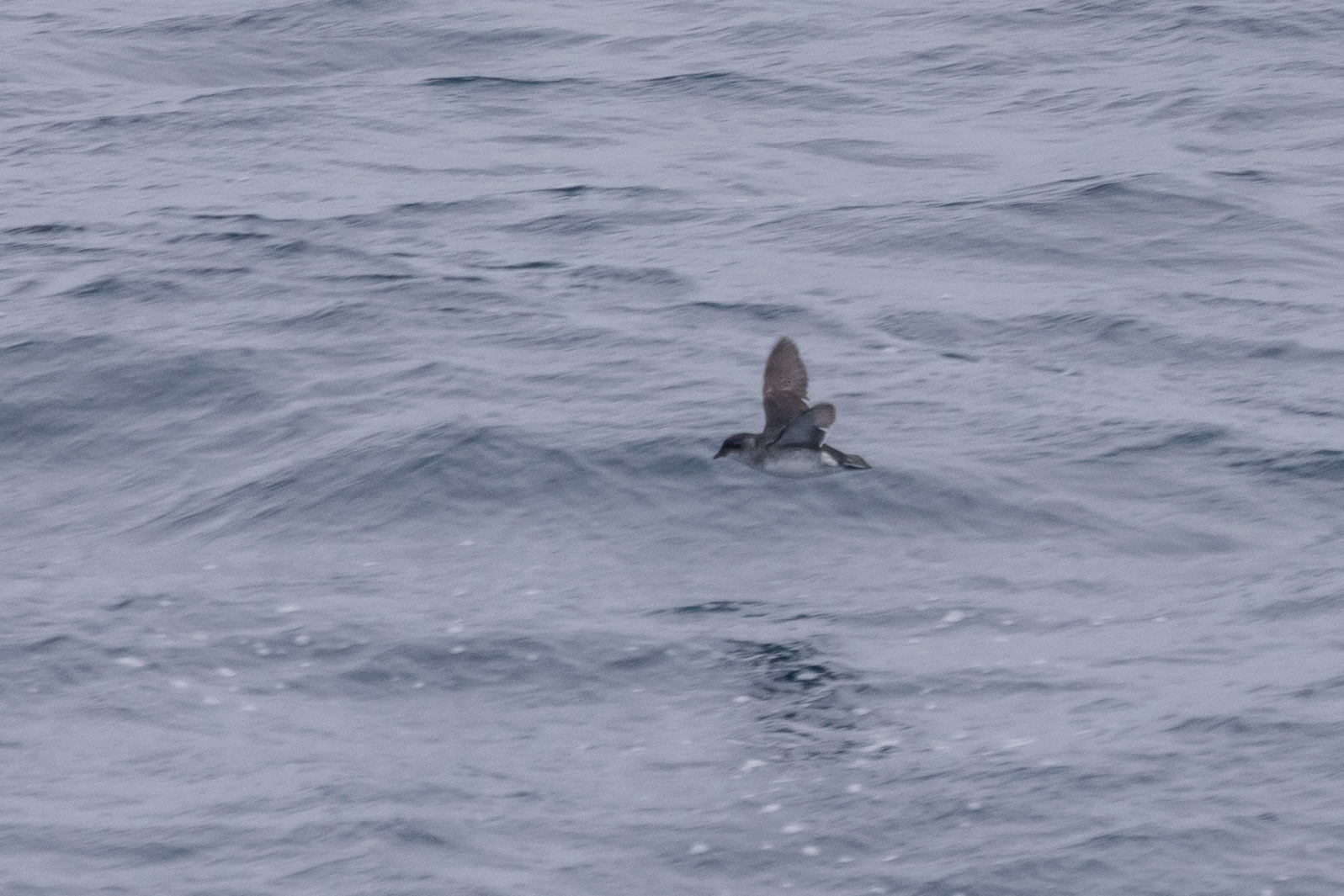
South Georgia Diving-petrel (image by Mike Galtry)
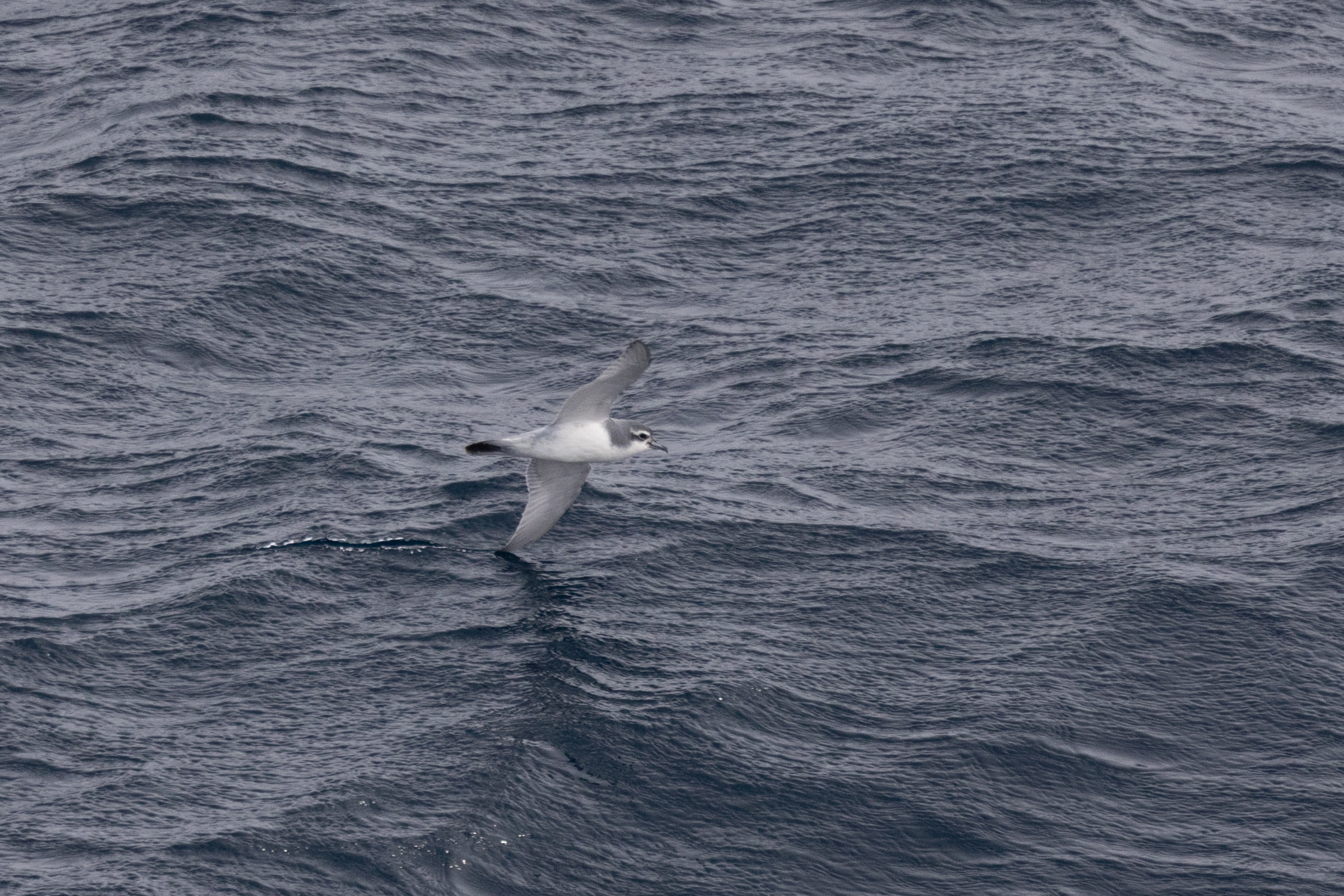
Slender-billed Prion (image by Mike Galtry)
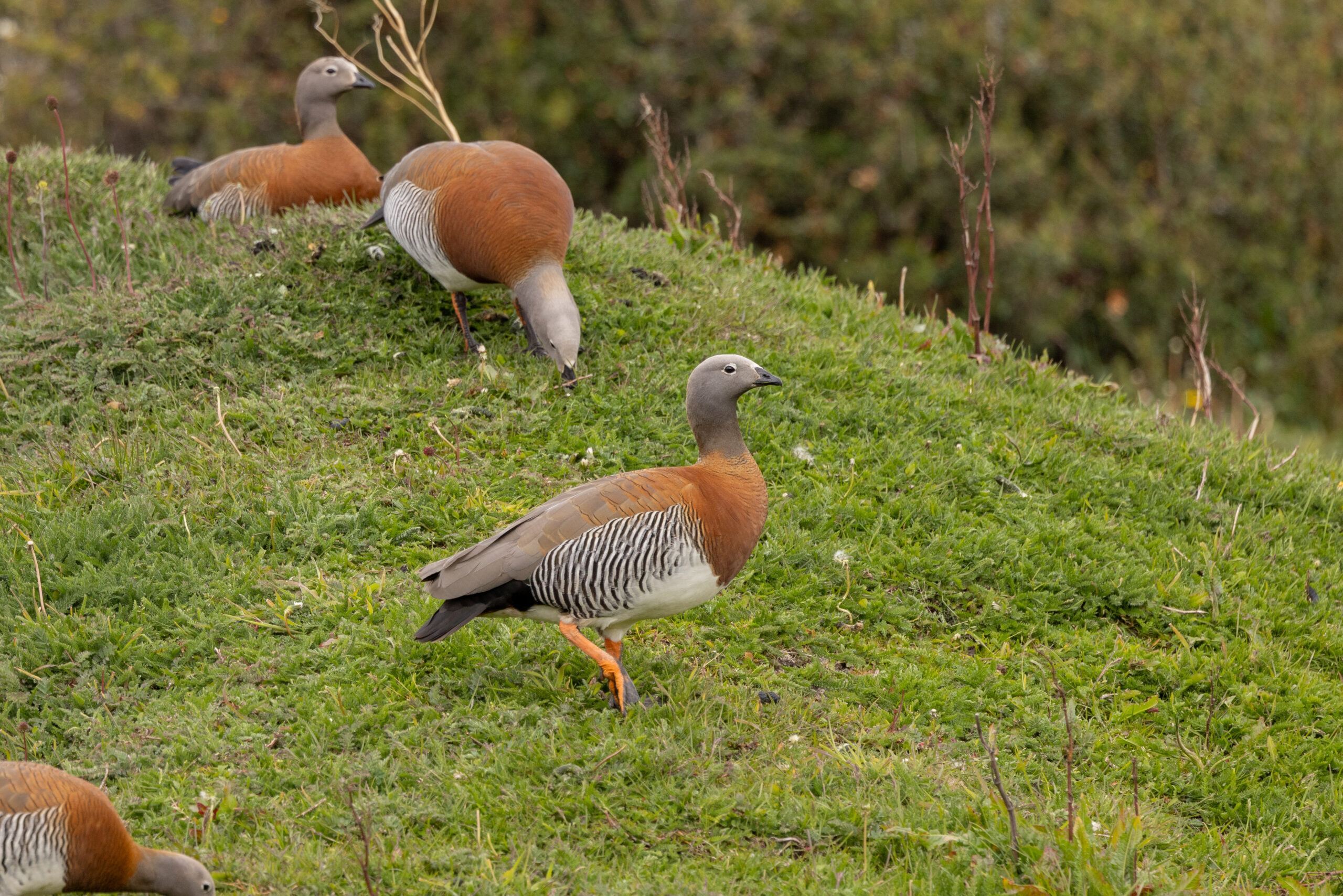
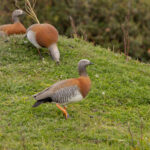
Ashy-headed Geese (image by Mike Galtry)
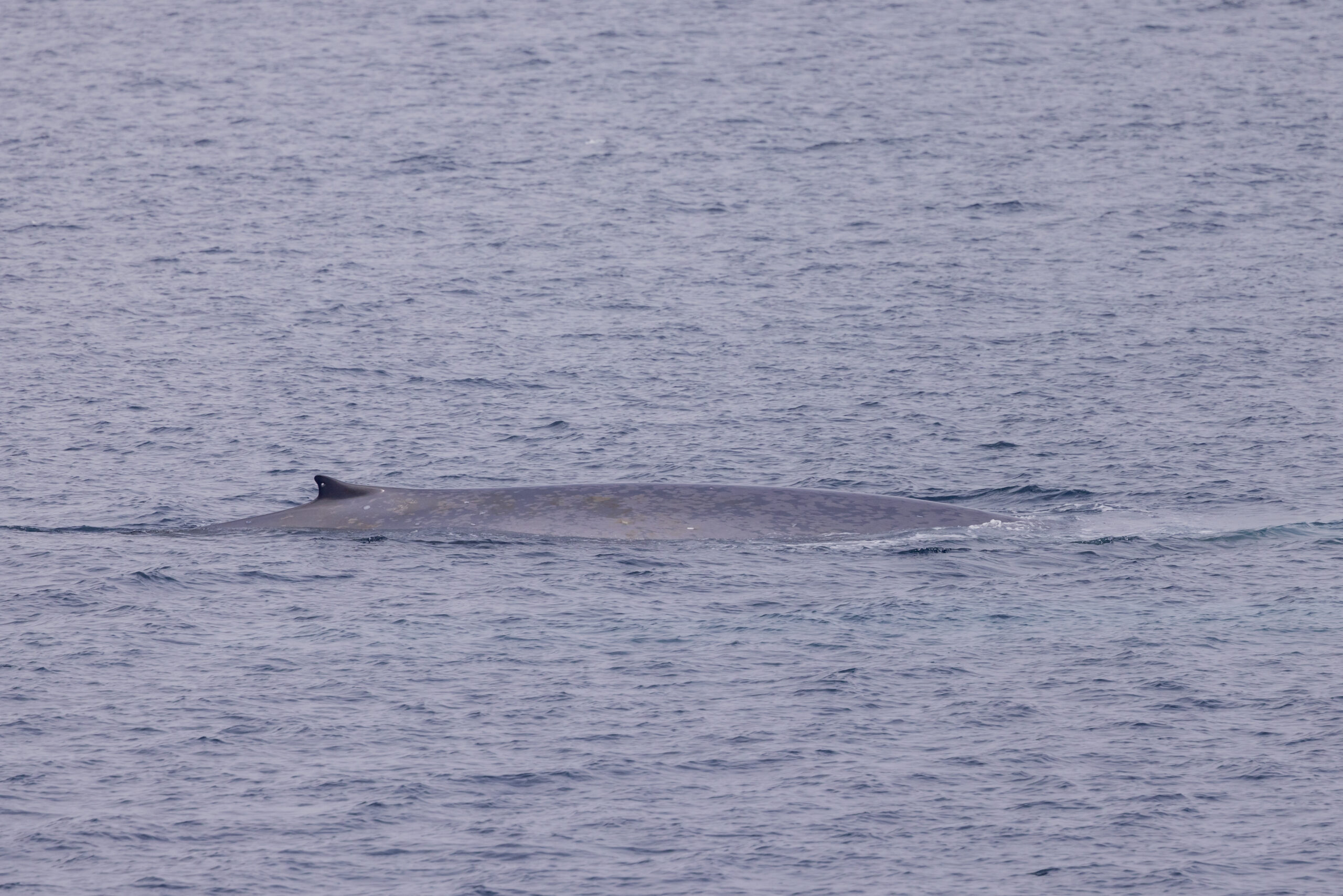
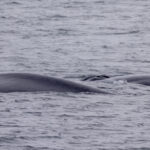
Blue Whale (image by Mike Galtry)
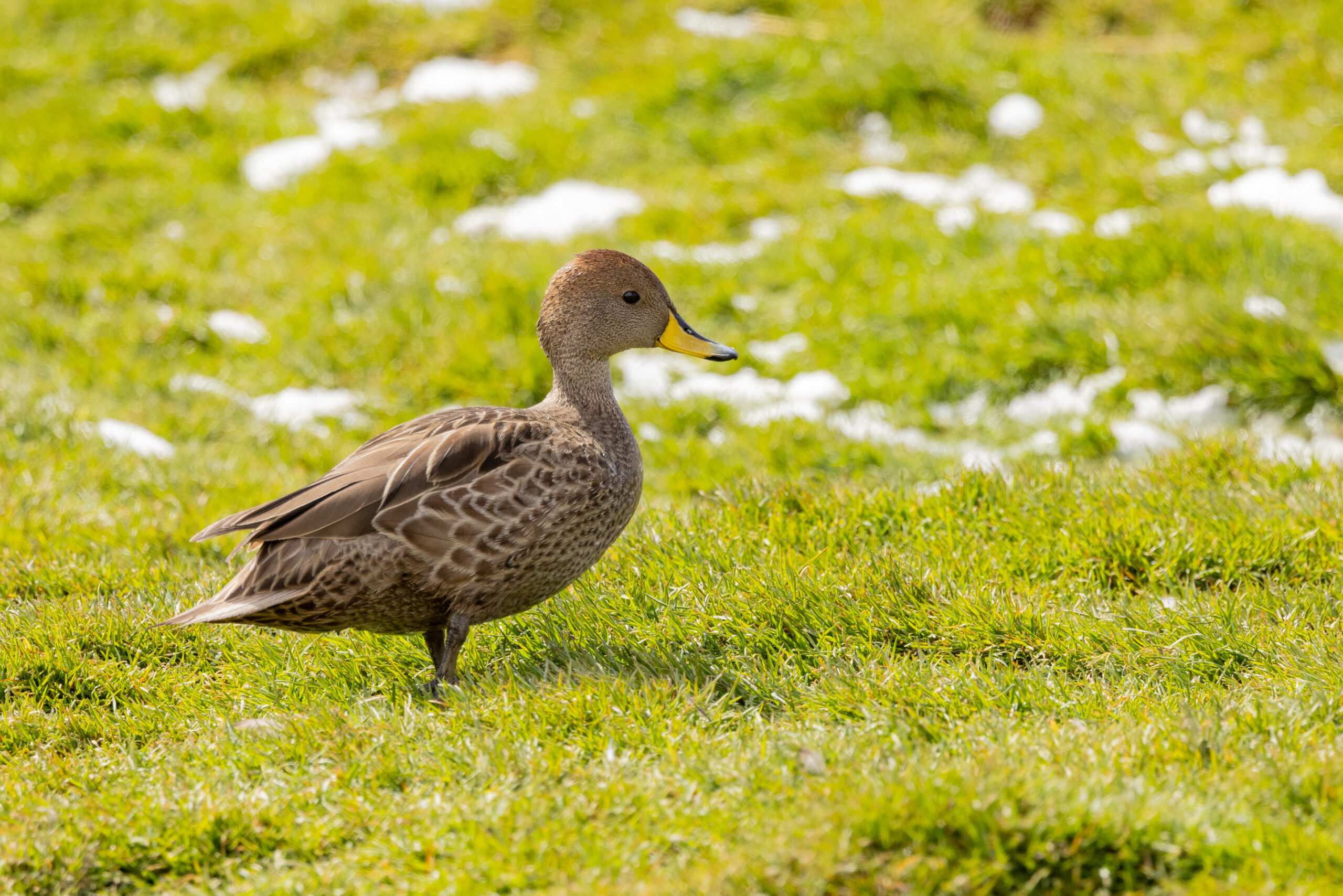
South Georgia Pintail (image by Mike Galtry)
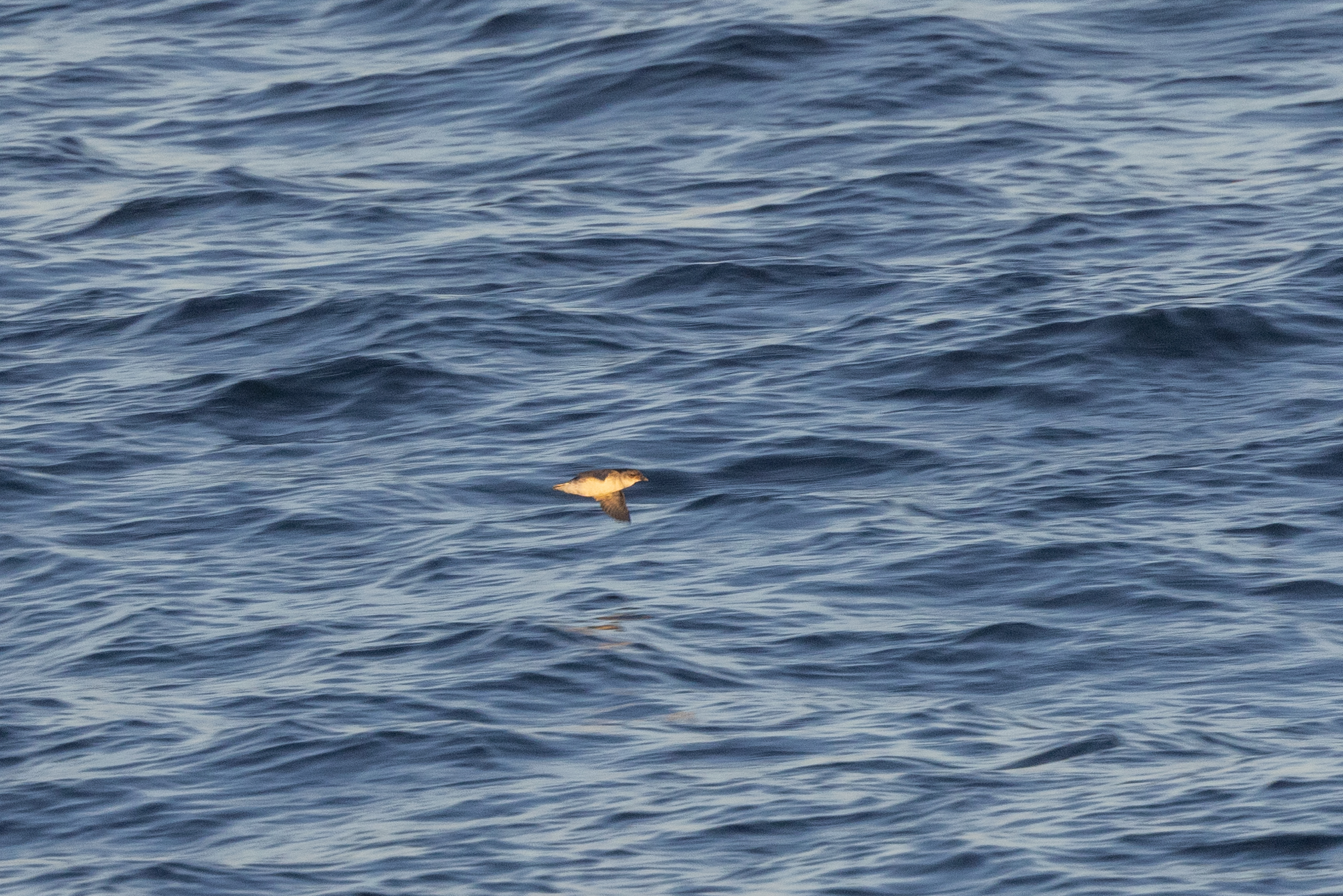
Common Diving-Petrel (image by Mike Galtry)
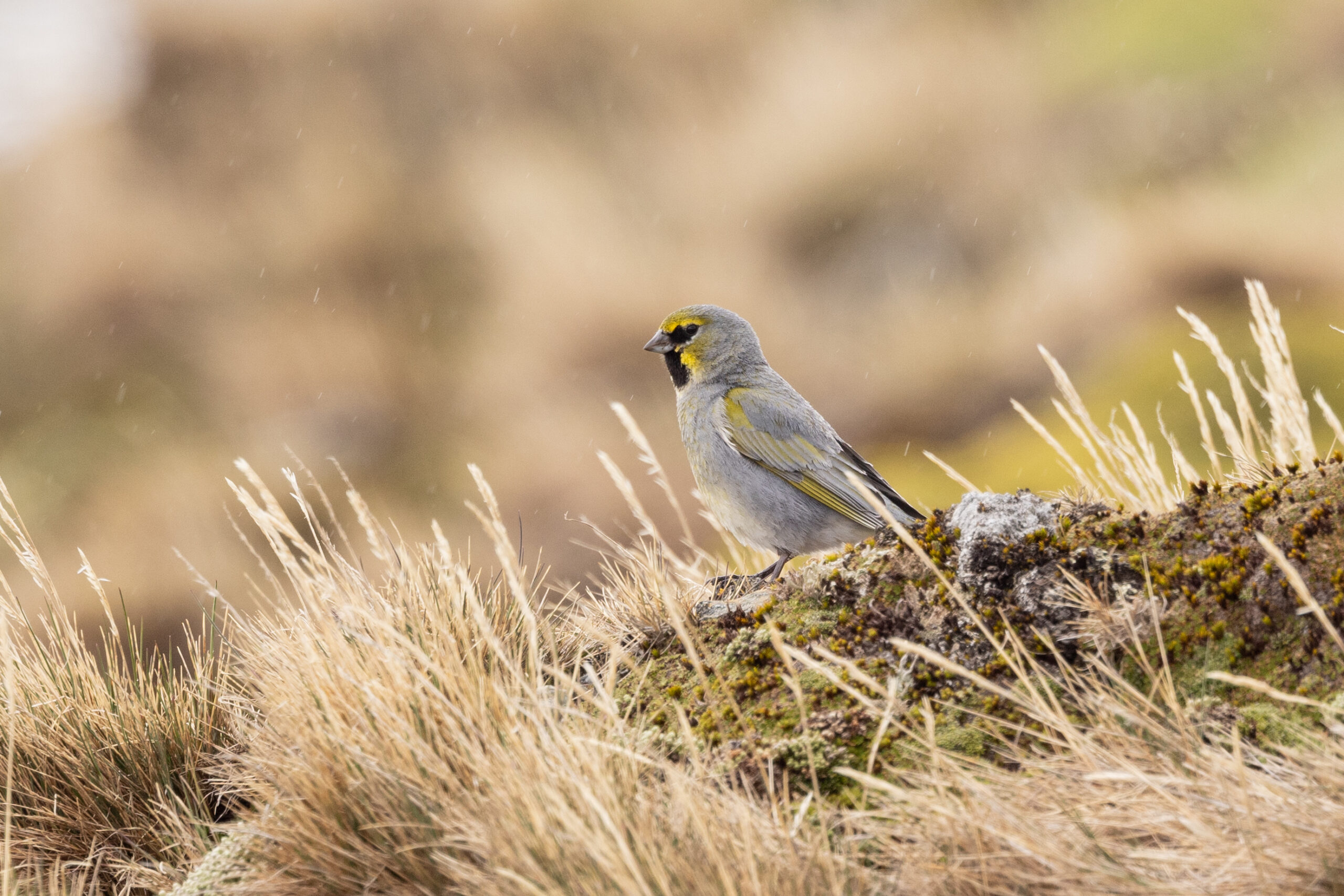
Yellow-bridled Finch (image by Mike Galtry)
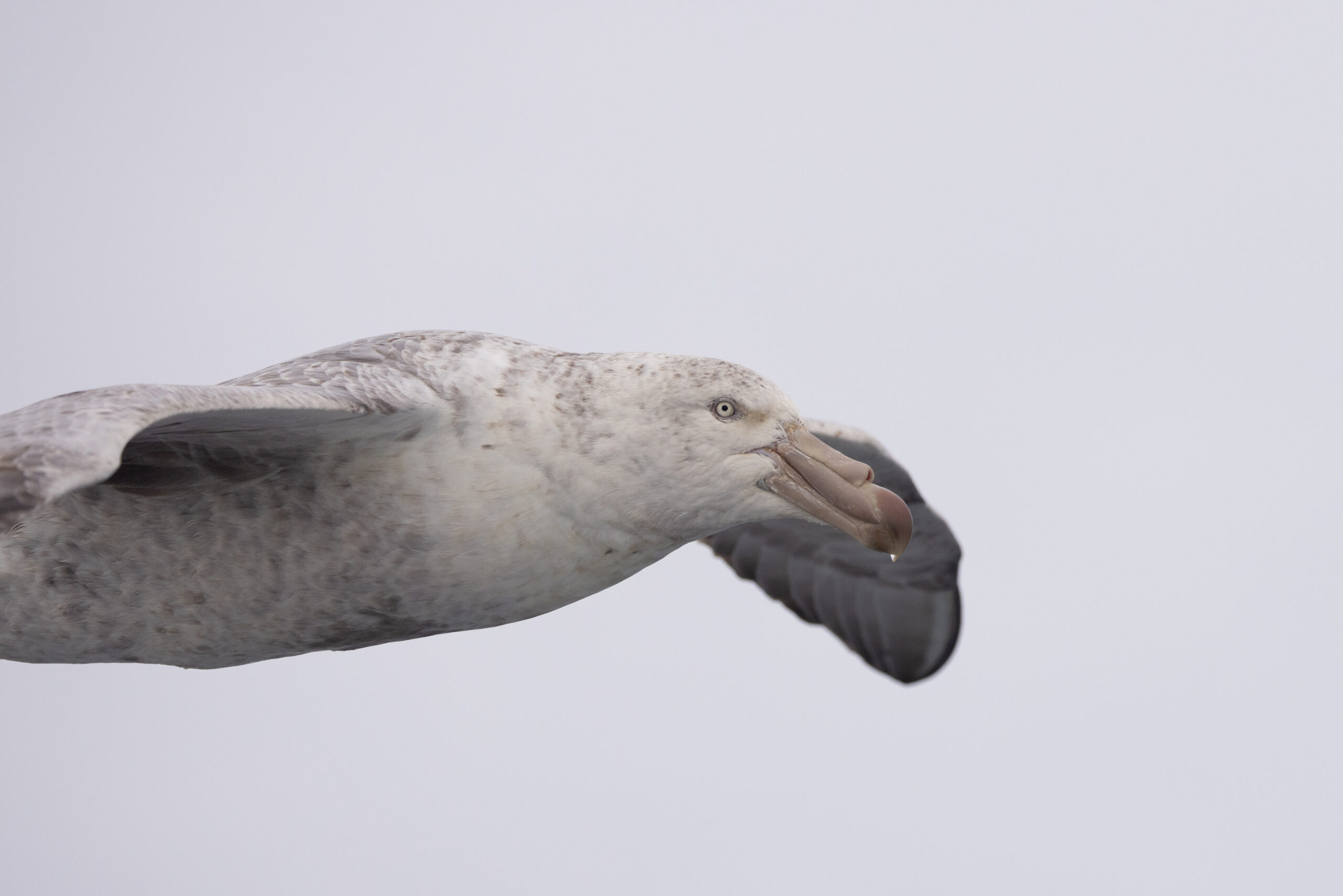
Northern Giant Petrel (image by Mike Galtry)
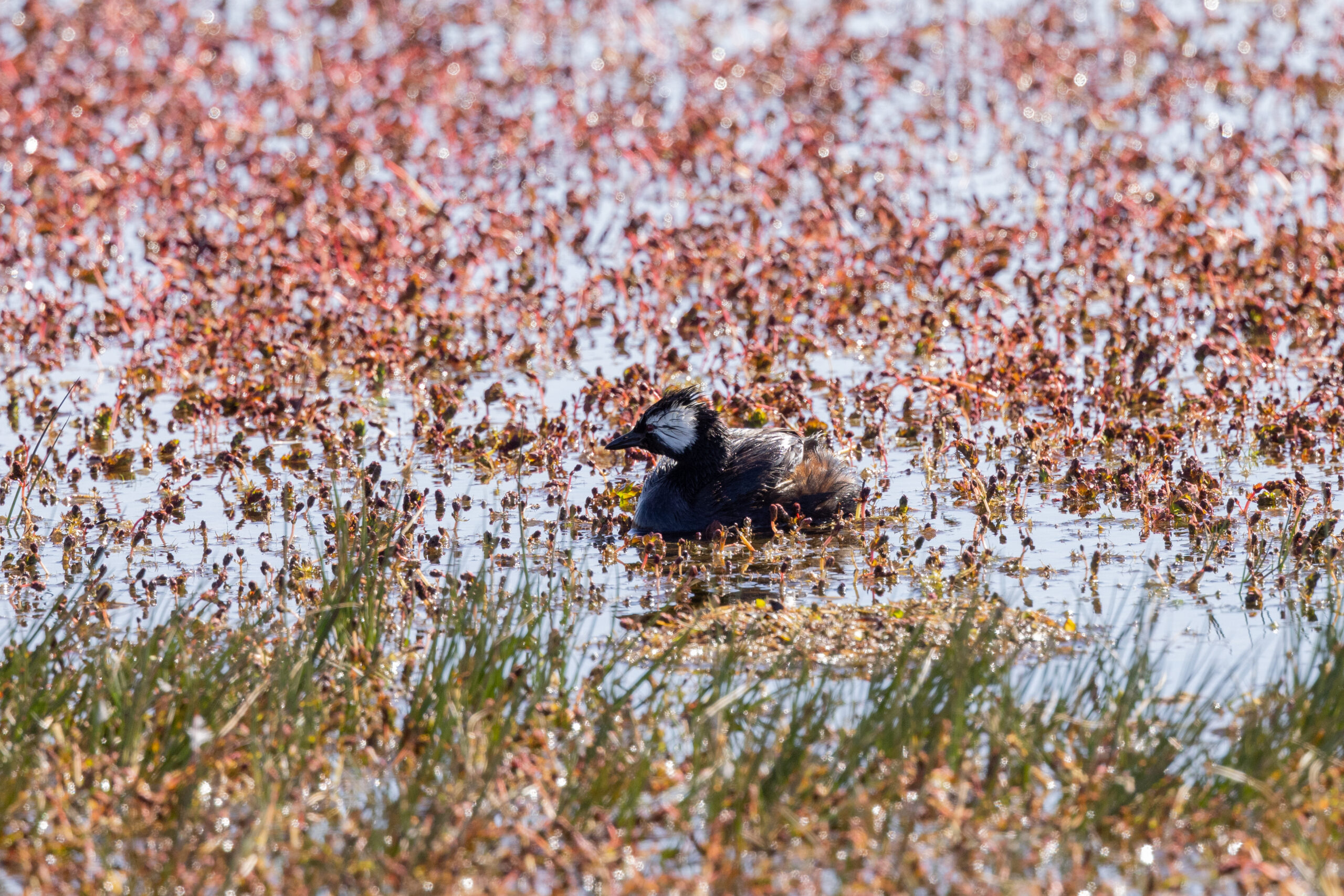
White-tufted Grebe ssp rolland (image by Mike Galtry)
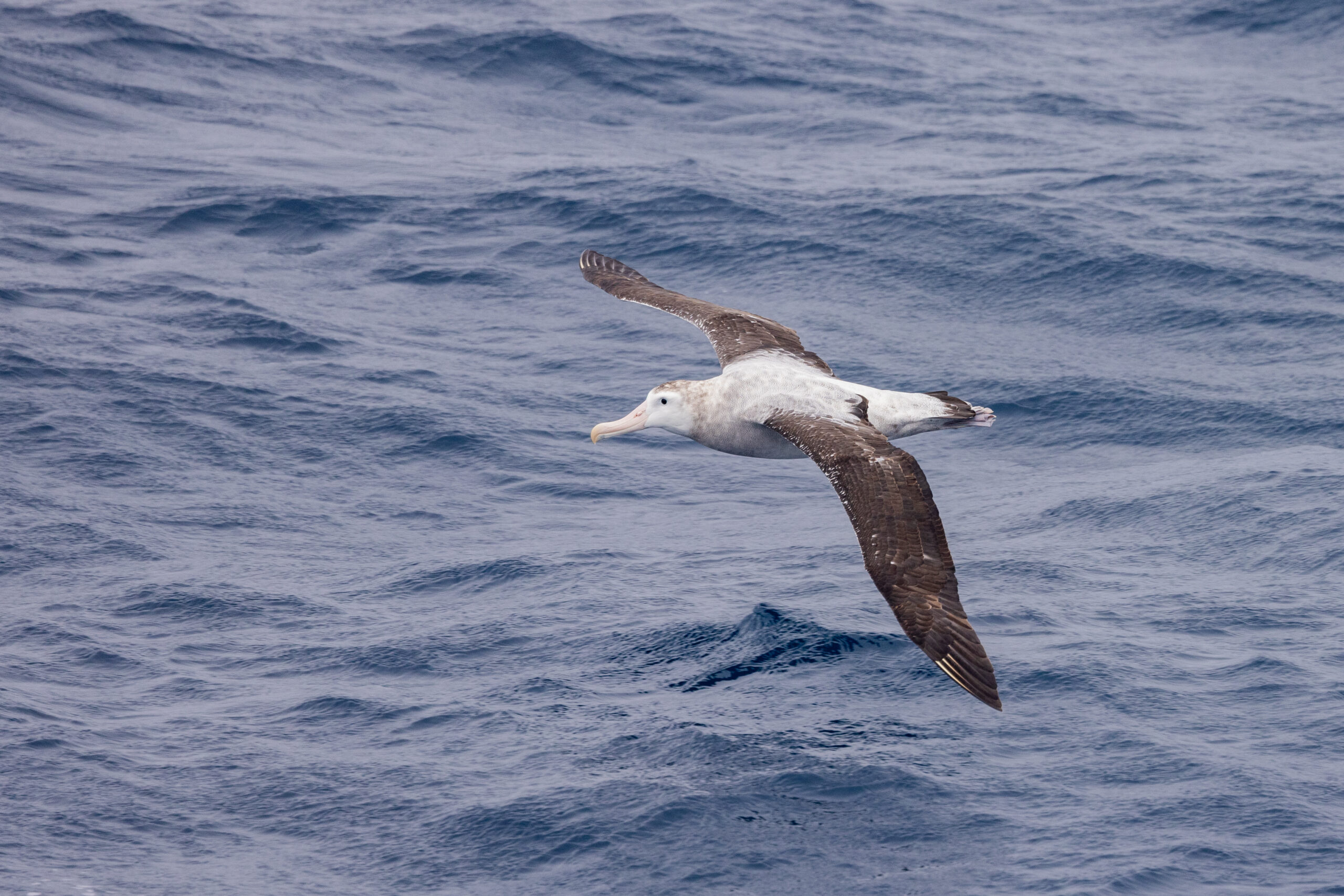
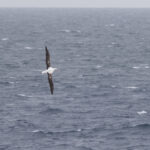
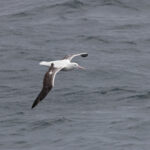
Snowy Albatross (image by Mike Galtry)
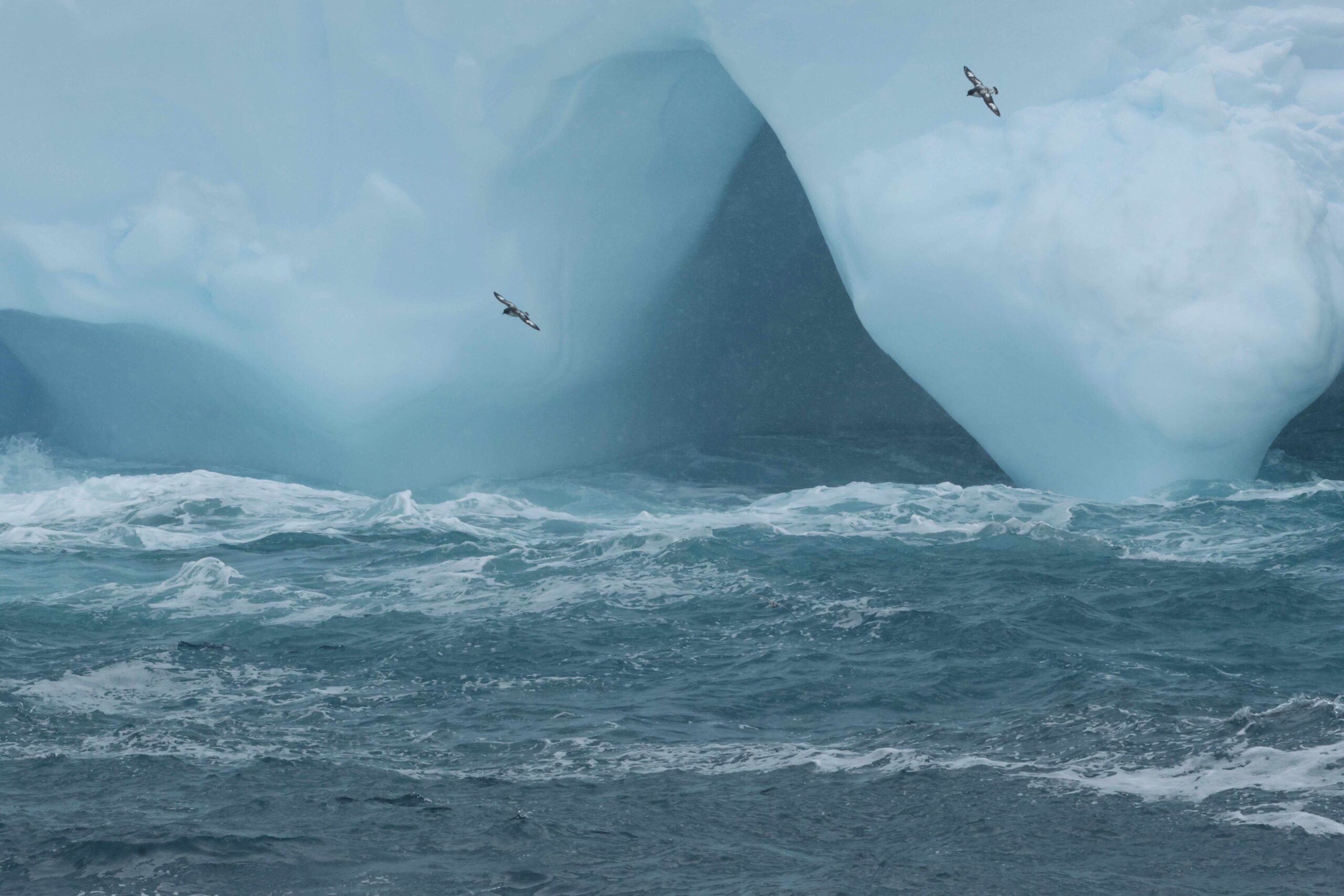
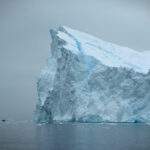
Cape Petrels at the world's largest iceberg, A23a (image by Michael O'Clery)
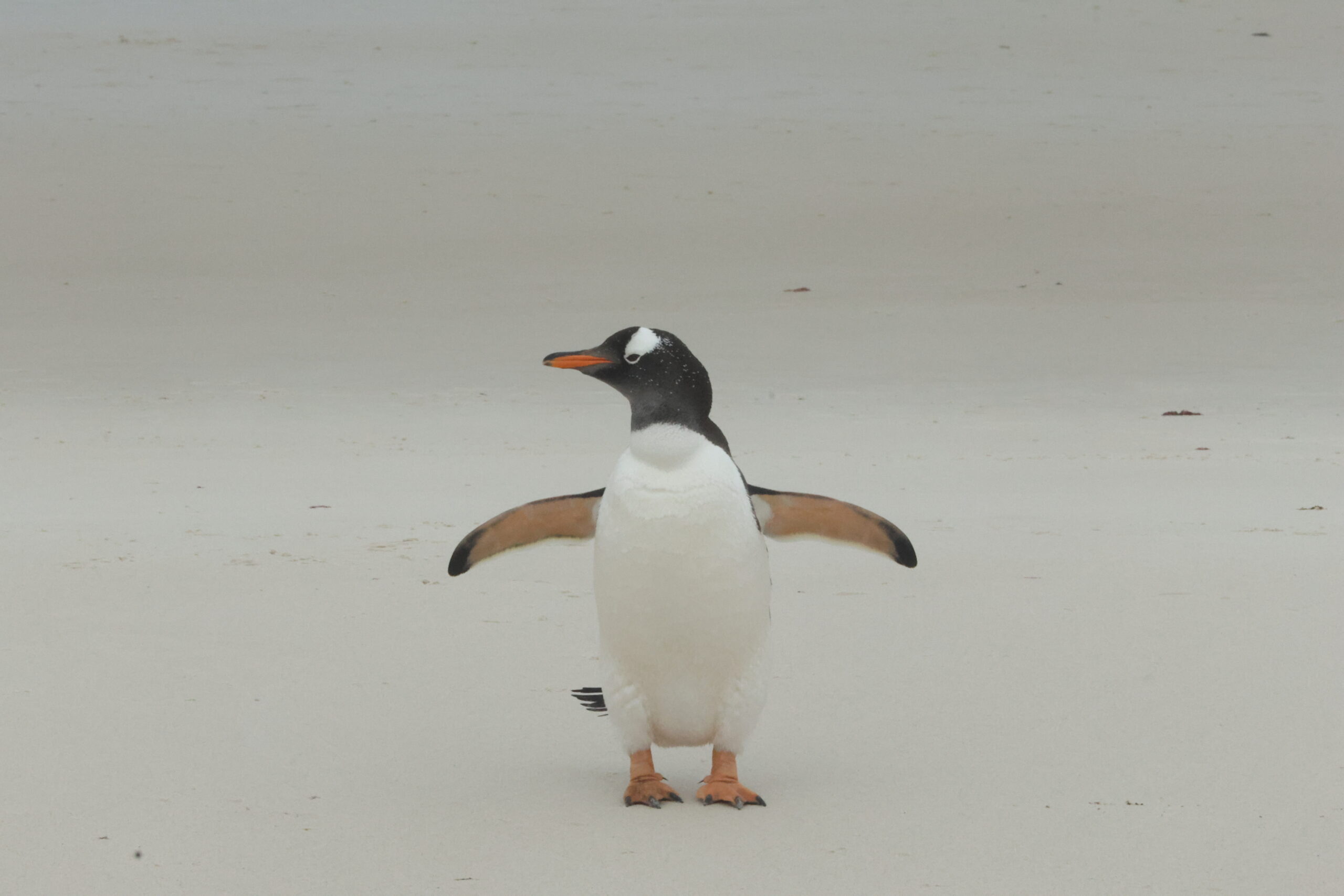
Gentoo Penguin on Falkland beach (image by Michael O'Clery)
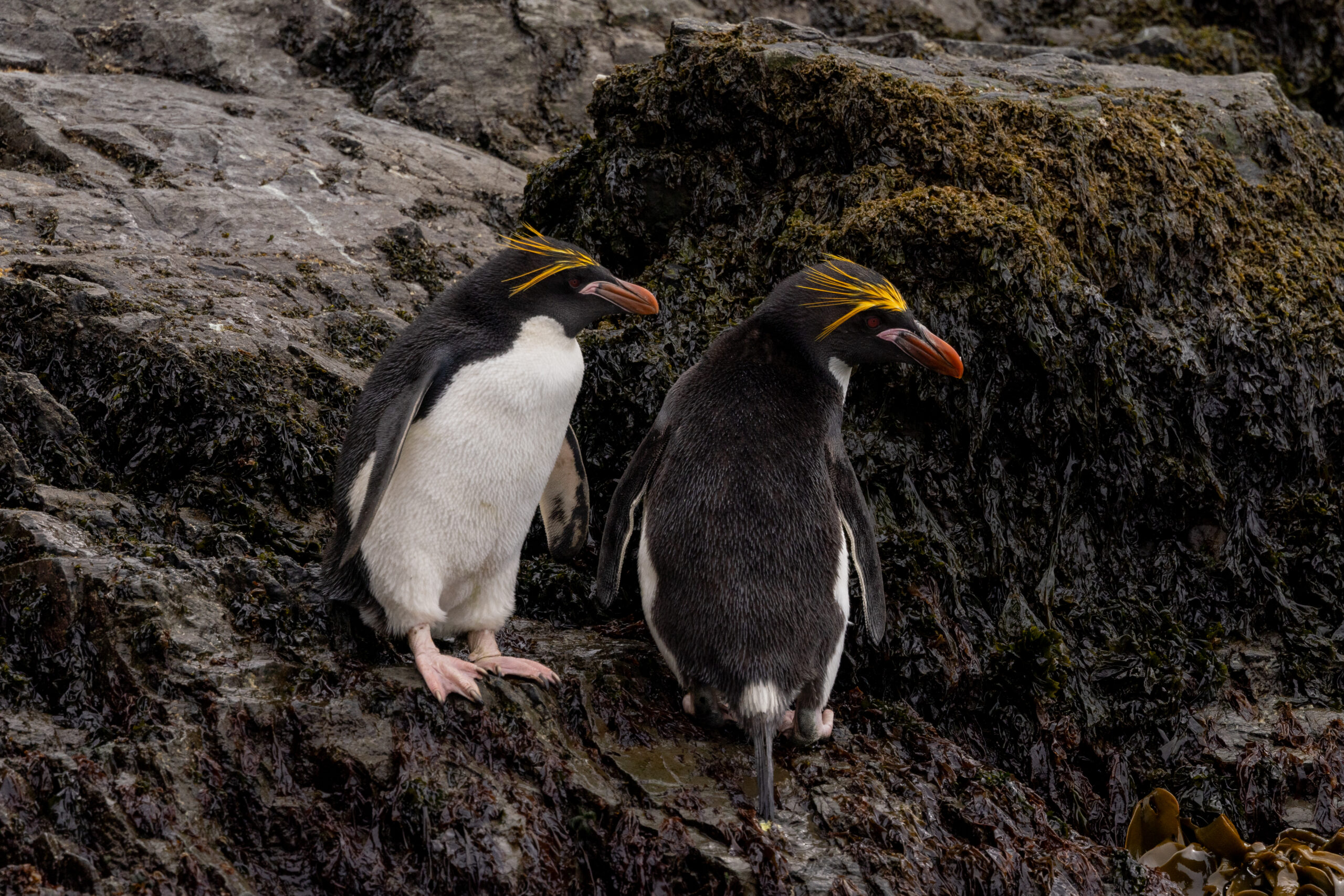
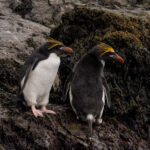
Macaroni Penguins (image by Mike Galtry)
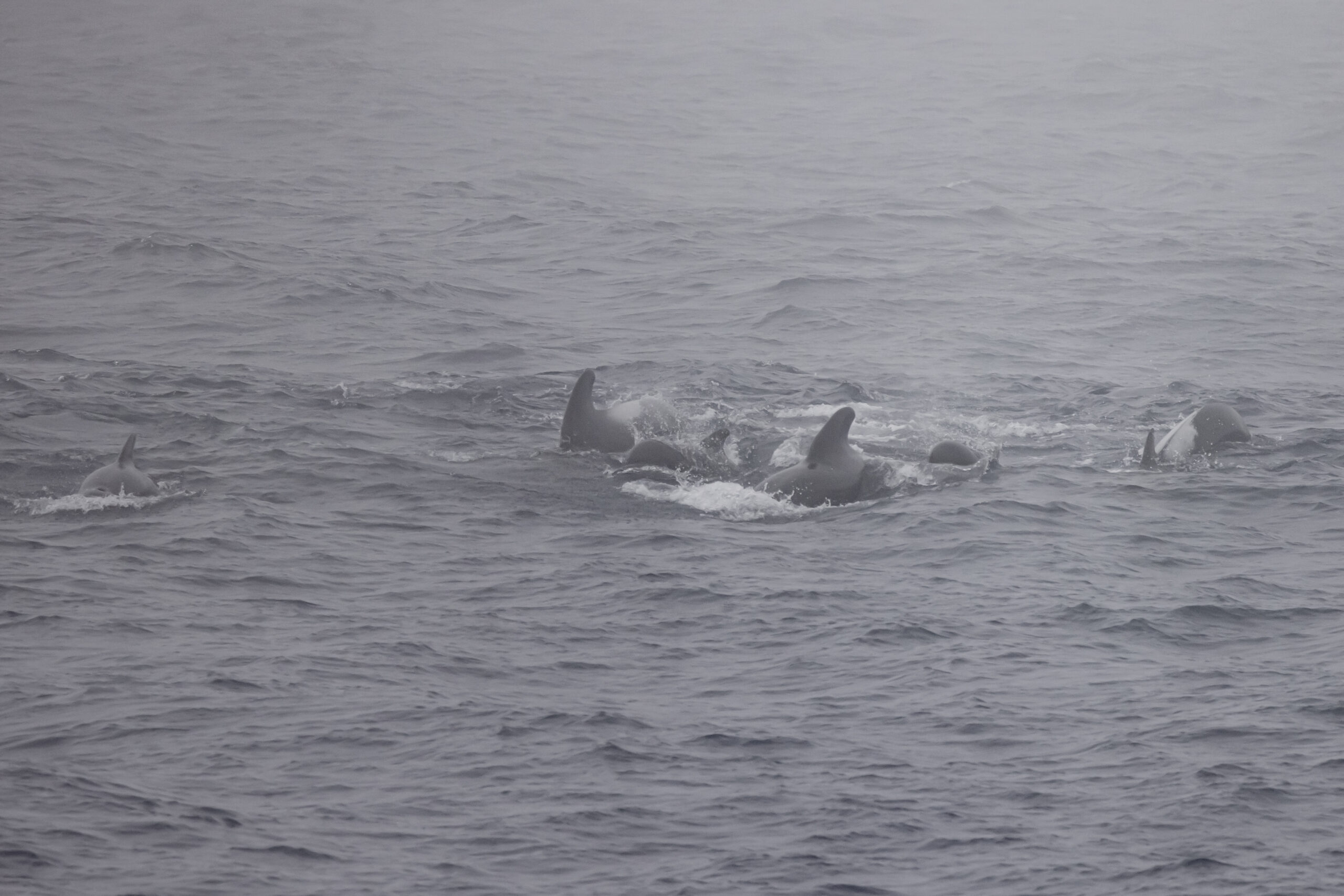
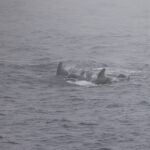
Long-finned Pilot Whale (image by Mike Galtry)
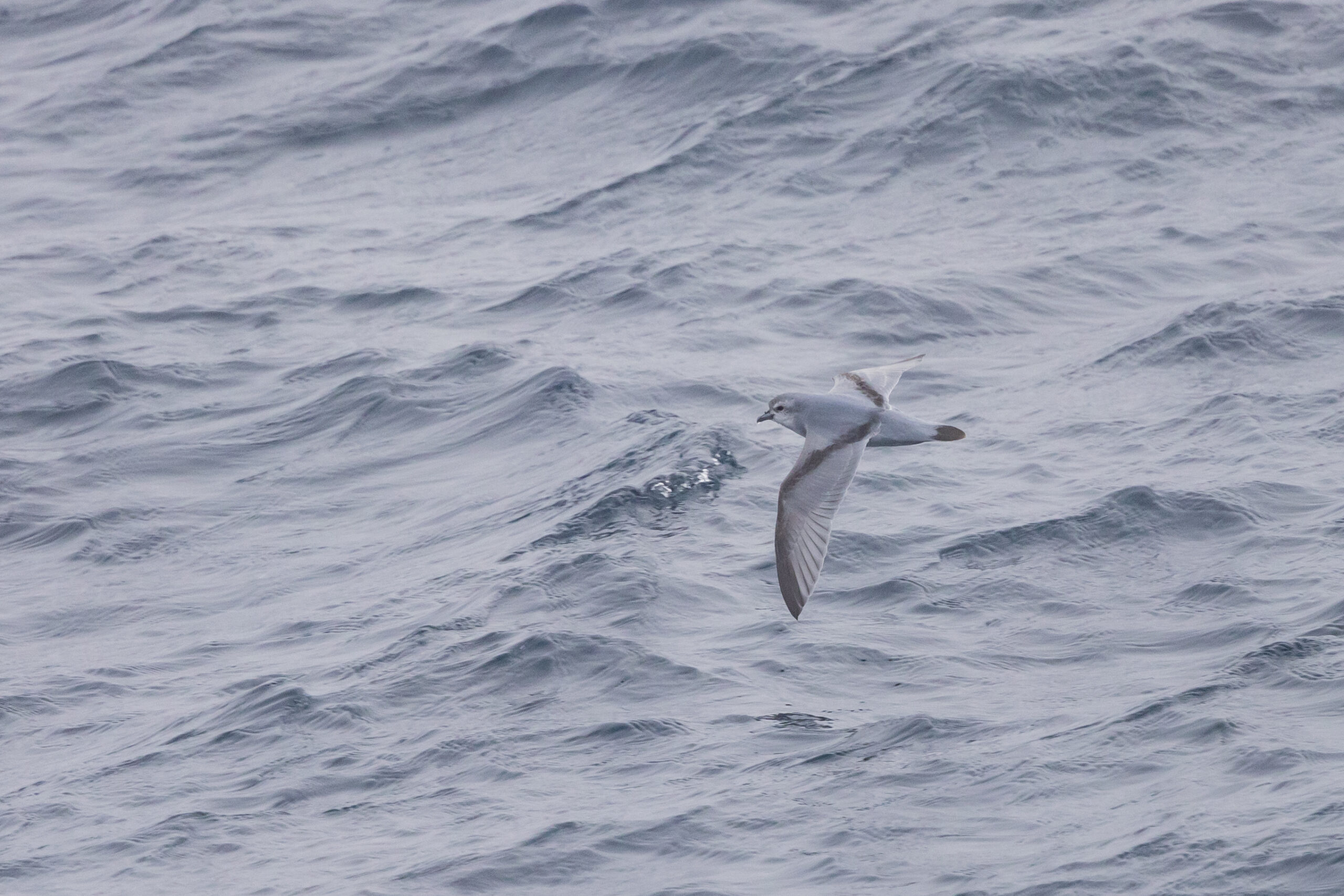
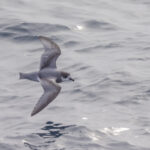
Fairy Prion (image by Mike Galtry)
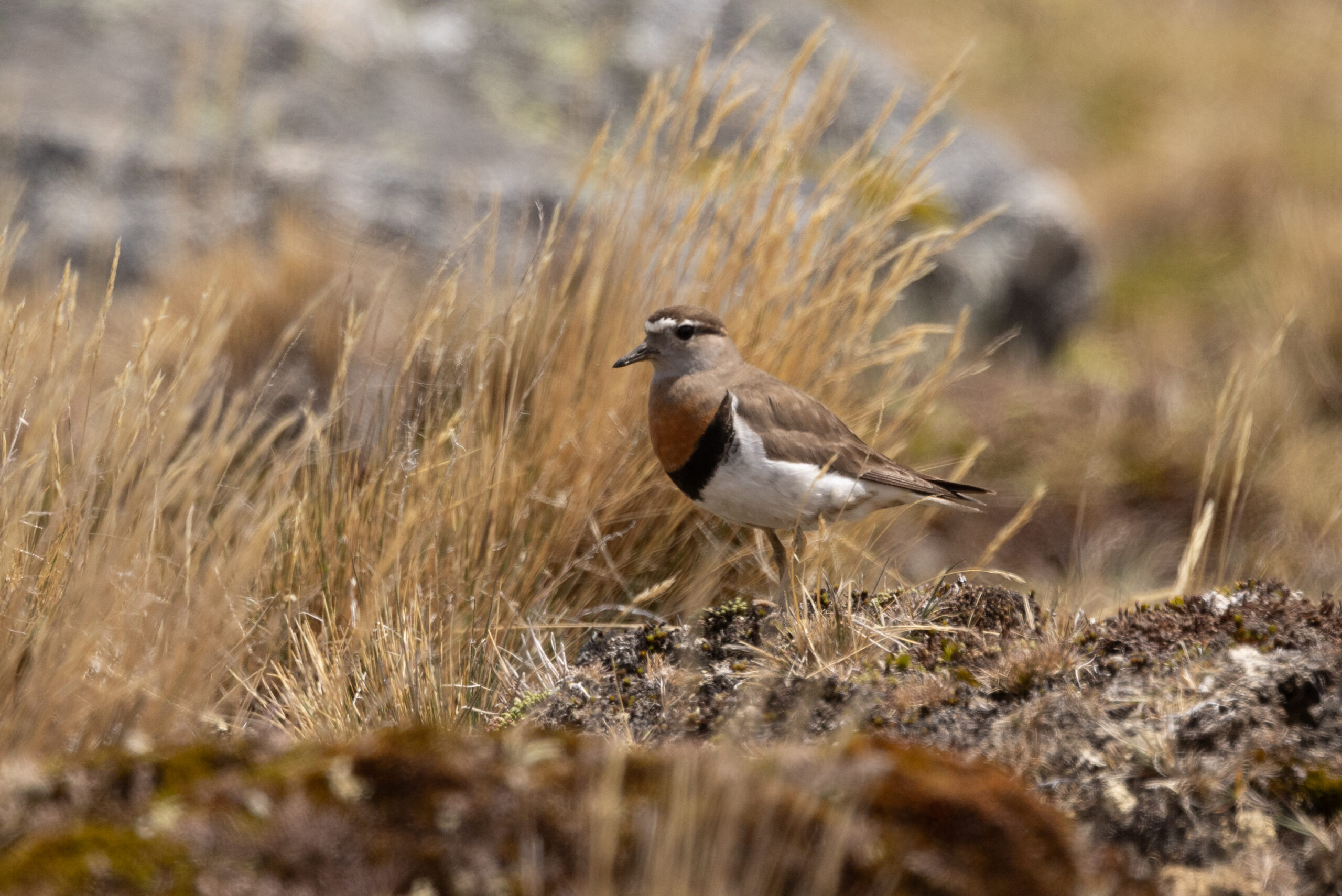
Rufous-chested Dotterel (image by Mike Galtry)
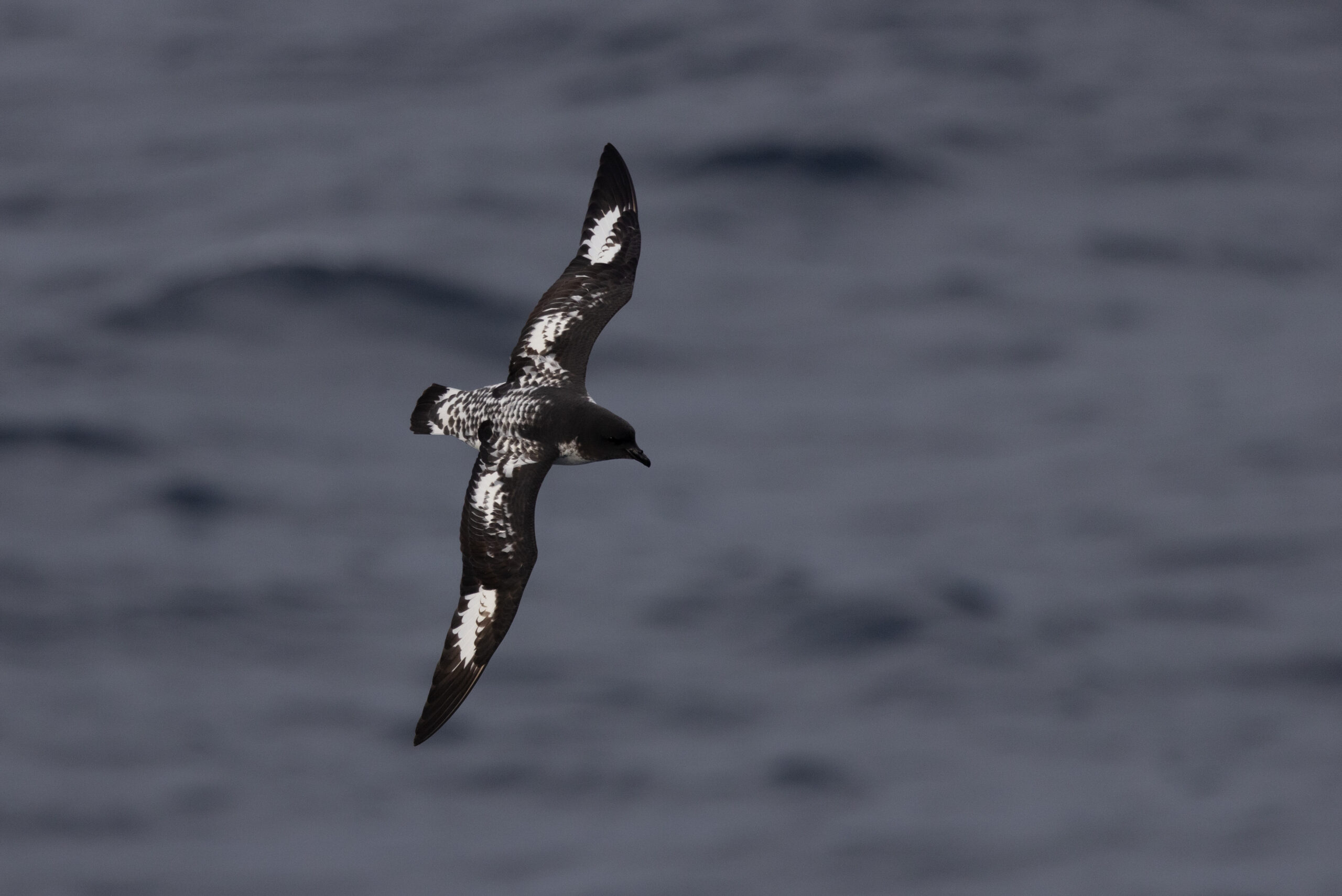
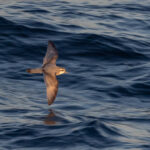
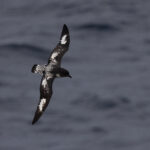
Cape Petrel (image by Mike Galtry)
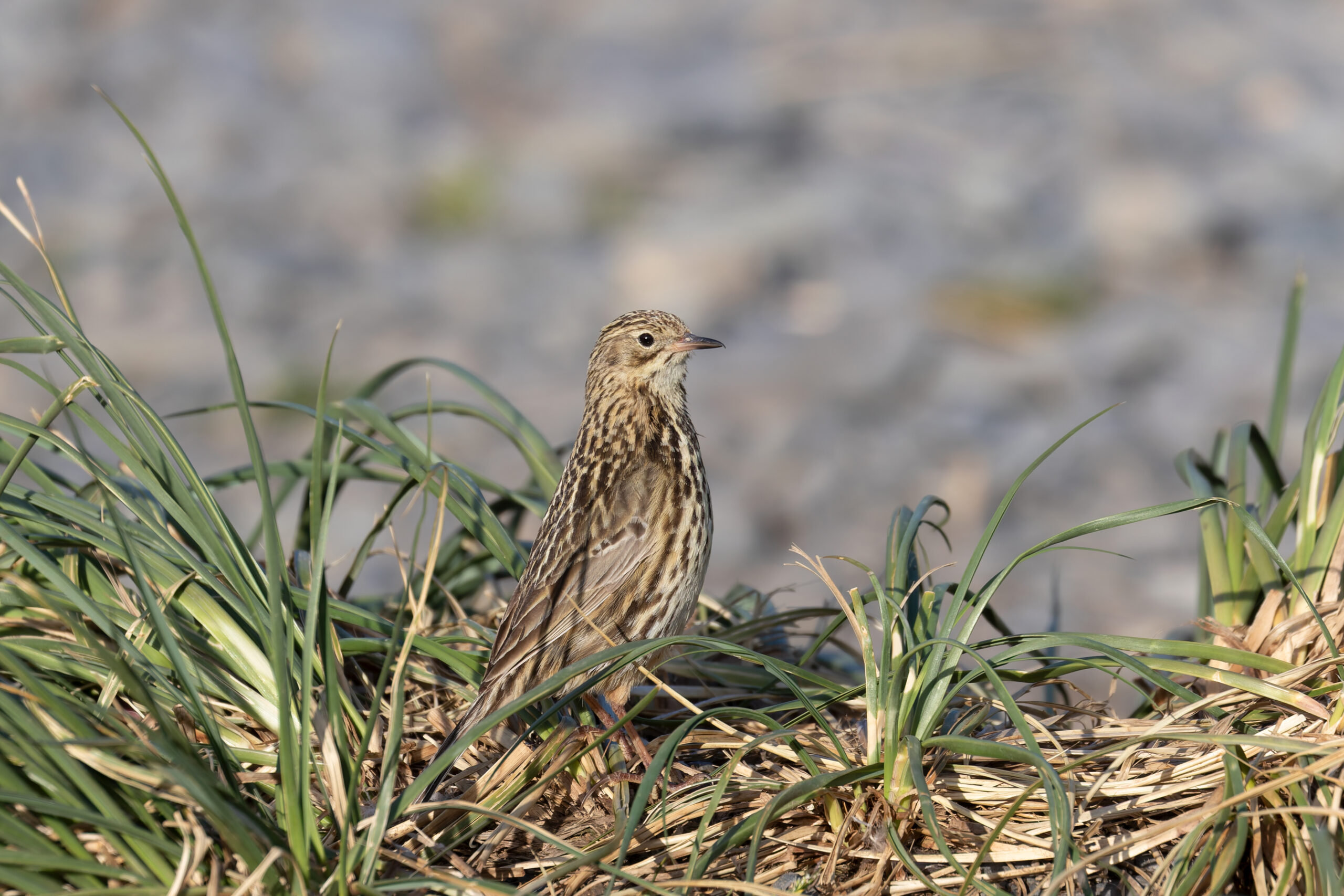
South Georgia Pipit (image by Diedert Koppenol)
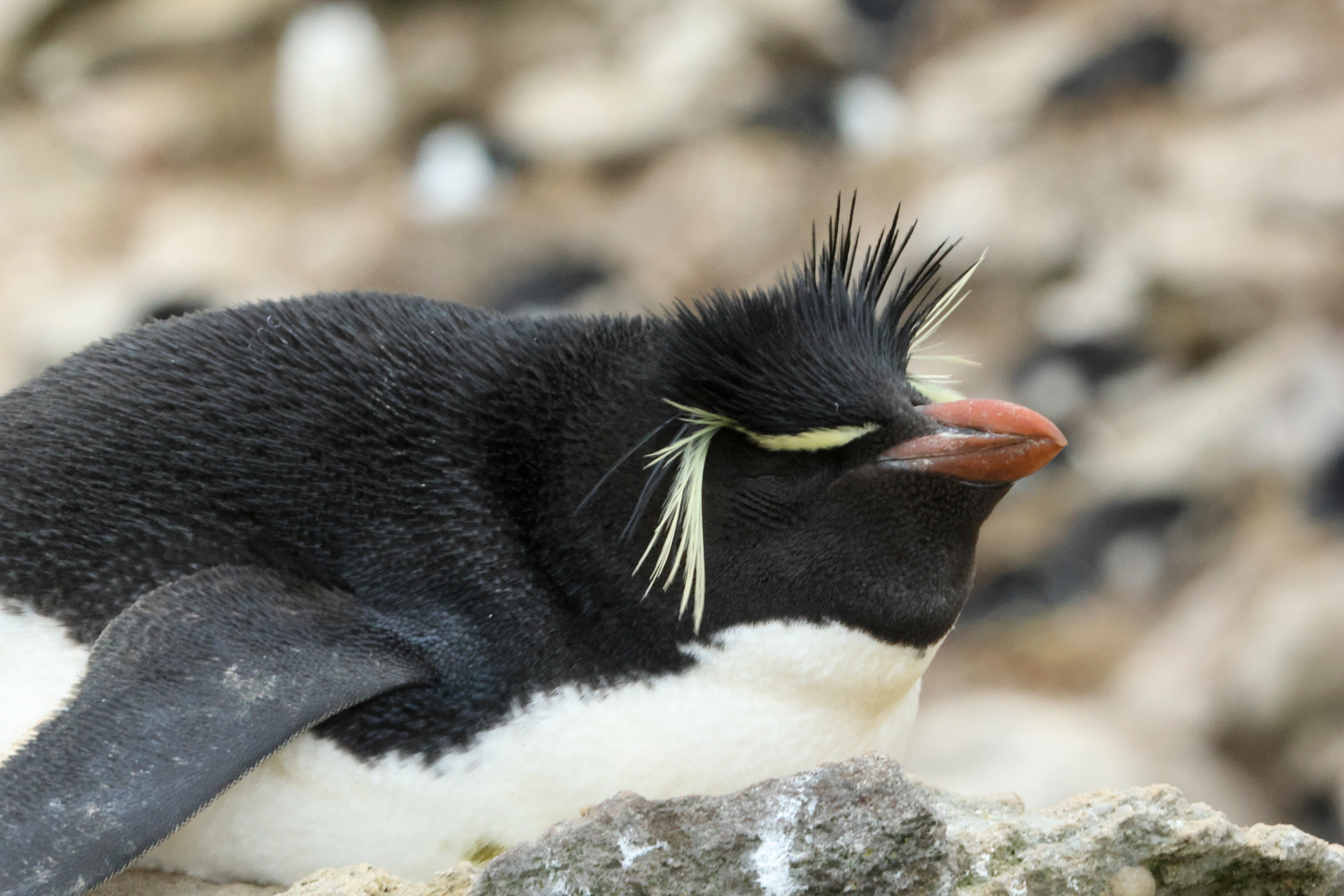
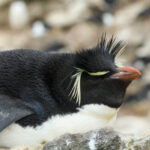
Southern Rockhopper Penguin (image by Michael O'Clery)
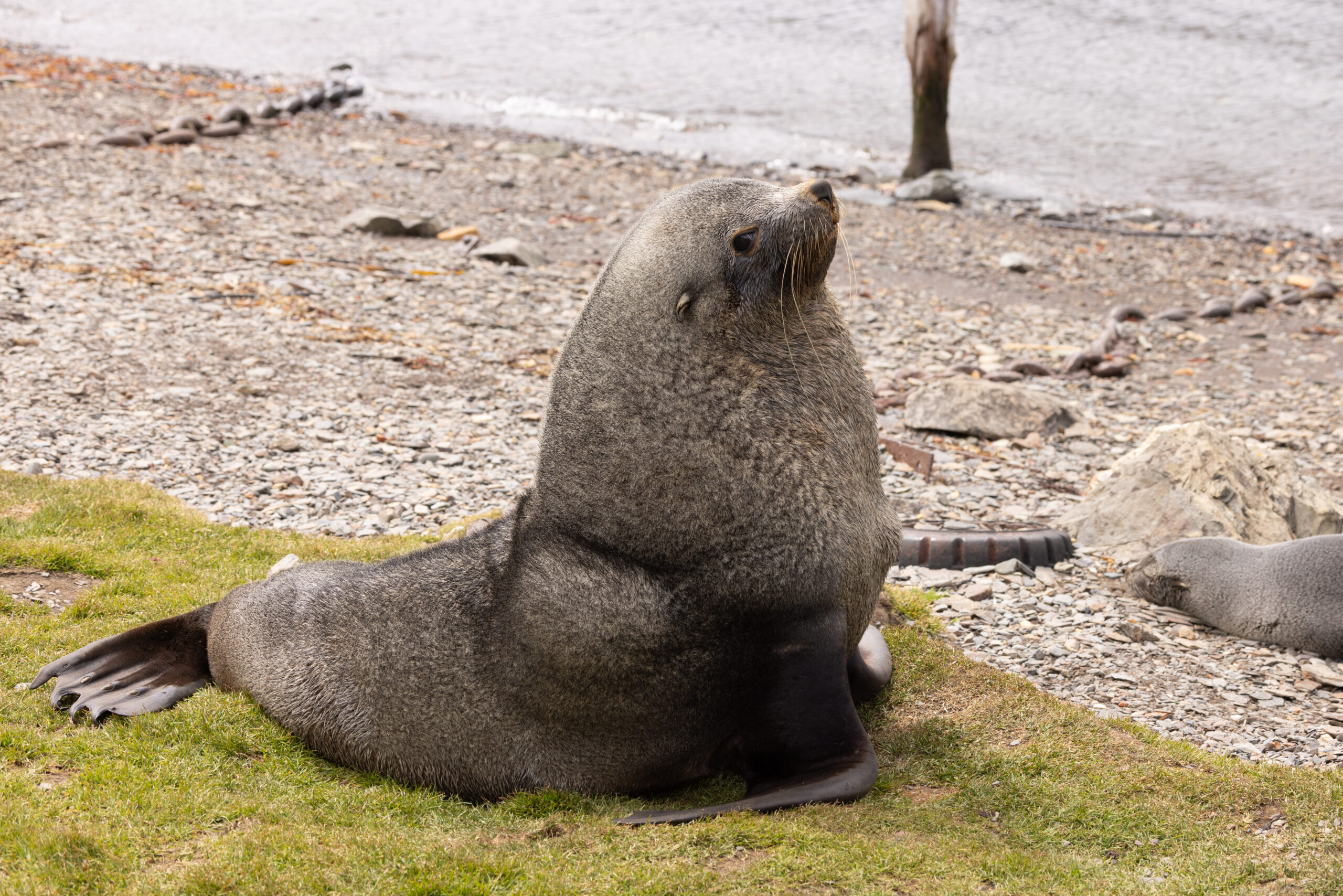
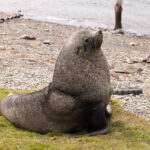
Antarctic Fur Seal (image by Mike Galtry)
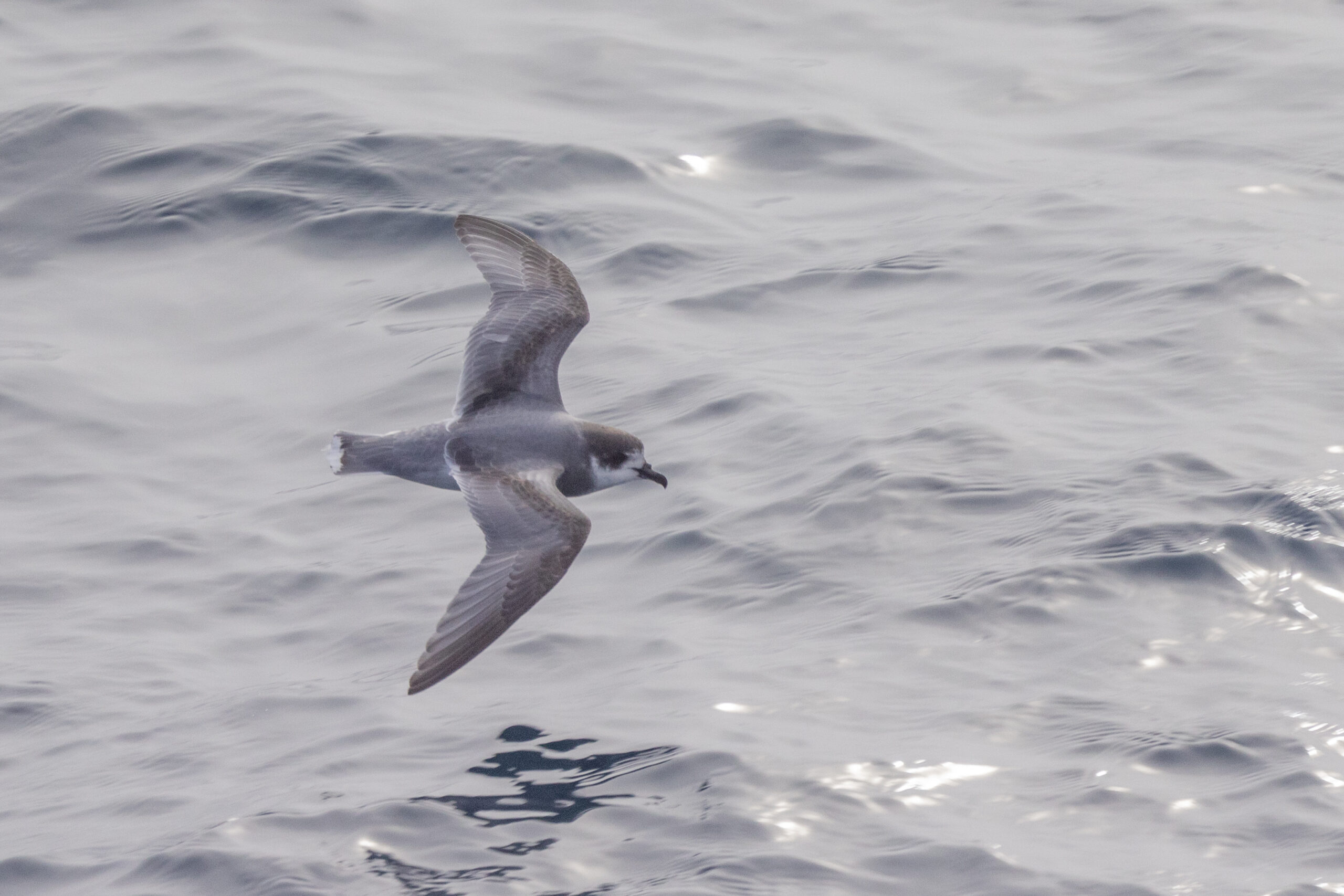
Blue Petrel (image by Mike Galtry)
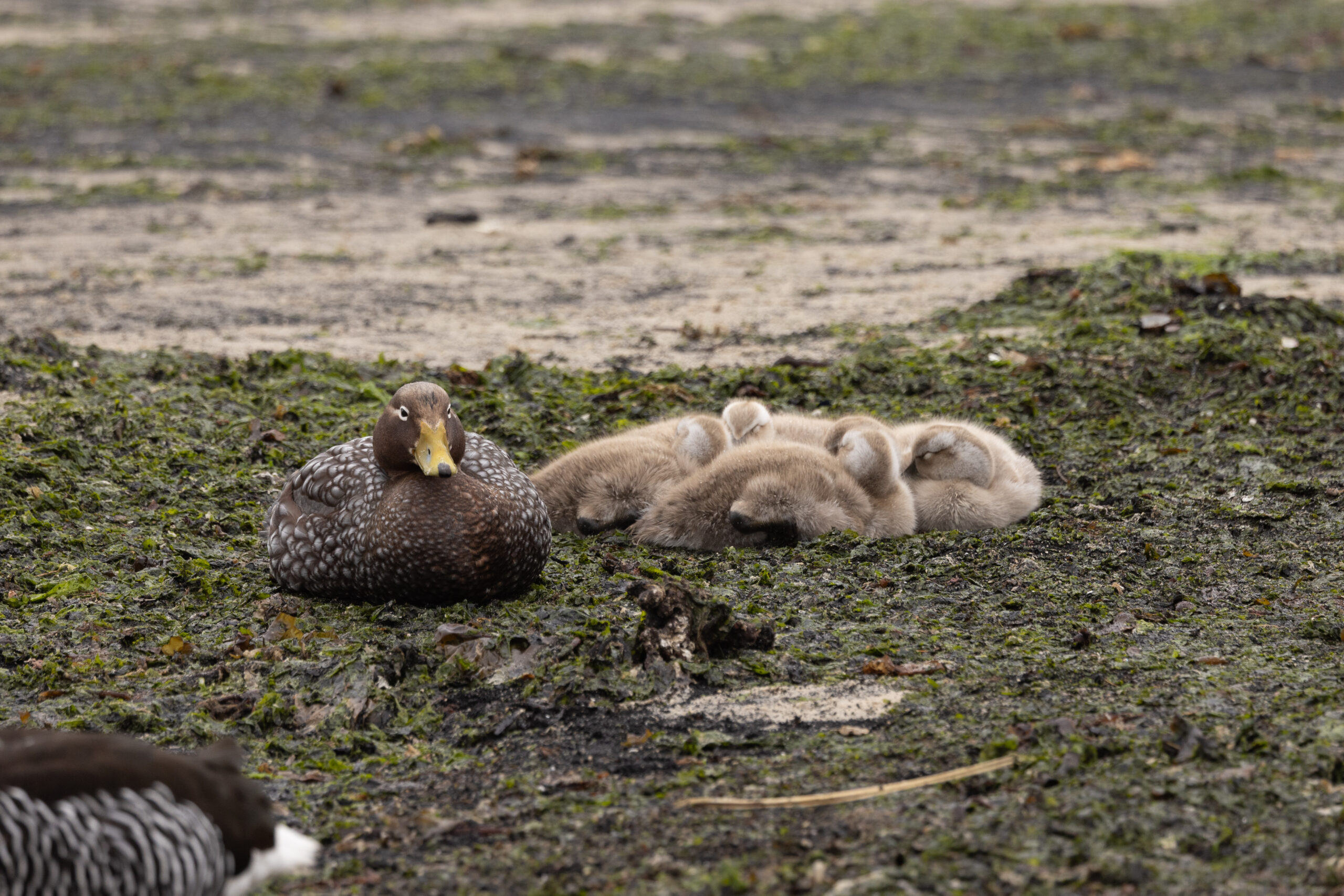
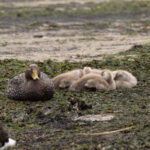
Mother Falkland Steamer Duck with ducklings (image by Mike Galtry)
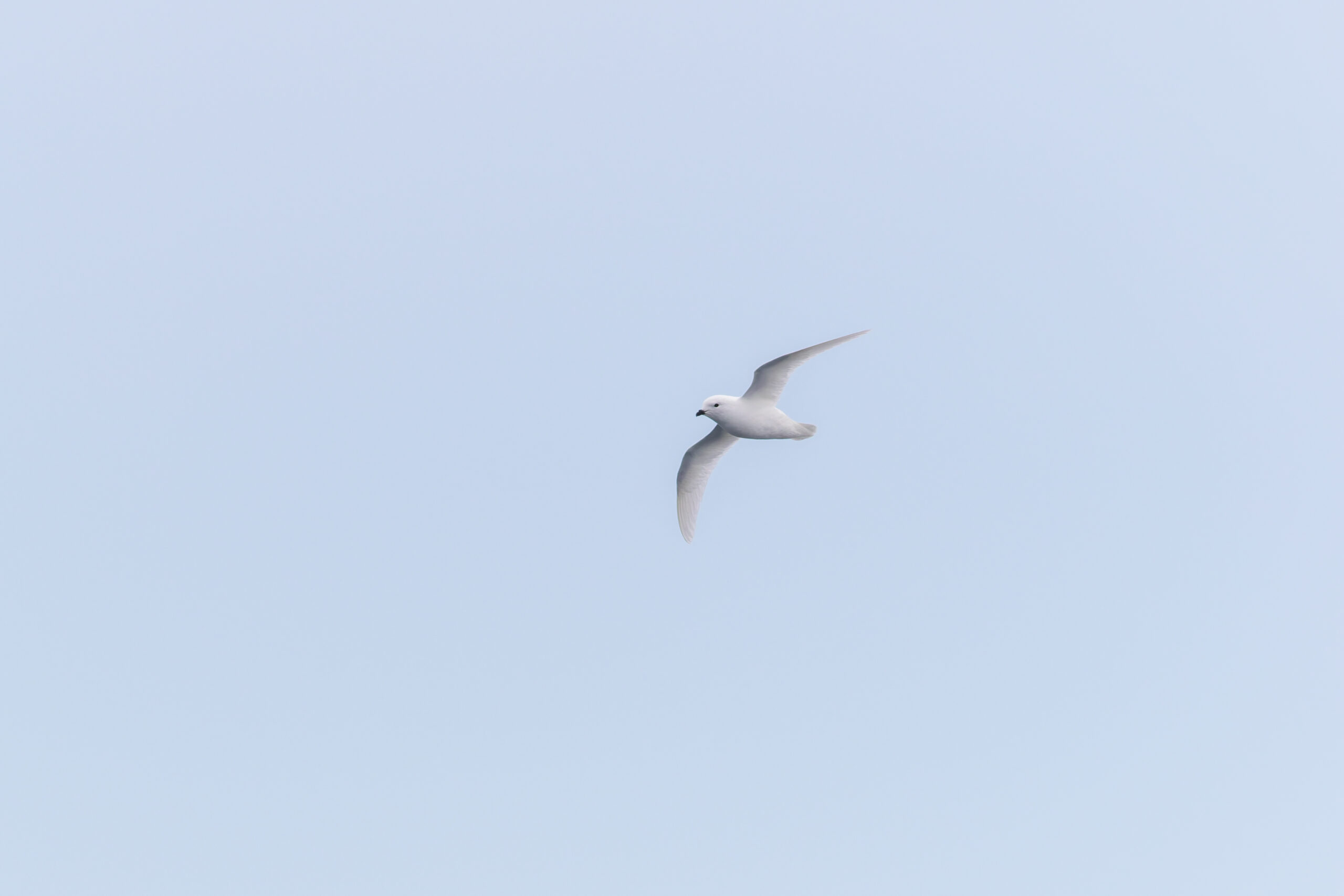
Snow Petrel (image by Diedert Koppenol)
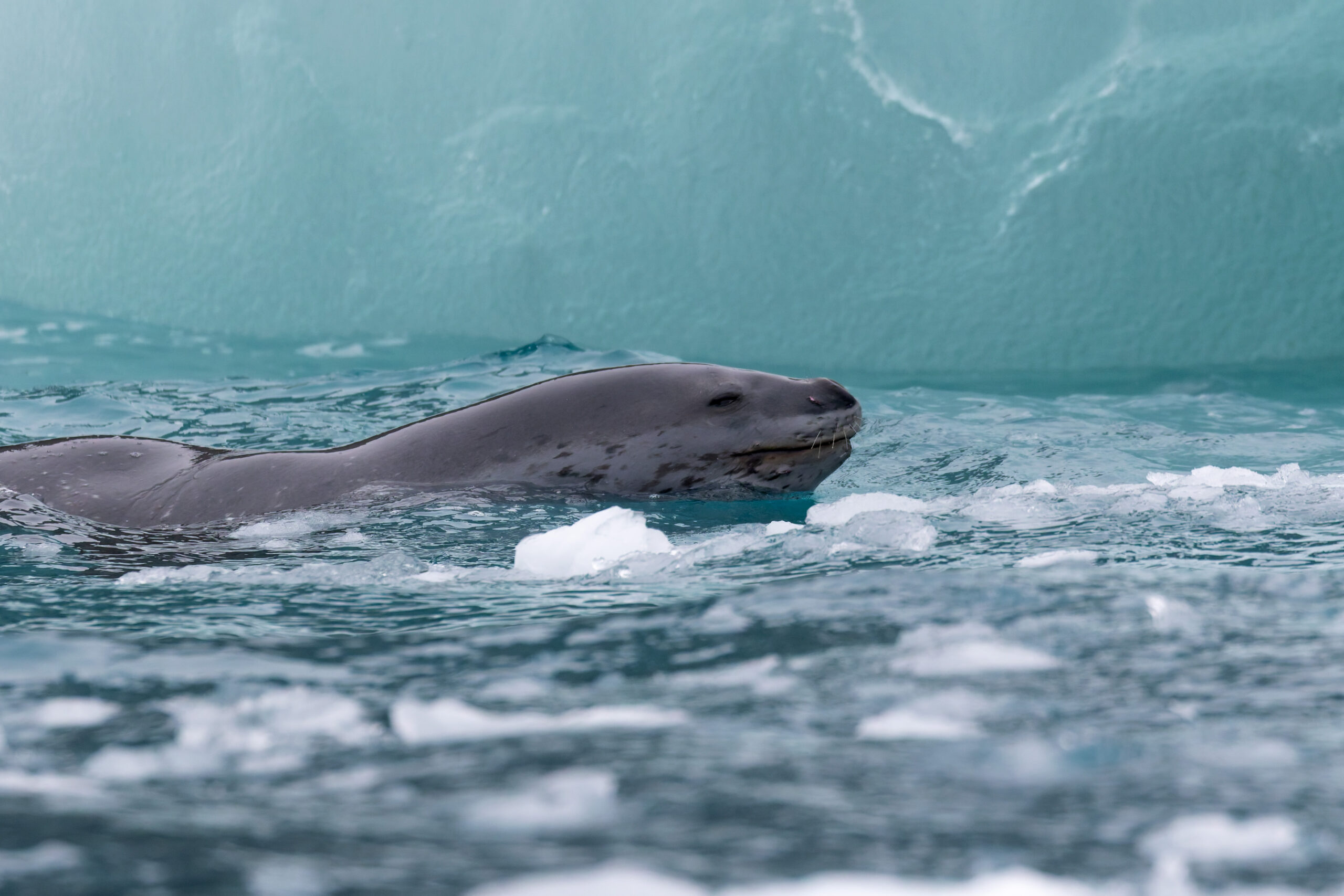
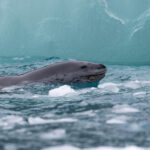
Leopard Seal (image by Diedert Koppenol)
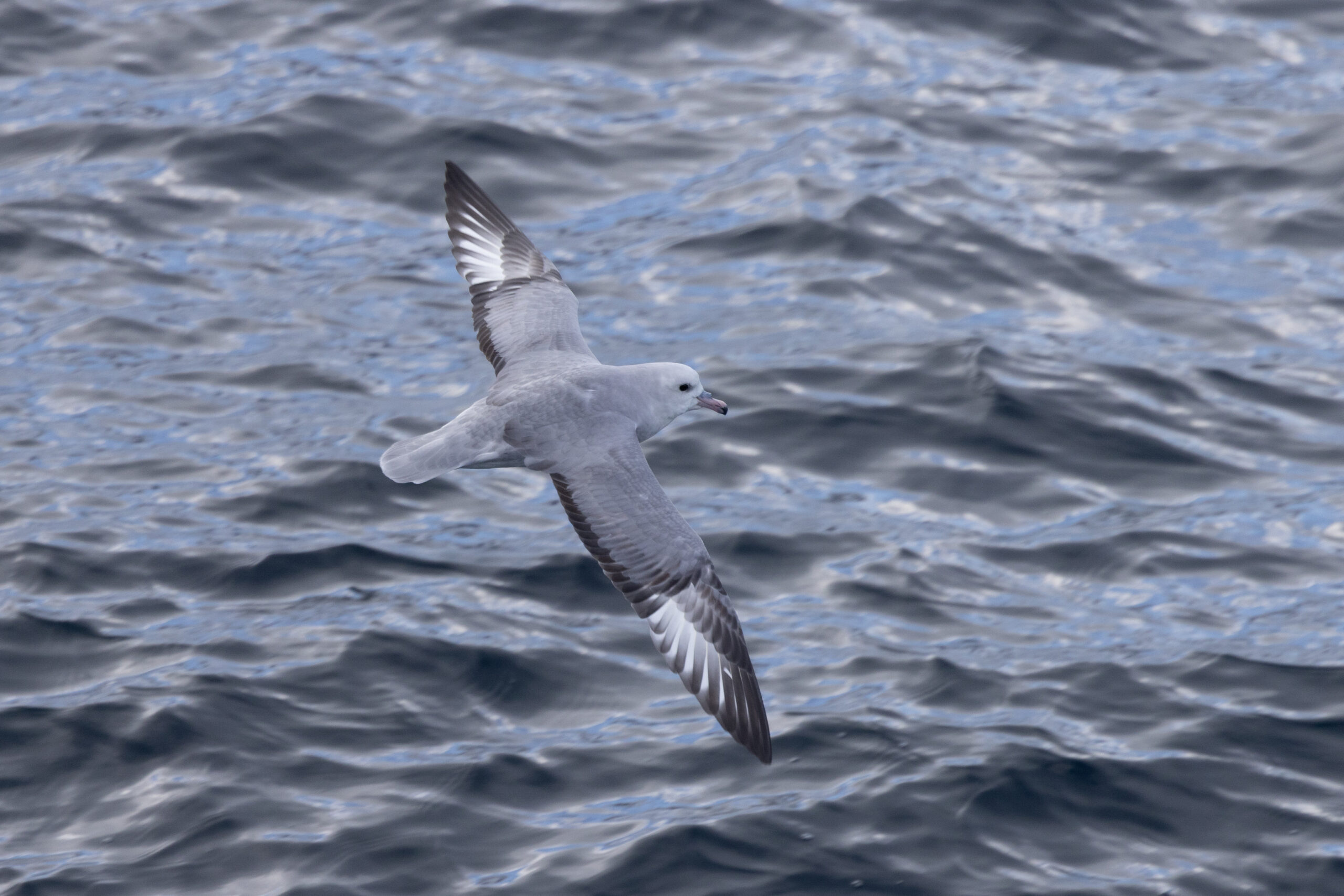
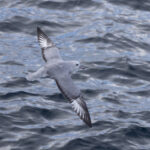
Southern Fulmar (image by Mike Galtry)
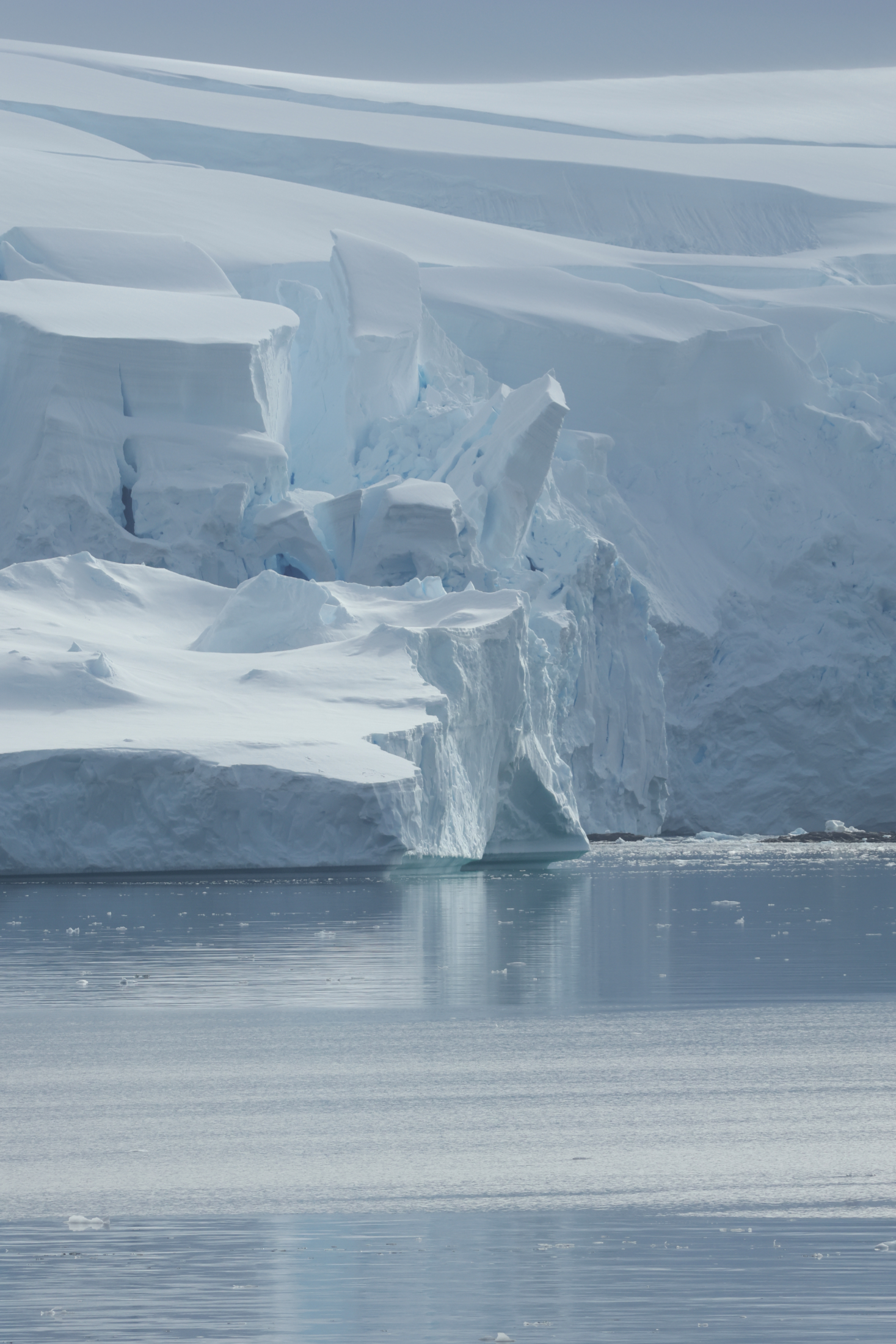
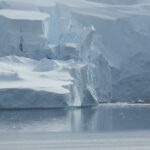
Ice, ready to tumble! (image by Michael O'Clery)
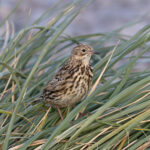
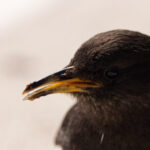
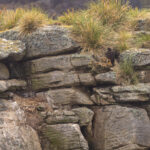
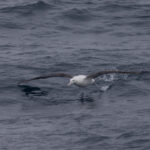
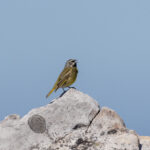
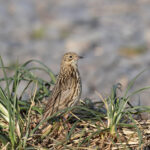


South Georgia Pipit (image by Diedert Koppenol)
Antarctic Shag (image by Mike Galtry)
Red Shoveler (image by Mike Galtry)
Falkland Steamer Duck (image by Mike Galtry)
Antarctic Prion (image by Mike Galtry)
Grey-headed Albatross (image by Mike Galtry)
Abandoned whaling station at Grytviken (image by Michael O'Clery)
Southern Giant Petrel (image by Michael O'Clery)
Light-mantled Albatross (image by Mike Galtry)
Magellanic Penguin (image by Mike Galtry)
Black-browed Albatross (image by Mike Galtry)
Magellanic Woodpeckers (image by Mike Galtry)
Snow Petrel (image by Diedert Koppenol)
White-bellied Seedsnipes (image by Mike Galtry)
Great Shearwater (image by Mike Galtry)
Slender-billed Prion (image by Mike Galtry)
Antarctic Prion (image by Mike Galtry)
juvenile King Penguin playing South Georgia Pintail football (image by Mike Galtry)
Chinstrap Penguins (image by Michael O'Clery)
Brown Skuas (image by Michael O'Clery)
Look closely, there's a zodiac dingy there! (image by Michael O'Clery)
South Georgia Shag (image by Mike Galtry)
Long-tailed Meadowlark (image by Mike Galtry)
Southern Royal Albatross (image by Mike Galtry)
Patagonian Sierra Finch (image by Mike Galtry)
Kerguelen Petrel (image by Mike Galtry)
Blue Whales; mum and daughter (image by Mike Galtry)
Rufous-legged Owl (image by Mike Galtry)
Brown Skua (image by Mike Galtry)
Two-banded Plover (image by Mike Galtry)
King Penguins (image by Mike Galtry)
Chinstrap Penguins trailing up the mountain to their colony. (image by Michael O'Clery)
Antarctica on Christmas Day (image by Michael O'Clery)(image by Michael O'Clery)
Weddell Seal (image by Michael O'Clery)
Black-bellied Storm Petrel (image by Mike Galtry)
Setting sail for South Georgia! (image by Mike Galtry)
Black-browed Albatross (image by Mike Galtry)
White-throated Caracara (image by Mike Galtry)
Emperor Penguin (image by Mike Galtry)
Humpback Whale (image by Michael O'Clery)
Grey-headed Albatross (image by Mike Galtry)
Soft-plumaged Petrel frenzy (image by Mike Galtry)
Ruddy-headed Geese (image by Mike Galtry)
Magellanic Snipe (image by Mike Galtry)
Antarctic Terns (image by Mike Galtry)
Adélie Penguin (image by Mike Galtry)
Southern Royal Albatross (image by Mike Galtry)
Blackish Cinclodes (image by Mike Galtry)
Striated Caracara, with nest (image by Mike Galtry)
Northern Royal Albatross (image by Mike Galtry)
White-bridled Finch (image by Mike Galtry)
Chinstrap Penguin nailing the landing! (image by Michael O'Clery)
Cape Horn, on our way back to Ushuaia (image by Michael O'Clery)
Feeding frenzy with Humpback Whales (image by Mike Galtry)
Two-banded Plover (image by Mike Galtry)
South Georgia Diving-petrel (image by Mike Galtry)
Slender-billed Prion (image by Mike Galtry)
Ashy-headed Geese (image by Mike Galtry)
Blue Whale (image by Mike Galtry)
South Georgia Pintail (image by Mike Galtry)
Common Diving-Petrel (image by Mike Galtry)
Yellow-bridled Finch (image by Mike Galtry)
Northern Giant Petrel (image by Mike Galtry)
White-tufted Grebe ssp rolland (image by Mike Galtry)
Snowy Albatross (image by Mike Galtry)
Cape Petrels at the world's largest iceberg, A23a (image by Michael O'Clery)
Gentoo Penguin on Falkland beach (image by Michael O'Clery)
Macaroni Penguins (image by Mike Galtry)
Long-finned Pilot Whale (image by Mike Galtry)
Fairy Prion (image by Mike Galtry)
Rufous-chested Dotterel (image by Mike Galtry)
Cape Petrel (image by Mike Galtry)
South Georgia Pipit (image by Diedert Koppenol)
Southern Rockhopper Penguin (image by Michael O'Clery)
Antarctic Fur Seal (image by Mike Galtry)
Blue Petrel (image by Mike Galtry)
Mother Falkland Steamer Duck with ducklings (image by Mike Galtry)
Snow Petrel (image by Diedert Koppenol)
Leopard Seal (image by Diedert Koppenol)
Southern Fulmar (image by Mike Galtry)
Ice, ready to tumble! (image by Michael O'Clery)


ANTARCTICA, FALKLAND ISLANDS & SOUTH GEORGIA TOUR REPORT 2024

7 - 29 December 2024
Diedert Koppenol
Rarely do words come so short to describe a tour as they do with trying to describe the expedition cruise to Antarctica, the Falkland Islands & South Georgia. You can read our previous reports and this one, but to truly understand how amazing it is, you should just go and join us. Even with expectations ever-high, it will not disappoint. There is something magical about the trip, where you get to see, smell and almost feel a different world. A world where animals, nature and the elements are still in full control and which is still almost unspoiled by human influence. Many of us had to fight the urge of staying on board once we returned to Ushuaia or signing up for another trip straight away!
Visiting the unique Falkland Islands, where we were lucky to make landings at New Island (the only operator managing to do so during our time there) and also visit Port Stanley where most of us enjoyed a very special excursion with local legend Brian Sulivan, was the first part of our ‘trilogy’ if you will. Also, the history of the war and the role the RAF played was a special goal for some of our group, so we were very pleased we made it into the islands as this is never guaranteed (as with most things!)! We managed to see all possible endemics here plus some additional great species and enjoyed our time with the penguin colonies.
Yet, there are few places so special as South Georgia. The remote and unique island, battered by the elements, is one of the world’s few remaining shelters for enormous numbers of wildlife, with very large King Penguin colonies, Antarctic Fur and Southern Elephant Seals on all beaches and recently whales are returning in large(r) numbers as well! The human history connected to the island is something worth exploring as well and quite impressive, with the eerie whaling now ended and wildlife rebounding everywhere.
Of course, the finale to our expedition put up a good fight for top place on our expedition itinerary. We enjoyed great views of the wildlife here and were even able to find an Emperor Penguin swimming in Wilhelmina Bay! Many were very keen to make it to the seventh continent as well, and we were able to sail through Antarctic waters and even set foot on the actual continent. We made several landings to enjoy the penguins and seals in their natural habitat but for most the zodiac cruises here were the highlights where we got to experience Humpback Whales and Antarctic Minke Whales surfacing right next to us. There are few things better than hearing such a unique creature exhaling in complete silence, seeing its breath form a small cloud, while small snow flakes fill your vision and someone lets out a small gasp of excitement. Our Christmas Day was also made very special, as we enjoyed a BBQ in the snow, on the helicopter deck of MV Ortelius, while anchored in Flanders Bay, Antarctica!
Between these major highlights is the ongoing ‘highlight’ of being out at sea all the time in underexplored waters where something can pop up or fly by at every second! The Birdquest team spent almost all their time out on deck, or if it was really, really too rough out there, on the bridge. Even though decks rarely closed during our voyage, Captain Per was awesome enough to keep the bridge open to the public at all times anyway, so we were always able to see out. It was surely a test of endurance with very long days and no sunset, but there was rarely a lack of enthusiasm and combined we managed to keep an almost constant watch going, resulting in some amazing sightings of ocean birds and cetaceans.
The stunning scenery, the camaraderie, the overwhelming numbers of birds and wildlife, the uniqueness of everything and the constant unexpected surprises surely make this one unforgettable trip!
A small band of adventurous birders started out with a pre, pre-tour extension, dedicated to seeing the superb White-bellied Seedsnipe. We spent a spectacular day exploring the high mountains north of Ushuaia. Our local guide and driver Esteban picked us up early in the morning and it took us about two hours driving to the place where we had to park the minivan and from there we walked up through an interesting forest, that gave us our first species such as Thorn-tailed Rayadito, White-throated Treerunner and Chilean Elaenia. Soon we reached the edge of the forest and thus the tree line. From here we still had a bit of a hike up to the seedsnipe’s habitat, but once there we added another set of great species to our list such as stunning male Yellow-bridled Finches, twitchy Ochre-naped Ground Tyrants, small groups of beautiful Rufous-chested Dotterels, several Andean Condors overhead and even a few Baird’s Sandpipers in among the snowy hills. We also flushed a few Magellanic Snipes but it did take quite some time to locate our quarry. After a few hours, we finally heard the unique, wader-like calls from down below us and then the search began to find these surprisingly camouflaged birds. Not long after, we had point-blank views of a pair, slowly foraging on the hillside, looking for herbs to eat. We could enjoy these golden-hued stunners for a long time and then birded our way down back to the minivan. Mission accomplished! We spent some time near the hotel, which is in a great location for birding. Some of us even got to see Magellanic Woodpecker from their bedroom window! The coast held a nice variety of shorebirds and ducks, with highlights being Ashy-headed and Upland Geese, Fuegian and Flying Steamer Ducks, some of which even steaming, a couple of Chiloe Wigeons, plenty smart Dolphin Gulls, Magellanic and Blackish Oystercatchers, a few Austral Negritos and noisy Chimango and Crested Caracaras pestering birds in the shoreline. A Black-crowned Night Heron was foraging in the river next to the hotel, while Patagonian Sierra Finches and Black-chinned Siskins were frequenting the pine trees. A typical Argentinian dinner was enjoyed before turning in.
Our pre-tour extension began the following day and our band of intrepid birders grew quite a bit. Today we would visit Tierra del Fuego National Park, still home to some great birds of South America’s Southern Cone. We were in before the tourist train would start and drove all the way to ‘the end of the world’. As soon as we exited the minivan, we were alerted to the presence of a pair of Magellanic Woodpeckers and enjoyed great views. Definitely one of the best woodpeckers out there! Another surprise here was a small group of Austral Blackbirds in the car park. With this early success, we decided to tempt fate and try for another one of the park’s more difficult inhabitants. Surely, it did not take that long before we laid eyes on an obliging Austral Pygmy Owl. We were on a roll! We visited the coastal section of the park where Black-chinned Siskins, Patagonian Sierra Finches and Tufted Tit-Tyrants were common, plus we added Rock and Imperial Shag to our day list. Several Andean Condors were flying overhead and we also saw our first Black-chested Buzzard-Eagle here. The boardwalk here turned into a footpath that held a surprise Fire-eyed Diucon and eventually a second bird as well. Further exploration of the park, at various inlets and lakes, resulted in great views of Great Grebe, Yellow-billed Pintails, Chimango Caracara trying to take our lunch another White-throated Treerunner, several Black-faced Ibises and some of us had great but short views of Austral Parakeet. Sadly, a Dark-bellied Cinclodes only showed briefly and not for all. We did some more birding in the park and then returned to the hotel where the shoreline still held good numbers of White-rumped Sandpiper and a few Baird’s Sandpipers. We also obtained great views of Correndera Pipit here, and more Upland and Ashy-headed Geese. Some of us decided to enjoy some well-deserved rest while the rest of the group went out for some more birding after-dark. At dusk, we found ourselves back in the park and it did not take that long until we located a pair of Rufous-legged Owls that showed incredibly well!
The following morning would be our last one on the mainland and we decided to take a special boat excursion. We dropped all of our luggage off at the terminal and went out on a small boat to a group of islands in the Beagle Channel, the Faro Les Éclaireurs and the Sea Lion Islands. The boat is a bit small and full of other day tourists, but we all saw quite a few Southern Giant Petrels, Chilean Skuas and our first Black-browed Albatrosses. During the trip the boat drives past several rocky islets that are home to breeding colonies of South American Terns, Imperial and Rock Shags and also South American Sea Lions. Our first Snowy Sheathbills of the trip were noted here too. Our main target here however was the local subspecies of Blackish Cinclodes. Some taxonomists split this subspecies as Black Cinclodes. We had great views of these interesting, inquisitive birds and one even flew over to our boat, as the leader placed a bottlecap filled with water on top of the roof, which formed an enjoyable treat. It was a great way to spend our morning and afterwards, our favourite local guide Esteban took us to a great place for a lovely ‘bon voyage’ lunch. After lunch, we drove to the northern edge of Ushuaia and made our way to the city’s highlight. That is, from a birders perspective, as we drove along the dump of the town. Not only did we enjoy whiffs from the garbage, we also enjoyed great views of the localized White-throated Caracaras and a few more Black-chested Buzzard-Eagles, plus a single Chilean Skua. The more common scavengers consisted of large numbers of Kelp Gulls, Chimango and Crested Caracaras and Turkey Vultures. Down at the coast we had a few Southern Giant Petrels, preparing for what was to come. We then said goodbye to Esteban, with many thanks for his help, and headed for the dock. We were early but the crew decided to let us onboard the Ortelius to settle in our cabins. The afternoon was full of mandatory safety briefings as we set sail for the Falklands. We slowly cruised through the Beagle Channel and the Straits of Magellan where we enjoyed a bit distant views of large groups/colonies of Magellanic Penguins, our first Kelp Geese, a few more Chilean Skuas, more Black-browed Albatrosses and Southern Giant Petrels and the avian highlight being at least three Magellanic Diving Petrels across the bow. We also had our first cetaceans in the form of some good but distant views of at least two Sei Whales. Our first night on board would be a short one as everyone was full of excitement while we made for the Falklands!
Over the coming weeks, we would develop a routine for our seawatching out on deck. Everybody aimed for a 5 am wake-up. Good thing the bar has a 24/7 coffee machine and nice cookies to provide some much needed aid for opening the eyes. Today was still easy as we had a good night’s sleep and were full of energy and excitement. We would have a full day out at sea and would only reach the Falklands in the night or following morning. At first we still had a few Dolphin and Kelp Gulls around the ship and saw quite a few foraging South American Terns. Several Chilean Skuas were also still about, but soon we left all this behind us. Our first trailing Southern Giant Petrels and Black-browed Albatrosses were very entertaining and allowed for very cool flight shots. A few Great Shearwaters kept us occupied as well. We also enjoyed our first blows and soon after our first Humpback Whales, one even doing a full breach in front of the ship! The further from land we went, the better it got as we added our first Wilson’s Storm Petrels and several small groups of Magellanic Penguins were seen swimming about and foraging in the ocean. We also added our first Northern Giant Petrel today and at about midday, we were treated to brief but great views of a very special cetacean. At one point a very large whale surfaced and retreated back to the water almost straight away. It was so large that alarm bells started to go off and the expedition crew exchanged some looks and soon everyone was in agreement that it was a Blue Whale! The call went out across the ship and soon everyone was positioned for a glimpse as the officers tried to manoeuvre us into position. It came up for air one more time and most got to see it dive back under for the final time. We also saw plenty more Humpback Whales here and our first Fin Whale, plus another Sei! It was here that our first Southern Royal Albatrosses started to appear. This was what it was all about, enjoying these magnificent large seabirds! As the day progressed we kept adding more of the same and as we got nearer to the Falklands, we also saw our first Cape Petrels, with their beautiful checkered plumage. It did not take long for us to then have our first Slender-billed Prions and White-chinned Petrels and in the evening we seemed to find ourselves in a Sooty Shearwater’s highway, as we had at 250+ individuals all moving in line with the ship towards the Falkland coast. Most likely they were returning to their colonies after a day’s foraging. A late surprise and welcome addition was a Grey-headed Albatross. Note that I did not mention any meals yet, as we mostly tried to cut them short whenever we could. This does not mean the food was bad, no, far from it! The food was another big surprise and highlight as we enjoyed lavish breakfasts, great lunches and spectacular three-course evening meals throughout the trip. Whereas most of us had expected basic cantina food, we were treated with local fish dishes, guineafowl and even deer. The things they conjured up in the small kitchen; extraordinary! Fresh food, fruit and vegetables throughout. However, birders being birders, we couldn’t control ourselves and often skipped lunch or dessert, as there are plenty of snacks to keep you sustained throughout the day. After our briefing for the following morning, where we were shown the weather was about to change drastically, we turned in for the night.
We awoke anchored off New Island, in the western part of the archipelago. Breakfast was quick today as we were gearing up for our first landing and with the weather looking a bit dire, we wanted to be as quick as we could. Soon we were all aboard our zodiacs in full landing gear and enjoyed our first Magellanic Penguins on the beach, endemic Falkland Steamer Ducks swimming about in the sheltered bay along with Upland and Kelp Geese. A Blackish Cinclodes was flying about here and apparently it was breeding in the island museum, a small shed in the bay. We made our way across the island but not before we stopped and had a look at an Eastern Kingbird, found by expedition staff member Simon Davies, but also adding Long-tailed Meadowlark and Dark-faced Ground Tyrant to our Falkland list. Austral Thrushes were hopping about as well. Just before our goal of the walk, we ran into a family of Ruddy-headed Geese that showed really well, completing our Chloephaga quartet for the trip. As soon as we reached the other side of the island, we were treated to an impressive spectacle. A massive number of Black-browed Albatrosses and Southern Rockhopper Penguins had made their home in the rocky outcrops of this side of the island, in a sort of stadium-like layout. We were allowed to walk along and around the birds and got real close to these great birds. In between the albatrosses and penguins were also quite a few Imperial Shags, a handful of Brown Skuas and really special was a single Macaroni Penguin that has been returning here for at least four years now. So much life attracts those creatures that feed off life as well and it did not take long before we located a family of Johnny Rook, better known as Striated Caracara, that had put up a nest close to the colony. A few Turkey Vultures were also flying about, probably looking for a tasty penguin chick. Also looking for food were a few Snowy Sheathbills dotted around the colony. After a wonderful morning, we returned to the ship and repositioned to the other side of New Island for another landing. There was a small pond here near the landing site that held quite a few geese of the aforementioned species but mostly it was Gentoo Penguins at this side of the island. Not as ‘organized’ as the previous colony, the Gentoos here were dotted across the landscape in larger groups, just standing around each other. We got to enjoy Magellanic, Gentoo and Rockhoppers coming out of the water, launching themselves onto the beach. The scenes were often quite hilarious and it was like watching a nature documentary at times. We had to be careful not to step into any prion burrows, as they were dotted along the path. The local warden Tim told us that recent counts and estimates put the breeding population of Slender-billed Prion at about two million breeding pairs for New Island alone! Once everyone had returned back to the ship, we set sail again. Destination: Port Stanley, situated at the far east of the Falklands. A few more Great and Sooty Shearwaters were flapping about and we also enjoyed a massive number of Slender-billed Prions around the shores of the archipelago. During ‘recap’, which is more of a briefing for the following day we were explained what to expect for our landing in Port Stanley tomorrow. It also turned out that we were the only operator in the whole of the Falklands to make any landings, so we felt very lucky to have experienced what we could (and any loss of a brown boring Cobb’s Wren were soon forgotten)!
It was nice and calm weather today as we glided into Port Stanley’s harbour, adding a few more Falkland Steamer Ducks to our list. It was possible to do nice, easy, dockside landings with the zodiacs and the Birdquest group was onshore as the first landing party. This was because we had made special arrangements for a birding excursion south from Port Stanley. Guided by the local legend Brian Sulivan, who had also served in the war. He knows most about plants but of course also a lot about the history, so while we were birding, most of us could not resist asking about the time of the Falkland war and were eager to listen to his stories. On the birding front, we did start off well with a Rufous-chested Dotterel in front of the minivan, and soon laid eyes on a small family group of Silver Teals and a family of three White-tufted Grebes. The grebes were of special interest here as the nominate subspecies rolland is sometimes mooted as a potential split into Falkland Grebe. Further afield Mick found a nice Magellanic Snipe, which allowed for close-up views. It did not take long before we located quite a few Two-banded Plovers in what looked like a golf course, but was actually accentuated by a few bomb craters! A Grass Wren was kind enough to perch up and show itself and at the end of our walk, and while we were mostly distracted by Correndera Pipits, we finally located a nice male White-bridled Finch! On the drive back to the city we also added Turkey Vulture and Black-crowned Night Heron to our Falkland list, a pair of Striated Caracara was seen and a few more Dolphin Gulls. As soon as we were back in Stanley, everyone dispersed, mostly gravitating towards the Falkland Gin distillery, but also looking for the post office for some stamps and sending some cards, while others visited the Falkland War memorial. After a leisurely finish to our Falkland Islands visit and with everyone back on board, we set sail for South Georgia. It would be a long crossing of about three days, but this stretch of ocean is one of the most exciting bits of the trip. While we made our way out of Falkland waters, accompanied by two Southern Fulmar, we were delighted by three Peale’s Dolphins swimming along with the bow of the ship. We started picking up the standard seabirds again with more and more Wilson’s Storm Petrels and soon the scanning paid off as we located our first Grey-backed Storm Petrel. It was busy foraging on a floating patch of seaweed which is typical behaviour for this species. A few more would follow throughout the afternoon and even as we set into the evening glimmer.
From here on out, we would pivot into a group of marines keeping watch. The sailing to South Georgia would take about three days and some of the best seabirds can show up during this crossing. So, we were out there in the very early morning, grabbing a nice cup of coffee in the quiet bar and peering into the mist as, sadly, our first day of sailing was completely fogged-up. Not all was lost though, because the birds that did show themselves from the bow would be very close and allowed great views actually! It started off nicely with a small pod of six Hourglass Dolphins, but it was quite slow going most of the time. At first, we still had some influence from the Falklands, with a few Sooty and Great Shearwaters, a handful of Slender-billed Prions, only a single Black-browed Albatros and just a few Giant Petrels. A few Black-bellied Storm Petrels made for a nice distraction, with single Grey-backed Storm Petrel being noted. The main attraction of the day were all the Soft-plumaged Petrels that kept bombing in and out of view throughout the day. We didn’t locate any of the rarer petrels, but it was still nice to see this elegant species well. Movie night was a fitting end to our day and we definitely enjoyed the popcorn!
The conditions didn’t change much from yesterday and we still had limited view due to the fog. Many of us made use of the quiet in the morning to get their biosecurity preparations done. However, as we got closer to the famous Shag Rocks and also the Antarctic Convergence Zone, birds were increasing in numbers. We had a constant presence of storm petrels, with Black-bellied Storm Petrel being the most numerous, followed by Wilson’s Storm Petrels and only one Grey-backed was noted. At around midday, we reached the strange, surreal rock formation that is called Shag Rocks. If anyone was wondering why it is called that, the answer reached us via our nostrils almost as quickly as you could ask the question. About 25.000 South Georgia Shags have their home on this remote place. We managed to locate a few Snowy Sheathbills, plenty of prions around us, now of Antarctic Prion species, as well and the waters were full of Humpback Whales and we also saw a few Gentoo Penguins swimming around. The birding highlight here was our first Light-mantled Albatross flying about. We continued our journey towards South Georgia and now we were back into birding. It was still foggy, but we kept getting birds appear from the mist and as the day continued the visibility became better over time. About every half hour, we would get another Royal type albatross and we managed to confirm at least three Southern Royals, two Snowy and one Northern Royal. Furthermore, we had quite a few Grey-headed Albatrosses between the distractingly large number of Antarctic Prions and quite some Black-browed Albatrosses. Most welcome was the sighting of a Fairy Prion, which Mike G. managed to photograph, allowing us to clinch the ID! That allowed us to relax a bit more and let a few prions pass… The closer we got towards the end of the day, the more the wildlife really changed into Antarctic, shown by our first Antarctic Fur Seals, a Southern Bottlenose Whale for some and a large pod of Long-finned Pilot Whales in the gloom of the evening. Blue Petrels were new to the scene as was a small ‘pod’ of our first King Penguins!
Land ahoy! We had arrived at South Georgia’s shores and were slowly making our way towards Grytviken Harbour, the old whaling station. A magical slow entrance into the bay followed, as the beaches around us were still covered in a small bit of fog, while the Antarctic Fur Seal pups were calling out to their moms, filling the air with wailing, eerie calls and the soft purring calls of King Penguins. Biosecurity is a high priority here and without it, we wouldn’t be able to enjoy all the beautiful wildlife here. It does however take quite a while to get through the checks, but everybody was understanding about the wait. As soon as we were cleared, with a 100% score(!), we were off in the zodiacs and made landfall for the first time in three full days. Antarctic Terns were present in the landing zone, along with some curious Antarctic Fur Seals. Grytviken is a very fascinating place, with the old whaling factory still present and you are walking amongst history. There is a museum worthy of a visit, the old sailor’s church is still standing and the post office is still functional! Most of us made a visit to the famous explorer Ernest Shackleton’s grave, as well, for the traditional toast on his tombstone. The walk there was probably more exciting than the actual toast, as you had to navigate between moulting King Penguins, a few young Antarctic Fur Seals and a grumpy Southern Elephant Seal here and there. You quickly understand why they’re called Elephant Seals, as they are enormous! Some of us were lucky to get views of a South Georgia Pipit, because we soon realised something is going on with the population, as the previous year people had quite a few of them at Grytviken, but this year they were very scarce. We would notice this throughout our time in South Georgia and other boats were reporting the same. After the rat eradication was completed in ‘19, the population boomed. However, perhaps avian influenza has found its way into the South Georgia Pipit’s population or maybe it was a very harsh year which had a massive impact on the survival of pipits; it is still unclear what is going on with the pipit. Another great sighting was that of a pair of Light-mantled Albatrosses performing display flights right above the mountain range near the church of Grytviken. A mother with ducklings was our first sighting of South Georgia Pintail and quite a few Brown Skuas, Giant Petrels and Kelp Gulls were present too. After our time at Grytviken, we boarded and set sail out for a different landing site. The next destination was Jason Harbour, which was nice and sheltered from the rough winds at open sea. We had a great time here during our first beach landing, where we had to wade through a large group of Fur Seals and a few more Elephant Seal, but were able to get great views of South Georgia Pintails and the behaviour they are famous for: eating meat! A few were feasting on some fresh meat between the Fur Seals, paying just enough attention not to get squashed! Our main goal here was to get everyone who missed the South Georgia Pipit in Grytviken onto the bird now, so we made it all the way to the end of Jason Harbour, only to learn there were birds sighted at the landing area. So, back we went and after a long wait, we obtained views of at least two pipits right near us! With that success, we all went back aboard. We set out for the open sea to find a place to keep the ship overnight. The winds around the island were rough, so a bit further from land was better to keep the swell down. It helped us record a few more seabirds for the day, including our first Cape Petrels, a few Macaroni’s in the water, and the usual Grey-headed Albatrosses between the more common Black-browed Albatrosses, Antarctic Prions, White-chinned Petrels, Northern & Southern Giant Petrels and the ever-present Wilson’s Storm Petrels, before heading back to our cabins.
We awoke while the ship was slowly drifting into Godthul Bay where a few Antarctic Terns were flying around. However, the scouting party reported that there was too much wildlife on the beaches to accommodate for a landing, as we would cause too much disturbance otherwise. We made our way towards St. Andrews Bay, which allowed for some great birding. A Light-mantled Albatross was one of the highlights but the best was our first sightings of Snow Petrels amongst the icebergs! It didn’t take too long to reach St. Andrews Bay and here we could see, smell and hear perhaps the world’s largest King Penguin colony. The sight was very impressive, but because of weather conditions we would not be able to land here, so off we went towards Stromness Bay. We spent quite some more time on open water and seawatching was nice, with more Snow Petrels for everyone to enjoy. Getting closer to Stromness Bay the winds got much stronger and the albatrosses and giant petrels were surely enjoying it. Stromness Bay is ‘home’ to a few old whaling stations, Stromness, Husvik and Leith. We first visited Stromness, almost being able to touch it, or so it felt, when Captain Per positioned the ship just outside the 200m exclusion zone. We noted a few Snowy Sheathbills between the fur seals that were situated amongst the ruinous buildings. We then went on to Leith, the largest of the three whaling stations here. Seals had definitely reclaimed the land here, with Fur Seals and Elephant Seals everywhere. The snow was getting heavier by now and the wind picked up even more. We had a quick look at Husvik station, but by now the snowstorm obstructed our view so much we turned out the bay and made our way to the final stop: Hercules Bay. Hercules Bay is home to a smallish Macaroni Penguin colony and with our amazing captain, we managed to get the entire cruise ship into the narrow bay’s entrance where we had good views of the cliff face with its penguin denizens before we headed back out and ended the day.
We found ourselves anchored off Fortuna Bay, where the third-largest King Penguin colony of South Georgia is located. The weather had changed and much for the better. The conditions were ideal for landing and it did not take long before we were ashore! For most of us spending time amongst the large number of King Penguin was a dream come true. It was a very impressive and overwhelming sight with so many distractions; young King Penguins chasing around South Georgia Pintails as if it was a football game, fur seals at the beach fighting for dominance, mating rights or their place in the sand, lines of penguins going in and out of the sea and all in a spectacular scenic glacial plain. After a wonderful time here, we went back to Hercules Bay to enjoy a nice zodiac cruise this time. The calm water allowed for nice cruising, with great views of dabbling Northern & Southern Giant Petrels, South Georgia Shags, the Macaroni Penguin colony and we located our first Chinstrap Penguin, a single bird at the entrance of Hercules Bay. As the evening set in, we moved out of Hercules Bay once more. The birding here was good with loads of seabirds and just before the light turned too dark, we had a nice flurry of activity from diving petrels. Cameras were in full action and we managed to ID at least six South Georgia Diving Petrels and two Common Diving Petrels. Photographs are essential to ID them as both species occur here. A very nice ending to a spectacular day!
With a very early start for the rest of the ship and a normal start for us, we were woken up at 05:00 by the expedition leader as we were going to an early zodiac cruise in St. Andrews Bay! It didn’t take long for us to board the zodiacs and find ourselves amongst hundreds of King Penguins and Fur Seals in the water, trying to get ashore or actually making their way into the water. It was quite spectacular, with the dark clouds above the snow-covered mountains and the massive glaciers in the bay, while the smell and sound of such a large number of animals was inescapable. This was another moment that makes it clear that this trip is not really about the number of species you’ll see, like most of our other tours, but definitely about the spectacle of nature and wildlife! After our time in St. Andrews Bay, we made our way to the other side of the island. The initial plan was to make a cruise up the impressive Drygalski Fjord, which is about 20 kilometres long. However, the weather had other plans, as per usual. We were met by hurricane force winds (95 knots!) as soon as we rounded the corner to enter Drygalski Fjord. Humpback Whales were actively foraging next to the ship and often breaching, with the winds creating a cloud of the spray as soon as they came out. Birds were sweeping across the sky and the deck, and we had close-up views of Snow Petrels above the bridge, Giant Petrels floating about as if it was nothing. It truly showed us how the birds here have adapted to these harsh conditions and have absolutely mastered flying. We were still allowed outside for quite long, as the bridge took the brunt of the wind, but the ship was listing quite steeply and after a while, the outside decks were closed for obvious reasons. We headed back out the fjord and set course for Antarctica! Winds increased even further while we rounded the corner of South Georgia. The wind scale on the bridge maxes out at 99 knots and it was maxed out for quite a while!
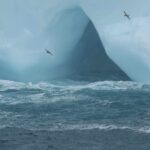
It had been quite a rough night with quite some rocking back and forth. However, we slowly moved into calmer water and everyone was out on deck soon enough. It would be another full day at sea as we made our way south. The prospect of today would be laying eyes on the largest iceberg in the world, called A23a. Just before lunchtime, we finally approached the iceberg. It was an impressive sight to behold, as we sailed along the enormous wall of ice for at least five hours. Somehow, some seals and penguins had managed to climb or find a way up to the top of the iceberg, which surfaces at least three or four metres above water. Some Snowy Sheathbills were dotted along as well, but birdlife wasn’t heavy here as we lay in the shelter of the iceberg for so long. However, its meltwater holds a lot of nutrients so there were large numbers of Antarctic Prions & Cape Petrels and quite a few Southern Fulmars foraging near these iceflows. Gentoo & Chinstrap Penguins were also found in and along smaller icebergs and iceflows in small packs and also a few King Penguins were seen. A Light-mantled Albatross flew past and gave nice views, but at the end of the day, once we were a bit more free from A23a, activity of pelagic birds picked up again. The number of Wilson’s Storm Petrels picked up and we added more Black-bellied Storm Petrels to our tally. Everybody was still on high alert as these waters can always hold a surprise or two and we were keen to add some of the rarer petrels to our list. Data from previous voyages told us that this was the place to find Kerguelen Petrel and it didn’t last that long before the first one was called! The very typical flight behaviour of this species had been well-studied the nights before, with the help of YouTube videos and we managed to add at least four different Kerguelen Petrels to our list. Magnificent flyers and once seen, hard to miss! Two diving petrels, most likely South Georgian of origin, were the last ‘real’ birds before we ended the night watch.
The sea became very calm overnight and visibility was great. The morning started out with quite a few Southern Fulmars between the Cape Petrels and the icebergs were dotted with Chinstraps and Gentoos. The clear weather allowed for great seawatching and we were picking up blows left, right and centre too. Mostly Humpbacks and Fin Whales but soon we reached floating sea ice. This killed some of the cetacean activity, but we had many Snow Petrels, Wilson’s and Black-bellied Storm Petrels here. There was a bigger gap in the ice sea, with several Humpback Whales that showed well, and soon we noticed a much larger whale. The cetacean experts didn’t take long (neither did we, really, with such a size!) to confirm the ID as Blue Whale! This largest animal (not just mammal!) ever to have existed on our planet got closer and closer to the bow and we had amazing views. Not long after, we had a smaller fin surface next to the big fin and it turned out we had been so fortunate as to bump into a mother and calf! The sounds of their blows and the drawing of breath was loud and clear as everyone was in awe and silently admiring this rare sight. We left the pair alone after a while as to not cause any disturbance and continued our course to Elephant Island. Birds weren’t very plentiful, but enough to keep one entertained. We lost a few of the Cape Petrels and Snow Petrels, but there were still enough of the standard convoy following us, with quite a few Southern Fulmars, Southern & Northern Giant Petrels and Black-browed Albatrosses in our wake. There were quite a few Blue Petrels to be seen and found between the Antarctic Prions and their novelty had worn off a bit by the end of the day. Days like this are quite dangerous for the birder, as you can easily doze off while staring in the endless nothingness and noting the common birds passing by and that is usually when thunder strikes and a rare bird comes by..! Such an event struck our boat today as well, where at one point in the midday a bird in a small group of Cape Petrels stood out. Dave was the first to get it in words, as a roar bellowed: “ANTARCTIC PETREL!!!” and as the Antarctic Petrel flew by alongside starboard towards the bow a few cameras went in fire mode. For some reason, it sadly did not appear in front of the bow and just vanished into thin air, so most of our Birdquest crew missed this one… Of course, everyone was now very awake and actively scanning in the hope that we would catch up with another one. Sadly, it was not to be today, but we enjoyed the rest of the evening with proper seawatching, adding two more Light-mantled Albatrosses and a handful of Blue Petrels.
Land in sight once more! We had made it all the way south and now found ourselves off the coast of Elephant Island. Expedition Leader Sara started the day with talking about what happened here, why the statue of Pardo was here and that this was where Shakleton and his crew had survived until they were rescued by Pardo. It was an impressive moment where the slightly foggy weather created a beautiful atmosphere while we were invited to think about how the conditions must have been and how extraordinary it was that this band of brothers had managed to survive here, as a large calving from the glacier close by reminded us about nature’s harsh presence. The conditions were perfect for a calm Zodiac cruise that allowed us to explore Wild Point. It was nice to enjoy the colonies of Chinstrap Penguins, several Elephant Seals and a few Brown Skuas, with the bust of captain Pardo in their midst. Highlight was the discovery of a Leopard Seal that, while shy, did show itself to most Zodiacs. After the cruise, we set sail for the South Shetland Islands. One of the highlights during this section was a huge feeding frenzy, where several Humpback Whales were lunge feeding amongst tens of thousands of birds. Species included Gentoo, Chinstrap and King Pengins, many prions and Cape Petrels, Black-browed Albatrosses, Southern Giant Petrels and Blue Petrels. Lunch was served, but mostly ignored as there was just too much to see! We enjoyed more cetaceans while sailing onwards, mostly Fin Whales. Meanwhile, we were scanning and scanning as we were getting closer to real Antarctica. Having been told about rampant bird flu and consequently, the closing of several great landing sites, we were a bit anxious about our chances for seeing Adélie Penguins… Luckily, our group was sharp as ever because every iceberg was scanned for potential. Shortly after dinner, we neared Bridgeman Island, a relatively ‘live’ volcano turned island when it erupted about 200 years ago. The rock was empty, but a nearby iceberg looked more promising! It was a bit too distant to really confirm, but some photographs suggested at least one or two Adélie Penguins were present on the iceberg! A persistent leader and great captain come in handy at these moments, because soon the ship changed course, heading straight for the iceberg. Skillful as captain Per is, he ‘parked’ the Ortelius almost atop the berg. It allowed us to obtain great views of a small group of Chinstrap, Gentoo and indeed several Adélie Penguins! A cheer went across the deck and a large sigh of relief. Little did we know that we would encounter quite a few more Adélies during our time further south, but at this moment they were very welcome.
Next morning, we awoke in another beautiful place. We found ourselves in the bay near Livingstone Island, which has some beautiful scenery. Our destination for the morning was Half Moon Island. Landing here allowed us to explore a Chinstrap Penguin colony in its full glory. The colony here was a bit spread out and many were trafficking between several sites filled with nests and guano. The other side of the island held our first blond South Polar Skuas, which were much appreciated. Another highlight here was the short sighting of an Antarctic Minke Whale. A few Elephant Seals having some scraps were impressive and a big attraction here were a few Weddell Seals sleeping in the snowy planes, allowing for some nice photography. The ship was repositioned during lunch only a short distance, to Yankee Harbour. Yankee Harbour was called such as its sheltered shore was used mainly by American whalers. Whalers from the United Kingdom called it Hospital Cove. It was well worth the somewhat wet transfer to the beach as not only does it harbour a large colony of Gentoo Penguins, there were also several South Polar Skuas and a lone Adelie Penguin gave away quite a show. We enjoyed our time on the Antarctic Peninsula before heading back to the Ortelius.
This morning was a bit different and a real wake-up call as to how the conditions we had before today were actually abnormal and today would be more a true Antarctic day. We made for Palaver Point, which holds more Chinstraps. Many didn’t stay out long as the wind was really quite strong, accompanied by some nice wet snow, causing a real snow storm. We struggled our way up along the track, while the Chinstrap Penguins had no difficulty whatsoever. It was a great experience despite the weather, but we soon set sail for different waters. Some negotiation and navigating between different cruise ships was needed, but Sara had managed to claim us some great spots. We first made our way to Foyn Harbour, where in 1915 whalers aboard the Guvernøren managed to sink their ship and thus end its gruesome practices, we now in 2025, 110 years later, were able to have a great zodiac cruise enjoying Humpback Whales up close, bubble net feeding, deep diving and all. Needless to say, it was a wonderful Christmas Evening and itt would become even better for some of us..! As we made our way out of Foyn Harbour towards our new spot, we would cruise through Wilhelmina Bay. The advantage of being this far south at this time of year is that the sun doesn’t really set. We made use of this as Wilhelmina Bay is one of a few places outside of their breeding grounds where Emperor Penguins sometimes get seen. Again, our Birdquest group was joined by Captain Per. As soon as we spotted large congregations of penguins, we would alert the captain and his officers and he would change course to bring us close enough to check for any juvenile Emperors. After about four hours of going up and down and up and down through the bay, we had to turn out of the bay and continue our voyage. Of course, this was the exact moment Pash came running up to Diedert with some panic and excitement in his voice urging me to “Check this one!”. Pash, Mike and several others had spotted something that was closely resembling our quarry. Even though your mind fights against it, insisting you are actually looking at an Antarctic Shag or something aberrant, it did not take long for us to confirm the ID. We were looking at an Emperor Penguin swimming in the bay, close by! The birders nearby managed to get onto it, but in the chaos that ensued (mainly caused by non-birding passengers who were getting excited because we were so excited), not everyone managed to get onto the bird. It also mysteriously disappeared, diving behind one of the smaller ice floats, never to resurface again… Frustrating for some, but a definite highlight for most, we would end Christmas Evening at 11 pm, sailing for the Lemaire Channel.
Today, of all days, would be a very special day. As the cliché goes, it was a Christmas Day to never forget. Most of the non-birders were woken up earlier than normal, with the announcement that we had reached the Lemaire Channel. Sadly, we would not be able to make our way through, as most of the channel was filled with a large amount of ice, too much to break through. So, our next destination would be Stony Point, situated in Paradise Bay. Aptly named, as it was a beautiful place, with nice sunny weather. We managed to do a landing here, which was celebrated as our landing place was actually part of Antarctica and not an offshore island. This landing was dedicated to the country listers and to general enjoyment of being in such a special place. The mandatory photos with the flag of Antarctica were taken atop the hill with beautiful snowy surroundings. Quite a few brave souls partook in the traditional polar plunge here as well; diving into the ice, ice cold Antarctic waters. After this great celebration of true Antarctic travel, we ventured forth towards Flanders Bay. Due to a significant lack of wind, we were able to board zodiacs very quickly after arrival and went for a cruise that would be epic. Gentoo Penguins gliding off and jumping back on icebergs caused much laughter and joy and we were treated to great views of a few Crabeater Seals resting atop floating ice. Humpback Whales were sighted everywhere and most of the zodiacs had great experiences with several breaching close to the dinghies. Turning off the engine resulted in an otherworldly experience, where the only sound breaking the silence was that of breathing whales, with the only visible thing being the whale’s blow and endless ocean while the sky filled itself with small flocks of snow. Some of us got very lucky when an intrigued Antarctic Minke Whale decided to check out a pair of zodiacs, surfacing very close to them. Dinner time was upon us and as we now found ourselves in a complete snowfall, navigation had to be done by GPS and memory. Safely back aboard, we prepared ourselves for a great Christmas celebration; the crew had prepared a great BBQ for us out on the helipad! Everyone geared up in waterproof clothing and enjoyed hot wine, great barbequed food all while enjoying glaciers, Snow Petrels and snow. Being Christmas and all, everyone joined in for a nice after-dinner party with dance and laughter to bring us into the next day!
What is known in some parts of the world as Second Christmas Day started with a bang as a pod of Orcas was spotted near the Ortelius. Captain Per being Captain Per, the Ortelius was manoeuvred in close range of the pod, keeping a safe and healthy distance, but allowing for great observation of these Type-B Orcas, with at least two large bulls and a few young calves as well. The rest of the morning was used for a zodiac cruise at Ketley Point, where we enjoyed Gentoo and Chinstrap Penguins, quite a few Snowy Sheathbills trying to get their breakfast and a single Adelie Penguin posing well for photography. Lunch saw us through some parts of the windy Gerlache Straight. We made for the narrow passage between Brabant and Lecointe Island, which had some absolutely stunning scenery. Birding highlights were great views of Light-mantled Albatross while Snow and Blue Petrels had now become too common to mention. At evening recap we were told that our crossing back to Ushuaia, through the infamous Drake Passage, would not be as rough as could be, but would still be rough. This meant we would be in for quite some rough seas, as that is the standard here!
The presence of the changing seas was felt during the night, with increased swell and rocking. However, during the course of the morning, the swell did decrease and most of us were out and about with business as usual. It was rather slow going though, but we had another great encounter with Light-mantled Albatrosses and quite a few Fin Whales were noted. As we rolled into the afternoon, getting closer to South America again, the birdlife started to change. A few Sooty Shearwaters were noted the closer we got, with more Black-bellied and Wilson’s Storm Petrels again. It would be the last day we laid eyes on the spectacularly beautiful Snow Petrel and we noted our last Southern Fulmars and before we turned in we had another couple of Common Diving Petrels.
It would be a rough night for most of us and it took quite some courage and a stronger stomach to make it to breakfast today. 4 metre high waves were the low average, with some going over 6-7 metres as we made our ‘passage’ through the Drake. Our Birdquest group, mostly without leader as his patch had expired too soon, managed to keep the bridge manned in shifts and we were rewarded with several good sightings, with highlights being another Snowy Albatross and more Southern Royal Albatrosses. This part of the voyage saw most of us explore our cabin or our inner eyelids more than before, but luckily we made it too Cape Horn safe and sound. Out in full force again, birdlife picked up its pace here too and we welcomed the familiar sight of Great and Sooty Shearwaters, many Giant Petrels and Black-browed Albatrosses again. As always with birdwatching and especially out here on the ocean, whenever there is so much activity, near a border of different habitats, it is always exciting and one has to be extremely attentive to check everything flapping about. We were forewarned this area was where one could expect something exciting like a Great-winged or White-headed Petrel, so we checked everything. For some of us, this alertness was rewarded as in a split second, we picked up on a fast-gliding shearwater! Luckily, Diedert managed to get some record shots confirming the ID of Subantarctic Shearwater! The definite highlight of our day, but we enjoyed some more birding until the late evening, until we were called in for our final dinner and a slideshow detailing our voyage. What a great way to sail into our last evening aboard.
The port of Ushuaia greeted us in the early morning, with the sun welcoming us with its warm glow as we docked. It was a stark contrast to our last few days, but made saying goodbye to the Ortelius a bit more comforting. Our voyage had come to an end and a long journey home was waiting for us. Thanks to everyone for joining us on this great expedition cruise, which turned out to be a great, successful and unforgettable journey!
On behalf of the entire Birdquest group I would like to extend a very special thanks to our great captain Per Andersson and superb expedition leader Sara Jenner, plus the fantastic crew and expedition team that all contributed to making this expedition cruise a great one!
SYSTEMATIC LIST OF SPECIES RECORDED DURING THE TOUR
Species marked with the diamond symbol (◊) are either endemic to the country or local region or considered ‘special’ birds for some other reason (e.g., it is only seen on one or two Birdquest tours; it is difficult to see across all or most of its range; the local form is endemic or restricted-range and may in future be treated as a full species).
The species names and taxonomy used in the bird list follows Gill, F., Donsker, D., & Rasmussen, P.(Eds). 2024. IOC World Bird List (v14.2).
Where the subspecies seen is/are known, these are often given in parentheses at the end of the species comment.
BIRDS
Flying Steamer Duck ◊ Tachyeres patachonicus Seen well during the pre-tour in Ushuaia.
Fuegian Steamer Duck ◊ Tachyeres pteneres Seen well during the pre-tour extension in Ushuaia area.
Falkland Steamer Duck ◊ Tachyeres brachypterus Great views on the Falkland Islands, including a pair with little ducklings.
Upland Goose ◊ Chloephaga picta Common in Ushuaia and on the Falkland Islands.
Kelp Goose ◊ Chloephaga hybrida Seen well in Ushuaia and on the Falkland Islands.
Ashy-headed Goose ◊ Chloephaga poliocephala A very smart goose, small groups seen well in Ushuaia.
Ruddy-headed Goose ◊ Chloephaga rubidiceps Point-blank views in the Falklands.
Crested Duck Lophonetta specularioides Common in the Ushuaia area and also on the Falklands.
Silver Teal Spatula versicolor A family group near Port Stanley, Falklands was a nice surprise.
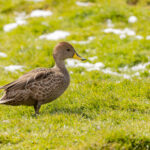
Red Shoveler Spatula platalea Seen very well in the city of Ushuaia.
Chiloe Wigeon ◊ (Southern W) Mareca sibilatrix Several seen in Argentina, mostly near our hotel in Ushuaia.
Yellow-billed Pintail Anas [georgica] spinicauda Common around Tierra del Fuego NP.
Yellow-billed Pintail ◊ (South Georgia P) Anas [georgica] georgica Great views of this carnivorous subspecies; they very much like sea lion meat!
Yellow-billed Teal (Speckled T) Anas flavirostris
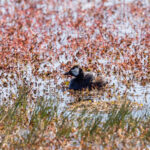
White-tufted Grebe ◊ (Falkland G) Rollandia [rolland] Rolland A pair with young on one of the bomb crater lakes near Port Stanley, Falklands.
Great Grebe Podiceps major A few individuals swimming frequenting the Ushuaia coast.
Snowy Sheathbill ◊ (Pale-faced S) Chionis albus This species has earned itself the nickname of ‘shitchicken’, as it eats almost everything including faeces, any which species. Pleasantly common with several birds even coming on board the ship. The captain told us they very much enjoy grease, windscreen wipers and windscreen solution as well.
Magellanic Oystercatcher ◊ Haematopus leucopodus Good views in Ushuaia area and on the Falkland Islands.
Blackish Oystercatcher ◊ Haematopus ater Several individuals along the South American coast during the pre-tour extension.
Rufous-chested Dotterel ◊ (R-c Plover) Zonibyx modestus Great views of small groups during the pre-tour extension and a pair on the Falkland Islands.
Southern Lapwing Vanellus chilensis Common around Ushuaia.
Two-banded Plover ◊ Anarhynchus falklandicus Great views on the Falkland Islands.
White-bellied Seedsnipe ◊ Attagis malouinus Walkaway views of a pair during the pre-tour extension. What a stunner!
Baird’s Sandpiper Calidris bairdii A few individuals in the area of our hotel in Ushuaia.
White-rumped Sandpiper Calidris fuscicollis Common in the Ushuaia area and surrounding nature reserves.
Magellanic Snipe ◊ Gallinago magellanica Seen well in Ushuaia and also in the Falkland Islands.
Arctic Tern Sterna paradisaea A single one during our voyage to South Georgia, photographed to confirm ID as this species is often misidentified.
South American Tern Sterna hirundinacea Abundant in the Ushuaia area and also seen on the Falkland Islands.
Antarctic Tern ◊ Sterna vittata Daily once we reached South Georgia.
Brown-hooded Gull ◊ Chroicocephalus maculipennis Seen in the nature park in Ushuaia.
Dolphin Gull ◊ Leucophaeus scoresbii Common and widespread in the Ushuaia area. Great gull!
Kelp Gull Larus dominicanus Common throughout the trip.
Chilean Skua ◊ Stercorarius chilensis Good views during our Beagle Channel boat trip and also during our time sailing towards the Falklands.
Brown Skua ◊ (Antarctic S) Stercorarius antarcticus Common around the Falklands and South Georgia.
South Polar Skua ◊ Stercorarius maccormicki Great views obtained during our time in Antarctica.
King Penguin ◊ Aptenodytes patagonicus We had an amazing time sailing and zodiac cruising around St. Andrews Bay, home to the second-largest King Penguin colony on South Georgia, and we were very lucky indeed to visit Fortuna Bay and spend a wonderful time walking through the third-largest colony on South Georgia.
Emperor Penguin ◊ Aptenodytes forsteri A single subadult swimming in Wilhelmina Bay was seen well by most of the group, but disappeared all too quickly.
Adelie Penguin ◊ Pygoscelis adeliae We were afraid we might struggle with this species as all colonies were closed due to avian influenza. Captain Per was kind enough to sail us quite literally into an iceberg which allowed us to improve our scope views with great views of a small group atop it. Later on, we also saw several individuals during our landings in Antarctica such as at Yankee Harbour.
Chinstrap Penguin ◊ Pygoscelis antarcticus First few sightings around South Georgia but many later on during our time in Antarctica where we also visited colonies of this cool penguin species.
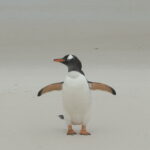
Gentoo Penguin ◊ Pygoscelis papua The staple penguin throughout the trip.
Magellanic Penguin ◊ Spheniscus magellanicus Common in the Beagle Channel and also seen on the Falkland Islands.
Macaroni Penguin ◊ Eudyptes chrysolophus A single individual in a Southern Rockhopper colony on New Island in the Falklands was our first, but we were lucky to be able to enjoy a colony in South Georgia’s Hercules Bay.
Southern Rockhopper Penguin ◊ Eudyptes chrysocome The colonies on New Island provided us with a fantastic opportunity to enjoy these penguins up close and personal!
Wilson’s Storm Petrel Oceanites oceanicus The commonest storm petrel and plenty of them were seen bouncing off the waves, especially as soon as we came into cold, nutrient-rich waters.
Grey-backed Storm Petrel ◊ Garrodia nereis A few were seen during the crossing from the Falkland Islands to South Georgia. The seem to favour floating patches of seaweed.
Black-bellied Storm Petrel ◊ Fregetta tropica Pleasantly common as well, most seen between South Georgia and the Falklands.
Northern Royal Albatross ◊ Diomedea sanfordi A single one during our crossing from the Falkland Islands to South Georgia and another one during our crossing of the Drake Passage.
Southern Royal Albatross ◊ Diomedea epomophora Quite a few were noted during our voyage, mostly between Argentina and Falkland Islands, the start of our crossing to South Georgia and during our time in the Drake Passage.
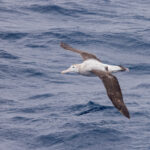
Snowy Albatross (Snowy A) Diomedea exulans Only a few were noted during our trip, seen when we were crossing from Falklands to South Georgia.
Light-mantled Albatross ◊ (L-m Sooty A) Phoebetria palpebrate One of the best albatrosses during our trip and almost daily once we reached South Georgia’s waters. We even had displaying pairs during our landing at Grytviken.
Grey-headed Albatross ◊ Thalassarche chrysostoma Not as common, but handfuls seen every day around South Georgia, during our crossing to Antarctica and also seen during our Drake Passage.
Black-browed Albatross Thalassarche melanophris The archetypical albatross and the commonest during our expedition cruise, only missing on the days furthest south.
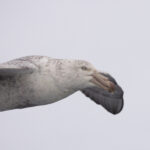
Southern Giant Petrel (Common G P) Macronectes giganteus Ginormous monsters they are and we enjoyed them on almost every day of our voyage.
Northern Giant Petrel Macronectes halli Less common than Southern Giant at most places, but sometimes the ratio would flip and we would see quite a few more Northern.
Southern Fulmar ◊ Fulmarus glacialoides First noted when we set sail from the Falklands, but commoner around South Georgia and Antarctica.
Antarctic Petrel ◊ Thalassoica antarctica Great views for some with one individual suddenly shooting across the bow with a flock of Cape Petrels and one individual in the distance around an iceberg. Both disappeared into thin ‘ice’ too quickly for most.
Cape Petrel (Pintado P) Daption capense Pleasantly common throughout the trip, mostly seen around South Georgia and Antarctica, with one enormous feeding flock making lasting impressions.
Snow Petrel ◊ Pagodroma nivea One of the birds of the trip and such an iconic one too. Great views of this quite common species, usually associated with ice flows.
Blue Petrel ◊ Halobaena caerulea It took us long to find our first one, but after we reached South Georgia, it became quite abundant.
Antarctic Prion ◊ (Dove P) Pachyptila desolata Quite common, especially when we crossed the Antarctic Convergence.
Slender-billed Prion ◊ (Thin-billed P) Pachyptila belcheri Common around the Falkland Islands; during our visit to New Island we were told that new estimates put the breeding population around two million pairs!
Fairy Prion Pachyptila turtur Photographed to clinch the ID, at least two during our time around and away from South Georgia.
Kerguelen Petrel ◊ Aphrodroma brevirostris Great petrel with a very typical and diagnostic flight pattern. A few during our day of departure from South Georgia, a handful seen during our crossing to Antarctica and also during the Drake’s Passage.
Soft-plumaged Petrel ◊ Pterodroma mollis Quite common during our time sailing from the Falklands to South Georgia, especially around the Antarctic Converge zone.
White-chinned Petrel Procellaria aequinoctialis Common throughout at sea.
Sooty Shearwater Ardenna grisea Large numbers when we were sailing into the Falklands, probably returning to their breeding grounds and quite abundant in South American waters too.
Great Shearwater Ardenna gravis Seen very well around the Falklands and the coastal waters of South America.
Subantarctic Shearwater ◊ Puffinus elegans One seen and photographed while we were sailing along Cape Horn.
Magellanic Diving Petrel ◊ Pelecanoides magellani At least three were seen while we were exiting the Beagle Channel.
South Georgia Diving Petrel ◊ Pelecanoides georgicus Seen well and photographed in South Georgian waters.
Common Diving Petrel Pelecanoides urinatrix Great views around the Falklands (berard) and South Georgia (exsul).
Rock Shag ◊ Leucocarbo magellanicus Common around Ushuaia and the Falkland Islands.
Imperial Shag ◊ Leucocarbo atriceps Plenty of this great shag seen around Ushuaia and the Falklands.
South Georgia Shag ◊ Leucocarbo georgianus Seen well throughout our time at South Georgia and also on the famous Shag Rocks.
Antarctic Shag ◊ Leucocarbo bransfieldensis Seen well during our time in Antarctic waters.
Black-faced Ibis ◊ Theristicus melanopis Small numbers around Ushuaia.
Black-crowned Night Heron Nycticorax nycticorax A few around our hotel in Ushuaia and seen on the Falklands.
Andean Condor Vultur gryphus Great to see this impressive vulture around Ushuaia during the pre-tour extensions.
Turkey Vulture Cathartes aura Quite common on the Falklands.
Black-chested Buzzard-Eagle Geranoaetus melanoleucus Great views of birds in various plumages/ages, mainly at Ushuaia’s garbage dump.
Rufous-tailed Hawk ◊ Buteo ventralis Leader-only during the drive out of Ushuaia.
Austral Pygmy Owl ◊ Glaucidium nana One of the highlights of our pre-tour extension to Tierra del Fuego NP; great views of one in the park.
Rufous-legged Owl ◊ Strix rufipes Amazing views of a pair in Tierra del Fuego NP.
Magellanic Woodpecker ◊ Campephilus magellanicus Virtually the first birds we saw during our visit to Tierra del Fuego NP, where a pair was foraging in the car park! What a great woodpecker!
White-throated Caracara ◊ Phalcoboenus albogularis Elaborate views in Ushuaia area during the pre-tour extensions.
Striated Caracara ◊ Phalcoboenus australis Great to see these birds lively interacting on the Falklands, also known as Johhny Rook here.
Crested Caracara Caracara plancus Seen well around Ushuaia.
Chimango Caracara Milvago chimango Everywhere around and in Ushuaia.
Austral Parakeet ◊ Enicognathus ferrugineus Great but brief views of a pair in Tierra del Fuego NP.
White-throated Treerunner ◊ Pygarrhichas albogularis Great views of a few birds during both pre-tour extensions.
Blackish Cinclodes ◊ (Black C) Cinclodes [antarcticus] maculirostris Split by some lists; great views on the islands in the Beagle Channel and also on the top of our ship!
Blackish Cinclodes ◊ (Tussockbird) Cinclodes [antarcticus] antarcticus A few seen well in the Falklands, but remarkably scarce in comparison with previous visits.
Dark-bellied Cinclodes ◊ Cinclodes patagonicus Seen in Tierra del Fuego NP and also in Ushuaia harbour.
Thorn-tailed Rayadito ◊ Aphrastura spinicauda Stunning little critter, seen very well during the pre-tour extensions.
Chilean Elaenia Elaenia chilensis Common in the area around Ushuaia and Tierra del Fuego NP.
Tufted Tit-Tyrant Anairetes parulus Seen very well during our time in Tierra del Fuego NP.
Ochre-naped Ground Tyrant Muscisaxicola flavinucha Quite abundant in the mountains north of Ushuaia.
Dark-faced Ground Tyrant Muscisaxicola maclovianus Seen well around Ushuaia and on in the Falkland Islands.
Austral Negrito ◊ Lessonia rufa Seen well around Ushuaia’s coast and our hotel.
Fire-eyed Diucon Pyrope pyrope Two seen well in Tierra del Fuego NP.
Eastern Kingbird Tyrannus tyrannus One found on New Island by Simon Davies of the Oceanwide team was only the sixth record (with evidence) for the island group!
Chilean Swallow ◊ Tachycineta leucopyga Common around Ushuaia, with great views from our hotel restaurant.
Grass Wren Cistothorus platensis Seen well near Port Stanley in the Falklands during our time with local legend Brian Sulivan.
Southern House Wren Troglodytes musculus Common around Ushuaia.
Austral Thrush ◊ Turdus falcklandii Abundant around Ushuaia (magellanicus) and in the Falklands (falcklandii).
House Sparrow Passer domesticus Common in Ushuaia and Port Stanley.
Correndera Pipit Anthus correndera Seen well in Ushuaia area and on the Falklands (grayi).
South Georgia Pipit ◊ Anthus antarcticus It took us a lot more effort than we expected to get views of this South Georgian endemic. Only three seen at Jason Harbour. Some had seen it at Grytviken as well. After a significant recovery when the rats were extirpated from the island, it seems they either suffered a poor breeding season or perhaps avian influenza is now affecting this species too… All expedition cruises were reporting that they saw remarkably few.
Black-chinned Siskin ◊ Spinus barbatus Abundant around Ushuaia and in Tierra del Fuego NP.
Rufous-collared Sparrow Zonotrichia capensis Singing and hopping about in the Ushuaia area, subspecies australis is nicely common here.
Long-tailed Meadowlark ◊ Leistes loyca Seen well in the Falklands, known here as Falklands Robin, subspecies falklandicus.
Austral Blackbird ◊ Curaeus curaeus Seen well during the pre-tour extensions, both in the northern mountains and in Tierra del Fuego NP.
Patagonian Sierra Finch ◊ Phrygilus patagonicus Plenty seen around Ushuaia and in Tierra del Fuego NP.
White-bridled Finch ◊ (Black-throated F) Melanodera melanodera It took a while to locate it but great views obtained near Port Stanley during our birding excursion.
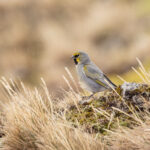
Yellow-bridled Finch ◊ Melanodera xanthogramma Seen very well in the mountains north of Ushuaia during our White-bellied Seedsnipe pre-tour extension.
MAMMALS
South American Fur Seal ◊ Arctocephalus australis Seen well around the Falkland Islands.
Antarctic Fur Seal ◊ Arctocephalus gazella Impressive beasts and plenty of them on South Georgia and around Antarctica. The Mexican stand-offs in places like Jason Harbour were a bit scary and exciting!
South American Sea Lion ◊ Otaria flavescens Seen in small groups and numbers around Ushuaia and the Falkland Islands.
Leopard Seal ◊ Hydrurga leptonyx One in the waters near Elephant Island showed itself briefly but well to most zodiacs although it remained quite shy.
Weddell Seal ◊ Leptonychotes weddellii Amazing views of several resting ones on Half Moon Island and seen on most days in Antarctic waters.
Crabeater Seal ◊ Lobodon carcinophaga Great views of two resting atop an iceberg in Flanders Bay, Antarctica.
Southern Elephant Seal ◊ Mirounga leonina Seen plenty, up and close (sometimes almost too close!) in South Georgia and Antarctica.
Antarctic Minke Whale ◊ Balaenoptera bonaerensis One showed itself incredibly well, albeit short, while we were anchored in Fortuna Bay and some of us got to spend some time with a curious individual during the zodiac cruise on Christmas Day in Flanders Bay.
Sei Whale ◊ Balaenoptera borealis Seen during our time in the Beagle Channel and around the Falkland Islands. Never close to the ship though.
Blue Whale ◊ Balaenoptera musculus A brief sighting of one during our crossing to the Falkland Islands left everyone stunned as it surfaced right in front of the ship! Luckily, we encountered a mother and calf on our way to Antarctica! Mammal of the trip.
Fin Whale ◊ Balaenoptera physalus
Humpback Whale Megaptera novaeangliae
Southern Bottlenose Whale ◊ Hyperoodon planifrons A single one seen during our crossing to South Georgia and another two seen while we made our way towards Elephant Island.
Commerson’s Dolphin ◊ Cephalorhynchus commersonii A small pod seen during our time around New Island.
Long-finned Pilot Whale Globicephala melas A pod was seen during our crossing from Falklands to South Georgia.
Killer Whale ◊ Orcinus orca We enjoyed a family group for a long time on second Christmas Day / Boxing Day in the Gerlache Strait.
Peale’s Dolphin ◊ Sagmatias australis A few small pods seen during our time in the Falkland Islands.
Hourglass Dolphin ◊ Sagmatias cruciger A pod swam along the bow of the boat for a while, giving great views!
Dusky Dolphin ◊ Sagmatias obscurus Some saw a dolphin in the Beagle Channel which showed typical behaviour and belonged to this species according to the experts on board.
European Hare (introduced) Lepus europaeus Introduced to the Falkland Islands.
European Rabbit (introduced) Oryctolagus cuniculus Introduced to the Falkland Islands.
North American Beaver (introduced) Castor canadensis Yes, introduced, but it was nice enjoying a few in their self-created pools in the mountains north of Ushuaia.