
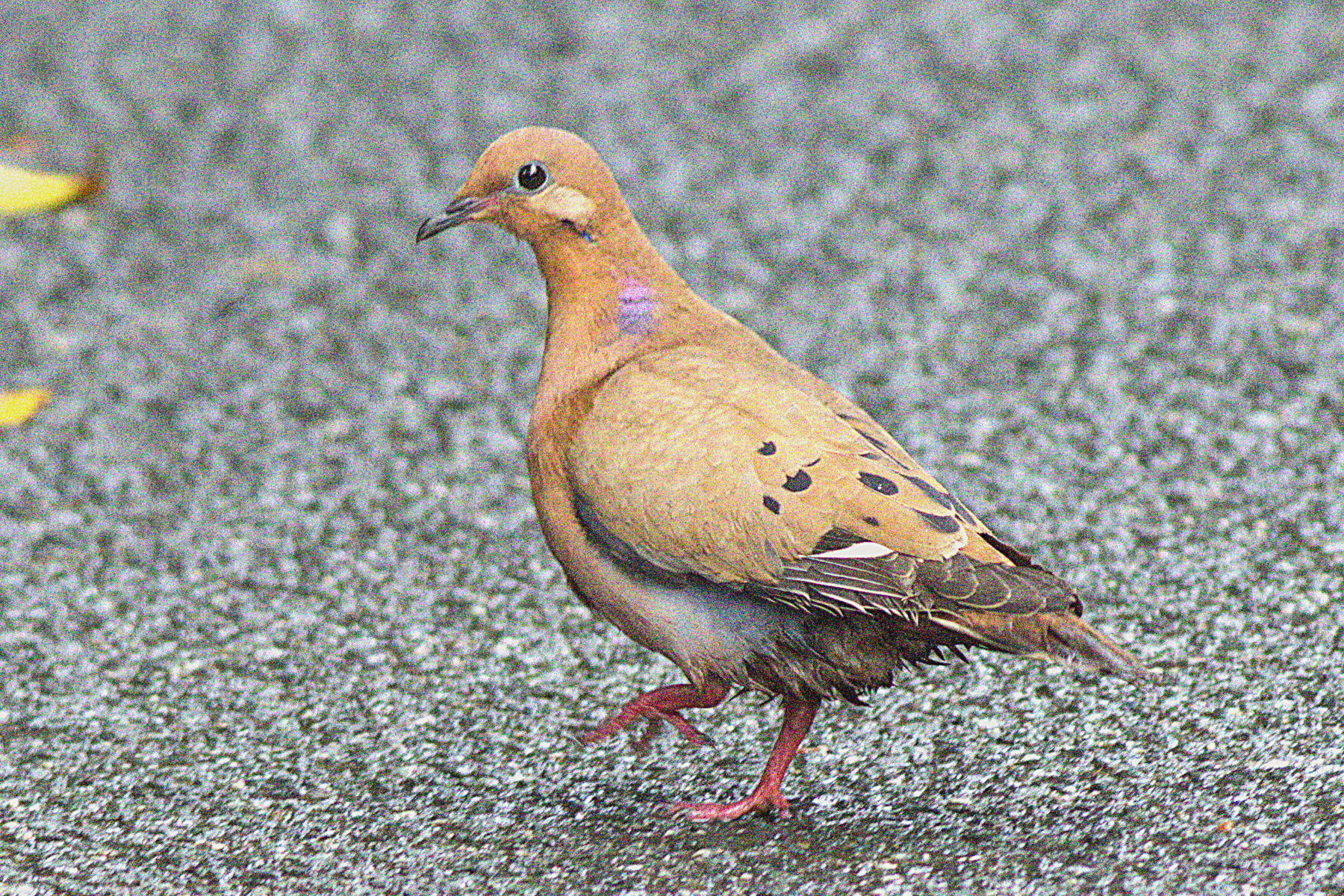
Zenaida Dove (image by Eustace Barnes)
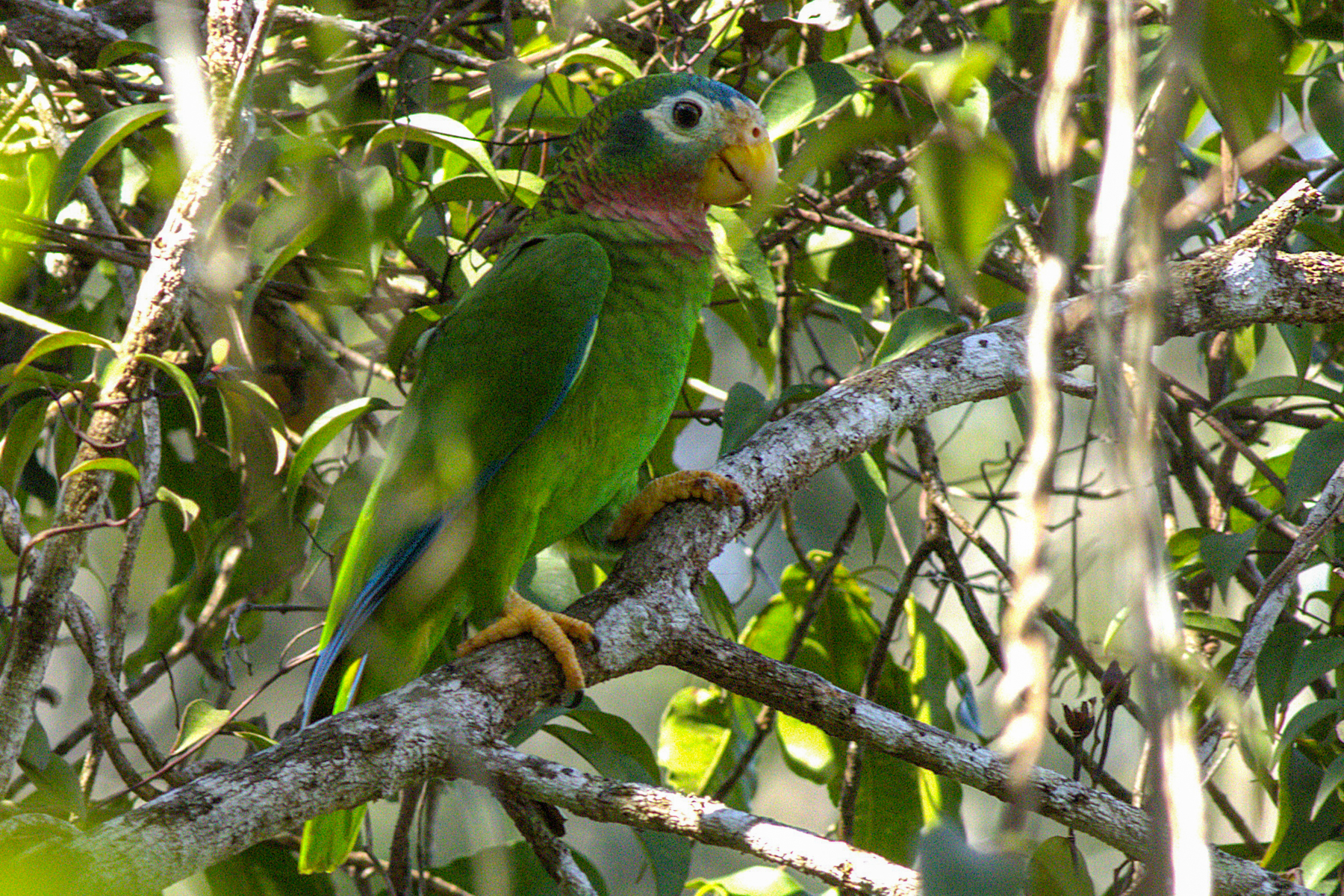
Yellow-billed Amazon (image by Eustace Barnes)

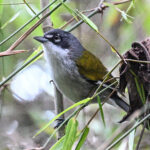
White-winged Warbler (image by Eustace Barnes)
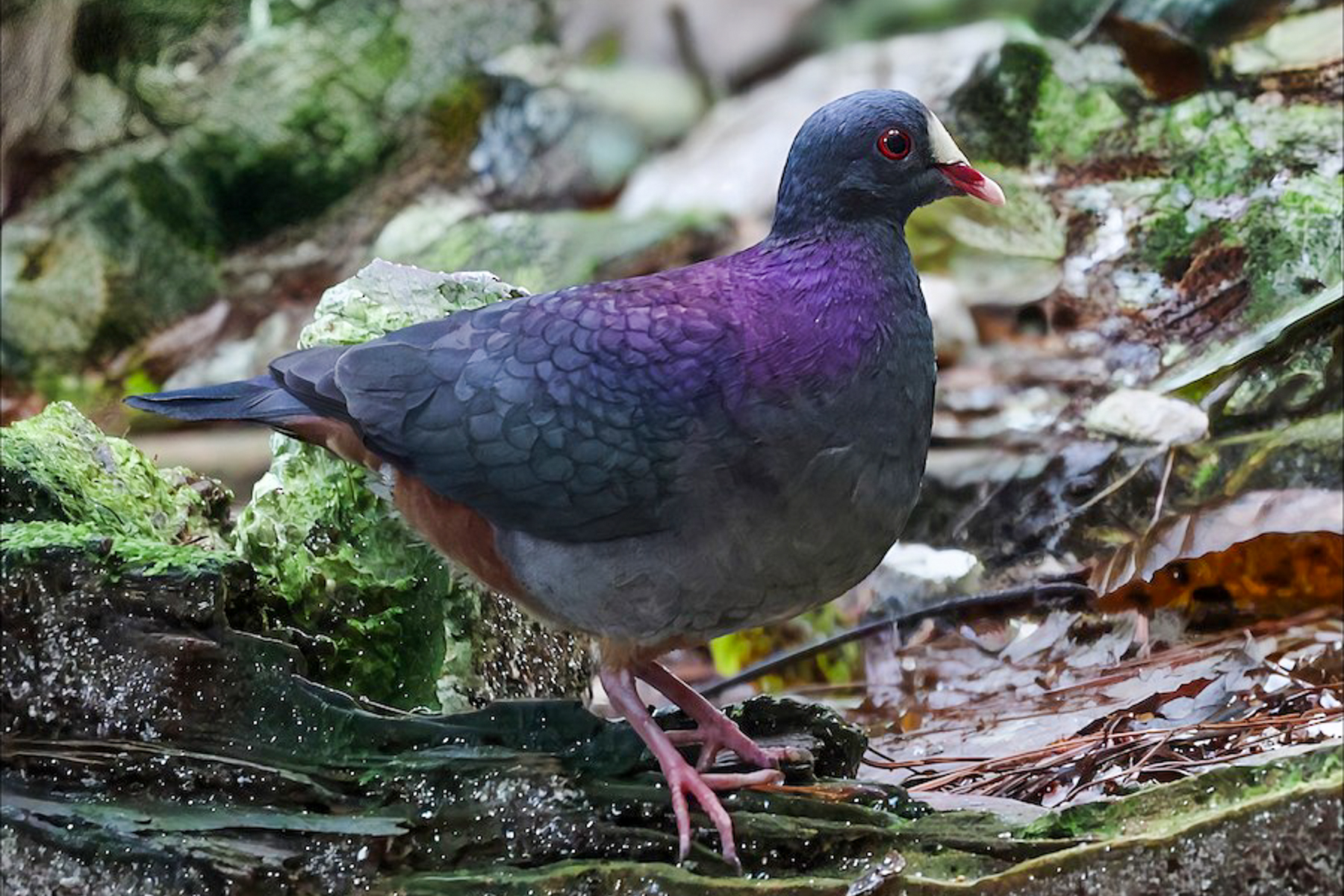
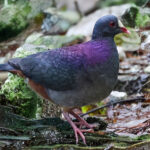
White-fronted Quail Dove (image by Jarmo Komi)

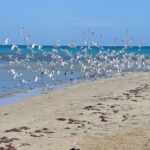
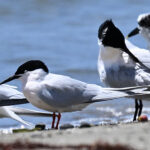
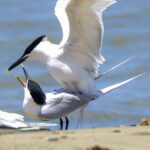
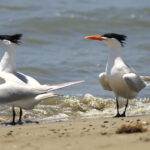
Terns (image by Eustace Barnes)
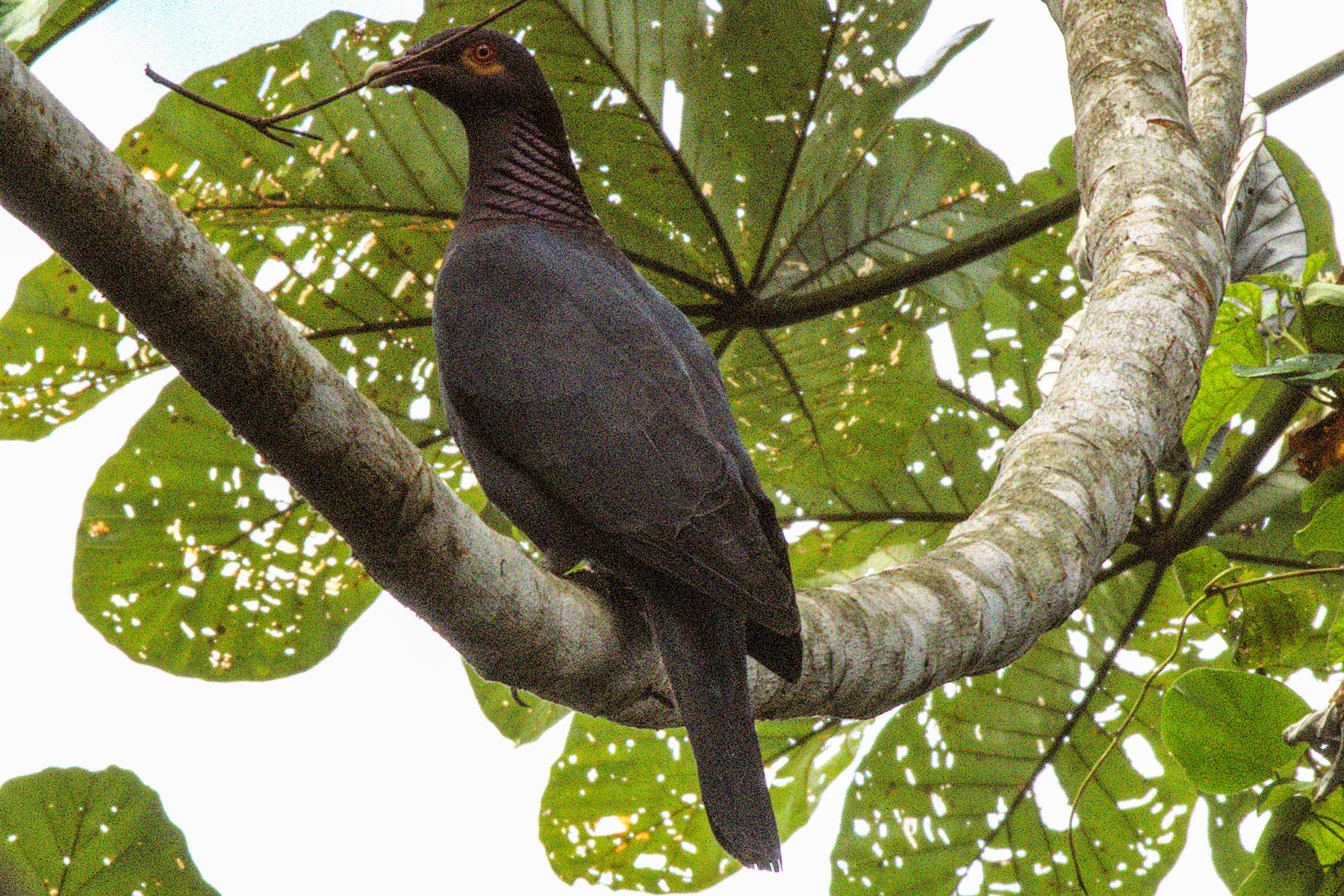
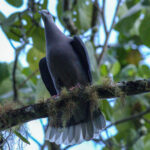
Scaly-naped Pigeon (image by Eustace Barnes)
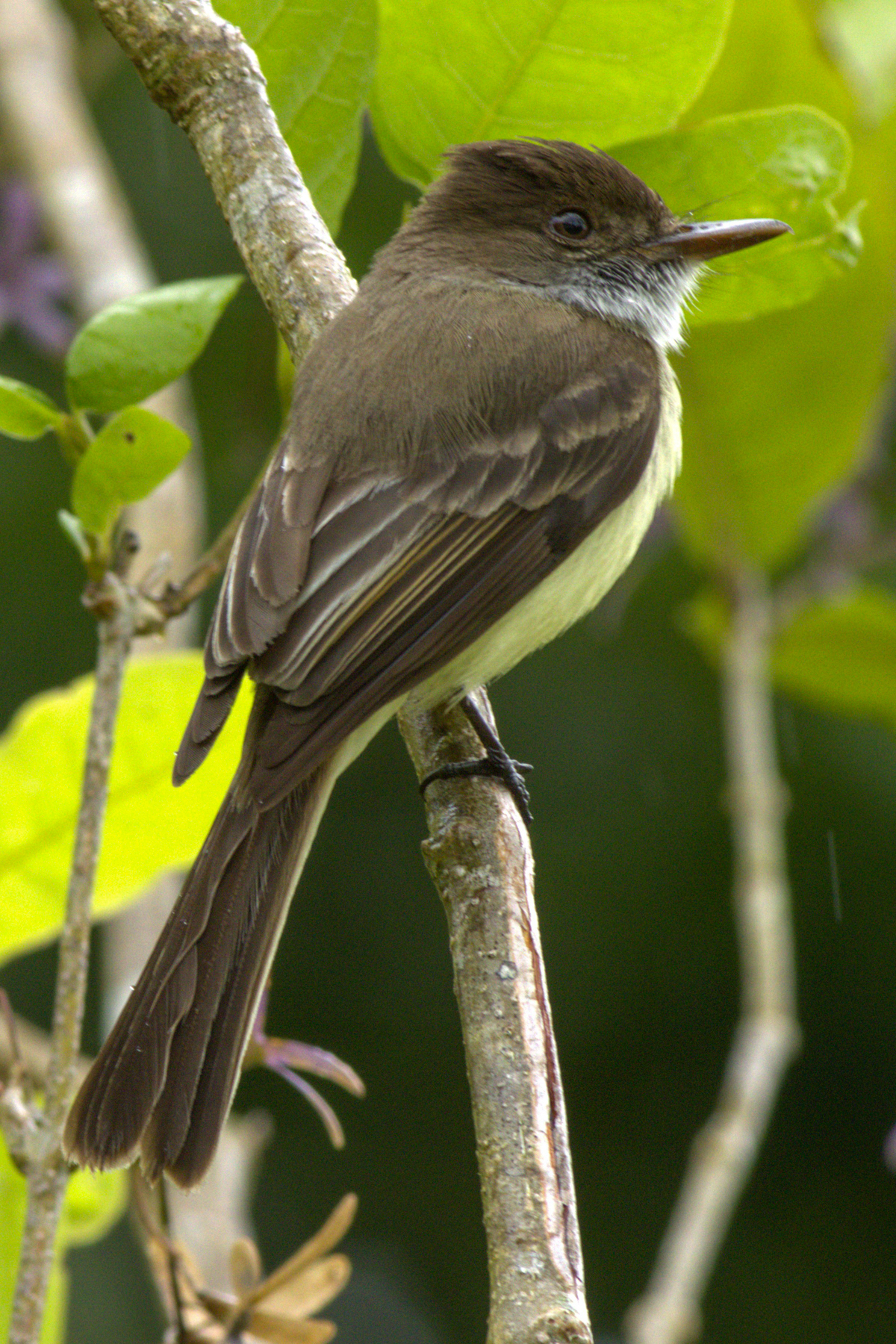
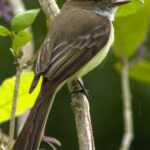
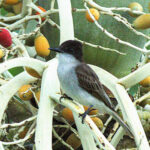
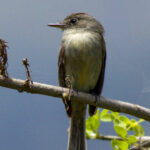
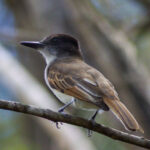
Sad Flycatcher (image by Eustace Barnes)
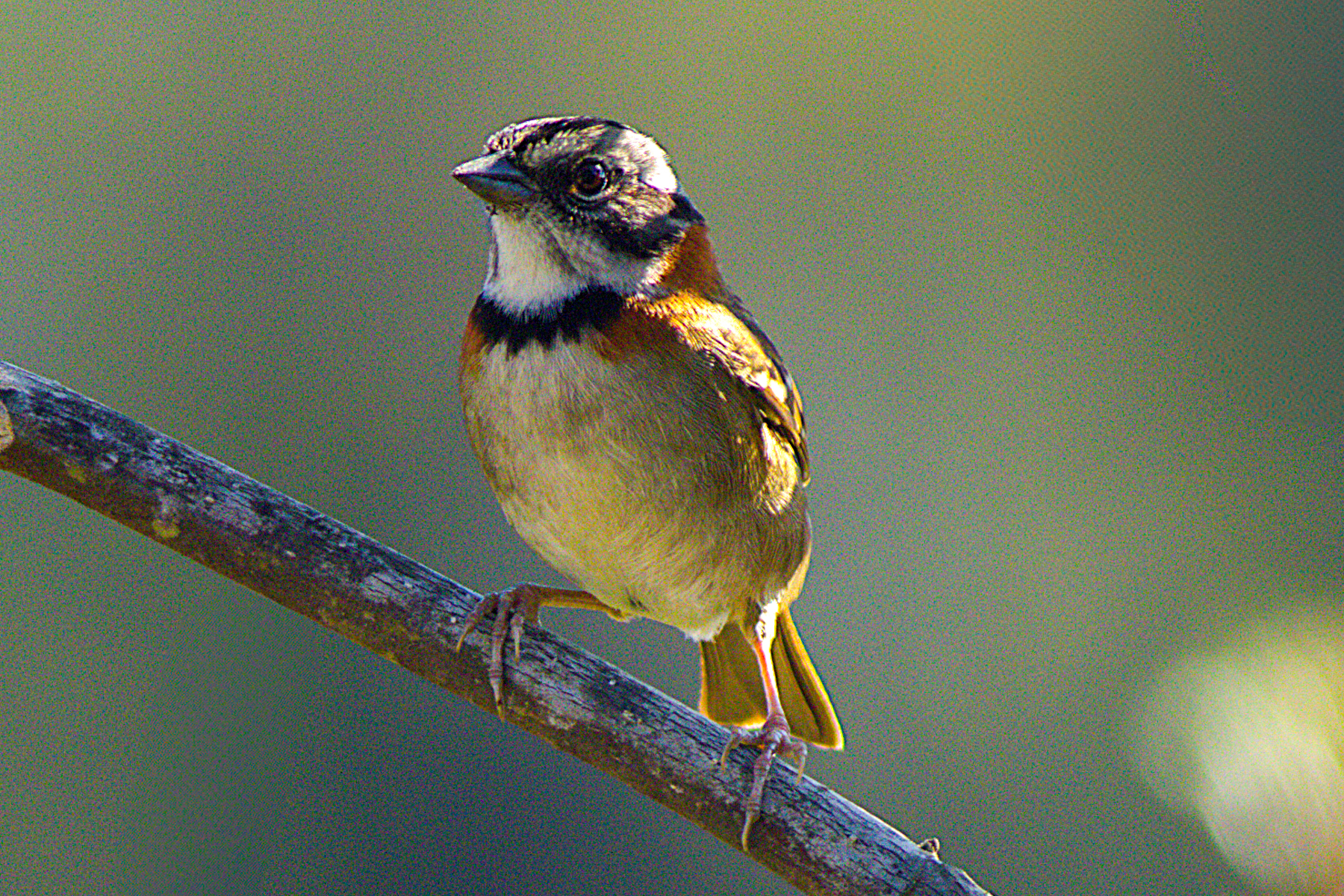
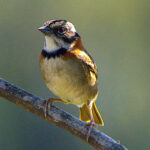
Rufous-collared Sparrow (image by Eustace Barnes)
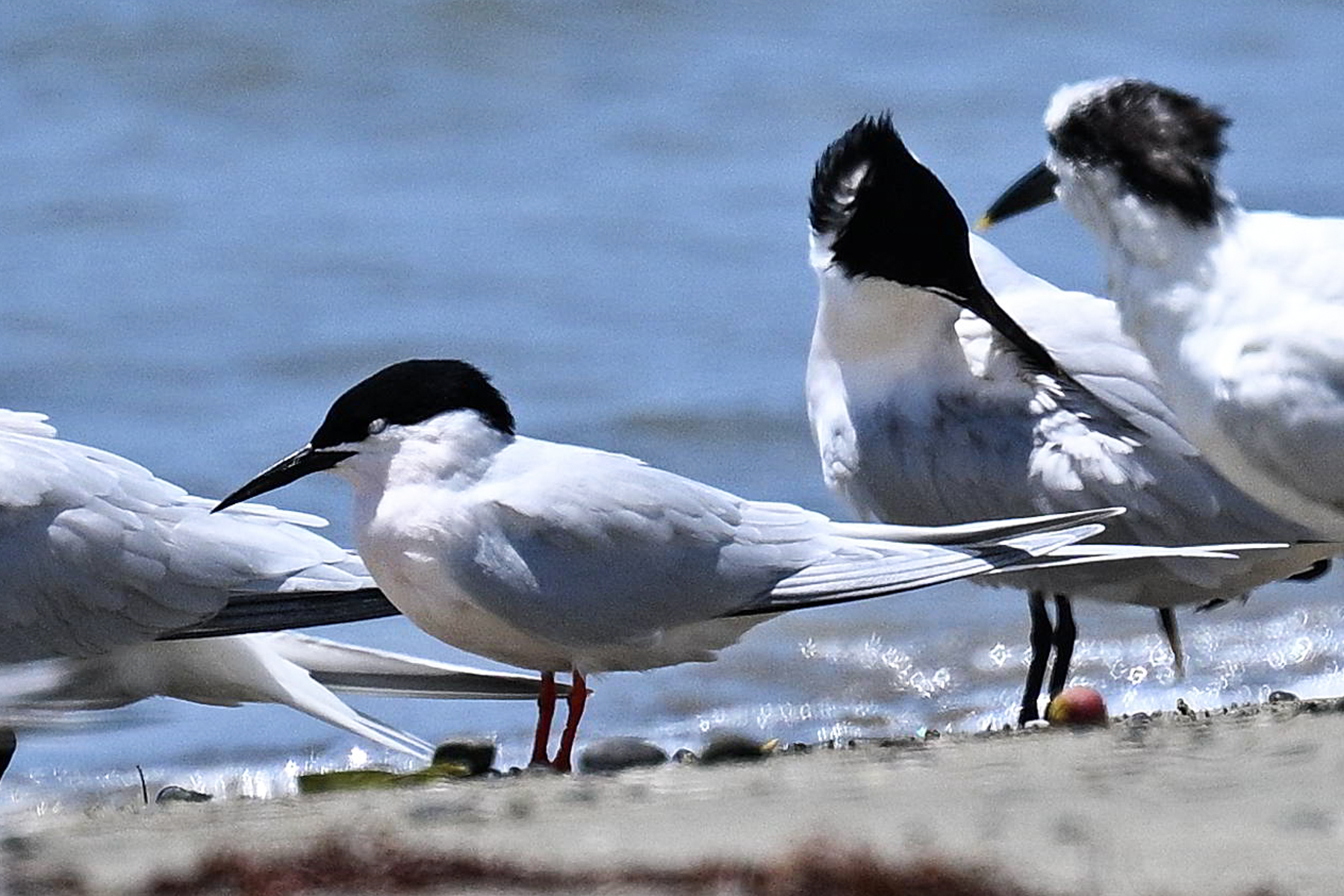
Roseate Tern (image by Eustace Barnes)
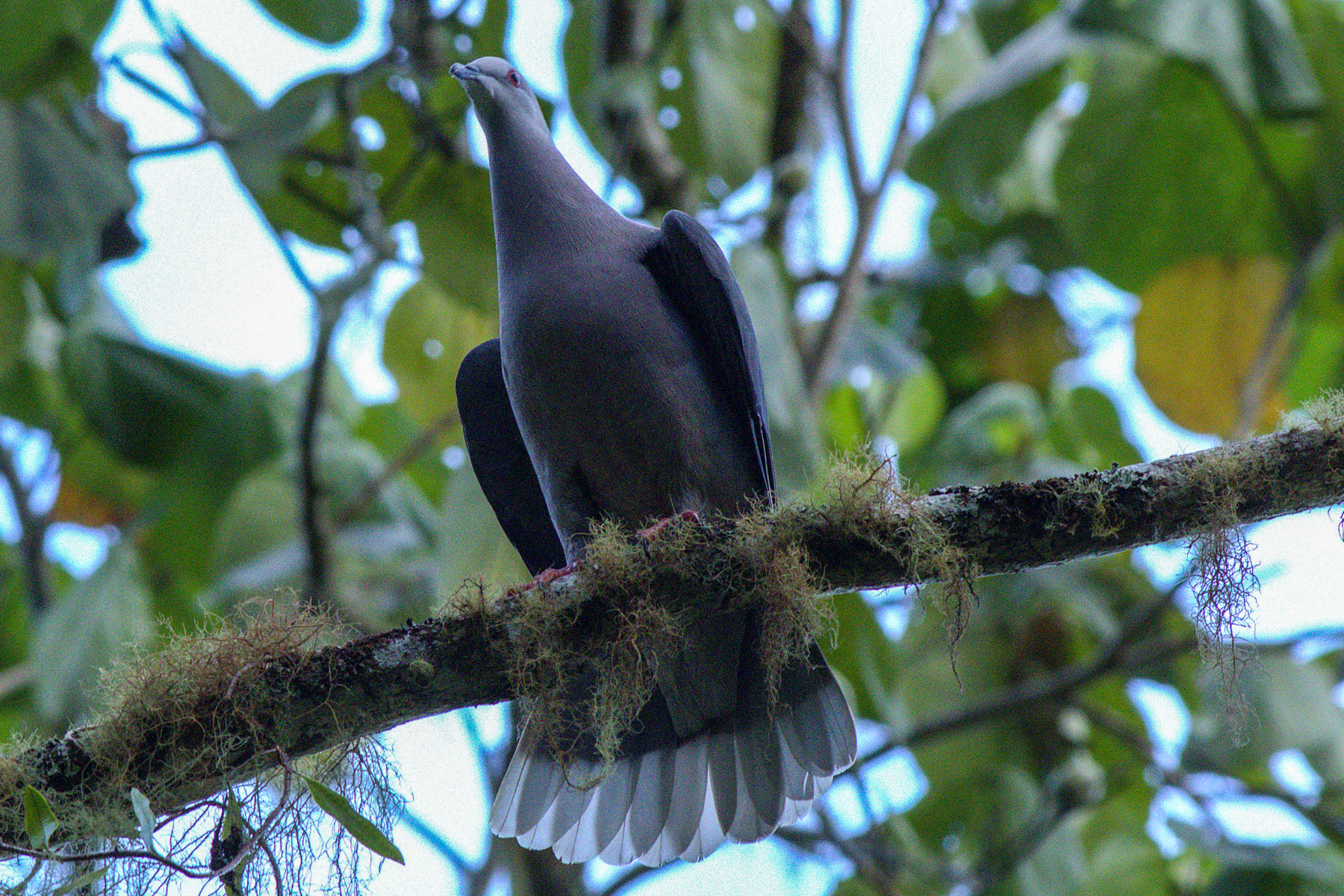
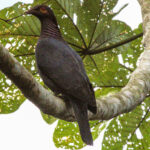
Ring-tailed Pigeon (image by Eustace Barnes)
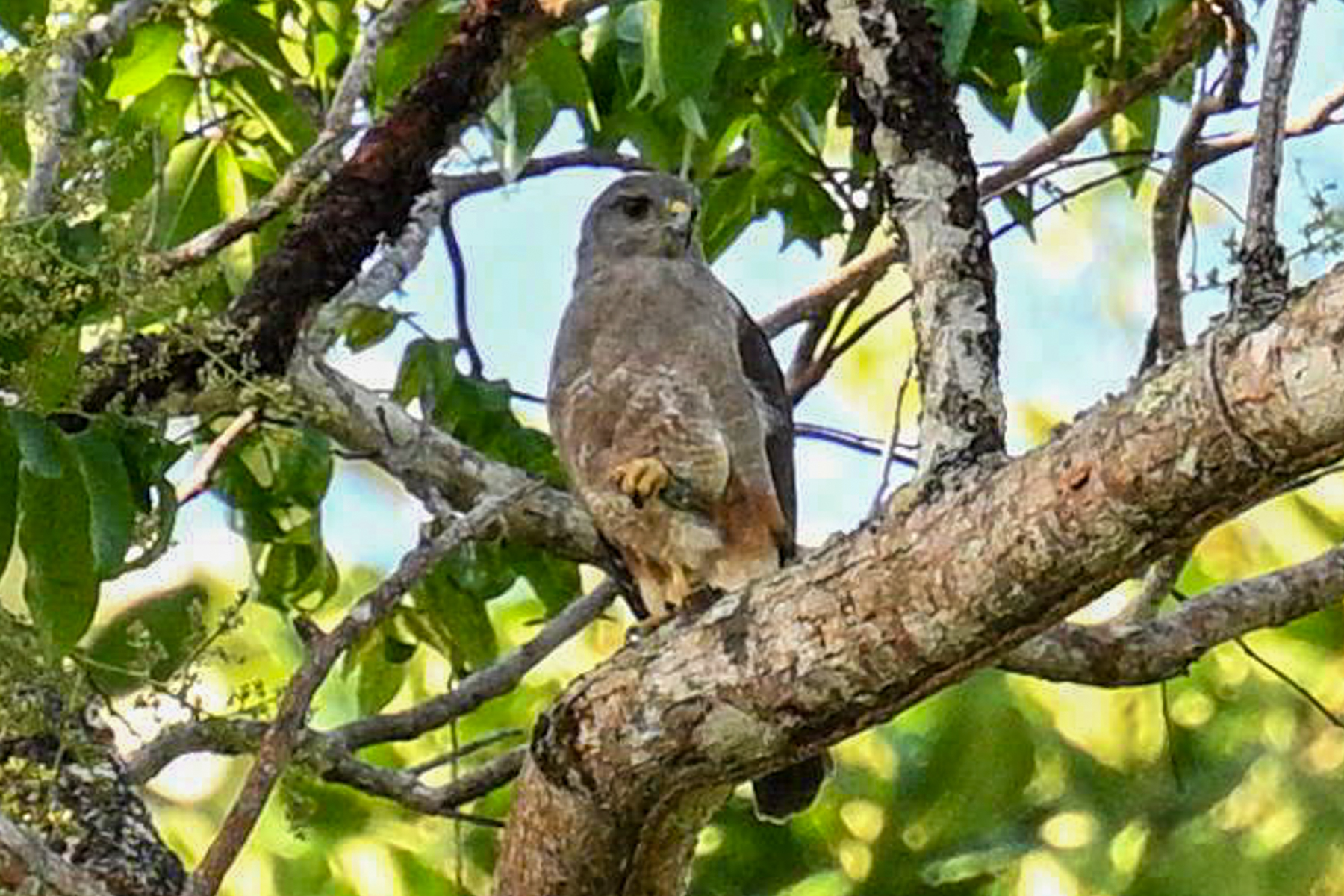
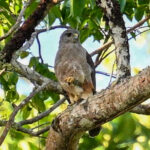
Ridgway's Hawk (image by Paul)
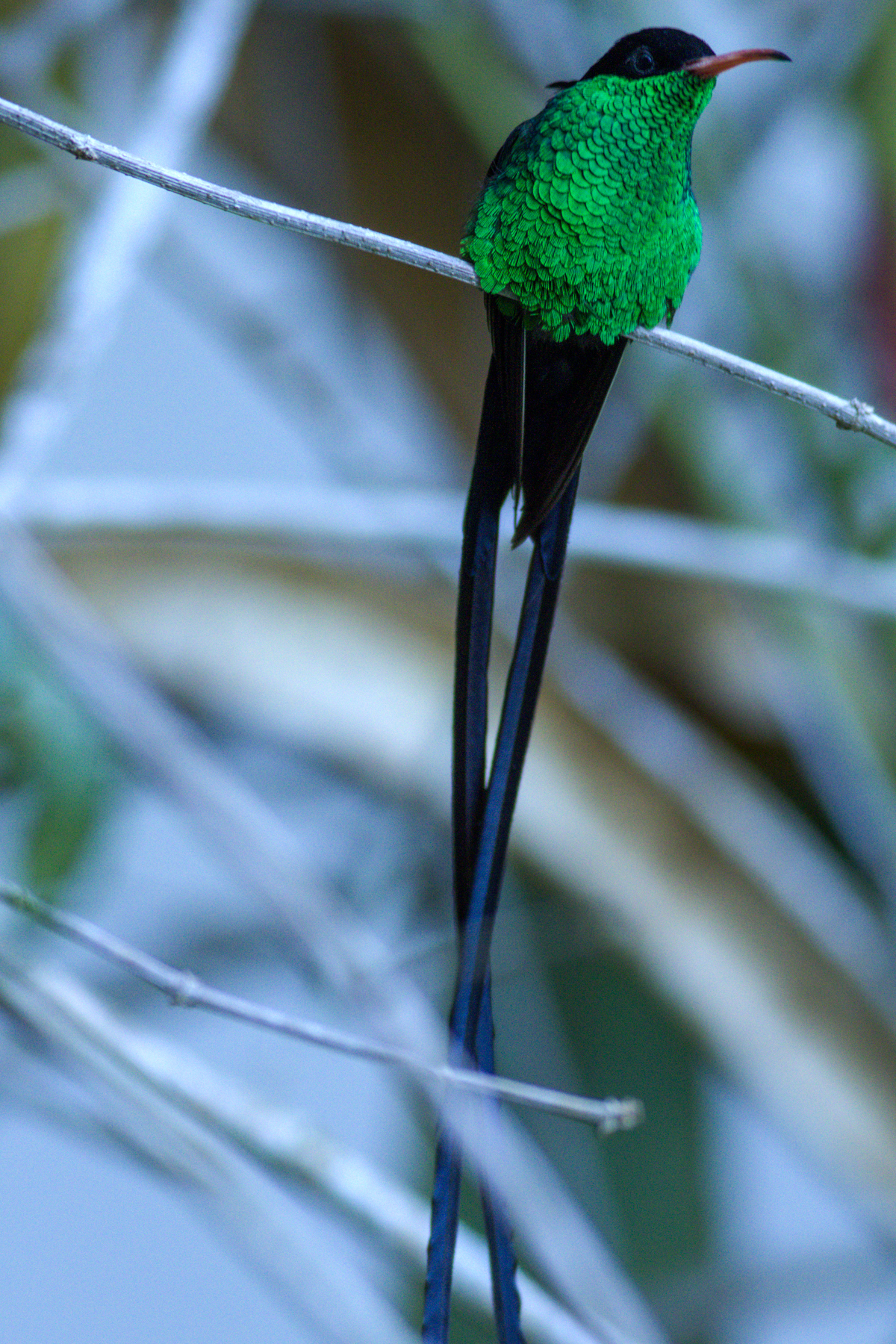
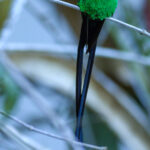
Red-billed Streamertail (image by Eustace Barnes)
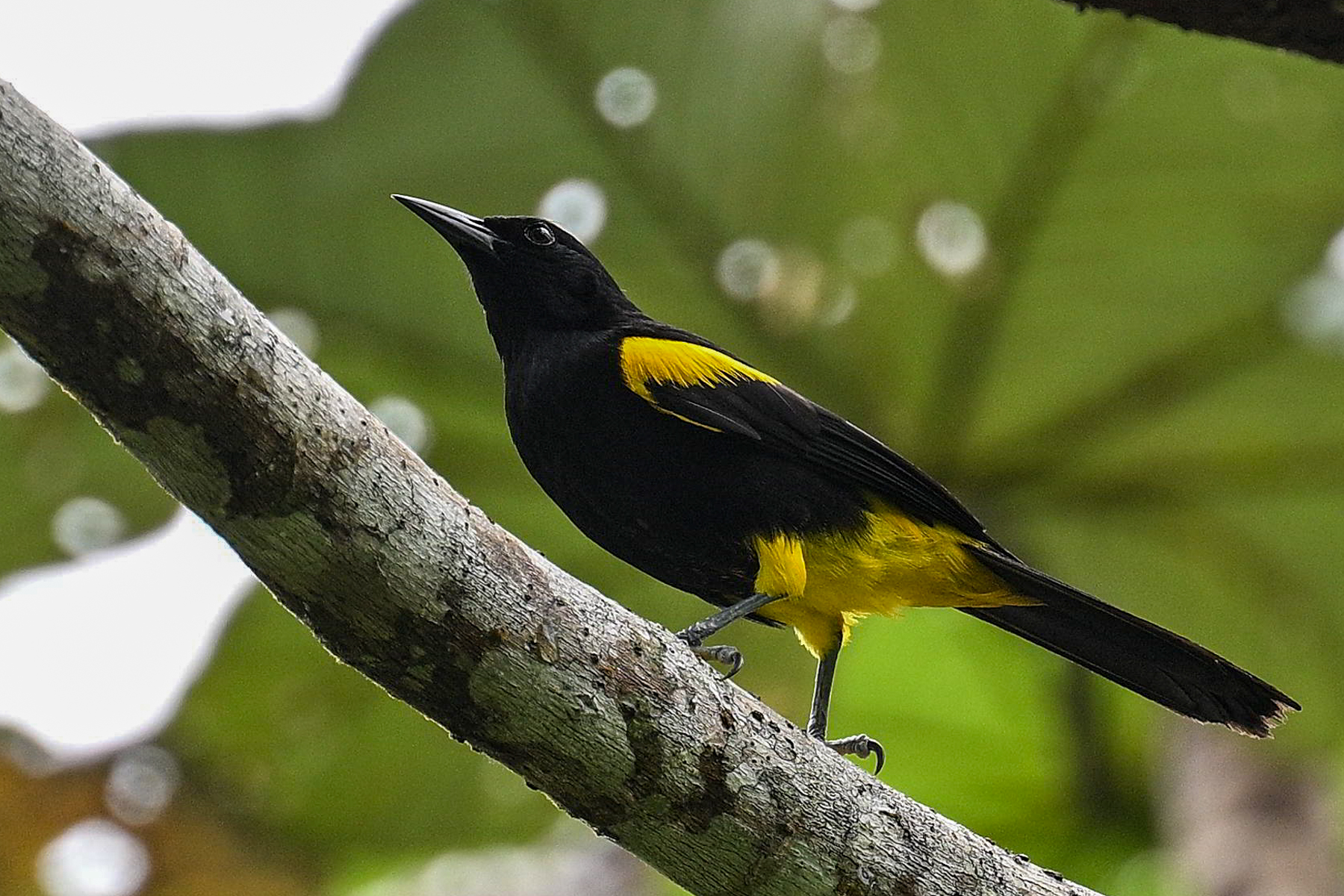
Puerto Rican Oriole (image by Eustace Barnes)
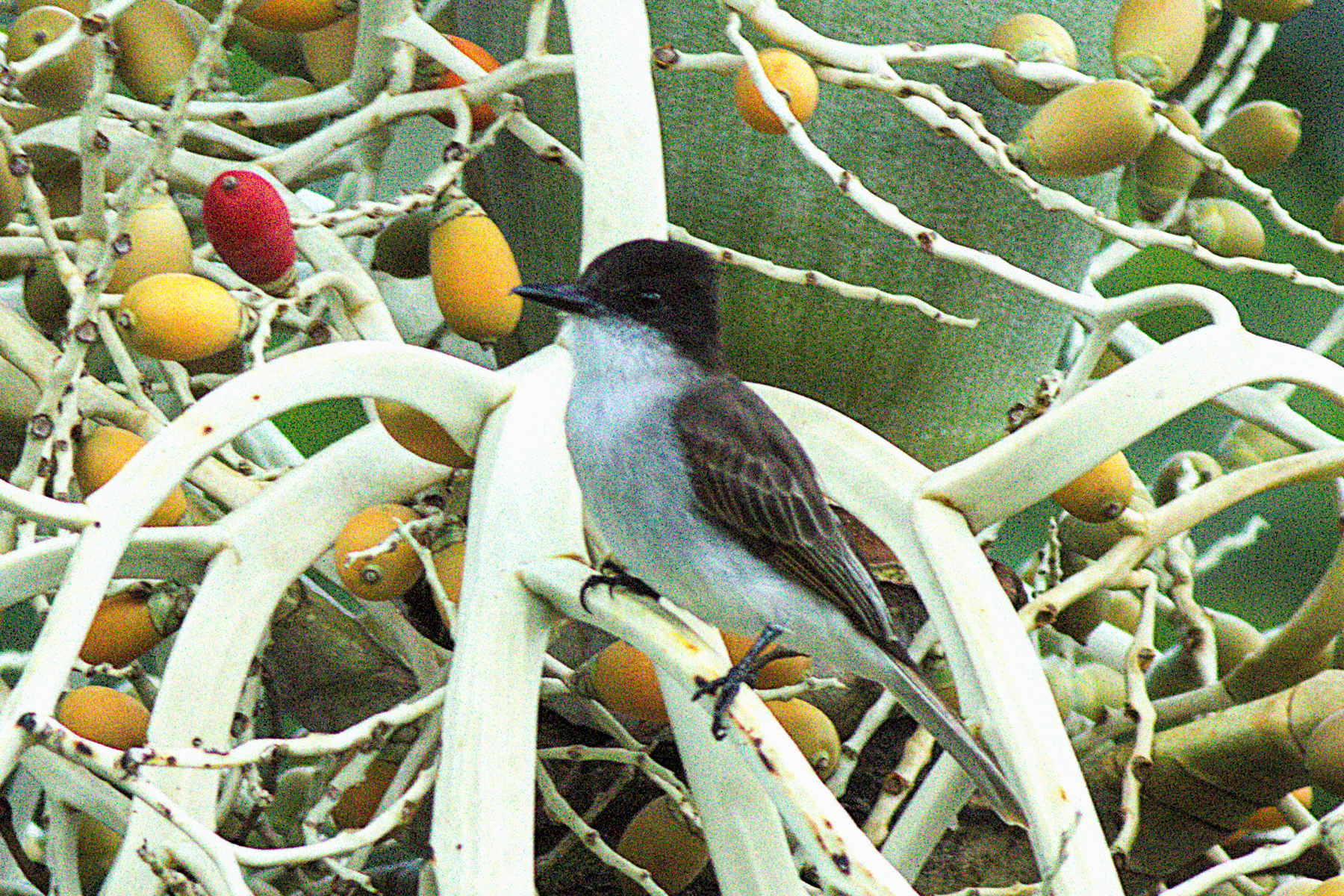
Puerto Rican Loggerhead Kingbird (image by Eustace Barnes)
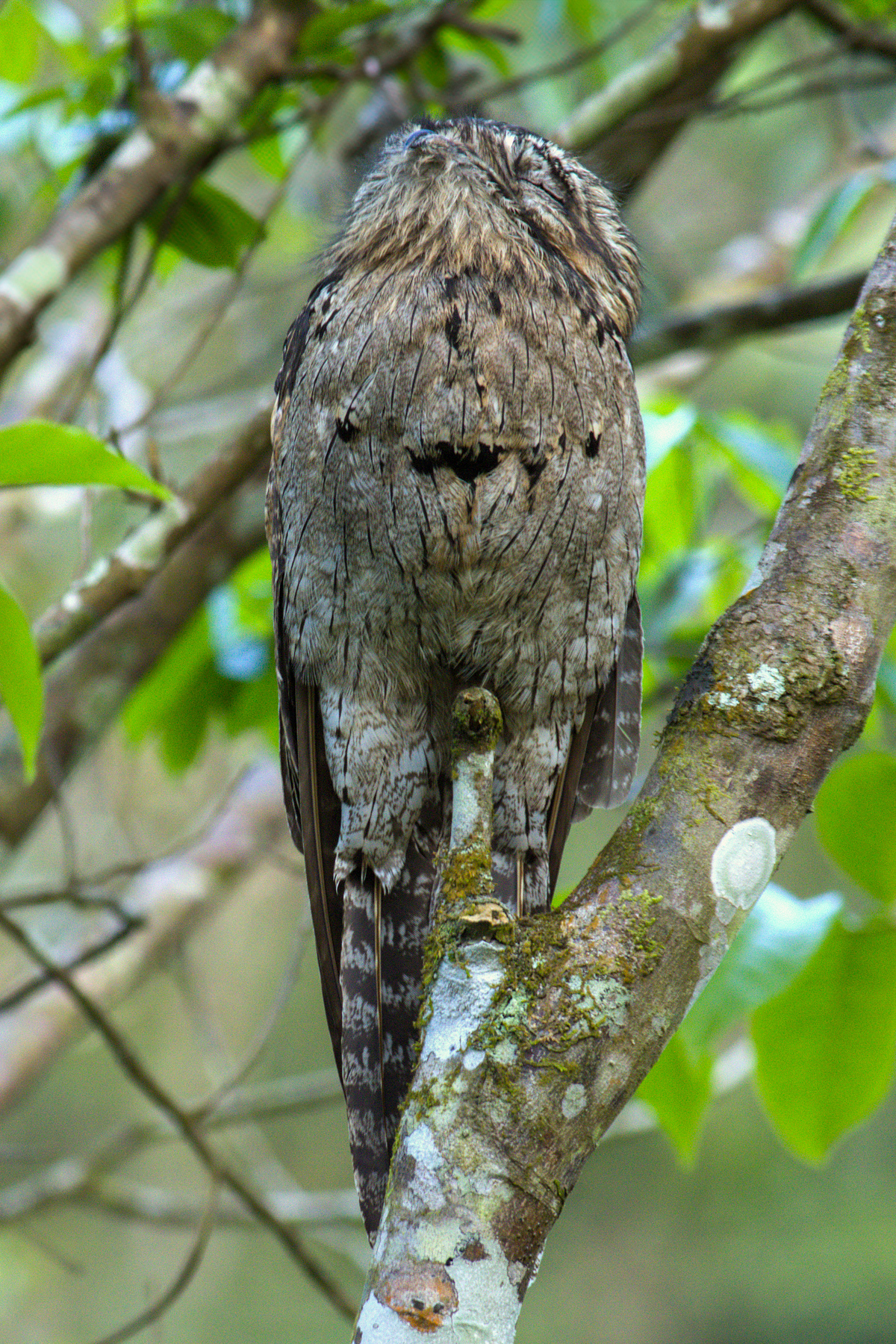
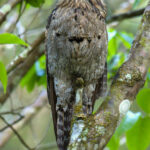
Northern Potoo (image by Eustace Barnes)
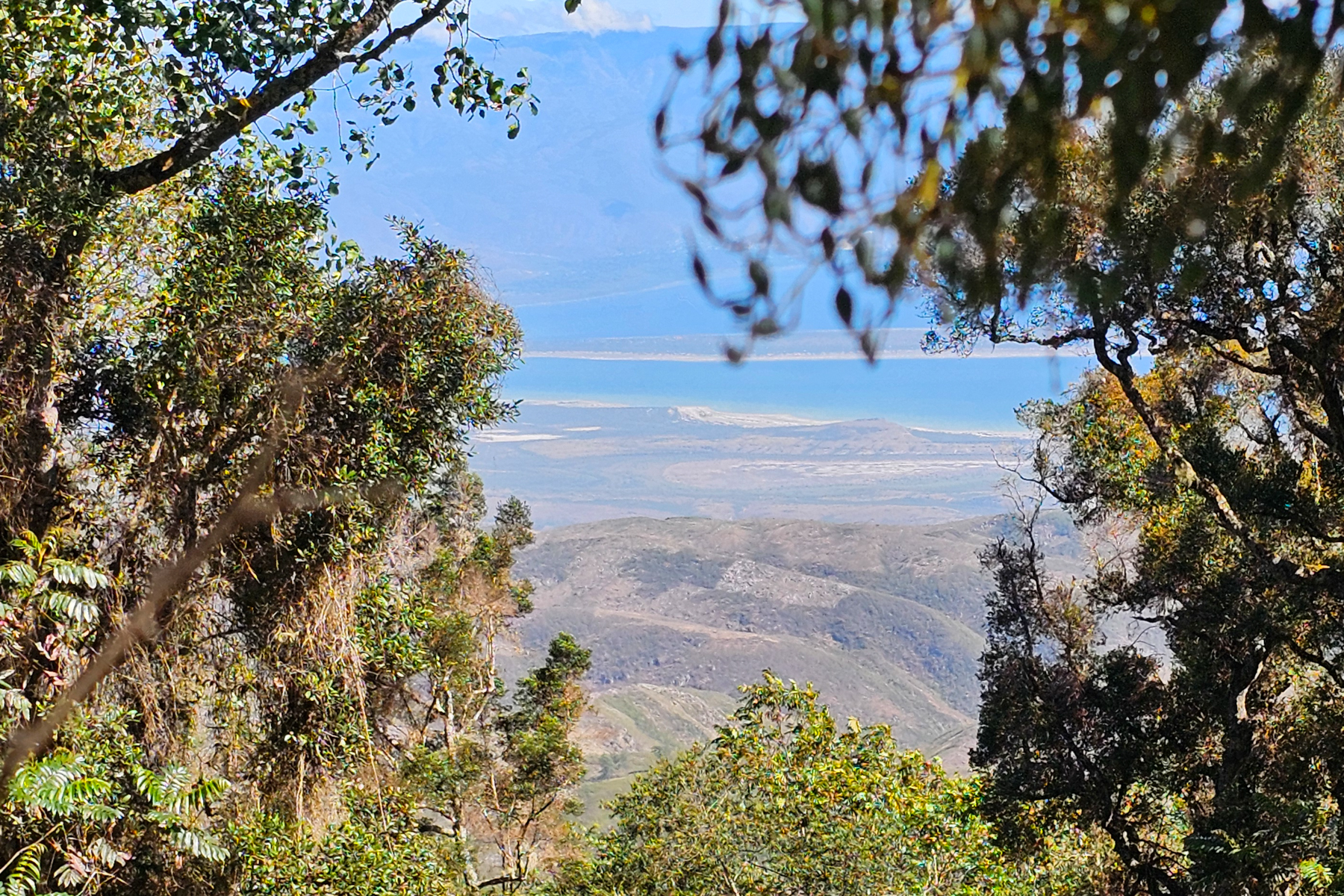
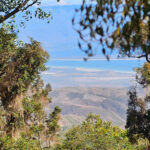
Looking over Lago Enriquillo to Haiti (image by Eustace Barnes)
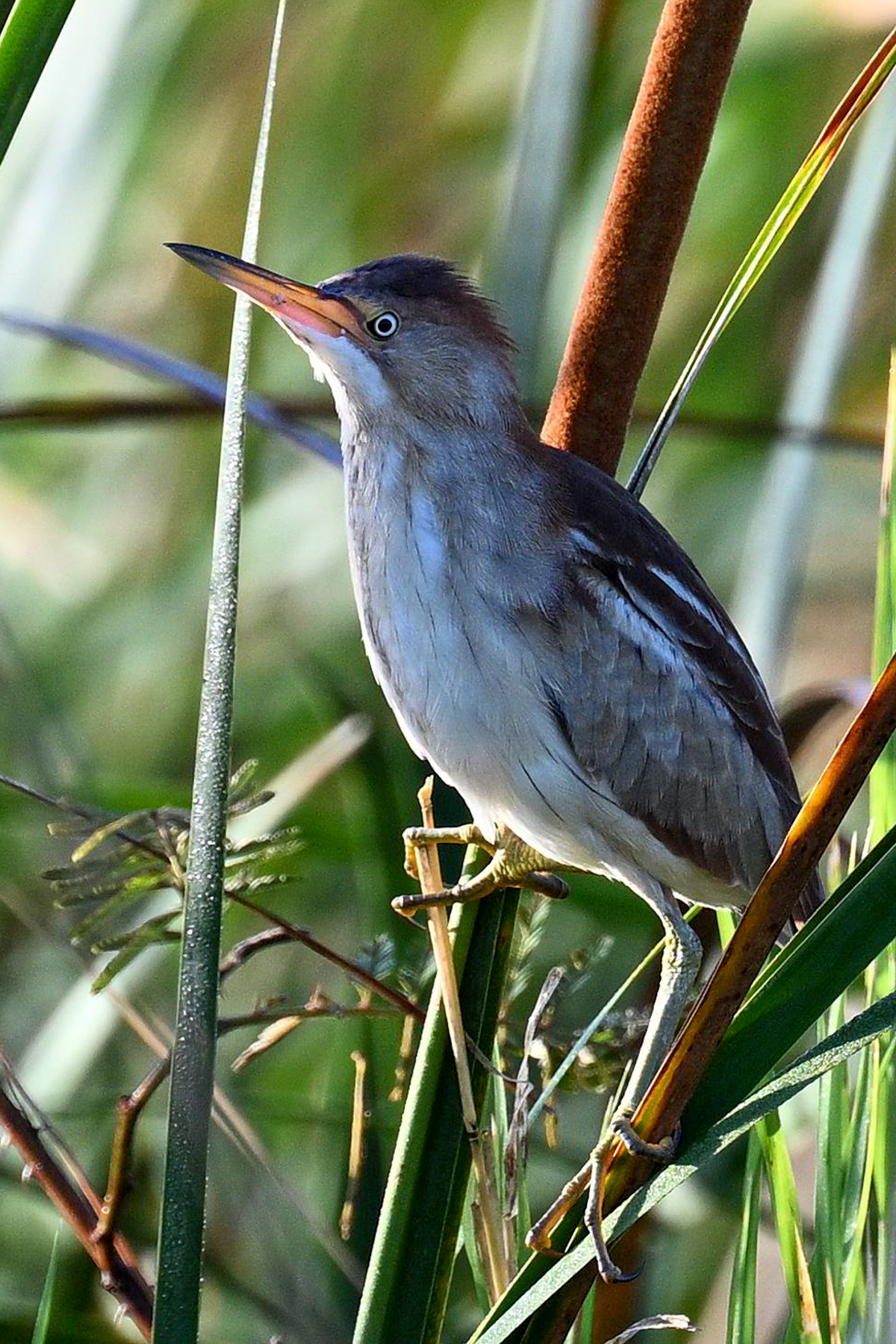
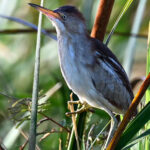
Least Bittern (image by Paul)
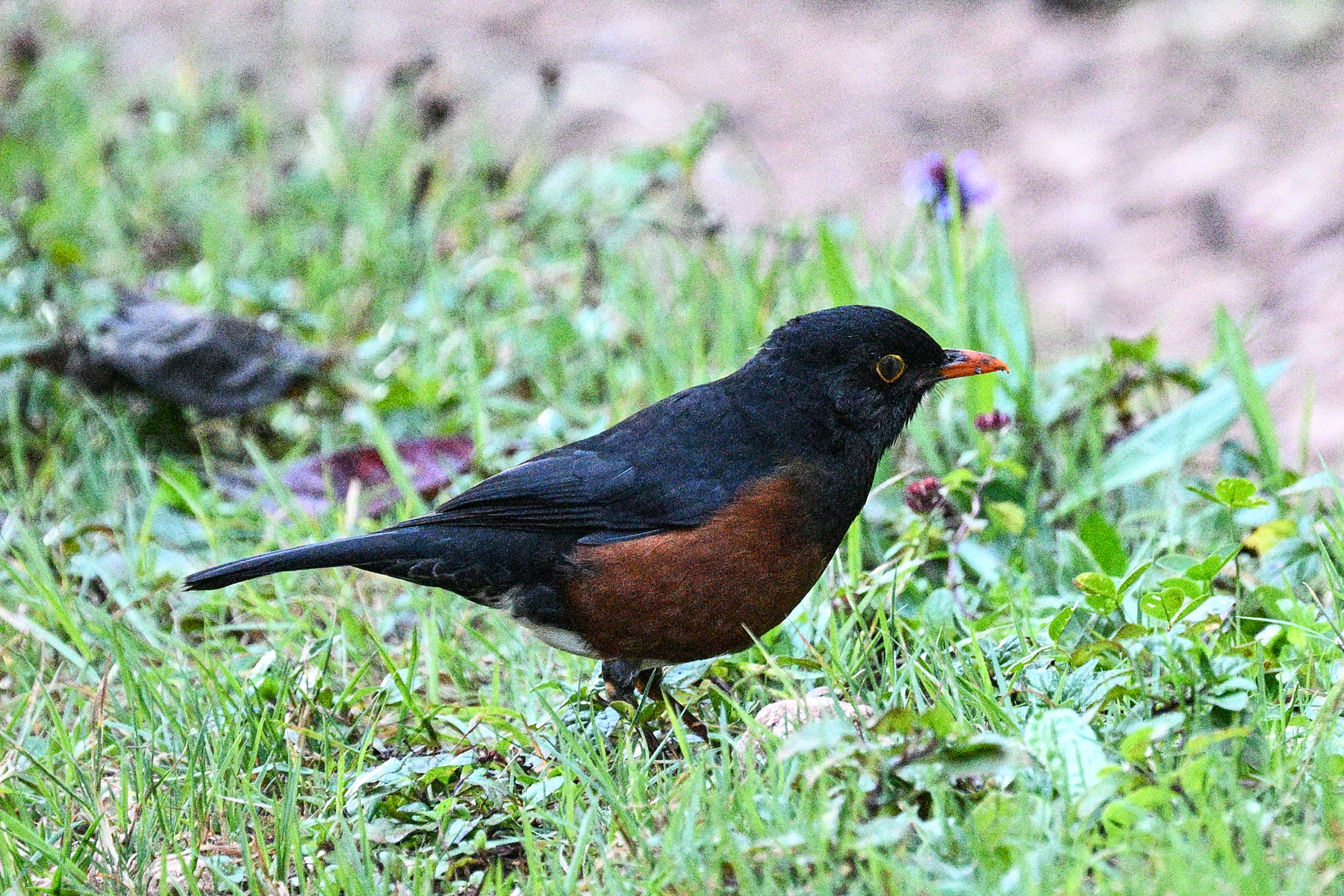
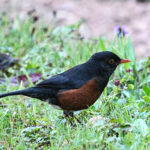
La Selle Thrush (image by Paul)
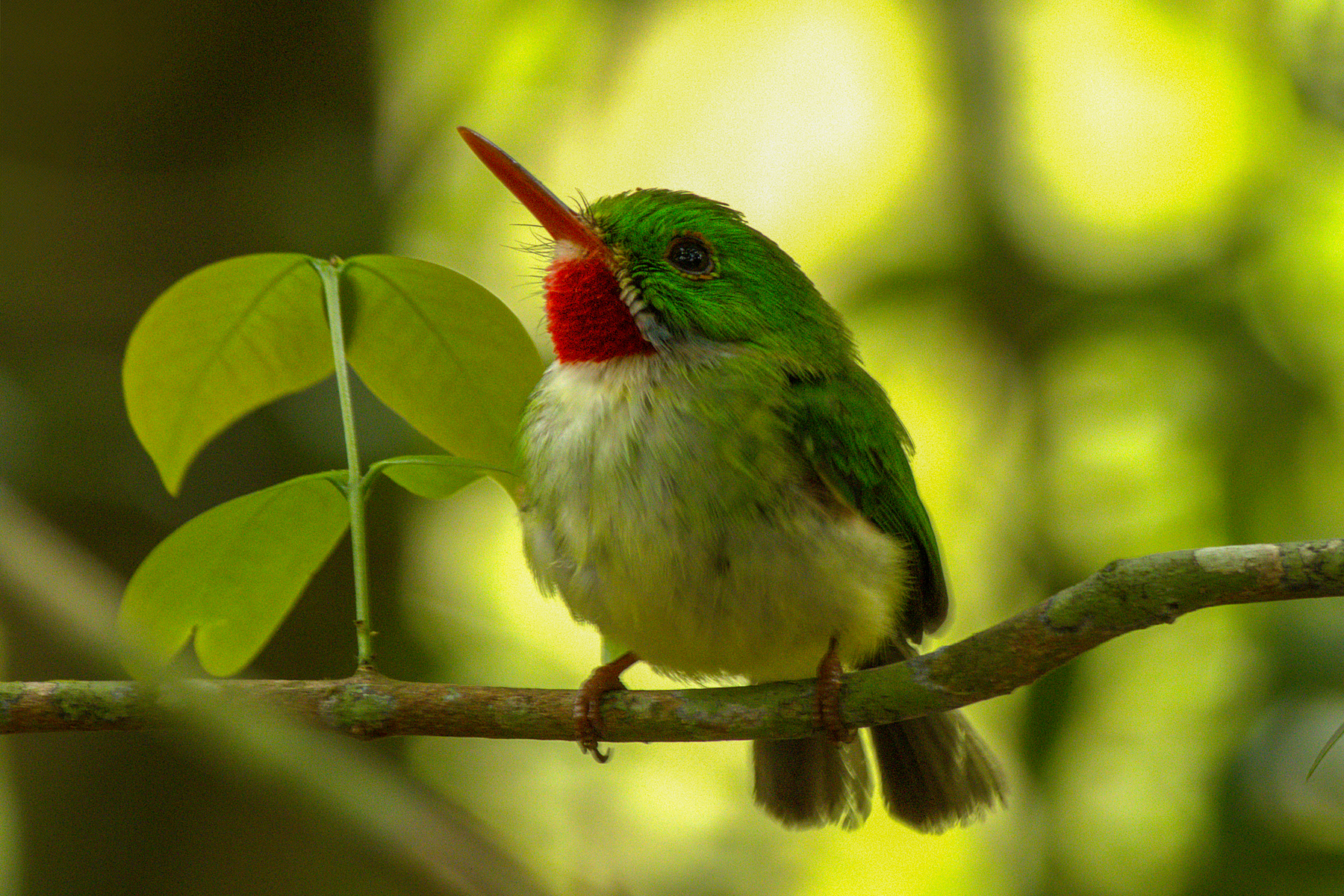
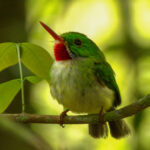
Jamaican Tody (image by Eustace Barnes)
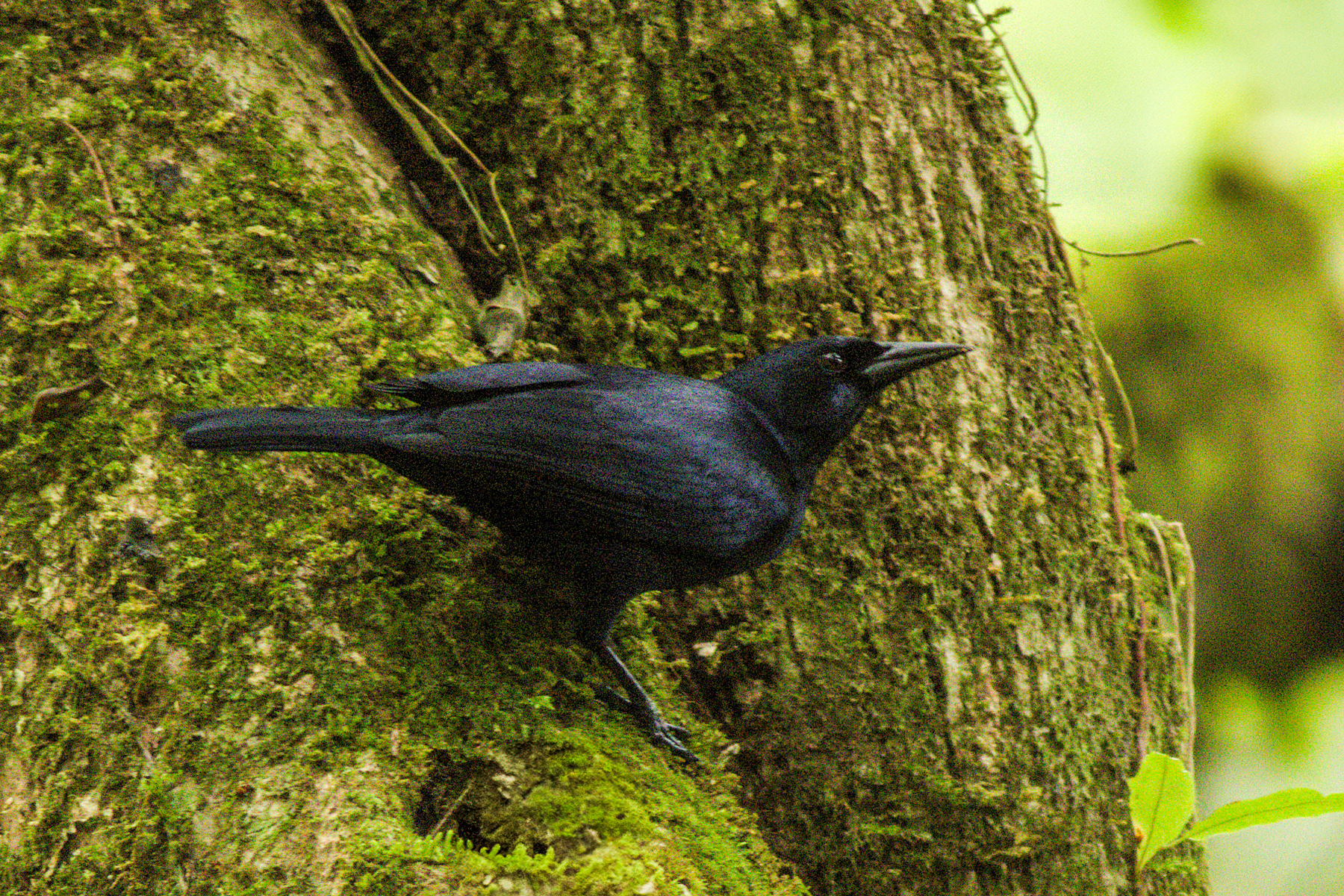
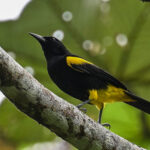
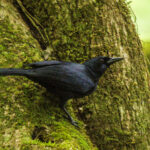
Jamaican Blackbird (image by Eustace Barnes)
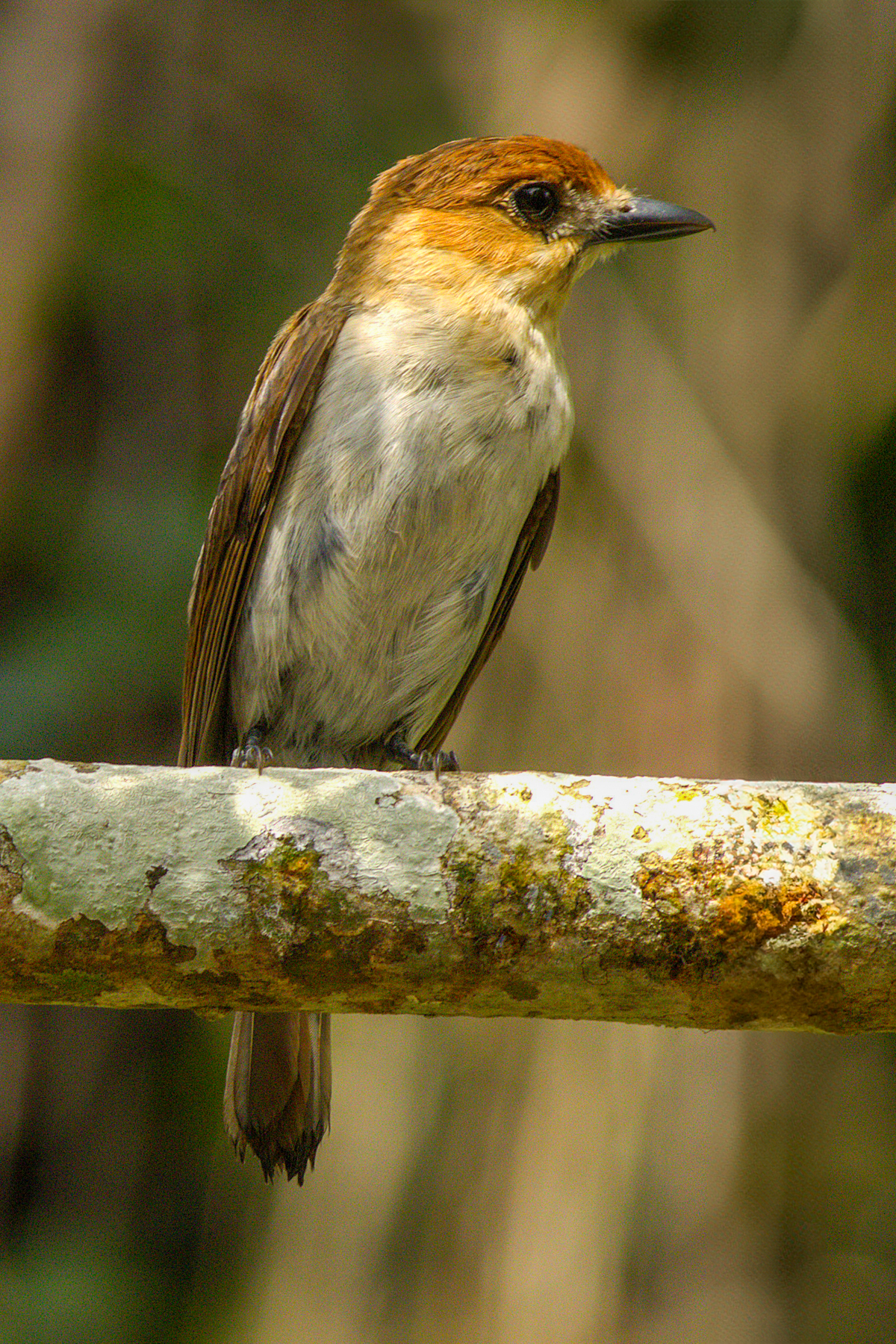
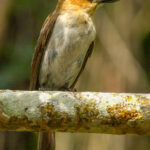
Jamaican Becard (image by Eustace Barnes)
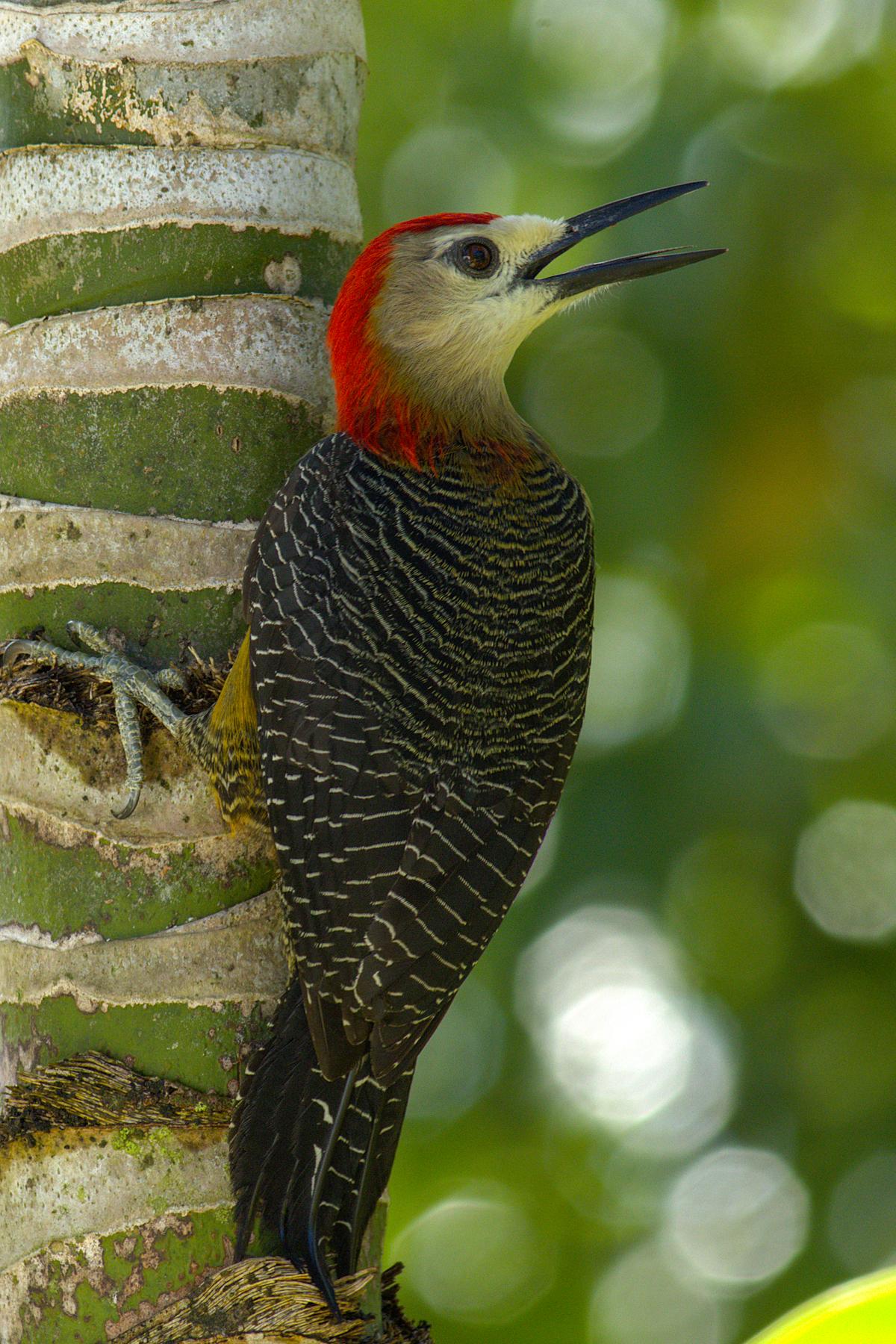
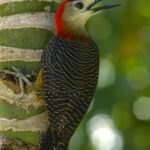
Jamaica Woodpecker (image by Eustace Barnes)
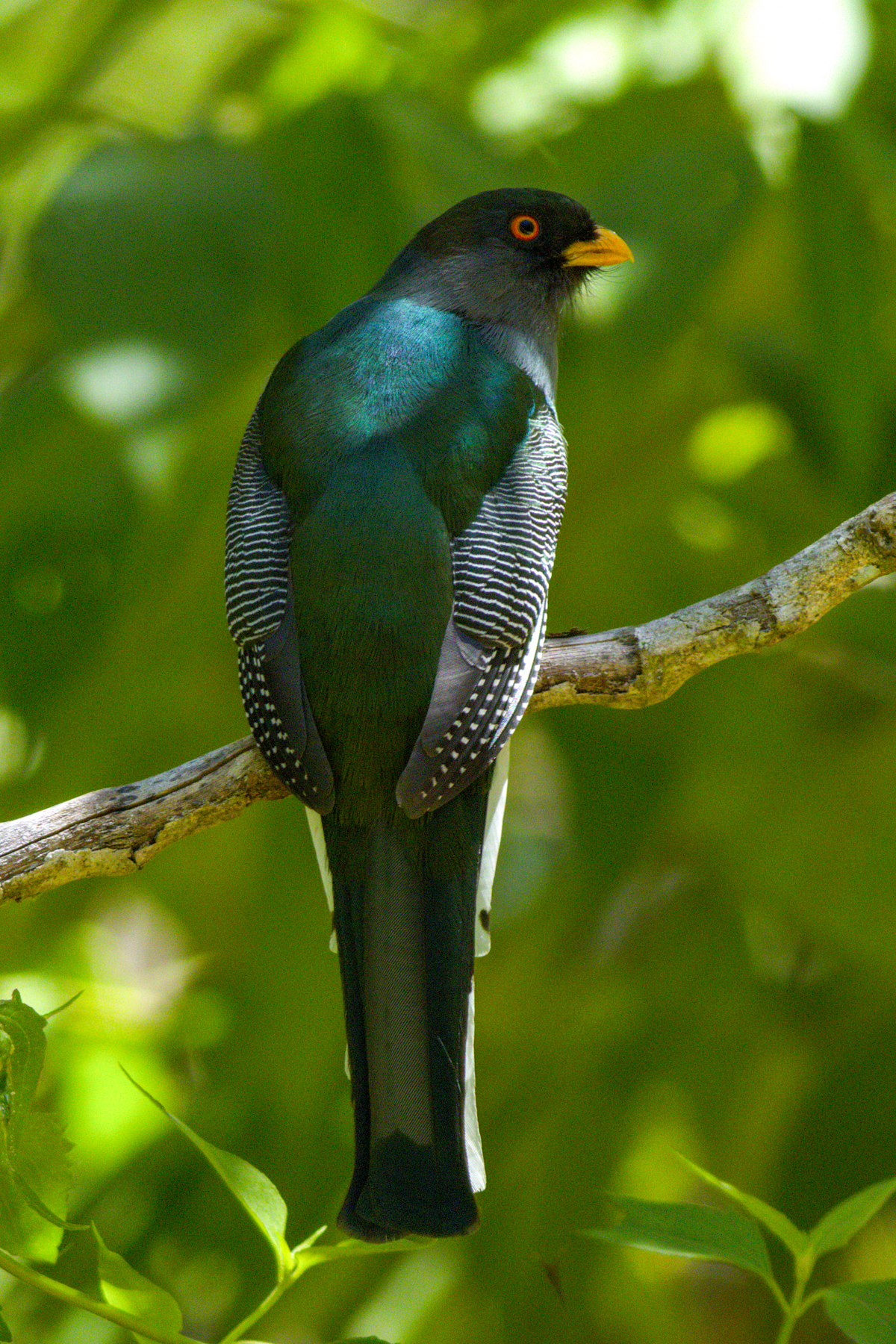
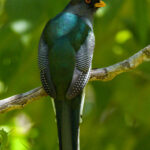
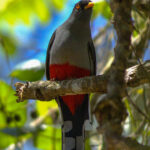
Hispaniolan Trogon (image by Eustace Barnes)
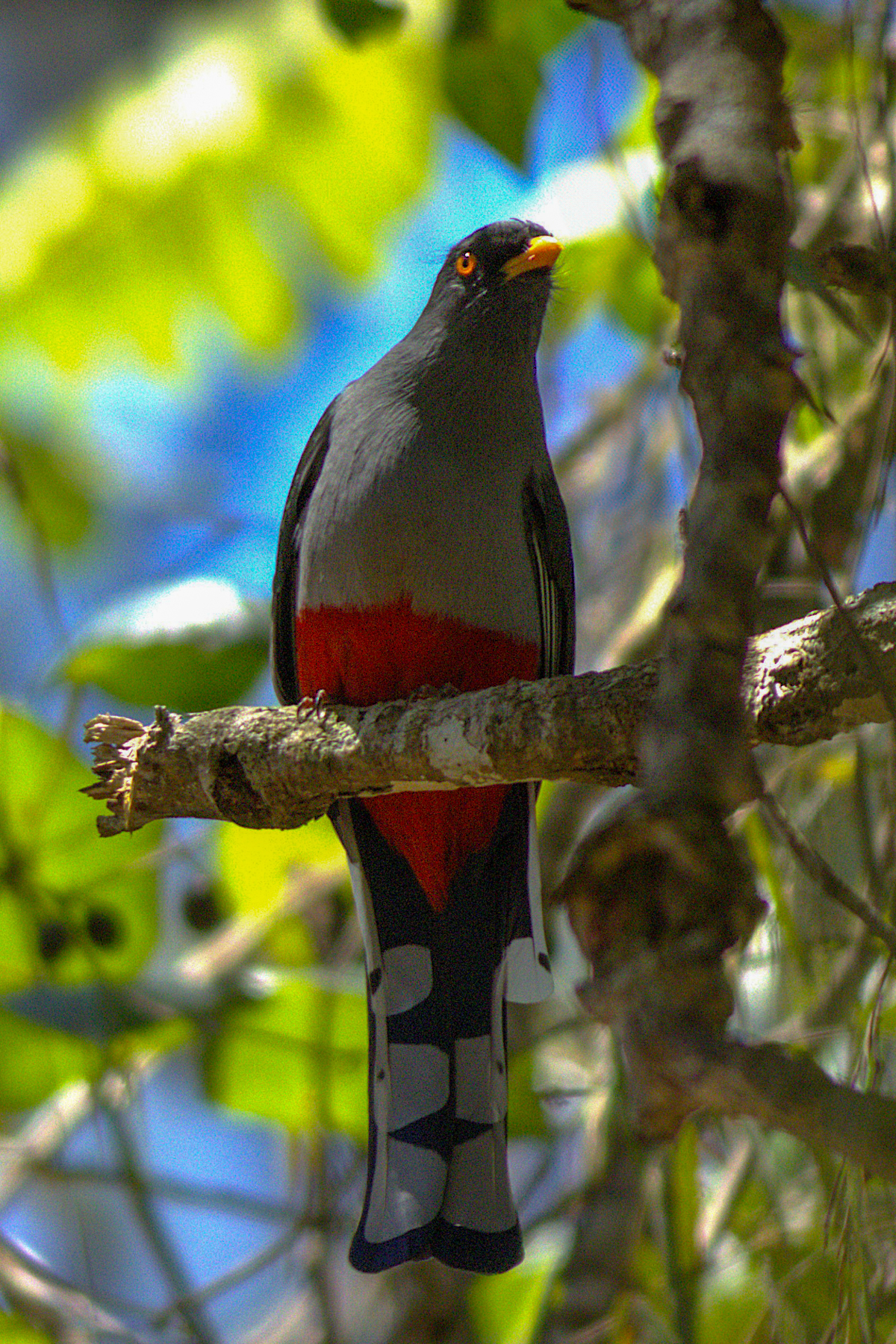
Hispaniolan Trogon (image by Eustace Barnes)
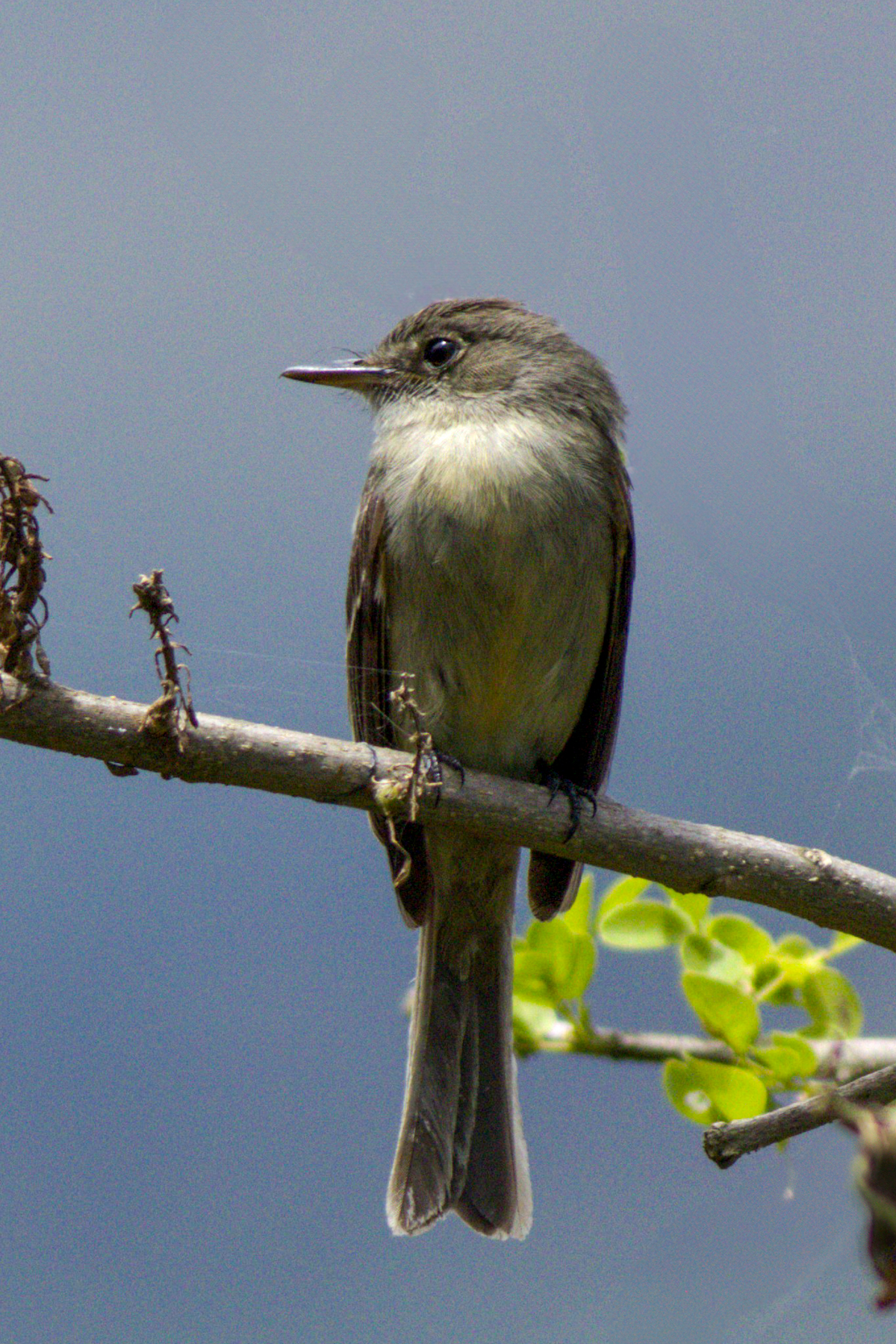
Hispaniolan Pewee (image by Eustace Barnes)
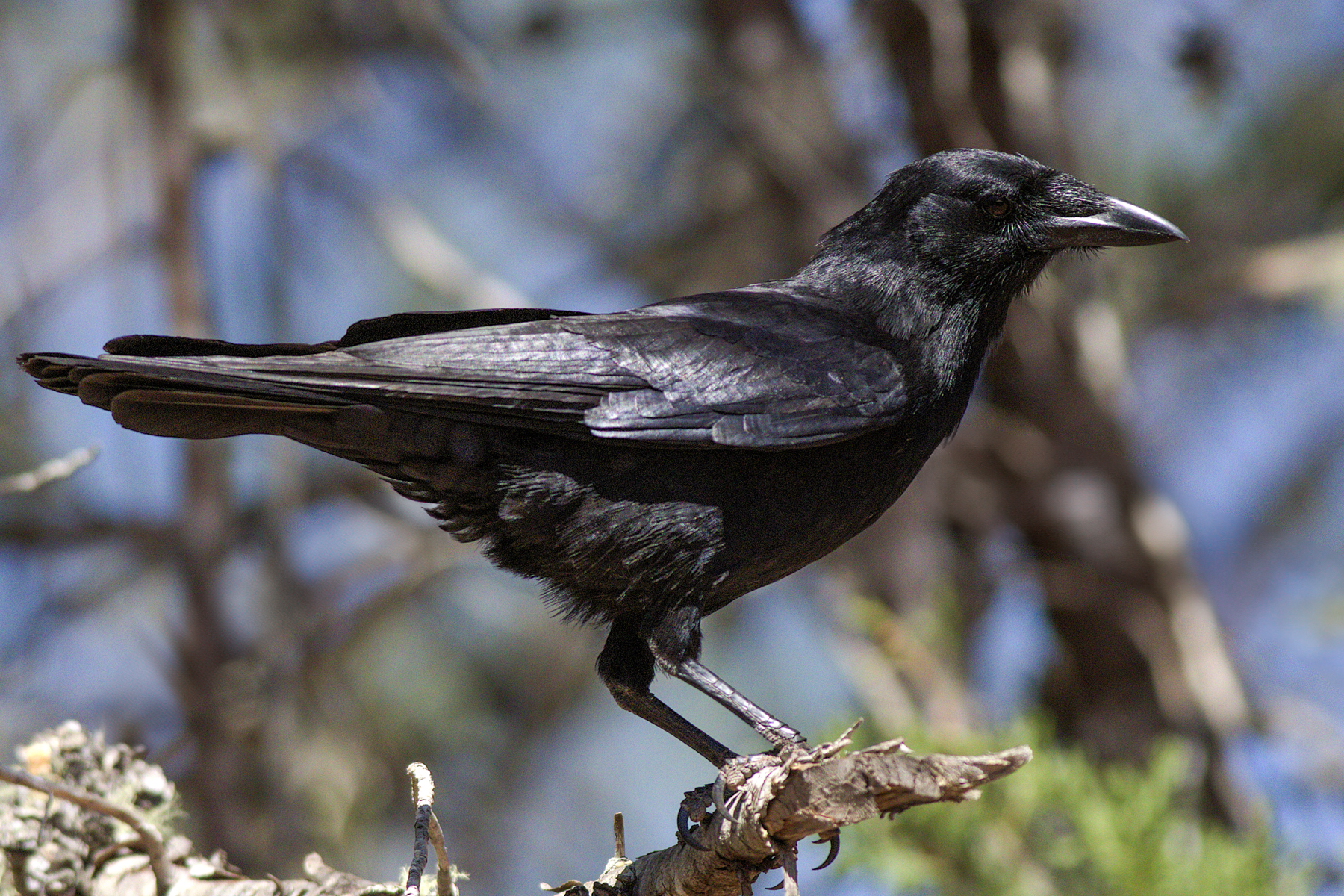
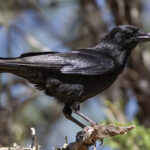
Hispaniolan Palm Crow (image by Eustace Barnes)
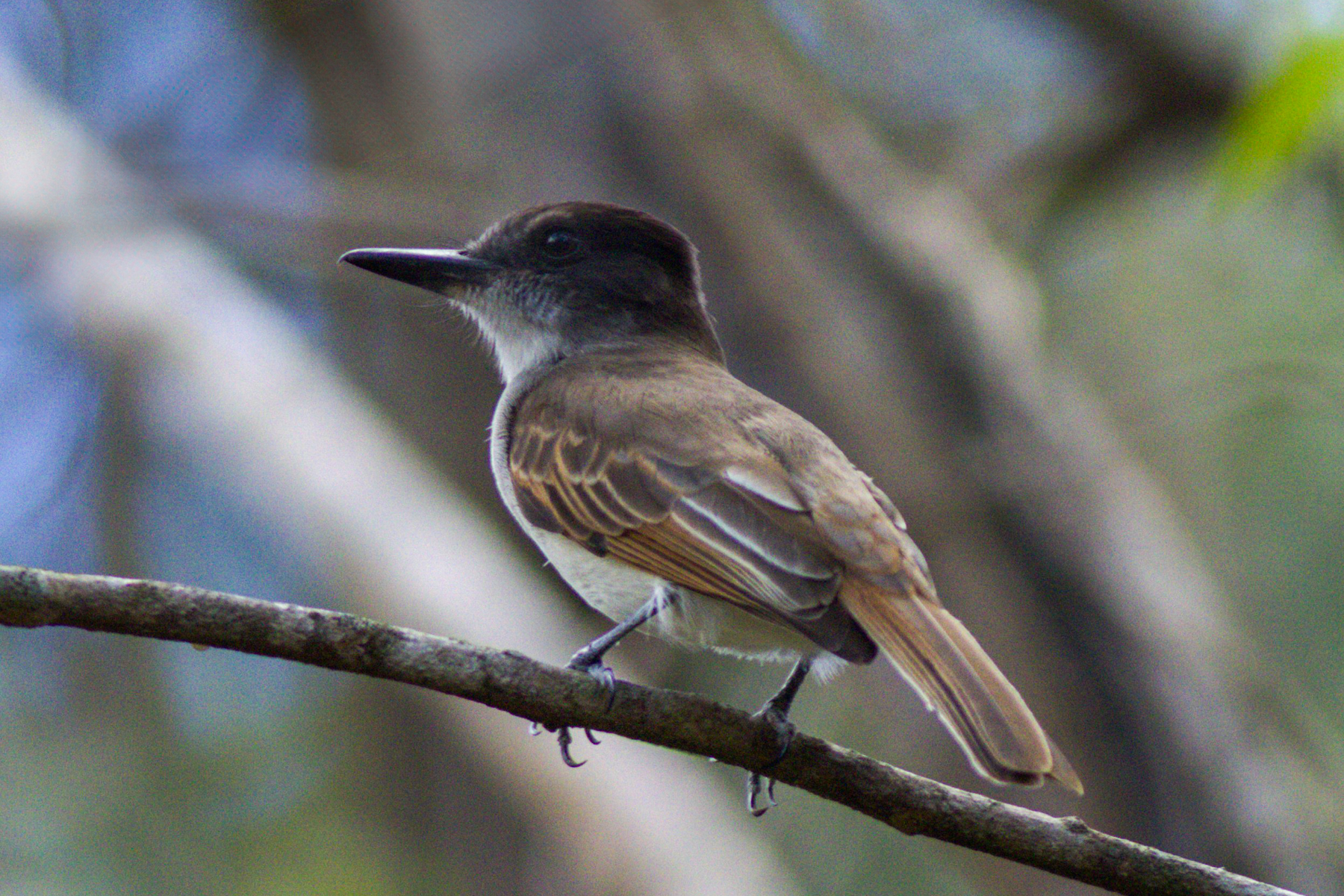
Hispaniolan Loggerhead (image by Eustace Barnes)
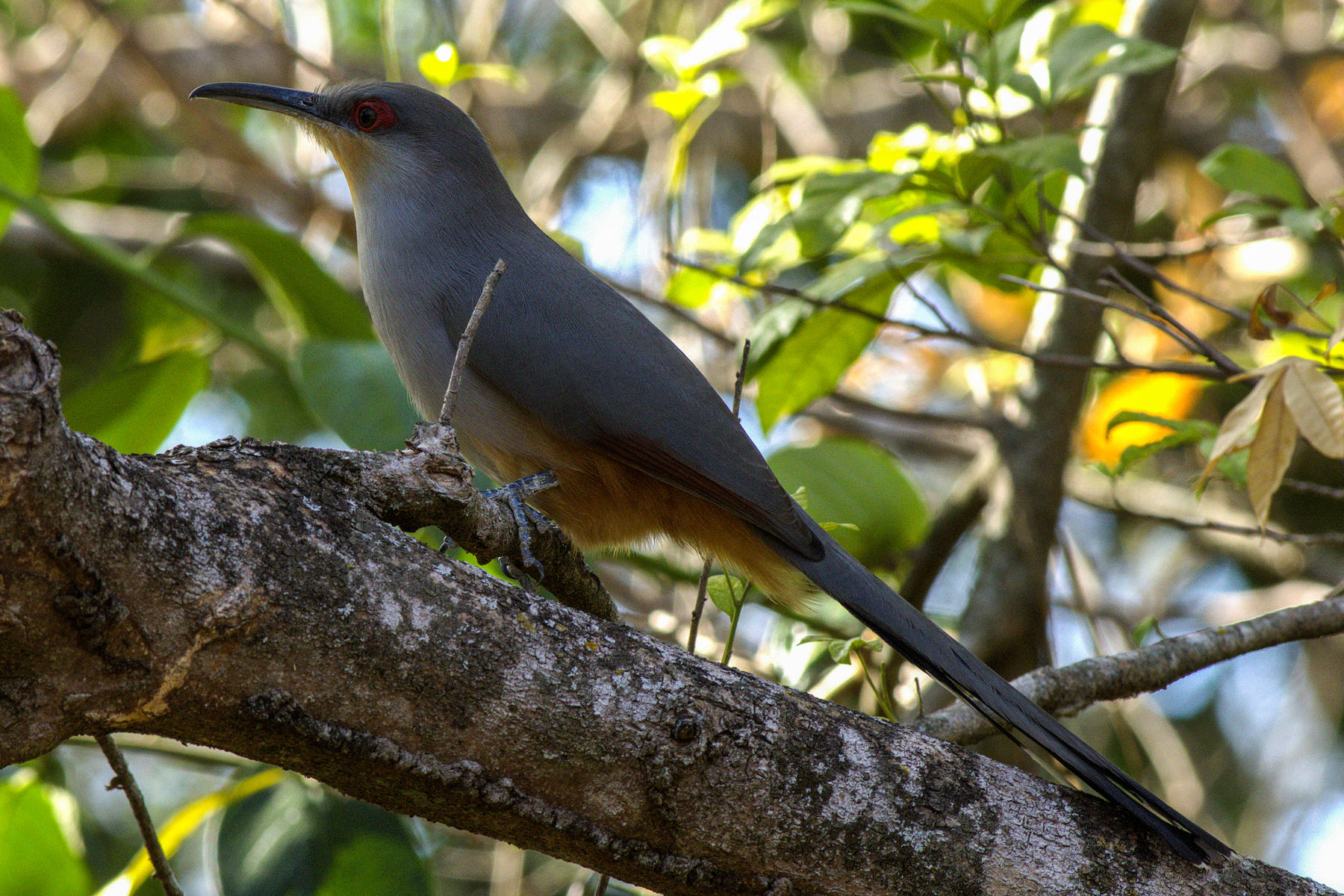
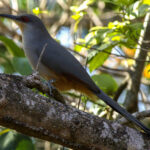
Hispaniolan Lizard-cuckoo (image by Eustace Barnes)
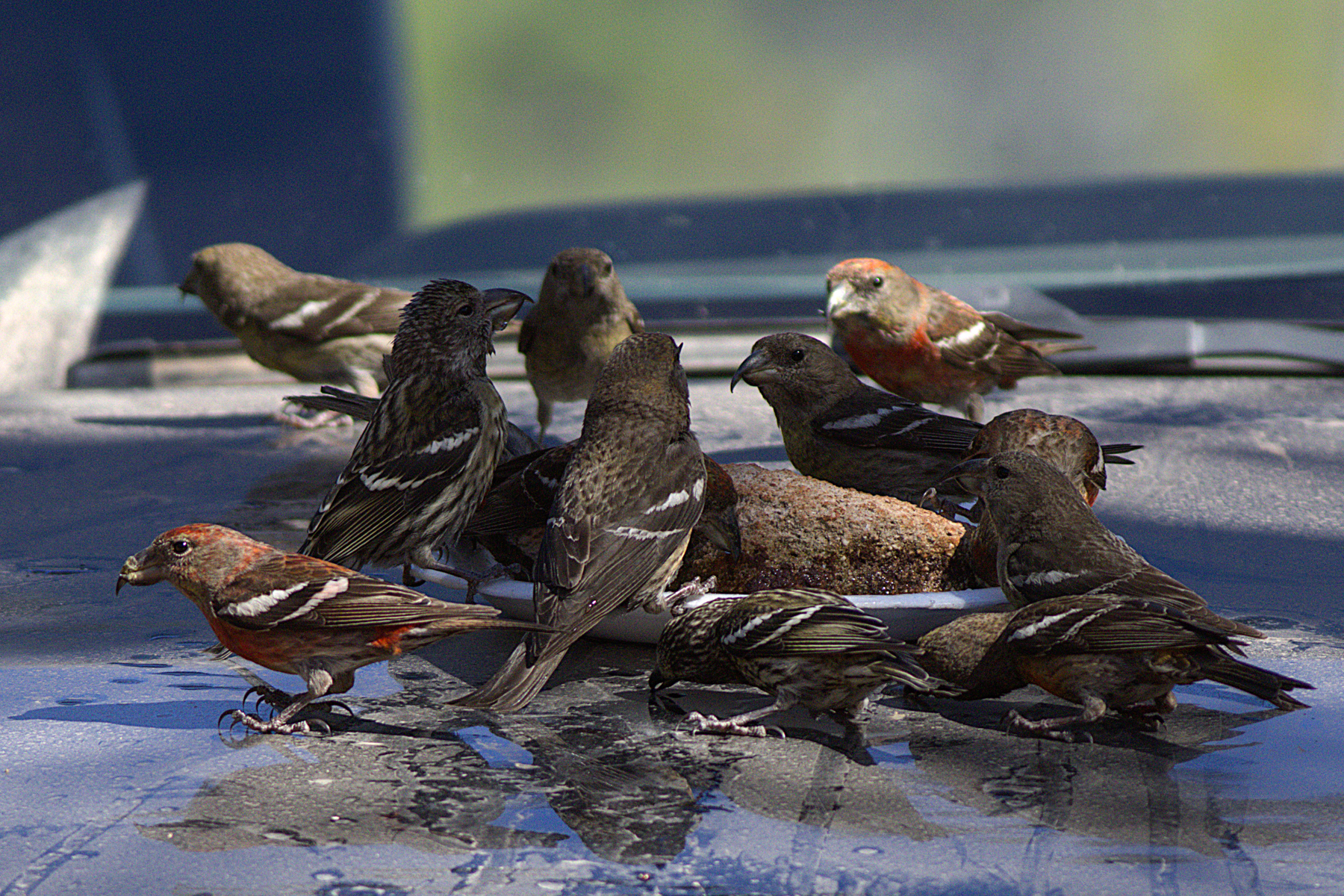
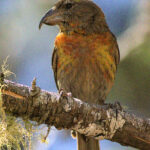
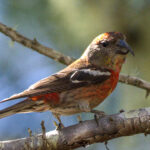
Hispaniolan Crossbill (image by Eustace Barnes)
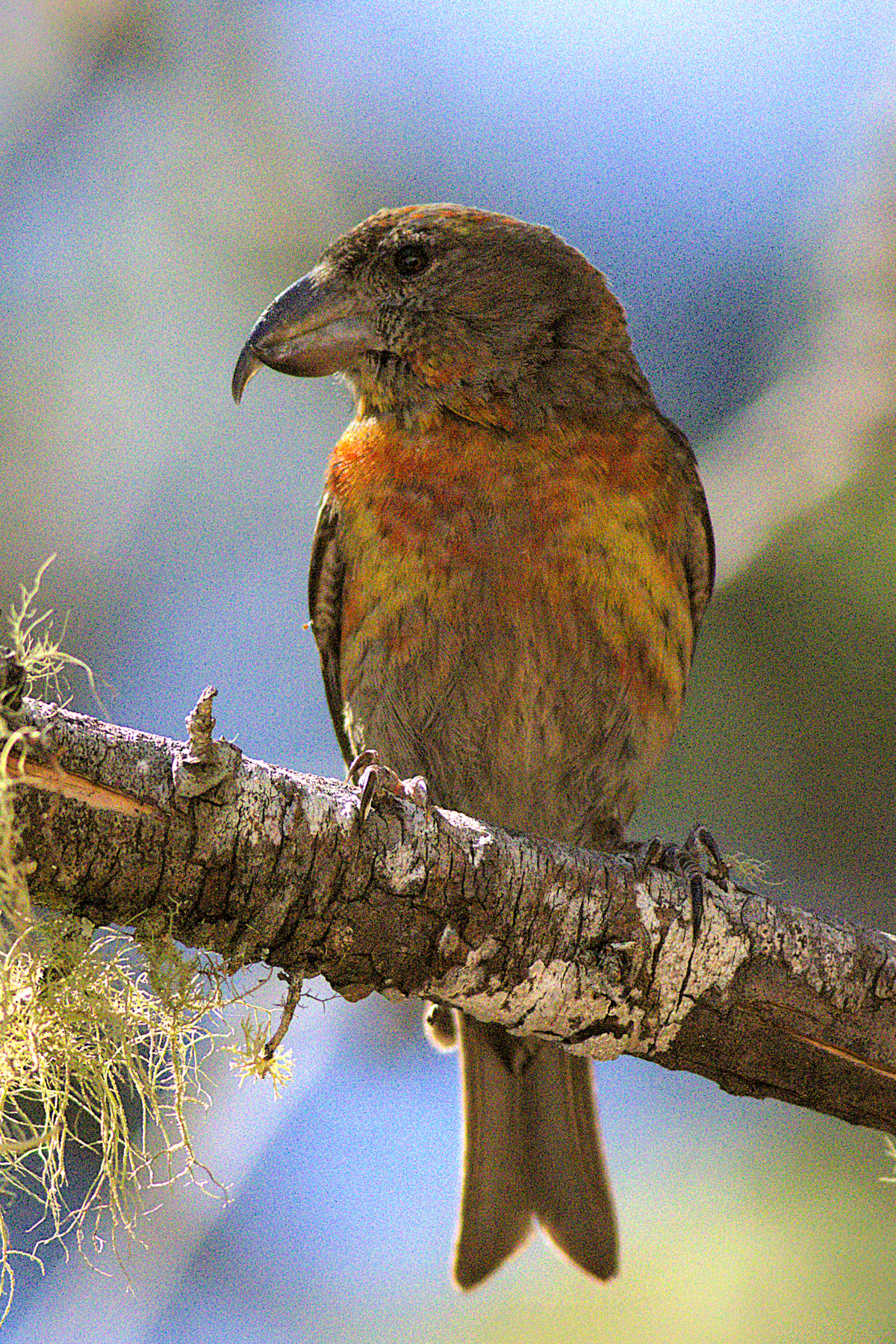
Hispaniolan Crossbill (image by Eustace Barnes)
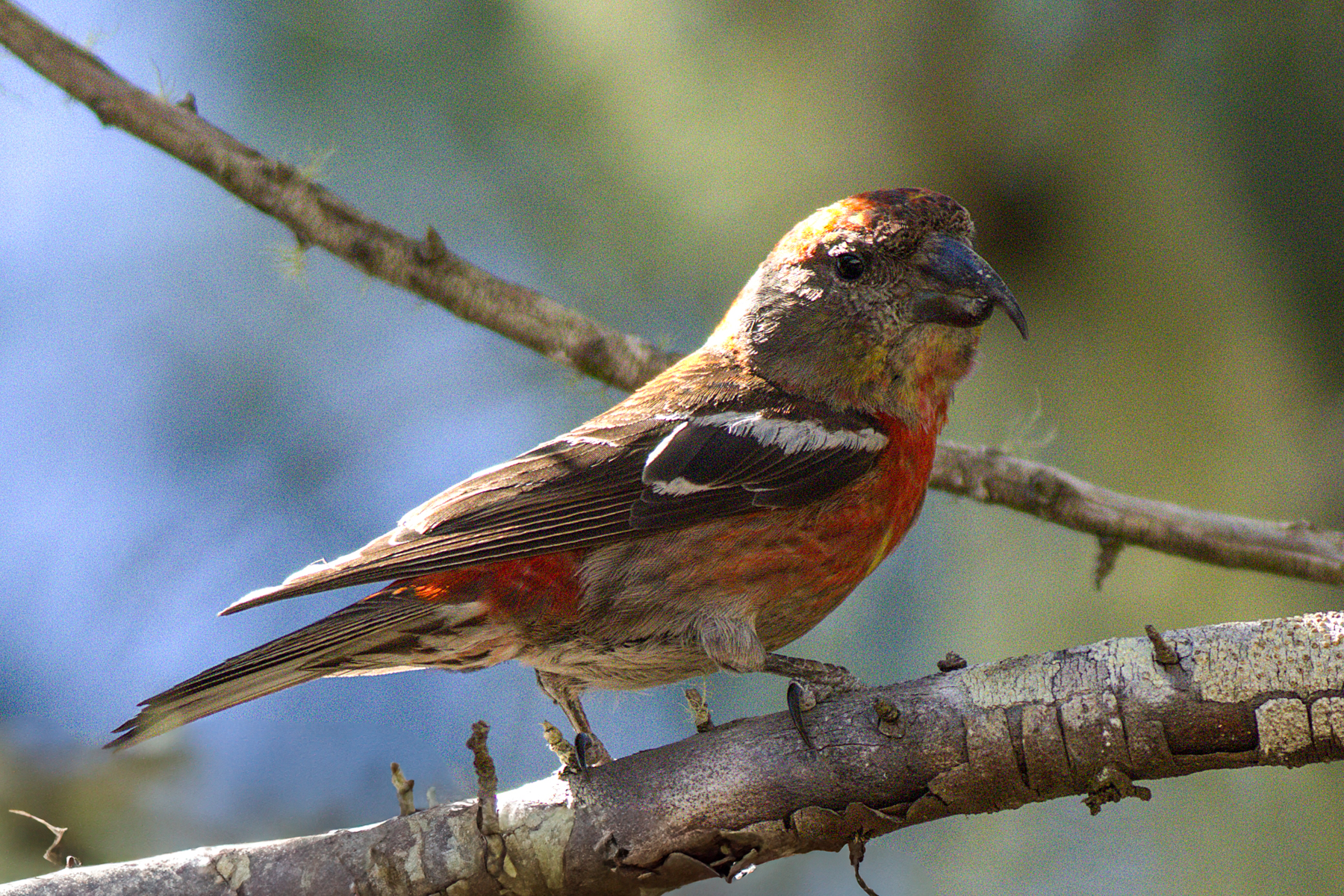
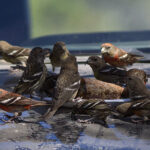
Hispaniolan Crossbill (image by Eustace Barnes)
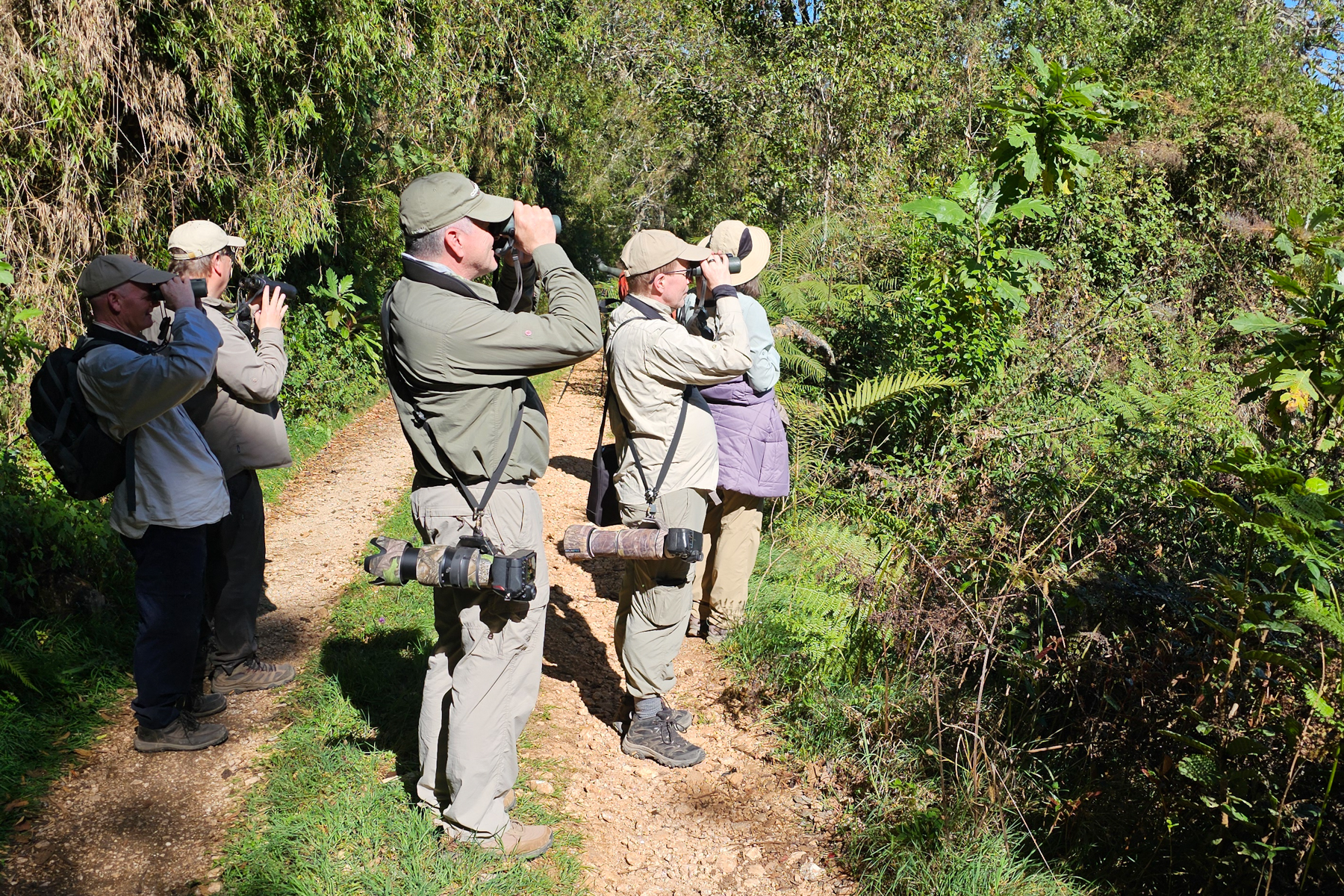
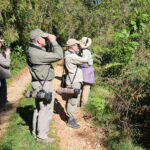
Group in the Sierra Baharuco (image by Eustace Barnes)
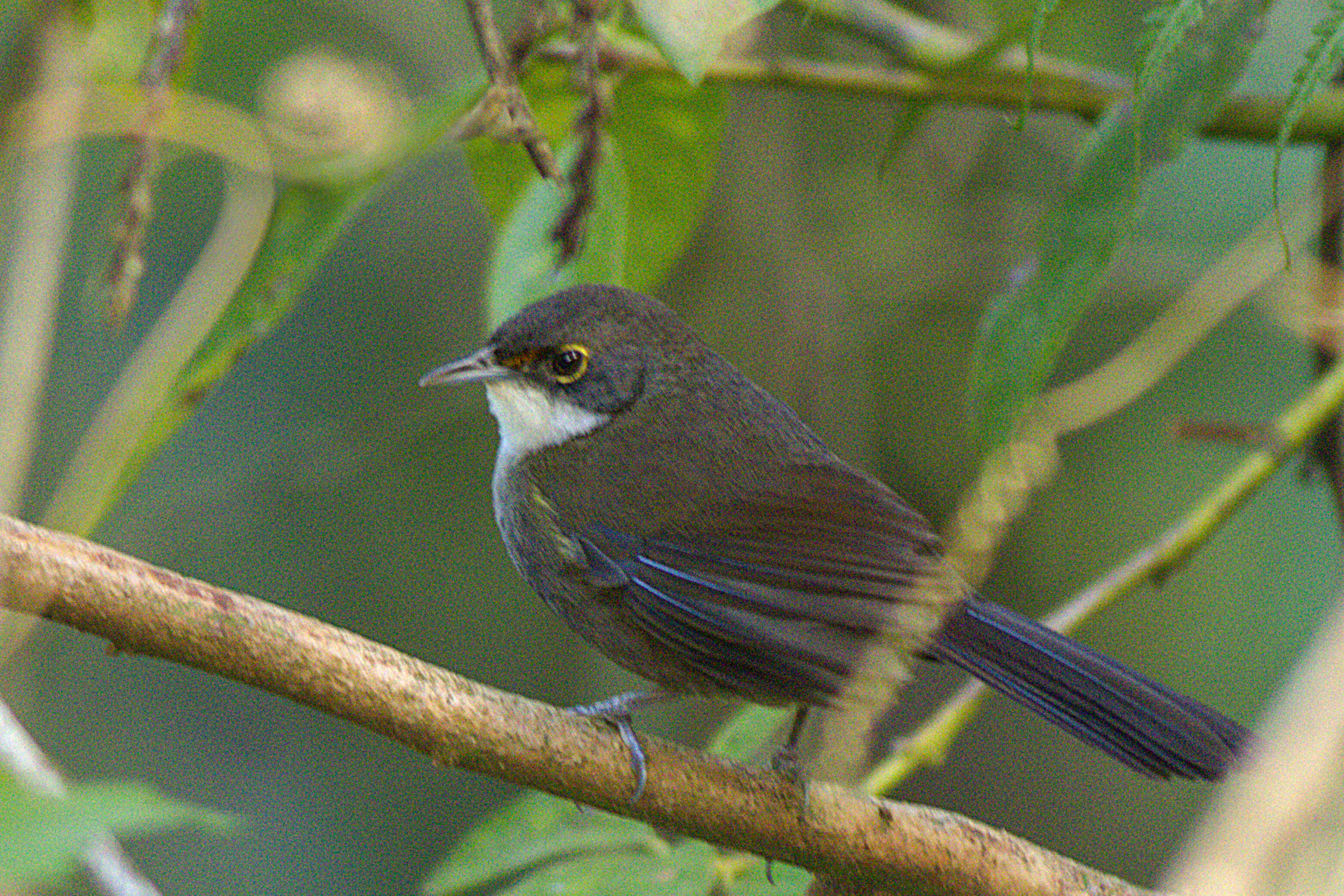
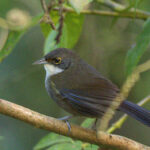
Eastern Chat-Tanager (image by Eustace Barnes)
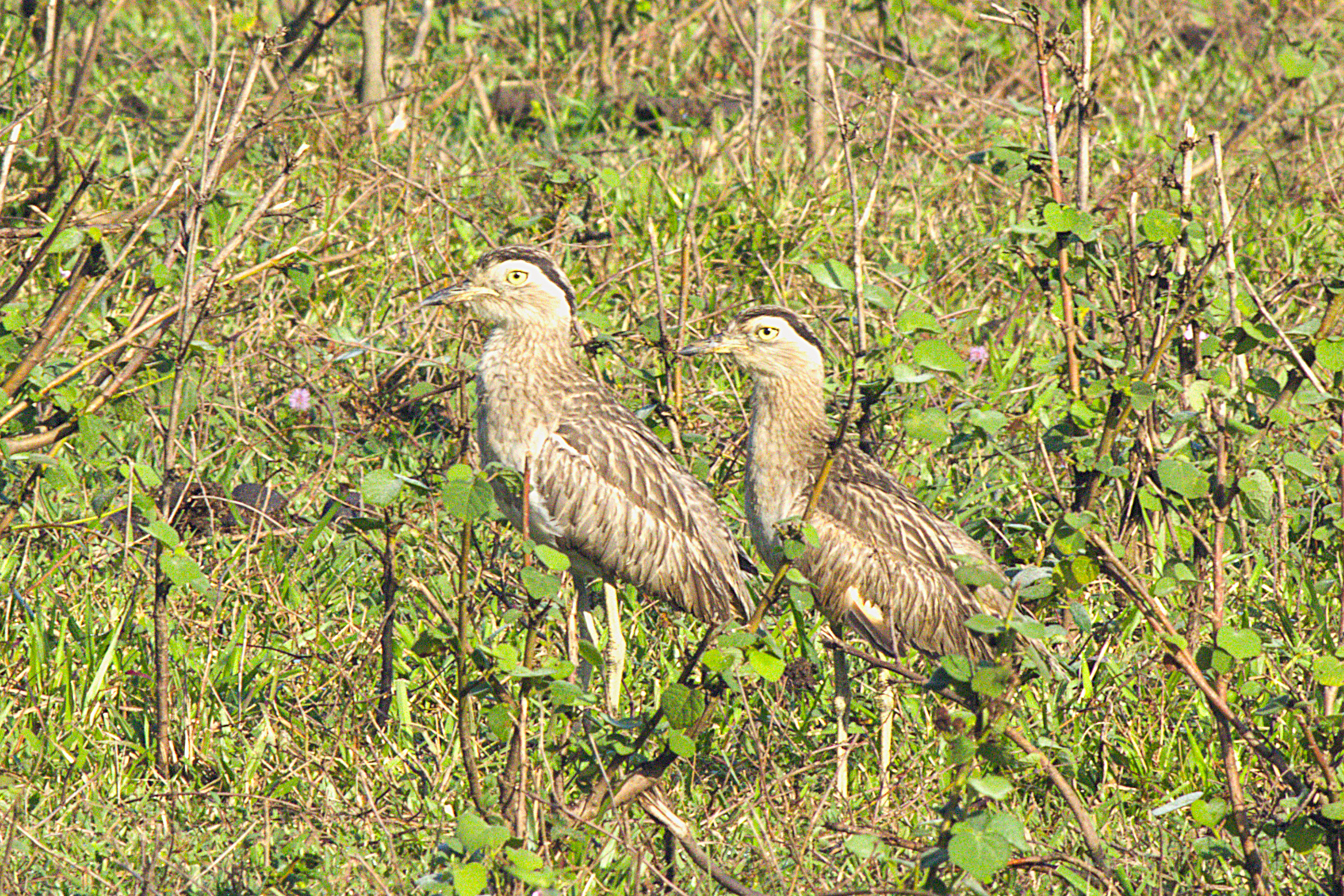
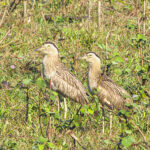
Double-Striped Thick-knee (image by Eustace Barnes)
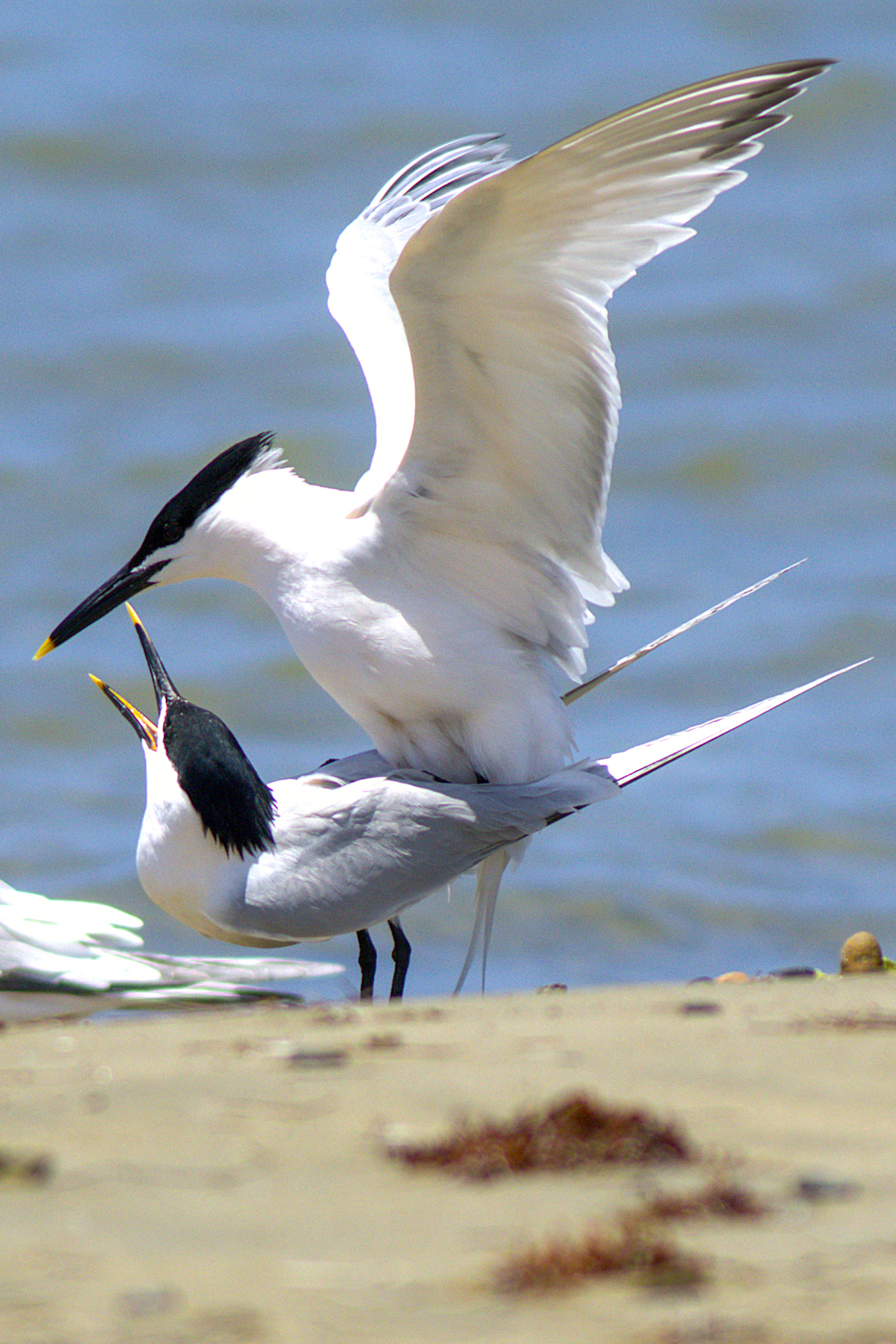
Cabot's Tern (image by Eustace Barnes)
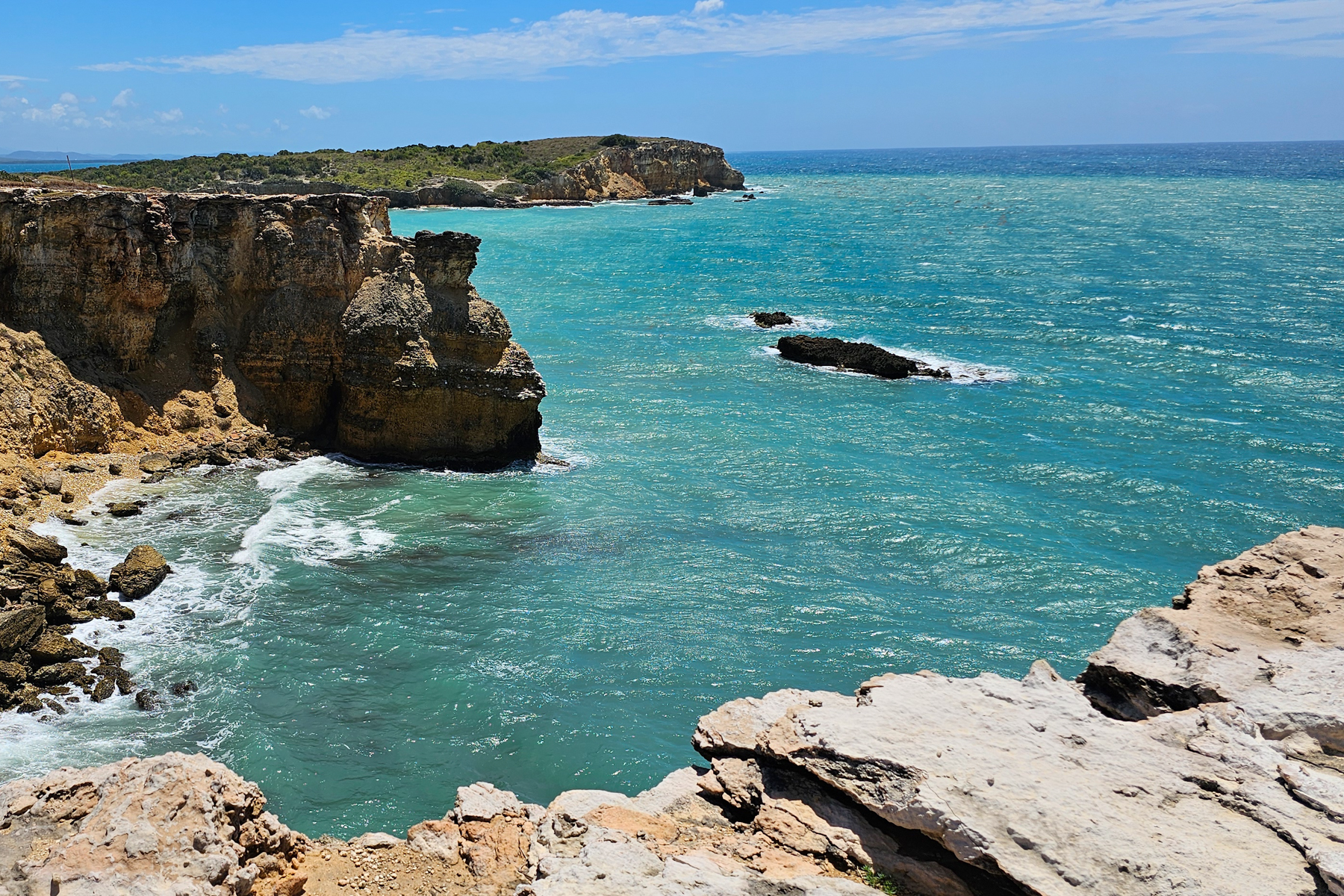
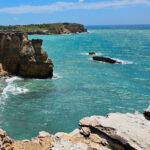
Cabo Rojo (image by Eustace Barnes)
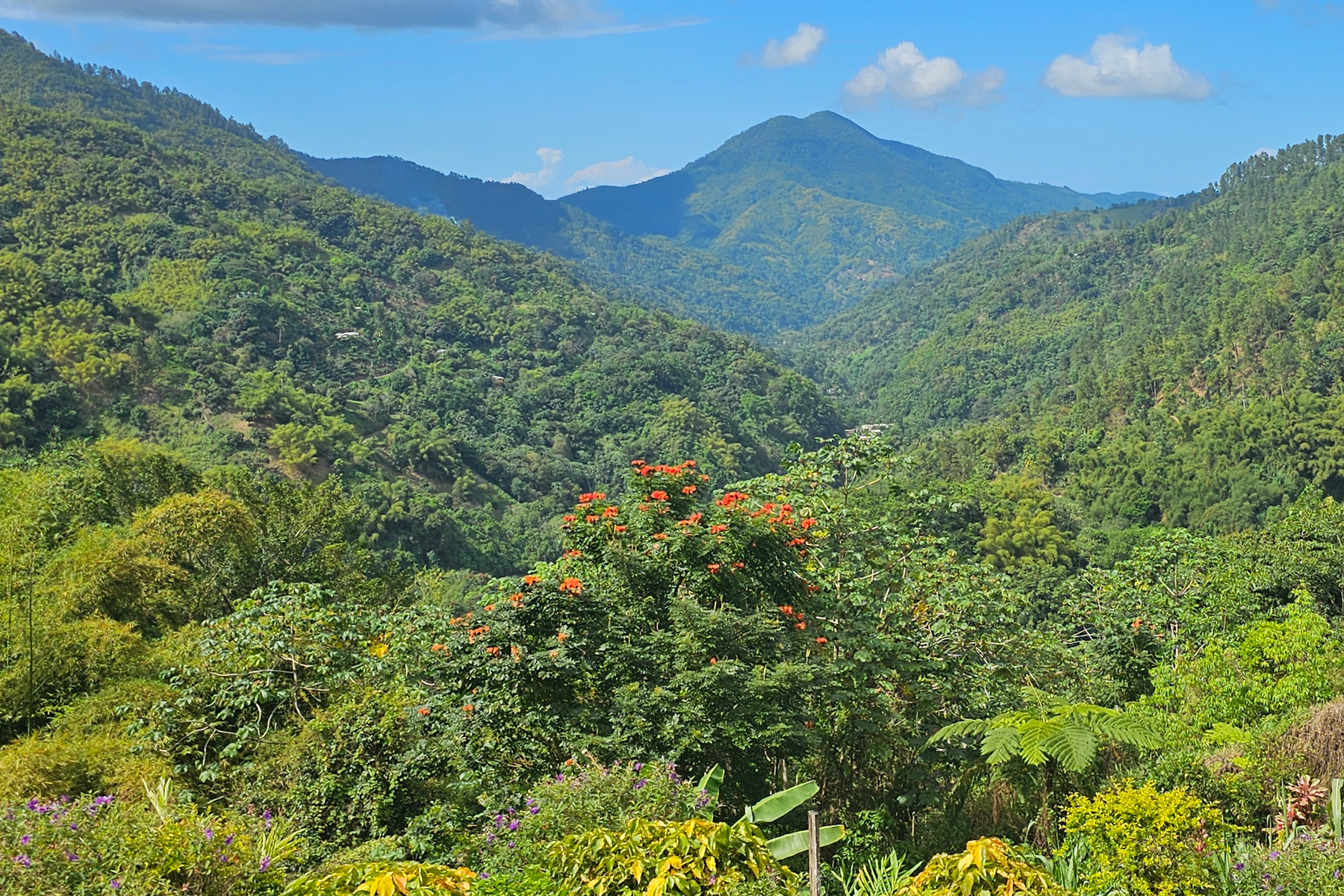
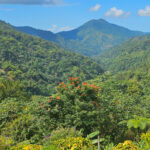
Blue Mountains (image by Eustace Barnes)
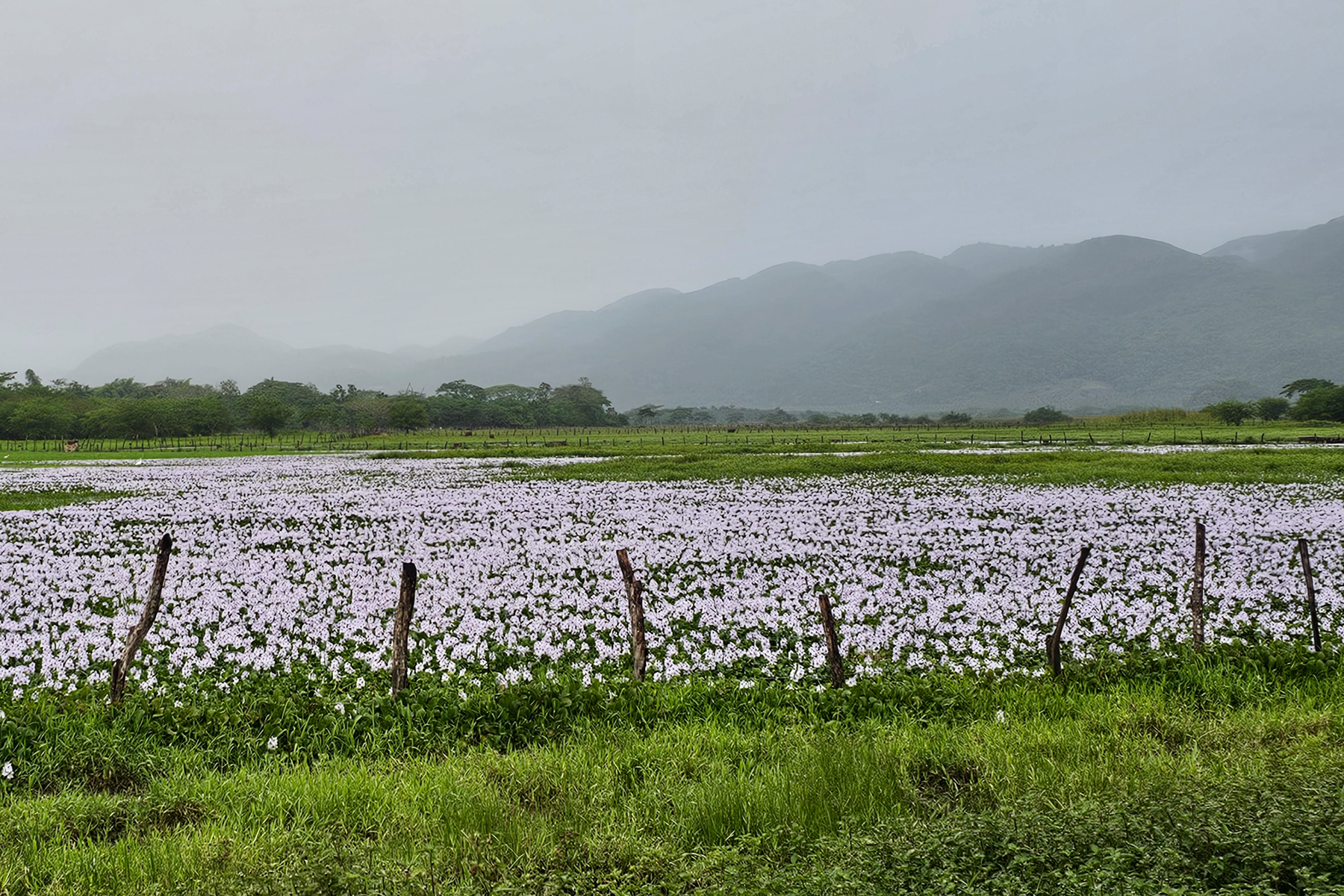
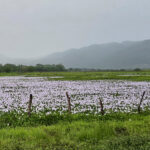
Black Morass Wetlands (image by Eustace Barnes)
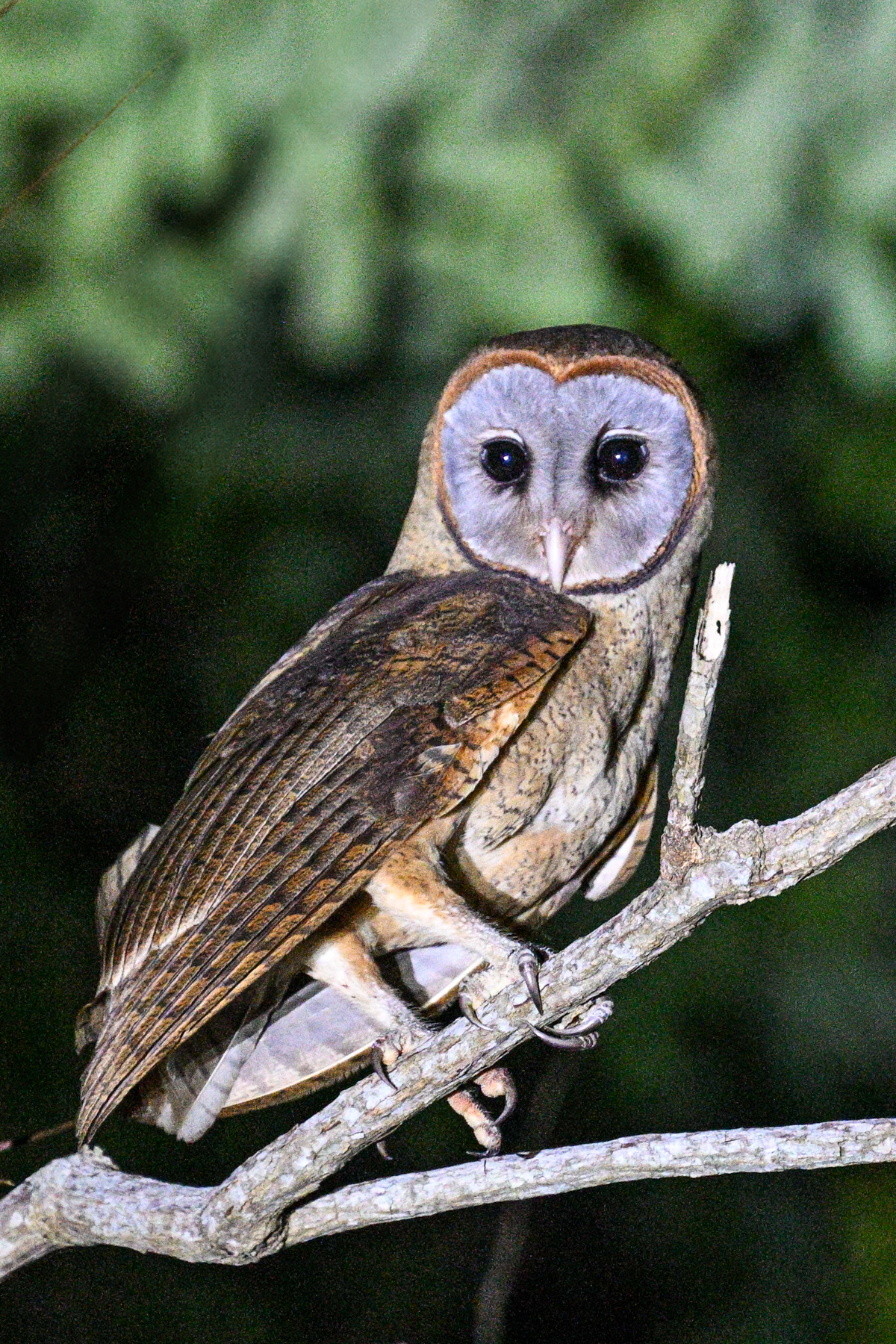
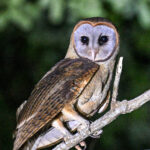
Ashy-faced Owl (image by Eustace Barnes)
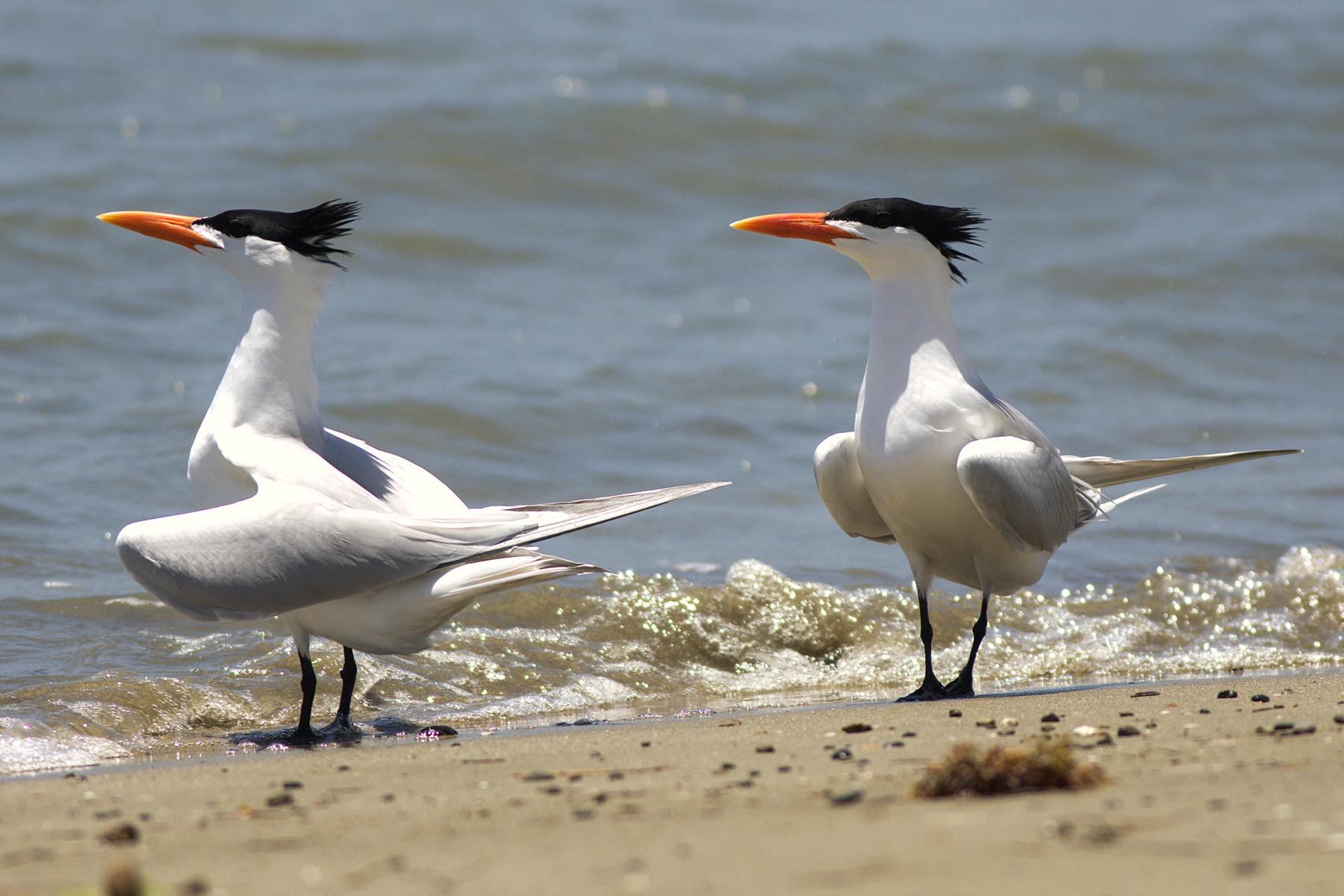
American Royal Tern (image by Eustace Barnes)


Zenaida Dove (image by Eustace Barnes)
Yellow-billed Amazon (image by Eustace Barnes)
White-winged Warbler (image by Eustace Barnes)
White-fronted Quail Dove (image by Jarmo Komi)
Terns (image by Eustace Barnes)
Scaly-naped Pigeon (image by Eustace Barnes)
Sad Flycatcher (image by Eustace Barnes)
Rufous-collared Sparrow (image by Eustace Barnes)
Roseate Tern (image by Eustace Barnes)
Ring-tailed Pigeon (image by Eustace Barnes)
Ridgway's Hawk (image by Paul)
Red-billed Streamertail (image by Eustace Barnes)
Puerto Rican Oriole (image by Eustace Barnes)
Puerto Rican Loggerhead Kingbird (image by Eustace Barnes)
Northern Potoo (image by Eustace Barnes)
Looking over Lago Enriquillo to Haiti (image by Eustace Barnes)
Least Bittern (image by Paul)
La Selle Thrush (image by Paul)
Jamaican Tody (image by Eustace Barnes)
Jamaican Blackbird (image by Eustace Barnes)
Jamaican Becard (image by Eustace Barnes)
Jamaica Woodpecker (image by Eustace Barnes)
Hispaniolan Trogon (image by Eustace Barnes)
Hispaniolan Trogon (image by Eustace Barnes)
Hispaniolan Pewee (image by Eustace Barnes)
Hispaniolan Palm Crow (image by Eustace Barnes)
Hispaniolan Loggerhead (image by Eustace Barnes)
Hispaniolan Lizard-cuckoo (image by Eustace Barnes)
Hispaniolan Crossbill (image by Eustace Barnes)
Hispaniolan Crossbill (image by Eustace Barnes)
Hispaniolan Crossbill (image by Eustace Barnes)
Group in the Sierra Baharuco (image by Eustace Barnes)
Eastern Chat-Tanager (image by Eustace Barnes)
Double-Striped Thick-knee (image by Eustace Barnes)
Cabot's Tern (image by Eustace Barnes)
Cabo Rojo (image by Eustace Barnes)
Blue Mountains (image by Eustace Barnes)
Black Morass Wetlands (image by Eustace Barnes)
Ashy-faced Owl (image by Eustace Barnes)
American Royal Tern (image by Eustace Barnes)


JAMAICA, DOMINICAN REPUBLIC & PUERTO RICO TOUR REPORT 2025

26 March - 13 April 2025
Eustace Barnes
A tour that delivers far more than expected and certainly the very best that nature has to offer, this Greater Antilles tour delivers a continuous swirl of endemics and birding spectacles. We recorded 217 species in total, of which 96 are endemic to the Caribbean region with a high number of subspecies endemic to the same region. Of the currently recognised endemics, we saw 31 Jamaican, 34 Hispaniolan and 19 Puerto Rican endemics! That is an astonishing number and good deal more diverse than many other, perhaps more celebrated, biological hot spots around the world. 18 of these species are introduced. The stats make very clear the biological significance of the region and the scale of the task to see all this magical region has to offer. It is a stunning tour and essential for all with an interest in birds or indeed fauna and flora more generally.
Thinking of the highlights, we started with 3 very cooperative Masked Ducks en route to Marshall’s Pen, This was followed by spectacular views of an immaculate male Red-billed Streamertail. A pair of Jamaican Owls briefly chased around the taller trees giving good views. Jamaican Todies, Jamaican Orioles and many other endemic species were also quickly found throughout the colonial gardens. Finding 46 West Indian Whistling Ducks was again a surprise. Working the Ecclesdown road produced another storm of endemics, the highlights of which included Black-billed Streamertail and Jamaican Mango. The Blue Mountains were memorable for any number of reasons, including the magnificent coffee from the area and several pairs of Jamaican Blackbirds that were rather more easily found this year. Once in the Dominican Republic, we were treated to another fast and furious delivery of endemics in the Sierra de Baharuco, including spectacular views of La Selles Thrush, Bay-breasted Cuckoo, Broad-billed and Narrow-billed Todies, numerous Hispaniolan Trogons, noisy pairs of White-necked Ravens, the various montane thicket-creeping Chat-Tanagers, a magnificent Ashy-faced Owl, the endemic form of Rufous-collared Sparrow, several White-fronted Quail-Doves, including one that came to a feeding station and a pair of Ridgway’s Hawks. However, pride of place goes to the 25 or so Hispaniolan Crossbills drinking water placed on the bonnet of one of our gigantic Cadillac Esplanades. In Puerto Rico, after the lovely Adelaide’s Warbler we connected with a very obliging Puerto Rican Screech Owl, numerous pairs of the enigmatic Puerto Rican Nesospingus (erroneously called a Tanager), the maniacal Puerto Rican Lizard-Cuckoo, Puerto Rican Amazon, our final Tody, that often elusive denizen of the bromeliad ladened cloud forests in the Mariaco state forest, the Elfin Woods Warbler and all the remaining endemics. A spectacular highlight included watching hundreds of Terns displaying and feeding on the south coast, which included a minimum of 350 Least Terns, 250 Cabot’s Terns, 3 Roseate Terns, 5 Common Terns and 15 Royal Terns. Finally, the most important highlight for your leader, was the group! A really good group of birders who actively participated in finding birds for the benefit of the group.
With the tour commencing in Jamaica, we met up with Paul, Angus, Catharine, Jarmo and John and picked up our vehicle. Key species to be seen at the airport include Great-tailed Grackle and House Sparrow, which are common in the arrivals car park. In Kingston Bay we found numerous Sandwich and Royal Terns, numerous Laughing Gulls, a few Sanderling, and several Brown Pelicans cruising along the seafront. Soon we were on our way and heading west, stopping only to search for and find Masked Duck. While watching these remarkably obliging birds we also saw Killdeer, Mangrove Cuckoo and several pairs of Common Starling.
Arriving at Marshall’s Pen, located at 600m in the Don Figuerero Mountains, we were greeted by our host, Ann Sutton-Hayes. A renowned biologist and long-term contributor to conservation in Jamaica, Ann offers a wealth of knowledge as well as the spacious grand old manor house with its stunning grounds. We quickly settled into that ‘initial’ exploration of the aforementioned grounds, finding noisy groups of Jamaican Parakeets, and the ’perky’ little Jamaican Tody, which abounds throughout the island in most habitats. Jamaican Woodpeckers noisily called around the house, while Sad and Rufous-tailed Flycatchers sallied for insects, and a pair of Jamaican Becards were nest-building nearby. The taller trees are ladened with bromeliads and epiphytic plants and hosted Jamaican Vireo, Jamaican Euphonia, Jamaican Orioles, the stunning Jamaican Spindalis and the ubiquitous Orangequit along with Black-and-white Warbler, American Redstart and a dapper Black-throated Blue Warbler. All seemed perfectly tranquil, with the gently fading colonial architecture somewhat impacted by the recent hurricane.
As the light faded, we enjoyed the spectacle of numerous Red-billed Streamertails at the feeders adorning the house. This is indeed an amazing hummingbird, which we were to enjoy watching during our all too short stay at this spectacular location. The males, in their vivid green finery and long black tail streamers did furiously chase off all competitors from their feeder, including the many somberly attired females, while testing the patience of photographers. It was time to conclude our birding after a travel day with a spectacular dinner and some very welcome Chilean Sauvignon Blanc, during which time it began to rain. The resident Jamaican Owls again went into hiding and did not call for a night or two.
Whilst creeping along the wide trails picked out the maniacal cackling of the rather elegant Jamaican Lizard Cuckoo and gruff tones of the significantly larger Chestnut-bellied Cuckoo which reside in the dense viney tangles festooning the taller trees. Along the broad trails we connected with a pair of Jamaican Becards building their shabby nest. Jamaican Myiopagis (Elaenia) and Jamaican Pewees were less forthcoming, but we found them quietly sitting along the wider tracks and trails. We found several Northern Potoos on day roosts, giving amazing eye-level views. The Jamaican Crows performed an extraordinary display, delivering its unique vocal repertoire. Other Caribbean specialities here included White-crowned Pigeon, numerous Cave Swallows, Antillean Palm Swift, Grey and the endemic jamaicensis form of Loggerhead Kingbirds, abundant Black-whiskered Vireo, Black-faced Grassquit and a few Greater Antillean Grackles. During our stay, Turkey Vulture and American Kestrel, White-winged Dove, Common Ground Dove, Smooth-billed Ani and Northern Mockingbird were very numerous. The ranch plays host to many North American warblers, which on this occasion included Northern Parula, Black-throated Blue, Prairie and Worm-eating Warblers and the charming American Redstart.
While writing up our notes and resting, the gardens offered great birding, with both White-eyed and White-chinned Thrushes, Jamaican Orioles and Spindalis, along with Caribbean Doves and the endemic Yellow-shouldered Grassquit easily seen picking about. Greater Antillean Bullfinch and Bananaquits busily flitted to and fro. At dusk on our final evening, the resident Jamaican Owls began to call and were subsequently located in the large bromeliad ladened tree by the parking lot.
Exploring Cockpit Country, a region comprising a broken karst limestone plateau characterised by deeply dissected landscape with numerous rocky outcrops and step sided hills, is always productive. It is a particularly interesting region with at least one hundred plant species restricted to it with many more yet to be discovered. This largely inaccessible country is home to the endemic Black-billed and Yellow-billed Amazons, which we saw as they dispersed from their roosting sites. We also connected with several Jamaican Lizard Cuckoos, a pair of Chestnut-bellied Cuckoos, and several pairs of Jamaican Crows. The rather uncommon Ring-tailed Pigeon was more difficult to see but we did see a good number of this elegant columbid.
We devoted an afternoon to exploring the Black River Morass, a large wetland that lies to the west of Marshall’s Pen. This area offers an excellent opportunity to see a variety of wetland species, including Purple Gallinule, Northern Jacana, numerous Snowy, Great and Western Cattle Egrets and Black-crowned Night Herons, Tricoloured Heron, 12 Great Blue Herons and a number of Limpkins. The wooded lanes were full of American Redstarts, Palm and Prairie Warblers along with Smooth-billed Ani, Greater Antillean Grackles and Yellow-faced Grassquit. We headed to another marshy area near Lachovia, where we found 47 West Indian Whistling Ducks! An astonishing find, repeating last year’s success and one I thought unlikely to be repeated.
We also visited the arid Portland peninsula to search for Bahama Mockingbird. As it happens, this is a common and somewhat confiding species, which is just as well since temperatures soar to around 38C by 10am in this area. In addition to the Mockingbird, the endemic form of Stolid Flycatcher is common at the same location, and we quickly added this prettily adorned tyrannid taxon to the list, while appreciating that it will likely become a full species in due course. Along the muddy shoreline we searched out a suitable watch point adjacent to the mangroves to see the often-skulking Clapper Rails to put in an appearance. Put in an appearance they did, stalking about in their muddy abode peering out at us and hoping to avoid detection. Perhaps unsurprisingly, the base colour of the rails exactly matches the colour of the mangrove mud. What a life!
Departing Mandeville, we headed to the Blue Mountains at Hardwar Gap above Kingston, where we quickly found Jamaican Blackbird and Blue mountain Vireo. Continuing to Port Antonio we further visited several sites, connecting with Black-billed and Yellow-billed Amazons. Visiting some well placed feeders we then enjoyed watching the endemic Black-billed Streamertail, with great views of several males and a splendid Jamaican Mango. The following morning, we tracked down a pair of Jamaican Owls and had some great views of this unique species before continuing to the Ecclesdown road, in the John Crow mountains. This isolated range, situated in the northeast of the island, is infrequently visited except by ornithologists and botanists. This is mainly because extensive areas of primary humid forest remain largely inaccessible. Having seen many of the islands endemics our visit was strategically devoted to seeing the Crested Quail Dove. Creeping along the narrow road we did see this lovely species, which was just as well since we did not see it again. During the course of the morning, we saw many more Ring-tailed Pigeons, several Back-billed and Yellow-billed Amazons, another pair of Jamaican Crows and several Jamaican Lizard Cuckoos.
Returning to the Blue Mountains we stopped to sample the famous local coffee and enjoyed spending a brief interlude with other members of our species, many of whom seemed particularly devoted to worshiping themselves through various social media channels. In spite of the value of Blue Mountain Coffee, pristine evergreen montane forest fragments remain between Silver Hill and Hardwar Gap. We quickly connected with Blue Mountain Vireo and subsequently another pair of Jamaican Blackbirds along with a Swainson’s Warbler, which was not expected. Fruiting trees along the road proved a great attraction for numerous Jamaican Spindalis, Ring-tailed Pigeons and other endemics including Jamaican Tody, Jamaican Woodpecker and the abundant Orangequit. We worked our way back to Kingston to celebrate the end of a very successful exploration of this magical island, accompanied more or less continuously by the dulcet tones of lord Bob.
No time to lose, onwards to the Dominican Republic. On arrival, after meeting up with Miguel, we settled in to the Hilton to sample the national beer and plan our ‘assault’ on the endemic avifauna of this spectacular country. After a short but restful night, we headed north (or was it west?) to explore an area good for species not typically sought by visiting bird tour groups. In no time we were watching a pair of the endemic dominicensis form of Double-striped Thick-knees, lazily sunning themselves in a cattle pasture. While watching these birds, several pairs of Plain Pigeon, Hispaniolan Woodpecker and numerous Palmchats were fussing about in nearby fruiting trees. Then, all too soon it was time to move on and we headed to Barancoli Camp in the western part of the Sierra de Bahoruco, where we were greeted by Kate, an octogenarian conservationist who has played no small-part in promoting conservation in DR. I can’t remember what time we arrived but it was in plenty of time to enjoy some of that much promised initial exploration. Broad-billed Tody, Hispaniolan Woodpecker, Hispaniolan Amazon and the endemic form of Bananaquit kept us entertained around camp before we walked nearby trails. A Hispaniolan Emerald buzzed around the flowering shrubs next to our tables, while Kate told us tales of ‘do and dare’ and drank a few (more) beers. Walking trails around the camp is always very productive and we enjoyed some great birding. Our first morning walk produced a pair of Bay-breasted Cuckoos, which gave spectacular views of what can be a difficult species to find. We then found the Hispaniolan Lizard Cuckoo, Antillean Piculet, Black-crowned Palm Tanager and the endemic Amazon and Oriole. The forest was alive with birds, including both high numbers of Broad-billed and Narrow-billed Todies, the latter wintering at lower elevations. Stolid Flycatcher and Flat-billed Vireo were quickly located amongst the abundant Palmchats and a few Hispaniolan Orioles. The White-necked Crow is quite numerous in the area, and we had some great views of this odd-looking red-eyed corvid, which, as often commented, looks more like a Raven and does not have a white neck. Apart from that the naming is fine. The field edges were full of Antillean Siskin, Yellow-faced and Black-faced Grassquits along with small numbers of Greater Antillean Grackles and smaller numbers of Plain Pigeons, while a few Caribbean Martins wheeled overhead.
On the second morning, we headed to the upper elevations of the rugged Sierra de Bahoruco above Zapoten for dawn along a rather difficult ‘road’ (a notably uneven surface, strewn with boulders and loose rocks). The forests here are semi-humid, with many larger trees ladened with mosses and bromeliads overhanging a dense understorey. On arrival we were greeted with the ethereal sibilant notes of the dapper Rufous-throated Solitaire. The bushes and trees near our breakfast stop gave us the attractive White-winged ‘Warbler’ and the unobtrusive Green-tailed ‘Warbler’. The latter two species were formerly placed in the parulid, or American wood-warbler family, subsequently considered tanagers and renamed Hispaniolan Highland Tanager and Green-tailed Ground Tanager respectively, and more recently often treated as two out of four members of the endemic family, Calyptophilidae (lovers of hidden places) and called Warblers! They would be better known after their generic names Xenoligea and Microligea much as the Xenopsaris is in South America. These two species combine characteristics and behavioural traits of many groups of species but are unique and cannot be thought of as either Tanagers or Warblers as in recent prosaic and lazily unimaginative nomenclature. These are extraordinary relics or earlier avifaunal radiations with no extant relatives.
Higher up we found several pairs of the more secretive Western Chat Tanager. Again, this is another distinctive genus that should have its own name; perhaps Montane Thicket-creepers? Anyway, we had great views of this smart looking species and moved on to find Hispaniolan Trogons that called all around us, sounding somewhat like Quetzals. We saw at least a dozen, calling and prospecting for nest sites. La Selles Thrush bounced along the track and gave great views in the half light. This is a lovely thrush and well worth the drive up on its own. A pair of White-fronted Quail Doves bobbed along the track keeping a wary eye and safe distance from us. Only found at higher elevations, the Hispaniolan Spindalis and Hispaniolan Greater Antillean Eleania put in a welcome appearance while a few Golden Swallows circled overhead. We descended for a break on the Haitian border and a short excursion into Haiti, where I added Hispaniolan Oriole to my Haiti list.
At lower elevations we found a pair of the highly distinctive Hispaniolan Loggerhead Kingbird and a few Hispaniolan Euphonias. A Key West Quail Dove marched across the road in front of us and another pair of Chestnut-breasted Cuckoos performed reasonably well before we returned to base.
Crossing the Sierra Bahoruco we explored both semi-humid cloud forests and dry pine forests on the south-facing slopes of the Sierra de Bahoruco. Perhaps the most surprising species on this Caribbean Island is the endemic Hispaniolan Crossbill found in the extensive pine forests throughout the Sierra de Baharuco and Central Highlands. We quickly found a good number coming to drink at a favoured pool and enjoyed great views. Placing a saucer of water on the bonnet of one of our Cadillacs we then watched up to 25 Crossbills drinking at close quarters. A Yellow-rumped and a Blue-winged Warbler put in an appearance, both of which we do not normally record on this tour. We also enjoyed watching the boisterous Hispaniolan Palm Crows as they cavorted in the trees, entertaining us as they called and searched for scraps. Lower down we found numerous pairs of Golden Swallows and Pine Warblers in the extensive pine woods.
An evening session produced flight views of the typically awkward Hispaniolan Nightjar at a known site. How to see this creature perched for any length of time is a mystery. Stygian Owl called while we were attempting clear views of the aforementioned Caprimulgid. Once secured we made every effort to see the Owl which we did manage.
Searching lagoons at Cabo Rojo, we enjoyed seeing Reddish, Snowy and Great Egrets, and Tricoloured Heron along with White-cheeked Pintail, Black-necked Stilt, Stilt Sandpiper, Short-billed Dowitchers, Greater and Lesser Yellowlegs, Least and Semipalmated Sandpipers, Killdeer and Semipalmated Plovers. Heading to a rocky headland on the coast we watched numerous stunning pairs of White-tailed Tropicbirds as they displayed and circled overhead. Cave Swallows hawked for insects around us, and a Belted Kingfisher flew along the rocky shoreline. We could have spent a good deal of time scrutinising the horizon for seabirds. Any of the distant flecks we might have seen, could just as easily be the product of retinal aberration or the heat haze! We were trying to find the endangered Black-capped Petrel which nests in the Sierra de Baharuco. Several birds have been radio tagged to track their movements and data indicates that they use the Pedernales river to navigate their way to and from their nesting sites. Hanging about on the border searching for birds is highly inadvisable so is not an option we pursue.
Continuing on our way we headed to Barahona only stopping to see Least and Caspian Terns at Laguna Oviedo. In good time we then headed to our stakeout for the lovely Ashy-faced Owl. We were in luck and a bird put in an appearance and gave a much-appreciated show. In the morning, we headed to Cachote where we were treated to point blank views of the endangered White-fronted Quail Dove and numerous Ruddy Quail Doves at a feeding station. We then turned our attention to the more somberly attired denizens of the dense thickets that clothe the hillsides. A number of Eastern Chat Tanagers were singling loudly from said thickets, through which they crept. With a little encouragement, we all had good views of this skulking species. Populations of the Eastern Chat Tanager have only recently been discovered in the Sierra de Baharuco and the Sierra Martin Garcia which might represent a new taxon, rather than either the nieba or nominate forms found north of the Lago Enriquillo depression. Also present, of course, were Narrow-billed Todies, Hispaniolan Woodpeckers, Spindalis, Bullfinch and Lizard-Cuckoo. We were also treated to great views of a pair of Sharp-shinned Hawk chasing about.
After our success with the White-fronted Quail Dove and a pleasant lunch we took our leave and made our way to Ochoa in the central highlands. Climbing into the highlands above Ochoa we searched forest edge scrub at a number of sites where we found the endemic antillarum form of Rufous-collared Sparrow. The nearest populations of this species are of the form septentrionalis from southern Mexico and Guatemala and costaricensis from Costa Rica and the northern Andes. It does sound quite distinctive and has some morphological differences. Given this and its highly isolated distribution it may well warrant further investigation. A little further on we saw another Sharp-shinned Hawk, numerous Hispaniolan Trogons and more Hispaniolan Euphonias.
It was time to get moving and so we headed to Cano Honda, on the edge of the Los Haitises National Park in eastern Hispaniola. We were in search of the critically endangered Ridgway’s Hawk, a species that used to be widespread and common on Hispaniola. Entering the park with a ranger, monitoring the nests of several pairs of this hawk we were treated to great views of a nesting pair. Exploring the area further we enjoyed final views of White-necked Ravens, Palmchats, Hispaniolan Woodpecker and numerous wintering warblers. Returning to Santo Domingo after lunch we took or flight to San Juan and prepared for the next instalment in our Caribbean peregrinations which initially involved heading to our hotel in a more bohemian quarter of the city.
A big day lay ahead of us, and after a brief nights rest in the capital we headed west. Time to go and so we headed to Arecibo on the north coast, visiting firstly a forest park and secondly an area of marshes. The woodlands were quiet, although the Puerto Rican Lizard Cuckoos were out in force and dozens of Monk Parakeets were spilling into the neighbourhood in search of waste food. As some in the group had remarked, Least Bittern would be good to see. At a favoured location we saw up to 6 of these normally elusive, croaking reed-creepers. We also found Tricoloured Munia and Orange-cheeked Waxbill before heading along the coast for a quick breakfast.
Heading to the Rio Abajo State Forest we had a very productive introduction to the islands forest avifauna. The Puerto Rican Amazon has been re-introduced here, after its population was decimated by successive hurricanes. Arriving in good time, we explored the forest along its principal trail. Puerto Rican Lizard Cuckoo was common, along with Greater Antillean Bullfinch, and the stunning Red-legged Thrush, which must be one of the prettiest Thrushes. We quickly found the somewhat localised blancoi form of Greater Antillean Pewee, often regarded as a separate species the rather prosaically named the Puerto Rican Pewee. The Puerto Rican Tody croaked from nearly every tree. Walking on, the hitherto silent Puerto Rican Amazons erupted from the canopy. We saw several of this critically endangered species and enjoyed brief views. Once the key targets were secured we continued to the Mariaco State forest. After some searching, we found the Puerto Rican Tanager and Spindalis. Shifting out attention to another site we quickly found the often difficult very pretty Puerto Rican Euphonia and subsequently the rare Elfin Woods Warbler, a species that was only discovered in 1971 in elfin forest in the Luquillo Mountains. Well, that was more or less it with all targets secured and it was time to go.
We headed to La Parguera in the far southwest of the island to explore the arid habitats of the Cabo Rojo national reserve and nearby coastal wetlands. On arrival to La Parguera, we headed to the mangroves for a rather late session and only managed brief views of the uncommon Yellow-shouldered Blackbird. We then headed to a nearby dry forest where at least a dozen Puerto Rican Nightjars called from the ridge tops around us but would not budge from their favoured perches. After, dark they began to venture out to hunt and one landed in the open, giving excellent views.
Working our way to the Cabo Rojo National reserve, an area of dry woodland dominated by the spiny Vachellia macrantha (previously Acacia macrantha) and a variety of endemic cacti species we had great views of Adelaide’s Warber, Puerto Rican Flycatcher and Caribbean Eleania. Nearby salt pans and sandy shorelines gave us an opportunity to watch large numbers of waders. We worked through the peeps finding Least and Semipalmated Sandpipers and smaller numbers of Western and White-rumped Sandpipers. Waders were in abundance, including Greater and Lesser Yellowlegs, large numbers of Stilt Sandpipers, Short-billed Dowitchers and a few Grey Plovers and Turnstones. A lone Whimbrel, hundreds of Black-necked Stilts, and numerous Royal Terns, Little-blue Herons, Snowy and Great Egrets were also present.
Today, we were not going to be late and headed to the mangroves to wait for the Blackbirds and during the course of an hour counted over 100 Yellow-shouldered Blackbirds flying in to roost in the mangroves. Flying in from where we had been all day but not seen one!
Next, we packed and headed east. Stopping at a well known hot spot we found the somewhat predatorial Pearly-eyed Thrasher, several pairs of the lovely Puerto Rican Woodpecker and more Monk Parakeets. The south side of the island is good for Antillean Crested Hummingbird and Green-throated Carib, which we found feeding at the numerous flowering trees in the area. These smart hummingbirds are otherwise restricted to the Lesser Antilles, where they are quite numerous.
Working our way east we stopped at an extensive sandy point to be treated to the spectacle of hundreds of terns. Probably the main tour highlight for your leader, this consisted of a minimum of 350 Least Terns, 250 Sandwich Terns, 5 Common Terns, 4 Roseate Terns and 15 Royal Terns. There were also several pairs of Wilsons Plovers hanging about. We certainly spent far too much time looking at these graceful creatures before heading of to our accommodations in the El Yunque National Forest, in the Luquillo Mountains. This mountainous area protects are a large area of verdant rainforest on the lower slopes of El Yunque, a peak that rises to 1065m. At higher elevations, palm and elfin forest dominates the highest peaks and ridges. An evening session produced a stunning Puerto Rican Screech Owl which gave point blank views. Exploring the park over the next couple of days we again saw the smart Puerto Rican Woodpecker and more drably garbed Puerto Rican Tanagers. This species has a superficial resemblance to the Chat-Tanagers but is neither a Chat or a Tanager. It would be better called after its generic name; The Nesospingus. We also found the endemic Puerto Rican Emerald, Puerto Rican Tody, Puerto Rican Spindalis and noisy Puerto Rican Bullfinch in another endemic packed session. We eventually found the Puerto Rican Oriole, which seemed notably uncommon this year. We did see large numbers of Shiny Cowbirds, which likely parasitise them. Only missing the Green Mango at this stage we were forced to search for it on our final morning. The El Yunque state forest is perhaps the known best place to see this species and so we worked a site until eventually we found one. As it happened, with only five minutes before we had to leave for the airport and just as it started to rain!
Full house. That was it and the end of a very enjoyable and highly successful tour with a great group.
Top five for each of the islands.
Jamaica
Crested Quail Dove – bobbing along the road in front of us.
Jamaican Blackbird – picking about in moss and bromeliads
Jamaican Owl – spectacular.
Jamaican Tody – the first of four stunning Todies.
Red-billed Streamertail – one of the most stunning hummers.
Dominican Republic
White-fronted Quail-Dove – could not have been better.
Ashy-faced Owl – a stunning Owl that came and inspected us.
Hispaniolan Crossbill – drinking from a saucer of water placed on the bonnet of our Cadillac.
La Selle Thrush – it performed.
Western Chat-Tanager – this and other Calyptophilus species, creeping about in thickets.
Puerto Rico
The Tern gathering – a real treat.
Adelaide’s Warbler – a very pretty warbler.
Puerto Rican Owl – a nice owl with a maniacal call.
Puerto Rican Oriole – a great performance after an inexplicably long search.
Green Mango – found at the last minute, just as it started raining again.
SYSTEMATIC LIST OF SPECIES RECORDED DURING THE TOUR
Species marked with the diamond symbol (◊) are either endemic to the country or local region or considered ‘special’ birds for some other reason (e.g., it is only seen on one or two Birdquest tours; it is difficult to see across all or most of its range; the local form is endemic or restricted-range and may in future be treated as a full species).
The species names and taxonomy used in the bird list follows Gill, F., Donsker, D., & Rasmussen, P.(Eds). 2024. IOC World Bird List (v14.2).
Where the subspecies seen is/are known, these are often given in parentheses at the end of the species comment.
If recorded in Jamaica, Hispaniola, or Puerto Rico indicated as follows with (J), (H), and (P) respectively. (i) indicates introduced taxon.
West Indian Whistling Duck ◊ Dendrocygna arborea (J) 46 near Lacovia, slightly exceeding last years total at this site.
Blue-winged Teal Spatula discors (J) Seen Elim pools and Portland, (H) A few at Cabo Rojo lagoons.
Northern Shovelor Spatula clypeata (H) A couple of pairs at Cabo Rojo.
White-cheeked Pintail (Bahama Pintail) Anas bahamensis (H) A few at Cabo Rojo lagoons, (P) 50 plus Cabo Rojo.
Masked Duck Nomonyx dominicus (J) Great views of 3 at Old Harbour Bay, (P) A pair at Laguna Cartagena.
Least Poorwill ◊ Siphonorhis brewsteri (H) Seen and heard at Barancoli camp.
Hispaniolan Nightjar ◊ Antrostomus ekmani (H) Heard above Zapoten and seen near Pedernales.
Puerto Rican Nightjar ◊ Antrostomus noctitherus (P) Seen above Parguera, where common. Up to 8 heard at this site and several outside our hotel.
Northern Potoo Nyctibius jamaicensis (J) Endemic nominate. A pair and two roosting birds found at Marshall’s Pen. Hear Port Antonio. (H) A single roosting Barancoli.
Black Swift Cypseloides niger (J) 4 or 5 Hardwar Gap.
White-collared Swift Streptoprocne zonaris (J) Seen on several days in large numbers, (H) Small numbers.
Antillean Palm Swift ◊ Tachornis phoenicobia (J) Fairly common, (H) Common.
Jamaican Mango ◊ Anthracothorax mango (J) Seen at Goblin’s Hil and below Hardwar gap.
Hispaniolan Mango ◊ Anthracothorax dominicus (H) Commonly found at Kate’s Camp.
Puerto Rican Mango ◊ Anthracothorax aurulentus (P) Several males seen in or near Pargera.
Green Mango ◊ Anthracothorax viridis (P) 1 seen very well, at the very last minute in El Yunque State forest.
Green-throated Carib ◊ Eulampis holosericeus (P) 2 or 3 seen very well in Aguirre.
Vervain Hummingbird ◊ Mellisuga minima (J) Endemic nominate form. A lekking group seen Marshall’s Pen, (H) Seen Zapoten and elsewhere.
Hispaniolan Emerald ◊ Riccordia swainsonii (H) Common at Kate’s camp and Zapoten.
Puerto Rican Emerald ◊ Riccordia maugaeus (P) Abaco State Forest, Mariaco State forest
Antillean Crested Hummingbird ◊ Orthorhyncus cristatus (P) Several seen in Aguirre. The form here has an entirely green forehead and crown.
Red-billed Streamertail ◊ Trochilus polytmus (J) Common Marshall’s pen and Hardwar Gap.
Black-billed Streamertail ◊ Trochilus scitulus (J) Common around Port Antonio.
Smooth-billed Ani Crotophaga ani (J) Common Black morass, (H), (P) Common.
Mangrove Cuckoo Coccyzus minor (J) 1 Old Harbour Bay. (H) 1 Barancoli, (P) Several seen of the darker form.
Chestnut-bellied Cuckoo ◊ Coccyzus Pluvialis (J) Seen Marshall’s Pen, Cockpit country, and Eccelsdown road.
Bay-breasted Cuckoo ◊ Coccyzus rufigularis (H) 1 heard and glimpsed Barancoli camp.
Jamaican Lizard Cuckoo ◊ Coccyzus vetula (J) A couple Cockpit country, Hardwar Gap.
Puerto Rican Lizard Cuckoo ◊ Coccyzus vieilloti (P) Seen Abajo with a small Tarantula. Commoner on the coast near Arecibo.
Hispaniolan Lizard Cuckoo ◊ Coccyzus longirostris (H) Numerous.
White-crowned Pigeon Patagioenas leucocephala (J) Fairly common, (H) Common above Pedernales, (P) common.
Scaly-naped Pigeon ◊ Patagioenas squamosa (H) A few at Puerto Escondido, (P) Very common throughout the island.
Ring-tailed Pigeon ◊ Patagioenas caribaea (J) Seen Cockpit country, Eccelsdown road, and Hardwar Gap. Remarkably common at the Hardwar Gap now.
Plain Pigeon ◊ Patagioenas inornata (H) Common Monte Plata, Barancoli camp.
Common Ground Dove Columbina passerine (J) jamaicensis, (H) insularis, (P) portoricensis Common.
Crested Quail-Dove ◊ Geotrygon versicolor (J) Heard Marshall’s Pen, 2 seen Ecclesdown road, Hardwar Gap. Several more heard.
Ruddy Quail-Dove Geotrygon montana (J) Marshall’s pen, (H) Seen Cachote.
White-fronted Quail-Dove ◊ Geotrygon leucometopia (H) A pair above Zapoten, near Puerto Escondito and 2 at Cachote above Barahona where being fed.
Key West Quail-Dove ◊ Geotrygon chrysia (H) 2 Puerto Escondito, several La Charcas.
Caribbean Dove ◊ Leptotila jamaicensis (J) Endemic nominate. Marshall’s pen and elsewhere.
Mourning Dove Zenaida macroura (J) Common Kingston, (H) Common, (P) Common.
Zenaida Dove Zenaida aurita (J) Common, (H) Only in dry forest, (P) Very common
White-winged Dove Zenaida asiatica (J) Common, (H) uncommon, (P) Abundant.
Clapper Rail Rallus crepitans [caribaeus] (J) Seen Portland, (H) A single bird at Cabo Rojo ponds, (P) Heard at La Parguera.
Common Gallinule Gallinula galeata (J) Black Morass, (H) and (P) commonly recorded.
Purple Gallinule Porphyrio martinica (J) Black Morass.
Limpkin Aramus guarauna (J) 12 Black Morass, (H) Heard and seen at Kate’s Camp and Los Haitises. On Hispaniola, a forest bird that feeds on terrestrial snails. (P) 1 seen El Yunque state forest.
Least Grebe Tachybaptus dominicus (J) Seen Old Harbour Bay,
Pied-billed Grebe Podilymbus podiceps (J) Old Harbour Bay.
Double-striped Thick-knee Burhinus bistriatus (H) A pair found quite easily north of Santo Domingo. Endemic sub-species dominicensis
Black-necked Stilt Himantopus mexicanus (J) Elim Pools, (H) A few Monte Placa.
Grey Plover (Black-bellied P) Pluvialis squatarola (P) A few seen at Cabo Rojo.
Killdeer Charadrius vociferus (J) Elim pools, (H) A few.
Wilson’s Plover (P) 1 Cabo Rojo, 2 pairs Arroyo beach.
Snowy Plover (P) 1 Cabo Rojo.
Semipalmated Plover Charadrius semipalmatus (H) Cabo Rojo.
Northern Jacana Jacana spinosa (J) endemic form violacea, (H) A few at Cabo Rojo lagoons.
Hudsonian Whimbrel Numenius hudsonicus (P) One Cabo Rojo.
Short-billed Dowitcher Limnodromus griseus (H) Up to 5 at Cabo Rojo lagoons, (P) Cabo Rojo.
Spotted Sandpiper Actitis macularius (J) A few noted, (H) A few at Cabo Rojo lagoons, (P) Also.
Solitary Sandpiper Tringa solitaria (J) Seen Lachovia.
Lesser Yellowlegs Tringa flavipes (J) Portland bight, (H) Several, (P) Large numbers Cabo Rojo.
Willet (Eastern W) Tringa [semipalmata] semipalmata (J) Seen Portland, (H) A few along the coast,
Greater Yellowlegs Tringa melanoleuca (H) 4 Cabo Rojo lagoons, (P) 15 Cabo Rojo.
Ruddy Turnstone Arenaria interpres (J) Seen Kingston airport, Cabo Rojo, (P) Parguera, Cabo Rojo, Arroyo beach.
Stilt Sandpiper Calidris himantopus (H), (P) particularly numerous this year. Several hundred seen Cabo Rojo.
Sanderling Calidris alba (J), (P) A few noted.
Least Sandpiper Calidris minutilla (J) A small flock at Elim pools,
White-rumped Sandpiper Calidris fuscicollis (P) 2 Cabo Rojo.
Western Sandpiper Calidris mauri (P) Cabo Rojo.
Semipalmated Sandpiper Calidris pusilla (H) 2 Cabo Rojo lagoons, (P) Cabo Rojo.
Least Tern Sternula antillarum (H) 8 Laguna Oviedo, (P) At least 370 on Arroyo beach.
Gull-billed Tern Gelochelidon nilotica (H) Cabo Rojo.
Caspian Tern Hydroprogne caspia (H) 2 seen Laguna Oviedo.
Common Tern Sterna hirundo (P) 2 adults and 3 or 4 immature birds.
Roseate Tern Sterna dougallii (P) 2 adults and 1 immature bird Arroyo beach.
Cabot’s Tern Thalasseus acuflavidus (J) Common near Kingston, (P) 250 Arroyo beach.
Royal Tern Thalasseus maximus (J) Common Kingston, (H) Barahona, (P) Common Cabo Rojo, Arroyo beach.
Laughing Gull Leucophaeus atricilla (J) Abundant near Kingston, (H) Barahona, (P) Arroyo beach.
White-tailed Tropicbird Phaethon lepturus (H) 25 or so at Cabo Rojo, (P) Seen at several sites.
Magnificent Frigatebird Fregata magnificens (J) Seen on several days, (P) Common.
Brown Booby Sula leucogaster (P) A few noted.
American White Ibis Eudocimus albus (H) A few at Cabo Rojo lagoons.
Glossy Ibis Plegadis falcinellus (J) An ever increasing species, (H) A few, (P) Common near Arecibo.
Roseate Spoonbill Platalea ajaja (H) Seen Cabo Rojo.
Least Bittern Ixobrychus exilis (P) 7 seen very well at a favoured locality.
Yellow-crowned Night Heron Nyctanassa violacea (P) Arecibo marshes, Parguera.
Black-crowned Night Heron Nycticorax nycticorax (J) Several Kington and 1 Elim pools, (H) a few, (P) Parguera,
Little Blue Heron Egretta caerulea (J) Common Elim pools, (H) a few, (P) Cabo Rojo, Cartagena lagoon.
Tricolored Heron Egretta tricolor (J) Elim pools, (H) one or two,
Reddish Egret Egretta rufescens (J) A white phase bird Portland bight, (H) 1 Cabo Rojo lagoons.
Snowy Egret Egretta thula (J) Seen Old Harbour Bay, (H) A few at Cabo Rojo lagoons, (P) Cabo Rojo.
Green Heron Butorides virescens (J) A few Elim pools, (H) A few, (P) Parguera,
Western Cattle Egret Bubulcus ibis (J), (H), (P) abundant
Great Egret (American G E) Ardea [alba] Egretta (J) A few Elim pools and Old Harbour Bay, (H) A few at Cabo Rojo lagoons, (P) Cabo Rojo.
Great Blue Heron Ardea Herodias (J) 12 Elim pools.
Brown Pelican Pelecanus occidentalis (J) A few around Kingston, (H) a few Cabo Rojo, (P) Cabo Rojo.
Turkey Vulture Cathartes aura (J) Abundant, (H) a few, (P) Cabo Rojo.
Osprey (American O) Pandion [haliaetus] carolinensis (J) 1 Elim ponds, (P) Arecibo marshes.
Sharp-shinned Hawk Accipiter striatus (H) Endemic nominate form. A pair above Barahona and another above Ocoa.
Ridgway’s Hawk ◊ Buteo ridgwayi (H) A pair at the Altos de Cano Honda.
Red-tailed Hawk Buteo jamaicensis (J) 1 Lachovia, 1 Hardwar Gap, (H) A few, (P) More numerous.
American Barn Owl Tyto furcata (P) Heard near La Parguera.
Ashy-faced Owl ◊ Tyto glaucops (H) Heard Kate’s camp, seen La Cienaga above Barahona.
Burrowing Owl Athene cunicularia (H) Several.
Jamaican Owl ◊ Asio grammicus (J) A superb bird seen at Marshall’s Pen.
Stygian Owl Asio stygius (H) An adult seen and another heard near Pelempito.
Puerto Rican Owl ◊ Gymnasio nudipes (P) Seen well in El Yunque forest at two locations.
Hispaniolan Trogon ◊ Priotelus roseigaster (H) Common Zapoten, Cachote, and Ocoa.
Belted Kingfisher Megaceryle alcyon (J) 1 Old Harbour Bay, (H) 1 Cabo Rojo.
Broad-billed Tody ◊ Todus subulatus (H) Common to abundant at Rabo de Gato,
Narrow-billed Tody ◊ Todus angustirostris (H) A few at Rabo de Gato and at Zapoten.
Jamaican Tody ◊ Todus todus (J) Common at Marshall’s pen, Eccelsdown road and Hardwar Gap.
Puerto Rican Tody ◊ Todus mexicanus (P) Abajo State forest on…..
Antillean Piculet ◊ Nesoctites micromegas (H) Common above Puerto Escondido and at Zapoten.
Puerto Rican Woodpecker ◊ Melanerpes portoricensis (P) Common
Hispaniolan Woodpecker ◊ Melanerpes striatus (H) Common.
Jamaican Woodpecker ◊ Melanerpes radiolatus (J) Common Marshall’s pen and elsewhere.
American Kestrel Falco sparverius (J) Fairly common, (H), (P) Commonly seen,
Merlin Falco columbarius (H) 1 Barancoloi camp, (P) 1 Cabo Rojo, 1 Arecibo, 1 Luquillo.
Black-billed Amazon ◊ Amazona agilis (J) Seen Cockpit country and Eccelsdown road.
Yellow-billed Amazon ◊ Amazona collaria (J) Seen Cockpit country and Eccelsdown road.
Hispaniolan Amazon ◊ Amazona ventralis (H) Fairly common around Kate’s camp.
Puerto Rican Amazon ◊ Amazona vittata (P) 4 seen in the Rio Abajo state forest. A critically endangered species that seems to be recovering. Hurricane Hugo nearly wiped this species out.
Olive-throated Parakeet (Jamaican P) Eupsittula nana (J) Common at Marshall’s pen and elsewhere, (H) Common Rabo de Gao.
Hispaniolan Parakeet ◊ Psittacara chloropterus (H) Small flocks Barancoli and above Pedernales.
Jamaican Myiopagis (Elaenia) ◊ Myiopagis cotta (J) Seen at Marshall’s pen, where an unobtrusive species of secondary growth and tall scrub. Another Hardwar Gap.
Caribbean Elaenia ◊ Elaenia martinica (P) Cabo Rojo, where common,
Hispaniolan (Greater Antillean) Elaenia ◊ Elaenia [fallax] cherriei (H) Seen above Zapoten and Ochoa.
Hispaniolan Pewee ◊ Contopus hispaniolensis (H) Several seen above Ocoa.
Jamaican Pewee ◊ Contopus pallidus (J) Seen Marshall’s pen and Hardwar Gap.
Puerto Rican (Lesser Antillean) Pewee ◊ Contopus [latirostris] blancoi (P) 2 seen Abajo state forest. This very localised endemic subspecies is often considered a separate species.
Grey Kingbird Tyrannus dominicensis (J) Just arrived in good numbers at Marshall’s pen, (H) Fairly common, (P) common.
Jamaican Loggerhead Kingbird ◊ Tyrannus [caudifasciatus] jamaicensis (J) Common.
Puerto Rican Loggerhead Kingbird ◊ Tyrannus [caudifasciatus] taylori (P) Quite numerous in El Yunque State forest.
Hispaniolan Loggerhead Kingbird ◊ Tyrannus [caudifasciatus] gabbii (H) Localised. A pair above Puerto Escondido at another at La Placa (Charco Azul), several at Zapoten.
Sad Flycatcher ◊ Myiarchus barbirostris (J) Common Marshall’s pen and elsewhere.
Rufous-tailed Flycatcher ◊ Myiarchus Validus (J) Fairly common at Marshall’s pen.
Stolid Flycatcher ◊ (Hispaniolan S F) Myiarchus [stolidus] dominicensis (H) Common at Kate’s camp.
Stolid Flycatcher ◊ (Jamaican S F) Myiarchus [stolidus] stolidus (J) Seen Portland, where quite numerous.
Puerto Rican Flycatcher ◊ Myiarchus antillarum ◊ (P) Common
Jamaican Becard ◊ Pachyramphus niger (J) Common at several sites. Especially common Marshall’s pen.
Black-whiskered Vireo Vireo altiloquus (J) Abundant, (H) & (P) Very common,
Blue Mountain Vireo ◊ Vireo osburni (J) Several heard and one seen Hardwar Gap.
Flat-billed Vireo ◊ Vireo nanus (H) Common at Rabo de Gato.
Jamaican Vireo ◊ Vireo modestus (J) Common at Marshall’s pen and elsewhere.
Puerto Rican Vireo ◊ Vireo latimeri (P) Mariaco and Abajo state forests.
Hispaniolan Palm Crow ◊ Corvus palmarum (H) A few seen in the Sierra de Baharuco. Highly localised.
Jamaican Crow ◊ Corvus jamaicensis (J) Seemingly common at Marshall’s pen and Cockpit country this year.
White-necked (Raven) Crow ◊ Corvus leucognaphalus (H) Common around Rabo de Gato. This is a species that looks like a Raven rather than a crow.
Palmchat ◊ Dulus dominicus (H) Abundant.
Sand Martin (Bank Swallow) Riparia riparia (J) 1 Elim ponds.
Golden Swallow ◊ Tachycineta euchrysea (H) Seen above Zapoten and at Pelempito.
Caribbean Martin ◊ Progne dominicensis (H) 3 seen Puerto Escondido and Cabo Rojo, (P) common.
Barn Swallow Hirundo rustica (J) Seen at Elim pools and elsewhere, (H) A few at Cabo Rojo lagoons.
Cave Swallow Petrochelidon fulva (J) Endemic form poeciloma. Common Marshall’s pen, (H) Endemic nominate form. Fairly common at Cabo Rojo.
Northern Mockingbird Mimus polyglottos (J) Common throughout, (H), (P) Fairly common.
Bahama Mockingbird ◊ Mimus gundlachii (J) Endemic form hillii. Seen Portland ridge area, where common.
Pearly-eyed Thrasher ◊ Margarops fuscatus (P) Common.
Rufous-throated Solitaire ◊ Myadestes genibarbis (J) Endemic form solitarius. Common at Hardwar Gap, (H) Common Zapoten and elsewhere high in the Sierras.
Bicknell’s Thrush ◊ Catharus bicknelli (H) One seen at Zapoten.
Red-legged Thrush ◊ (Eastern R-l T) Turdus [plumbeus] ardosiaceus (H) Widespread and fairly common, (P) Very common.
White-chinned Thrush ◊ Turdus aurantius (J) Common at Marshall’s pen and abundant at Hardwar Gap.
White-eyed Thrush ◊ Turdus jamaicensis (J) Seen at Marshall’s pen.
La Selle Thrush ◊ Turdus swalesi (H) Several heard and one seen Zapoten.
Hispaniolan Crossbill ◊ Loxia megaplaga (H) Small numbers in the Sierra de Baharuco.
Antillean Siskin ◊ Spinus dominicensis (H) Seen at Rabo de Gato, a flock of 30+ near Puerto Escondido.
Hispaniolan Euphonia ◊ Chlorophonia musica (H) A pair near Puerto Escondido. Another pair at Zapoten, and several near Ocoa.
Puerto Rican Euphonia ◊ Chlorophonia sclateri (P) 4 or 5 Mariaco state forest.
Jamaican Euphonia ◊ Euphonia Jamaica (J) Common Marshall’s pen and Eccelsdown road.
Grasshopper Sparrow Ammodramus savannarum (P) Seen La Parguera.
Rufous-collared Sparrow Zonotrichia capensis antillarum (H) Endemic subspecies. Recorded at Hacienda Landestoy above Ocoa. A decidedly disjunct taxon of what is a widespread neotropical species. This form has a very distinctive vocalisation that is more complex, structurally different and quieter than Andean populations. Additionally, it has very specific habitat preference: old secondary growth or humid montane forests and not farmland or urban areas as is the case in South America.
Western Chat-Tanager ◊ Calyptophilus tertius (H) Several birds heard and seen at Zapoten. A lover (philus) of hidden places (calypto). Maybe Cryptic Thicket-creeper?
‘Eastern’ Chat-Tanager ◊ Calyptophilus frugivorous sub sp nov (H) This recently discovered and, as yet un-described subspecies was recorded above Cabral in the eastern Cordillera Baharuco. This form is less cleanly plumaged, with olive green upper parts with a dull whitish throat and more brownish belly and flanks. Maybe Eye-ringed Thicket-creeper?
Black-crowned Palm-tanager ◊ Phaenicophilus palmarum (H) Common.
Microligea (Green-tailed Warbler) ◊ Microligea palustris (H) Common Zapoten. NB: This very distinctive species is not a warbler or a tanager. Likewise, the following species is not a Tanager, highland or otherwise.
Xenoligea (White-winged Warbler) ◊ Xenoligea montana (H) Common Zapoten. NB: This is not at all like a Warbler or a Tanager, but it does look and behave a bit like a Warbling-finch.
Nesospingus (Puerto Rican Tanager) ◊ Nesospingus speculiferus (P) Mariaco state forest. NB: Not a Tanager.
Hispaniolan Spindalis ◊ Spindalis dominicensis (H) Common Zapoten. Previously, all in this genus were lumped and known as the Stripe-headed Tanager.
Puerto Rican Spindalis ◊ Spindalis portoricensis (P) Mariaco state forest.
Jamaican Spindalis ◊ Spindalis nigricephala (J) Fairly common.
Jamaican Oriole ◊ Icterus leucopteryx (J) Endemic nominate form. Seen Marshall’s pen and Eccelsdown road.
Puerto Rican Oriole ◊ Icterus portoricensis (P) 1 El Yunque. Others heard.
Hispaniolan Oriole ◊ Icterus dominicensis (H) Small numbers at Kate’s camp,
Venezuelan Troupial (introduced) Icterus icterus (P) Aguirre, Parguera.
Jamaican Blackbird ◊ Nesopsar nigerrimus (J) Quite straightforward this year at Section below Hardwar gap. Once mossy bromeliad ladened trees were located 3 were quickly found picking about. Often a tour highlight although we suffered no climatic impediment to its being found on the day.
Yellow-shouldered Blackbird ◊ Agelaius xanthomus (P) Common Parguera. At least 100 seen in just over one hour at the western end of Parguera coming to roost in the mangroves. A threatened species.
Shiny Cowbird Molothrus bonariensis (J) Increasing, (H) Present, (P) Present.
Greater Antillean Grackle ◊ Quiscalus niger (J) Endemic form crassirostris. Seen Elim pools, (H) Endemic nominate form. Small numbers throughout. Seen Puerto Escondido, (P) Abundant,
Great-tailed Grackle Quiscalus mexicanus (J) Seen Kingston airport.
Ovenbird Seiurus aurocapilla (J) Marshall’s pen,
Worm-eating Warbler Helmitheros vermivorum (J) Several seen.
Swainson’s Warbler Limnothlypis swainsonii (J) A single bird seen in the Blue Mountains.
Northern Waterthrush Parkesia noveboracensis (H) Several at Cabo Rojo lagoons.
Blue-winged Warbler Vermivora cyanoptera (H) A single bird seen above Pedernales
Black-and-white Warbler Mniotilta varia (J) Marshall’s pen, (H), (P) & (C) Widespread,
Common Yellowthroat Geothlypis trichas (J) Seen Cockpit country and elsewhere.
Elfin Woods Warbler ◊ Setophaga angelae (P) An immature bird seen in the Mariaco state forest. Hard to find at this time of year as they have just bred.
Arrowhead Warbler ◊ Setophaga pharetra (J) Fairly common at Marshalls pen and Hardwar Gap.
American Redstart Setophaga ruticilla (J) common, (H), (P) Individuals seen most days.
Cape May Warbler Setophaga tigrine (H) The principal wintering grounds. Small numbers seen throughout the island.
Northern Parula Setophaga americana (J) A few Marshalls’ pen, (P) Mariaco state forest and elsewhere.
Mangrove Warbler (Golden W) Setophaga petechia (H) Endemic form albicollis. Several pairs at Cabo Rojo lagoons. These birds have no chestnut on the crown, but they are bright golden yellow.
Black-throated Blue Warbler Setophaga caerulescens (J) Seen Marshall’s pen, (H) Common.
Palm Warbler Setophaga palmarum (J) Several noted, (H) A few seen.
Pine Warbler Setophaga pinus (H) Endemic form chrysoleuca. Seen in the Sierra de Baharuco and central highlands.
Prairie Warbler Setophaga discolor (J) Seen near Elim pools,
Adelaide’s Warbler ◊ Setophaga adelaidae (P) Common on eastern end of the island.
Jamaican Bananaquit Coereba flaveola flaveola (J) Local race quite numerous.
Hispaniolan Bananaquit Coereba flaveola bananivora (H) Common to abundant.
Puerto Rican Bananaquit Coereba flaveola portoricensis (P) Abundant.
Yellow-faced Grassquit Tiaris olivaceus (J) Seen on several occasions, (H) Common at Kate’s camp,
Orangequit ◊ Euneornis campestris (J) Common Hardwar Gap.
Puerto Rican Bullfinch ◊ Melopyrrha portoricensis (P) Common in El Yunque.
Greater Antillean Bullfinch ◊ Melopyrrha violacea (J) Common, (H) Endemic form affinis. A few seen.
Yellow-shouldered Grassquit ◊ Loxipasser anoxanthus (J) Seen Cockpit country.
Black-faced Grassquit Melanospiza bicolor (J) Seen at Cockpit country, (H) and (P) common.
MAMMALS.
Small Indian Mongoose (i) Urva auropunctata Very common in Jamaica and Puerto Rico.