Email birders@birdquest-tours.com
Telephone 07777 186845
(International +44 7777 186845)
Email birders@birdquest-tours.com
Telephone 07777 186845
(International +44 7777 186845)
Asia and its islands
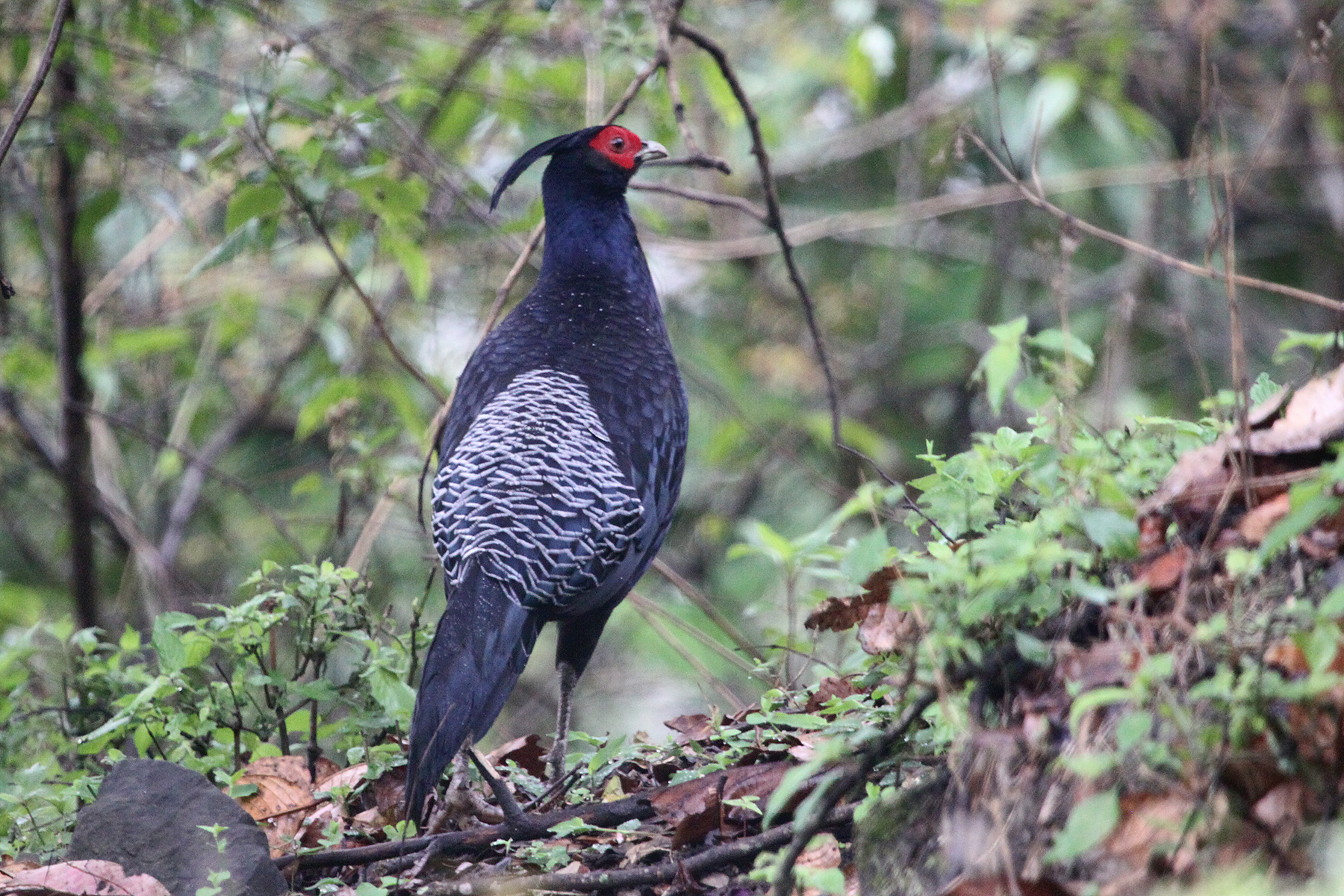
Kalij Pheasant (image by Dave Farrow)
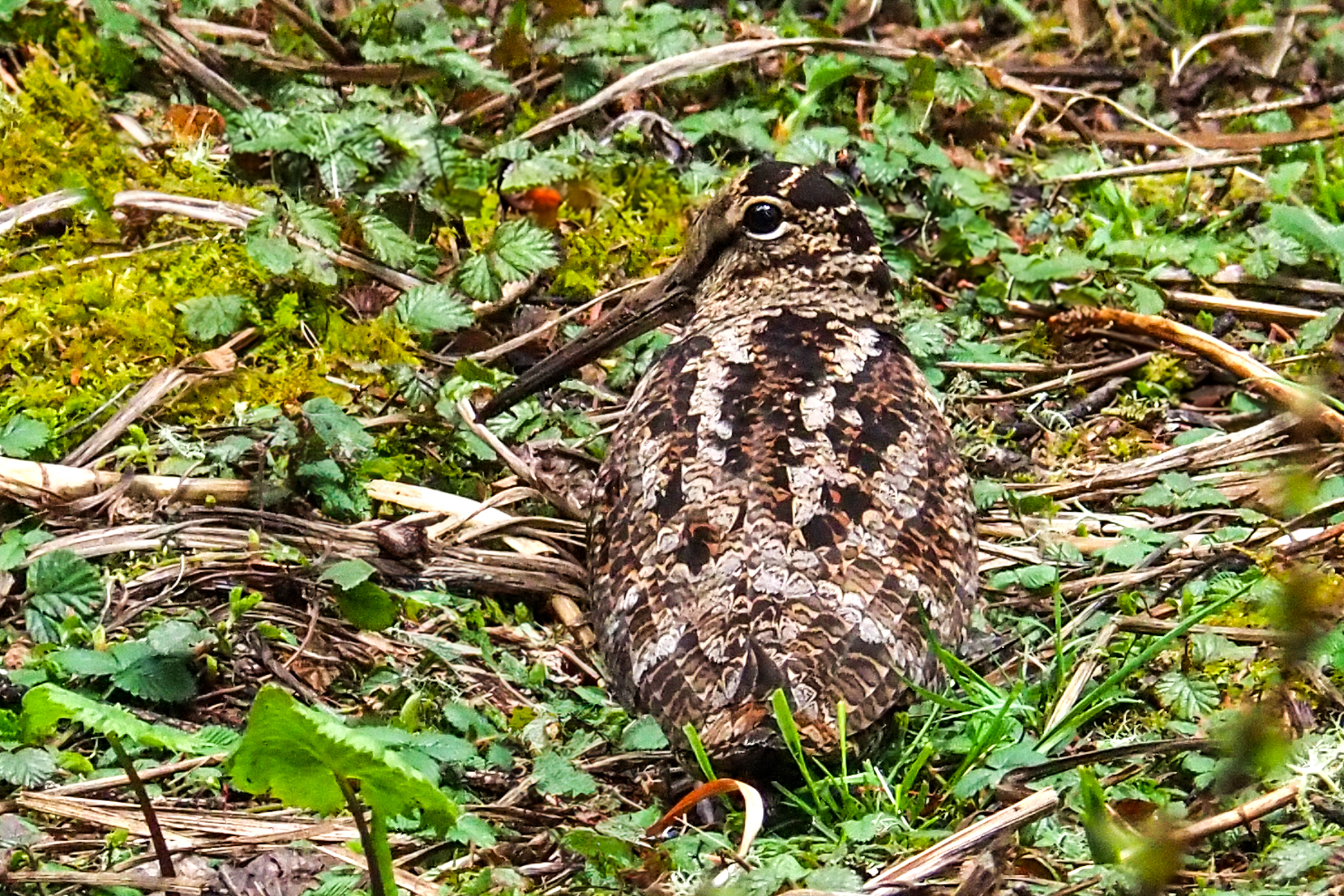
Eurasian Woodcock (image by Dave Farrow)
Blue-throated Barbet (image by Dave Farrow)
Tingtibi (image by Craig Robson)
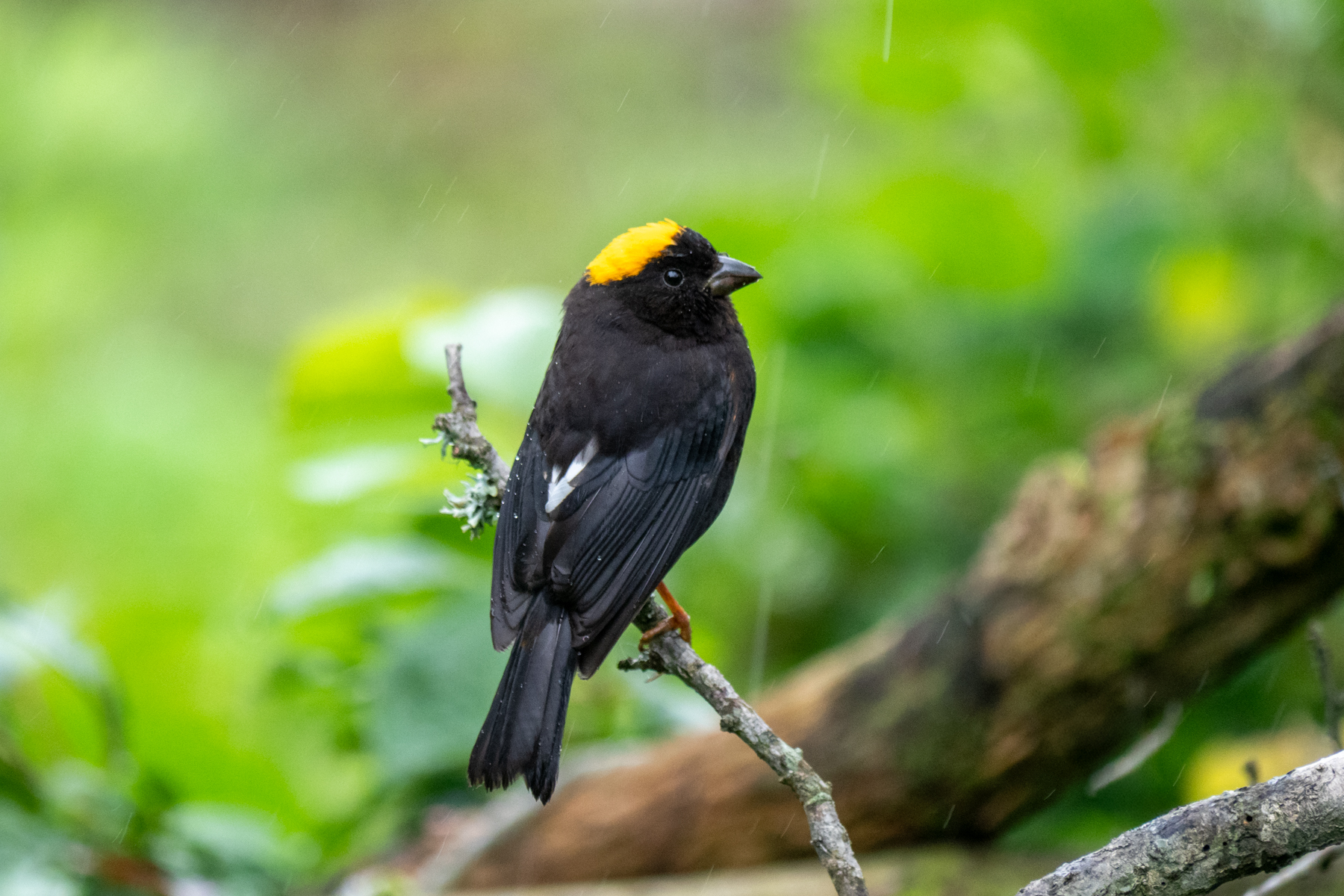
Golden-naped Finch (image by Dave Farrow)
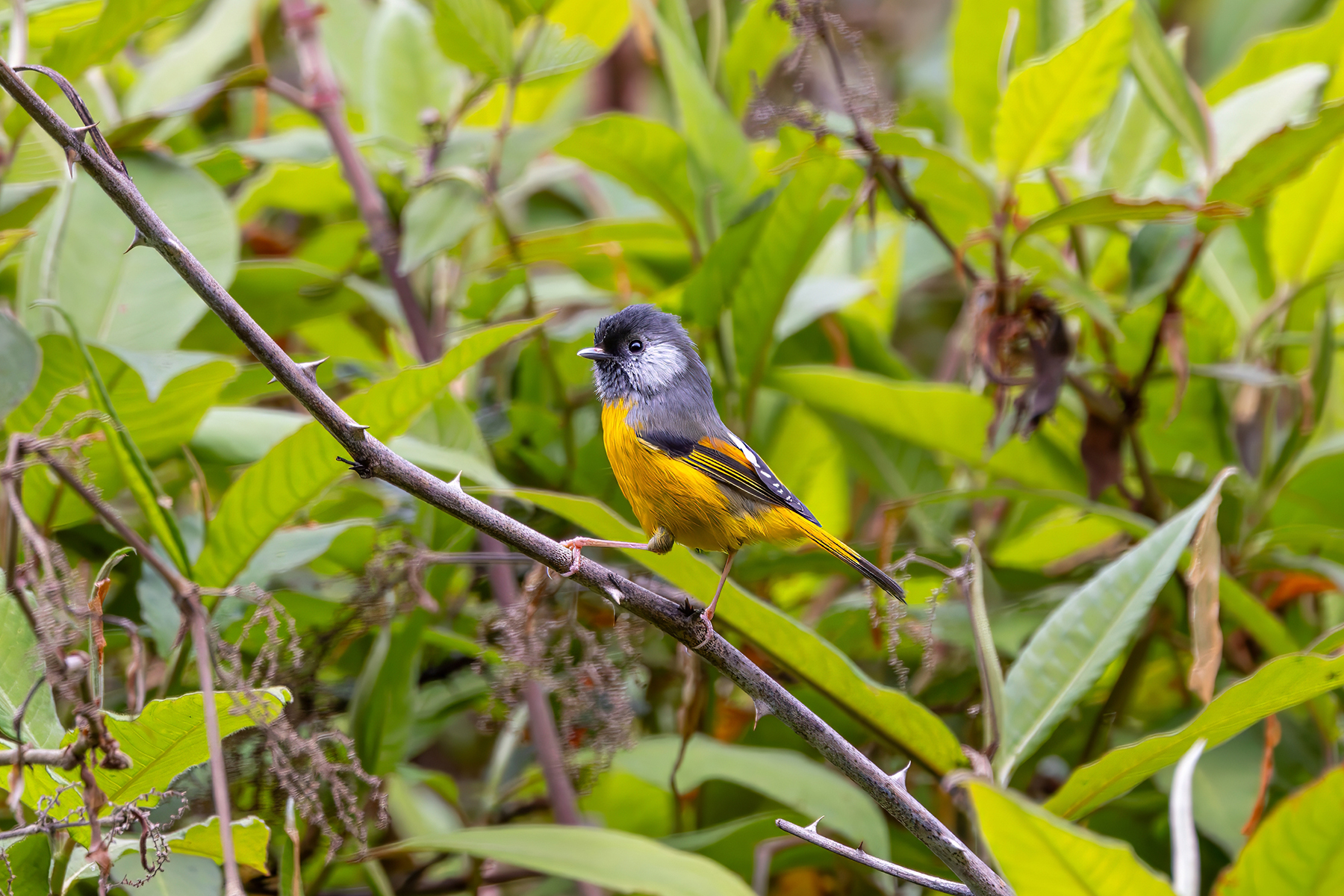
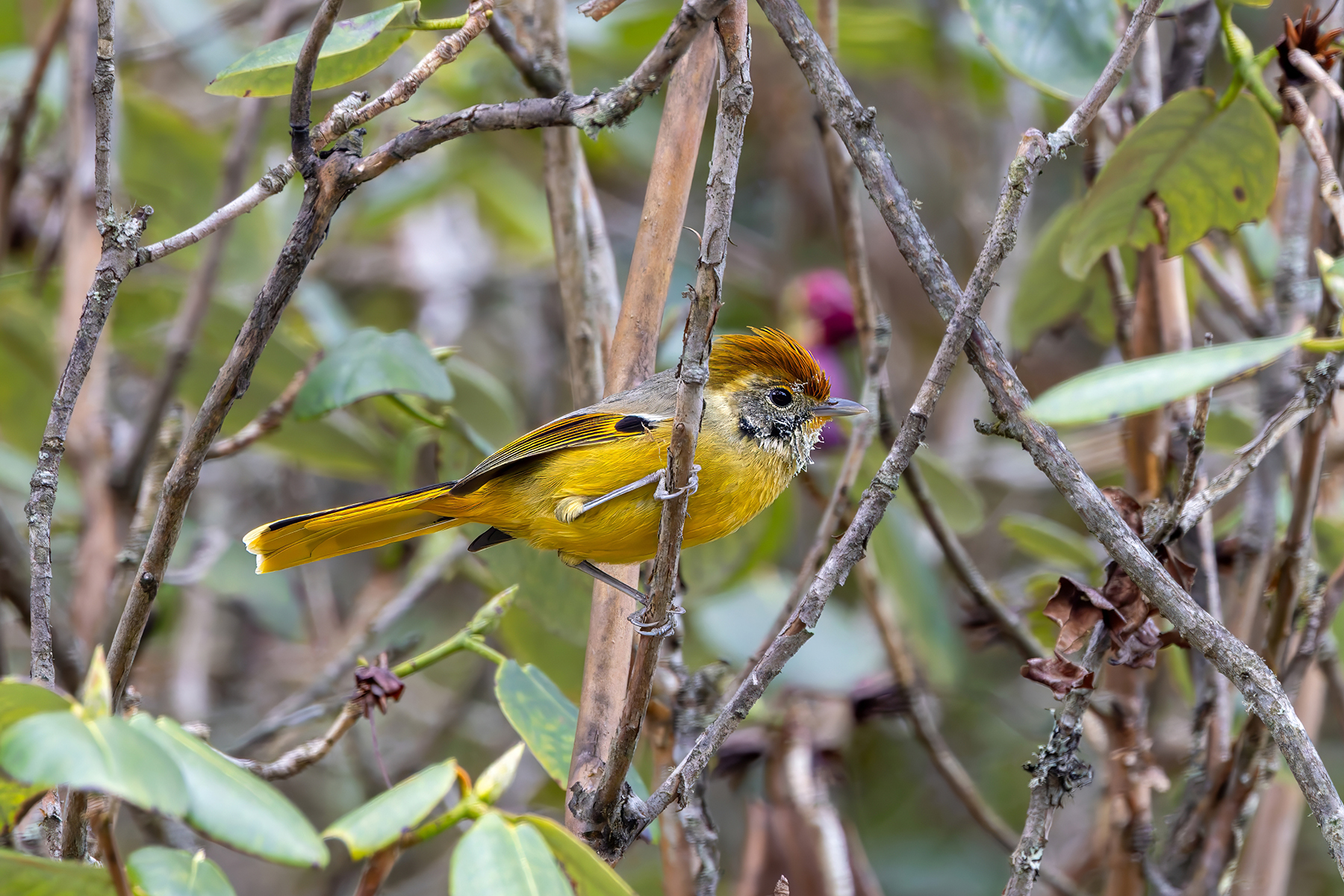
Golden-breasted Fulvetta (image by Nik Borrow)
Speckled Piculet (image by Dave Farrow)
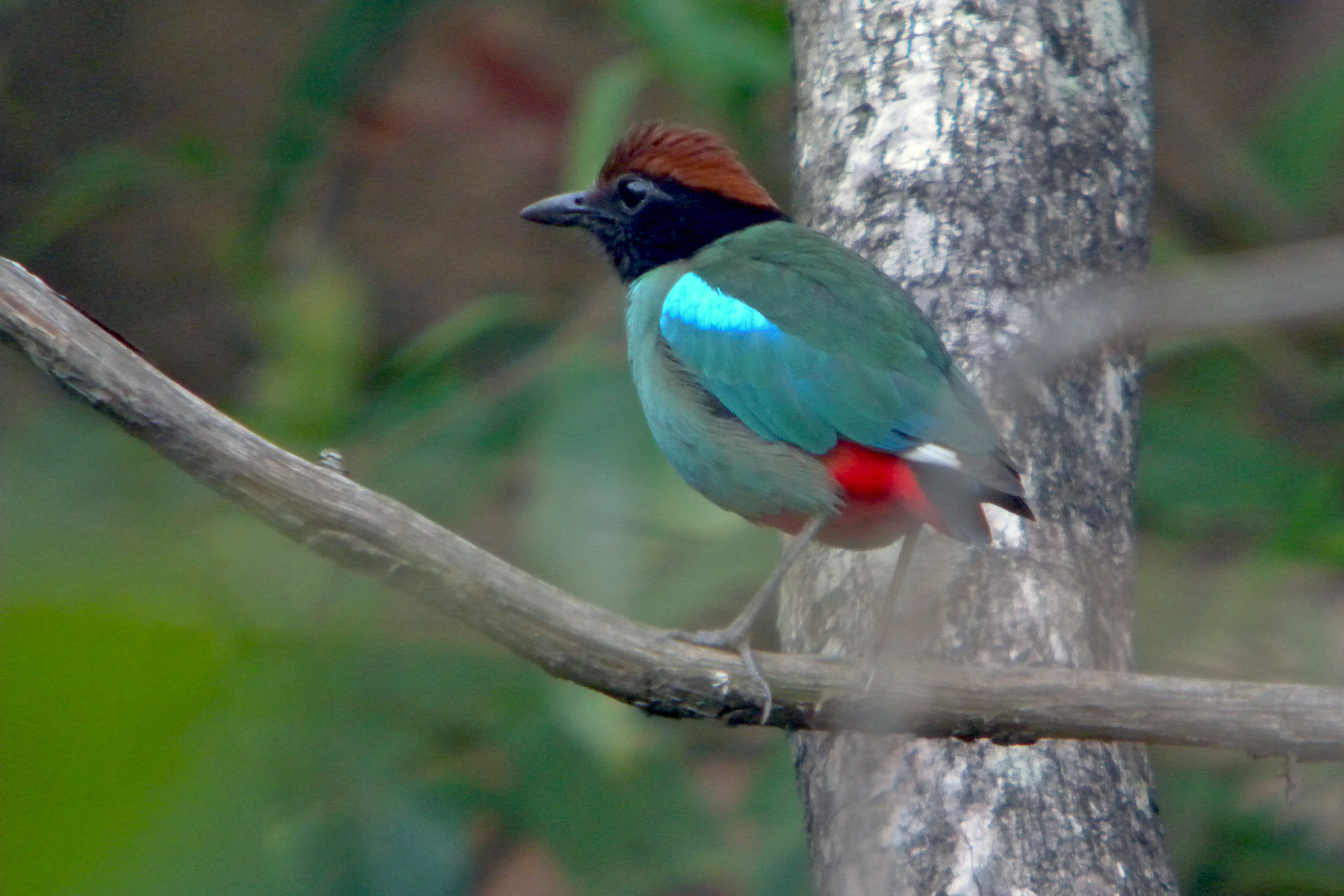
Hooded Pitta (image by Dave Farrow)
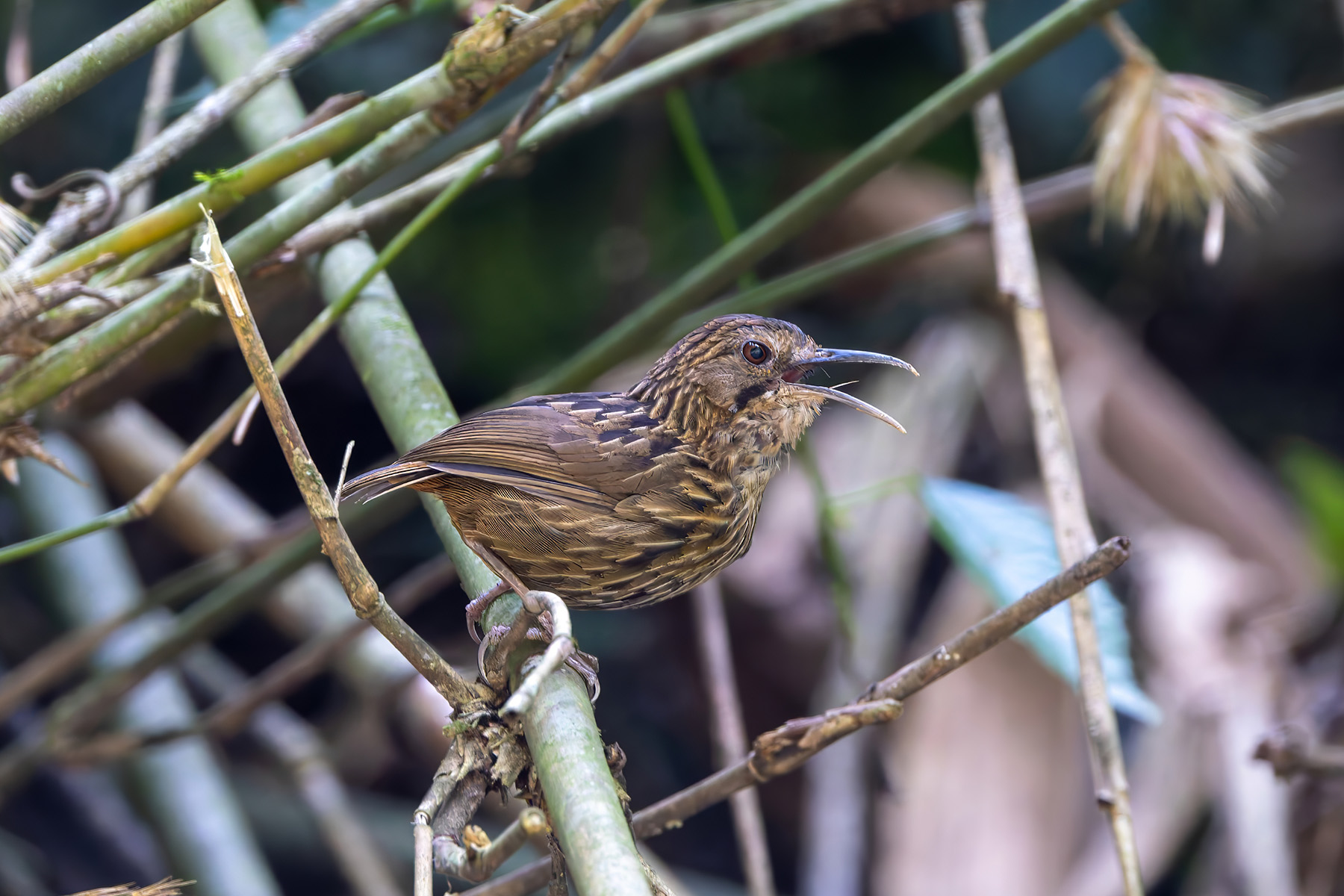
Slender-billed Scimitar (image by Dave Farrow)
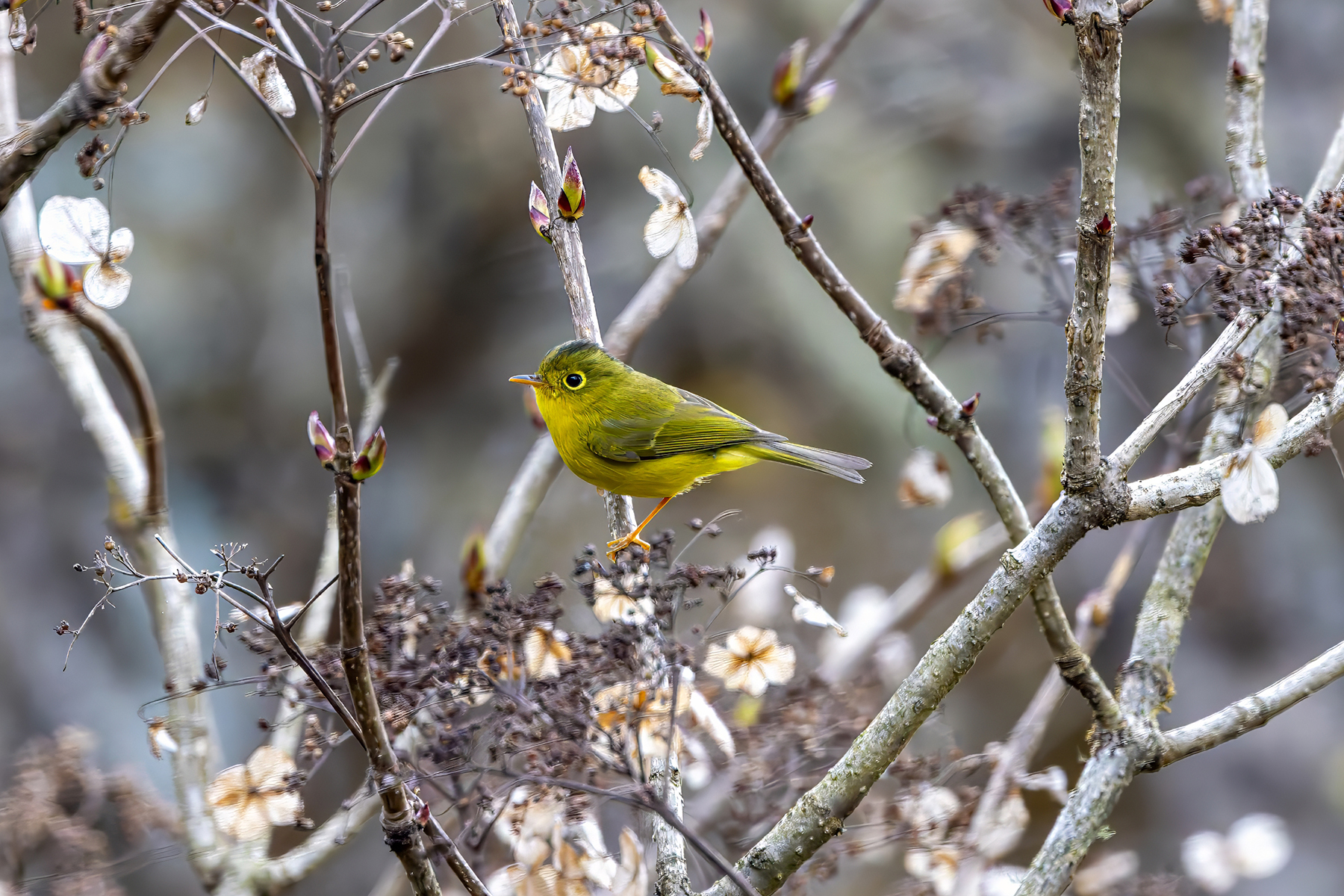
Whistler's Warbler (image by Nik Borrow)
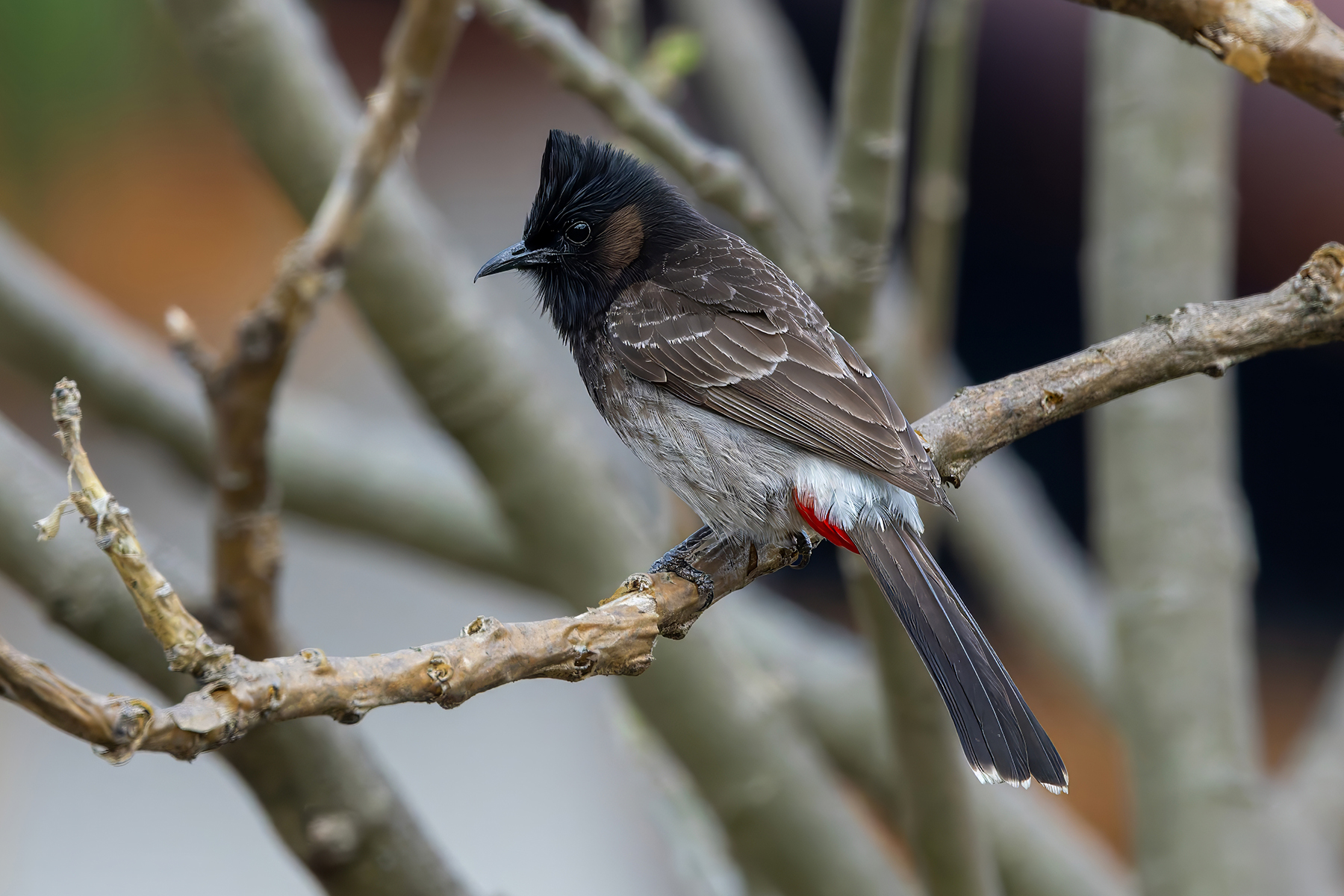
Red-vented Bulbul (image by Nik Borrow)
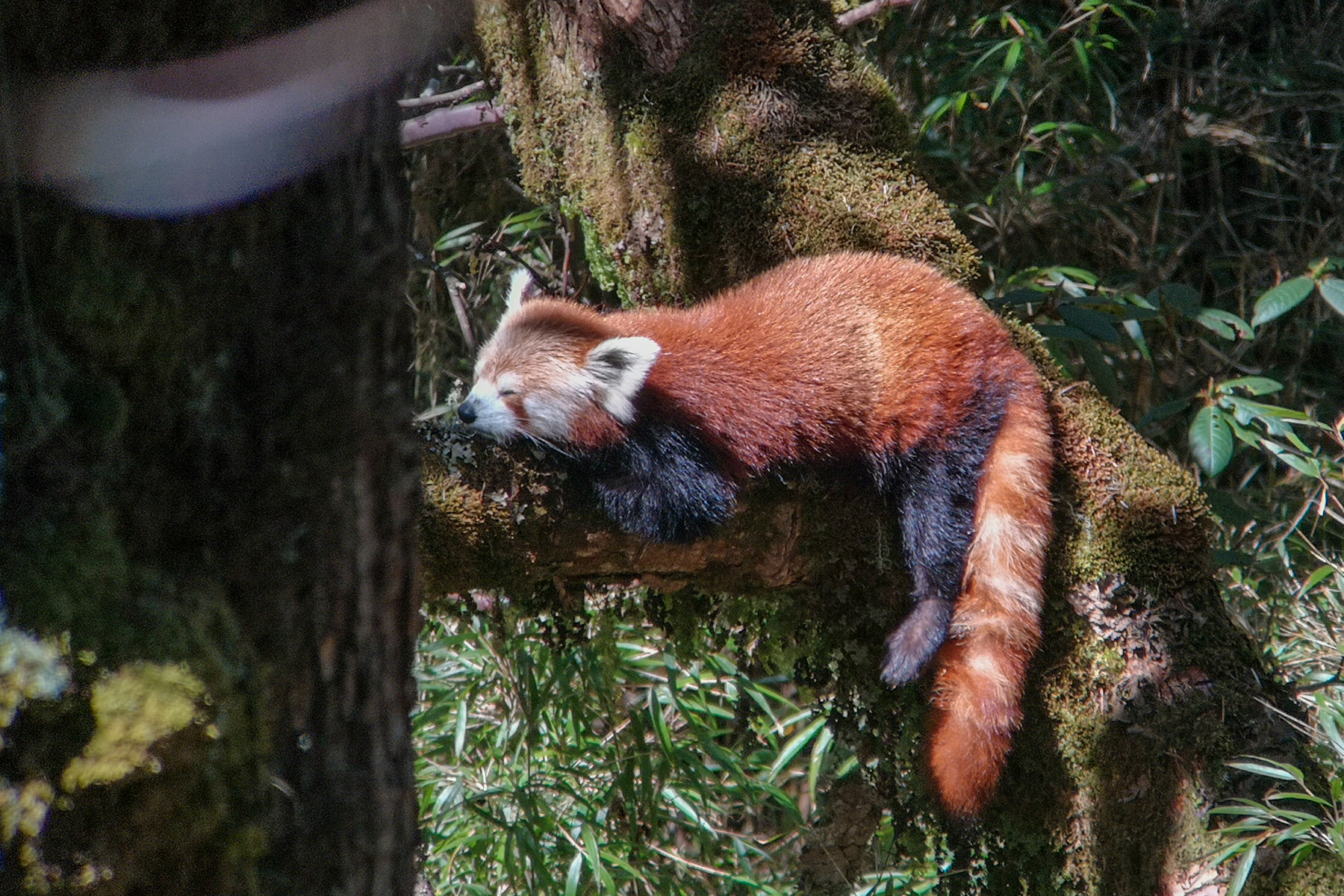
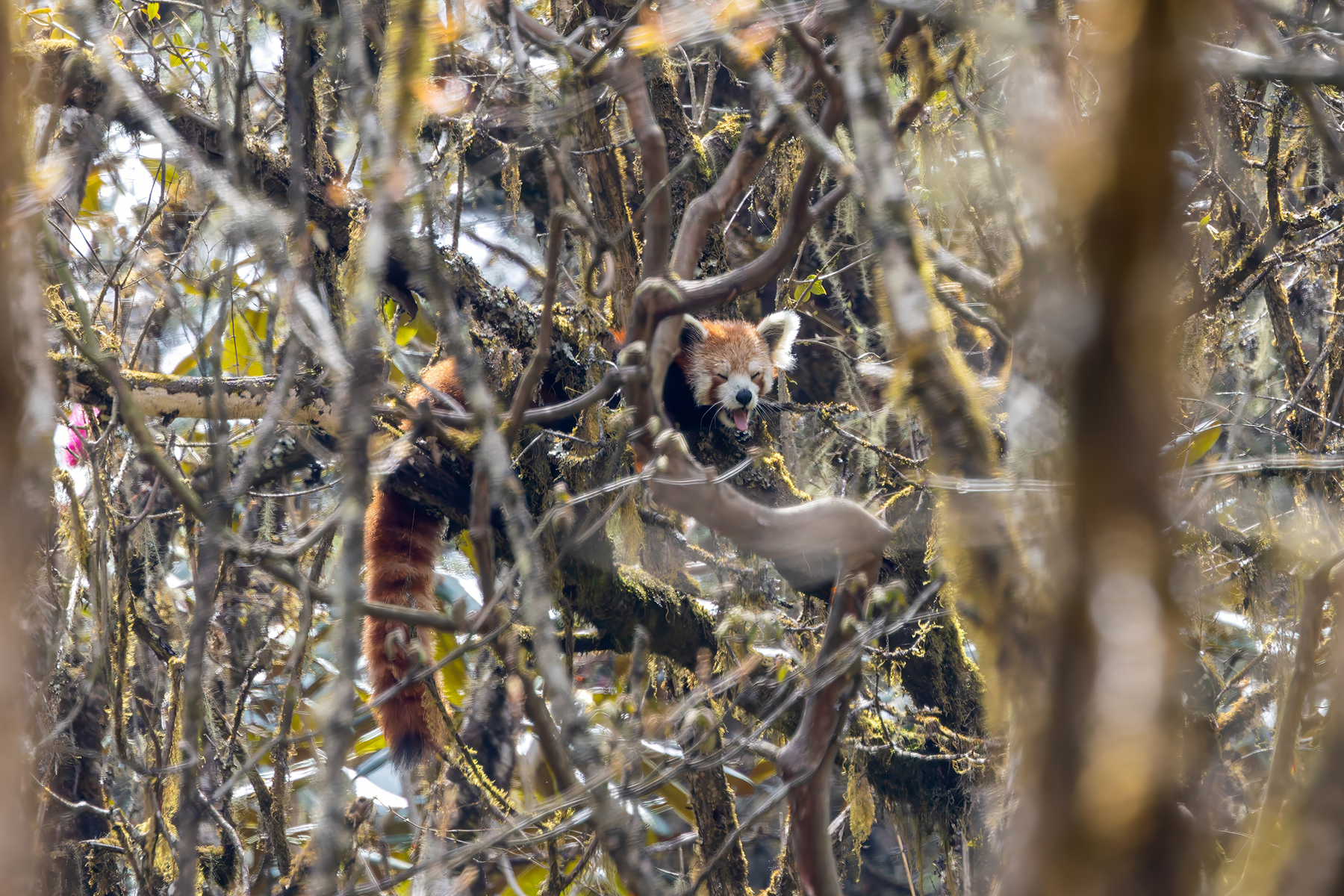
Red Panda (image by Dave Farrow)
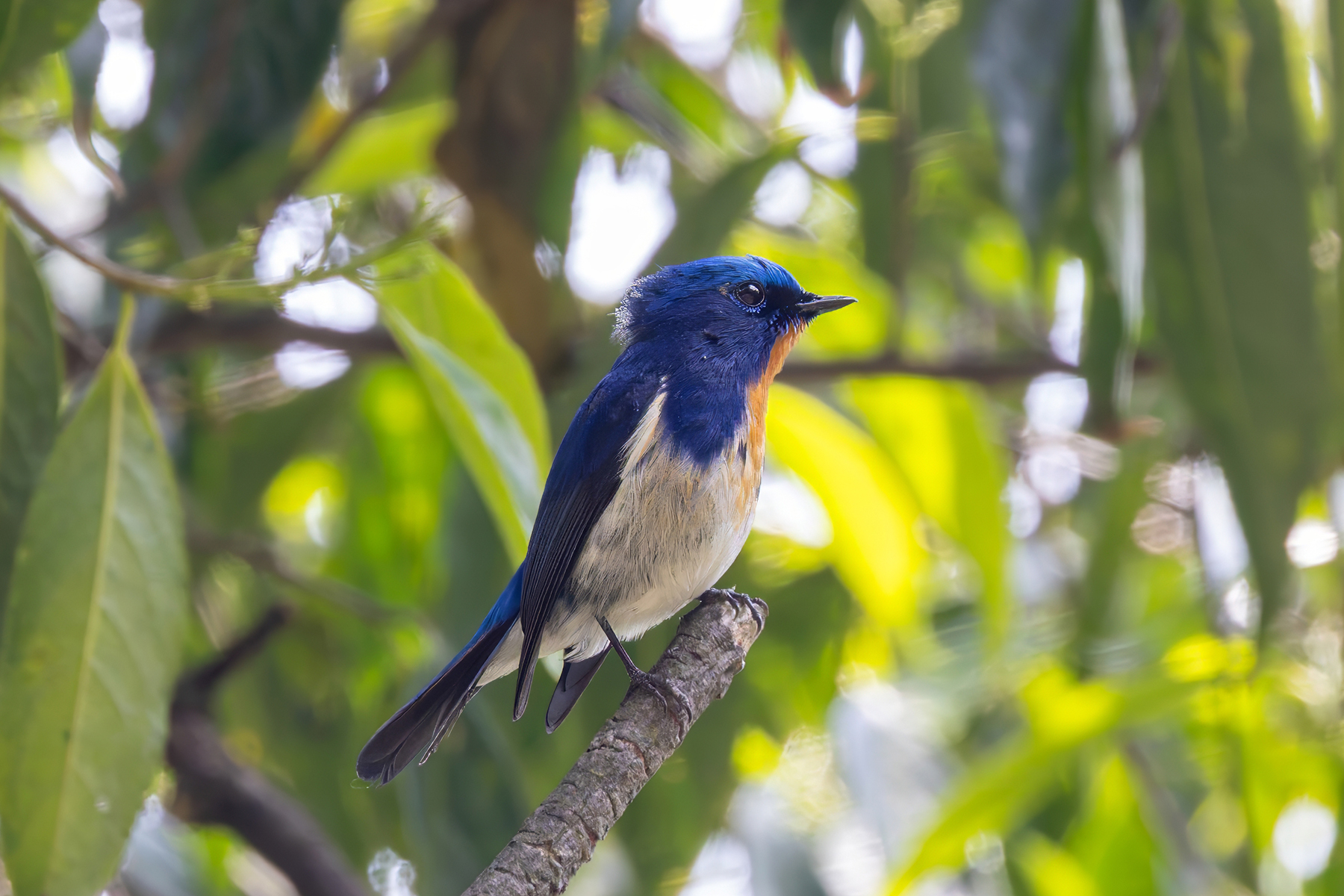
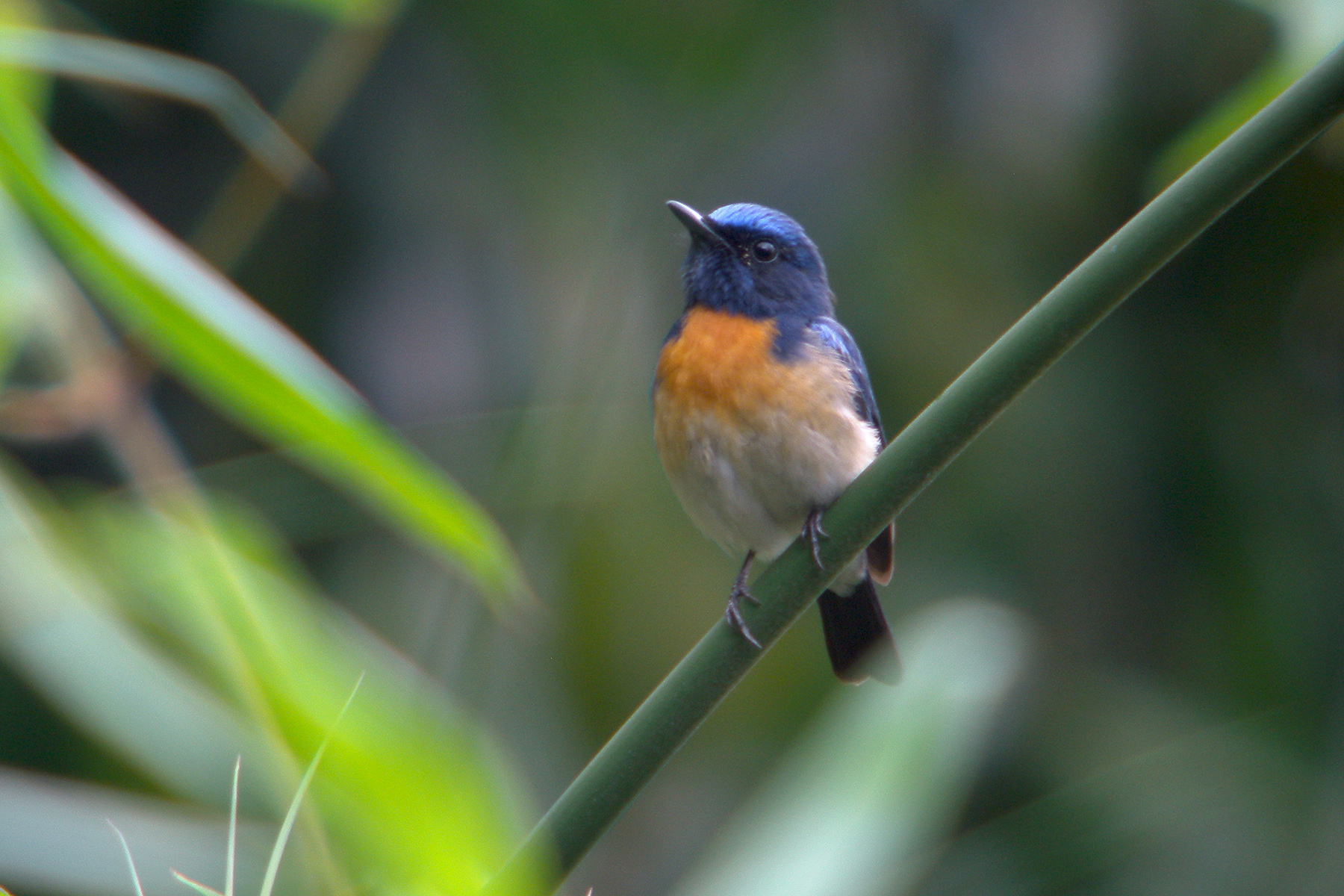
male Sapphire Flycatcher (image by Nik Borrow)
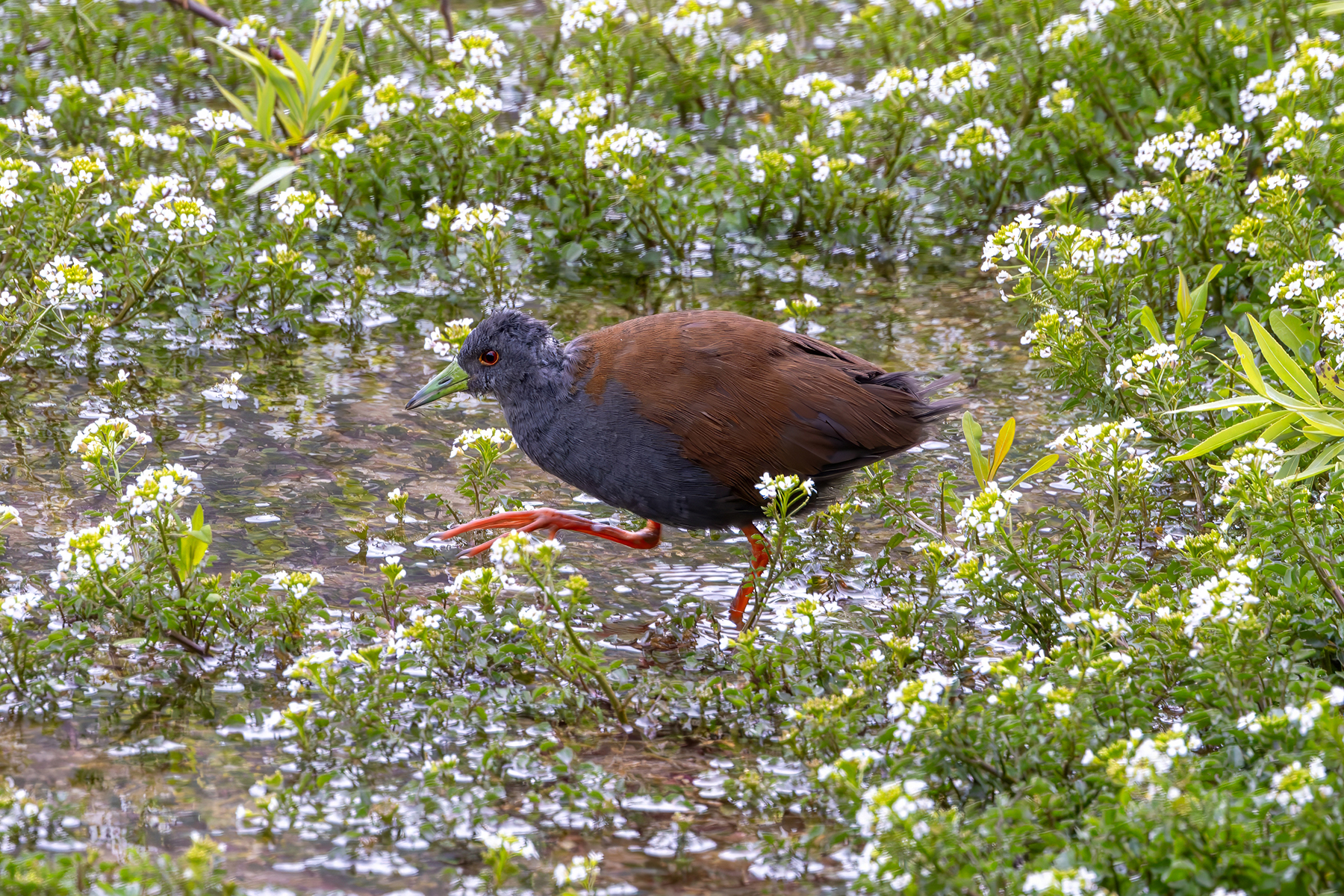
Black-tailed Crakes (image by Craig Robson)
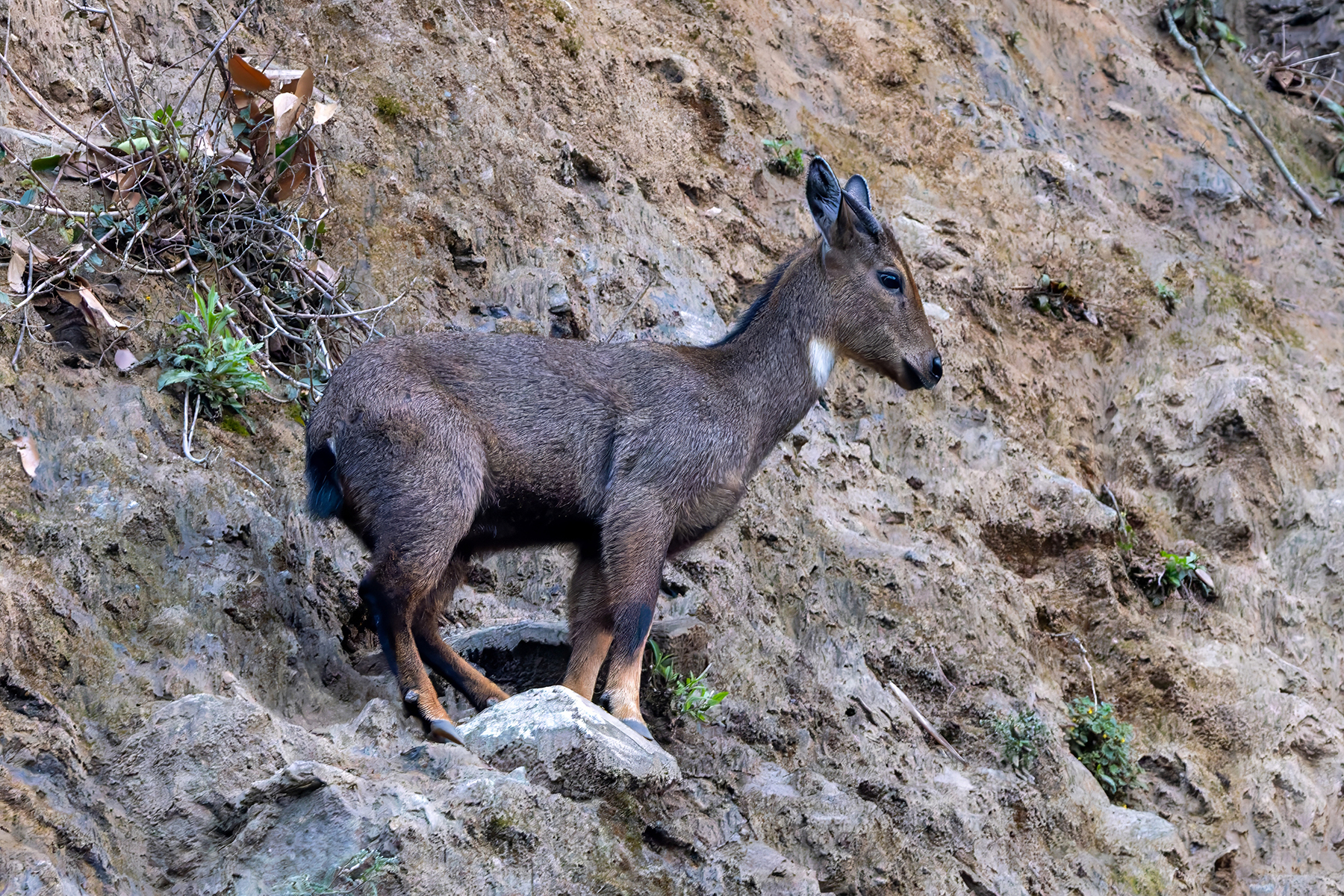
Brown Goral (image by Nik Borrow)
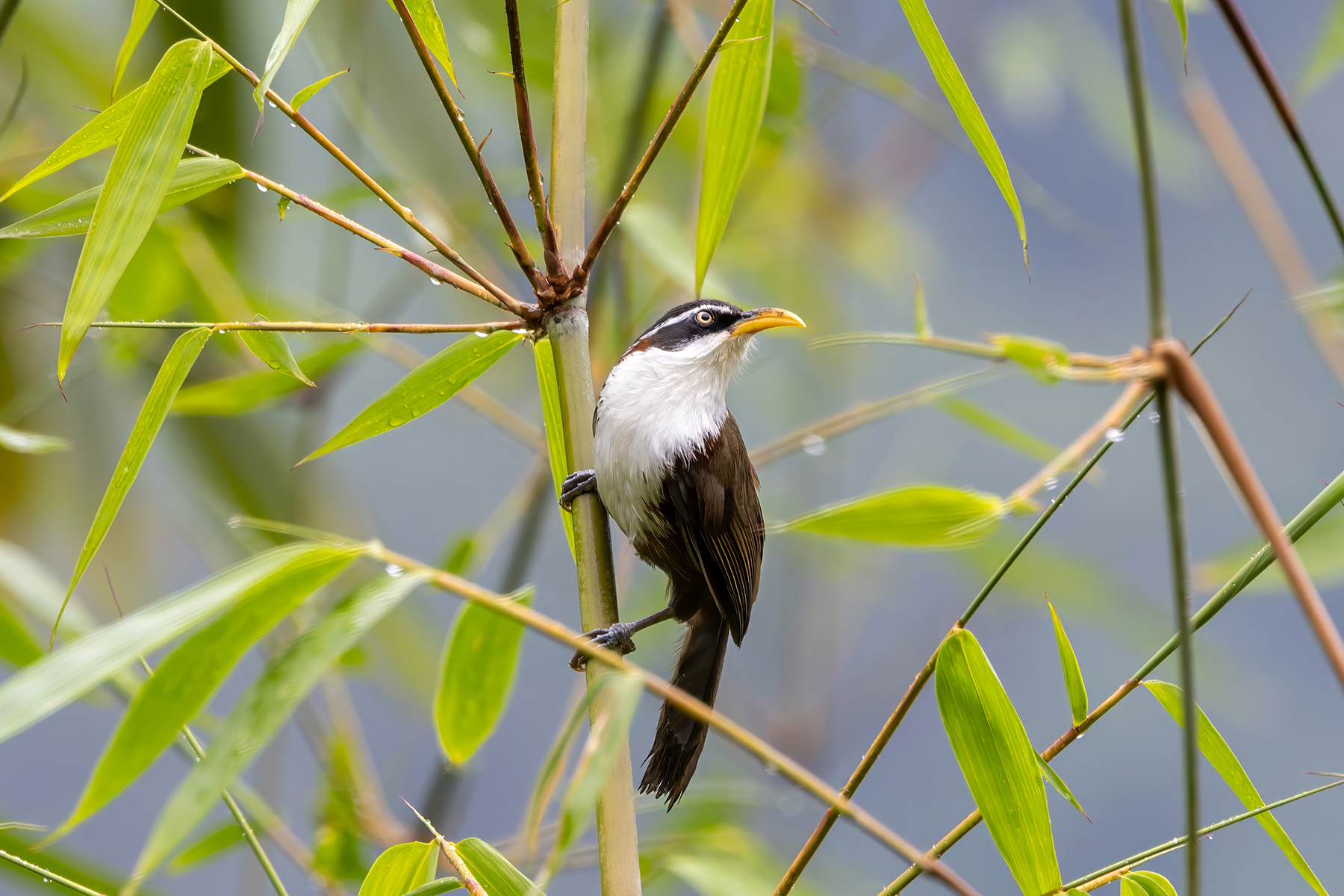
White-browed Scimitar Babbler (image by Nik Borrow)
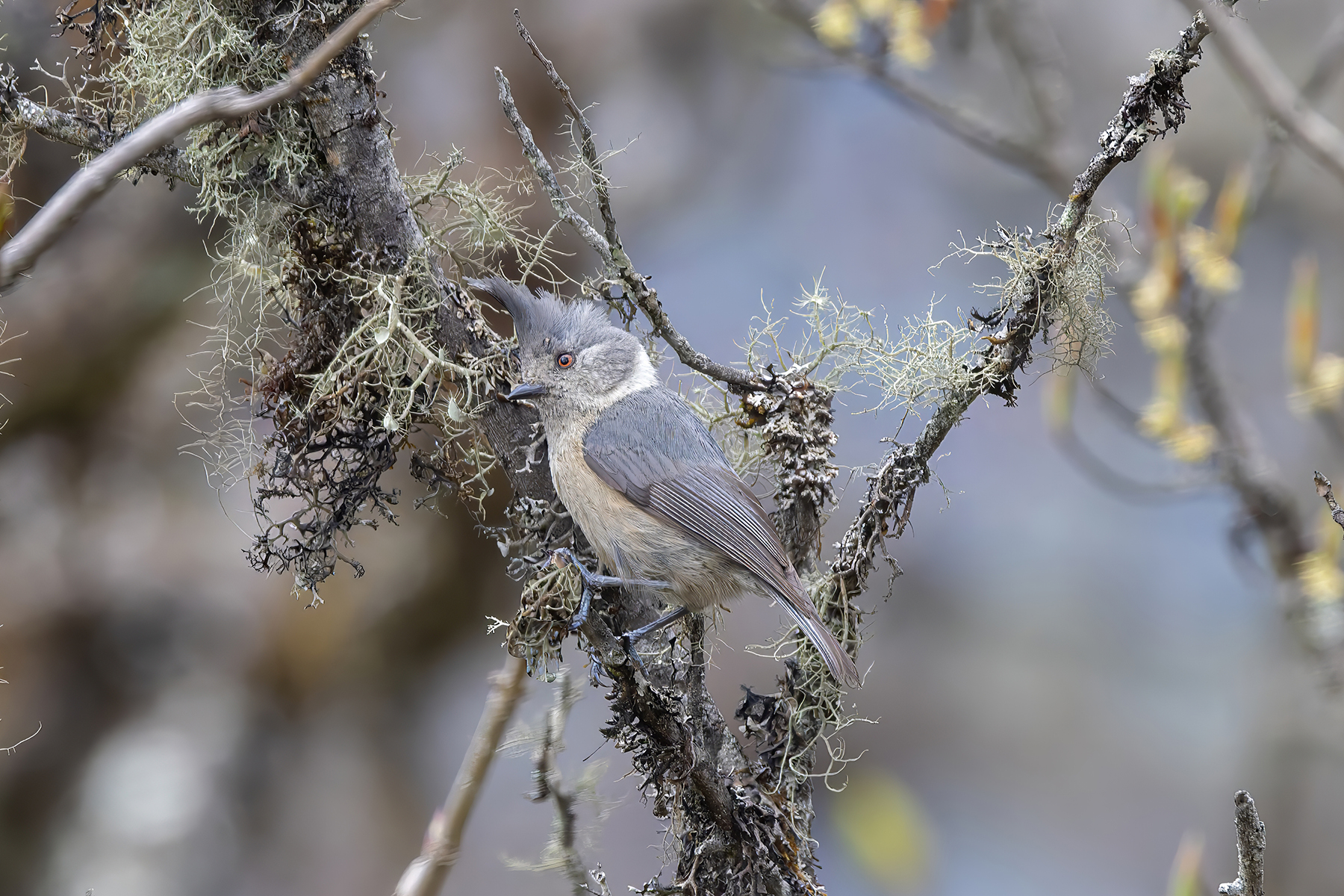
Fluffy Tit (image by Nik Borrow)
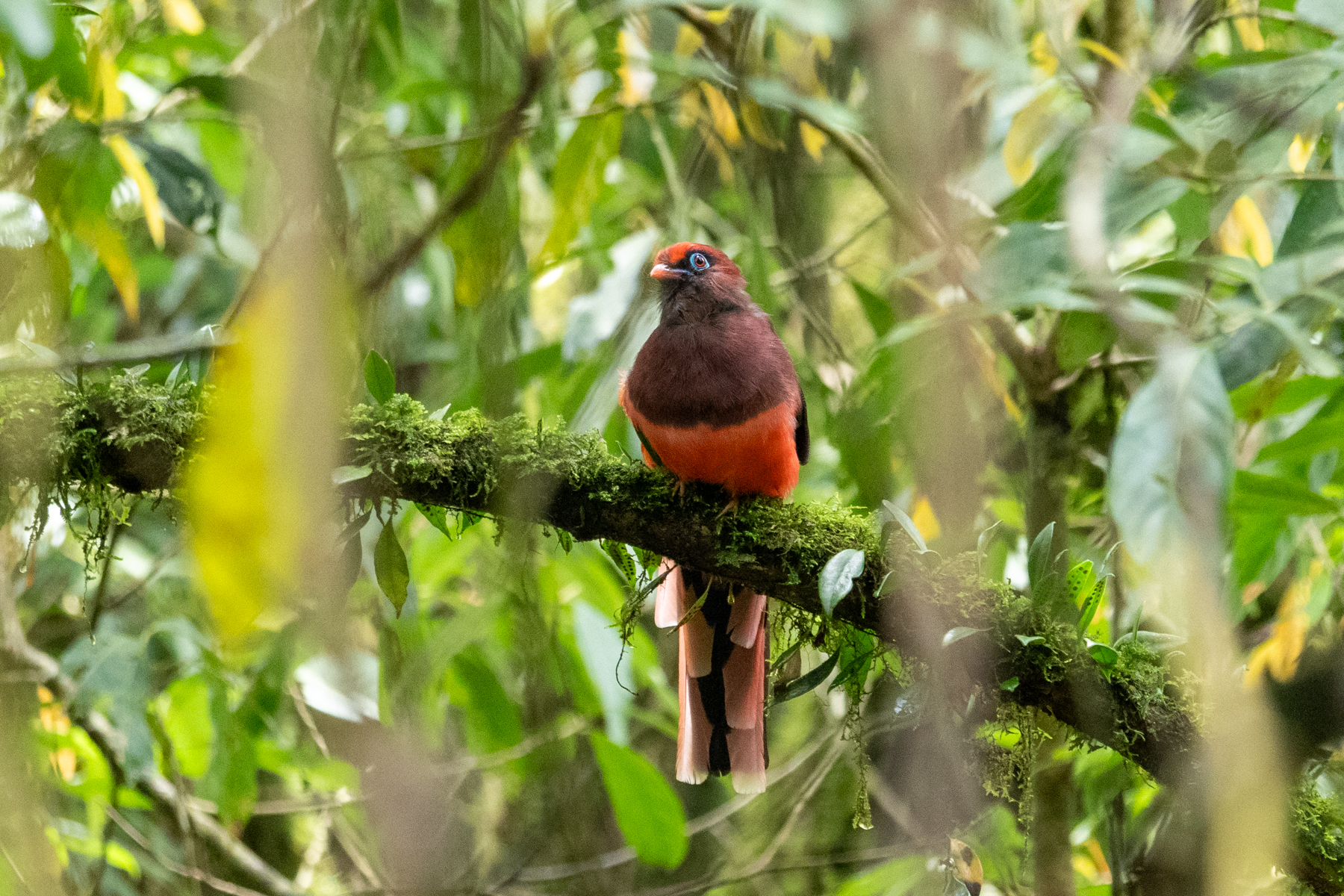
Ward's Trogon (image by Dave Farrow)
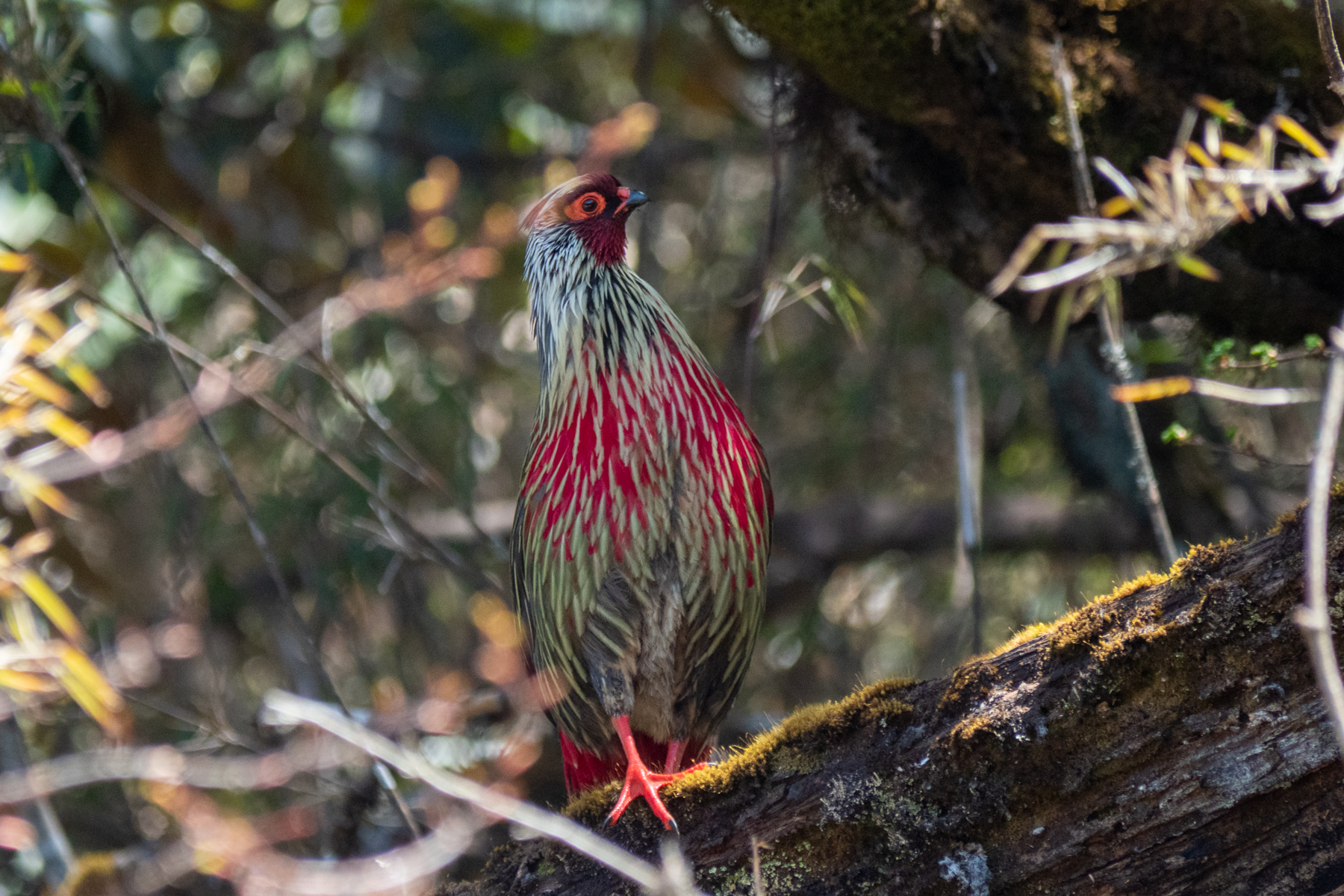
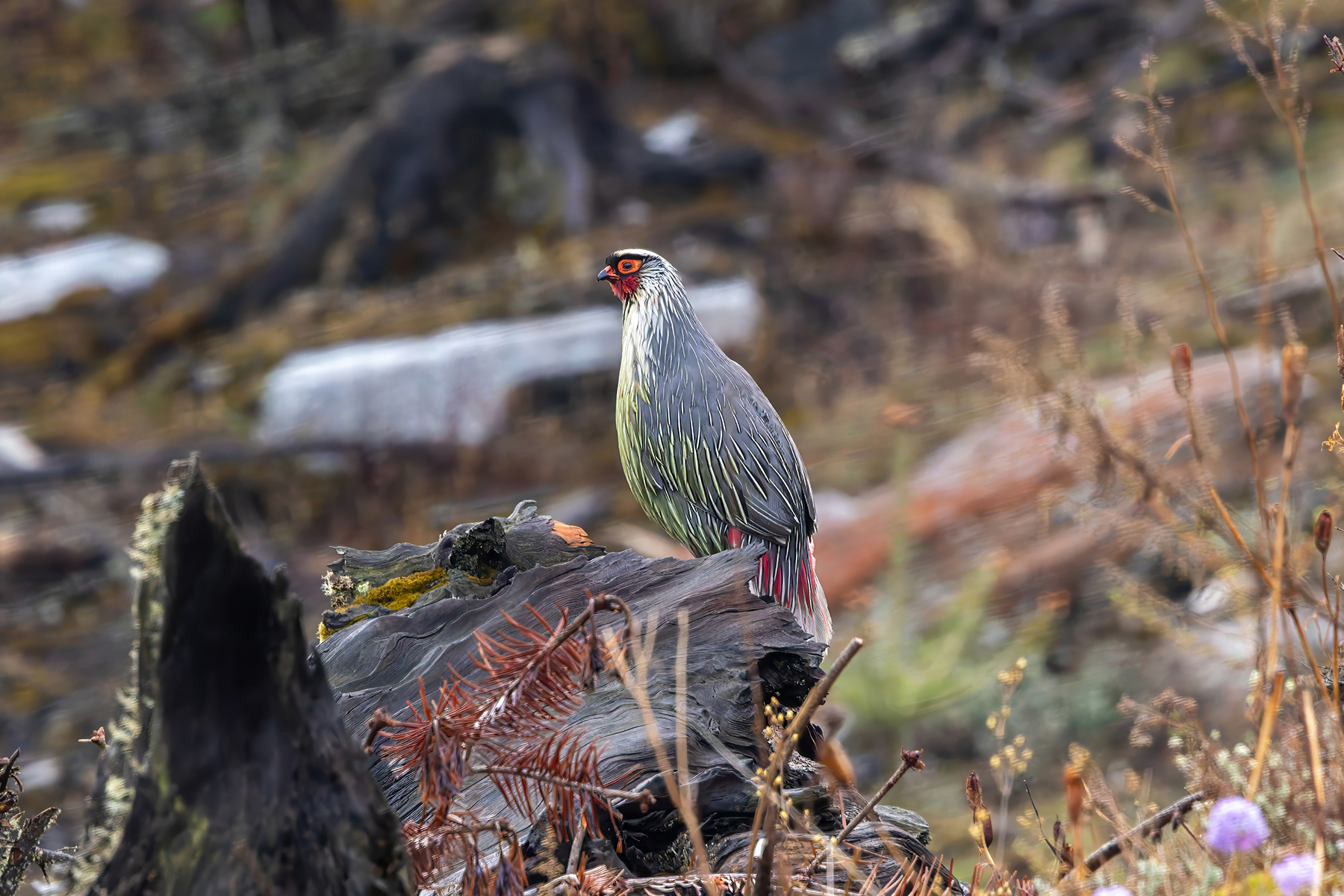
Blood Pheasant (image by Dave Farrow)
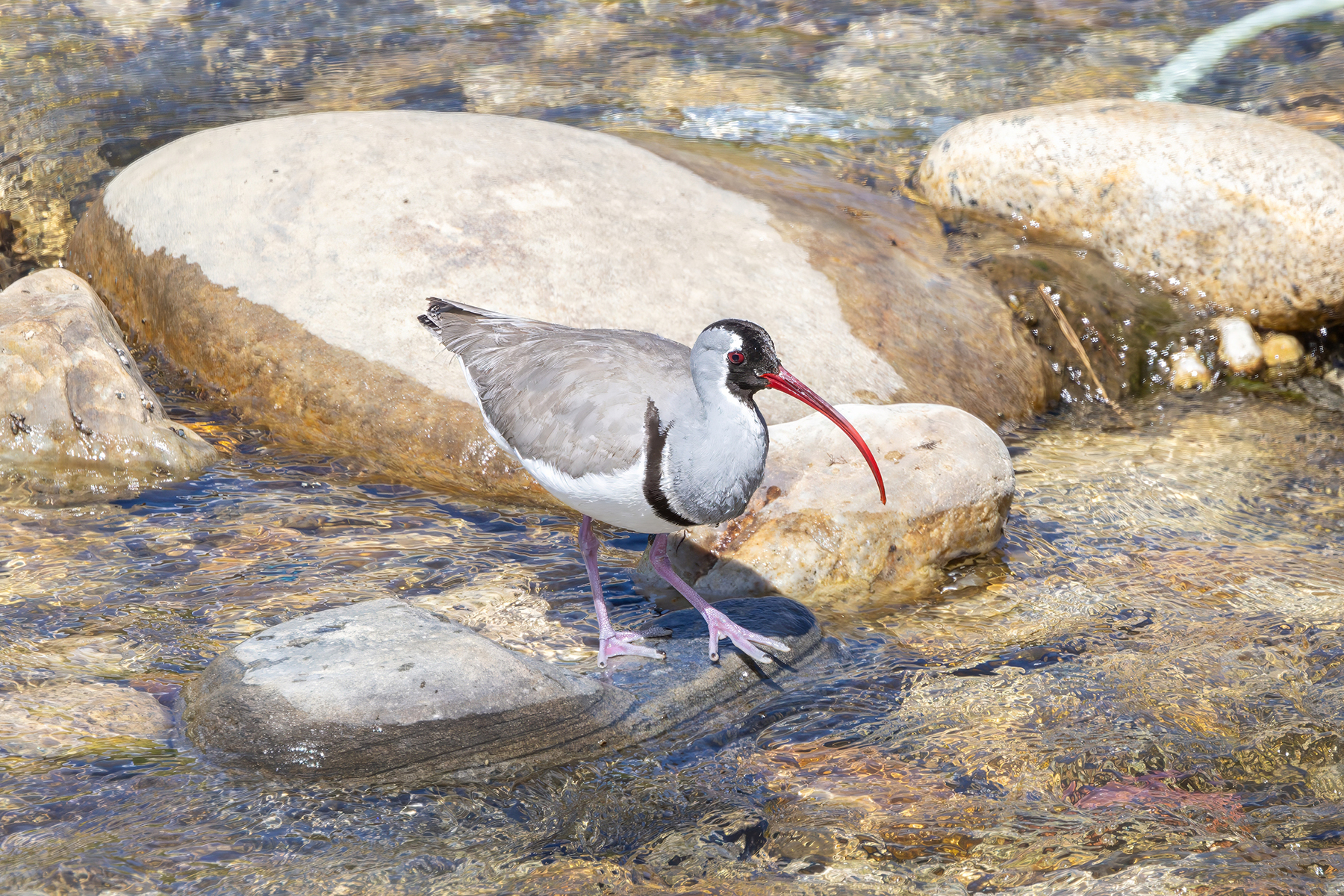
Ibisbill (image by Nik Borrow)
Black-tailed Crake (image by Nik Borrow)
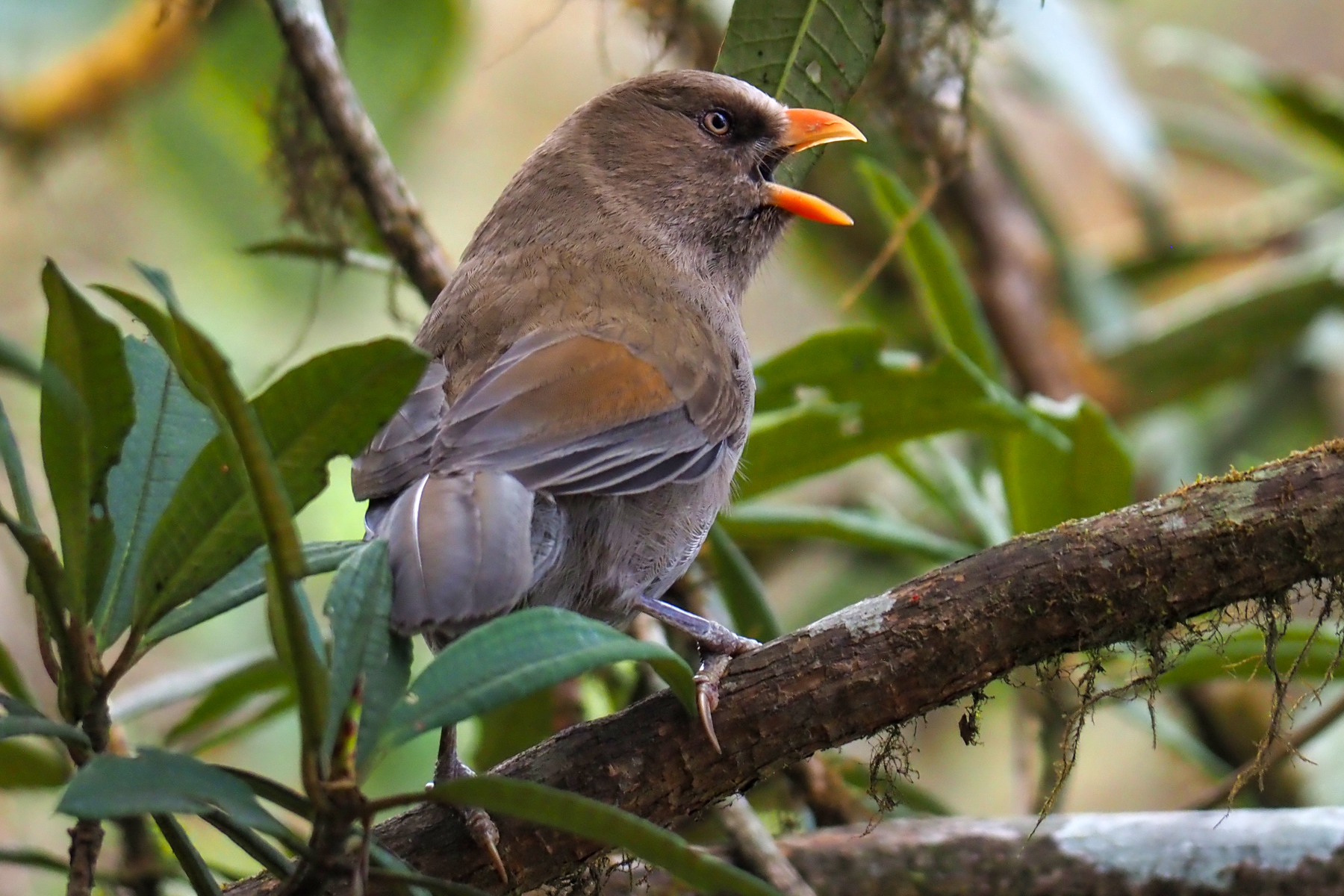
White-winged Grosbeak (image by Dave Farrow)
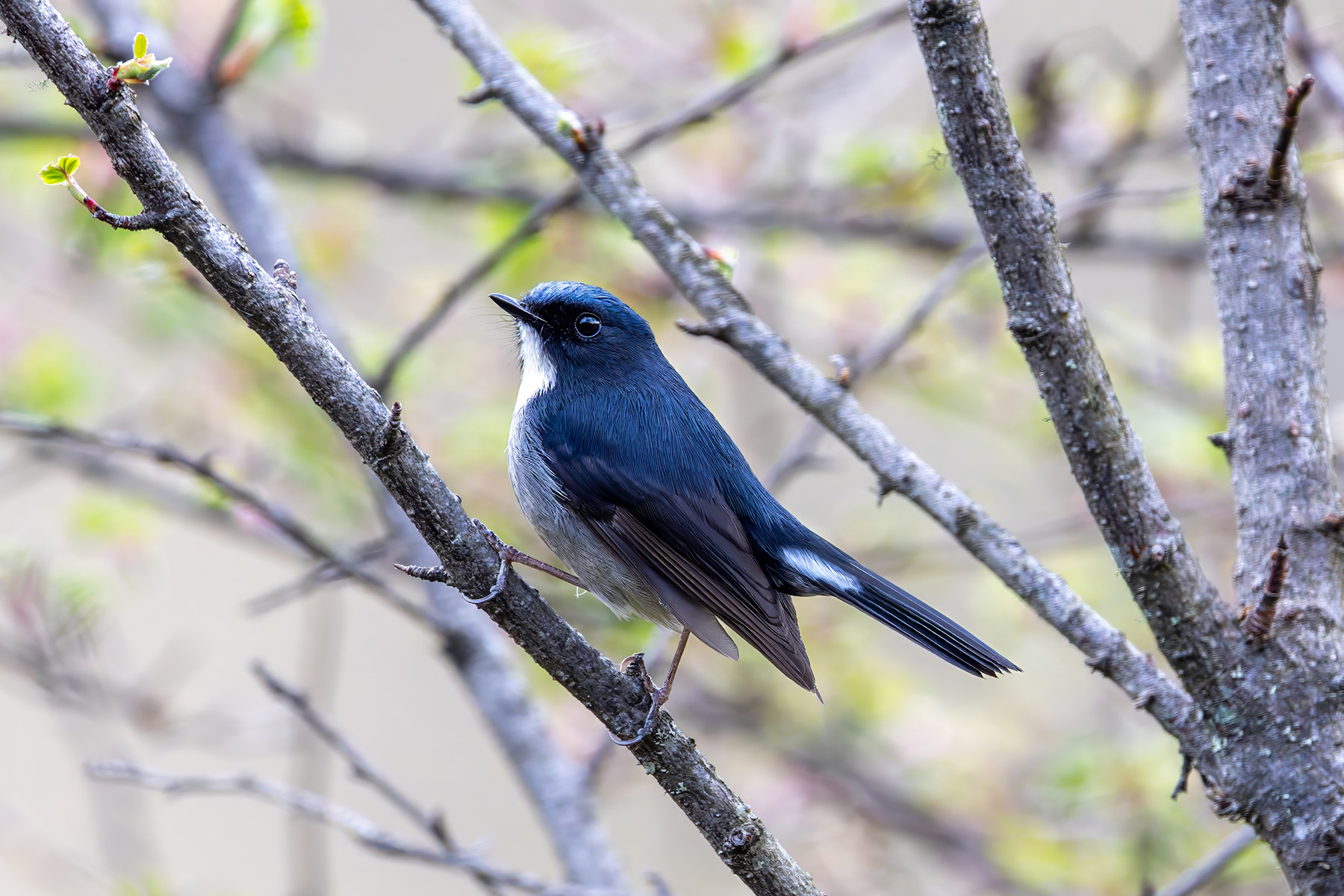
Slaty-blue Flycatcher (image by Nik Borrow)
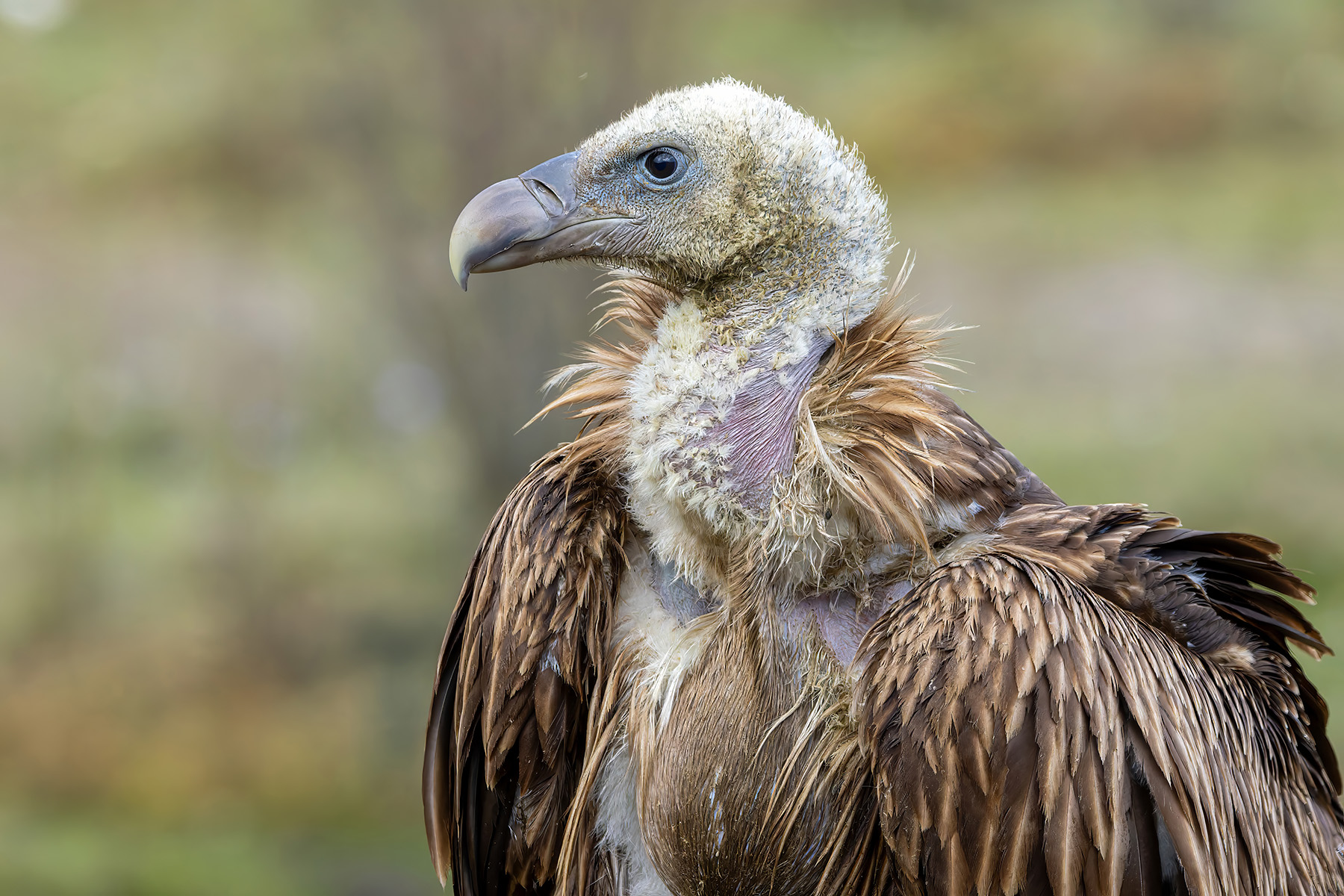
immature Himalayan Vulture (image by Nik Borrow)
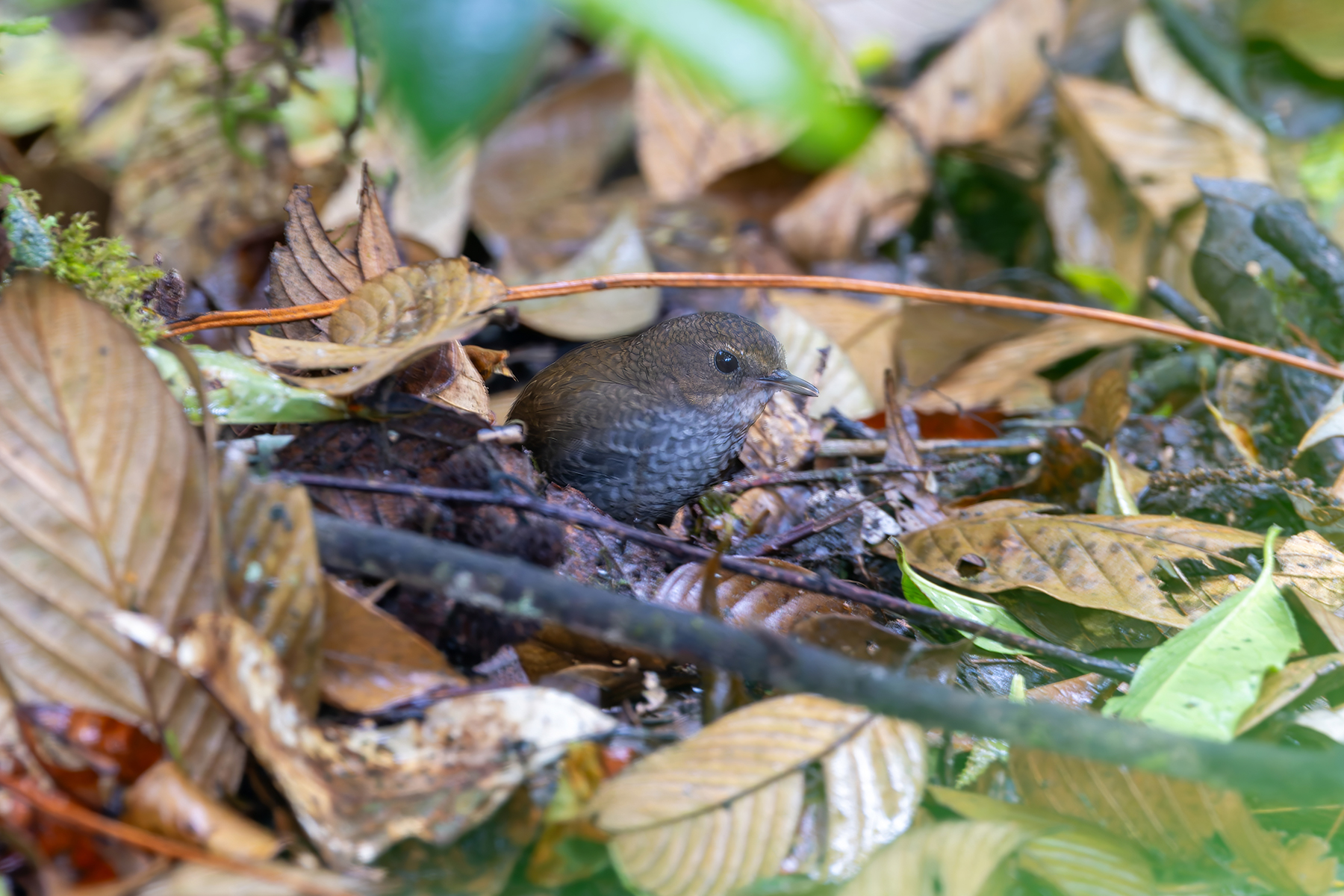
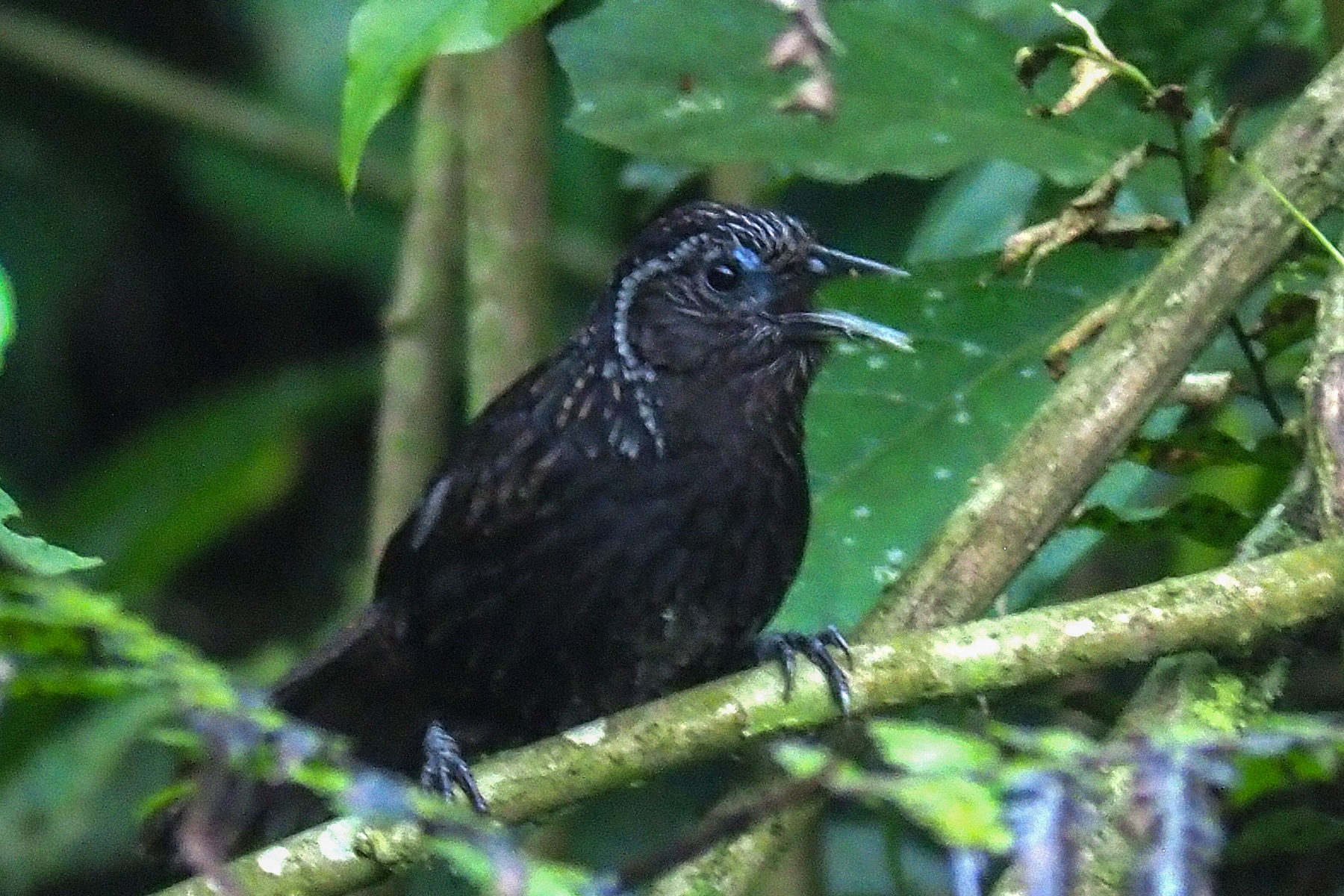
Long-billed Wren-Babbler (image by Nik Borrow)
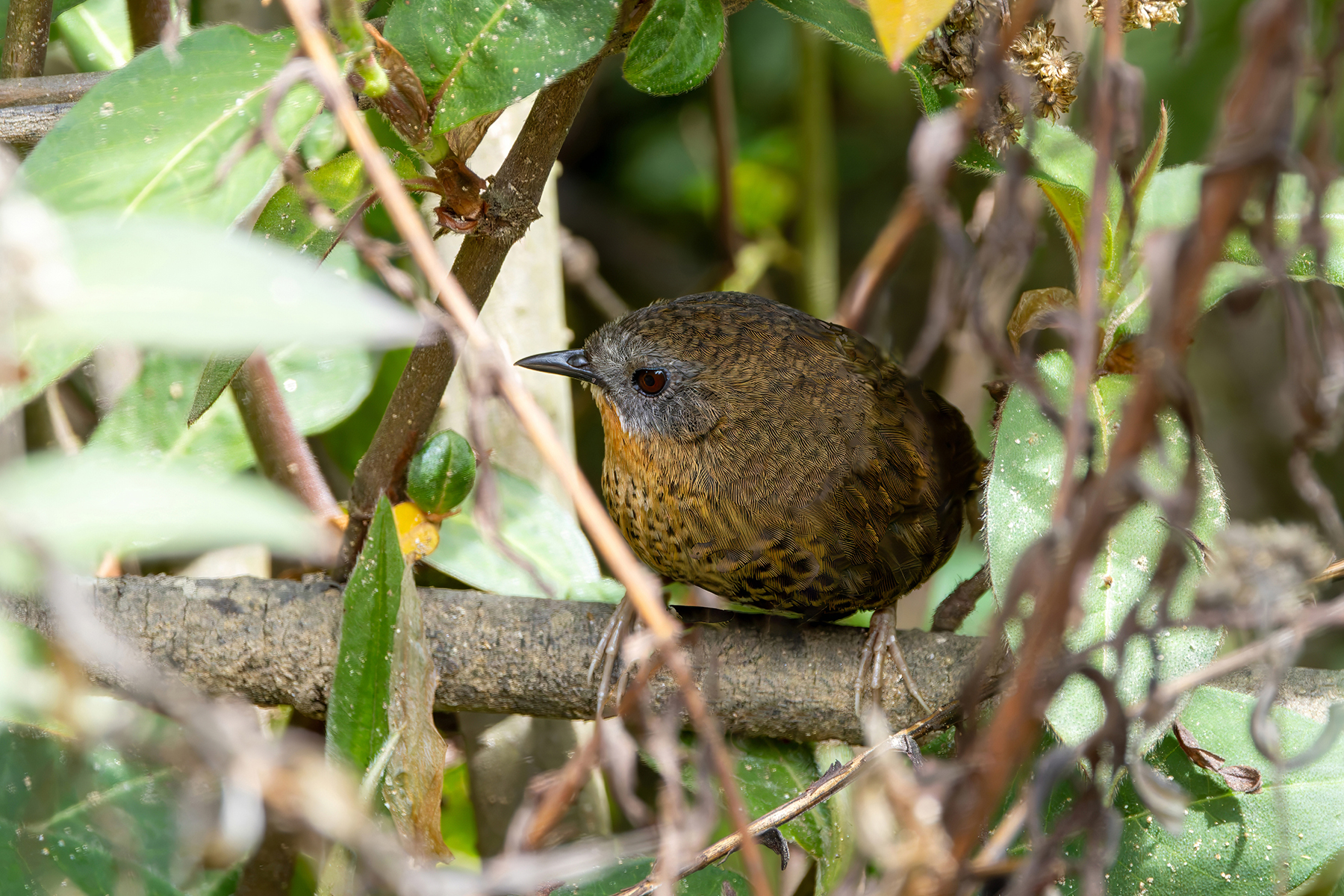
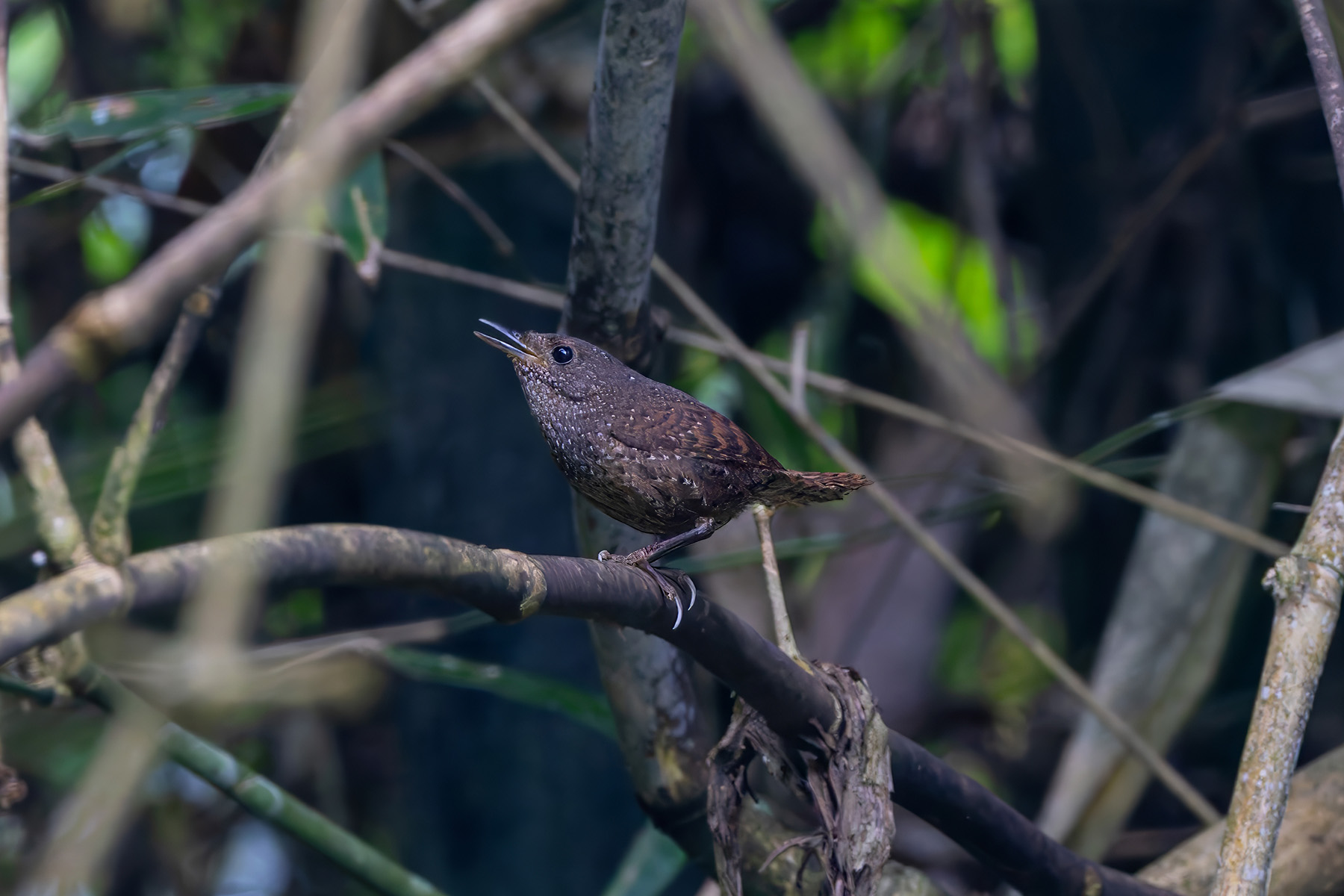
Rufous-throated Wren-Babbler (image by Nik Borrow)
Rosy Pipit (image by Dave Farrow)
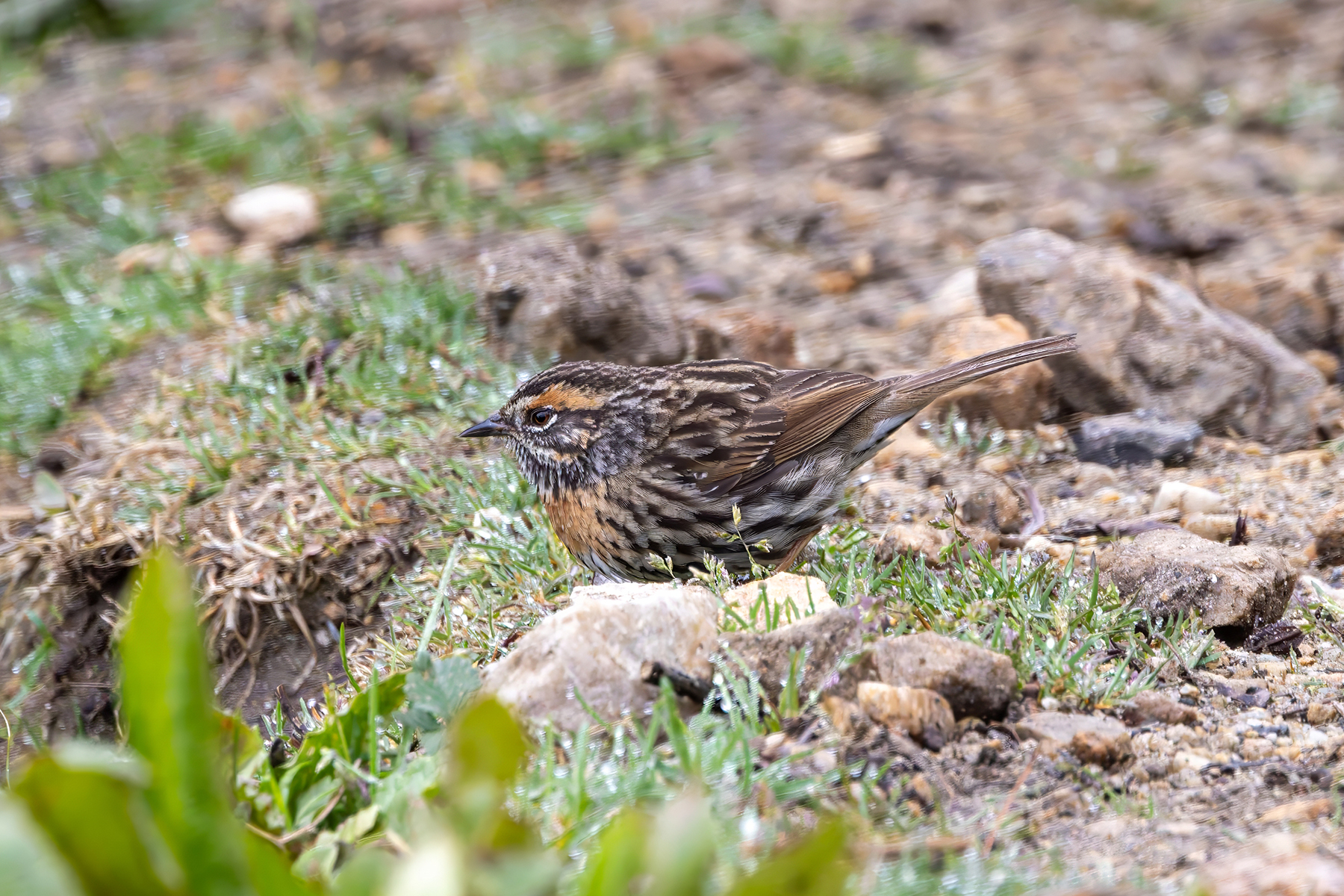
Rufous-breasted Accentor (image by Nik Borrow)
Blood Pheasant (image by Dave Farrow)
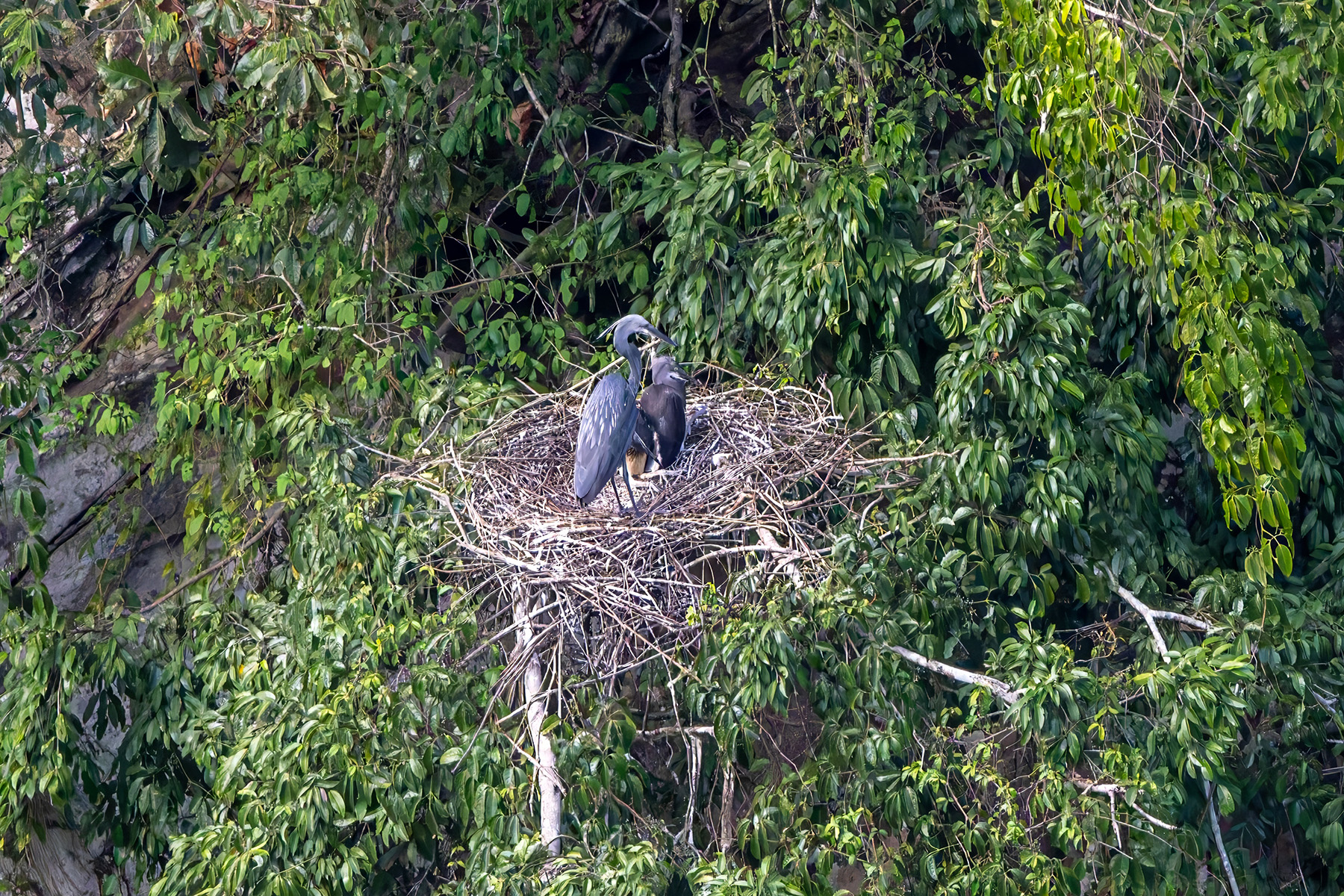
White-bellied Heron (image by Nik Borrow)
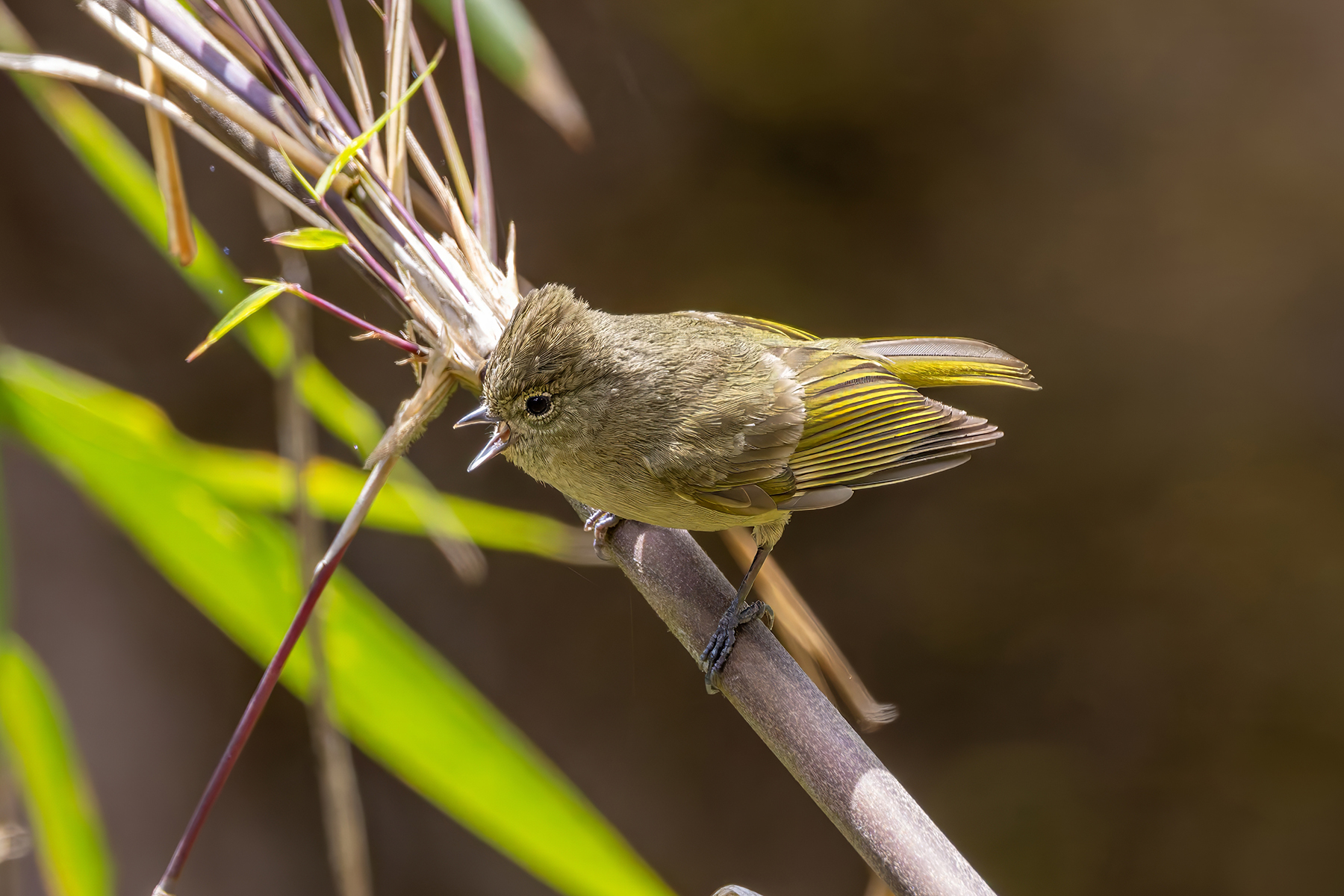
Yellow-browed Tit (image by Nik Borrow)
Red Panda (image by Dave Farrow)
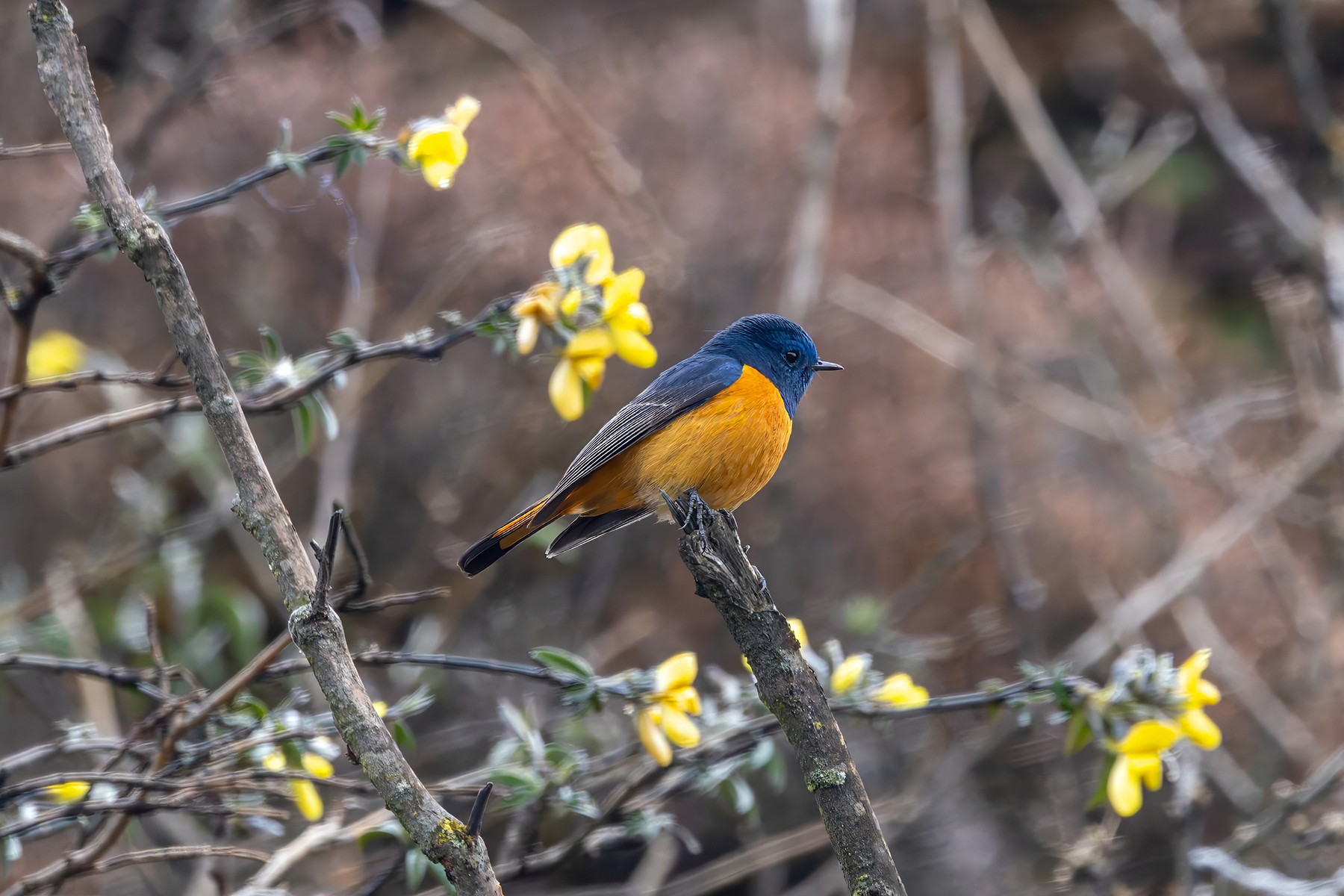
Blue-fronted Redstart (image by Dave Farrow)
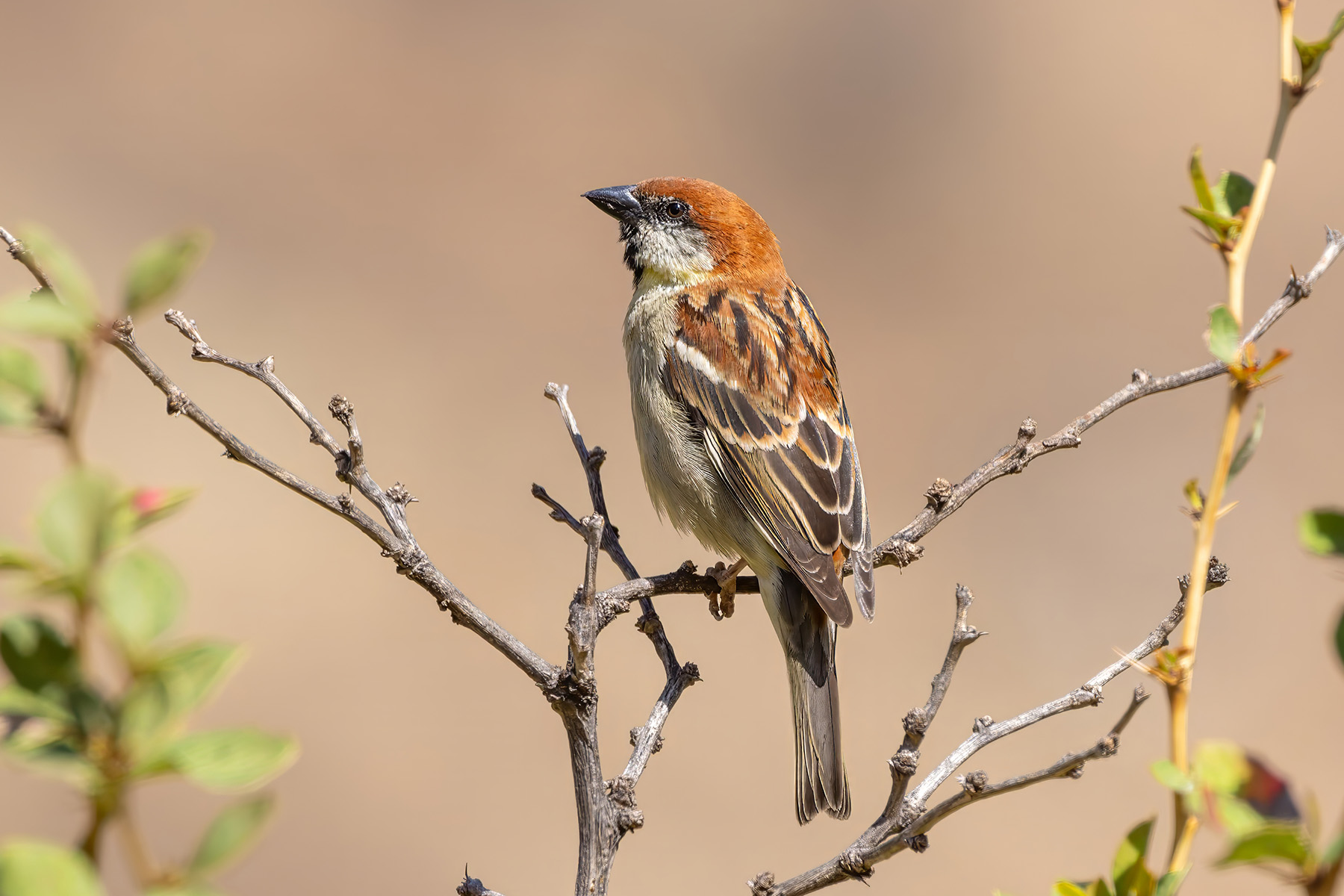
male Russet Sparrow (image by Nik Borrow)
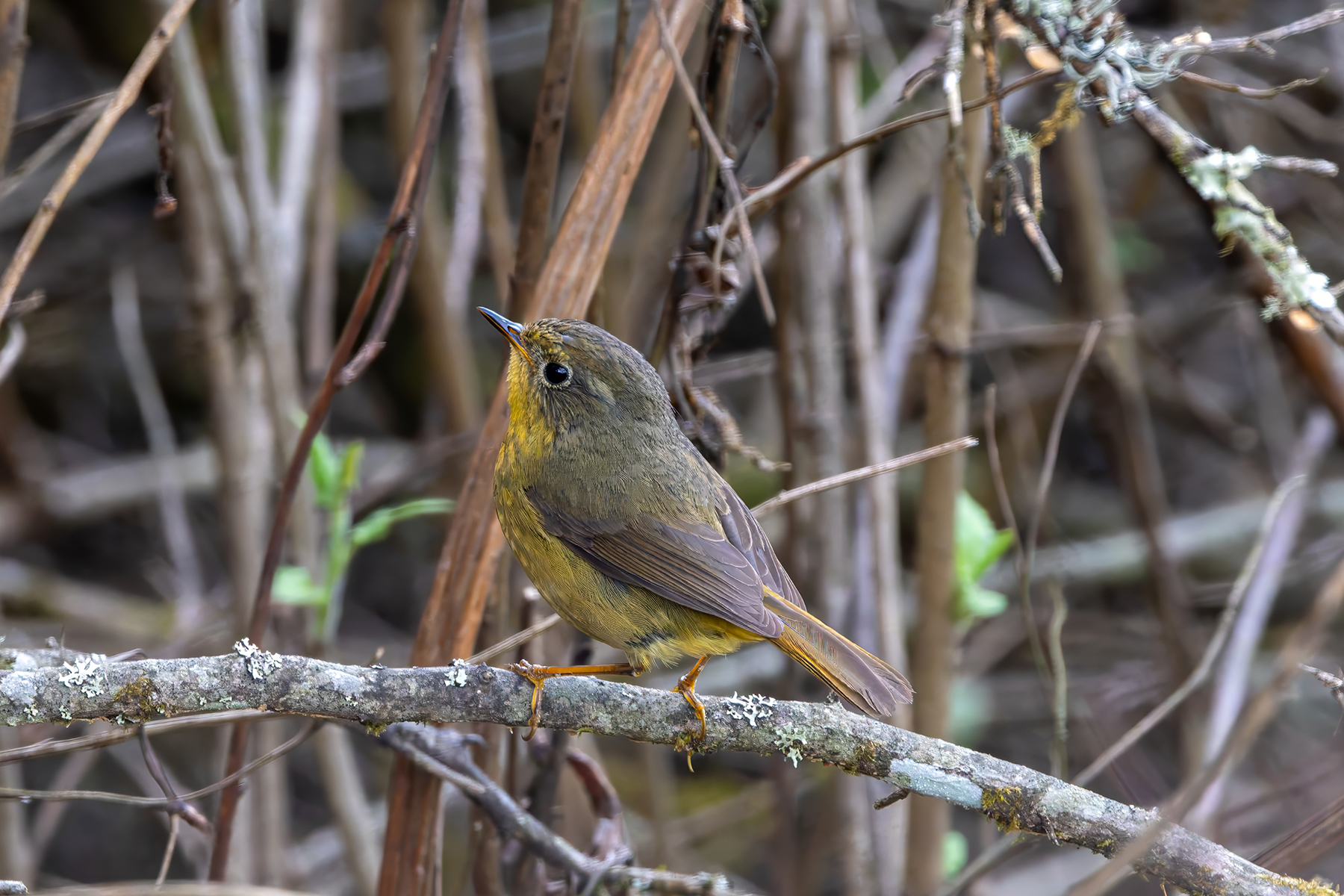
female Golden Bush Robin (image by Nik Borrow)
Ward's Trogon (image by Dave Farrow)
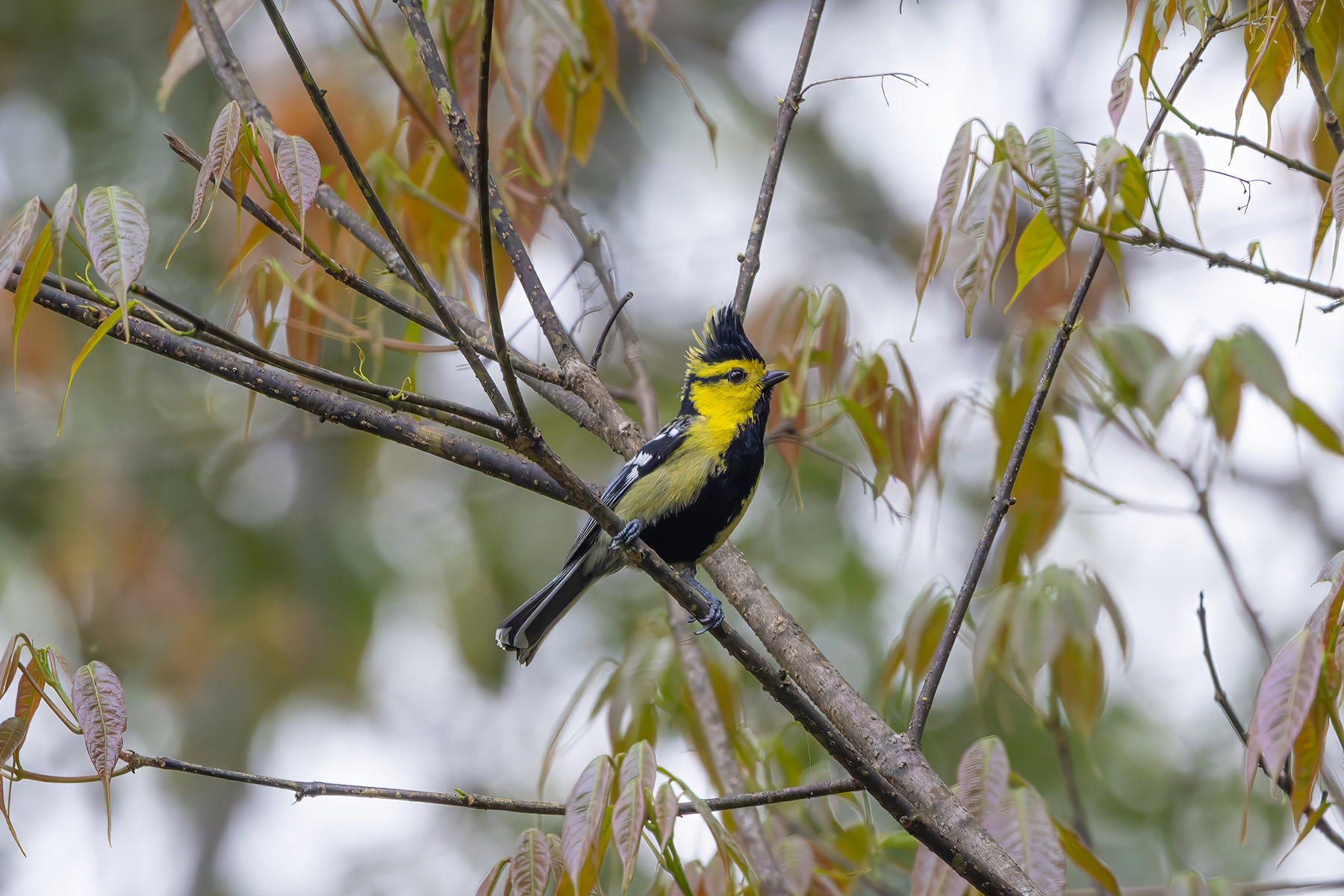
Yellow-cheeked Tit (image by Nik Borrow)
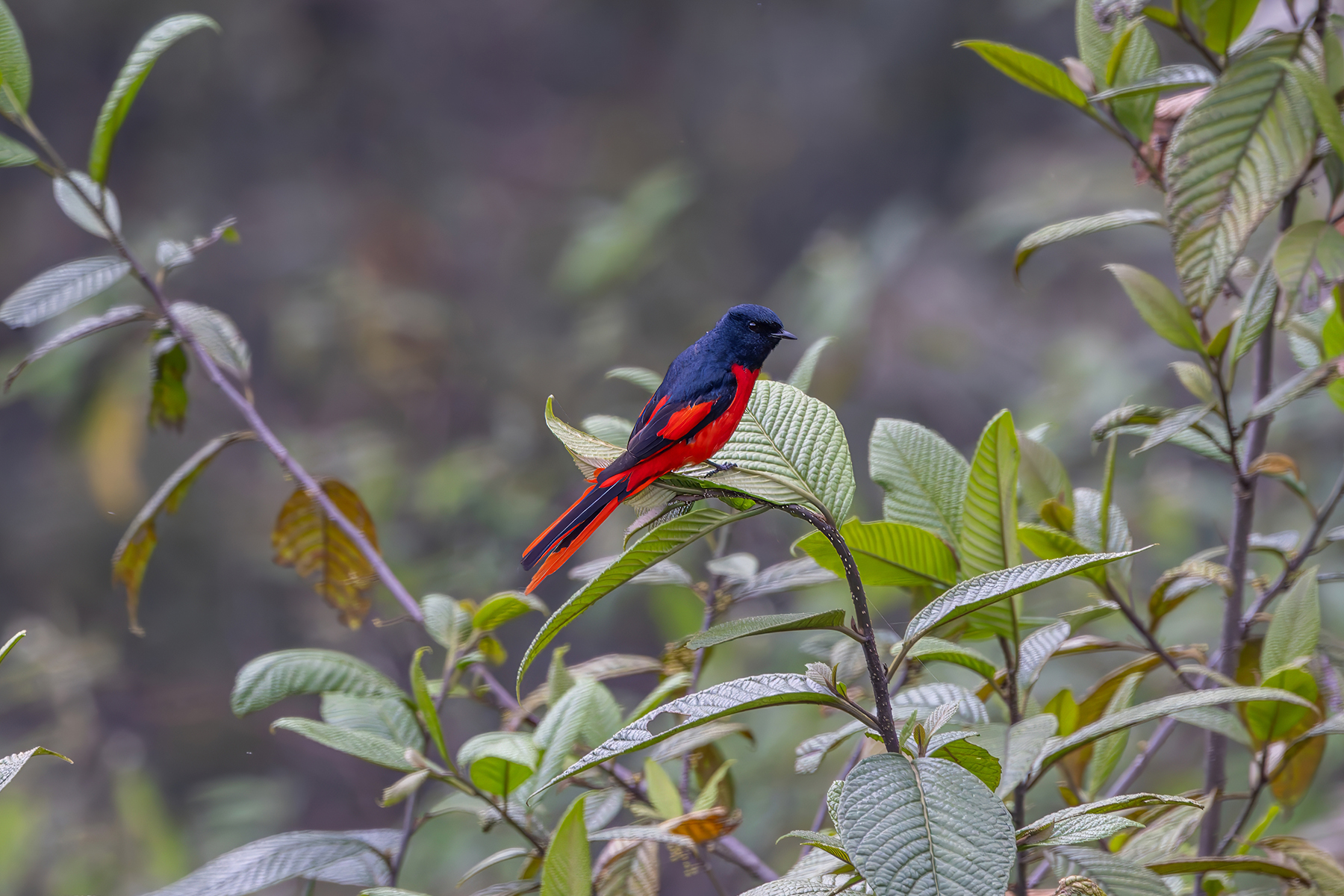
male Short-billed Minivet (image by Nik Borrow)
Great Parrotbill (image by Dave Farrow)
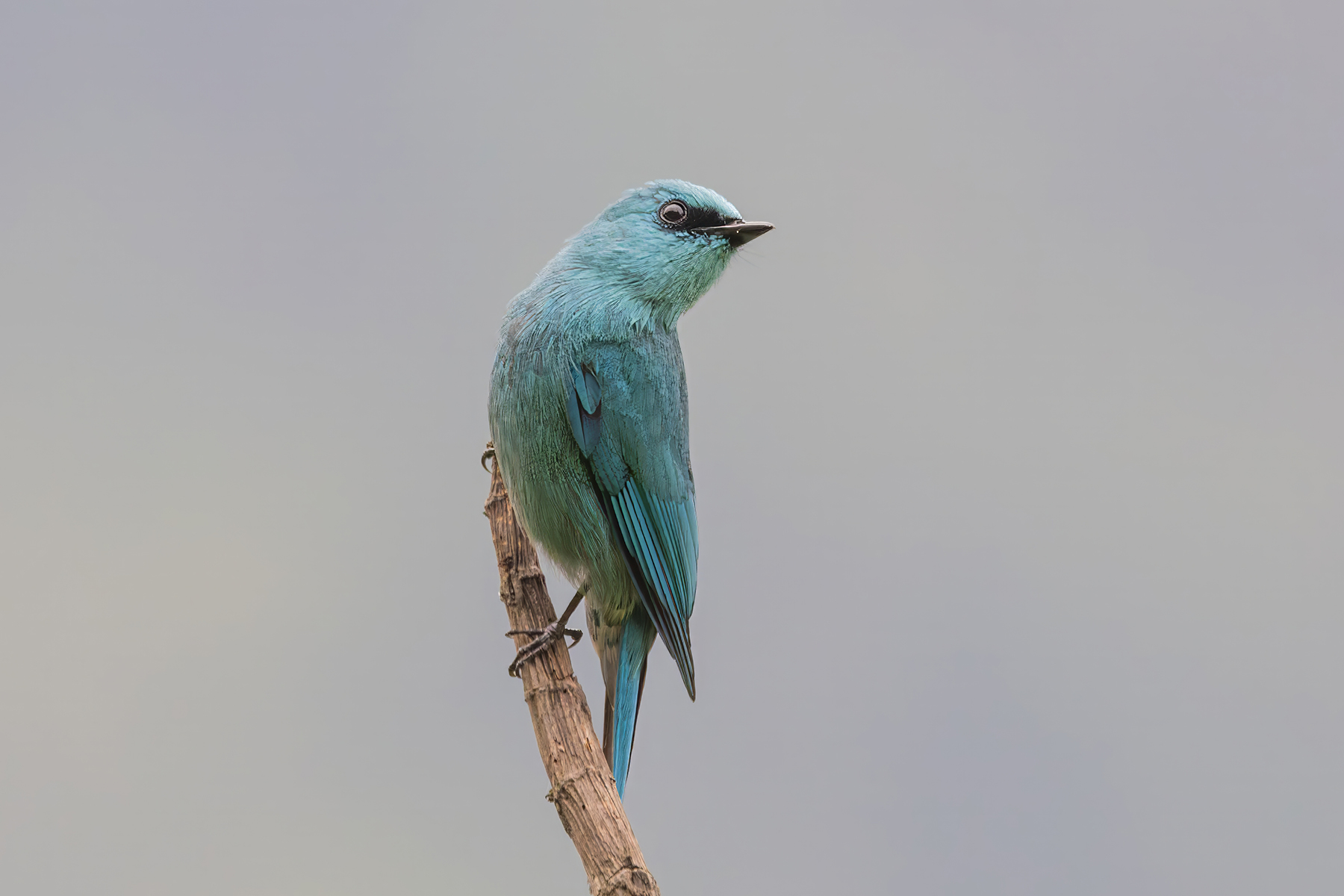
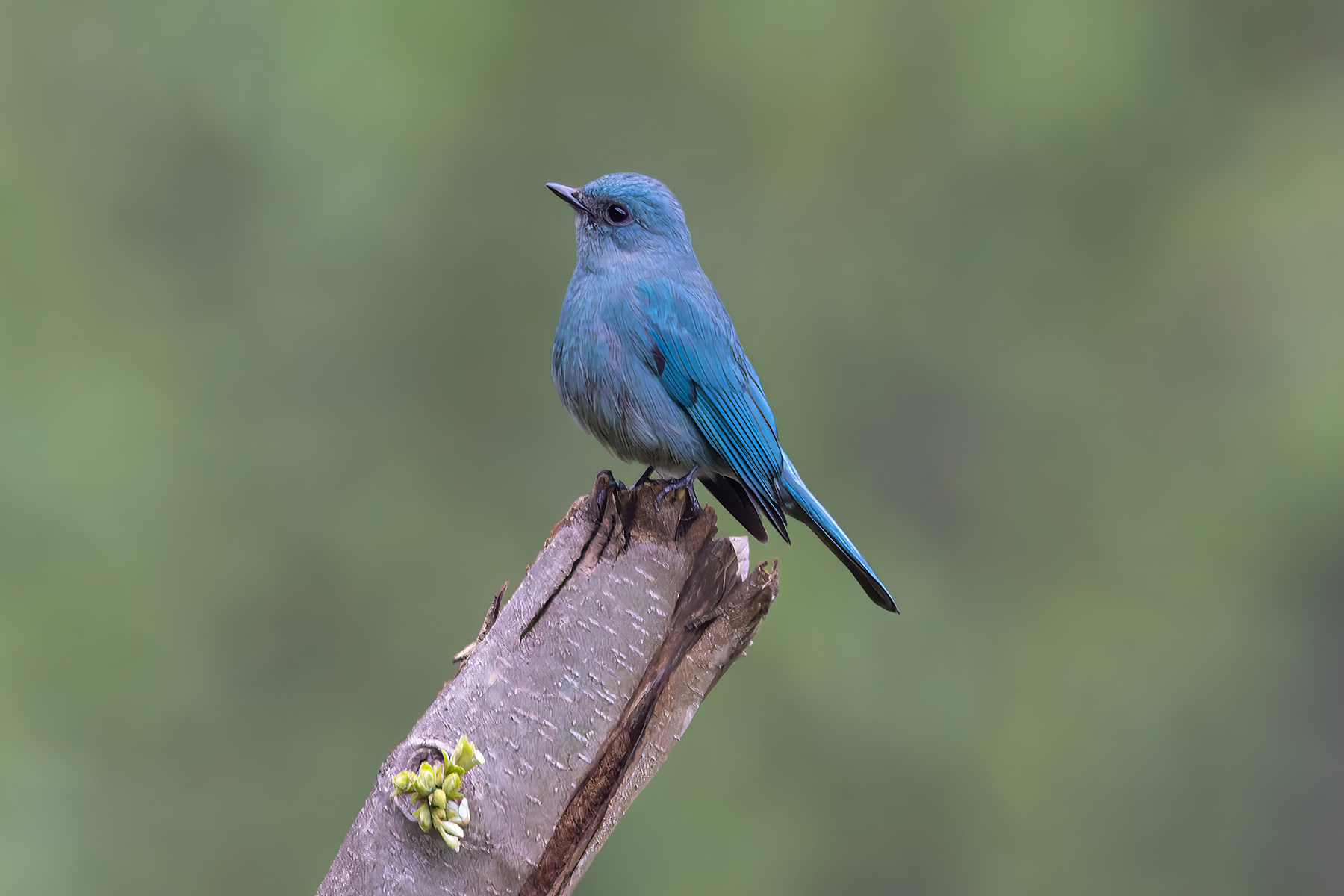
male Verditer Flycatcher (image by Nik Borrow)
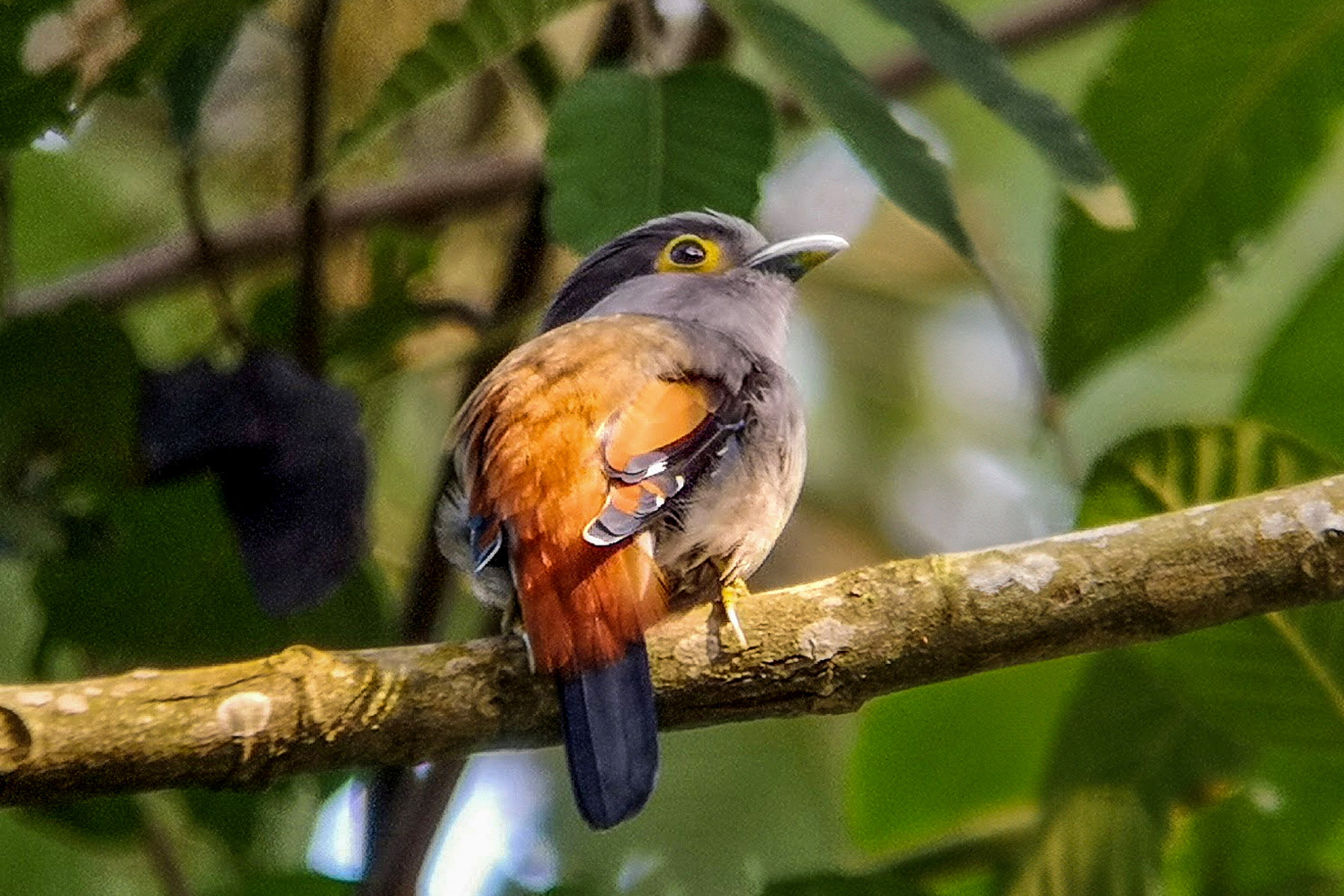
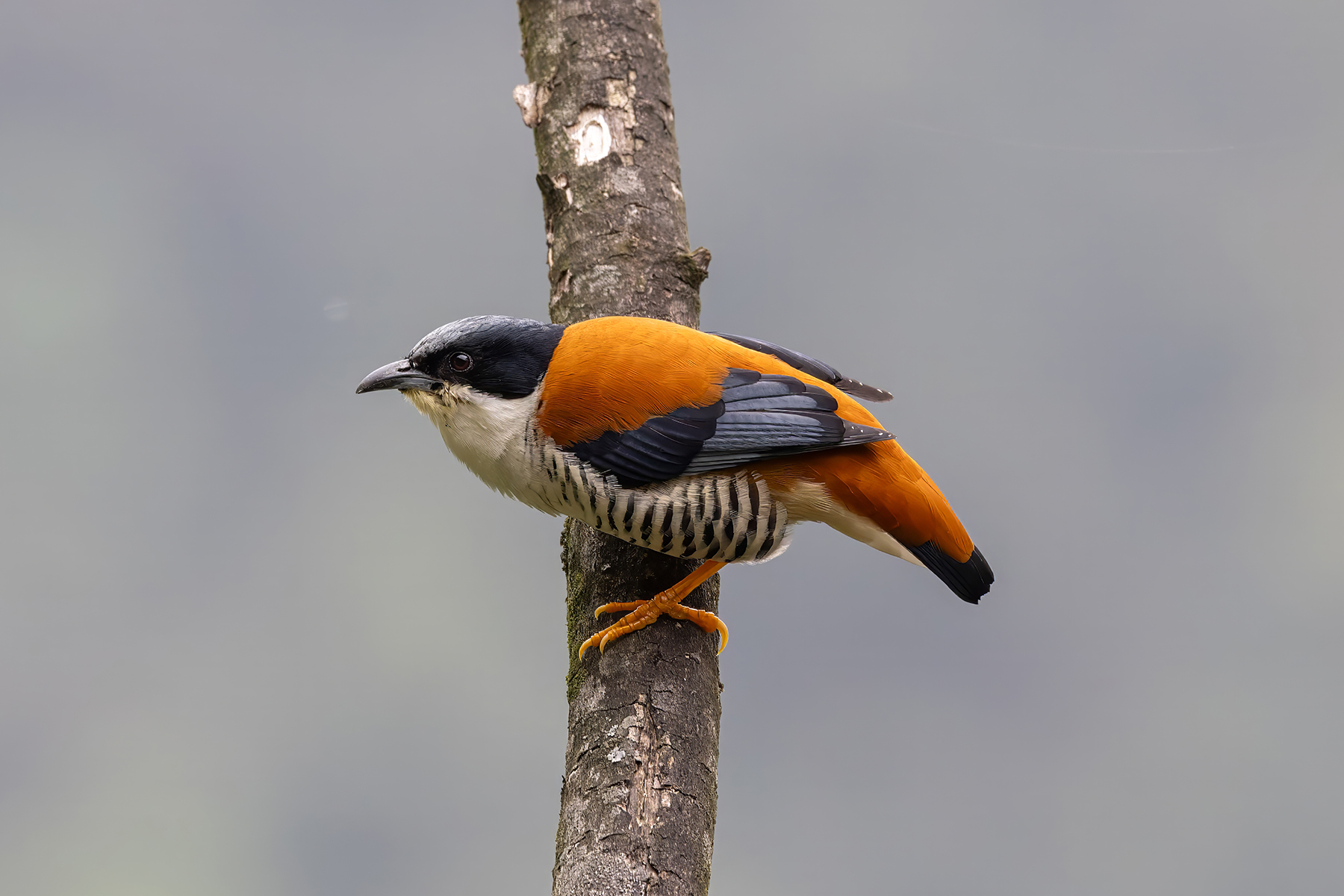
Grey-lored Broadbill (image by Dave Farrow)
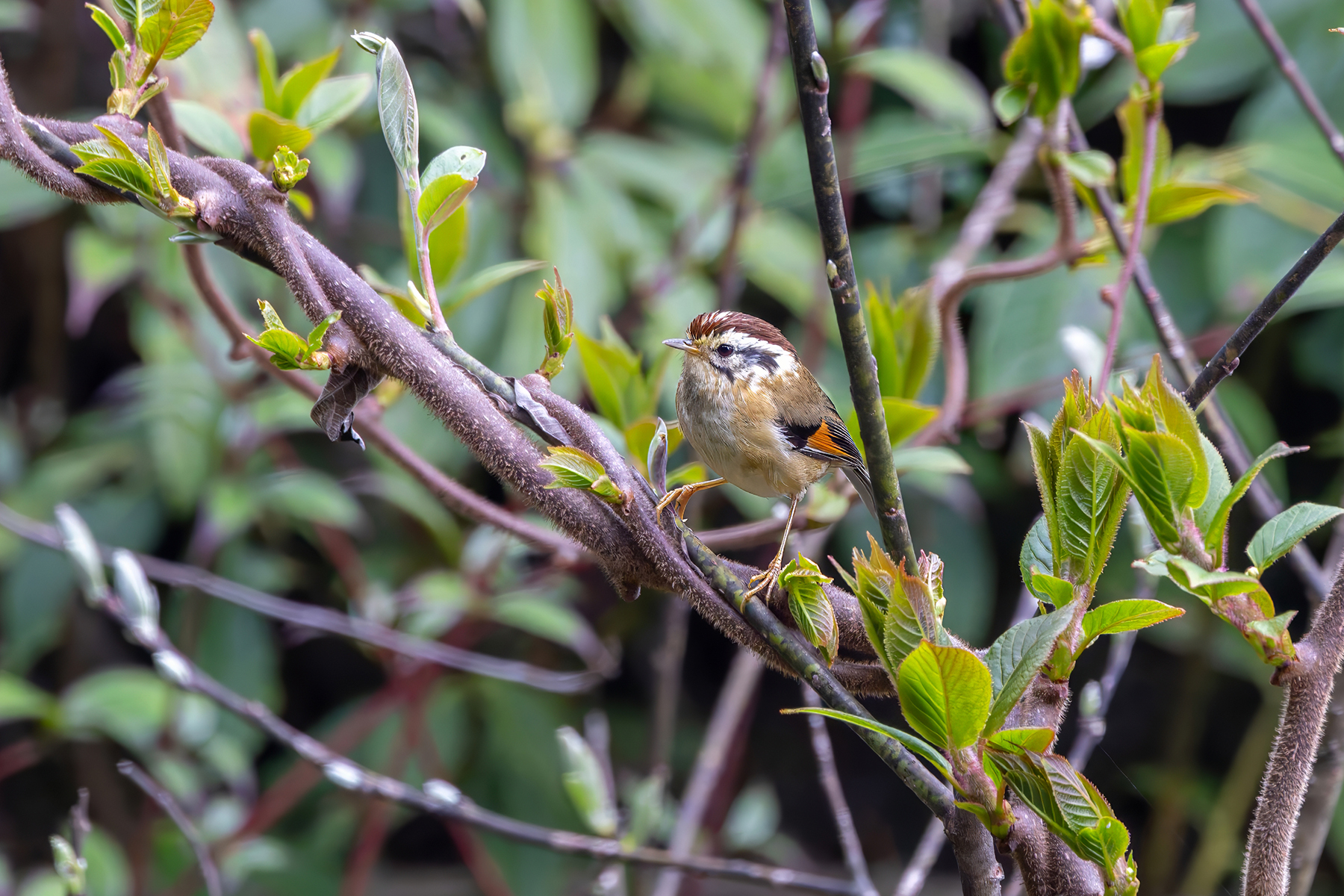
Rufous-winged Fulvetta (image by Nik Borrow)
male Blue-fronted Redstart (image by Nik Borrow)
Blue-capped Rock Thrush (image by Craig Robson)
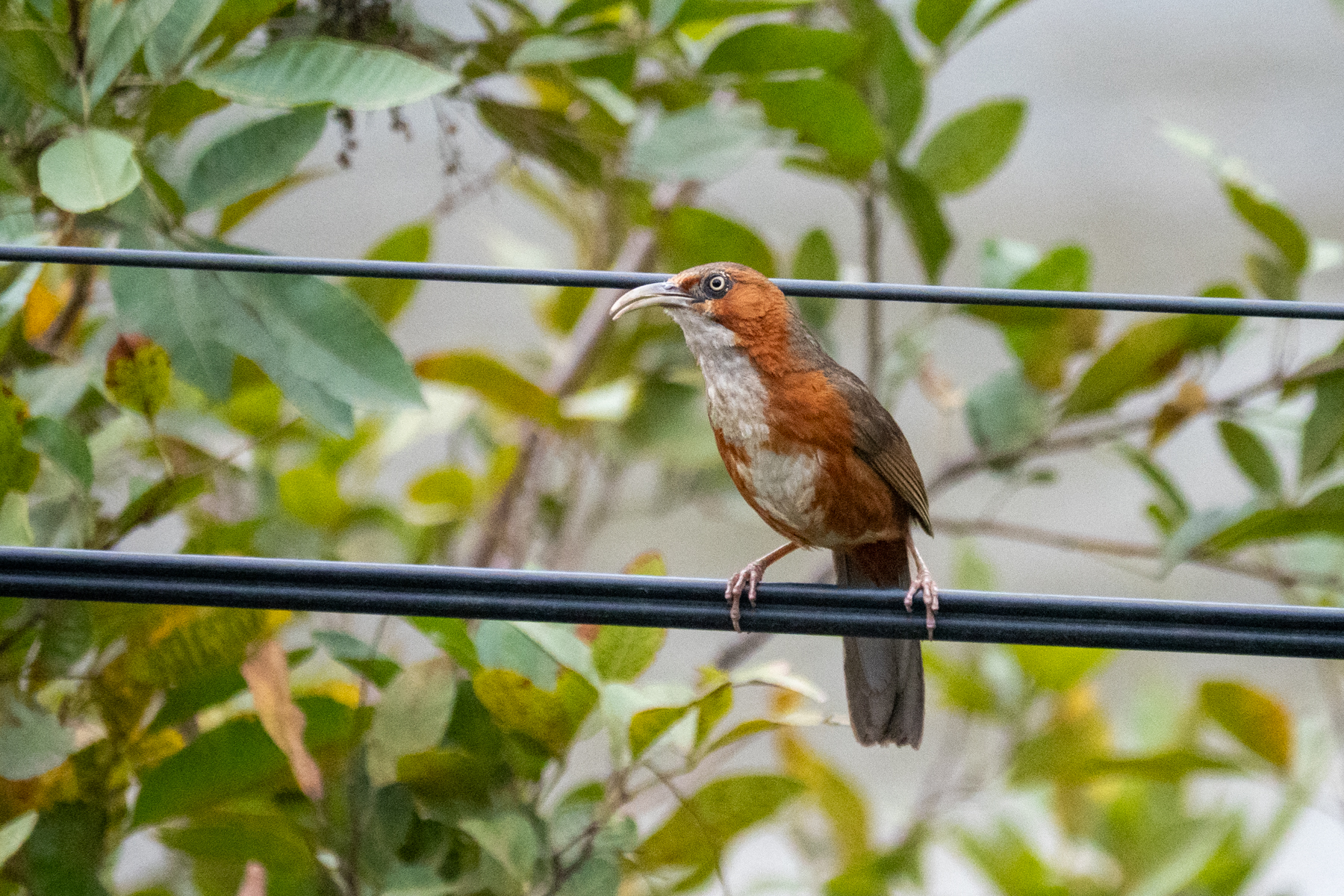
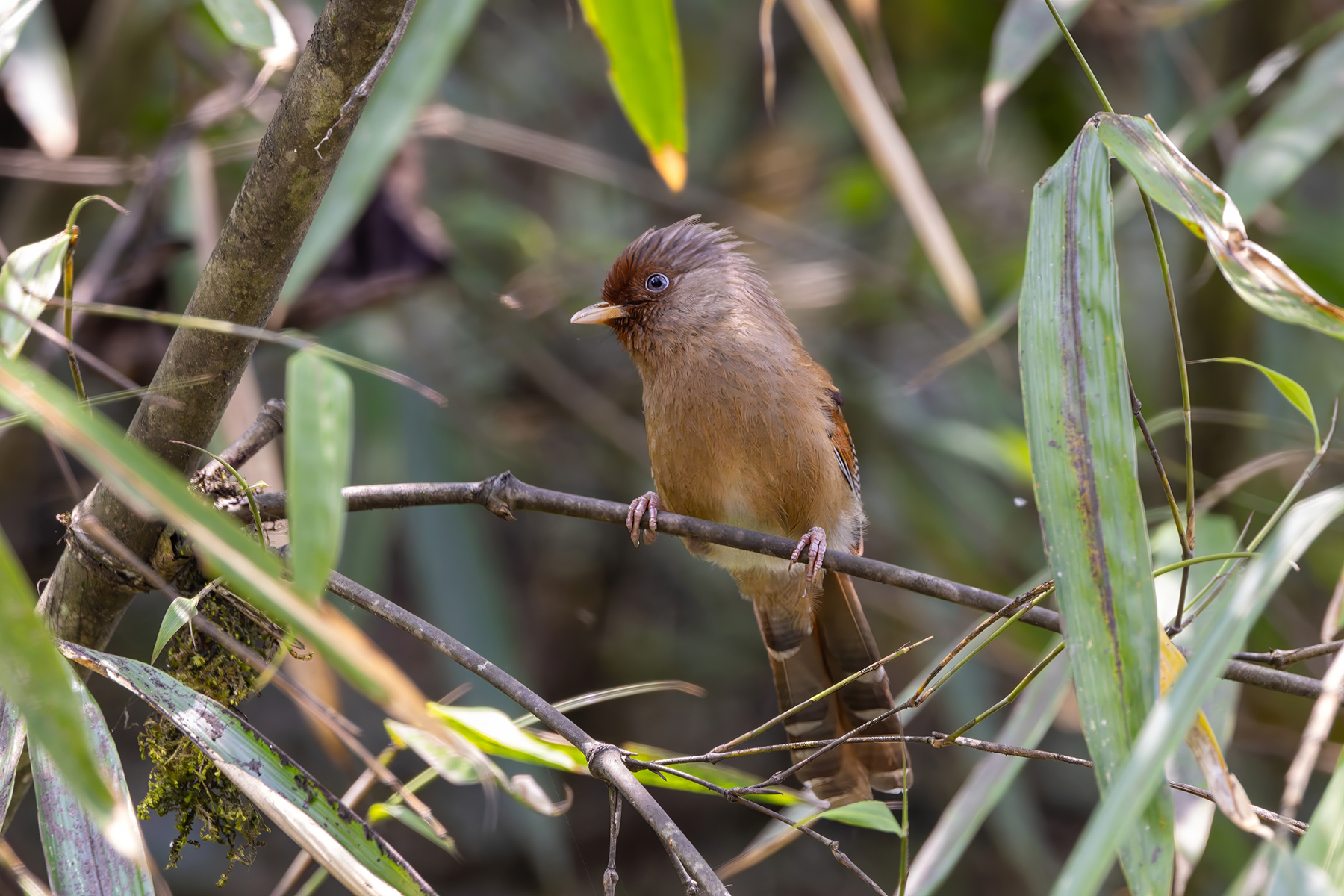
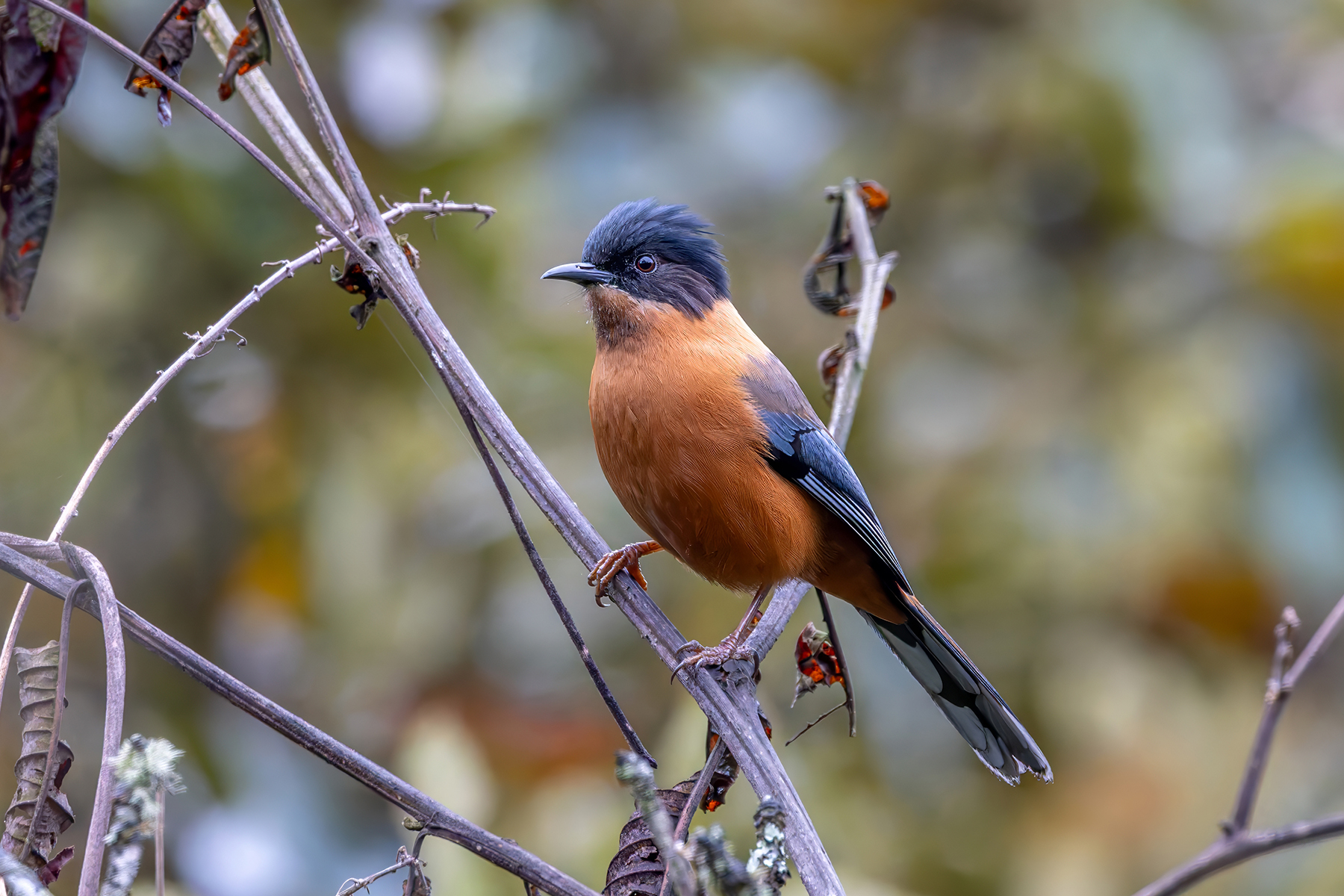
Rusty-cheeked Scimitar Babbler (image by Dave Farrow)
Dark-rumped Rosefinch (image by Craig Robson)
female Blood Pheasant (image by Craig Robson)
Gold-naped Finch (image by Dave Farrow)
Pale-billed Parrotbill (image by Craig Robson)
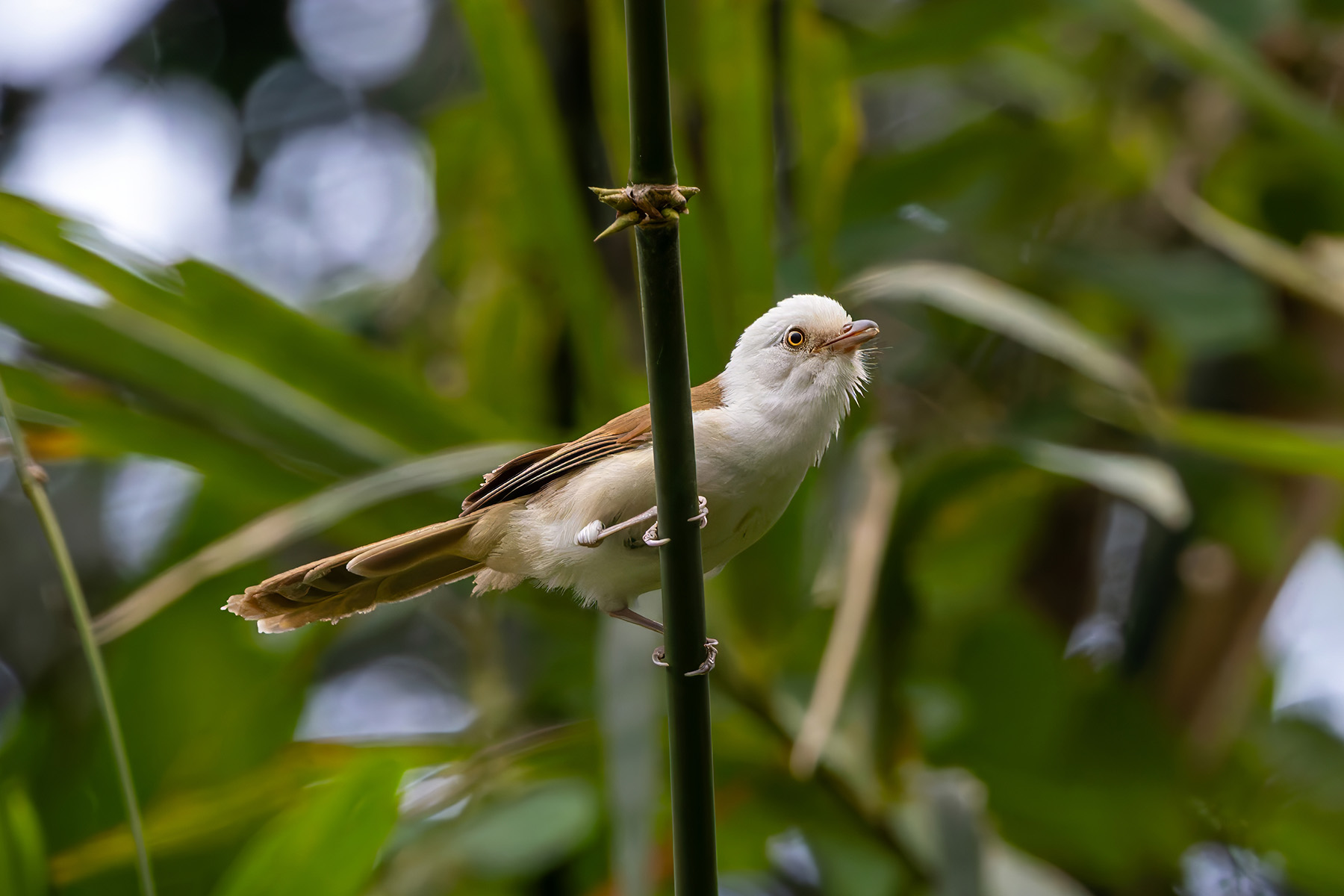
White-hooded Babbler (image by Nik Borrow)
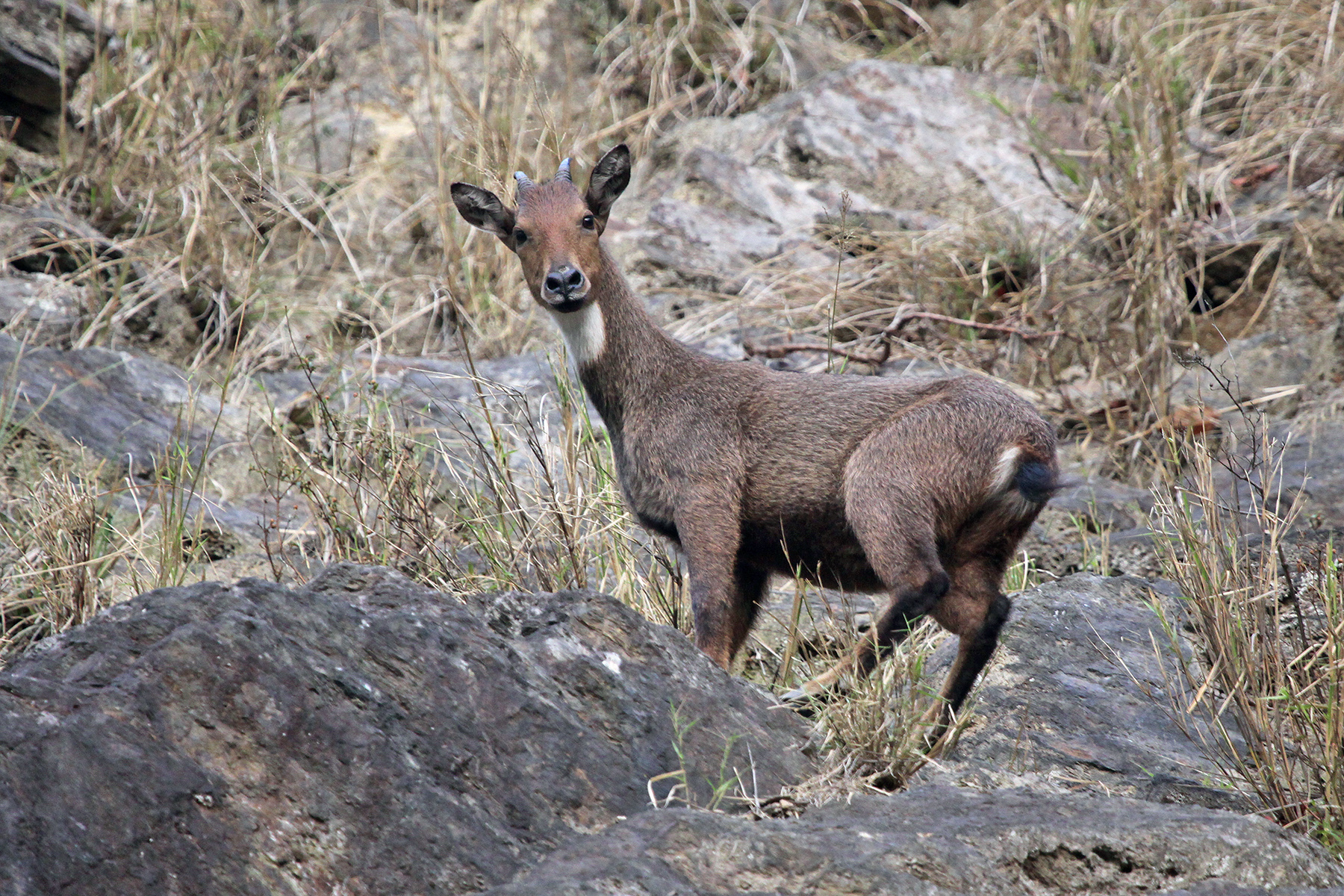
Himalayan Ghoral (image by Dave Farrow)
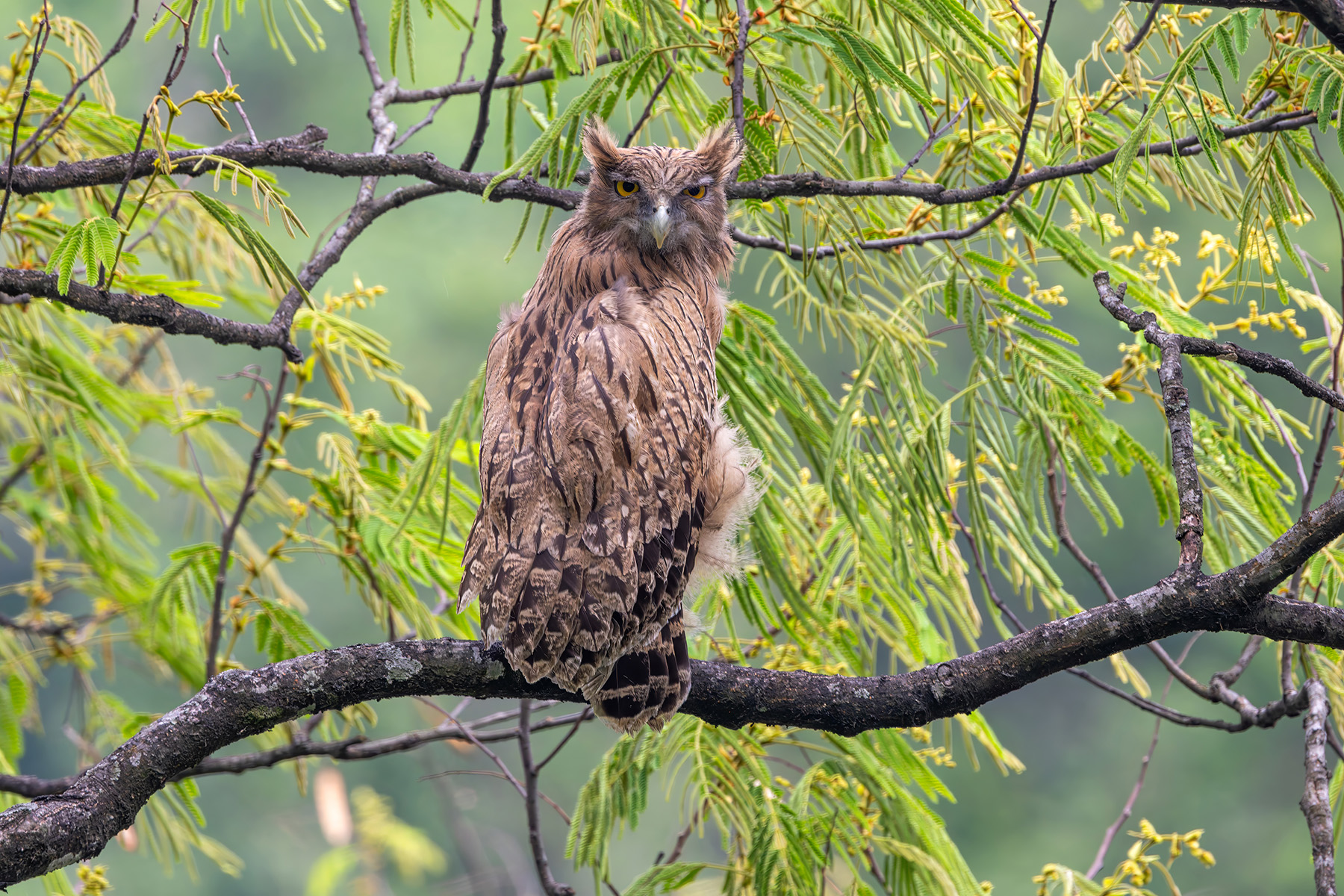
Brown Fish Owl (image by Nik Borrow)
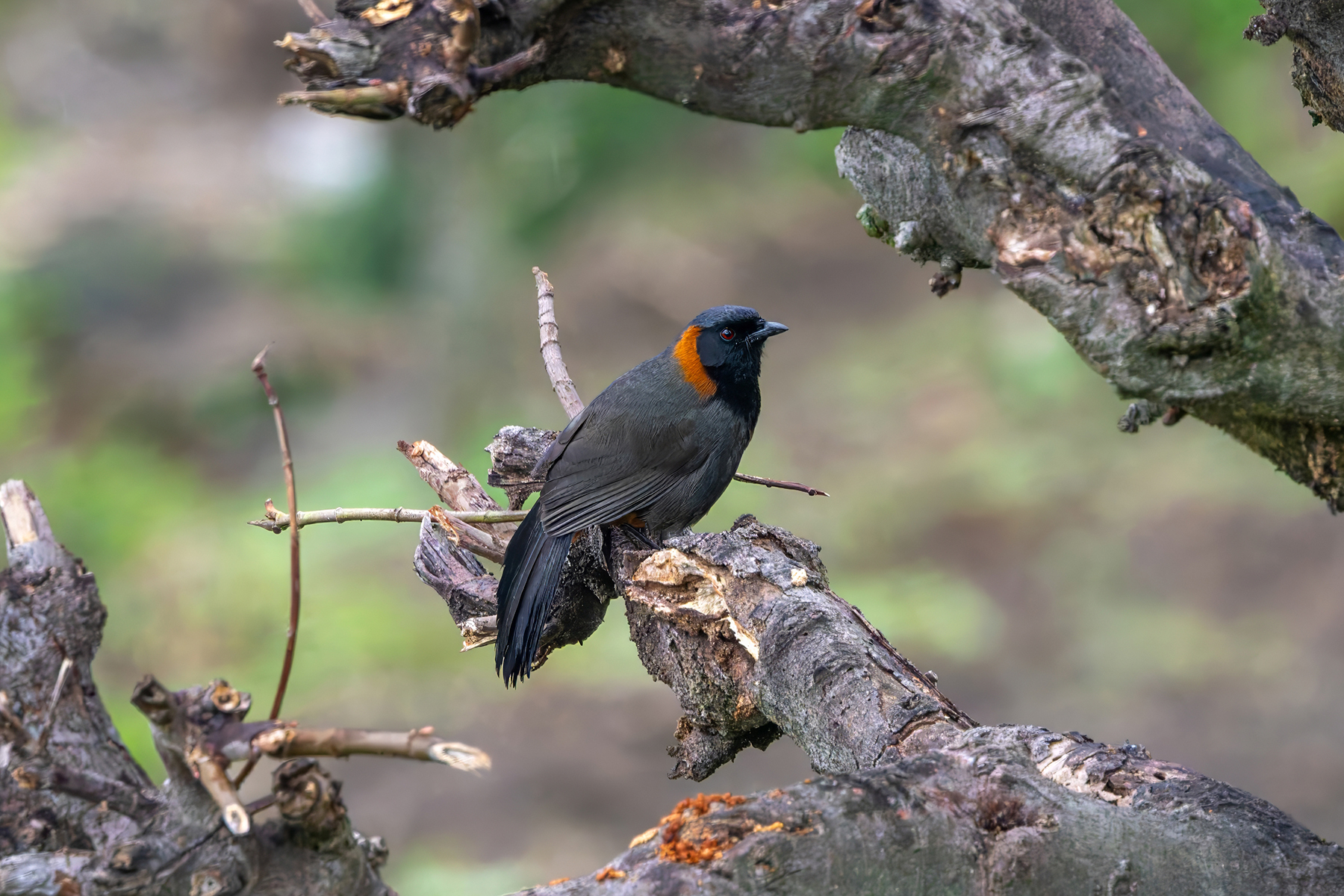
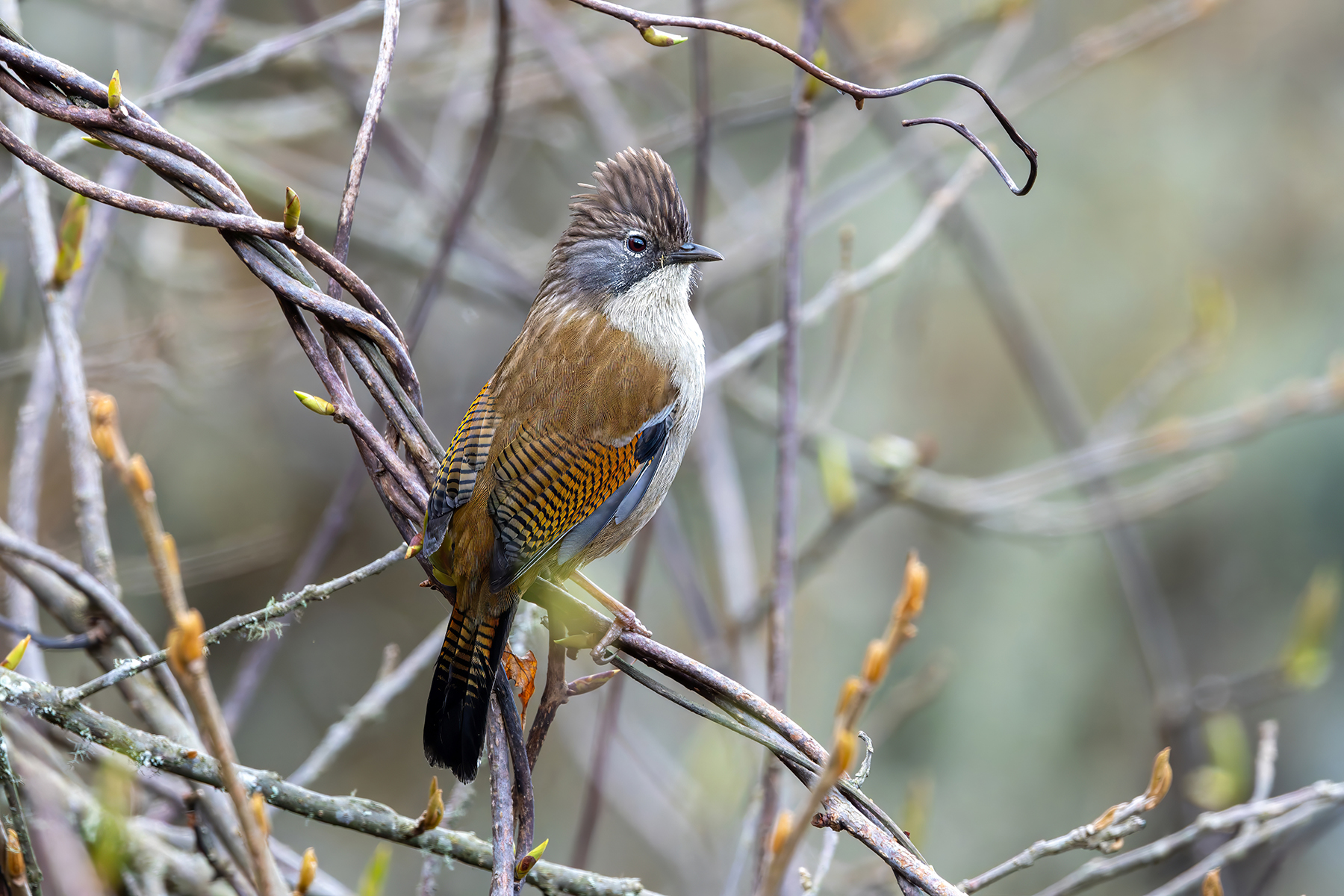
Rufous-necked Laughingthrush (image by Nik Borrow)
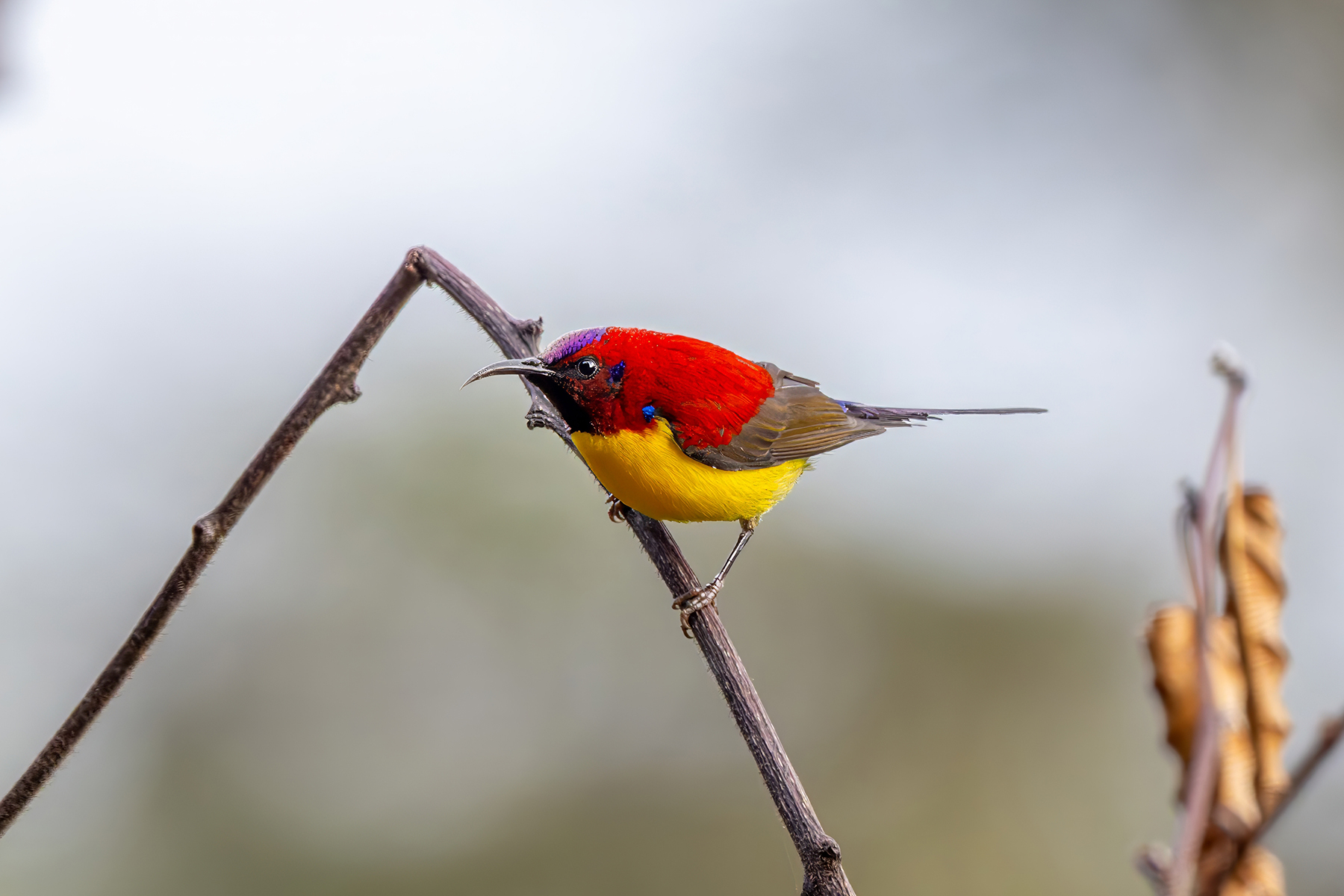
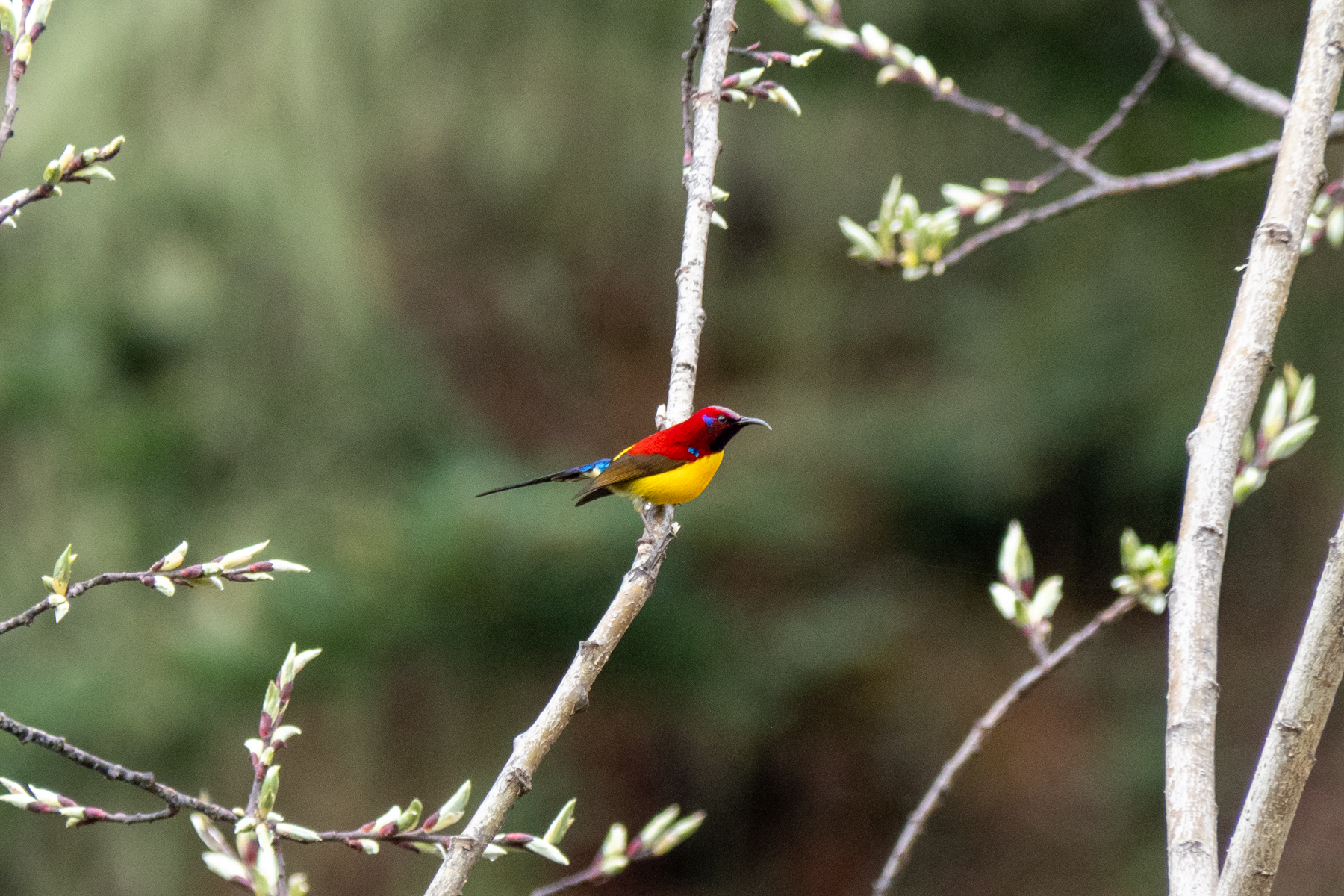
male Mrs Gould's Sunbird (image by Nik Borrow)
Grey-lored Broadbill (image by Dave Farrow)
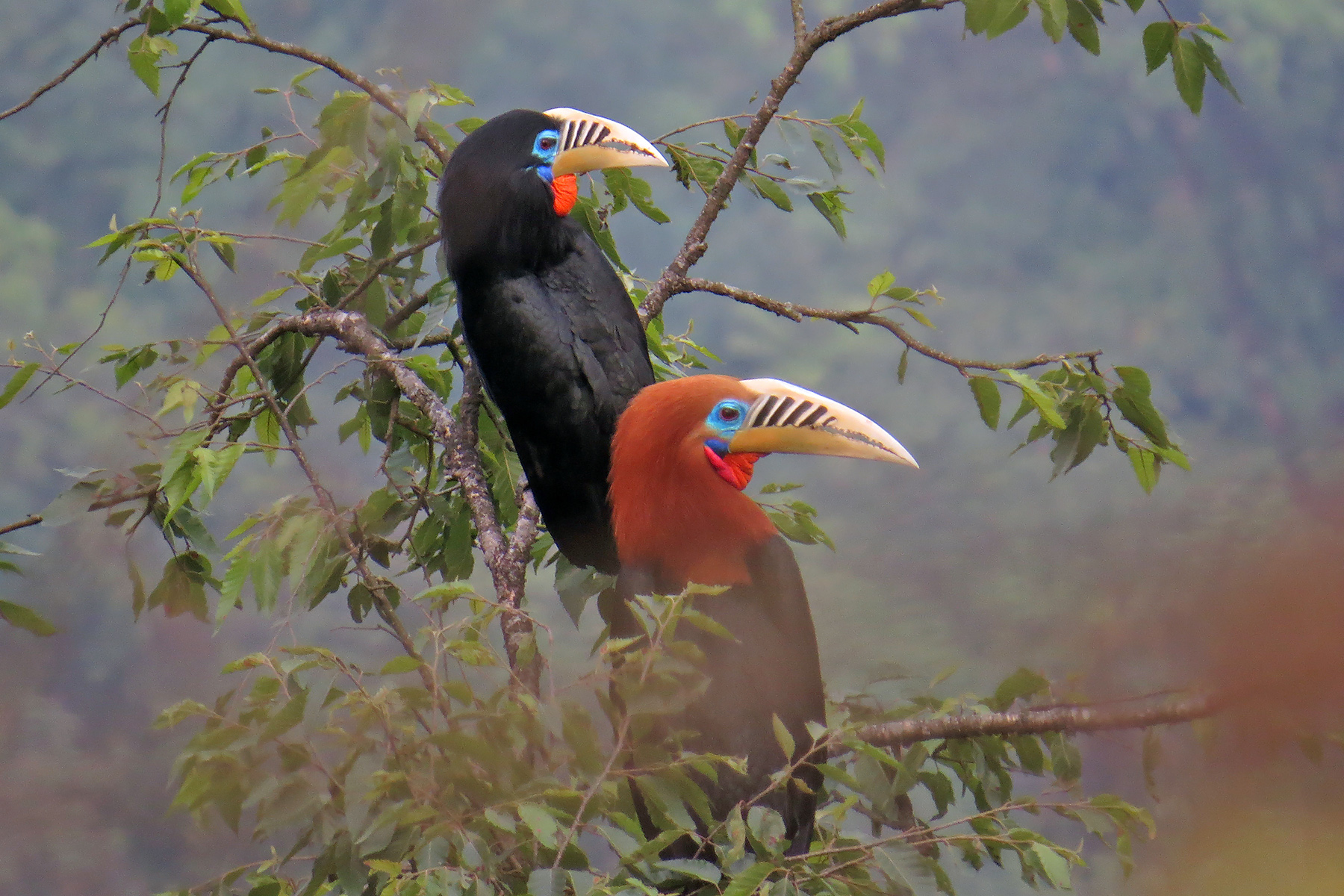
Rufous-necked Hornbill (image by Craig Robson)
Blue-throated Blue Flycatcher (image by Dave Farrow)
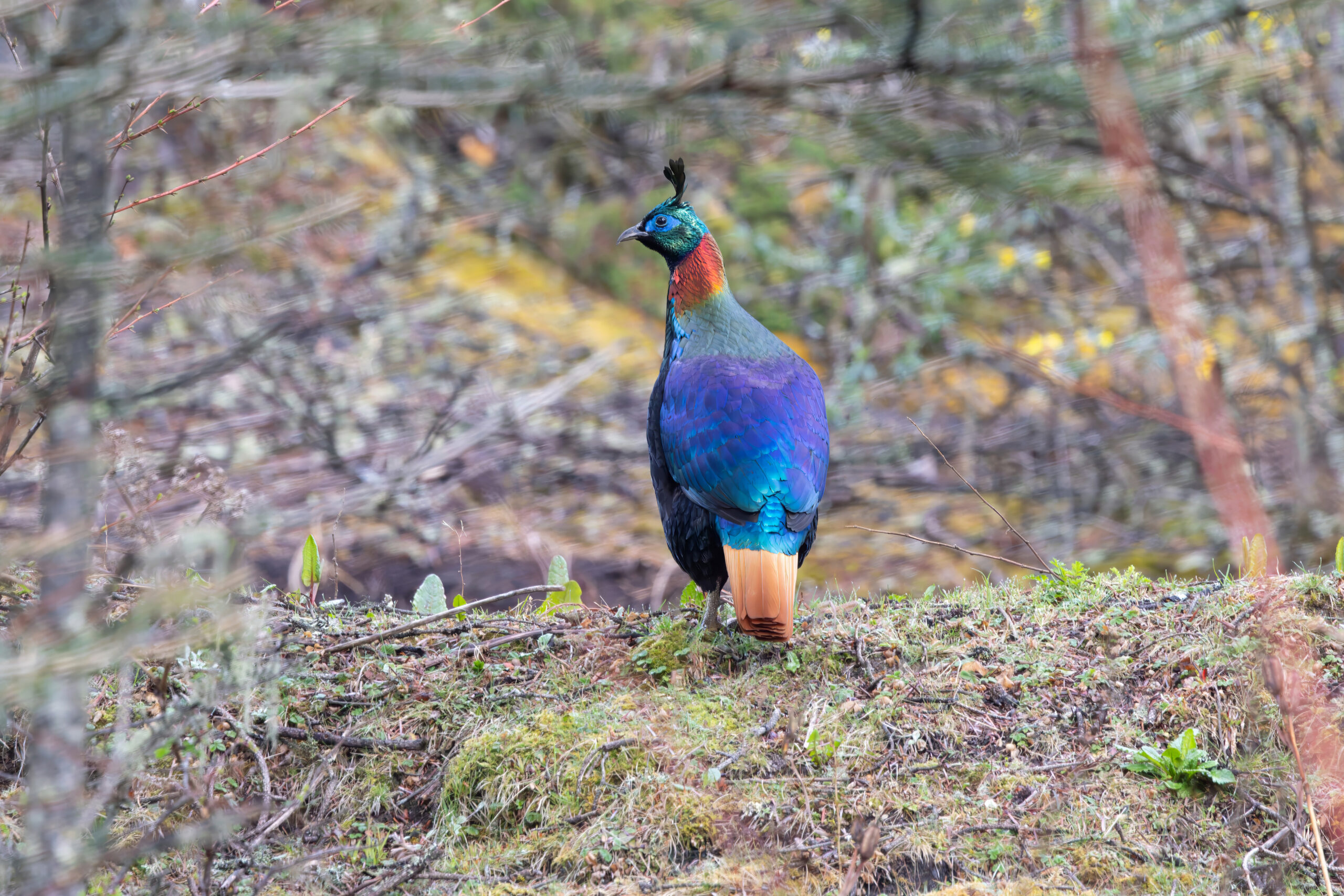
male Himalayan Monal (image by Nik Borrow)
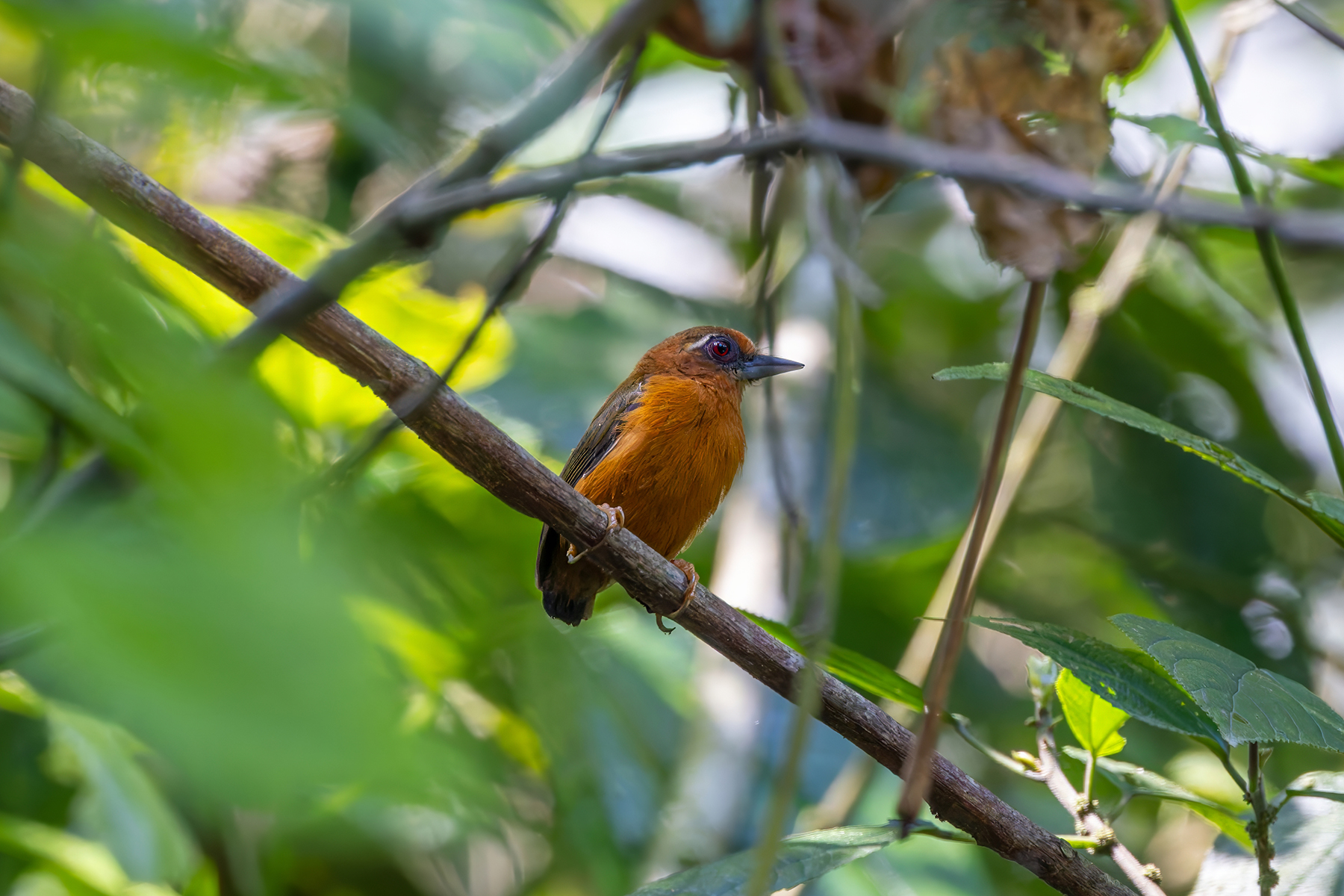
Green Cochoa (image by Dave Farrow)
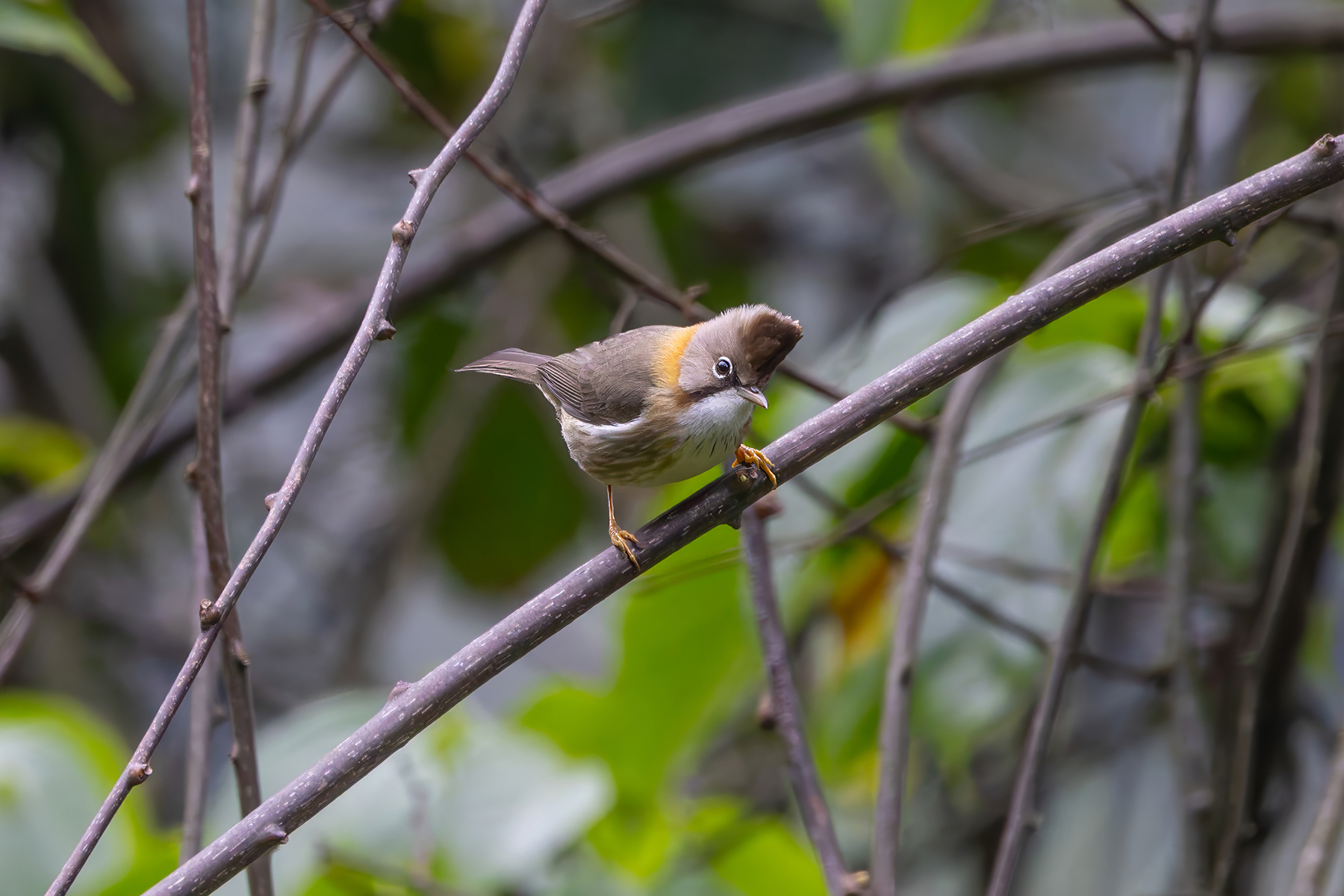
Whiskered Yuhina (image by Nik Borrow)
male Mrs Gould's Sunbird (image by Dave Farrow)
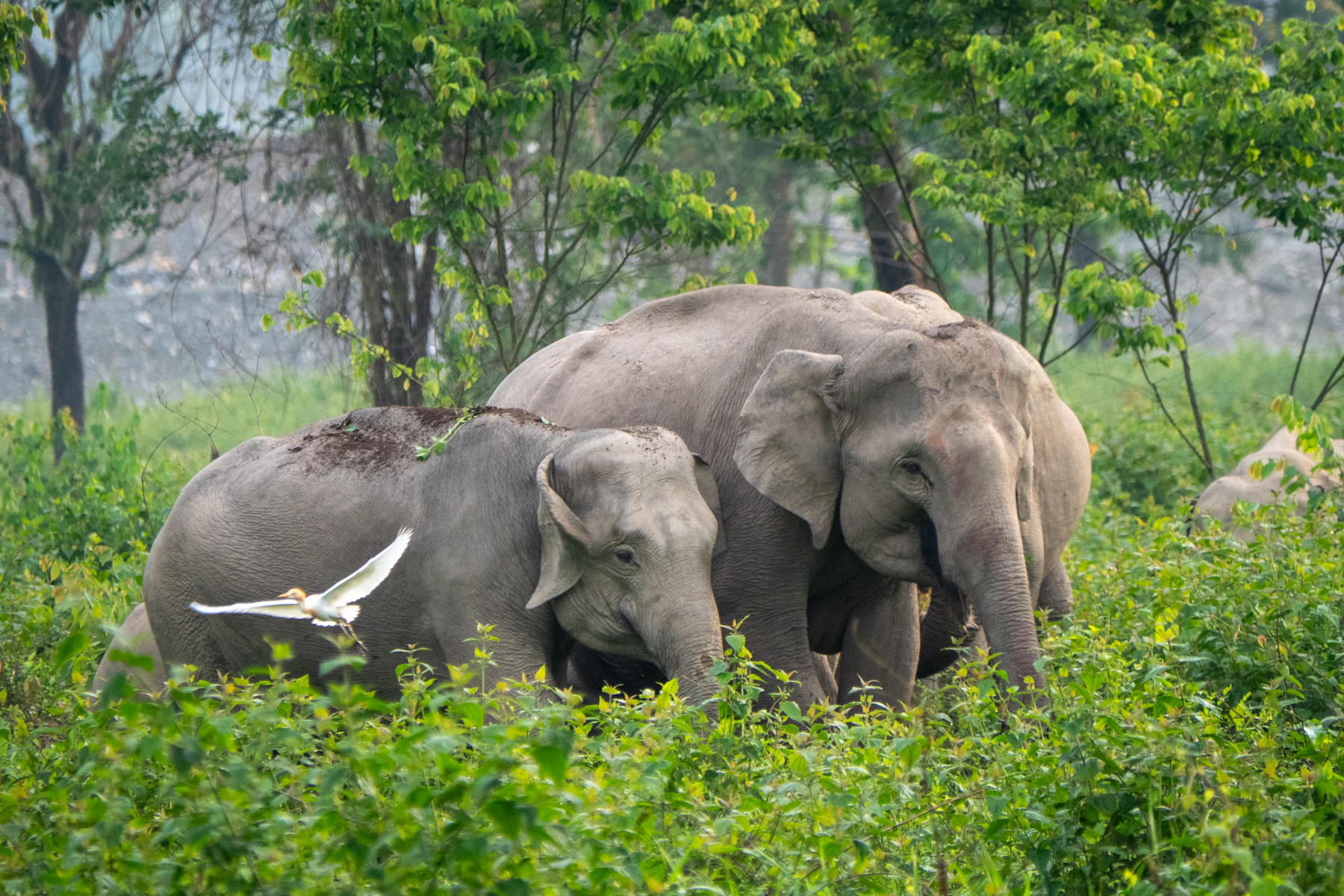
Asian Elephants (image by Dave Farrow)
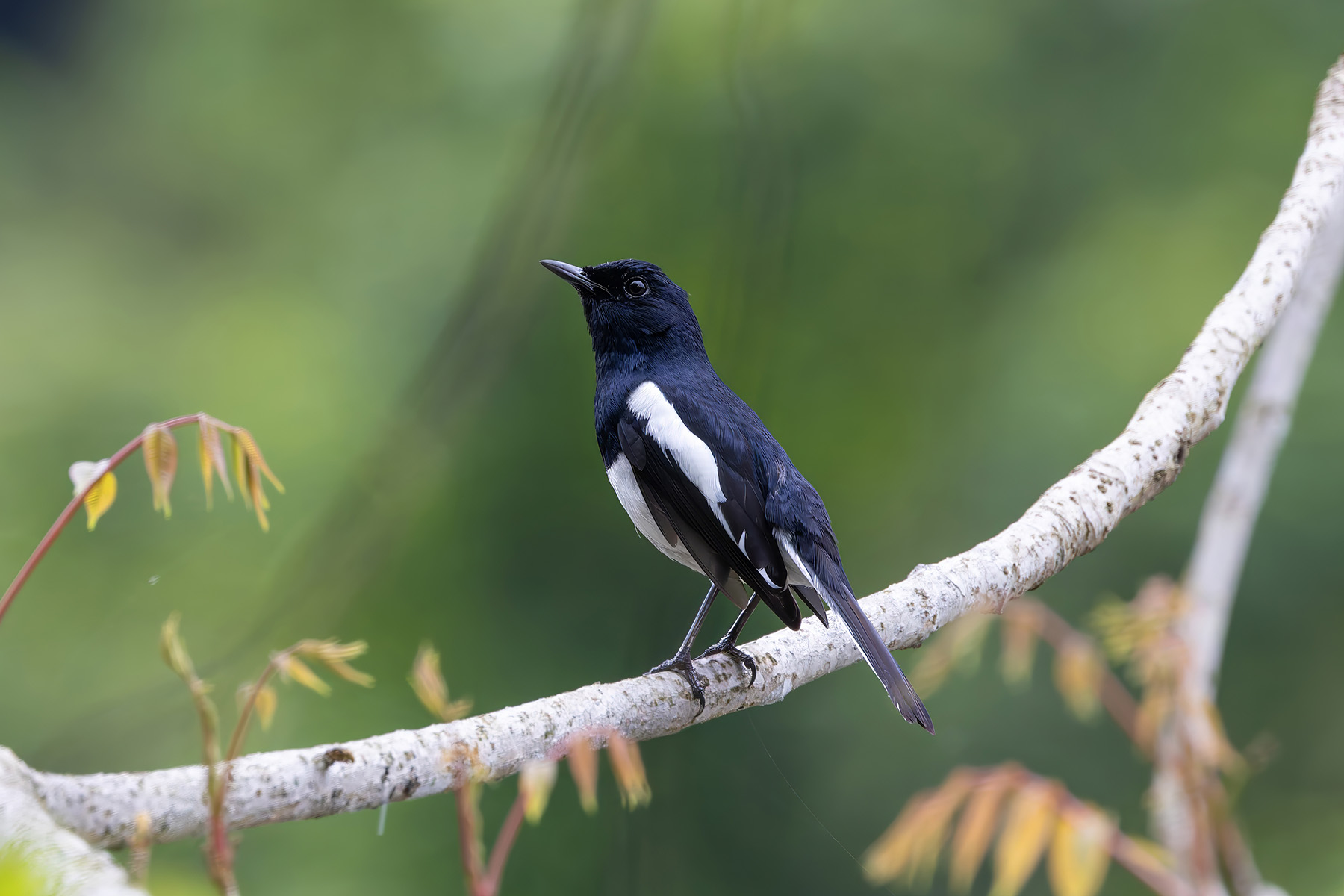
male Oriental Magpie-Robin (image by Nik Borrow)
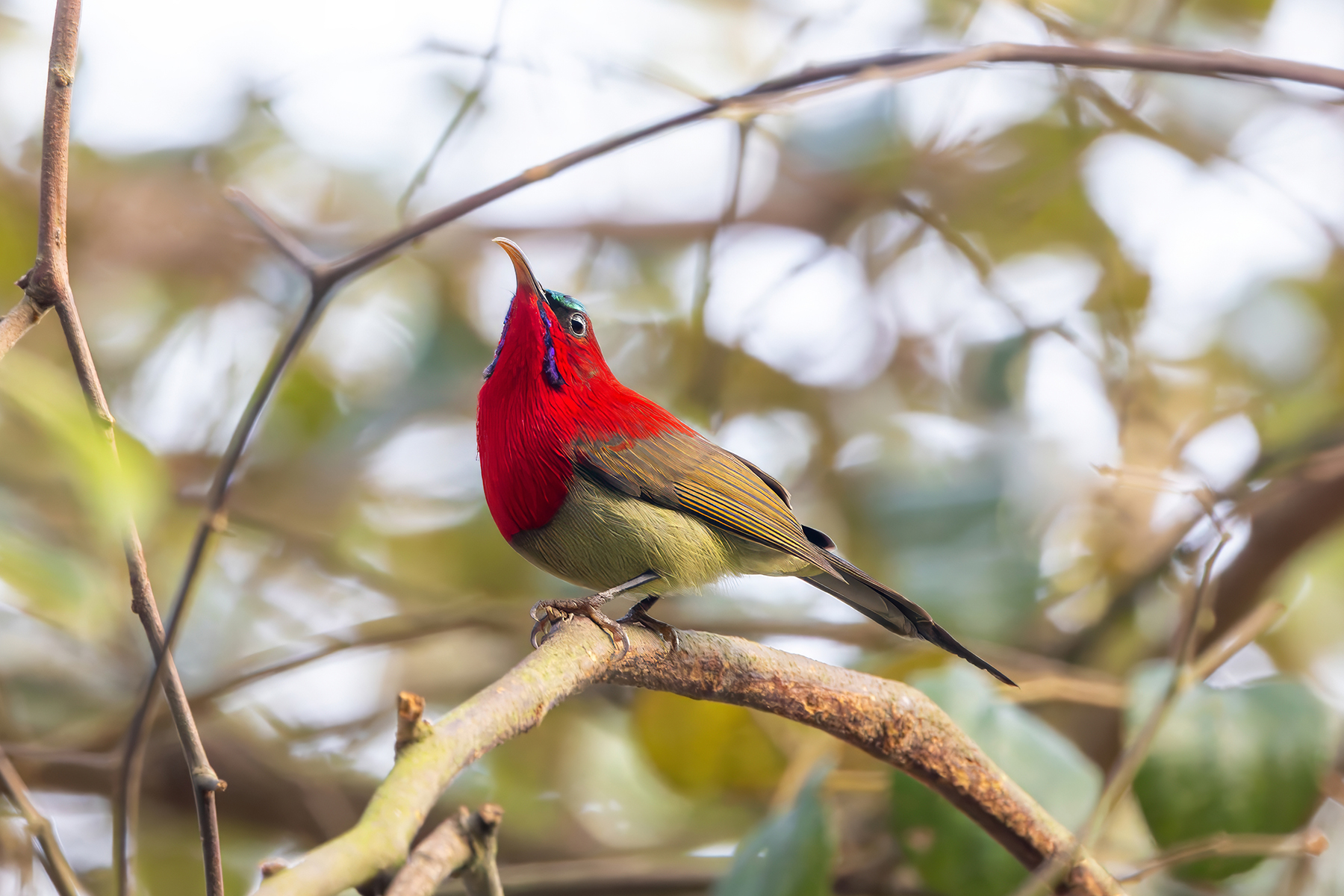
male Crimson Sunbird (image by Nik Borrow)
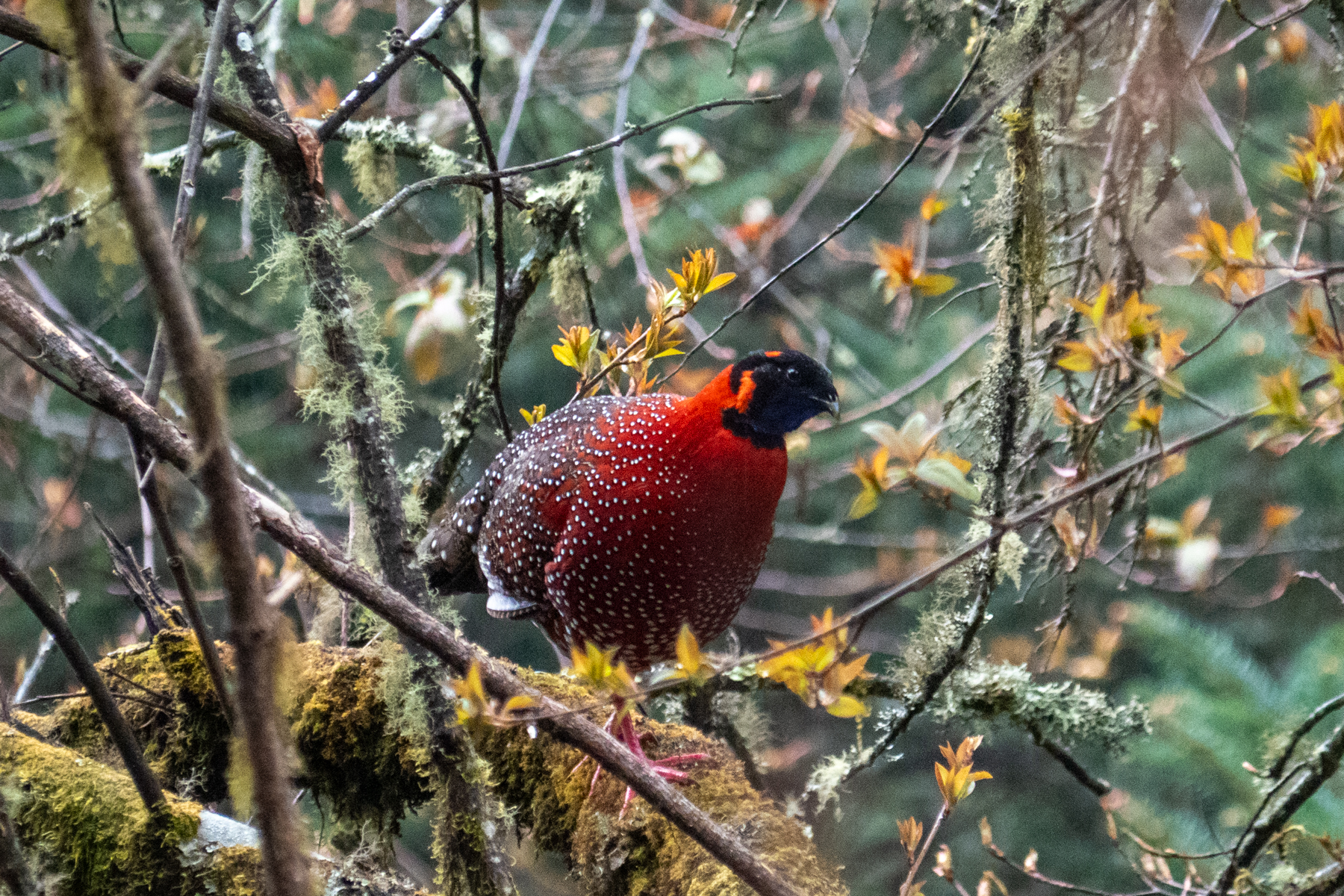
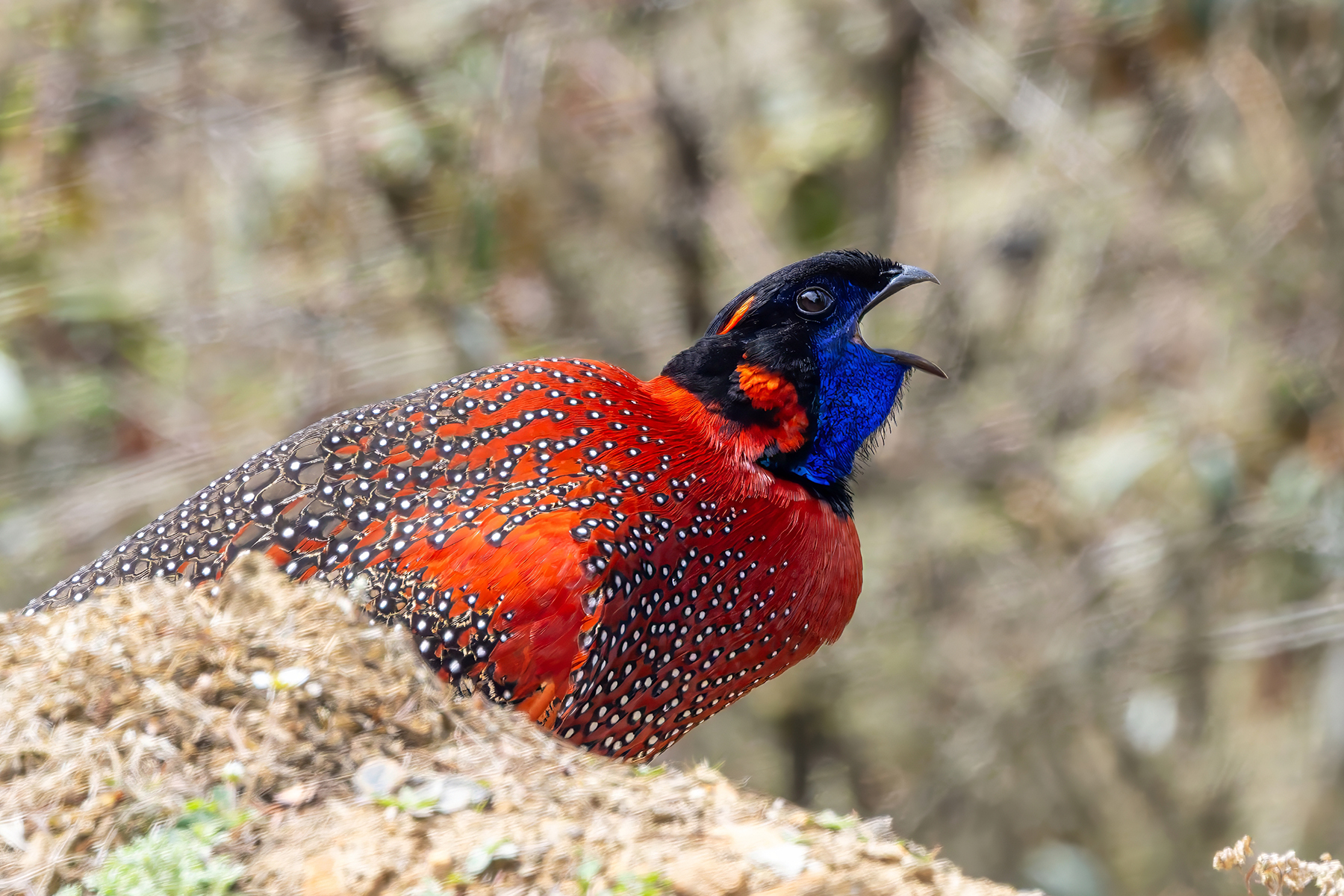
Satyr Tragopan (image by Dave Farrow)
female White-browed Bush Robin (image by Nik Borrow)
Red-tailed Minla (image by Nik Borrow)
Moupin Pika (image by Dave Farrow)
Oriental Skylark (image by Nik Borrow)
Black-faced Laughingthrush (image by Craig Robson)
Pygmy Cupwing (image by Nik Borrow)
Hoary-throated Barwing (image by Nik Borrow)
Green Shrike-Babbler (image by Craig Robson)
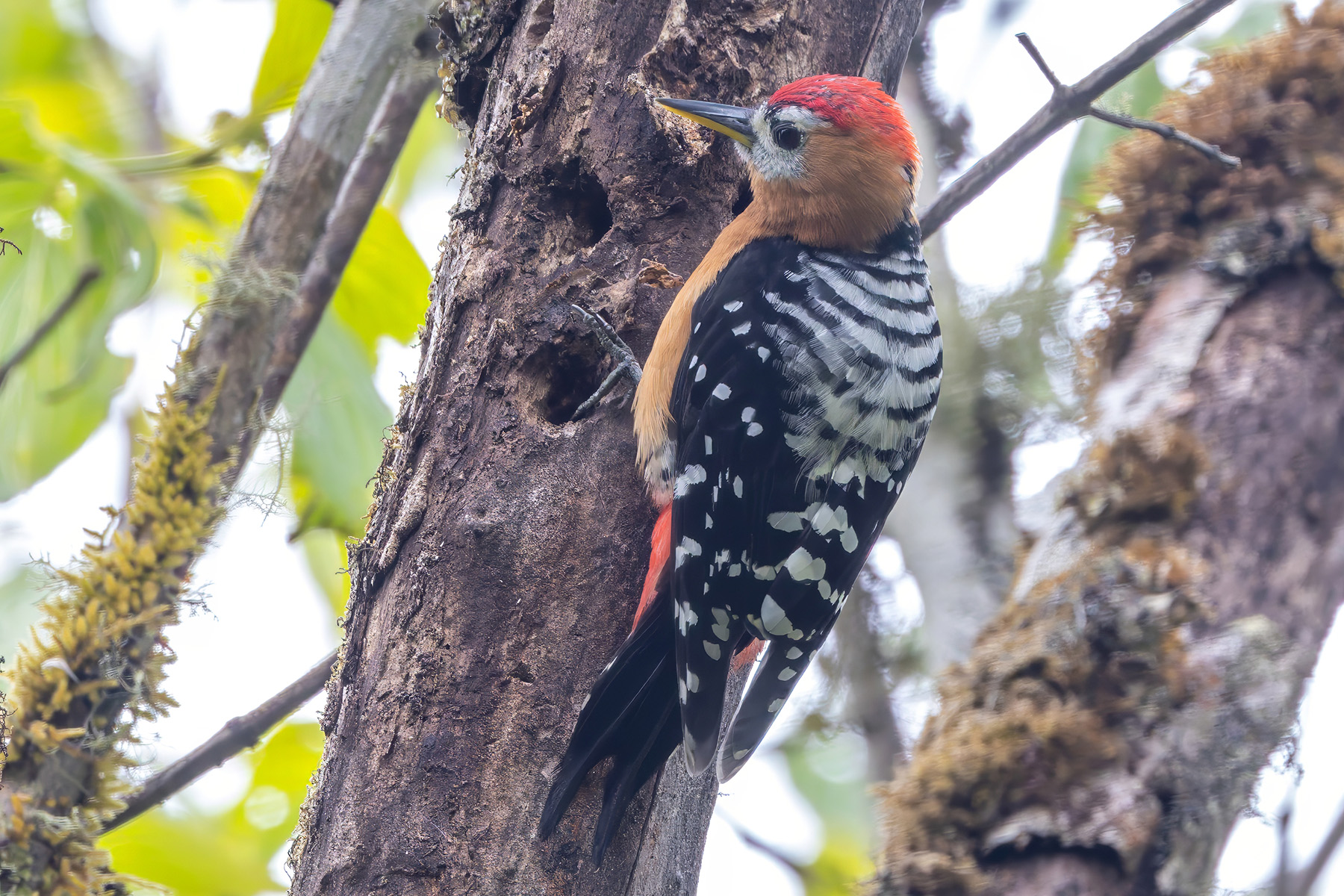
male Rufous-bellied Woodpecker (image by Nik Borrow)
Lingmethang Road (image by Craig Robson)
male Himalayan Cutia (image by Nik Borrow)
Ashy-throated Warbler (image by Craig Robson)
Black-rumped Magpie (image by Nik Borrow)
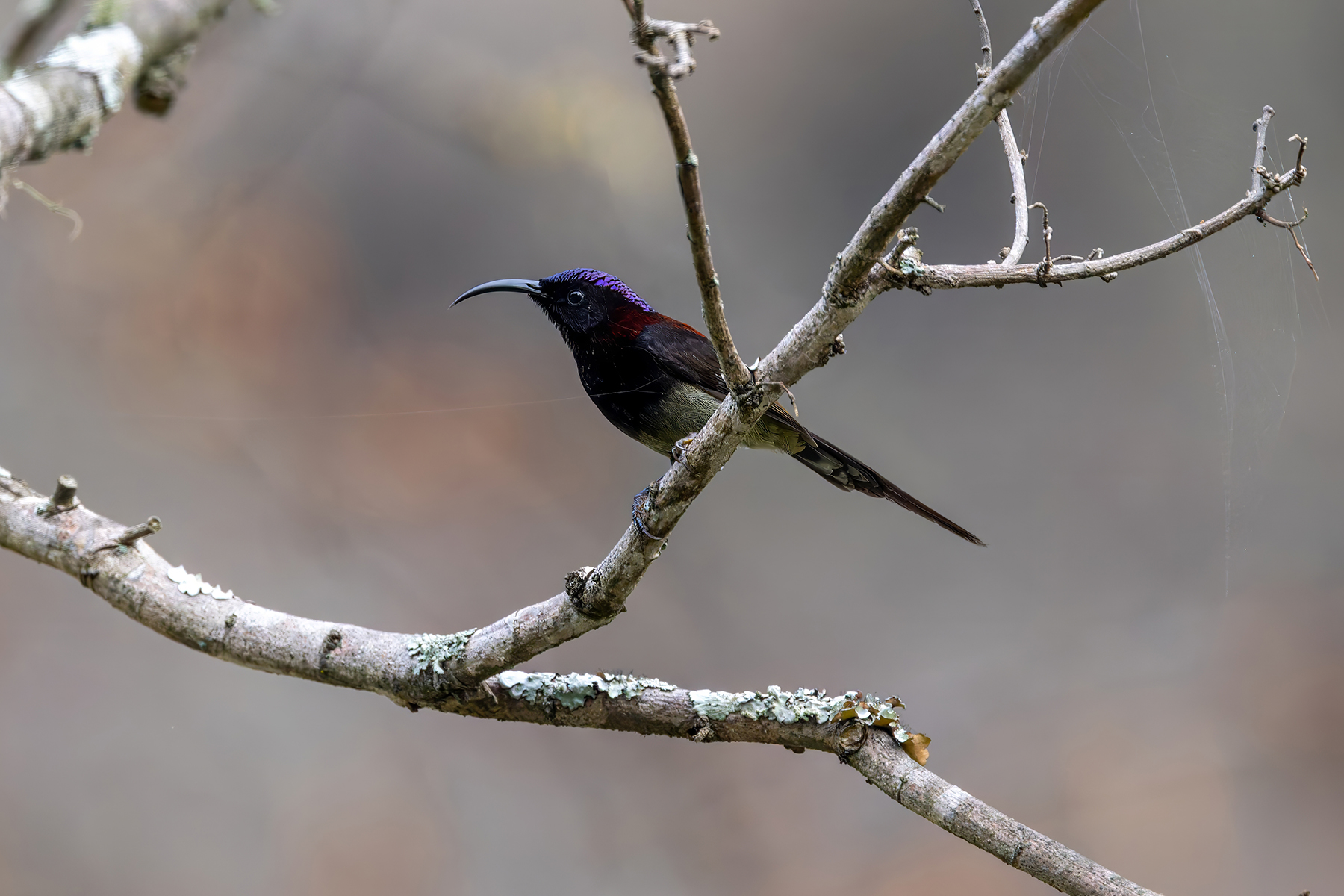
male Black-throated Sunbird (image by Nik Borrow)
Scaly-breasted Cupwing (image by Nik Borrow)
Rufous-vented Tit (image by Dave Farrow)
Eurasian Wren (image by Craig Robson)
Bhutan Laughingthrush (image by Nik Borrow)
male White-collared Blackbird (image by Nik Borrow)
Oriental Turtle Dove (image by Nik Borrow)
Smooth Otters (image by Dave Farrow)
Grey Langurs (image by Dave Farrow)
Blyth's Leaf Warbler (image by Nik Borrow)
Buff-barred Warbler (image by Nik Borrow)
White-bellied Heron (image by Dave Farrow)
White-throated Laughingthrush (image by Nik Borrow)
White-browed Fulvetta (image by Nik Borrow)
Rufous-breasted Accentor (image by Dave Farrow)
On the way to Lingmethang Road (image by Craig Robson)
Grey-crested Tit (image by Nik Borrow)
Rufous-faced Warbler (image by Nik Borrow)
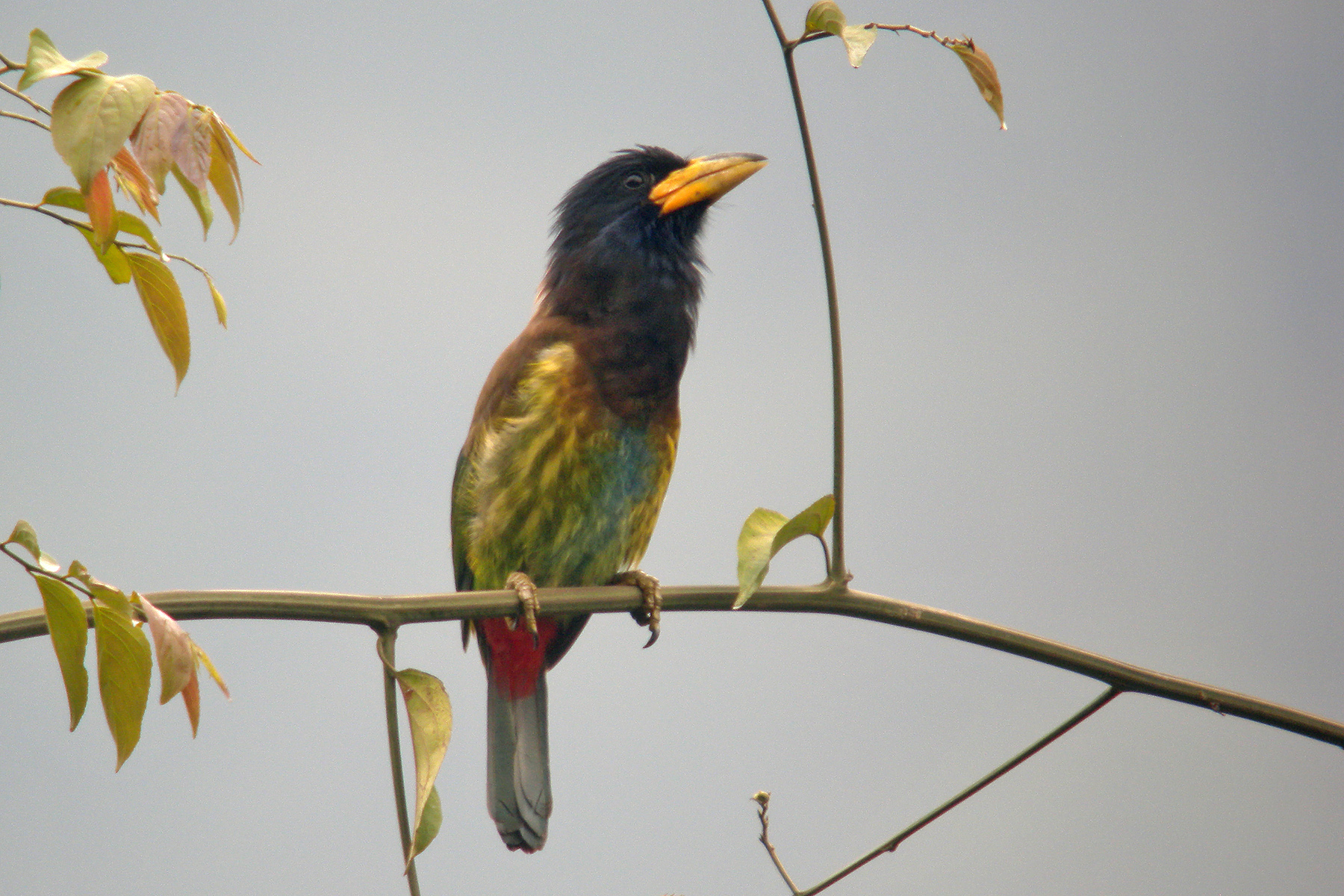
Great Barbet (image by Dave Farrow)
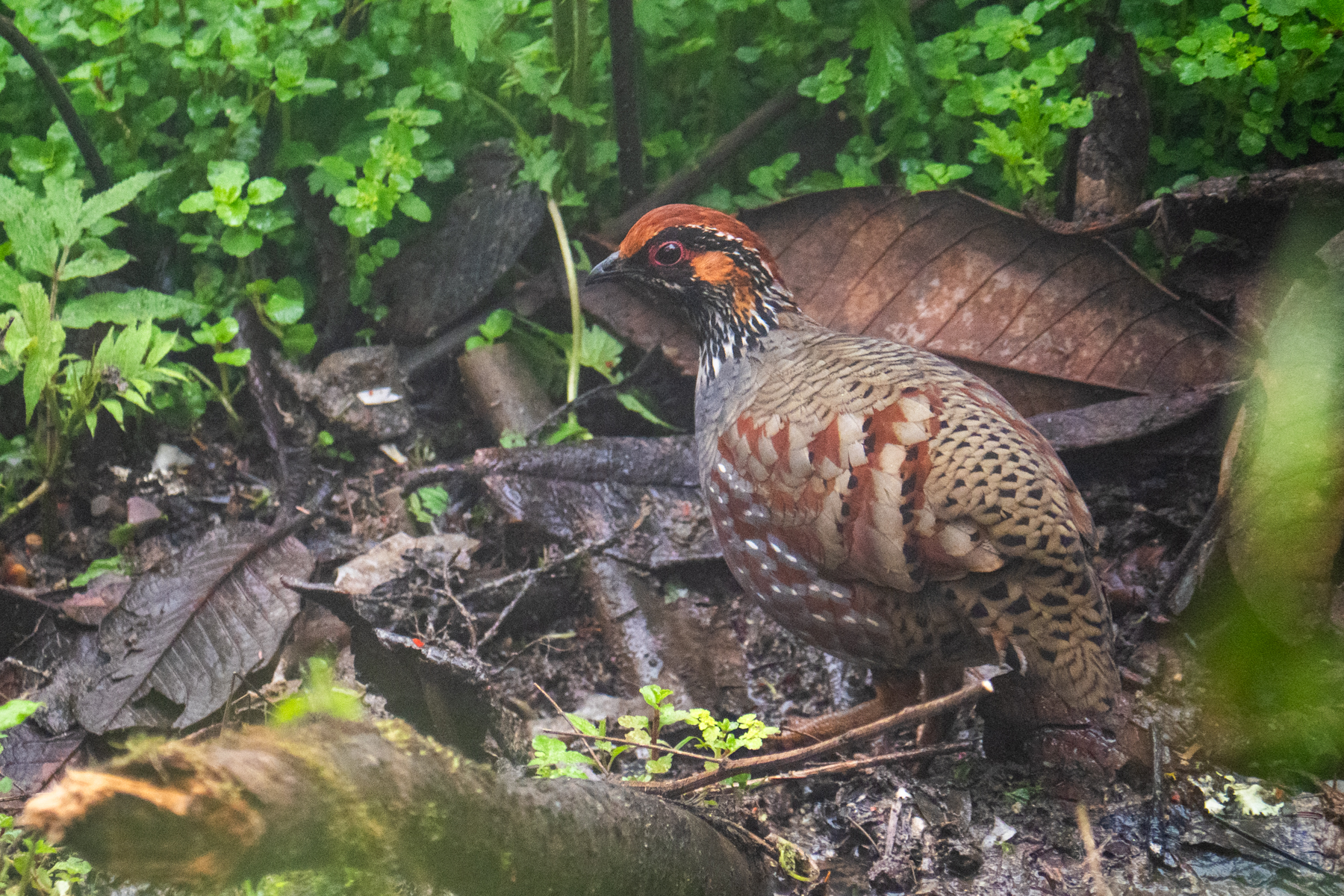
Hill Partridge (image by Dave Farrow)
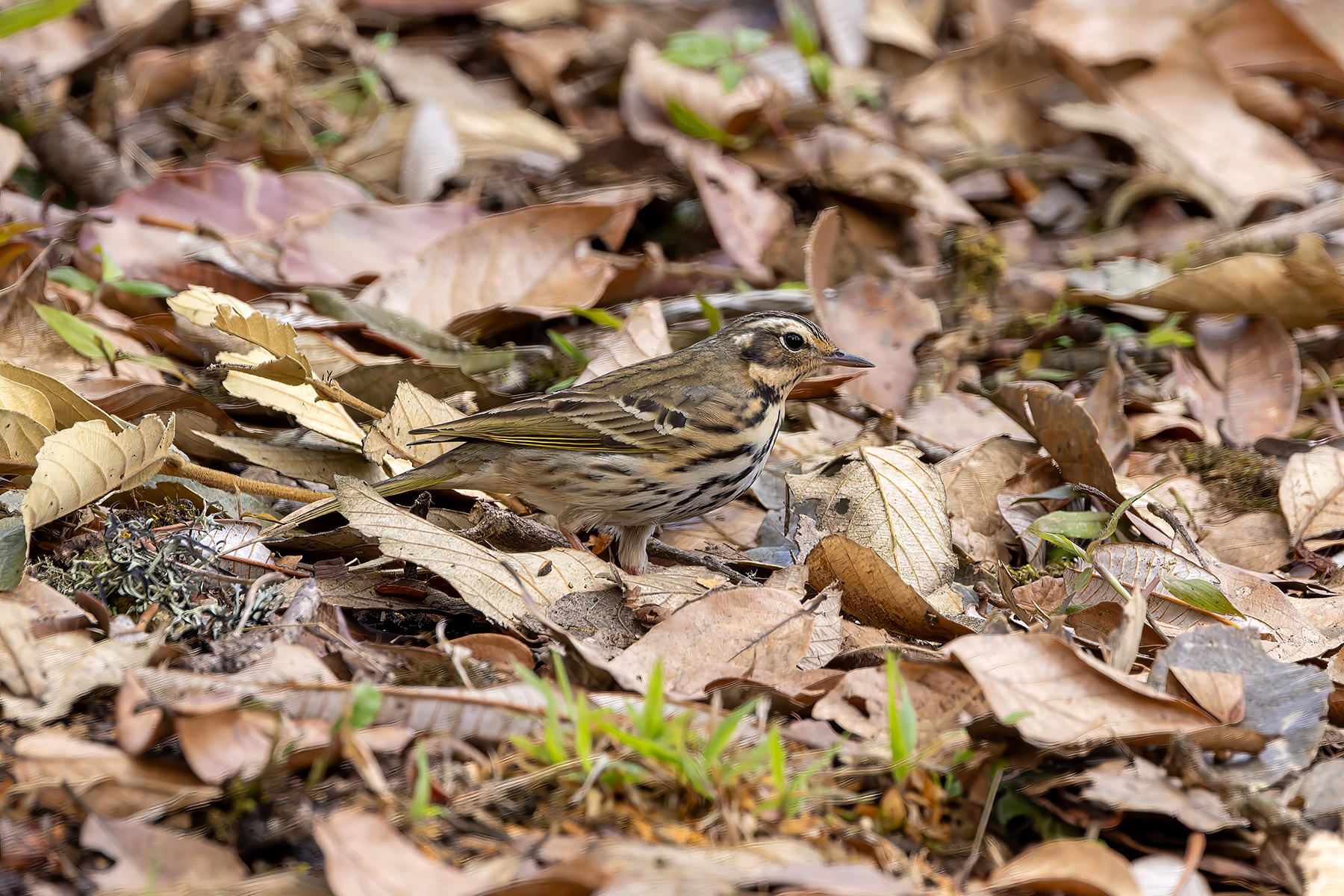
Olive-backed Pipit (image by Nik Borrow)
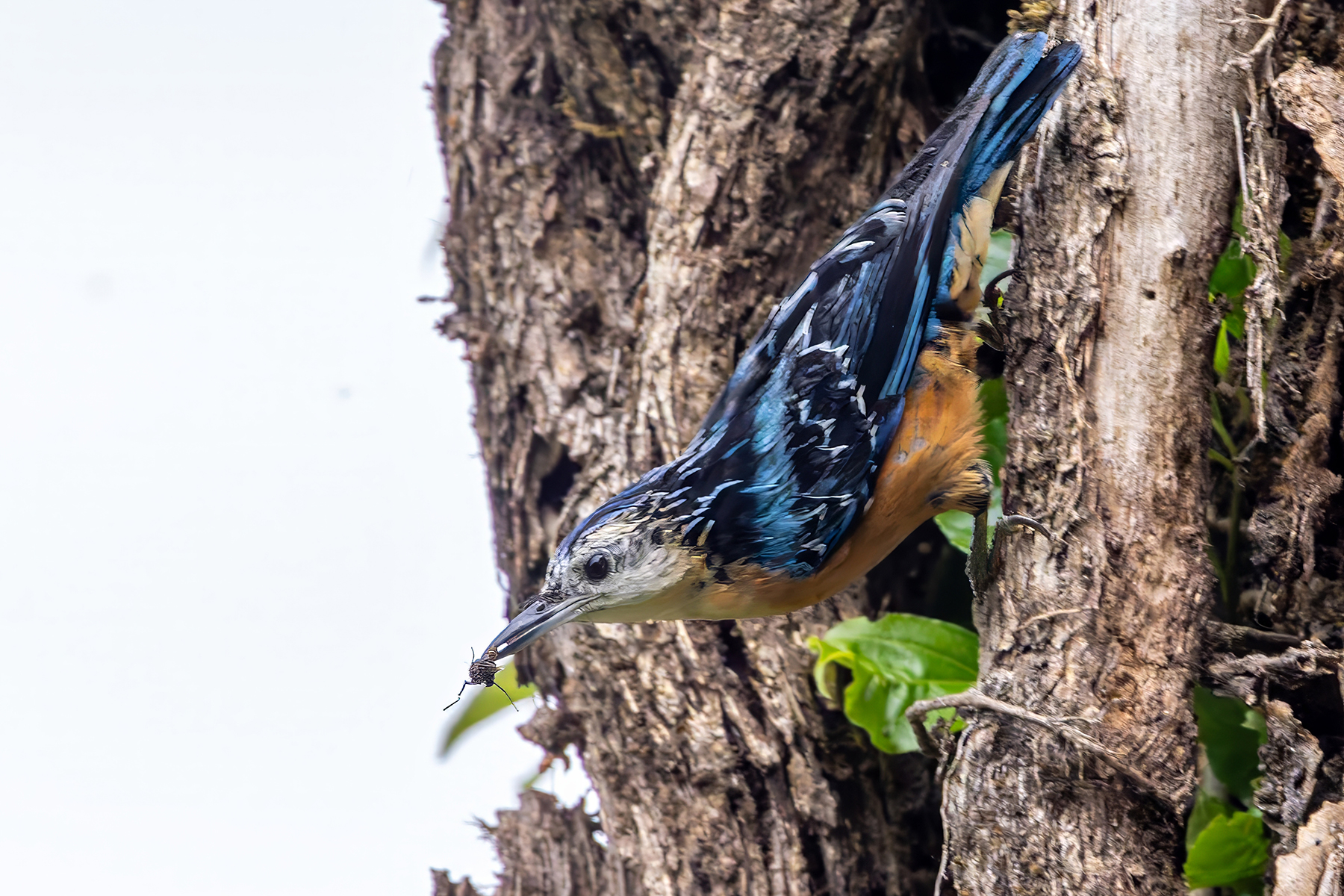
Beautiful Nuthatch (image by Nik Borrow)
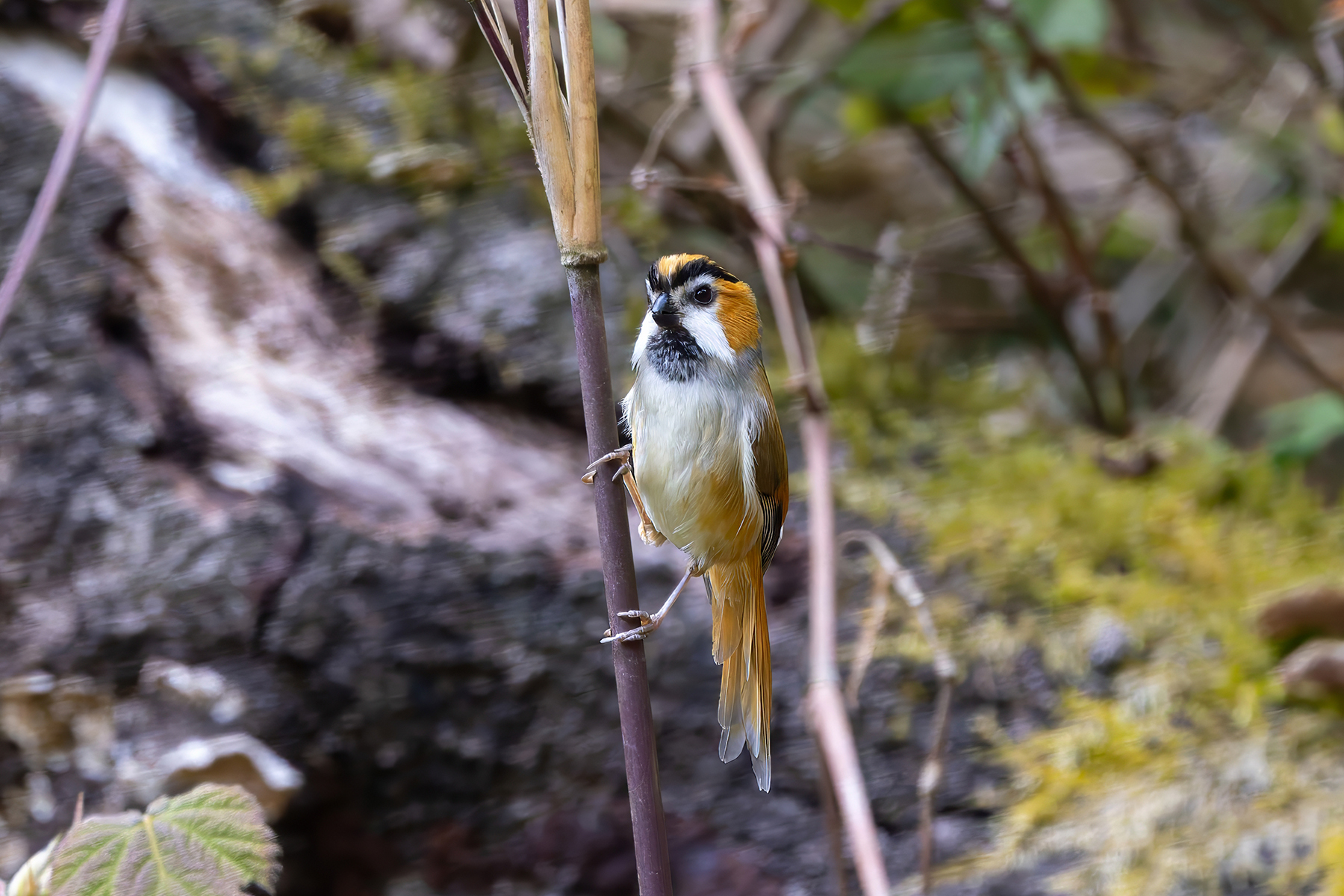
Black-throated Parrotbill (image by Nik Borrow)
White-bellied Erpornis (image by Craig Robson)
Lemon-rumped Warbler (image by Craig Robson)
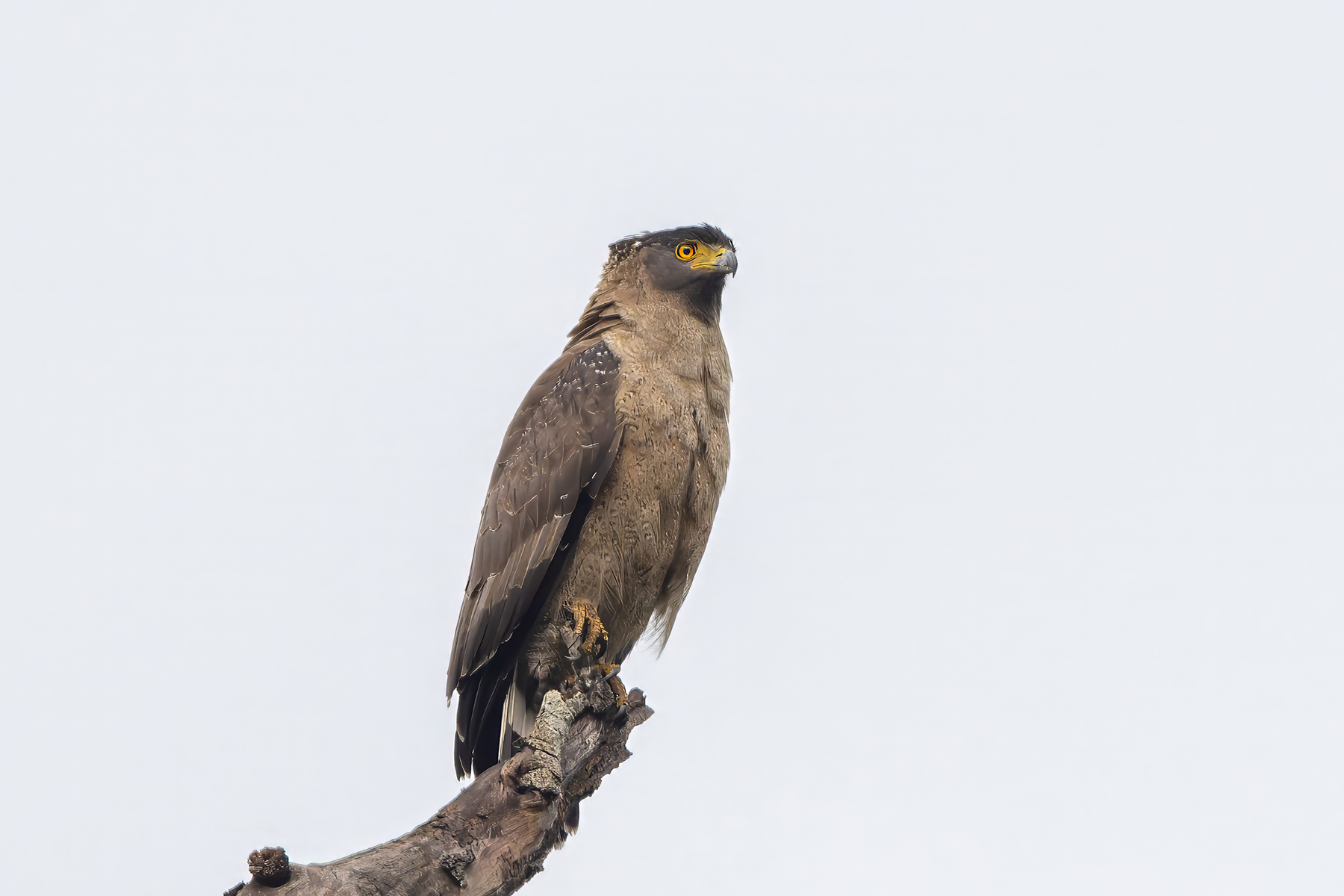
Crested Serpent Eagle (image by Nik Borrow)
Western Red Panda (image by Nik Borrow)
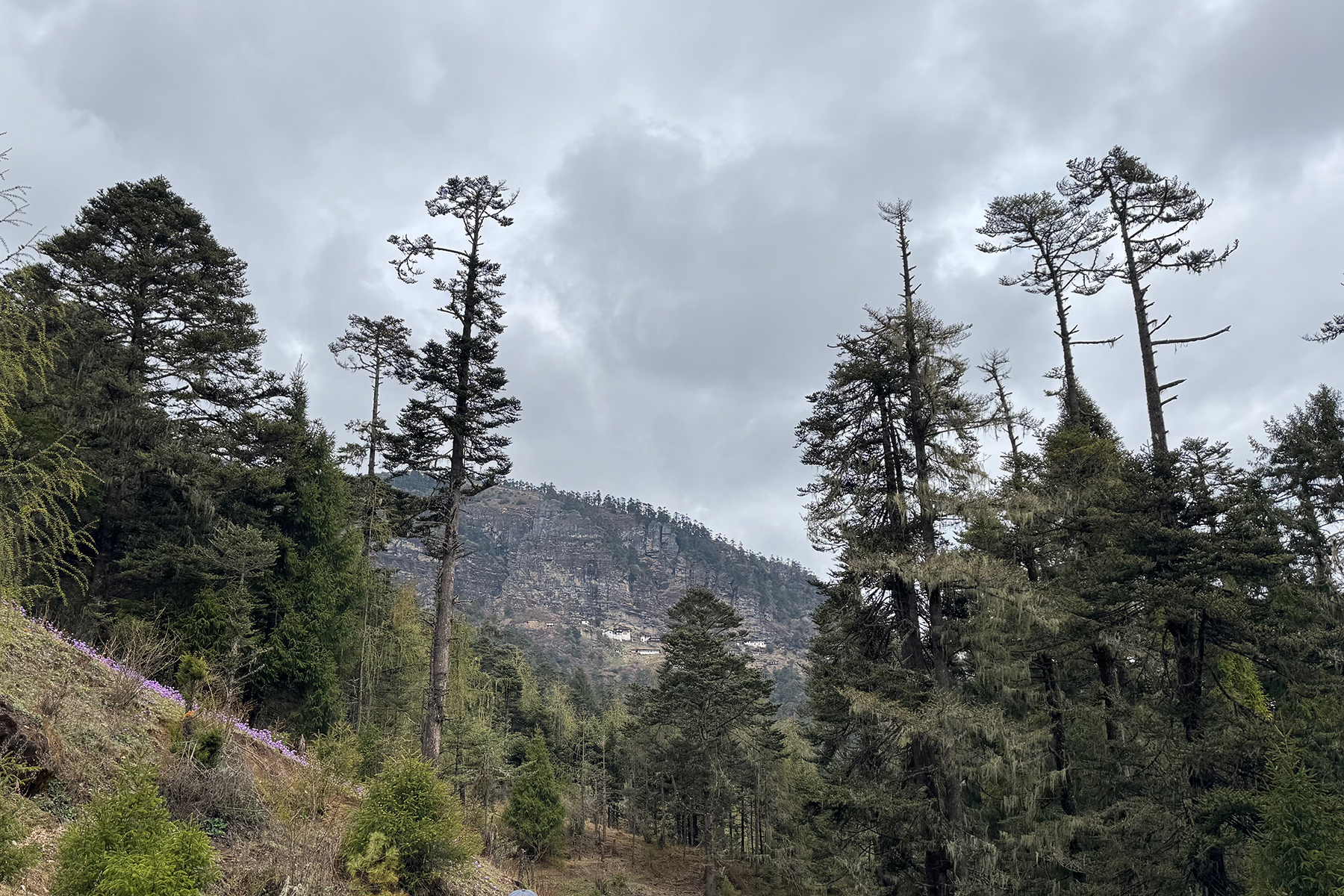
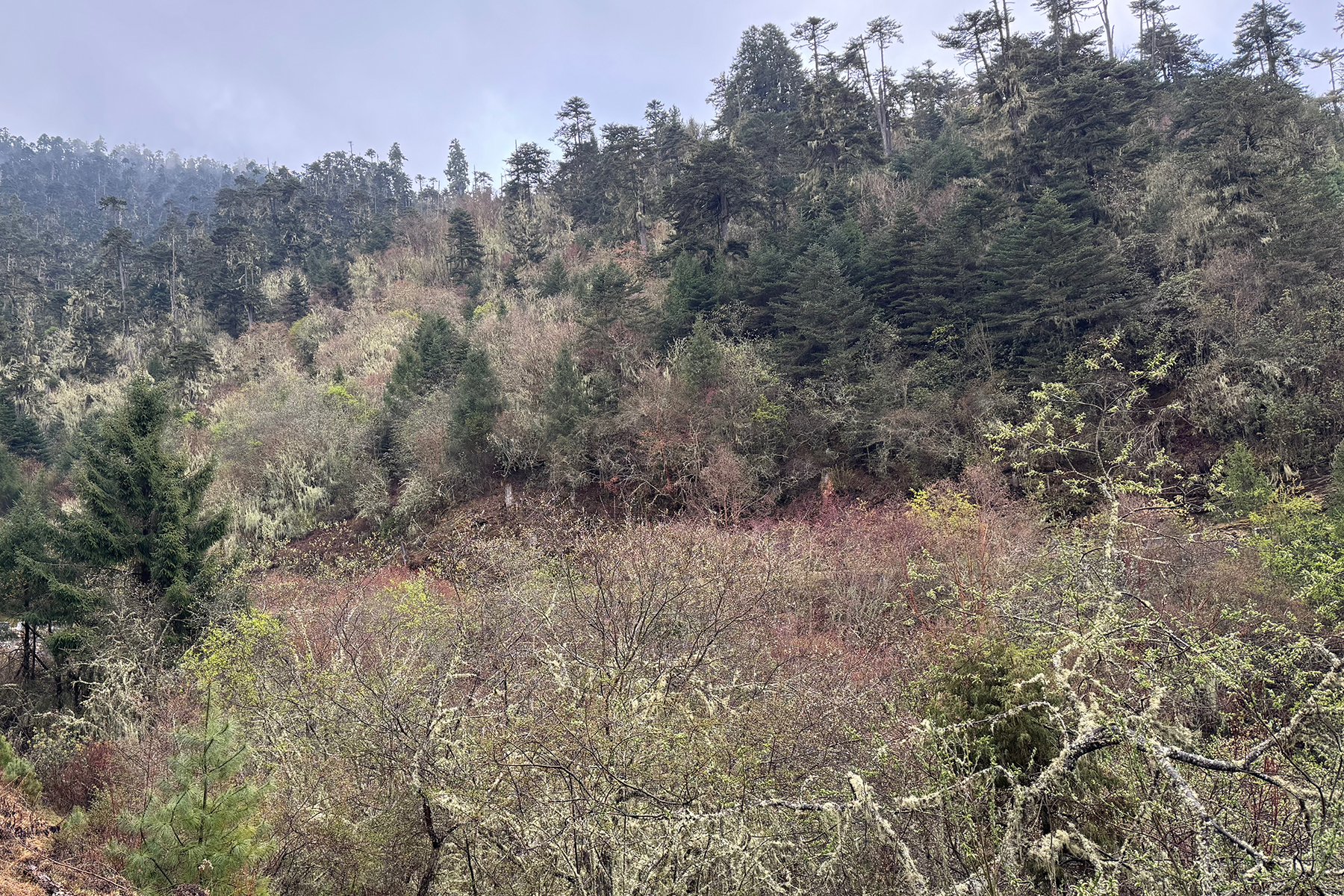
Chelela road (image by Nik Borrow)
Rusty-fronted Barwing (image by Nik Borrow)
Rufous-fronted Bushtits (image by Dave Farrow)
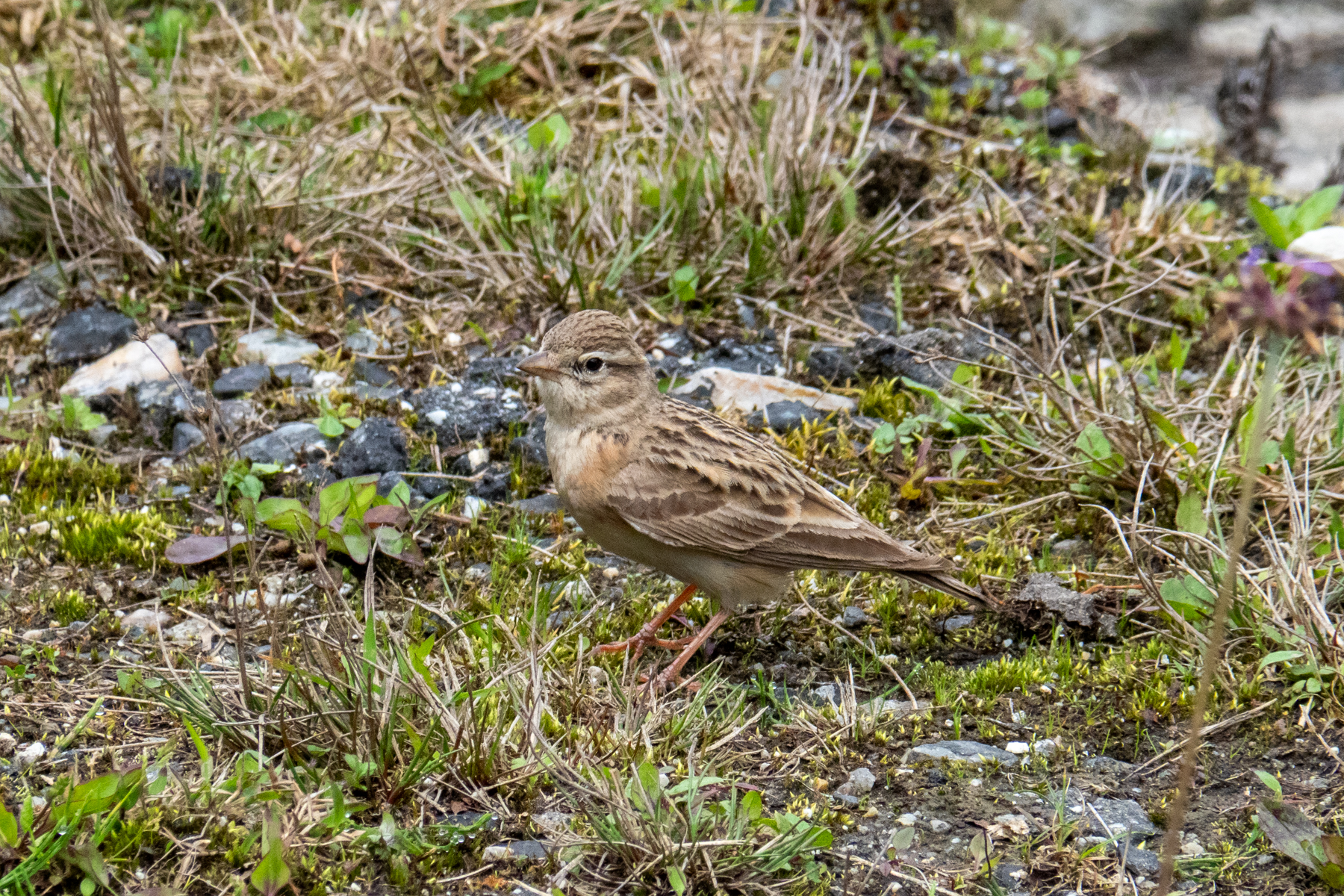
Mongolian Short-toed Lark (image by Dave Farrow)
Sikkim Wedge-billed Babbler (image by Dave Farrow)
female Verditer Flycatcher (image by Nik Borrow)
Rufous-necked Hornbills (image by Dave Farrow)
male Satyr Tragopan (image by Nik Borrow)
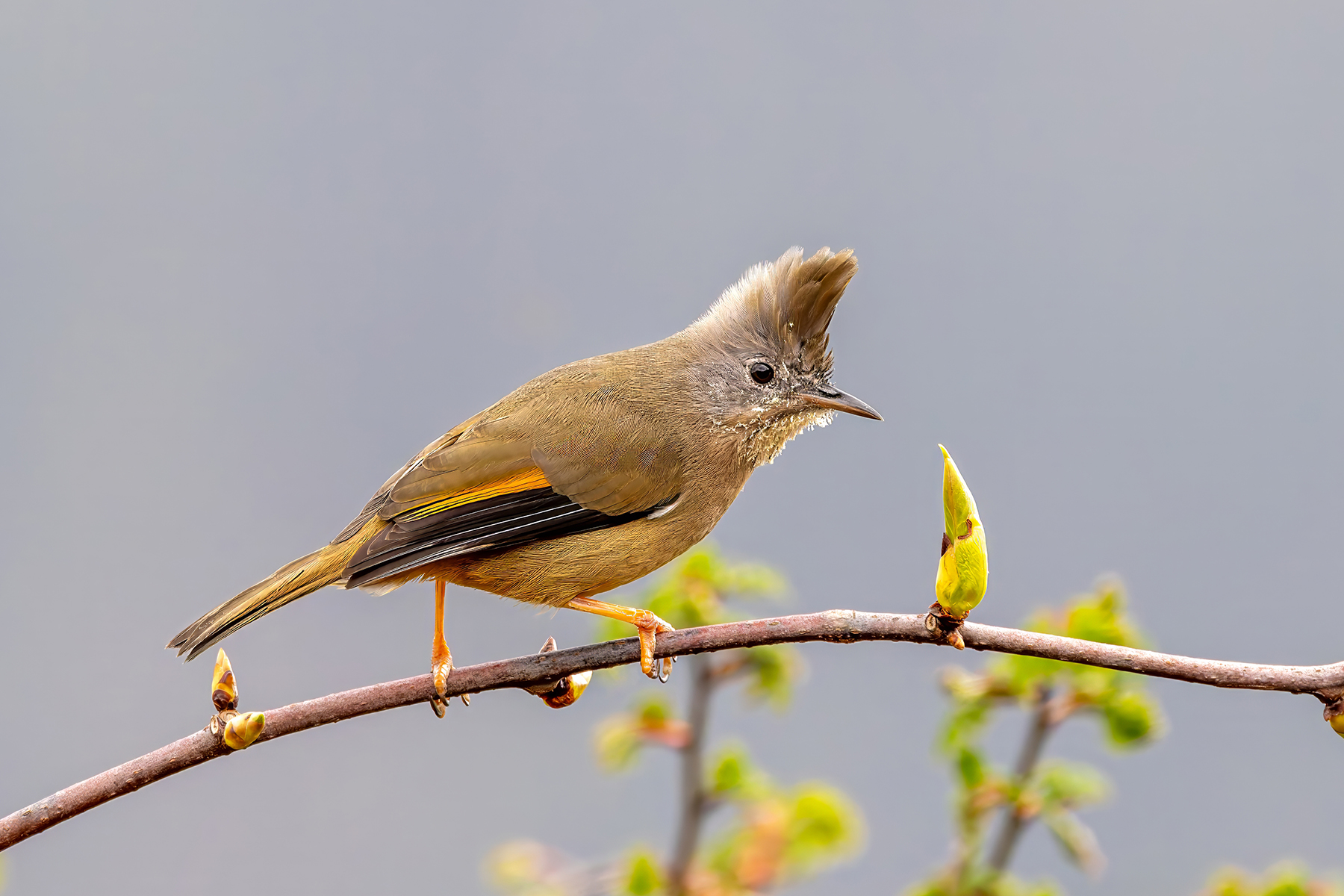
Stripe-throated Yuhina (image by Nik Borrow)
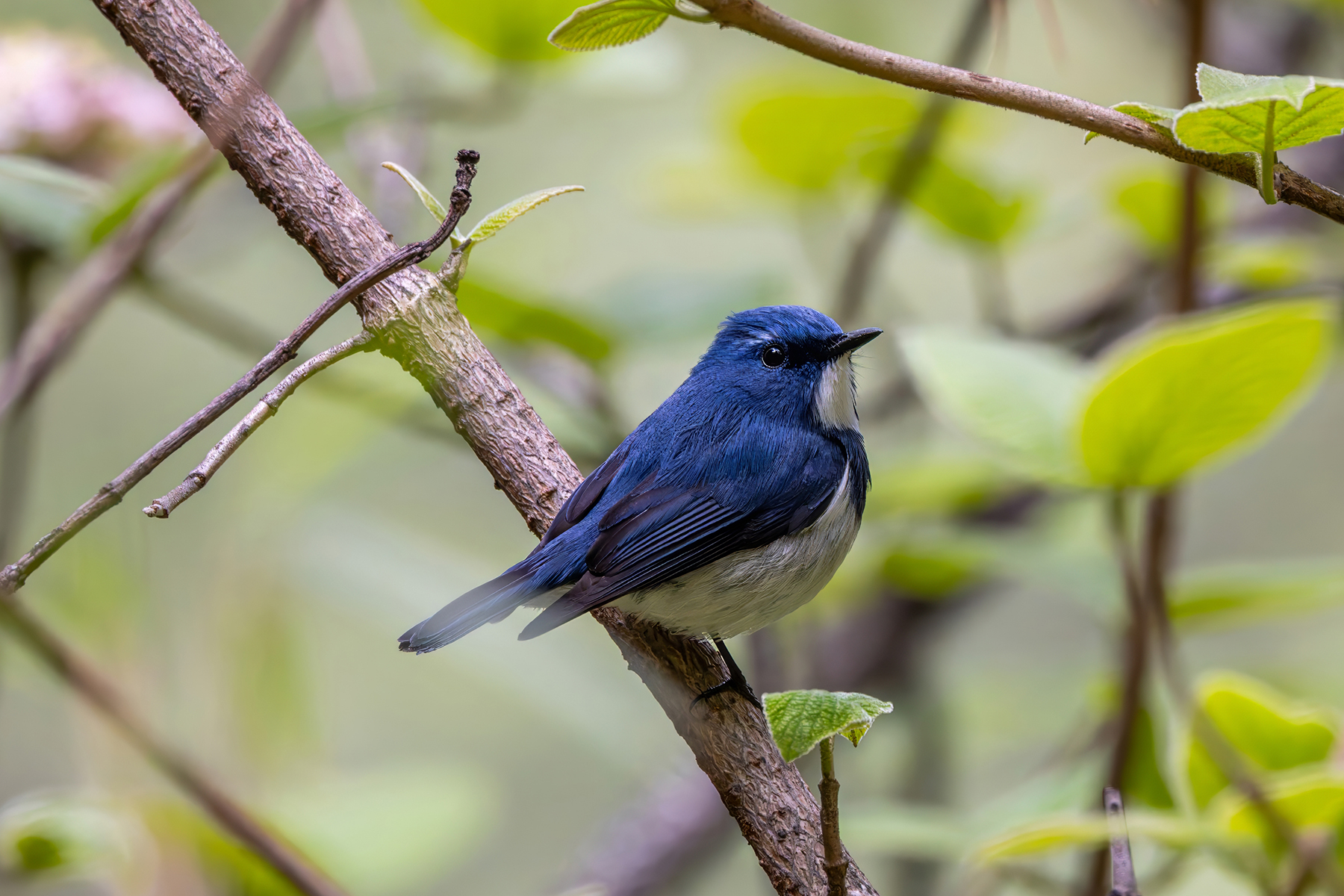
male Ultramarine Flycatcher (image by Nik Borrow)
White-breasted Parrotbill (image by Craig Robson)
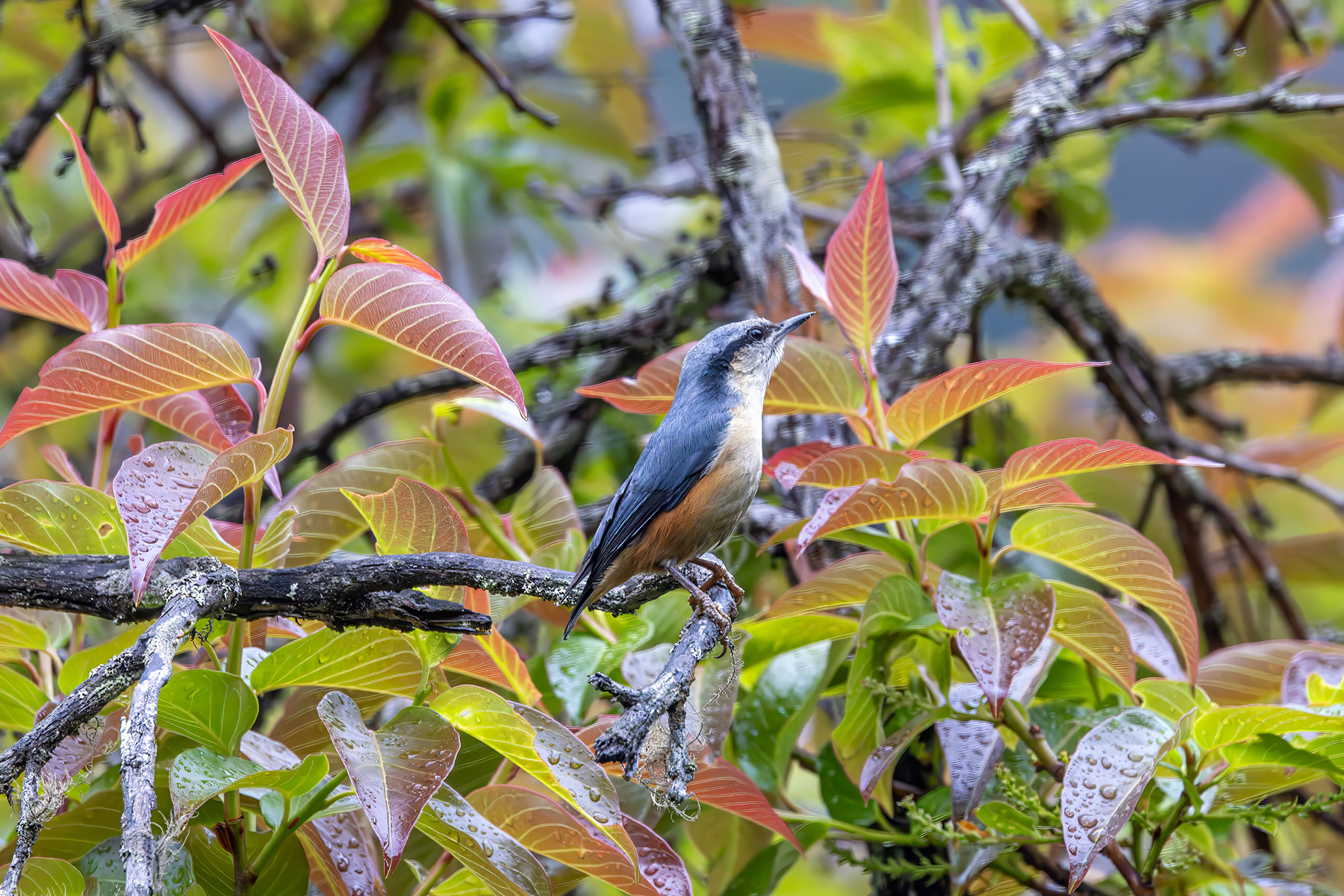
White-tailed Nuthatch (image by Nik Borrow)
Sengor (image by Nik Borrow)
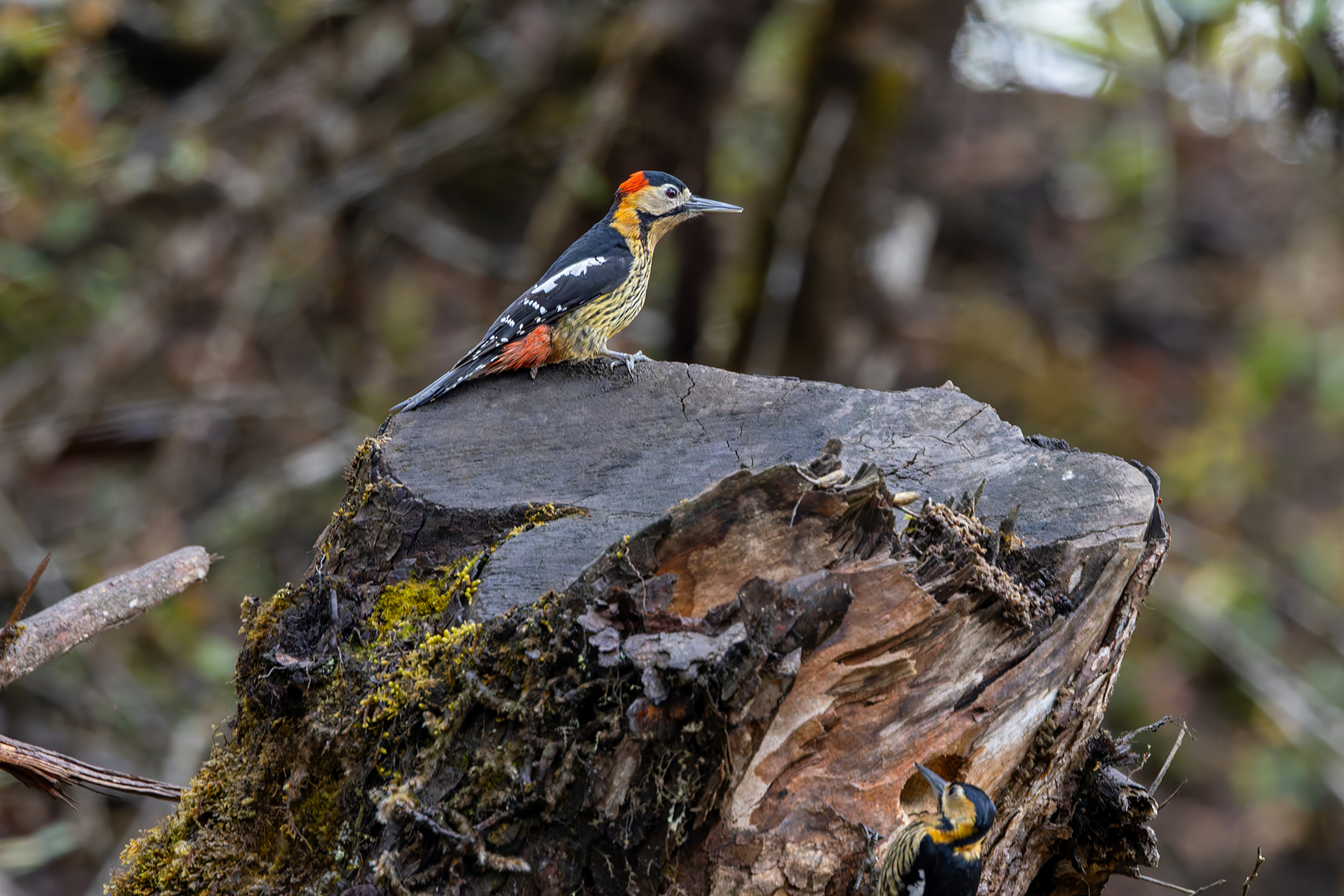
male Darjeeling Woodpecker (image by Nik Borrow)
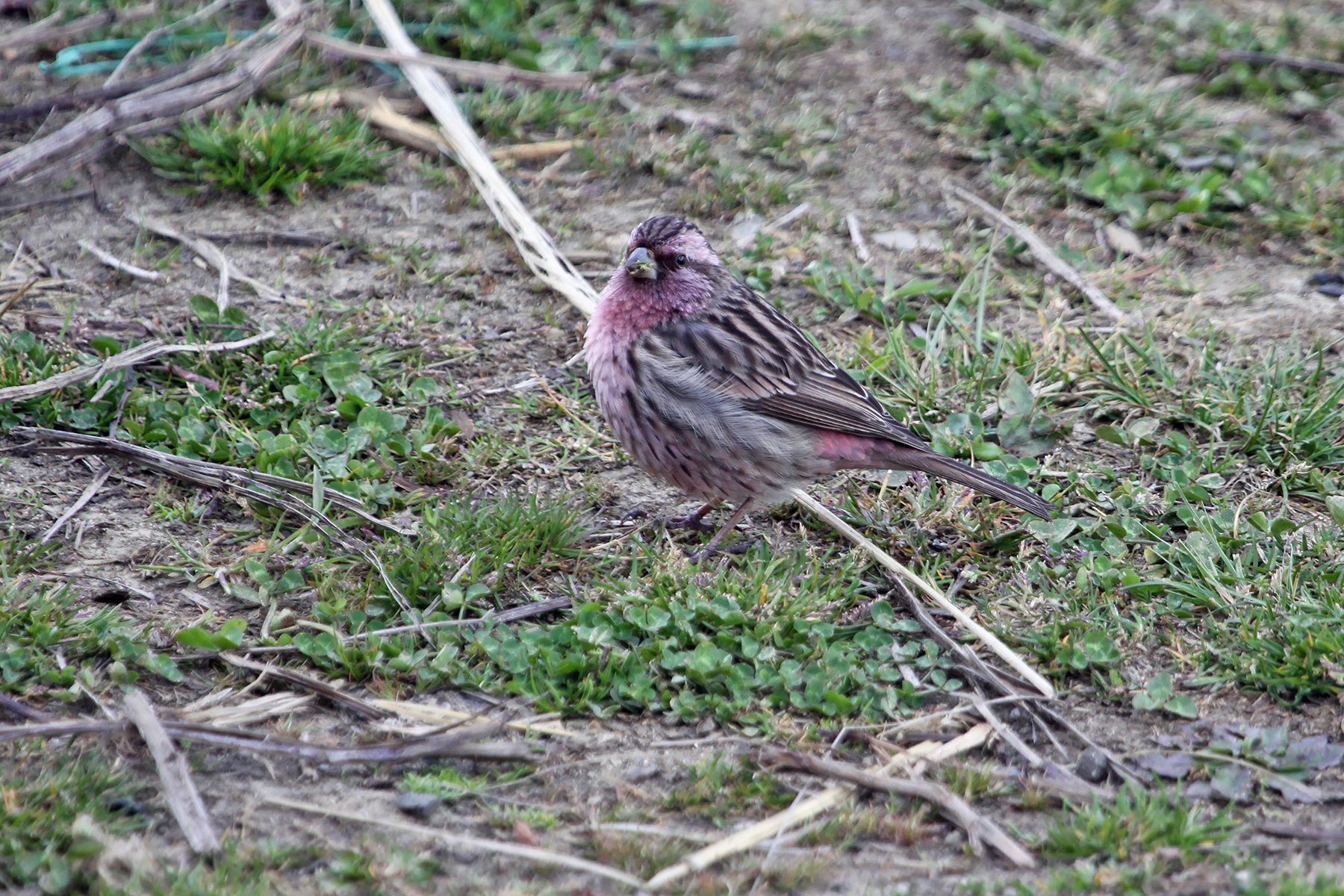
Himalayan Beautiful Rosefinch (image by Dave Farrow)
Bumthang (image by Nik Borrow)
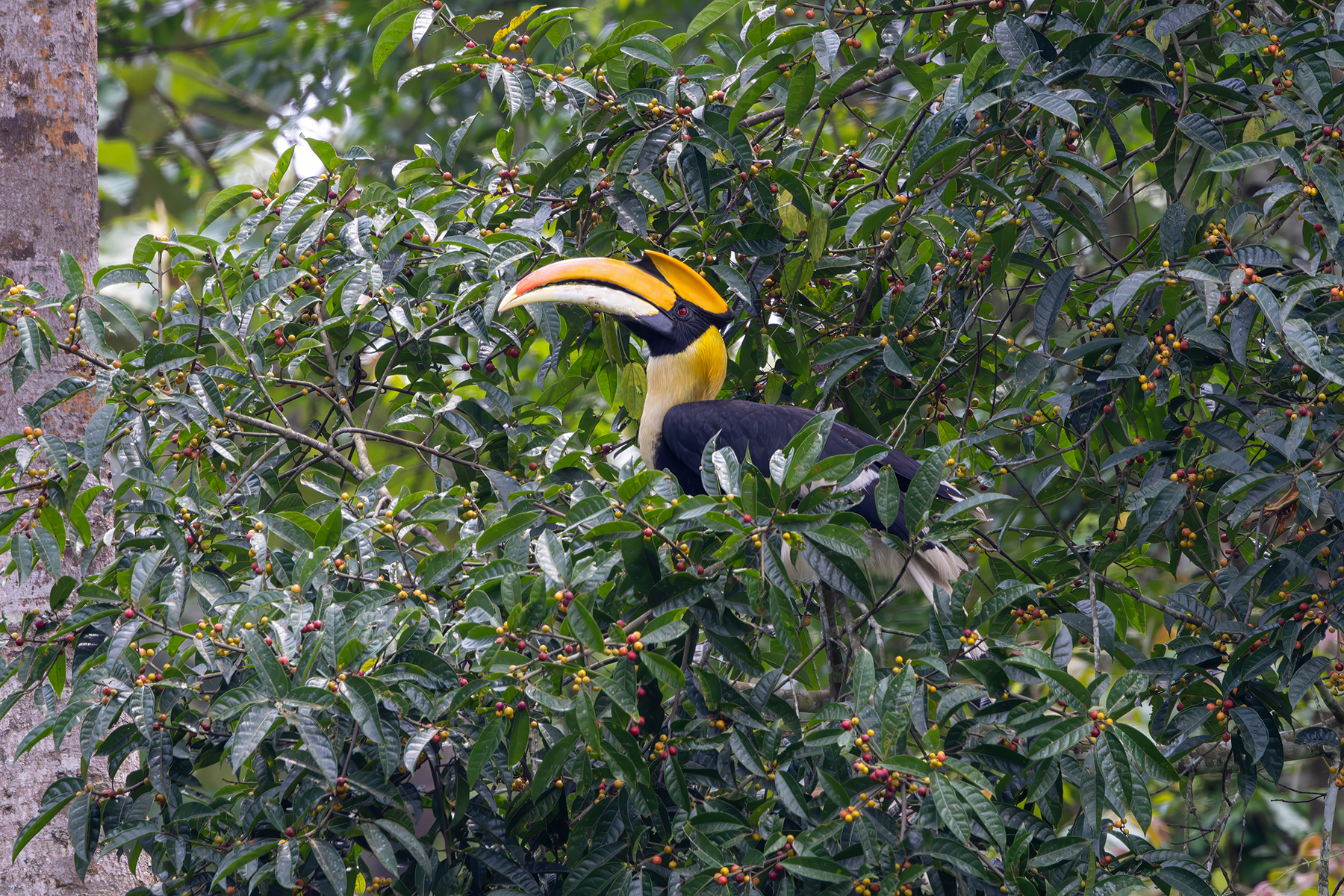
male Great Hornbill (image by Nik Borrow)
Bar-throated Minla (image by Nik Borrow)
Rufous-bellied Niltava (image by Dave Farrow)
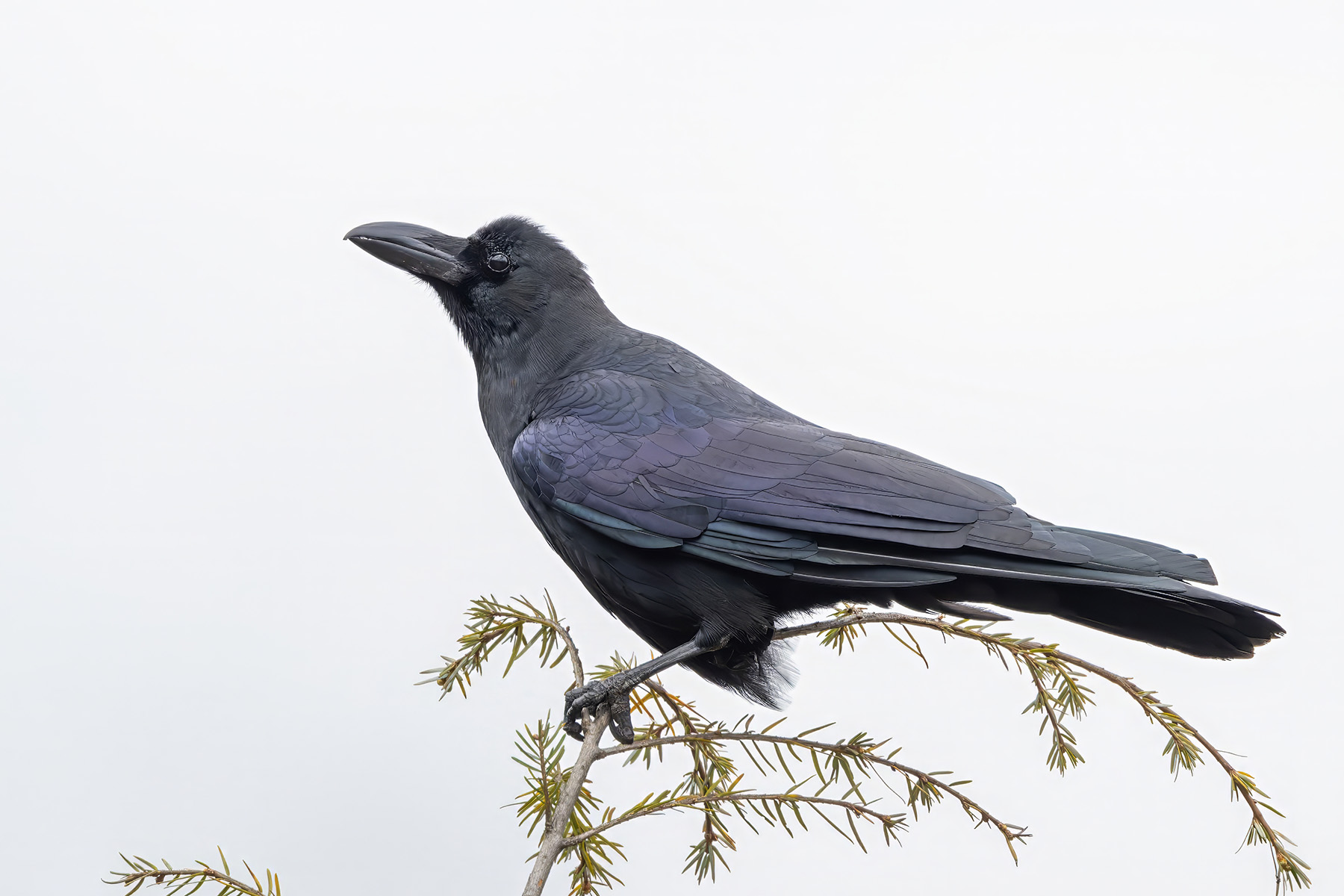
Large-billed Crow (image by Nik Borrow)
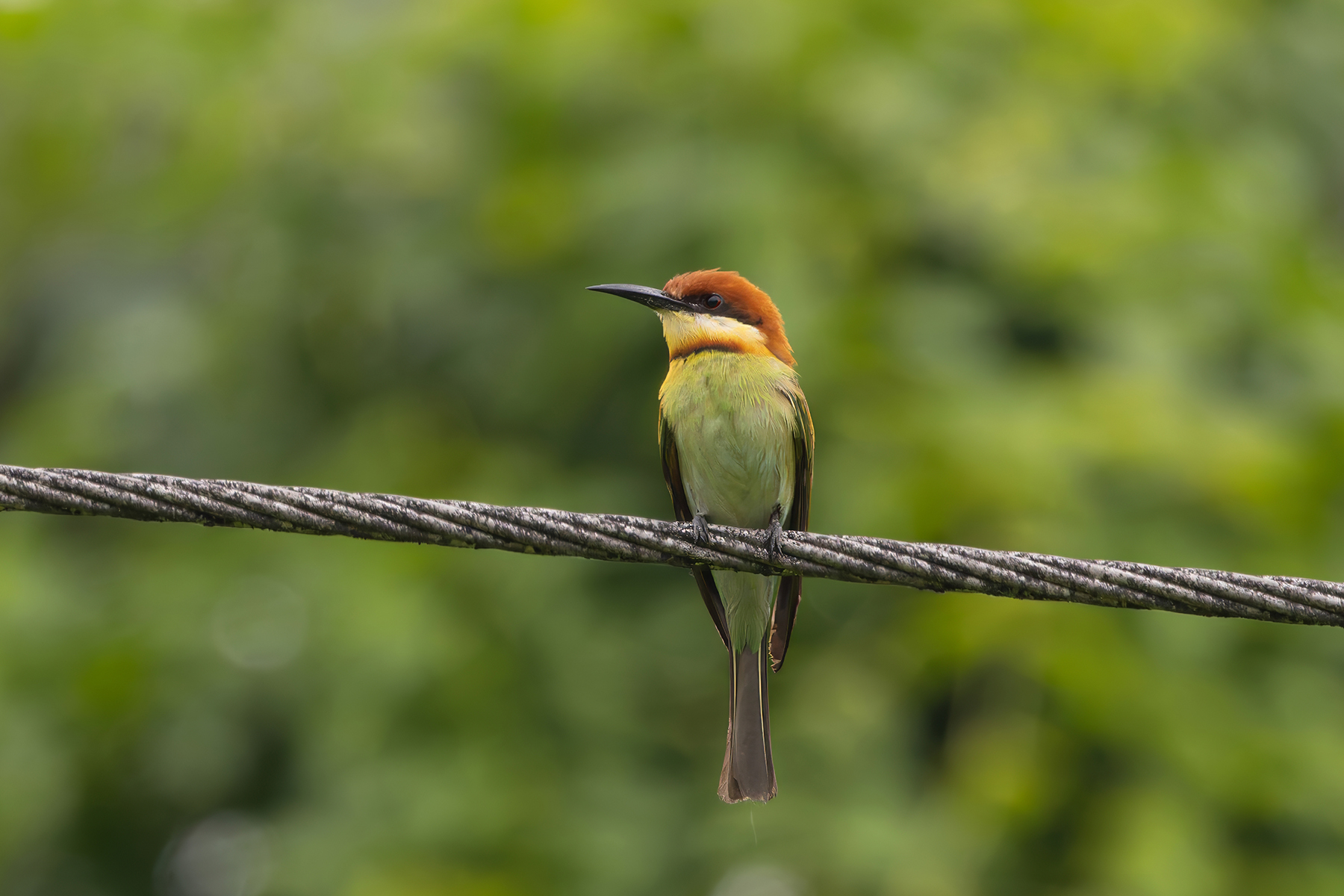
Chestnut-headed Bee-eater (image by Nik Borrow)
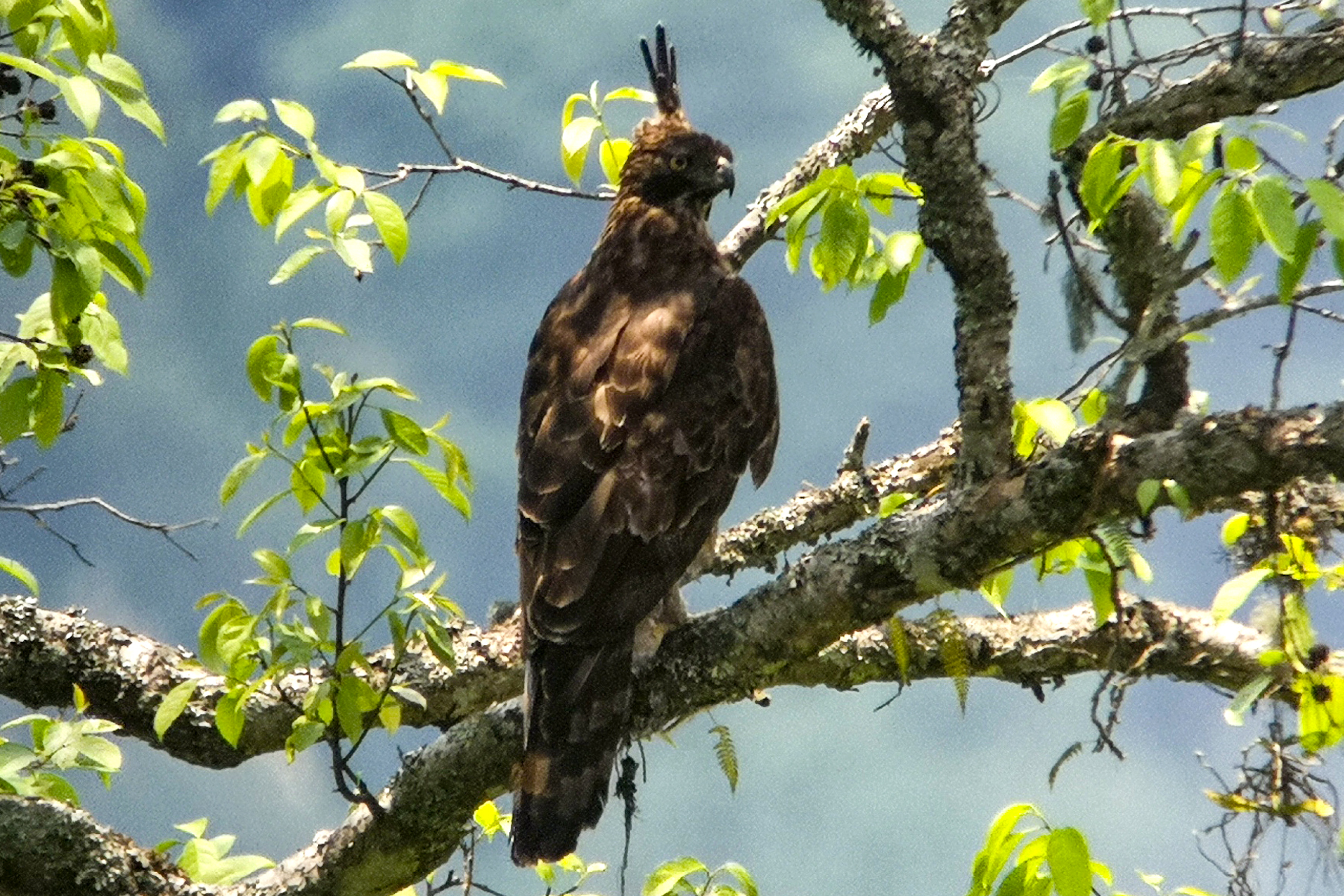
Mountain Hawk-eagle (image by Dave Farrow)
Himalayan Monal (image by Dave Farrow)
Streaked Spiderhunter (image by Nik Borrow)
Dawn at Darachu Camp (image by Dave Farrow)
Black-faced Laughingthrush (image by Nik Borrow)
Scaly Laughingthrush (image by Dave Farrow)
Rufous Sibia (image by Nik Borrow)
White-browed Piculet (image by Nik Borrow)
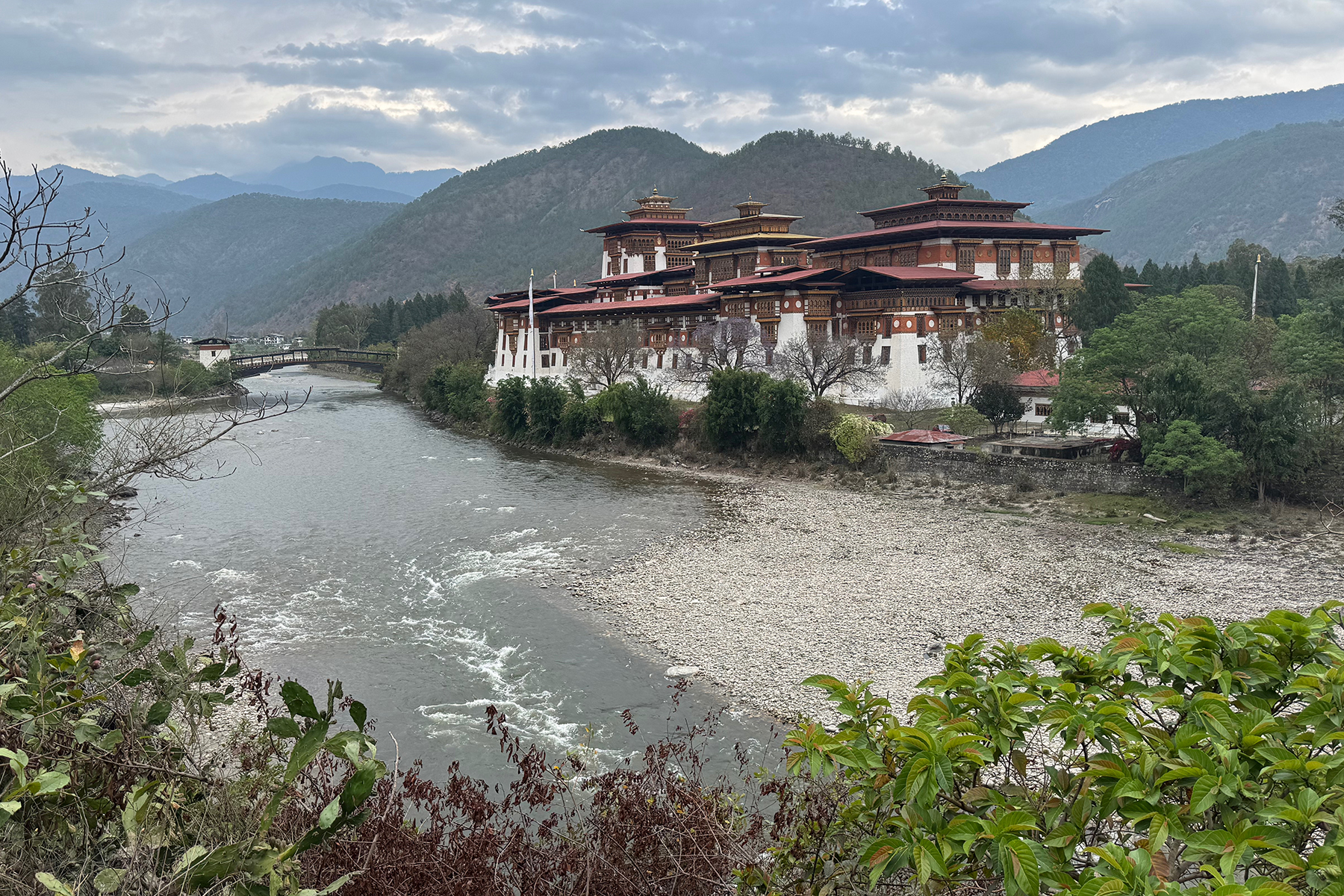
Punakha Dzhong (image by Nik Borrow)
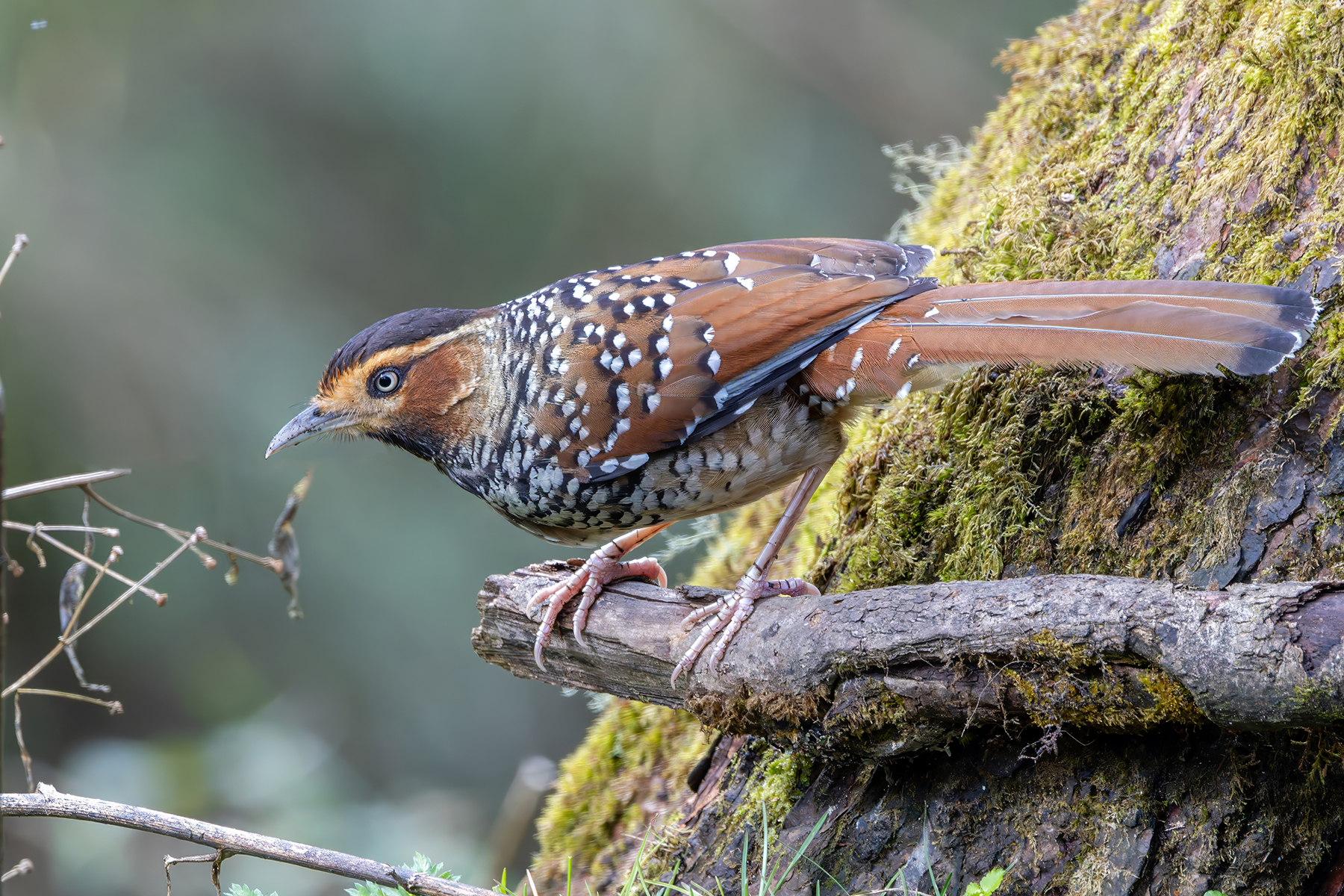
Spotted Elachura (image by Nik Borrow)
Asian Emerald Cuckoo (image by Dave Farrow)
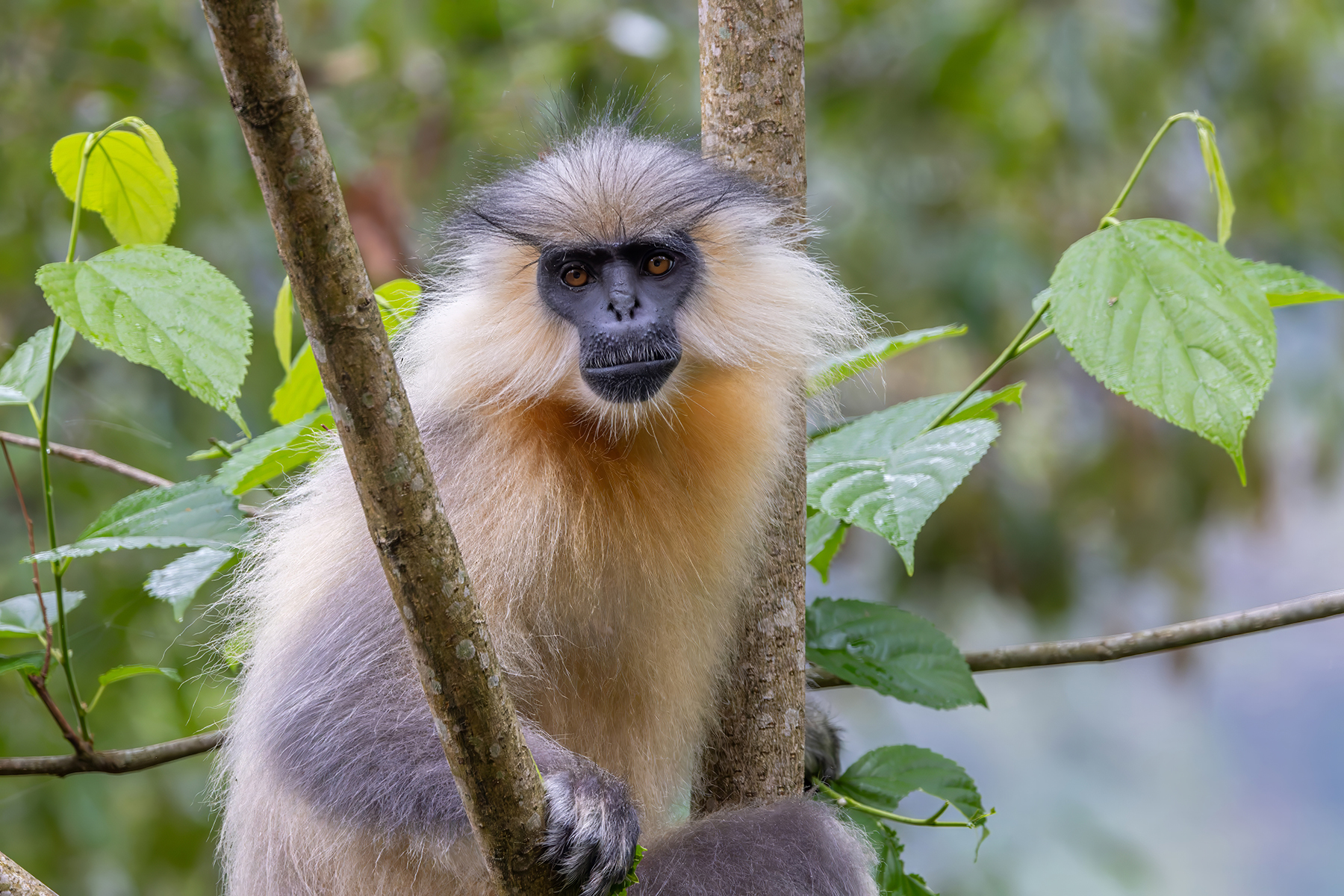
Gee's Golden Langur (image by Craig Robson)
Jomolhari, from Chele La in Bhutan (image by Dave Farrow)
Thrumshing La (image by Nik Borrow)
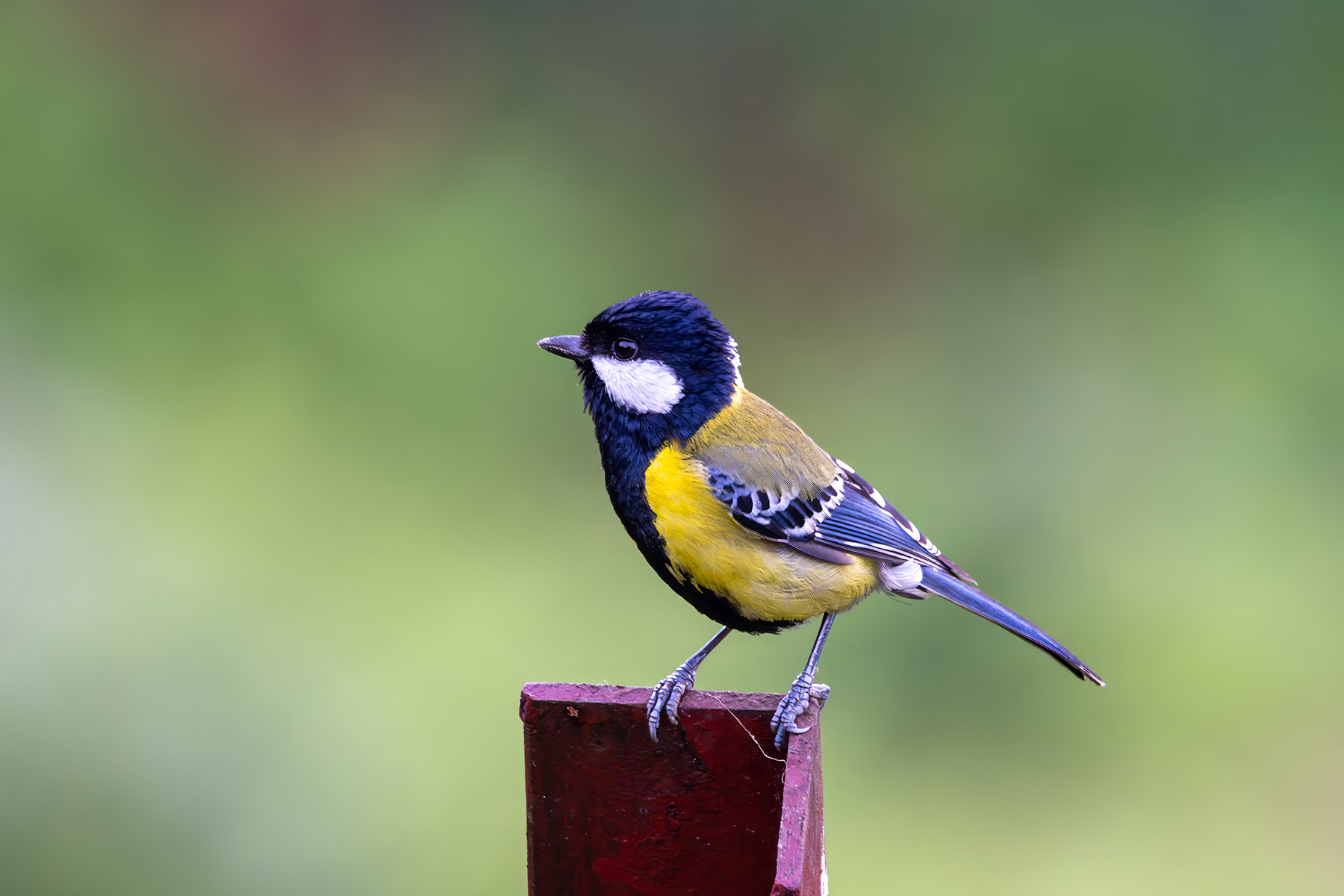
Green-backed Tit (image by Nik Borrow)
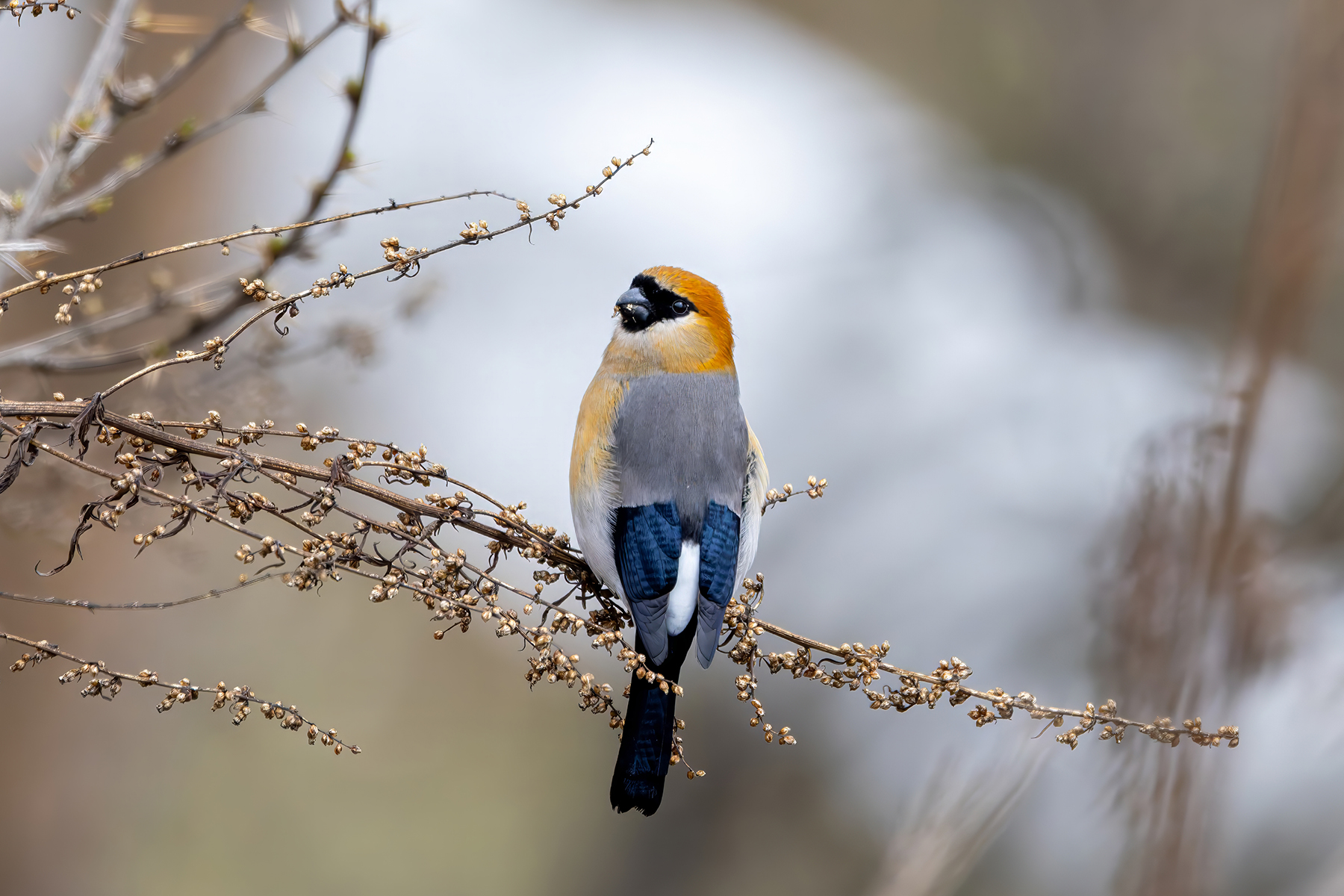
male Red-headed Bullfinch (image by Nik Borrow)
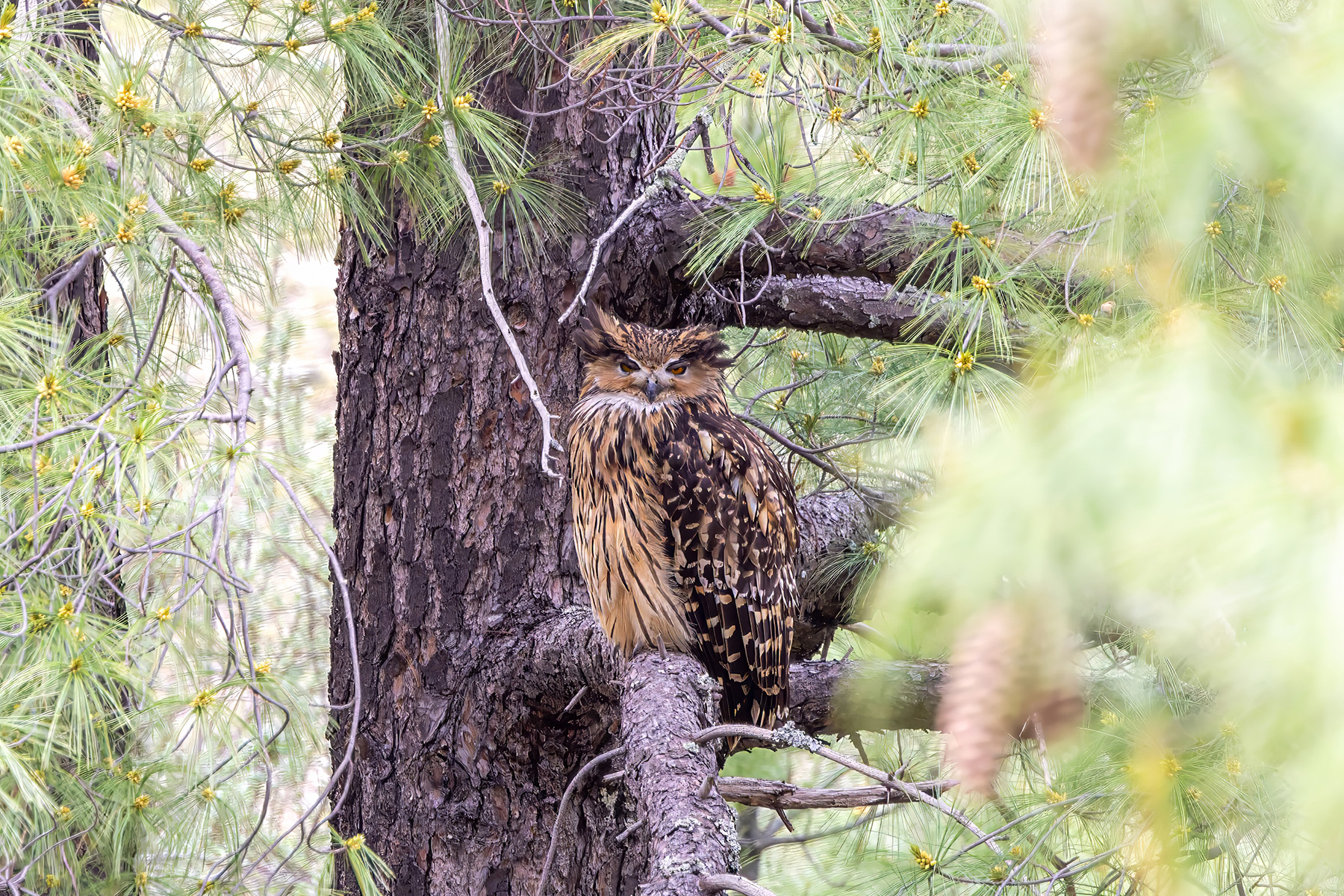
Tawny Fish Owl (image by Nik Borrow)
Nepal House Martin (image by Craig Robson)
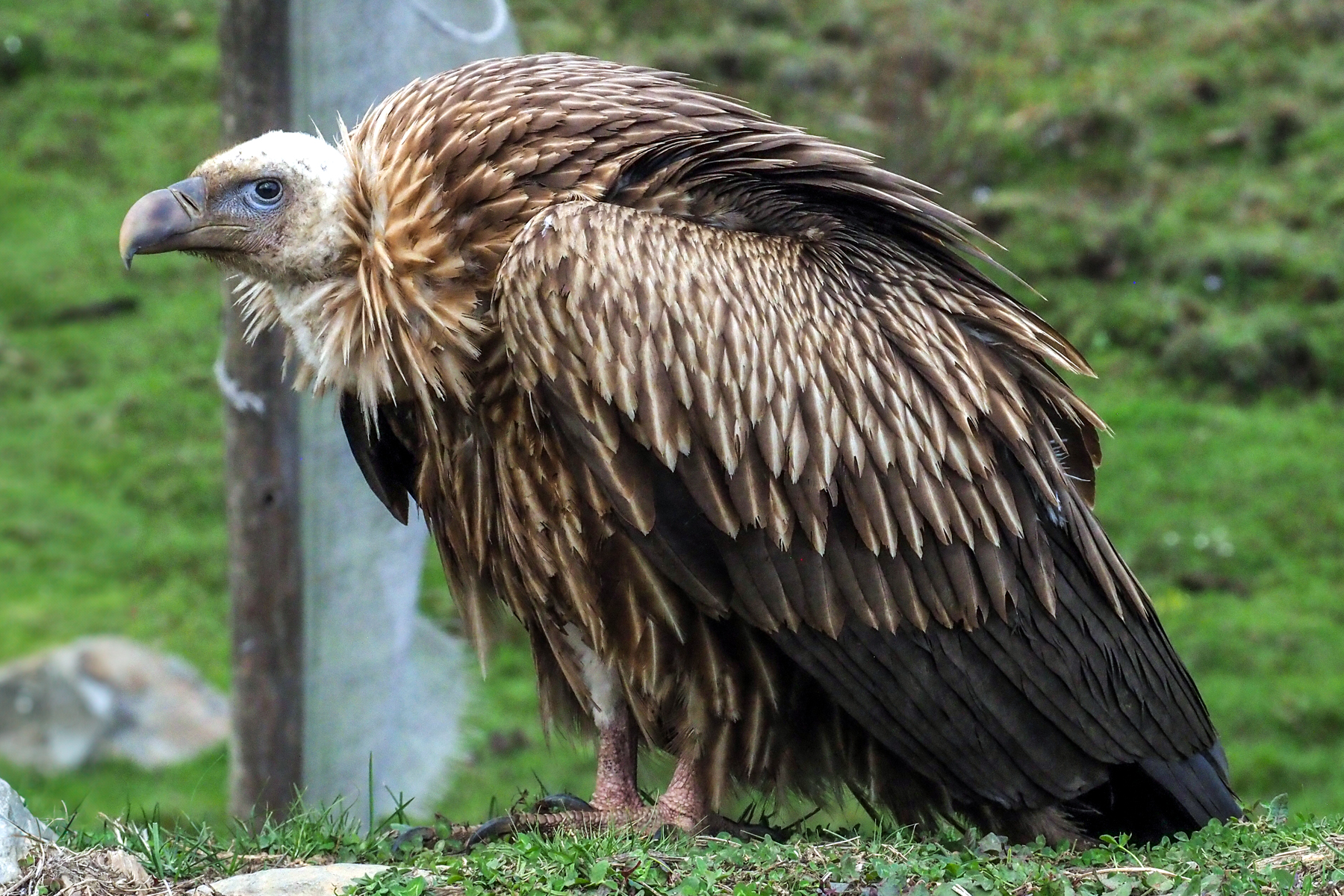
Himalayan Griffon (image by Dave Farrow)
Altai Accentor (image by Craig Robson)
Sultan Tit (image by Dave Farrow)
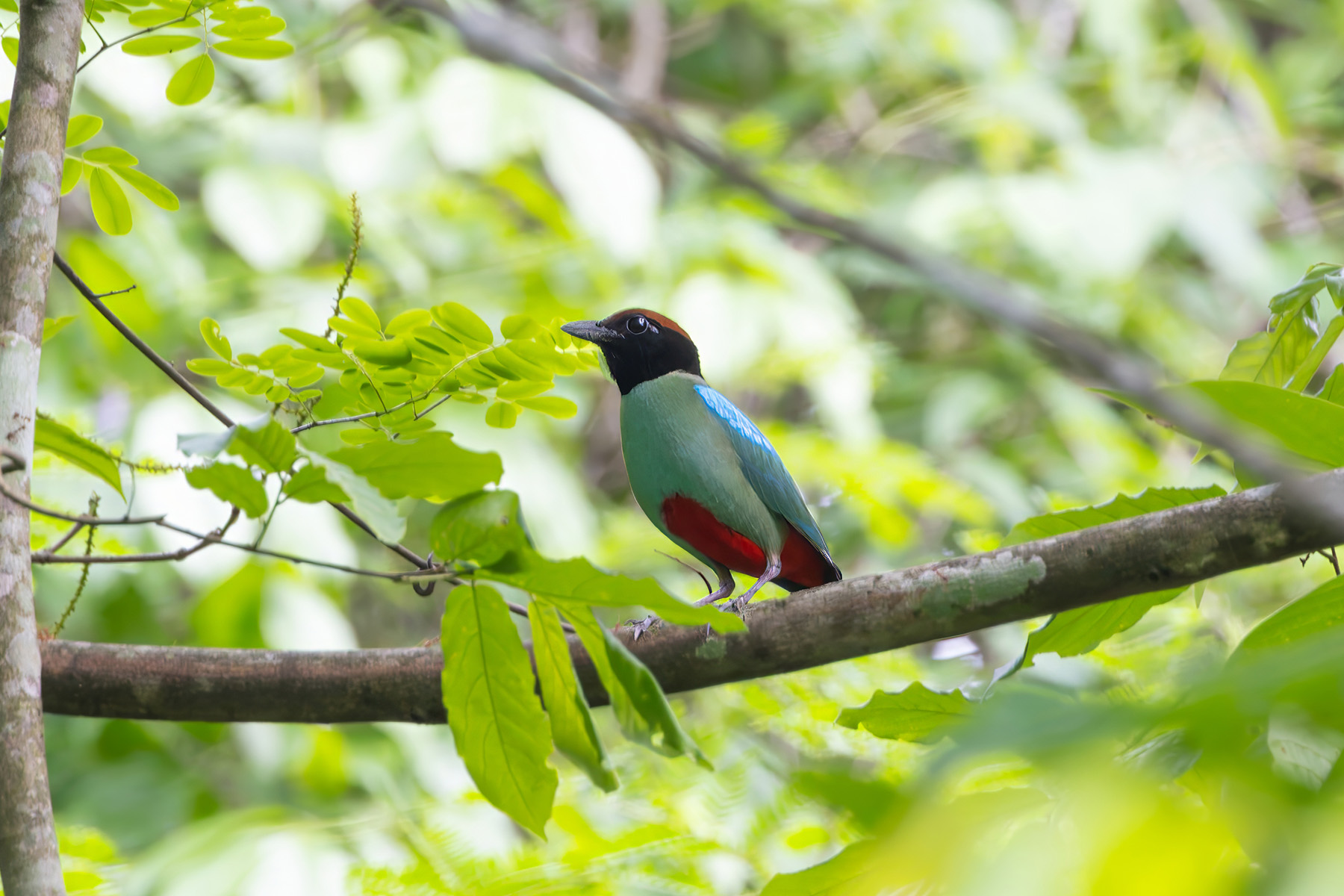
Western Hooded Pitta (image by Nik Borrow)
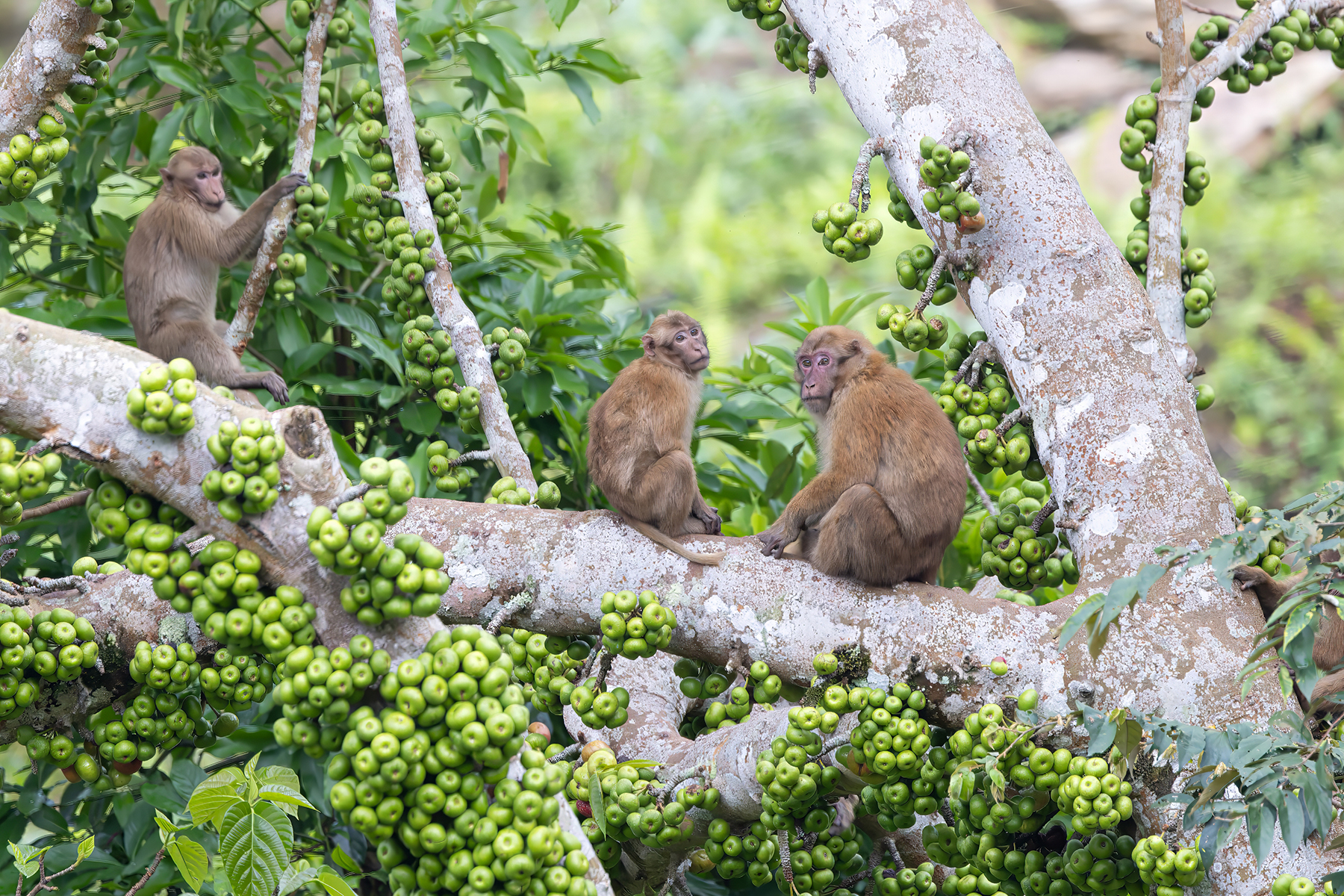
Assamese Macaque (image by Nik Borrow)
Spotted Laughingthrush (image by Nik Borrow)
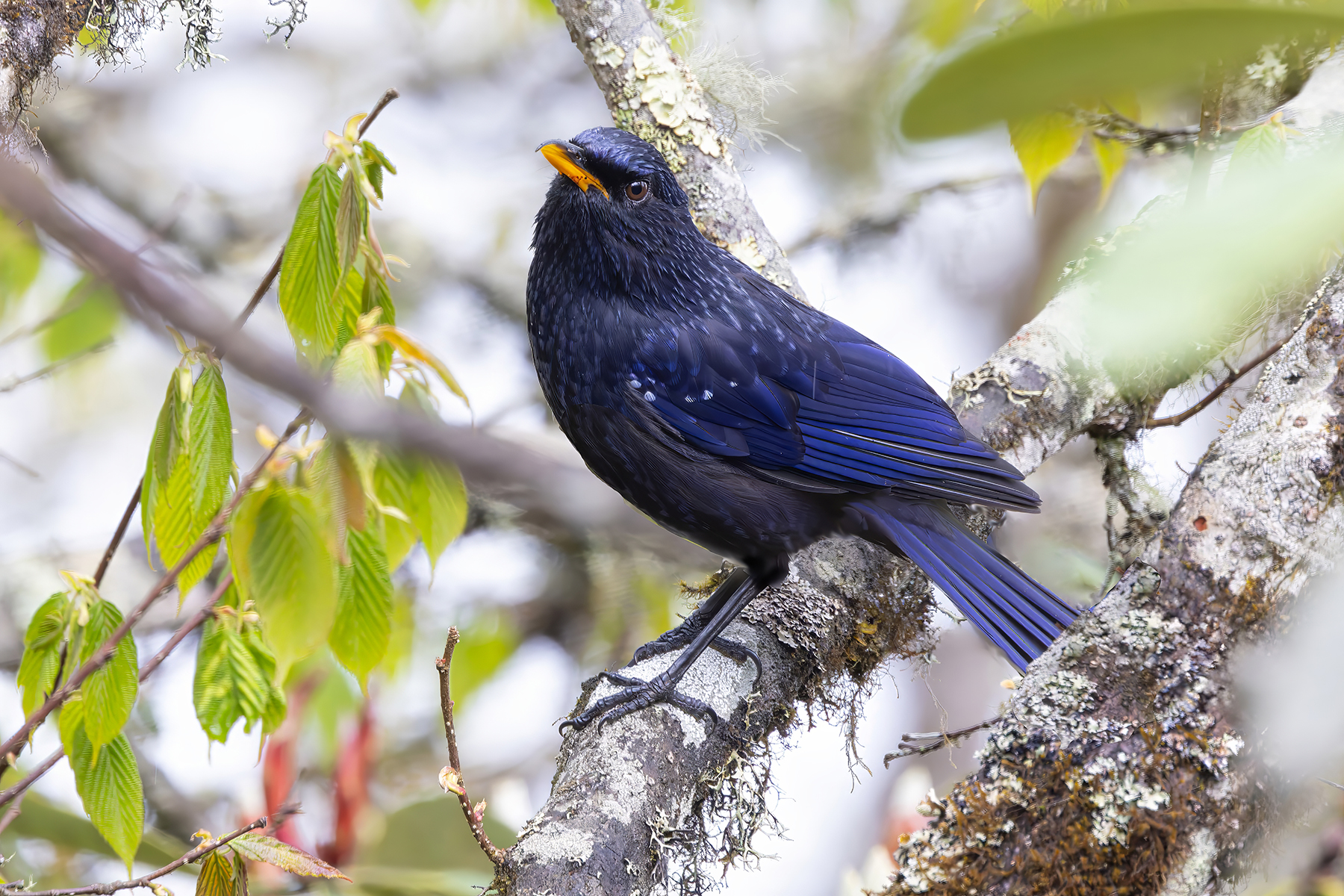
Blue Whistling Thrush (image by Nik Borrow)
male Blood Pheasant (image by Nik Borrow)
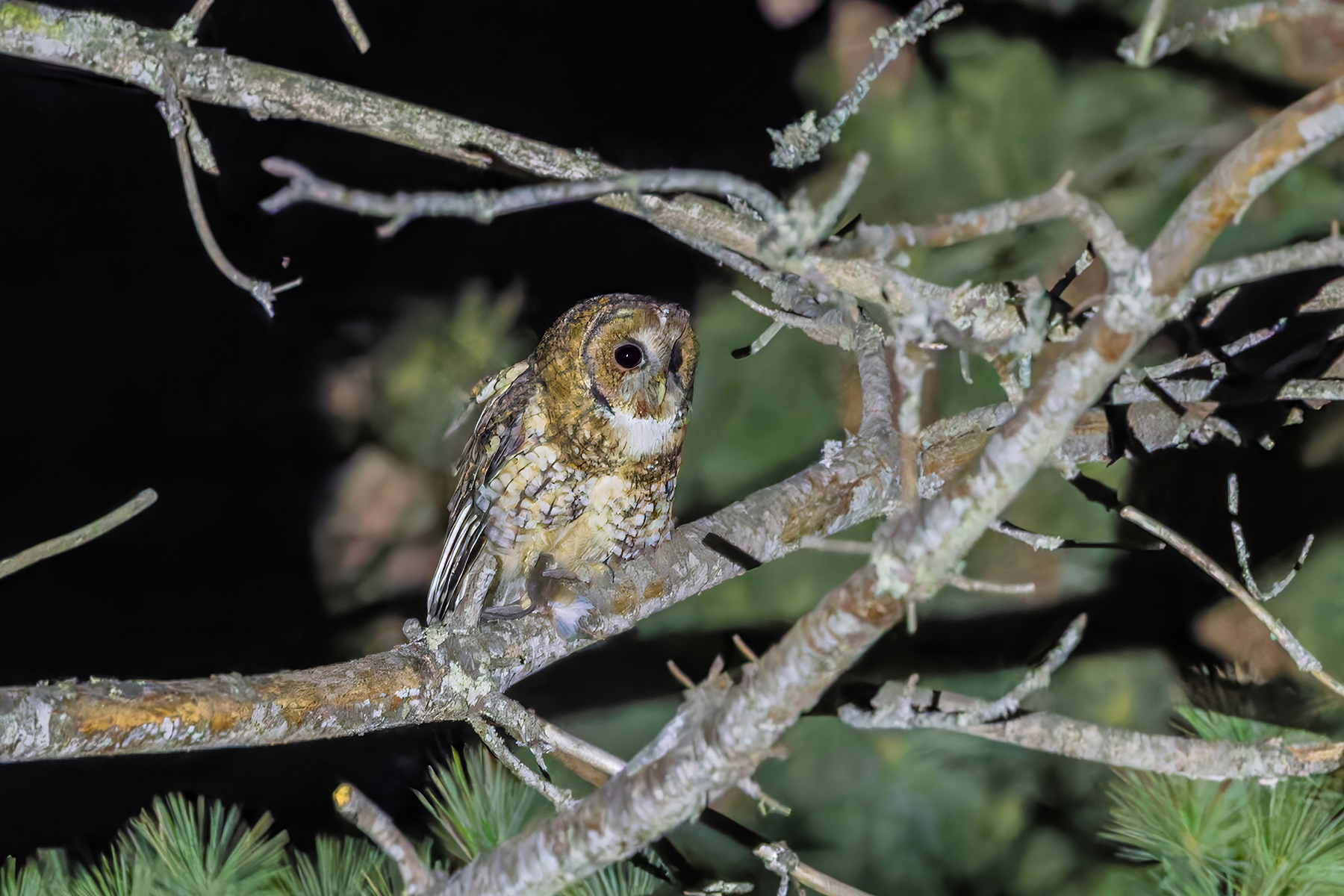
Himalayan Owl (image by Nik Borrow)
Orange-eared Parrotbill (image by Dave Farrow)
Golden Langur (image by Nik Borrow)
Trongsa Dzong (image by Craig Robson)
Lingmethang Road (image by Craig Robson)
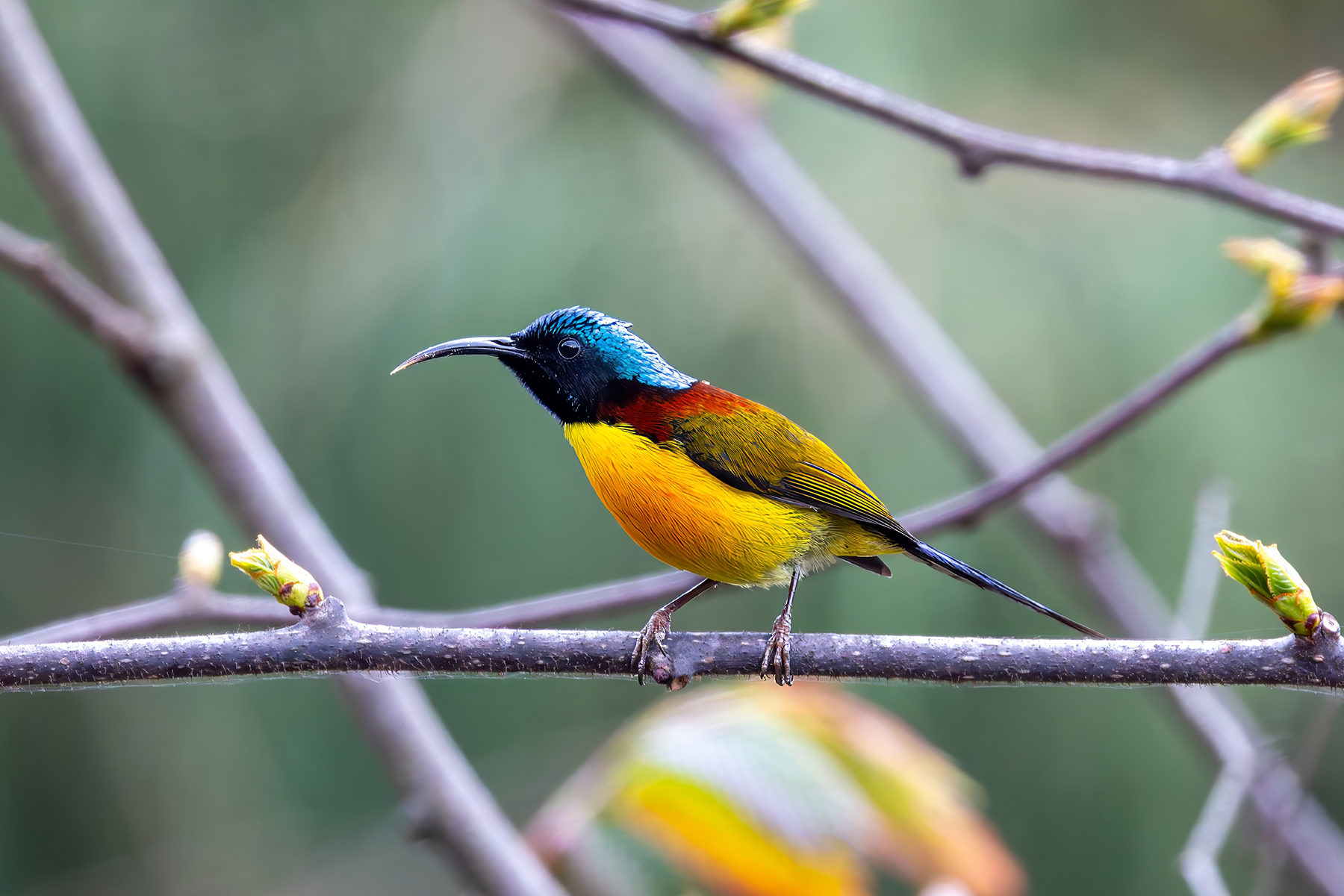
male Green-tailed Sunbird (image by Nik Borrow)
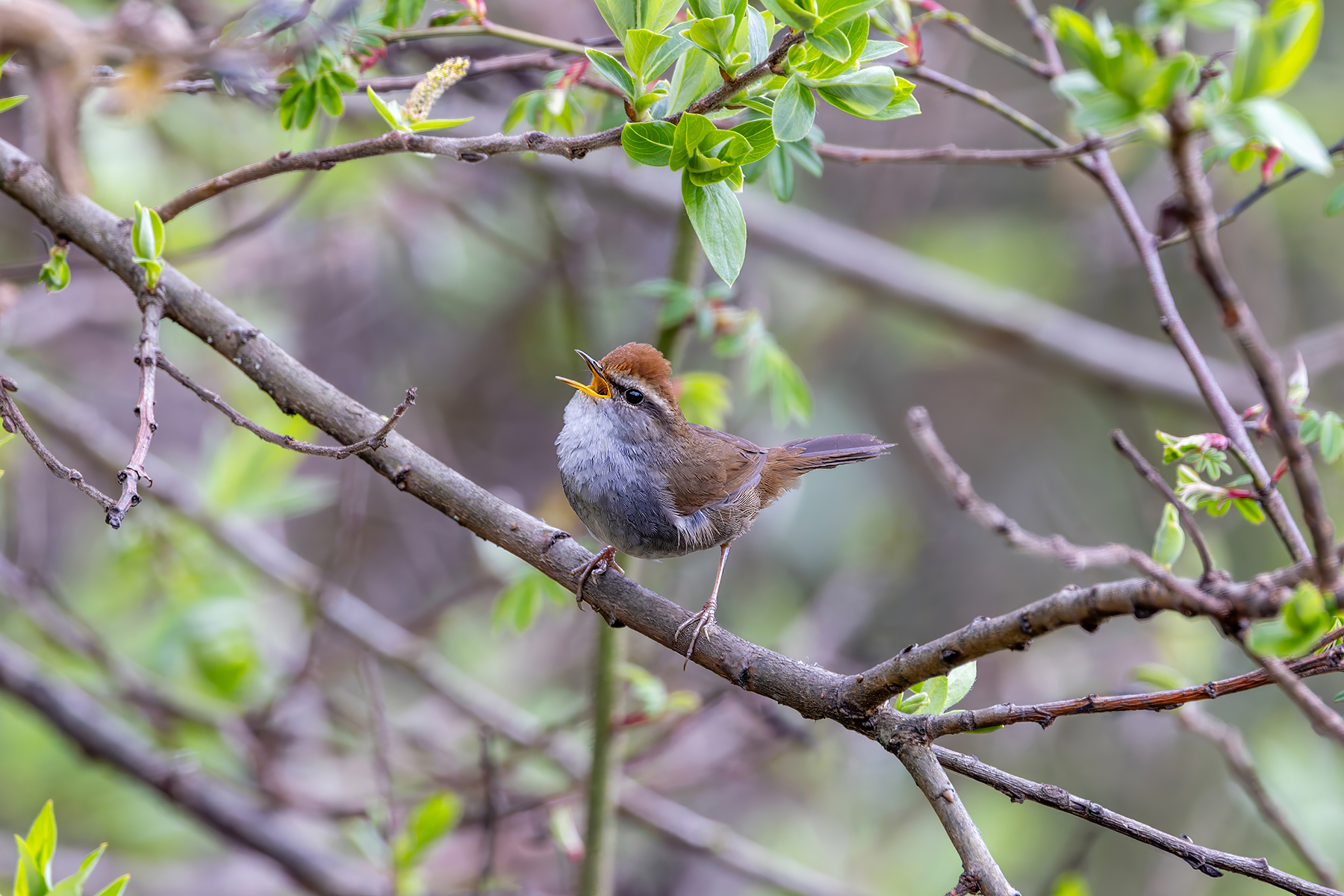
Grey-sided Bush Warbler (image by Nik Borrow)
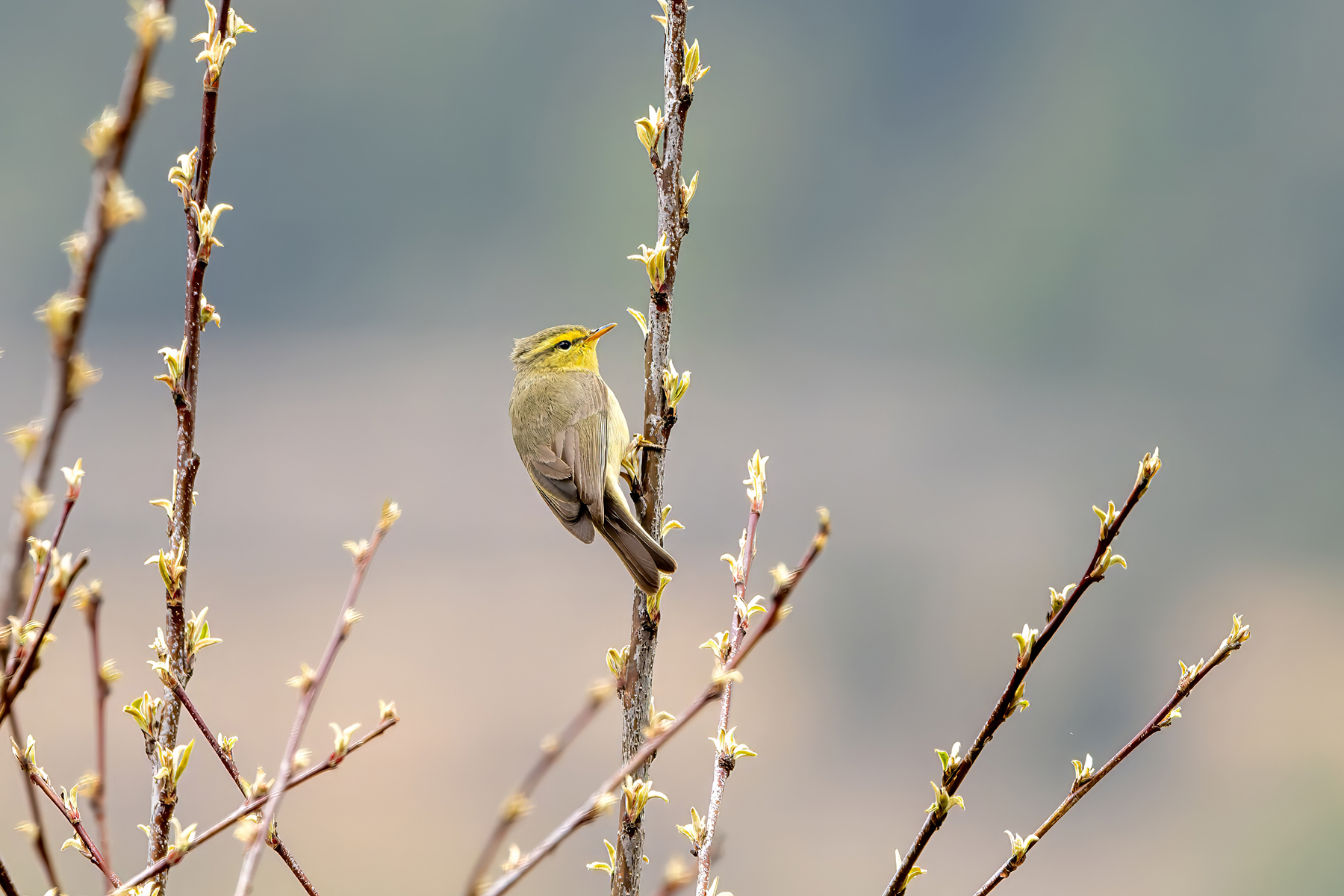
Tickell's Leaf Warbler (image by Nik Borrow)


Kalij Pheasant (image by Dave Farrow)
Eurasian Woodcock (image by Dave Farrow)
Blue-throated Barbet (image by Dave Farrow)
Tingtibi (image by Craig Robson)
Golden-naped Finch (image by Dave Farrow)
Golden-breasted Fulvetta (image by Nik Borrow)
Speckled Piculet (image by Dave Farrow)
Hooded Pitta (image by Dave Farrow)
Slender-billed Scimitar (image by Dave Farrow)
Whistler's Warbler (image by Nik Borrow)
Red-vented Bulbul (image by Nik Borrow)
Red Panda (image by Dave Farrow)
male Sapphire Flycatcher (image by Nik Borrow)
Black-tailed Crakes (image by Craig Robson)
Brown Goral (image by Nik Borrow)
White-browed Scimitar Babbler (image by Nik Borrow)
Fluffy Tit (image by Nik Borrow)
Ward's Trogon (image by Dave Farrow)
Blood Pheasant (image by Dave Farrow)
Ibisbill (image by Nik Borrow)
Black-tailed Crake (image by Nik Borrow)
White-winged Grosbeak (image by Dave Farrow)
Slaty-blue Flycatcher (image by Nik Borrow)
immature Himalayan Vulture (image by Nik Borrow)
Long-billed Wren-Babbler (image by Nik Borrow)
Rufous-throated Wren-Babbler (image by Nik Borrow)
Rosy Pipit (image by Dave Farrow)
Rufous-breasted Accentor (image by Nik Borrow)
Blood Pheasant (image by Dave Farrow)
White-bellied Heron (image by Nik Borrow)
Yellow-browed Tit (image by Nik Borrow)
Red Panda (image by Dave Farrow)
Blue-fronted Redstart (image by Dave Farrow)
male Russet Sparrow (image by Nik Borrow)
female Golden Bush Robin (image by Nik Borrow)
Ward's Trogon (image by Dave Farrow)
Yellow-cheeked Tit (image by Nik Borrow)
male Short-billed Minivet (image by Nik Borrow)
Great Parrotbill (image by Dave Farrow)
male Verditer Flycatcher (image by Nik Borrow)
Grey-lored Broadbill (image by Dave Farrow)
Rufous-winged Fulvetta (image by Nik Borrow)
male Blue-fronted Redstart (image by Nik Borrow)
Blue-capped Rock Thrush (image by Craig Robson)
Rusty-cheeked Scimitar Babbler (image by Dave Farrow)
Dark-rumped Rosefinch (image by Craig Robson)
female Blood Pheasant (image by Craig Robson)
Gold-naped Finch (image by Dave Farrow)
Pale-billed Parrotbill (image by Craig Robson)
White-hooded Babbler (image by Nik Borrow)
Himalayan Ghoral (image by Dave Farrow)
Brown Fish Owl (image by Nik Borrow)
Rufous-necked Laughingthrush (image by Nik Borrow)
male Mrs Gould's Sunbird (image by Nik Borrow)
Grey-lored Broadbill (image by Dave Farrow)
Rufous-necked Hornbill (image by Craig Robson)
Blue-throated Blue Flycatcher (image by Dave Farrow)
male Himalayan Monal (image by Nik Borrow)
Green Cochoa (image by Dave Farrow)
Whiskered Yuhina (image by Nik Borrow)
male Mrs Gould's Sunbird (image by Dave Farrow)
Asian Elephants (image by Dave Farrow)
male Oriental Magpie-Robin (image by Nik Borrow)
male Crimson Sunbird (image by Nik Borrow)
Satyr Tragopan (image by Dave Farrow)
female White-browed Bush Robin (image by Nik Borrow)
Red-tailed Minla (image by Nik Borrow)
Moupin Pika (image by Dave Farrow)
Oriental Skylark (image by Nik Borrow)
Black-faced Laughingthrush (image by Craig Robson)
Pygmy Cupwing (image by Nik Borrow)
Hoary-throated Barwing (image by Nik Borrow)
Green Shrike-Babbler (image by Craig Robson)
male Rufous-bellied Woodpecker (image by Nik Borrow)
Lingmethang Road (image by Craig Robson)
male Himalayan Cutia (image by Nik Borrow)
Ashy-throated Warbler (image by Craig Robson)
Black-rumped Magpie (image by Nik Borrow)
male Black-throated Sunbird (image by Nik Borrow)
Scaly-breasted Cupwing (image by Nik Borrow)
Rufous-vented Tit (image by Dave Farrow)
Eurasian Wren (image by Craig Robson)
Bhutan Laughingthrush (image by Nik Borrow)
male White-collared Blackbird (image by Nik Borrow)
Oriental Turtle Dove (image by Nik Borrow)
Smooth Otters (image by Dave Farrow)
Grey Langurs (image by Dave Farrow)
Blyth's Leaf Warbler (image by Nik Borrow)
Buff-barred Warbler (image by Nik Borrow)
White-bellied Heron (image by Dave Farrow)
White-throated Laughingthrush (image by Nik Borrow)
White-browed Fulvetta (image by Nik Borrow)
Rufous-breasted Accentor (image by Dave Farrow)
On the way to Lingmethang Road (image by Craig Robson)
Grey-crested Tit (image by Nik Borrow)
Rufous-faced Warbler (image by Nik Borrow)
Great Barbet (image by Dave Farrow)
Hill Partridge (image by Dave Farrow)
Olive-backed Pipit (image by Nik Borrow)
Beautiful Nuthatch (image by Nik Borrow)
Black-throated Parrotbill (image by Nik Borrow)
White-bellied Erpornis (image by Craig Robson)
Lemon-rumped Warbler (image by Craig Robson)
Crested Serpent Eagle (image by Nik Borrow)
Western Red Panda (image by Nik Borrow)
Chelela road (image by Nik Borrow)
Rusty-fronted Barwing (image by Nik Borrow)
Rufous-fronted Bushtits (image by Dave Farrow)
Mongolian Short-toed Lark (image by Dave Farrow)
Sikkim Wedge-billed Babbler (image by Dave Farrow)
female Verditer Flycatcher (image by Nik Borrow)
Rufous-necked Hornbills (image by Dave Farrow)
male Satyr Tragopan (image by Nik Borrow)
Stripe-throated Yuhina (image by Nik Borrow)
male Ultramarine Flycatcher (image by Nik Borrow)
White-breasted Parrotbill (image by Craig Robson)
White-tailed Nuthatch (image by Nik Borrow)
Sengor (image by Nik Borrow)
male Darjeeling Woodpecker (image by Nik Borrow)
Himalayan Beautiful Rosefinch (image by Dave Farrow)
Bumthang (image by Nik Borrow)
male Great Hornbill (image by Nik Borrow)
Bar-throated Minla (image by Nik Borrow)
Rufous-bellied Niltava (image by Dave Farrow)
Large-billed Crow (image by Nik Borrow)
Chestnut-headed Bee-eater (image by Nik Borrow)
Mountain Hawk-eagle (image by Dave Farrow)
Himalayan Monal (image by Dave Farrow)
Streaked Spiderhunter (image by Nik Borrow)
Dawn at Darachu Camp (image by Dave Farrow)
Black-faced Laughingthrush (image by Nik Borrow)
Scaly Laughingthrush (image by Dave Farrow)
Rufous Sibia (image by Nik Borrow)
White-browed Piculet (image by Nik Borrow)
Punakha Dzhong (image by Nik Borrow)
Spotted Elachura (image by Nik Borrow)
Asian Emerald Cuckoo (image by Dave Farrow)
Gee's Golden Langur (image by Craig Robson)
Jomolhari, from Chele La in Bhutan (image by Dave Farrow)
Thrumshing La (image by Nik Borrow)
Green-backed Tit (image by Nik Borrow)
male Red-headed Bullfinch (image by Nik Borrow)
Tawny Fish Owl (image by Nik Borrow)
Nepal House Martin (image by Craig Robson)
Himalayan Griffon (image by Dave Farrow)
Altai Accentor (image by Craig Robson)
Sultan Tit (image by Dave Farrow)
Western Hooded Pitta (image by Nik Borrow)
Assamese Macaque (image by Nik Borrow)
Spotted Laughingthrush (image by Nik Borrow)
Blue Whistling Thrush (image by Nik Borrow)
male Blood Pheasant (image by Nik Borrow)
Himalayan Owl (image by Nik Borrow)
Orange-eared Parrotbill (image by Dave Farrow)
Golden Langur (image by Nik Borrow)
Trongsa Dzong (image by Craig Robson)
Lingmethang Road (image by Craig Robson)
male Green-tailed Sunbird (image by Nik Borrow)
Grey-sided Bush Warbler (image by Nik Borrow)
Tickell's Leaf Warbler (image by Nik Borrow)


|
Monday 17th April – Friday 5th May 2028 Leaders: Dáni Balla and a local bird guide |
19 Days | Group Size Limit 7 |
|
Saturday 14th April – Wednesday 2nd May 2029 Leaders: Dave Farrow and a local bird guide |
19 Days | Group Size Limit 7 |
Birdquest’s Bhutan birding tours are great favourites, combining some of the finest birding in the entire Himalayas with spectacular scenery and the sheer pleasure of travelling through Bhutan, one of the friendliest and most unspoiled countries in the world.
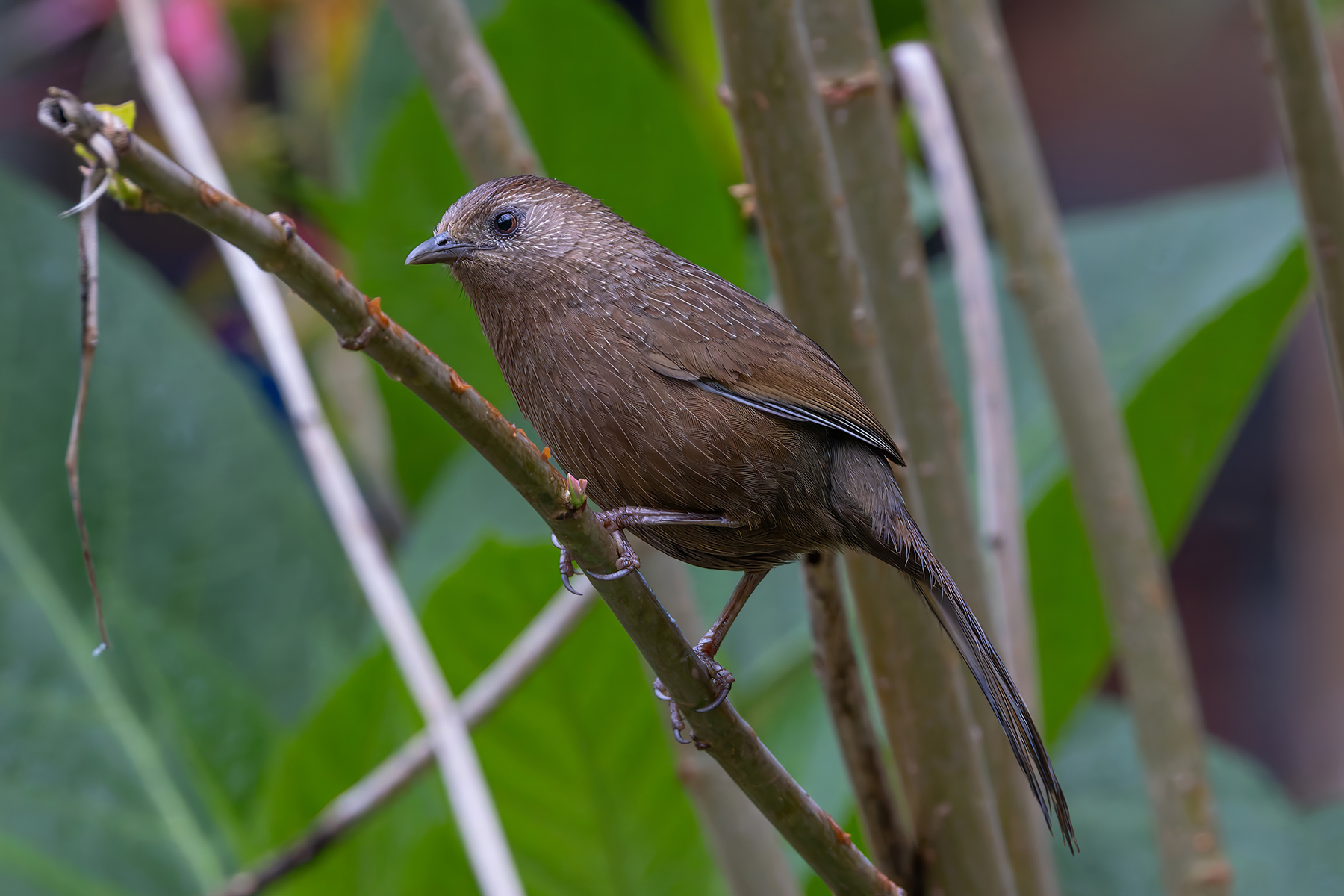
Our Bhutan birding tour is a highly enjoyable adventure that produces an extraordinary number of Himalayan specialities. Major targets include the rare White-bellied Heron, Satyr Tragopan, Himalayan Monal, Blood Pheasant, Chestnut-breasted Partridge, Black-tailed Crake, the monotypic Ibisbill, Ward’s Trogon, Rufous-necked Hornbill, Yellow-rumped Honeyguide, Collared Treepie, Black-crowned and Slender-billed Scimitar Babblers, Long-billed, Rufous-throated and Bar-winged Wren-Babblers, the strange Sikkim Wedge-billed Babbler, the near-endemic Bhutan Laughingthrush, Black-headed Shrike-babbler, Yellow-throated Fulvetta, White-naped Yuhina, Fire-tailed Myzornis, Fulvous, Great, Brown and Pale-billed Parrotbills, the monotypic Spotted Elachura, Rufous-breasted Bush Robin, Broad-billed Warbler and Beautiful Nuthatch. There are also chances for Solitary Snipe, Blue-fronted Robin and Gould’s Shortwing.
Bhutan is a land of superlatives, the last surviving example of a Tibetan Buddhist Kingdom that proudly guards and treasures its cultural and natural heritage. Blessed with a tiny population and steep, inaccessible valleys, it holds fabulous forests that are still largely untouched and full of birds.
By far, the greatest diversity of Himalayan bird species is to be found in the Eastern Himalayas, and this fantastic birding journey through the small kingdom of Bhutan, where over 700 bird species have been recorded, provides the opportunity to see an almost endless series of avian delights.
Bhutan is an unspoiled, thinly-populated country that offers not only the finest birding in the Himalayas but also a wonderful cultural and travel experience. Hotel and guesthouse accommodation ranges from good to reasonable, and roads are good, but on this comprehensive itinerary, which produces numerous Eastern Himalayan specialities, we will still have to stay in outfitted mobile-safari-style camps, but in pretty comfortable style in some areas. Being able to stay right in the midst of such superb Himalayan environments, with the best birding in the country all around us, is an experience that greatly adds to the wonders of our Bhutanese journey. All in all, Bhutan offers the discerning birder a truly unforgettable adventure!
Nearly two-thirds of Bhutan is forest; the remaining fraction is either above the treeline or under agriculture in the narrow valley bottoms. Most of the land is too steep for any settlement or farming. There are only two roads traversing the country from west to east, and prior to the 1960s, there were none. The Buddhist values of the Bhutanese people mean that they have for centuries led their lives in harmony with their environment; their beliefs show a deep reverence and respect for all sentient beings, and they are thus perfect guardians of what has now emerged as one of the most extraordinary places for birding in the mountains of South Asia. The country only opened its doors to foreigners comparatively late, and although it does welcome visitors so with outstanding hospitality, it is not without some reserve, wishing to avoid the negative side-effects of uncontrolled tourism apparent in other developing nations. The number of visitors is highly restricted by a combination of a very high tourism tax, high tourism service costs and a scarcity of accommodations, which together make Bhutan remain pleasantly ‘off-the-beaten-track’.
We are most fortunate to be able to visit such an exciting country, and our Bhutan tour explores the very best of Bhutan’s bird habitats.
We start our Bhutan birding tour at Paro in western Bhutan, the site of the only international airport. In the Paro Valley, we will want to see the handsome Ibisbill, the sole member of its family, as well as Black-tailed Crake and, with luck, Solitary Snipe.
Around Punakha, the old capital of Bhutan, and at the nearby Dochu La, the rare White-bellied Heron, Spotted Elachura, Yellow-vented Warbler and the wonderful Fire-tailed Myzornis are the greatest attractions.
As we head still further east to Jakar in the Bumthang district, we cross the Pele La and the Yutong La (two high passes). Highlights are likely to include Blood Pheasant, the magnificent Himalayan Monal, Great and Brown Parrotbills and hopefully Fulvous Parrotbill. En route, we have our first chance for the uncommon Yellow-rumped Honeyguide.
From here, our Bhutan birding tour heads southeastwards to the extraordinary Lingmethang Road, home to so many great birds that it is hard to single out just a few. They include the wonderful Satyr Tragopan, Chestnut-breasted Partridge, the beautiful, restricted-range Ward’s Trogon, Black-crowned and Slender-billed Scimitar-Babblers, Rufous-throated, Long-billed and Bar-winged Wren-Babblers, the strange Sikkim Wedge-billed Babbler, the near-endemic Bhutan Laughingthrush, Yellow-throated Fulvetta, White-naped Yuhina, Pale-billed Parrotbill, Blue-fronted Robin and Broad-billed Warbler.
Returning westwards, we turn southwards to explore another great birding area, the fabulous Panbang and Tingtibi regions. Here, we will be in the upper Himalayan foothills in an area of magnificent forests now known to rival the famous Lingmethang road for the sheer number of exciting bird specialities present. Beautiful Nuthatch is the mega attraction here, joined by Rufous-necked Hornbill, Rufous-necked and Blue-winged Laughingthrushes, Red-faced Liocichla and many others. There is also a fair chance for the range-restricted Rufous-vented Laughingthrush. For those who love seeing unusual mammals, the Gee’s Golden Langurs will be a treat.
From the Tingtibi region, we will drop down to the border town of Gelephu for a night, where a number of widespread plains and foothill birds will be on the menu.
By routing via Gelephu, we can visit the Tsirang area, where we have our best chances for the rare White-bellied Heron.
Finally, after a second visit to the Dochu La (that Myzornis can be tricky, especially in bad weather), we will explore the Chele La pass in western Bhutan, which is probably the best place for seeing the glorious Himalayan Monal, not to mention the beautiful Blood Pheasant. We also have another chance for Satyr Tragopan.
The Bhutanese government’s stated commitment to conservation and sustainable development ought to ensure that the sublime forests of Bhutan are protected and that they still hold a bounty of birdlife just waiting to be enjoyed in the years to come, but in many areas of the country, deforestation is already gathering pace. For now, however, there is still plenty of forest remaining, even along the roads, and so our tour will spend day after day immersed in lush mountain forests while our travels will be enlivened by a series of splendid and impressive dzongs (fortress monasteries) that usually occupy ‘eagle-nest’ locations of strategic importance. The Bhutanese people still dress in traditional garb, and their customs and lifestyles are preserved with enthusiasm and pride. All these factors combine to make this country one of the most rewarding and thrilling bird tour destinations available today.
Birdquest has operated Bhutan birding tours since 1997.
What makes the Birdquest Bhutan birding tour special?
Firstly, an itinerary that is unsurpassed. For keen birders who are interested in having better chances for some of the more tricky Bhutanese specialities, it is better to spend more time birding at both the superb Lingmethang Road and the excellent Tingtibi region.
Secondly, the Birdquest group size limit is lower than for most other Bhutan birding tours and, indeed, much smaller than some. There is a lot of forest birding during this tour, and having a smaller group size makes for a decidedly superior birding experience.
Accommodation & Road Transport
The hotels/guesthouses are of good to medium standard. In areas that lack guesthouses, we will stay in mobile-safari-style camps, all arrangements being made by our competent and friendly Bhutanese outfitters. Sleeping tents are large 2-person size (but are available for single occupancy if desired) with camp beds, pillows and also warm bedding whenever needed. We will also have a toilet tent, a shower tent and a large dining tent, so the whole experience is comfortable and the settings are generally delightful. Rather like an African mobile tented safari, but in Asia. Nothing like basic camping. Road transport is by small coach, and the roads are reasonably good (with very little traffic).
Walking
The walking effort during our Bhutan birding tours is mostly easy, occasionally moderate.
Climate
Conditions at this time of year range from fairly hot at the lowest altitudes to warm at middle altitudes and cool (or even cold at night) at high altitudes. Sunny weather alternates with overcast conditions. Some rain is likely.
Bird Photography
Opportunities during our Bhutan birding tours are quite good.
To see a larger map, click on the square-like ‘enlarge’ icon in the upper right of the map box.
To see (or hide) the ‘map legend’, click on the icon with an arrow in the upper left of the map box.
To change to a satellite view, which is great for seeing the physical terrain (and for seeing really fine details by repetitive use of the + button), click on the square ‘map view’ icon in the lower left corner of the ‘map legend’.
Bhutan’s Tourism Tax: Bhutan is a beautiful and fascinating country with some unusual customs, in more ways than one! For many years the country has had an official policy of ‘limiting tourism through price’. Nowadays, there is very high US$100 per person per day tourism tax. That makes for heading for US$2000 in tourism taxation levy for a tour like ours! The tax contributes to making Bhutan an expensive destination, but one completely without mass tourism.
Birdquest Inclusions: Our tour prices include transportation, accommodations, meals and entrance fees.
Our tour prices also include the huge mandatory tourism tax imposed by the Bhutan government.
We also include all tipping for local guides, drivers, camp staff and accommodation/restaurant staff.
Deposit: 20% of the total tour price. Our office will let you know what deposit amount is due, in order to confirm your booking, following receipt of your online booking form.
TO BOOK THIS TOUR: Click here (you will need the tour dates)
The single supplement will not apply if you indicate on booking that you prefer to share a room and there is a room-mate of the same sex available.
This tour is priced in US Dollars. Amounts shown in other currencies are indicative.
Bhutan: Day 1
Our Bhutan birding tour starts this morning at Paro airport in western Bhutan.
(If you are arranging your international flights to and from the tour and would find it more convenient, we will be pleased to arrange your flights into and out of Paro on request. There are regular flights from and to Delhi and Bangkok.)
From Paro, we will travel eastwards, passing Bhutan’s capital, Thimphu (which sits in a broad valley at an altitude of 2350m or 7710ft) and then crossing the Dochu La pass before reaching Punakha for a two-night stay. We will be staying at a traditionally decorated hotel situated in the Puna Sang Chu Valley.
Before we leave the Paro area, we will have a first chance to explore the Paro valley, dominated by the impressive Paro Dzong. In particular, we shall be looking out for the strange and beautiful Ibisbill, which comprises a monotypic bird family that can be found here amongst the gravel islands in the fast-flowing rivers, and also the furtive Black-tailed Crake. In addition, we have regularly found the sought-after Solitary Snipe in this part of Bhutan or elsewhere on our itinerary.
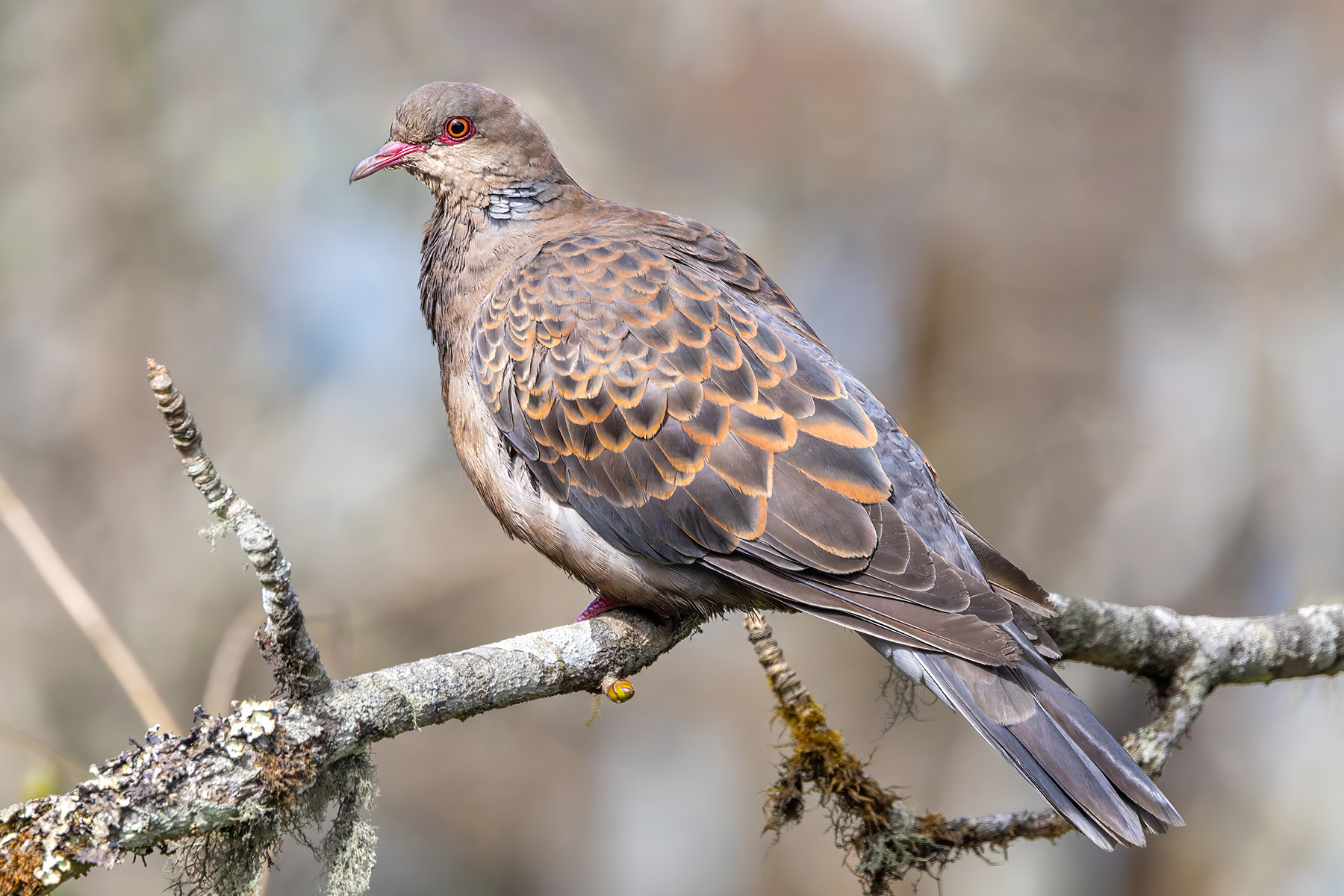
Typical breeding birds of the area include River Lapwing, Speckled Wood Pigeon, Oriental Turtle Dove, Eurasian Hoopoe, Common Kestrel, Grey-backed Shrike, Red-billed Chough, Large-billed Crow, Black Bulbul, Brown Dipper, Plumbeous Water Redstart, White-capped Redstart, Blue Whistling Thrush, White Wagtail and Eurasian Tree and Russet Sparrows, while lingering winter visitors may include Green and Common Sandpipers and Hodgson’s Redstart.
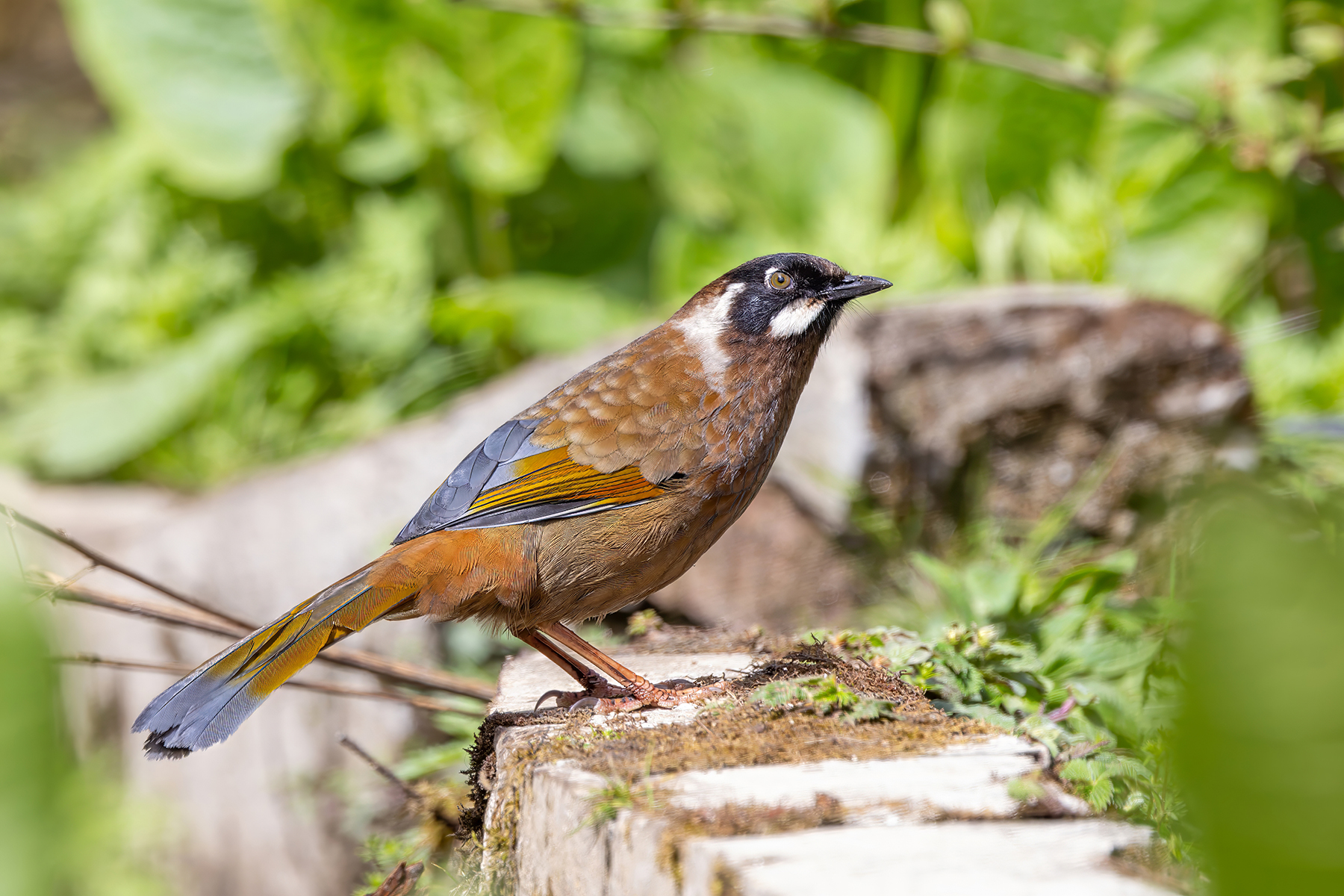
A stop at the Dochu La will give us the chance to look for Black-faced Laughingthrush and other high altitude birds.
Bhutan: Day 2
The small town of Punakha (situated at 1350m or 4429ft) was once the capital of this tiny nation that preserves its cultural and natural heritage so keenly, and both the town and the twin rivers that flow past it are dominated by the Punakha Dzong, sited at the confluence of the channels.
From Punakha, we shall travel up the Mo Chu (or Tashitang) Valley to an excellent area of forest where our birding will be concentrated. Along the river and its tributary streams, we should find Crested Kingfisher and perhaps Great Cormorant. There is also a chance for the increasingly uncommon Pallas’s Fish Eagle, and if we are really in luck, we will come across the impressive Tawny Fish Owl.
We will see a wide selection of forest species today, but in particular, we will be looking out for the localised Yellow-vented Warbler, which is common in these mid-altitude forests, and the delightful Spotted Elachura (sole member of its family), which positively vibrates as it pours out its amazingly loud song from a low perch.
Other birds we may well encounter include the smart Kalij Pheasant, Rufous-bellied Eagle, the magnificent Black Eagle, Spotted Dove, Grey Nightjar, Great and Golden-throated Barbets, Greater and Lesser Yellownapes, Rufous Woodpecker, Black-winged Cuckooshrike, Scarlet Minivet, Long-tailed Shrike, Maroon Oriole, Ashy and Hair-crested Drongos, Grey Treepie, Green-backed Tit, Red-vented and Mountain Bulbuls, Grey-hooded Warbler, White-throated and Striated Laughingthrushes, Rufous-chinned Laughingthrush (a bird that is typically easier to hear than see), Rufous Sibia, Nepal Fulvetta, Common Myna, Oriental Magpie-Robin, Small Niltava and Black-throated Sunbird.
If we have time to reach higher altitudes, we will have a first chance to look for such species as Himalayan Cutia, Grey-necked Laughingthrush, Rufous-throated Wren-Babbler, Yellow-throated Fulvetta, Black-throated Parrotbill and Ultramarine Flycatcher.
Along the river on the outskirts of town, we will have another chance to find the splendid Ibisbill, while Slender-billed Oriole favours the nearby pine forest.
Providing time permits, we will take a look at the impressive Punakha Dzong this afternoon.
Bhutan: Day 3
Today, we will travel southwards and then eastwards to Trongsa (or Tonsa), where we will stay overnight. Along the way, we will pass Wangdi (or Wangdue) Phodrang Dzong, which sits above the Mo Chu River, guarding the crossing point.
During the first part of the journey, we shall keep a lookout for any roadside cliffs festooned with the nests of Giant Rock Bees. Here we hope to find the little-known Yellow-rumped Honeyguide as it sits quietly alongside the bees’ nests. Eventually, we travel through some lichen-festooned forest where we will surely make some more birding stops.
On our way, we will have some time for an exploration of the Pele La, a high pass situated at 3420m (or 11,220ft).
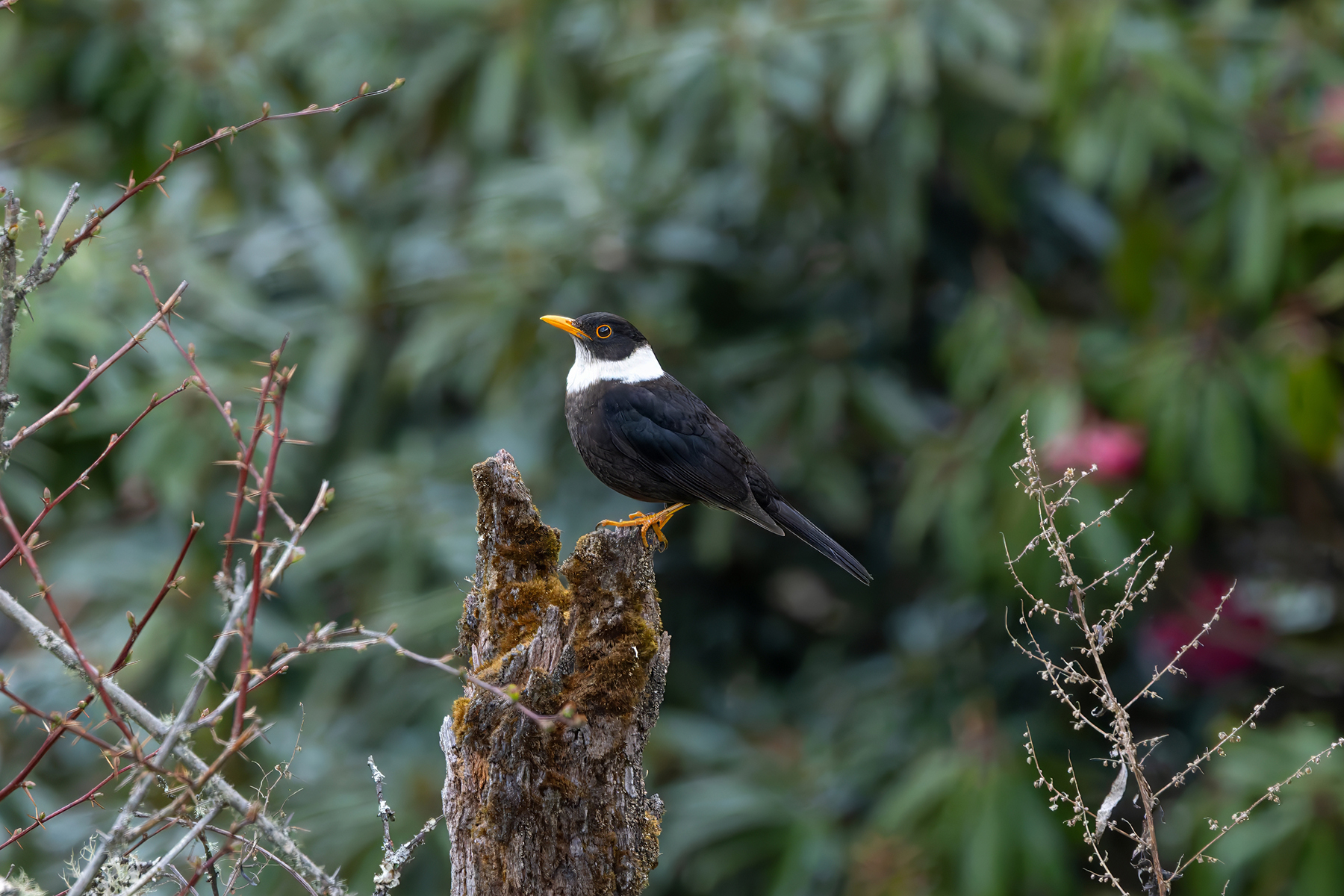
Birds we could well see in this area include Mountain Hawk-Eagle, Eurasian Sparrowhawk, Himalayan Buzzard, Blyth’s Swift, Long-tailed Minivet, the striking Yellow-billed Blue Magpie, Spotted Nutcracker, the diminutive, Phylloscopus-like Yellow-browed Tit, Rufous-vented, Grey Crested and Coal Tits, Nepal House Martin, Hume’s and Grey-sided Bush Warblers, Buff-barred, Lemon-rumped, Ashy-throated, Large-billed Leaf, Blyth’s Leaf and Whistler’s Warblers, Black-faced Laughingthrush, Bar-throated and Red-tailed Minlas, White-browed Fulvetta, Brown Parrotbill (and with luck, even the scarce and furtive Fulvous Parrotbill), Rufous-vented Yuhina, White-collared Blackbird, Dark-sided and Rufous-gorgeted Flycatchers, Chestnut-bellied Rock Thrush, Grey Bush Chat, Green-tailed Sunbird, Rosy Pipit and White-winged Grosbeak. We also have our first chance for the magnificent Himalayan Monal and slim chances for Bearded Vulture (or Lammergeier) and Fire-capped Tit.
Afterwards, we continue eastwards along what is known as the ‘Lateral Road’, the highest of the two highways that cross Bhutan from west to east. Seemingly without a straight stretch anywhere in the country, it was only surfaced in the 1980s. Its hairpins traverse the steep south-facing valleys of the region, giving us spectacular views over the forested landscape.
Bhutan: Day 4
From the Yutong La (in the Dzongkha language that is spoken in Bhutan, ‘la’ is the word for a high pass) situated to the east of Trongsa, we drop down into the series of dry, pine-forested valleys known as Bumthang until we reach Jakar, where we stay overnight at a beautiful wooden guesthouse.
We shall have some time to explore the slopes of the Yutong La pass, which is situated at around 3460m (or around 11,350ft). We will enjoy further chances for higher altitude species at the pass, and there is even a chance for the scarce Fulvous Parrotbill. Once we come to Bumthang, we may well encounter Ruddy Shelduck, Oriental Skylark and Common (or Red) Crossbill.
Bhutan: Day 5
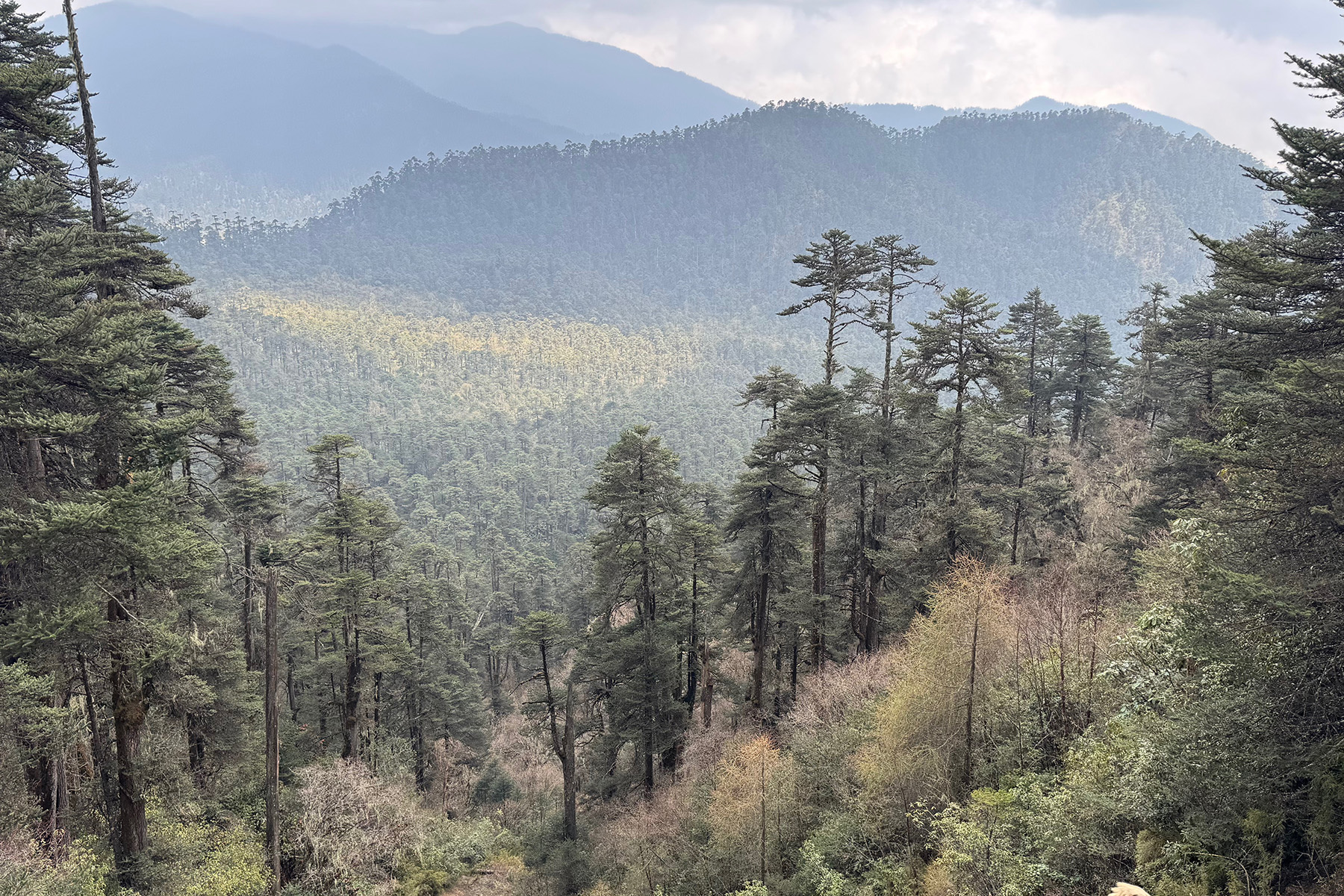
Today, we will cross over the second-highest pass of our journey, the Thrumsing La. Although the pass is situated at 3700m (or 12,140ft), it is still shrouded in thick hemlock and rhododendron forest. A very high treeline (around 4000m or 13,000ft) is a feature of the Eastern Himalayas, a consequence of the monsoon weather systems that come up from the Bay of Bengal and bestow a large amount of rainfall on these mountains.
The pass is frequented by some high-altitude birds such as the beautiful Blood Pheasant, the strikingly-patterned Snow Pigeon, Rufous-fronted Bushtit, Goldcrest, Spotted Laughingthrush, Great Parrotbill (uncommon), Golden Bush Robin, Rufous-breasted and Alpine Accentors, Mrs Gould’s and Fire-tailed Sunbirds and Himalayan Beautiful Rosefinch. Migrant Tickell’s Leaf Warblers may also be encountered. We also have a good chance for the fantastic little Fire-tailed Myzornis, either here or at one of the other high passes along our route.
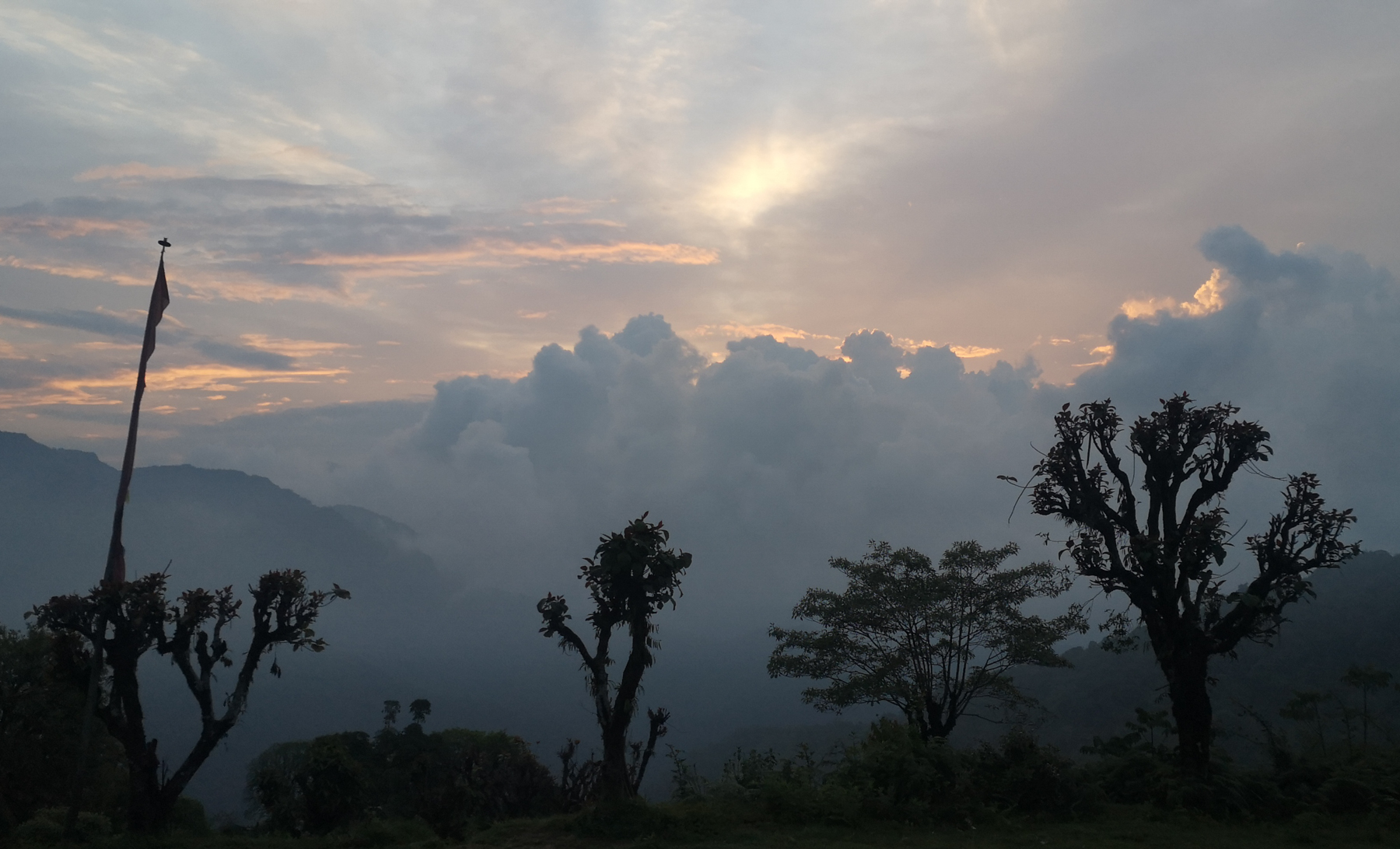
As we descend from the pass, we will see forested ridges stretching away as far as the eye can see. Immediately below us will be a forested mountainside, so steep that if it were not for the fact that a road winds its way down it by means of numerous hairpin bends, it would be inaccessible to all but the hardiest and most agile of adventurers. This is the area that has been dubbed the ‘Lingmethang Road’ by the few lucky ornithologists to have reached this Shangri-la of Himalayan birding.
As there is no conventional accommodation in the area, we will stay for five nights in our comfortable mobile-safari-style camp erected by our local outfitters. We will spend two nights in the upper levels of the road and three nights much lower down.
Bhutan: Days 6-9
The ‘Lingmethang Road’ bisects every forest altitudinal zone between 3700m and the valley bottom at 650m, an incredible drop of 3050m in just 79 kilometres! Very few birdwatchers can say they have visited this remote area, and yet it holds some of the most sought-after Himalayan species. The Eastern Himalayas are the most diverse part of that mighty mountain range, and their steep profile means that from the plains to the highest peaks, the distance can be as little as 80 kilometres in places! The list of birds here is large and diverse, and our tally will include many species characteristic of the Eastern Himalayas. We shall, however, be concentrating on a number of prime specialities.
The calls of Ward’s Trogon, a montane species entirely restricted to the Eastern Himalayas, are soft but quite far-carrying, and we are likely to hear this wonderful bird before a vision of pink heralds the arrival of a male in a nearby forest giant. Rufous-necked Hornbills still survive here and can sometimes be seen slowly flapping their way along the ridges or perched on the top of a tall tree.
Another star attraction is the stunning but secretive Satyr Tragopan, which is not uncommon here. We will listen for their rather braying calls, and persistence will likely be rewarded by views of a glowing red male, covered in white spots, stalking across a bamboo-choked hillside, with the drab female quietly feeding nearby. Sometimes they seem quite unconcerned by human beings, even emerging onto the roadside verges.
Noisy bands of Yellow-throated Fulvettas and Grey-cheeked Warblers are a conspicuous part of the avifauna in the lower levels. The large White-breasted Parrotbill tends to go around in noisy groups, often keeping company with Rusty-fronted Barwings, while other bird waves often contain smart White-naped Yuhinas.
As always, wren-babblers are a delight to watch, and we will enjoy seeing Rufous-throated Wren-Babblers bobbing up and down and, if we are fortunate, Long-billed and Bar-winged Wren-Babblers and the strange Sikkim Wedge-billed Babbler (the latter singing away in a roadside ravine).
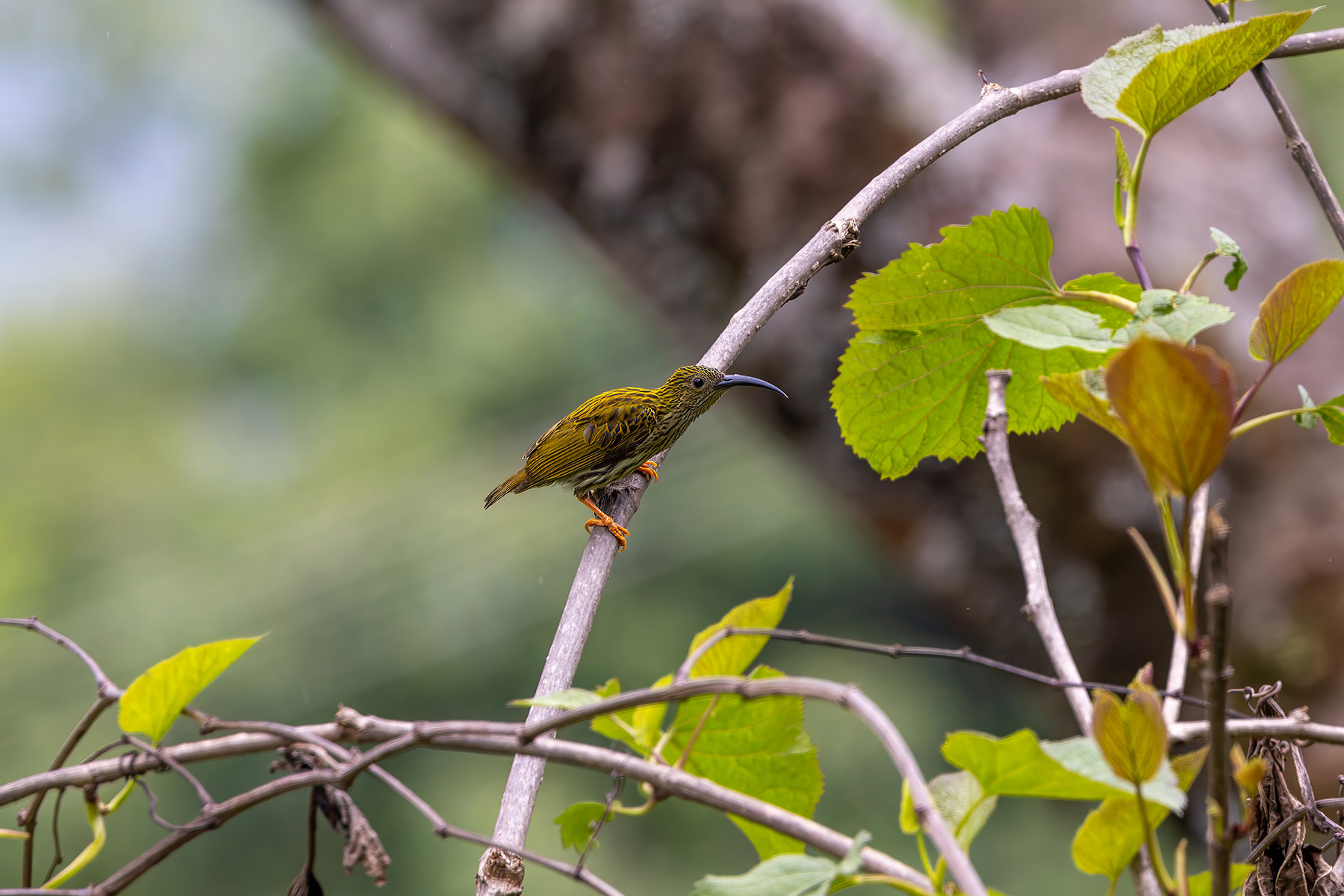
Black-crowned Scimitar Babblers like to hack away at wild bananas in search of insects, but the amazing Slender-billed Scimitar-Babbler clambers up and down creeper-infested tree trunks and tall bamboos, probing into the deepest crevices with its extraordinarily long and finely curved bill. Deep in the bamboo, Broad-billed Warblers call thinly, only occasionally venturing out onto the edge of the clump.
Other likely species include Crested Goshawk, Large Hawk-Cuckoo, Common, Himalayan and Lesser Cuckoos, the dazzling Asian Emerald Cuckoo, Himalayan Swiftlet, White-throated Needletail, Grey-headed, Crimson-breasted and Bay Woodpeckers, Grey-chinned Minivet, Blyth’s and Black-eared Shrike-babblers, Lesser Racket-tailed Drongo, Yellow-bellied Fantail, Grey-headed Canary-flycatcher, Yellow-cheeked Tit, Striated Bulbul, Scaly-breasted and Pygmy Cupwings, the minuscule Chestnut-headed, Slaty-bellied and Grey-bellied Tesias, Mountain Tailorbird, Brown-flanked Bush Warbler, Black-throated Prinia, Green-crowned, Chestnut-crowned and Black-faced Warblers, Streak-breasted and Rusty-cheeked Scimitar Babblers, White-crested, Grey-sided, Scaly and Chestnut-crowned Laughingthrushes, the near-endemic Bhutan Laughingthrush, Red-billed Leiothrix, Himalayan Cutia, Blue-winged Minla, Hoary-throated Barwing, Whiskered, Stripe-throated and Black-chinned Yuhinas, Rufous-winged Fulvetta, the stunning little Golden-breasted Fulvetta, Black-throated Parrotbill, Verditer, Little Pied, Ultramarine and Pale Blue Flycatchers, the shy Sapphire Flycatcher, the secretive White-gorgeted Flycatcher, Large and Rufous-bellied Niltavas, White-browed and Lesser Shortwings, White-tailed Robin, Grey-winged Blackbird, Blue-capped Rock Thrush, White-tailed Nuthatch, Sikkim Treecreeper, Fire-breasted Flowerpecker, Olive-backed Pipit, Yellow-breasted Greenfinch and Dark-rumped Rosefinch.
If we are lucky, we will find the skulking Blue-fronted Robin, Black-headed Shrike-babbler, Crimson-browed Finch or the dapper Golden-naped Finch.
Hill, Rufous-throated and Chestnut-breasted Partridges can be heard calling from the hillsides, and with persistence, we should see at least one of these wary species either here or elsewhere during our travels.
We have even been fortunate enough to come across the sought-after Gould’s Shortwing in this fabulous area, pausing on its way to its breeding grounds above the treeline!
Bhutan: Days 10-13
During these days, we will spend a total of four nights under canvas in the fabulous Panbang and Tingtibi regions. The first two will be in a simple fixed ‘safari-style’ near Panbang, and the last two in our mobile camp at Tingtibi.
Some magnificent subtropical forests can still be found by the roadsides in this region, which still remains an ornithologically little-known region of Bhutan, and these offer some of the best birding in the entire country.
En route via Nyanglam to Panbang we pass through forests at around 600m (2000 ft) where we may come across Grey-lored Broadbill;, Orange-headed Thrush, Eyebrowed Wren-babbler and Rufous-backed and Long-tailed Sibias.
At higher altitudes, one of the star attractions of this fine region is the Beautiful Nuthatch, which survives here at one of its few known localities. We have a very good chance of encountering this mega-star amongst the taller trees, probably being first alerted by its remarkably loud calls.
Many other great birds occur in this bird-rich area, including the superb Rufous-necked and Blue-winged Laughingthrushes and the lovely Red-faced Liocichla. We should also encounter the magnificent Rufous-necked Hornbill and the beautiful Gee’s Golden Langur monkey.
We also have chances for four of the more difficult specialities: Chestnut-breasted and Rufous-throated Partridges (both likely to be heard but hard to see), the localised and restricted-range Collared Treepie and Rufous-vented Laughingthrush and the localised Green Cochoa.
At a forested mountain pass, where the forest is rich with moss and orchids, and the bamboo forms a dense undergrowth below the evergreen broadleaf forest, the restricted-range Scarlet Finch and Brown Bullfinch can both be found.
Other species of particular interest we are likely to see include Pin-tailed Green Pigeon, the secretive but noisy Hodgson’s Hawk-Cuckoo, White-browed Piculet, Fulvous-breasted Woodpecker and White-throated Bulbul.
Amongst the many other birds that we may well encounter are Crested (or Oriental) Honey Buzzard, Crested Serpent Eagle, Shikra, Common Emerald Dove, Bar-tailed Cuckoo-Dove, Wedge-tailed Green Pigeon, Mountain Imperial Pigeon, Indian and Plaintive Cuckoos, Square-tailed Drongo-Cuckoo, Green-billed Malkoha, Asian Barred Owlet, Blue-bearded Bee-eater, Blue-throated Barbet, Grey-capped Pygmy Woodpecker, the handsome Long-tailed Broadbill, Bronzed Drongo, Common Green Magpie, the impressive Sultan Tit, Ashy Bulbul, Rufous-faced and Yellow-bellied Warblers, Black-throated Bushtit, Striated Prinia, Grey-throated and Golden Babblers, White-browed Scimitar Babbler, Lesser Necklaced Laughingthrush, Long-tailed Sibia, Silver-eared Mesia, Striated Yuhina, Pygmy and Blue-throated Blue Flycatchers, Spotted and Slaty-backed Forktails, Oriental White-eye, Chestnut-bellied Nuthatch, Orange-bellied Leafbird, Crimson Sunbird, Streaked Spiderhunter and Crested Bunting.
We are quite likely to hear the secretive Grey Peacock-Pheasant, but seeing one is another matter as they are exceptionally wary.
Bhutan: Day 14
Today, we will descend through the Himalayan foothills to the town of Gelephu (or Gelephug), situated close to the border with India, where we will spend the night. The Bhutanese side of the border is still partly forested, so we shall be able to briefly experience a mixture of ‘Assam’ plains and lower foothill forest birding today. Indeed, this will be the only area on our Bhutan itinerary where we are at such low altitudes.
Most of the species that occur around Gelephu are widespread in the region, and the most likely new birds to be encountered include Rose-ringed and Red-breasted Parakeets, Asian Palm Swift, House Swift, Indochinese Roller, White-throated Kingfisher, Great Hornbill, Lineated Barbet, House Crow, Cinereous Tit, Black-crested Bulbul, Common Tailorbird, Indian Pied, Great and Jungle Mynas, and Golden-fronted Leafbird.
Of much more interest are Blue-naped Pitta and Western Hooded Pitta, both of which we will try to find during our visit.
Also possible are Little Egret, Red-wattled Lapwing, Thick-billed Green Pigeon, Green Imperial Pigeon, Asian Koel, Red-headed Trogon, Wreathed and Oriental Pied Hornbills, Coppersmith and Blue-eared Barbets, Alexandrine Parakeet, Speckled Piculet, Large Woodshrike, Ashy Woodswallow, Large Cuckooshrike, Black-hooded Oriole, Greater Racket-tailed and Black Drongos, Asian Fairy-bluebird, Common Hill Myna and Paddyfield Pipit.
Bhutan: Day 15
From Gelephu, we will head back into the hills as we travel westwards to the remote settlement of Tsirang for our final night of camping.
Bhutan: Day 16
Our prime reason for coming to Tsirang is to explore some untamed stretches of rivers where the rare and Critically Endangered White-bellied Heron still occurs in small numbers. Bhutan is most definitely the best place for this ‘mega speciality’, and pairs nest in the Tsirang area, but as the area is large and access to the rivers is patchy, we may need a bit of good fortune to locate our quarry.
There are many other Himalayan foothill species to be found in the Tsirang area, and we are likely to get a few useful ‘catch-ups’.
After spending much of the day in the Tsirang area, we will head northwards to Wandue Phodrang for an overnight stay. This small town is situated on Bhutan’s Lateral Highway, not far from Punakha, and is convenient for our visit to the Dochu La tomorrow.
Bhutan: Day 17
This morning, we will climb up to the high forests of the Dochu La. Where the road climbs to around 3100m (or around 10,170ft), rising above the dry, pine-dominated forests of western Bhutan, we enter stands of hemlock, fir, rhododendron and evergreen oak, which we will want to explore. We will stop at the pass where, on a clear day, there is a spectacular, panoramic vista of the snowy massifs of the high Himalayas to the north.
Birding here will include some of the best ornithological delights of the Eastern Himalayas. In particular, this is a good locality for the lovely but restless Fire-tailed Myzornis (although we will also have chances for this unpredictable star bird further east, for example, at Thrumsing La).
We will have seen most of the likely species at Dochu La while birding at other passes during our journey through Bhutan, but Dochu La is particularly reliable for Darjeeling and Rufous-bellied Woodpeckers, Rusty-flanked Treecreeper and Red-headed Bullfinch. Dark-breasted Rosefinch may also be encountered.
After birding at the Dochu La, we will continue to Paro for a two-night stay.
Bhutan: Day 18
We will set off early today to drive up to the spectacular Chele La pass on the road to Haa, which at a breath-taking 3780m (or around 12,400ft) is the highest point we reach during our journey. We will be hoping for good weather as the Himalayan views are wonderful.
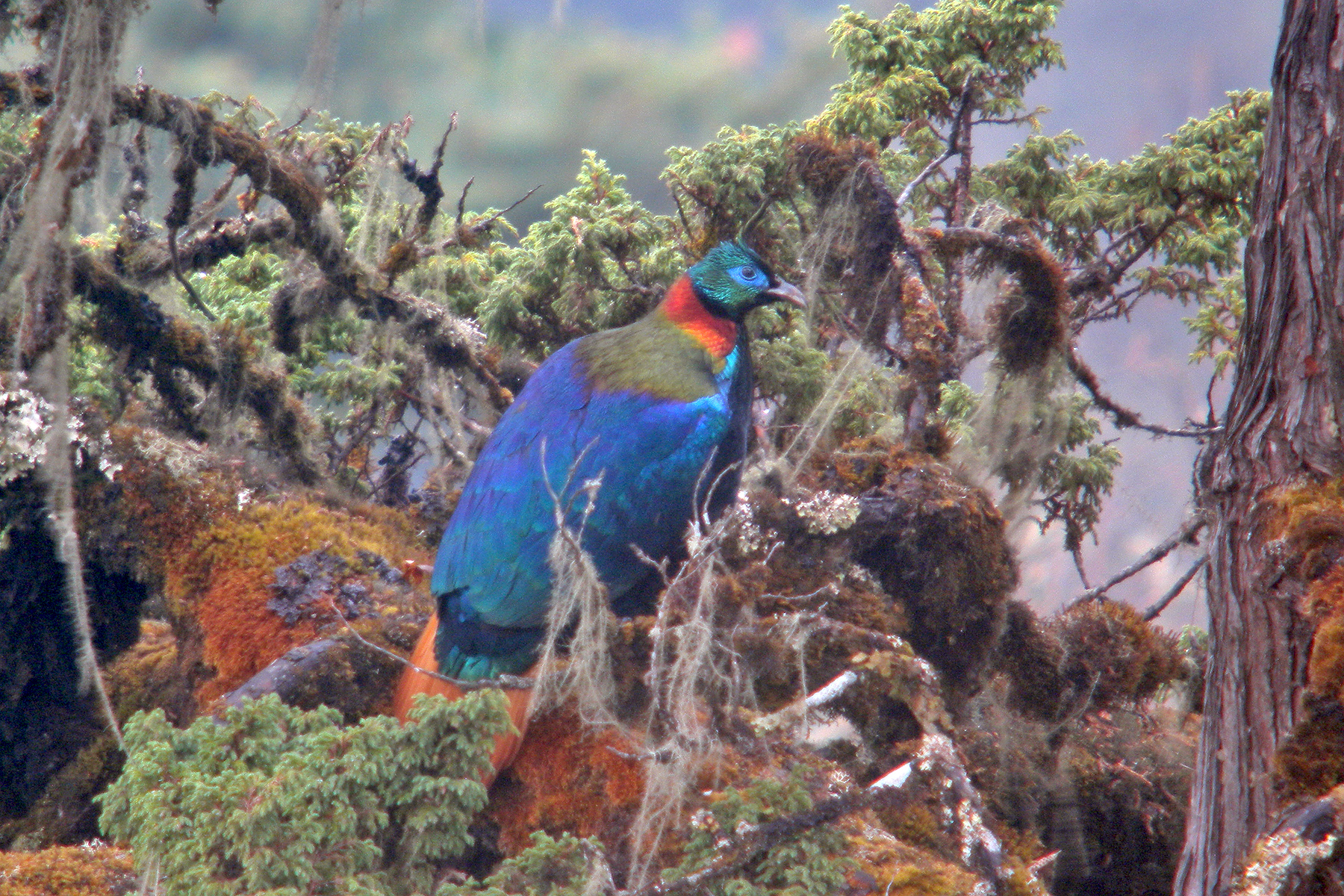
Chele La is an excellent spot for seeing the spectacular Himalayan Monal. This has to be one of the most colourful and strikingly patterned of all the world’s many pheasants, so that is saying a lot! Seeing an adult male at relatively close range as it shows off its iridescent blue, indigo, orange, green and black plumage is an extraordinary experience, and when one flies off displaying its white back patch and uttering its wild, ringing cry, the moment seems to epitomise High Himalayan birding in all its glory!
During our visit to Chele La, we will also have another opportunity to find the attractive Blood Pheasant, as well as a good selection of other high mountain birds.
A suite of great birds regularly found here includes Greenish Warbler, Indian Blue Robin, White-browed Bush Robin, Himalayan Bluetail, Blue-fronted Redstart, the uncommon Alpine Thrush, the huge Collared Grosbeak and Himalayan White-browed Rosefinch.
Bhutan: Day 19
Our Bhutan birding tour ends this morning at Paro airport.