

Yellow-breasted Tit (image by Mark Beaman)

Rufous-naped Tit (image by Mark Beaman)

White-capped Bunting (image by Mark Beaman)

Turkestan or Pander's Ground Jay (image by Mark Beaman)

Turkestan or Pander's Ground Jay (image by Mark Beaman)

Sykes's Warbler (image by Mark Beaman)

Great Gerbil (image by Mark Beaman)

White-tailed Lapwing (image by Mark Beaman)

White-tailed Lapwing (image by Mark Beaman)

Goitred Gazelles of the endangered Turkmen form (image by Mark Beaman)

The Kalyan Minaret, Bukhara (image by Mark Beaman)

The Chor Minor gatehouse, Bukhara (image by Inger Vandyke)

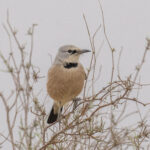
Red-tailed or Turkestan Shrike (image by Mark Beaman)

Red-headed Bunting (image by Mark Beaman)

White-throated Robin (image by Mark Beaman)

Eastern Rock Nuthatch (image by Mark Beaman)

Turkestan Tit (image by Mark Beaman)

White-winged Woodpecker (image by Mark Beaman)

The Gur-e-Amir, Timur's Mausoleum, Samarkand (image by Mark Beaman)

Registan Square, Samarkand by night (image by Inger Vandyke)

The fantastic dome interior of the Sher Dor Madrassa, Samarkand (image by Mark Beaman)

Azure Tit (image by Mark Beaman)

Booted Warbler (image by Mark Beaman)

Bluethroat (image by Mark Beaman)

Paddyfield Warbler (image by Mark Beaman)

Terek Sandpiper (image by Mark Beaman)

Red-necked Phalarope (image by Mark Beaman)

The probably critically endangered Sociable Lapwing (image by Mark Beaman)

Black-winged Pratincole (image by Mark Beaman)

Pallas's Gull (image by Mark Beaman)

Red-footed Falcon (image by Mark Beaman)

Steppe Merlin (image by Mark Beaman)

Demoiselle Crane (image by Mark Beaman)

Black Lark (image by Mark Beaman)

White-winged Lark (image by Mark Beaman)

European Bee-eaters (image by Mark Beaman)

Himalayan Rubythroat (image by Mark Beaman)

Eversmann's Redstart (image by Mark Beaman)

Güldenstädt's or White-winged Redstart (image by Mark Beaman)

Altai Accentor (image by Mark Beaman)

Grey or Altai Marmot (image by Mark Beaman)

Black-throated Accentor (image by Mark Beaman)

Red-mantled Rosefinch (image by Mark Beaman)

White-browed Tit-warbler (image by Mark Beaman)

Sulphur-bellied Warbler (image by Mark Beaman)

Blue-capped Redstart (image by Mark Beaman)

The Tien Shan after overnight snow (image by Mark Beaman)

Grey-necked Bunting (image by Mark Beaman)

Rosy Starlings can be seen in flocks of hundreds or even thousands (image by Mark Beaman)

Pallas's Sandgrouse (image by Mark Beaman)

Pallas's Sandgrouse (image by Mark Beaman)

Pallas's Sandgrouse (image by Mark Beaman)

Black-bellied Sandgrouse (image by Mark Beaman)

Black-bellied Sandgrouse (image by Mark Beaman)

Mongolian Finch (image by Mark Beaman)

Desert Finch (image by Mark Beaman)

Tolai Hares (image by Mark Beaman)

Asian Desert Warbler (image by Mark Beaman)

Lunch on the high plains (image by Mark Beaman)

The spectacular canyon of the Charyn River, Kazakhstan (image by Mark Beaman)

No adventure would be complete without the unexpected (image by Mark Beaman)

Our camp in the Taukum at Sunset (image by Inger Vandyke)

Lesser Sand Plover (image by Mark Beaman)

Caspian Plover (image by Mark Beaman)

Turkestan Short-toed Lark (image by Mark Beaman)

The larks sing all night in the Taukum Desert (image by Mark Beaman)

Saxaul Sparrow (image by Mark Beaman)

The penduline tits of the Ili Delta in Kazakhstan are problematic and hybrids may be involved. This one seems to be a male White-crowned Penduline Tit (image by Mark Beaman)

Yellow-eyed Pigeons (image by Mark Beaman)






Yellow-breasted Tit (image by Mark Beaman)
Rufous-naped Tit (image by Mark Beaman)
White-capped Bunting (image by Mark Beaman)
Turkestan or Pander's Ground Jay (image by Mark Beaman)
Turkestan or Pander's Ground Jay (image by Mark Beaman)
Sykes's Warbler (image by Mark Beaman)
Great Gerbil (image by Mark Beaman)
White-tailed Lapwing (image by Mark Beaman)
White-tailed Lapwing (image by Mark Beaman)
Goitred Gazelles of the endangered Turkmen form (image by Mark Beaman)
The Kalyan Minaret, Bukhara (image by Mark Beaman)
The Chor Minor gatehouse, Bukhara (image by Inger Vandyke)
Red-tailed or Turkestan Shrike (image by Mark Beaman)
Red-headed Bunting (image by Mark Beaman)
White-throated Robin (image by Mark Beaman)
Eastern Rock Nuthatch (image by Mark Beaman)
Turkestan Tit (image by Mark Beaman)
White-winged Woodpecker (image by Mark Beaman)
The Gur-e-Amir, Timur's Mausoleum, Samarkand (image by Mark Beaman)
Registan Square, Samarkand by night (image by Inger Vandyke)
The fantastic dome interior of the Sher Dor Madrassa, Samarkand (image by Mark Beaman)
Azure Tit (image by Mark Beaman)
Booted Warbler (image by Mark Beaman)
Bluethroat (image by Mark Beaman)
Paddyfield Warbler (image by Mark Beaman)
Terek Sandpiper (image by Mark Beaman)
Red-necked Phalarope (image by Mark Beaman)
The probably critically endangered Sociable Lapwing (image by Mark Beaman)
Black-winged Pratincole (image by Mark Beaman)
Pallas's Gull (image by Mark Beaman)
Red-footed Falcon (image by Mark Beaman)
Steppe Merlin (image by Mark Beaman)
Demoiselle Crane (image by Mark Beaman)
Black Lark (image by Mark Beaman)
White-winged Lark (image by Mark Beaman)
European Bee-eaters (image by Mark Beaman)
Himalayan Rubythroat (image by Mark Beaman)
Eversmann's Redstart (image by Mark Beaman)
Güldenstädt's or White-winged Redstart (image by Mark Beaman)
Altai Accentor (image by Mark Beaman)
Grey or Altai Marmot (image by Mark Beaman)
Black-throated Accentor (image by Mark Beaman)
Red-mantled Rosefinch (image by Mark Beaman)
White-browed Tit-warbler (image by Mark Beaman)
Sulphur-bellied Warbler (image by Mark Beaman)
Blue-capped Redstart (image by Mark Beaman)
The Tien Shan after overnight snow (image by Mark Beaman)
Grey-necked Bunting (image by Mark Beaman)
Rosy Starlings can be seen in flocks of hundreds or even thousands (image by Mark Beaman)
Pallas's Sandgrouse (image by Mark Beaman)
Pallas's Sandgrouse (image by Mark Beaman)
Pallas's Sandgrouse (image by Mark Beaman)
Black-bellied Sandgrouse (image by Mark Beaman)
Black-bellied Sandgrouse (image by Mark Beaman)
Mongolian Finch (image by Mark Beaman)
Desert Finch (image by Mark Beaman)
Tolai Hares (image by Mark Beaman)
Asian Desert Warbler (image by Mark Beaman)
Lunch on the high plains (image by Mark Beaman)
The spectacular canyon of the Charyn River, Kazakhstan (image by Mark Beaman)
No adventure would be complete without the unexpected (image by Mark Beaman)
Our camp in the Taukum at Sunset (image by Inger Vandyke)
Lesser Sand Plover (image by Mark Beaman)
Caspian Plover (image by Mark Beaman)
Turkestan Short-toed Lark (image by Mark Beaman)
The larks sing all night in the Taukum Desert (image by Mark Beaman)
Saxaul Sparrow (image by Mark Beaman)
The penduline tits of the Ili Delta in Kazakhstan are problematic and hybrids may be involved. This one seems to be a male White-crowned Penduline Tit (image by Mark Beaman)
Yellow-eyed Pigeons (image by Mark Beaman)


CENTRAL ASIA (KAZAKHSTAN & UZBEKISTAN) TOUR REPORT 2023

9 - 25 May 2023
Mark Beaman
Well, what can one say to sum up this amazing adventure? Birding in Central Asia in May is utter magic for anyone who enjoys Palearctic birding at its best. So many birds around (like Western Europe must have been like in the 1800s!), beautiful breeding plumages, migration everywhere (especially obvious in the deserts), wonderful specialities, myriads of wildflowers, a lovely climate (no hot, humid conditions here!), very easy birding (no dense forest) apart from the early starts, mostly good roads, hugely improved accommodations and food, truly extraordinary scenery, and of course the fabulous monuments of the famous Silk Road cities. One of the most enjoyable birding tours you could ever do!
We started off our adventure in Tashkent, the capital of Uzbekistan, from where we travelled into the Chatkal Range, one of the western outliers of the vast Tien Shan mountain range that extends from western China deep into Central Asia. These days ‘The Stans’ are hugely different from the old Soviet days. The change is first noticeable at the border. No need for a visa or payment, no long queues with those dour, suspicious border guards, just a friendly agent and a quick passport stamp and you are on your way. The next thing you see is the building boom. Forests of shiny new buildings. Then the roads. Motorways were all over the place and the remaining Ladas and Volgas now scarce compared to the shiny modern saloons.
The Chatkal Range provided a good introduction to Central Asian birding, although the building of weekend ‘chalet’ homes for the wealthy of Tashkent is now going on apace. Here we found our first attractive Yellow-breasted Tits (now unfortunately relumped in Azure Tit by the IOC) as well as the range-restricted Rufous-naped Tit, Hume’s Whitethroat and White-capped Bunting and our first Hume’s Leaf and Sulphur-bellied Warblers and Rock Buntings. A selection of raptors included no fewer than four Booted Eagles, a Short-toed Snake Eagle and a Cinereous Vulture. Two Long-tailed Shrikes seemed a bit out of place this deep into temperate Asia, but then the same applied to Indian Golden Oriole and Common Myna (no, not introduced here – they reached here under their own steam).
Arriving at the swanky new train station at Tashkent, we had a temporary paperwork glitch when we discovered the papers were for another group (!) but a quick phone call soon had the correct set delivered. The new high-speed Afrosiob trains, built in Spain, are a miracle by the standards of previous Central Asian trains and we were soon speeding through the Uzbekistan landscape, reaching Bukhara after a mere four hours! White Storks nested on the power poles en route and the trackside wires hosted numerous European Rollers and European and Blue-cheeked Bee-eaters.
After settling in at our hotel, we explored the beautiful, ancient Old City of Bukhara, surely the glory of the ancient Silk Road, even if Timur’s later-era buildings in Samarkand look even more amazing. Much of this more-than-2000-year-old city was destroyed in the early 13th Century AD by Genghis Khan, who left the famous 12th-century Kalyan (or Kalon) minaret standing so it could be used as an observation post! Most of the Old City we see today, including the beautiful Po-i-Kalyan Mosque and the famous madrassas, post-dates the Mongol Catastrophe. It was lovely wandering through the ancient streets and bazaars and we finished off with a pre-dinner drink at a roof terrace with a commanding view of the Kalyan mosque and minaret as the sun set and Common Swifts hurtled past.
With Turkmenistan still largely closed to visitors (it surely is an unusual country), our Bukhara birding kicked off early next morning with a long drive in the pre-dawn out into the Kyzyl Kum desert to the north of the city. Mercifully the once dire road has been much improved and indeed improvements are ongoing, so the pothole torture is now quite limited and will hopefully soon be over for good.
After a time we stopped in the Saxaul ‘forest’ (stunted little trees in reality) and not long after a quick breakfast we found our first Turkestan (or Pander’s) Ground Jays busily feeding amidst the sand dunes. They were very obliging and we watched them digging furiously for invertebrates and flying up into the saxauls, displaying their extraordinary black and white wing pattern. We were to go on and find a total of nine individuals of this mega-speciality of Central Asia.
A series of other interesting birds were soon found, including Long-legged Buzzard, Streaked Scrub Warbler (a monotypic bird family), Sykes’s Warbler, Desert Whitethroat and Rufous-tailed Scrub Robin. Our attempts to find Asian Desert Warbler were unsuccessful, however, so it would have to wait for Kazakhstan. Mammals were few but included Long-clawed Ground Squirrel and our first Great Gerbil (so big they can be mistaken for a ground squirrel!).
Loads of migrants were moving through the area, being especially concentrated where there were trees around isolated cafes and other buildings. The migrants included both European and Oriental Turtle Doves, Red-backed and Lesser Grey Shrikes, Eurasian Golden Oriole, Siberian Chiffchaff, Greenish, Blyth’s Reed, Great Reed, Booted and Eastern Olivaceous Warblers, Lesser Whitethroat of the Siberian form blythi, hordes of Spotted Flycatchers, Bluethroat, Ortolan Bunting and our first flock of Rosy Starlings. We finished off a productive day with Clamorous Reed Warblers of the form brunnescens, Glossy Ibises and nesting Purple Herons in a swampy area.
The next morning we headed for the Amu-Bukhara Canal, which brings irrigation water from the Amu Darya River to the Bukhara oasis. Here we admired the noisy White-tailed Lapwings which burst into the air as soon as any intruder appeared and also found breeding Menetries’s Warblers, the uncommon Marbled Duck. and Shikra (a summer visitor that reaches surprisingly far north into Central Asia). Not far away the Jeyran (or Jayron) Eco-Centre protects a tract of desert terrain, including saxaul forest, where Goitred Gazelles of the endangered Turkmen form gracilicornis can be seen quite easily. We also came across our first Black-bellied Sandgrouse and the only Collared Pratincole of the tour in this area. Lake Tudakul was a bit disappointing but we did see some ‘real’ Common Pheasants and some lively Yellow Ground Squirrels.
From Bukhara, we headed for Samarkand and another short but wonderful cultural diversion. In the late afternoon and early evening, the light was perfect as we explored Timur’s (Timurlane’s) fantastical mausoleum, a place where the great Turkic conqueror was laid to rest after creating an empire that stretched from western Anatolia to northwest India. The extraordinary architecture, patterns and colours of the madrassas of Registan Square never fail to impress the visitor, whether the first time around or the 40th, but I like the quiet magnificence and so very blue domes of the Bibi-Khanum (or Bibi Kanym) Mosque, named in honour of Timur’s favourite wife wh came from a Mongol dynasty. All those wheeling and screaming Alpine Swifts were good as well!
Of course, the architectural wonders of Samarkand were purely incidental to our real purpose in coming to the city, which was to enjoy the birds of the Aman Khutan area to the south, including the impressive Takta-Karacha Pass. We arrived early at the pass and were soon watching gorgeous Red-headed Buntings singing away while Hume’s Short-toed Larks and Tawny Pipits haunted the meadows and Red-tailed (or Turkestan) Shrikes perched prominently on the bushes. A scrubby slope turned up Eastern Orphean Warblers and our first White-throated Robins while a larger valley produced more robins, the Central Asian-endemic White-winged Woodpecker, Indian Paradise Flycatcher (another tropical incursion into Central Asia), Upcher’s Warbler, Turkestan Tit (sadly another Central Asian endemic now relumped in Great Tit by the IOC) and Eastern Rock Nuthatch. Raptors included Egyptian Vulture (no longer a common sight in most parts of its range) and Griffon and Himalayan Vultures. On our way back to the city, a stop in the barren foothills turned up some very smart Finsch’s Wheatears.
Kazakhstan now beckoned to us, so after a final leg on the Afrosiob to Tashkent and a fancy breakfast it was time for the flight north to Astana, the capital of Kazakhstan.
Astana is a fast-growing but unlovely city in the midst of the northern Kazakh steppe. Once called Akmola, the Soviets renamed it Tselinograd and after Kazakh independence, it became Astana (which means capital in Kazakh). A recent attempt to rename the city after the previous president of the country, Nur Sultan Nazarbayev, seems to have failed, thank goodness. Before we headed off into the wild steppes we visited some enjoyable birding sites in the city, adding ‘real’ Azure Tits and Mute Swans, Great Bittern, Red-necked, Horned and Black-necked Grebes, Terek Sandpiper, Black Tern, gorgeous singing Bluethroats and Paddyfield Warbler to our growing list.
Leaving the city behind, we headed for the remote village of Korgalzhyn, our base for the next two nights. Here we stayed in a guesthouse with some charismatic local villagers, seeing how country people in Kazakhstan live their lives and being right at the heart of the birding rather than enduring the long return drive from Astana each day.
At this time of year the steppe lakes of northern Kazakhstan host myriads of migrant shorebirds heading for the taiga and tundra zones of northern Russia, but even more wonderfully most individuals are in their beautiful breeding dress. So it was that we enjoyed seeing many thousands of shorebirds including smart American Golden and Grey Plovers, Black-tailed Godwits, Ruddy Turnstones, Curlew, Marsh and Terek Sandpipers, Little Stints and Spotted Redshanks, while local breeding species included Pied Avocet and Black-winged Stilts. A star attraction was the great numbers of Ruffs, the males in the fantastic breeding finery, but the piece de resistance was undoubtedly the almost incredible gathering of Red-necked Phalaropes in full breeding plumage at one of the lakes. It was estimated some 50,000 individuals were present there at the time we visited and there were so many birds present that the distant ones looked like swarms of midges (gnats), especially when flocks of up to several thousand took to the air and swirled over the calm surface. What a truly amazing avian spectacle to witness!
The lakes held many other waterbirds, including numerous waterfowl (with many Red-crested Pochards), Dalmatian Pelicans, terns and gulls. The hordes of White-winged Terns and Caspian and Slender-billed Gulls (plus some Common Gulls of the form heinei) were fun, but pride of place goes to the very large numbers of Pallas’s Gulls, also in their breeding finery. We even visited a colony of hundreds of these impressive gulls.
Elsewhere, in the steppe, we came across a total of five smart Sociable Lapwings. 2023 seems to be a bad year for the species, at least in the Astana region, as very few had turned up in the Korgalzhyn area by the time we visited. Our local bird guide was hoping more would arrive later, following a delay because of a late spring. Otherwise, this endangered and declining bird, definitely one of the mega-specialities of Central Asia, looks to be reaching a critical juncture!
The localized Black-winged Pratincole first arrived in the area during our stay and it was wonderful to watch this agile, long-winged species hawking over the steppe. Red-footed Falcons were nesting almost everywhere there were trees, often utilizing the old nests of Rooks, and at one location we also came across the pale Steppe (pallidus) race of the Merlin. Bushy areas held Siberian Stonechats and breeding Sykes’s Wagtails while Grey-headed Wagtails were moving through on migration. The steppe itself was home to hundreds of striking Black Larks (often displaying) and smaller numbers of White-winged Larks, as well as Pallid Harriers and graceful Demoiselle Cranes.
Around Korgalzhyn itself we found various migrants including Willow Warblers, one of which appeared to be of the long-winged, short-billed and very plain race yakutensis, on its way to breeding grounds in Central and Eastern Siberia.
From the largely flat steppes of the north, it was just a short hop by air southwards to Almaty, the former capital and still the commercial hub of Kazakhstan. With the spectacular, snow-capped Tien Shan range rising straight out of the plains just to the south of the city and dominating the views, the contrast with the Astana region could not have been greater.
On our first morning in the Tien Shan the weather was dry and sunny, so we lost no time in heading for the higher altitudes. Above the treeline, smart Himalayan Rubythroats were chortling away from the low junipers and colourful Eversmann’s (or Rufous-backed) Redstarts sang away from prominent perches. Red-fronted Serins, Plain Mountain Finches and Brown Accentors were also out and about as we headed uphill and before long we had Himalayan Snowcock calling away in the scope. Back in ‘the good old days’ (i.e. Soviet times) it was easy to drive up to the end of the road at the atmospheric station, but now Kazakhstan is an independent country and Kyrghizia is close by, there are checkposts and border guards and driving one’s own vehicle up there is no longer an option. Happily, a driver from the station picked us up and we were soon birding at around 3,350m (11,000ft) and watching Güldenstädt’s (or White-winged) Redstarts, Altai Accentors and Alpine Choughs, our high altitude targets.
With the higher altitude specialities in the bag, we could relax and enjoy the stupendous scenery of the Tien Shan over the next day or so. Ibisbill (our second monotypic bird family) was eventually spotted in a gravel and river channels ‘wasteland’ and both the smart Black-throated Accentor and the pretty Red-mantled Rosefinch, both Central Asian specialities, showed wonderfully. Tiny White-browed Tit-warblers tried to vanish into the junipers while Water Pipits displayed at the treeline and White-winged Grosbeaks fed quietly on the juniper berries. Lower down, in the spruce forest, we found Eurasian Three-toed Woodpecker, Spotted Nutcracker, the smart Blue-capped Redstart and Songar Tit, while rivers held both Brown and White-throated Dippers and Blue Whistling Thrush. Raptors were fairly sparse but included Bearded Vulture and Golden Eagle. Scanning the steep slopes turned up a group of Siberian Ibexes.
It was hard to drag ourselves away from this magnificent area, but with all the specialities secured it was time to head east to the Charyn River region. Our first stop in a deep canyon produced thousands of Rosy Starlings and the first of several Grey-necked Buntings during the day.
Beyond the hills we came to a water hole in a vast upland steppe landscape and, much to our surprise, at least 200 Pallas’s Sandgrouse came to drink, rather than the usual handful! With numerous flocks of up to 20 appearing over the course of about 90 minutes, it is clear this species is undergoing one of its population explosions or nomadic movements (it is hard to know which). The Black-bellied Sandgrouse were, for a change, greatly outnumbered and other welcome drinking visitors were the subtly-plumaged Mongolian and Desert Finches. Our breakfast was enlivened by some very endearing Tolai Hares. Nearby we finally found a perky little Asian Desert Warbler. So easy here yet so hard this time in Uzbekistan!
After nice encounters with a Steppe Eagles and a visit to the spectacular canyon f the Charyn River, one of the largest canyon systems on earth, it was time to head back to Almaty and get ready for our outing to the Taukum Desert.
We spent much of the day on our way to the Taukum birding the Sorbulak Lakes and, it must be said, digging out our bogged-down minibus/van after Yevgeniy decided the sand on the ‘field road’ was not too deep…! The lakes were very productive and new additions included a pair of White-tailed Eagles and their two well-grown young (life with those mobbing crows must be miserable!), Ferruginous and White-headed Ducks, Great White Pelican, a displaying male Little Bustard and some smart Lesser Sand Plovers. We also had some great views of orientalis Eurasian Curlews (that bill is amazing!) and Caspian Reed Warblers.
Eventually after a visit to the isolated ‘magic trees’ (full of migrant passerines as usual), we arrived at our camp in the remote Taukum where we were very well looked after for the next two nights. Not only was the camping very comfortable, with camp beds, mattresses, proper loos, hot shower, the lot, but the food was really exceptional. An amazing achievement in such a remote place.
The two big targets in the Taukum are in increasingly rare Macqueen’s Bustard and the declining Caspian Plover. I say ‘big’ advisedly as there is a ‘little’ target as well: Turkrestan Short-toed Lark, but that is easy to find. We scored early on with the bustard thanks to good spotting by Steve, and soon the bird was displaying like a powder puff on the move. It was good to see this now rare bird (thanks to relentless hunting by wealthy Arab falconers) is still surviving in the area. The plover (by this I mean the ‘right’ plover: we soon saw tens of Greater Sand Plovers) proved more elusive and it was only after breakfast that we managed to track down two fine pairs and enjoy wonderful views.
Another waterhole turned up around 60 more Pallas’s Sandgrouse as well as plenty of Black-bellied. Apparently, decades back, the former species was common in the Taukum and they have clearly now returned with a vengeance. Calandra Larks, Greater Short-toed Larks and the odd Bimaculated Lark also arrived to drink. Out in the desert expanse, Montagu’s Harrier, Brown-necked Raven and Corsac Foxes were welcome additions.
To the north of the Taukum lies the Ili River Delta where this great river, which flows out of the Xinjiang region of China, enters the vast Lake Balkash. The latter is a kind of mini ‘Aral Sea’, and if the Chinese keep extracting so much water from the Ili it may well go the same sad way! Our last day in the field was spent here successfully tracking down the rare Yellow-eyed (or Pale-backed) Pigeon and the smart but localized Saxaul Sparrow. We even heard a Pallid Scops Owl give a few calls from the endemic Turanga trees but sadly it went quiet before we could track it down. Even the early morning drive to the delta was productive with Goitred Gazelles, a couple of roadside Red Foxes and two Steppe Grey Shrikes.
And then there were the penduline tits, which are now known to be very complicated in the Ili Delta, with two species involved and lots of plumage types, some of which may overlap. I have added a detailed note about these in the Systematic List.
After this identification puzzle to round off the tour, we headed back to Almaty for a final dinner to celebrate the end of a truly splendid springtime journey through Central Asia.
BIRD OF THE TRIP
1st Turkestan (or Pander’s) Ground Jay
2nd= Pallas’s Sandgrouse
2nd= The 50,000 Red-necked Phalaropes on one lake!
4th= Sociable Lapwing
4th= White-throated Robin
SYSTEMATIC LIST OF SPECIES RECORDED
BIRDS
Greylag Goose Anser anser
Mute Swan Cygnus olor
Whooper Swan Cygnus cygnus Nests far to the south of its range in Europe in the Astana steppes.
Common Shelduck Tadorna tadorna
Ruddy Shelduck Tadorna ferruginea
Garganey Spatula querquedula
Northern Shoveler Spatula clypeata
Gadwall Mareca strepera
Eurasian Wigeon Mareca penelope
Mallard Anas platyrhynchos
Northern Pintail Anas acuta
Eurasian Teal Anas crecca
Marbled Duck (or Marbled Teal) Marmaronetta angustirostris Small numbers in the Bukhara region.
Red-crested Pochard Netta rufina
Common Pochard Aythya ferina
Ferruginous Duck Aythya nyroca Common at the Sorbulak Lakes but not seen elsewhere.
Tufted Duck Aythya fuligula
Common Goldeneye Bucephala clangula
White-headed Duck Oxyura leucocephala We failed to find any this year in the Astana steppes but we enjoyed multiple sightings at Sorbulak.
Common PheasantPhasianus colchicus Great to see these handsome birds in their native haunts for a change.
Himalayan Snowcock ◊ Tetraogallus himalayensis Although we heard several, we only spent time on one individual that was watched calling from a high ridge.
Chukar Partridge Alectoris chukar
European Nightjar Caprimulgus europaeus (heard only)
Alpine Swift Tachymarptis melba
Common Swift Apus apus
Macqueen’s Bustard ◊ Chlamydotis macqueenii Great to see one displaying and it was a relief to see they still survive in the Taukum.
Little Bustard ◊ Tetrax tetrax It was brilliant to watch one displaying in the Almaty region, where they are no longer common.
Common Cuckoo Cuculus canorus
Pallas’s Sandgrouse ◊ Syrrhaptes paradoxus Clearly this species is either undergoing a population explosion or a mass invasion in Southeast Kazakhstan where we recorded at least 260, both in the Chary region (200 plus) and in the Taukum (60 plus). Apparently, the species used to be common in the Taukum many years ago before largely vanishing there.
Black-bellied Sandgrouse Pterocles orientalis
Rock Dove Columba livia
Yellow-eyed (or Pale-backed) Pigeon ◊ (or Yellow-eyed Dove) Columba eversmanni Six rather shy birds at the Ili Delta. Very contrasting behaviour compared to the fearlessness exhibited at their Bikaner wintering grounds.
Common Wood Pigeon Columba palumbus
European Turtle Dove Streptopelia turtur
Oriental (or Rufous) Turtle Dove Streptopelia orientalis
Eurasian Collared Dove Streptopelia decaocto
Laughing (or Palm) Dove Spilopelia senegalensis
Water Rail Rallus aquaticus (heard only)
Common Moorhen Gallinula chloropus
Eurasian (or Common) Coot Fulica atra
Demoiselle Crane ◊ Grus virgo In decline in the Astana steppe, owing to the mass shooting of the western population on migration!
Red-necked Grebe Podiceps grisegena
Great Crested Grebe Podiceps cristatus
Horned (or Slavonian) Grebe Podiceps auritus
Black-necked (or Eared) Grebe Podiceps nigricollis
Greater Flamingo Phoenicopterus roseus
Eurasian Stone-curlew Burhinus oedicnemus
Eurasian Oystercatcher Haematopus ostralegus
Ibisbill ◊ Ibidorhyncha struthersii Seeing this monotypic bird family in the Tien Shan above Almaty has become a kind of ritual.
Black-winged Stilt Himantopus himantopus
Pied Avocet Recurvirostra avosetta
Northern Lapwing Vanellus vanellus
Sociable Lapwing ◊ (or Sociable Plover) Vanellus gregarius Given what we were told, seeing five of these beautiful birds in the Astana steppe was good going, at least in 2023 when very few had turned up. Either more would arrive, or there was a temporary displacement of the population or this bird is reaching a critical moment in its survival. And no one knows what is happening on the main wintering grounds in war-torn Syria…!
White-tailed Lapwing ◊ (or White-tailed Plover) Vanellus leucurus Great to see so many of these noisy but strikingly-patterned birds in the Bukhara area.
Pacific Golden Plover Pluvialis fulva
Grey (or Black-bellied) Plover Pluvialis squatarola
Common Ringed Plover Charadrius hiaticula
Little Ringed Plover Charadrius dubius
Kentish Plover Charadrius alexandrinus
Tibetan Sand Plover Charadrius atrifrons The IOC currently lump atrifrons with mongolus as Lesser Sand Plover but will shortly split them as Tibetan and Siberian Sand Plovers. Four Tibetan in breeding plumage at the big Sorbulak Lake was a pleasant surprise. These appeared to be the form pamirensis as the breast colour of the males was not very dark. Either slightly overshooting or taking a detour to their high-altitude breeding grounds in order to enjoy easier feeding conditions en route.
Greater (or Desert) Sand Plover Charadrius leschenaultii Common in the Taukum and also seen at the Sorbulak Lakes.
Caspian Plover ◊ Charadrius asiaticus Still pretty straightforward to find in the Taukum, where we found two attractive pairs, although the species is in long-term decline.
Eurasian Whimbrel Numenius phaeopus
Eurasian Curlew Numenius arquata
Black-tailed Godwit Limosa limosa
Ruddy Turnstone Arenaria interpres
Ruff Calidris pugnax
Curlew Sandpiper Calidris ferruginea
Temminck’s Stint Calidris temminckii
Dunlin Calidris alpina
Little Stint Calidris minuta
Terek Sandpiper Xenus cinereus
Red-necked Phalarope Phalaropus lobatus The huge concentration on one of the lakes of the Korgalzhyn region, dwarfing the numbers we saw elsewhere, was utterly amazing. Around 50,000 was the estimate, and that was conservative. They were like hordes of gnats stretching away into the distance and even flying flocks of thousands could land amidst the others without causing any perceptible change in the apparent density. A true ‘once-in-a-lifetime’ ornithological experience!
Common Sandpiper Actitis hypoleucos
Green Sandpiper Tringa ochropus
Common Redshank Tringa totanus
Marsh Sandpiper Tringa stagnatilis
Wood Sandpiper Tringa glareola
Spotted Redshank Tringa erythropus
Common Greenshank Tringa nebularia
Collared Pratincole Glareola pratincola
Black-winged Pratincole ◊ Glareola nordmanni A star attraction of the Astana steppe where we had prolonged and close views revealing all the field features of this sought-after species that shuttles between the steppes and a restricted wintering area in tropical Africa.
Slender-billed Gull Chroicocephalus genei
Black-headed Gull Chroicocephalus ridibundus
Pallas’s (or Great Black-headed) Gull ◊ Ichthyaetus ichthyaetus Watching so many in full breeding dress in the Astana steppe was a real treat.
Common Gull Larus canus Nice to see small numbers of the form heinei in the Astana Steppe.
Caspian Gull ◊ Larus cachinnans
Lesser Black-backed Gull ◊ [Steppe Gull] Larus [fuscus] barabensis
Gull-billed Tern Gelochelidon nilotica
Caspian Tern Hydroprogne caspia
Little Tern Sternula albifrons
Common Tern Sterna hirundo
White-winged (or White-winged Black) Tern Chlidonias leucopterus
Black Tern Chlidonias niger
White Stork Ciconia ciconia
Great Cormorant Phalacrocorax carbo
Glossy Ibis Plegadis falcinellus
Eurasian (or Great) Bittern Botaurus stellaris
Black-crowned Night Heron Nycticorax nycticorax
Grey Heron Ardea cinerea
Purple Heron Ardea purpurea
Great Egret Ardea alba
Little Egret Egretta garzetta
Great White Pelican Pelecanus onocrotalus
Dalmatian Pelican ◊ Pelecanus crispus
Bearded Vulture (or Lammergeier) Gypaetus barbatus
Egyptian Vulture Neophron percnopterus
Himalayan (or Himalayan Griffon) Vulture Gyps himalayensis
Griffon Vulture Gyps fulvus
Cinereous (or Eurasian Black) Vulture Aegypius monachus
Short-toed Snake Eagle Circaetus gallicus
Booted Eagle Hieraaetus pennatus
Steppe Eagle Aquila nipalensis
Golden Eagle Aquila chrysaetos
Shikra Accipiter badius
Eurasian Sparrowhawk Accipiter nisus
Western Marsh Harrier Circus aeruginosus
Pallid Harrier Circus macrourus
Montagu’s Harrier Circus pygargus
Black Kite [Black-eared Kite] Milvus [migrans] lineatus
White-tailed Eagle Haliaeetus albicilla That pair at Sorbulak must have the patience of Job having to raise two young while constantly harassed by crows…
Long-legged Buzzard Buteo rufinus
Common Buzzard Buteo buteo
Little Owl Athene noctua
Pallid (or Striated) Scops Owl ◊ Otus brucei (heard only) It tempted us with its brief calling in the Ili Delta and then let us search unsuccessfully.
Eurasian Scops Owl Otus scops (heard only)
Eurasian (or Common) Hoopoe Upupa epops
European Roller Coracias garrulus
Common Kingfisher Alcedo atthis
Blue-cheeked Bee-eater Merops persicus
European Bee-eater Merops apiaster
Eurasian Three-toed Woodpecker Picoides tridactylus
White-winged Woodpecker ◊ Dendrocopos leucopterus We encountered this Central Asian endemic in both Uzbekistan and the Ili Delta.
Great Spotted Woodpecker Dendrocopos major (heard only)
Lesser Kestrel Falco naumanni
Common Kestrel Falco tinnunculus
Red-footed Falcon Falco vespertinus Old Rook nests get recycled by the acrobatic Red-footed Falcons of the Astana steppe.
Merlin Falco columbarius We had a wonderful close encounter in the Astana steppe with the pale form pallidus, known as Steppe Merlin.
Eurasian Hobby Falco subbuteo
Peregrine Falcon Falco peregrinus
Red-backed Shrike Lanius collurio
Red-tailed (or Rufous-tailed or Turkestan) Shrike Lanius phoenicuroides
Long-tailed Shrike Lanius schach
Lesser Grey Shrike Lanius minor
Great Grey Shrike ◊ [Steppe Grey Shrike] Lanius [excubitor] pallidirostris They eluded us until we reached the Taukum.
Indian Golden Oriole Oriolus kundoo
Eurasian Golden Oriole Oriolus oriolus
Indian Paradise Flycatcher Terpsiphone paradisi
Eurasian Magpie Pica pica
Turkestan (or Pander’s) Ground Jay ◊ Podoces panderi Quite rightly the ‘Bird of the tour’. We had great encounters with these bold little corvids, enjoying their running and digging antics and their amazing wing pattern when they took to the air. Definitely the star attraction of Uzbekistan’s saxaul ‘forest’.
Spotted Nutcracker Nucifraga caryocatactes
Red-billed Chough Pyrrhocorax pyrrhocorax
Alpine (or Yellow-billed) Chough Pyrrhocorax graculus
Western Jackdaw Coloeus monedula
Rook Corvus frugilegus
Carrion Crow [Oriental Crow] Corvus [corone] orientalis
Hooded Crow Corvus cornix
Brown-necked Raven Corvus ruficollis
Northern Raven Corvus corax
Rufous-naped Tit ◊ Periparus rufonuchalis Reaches its northern limits in the western Tien Shan.
Coal Tit Periparus ater
Willow Tit ◊ [Songar Tit] Poecile [montanus] songarus
Azure Tit ◊ Cyanistes cyanus
Azure Tit ◊ [Yellow-breasted Tit] Cyanistes [cyanus] flavipectus It really is a shame this very pretty little critter, a star of Uzbekistan, has been relumped in Azure Tit…
Great Tit Parus major
Great Tit ◊ [Turkestan Tit] Parus [major] bokharensis
[Black-headed Penduline Tit ◊ Remiz macronyx See the comment for White-crowned Penduline Tit.]
White-crowned Penduline Tit ◊ Remiz coronatus I used to think Eurasian penduline tits were pretty straightforward until I started to study the Kazakhstan plumages. In the Ili Delta and at Lake Balkash is a very unusual form, ssaposhnikowi, which is as yet little understood, especially by foreign visitors. The males it turns out look nothing like either European or White-crowned Penduline Tits, but are not very like Black-headed Penduline Tits from further south either, having black restricted to the face and a rich chestnut crown! (Perhaps Chestnut-crowned Penduline Tit would be a better name for this population.) The females of ssaposhnikowi at least sometimes have a pale chestnut crown but what percentage look like that remains uncertain (according to Kazakh ornithologists, some look like female White-crowned Penduline Tit females, just to make things difficult). At the same time, White-crowned Penduline Tits have invaded the area (or at least have increased in the area), and the males of the local population often have a black head apart from a spot of white on the forecrown and some white flecking on the hindcrown! The ssaposhnikowi population appears to have declined in the last decade or two, perhaps because the extensive reed beds on which it depends have been drying out and dying off owing to Chinese extraction from the Ili, or maybe it can be blamed on climate change… Lots of misidentification seems to have gone on in recent times as a result of a misunderstanding that two species rather than one occur here at the Ili Delta and a lack of knowledge about the plumage features of the local forms. The situation is complicated still further by some authors suggesting ssaposhnikowi is a hybrid swarm! Anyway, the first and very responsive individual we saw, at a reedy area mixed with Russian Olives, appears to have been a male White-crowned but the three at the second stop at the nest were more problematic. The bird that showed best was a female of either White-crowned or ssaposhnikowi Black-headed (with a largely white crown), while one of the other two seemed very dark-headed but did not give good enough views to tell which species was involved. The third individual looked like another ‘typical’ female but the views were brief.
White-winged Lark ◊ Alauda leucoptera Much more localized than Black Lark, but common wherever its drier more grazed steppe was to be found.
Oriental Skylark Alauda gulgula
Eurasian Skylark Alauda arvensis
Crested Lark Galerida cristata
Horned Lark Eremophila alpestris
Hume’s Short-toed Lark ◊ Calandrella acutirostris Only seen at the Takta-Karacha pass in Uzbekistan.
Greater Short-toed Lark Calandrella brachydactyla
Bimaculated Lark Melanocorypha bimaculata
Calandra Lark Melanocorypha calandra
Black Lark ◊ Melanocorypha yeltoniensis Hundreds in the Astana steppe. We loved their slow-motion ‘rowing’ display flight.
Turkestan Short-toed Lark ◊ Alaudala heinei This Central Asian endemic was common in the Taukum.
Sand Martin (Bank Swallow) Riparia riparia
Pale Martin ◊ Riparia diluta
Barn Swallow Hirundo rustica
Common (or Northern) House Martin Delichon urbicum
Red-rumped Swallow Cecropis daurica
Cetti’s Warbler Cettia cetti
Streaked Scrub Warbler Scotocerca inquieta This perky bird, a monotypic family, was easy to find in the Bukhara region.
White-browed Tit-warbler ◊ Leptopoecile sophiae A pair in the Tien Shan above Almaty were mostly secretive but kept popping up for a look.
Hume’s Leaf Warbler Phylloscopus humei A very hard bird to see elsewhere, we had loads in Uzbekistan and also recorded it in Southeast Kazakhstan.
Sulphur-bellied Warbler ◊ Phylloscopus griseolus That one boldly attacking the iPhone was a highlight of the Tien Shan!
Dusky Warbler Phylloscopus fuscatus
Willow Warbler Phylloscopus trochilus
Common Chiffchaff [Siberian Chiffchaff] Phylloscopus [collybita] tristis We saw a variety of plumages including very dull birds and also plenty with some yellow in the supercilium and upper eyering corresponding to ‘fulvescens’, which may or may not be an intergrade population between tristis and abietinus in Western Siberia. It is quite likely that no pure abietinus Common Chiffchaffs normally occur in the region visited.
Greenish Warbler Phylloscopus trochiloides
Great Reed Warbler Acrocephalus arundinaceus
Clamorous Reed Warbler [Indian Reed Warbler] Acrocephalus [stentoreus] brunnescens
Paddyfield Warbler ◊ Acrocephalus agricola
Blyth’s Reed Warbler Acrocephalus dumetorum Very common, mostly on migration. Seeing these birds hopping about on the ground in the desert was suitably weird.
Common Reed Warbler ◊ [Caspian Reed Warbler] Acrocephalus [scirpaceus] fuscus
Booted Warbler ◊ Iduna caligata On migration in the deserts but breeding in the Astana steppe.
Sykes’s Warbler ◊ Iduna rama
Eastern Olivaceous Warbler Iduna pallida
Upcher’s Warbler ◊ Hippolais languida One towards the northern limits of its distribution in the Amnan Kutan area.
Common Grasshopper Warbler Locustella naevia (heard only)
Desert Whitethroat ◊ Curruca minula
Lesser Whitethroat Curruca curruca
Hume’s Whitethroat ◊ Curruca althaea
Eastern Orphean Warbler ◊ Curruca crassirostris
Asian Desert Warbler ◊ Curruca nana Easy to find in the Charyn region, in contrast to our efforts in Uzbekistan.
Menetries’s Warbler ◊ Curruca mystacea
Common Whitethroat Curruca communis
Goldcrest Regulus regulus
Eurasian Wren Troglodytes troglodytes (heard only)
Eastern (or Greart) Rock Nuthatch Sitta tephronota
Eurasian Treecreeper Certhia familiaris
Common Myna Acridotheres tristis
Rosy (or Rose-coloured) Starling ◊ Pastor roseus Even on the wintering grounds in India you do not see the sheer size of flocks you do in Kazakhstan, where we had thousands in a day. An awesome experience. They prefer rocky steppe for nesting but will happily adapt to farm and other buildings.
Common Starling Sturnus vulgaris
Mistle Thrush Turdus viscivorus
Common Blackbird Turdus merula
Fieldfare Turdus pilaris
Rufous-tailed Scrub Robin Cercotrichas galactotes
Spotted Flycatcher Muscicapa striata Absolutely everywhere on migration.
Bluethroat Luscinia svecica
Common Nightingale Luscinia megarhynchos
White-throated Robin (or Irania) ◊ Irania gutturalis Definitely a star performer at Aman Kutan.
Himalayan (or White-tailed) Rubythroat ◊ Calliope pectoralis They enlivened every walk we made above the treeline in the Tien Shan near Almaty, their cheery song and striking plumage enhanced by the extraordinary backdrop of snow-capped peaks.
Blue Whistling Thrush Myophonus caeruleus
Eversmann’s (or Rufous-backed) Redstart ◊ Phoenicurus erythronotus Definitely a major highlight of the upper forest edge and alpine scrub in the Tien Shan.
Blue-capped (or Blue-headed) Redstart ◊ Phoenicurus coeruleocephala A more subtly-plumaged bird than Eversmann’s but just as handsome.
Black Redstart Phoenicurus ochruros
Common Redstart Phoenicurus phoenicurus
Güldenstädt’s (or White-winged) Redstart ◊ Phoenicurus erythrogastrus This may be a relatively widespread bird but getting to its high-altitude breeding habitat is often a challenge. It was fun watching them use old buildings at times as if they were rocky crags.
Common (or Rufous-tailed) Rock Thrush Monticola saxatilis
Blue Rock Thrush Monticola solitarius
Siberian Stonechat Saxicola maurus
Pied Bush Chat (or Pied Stonechat) Saxicola caprata
Northern Wheatear Oenanthe oenanthe
Isabelline Wheatear Oenanthe isabellina
Desert Wheatear Oenanthe deserti
Pied Wheatear Oenanthe pleschanka Including a couple of males of the ‘vittata’ morph.
[Variable (or Eastern Pied) Wheatear Oenanthe picata A short view of a male in the very barren foothills south of Samarkand was insufficient to clinch the identification (versus Pied Wheatear), but the habitat was typical of the species. The white-capped and white-bellied morph is referred to as ‘capistrata‘.]
Finsch’s Wheatear ◊ Oenanthe finschii
White-throated Dipper Cinclus cinclus Interesting to see that this species overlaps in distribution with Brown Dipper in the Almaty area rather than occurring at much higher altitudes as it does on the Tibetan Plateau.
Brown Dipper Cinclus pallasii
Rock Sparrow (or Rock Petronia) Petronia petronia
Eurasian Tree Sparrow Passer montanus
Saxaul Sparrow ◊ Passer ammodendri We were treated to some really close views in lovely light.
Spanish Sparrow Passer hispaniolensis
House Sparrow Passer domesticus
Altai Accentor ◊ Prunella himalayana Another high altitude speciality of the Tien Shan above Almaty, breeding only above 3000 metres (nearly 10,000 feet).
Brown Accentor ◊ Prunella fulvescens
Black-throated Accentor ◊ Prunella atrogularis Quite shy compared to the other accentors in the Tien Shan, living unobtrusive lives in the junipers and treeline spruces.
Western Yellow Wagtail (form unknown) Motacilla flava
Western Yellow Wagtail ◊ [Sykes’s Wagtail] Motacilla [flava] beema Lovely to see so many of this form singing away on their breeding grounds in the Astana steppe.
Western Yellow Wagtail [Black-headed Wagtail] Motacilla [flava] feldegg
Western Yellow Wagtail [Grey-headed Wagtail] Motacilla [flava] thunbergi
Citrine Wagtail Motacilla citreola
Grey Wagtail Motacilla cinerea
White Wagtail (form unknown) Motacilla alba
White Wagtail Motacilla [alba] alba
White Wagtail ◊ [Masked Wagtail] Motacilla [alba] personata
Tawny Pipit Anthus campestris
Tree Pipit Anthus trivialis
Water Pipit Anthus spinoletta
White-winged Grosbeak Mycerobas carnipes
Mongolian Finch ◊ Bucanetes mongolicus Loads came to drink in the Charyn region but individuals stayed no longer than the sandgrouse. A few quick sips and they were off.
Plain Mountain Finch Leucosticte nemoricola
Common Rosefinch Carpodacus erythrinus
Red-mantled Rosefinch ◊ Carpodacus rhodochlamys We did well with this Central Asian-endemic species with no fewer than eight or more seen including some really close.
European Greenfinch Chloris chloris
Desert Finch ◊ Rhodospiza obsoleta After poor views in Uzbekistan, Kazakhstan gave us good encounters.
Common Linnet Linaria cannabina
European Goldfinch ◊ [Grey-capped Goldfinch] Carduelis [carduelis] cancels
Red-fronted (or Fire-fronted) Serin ◊ Serinus pusillus
Corn Bunting Emberiza calandra (heard only)
Rock Bunting Emberiza cia
White-capped Bunting ◊ Emberiza stewarti Common in the hills of Uzbekistan and also seen in Southeast Kazakhstan.
Grey-necked Bunting ◊ Emberiza buchanani Southeast Kazakhstan is surely the easiest place in the range to see this sought-after species.
Ortolan Bunting Emberiza hortulana
Red-headed Bunting ◊ Emberiza bruniceps Although you can see this species on its Indian wintering grounds, there is nothing quite like singing males in their breeding finery.
Common Reed BuntingEmberiza schoeniclus Seen in the Astana steppes. The form breeding here is pallidior, which has quite a thick bill compared to Western European birds but is not included in the ‘thick-billed’ group.
Common Reed Bunting ◊ [Thick-billed Reed Bunting] Emberiza [schoeniclus] pyrrhuloides The one seen at the Sorbulak Lakes was this form.
MAMMALS
Corsac Fox Vulpes corsac
Red Fox Vulpes vulpes
Siberian Ibex Capra sibirica
Goitered Gazelle Gazella subgutturosa Those seen in the Bukhara region, as opposed to Kazakhstan, were of the endangered form gracilicornis (Turkmen Goitred Gazelle).
Tolai Hare Lepus tolai
Red (or Turkestan Red) Pika Ochotona rutila
Altai (or Grey) Marmot Marmota baibacina
Steppe Marmot Marmota bobak
Eurasian Red Squirrel Sciurus vulgaris
Long-clawed Ground Squirrel Spermophilopsis leptodactylus
Yellow Ground Squirrel (or Yellow Souslik) Spermophilus fulvus
Little Ground Squirrel (or Little Souslik) Spermophilus pygmaeus An uncommon species in the Astana steppe.
Tamarisk Jird Meriones tamariscinus Seen on our night excursion in the Taukum.
Libyan Jird Meriones libycus Two in the daytime in the Charyn region.
Great Gerbil Rhombomys opimus Truly lives up to its name. The size of a small ground squirrel!
AMPHIBIANS & REPTILES
Marsh (or Eurasian Marsh) Frog Pelophylax ridibundus Found at the Sorbulak lakes. Rapidly expanding its range in Central Asia.
Horsfield’s (or Central Asian) Tortoise Tortuga horsfieldii
Turkestan Plate-tailed Gecko Teratoscincus scincus A fantastic-looking creature found several times at night in the Taukum.
Turkestan Rock Agama Paralaudakia lehmani
Lichtenstein’s (or Rose-shouldered) Toad-headed Agama Phrynocephalus interscapularis
Steppe Agama Trapelus sanguinolentus
Desert Snake-eyed Skink Ablepharus deserti The slim, dark skink we saw in the Bukhara region.
Steppe Racetunner Eremias arguta
Reticulated Racerunner Eremias grammica
Striped Racerunner Eremias lineolata
Rapid Racerunner Eremias velox
Steppe Rat Snake (or Dione Snake) Elaphe dione A lucky encounter in the Chatkal range.