Email birders@birdquest-tours.com
Telephone 07777 186845
(International +44 7777 186845)
Email birders@birdquest-tours.com
Telephone 07777 186845
(International +44 7777 186845)
Asia and its islands
Brown Boobook (image by Pete Morris)
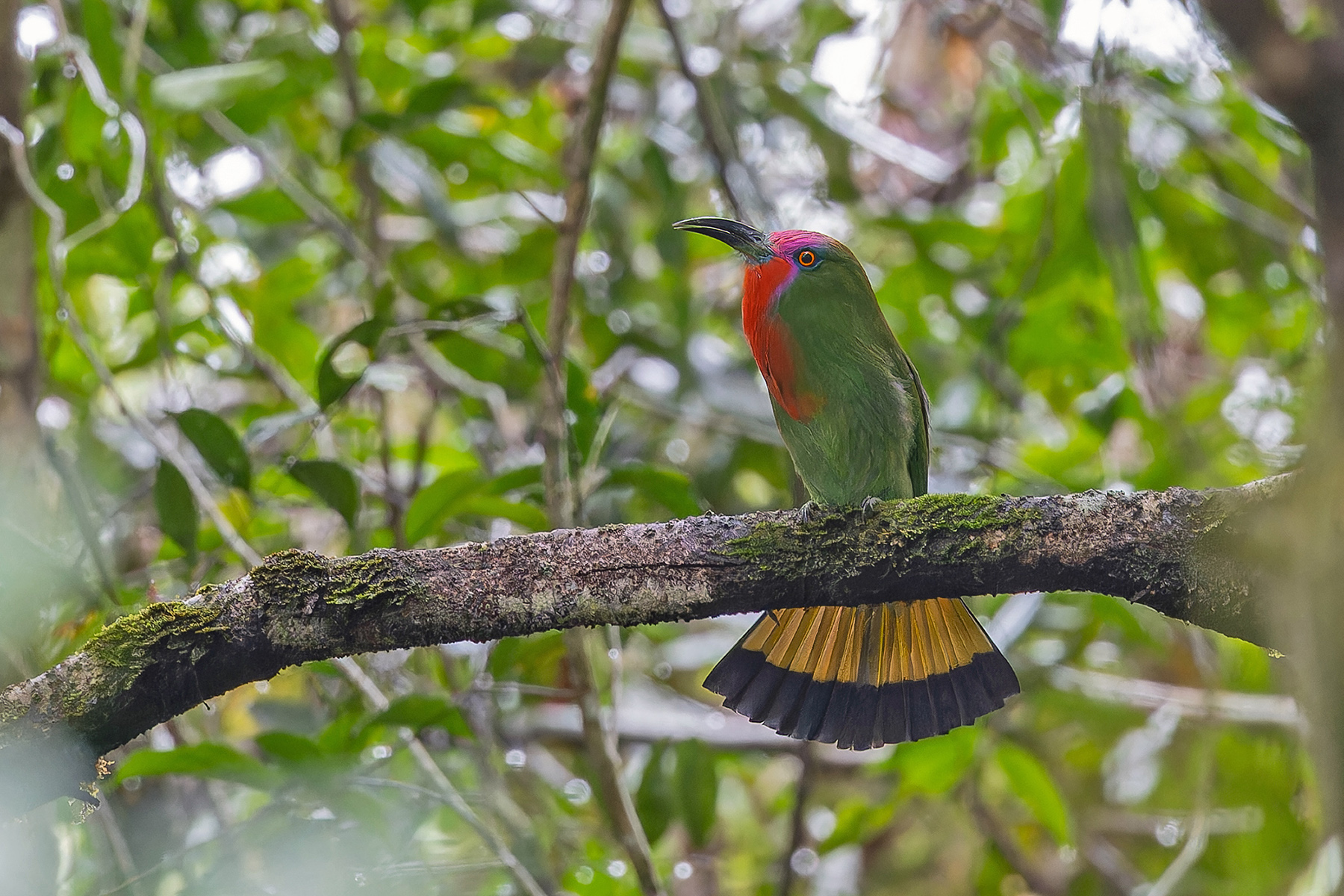
Red-bearded Bee-eater (image by Pete Morris)
Brown-winged Whistling Thrush (image by Pete Morris)
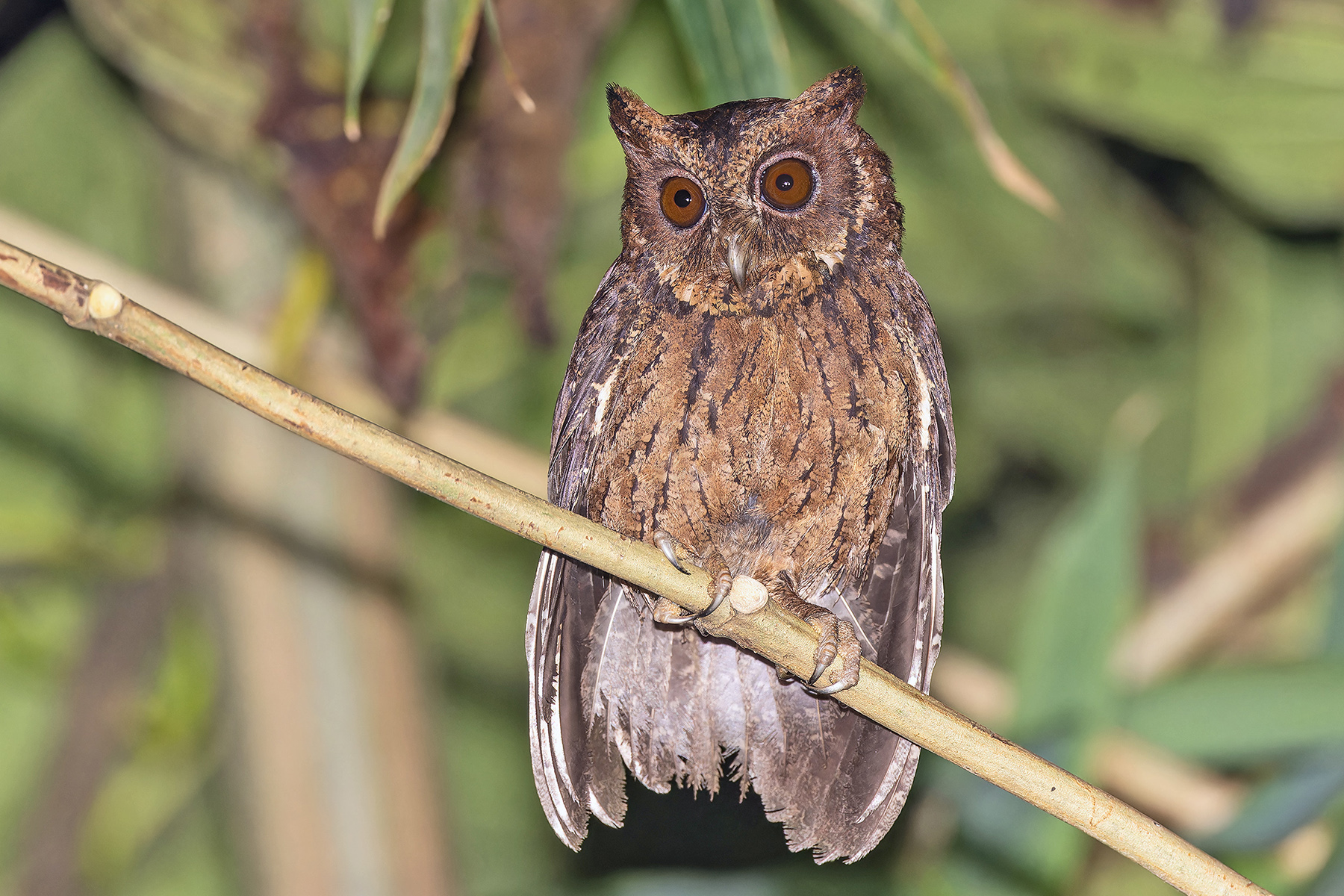
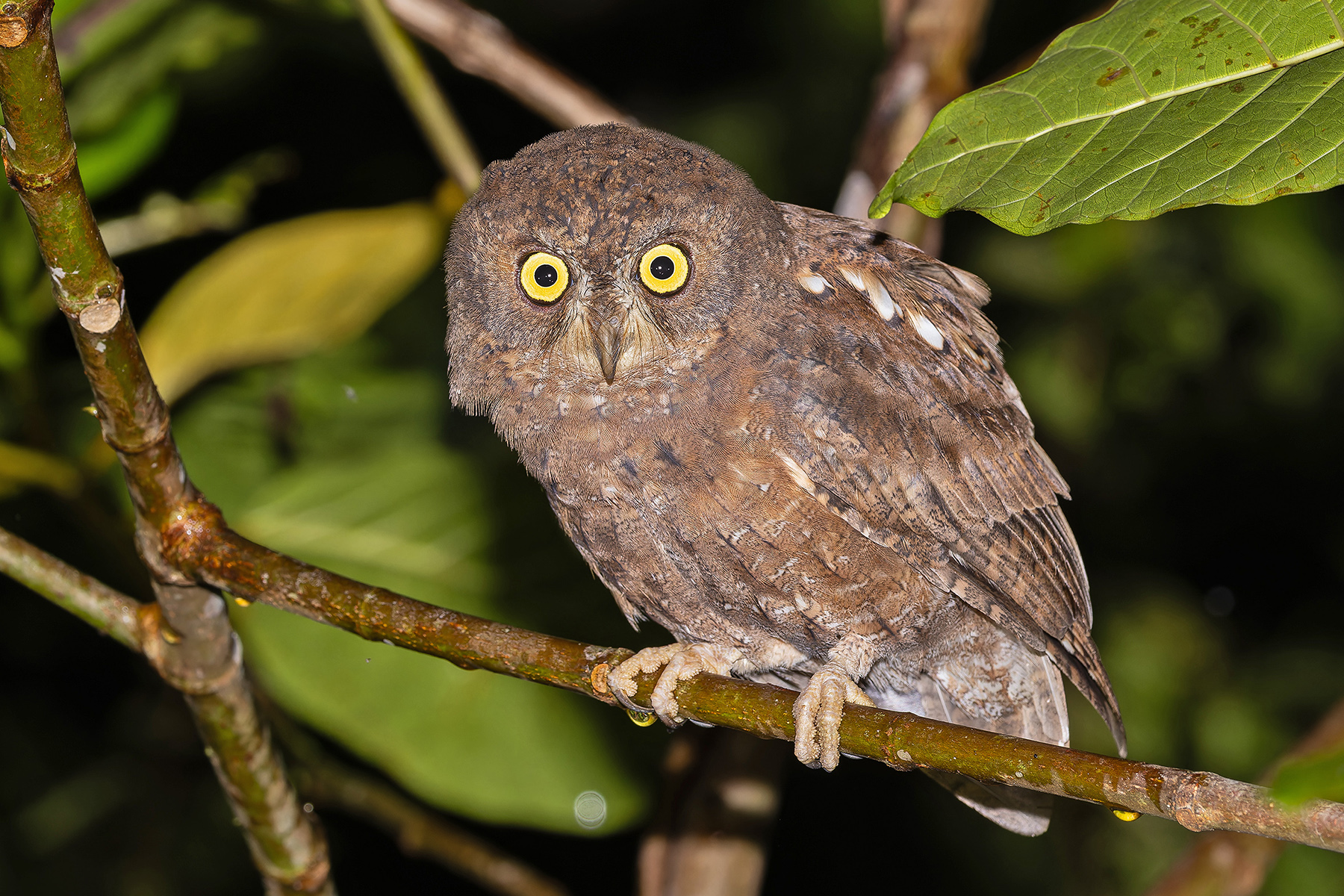
Mentawai Scops Owl (image by Pete Morris)
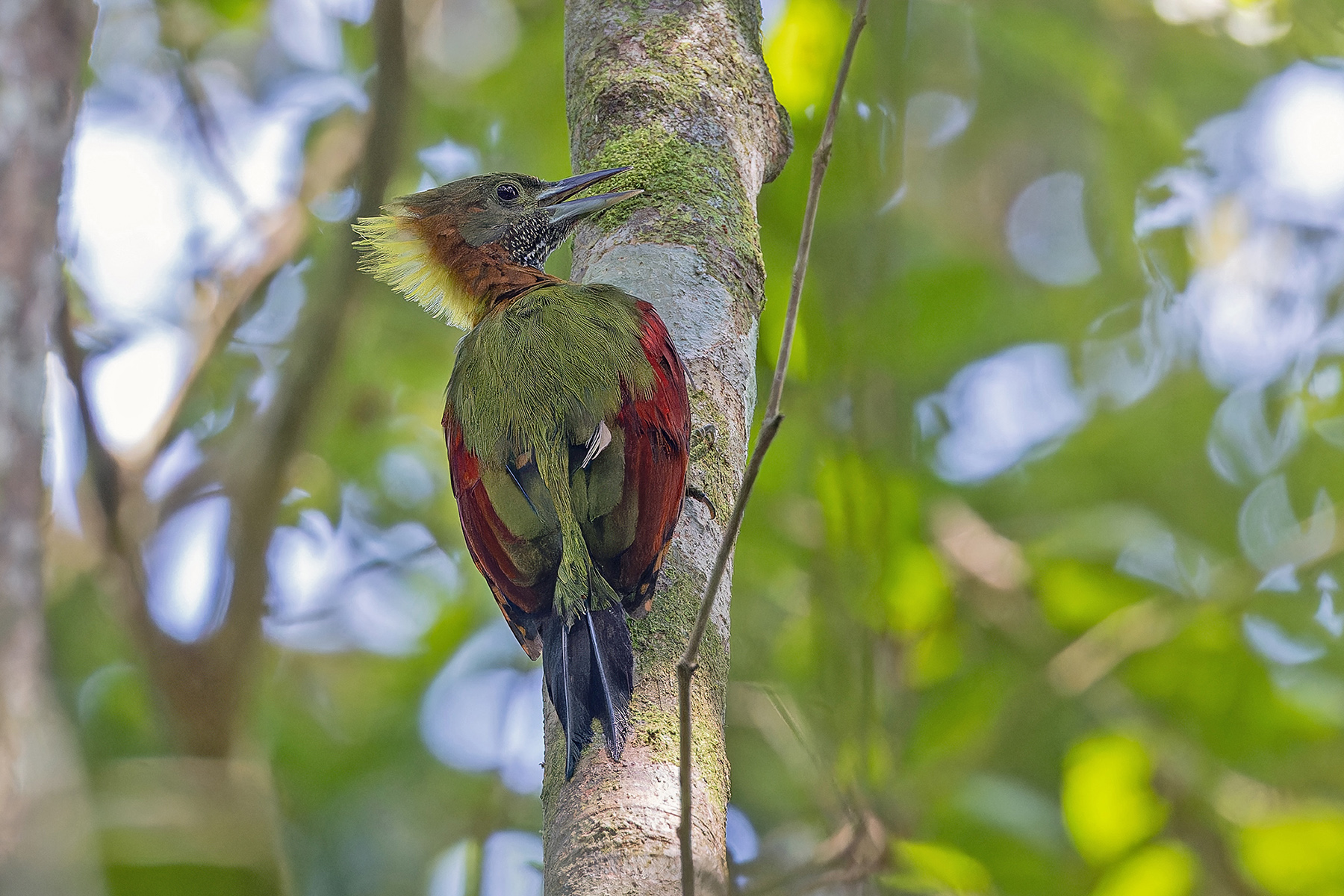
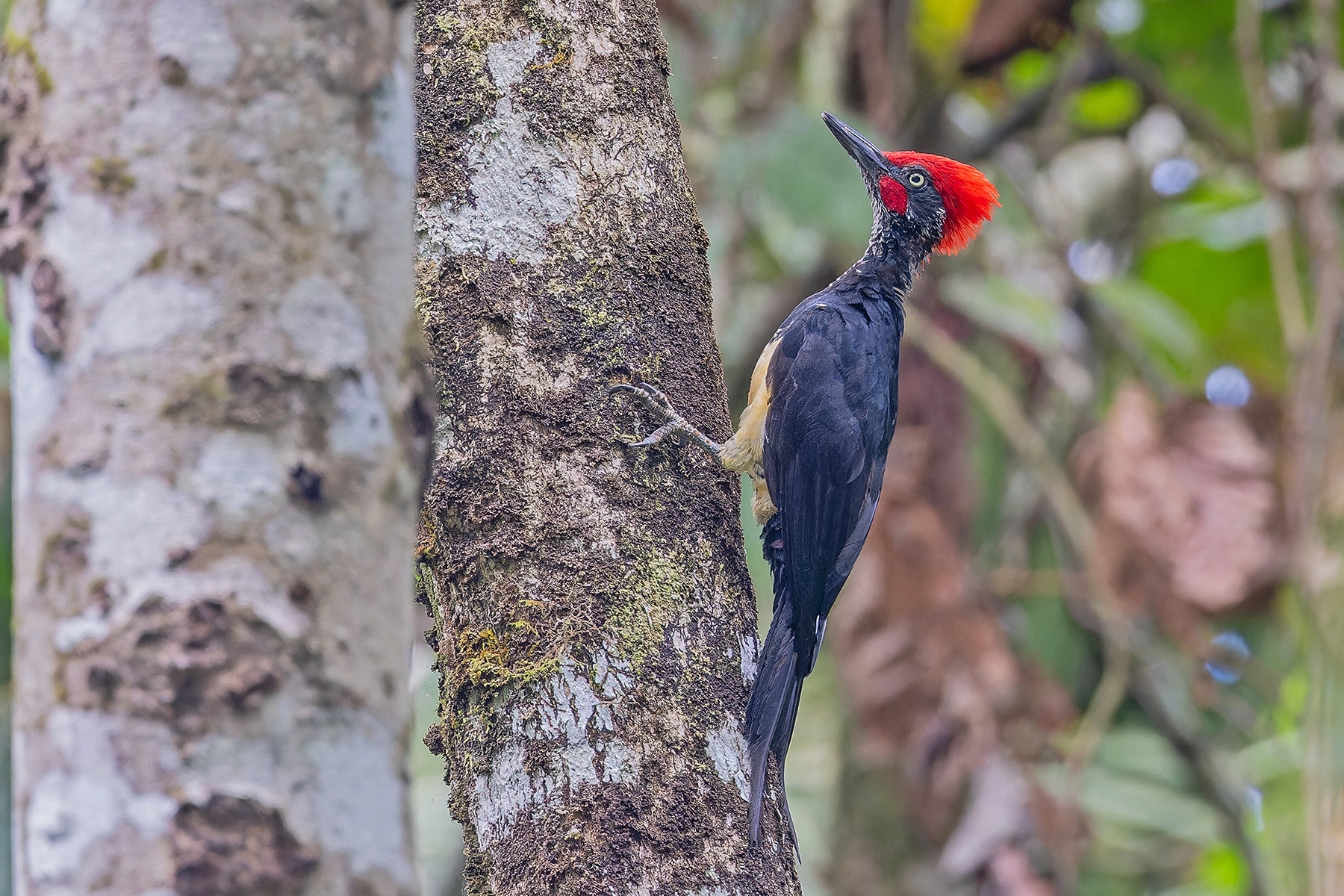
Checker-throated Woodpecker (image by Pete Morris)
Sumatran Peacock-Pheasant (image by János Oláh)
Sumatran Leafbird (image by Pete Morris)
White-winged Ducks (image by Pete Morris)
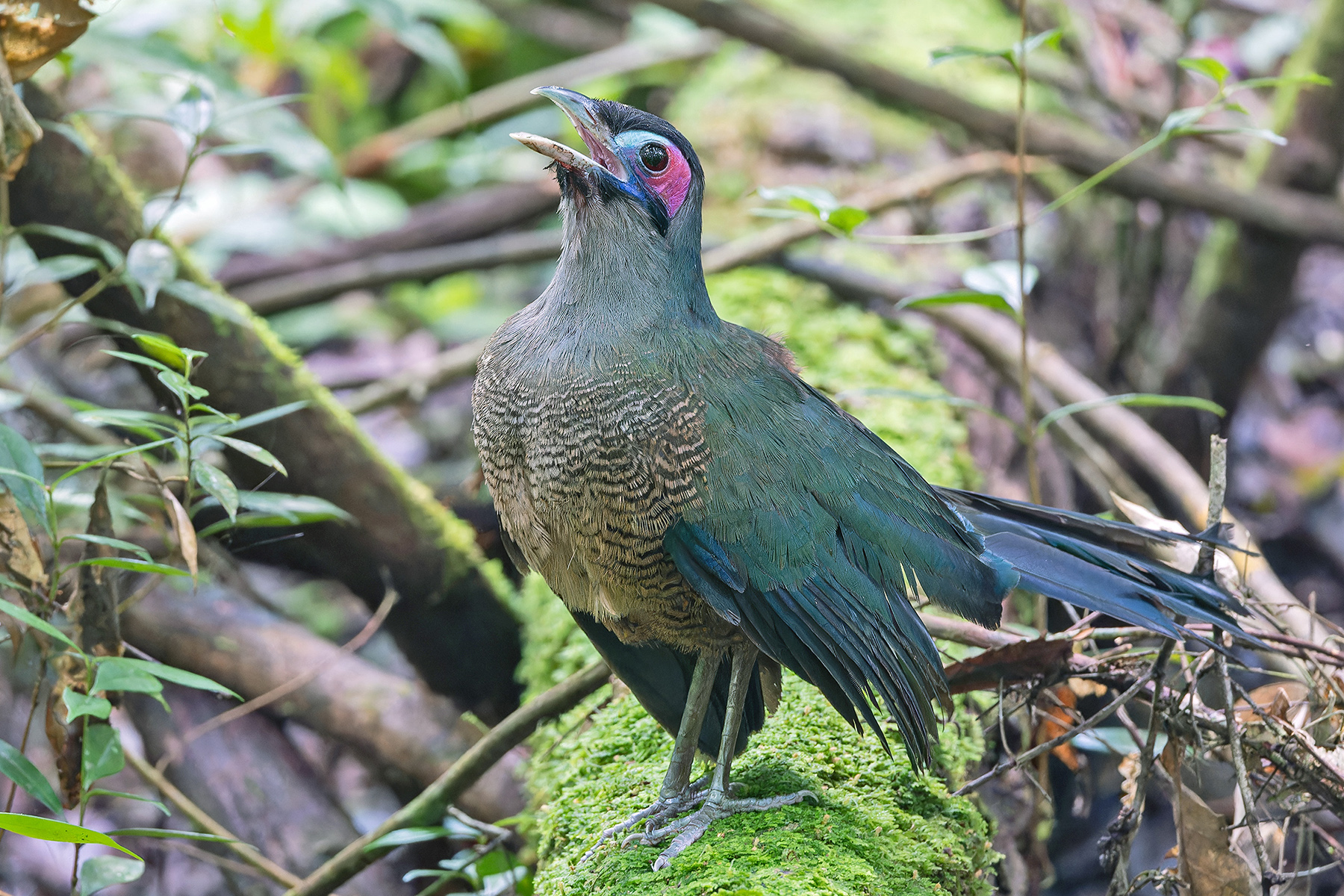
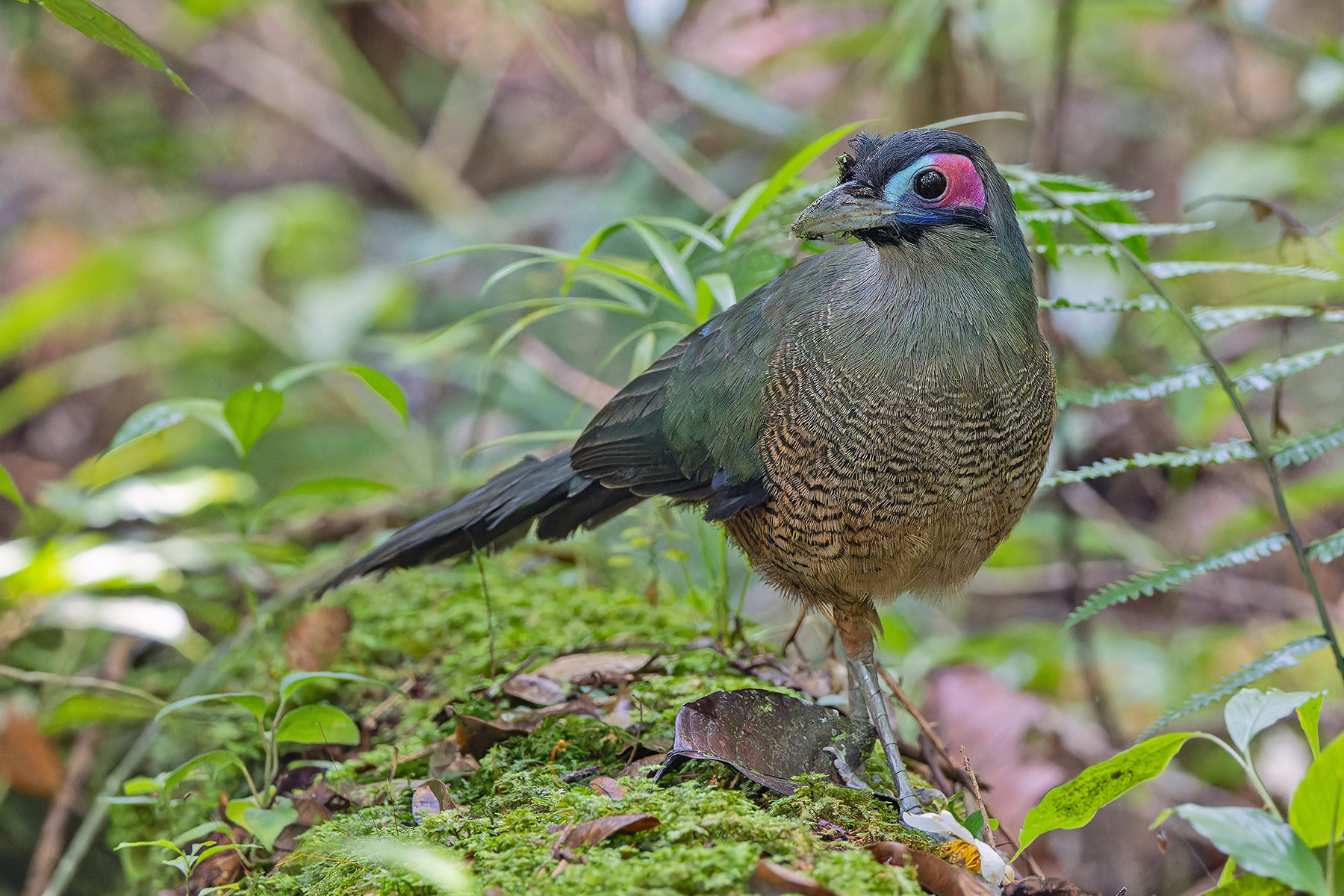
Sumatran Ground Cuckoo (image by Pete Morris)
Siamang (image by Pete Morris)
Reticulated Python (image by Pete Morris)
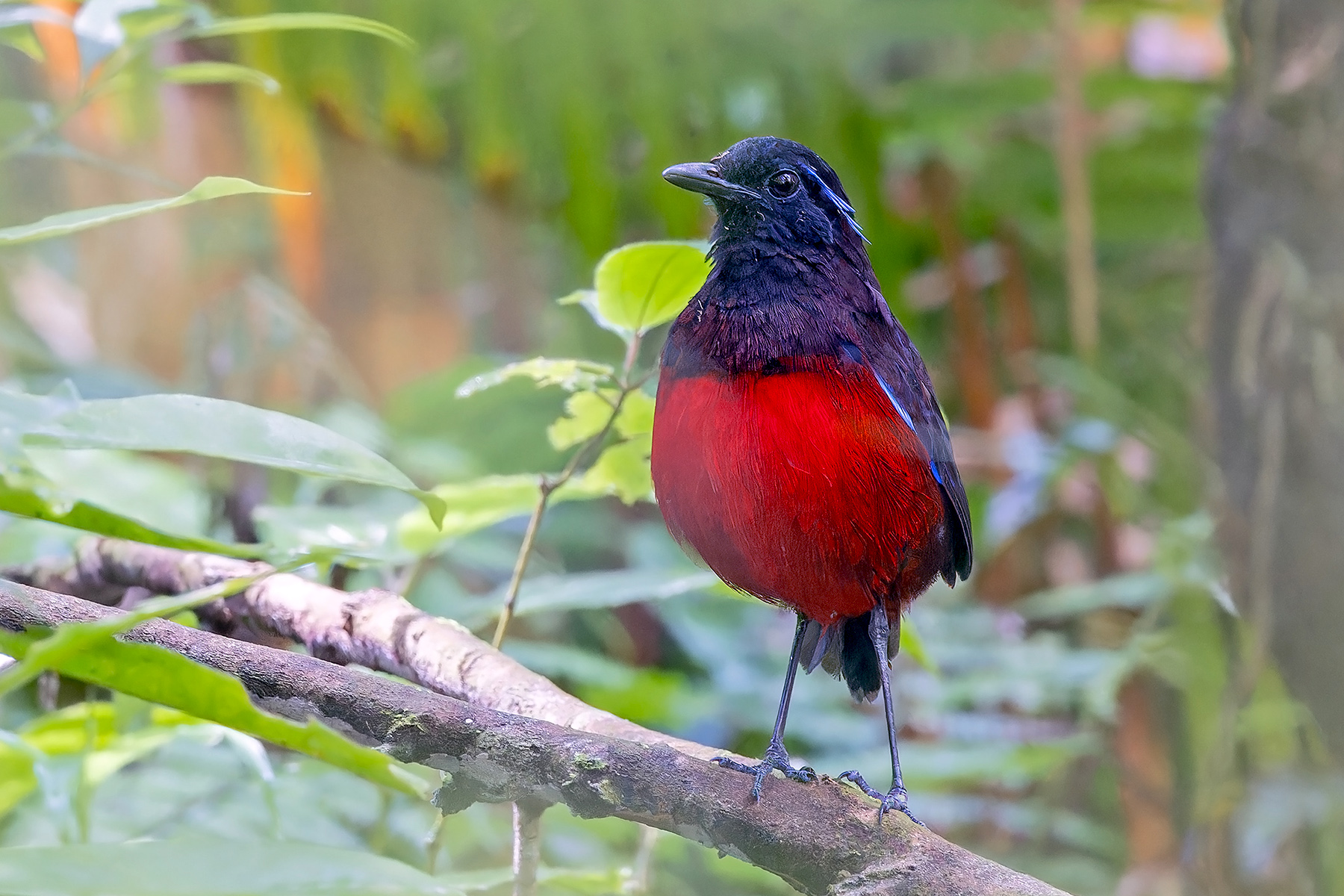
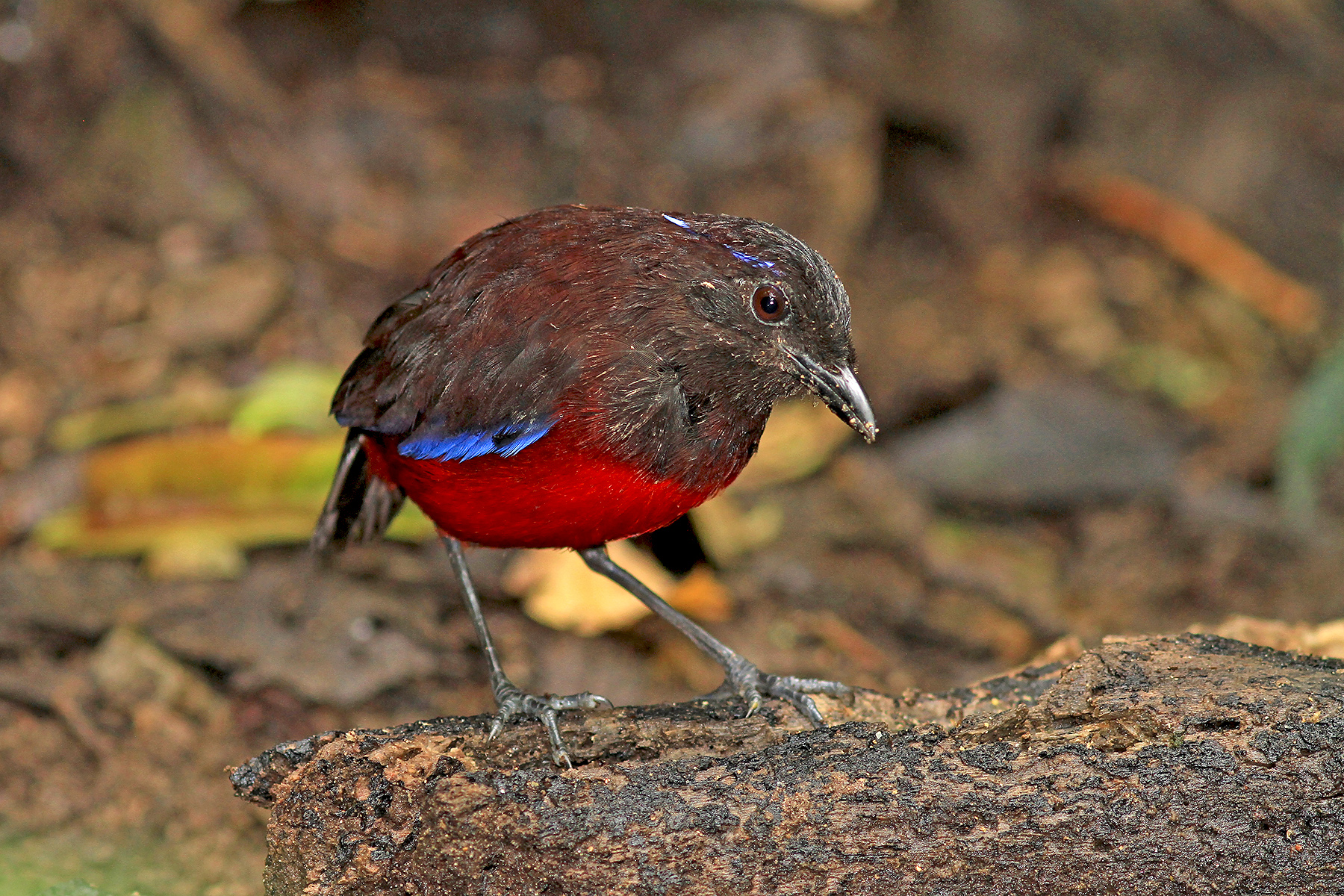
Schneider's Pitta (image by Pete Morris)
White-winged Duck (image by Pete Morris)
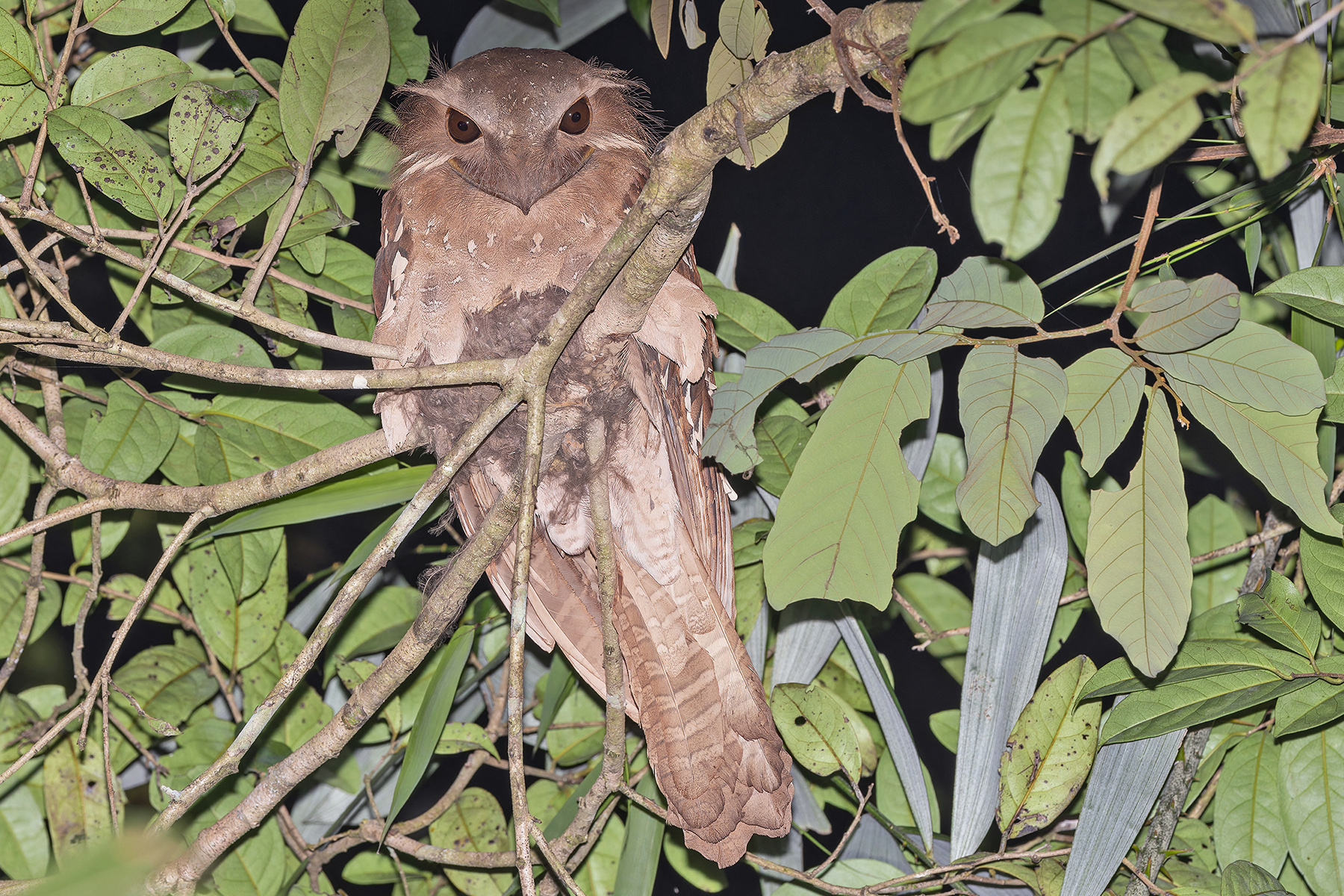
Large Frogmouth (image by Pete Morris)
Salvadori's Pheasant (image by János Oláh)
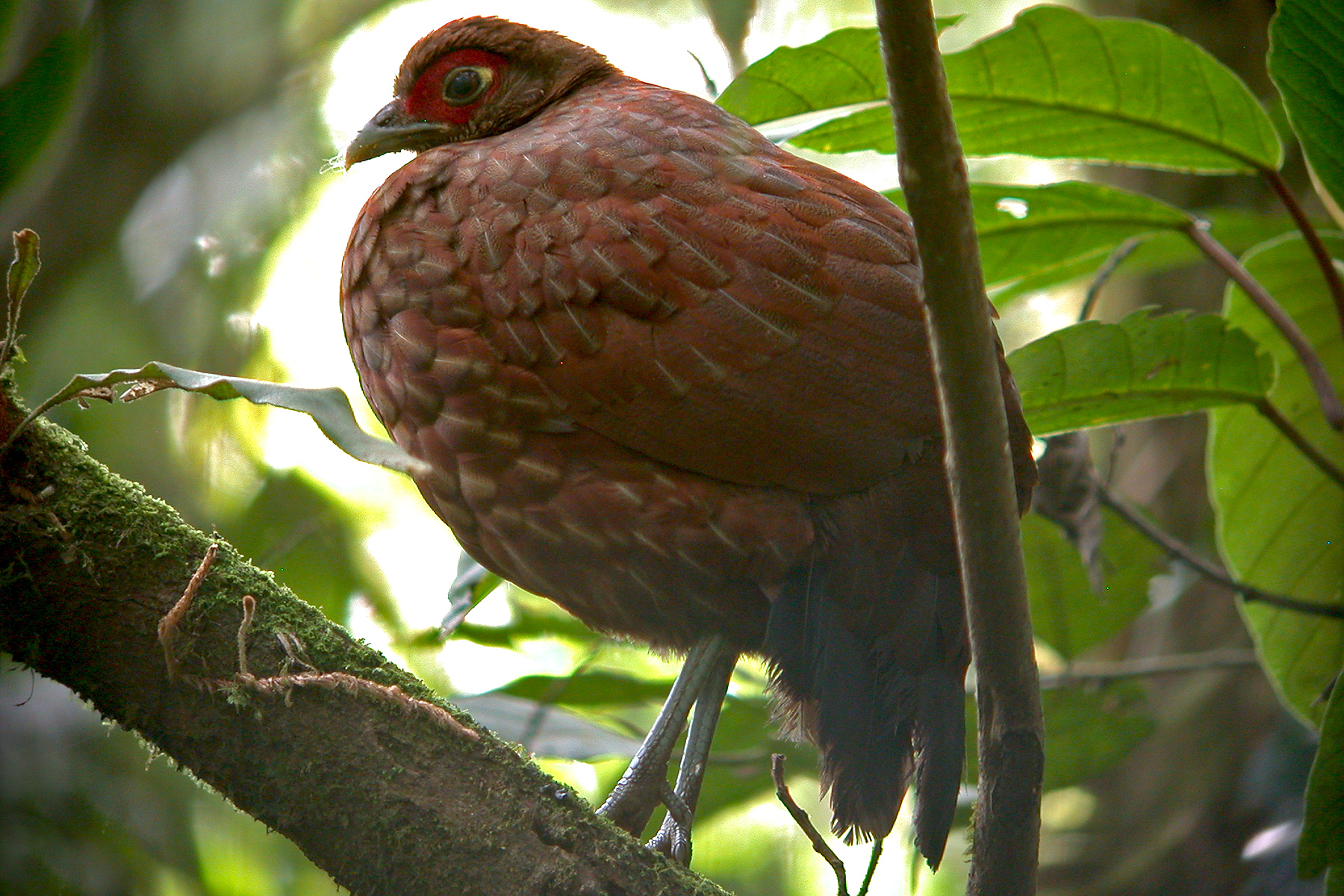
Red-billed Partridge (image by Pete Morris)
Sumatran Ground Cuckoo (image by Pete Morris)
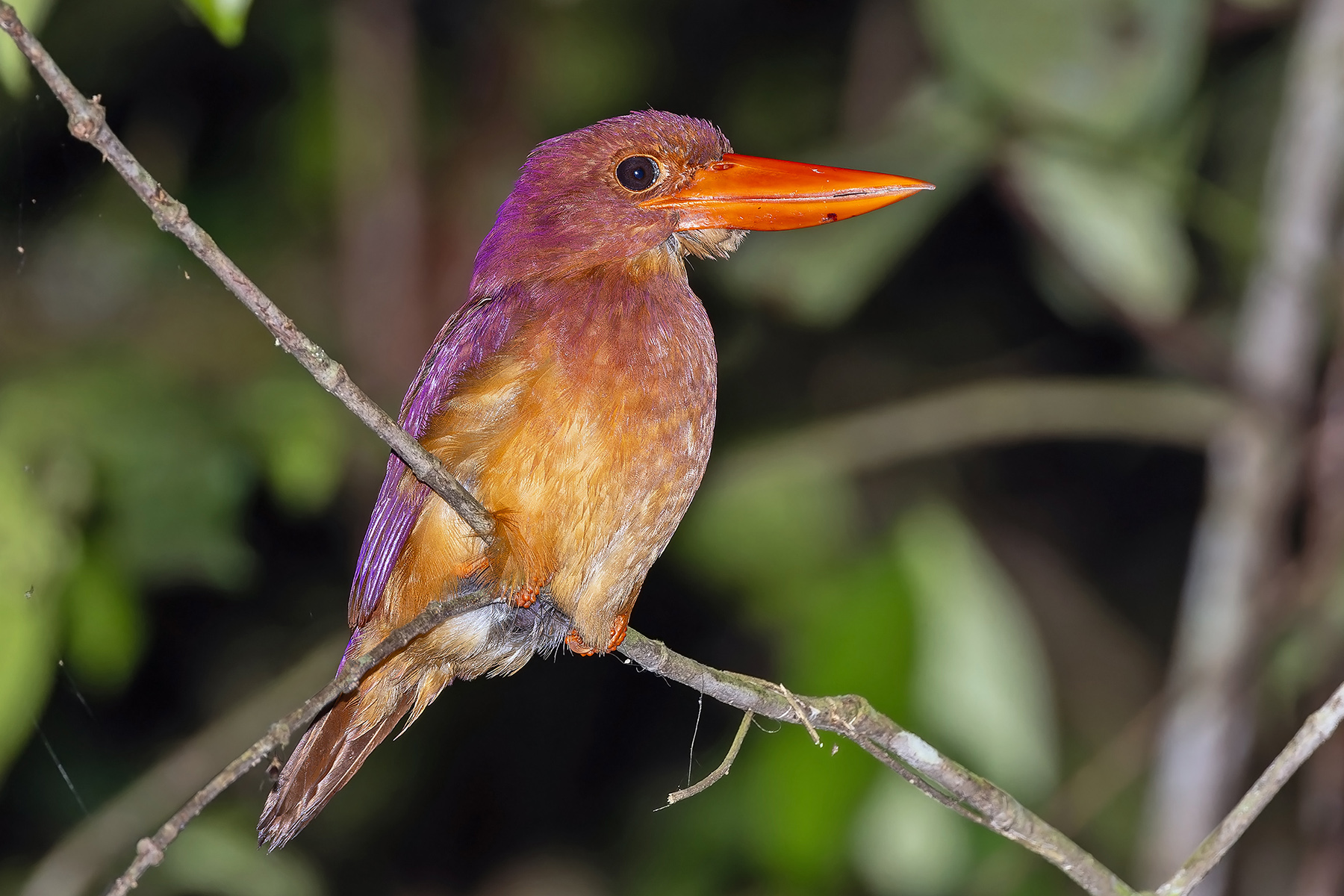
Ruddy Kingfisher (image by Pete Morris)
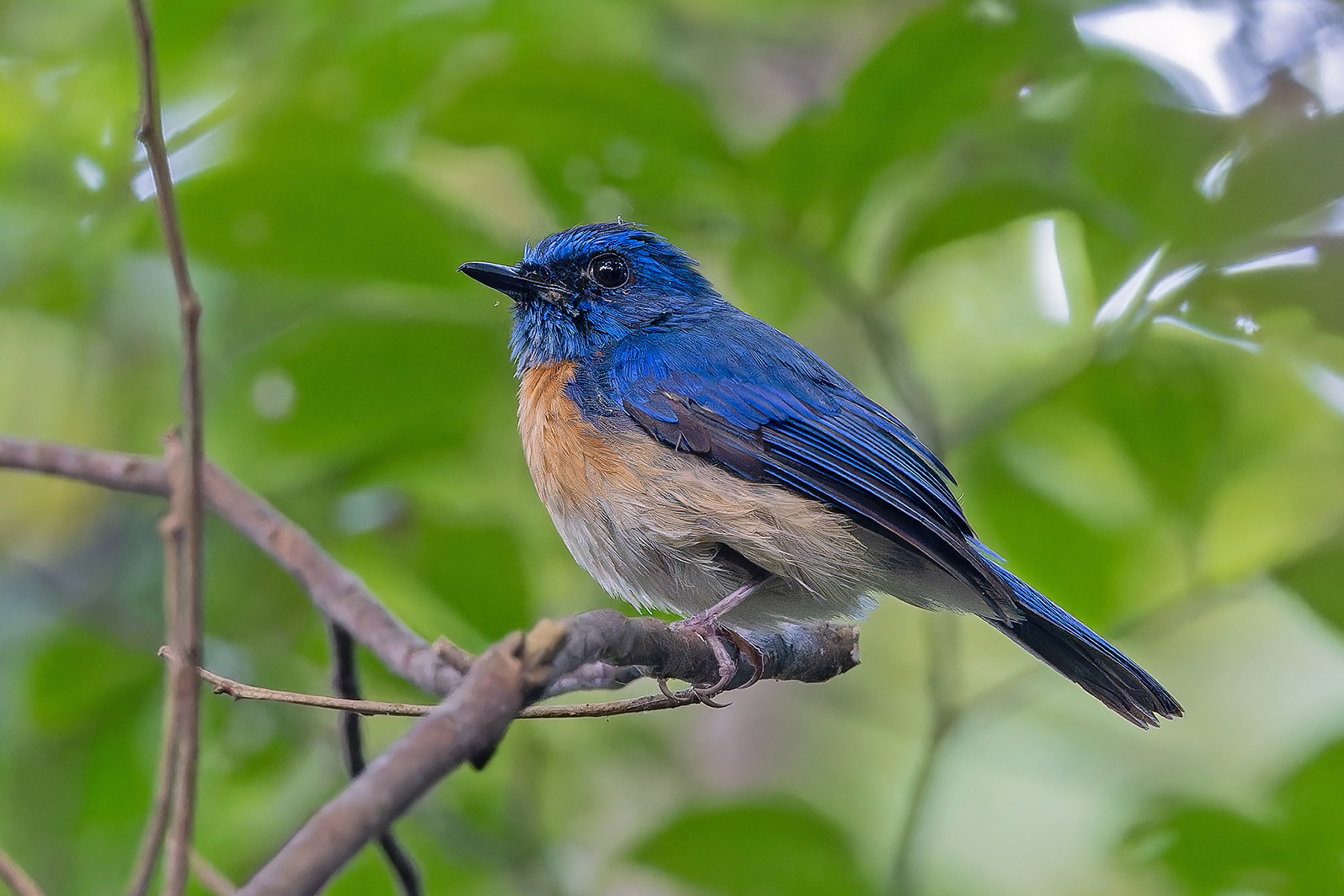
Malaysian Blue Flycatcher (image by Pete Morris)
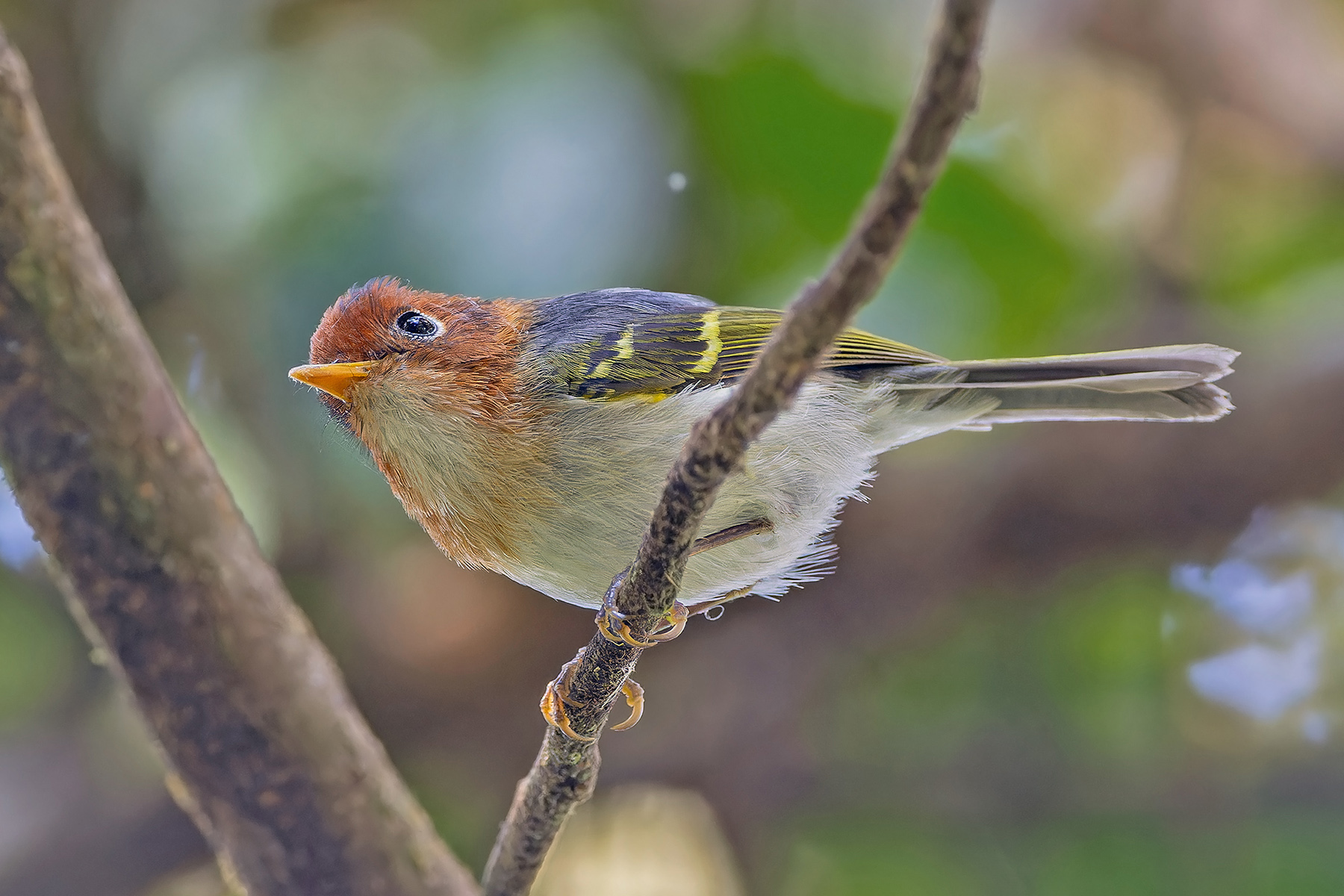
Sunda Warbler (image by Pete Morris)
Sumatran Woodpecker (image by Pete Morris)
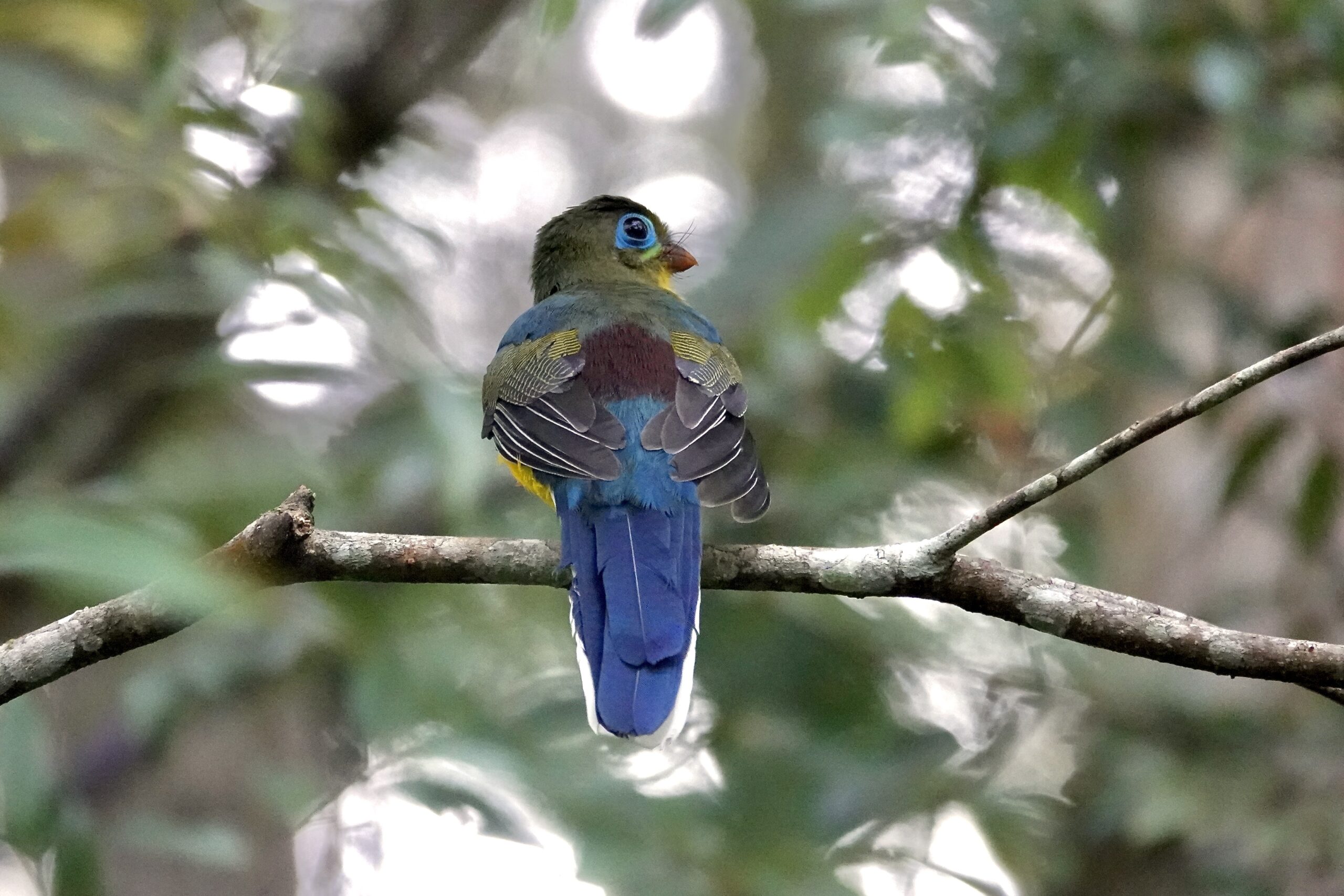
Sumatran Trogon (image by Pete Morris)
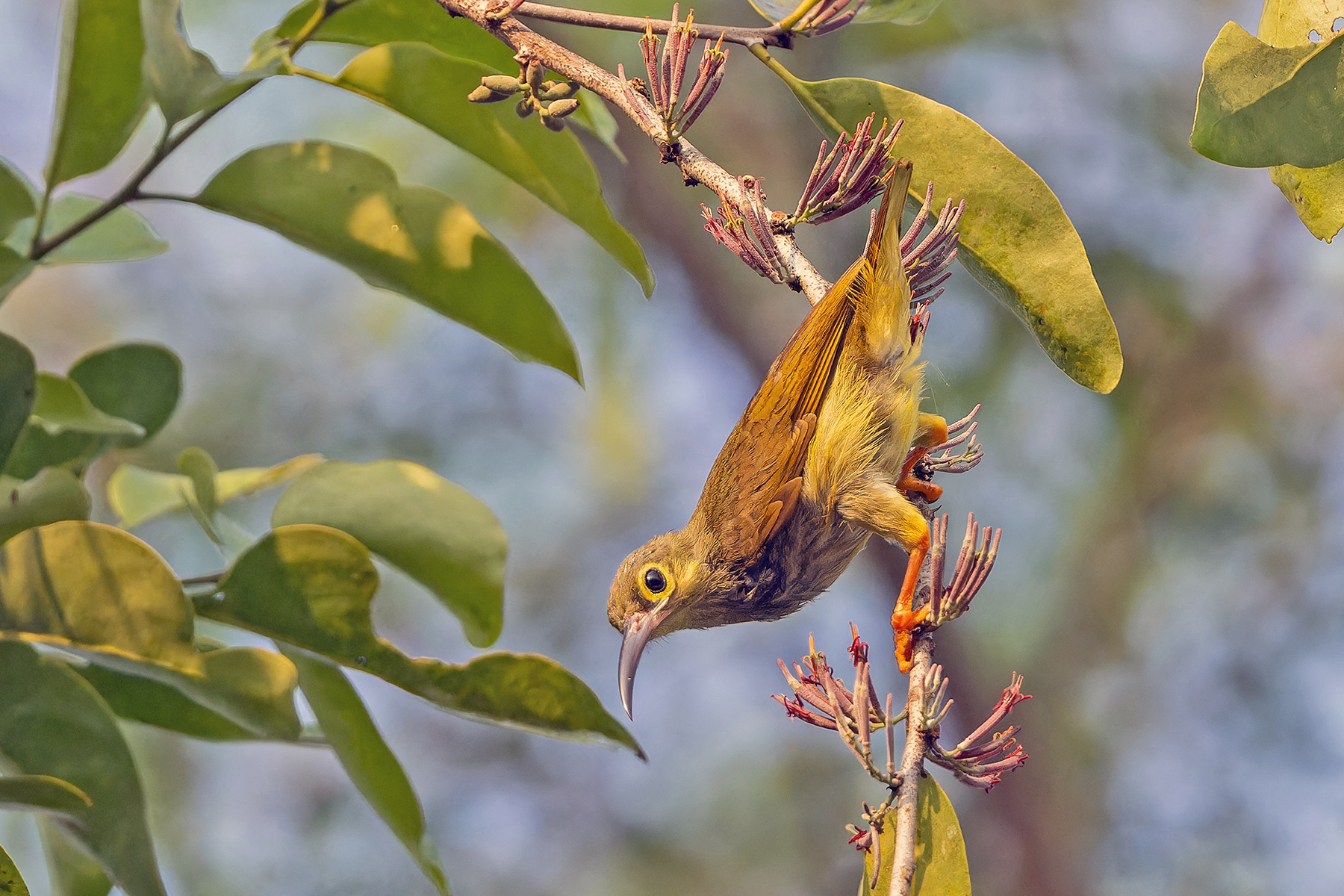
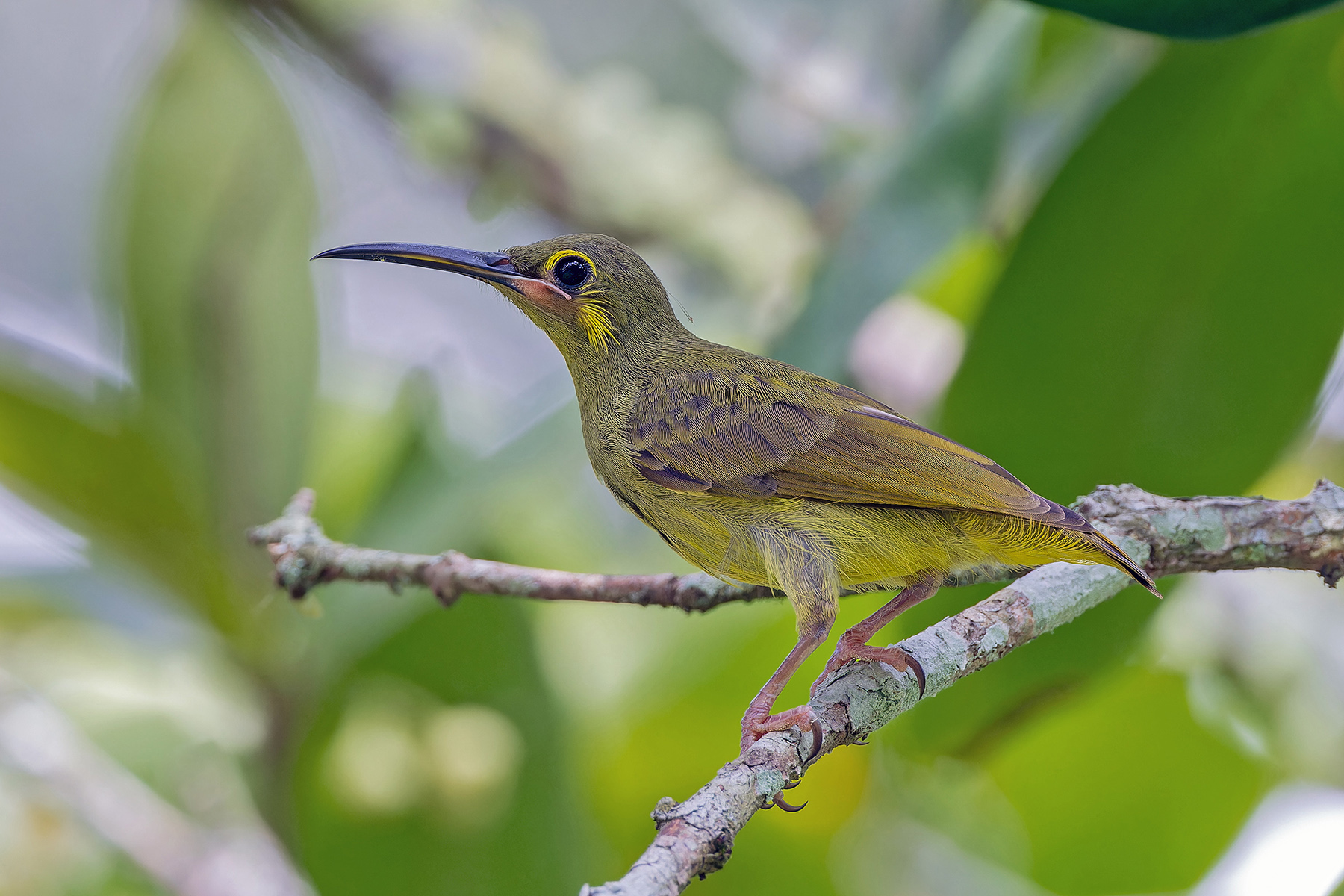
Spectacled Spiderhunter (image by Pete Morris)
Olive-backed Sunbird (image by Pete Morris)
Grey-rumped Treeswift (image by Pete Morris)
Reddish Scops Owl (image by Pete Morris)
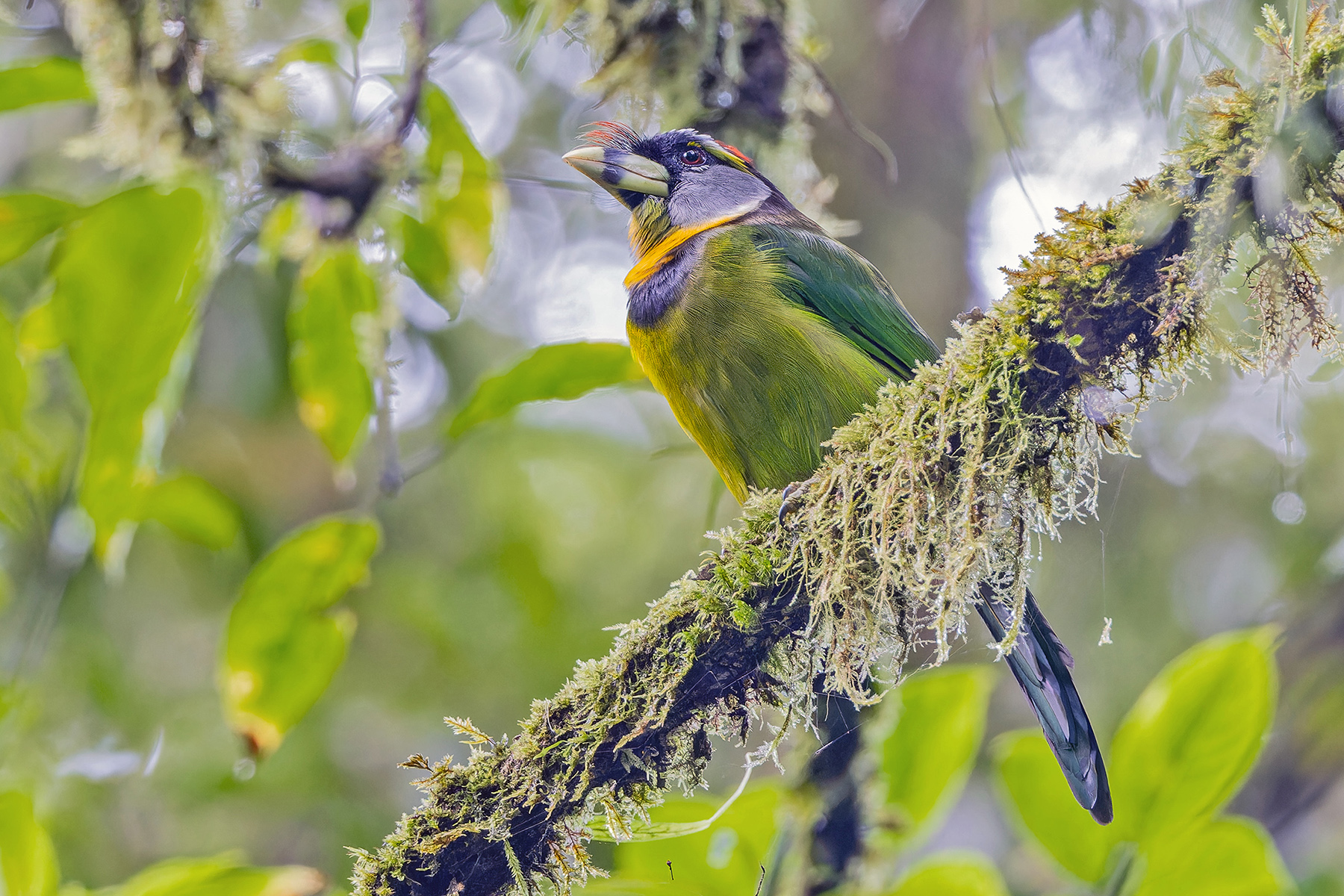
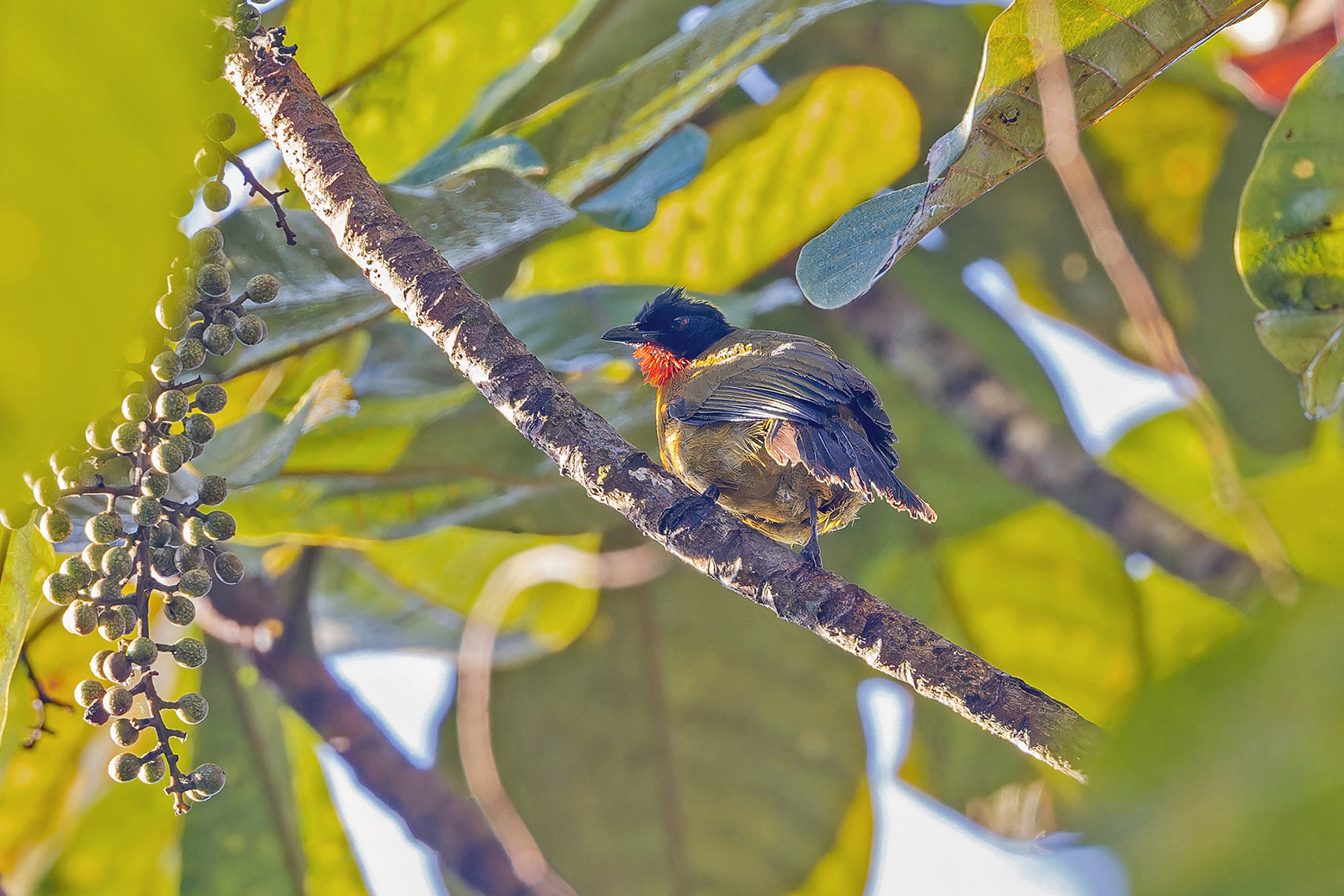
Fire-tufted Barbet (image by Pete Morris)
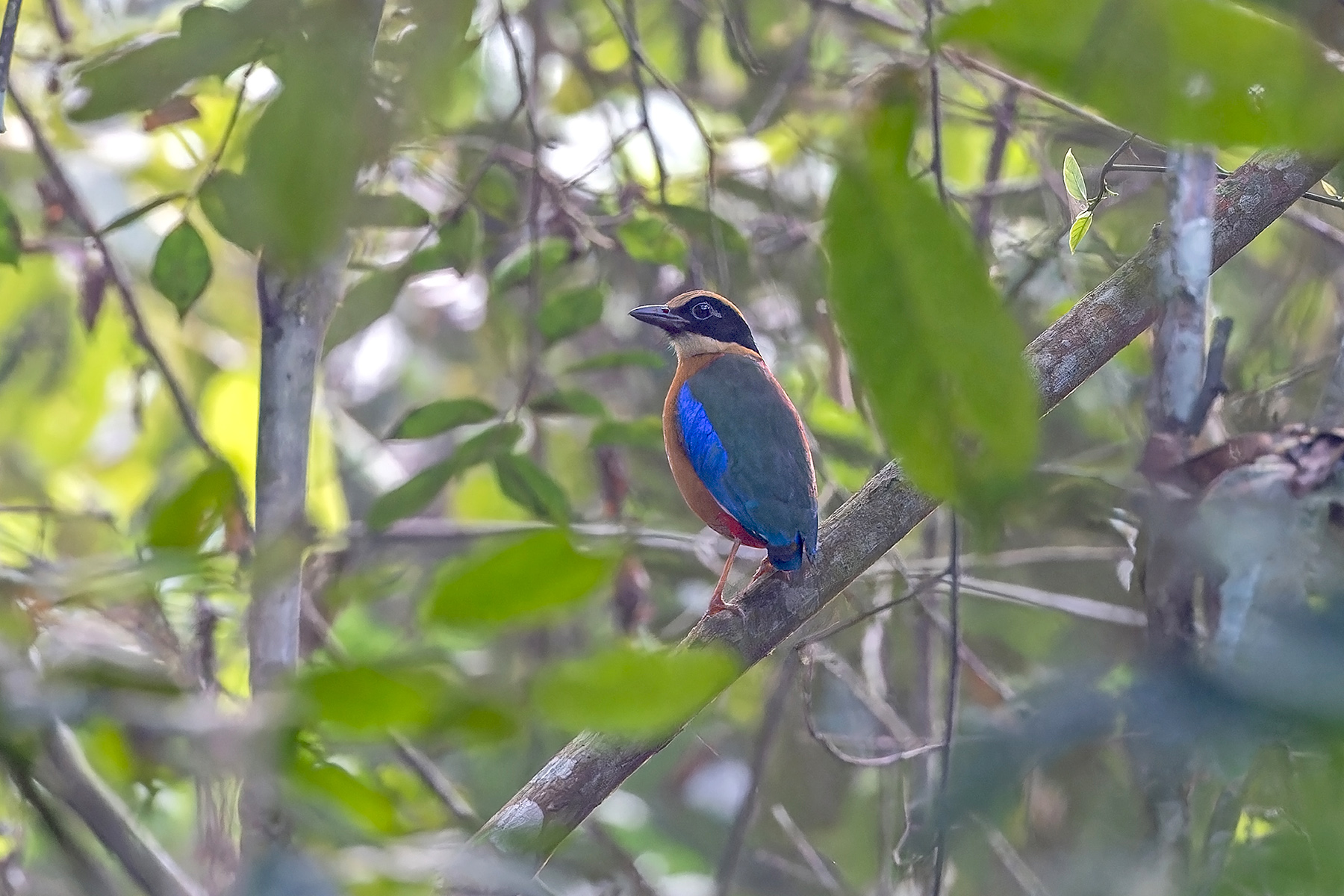
Blue-winged Pitta (image by Pete Morris)
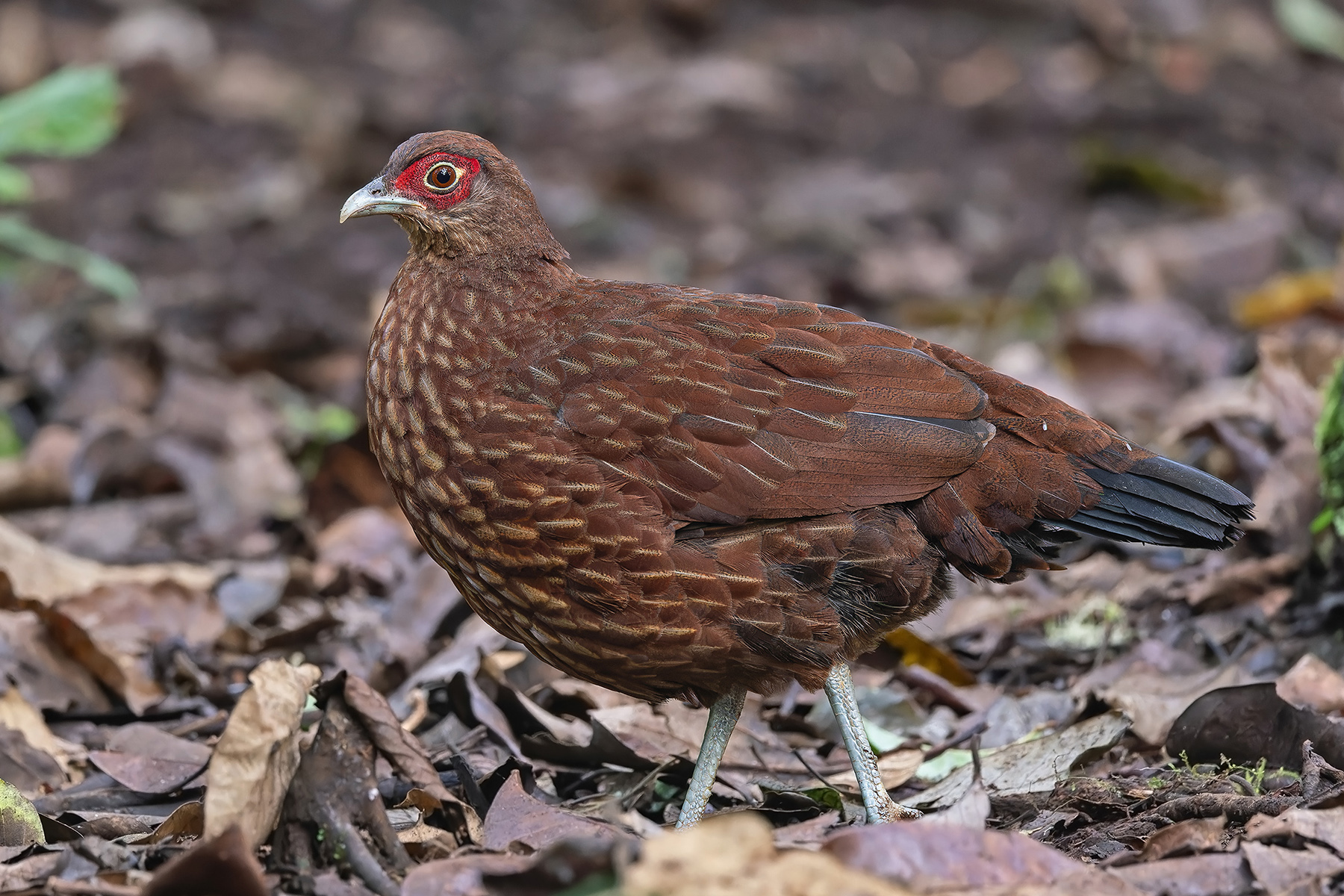
Roll's Partridge (image by Pete Morris)
Oriental Bay Owl (image by Pete Morris)
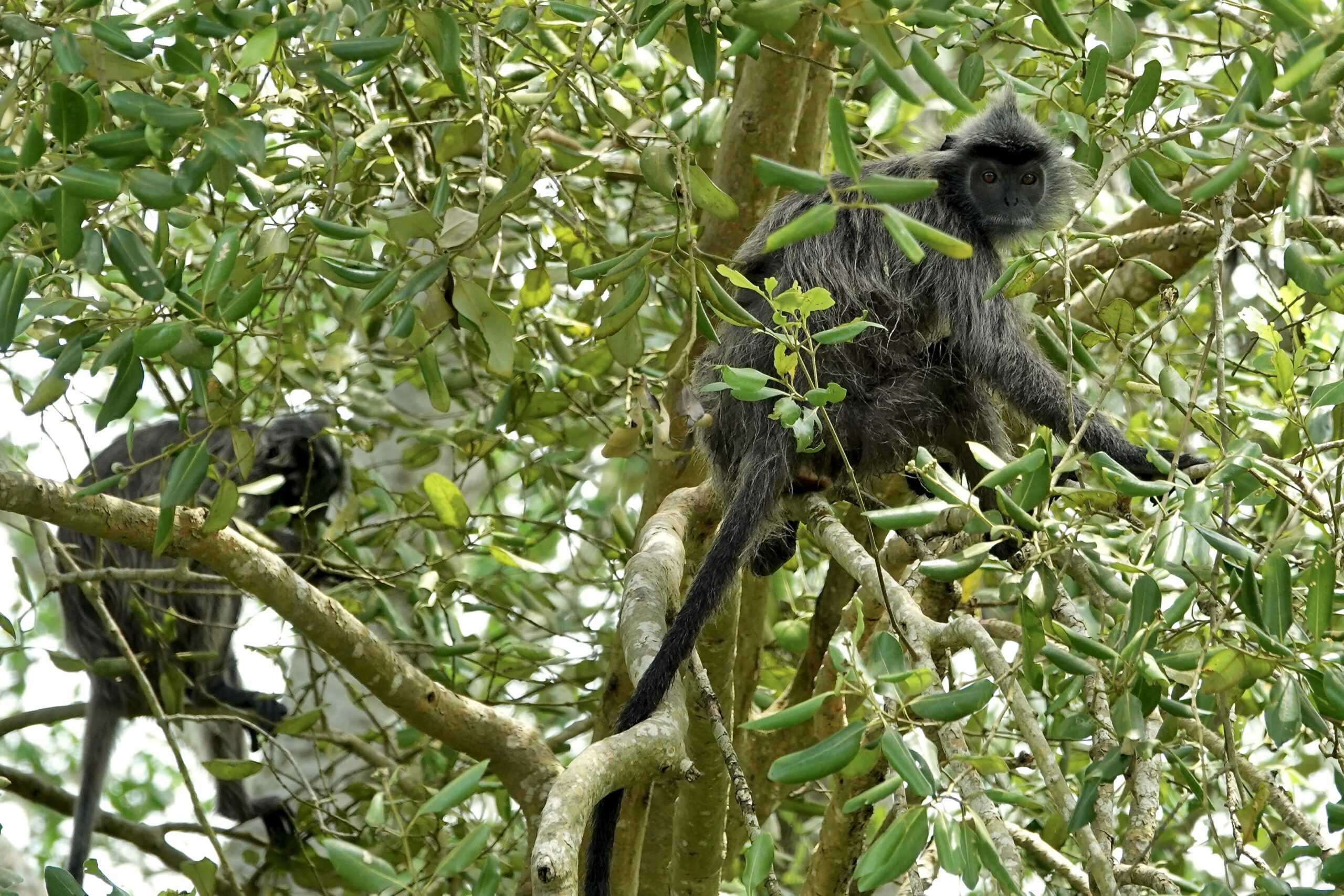
Sunda Silvery Langur (image by Craig Robson)
Sumatran Frogmouth (image by Pete Morris)
Sunda Scops Owl (image by Pete Morris)
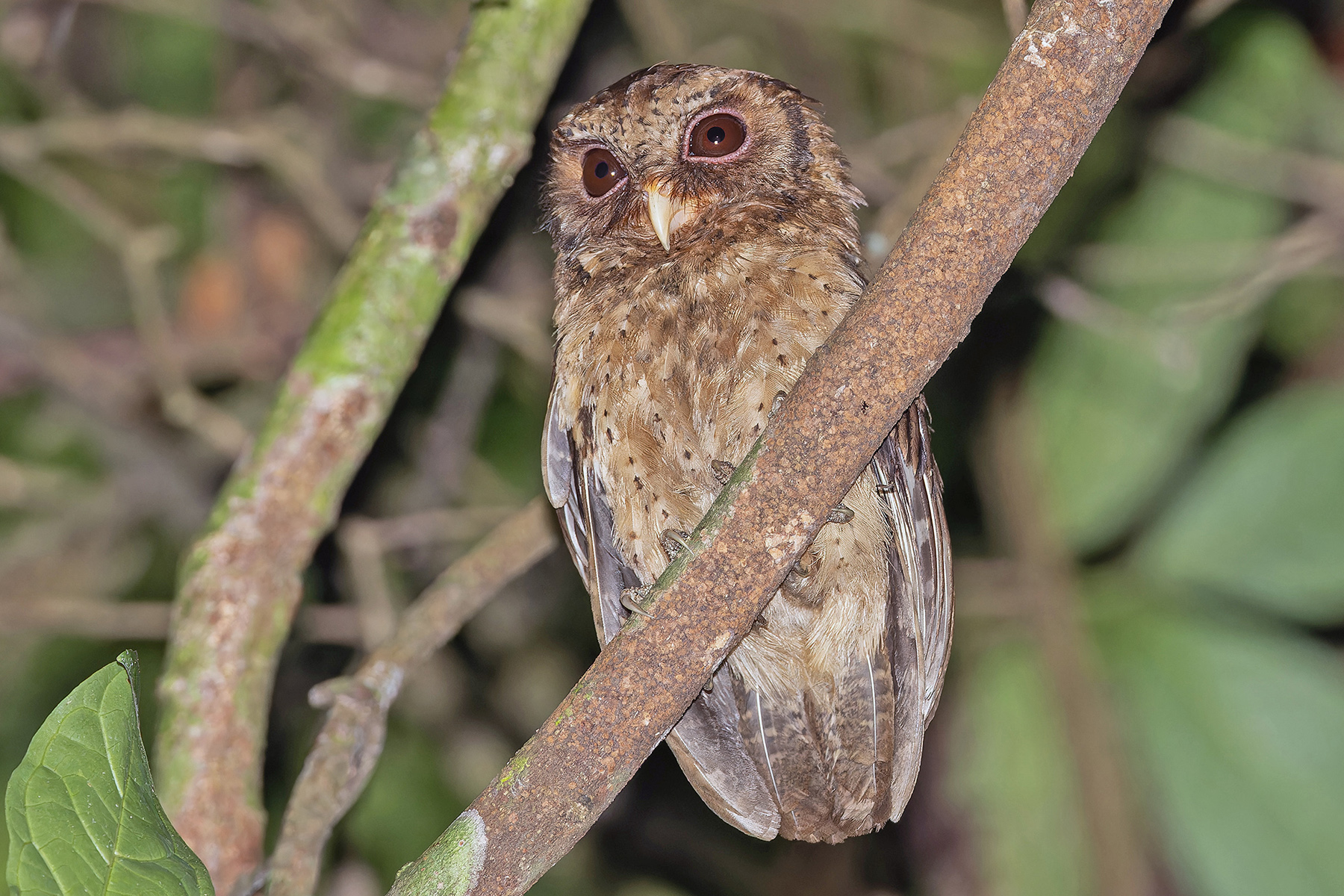
Rajah's Scops Owl (image by Pete Morris)
Shiny Whistling Thrush (image by Pete Morris)
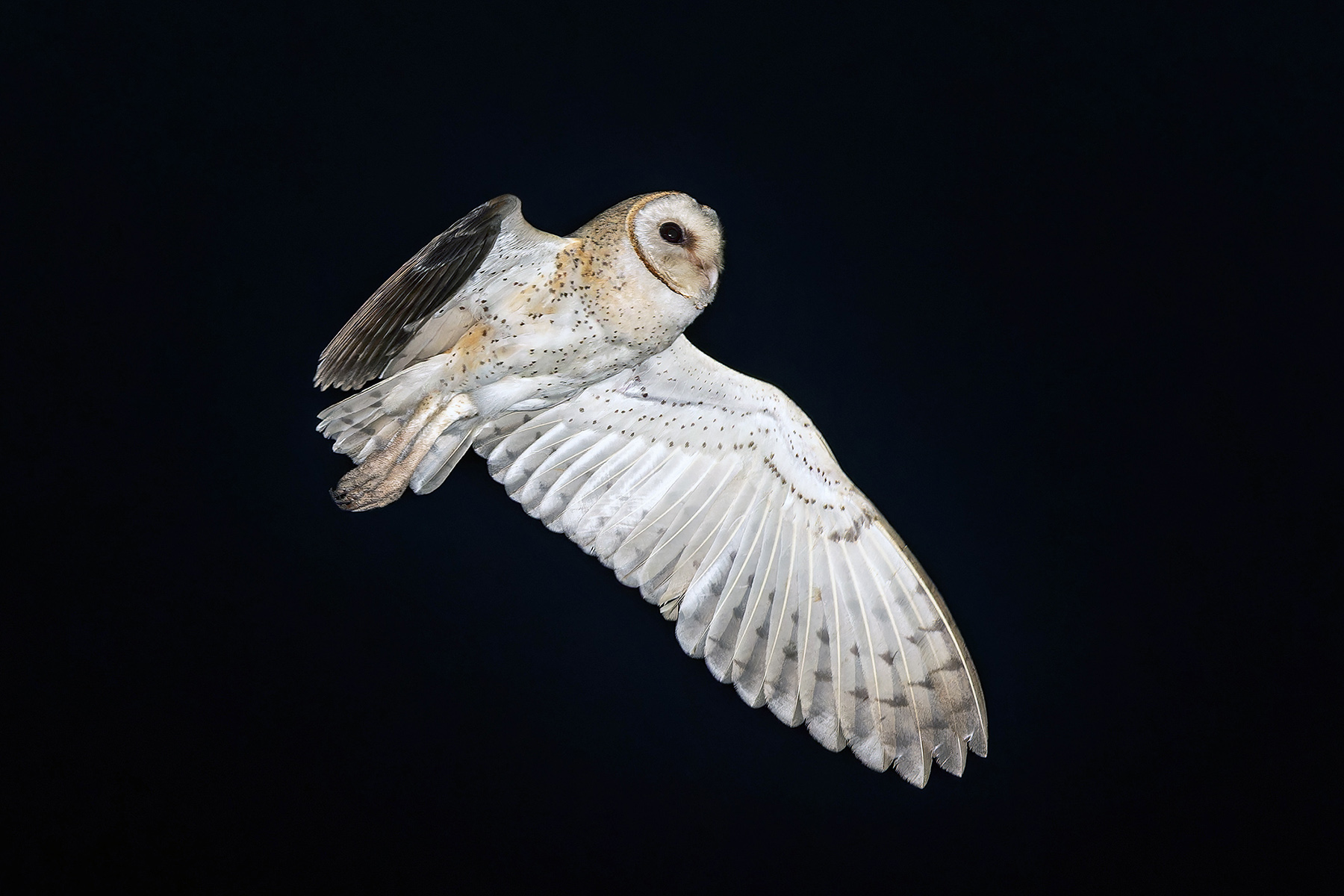
Eastern Barn Owl (image by Pete Morris)
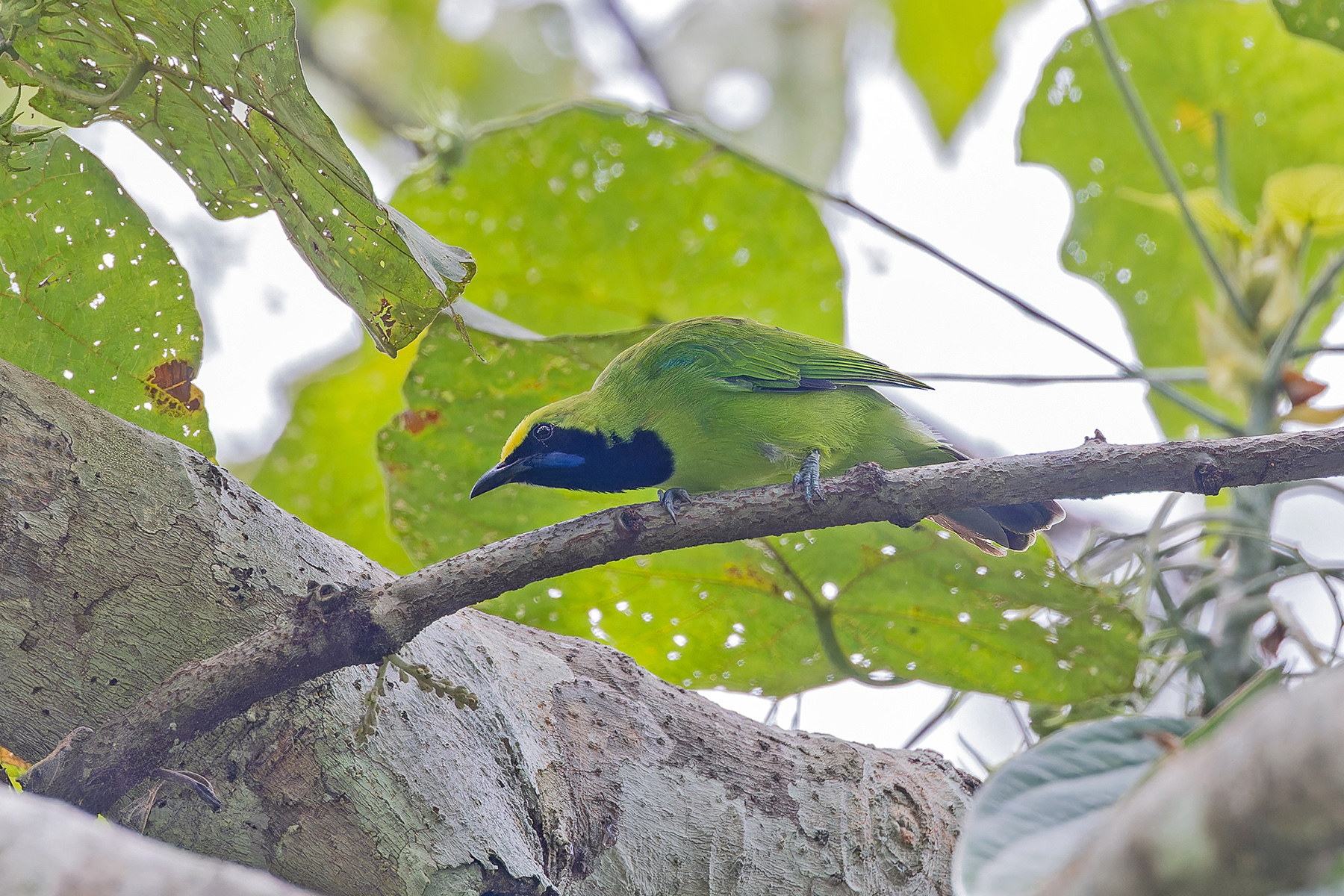
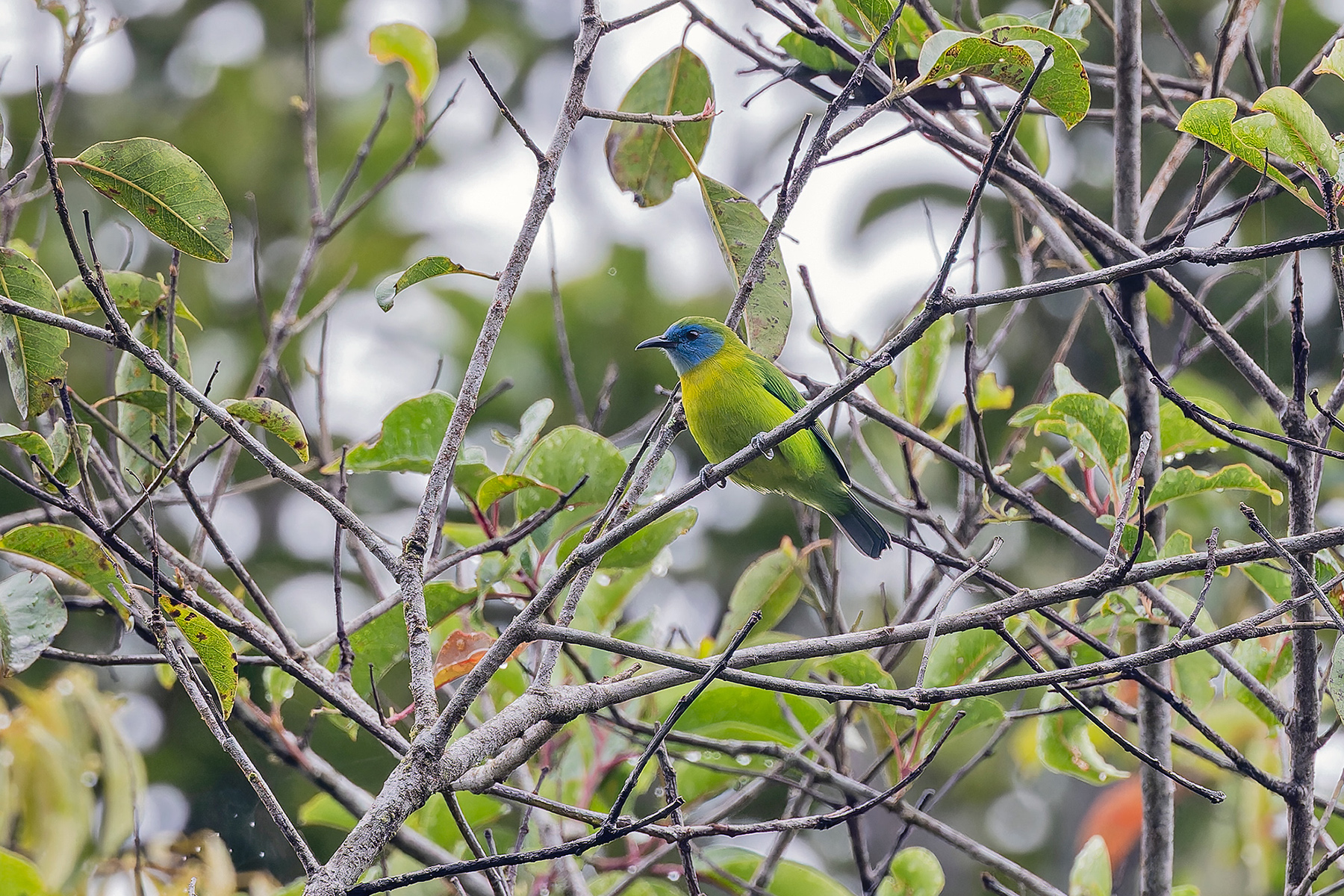
Blue-masked Leafbird (image by Pete Morris)
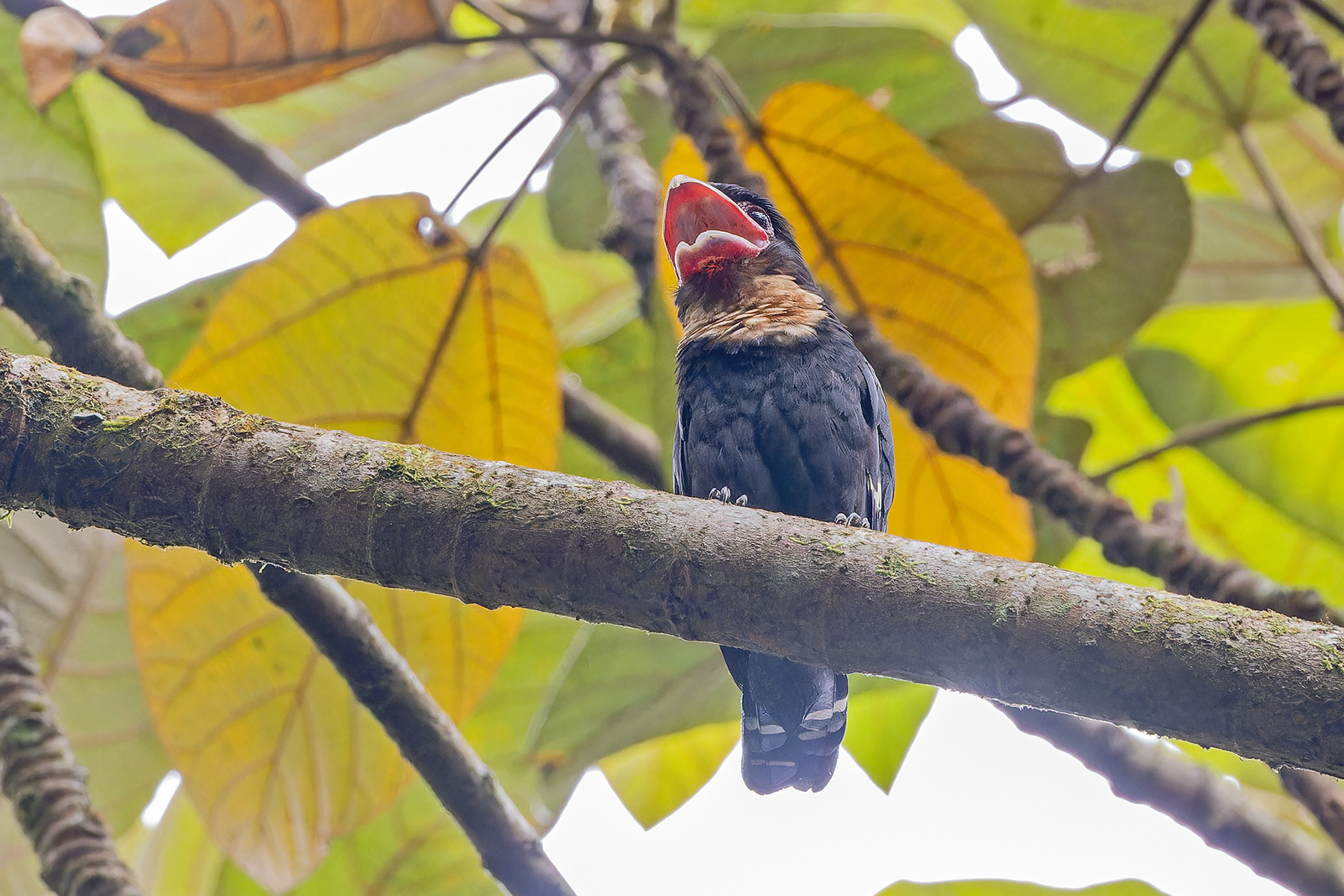
Dusky Broadbill (image by Pete Morris)
Grey-headed Babbler (image by Pete Morris)
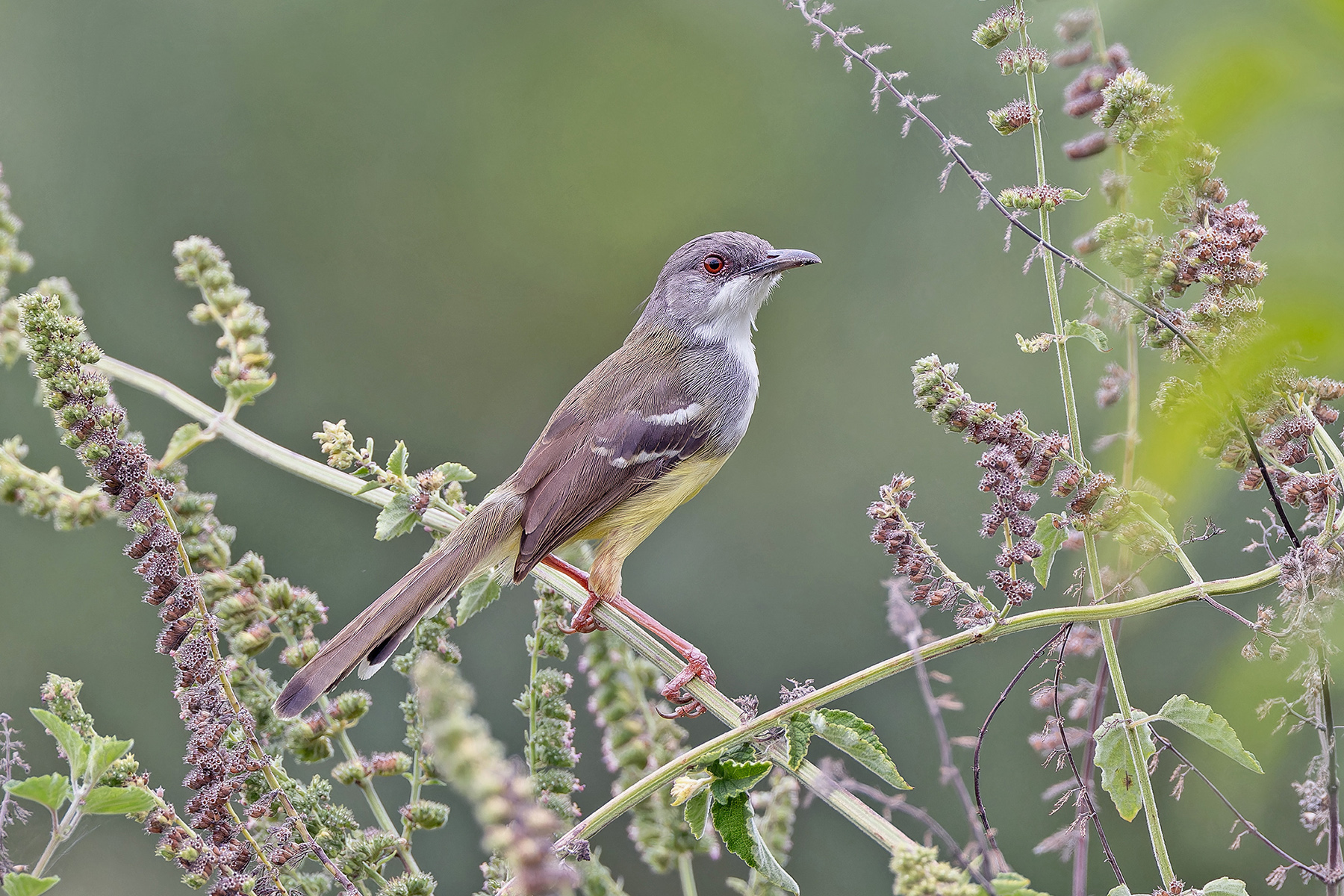
Bar-winged Prinia (image by Pete Morris)
Yellow-eared Spiderhunter (image by Pete Morris)
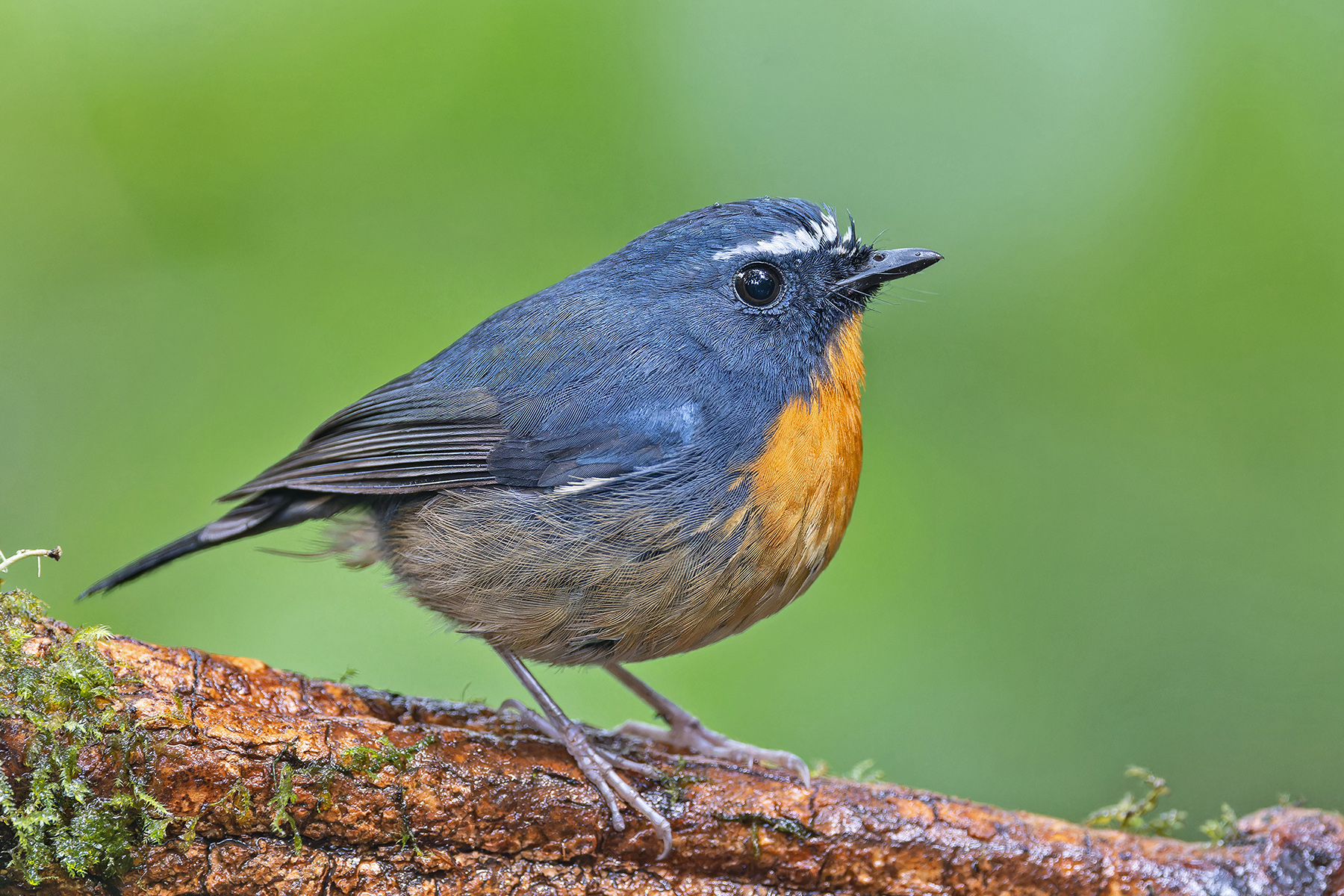
Snowy-browed Flycatcher (image by Pete Morris)
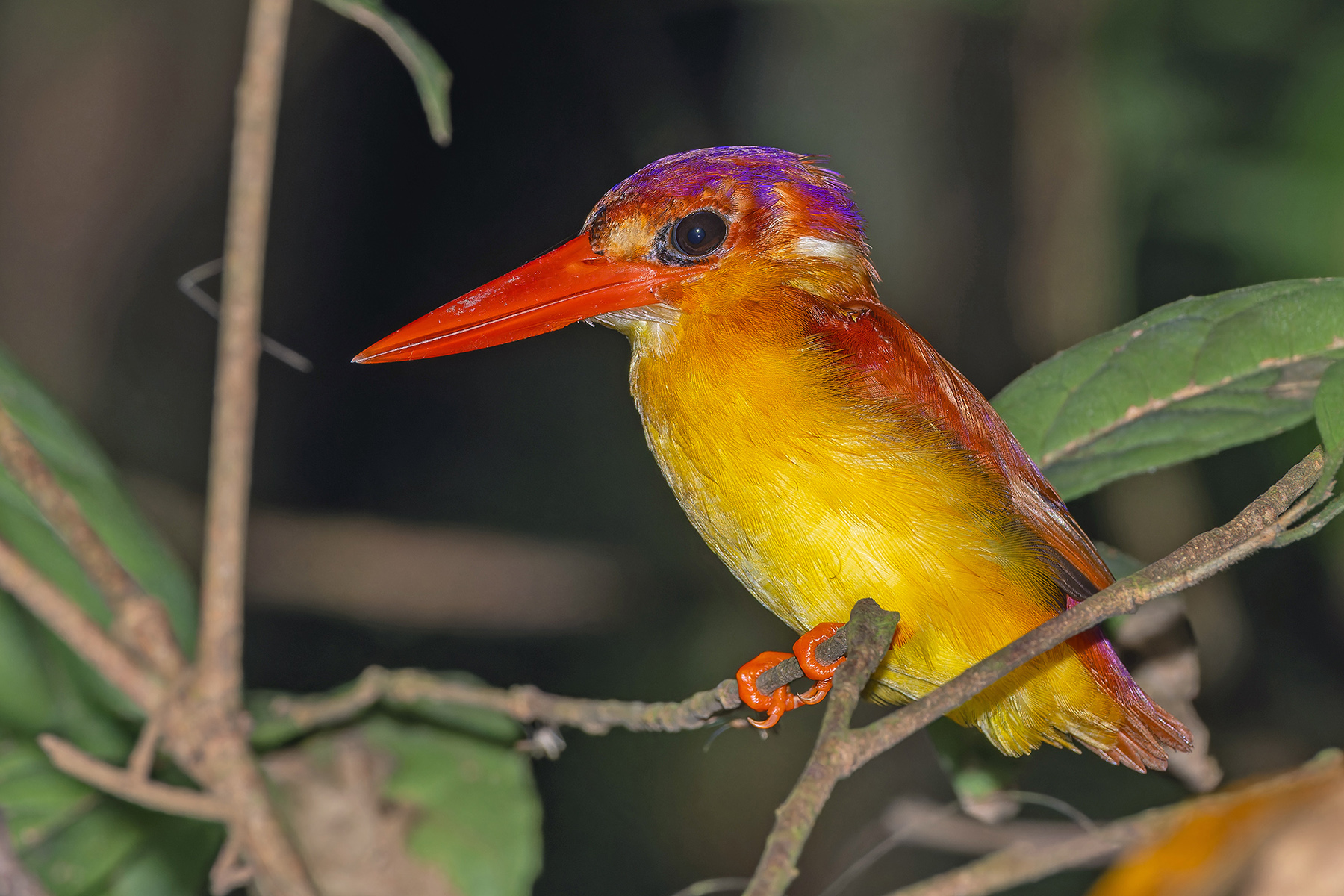
Rufous-backed Dwarf Kingfisher (image by Pete Morris)
Gould's Frogmouth on its nest! (image by Craig Robson)
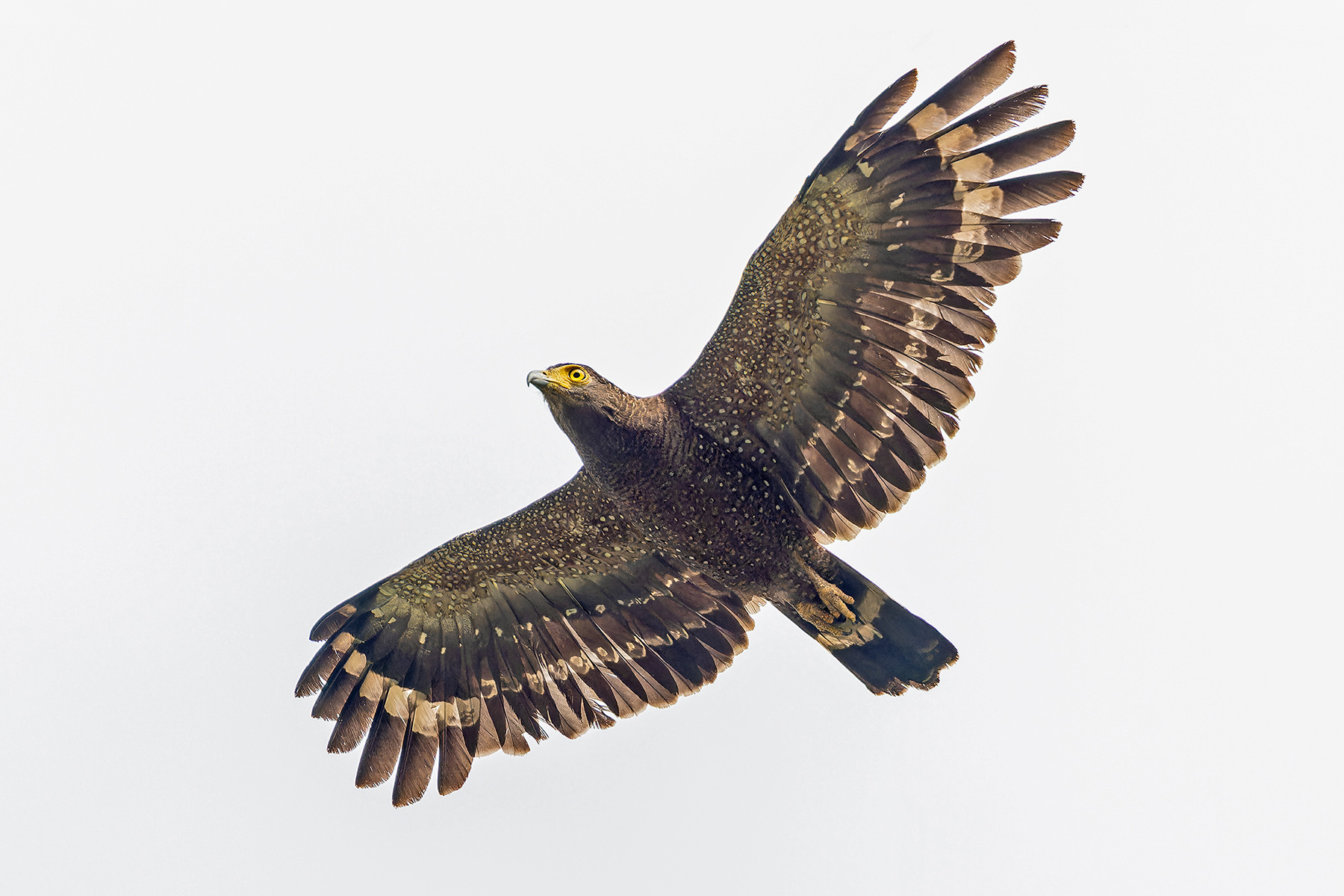
Crested (Simeulue) Serpent Eagle (image by Pete Morris)
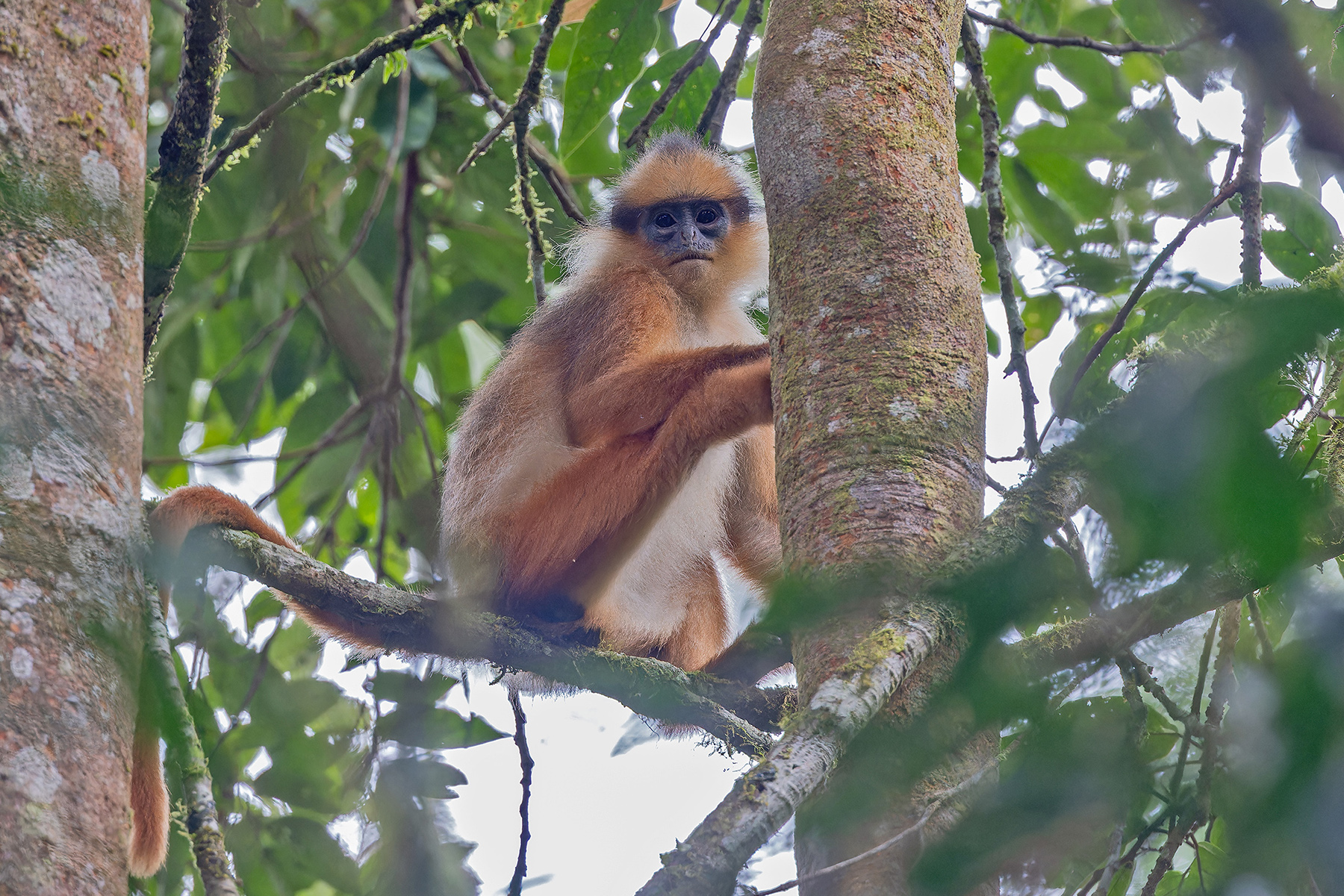
Black-crested Sumatran Langur (image by Pete Morris)
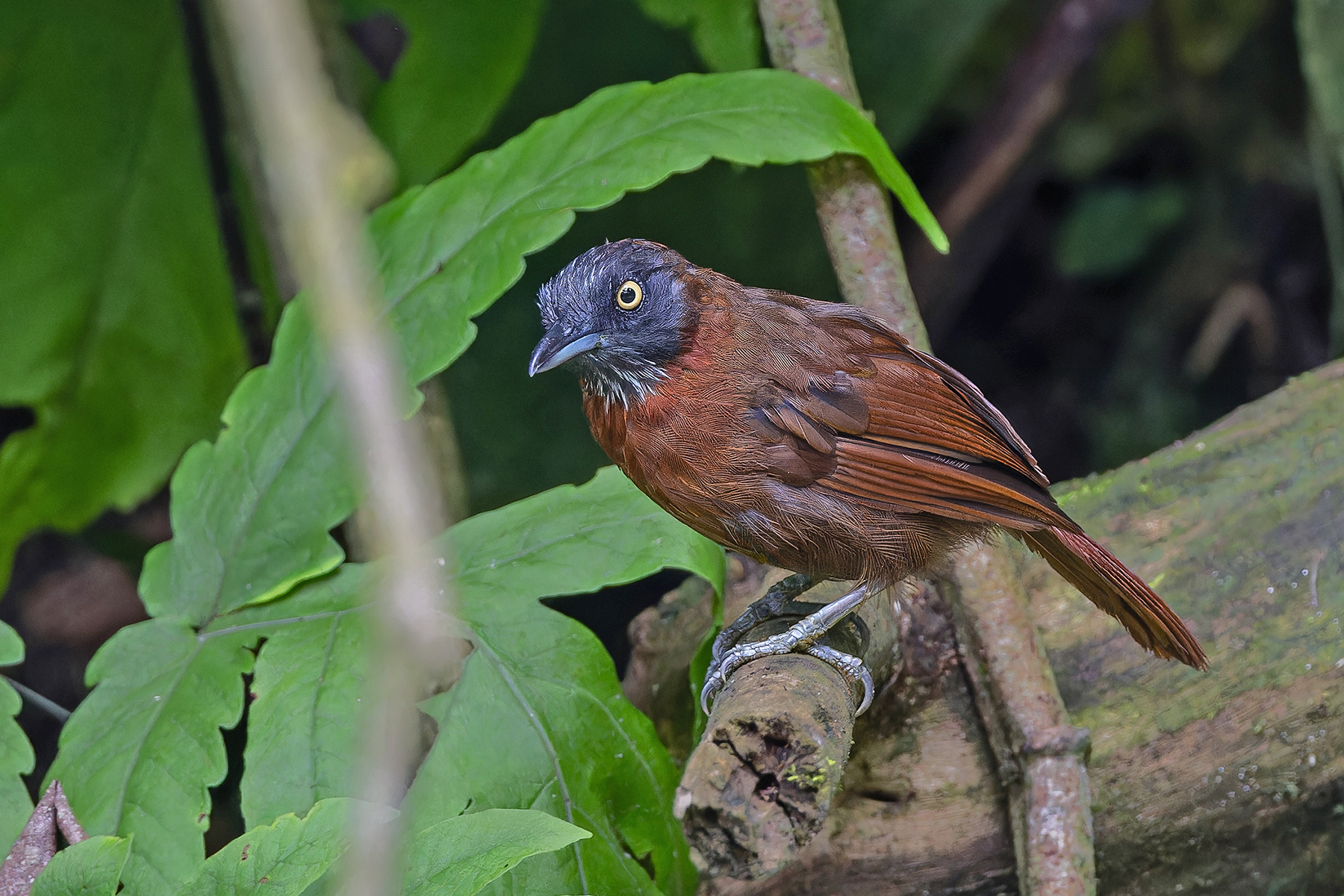
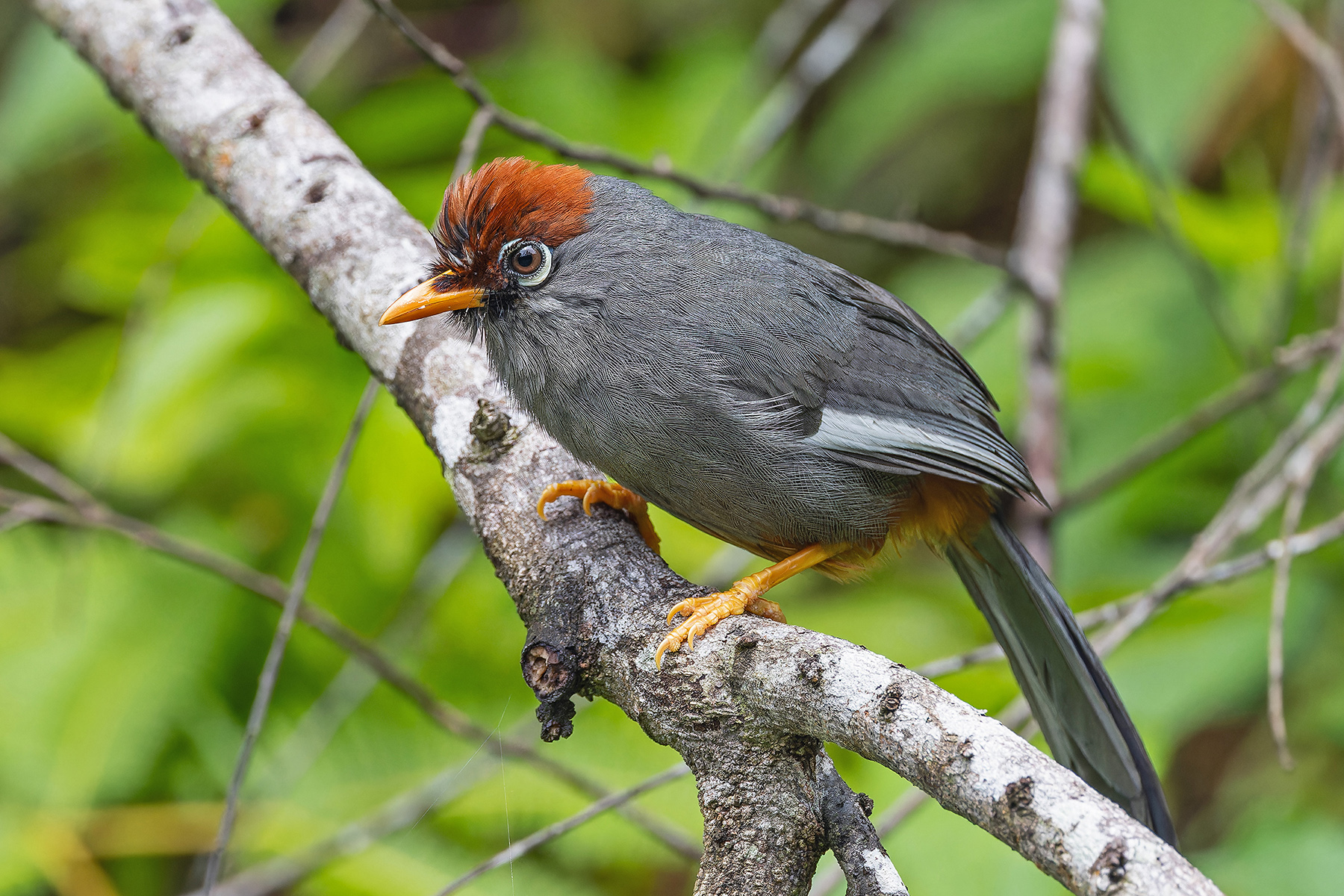
Chestnut-capped Laughingthrush (image by Pete Morris)
Long-tailed Broadbill (image by Pete Morris)
Red-naped Trogon (image by Pete Morris)
Southern Pig-tailed Macaque (image by Pete Morris)
Buffy Fish Owl (image by Pete Morris)
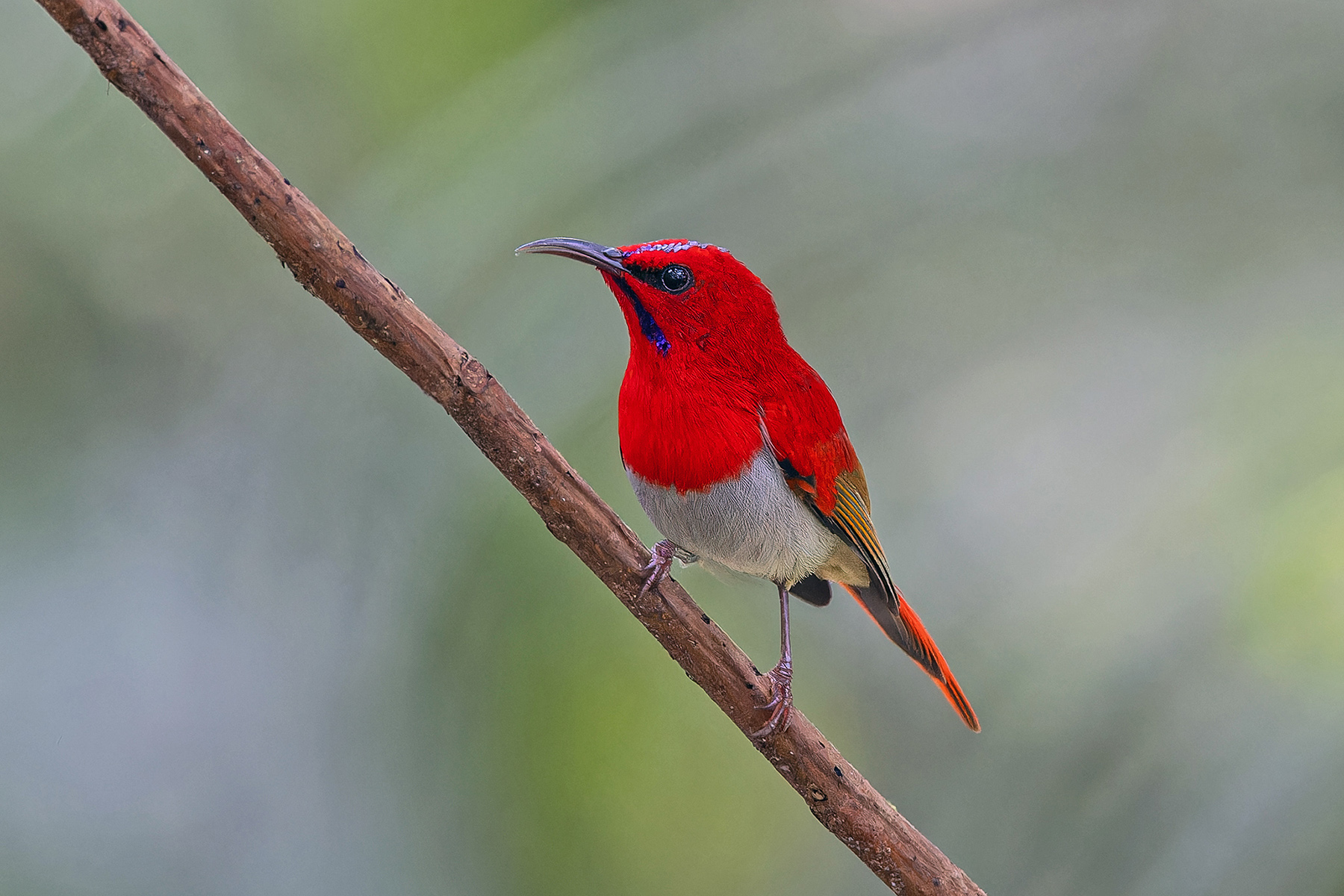
Temminck's Sunbird (image by Pete Morris)
Salvadori's Pheasant (image by Pete Morris)
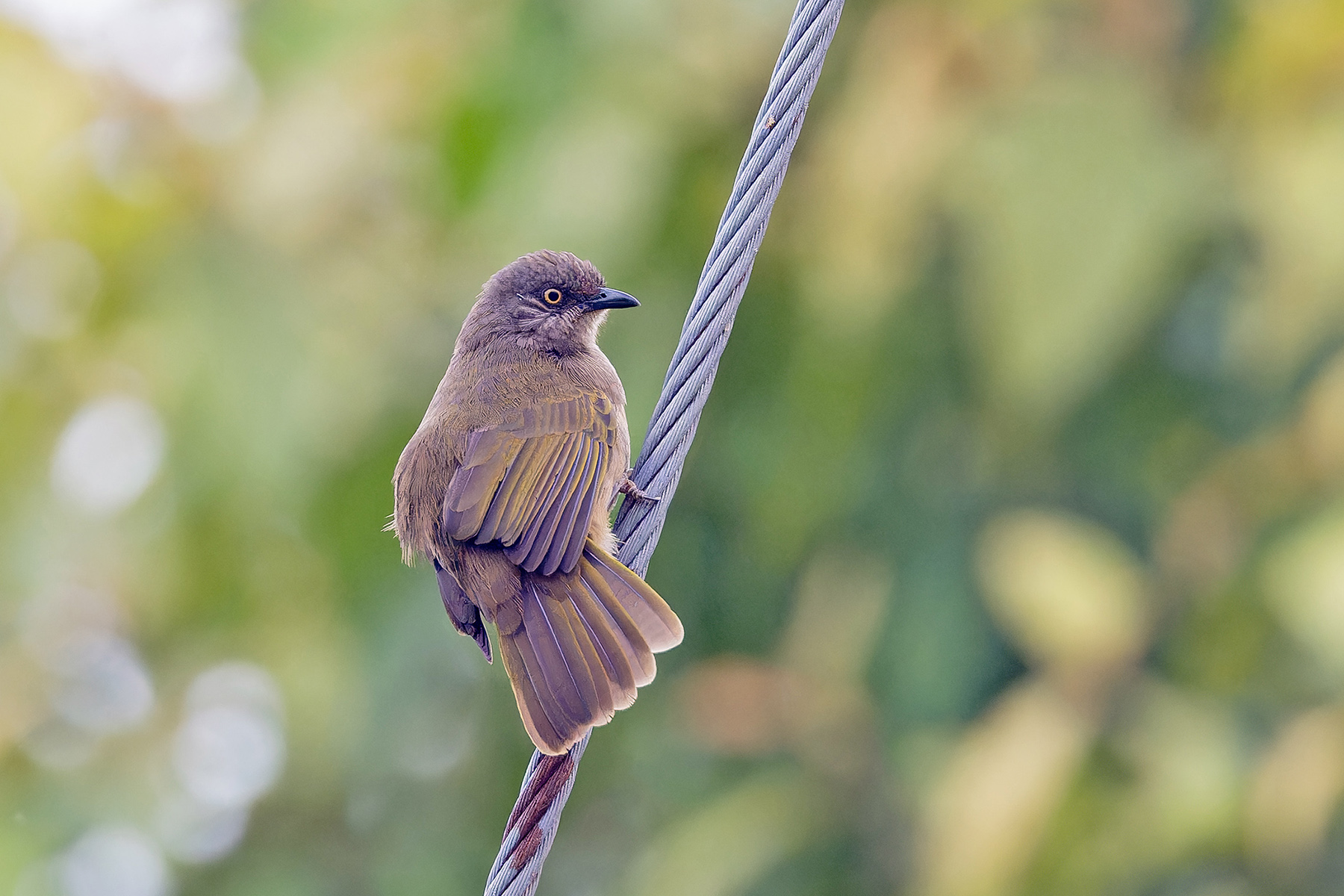
Olive-winged (Barusan) Bulbul (image by Pete Morris)
Thick-billed Spiderhunter (image by Pete Morris)
Red-legged Crake (image by Pete Morris)
Sumatran Trogon (image by Craig Robson)
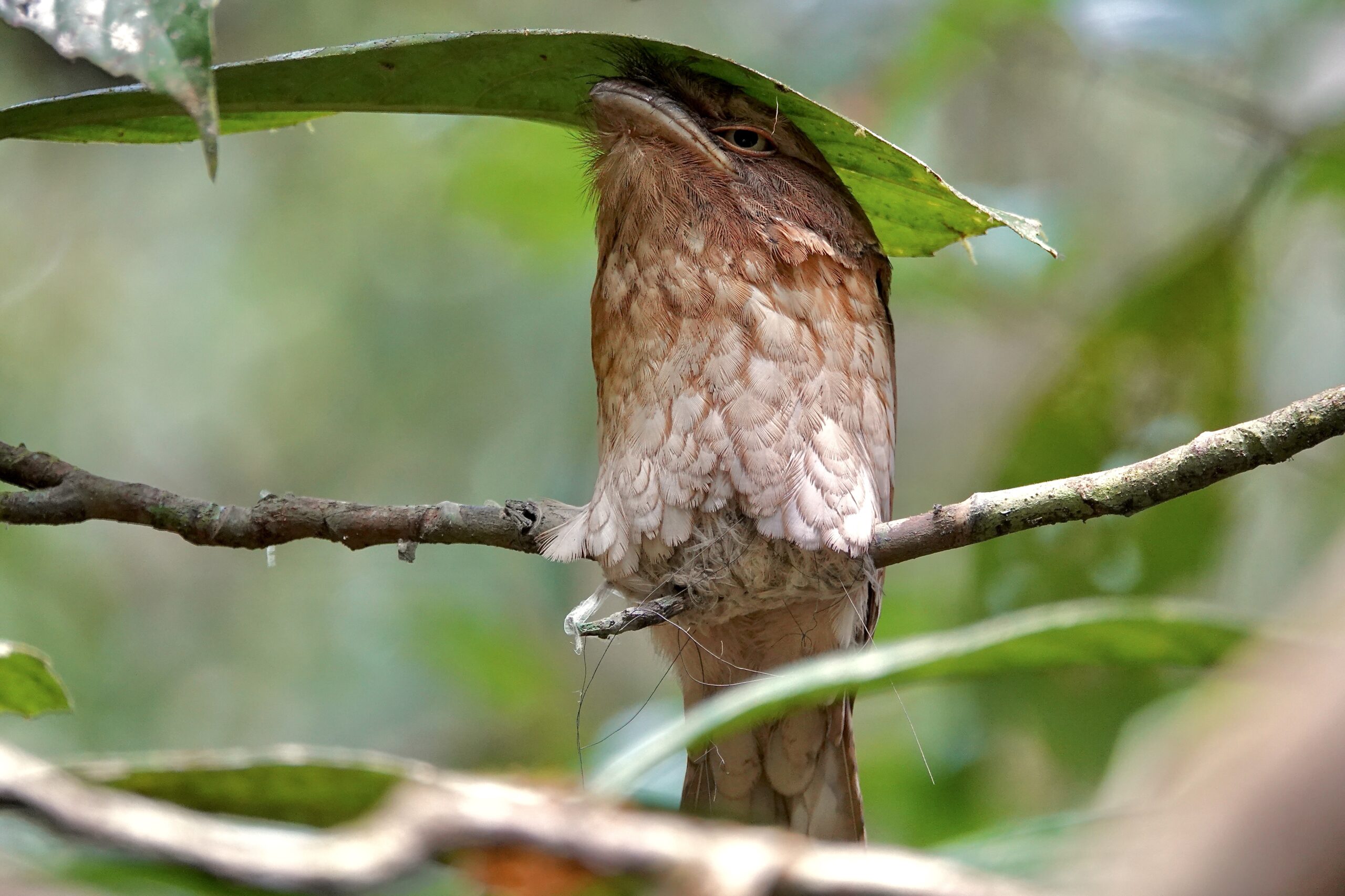
Gould's Frogmouth (image by Pete Morris)
Marbled Wren-Babbler (image by János Oláh)
Jungle Jade Swallowtail (image by Pete Morris)
Sumatran Tiger (image by Pete Morris)
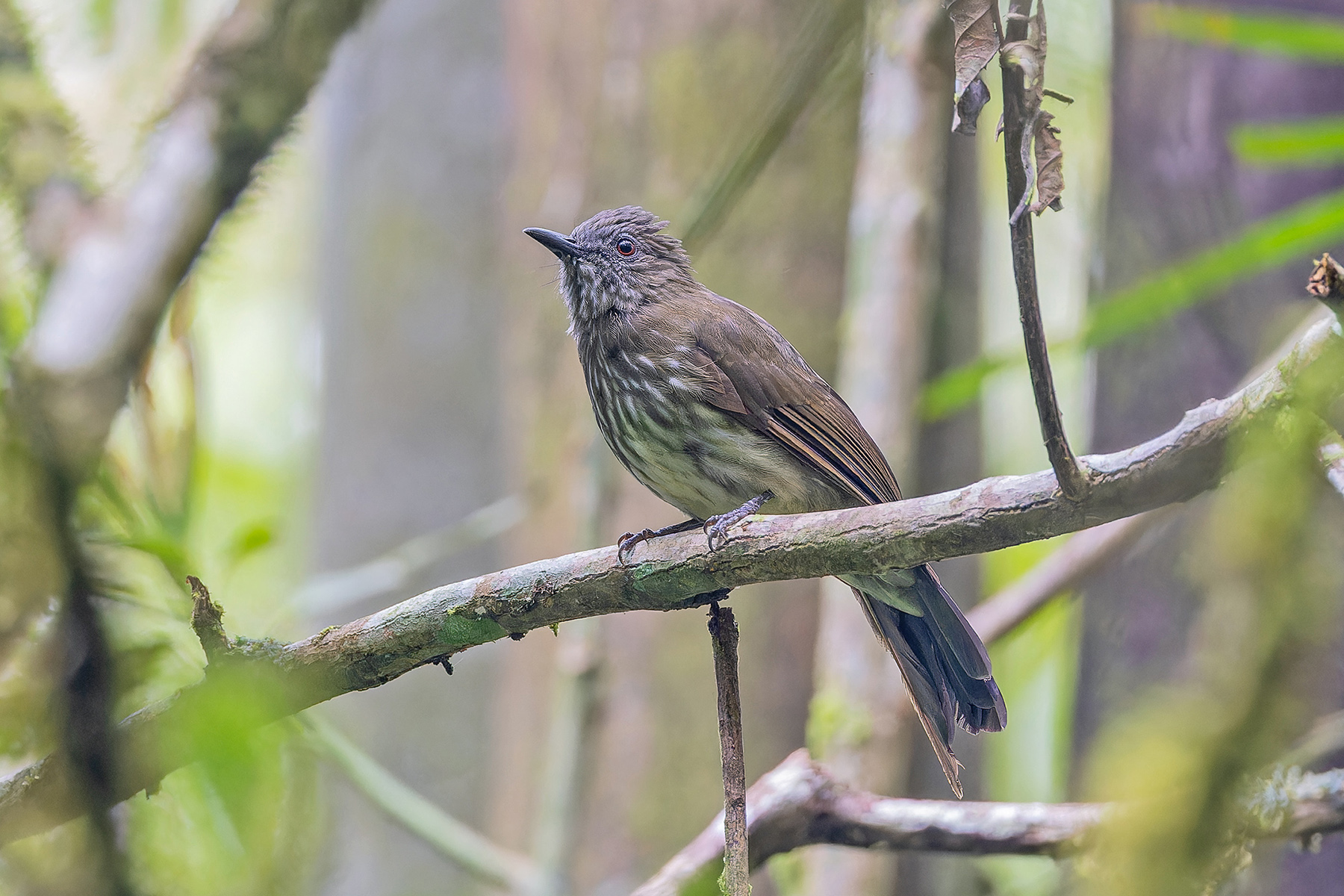
Spot-necked Bulbul (image by Pete Morris)
Shiny Whistling Thrush (image by Pete Morris)
Brown-winged Whistling Thrush (image by Pete Morris)
Barred Eagle-Owl (image by Pete Morris)
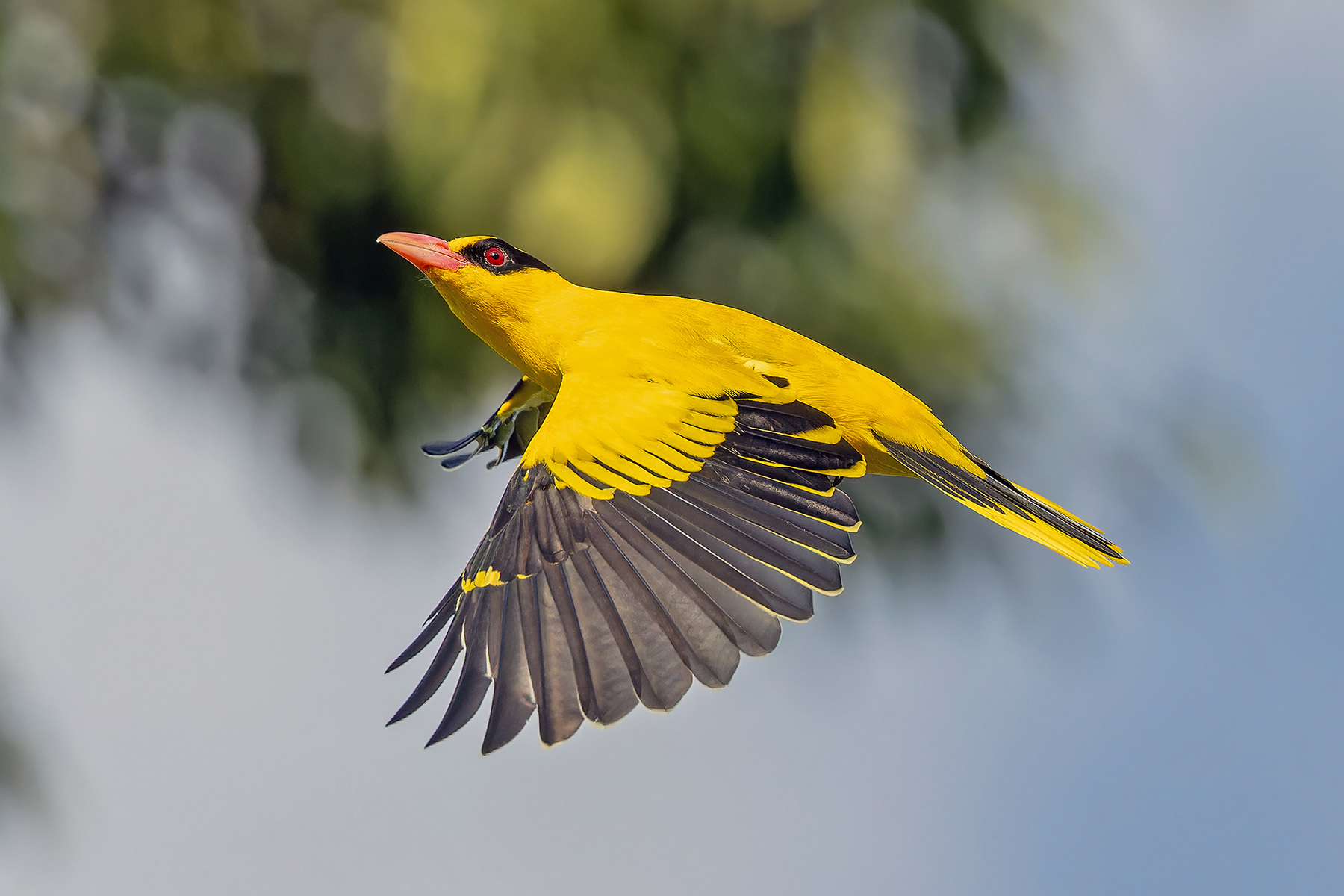
Black-naped Oriole (image by Pete Morris)
Rufous-collared Kingfisher (image by Pete Morris)
Oriental Bay Owl (image by János Oláh)
Violet Cuckoo (image by Pete Morris)
Sumatran Bulbul (image by Pete Morris)
Rusty-breasted Wren-Babbler (image by Pete Morris)
Red-bearded Bee-eater (image by Pete Morris)
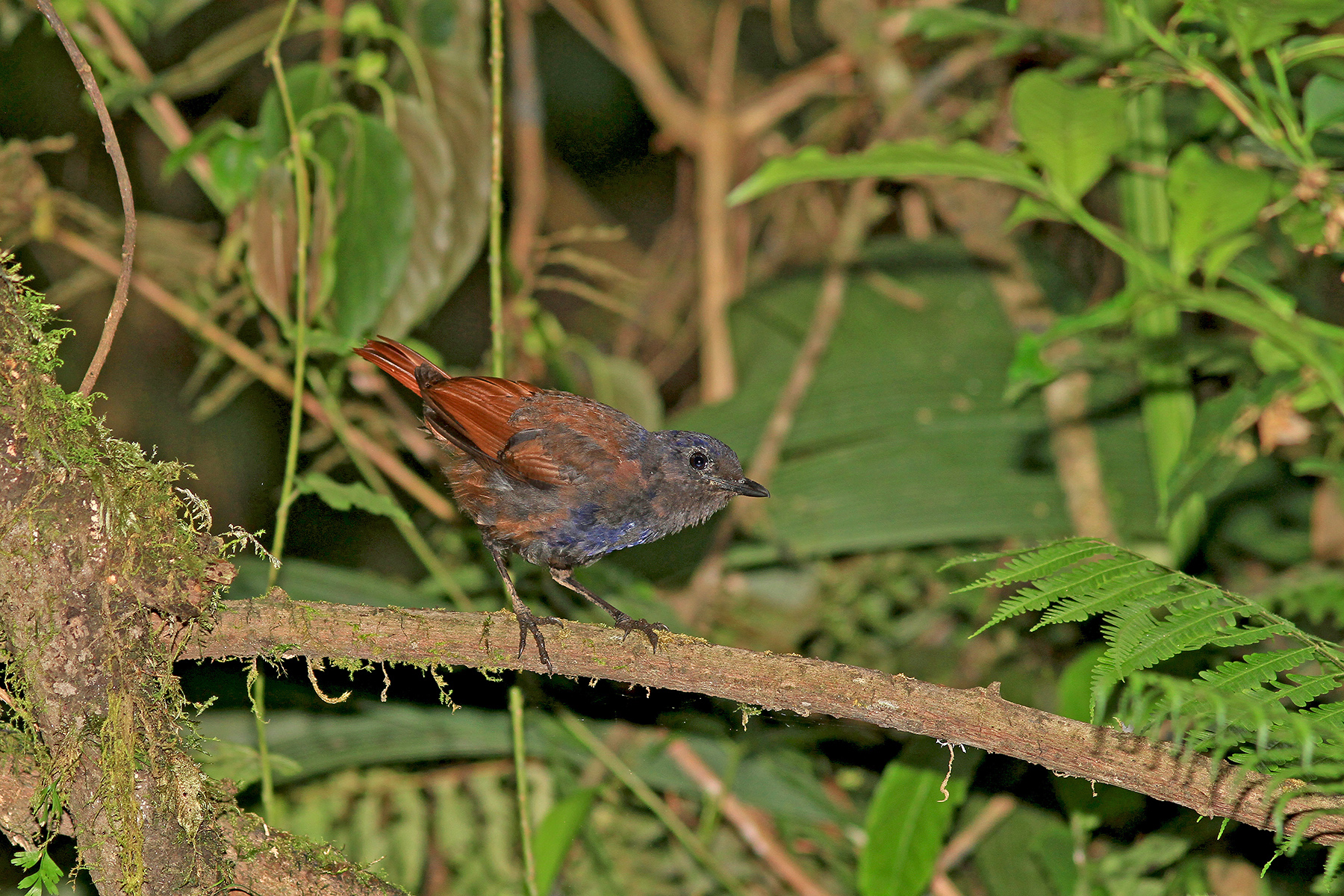
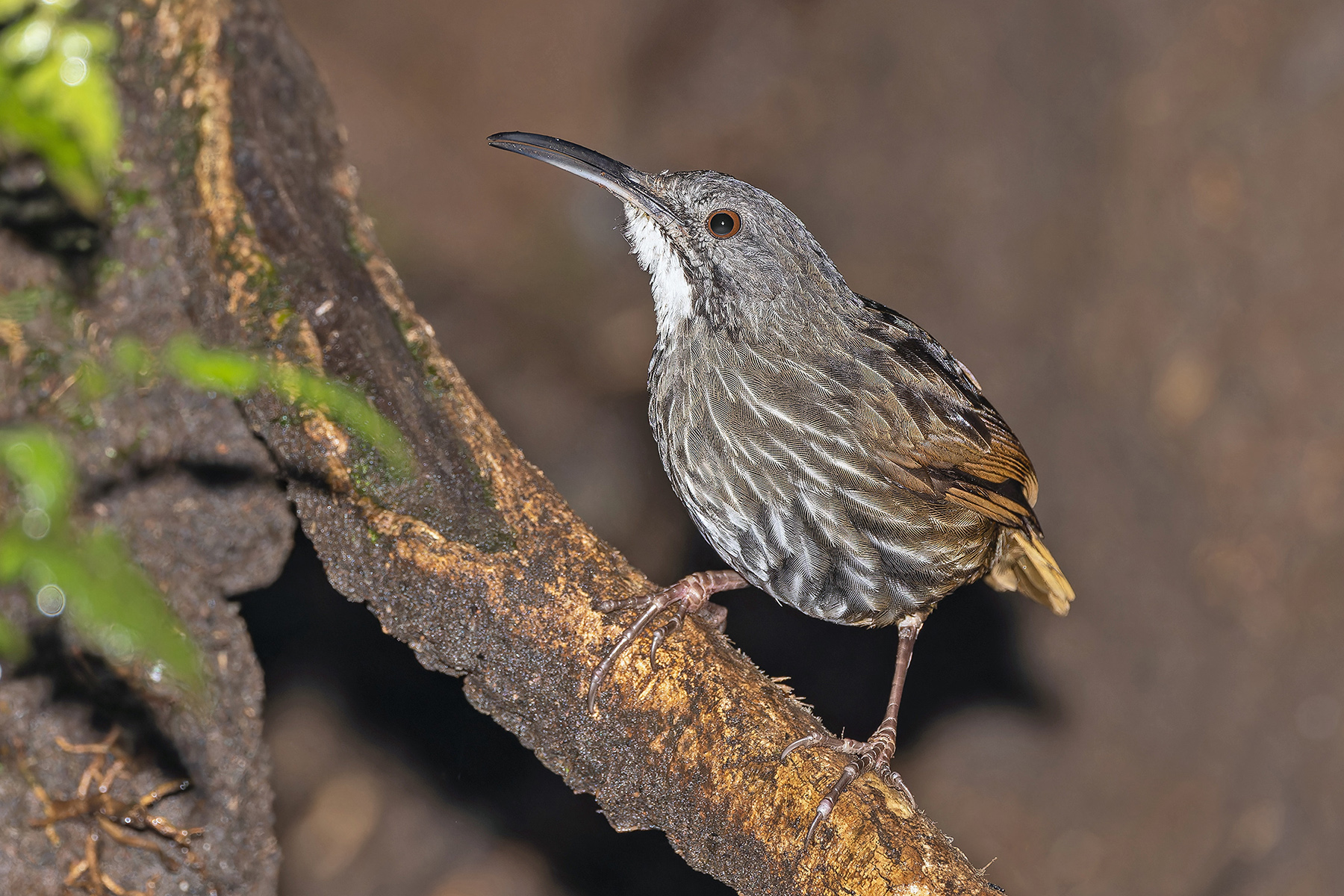
Sumatran Wren-Babbler (image by Pete Morris)
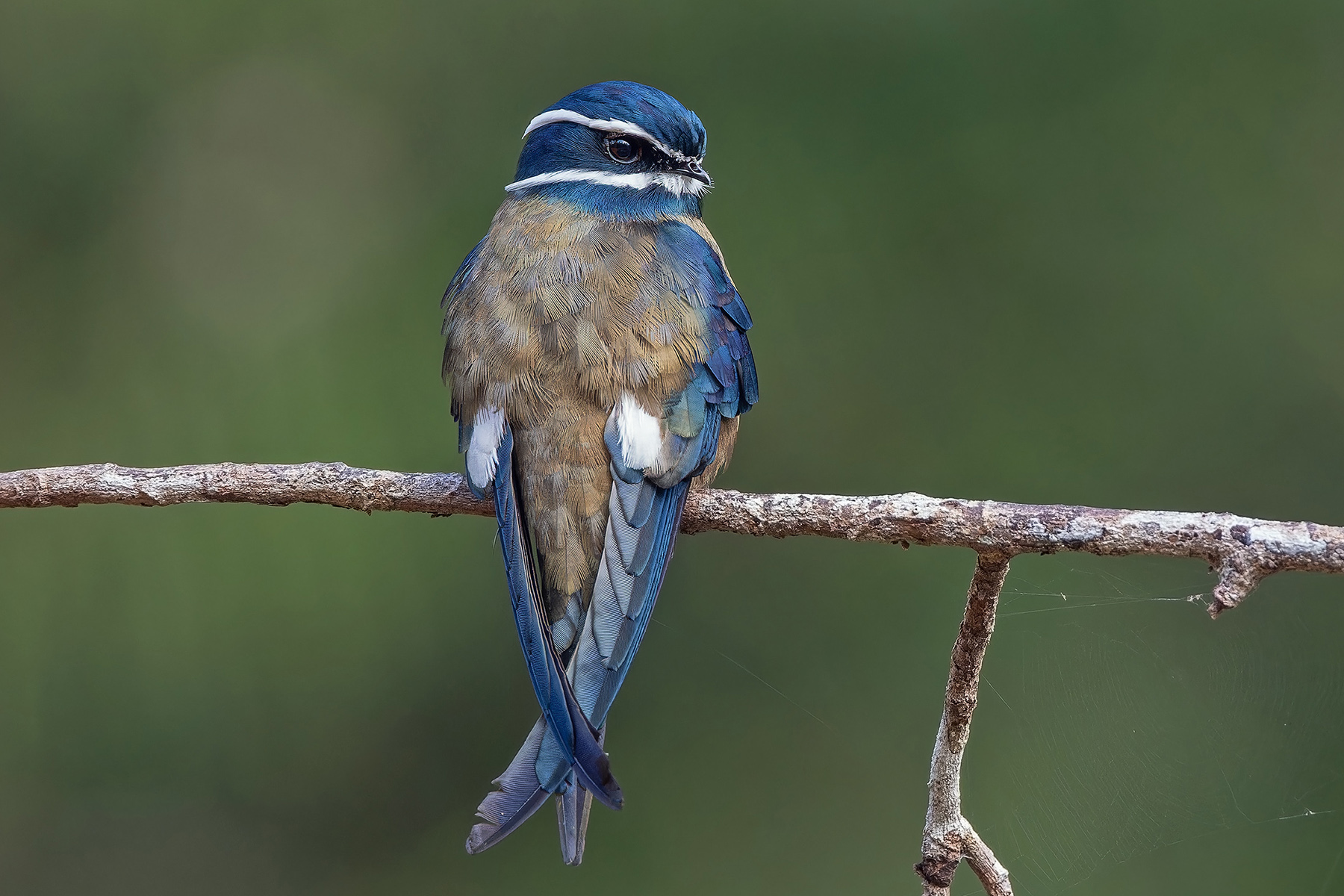
Whiskered Treeswift (image by Pete Morris)
Ruby-throated Bulbul (image by Pete Morris)
Mountain Leaf Warbler (image by Pete Morris)
Schneider's Pitta (image by János Oláh)
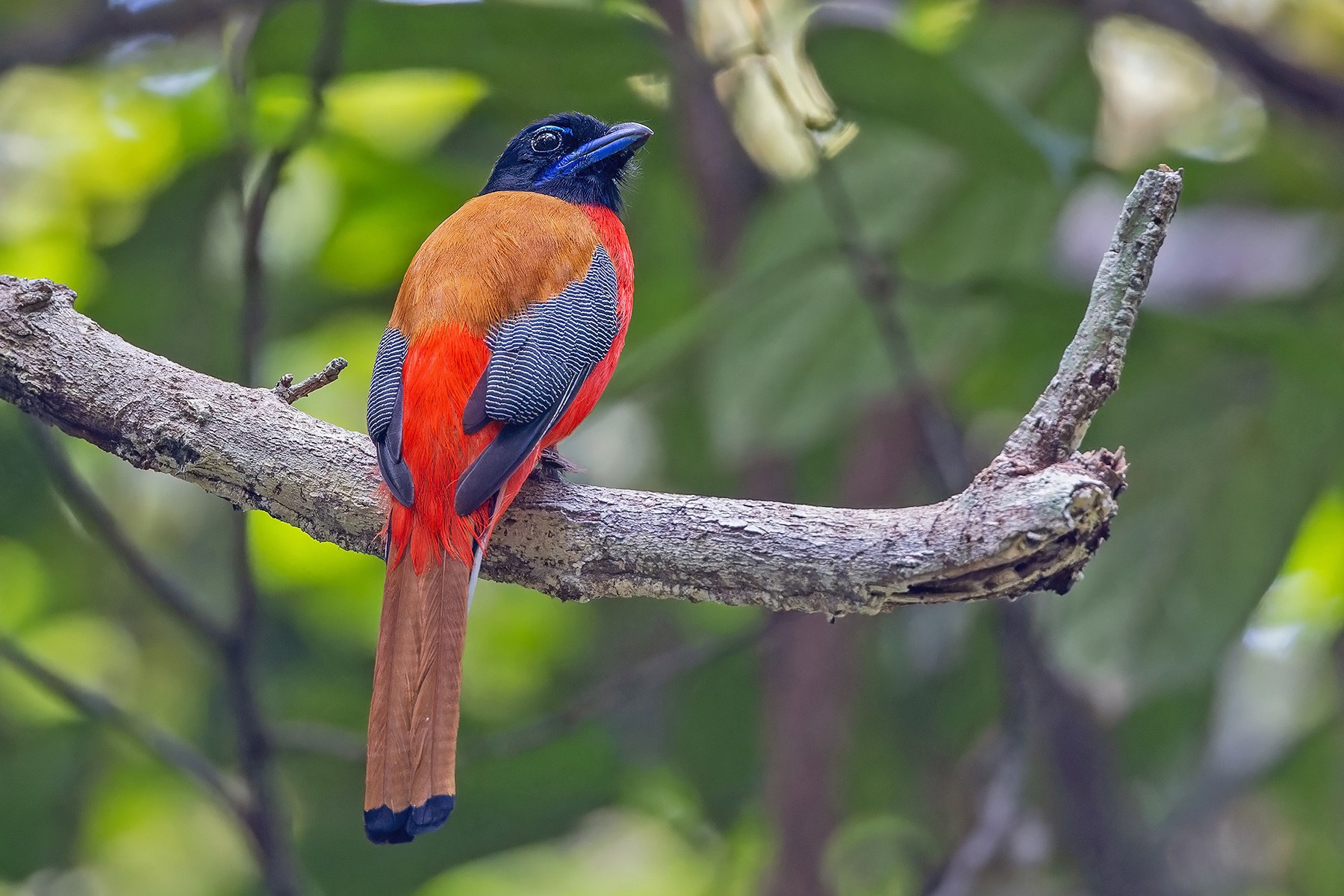
Scarlet-rumped Trogon (image by Pete Morris)
Marbled Wren-Babbler (image by Pete Morris)
Pygmy Cupwing (image by Pete Morris)
White-crowned Hornbill (image by Pete Morris)
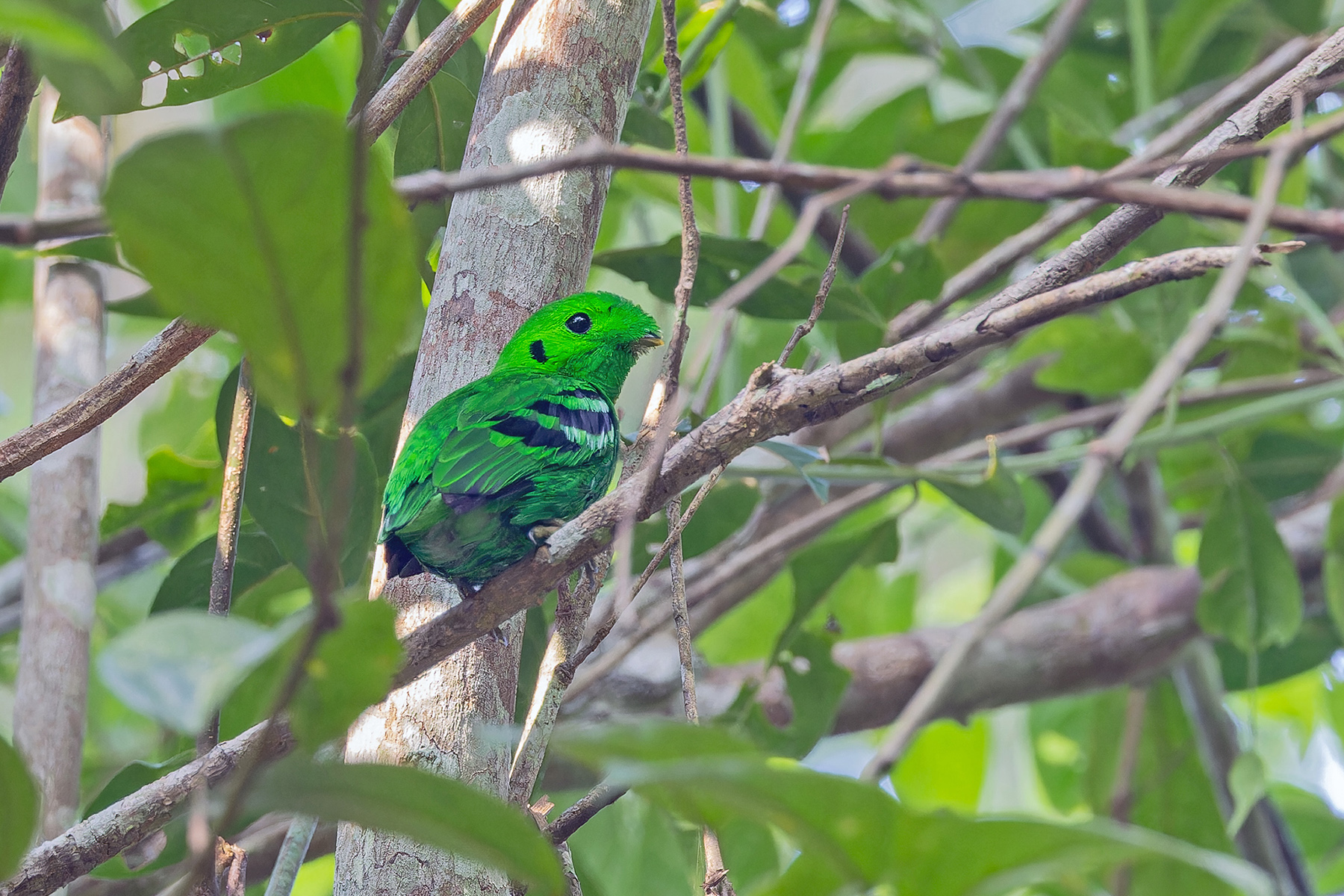
Green Broadbill (image by Pete Morris)
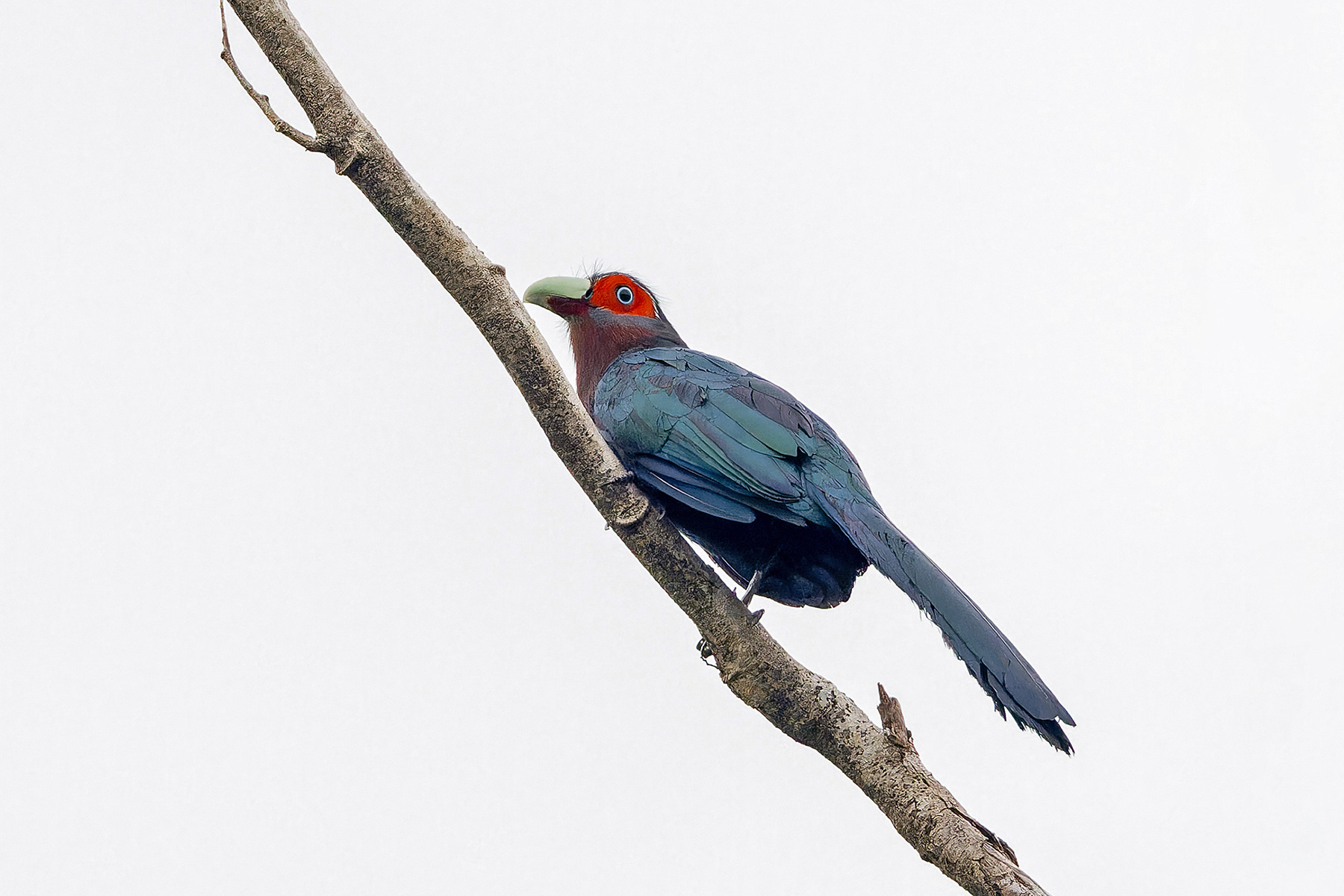
Mentawai Malkoha (image by Pete Morris)
White-chested Babbler (image by Pete Morris)
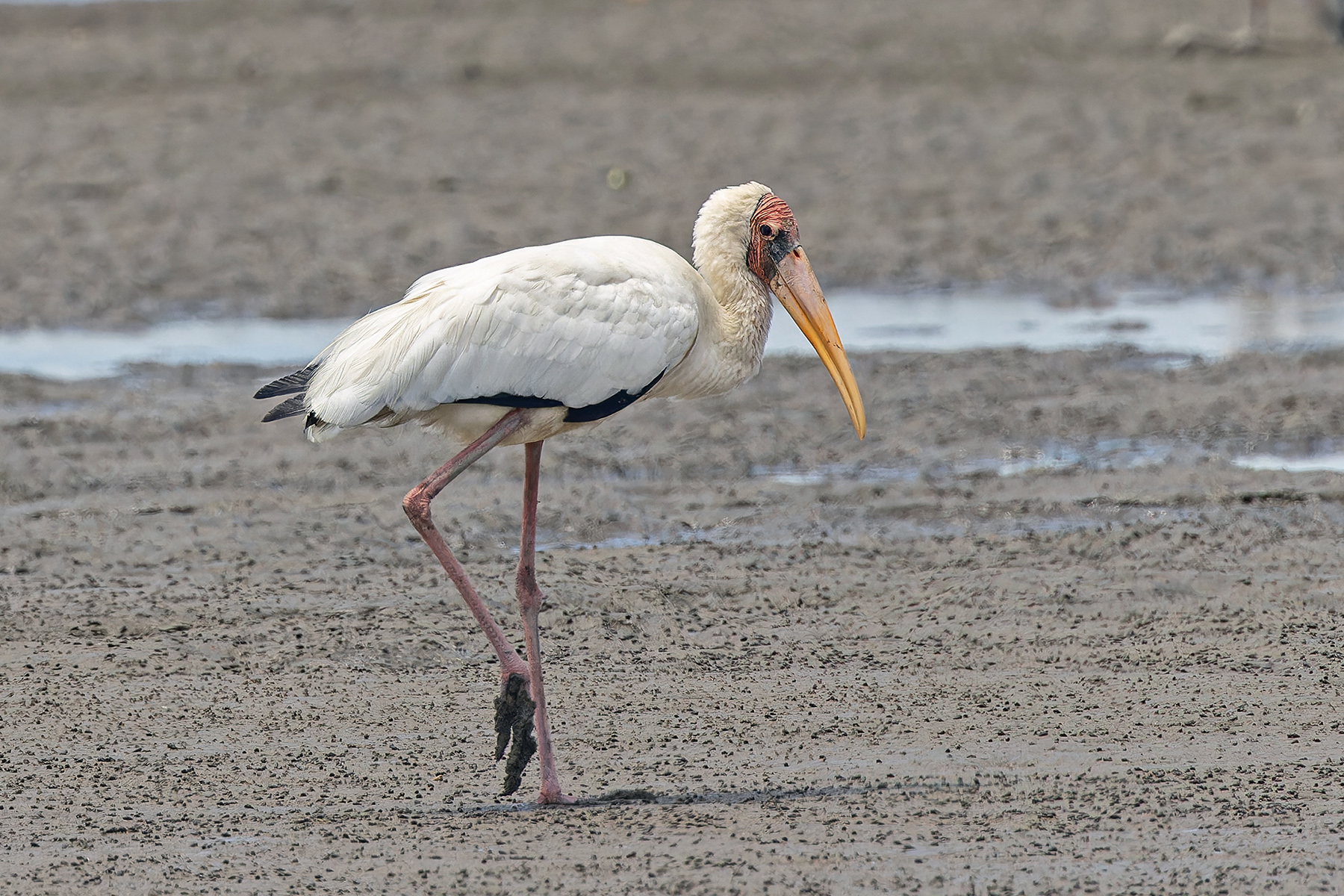
Milky Stork (image by Pete Morris)
Sunda Frogmouth (image by Pete Morris)
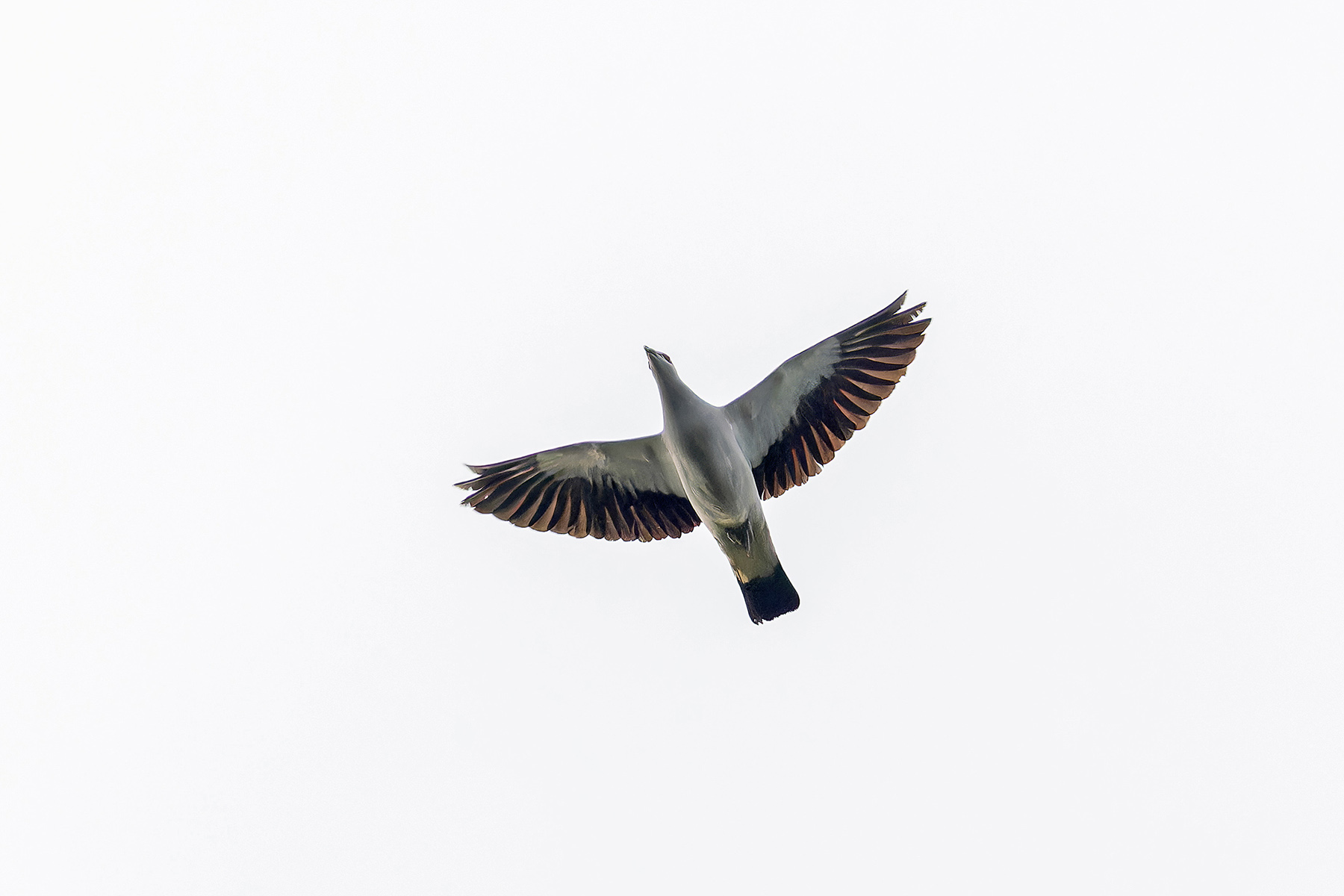
Silvery Pigeon (image by Pete Morris)
Graceful Pitta (image by Pete Morris)
Mount Kerinci (image by Pete Morris)
Blue-winged Pitta (image by Pete Morris)
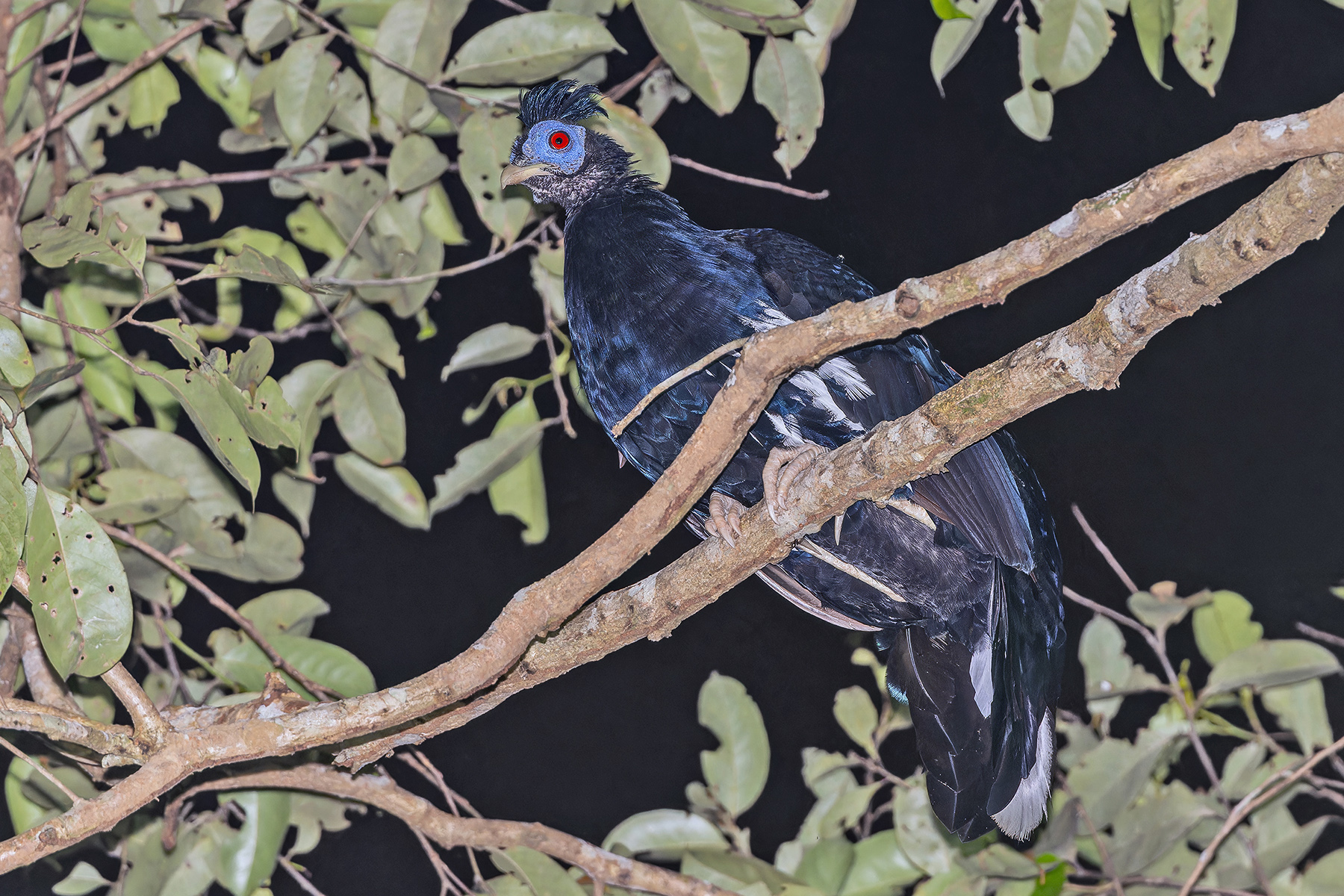
Malayan Crested Fireback (image by Pete Morris)
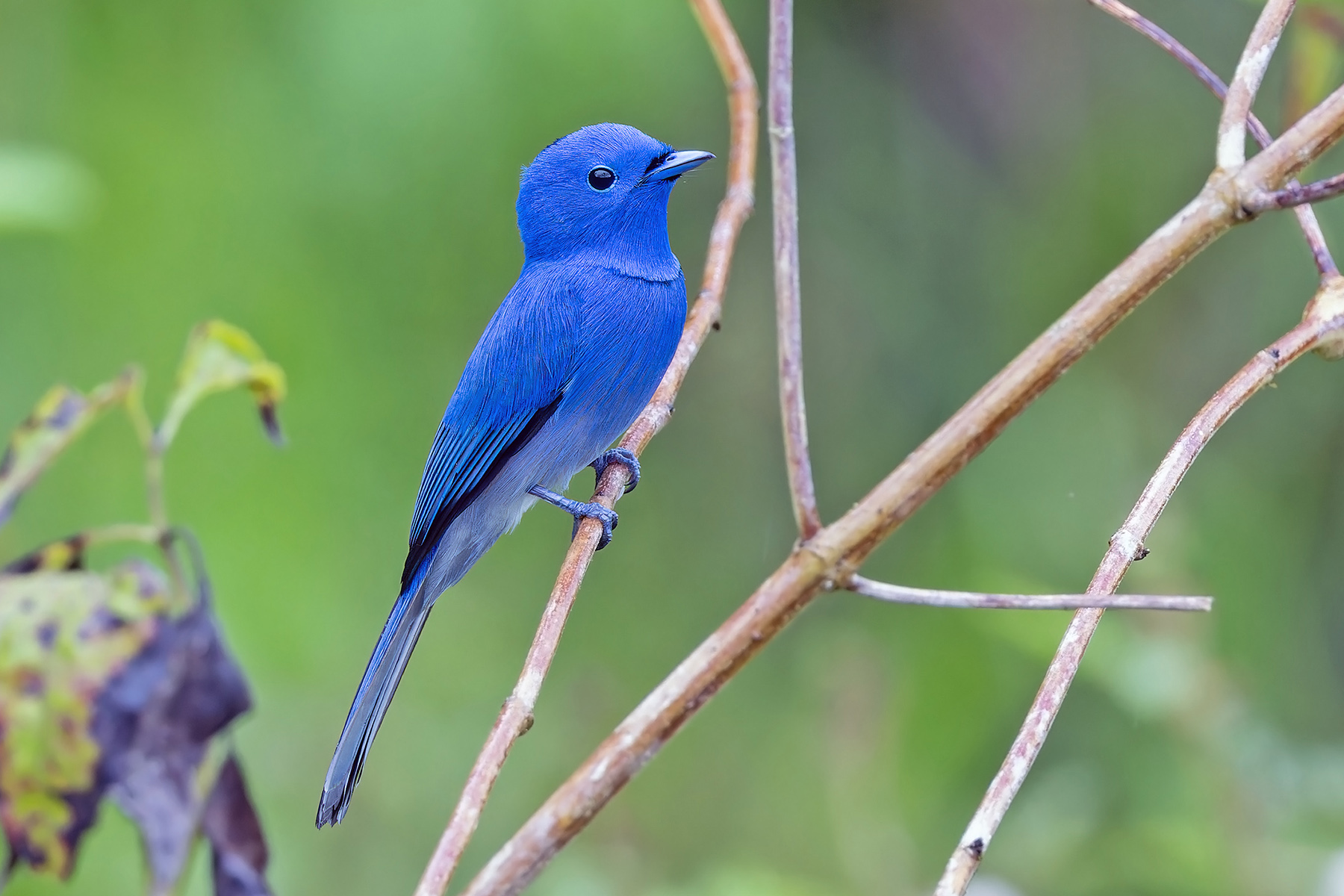
Black-naped (Simeulue) Monarch (image by Pete Morris)
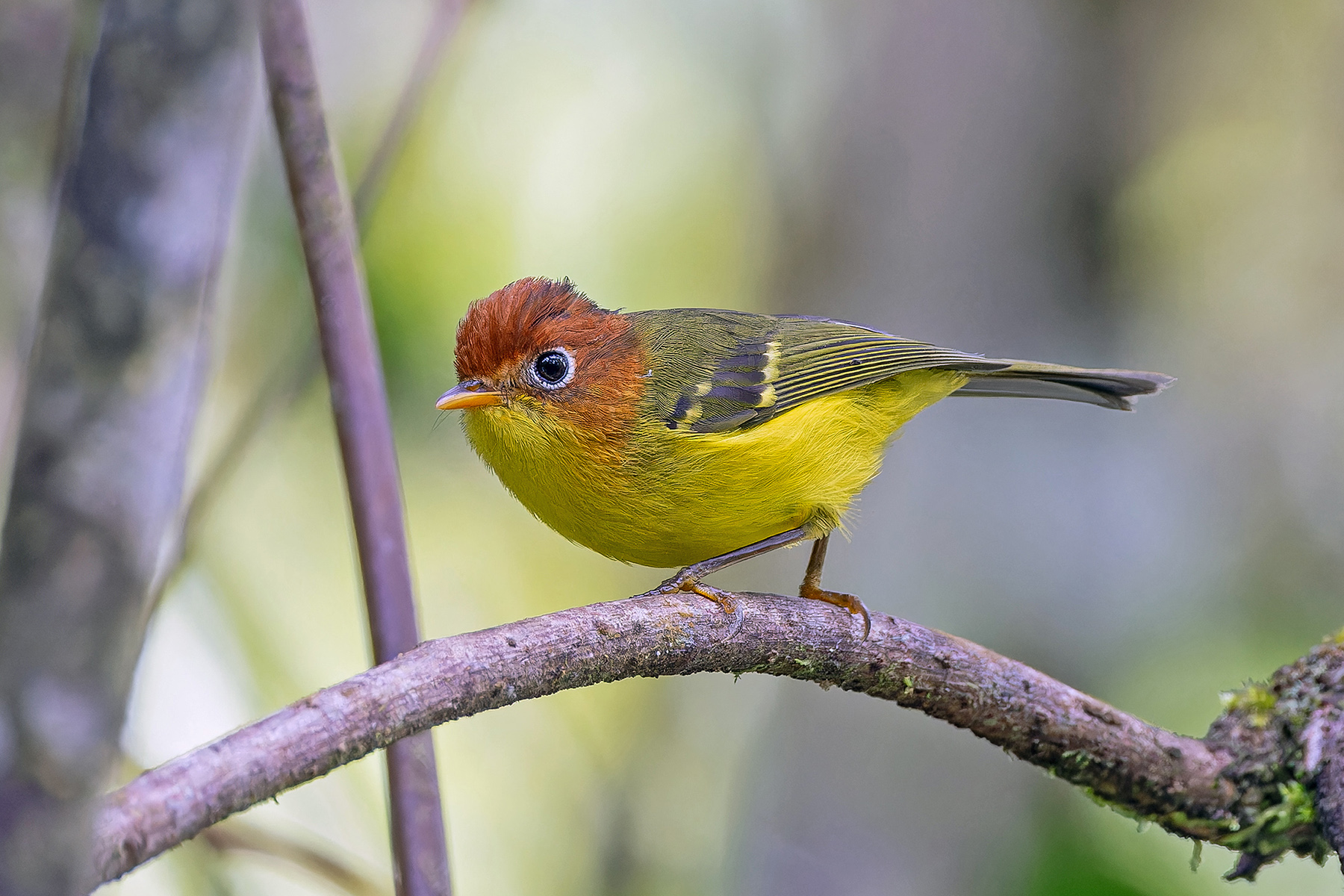
Yellow-breasted Warbler (image by Pete Morris)
Large Frogmouth (image by Pete Morris)
Green Broadbill (image by Pete Morris)
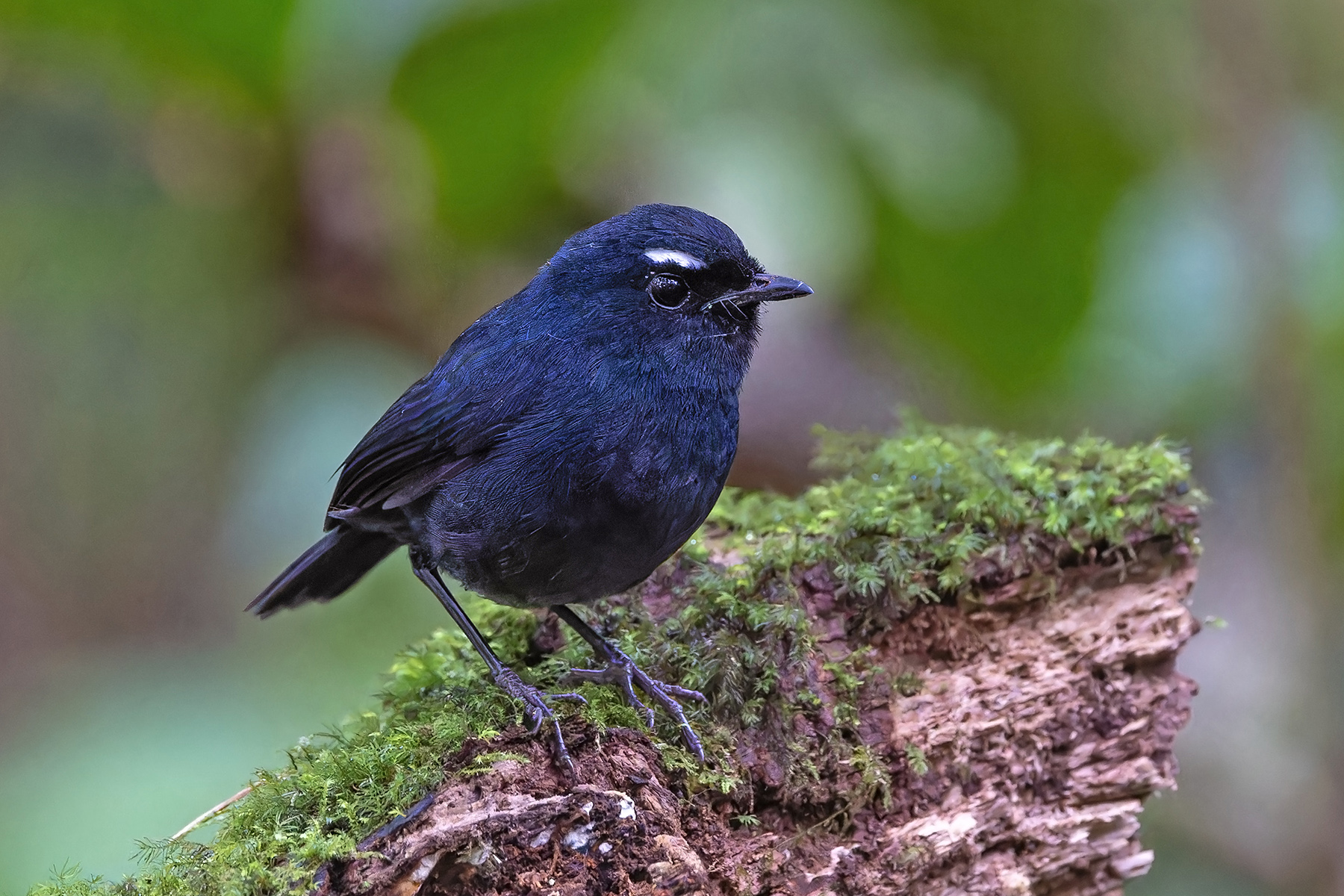
Sumatran Blue Robin (image by János Oláh)
Graceful Pitta (image by Pete Morris)
Simeulue Scops Owl (image by Pete Morris)
White-bellied (Simeulue) Woodpecker (image by Pete Morris)
Rufous Piculet (image by Pete Morris)
Long-tailed (Simeulue) Macaque (image by Pete Morris)
Malayan Banded Pitta (image by Pete Morris)
Sumatran Frogmouth (image by Craig Robson)
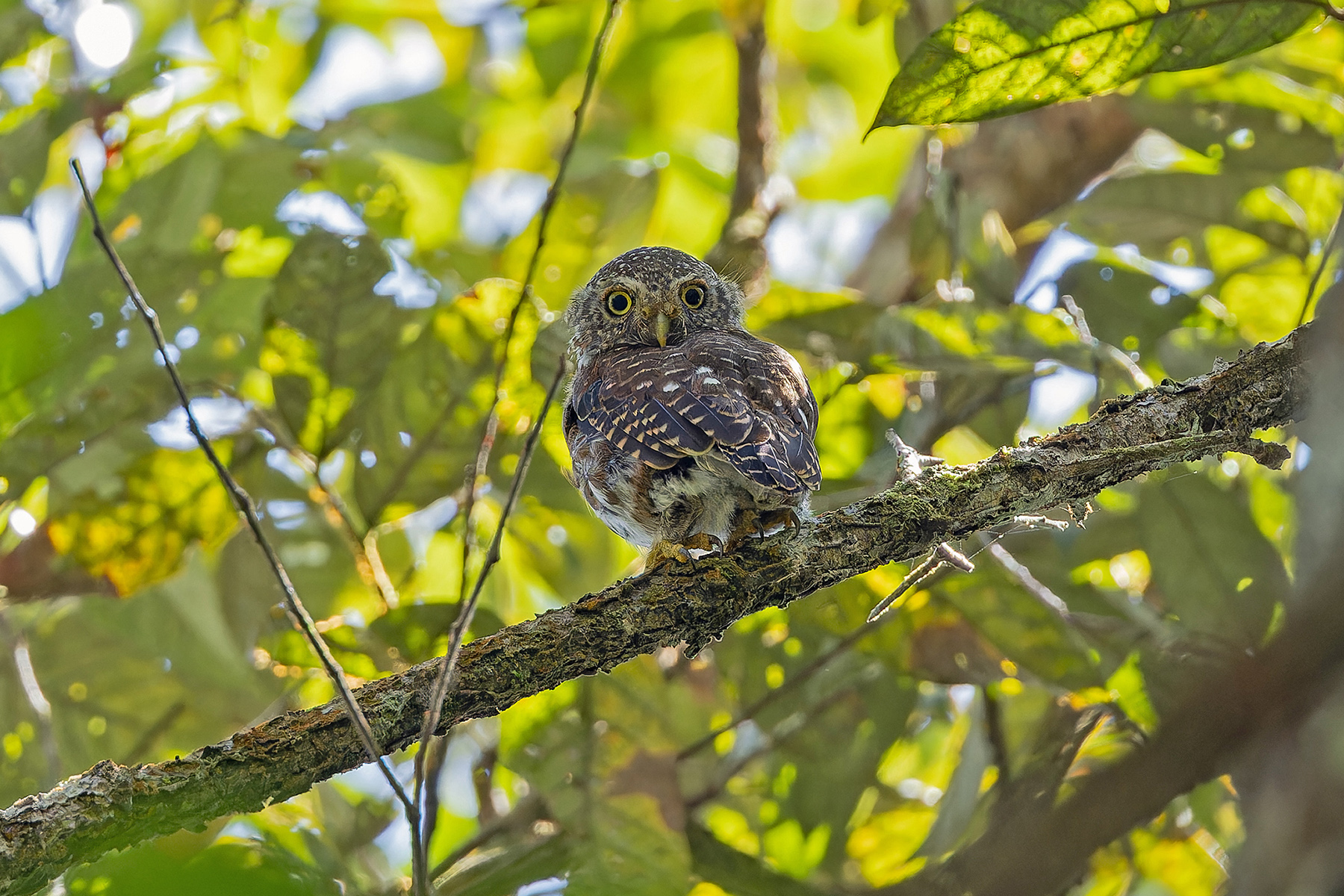
Sumatran Owlet (image by Pete Morris)
Sumatran Frogmouth (image by János Oláh)
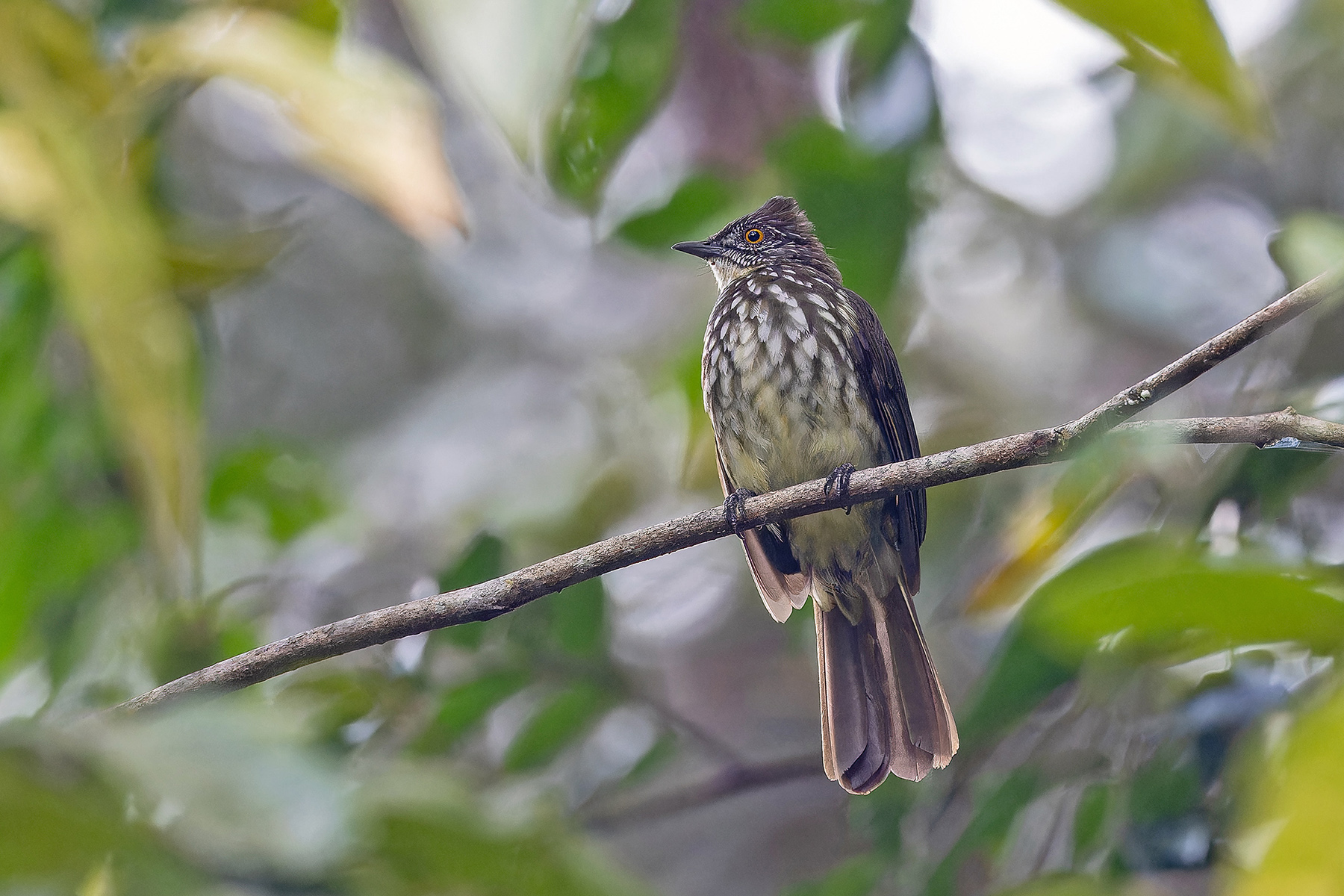
Cream-striped Bulbul (image by Pete Morris)
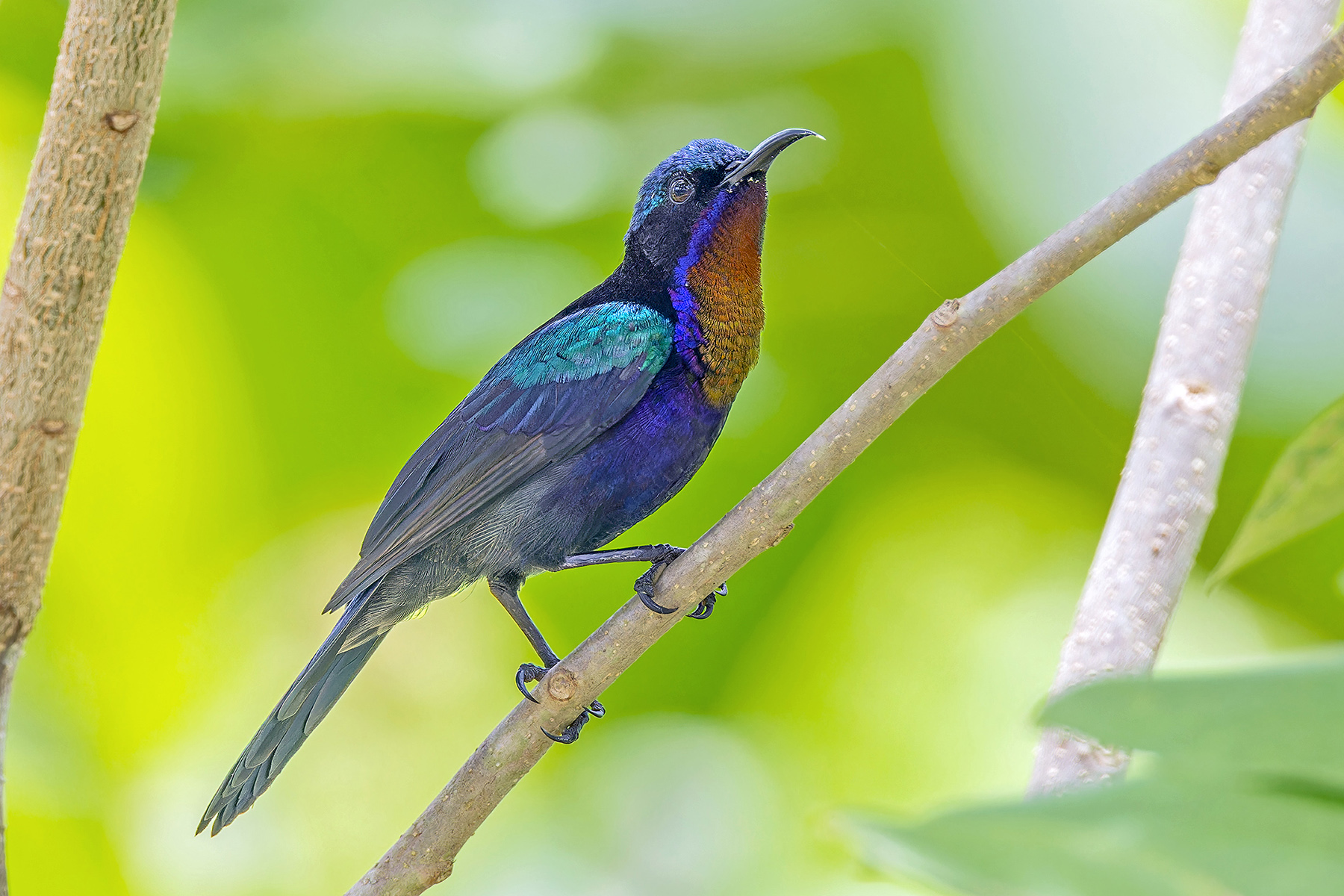
Copper-throated Sunbird (image by Pete Morris)
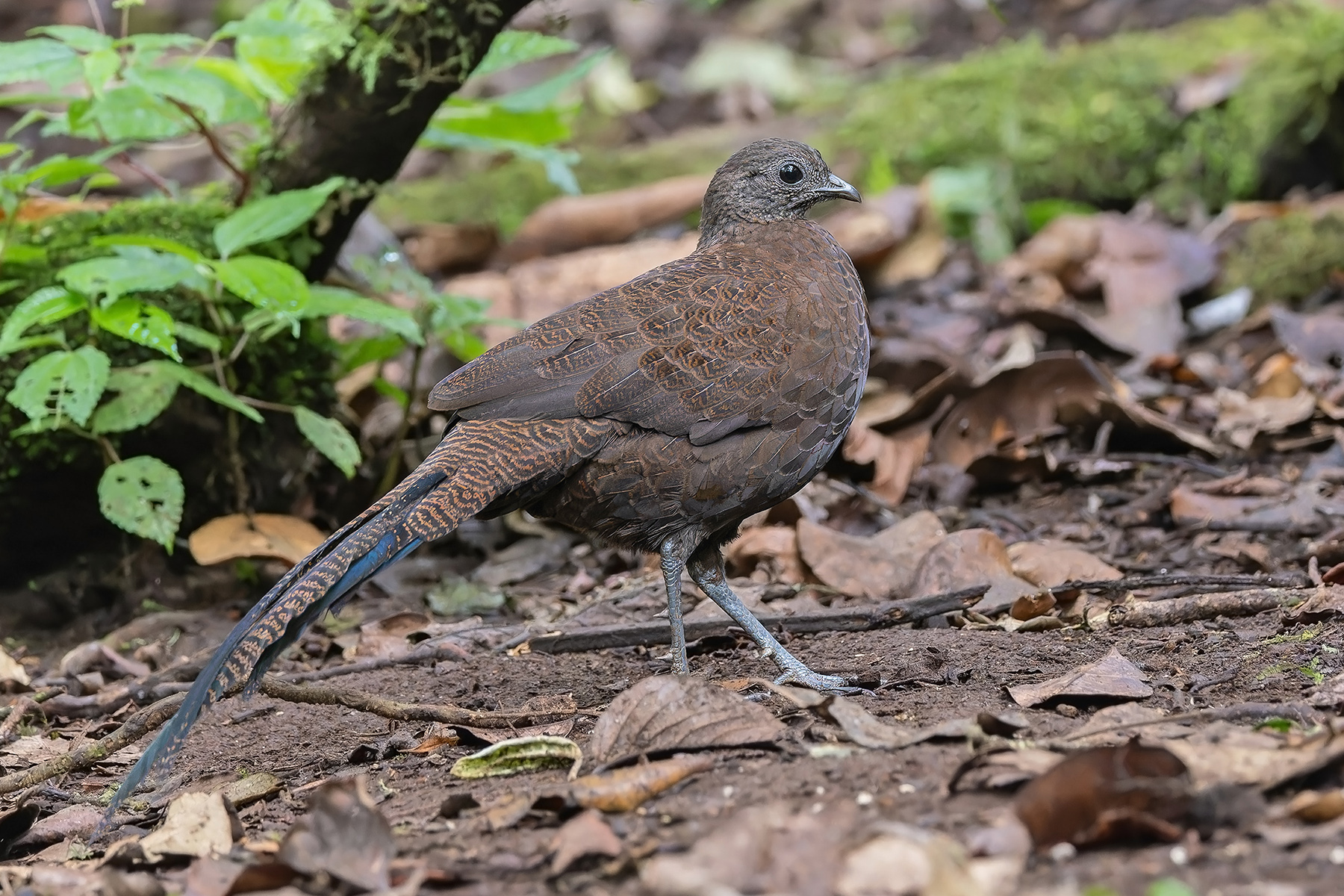
Bronze-tailed Peacock-Pheasant (image by Pete Morris)
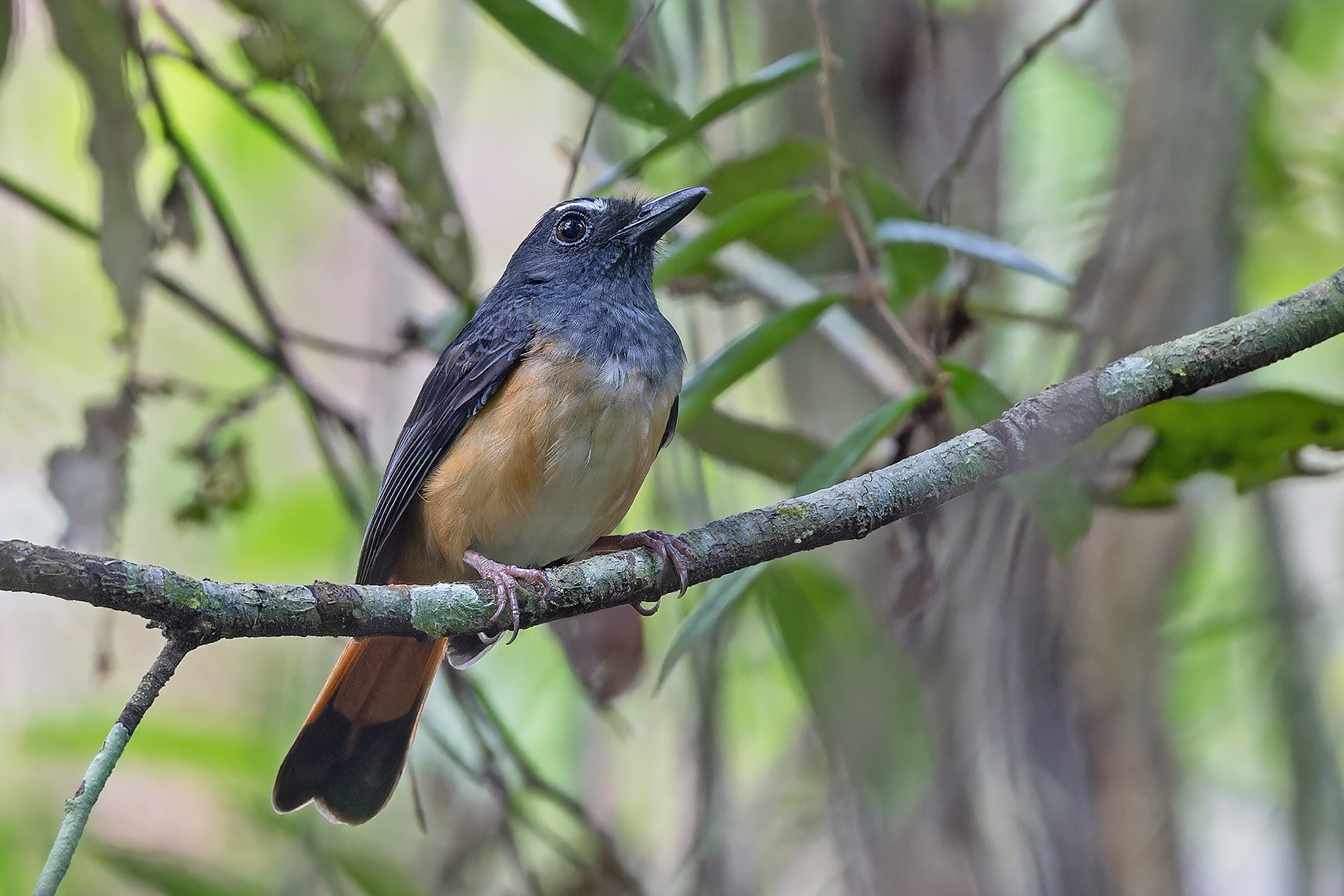
Rufous-tailed Shama (image by Pete Morris)
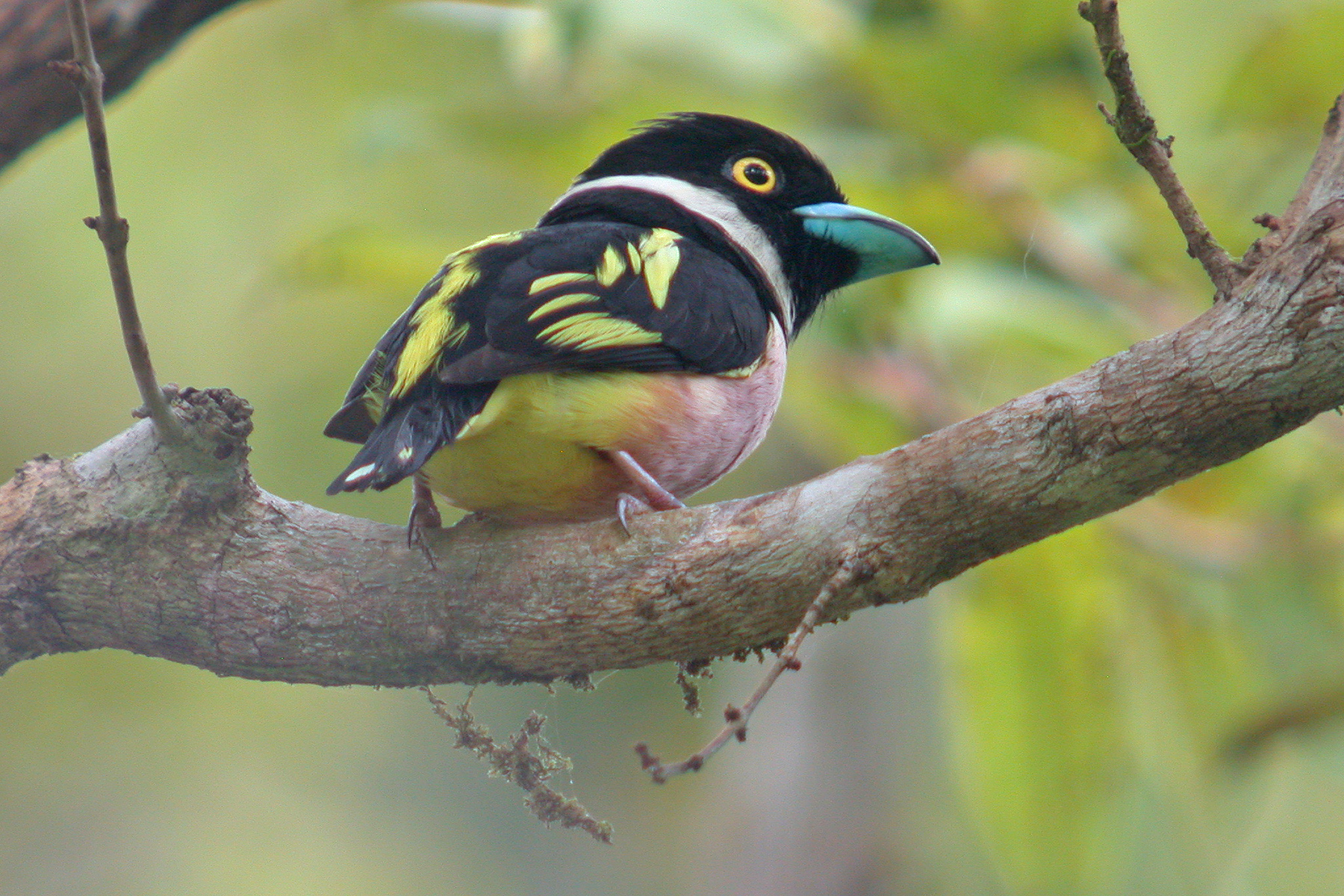
Black-and-yellow Broadbill (image by Pete Morris)
Little Pied Flycatcher (image by Pete Morris)
Black-and-red Broadbill (image by Pete Morris)
Black-crested Sumatran Langur (image by Pete Morris)
Salvadori's Pheasant (image by Pete Morris)
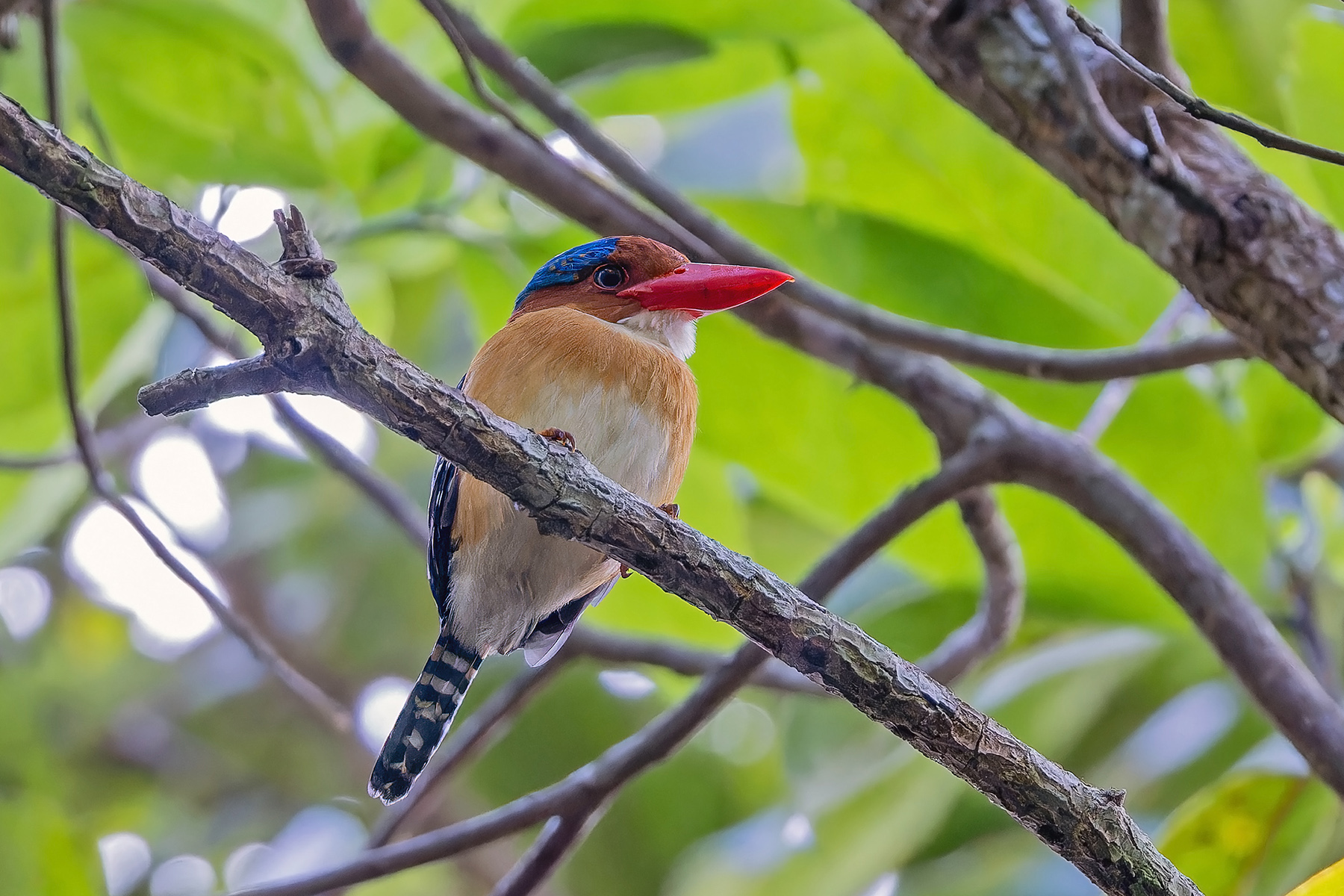
Banded Kingfisher (image by Pete Morris)
Sumatran Shortwing (image by Pete Morris)
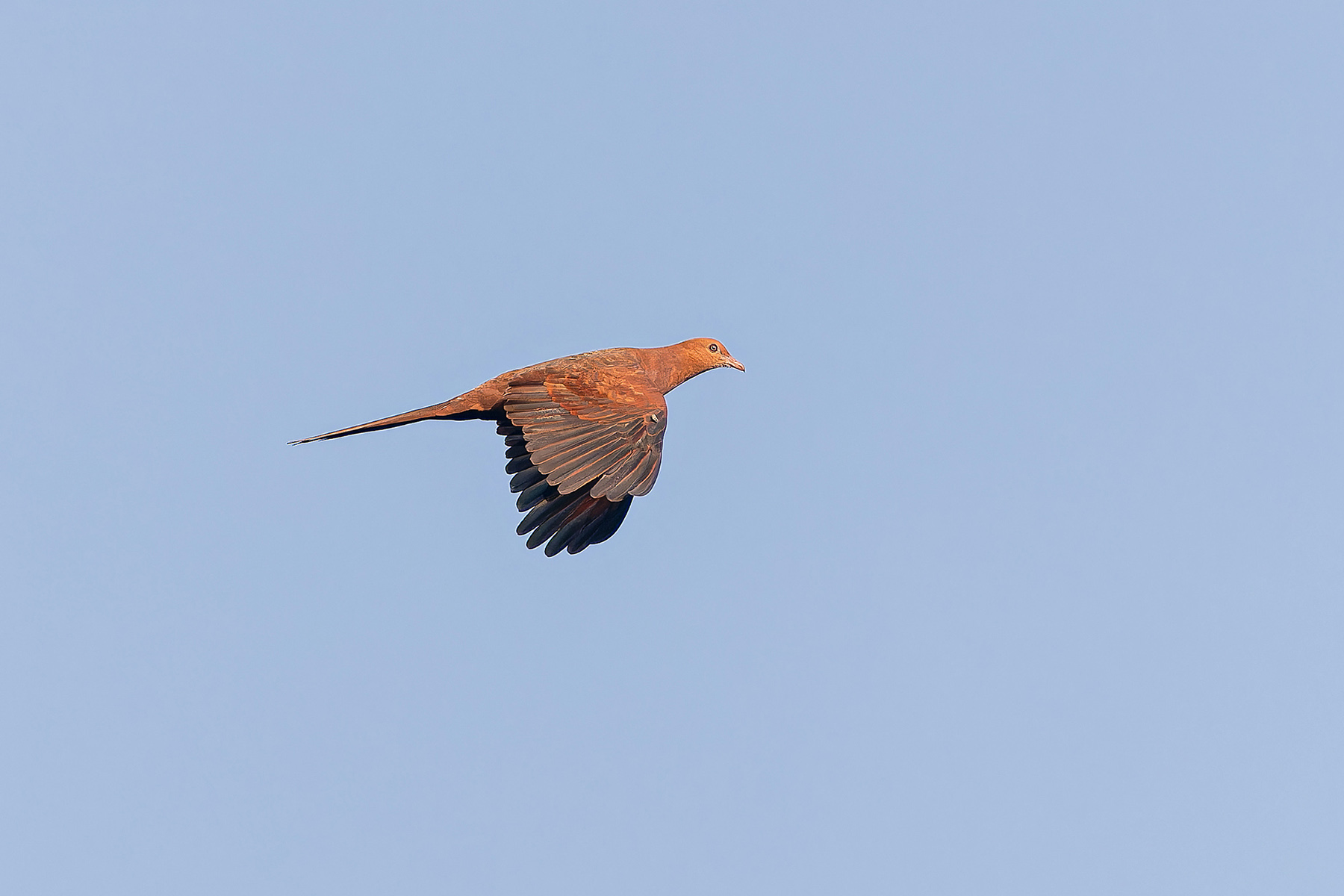
Barusan Cuckoo-Dove (image by Pete Morris)
Sunda Owlet (image by Pete Morris)
Sunda Slow Loris (image by János Oláh)
Snowy-browed Flycatcher (image by Pete Morris)
Rufous-browed Flycatcher (image by Pete Morris)
Reddish Scops Owl (image by Pete Morris)
Malayan Banded Pitta (image by Pete Morris)
Grey-chested Jungle Flycatcher (image by Pete Morris)
Rufous-tailed Shama (image by Pete Morris)


Brown Boobook (image by Pete Morris)
Red-bearded Bee-eater (image by Pete Morris)
Brown-winged Whistling Thrush (image by Pete Morris)
Mentawai Scops Owl (image by Pete Morris)
Checker-throated Woodpecker (image by Pete Morris)
Sumatran Peacock-Pheasant (image by János Oláh)
Sumatran Leafbird (image by Pete Morris)
White-winged Ducks (image by Pete Morris)
Sumatran Ground Cuckoo (image by Pete Morris)
Siamang (image by Pete Morris)
Reticulated Python (image by Pete Morris)
Schneider's Pitta (image by Pete Morris)
White-winged Duck (image by Pete Morris)
Large Frogmouth (image by Pete Morris)
Salvadori's Pheasant (image by János Oláh)
Red-billed Partridge (image by Pete Morris)
Sumatran Ground Cuckoo (image by Pete Morris)
Ruddy Kingfisher (image by Pete Morris)
Malaysian Blue Flycatcher (image by Pete Morris)
Sunda Warbler (image by Pete Morris)
Sumatran Woodpecker (image by Pete Morris)
Sumatran Trogon (image by Pete Morris)
Spectacled Spiderhunter (image by Pete Morris)
Olive-backed Sunbird (image by Pete Morris)
Grey-rumped Treeswift (image by Pete Morris)
Reddish Scops Owl (image by Pete Morris)
Fire-tufted Barbet (image by Pete Morris)
Blue-winged Pitta (image by Pete Morris)
Roll's Partridge (image by Pete Morris)
Oriental Bay Owl (image by Pete Morris)
Sunda Silvery Langur (image by Craig Robson)
Sumatran Frogmouth (image by Pete Morris)
Sunda Scops Owl (image by Pete Morris)
Rajah's Scops Owl (image by Pete Morris)
Shiny Whistling Thrush (image by Pete Morris)
Eastern Barn Owl (image by Pete Morris)
Blue-masked Leafbird (image by Pete Morris)
Dusky Broadbill (image by Pete Morris)
Grey-headed Babbler (image by Pete Morris)
Bar-winged Prinia (image by Pete Morris)
Yellow-eared Spiderhunter (image by Pete Morris)
Snowy-browed Flycatcher (image by Pete Morris)
Rufous-backed Dwarf Kingfisher (image by Pete Morris)
Gould's Frogmouth on its nest! (image by Craig Robson)
Crested (Simeulue) Serpent Eagle (image by Pete Morris)
Black-crested Sumatran Langur (image by Pete Morris)
Chestnut-capped Laughingthrush (image by Pete Morris)
Long-tailed Broadbill (image by Pete Morris)
Red-naped Trogon (image by Pete Morris)
Southern Pig-tailed Macaque (image by Pete Morris)
Buffy Fish Owl (image by Pete Morris)
Temminck's Sunbird (image by Pete Morris)
Salvadori's Pheasant (image by Pete Morris)
Olive-winged (Barusan) Bulbul (image by Pete Morris)
Thick-billed Spiderhunter (image by Pete Morris)
Red-legged Crake (image by Pete Morris)
Sumatran Trogon (image by Craig Robson)
Gould's Frogmouth (image by Pete Morris)
Marbled Wren-Babbler (image by János Oláh)
Jungle Jade Swallowtail (image by Pete Morris)
Sumatran Tiger (image by Pete Morris)
Spot-necked Bulbul (image by Pete Morris)
Shiny Whistling Thrush (image by Pete Morris)
Brown-winged Whistling Thrush (image by Pete Morris)
Barred Eagle-Owl (image by Pete Morris)
Black-naped Oriole (image by Pete Morris)
Rufous-collared Kingfisher (image by Pete Morris)
Oriental Bay Owl (image by János Oláh)
Violet Cuckoo (image by Pete Morris)
Sumatran Bulbul (image by Pete Morris)
Rusty-breasted Wren-Babbler (image by Pete Morris)
Red-bearded Bee-eater (image by Pete Morris)
Sumatran Wren-Babbler (image by Pete Morris)
Whiskered Treeswift (image by Pete Morris)
Ruby-throated Bulbul (image by Pete Morris)
Mountain Leaf Warbler (image by Pete Morris)
Schneider's Pitta (image by János Oláh)
Scarlet-rumped Trogon (image by Pete Morris)
Marbled Wren-Babbler (image by Pete Morris)
Pygmy Cupwing (image by Pete Morris)
White-crowned Hornbill (image by Pete Morris)
Green Broadbill (image by Pete Morris)
Mentawai Malkoha (image by Pete Morris)
White-chested Babbler (image by Pete Morris)
Milky Stork (image by Pete Morris)
Sunda Frogmouth (image by Pete Morris)
Silvery Pigeon (image by Pete Morris)
Graceful Pitta (image by Pete Morris)
Mount Kerinci (image by Pete Morris)
Blue-winged Pitta (image by Pete Morris)
Malayan Crested Fireback (image by Pete Morris)
Black-naped (Simeulue) Monarch (image by Pete Morris)
Yellow-breasted Warbler (image by Pete Morris)
Large Frogmouth (image by Pete Morris)
Green Broadbill (image by Pete Morris)
Sumatran Blue Robin (image by János Oláh)
Graceful Pitta (image by Pete Morris)
Simeulue Scops Owl (image by Pete Morris)
White-bellied (Simeulue) Woodpecker (image by Pete Morris)
Rufous Piculet (image by Pete Morris)
Long-tailed (Simeulue) Macaque (image by Pete Morris)
Malayan Banded Pitta (image by Pete Morris)
Sumatran Frogmouth (image by Craig Robson)
Sumatran Owlet (image by Pete Morris)
Sumatran Frogmouth (image by János Oláh)
Cream-striped Bulbul (image by Pete Morris)
Copper-throated Sunbird (image by Pete Morris)
Bronze-tailed Peacock-Pheasant (image by Pete Morris)
Rufous-tailed Shama (image by Pete Morris)
Black-and-yellow Broadbill (image by Pete Morris)
Little Pied Flycatcher (image by Pete Morris)
Black-and-red Broadbill (image by Pete Morris)
Black-crested Sumatran Langur (image by Pete Morris)
Salvadori's Pheasant (image by Pete Morris)
Banded Kingfisher (image by Pete Morris)
Sumatran Shortwing (image by Pete Morris)
Barusan Cuckoo-Dove (image by Pete Morris)
Sunda Owlet (image by Pete Morris)
Sunda Slow Loris (image by János Oláh)
Snowy-browed Flycatcher (image by Pete Morris)
Rufous-browed Flycatcher (image by Pete Morris)
Reddish Scops Owl (image by Pete Morris)
Malayan Banded Pitta (image by Pete Morris)
Grey-chested Jungle Flycatcher (image by Pete Morris)
Rufous-tailed Shama (image by Pete Morris)


|
Thursday 26th July – Friday 17th August 2029 Leaders: Birdquest leader to be announced and local bird guides |
23 Days | Group Size Limit 7 |
| Sumatran Ground Cuckoo Extension Sunday 22nd July – Thursday 26th July 2029 |
5 Days | Group Size Limit 7 |
Birdquest’s Ultimate Sumatra, Indonesia birding tours explore this huge but fascinating island that is visited by few birdwatchers, yet has a very high number of endemic birds and restricted-range Sundaic birds. Our Sumatra, Indonesia birding tour offers the most comprehensive coverage of any Sumatra tour. Sumatra’s many special birds include mouth-watering species such as Salvadori’s Pheasant, Bronze-tailed Peacock-Pheasant, Roll’s, Red-billed and Sumatran Partridges, Red-legged Crake, Milky Stork, Silvery Woodpigeon, Sumatran Ground Cuckoo, Sumatran Trogon, Sumatran Woodpecker, Schneider’s and Graceful Pittas, Aceh Bulbul, Sumatran, Rusty-breasted and Marbled Wren-Babblers, Sumatran Laughingthrush, Sumatran Robin and Temminck’s Sunbird as well as a surprising number of nocturnal species, including Oriental Bay Owl, up to seven species of scops owl, Bonaparte’s Nightjar and four species of frogmouth.
Lying at the northwestern end of the Indonesian archipelago, the fascinating and little-explored island of Sumatra is the second largest of the Greater Sundas – one of the biologically richest areas on Earth. Stretching nearly 2,000 kilometres (1,200 miles) from end to end, it is not only the largest island of Indonesia but also one of the world’s largest islands. Less populated than adjacent Java, Sumatra has an extraordinary wealth of natural resources, which today form an integral part of the economy of Indonesia. Its remote jungles, forested volcanoes and fascinating variety of peoples and cultures make any visit to this mystical island an unforgettable experience.
Sumatra boasts over 400 resident species, many of which are shared with the Malay Peninsula and the other Greater Sundas. Of primary interest, however, are the 38 strict endemics, including those on the offshore islands, and we have recorded all of these on our tours, with a very high percentage hit rate! There are also several Sundaic endemics that are shared only with Borneo or Java and other rare specialities.
Although our Ultimate Sumatra, Indonesia birding tour is primarily a tour for those who want to see the exciting endemics of these important islands, our exploration of Sumatra will also give us the opportunity to see a wide variety of Indo-Malayan species, from the broadbills, trogons and hornbills of the lowland rainforest to the many montane species that inhabit the highland forests. Fortunately, Sumatra is endowed with some excellent national parks, and we will be primarily concentrating on three of these: Way Kambas, a lowland rainforest in the south, Gunung Kerinci, a forested volcano (still active!) in the centre of the island and the Gunung Leuser Ecosystem in the north of the island.
We will commence the tour at Bandar Lampung in southern Sumatra.
The first part of our Sumatran journey features the Way Kambas area in the south of the island. The forests of the area hold the endemic Sumatran Babbler as well as a host of Sundaic species, including the lovely Malayan Banded Pitta and Malayan Crested Fireback, as well as nocturnal denizens such as the stunning Oriental Bay Owl, the remarkable Large Frogmouth and the range-restricted Bonaparte’s Nightjar. Storm’s Storek is fairly regular, but these days the endangered White-winged Duck is hard to see.
Next, we travel to the city of Padang, situated on the western coast of Sumatra.
From Padang, we will first visit Sipora Island in the Mentawai islands, where we will look for Barusan Cuckoo-Dove (endemic to several islands off west Sumatra) and pure Mentawai endemics such as Mentawai Malkoha, Mentawai Scops Owl and the likely future split ‘Mentawai’ Drongo, as well as numerous other endemic subspecies (some candidates for future splits), Red-legged Crake, and, with luck, some endemic primates.
Next, we will make our way to Gunung Kerinci, which, at 3805m, is the highest peak in Sumatra. This remote area of Indonesia hit the headlines in the 1990s with detailed reports of a new terrestrial ape, as yet unknown to science! Here we will explore the mist-clad montane forest as well as the nearby submontane forest and waterfalls.
During our visit to Gunung Kerinci and the Mauro Sako area (near Sungai Penuh), we will find many of Sumatra’s endemic species, with good chances of Sumatran (or Pale-headed) Frogmouth, Sumatran Trogon, Sumatran, Cream-striped and Spot-necked Bulbuls, Sumatran Drongo, Sumatran Treepie, Rusty-breasted and Sumatran Wren-Babblers, Sumatran Robin, Sumatran Shortwing, Shiny and Sumatran Whistling Thrushes and Sumatran Flowerpecker. We will also find a good variety of Sundaic endemics, including many of the following: Sumatran Green Pigeon, Pink-headed Fruit Dove, Sunda Cuckooshrike, Sunda Minivet, Sunda Forktail, Sunda Warbler, Indigo Flycatcher, Rufous-vented Niltava and Black-capped White-eye. We will also have an excellent chance of finding some of Sumatra’s rarest endemic birds, which include Salvadori’s Pheasant, Schneider’s and Graceful Pittas, and Sumatran Cochoa. There is even a chance for Sumatran Ground Cuckoo in this superb area.
During the second part of the tour, there is an unusual opportunity to visit the northern region of Sumatra. After a brief pause in Medan, where we may well find the rare Milky Stork, we will initially head to Aceh province in the far north of the Sumatran mainland, for several endemics including Roll’s Hill Partridge, the stunning Sumatran Woodpecker, Sumatran Laughingthrush, the very rare split Aceh Bulbul and the increasingly endangered Sumatran and Blue-masked Leafbirds, as well as other sundaic species such as Sunda Laughingthrush and Yellow-breasted Warbler.
Finally, we explore the Simeulue islands in search of the endemic Simeulue Scops Owl and Simeulue Parrot, as well as the rare Silvery Woodpigeon (endemic to a number of small islands in the region, but only recently recorded here) and a number of endemic subspecies, including ‘Simeulue’ Serpent Eagle and ‘Simeulue’ White-bellied Woodpecker.
During our special Sumatran Ground Cuckoo extension, we visit Bukit Barisan Selatan National Park in southwestern Sumatra, home to the rare endemic Sumatran Ground Cuckoo and also the little-known endemic Sumatran Partridge and the sadly heavily-trapped Ruby-throated Bulbul.
Birdquest has operated Indonesia birding tours, including Sumatra birding tours, since 1984.
Enggano Island Extension Option
The travel situation with Enggano Island (which has five currently recognised endemic bird species: Enggano Cuckoo-Dove, Enggano Imperial Pigeon, Enggano Scops Owl, Enggano Thrush and Enggano Hill Myna) is rather unpredictable. Nowadays, there is a small airport on the island, but flights only operate two or three times a week and are not only weather dependent, as they are by small plane, but the schedule keeps changing. There are also overnight ferries once or twice a week (and using them can involve sleeping on deck on a camping mattress), but again, the schedules can change. Providing there are enough participants interested in visiting Enggano, we will operate an extension there, after the main tour ends. The cost will depend on the number of participants, the transport involved and the necessary duration of the extension. Owing to the infrequency of the flights and ferries and the real possibility of schedule changes or weather delays, you need to be relaxed and flexible about this special extension. If you would like to participate in an Enggano extension, please inform us at the time of booking.
Important
The tour itinerary given is the one we would hope to operate, but as ferries or flights on a number of legs are not daily, and as schedules in Sumatra can change, it is likely that the actual itinerary will be different from that described here. Comprehensive Sumatra tours are most definitely logistically challenging. Participants must be flexible and be ready for changes.
Accommodation & Road Transport
The hotels are of good or medium standard, while some guesthouse accommodations range from simple to basic. There are two nights of simple camping at Way Titias during the Sumatran Ground Cuckoo extension (tents are available for both twin and single occupancy). Road transport is by minibus/passenger van, and roads are variable in quality, though generally good. Heavy traffic often results in slow progress.
Walking
The walking effort during our Ultimate Sumatra birding tours is generally easy to moderate, with one or two optional harder walks at Gunung Kerinci.
Climate
In most areas, the weather should be mainly hot and dry with perhaps an occasional, sometimes prolonged shower. At Gunung Kerinci, the weather will be warm or hot lower down, but maybe quite cool higher up the mountains. At this time of the year, the weather is often largely dry, though afternoon showers are a common feature.
To see a larger map, click on the square-like ‘enlarge’ icon in the upper right of the map box.
To see (or hide) the ‘map legend’, click on the icon with an arrow in the upper left of the map box.
To change to a satellite view, which is great for seeing the physical terrain (and for seeing really fine details by repetitive use of the + button), click on the square ‘map view’ icon in the lower left corner of the ‘map legend’.
Birdquest Inclusions: Our tour prices include transportation, accommodations, meals and entrance fees.
We also include all tipping for local guides, drivers and accommodation/restaurant staff.
Deposit: 20% of the total tour price. Our office will let you know what deposit amount is due, in order to confirm your booking, following receipt of your online booking form.
TO BOOK THIS TOUR: Click here (you will need the tour dates)
Single rooms may not be available at Keresek Tua for all those requesting them, as the lodge has only a limited number of rooms. Anyone having to share unexpectedly will be given an appropriate refund.
The single supplement will not apply if you indicate on booking that you prefer to share a room and there is a room-mate of the same sex available.
This tour is priced in US Dollars. Amounts shown in other currencies are indicative. Prices are provisional until one year before the tour.
Ultimate Sumatra: Day 1
Our tour begins this afternoon at Bandar Lampung airport. Bandar Lampung is the capital of Lampung province in southern Sumatra.
(If you are arranging your own flights to and from the tour, but would find it more convenient if we were to supply the domestic flights in Indonesia, we will be pleased to do so on request.)
From Bandar Lampung, we shall proceed by road to Way Kambas for a four-night stay at a very pleasant lodge. On the way, we will pass through many small rural settlements and paddyfields before we catch our first sight of the forest.
Ultimate Sumatra: Days 2-4
Way Kambas National Park and its surroundings contain some of the most accessible lowland rainforest in Sumatra. Although most of the area has been logged in the past, the forest has recovered well and continues to host many Sundaic species.
During our stay here, we will explore a variety of forested habitats as well as areas on the fringes of the park. Over the years, Way Kambas has built up quite a reputation for its great selection of nightbirds, and we will make great efforts to see as many as possible, although they can be frustratingly difficult to see, as opposed to hear, in the dense forest. With perseverance, we should find a good few, with likely species including the superb Oriental Bay Owl, Reddish and Sunda Scops Owls, the attractive Buffy Fish Owl, Brown Boobook and amazing Large, Sunda and Gould’s Frogmouths. In addition, Malaysian Eared Nightjar can be seen at dawn and dusk, and we also have a good chance of seeing the rare and little-known Sundaic-endemic Bonaparte’s Nightjar. Around the village, we may find additional species such as Eastern Barn Owl, and both Large-tailed and Savanna Nightjars.
During daylight hours, we will mostly focus on a long, drivable track, which traverses many kilometres of forest. As we walk quietly through the forest, we have a good chance of finding the beautiful Malayan Banded Pitta, in spite of the fact that this electrically-coloured gem can somehow become almost invisible in its forest environment, and we may well also encounter Western Hooded Pitta. We should also see the attractive Malayan Crested Fireback, as well as Red Junglefowl, Common Emerald Dove, and, with luck, the colourful Crested Partridge with its punk-style crest.
The understorey is also home to an amazing variety of babblers, including the endemic Sumatran Babbler as well as Black-throated, Malayan Black-capped, Mourning, Ferruginous, Chestnut-rumped and Chestnut-winged Babblers, and Fluffy-backed and Pin-striped Tit-Babblers, whilst in the mid-storey, the melodious songs of four species of Malacopteron babblers, namely Sooty-capped, Scaly-crowned, Rufous-crowned and Moustached Babblers, give away their presence. Other skulking denizens of the understorey and mid canopy include Ashy and Rufous-tailed Tailorbirds, smart Rufous-tailed and White-rumped Shamas (the latter now virtually extirpated through trapping), Rufous-winged Philentoma, Black-naped Monarch, and the elusive Grey-chested Jungle Flycatcher.
Popular colourful bird families well represented in Way Kambas include trogons, kingfishers, broadbills and woodpeckers, and we will keep a careful eye out for such gems as Diard’s, Scarlet-rumped and Red-naped Trogons, Ruddy, Banded and Rufous-collared Kingfishers, Banded, Black-and-yellow, bizarre Dusky and stunning Green Broadbills, and the huge White-bellied Woodpecker, as well as Rufous, Crimson-winged, Banded, Buff-rumped, Buff-necked, Grey-and-buff and Sunda Pygmy Woodpeckers. With luck, we will find one or two of the scarcer species, such as Olive-backed or Orange-backed Woodpeckers, Common Flameback, or the tiny Rufous Piculet.
Higher up, in the mid-canopy and canopy, there is plenty to look for. Fruiting trees may attract various frugivores with larger fruits attracting species such as the smart Little Green Pigeon, Green Imperial Pigeon and the localised Sooty Barbet, whilst smaller fruits attract a variety of bulbuls including Olive-winged, Asian Red-eyed, Cream-vented, Hairy-backed, Black-headed, Yellow-bellied and Buff-vented Bulbuls, as well as attractive Greater Green, Lesser Green and Blue-winged Leafbirds, and Yellow-breasted, Crimson-breasted, Orange-bellied, and, with luck, Yellow-vented Flowerpeckers.
Vine tangles attract smart Raffles’s, Red-billed, Chestnut-breasted and Black-bellied Malkohas, and we may also find the scarce Chestnut-bellied Malkoha. Higher in the canopy, we will try to track down a mixed flock, though seeing the constituents in the forest giants can be tricky! Likely species include Greater Racket-tailed and Bronzed Drongos, Scarlet and Fiery Minivets, Green Iora, Black-naped Oriole, Lesser Cuckooshrike, Black-winged Flycatcher-shrike, Purple-naped Spiderhunter, Ruby-cheeked and Van Hasselt’s Sunbirds, and, with luck, the scarce Red-throated Sunbird.
Other widespread species which we may encounter in (or over!) the forest include Violet, Banded Bay and Square-tailed Drongo-Cuckoos, Whiskered and Grey-rumped Treeswifts, Changeable Hawk-Eagle, Blue-rumped Parrot, Blue-crowned Hanging Parrot, Black-thighed Falconet, Malayan Black Magpie, Common Hill Myna and Little Spiderhunter.
One of the attractions to birders is the presence of some lowland peat-swamp forest, which is home to a few other specialities. We will spend some time exploring these swampy areas and riversides where we should see species such as Red-crowned Barbet, Black-and-red Broadbill (with its amazing two-tone bill), Malaysian Blue Flycatcher and Malayan Swamp Babbler, as well as Lesser Adjutant, Cerulean, Blue-eared and Stork-billed Kingfishers and, with luck, Storm’s Stork (although this is much more difficult to see in Sumatra than in Borneo). This is also the realm of the endangered and now highly localised White-winged Duck, which still survives in small numbers in the area but is hard to see. It is thought that the birds are mainly nocturnal feeders, raiding the adjacent paddyfields under the cover of darkness to feed. Strangely, many of the individuals at Way Kambas are partly albino. Whilst searching, we will also hopefully encounter one or two of the other scarce possibilities, which include Oriental Darter, Lesser and Grey-headed Fish Eagles, and Cinnamon-headed Green Pigeon (a surprisingly difficult species to catch up with anywhere in its range).
During our stay, we will spend a little time on the fringes of the park and in the gardens, where a different selection of species occur, including Spotted and Zebra Doves, Asian Palm Swift, Plume-toed Swiftlet, Plaintive Cuckoo, Greater Coucal, White-breasted Waterhen, Cinnamon Bittern, Little and Eastern Cattle Egrets, Javan Pond and Purple Herons, Black-winged Kite, White-throated and Collared Kingfishers, Blue-throated Bee-eater, Oriental Dollarbird, Common Iora, Pied Triller, Golden-bellied Gerygone, White-breasted Wood Swallow, Yellow-bellied Prinia, Dark-necked Tailorbird, Malaysian Pied Fantail, Yellow-vented and Sooty-headed Bulbuls, Pacific Swallow, Brown-throated and Ornate Sunbirds, Eurasian Tree Sparrow and Scaly-breasted Munia. With luck, we will also find Spectacled and Yellow-eared Spiderhunters (coming to flowering trees in gardens), Scarlet-headed Flowerpecker and Javan Munia. We will also see our first Edible Nest Swiftlets, a species that we will become fascinated with due to the sheer number of buildings that have been constructed for the lucrative swift-nest business, and the associated loudspeakers blasting out their calls!
We should also see a few of the more uncommon birds at Way Kambas during our visit. In recent years, we have found Malaysian Honeyguide a few times, and other possibilities include Jerdon’s Baza, Bat Hawk, Black and Wrinkled Hornbills (though hornbills have become increasingly rare in the park), Sunda Scimitar Babbler and Velvet-fronted Nuthatch.
Way Kambas has a large mammal list, but typically only a few species are seen during a visit. Southern Red Muntjac, Sambar, Plantain and Prevost’s Squirrels, Long-tailed Macaque and Sunda Silvery Langur are among the more regular sightings. Way Kambas still holds small populations of Asiatic Elephant and Tiger, but these are very unlikely to be seen.
Ultimate Sumatra: Day 5
This morning, we will drive back to Bandar Lampung airport and catch a flight to Jakarta with an onward connection to the city of Padang, situated on the coast of western Sumatra, where we will stay overnight.
Ultimate Sumatra: Day 6
From Padang, we will travel by fast ferry this morning to the island of Sipora in the Mentawai Islands, situated around 150km across the Mentawai straits off the west coast of Sumatra. The ferry journeys are generally rather quiet, though we will likely encounter a few Bridled and Black-naped Terns. We will be spending two nights on the island and will arrive in time for an initial exploration this afternoon.
Ultimate Sumatra: Day 7
During our time in this little-known and seldom-explored island, we have an excellent chance of finding the extant endemic and near-endemic species, which include Barusan Cuckoo-Dove (which also occurs in the Simeulue islands), Mentawai Malkoha and Mentawai Scops Owl. In addition, there are another fifteen or more endemic subspecies (depending on the taxonomy followed) including a few distinctive forms that may in the future be split, such as the local forms of Thick-billed Green Pigeon (Barusan Green Pigeon), Crested Serpent Eagle (Mentawai Serpent Eagle), Hair-crested Drongo (Mentawai Drongo), Ashy Drongo (Mentawai Ashy Drongo) and Olive-winged Bulbul (Barusan Bulbul). There is also an as-yet undescribed form of Sunda Frogmouth, which we have an excellent chance of seeing. Red-legged Crake is relatively common on the island (though, as always, they can be tricky to see), and other species we may well find include Pied Imperial Pigeon, Oriental Pied Hornbill, Blue-crowned Hanging Parrot, Blue-rumped Parrot, Pink-necked Green Pigeon, Violet Cuckoo, Whiskered Treeswift, Dark-throated Oriole, Bar-bellied Cuckooshrike, Asian Fairy-bluebird, Mangrove Whistler (a forest bird here), Asian Glossy Starling, Scarlet-backed Flowerpecker and Crimson Sunbird.
There are also a number of endemic mammals, including three squirrels and five endemic primates: the Mentawai or Kloss Gibbon, Mentawai Macaque, Siberut Macaque, Mentawai Langur and Pig-tailed Langur. These are highly endangered due to logging and unsustainable hunting, and these days, they are extremely unlikely to be seen, but we will do our best to find them.
Ultimate Sumatra: Day 8
After some final birding on Sipora, we will head back to Padang by fast ferry and overnight there.
Ultimate Sumatra: Day 9
From Padang, we will travel by road to the village of Kayu Aro, which will be our base for the next four nights. Although not a great distance, the roads in this remote area of Sumatra are not fast, and it will take us much of the day. Situated right at the foot of Gunung Kerinci, only a tea plantation lies between us and the spectacular, classic cone-shaped volcano. Later this afternoon, we will commence our exploration of Gunung Kerinci.
Ultimate Sumatra: Days 10-12
The moss-clad forested slopes of Gunung Kerinci, the highest peak in Sumatra and thus in all of western Indonesia, offer some of the most challenging and exciting birding in South-East Asia. The whole area is so remote and unexplored that there are even recent reports of a new species of terrestrial ape living in the forest, known to the locals as ‘orang pendek’ (Indonesian for ‘short man’). Recent surveys have also shown that there is still a population of the endangered Sumatran Rhinoceros as well as Tigers in the extensive tracts of remaining forest, though the chances of us encountering either of these species are exceedingly slim (though remarkably, we saw a tiger in 2014)!
It was here that Schneider’s Pitta was rediscovered as recently as 1988, and amongst the other enigmatic and little-known species that occur are such gems as Salvadori’s Pheasant and Sumatran Cochoa.
Initially, we will drive and then walk through the tea plantations, where we may encounter a few open country species such as Lesser Coucal and Long-tailed Shrike, before reaching the trailhead at the forest edge. Sadly, over the years, much forest has been cleared, the forest edge gradually creeping up the mountain year on year, and indeed, the first few hundred metres of trail are through a finger of forest that has been spared the chainsaw!
From the forest edge, at around 1800m, there is a narrow though well-maintained trail that leads to the summit of the volcano at 3805m! Fortunately, most of the birds that we are interested in frequent the lower slopes of the volcano, though we may need to climb to 2500m to give ourselves a chance of finding all of the birds that we are interested in.
In recent years, some entrepreneurial local bird guides have established some hides which have dramatically increased our chances of seeing some of the scarcer and shyer species, and we now have an excellent chance of seeing species such as the stunning Schneider’s Pitta, Salvadori’s Pheasant, Bronze-tailed Peacock-Pheasant and the beautifully-marked endemic Red-billed Partridge. Other interesting specialities such as the endemic Rusty-breasted Wren-Babbler and Shiny Whistling Thrush also visit the hides, as well as other species such as Lesser Shortwing, Large Niltava, Spot-necked Babbler, Eye-browed Wren-Babbler and the tiny Pygmy Cupwing.
Walking quietly along the trails, with the amazing soundscape of Siamang Gibbons as a backdrop, we will be looking for a suite of other endemics. At lower elevations, we should find Sumatran Trogon, and the smart endemic Brown-winged Whistling Thrush, and we may even come across another Schneider’s Pitta or Red-billed Partridge on the trail. Moving up higher, we should find the smart Sumatran Shortwing, while Sumatran Blue Robins (another endemic) occasionally flick onto the path. With luck, we will also find the amazing Sumatran Wren-Babbler (a rather ‘top-heavy’ looking species that has been split from Long-billed) in the same area, and these higher areas also hold Sumatran Flowerpecker (though this species also occurs lower down), and present us with our best chance of finding the rare and elusive Sumatran Cochoa. A number of other Sundaic specialities are also possible, including the vocally-distinct Sunda Owlet, Sunda Minivet (which has nearly all-red females), Indigo Flycatcher, and, at the higher altitudes, Rufous-vented Niltava and the smart Orange-spotted Bulbul, as well as the more widespread Wedge-tailed Green Pigeon, Long-tailed Sibia, Aberrant (formerly Sunda) Bush Warbler and, with luck, the gorgeous Pink-headed Fruit Dove. Javan (or Dusky) Woodcock also occurs, but it is rare and elusive, and we have only encountered it on a handful of occasions.
We should also find a few bird parties, with regular constituents of the flocks likely to include the delightful Blue Nuthatch, Grey-chinned Minivet, White-browed Shrike-Babbler, Grey-throated and Golden Babblers, Mountain Leaf Warbler, Sunda Warbler (another Sundaic endemic), Little Pied Flycatcher, White-throated Fantail and Warbling (formerly Mountain) and Black-capped White-eyes (the latter a Sundaic endemic). A cicada-like will draw our attention to the smart Fire-tufted Barbet, and other species we are likely to see include Barred Cuckoo-Dove, Black-browed Barbet, Checker-throated Woodpecker, Cinereous Tit, Mountain Tailorbird, the cute and confiding Snowy-browed Flycatcher, Temminck’s Sunbird, and, with luck, the scarce Pygmy Flycatcher.
We will also visit the forest at night, when we will have a chance to look for the little-known Rajah’s Scops Owl (confined to the Greater Sundas), Salvadori’s Nightjar (endemic to Sumatra and Java) and the amazing-looking endemic Sumatran Frogmouth, and if we are really lucky, our talented guides may even find one of these species roosting! There is also a chance of Mountain Scops Owl and even the elusive Barred Eagle-Owl.
Mammals are generally not prominent here, though our sightings have included Hog-badger and Clouded Leopard! Much more likely are Black-crested Sumatran Langur, Siamang, Black-striped, Slender and Niobe Ground Squirrels.
Ultimate Sumatra: Day 13
This morning, we will either return to the slopes of Gunung Kerinci or make a special excursion to another forest patch. Recently, there have even been some great sightings of the shy Sumatran Ground Cuckoo in this area, and if the sightings are still persisting, we will make a serious effort to find this holy-grail species! The same area is also an excellent place to find the endemic Sumatran Bulbul and the scarce and heavily-trapped Ruby-throated Bulbul.
Later, we shall drive the short distance to Sungai Penuh for a two-night stay. Along the way, we will pass a number of paddyfields where we may encounter Medium Egrets and introduced Javan Mynas.
Ultimate Sumatra: Day 14
The road between Sungai Penuh and Tapan via Mauro Sako passes through some excellent forest. The forest here is at a slightly lower elevation than the areas we will have explored at Gunung Kerinci, extending from the lower montane zone all the way down to the lowlands. Beginning in the higher areas, we will seek out many more specialities, including the characterful endemic Sumatran Treepie, the stunning endemic Graceful Pitta, the poorly-known Marbled Wren-Babbler, Sunda (or Lesser) Forktail and Sunda Cuckooshrike (the latter two species being endemic to the Greater Sundas).
A little lower, we should find more endemics, including Sumatran Drongo, Cream-striped, Sumatran and Spot-necked Bulbuls, and, with luck, the beautiful Blue-masked and Sumatran Leafbirds (the latter have suffered from extensive trapping, so nowadays the chances of a sighting are not great, though fortunately we have more chances later in the tour in Bandar Aceh).
By gradually descending along the road, we will encounter a huge array of species ranging from montane specialists to denizens of the steamy lowlands, and new species will be plentiful. At higher and mid-elevations new species we may see include the bizarrely-shaped Silver-rumped Spinetail, Crested Serpent Eagle, Blyth’s Hawk-Eagle, Black and Rufous-bellied Eagles, Little Cuckoo-Dove, Green-billed Malkoha, Wreathed, Rhinoceros and Bushy-crested Hornbills, the delightful Long-tailed Broadbill, Greater and Lesser Yellownapes, Maroon Woodpecker, Bar-winged Flycatcher-Shrike, Ashy and Lesser Racket-tailed Drongos, Ochraceous and Cinereous (split from Ashy) Bulbuls, Horsfield’s Babbler, Sangkar White-eye (confusion still surrounds the taxonomy of this species), Hill Prinia, Yellow-bellied Warbler, the scarce Fulvous-chested Jungle Flycatcher, Verditer Flycatcher, Grey-headed Canary-flycatcher, the smart Black-and-crimson Oriole and Grey Wagtail.
At lower levels, we will search for species more typical of lowland rainforest, such as Gold-whiskered, Black-eared, Red-throated and Coppersmith Barbets, Red-bearded Bee-eater, Grey-bellied, Streaked, and Spectacled Bulbuls, the attractive Scaly-breasted Bulbul, the smart Grey-headed Babbler and Plain Sunbird, while the roadside scrub holds the Sundaic-endemic Bar-winged Prinia.
With luck, we will encounter a few of the scarcer species such as Giant Swiftlet, Dark Hawk-Cuckoo, Rusty-breasted Cuckoo, the shy White-crowned Hornbill, Crested Honey Buzzard, Yellow-crowned Barbet (easier to hear than see), Blue Whistling Thrush, the elusive Rufous-chested and White-tailed Flycatchers, and Crested Jayshrike (now placed in its own family!). With a great deal of luck, we will come across the spectacular but endangered Helmeted Hornbill a species exploited for its elaborate casque, which is inexcusably used to make carvings!
While exploring the Mauro Sako area, we should also come across the stocky and charismatic all-black Siamang Gibbons. Advertising themselves by their varied song – a mixture of resonant booming notes and at times almost human-like cries, we may spot them swinging acrobatically through the foliage.
Ultimate Sumatra: Day 15
This morning, we will return to Mauro Sako to look for any species that we have not yet encountered. Later, we will make the longish journey along the coast to Padang, where we will overnight.
Ultimate Sumatra: Day 16
This morning, we will drive to Padang airport and take a flight to Medan in northern Sumatra, where we will spend the night. If flight times and tide times work out, we will make an afternoon excursion to the Percut area on the coast east of Medan. This area still holds a good population of the endangered Milky Stork, and we should be able to get some good looks at a number of these rare and impressive birds. The mudflats are also home to large numbers of waders, terns and herons. With luck, we will find the rare Asian Dowitcher, while other likely waders (shorebirds) include Greater Sand and Pacific Golden Plovers, Eurasian Curlew, Eurasian Whimbrel, (Eastern) Black-tailed and Bar-tailed Godwits, the smart Terek Sandpiper, Common Redshank, Common Greenshank, and Common and Curlew Sandpipers. A good number of Little and Whiskered Terns will likely be joined by smaller numbers of Common and Gull-billed Terns, and a number of Little Cormorants are likely to be present. Herons may well include Grey, Striated and Black-crowned Night Herons and Great Egret, whilst overhead, we should see several Brahminy Kites and perhaps an Osprey. We may also see a Common Kingfisher in the mangroves.
Ultimate Sumatra: Day 17
This morning, we travel by air to Meulaboh in the remote northwestern province of Aceh, where we will stay for three nights. This afternoon, we will go birding in the vicinity of Meulaboh.
Ultimate Sumatra: Days 18-19
We will explore more remote areas inland from Meulaboh. Here, a road traverses some great montane forest, where, fortunately, trappers have not yet cleared the area of the birds we’ll be hoping to find. Of particular interest will be a few rare endemics, and we will make a particular effort to track down the rare and little-known Sumatran Woodpecker (a real beauty!), the increasingly rare (due to trapping for the bird trade) Sumatran (or Black-and-white) Laughingthrush, and the recently split and now exceedingly rare Aceh Bulbul. We also have a good chance of finding the rare and shy Roll’s Partridge, and another chance to find the beautiful Blue-masked and Sumatran Leafbirds. The montane and submontane forests will be birdy, and we will encounter a large number of other species. Some of the more interesting species we may not have encountered previously include Mountain Imperial Pigeon, the sneaky Red-headed Trogon, the tiny Speckled Piculet, Sunda (another Greater Sunda endemic), Black and Chestnut-capped Laughingthrushes (all hanging on here in good numbers), the localised Yellow-breasted Warbler, and, with luck, Rufous-browed Flycatcher or Grey-breasted Spiderhunter. Sadly, the largely red Sumatran form of the Silver-eared Mesia has become very rare here in recent years, owing to trapping, and we would consider ourselves very fortunate to encounter this extremely rare bird.
Mammals are generally inconspicuous, but we may well encounter Thomas’s Langur, and there is a chance of Lar Gibbon.
Ultimate Sumatra: Day 20
After some final birding in the Meulaboh region, we return by air to Medan for an overnight stay. We may have another opportunity to visit the mudflats at Percut if we were unable to on our previous visit to Medan.
Ultimate Sumatra: Day 21
From Medan, we will take a flight to the remote Simeulue Islands group off the west coast of Sumatra, which lies around 140km (85 miles) offshore. We will spend two nights on Simeulue, arriving in time for some initial exploration.
Ultimate Sumatra: Day 22
Our main targets in the Simeulue islands will be the poorly-known, tiny and attractive endemic Simeulue Scops Owl and the endemic Simeulue Parrot, and we have an excellent chance of finding both of these, as well as good numbers of the rare Silvery Woodpigeon, which was only rediscovered here in 2010. We should also see a number of other distinctive subspecies, some of which may be split in the future, including Simeulue forms of Crested Serpent Eagle, Great Eared Nightjar, White-bellied Woodpecker (a particularly small and distinctive subspecies), Red-breasted Parakeet, Black-naped Monarch and Ashy Drongo. The local form of Rufous-backed Dwarf Kingfisher is often fairly common, whilst along the coast we should find the smart Copper-throated Sunbird. Other more widespread species we may find include Thick-billed Green Pigeon, White-bellied Sea Eagle, Fiery Minivet, Slender-billed Crow, Zitting Cisticola and Paddyfield Pipit. This is also one of the few locations where the formerly common and widespread Oriental Magpie-Robin may still be found with relative ease.
Ultimate Sumatra: Day 23
After some final birding on Simeulue, we will return by air to Medan, where our tour ends this afternoon.
(There are flight connections from Medan to Singapore, Kuala Lumpur and Jakarta. Even if you are arranging your international flight tickets in connection with the tour, we can arrange local flight tickets for you on request.)
Sumatran Ground Cuckoo: Day 1
The extension begins this morning at Bandar Lampung airport in southern Sumatra. From there, we will drive northwest to the town of Liwa for an overnight stay.
Sumatran Ground Cuckoo: Day
This morning, we will drive a short distance and then hike into the remote forest of Way Titias in Bukit Barisan Selatan National Park, where we will camp for two nights. The hike takes about two hours, plus a few stops along the way, and takes us first through rolling agriculture and scrub, then down into a small stream bed, which we will follow before climbing up into primary forest.
On the way, we will be looking for two special birds of the forest edge and secondary scrub amongst the paddyfields; the little-known endemic Sumatran (or Buettikofer’s) Babbler and also, with a bit of luck, White-capped Munia (a species thought to be endemic to Java until it was discovered here in southern Sumatra). Other species of this habitat include the increasingly uncommon Ruby-throated Bulbul and sometimes Baya Weaver. We will commence our explorations at Way Titias today.
Sumatran Ground Cuckoo: Days 3 Way Titias is one of those areas of accessible foothill forest where the steepness of the terrain has preserved the habitat from clearance for agriculture. Fortunately, once inside this beautiful primary rainforest, the trails are reasonably good and pleasant to bird from.
Here, we will likely hear the far-carrying call of the elusive endemic Sumatran Ground-Cuckoo, a species that was lost for a century before being rediscovered here in 2007! This is surely one of Southeast Asia’s rarest and most sought-after birds, but seeing (as opposed to hearing) this remarkable creature certainly requires some luck and persistence.
There are plenty of other birds in this forest, and of particular interest to us will be the endemic Sumatran Partridge, a typically shy Arborophila, which will likely require some work to see. Ferruginous and Long-billed Partridges also occur here. We may well hear them, though seeing either of them is a trickier prospect. A number of other endemics and near-endemics may be seen here, and some of those that we will have a good chance of seeing include Sumatran Trogon, Sunda Owlet, the splendid Graceful Pitta, Cream-striped Bulbul, Sumatran Drongo and Indigo Flycatchers. Hornbills, including Rhinoceros and Helmeted Hornbill, still hang on here, too. We will also find a handful of interesting species here that are less likely to be seen on the main tour, and these include Orange-breasted Trogon, Spotted Fantail, Blyth’s Paradise Flycatcher, the attractive Maroon-breasted Philentoma, Rufous-fronted Babbler, Sunda Scimitar Babbler, Brown Fulvetta (common here), Chestnut-crowned Warbler, Chestnut-naped Forktail, Fulvous-chested Jungle Flycatcher, White-tailed and Pale Blue Flycatchers and Plain Flowerpecker. Much harder to find is the attractive Malaysian Blue-banded Kingfisher. We will also find a great number of species that we will see again on the main tour, with a few likely highlights including Malaysian Eared Nightjar, Golden-whiskered, Red-throated and Black-browed Barbets, Maroon Woodpecker, Banded, Black-and-yellow and Green Broadbills, Streaked and Grey-bellied Bulbuls, Spot-necked and Mourning Babblers, Eyebrowed Wren-Babbler, Rufous-browed Flycatcher and Plain and Temminck’s Sunbirds
Agile Gibbons are sure to be heard regularly, but seeing one is a harder matter. Siamang Gibbons are much easier to spot.
Sumatran Ground Cuckoo: Day 4
After some final birding around our camp, we will make our way slowly back through the forest, looking for any species we may have missed, and will then retrace our steps to Liwa for an overnight stay.
Sumatran Ground Cuckoo: Day 5
This morning, we will look in some open areas at the forest edge before driving to Bandar Lampung Airport in order to meet up with those arriving for the main tour. We will then drive to Way Kambas.
Enggano: Day 1
Today, we take a flight from Bengkulu to Enggano Island, where we will spend two or three nights. We may have our first chance to explore the island this afternoon.
Enggano: Day 2 or Days 2-3
The island of Enggano lies approximately 100 kilometres (60 miles) southwest of the Sumatran mainland and is about 35 kilometres (22 miles) long and about 16 kilometres (10 miles) wide. This Indian Ocean island has an area of roughly 500 square kilometres, yet the highest point is only 281m (922ft) above sea level. This rarely visited place has several types of forest habitat, some of which are still intact.
Our prime targets here will be the five widely recognised endemics: Enggano Cuckoo-Dove, Enggano Imperial Pigeon, Enggano Scops Owl, Enggano Thrush and Enggano Hill Myna.
In addition, the local endemic forms of the Long-tailed Parakeet and Swinhoe’s White-eye are occasionally split as Enggano Parakeet and Enggano White-eye.
Other interesting species likely to be seen on the island include Pacific Reef Heron, Pied Imperial Pigeon, Pink-necked and Thick-billed Green Pigeons, Collared Kingfisher and Blue-crowned Hanging-Parrot.
Enggano: Day 3 or 4
After some final birding on Enggano, we will catch a flight back to Bengkulu.