Email birders@birdquest-tours.com
Telephone 07777 186845
(International +44 7777 186845)
Email birders@birdquest-tours.com
Telephone 07777 186845
(International +44 7777 186845)
Africa and its islands
Young Chimpanzee riding on its mother's back (image by Nik Borrow)
Archer's Robin-Chat (image by Nik Borrow)
Neumann's Warbler (image by Nik Borrow)
Mountain Masked Apalis (image by Nik Borrow)
African Savanna Elephants (image by Nik Borrow)
White-crested Turacos (image by Pete Morris)
Nile Crocodile (image by Nik Borrow)
Chimpanzee (image by Nik Borrow)
Papyrus Gonolek (image by Nik Borrow)
African Skimmer (image by Nik Borrow)
African Skimmer (image by Nik Borrow)
Fiery-necked Nightjar (image by Nik Borrow)
Regal Sunbird (image by Nik Borrow)
Kivu Ground Thrush (image by Nik Borrow)
Swamp Nightjar (image by Nik Borrow)
Murchison Falls (image by Nik Borrow)
Blue-breasted Bee-eater (image by Pete Morris)
L'Hoest's Monkey (image by Nik Borrow)
Red-throated Alethe (image by Nik Borrow)
Yellow-billed Stork (image by Nik Borrow)
Hooded Vulture (image by Pete Morris)
African Dwarf Kingfisher (image by Pete Morris)
African Crake (image by Nik Borrow)
Mubwindi Swamp (image by Nik Borrow)
Western-banded Snake Eagle (image by Pete Morris)
Brown-throated Wattle-eye (image by Nik Borrow)
Papyrus Gonolek (image by Nik Borrow)
White-bellied Robin-Chat (image by Nik Borrow)
Mweya Lodge at sunrise (image by Nik Borrow)
Piapiac (image by Nik Borrow)
Green-breasted Pitta (image by Nik Borrow)
Greyish Eagle-Owl (image by Pete Morris)
African Savanna Elephants below Mweya Lodge in Queen Elizabeth National Park (image by Nik Borrow)
Abyssinian Ground Hornbill (image by Pete Morris)
White-tailed Lark (image by Nik Borrow)
Pennant-winged Nightjar (image by Nik Borrow)
Mountain Gorilla (image by Nik Borrow)
Chimpanzee (image by Nik Borrow)
Willard's Sooty Boubou (image by Nik Borrow)
Chimpanzee (image by Nik Borrow)
Doherty's Bushshrike (image by Nik Borrow)
Hippopotamus (image by Pete Morris)
Carruthers's Cisticola (image by Nik Borrow)
Yellow Longbill (image by Pete Morris)
Grauer's Broadbill (image by Nik Borrow)
Red-throated Bee-eater (image by Nik Borrow)
Long-tailed Nightjar (image by Pete Morris)
White-fronted Black Chat (image by Nik Borrow)
Mountain Gorilla (image by Nik Borrow)
Common Buttonquail (image by Nik Borrow)
Archer's Robin-Chat (image by Pete Morris)
Northern Carmine Bee-eater (image by Pete Morris)
Uganda Topi (image by Nik Borrow)
Grauer's Broadbill (image by Nik Borrow)
African Fish Eagle (image by Nik Borrow)
Lemon-bellied Crombec (image by Pete Morris)
Greyish Eagle-Owl (image by Pete Morris)
White-spotted Flufftail (image by Nik Borrow)
Blue-throated Brown Sunbird (image by Nik Borrow)
Black-headed Plover (image by Pete Morris)
Cassin's Flycatcher (image by Pete Morris)
Grasshopper Buzzard (image by Pete Morris)
Uganda Kob (image by Nik Borrow)
Green-headed Sunbird (image by Pete Morris)
Silverback (image by Pete Morris)
Lelwel Hartebeest (image by Nik Borrow)
Lioness (image by Nik Borrow)
African Wood Owl (image by Nik Borrow)
Papyrus Gonolek (image by Nik Borrow)
African Dwarf Kingfisher (image by Nik Borrow)
Uganda Kob (image by Nik Borrow)
Common Impala (image by Nik Borrow)
Brown-chested Lapwing (image by Nik Borrow)
Fire-crested Alethe (image by Pete Morris)
Senegal Lapwing (image by Nik Borrow)
Weyns’s Weaver (image by Nik Borrow)
African Scops Owl (image by Pete Morris)
Yellow-throated Tinkerbird (image by Nik Borrow)
Marsh Tchagra (image by Pete Morris)
Marsh Tchagra (image by Pete Morris)
Red-chested Sunbird (image by Nik Borrow)
White-browed Crombec (image by Nik Borrow)
Mountain Gorilla (image by Nik Borrow)
Black-faced Prinia (image by Nik Borrow)
Grauer's Broadbill and young (image by Nik Borrow)
Bruce's Green Pigeon (image by Pete Morris)
White-bellied Robin-Chat (image by Pete Morris)
African Buffaloes and other wildlife along the Nile shoreline at Murchison Falls (image by Nik Borrow)
Lion (image by Nik Borrow)
Nahan's Francolin (image by Pete Morris)
Stripe-breasted Tit (image by Nik Borrow)
White-browed Coucal (image by Nik Borrow)
Red-headed Bluebill (image by Nik Borrow)
Rothschild's Giraffes (image by Nik Borrow)
African Crake (image by Pete Morris)
Savanna Elephant (image by Nik Borrow)
Heuglin's Francolin (image by Nik Borrow)
Grauer's Broadbill and young (image by Nik Borrow)
Saddle-billed Stork (image by Nik Borrow)
Rothschild's Giraffes (image by Nik Borrow)
White-throated Bee-eater (image by Pete Morris)
Northern White-faced Owl (image by Pete Morris)
Lioness (image by Nik Borrow)
Rufous-sided Broadbill (image by Pete Morris)
Hooded Vulture (image by Pete Morris)
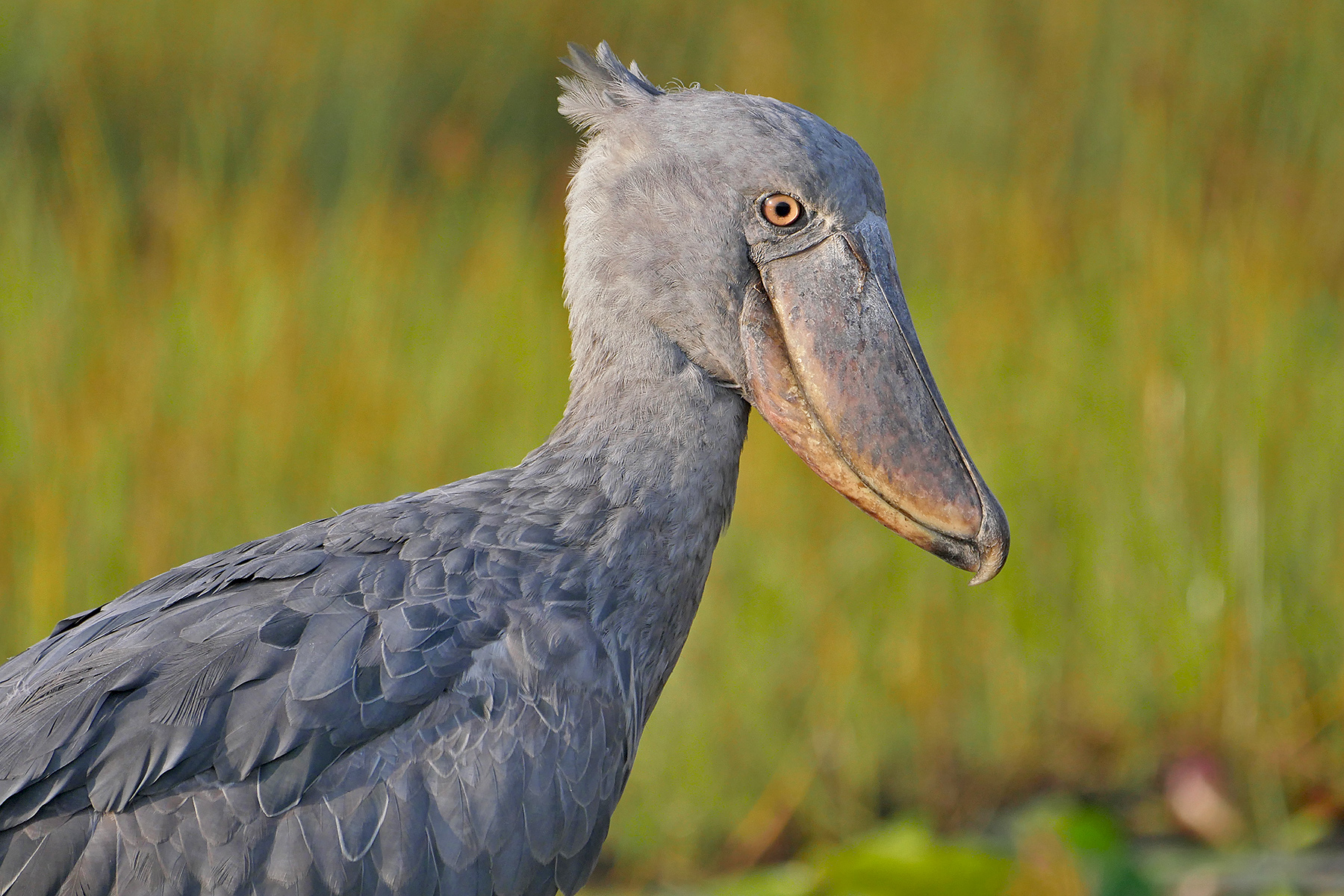
Shoebill (image by Nik Borrow)
Mountain Gorilla (image by Nik Borrow)
White-tailed Ant Thrush (image by Nik Borrow)
Yellow-eyed Black Flycatcher (image by Nik Borrow)
Hippopotamus (image by Nik Borrow)
Stripe-breasted Tit (image by Nik Borrow)
Butiaba Escarpment (image by Nik Borrow)
Shoebill (image by Nik Borrow)
Bwindi Impenetrable Forest (image by Nik Borrow)
Mountain Gorilla (image by Pete Morris)
The Kazinga Channel at sunrise (image by Nik Borrow)
Mountain Gorilla (image by Nik Borrow)
Shoebill (image by Nik Borrow)
Rwenzori Nightjar (image by Nik Borrow)
Bat Hawk (image by Nik Borrow)
Willard's Sooty Boubou (image by Nik Borrow)
Blue-breasted Kingfisher (image by Pete Morris)
Queen Elizabeth National Park (image by Nik Borrow)
Great Blue Turaco (image by Nik Borrow)
Speckle-breasted Woodpecker (image by Nik Borrow)
Uganda Blue-headed Tree Agama (image by Nik Borrow)
Uganda Red Colobus (image by Nik Borrow)
Weyn's Weaver (image by Nik Borrow)
Chimpanzee (image by Nik Borrow)
Shoebill (image by Nik Borrow)
White-tailed Blue Flycatcher (image by Nik Borrow)
Ross's Turacos (image by Pete Morris)
Blue-headed Coucal (image by Pete Morris)
Compact Weaver (image by Nik Borrow)
Black-and-white Casqued Hornbill (image by Pete Morris)
Red-throated Bee-eaters (image by Pete Morris)
Blue Monkey (image by Nik Borrow)
Shoebill (image by Nik Borrow)
Dusky Babbler (image by Nik Borrow)
Shoebill (image by Nik Borrow)
(Hartlaub's) Marsh Widowbird (image by Pete Morris)
Long-tailed Cisticola (image by Nik Borrow)
Senegal Thick-knee (image by Pete Morris)
Leopard (image by Nik Borrow)
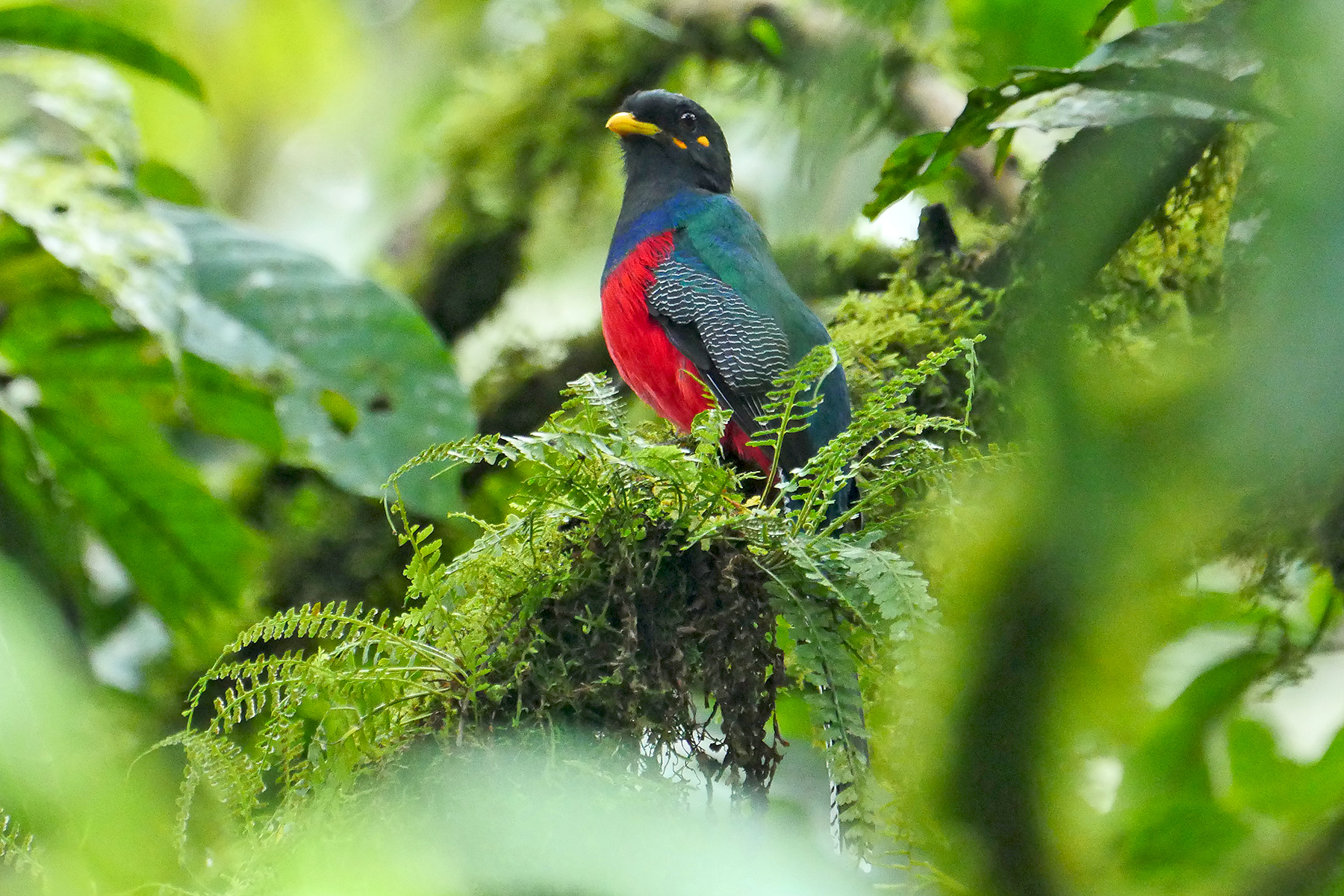
Bar-tailed Trogon (image by Nik Borrow)
Mubwindi Swamp (image by Nik Borrow)


Young Chimpanzee riding on its mother's back (image by Nik Borrow)
Archer's Robin-Chat (image by Nik Borrow)
Neumann's Warbler (image by Nik Borrow)
Mountain Masked Apalis (image by Nik Borrow)
African Savanna Elephants (image by Nik Borrow)
White-crested Turacos (image by Pete Morris)
Nile Crocodile (image by Nik Borrow)
Chimpanzee (image by Nik Borrow)
Papyrus Gonolek (image by Nik Borrow)
African Skimmer (image by Nik Borrow)
African Skimmer (image by Nik Borrow)
Fiery-necked Nightjar (image by Nik Borrow)
Regal Sunbird (image by Nik Borrow)
Kivu Ground Thrush (image by Nik Borrow)
Swamp Nightjar (image by Nik Borrow)
Murchison Falls (image by Nik Borrow)
Blue-breasted Bee-eater (image by Pete Morris)
L'Hoest's Monkey (image by Nik Borrow)
Red-throated Alethe (image by Nik Borrow)
Yellow-billed Stork (image by Nik Borrow)
Hooded Vulture (image by Pete Morris)
African Dwarf Kingfisher (image by Pete Morris)
African Crake (image by Nik Borrow)
Mubwindi Swamp (image by Nik Borrow)
Western-banded Snake Eagle (image by Pete Morris)
Brown-throated Wattle-eye (image by Nik Borrow)
Papyrus Gonolek (image by Nik Borrow)
White-bellied Robin-Chat (image by Nik Borrow)
Mweya Lodge at sunrise (image by Nik Borrow)
Piapiac (image by Nik Borrow)
Green-breasted Pitta (image by Nik Borrow)
Greyish Eagle-Owl (image by Pete Morris)
African Savanna Elephants below Mweya Lodge in Queen Elizabeth National Park (image by Nik Borrow)
Abyssinian Ground Hornbill (image by Pete Morris)
White-tailed Lark (image by Nik Borrow)
Pennant-winged Nightjar (image by Nik Borrow)
Mountain Gorilla (image by Nik Borrow)
Chimpanzee (image by Nik Borrow)
Willard's Sooty Boubou (image by Nik Borrow)
Chimpanzee (image by Nik Borrow)
Doherty's Bushshrike (image by Nik Borrow)
Hippopotamus (image by Pete Morris)
Carruthers's Cisticola (image by Nik Borrow)
Yellow Longbill (image by Pete Morris)
Grauer's Broadbill (image by Nik Borrow)
Red-throated Bee-eater (image by Nik Borrow)
Long-tailed Nightjar (image by Pete Morris)
White-fronted Black Chat (image by Nik Borrow)
Mountain Gorilla (image by Nik Borrow)
Common Buttonquail (image by Nik Borrow)
Archer's Robin-Chat (image by Pete Morris)
Northern Carmine Bee-eater (image by Pete Morris)
Uganda Topi (image by Nik Borrow)
Grauer's Broadbill (image by Nik Borrow)
African Fish Eagle (image by Nik Borrow)
Lemon-bellied Crombec (image by Pete Morris)
Greyish Eagle-Owl (image by Pete Morris)
White-spotted Flufftail (image by Nik Borrow)
Blue-throated Brown Sunbird (image by Nik Borrow)
Black-headed Plover (image by Pete Morris)
Cassin's Flycatcher (image by Pete Morris)
Grasshopper Buzzard (image by Pete Morris)
Uganda Kob (image by Nik Borrow)
Green-headed Sunbird (image by Pete Morris)
Silverback (image by Pete Morris)
Lelwel Hartebeest (image by Nik Borrow)
Lioness (image by Nik Borrow)
African Wood Owl (image by Nik Borrow)
Papyrus Gonolek (image by Nik Borrow)
African Dwarf Kingfisher (image by Nik Borrow)
Uganda Kob (image by Nik Borrow)
Common Impala (image by Nik Borrow)
Brown-chested Lapwing (image by Nik Borrow)
Fire-crested Alethe (image by Pete Morris)
Senegal Lapwing (image by Nik Borrow)
Weyns’s Weaver (image by Nik Borrow)
African Scops Owl (image by Pete Morris)
Yellow-throated Tinkerbird (image by Nik Borrow)
Marsh Tchagra (image by Pete Morris)
Marsh Tchagra (image by Pete Morris)
Red-chested Sunbird (image by Nik Borrow)
White-browed Crombec (image by Nik Borrow)
Mountain Gorilla (image by Nik Borrow)
Black-faced Prinia (image by Nik Borrow)
Grauer's Broadbill and young (image by Nik Borrow)
Bruce's Green Pigeon (image by Pete Morris)
White-bellied Robin-Chat (image by Pete Morris)
African Buffaloes and other wildlife along the Nile shoreline at Murchison Falls (image by Nik Borrow)
Lion (image by Nik Borrow)
Nahan's Francolin (image by Pete Morris)
Stripe-breasted Tit (image by Nik Borrow)
White-browed Coucal (image by Nik Borrow)
Red-headed Bluebill (image by Nik Borrow)
Rothschild's Giraffes (image by Nik Borrow)
African Crake (image by Pete Morris)
Savanna Elephant (image by Nik Borrow)
Heuglin's Francolin (image by Nik Borrow)
Grauer's Broadbill and young (image by Nik Borrow)
Saddle-billed Stork (image by Nik Borrow)
Rothschild's Giraffes (image by Nik Borrow)
White-throated Bee-eater (image by Pete Morris)
Northern White-faced Owl (image by Pete Morris)
Lioness (image by Nik Borrow)
Rufous-sided Broadbill (image by Pete Morris)
Hooded Vulture (image by Pete Morris)
Shoebill (image by Nik Borrow)
Mountain Gorilla (image by Nik Borrow)
White-tailed Ant Thrush (image by Nik Borrow)
Yellow-eyed Black Flycatcher (image by Nik Borrow)
Hippopotamus (image by Nik Borrow)
Stripe-breasted Tit (image by Nik Borrow)
Butiaba Escarpment (image by Nik Borrow)
Shoebill (image by Nik Borrow)
Bwindi Impenetrable Forest (image by Nik Borrow)
Mountain Gorilla (image by Pete Morris)
The Kazinga Channel at sunrise (image by Nik Borrow)
Mountain Gorilla (image by Nik Borrow)
Shoebill (image by Nik Borrow)
Rwenzori Nightjar (image by Nik Borrow)
Bat Hawk (image by Nik Borrow)
Willard's Sooty Boubou (image by Nik Borrow)
Blue-breasted Kingfisher (image by Pete Morris)
Queen Elizabeth National Park (image by Nik Borrow)
Great Blue Turaco (image by Nik Borrow)
Speckle-breasted Woodpecker (image by Nik Borrow)
Uganda Blue-headed Tree Agama (image by Nik Borrow)
Uganda Red Colobus (image by Nik Borrow)
Weyn's Weaver (image by Nik Borrow)
Chimpanzee (image by Nik Borrow)
Shoebill (image by Nik Borrow)
White-tailed Blue Flycatcher (image by Nik Borrow)
Ross's Turacos (image by Pete Morris)
Blue-headed Coucal (image by Pete Morris)
Compact Weaver (image by Nik Borrow)
Black-and-white Casqued Hornbill (image by Pete Morris)
Red-throated Bee-eaters (image by Pete Morris)
Blue Monkey (image by Nik Borrow)
Shoebill (image by Nik Borrow)
Dusky Babbler (image by Nik Borrow)
Shoebill (image by Nik Borrow)
(Hartlaub's) Marsh Widowbird (image by Pete Morris)
Long-tailed Cisticola (image by Nik Borrow)
Senegal Thick-knee (image by Pete Morris)
Leopard (image by Nik Borrow)
Bar-tailed Trogon (image by Nik Borrow)
Mubwindi Swamp (image by Nik Borrow)


|
Wednesday 23rd June – Friday 9th July 2027 Leaders: János Oláh and a top local bird guide |
17 Days | Group Size Limit 6 (tour guaranteed) |
|
Saturday 23rd June – Monday 9th July 2029 Leaders: Mark Van Beirs and a top local bird guide |
17 Days | Group Size Limit 6 |
Birdquest’s Classic Uganda birding tours are a real African birding and wildlife adventure, featuring some amazing avian specialities, as well as the incomparable Mountain Gorillas of Bwindi, close encounters with Chimpanzees and many other mammals. Our fabulous Classic Uganda tour provides excellent coverage of the specialities of this beautiful and bird-rich country, including its famous Albertine Rift endemics (star among which is the superb Grauer’s or African Green Broadbill), the strange Shoebill, the gorgeous Green-breasted Pitta and many other regional specialities.
Uganda has developed into one of the finest birding destinations in Africa, and these days, Uganda birding tours are many and varied, but this one is something special. Our Uganda tour is the most comprehensive birding tour available to one of the richest countries in Africa for birds, appealing to all those who dream of seeing the amazing Shoebill, the exciting endemic birds of the ‘Albertine Rift’ and, of course, the magnificent Gorillas.
Winston Churchill described Uganda as a fairy tale land, calling it the ‘Pearl of East Africa’. Here, the ancient kingdoms of Buganda, Bunyoro and Ankole flourished long before the first European explorers came in search of the source of the Nile. In colonial times, it was regarded as the most beautiful and potentially the richest country in East Africa. Now, after many years of civil turbulence under Idi Amin and Milton Obote, Uganda has settled down once more under the rule of President Museveni and has rebuilt its important wildlife tourism industry.
Uganda is indeed a beautiful country: a green and fertile land of high plateaus, luxuriant forests, papyrus-fringed lakes and great swamps. It is also a land of contrasts. Here, one can see the vast inland sea known as Lake Victoria, the source of the White Nile, and papyrus swamps where the bizarre and endangered Shoebill can still be found. On the open plains of Queen Elizabeth National Park, antelopes, buffaloes, and elephants can be watched against a backdrop of the mysterious Rwenzori range, Ptolemy’s fabled ‘Mountains of the Moon’. In the west, there are great forests which cover huge areas and are home to many Chimpanzees and Gorillas, as well as one of the most exciting selections of forest birds in Africa. Uganda is undoubtedly the friendliest country in East Africa and offers visitors the opportunity to experience unspoilt African wilderness at its best.
Our Classic Uganda birding tour commences at Entebbe on the shores of Lake Victoria.
First, we explore the marvellous Mabamba Swamp, where we will be looking in particular for the extraordinary Shoebill, as well as the migratory Blue Swallow.
From the Mabamba Swamp, we head for northwestern Uganda, where we will explore both the splendid Murchison Falls National Park, where the White Nile flows into Lake Albert, and the Masindi area, both of which are very rich in birdlife. Here we will see a marvellous variety of birds, including the range-restricted Heuglin’s Spurfowl, Dusky Babbler and Foxy Cisticola, as well as the spectacular Pennant-winged Nightjar and Puvel’s Illadopsis. In addition, there are hordes of Hippopotamuses and many other large mammals.
Nearby, the rich Budongo Forest teems with birds, including the rare, range-restricted Nahan’s Partridge and the range-restricted Ituri Batis, and also a good selection of primates.
Moving southwards through western Uganda, we come to the superb forests of Kibale National Park. This is one of the best places in Africa to see Chimpanzees and a fantastic selection of forest birds, including the rare and beautiful Green-breasted Pitta, which is reliable at this location. Other key birds here include Joyful Greenbul, Lowland Masked Apalis and the attractive Grey-winged Robin-Chat. We even have chances for Red-chested Owlet and the pretty White-collared Oliveback.
Continuing southwards past the Rwenzori Mountains, our Uganda birding tour reaches the open plains and impressive craters of Queen Elizabeth National Park with its rich array of large mammals. Likely species include Lion, huge numbers of Hippos and the impressive Giant Hog. There is even a good chance of coming across a Leopard.
QEII, as it is known, has a rich avifauna, and in addition to specialities such as African Crake and Brown-chested Lapwing, we are also likely to find a wide range of more widespread African birds, including the impressive Goliath Heron and the magnificent Martial Eagle. With a lot of luck, we will come across the migratory Brown-chested Lapwing, although we have a higher chance at Lake Mburo.
Eventually, we travel onwards to the remote southwestern corner of Uganda and the great Impenetrable Forest. Here, the Gorillas have their stronghold, and the forests at Buhoma are rich in bird species that are endemic to the Albertine Rift, such as the characterful Neumann’s (or Short-tailed) Warbler, Chapin’s and Yellow-eyed Black Flycatchers, ‘Kivu’ Ground Thrush, Red-throated Alethe and the strange Jameson’s Antpecker, while specialities of broader distribution include the handsome White-bellied Robin-Chat.
After spending some time at lower altitudes, we will climb up to Ruhija, where another suite of specialities awaits us, including Handsome Francolin, the stunning Grauer’s (or African Green) Broadbill, Stripe-breasted Tit, Grauer’s Warbler, Archer’s Ground Robin, the gorgeous Regal Sunbird, Purple-breasted Sunbird and Strange Weaver.
Finally, before our Classic Uganda birding tour draws to a close, we will visit the dry bush country, woodland, lakes and swamps around Lake Mburo, where we will look for the rare and localised Red-faced Barbet, as well as African Finfoot and, with luck, White-backed Night Heron.
Birdquest has operated Uganda birding tours since 1994.
Classic Uganda and Ultimate Uganda
Classic Uganda is the shorter of Birdquest’s two tours to Uganda.
What makes the Birdquest Classic Uganda tour special?
Firstly, expert guides who really know this marvellous country’s birds and a visit positioned at the optimum period for seeing Albertine Rift Endemics. Late May to early July is the very best season for the specialities.
Secondly, the most comfortable and ‘up-market’ option for any Uganda birding tour is to use specially modified 4×4 vehicles, typically Land Rovers or Toyota Land Cruisers, like we always do. The cheaper alternative, still used by some Uganda birding tour operators, is to put folk into small minibuses (passenger vans) that usually have no 4×4 capability and can struggle to pass muddy or rutted sections of road (conditions regularly present in Uganda). If you see a Uganda birding tour description and it does not specify 4×4 Landrovers or Landcruisers, check with the tour operator in case they are going to have their guests travel in minibuses/passenger vans.
Gorilla Tracking at Bwindi
Usually, the majority of people in the group opt to go to see the Gorillas at Bwindi, as this is such a highlight of a tour to Uganda. The optional gorilla tracking involves part of a day in the Impenetrable Forest. Please bear in mind that while the gorillas can usually be located within an hour or so, without more than easy to moderate grade hiking involved, it can occasionally take up to three hours of more, perhaps with some more demanding hiking, to find them (and a similar time to return), although the skilled tracker-guides and porters manage to make this less of a challenge than it would first appear. Also, the rangers generally allocate less fit participants to the easiest-to-reach gorilla families. Extremely rarely, in spite of all the efforts of the tracker guides, the gorillas prove elusive (but they have never been missed on any Birdquest tour to date!). If you go Gorilla tracking, you are, based on past experience, unlikely to miss any Albertine Rift endemic bird species as a result. We allocate enough time to see both the key birds and the gorillas.
Chimpanzee Tracking at Kibale National Park
We very often see Chimpanzees while looking for Green-breasted Pitta at Kibale Forest, but if you would prefer a lot more time with these fascinating creatures, we can arrange for you to join one of the dedicated Chimpanzee tracking sessions arranged by the national park. Bear in mind that while this will not mean that you will miss Green-breasted Pitta, as the Chimpanzee tracking session would be in the afternoon, you are likely to miss a few birds as a result. These would include very few species that are not seen elsewhere.
Accommodation & Road Transport
The hotels/lodges used are comfortable and of a high or at least medium standard. Road transport in Uganda is by a specially adapted 4×4 safari vehicle with an opening roof hatch. Roads outside the parks in Uganda are mostly good.
Walking
The walking effort during our Classic Uganda birding tours is easy, almost throughout. There is an optional, not that long but fairly demanding, hike to look for Grauer’s Broadbill. See also Gorilla Tracking at Bwindi.
Climate
Most days will be warm or hot, dry and sunny, but overcast conditions are fairly frequent, and there may well be some rain. At higher altitudes, temperatures range from cool to warm.
Bird/Mammal Photography
Opportunities during our Classic Uganda birding tours are good in some areas.
To see a larger map, click on the square-like ‘enlarge’ icon in the upper right of the map box.
To see (or hide) the ‘map legend’, click on the icon with an arrow in the upper left of the map box.
To change to a satellite view, which is great for seeing the physical terrain (and for seeing really fine details by repetitive use of the + button), click on the square ‘map view’ icon in the lower left corner of the ‘map legend’.
Birdquest Inclusions: Our tour prices include transportation, accommodations, meals and entrance fees.
We also include all tipping for local guides, drivers and accommodation/restaurant staff.
Deposit: 20% of the total tour price (plus permit fees if you want an optional permit – see below). Our office will let you know what deposit amount is due, in order to confirm your booking, following receipt of your online booking form.
Gorilla Tracking Permit at Bwindi: As of the time of writing, permits cost a remarkable US $800 per person. The Gorilla Tracking Permit price is subject to change and is not included in the tour price. Please be sure to inform us on booking if you want a Gorilla permit. Please see the Gorilla Tracking section of the Overview page. We need to obtain your permit at the time of booking. The final cost of the permit, exactly as charged in US dollars by the Ugandan authorities, will be included on your tour invoice. The additional deposit (due at the time of booking) if you would like a Gorilla tracking permit is $800 (or the equivalent). Permit fees are not refundable for any reason.
Chimpanzee Tracking Permit at Kibale Forest: As of the time of writing, permits cost US $300 per person. The Chimpanzee Tracking Permit price is subject to change and is not included in the tour price. Please be sure to inform us on booking if you want a Chimpanzee permit. Please see the Chimpanzee Tracking section of the Overview page. We need to obtain your permit at the time of booking. The final cost of the permit, exactly as charged in US dollars by the Ugandan authorities, will be included on your tour invoice. The additional deposit (due at the time of booking) if you would like a Chimpanzee tracking permit is $300 (or the equivalent). Permit fees are not refundable for any reason.
TO BOOK THIS TOUR: Click here (you will need the tour dates)
The single supplement will not apply if you indicate on booking that you prefer to share a room and there is a room-mate of the same sex available.
This tour is priced in US Dollars. Amounts shown in other currencies are indicative.
Classic Uganda: Day 1
Our Uganda birding tour begins this afternoon at Entebbe, situated on the shores of Lake Victoria, Africa’s largest lake. From there, we will drive to Mabamba for an overnight stay.
Classic Uganda: Day 2
This morning we will explore Mabamba Swamp, adjacent to Lake Victoria, and take a boat trip through an extensive papyrus swamp where we will be wanting in particular to observe the strange Shoebill or Whale-headed Stork. This extraordinary bird, which is placed in a family of its own, is confined to papyrus swamps and has its main stronghold in the inaccessible swamps of southern Sudan and central Zambia.
Other likely species at Mabamba include White-breasted and Reed (or Long-tailed) Cormorants, Little Egret, Squacco Heron, Hamerkop, African Openbill, Yellow-billed Duck, African Fish Eagle (with its call that is so evocative of the African wilderness), Long-toed Lapwing, Grey-headed Gull, Gull-billed and White-winged Terns, Pied and Giant Kingfishers, the tiny Malachite Kingfisher, Winding and Red-faced Cisticolas, the confiding Swamp Flycatcher and Black-and-white Mannikin. In addition, the uncommon Lesser Jacana sometimes occurs.
We will also encounter a good variety of open country and woodland birds today, such as Western Cattle Egret, Black-headed Heron, Hadada Ibis, Yellow-billed Kite, African Marsh Harrier, African Harrier-Hawk, Shikra, Lizard Buzzard, Palm-nut Vulture, Grey Kestrel, Red-eyed Dove, Blue-spotted Wood Dove, African Green Pigeon, the impressive Great Blue Turaco, Eastern Plantain-eater (constantly uttering its strange call), White-browed Coucal, Mottled Spinetail, Little, White-rumped and African Palm Swifts, Speckled Mousebird, Woodland Kingfisher, Broad-billed Roller, Crowned Hornbill, African Pied Hornbill (the local form is sometimes split as Congo Pied Hornbill), the grotesque-looking Black-and-white-casqued Hornbill, African Pied Wagtail, Angola Swallow, Dark-capped Bulbul, African Thrush, Tawny-flanked Prinia, Grey-backed Camaroptera, Grey-capped Warbler, Pied Crow, Splendid and Rüppell’s Starlings, Olive-bellied and Red-chested Sunbirds, the gorgeous but now uncommon Orange Weaver, Black-headed, Northern Brown-throated, Yellow-backed, Vieillot’s Black and Slender-billed Weavers, the nomadic Weyns’s Weaver, Northern Grey-headed Sparrow, Bronze Mannikin and Yellow-fronted Canary.
If we are lucky, we will also see the migratory Blue Swallow.
Afterwards, we head northwards, passing by the capital city of Kampala, which, like Rome, was built upon seven hills, and then continue to Masindi for an overnight stay.
En route, we will drive through farmland, interspersed with swamps and patches of woodland, where herds of Ankole cattle with their magnificent horns are commonplace.
We will stop amongst the swamps to look in particular for Marsh (or Hartlaub’s Marsh) Widowbird, as well as Yellow-throated Leaflove, Black-headed Gonolek and Fan-tailed Widowbird.
We will encounter a variety of other birds during the journey, including the interesting Piapiac and such widespread species as Western Cattle Egret, Marabou Stork, Hadada Ibis, Black-winged Kite, Hooded Vulture, African Harrier-Hawk, Lizard Buzzard, Wahlberg’s and Long-crested Eagles, African Green Pigeon, Blue-spotted Wood Dove, Laughing Dove, Meyer’s (or Brown) Parrot, Eastern Grey Plantain-eater (constantly uttering its strange call), the superb White-crested Turaco, African Palm Swift, Speckled Mousebird, Grey-headed, Woodland and Striped Kingfishers, Little Bee-eater, Yellow-fronted Tinkerbird, White-headed Barbet, African Grey Hornbill, Lesser Striped Swallow, Yellow-throated Longclaw, White-shouldered Black Tit, Fork-tailed Drongo, Pied Crow, Grey-backed Fiscal, Yellow-billed Shrike, Lesser Blue-eared and Purple Starlings, Black-headed, Holub’s Golden and perhaps Golden-backed (or Jackson’s Golden-backed) Weavers, Red-cheeked Cordon-bleu and Pin-tailed Whydah. We may also encounter one or two of the scarcer species, which include Bruce‘s Green Pigeon, Yellow-bellied Hyliota and Bronze-tailed Starling.
Classic Uganda: Days 3-4
At Murchison (or Kabalega) Falls National Park, where we will stay for two nights, the White Nile drops over the spectacular Murchison Falls on its way to Lake Albert, the water mostly forced through a gap barely more than 10 metres wide!
Some great birds occur at Murchison. In particular, we will be wanting to find the range-restricted Heuglin’s Spurfowl, Red-winged Grey Warbler and Dusky Babbler and the spectacular Pennant-winged Nightjar (complete with its amazing ‘pennants’). Although the latter is not as easy as it once was, mainly due to tighter rules about permitted driving times in the park, we should still succeed. Long-tailed Nightjar and Greyish Eagle-Owl are also possible early or late in the day.
A boat trip to the delta on the Nile below the falls will be a highlight of our stay here and may give us another opportunity to see the bizarre Shoebill, although more recently they have been irregular in the area due to flood damage to their papyrus habitat.
We should also see African Darter, Striated (or Green-backed), Grey, Purple and Goliath Herons, Little Bittern, Yellow-billed and Great Egrets, Saddle-billed Stork, White-faced Whistling Duck, Spur-winged and Egyptian Geese, Knob-billed Duck, Black Crake, Grey Crowned Crane, African Jacana, Senegal Thick-knee, Spur-winged Lapwing, Rock Pratincole, Blue-headed Coucal, the beautiful Red-throated Bee-eater, Carruthers’s Cisticola and Papyrus Gonolek, as well as many Hippopotamuses and some huge Nile Crocodiles.
In the dry woodlands and savannas, in the gallery forest overlooking the Nile, or at marshy patches, we may well ewncounter more widespread species such as White-backed, Rüppell’s, Lappet-faced and White-headed Vultures, Brown and Western Banded Snake Eagles, Bateleur, Gabar Goshawk, Dark Chanting Goshawk, Martial and Tawny Eagles, Crested Francolin, Helmeted Guineafowl, Mourning Collared and Vinaceous Doves, Black-billed Wood Dove, Diederik, Black-and-white and Levaillant’s Cuckoos, Senegal Coucal, White-rumped Swift, Blue-naped Mousebird, colourful Northern Carmine, Blue-breasted and Swallow-tailed Bee-eaters, the huge Abyssinian Ground Hornbill, African Grey Hornbill, and Double-toothed and Black-billed Barbets.
Passerines species include Wire-tailed Swallow, Sooty Chat, Spotted Palm Thrush, Brown Babbler, Silverbird, Pale Flycatcher, confusing Singing, Whistling, Croaking, Rattling, Short-winged (or Siffling) and Zitting Cisticolas, Red-winged Prinia, Buff-bellied Warbler, Western Black-headed Batis, Brown-throated Wattle-eye, African Paradise Flycatcher, Northern Fiscal, Black-headed Gonolek, Marsh and Black-crowned Tchagras, Tropical Boubou, Brubru, Violet-backed Starling, Yellow-billed Oxpecker, Western Violet-backed, Scarlet-chested, Copper and Beautiful Sunbirds, Speckle-fronted Weaver, Yellow-mantled Widowbird, Black-winged Red and Northern Red Bishops, Red-billed and Red-headed Queleas, Black-rumped Waxbill, and Bar-breasted and Red-billed Firefinches.
If we are fortunate, we will also find one or two of the park’s rarer species, which include White-fronted Black Chat, Yellow Penduline Tit (first discovered here, and new to East Africa, by Birdquest in 2006) and Cabanis’s and Brown-rumped Buntings.
We should also find one or two additional species on the north bank that are typical of drier country. Possibilities include Denham’s and Black-bellied Bustards, Black-headed Lapwing and Shelley’s Sparrow.
Mammals are numerous in the short grasslands of the north bank, and we may well encounter Waterbuck, African Savanna Elephant, Lake Chad Buffalo, Rothschild’s Giraffe, Lelwel, Nile Bushbuck, Sudan Oribi, Uganda Kob, Olive Baboon and Tantalus Monkey.
We will also explore an area of moister forest where we have a good chance of finding Puvel’s Illadopsis (the latter was first discovered here in 1995, some considerable distance from its previously known range in West Africa) and, with luck, Rufous-sided Broadbill.
Classic Uganda: Day 5
After some final birding in Murchison Falls National Park, we will drive past Lake Albert, where the shell-sand beaches are lined with rows of Borassus Palms, en route to Masindi for a two-night stay.
From here, we will ascend the steep slope of the escarpment, which affords magnificent views over the lake towards the distant mountains of the Congo. Here we will explore the scrubby vegetation in search of specialities such as Green-backed Eremomela, the unobtrusive Foxy Cisticola, Chestnut-crowned Sparrow-Weaver and the localised White-rumped Seedeater. We will also have a second chance for White-shouldered Black Tit.
Other species we may encounter today include African Pygmy Kingfisher, Black Scimitarbill, Spot-flanked Barbet, Nubian Woodpecker, Red-shouldered Cuckooshrike, White-browed Scrub Robin, Northern Crombec, Little Weaver, Cut-throat Finch, Black-faced Waxbill and Cinnamon-breasted Bunting.
Classic Uganda: Day 6
The forests of western Uganda, Rwanda and eastern Congo are known as the ‘Central Refugium’ and are among the most important forests for wildlife on the African continent. Not far from Masindi, the magnificent Budongo Forest gives us a wonderful opportunity to see the birds of this special region. Access to the forest is easy, and much of the best birding here is to be found at Busingiro and along the ‘Royal Mile’, a broad entrance track through level forest where the canopy towers far overhead.
Sabine’s Spinetails and sometimes the less common Cassin’s Spinetail glide over the clearings, and brilliantly-coloured butterflies dart across the track.
Very special, range-restricted attractions at Budongo include the secretive Nahan’s Partridge and Ituri Batis, and we had a fair chance of encountering both.
White-spotted Flufftails are remarkably common here but, as always with ‘pygmy crakes’, can be hard to see amongst the undergrowth. Chocolate-backed and Blue-breasted Kingfishers are common and noisy but often difficult to spot, preferring to remain hidden in dense vegetation. Fruiting trees attract White-thighed Hornbills and Western Black-headed Orioles, while on the forest floor and in the understorey, we will look for Brown and Scaly-breasted Illadopsises, Red-tailed Ant-Thrush and a bewildering variety of greenbuls and allies, including Little Grey, Little, Slender-billed, Plain, Yellow-whiskered, Spotted and White-throated Greenbuls and Red-tailed Bristlebill.
A small forest pond is often frequented by a Shining-blue Kingfisher and, if we are fortunate, we will come across Uganda Woodland Warbler (its scientific name, budongoensis, reflecting its place of discovery).
Among the many other species that we may find here are Black (or Great) Sparrowhawk, Cassin’s Hawk-Eagle, Crested Guineafowl, Tambourine Dove, the noisy Grey Parrot, African Emerald, Klaas’s, Dusky Long-tailed, Black and Red-chested Cuckoos, Blue Malkoha (or Yellowbill), White-throated Bee-eater, African Dwarf Kingfisher (now uncommon), the grotesque-looking Black-and-white-casqued Hornbill, Yellow-throated and Speckled Tinkerbirds, Hairy-breasted, Yellow-billed and Yellow-spotted Barbets, and Yellow-crested and Buff-spotted Woodpeckers.
Passerines include White-headed Saw-wing, Western Nicator, Fraser’s Rufous Thrush, Forest Robin, the skulking Fire-crested Alethe, Green Hylia, Buff-throated and Black-throated Apalises, the beautiful Black-capped Apalis, Olive-green and Yellow-browed Camaropteras, Rufous-crowned Eremomela, Lemon-bellied Crombec, Green Crombec, Grey and Yellow Longbills, Sooty Flycatcher, Fraser’s Forest Flycatcher, Grey-throated Tit-flycatcher, African Shrike-flycatcher, Chestnut-capped Flycatcher, Red-bellied Paradise Flycatcher, Chestnut Wattle-eye, Yellow White-eye, Grey-headed, Grey-chinned (or Green), Collared, Olive, Blue-throated Brown, Little Green and Olive-bellied Sunbirds, Vieillot’s Black Weaver, Red-headed and Crested Malimbes, White-breasted and Grey-headed Nigritas, and Red-headed Bluebill.
Red-tailed and Gentle (or Blue) Monkeys, Guereza Colobus and Olive Baboon frequent the forest, while loud screams and chattering remind us that there is still a healthy population of Chimpanzees here.
Classic Uganda: Day 7
Roadside stops in areas of marsh and scrub near Masindi may well produce Black-headed Heron, Red-headed Lovebird, Ross’s Turaco, White-browed Coucal, Crowned Hornbill, the elegant Rufous-chested Swallow, Snowy-crowned and White-browed Robin-Chats, African Thrush, Moustached Grass-Warbler, Compact Weaver, Thick-billed (or Grosbeak) Weaver, Cardinal Quelea, Black Bishop, Red-collared Widowbird, Brown Twinspot, Grey-headed Olive-back, African Firefinch, Common, Black-crowned and Fawn-breasted Waxbills, Black-and-white Mannikin and Black-bellied Firefinch.
Afterwards, we will head southwards to Kibale National Park for a two-night stay.
As we approach Kibale, situated in the Fort Portal region of western Uganda, we may get our first views of the distant Rwenzori Mountains. We will stop along the way to look for Joyful Greenbul and Lowland Masked Apalis.
Classic Uganda: Day 8
Some of our birding at Kibale Forest National Park will be done from the wide road which bisects the forest, and some of our time will be spent on the network of small trails which pierce the forest interior.
Here at Kibale Forest, the magnificent Crowned Eagle soars over the canopy, striking terror into the troops of monkeys and flocks of Purple-headed Starlings gather to feed in fruiting trees, where we may discover some subtly-plumaged Afep Pigeons.
The star attraction of Kibale is the jewel-like Green-breasted Pitta. Once a rarely-seen bird, the habits and location of this mega-speciality are now much better known, and these days we have a very good chance indeed of seeing this very special African bird during our stay.
Among the other birds that we will look for are the range-restricted Green White-eye as well as Black-billed Turaco, Narina Trogon, Alpine Swift, White-throated Bee-eater, White-headed Wood-Hoopoe, Thick-billed Honeyguide, Cassin’s Honeybird, Mosque Swallow, Mountain Wagtail, Honeyguide Greenbul, the delightful Snowy-crowned Robin-Chat, White-chinned Prinia, the striking Black-and-white Shrike-flycatcher, Velvet-mantled Drongo, Pink-footed Puffback, Petit’s Cuckooshrike, Chestnut-winged Starling, Green-headed, Green-throated and Superb Sunbirds, and Black-necked and Dark-backed Weavers. If we are very fortunate, we will find the rare White-naped Pigeon, perhaps watching one perched up high on an exposed snag, or come across a Red-chested Owlet being mobbed by angry passerines. We may also come across African Wood Owl.
We will also visit a nearby swamp in search of the range-restricted White-winged Swamp Warbler, as well as Grey Crowned Crane and Ross’s Turaco. With a bit of luck, we will also encounter the delightful but erratic White-collared Oliveback.
Kibale is home to no fewer than eleven species of primates, and we should see Central African Red and Guereza Colobuses, Olive Baboon, Uganda Grey-cheeked Mangabey, and L’Hoest’s and Red-tailed Monkeys.
Furthermore, Kibale Forest is one of the best areas in Uganda to see Chimpanzees. Local forest rangers keep a close watch on the activities of the various families, and there is a very good chance that we will encounter a troop of these most human of primates while searching for Green-breasted Pitta on one or more of our mornings here. We are sure to hear their deafening, blood-curdling screams echoing through the forest, and we should enjoy great views of these fascinating cousins of ours. (If you would like to spend more time with the Chimpanzees, you can opt to pay for a Chimpanzee tracking permit and go out with one of the groups arranged by the park.)
Classic Uganda: Day 9
After some final birding at Kibale Forest, we will drive to Mweya in Queen Elizabeth National Park, on the shores of Lake Edward, for a two-night stay.
Our route takes us through the foothills of the Rwenzoris. This mountain range is one of the wettest in the world, and the snow-capped summits, including Mount Stanley (5109m), are usually hidden behind a cape of low cloud and mist. If we are lucky and the weather is clear, we may catch a glimpse of the equatorial snowfields above the layers of cloud.
Upon arrival at Mweya, we will settle in at our sumptuous lodge, which has an abundance of tame birdlife on the premises and wonderful views over the Kazinga Channel.
Classic Uganda: Day 10
Queen Elizabeth National Park is very varied, with a mixture of West African-type tropical forest and open savanna more typical of East Africa. It boasts a bird list of over 550 species, the largest of any protected area in Africa! Some impressive craters reflect the turbulent geological history of the area, and large herds of African Savanna Elephants find refuge in these natural enclaves. The elephant population is one of the most prolific on the continent; virtually all the females have calves and seem determined to redress the destruction that took place here during the lawless period under presidents Idi Amin and Milton Obote. Interestingly, the elephant population at Queen Elizabeth has been shown to be a hybrid population with African Forest Elephant.
The park is bisected by the Kazinga Channel, which flows between Lake George and Lake Edward. This swampy waterway is teeming with Hippopotamuses and Nile Crocodiles as well as an excellent variety of birds, including Great White and Pink-backed Pelicans, Yellow-billed Stork, African Sacred and Glossy Ibises, Black-winged Stilt, Water Thick-knee, African Wattled Lapwing, Kittlitz’s and Three-banded Plovers, Brown-throated Martin and Lesser Swamp Warbler, all of which we are likely to see during an enjoyable boat trip. In addition, African Skimmers are often present.
Elsewhere in the park, we will look for African Crake and White-winged Lark as well as Lanner Falcon, Red-necked Spurfowl, Collared Pratincole, Senegal and Crowned Lapwings, Ring-necked Dove, Black Coucal, Verreaux’s Eagle-Owl, Olive (or Madagascar) Bee-eater, African Hoopoe, Common Scimitarbill, Yellow-fronted Tinkerbird, Greater and Lesser Honeyguides, African Grey Woodpecker, Rufous-naped Lark, African (or Grassland) and Plain-backed Pipits, Banded Martin, Red-breasted Swallow, Arrow-marked and Black-lored Babblers, Fan-tailed Grassbird, Trilling and Stout Cisticolas, Orange-breasted (or Sulphur-breasted) Bushshrike, Purple-banded Sunbird, Lesser Masked and Spectacled Weavers, Southern Red Bishop, Fan-tailed and White-winged Widowbirds, Green-winged Pytilia, Brimstone Canary and Golden-breasted Bunting.
Common and Black-rumped Buttonquails occur in the lush grasslands but are usually hard to observe. At night, we may find Square-tailed (or Gabon) Nightjars feeding around the lights of the lodge.
Between July and October, the uncommon migratory Brown-chested Lapwing is occasionally to be found.
Mammals are much in evidence at Queen Elizabeth and we should find Tantalus Monkey, Common Warthog, Giant Hog, Uganda Kob, Nile Bushbuck, Defassa Waterbuck, Topi, Lake Chad Buffalo, Scrub Hare, Marsh Mongoose, Banded Mongoose, Spotted Hyaena and Lion. We even have a good chance of encountering a Leopard.
Classic Uganda: Day 11
Today, we will drive through the Ishasha section of the park, famous for tree-climbing Lions, birding as we go.
Afterwards, we continue to the lower section of the Bwindi Impenetrable National Park for a three-night stay at Buhoma. As we approach Buhoma, we will see forested mountains stretching as far as the eye can see towards the Congo border.
Classic Uganda: Days 12-13
The Impenetrable Forest is one of the largest in East Africa and has a remarkable altitudinal range of continuous forest from 1160m to 2650m. This splendid forest is considered to be the richest in East Africa for plant, mammal, bird and butterfly species: over 330 bird species have been recorded here, for example. The Impenetrable is a wonderfully evocative name and often appears in the ornithological literature for Africa. The forest was so named not because it was any more densely vegetated than other forests, but because of the steepness of the hills, which made progress almost impossible. Fortunately, it is possible to see most of the special birds of this wonderful area by walking along the roads or along gently sloping tracks. On only a few occasions will we have to take to the steeper trails.
At lower levels, the forest is easy to bird in, and at Buhoma, there is an excellent trail that passes through a magnificent forest. Western Bronze-naped Pigeons all from the dense canopy, sedate Bar-tailed Trogons sit quietly overhead and weird-looking Grey-throated Barbets inspect dead trunks and boughs, but two prizes of this forest, Dapple-throat and Spot-throat, skulk in the undergrowth. Other great undergrowth birds here include Red-throated Alethe (which often attends ant swarms), Equatorial Akalat, White-bellied Robin-Chat, Black-faced Rufous Warbler and the unique Neumann’s (or Short-tailed) Warbler. Fruiting trees often attract an interesting selection of starlings, including Slender-billed, Waller’s, Narrow-tailed and Stuhlmann’s. If we are lucky, we will come across one or two of the rarer inhabitants of the forest, which include Olive Long-tailed Cuckoo, Willard’s Sooty Boubou, Jameson’s Antpecker and Oberlander’s Ground Thrush.
Other species we may well see in the forest include Black (or Great) Sparrowhawk, the splendid Black Bee-eater, Cinnamon-chested Bee-eater, Willcocks’s Honeyguide, Cardinal and Elliot’s Woodpeckers, African Broadbill (a bird with a remarkable display), Ansorge’s, Cabanis’s and Red-tailed Greenbuls, Kakamega Greenbul, the gorgeous but secretive Blue-shouldered Robin-Chat, White-tailed Ant Thrush, Black-throated, Grey and Mountain Masked (or Black-faced) Apalises, Red-faced Woodland Warbler, White-browed Crombec, Dusky Tit, African Dusky, Dusky-blue, Yellow-eyed Black and the rare Chapin’s Flycatchers, White-bellied Crested Flycatcher, Many-coloured, Lühder’s and Bocage’s Bush Shrikes, Blue-headed and Northern Double-collared Sunbirds, and Black-billed and Brown-capped Weavers. Exposed perches at the forest edge are favoured by Blue-throated Roller, while in the cut-over clearings we may find duetting Chubb’s Cisticolas, Cape Wagtail, Brown-backed Scrub Robin, Mackinnon’s Shrike and Western Citril.
The Impenetrable Forest is also home to a healthy population of Mountain Gorillas. These Ugandan animals, which show shared characteristics of both Eastern Lowland and Mountain Gorillas, could, in fact, be an endangered subspecies or even a full species in their own right. Those who want to will be able to go out with the park staff to look for these spectacular creatures during our second full day here, an experience which generally involves three to six hours in the field, depending on where the gorillas are located.
A close encounter with a group of these gentle giants is a profound experience that will make an indelible impression. The gorillas are fully protected in the park, and you will be able to track a group of these marvellous animals through the dense, damp forest and thickets of giant bamboo on the slopes of the mountain. The terrain can sometimes be steep and rough, but the guides will cut a path through the dense understorey of giant nettles and wild celery if necessary. As you approach a group, your guides will make strange grunting noises to reassure the gorillas that you are merely harmless tourists. These huge animals are surprisingly docile and often completely unconcerned by the presence of humans, so it is usually possible to get to within a few metres of them as they play, feed and rest. There is no need to say that this is an experience which you will never forget!
Classic Uganda: Day 14
After two full days at lower levels, we will transfer to the higher section of the park, passing through ‘The Neck’, a narrow corridor of forest that connects the two forest blocks. We will spend the next two nights at a comfortable lodge at Ruhija.
We will spend some time birding along the winding track at intermediate altitudes where flowering Leonotis often attract Bronze and Variable Sunbirds, and other possibilities include African Goshawk, Augur Buzzard, Scarce Swift, Red-throated Wryneck, Black Saw-wing, Red-rumped Swallow, Yellow-throated Leaflove, Cassin’s, White-eyed Slaty and African Blue Flycatchers, African Stonechat, Brown-crowned Tchagra, the glorious Doherty’s Bushshrike, White-necked Raven, Baglafecht Weaver, Yellow Bishop, African Firefinch, Yellow-bellied Waxbill, and Black-throated and Streaky Seed-eaters. If we are lucky, we shall find the little-known Dusky Twinspot.
Classic Uganda: Day 15
In the higher parts of the forest, the mist lingers in the valleys until late morning, and this perpetual dampness is reflected in the profusion of hanging mosses and epiphyte-encrusted branches. These Central African mountains are a centre of avian endemism, which developed around the Albertine Rift, an ancient branch of the Great Rift Valley.
A number of birds are unique to this region, including Handsome Spurfowl, Archer’s Ground Robin, Rwenzori Apalis, Grauer’s Swamp (or Grauer’s Rush) Warbler (with its insect-like song), Rwenzori Batis, the skulking Albertine Sooty Boubou, Stripe-breasted Tit, Regal Sunbird, Strange Weaver, Dusky Crimsonwing and the uncommon but unbelievably-plumaged Purple-breasted Sunbird. We should see most of these exciting birds during our stay. With luck, we will also come across the rare, range-restricted Dwarf Honeyguide.
We shall also make a long trek uphill and downhill to Mubwindi Swamp in order to find the rare Grauer’s Swamp (or Grauer’s Rush) Warbler, a species confined to high-altitude swamps in the Albertine Rift.
Of course, the most sought-after bird of the Impenetrable Forest is the Grauer’s (or African Green) Broadbill. We have a good chance of seeing this little-known species, which, until relatively recently, had been seen by few living ornithologists.
We will need patience to get views of the elusive Grey-chested Babbler, formerly known as Grey-chested Illadopsis but now reclassified as a member of a small bird family that includes this species.
Among the other birds that we will look for in the forest are Mountain Buzzard, Ayres’s and perhaps Cassin’s Hawk-Eagles, African Olive Pigeon, the uncommon Brown-necked Parrot, Barred Long-tailed and Klaas’s Cuckoos, Montane Nightjar, Western Tinkerbird, Fine-banded (or Tullberg’s) Woodpecker, Rock Martin, Mountain (or Montane) Oriole, Rwenzori Hill Babbler, Mountain Illadopsis, Grey Cuckooshrike, Olive-breasted and Yellow-streaked Greenbuls, White-starred Robin, Abyssinian Thrush, Chestnut-throated Apalis, Evergreen Forest, Cinnamon Bracken and Mountain Yellow Warblers, Chin-spot Batis, White-tailed Blue Flycatcher, White-bellied Crested Flycatcher, Northern Puffback, Sharpe’s Starling, Kandt’s Waxbill, Thick-billed Seed-eater, Oriole Finch and Yellow-crowned Canary.
Classic Uganda: Day 16
This morning, we will head off early for Lake Mburo National Park, where we will stay overnight, keeping a lookout for such species as Speckled Pigeon, African Black Swift and Long-billed Pipit along the way.
Lake Mburo National Park is an attractive area consisting of the lake itself, papyrus swamp, open grasslands with dense clumps of bushes, and open acacia woodland.
In the drier hinterland, Lilac-breasted Rollers perch on high vantage points and parties of White-winged Black Tits feed in the flowering acacias, and at this time of year, we have an excellent chance of finding the range-restricted Red-faced Barbet. This is a good place for seeing the shy African Finfoot, and we also have a chance for White-backed Night Heron and Rufous-bellied Heron.
Between July and October, the uncommon migratory Brown-chested Lapwing is sometimes to be found at Mburo.
More widespread species include African Hawk-Eagle, Coqui Francolin, Emerald-spotted Wood Dove, Bare-faced Go-away-bird, Green Wood-Hoopoe, Black-collared and Crested Barbets, Long-tailed (or Tabora) Cisticola, Yellow-breasted Apalis, Red-faced Crombec, Southern Black Flycatcher, Grey Tit-Flycatcher (or Lead-coloured Flycatcher), Grey (or African) Penduline Tit, Black-headed Oriole, White-crested Helmet Shrike, Black Cuckooshrike, Greater Blue-eared and Wattled Starlings, Marico Sunbird, and Red-headed Weaver.
At night, African Scops Owls call around our accommodation, and we have a good chance of seeing one, while if we are lucky, we will also come across a Black-shouldered Nightjar.
Graceful Impalas, Common Elands, and Plains (or Common) Zebras can be found amongst the open, park-like woodland.
Classic Uganda: Day 17
After some final birding at Lake Mburo, we will return to Entebbe airport, where our Uganda tour ends early this evening.

Africa and its islands