Email birders@birdquest-tours.com
Telephone 07777 186845
(International +44 7777 186845)
Email birders@birdquest-tours.com
Telephone 07777 186845
(International +44 7777 186845)
North America & The Caribbean
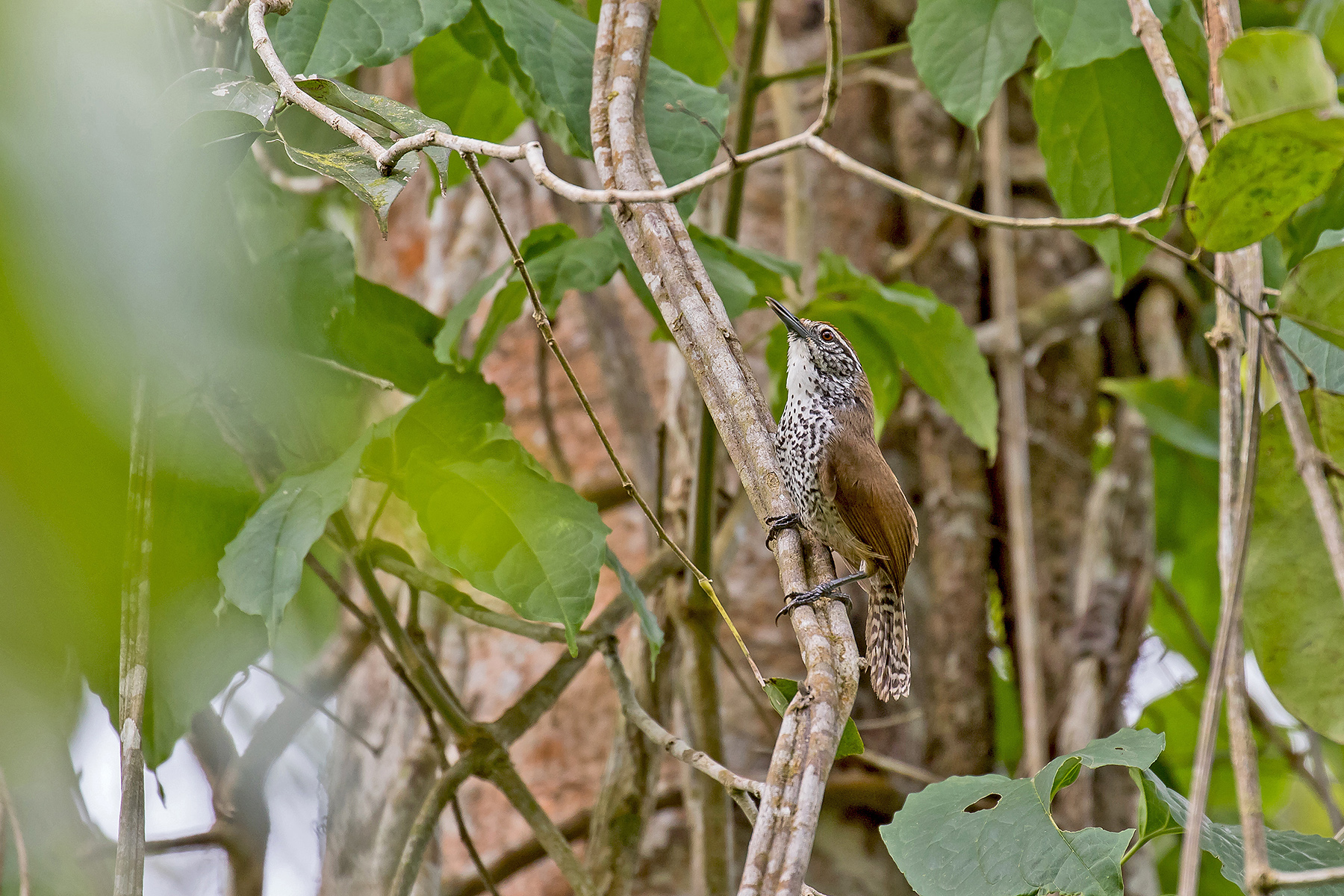
Spot-breasted Wren (image by Pete Morris)
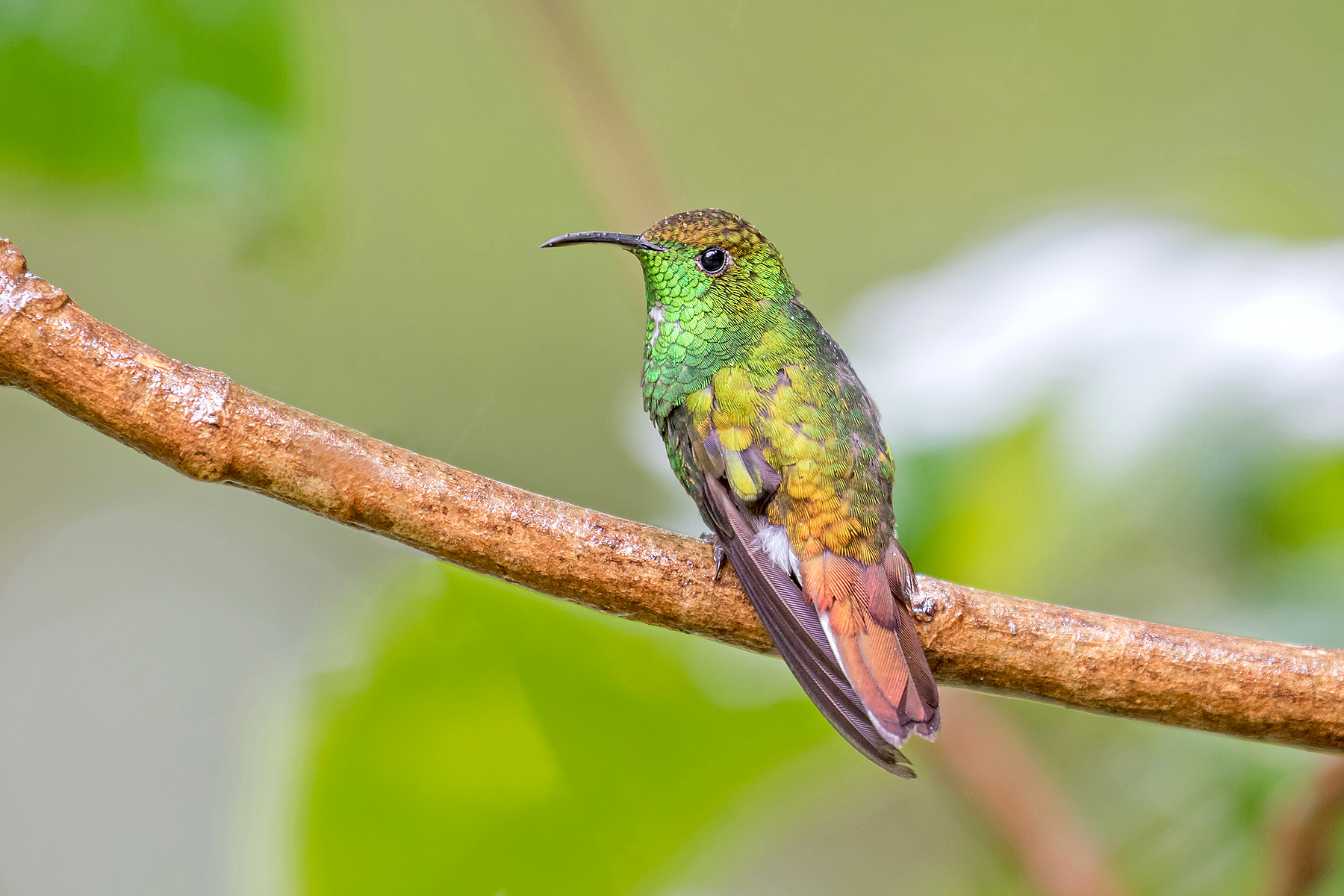
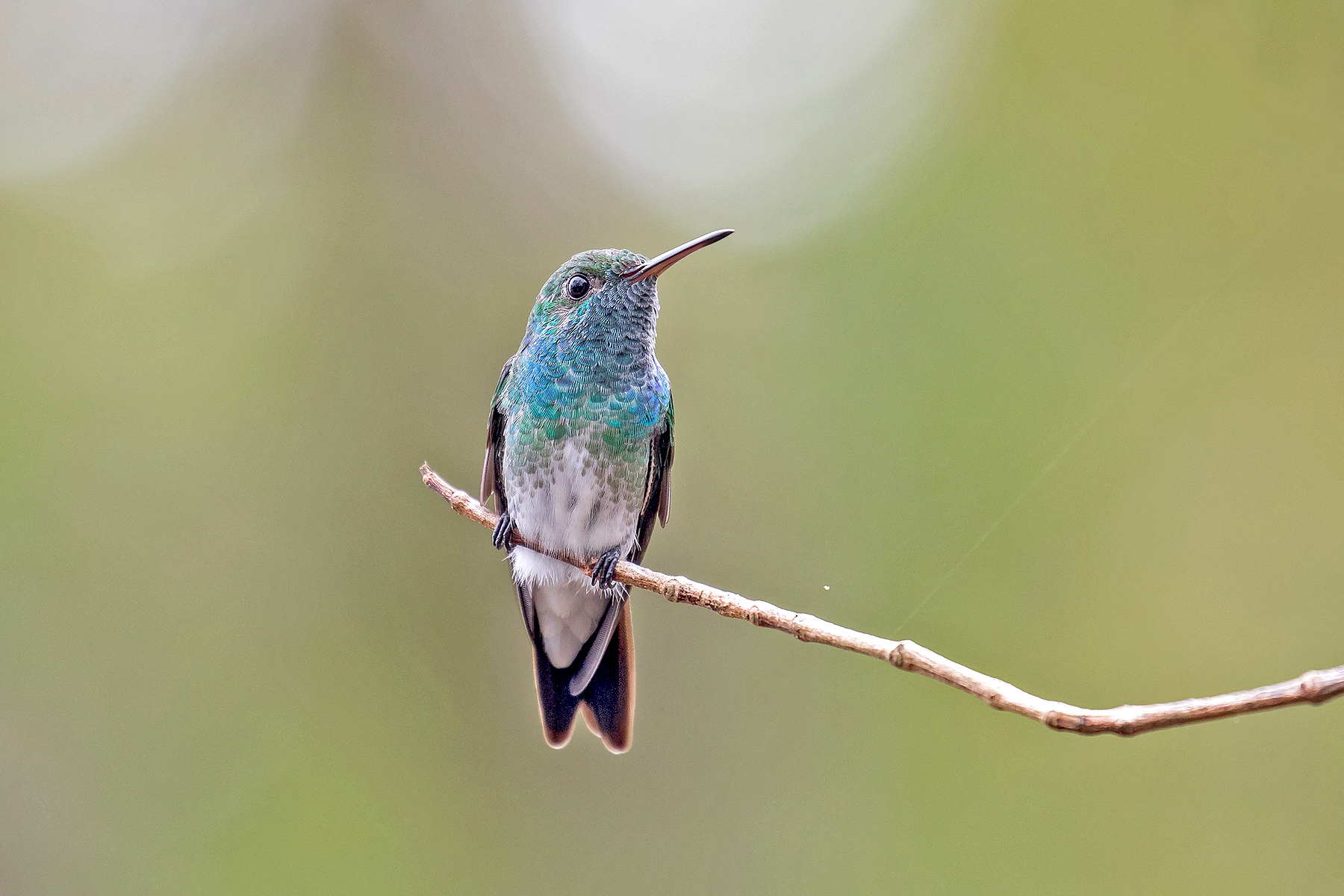
Coppery-headed Emerald (image by Pete Morris)
Three-wattled Bellbird (image by Leo Garrigues)
Baird's Trogon (image by Leo Garrigues)
Spangle-cheeked Tanager (image by Fito Downs)
Black-necked Stilt (image by Fito Downs)
Purple-crowned Fairy (image by Leo Garrigues)
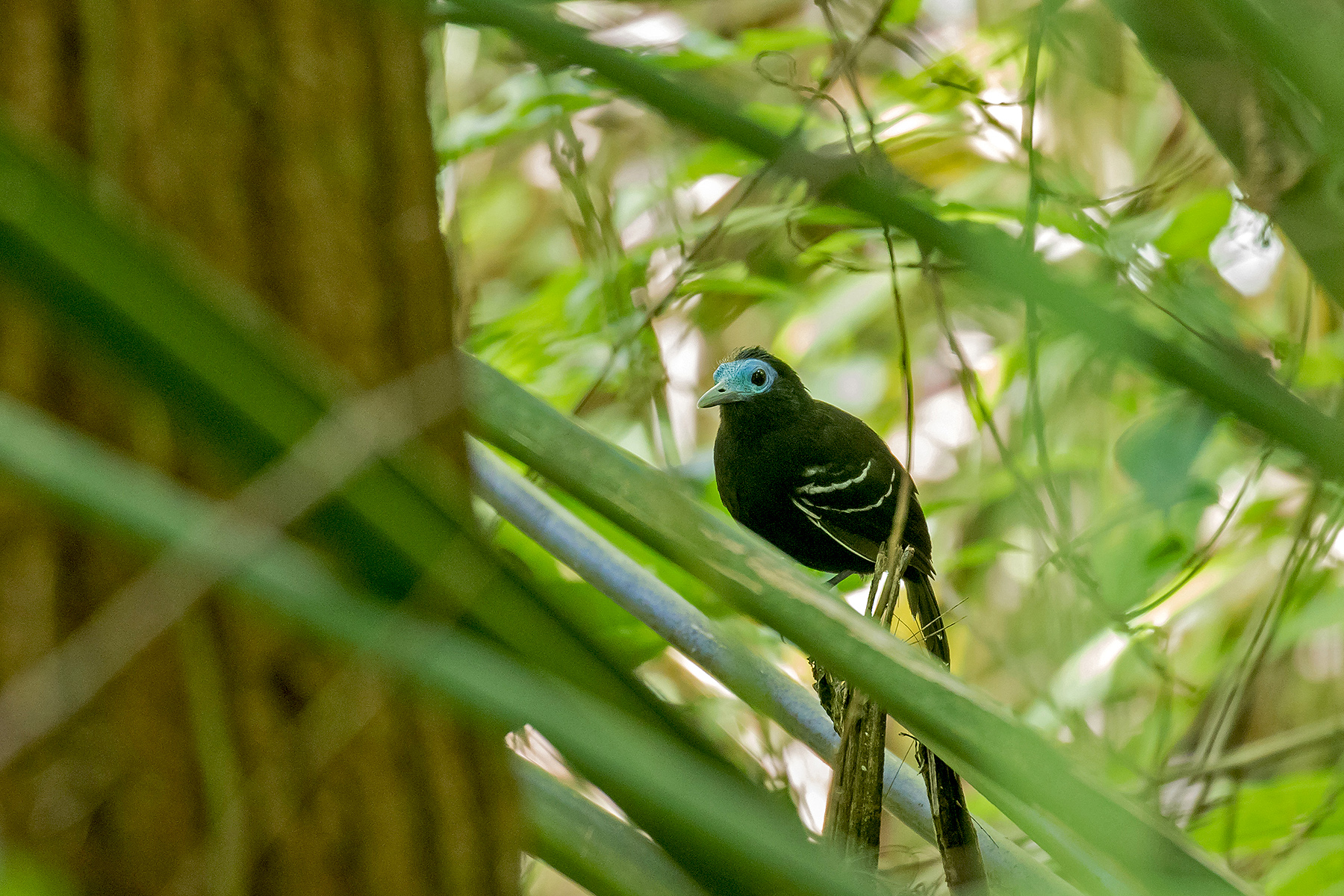
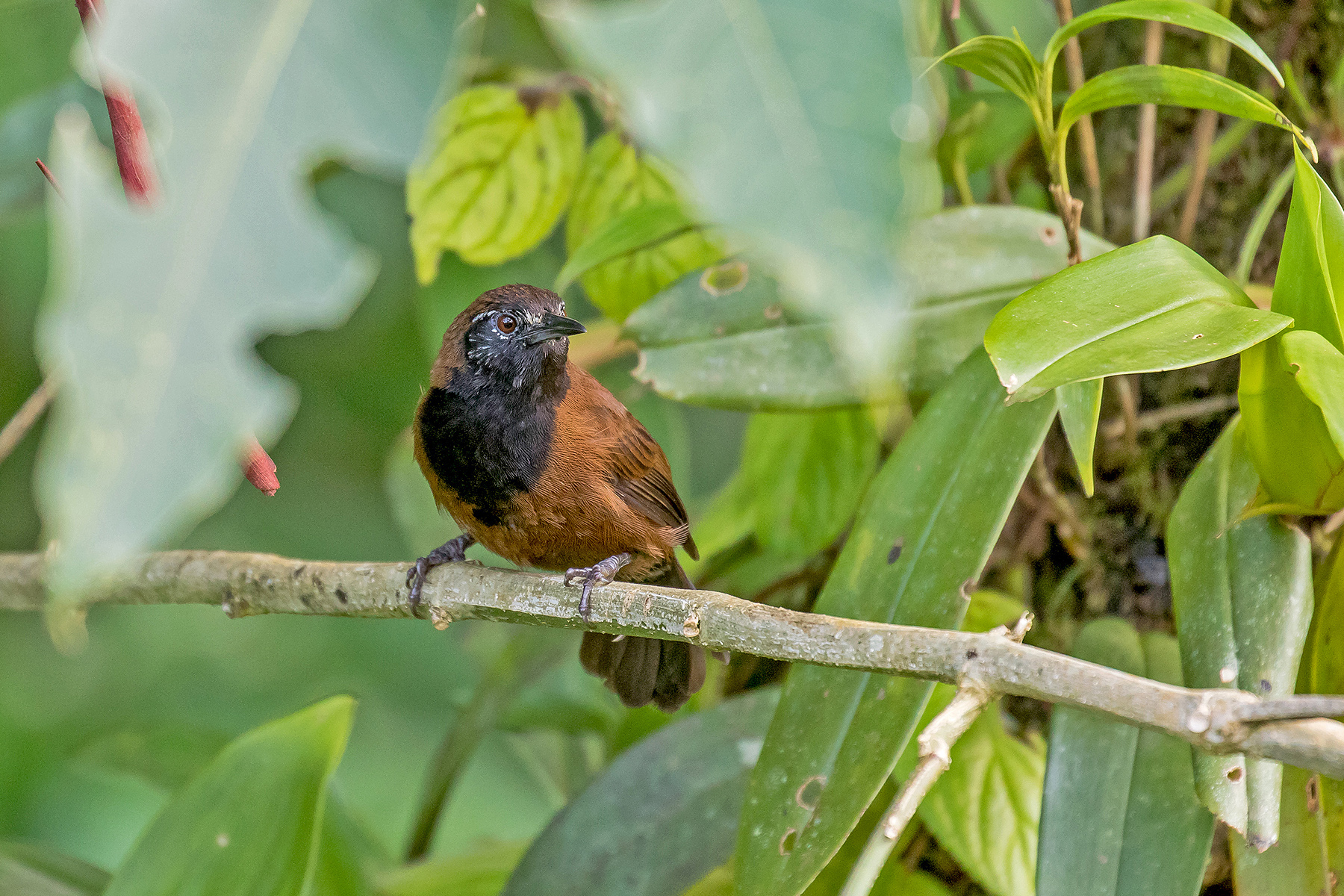
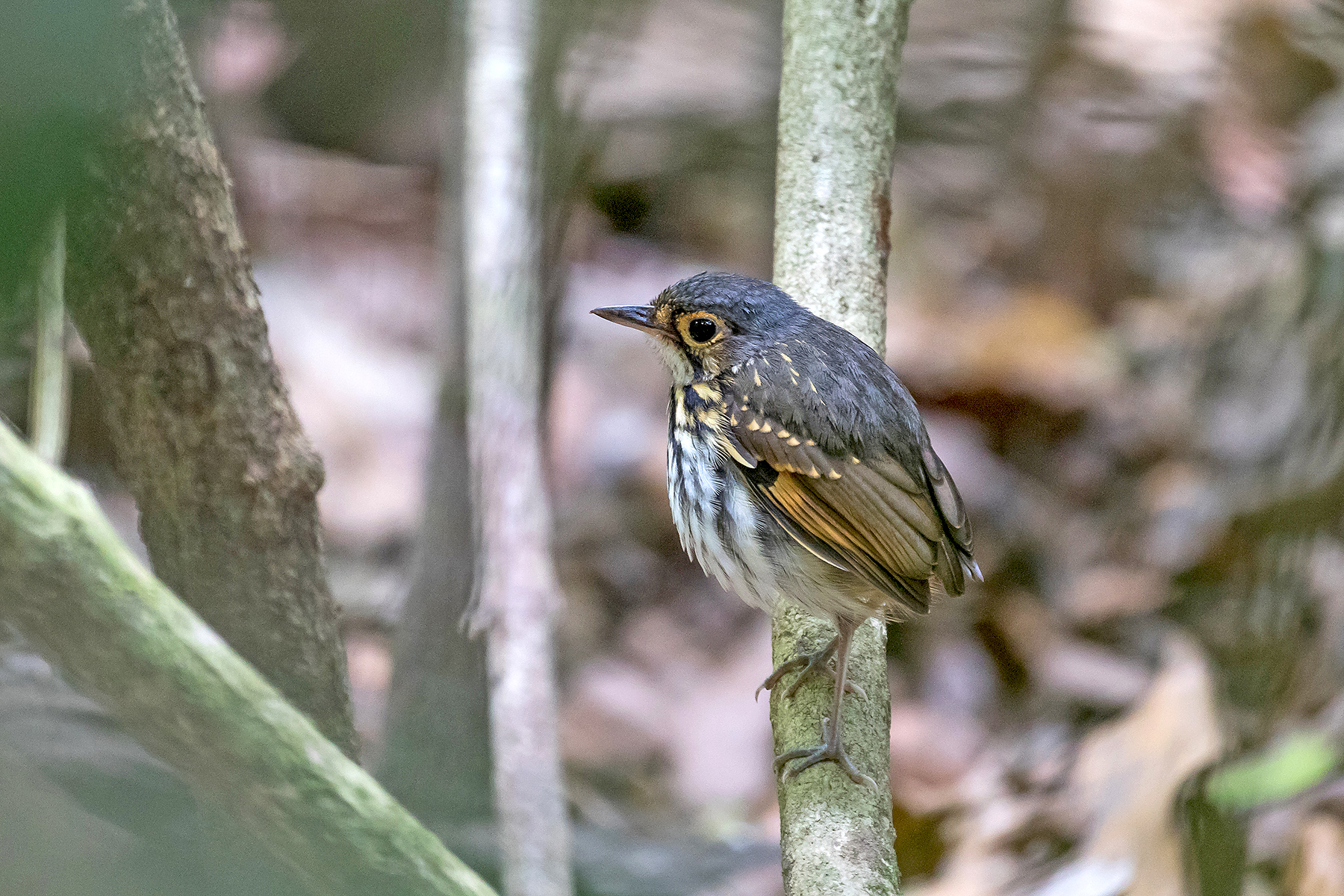
Bare-crowned Antbird (image by Pete Morris)
Rosy Thrush-Tanager (image by Leo Garrigues)
Violet-headed Hummingbird (Image by Fito Downs)
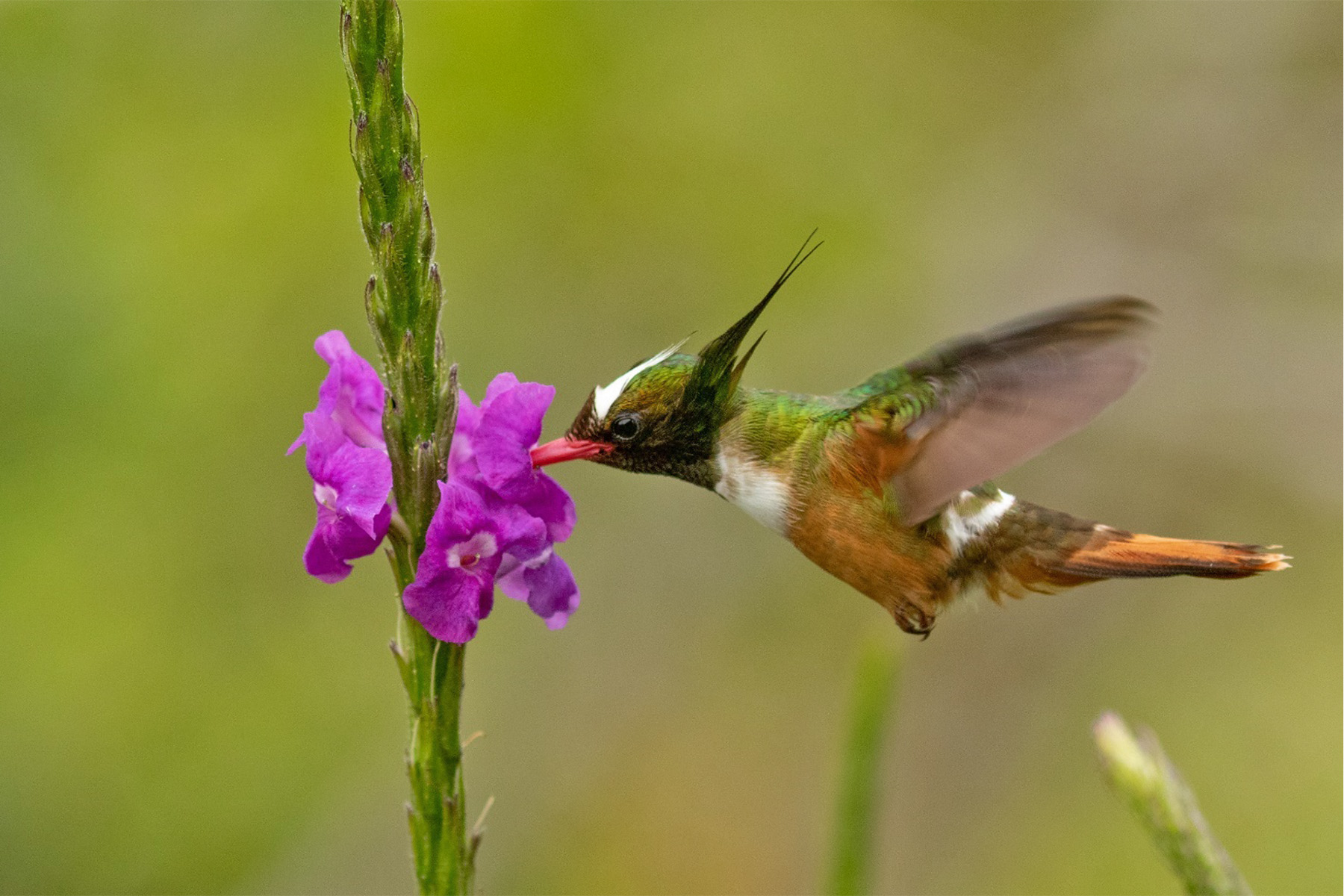
White-crested Coquette
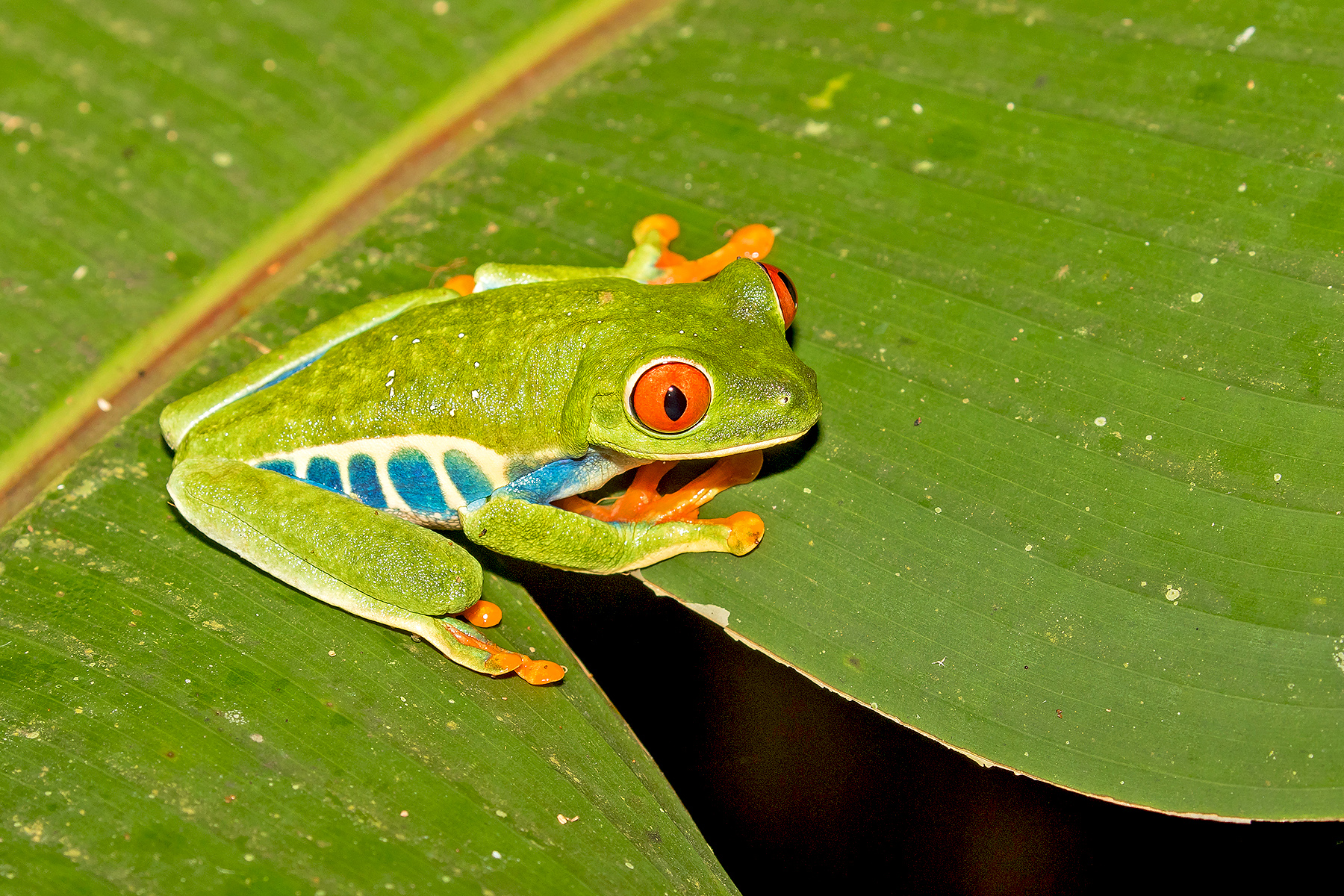
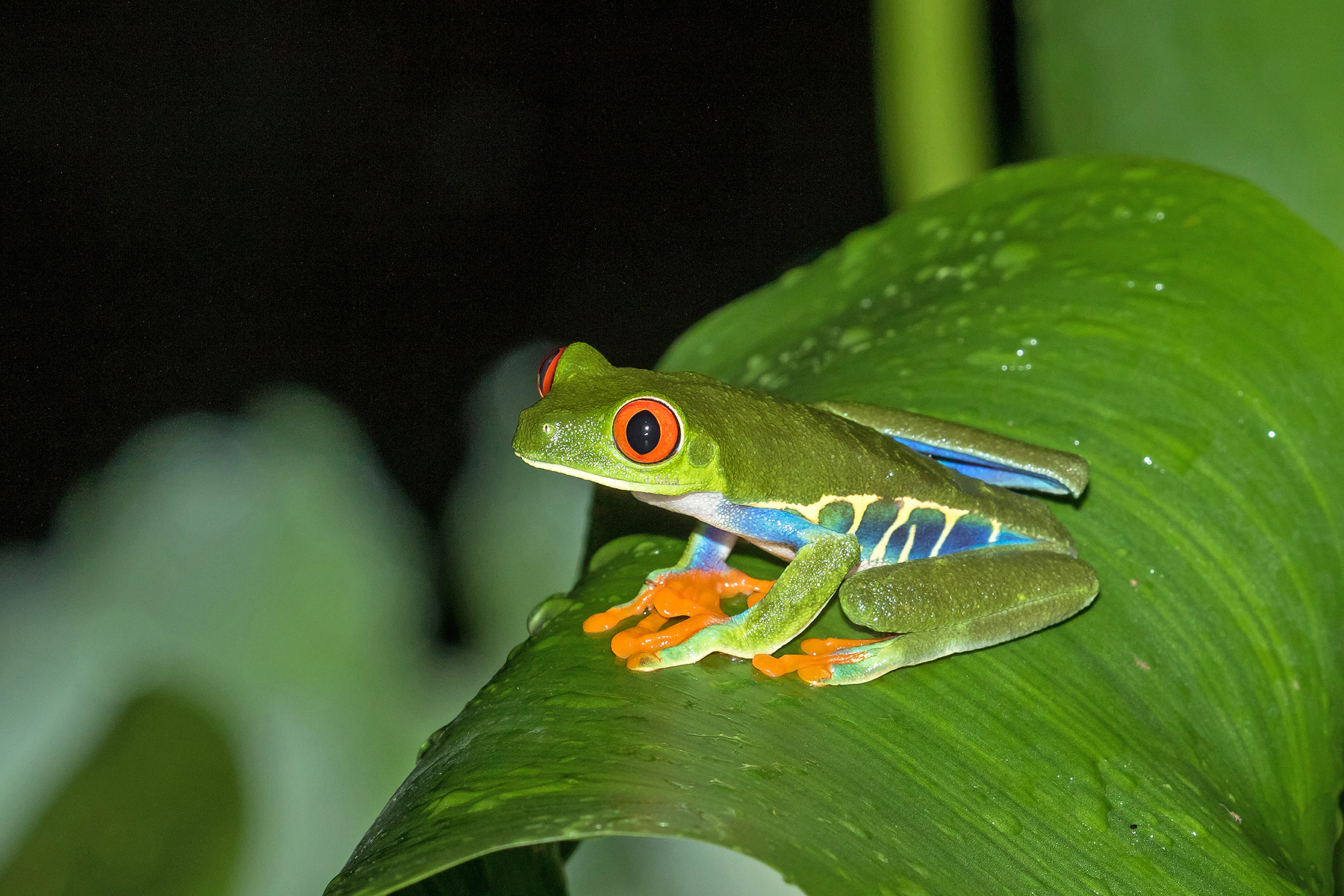
Red-eyed Tree Frog (image by Pete Morris)
Three-wattled Bellbird (image by Pete Morris)
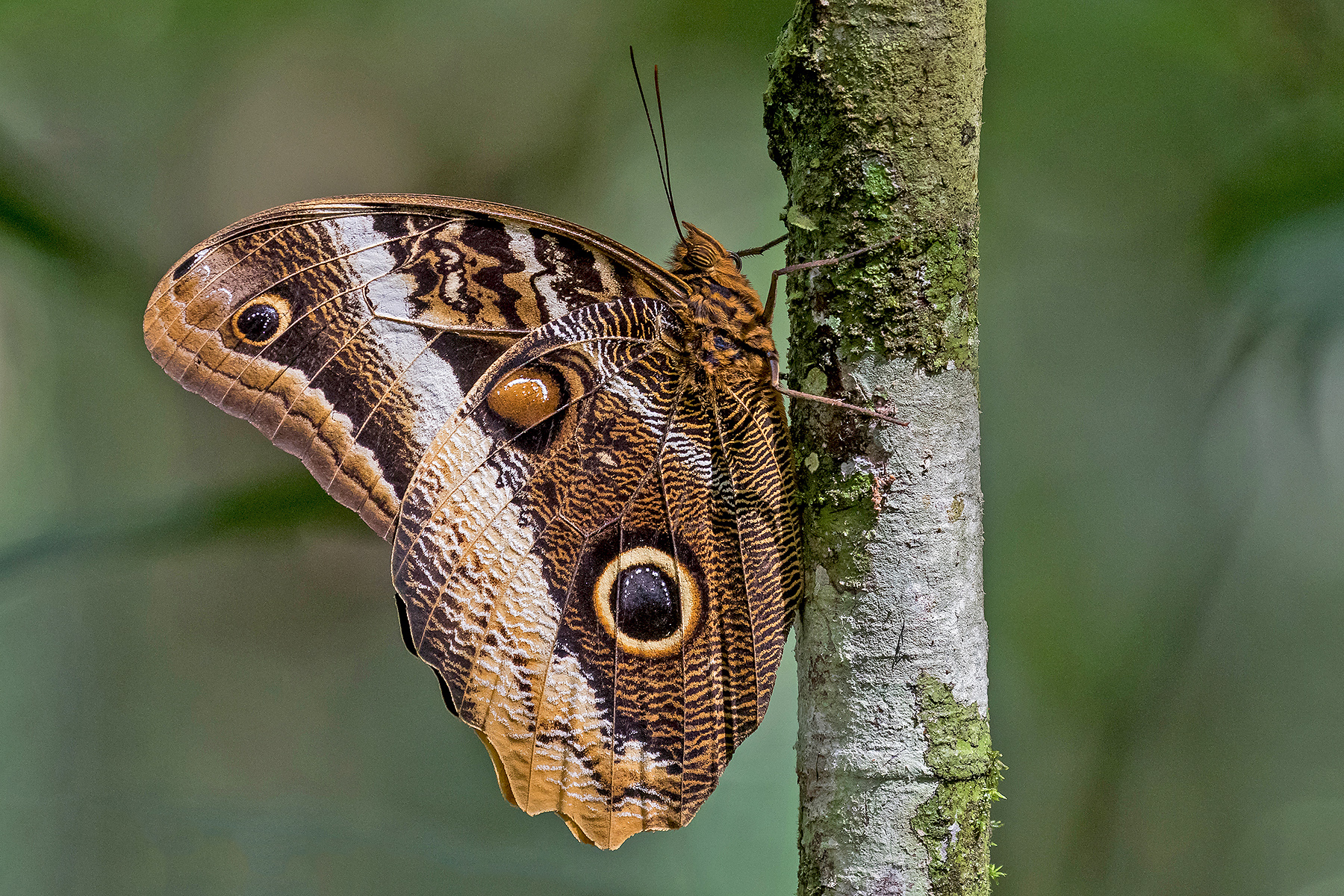
Owl Butterfly (image by Pete Morris)
Keel-billed Toucan (image by Leo Garrigues)
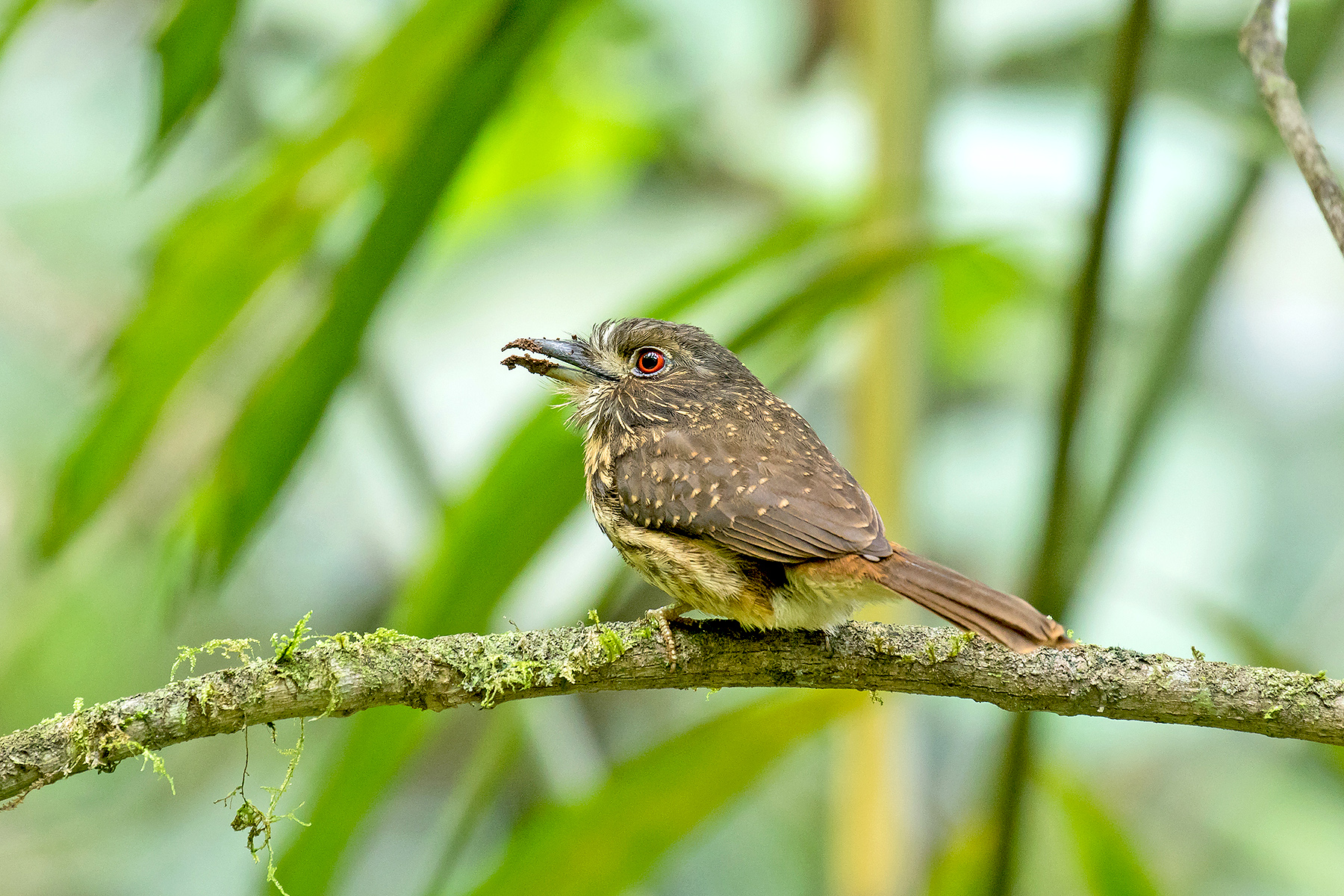
White-whiskered Puffbird (image by Pete Morris)
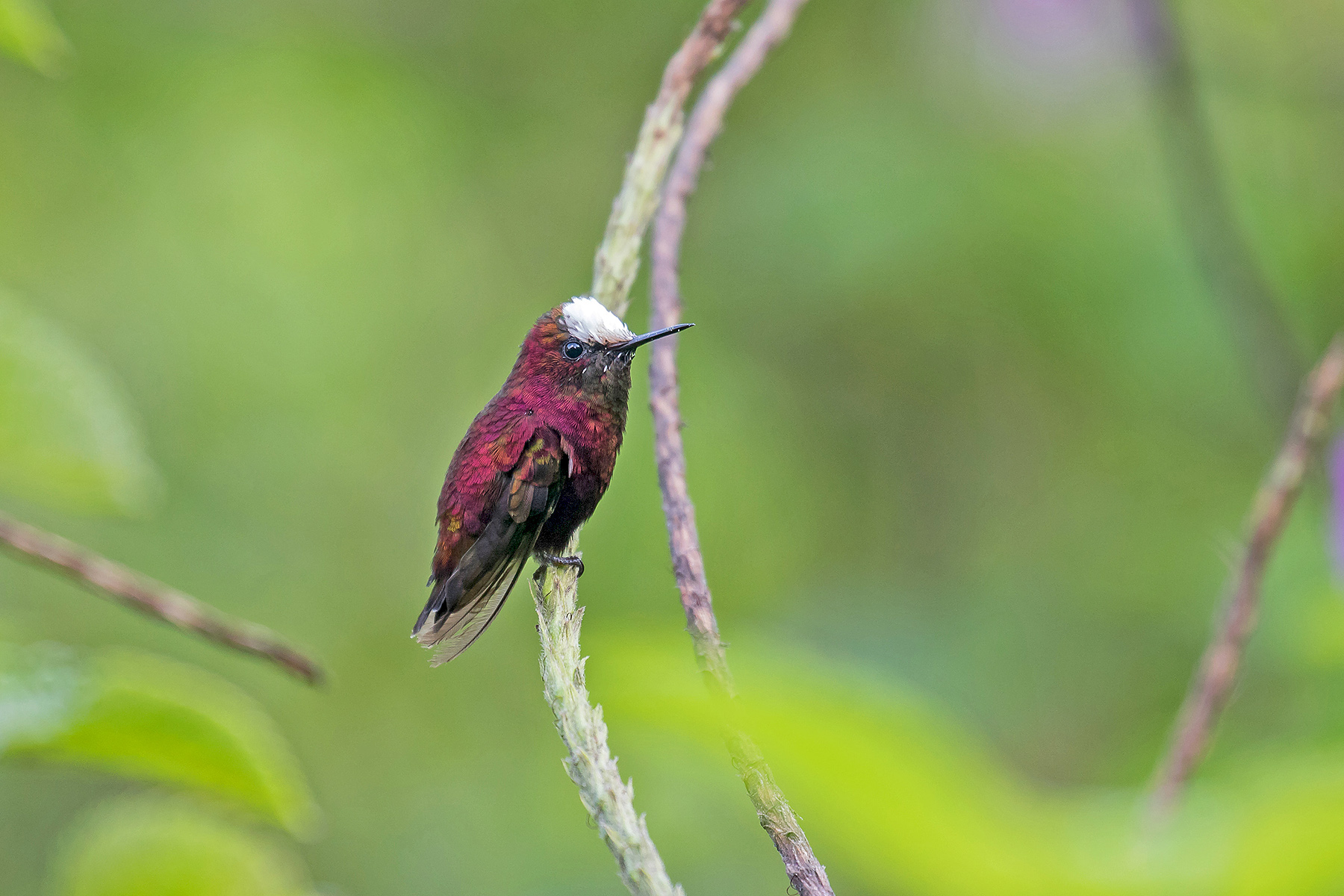
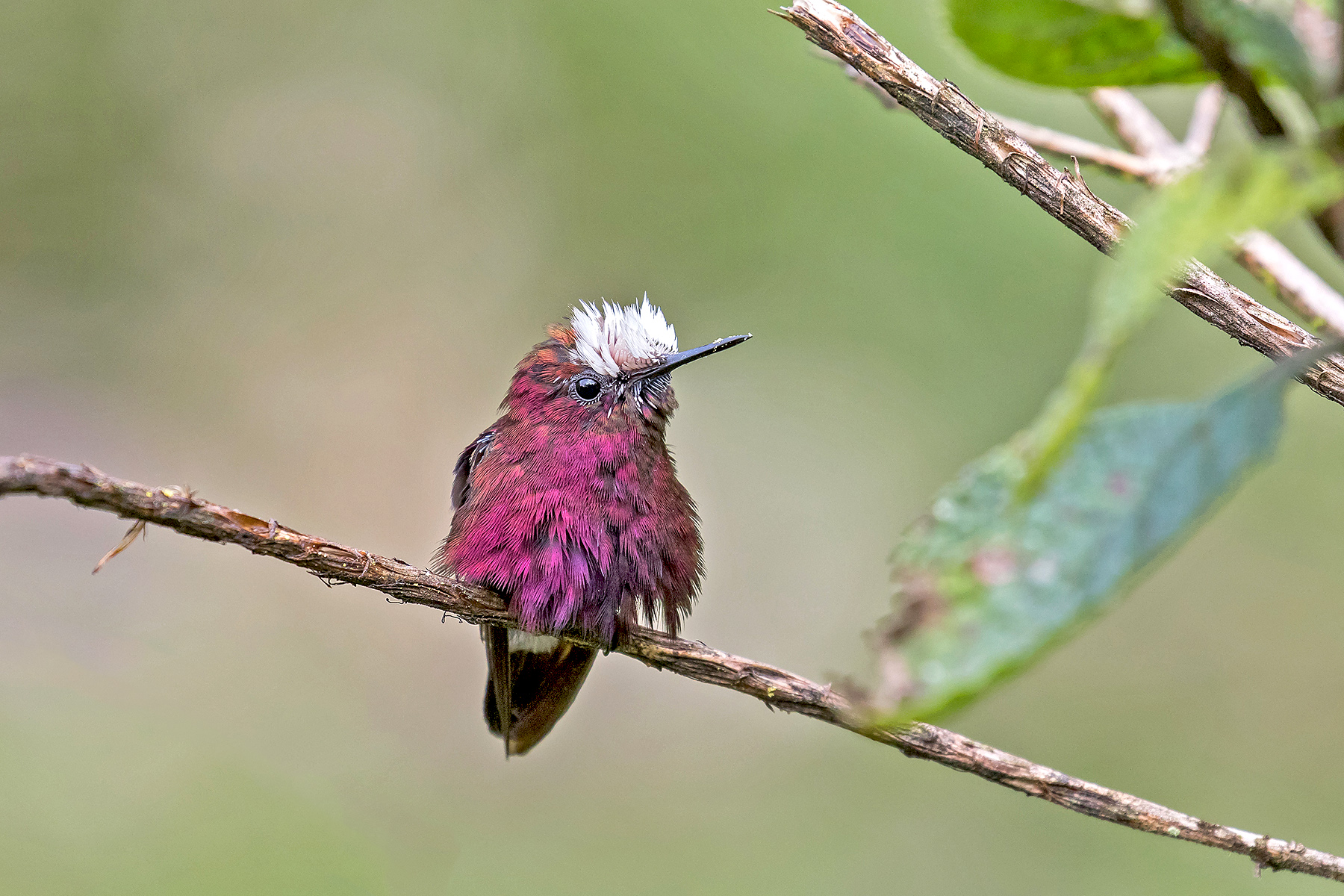
Snowcap (image by Pete Morris)
Coppery-headed Emerald (image by Fito Downs)
White-throated Crake (image by Pete Morris)
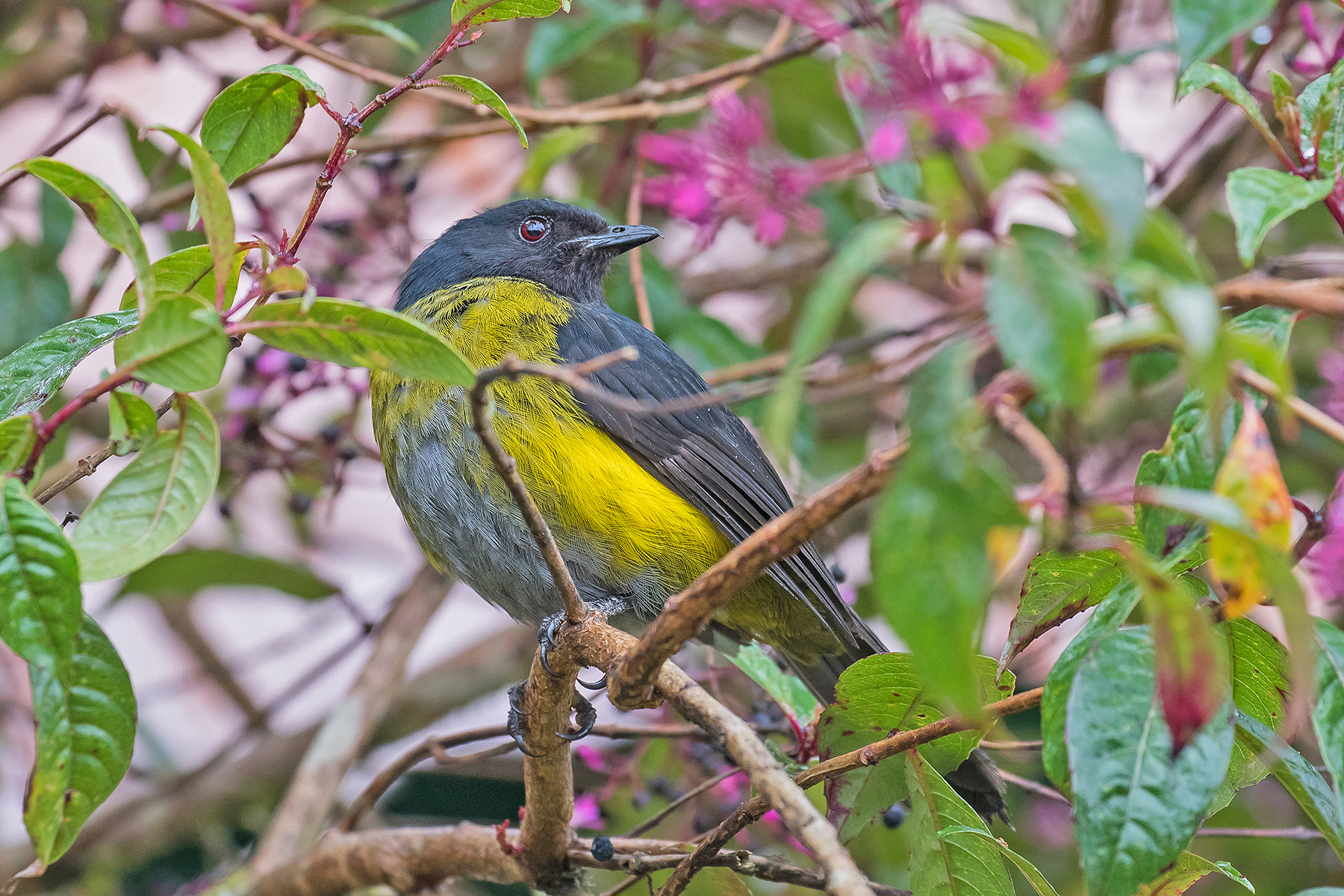
Black-and-yellow Phainoptila (image by Pete Morris)
Yellow-breasted Crake (image by Leo Garrigues)
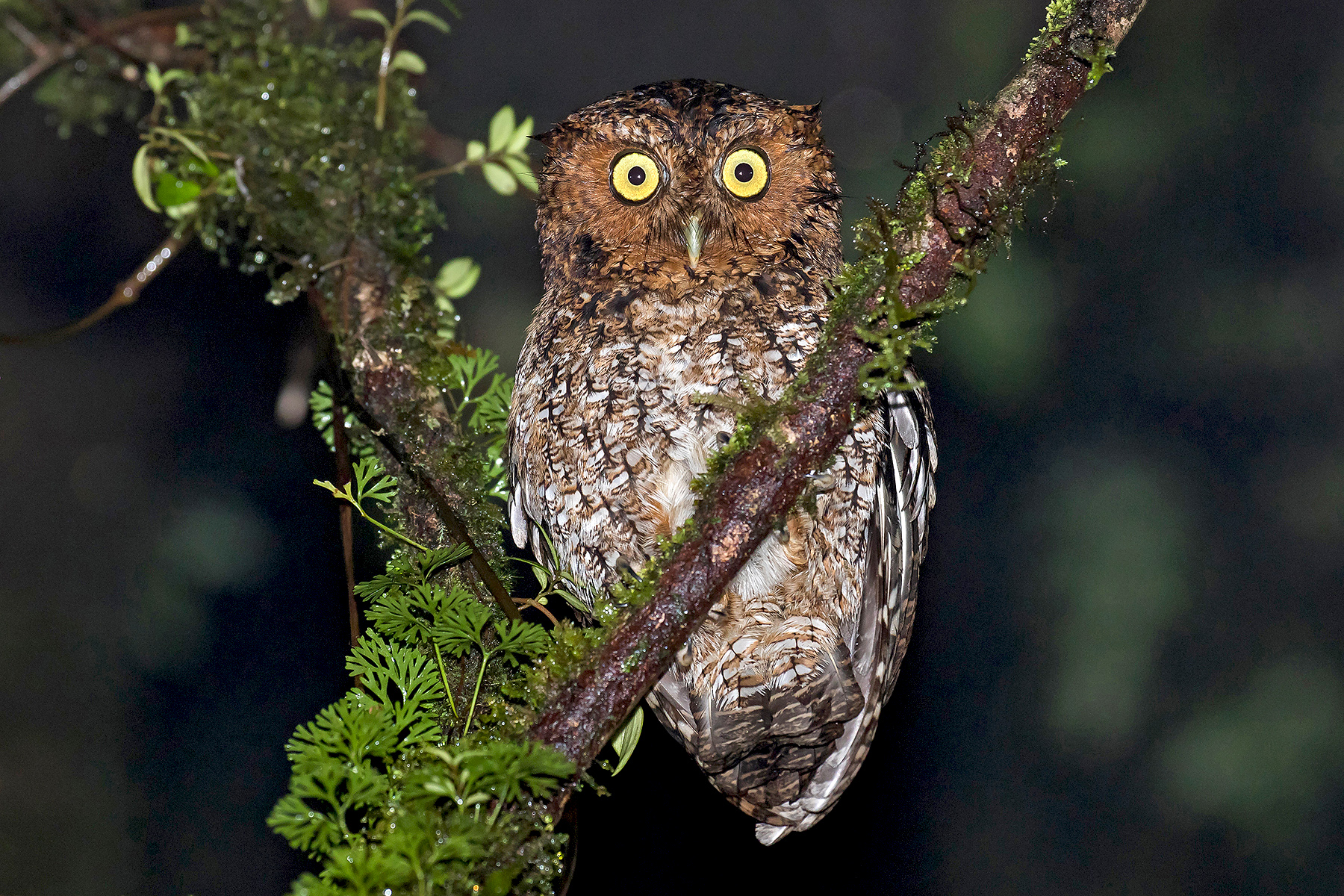
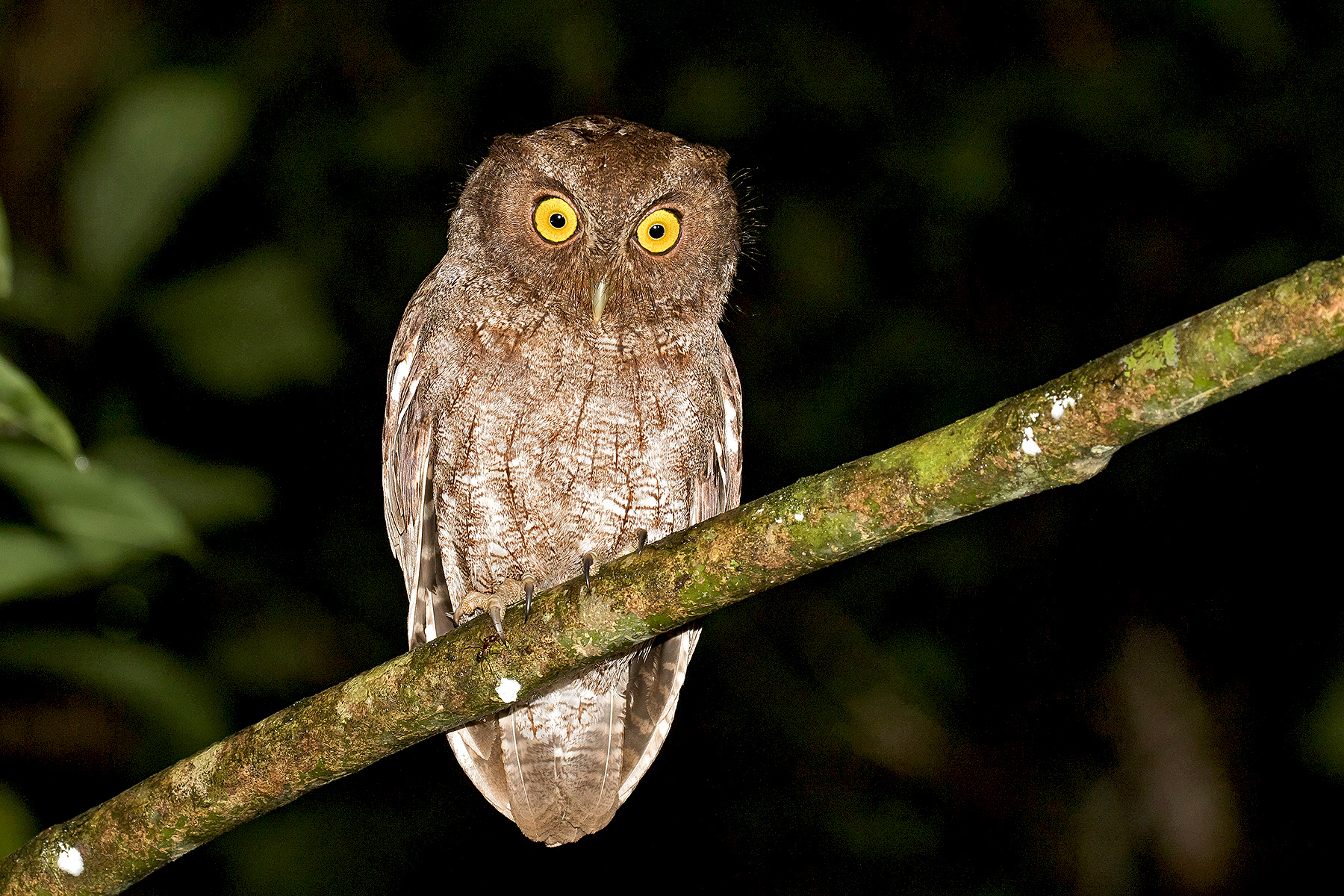
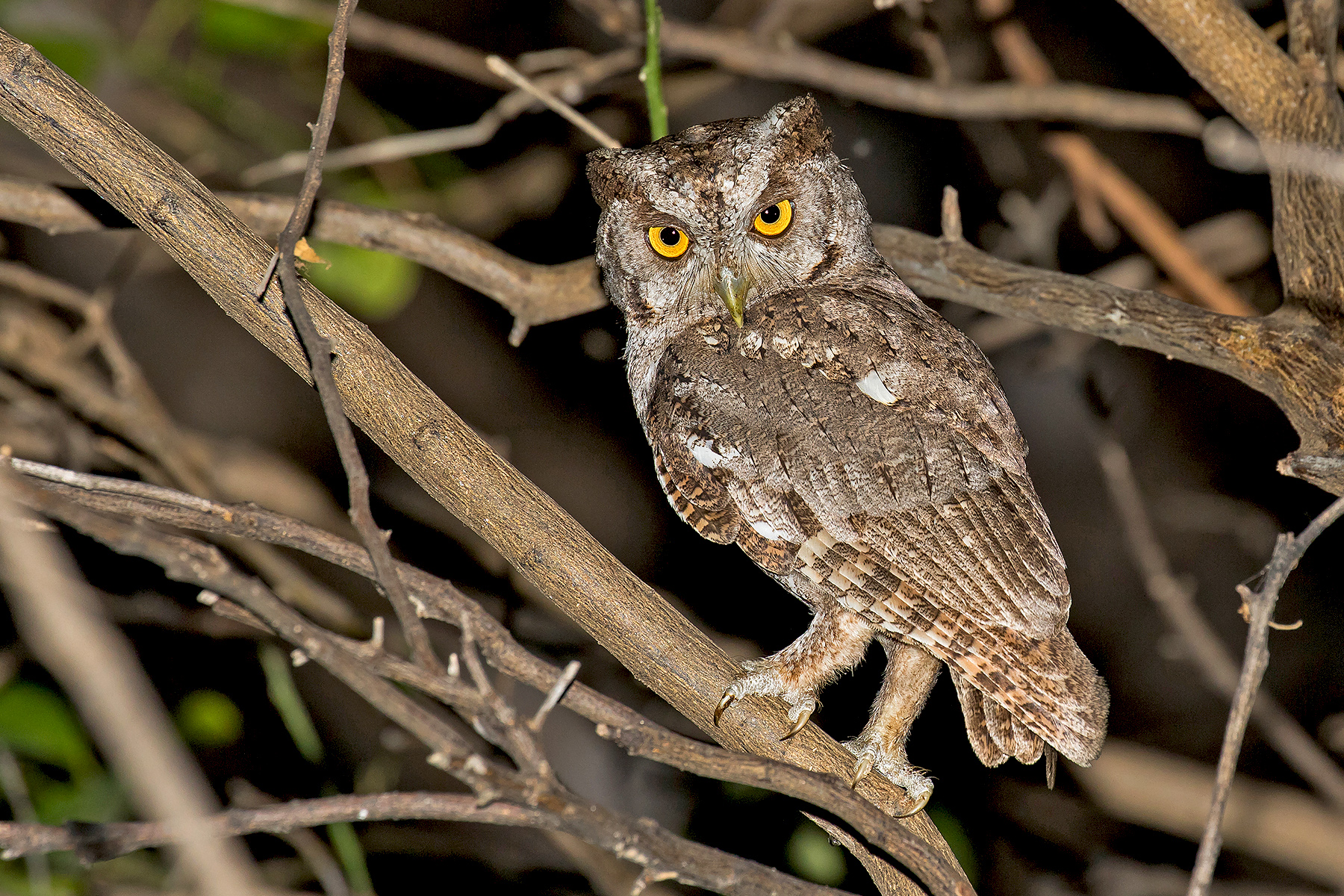
Bare-shanked Screech Owl (image by Fito Downs)
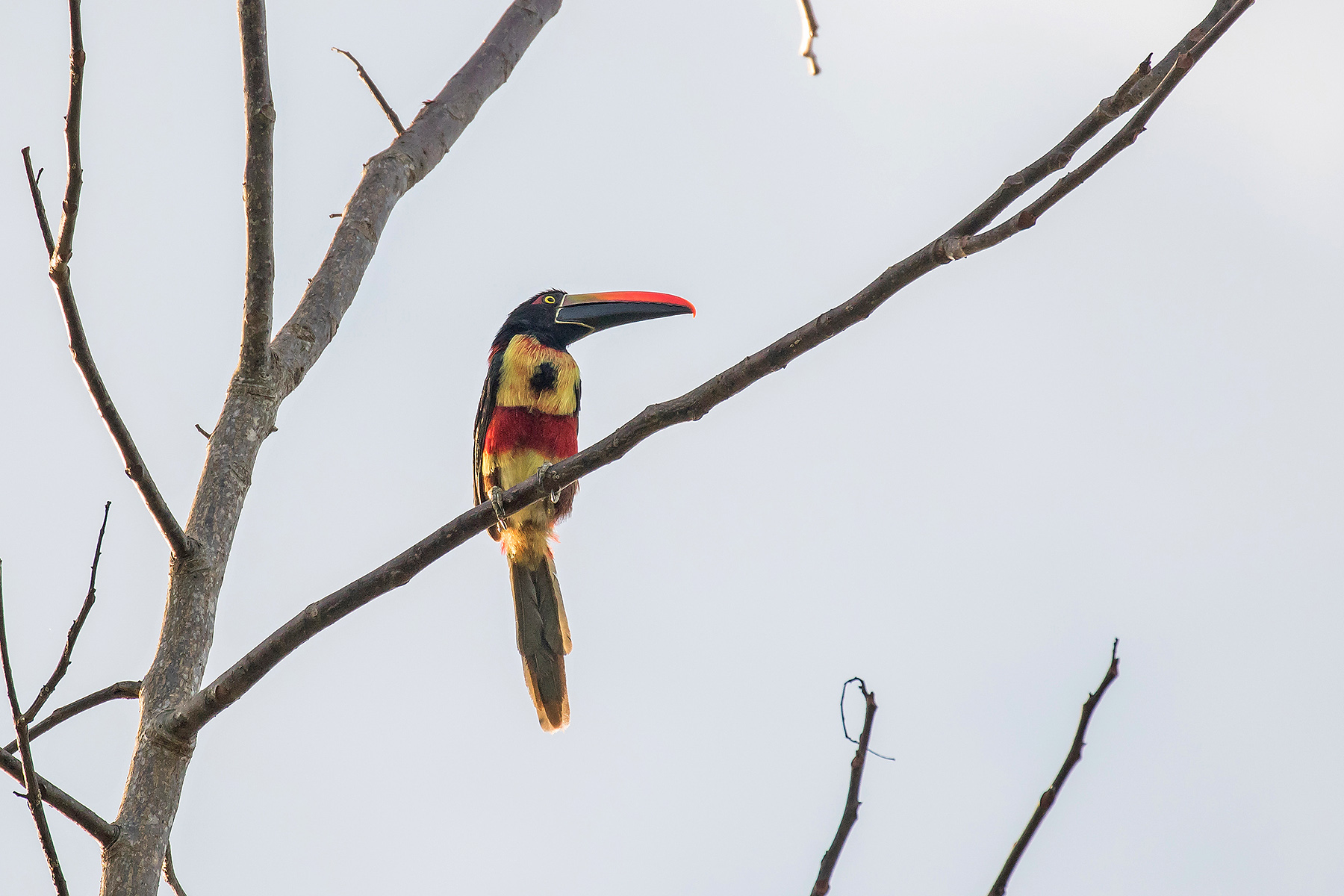
Fiery-billed Aracari (image by Pete Morris)
Panama Flycatcher (image by Leo Garrigues)
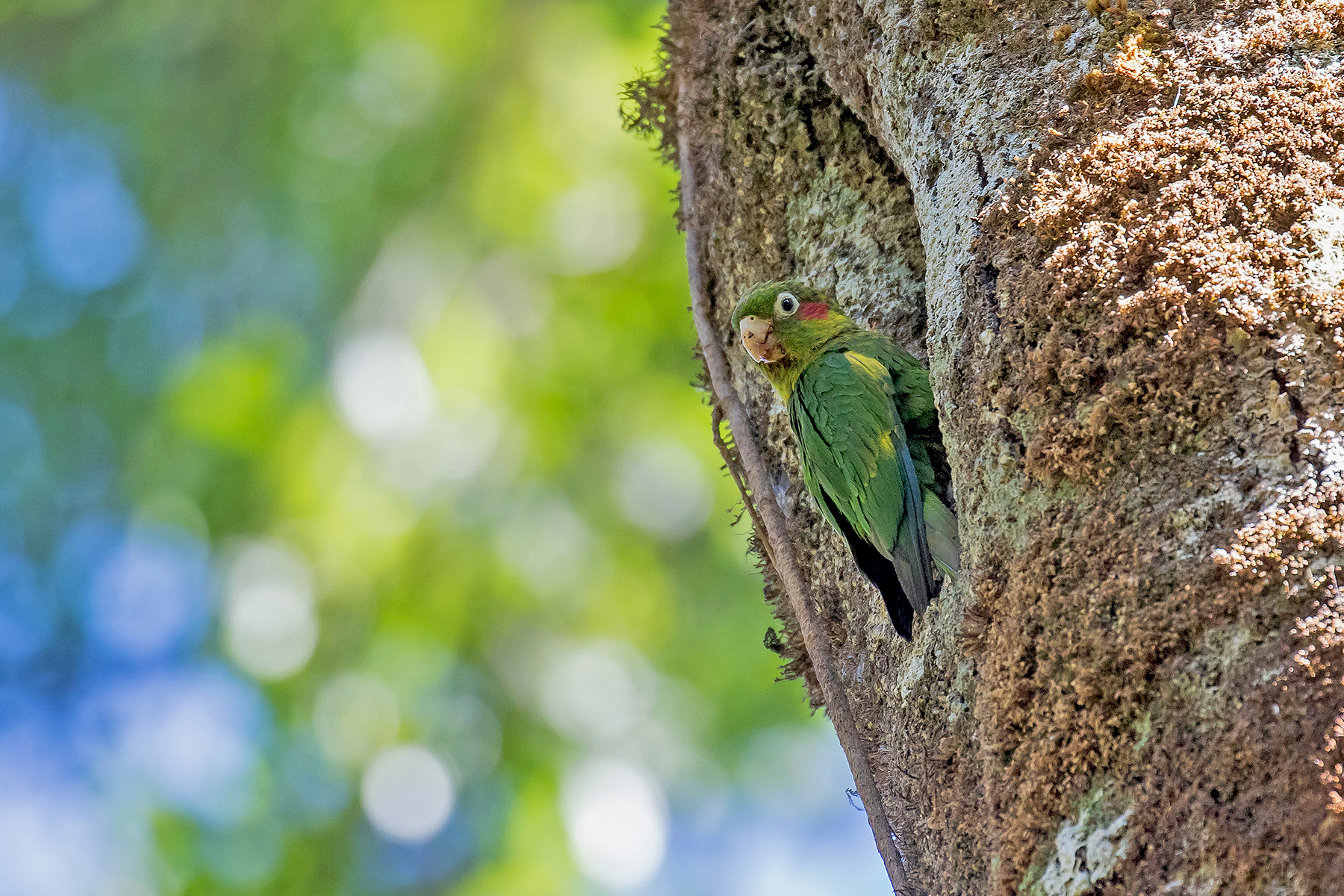
Sulphur-winged Parakeet (image by Pete Morris)
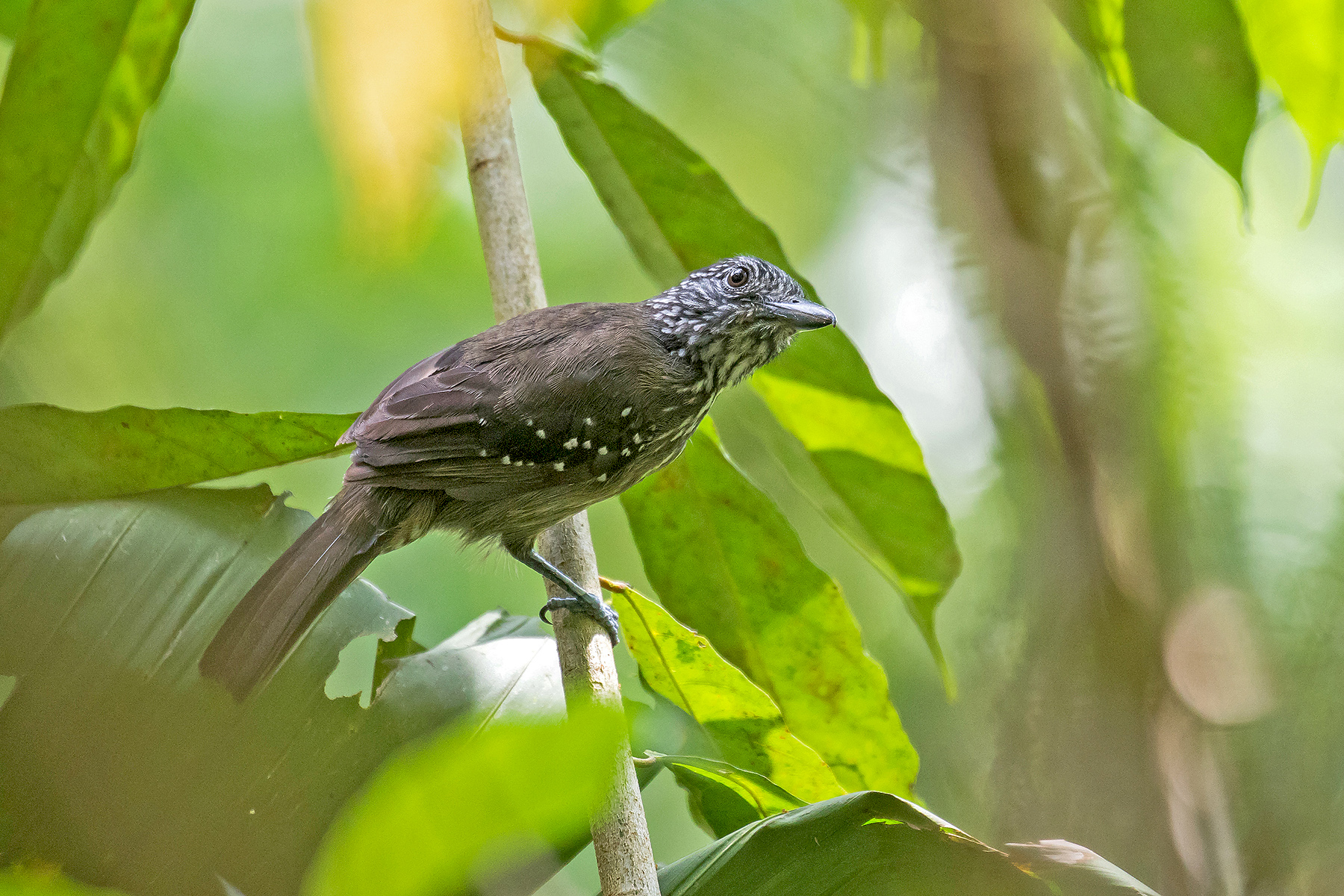
Black-hooded Antshrike (image by Pete Morris)
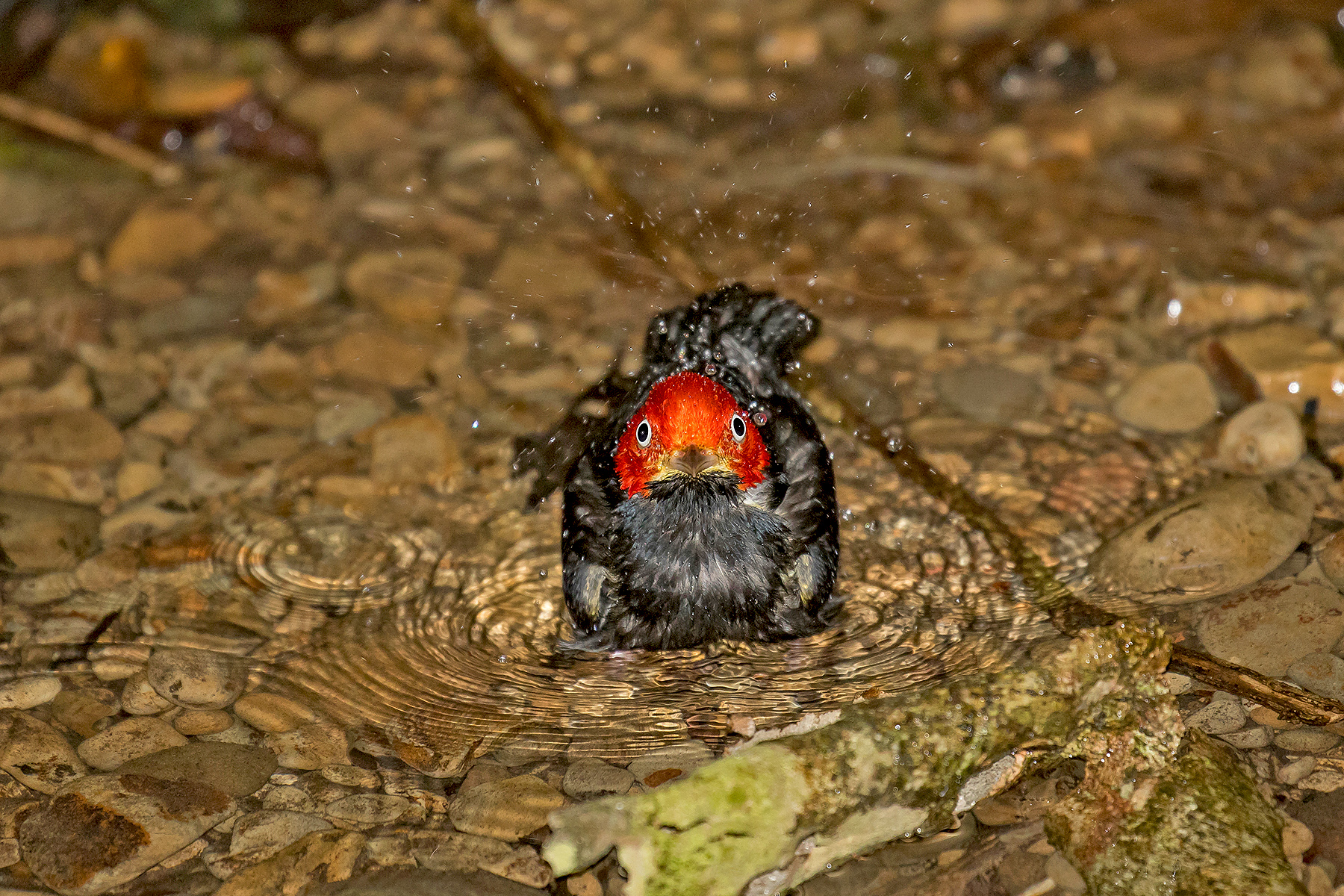
Red-headed Barbet (Image by Fito Downs)
Brown-hooded Parrot (image by Leo Garrigues)
Mangrove Hummingbird (image by Pete Morris)
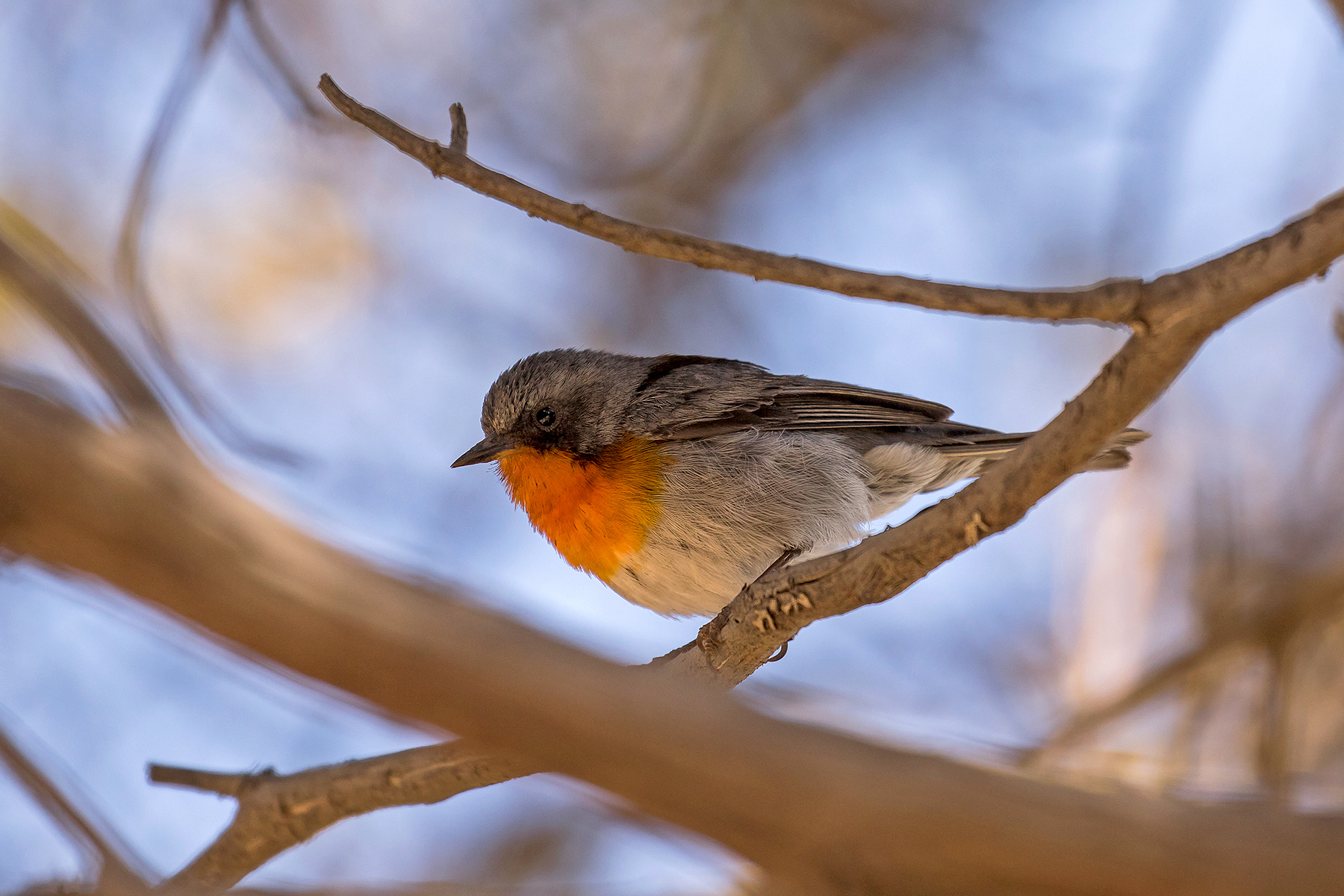
Flame-throated Warbler (image by Pete Morris)
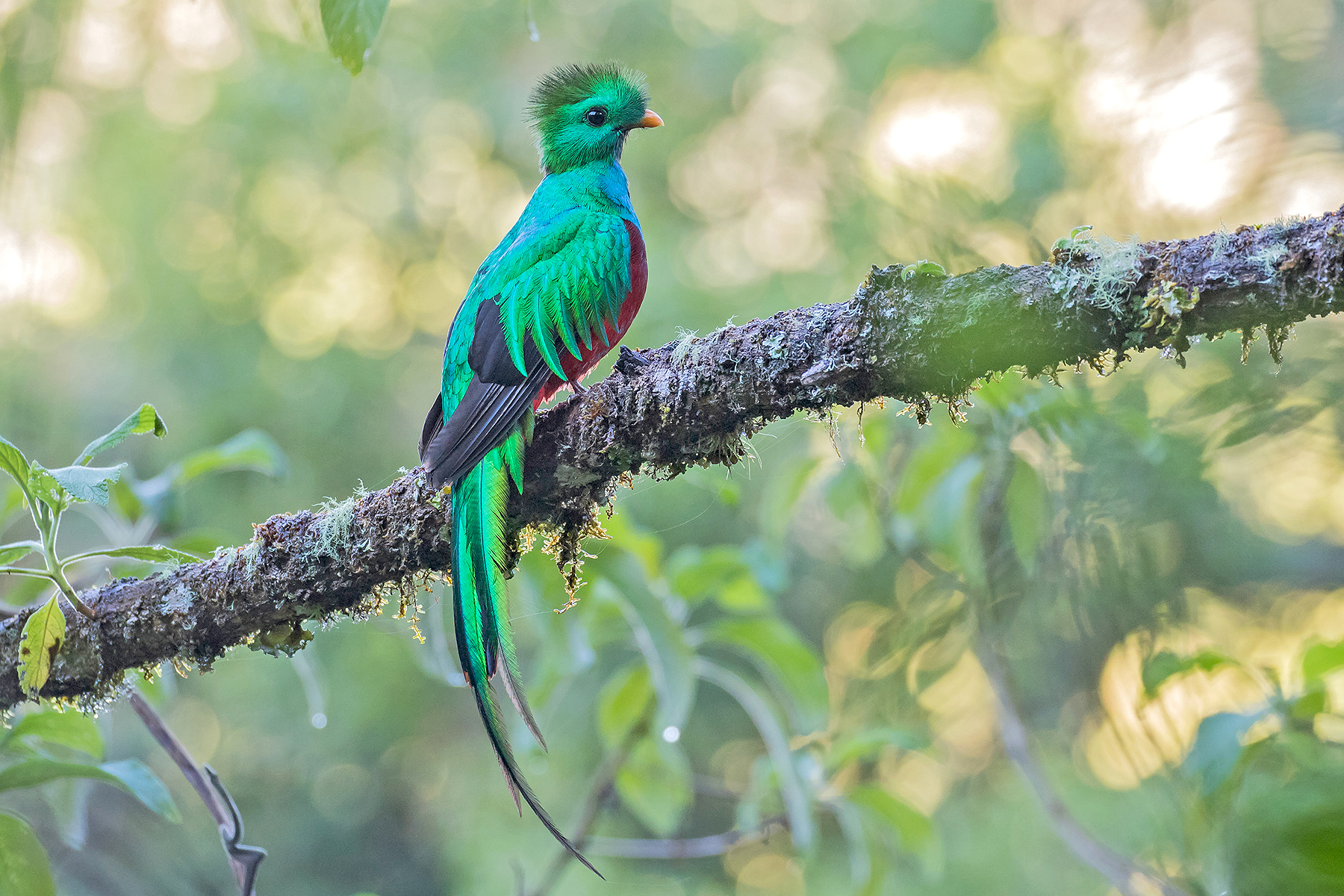
Resplendent Quetzal (image by Leo Garrigues)
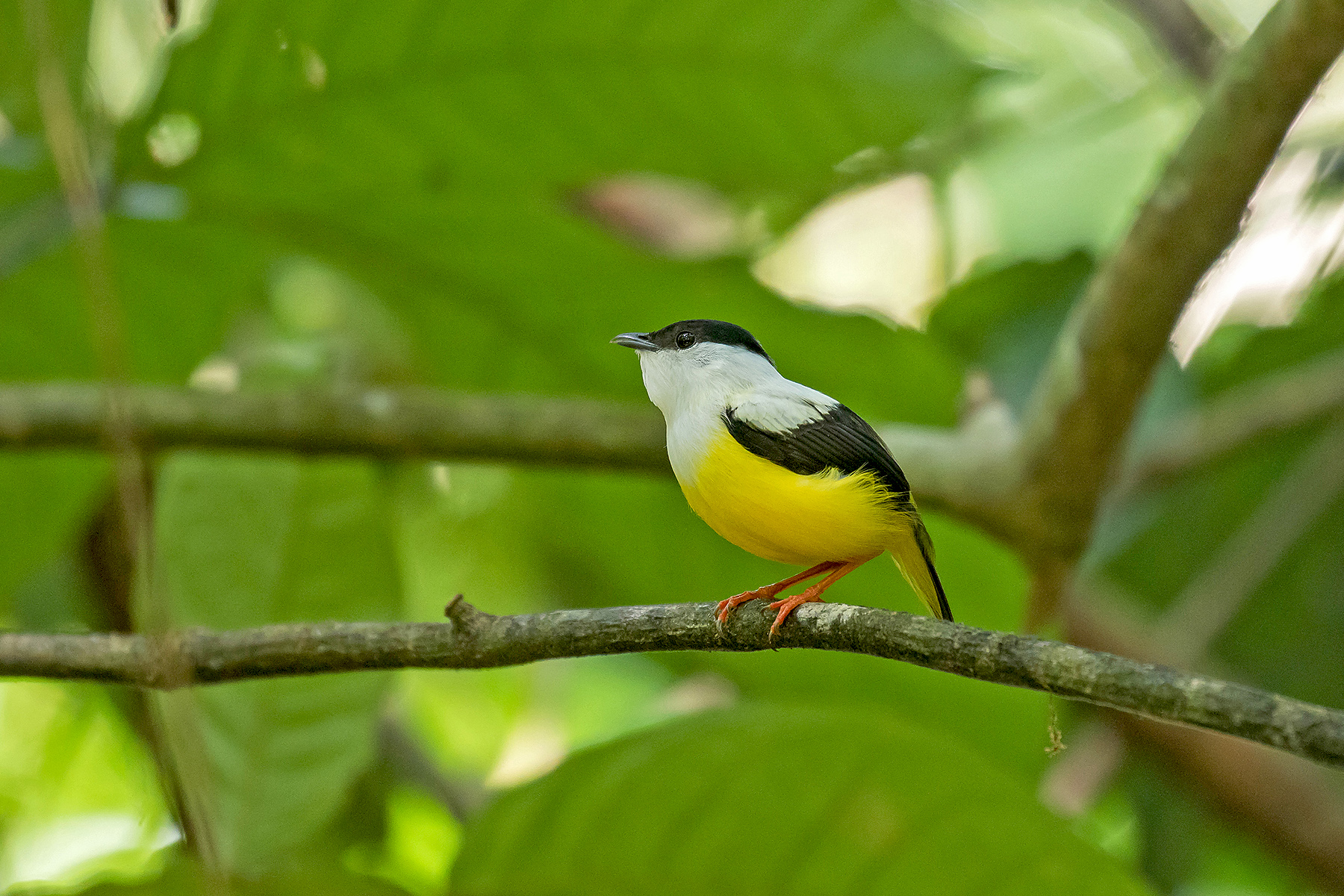
White-collared Manakin (image by Pete Morris)
Olivaceous Piculet (image by Fito Downs)
Green-breasted Mango (Image by Fito Downs)
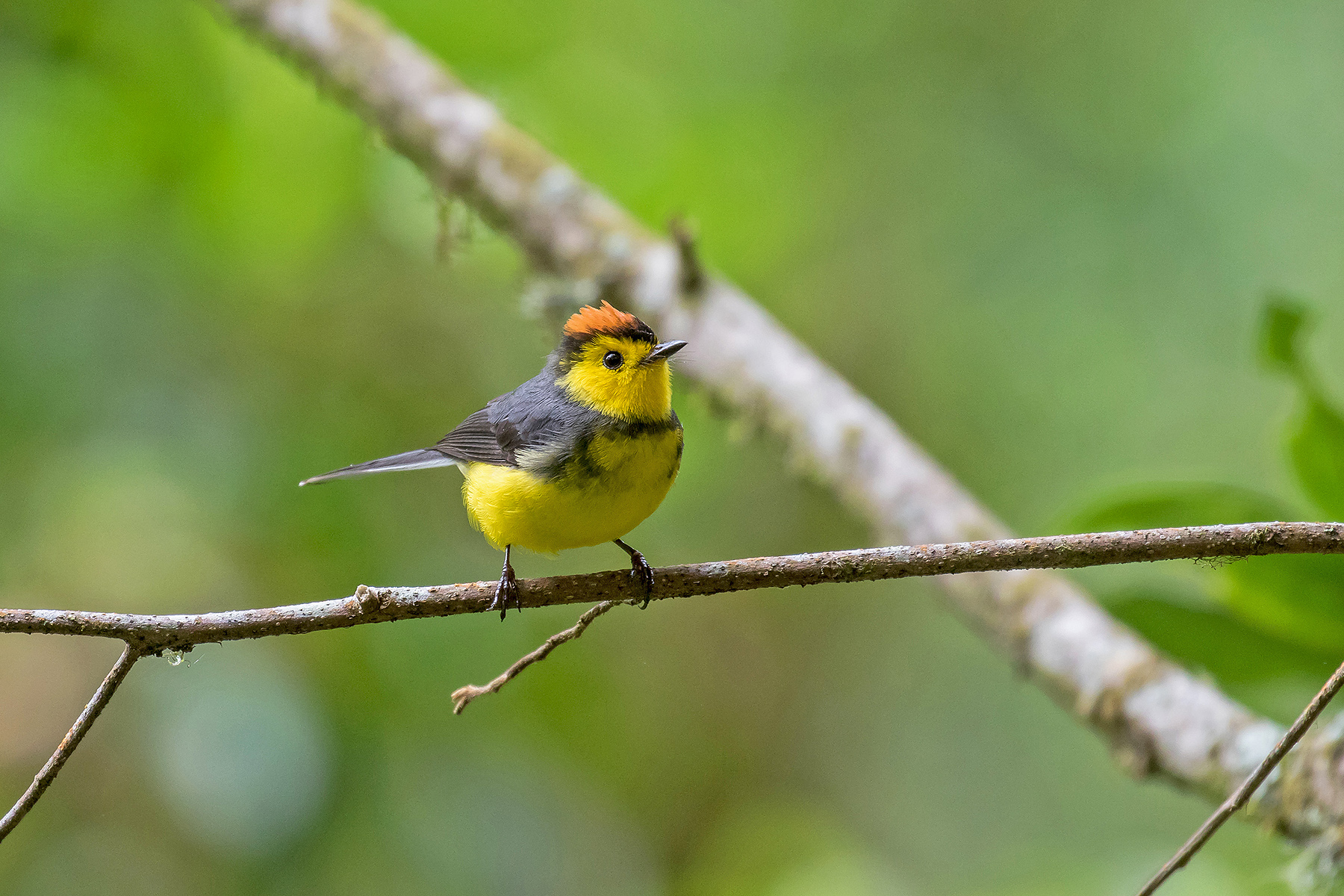
Collared Whitestart (image by Pete Morris)
Double-striped Thick-Knee (image by Fito Downs)
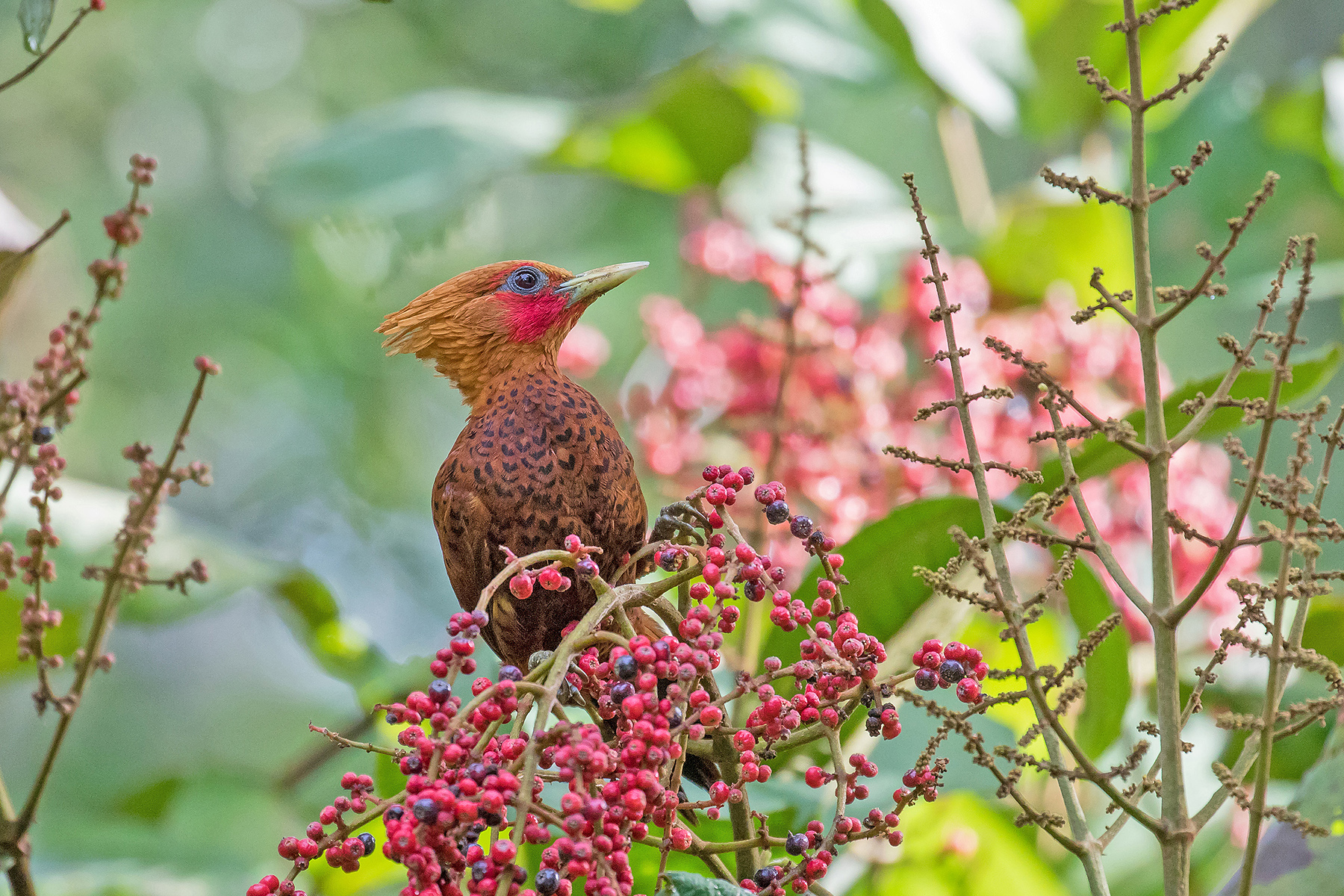
Chestnut-coloured Woodpecker (image by Pete Morris)
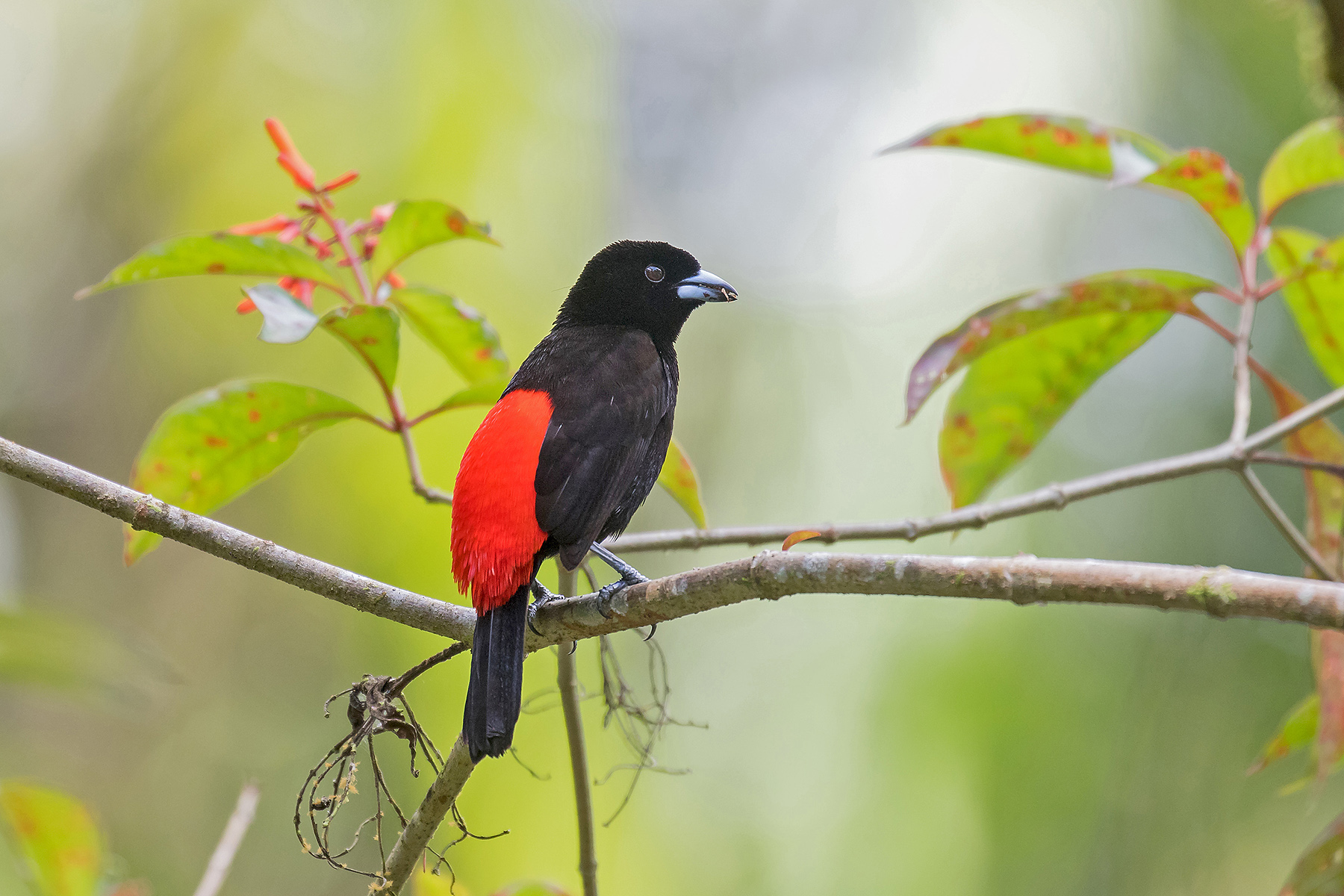
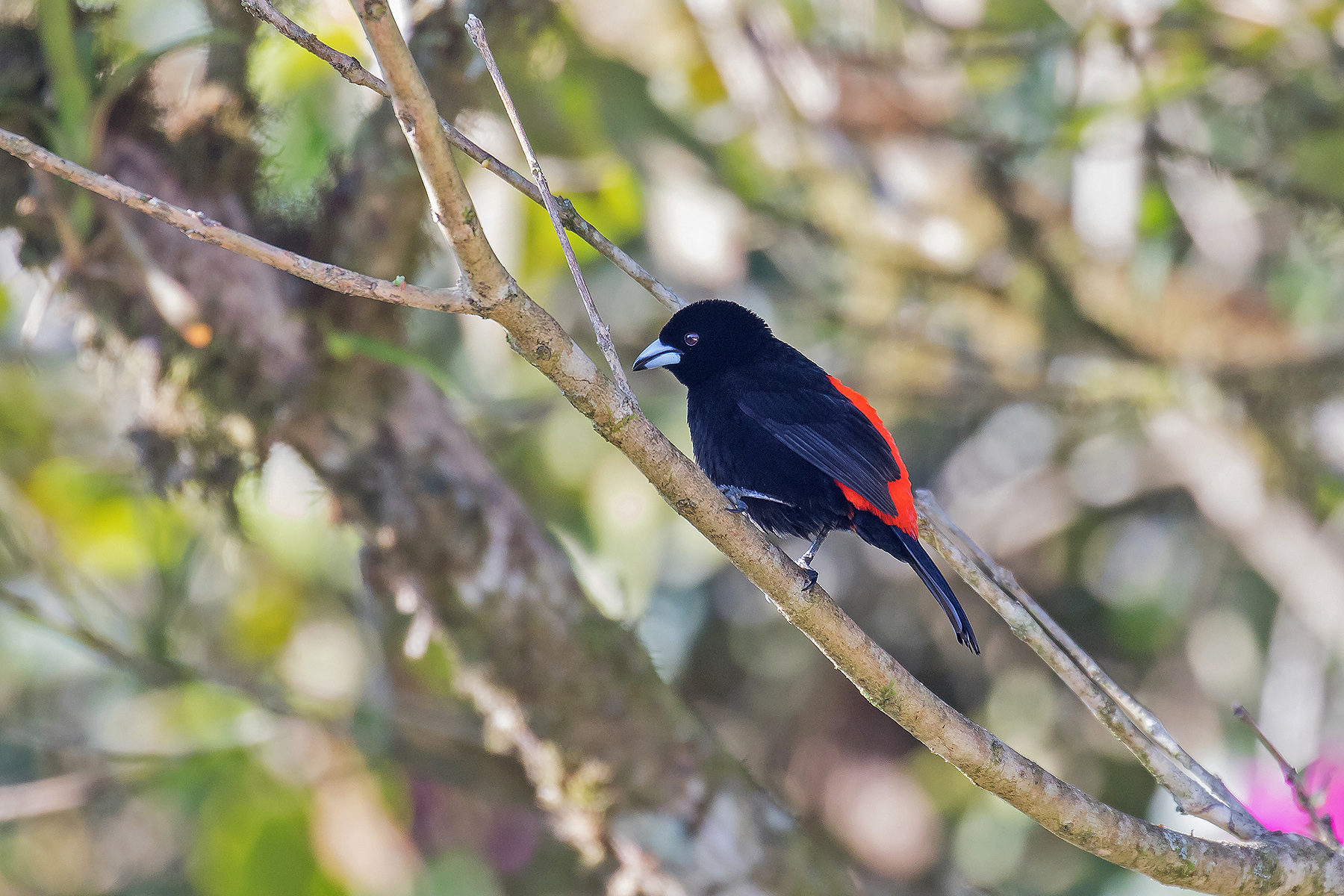
Passerini's Tanager (image by Pete Morris)
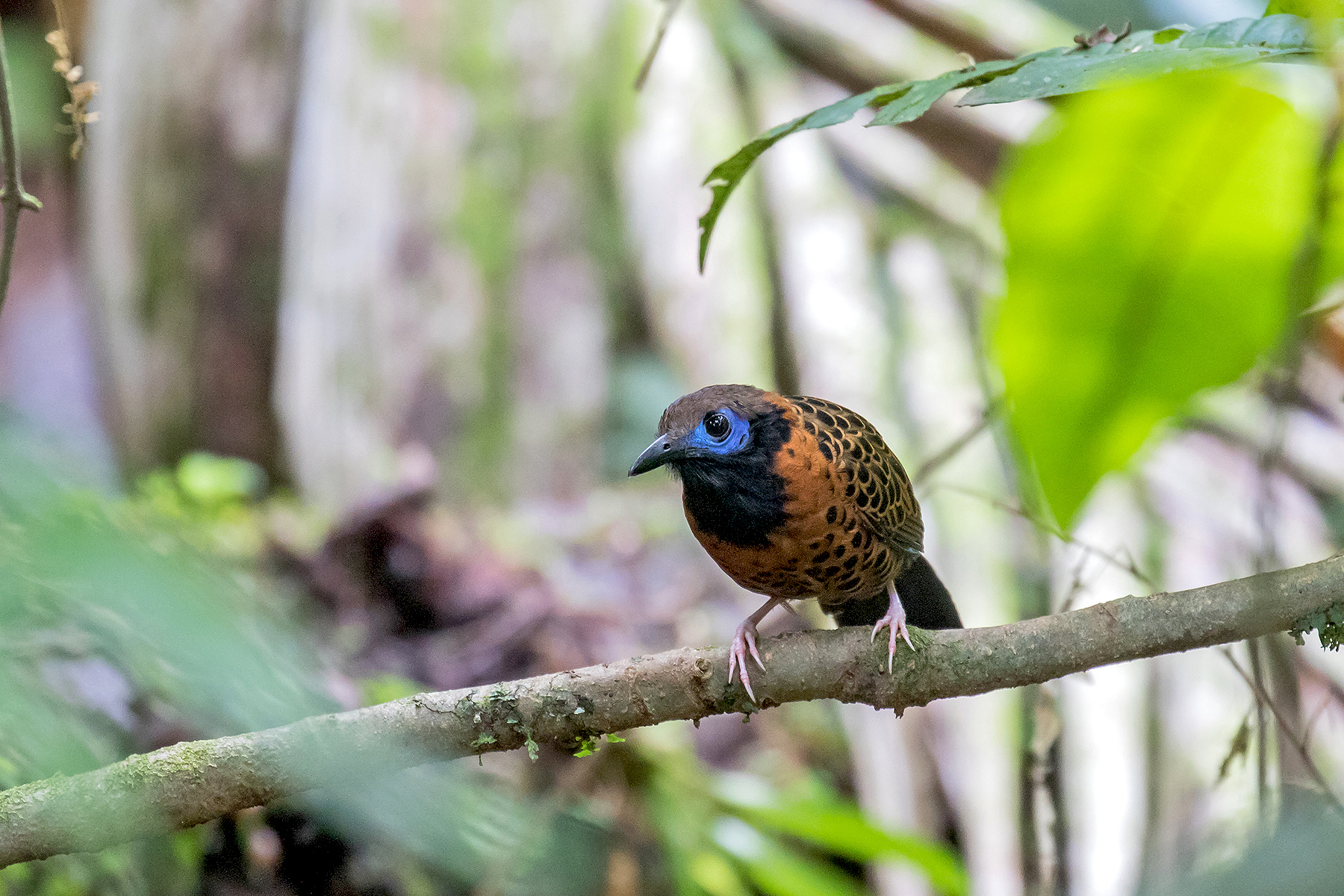
Ocellated Antbird (image by Pete Morris)
Mountain Thrush (Image by Fito Downs)
Blue-and-gold Tanager (image by Pete Morris)
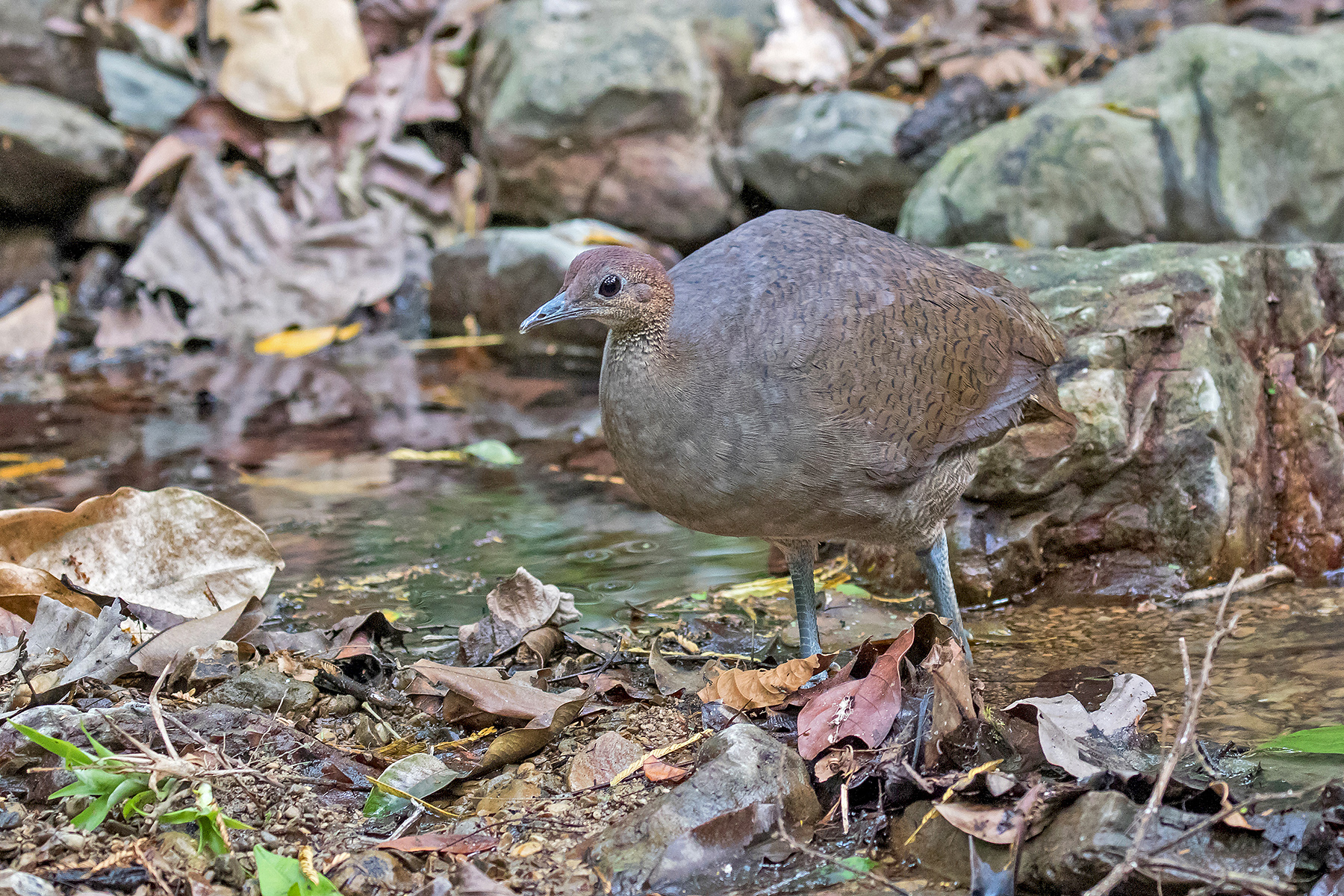
Great Tinamou (image by Pete Morris)
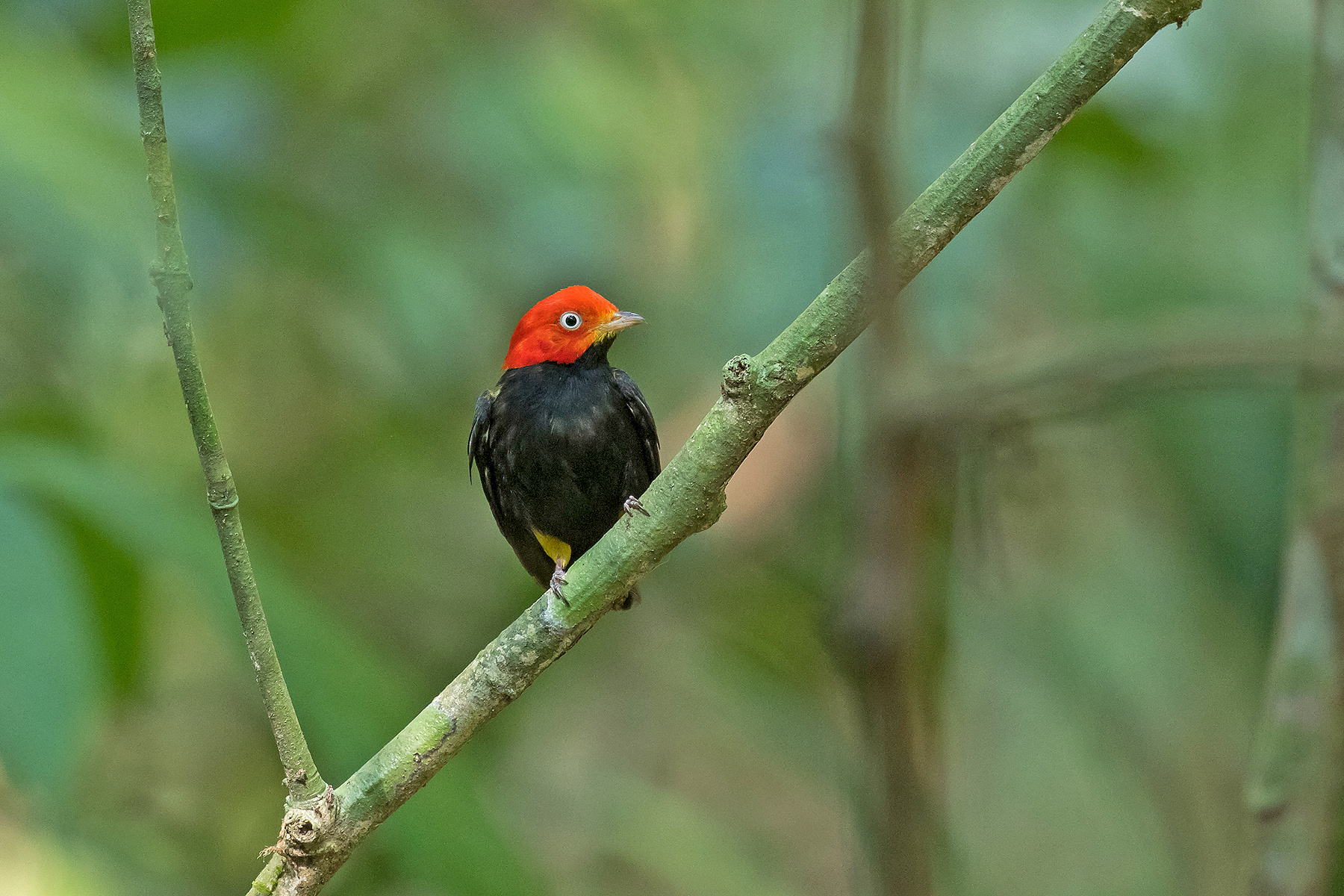
Red-capped Manakin (image by Pete Morris)
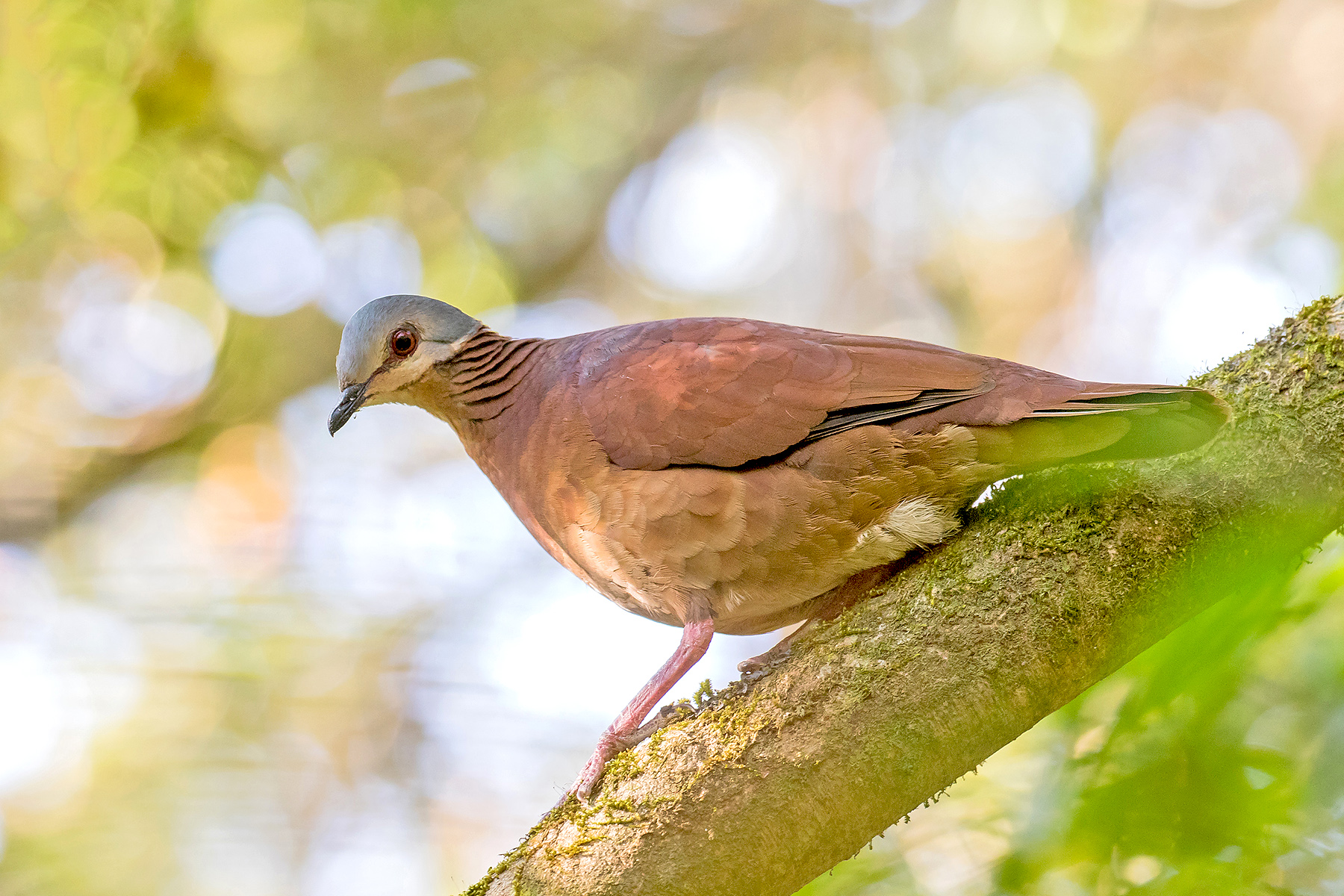
Chiriqui Quail-Dove (image by Pete Morris)
Snowcap (image by Pete Morris)
Timberline Wren (image by Leo Garrigues)
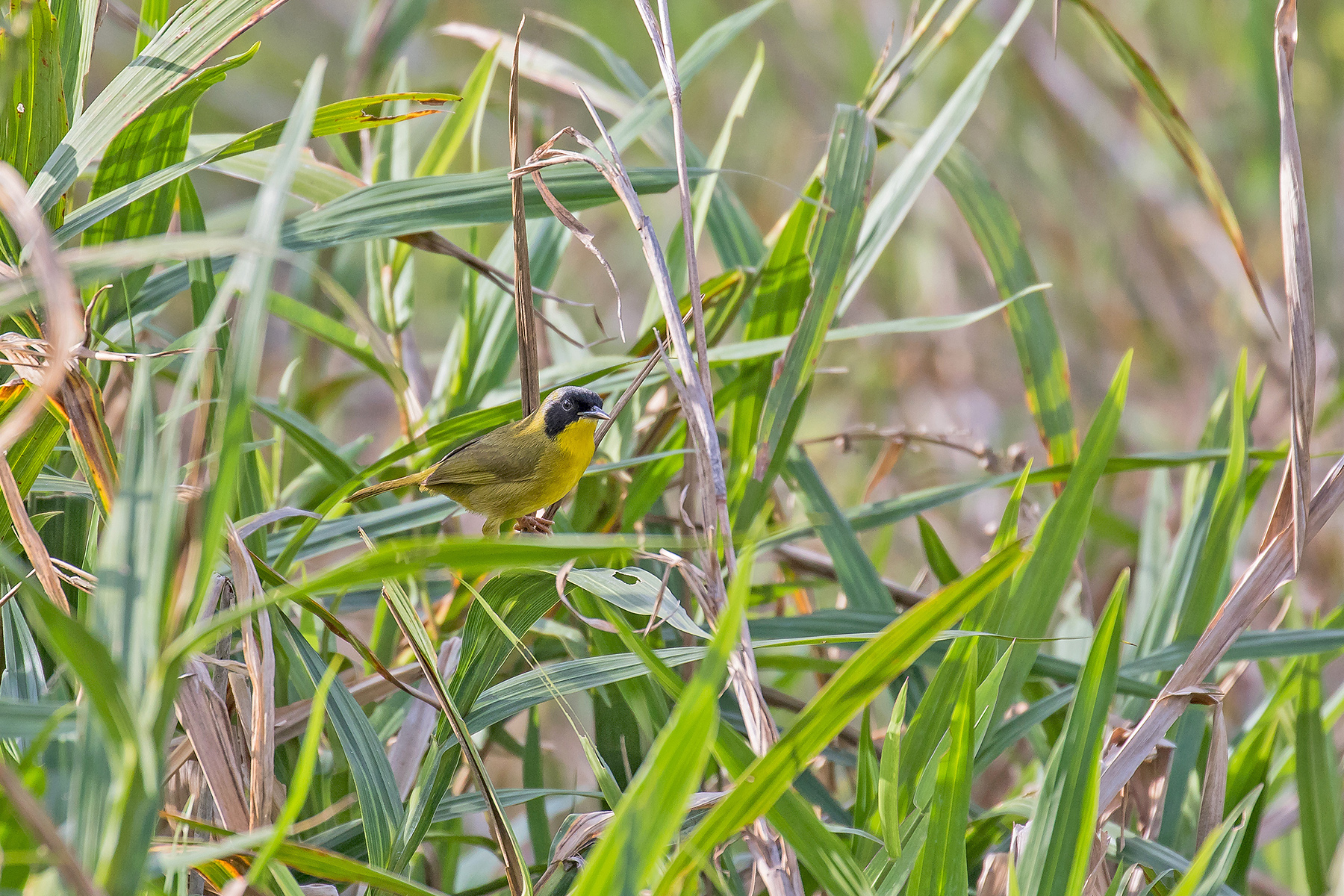
Olive-crowned Yellowthroat (image by Leo Garrigues)
Lattice-tailed Trogon (image by Leo Garrigues)
Pacific Screech Owl (image by Fito Downs)
Streak-breasted Treehunter (image by Pete Morris)
Western Woodhaunter (image by Leo Garrigues)
Chiriqui Yellowthroat (image by Pete Morris)
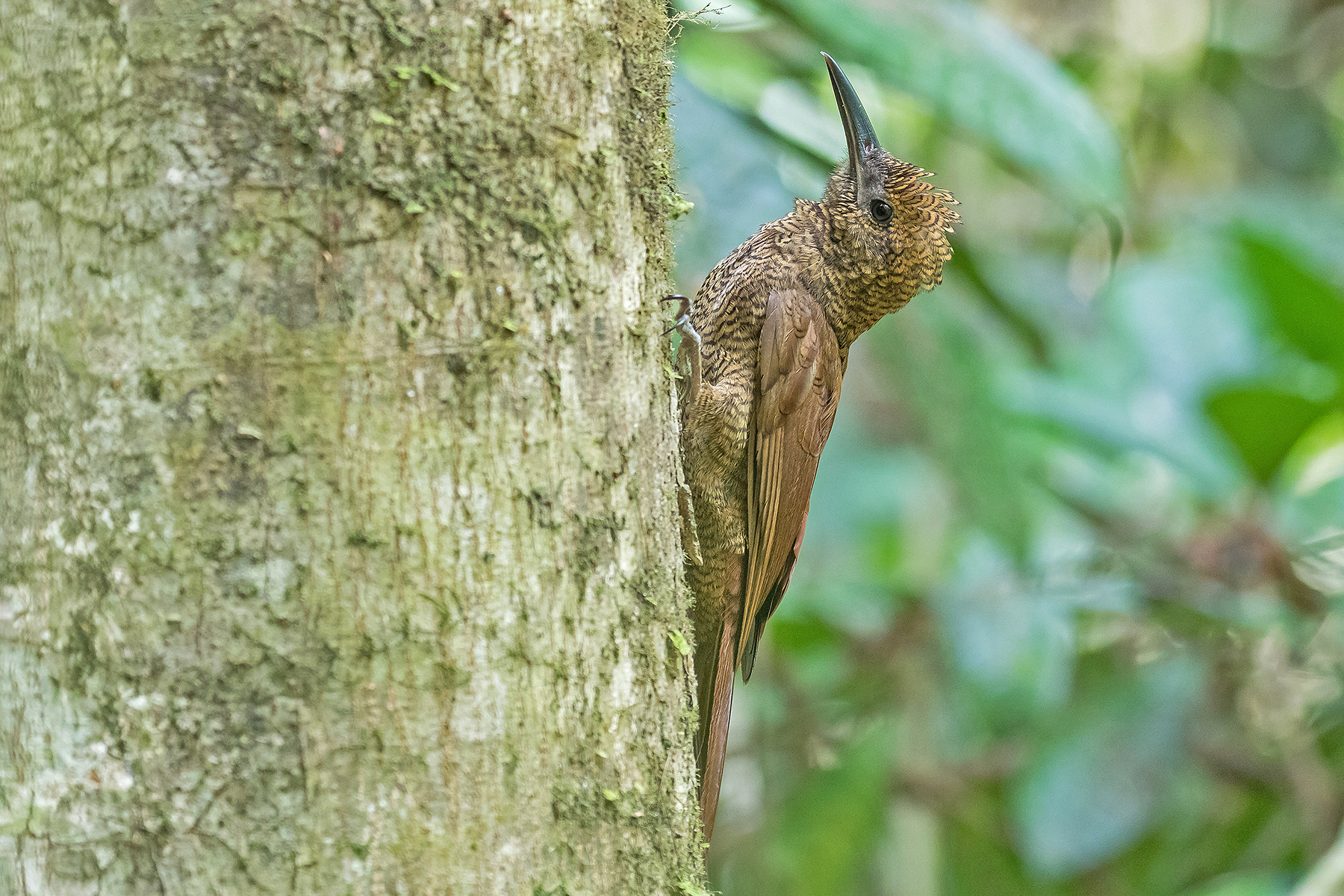
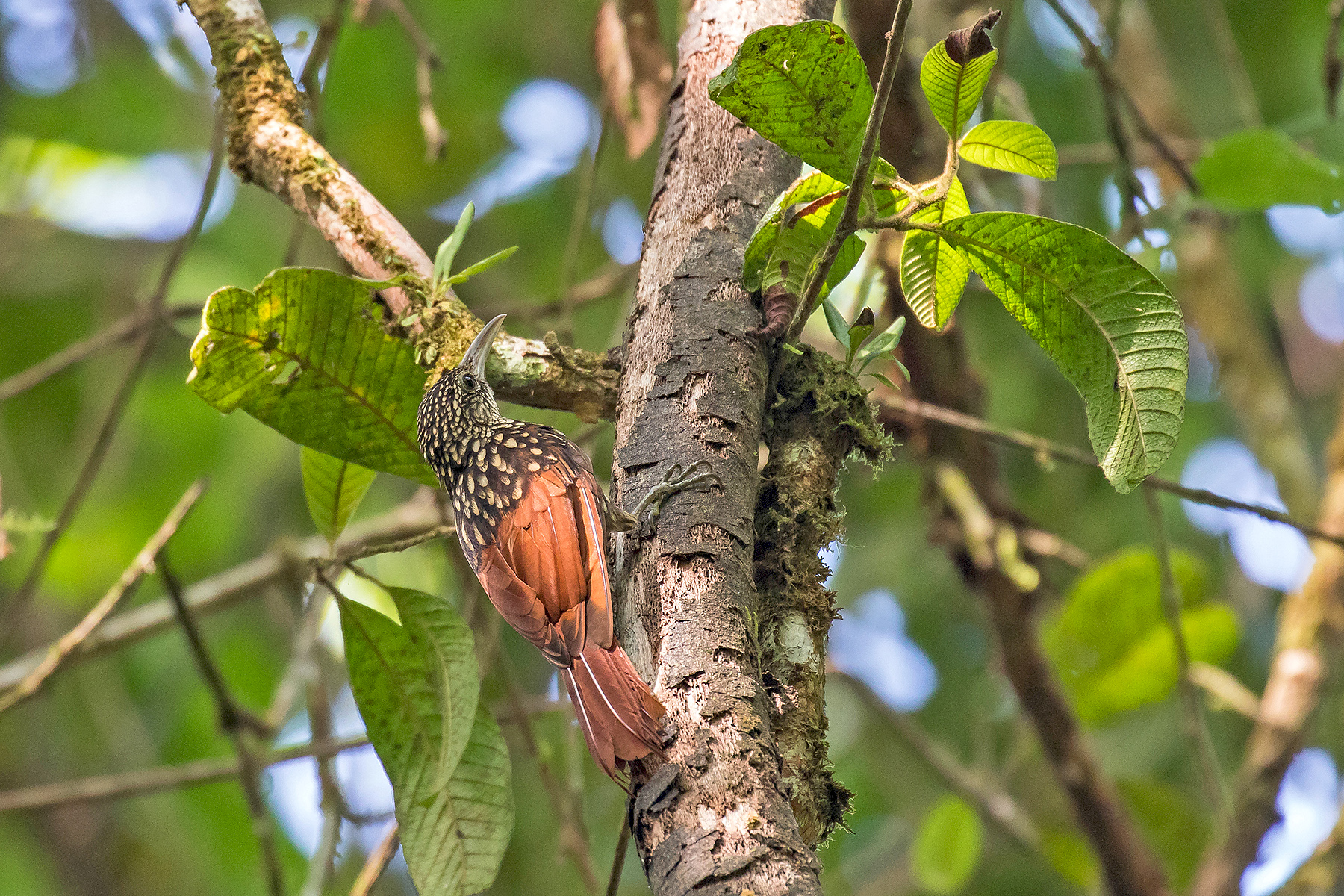
Northern Barred Woodcreeper (image by Pete Morris)
Green Thorntail (Image by Fito Downs)
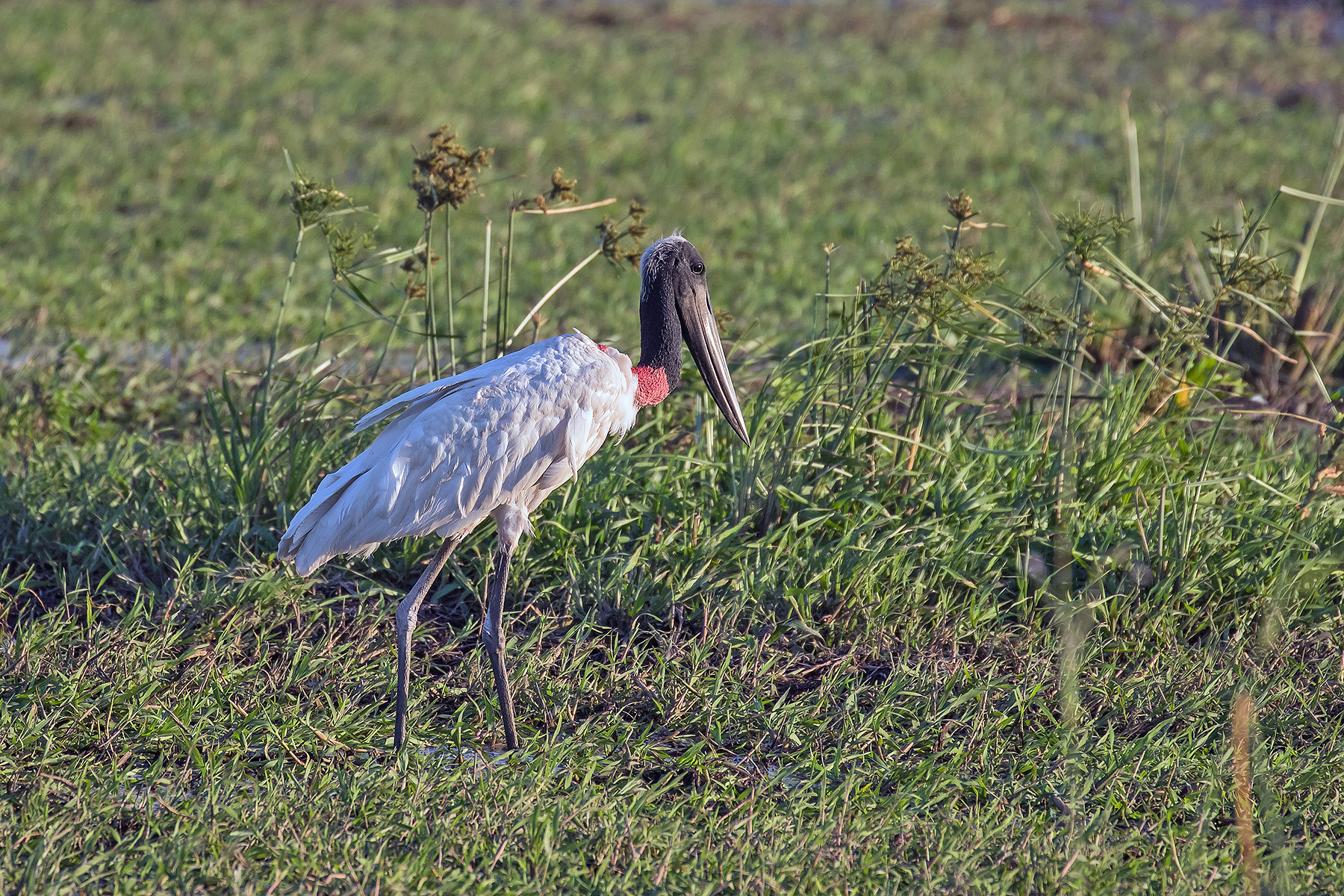
Jabiru (image by Pete Morris)
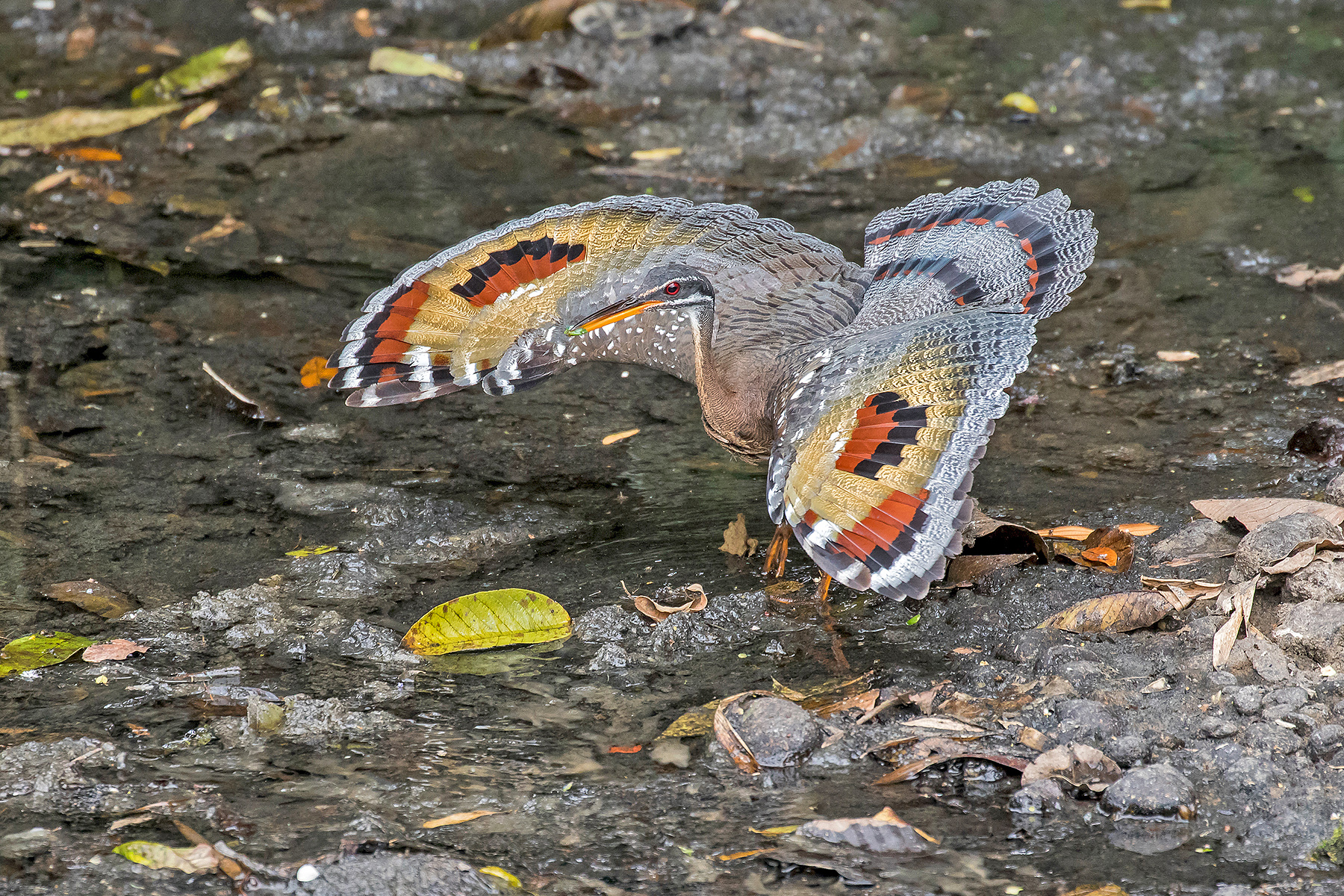
Sunbittern (image by Pete Morris)
Southern Lapwing (image by Fito Downs)
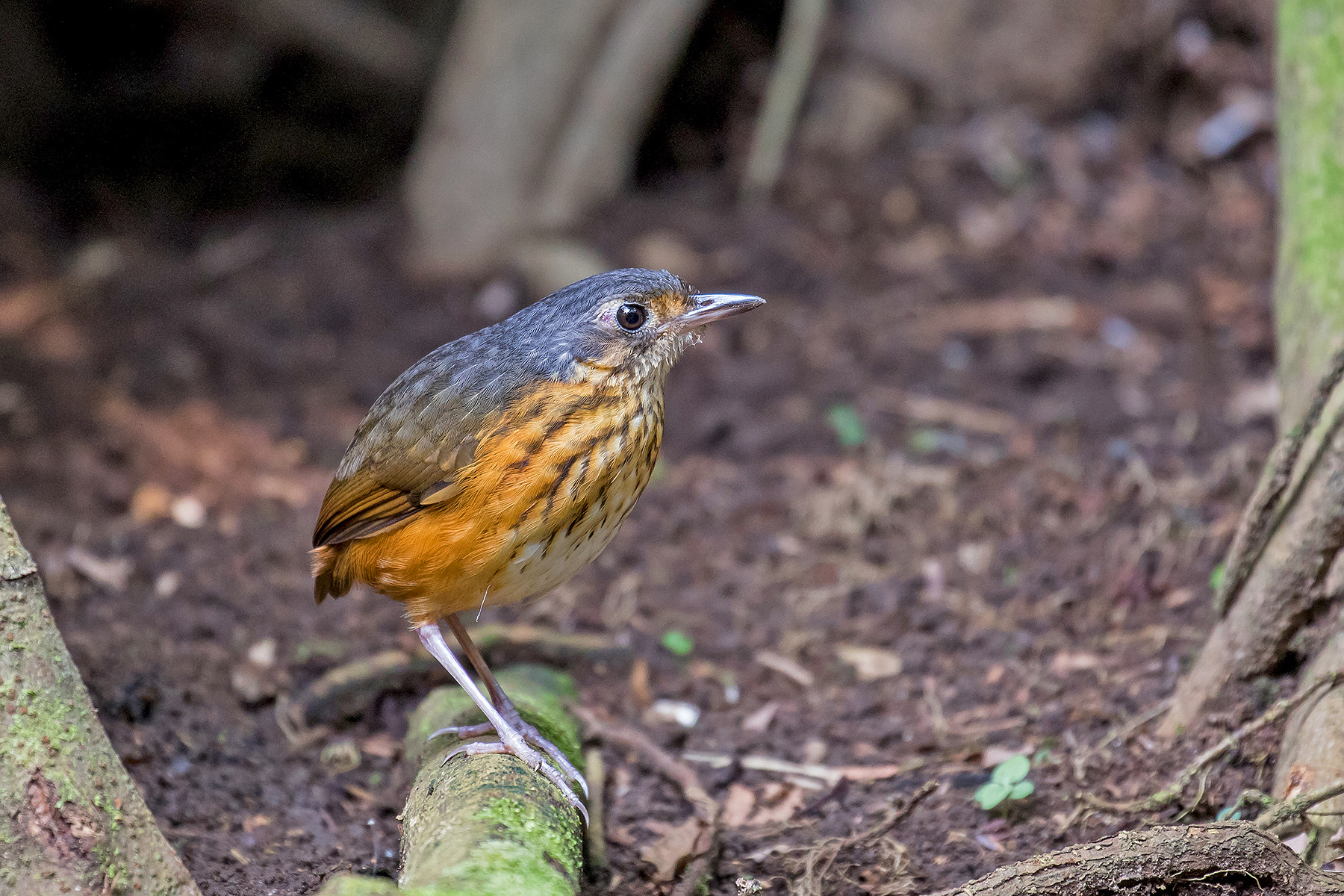
Thicket Antpitta (image by Pete Morris)
Yellow-headed Caracara (Image by Fito Downs)
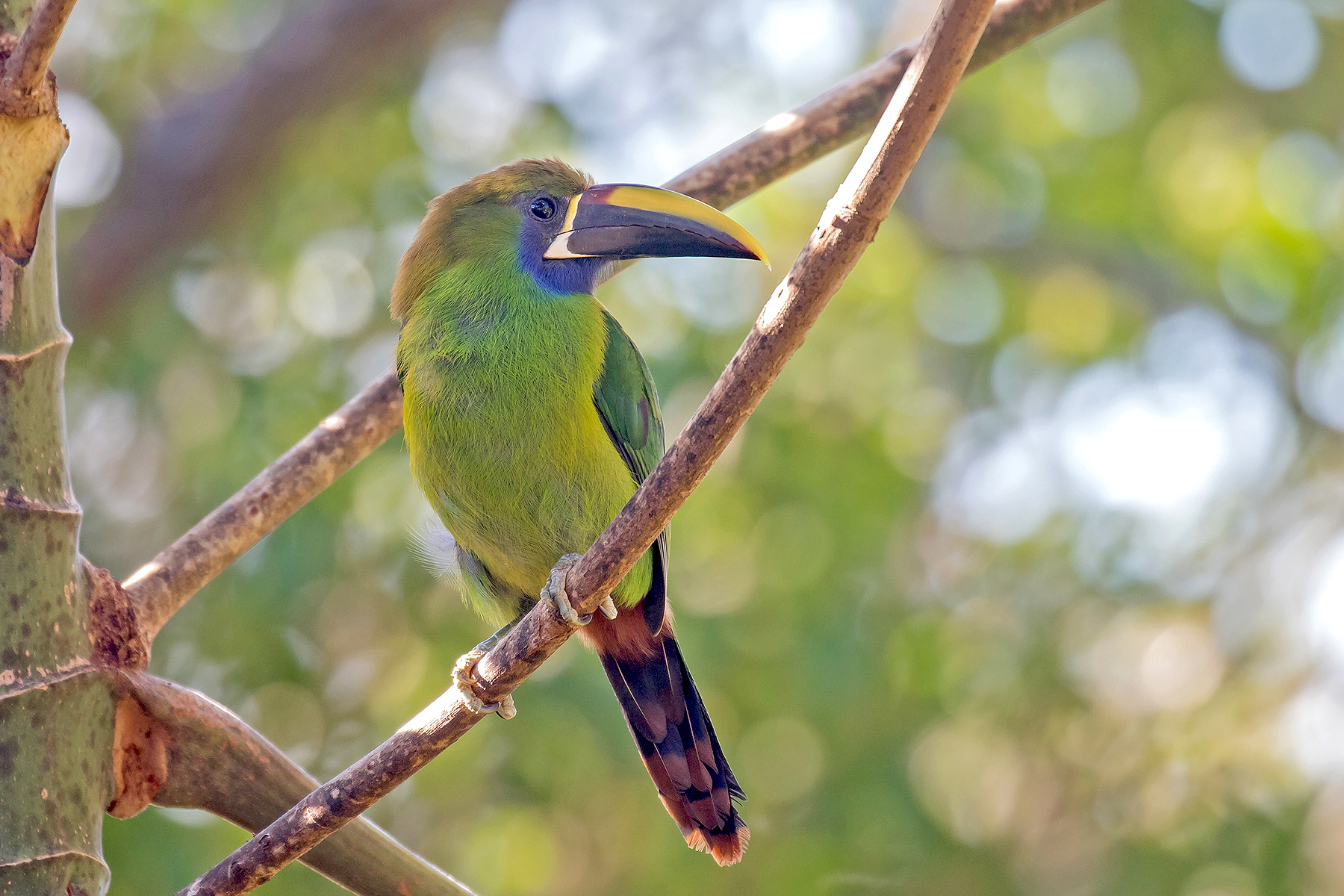
Blue-throated Toucanet (image by Pete Morris)
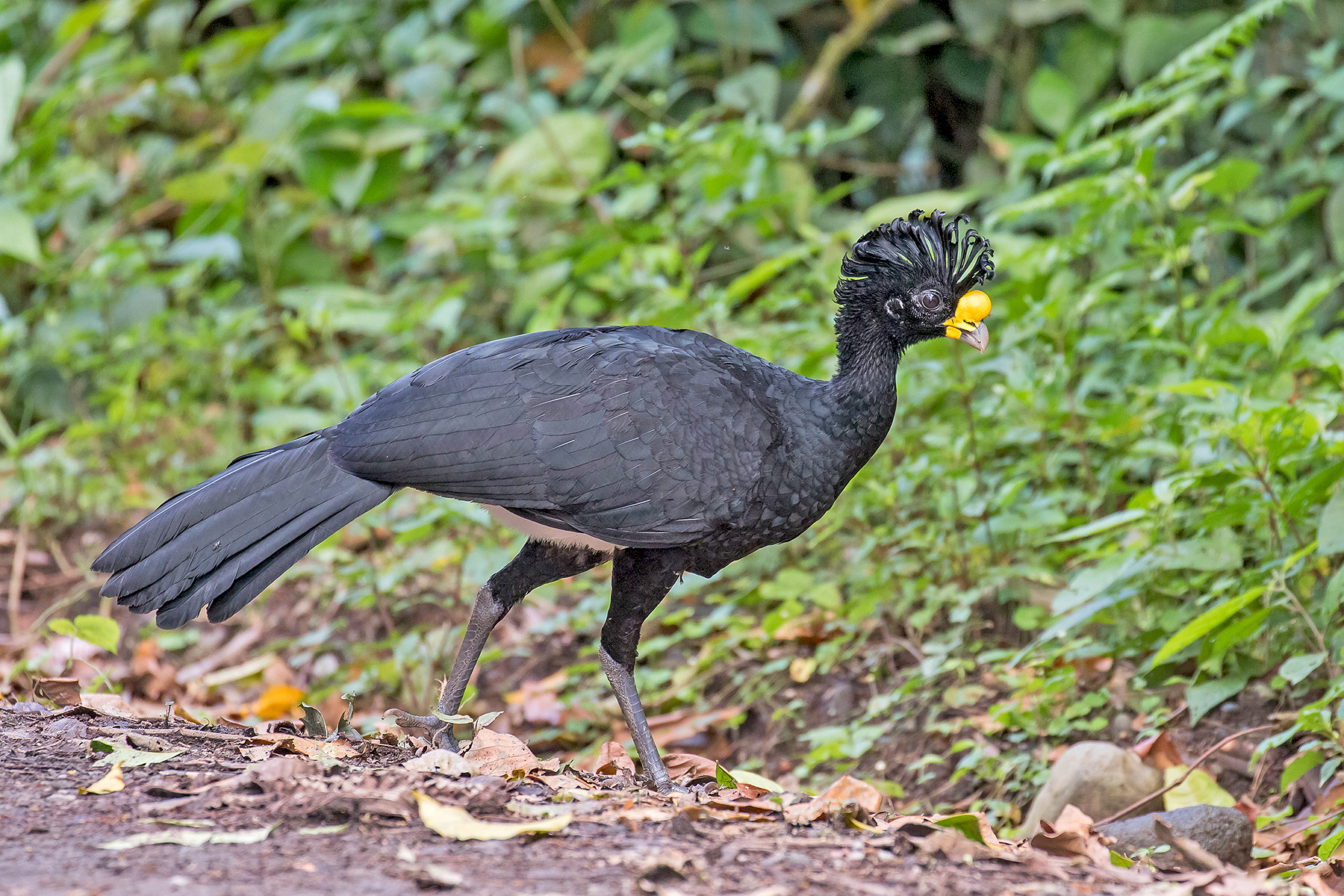
Great Curassows (image by Pete Morris)
Olivaceous Piculet (image by Leo Garrigues)
Northern Nightingale-Wren (image by Leo Garrigues)
Nicaraguan Seedfinch (image by Pete Morris)
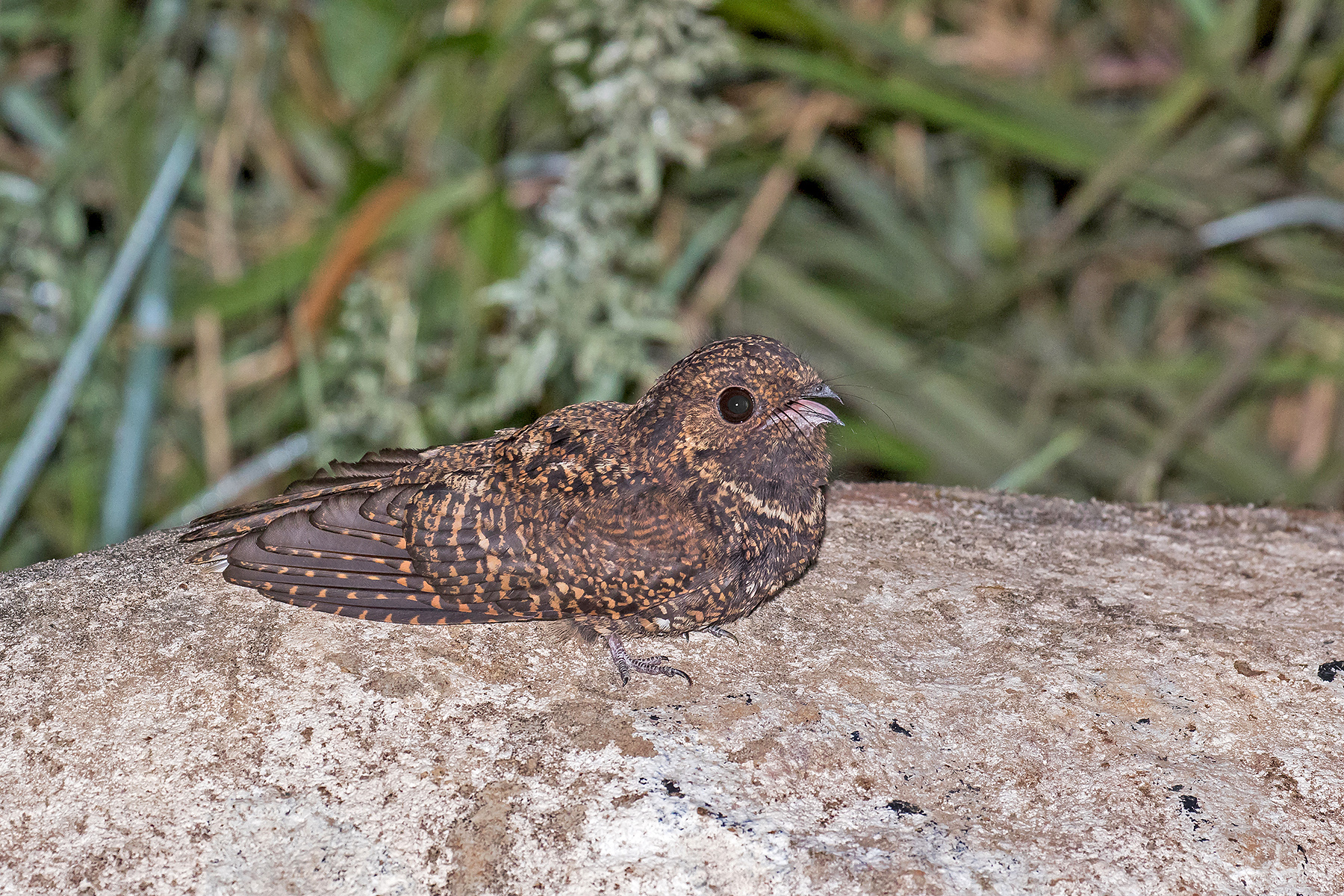
Dusky Nightjar (image by Pete Morris)
Crested Owl (image by Pete Morris)
Yellowish Flycatcher (Image by Fito Downs)
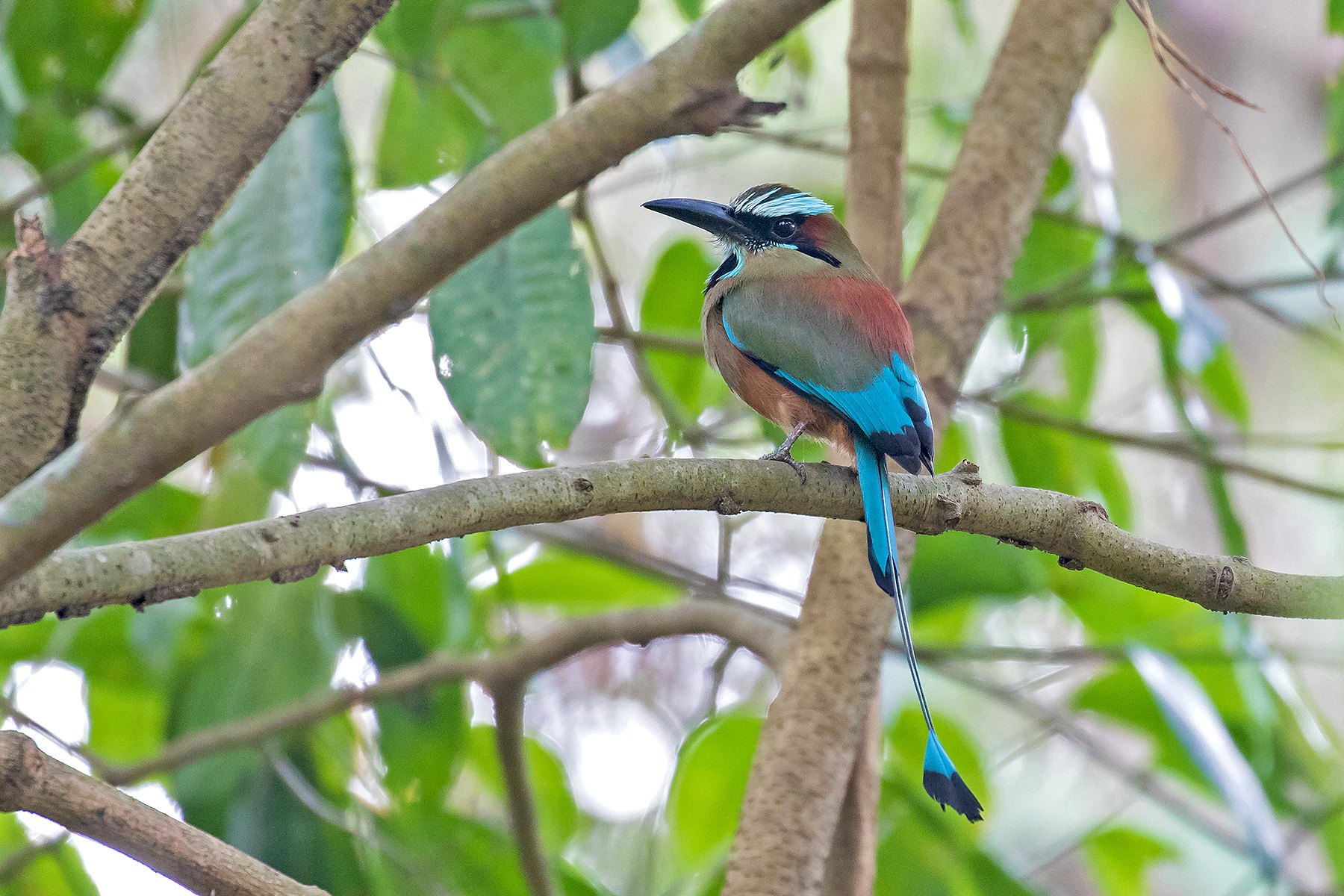
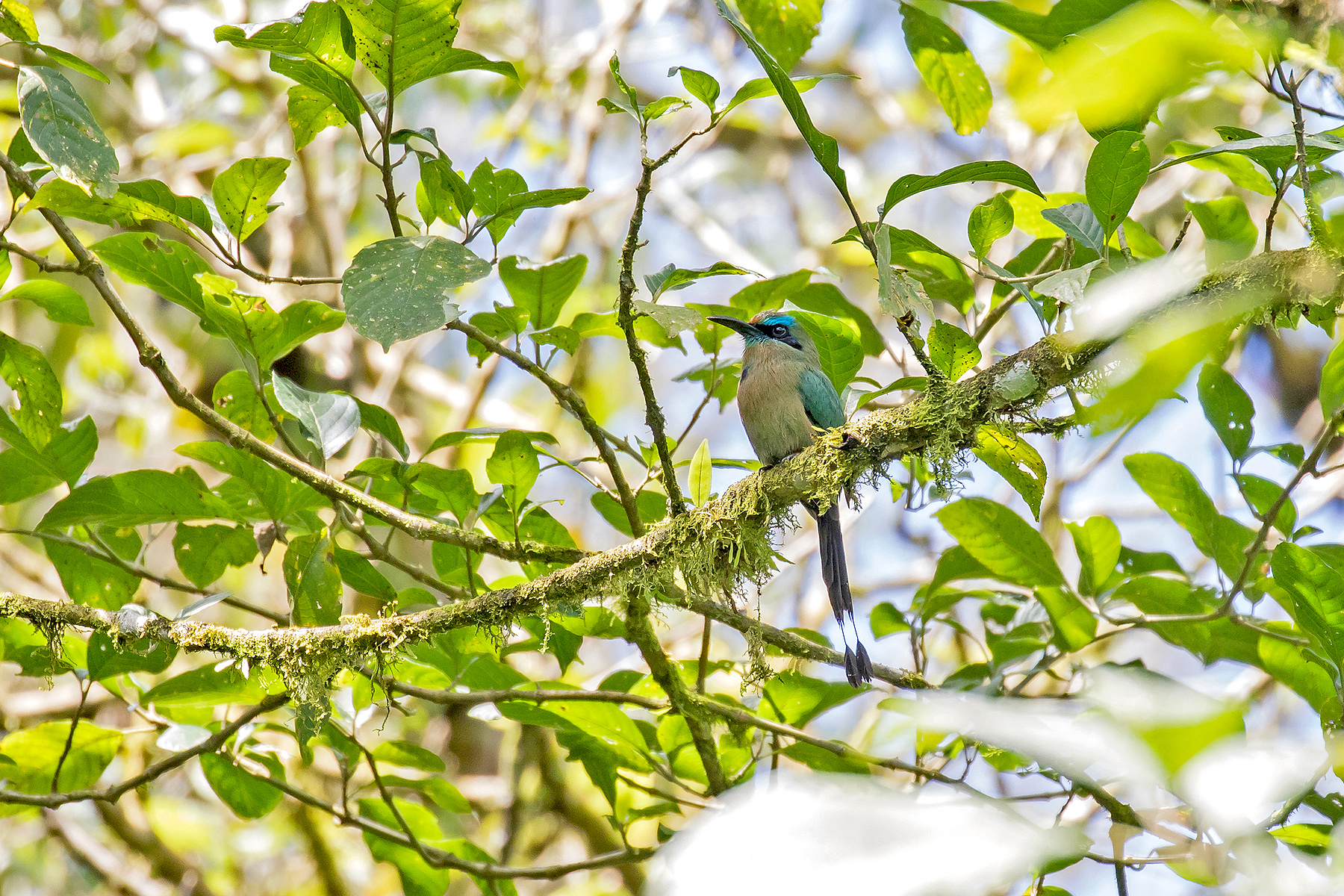
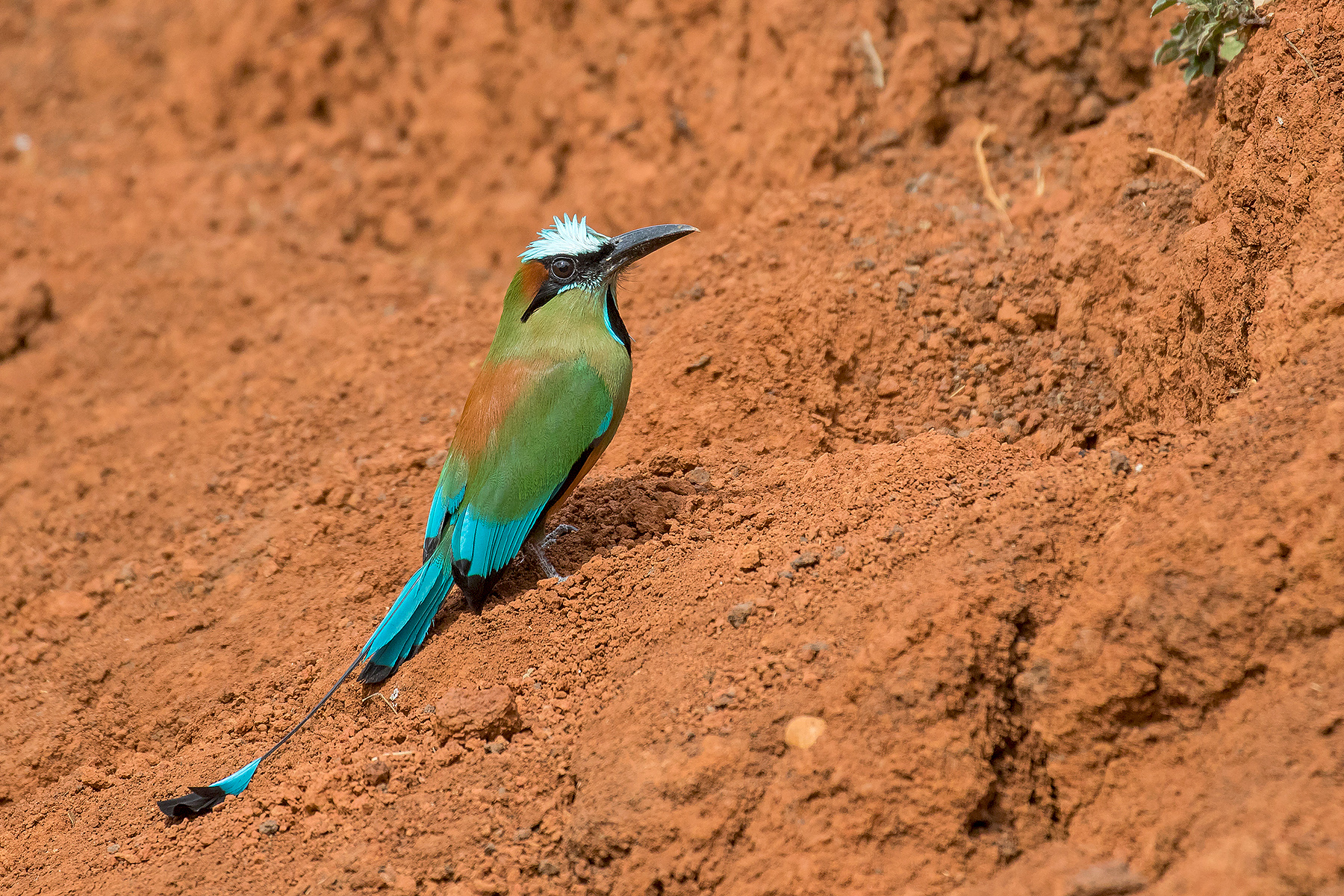
Turquoise-browed Motmot (image by Pete Morris)
Large-footed Finch (image by Leo Garrigues)
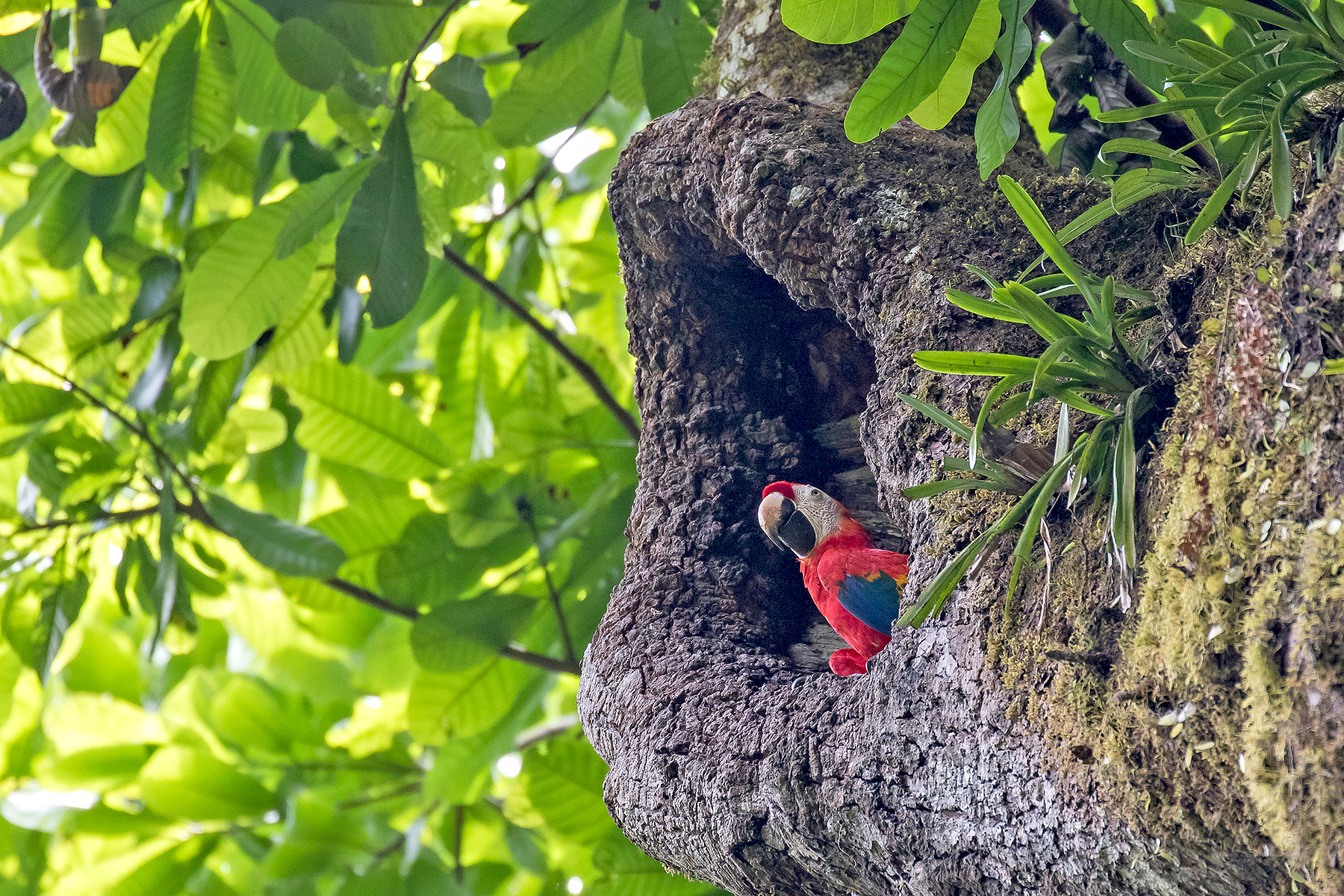
Scarlet Macaw (image by Pete Morris)
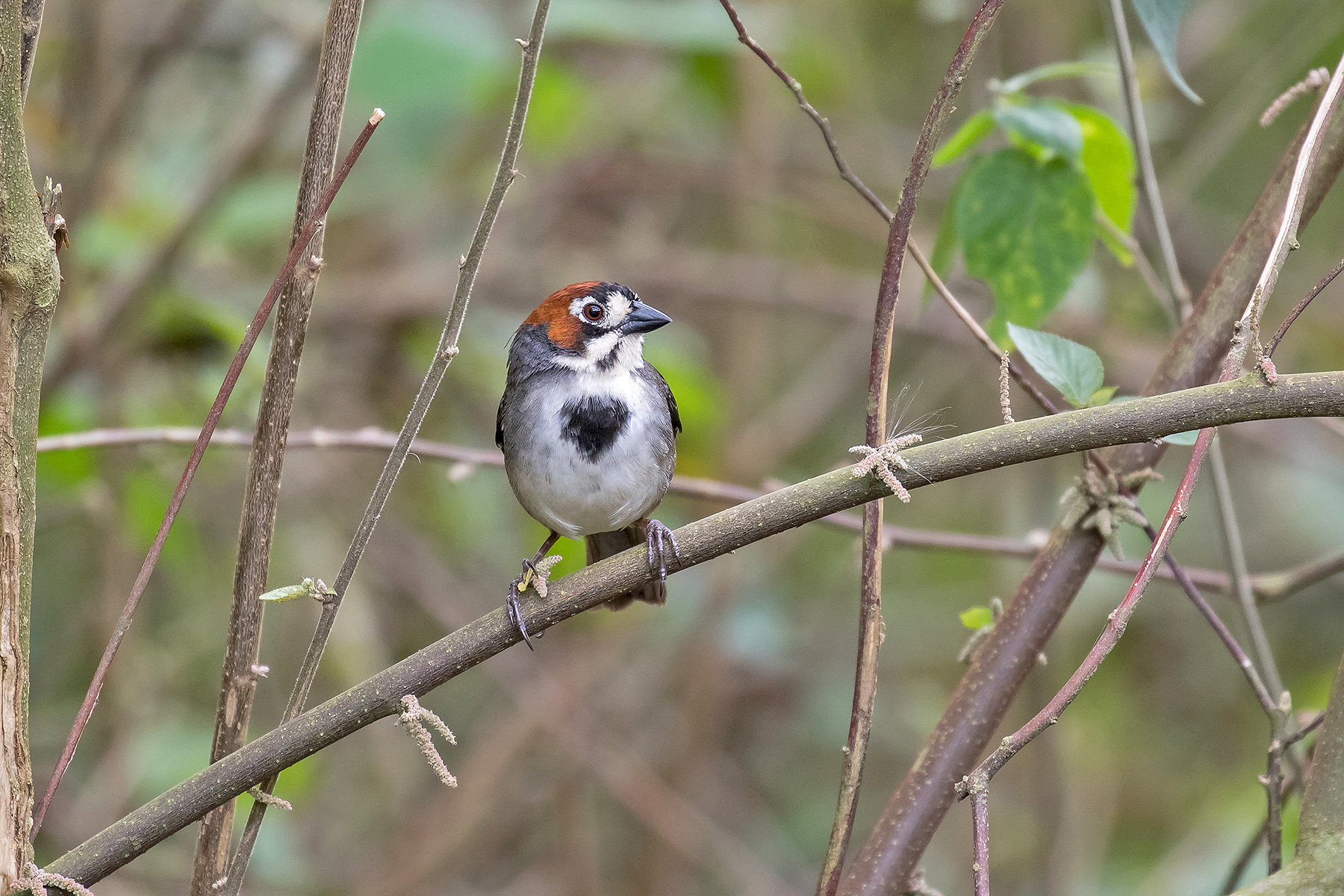
Cabanis's Ground Sparrow (image by Pete Morris)
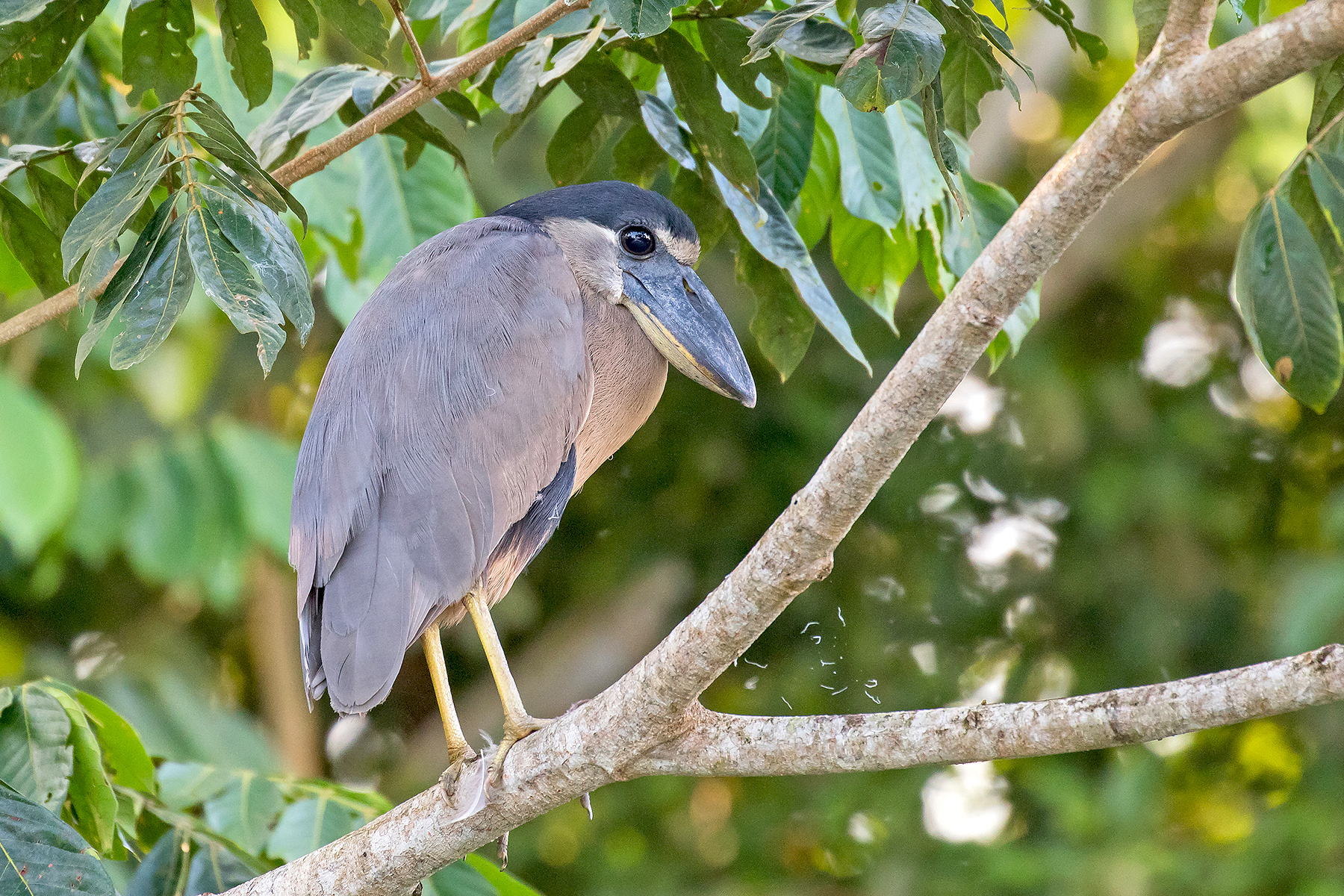
Boat-billed Heron (image by Pete Morris)
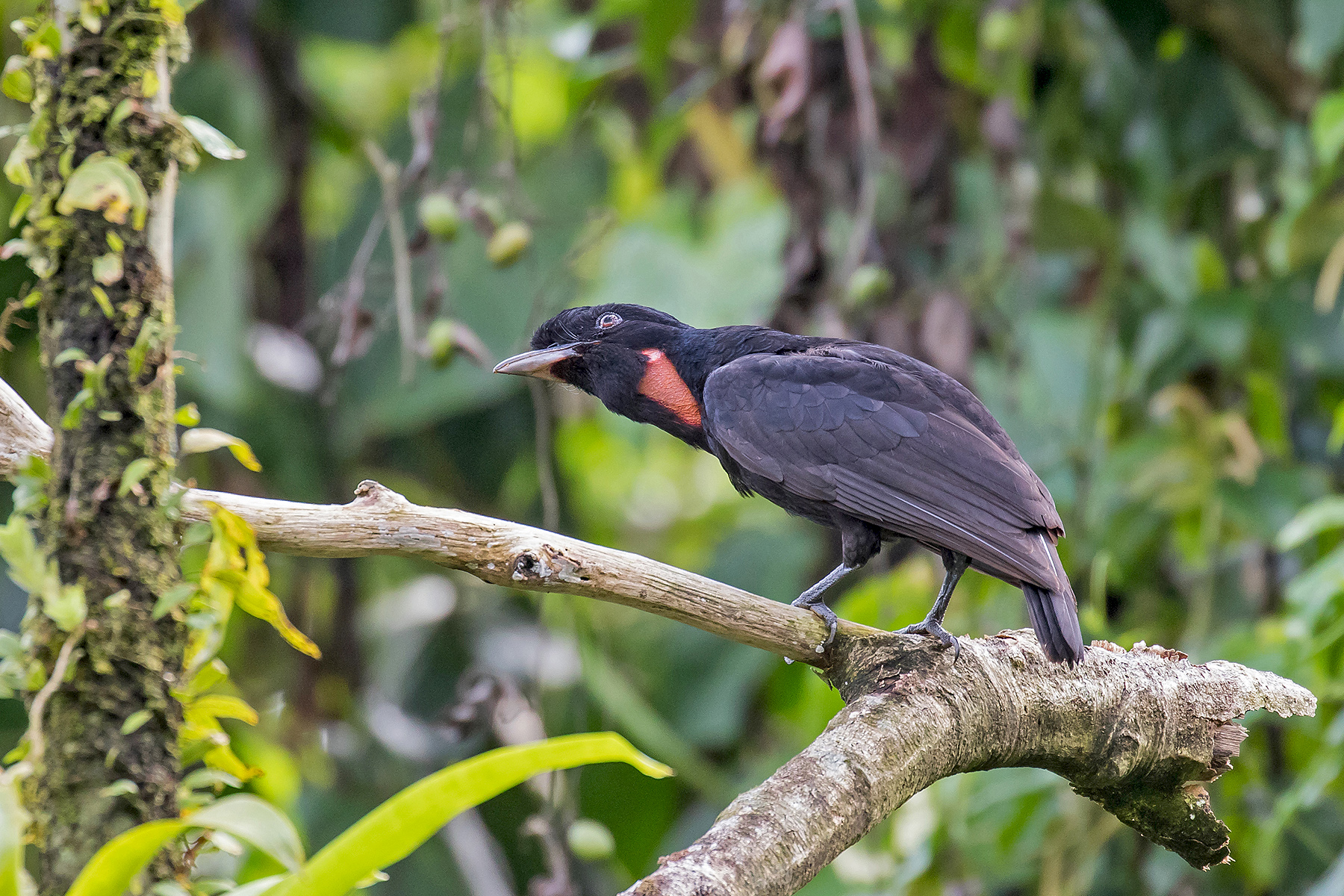
Bare-necked Umbrellabird (image by Leo Garrigues)
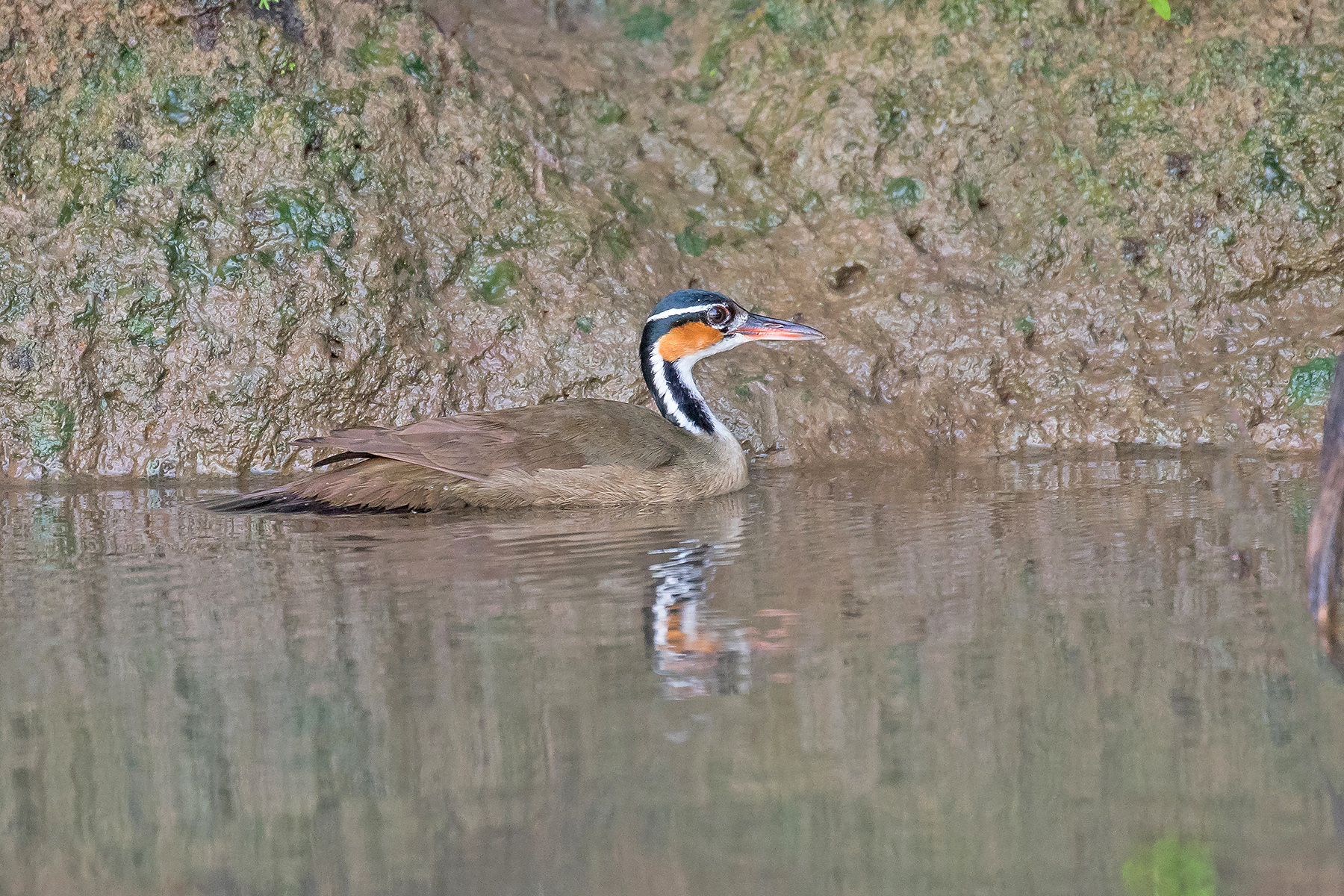
Sungrebe (image by Pete Morris)
White-crested Coquette (image by Leo Garrigues)
Great Curassow (image by Fito Downs)
Veraguan Mango (image by Leo Garrigues)
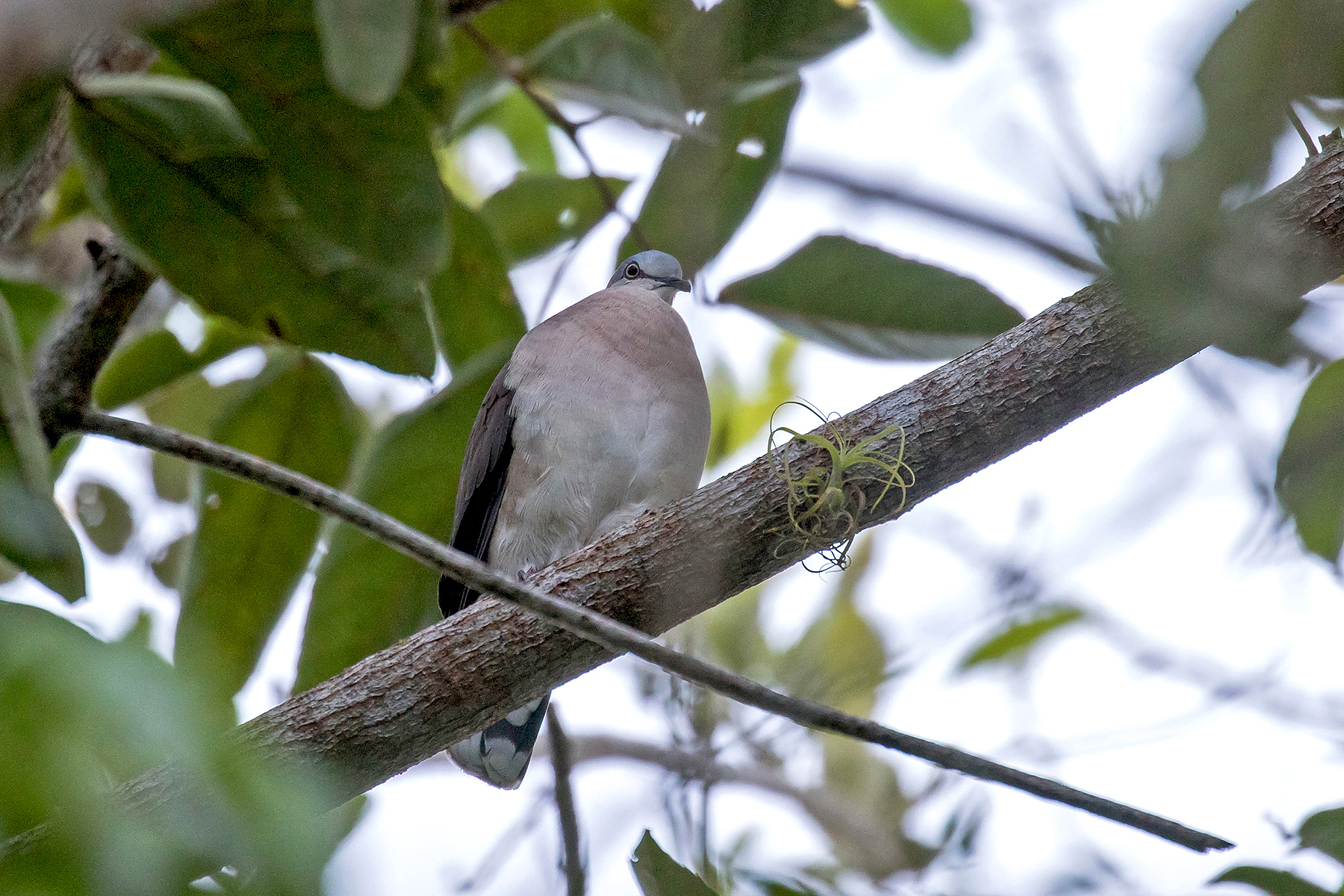
Grey-headed Dove (image by Pete Morris)
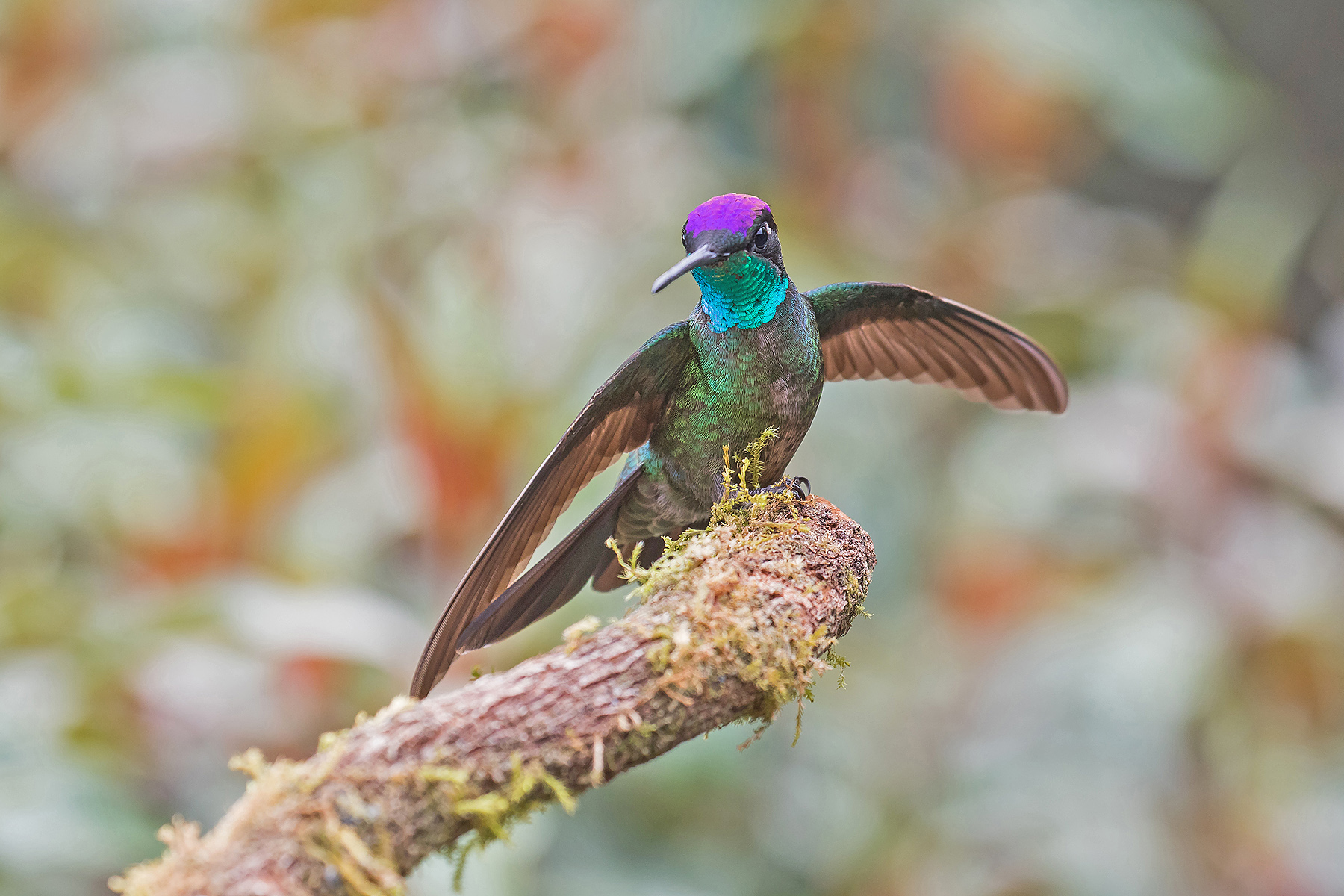
Magenta-throated Woodstar (image by Leo Garrigues)
White-tipped Sicklebill (image by Pete Morris)
White-throated Mountaingem (image by Fito Downs)
Uniform Crake (image by Pete Morris)
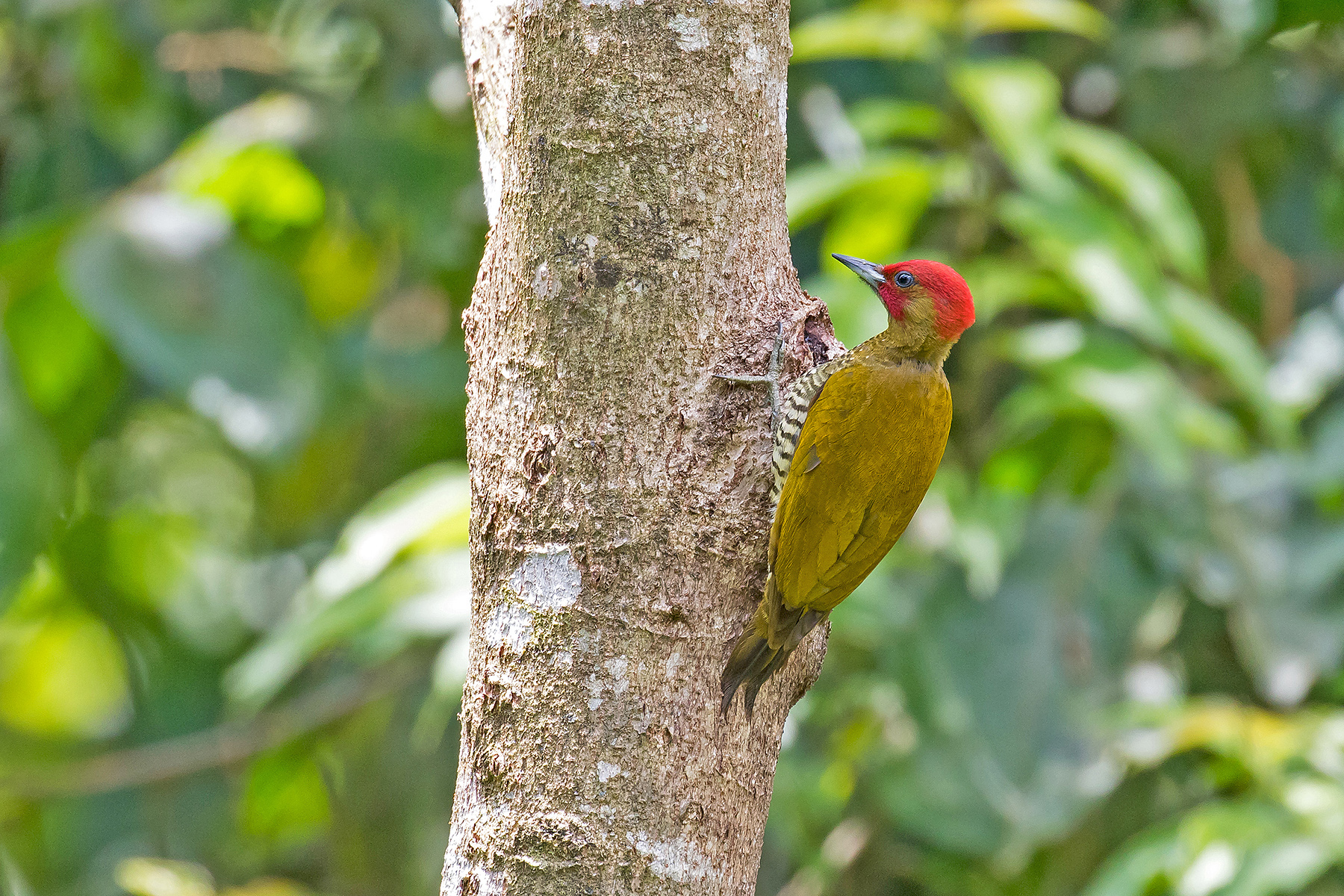
Rufous-winged Woodpecker (image by Pete Morris)
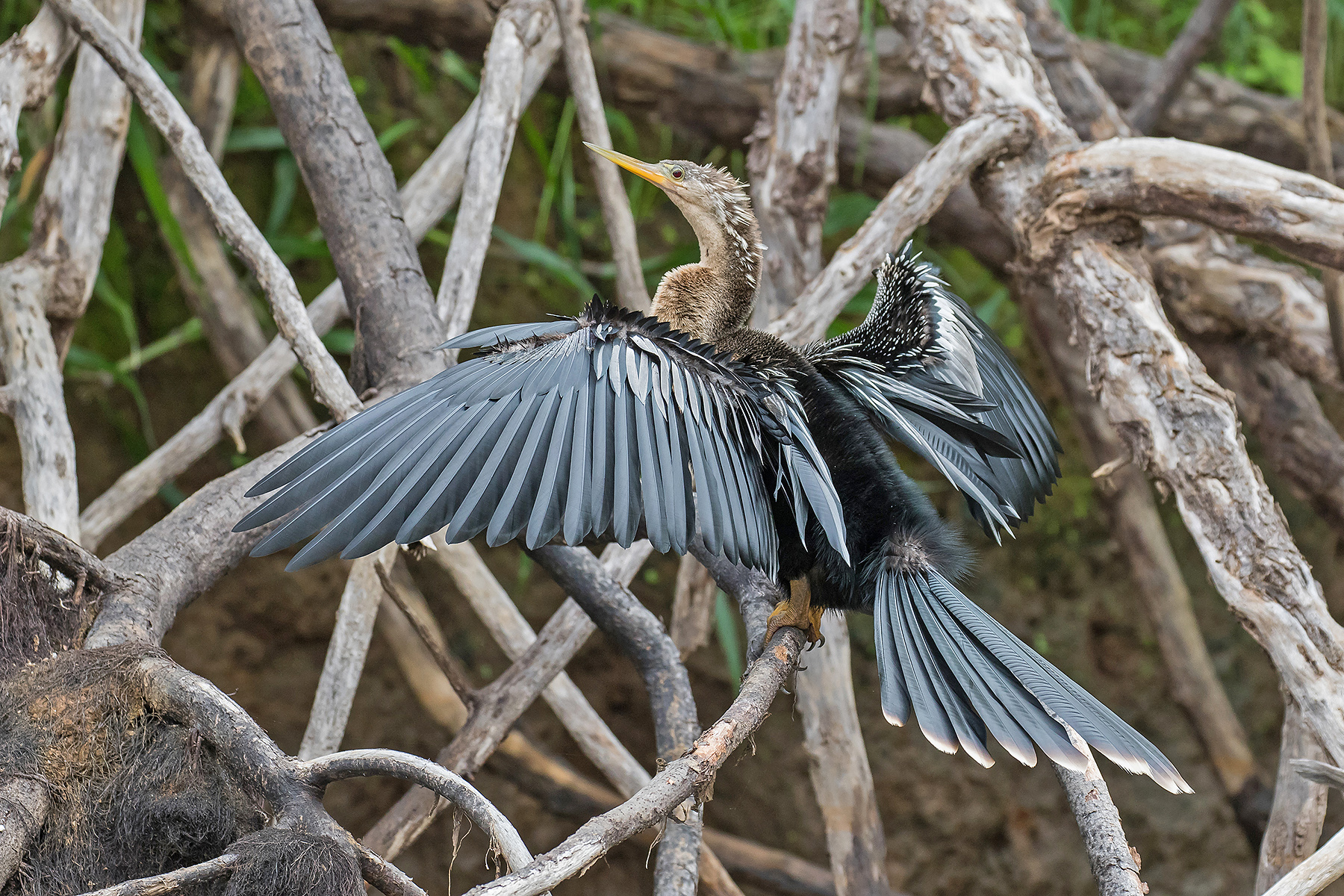
Anhinga (image by Pete Morris)
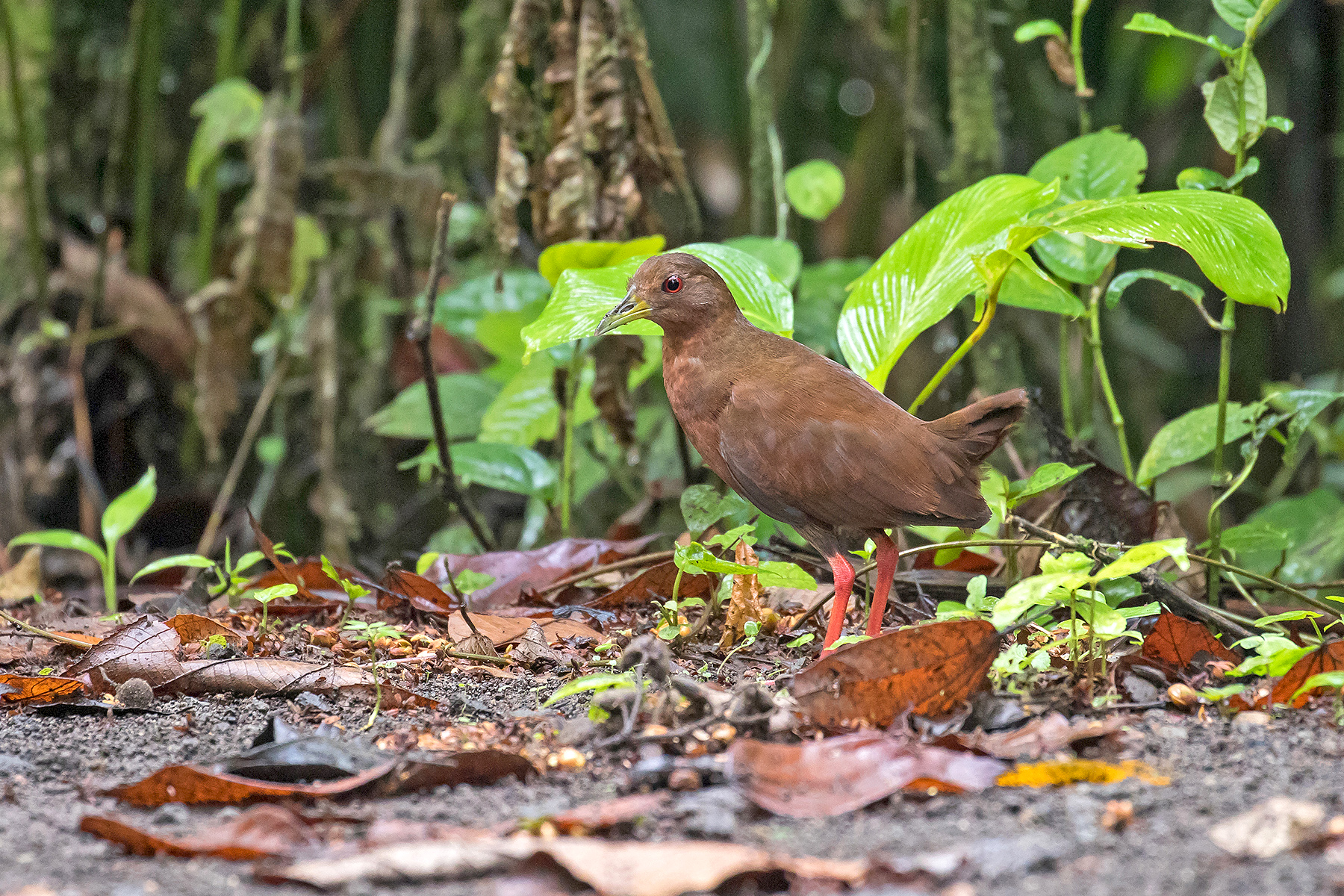
Russet-naped Wood-Rail (Image by Fito Downs)
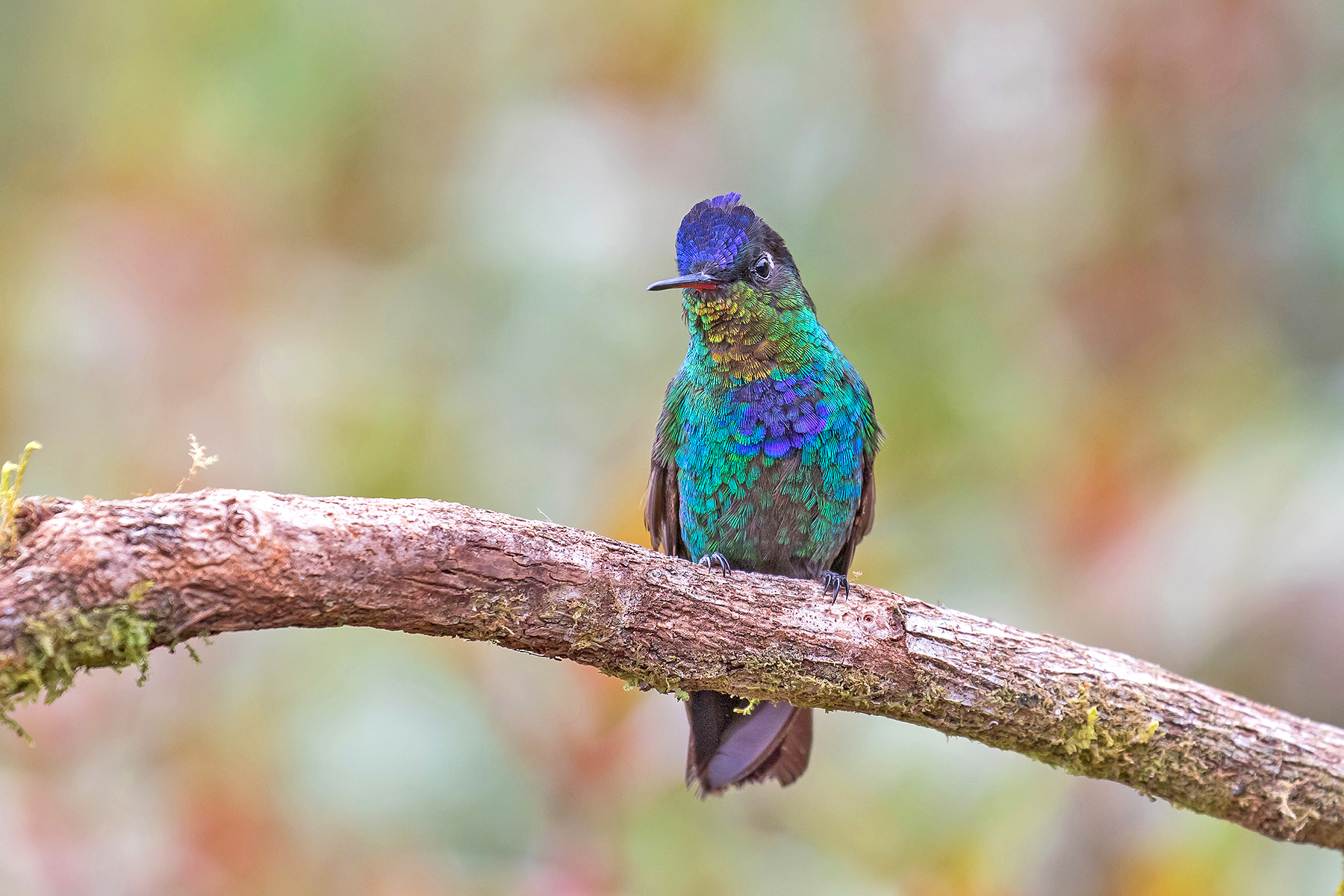
Fiery-throated Hummingbird (image by Pete Morris)
Costa Rican Pygmy Owl (image by Leo Garrigues)
Hoffman's Woodpecker (image by Fito Downs)
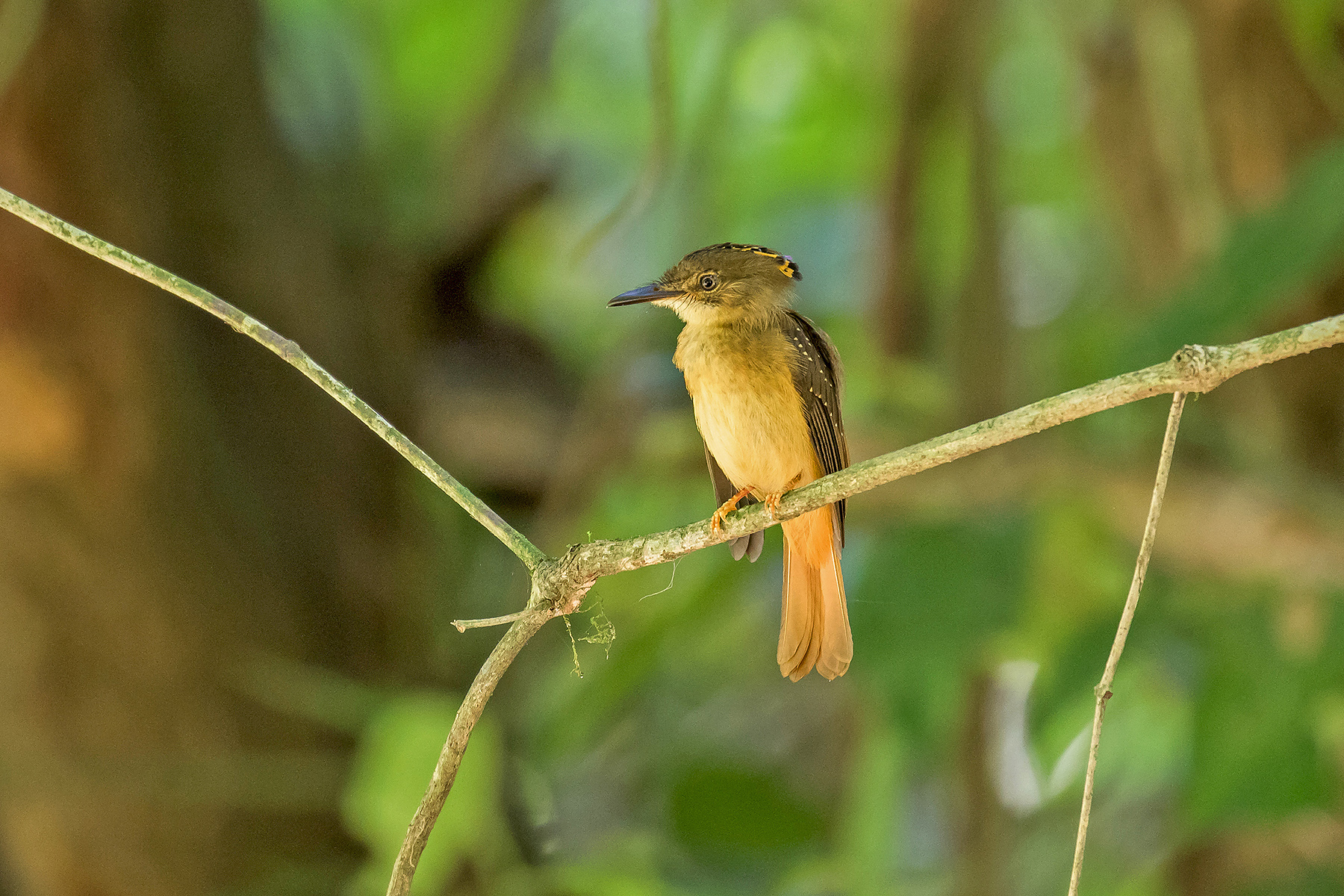
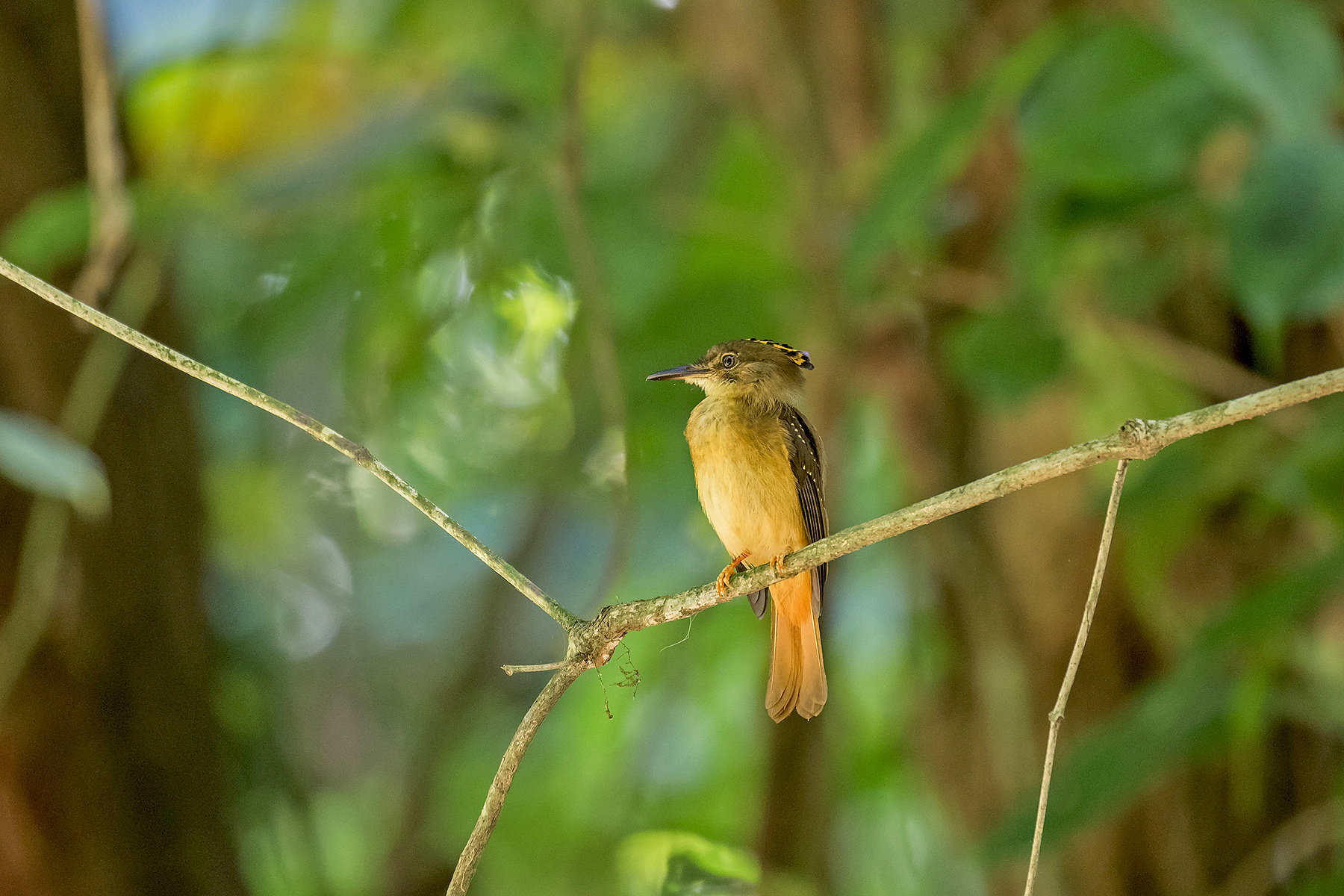
Northern Royal Flycatcher (image by Pete Morris)
Long-tailed Silky-Flycatcher (Image by Fito Downs)
Resplendent Quetzal (image by Pete Morris)
Little Long-tailed Woodcreeper (image by Leo Garrigues)
Rufous-naped Wood Rail (image by Pete Morris)
White-tipped Sicklebill (image by Leo Garrigues)
Snowcap (Image by Fito Downs)
Bare-shanked Screech Owl (image by Pete Morris)
Yellow-billed Cacique (image by Fito Downs)
Yellow-eared Toucanet (image by Leo Garrigues)
Golden-browed Chlorophonia (image by Pete Morris)
Black-headed Tody-Flycatcher (image by Leo Garrigues)
Tawny-winged Woodcreeper (image by Pete Morris)
Lesser Ground Cuckoo (image by Fito Downs)
Black-bellied Wren (image by Pete Morris)
Striped Owl (image by Pete Morris)
Vermiculated Screech Owl (image by Pete Morris)
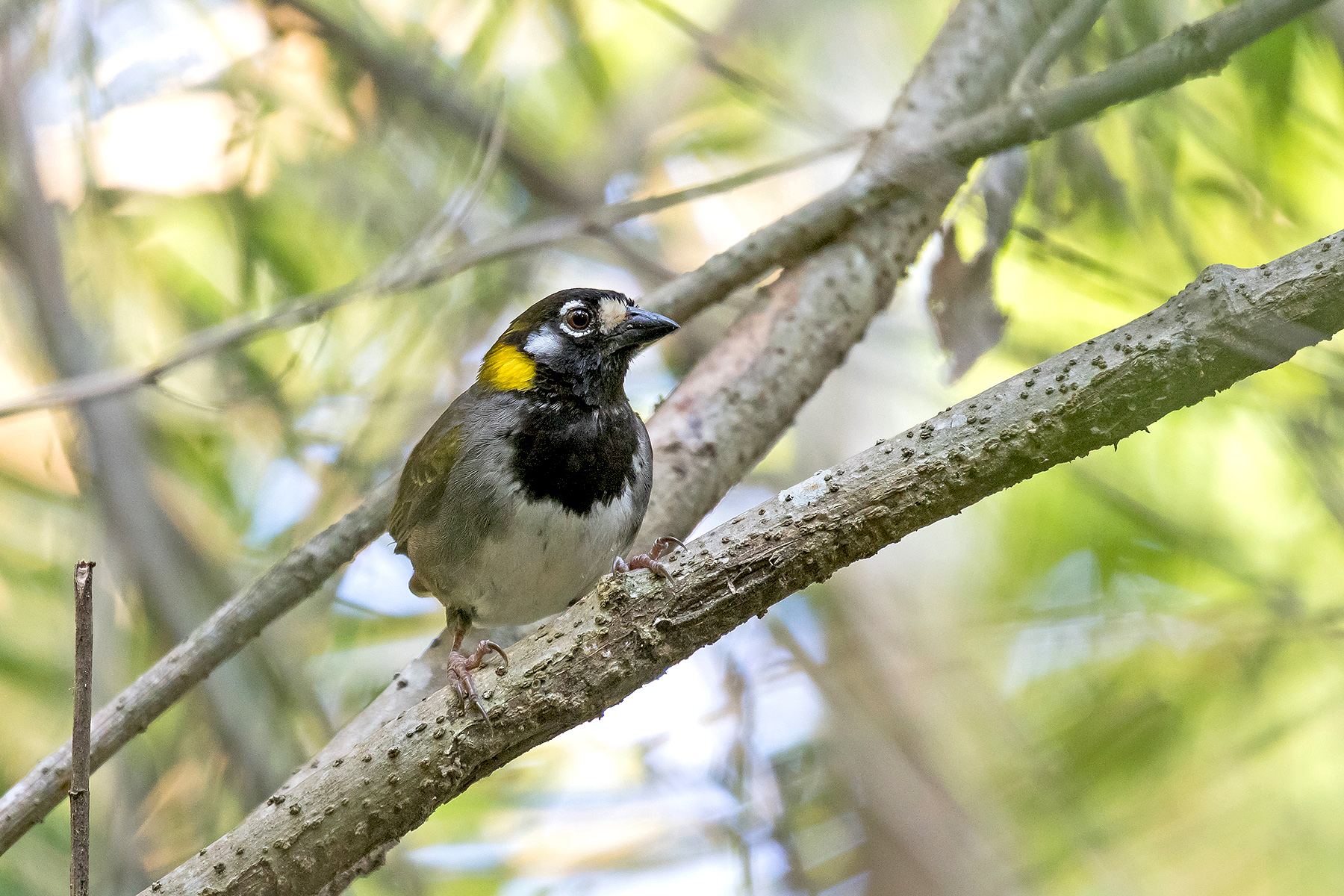
White-eared Ground Sparrow (image by Pete Morris)
Bare-necked Umbrellabird (image by Pete Morris)
Acorn Woodpecker (image by Fito Downs)
Turquiose Cotinga (image by Pete Morris)
Red-capped Manakin (image by Pete Morris)
Keel-billed Motmot (image by Pete Morris)
Nicaraguan Grackle (image by Leo Garrigues)
Bare-throated Tiger Heron (image by Pete Morris)
Yellow-breasted Crake (image by Fito Downs)
Black-crowned Tityra (image by Fito Downs)
Amazon Kingfisher (image by Fito Downs)
Green Shrike-Vireo (image by Leo Garrigues)
Spotted Wood Quail (image by Pete Morris)
Black-throated Trogon (image by Fito Downs)
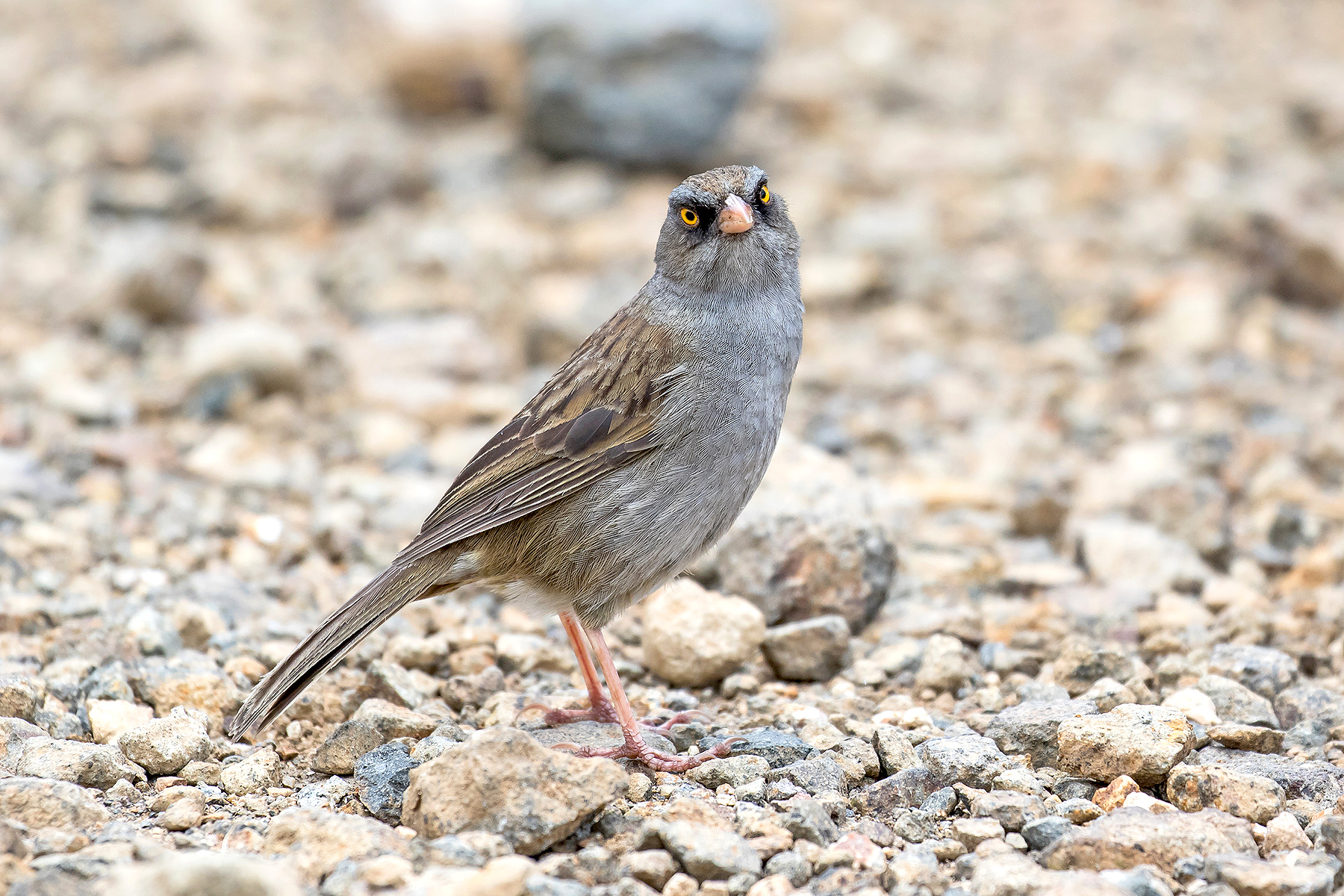
Volcano Junco (image by Fito Downs)
Yellow-tailed Oriole (image by Leo Garrigues)
Black-throated Wren (image by Pete Morris)
Cherrie's Tanager (image by Pete Morris)
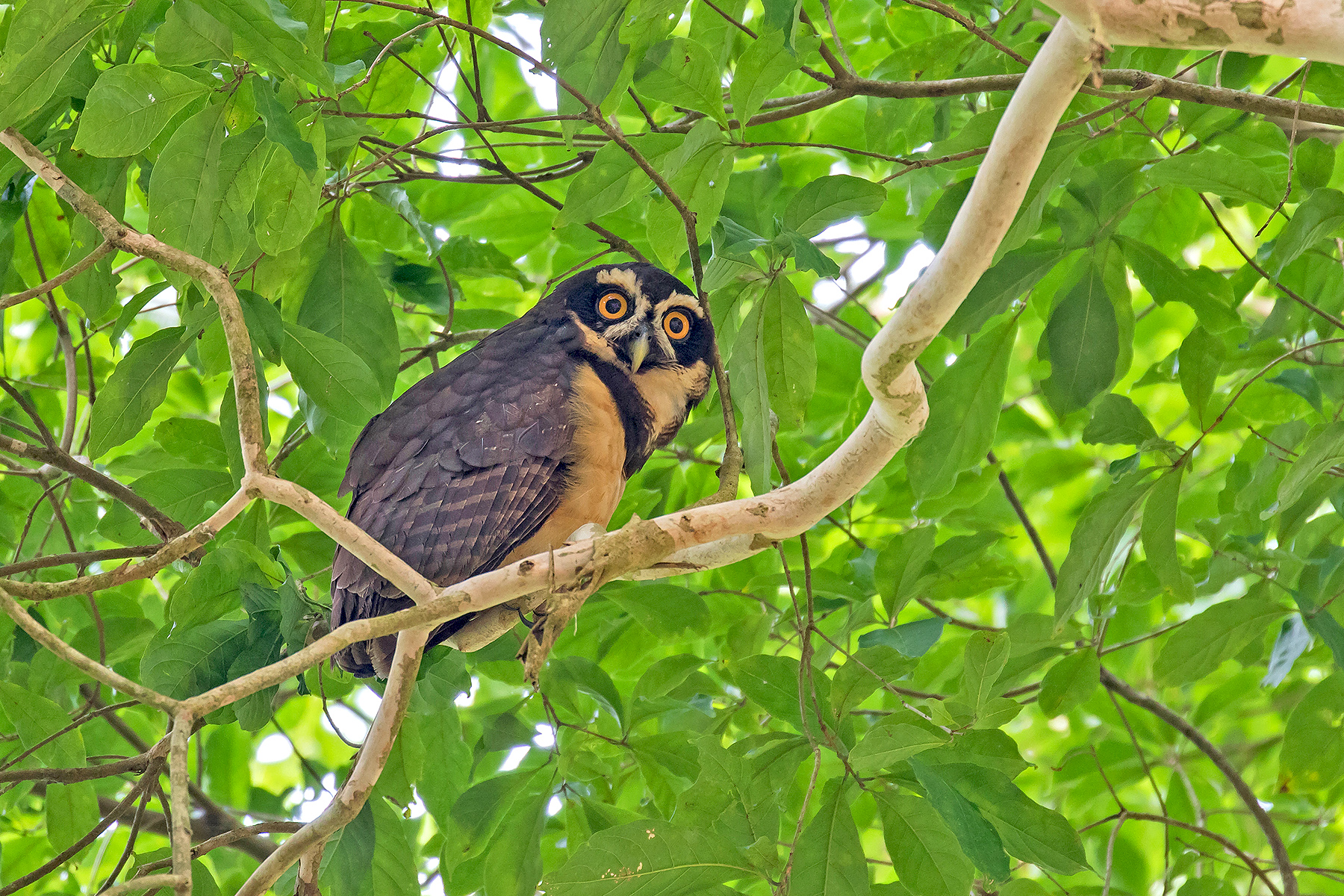
Spectacled Owl (image by Pete Morris)
Green Ibis (Image by Fito Downs)
Slate-colored Seedeater (image by Leo Garrigues)
Crowned Woodnymph (Image by Fito Downs)
Snowy-bellied Hummingbird (Image by Fito Downs)
Crested Guan (image by Pete Morris)
Montezuma Oropendola (Image by Fito Downs)
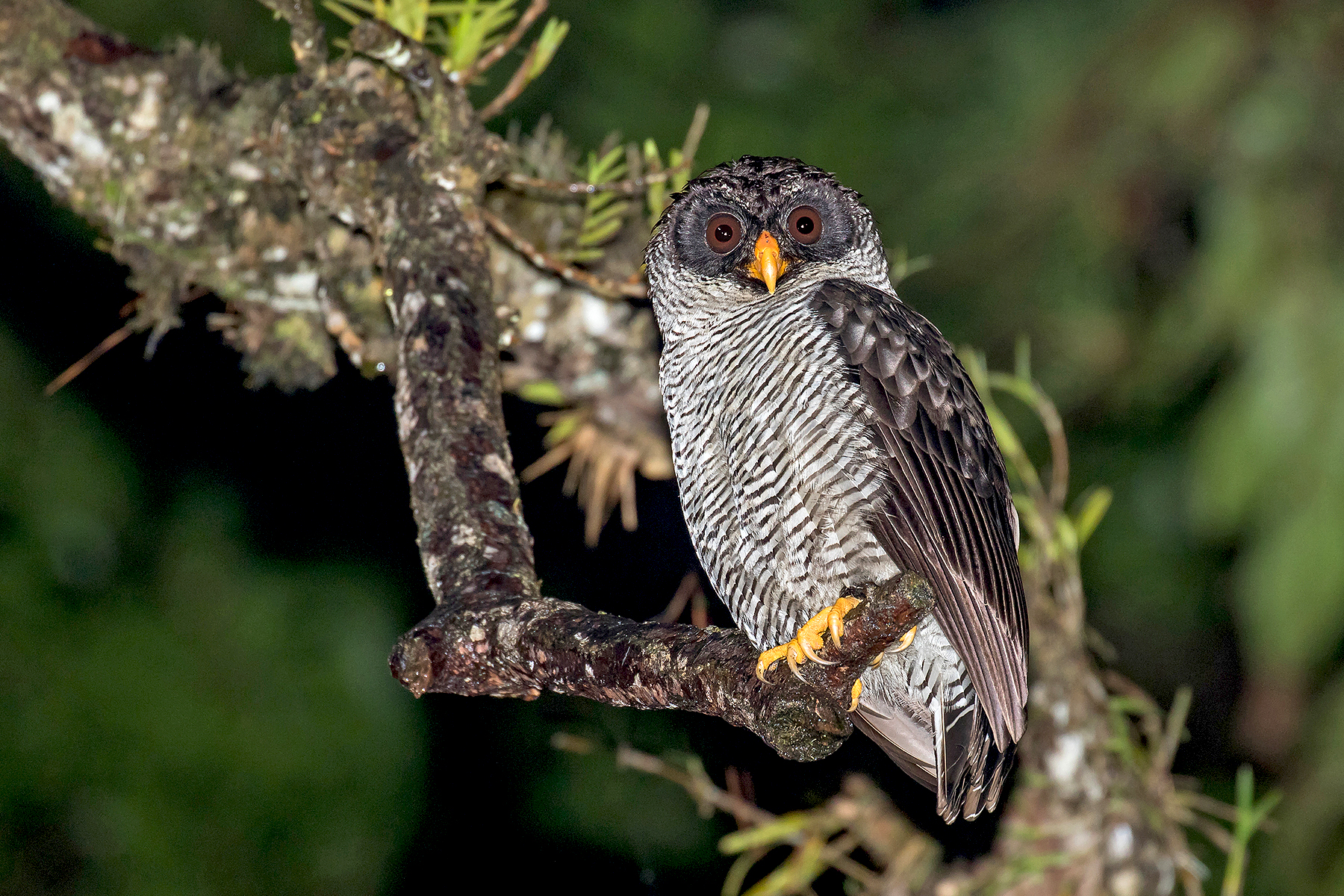
Black-and-white Owl (image by Pete Morris)
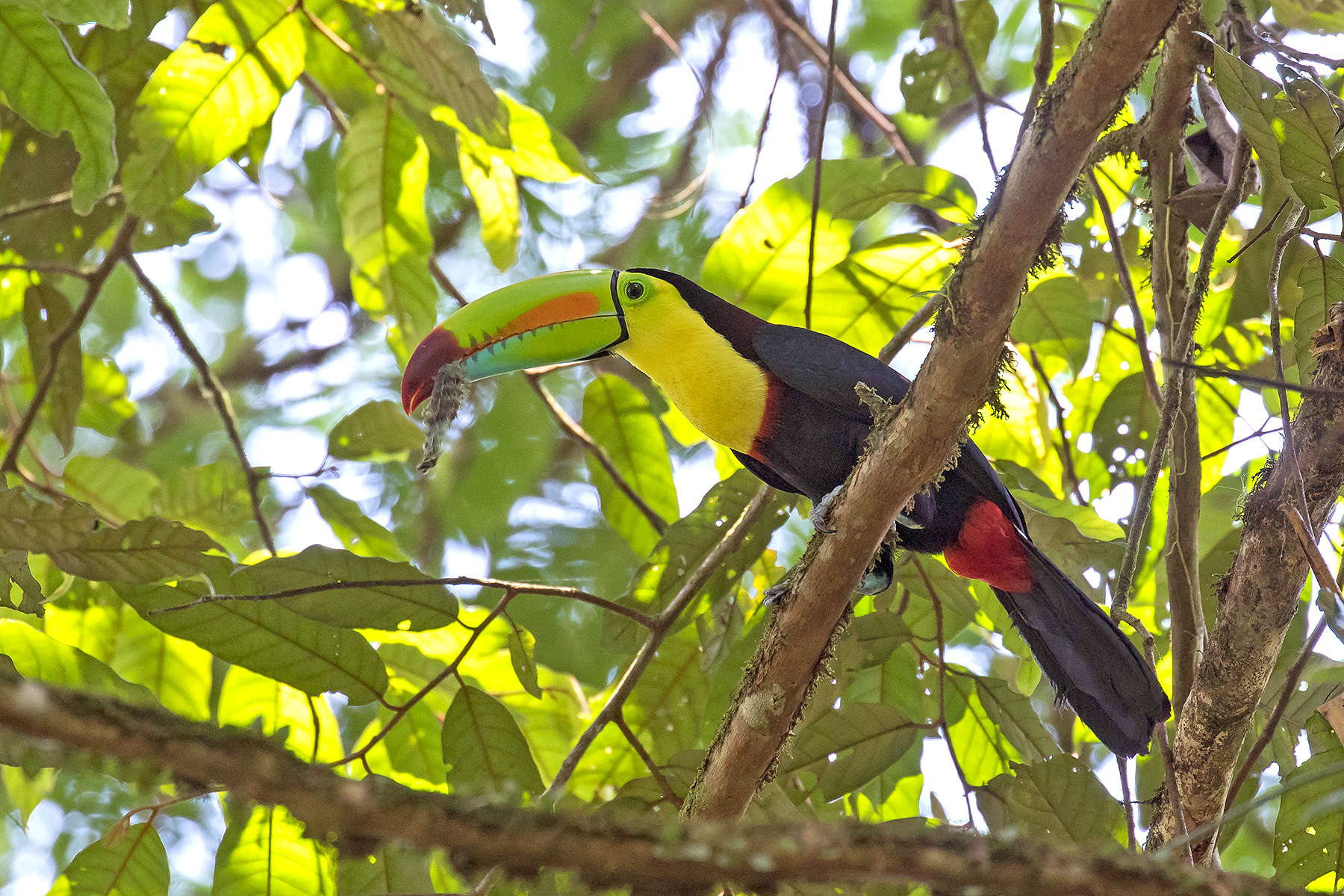
Keel-billed Toucan (image by Pete Morris)
Golden-hooded Tanager (image by Fito Downs)
Collared Aracari (Image by Fito Downs
Turquoise Cotinga (image by Leo Garrigues)
Lesser Violetear (image by Leo Garrigues)
Scarlet Macaw (Image by Fito Downs)
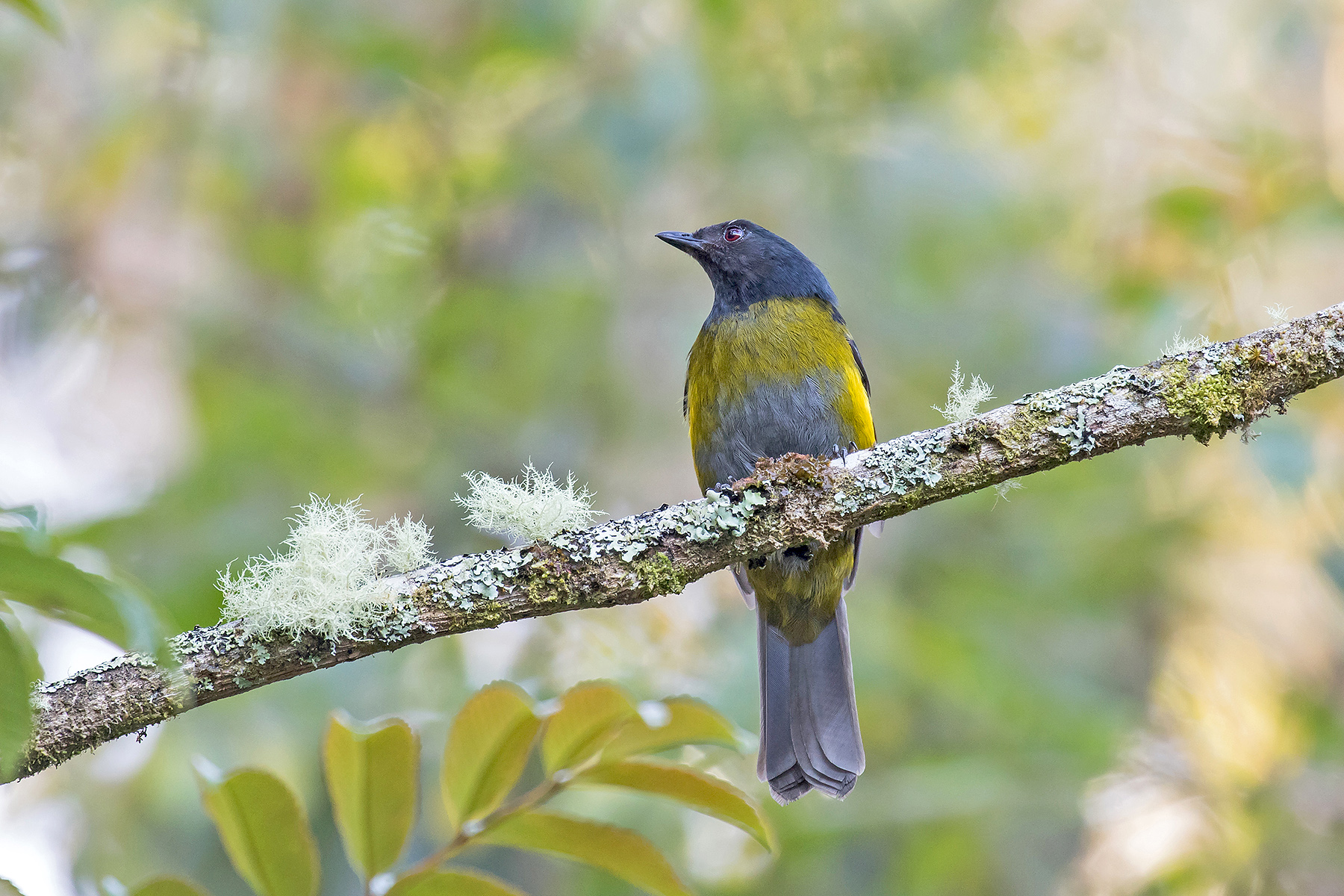
Black-and-yellow Phainoptila (image by Pete Morris)
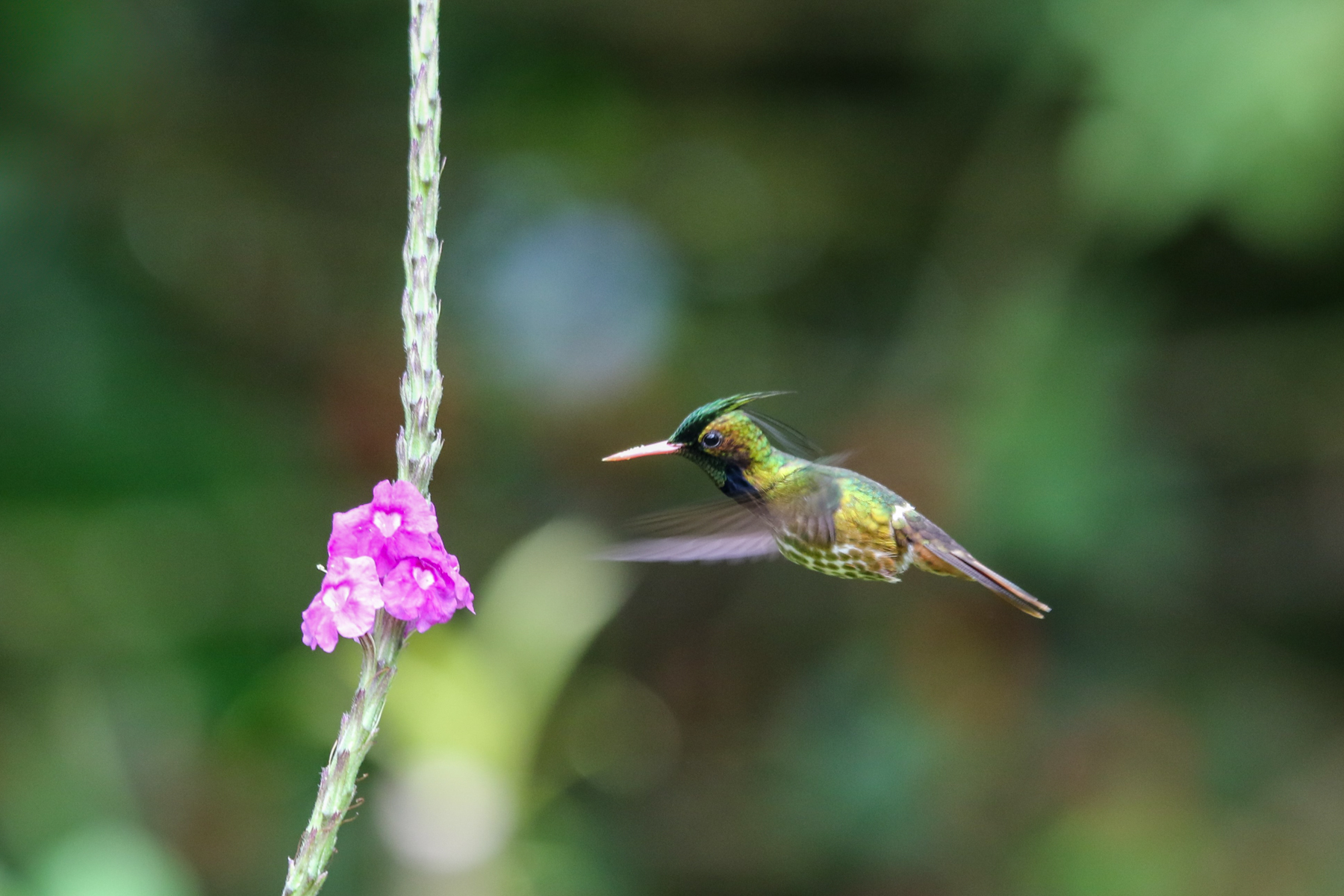
Black-crested Coquette (image by Fito Downs)
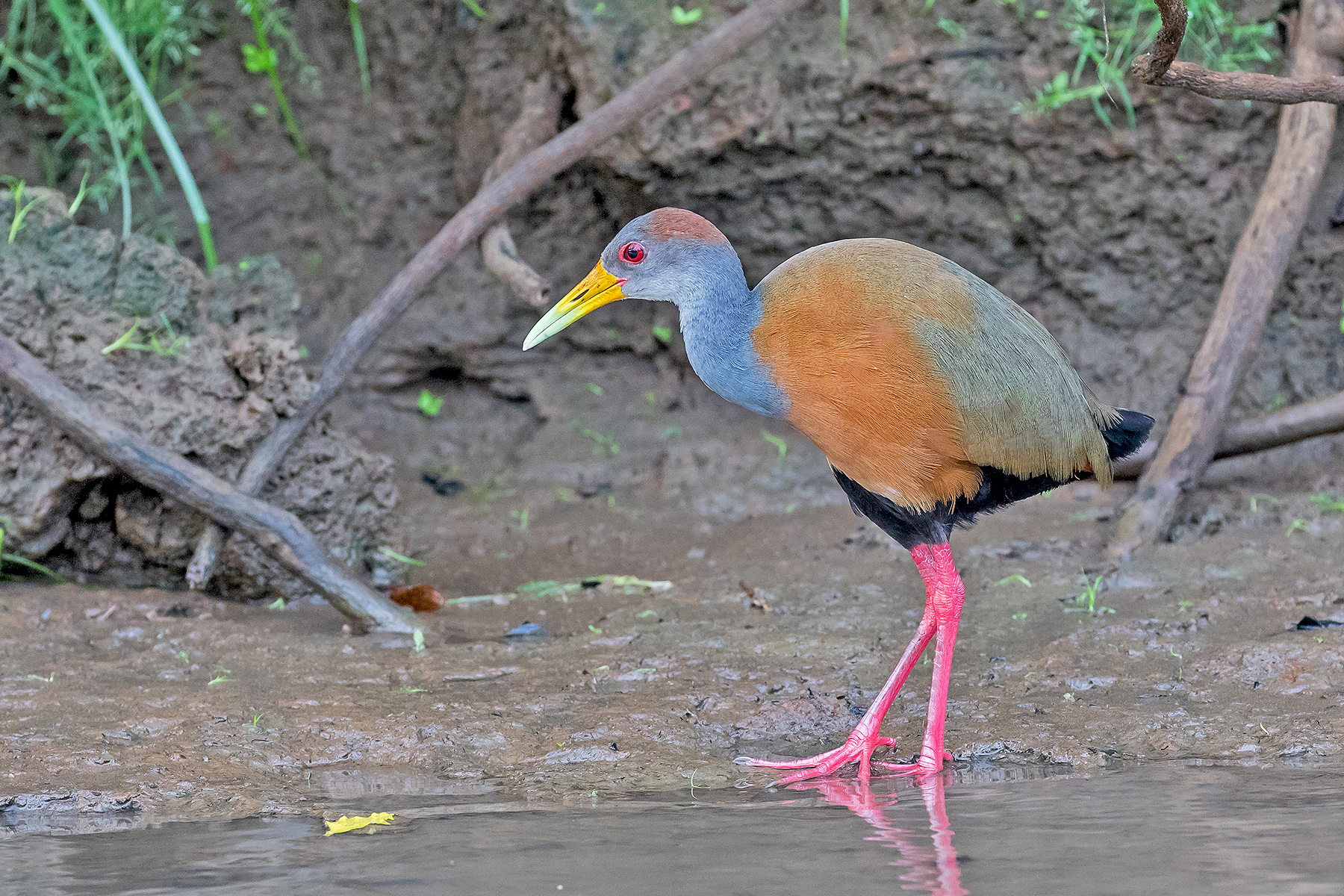
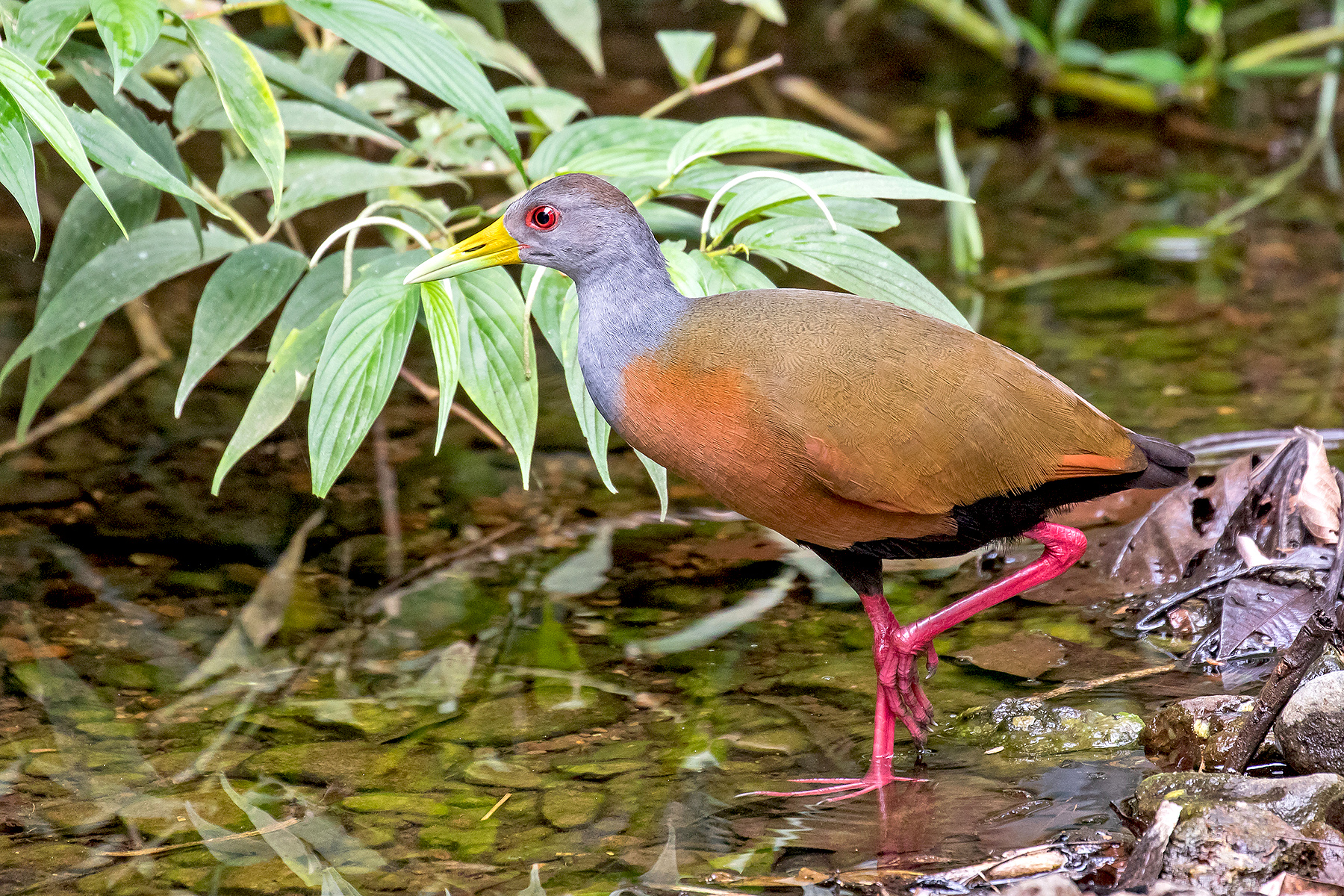
Grey-necked Wood Rail (image by Pete Morris)
Northern Royal Flycatcher (image by Pete Morris)
Pinnated Bittern (image by Leo Garrigues)
Cerro de la Muerte at sunset (image by Pete Morris)
Mangrove Hummingbird (image by Leo Garrigues)
Sooty-faced Finch (image by Pete Morris)
Turquoise-browed Motmot (image by Pete Morris)
Black-striped Woodcreeper (image by Pete Morris)
Streak-chested Antpitta (image by Pete Morris)
Great Curassow (image by Pete Morris)
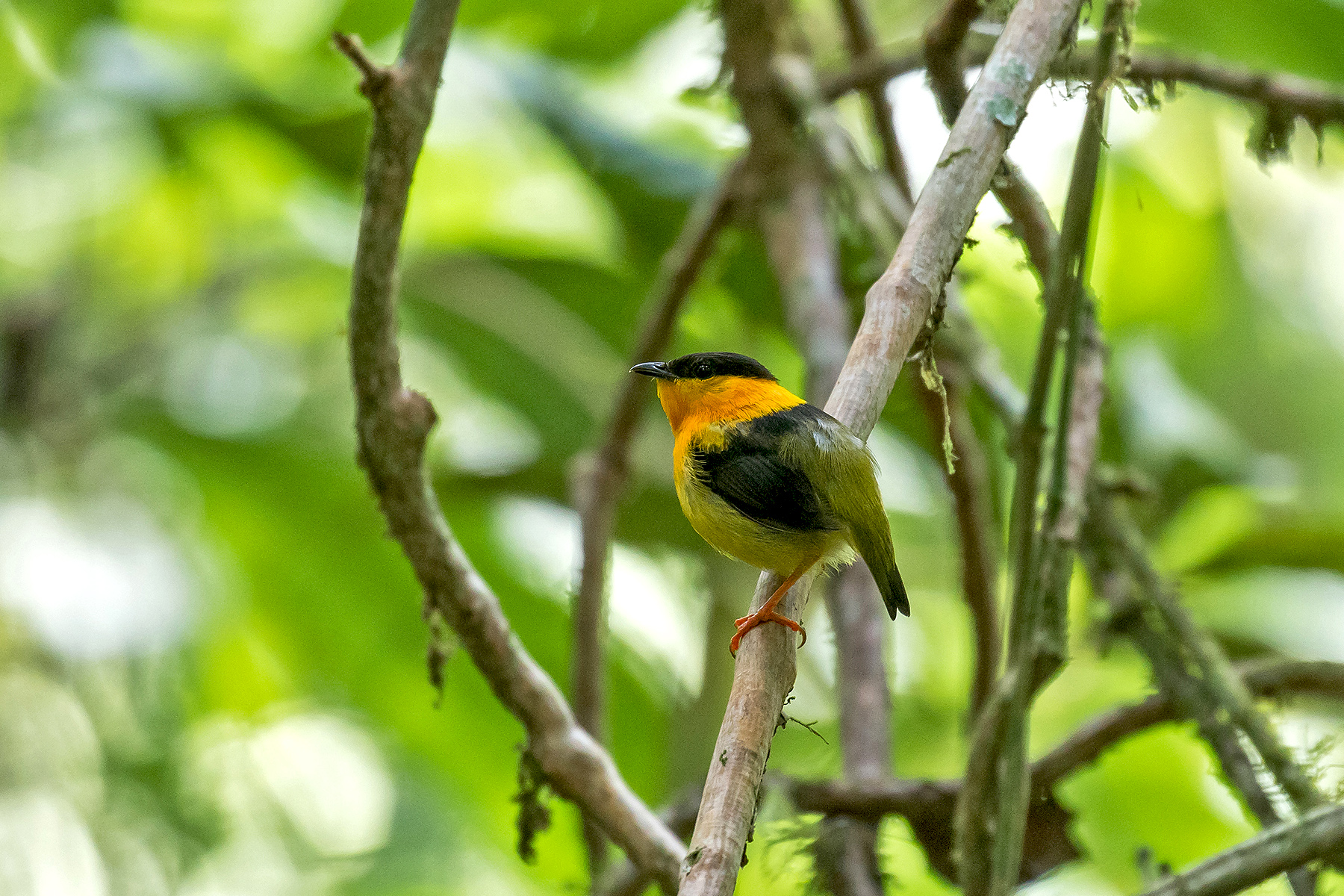
Orange-collared Manakin (image by Pete Morris)
Green-fronted Lancebill (image by Leo Garrigues)
Cabanis's Wren (image by Pete Morris)
Speckled Tanager (image by Leo Garrigues)
Red-eyed Tree Frog (image by Pete Morris)
Pacific Screech Owl (image by Pete Morris)
Violet Sabrewing (image by Pete Morris)
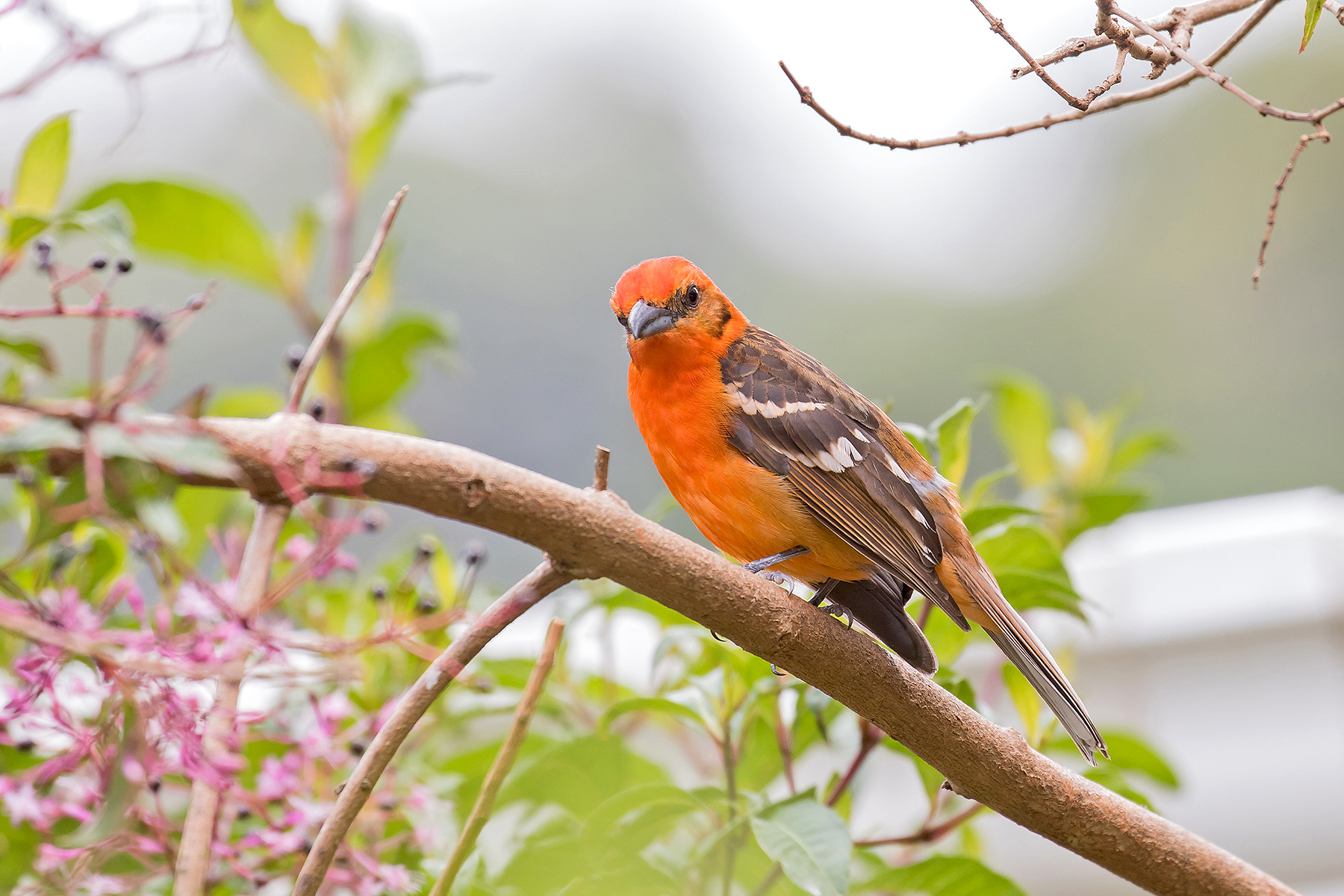
Flame-coloured Tanager (image by Pete Morris)
Volcano Junco (image by Pete Morris)
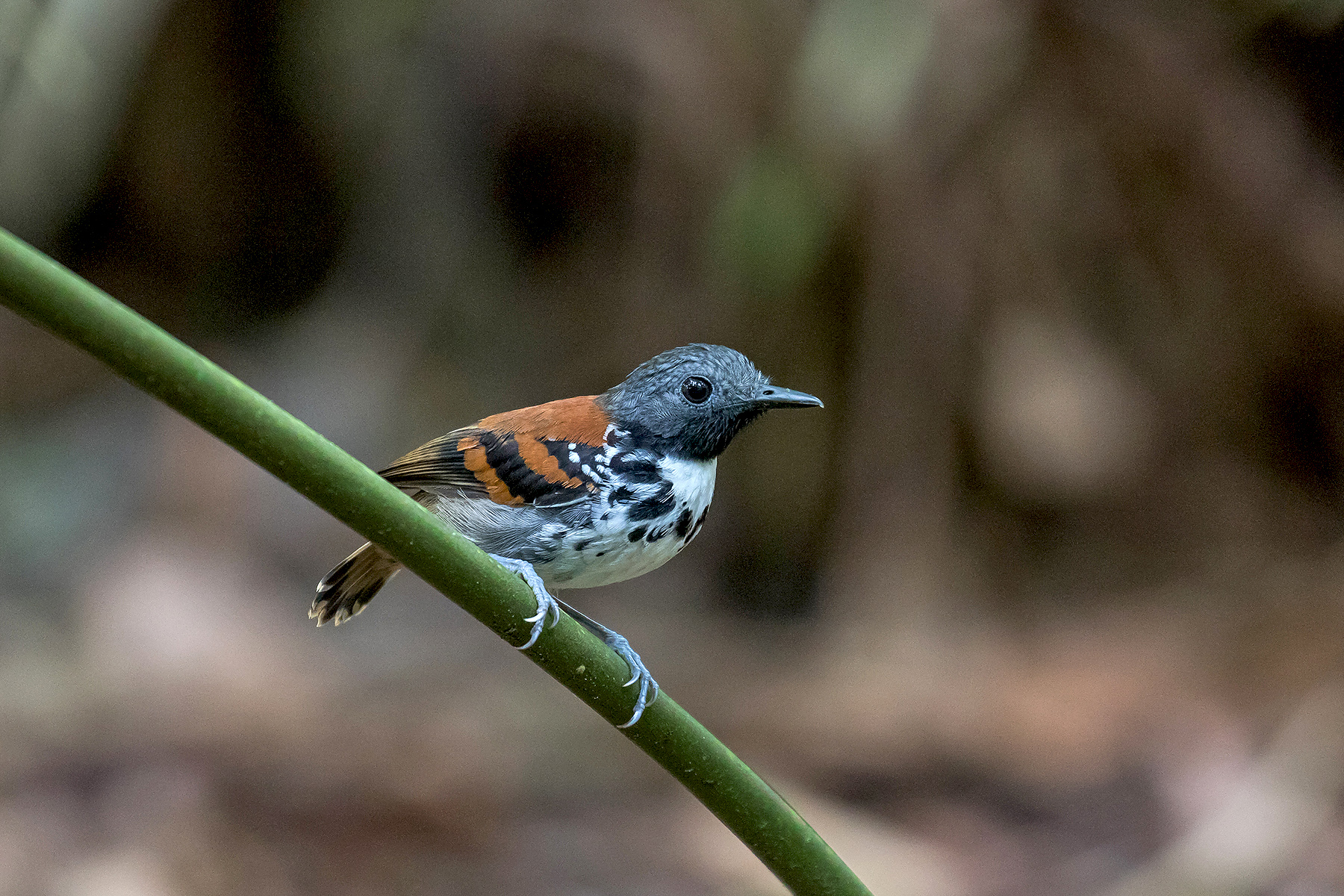
Spotted Antbird (image by Pete Morris)
Talamanca Hummingbird (image by Pete Morris)


Spot-breasted Wren (image by Pete Morris)
Coppery-headed Emerald (image by Pete Morris)
Three-wattled Bellbird (image by Leo Garrigues)
Baird's Trogon (image by Leo Garrigues)
Spangle-cheeked Tanager (image by Fito Downs)
Black-necked Stilt (image by Fito Downs)
Purple-crowned Fairy (image by Leo Garrigues)
Bare-crowned Antbird (image by Pete Morris)
Rosy Thrush-Tanager (image by Leo Garrigues)
Violet-headed Hummingbird (Image by Fito Downs)
White-crested Coquette
Red-eyed Tree Frog (image by Pete Morris)
Three-wattled Bellbird (image by Pete Morris)
Owl Butterfly (image by Pete Morris)
Keel-billed Toucan (image by Leo Garrigues)
White-whiskered Puffbird (image by Pete Morris)
Snowcap (image by Pete Morris)
Coppery-headed Emerald (image by Fito Downs)
White-throated Crake (image by Pete Morris)
Black-and-yellow Phainoptila (image by Pete Morris)
Yellow-breasted Crake (image by Leo Garrigues)
Bare-shanked Screech Owl (image by Fito Downs)
Fiery-billed Aracari (image by Pete Morris)
Panama Flycatcher (image by Leo Garrigues)
Sulphur-winged Parakeet (image by Pete Morris)
Black-hooded Antshrike (image by Pete Morris)
Red-headed Barbet (Image by Fito Downs)
Brown-hooded Parrot (image by Leo Garrigues)
Mangrove Hummingbird (image by Pete Morris)
Flame-throated Warbler (image by Pete Morris)
Resplendent Quetzal (image by Leo Garrigues)
White-collared Manakin (image by Pete Morris)
Olivaceous Piculet (image by Fito Downs)
Green-breasted Mango (Image by Fito Downs)
Collared Whitestart (image by Pete Morris)
Double-striped Thick-Knee (image by Fito Downs)
Chestnut-coloured Woodpecker (image by Pete Morris)
Passerini's Tanager (image by Pete Morris)
Ocellated Antbird (image by Pete Morris)
Mountain Thrush (Image by Fito Downs)
Blue-and-gold Tanager (image by Pete Morris)
Great Tinamou (image by Pete Morris)
Red-capped Manakin (image by Pete Morris)
Chiriqui Quail-Dove (image by Pete Morris)
Snowcap (image by Pete Morris)
Timberline Wren (image by Leo Garrigues)
Olive-crowned Yellowthroat (image by Leo Garrigues)
Lattice-tailed Trogon (image by Leo Garrigues)
Pacific Screech Owl (image by Fito Downs)
Streak-breasted Treehunter (image by Pete Morris)
Western Woodhaunter (image by Leo Garrigues)
Chiriqui Yellowthroat (image by Pete Morris)
Northern Barred Woodcreeper (image by Pete Morris)
Green Thorntail (Image by Fito Downs)
Jabiru (image by Pete Morris)
Sunbittern (image by Pete Morris)
Southern Lapwing (image by Fito Downs)
Thicket Antpitta (image by Pete Morris)
Yellow-headed Caracara (Image by Fito Downs)
Blue-throated Toucanet (image by Pete Morris)
Great Curassows (image by Pete Morris)
Olivaceous Piculet (image by Leo Garrigues)
Northern Nightingale-Wren (image by Leo Garrigues)
Nicaraguan Seedfinch (image by Pete Morris)
Dusky Nightjar (image by Pete Morris)
Crested Owl (image by Pete Morris)
Yellowish Flycatcher (Image by Fito Downs)
Turquoise-browed Motmot (image by Pete Morris)
Large-footed Finch (image by Leo Garrigues)
Scarlet Macaw (image by Pete Morris)
Cabanis's Ground Sparrow (image by Pete Morris)
Boat-billed Heron (image by Pete Morris)
Bare-necked Umbrellabird (image by Leo Garrigues)
Sungrebe (image by Pete Morris)
White-crested Coquette (image by Leo Garrigues)
Great Curassow (image by Fito Downs)
Veraguan Mango (image by Leo Garrigues)
Grey-headed Dove (image by Pete Morris)
Magenta-throated Woodstar (image by Leo Garrigues)
White-tipped Sicklebill (image by Pete Morris)
White-throated Mountaingem (image by Fito Downs)
Uniform Crake (image by Pete Morris)
Rufous-winged Woodpecker (image by Pete Morris)
Anhinga (image by Pete Morris)
Russet-naped Wood-Rail (Image by Fito Downs)
Fiery-throated Hummingbird (image by Pete Morris)
Costa Rican Pygmy Owl (image by Leo Garrigues)
Hoffman's Woodpecker (image by Fito Downs)
Northern Royal Flycatcher (image by Pete Morris)
Long-tailed Silky-Flycatcher (Image by Fito Downs)
Resplendent Quetzal (image by Pete Morris)
Little Long-tailed Woodcreeper (image by Leo Garrigues)
Rufous-naped Wood Rail (image by Pete Morris)
White-tipped Sicklebill (image by Leo Garrigues)
Snowcap (Image by Fito Downs)
Bare-shanked Screech Owl (image by Pete Morris)
Yellow-billed Cacique (image by Fito Downs)
Yellow-eared Toucanet (image by Leo Garrigues)
Golden-browed Chlorophonia (image by Pete Morris)
Black-headed Tody-Flycatcher (image by Leo Garrigues)
Tawny-winged Woodcreeper (image by Pete Morris)
Lesser Ground Cuckoo (image by Fito Downs)
Black-bellied Wren (image by Pete Morris)
Striped Owl (image by Pete Morris)
Vermiculated Screech Owl (image by Pete Morris)
White-eared Ground Sparrow (image by Pete Morris)
Bare-necked Umbrellabird (image by Pete Morris)
Acorn Woodpecker (image by Fito Downs)
Turquiose Cotinga (image by Pete Morris)
Red-capped Manakin (image by Pete Morris)
Keel-billed Motmot (image by Pete Morris)
Nicaraguan Grackle (image by Leo Garrigues)
Bare-throated Tiger Heron (image by Pete Morris)
Yellow-breasted Crake (image by Fito Downs)
Black-crowned Tityra (image by Fito Downs)
Amazon Kingfisher (image by Fito Downs)
Green Shrike-Vireo (image by Leo Garrigues)
Spotted Wood Quail (image by Pete Morris)
Black-throated Trogon (image by Fito Downs)
Volcano Junco (image by Fito Downs)
Yellow-tailed Oriole (image by Leo Garrigues)
Black-throated Wren (image by Pete Morris)
Cherrie's Tanager (image by Pete Morris)
Spectacled Owl (image by Pete Morris)
Green Ibis (Image by Fito Downs)
Slate-colored Seedeater (image by Leo Garrigues)
Crowned Woodnymph (Image by Fito Downs)
Snowy-bellied Hummingbird (Image by Fito Downs)
Crested Guan (image by Pete Morris)
Montezuma Oropendola (Image by Fito Downs)
Black-and-white Owl (image by Pete Morris)
Keel-billed Toucan (image by Pete Morris)
Golden-hooded Tanager (image by Fito Downs)
Collared Aracari (Image by Fito Downs
Turquoise Cotinga (image by Leo Garrigues)
Lesser Violetear (image by Leo Garrigues)
Scarlet Macaw (Image by Fito Downs)
Black-and-yellow Phainoptila (image by Pete Morris)
Black-crested Coquette (image by Fito Downs)
Grey-necked Wood Rail (image by Pete Morris)
Northern Royal Flycatcher (image by Pete Morris)
Pinnated Bittern (image by Leo Garrigues)
Cerro de la Muerte at sunset (image by Pete Morris)
Mangrove Hummingbird (image by Leo Garrigues)
Sooty-faced Finch (image by Pete Morris)
Turquoise-browed Motmot (image by Pete Morris)
Black-striped Woodcreeper (image by Pete Morris)
Streak-chested Antpitta (image by Pete Morris)
Great Curassow (image by Pete Morris)
Orange-collared Manakin (image by Pete Morris)
Green-fronted Lancebill (image by Leo Garrigues)
Cabanis's Wren (image by Pete Morris)
Speckled Tanager (image by Leo Garrigues)
Red-eyed Tree Frog (image by Pete Morris)
Pacific Screech Owl (image by Pete Morris)
Violet Sabrewing (image by Pete Morris)
Flame-coloured Tanager (image by Pete Morris)
Volcano Junco (image by Pete Morris)
Spotted Antbird (image by Pete Morris)
Talamanca Hummingbird (image by Pete Morris)


|
Saturday 18th March – Tuesday 4th April 2028 Leaders: Leo Garrigues and local bird guides |
18 Days | Group Size Limit 7 |
Birdquest’s Classic Costa Rica birding tours are, without a doubt, a wonderful itinerary for birders wishing to explore this classic Central American destination. Costa Rica has an extraordinary number of near-endemic and regional specialities. From signature creatures such as Resplendent Quetzal and Three-wattled Bellbird to major specialities such as Snowcap, Keel-billed Motmot, Yellow-billed Cotinga, Black-cheeked Ant-Tanager, Nicaraguan Grackle and Nicaraguan Seed Finch and even a real chance of the rare Bare-necked Umbrellabird, this bird-filled journey is extraordinary.
Had Christopher Columbus been a birdwatcher, he could not have christened his newfound land on his last voyage in 1502 more aptly – Costa Rica or ‘Rich Coast’. Around 900 species of birds have been recorded from this small Central American country, the highest species diversity in an area of this size anywhere on earth. Not only is its avifauna exceedingly rich, but Costa Rica (together with neighbouring western Panama) is one of the greatest centres of avian endemism in the world, with around 80 species found nowhere else!
Costa Rica is now well-known as one of the best areas for birding on earth, for a series of stunning wildlife films, and the many glowing reports from visitors have made people realise what a treasure house of nature this gem of a country really is. Costa Rica is utterly unlike the preconceived view of Central America. There is no recent history of revolutions, medal-bespattered dictators, political prisoners and masses of half-starved, landless peasants. Instead, Costa Rica is one of the most prosperous countries in Latin America with the highest literacy level in the region, no army (it was abolished as unnecessary in 1949!), stable democratic government, excellent standards of public health and the highest percentage of land area devoted to national parks and reserves of any country in the world, and with an environmentally conscious government that strives for a sustainable existence!
This beautiful land is an ornithological melting pot where the avifaunas of Central and South America merge. Here we will see Central American species at the southern limits of their range, South American species at their northern limits and numerous species that are endemic to Costa Rica and western Panama.
For the birdwatcher, the factor that makes Costa Rica so attractive is not simply its astonishingly rich avifauna, but the fact that it is packed into such a small area. In Costa Rica, one could, if one wanted, drive from the Pacific lowlands up over the central highlands and down to the Caribbean lowlands in a matter of five or six hours, passing through every major habitat zone found in Central America!
This carefully crafted itinerary provides really good coverage of Costa Rican birds, producing not only a large percentage of the regional specialities, but also a large bird list overall and many iconic bird species. Superb, relatively easy birding, mostly good accommodations and generally good roads make birding this small but incredibly rich country a real pleasure.
During our Classic Costa Rica birding tour, we shall first explore the Braulio Carrillo area, including Tapirus. Here, we will seek our first Caribbean slope specialities, including the near-endemic Lattice-tailed Trogon, Black-headed Antthrush and Thicket Antpitta, and we even have a chance of the rare and spectacular Bare-necked Umbrellabird, and maybe an antswarm experience!
Our next port of call will be the unforgettable, bird-rich rainforests of Costa Rica’s Caribbean lowlands at the Organisation of Tropical Studies’ reserve at La Selva. Snowy Cotinga is relatively easy to see here, and we should also observe the endangered Great Green Macaw among many others.
We will then enjoy the Nicaraguan border region and the marshy wetlands of Medio Queso, where we can find the restricted-range Nicaraguan Grackle and Nicaraguan Seed-Finch, as well as the strange Sungrebe.
At the impressive and still active Arenal Volcano, we will enjoy both the scenery and the diverse birdlife, which includes Uniform Crake, Black-crested Coquette and Streak-crowned Antvireo.
Next, we will explore the magnificent cloud forest and lush pastures of the northwestern highlands, staying at the renowned Monteverde. Amongst the many special birds here are Black Guan, Buff-fronted and Chiriqui Quail-Doves, the strange Three-wattled Bellbird and White-eared Ground-Sparrow.
Moving southwards, we come to the famous Carara Reserve, where we will explore beautiful white sand beaches, mangrove swamps and some of the best remaining areas of lowland rainforest along Costa Rica’s Pacific coast. Here, the magnificent Scarlet Macaw is still quite common, and we will enjoy the host of other birds, including such stars as Boat-billed Heron at one end of the size spectrum and the stunning Streak-chested Antpitta at the other.
Next, we will visit the Golfito region in the southwest of the country, where specialities include White-tailed Emerald, White-crested Coquette, the endemic Mangrove Hummingbird, the endangered Yellow-billed Cotinga and the endemic Black-cheeked Ant-Tanager.
As we head north towards the Talamanca Highlands, we will pause at San Isidro, where, in particular, we will want to see the magnificent Turquoise Cotinga.
From there, we will make our way into the marvellous highlands, where on one occasion we will reach the subalpine zone at over 3000m (nearly 10,000ft) at Cerro de la Muerte.
Here we will find many montane specialities, including the incomparable Resplendent Quetzal, Bare-shanked Screech Owl, Costa Rican Pygmy Owl, Dusky Nightjar, Fiery-throated Hummingbird, Ruddy Treerunner, Buffy Tuftedcheek, Ochraceous Pewee, Black-capped Flycatcher, Sooty and Mountain Robins, Black-billed Nightingale-Thrush, Long-tailed Silky-Flycatcher, Black-and-yellow Phainoptila, Yellow-winged Vireo, Collared Whitestart, Flame-throated and Black-cheeked Warblers, the curious Wrenthrush (or Zeledonia), which was formerly often placed in a family of its own, Black-thighed Grosbeak and Yellow-thighed Finch. With luck, we will encounter the rare Unspotted Saw-whet Owl.
Finally, we will be based in the Cachi area as we seek out Black-bellied Hummingbird and White-bellied Mountain Gem.
We will also visit El Copal, home to the exquisite Snowcap, surely Costa Rica’s most-wanted hummingbird, and the uncommon Yellow-eared Toucanet.
Birdquest has operated Costa Rica birding tours since 1987.
Classic Costa Rica and Ultimate Costa Rica
Classic Costa Rica is the shorter of Birdquest’s two tours to Costa Rica.
Accommodation & Road Transport
The hotels/lodges are mostly of a good standard throughout. Food is simple, canteen-style at the research station at La Selva. Road transport is by a small coach, and the roads are mostly good.
Walking
The walking effort during our Classic Costa Rica birding tours is mostly easy, but there are a few moderate-grade walks and a few slippery trail sections.
Climate
At lower altitudes, it is generally hot, but at higher altitudes, conditions range from warm to cool (even cold at the highest levels). Periods of sunny weather alternate with overcast spells. There is regular rainfall on the Caribbean slope, but elsewhere, rainfall is less frequent and more irregular. It will be rather humid at times.
Bird Photography
Opportunities during our Classic Costa Rica birding tours are quite good or good in some areas.
To see a larger map, click on the square-like ‘enlarge’ icon in the upper right of the map box.
To see (or hide) the ‘map legend’, click on the icon with an arrow in the upper left of the map box.
To change to a satellite view, which is great for seeing the physical terrain (and for seeing really fine details by repetitive use of the + button), click on the square ‘map view’ icon in the lower left corner of the ‘map legend’.
Birdquest Inclusions: Our tour prices include transportation, accommodations, meals and entrance fees.
We also include all tipping for local guides, drivers and accommodation/restaurant staff.
Deposit: 20% of the total tour price. Our office will let you know what deposit amount is due, in order to confirm your booking, following receipt of your online booking form.
TO BOOK THIS TOUR: Click here (you will need the tour dates)
The single supplement will not apply if you indicate on booking that you prefer to share a room and there is a room-mate of the same sex available.
This tour is priced in US Dollars. Amounts shown in other currencies are indicative.
Classic Costa Rica: Day 1
Our Classic Costa Rica birding tour begins this morning in San José. Costa Rica’s capital city is situated in the heavily populated Central Valley.
From San José, we will head for the Braulio Carrillo area for a two-night stay.
We will arrive in time to spend much of the day birding in this superb area.
Classic Costa Rica: Day 2
Since the disappearance of the regular Bare-necked Umbrellabird lek at San Gerardo, this iconic species has become extremely difficult to see. One site where it seems to pop up more often than others is the Tapirus area adjacent to Braulio Carrillo National Park, so we will give it our best shot here, but we will still need luck to be on our side!
Another special bird we will be hoping for in this area is the brilliant, near-endemic Blue-and-gold Tanager.
Whilst searching the trails in the area, we should encounter a number of other scarce or interesting species such as Barred Hawk, Purplish-backed and Ruddy Quail-Doves, Purple-crowned Fairy, the uncommon near-endemic Lattice-tailed Trogon, the smart Rufous-winged Woodpecker, Western Woodhaunter, Tawny-faced Gnatwren, Checker-throated Antwren, Black-headed Antthrush, Thicket Antpitta, the unique Sharpbill, the sneaky Northern Nightingale-Wren, the scarce Pale-vented Thrush, Buff-rumped Warbler, Shining Honeycreeper and the smart White-throated Shrike-Tanager.
This is also an area where we can hope to experience an antswarm where all of the obligate antbirds (the wonderful Spotted, Bicoloured and Ocellated) could be in attendance, plus, with great good fortune, the elusive Rufous-vented Ground Cuckoo.
More widespread birds include Stripe-throated Hermit, Violet-headed Hummingbird, Crowned (or Violet-crowned) Woodnymph, Bronze-tailed (or Red-footed) Plumeleteer, White-collared and Chestnut-collared Swifts, Collared Aracari,
White-crowned Manakin is uncommon but possible, while the rare Slaty-backed Forest Falcon is an outside possibility.
We may also encounter Geoffroy’s (or Central American) Spider Monkey and Mantled Howler Monkey.
Classic Costa Rica: Day 3
We might use the early morning in the Braulio Carrillo area if need be, but soon we will head to La Selva for a two-night stay.
Along the way, we will stop to look for Fasciated Tiger Heron along a river and at some feeders where White-tipped Sicklebill can often be found.
We will spend the afternoon exploring La Selva.
Classic Costa Rica: Day 4
La Selva is the most accessible tract of humid lowland rainforest on the Caribbean slope of Costa Rica. Most of this superb reserve is primary forest, whilst other parts consist of secondary growth, swamp forest, river margins, former plantations and abandoned pasture. The area is now maintained as a natural laboratory by the Organisation for Tropical Studies, and an excellent network of trails allows access to every habitat. Nowadays, the accommodation at the biological station is quite comfortable and staying at this thriving research facility allows us to be right in the middle of prime habitat at all times of day and night, in contrast to the restricted access hours allowed to those who stay outside the reserve. One feels privileged to have unrestricted access to this unique place, something that comparatively few visitors experience.
Over 400 species have been recorded from the area, and a great many of the birds we will encounter will not have been seen earlier in our travels. Rainforest birding is always extremely rewarding, but one must cultivate patience and keep a vigilant watch from ground level to the canopy high above our heads. The easiest birding is to be had around the clearing where the research station is situated. Here, the flowering and fruiting trees act as a magnet for many different species of hummingbirds and tanagers. As we walk the trails, we will hear the plaintive whistles of ground-dwelling tinamous, whilst, after a quiet period, we may suddenly be surrounded by strange calls and have to play hide and seek with an antbird flock amongst the tangled vegetation. Overhead in the canopy, gaudy tanagers, honeycreepers and cotingas are attracted to flowering and fruiting trees.
At La Selva, we expect to find both the awesome but Endangered Great Green Macaw and the handsome Snowy Cotinga in particular.
Among the wide array of other birds we may well encounter Little and Slaty-breasted Tinamous (both hard to see as opposed to hear), Double-toothed Kite, Pale-vented Pigeon, Grey-chested Dove, Olive-backed Quail-Dove, Orange-chinned and Olive-throated Parakeets, Vermiculated Screech Owl, Spectacled and Crested Owls, Short-tailed Nighthawk, Common Pauraque, Grey-rumped Swift, Blue-chested and Rufous-tailed Hummingbirds, Rufous Motmot, Pied Puffbird, Keel-billed Toucan, Black-cheeked, Chestnut-coloured and Cinnamon Woodpeckers, Great, Fasciated and Black-crowned Antshrikes, Mistletoe Tyrannulet, Yellow-bellied Elaenia, Common and Black-headed Tody Flycatchers, Black-capped Pygmy-Tyrant, Long-tailed Tyrant, Ochre-bellied, Piratic, Grey-capped and White-ringed Flycatchers, Yellow-margined Flatbill, Bright-rumped Attila (the local form is sometimes split as Flammulated Attila), Masked Tityra, Cinnamon Becard, White-collared Manakin, White-breasted Wood Wren, Stripe-throated and Black-chested Wrens, Montezuma and Chestnut-headed Oropendolas, Scarlet-rumped and Yellow-billed Caciques, Giant Cowbird, Orange-billed and Black-striped Sparrows, Green and Red-legged Honeycreepers, Scarlet-rumped Tanager (the form here is sometimes split as Passerini’s Tanager), Plain-coloured, Dusky-faced, Golden-hooded and White-lined Tanagers, Red-throated Ant Tanager, Black-headed and Buff-throated Saltators, Black-faced Grosbeak, Variable Seedeater (the black form here is a potential split as Black Seedeater).
Nearctic visitors include Broad-winged Hawk, Olive-sided and Yellow-bellied Flycatchers, Tennessee, Kentucky, Chestnut-sided and Golden-winged Warblers, and Baltimore Oriole.
Uncommon possibilities include the shy Agami Heron, Grey-headed Kite, the scarce Spot-fronted Swift and Purple-throated Fruitcrow.
Mammals are elusive, but we will see Collared Peccary and Central American Agouti and may be lucky enough to see a sloth or a noisy troupe of Geoffroy’s Spider Monkeys, whilst caimans sometimes bask on the riverbanks.
Classic Costa Rica: Day 5
After some early morning birding at La Selva, we will head for Los Chiles for an overnight stay. Los Chiles is situated in northern Costa Rica, close to the Nicaraguan border.
This afternoon, we will take a very enjoyable boat trip into a large marsh at Medio Queso. Highlights here are likely to include the cryptic Pinnated Bittern. This is surely one of the best places to look for this localised rarity. The rare Yellow-breasted Crake is regularly present here, and we will make a special effort to try and see one. If we are fortunate, this tiny bird will come close to us!
Two mega specialities that we will want to see during the boat trip or along the road network are the Nicaraguan Grackle (which inhabits reedy vegetation and is only found in southern Nicaragua and northernmost Costa Rica) and the range-restricted Nicaraguan Seed Finch.
More widespread birds that are likely to be encountered in this part of Costa Rica include Black-bellied Whistling Duck, Limpkin, Anhinga, Neotropic Cormorant, Purple Gallinule, Black-crowned Night Heron, Bare-throated Tiger Heron, Roseate Spoonbill, Glossy Ibis, Lesser Yellow-headed Vulture, Snail and White-tailed Kites, the handsome Black-collared Hawk, Ringed, Amazon and Green Kingfishers, Green-breasted Mango, Laughing Falcon, Northern Tropical Pewee, Fork-tailed Flycatcher, Canebrake Wren, Olive-crowned Yellowthroat, Red-winged Blackbird, Thick-billed (or Lesser) Seed Finch and Morelet’s and Rusty-breasted Seedeaters.
There are also fair chances for the strange Boat-billed Heron (whose huge eyes and massive, ridged bill create a strange, almost prehistoric appearance), Least Bittern, the strange Sungrebe and American Pygmy Kingfisher. If we are lucky, we will come across the huge Jabiru.
This evening, we will likely see Great Potoo, and there is a slim chance of Common Potoo.
Classic Costa Rica: Day 6
Depending on the birding results of the previous day, we may spend the early morning around Los Chiles, before heading south to Volcán Arenal for an overnight stay.
Along the way, we will keep a lookout for Harris’s Hawk and later on make a stop at the Bogarin reserve, a place where both Uniform and White-throated Crakes are pretty reliable and often show well.
Other good birds at the latter location include Russet-naped Wood Rail and Black-and-white Owl (providing a day roost for the owl is known at the time). We also have a first chance for Keel-billed Motmot.
We will arrive at Arenal in time for some initial exploration.
Classic Costa Rica: Day 7
Costa Rica’s most active volcano has a perfect conical shape and, depending on the weather, usually allows breathtaking views. In certain years, ash columns and underground rumbling occur with nightly spectacles of glowing rocks tumbling down the slope from the volcano’s explosive eruptions.
The protected forests surrounding Volcán Arenal are widely known for their abundant birdlife and other wildlife. Our lodge here offers the most stunning views of the volcano, and its birdy gardens and forest trails hold an enticing collection of specialities.
Flowering hedges around the lodge attract a variety of hummingbirds, including the amazing Black-crested Coquette and Green Thorntail, as well as White-necked Jacobin and Brown Violetear, whilst fruit feeders are visited by an assortment of woodpeckers, oropendolas, saltators, and such attractive tanagers as Tooth-billed, Emerald and Crimson-collared.
From the forest trails of our lodge and at the nearby ‘hanging bridges’ private reserve, we should find such species as the awe-inspiring Great Curassow, White-fronted Nunbird, the range-restricted Keel-billed Motmot, Streak-crowned Antvireo, Tropical Parula, Carmiol’s, Rufous-winged and Black-and-yellow Tanagers, Olive-backed Euphonia and Yellow-faced Grassquit. With some patience and luck, we should also see the shy and aptly named Thicket Antpitta.
We may also encounter Grey-headed Chachalaca, White Hawk, Semiplumbeous Hawk (uncommon), White-crowned and Brown-hooded Parrots, Broad-billed Motmot, Bare-crowned Antbird, Bay Wren and Black-cowled Oriole.
If we can find a swarm of army ants, and if we are blessed with great luck, we could even encounter the rare and shy Rufous-vented Ground Cuckoo. This sought-after species has been showing up more often in this area in recent years, so we can live in hope!
Afterwards, we will travel to the famous Monteverde for a two-night stay. We will make a stop along the way to look for Band-backed Wren.
Classic Costa Rica: Day 8
During the 1950s, a group of Quakers, disillusioned with some aspects of life in the United States, came to Costa Rica. They settled at Monteverde, initiating dairy farming, which is a prominent feature of the area today. Realising the importance of a stable watershed for the local economy, they ensured that the forests on the surrounding hills remained intact. We owe these far-sighted pioneers a great debt of gratitude, for today, this magnificent area is protected by two major reserves, the world-renowned Monteverde Cloud Forest Preserve and the Santa Elena Reserve.
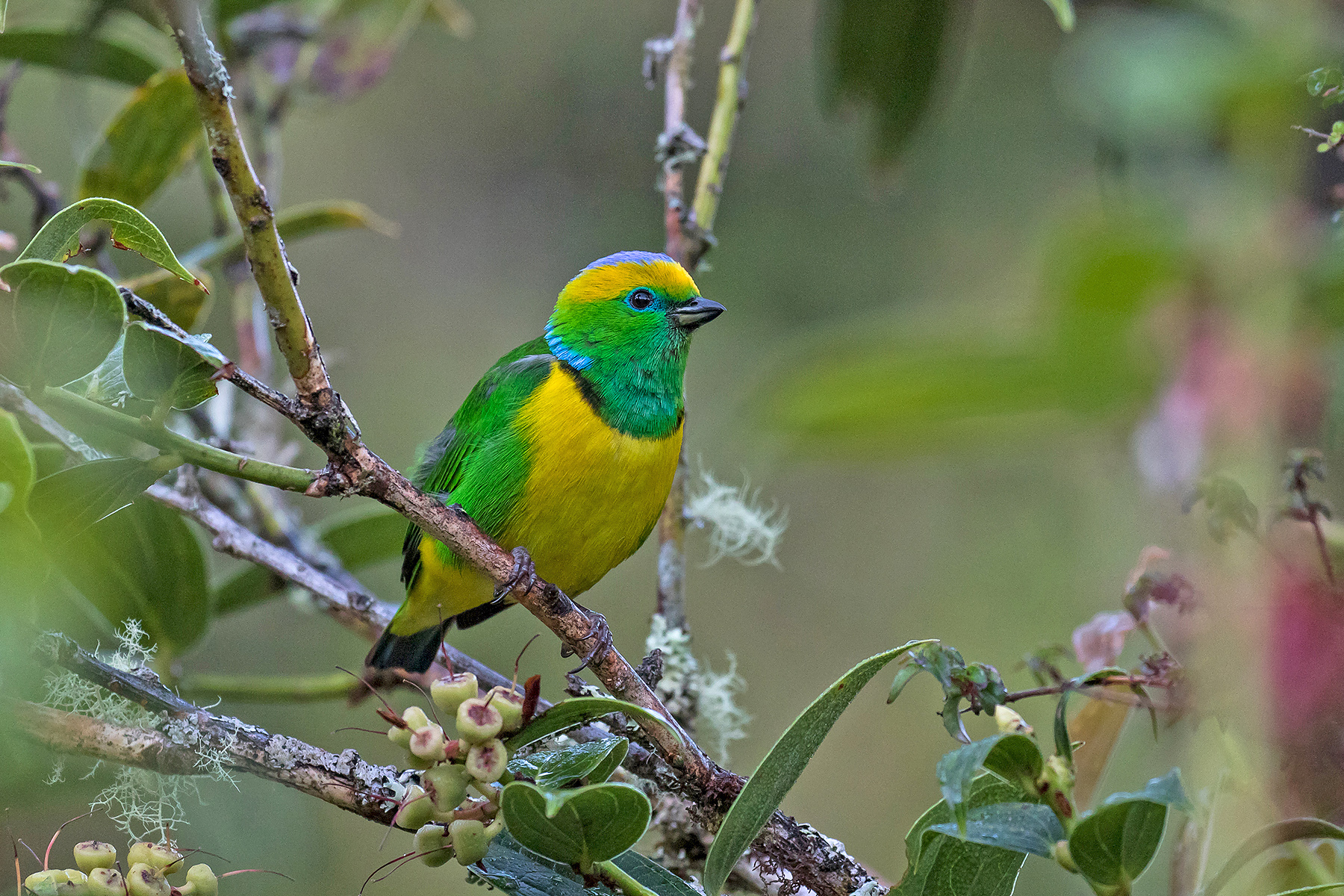
A large and varied bird community inhabits the epiphyte-laden cloudforests in these protected areas, which straddle the continental divide. Lower down on the Pacific slope, there is a more pronounced dry season, and here the cloudforest is replaced by semi-humid evergreen forest, home to a different set of birds. Sometimes, the mornings at Monteverde are gloriously clear, and one can see the forested ridges extending away into the distance. Three-wattled Bellbirds utter their deafening calls from exposed perches in the canopy, Lineated Foliage-gleaners and Streak-breasted Treehunters search the moss and bromeliad-encrusted branches, whilst, at some strategically positioned feeders, we will have wonderful opportunities for prolonged views of a multitude of iridescent hummingbirds, including Violet Sabrewing, Coppery-headed Emerald (endemic to Costa Rica), Purple-throated Mountaingem, Green-crowned Brilliant, Magenta-throated Woodstar, and Stripe-tailed and Blue-vented Hummingbirds.
Monteverde offers cloud forest birding at its best, although we shall doubtless have to work hard to find some of the more retiring inhabitants of the area, and the local Resplendent Quetzals are no longer as easy to see as they once were.
By quietly walking along the maze of trails, we may find Black Guan, Black-breasted Wood Quail, Buff-fronted Quail-Dove, Mottled Owl, ‘Orange-bellied Trogon’ (nowadays regarded as a colour morph of Collared), Prong-billed Barbet, Blue-throated Toucanet, Smoky-brown and Golden-olive Woodpeckers, Spotted Woodcreeper, the secretive Grey-throated Leaftosser, Red-faced Spinetail, Spotted Barbtail, Slaty Antwren, Plain Antvireo, Scale-crested Pygmy Tyrant, Eye-ringed Flatbill, Sulphur-bellied Flycatcher, the tricky Azure-hooded Jay, Slaty-backed Nightingale-Thrush, Black-eared and Golden-crowned Warblers, Chestnut-capped Brushfinch, Common Bush Tanager and Yellow-throated Euphonia.
In the lower areas at Monteverde, we will look for Chiriqui Quail-Dove, Salvin’s Emerald, Plain-capped Starthroat, Ruddy Woodcreeper, the superb Long-tailed Manakin and the smart White-eared Ground Sparrow.
Classic Costa Rica: Day 9
After some final birding at Monteverde, we will descend to the Pacific lowlands and head south to Carara for a two-night stay.
We will make a few birding stops along the way, especially for the striking White-throated Magpie-Jay and Streak-backed and Spot-breasted Orioles.
We should arrive in time for some initial exploration.
Classic Costa Rica: Day 10
Before the Carara Reserve was opened up to visitors, ornithologists were compelled to organise full-scale expeditions in order to reach the Pacific coastal lowland rainforest. Now it is possible to walk into this endangered Central American habitat from a paved road!
Many of the region’s special birds can be found here, including the magnificent Scarlet Macaw. These raucous, gaudy, long-tailed parrots are the park’s star attraction as they fly effortlessly amongst the large fruiting trees or flap slowly across to the nearby mangroves where they roost.
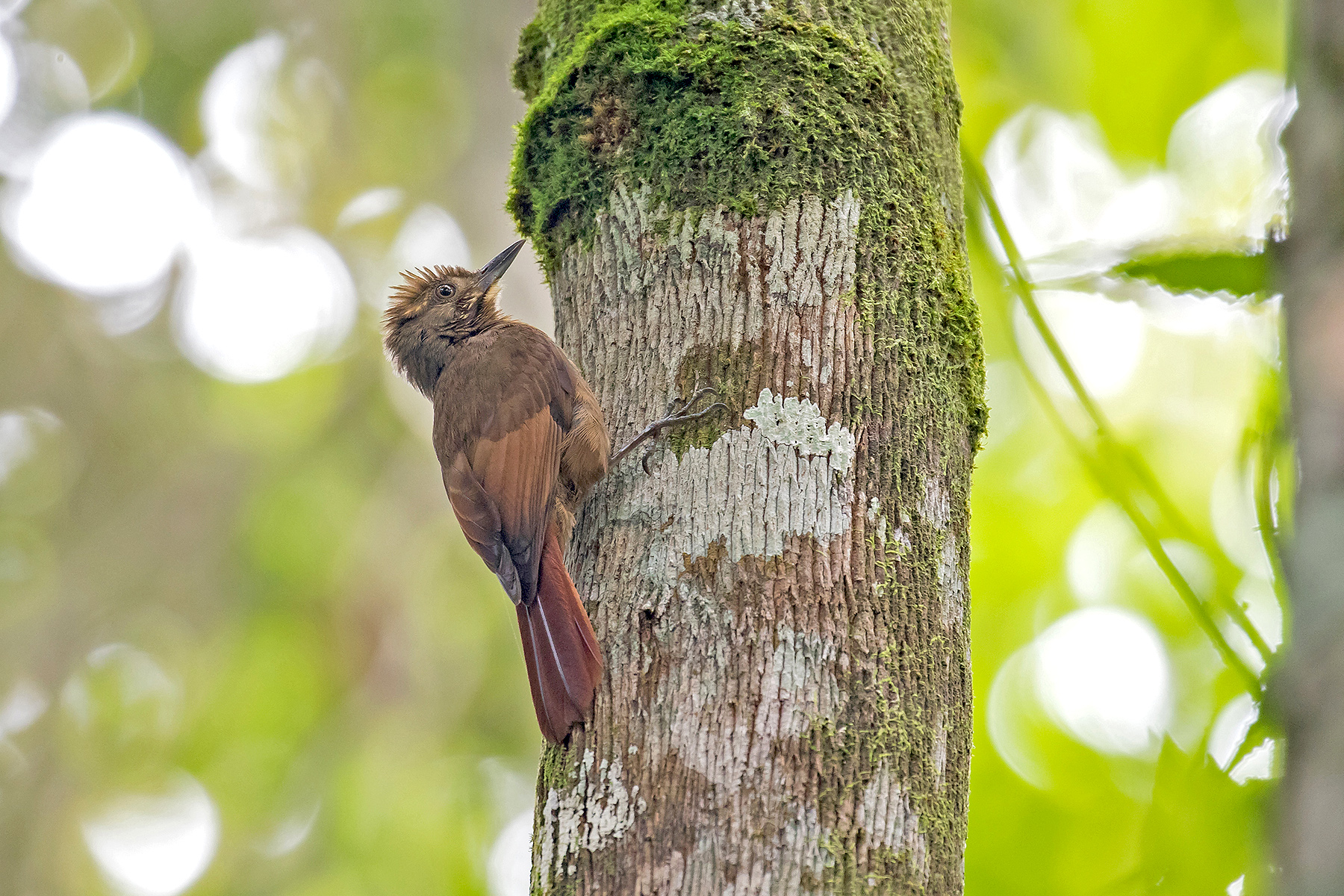
By slowly walking along the excellent trail system, we may well find birds such as Great Tinamou, Marbled Wood Quail, Baird’s, Slaty-tailed and Black-headed Trogons, White-whiskered Puffbird, Pale-billed Woodpecker, Northern Mealy Amazon, Collared Foresat Falcon, Wedge-billed, Northern Barred, Long-tailed and Cocoa Woodcreepers, Northern Plain Xenops, Northern Bentbill, Dot-winged Antwren, Chestnut-backed Antbird, Black-faced Antthrush, the lovely Streak-chested Antpitta (often confiding here), the smart Red-capped Manakin, Greenish Elaenia, Golden-crowned Spadebill, Stub-tailed Spadebill (we will need some luck to see this tricky species), Slate-headed Tody-Flycatcher, Yellow-olive Flatbill, Ruddy-tailed and Streaked Flycatchers, Northern Royal Flycatcher, Rufous Mourner, Rose-throated and White-winged Becards, the near-endemic Orange-collared Manakin, Rufous Piha, Ochre-crowned and Lesser Greenlets, Rufous-baked and Rufous-and-white Wrens, and Trilling Gnatwren. If we are very lucky, we will come across Scaly-throated Leaftosser.
Mammals are not conspicuous, but we should encounter Mantled Howler and White-nosed Coati.
Along the forest edge, or in nearby open country, we will expect to encounter Grey, Short-tailed and Crane Hawks, Crested Caracara, Red-lored and Yellow-naped Amazons, Ferruginous Pygmy Owl, Lesser Nighthawk, Turquoise-browed Motmot, White-necked Puffbird, Barred Antshrike, Dusky-capped, Brown-crested and Boat-billed Flycatchers, Grey-breasted Martin, White-throated Magpie-Jay, Tropical Gnatcatcher, Scrub Greenlet, Grey-crowned Yellowthroat, Scrub Euphonia, Variable Seedeater (the pied form here is a potential split as Black-breasted Seedeater), Blue Grosbeak and Stripe-headed Sparrow.
Dry country areas in the Carara region hold Double-striped Thick-knee, Common Ground Dove, Orange-fronted Parakeet, White-fronted Amazon, Cinnamon Hummingbird, Northern Beardless Tyrannulet, Scissor-tailed Flycatcher, Banded Wren, White-lored Gnatcatcher, Yellow-green Vireo and Olive Sparrow. With patience, we should see the shy Lesser Ground Cuckoo, and if we are lucky, we will also come across Spot-bellied Bobwhite.
At lagoons, river mouths and mangroves in the region, we should find Brown Pelican, Neotropic Cormorant, Anhinga, Magnificent Frigatebird, Great and Snowy Egrets, Great Blue, Little Blue, Tricoloured and Green Herons, Yellow-crowned Night Heron, Bare-throated Tiger Heron, Wood Stork, American White Ibis, Roseate Spoonbill, Black-bellied Whistling Duck, Osprey, Plumbeous Kite, Common Black Hawk, Northern Jacana, Black-necked Stilt, Semipalmated, Wilson’s and Collared Plovers, Siouthern Lapwing, Lesser Yellowlegs, Willet, Spotted and Western Sandpipers, Laughing Gull, Royal Tern, Mangrove and Striped Cuckoos, Pacific Screech Owl, Yellow-naped Amazon, Streak-headed Woodcreeper, Mangrove Swallow, Panamanian (or Panama) Flycatcher, Northern Scrub Flycatcher, Mangrove Vireo and Mangrove Warbler. During the winter period, migrants from North America include American Yellow Warbler, Northern Waterthrush and American Redstart.
Classic Costa Rica: Day 11
After some final birding in the Carara region, we will head for the Golfo Dulce region for a two-night stay.
We will encounter some, including Plain-breasted Ground Dove, along the way.
Classic Costa Rica: Day 12
The wilderness area of Corcovado National Park and the adjoining Piedras Blancas National Park provide some of the last remaining habitat for many of the southern Pacific slope endemics. The star bird of the area and the great prize for visiting birders is the very localised Black-cheeked Ant-Tanager, one of just a handful of species entirely endemic to Costa Rica (most of the regional endemics are shared with Panama). Two fairly common near-endemic specialities of the area are Black-hooded Antshrike and Spot-crowned Euphonia. We will also be on the lookout for the elusive Uniform Crake and the uncommon Bronzy Hermit.
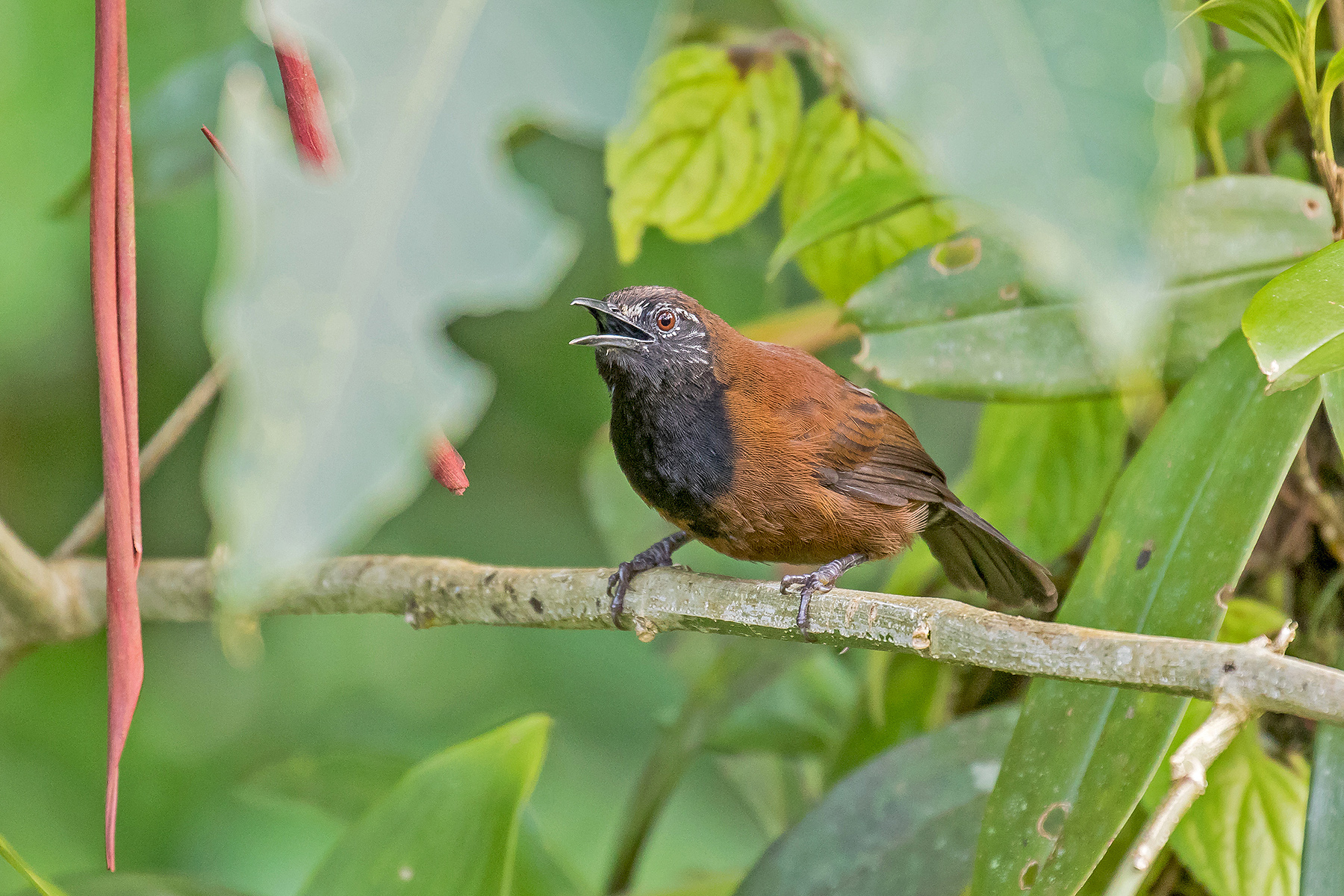
Other birds we could well find in the area include King Vulture, Grey-cowled Wood Rail, Blue Ground Dove, Smooth-billed Ani, Blue-headed Parrot, Costa Rican Swift, Band-tailed Barbthroat, Long-billed Hermit, Charming (or Beryl-crowned) Hummingbird, Chestnut-mandibled Toucan, the near-endemic Fiery-billed Aracari, Golden-naped and Red-rumped Woodpeckers, Black-striped and Tawny-winged Woodcreepers, Chiriqui Foliage-gleaner, Bicoloured Antbird, Yellow-crowned Tyrannulet, the scarce Yellow-bellied Tyrannulet, Black-crowned Tityra, Blue-crowned Manakin, Isthmian, Riverside and Black-bellied Wrens, Red-breasted Blackbird, Yellow-crowned Euphonia, the Pacific form of the Scarlet-rumped Tanager (sometimes split as Cherrie’s Tanager), and Blue-black Grosbeak.
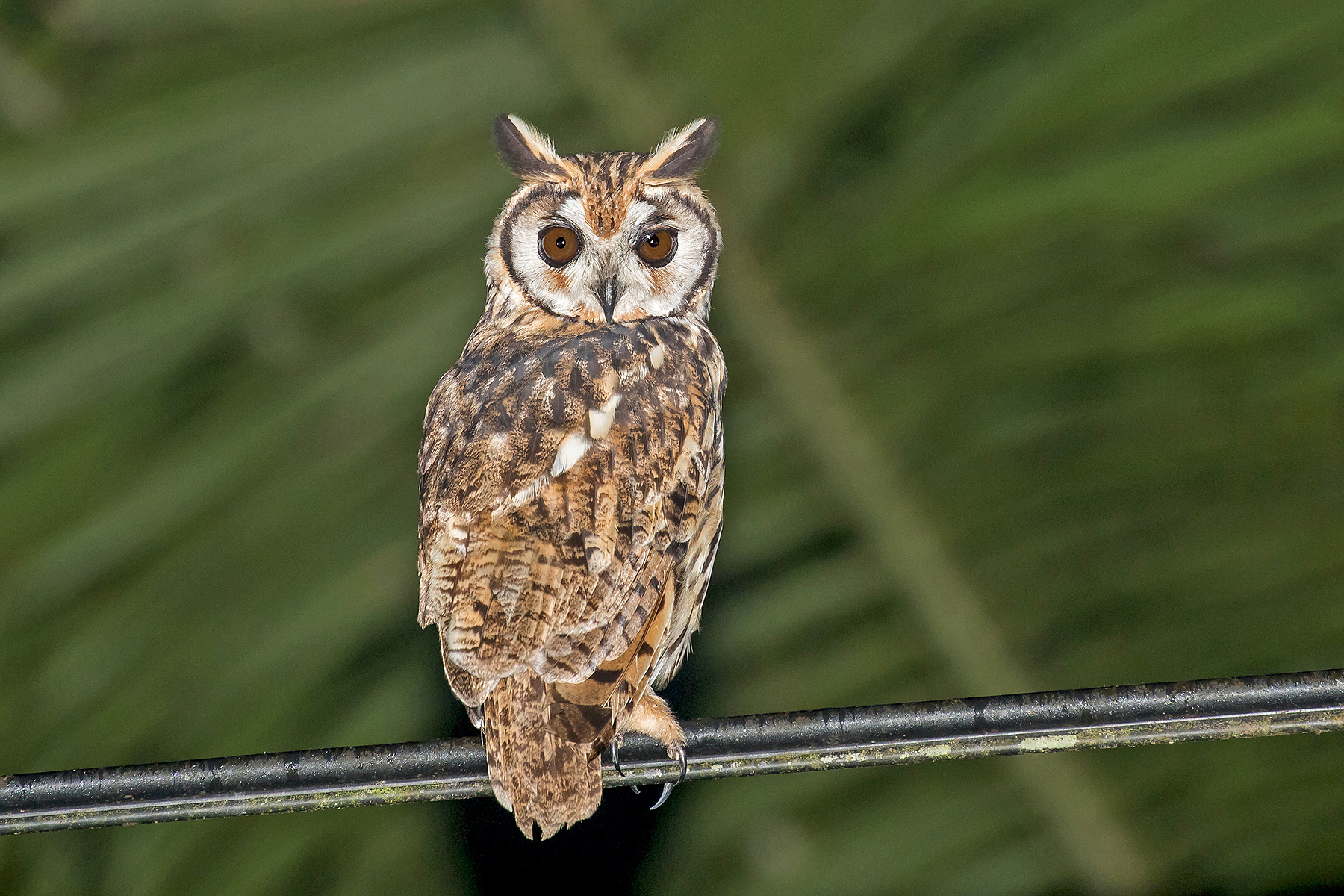
At night, we will look for Striped and Spectacled Owls and Tropical Screech Owls. We also have a good chance of seeing ‘Puntarenas’ Screech Owl, an undescribed taxon that may prove to be a distinct species.
Classic Costa Rica: Day 13
This morning, we will make a trip to a reliable site for the threatened endemic Mangrove Hummingbird and the stunning Yellow-billed Cotinga.
After some final birding in the southern lowlands, we will drive northwards to San Isidro for an overnight stay.
Along the way, we will try for the lovely but shy Rosy Thrush-Tanager, a monotypic bird family, but not easy to see. We will also be looking for the shy Ocellated Crake and Lesser Elaenia.
We will arrive in time to do some birding in the San Isidro area, where we will be looking in particular for the stunning but threatened Turquoise Cotinga, and the near-endemic Garden Emerald, White-tailed Emerald and Costa Rican Brushfinch. Here, or elsewhere in the south, we will also be hoping to see the uncommon but often elusive near-endemic White-crested Coquette. They favour flowering Vochysia trees.
Other new birds may include Pearl Kite, Scaled Pigeon, Olivaceous Piculet, Red-crowned Woodpecker, Pale-breasted Spinetail, Yellow Tyrannulet, Orange-billed Nightingale-Thrush and Bran-coloured Flycatcher.
Classic Costa Rica: Day 14
After some early morning birding around San Isidro, we will drive up into the Cordillera de Talamanca (Talamanca Highlands) for a two-night stay not far from Cerro de la Muerte.
We will stop en route to look for the near-endemic Snowy-bellied Hummingbird and then spend the rest of the day at higher altitudes.
Classic Costa Rica: Day 15
Cerro de la Muerte, or the ‘Mountain of Death’, was so named because of the many people who died of cold whilst crossing it en route between the Central Valley and Valle del General to the south. Of course, that was hundreds of years ago. Nowadays, the Pan American Highway crosses the mountain at over 3300m, and comfortable lodges ensure that it no longer holds such fears.
Here we will be birding the temperate oak forests with their thick bamboo understorey. At these altitudes, many of the birds seem remarkably tame, and whilst the number of species is not great, most are confined to the high mountains of Costa Rica and adjacent Panama. Here lives one of the world’s most spectacular birds, the Resplendent Quetzal. This is one of the few places where these wonderful birds can be seen without difficulty, and we will be able to watch in fascination as they fly from tree to tree with their incredibly elongated uppertail coverts dancing along behind them.
We shall also concentrate our efforts on finding such birds as Costa Rican Pygmy Owl, Sulphur-winged Parakeet, Ruddy Treerunner, Buffy Tuftedcheek, the secretive Silvery-fronted Tapaculo, the rare Ochraceous Pewee, Black-capped and Golden-bellied Flycatcher, Black-faced Solitaire, Black-billed Nightingale-Thrush, Long-tailed Silky-flycatcher, Black-and-yellow Phainoptila, Yellow-winged Vireo, Collared Whitestart, Black-cheeked Warbler, the curious Wrenthrush (or Zeledonia), which was formerly often placed in a family of its own, Grey-breasted Wood Wren, Spangle-cheeked Tanager, Black-thighed Grosbeak, the smart Sooty-faced Finch and Golden-browed Chlorophonia. With patience, we should also see the scarce Silvery-throated Jay and a covey of spectacular Spotted Wood Quail.
The hummingbird feeders at our hotel provide excellent opportunities for studying Lesser Violetear, Admirable, Scintillant and Volcano Hummingbirds, and Grey-tailed Mountaingem. We shall also keep a lookout for Dark Pewee in the nearby treetops.
Some of the more widespread species we should encounter here include Band-tailed Pigeon, Swallow-tailed Kite, Acorn and Hairy Woodpeckers, Spot-crowned Woodcreeper, Torrent Tyrannulet, Mountain Elaenia, Northern Tufted and Yellowish Flycatchers, Black Phoebe, Brown-capped Vireo, Ochraceous Wren, Ruddy-capped Nightingale-Thrush, Slate-throated Whitestart, Flame-coloured Tanager and Rufous-collared Sparrow. During the northern winter period, Black-throated Green and Wilson’s Warblers are present.
Night-time excursions will give us the opportunity to find Bare-shanked Screech Owl, Dusky Nightjar and, with persistence and luck, even the rare and shy Unspotted Saw-whet Owl.
Classic Costa Rica: Day 16
After some final birding in the Cordillera de Talamanca, we will head for the Cachi area for a two-night stay.
We will be making a number of stops along the way in the hope of finding a few additions, including the exquisite Black-bellied Hummingbird.
We will stop to look for the shy endemic Cabanis’s Ground Sparrow in the coffee plantations of the Ujarrás Valley.
Either today, or in other open habitats during the tour, we will come across Lesson’s Motmot, Cabanis’s Wren and the range-restricted Hoffmann’s Woodpecker and Finsch’s Parakeet.
Likewise, we will encounter a number of widespread species such as Western Cattle Egret, Black and Turkey Vultures, Red-billed Pigeon, Ruddy Ground Dove, Inca and White-tipped Doves, Squirrel Cuckoo, Groove-billed Ani, Lineated Woodpecker, Social Flycatcher, Tropical Kingbird, Great Kiskadee, Blue-and-white and Northern and Southern Rough-winged Swallows, Brown Jay, House Wren, Clay-coloured Thrush, Palm and Blue-grey Tanagers, Bananaquit, Rufous-capped Warbler (the local form is sometimes split as Chestnut-capped Warbler), Greyish Saltator, Blue-black Grassquit, Melodious Blackbird (a recent invader from Nicaragua), Bronzed Cowbird and the ubiquitous Great-tailed Grackle.
Classic Costa Rica: Day 17
Today, we will visit the little-known but very birdy reserve called El Copal, which is home to many interesting species. Here we will make our way along various trails through the forest, as well as spend time in the clearings.
In particular, we shall be looking out for the brilliant near-endemic Blue-and-gold Tanager and the rare Yellow-eared Toucanet. Even better, the exquisite Snowcap, undoubtedly one of the most spectacular ‘hummers’, is regularly seen in the area. We shall wait for this tiny jewel to show itself in all its splendour.
Furthermore, the primary foothill forest hosts one of Costa Rica’s most localised birds. Early in the morning, the near-endemic Tawny-chested Flycatcher advertises its presence with its characteristic song, and we have an excellent chance of seeing this speciality.
Other birds that are very possible at this site include Crested Guan, both Ruddy and Short-tailed Pigeons (overlapping in altitude here), Purplish-backed Quail-Dove, Green Hermit, the impressive Green-fronted Lancebill, Gartered and Collared Trogons, Buff-throated Foliage-gleaner, the range-restricted Tawny-throated Leaftosser, Olivaceous Woodcreeper, the spectacular Brown-billed Scythebill, Russet Antshrike, Slaty Antwren, Dull-mantled and Zeledon’s Antbirds, the elusive Ochre-breasted Antpitta, the uncommon Rufous-browed Tyrannulet, White-throated Spadebill, Rufous Mourner, the smart White-ruffed Manakin, Ruddy-tailed Flycatcher, the sneaky Northern Schiffornis, the delightful Song Wren, Black-headed Nightingale-Thrush (with its eerie song), White-vented and Tawny-capped Euphonias, the scarce Ashy-throated Bush Tanager, colourful White-winged, Carmiol’s, Emerald, Silver-throated, Speckled, Black-and-yellow, and Bay-headed Tanagers, Black-faced Grosbeak and Scarlet-thighed Dacnis.
Classic Costa Rica: Day 18
This morning, we will look in particular for the scarce, near-endemic White-bellied Mountaingem, Blackburnian Warbler, Elegant Euphonia and the splendid Sunbittern. After a chance to wash and change, we will head for San José, where our Classic Costa Rica birding tour ends in the afternoon at the international airport.