Email birders@birdquest-tours.com
Telephone 07777 186845
(International +44 7777 186845)
Email birders@birdquest-tours.com
Telephone 07777 186845
(International +44 7777 186845)
North America & The Caribbean
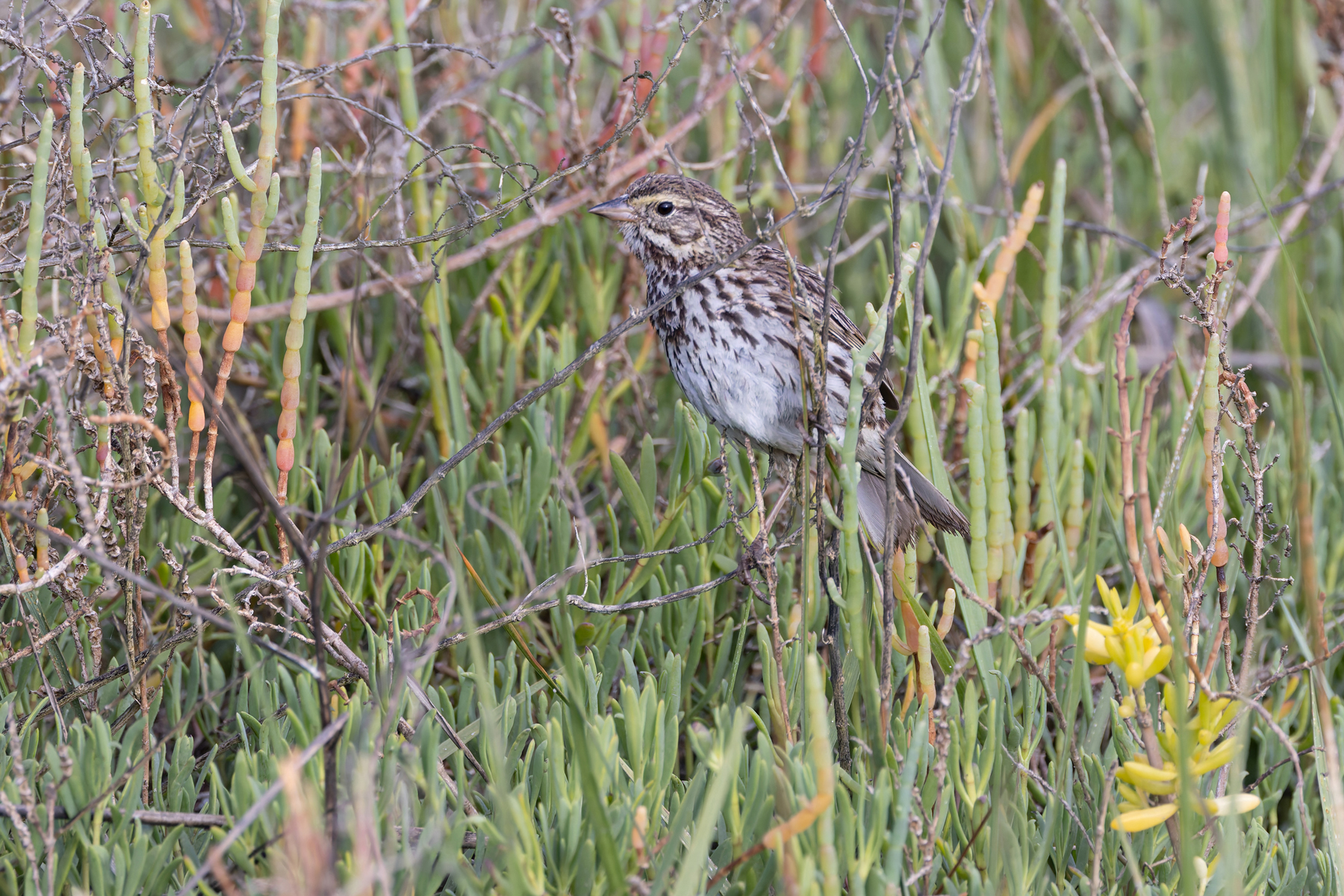
Belding's Savannah Sparrow (image by Mike Watson)
Pygmy Nuthatch (image by Pete Morris)
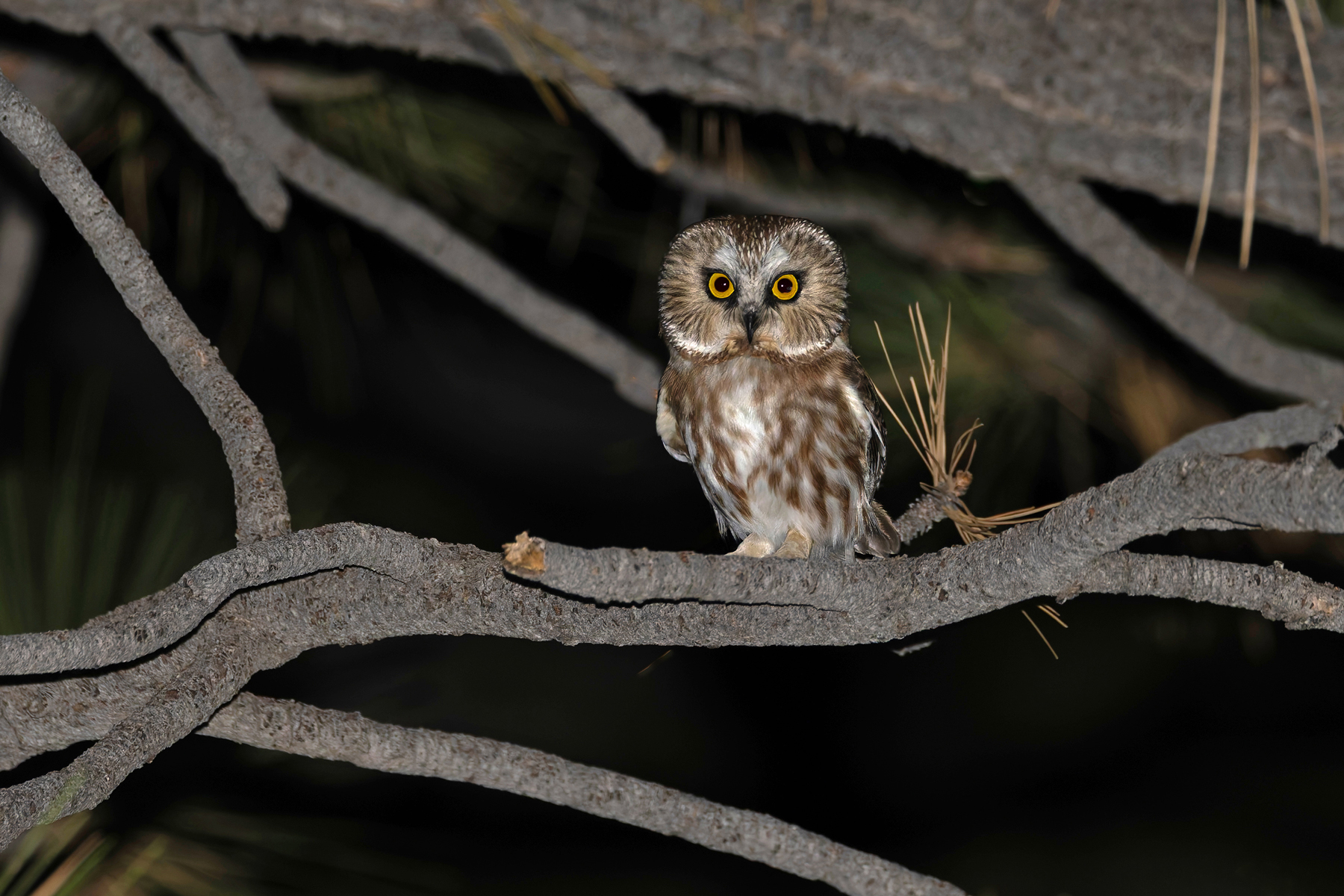
Northern Saw-whet Owl (image by Mike Watson)
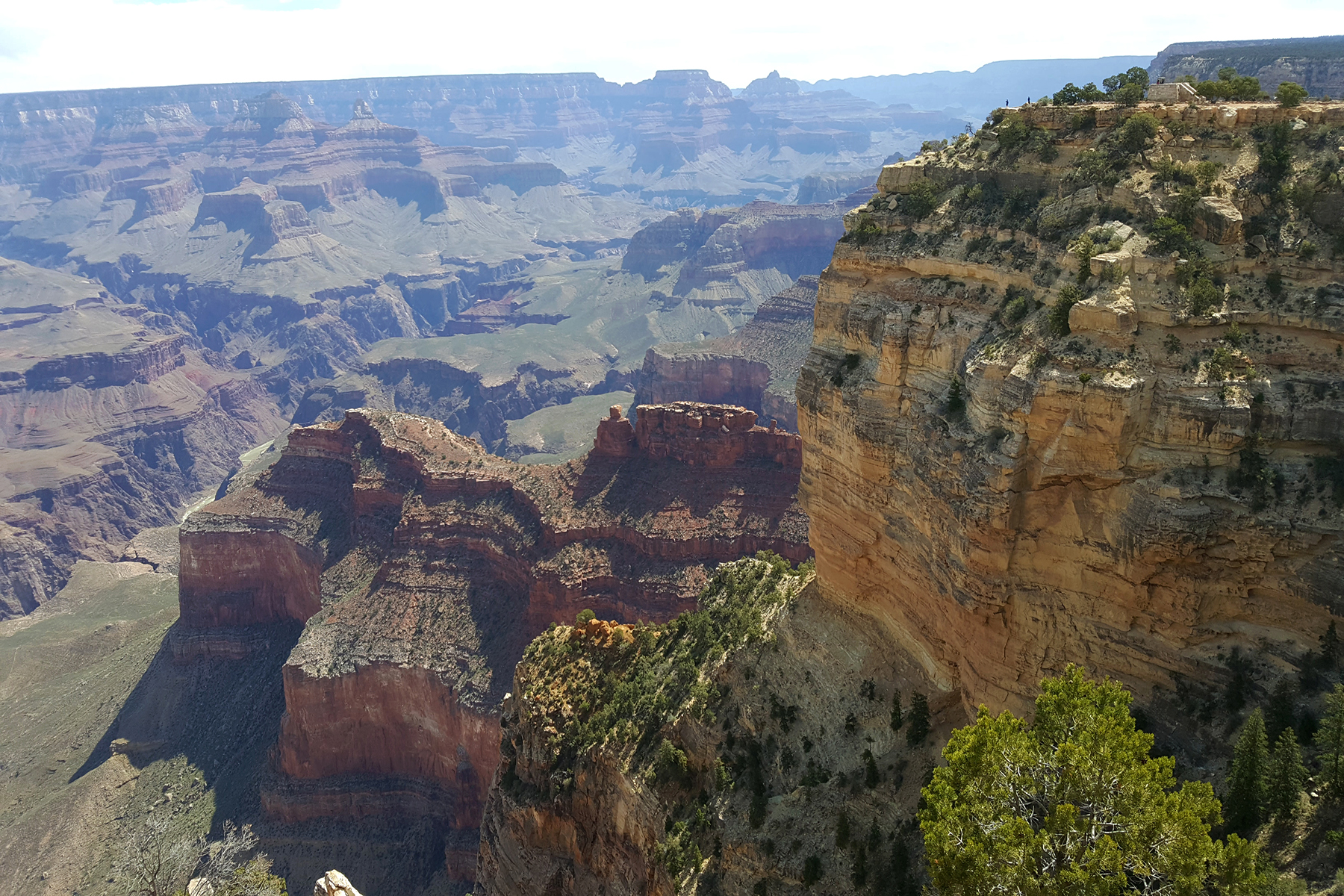
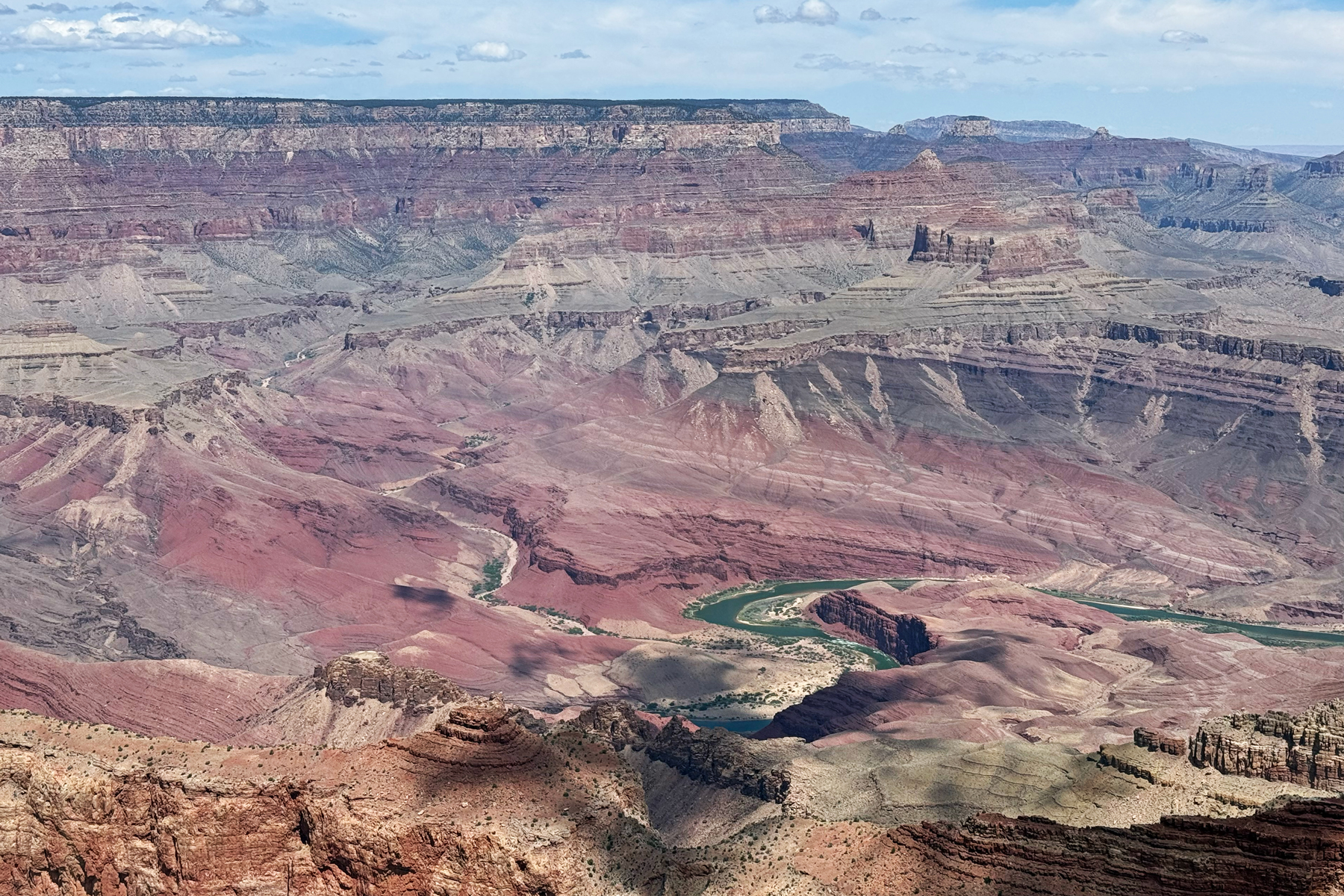
Grand Canyon, Arizona (image by Sjoerd Radstaak)
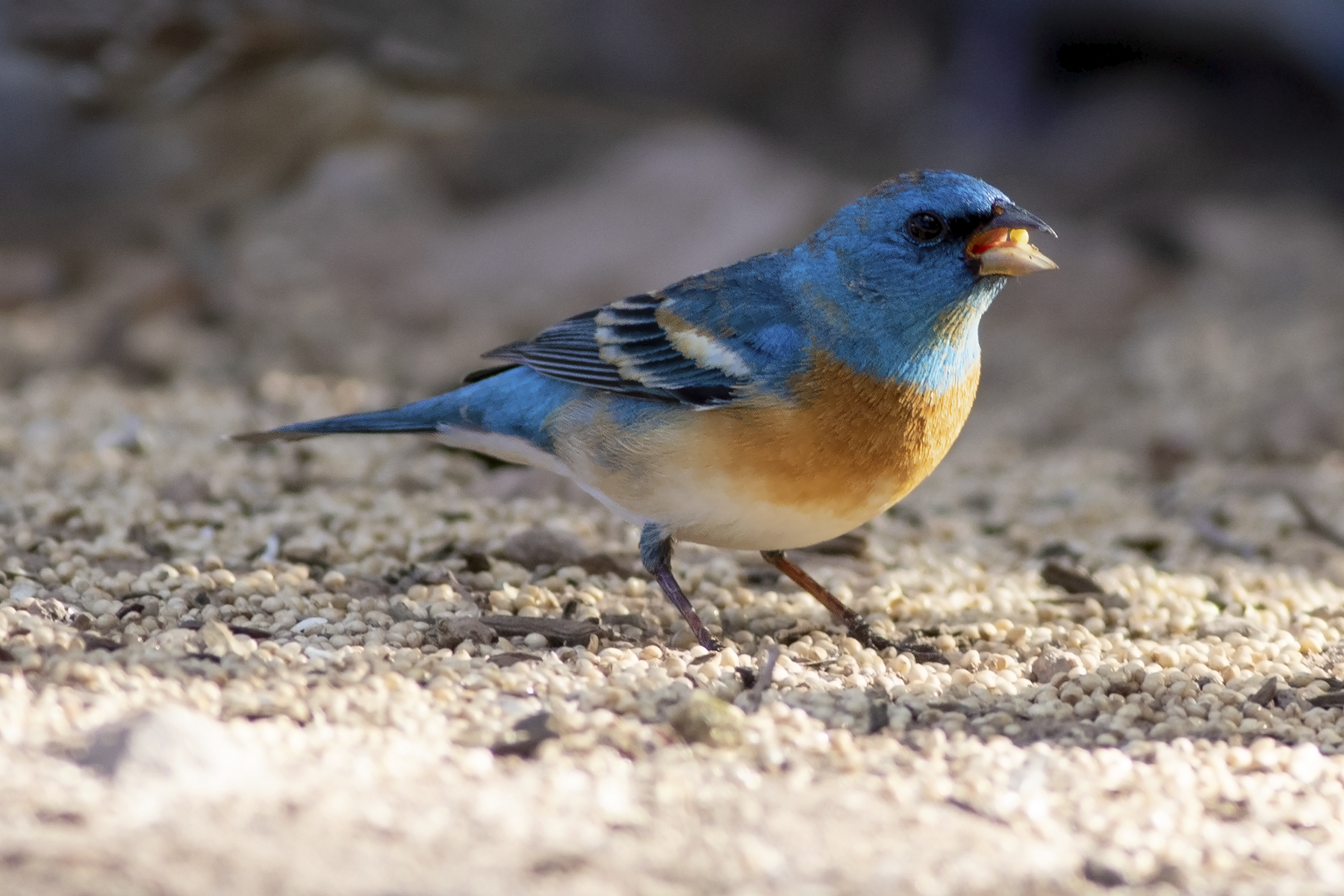
Lazuli Bunting (image by Sjoerd Radstaak)
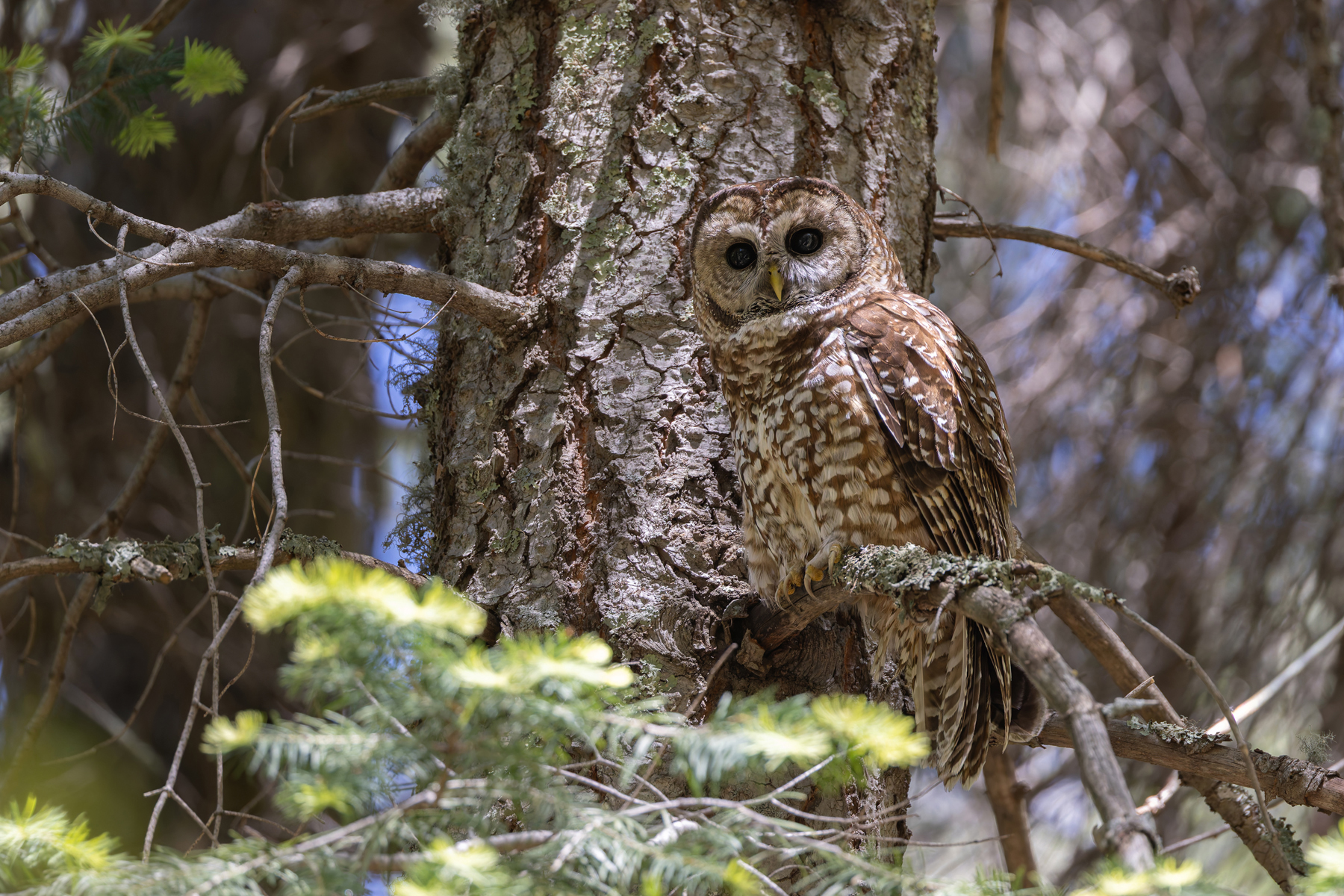
Spotted Owl (image by Mike Watson)
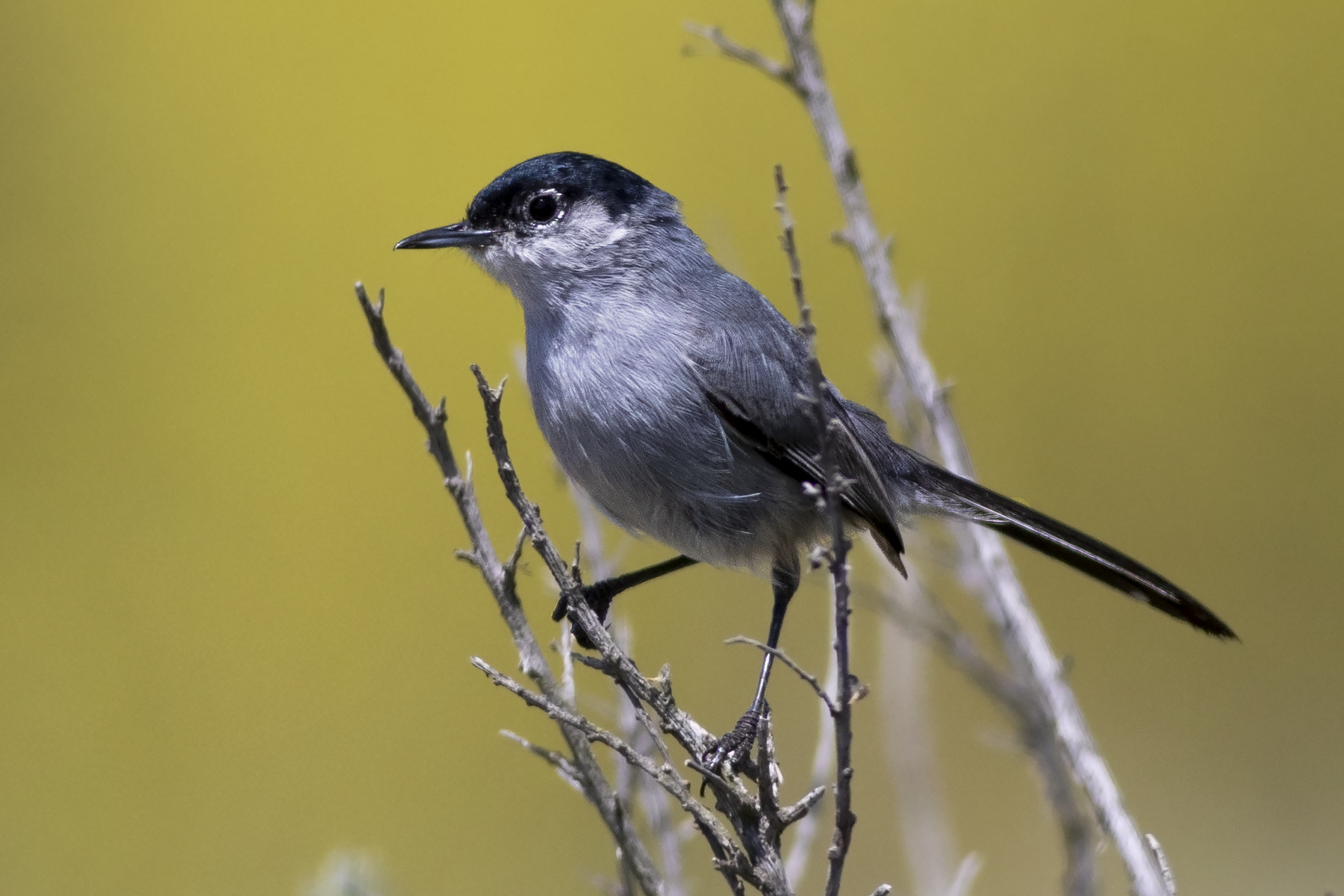
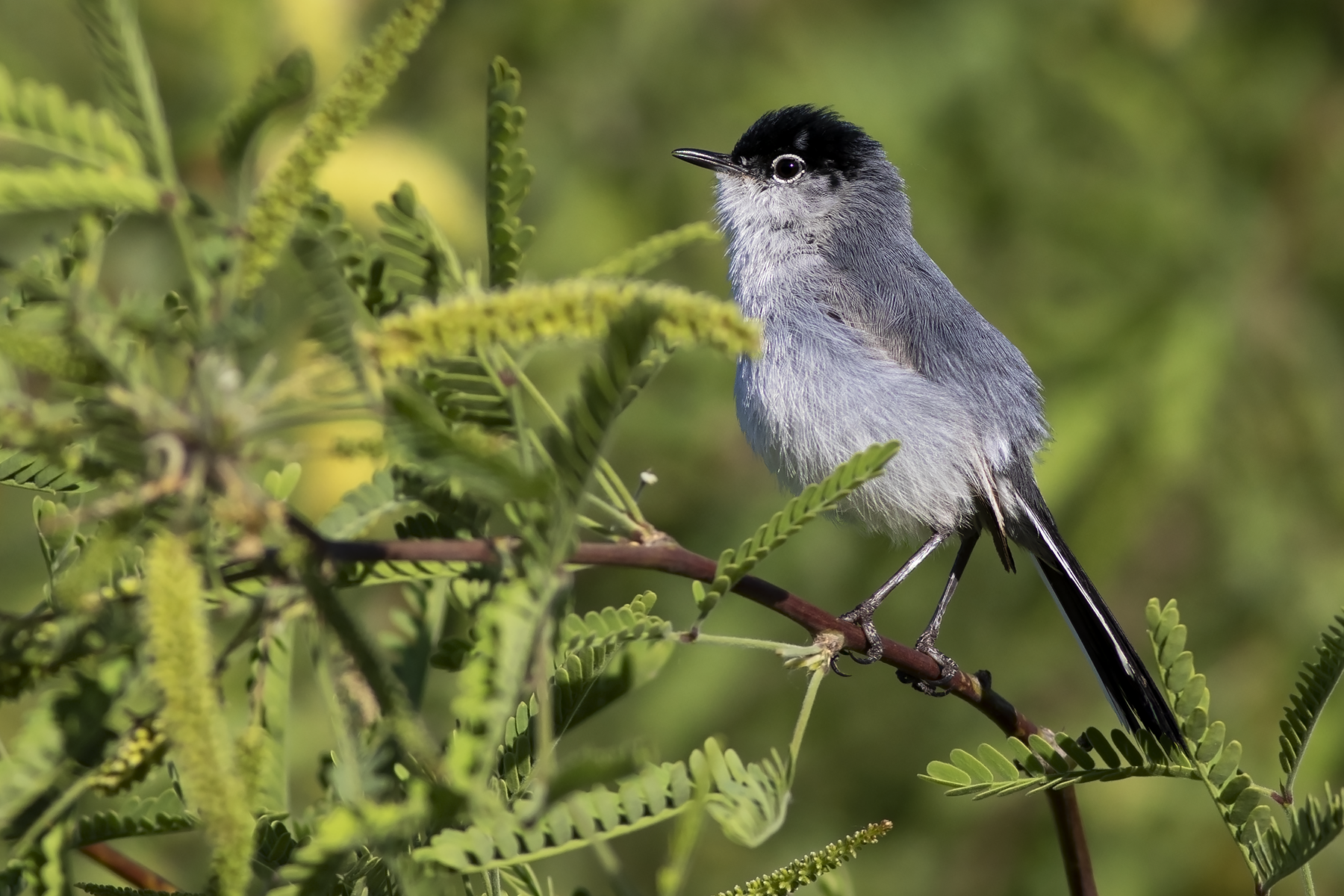
California Gnatcatcher (image by Sjoerd Radstaak)
Mountain Chickadee (image by Pete Morris)
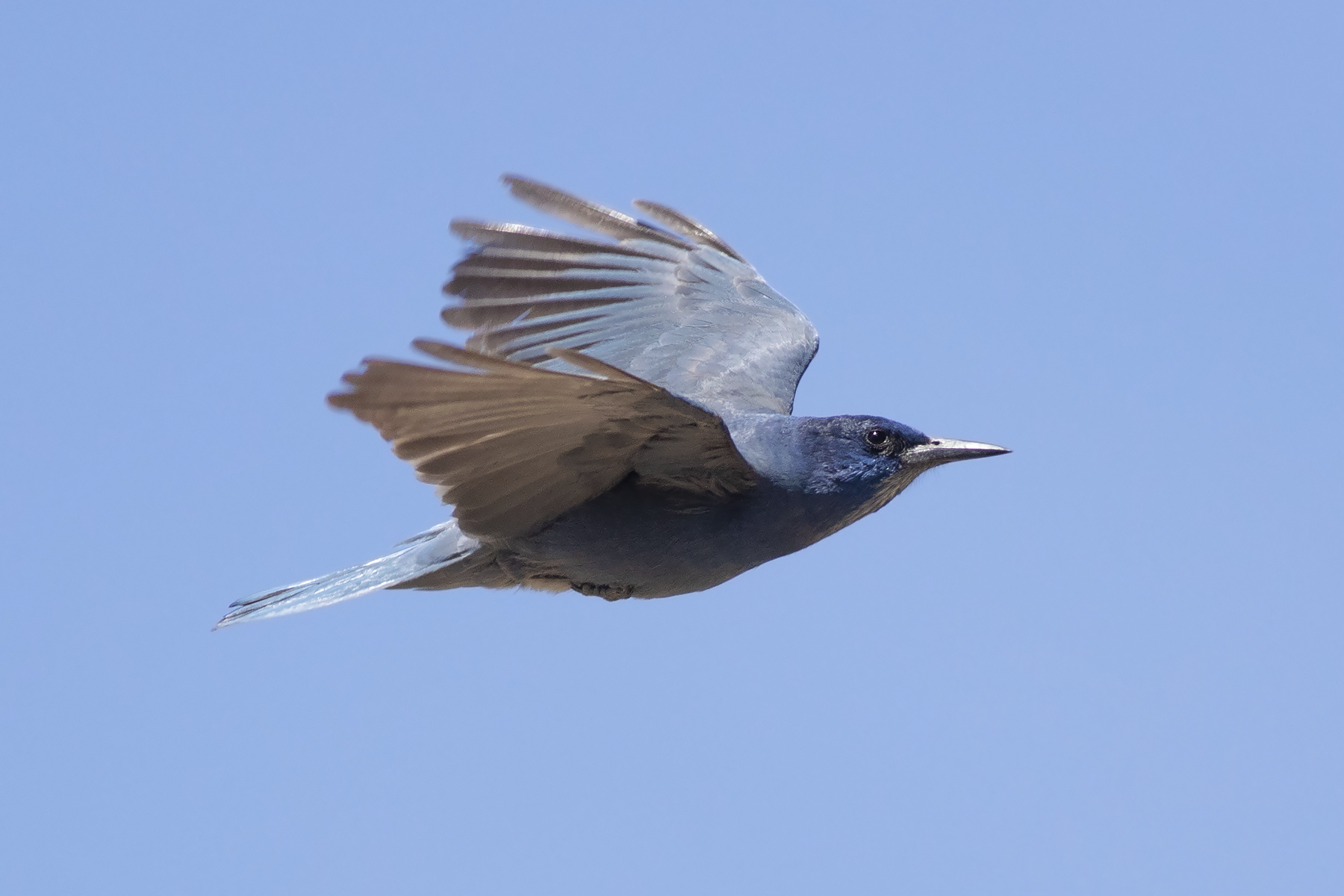
Pinyon Jay (image by Sjoerd Radstaak)
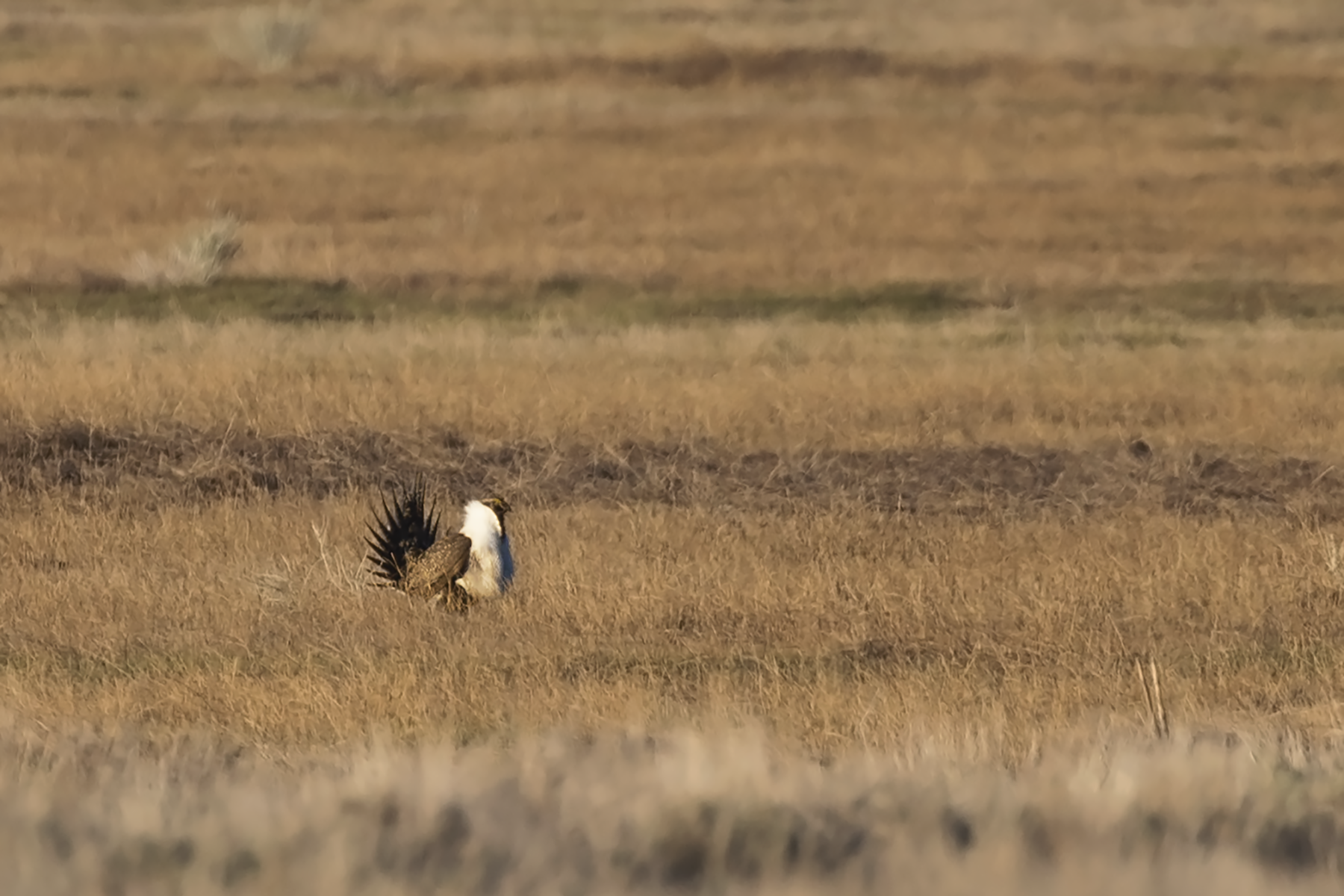
Sage Grouse (image by Sjoerd Radstaak)
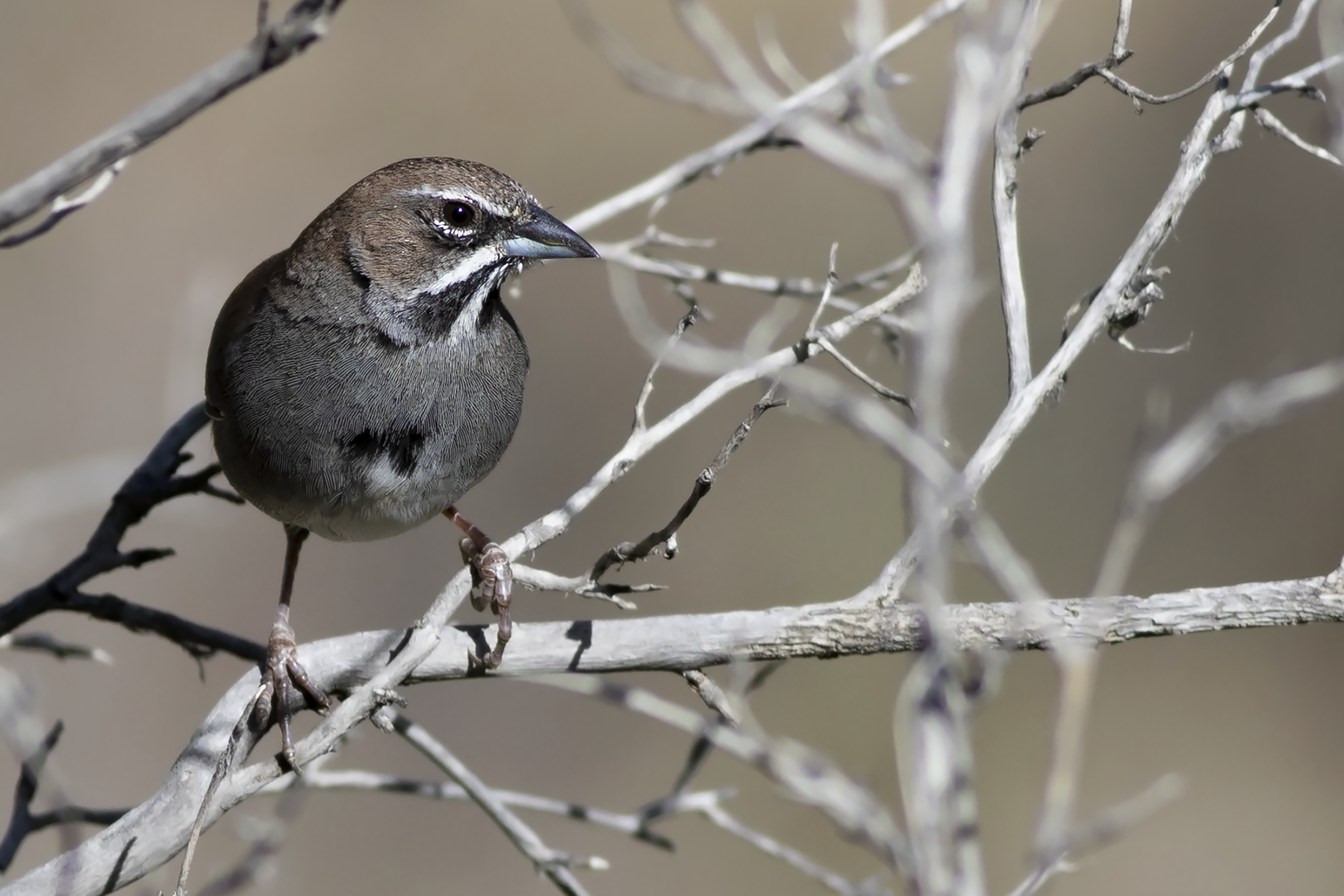
Five-striped Sparrow (image by Sjoerd Radstaak)
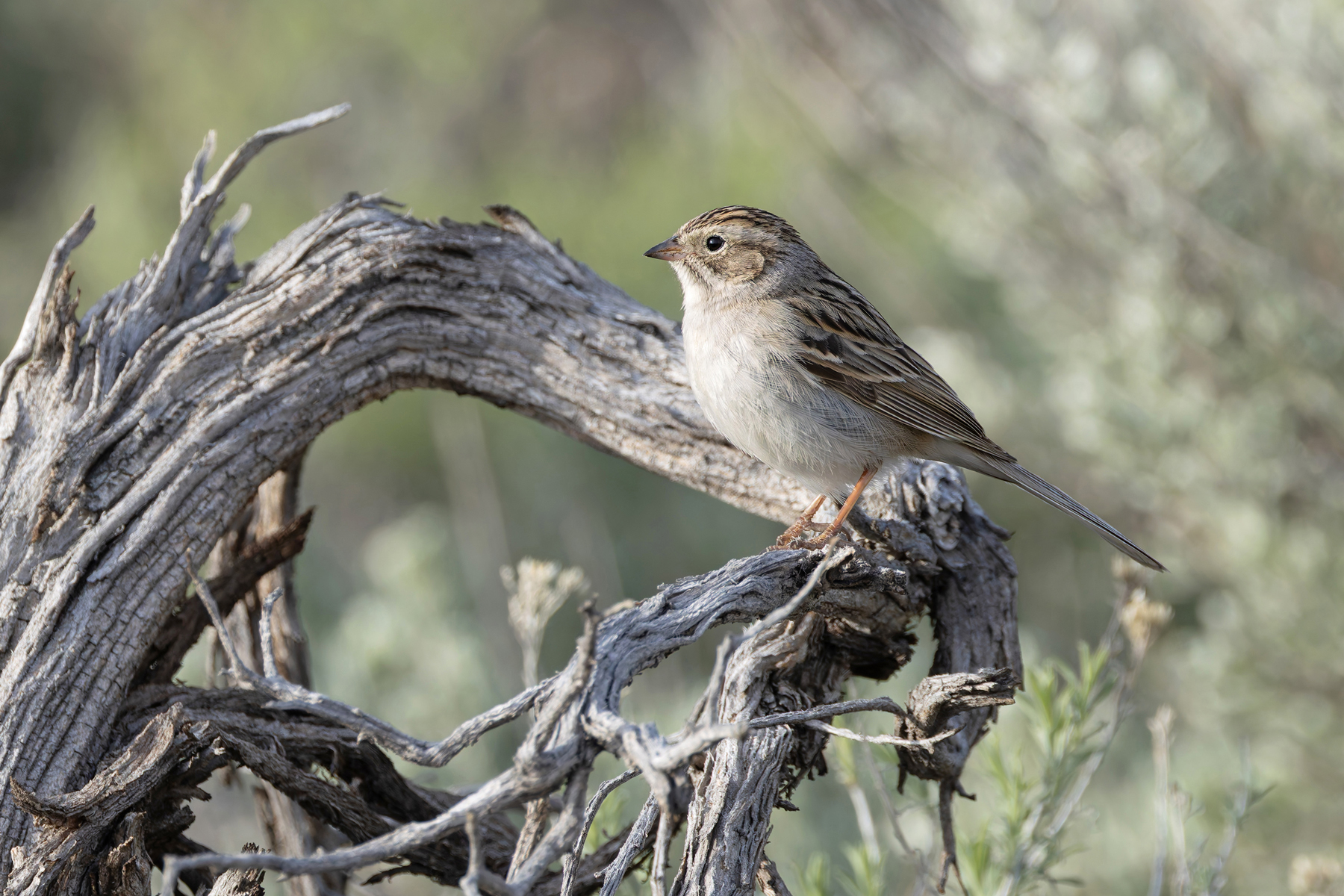
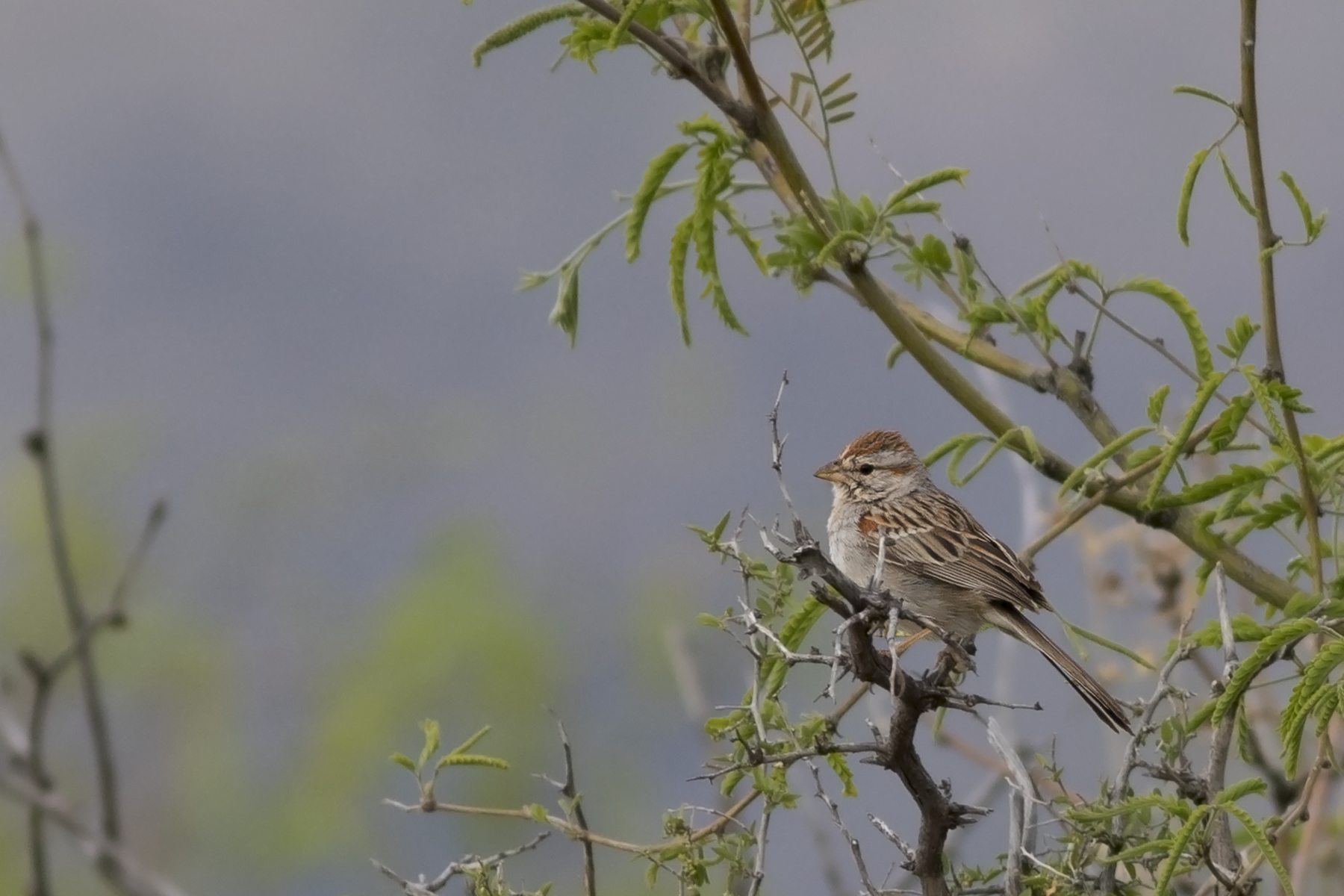
Brewer's Sparrow (image by Mike Watson)
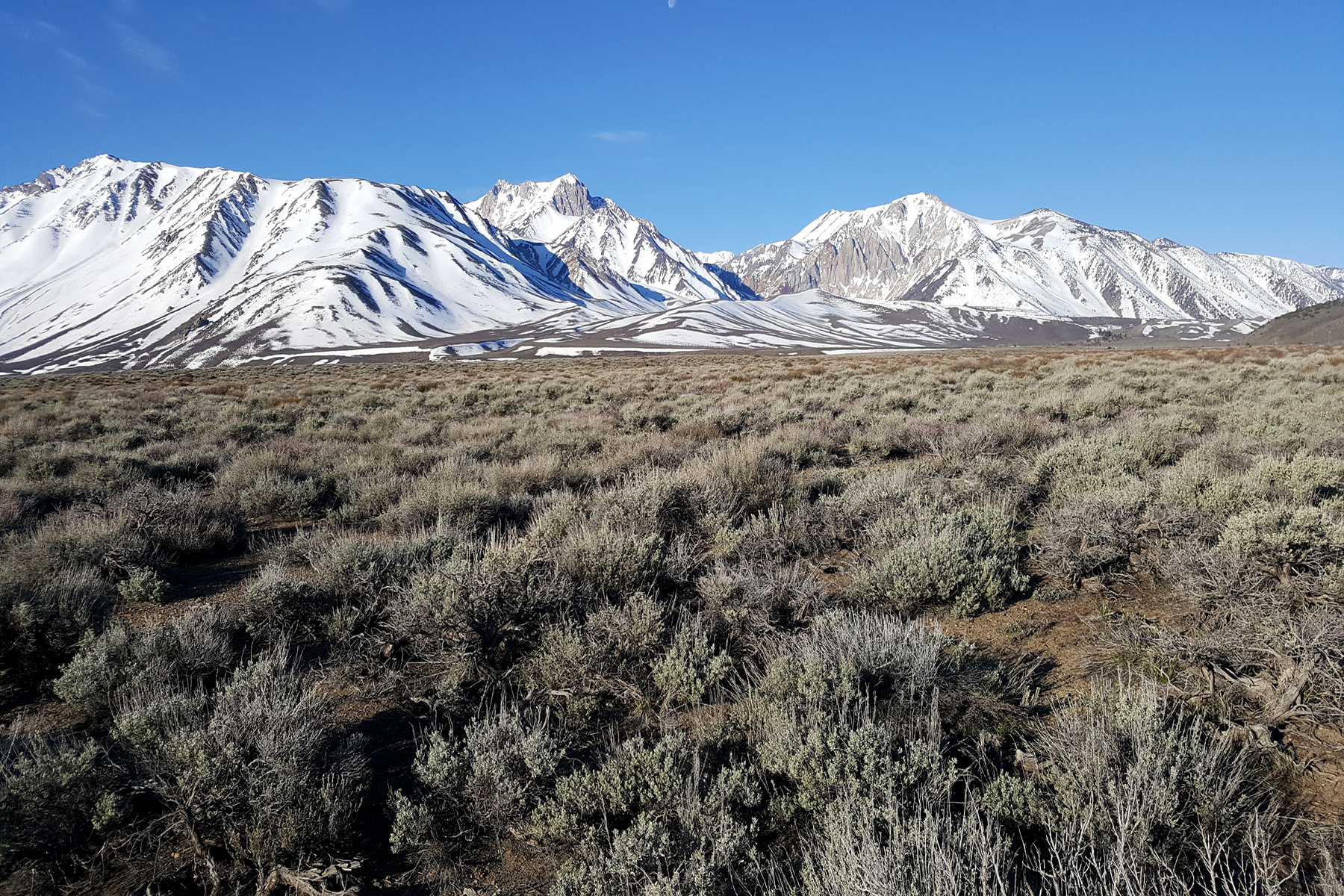
Lake Crowley area, California (image by Sjoerd Radstaak)
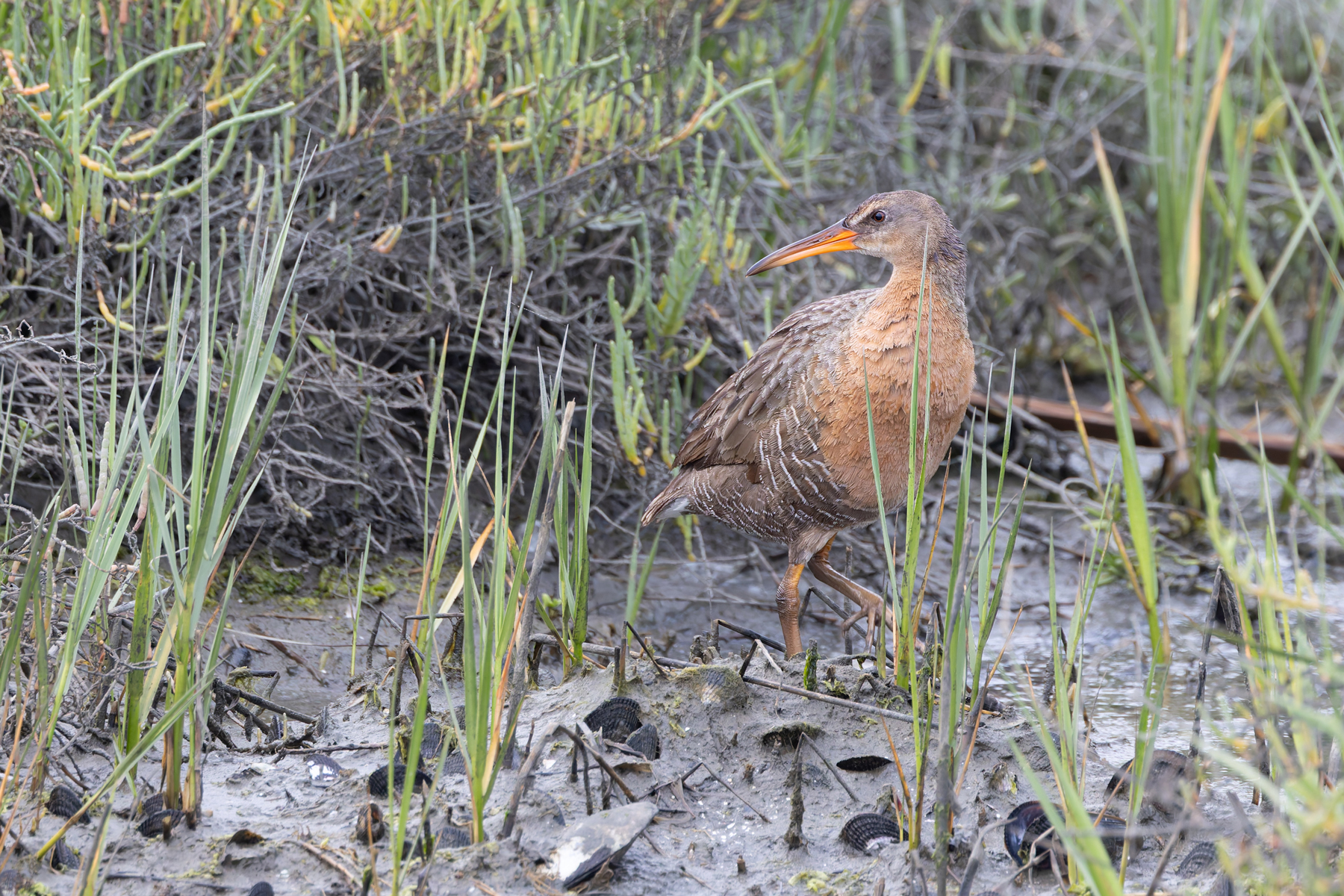
Ridgway's Rail (image by Mike Watson)
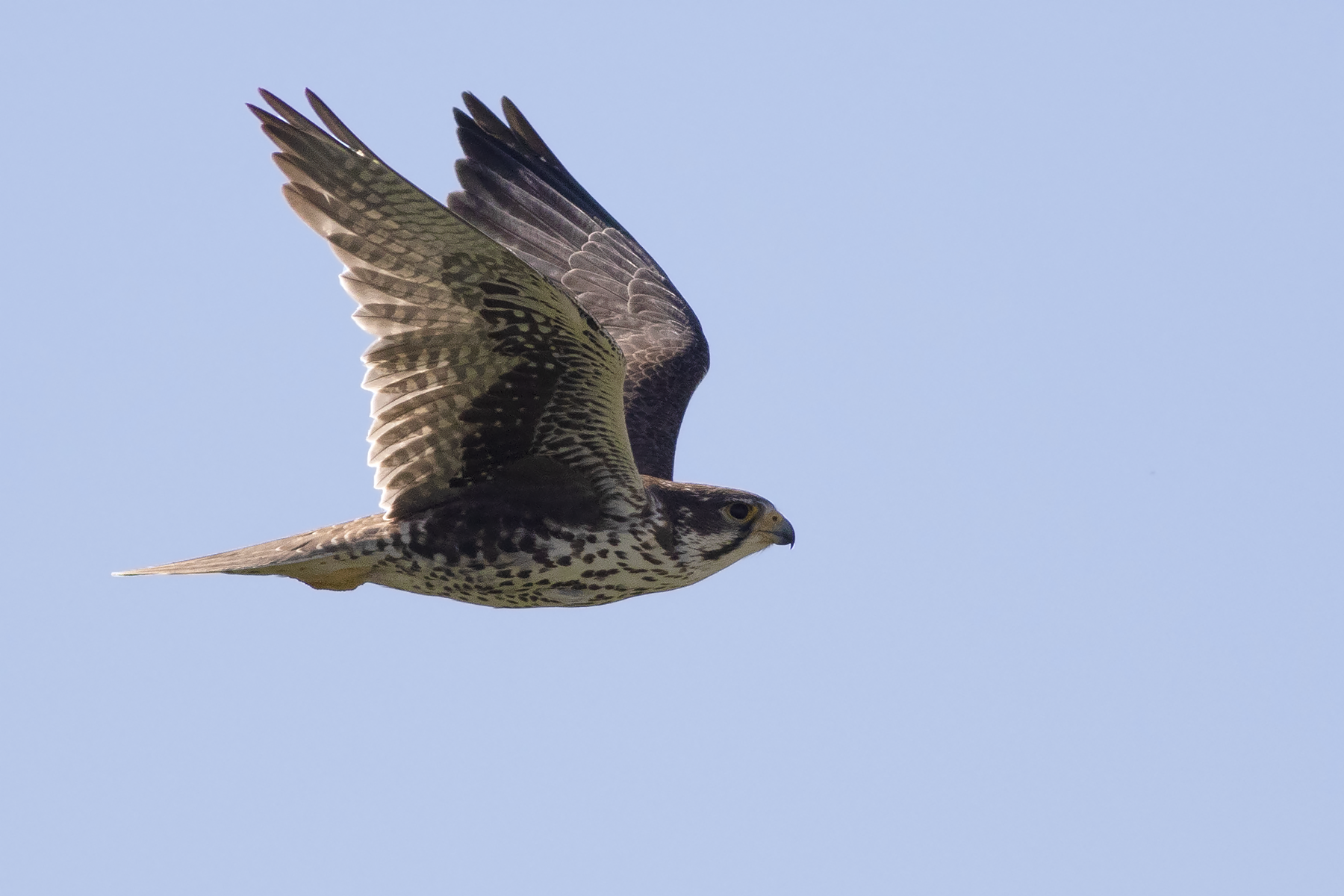
Prairie Falcon (image by Sjoerd Radstaak)
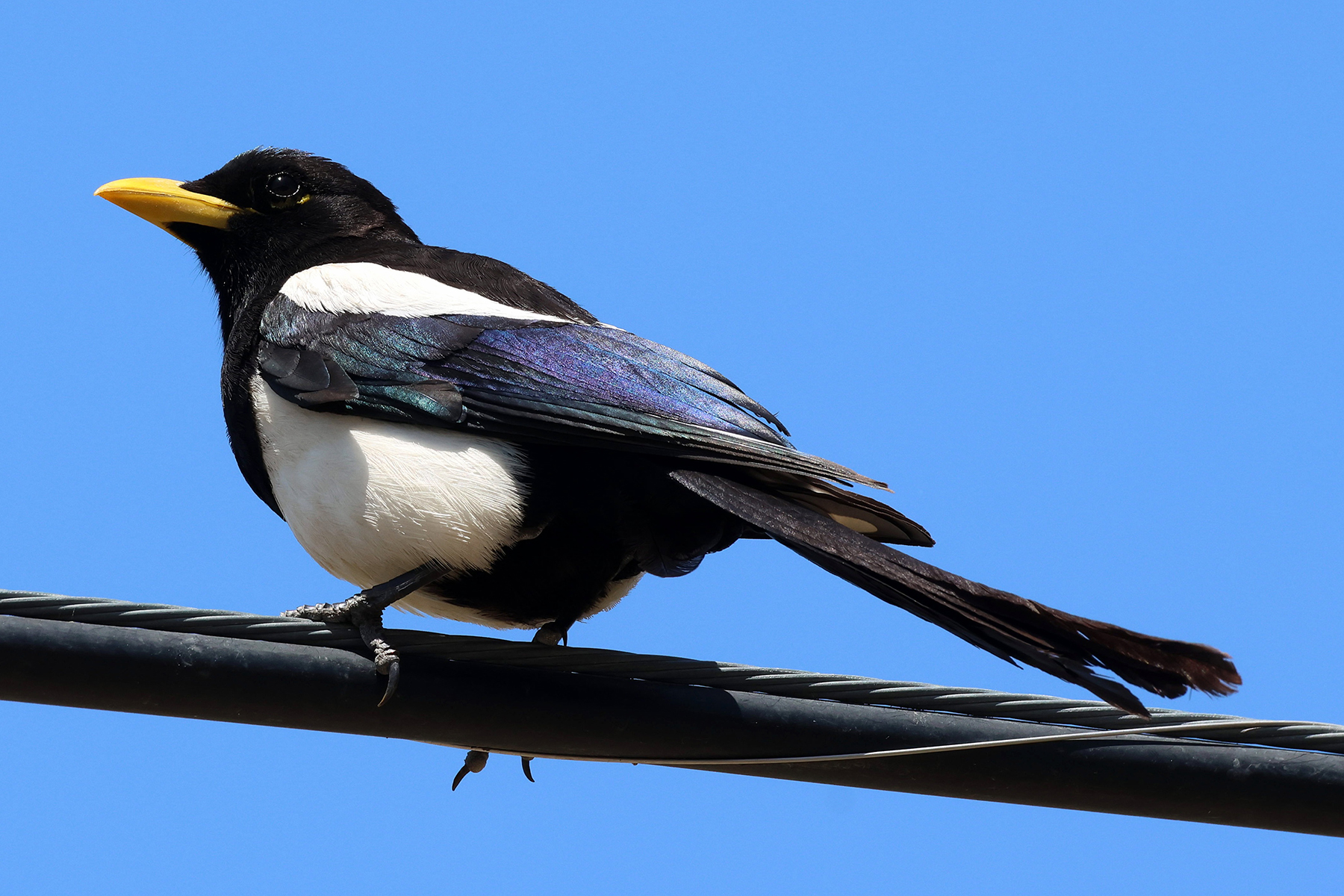
Yellow-billed Magpie (image by Sjoerd Radstaak)
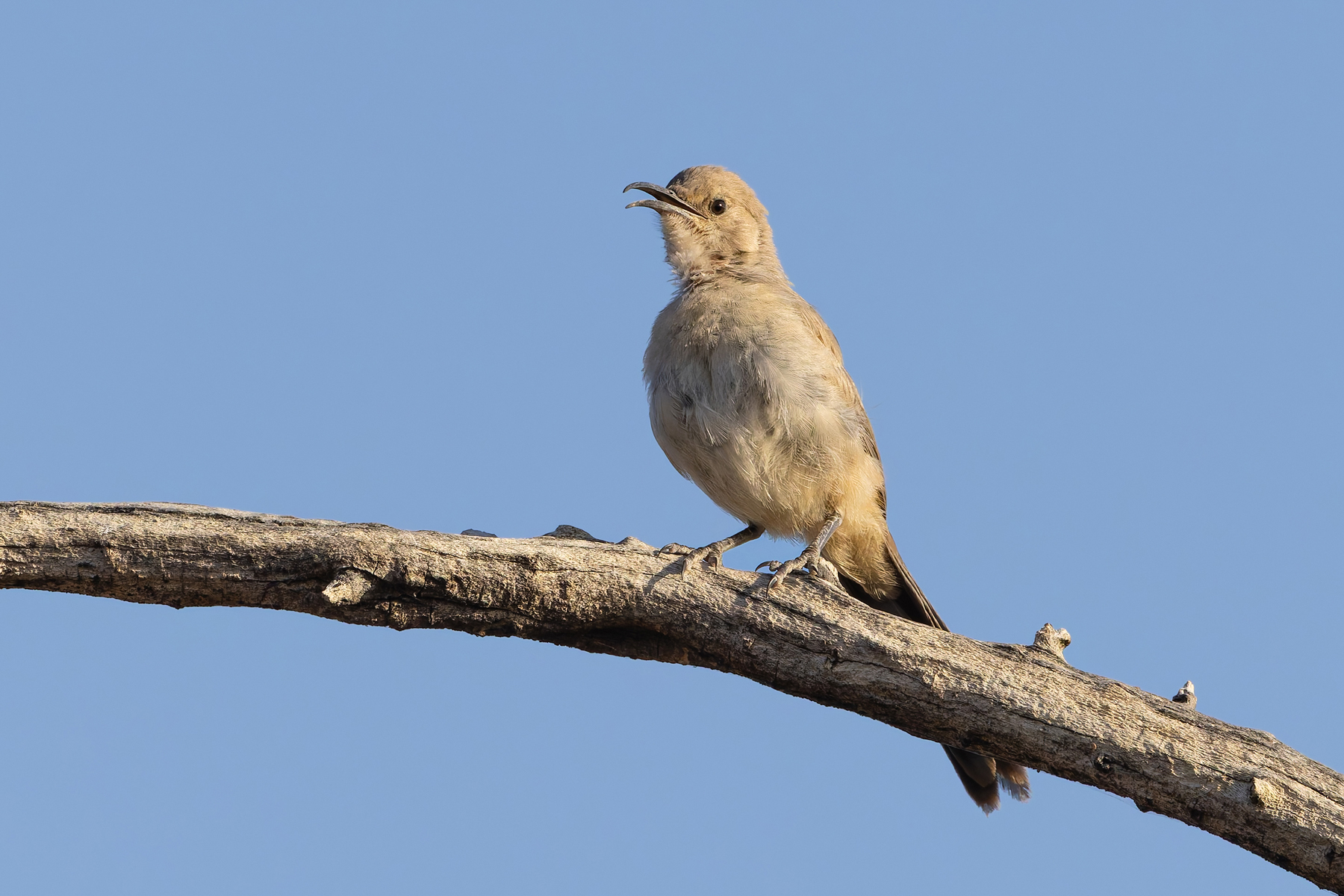
Le Conte's Thrasher (image by Mike Watson)
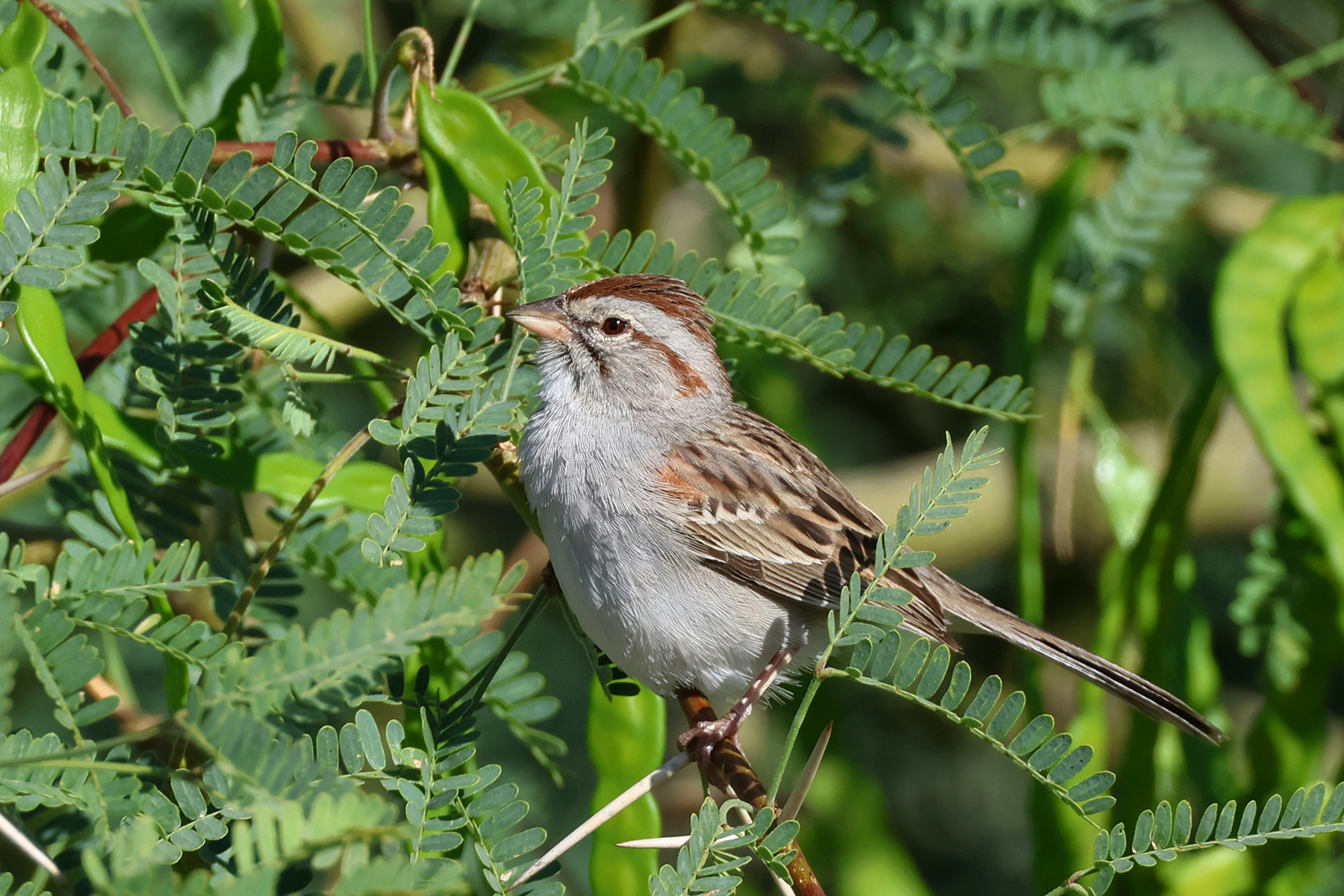
Rufous-winged Sparrow (image by Sjoerd Radstaak)
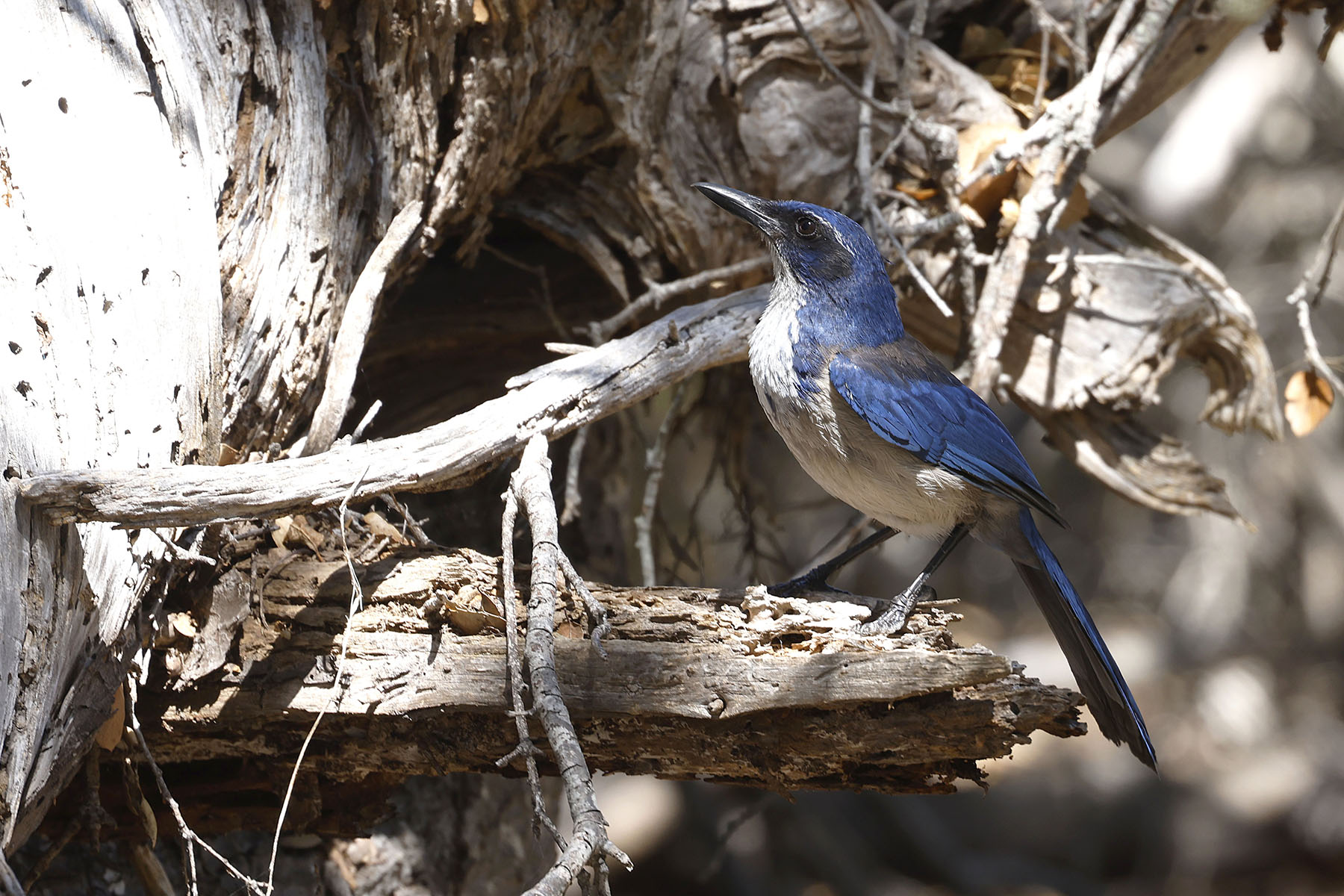
Island Scrub Jay (image by Daniel Branch)
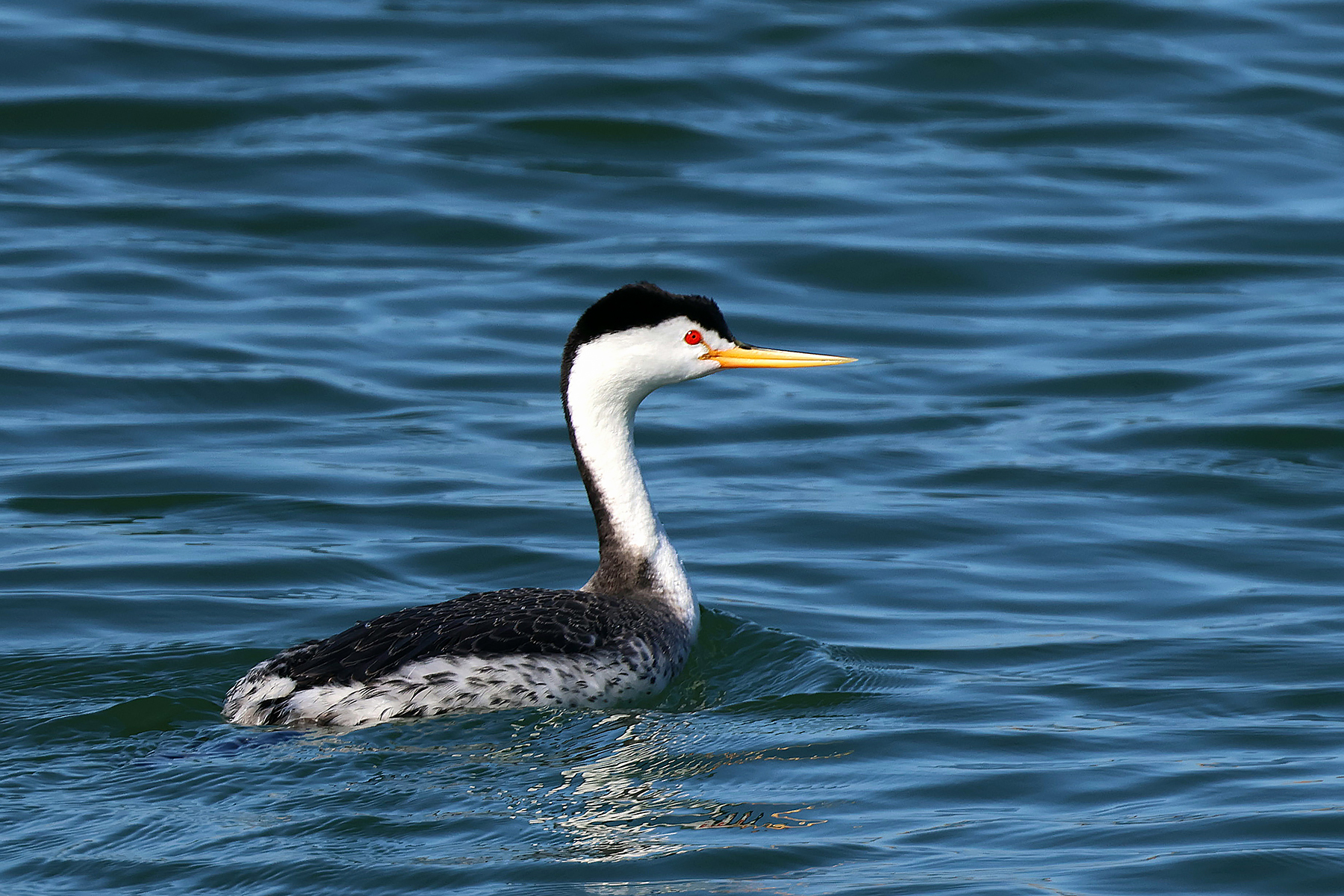
Clark's Grebe (image by Sjoerd Radstaak)
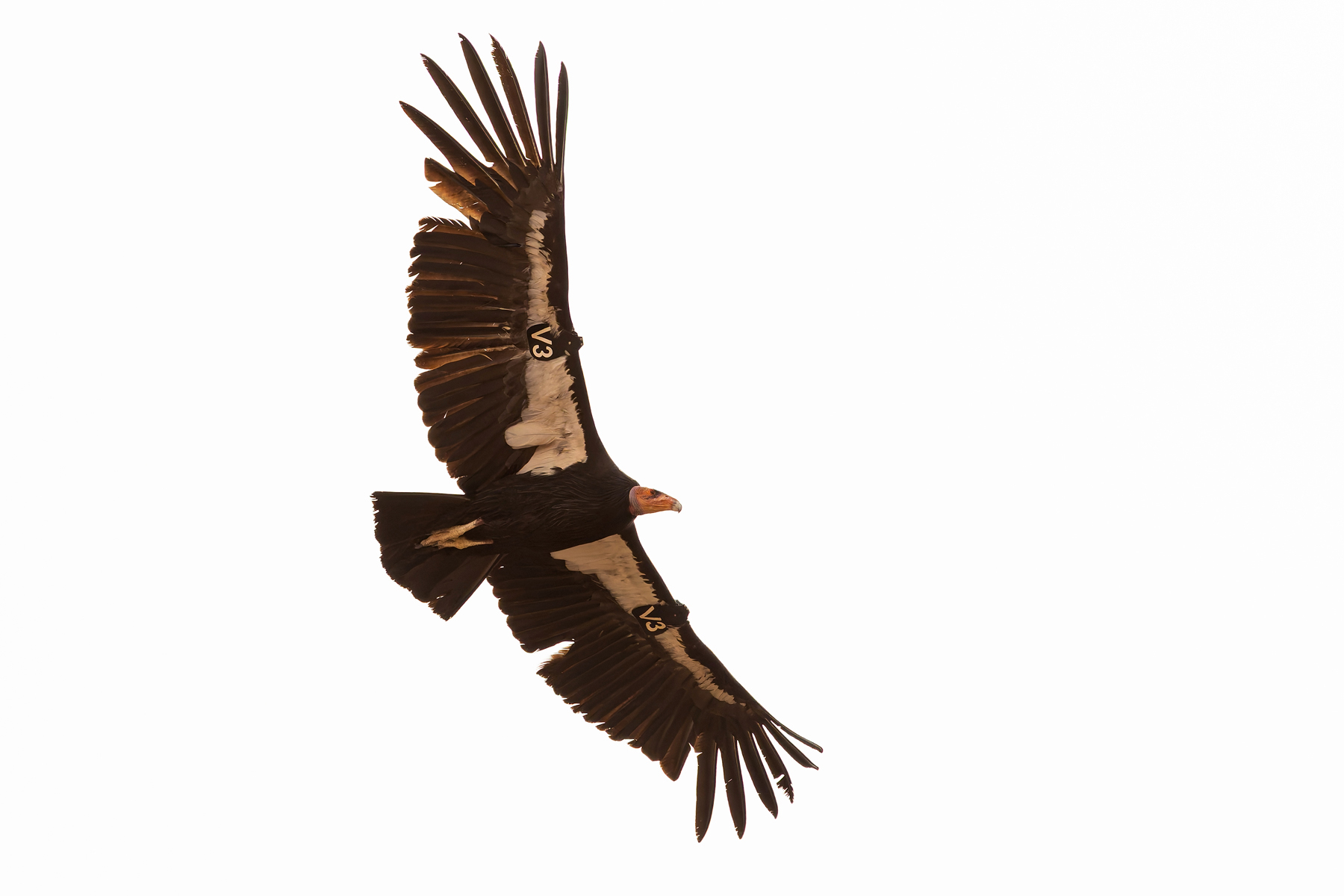
California Condor (image by Mike Watson)
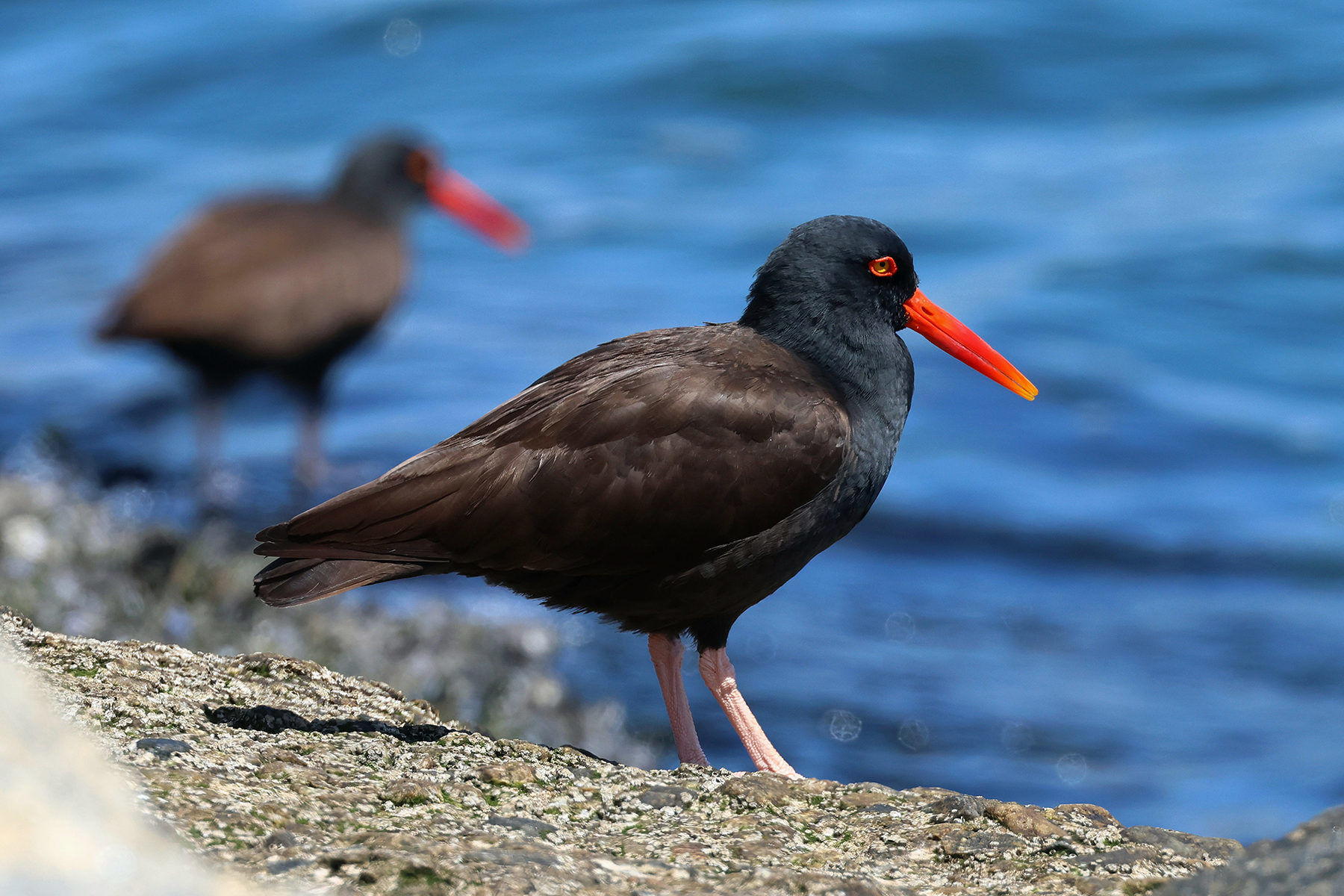
Black Oystercatcher (image by Sjoerd Radstaak)
Black-tailed Gnatcatcher (image by Sjoerd Radstaak)
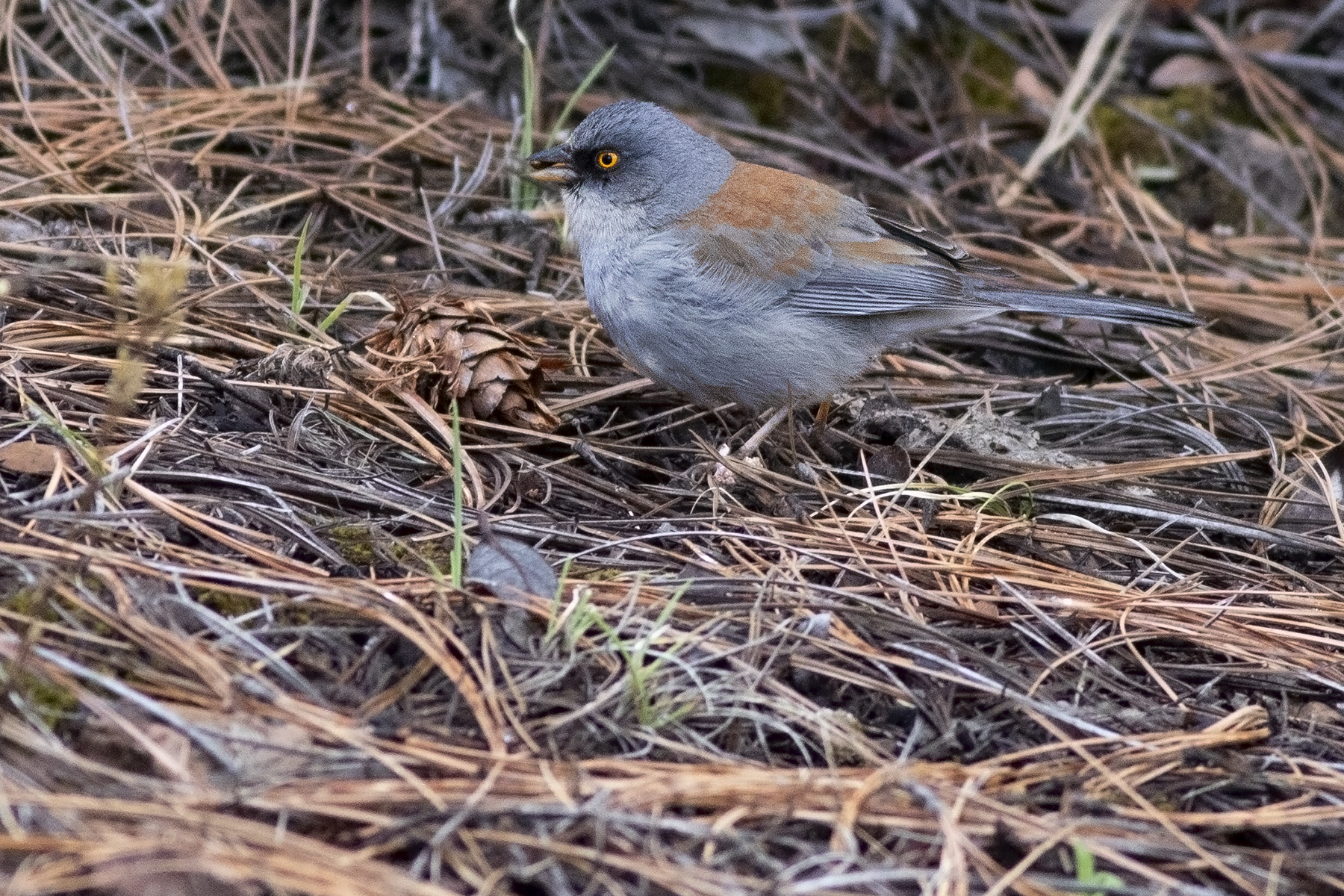
Yellow-eyed Junco (image by Sjoerd Radstaak)
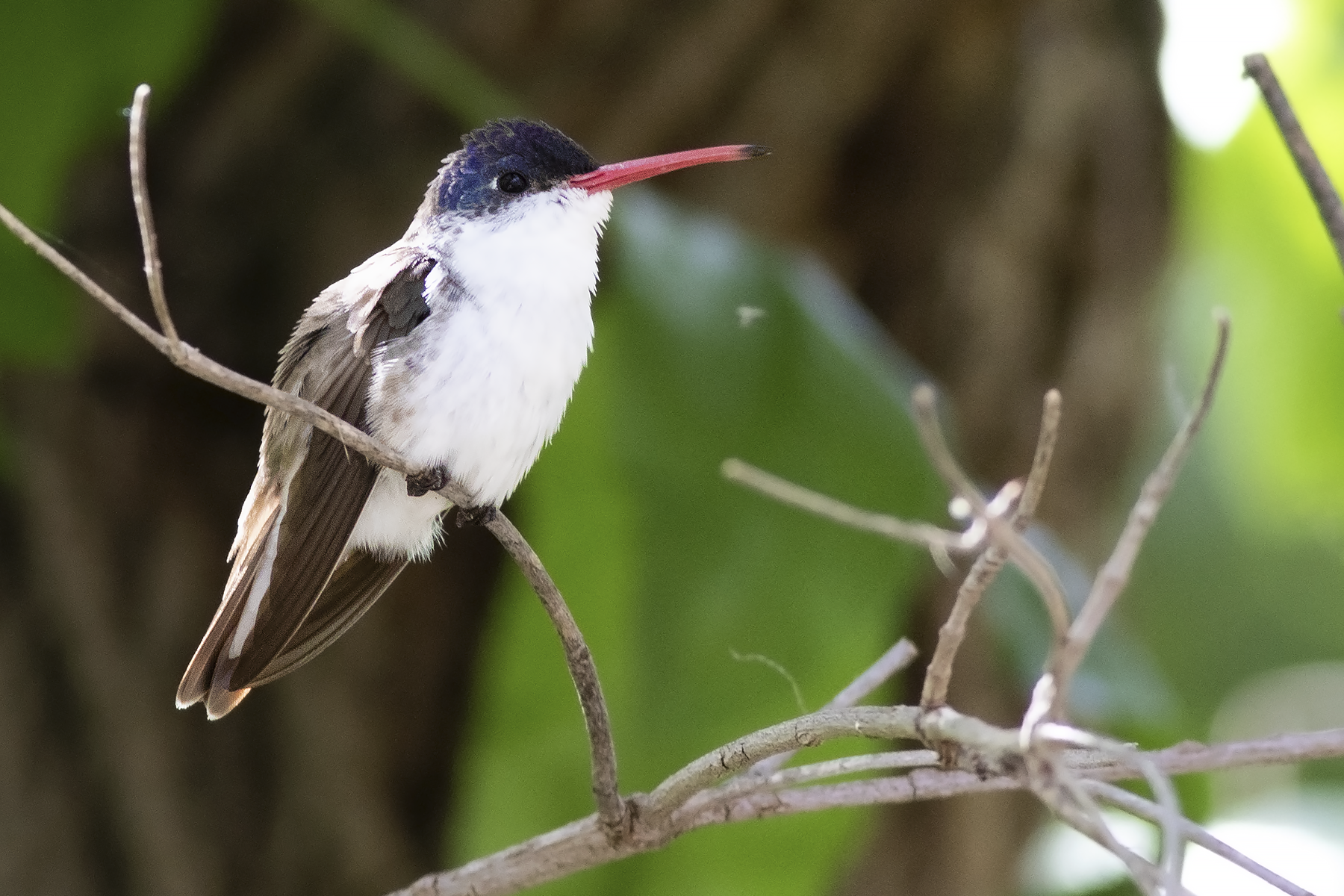
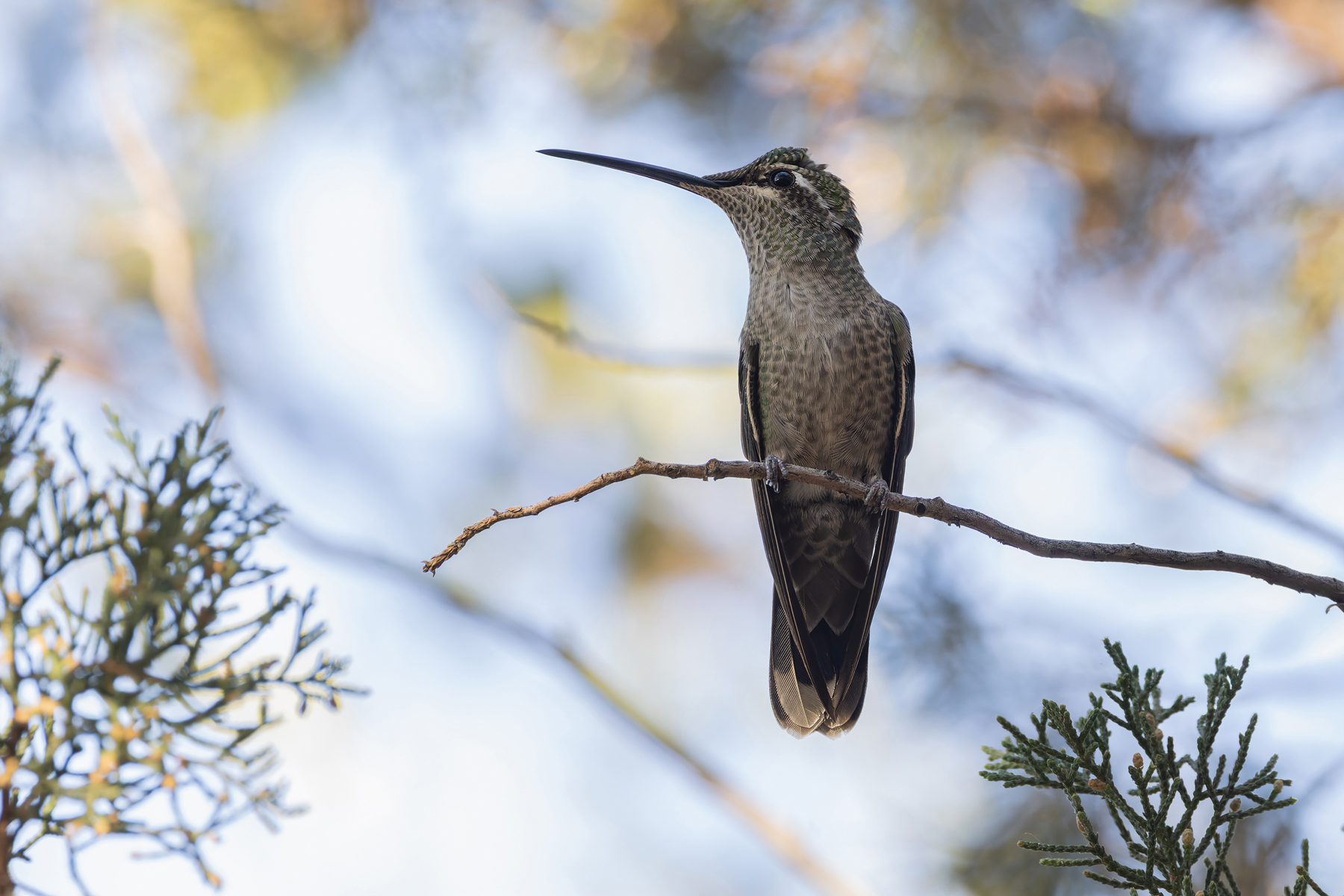
Violet-crowned Hummingbird (image by Sjoerd Radstaak)
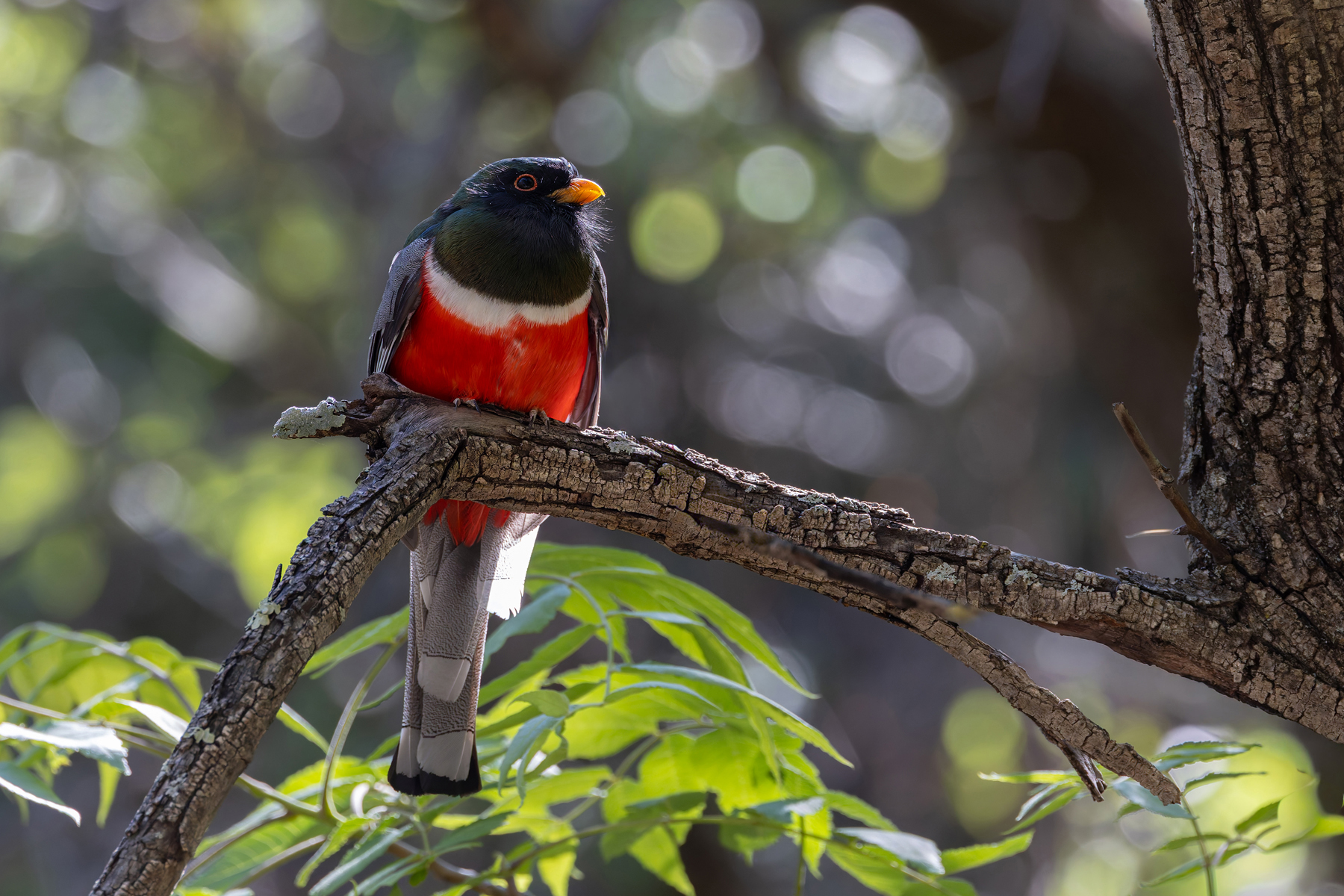
Coppery-tailed Trogon (image by Mike Watson)
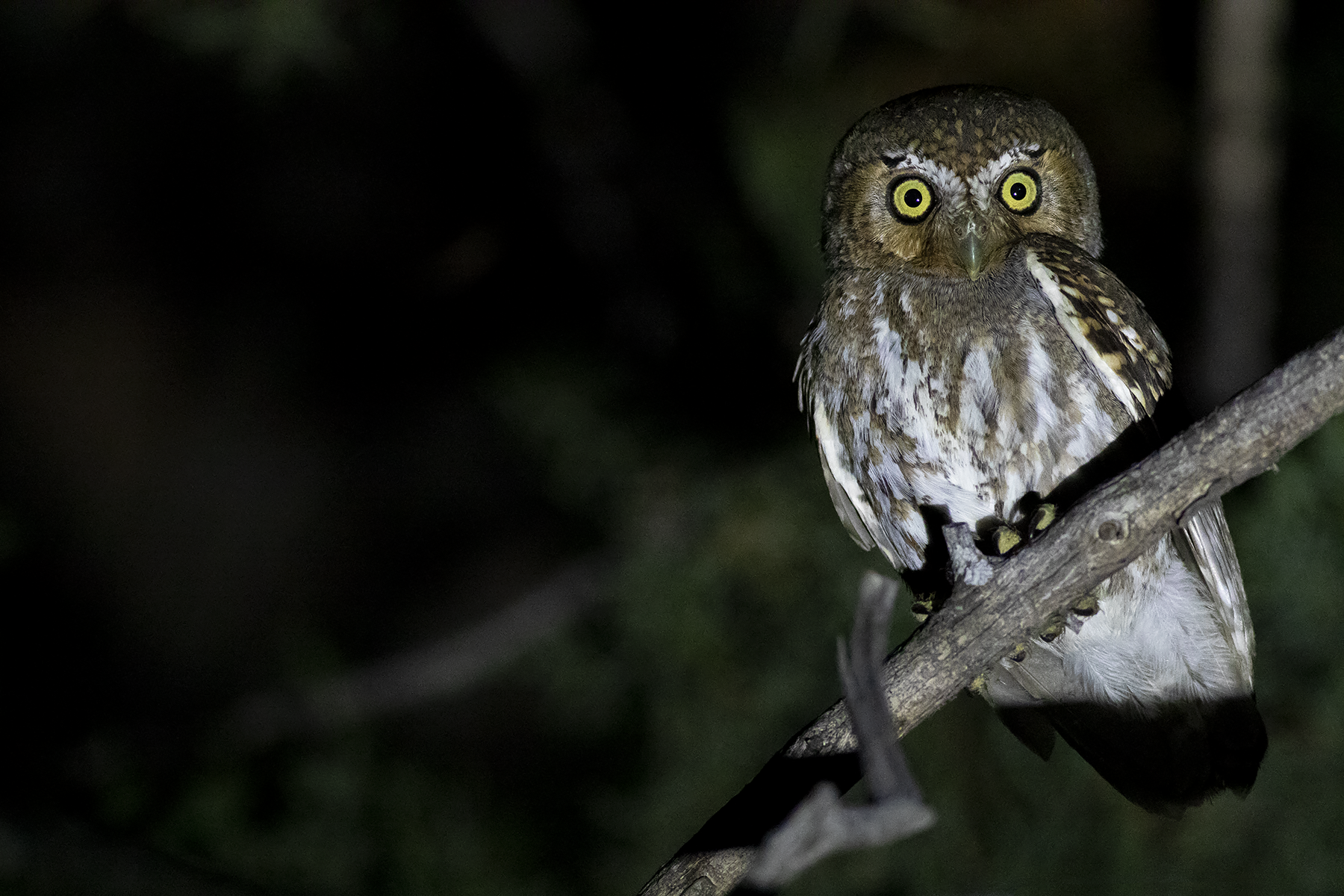
Elf Owl (image by Sjoerd Radstaak)
Steller's Jay (image by Pete Morris)
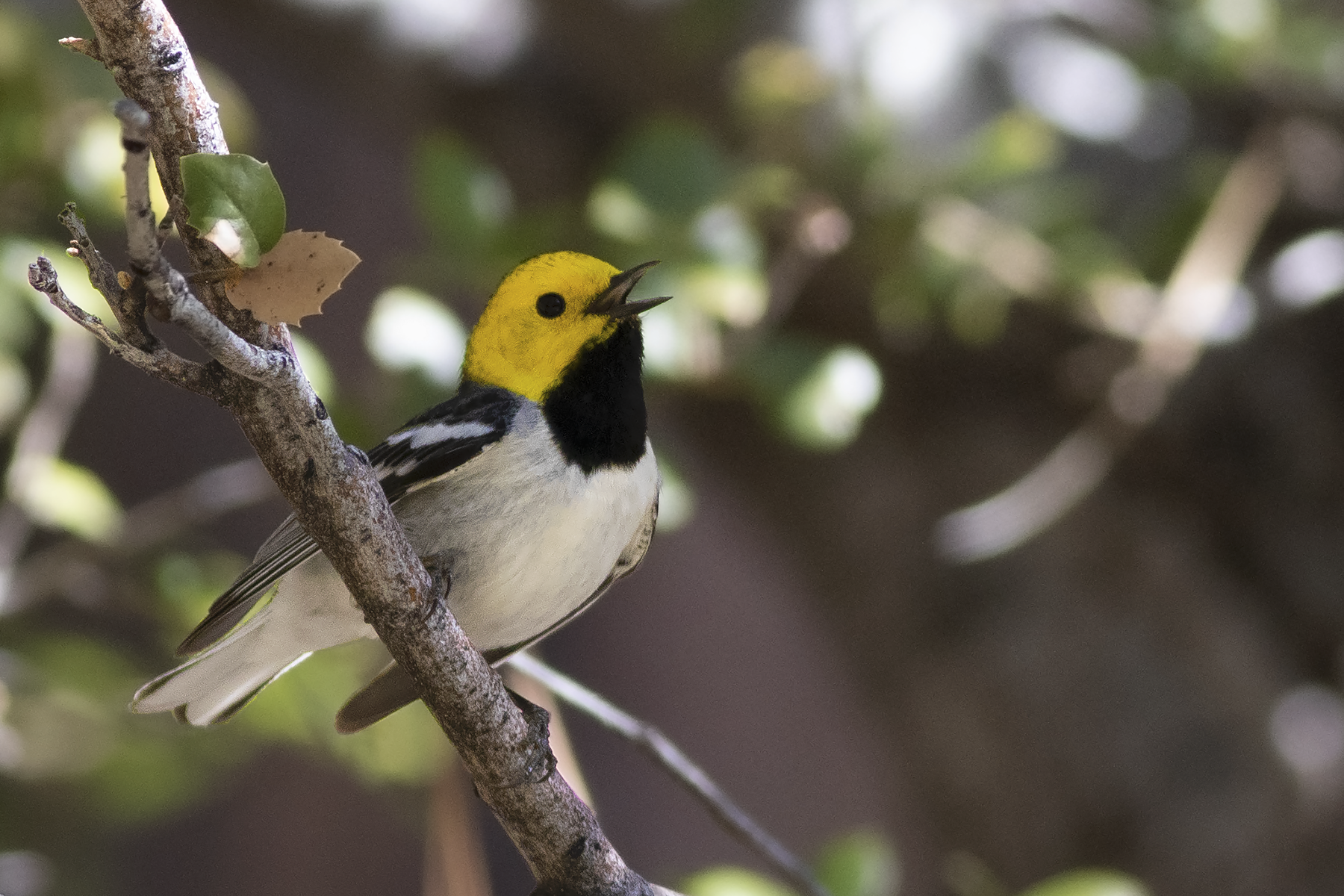
Hermit Warbler (image by Sjoerd Radstaak)
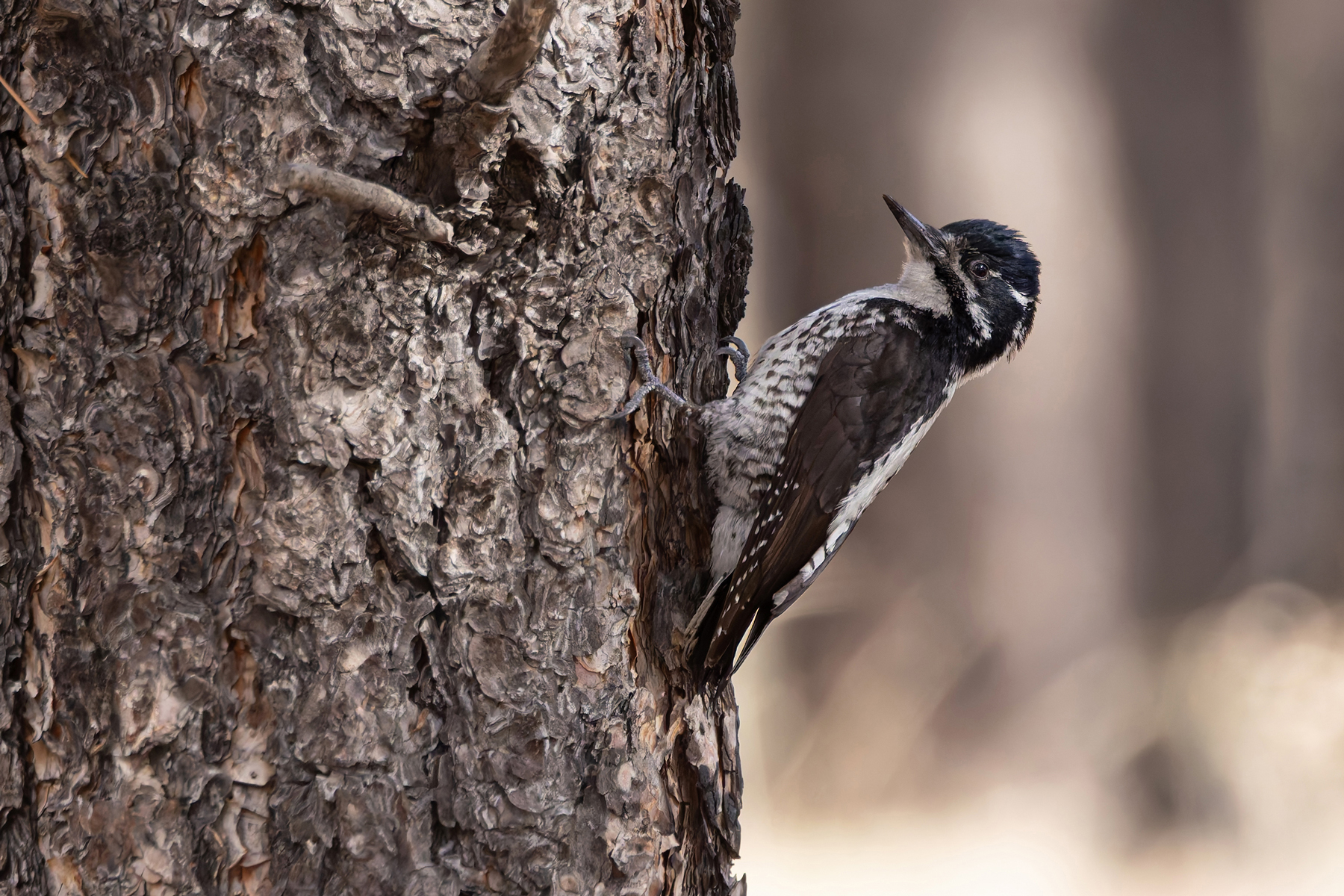
American Three-toed-Woodpecker (image by Mike Watson)
Dark-eyed Junco (image by Pete Morris)
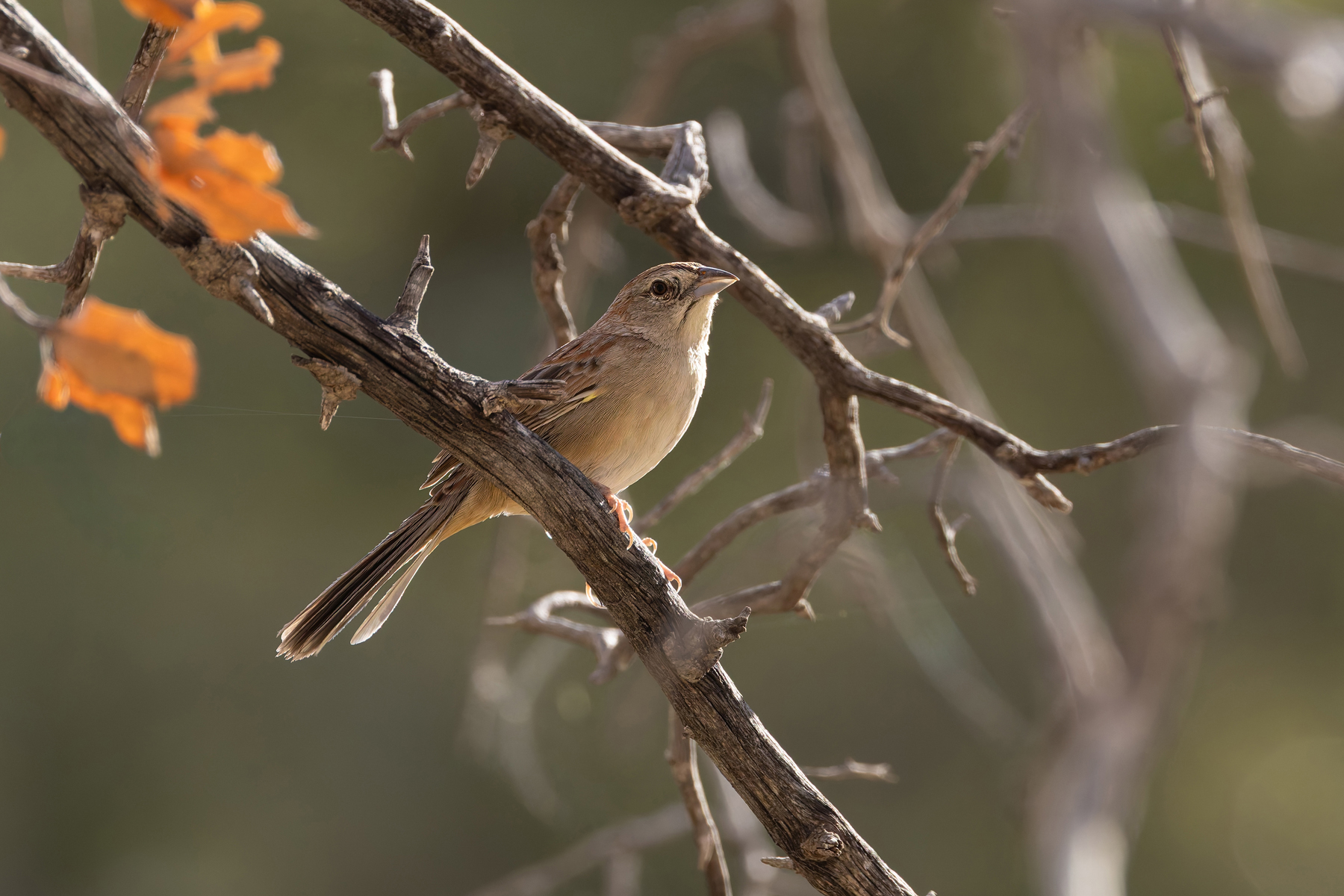
Botteri's Sparrow (image by Mike Watson)
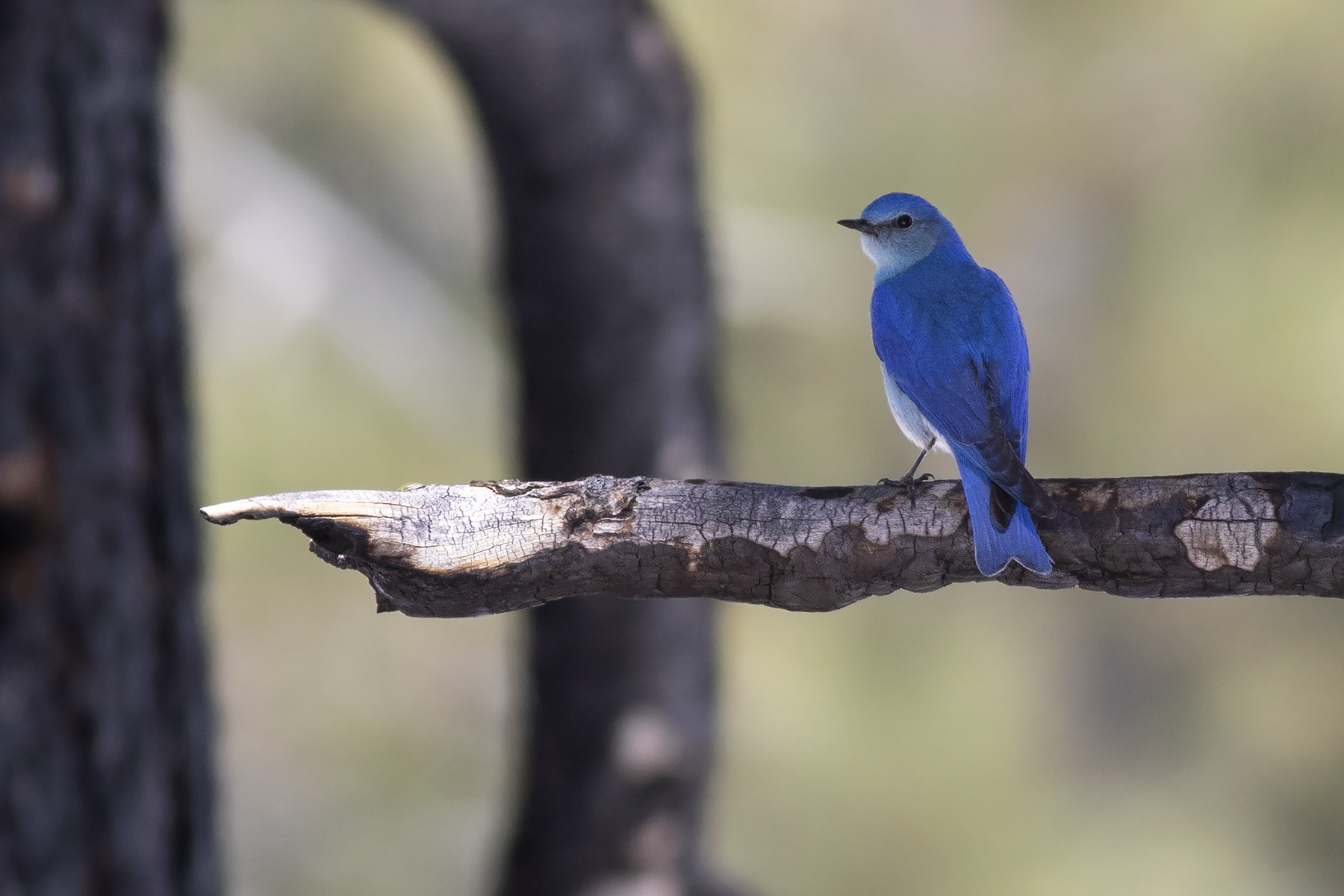
Mountain Bluebird (image by Mike Watson)
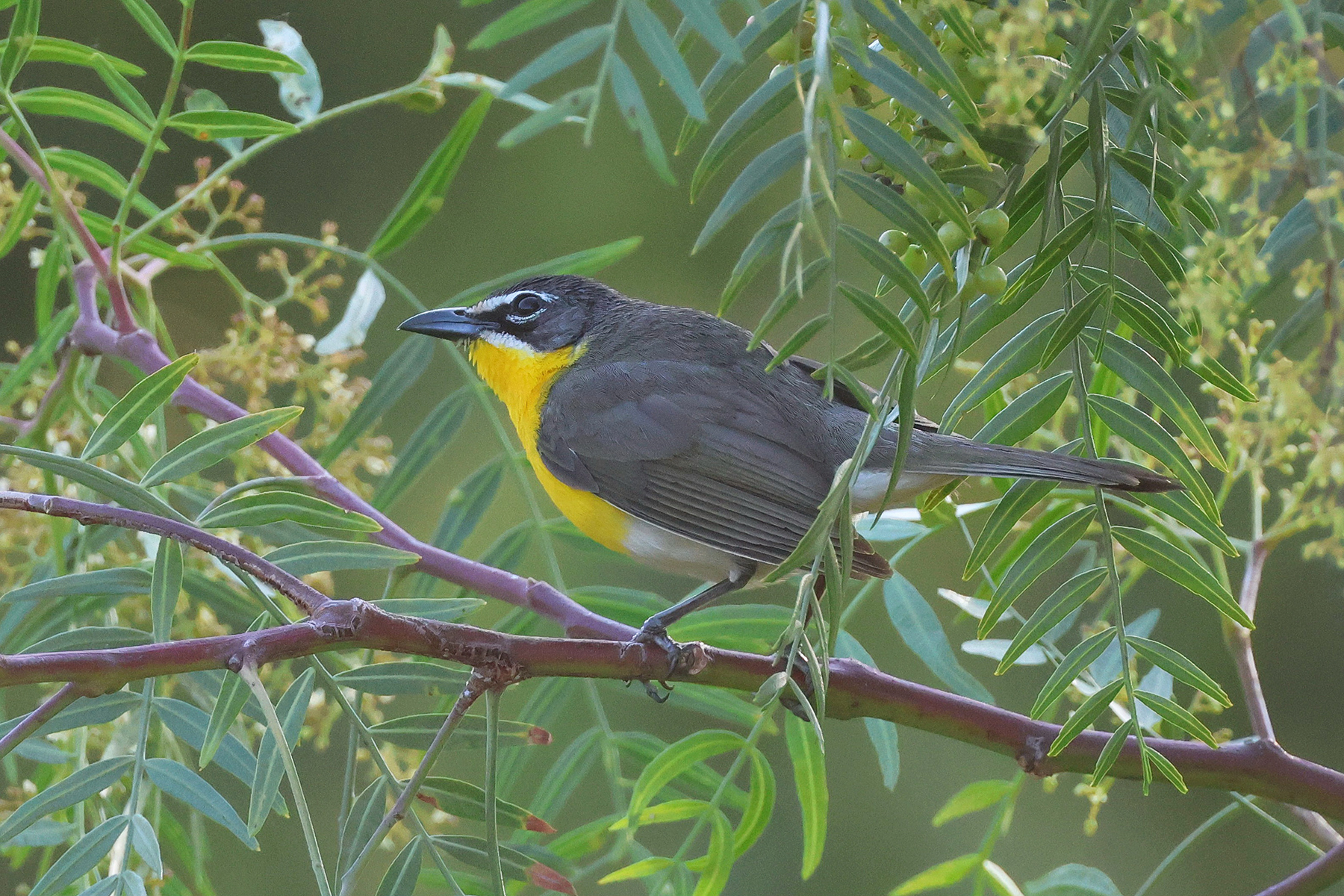
Yellow-breasted Chat (image by Sjoerd Radstaak)
Nuttall's Woodpecker (image by Pete Morris)
Heermann's Gull (image by Pete Morris)
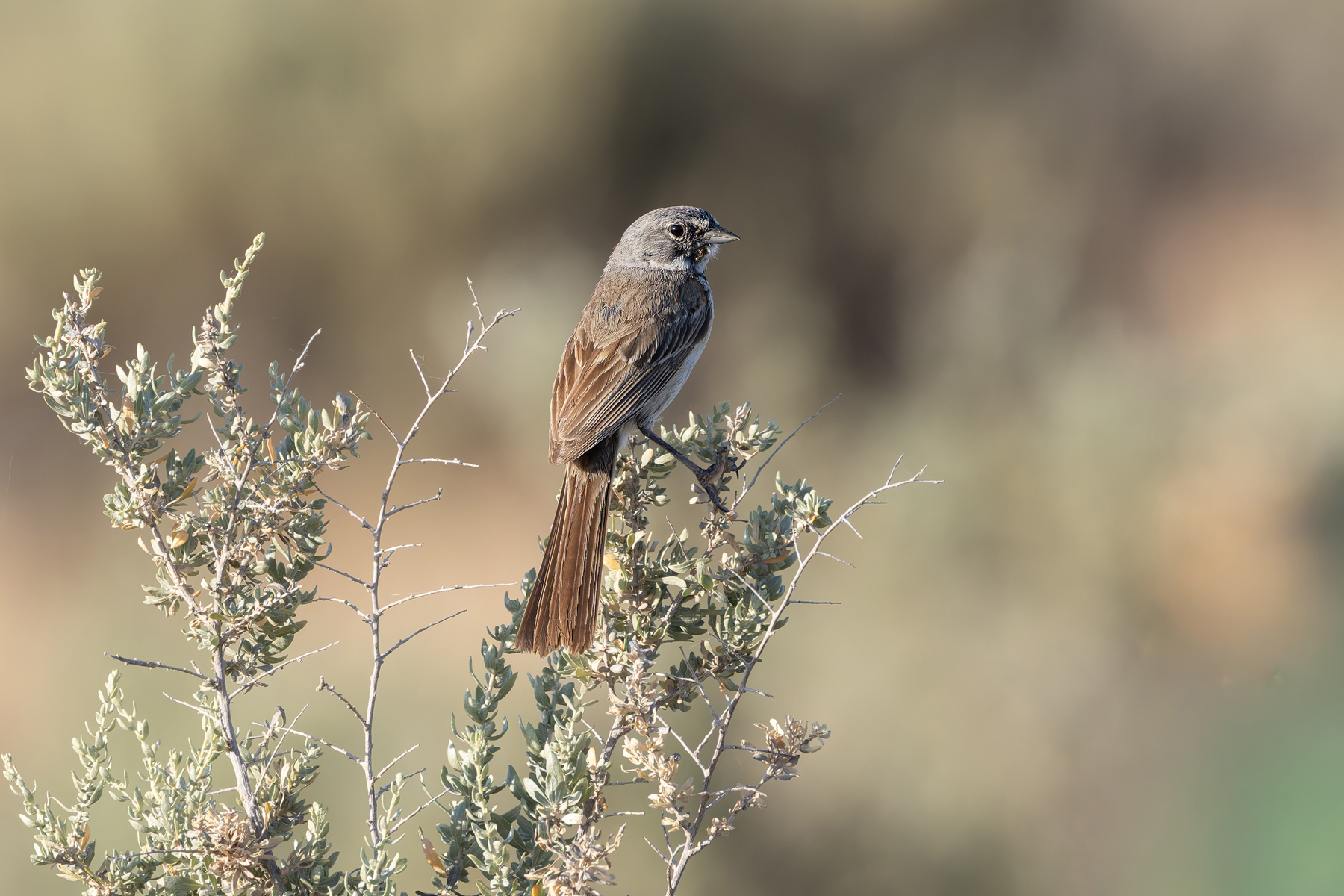
Bell's Sparrow (image by Mike Watson)
Anna's Hummingbird (image by Pete Morris)
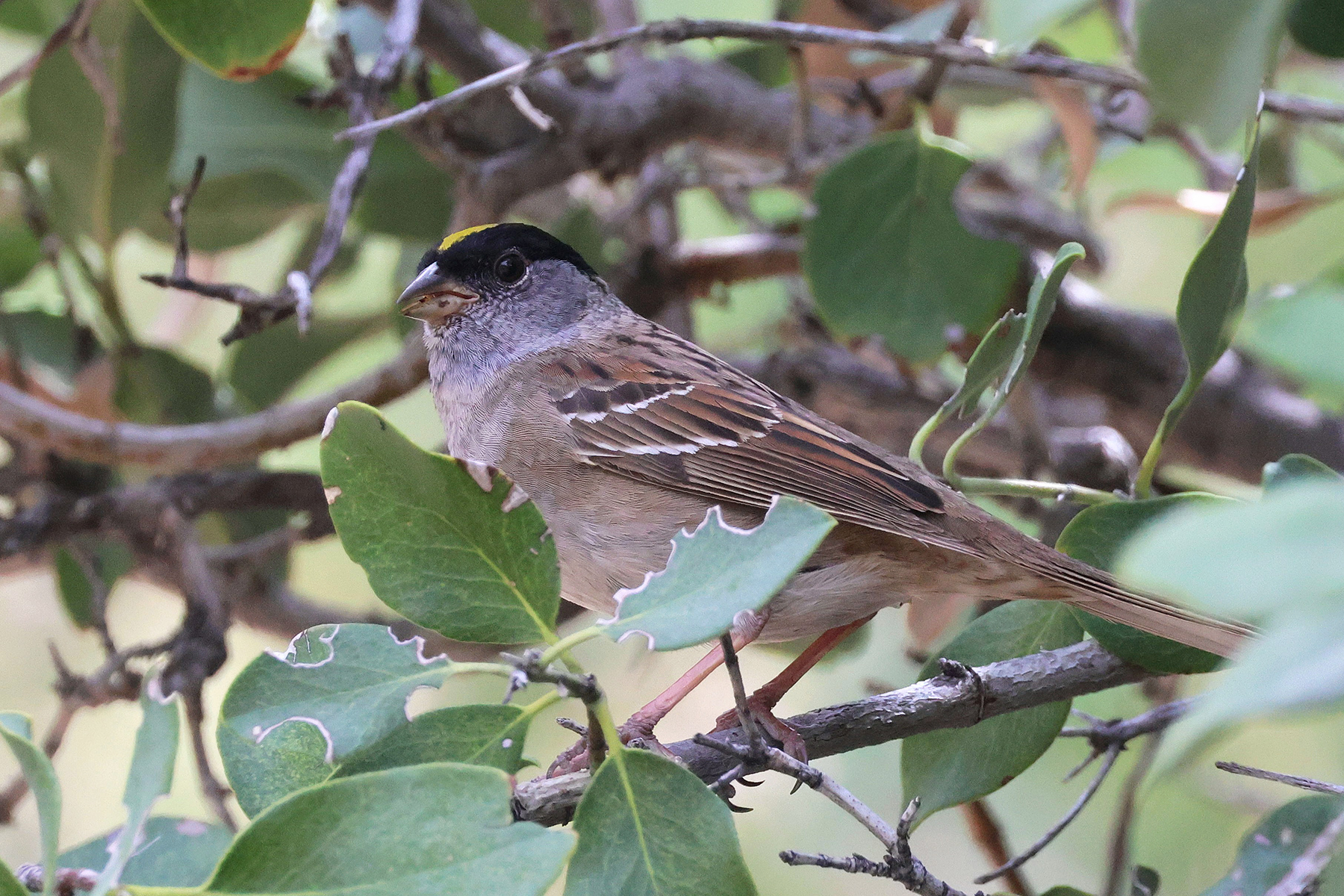
Golden-crowned Sparrow (image by Sjoerd Radstaak)
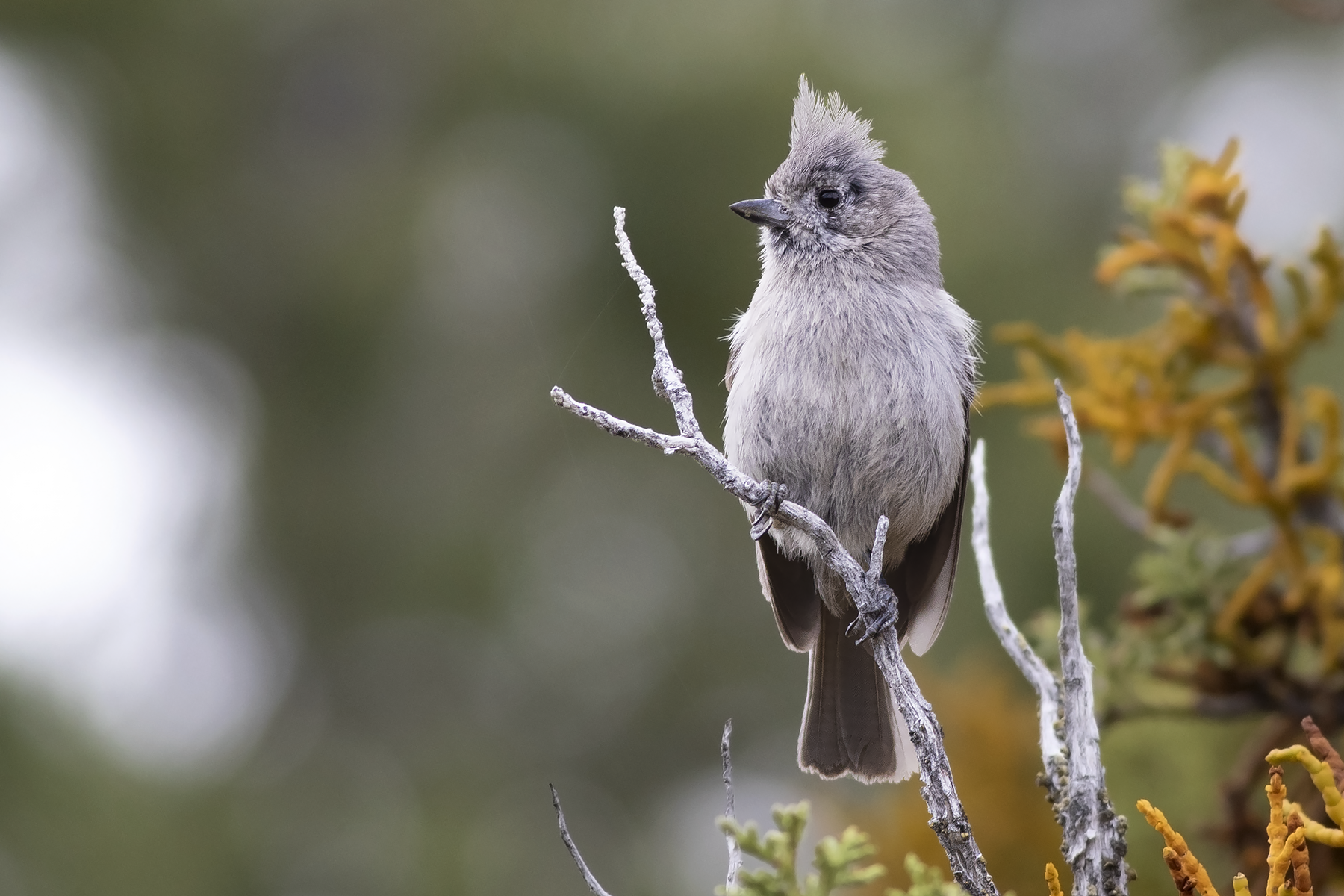
Juniper Titmouse (image by Sjoerd Radstaak)
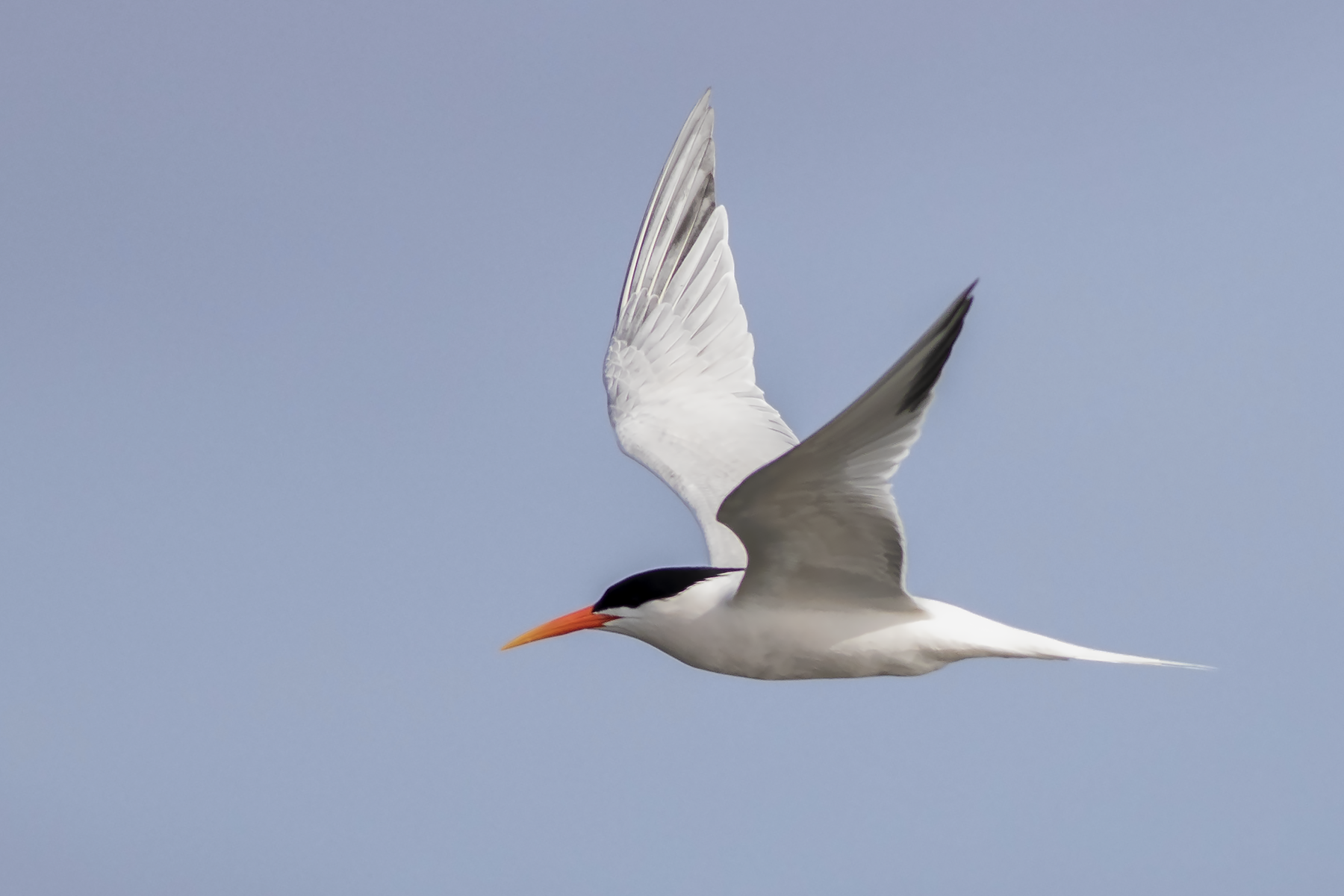
Elegant Tern (image by Sjoerd Radstaak)
Rivolis Hummingbird (image by Mike Watson)
Pied-billed Grebe (image by Pete Morris)
Sage Thrasher (image by Sjoerd Radstaak)
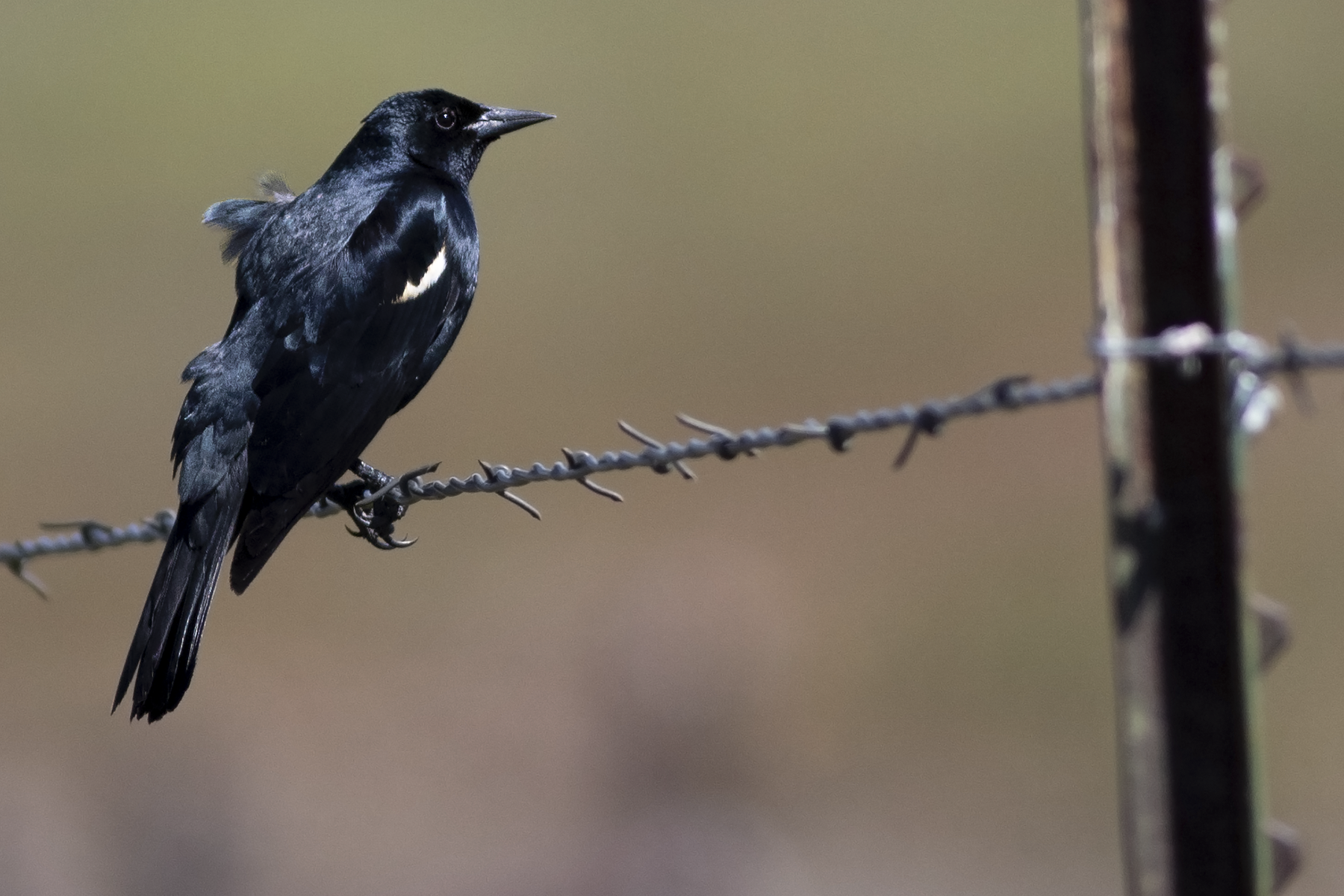
Tricolored Blackbird (image by Sjoerd Radstaak)
Rufous-winged Sparrow (image by Sjoerd Radstaak)
Allen's Hummingbird (image by Pete Morris)
Ladder-backed Woodpecker (image by Pete Morris)
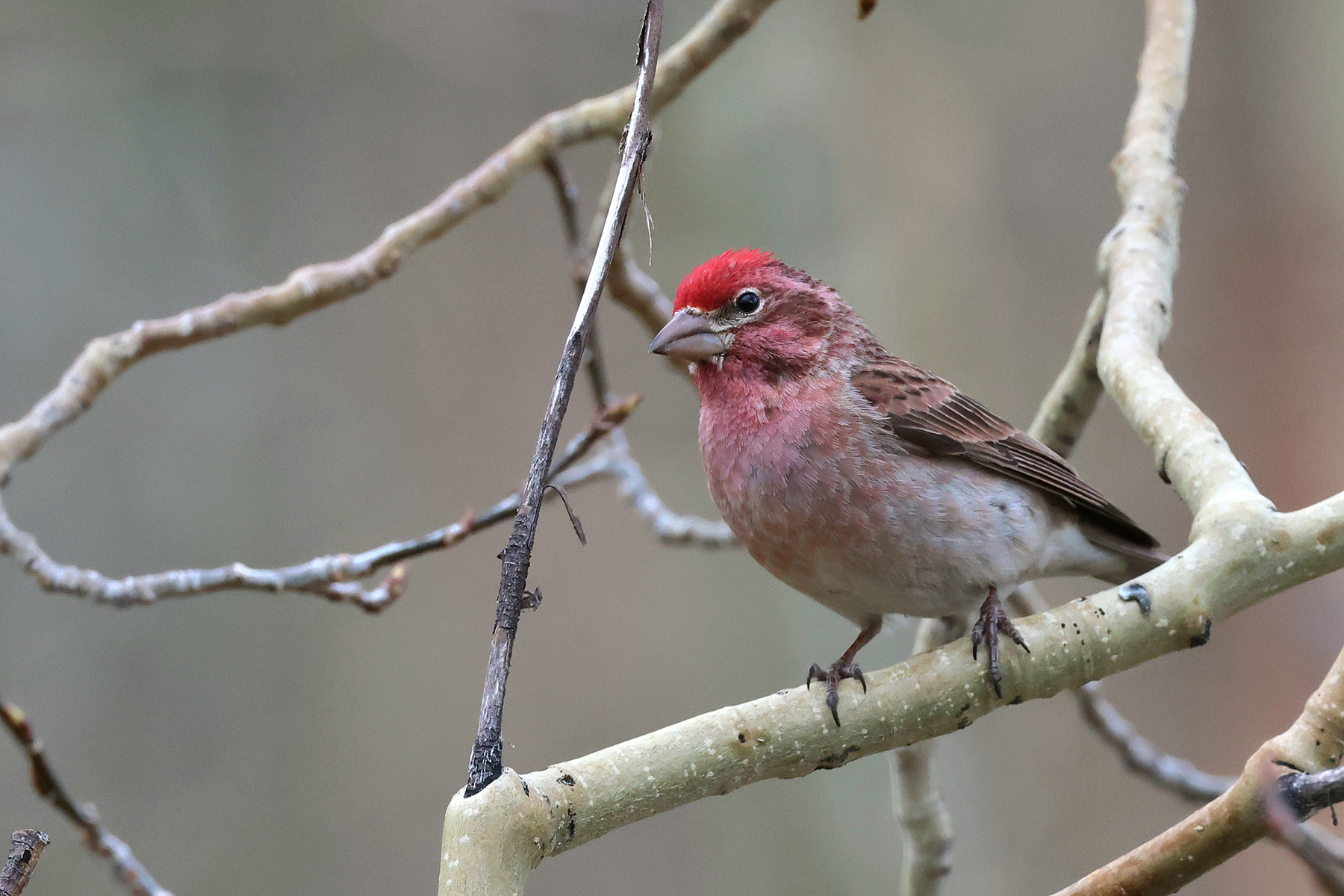
Cassin's Finch (image by Sjoerd Radstaak)
Lewis's Woodpecker (image by Pete Morris)
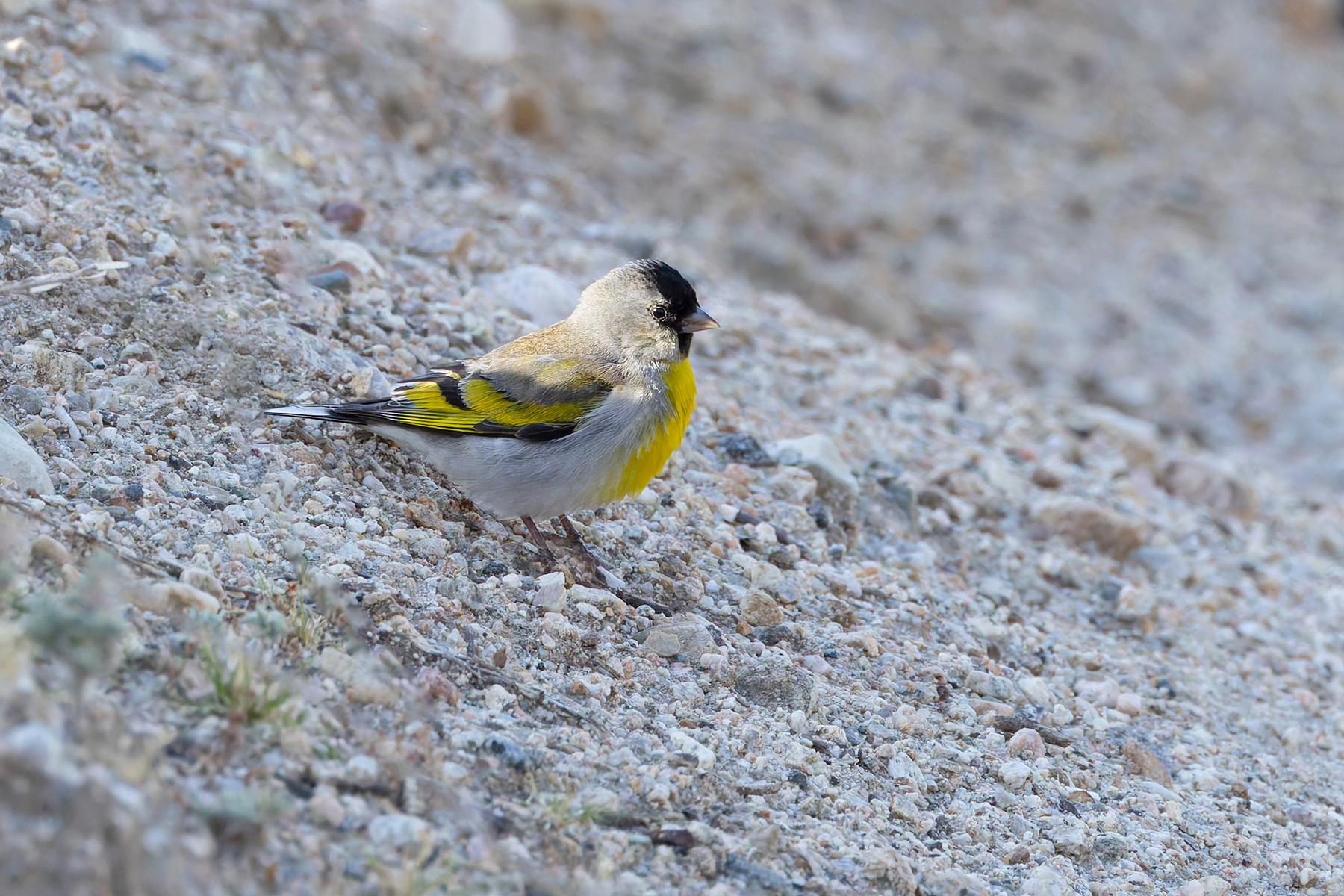
Lawrence's Goldfinch (image by Mike Watson)
Elegant Tern (image by Pete Morris)
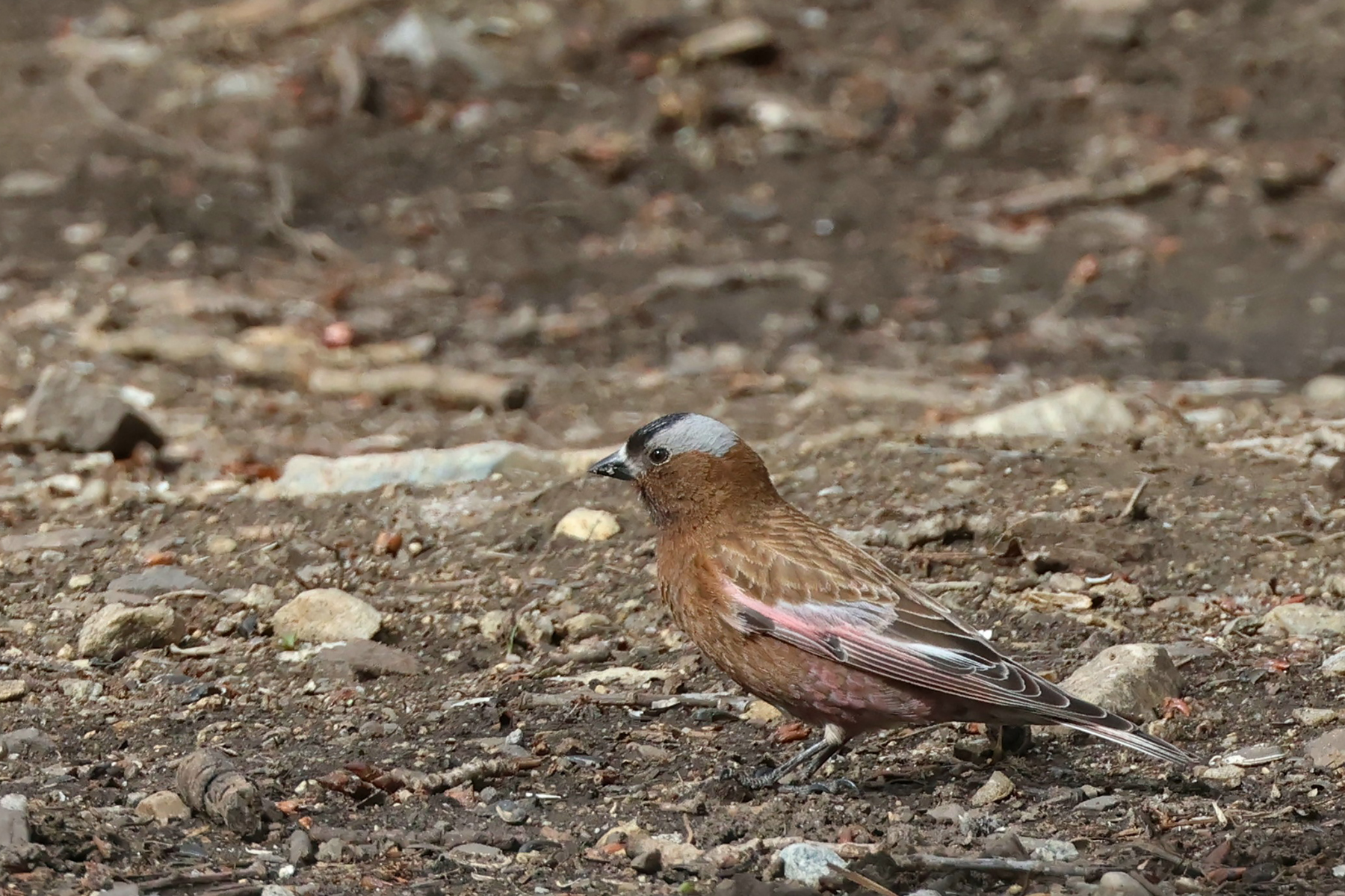
Grey-crowned Rosy Finch (image by Sjoerd Radstaak)
California Gull (image by Mike Watson)
Bridled Titmouse (image by Mike Watson)
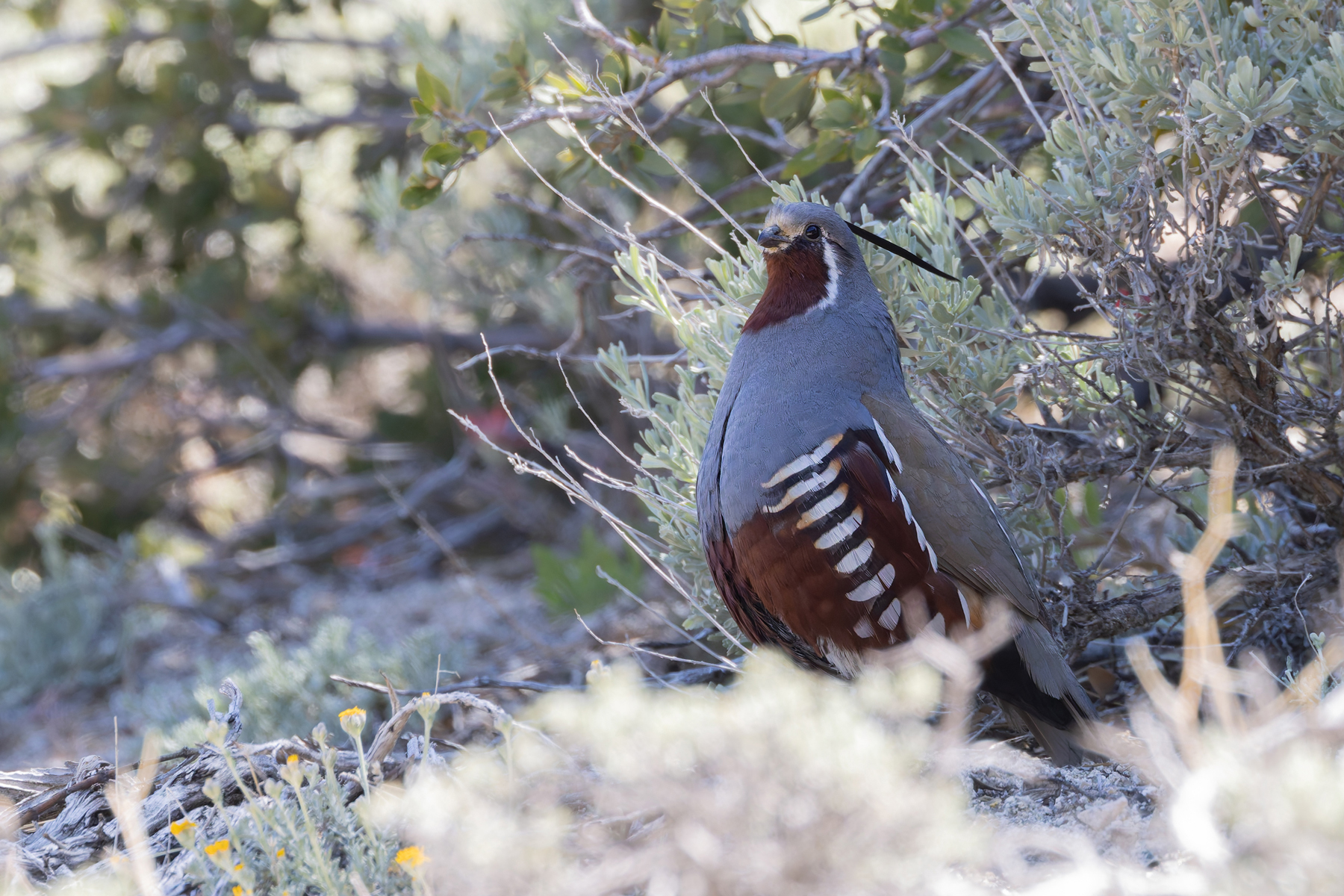
Mountain Quail (image by Mike Watson)
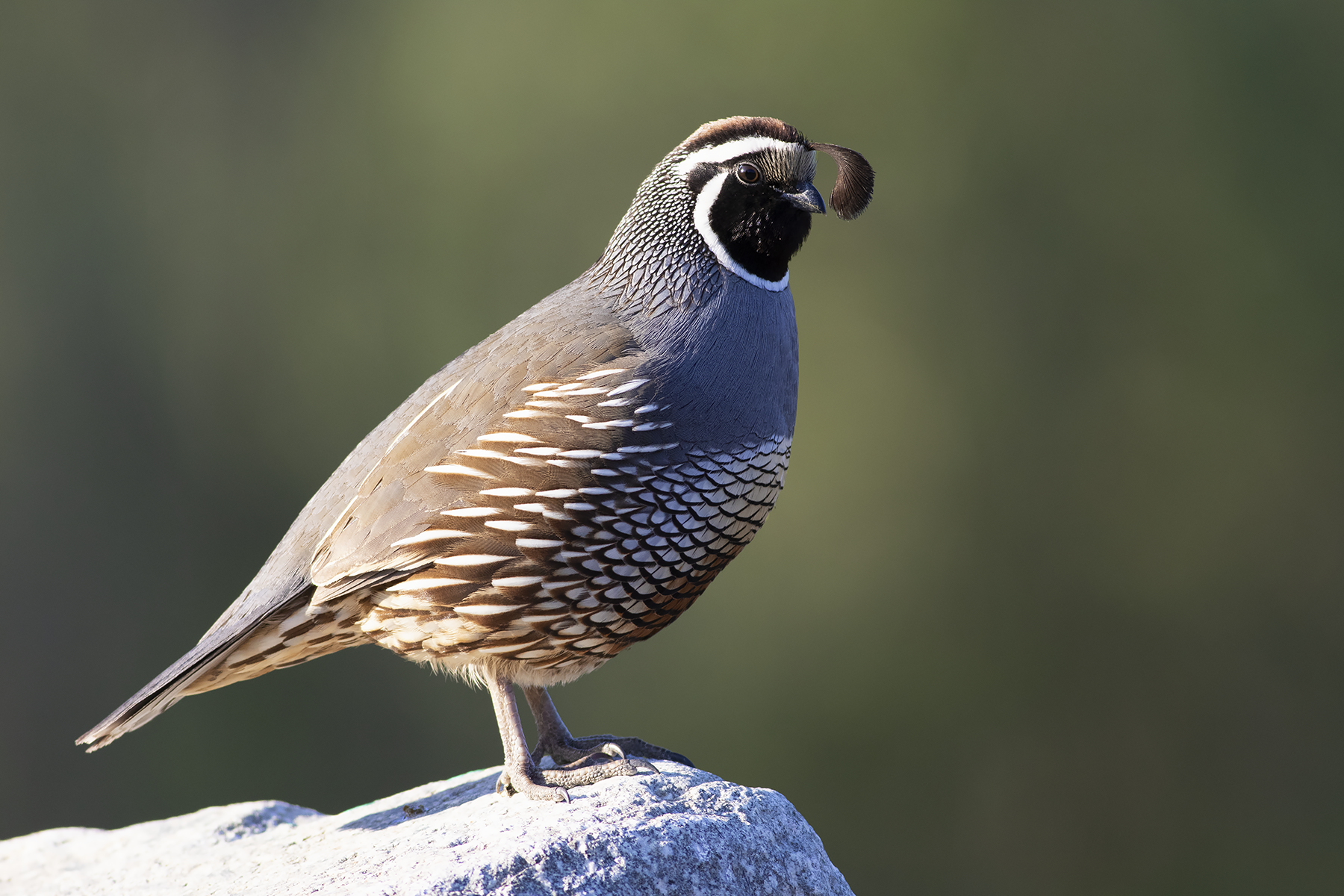
California Quail (image by Sjoerd Radstaak)
California Scrub Jay (image by Pete Morris)
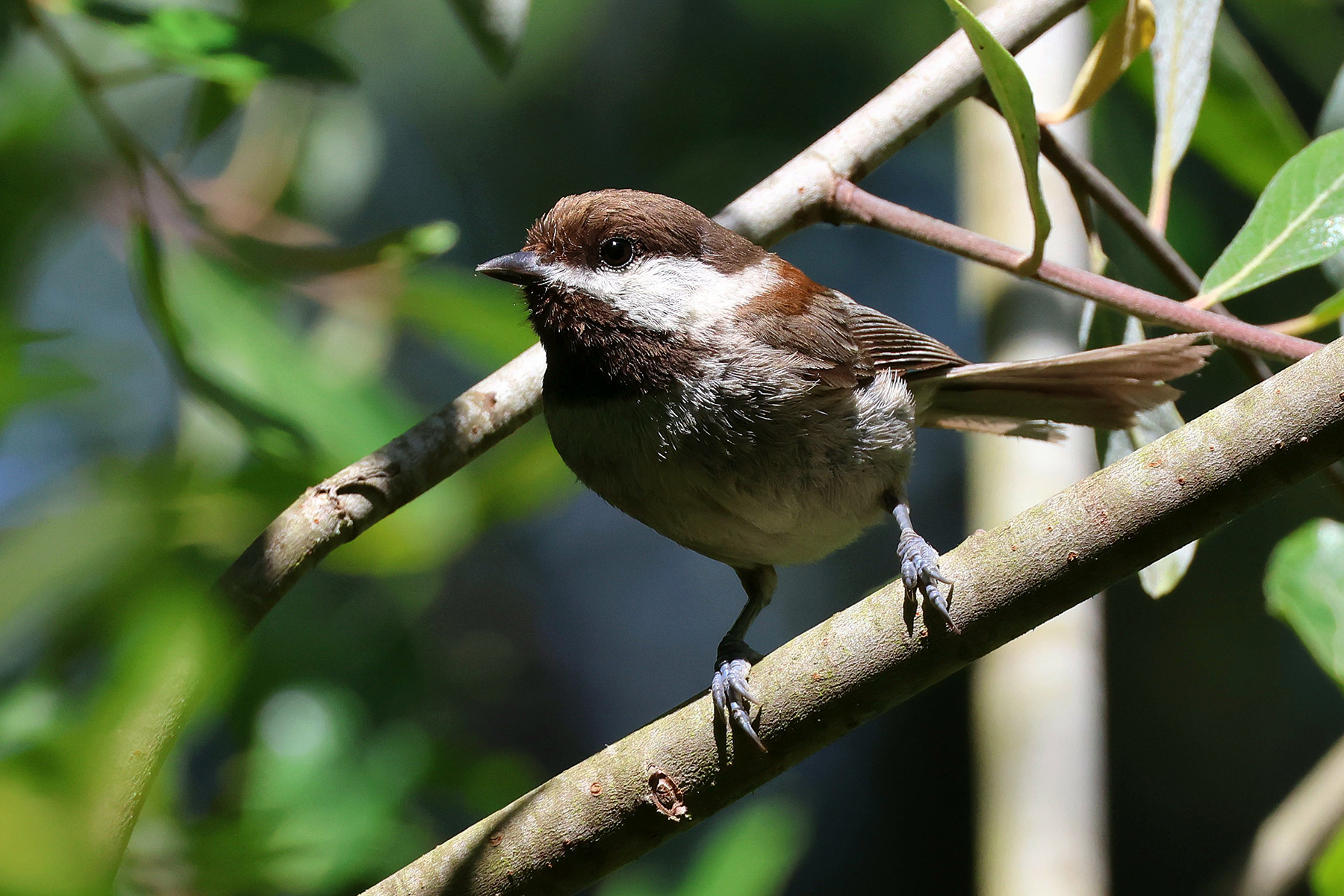
Chestnut-backed Chickadee (image by Sjoerd Radstaak)
Wrentit (image by Pete Morris)
Black-chinned Hummingbird (image by Pete Morris)
Grand Canyon (image by Mike Watson)
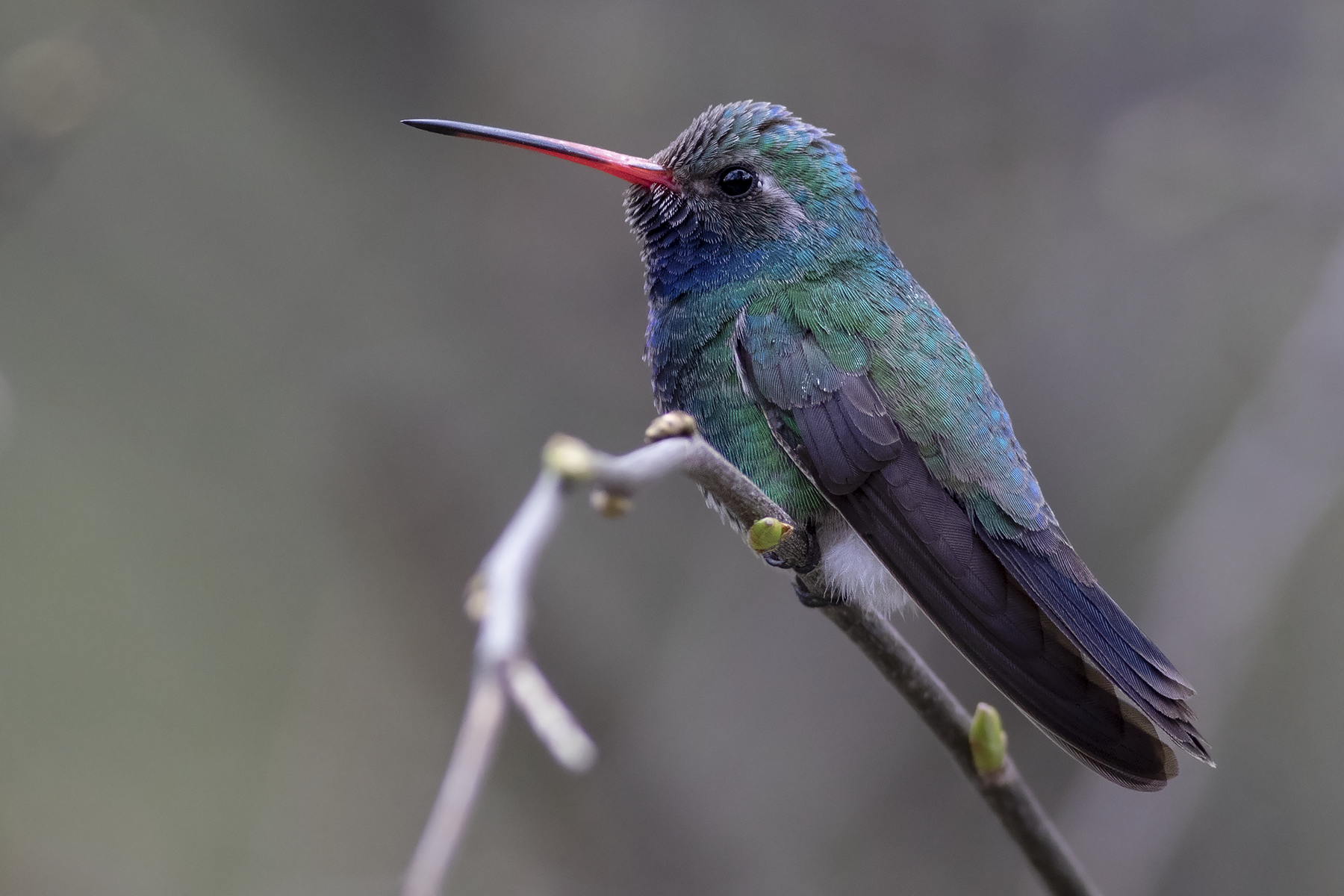
Broad-billed Hummingbird (image by Sjoerd Radstaak)
Song Sparrow (image by Pete Morris)
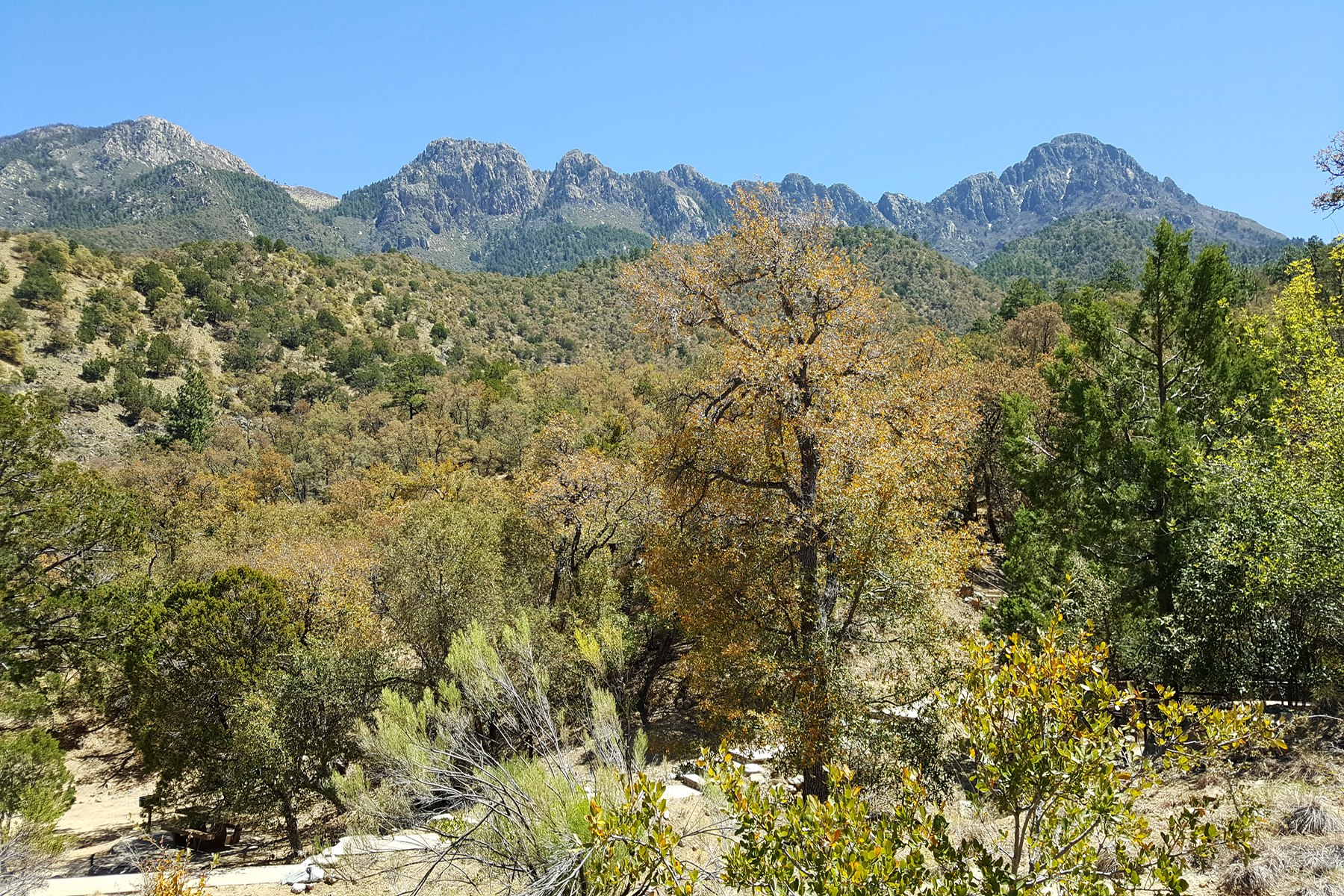
Madera Canyon, Arizona (image by Sjoerd Radstaak)
American Robin (image by Pete Morris)
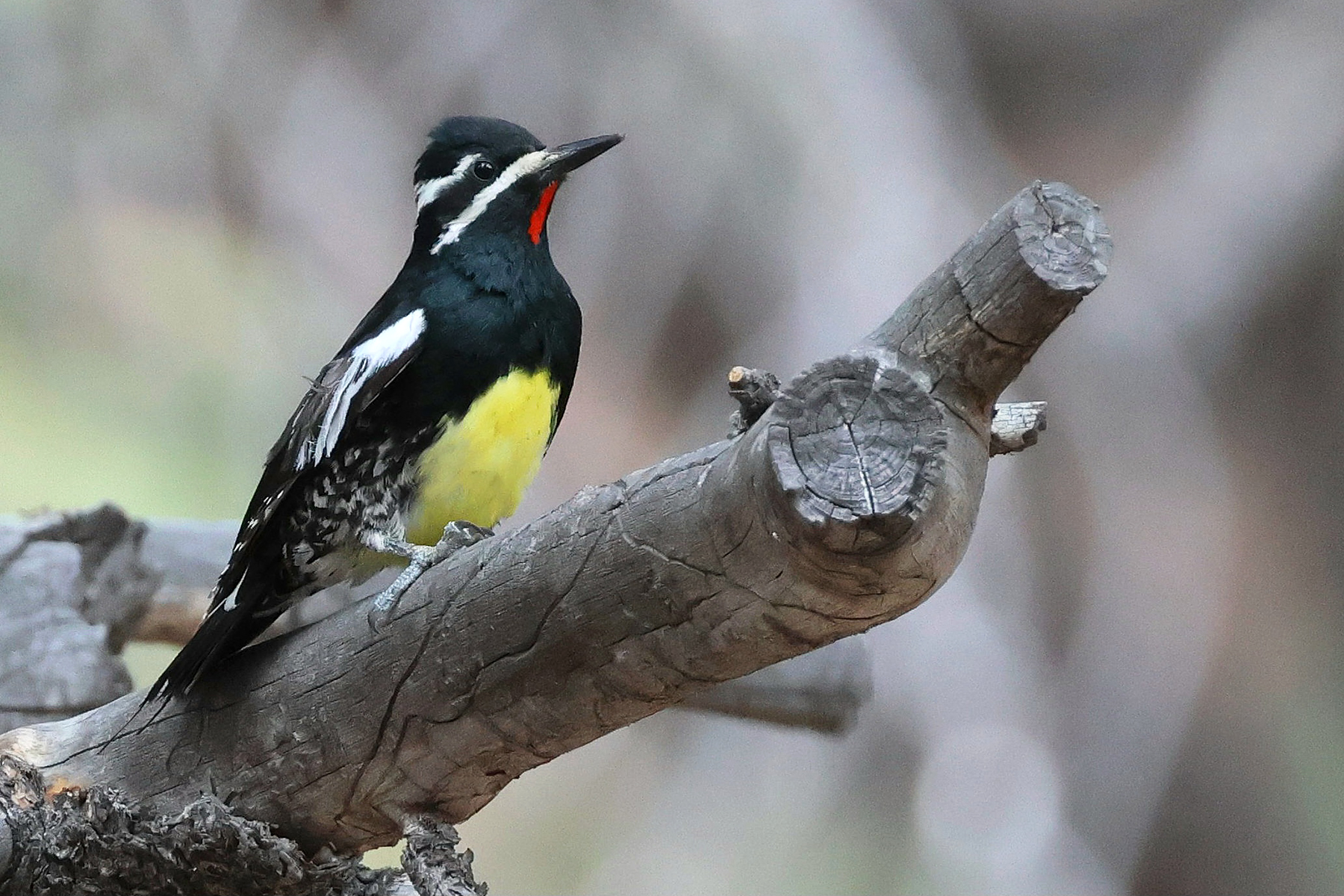
Williamson's Sapsucker (image by Sjoerd Radstaak)
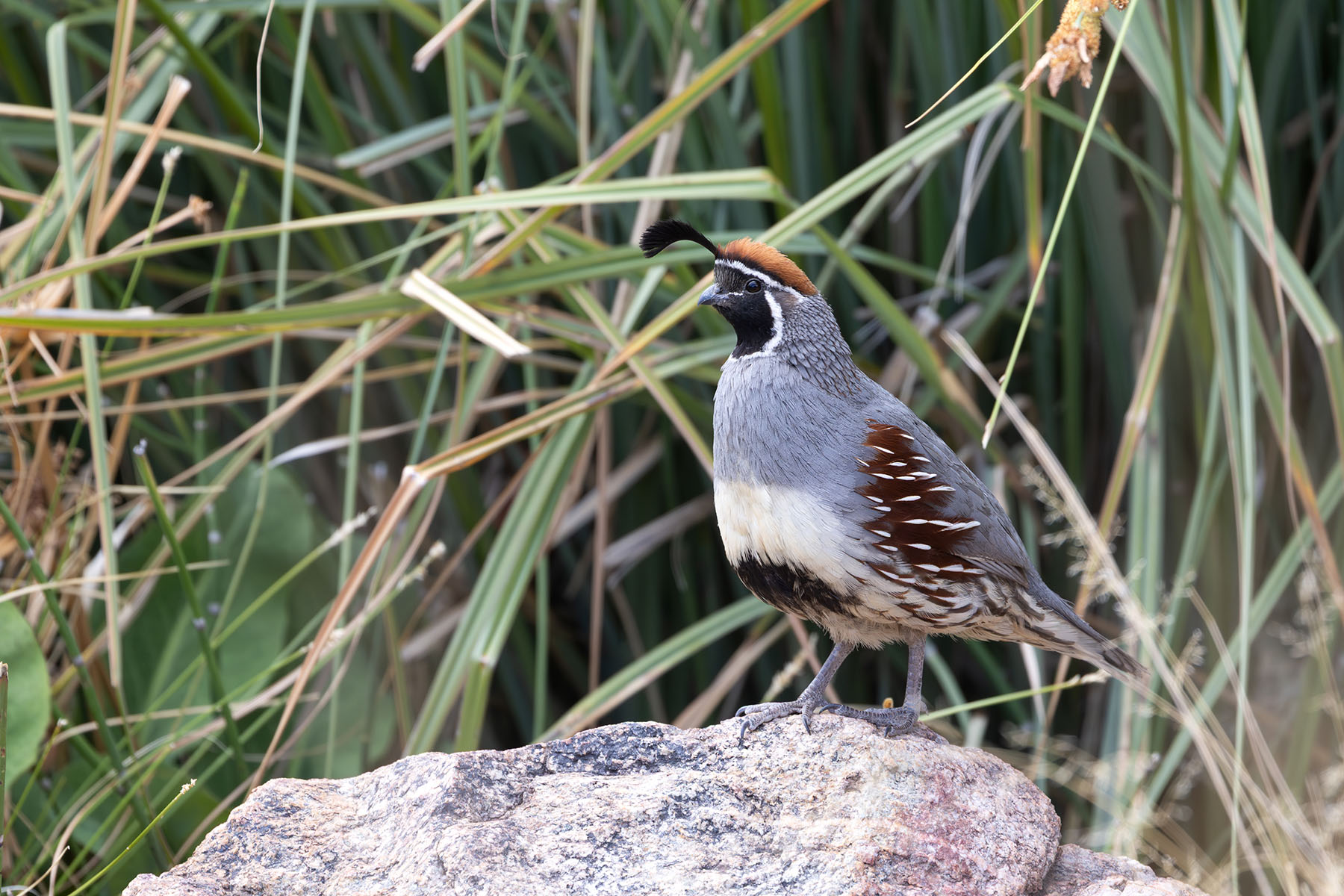
Gambell's Quail (image by Daniel Branch)
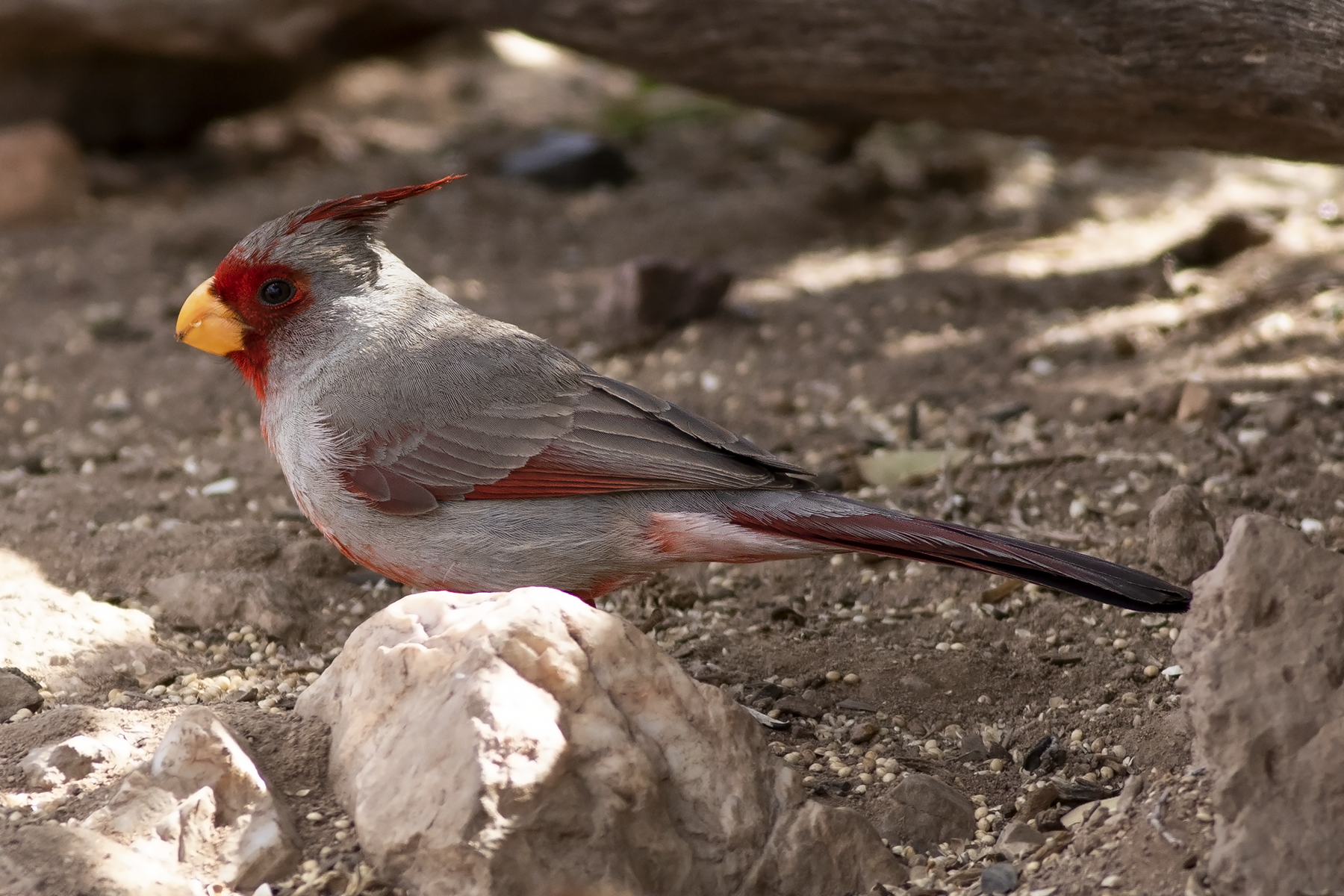
Pyrrhuloxia (image by Sjoerd Radstaak)
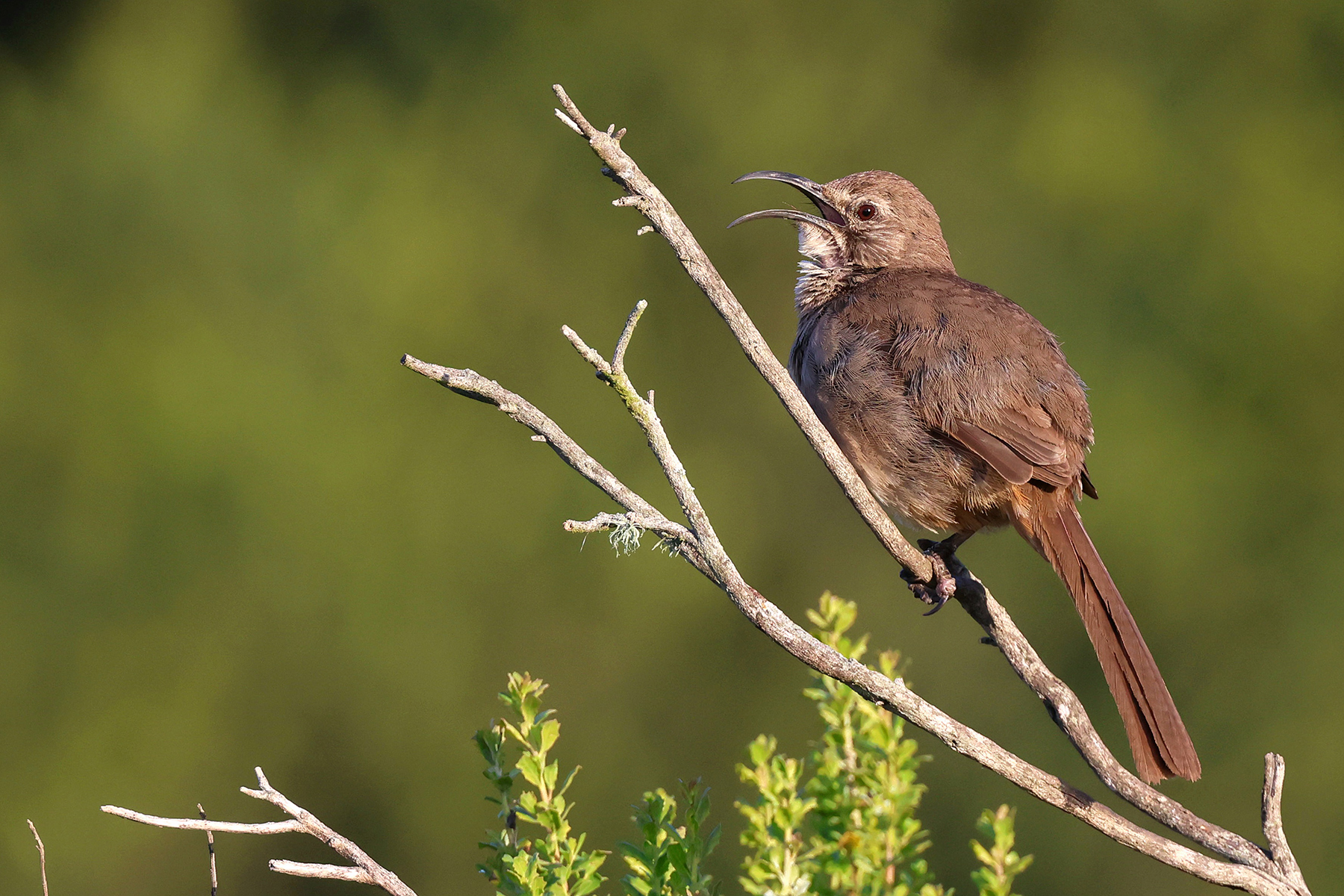
California Thrasher (image by Sjoerd Radstaak)
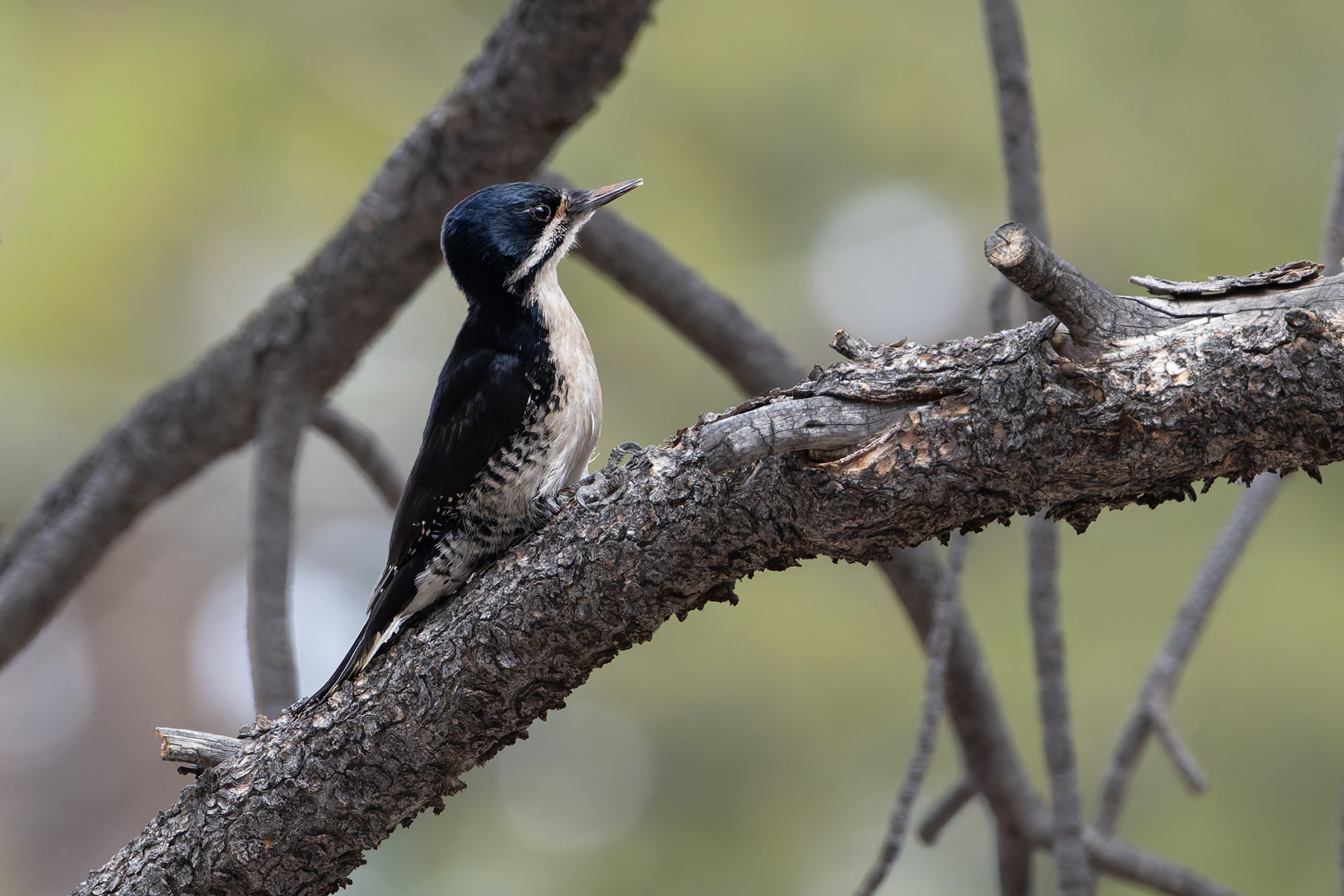
White-headed Woodpecker (image by Pete Morris)
Mountain Bluebird (image by Sjoerd Radstaak)
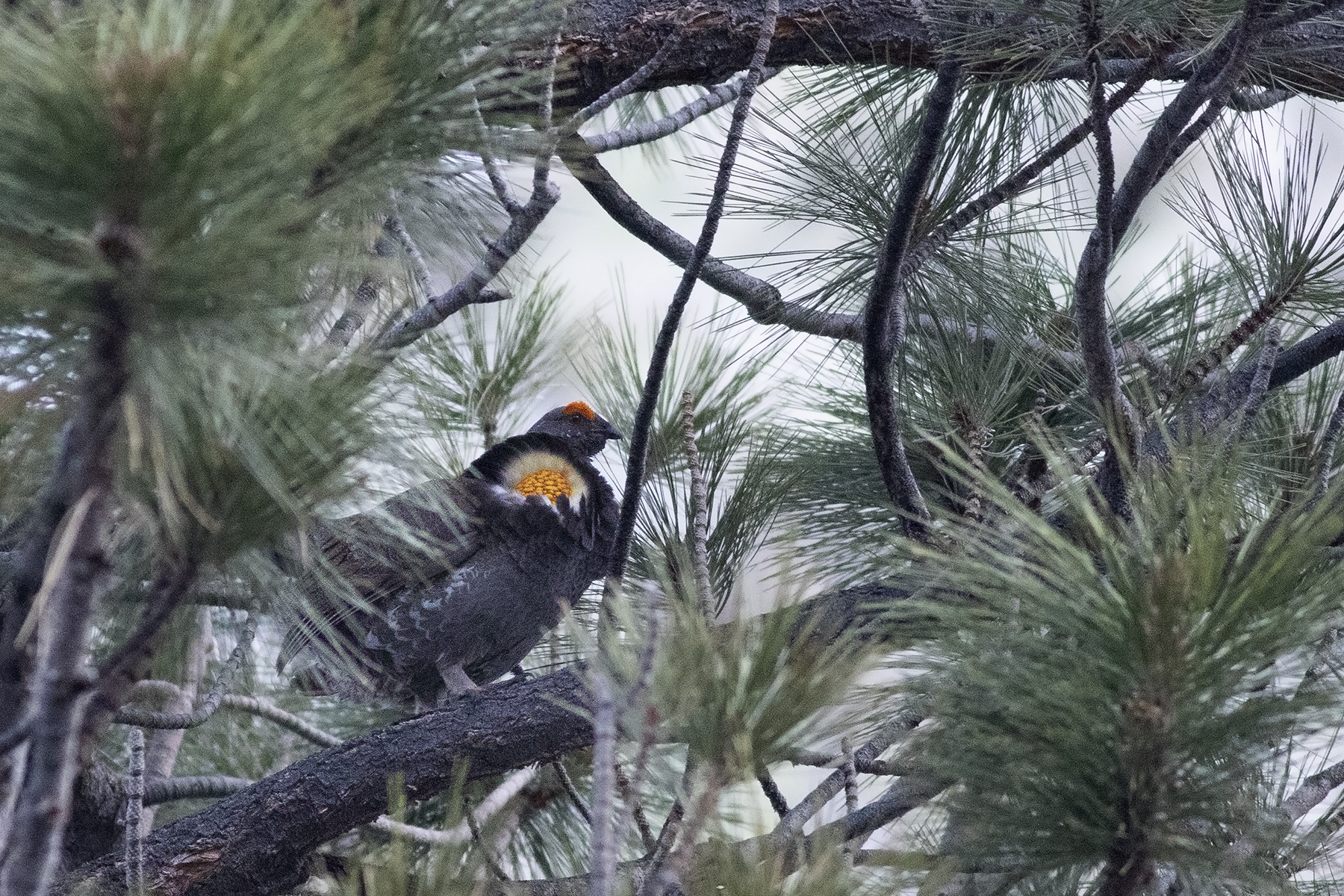
Sooty Grouse (image by Sjoerd Radstaak)
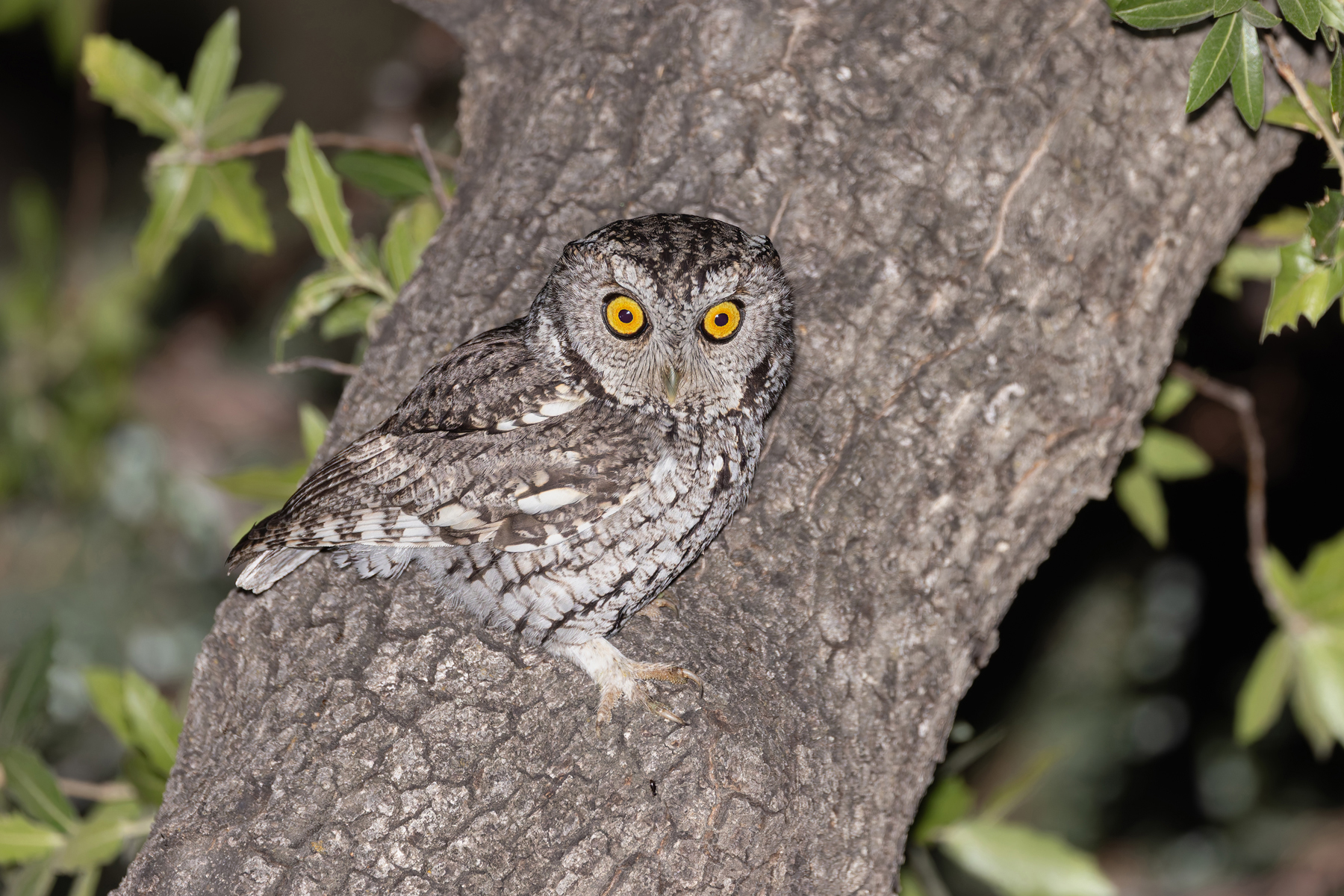
Whiskered Screech-Owl (image by Mike Watson)
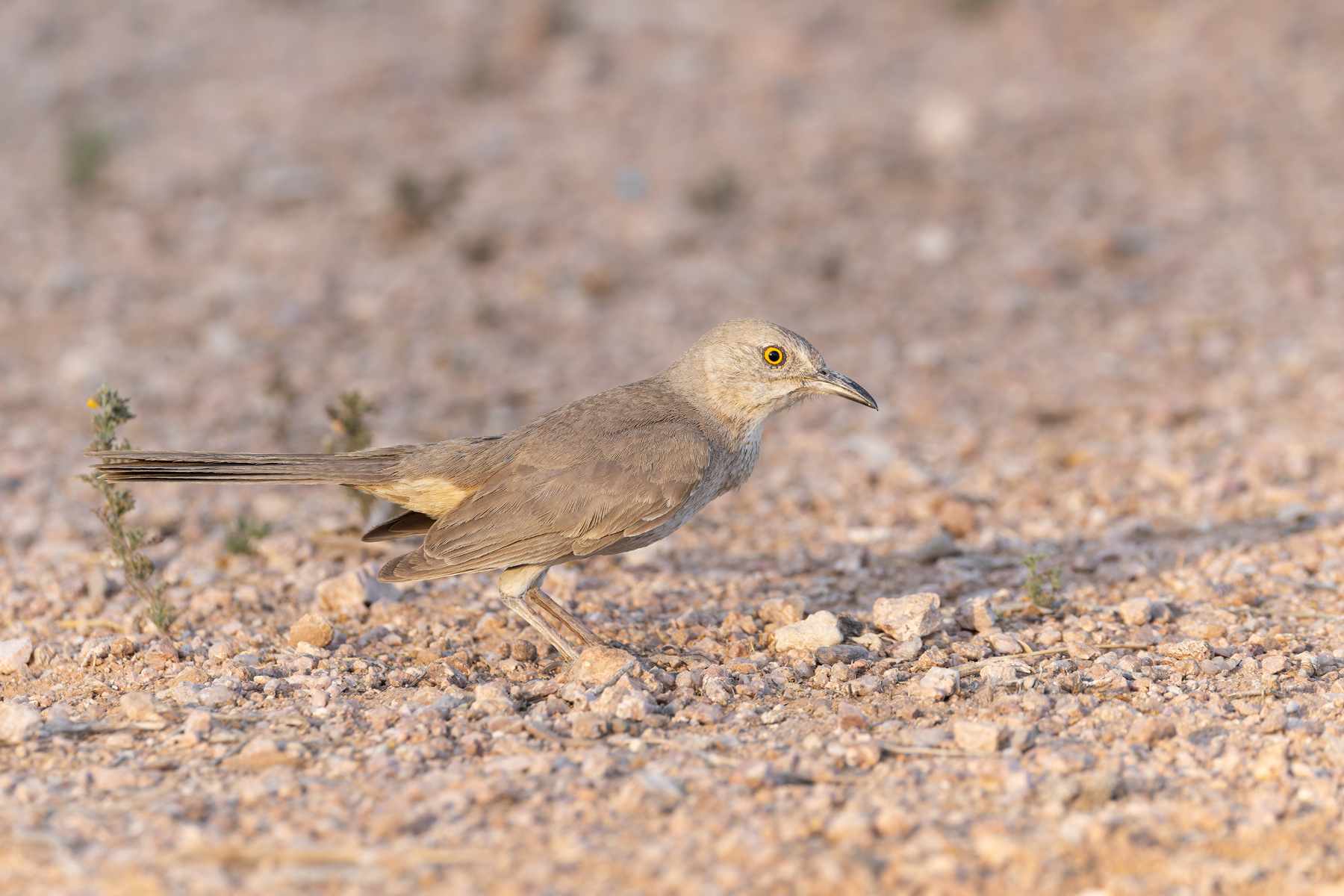
Bendire's Thrasher (image by Mike Watson)
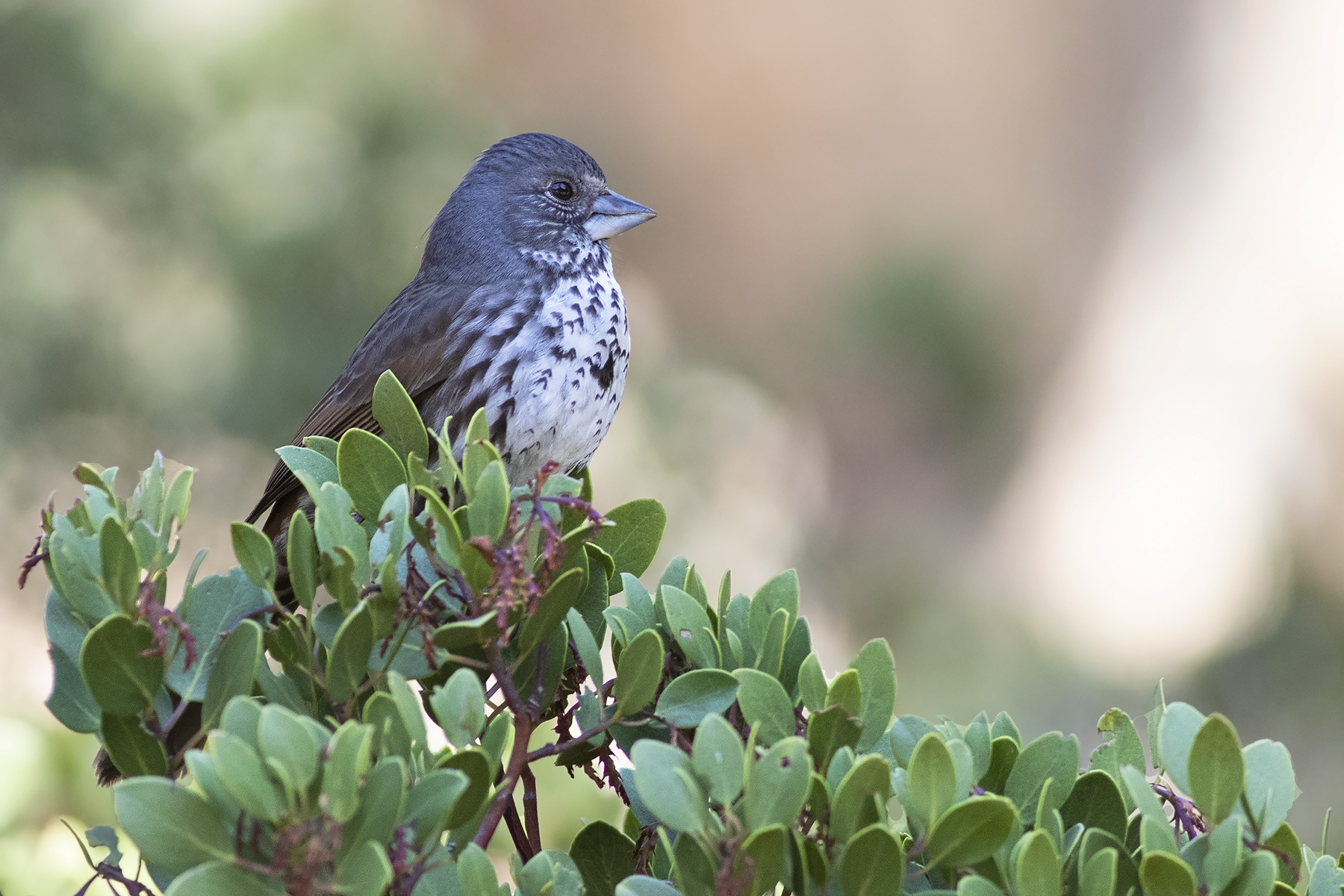
Thick-billed Fox Sparrow (image by Sjoerd Radstaak)
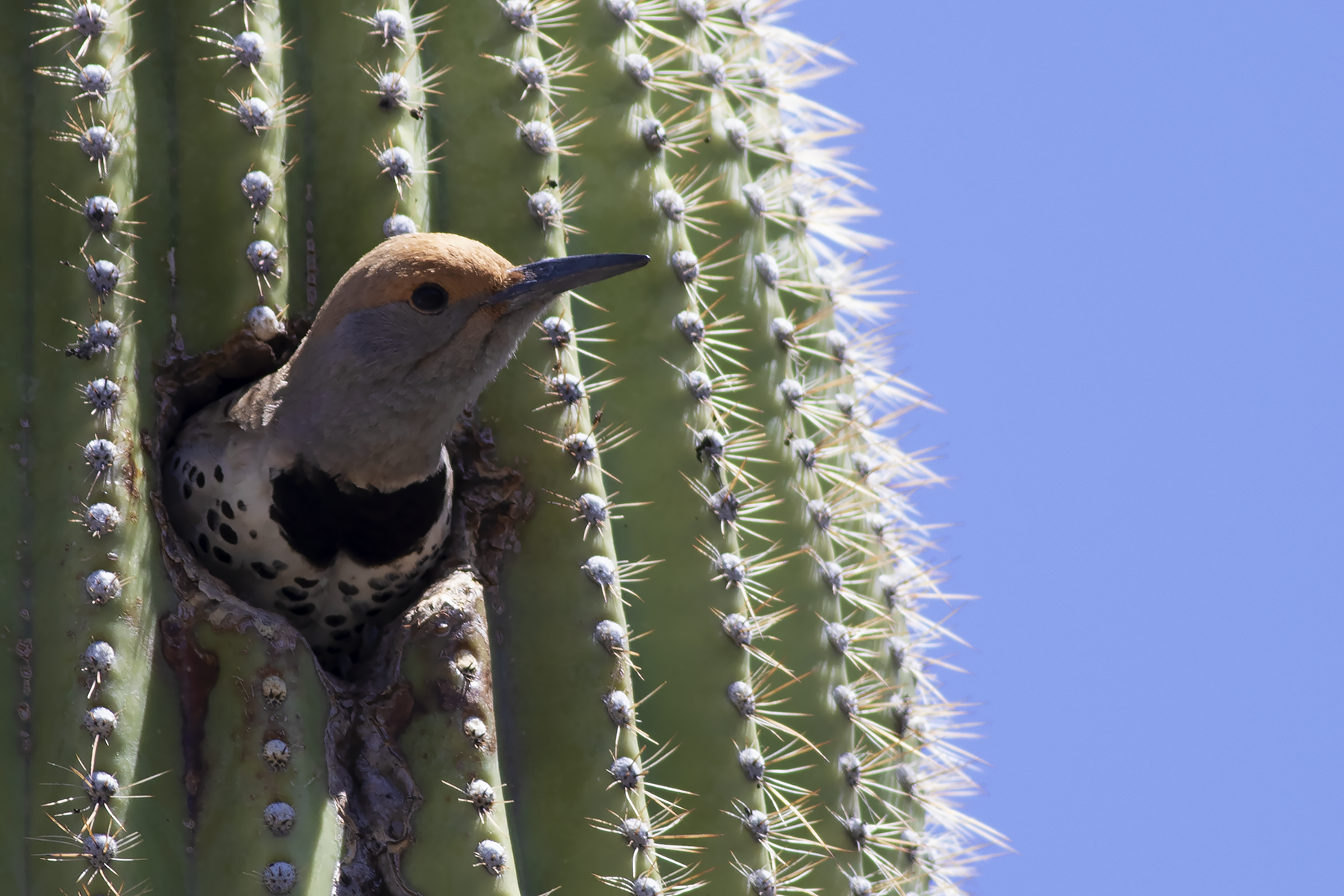
Gilded Flicker (image by Sjoerd Radstaak)
Black-backed Woodpecker (image by Mike Watson)
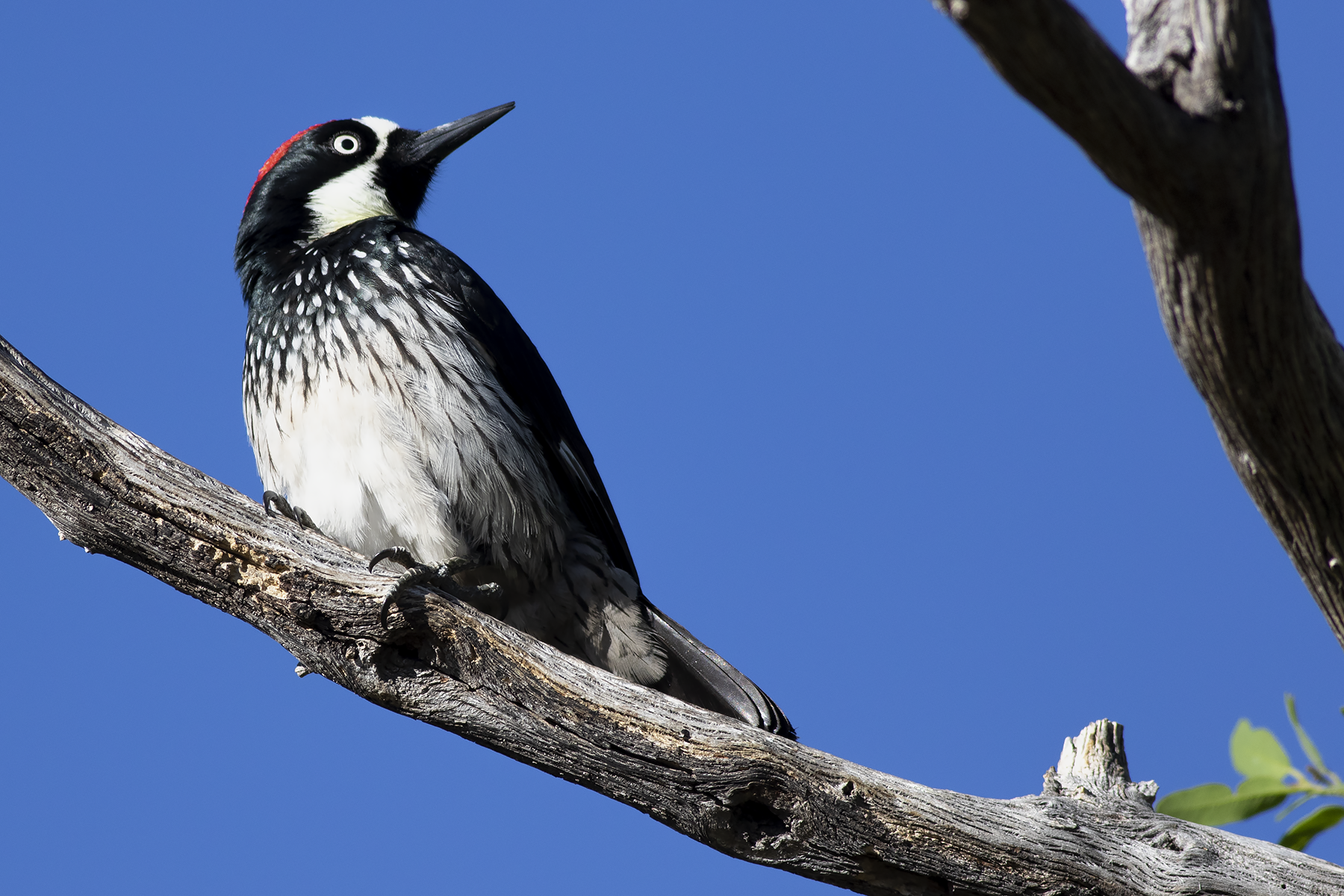
Acorn Woodpecker (image by Sjoerd Radstaak)
Hooded Merganser (image by Pete Morris)
Western Grebes (image by Pete Morris)
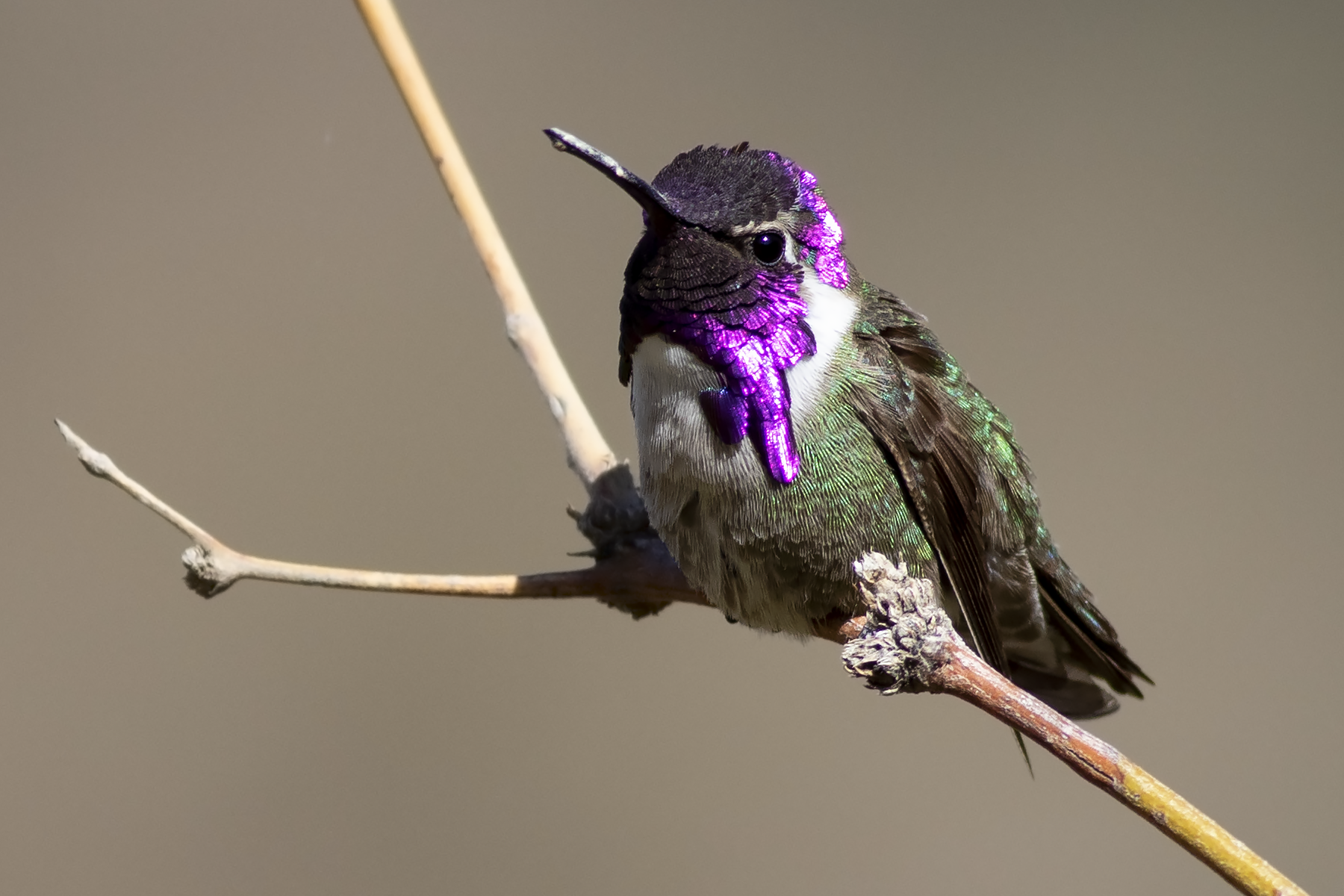
Costa's Hummingbird (image by Sjoerd Radstaak)
Oak Titmouse (image by Pete Morris)
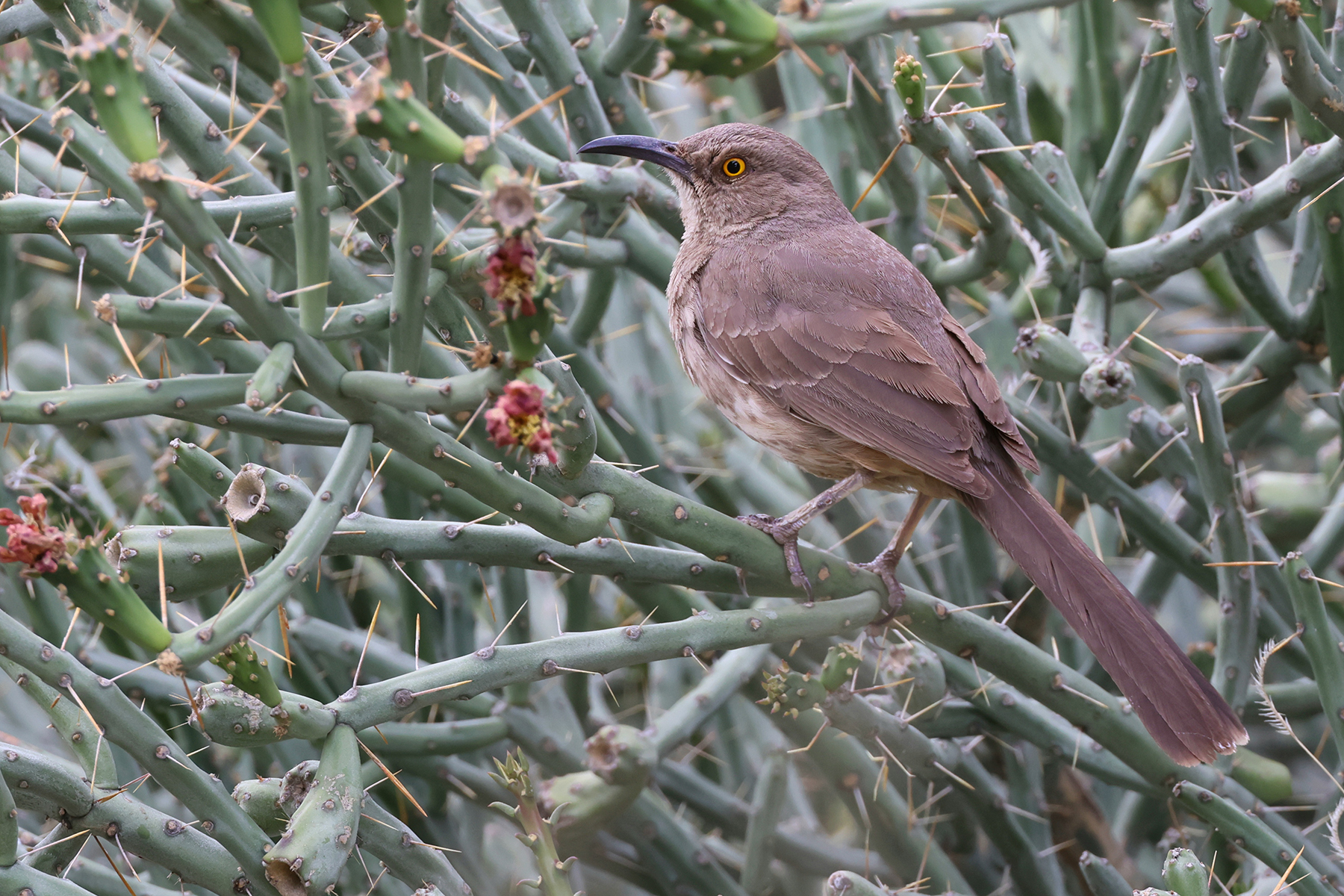
Curve-billed Thrasher (image by Sjoerd Radstaak)
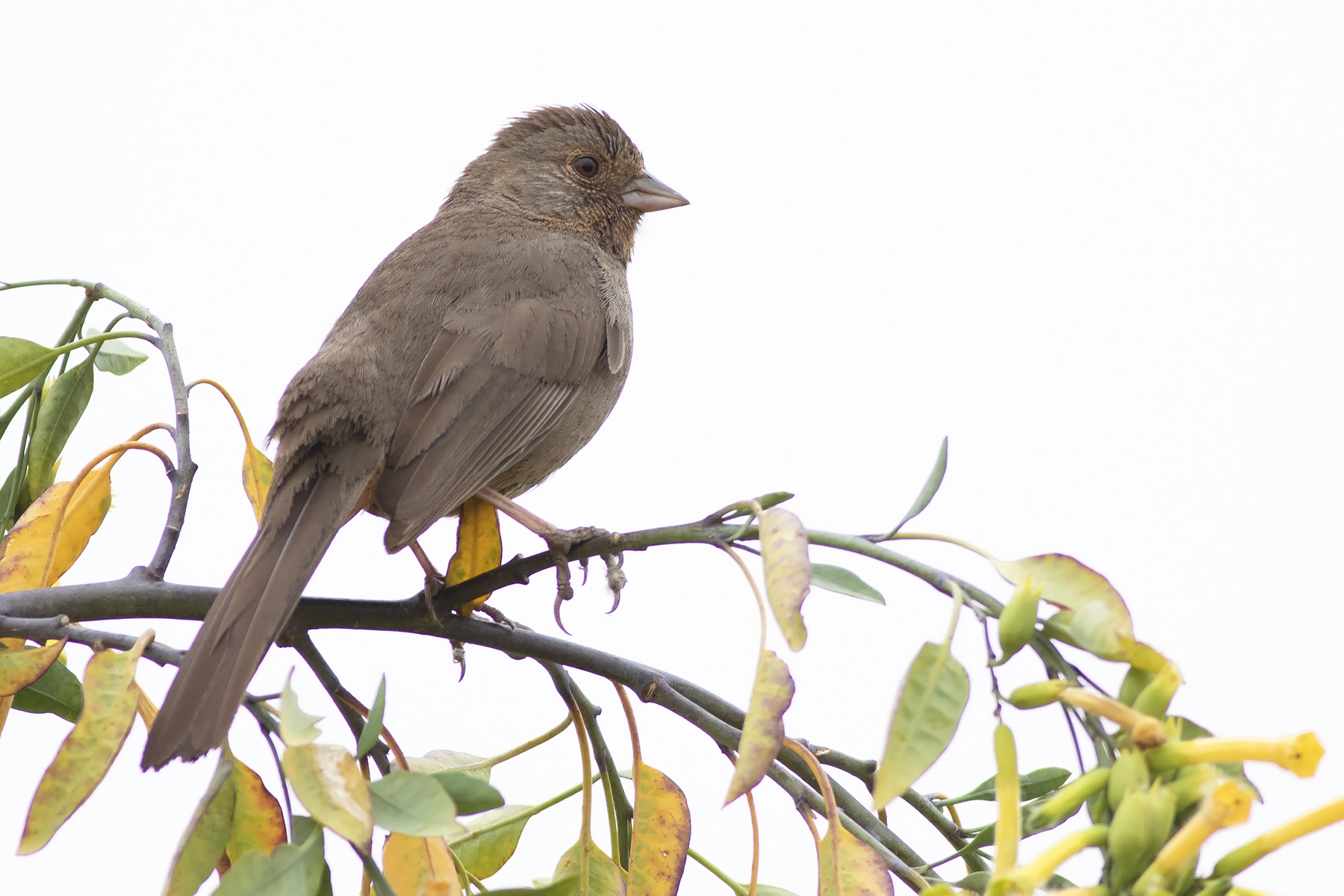
California Towhee (image by Sjoerd Radstaak)
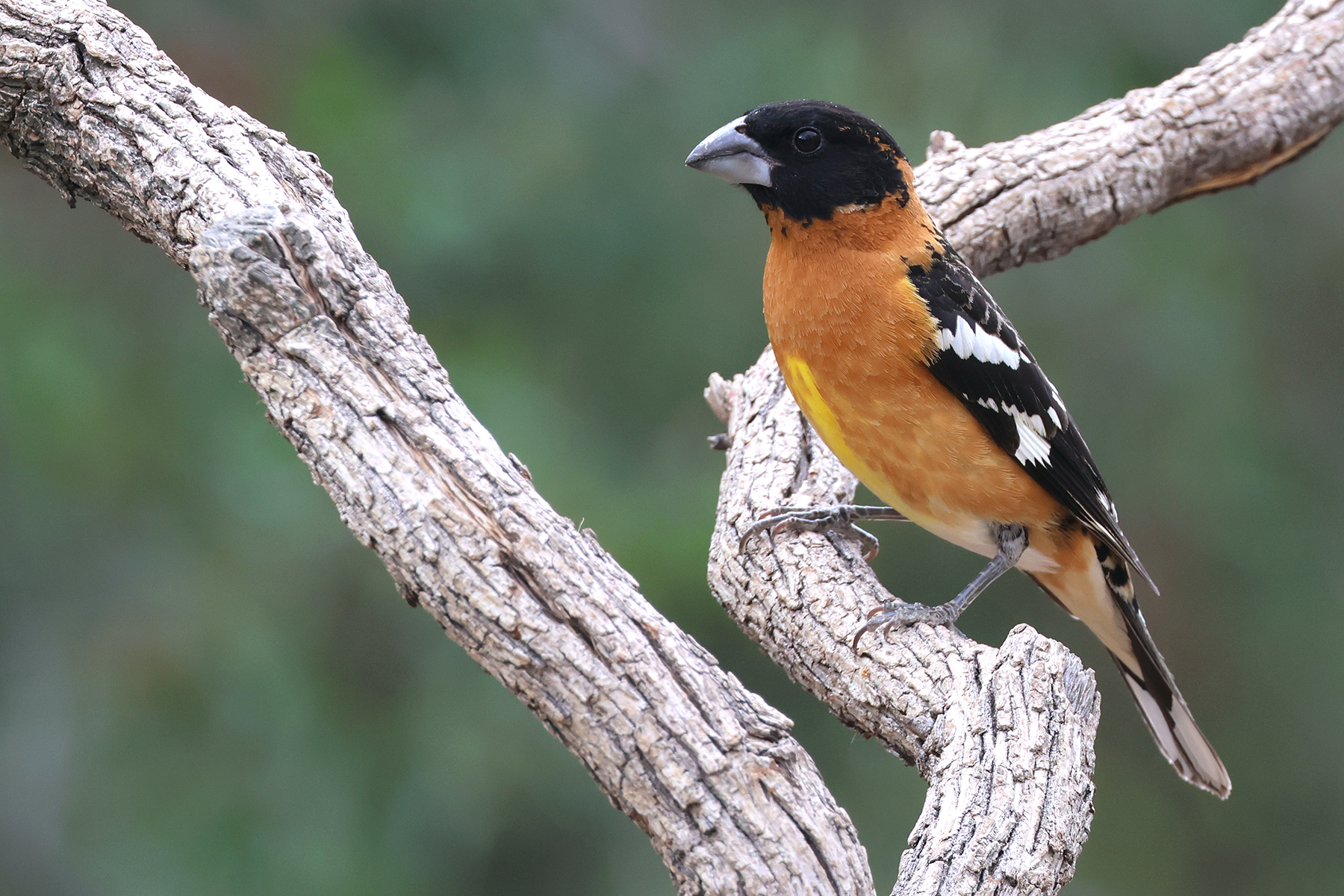
Black-headed Grosbeak (image by Sjoerd Radstaak)
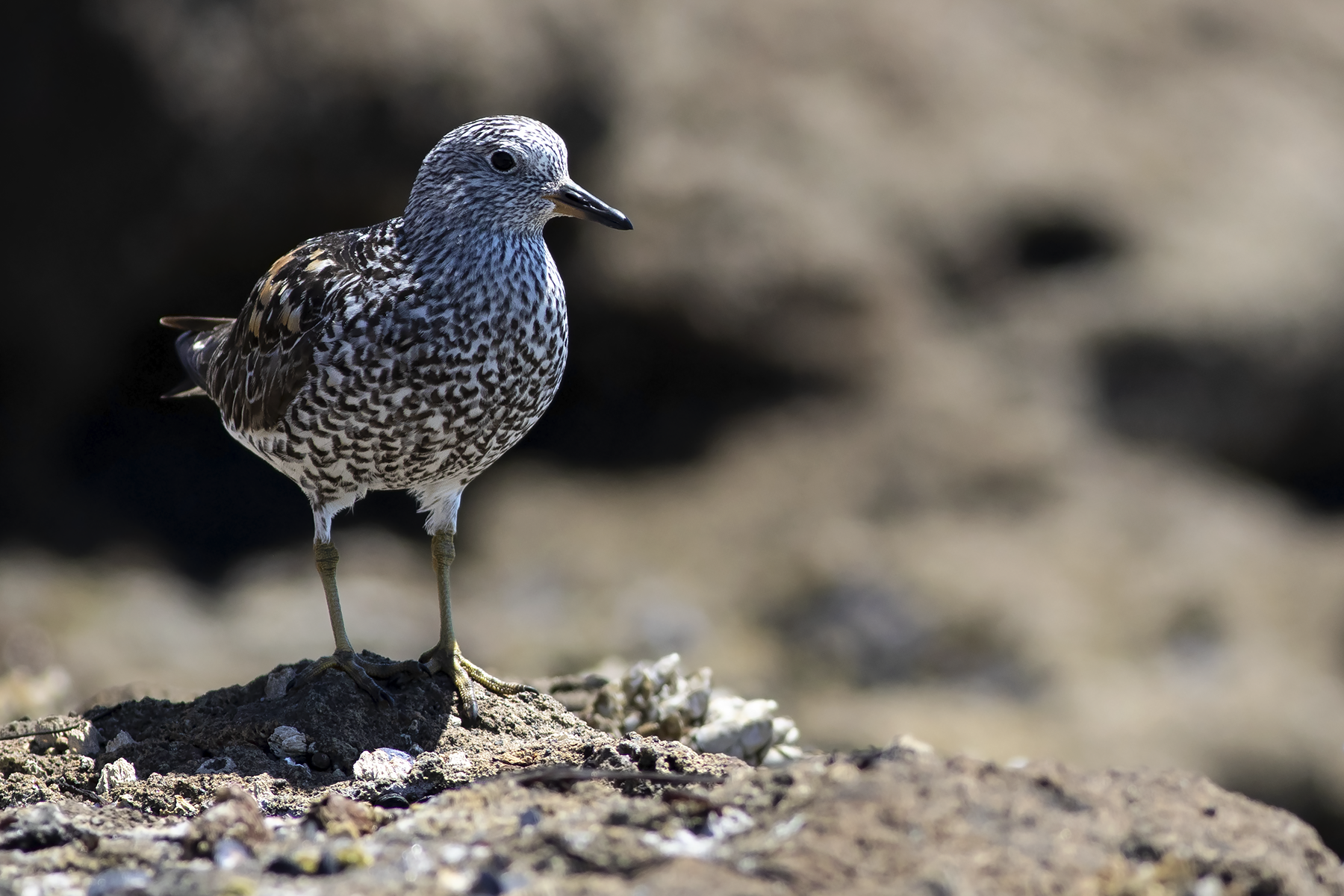
Surfbird (image by Sjoerd Radstaak)
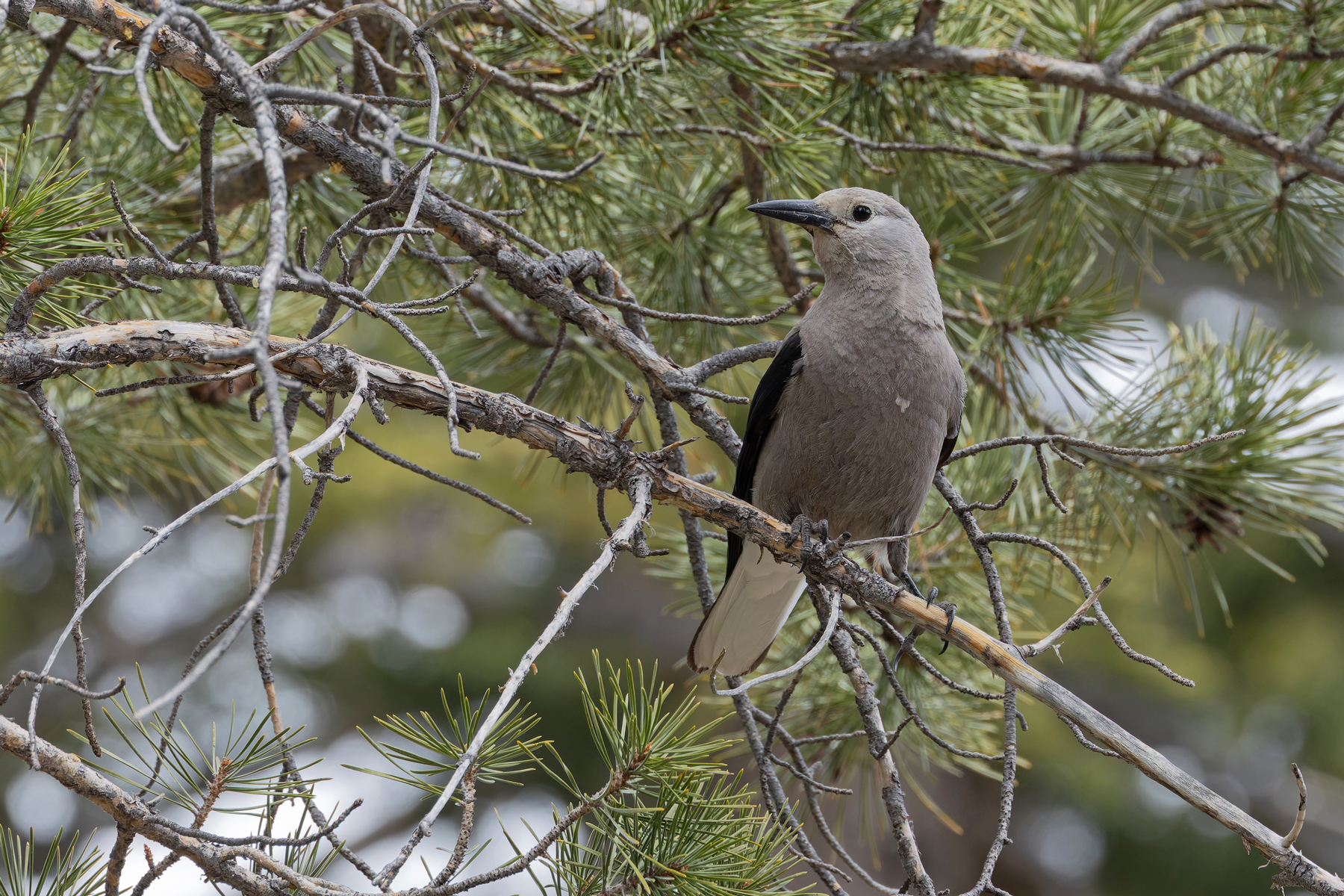
Clark's Nutcracker (image by Mike Watson)
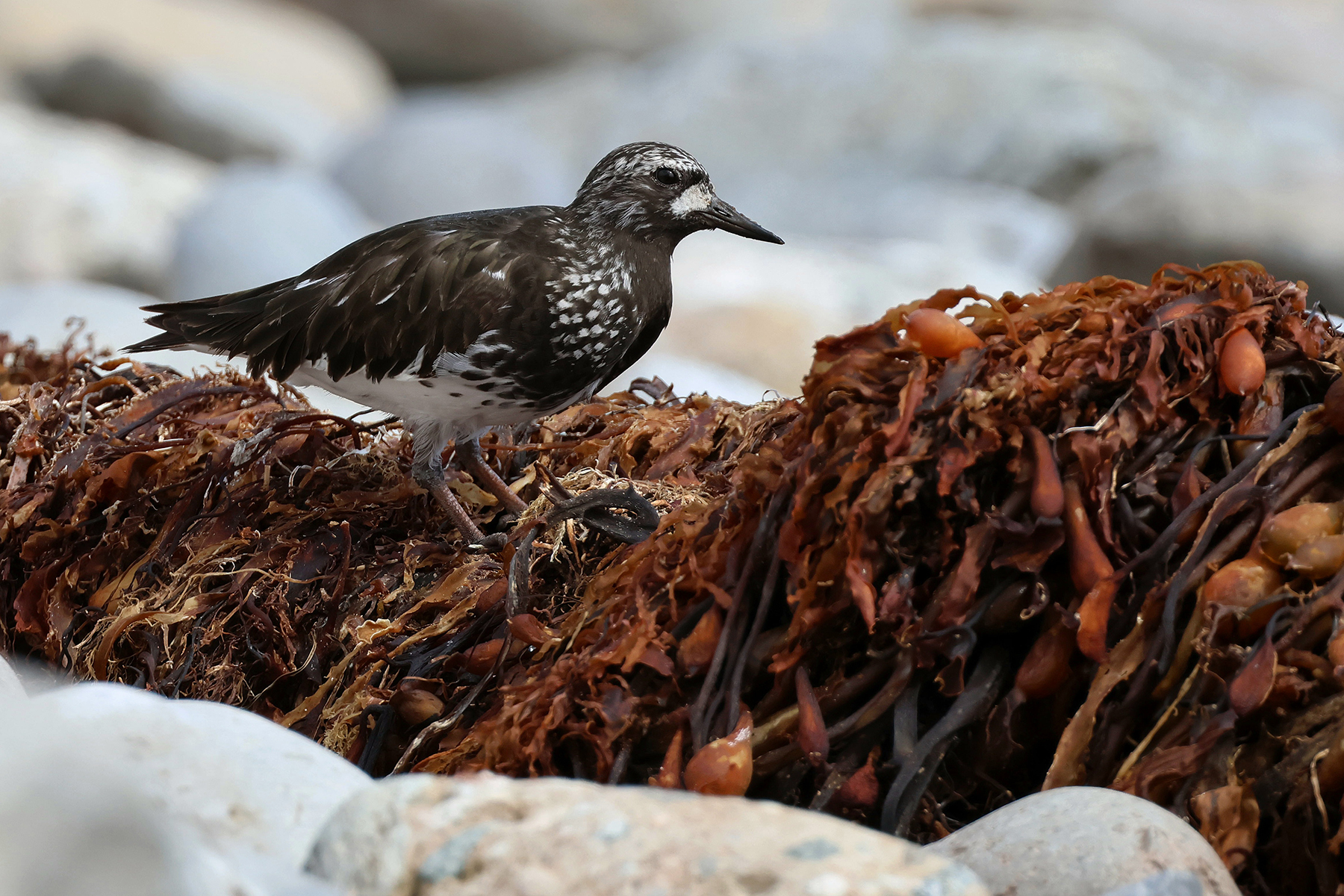
Black Turnstone (image by Sjoerd Radstaak)
Band-tailed Pigeon (image by Pete Morris)
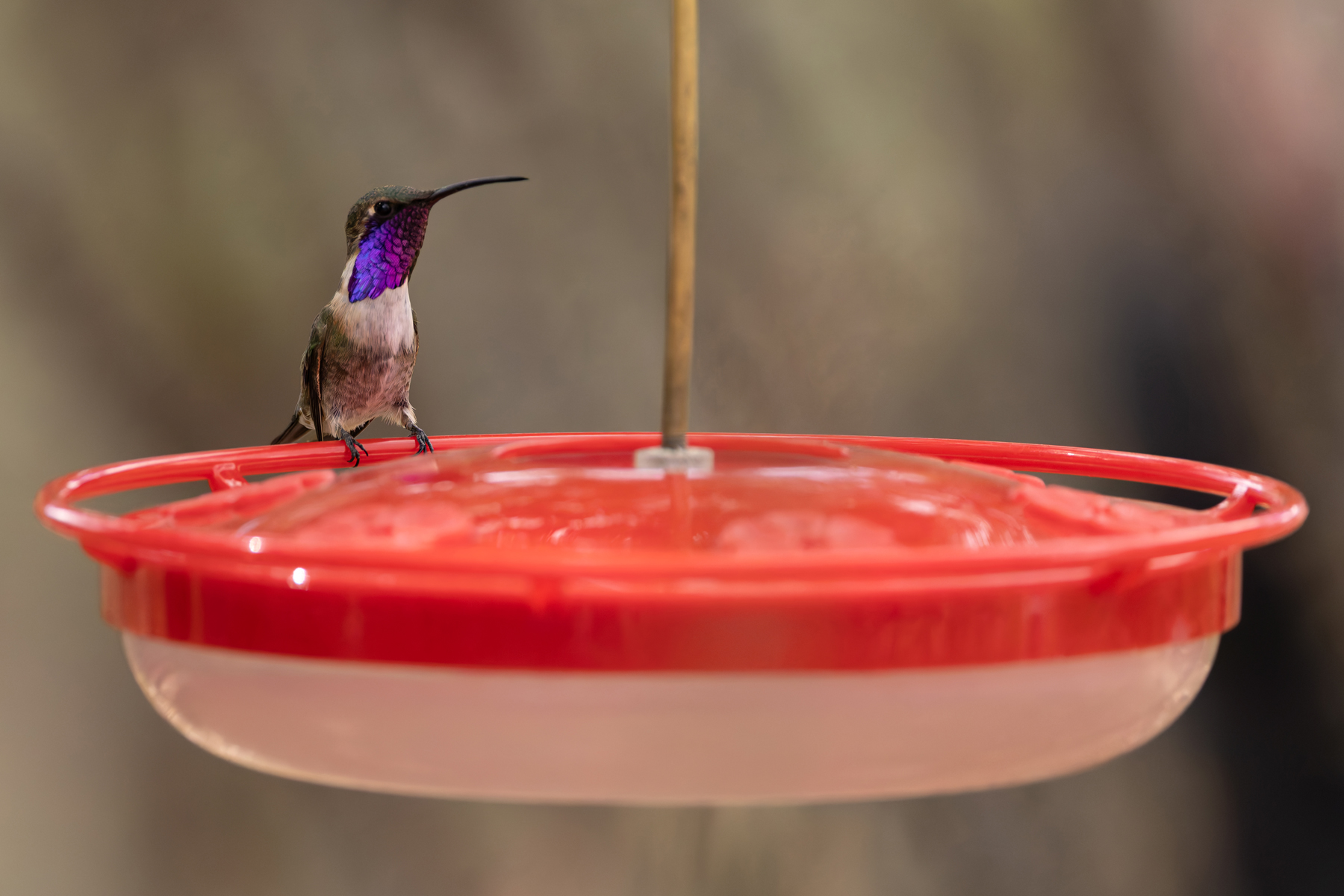
Lucifer Hummingbird (image by Mike Watson)
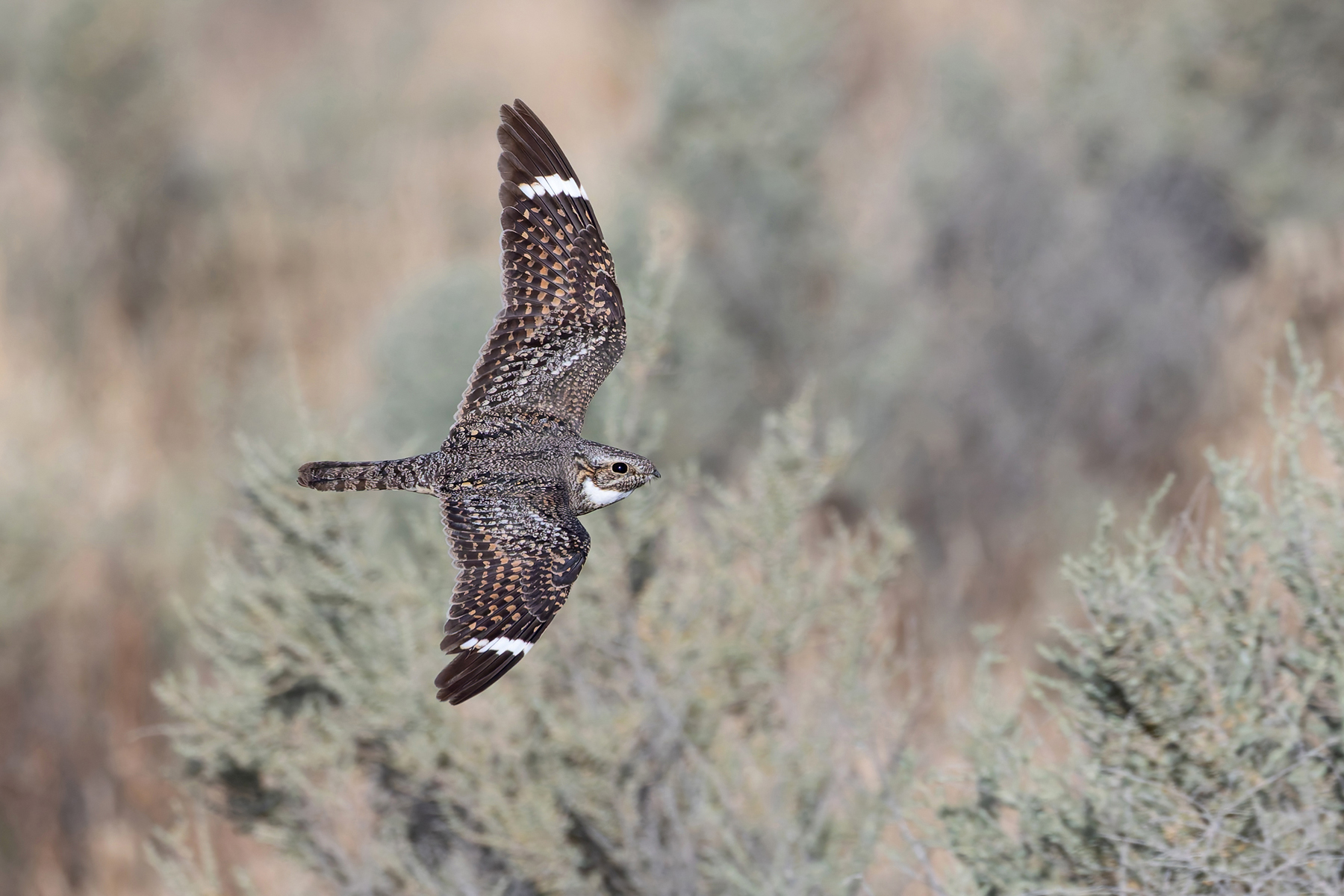
Lesser Nighthawk (image by Mike Watson)
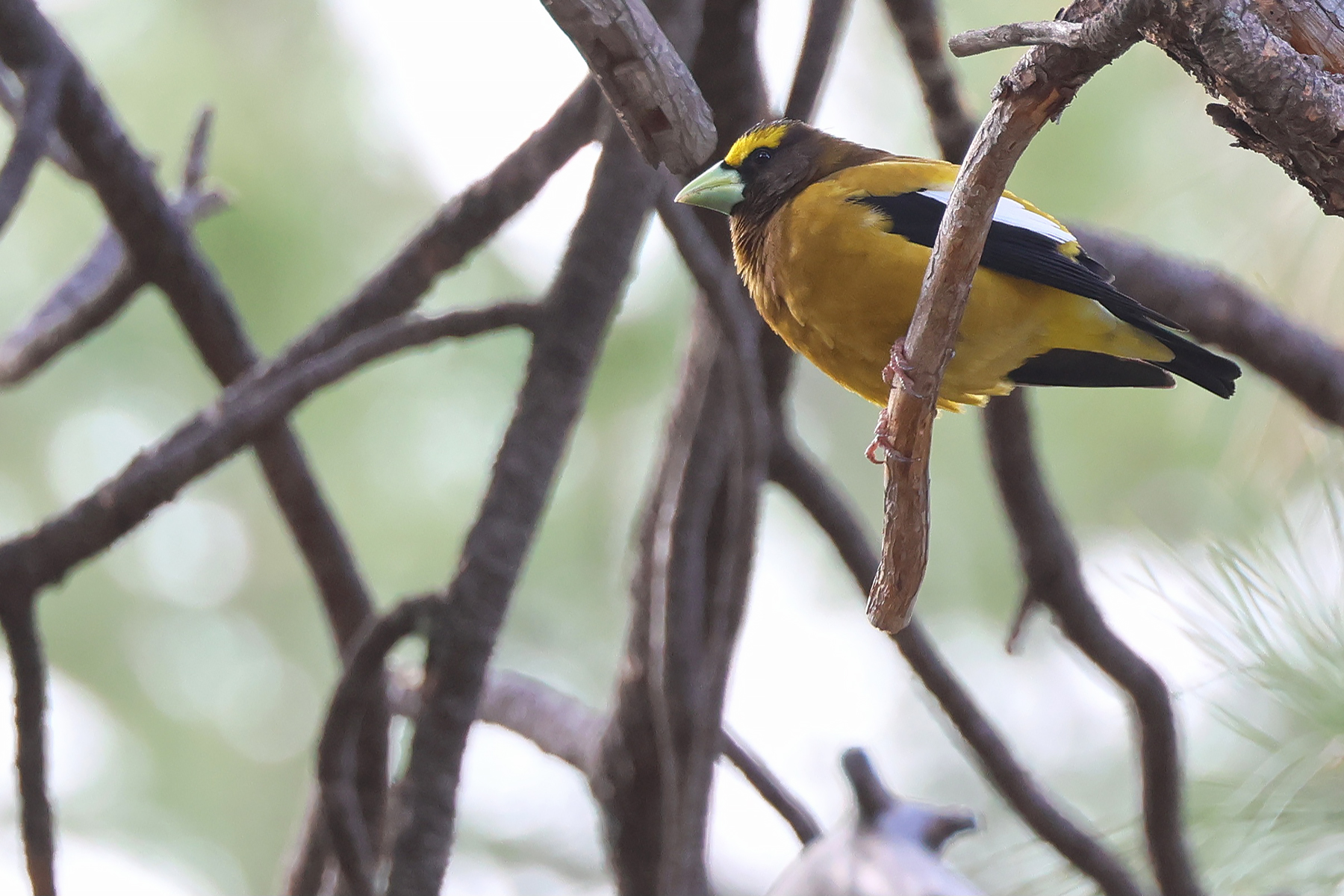
Evening Grosbeak (image by Sjoerd Radstaak)
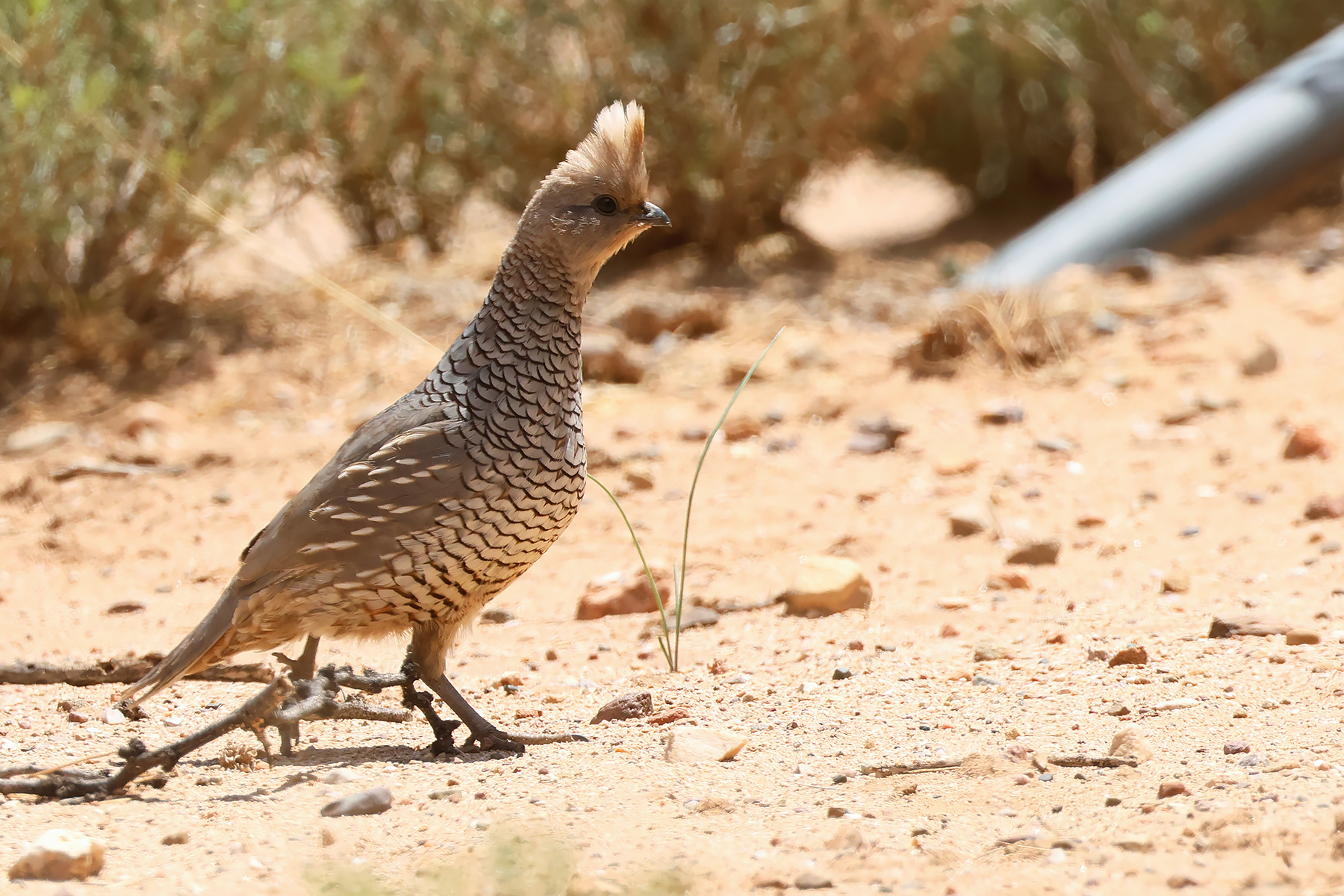
Scaled Quail (image by Sjoerd Radstaak)
Greater Roadrunner (image by Pete Morris)
Western Bluebird (image by Pete Morris)
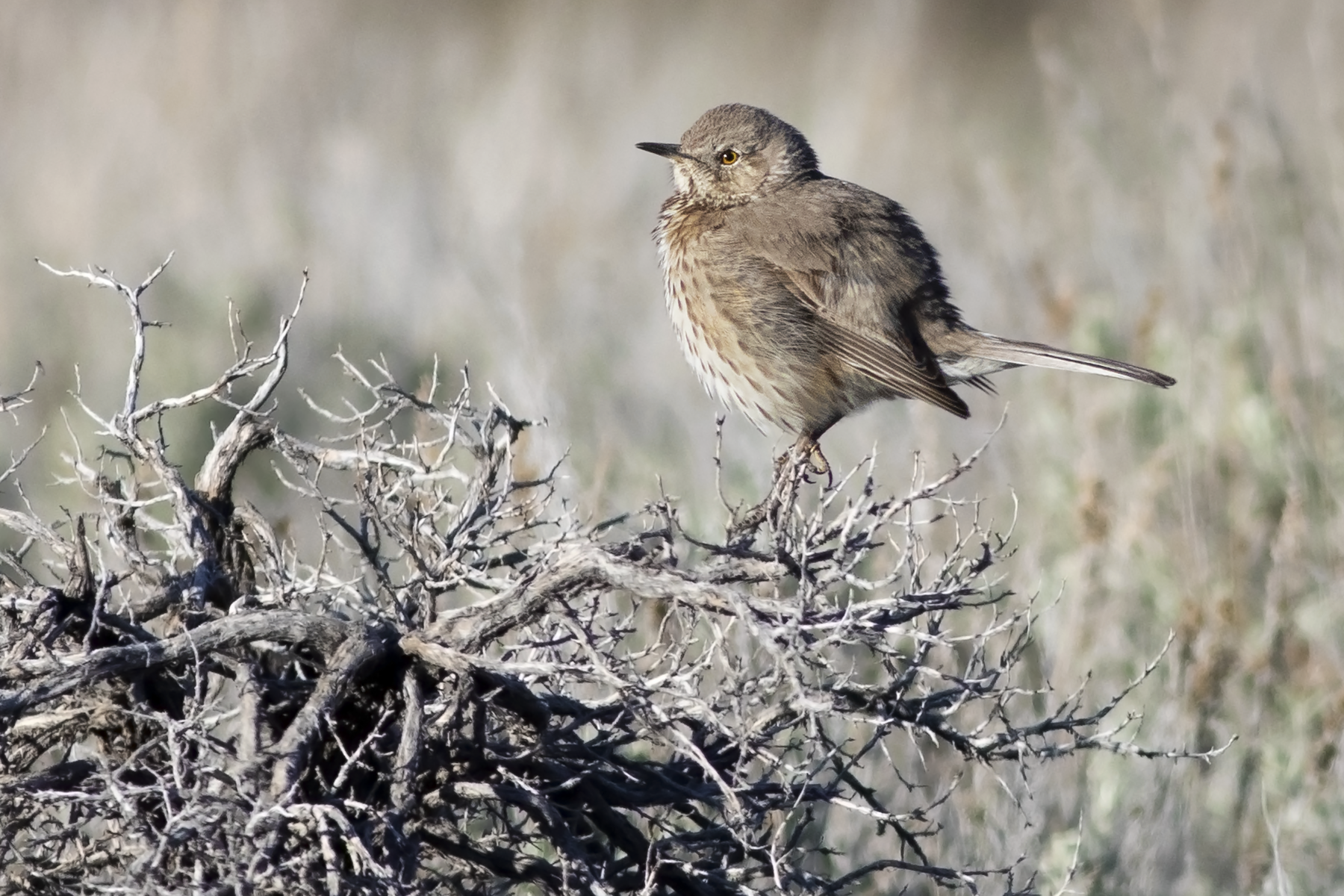
Sagebrush Sparrow (image by Mike Watson)


Belding's Savannah Sparrow (image by Mike Watson)
Pygmy Nuthatch (image by Pete Morris)
Northern Saw-whet Owl (image by Mike Watson)
Grand Canyon, Arizona (image by Sjoerd Radstaak)
Lazuli Bunting (image by Sjoerd Radstaak)
Spotted Owl (image by Mike Watson)
California Gnatcatcher (image by Sjoerd Radstaak)
Mountain Chickadee (image by Pete Morris)
Pinyon Jay (image by Sjoerd Radstaak)
Sage Grouse (image by Sjoerd Radstaak)
Five-striped Sparrow (image by Sjoerd Radstaak)
Brewer's Sparrow (image by Mike Watson)
Lake Crowley area, California (image by Sjoerd Radstaak)
Ridgway's Rail (image by Mike Watson)
Prairie Falcon (image by Sjoerd Radstaak)
Yellow-billed Magpie (image by Sjoerd Radstaak)
Le Conte's Thrasher (image by Mike Watson)
Rufous-winged Sparrow (image by Sjoerd Radstaak)
Island Scrub Jay (image by Daniel Branch)
Clark's Grebe (image by Sjoerd Radstaak)
California Condor (image by Mike Watson)
Black Oystercatcher (image by Sjoerd Radstaak)
Black-tailed Gnatcatcher (image by Sjoerd Radstaak)
Yellow-eyed Junco (image by Sjoerd Radstaak)
Violet-crowned Hummingbird (image by Sjoerd Radstaak)
Coppery-tailed Trogon (image by Mike Watson)
Elf Owl (image by Sjoerd Radstaak)
Steller's Jay (image by Pete Morris)
Hermit Warbler (image by Sjoerd Radstaak)
American Three-toed-Woodpecker (image by Mike Watson)
Dark-eyed Junco (image by Pete Morris)
Botteri's Sparrow (image by Mike Watson)
Mountain Bluebird (image by Mike Watson)
Yellow-breasted Chat (image by Sjoerd Radstaak)
Nuttall's Woodpecker (image by Pete Morris)
Heermann's Gull (image by Pete Morris)
Bell's Sparrow (image by Mike Watson)
Anna's Hummingbird (image by Pete Morris)
Golden-crowned Sparrow (image by Sjoerd Radstaak)
Juniper Titmouse (image by Sjoerd Radstaak)
Elegant Tern (image by Sjoerd Radstaak)
Rivolis Hummingbird (image by Mike Watson)
Pied-billed Grebe (image by Pete Morris)
Sage Thrasher (image by Sjoerd Radstaak)
Tricolored Blackbird (image by Sjoerd Radstaak)
Rufous-winged Sparrow (image by Sjoerd Radstaak)
Allen's Hummingbird (image by Pete Morris)
Ladder-backed Woodpecker (image by Pete Morris)
Cassin's Finch (image by Sjoerd Radstaak)
Lewis's Woodpecker (image by Pete Morris)
Lawrence's Goldfinch (image by Mike Watson)
Elegant Tern (image by Pete Morris)
Grey-crowned Rosy Finch (image by Sjoerd Radstaak)
California Gull (image by Mike Watson)
Bridled Titmouse (image by Mike Watson)
Mountain Quail (image by Mike Watson)
California Quail (image by Sjoerd Radstaak)
California Scrub Jay (image by Pete Morris)
Chestnut-backed Chickadee (image by Sjoerd Radstaak)
Wrentit (image by Pete Morris)
Black-chinned Hummingbird (image by Pete Morris)
Grand Canyon (image by Mike Watson)
Broad-billed Hummingbird (image by Sjoerd Radstaak)
Song Sparrow (image by Pete Morris)
Madera Canyon, Arizona (image by Sjoerd Radstaak)
American Robin (image by Pete Morris)
Williamson's Sapsucker (image by Sjoerd Radstaak)
Gambell's Quail (image by Daniel Branch)
Pyrrhuloxia (image by Sjoerd Radstaak)
California Thrasher (image by Sjoerd Radstaak)
White-headed Woodpecker (image by Pete Morris)
Mountain Bluebird (image by Sjoerd Radstaak)
Sooty Grouse (image by Sjoerd Radstaak)
Whiskered Screech-Owl (image by Mike Watson)
Bendire's Thrasher (image by Mike Watson)
Thick-billed Fox Sparrow (image by Sjoerd Radstaak)
Gilded Flicker (image by Sjoerd Radstaak)
Black-backed Woodpecker (image by Mike Watson)
Acorn Woodpecker (image by Sjoerd Radstaak)
Hooded Merganser (image by Pete Morris)
Western Grebes (image by Pete Morris)
Costa's Hummingbird (image by Sjoerd Radstaak)
Oak Titmouse (image by Pete Morris)
Curve-billed Thrasher (image by Sjoerd Radstaak)
California Towhee (image by Sjoerd Radstaak)
Black-headed Grosbeak (image by Sjoerd Radstaak)
Surfbird (image by Sjoerd Radstaak)
Clark's Nutcracker (image by Mike Watson)
Black Turnstone (image by Sjoerd Radstaak)
Band-tailed Pigeon (image by Pete Morris)
Lucifer Hummingbird (image by Mike Watson)
Lesser Nighthawk (image by Mike Watson)
Evening Grosbeak (image by Sjoerd Radstaak)
Scaled Quail (image by Sjoerd Radstaak)
Greater Roadrunner (image by Pete Morris)
Western Bluebird (image by Pete Morris)
Sagebrush Sparrow (image by Mike Watson)


|
Thursday 26th April – Saturday 12th May 2029 Leaders: Birdquest leader to be announced and an assistant |
17 Days | Group Size Limit 9 |
Birdquest’s California & Arizona Specialities birding tours offer a unique itinerary. The United States of America and Canada combined hold a large number of endemic or near-endemic bird species. This is particularly true for the states we are visiting on this tour: California, Nevada (briefly) and Arizona. These states are home to many species with a very limited distributional area, some of them just creeping into Mexico. These include California Condor, Scripp’s Murrelet, Nuttall’s Woodpecker, Yellow-billed Magpie, Island Scrub Jay, California Thrasher, Oak Titmouse, Wrentit, Tricoloured Blackbird and Lawrence’s Goldfinch. Indeed, the magpie and the jay only occur in the state of California.
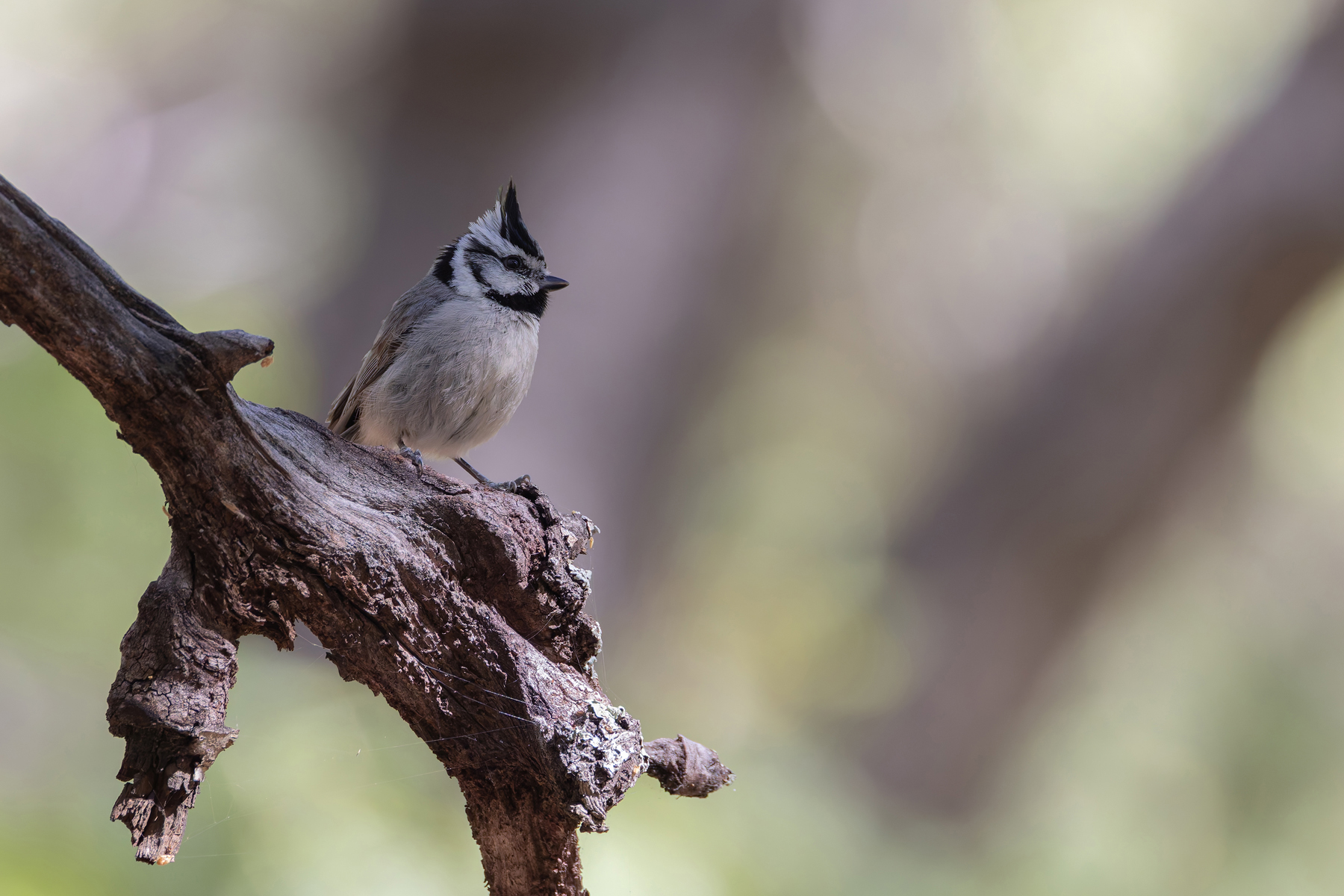
The list of likely or possible endemics and near-endemics only found north of Mexico or penetrating as far as its northern regions is even longer and includes such species as Clark’s Grebe, Brandt’s Cormorant, Wood Duck, Red-shouldered Hawk, California, Mountain and Gambel’s Quails, Sooty and Sage Grouse, Ridgway’s and Virginia Rails, Black Oystercatcher, Black Turnstone, Western, California and Bonaparte’s Gulls, Cassin’s Auklet, Spotted Owl, Anna’s Hummingbird, Prairie Falcon Lewis’s, Downy, White-headed, Black-backed and American Three-toed Woodpeckers, Red-breasted Sapsucker, California Scrub and Pinyon Jays, Black-billed Magpie, Clark’s Nutcracker, American Crow, Mountain Bluebird, Sage, LeConte’s, Bendire’s and Crissal Thrashers, California Gnatcatcher, Mountain and Chestnut-backed Chickadees, Juniper Titmouse, Red-breasted Nuthatch, California and Abert’s Towhees, Song, Bell’s, Sagebrush, Brewer’s and ‘Thick-billed’ Fox Sparrows, Evening Grosbeak, American Goldfinch, Purple and Cassin’s Finches, and Grey-crowned Rosy Finch. What a wide variety, with many really appealing constituents!
In southeast Arizona, we will target some neat birds as well. Almost all of these are also found in Mexico, but some, like Montezuma Quail and Five-striped Sparrow, are much more easily seen in Arizona. Other targets include Scaled Quail, Flammulated Owl, Elegant Trogon, Gila and Arizona Woodpeckers, Gilded Flicker, Red-faced and Grace’s Warblers, Painted Whitestart and Pyrhuloxia. Also in Arizona, we visit several hummingbird feeders, including for Broad-billed, Violet-crowned and Rivoli’s Hummingbirds.
Add to all the speciality birds the beautiful landscapes of the region (including the spectacular Grand Canyon!), sunny spring weather and American hospitality, and it promises to be a great trip!
Our California & Arizona Specialities tour will begin in the United States’ second-largest city: Los Angeles. In this city region, we will visit several different locations targeting the ‘Californian’ endemics like Nuttall’s Woodpecker, California Thrasher, California Gnatcatcher, California Towhee, California Scrub Jay, Lawrence’s Goldfinch and Wrentit. Along the coast, we look for Ridgway’s Rail, Heermann’s Gull, the local Brandt’s Cormorant, Black Turnstone, Wandering Tattler and Surfbird.
While based at the town of Ventura, we will take a boat over to Santa Cruz Island to see the endemic Island Scrub Jay and also want to see Scripps’s Murrelet and Cassin’s Auklet.
In the coastal region around Ventura and Santa Barbara, we will be targeting Yellow-billed Magpie, Tricoloured Blackbird and Chestnut-backed Chickadee.
Next, we head north to Taft in the Central Valley, a good spot for LeConte’s Thrasher and Bell’s Sparrow. From now on, we will be on the lookout for Prairie Falcon.
We then drive further inland to the small town of Bishop. We visit areas of coniferous forest for patchy or range-restricted species like Sooty Grouse, White-headed Woodpecker, Red-breasted Sapsucker, Clark’s Nutcracker, Townsend’s Solitaire, Mountain Bluebird, Cassin’s Finch and ‘Thick-billed’ Fox Sparrow. The Black-backed Woodpecker is a northern species that reaches its southernmost distribution just here.
A very special moment will be a visit to the lek of the near-threatened Sage Grouse, North America’s largest grouse. Against the backdrop of snow-capped mountains, we hope to see the males courting at dawn on the prairie. We will also look for typical prairie species like Sage Thrasher and Sagebrush Sparrow.
In neighbouring Nevada, which we briefly pass through, we will stay overnight at Las Vegas, where our birding targets include LeConte’s and Crissal Thrashers and the unobtrusive Grey Vireo. Las Vegas is the largest city in Nevada and is located in the middle of the desert. It is best known for its extravagant hotels and casinos, most of which are located along ‘The Strip’. There is plenty to do, and if you elect to take an evening stroll, you will be amazed by the water ballet of the Bellagio fountains, Little Venice and the illuminated replica of the Eiffel Tower.
Soon after crossing into Arizona, we come to the immense Grand Canyon. Here, we target the huge California Condor, Woodhouse’s Scrub Jay, Mountain Chickadee, Juniper Titmouse, Pygmy Nuthatch, and ‘Red-backed Junco’ (a subspecies of the Dark-eyed Junco). From one of the many viewpoints, we will have breathtaking views of the impressive landscape and see how the Colorado River has eroded the reddish rock of this gorge in layers (succession), at a rate of about 16 cm (6 in) per 1000 years!
In the southeast corner of this state, we will visit a number of places to look for range-restricted species like Gila Woodpecker, Gilded Flicker, Black-tailed Gnatcatcher, Lucy’s Warbler, Abert’s Towhee, Rufous-winged Sparrow and especially the localised and sought-after Five-striped Sparrow.
More widespread, but still somewhat restricted, are Scaled and Gambel’s Quails, Cactus Wren, Phainopepla, Verdin, Pyrrhuloxia, Black-chinned Sparrow and the superb Spotted Owl. Arizona is rich in hummingbirds, of which four species only occur here in the United States, including Rivoli’s, Blue-throated, Broad-billed and Violet-crowned Hummingbird. Lucifer Hummingbird also creeps into West Texas. Moreover, typical northern Mexican species restricted to mountain areas extend only into this corner of the United States, like the Elegant Trogon, the Arizona Woodpecker, the Buff-breasted and Tufted Flycatchers, the Greater Pewee, the Bridled Titmouse, the Mexican Jay, the Painted Whitestart, the Red-faced Warbler, the monotypic Olive Warbler and the Yellow-eyed Junco. At night, expect Mountain Pygmy Owl, Whiskered Screech Owl and Mexican Whip-poor-will.
Near the city of Phoenix, we will attempt to see the localised Bendire’s Thrasher (and we should succeed).
During the last part of this speciality-rich tour, we will be birding around Los Angeles again. In the San Gabriel Mountains, we hope to connect with Mountain Quail and a set of American warblers, including Wilson’s, Townsend’s and MacGillivray’s Warblers. In the evening, we target Flammulated Owl and will try our luck with Northern Saw-whet Owl and Northern Pygmy Owl.
Birdquest has operated tours to the Southwestern United States since 1990.
Accommodation & Road Transport
The hotels/motels are of good or medium standard throughout. Road transport is by minibus/passenger van or car.
Walking
The walking effort during our California & Arizona birding tours is easy almost throughout, but there will be one optional, fairly demanding hike.
Climate
It will vary between fairly hot (or even hot) and sunny to relatively cool (especially at higher altitudes) and cloudy, with the possibility of some rain.
Bird Photography: Opportunities during our California & Arizona birding tours are quite good.
To see a larger map, click on the square-like ‘enlarge’ icon in the upper right of the map box.
To see (or hide) the ‘map legend’, click on the icon with an arrow in the upper left of the map box.
To change to a satellite view, which is great for seeing the physical terrain (and for seeing really fine details by repetitive use of the + button), click on the square ‘map view’ icon in the lower left corner of the ‘map legend’.
Birdquest Inclusions: Our tour prices include transportation, accommodations, meals and entrance fees.
We also include all tipping for accommodation/restaurant staff.
Deposit: 20% of the total tour price. Our office will let you know what deposit amount is due, in order to confirm your booking, following receipt of your online booking form.
TO BOOK THIS TOUR: Click here (you will need the tour dates)
The single supplement will not apply if you indicate on booking that you prefer to share a room and there is a room-mate of the same sex available.
This tour is priced in US Dollars. Amounts shown in other currencies are indicative.
Note: References in the text to ‘endemics’ refer to species regularly found only in the United States/Canada, while ‘near endemics’ are those species that extend no further south than Baja California or northernmost ‘mainland’ Mexico.
California & Arizona Specialities: Day 1
Our California & Arizona Specialities birding tour starts this evening at our hotel in the Sunset Beach area of Los Angeles, where we will stay overnight.
California & Arizona Specialities: Day 2
We start this morning in the Bolsa Chica Wetland, where we will look for the near-endemic Ridgway’s Rail (occurring here alongside the near-endemic Virginia Rail) and three species of tern: Elegant, Forster’s and Least Terns. We can also expect shorebirds such as Black-necked Stilt, American Avocet, Grey (or Black-bellied ) Plover, Killdeer, Willet, Marbled Godwit, Hudsonian Whimbrel, Spotted Sandpiper and Long-billed Dowitcher. We can practice our identification skills with the similar-looking Western and Semipalmated Sandpipers, alongside the more distinct Least Sandpiper. With a bit of luck, we will see some Black Skimmers doing their thing. Other possibilities include Brant (or Brent) Goose, many ducks (including Cinnamon and Blue-winged Teals, Lesser Scaup, Redhead, Red-breasted Merganser and Ruddy Duck), Black-necked (or Eared) Grebe, White-faced Ibis, American White Pelican and the near-endemic Bonaparte’s Gull.
Next, we visit a small park for the near-endemic California Gnatcatcher.
We then head for a stretch of coast to look for Heermann’s Gulls among the more common but near-endemic Western and California Gulls. Western Grebes, Surf Scoters and both Pacific and Common Loons will be seen out to sea, while Brown Pelicans are plentiful as well. We will scan a pier looking for the near-endemic Brandt’s Cormorant as well as Pelagic Cormorant, Black Turnstone, Wandering Tattler and Surfbird – the last three species typically wintering along the west coast of North America. The near-endemic Black Oystercatcher can be found here all year round. Accompanying species include both Royal and Caspian Terns.
We will end up in the Pasadena area in north Los Angeles, where we will spend the night.
California & Arizona Specialities: Day 3
First, we visit a nearby area hoping to connect with our first near-endemics, including Anna’s Hummingbird, Nuttall’s Woodpecker, California Scrub Jay, California Thrasher, the odd-looking Wrentit, California Towhee and the localised Lawrence’s Goldfinch.
This is also a good spot to find the much more widespread, but beautiful and monotypic, Yellow-breasted Chat and the pretty Allen’s Hummingbird.
More widespread species we can expect here include Band-tailed Pigeon, Mourning Dove, Cassin’s Kingbird, Western Flycatcher, Northern Mockingbird, Bell’s Vireo, Blue-grey Gnatcatcher, Northern House Wren, American Bushtit, Spotted Towhee, Great-tailed Grackle, Brown-headed Cowbird, Red-winged Blackbird, American Yellow, Audubon’s, Orange-crowned and Nashville Warblers, Common Yellowthroat, Northern Cardinal, American Goldfinch, House Finch, and the first of many sparrows to come: Savannah, Lincoln’s and the near-endemic Song Sparrows.
On a pond, we will look for our first Canada Goose, Pied-billed Grebe, Black-crowned Night Heron, Great Blue and Green Herons, Great and Snowy Egrets, Double-crested Cormorant and Common Gallinule. Northern Rough-winged, Cliff and Tree Swallows will be around, and we will also keep an eye out for raptors in the form of the near-endemic Red-shouldered Hawk, Turkey Vulture, Osprey and Cooper’s Hawk.
Afterwards, we will head west to Ventura for a two-night stay.
This afternoon, we will have our first opportunity to look for the near-endemic Clark’s Grebe and Tricoloured Blackbird. The near-endemic Wood Duck is also a possibility.
California & Arizona Specialities: Day 4
From Ventura, we take a boat to Santa Cruz Island, part of the Channel Islands group. The smart Pigeon Guillemot is regularly seen at the harbour. During the boat journeys to and from the island, we should see the tiny Cassin’s Auklet and the near-endemic Scripps’s Murrelet, as both species breed on the islands. Pink-footed Shearwaters can sometimes be picked out among the more regular Sooty Shearwaters. There will be more opportunities for Pacific Loon and Brandt’s Cormorant, while Common Murre (or Common Guillemot) and Rhinoceros Auklet are fairly regular in the channel, while scarcer possibilities include both Red and Red-necked Phalaropes.
After our arrival at Prisoners Harbour, we will be looking for one species in particular, the Island Scrub Jay. This is the only island endemic species in North America north of Mexico, and it has the smallest range of any North American bird species. A genetic analysis shows it diverged from California Scrub Jay (its sister species on the mainland) about 150,000 years ago, now being larger, darker blue in colour and with a distinctive call. There isn’t much else to go after here, but for sure, we will see the local subspecies of the Rufous-crowned Sparrow and enjoy some Island Foxes. We may come across our first Bald Eagle while on the island.
California & Arizona Specialities: Day 5
We will spend much of the day in the coastal zone and in the pretty, pasture and oak-dominated landscapes behind the coast range in Santa Barbara County.
Our prime target here is the smart endemic Yellow-billed Magpie (the sole mainland species restricted entirely to the state of California). Happily, it is an easy bird to find. Additional important targets are the endemic Chestnut-backed Chickadee and the near-endemic Oak Titmouse. We may also find a lingering near-endemic Golden-crowned Sparrow.
From now on, as we travel through open country, we will be on the lookout for the near-endemic Prairie Falcon. This large falcon, about the size of a peregrine, can sometimes be found resting on power poles and pylons.
Widespread species we are likely to come across today include Red-tailed Hawk, American Kestrel, the endemic Downy Woodpecker, Northern Flicker, Warbling Vireo, the near-endemic American Crow, Northern Raven and Red-winged Blackbird.
Later in the day, we will head northwest to the small village of Taft, situated in the Central Valley of California, for an overnight stay.
California & Arizona Specialities: Day 6
Near Taft, we will look in the early morning for two near-endemics: Bell’s Sparrow and LeConte’s Thrasher. Other new species here may well include California Quail (near-endemic as far as natural populations are concerned), Western Meadowlark and Loggerhead Shrike.
Afterwards, we will head eastwards and then northwards towards the lovely town of Bishop, where we will stay for two nights. This town is situated on the eastern side of the Sierra Nevada. It is a fairly long drive to Bishop, but if we arrive in the late afternoon, we can make a first attempt for Sooty Grouse or target the endemic Black-billed Magpie and Brewer’s Blackbird in the surrounding countryside.
California & Arizona Specialities: Day 7
This morning, we will start early. Very early. We will visit the lek of the glorious endemic Sage Grouse. At this time of day, the males come together on the prairie around a lake, all against the backdrop of snow-capped mountains – a fantastic spectacle! And with their white collars, orange air sacs and pointed tail feathers, the males do everything they can to leave an everlasting impression on the females – and us. Walking back to the vehicles, we look out for typical species such as the near-endemic Sage Thrasher, Horned Lark, and Sagebrush, Vesper and Brewer’s Sparrows.
A short distance away is the Inyo National Forest, where we will look for the lovely endemic White-headed Woodpecker, the near-endemic Red-breasted Sapsucker, Steller’s Jay, Townsend’s Solitaire, Mountain Bluebird (what a shade of blue!) and the near-endemic Cassin’s and Purple Finches, but the main target species here is the endemic Black-backed Woodpecker. This woodpecker likes recently burned areas, so it is not guaranteed that we will see it. Once we have (hopefully) succeeded, we will visit some spots in the afternoon for the beautiful near-endemic Pinyon Jay (yet another remarkable blue!) and the near-endemic Grey-crowned Rosy Finch. Over the day, we can also expect more widespread species like Swainson’s Hawk, (American) Grey Flycatcher, Ash-throated Flycatcher, Western Tanager and Yellow-headed Blackbird.
California & Arizona Specialities: Day 8
In the early morning, we will try for the beautiful endemic Sooty Grouse near Big Pine. With its naked, yellow air sac, this fowl makes a particularly deep and low sound. We will also check fast-flowing streams for American Dipper. Additional new species we can expect are the endemic Clark’s Nutcracker, Rock Wren, the pretty endemic Red-breasted Nuthatch, the endemic Mountain Chickadee and the near-endemic ‘Thick-billed’ Fox Sparrow.
We pass through Death Valley en route to Nevada and will make some scenic stops. We will spend the night in Las Vegas.
In the late afternoon, we will try for the near-endemic Crissal Thrasher to the west of Las Vegas, and we also have another chance for LeConte’s Thrasher in this area. This is also one of the few spots for the localised Grey Vireo on this itinerary.
If there are group members who would like to take a walk on ‘The Strip’, we will have an after-dinner outing to enjoy this crazily glitzy location in the middle of the city.
California & Arizona Specialities: Day 9
In the early morning, we will make another attempt for the thrashers, should we need to. We will also look in particular for the range-restricted Black-tailed Gnatcatcher. Other regular species here include Sharp-shinned Hawk, Peregrine Falcon, Greater Roadrunner and Summer Tanager.
Thereafter, we drive straight to the Grand Canyon. The Grand Canyon is rightly one of the most visited tourist destinations in the United States. Various viewpoints offer spectacular vistas of this special landscape.
But… there are also some great birds. We will drive to a point where we can hopefully view the near-endemic California Condor up close. This species became extinct in the wild in 1987 but was successfully reintroduced after all 27 remaining wild individuals were caught and bred in the San Diego Wild Animal Park and Los Angeles Zoo. Afterwards, as numbers rose through captive breeding, condors were released in northern Arizona and southern Utah, the coastal mountains of California and northern Baja California in Mexico.
During our walk, we can also expect to add new species like White-throated Swift, Woodhouse’s Scrub Jay, Violet-green Swallow and the near-endemic Juniper Titmouse, and perhaps Zone-tailed Hawk.
The canyon is a very busy place these days, and we need to be birding in much quieter habitats tomorrow morning, so after our appointment with the condors, we will drive for about an hour and a half south to Flagstaff for an overnight stay.
California & Arizona Specialities: Day 10
This morning, we hope to see the impressive near-endemic Evening Grosbeak. In addition, there are plenty of photo opportunities for Mountain Chickadee, Western Bluebird and Pygmy Nuthatch. We also have a chance to see the dorsalis subspecies of the near-endemic Dark-eyed Junco, known as ‘Red-backed’ Junco, as well as Black Phoebe and Pine Siskin.
If we haven’t picked up the endemic Lewis’s Woodpecker before, we can try around Flagstaff as well. Two other woodpecker species that we hope to see in the Flagstaff area are the endemic American Three-toed Woodpecker and the localised Williamson’s Sapsucker, but neither species is guaranteed, and luck has to be on our side.
We then head south to Green Valley via Phoenix and Tucson for a two-night stay. We will keep an eye out along the way for possible new species like Harris’s Hawk, Crested Caracara and Neotropical Cormorant.
California & Arizona Specialities: Day 11
This morning, we take a scenic walk through Madera Canyon in the Santa Rita Mountains. Target species we can expect are Mexican Jay, Bridled Titmouse, Yellow-eyed Junco, Grace’s Warbler and the beautiful Painted Whitestart. Here, we have our best chances of seeing the beautiful Red-faced Warbler and Elegant Trogon. Both species only occur in southeast Arizona in the United States, but have a wider distribution to the south.
Other, more widespread, new species may include Grey Hawk, Wild Turkey, Cassin’s Vireo, Brown Creeper, Hepatic Tanager and Townsend’s Warbler. We will spend some time at our accommodation, where we enjoy the many birds that come to the feeders here, including Arizona Woodpecker and Rivoli’s Hummingbird.
In the afternoon, we will visit a nearby gorge for the localised and range-restricted Five-striped Sparrow. This species has a very limited distribution and is rarely seen on bird tours in Western Mexico, but can reliably be found here.
Other new birds could well include Golden Eagle, Northern Beardless Tyrannulet, Verdin, Lucy’s Warbler, and four species of sparrow: Rufous-crowned, Black-throated, Black-chinned and Cassin’s Sparrows.
In the evening, we will try for nightbird specialities like Mountain Pygmy Owl, Whiskered Screech Owl and Mexican Whip-poor-will. We will have a first chance for Flammulated Owl as well. More widespread nightbirds include Common Poorwill, Western Screech Owl and even Great Horned Owl.
California & Arizona Specialities: Day 12
This morning, we will focus on any species that were missed the previous day. If there are none left, we will make our way directly to Sierra Vista, situated at the foot of the Huachuca Mountains, for an overnight stay.
Along the way, we will try for the range-restricted Scaled Quail. For the rest of the day and tomorrow, we will visit several gorges in this mountain range. One of these gorges holds the endemic Spotted Owl, although we need a good dose of luck for this species. In this gorge, we also have the opportunity to see American Dusky and Dusky-capped Flycatchers, Say’s Phoebe, Plumbeous Vireo, Canyon Wren, and Rufous-capped, Black-throated Grey and Hermit Warblers.
We will visit a garden that has been specially designed for birds. Here, we have the opportunity to see and possibly photograph species such as the near-endemic Gambel’s Quail, Acorn and Ladder-backed Woodpeckers, Curve-billed Thrasher, Green-tailed Towhee, Pyrrhuloxia, and the beautiful Lazuli Bunting. Other species possible in the garden are Inca Dove, Bewick’s Wren, Dark-eyed Junco, Chipping and White-crowned Sparrows, and three species of oriole: Bullock’s, Scott’s and Hooded Orioles. We can also expect new hummingbirds here, such as Black-chinned, Broad-tailed, Broad-billed and Calliope Hummingbirds. With luck, we might even see Lucifer Sheartail. The delightful Elf Owl breeds in the garden.
California & Arizona Specialities: Day 13
Early this morning, we will visit a garden where we have a chance to see the spectacular, range-restricted Montezuma Quail – a species with a localised distribution and nowhere easy (but we have a good chance here!).
Afterwards, we will visit another gorge where we hope to see species like Buff-breasted and Tufted Flycatchers, Greater Pewee and the monotypic Olive Warbler – all ‘Mexican’ species just occurring here in the United States. More widespread species possible here include Hairy Woodpecker, Hammond’s Flycatcher, Hutton’s Vireo, Winter Wren, Hermit Thrush, American Robin, Ruby-crowned Kinglet and White-breasted Nuthatch.
Later in the day, we will visit some nearby feeders for Blue-throated and Violet-crowned Hummingbirds. These two species of hummingbirds, and Lucifer Sheartail, are found in the United States only in southeastern Arizona (or in the case of the sheartail, also in west Texas).
At the end of the day, we will make the short drive to Tucson for an overnight stay.
California & Arizona Specialities: Day 14
This morning, we will bird the fantastic Saguaro National Park in the Sonoran Desert, not far from Tucson. The Saguaro NP owes its name to the many giant cacti that grow here.
Typical species for this habitat include range-restricted species like Gila Woodpecker, Gilded Flicker and Rufous-winged Sparrow, as well as the near-endemic Abert’s Towhee.
Other species we can expect here include White-winged Dove, Costa’s and Rufous Hummingbirds, Western Kingbird, Brown-chested Flycatcher, Chihuahuan Raven, Phainopepla, Cactus Wren, Canyon Towhee, Black-headed and Blue Grosbeaks, and Lesser Goldfinch.
Afterwards, we will drive to Phoenix for an overnight stay.
Our prime target later this afternoon is the shy and localised, near-endemic Bendire’s Thrasher. We will be visiting a very reliable site for this shy bird, and we have a high chance of finding one or two. This is probably the hardest thrasher of the five species possible on this tour. Like most of the other thrashers that occur in the region (California, LeConte’s and Crissal), this species also has a relatively small distribution area, mainly within the United States.
California & Arizona Specialities: Day 15
This morning, we can try again for either Bendire’s Thrasher or Grey Vireo, should we need to.
Afterwards, we will drive to the Pasadena area in northern Los Angeles for a two-night stay.
This evening, we will have our first opportunity to look for owls in the San Gabriel Mountains. Flammulated Owl, a summer visitor from Mexico, is relatively straightforward to find. The same cannot be said for the other possibilities. We might hear the tooting call of the near-endemic Northern Saw-whet Owl, but seeing one will require luck. The same goes for the near-endemic Northern Pygmy Owl. A little lower, we can look for Spotted Owl if we have missed that species in Southeast Arizona, but we will need good fortune to find one.
California & Arizona Specialities: Day 16
The beautiful San Gabriel Mountains just north of Los Angeles are home to some nice ‘daytime’ birds, as well as their suite of owls, notably including the near-endemic Mountain Quail. This beautiful bird, with its long, erect crest, will hopefully be the fifth quail species during this trip! May is a good time for warblers as well, and we should find Wilson’s and MacGillivray’s Warblers. We can also expect a few other new species, like Western Wood Pewee and Olive-sided Flycatcher.
California & Arizona Specialities: Day 17
We may sleep in late after owling last night, or try this morning for anything we might have missed.
After packing our bags and enjoying a final lunch to celebrate a mass of special birds, we will head for the Los Angeles International Airport, where our California & Arizona Specialities birding tour ends this afternoon.