
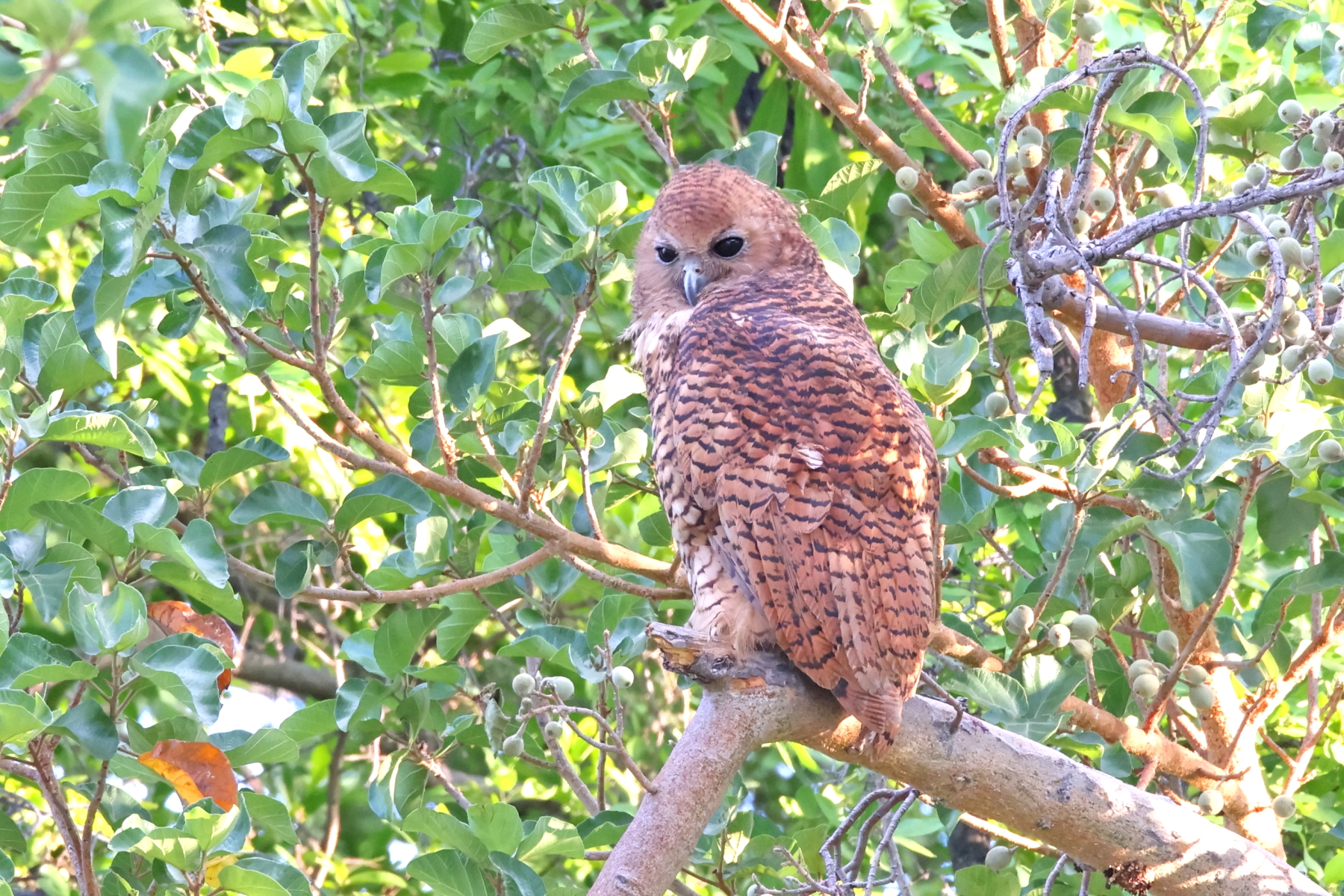
Pel's Fishing Owl (image by Janos Olah)
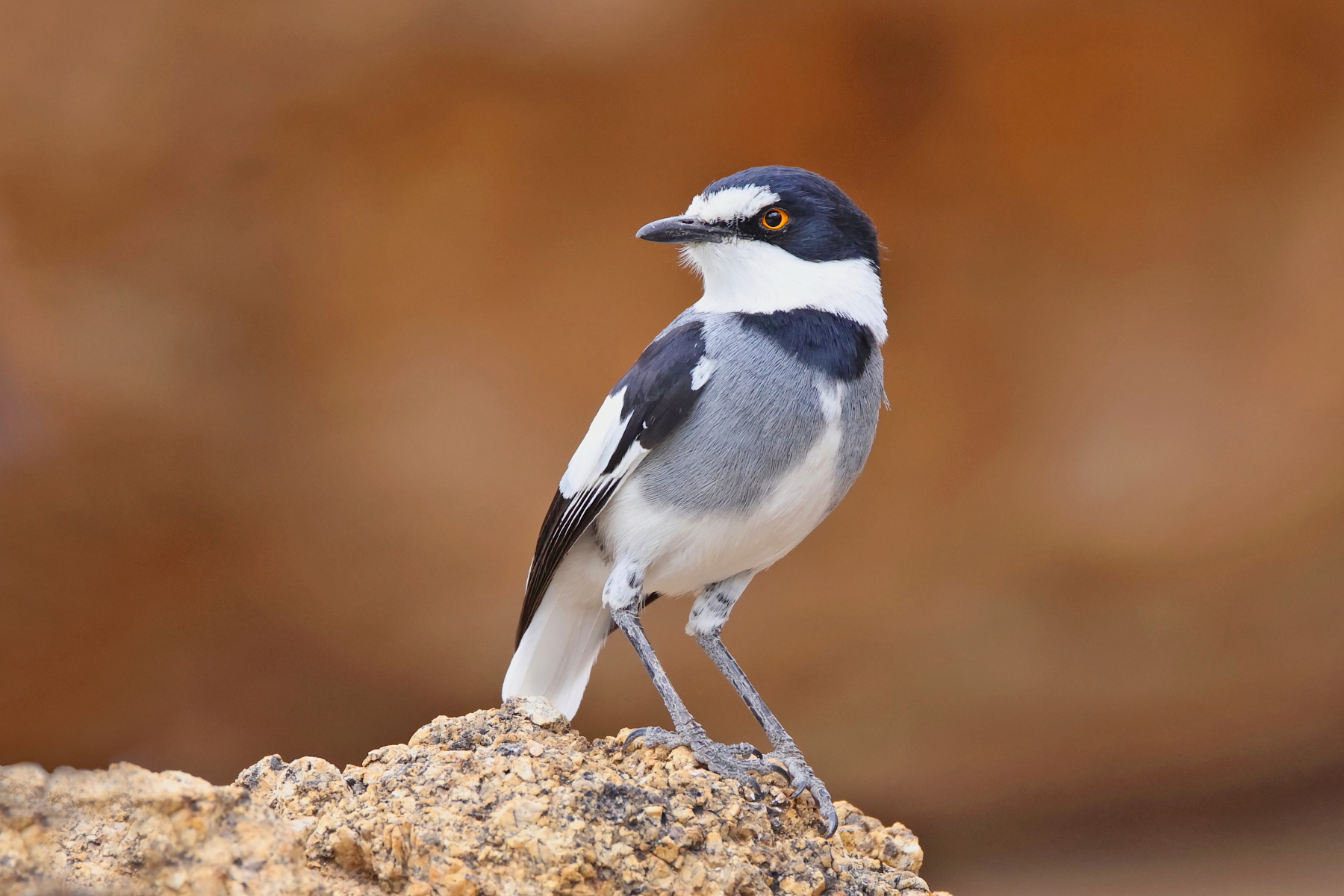
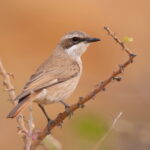
White-tailed Shrike (image by Janos Olah)
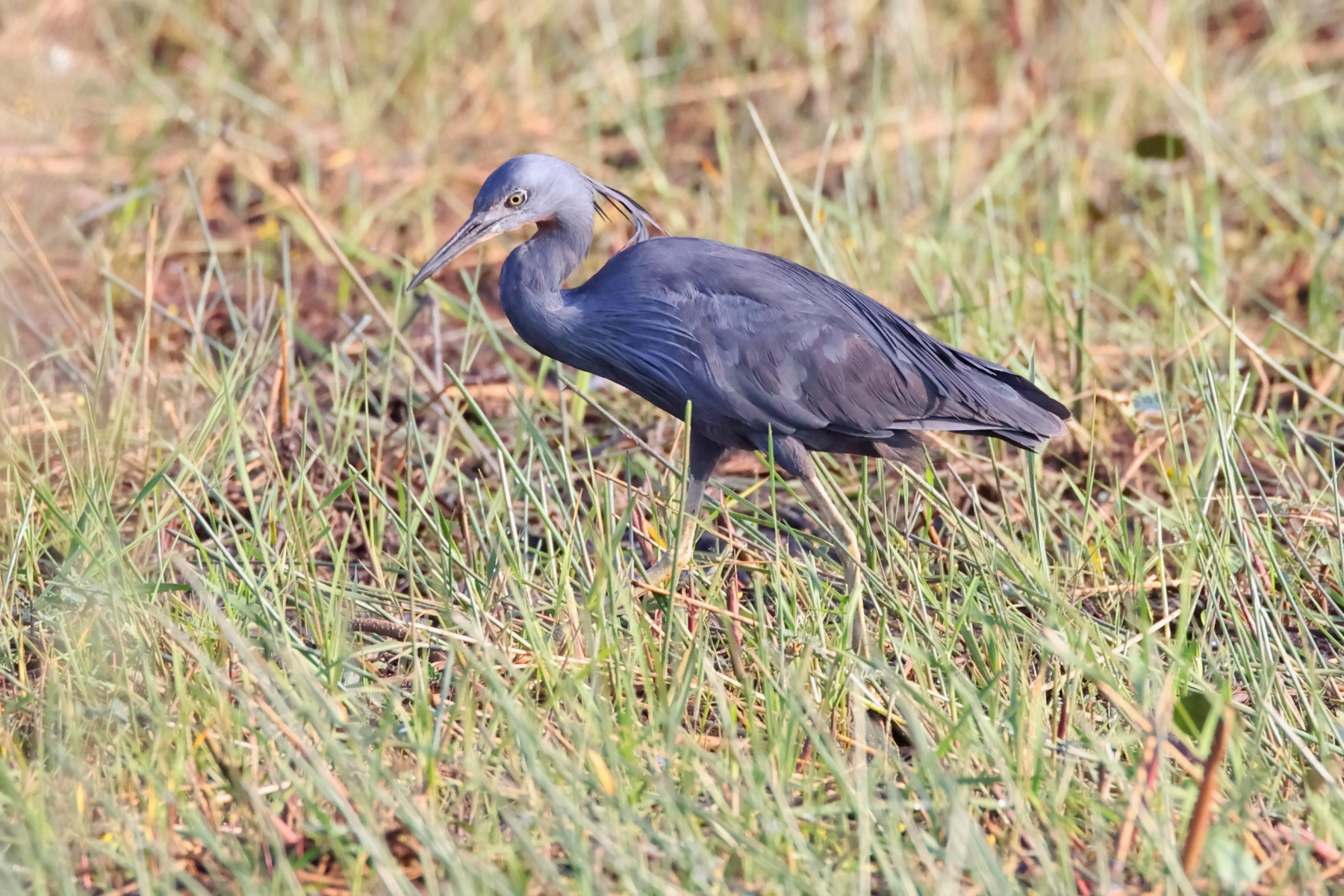
Slaty Egret (image by Janos Olah)
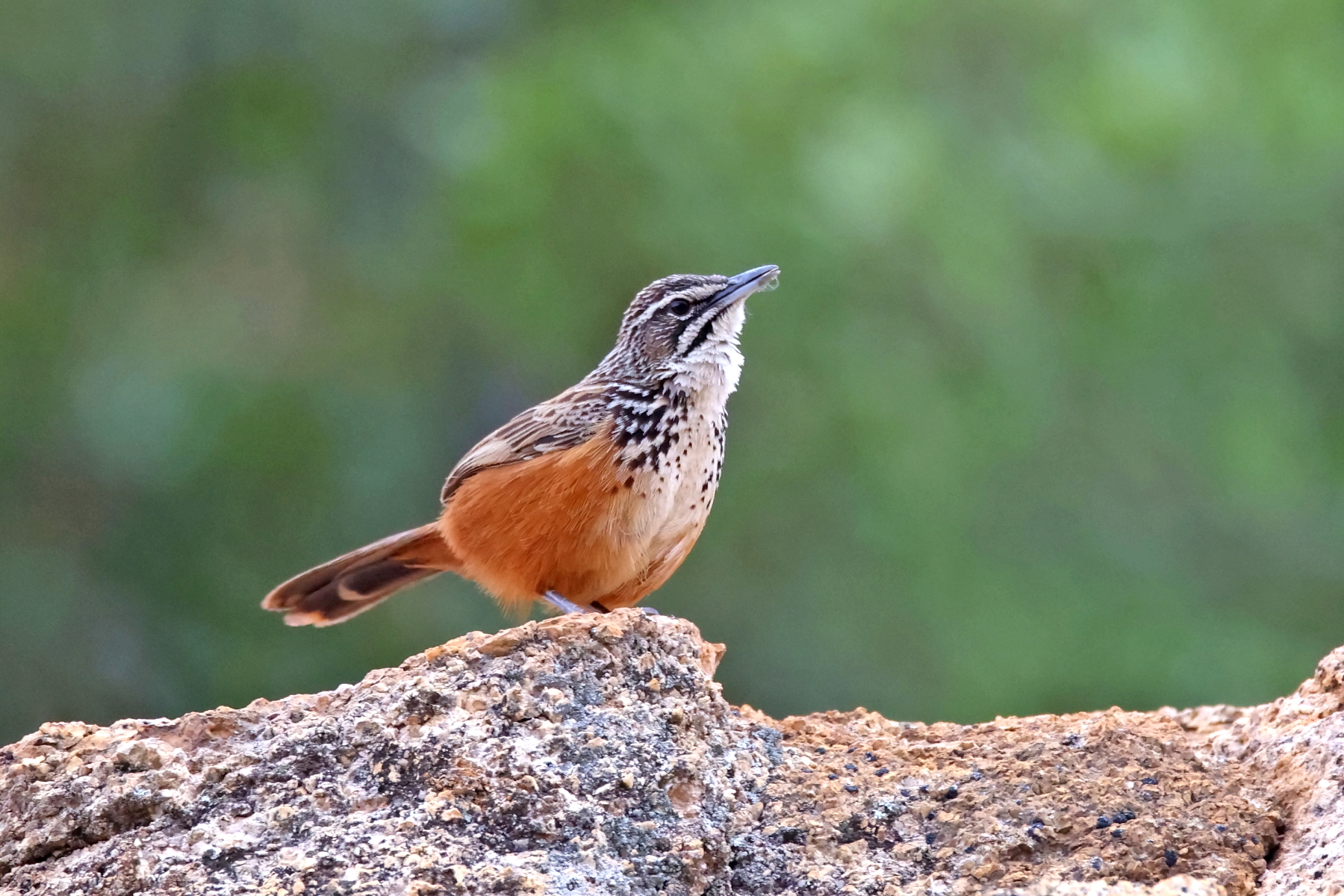
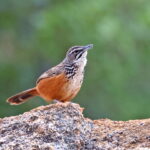
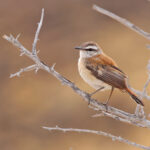
Rockrunner (image by Janos Olah)
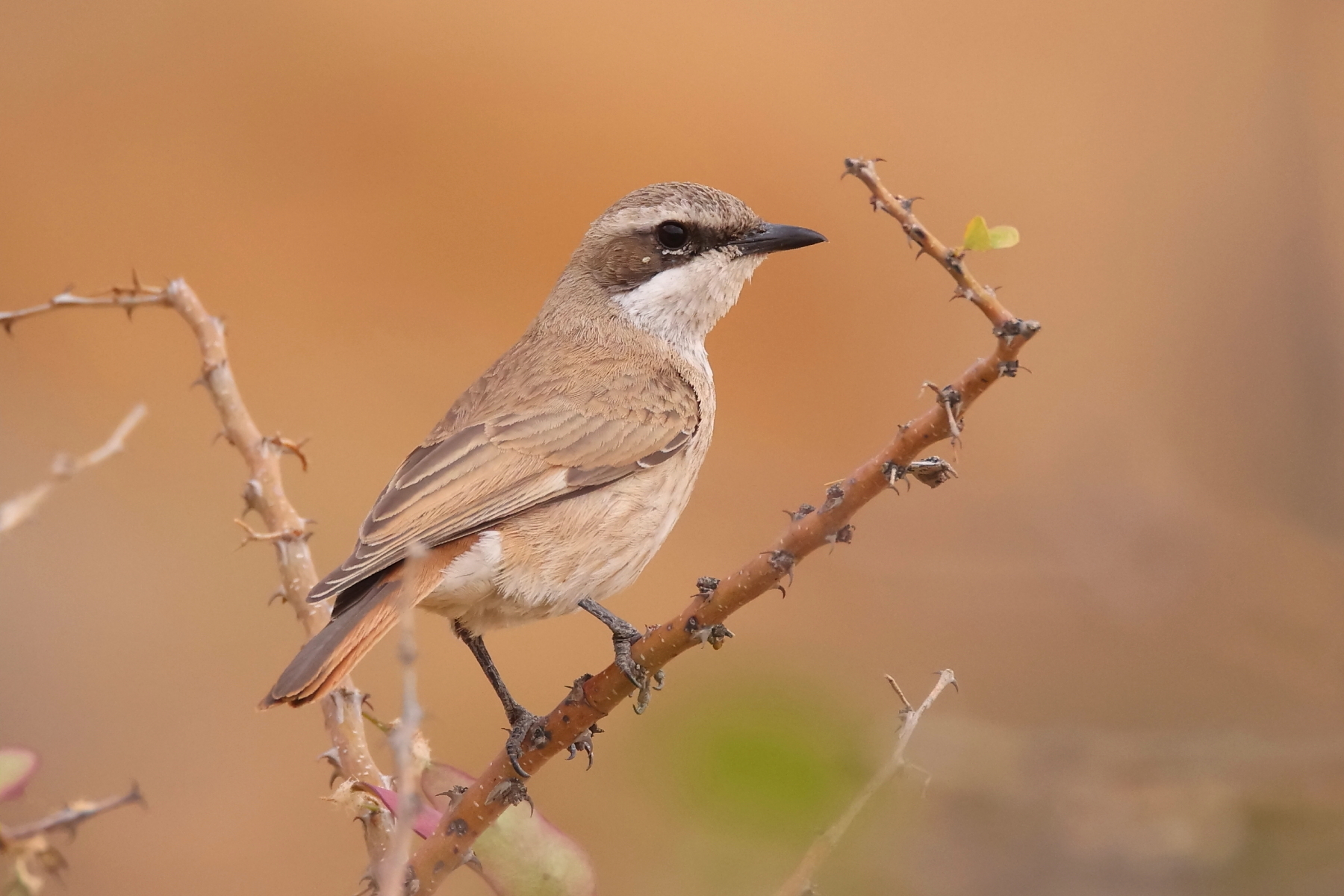
Herero Chat (image by Janos Olah)
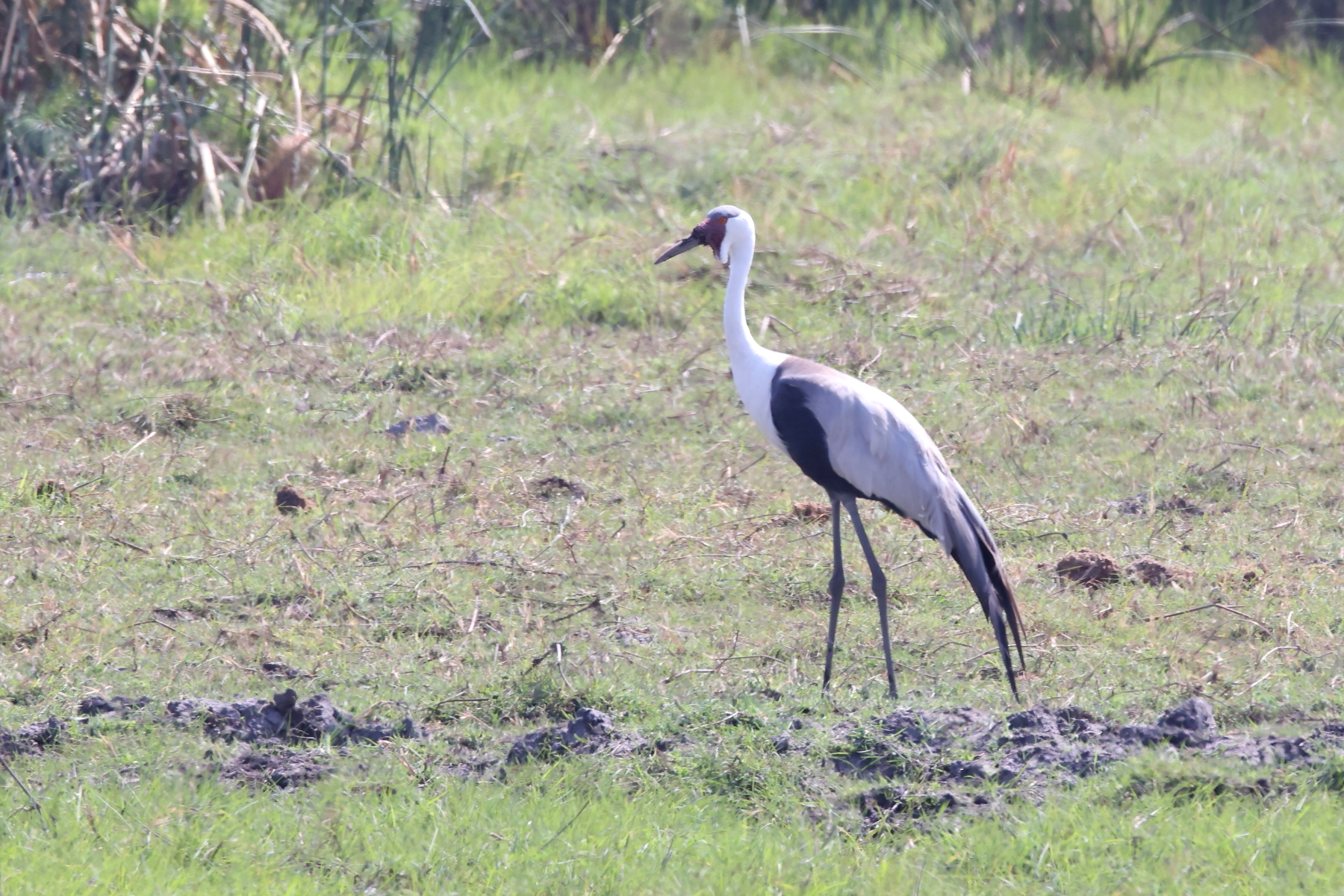
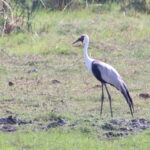
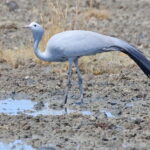
Wattled Crane (image by Janos Olah)
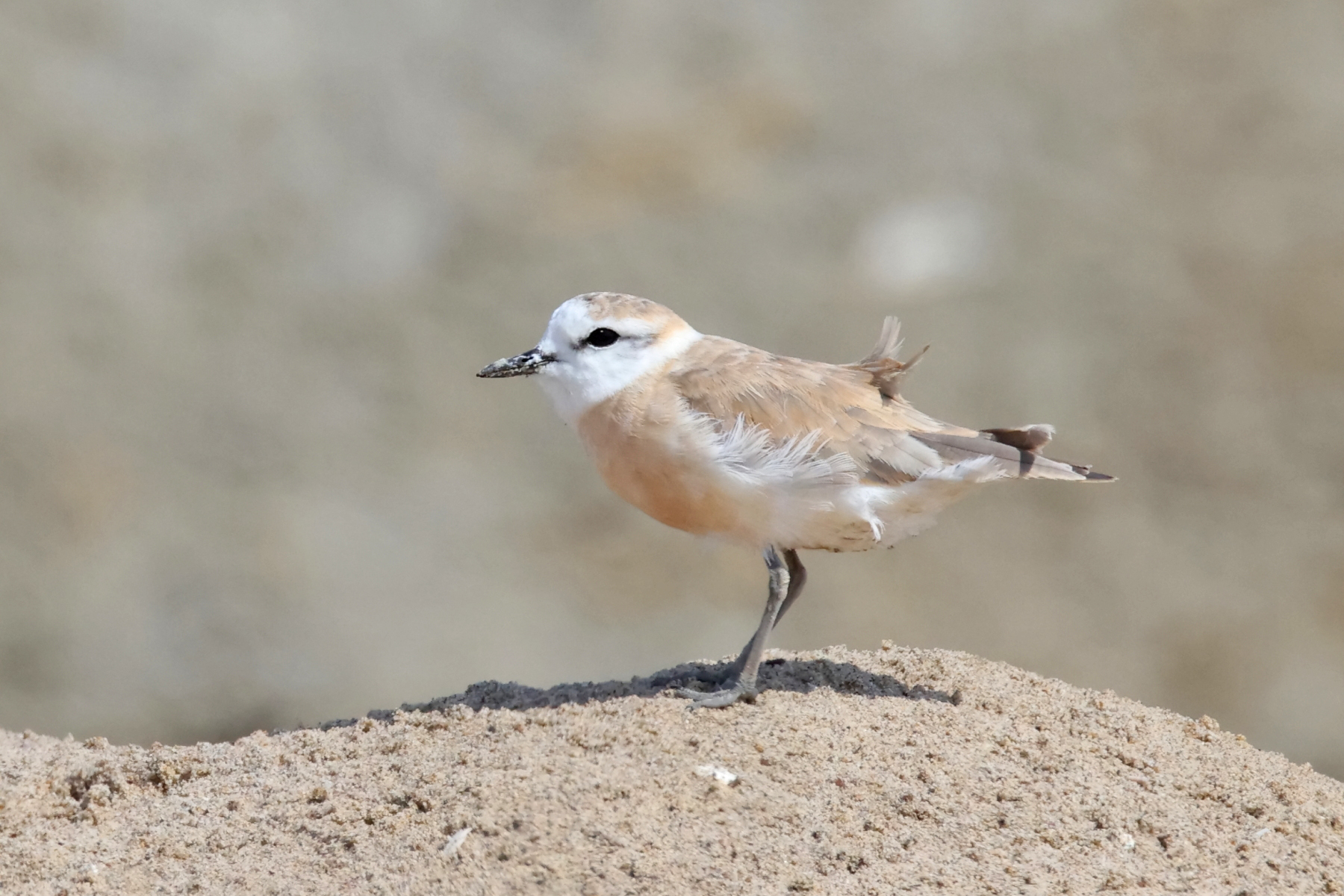
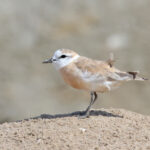
White-fronted Plover (image by Janos Olah)
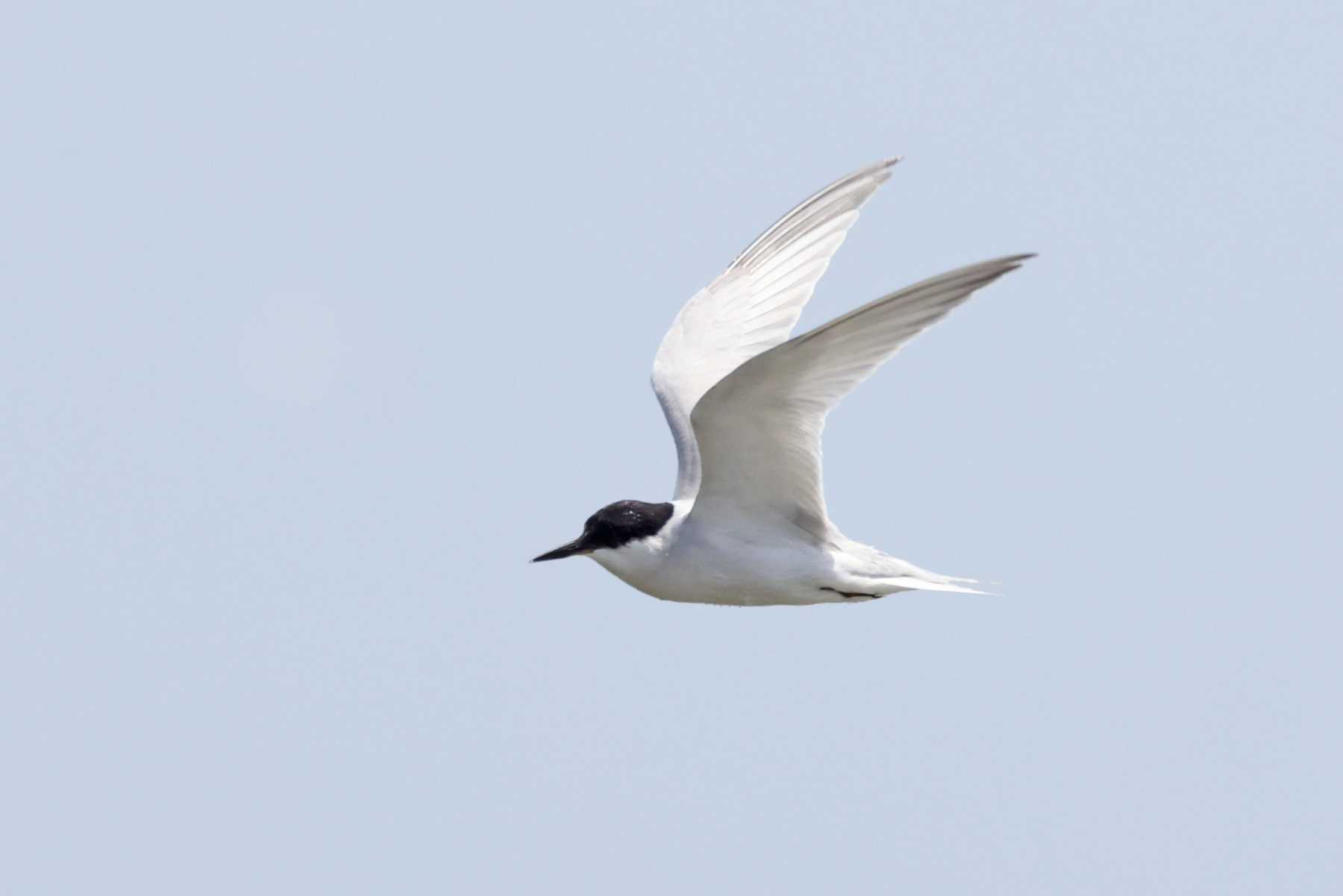
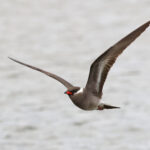
Damara Tern (image by Janos Olah)
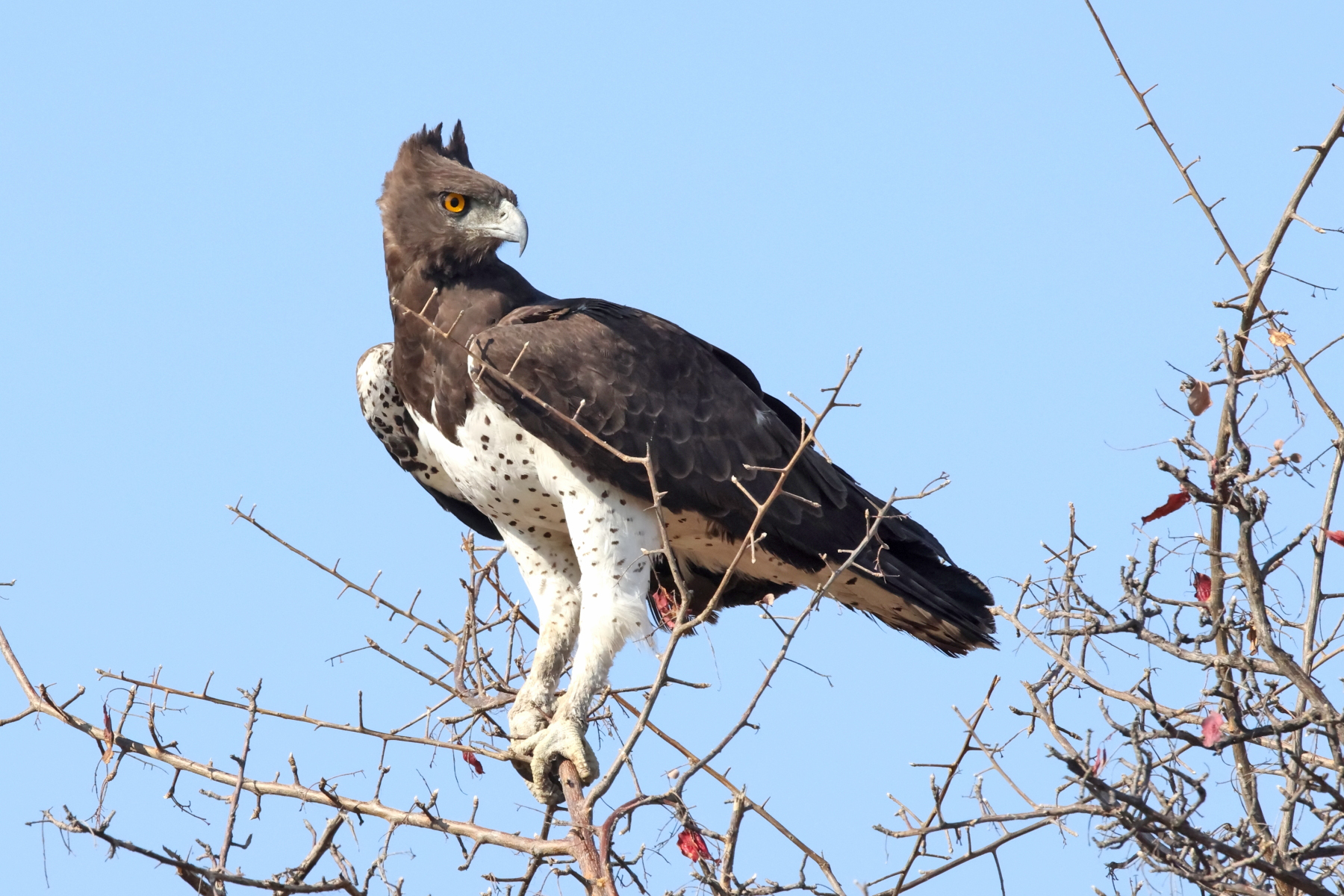
Martial Eagle (image by Janos Olah)
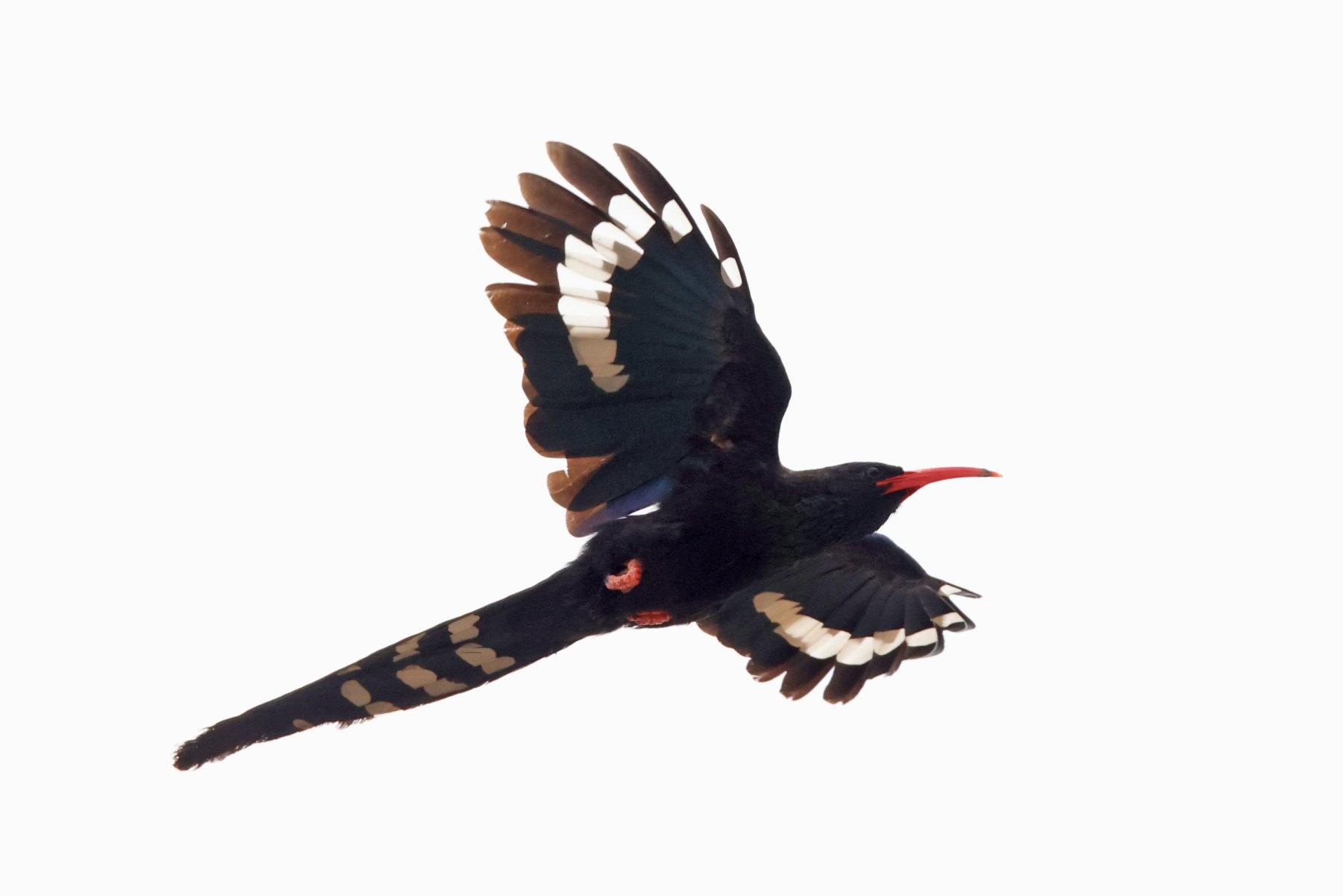
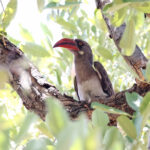
Violet Woodhoopoe (image by Janos Olah)
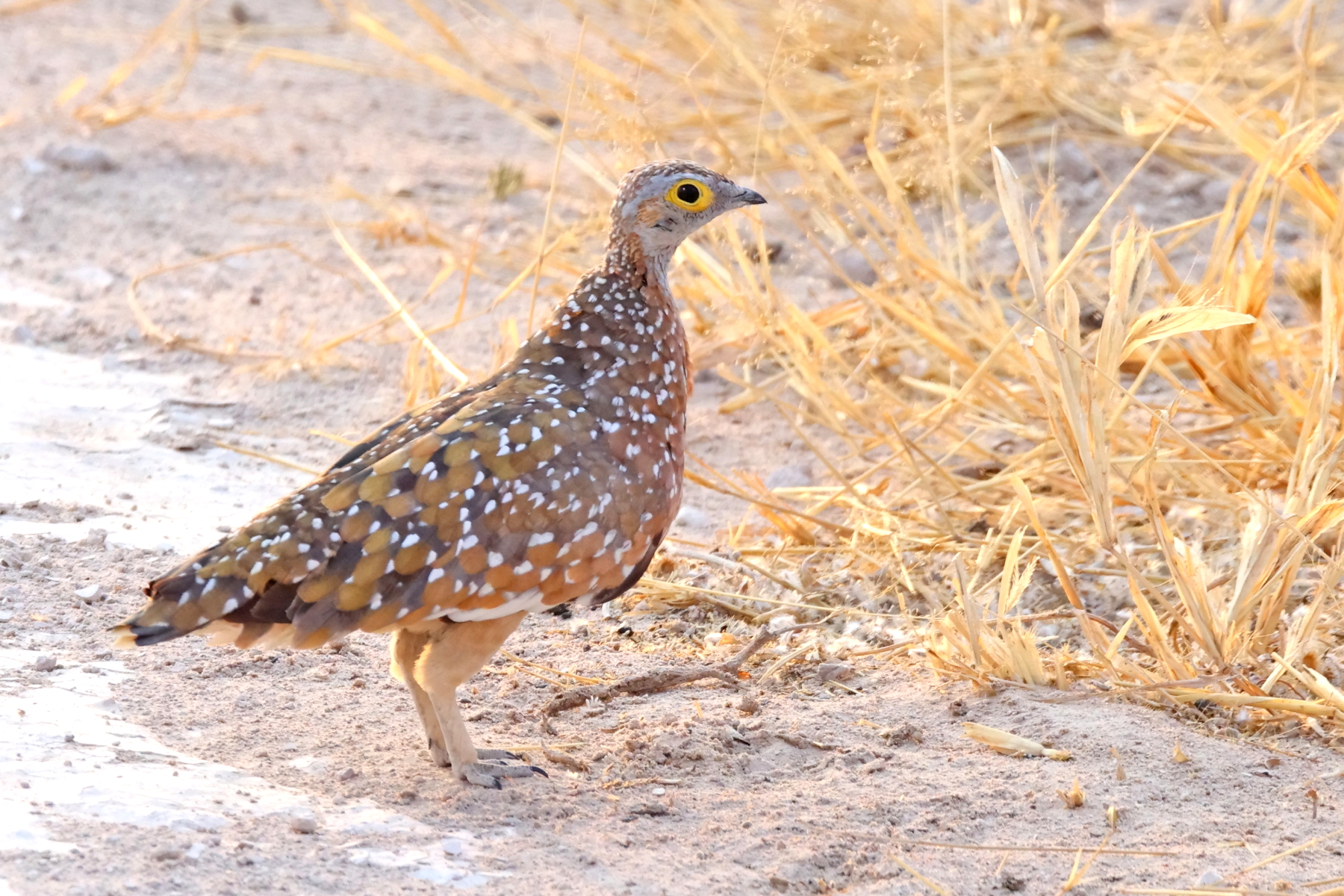
Burchell's Sandgrouse (image by Janos Olah)
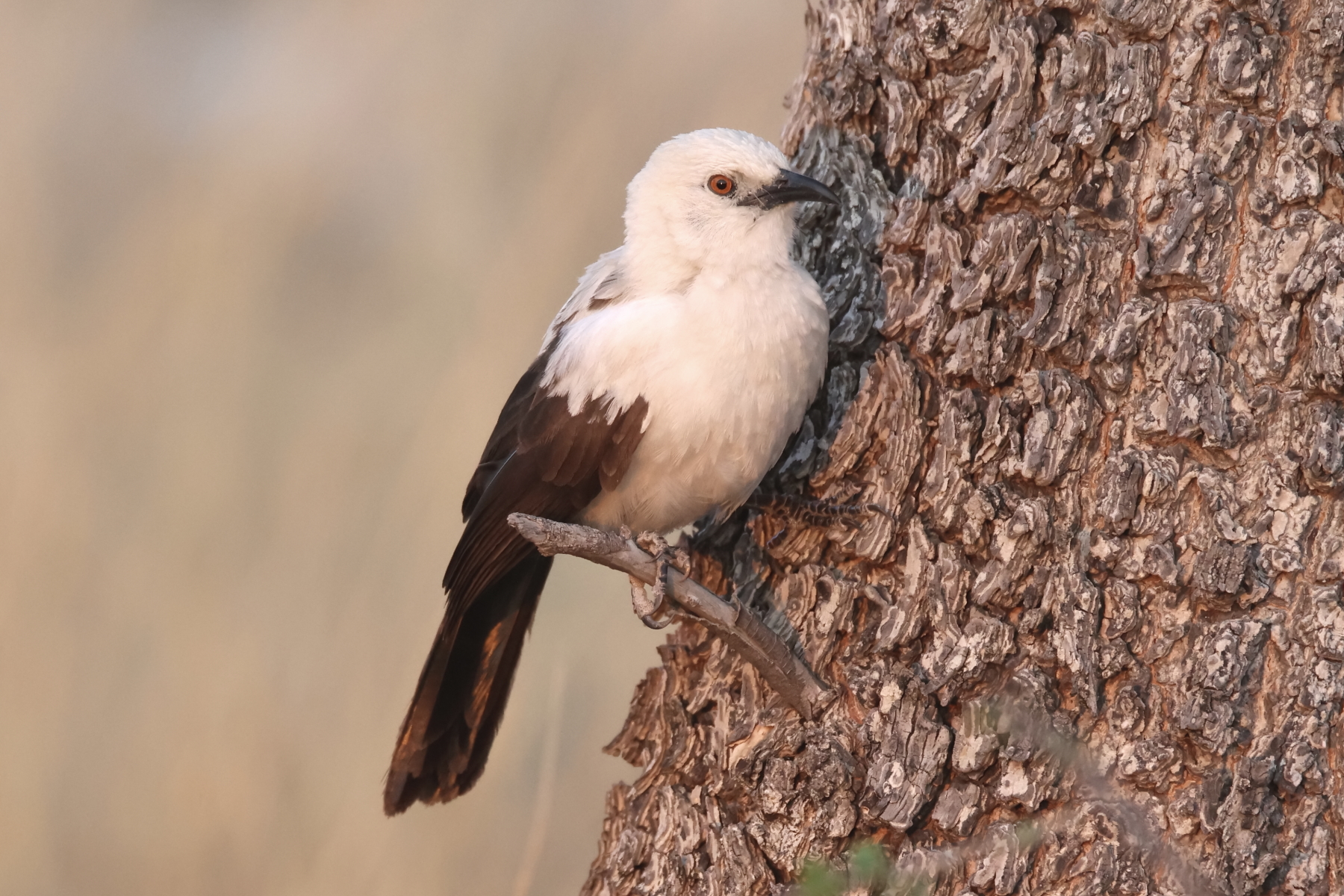
Southern Pied Babbler (image by Janos Olah)
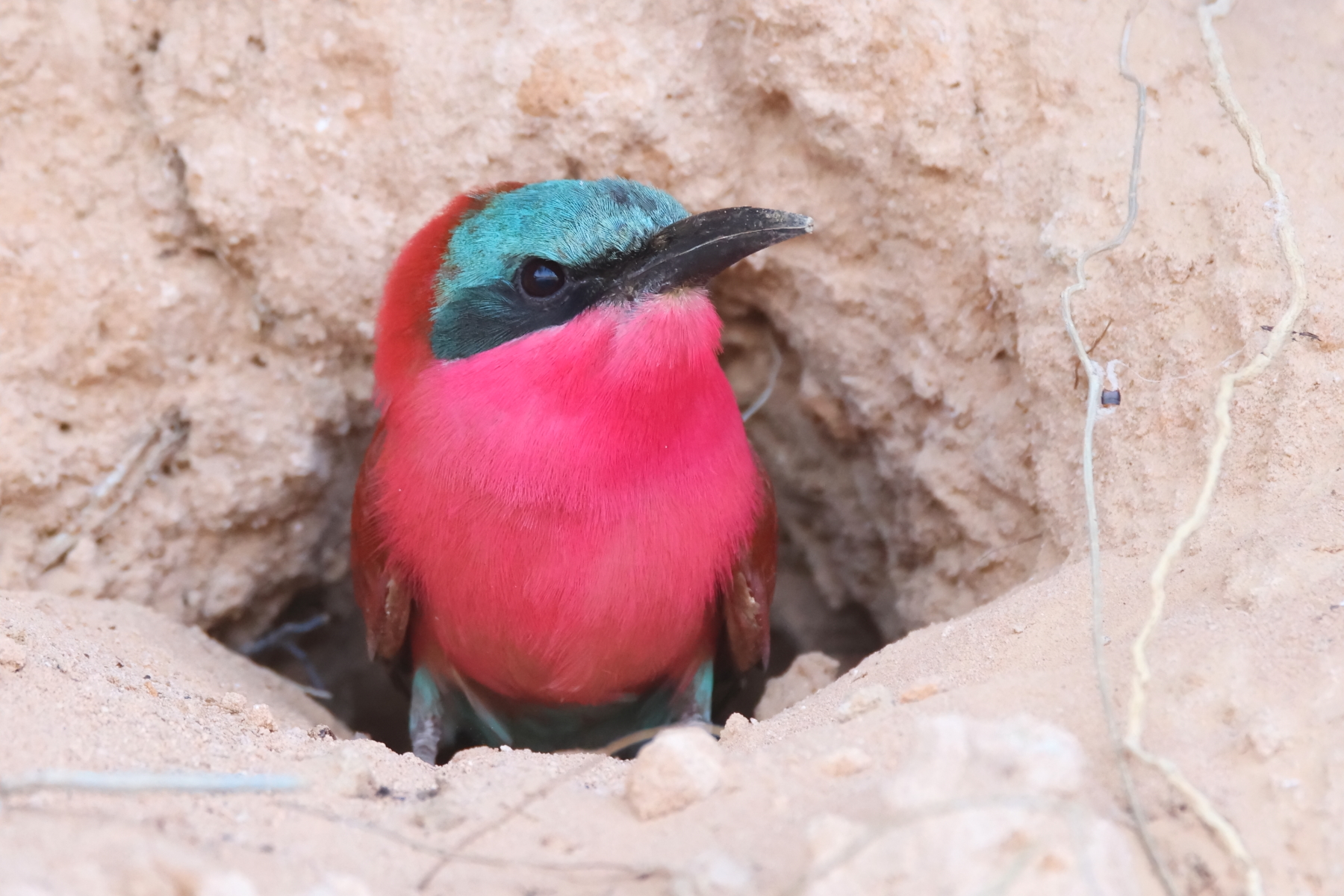
Southern Carmine Bee-eater (image by Janos Olah)
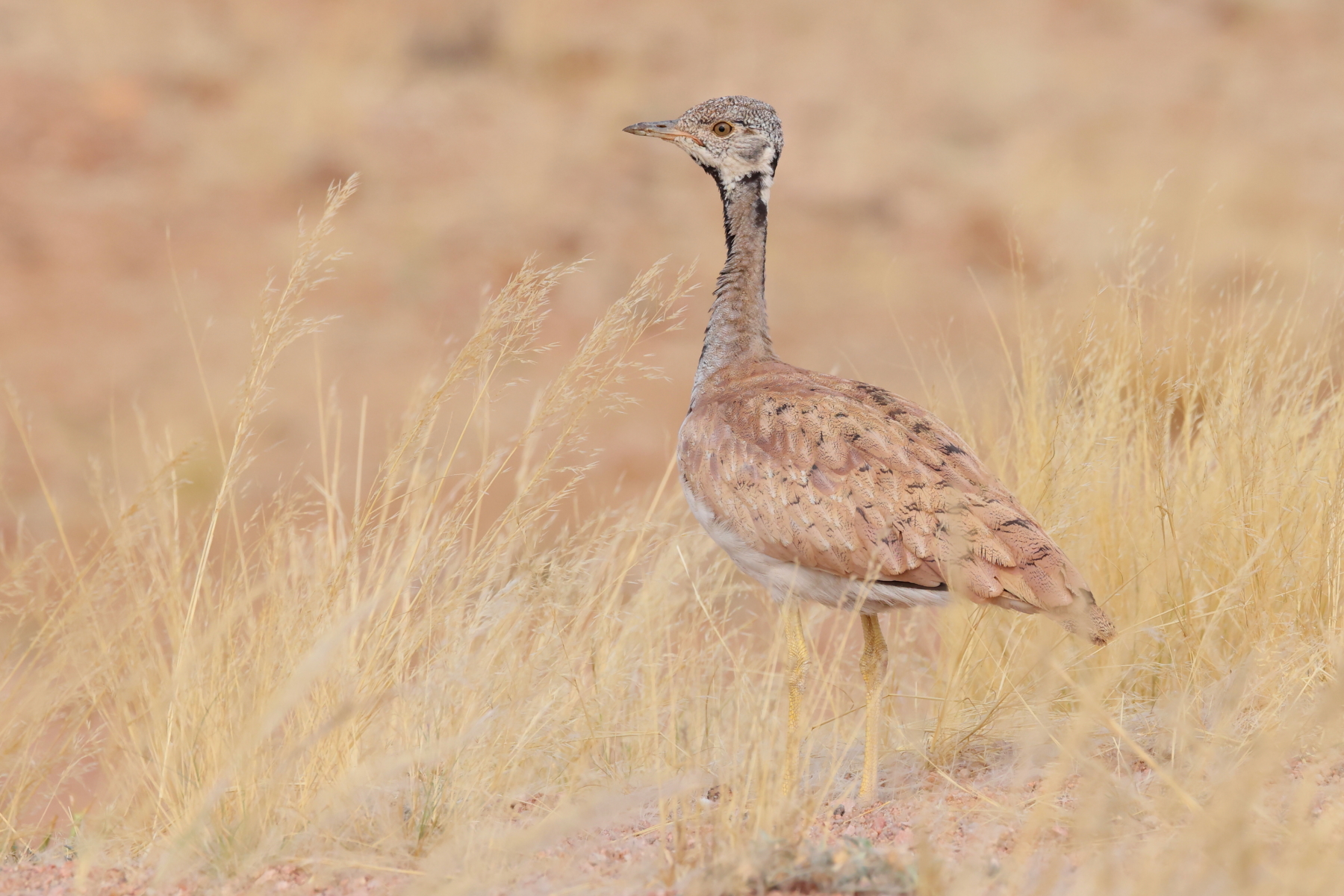
Rüppel's Korhaan (image by Janos Olah)
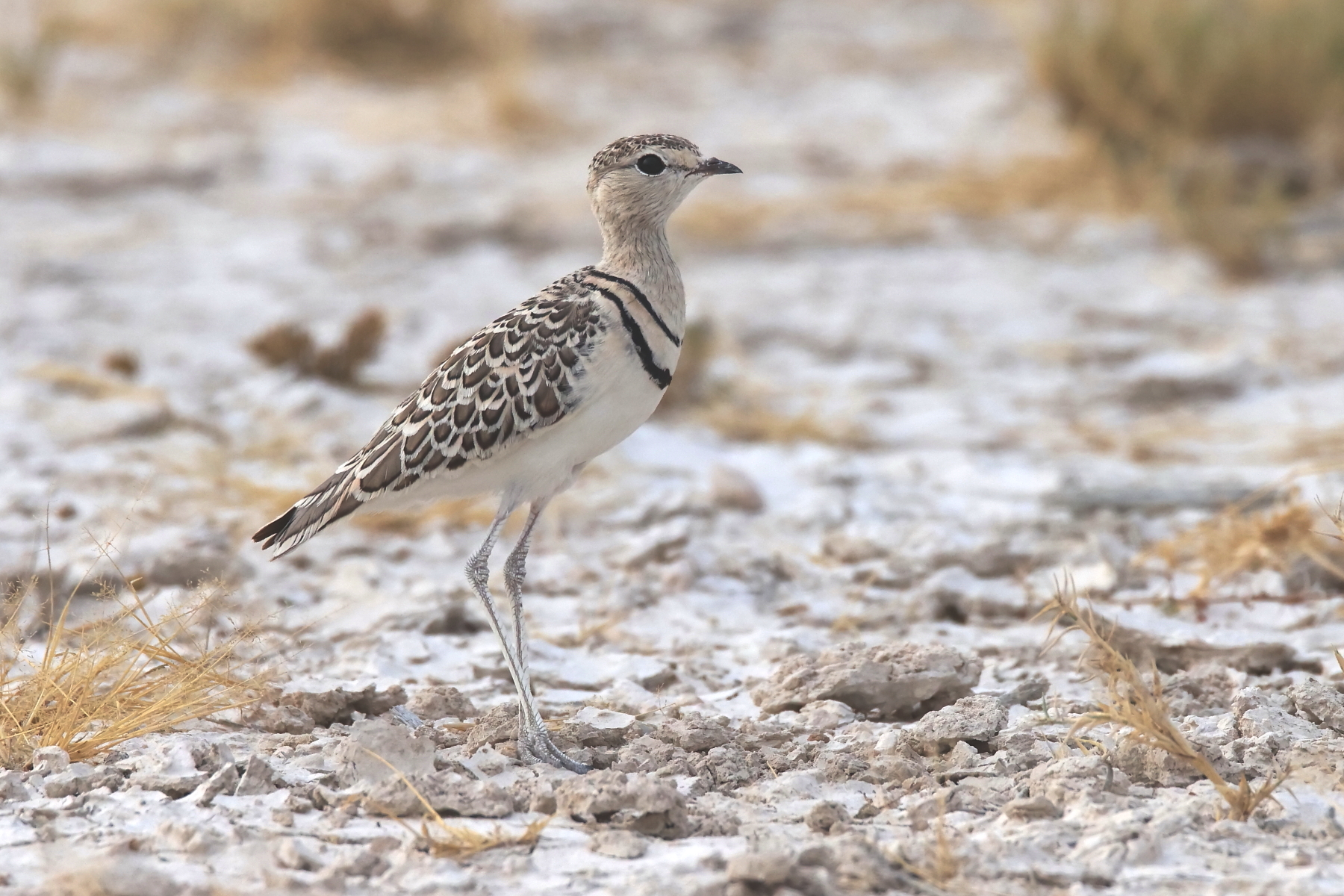
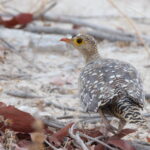
Double-banded Courser (image by Janos Olah)
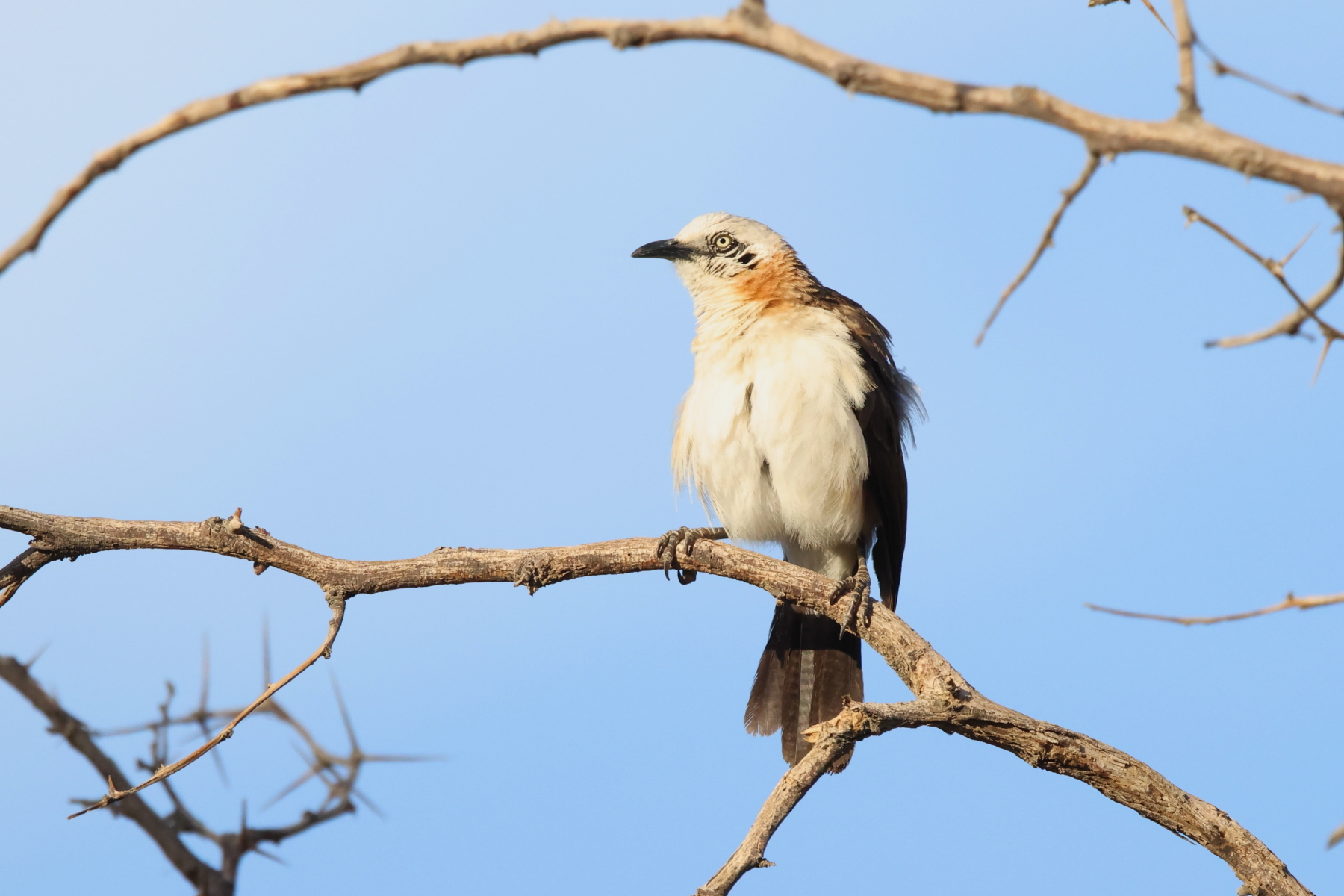
Bare-cheeked Babbler (image by Janos Olah)
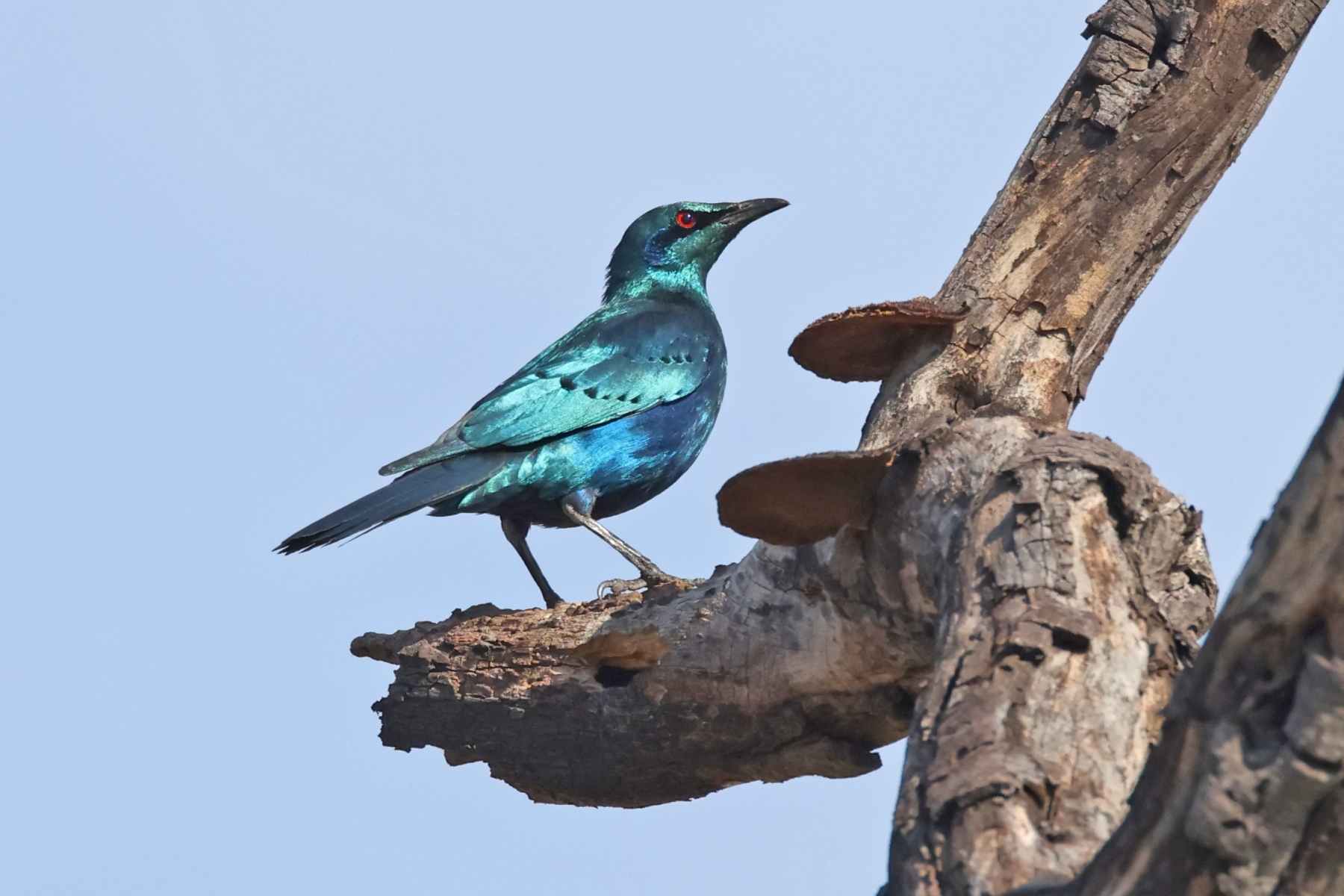
Sharp-tailed Starling (image by Janos Olah)
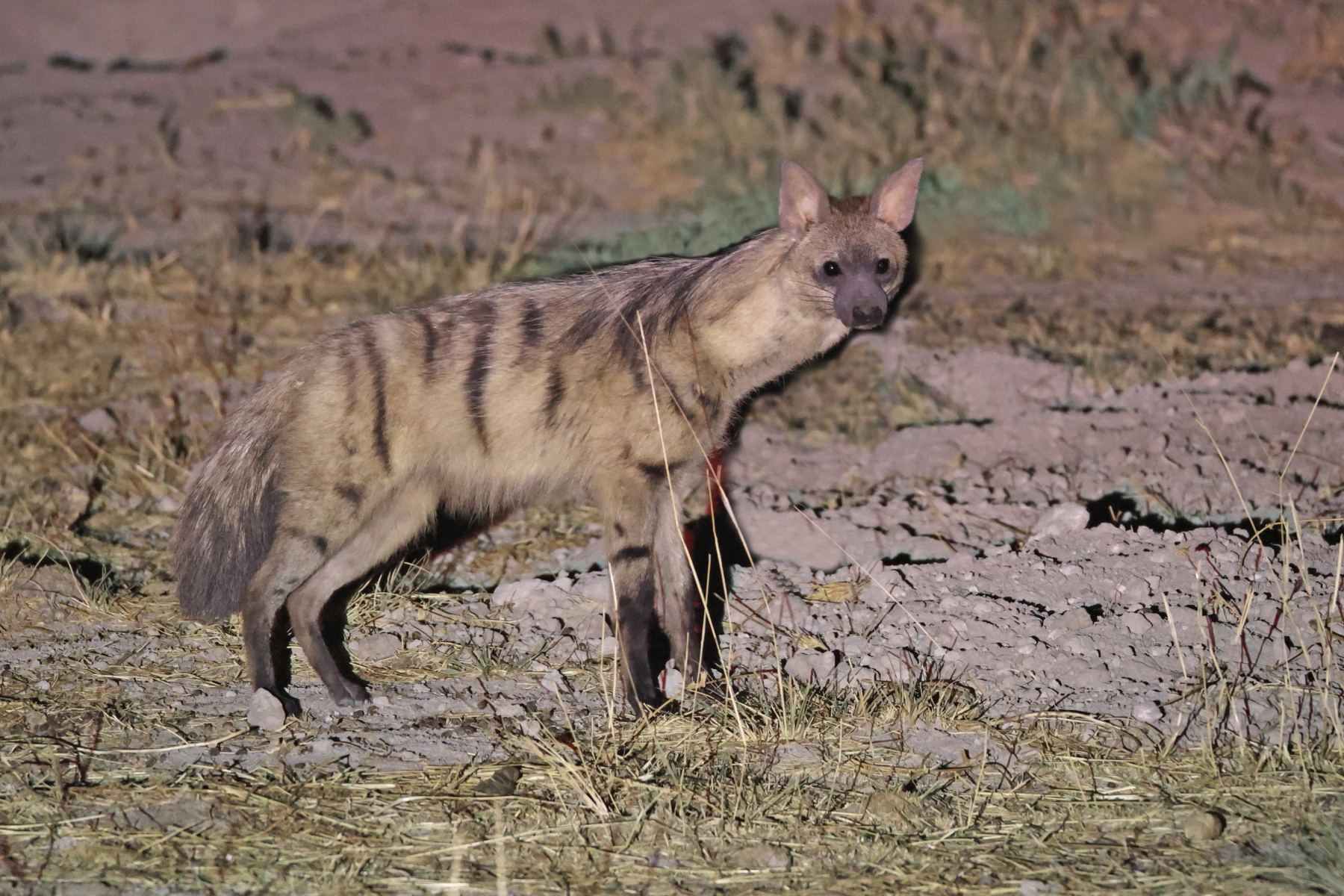
Aardwolf (image by Janos Olah)
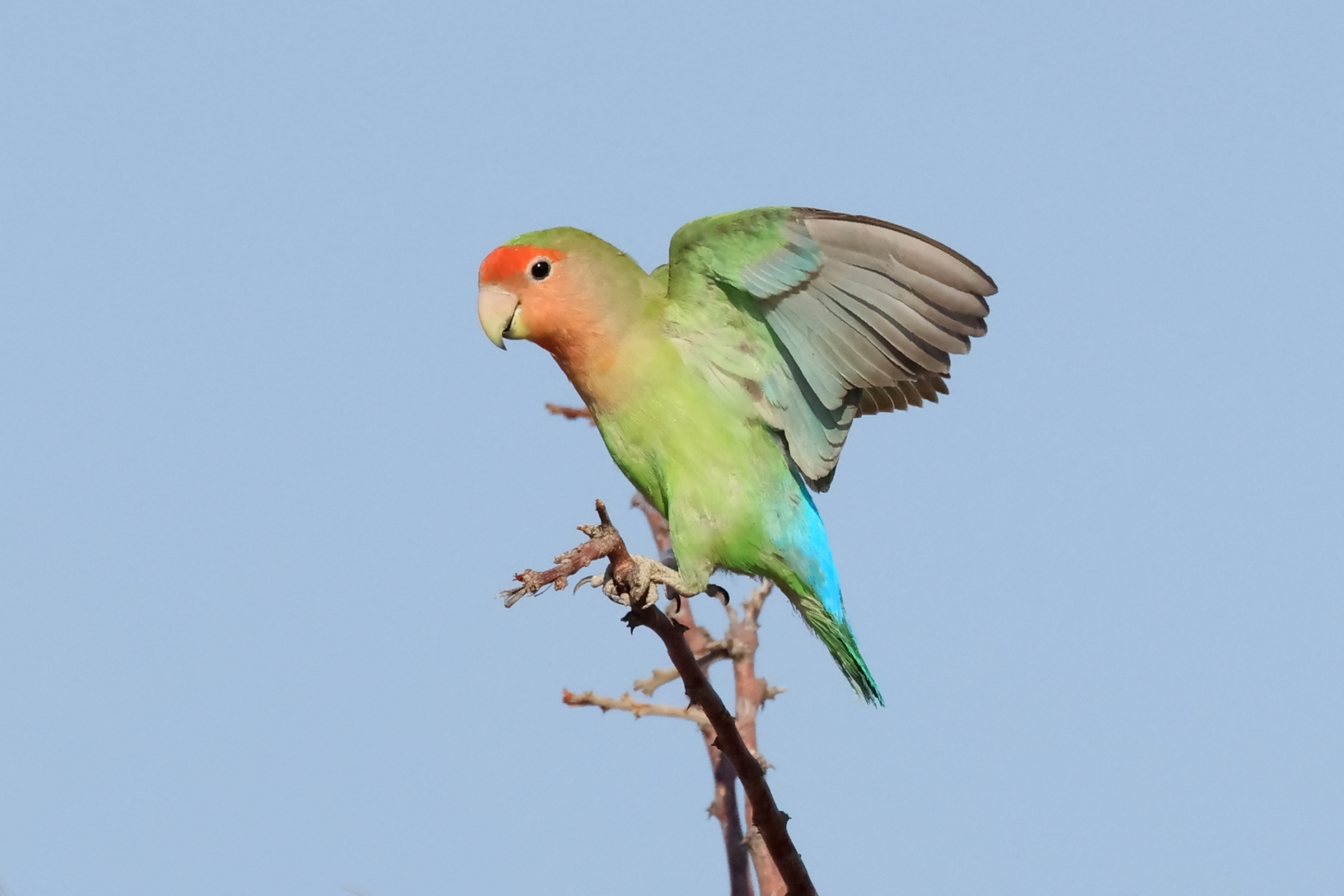
Rosy-faced Lovebird (image by Janos Olah)
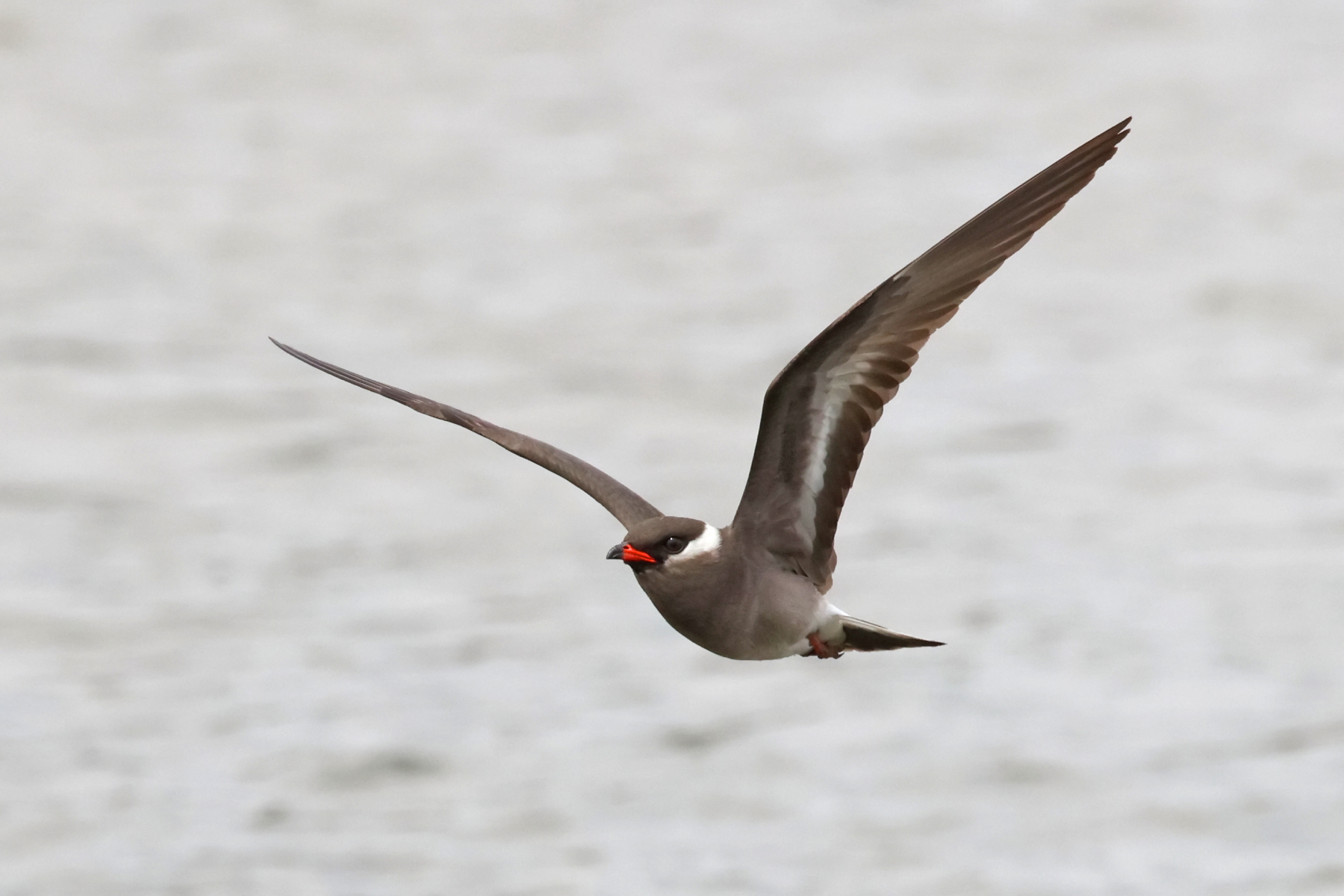
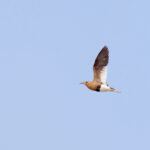
Rock Pratincole (image by Janos Olah)
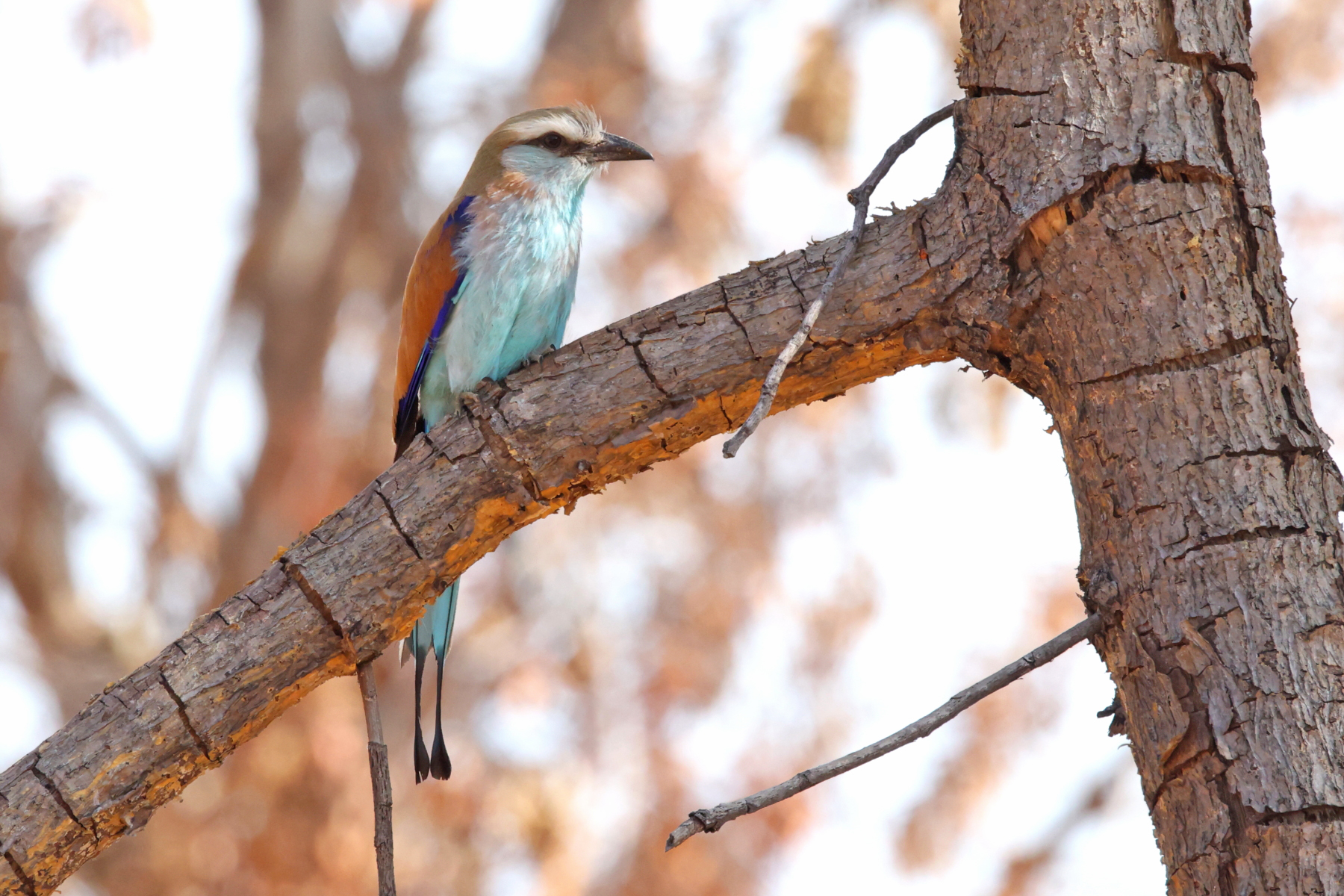
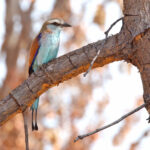
Racket-tailed Roller (image by Janos Olah)
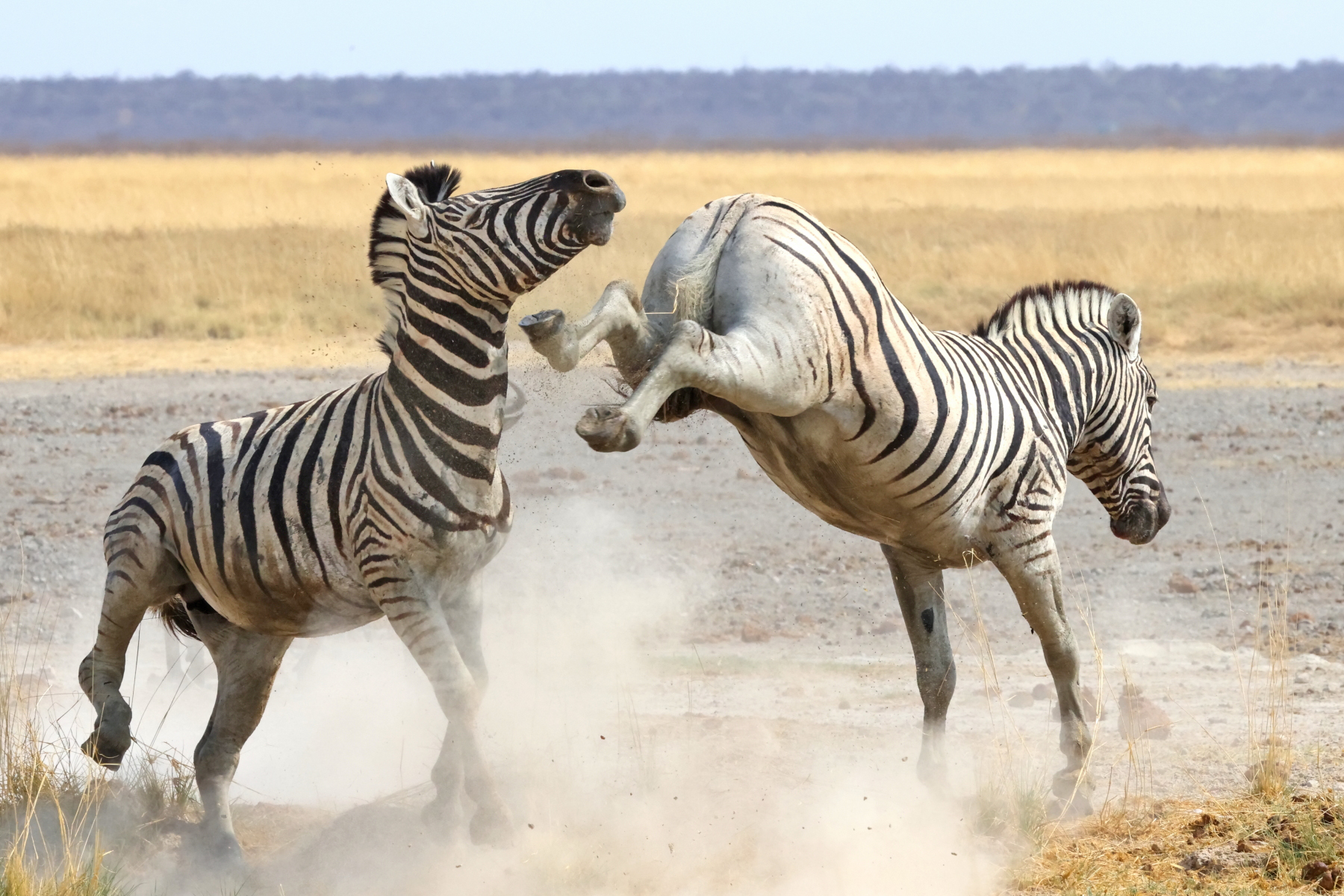
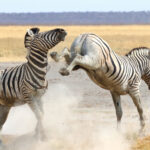
Plains Zebras (image by Janos Olah)
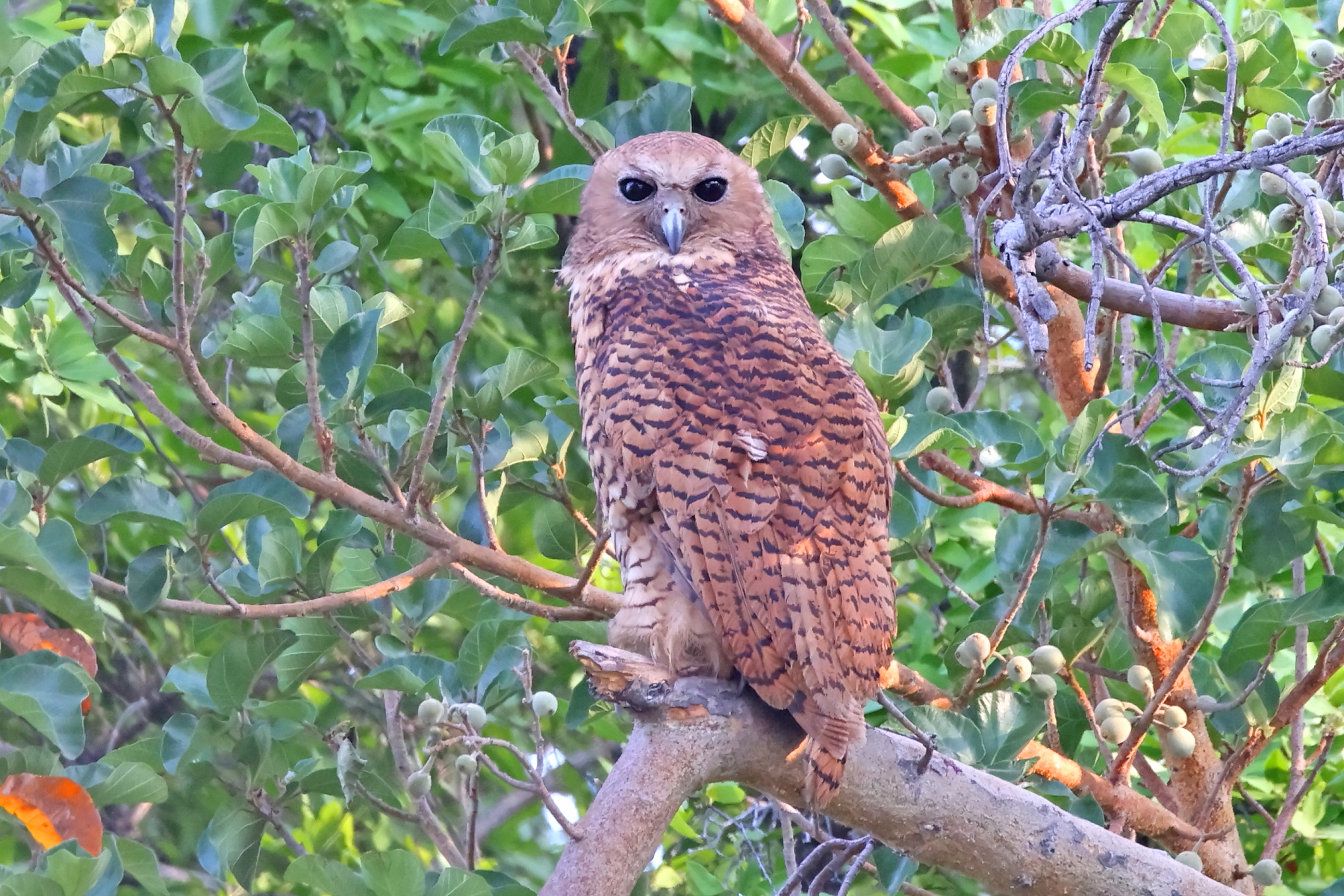
Pel's Fishing Owl (image by Janos Olah)
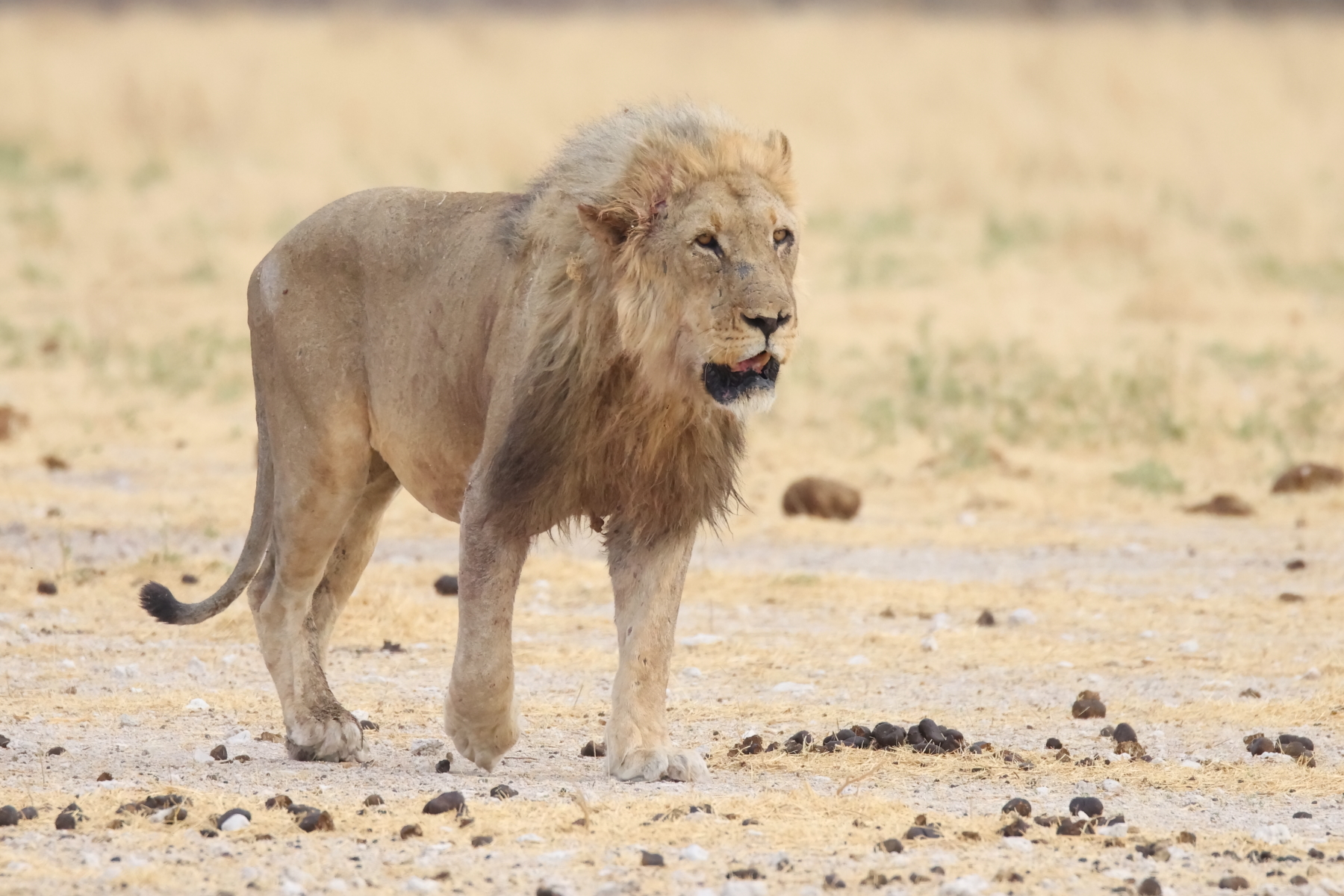
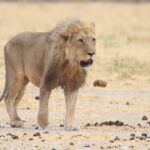
Lion (image by Janos Olah)
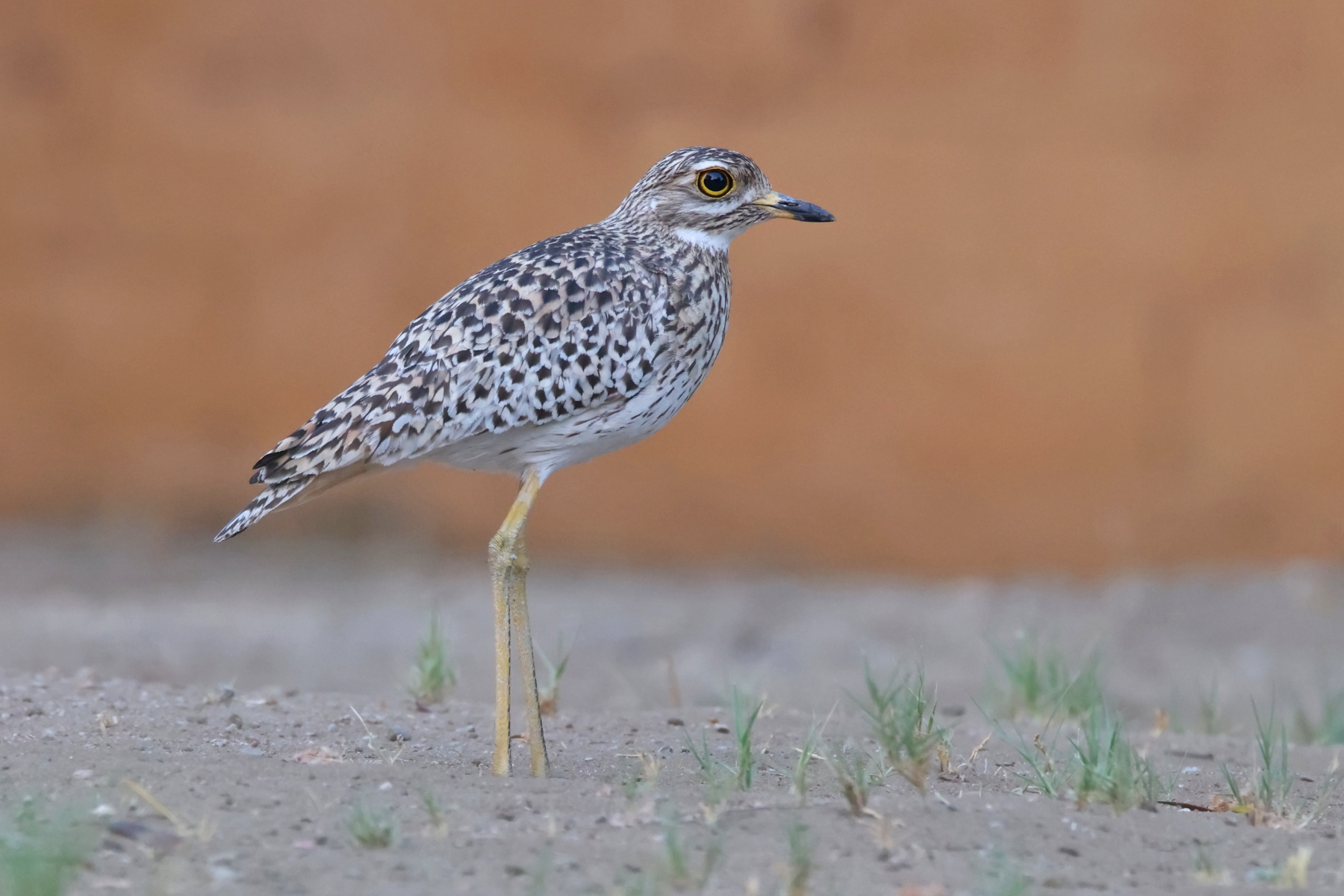
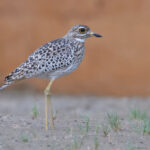
Spotted Thick-knee (image by Janos Olah)
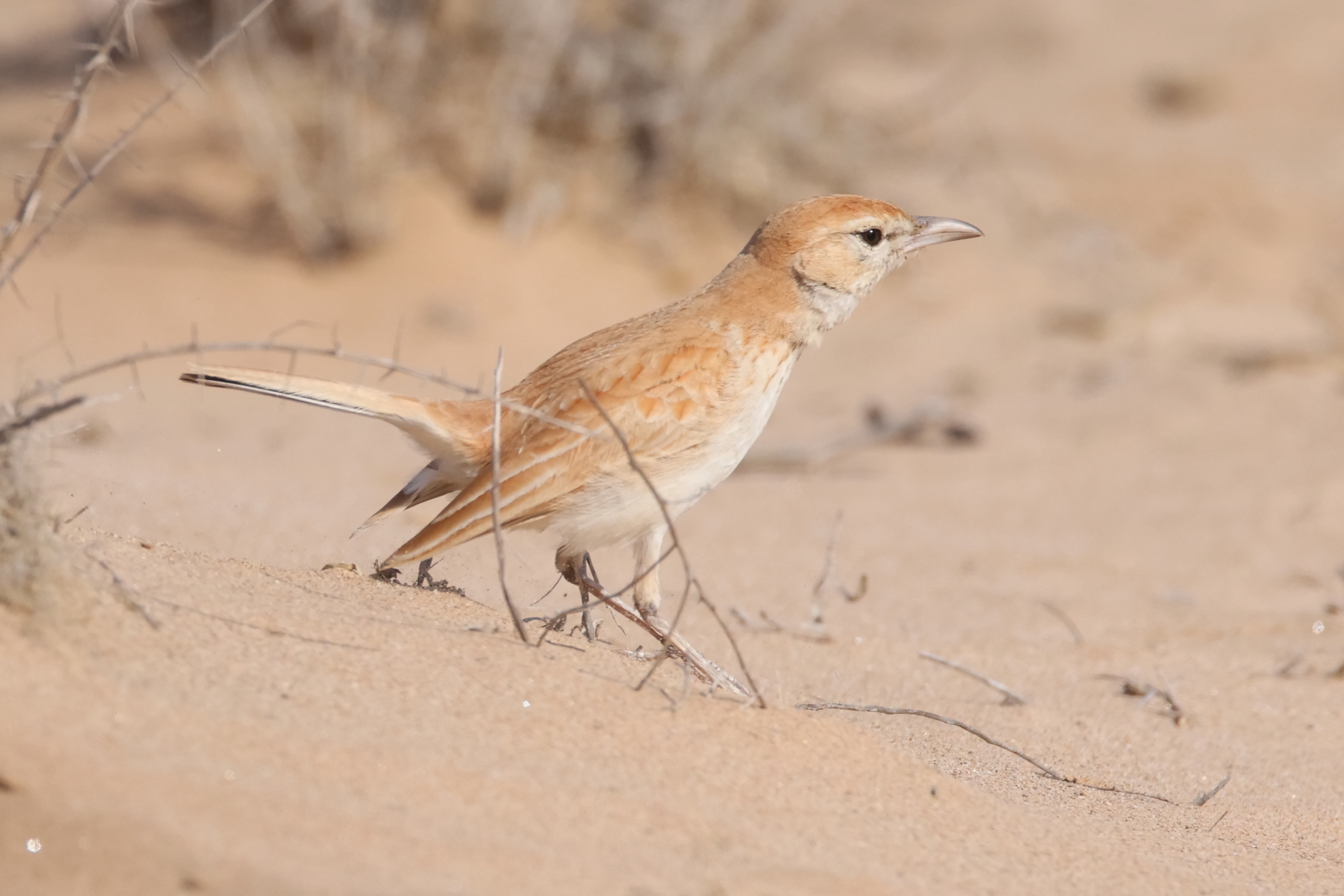
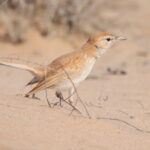
Dune Lark (image by Janos Olah)
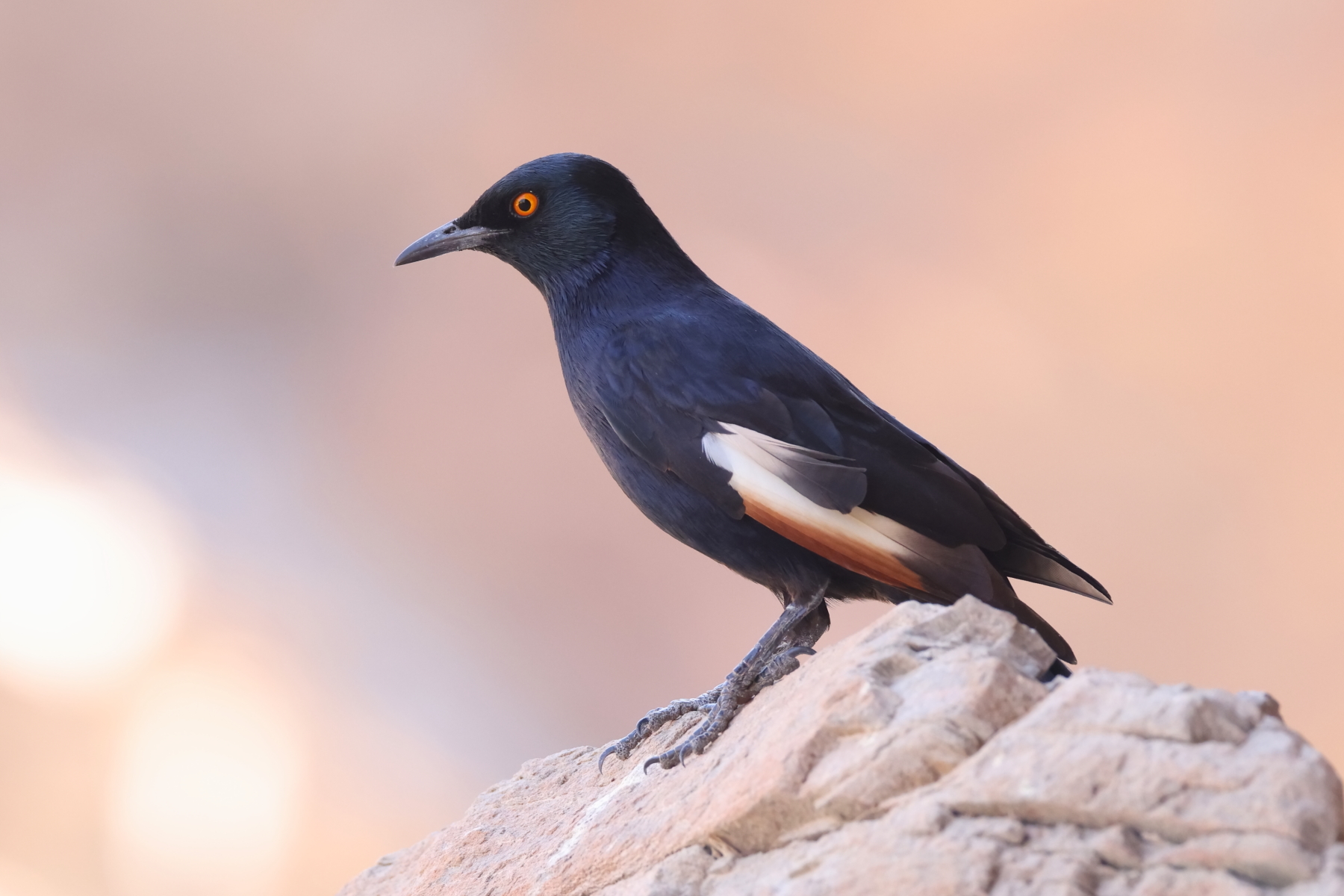
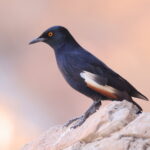
Pale-winged Starling (image by Janos Olah)
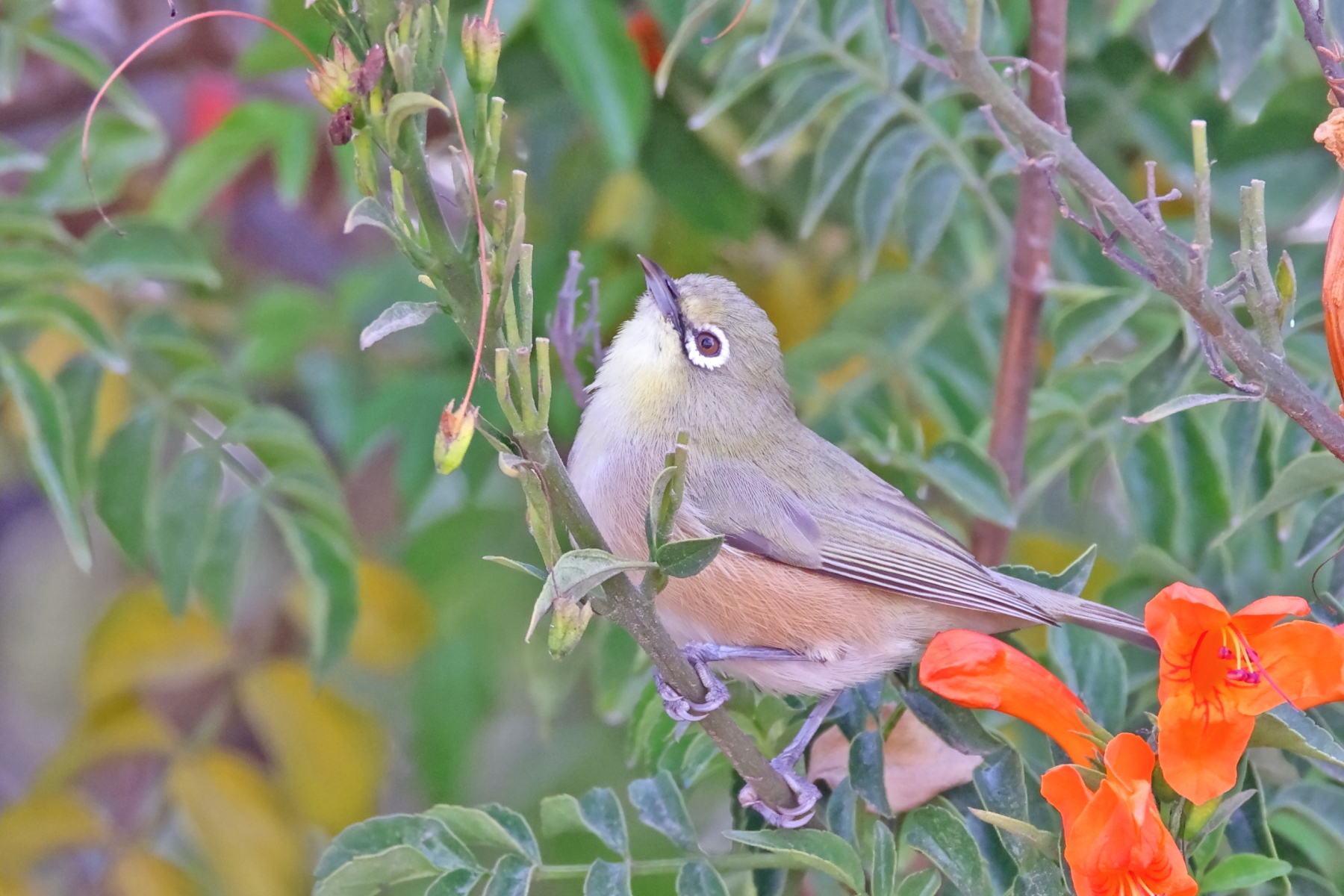
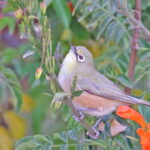
Orange River White-eye (image by Janos Olah)
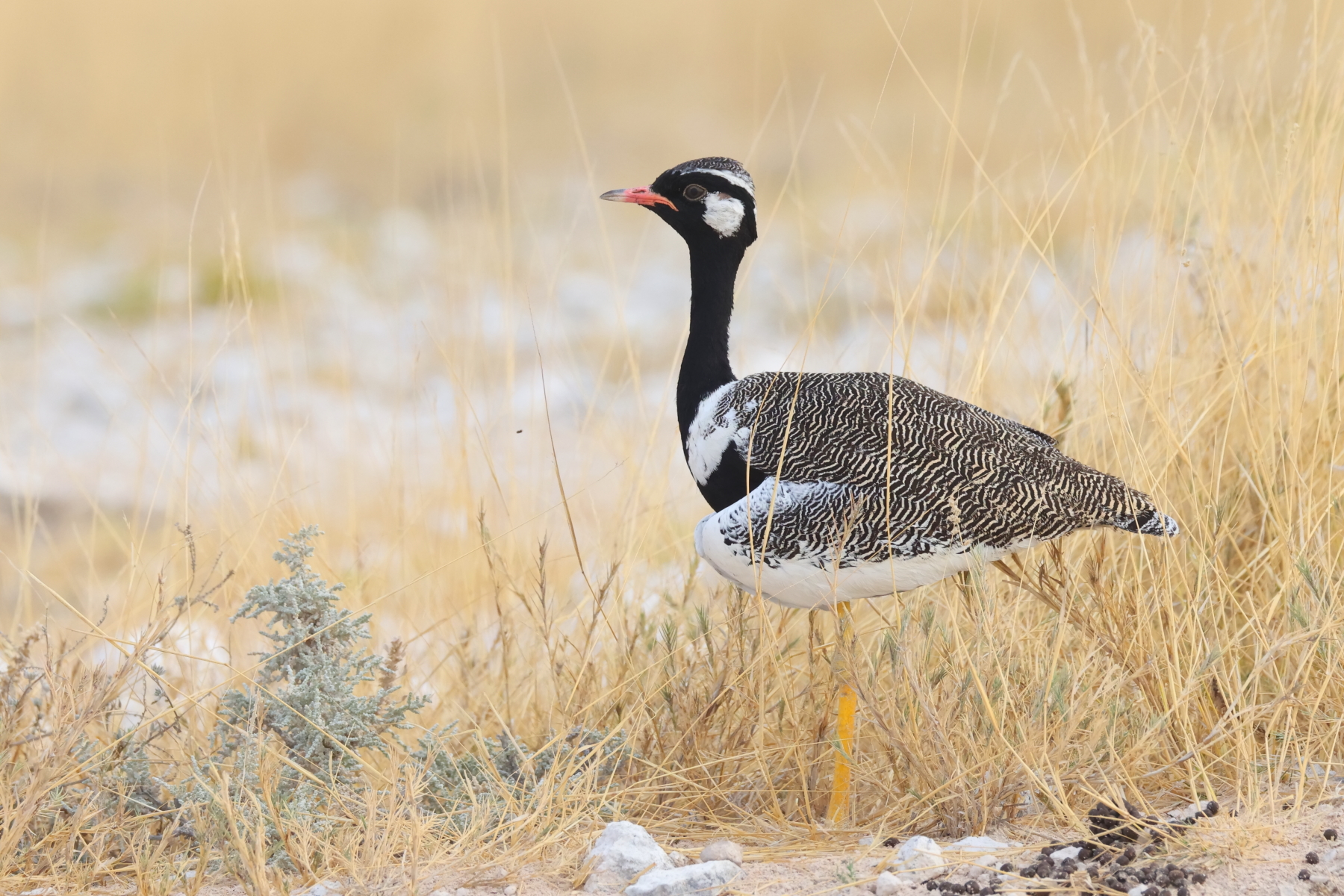
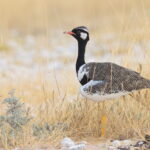
Northern Black Korhaan (image by Janos Olah)
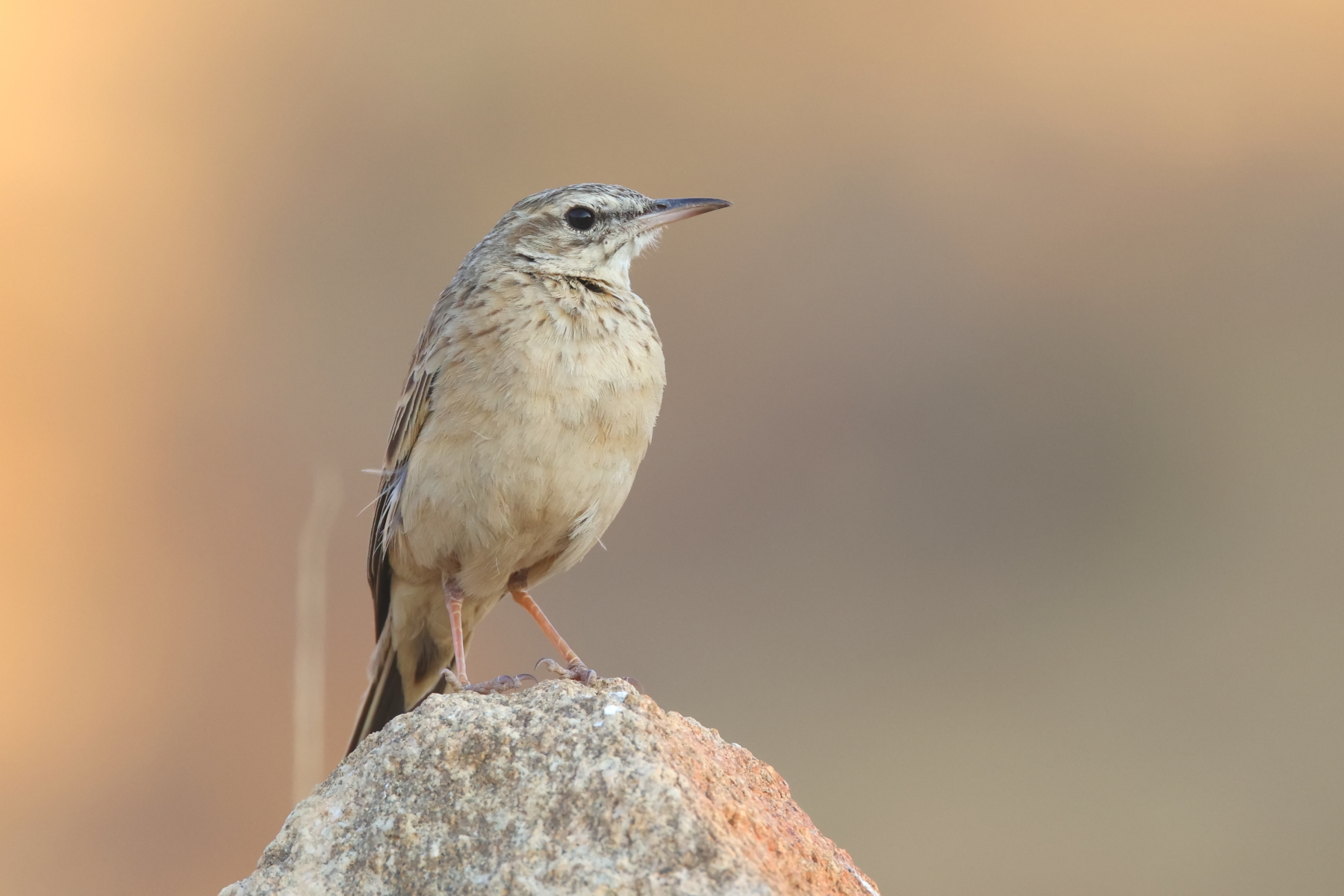
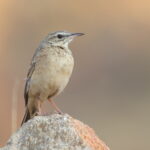
Nicholson's Pipit (image by Janos Olah)
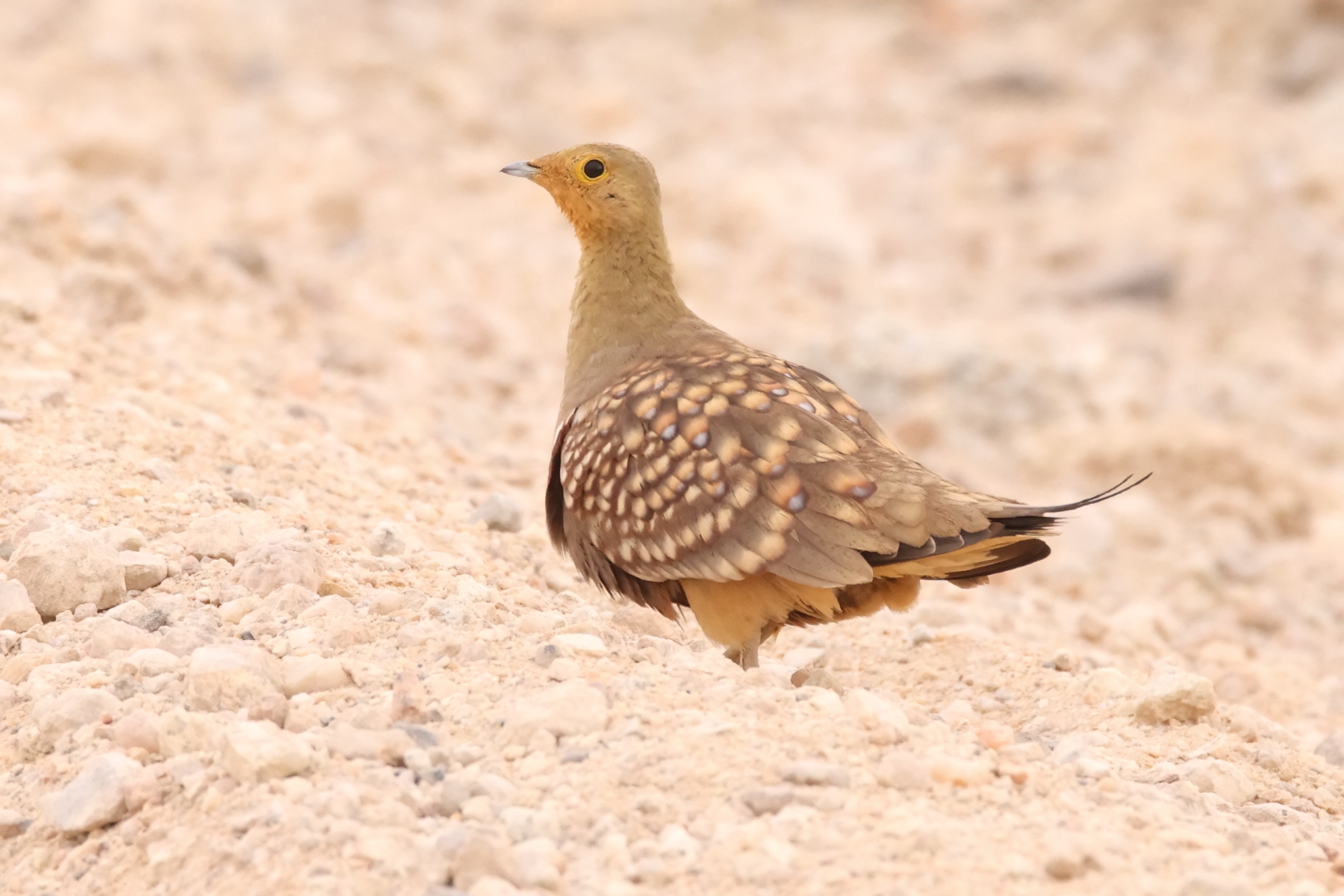
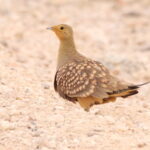
Namaqua Sandgrouse (image by Janos Olah)
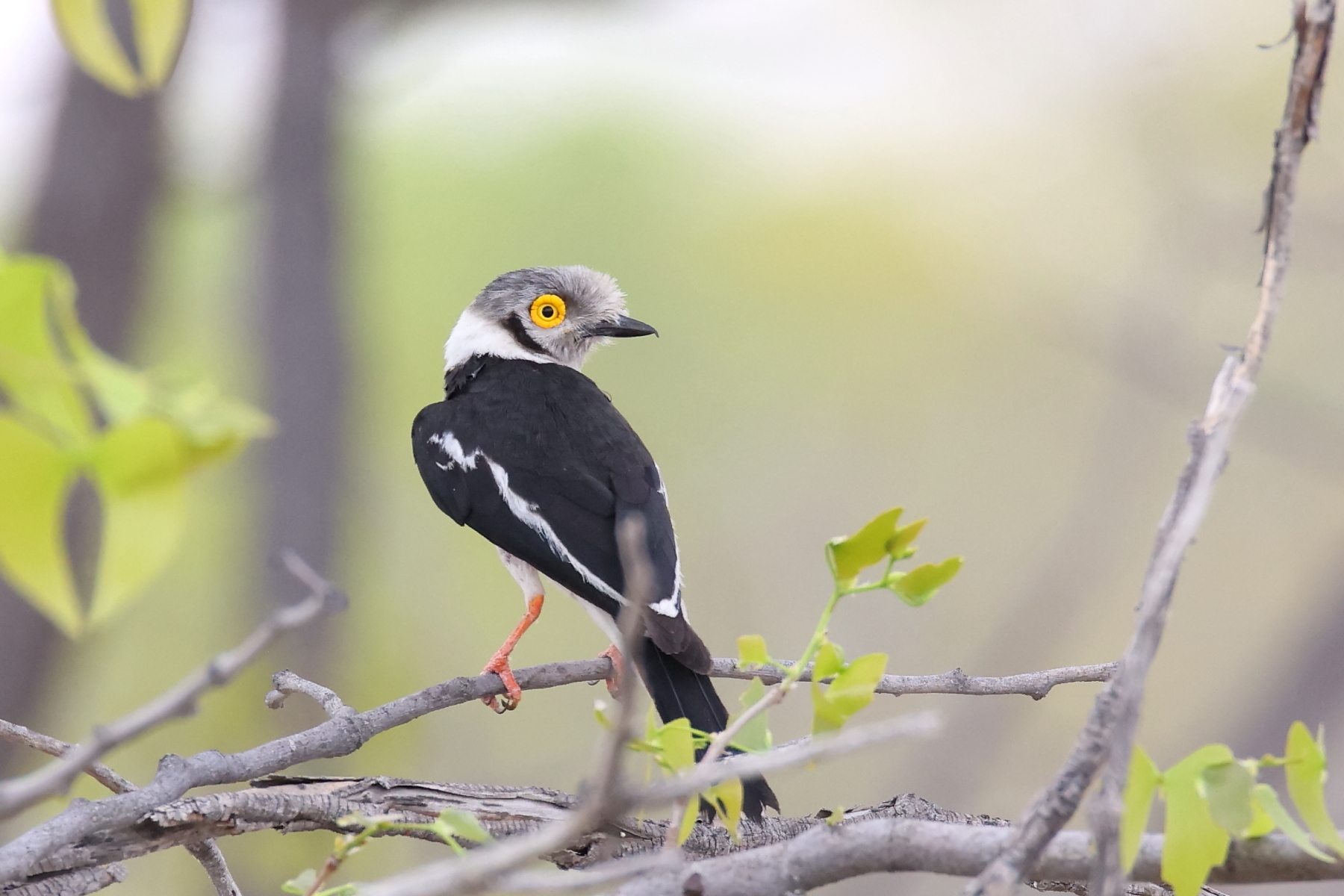
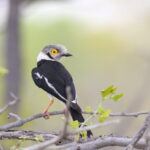
White-crested Helmetshrike (image by Janos Olah)
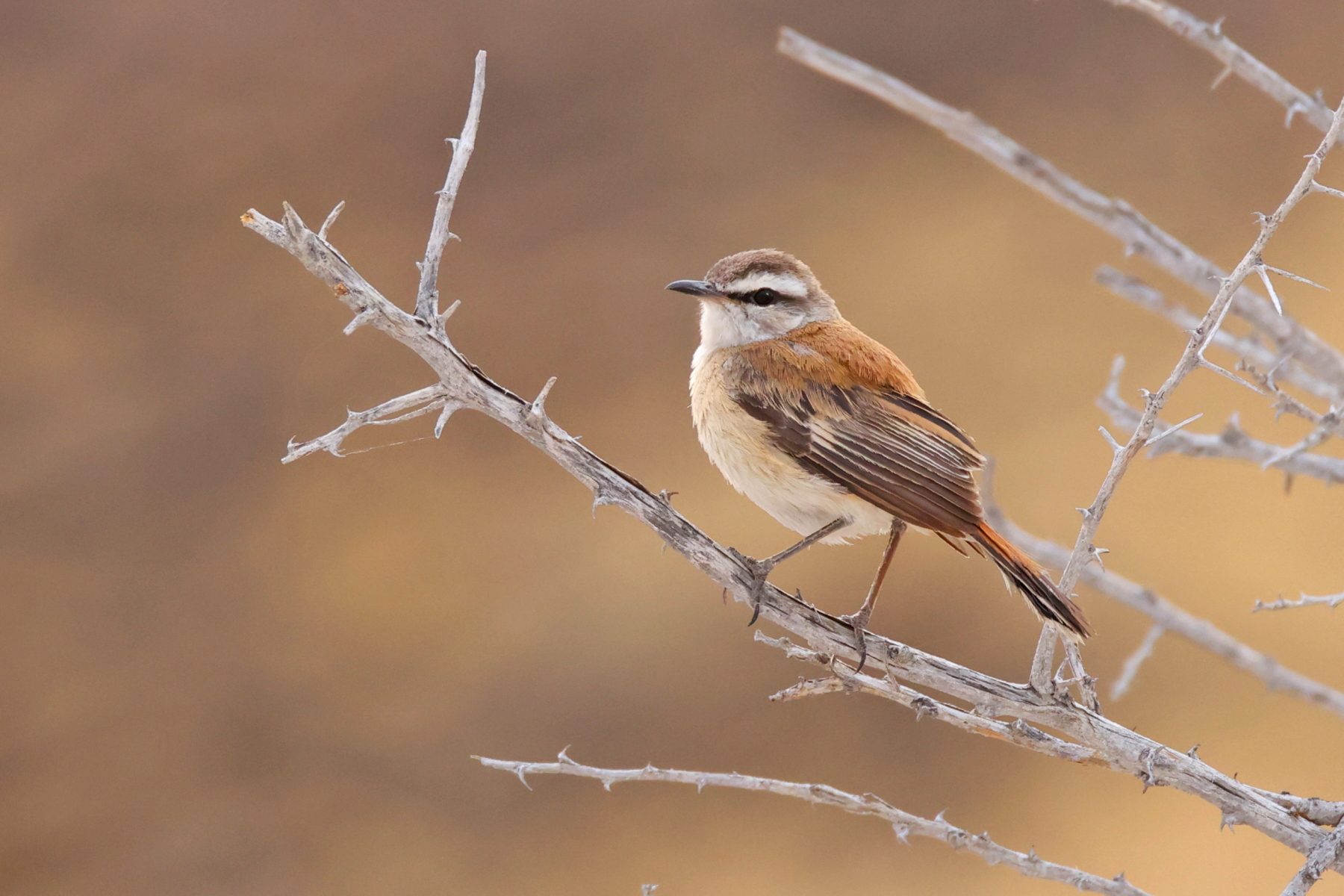
Kalahari Scrub Robin (image by Janos Olah)
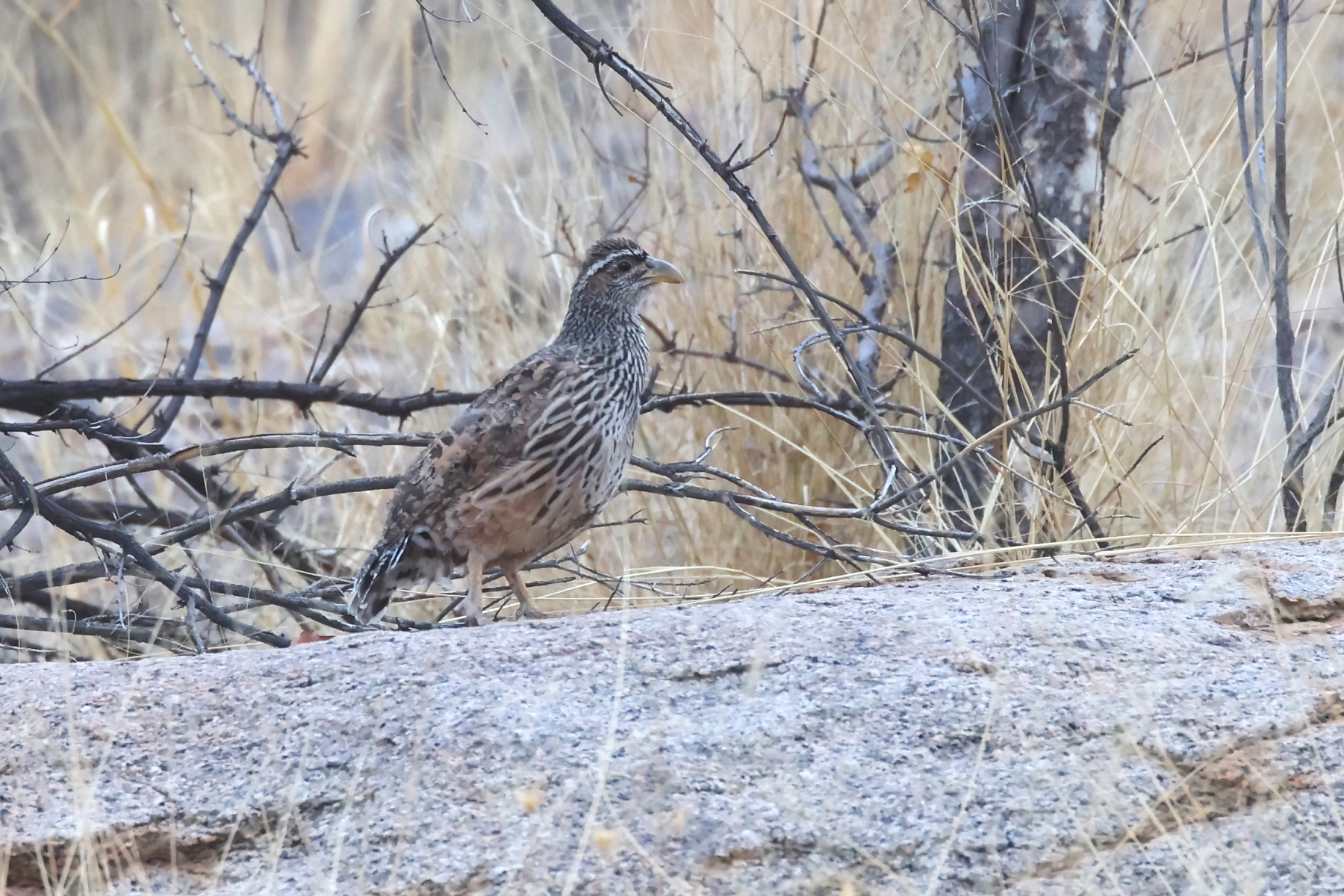
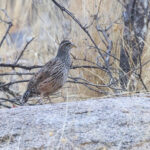
Hartlaub's Francolin (image by Janos Olah)
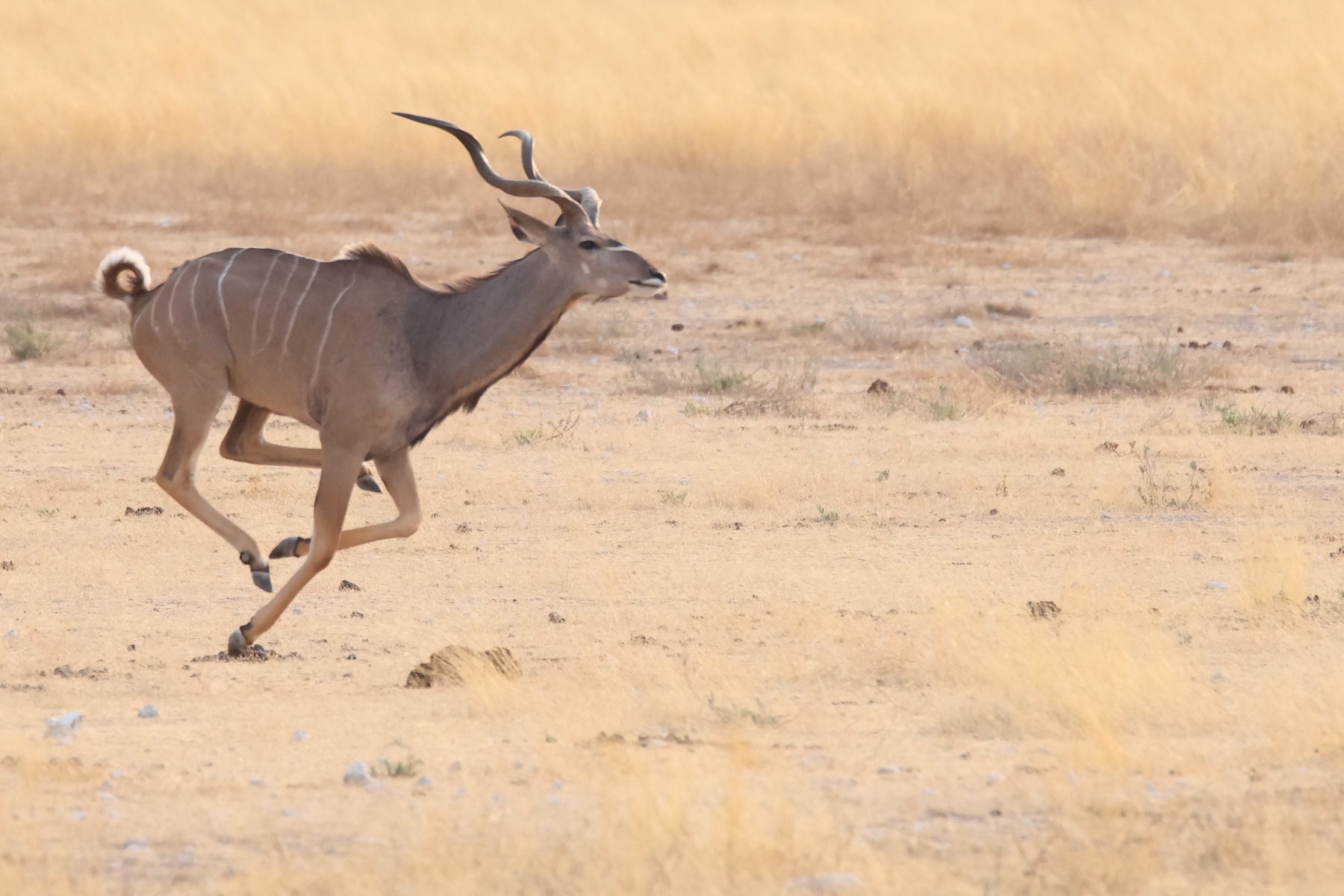
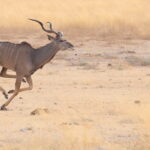
Greater Kudu (image by Janos Olah)
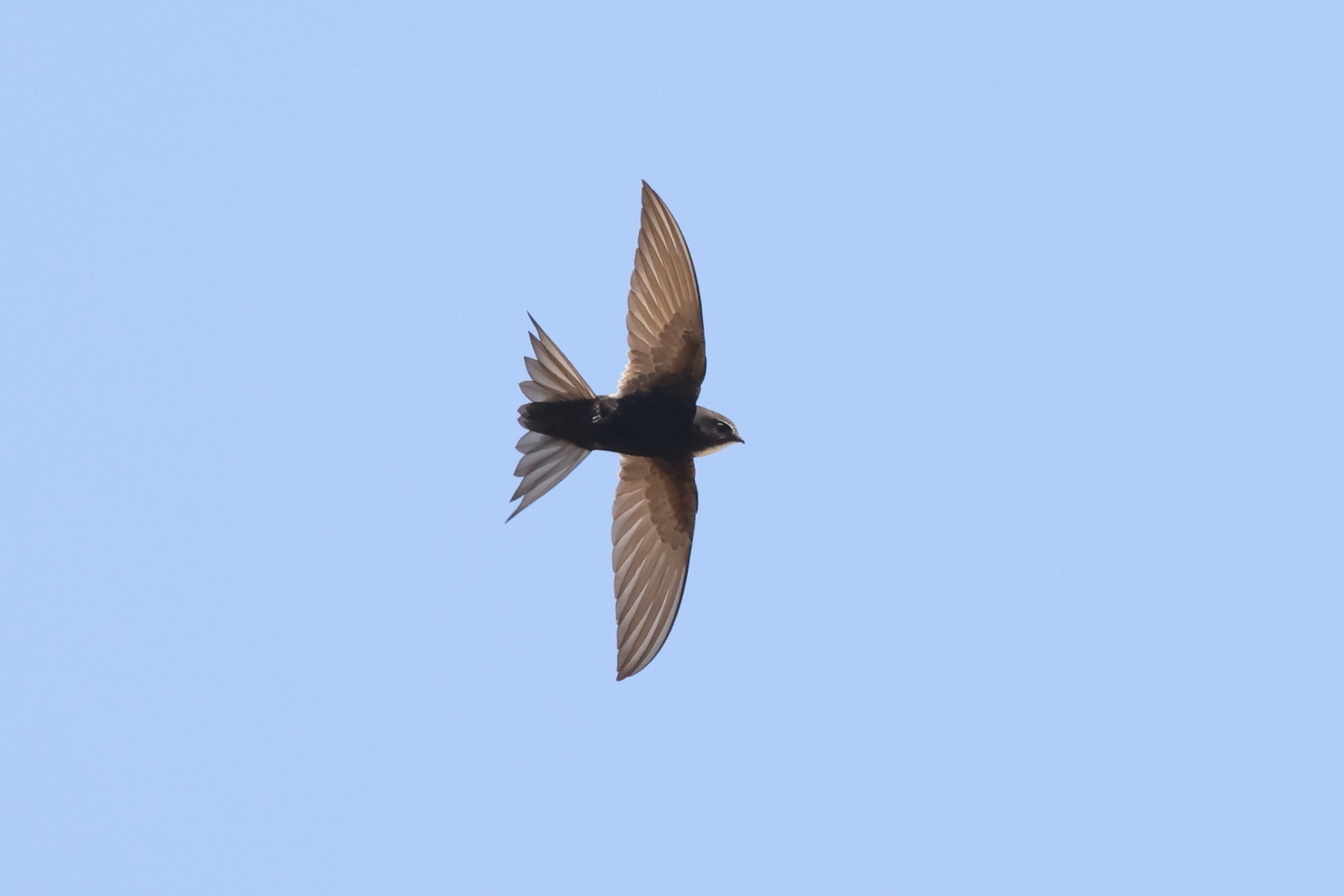
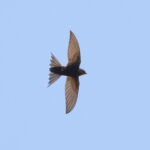
Fork-tailed Swift (image by Janos Olah)
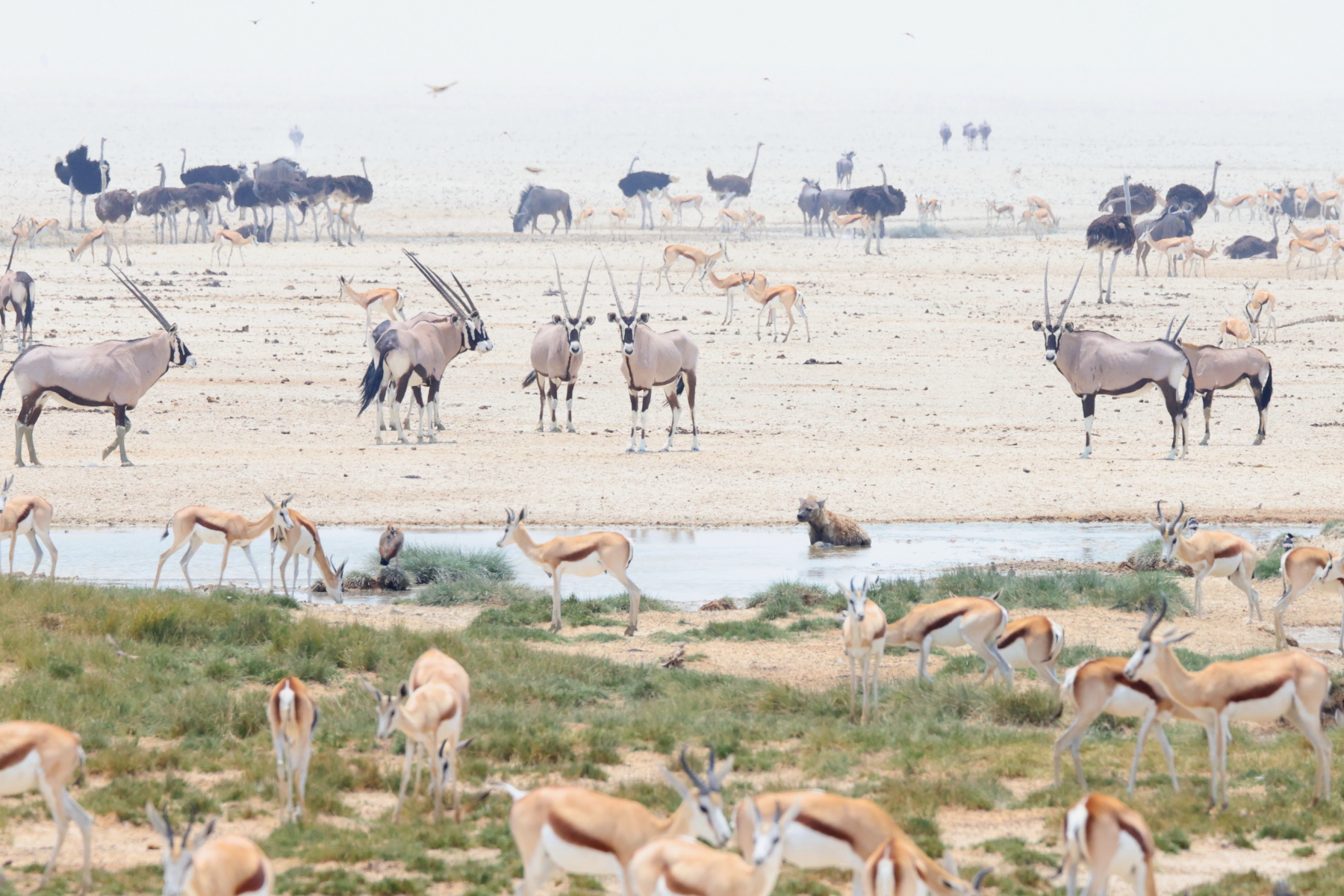
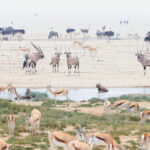
Etosha NP waterhole (image by Janos Olah)
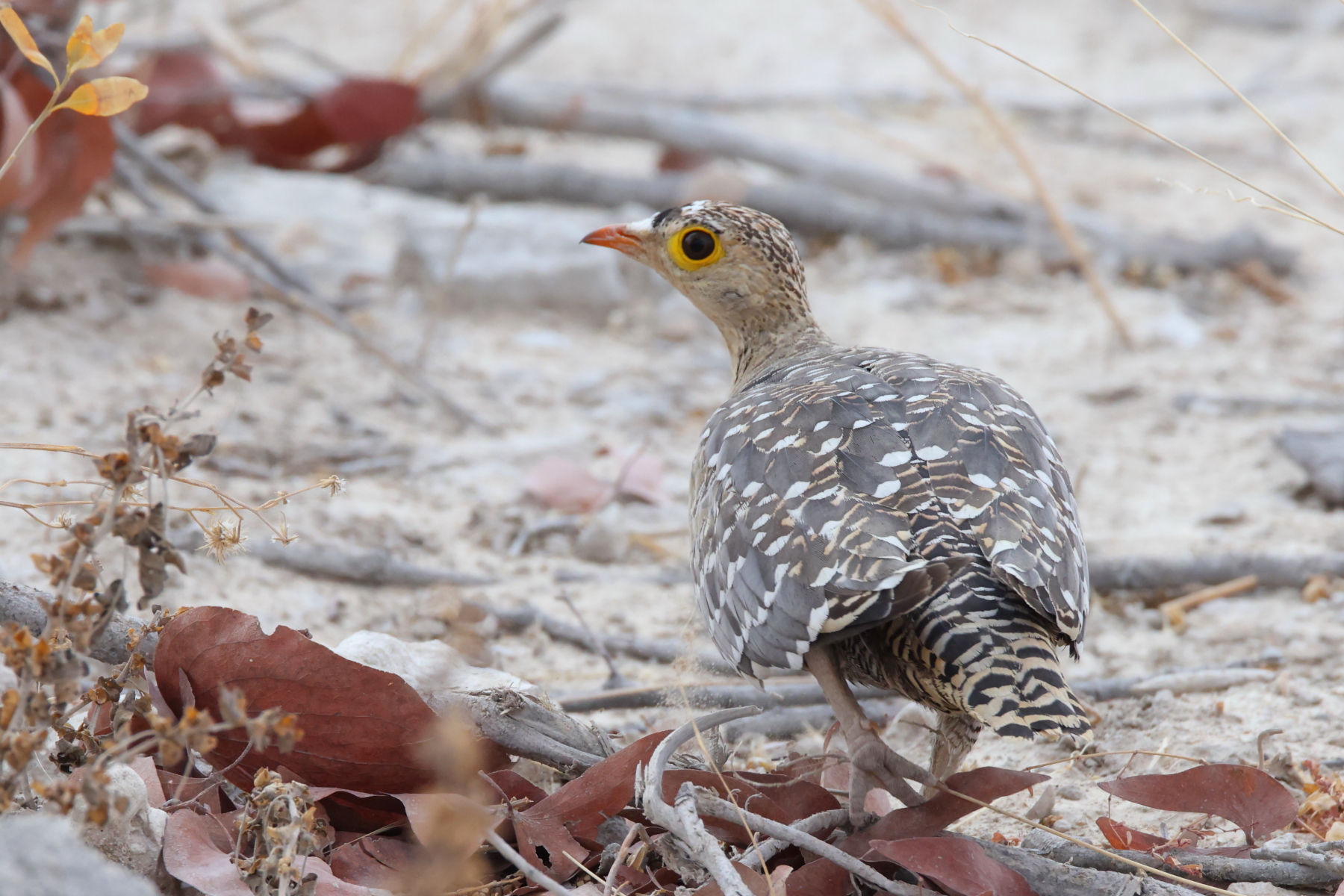
Double-banded Sandgrouse (image by Janos Olah)
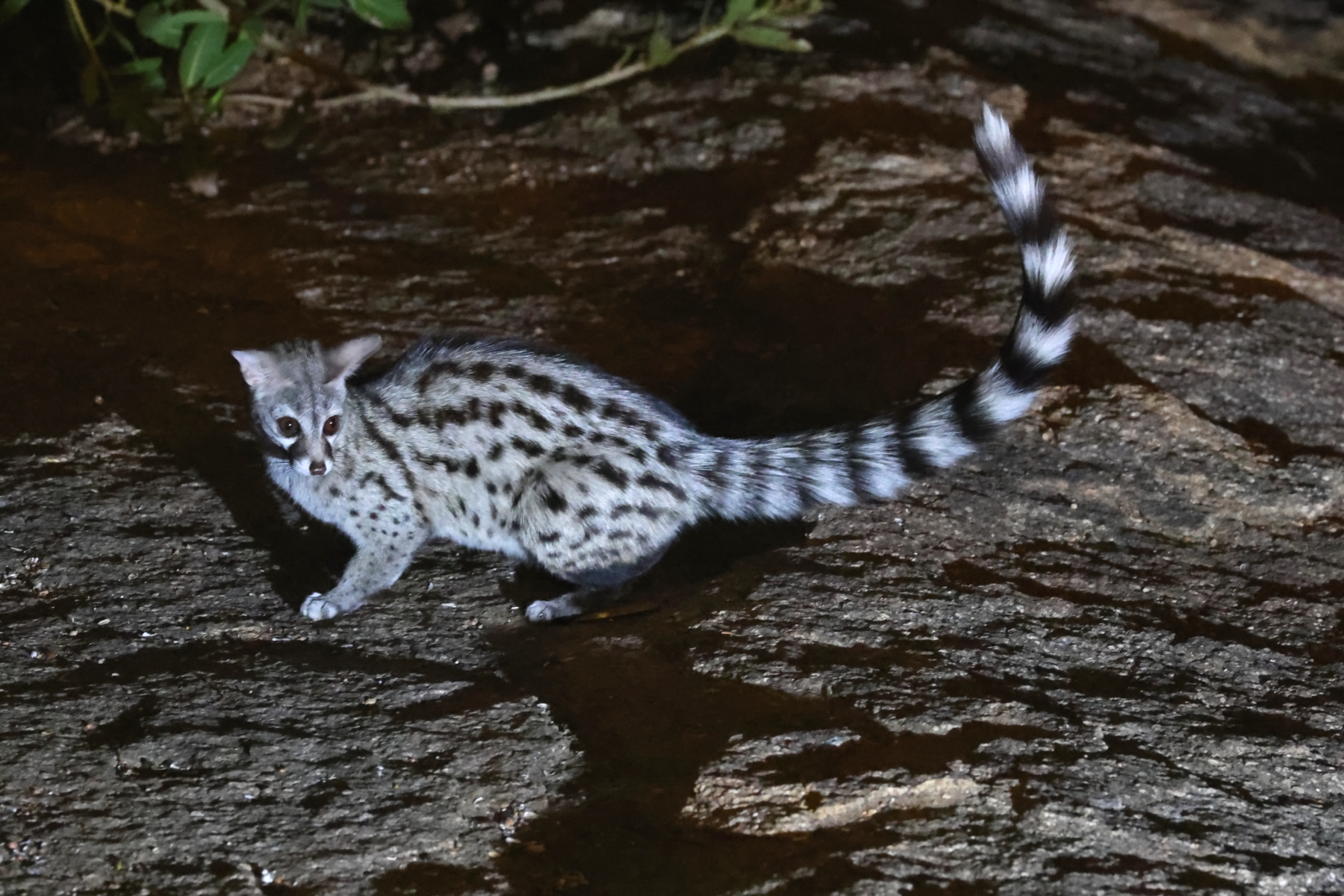
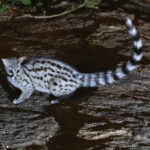
Common Genet (image by Janos Olah)
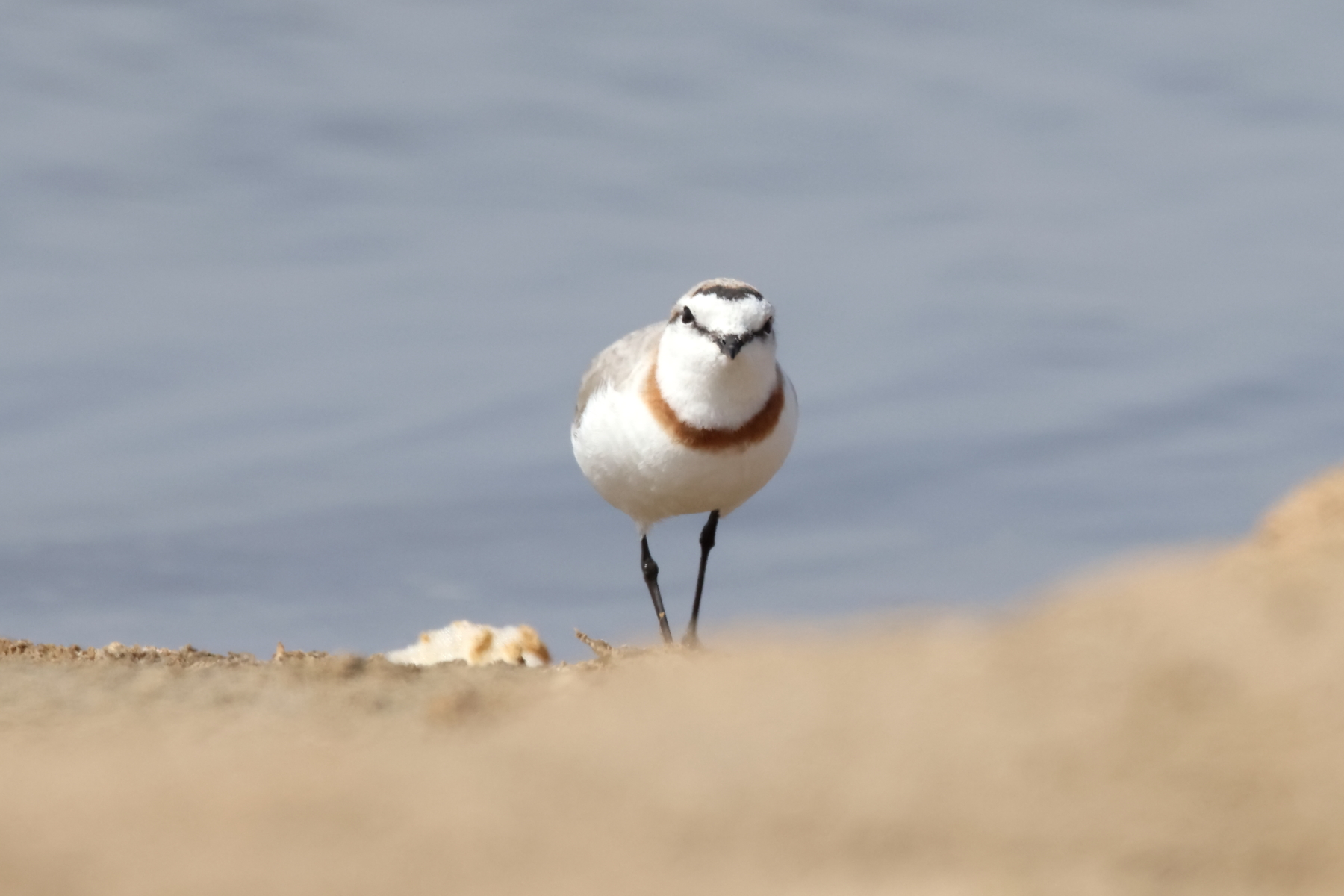
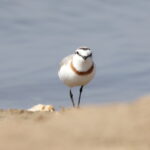
Chestnut-banded Plover (image by Janos Olah)
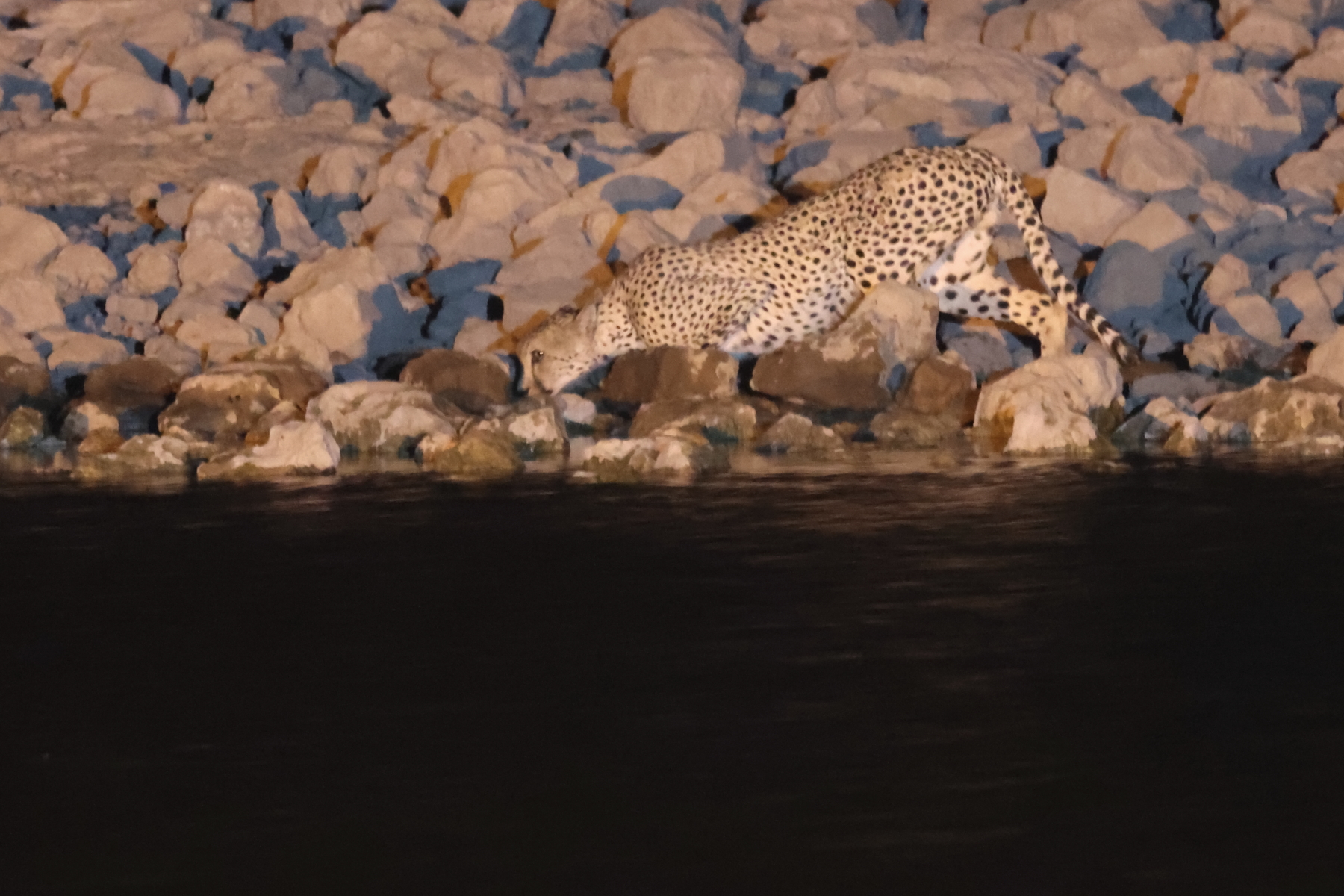
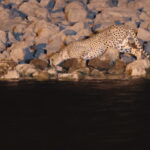
Cheetah (image by Janos Olah)
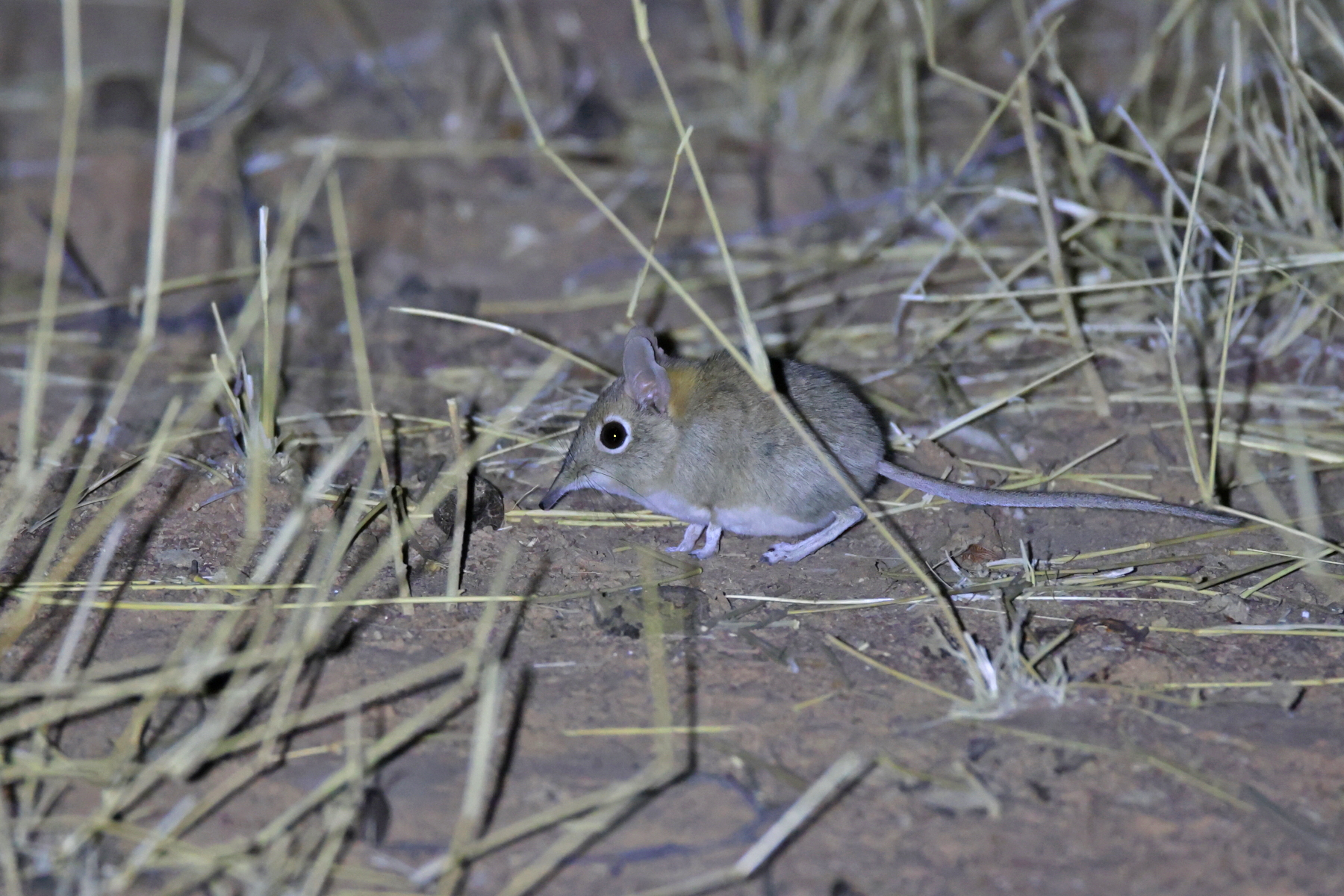
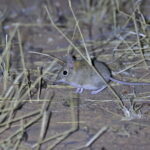
Bushveld Sengi (image by Janos Olah)
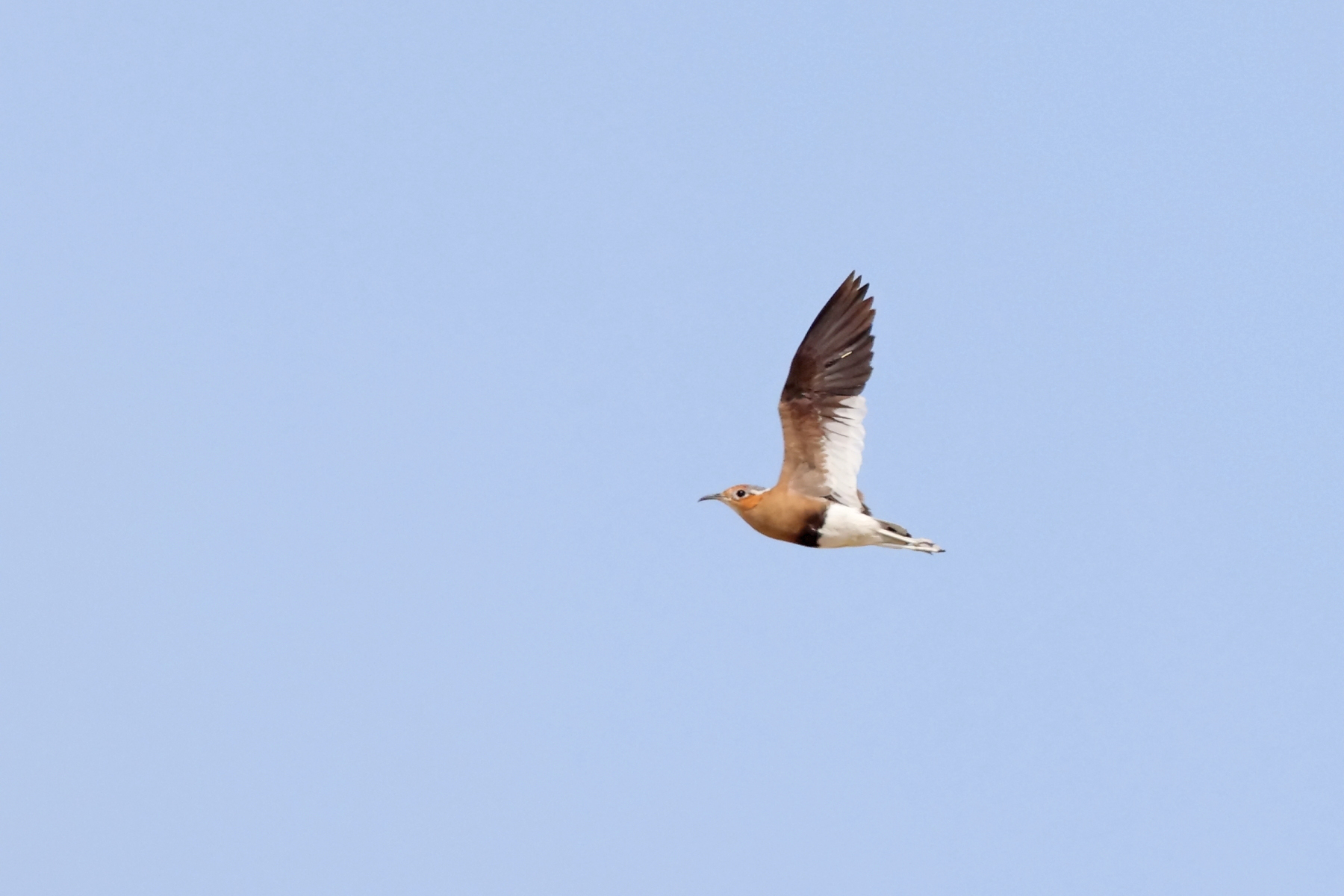
Burchell's Courser (image by Janos Olah)
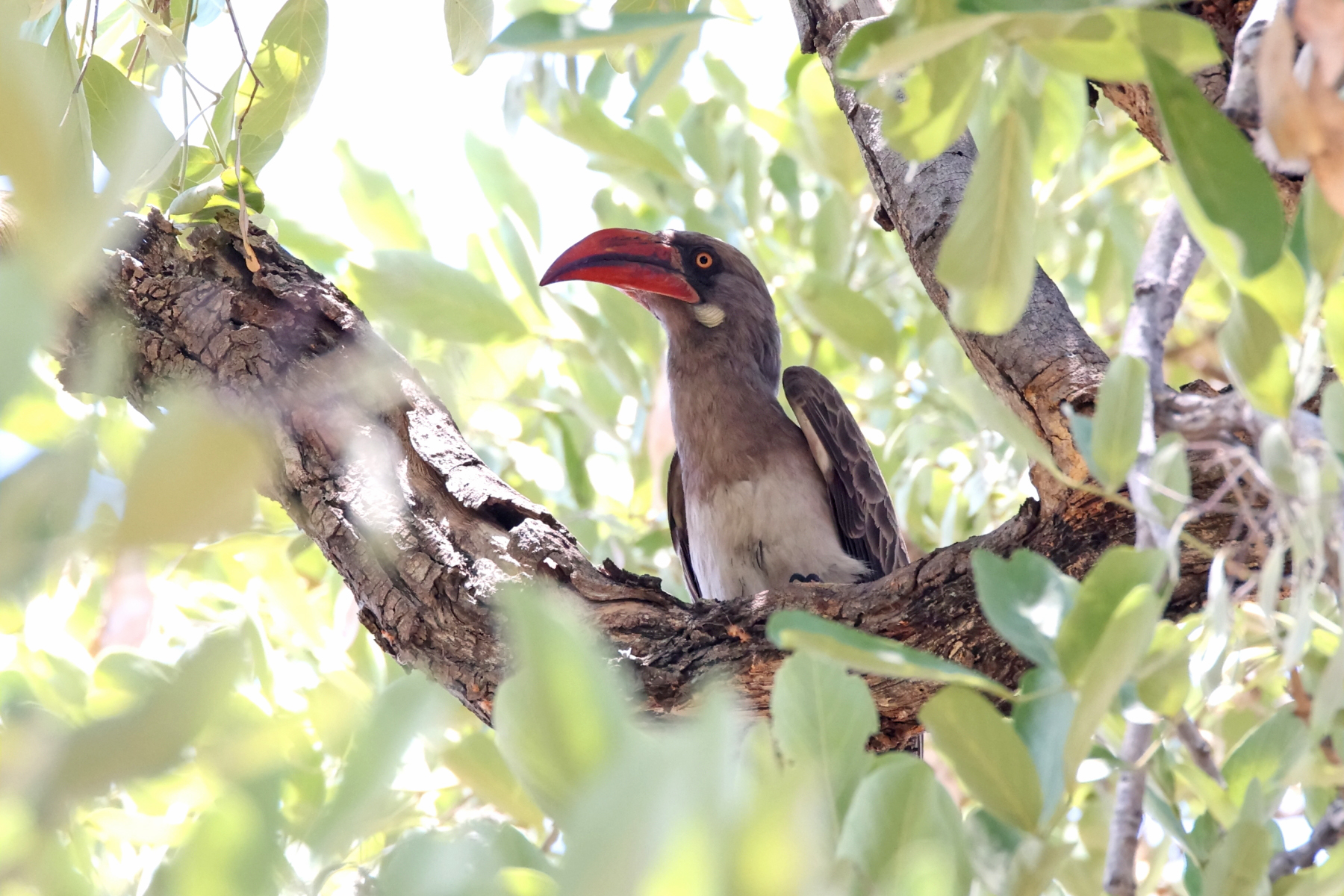
Bradfield's Hornbill (image by Janos Olah)
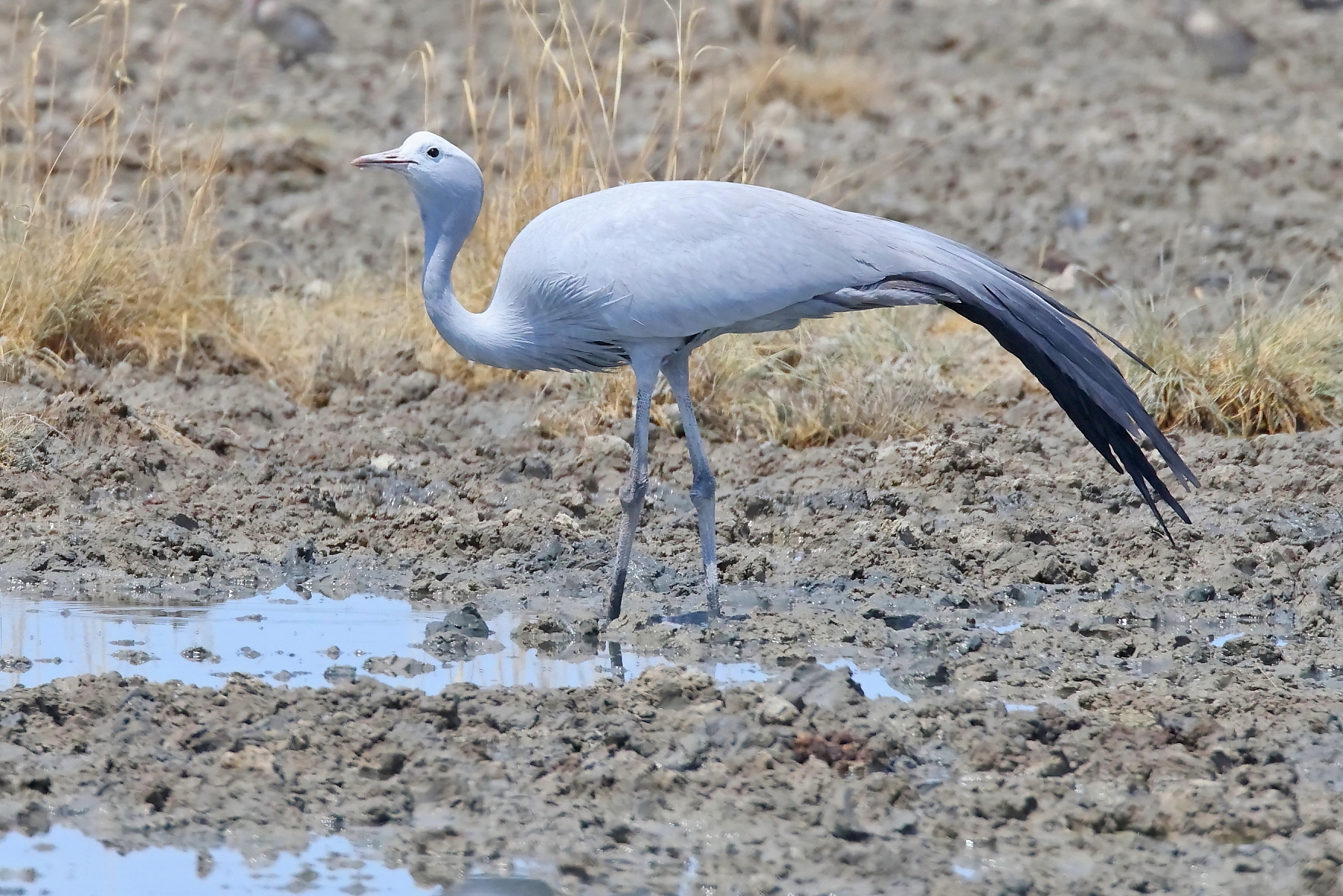
Blue Crane (image by Janos Olah)
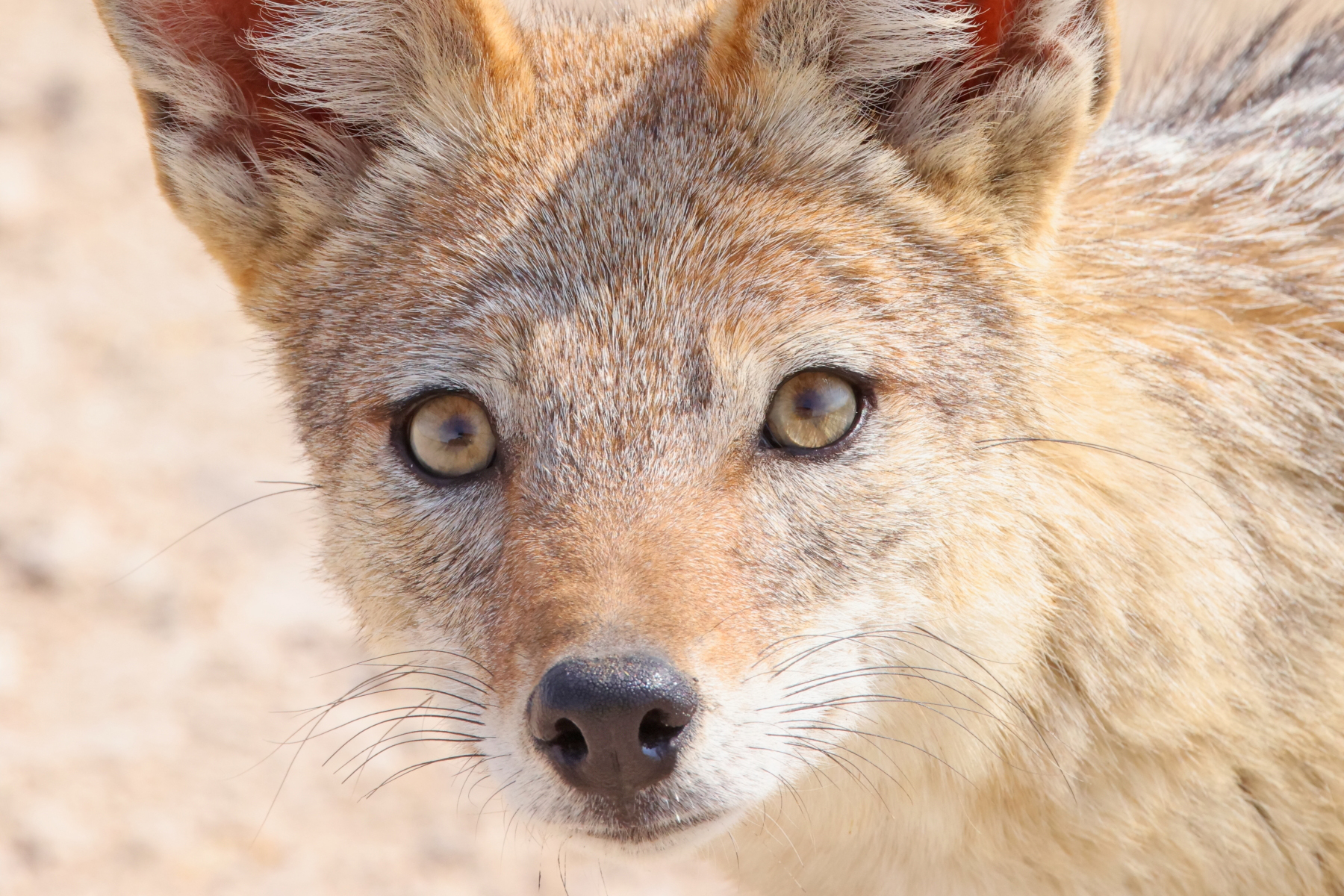
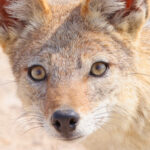
Black-backed Jackal (image by Janos Olah)
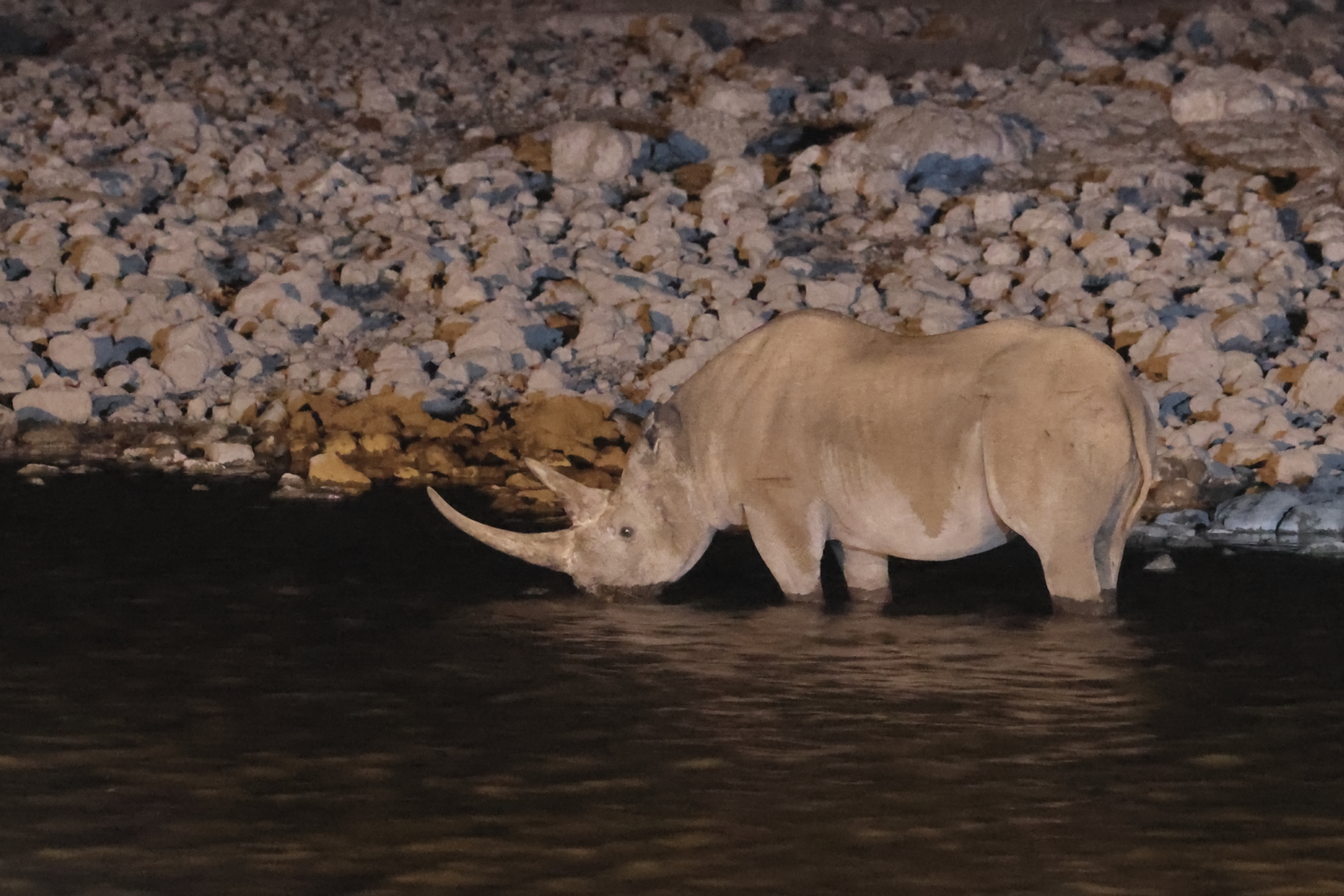
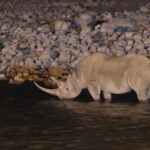
Black Rhino (image by Janos Olah)
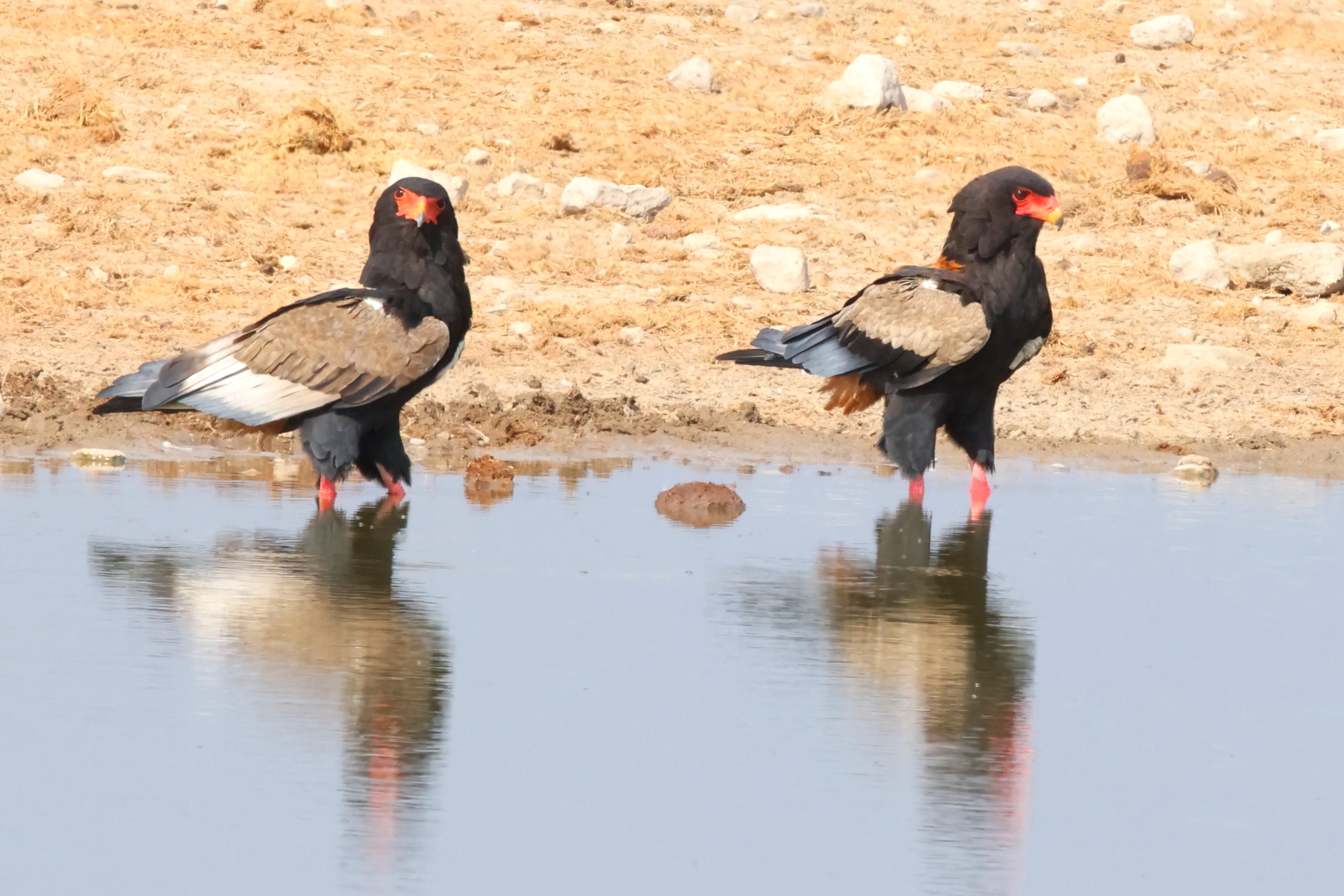
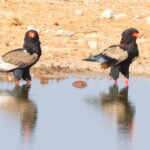
Bateleurs (image by Janos Olah)
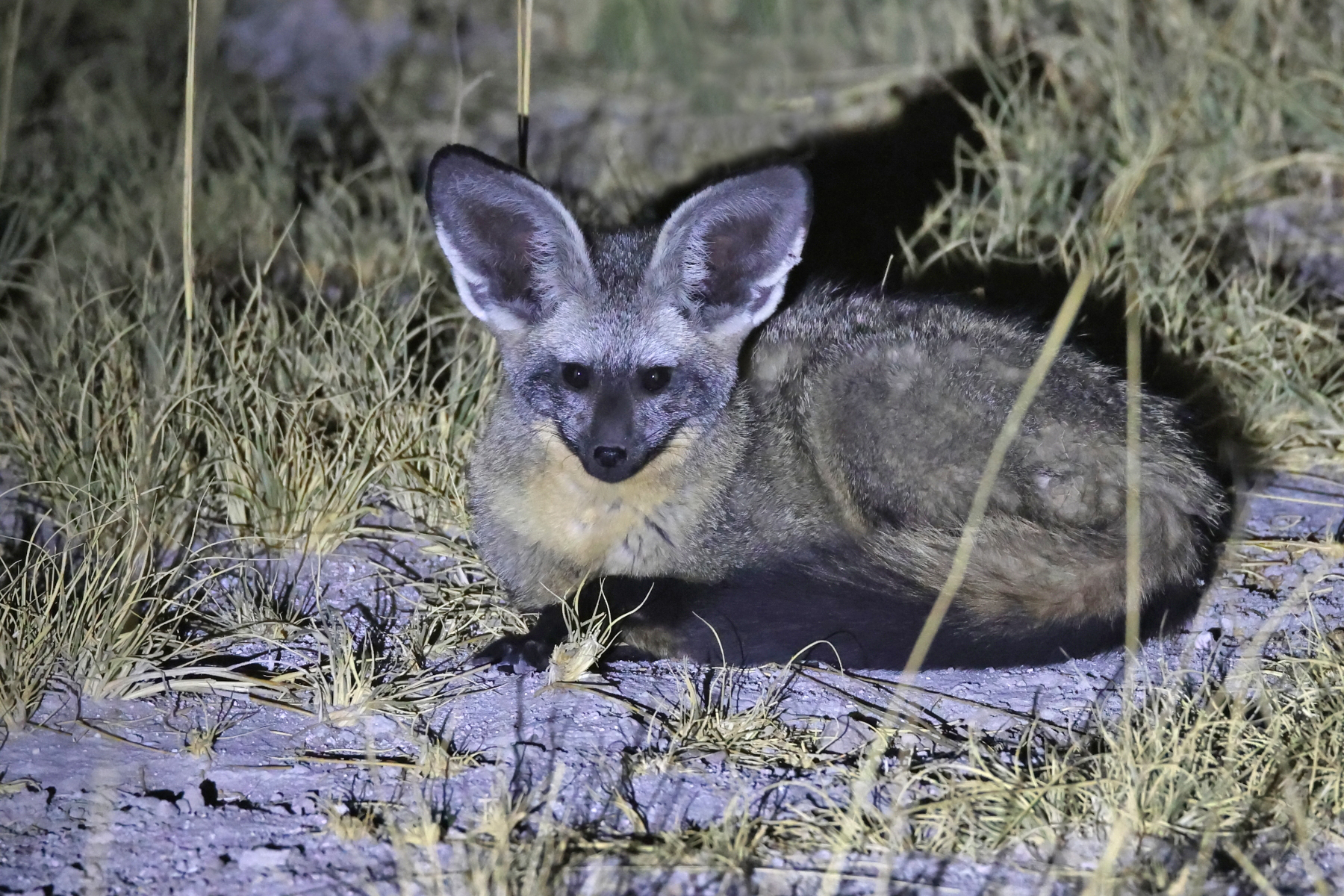
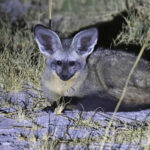
Bat-eared Fox (image by Janos Olah)
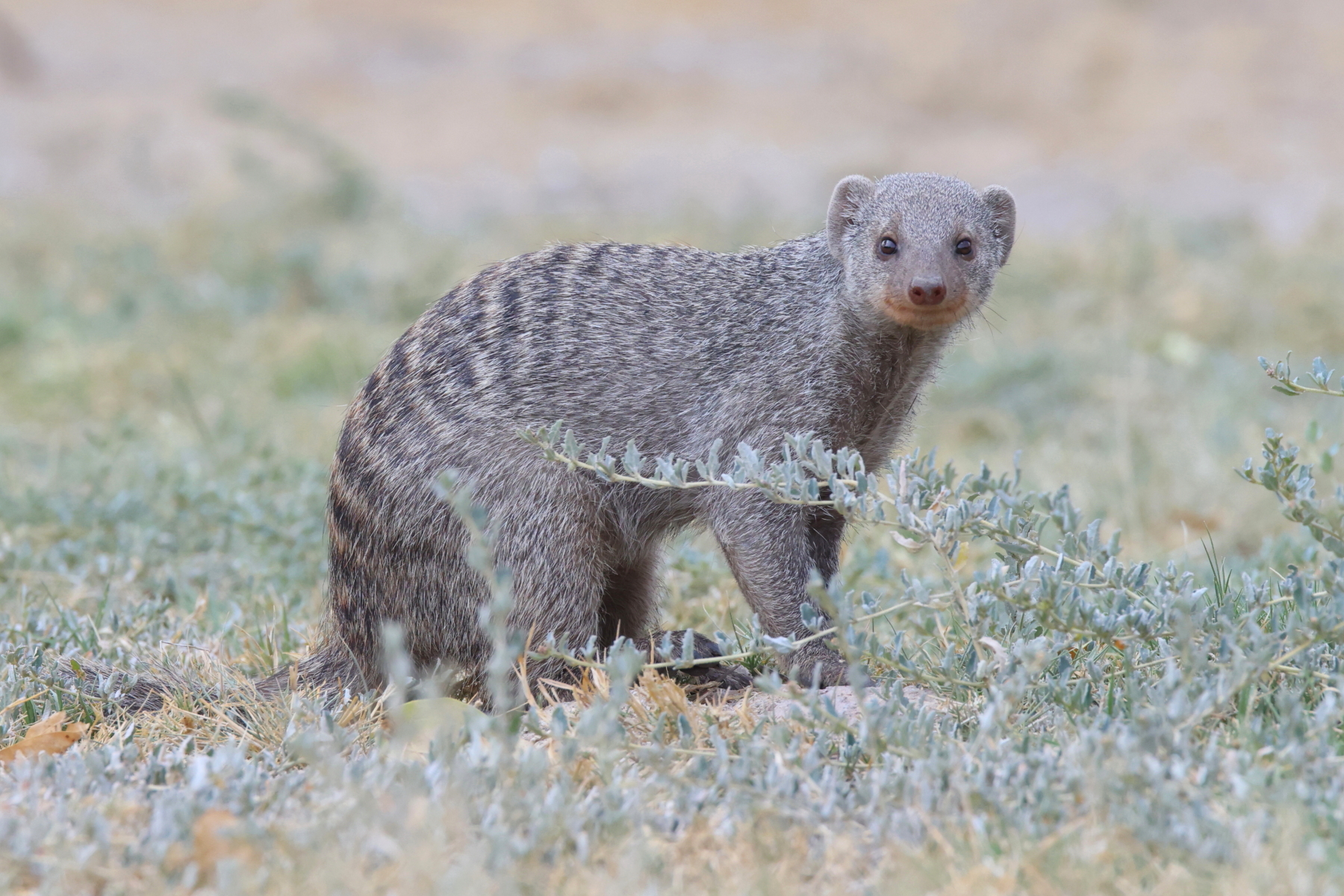
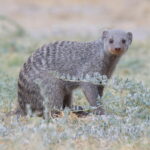
Banded Mongoose (image by Janos Olah)
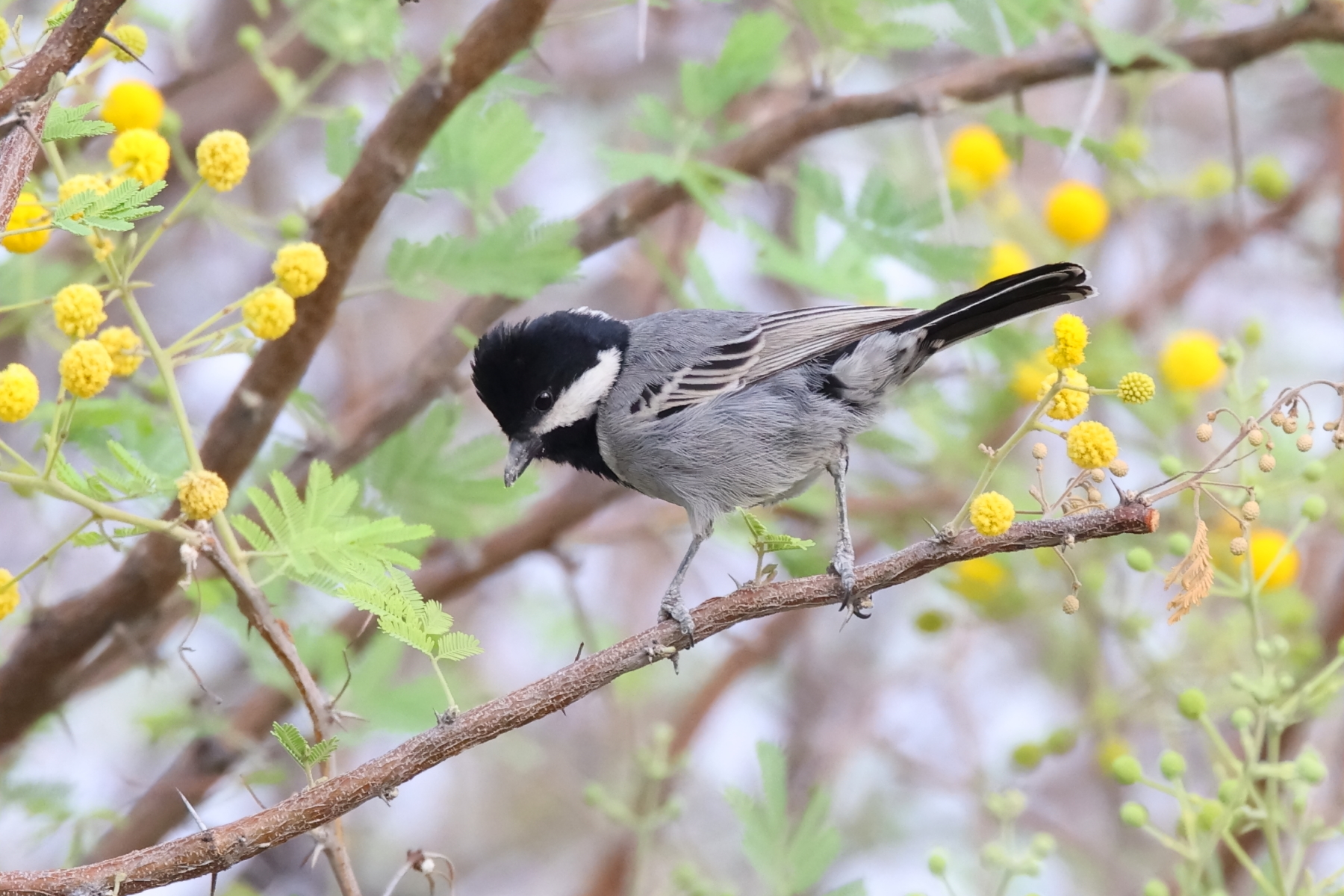
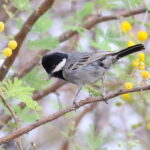
Ashy Tit (image by Janos Olah)
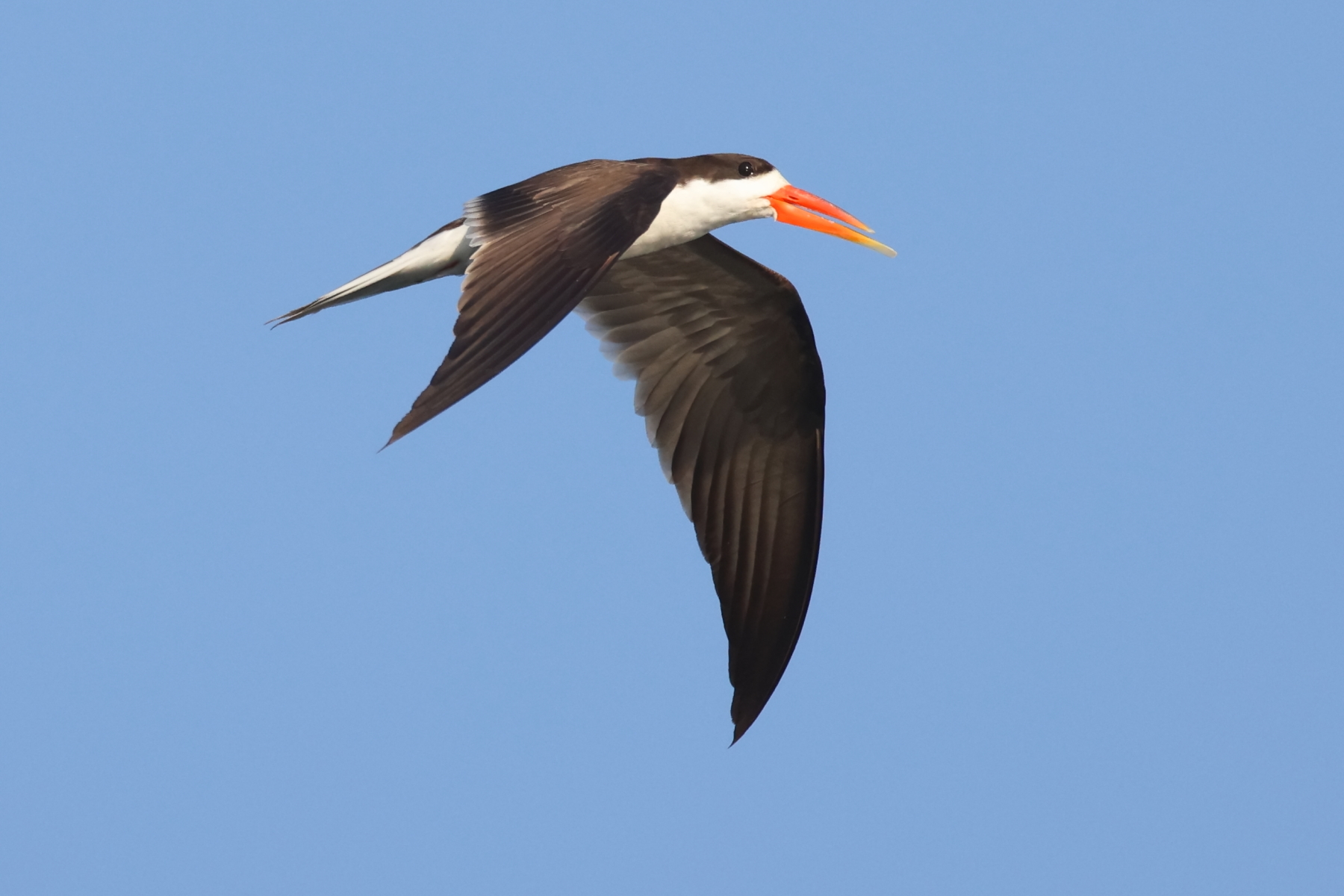
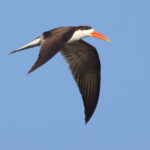
African Skimmer (image by Janos Olah)
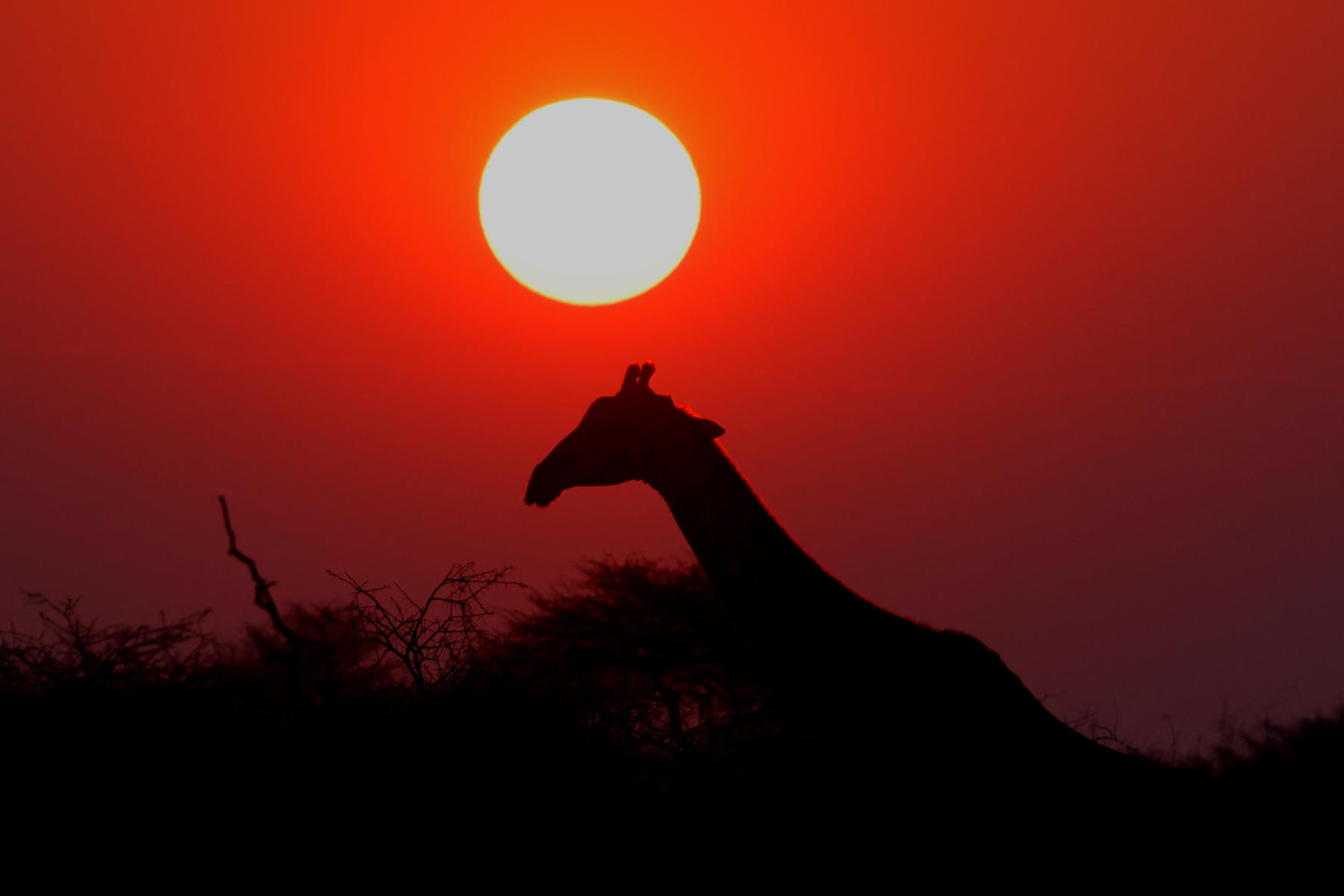
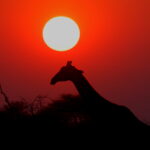
Etosha NP sunset (image by Janos Olah)
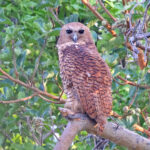


Pel's Fishing Owl (image by Janos Olah)
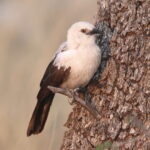
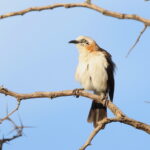
White-tailed Shrike (image by Janos Olah)
Slaty Egret (image by Janos Olah)
Rockrunner (image by Janos Olah)
Herero Chat (image by Janos Olah)
Wattled Crane (image by Janos Olah)
White-fronted Plover (image by Janos Olah)
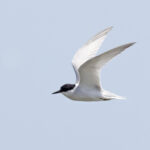
Damara Tern (image by Janos Olah)
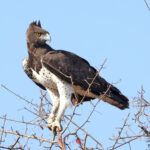
Martial Eagle (image by Janos Olah)
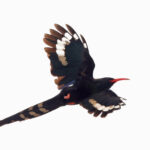
Violet Woodhoopoe (image by Janos Olah)
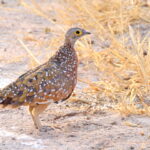
Burchell's Sandgrouse (image by Janos Olah)
Southern Pied Babbler (image by Janos Olah)
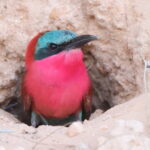
Southern Carmine Bee-eater (image by Janos Olah)
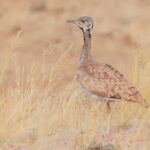
Rüppel's Korhaan (image by Janos Olah)
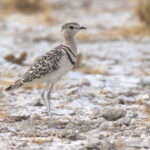
Double-banded Courser (image by Janos Olah)
Bare-cheeked Babbler (image by Janos Olah)
Sharp-tailed Starling (image by Janos Olah)
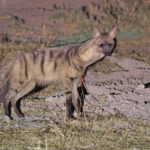
Aardwolf (image by Janos Olah)
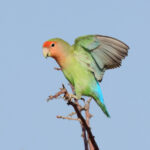
Rosy-faced Lovebird (image by Janos Olah)
Rock Pratincole (image by Janos Olah)
Racket-tailed Roller (image by Janos Olah)
Plains Zebras (image by Janos Olah)
Pel's Fishing Owl (image by Janos Olah)
Lion (image by Janos Olah)
Spotted Thick-knee (image by Janos Olah)
Dune Lark (image by Janos Olah)
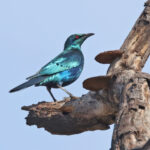
Pale-winged Starling (image by Janos Olah)
Orange River White-eye (image by Janos Olah)
Northern Black Korhaan (image by Janos Olah)
Nicholson's Pipit (image by Janos Olah)
Namaqua Sandgrouse (image by Janos Olah)
White-crested Helmetshrike (image by Janos Olah)
Kalahari Scrub Robin (image by Janos Olah)
Hartlaub's Francolin (image by Janos Olah)
Greater Kudu (image by Janos Olah)
Fork-tailed Swift (image by Janos Olah)
Etosha NP waterhole (image by Janos Olah)
Double-banded Sandgrouse (image by Janos Olah)
Common Genet (image by Janos Olah)
Chestnut-banded Plover (image by Janos Olah)
Cheetah (image by Janos Olah)
Bushveld Sengi (image by Janos Olah)
Burchell's Courser (image by Janos Olah)
Bradfield's Hornbill (image by Janos Olah)
Blue Crane (image by Janos Olah)
Black-backed Jackal (image by Janos Olah)
Black Rhino (image by Janos Olah)
Bateleurs (image by Janos Olah)
Bat-eared Fox (image by Janos Olah)
Banded Mongoose (image by Janos Olah)
Ashy Tit (image by Janos Olah)
African Skimmer (image by Janos Olah)
Etosha NP sunset (image by Janos Olah)


NAMIBIA & BOTSWANA TOUR REPORT 2025

14 - 29 October 2025
János Oláh
Namibia has amazing wildlife! It is also one of those ‘easy to travel’ countries which is also famous for its hospitality and good infrastructure. There is a great selection of birds, and it is a classic destination for birders in the southern part of Africa! Our tour was designed to see the main specialties in a relatively short time and perfectly complementing our Angola tour to offer you a great coverage of the western part of Africa. As two rare and sought-after birds are not always easy to see in Namibia, we made a short and easy visit into Botswana where both Pel’s Fishing Owl and Slaty Egret are somewhat more reliable. Indeed, this was the case, and we had superb looks of both along the Okavango River of Botswana! Overall, we had a highly successful tour with 375 bird species and 52 mammal species recorded in just 15 days of birding. We covered some distances in the northern part of Namibia visiting the Namib Desert and the coast, the famous Etosha National Park and the very different Caprivi Strip in the northeast. There were many highlights for us this year and we managed to see most of our key targets like Hartlaub’s Spurfowl, 153 individuals of five species of bustards including Ludwig’s and Rüppell’s, Namaqua, Double-banded and Burchell’s Sandgrouses, Wattled and Blue Cranes, Lesser Moorhen and African Rail, Double-banded, Temminck’s and Burchell’s Coursers, Damara Tern, White-backed Night Heron, Violet Woodhoopoe, Monteiro’s, Damara Red-billed and Bradfield’s Hornbills, Racket-tailed Roller, Bennett’s Woodpecker, Red-necked Falcon, Rüppell’s Parrot, Bokmakierie, White-tailed Shrike, Souza’s Shrike, Carp’s Tit, Dune, Gray’s, Stark’s and Pink-billed Larks, Rockrunner, Luapula and Chirping Cisticolas, Bare-cheeked, Hartlaub’s and Black-faced Babblers, Pale-winged, Burchell’s, Meve’s and Sharp-tailed Starlings, Herero, Karoo, Tractrac and Arnot’s Chats, Red-headed Finch and White-throated Canary. There were countless mammal highlights too which included a drinking Cheetah, several Lions, Aaardwolf, Black Mongoose, Bat-eared and Cape Foxes, Honey Badger, 17 Black Rhinos, Humpback Whale, Heaviside’s Dolphin, Cape Porcupine and Noki just to name but a few. We also had a very keen group with lots of fun throughout our travels and all in all, it was a great tour to remember!
The tour started in Windhoek airport and our first birding destination was the famous Avis Dam which is located on the edge of town and always attracts lots of birds. It was not different this time and we spotted three White-backed Ducks and counted 110 Maccoa Ducks, while Cape Shoveler and Southern Pochard were welcome additions. We also had a fine introduction to the dry habitat and found such spectacular birds like the Red-billed Spurfowl, Crimson-breasted Shrike, Swallow-tailed Bee-eater and White-backed Mousebird. More subtle goodies included Bradfield’s Swift, Monteiro’s Hornbill, Barred Wren Warbler and Marico Flycatcher. We travelled south seeing Lappet-faced Vulture and Sociable Weaver on the journey. We arrived to the picturesque Namibgrens area where the local reservoir held South African Shelduck, Cape Teal, Three-banded Plover, Buffy Pipit and many Lark-like Buntings. Eager to attempt the often tricky-to-find Namibian near endemic Herero Chat which is a sole member of the genus Namibornis, we made our way to the Spreetshoogte Pass. However, the afternoon was very quiet here with no sign of our target, but Bokmakierie and Nicholson’s Pipit gave excellent views. Early next morning we explored the rocky habitat around our accommodation first where fantastic Rockrunners, Verreaux’s Eagles, Short-toed Rock Thrush, Kalahari Scrub Robin were seen, but again there was no sign of Herero Chat. We made our way back to the Pass and explored extensive areas of perfect habitat for the chats. We did see Common Scimitarbill, Pririt Batis, Layard’s Warbler, many Familiar Chats and Klipspringers but there was still no sign of any Herero Chats! Slightly disappointed we left the area in the late morning and made our way towards the Namib-Naukluft National Park. We made several stops on our way towards the coast in the progressively more barren landscape. We spotted our first Common Ostriches and Rüppell’s Korhaans as well as several Scaly-feathered Weavers and a few Gemsboks. The rocky areas had Pale-winged Starlings and Mountain Chats. When we arrived in the grassier plains, we found our first flocks of Namaqua Sandgrouse and got great looks of both Gray’s and Stark’s Larks. It was also amazing to see several family parties of the Rüppell’s Korhaan, some of them with only a few day-old chicks. Our daily count was 27 of these special small bustards. We also had Chat Flycatchers and Karoo Chats along the fence posts and closer to the coast we located the pale Tractrac Chat as well. There was no sign of any courser and by sunset we arrived in Walvis Bay along the Skeleton Coast.
Our next day started early right in front of our hotel watching the waterbirds of the bay pushed towards us by the rising tide. It was a breath-taking view with hundreds of flamingos and thousands of waders in the perfect morning sun! We quickly found several Damara Terns, Cape Cormorant, African Oystercatcher and Hartlaub’s Gulls. The tiny little Damara Tern is a real specialty and probably the best place in the world to see them. They breed in the desert a few kilometres off the coast and feed in the rich cold waters of the Benguela current. After this short introduction birding we made our way to the dunes of Rooibank. Once we got into the right habitat it only took minutes for us to find the near-endemic Dune Lark as it was running, feeding and singing amongst the sparse vegetation of the bottom of the dunes. It was a special moment, and we really enjoyed it! A few other birds were spotted in this habitat like a flying Ludwig’s Bustard, a singing Bokmakierie and Chestnut-vented Warblers. After our successful visit we returned to the saltpans of Walvis Bay where we tracked down Lesser Flamingo, and both White-fronted and Chestnut-banded Plovers. Eventually when we got out to the seashore we spent two hours seawatching and it was really productive! There were birds passing by continuously and we had about 120 Sooty Shearwaters, 15 White-chinned Petrels, a Southern Giant Petrel, many Cape Gannets, Brown and Pomarine Skuas as well as several Humpback Whales and two Heaviside’s Dolphins. We had to drag ourselves away from this amazing birding, but we still had a special bird to find which we have no chance to see later on the tour. We drove back to town and started to search for the Orange River White-eye which was not difficult, and we were soon watching these colourful little birds as they were feeding on some flowers! It was an epic day, and we finished it in a seaside restaurant with some excellent food!
It was an uncomfortably early start the next day as we wanted to arrive to Spitzkoppe in the morning hours to increase our chances for the Herero Chat. This was our second chance to see this localised and special bird, and we made sure that we give it a good go! We left the coast behind and drove inland to these famous pointy rocks and this time we got lucky as soon after entering the reserve we found a pair of Herero Chats! It was a relief to find them here after our hard work at Spreetshoogte Pass without any luck. They were very obliging, and we could watch the pair as long as we wanted. Fantastic moments! We spent some more time in this rocky habitat and found Short-toed Rock Thrush, Carp’s Tit, Black-chested Prinia, Chestnut-vented Warbler, Dusky Sunbird and White-throated Canary but there was no sign of White-tailed Shrikes. After a late morning coffee, we left the area and made our way towards Uis near the Brandberg. Our drive was also productive as we found ‘Benguela’ Long-billed Lark which is currently lumped with Karoo Long-billed Lark (as it has been lumped and split several times in the last 20 years), Grey-backed Sparrow-lark, Karoo Chat and Yellow Canary. A wooded riverine habitat also produced our first Pearl-spotted Owlet and a family party of Violet Woodhoopoes! Our afternoon visit to the Brandberg Plains was quiet, but we got to see our first Northern Black Korhaan and Ashy Tit while we had yet another superb encounter with Rüppell’s Korhaan as they were singing on a distant hilltop and then flew towards us. A Bushveld Sengi was a nice mammal bonus on the afternoon walk.
Our next destination was the famous Etosha National Park, however our morning birding was still in the Brandberg area and our visit to the Ugab River area was a very productive as we managed to find Damara Red-billed Hornbill, Bare-cheeked Babbler and Rüppell’s Parrot! The supporting cast was also exciting with Greater Painted-snipe, Southern White-crowned Shrike, Carp’s Tit and Gabar Goshawk. Our random lunch stop gave us our first White-crested Helmetshrikes, Brubru and Black-backed Puffback. By early afternoon we were at the Anderson gate (the new name is Ombika gate) of Etosha and soon were admiring the plentiful wildlife as we were heading towards Okaukuejo. We saw our first Southern Pied Babblers, Red-headed Finches and Black-faced Imapalas. In the afternoon we drove to the Gemsbokvlakte waterhole seeing our first Double-banded Courser, Kori Bustard and Shaft-tailed Whydah. After the evening meal some of us spent a few hours at the floodlit waterhole of Okaukuejo which was simply amazing with seven Black Rhinos, a Cheetah which was drinking for 20 minutes and almost got trampled by Southern Giraffes. There were Rufous-cheeked Nightjars flying around and even an African Marsh Owl made a brief appearance.
The following day was spent around Okaukuejo in the central part of the park where we visited several waterholes and tracked down our main targets. Our focus was on larks and we managed to see hundreds of Grey-backed and Chestnut-backed Sparrow-Larks, Spike-heeled, Sabota Lark, Pink-billed and Red-capped Lark. We also had a great day for raptors with close encounters of Lappet-faced, White-headed and White-backed Vultures, Bateleur, Tawny Eagle, Greater Kestrel and a superb Secretarybird. We also had Spotted Thick-knee, daytime Double-banded Sandgrouse, Red-crested Korhaan, White-crested Helmetshrike, Ant-eating Chat, migrant European Bee-eaters and a great selection of mammals with four Lions, Banded Mongoose, African Savanna Elephant and Spotted Hyenas. Unfortunately, our evening night-drive was cancelled due to a huge thunderstorm, but Okaukuejo area eventually was only hit by the edge of this storm – but there were lots of lightning around for sure! The following morning, we started at the waterhole where 150 Double-banded Sandgrouse came to drink pre-dawn. After breakfast when the gate was open, we left Okaukuejo and made our way towards Namutoni Camp which is in the eastern part of the park. Our first spot was the Gemsbokvlakte waterhole this morning and it was a great visit with hundreds of Namaqua Sandgrouses arriving for a morning drink and a Honey Badger passing by the hole when suddenly a fine male Lion arrived for a drink and started roaring right in front of us. Wow it was a special one hour for sure, and we continued towards Halali along the Etosha Pan. A fine Jacobin Cuckoo and a male Red-crested Korhaan was seen on the way while a lone tree out on the plains held both Lanner and Red-necked Falcons in the shady canopy allowing superb looks of both falcon species! We had our lunch at Halali Camp with Violet Woodhoopoes and Cape Starlings. The afternoon drive to Namutoni in the heat of the day was quiet but we had several huge bull ‘White’ Elephants and more Secretarybirds. In Namutoni we had a different set of birds in the campground with our first White-bellied Sunbirds, Yellow-breasted Apalis and Burchell’s Starlings. The late afternoon game drive to some obscure waterhole produced superb look of male and female Burchell’s Sandgrouse! Yet another action-packed day in Etosha.
On our final full day in this fantastic park, we made our way towards the Andoni Plains on the eastern edge of the Etosha Pan. On our ride we encountered more African Savanna Elephants as well as Damara Dikdik and gorgeous Golden-breasted Buntings. The waterhole at Andoni is special as it is large and muddy hence perfect for birds. There were Three-banded, Kittlitz’s and Chestnut-banded Plovers and migrant Little Stints and Ruffs. We also spotted a South African Shelduck and soon found our main target as six Blue Cranes were feeding on the grassy plains not far from the waterhole. This amazing bird – also known as Paradise Crane – is the national bird of South Africa but a tiny, isolated population exists in Etosha National Park. Unfortunately, there are fewer than 100 left in Namibia, so it is a rare bird indeed! The waterhole was very busy with animals, and we counted 640 Blue Wildebeest, many Plains Zebras, Springboks and Common Warthogs. We even saw a serious Zebra fight. Further out on the plains we eventually tracked down four Burchell’s Courser which was our other target for the morning. These elegant waders allowed great looks, and we were happy to finally connect with this scarce bird. Back in Namutoni we found Burnt-necked Eremomela, Long-billed Crombec and Ashy Tit. Another waterhole in the afternoon was very productive, especially with temperatures reaching 39C. Many raptors were coming to drink, and we got superb look of two Bateleur, Pale-chanting Goshawk, Tawny Eagle and White-backed Vulture. Even a party of five Temminck’s Courser showed up by the water. A mother and two young Spotted Hyena playing in the water was a great experience, as was the young bull African Savanna Elephant chasing away everything. The day was not over yet as after an early dinner we embarked on a night game drive. First, we were back to the waterhole and counted 10 Spotted Hyenas terrorising whatever dared to come to the water. Although they cannot really take on the African Savanna Elephants and the Black Rhinos, but they were still menacing around. In the next hours we found Barn Owl, Southern Aardwolf, African Wild Cat, Southern African Springhare, Bat-eared and Cape Fox and Cape Porcupine, a truly amazing selection of mammal goodies in a single drive! In fact, we saw 88 bird and 24 mammal species on this remarkable day!
It was time for us to make our way towards the Caprivi Strip. On our way out of the park we eventually connected with Martial Eagle and it was an exceptional good view of an adult. A real highlight for the raptor fans of the tour! We arrived to Roy’s Camp for lunch and it took us only a few minutes to locate the sought-after Black-faced Babblers in the garden. Most of the afternoon was also spent driving but by late afternoon we arrived to our lodge located by the mighty Okavango River. In the last hour of the day our walk in the garden produced White-browed Robin Chat, Swamp Boubou, Barn Owl, African Barred Owlet, African Paradise Flycatcher and Ashy Flycatcher. Our early morning walk before breakfast the next day was more productive with Little Sparrowhawk, breeding Spotted Thick-knee, Levaillant’s Cuckoos, Magpie Shrike, Kurrichane Thrush and three species of babblers! On our way to Mahango we had a few hours in a miombo type habitat and with the help of a local bird guide we managed to see a male Souza’s Shrike, a pair of Arnot’s Chats, Southern Black Tit, Yellow-fronted Tinkerbird, Southern Yellow White-eye, Yellow-fronted Canary, Dark-chanting Goshawk and Sharp-tailed Starling. We continued to Ndhovu Lodge, but a roadside scan resulted in great looks of Rock Pratincole before we got to the lodge. We quickly checked in and tracked down a roosting African Wood Owl before driving to the Mahango Reserve. We arrived at the floodplain of the Okavango in the late afternoon and there were African Savannah Elephants everywhere as they were heading back to the bush from the midday drinking-bathing session. We soon found several Wattled Cranes and although they were distant, we got our first sightings. We were screening through the egrets and herons, but we could not turn the only Black Heron into Slaty Egret. New birds for the tour included Long-toed Lapwing, Goliath Heron, African Openbill, Crested Barbet and Bennett’s Woodpecker.
The following day we had a short boat ride on the Okavango River before breakfast. It was a great outing in perfect morning light. We had many Water Thick-knees, African Skimmers, Brown-throated Martins, Lesser Striped Swallows, and we also managed to locate a White-backed Night Heron, but the breeding colony of the Southern Carmine Bee-eaters stole the show. Around the lodge we saw many Meyer’s Parrot, White-browed Coucal and Holub’s Golden Weaver, plus two lions in the scope while having breakfast was special. We were back to the Mahango Reserve (nowadays called Bwabwata NP) on our way to Botswana in the hope of a Slaty Egret but there were even fewer herons and egrets than yesterday. However, we did see seven Wattled Cranes and much closer this time as well as the localised Bradfield’s Hornbill, while Hadada Ibis, Lesser Honeyguide and African Black-headed Oriole were new to our list! The border crossing to Botswana was easy and early afternoon we arrived to Shakawe River Lodge. Our afternoon boat ride was a superb adventure, and we located a huge Pel’s Fishing Owl which could not have given better views. A very special sighting and one of our key birds in this area!
Our pre-dawn excursion yielded Fiery-necked Nightjar and Southern Lesser Galago. As soon as there was light, we were on the boat again slowly meandering downstream on the Okavango with papyrus beds on both sides of the river. Obligate papyrus birds like Greater Swamp Warbler and Chirping Cisticola were easily seen, and we were scanning and checking every flying egret in the search of Slaty Egret – but only Black Herons were spotted. After a few miles we had a promising riverside flooded meadow where sure enough we eventually located this rather hard-to-come by egret! While we were watching and photographing the Slaty Egret a second individual joined in, and they allowed good looks as long as we wanted! A nearby African Rail, many Grey-rumped Swallows, Fan-tailed Widowbirds and Southern Brown-throated Weavers were extra bonuses. The coffee and breakfast were very welcome after this great morning birding. In the next few hours, we were working hard to boost our Botswana bird list, but a few new birds were also found for our overall list like Blue-billed Teal, Black Cuckoo, Chin-spot Batis, Collared Sunbird and Luapula Cisticola. Our afternoon boat ride on the Okavango was a relaxed outing having seen our main targets. We had especially good looks of White-throated Swallows and some migrant Blue-cheeked Bee-eaters as well as many African Fish Eagles and African Skimmers.
Our last morning in Botswana still gave us a few new birds like African Goshawk, Wahlberg’s Eagle and Orange-breasted Bushshrike. The ever-spreading Common Myna was new too but not something we were happy about. Back through the border we spent more time in the Mahango Reserve but despite our efforts not many gamebirds or rare antelopes were seen. In the afternoon we birded around our lodge seeing Rock Pratincoles and a few firefinches. We were leaving the Caprivi Strip behind the next day, but we still had some miombo birding along the way. This time we found Red-billed Oxpecker, a party of three Racket-tailed Rollers, Diederik’s Cuckoo, Green-capped Eremomela and Sharp-tailed Starling. In the heat of the day, we also visited the sewer ponds near Rundu. Some would say there is no real birding tour without some proper sewage pond birding and indeed we found a Lesser Moorhen and picked up a few warblers in the reedbed. By the last hour of daylight, we rolled into our comfortable lodge and enjoyed a great African sunset with lots of birds and mammals.
On our last full day, we made our way to the Erongo area and arrived at our excellent lodge after lunch. Ondudu Lodge or Erongo Wild as it was called in the past has amazing scenery and it is a great location with some fantastic birds! There were still a few very special targets left for us, and it did not take long to find a party of White-tailed Shrikes. These fantastic birds, also called Ground Batis, gave us a show allowing mega good views and excellent photography opportunities. We also had Chestnut Weavers, Carp’s Tit, Monteiro’s Hornbills and lots of Rosy-faced Lovebirds. In the evening, we found several Freckled Nightjars and a Western Barn Owl was calling in the distance. On our last morning, we tracked down the localised Hartlaub’s Spurfowl. We had a very active male with two chicks and finally the female also turned up. It was a fitting final to our superb tour throughout this fascinating and diverse country. Reluctantly we left the Erongo area and made our way to the airport where our tour finished and we departed to different directions. It was a very keen group, and we had a memorable birding tour together!
BIRDS OF THE TOUR
1st: Pel’s Fishing Owl
2nd: Martial Eagle
3rd: Slaty Egret
4th: Southern Giant Petrel
5th: White-tailed Shrike
SYSTEMATIC LIST OF SPECIES RECORDED DURING THE TOUR
Species marked with the diamond symbol (◊) are either endemic to the country or local region or considered ‘special’ birds for some other reason (e.g., it is only seen on one or two Birdquest tours; it is difficult to see across all or most of its range; the local form is endemic or restricted-range and may in future be treated as a full species).
The species names and taxonomy used in the bird list follows AviList v2025 (AviList Core Team. 2025. AviList: The Global Avian Checklist, v2025).
BIRDS
Common Ostrich Struthio camelus
White-backed Duck Thalassornis leuconotus Three were seen at Avis Dam.
White-faced Whistling Duck Dendrocygna viduata
Maccoa Duck Oxyura maccoa About 110 were seen at Avis Dam.
Spur-winged Goose Plectropterus gambensis
Egyptian Goose Alopochen aegyptiaca
South African Shelduck ◊ Tadorna cana A few seen at Namibgrens and in Etosha NP.
Knob-billed Duck Sarkidiornis melanotos
Southern Pochard Netta erythrophthalma
Blue-billed Teal Spatula hottentota
Cape Shoveler ◊ Spatula smithii Just two were seen at Avis Dam.
Cape Teal Anas capensis
Red-billed Teal (R-b Duck) Anas erythrorhyncha
Helmeted Guineafowl Numida meleagris
Crested Francolin Ortygornis sephaena
Hartlaub’s Spurfowl ◊ Pternistis hartlaubi Excellent looks of male, female and two chicks at Ondudu Lodge.
Red-billed Spurfowl ◊ (R-b Francolin) Pternistis adspersus Common throughout the tour.
Lesser Flamingo Phoeniconaias minor
Greater Flamingo Phoenicopterus roseus
Little Grebe Tachybaptus ruficollis
Great Crested Grebe Podiceps cristatus
Black-necked Grebe Podiceps nigricollis
Grey Go-away-bird (G Lourie) Crinifer concolor
Kori Bustard Ardeotis kori
Ludwig’s Bustard ◊ Neotis ludwigii Just two sightings on the tour.
Rüppell’s Korhaan ◊ Heterotetrax rueppelii A total of 64 were logged. Many family parties seen together.
Red-crested Korhaan Lophotis ruficrista Nine were seen, mostly in Etosha NP.
Northern Black Korhaan ◊ Afrotis afraoides A total of 58 were logged, mostly in Etosha NP.
Coppery-tailed Coucal ◊ Centropus cupreicaudus Several excellent looks in the Caprivi Strip.
White-browed Coucal Centropus superciliosus
Levaillant’s Cuckoo Clamator levaillantii Two sightings in the Caprivi Strip and in Botswana.
Jacobin Cuckoo Clamator jacobinus One was seen in Etosha NP.
Diederik Cuckoo Chrysococcyx caprius One was seen in the Caprivi Strip.
Black Cuckoo Cuculus clamosus One was seen in Botswana.
Red-chested Cuckoo Cuculus solitarius One was seen in the Caprivi Strip.
African Cuckoo Cuculus gularis Two were seen in the Caprivi Strip.
Namaqua Sandgrouse ◊ Pterocles namaqua Many excellent sightinghs!
Double-banded Sandgrouse Pterocles bicinctus Crepuscular drinker. Many seen in Etosha NP.
Burchell’s Sandgrouse ◊ Pterocles burchelli Great looks in Etosha NP.
Laughing Dove (Palm D) Spilopelia senegalensis
Ring-necked Dove (Cape Turtle D) Streptopelia capicola
Red-eyed Dove Streptopelia semitorquata
Mourning Collared Dove (African Mourning D) Streptopelia decipiens
Speckled Pigeon (Rock P) Columba guinea
Rock Dove (introduced) Columba livia
Namaqua Dove Oena capensis
Emerald-spotted Wood Dove Turtur chalcospilos
African Green Pigeon Treron calvus
Wattled Crane ◊ Grus carunculate Seven were seen in Mahango and two more in Botswana.
Blue Crane ◊ Grus paradisea Fantastic looks in Etosha NP. A total of eight were seen.
African Rail (A Water R) Rallus caerulescens We had god views in Botswana.
Lesser Moorhen Paragallinula angulata One was seen in the sewer ponds at Rundu.
Common Moorhen Gallinula chloropus
Red-knobbed Coot (Crested C) Fulica cristata
Purple Swamphen (African S) Porphyrio [porphyrio] madagascariensis
Black Crake Zapornia flavirostra
Spotted Thick-knee Burhinus capensis
Water Thick-knee Burhinus vermiculatus
Pied Avocet Recurvirostra avosetta
Black-winged Stilt Himantopus himantopus
African Oystercatcher ◊ Haematopus moquini Just two were seen in Walvis Bay.
Grey Plover Pluvialis squatarola
Common Ringed Plover Charadrius hiaticula
Three-banded Plover Thinornis tricollaris
Long-toed Lapwing Vanellus crassirostris
Blacksmith Lapwing Vanellus armatus
Crowned Lapwing Vanellus coronatus
African Wattled Lapwing Vanellus senegallus
Kittlitz’s Plover Anarhynchus pecuarius
Chestnut-banded Plover Anarhynchus pallidus
White-fronted Plover Anarhynchus marginatus
Greater Painted-snipe Rostratula benghalensis
African Jacana Actophilornis africanus
Eurasian Whimbrel Numenius phaeopus
Bar-tailed Godwit Limosa lapponica
African Snipe Gallinago nigripennis Non-leader in Botswana.
Common Sandpiper Actitis hypoleucos
Wood Sandpiper Tringa glareola
Common Greenshank Tringa nebularia
Ruddy Turnstone Arenaria interpres
Ruff Calidris pugnax
Curlew Sandpiper Calidris ferruginea
Sanderling Calidris alba
Little Stint Calidris minuta
Double-banded Courser Smutsornis africanus Excellent looks in Etosha NP. A total of 19 were counted.
Temminck’s Courser Cursorius temminckii Five were seen in Etosha NP.
Burchell’s Courser ◊ Cursorius rufus We had superb looks of four in Etosha NP, often tricky to see bird but.
Rock Pratincole Glareola nuchalis Beautiful looks along the Okavango River.
Collared Pratincole Glareola pratincola
Pomarine Jaeger Stercorarius pomarinus One was seen while seawatching near Walvis Bay.
Brown Skua (Subantarctic S) Stercorarius antarcticus One was seen while seawatching near Walvis Bay.
African Skimmer Rynchops flavirostris Common along the Okavango River.
Damara Tern ◊ Sternula balaenarum We counted 30 in Walvis Bay. Special bird!
Caspian Tern Hydroprogne caspia
Whiskered Tern Chlidonias hybrida
Sandwich Tern Thalasseus sandvicensis
Greater Crested Tern Thalasseus bergii
Common Tern Sterna hirundo
Hartlaub’s Gull ◊ Chroicocephalus hartlaubii Common in Walvis Bay.
Grey-headed Gull Chroicocephalus cirrocephalus
Kelp Gull ◊ Larus [dominicanus] vetula Common in Walvis Bay.
Southern Giant Petrel Macronectes giganteus One was seen while seawatching. Very likely this species!
White-chinned Petrel Procellaria aequinoctialis About 15 were seen while seawatching.
Sooty Shearwater Ardenna grisea About 120 were seen while seawatching.
African Openbill (A Open-billed Stork) Anastomus lamelligerus
Marabou Stork Leptoptilos crumenifer
Yellow-billed Stork Mycteria ibis
Cape Gannet ◊ Morus capensis About 20 were seen while seawatching.
African Darter Anhinga rufa
Reed Cormorant (Long-tailed C) Microcarbo africanus
Cape Cormorant ◊ Phalacrocorax capensis
Great Cormorant (White-breasted C) Phalacrocorax [carbo] lucidus
Glossy Ibis Plegadis falcinellus
Hadada Ibis Bostrychia hagedash
African Spoonbill Platalea alba
African Sacred Ibis Threskiornis aethiopicus
Hamerkop Scopus umbretta
Great White Pelican Pelecanus onocrotalus
Little Bittern Botaurus minutus
White-backed Night Heron ◊ Calherodius leuconotus Just one was spotted along the Okavango River.
Black Heron (B Egret) Egretta ardesiaca
Slaty Egret ◊ Egretta vinaceigula Major highlight to see this localised bird. Two were seen in Botswana.
Little Egret Egretta garzetta
Black-crowned Night Heron Nycticorax nycticorax
Little Heron Butorides atricapilla
Squacco Heron Ardeola ralloides
Great Egret Ardea alba
Yellow-billed Egret Ardea brachyrhyncha
Western Cattle Egret Ardea ibis
Purple Heron Ardea purpurea
Black-headed Heron Ardea melanocephala
Goliath Heron Ardea goliath
Grey Heron Ardea cinerea
Rufous-cheeked Nightjar Caprimulgus rufigena
Fiery-necked Nightjar Caprimulgus pectoralis
Freckled Nightjar Caprimulgus tristigma
African Palm Swift Cypsiurus parvus
Alpine Swift Tachymarptis melba
White-rumped Swift Apus caffer
Little Swift Apus affinis
Bradfield’s Swift ◊ Apus bradfieldi We had the best views at Avis Dam.
Common Swift Apus apus
Western Barn Owl Tyto alba A few sightings in Etosha, Caprivi Strip and Ondudu Lodge.
Pearl-spotted Owlet (P-s Owl) Glaucidium perlatum Many encounters throughout the tour.
African Barred Owlet (African B Owl) Glaucidium capense Good looks in the Caprivi Strip.
African Scops Owl Otus senegalensis Heard-only.
Marsh Owl Asio capensis One was seen at Etosha NP.
Spotted Eagle-Owl Bubo africanus Just one was seen and others heard.
Pel’s Fishing Owl ◊ Scotopelia peli Superb look in Botswana. Voted as the Bird of the trip!
African Wood Owl Strix woodfordii Great looks in the Caprivi Strip.
Secretarybird Sagittarius serpentarius Three were seen in Etosha NP. Special bird!
Osprey Pandion haliaetus
Black-winged Kite Elanus caeruleus
African Harrier-Hawk Polyboroides typus
White-headed Vulture Trigonoceps occipitalis Three were seen in Etosha NP.
Lappet-faced Vulture Torgos tracheliotos A total of 10 were seen on the tour.
White-backed Vulture Gyps africanus
Bateleur Terathopius ecaudatus
Black-chested Snake Eagle Circaetus pectoralis
Brown Snake Eagle Circaetus cinereus
Martial Eagle Polemaetus bellicosus Exceptional looks in Etosha NP.
Wahlberg’s Eagle Hieraaetus wahlbergi
Tawny Eagle Aquila rapax
Verreaux’s Eagle (Black E) Aquila verreauxii Two were seen at Namibgrens and one at Ondudu Lodge.
African Hawk-Eagle Aquila spilogaster
Gabar Goshawk Micronisus gabar
Dark Chanting Goshawk Melierax metabates A few were seen in the Caprivi Strip.
Pale Chanting Goshawk (Southern P C G) Melierax canorus
African Goshawk Aerospiza tachiro Just one was seen in Botswana.
Little Sparrowhawk Tachyspiza minulla
Shikra Tachyspiza badia
African Marsh Harrier Circus ranivorus
Black Kite (Yellow-billed Kite) Milvus [migrans] aegyptius
African Fish Eagle Icthyophaga vocifer
Red-faced Mousebird Urocolius indicus
White-backed Mousebird ◊ Colius colius First seen at Avis Dam and several more sightings.
Common Hoopoe (African H) Upupa [epops] africana
Common Scimitarbill Rhinopomastus cyanomelas
Green Wood Hoopoe Phoeniculus purpureus
Violet Wood Hoopoe ◊ Phoeniculus damarensis Our first encounter was near Uis and seen in Etosha NP too.
Bradfield’s Hornbill ◊ Lophoceros bradfieldi This localised bird was seen well in Mahango.
African Grey Hornbill Lophoceros nasutus
Southern Yellow-billed Hornbill Tockus leucomelas
Monteiro’s Hornbill ◊ Tockus monteiri Seevral seen at Avis Dam and Ondudu Lodge.
Southern Red-billed Hornbill Tockus rufirostris
Damara Red-billed Hornbill ◊ (Damara H) Tockus damarensis Seen at the Ugab River and later in Etosha.
Broad-billed Roller Eurystomus glaucurus Most obvious along the Okavango in Botswana.
Racket-tailed Roller ◊ Coracias spatulatus Three birds were seen in the Caprivi Strip. Fantastic!
Purple Roller (Rufous-crowned R) Coracias naevius Several sightings throughout.
Lilac-breasted Roller Coracias caudatus Several sightings throughout.
White-fronted Bee-eater Merops bullockoides
Little Bee-eater Merops pusillus
Swallow-tailed Bee-eater Merops hirundineus
Southern Carmine Bee-eater Merops nubicoides Many excellent looks, even a breeding colony!
European Bee-eater Merops apiaster Migrants were regularly seen.
Blue-cheeked Bee-eater Merops persicus A few seen along the Okavango River in Botswana.
Malachite Kingfisher Corythornis cristatus
Giant Kingfisher Megaceryle maxima Common along the Okavanmgo River.
Pied Kingfisher Ceryle rudis
Striped Kingfisher Halcyon chelicuti
Crested Barbet Trachyphonus vaillantii
Yellow-fronted Tinkerbird Pogoniulus chrysoconus
Acacia Pied Barbet Tricholaema leucomelas
Black-collared Barbet Lybius torquatus
Lesser Honeyguide Indicator minor
Bennett’s Woodpecker ◊ Campethera bennettii Several were seen in the Mahango area.
Golden-tailed Woodpecker Campethera abingoni
Cardinal Woodpecker Dendropicos fuscescens
Greater Kestrel Falco rupicoloides
Rock Kestrel Falco rupicolus
Red-necked Falcon ◊ Falco chicquera Exceptional looks in Etosha NP.
Lanner Falcon Falco biarmicus
Meyer’s Parrot (Brown P) Poicephalus meyeri
Rüppell’s Parrot ◊ Poicephalus rueppellii One was seen at the Ugab River.
Rosy-faced Lovebird ◊ Agapornis roseicollis It was common at some locations. Beautiful birds!
Brubru Nilaus afer
Brown-crowned Tchagra Tchagra australis
Black-backed Puffback Dryoscopus cubla
Bokmakierie ◊ Telophorus zeylonus First seen at Namibgrens and more sightings in the west.
Orange-breasted Bushshrike Chlorophoneus sulfureopectus
Swamp Boubou ◊ Laniarius bicolor Common along the Okavango River.
Crimson-breasted Shrike ◊ Laniarius atrococcineus Common and beautiful!
White-tailed Shrike ◊ Lanioturdus torquatus Excellent looks of the ‘Ground Batis’ at Ondudu Lodge.
Chinspot Batis Batis molitor
Pririt Batis ◊ Batis pririt Regular sightings at various locations.
White-crested Helmetshrike Prionops plumatus
Black-headed Oriole (Eastern B-h O) Oriolus larvatus
Fork-tailed Drongo Dicrurus adsimilis
African Paradise Flycatcher Terpsiphone viridis
Magpie Shrike Urolestes melanoleucus
Souza’s Shrike ◊ Lanius souzae A male was seen in the Caprivi Strip. An often tricky bird to see!
Southern Fiscal (S F Shrike) Lanius collaris
Southern White-crowned Shrike ◊ Eurocephalus anguitimens Seen at the Ugab River and in Etosha NP.
Cape Crow (C Rook, Black C) Corvus capensis
Pied Crow Corvus albus
House Crow Corvus splendens
Southern Black Tit ◊ Melaniparus niger Regular sightings in the Caprivi Strip.
Carp’s Tit ◊ (C’s Black T) Melaniparus carpi A few sightings, first at Spitzkoppe.
Ashy Tit ◊ (A Grey T) Melaniparus cinerascens A few sightings, first near Uis.
Gray’s Lark ◊ Ammomanopsis grayi We had good looks in the Namib.
Spike-heeled Lark ◊ Chersomanes albofasciata Common around the Etosha waterholes.
Karoo Long-billed Lark ◊ (Benguela L-b L) Certhilauda [subcoronata] benguelensis One was seen at Uis.
Grey-backed Sparrow-Lark ◊ (G-b Finchlark) Eremopterix verticalis Very common in Etosha NP.
Chestnut-backed Sparrow-Lark (C-b Finchlark) Eremopterix leucotis Common in Etosha NP.
Sabota Lark ◊ Calendulauda sabota The most common lark on the tour.
Fawn-colored Lark Calendulauda africanoides
Dune Lark ◊ Calendulauda erythrochlamys Endemic. Excellent looks near Walvis Bay! Beautiful lark!
Eastern Clapper Lark ◊ Corypha fasciolata Common in some parts of Etosha NP.
Rufous-naped Lark Corypha africana Just one was seen.
Stark’s Lark ◊ Spizocorys starki We had good looks in the Namib.
Pink-billed Lark ◊ Spizocorys conirostris Common in some parts of Etosha NP.
Red-capped Lark Calandrella cinerea Common in some parts of Etosha NP.
Rockrunner ◊ Achaetops pycnopygius Speial bird! Several excellent looks on the tour!
Long-billed Crombec Sylvietta rufescens
Yellow-bellied Eremomela Eremomela icteropygialis
Green-capped Eremomela Eremomela scotops
Burnt-necked Eremomela Eremomela usticollis
Barred Wren-Warbler (African W-W) Calamonastes fasciolatus
Bleating Camaroptera (Grey-backed C) Camaroptera [brachyura] brevicaudata
Yellow-breasted Apalis Apalis flavida
Tawny-flanked Prinia Prinia subflava
Black-chested Prinia ◊ Prinia flavicans Common throughout the tour.
Rattling Cisticola Cisticola chiniana
Tinkling Cisticola Cisticola rufilatus Heard-only.
Luapula Cisticola ◊ Cisticola luapula Excellent looks along the Okavango River.
Chirping Cisticola ◊ Cisticola pipiens Papyrus inhabitant which was seen well along the Okavango River.
Desert Cisticola Cisticola aridulus
Common Reed Warbler (African R W) Acrocephalus [scirpaceus] baeticatus
Lesser Swamp Warbler (Cape Reed W) Acrocephalus gracilirostris
Greater Swamp Warbler ◊ Acrocephalus rufescens Seen well along the papyrus beds of the Okavango River.
Little Rush Warbler Bradypterus baboecala
Grey-rumped Swallow Pseudhirundo griseopyga
Banded Martin Neophedina cincta
Brown-throated Martin Riparia paludicola
Large Rock Martin (African R M) Ptyonoprogne fuligula
Wire-tailed Swallow Hirundo smithii
White-throated Swallow Hirundo albigularis
Barn Swallow Hirundo rustica
Lesser Striped Swallow Cecropis abyssinica
Red-breasted Swallow (Rufous-chested S) Cecropis semirufa
Greater Striped Swallow Cecropis cucullata
South African Cliff Swallow ◊ Petrochelidon spilodera Non-leader sighting in Botswana.
Willow Warbler Phylloscopus trochilus
Yellow-bellied Greenbul Chlorocichla flaviventris
Terrestrial Brownbul Phyllastrephus terrestris
African Red-eyed Bulbul ◊ Pycnonotus nigricans Common.
Common Bulbul (Dark-capped B) Pycnonotus [barbatus] tricolor
Layard’s Warbler ◊ Curruca layardi We had good looks near Namibgrens.
Chestnut-vented Warbler Curruca subcoerulea
Orange River White-eye ◊ Zosterops pallidus A few of these handsome birds were seen at Walvis Bay.
Southern Yellow White-eye Zosterops anderssoni
Arrow-marked Babbler Turdoides jardineii
Bare-cheeked Babbler ◊ Turdoides gymnogenys Great looks along the Ugab River.
Southern Pied Babbler ◊ Turdoides bicolor Several excellent sightings in Etosha and near Grootfontein.
Hartlaub’s Babbler ◊ Turdoides hartlaubii Very common along the Okavango River.
Black-faced Babbler ◊ Turdoides melanops It was seen at Roy’s Camp and also along the Okavango River.
Red-billed Oxpecker Buphagus erythroryncha
Yellow-billed Oxpecker Buphagus africanus
Wattled Starling Creatophora cinerea
Violet-backed Starling Cinnyricinclus leucogaster
Pale-winged Starling ◊ Onychognathus nabouroup Common in appropriate habitat.
Burchell’s Starling ◊ Lamprotornis australis Common in the north-east.
Meves’s Starling ◊ Lamprotornis mevesii Common in the north-east.
Sharp-tailed Starling ◊ Lamprotornis acuticaudus Localised bird which was seen well in the Caprivi Strip.
Greater Blue-eared Starling Lamprotornis chalybaeus
Cape Starling (C Glossy S) Lamprotornis nitens
Common Myna Acridotheres tristis
Groundscraper Thrush Turdus litsitsirupa
Kurrichane Thrush Turdus libonyana
Kalahari Scrub Robin ◊ (Kalahari R) Cercotrichas paena Common.
White-browed Scrub Robin (White-browed R) Cercotrichas leucophrys
Chat Flycatcher ◊ Agricola infuscatus Regular sightings in the west.
Pale Flycatcher (Mouse-coloured F, Pallid F) Agricola pallidus
Ashy Flycatcher Fraseria caerulescens
Herero Chat ◊ Namibornis herero Near-endemic. Eventually a pair was seen well at Spitzkoppe!
Southern Black Flycatcher Melaenornis pammelaina
Marico Flycatcher ◊ Bradornis mariquensis Common.
Spotted Flycatcher Muscicapa striata
White-browed Robin-Chat Cossypha heuglini
Short-toed Rock Thrush ◊ Monticola brevipes Many excellent sightings.
Karoo Chat ◊ Emarginata schlegelii Several sightings from the Namib to the Brandberg plateau.
Tractrac Chat ◊ Emarginata trictrac It was only seen in the Namib.
Ant-eating Chat ◊ Myrmecocichla formicivore Surprisingly few were seen in Etosha NP this time.
Mountain Chat Myrmecocichla monticola
Arnot’s Chat ◊ Myrmecocichla arnotti Scarce miombo bird which was seen weel in the Caprivi Strip.
Capped Wheatear Oenanthe pileata
Familiar Chat (Red-tailed C) Oenanthe familiaris
Collared Sunbird Hedydipna collaris
Amethyst Sunbird Chalcomitra amethystina
Scarlet-chested Sunbird Chalcomitra senegalensis
Marico Sunbird Cinnyris mariquensis
White-bellied Sunbird Cinnyris talatala
Dusky Sunbird ◊ Cinnyris fuscus Common in appropriate habitat.
Thick-billed Weaver (Grosbeak W) Amblyospiza albifrons
Scaly-feathered Weaver ◊ (S-f Finch) Sporopipes squamifrons Many excellent sightings in the west.
Sociable Weaver ◊ Philetairus socius Just a few were attending some huge nests.
White-browed Sparrow-Weaver Plocepasser mahali
Red-billed Buffalo Weaver Bubalornis niger
Holub’s Golden Weaver Ploceus xanthops
Southern Brown-throated Weaver Ploceus xanthopterus
Lesser Masked Weaver Ploceus intermedius A few were seen by some in Etosha NP.
Southern Masked Weaver Ploceus velatus
Village Weaver Ploceus cucullatus
Chestnut Weaver Ploceus rubiginosus Non-breeding birds were common at Ondudu Lodge.
Red-billed Quelea Quelea quelea
Southern Red Bishop Euplectes orix
Fan-tailed Widowbird Euplectes axillaris
Red-headed Weaver Anaplectes rubriceps
Long-tailed Paradise Whydah (Eastern P W) Vidua paradisaea
Pin-tailed Whydah Vidua macroura
Shaft-tailed Whydah Vidua regia
Black-faced Waxbill ◊ Brunhilda erythronotos A few excellent looks throughout the tour.
Common Waxbill Estrilda astrild
Red-headed Finch ◊ Amadina erythrocephala A few good sightings in Etosha NP.
Violet-eared Waxbill ◊ Granatina granatina Beautiful bird which was regularly seen!
Blue Waxbill (B-breasted Cordon-bleu) Uraeginthus angolensis
Green-winged Pytilia (Melba Finch) Pytilia melba
Red-billed Firefinch Lagonosticta senegala
Southern Grey-headed Sparrow Passer diffusus
Cape Sparrow ◊ Passer melanurus Commonly seen along the coast.
Great Sparrow Passer motitensis
House Sparrow (introduced) Passer domesticus
Cape Wagtail Motacilla capensis
African Pied Wagtail Motacilla aguimp
Buffy Pipit Anthus vaalensis
Nicholson’s Pipit Anthus nicholsoni
African Pipit (Grassveld P) Anthus cinnamomeus
Yellow-fronted Canary Crithagra mozambica
Black-throated Canary Crithagra atrogularis
Yellow Canary ◊ Crithagra flaviventris Just a few seen near Uis.
White-throated Canary ◊ Crithagra albogularis Several sightings from the Namib to the Brandberg Plateau.
Golden-breasted Bunting (African G-b B) Emberiza flaviventris
Cape Bunting ◊ Emberiza capensis A few seen in the Namibgrens area.
Lark-like Bunting ◊ Emberiza impetuani Very common at Namibgrens.
Cinnamon-breasted Bunting Emberiza tahapisi
MAMMALS
Rock Hyrax (Cape R Hyrax) Procavia capensis
African Savanna Elephant Loxodonta africana
Bushveld Sengi Elephantulus intufi
Cheetah Acinonyx jubatus A fantastic sighting of one drinking at night at Okaukuejo.
African Wildcat Felis lybica Two were seen in Etosha NP.
Lion Panthera leo Five were seen in Etosha NP.
Common Genet (Small-spotted G) Genetta genetta Great looks at Ondudu Lodge.
Spotted Hyena Crocuta crocuta A total of 22 were logged in Etosha NP.
Southern Aardwolf Proteles cristata Superb sighting of one at Etosha NP.
Yellow Mongoose ◊ Cynictis penicillata
Angolan Slender Mongoose ◊ Herpestes flavescens One was seen by some at Ondudu Lodge.
Common Slender Mongoose Herpestes sanguineus
Banded Mongoose Mungos mungo
Black-backed Jackal Lupulella mesomelas
Bat-eared Fox Otocyon megalotis Three were seen in Etosha NP.
Cape Fox Vulpes chama Just one was seen in Etosha NP.
Afro-Australian Fur Seal Arctocephalus pusillus
Honey Badger (Ratel) Mellivora capensis A superb daytime sighting in Etosha NP.
Plains Zebra (Burchell’s Z) Equus [quagga] burchellii Common in Etosha NP.
Plains Zebra (Burchell’s Z) Equus [quagga] chapmanii Common in the Mahango area.
Black Rhinoceros Diceros bicornis A total of 17 were seen in Etosha NP.
Common Warthog Phacochoerus africanus
Southern Giraffe Giraffa giraffa
Impala Aepyceros melampus
Hartebeest Alcelaphus buselaphus
Springbok Antidorcas marsupialis
Blue Wildebeest (Brindled Gnu) Connochaetes taurinus
Tsessebe (Topi) Damaliscus lunatus A few were seen in the Mahango area.
Waterbuck (Common W) Kobus ellipsiprymnus
Southern Lechwe Kobus leche Common in the Mahango area.
Damara Dik-dik Madoqua damarensis
Klipspringer Oreotragus oreotragus
Gemsbok (Southern Oryx) Oryx gazella
Steenbok (Steinbok) Raphicerus campestris
Southern Reedbuck (Common R) Redunca arundinum
Cape Buffalo (Cape B) Syncerus caffer
Southern Bushbuck Tragelaphus sylvaticus
Greater Kudu Tragelaphus strepsiceros
Common Hippopotamus Hippopotamus amphibius
Humpback Whale Megaptera novaeangliae Two or three were seen on our seawatching near Walvis Bay.
Heaviside’s Dolphin Cephalorhynchus heavisidii Two were seen on our seawatching near Walvis Bay.
Southern Lesser Galago Galago moholi One was seen at Shakawe in Botswana.
Malbrouck Monkey Chlorocebus cynosuros
Chacma Baboon Papio ursinus
Cape Hare Lepus capensis
African Savanna Hare Lepus victoriae
Cape Porcupine Hystrix africaeaustralis One was seen in Etosha NP.
Noki Petromus typicus It was seen at Namibgrens and Ondudu Lodge.
Congo Rope Squirrel Funisciurus congicus One was seen along the Ugab River.
Smith’s Bush Squirrel Paraxerus cepapi Regular sightings in Etosha NP and east of it.
South African Ground Squirrel (Cape G S) Xerus inauris
Southern African Springhare Pedetes capensis About nine were seen in Etosha NP.
Black-tailed Thallomys Thallomys nigricauda One was seen at Okaukuejo in Etosha NP.