
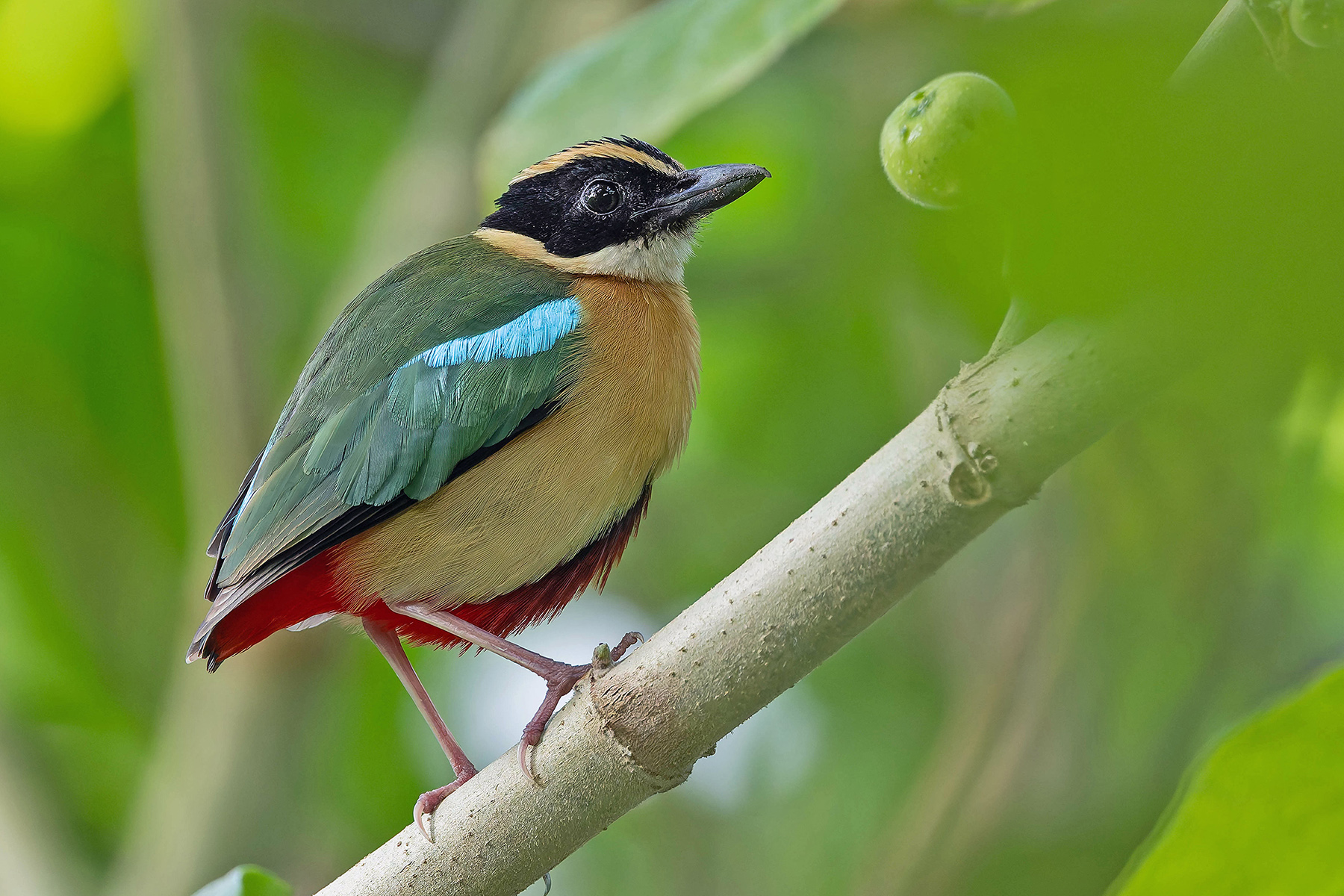
Elegant Pitta (image by Pete Morris)

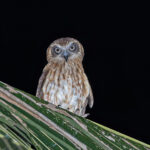
Wetar Scops Owl (image by Pete Morris)
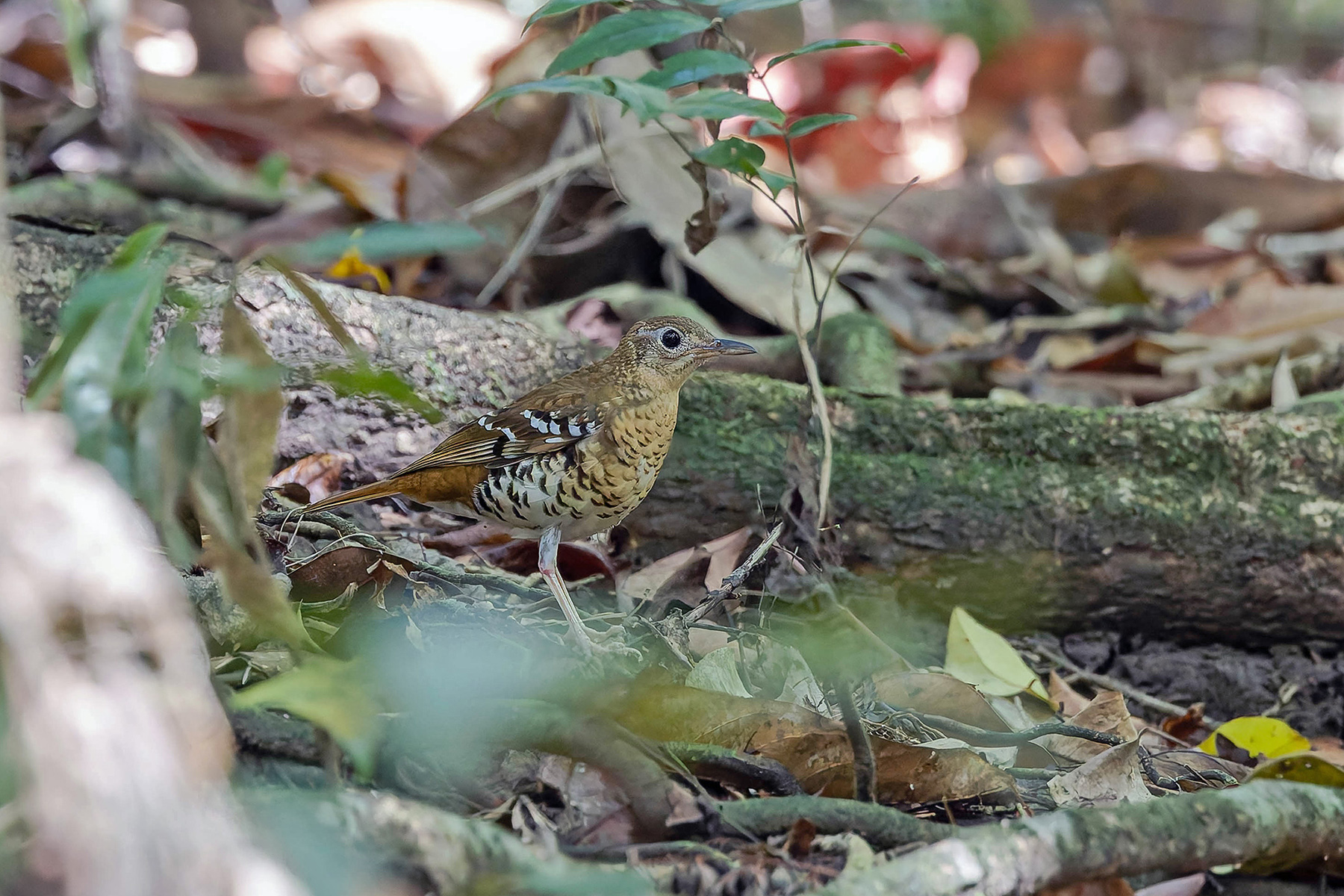
Fawn-breasted Thrush (image by Pete Morris)
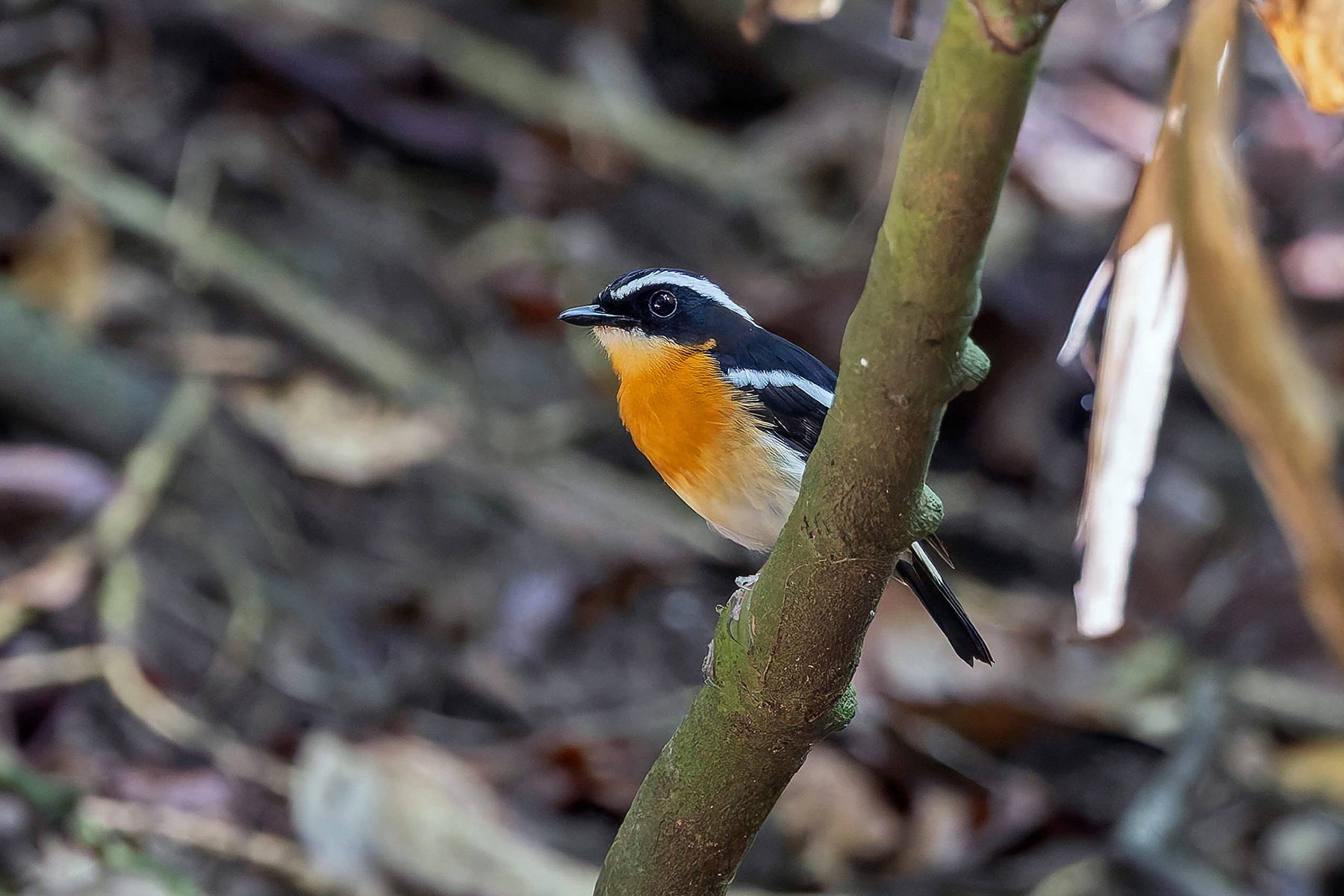
Tanimbar Flycatcher (image by Pete Morris)
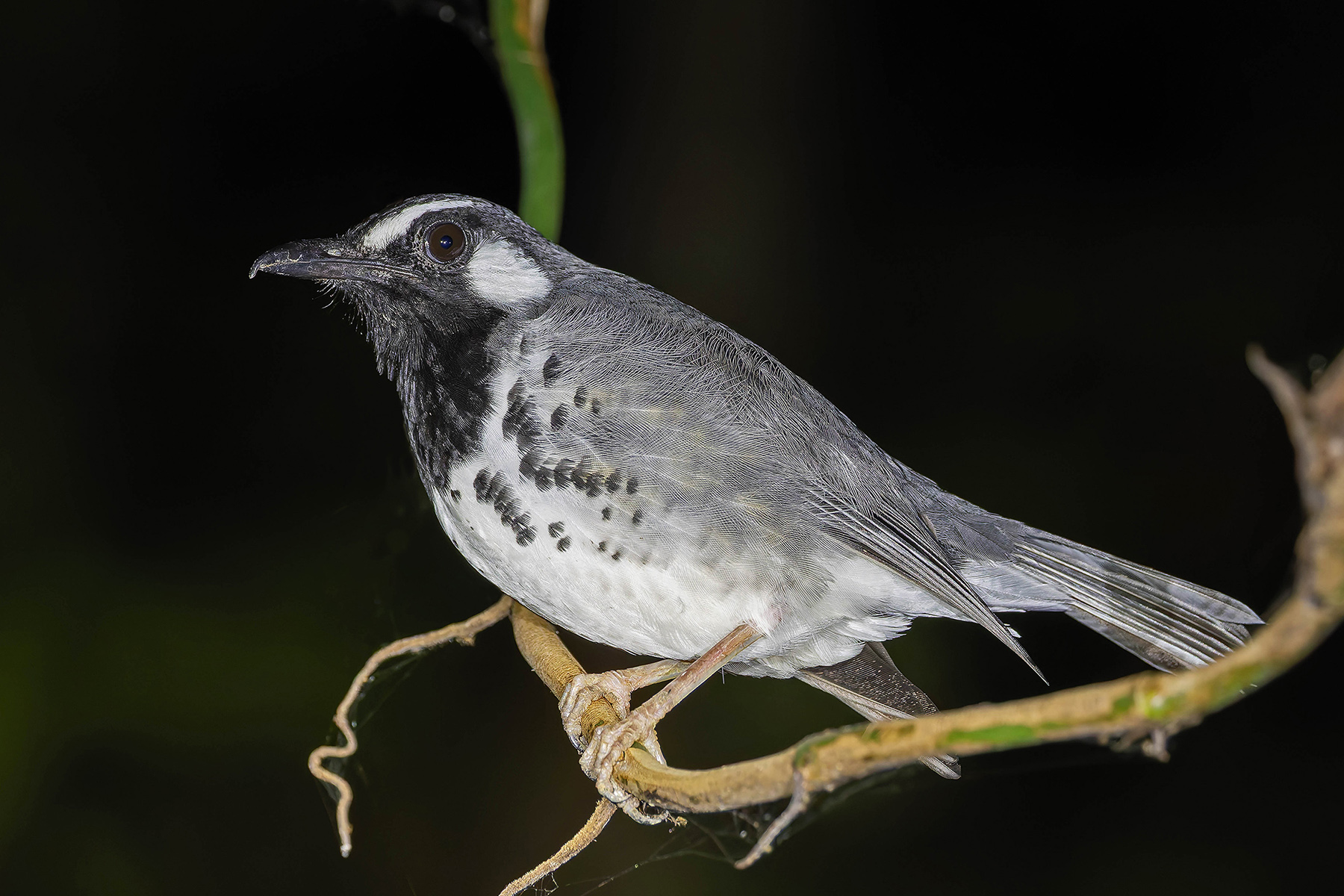
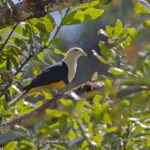
Slaty-backed Thrush (image by Pete Morris)
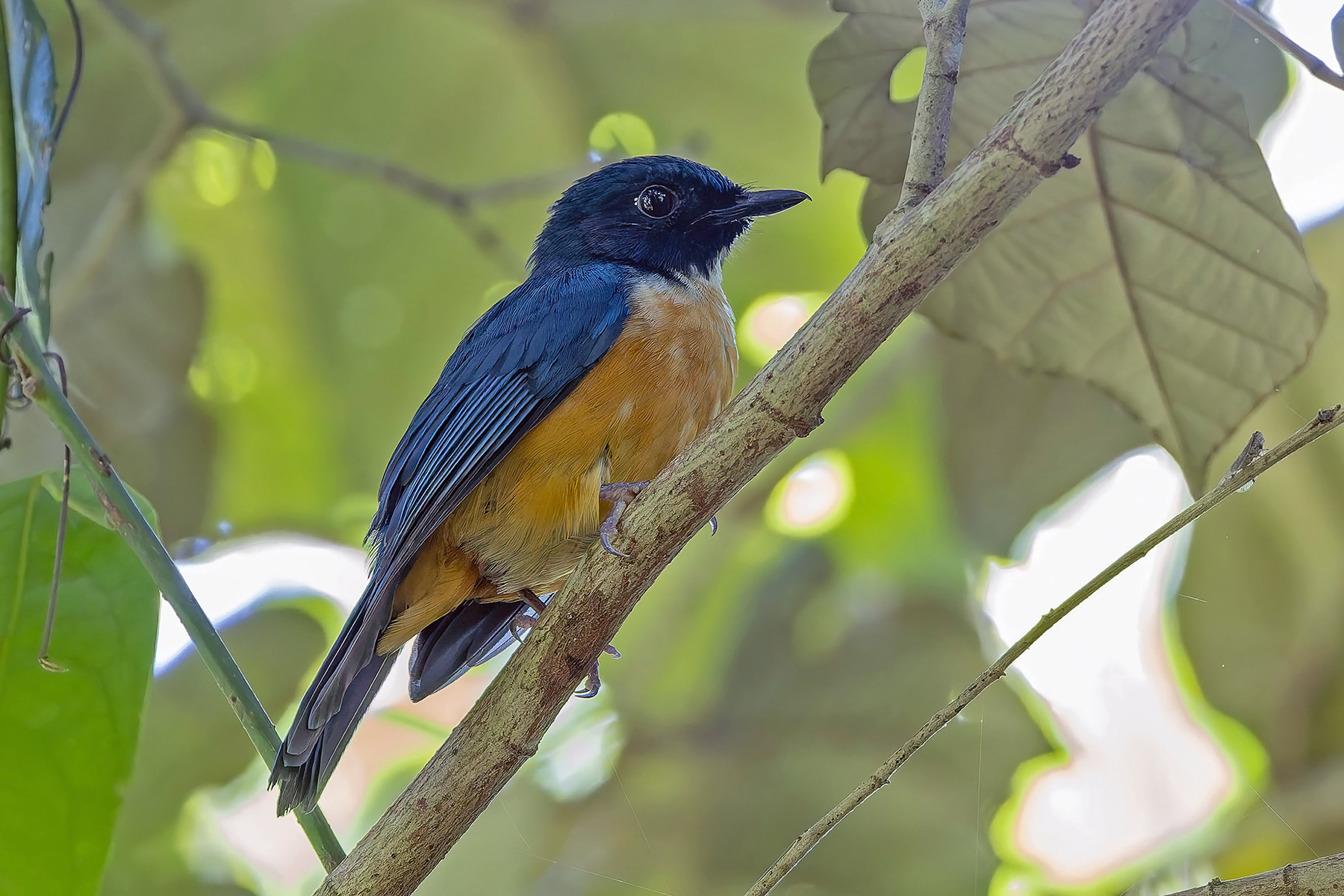
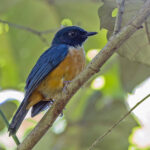
Kalao Blue Flycatcher (image by Pete Morris)
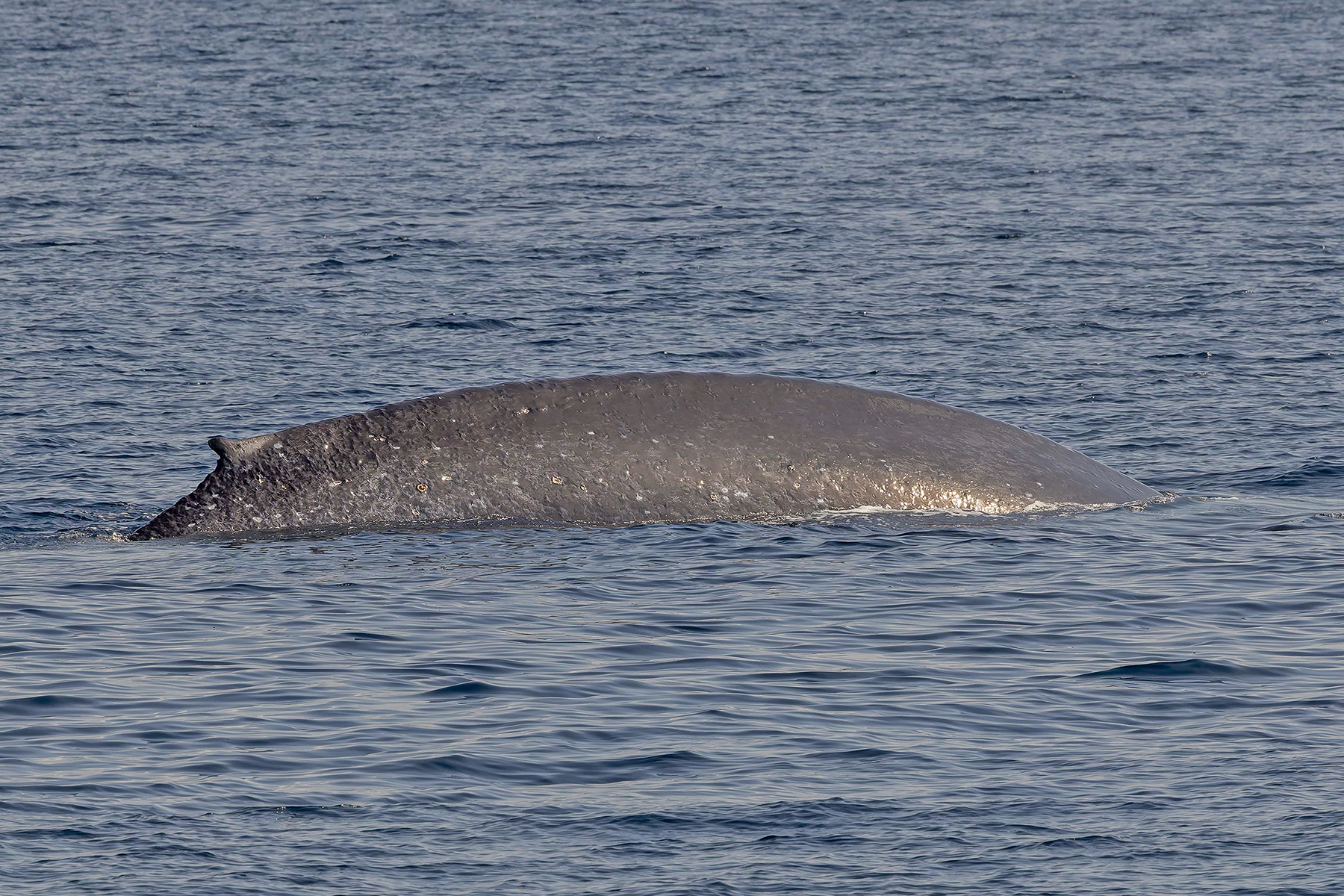
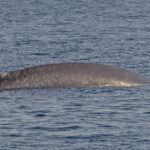
Blue Whale (Pygmy) (image by Pete Morris)
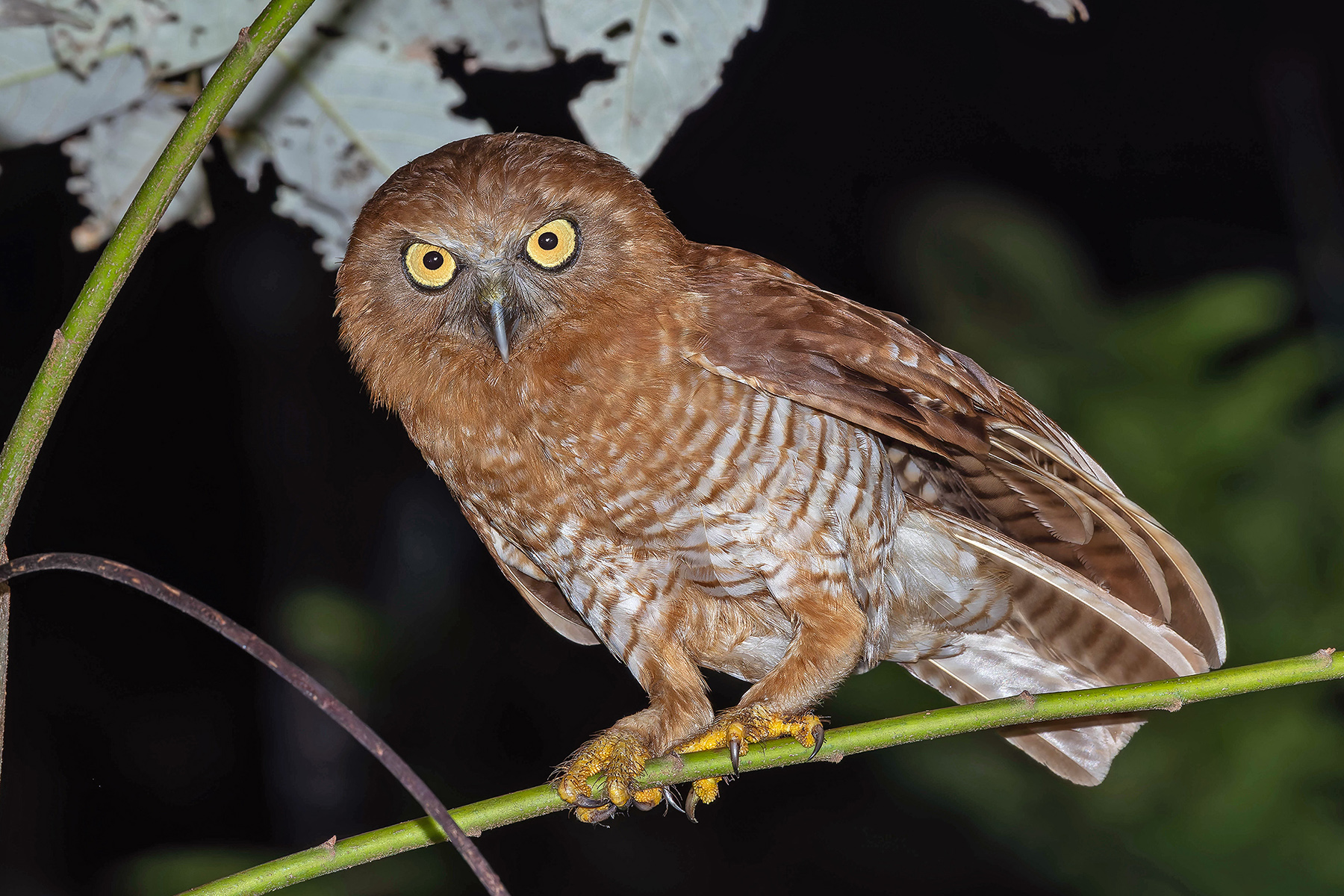
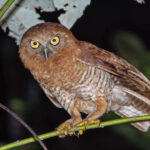
Tanimbar Boobook (image by Pete Morris)
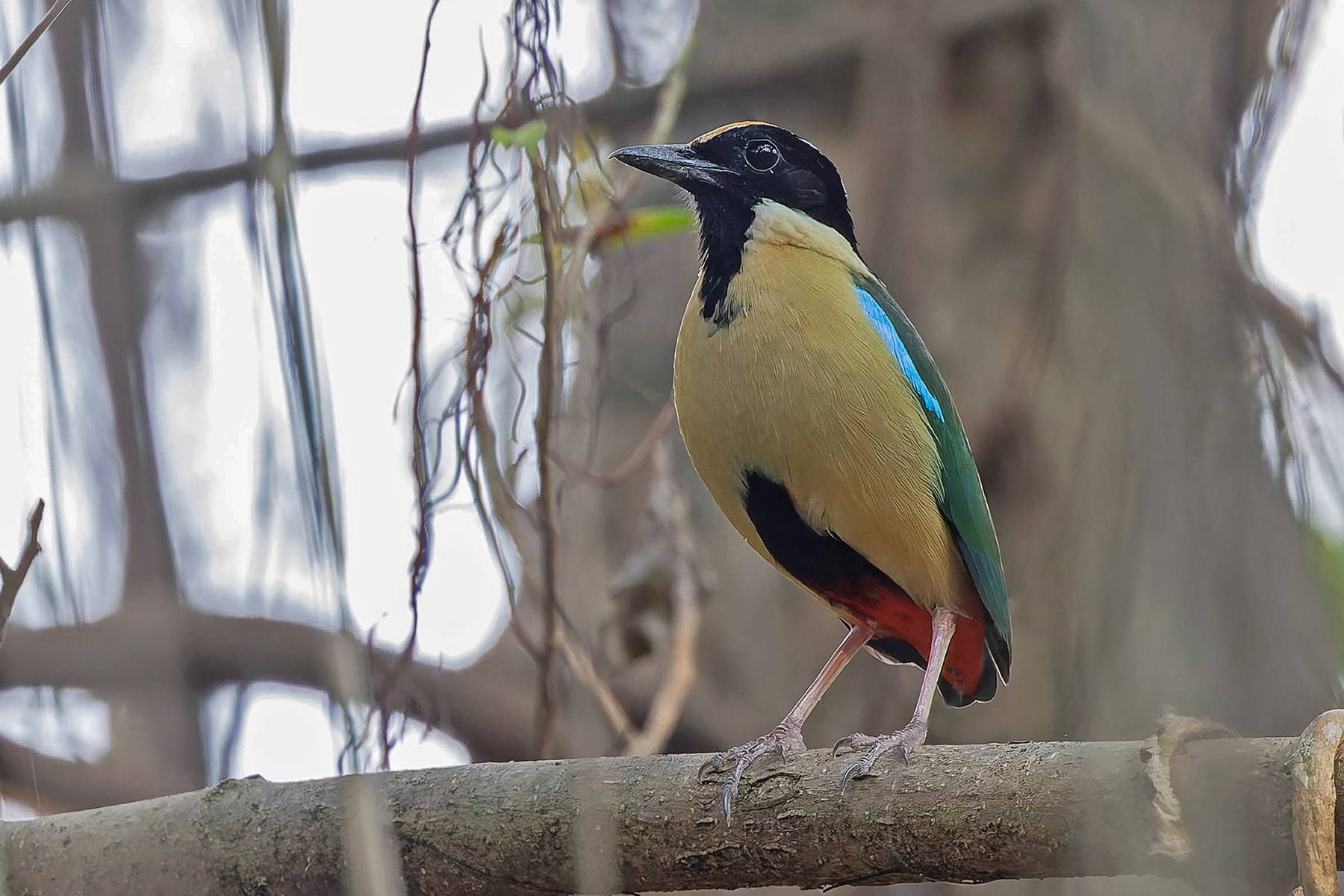
Ornate Pitta (image by Pete Morris)
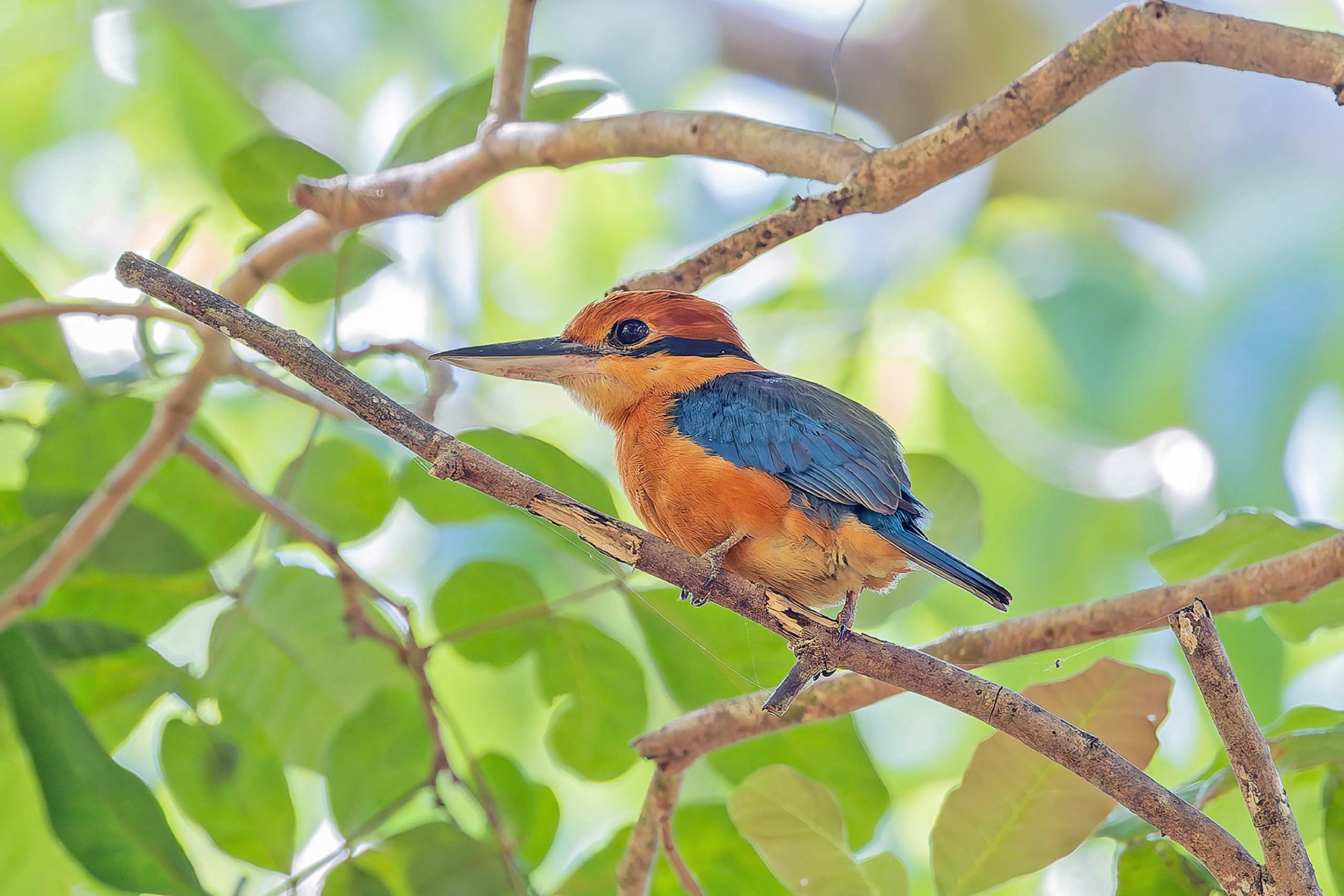
Cinnamon-banded Kingfisher (Babar) (image by Pete Morris)
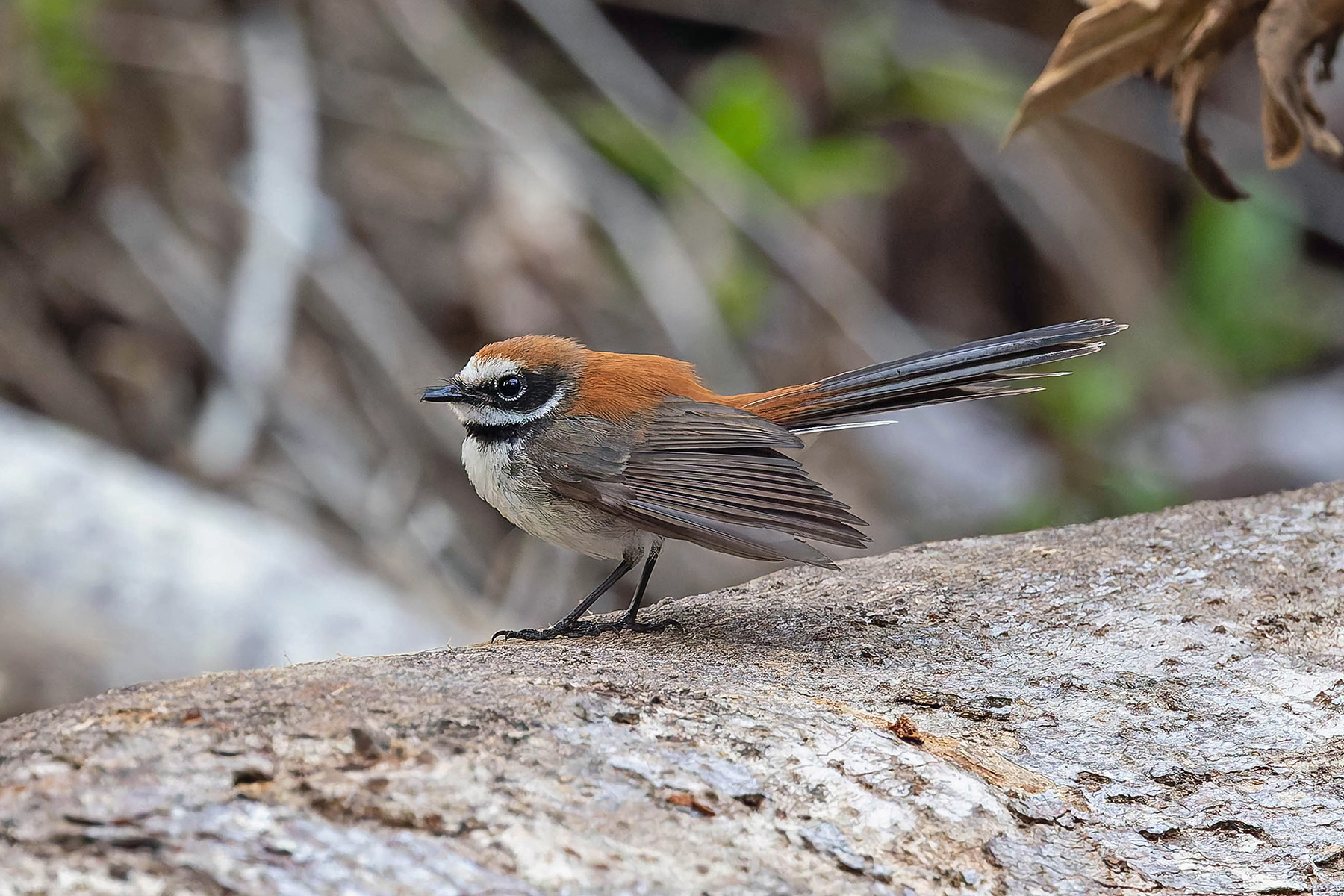
Supertramp Fantail (Leti) (image by Pete Morris)
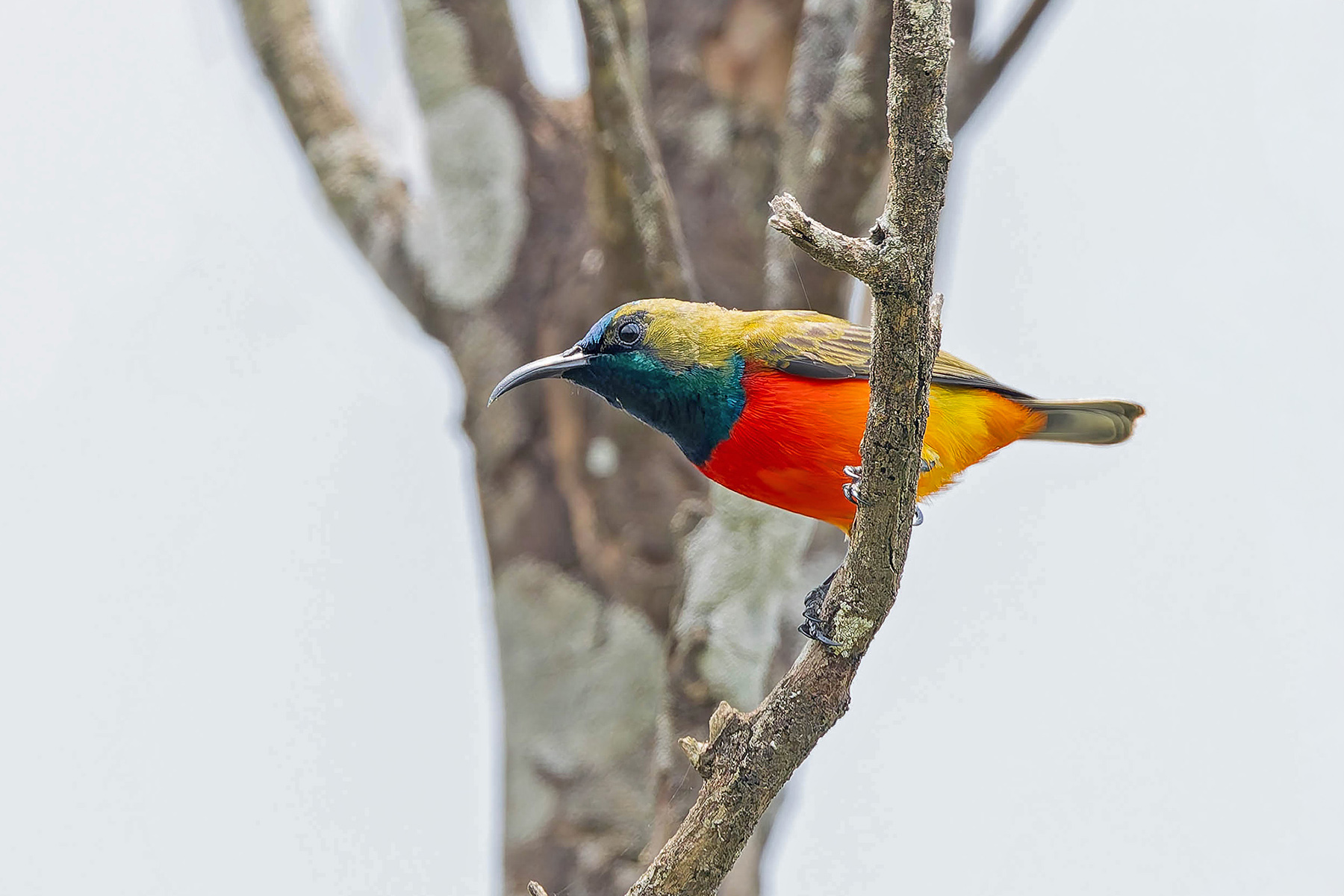
Flame-breasted Sunbird (image by Pete Morris)
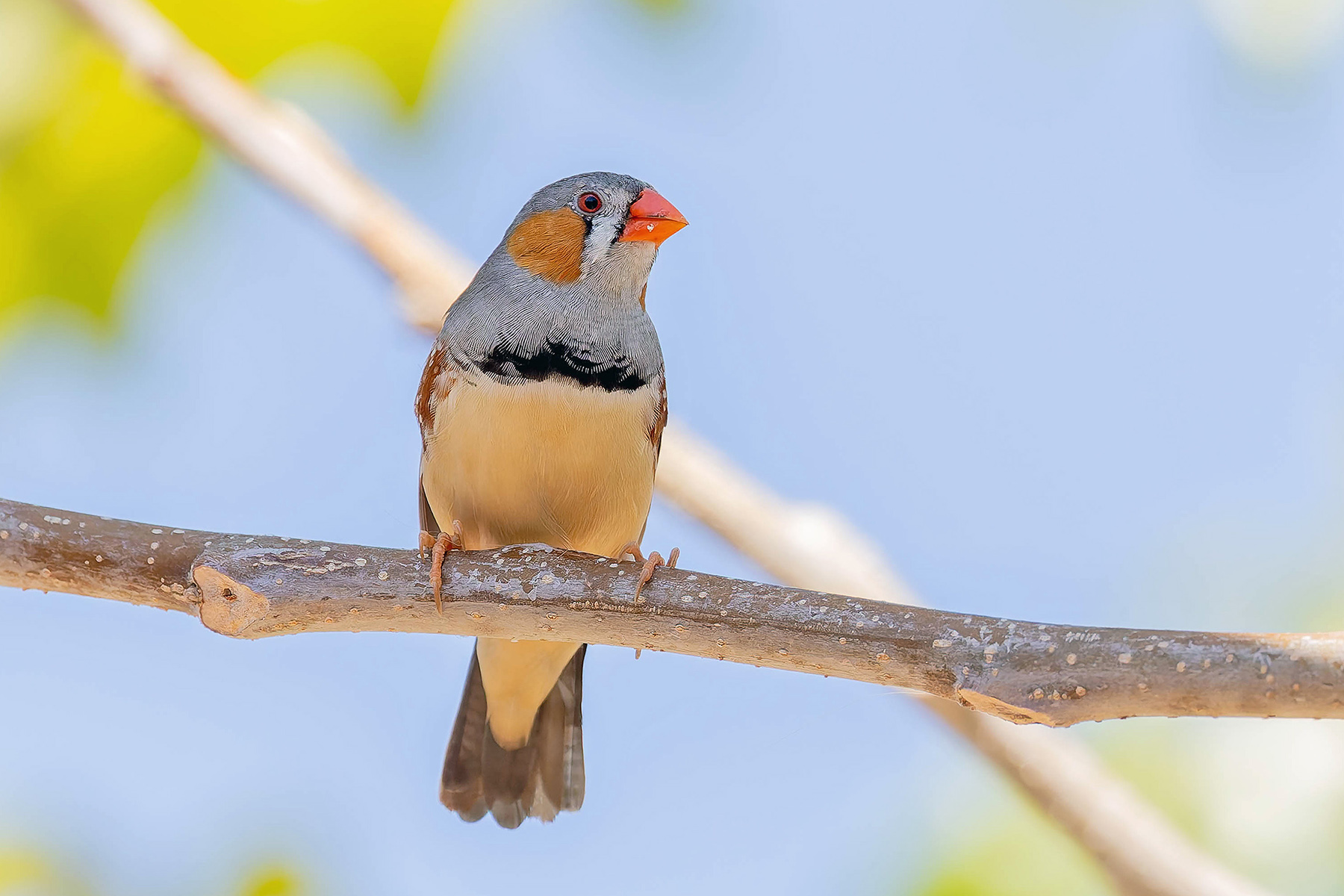
Zebra Finch (image by Pete Morris)
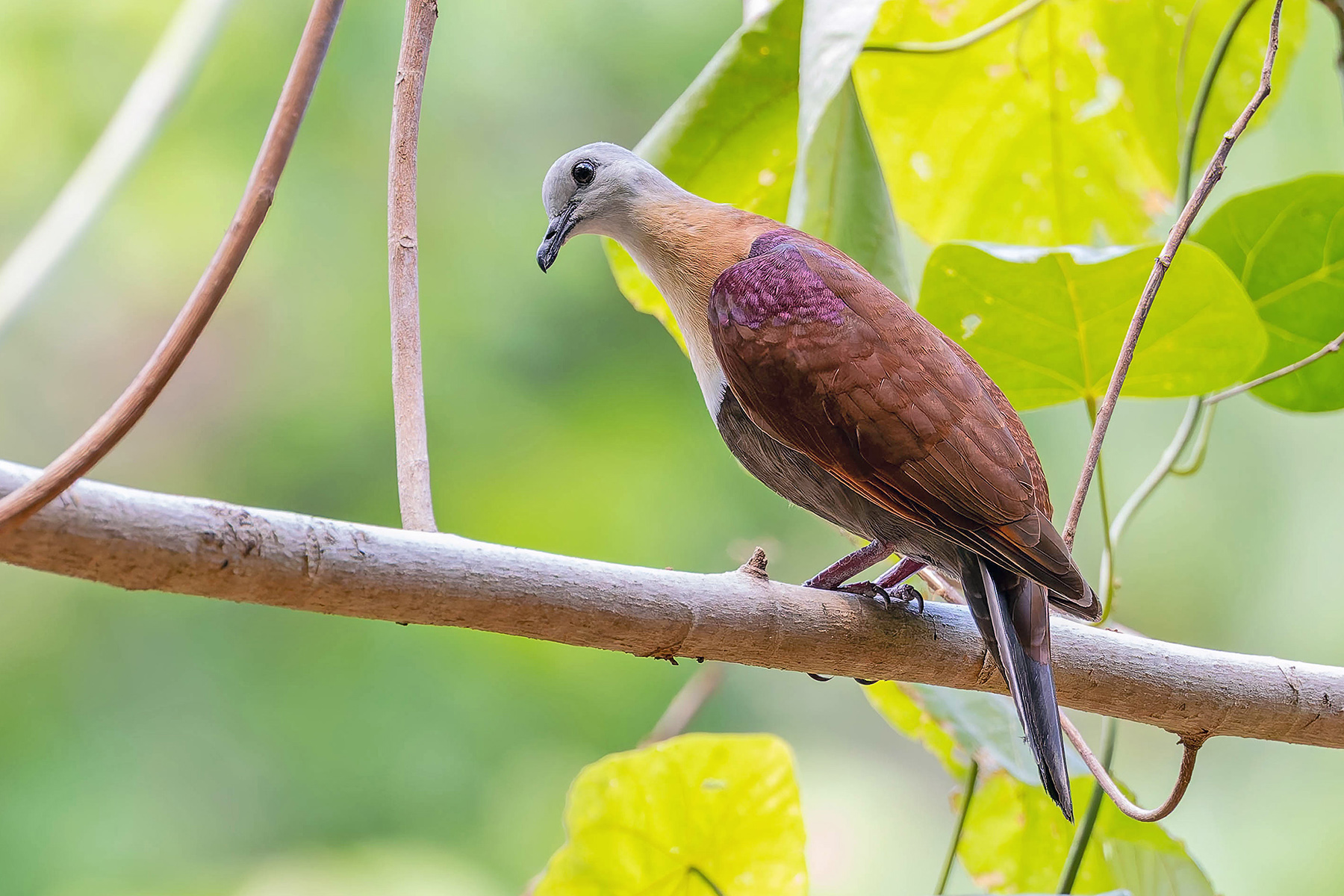
Wetar Ground Dove (image by Pete Morris)
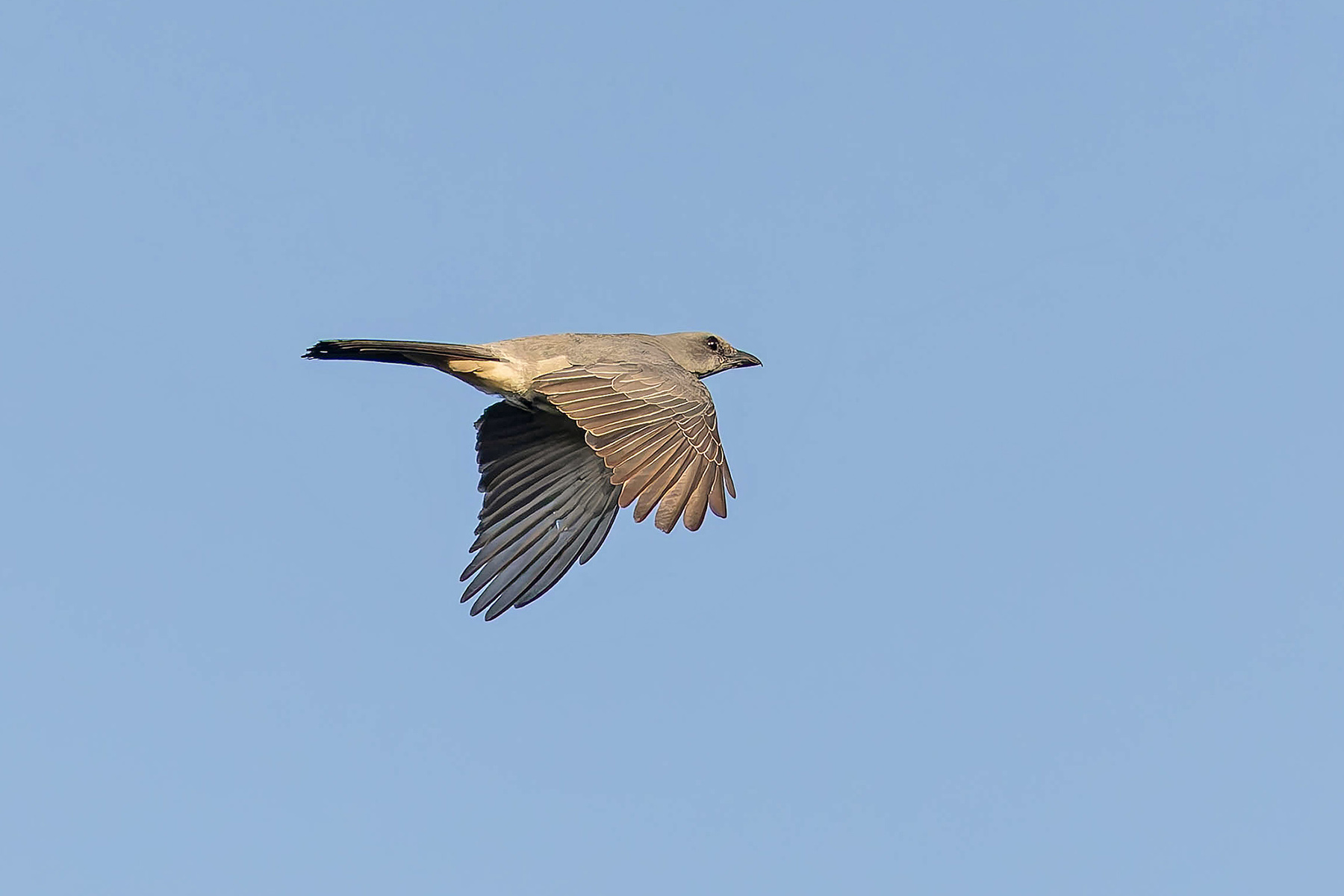
Wallacean Cuckooshrike (Alor) (image by Pete Morris)
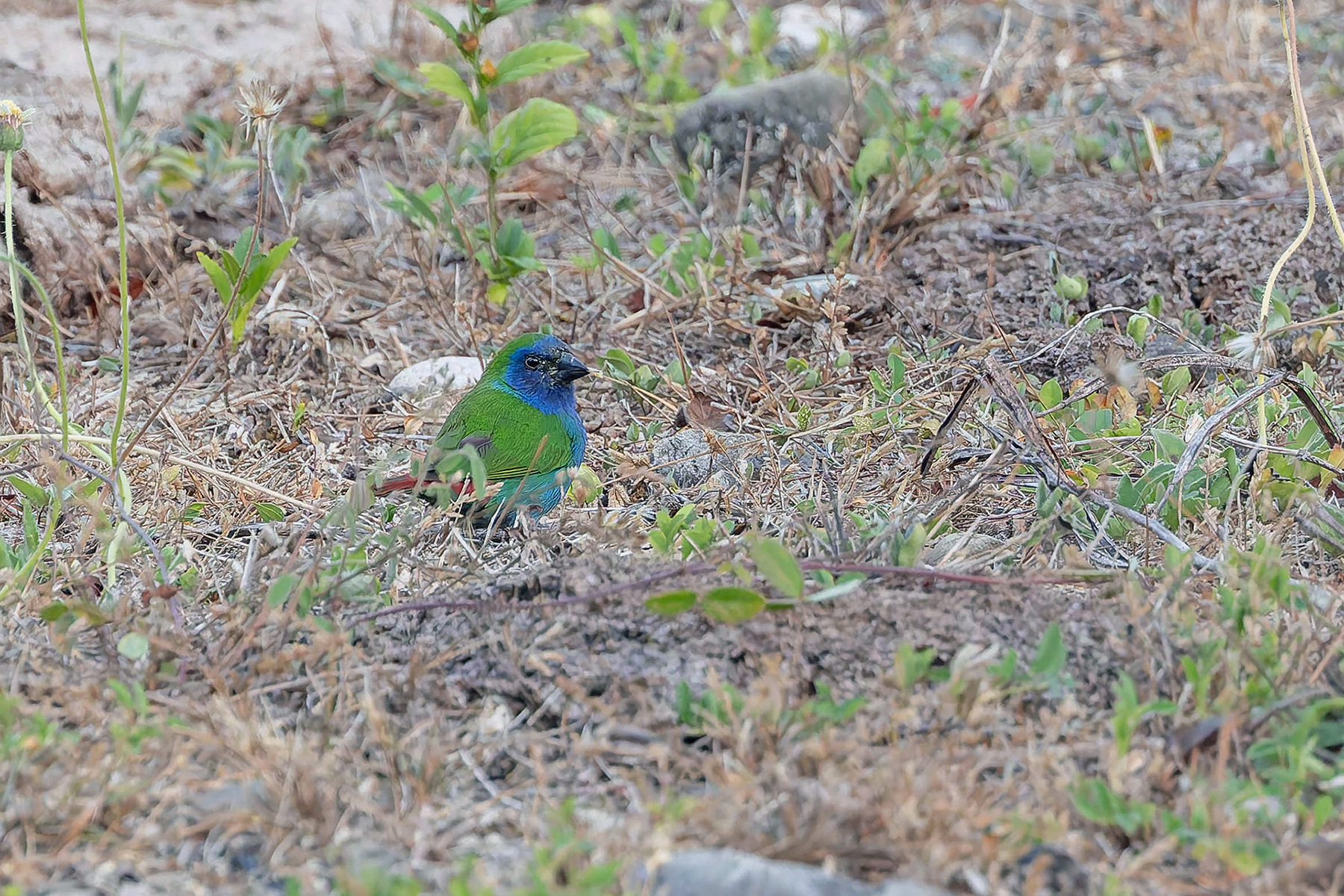
Tricolored Parrotfinch (image by Pete Morris)
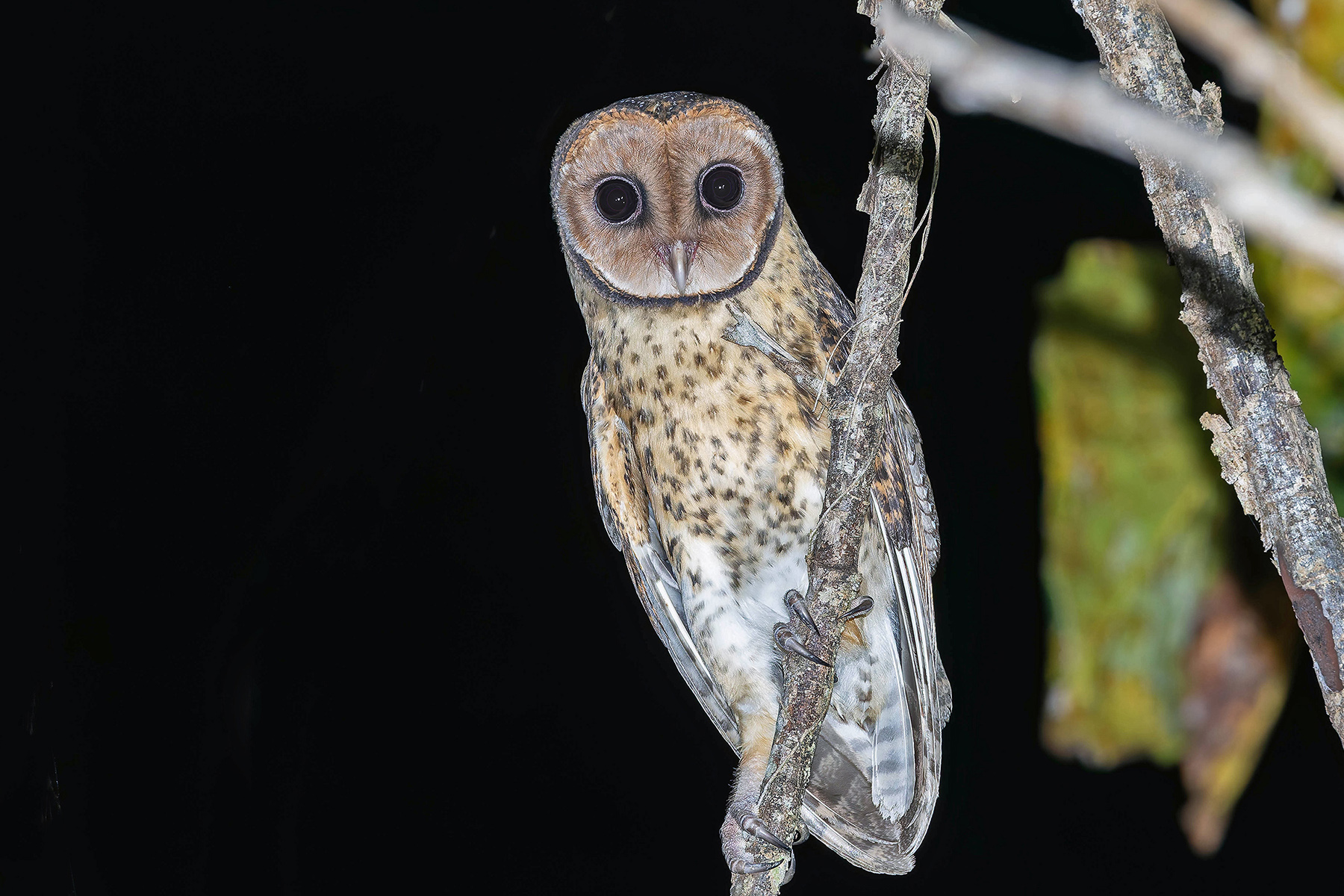
Australasian Masked Owl (Tanimbar) (image by Pete Morris)
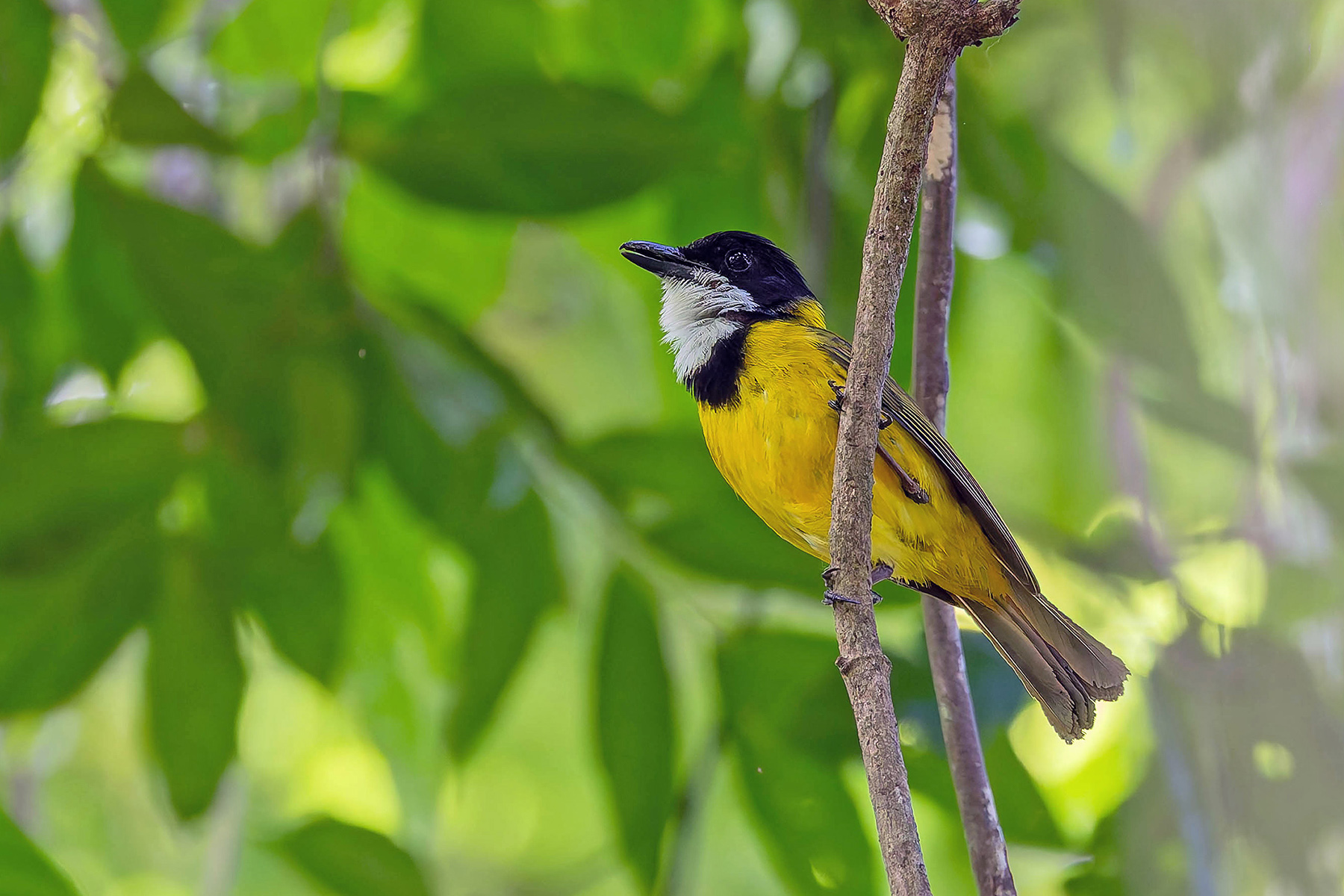
Babar Whistler (image by Pete Morris)
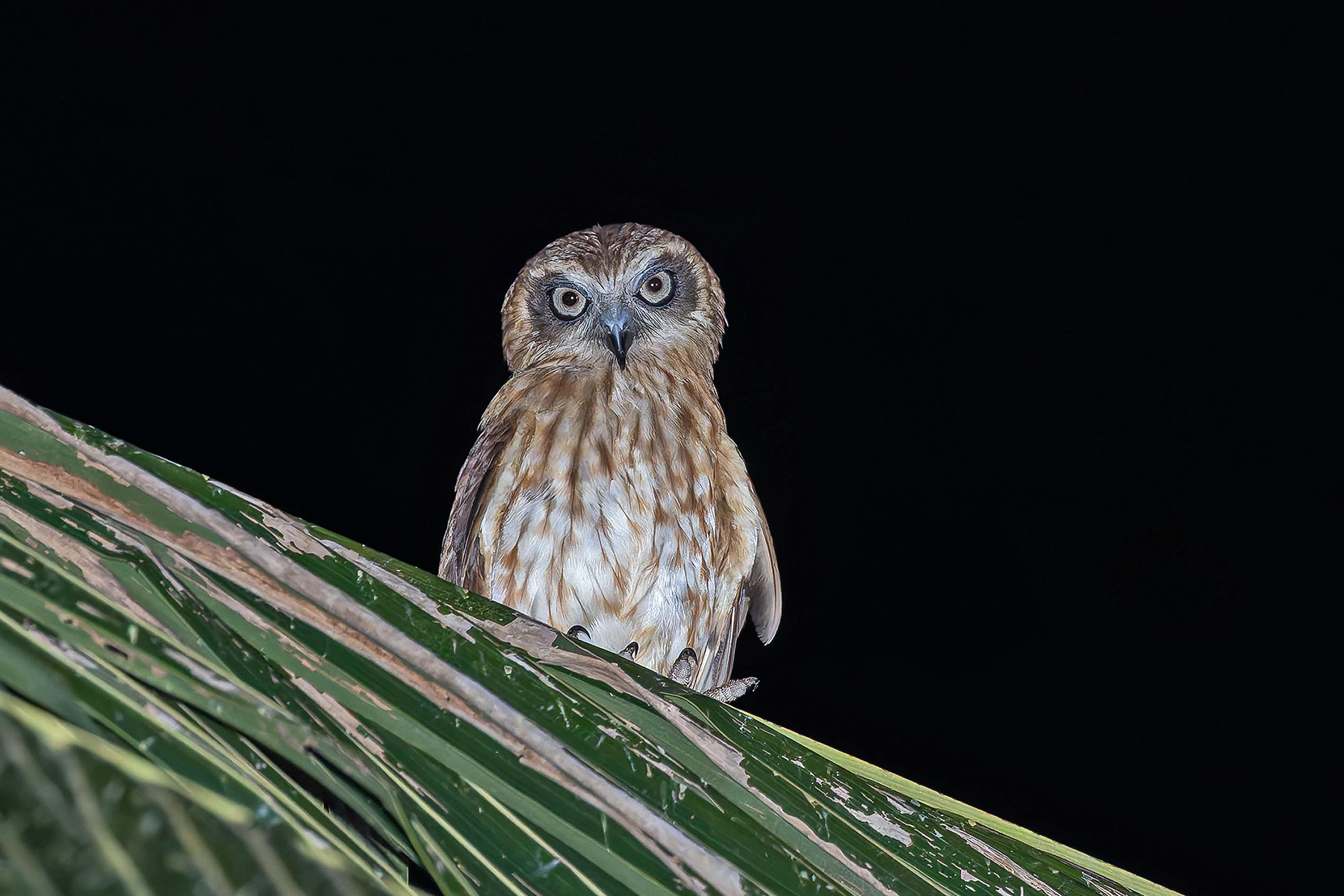
Australian Boobook (Leti) (image by Pete Morris)
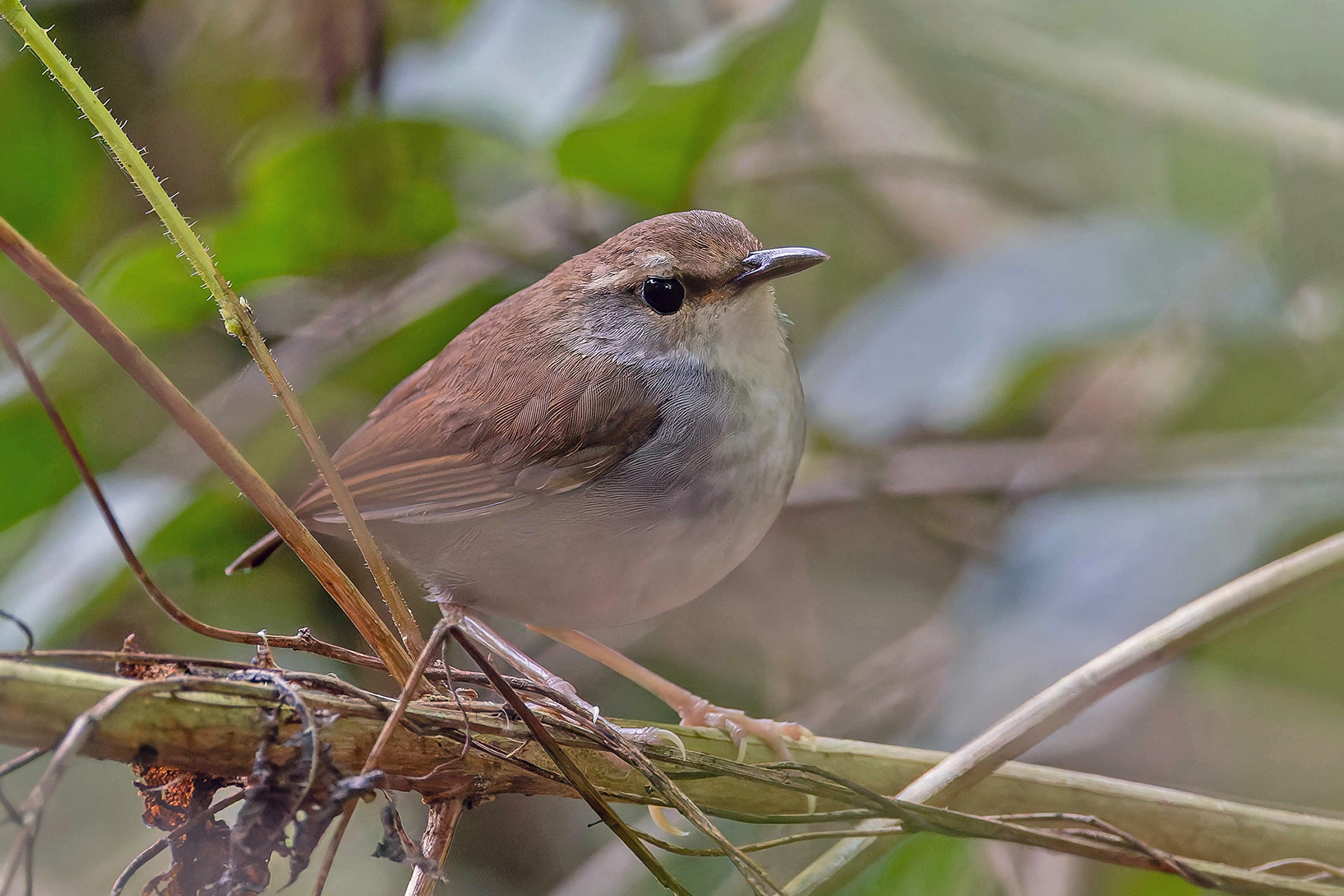
Timor Stubtail (image by Pete Morris)
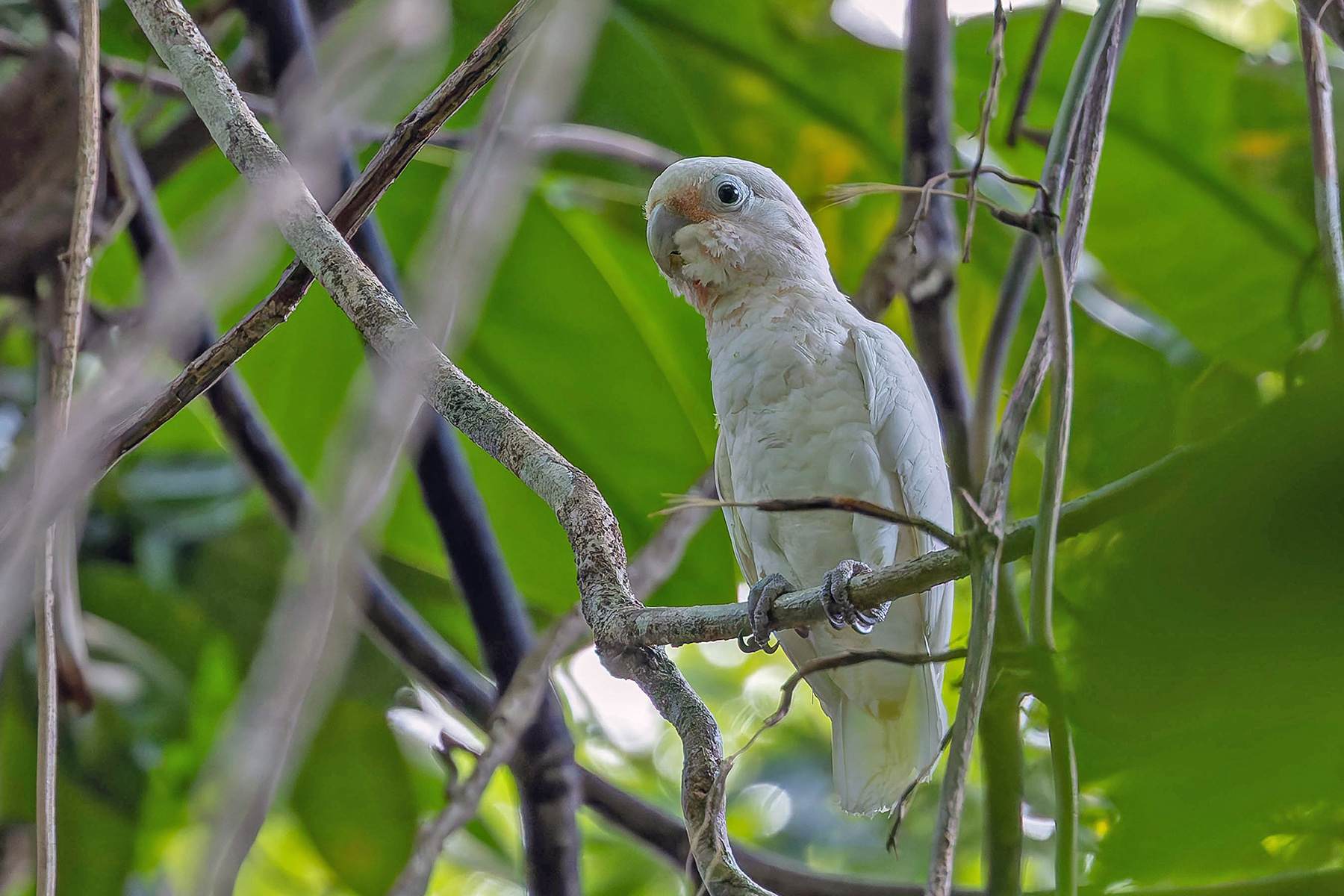
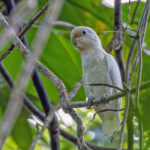
Tanimbar Corella (image by Pete Morris)
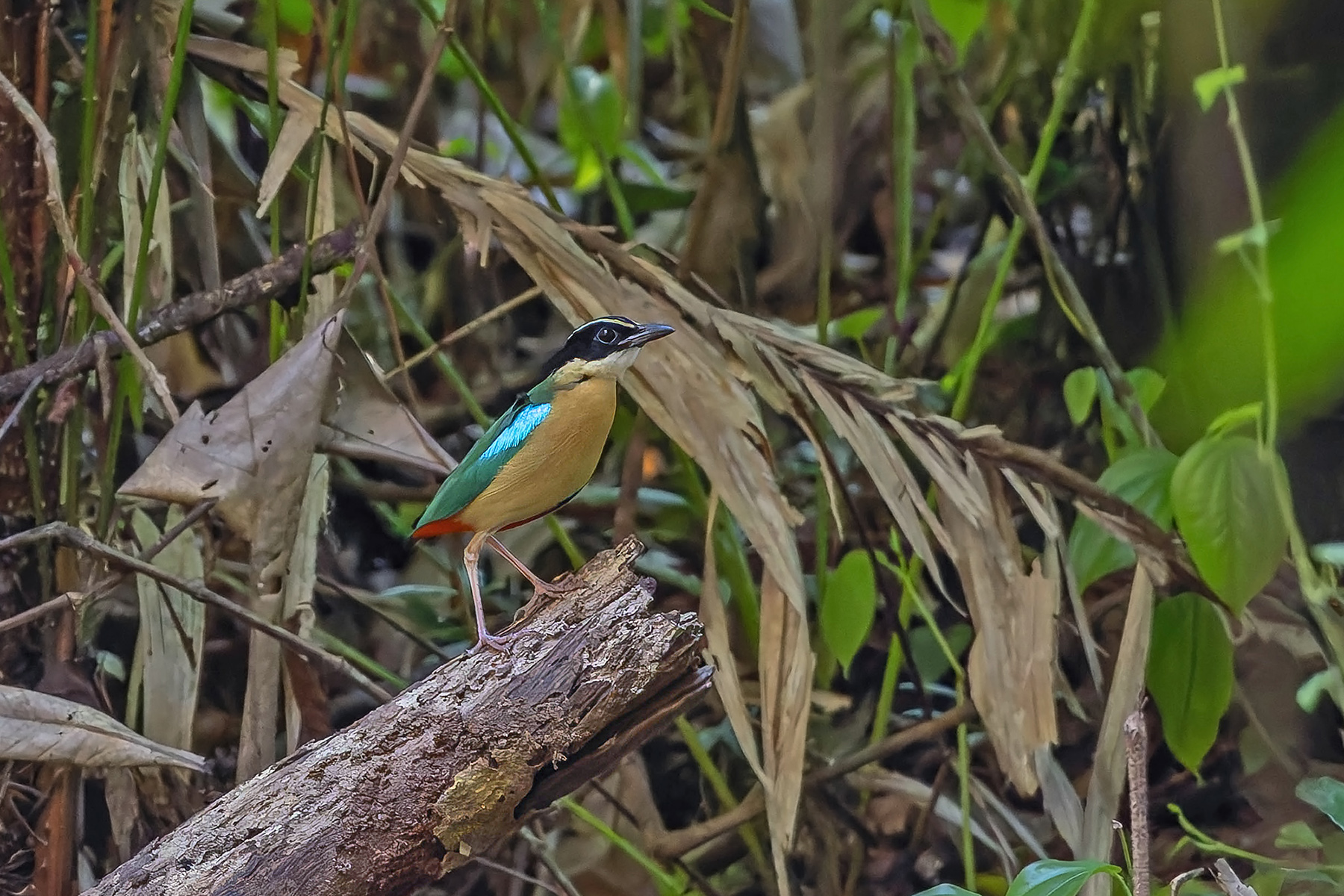
Banda Sea Pitta (image by Pete Morris)
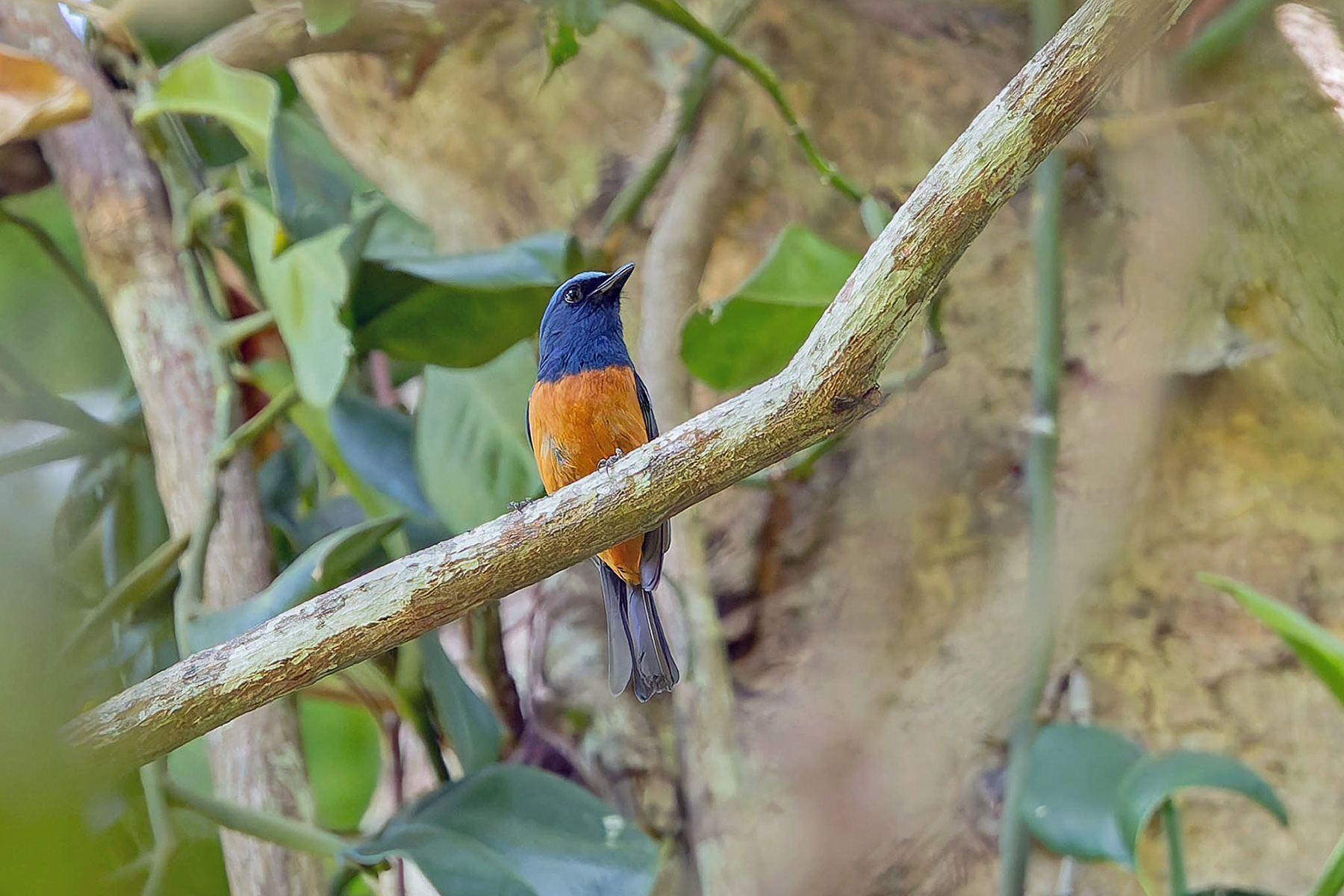
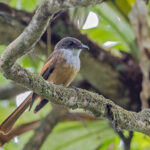
Timor Blue Flycatcher (image by Pete Morris)
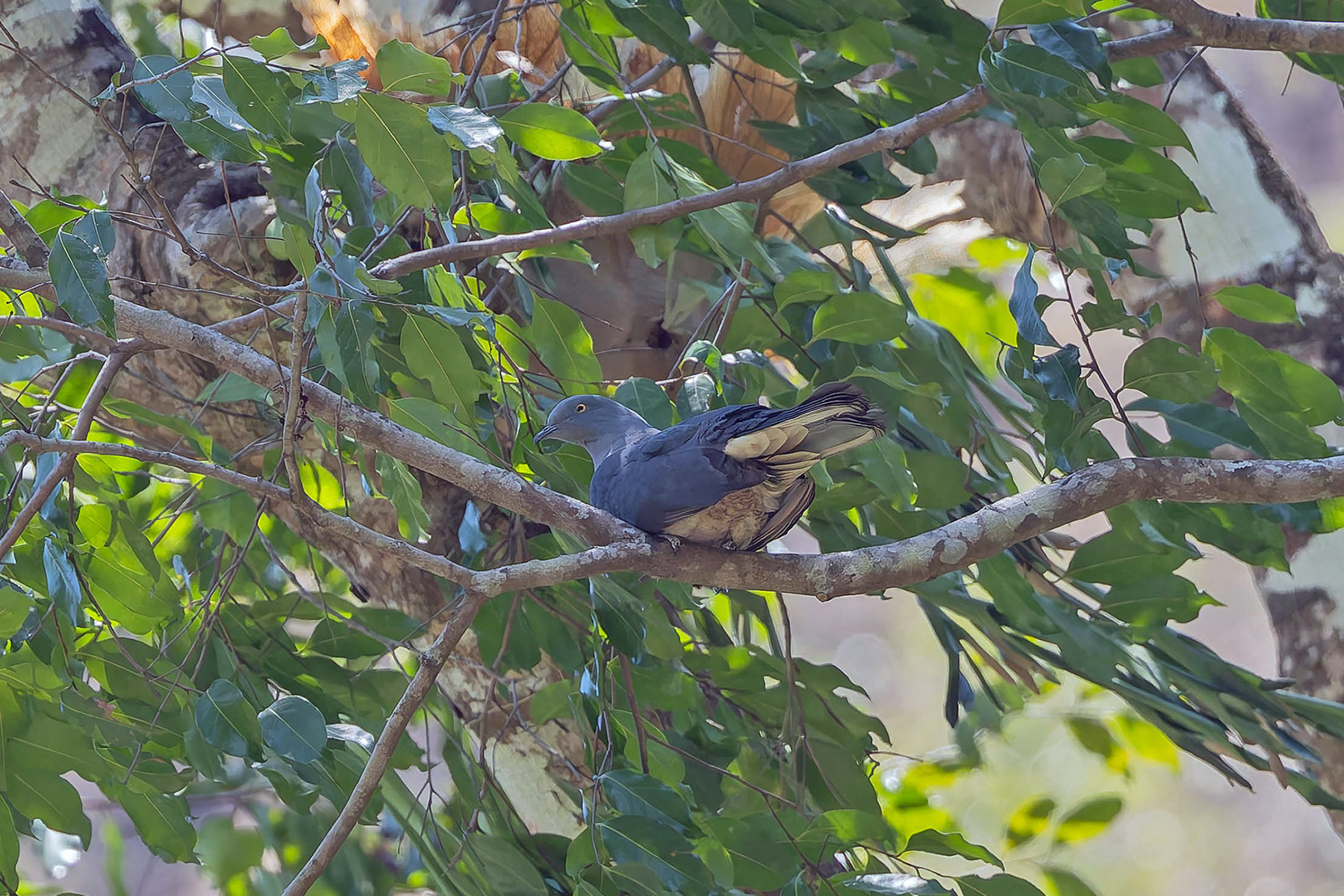
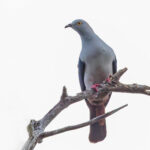
Timor Imperial Pigeon (image by Pete Morris)
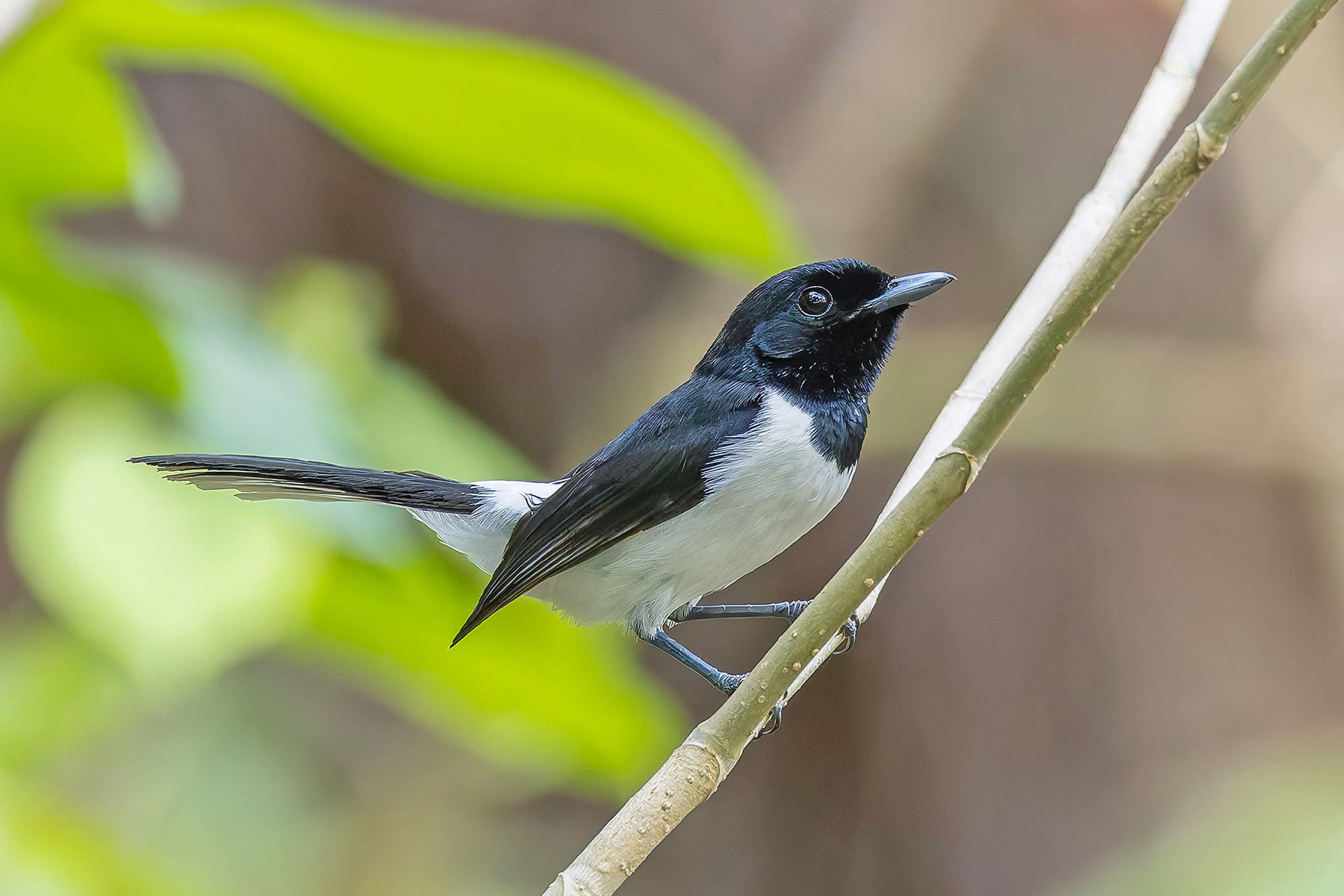
Tanahjampea Monarch (image by Pete Morris)

Sunset - Damar-Leti (image by Pete Morris)
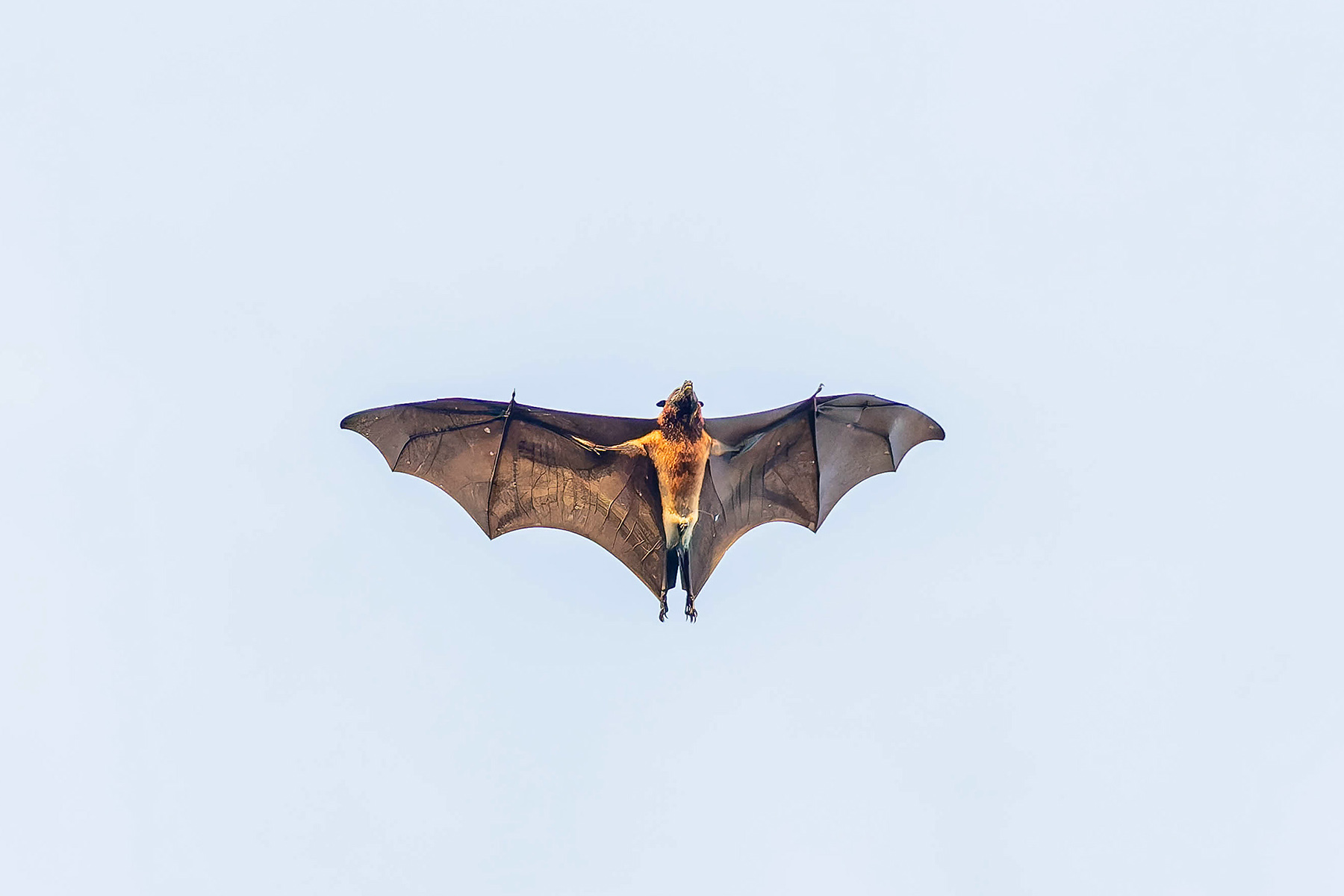
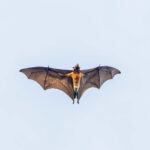
Black-bearded Flying Fox (image by Pete Morris)
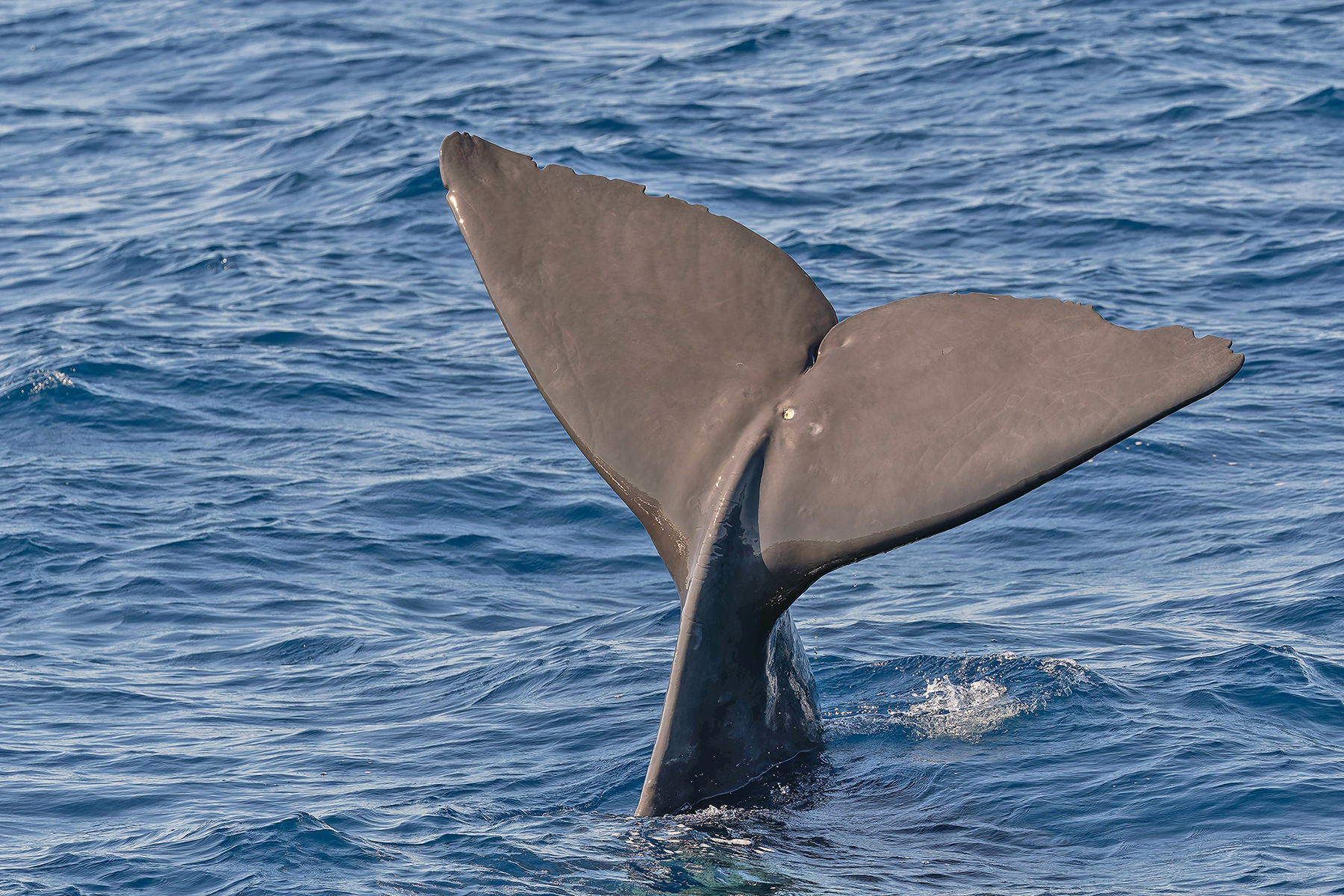
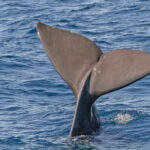
Sperm Whale (image by Pete Morris)
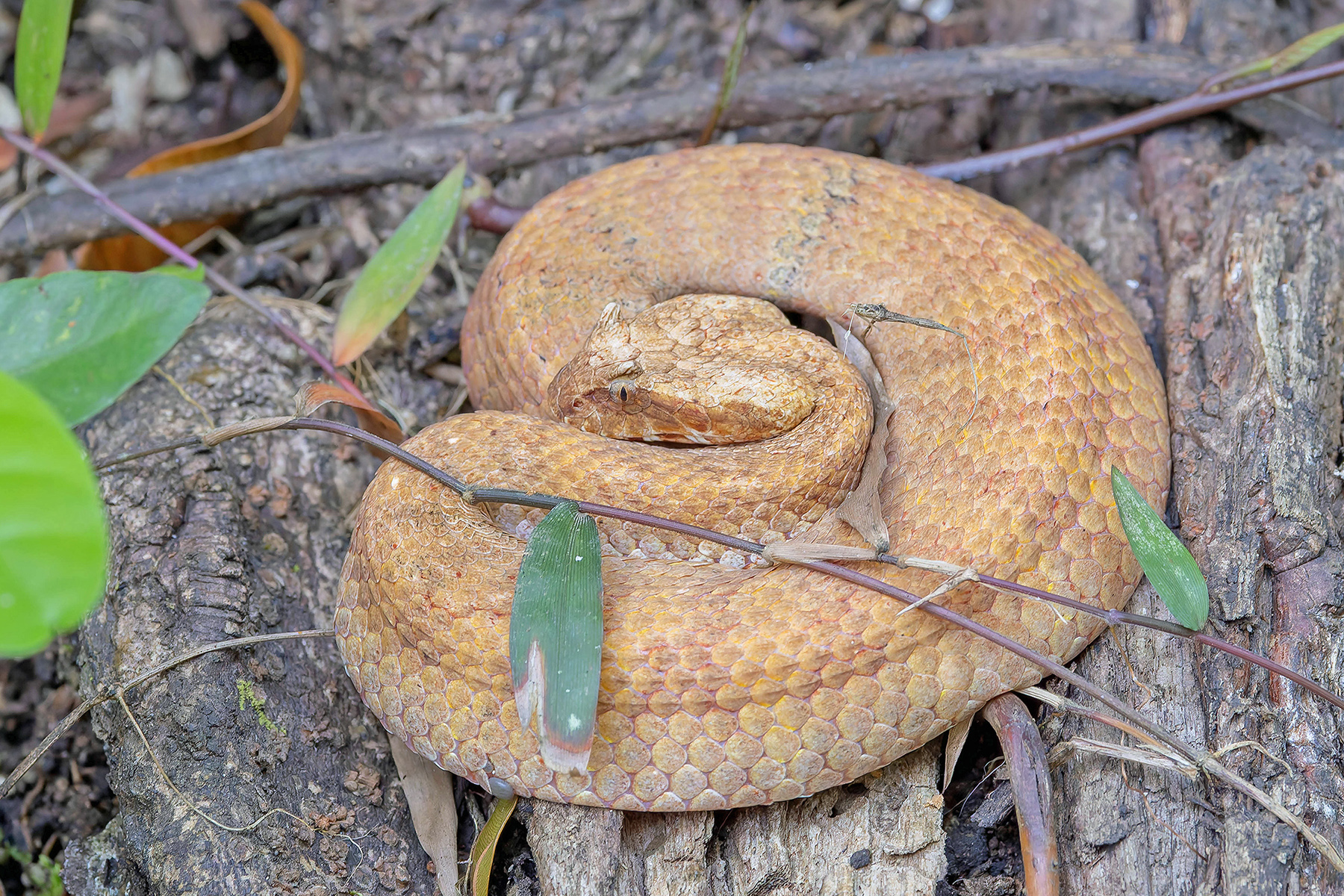
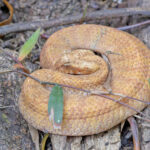
Seram Death Adder (image by Pete Morris)
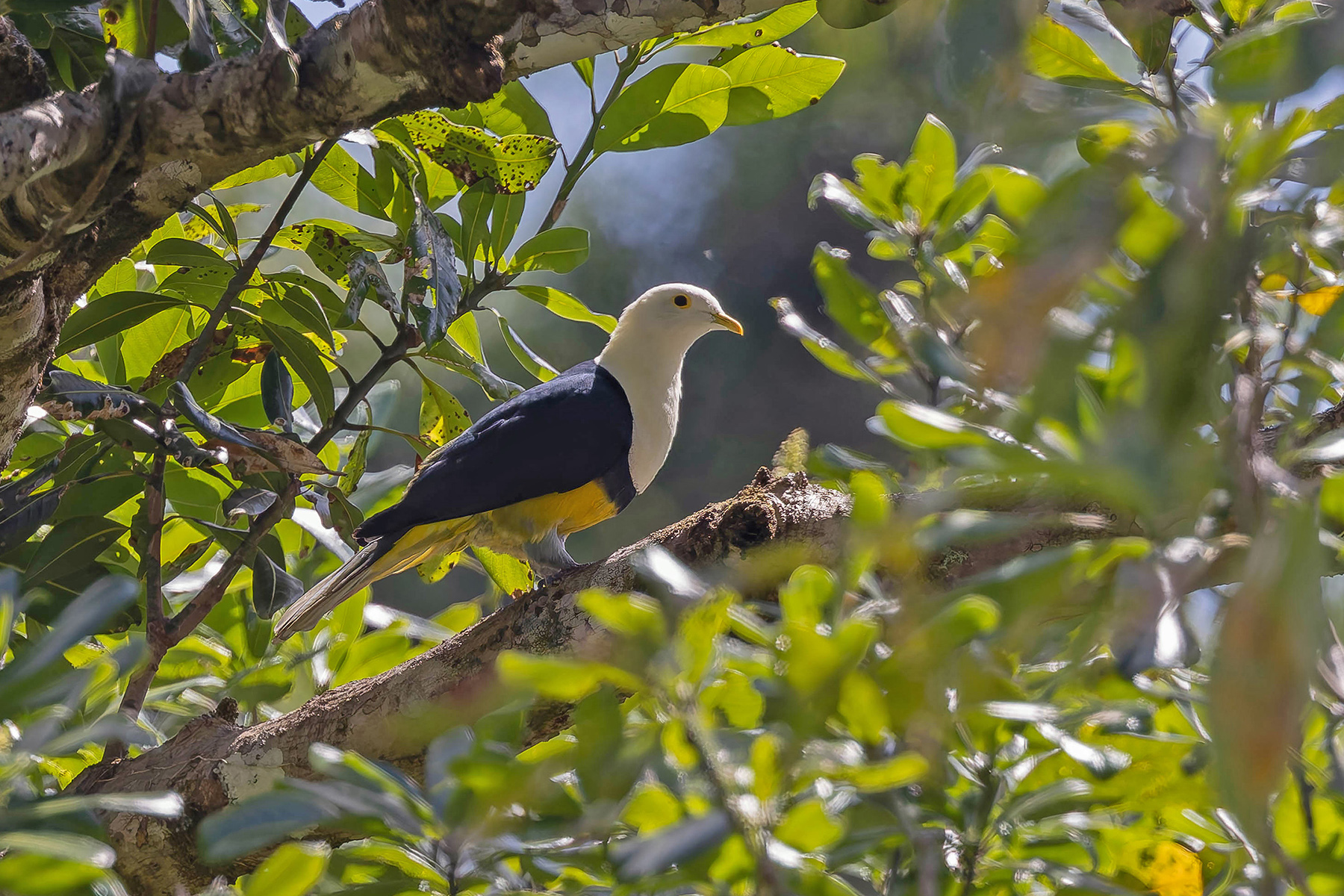
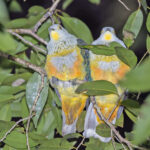
Banded Fruit Dove (image by Pete Morris)
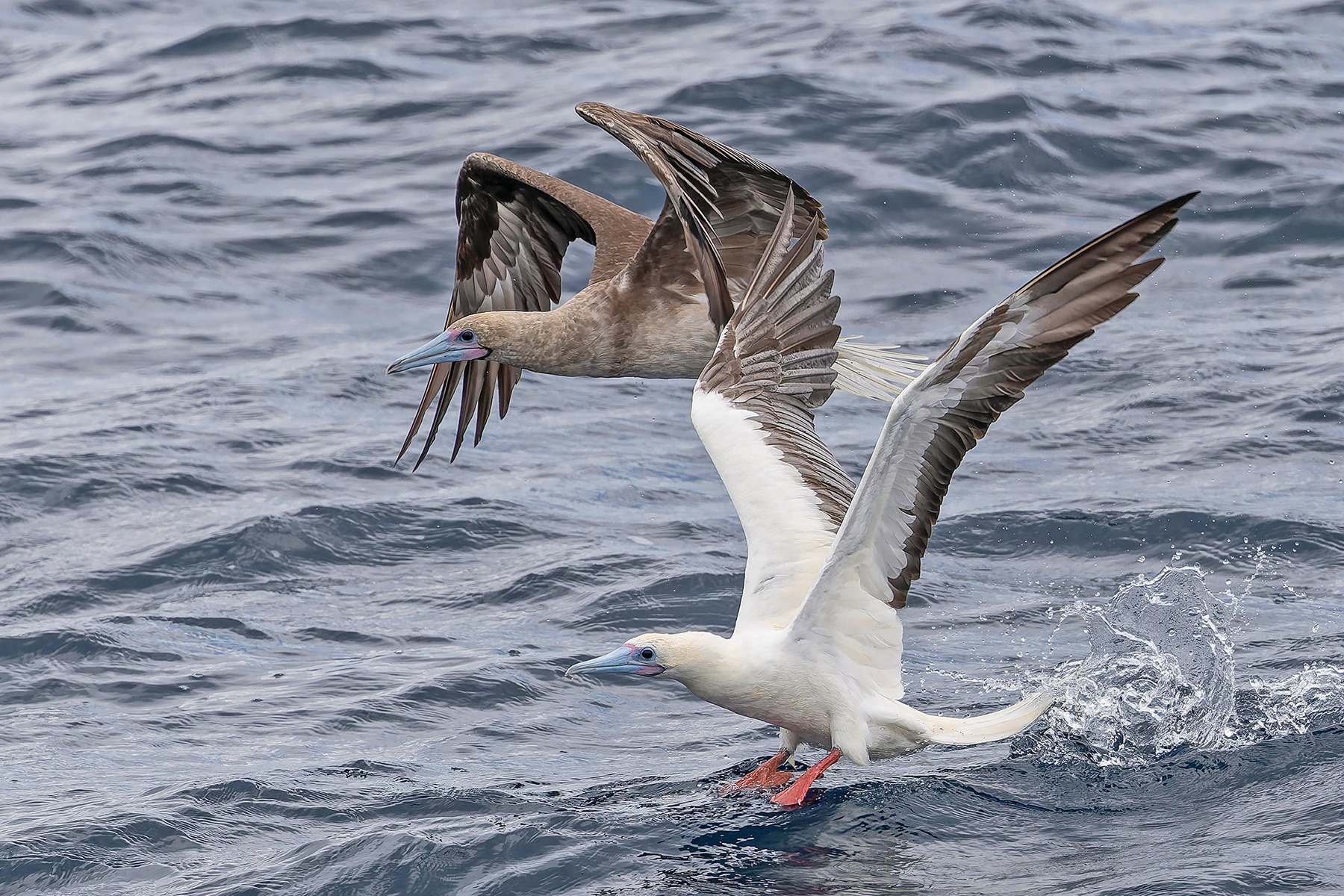
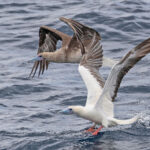
Red-footed Boobies (image by Pete Morris)
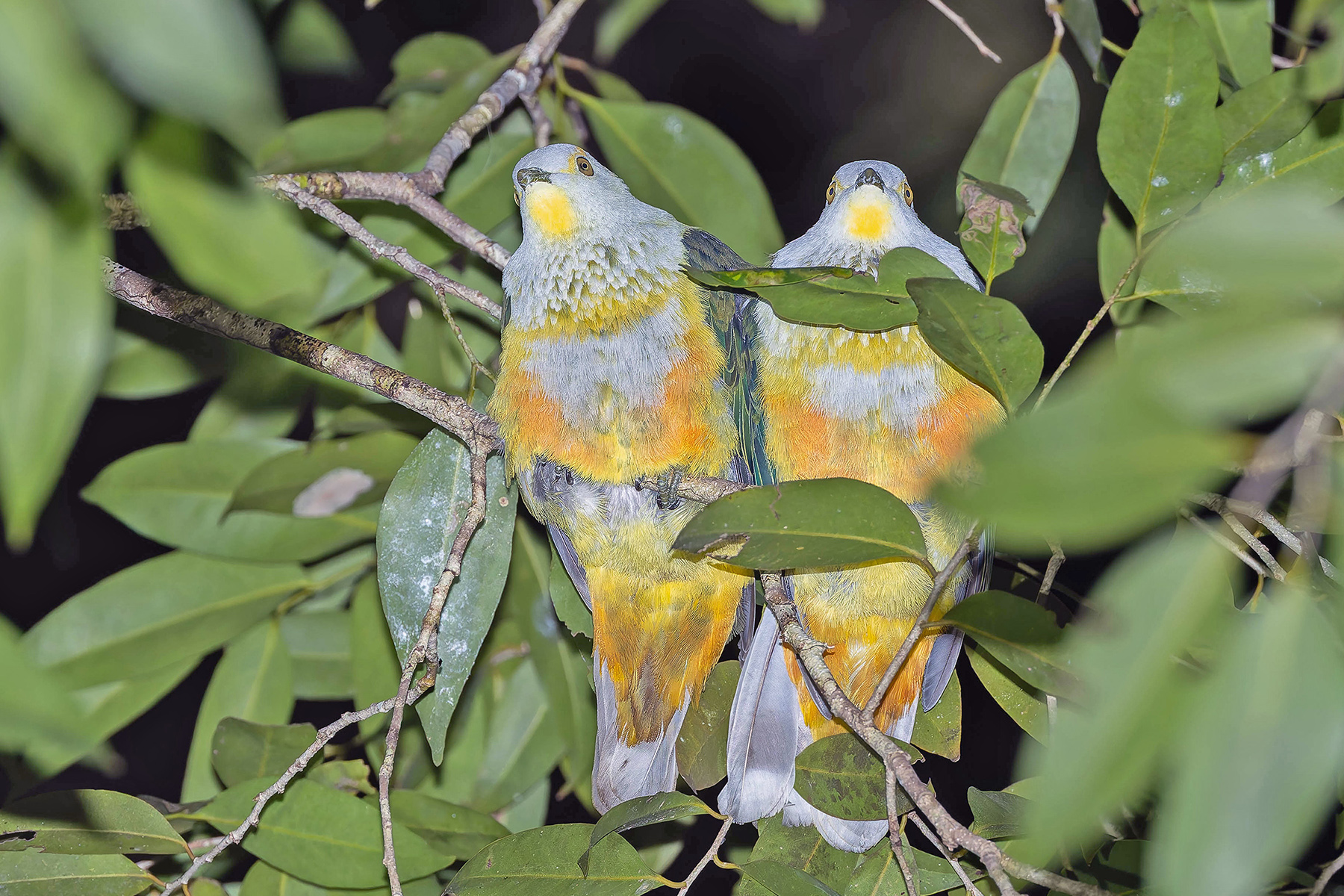
Rose-crowned Fruit Dove (image by Pete Morris)
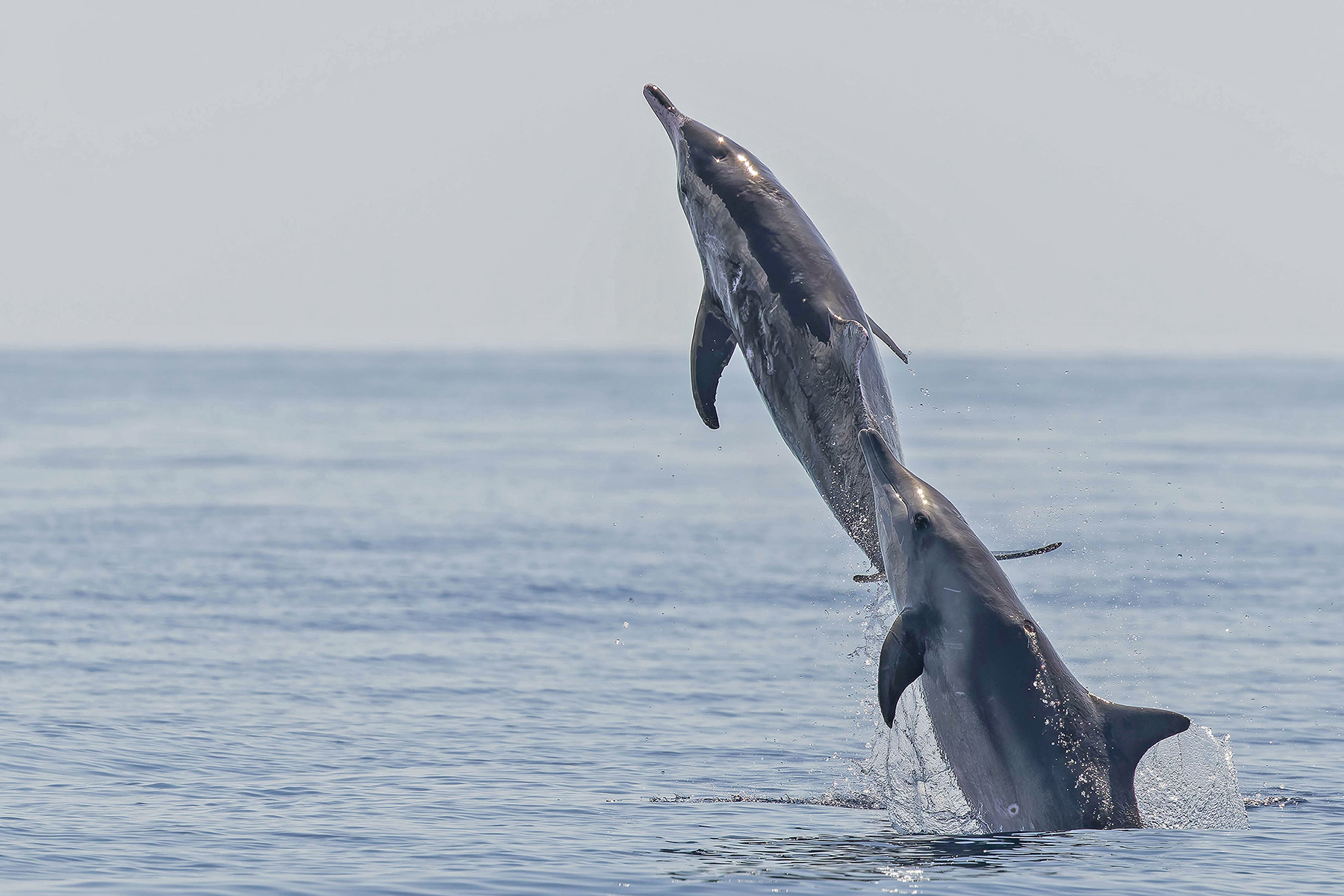
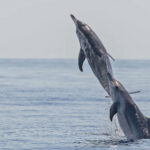
Rough-toothed Dolphins (image by Pete Morris)
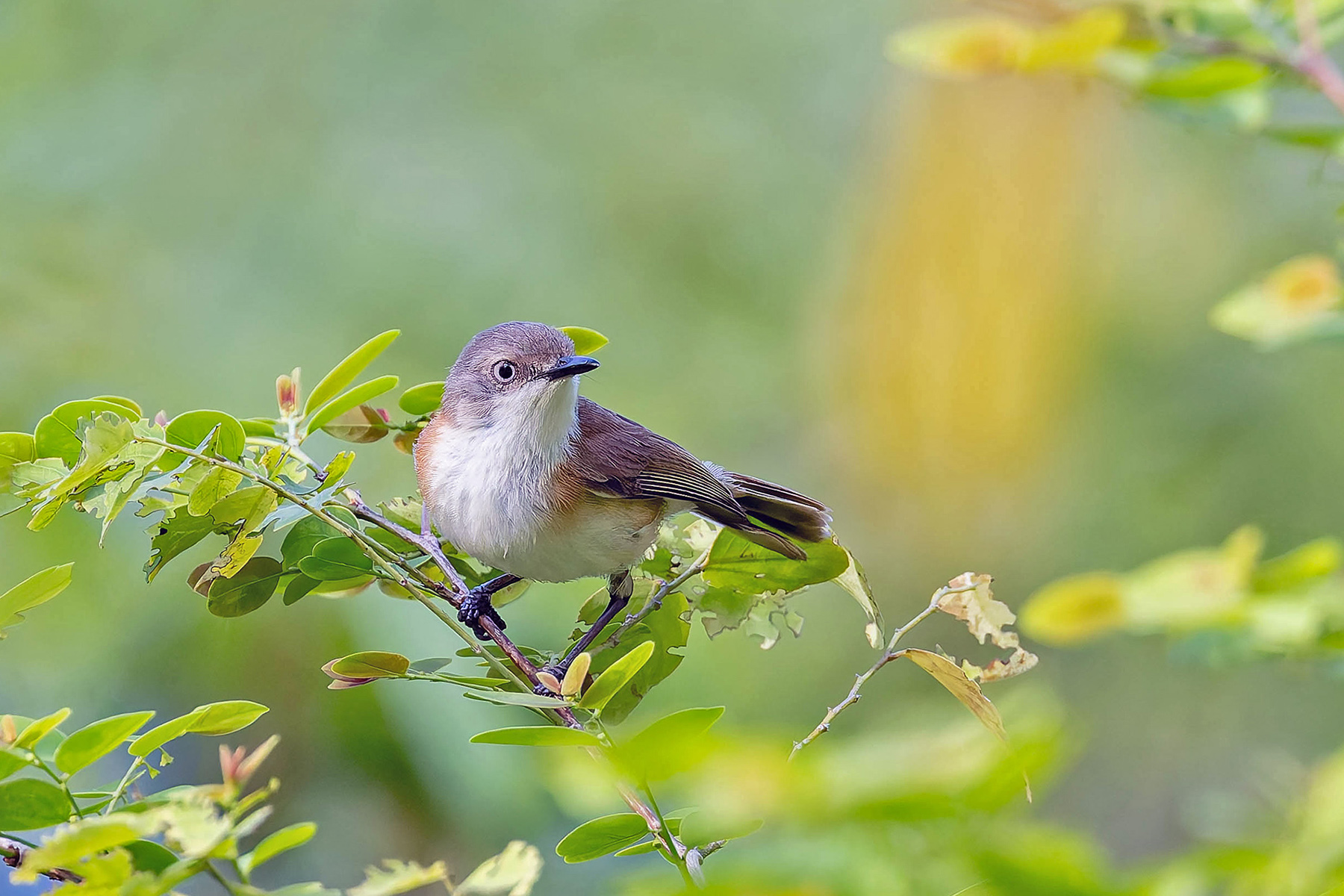
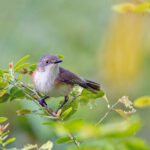
Rufous-sided Gerygone (Kalaotoa) (image by Pete Morris)
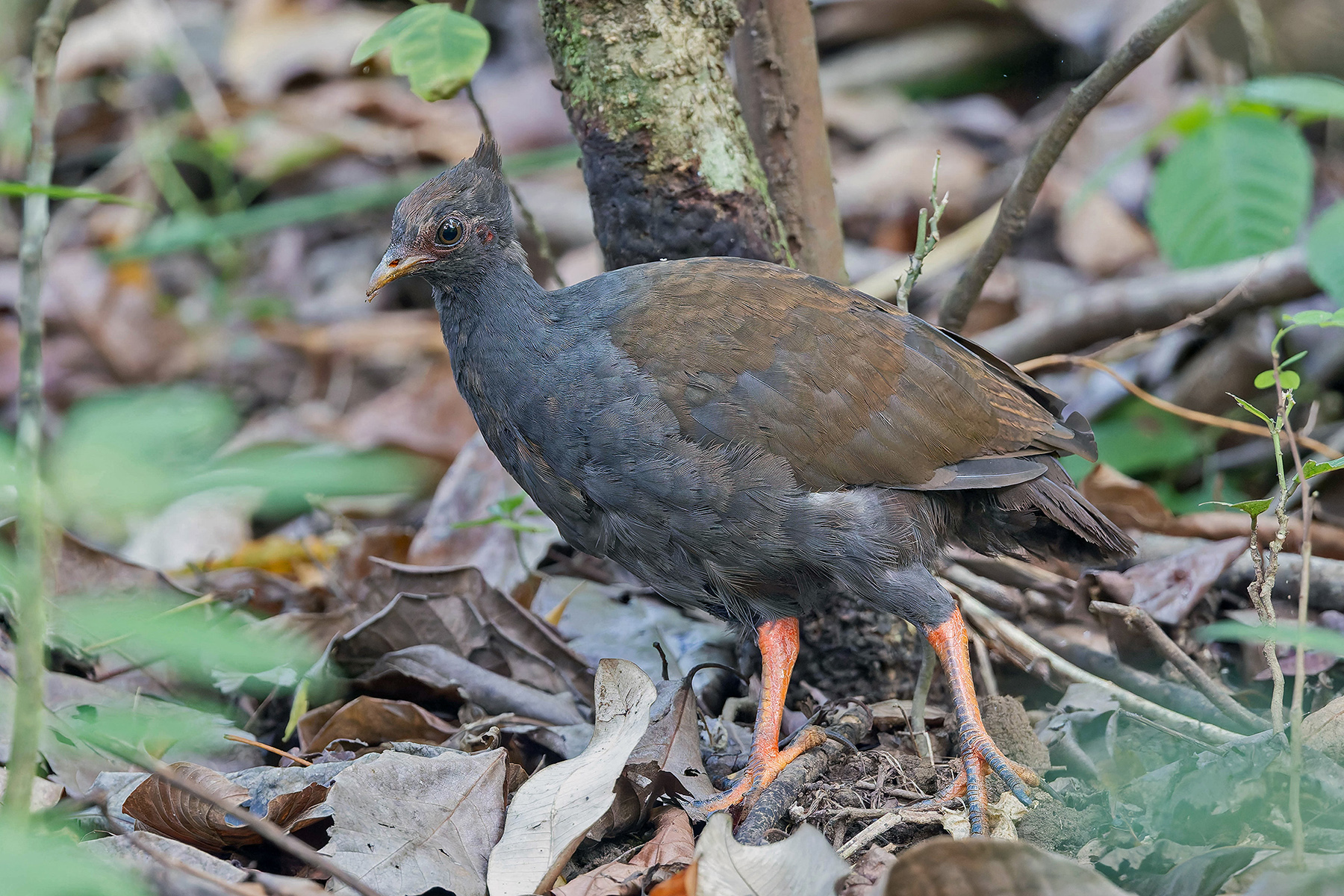
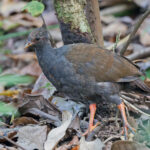
Orange-footed Scrubfowl (image by Pete Morris)
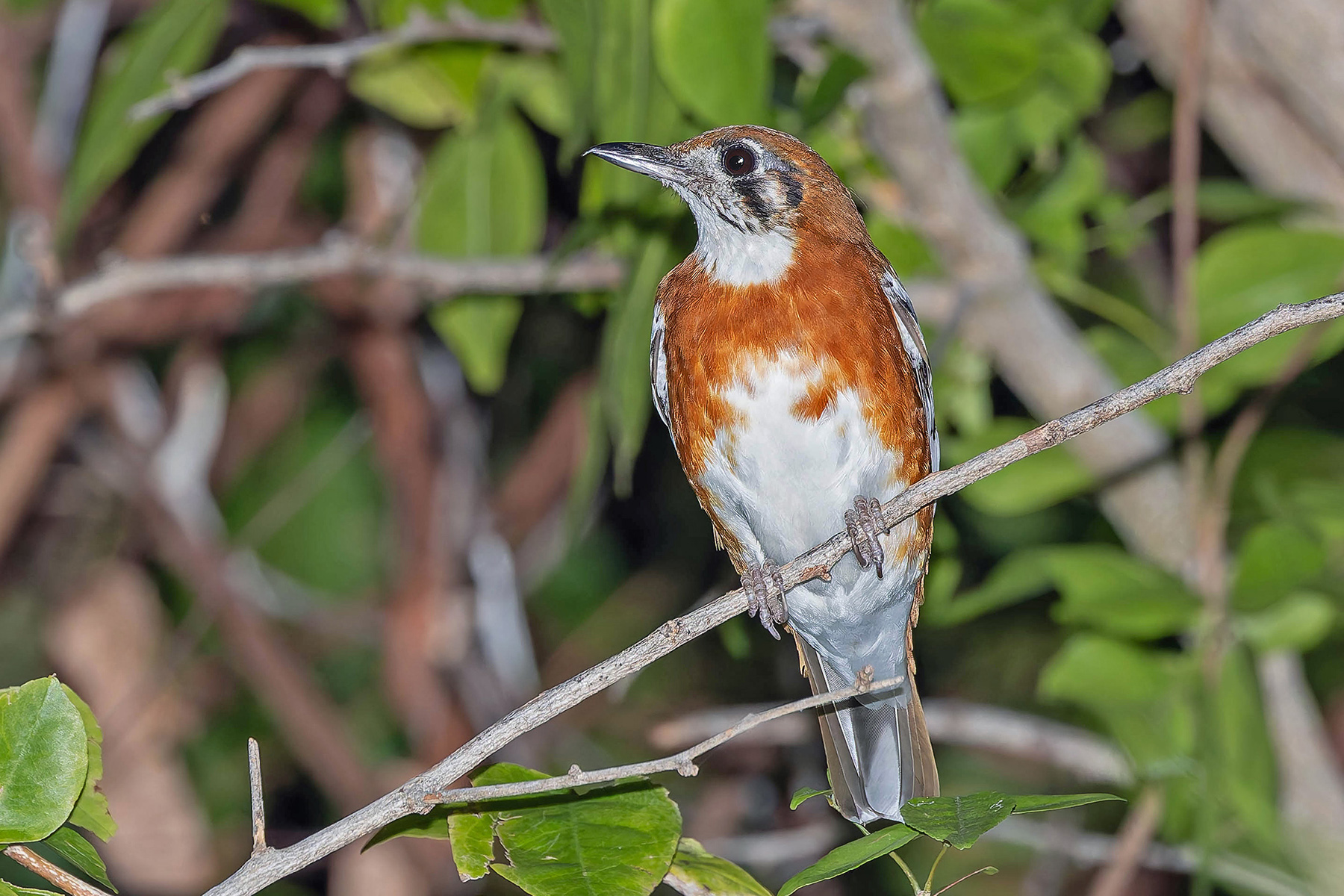
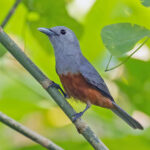
Orange-sided Thrush (image by Pete Morris)
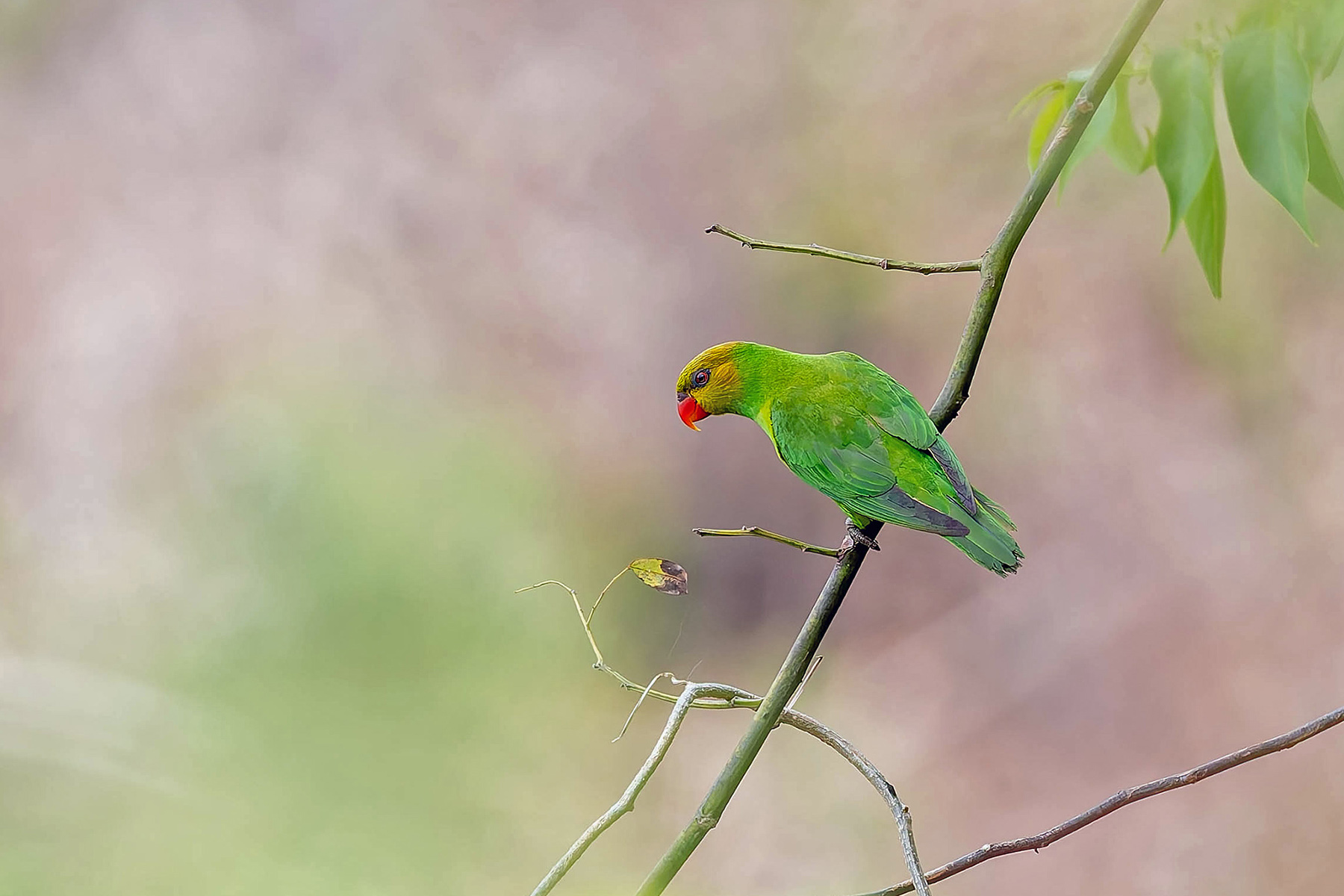
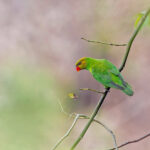
Olive-headed Lorikeet (image by Pete Morris)
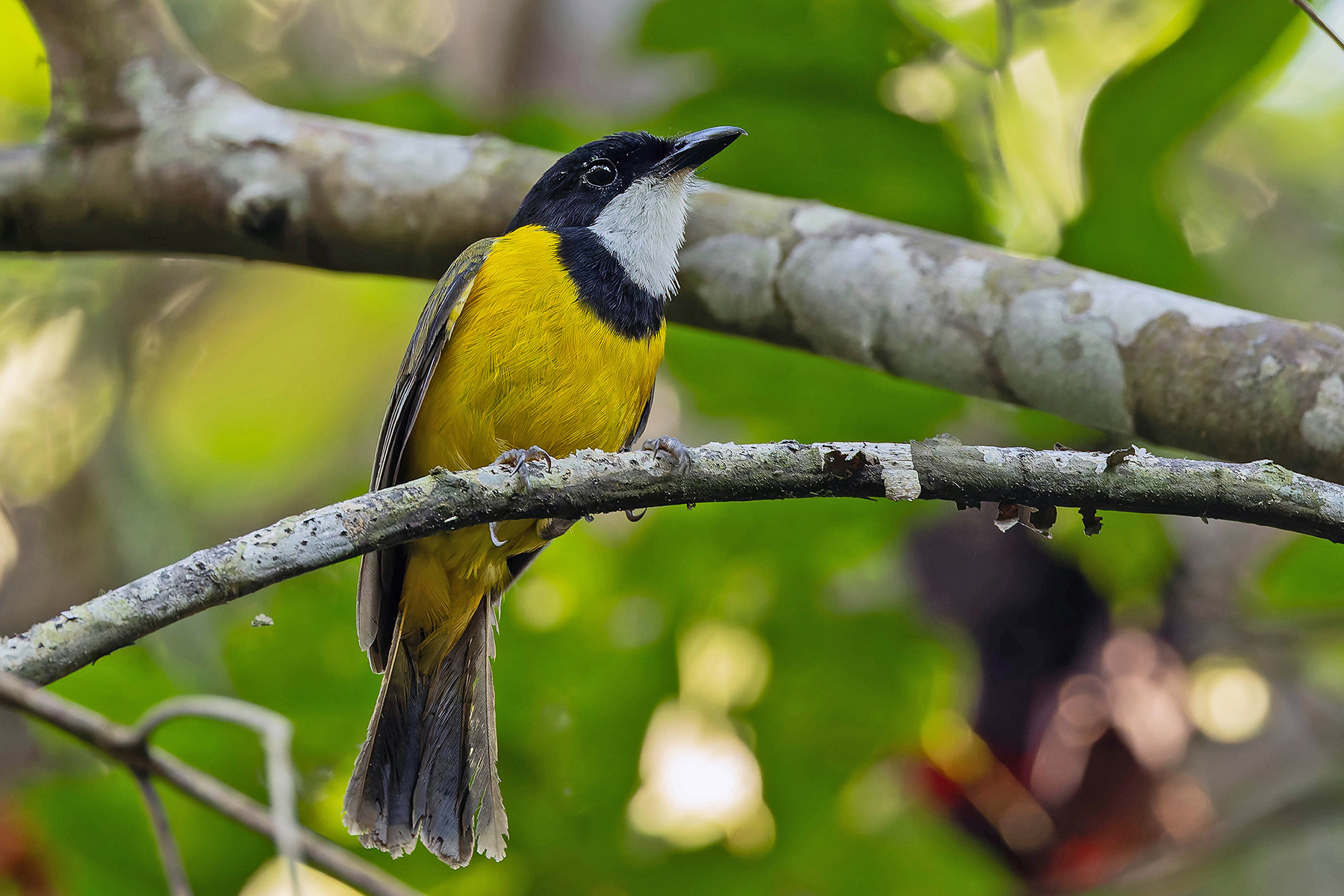
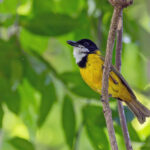
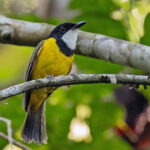
Mangrove Golden Whistler (Damar) (image by Pete Morris)
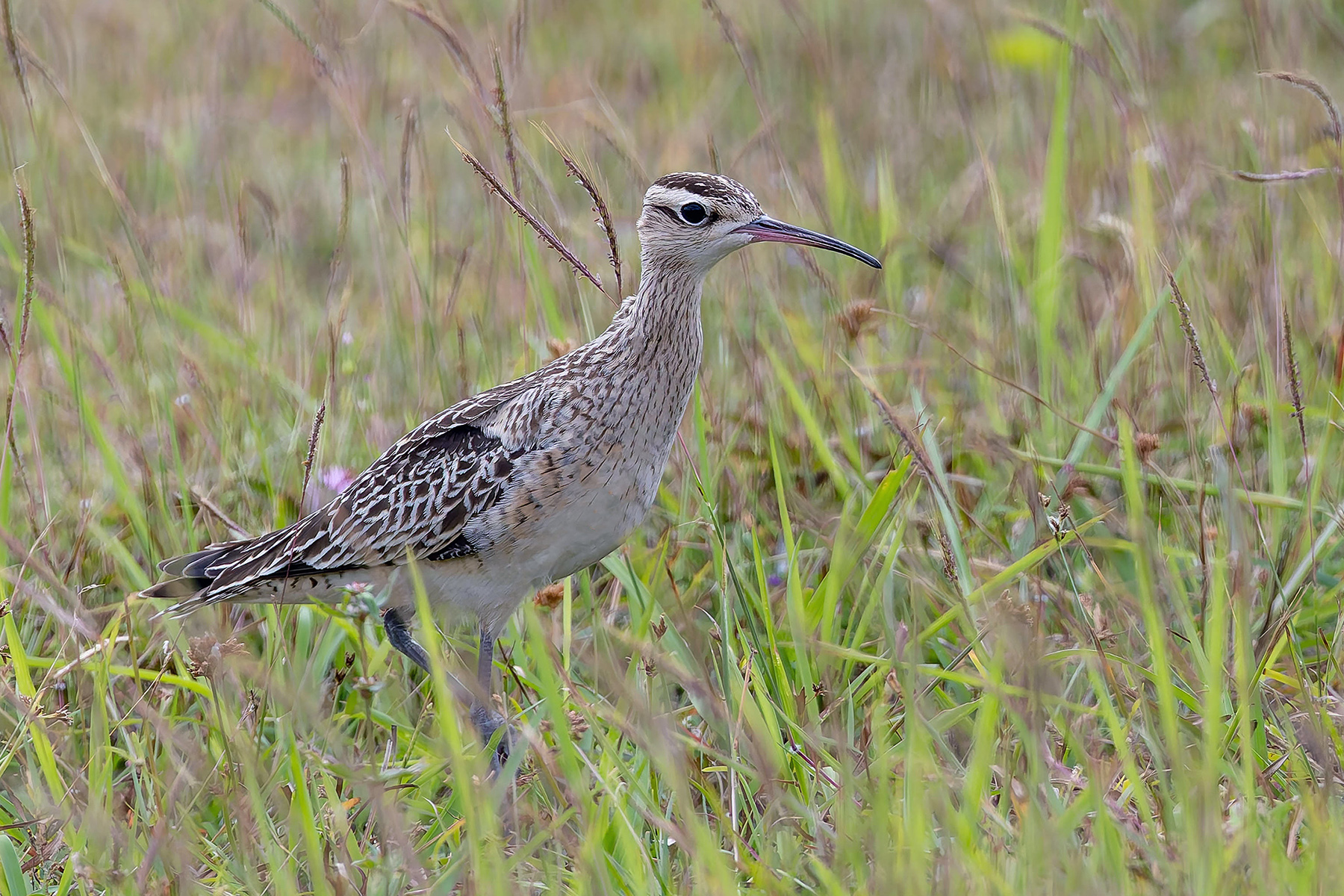
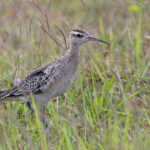
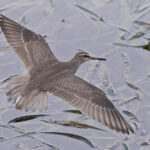
Little Curlew (image by Pete Morris)
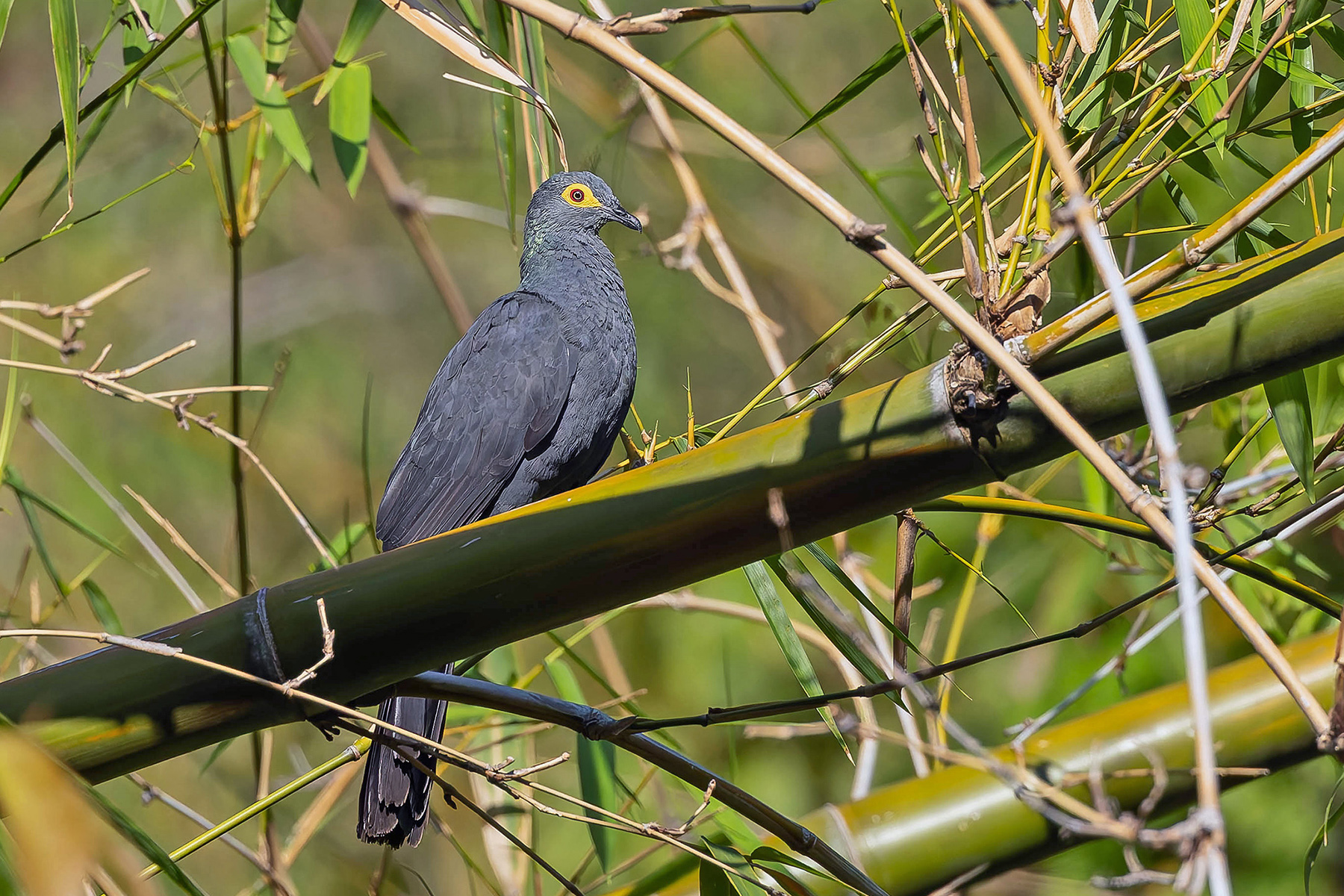
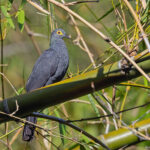
Black Cuckoo-Dove (image by Pete Morris)
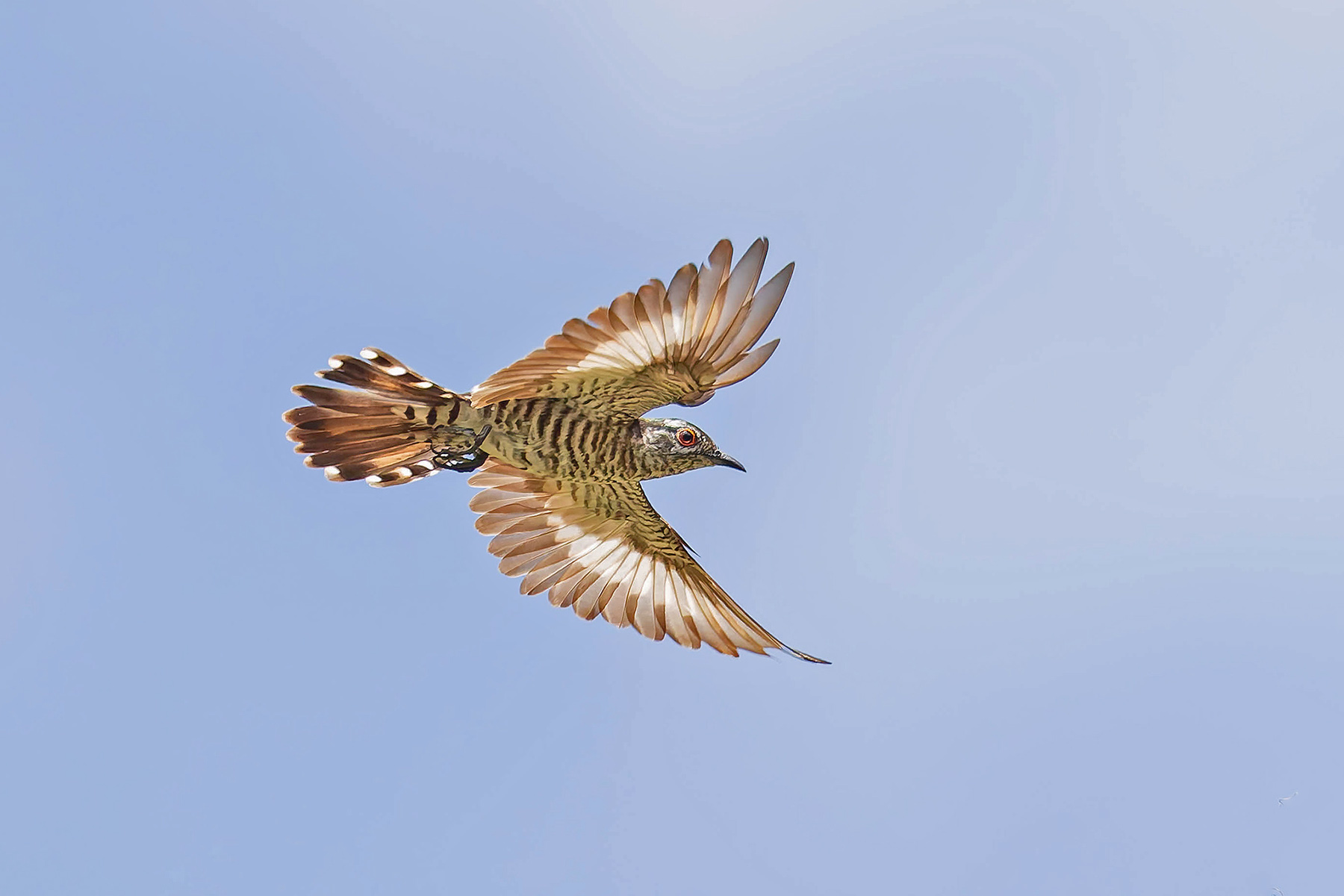
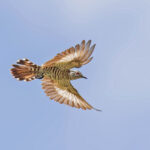
Little Bronze Cuckoo (Banda) (image by Pete Morris)
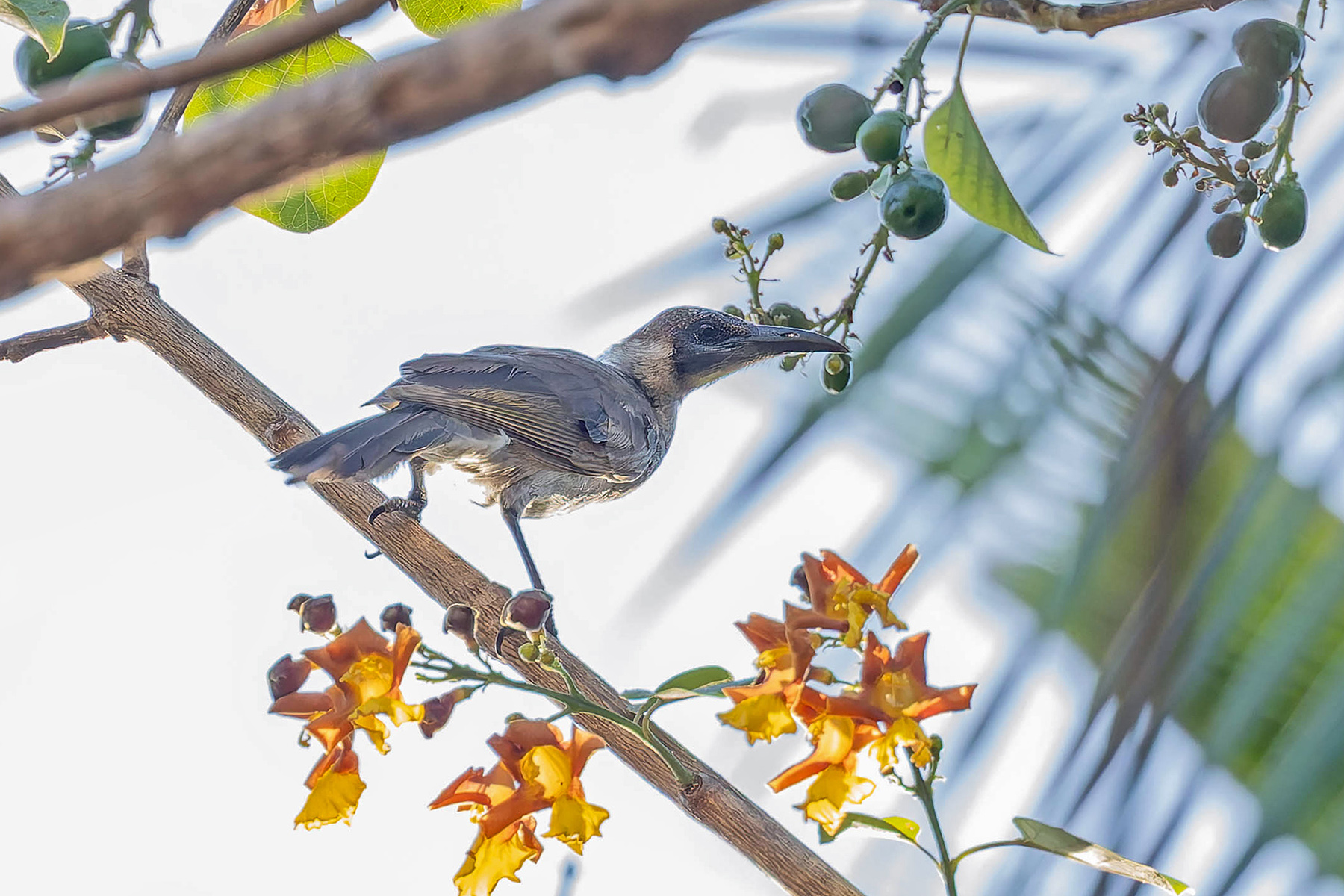
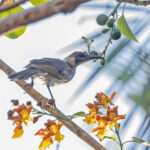
Grey Friarbird (image by Pete Morris)
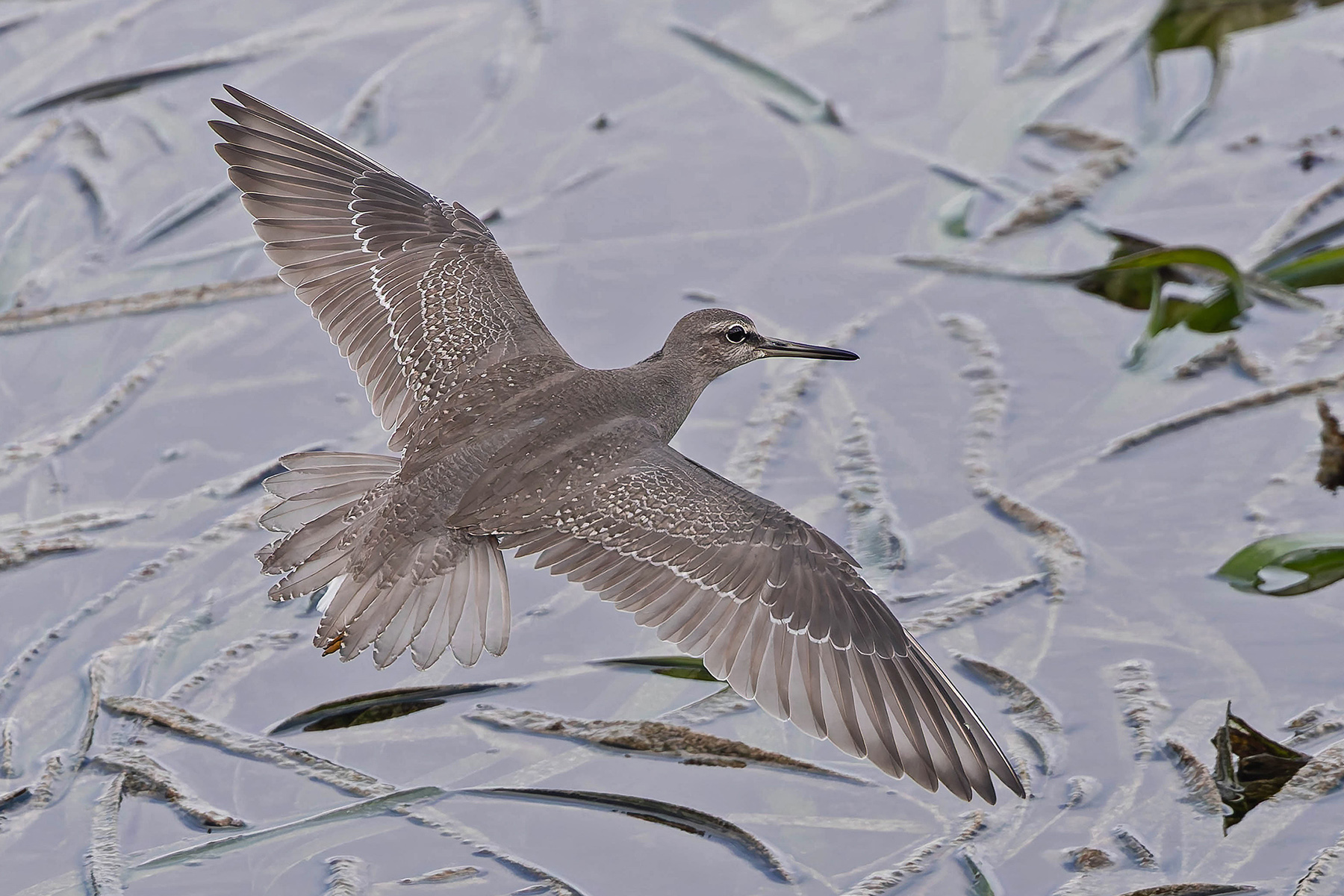
Grey-tailed Tattler (image by Pete Morris)
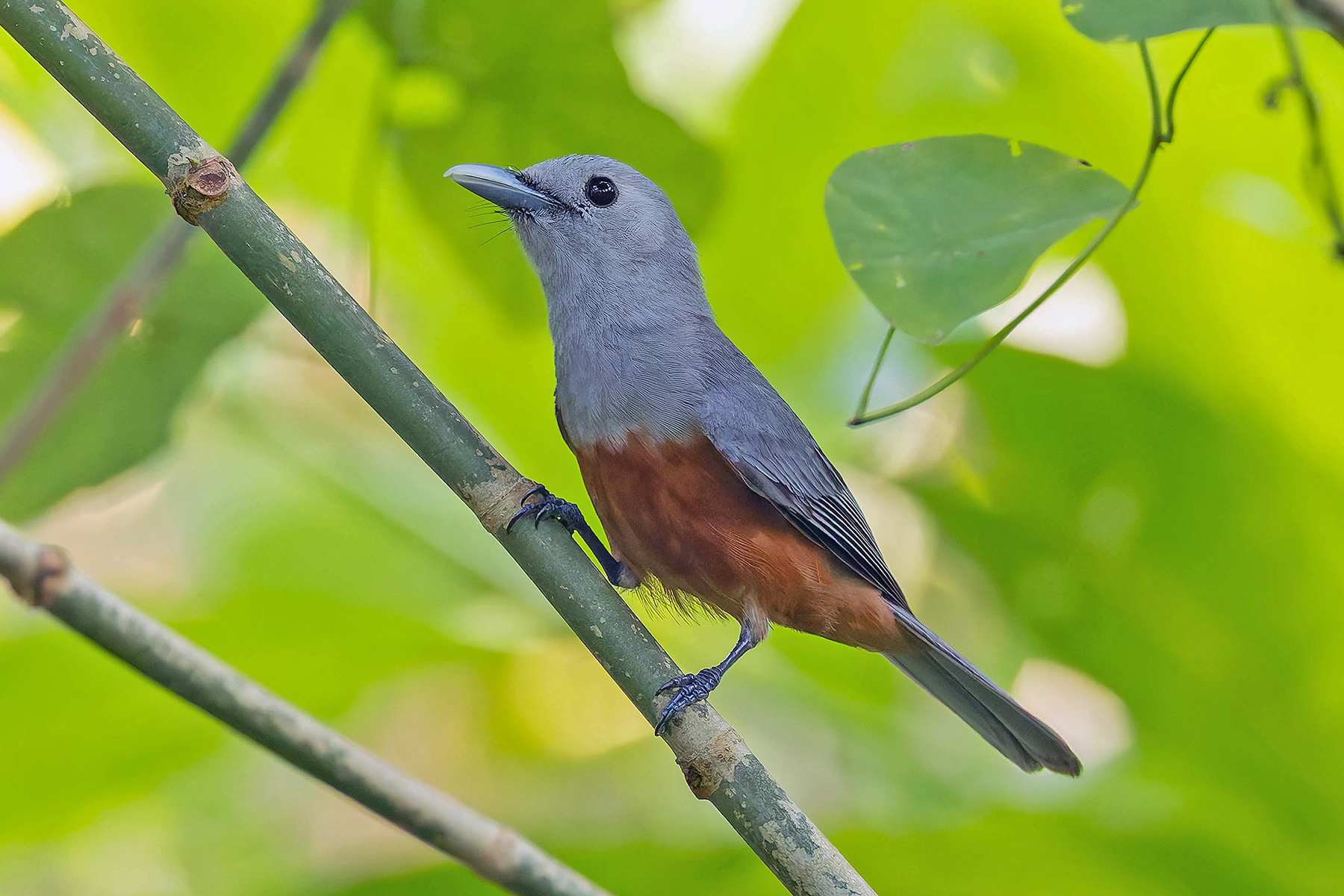
Island Monarch (image by Pete Morris)
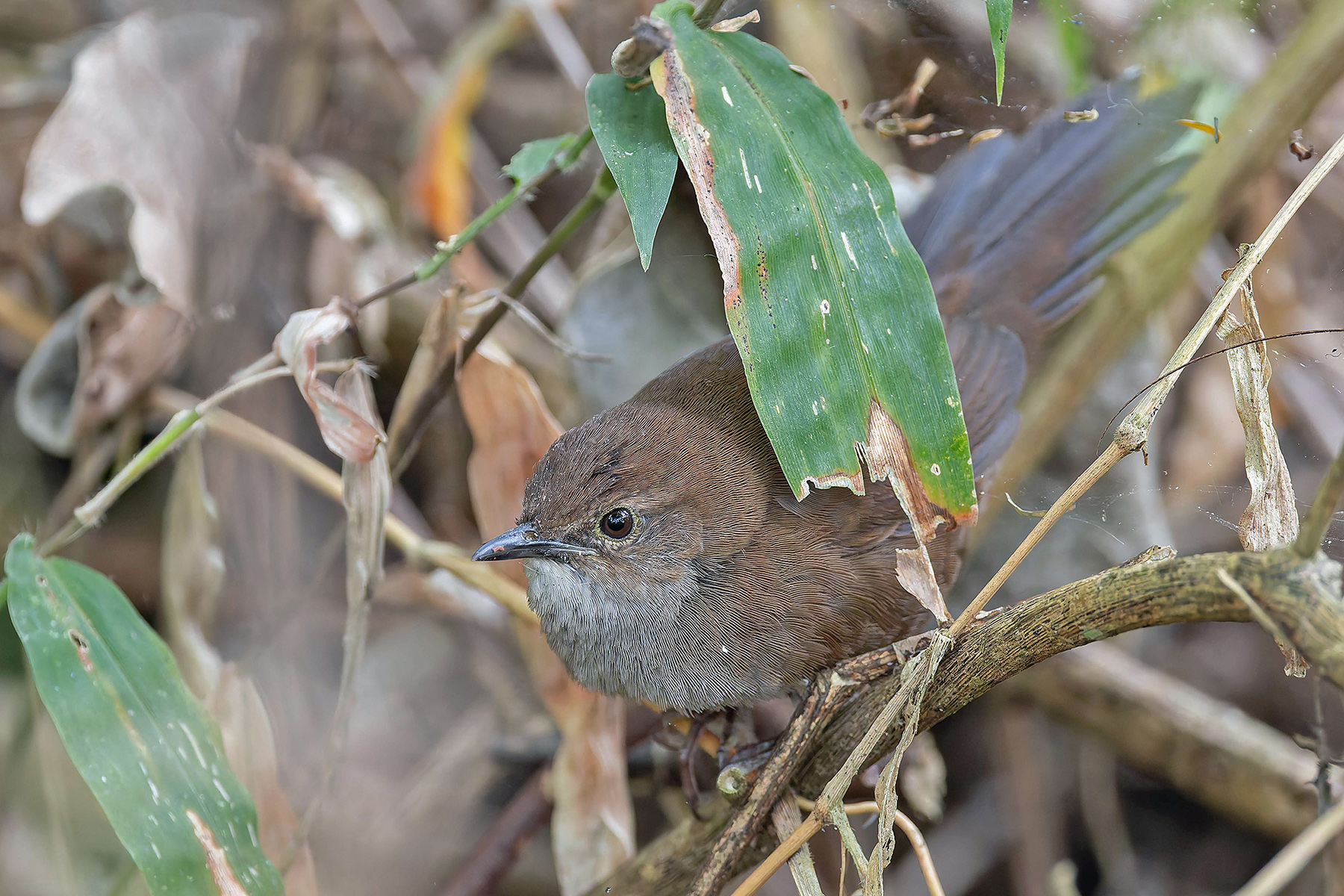
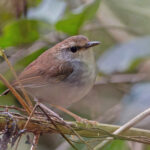
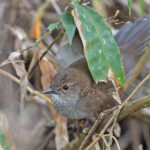
Javan Bush Warbler (Timor) (image by Pete Morris)
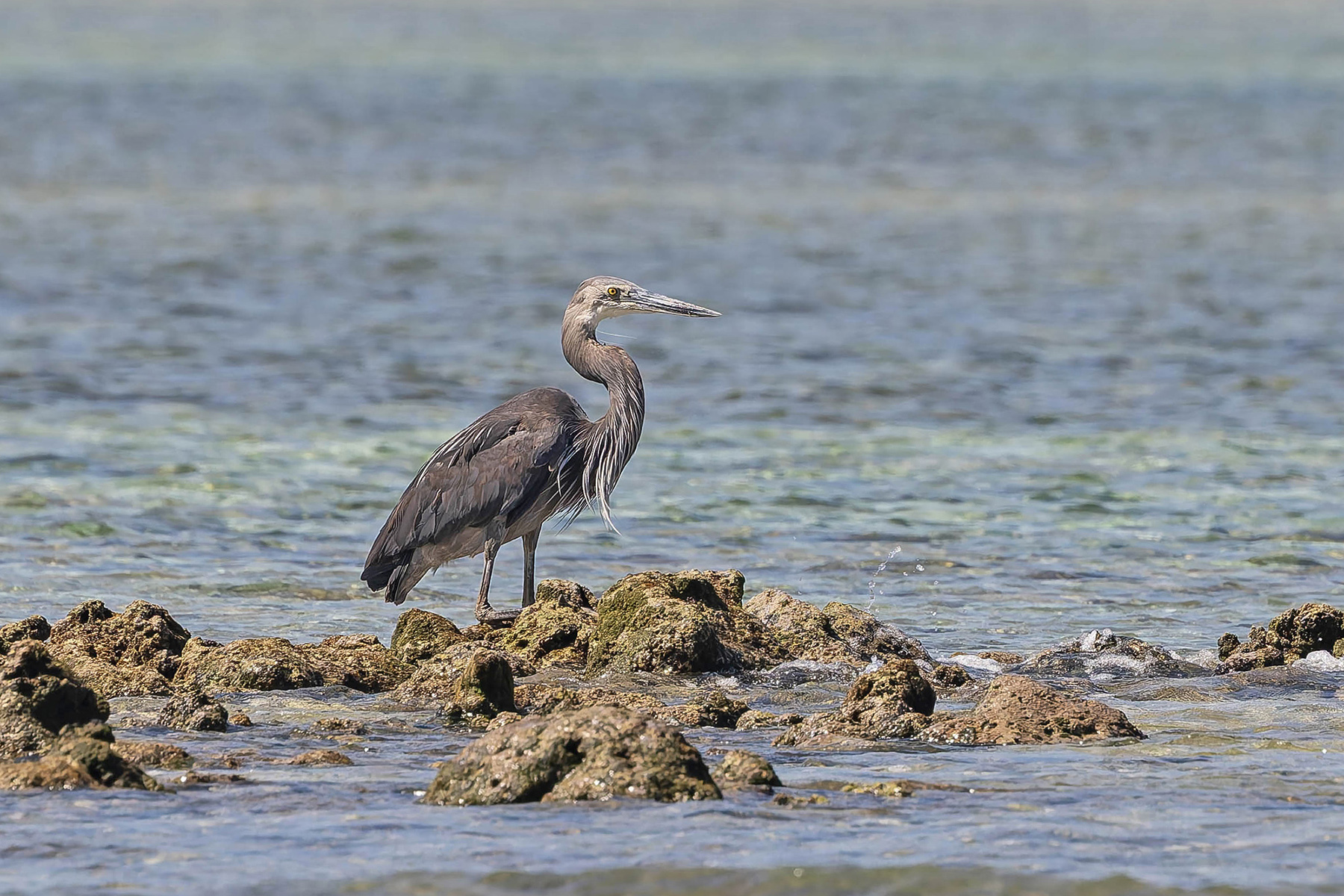
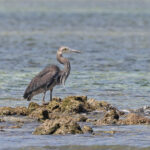
Great-billed Heron (image by Pete Morris)
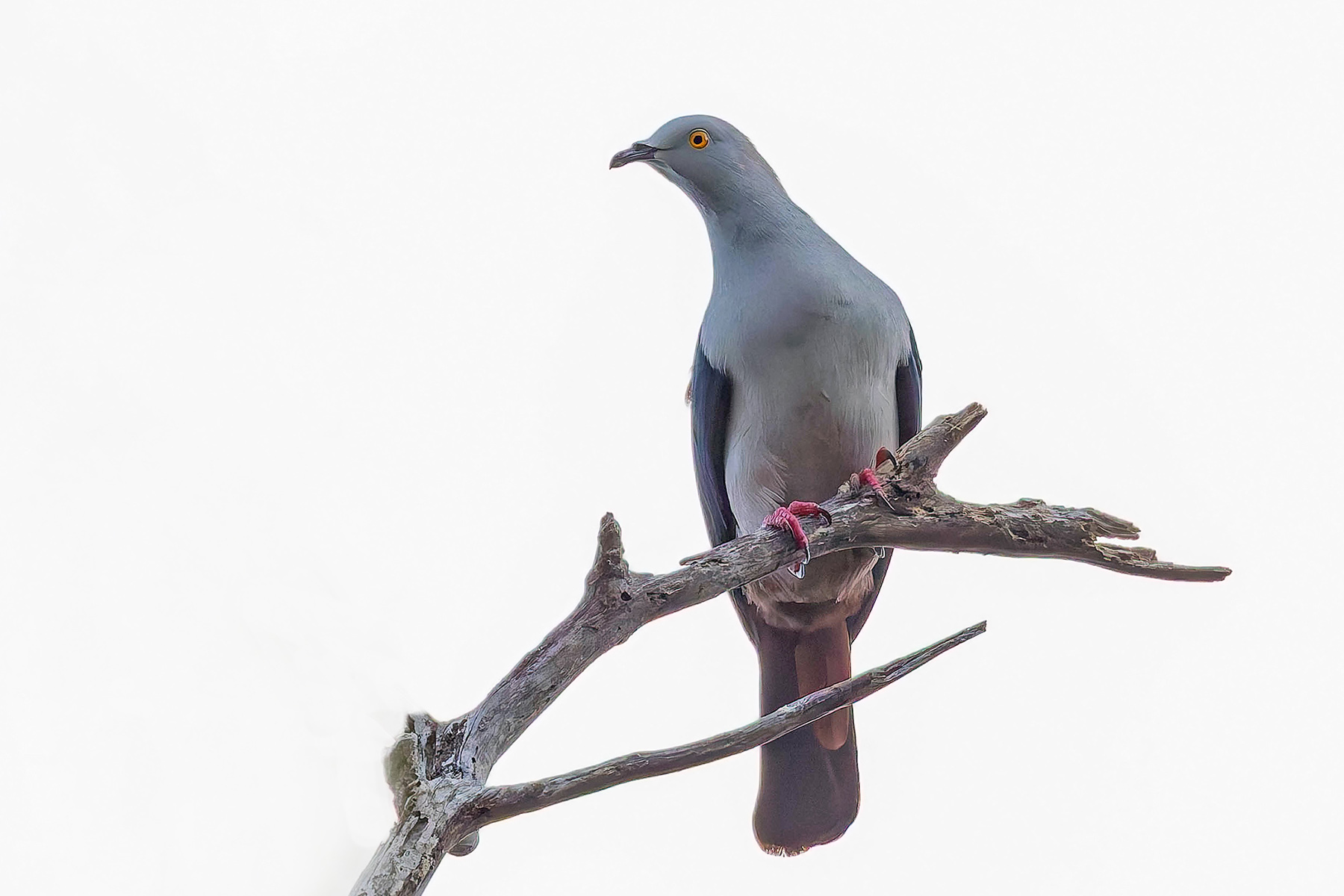
Elegant Imperial Pigeon (image by Pete Morris)
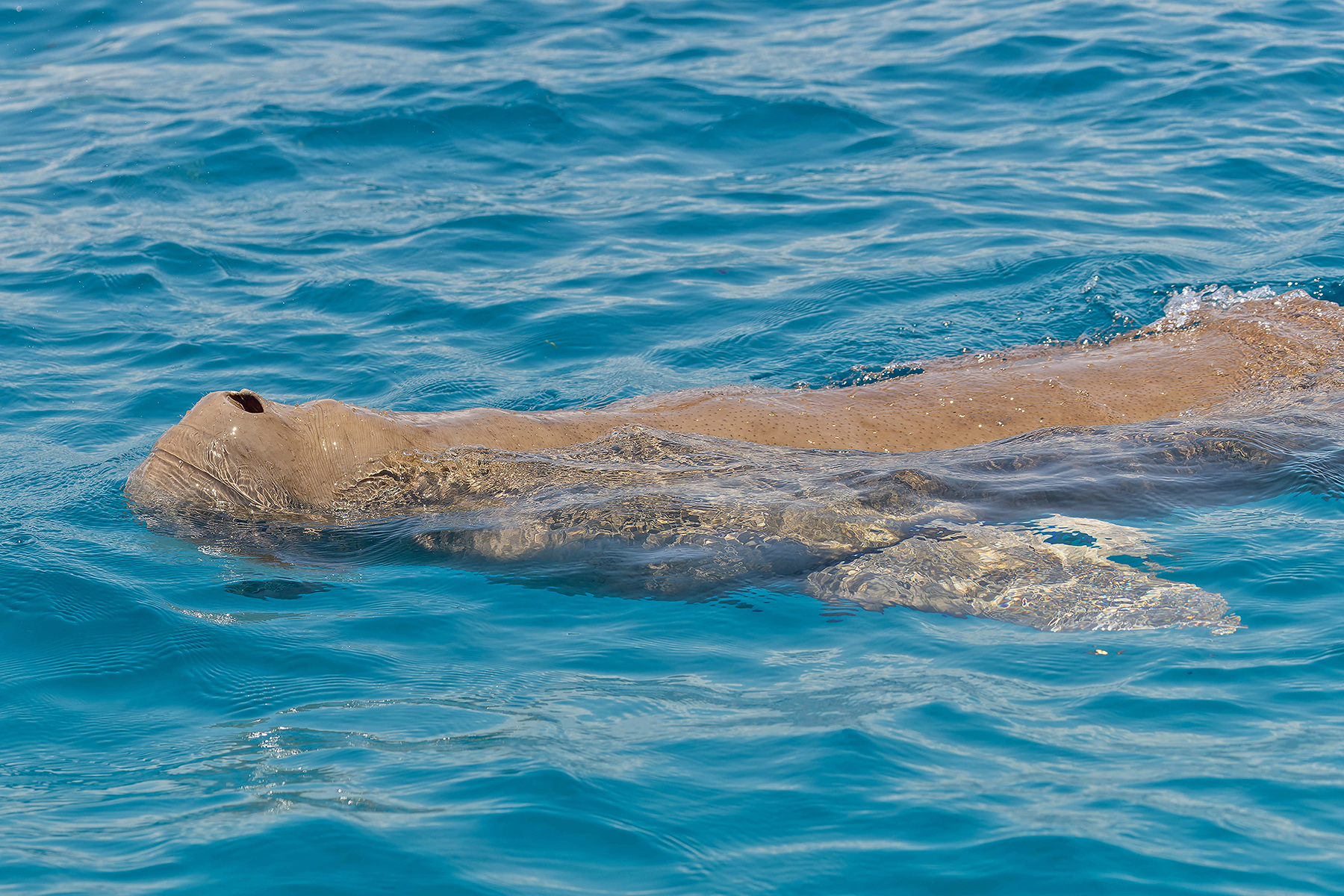
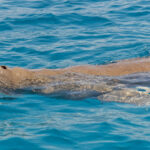
Dugong (image by Pete Morris)
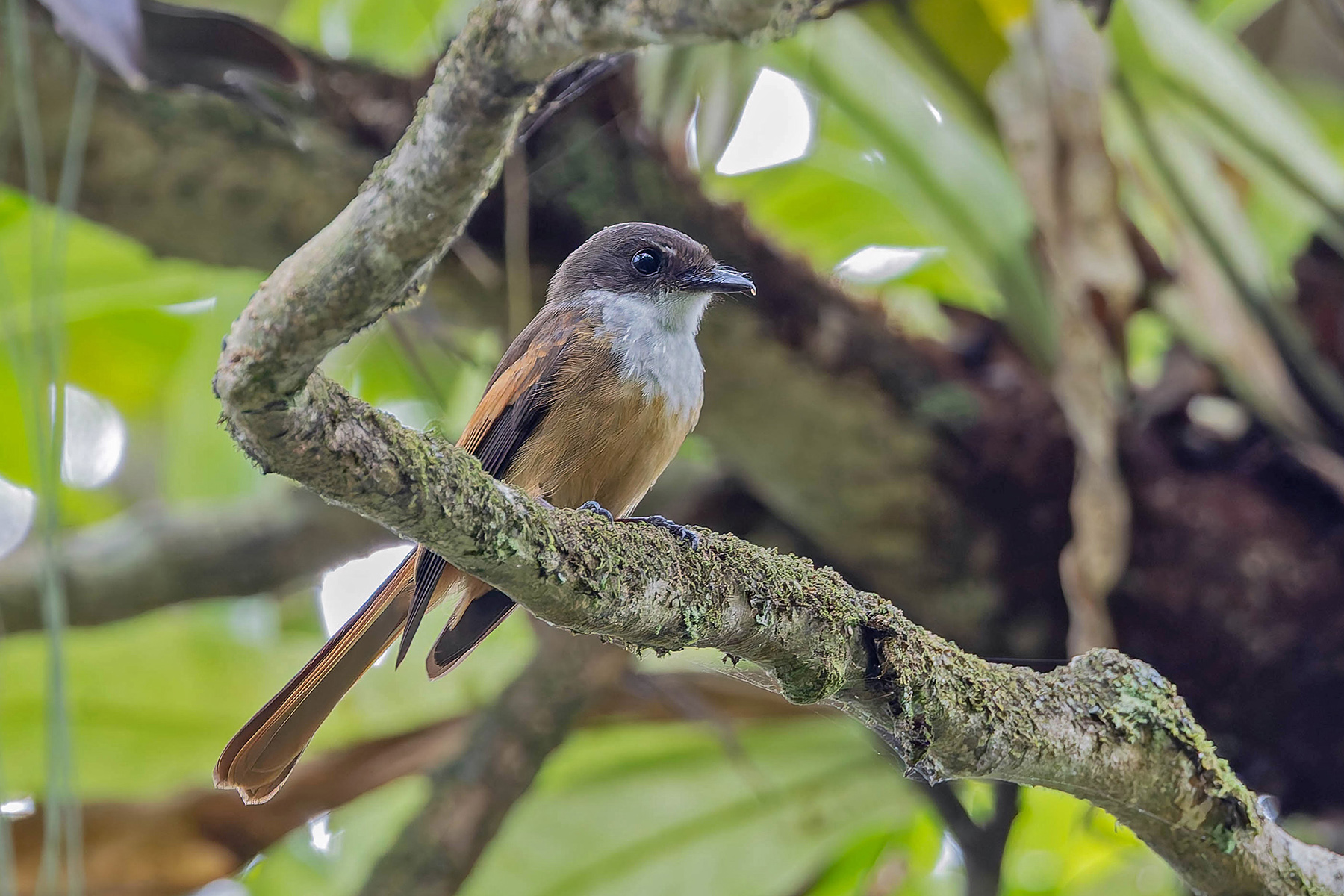
Cinnamon-tailed Fantail (image by Pete Morris)
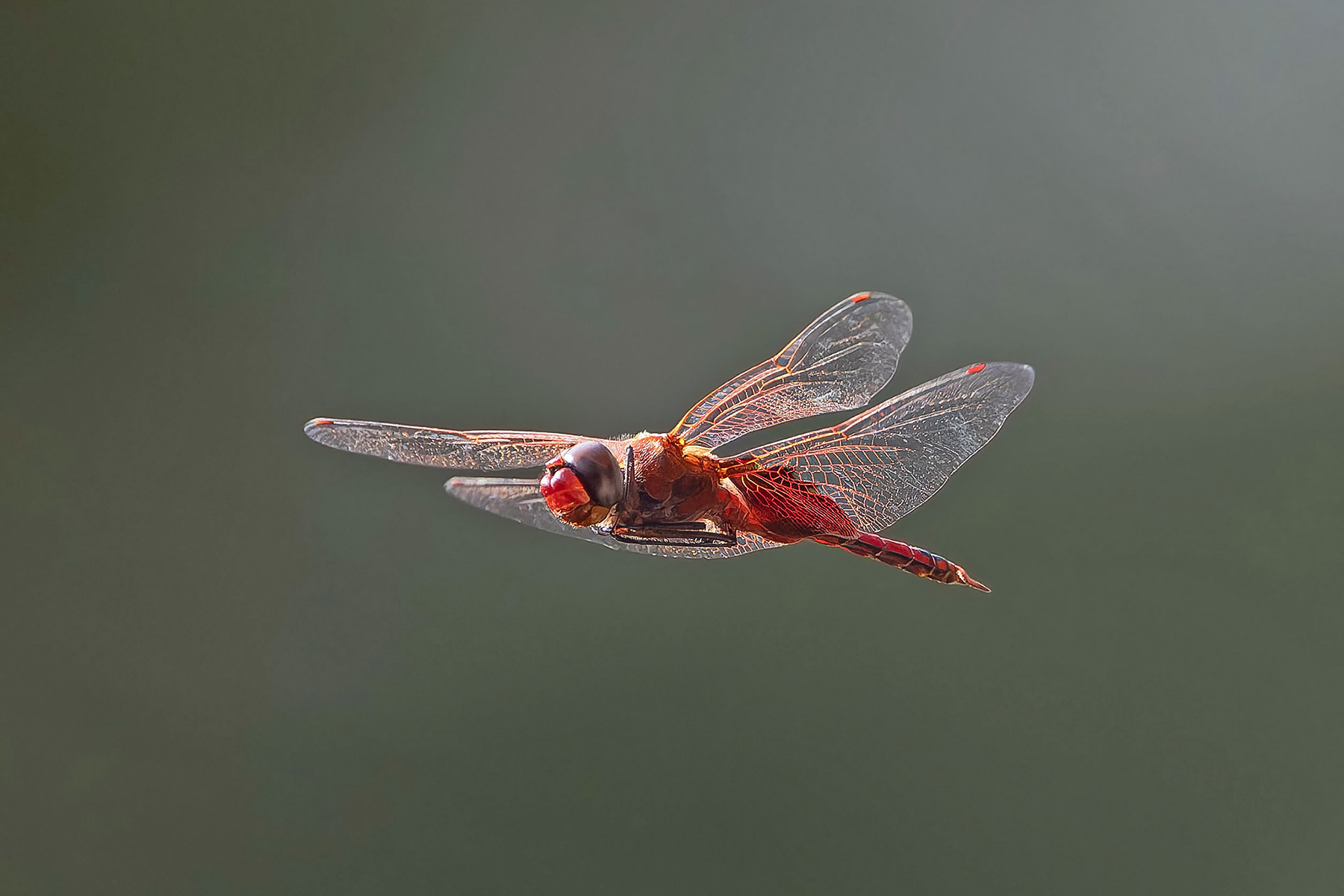
Common Glider (image by Pete Morris)
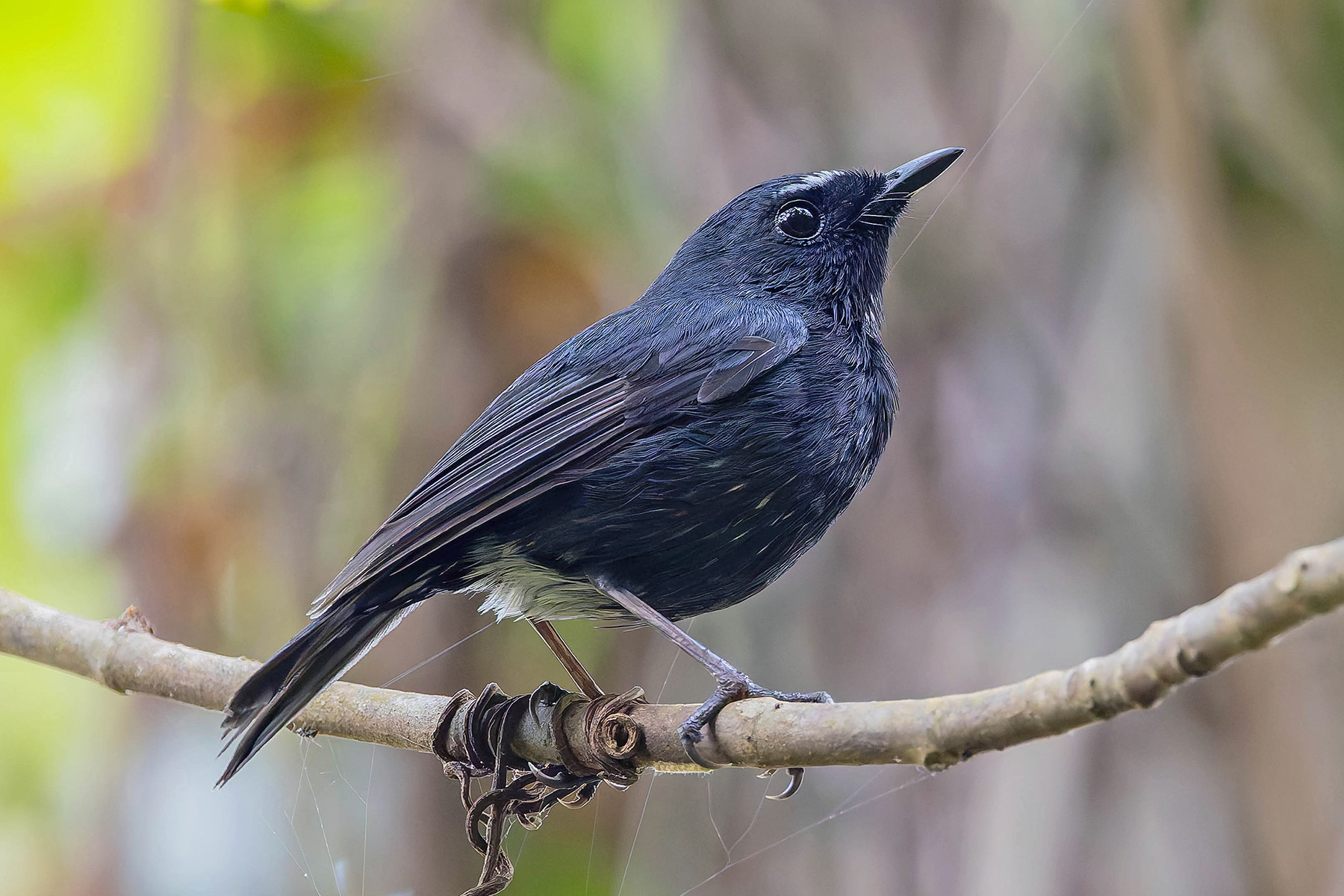
Damar Flycatcher (image by Pete Morris)
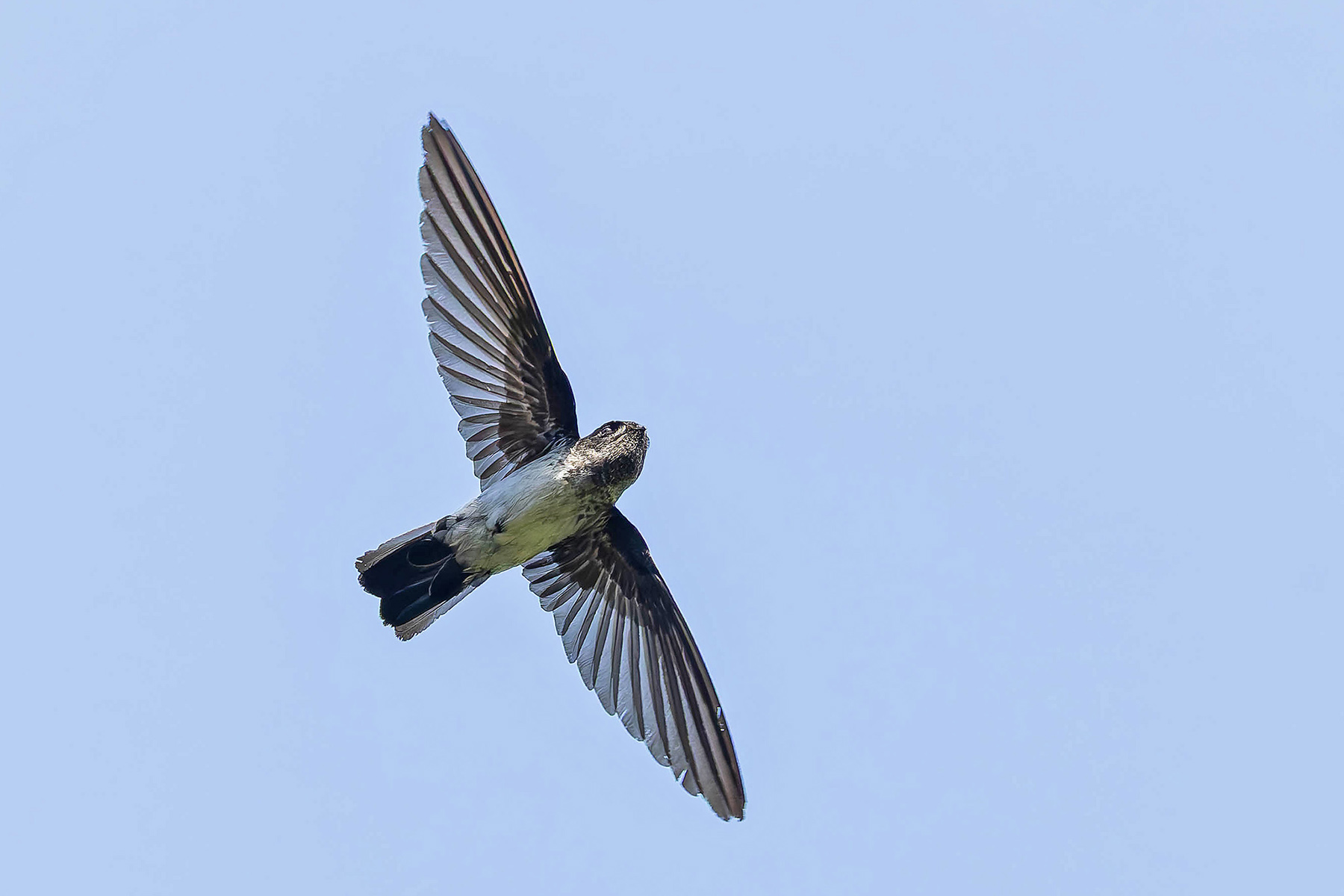
Drab Swiftlet (image by Pete Morris)
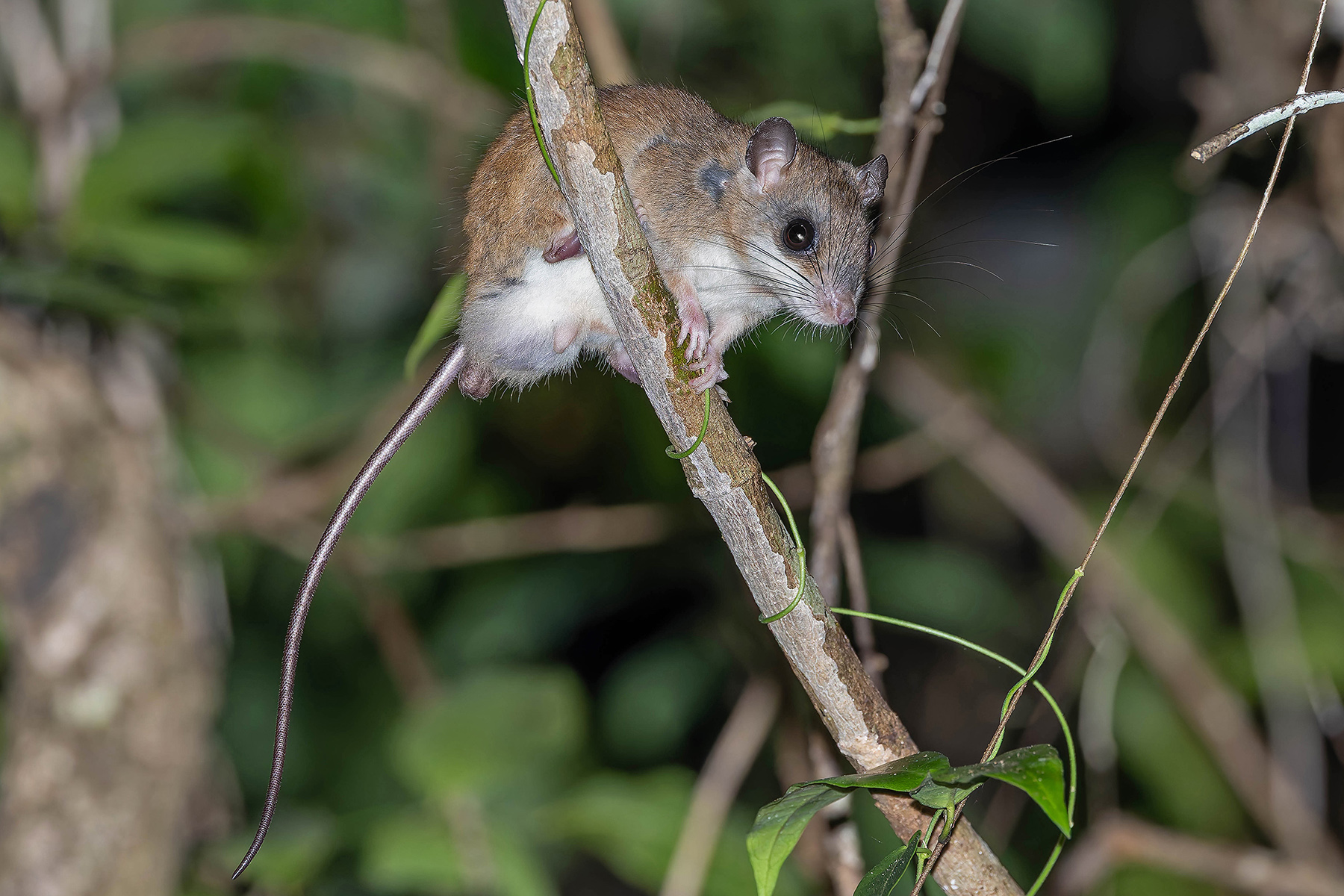
Rat sp. Yamdena (image by Pete Morris)
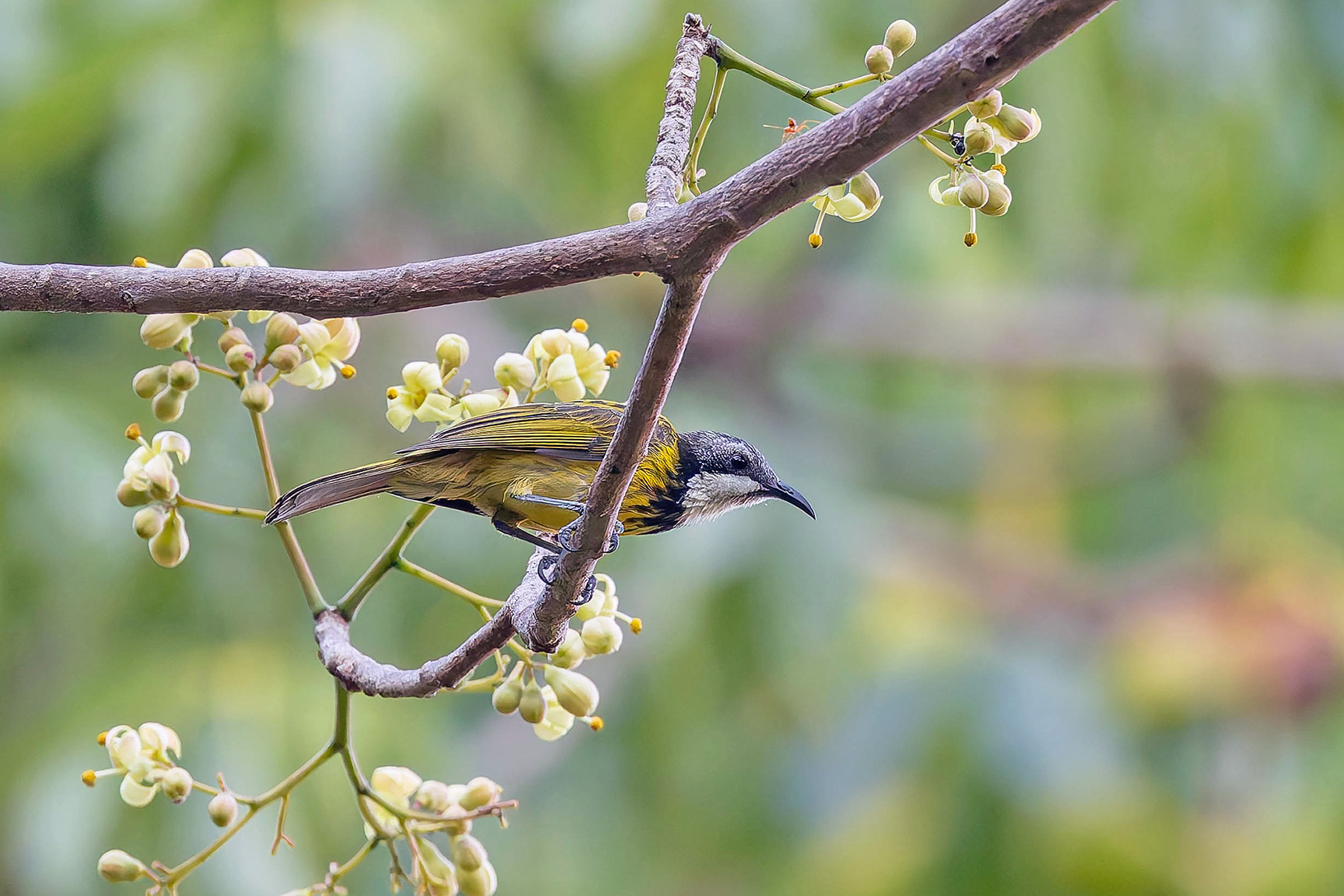
Black-streaked Honeyeater (image by Pete Morris)
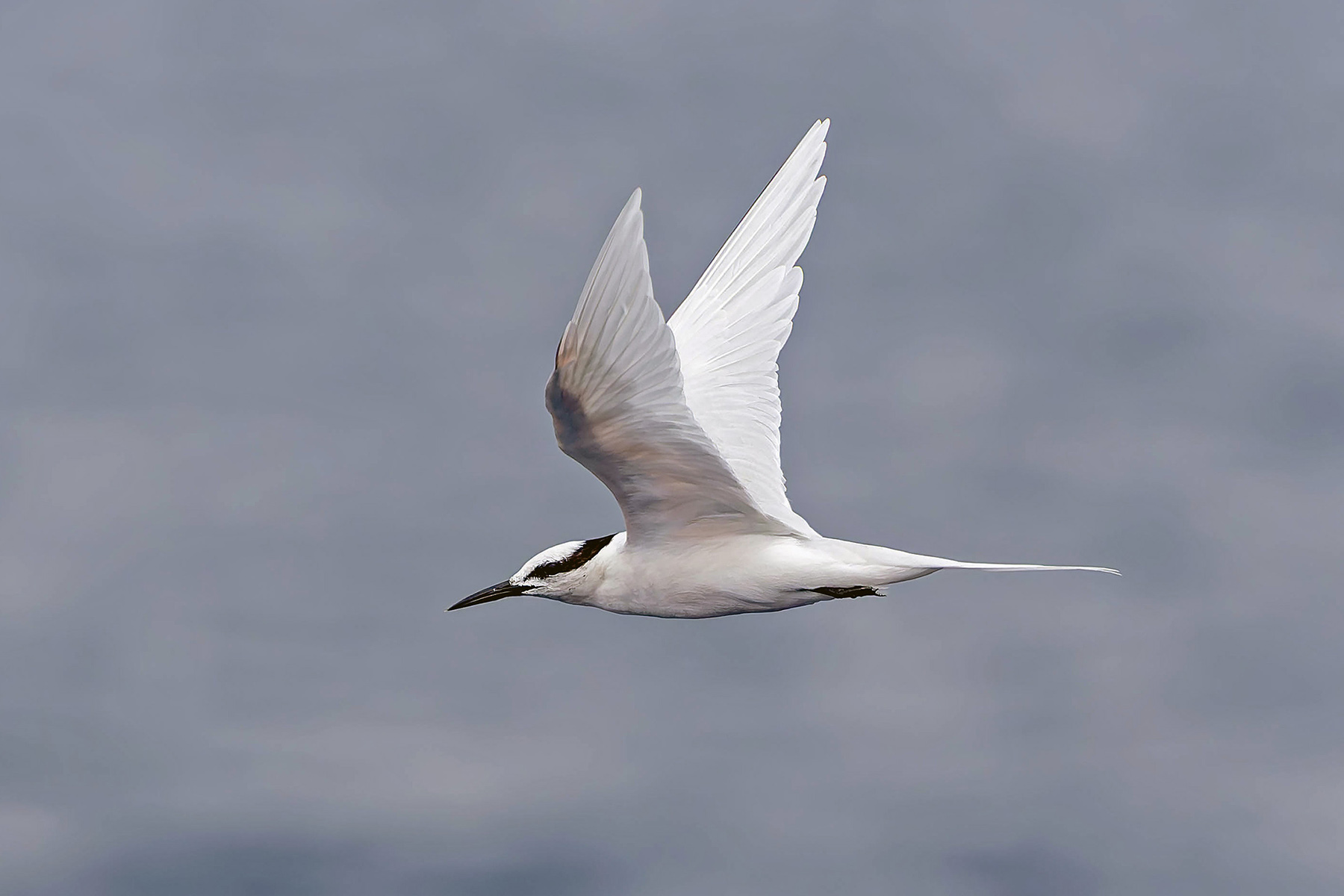
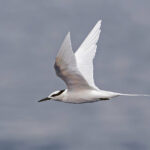
Black-naped Tern (image by Pete Morris)
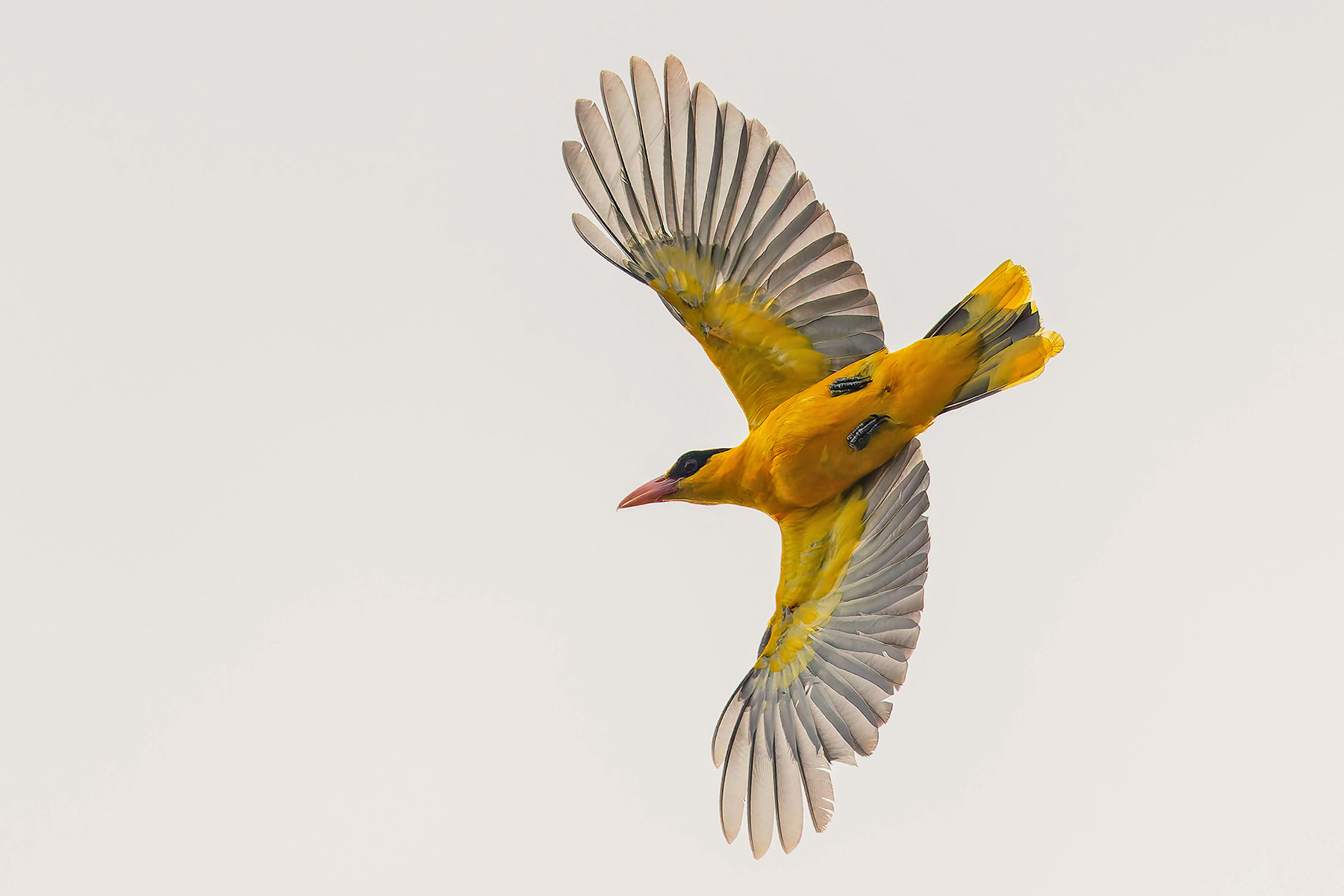
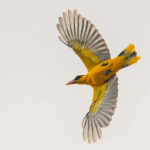
Black-naped Oriole (Flores Sea) (image by Pete Morris)
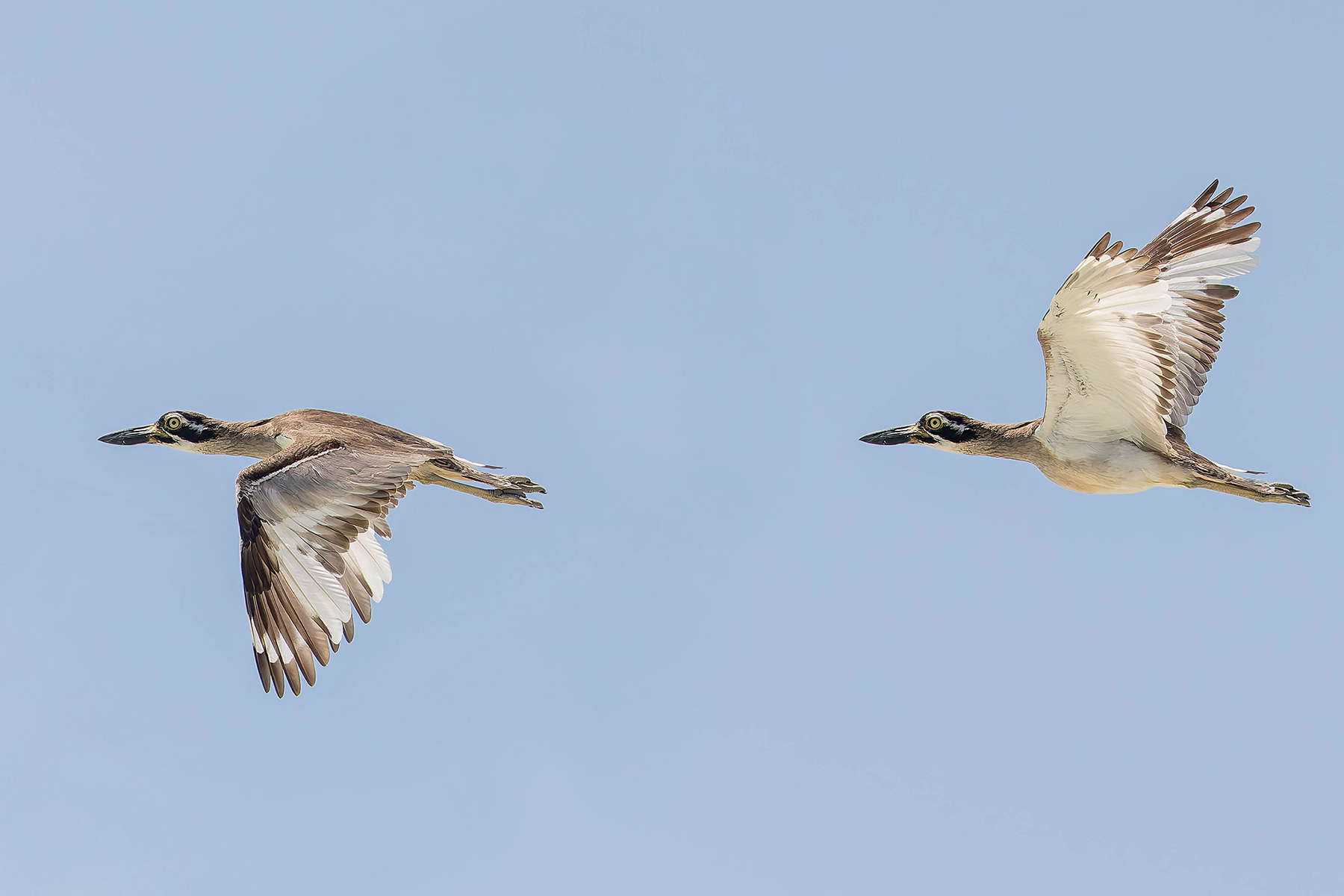
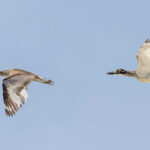
Beach Stone-curlews (image by Pete Morris)
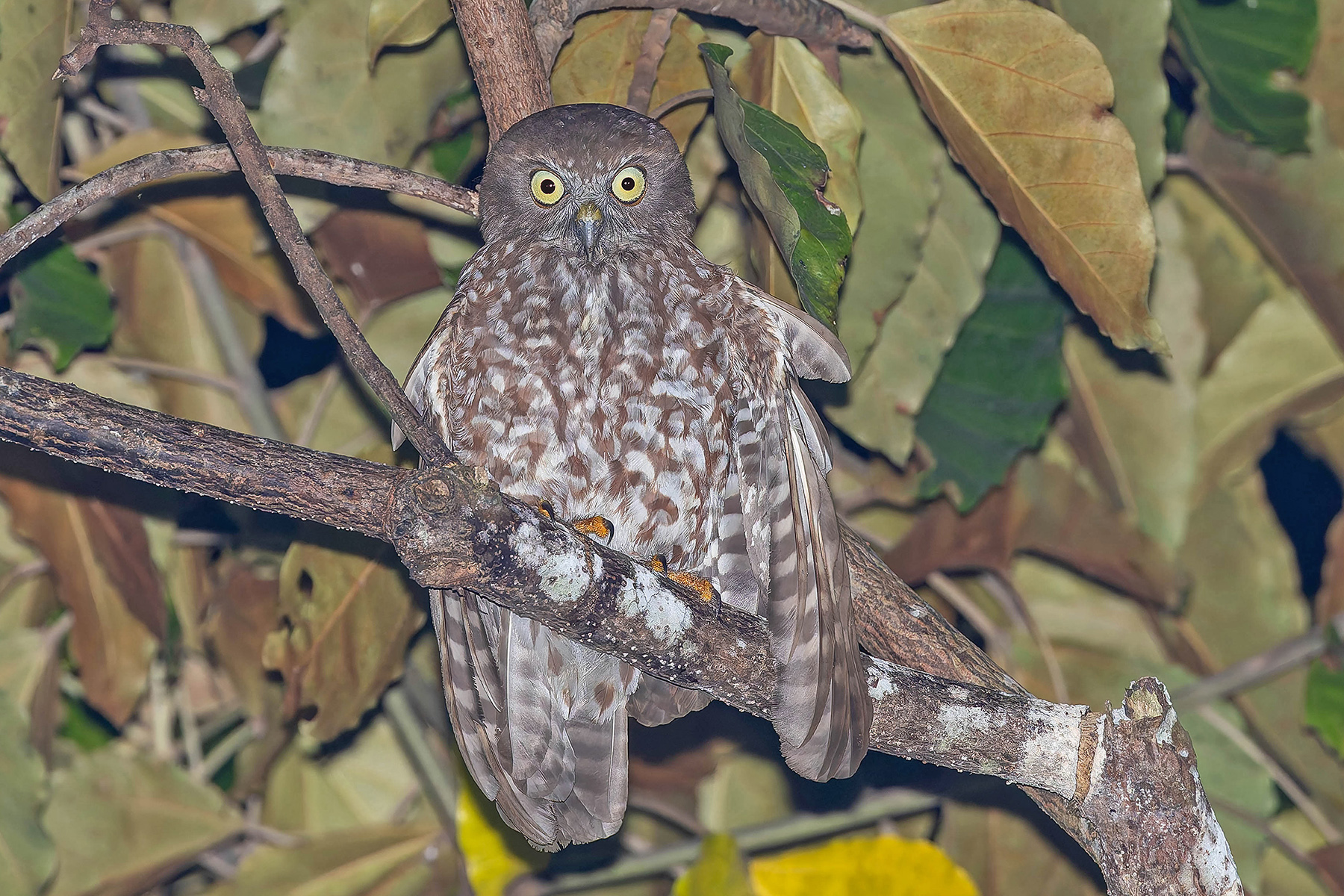
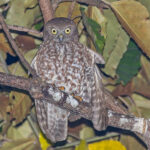
Alor Boobook (image by Pete Morris)
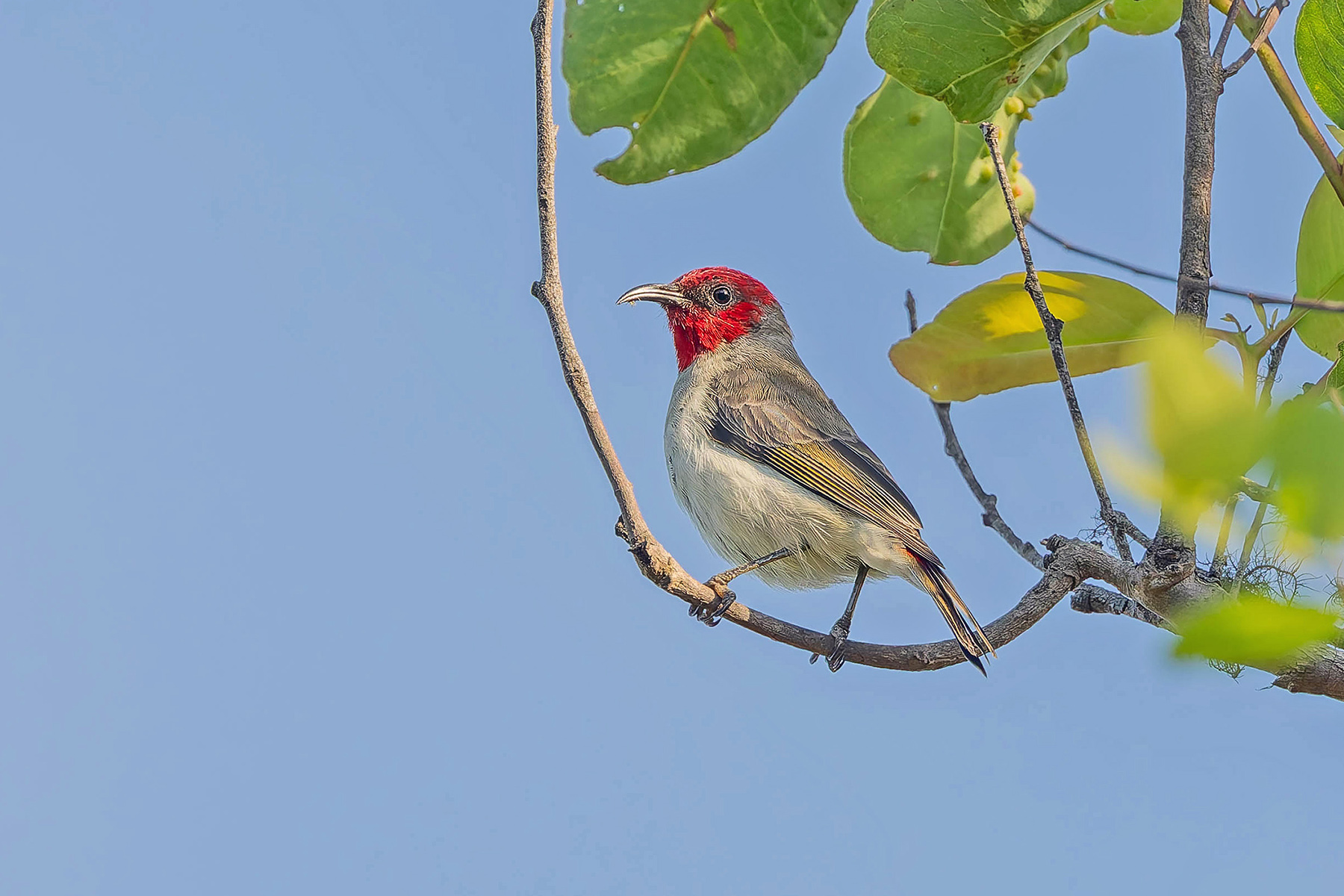
Alor Myzomela (image by Pete Morris)
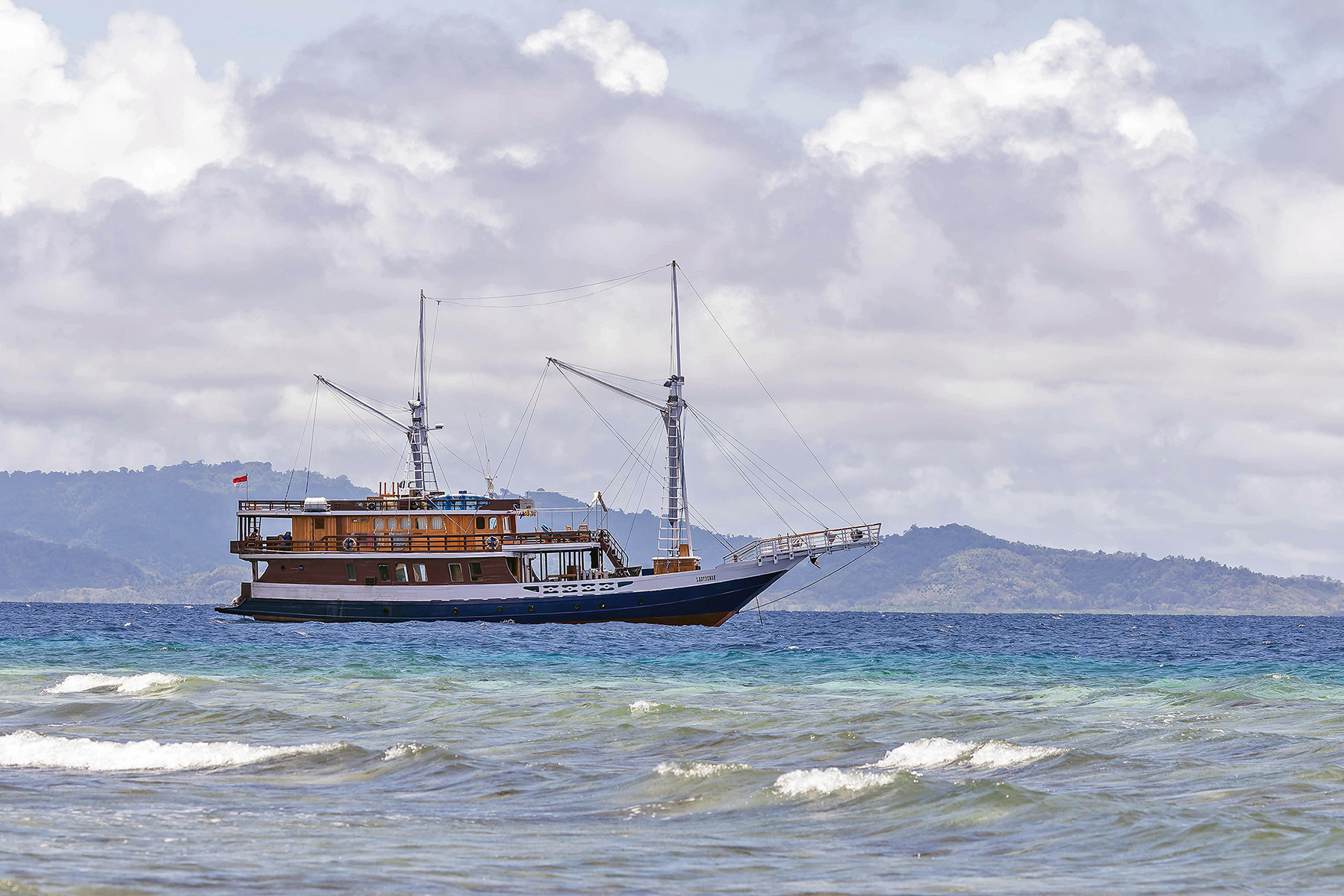
Lady Denok (Tanahjampea) (image by Pete Morris)
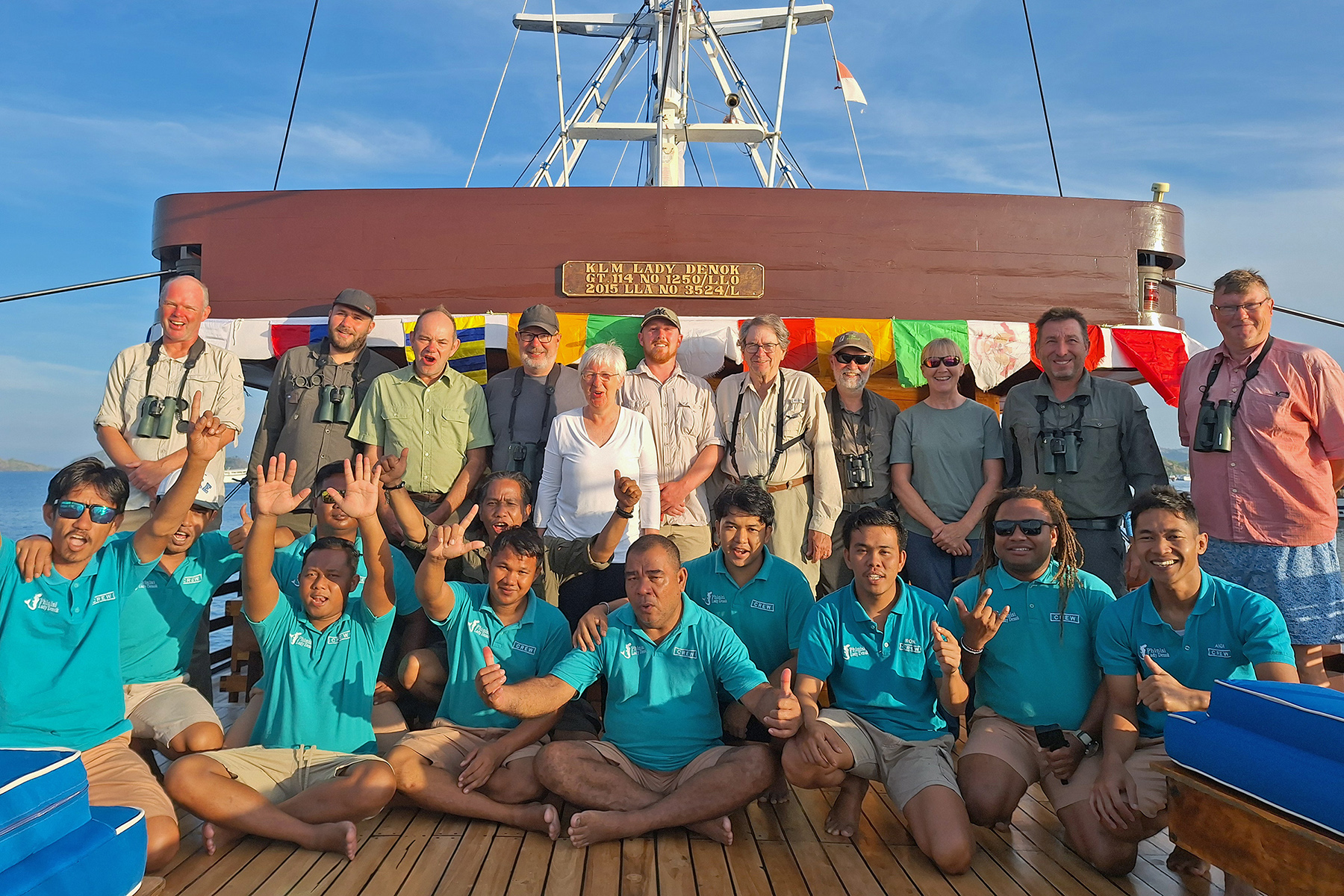
The Team (image by Pete Morris)
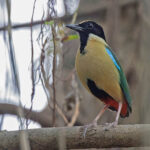
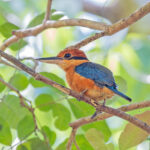
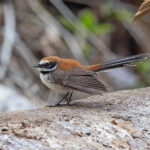
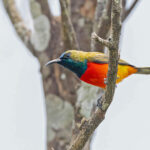
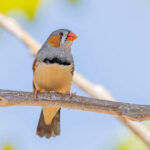
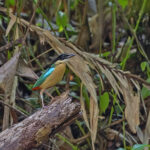
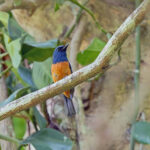
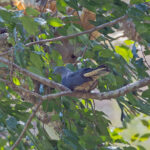
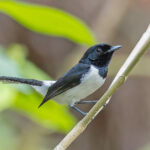

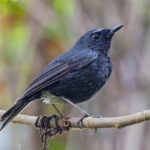
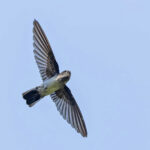
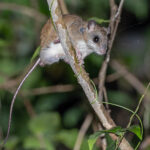
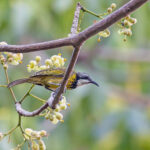
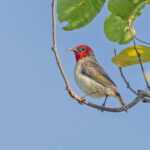


Elegant Pitta (image by Pete Morris)
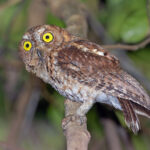
Wetar Scops Owl (image by Pete Morris)
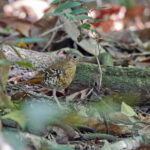
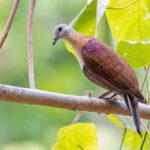
Fawn-breasted Thrush (image by Pete Morris)
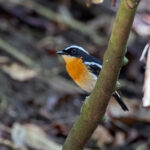
Tanimbar Flycatcher (image by Pete Morris)
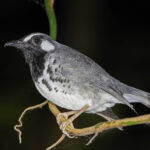
Slaty-backed Thrush (image by Pete Morris)
Kalao Blue Flycatcher (image by Pete Morris)
Blue Whale (Pygmy) (image by Pete Morris)
Tanimbar Boobook (image by Pete Morris)
Ornate Pitta (image by Pete Morris)
Cinnamon-banded Kingfisher (Babar) (image by Pete Morris)
Supertramp Fantail (Leti) (image by Pete Morris)
Flame-breasted Sunbird (image by Pete Morris)
Zebra Finch (image by Pete Morris)
Wetar Ground Dove (image by Pete Morris)
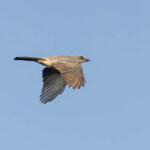
Wallacean Cuckooshrike (Alor) (image by Pete Morris)
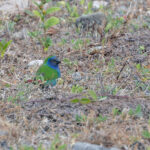
Tricolored Parrotfinch (image by Pete Morris)
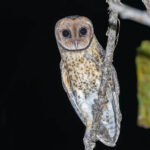
Australasian Masked Owl (Tanimbar) (image by Pete Morris)
Babar Whistler (image by Pete Morris)
Australian Boobook (Leti) (image by Pete Morris)
Timor Stubtail (image by Pete Morris)
Tanimbar Corella (image by Pete Morris)
Banda Sea Pitta (image by Pete Morris)
Timor Blue Flycatcher (image by Pete Morris)
Timor Imperial Pigeon (image by Pete Morris)
Tanahjampea Monarch (image by Pete Morris)
Sunset - Damar-Leti (image by Pete Morris)
Black-bearded Flying Fox (image by Pete Morris)
Sperm Whale (image by Pete Morris)
Seram Death Adder (image by Pete Morris)
Banded Fruit Dove (image by Pete Morris)
Red-footed Boobies (image by Pete Morris)
Rose-crowned Fruit Dove (image by Pete Morris)
Rough-toothed Dolphins (image by Pete Morris)
Rufous-sided Gerygone (Kalaotoa) (image by Pete Morris)
Orange-footed Scrubfowl (image by Pete Morris)
Orange-sided Thrush (image by Pete Morris)
Olive-headed Lorikeet (image by Pete Morris)
Mangrove Golden Whistler (Damar) (image by Pete Morris)
Little Curlew (image by Pete Morris)
Black Cuckoo-Dove (image by Pete Morris)
Little Bronze Cuckoo (Banda) (image by Pete Morris)
Grey Friarbird (image by Pete Morris)
Grey-tailed Tattler (image by Pete Morris)
Island Monarch (image by Pete Morris)
Javan Bush Warbler (Timor) (image by Pete Morris)
Great-billed Heron (image by Pete Morris)
Elegant Imperial Pigeon (image by Pete Morris)
Dugong (image by Pete Morris)
Cinnamon-tailed Fantail (image by Pete Morris)
Common Glider (image by Pete Morris)
Damar Flycatcher (image by Pete Morris)
Drab Swiftlet (image by Pete Morris)
Rat sp. Yamdena (image by Pete Morris)
Black-streaked Honeyeater (image by Pete Morris)
Black-naped Tern (image by Pete Morris)
Black-naped Oriole (Flores Sea) (image by Pete Morris)
Beach Stone-curlews (image by Pete Morris)
Alor Boobook (image by Pete Morris)
Alor Myzomela (image by Pete Morris)
Lady Denok (Tanahjampea) (image by Pete Morris)
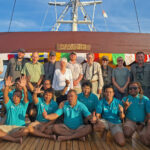
The Team (image by Pete Morris)


REMOTE ISLANDS OF THE BANDA SEA TOUR REPORT 2025

25 September - 12 October 2025
Pete Morris
This was our third visit to the Banda Sea in the last few years, and was once again a great success, as we notched up great looks at just about all of our hoped-for bird specialties and some wonderful sea mammals. We achieved this while living ‘the Life of Riley’, as we were looked after superbly by the lovely crew and staff on the Lady Denok, our floating hotel for a couple of weeks! Glorious sunsets, welcome drinks and copious meals were the order of the day. When at sea, many an hour was spent chatting and laughing on the sun-loungers on the upper deck, wondering whether to indulge in a beer before or after the afternoon snack time! This downtime was most welcome, as to see the species on land, early starts were generally the order of the day, and some relatively hot and humid walks were required, though a quick dip in the sea or some snorkelling was often on offer once back on deck! All in all it was a fantastic travel experience through some really remote and often scenic islands.
This was the first time that we had operated the tour from east to west, so we actually began the tour in Yamdena, in the remote Tanimbar Islands, where we were based at a comfortable hotel for a few nights. This gave us ample time to explore the remnant forest patches on the island. We actually started the birding the moment the group stepped off the plane, enjoying a fantastic flock of twenty-odd Little Curlews at close range, and smaller numbers of Oriental Plovers slightly further out on the airfield, as well as a Spotted Kestrel.
Having settled in, we headed to some forest patches to the west, and were soon packing in the endemics and local specialties thick and fast! Blue-streaked Lories flashed overhead, Tanimbar Starlings and Wallacean Cuckooshrikes shared fruiting trees with stunning Wallacean and Rose-crowned Fruit Doves and Elegant Imperial Pigeons, whilst nearby Scaly-breasted Honeyeaters and Banda Sea Myzomelas feasted on nectar and White-browed Trillers and shy Tanimbar Friarbirds popped up. Noisy parties of Red-cheeked Parrots dashed around, and we also found our first Barred Doves and Tanimbar Cuckoo-Doves, our first Tanimbar Corellas passed overhead, and we briefly saw our only Channel-billed Cuckoo of the tour. Closer to the ground, we spent some time watching a group of Tricolored Parrotfinches and a confiding pair of smart Golden-bellied Flyrobins as well as our first Rufous-sided Gerygones, Cinnamon-tailed, Long-tailed and Supertramp Fantails, Broad-billed Flycatchers and Ashy-bellied White-eyes. But we were not done yet, as weary legs were asked to march a little further along the road. At dusk, numerous Black-bearded Flying-Foxes flew overhead, and soon afterwards we had a lovely rusty pair of Tanimbar Boobooks fixed in the spotlight beam. It then took a little longer before a stunning Australasian (Tanimbar) Masked Owl was fixed in the beam, rounding off an excellent day.
The following couple of days were spent largely exploring trails into remnant forest patches along the east side of the island. Many of the same species were again present, though our focus was on finding some of the tougher species. Pride of place went to the stunning Fawn-breasted Thrush, which took some real seeking out, but eventually gave some stupendous views! The equally impressive Slaty-backed Thrush also proved tough to get, though we eventually found one that sat still for long enough, before admiring a roosting bird at close range. The gorgeous Banda Sea Pitta also proved difficult until we enjoyed point-blank views of a roosting bird, the colourful little Tanimbar Flycatcher showed well, and the vocal Tanimbar Bush Warbler ran rings around us before giving itself up! Perhaps the toughest of the lot is the Tanimbar Megapode, but we got lucky with this one as a pair gave some decent views in the forest, including one perched in a tree. Mixed flocks held Tanimbar and Banda Sea Monarchs and Wallacean and elusive Yellow-throated Whistlers, whilst numerous Tanimbar Orioles gave themselves away by their distinctive songs, smart Cinnamon-banded Kingfishers and Pied Bronze Cuckoo posed in the canopy, and many more Tanimbar Corellas gave great views. A few scarce but distinctive subspecies were also noted, namely the vocally distinct and perhaps undescribed form of (Sahul?) Brush Cuckoo, the large-billed local form of Wallacean Drongo and the Tanimbar form of Torresian Crow, and other species seen included Pacific Emerald Dove, Whiskered and Black-naped Terns, Pied Heron and a Peregrine Falcon. A rather intimidating Seram Death Adder was also of note!
By lunchtime on the second full day, we were really on a mission to find one species, and by waiting at a strategic viewpoint, we achieved this with some great looks at the rare Tanimbar Eclectus. Here too we saw Metallic Starlings (the local form was previously split off as Violet-hooded Starling), many more Blue-streaked Lories, our first Pink-headed Imperial Pigeon, and our best views of the near-endemic Pink-breasted Flowerpecker.
On our final full day we got some more great looks at several of the endemics before heading out to some nearby islands off the coast of Saumlaki in a rather bizarre vessel. Here there were large numbers of waterbirds including Lesser and Great Frigatebirds, Australasian Darters, Little Pied Cormorants, Pacific Reef Egrets and Brown Boobies, whilst a nearby island held our first Pied Imperial Pigeons and more elusive Tanimbar Megapodes that were extremely difficult to see in the thick scrub!
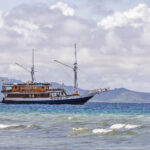
Well the wait was over, and it was now time to familiarize ourselves with our new home, the stunning wooden Lady Denok. This custom-built liveaboard is an Indonesian ‘Phinisi’ and was built by master Sulawesi shipbuilders. She spends most of her life housing divers at many of Indonesia’s premier dive sites, though in the last few months of the year she’s more likely to find birders on board! And she is perfectly suited to the task, with comfortable accommodation, a fantastic crew, great food and two skiffs to quickly whisk the group ashore for the birding excursions. She also serves as an excellent platform from which to spot cetaceans and seabirds!
We notched up an unexpected House Swift on our way out to the Lady Denok, and, having set sail, soon made our first excursion on Pulau Burung, just off the coast of Yamdena. Here we found an impressive Great-billed Heron complete with breeding filoplumes, breeding Black-naped Terns, a Gull-billed Tern and a selection of waders which included a fabulous pair of Beach Stone-curlews. In the scrub, we flushed a pair of Large-tailed Nightjars and some of us were fortunate to see another shy pair of Tanimbar Megapodes by their mound. Heading back to the Lady Denok we encountered a pod of Indo-Pacific Bottlenose Dolphins, and an Australian Pelican! It was then time to set sail… We donned our sunscreen, found the sun-loungers and headed for the open ocean. Our task for the afternoon was to find some Tahiti Petrels, and this we achieved, alongside our first Wilson’s Storm Petrels, Bulwer’s Petrel, Streaked Shearwaters, Red-tailed Tropicbirds and Red-necked Phalaropes.
We woke up in the dark just offshore from Babar and were whisked ashore in darkness. Soon we were looking for the Babar form of Australian Boobook, which showed several times but was somewhat skittish. A Tricolored Parrotfinch and a stunning Orange-sided Thrush were found roosting, before we headed to a nearby riverbed. Birds here came thick and fast. Just as we got out of the vehicles we found our first Drab Swiftlets, the local form of Pied Bush Chat, and more stunning Tricolored Parrotfinches and very soon a high-pitched song gave away the presence of a confiding Timor Stubtail. Cinnamon-tailed Fantails were seen well (note the undescribed but vocally distinct form here may merit specific status), as was the local form of Supertramp Fantail, and it didn’t take too long to find the endemic Babar Whistler, though our best views were later in our walk. Other species seen well included Banded Fruit Dove, Cinnamon-banded Kingfisher, the Banda Sea form of Little Bronze Cuckoo, Olive-headed Lorikeet, Rufous-sided Gerygone, Wallacean Whistler, more stunning Orange-sided Thrushes, Red-chested Flowerpecker, and the local form of Snowy-browed Flycatcher. As the temperatures rose and the birding activity waned, we headed back to the Lady Denok after what had been an excellent morning. After a fine lunch, we again set sail, this time heading to Damar. Once again a few seabirds were seen, including our first Long-tailed Jaeger (Skua). Interestingly, we photographed nearly all of the skuas seen, and all proved to be this species. It seems that Pomarine Skuas (Jaegers) generally appear much later in the season. We also noted Sperm Whales, Risso’s Dolphins and our first impressive Blue Whale.
We dropped anchor in the bay during the night, and were ashore well before dawn the next day, making our way uphill into the islands interior along a narrow old road, which was in the process of being upgraded. The bird that everyone wants to see on Damar is of course the ‘long-lost’ Damar Flycatcher that was only relatively recently rediscovered by a BirdLife expedition in 2001, having not been recorded since its discovery 103 years earlier. These rather confiding birds are, thankfully, not too difficult to find in the remaining natural forest, and it was still early morning when we set eyes on our first, displaying its deep indigo plumage and subtle white streaking. The best of the rest, during our few hours ashore, included Mangrove Golden Whistler (the Damar endemic form may be better treated as another endemic species), some smart Banda Sea Pittas, more Little Bronze Cuckoos, several smart Banded Fruit Doves, a showy Cinnamon-banded Kingfisher, Rufous-sided Gerygone (with a red iris here), Wallacean Whistler, the local forms of Northern and Supertramp Fantails, our first Spectacled Monarchs, more Orange-sided Thrushes, the local form of Blue-cheeked (or Red-chested) Flowerpecker and a brief Metallic Pigeon for some. A ‘Green-headed’ Eastern Yellow Wagtail was flushed back in town, just before re reunited with the Lady Denok. As we left the bay, just before lunch, we admired the twin peaks of Gunung Wurlali volcano, with its sulphur-spewing fumaroles. We then made our way to the nearby Pulau Terbang Selatan, where those that wished embarked on some very special snorkelling, before continuing towards Leti. Once at sea we noted our first Brown Noddies and Sooty and White-winged Terns, but of far greater interest were several amazing Blue Whales, which looked huge but are the so-called Pygmy Blue Whales! We also enjoyed a pod of Short-finned Pilot Whales and a small number of False Killer Whales.
We reached Leti during the night and headed ashore early the following morning. Leti was the flattest and driest island we visited during the cruise, but it is definitely a ‘birdy’ spot. The star bird was of course Grey (or Kisar) Friarbird, which is endemic to Leti and two other adjacent islands. Another bird of particular interest was the distinctive compar form of Fawn-breasted Whistler, which until recently was thought to be part of Yellow-throated Whistler and, again, may be better treated as a separate endemic species. Other good birds noted included local forms of Banded (or Black-backed) and Rose-crowned Fruit Doves and Cinnamon-banded Kingfisher as well as good numbers of Olive-headed Lorikeets, our first Rainbow Bee-eaters, large numbers of Scaly-breasted Honeyeaters, Wallacean Cuckooshrikes (of the form personata), a surprise Black-faced Cuckooshrike, our first White-shouldered Trillers, local forms of Northern and Supertramp Fantails, plenty of Ashy-bellied White-eyes and some smart Zebra Finches.
We returned to the ship for lunch and a break, enabling those that wished to engage in some more fantastic snorkelling. Those of us left onboard were richly entertained by a surprisingly large, confiding and acrobatic pod of Rough-toothed Dolphins, that hung around for an hour or so! As temperatures began to cool, we headed back ashore on Leti, and after seeing a few of the most easterly population of Paddyfield Pipits, we headed back to the forest and waited for the sun to sink. Just at dusk, a Savanna Nightjar put in an appearance, and a little later we were enjoying some fine views of Australian Boobook (of the form moae). We were back on the Lady Denok in time for a beer and another great dinner before setting sail for Wetar!
We were at sea the whole of the following day, arriving off the north coast of Wetar late in the afternoon where we anchored off Naumatang. A whole day at sea is surprisingly hard work, and we took it in turns to keep watch! Seabirds included our only Aleutian Tern of the trip, our first of two Swinhoe’s Storm Petrels and a surprise Black Noddy, as well as numerous Sooty and Bridled Terns, plenty of Red-tailed Tropicbirds and small numbers of Red-necked Phalaropes. Red-footed Boobies were by now becoming common and we saw plenty of the regulars such as Wilson’s Storm Petrel, Bulwer’s Petrel and Streaked Shearwater. We also had some amazing close-up encounters with Sperm Whales and saw another Blue Whale.
Wetar is a large and scenically spectacular island with a low human population, and this is especially true of the north coast where we were. There are more endemic birds here than on any other island visited during the cruise, so we couldn’t wait to get ashore. We spent the whole day, and the following morning working the trails and riverbeds inland from the village of Naumatang. Our exploits pre-dawn and yielded fantastic views of a cute pair of Wetar Scops Owls (one grey phase, one rufous!) and some good views of the scarce and recently described Timor Nightjar. By day, our prime target was the spectacular Wetar Ground Dove, one of the region’s most sought-after specialities, which we saw brilliantly on several occasions. Other highlights included Timor and smart Black Cuckoo-Doves, the secretive Timor Imperial Pigeon (its distinctive call was easy to hear, though they took some tracking down!), numerous Pink-headed Imperial Pigeons, Bonelli’s Eagle (of the isolated Lesser Sundas form, Rensch’s Eagle), Jonquil (or Olive-shouldered) Parrot, smart Marigold Lorikeets, the handsome Black-necklaced Honeyeater, Wetar Myzomela, numerous Wallacean Cuckooshrikes, Wetar Oriole, Wetar Figbird, Plain Gerygone, Fawn-breasted and Tenggara Whistlers, the lovely Timor Blue Flycatcher, Orange-sided Thrush, Timor Stubtail and the stunning Flame-breasted Sunbird. We also found a few subspecies that may in the future be split, namely the ‘Cobalt-eared’ form of Common Kingfisher, the Timor form of Northern Fantail and the Timor form of Wallacean Drongo, and found other by now familiar friends such as Black-backed and Rose-crowned Fruit Doves, Cinnamon-banded Kingfisher, Red-cheeked Parrots, large numbers of Olive-headed Lorikeets, the local form of Supertramp Fantail and Broad-billed and Spectacled Monarchs, and added new species such as some smart Eastern Red-rumped (Striated) Swallows and Little Pied Flycatcher. One species that really did take some seeking out was the sneaky Timor Leaf Warbler, but we enjoyed some good views of this tiny canopy lover in the end! After lunch on our second day, we set sail for Alor. Our efforts from the sunbed yielded huge numbers of Red-necked Phalaropes, our first Wedge-tailed Shearwater, another Sperm Whale and both Pantropical Spotted and Spinner Dolphins, though the sea was generally fairly quiet.
We anchored off of the island of Alor the following morning and went ashore, exploring some nearby remnant patches of lowland forest. Here, our main target was the cracking Ornate Pitta, and although it made us work, we enjoyed some fabulous views. Also here were our first encounters with the smart Black-naped Fruit Dove, the local forms of Tenggara Whistler and Supertramp Fantail, the distinct Alor form of Wallacean Drongo, and the attractive Black-fronted Flowerpecker as well as more widespread species such as Common Emerald Dove, Rufous-backed Kingfisher, Black-naped Monarch, Brown-throated Sunbird and Black-faced Munia, as well as a surprise trio of Barred Buttonquails. Nearby we encountered Brown Honeyeater and Cinereous Tit before embarking on a little excursion by boat. The prime objective was to see a Dugong, which we got incredible views of, quite literally at touching distance! A nearby roost held Red-necked Stints and a Lesser Crested Tern in amongst a large flock of Greater Crested Terns. That afternoon yielded more snorkelling opportunities, and for those that wished, more time to admire Ornate Pittas!
The following morning we were up early and made our way to the uplands of Alor, around and above the small village of Apui. Although not far in distance, it was a tortuous journey along pot-holed roads, culminating in a bumpy jeep transfer to the highest point. Once there, we quickly found a fine male of the recently recognised Alor Myzomela as well as the distinctive Alor form of Wallacean Cuckooshrike and the yet-to-be-described Eucalypt Cuckoo-Dove. We also spent some time teasing a Javan Bush Warbler from the dense ferns, eventually getting great views. This distinct form may be better split-off as Timor Grasshopper Warbler. We also found other more widespread species such as Black-naped Oriole, Long-tailed Shrike, Short-tailed Starling and the local form of Lesser Shortwing, whilst scanning the skies yielded Crested Honey Buzzard and Brown Goshawk, but not the hoped-for hawk-eagle.
We dropped down a little in the afternoon and spent time scanning from a couple of viewpoints. This proved highly successful as we found more than a dozen of the hoped for critically endangered Yellow-crested Cockatoo and a bonus pair of the rare and endangered Tenggara Hill Myna. Seeing both of these two rarities in the scope was a great privilege. Also here we found some smart Tenggara Paradise Flycatchers, the local form of Green Imperial Pigeon, and our first Tree Martins. It had been a long and successful day, but we were not done yet, as we changed location and found both Mees’s Nightjar and the smart Alor Boobook which gave cracking views in the spotlight. After dinner we returned to the comfort of the Lady Denok for a beer and a rest!
The following morning we made another visit to Apui, this time taking a different route, finding Zitting Cisticola, and Five-colored Munia as we went. From Apui we scanned the skies and came up trumps with an impressive Flores Hawk-Eagle which gave a couple of good views as it soared over the ridge. Nearby, we finally found a showy Aberrant Bush Warbler, and on the route back to the boat we found the local, rather dark, form of Metallic Pigeon. It had been a great visit to Alor, and as we left, numerous terns accompanied us, and the sea was full of amazing jellyfish!
We had set sail in the late afternoon in order to be close to the stunning Pulau Komba the following morning. This remote and spectacular volcanic island was a truly impressive sight! Our real reason for being in this sea area though was to look for the rare Heinroth’s Shearwater, and although we only found one pair, we did at least find a pair! Indeed we spent the whole day at sea, seeing decent numbers of, by now, familiar seabirds, with highlights including at least eight Long-tailed Jaegers, 100+ Wilsons Storm Petrels accompanied by three Swinhoe’s Storm Petrels, good numbers of Bulwer’s Petrels and Streaked and Wedge-tailed Shearwaters, 100s of Red-footed Boobies and even four migrant Fork-tailed Swifts. Cetaceans were present too, including another pod of pilot whales and a Cuvier’s Beaked Whale.
The following morning we awoke off Kalaotoa, with (Eastern) Ospreys on the nearby navigation structures. We made our way ashore, admiring a smart juvenile Grey-tailed Tattler as we went, and explored some nearby areas of degraded forest. We almost immediately encountered a splendid pair of Elegant Pittas which posed superbly, whilst nearby, an Orange-footed Scrubfowl scratched at the edge of the path. Smart Island Monarchs were conspicuous, boldly-patterned Flores Sea Sunbirds and Lemon-bellied White-eye were common, and the chunky Flores Sea Cuckoo-Dove also showed well. We also saw the local forms of Rufous-sided Gerygone, Supertramp Fantail, Tenggara Whistler and Black-naped Oriole and added our only Grey-cheeked Green Pigeons. Leaving Kalaotoa, we set sail for Kalao. As we left a large whale was in the bay, which seems most likely to have been a Bryde’s Whale. Good numbers of terns and boobies were present at sea, but nothing of real note.
Our final day of land-based excursions began with a landing on Tanahjampea island. Here we made our way through some scrub and secondary forest at the edge of an agricultural area. We were soon lapping-up close views of the endemic Tanahjampea Monarch and the distinctive Tanahjampea form of Sulawesi Blue Flycatcher (another good potential split!). Other interesting birds included another Orange-footed Scrubfowl, more Tenggara Whistlers and Flores Sea Sunbirds, Supertramp Fantail, more Island Monarchs and a couple of smart Red-chested Flowerpeckers, and we also saw Lesser Coucal and a tree full of Pink-necked Green Pigeons. As we headed back to the vessel we noticed a group of Pale-headed Munias amongst the commoner Black-faced Munias, and these eventually gave some great views.
It was then a short hop across to our final landing on the adjacent island of Kalao. Here we were greeted by a Sacred Kingfisher, and a little scanning on the beach soon yielded a female Malaysian Plover. Following a small stream inland from the coast, it did not take us too long to find our final endemic, the pretty Kalao Blue Flycatcher, and we spent some time watching this smart bird. There was still time for a final snorkelling session on the excellent reefs off of Kalao, before we set sail for Labuan Bajo, on the west coast of Flores.
The passage back was smooth and uneventful, and gave us time to reflect back on what had been an excellent adventure. We were able to spend a great final evening with the excellent crew and staff, who had catered for us and looked after us so well, and to chat about all of the amazing wildlife and scenery we had experienced over the previous couple of weeks. These remote islands are surely worth a visit, with their rich endemic avifauna, coral reefs and cetaceans, made that little bit more special by the Lady Denok!
BIRDS OF THE TOUR
1st SLATY-BACKED THRUSH
2nd WETAR GROUND DOVE
3rd FAWN-BREASTED THRUSH
4th Tenggara Hill Myna
5th Australian Masked Owl (Moluccan)
6th Wetar Scops Owl
SYSTEMATIC LIST OF SPECIES RECORDED
Species marked with the diamond symbol (◊) are either endemic to the country or local region or considered ‘special’ birds for some other reason (e.g.: it is only seen on one or two Birdquest tours; it is difficult to see across all or most of its range; the local form is endemic or restricted-range and may in future be treated as a full species).
The species names and taxonomy used in the bird list follows AviList v2025 (AviList Core Team. 2025. AviList: The Global Avian Checklist, v2025). AviList was first published in June 2025, and is a global checklist which brings together the taxonomies of the eBird (Clements taxonomy), IOC, and Birdlife International checklists, and will ultimately replace those checklists. The AviList Global Avian Checklist is available at www.avilist.org.
Where the subspecies seen is/are known, these are often given in parentheses at the end of the species comment.
BIRDS
Tanimbar Megapode ◊ (T Scrubfowl) Megapodius tenimberensis Two seen along a trail north of Saumlaki, on the east side of Yamdena. The first flew high into a tree but the second perched. Two seen briefly on Pulau Nustaban, and then two seen well by some by a mound on Pulau Burung, off Yamdena.
Orange-footed Scrubfowl Megapodius reinwardt Excellent views of singles near to Kawawu, on Kalaotoa and near to Labuan Marege, on Tanahjampea [nominate].
Red Junglefowl (introduced) Gallus gallus Dubious individuals seen on Babar.
Lesser Coucal Centropus bengalensis Heard a number of times on Alor. A couple seen in flight near to Labuan Marege, on Tanahjampea. [sarasinorum].
Pacific Koel Eudynamys orientalis Plenty heard, first seen on Yamdena and again along the trail and river, inland from Naumatang, on Wetar [picatus].
Channel-billed Cuckoo Scythrops novaehollandiae One seen in flight along the road west of Saumlaki, Yamdena, in the Tanimbar Islands [nominate].
Little Bronze Cuckoo ◊ (Banda B C) Chalcites [minutillus] rufomerus Several seen well on Babar [salvadorii]. The form rufomerus was first seen well along the road to the ridge above Wulur, on Damar.
Pied Bronze Cuckoo ◊ Chalcites crassirostris Excellent views north of Saumlaki, on the east side of Yamdena in the Tanimbar Islands.
Sunda Brush Cuckoo ◊ (Rusty-breasted C) Cacomantis sepulcralis Heard only on Alor [nominate].
Sahul Brush Cuckoo (Australian B C) Cacomantis variolosus Vocally distinct birds, which probably represent an undescribed form, were seen well north of Saumlaki, on the east side Yamdena in the Tanimbar Islands.
Oriental Cuckoo Cuculus optatus Non leader for some on Kalaotoa.
Black Cuckoo-Dove ◊ Turacoena modesta Plenty seen well inland from Naumatang, on Wetar. Smart birds.
Flores Sea Cuckoo-Dove ◊ Macropygia macassariensis Excellent views of a few, the first near to Kawawu, on Kalaotoa [longa].
Timor Cuckoo-Dove ◊ Macropygia magna First seen inland from Naumatang, on Wetar. A few others seen elsewhere.
Tanimbar Cuckoo-Dove ◊ Macropygia timorlaoensis Plenty seen on Yamdena.
Eucalypt Cuckoo Dove ◊ Macropygia sp. nov. This yet to be described cuckoo-dove was first seen well around Manmas on Alor. Quite like a Ruddy Cuckoo-Dove, the area around the eyes looked bluish.
Spotted Dove Spilopelia chinensis Common, first seen near to Serwaru, on Leti [tigrina].
Metallic Pigeon Columba vitiensis One for some on Damar and another scoped along the road to Apui, on Alor [metallica].
Rock Dove (introduced) (Feral Pigeon) Columba [livia] var_domestica Vermin.
Common Emerald Dove (Asian E D) Chalcophaps indica Plenty seen, the first on Alor [nominate].
Pacific Emerald Dove Chalcophaps longirostris First seen on the east side of Yamdena in the Tanimbar Islands. Fairly common until Alor [timorensis].
Pink-necked Green Pigeon Treron vernans A few seen well in a fruiting tree near to Labuan Marege, on Tanahjampea.
Grey-cheeked Green Pigeon ◊ Treron griseicauda Good scope views of a female near to Kawawu, on Kalaotoa. Six flew out of the tree! [pallidior].
Wetar Ground Dove ◊ Pampusana hoedtii Brilliant views of several inland from Naumatang, on Wetar. Cracking bird!
Barred Dove ◊ Geopelia maugeus Plenty on Yamdena, Leti, Wetar etc.
Green Imperial Pigeon Ducula aenea Just one seen well in the scope in roadside forest near to Waikui, on Alor [polia].
Elegant Imperial Pigeon ◊ Ducula concinna Plenty seen well on Yamdena in the Tanimbar Islands.
Pink-headed Imperial Pigeon ◊ Ducula rosacea First seen well on the east side Yamdena in the Tanimbar Islands. Plenty more seen well, and particularly common and conspicuous along the river, inland from Naumatang, on Wetar.
Timor Imperial Pigeon ◊ Ducula cineracea Excellent views of at least three inland from Naumatang, on Wetar. Great call, but not easy to track down!
Pied Imperial Pigeon Ducula bicolor Only really seen on the small islands off Yamdena.
Banded Fruit Dove ◊ (Black-backed F D) Ptilinopus cinctus First seen well on Babar and Damar [ottonis]. Several seen well near to Serwaru, on Leti [lettiensis]. Several seen very well inland from Naumatang, on Wetar [nominate]. Finally, one seen along the road to Apui, on Alor [everetti].
Wallace’s Fruit Dove ◊ Ptilinopus wallacii A stunning fruit dove that was common on Yamdena in the Tanimbar Islands.
Rose-crowned Fruit Dove ◊ Ptilinopus regina First seen well on Yamdena, in the Tanimbar Islands [xanthogaster]. Elsewhere, we saw the form roseipileum, which was first seen on Leti. Both forms lack rose crowns.
Black-naped Fruit Dove Ptilinopus melanospilus A few seen, the first at Hutan Nostalgia on Alor [melanauchen].
White-breasted Waterhen Amaurornis phoenicurus Recorded on Yamdena and Alor [leucomelana].
Beach Stone-curlew (B Thick-knee) Esacus magnirostris Excellent views of a pair on Pulau Burung, off Yamdena.
Pied Oystercatcher Haematopus longirostris A couple seen on Pulau Burung, off Yamdena.
Grey Plover (Black-bellied P) Pluvialis squatarola A couple seen on Pulau Burung, off Yamdena [nominate].
Pacific Golden Plover Pluvialis fulva A few seen, the first on Pulau Burung, off Yamdena.
Oriental Plover ◊ Anarhynchus veredus Up to 12 seen on the Saumlaki Airfield, Yamdena, including a few juveniles.
Siberian Sand Plover Anarhynchus mongolus Singles on Pulau Burung, off Yamdena and on the beach at the tern roost on Pulau Sika off Alor.
Greater Sand Plover Anarhynchus leschenaultii A few seen, the first on Pulau Burung, off Yamdena.
Malaysian Plover Anarhynchus peronii A nice female seen well on the northwest coast of Kalao.
Little Curlew ◊ Numenius minutus 18+ seen on the airfield at Saumlaki, Yamdena. Some great views with some smart juveniles present.
Eurasian Whimbrel Numenius phaeopus Fairly frequent, with the first seen on Pulau Burung, off Yamdena [variegatus].
Far Eastern Curlew (Eastern C) Numenius madagascariensis 2+ distantly on the mudflats on Pulau Anggarmasa opposite Pulau Burung, off Yamdena.
Common Sandpiper Actitis hypoleucos Fairly frequent. First seen from the hotel in Saumlaki.
Red-necked Phalarope Phalaropus lobatus Quite common at sea. First seen the day we left Saumlaki, with biggest numbers, 500+, as we left Wetar for Alor.
Grey-tailed Tattler Tringa brevipes A few seen at various spots, the first on Pulau Burung, off Yamdena.
Common Greenshank Tringa nebularia One seen on Pulau Burung, off Yamdena.
Ruddy Turnstone Arenaria interpres A couple seen on Pulau Burung, off Yamdena [nominate].
Red-necked Stint Calidris ruficollis Two juveniles on the beach at the tern roost on Pulau Sika off Alor.
Barred Buttonquail Turnix suscitator Three flushed at close range at Hutan Nostalgia on Alor [powelli].
Long-tailed Jaeger (L-t Skua) Stercorarius longicaudus A total of fifteen noted on the various crossings, most of which were moulting adults [pallescens].
Brown Noddy Anous stolidus A few seen at sea between the islands, the first between Damar and Leti [pileatus].
Black Noddy Anous minutus A surprise to see one well, with Brown Noddies, between Leti and Wetar.
Aleutian Tern ◊ Onychoprion aleuticus Just a single bird seen between Leti and Wetar.
Sooty Tern Onychoprion fuscatus Seen fairly frequently, the first on the day we left Damar heading towards Leti [nubilosus].
Bridled Tern Onychoprion anaethetus Good numbers seen at sea between the islands [nominate].
Gull-billed Tern Gelochelidon nilotica One seen and positively identified as this species (not Australian) on Pulau Burung, off Yamdena [affinis].
Whiskered Tern Chlidonias hybrida Seen quite regularly, the first at the Airport Lake north of Saumlaki, on the east side of Yamdena in the Tanimbar Islands [javanicus].
White-winged Tern Chlidonias leucopterus A few seen, the first on the day we left Damar heading towards Leti.
Greater Crested Tern Thalasseus bergii Small numbers around most islands. First seen from the hotel in Saumlaki, Yamdena [cristatus].
Lesser Crested Tern Thalasseus bengalensis Good views of one on the beach at the tern roost on Pulau Sika off Alor [torresii].
Common Tern (Eastern C T) Sterna [hirundo] longipennis A few seen at sea between the islands.
Black-naped Tern Sterna sumatrana First seen from the hotel in Saumlaki, Yamdena. Great views on Pulau Burung, off Yamdena, and seen several times thereafter [nominate].
Red-tailed Tropicbird Phaethon rubricauda Seen fairly regularly in small numbers, the first as we headed towards Babar [westralis].
Wilson’s Storm Petrel Oceanites oceanicus Common and seen in small numbers on most days at sea. Maximum count of 100+ at sea between Pulau Komba and Kalaotoa [oceanicus/exasperates].
Swinhoe’s Storm Petrel ◊ Hydrobates monorhis A single on the sea and then flying between Leti and Wetar, and another three with big rafts of Wilson’s Storm Petrels at sea between Pulau Komba and Kalaotoa. On each occasion, clearly largeish dark-rumped storm petrels with paler carpal bars, and identified as this species from photos on the basis of no prominent white flash in the primaries.
Bulwer’s Petrel Bulweria bulwerii Fairly common and seen most days at sea. First seen as we headed towards Babar.
Tahiti Petrel ◊ Pseudobulweria rostrata c8 were seen as we headed from Yamdena towards Babar. Many were quite distant, but a few decent views [trouessarti].
Streaked Shearwater Calonectris leucomelas Seen fairly regularly in small number, the first as we headed towards Babar.
Wedge-tailed Shearwater Ardenna pacifica First seen as we headed from Wetar towards Alor, and good numbers between Pulau Komba and Kalaotoa. All those seen were dark phase.
Heinroth’s Shearwater ◊ Puffinus heinrothi Two seen at sea near to Pulau Komba, between Alor and Kalaotoa.
Lesser Frigatebird Fregata ariel First seen from the hotel in Saumlaki. Small numbers regularly throughout [nominate].
Great Frigatebird Fregata minor First seen from the hotel in Saumlaki. Small numbers regularly throughout [nominate].
Red-footed Booby Sula sula First seen between Babar and Damar, and became progressively commoner through the trip [rubripes].
Brown Booby (Forster’s B B) Sula [leucogaster] plotus At least 150 on the boat trip to Batu Kawat and Pulau Nustaban, from Saumlaki, Yamdena, in the Tanimbar Islands. Fairly common in small numbers throughout the trip.
Australasian Darter Anhinga novaehollandiae A few seen, the first on the boat trip to Batu Kawat and Pulau Nustaban, from Saumlaki, Yamdena, in the Tanimbar Islands [nominate].
Little Pied Cormorant Microcarbo melanoleucos First seen at the Airport Lake north of Saumlaki, on the east side of Yamdena in the Tanimbar Islands [nominate].
Little Black Cormorant Phalacrocorax sulcirostris First seen at the Airport Lake north of Saumlaki, on Yamdena.
Australian Pelican Pelecanus conspicillatus First seen from the hotel in Saumlaki. Also seen on Pulau Burung, off Yamdena.
Pied Heron Egretta picata Small numbers seen regularly from the hotel in Saumlaki.
Pacific Reef Heron (P R Egret) Egretta sacra Biggest numbers were on the boat trip to Batu Kawat and Pulau Nustaban, from Saumlaki, Yamdena, in the Tanimbar Islands [nominate].
Little Egret Egretta garzetta First seen from the hotel in Saumlaki [immaculata].
Nankeen Night Heron (Rufous N H) Nycticorax caledonicus Small numbers seen regularly from the hotel in Saumlaki [australasiae].
Little Heron Butorides atricapilla Just a few noted, the first on Pulau Burung, off Yamdena [steini]. Those later in the trip were likely the form javanica.
Great Egret (Eastern G E) Ardea [alba] modesta A few seen, the first on Yamdena.
Medium Egret Ardea intermedia A few seen on Yamdena.
Eastern Cattle Egret Ardea coromanda One on Yamdena and a few on Tanahjampea.
Great-billed Heron Ardea sumatrana Great views of one, sporting filoplumes, on the spit running from Pulau Anggarmasa towards Pulau Burung, off Yamdena.
Large-tailed Nightjar Caprimulgus macrurus Two flushed on Pulau Burung, off Yamdena. Also heard on Leti [schlegelii].
Timor Nightjar ◊ Caprimulgus ritae A male seen inland from Naumatang, on Wetar. Spotlit in flight in the morning and then seen better including perched on the ground in the evening.
Mees’s Nightjar ◊ Caprimulgus meesi Great spotlight views of a flying male near to Apui on Alor. Two birds were present, and others heard.
Savanna Nightjar Caprimulgus affinis One seen fairly briefly overhead at dusk near to Serwaru, on Leti [timorensis].
Fork-tailed Swift (Pacific S) Apus pacificus Several seen including a few at sea, and feeding over both Kalaotoa and Tanahjampea [nominate].
House Swift Apus nipalensis Two over the harbour at Saumlaki, Yamdena, were apparently the first for the island. The species has been spreading east in recent years.
Tenggara Swiftlet ◊ Collocalia sumbawae Seen over the harbour at Labuan Bajo at the end of the tour.
Drab Swiftlet ◊ Collocalia neglecta Only identifiable on range as this species is essentially identical to Glossy Swiftlet. Common, first seen near to Tepa, on Babar [perneglecta].
Glossy Swiftlet Collocalia esculenta Common and widespread on Yamdena [nominate].
Uniform Swiftlet Aerodramus vanikorensis A few birds assumed to be this species on range on Yamdena [moluccarum].
Edible-nest Swiftlet Aerodramus fuciphagus Larger dark-rumped swiftlets on several islands were apparently this species. First noted along the road to the ridge above Wulur, on Damar [nominate].
Australasian Masked Owl ◊ (Lesser M O, Tanimbar M O) Tyto [novaehollandiae] sororcula Brilliant views of a real stunner along the road on Yamdena, in the Tanimbar Islands. Surely not the same species as those in Australia??!!
Australian Boobook ◊ (Leti B) Ninox [boobook] moae Great spotlight views of one near to Serwaru, on Leti.
Australian Boobook ◊ (Babar B) Ninox [boobook] cinnamomina One or two spotlit at dawn near to Tepa, on Babar. Decent views but always a little bit skittish.
Alor Boobook ◊ Ninox plesseni Excellent views of one near to Apui, Alor. Surprisingly quiet and never heard to call, but seen very well.
Tanimbar Boobook ◊ Ninox forbesi Excellent views of a fine pair west of Saumlaki on Yamdena in the Tanimbar Islands.
Wetar Scops Owl ◊ Otus tempestatis Brilliant views of a pair, one grey, one foxy, inland from Naumatang, on Wetar. A cracking little owl!
Osprey (Australasian O) Pandion [haliaetus] cristatus At least three seen near to Kawawu, on Kalaotoa.
Crested Honey Buzzard (Oriental H B) Pernis [ptilorhynchus] orientalis A few seen well, especially around Apui on Alor.
Flores Hawk-Eagle ◊ Nisaetus floris After much scanning we were rewarded with good scope views of an excellent soaring adult on Alor.
Bonelli’s Eagle ◊ (Rensch’s E) Aquila [fasciata] renschi Excellent views of probably two different pairs inland from Naumatang, on Wetar.
Brown Goshawk Tachyspiza fasciata A few seen well, the first while raptor scanning from Apui on Alor [wallacii]. Also seen well near to Kawawu, on Kalaotoa [stresemanni].
Brahminy Kite Haliastur indus A couple seen near to Labuan Marege, on Tanahjampea [intermedius].
White-bellied Sea Eagle (W-b Fish E) Icthyophaga leucogaster A couple seen at Pulau Terbang Selatan for some, and another near to Labuan Marege, on Tanahjampea.
Oriental Dollarbird (Common D) Eurystomus orientalis A few seen with most being seen on Yamdena [pacificus].
Rainbow Bee-eater Merops ornatus Small numbers seen, the first near to Serwaru, on Leti.
Common Kingfisher ◊ (Cobalt-eared K, Hispid K) Alcedo [atthis] hispidoides A few seen well along the river, inland from Naumatang, on Wetar.
Rufous-backed Dwarf Kingfisher Ceyx rufidorsa Seen a few times whizzing about at Hutan Nostalgia on Alor [nominate].
Sacred Kingfisher Todiramphus sanctus Just one seen on the northwest coast of Kalao [nominate].
Collared Kingfisher Todiramphus chloris Very common and widespread, the first bird seen at Saumlaki Airport, Yamdena [nominate].
Cinnamon-banded Kingfisher ◊ Todiramphus australasia Excellent views of a few smart individuals on Yamdena [odites]. Also seen well on Babar, Damar and Leti [dammerianus], and on Wetar [nominate].
Sunda Pygmy Woodpecker ◊ Yungipicus moluccensis One seen briefly on Alor [grandis].
Spotted Kestrel ◊ (Indonesian K) Falco moluccensis A few seen, the first at Saumlaki Airport, Yamdena [microbalius].
Peregrine Falcon (Indo-Pacific P F) Falco [peregrinus] ernesti One seen on the runway at Saumlaki Airport, Yamdena and another on Kalaotoa.
Tanimbar Corella ◊ (T Cockatoo) Cacatua goffiniana Plenty seen well on Yamdena, both in flight and perched.
Yellow-crested Cockatoo ◊ Cacatua sulphurea Great scope views of at least 12 in roadside forest on Alor. A fair way off but good to watch, frequently raising their crests when landing [occidentalis]!
Jonquil Parrot ◊ (Olive-shouldered P) Aprosmictus jonquillaceus Good views on several occasions, including perched birds in the scope, inland from Naumatang, on Wetar [wetterensis].
Tanimbar Eclectus ◊ Eclectus riedeli Excellent views of a couple of males, perched in the scope, from the viewpoint north of Saumlaki, on the east side of Yamdena.
Red-cheeked Parrot Geoffroyus geoffroyi Common on Yamdena, with several seen well [timorlaoensis]. Also seen well on Wetar [nominate].
Great-billed Parrot ◊ Tanygnathus megalorynchos Just two seen in flight north of Saumlaki, on the east side of Yamdena [subaffinis].
Blue-streaked Lory ◊ Trichoglossus reticulatus Plenty seen well, mostly in flight, on Yamdena.
Olive-headed Lorikeet ◊ Trichoglossus euteles Fairly common with many good views. First seen well along the dry riverbed southeast of Tepa, on Babar.
Marigold Lorikeet ◊ Trichoglossus capistratus Good views of c4 feeding in fruiting trees along the river, inland from Naumatang, on Wetar [flavotectus].
Ornate Pitta ◊ Pitta concinna At least 5 seen at and near to Hutan Nostalgia on Alor. Some really great views, and a cracking bird!
Elegant Pitta ◊ (Temminck’s Elegant P) Pitta elegans Stunning views of a pair near to Kawawu, on Kalaotoa. Interestingly both birds showed just a tiny bit of dark feathering under their chins and were otherwise pale throated [nominate].
Banda Sea Pitta ◊ (B Elegant P) Pitta vigorsii Brilliant views of a roosting bird north of Saumlaki, on the east side of Yamdena. A few others heard, and one flushed and then another couple seen very well along the road to the ridge above Wulur, on Damar.
Plain Gerygone ◊ (Timor G) Gerygone inornata Several seen well inland from Naumatang on Wetar.
Rufous-sided Gerygone (Kalaotoa R-s G) Gerygone [dorsalis] senex Plenty seen well near to Kawawu, on Kalaotoa. Piercing whitish irides!
Rufous-sided Gerygone (Damar R-s G) Gerygone [dorsalis] kuehni Several seen well along the road to the ridge above Wulur, on Damar. Deep red irides!
Rufous-sided Gerygone (Tenggara R-s G) Gerygone [dorsalis] fulvescens First seen well along the dry riverbed southeast of Tepa, on Babar.
Rufous-sided Gerygone (Tanimbar R-s G) Gerygone [dorsalis] dorsalis Quite common on Yamdena in the Tanimbar Islands.
Alor Myzomela ◊ Myzomela prawiradilagae Great views of a male on the ridge near to Manmas on Alor.
Wetar Myzomela ◊ Myzomela kuehni Fairly common inland from Naumatang, on Wetar.
Banda Myzomela ◊ (Tanimbar M) Myzomela [boiei] annabellae Several seen well on Yamdena in the Tanimbar Islands.
Grey Friarbird ◊ (Kisar F) Philemon kisserensis Excellent views of several (8+) near to Serwaru, on Leti.
Tanimbar Friarbird ◊ Philemon plumigenis Common but very shy on Yamdena in the Tanimbar Islands.
Helmeted Friarbird Philemon buceroides Surprisingly scarce on Wetar where a couple were seen along the trail inland from Naumatang, and several more seen on Alor [nominate].
Brown Honeyeater ◊ (Indonesian H) Lichmera [indistincta] limbata A few seen on Alor where first seen at Sampang Harbour.
Scaly-breasted Honeyeater ◊ (Banda H, White-tufted H) Lichmera squamata Common and widespread. First seen by Saumlaki Airport, on the east side of Yamdena in the Tanimbar Islands.
Black-necklaced Honeyeater ◊ Lichmera notabilis Fairly inland from Naumatang on Wetar, where we saw some good gatherings in flowering trees.
Black-faced Cuckooshrike Coracina novaehollandiae One scoped and seen well near to Serwaru, on Leti was a surprise.
Wallacean Cuckooshrike ◊ (Alor C) Coracina [personata] alfrediana Great views of a pair on the ridge near to Manmas on Alor.
Wallacean Cuckooshrike ◊ (Timor C) Coracina [personata] personata A male briefly near to Serwaru, on Leti, then several more seen well inland from Naumatang, on Wetar.
Wallacean Cuckooshrike ◊ (Tanimbar C) Coracina [personata] unimoda A few seen on Yamdena in the Tanimbar Islands where first seen along the road west of Saumlaki.
White-shouldered Triller ◊ (Lesueur’s T) Lalage sueurii Several seen, the first near to Serwaru, on Leti.
White-browed Triller ◊ (Tanimbar T) Lalage moesta Small numbers seen on Yamdena in the Tanimbar Islands where first seen along the road west of Saumlaki.
White-breasted Woodswallow Artamus leucorynchus Fairly common on Yamdena, especially around the rubbish tip [musschenbroeki]! Elsewhere, a few seen [albiventer].
Wetar Figbird ◊ Sphecotheres hypoleucus Quite common and many good looks inland from Naumatang, on Wetar.
Tanimbar Oriole ◊ Oriolus decipiens Several seen well on Yamdena in the Tanimbar Islands.
Wetar Oriole ◊ Oriolus finschi Quite common and many good looks inland from Naumatang, on Wetar.
Black-naped Oriole ◊ (Flores Sea Golden O) Oriolus [chinensis] boneratensis Several seen very well near to Kawawu, on Kalaotoa, and near to Labuan Marege, on Tanahjampea.
Black-naped Oriole ◊ (Tenggara Golden O) Oriolus [chinensis] broderipi Plenty seen well, the first at Hutan Nostalgia on Alor.
Fawn-breasted Whistler ◊ Pachycephala [orpheus] orpheus Several seen well inland from Naumatang, on Wetar.
Fawn-breasted Whistler (Leti W) Pachycephala [orpheus] compar At least 8 seen well near to Serwaru, on Leti. Appeared larger than birds on Wetar?
Tenggara Whistler ◊ (Flores Sea W) Pachycephala [calliope] everetti A couple of females seen near to Kawawu, on Kalaotoa, then several, including some good males, near to Labuan Marege, on Tanahjampea.
Tenggara Whistler ◊ (Bima W) Pachycephala [calliope] fulvotincta Several seen well on Alor, where first seen well at Hutan Nostalgia.
Tenggara Whistler (Wetar W) Pachycephala [calliope] calliope Several seen well inland from Naumatang, on Wetar.
Yellow-throated Whistler ◊ (Tanimbar W) Pachycephala [macrorhyncha] fuscoflava Surprisingly shy on Yamdena in the Tanimbar Islands where despite hearing many, views were hard to come by, though a few were seen quite well.
Babar Whistler ◊ Pachycephala sharpei Excellent views of around six along the dry riverbed southeast of Tepa, on Babar.
Mangrove Golden Whistler (Damar W) Pachycephala [melanura] dammeriana A smart pair seen very well along the road to the ridge above Wulur, on Damar. An interesting one taxonomically, and perhaps best treated as an endemic species!
Wallacean Whistler ◊ Pachycephala arctitorquis First seen well on the east side of Yamdena in the Tanimbar Islands [arctitorquis]. Also seen well on Babar [kebirensis].
Cinnamon-tailed Fantail ◊ Rhipidura fuscorufa Plenty seen well on Yamdena in the Tanimbar Islands. Also, several seen well along the dry riverbed southeast of Tepa, on Babar. The form here is undescribed and may merit specific status due to unique vocalizations.
Northern Fantail ◊ (Timor F) Rhipidura rufiventris Common along the trail and river, inland from Naumatang, on Wetar.
Northern Fantail ◊ (Banda Sea F) Rhipidura [rufiventris] hoedtii A few seen well along the road to the ridge above Wulur on Damar, and a few more on Leti.
Long-tailed Fantail ◊ (Charming F) Rhipidura opistherythra Confiding, with several seen well, on the east side of Yamdena in the Tanimbar Islands.
Supertramp Fantail ◊ (Tanahjampea S F) Rhipidura [semicollaris] celebensis Common near to Labuan Marege, on Tanahjampea, and on the northwest coast of Kalao.
Supertramp Fantail ◊ (Kalaotoa S F) Rhipidura [semicollaris] mimosae Plenty seen well near to Kawawu, on Kalaotoa.
Supertramp Fantail (Lesser Sunda S F) Rhipidura [semicollaris] semicollaris Plenty seen well on Wetar and Alor.
Supertramp Fantail (Damar S F) Rhipidura [semicollaris] elegantula Plenty seen near to Serwaru, on Leti.
Supertramp Fantail (Babar S F) Rhipidura [semicollaris] reichenowi Seen well along the dry riverbed southeast of Tepa, on Babar.
Supertramp Fantail (Tanimbar S F) Rhipidura [semicollaris] hamadryas Plenty seen well on Yamdena in the Tanimbar Islands.
Wallacean Drongo ◊ (Flores D) Dicrurus [densus] bimaensis Several seen well on Alor where first seen at Hutan Nostalgia.
Wallacean Drongo ◊ (Timor D) Dicrurus [densus] densus Several seen well along the trail and river, inland from Naumatang, on Wetar.
Wallacean Drongo ◊ (Tanimbar D) Dicrurus [densus] kuehni Just one seen, very well, north of Saumlaki, on the east side of Yamdena.
Black-naped Monarch Hypothymis azurea A few seen on Alor, the first at Hutan Nostalgia [symmixta].
Tenggara Paradise Flycatcher ◊ Terpsiphone floris Good views of a female and then decent but distant scope views of a male below Apui on Alor.
Broad-billed Flycatcher Myiagra ruficollis Fairly common on Yamdena [fulviventris]. Nominate seen at Wetar and elsewhere.
Spectacled Monarch ◊ (Australian S M) Symposiachrus trivirgatus A few seen well, the first along the road to the ridge above Wulur, on Damar [nominate].
Tanahjampea Monarch ◊ Symposiachrus everetti Great views of several pairs and a confusing, Spectacled Monarch-like, juvenile, near to Labuan Marege, on Tanahjampea.
Banda Sea Monarch ◊ (Black-bibbed M) Symposiachrus mundus Several seen well on Yamdena in the Tanimbar Islands.
Tanimbar Monarch ◊ Carterornis castus Several seen well on Yamdena in the Tanimbar Islands.
Island Monarch ◊ Monarcha cinerascens First seen very well near to Kawawu, on Kalaotoa. Also seen near to Labuan Marege, on Tanahjampea and on the northwest coast of Kalao [nominate].
Long-tailed Shrike Lanius schach One seen and a couple heard around Manmas on Alor [bentet].
Large-billed Crow Corvus macrorhynchos A couple seen near to Serwaru, on Leti and several more on Alor [nominate].
Torresian Crow ◊ (Tanimbar C) Corvus [orru] latirostris Pairs seen on two occasions on Yamdena in the Tanimbar Islands.
Golden-bellied Flyrobin ◊ (Tanimbar F) Microeca hemixantha A few seen well on Yamdena in the Tanimbar Islands.
Cinereous Tit Parus cinereus A few seen well on Alor, the first near to Hutan Nostalgia [nominate].
Zitting Cisticola Cisticola juncidis A couple of roadside birds seen on Alor [fuscicapilla].
Javan Bush Warbler ◊ (Timor Grasshopper W) Locustella [montis] timorensis Excellent views of a couple of individuals around Manmas on Alor.
Tawny Grassbird Cincloramphus timoriensis A few seen in open scrubby areas on Yamdena in the Tanimbar Islands.
Pacific Swallow Hirundo javanica Fairly common and widespread, first seen around the hotel on Yamdena [nominate].
Barn Swallow Hirundo rustica A few seen, the first as we left Yamdena for Pulau Burung [gutturalis].
Eastern Red-rumped Swallow Cecropis daurica A few seen with good looks at several over the open areas inland from Naumatang, on Wetar [striolata].
Tree Martin Petrochelidon nigricans A few seen over roadside forest near to Waikui, on Alor [timoriensis].
Timor Stubtail ◊ Urosphena subulata Excellent views of a couple along the dry riverbed southeast of Tepa, on Babar [advena]. Several heard and a couple seen well along the trail and river, inland from Naumatang, on Wetar [nominate]. Also heard on Alor… form??
Tanimbar Bush Warbler ◊ Horornis carolinae A few seen on Yamdena where generally elusive and much easier to hear than see, though we manages some good looks.
Aberrant Bush Warbler ◊ (Sunda B W) Horornis [flavolivaceus] vulcanius Many heard on Alor where we got good views of a couple around Apui [kolichisi].
Timor Leaf Warbler ◊ Phylloscopus presbytes After much searching, excellent views of one along the dry riverbed inland from Naumatang, on Wetar [nominate].
Sooty-headed Bulbul Pycnonotus aurigaster A few seen on Alor [nominate].
Lemon-bellied White-eye ◊ Zosterops chloris Many seen well near to Kawawu, on Kalaotoa, near to Labuan Marege, on Tanahjampea and on the northwest coast of Kalao [intermedius].
Ashy-bellied White-eye ◊ Zosterops citrinella Common and widespread in the Tanimbars and seen well on Babar, Damar and Leti [albiventris]. Also common on Alor [harterti].
Tenggara Hill Myna ◊ Gracula venerata Some great spotting led to excellent scope views of a pair in roadside forest on Alor. An excellent bonus and a rare bird!
Metallic Starling ◊ (Violet-hooded S) Aplonis [metallica] circumscripta Just a couple of pairs seen north of Saumlaki, on the east side of Yamdena in the Tanimbar Islands. Formerly split off as Violet-hooded Starling.
Tanimbar Starling ◊ Aplonis crassa A few seen well daily on Yamdena including many immatures.
Short-tailed Starling Aplonis minor Just a few seen well around Apui and Manmas on Alor [nominate].
Fawn-breasted Thrush ◊ Zoothera machiki Eventually we got some fabulous views of four, including an extremely responsive pair on Yamdena in the Tanimbar Islands. Stunners!
Orange-sided Thrush ◊ (O-banded T) Geokichla peronii A real stunner and relatively easy to see. First seen near to Tepa, on Babar (roosting) and a few along the dry riverbed southeast of Tepa. Also seen well on Wetar [audacis].
Slaty-backed Thrush ◊ Geokichla schistacea A few seen well to playback on the east side of Yamdena in the Tanimbar Islands but best views were of one seen well roosting there.
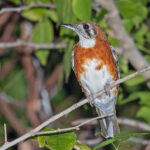
Timor Blue Flycatcher ◊ (T Warbling-f) Eumyias hyacinthinus A male, and a pair the following day, seen well inland from Naumatang, on Wetar.
Sulawesi Blue Flycatcher ◊ (Tanahjampea B F) Cyornis [omissus] djampeanus Excellent views of a smart pair near to Labuan Marege, on Tanahjampea. Surely a potential future split?!
Kalao Blue Flycatcher ◊ Cyornis kalaoensis Brilliant view of at least five in forest just inland from the northwest coast of Kalao. The amount of orange and white on the underparts was somewhat variable.
Lesser Shortwing Brachypteryx leucophris Several heard and a couple seen well between Manmas and Apui on Alor [nominate].
Snowy-browed Flycatcher ◊ Ficedula hyperythra Excellent views of a confiding pair along the dry riverbed southeast of Tepa, on Babar [audacis].
Damar Flycatcher ◊ Ficedula henrici Brilliant views of a pair along the road to the ridge above Wulur, on Damar.
Little Pied Flycatcher Ficedula westermanni A few seen along the trail and river, inland from Naumatang, on Wetar [mayri]. A couple seen around Manmas on Alor [hasselti].
Tanimbar Flycatcher ◊ Ficedula riedeli A few seen well, north of Saumlaki, on the east side of Yamdena in the Tanimbar Islands, including several showy birds.
Pied Bush Chat Saxicola caprata A few seen on Babar, the first at the start of the dry riverbed southeast of Tepa [cognatus]. Several seen on Wetar and Damar [fruticola].
Black-fronted Flowerpecker ◊ Dicaeum igniferum Plenty seen well on Alor, where first seen at Hutan Nostalgia.
Red-chested Flowerpecker ◊ (Red-chested F) Dicaeum maugei First seen well, a female at a nest, along the dry riverbed southeast of Tepa, on Babar [salvadorii]. A male seen well along the road to the ridge above Wulur, on Damar. Also several seen well on Wetar [nominate].
Pink-breasted Flowerpecker ◊ Dicaeum keiense Small numbers seen regularly on Yamdena, in the Tanimbar Islands. Long-tailed for a flowerpecker [fulgidum]!
Brown-throated Sunbird Anthreptes malacensis A few seen at Hutan Nostalgia on Alor [convergens].
Flores Sea Sunbird ◊ Cinnyris teysmanni Great views of several, including some fine males, near to Kawawu, on Kalaotoa. Also seen well near to Labuan Marege, on Tanahjampea and on the northwest coast of Kalao.
Flame-breasted Sunbird ◊ Cinnyris solaris Excellent views of several on Wetar inland from Naumatang [exquisitus] and common on Alor [nominate].
Zebra Finch ◊ Taeniopygia guttata A few seen well near to Serwaru, on Leti [nominate]. Formerly treated as separate from the birds in Australia.
Scaly-breasted Munia Lonchura punctulata Quite a few seen, the first north of Saumlaki, on the east side of Yamdena in the Tanimbar Islands.
Black-faced Munia ◊ Lonchura molucca Fairly common on Alor where first seen at Hutan Nostalgia [propinqua]. Also common on Kalaotoa and Tanahjampea [nominate].
Pale-headed Munia ◊ Lonchura pallida A flock of c20, including some good adults, near to Labuan Marege, on Tanahjampea.
Five-colored Munia ◊ Lonchura quinticolor First seen well in the open country north of Saumlaki, on the east side of Yamdena in the Tanimbar Islands. A few others seen along the eastern route to Apui, on Alor.
Tricolored Parrotfinch ◊ Erythrura tricolor First seen, in good numbers (30+), along the road west of Saumlaki, Yamdena, in the Tanimbar Islands. Most were immature birds though a few brighter birds were seen. Some good bright adults also seen near to Tepa and along the dry riverbed southeast of Tepa, on Babar.
Red Avadavat Amandava amandava Non leader, seen along the river inland from Naumatang, on Wetar.
Eurasian Tree Sparrow Passer montanus Fairly common and widespread. Apparently native throughout [malaccensis].
Grey Wagtail Motacilla cinerea Non leader, one seen by some on Tanahjampea.
Eastern Yellow Wagtail (Green-headed W) Motacilla [tschutschensis] taivana A couple briefly by the landing point at Wulur, on Damar.
Paddyfield Pipit Anthus rufulus A few seen well near to Serwaru, on Leti [medius].
MAMMALS
The species names and taxonomy used in the mammal list follow the mammal list on the iGoTerra website (www.igoterra.com). This list largely follows IUCN (International Union for Conservation of Nature) taxonomy with just a few modifications. It is listed in family order, alphabetically by genera within families. Some alternative names are given in parentheses.
Dugong Dugong dugon Incredible views of one off the coast of Alor.
Northern Palm Civet (introduced) Paradoxurus hermaphroditus A couple seen.
Bryde’s Whale Balaenoptera brydei A whale close in off the coast of Kalaotoa was thought to be this species.
Blue Whale Balaenoptera musculus Some simply incredible views of several of these. I’m not sure the term Pygmy Blue Whale is too apt… they were huge!
Sperm Whale (S Whale) Physeter macrocephalus A couple of brilliant encounters with pods of these.
Short-finned Pilot Whale Globicephala macrorhynchus A few big pods. Distinctive dorsal fins.
Risso’s Dolphin Grampus griseus Seen once well, breaching, allowing photos to confirm the identity.
False Killer Whale Pseudorca crassidens One group of three was photographed.
Pantropical Spotted Dolphin Stenella attenuata Fast-moving pods seen a couple of times.
Spinner Dolphin Stenella longirostris Some very acrobatic individuals were seen.
Rough-toothed Dolphin Steno bredanensis An incredible pod was watched just off the coast of Leti.
Indo-Pacific Bottlenose Dolphin Tursiops aduncus Good views of a pod off of Pulau Burung in the Tanimbars.
Wallacean Grey Flying Fox Pteropus griseus A few seen on Leti.
Black-bearded Flying Fox Pteropus melanopogon Plenty seen on Yamdena.
Long-tailed Macaque Macaca fascicularis A few seen on Kalaotoa.
Yamdena Island Mosaic-tailed Rat Melomys cooperae The large rats seen at night on Yamdena.
Brown Rat (introduced) Rattus norvegicus Non leader
FISH (Many thanks to Andrew, Harry and Nina for combining their efforts to compile this list)
Family: Pomacentridae (Damselfishes)
Yellow Damselfish Chrysiptera parasema
Pacific Surge Damselfish Chrysiptera brownriggii
Sky Blue Damselfish Chrysiptera cyanea
Pink Damselfish Chrysiptera rex
Talbot’s Damselfish Chrysiptera talboti
Onespot Damselfish Chrysiptera unimaculata
Pink Damselfish Chrysiptera rex
Two-stripe Damselfish Dascyllus reticulatus
White-saddle Damselfish Dischistodus perspicillatus
Black-vent Damselfish Dischistodus melanotus
Bowtie Damselfish Neoglyphidodon melas
Dick’s (Black-bar) Damselfish Plectroglyphidodon dickii
Philippine Damselfish Pomacentrus phillippinus
Goldbelly Damselfish Pomacentrus auriventris
Speckled Damselfish Pomacentrus bankanensis
Neon Damselfish Pomacentrus coelestis
Jewel Damselfish Stegastes lacrymatus
Family: Chromidae (Chromis and other related genera)
Blue-green Chromis Chromis viridis
Lined Chromis Pycnochromis lineata
Bicolour Chromis Pycnochromis margaritifer
Family: Pseudochromidae (Dottybacks, Jawfishes)
Fire-tail Dotty Back Labracinus cyclopthalmus
Family: Labridae (Wrasses)
Moon Wrasse Thalassoma lunare
Red-breasted Wrasse Chelinius fasciatus
Ornate Leopard Wrasse Macropharyngodon ornatus
Sixbar Wrasse Thalassoma hardwicke
Six-line Wrasse Pseudocheilinus hexataenia
Red-spot Wrasse Stethojulis bandanensis
Chain-line Wrasse Halichoeres leucurus
Half and Half Wrasse Hemigymnus melapterus
Bicolour Cleaner Wrasse Labroides bicolor
Tripletail Wrasse Cheilinus trilobatus
Three Ribbon Wrasse Stethojulis strigiventer
Solar Fairy Wrasse Cirrhilabrus solorensis
Bird-nose Wrasse (Pacific Bird Wrasse) Gomphosus varius
Barred Thicklip Wrasse Hemigymnus fasciatus
Blue-streak Cleaner Wrasse Labroides dimidatus
Checkerboard Wrasse Halichoeres hortulanus
Two-tone Wrasse Halichoeres prosopeion
Jansen’s Wrasse Thalassoma jansenii
Ruby Wrasse Halichoeres marginatus
Family: Scaridae (Parrotfishes)
Bleekers Parrotfish Chlorurus bleekeri
Schlegel’s Parrotfish Scarus schlegeli
Dusky Parrotfish Scarus jniger
Six-band Parrotfish Scarus frenatus
Darkcap Parrotfish Scarus oviceps
Family: Acanthuridae (Surgeonfishes, Tangs)
Two-tone Surgeonfish (Scopas Tang) Zebrasoma scopas
Whitecheek (Velvet) Surgeonfish Acanthurus nigricans
Yellow Tang Zebrasoma flavescens
Indo-Pacific Blue Tang Paracanthurus hepatus
Striped Surgeonfish Acanthurus lineatus
Family: Siganidae (Rabbitfishes)
Blue-lined Rabbitfish (Masked Spinefoot) Siganus puellus
Pacific Coral Rabbitfish (Blue-spotted Spinefoot) Siganus corallinus
Foxface Rabbitfish Siganus vulpinus
Family: Zanclidae (Moorish Idol)
Moorish Idol Zanclus cornutus
Family: Caesionidae (Fusiliers)
Three-lined Fusilier Pterocaesio trilineata
Blue-dash Fusilier Pterocaesio tile
Double-lined Fusilier Pterocaesio digramma
Family: Chaetodontidae (Butterflyfishes)
Longnose ButterflyfishForcipiger flavissimus
Big Longnose ButterflyfishForcipiger longirostris
Vagabond Butterflyfish Chaetodon vagabundus
Chevroned Butterflyfish Chaetodon trifascialis
Black-backed Butterflyfish Chaetodon melannotus
Reticulated Butterflyfish Chaetodon reticulatus
Eastern Triangular Butterflyfish Chaetodon baronessa
Redfin Butterflyfish Chaetodon lunulatus
Pinstripe Butterflyfish Chaetodon trifasciatus
Raccoon Butterflyfish Chaetodon lunula
Eclipse Butterflyfish Chaetodon bennetti
Meyer’s Butterflyfish Chaetodon meyeri
Brown Butterflyfish Chaetodon collare
Ornate Butterflyfish Chaetodon ornatissimus
Family: Acanthidae (Soldierfishes)
Crimson Soldierfish Myripristis murdjan
Family: Haemulidae (Grunts)
Chequered Snapper Lutjanus decussatus
Spanish Flag Snapper Lutjanus carponotatus
Family: Serranidae (Groupers)
Honeycomb Rock Cod Epinephelus merra
Black-tip Grouper (Banded Rock Cod) Epinephelus fasciatus
Family: Fistulariidae (Cornetfishes)
Blue-spotted Cornet Fish Fistularia commersonii
Family: Tetraodontidae (Pufferfish)
White-spotted Puffer Arothron hispidus
Narrow-lined Puffer Arothron manilensis
Family: Ostraciidae (Boxfishes)
Yellow Boxfish Ostracion cubicus
Black Boxfish (Spotted Boxfish) Ostracion meleagris
Family: Balistidae (Triggerfish)
Redtooth (Blue) Triggerfish Odonus niger
Striped (Orange-lined) Triggerfish Balistapus undulatus
Pinktail Triggerfish Melichthys vidua
Black-finned Triggerfish (Indian Triggerfish) Melichthys indicus
Halfmoon Triggerfish Suflamen chrysopterum
Wedge-tailed Triggerfish Rhinecanthus rectangulus
Picasso Triggerfish Rhinecanthus aculeatus
Titan Triggerfish Balistoides viridescens
Family: Monacanthidae (Filefishes)
Orange-spotted Filefish Chaetodermis ornata
Family: Carangidae (Jacks)
Southern Bluefin Tuna Thunnus maccoyi
Family: Scorpaenidae (Scorpaenids, Scorpionfishes)
Ambon Scorpionfish Pteroidichthys amboinensis
Family: Apogonidae (Cardinalfishes)
Miracle Triplefin Enneapterygius mirabilis
Family: Gobiidae (Gobies)
Flame Arrow Goby Sicyopus zosterophorus
Yellow-striped Goby Mugiliogobius chulae