
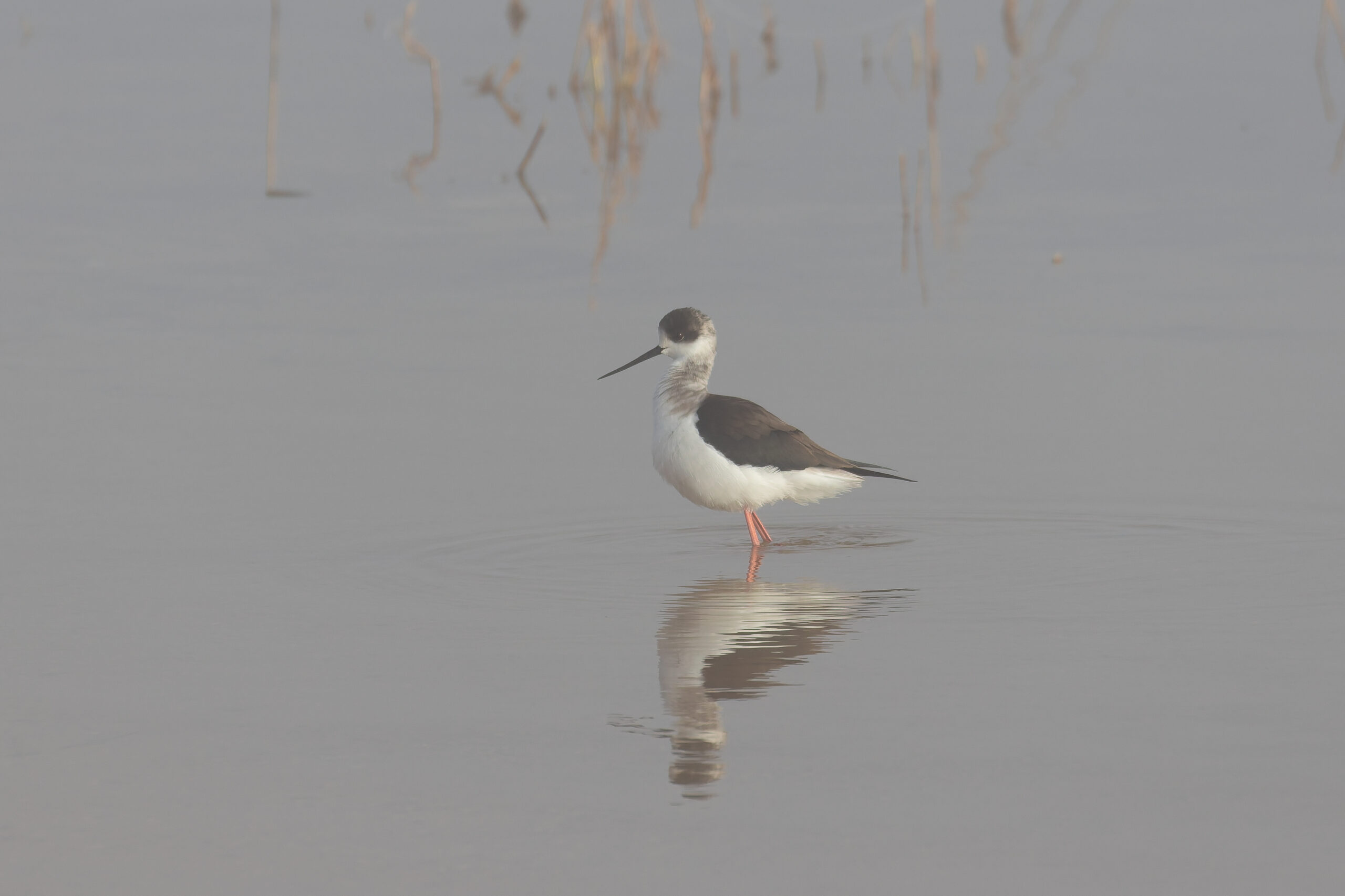
Black-winged Stilt (image by Diedert Koppenol)
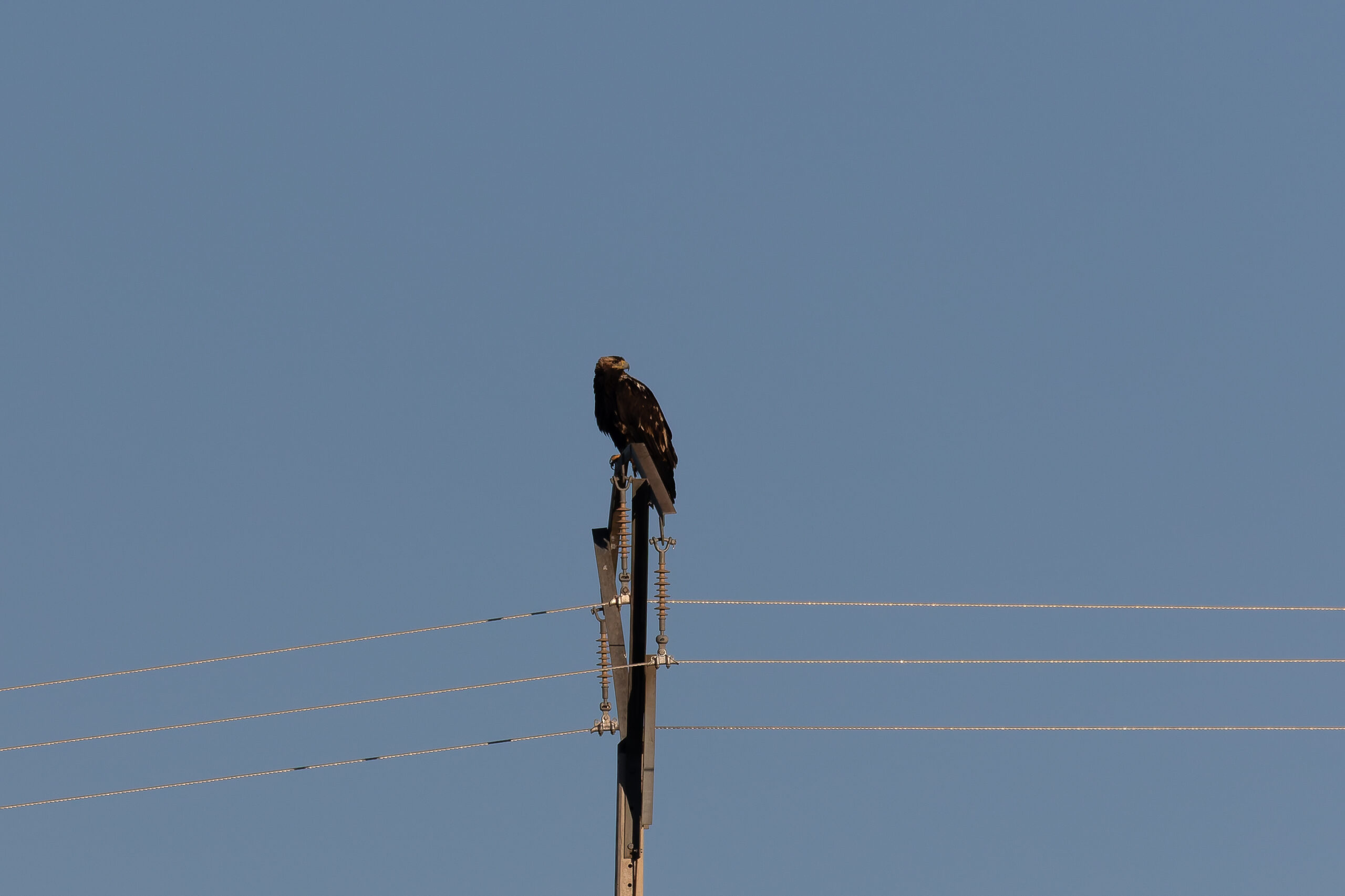
Spanish Imperial Eagle (image by Diedert Koppenol)
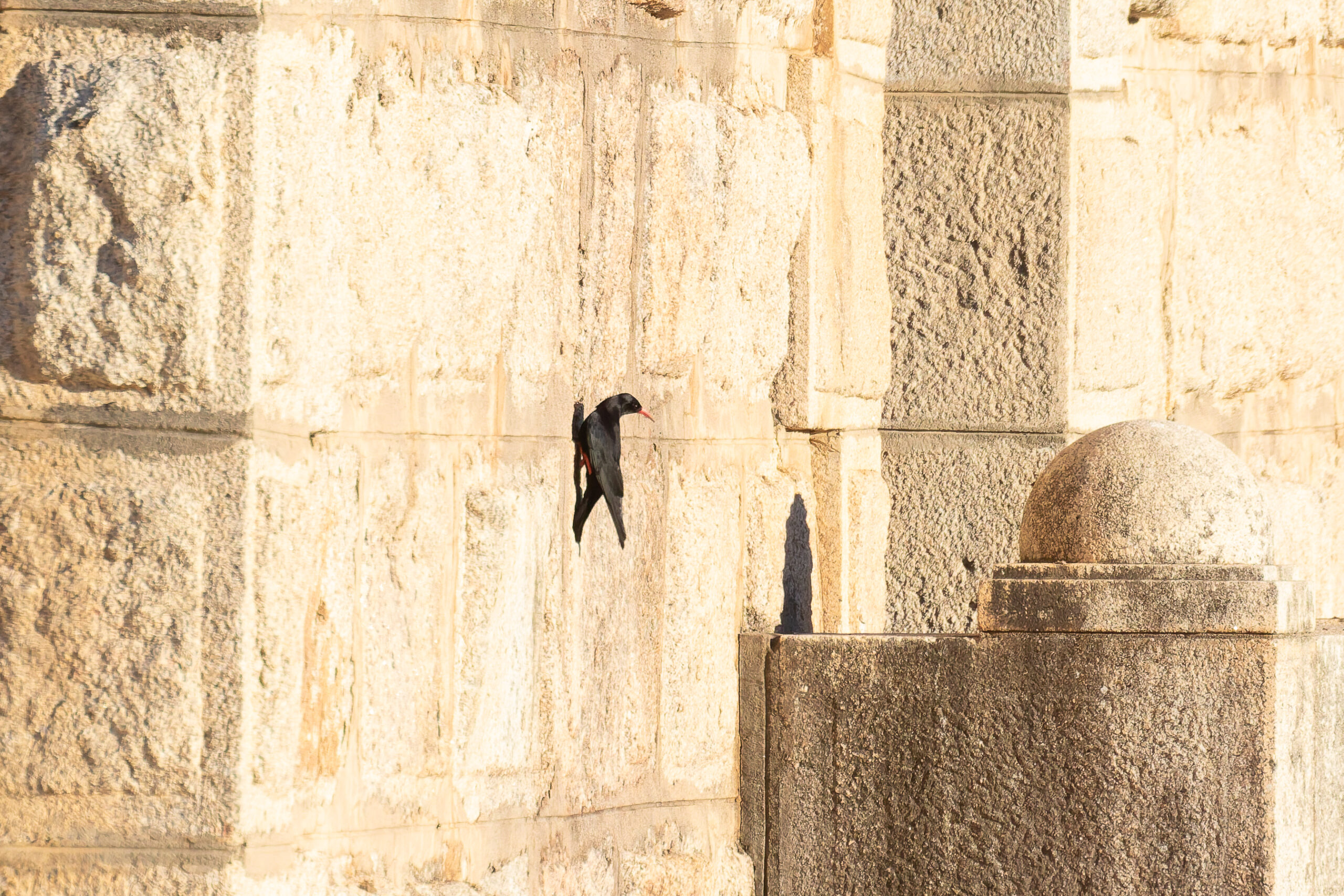
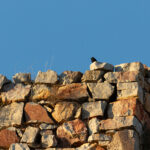
Red-billed Chough (image by Diedert Koppenol)
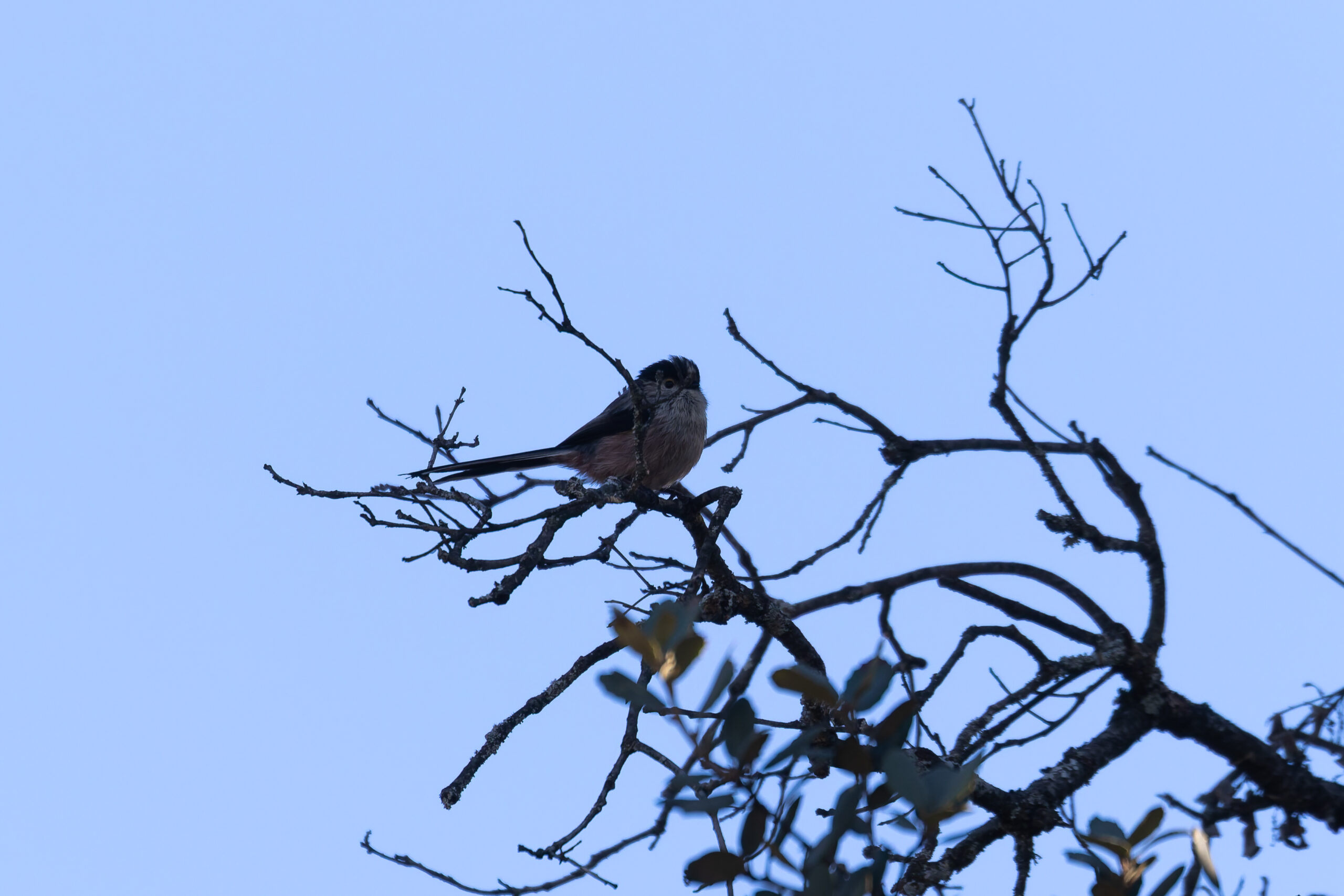
Long-tailed Tit (image by Diedert Koppenol)
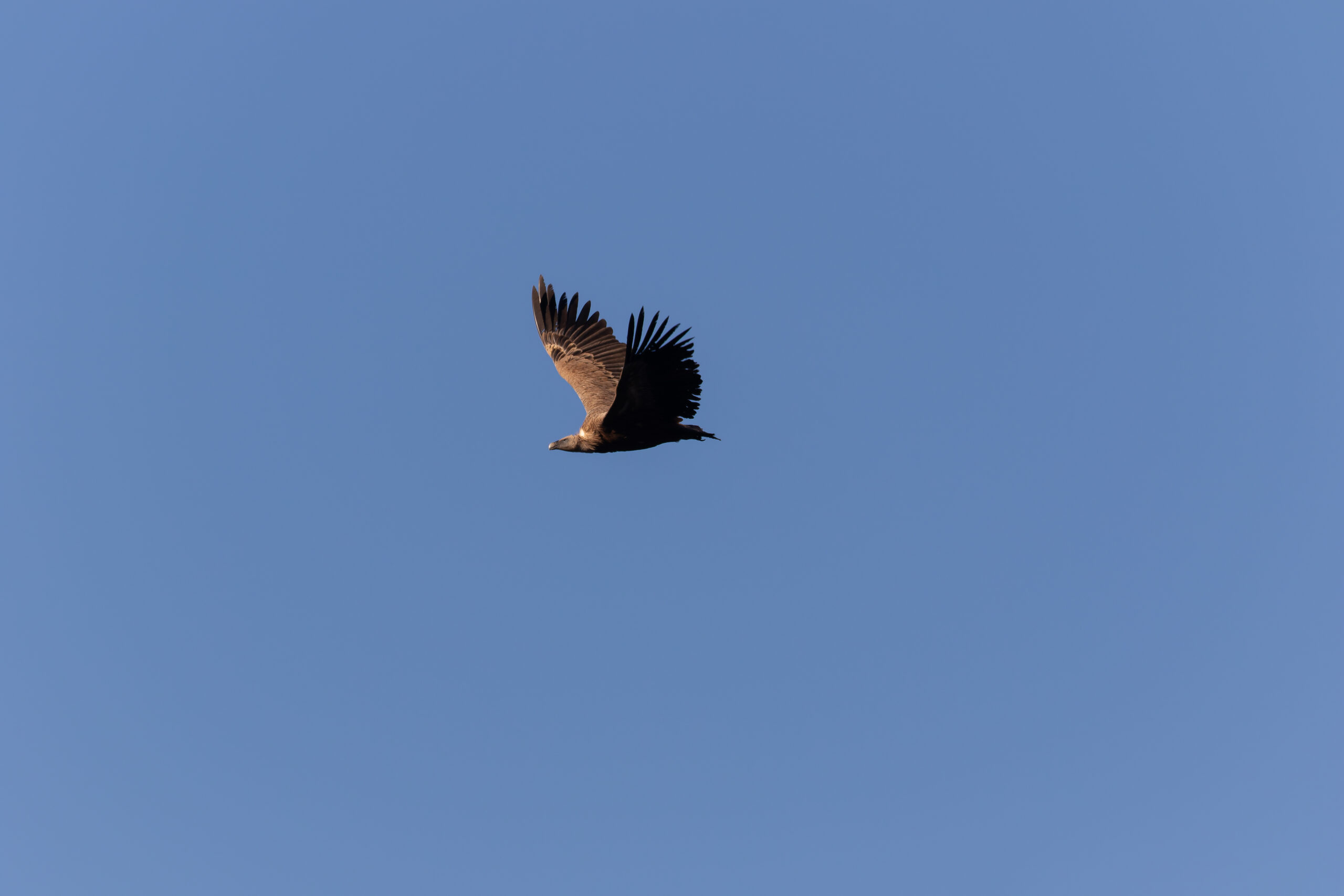
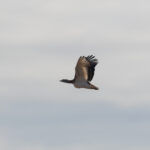
Eurasian Griffon Vulture (image by Diedert Koppenol)
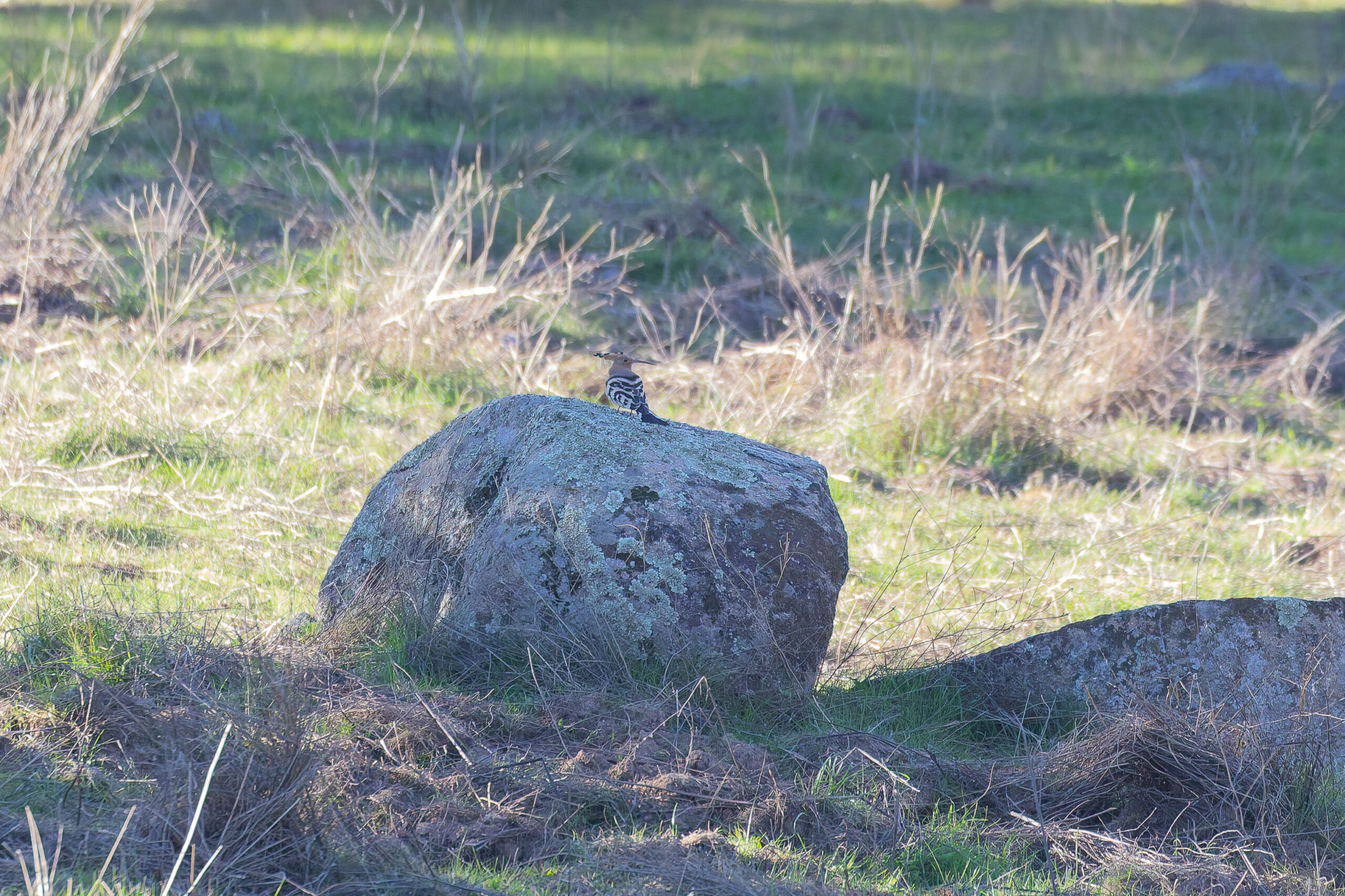
Eurasian Hoopoe (image by Diedert Koppenol)
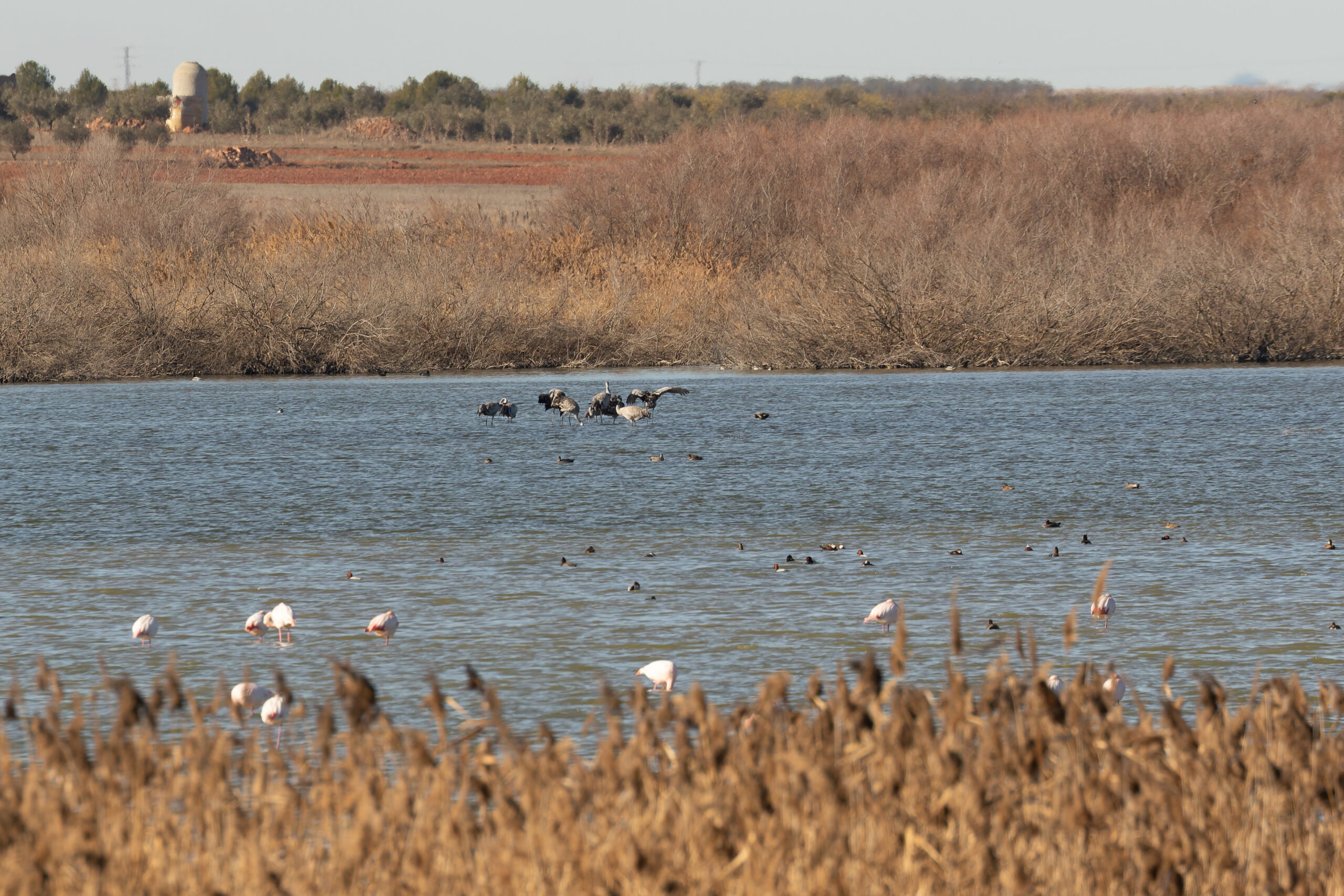
Common Cranes, with Greater Flamingoes, Common Pochards and White-headed Ducks (image by Diedert Koppenol)
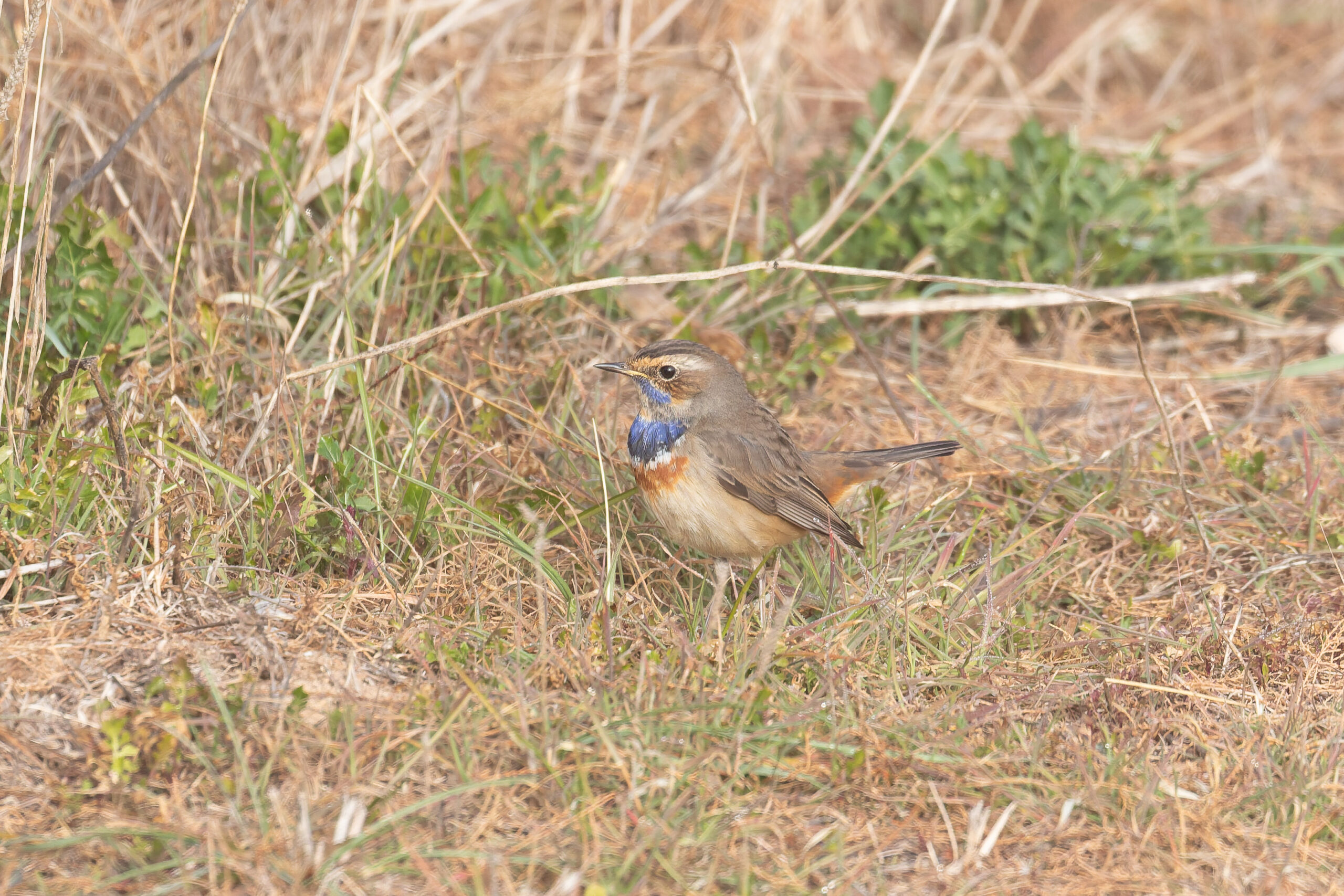
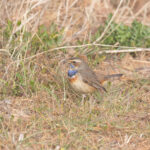
Bluethroat (image by Diedert Koppenol)
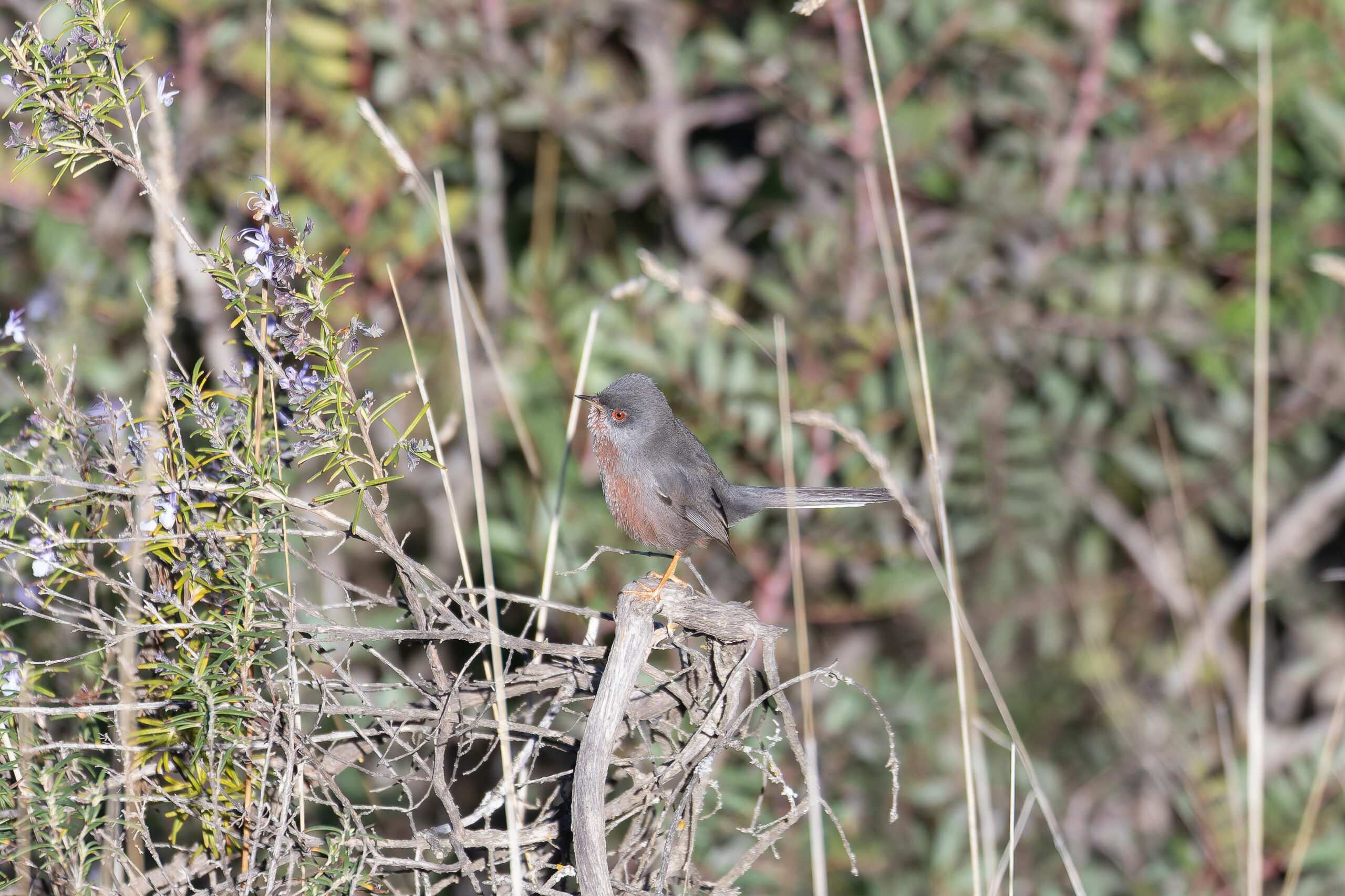
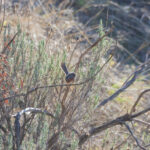
Dartford Warbler (image by Diedert Koppenol)
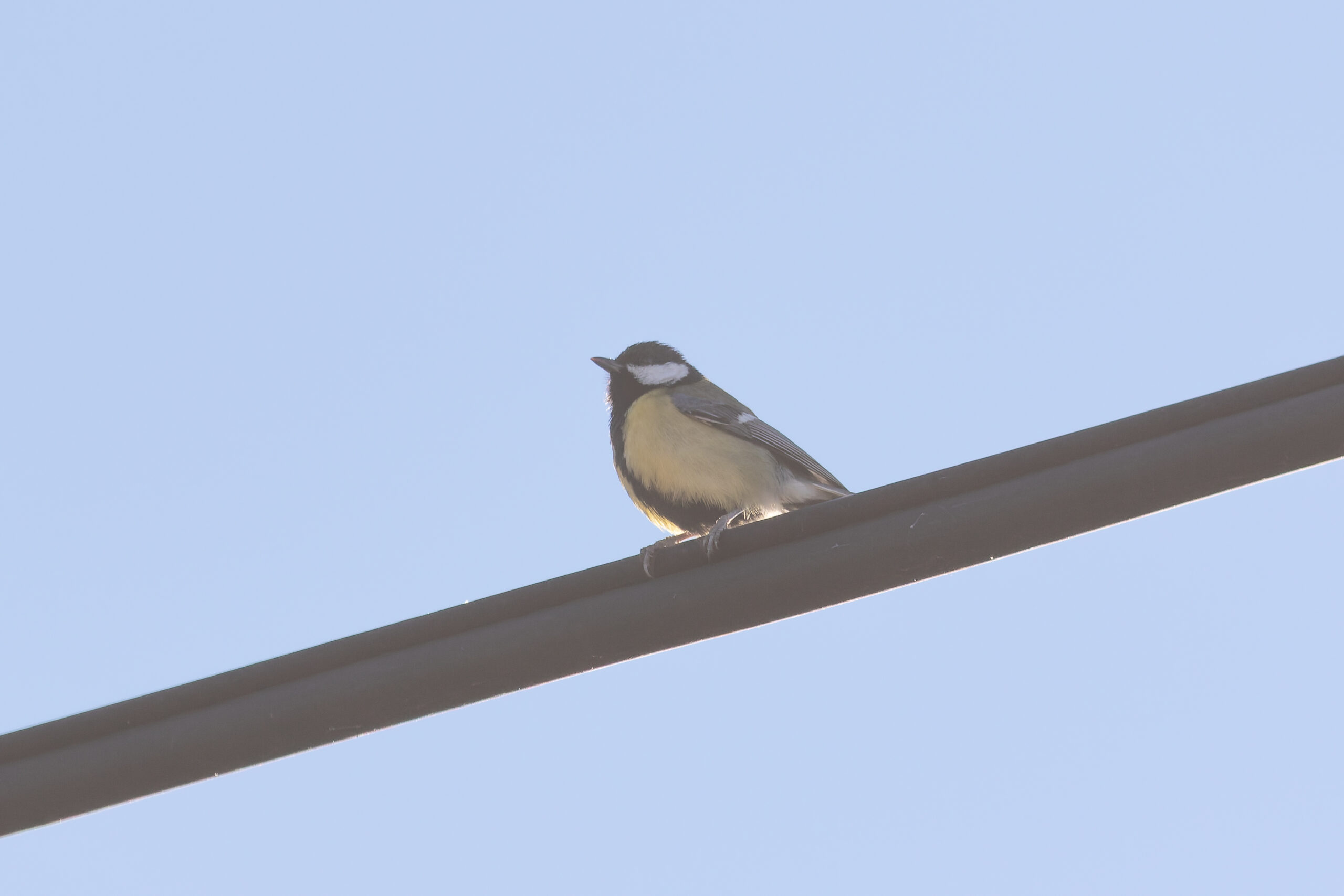
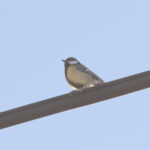
Great Tit (image by Diedert Koppenol)
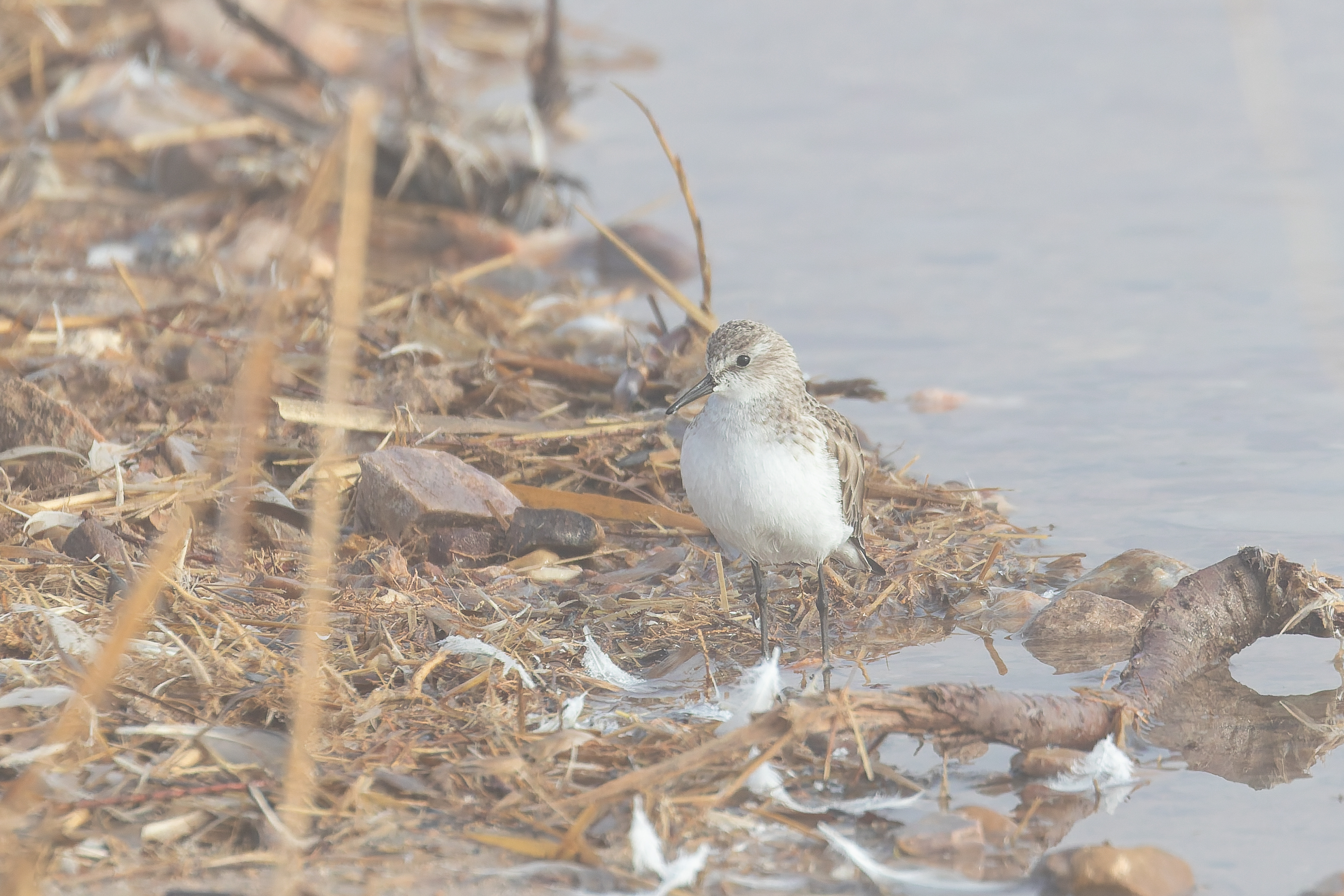
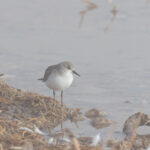
Little Stint (image by Diedert Koppenol)
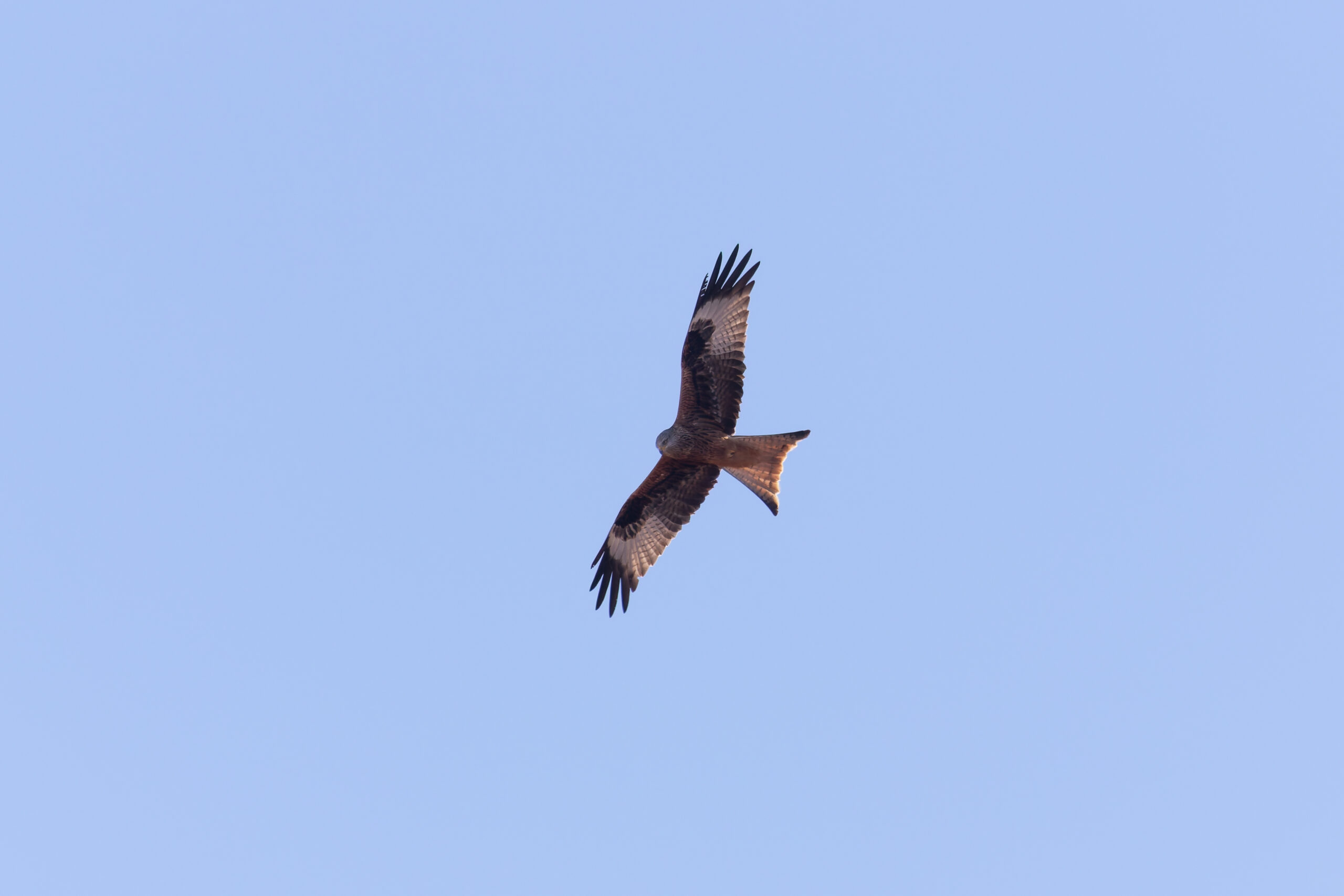
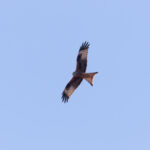
Red Kite (image by Diedert Koppenol)
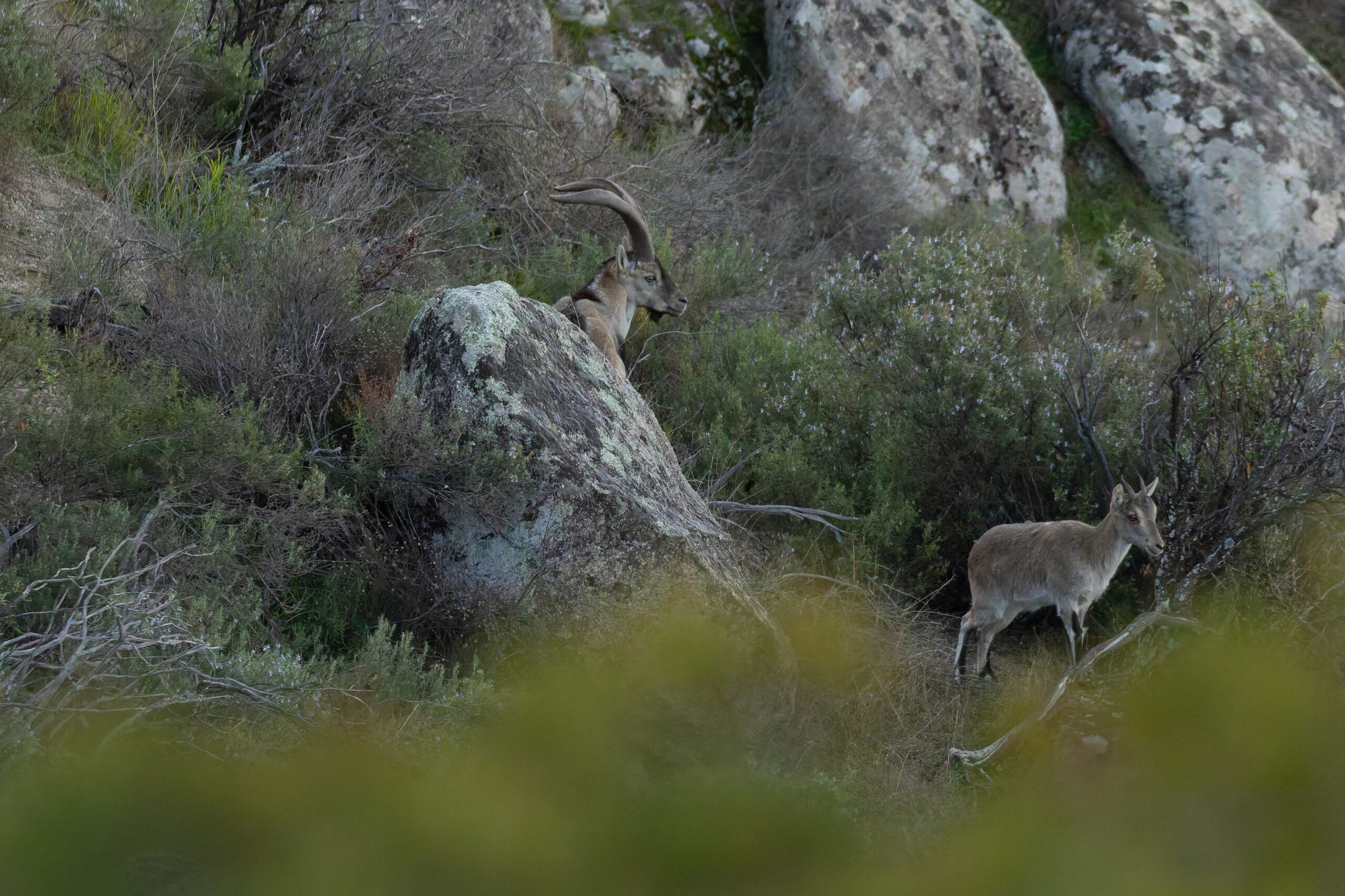
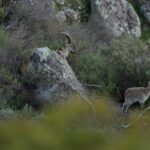
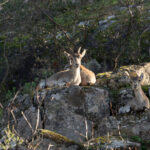
Spanish Ibex (image by Diedert Koppenol)
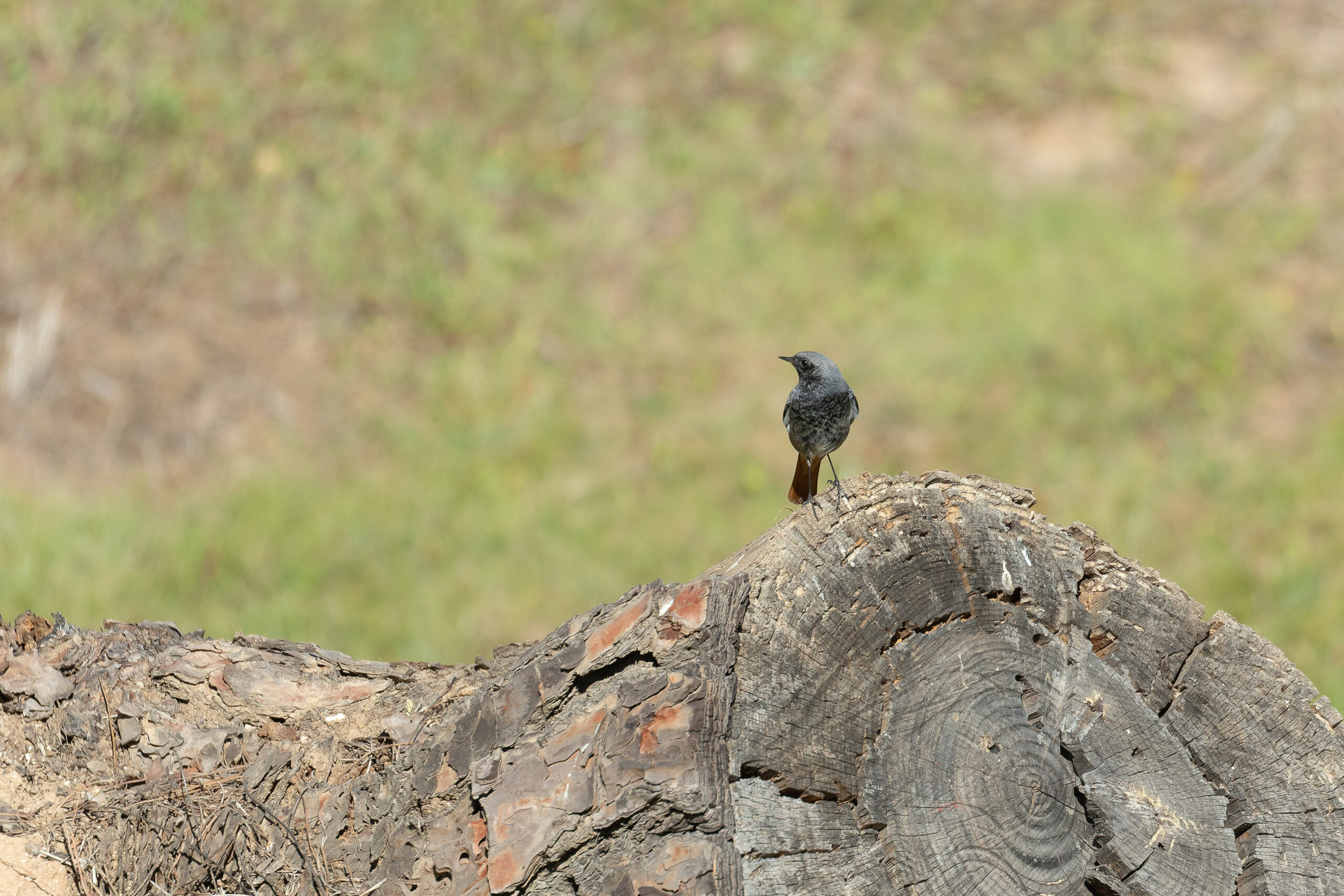
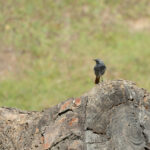
Black Redstart (image by Diedert Koppenol)
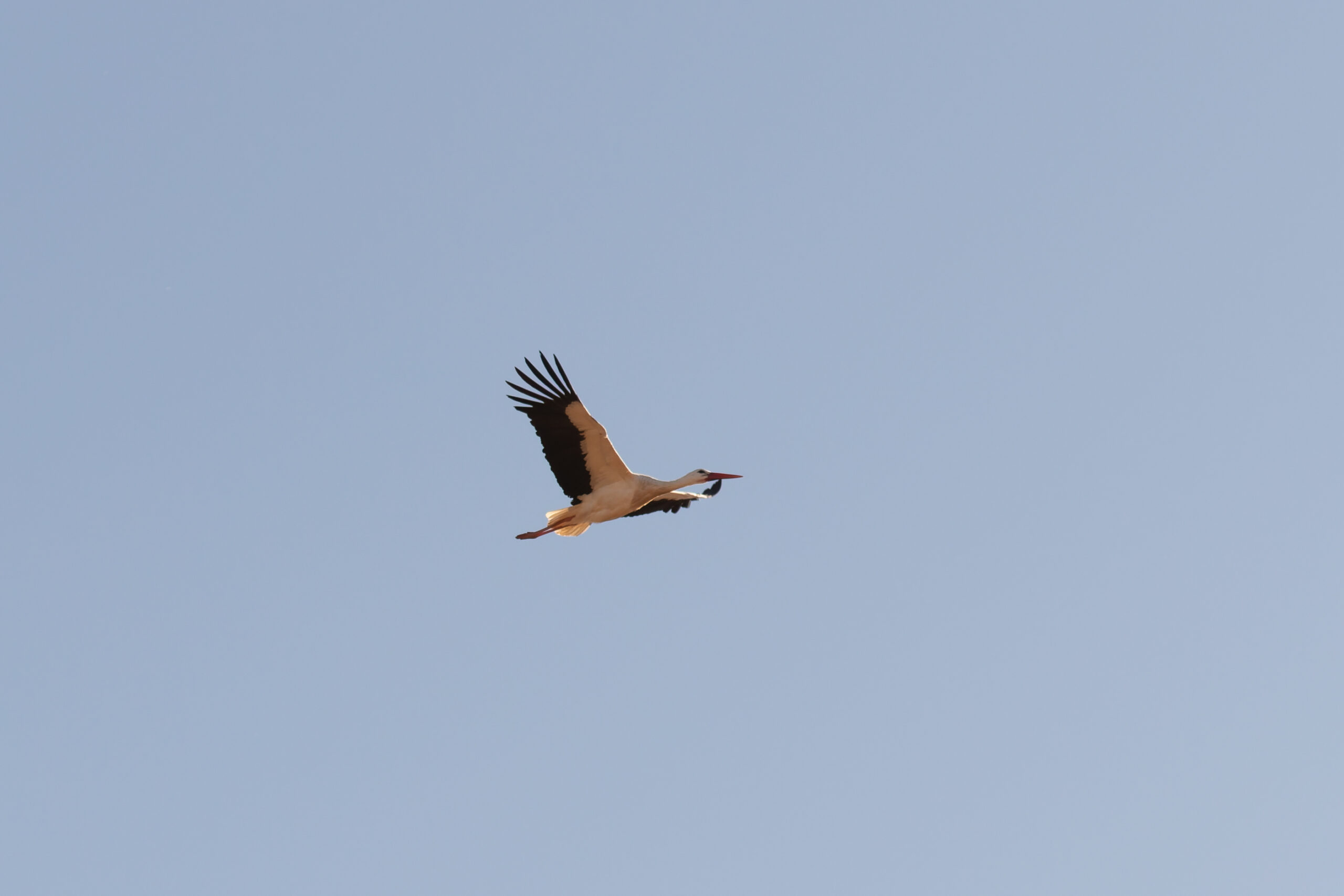
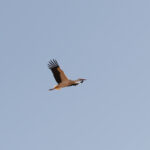
White Stork (image by Diedert Koppenol)
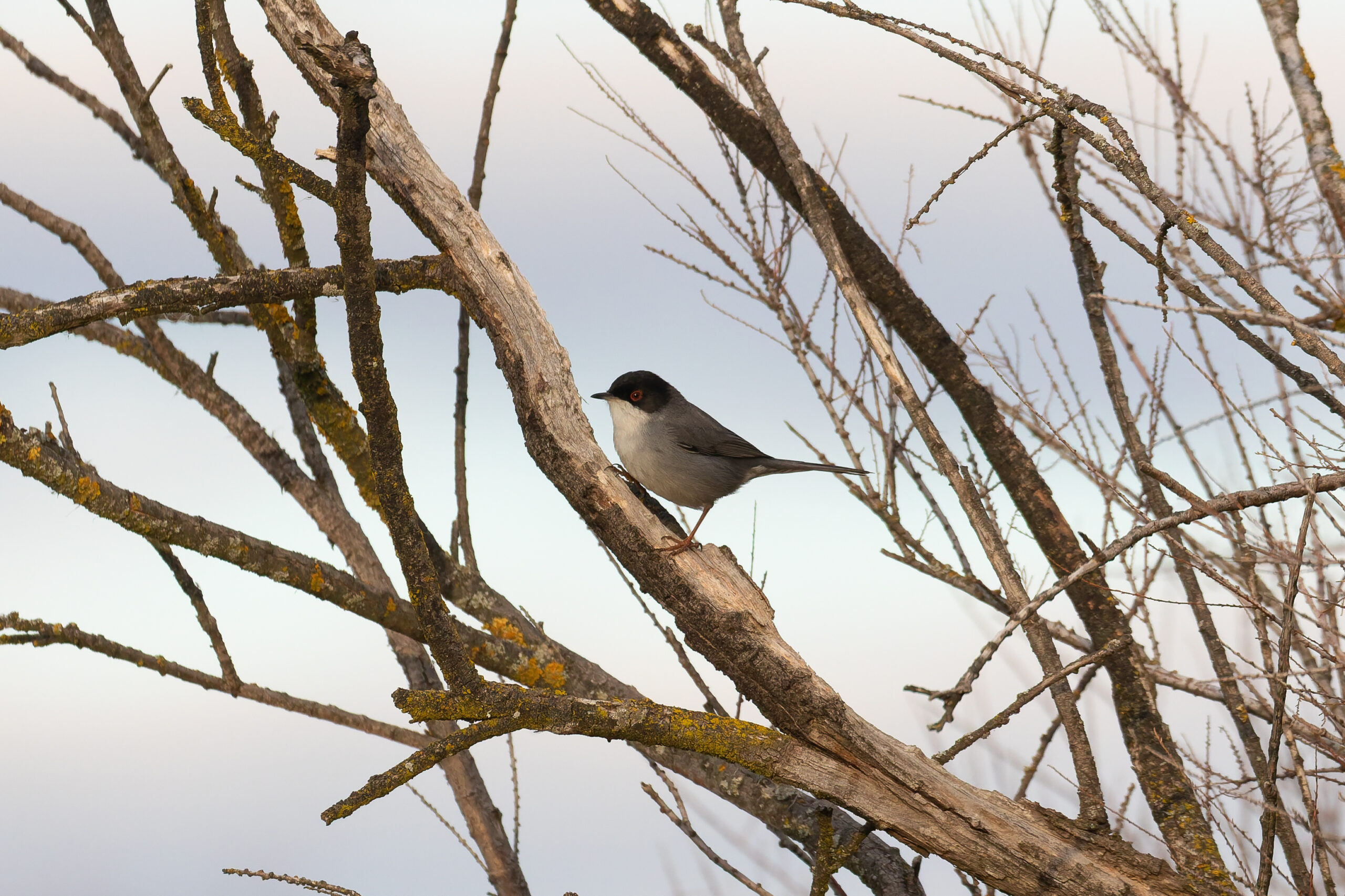
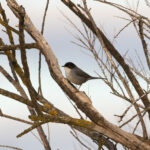
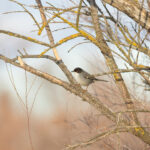
male Sardinian Warbler (image by Diedert Koppenol)
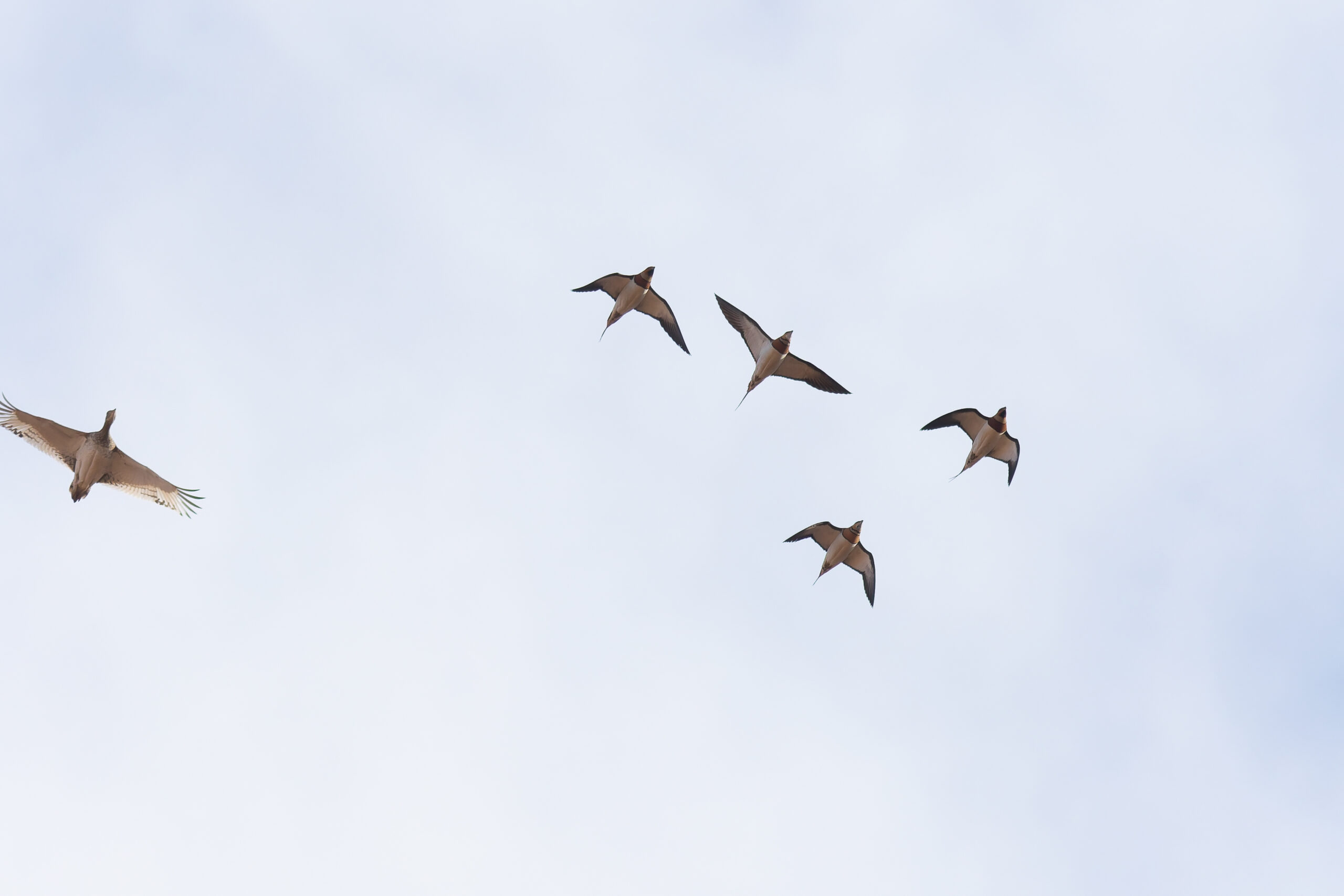
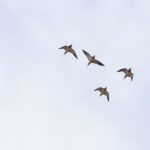
Pin-tailed Sandgrouse with Little Bustard (image by Diedert Koppenol)
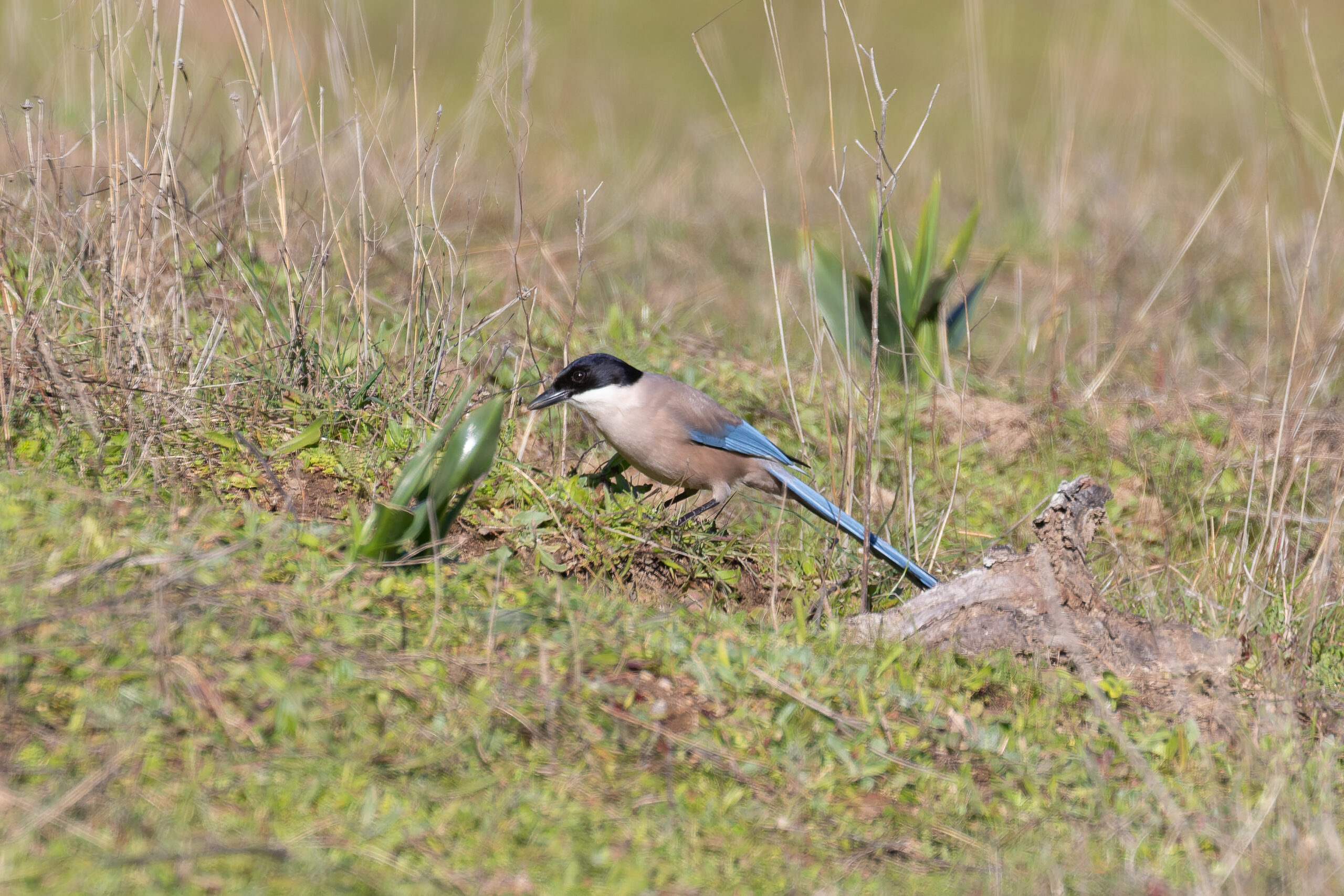
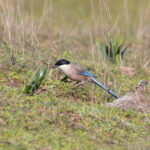
Iberian Magpie (image by Diedert Koppenol)
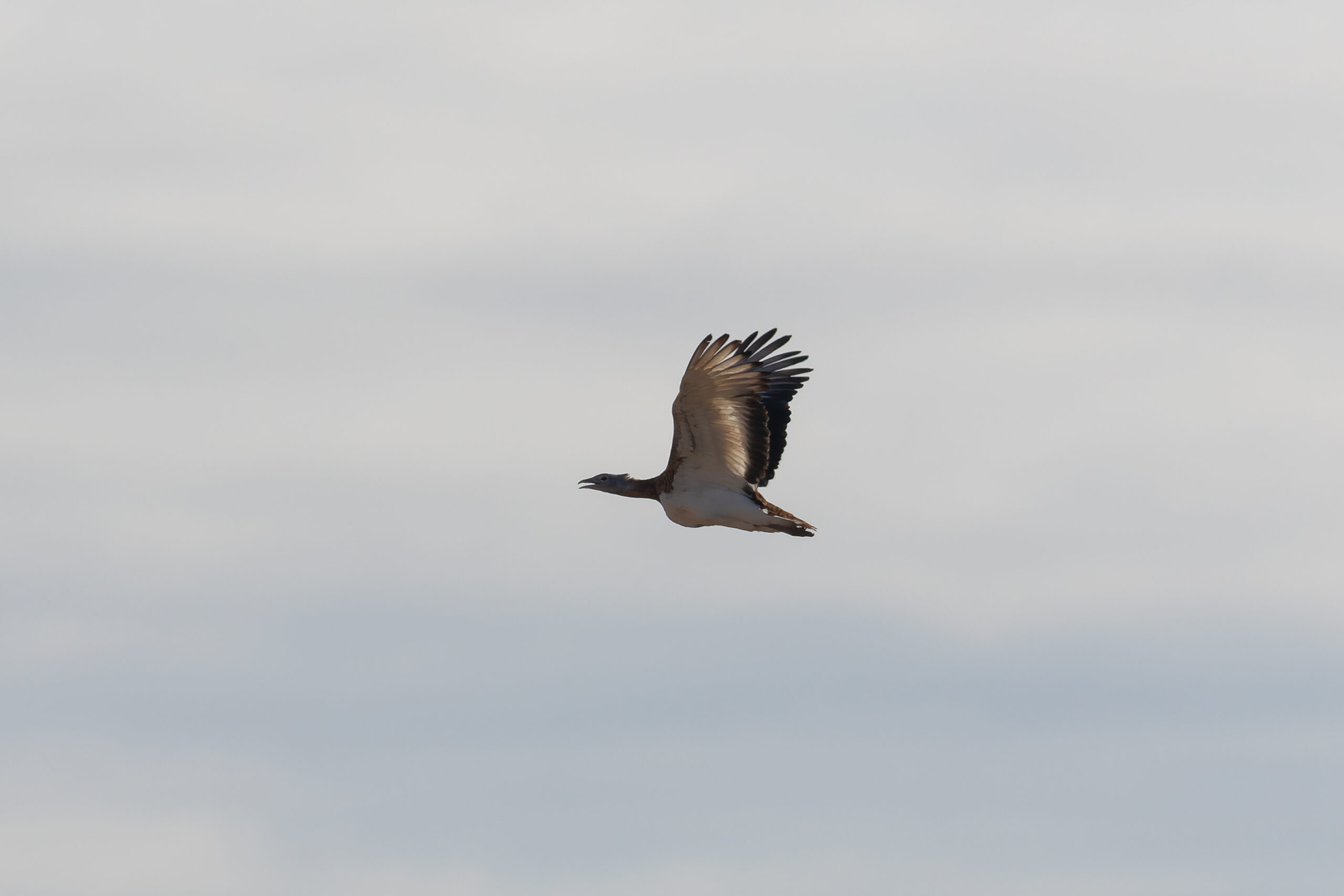
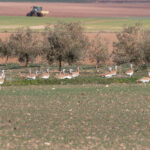
Great Bustard (image by Diedert Koppenol)
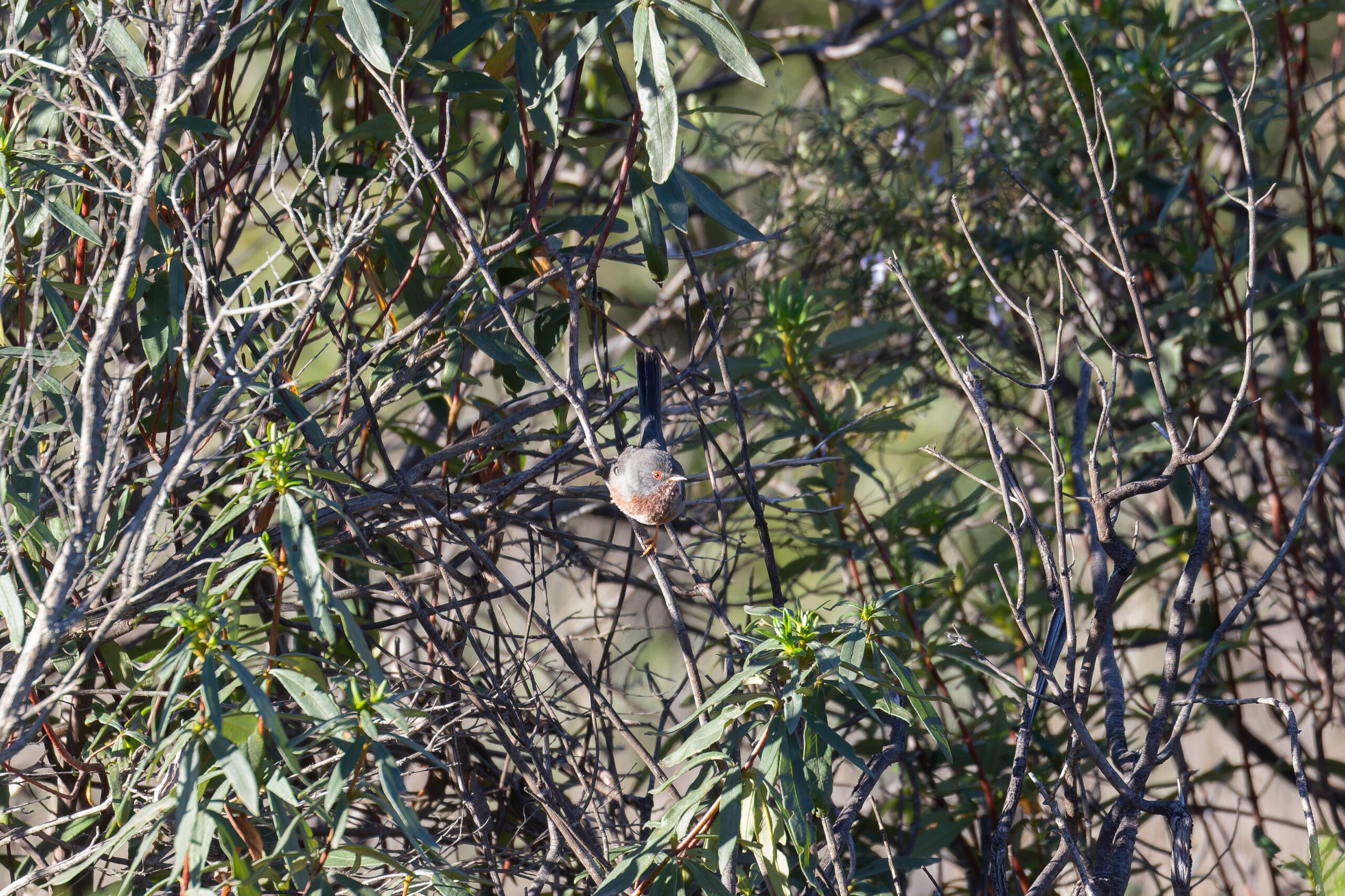
Dartford Warbler (image by Diedert Koppenol)
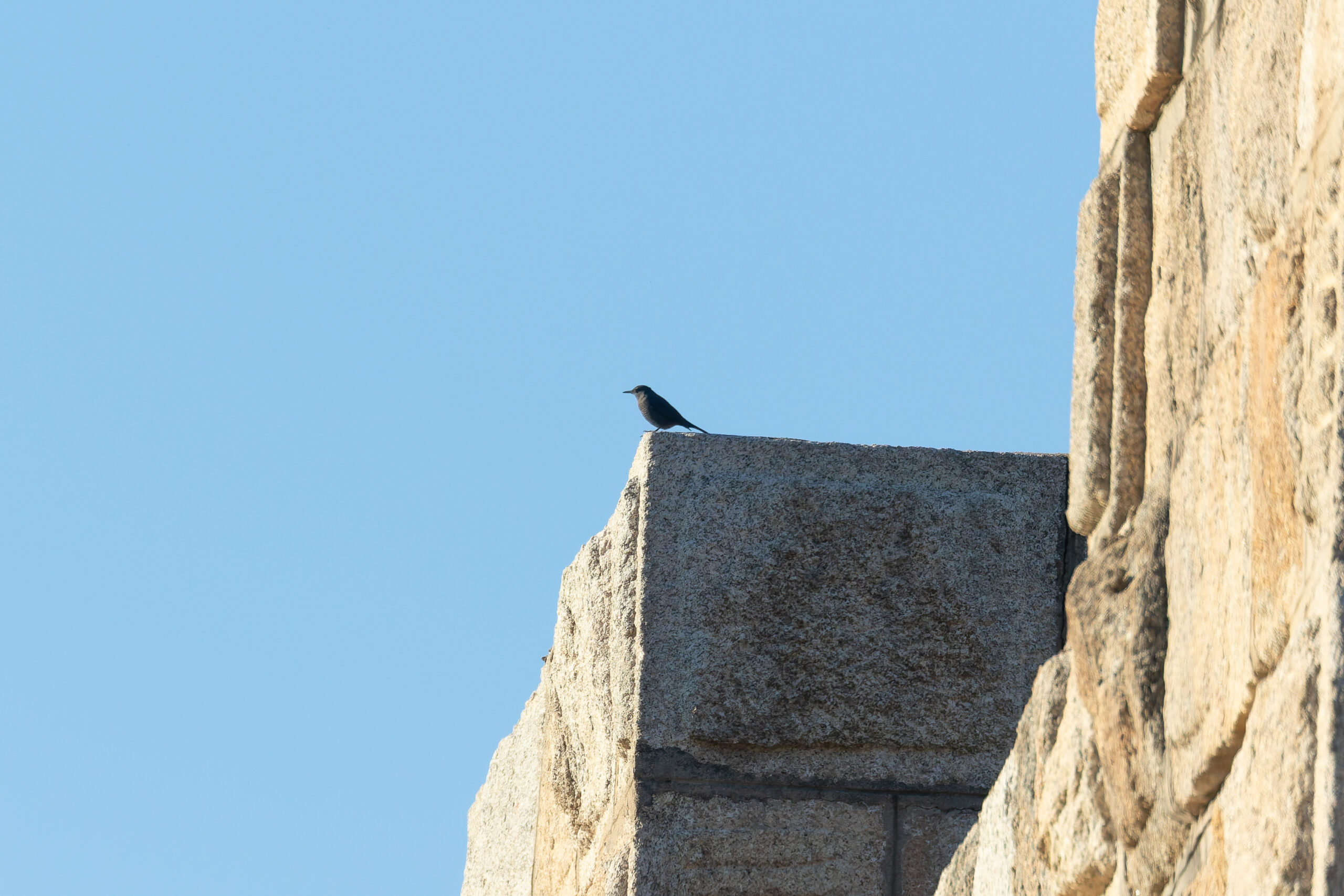
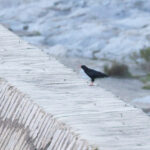
Blue Rock Thrush (image by Diedert Koppenol)
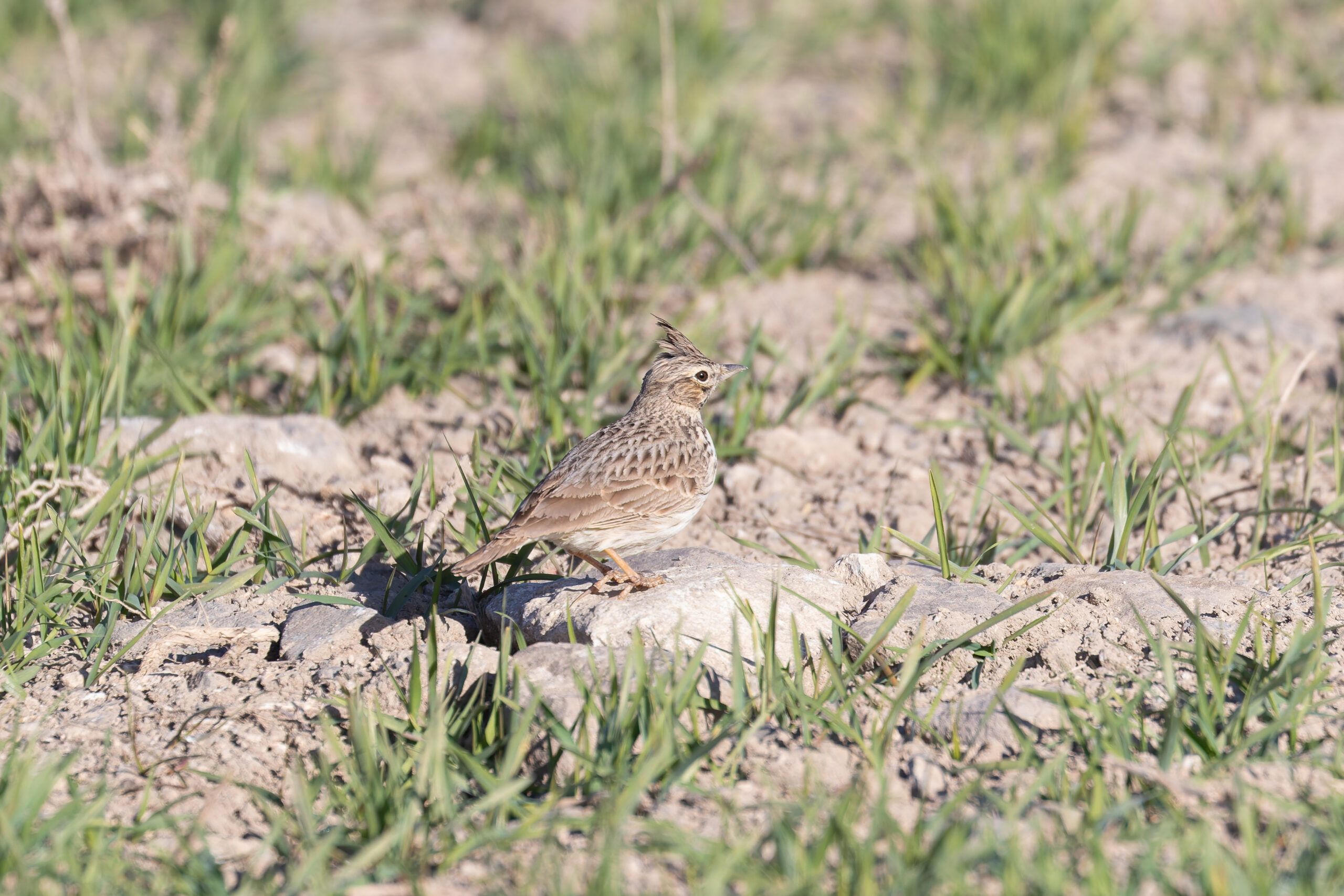
Crested Lark (image by Diedert Koppenol)
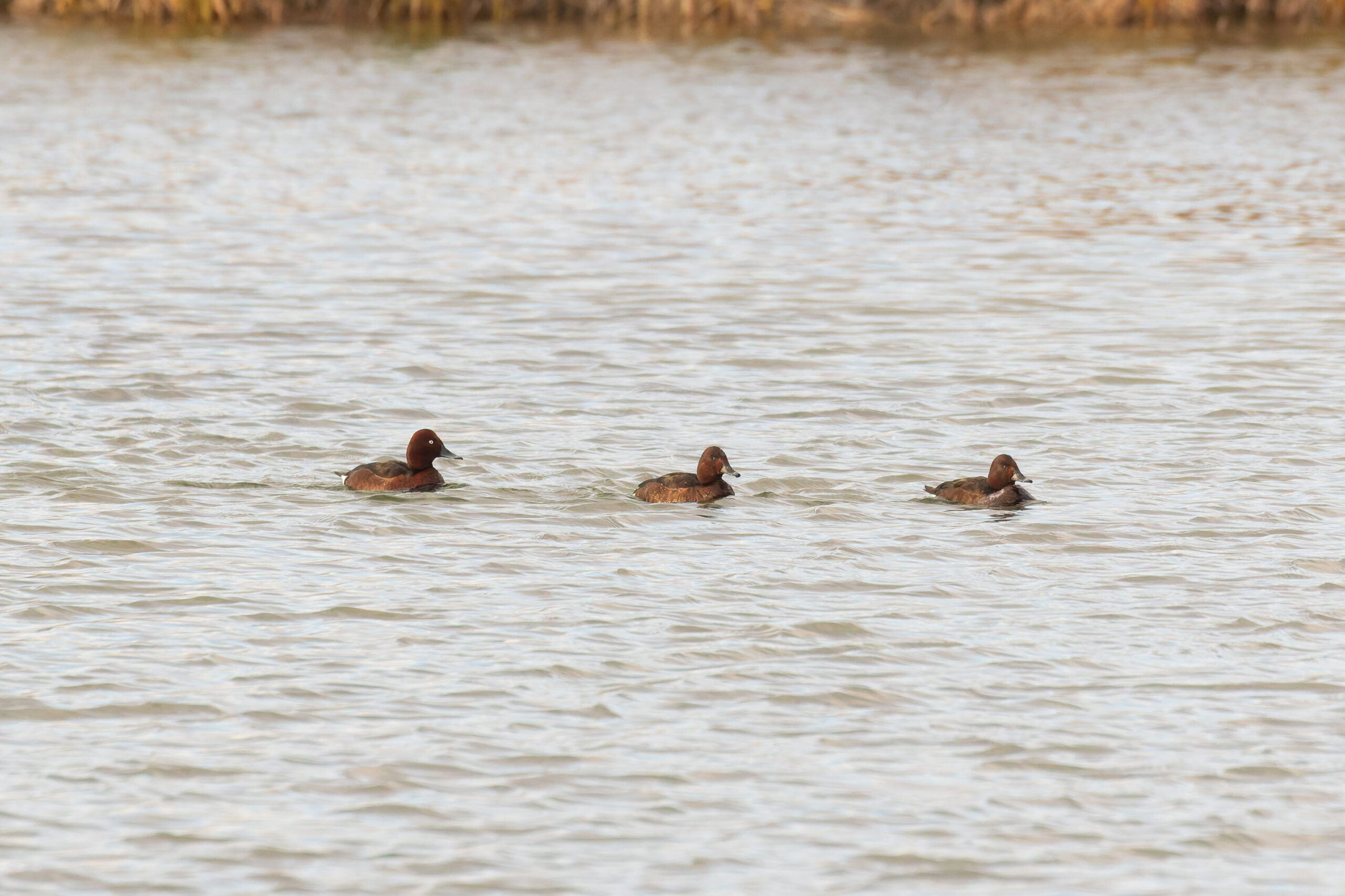
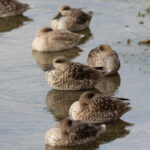
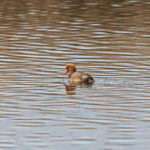
Ferruginous Ducks (image by Diedert Koppenol)
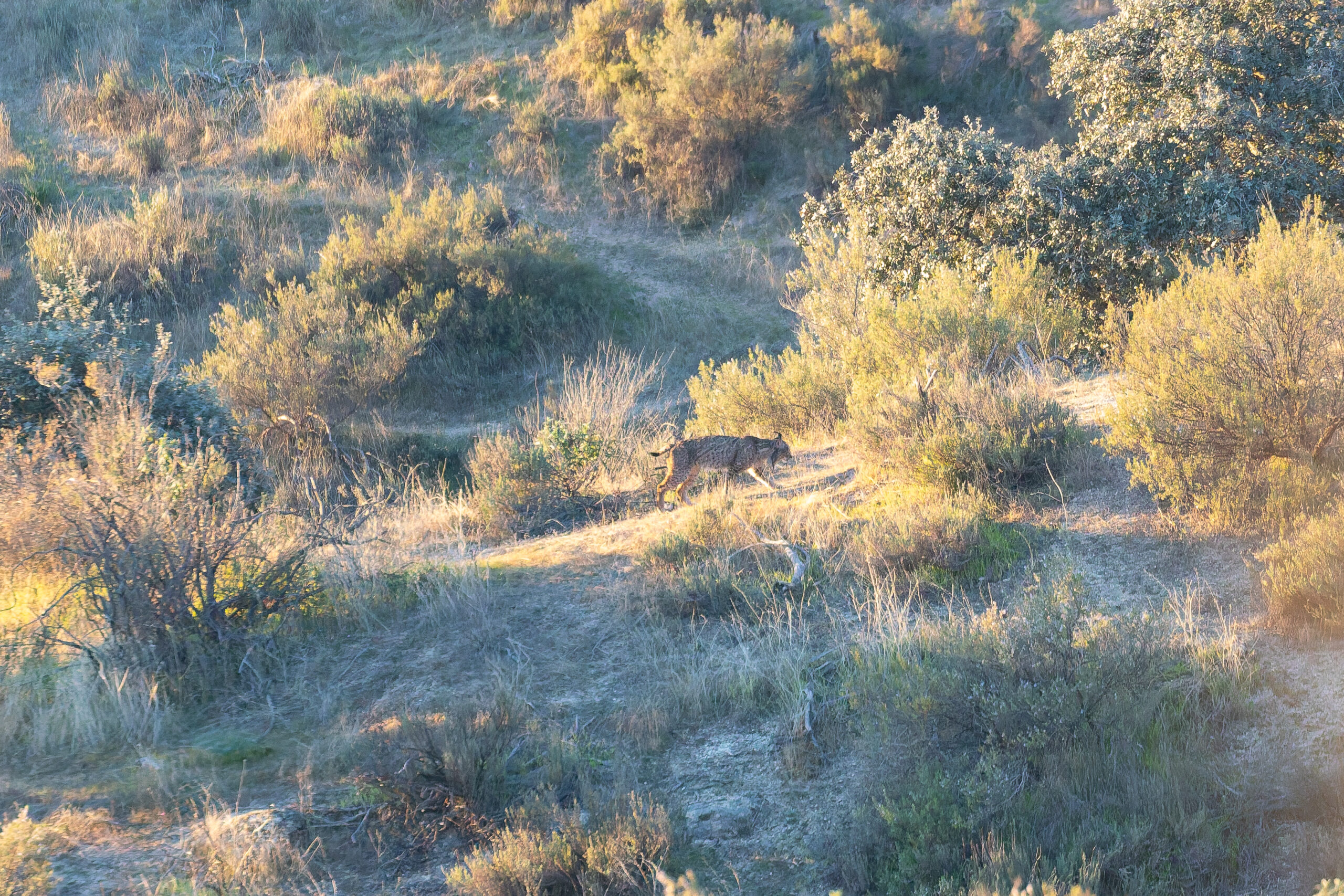
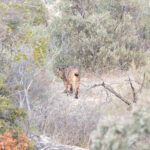
Iberian Lynx (image by Diedert Koppenol)
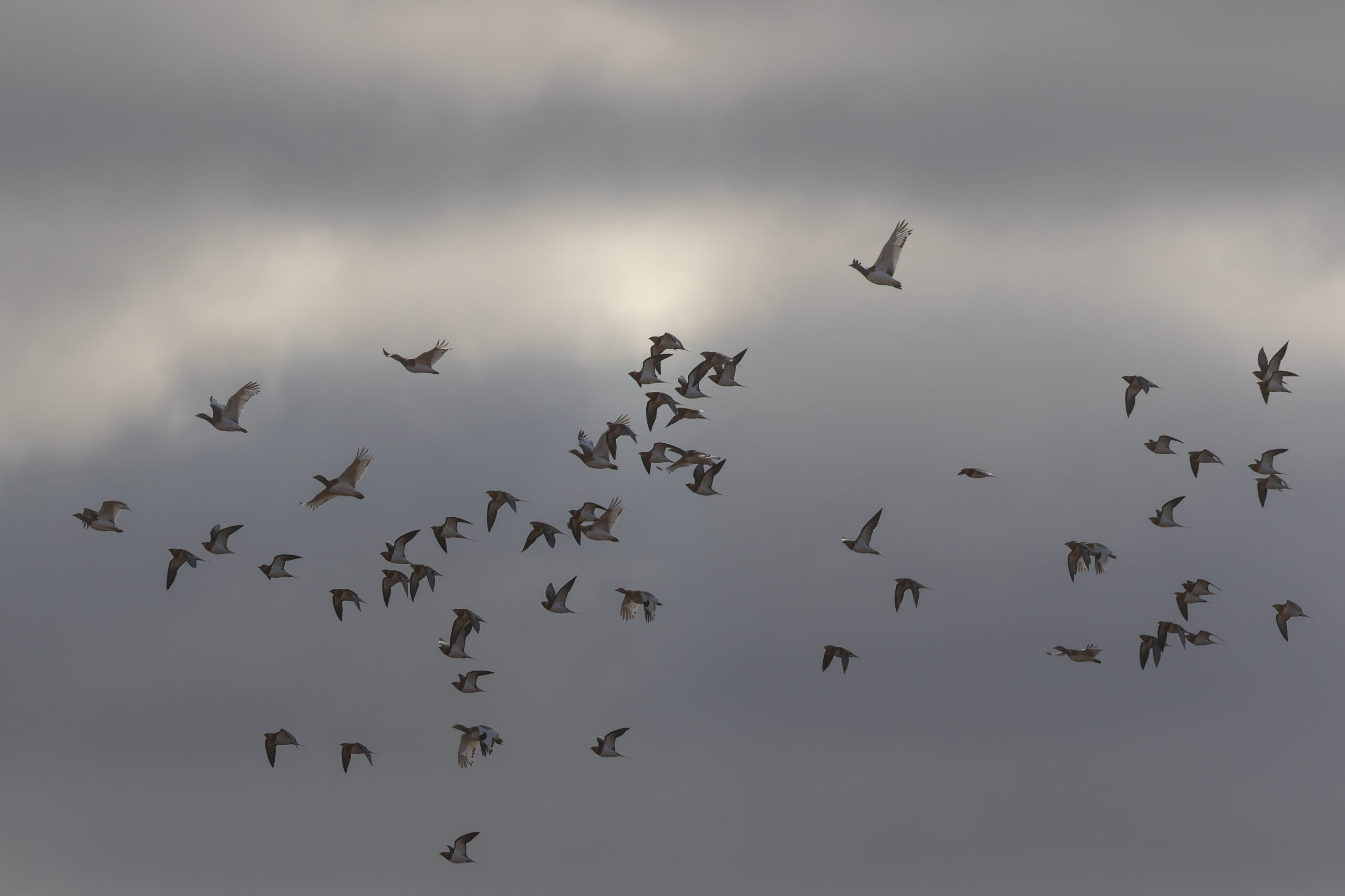
Pin-tailed Sandgrouse & Little Bustards (image by Diedert Koppenol)
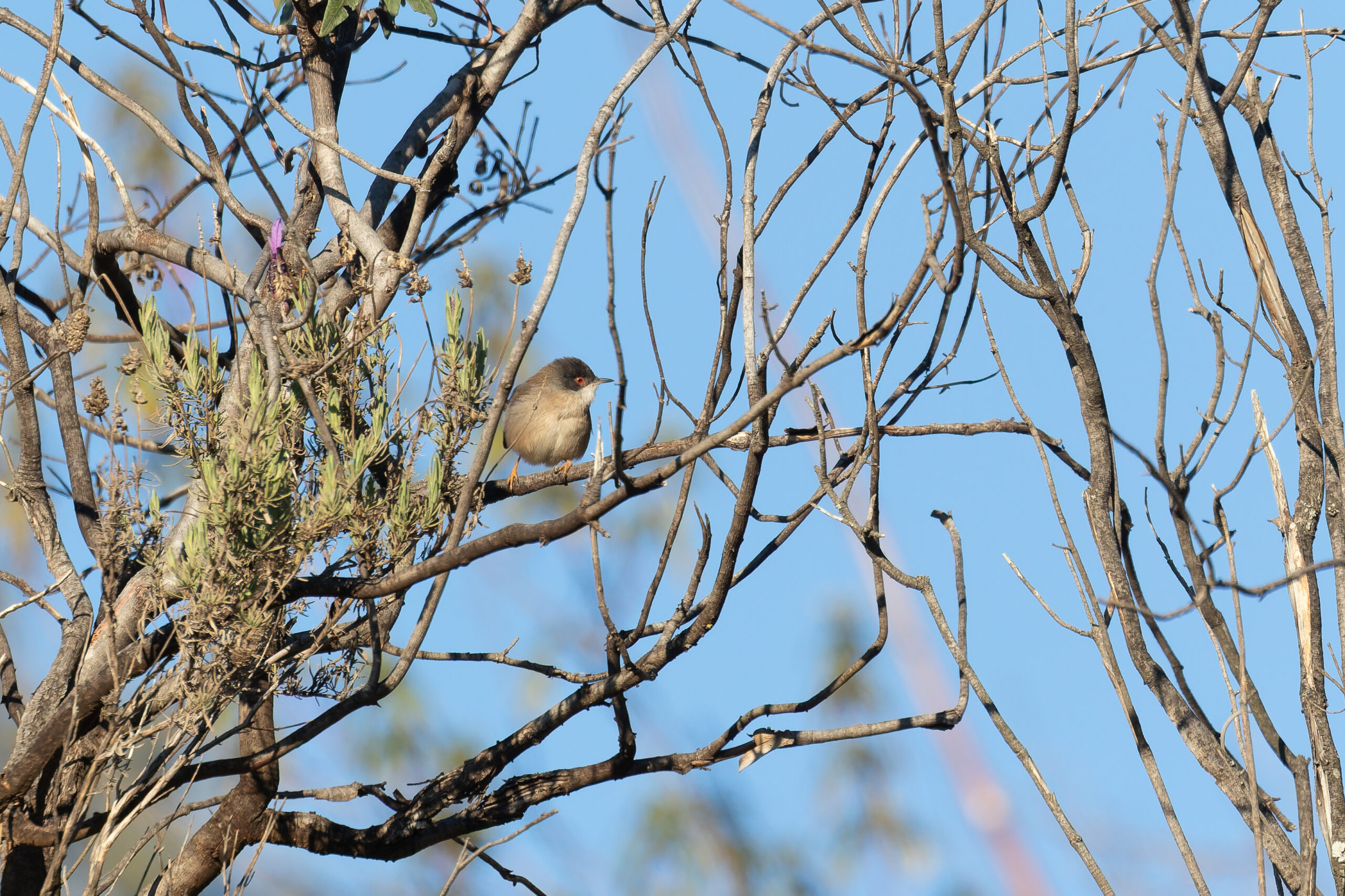
female Sardinian Warbler (image by Diedert Koppenol)
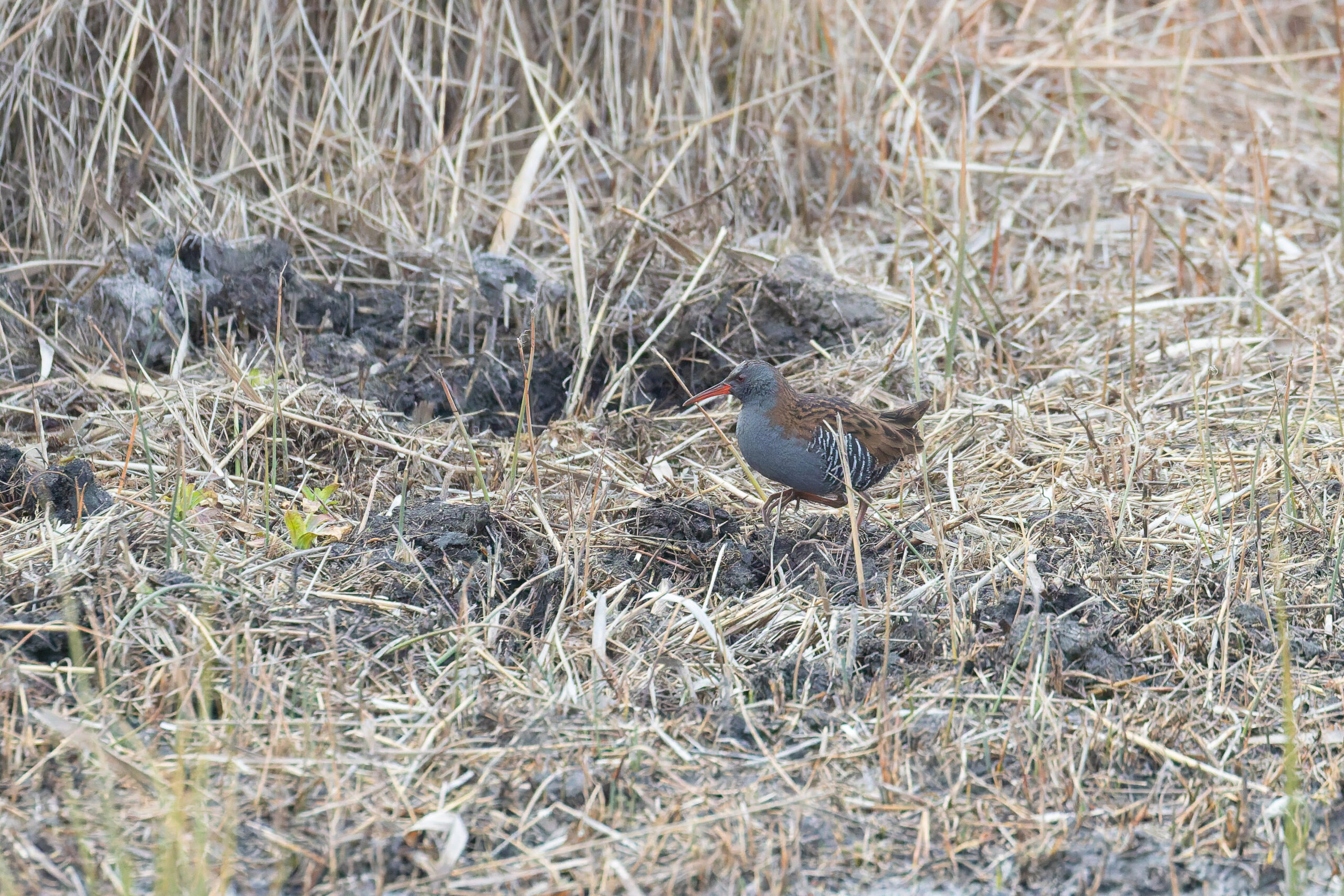
Water Rail (image by Diedert Koppenol)
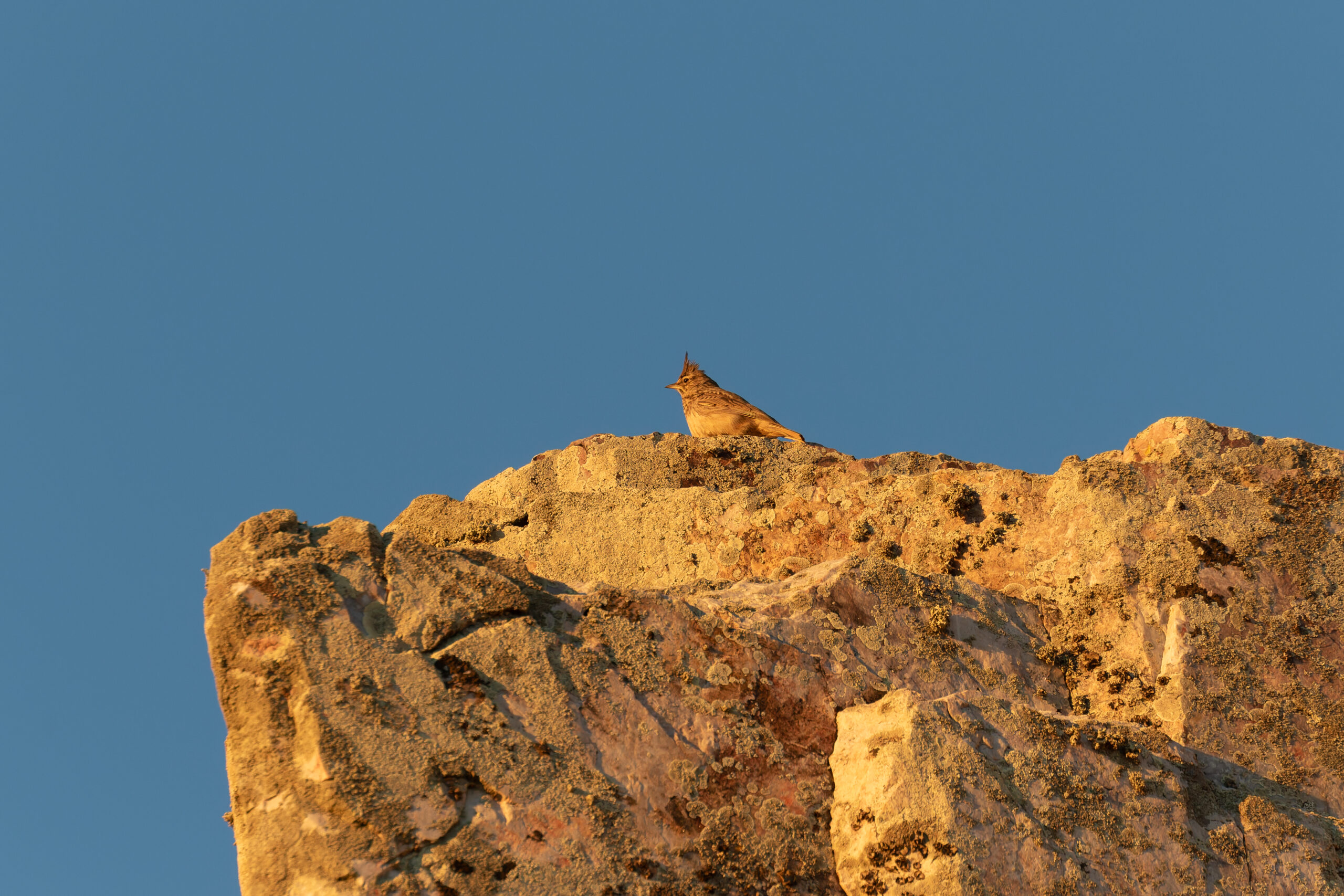
Thekla's Lark (image by Diedert Koppenol)
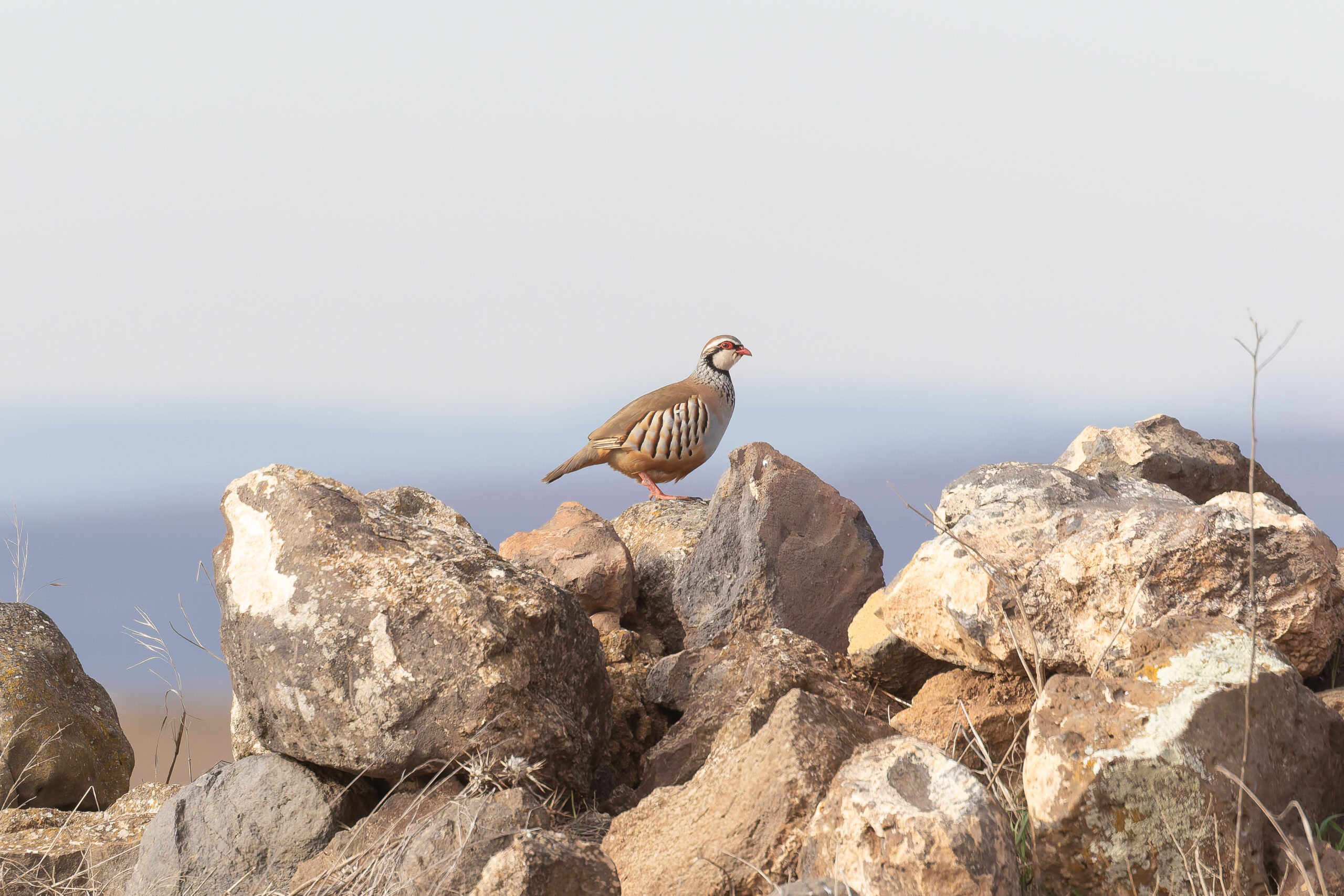
Red-legged Partridge (image by Diedert Koppenol)
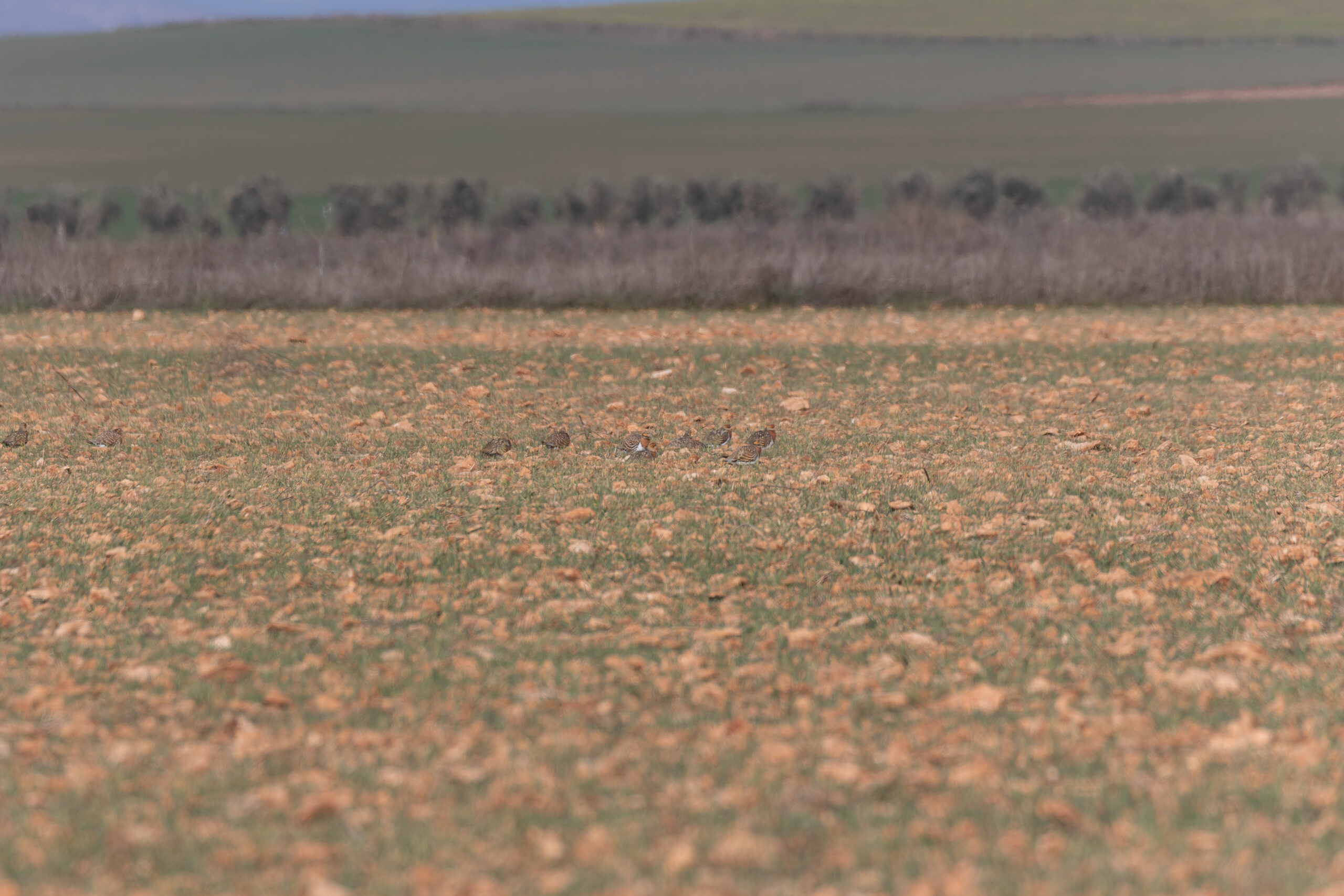
Pin-tailed Sandgrouse (image by Diedert Koppenol)
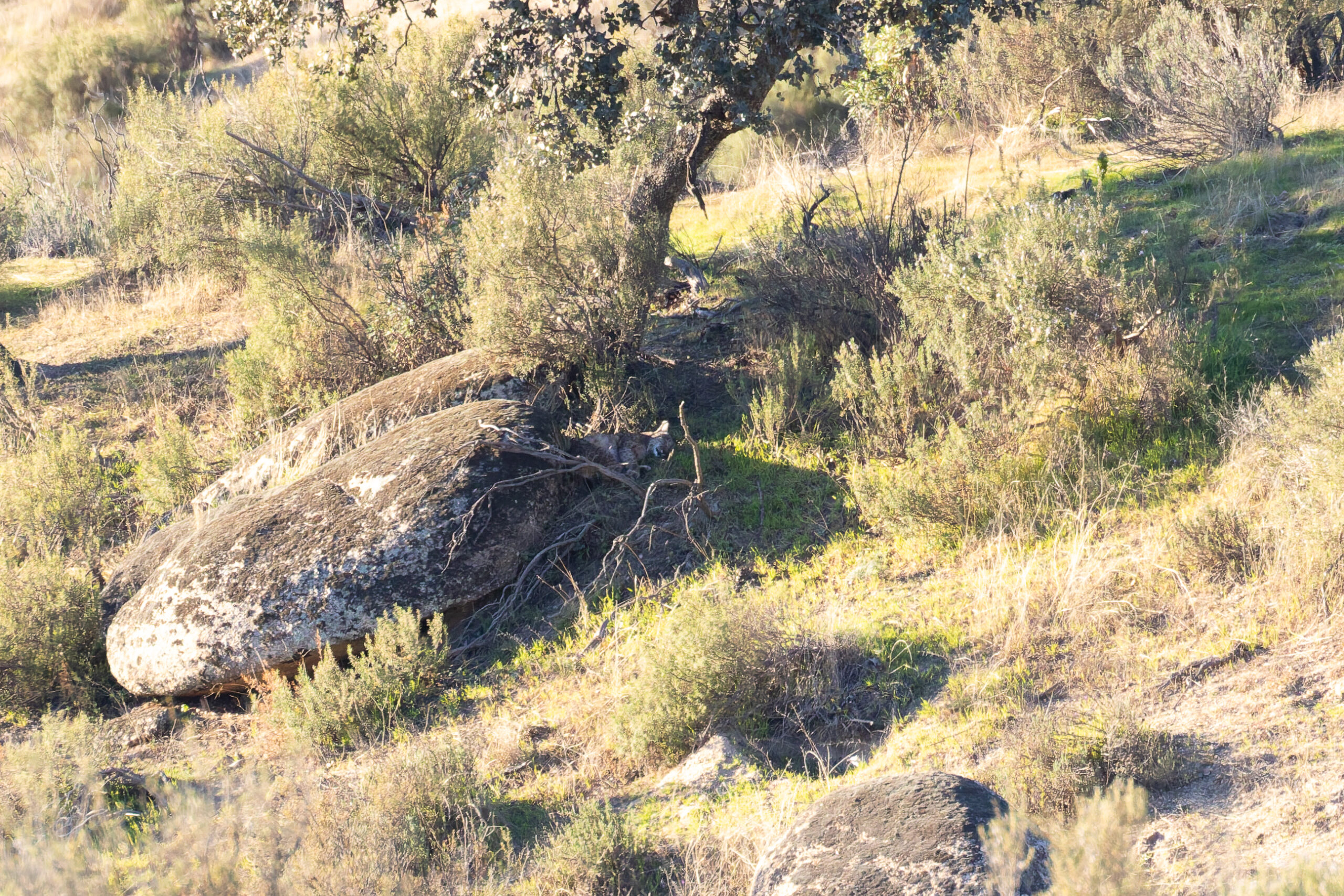
Iberian Lynx (image by Diedert Koppenol)
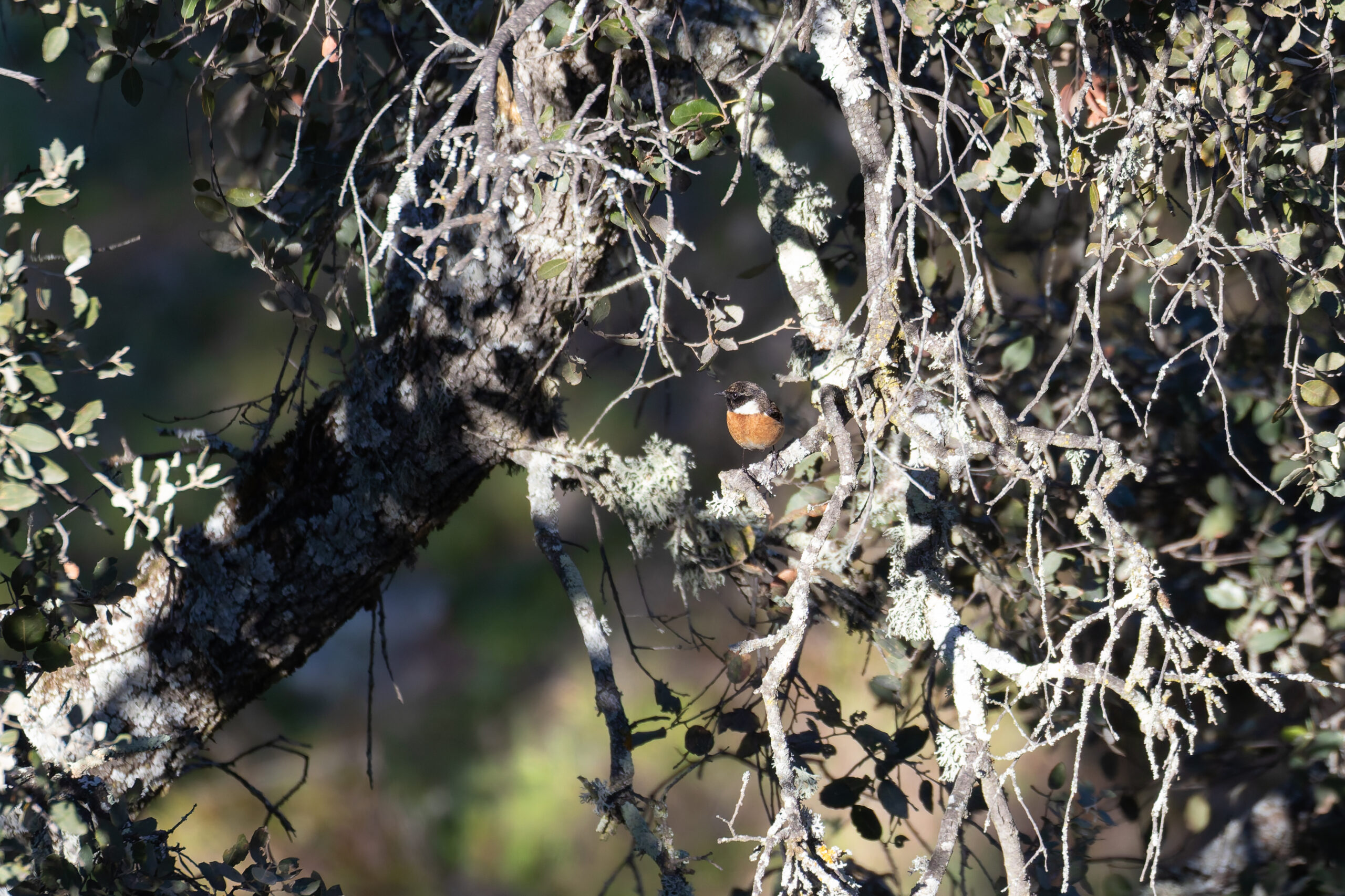
European Stonechat (image by Diedert Koppenol)
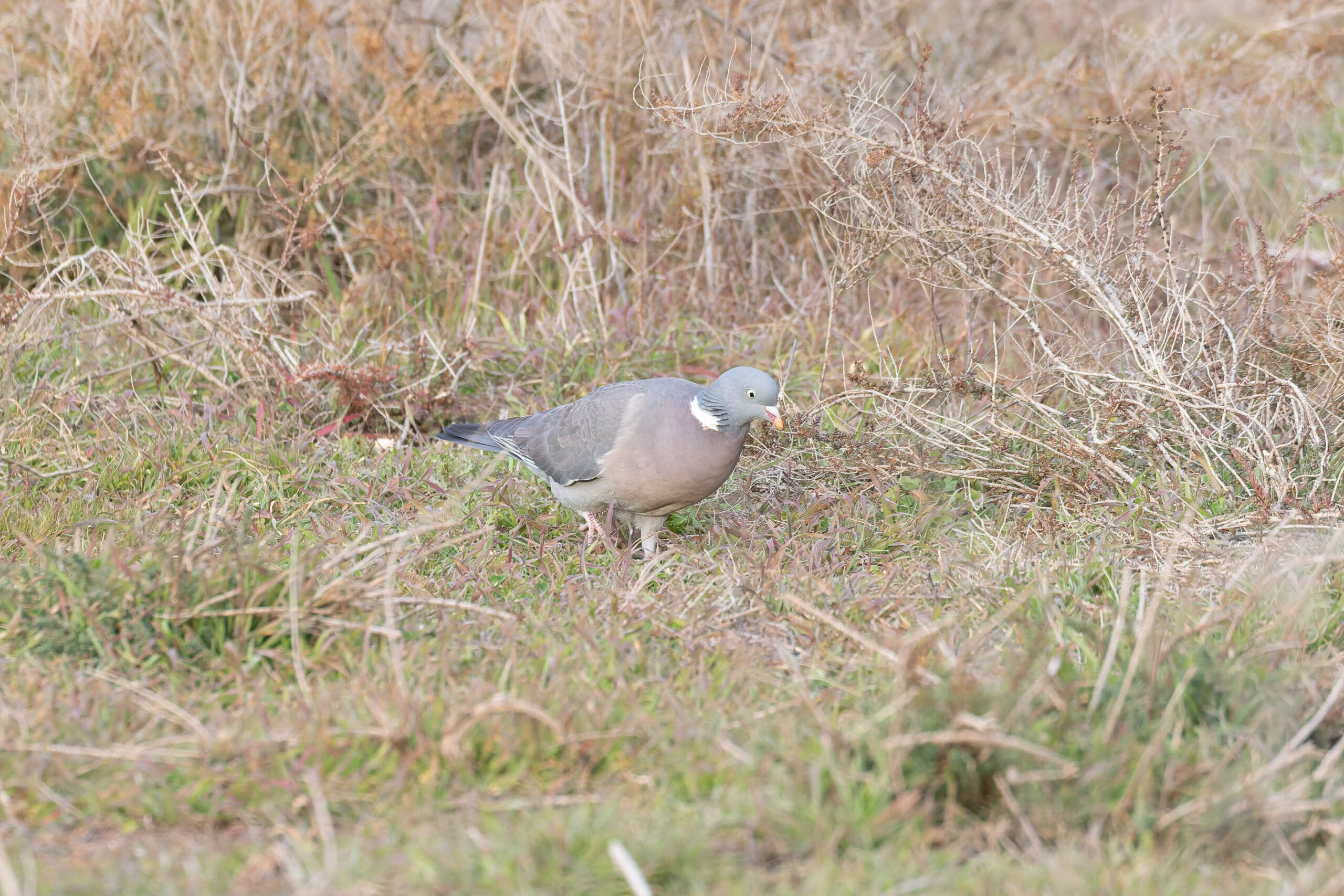
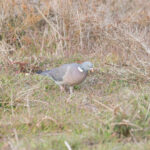
Common Wood Pigeon (image by Diedert Koppenol)
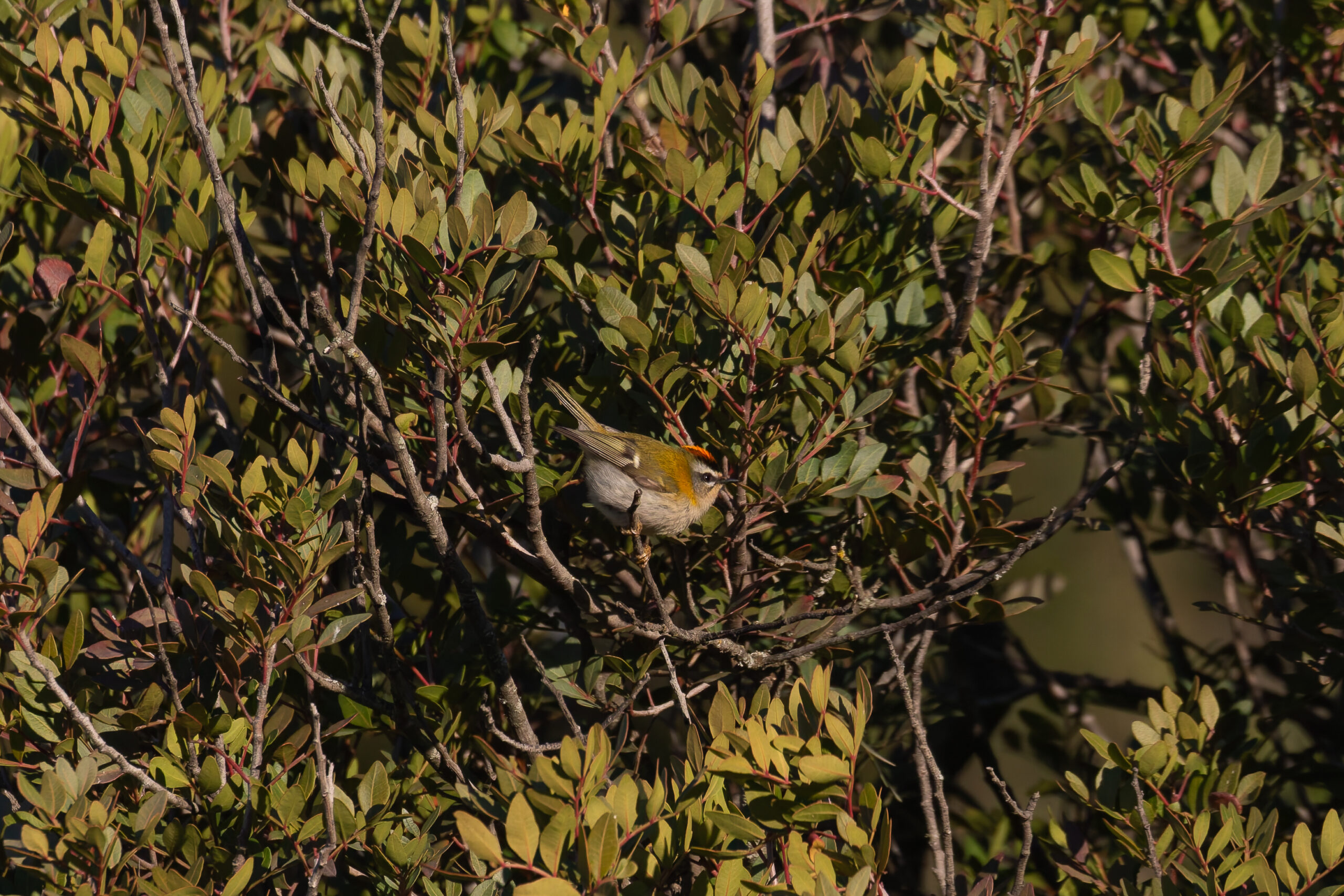
Common Firecrest (image by Diedert Koppenol)
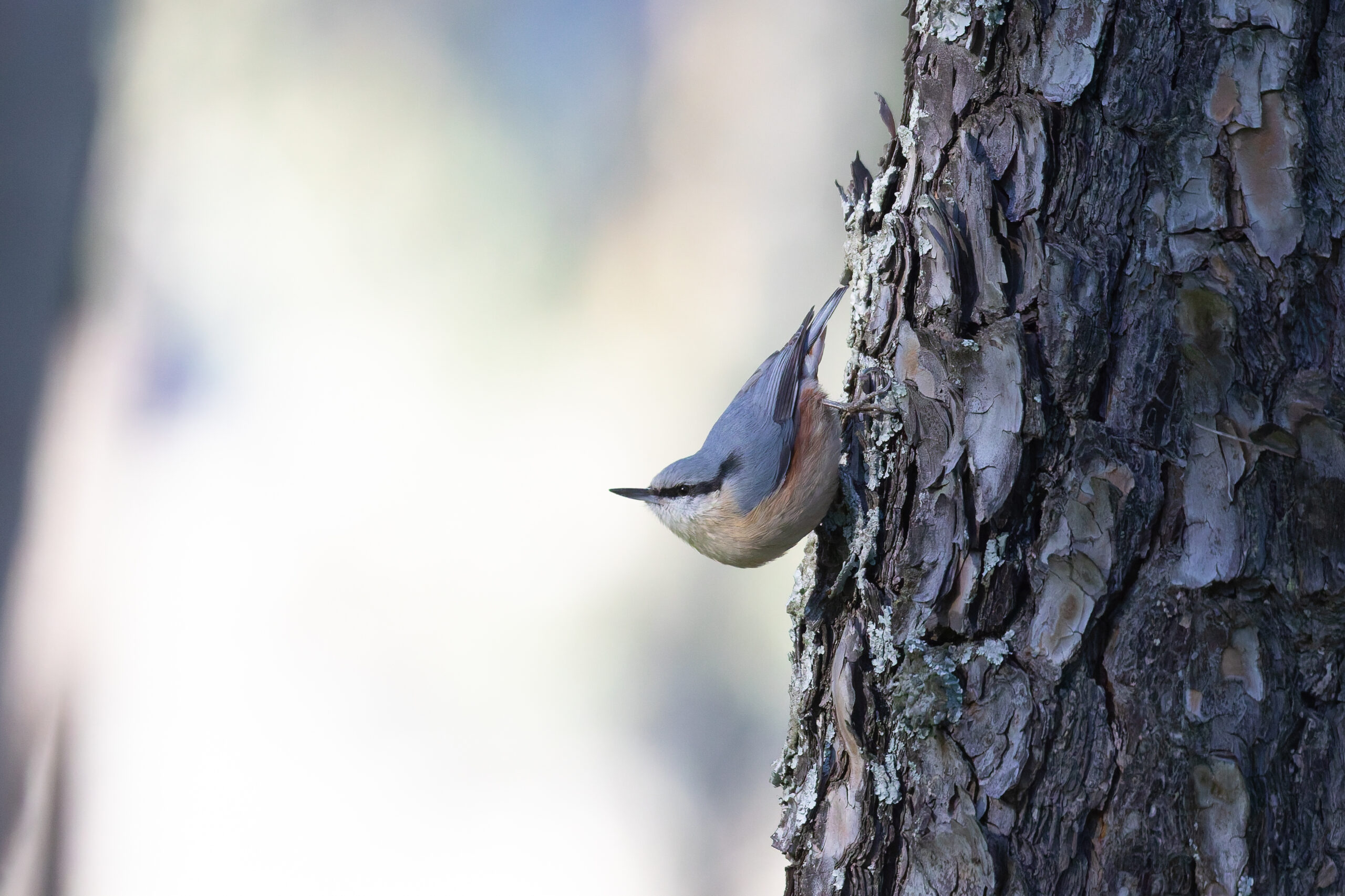
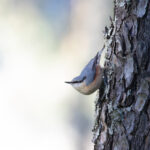
Eurasian Nuthatch (image by Diedert Koppenol)
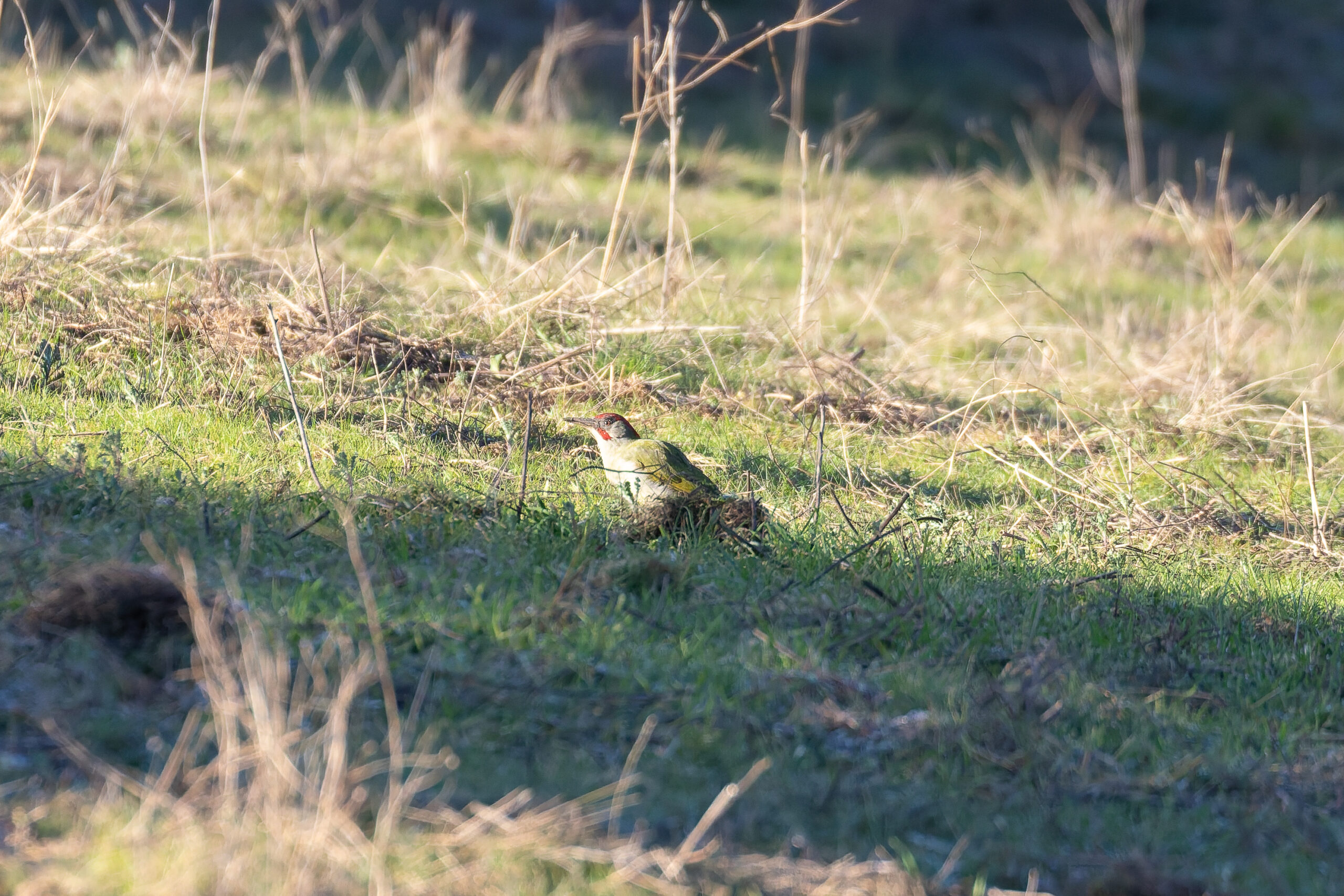
Iberian Green Woodpecker (image by Diedert Koppenol)
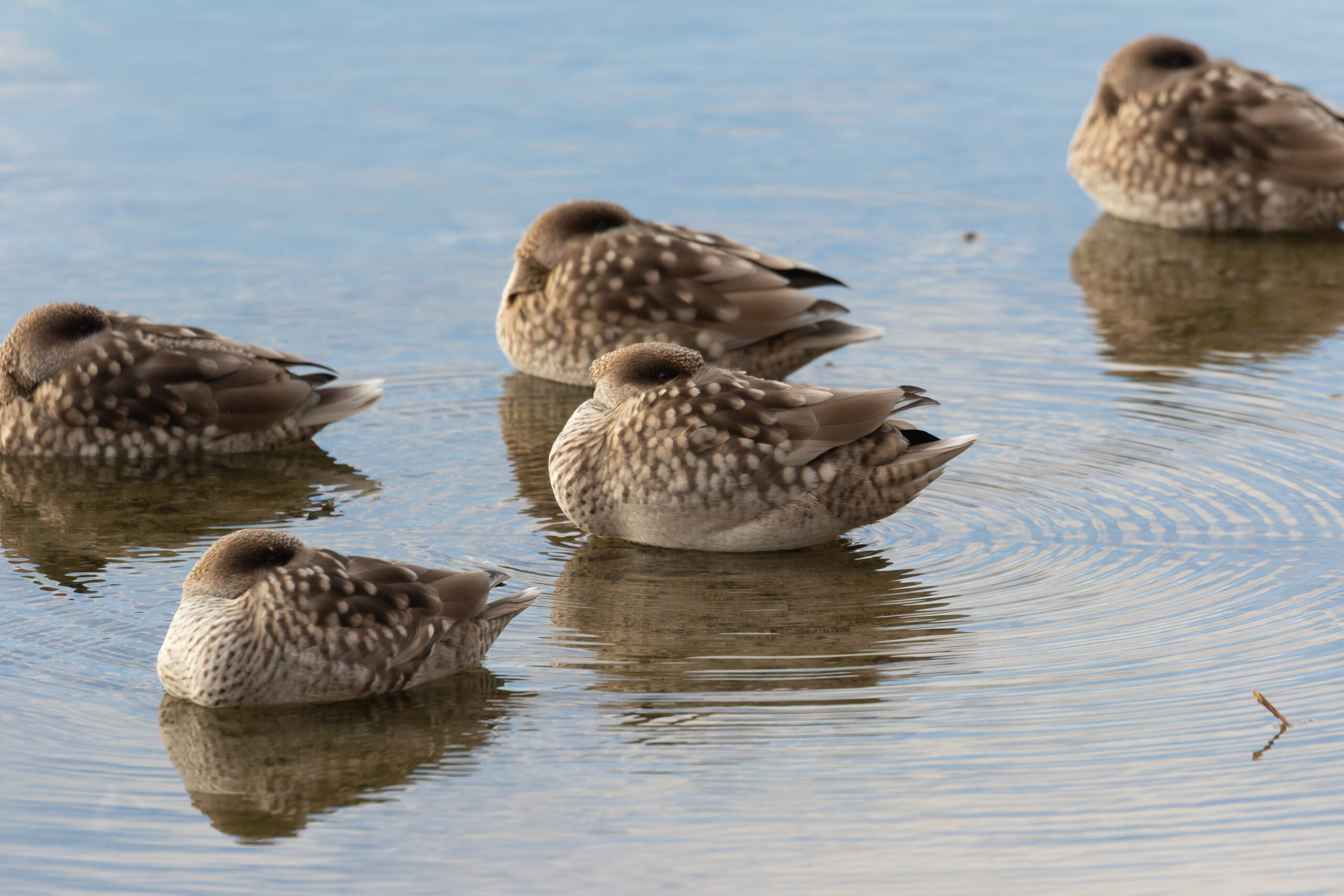
Marbled Teals (image by Diedert Koppenol)
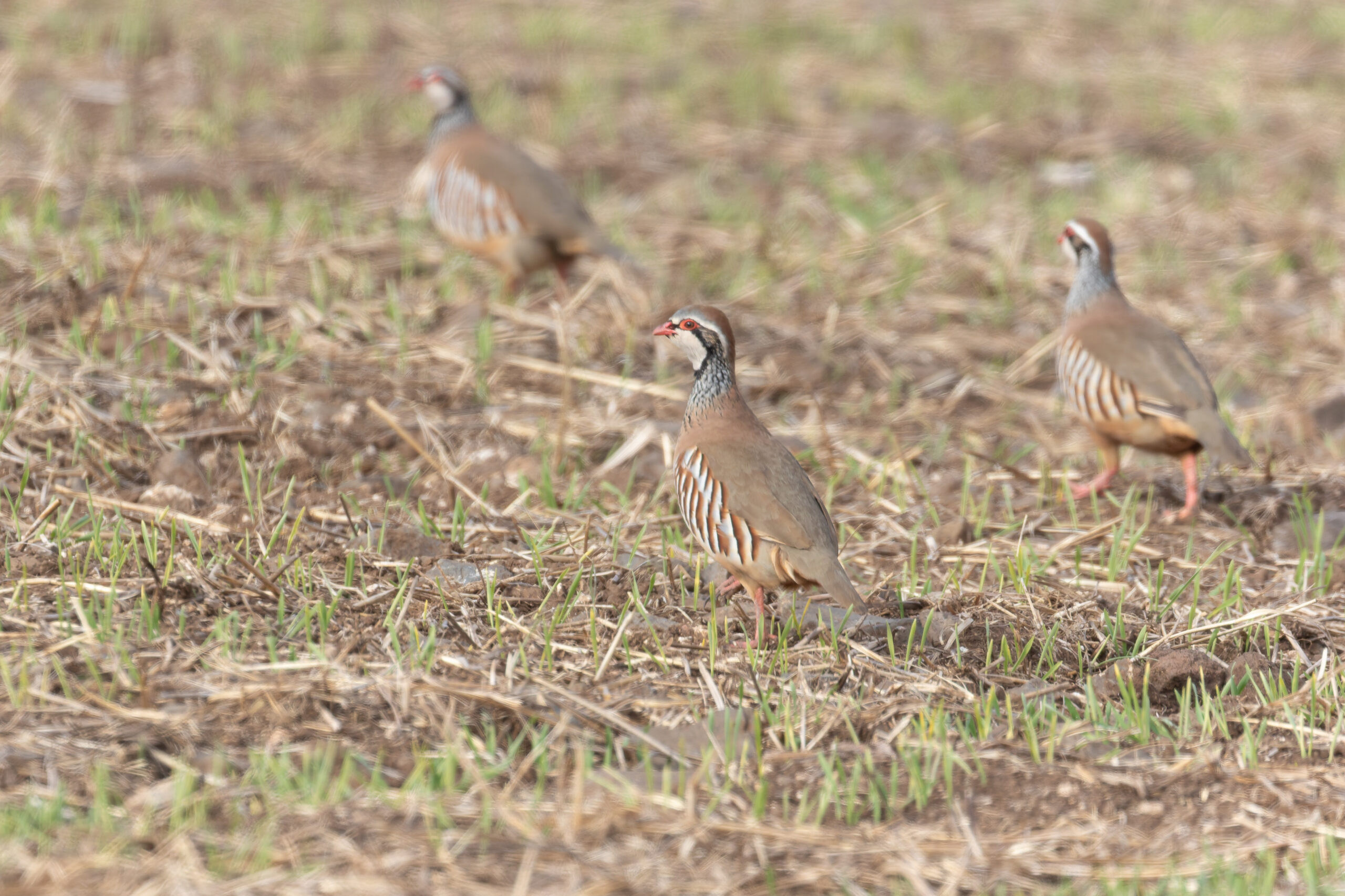
Red-legged Partridges (image by Diedert Koppenol)
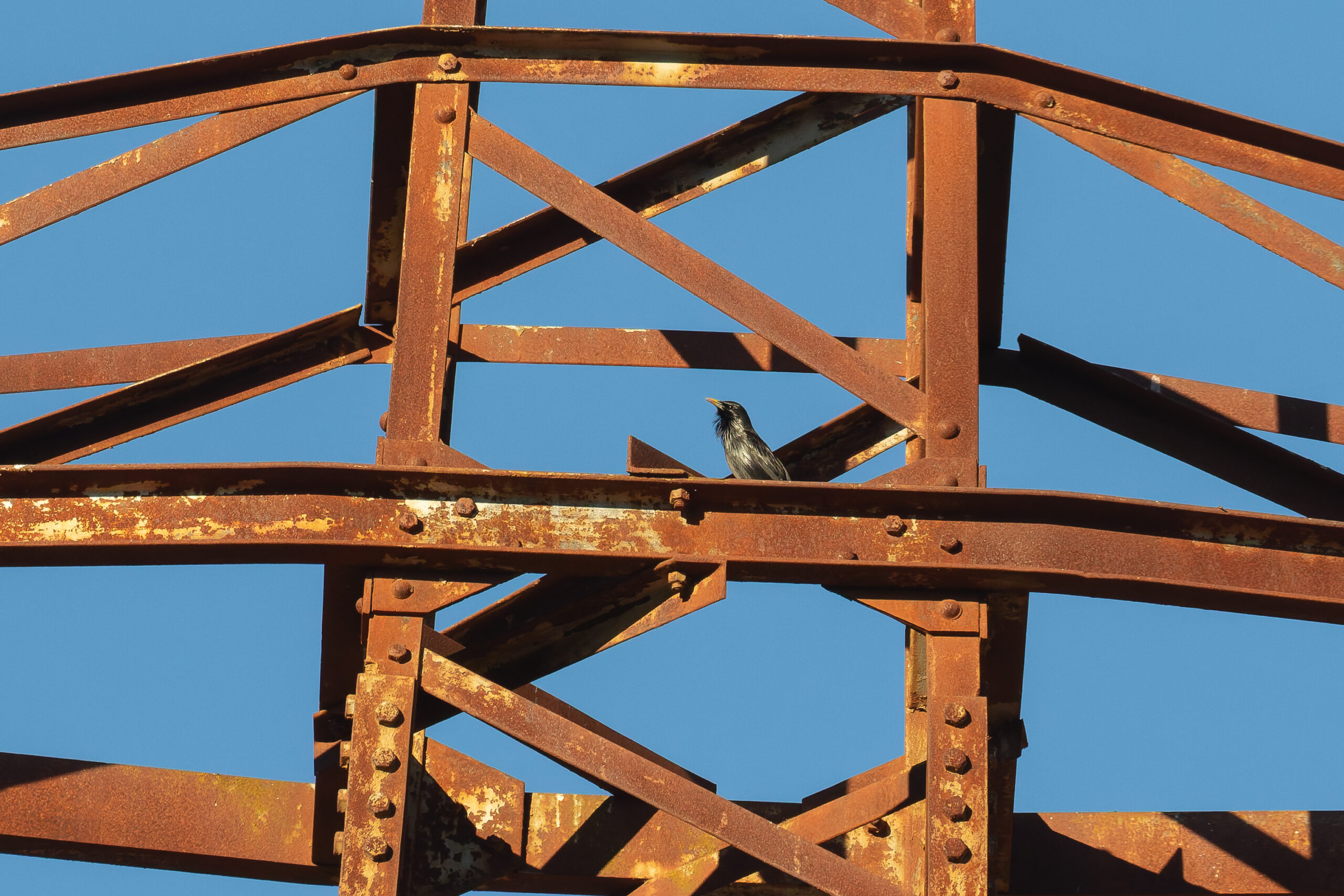
Spotless Starling (image by Diedert Koppenol)
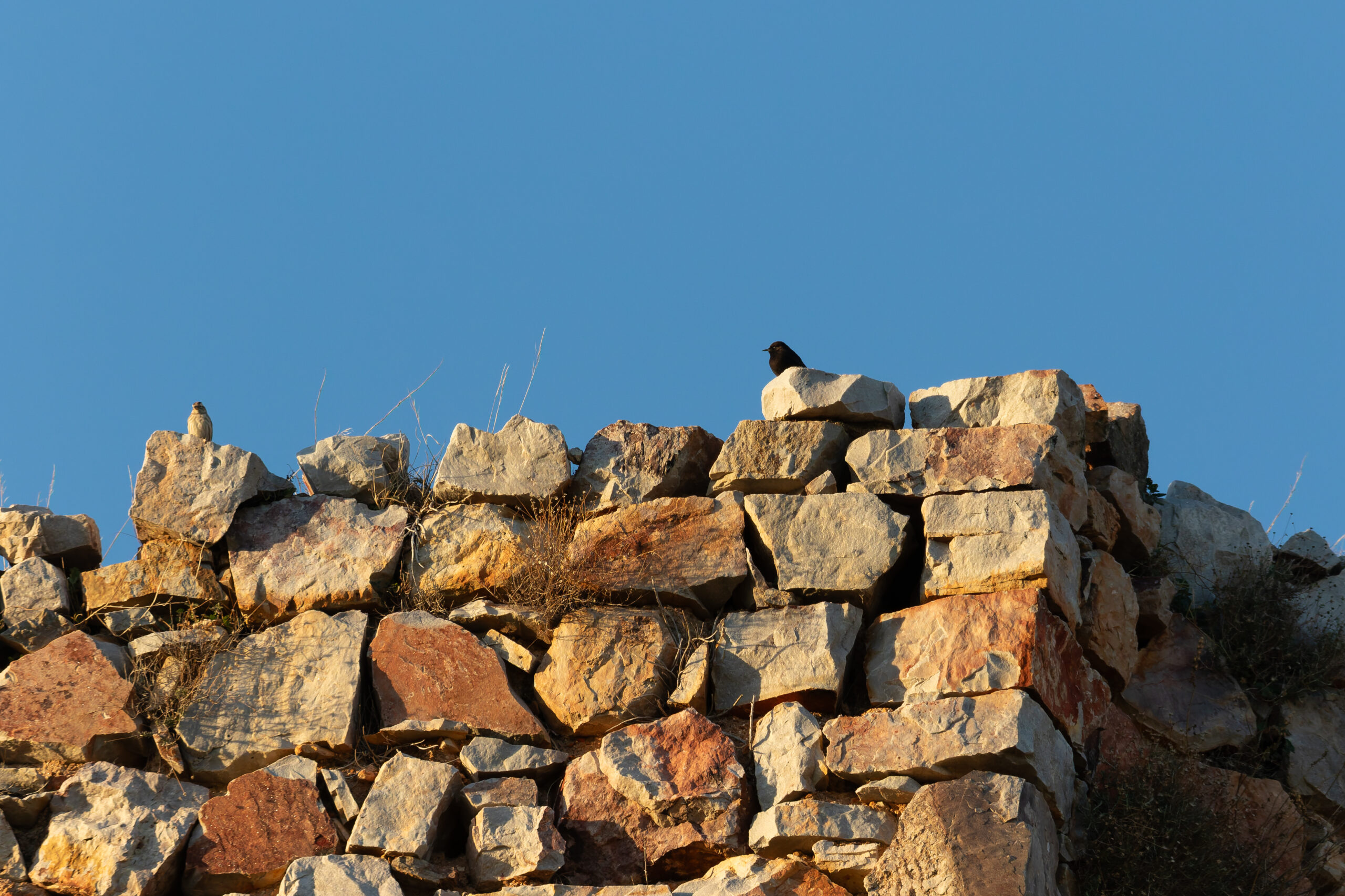
Black Wheatear & Rock Sparrow (image by Diedert Koppenol)
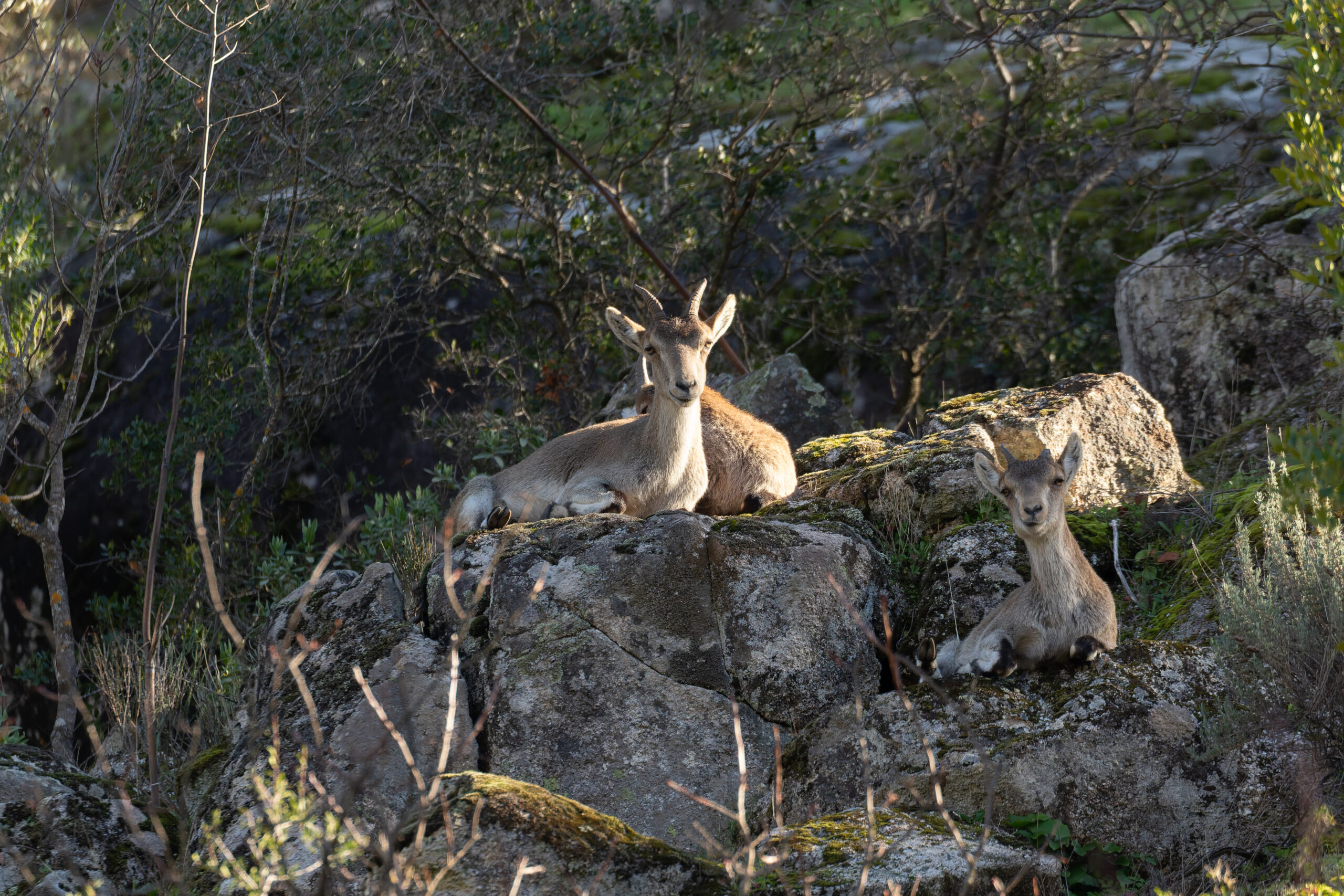
Spanish Ibex (image by Diedert Koppenol)
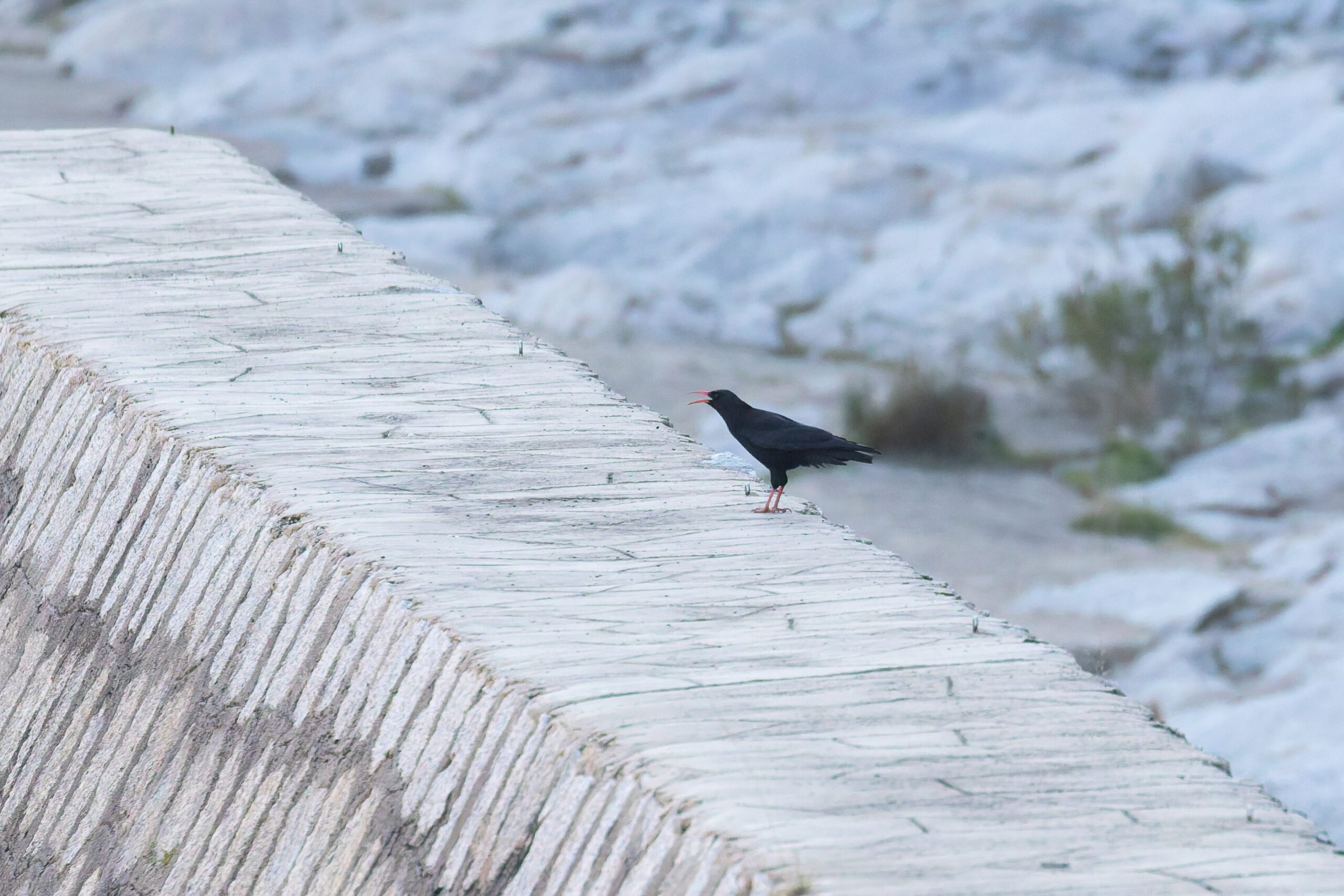
Red-billed Chough (image by Diedert Koppenol)
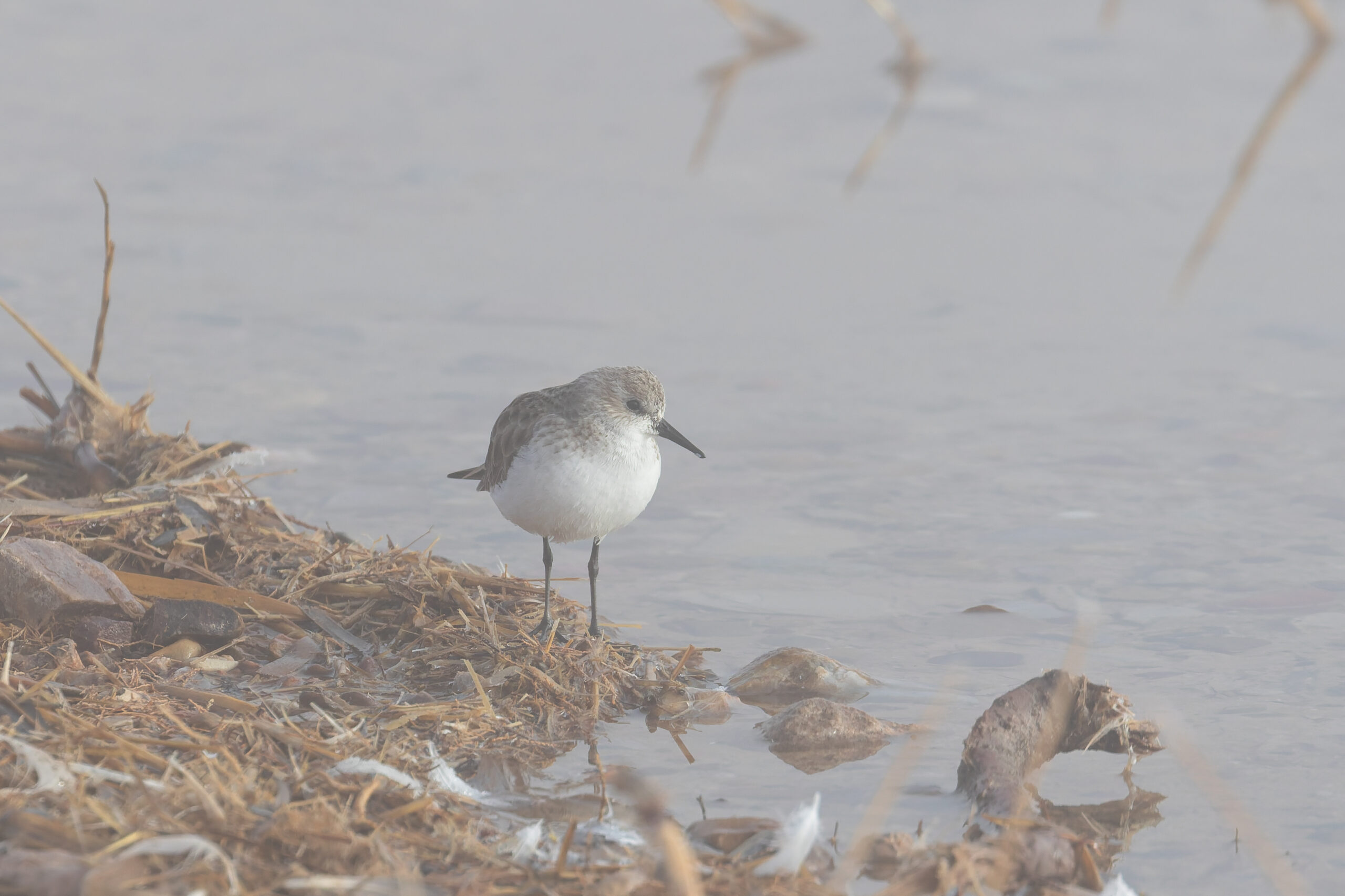
Little Stint (image by Diedert Koppenol)
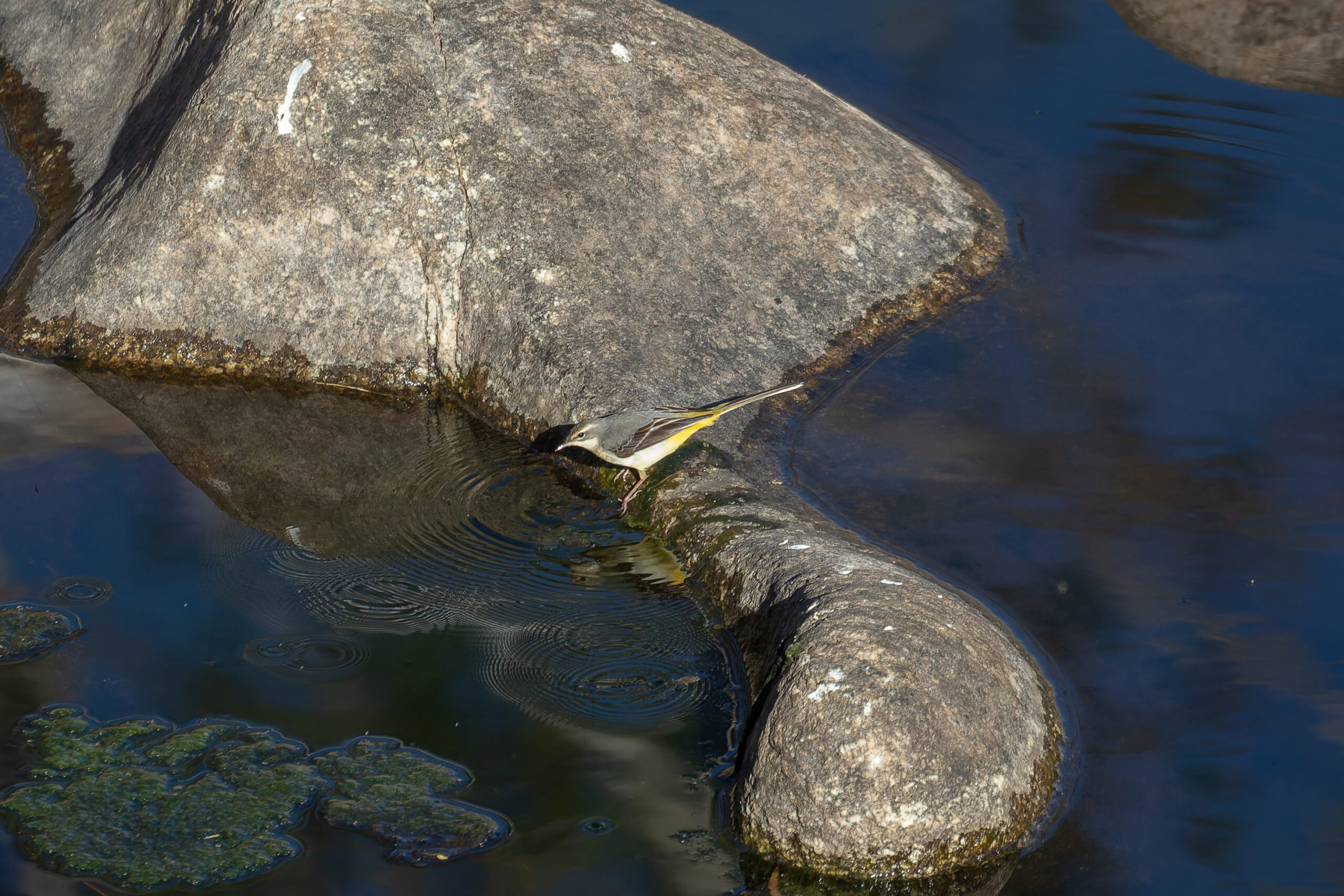
Grey Wagtail (image by Diedert Koppenol)
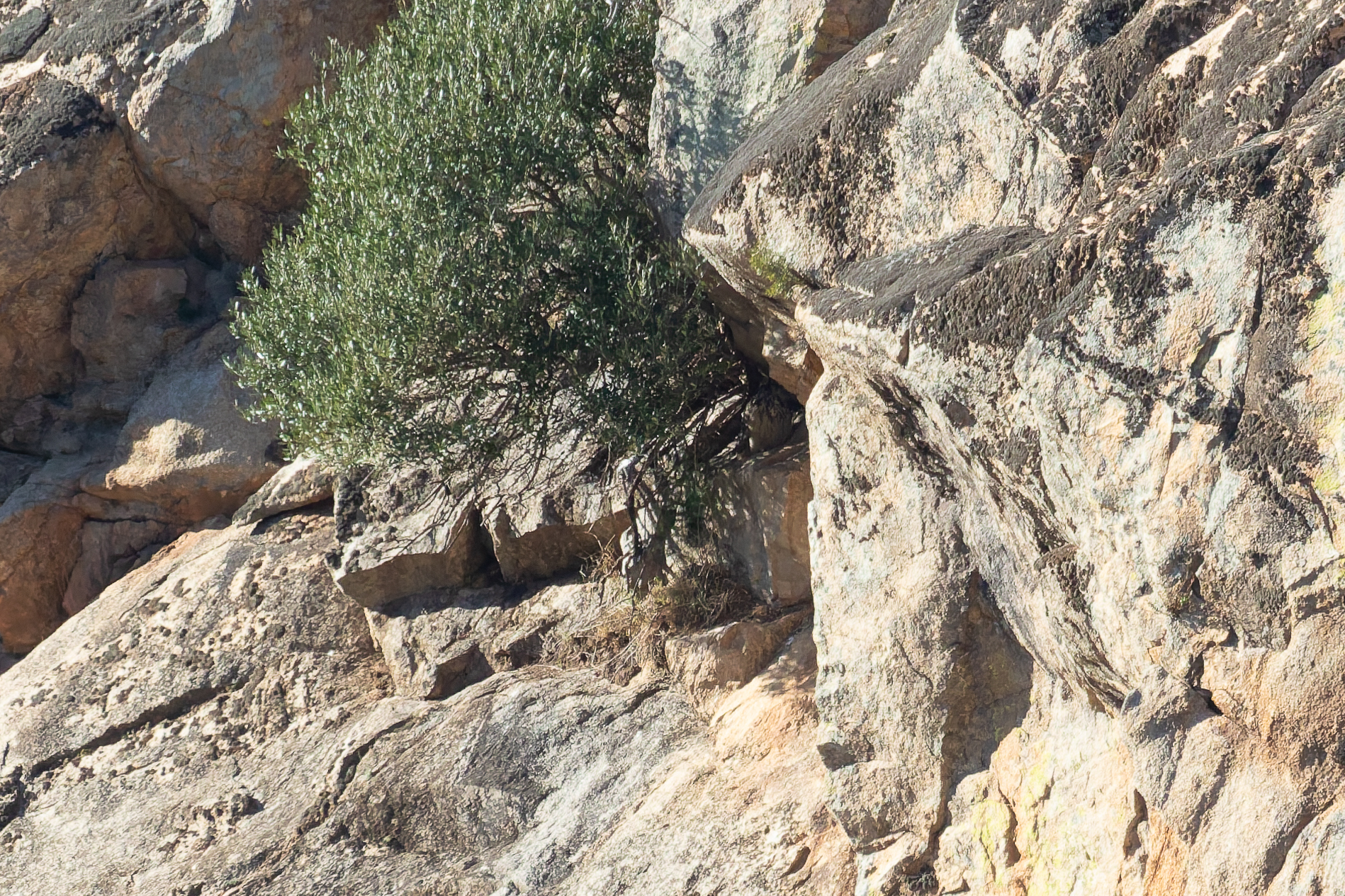
Eurasian Eagle-Owl (image by Diedert Koppenol)
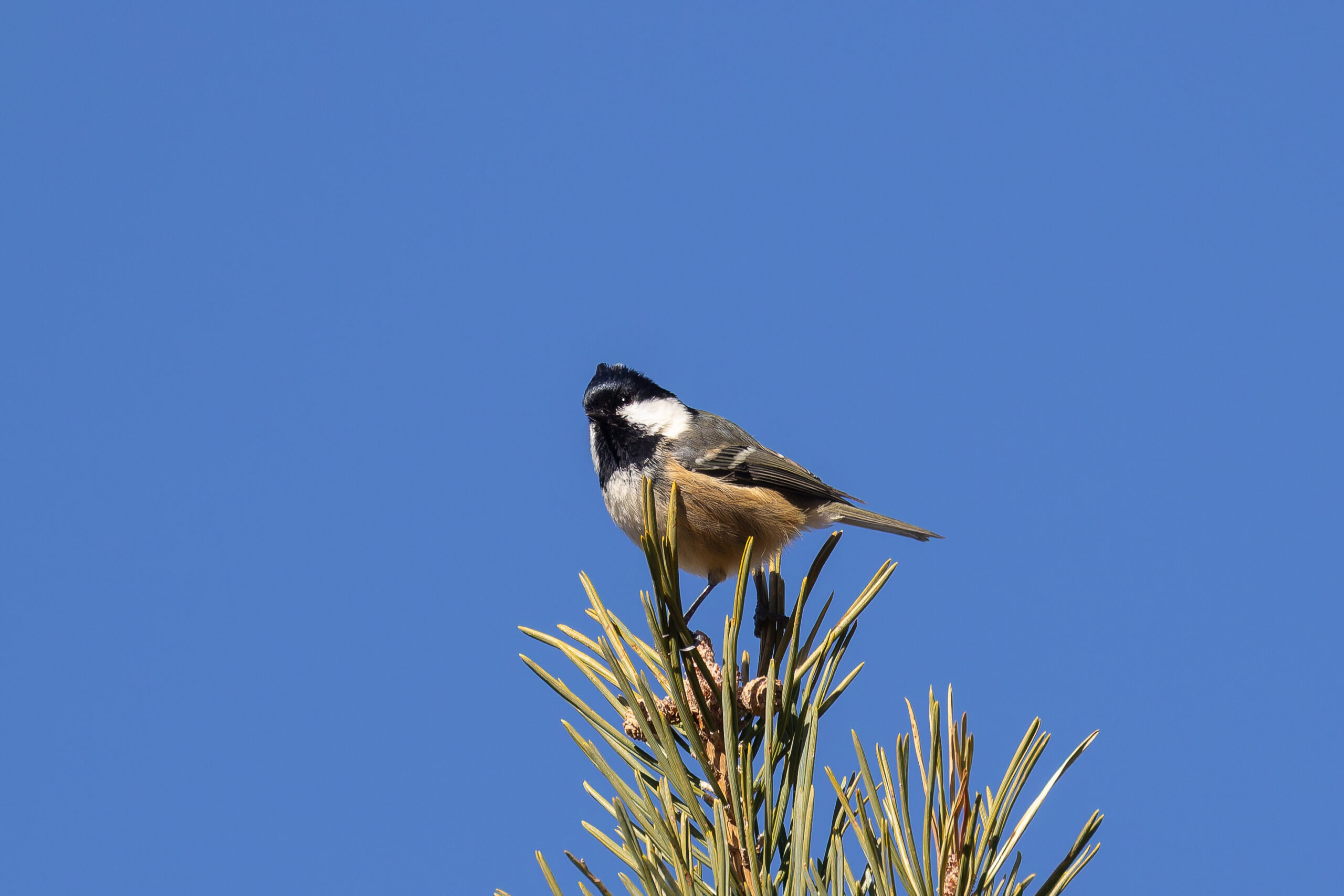
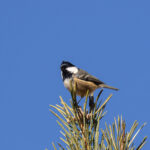
Coal Tit (image by Diedert Koppenol)
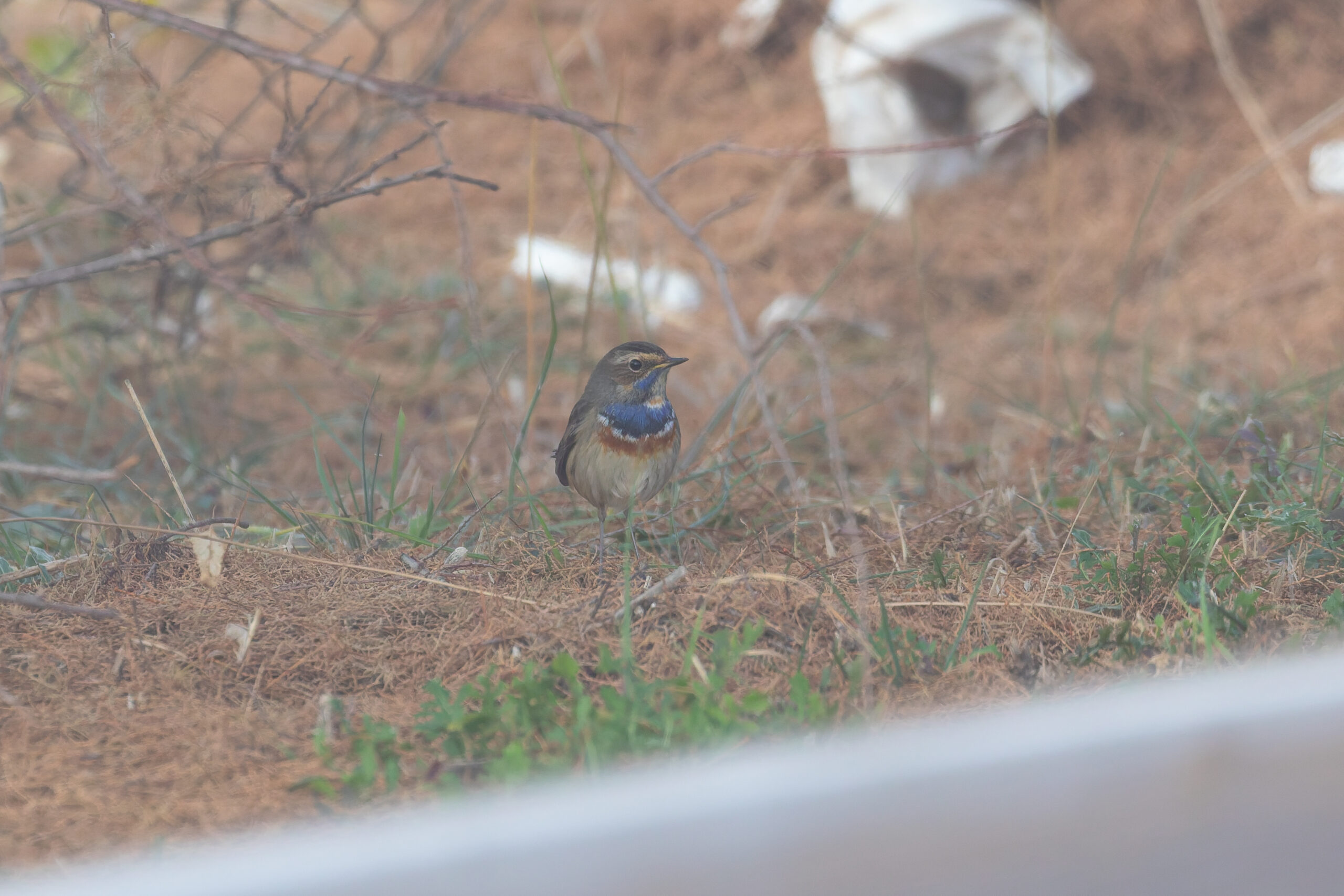
Bluethroat (image by Diedert Koppenol)
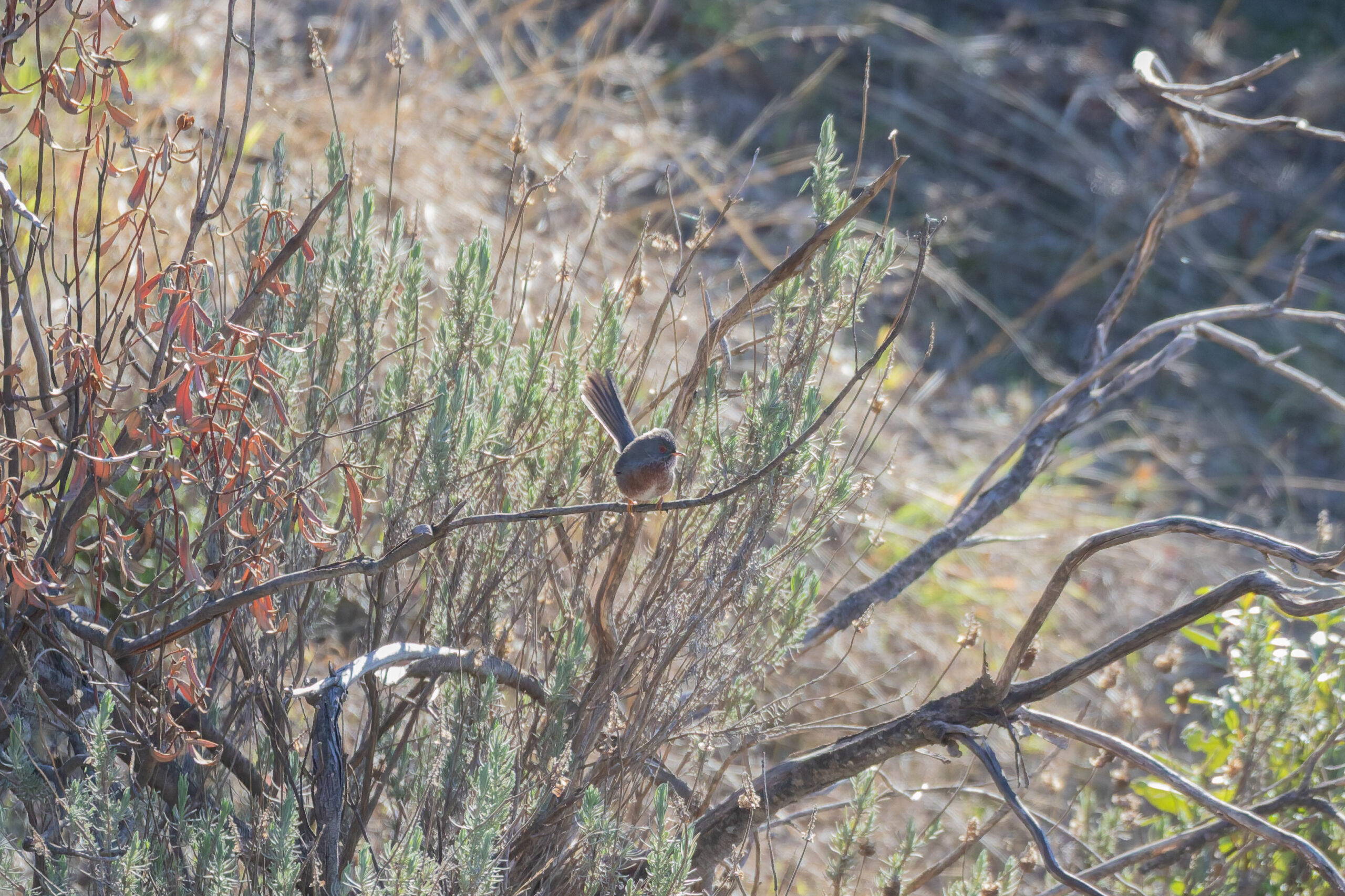
Dartford Warbler (image by Diedert Koppenol)
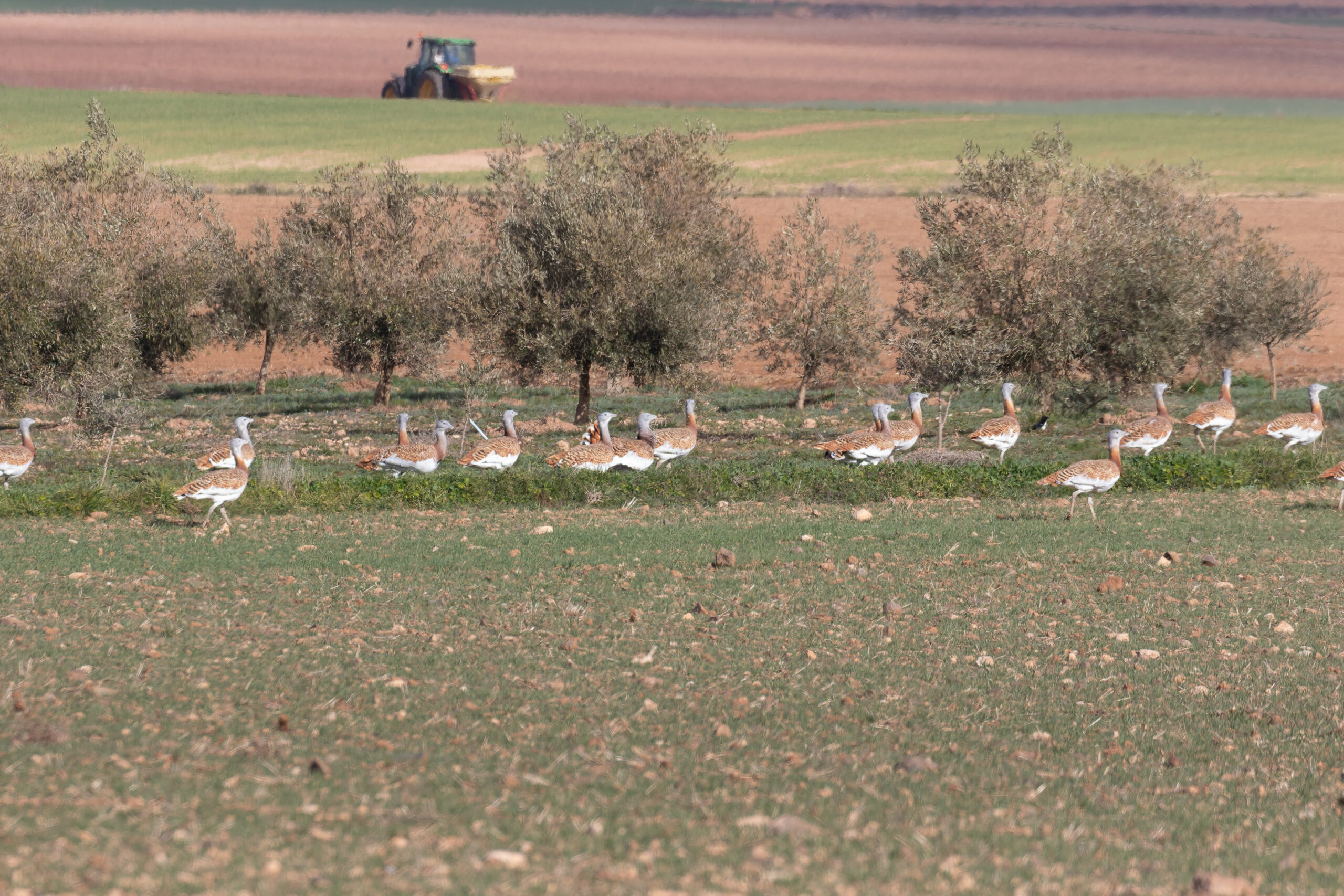
Great Bustards (image by Diedert Koppenol)
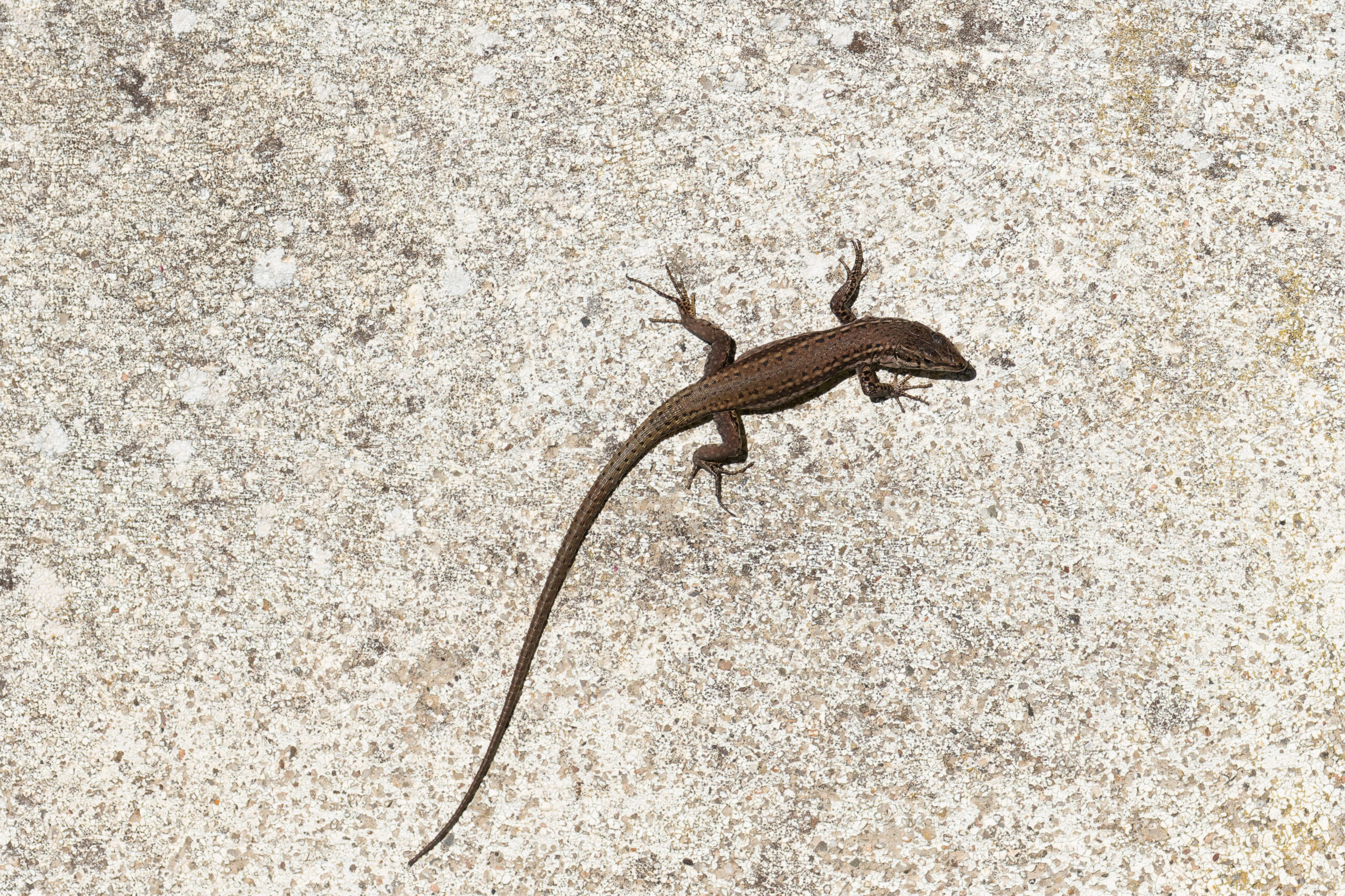
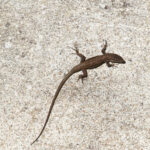
Iberian Wall Lizard (image by Diedert Koppenol)
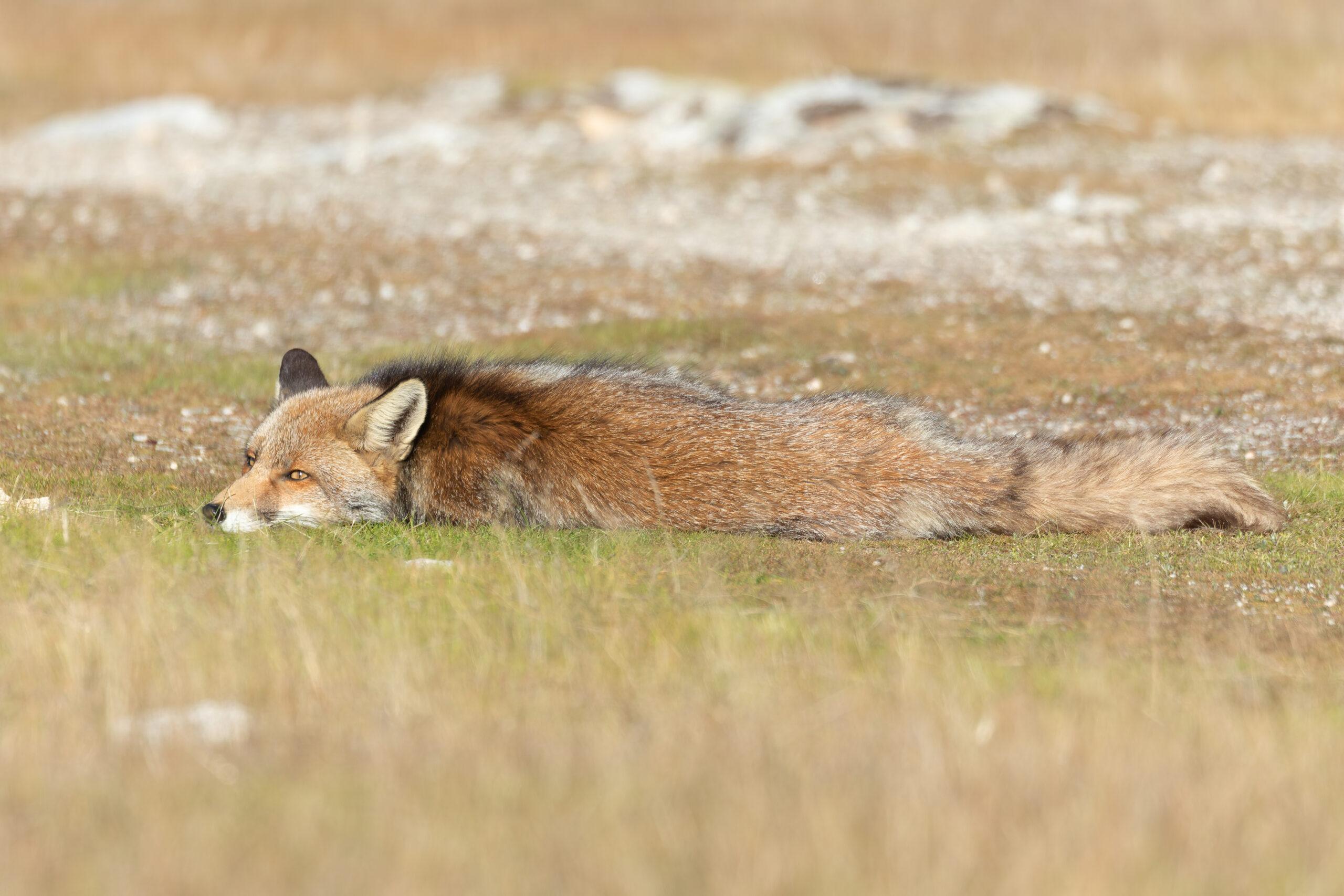
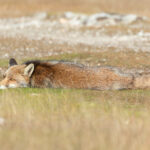
Red Fox (image by Diedert Koppenol)
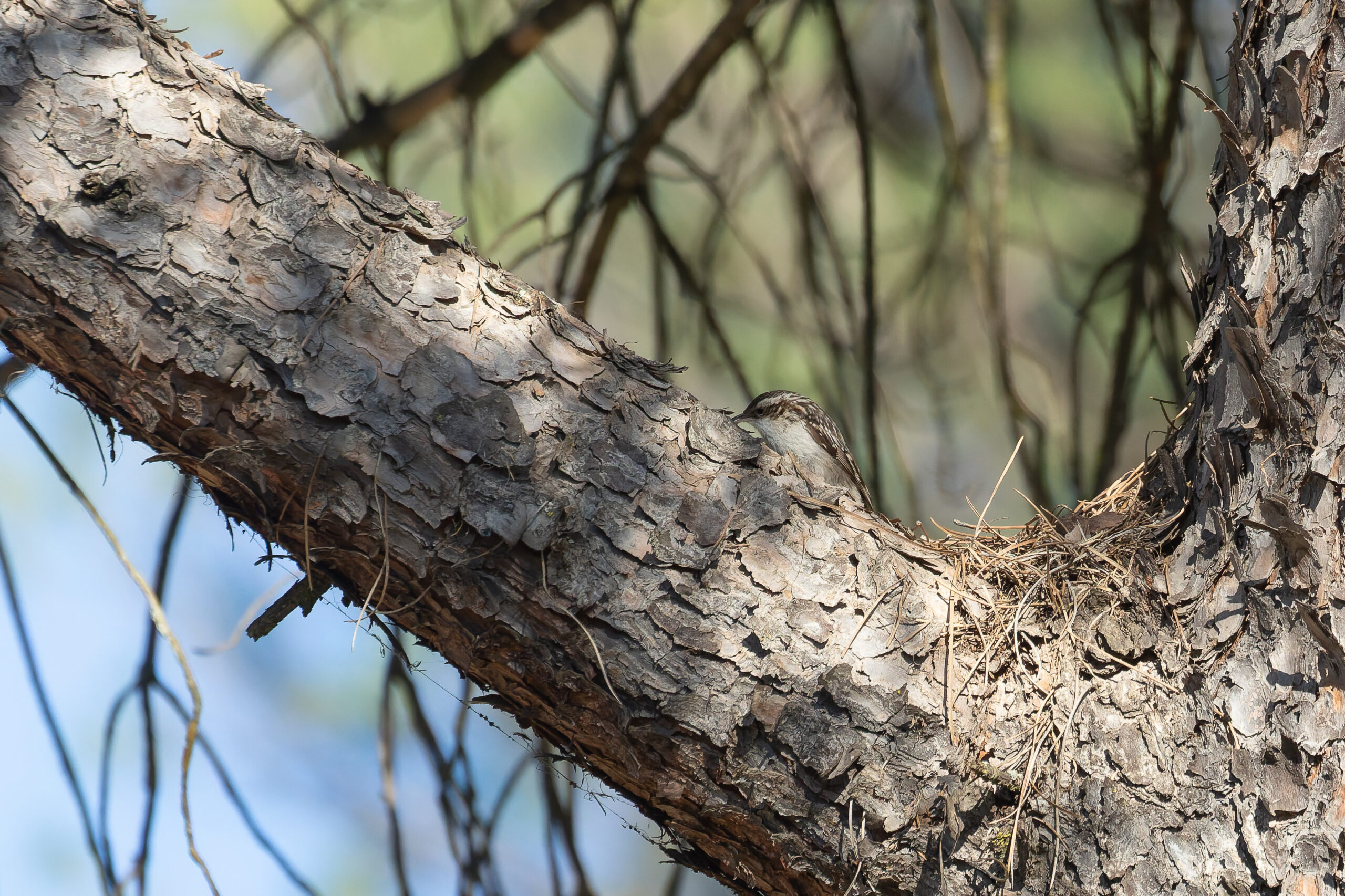
Short-toed Treecreeper (image by Diedert Koppenol)
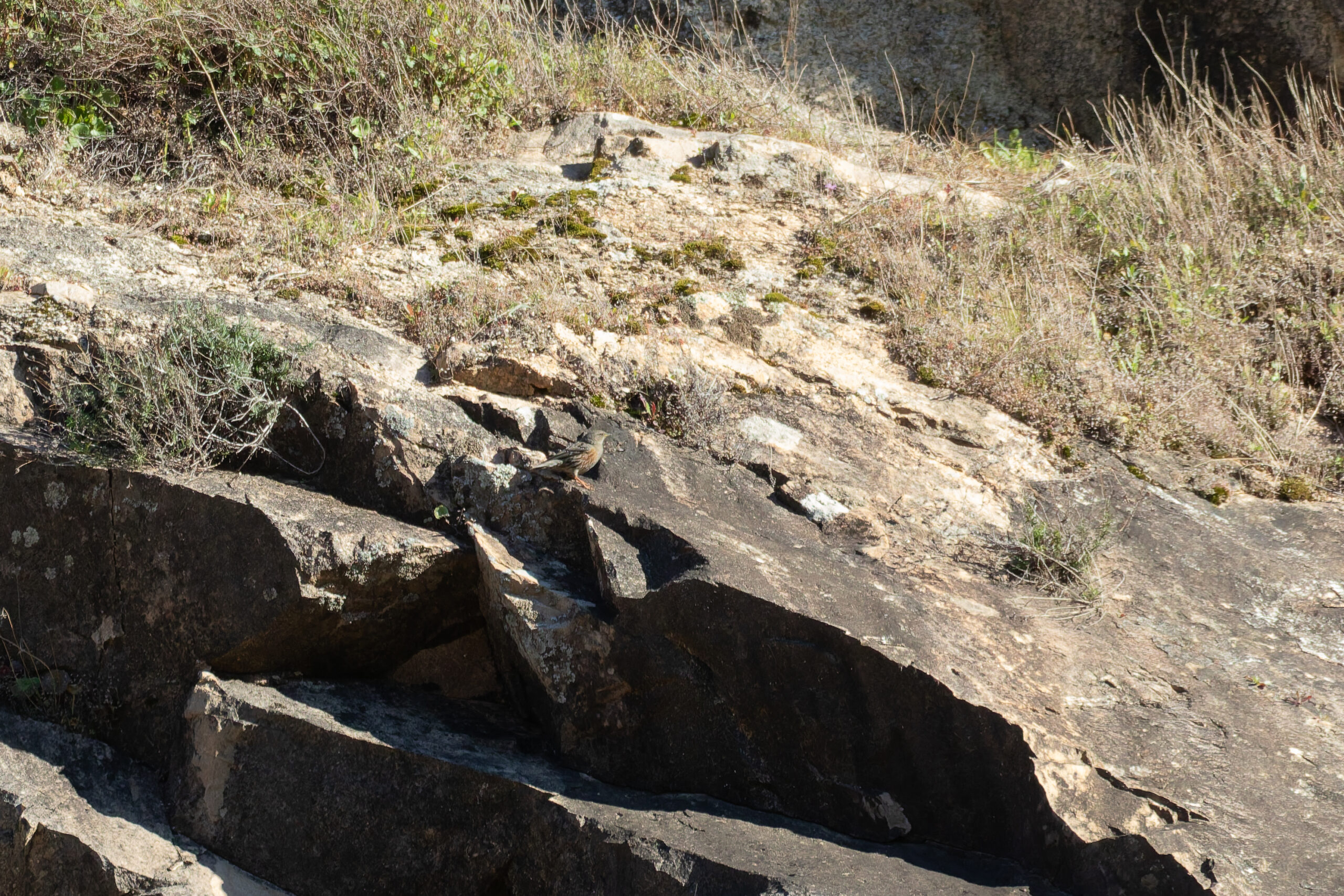
Alpine Accentor (image by Diedert Koppenol)
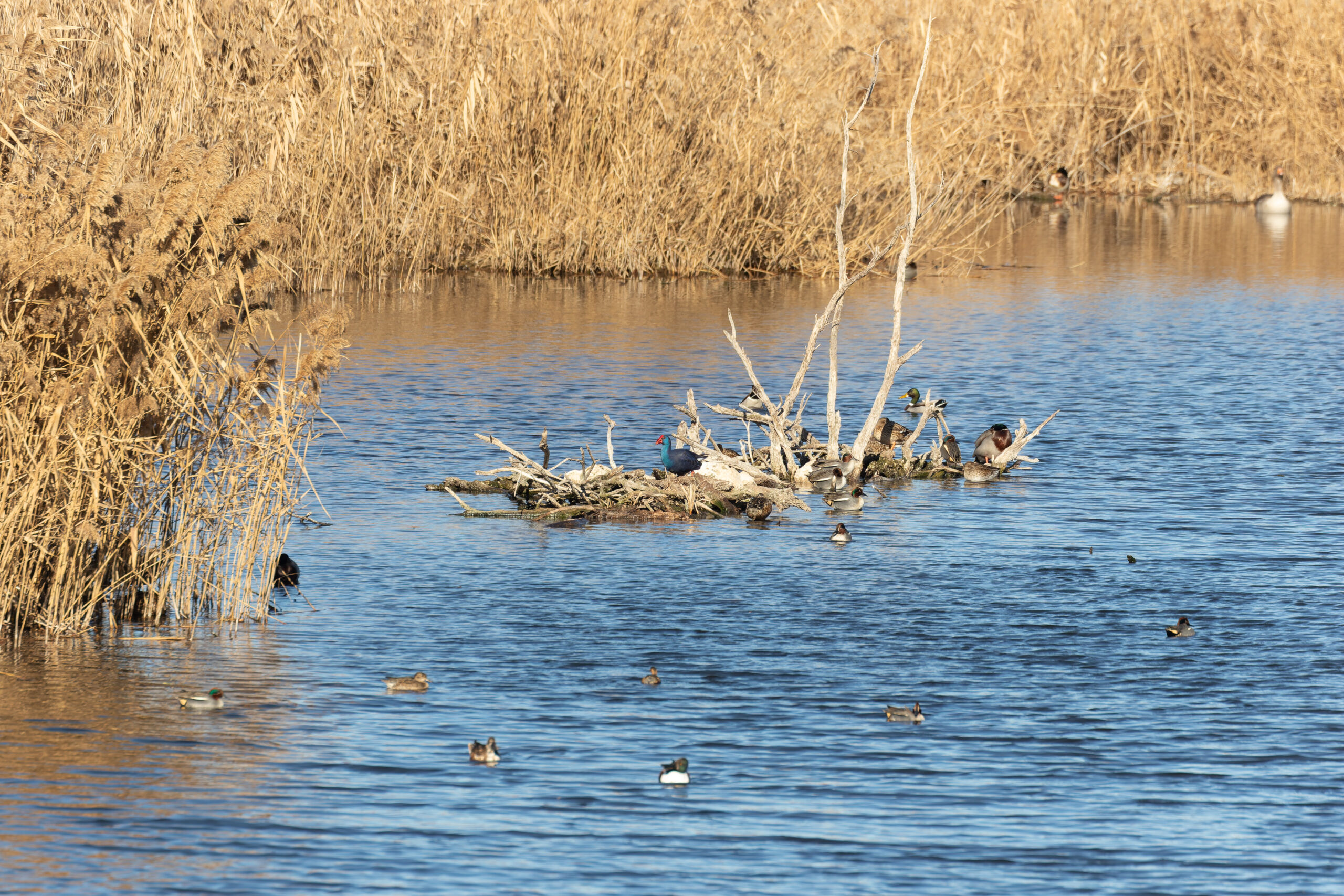
Western Swamphen (image by Diedert Koppenol)
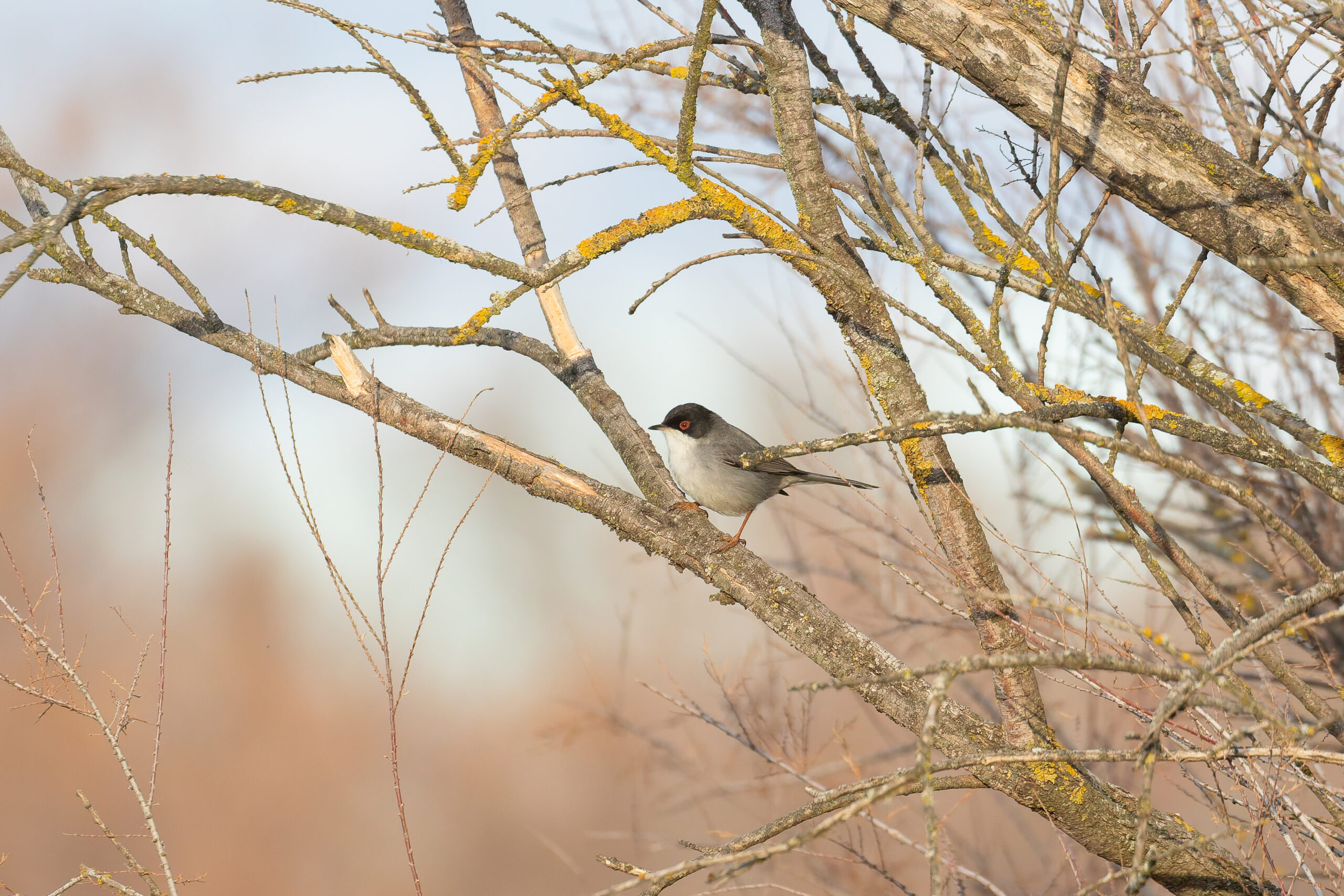
male Sardinian Warbler (image by Diedert Koppenol)
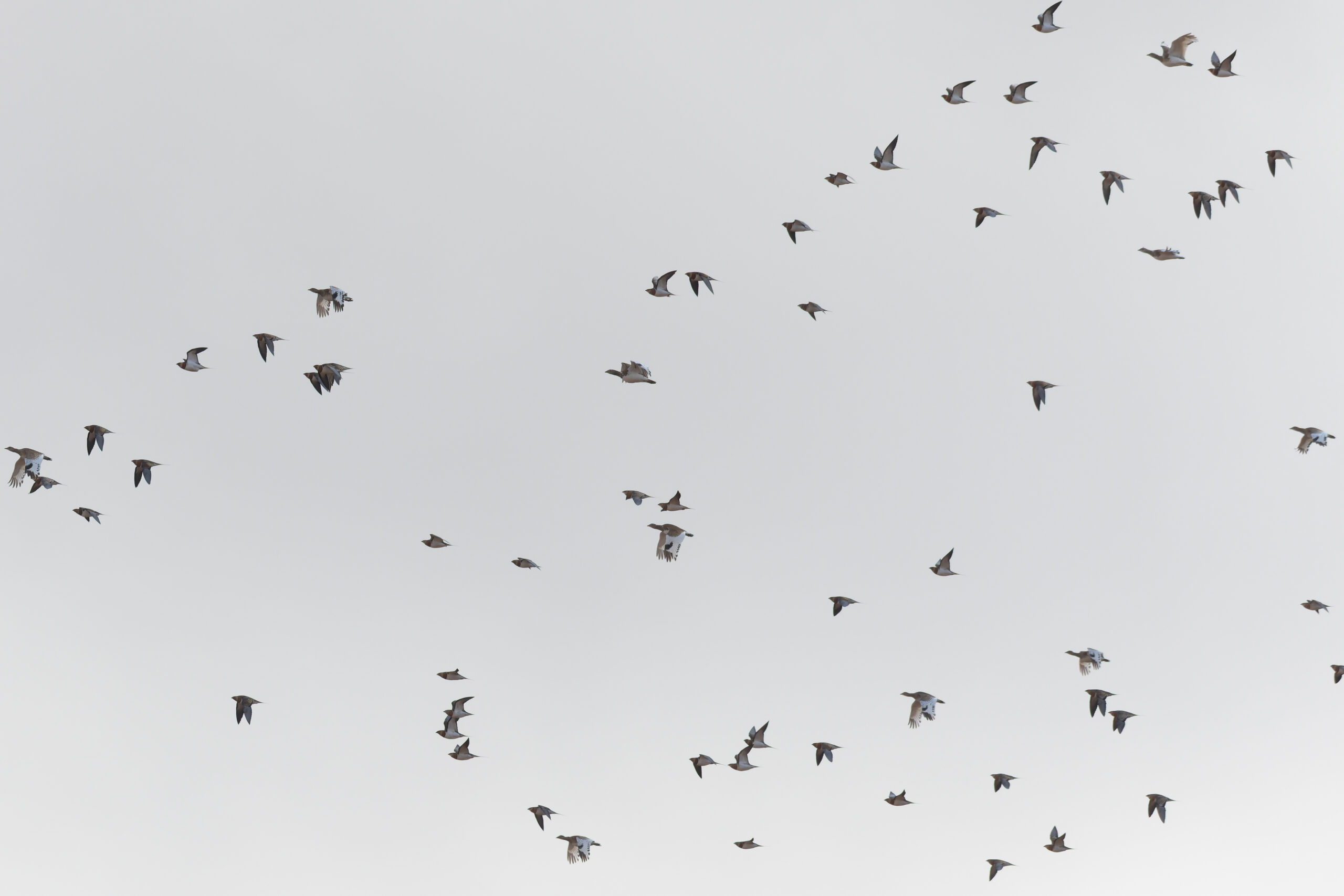
Pin-tailed Sandgrouse & Little Bustards (image by Diedert Koppenol)
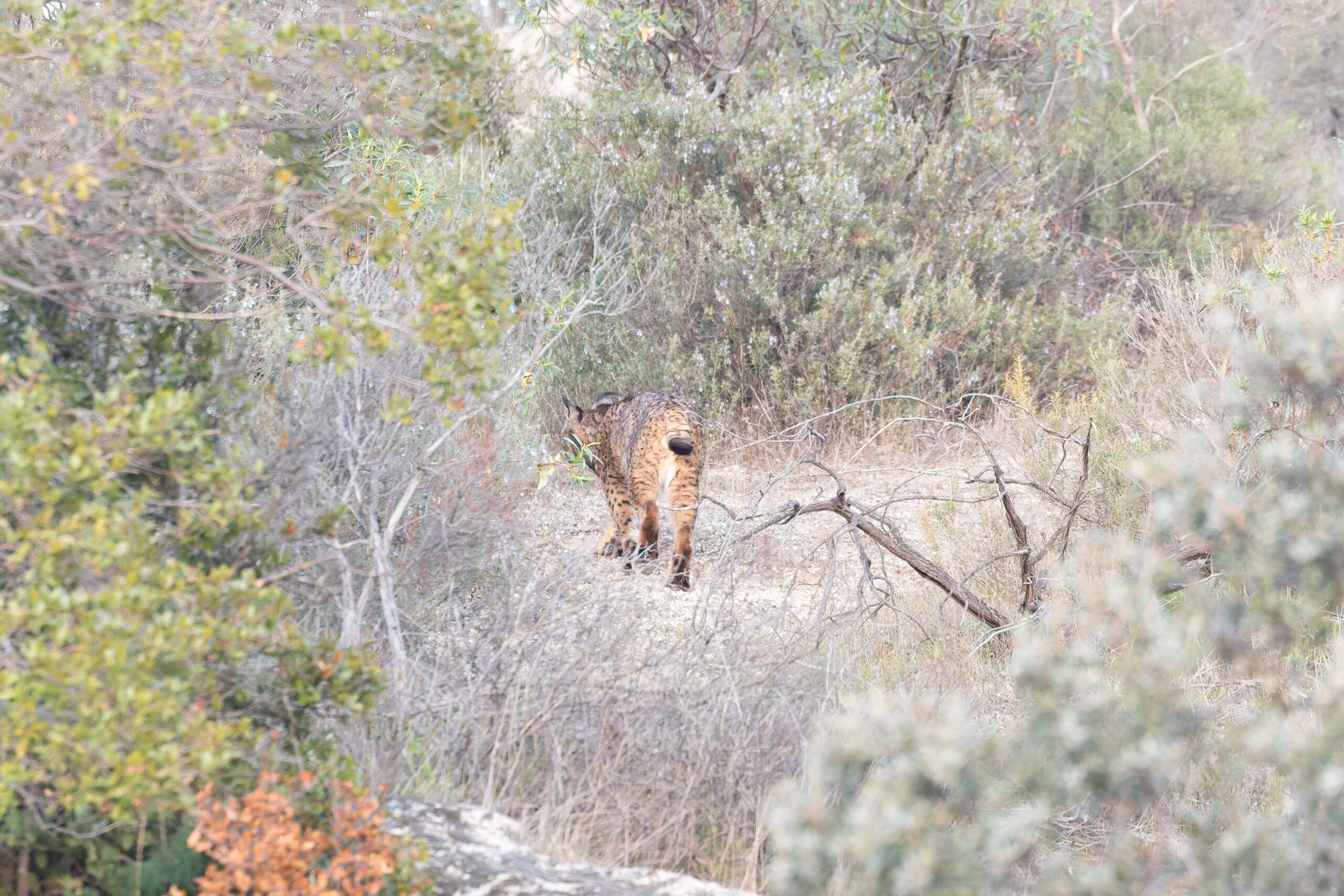
Iberian Lynx (image by Diedert Koppenol)
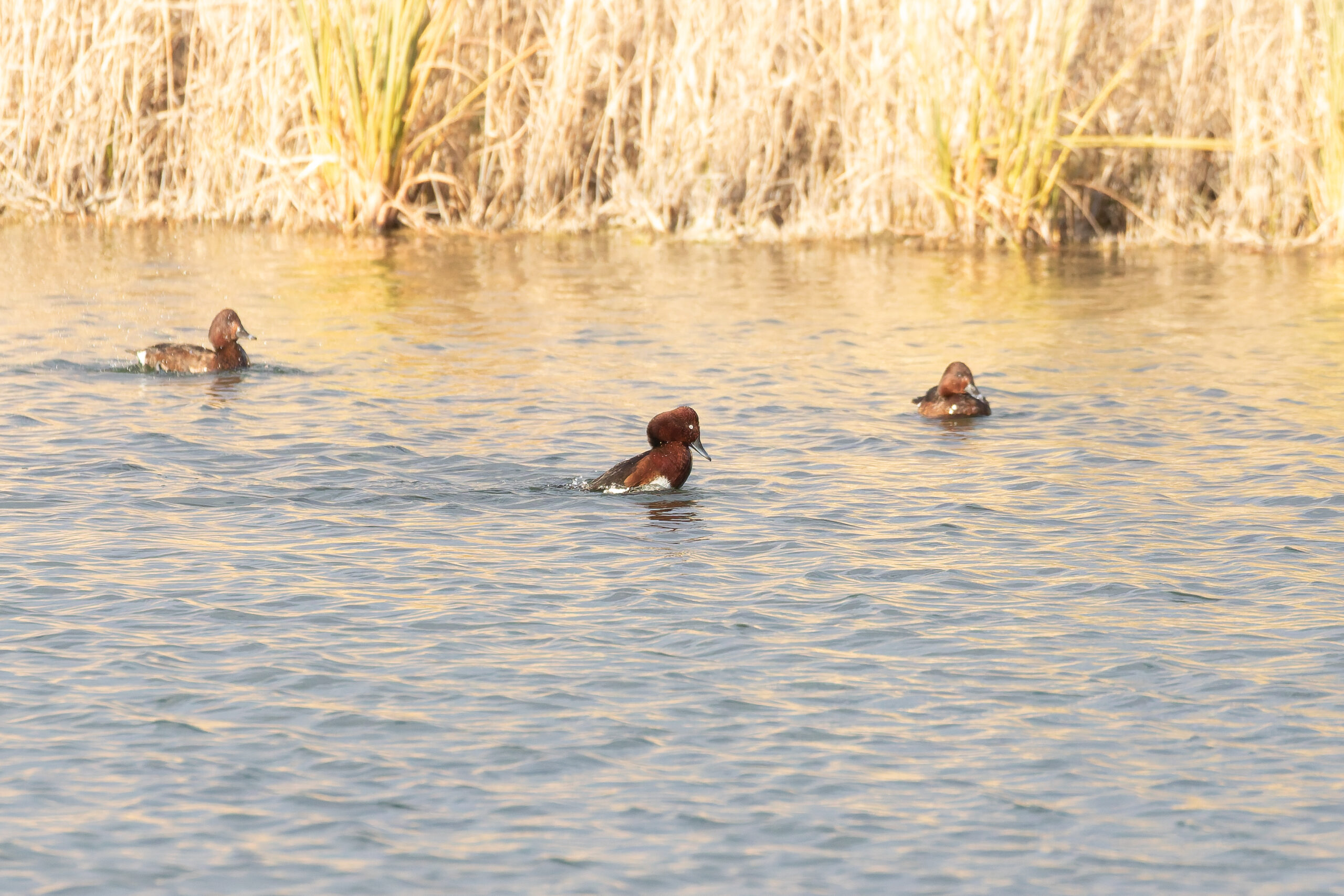
Ferruginous Ducks (image by Diedert Koppenol)
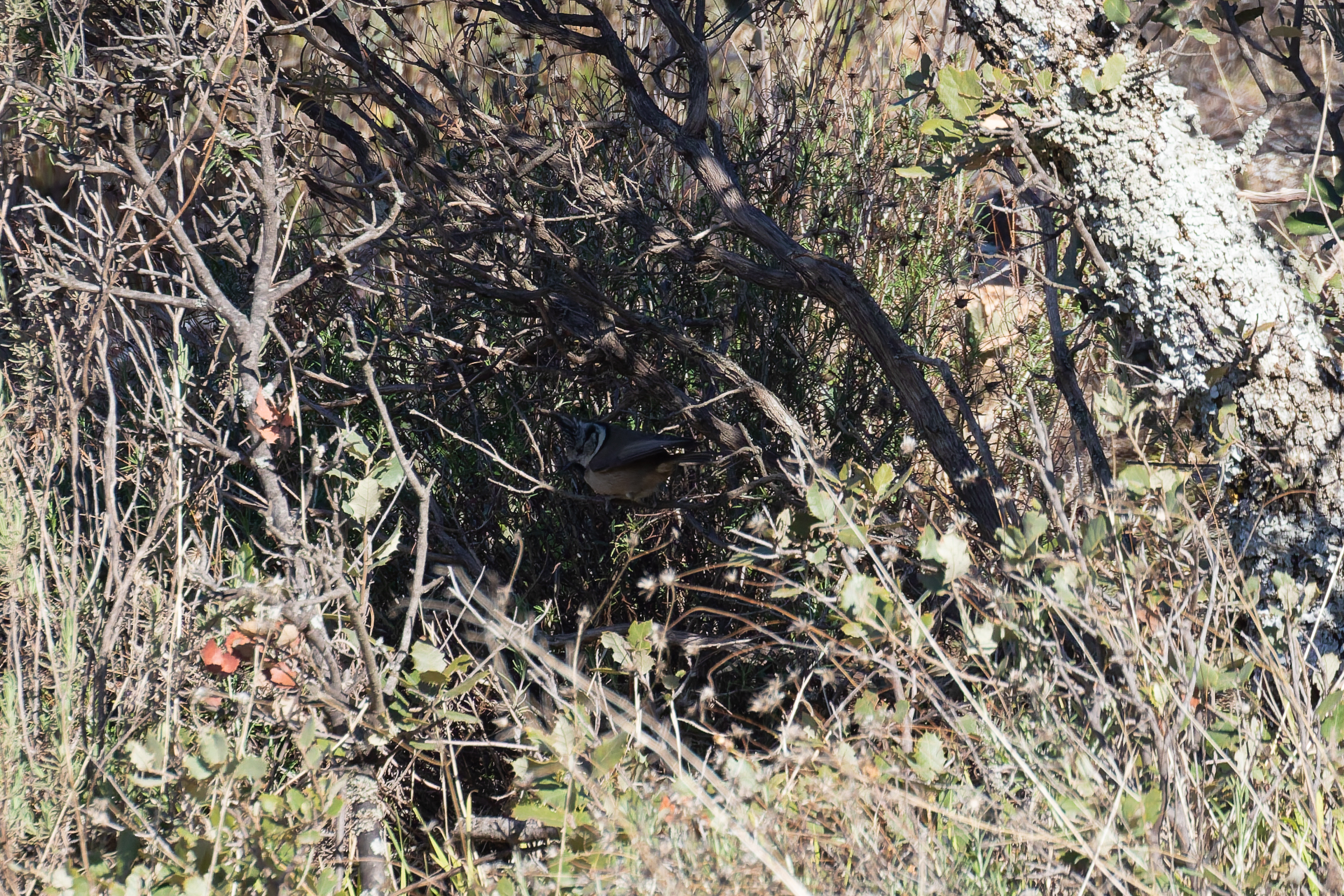
Crested Tit (image by Diedert Koppenol)
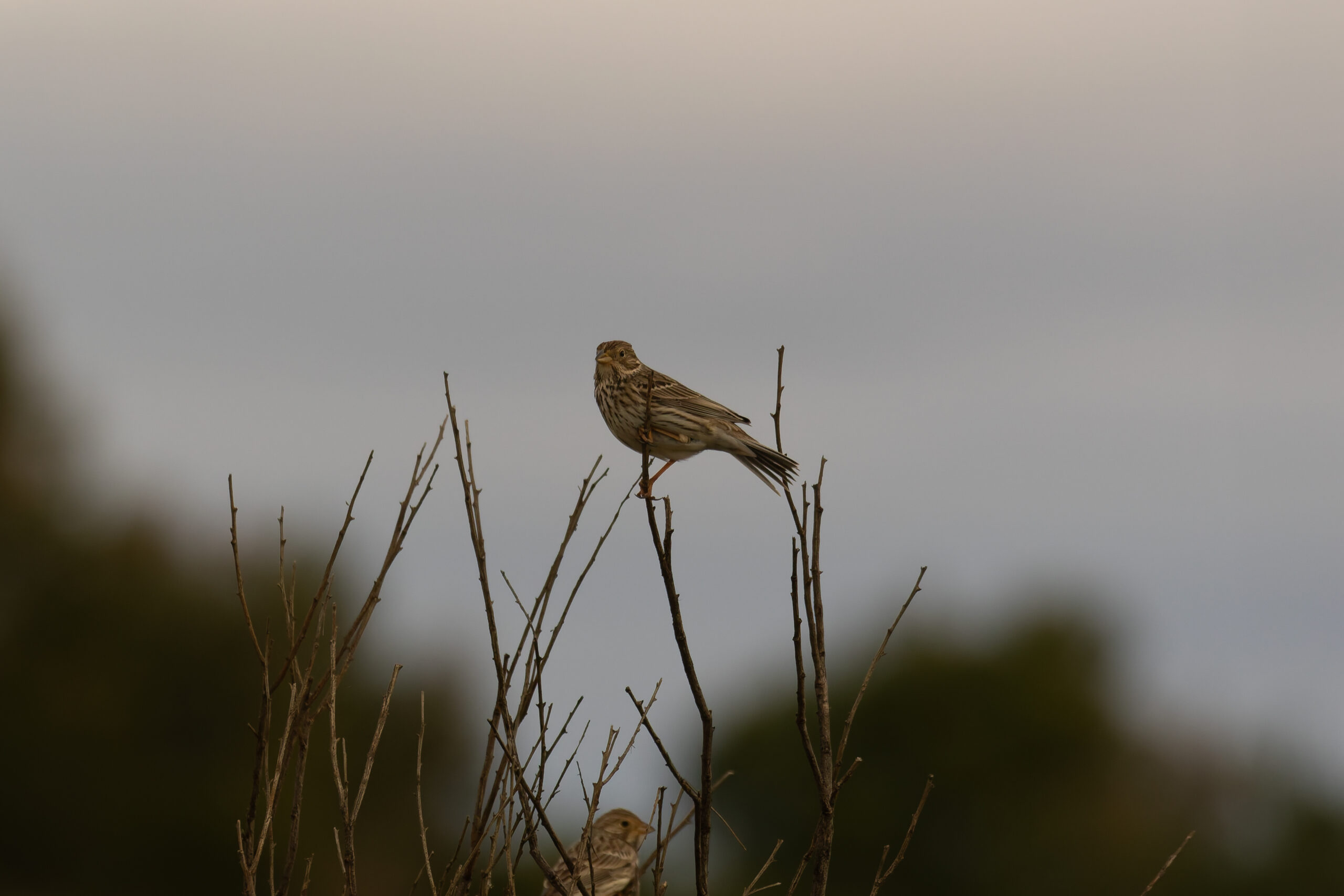
Corn Bunting (image by Diedert Koppenol)
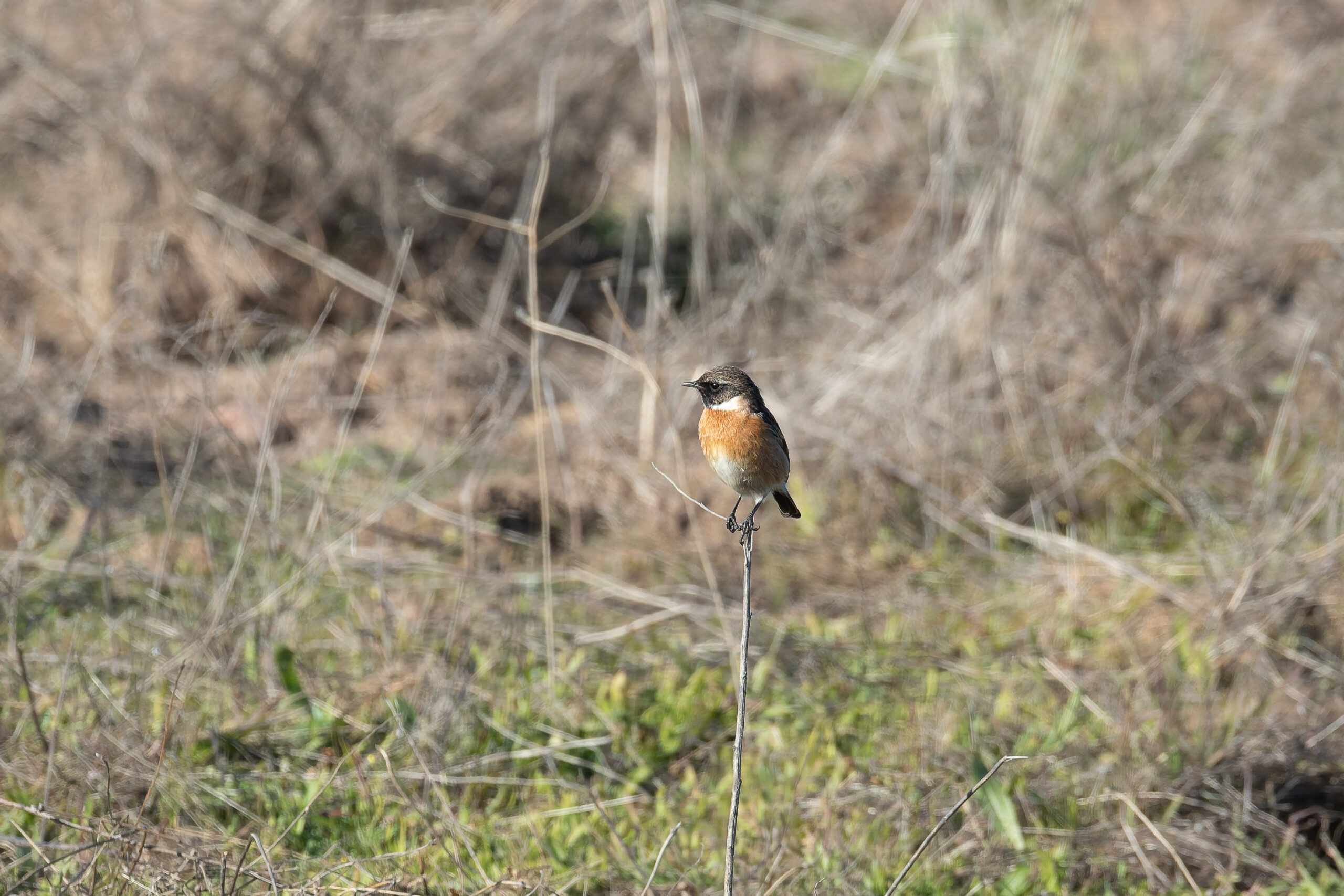
European Stonechat (image by Diedert Koppenol)
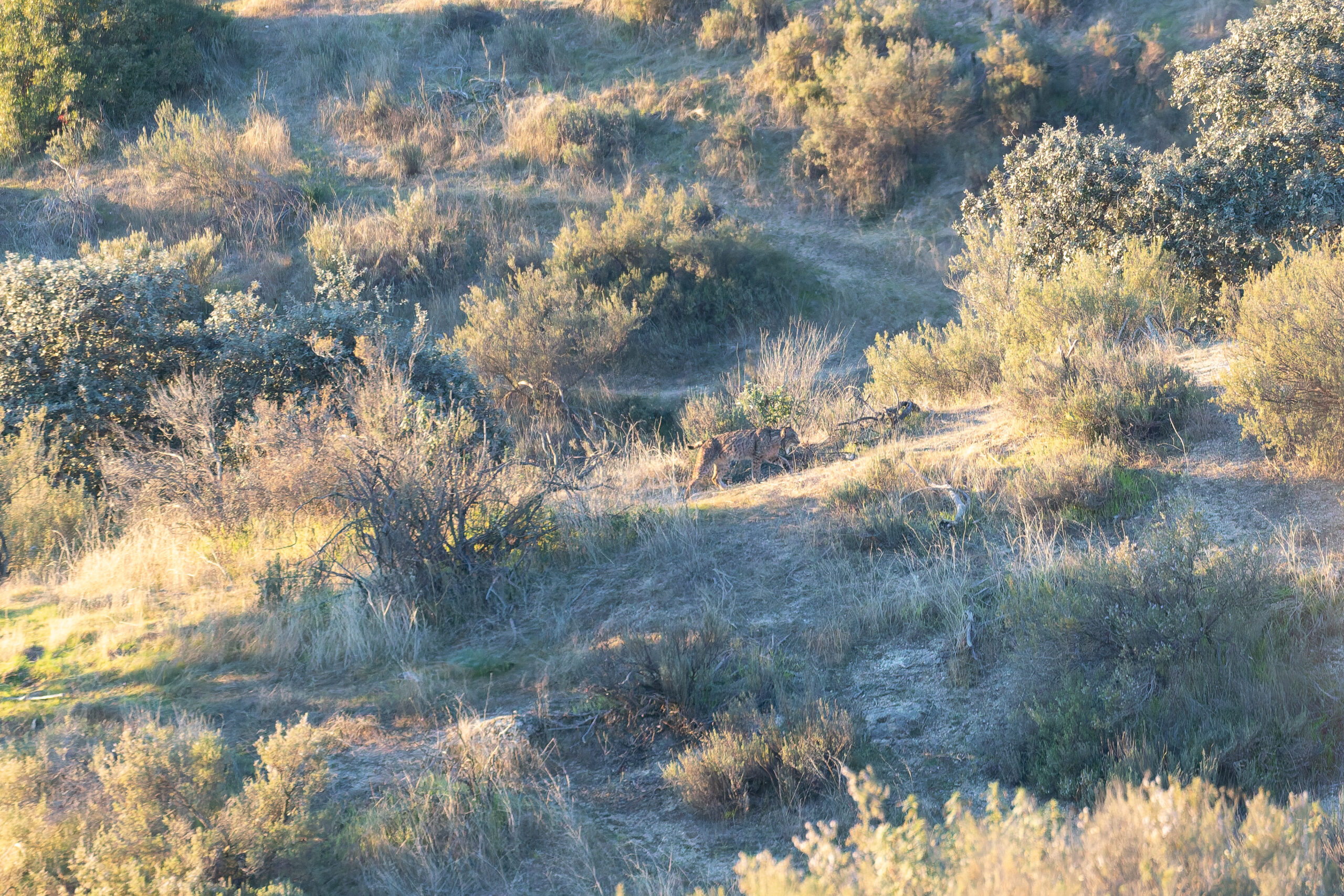
Iberian Lynx (image by Diedert Koppenol)
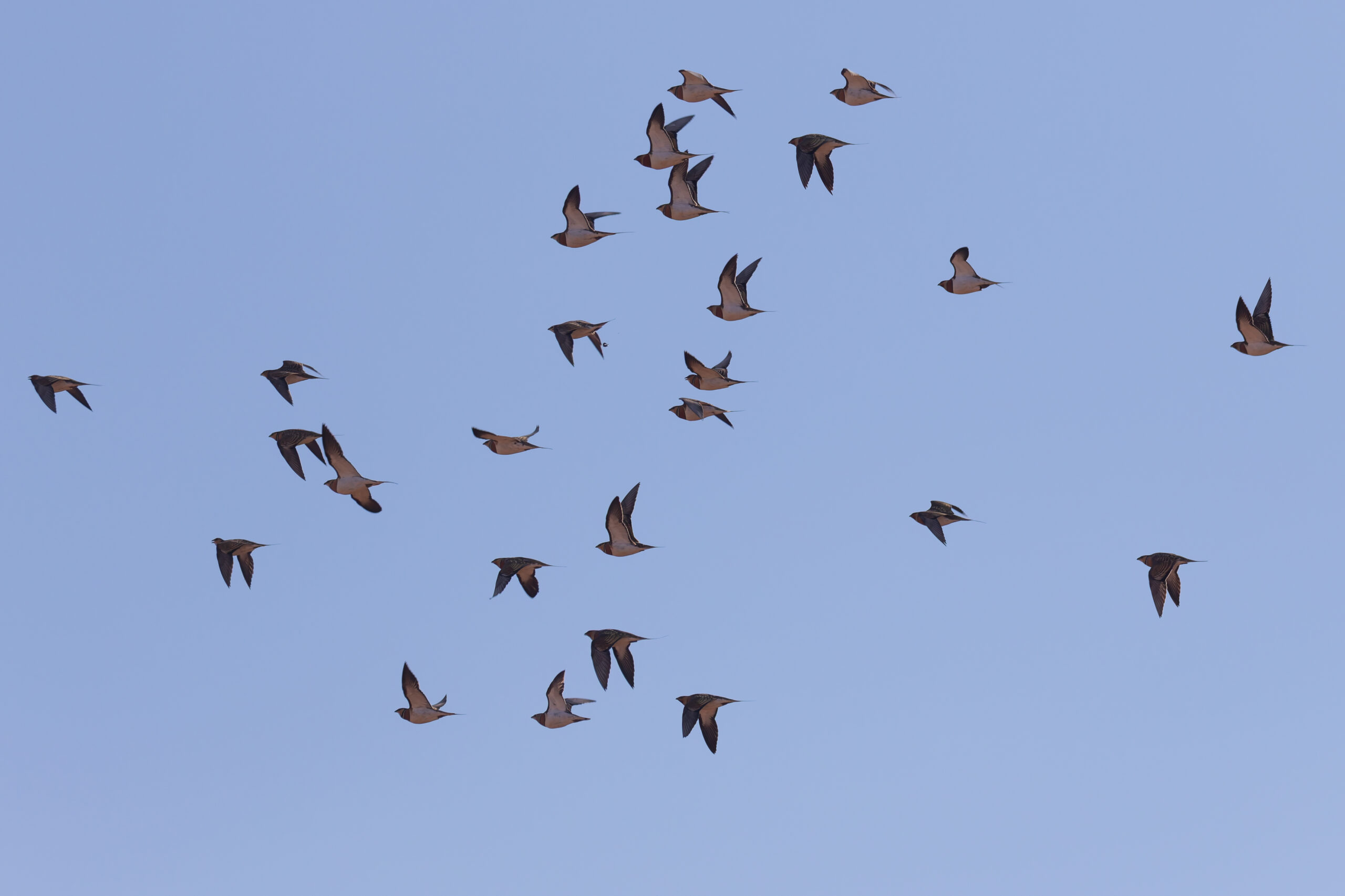
Pin-tailed Sandgrouse (image by Diedert Koppenol)
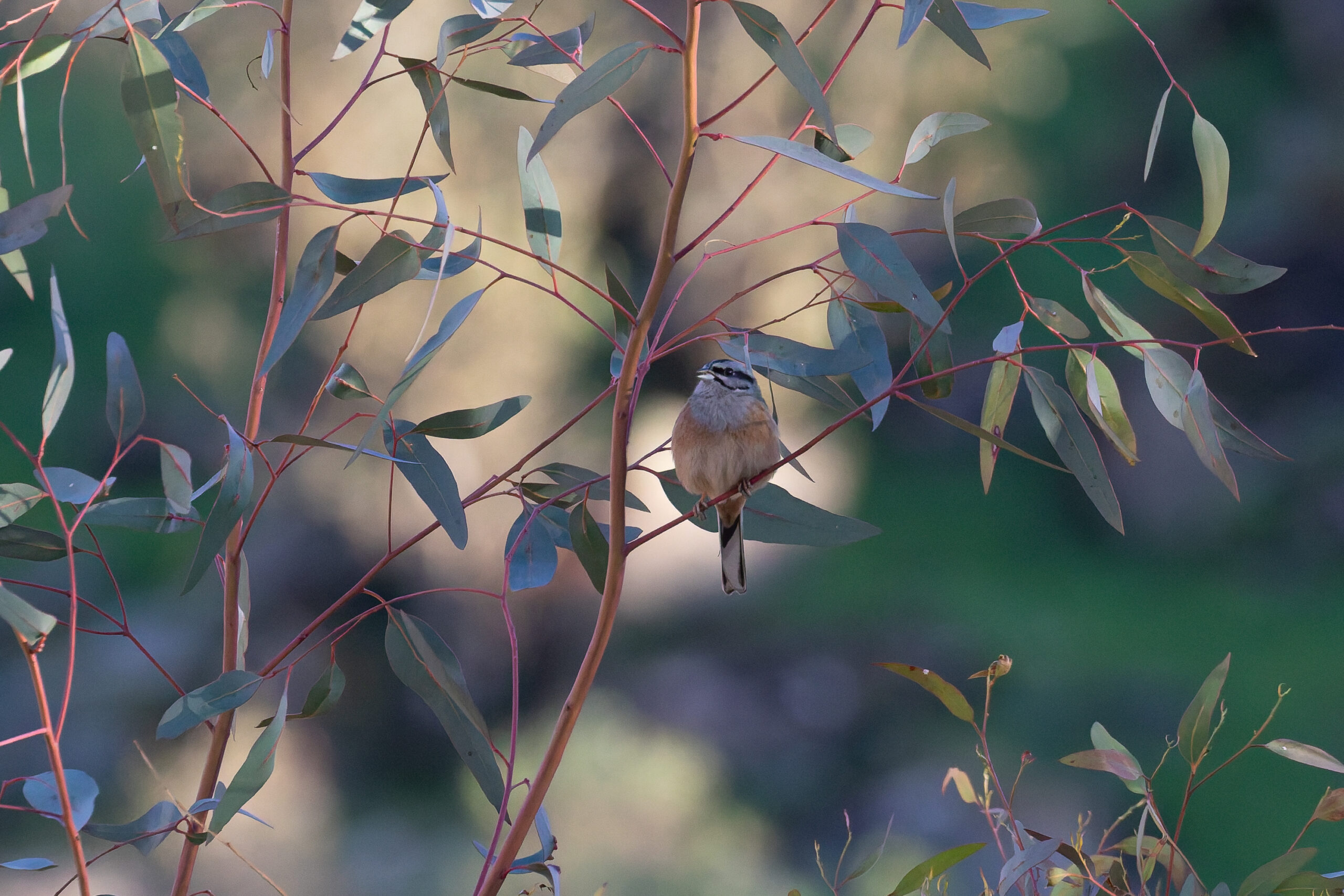
Rock Bunting (image by Diedert Koppenol)
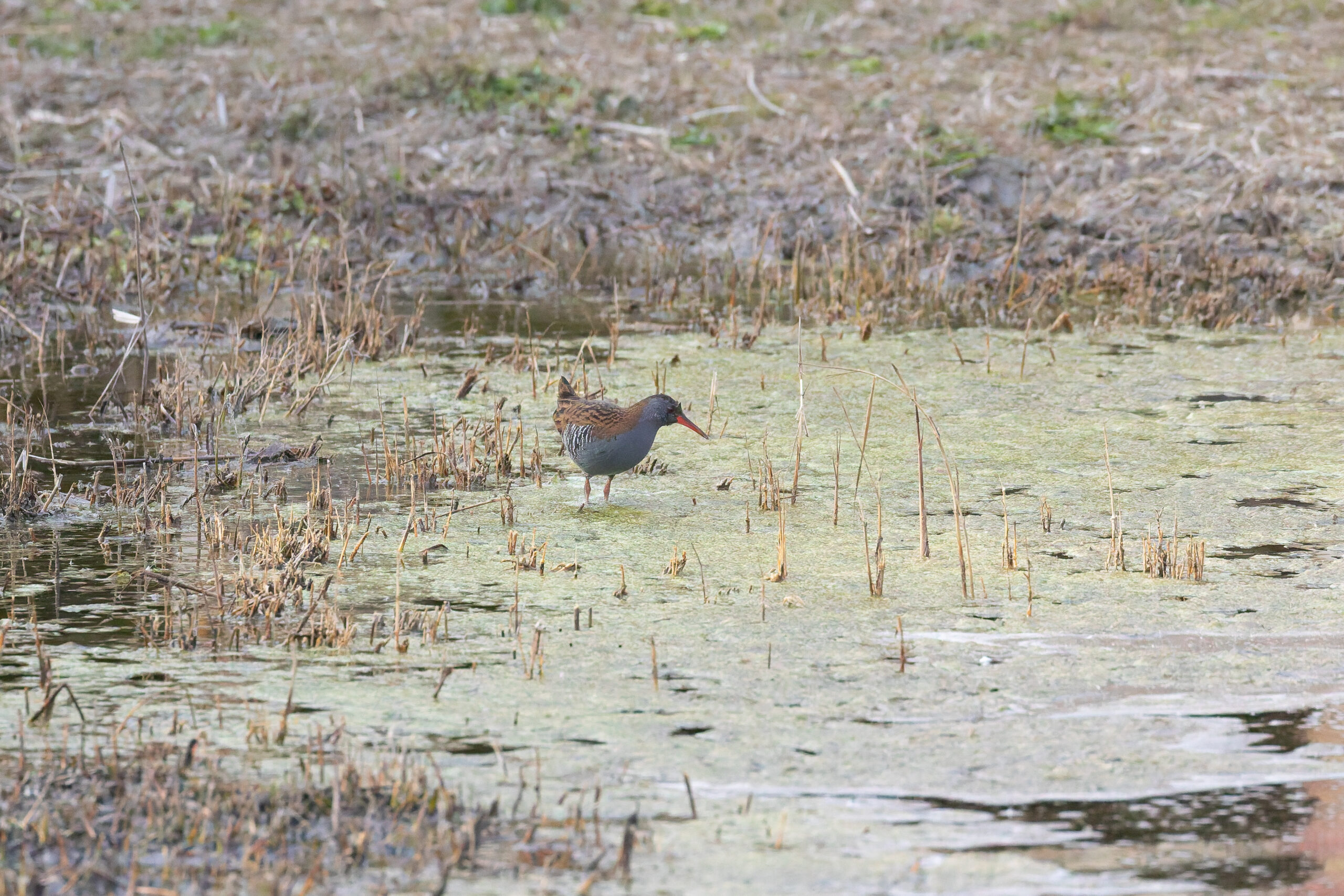
Water Rail (image by Diedert Koppenol)
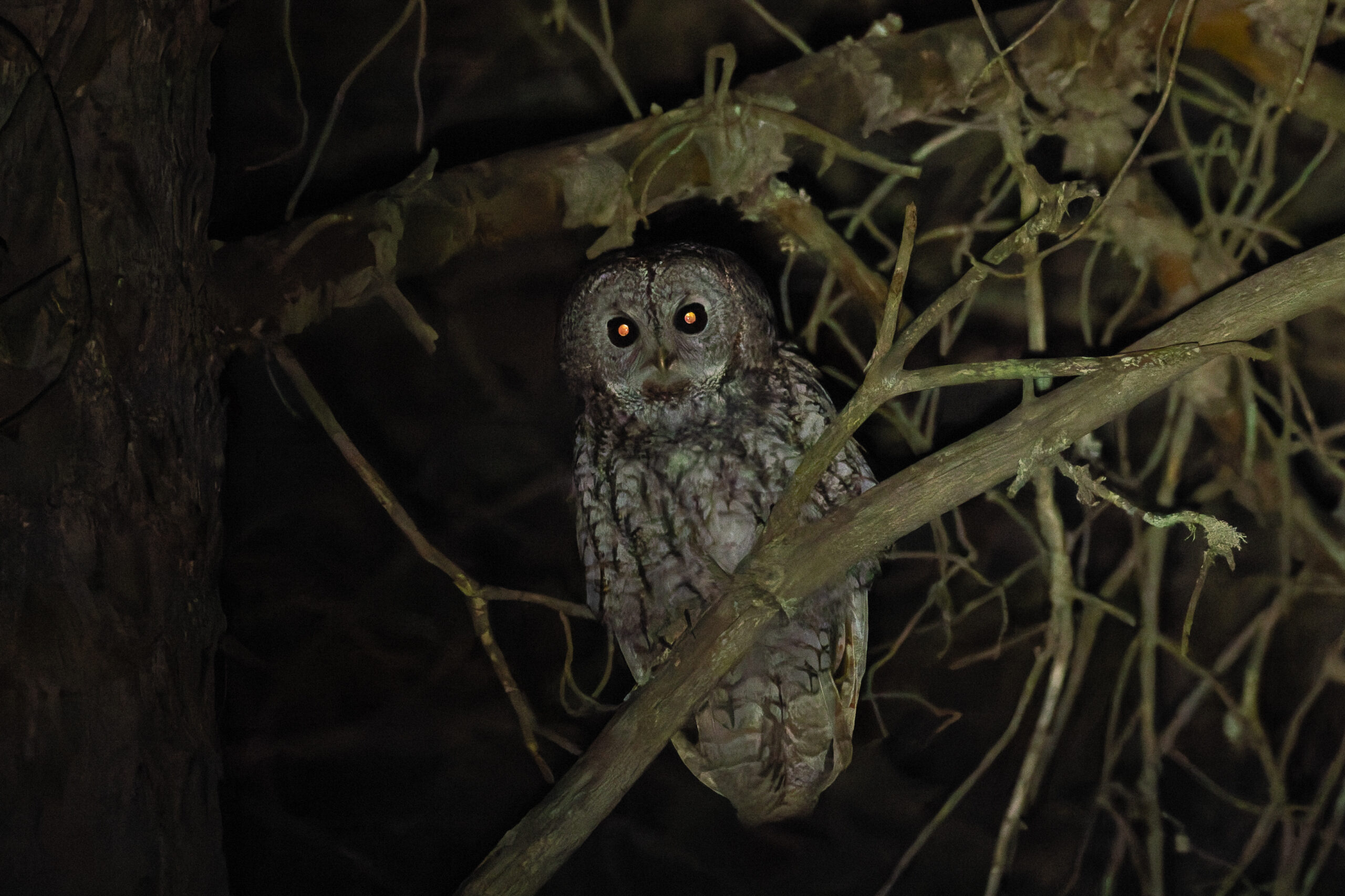
Tawny Owl (image by Diedert Koppenol)
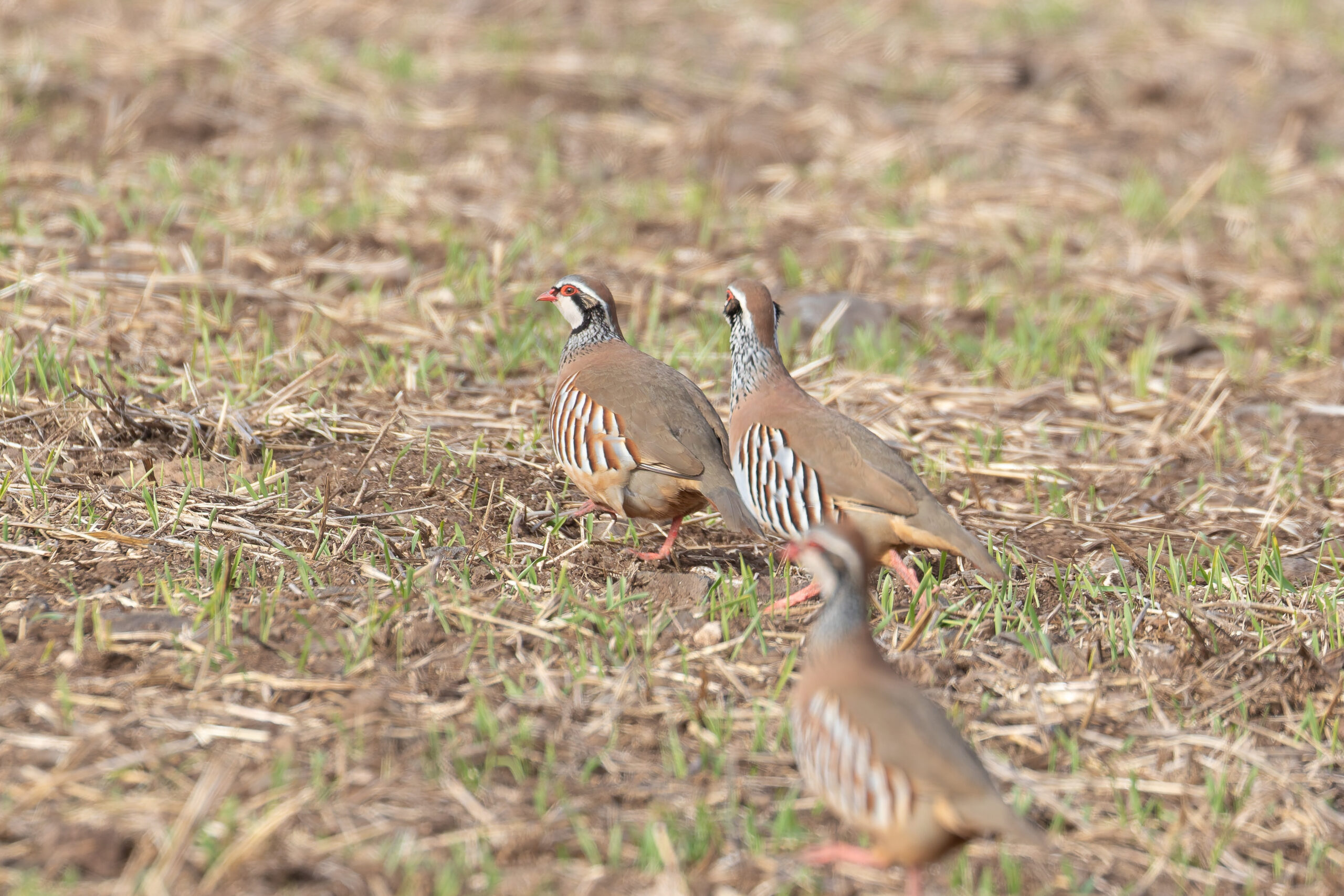
Red-legged Partridges (image by Diedert Koppenol)
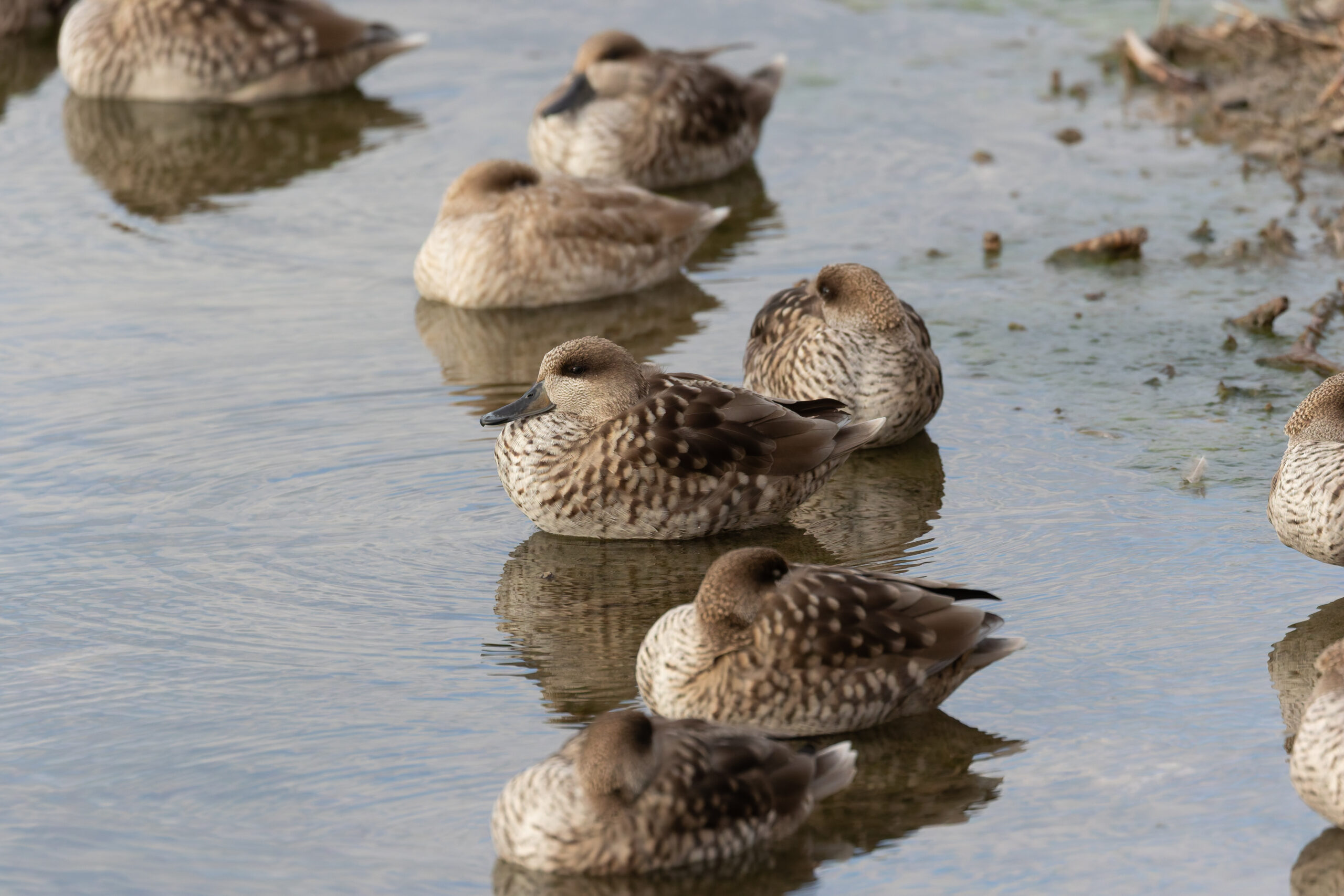
Marbled Teals (image by Diedert Koppenol)
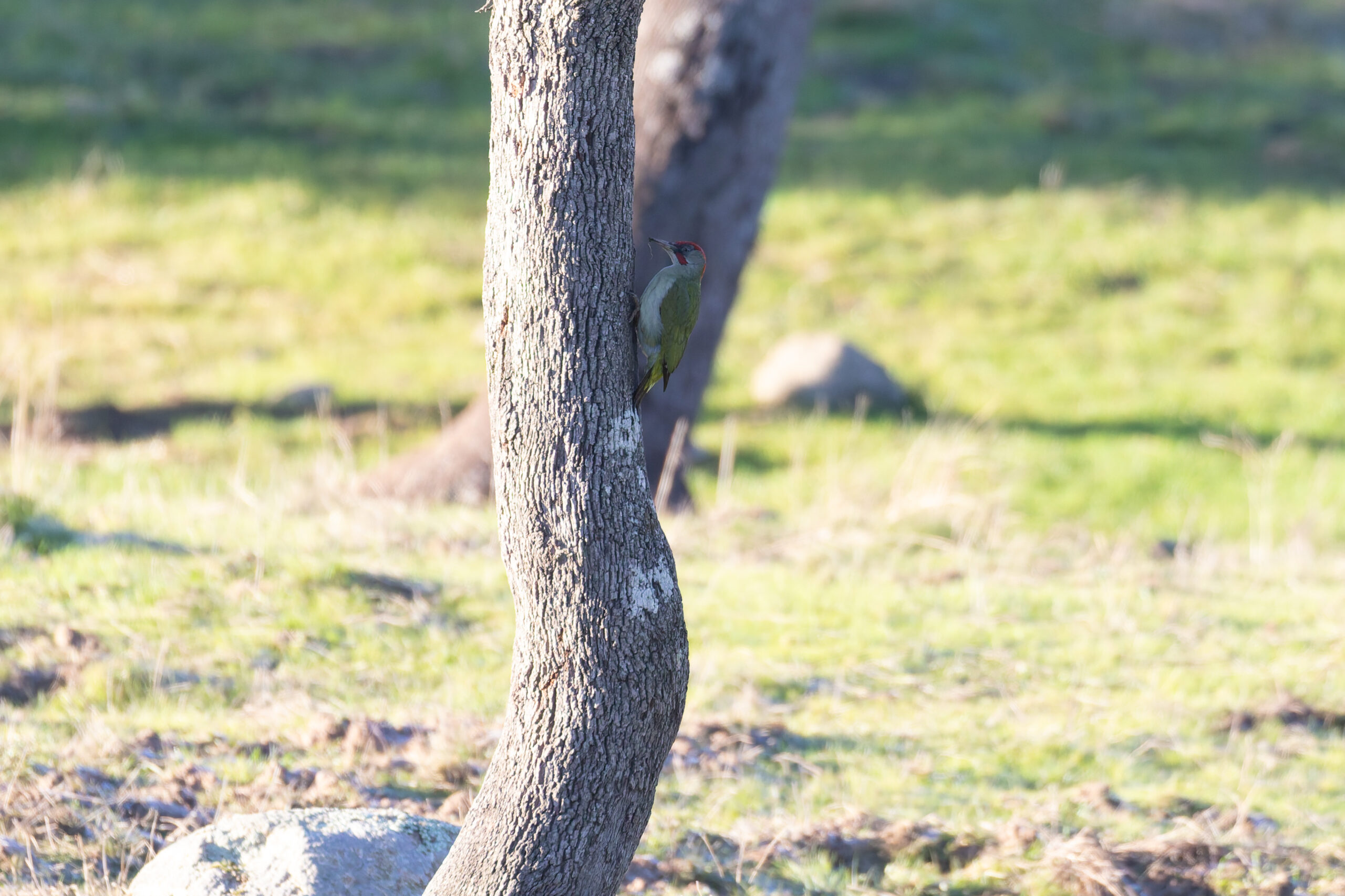
Iberian Green Woodpecker (image by Diedert Koppenol)
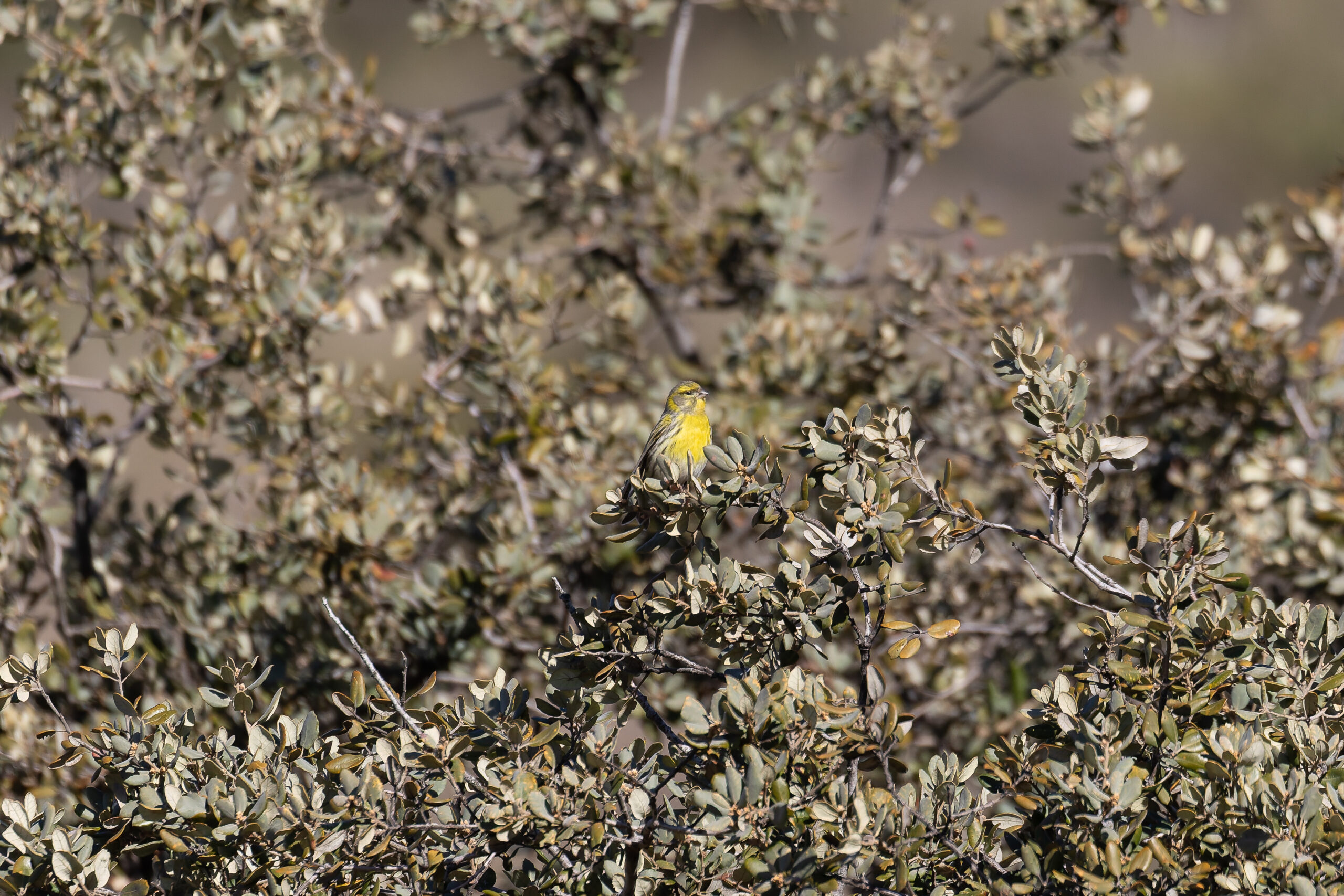
European Serin (image by Diedert Koppenol)
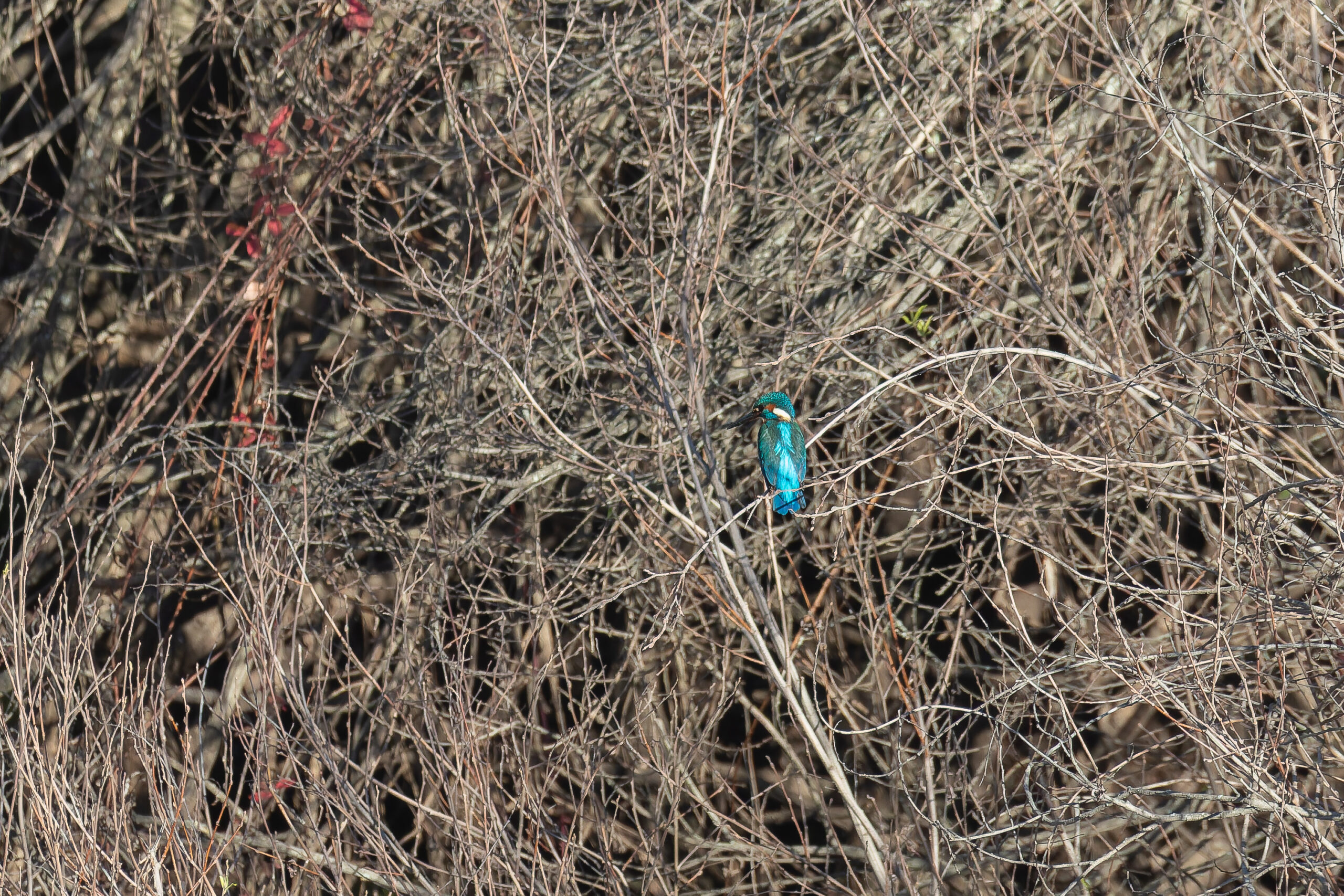
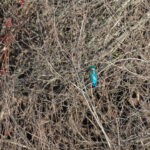
Common Kingfisher (image by Diedert Koppenol)
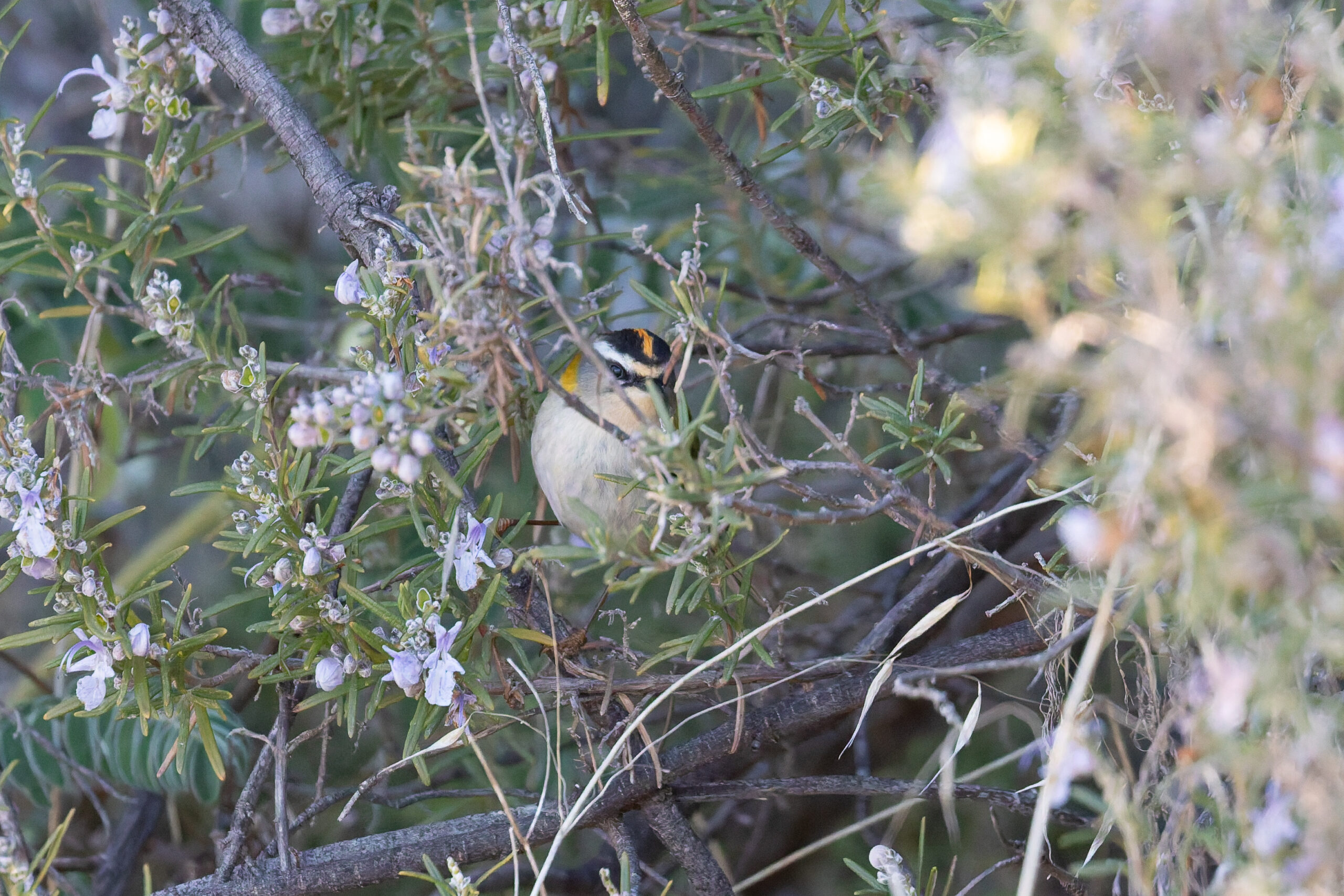
Common Firecrest (image by Diedert Koppenol)
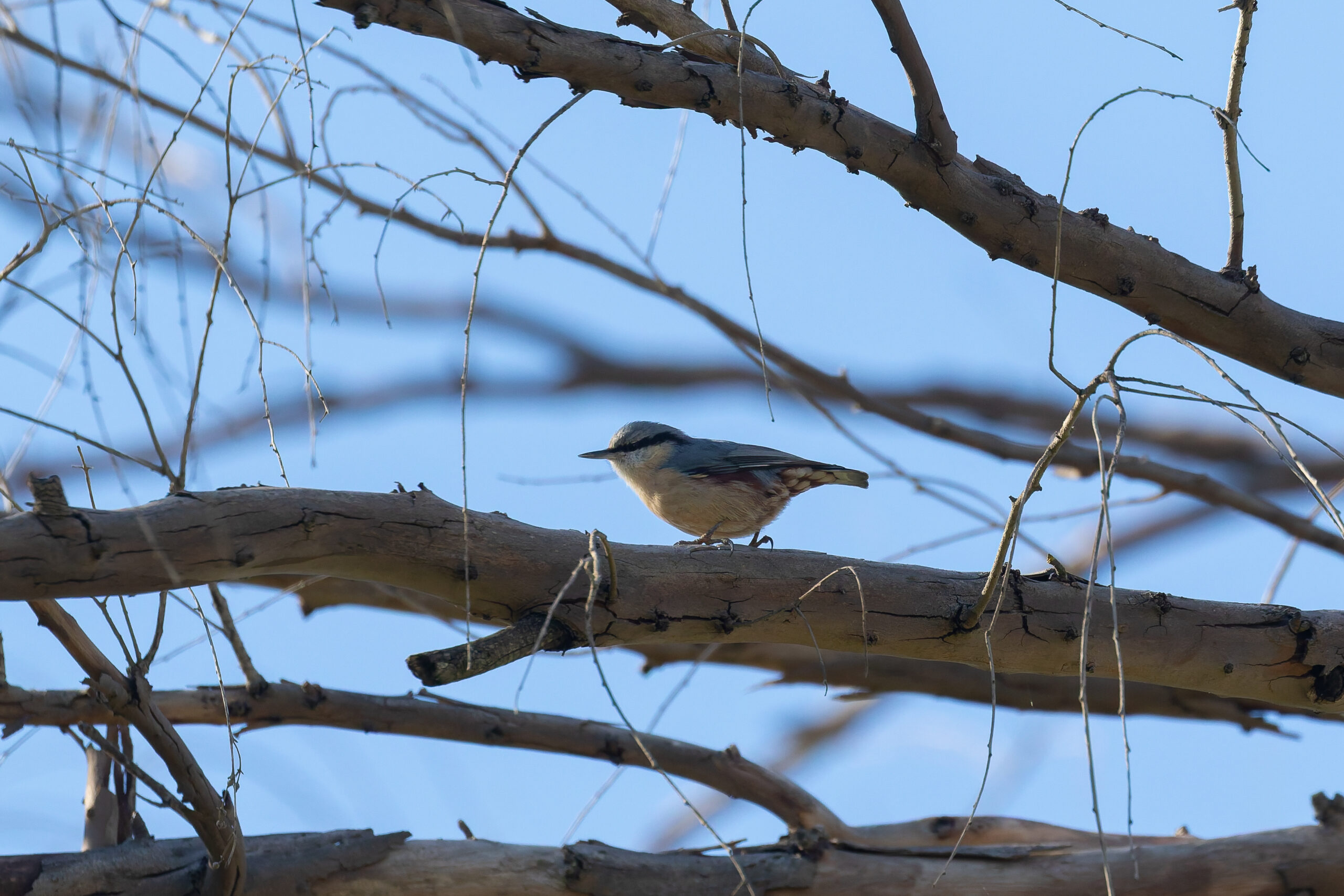
Eurasian Nuthatch (image by Diedert Koppenol)
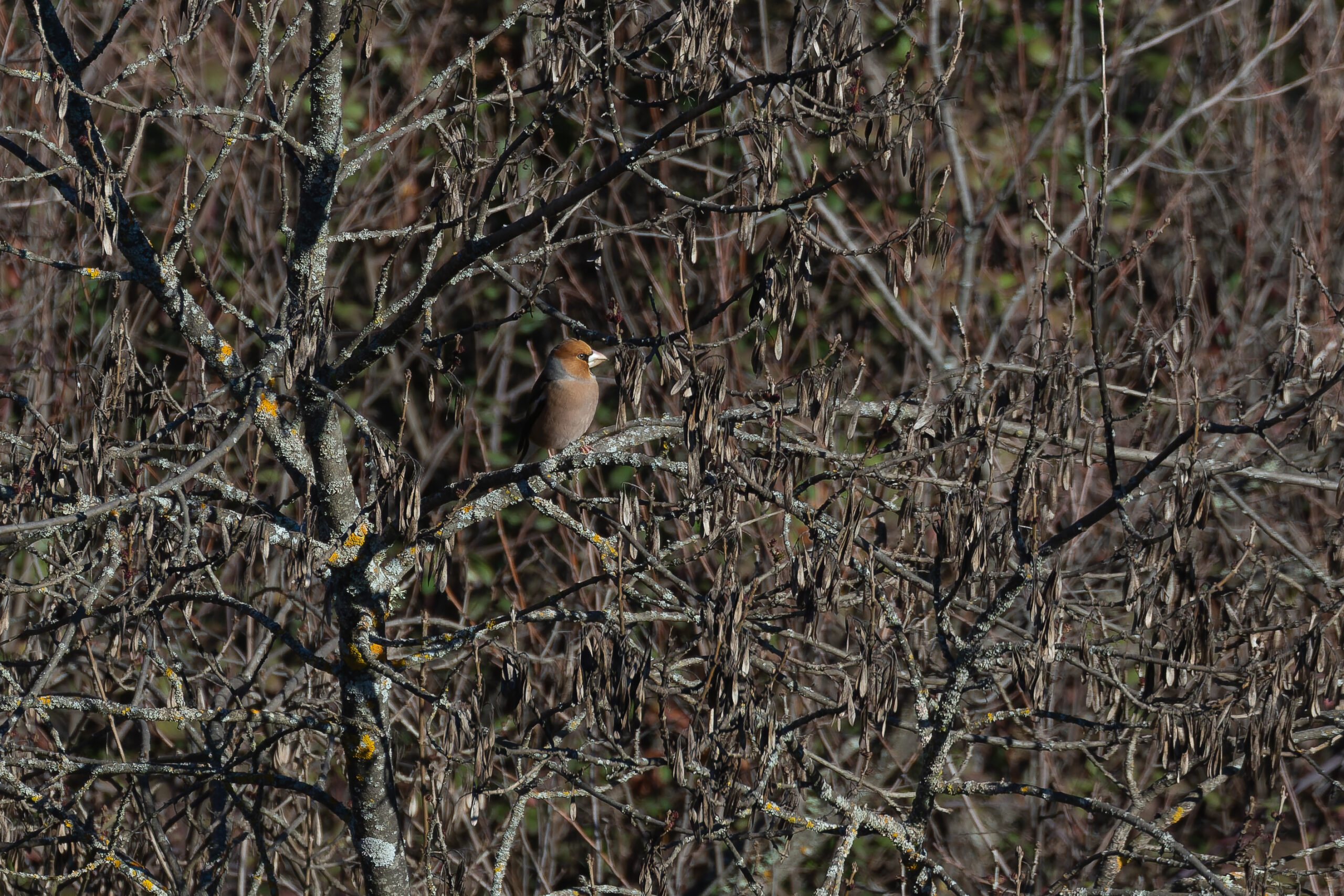
Hawfinch (image by Diedert Koppenol)
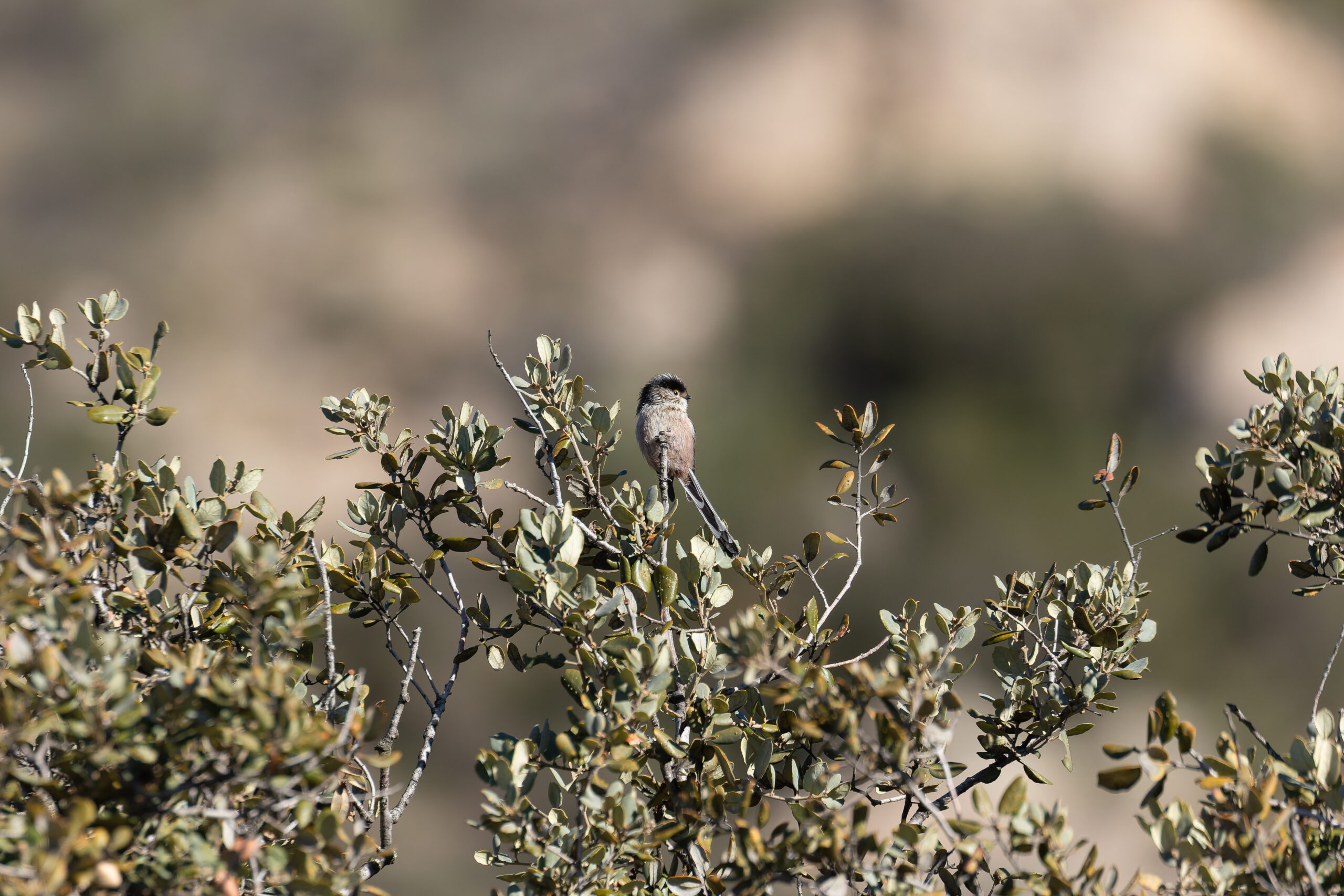
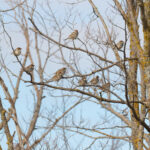
Long-tailed Tit (image by Diedert Koppenol)
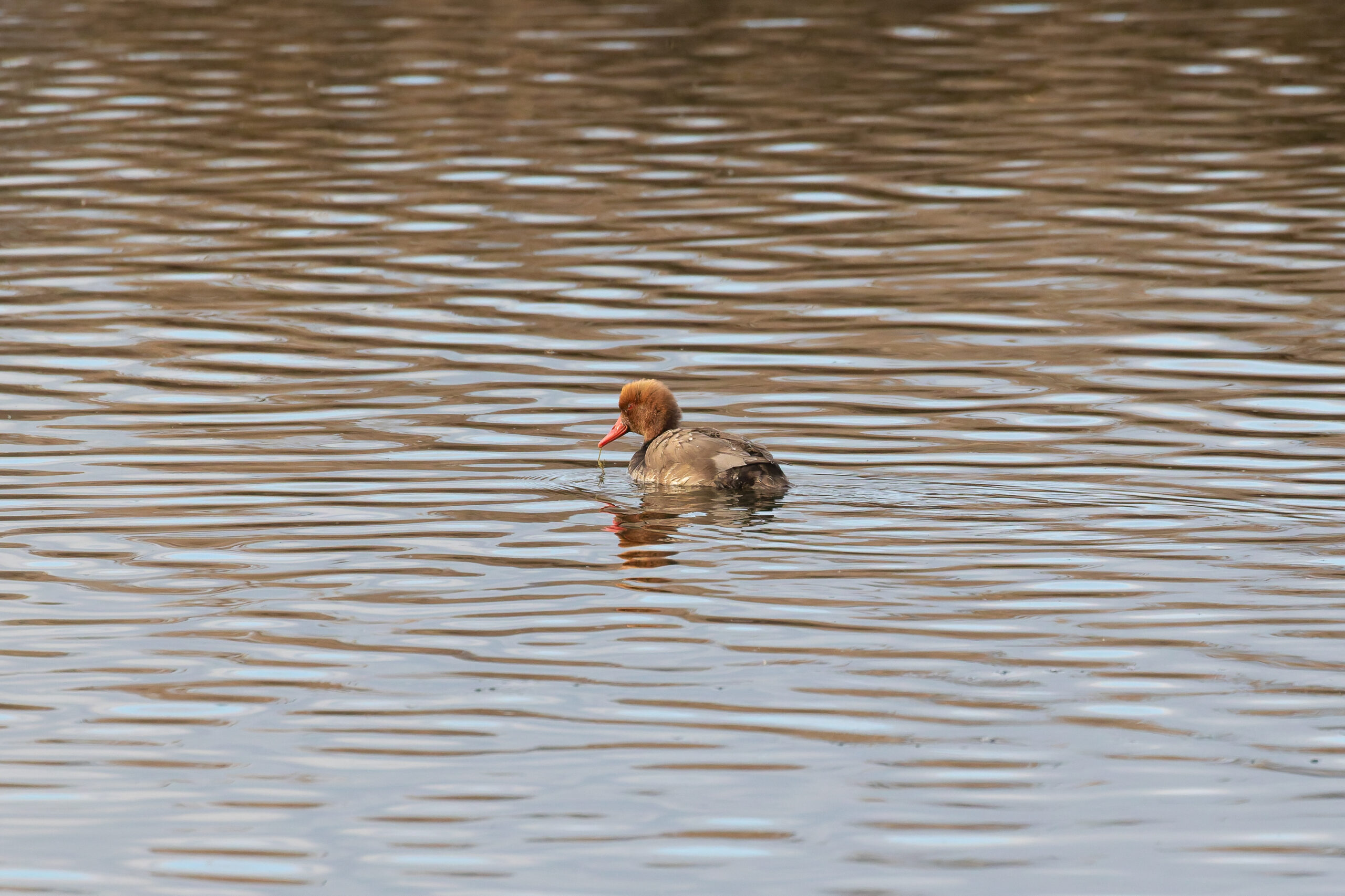
Red-crested Pochard (image by Diedert Koppenol)
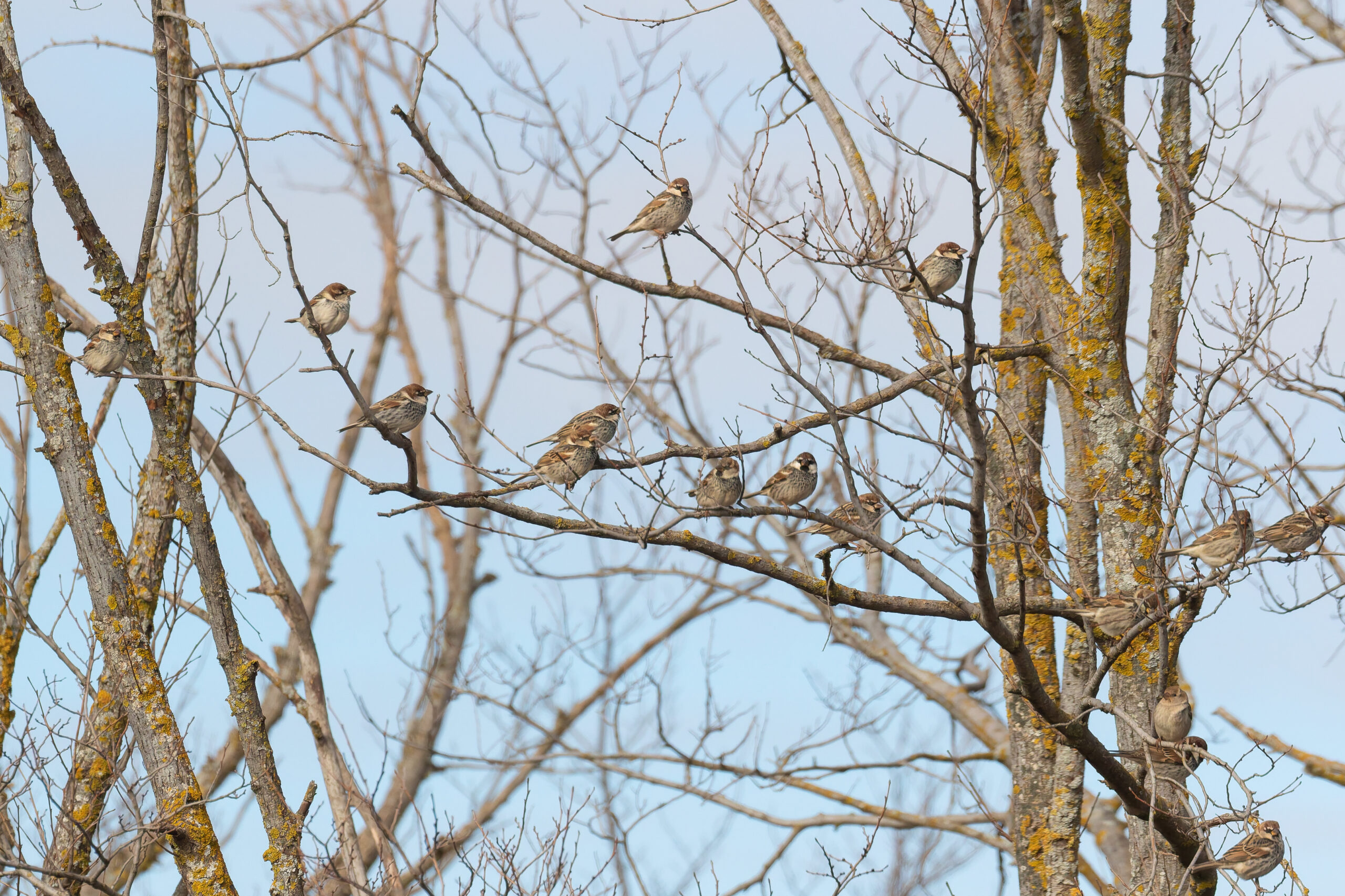
Spanish Sparrows (image by Diedert Koppenol)
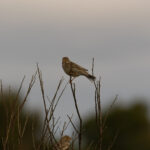
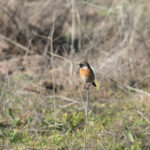
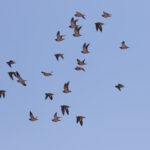
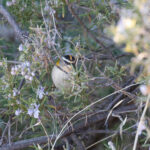
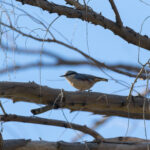
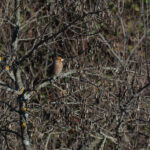
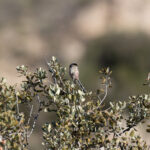


Black-winged Stilt (image by Diedert Koppenol)
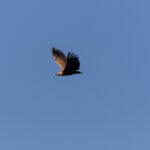
Spanish Imperial Eagle (image by Diedert Koppenol)
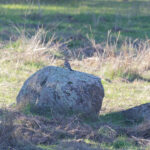
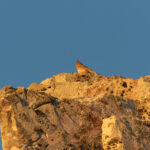
Red-billed Chough (image by Diedert Koppenol)
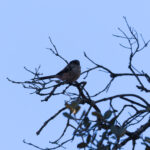
Long-tailed Tit (image by Diedert Koppenol)
Eurasian Griffon Vulture (image by Diedert Koppenol)
Eurasian Hoopoe (image by Diedert Koppenol)
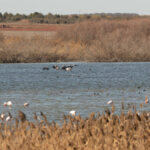
Common Cranes, with Greater Flamingoes, Common Pochards and White-headed Ducks (image by Diedert Koppenol)
Bluethroat (image by Diedert Koppenol)
Dartford Warbler (image by Diedert Koppenol)
Great Tit (image by Diedert Koppenol)
Little Stint (image by Diedert Koppenol)
Red Kite (image by Diedert Koppenol)
Spanish Ibex (image by Diedert Koppenol)
Black Redstart (image by Diedert Koppenol)
White Stork (image by Diedert Koppenol)
male Sardinian Warbler (image by Diedert Koppenol)
Pin-tailed Sandgrouse with Little Bustard (image by Diedert Koppenol)
Iberian Magpie (image by Diedert Koppenol)
Great Bustard (image by Diedert Koppenol)
Dartford Warbler (image by Diedert Koppenol)
Blue Rock Thrush (image by Diedert Koppenol)
Crested Lark (image by Diedert Koppenol)
Ferruginous Ducks (image by Diedert Koppenol)
Iberian Lynx (image by Diedert Koppenol)
Pin-tailed Sandgrouse & Little Bustards (image by Diedert Koppenol)
female Sardinian Warbler (image by Diedert Koppenol)
Water Rail (image by Diedert Koppenol)
Thekla's Lark (image by Diedert Koppenol)
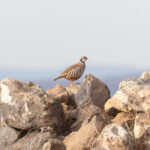
Red-legged Partridge (image by Diedert Koppenol)
Pin-tailed Sandgrouse (image by Diedert Koppenol)
Iberian Lynx (image by Diedert Koppenol)
European Stonechat (image by Diedert Koppenol)
Common Wood Pigeon (image by Diedert Koppenol)
Common Firecrest (image by Diedert Koppenol)
Eurasian Nuthatch (image by Diedert Koppenol)
Iberian Green Woodpecker (image by Diedert Koppenol)
Marbled Teals (image by Diedert Koppenol)
Red-legged Partridges (image by Diedert Koppenol)
Spotless Starling (image by Diedert Koppenol)
Black Wheatear & Rock Sparrow (image by Diedert Koppenol)
Spanish Ibex (image by Diedert Koppenol)
Red-billed Chough (image by Diedert Koppenol)
Little Stint (image by Diedert Koppenol)
Grey Wagtail (image by Diedert Koppenol)
Eurasian Eagle-Owl (image by Diedert Koppenol)
Coal Tit (image by Diedert Koppenol)
Bluethroat (image by Diedert Koppenol)
Dartford Warbler (image by Diedert Koppenol)
Great Bustards (image by Diedert Koppenol)
Iberian Wall Lizard (image by Diedert Koppenol)
Red Fox (image by Diedert Koppenol)
Short-toed Treecreeper (image by Diedert Koppenol)
Alpine Accentor (image by Diedert Koppenol)
Western Swamphen (image by Diedert Koppenol)
male Sardinian Warbler (image by Diedert Koppenol)
Pin-tailed Sandgrouse & Little Bustards (image by Diedert Koppenol)
Iberian Lynx (image by Diedert Koppenol)
Ferruginous Ducks (image by Diedert Koppenol)
Crested Tit (image by Diedert Koppenol)
Corn Bunting (image by Diedert Koppenol)
European Stonechat (image by Diedert Koppenol)
Iberian Lynx (image by Diedert Koppenol)
Pin-tailed Sandgrouse (image by Diedert Koppenol)
Rock Bunting (image by Diedert Koppenol)
Water Rail (image by Diedert Koppenol)
Tawny Owl (image by Diedert Koppenol)
Red-legged Partridges (image by Diedert Koppenol)
Marbled Teals (image by Diedert Koppenol)
Iberian Green Woodpecker (image by Diedert Koppenol)
European Serin (image by Diedert Koppenol)
Common Kingfisher (image by Diedert Koppenol)
Common Firecrest (image by Diedert Koppenol)
Eurasian Nuthatch (image by Diedert Koppenol)
Hawfinch (image by Diedert Koppenol)
Long-tailed Tit (image by Diedert Koppenol)
Red-crested Pochard (image by Diedert Koppenol)
Spanish Sparrows (image by Diedert Koppenol)


IBERIAN LYNX & BIRDS OF SOUTHERN SPAIN TOUR REPORT 2025

12 - 18 January 2025
Diedert Koppenol
Our fourth Iberian Lynx & Birds of Southern Spain tour was another great success. It provides a wonderful break in the dreary winter many birders experience in the northern hemisphere. Spain is always lovely to visit, with its kind people, wonderful food and great infrastructure, and Andújar is definitely one of the best areas with amazing wildlife on offer. As the name suggests, our main target for this tour was a mammal, the Iberian Lynx. We had amazing views of at least two individuals, again on our first day in the region! We enjoyed prolonged views of a sleeping individual, that luckily did wake up and gave quite a show by slowly walking up towards us. The supporting cast of birds here is also phenomenal, with Spanish Imperial Eagles, plenty of Cinereous and Griffon Vultures overhead, Dartford and Sardinian Warblers singing in the scrubs and Iberian Magpies and Iberian Green Woodpeckers foraging in the dehesa. In total, we recorded 114 bird species. We also made visits along our route from Madrid to Sierra de Andujar to the steppes and wetlands at Ciudad Real. This resulted in great views of large flocks of Great and Little Bustard, Pin-tailed and Black-bellied Sandgrouse, Calandra Larks, several nice Iberian Grey Shrikes, while we saw nice species of waterfowl at the wetland reserves, including White-headed Duck, but also Marbled Teal, Ferruginous Duck and Red-crested Pochards, while Western Swamphens were scurrying about and enjoyed plenty Little Grebes showing closely. Prolonged views of a Water Rail foraging out in the open was another highlight here. We ended the tour on a high note, literally, in the pine forests near Madrid, where we enjoyed Golden Eagle, Northern Raven and Coal Tits.
We began the tour at Madrid Airport, from where we quickly made our way south. En route, we already had our first encounters with the Spanish avifauna, with several Red Kites and Common Buzzards flying overhead and plenty of Spotless Starlings on the electricity wires along the road. Our first stop would be the Lagunar de Alcazar, a wetland holding interesting waterfowl. As soon as we put the scopes out, we noticed a small flock of Common Cranes that was resting inside the reservoir. In front, several groups of White-headed Ducks drifting about asleep and many Northern Shovelers, Gadwall, Mallards, Common Pochards and Eurasian Teals feeding along the reedbed shores. An Eurasian Wigeon was a surprise and nice addition to our trip list. Furthermore, many Little Grebes and Eurasian Coots were present on the lakes, about 55 Greater Flamingo, several Black-necked Grebes and among the reeds we found several Western Swamphen. Western Marsh Harriers were hunting above the reedbeds and once in a while the reeds would drain with Eurasian Coots and ducks fleeing from the hunting harriers. In the surrounding area, we found several Black Redstarts, a pair of Common Chiffchaff and a shy Cetti’s Warbler. Once we had our fill of the birds here we made our way towards Castilla La Mancha. Just before we reached the castle, we were alerted to the presence of a large raptor by a small group of Iberian and Eurasian Magpies mobbing it. It turned out to be a wonderful Spanish Imperial Eagle, perched nicely. We arrived at the castle soon after and had no difficulty locating the resident pair of Black Wheaters. They were accompanied by a few Rock Sparrows, and a Blue Rock Thrush was singing from atop the castle battlements close by. A few Thekla’s Larks showed very well and we also found a beautiful Eurasian Hoopoe. As light was fading, a small flock of Eurasian Crag Martins filled the sky and with that, we set out onwards to our accommodation in Sierra de Andújar, ready for some cat hunting the following day!
The next morning, we were out and about at sunrise. We had four full days here, in theory, to find the cat we were looking for. Along the road up to the viewpoint for the lynx, we made several stops to enjoy the great birds this area has to offer. Needless to say, on our first drive, we made plenty of stops! On the fields we had several Iberian and Eurasian Magpies chattering about, Common Wood Pigeons crashing through, a Eurasian Hoopoe looking for worms in the soil and a single Song Thrush hopping about. It was a very clear day, which was surprising, as quite often the valley is filled with missed. We set up at one of the viewpoints along La Lancha and thus the waiting game began. The viewpoints have some nice vegetation next to them and they are filled with Dartford and Sardinian Warblers, singing and foraging. We encountered our first Long-tailed Tits of the local race irbii, European Stonechats, Common Blackbirds and European Robins. As soon as it started heating up, Griffon Vultures started taking to the sky, using the thermal updraft. We found a few Cinereous Vultures among them as well. Another highlight was a Spanish Imperial Eagle, that was perched atop one of the oak trees in the vally. Just when we were thinking about relocating, some action was happening further up the road. That usually means only one thing: lynx! We made our way up the road very quickly and it turned out to be a beautiful Iberian Lynx indeed. It was sleeping next to a rock in the shadow of a tree. A bit difficult to pick out at first, but scope views were great. After what felt like an eternity, the big cat woke up and walked straight up towards to road. We could follow it for quite a while, until it disappeared behind one of the hills. We relocated, hoping to pick it up when it would actually cross the road, but soon found out it had taken a different turn and crossed somewhere behind us. Some of us managed to catch a glimp of a lynx bum walking up the hill. Very happy with this, we headed further up the road towards the reservoir dam, which holds the Jandula River at bay. The large structure, the hydro-electric dam, attracts Crag Martins which winter here. There was quite a large flock today and we enjoyed great views, along with a pair of Red-billed Choughs and a male Blue Rock Thrush. There were also plenty of Spanish Ibex about, with a few males among the small herds. The lake behind the dam had a handful of Great Cormorants perched along the shoreline, but not much else was about. Only a single Little Owl was present in the afternoon and it seems this species is in decline, even here now. Not much else of note was seen, as we slowly drove back to the accommodation along La Lancha.
As we were eager to get more lynx on our list, we were back at La Lancha in the morning. It was a bit quiet on the cat front, but we had great views of Red-legged Partridges throughout, with quite a few males climbing atop big boulders announcing their presence and claiming their territory. We also enjoyed walkaway views of a pair of Iberian Green Woodpeckers and found several Great Spotted Woodpeckers too. Struggling yesterday, we tried again to get some photographs of the very shy Crested Tits along the road, which went a bit better this morning, with a pair feeding along the bushes. Great Tits, a few Blue Tits and a nice flock of Long-tailed Tits were also present. Noteworthy were the numbers of Common Chiffchaffs wintering here this year. Normally, most of them congregate around the river, but we noted plenty along the road as well. this year. A few Eurasian Blackcaps were foraging in the roadside bushes too, with more of these wintering here instead of Africa. A few European Serins showed nicely as well and some were singing as well, which felt a bit early as mornings were still cold with 6-8 degrees. Definitely not spring yet! In the afternoon, we visited the Jandula river downstream, on the other side of the reservoir dam. This lower part of the river is lusher and holds many wintering birds. This is also an excellent place for Eurasian Otter. A small bridge spans across the river and offers a great viewpoint for scanning the waters for any movement. No otter to be seen when we arrived there, so we birded the area and found a fine Rock Bunting, several Grey Wagtails flying up and down the river, a Common Kingfisher feeding on the fish-rich waters and most interesting were the large numbers of Common Chiffchaff picking insects from the water surface while several Cetti’s Warblers were singing their heart out. We enjoyed great views of a showy Rock Bunting and a Hawfinch that flew in and perched nicely was a great bonus. Several other people were already poised, waiting for the otter to show and some of us managed to get a glimpse or two of the otter surfacing, while it was hunting for fish. A Grey Heron and some Great Cormorants were a fleeting distraction, much nicer were the flock of Iberian Magpies that crossed the river and flew overhead. One after the other made the crossing and then our attention shifted as we found two Short-toed Treecreepers foraging and gliding among the cork oaks. We admired several singing Spotless Starlings before the sun set and enjoyed a nice dinner before setting out again for a night drive. It was quite eventful with a surprise Roe Deer walking along the road as well as several Red Deer. We spotted at the end of the road near the place the otter was seen as we’ve been able to spot it during the darkness sometimes. It wasn’t home, but several Tawny Owls starting singing and we managed to locate at least two of these owls that gave away great views. A pair of European Rabbits running across the road finished the night for us.
After another lovely Spanish breakfast, we went back to La Lancha again, with the same goal in mind, but also to just soak in the place and its wildlife. We enjoyed more Iberian Green Woodpeckers, Red-legged Partridges, Mistle Thrushes and Iberian Magpies feeding in the morning sun. New today were a pair of Common Firecrests foraging in the same bushes with the Long-tailed, Crested and Great Tits. After this initial highlight, it became clear that it was quiet at the main area for the lynx, so we decided to spend more time near the dam and the nearby ruins. We stopped at the higher parts of the ruins first, where we obtained great views of a pair of Eurasian Nuthatches. Making our way down, we saw a few more European Greenfinches and Goldfinches, while an Eurasian Sparrowhawk bombed through the forest. When we reached the dam, it was clear that most of the Crag Martins must spend some of their time elsewhere, as we only noted four this time. The Great Cormorants and Grey Heron were still present and as it was another nice, hot, sunny day, the vultures were out in full force too with plenty of Griffon and Cinereous Vultures soaring above. As we explored the area, we suddenly noticed a clear line being drawn across the lake, as if something was swimming across. It turned out to be an Eurasian Otter! It gave us a long time to study its behaviour, as it had caught a fish and was munching on it across from where we were. What a wonderful sight and nice for the people who missed it before. In previous visits, a Eurasian Eagle-Owl was found roosting in a creviche on the other side of the viewpoint near the dam and luckily, it was the same this year and we enjoyed good scope views! While we were watching the Eagle-Owl, a Red Fox had suddenly appeared behind us. It was a very inquisitive individual, coming up to us very close and not really shy at all. The Iberian Ibex nearby didn’t really like the look of him though, and kept their distance. One minor disappointment was that we could not relocate the Alpine Accentor that was photographed near the viewpoint, but a few obliging European Serins softened the blow a bit. Just before sunset, we stopped along the road again, hoping for some more Lynx, but we had to make due with several Little Owls and a few distant Mouflon.
Our last day and we were still eager, but it had been quiet on the lynx front. Others present hadn’t seen any activity either, so we were lucky that we saw them when we did! We spent the whole day at La Lancha again, but didn’t see many new birds. The Eagle-Owl was still there, we had another nice encounter with a pair of Iberian Green Woodpeckers, a single Crested Tit was there today. New were a larger flock of Western House Martins that were roosting at the dam. We did some touring around to the other side of the natural reserve area and added a flock of House Sparrows to our tally. Two Meadow Pipits were a nice addition to the day list and we had large flocks of Eurasian Chaffinches here, but it turned out to be a rather uneventful day after that and we enjoyed a great last dinner at the typical local Spanish restaurant.
We had enjoyed our stay in Andújar a lot, but after one last wonderful breakfast, we made for Ciudad Real to get a change of scenery! We arrived a bit early and still had some morning fog on the steppes. The first of many Iberian Grey Shrikes were seen, but we concentrated on finding the main targets first. It didn’t take long before we located a big group of majestic Great Bustards on the vast grasslands here. Getting very close was quite impossible, as they were a bit skittish. Impressive beasts, especially when they take to flight. Not soon after, we found a flock of Pin-tailed Sandgrouse on the ground that allowed for some good observation. We struggled with Black-bellied Sandgrouse this year, as the few we found definitely didn’t like sitting on the ground and were very shy. The best observations were when they flew overhead. Birding these steppes was certainly very entertaining and we added loads of new birds. A large flock of Calandra Larks remained a bit distant, but we had point-blank views of Crested Larks and Corn Buntings. We also enjoyed a mixed flock of sparrows, that also included a few Eurasian Tree Sparrows amongst the Spanish Sparrows. After lunch, we located a large group of Pin-tailed Sandgrouse that had some Little Bustards in amongst them! They were quietly relaxing and sleeping, until something scared them and they took to the wing. Marsh Harriers and Red Kites patrolled the plains while several Northern Lapwings, European Golden Plovers, Spotless Starlings, White Wagtails, Common Linnets, and various other finches fed on the open ground. Several groups of Red-legged Partridges were showing a lot closer than in Andújar so we enjoyed a few photo-ops with them. In the afternoon, we decided to see if we could add some more waterfowl and passerines to the list and visited Parque Natiocal de Los Tablas de Damiel. This was a great move as we added several new good species of duck. Apart from the common species, we ran into a small group of Marbled Teals resting along the bank of a small stream. Along the walkway, we added a small group of Ferruginous Ducks and plenty of Red-crested Pochards. It was an interesting area to explore, with a few White Wagtails, European Stonechats and Cetti’s Warblers. A few Common Reed Buntings were nice, but the highlight was definitely a very obliging Water Rail that was foraging all out in the open. Not the rarest species per se, but to obtain views like this is quite rare! Once the rail had been absorbed back into the reeds, we made our way to the edge of the reserve where there was a nice hill with viewpoint atop. It turned out the area was a wintering area for Common Cranes and we could pick up thousands of birds in the distance with the scope, foraging between the oaks looking for acorns. A few were a bit closer and allowed for nice observation. A Hen Harrier surprised us when it came crashing through, hunting the Meadow Pipits. After the sun set completely, we headed for our comfortable hotel to escape the sudden cold that had caught us off guard. A great last dinner in a typical Spanish restaurant followed.
The last day of our journey was largely a travel day as we made our way back from Ciudad Real to Madrid. However, we weren’t fully done yet. We made our way towards the mountains northwest of Madrid. It wasn’t very birdy but we had a nice time with several beautiful Coal Tits, while two Northern Ravens flew past. A Golden Eagle wasn’t picked up by everyone, but the scenery was quite good here. We made our way to the airport and that is where we ended the tour. Spain certainly provided for us this short tour and content with all our sightings, we headed for our overnight hotel or flight home.
BIRD OF THE TRIP
1st: Iberian Lynx
2nd: Great Bustard
3rd: Eurasian Otter
4th: Crested Tit
5th: Water Rail
SYSTEMATIC LIST OF SPECIES RECORDED DURING THE TOUR
Species marked with the diamond symbol (◊) are either endemic to the country or local region or considered ‘special’ birds for some other reason (e.g., it is only seen on one or two Birdquest tours; it is difficult to see across all or most of its range; the local form is endemic or restricted-range and may in future be treated as a full species).
The species names and taxonomy used in the bird list follows Gill, F., Donsker, D., & Rasmussen, P.(Eds). 2024. IOC World Bird List (v14.2).
Where the subspecies seen is/are known, these are often given in parentheses at the end of the species comment.
BIRDS
Greylag Goose Anser anser
Common Shelduck Tadorna tadorna
Northern Shoveler Spatula clypeata
Gadwall Mareca strepera
Eurasian Wigeon Macera penelope
Mallard Anas platyrhynchos
Eurasian Teal Anas crecca
Marbled Teal ◊ (M Duck) Marmaronetta angustirostris
Red-crested Pochard Netta rufina
Common Pochard Aythya ferina
Ferruginous Duck Aythya nyroca
White-headed Duck ◊ Oxyura leucocephala
Red-legged Partridge ◊ Alectoris rufa
Great Bustard ◊ Otis tarda
Little Bustard ◊ Tetrax tetrax
Pin-tailed Sandgrouse Pterocles alchata
Black-bellied Sandgrouse Pterocles orientalis
Rock Dove (introduced) (Feral Pigeon) Columba [livia] var_domestica
Common Wood Pigeon Columba palumbus
Eurasian Collared Dove Streptopelia decaocto
Water Rail ◊ Rallus aquaticus
Common Moorhen Gallinula chloropus
Eurasian Coot Fulica atra
Western Swamphen ◊ Porphyrio porphyrio
Common Crane Grus grus
Little Grebe Tachybaptus ruficollis
Great Crested Grebe Podiceps cristatus
Black-necked Grebe Podiceps nigricollis
Greater Flamingo Phoenicopterus roseus
Black-winged Stilt Himantopus himantopus
European Golden Plover Pluvialis apricaria
Northern Lapwing Vanellus vanellus
Common Snipe Gallinago gallinago
Little Stint Calidris minuta
Black-headed Gull Chroicocephalus ridibundus
Lesser Black-backed Gull Larus fuscus
White Stork Ciconia ciconia
Great Cormorant Phalacrocorax carbo
Little Egret Egretta garzetta
Great Egret Ardea alba
Grey Heron Ardea cinerea
Griffon Vulture Gyps fulvus
Cinereous Vulture ◊ (Monk V) Aegypius monachus
Spanish Imperial Eagle ◊ (Spanish E) Aquila adalberti
Eurasian Sparrowhawk Accipiter nisus
Western Marsh Harrier Circus aeruginosus
Hen Harrier Circus cyaneus
Red Kite Milvus milvus
Common Buzzard Buteo buteo
Little Owl Athene noctua
Eurasian Eagle-Owl Bubo bubo
Tawny Owl Strix aluco
Eurasian Hoopoe Upupa epops
Common Kingfisher Alcedo atthis
Great Spotted Woodpecker Dendrocopos major
Iberian Green Woodpecker ◊ Picus sharpei
Common Kestrel Falco tinnunculus
Iberian Grey Shrike ◊ Lanius meridionalis
Eurasian Jay Garrulus glandarius
Iberian Magpie ◊ Cyanopica cooki
Eurasian Magpie Pica pica
Red-billed Chough Pyrrhocorax pyrrhocorax
Western Jackdaw Coloeus monedula
Carrion Crow Corvus corone
Northern Raven Corvus corax
Coal Tit Periparus ater
Crested Tit Lophophanes cristatus
Eurasian Blue Tit Cyanistes caeruleus
Great Tit Parus major
Eurasian Skylark Alauda arvensis
Thekla’s Lark ◊ Galerida theklae
Crested Lark Galerida cristata
Calandra Lark Melanocorypha calandra
Eurasian Crag Martin Ptyonoprogne rupestris
Western House Martin Delichon urbicum
Cetti’s Warbler Cettia cetti
Long-tailed Tit Aegithalos caudatus
Common Chiffchaff Phylloscopus collybita
Eurasian Blackcap Sylvia atricapilla
Sardinian Warbler ◊ Curruca melanocephala
Dartford Warbler ◊ Curruca undata
Common Firecrest ◊ Regulus ignicapilla
Eurasian Nuthatch Sitta europaea
Short-toed Treecreeper Certhia brachydactyla
Common Starling Sturnus vulgaris
Spotless Starling ◊ Sturnus unicolor
Song Thrush Turdus philomelos
Mistle Thrush Turdus viscivorus
Common Blackbird Turdus merula
European Robin Erithacus rubecula
Bluethroat ◊ Luscinia svecica
Black Redstart Phoenicurus ochruros
Blue Rock Thrush Monticola solitarius
European Stonechat Saxicola rubicola
Black Wheatear ◊ Oenanthe leucura
Rock Sparrow Petronia petronia
Eurasian Tree Sparrow Passer montanus
Spanish Sparrow Passer hispaniolensis
House Sparrow Passer domesticus
Alpine Accentor Prunella collaris
Grey Wagtail Motacilla cinerea
White Wagtail Motacilla [alba] alba
Meadow Pipit Anthus pratensis
Water Pipit Anthus spinoletta
Eurasian Chaffinch Fringilla coelebs
Hawfinch Coccothraustes coccothraustes
European Greenfinch Chloris chloris
Common Linnet Linaria cannabina
European Goldfinch Carduelis carduelis
European Serin Serinus serinus
Corn Bunting Emberiza calandra
Rock Bunting Emberiza cia
Cirl Bunting Emberiza cirlus
Common Reed Bunting Emberiza schoeniclus
MAMMALS
Iberian Lynx ◊ Lynx pardinus
Red Fox Vulpes vulpes
Eurasian Otter Lutra lutra
Western Red Deer (Maral) Cervus elaphus
Common Fallow Deer Dama dama
Western Roe Deer Capreolus capreolus
Iberian Ibex (Spanish Ibex) ◊ Capra pyrenaica
Mouflon (introduced) Ovis gmeli
Iberian Hare (Granada H) ◊ Lepus granatensis
European Rabbit ◊ Oryctolagus cuniculus
House Mouse Mus musculus