
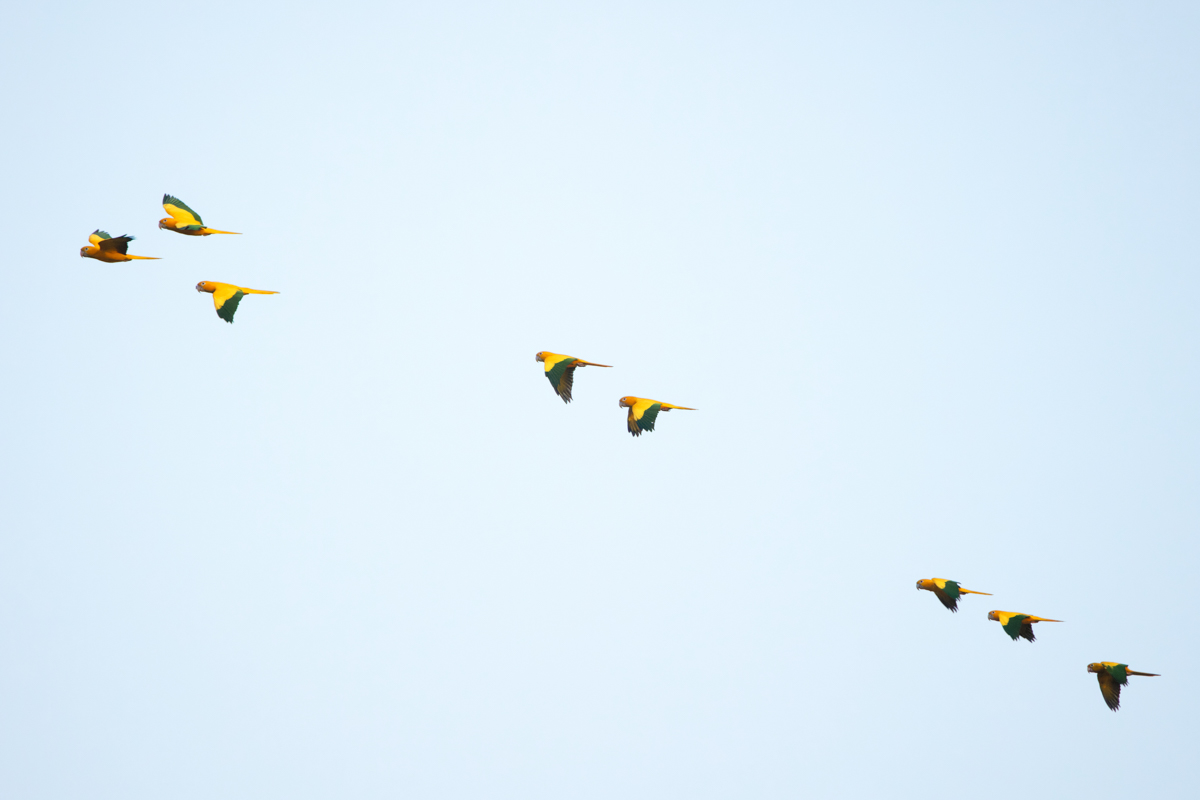
Golden Parakeets (image by Leo Garrigues)
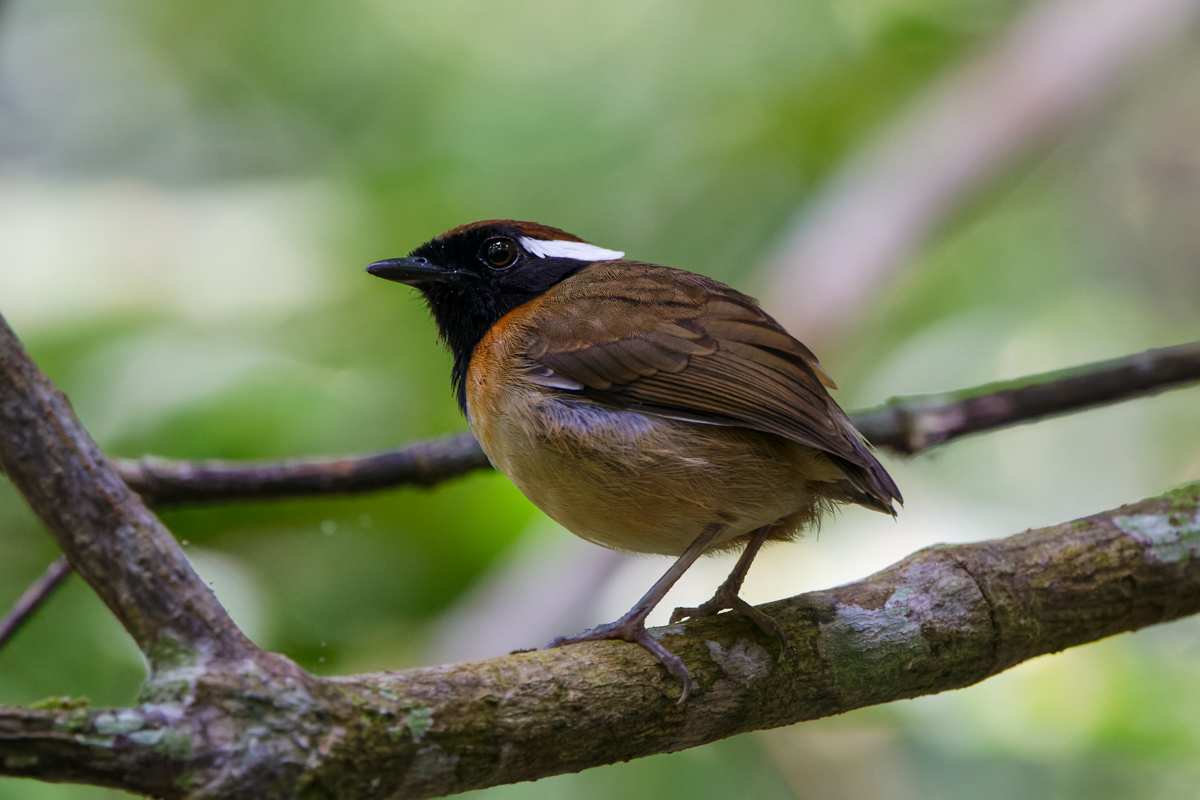
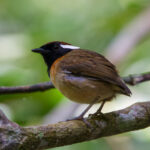
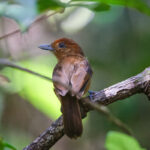
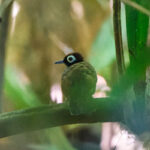
Black-breasted Gnateater (image by Leo Garrigues)
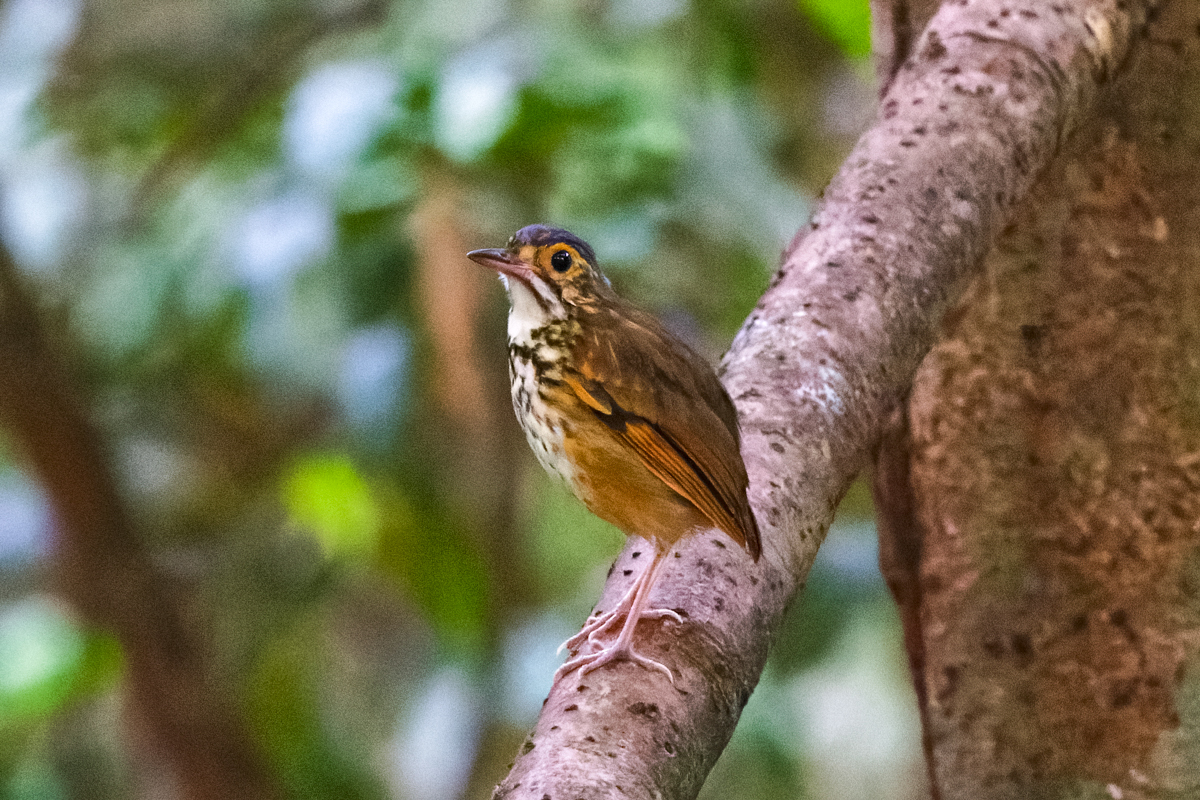
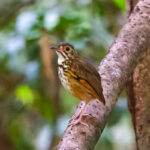
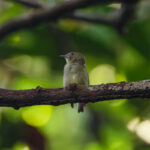
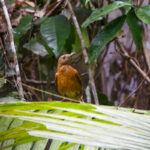
Alta Floresta Antpitta (image by Leo Garrigues)
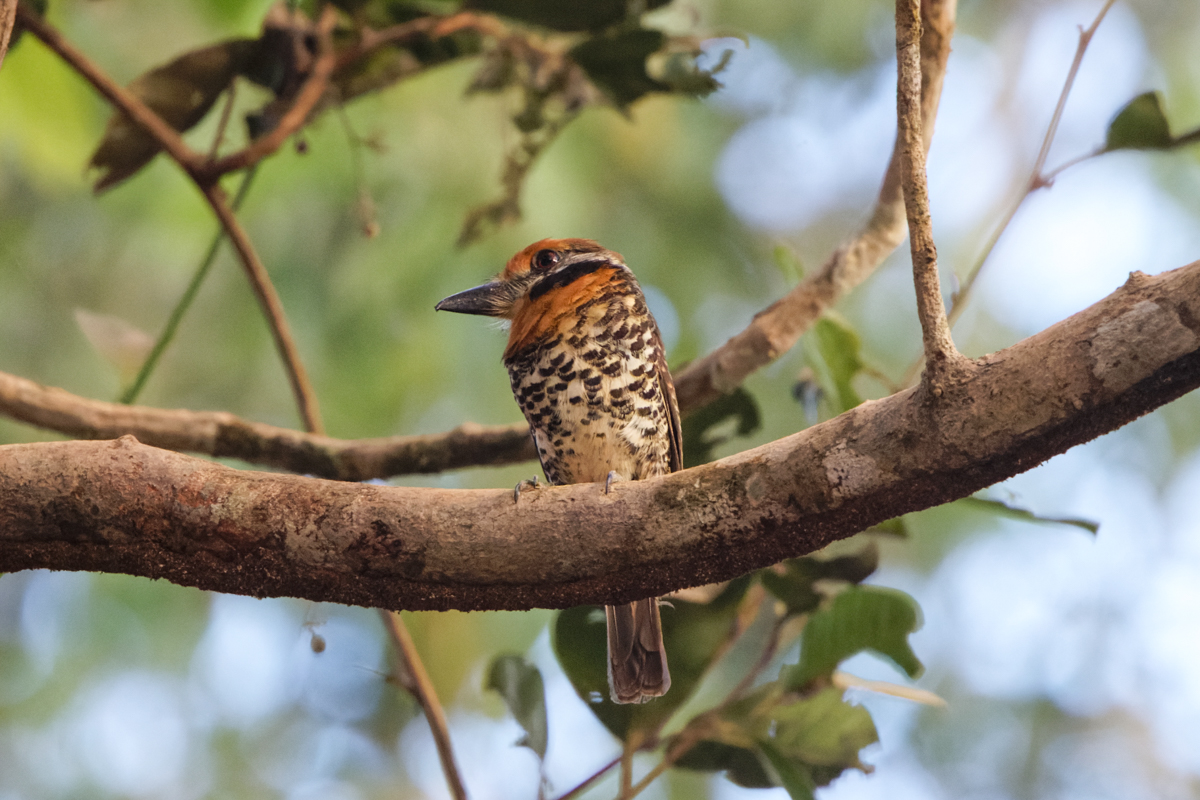
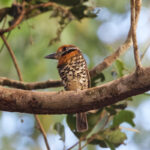
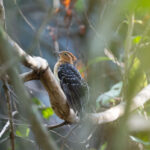
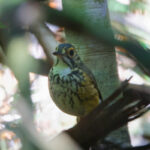
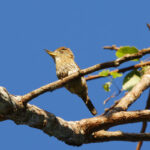
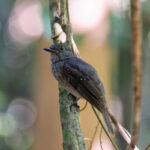
Spotted Puffbird (image by Leo Garrigues)
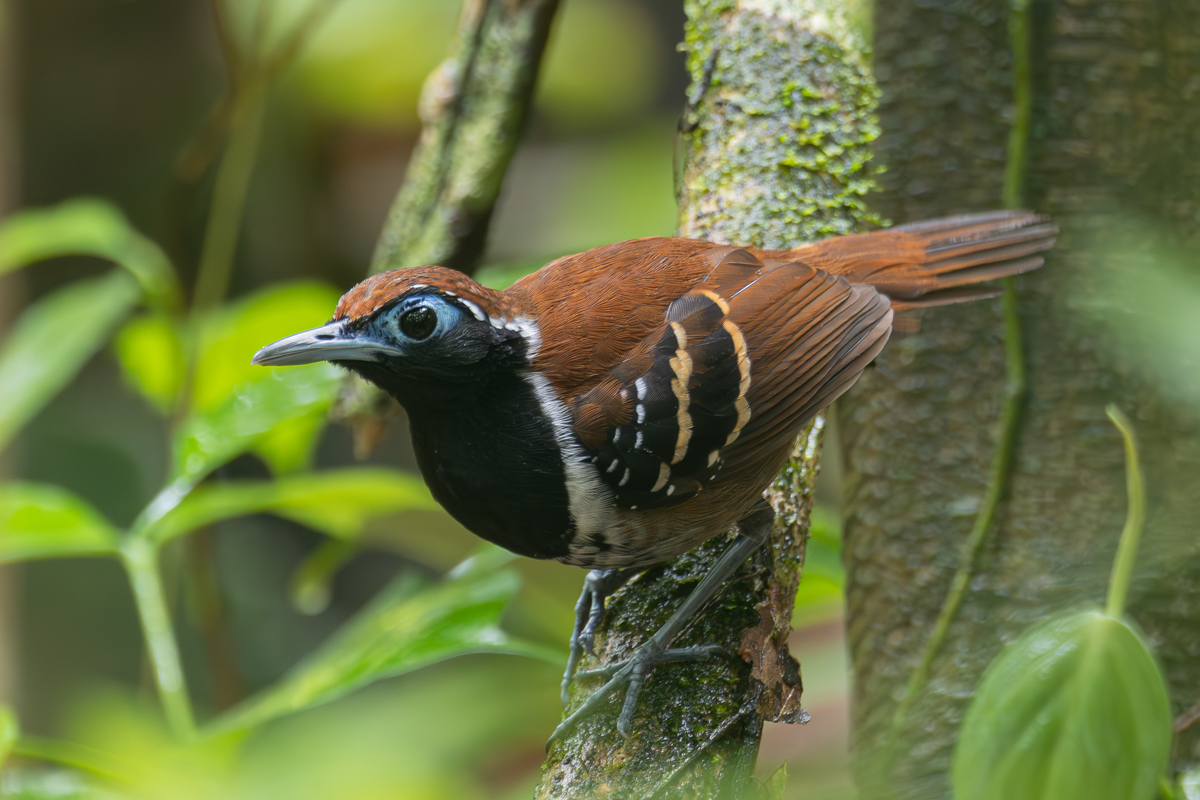
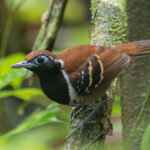
Ferruginous-backed Antbird (image by Leo Garrigues)
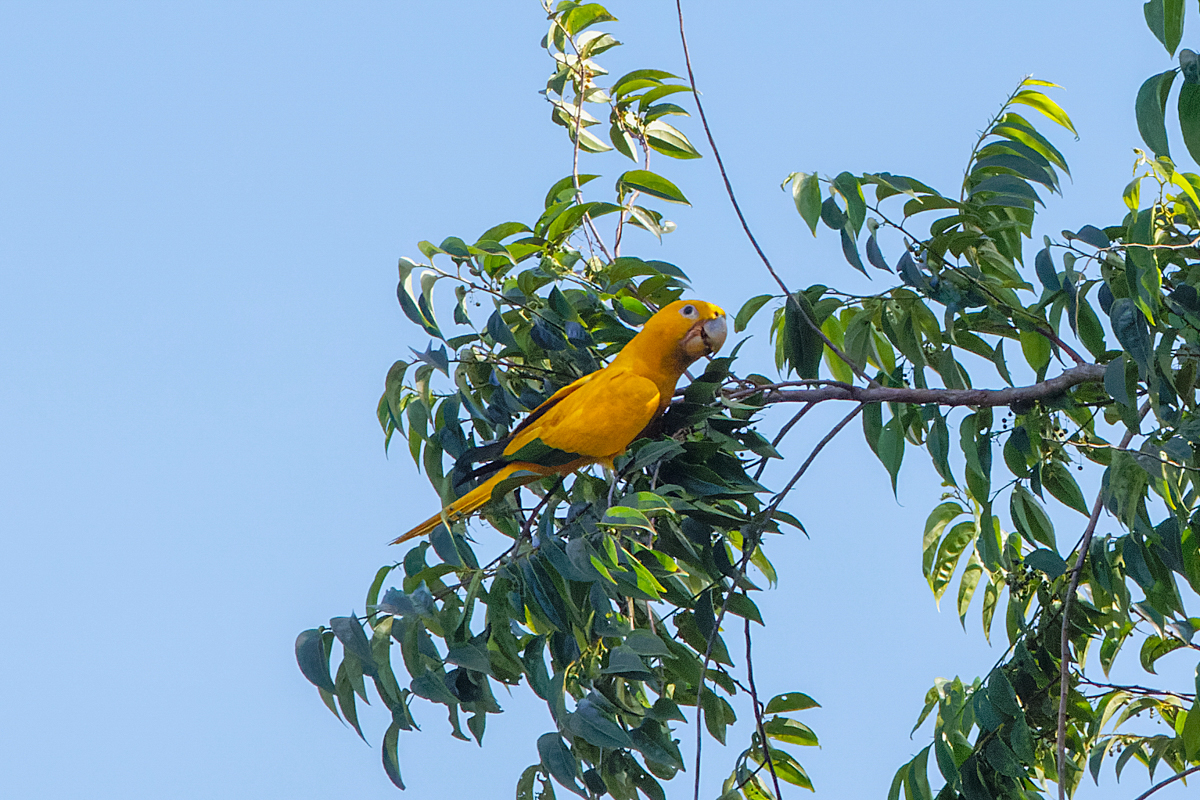
Golden Parakeet (image by Leo Garrigues)
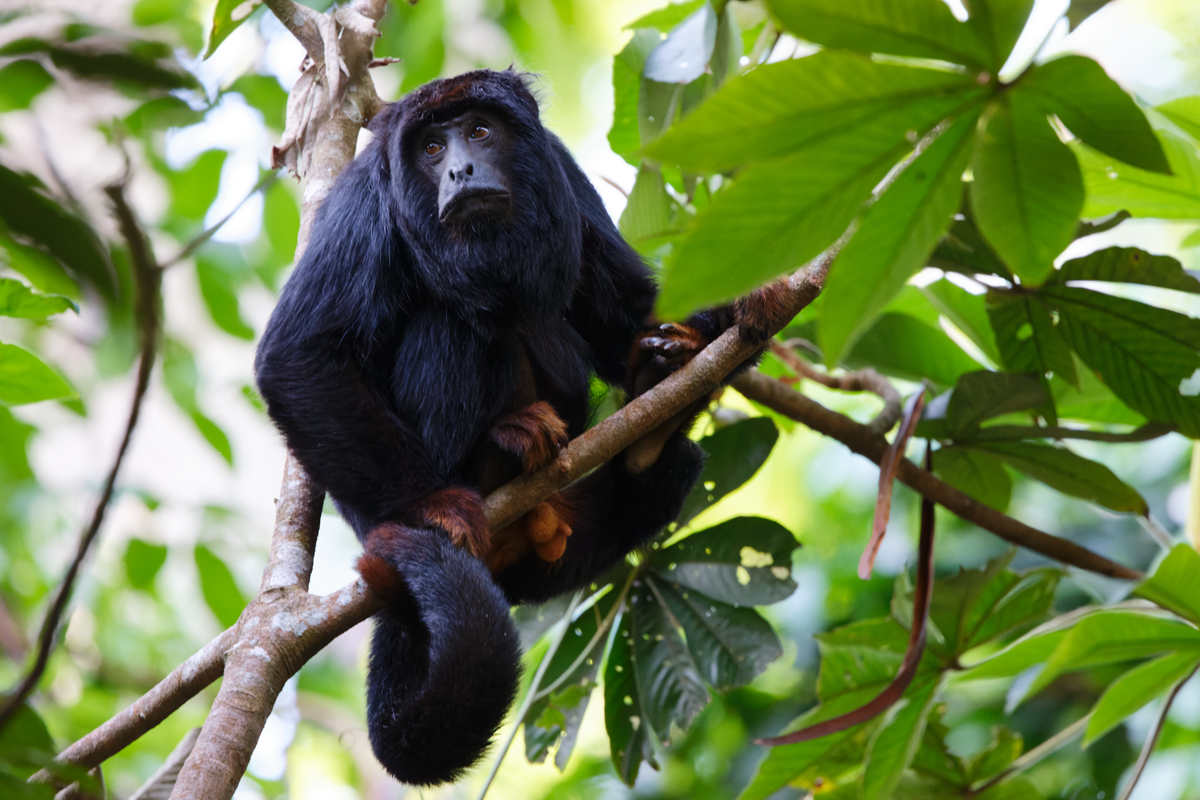
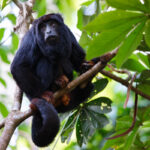
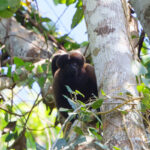
Eastern Red-handed Howler (image by Leo Garrigues)
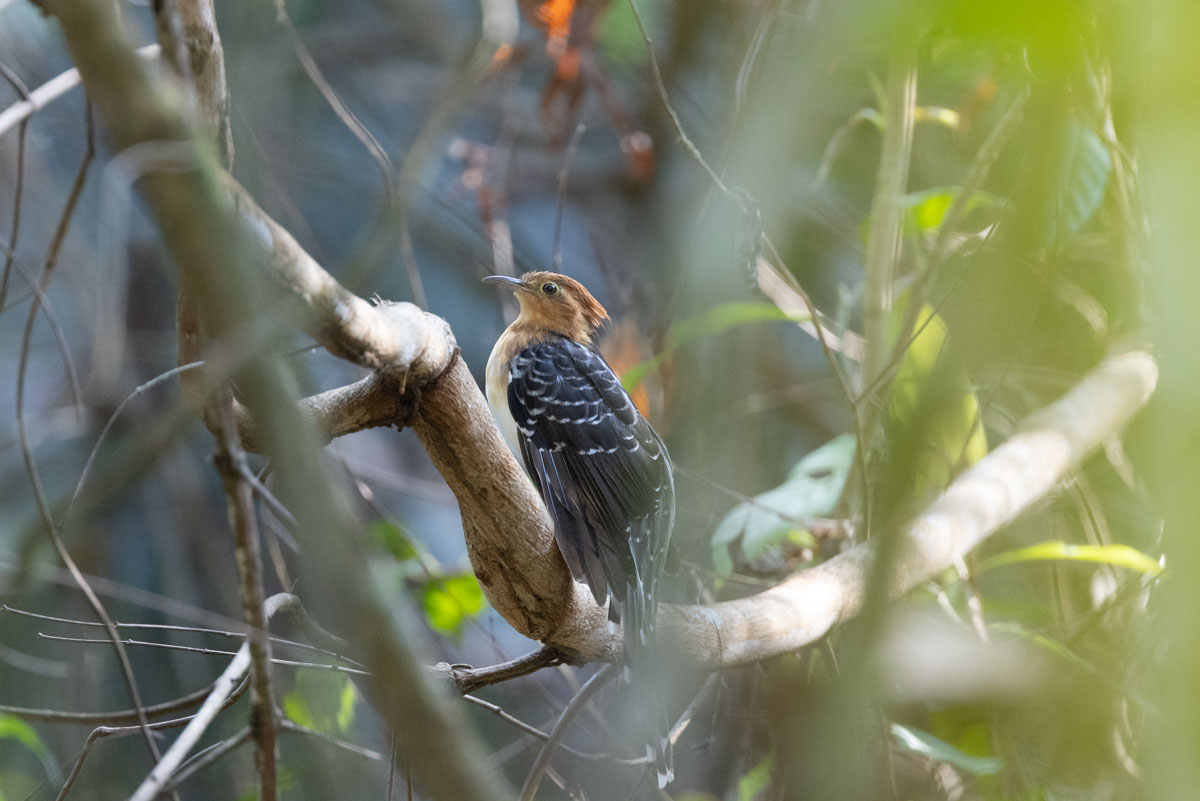
Pavonine Cuckoo (image by Johannes Ferdinand)
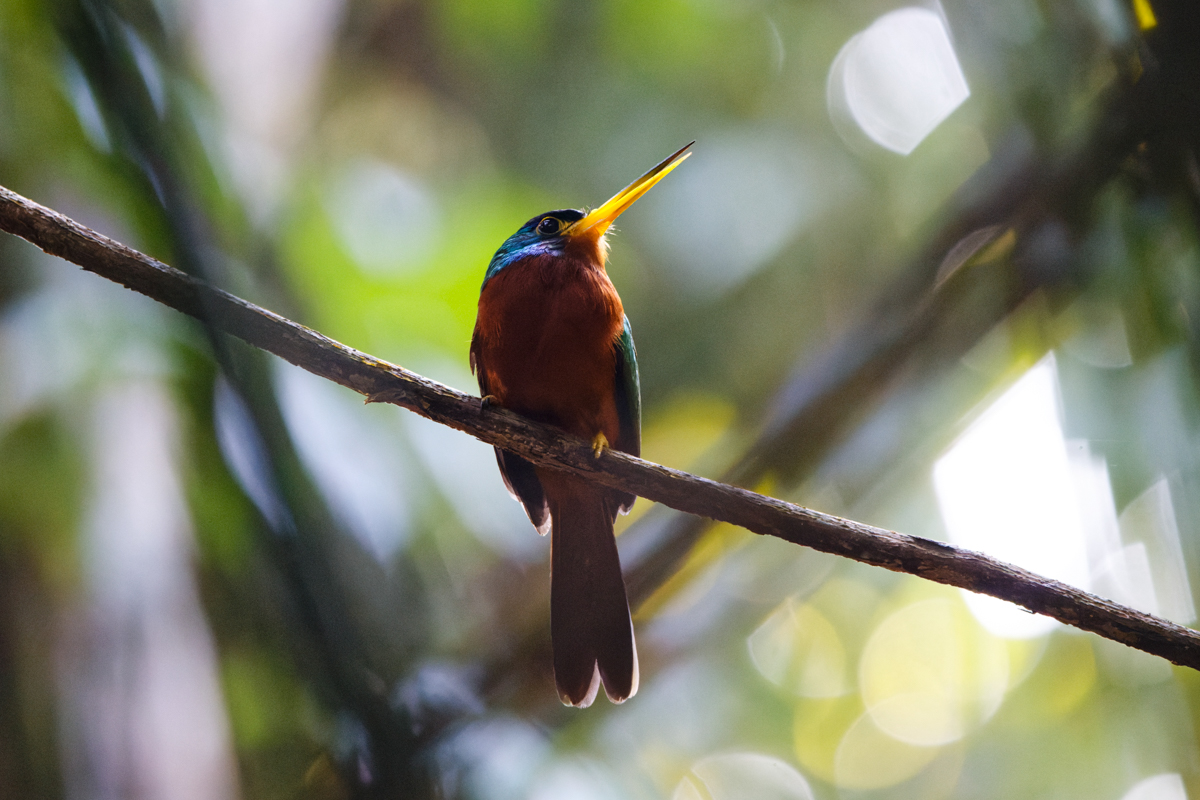
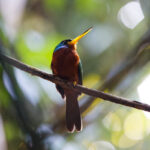
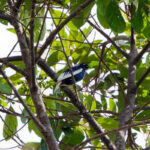
Blue-necked Jacamar (image by Leo Garrigues)
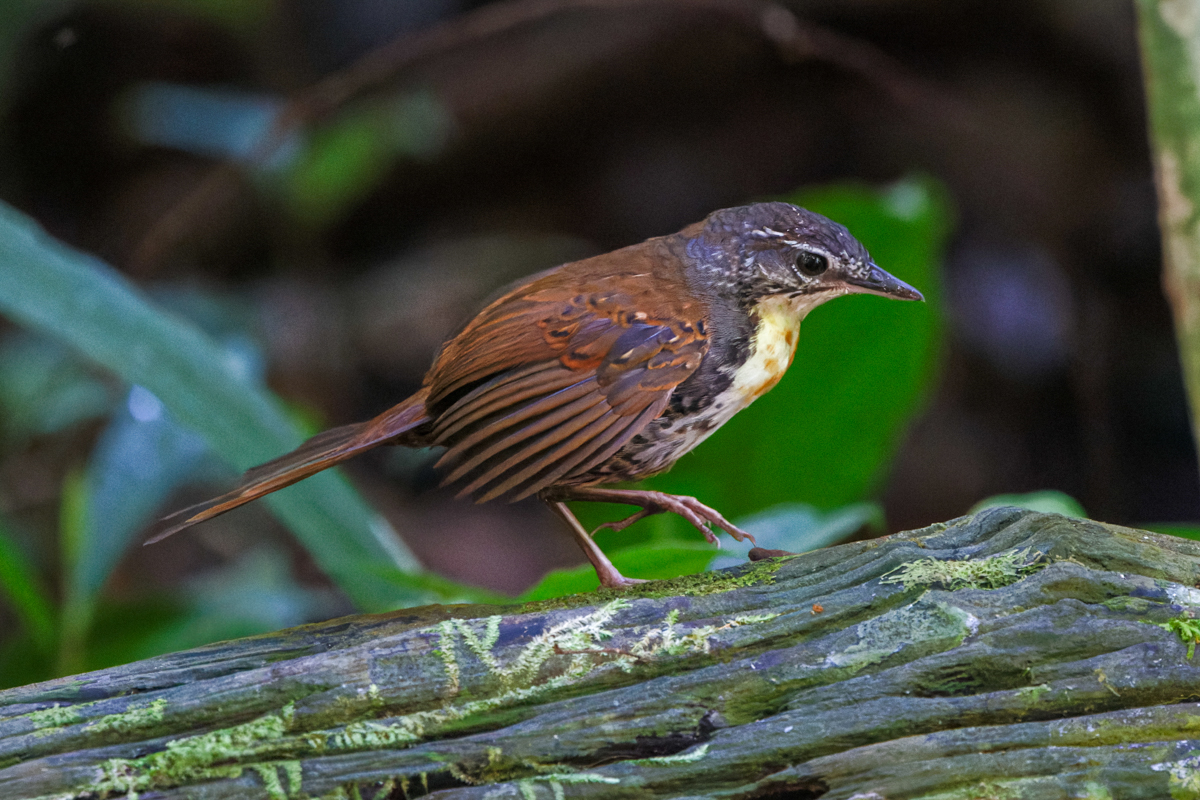
Rusty-belted Tapaculo (image by Leo Garrigues)
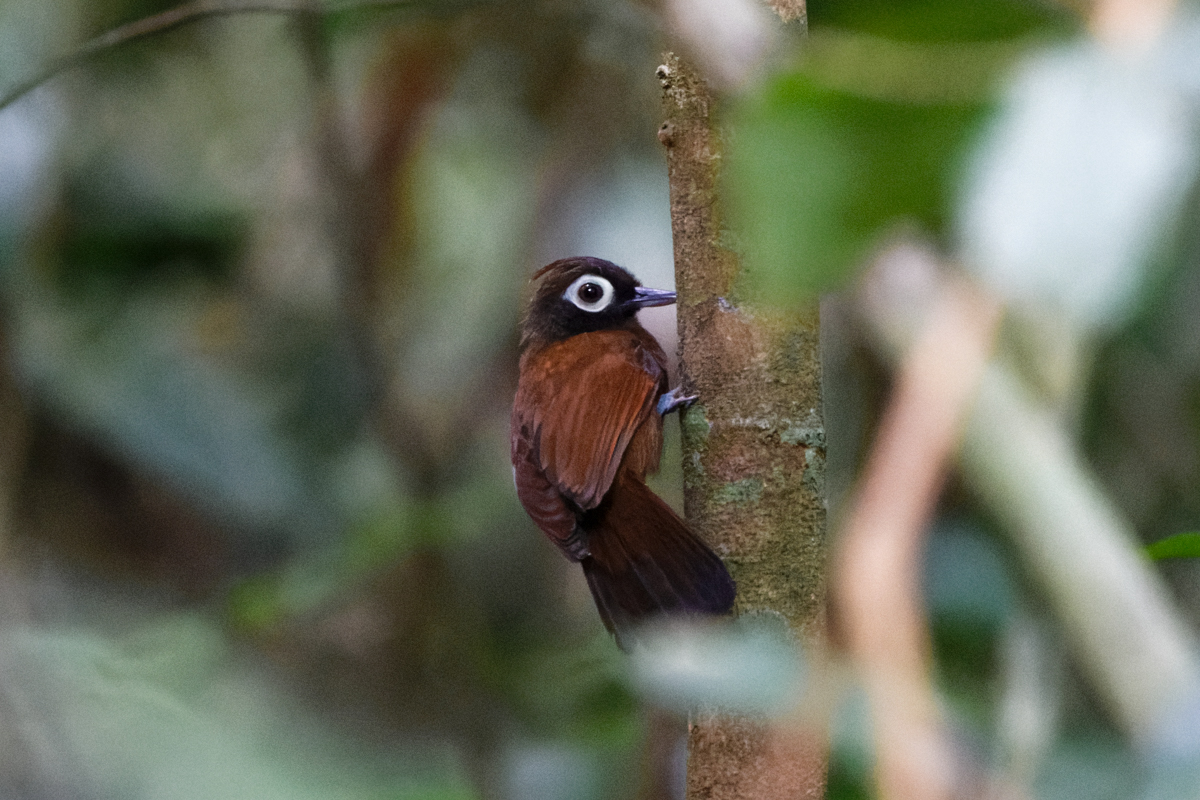
Bare-eyed Antbird (image by Leo Garrigues)
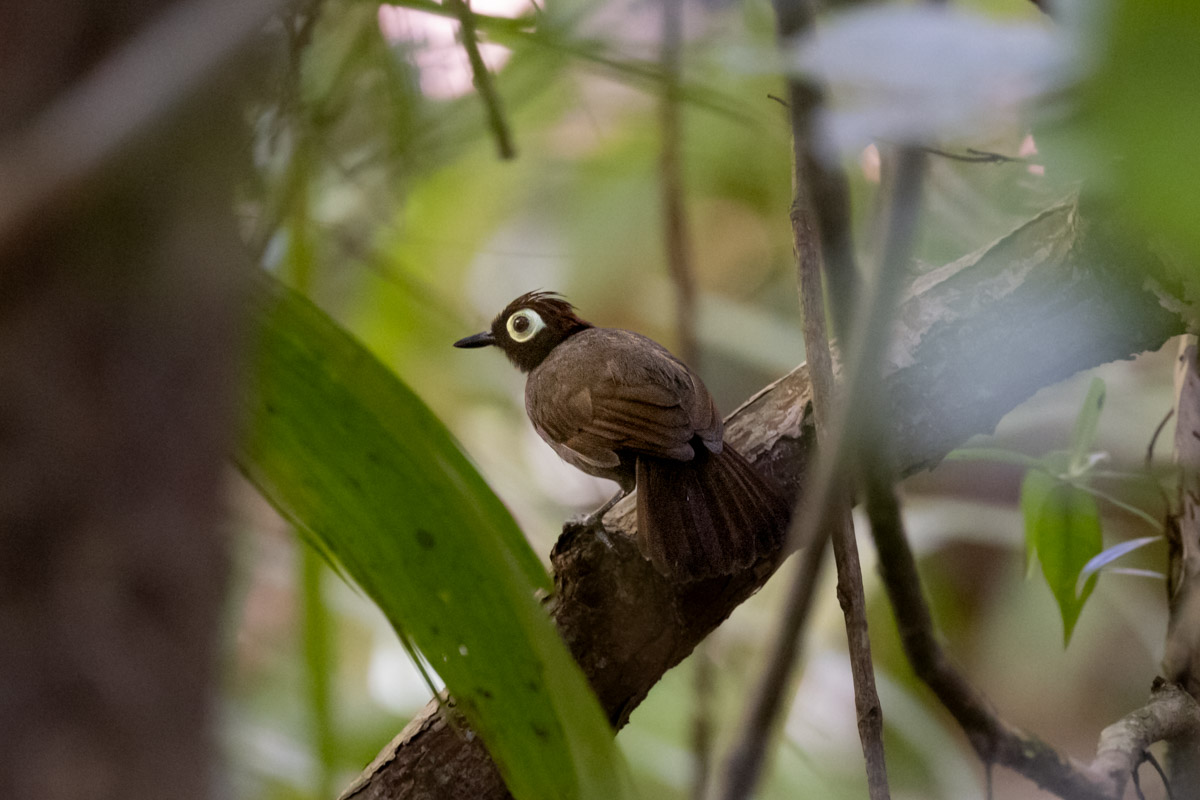
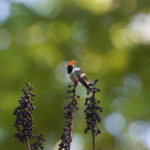
Harlequin Antbird (image by Johannes Ferdinand)
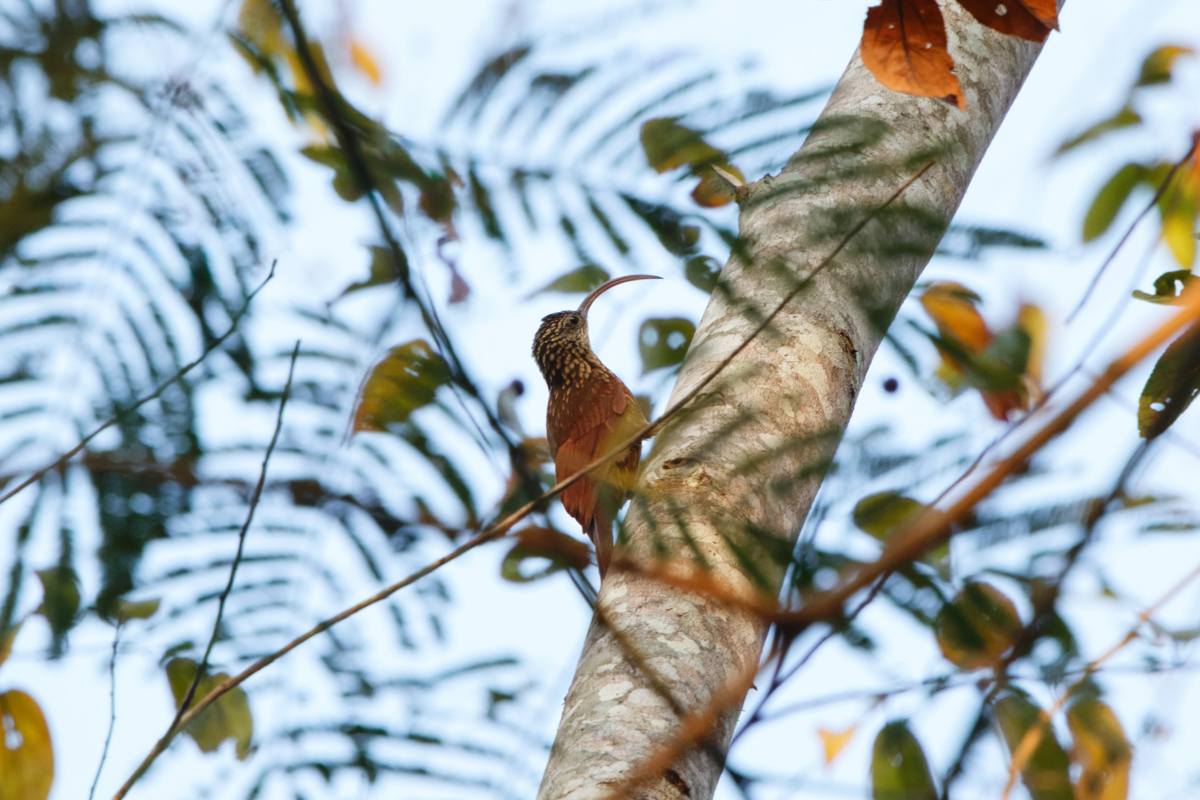
Xingu Scythebill (image by Leo Garrigues)
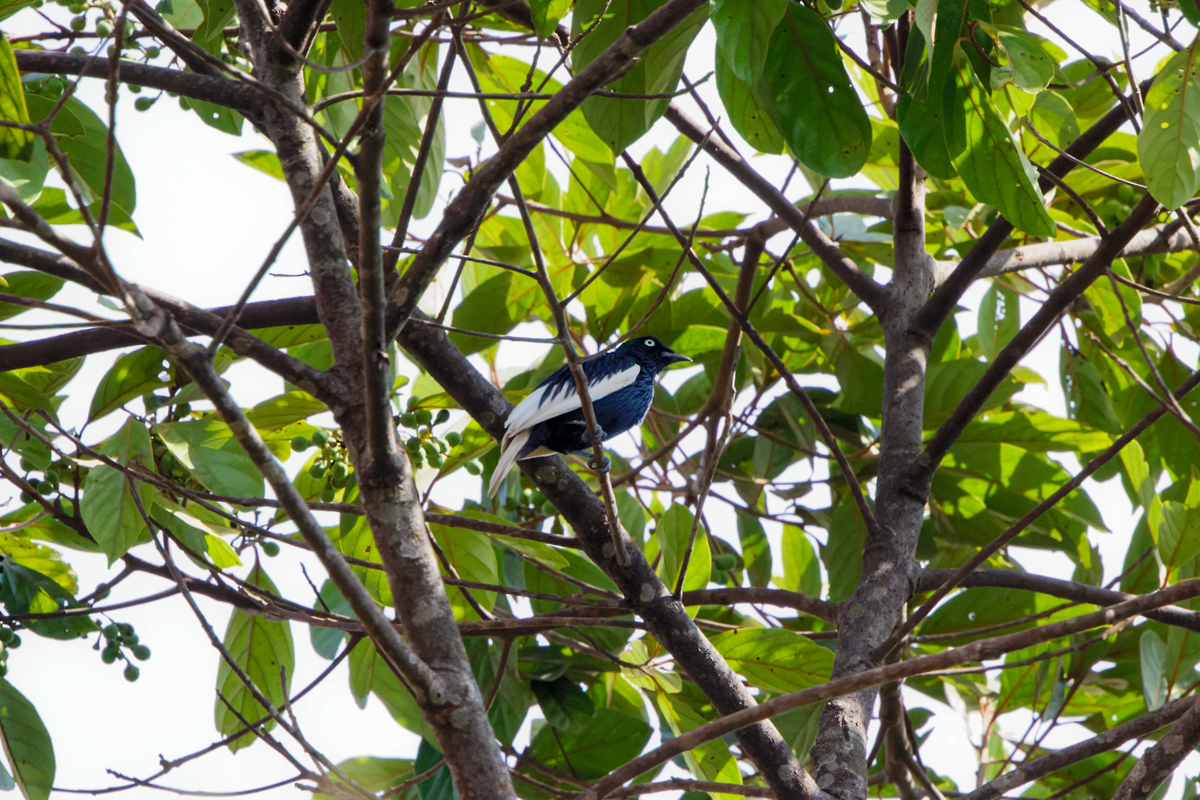
White-tailed Cotinga (image by Leo Garrigues)
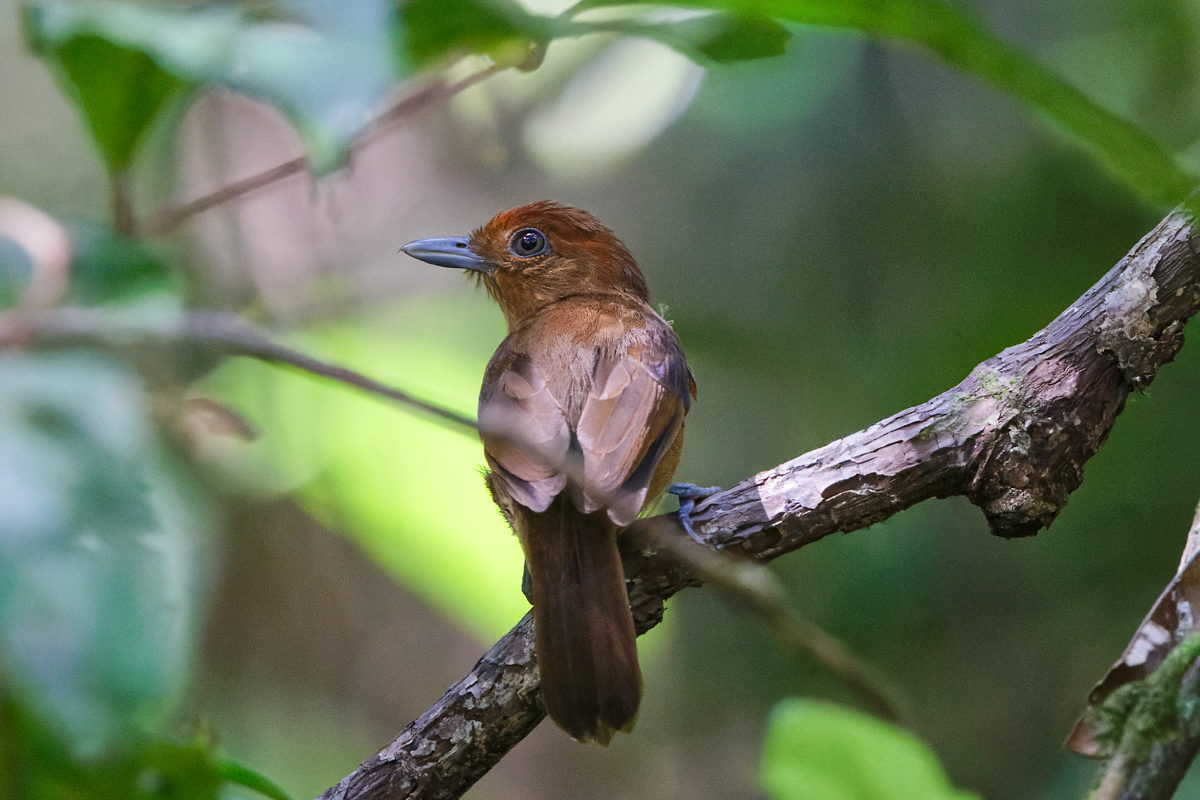
White-shouldered Antshrike (image by Leo Garrigues)
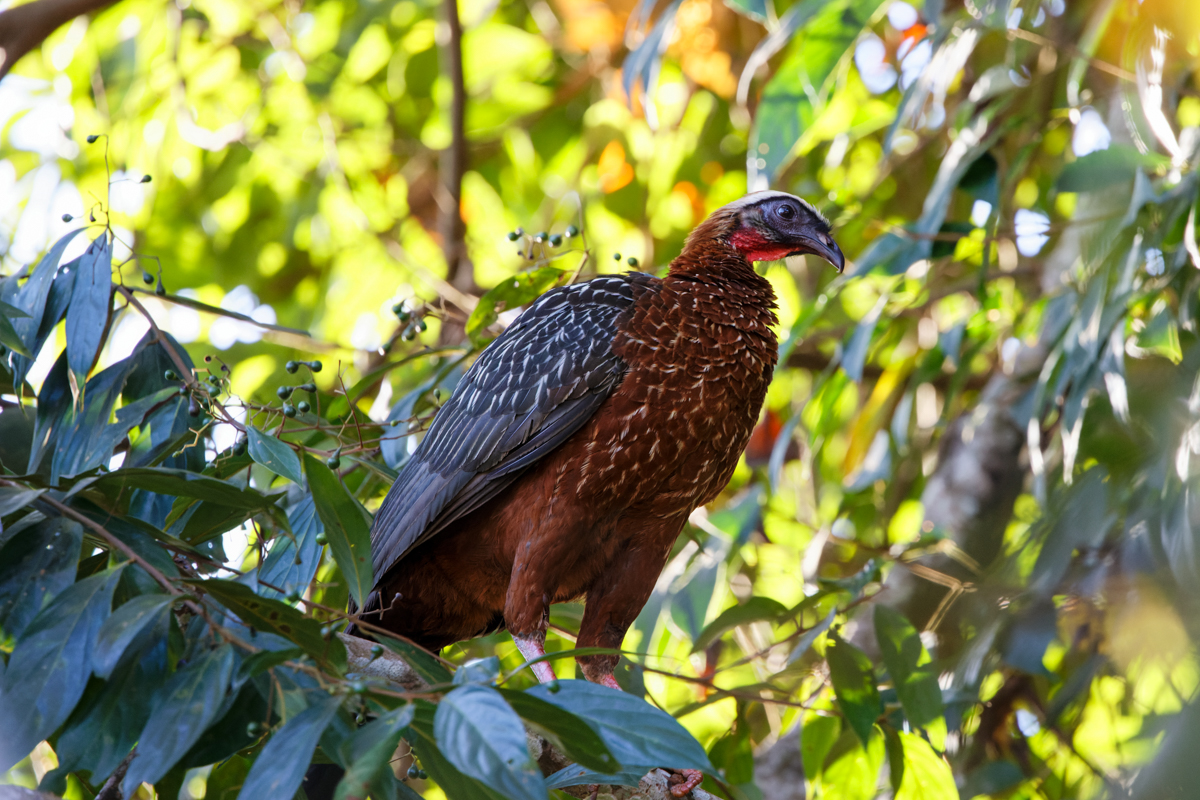
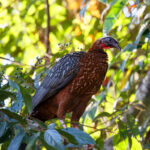
White-crested Guan (image by Leo Garrigues)
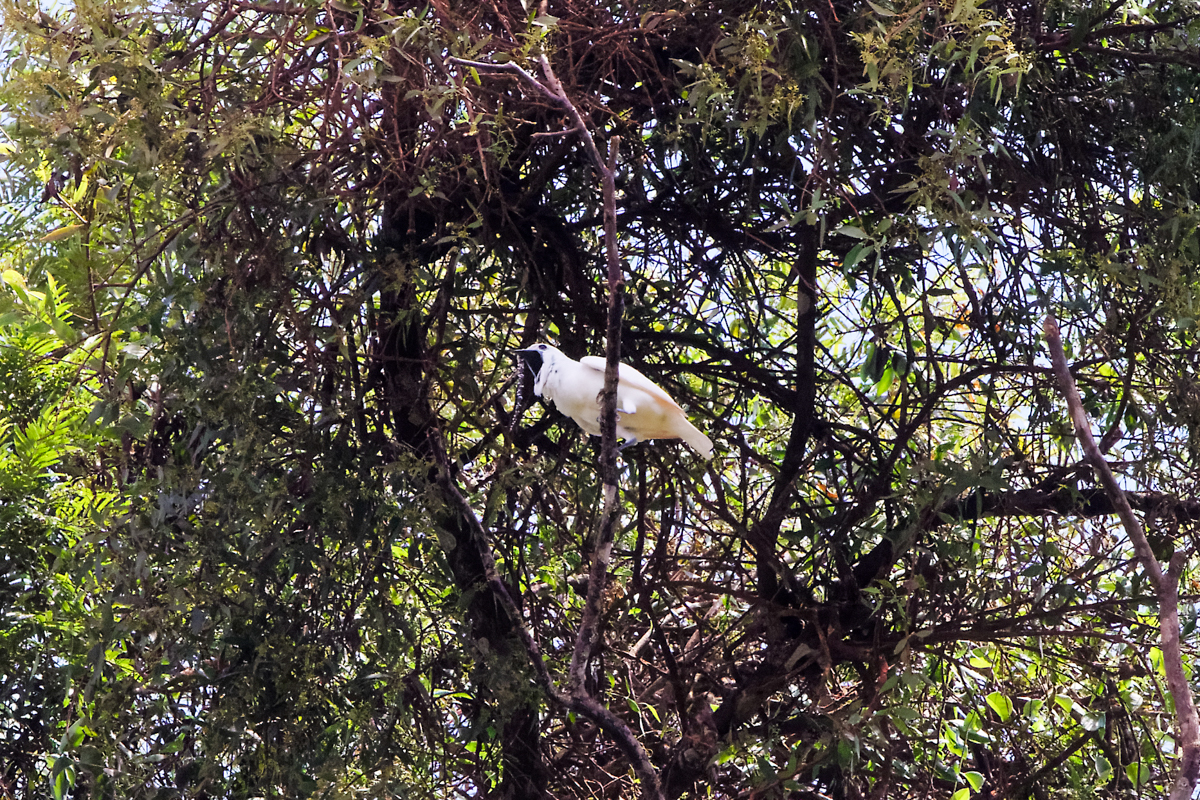
White Bellbird (image by Leo Garrigues)
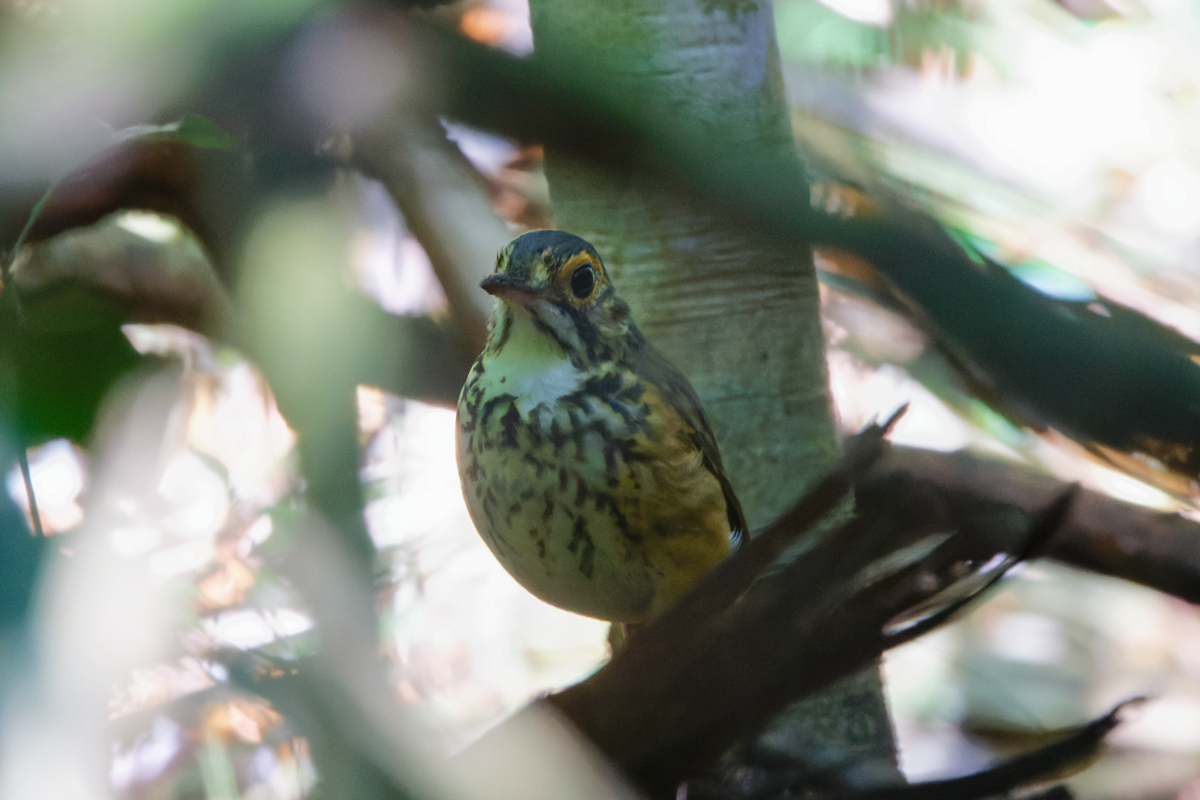
Snethlage's Antpitta (image by Leo Garrigues)
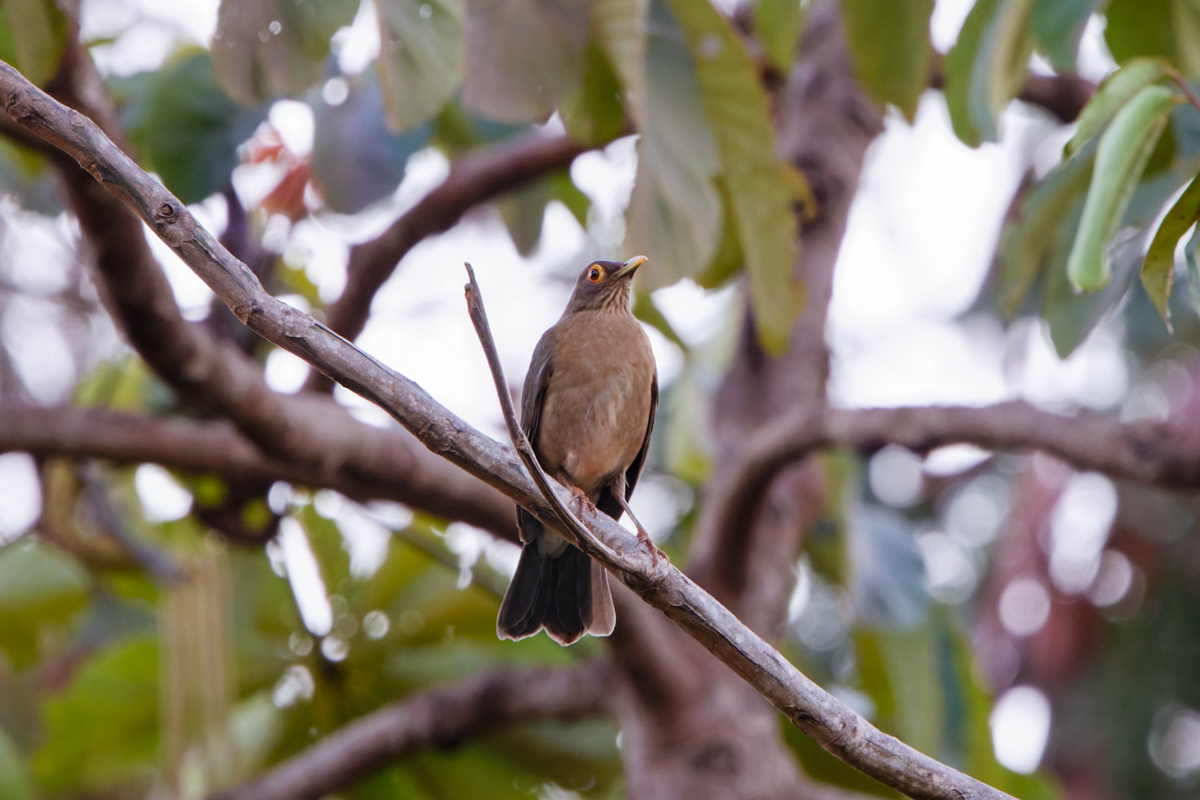
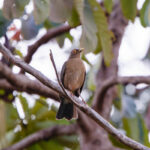
Spectacled Thrush (image by Leo Garrigues)
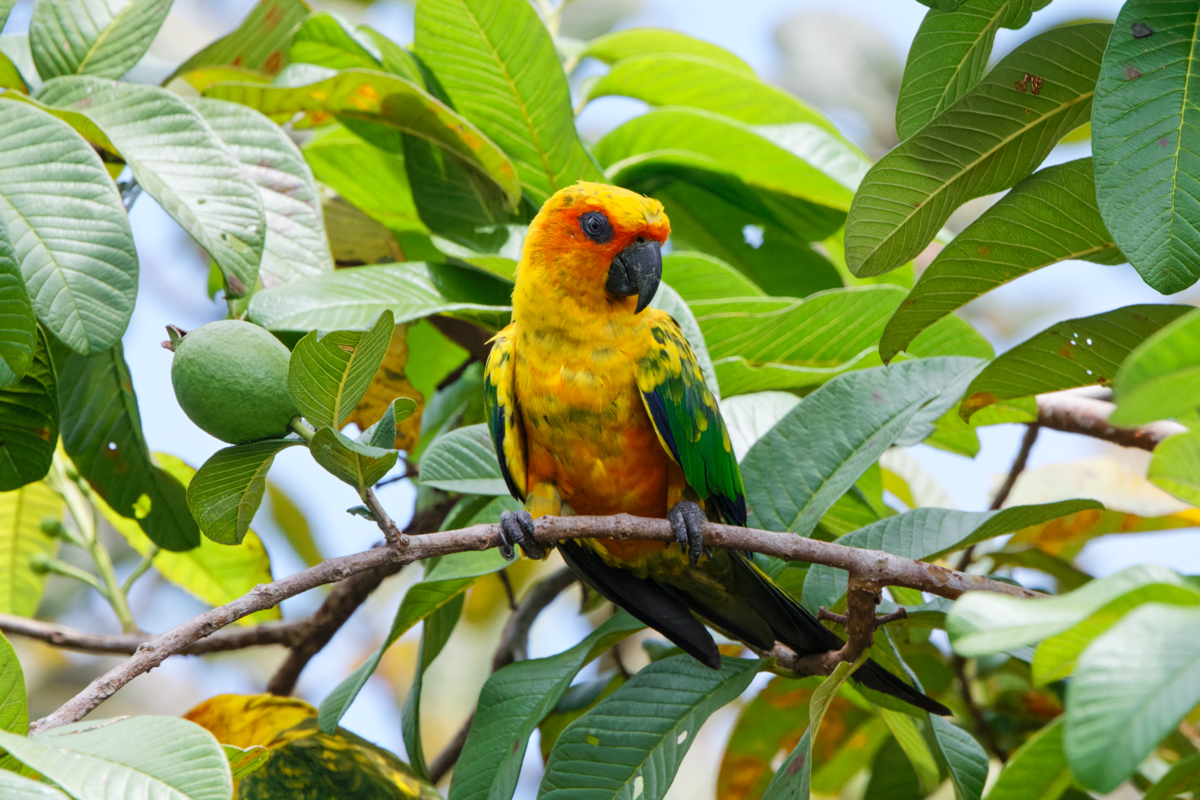
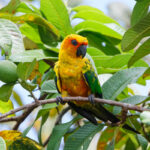
Sulphur-breasted Parakeet (image by Leo Garrigues)
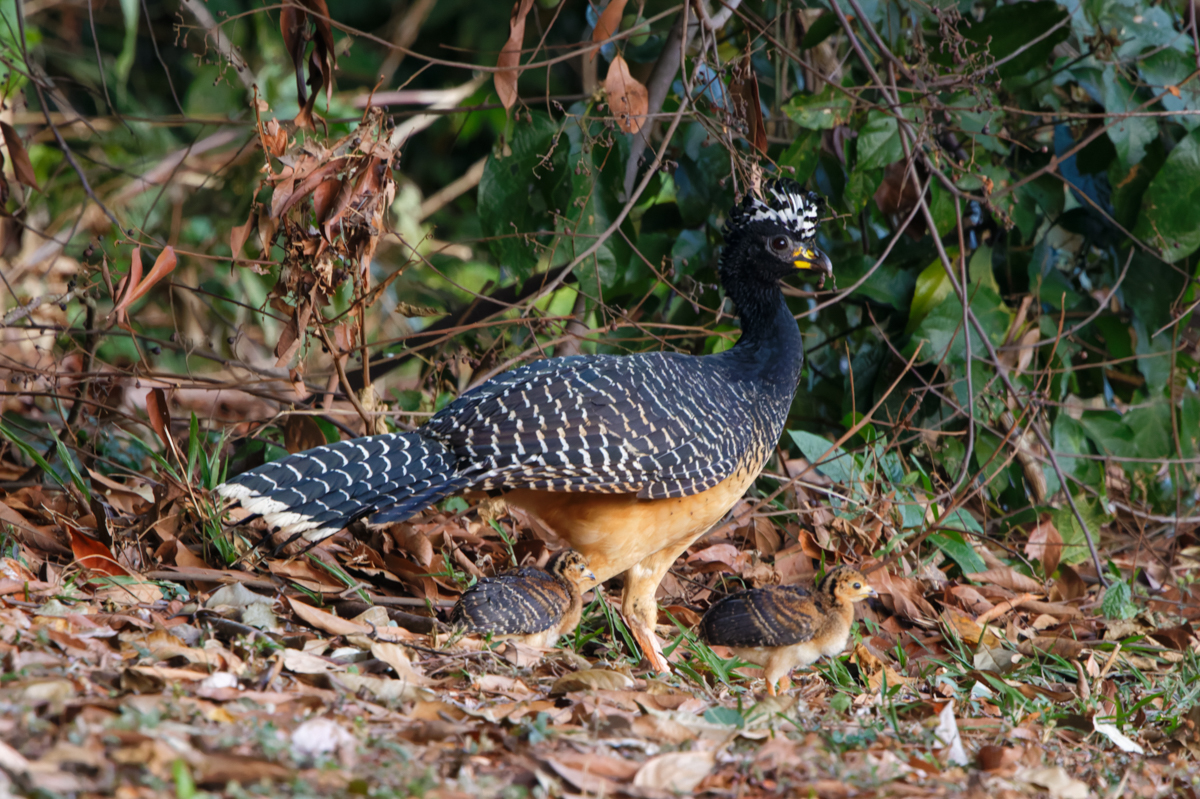
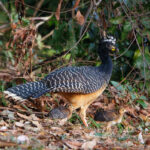
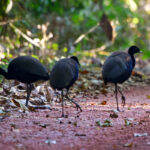
Bare-faced Curassows (image by Leo Garrigues)
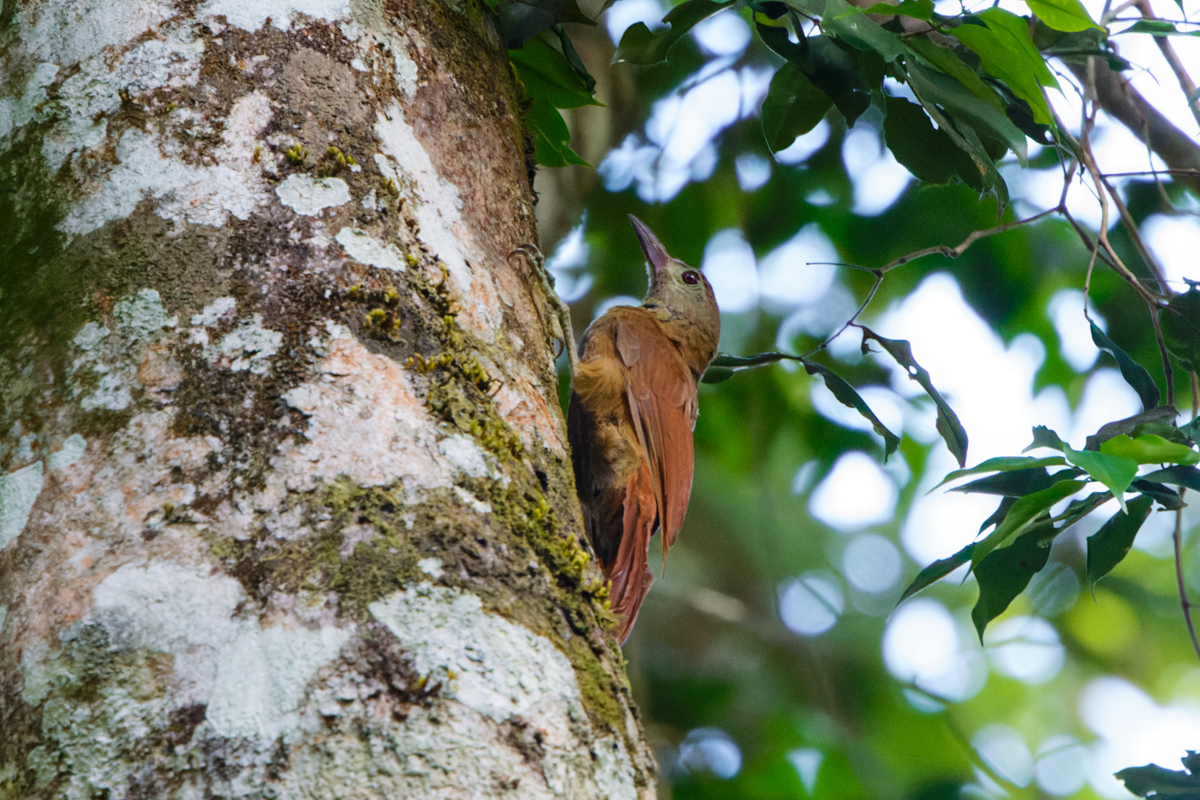
Uniform Woodcreeper (Brigida's) (image by Leo Garrigues)
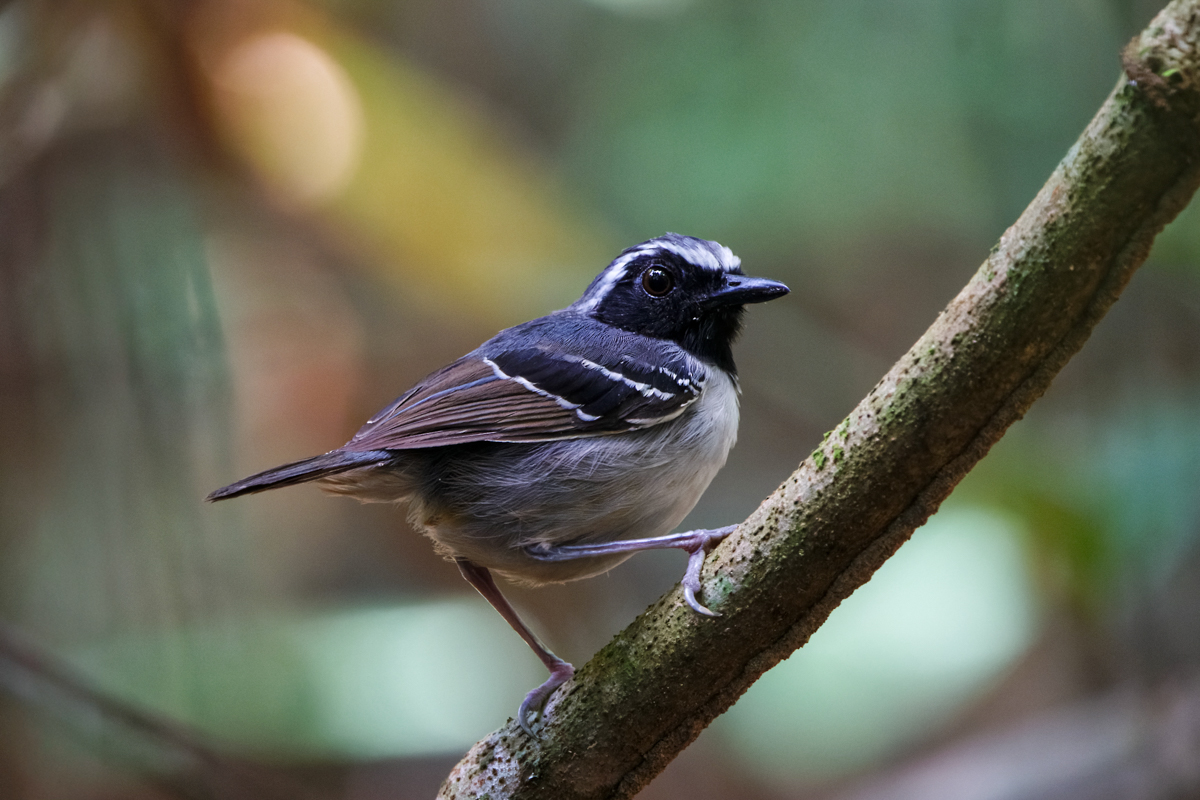
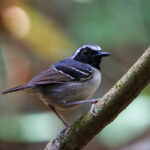
Black-faced Antbird (image by Leo Garrigues)
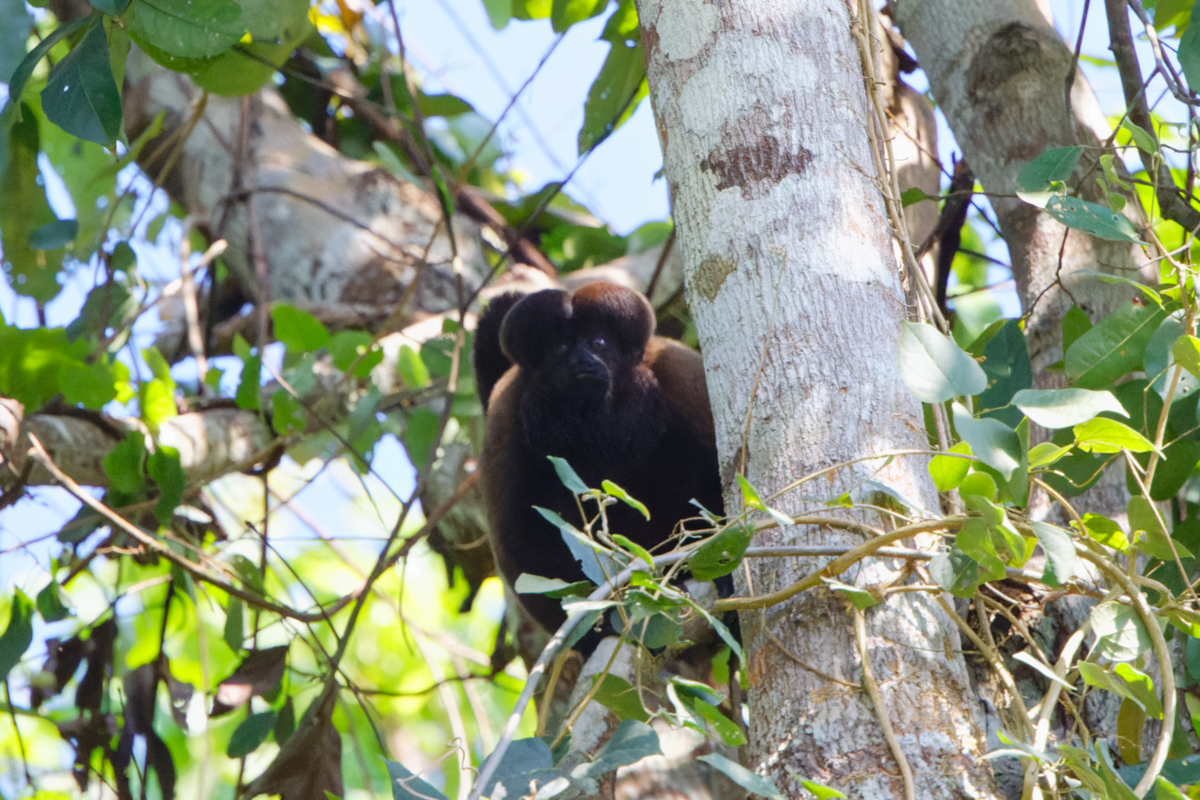
Uta Hick's Bearded Saki (image by Leo Garrigues)
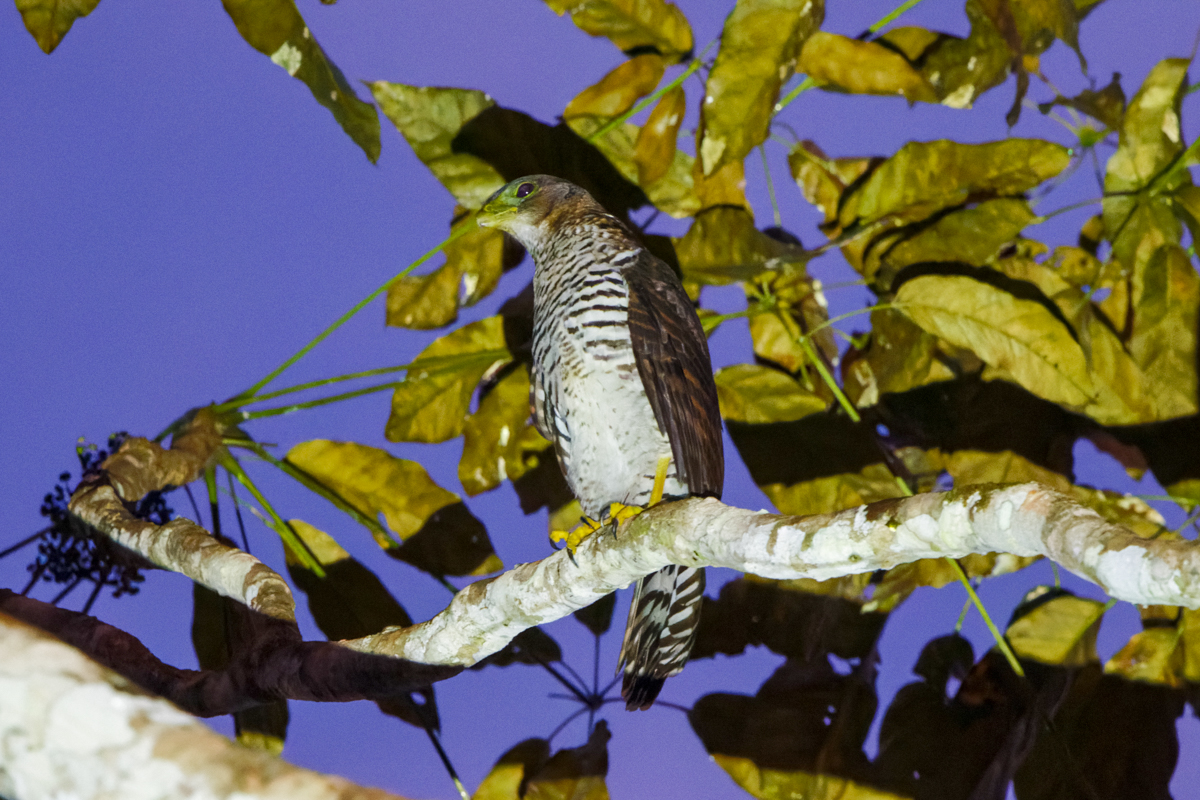
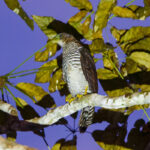
Slaty-backed Forest Falcon (image by Leo Garrigues)
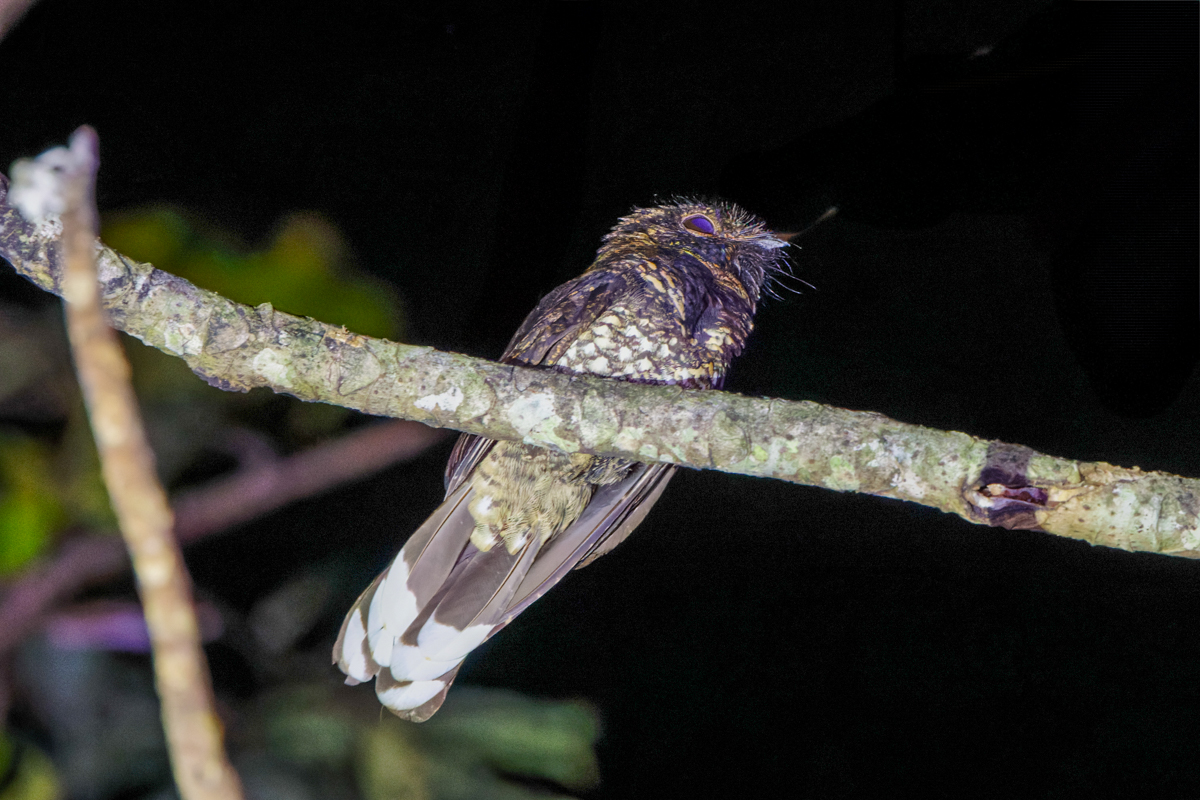
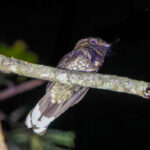
Silky-tailed Nightjar (image by Leo Garrigues)
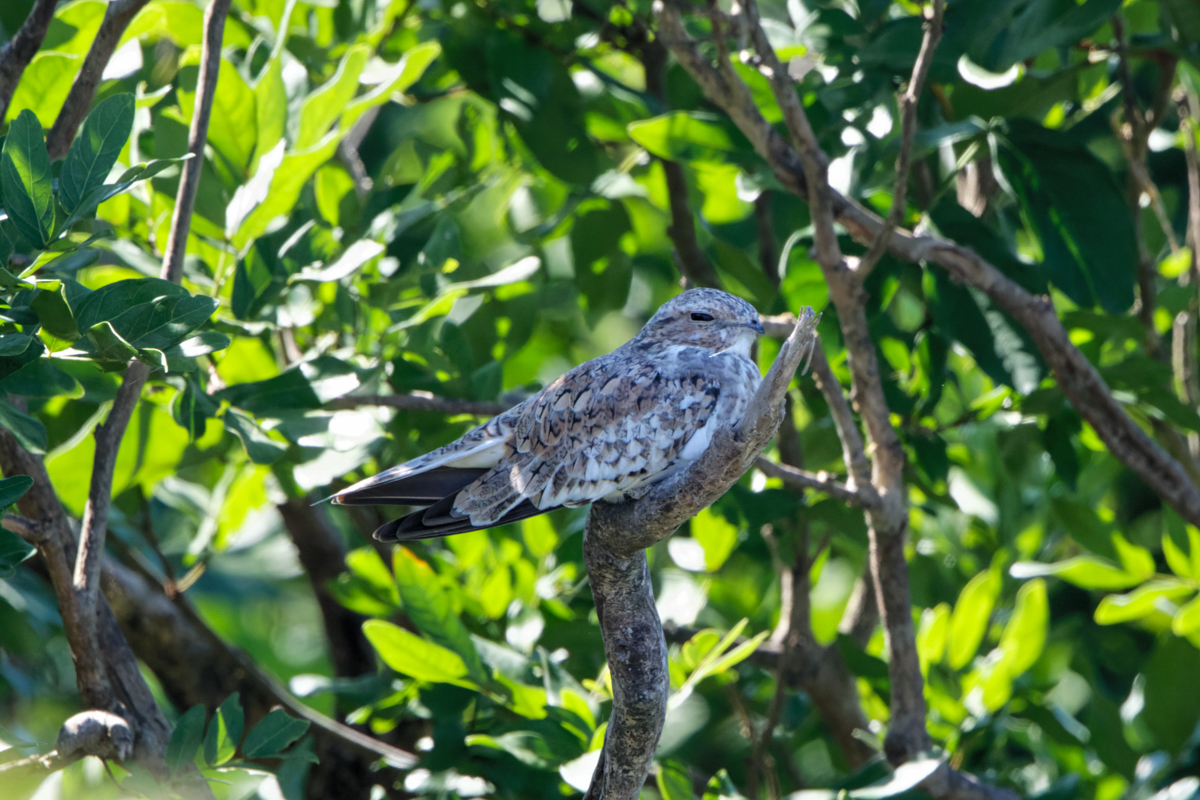
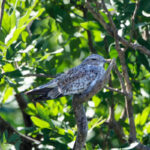
Sand-colored Nighthawk (image by Leo Garrigues)
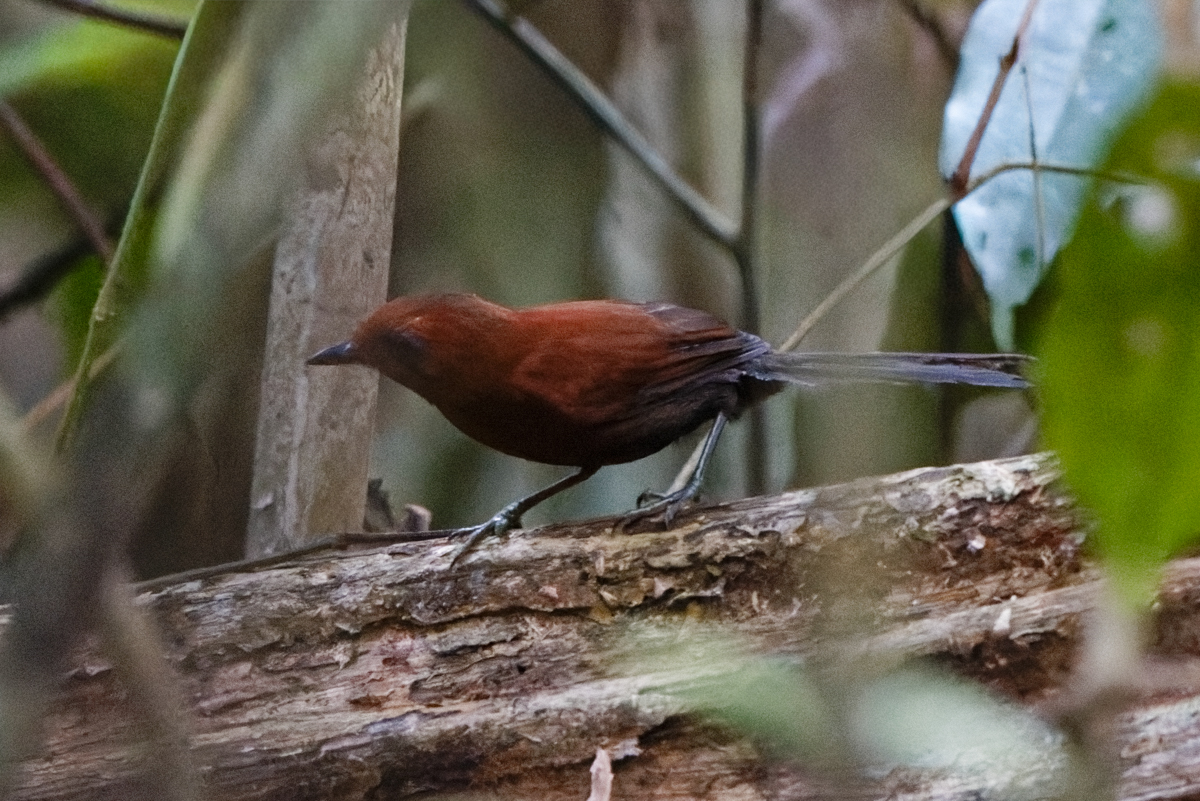
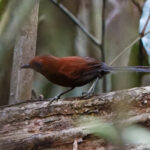
Ruddy Spinetail (image by Leo Garrigues)
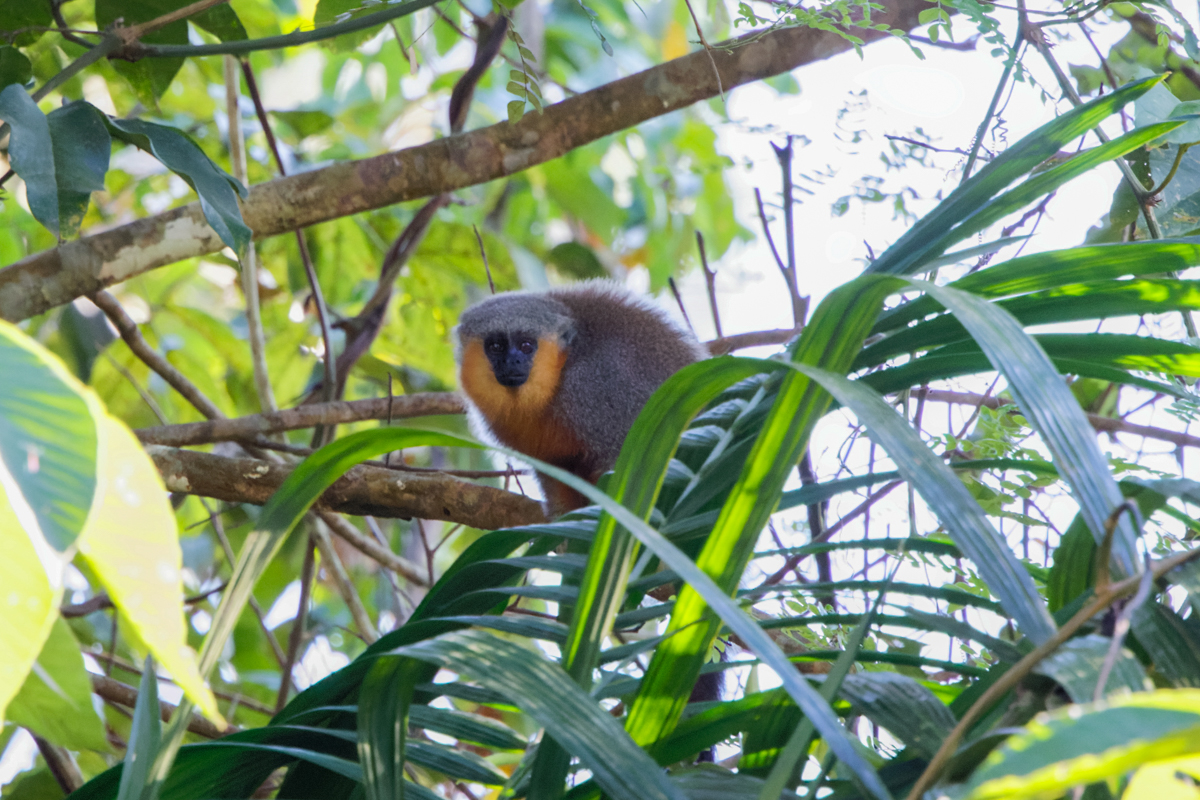
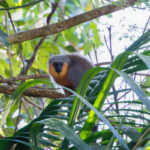
Red-bellied Titi (image by Leo Garrigues)
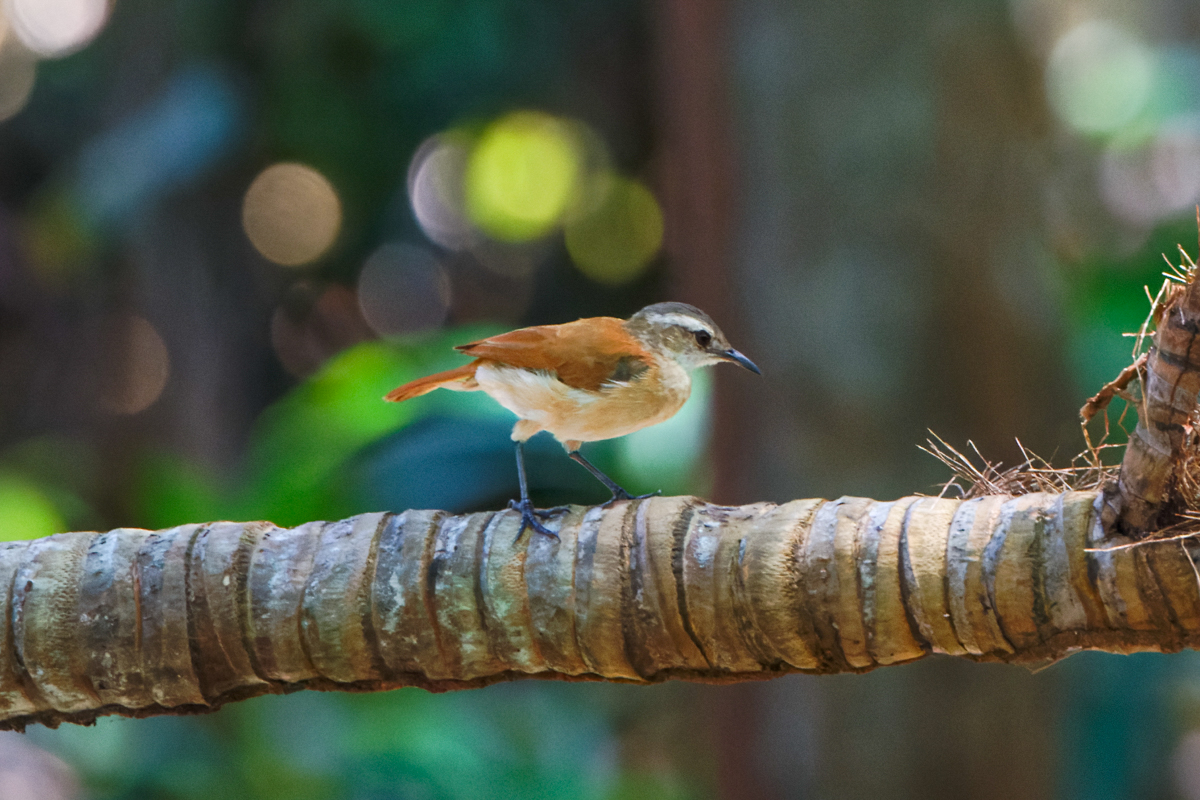
Lesser Hornero (image by Leo Garrigues)
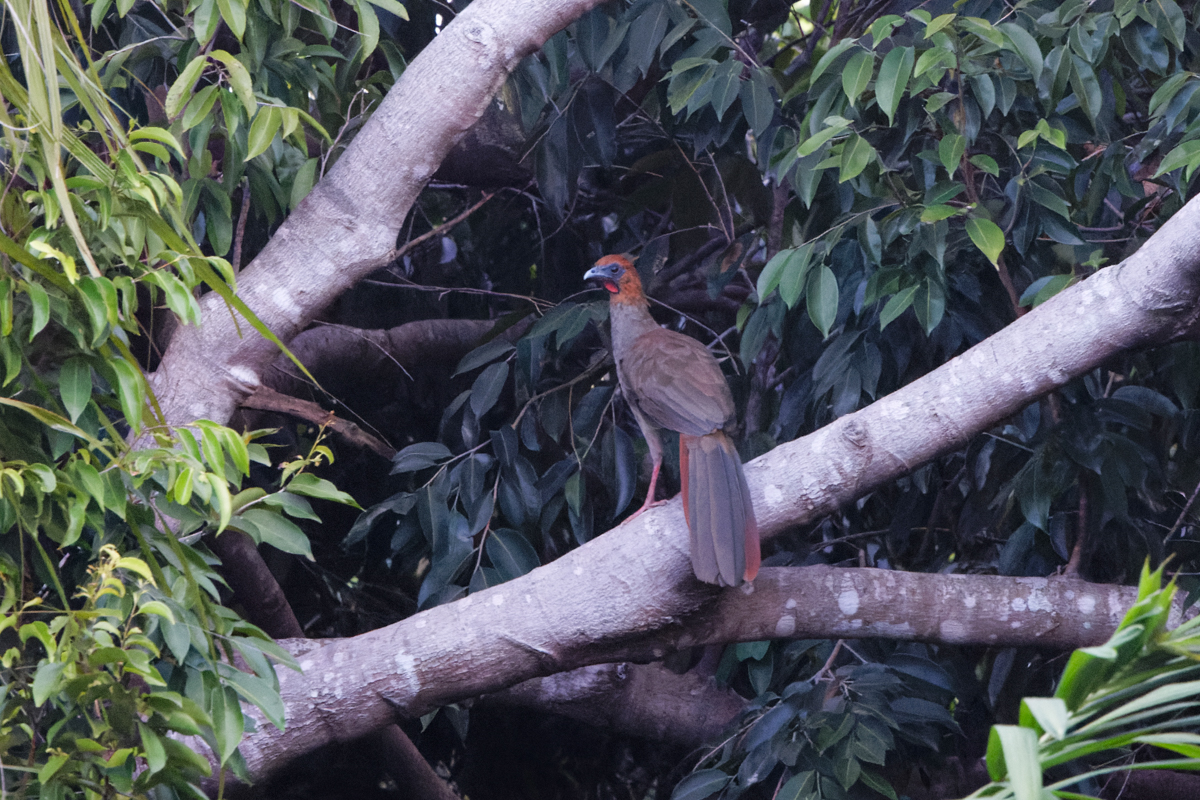
Little Chachalaca (image by Leo Garrigues)
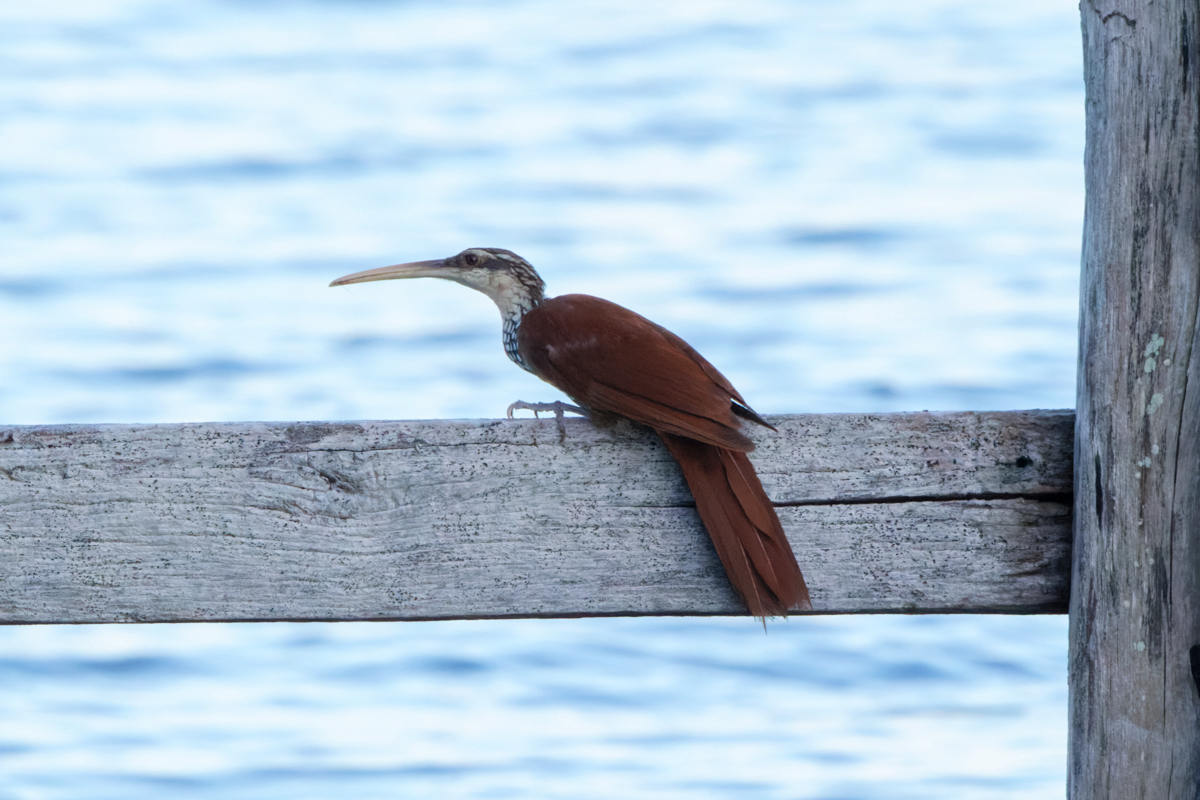
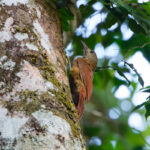
Long-billed Woodcreeper (image by Leo Garrigues)
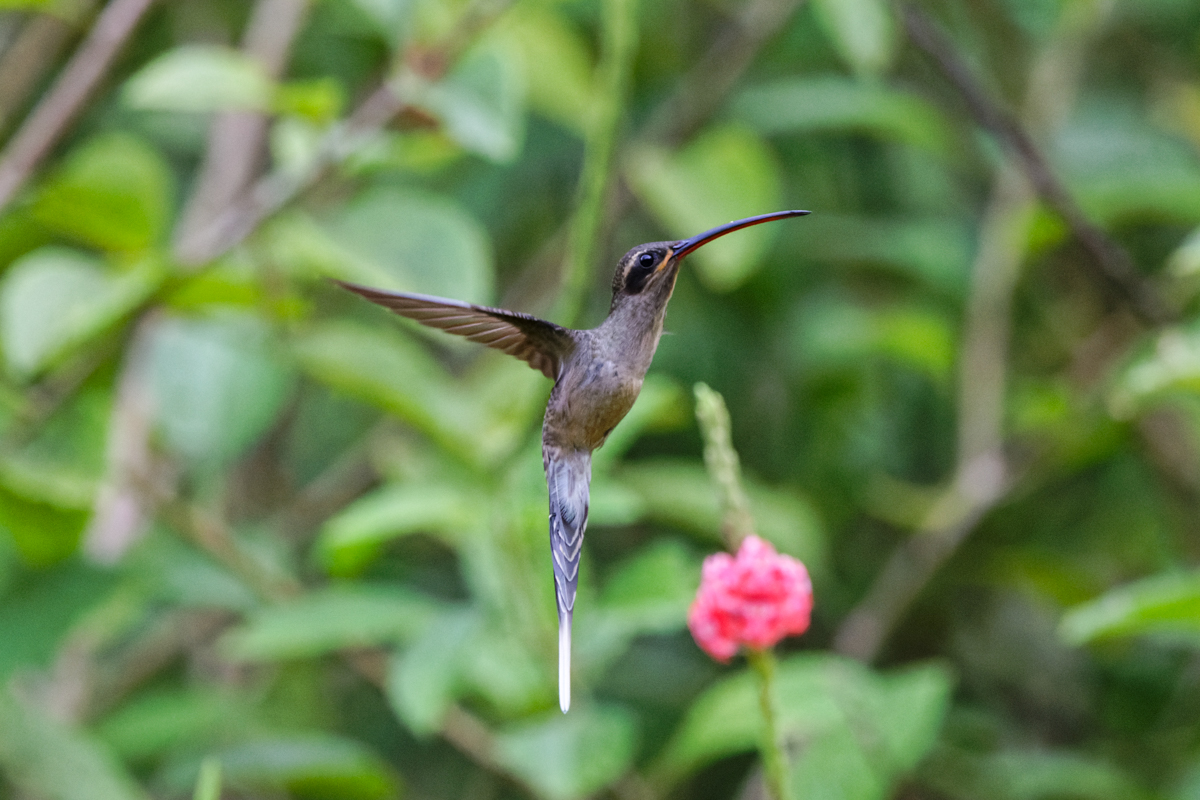
Long-tailed Hermit (image by Leo Garrigues)
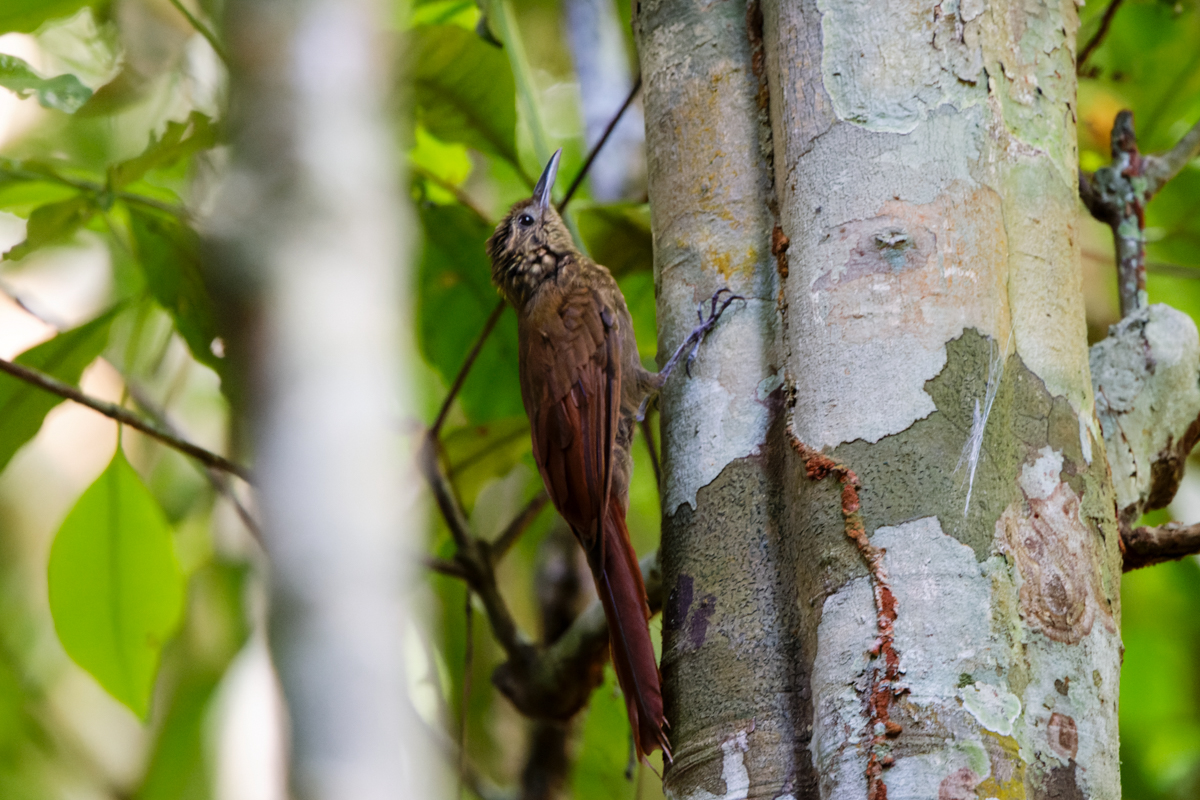
Mournful Long-tailed Woodcreeper (image by Leo Garrigues)
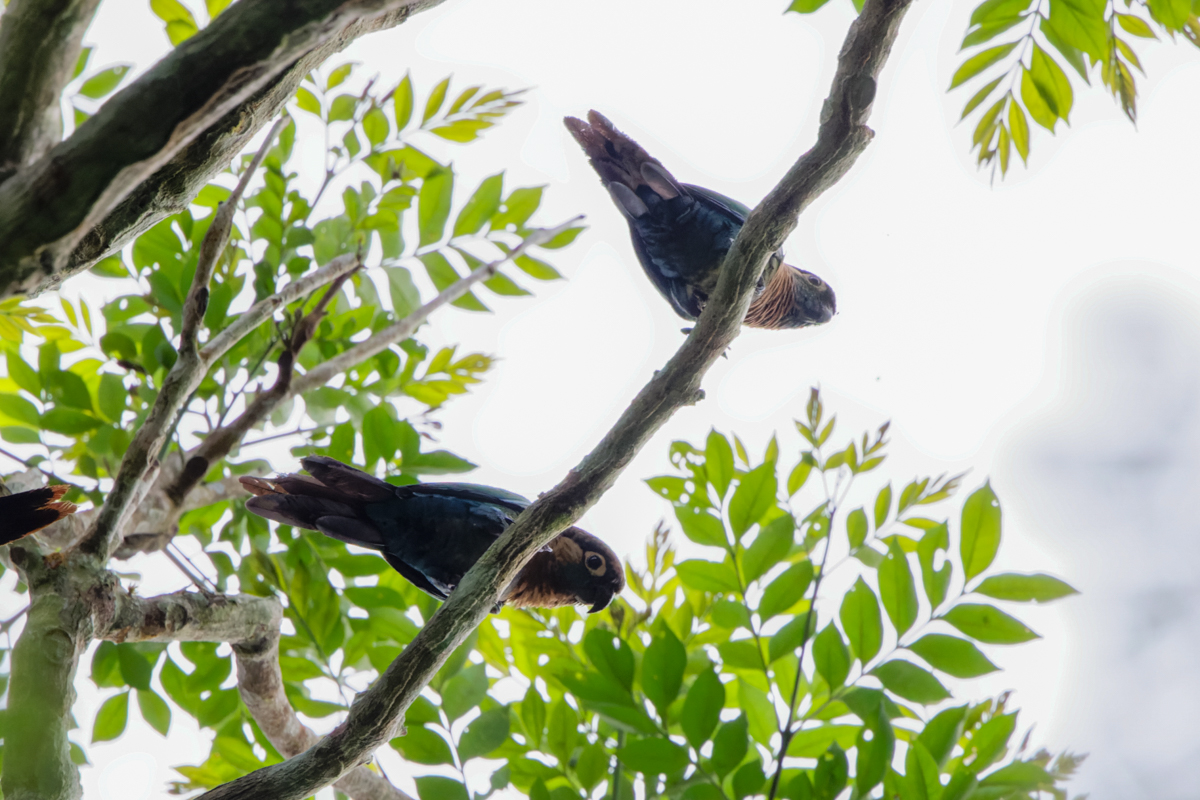
Pearly Parakeets (image by Leo Garrigues)
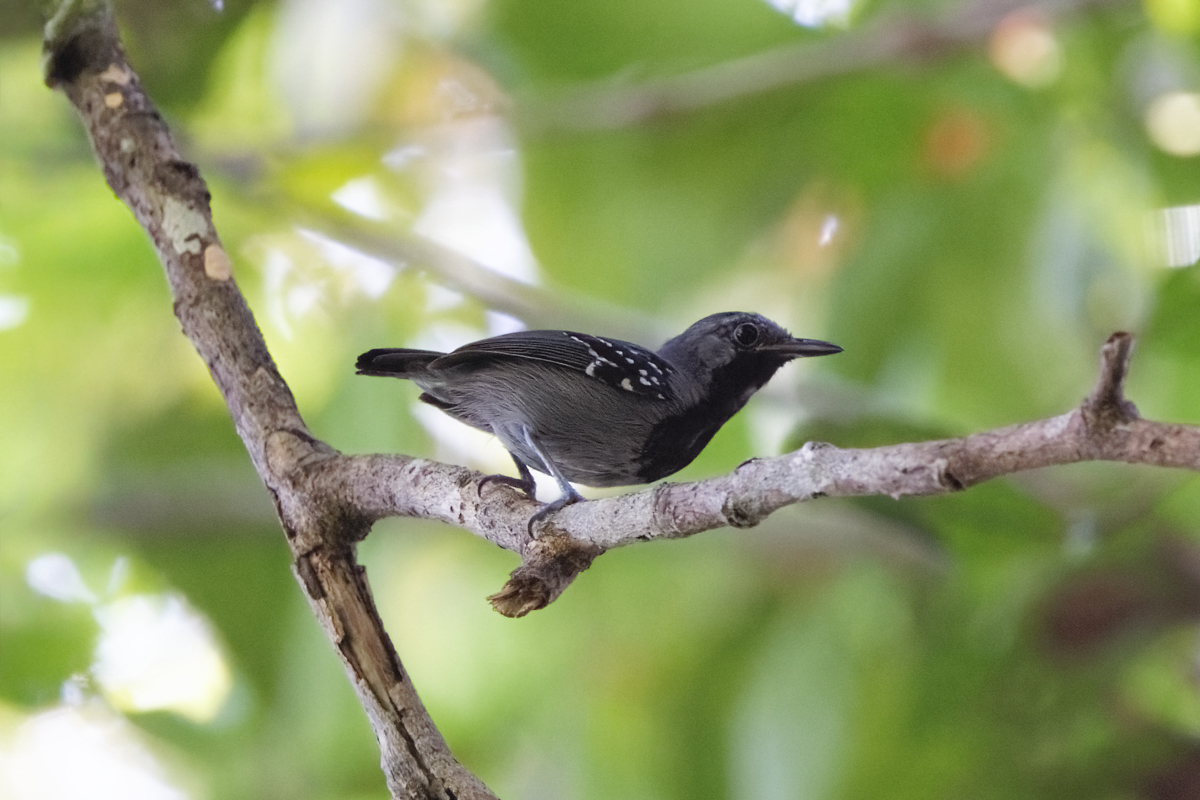
Ihering's Antwren (image by Leo Garrigues)
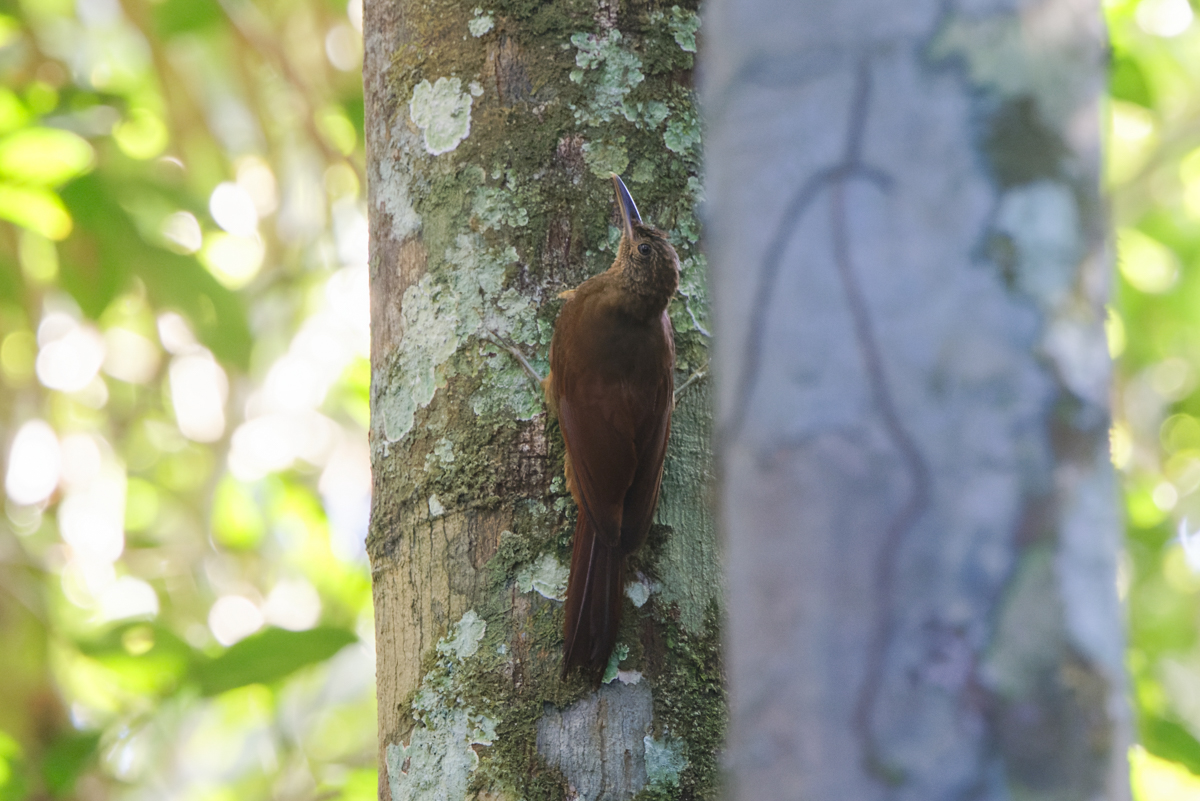
Hoffman's Woodcreeper (image by Leo Garrigues)
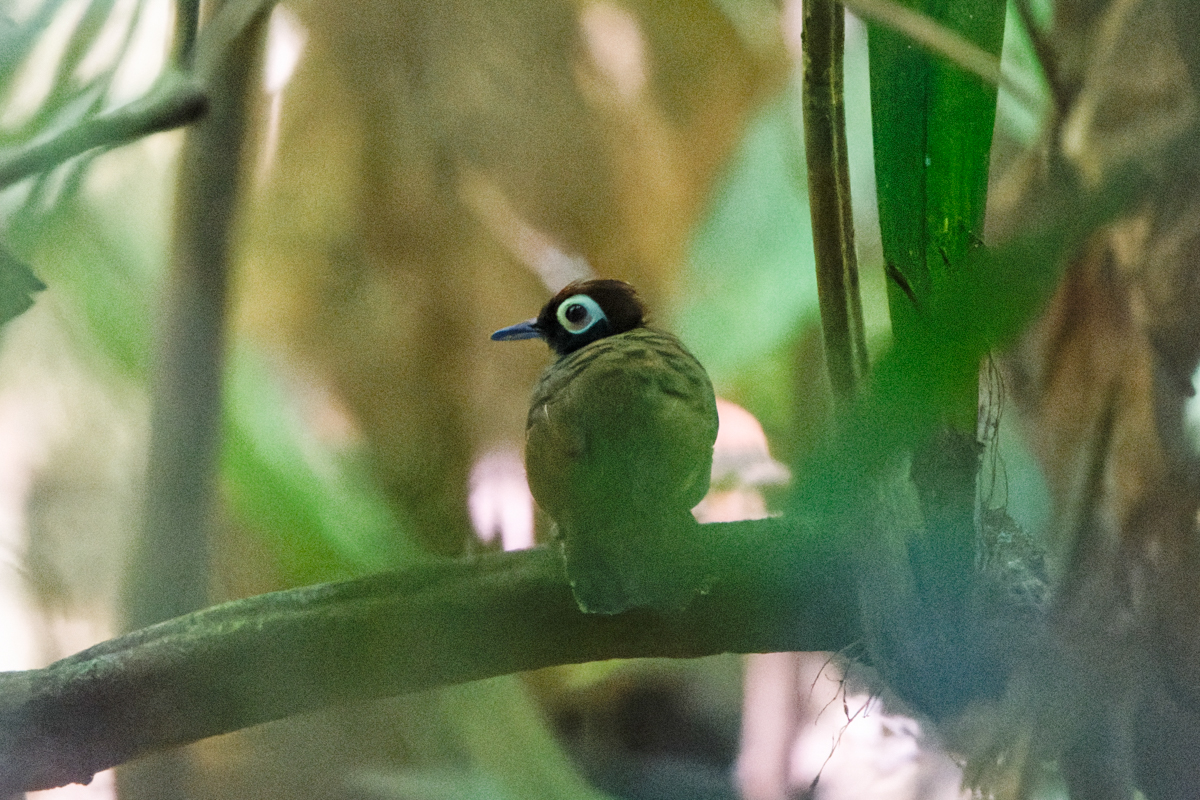
Harlequin Antbird (image by Leo Garrigues)
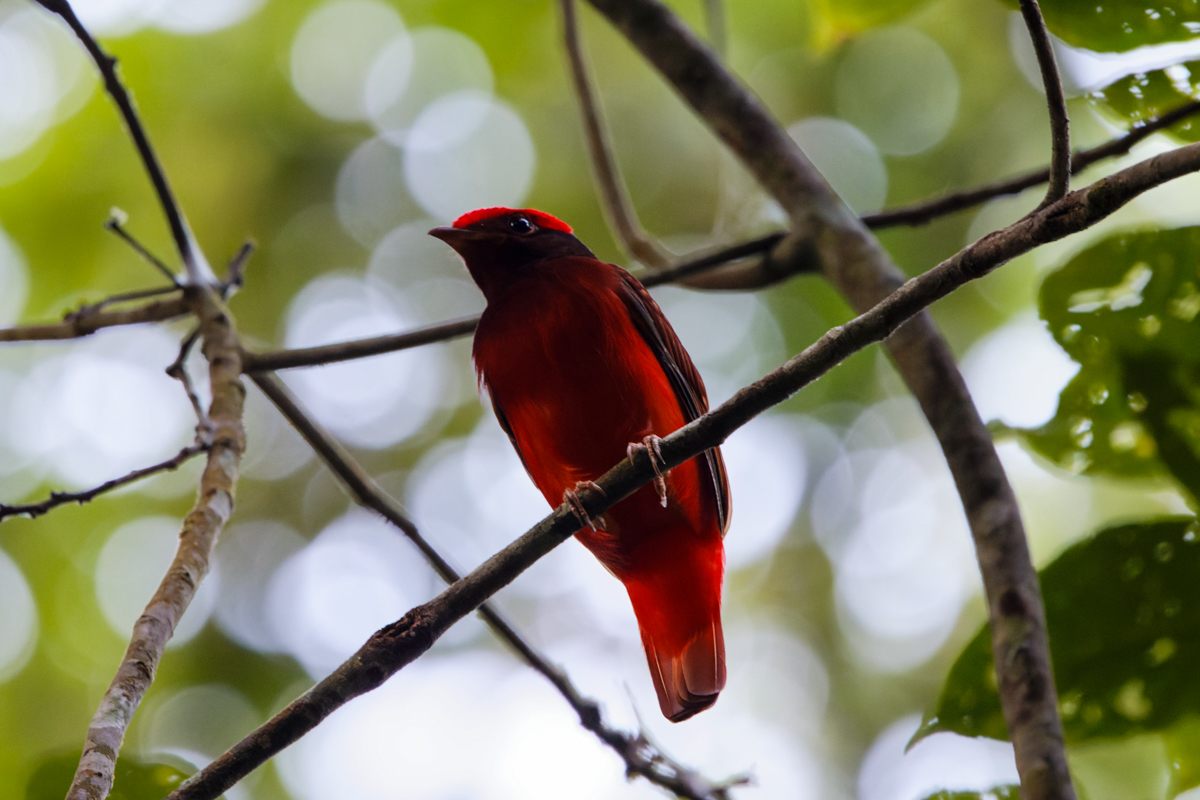
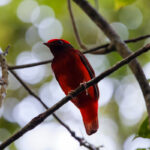
Guianan Red-Cotinga (image by Leo Garrigues)
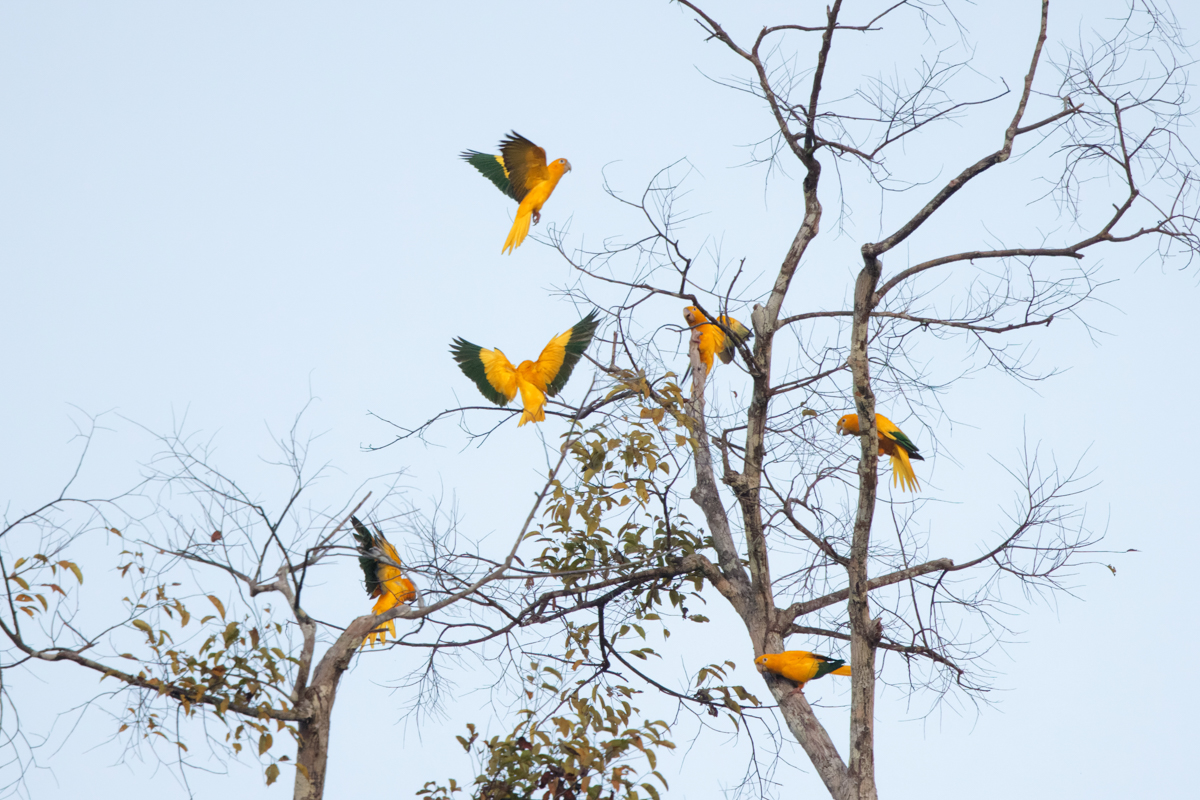
Golden Parakeets (image by Leo Garrigues)
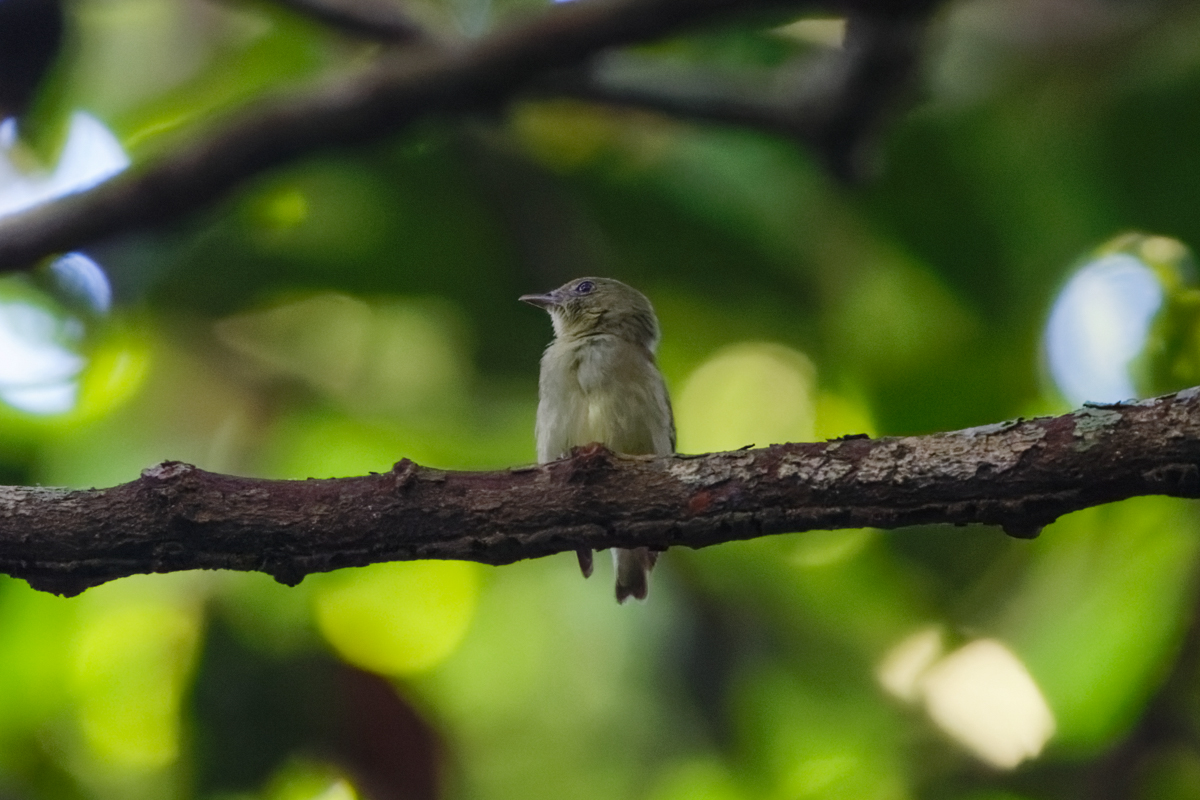
Dwarf Tyrant Manakin (image by Leo Garrigues)
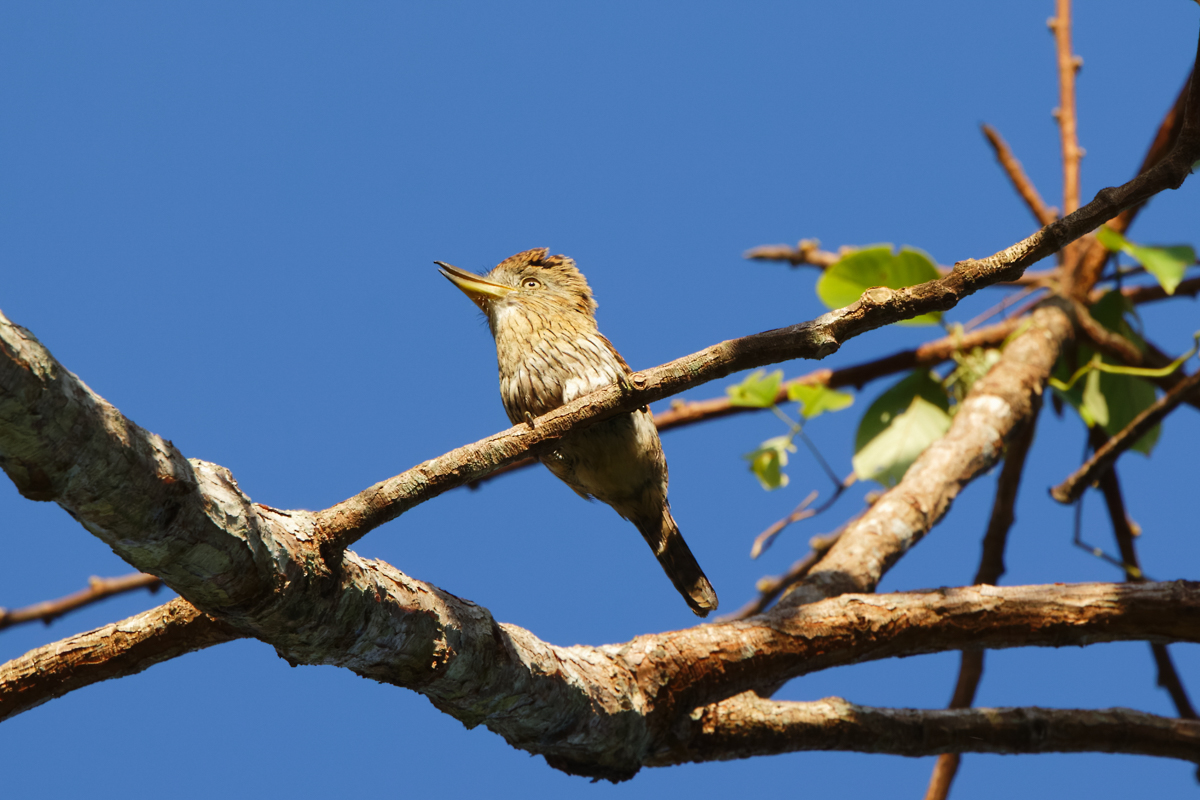
Eastern Striolated Puffbird (image by Leo Garrigues)
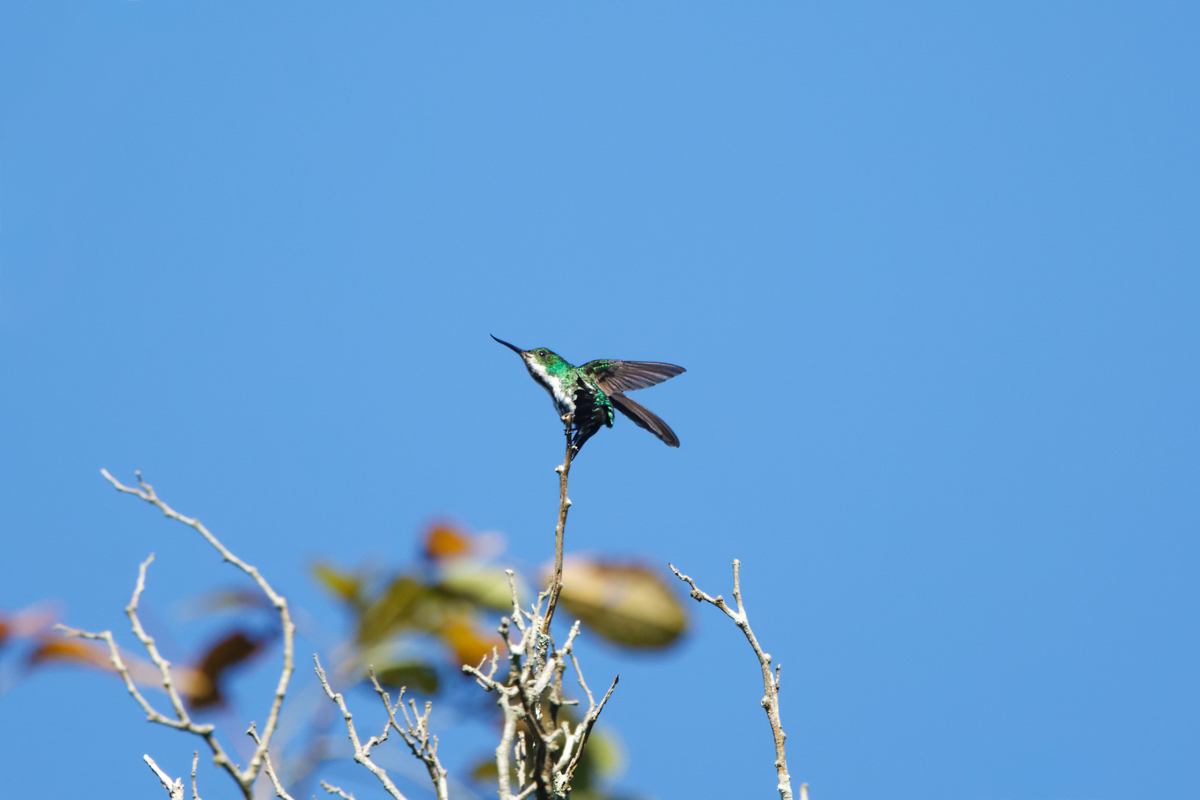
Fiery-tailed Awbill (image by Leo Garrigues)
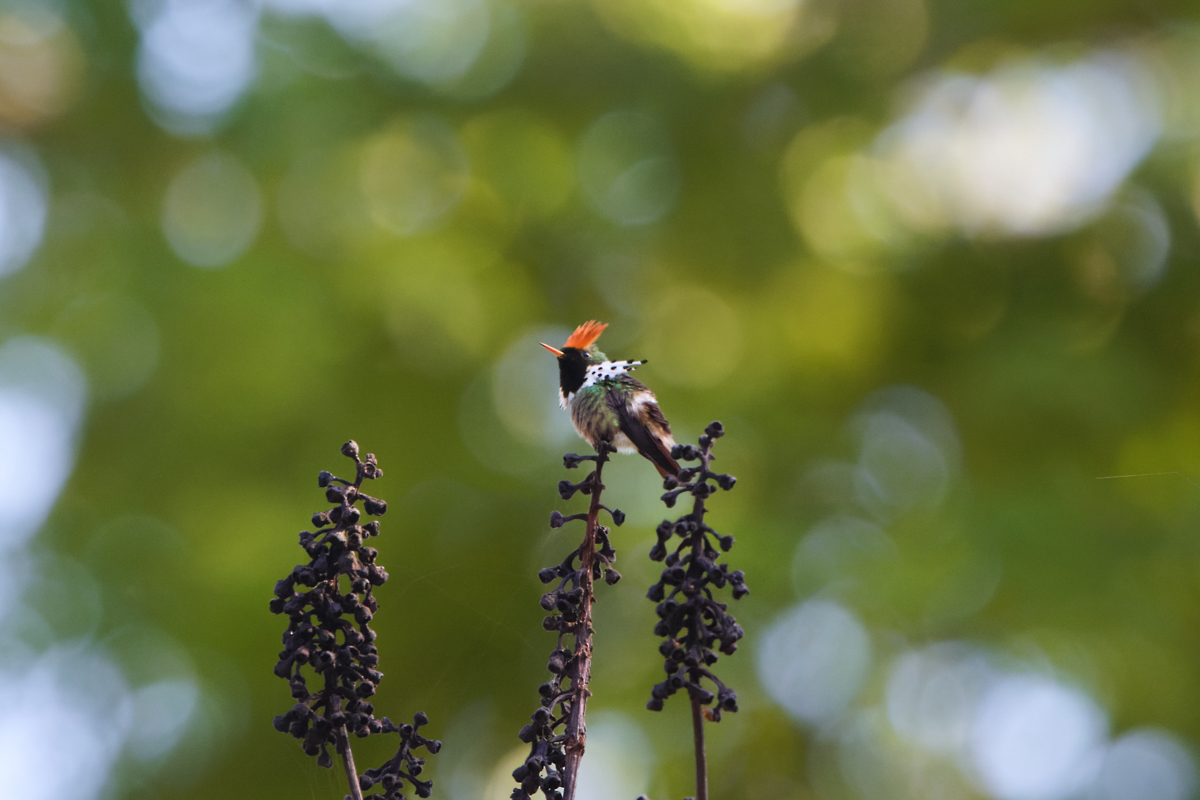
Dot-eared Coquette (image by Leo Garrigues)
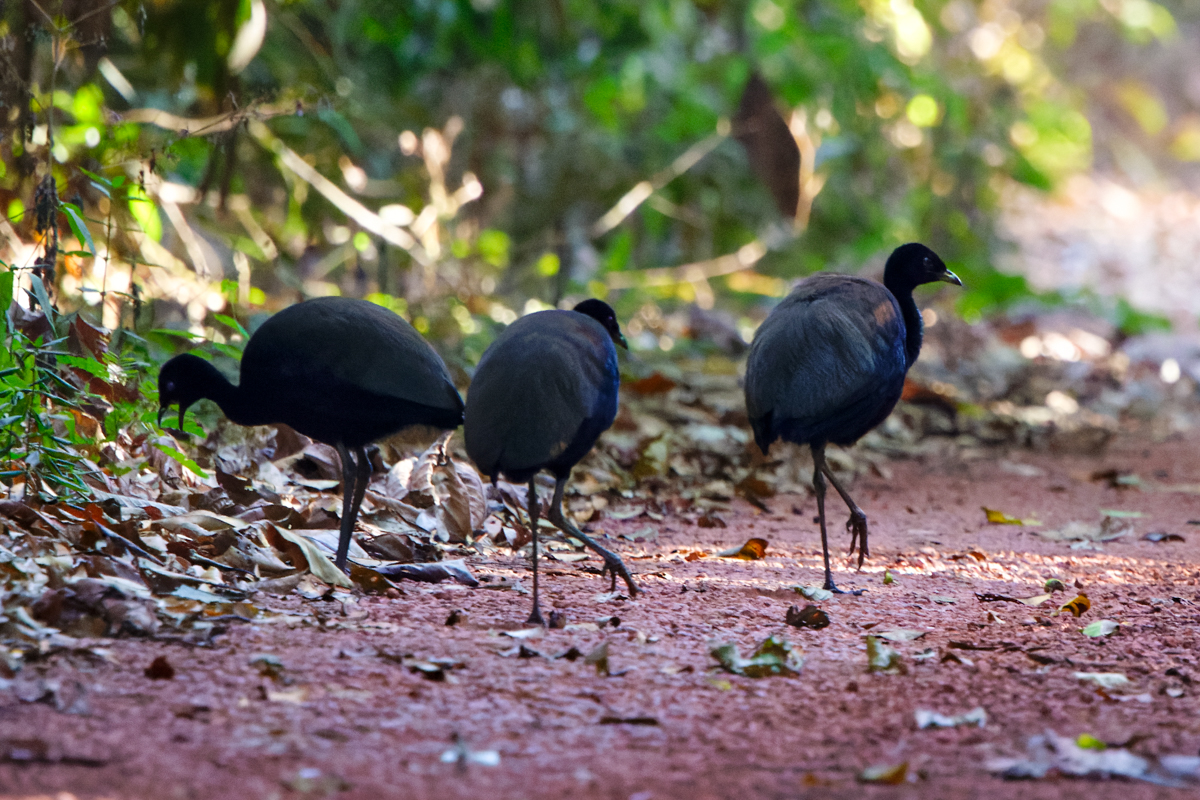
Dark-winged Trumpeters (Xingu) (image by Leo Garrigues)
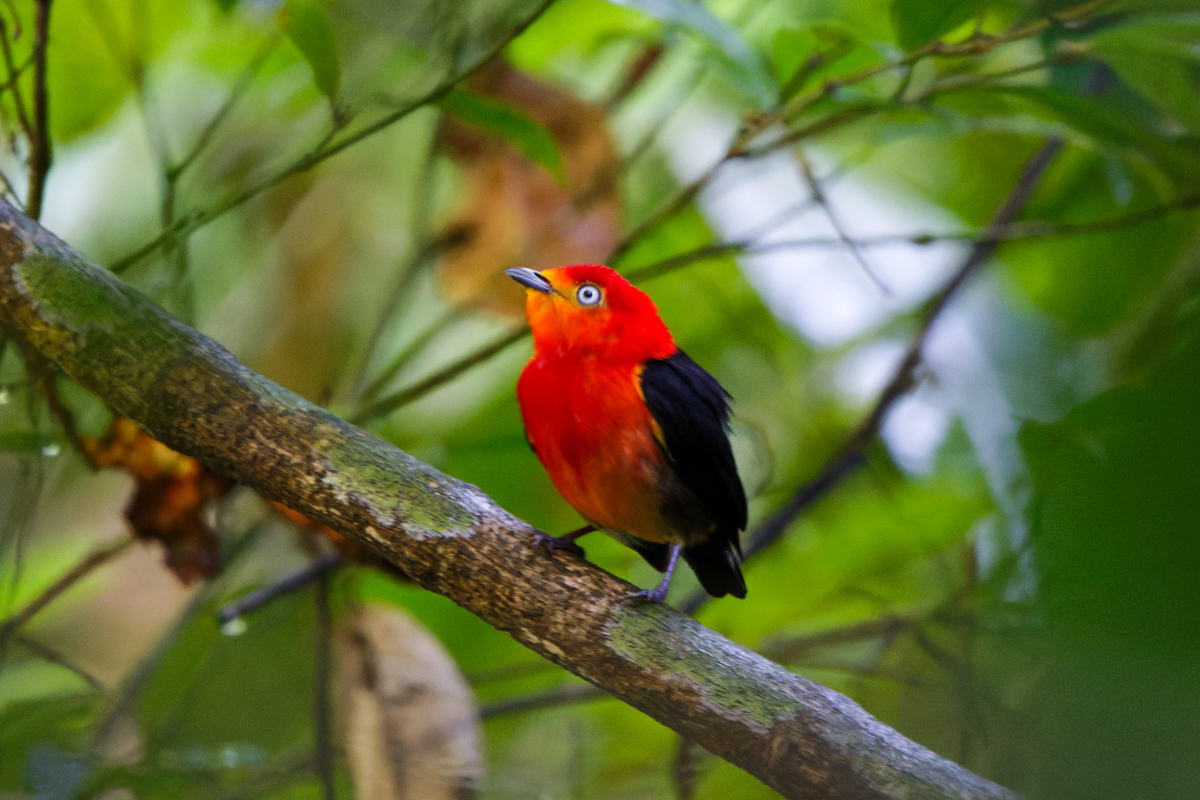
Crimson-hooded Manakin (image by Leo Garrigues)
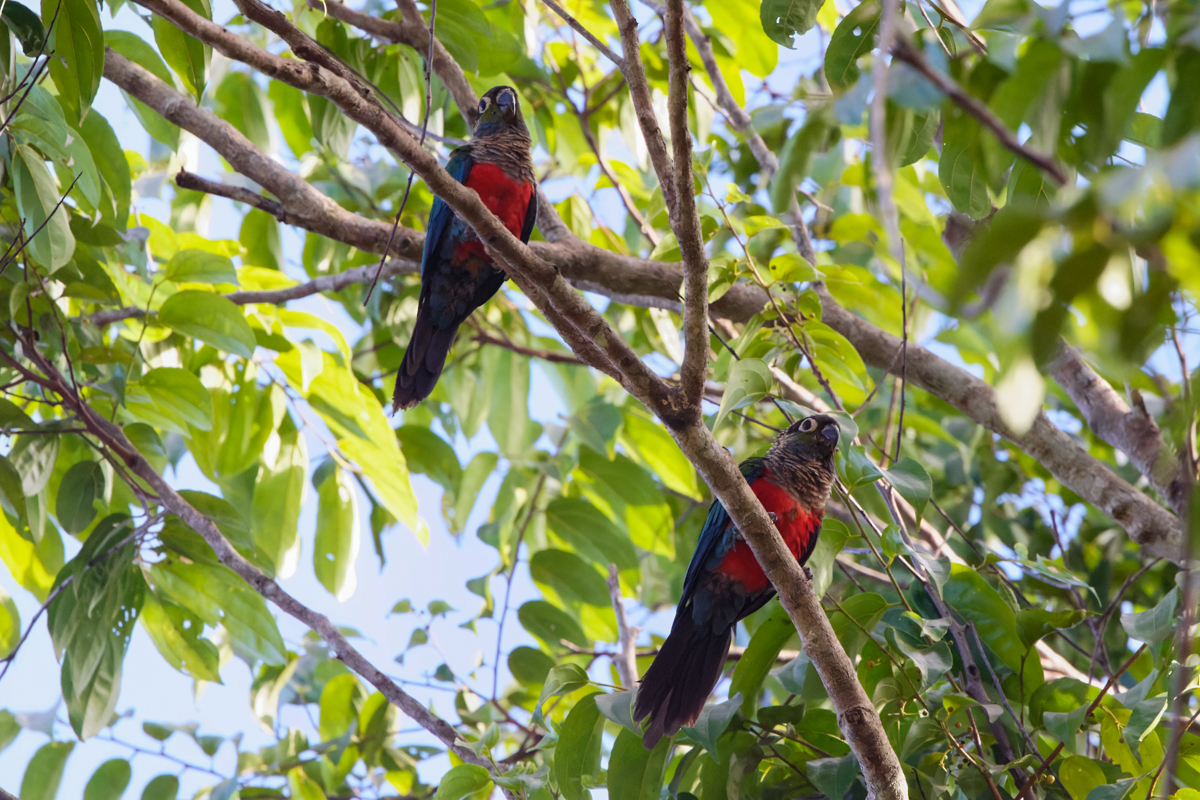
Crimson-bellied Parakeets (image by Leo Garrigues)
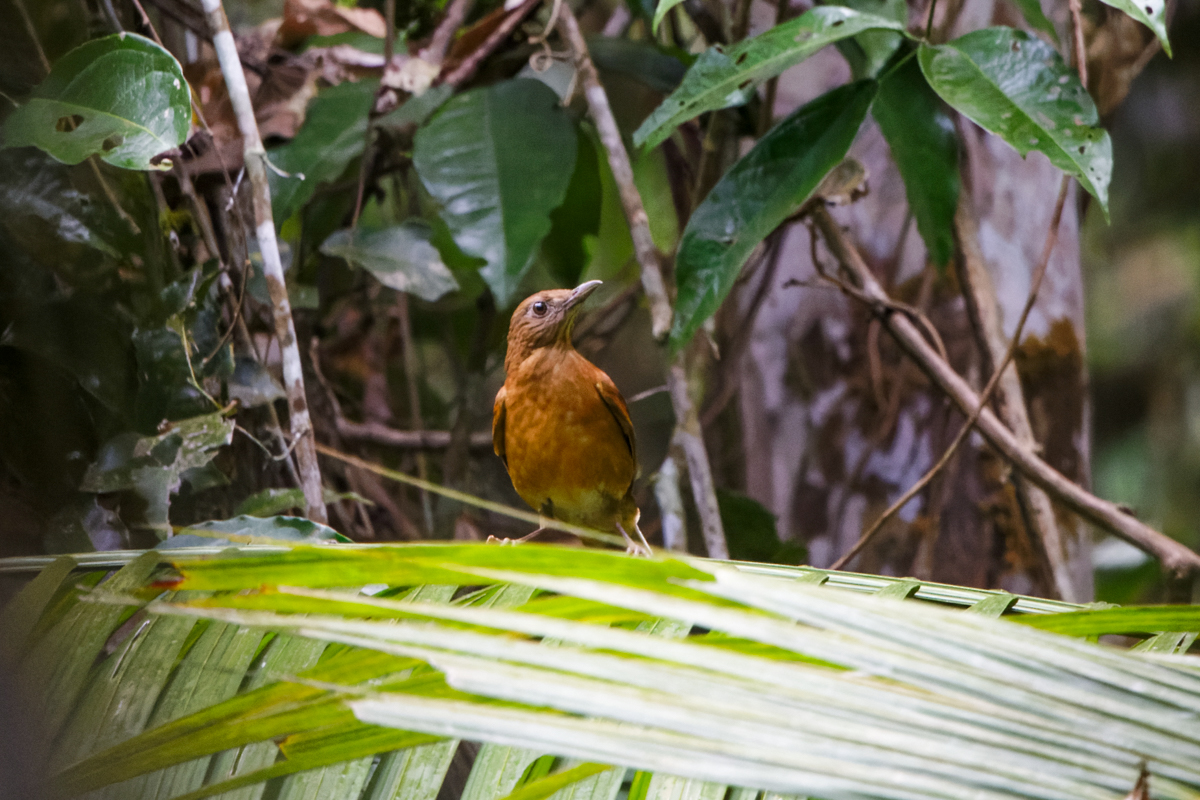
Cocoa Thrush (image by Leo Garrigues)
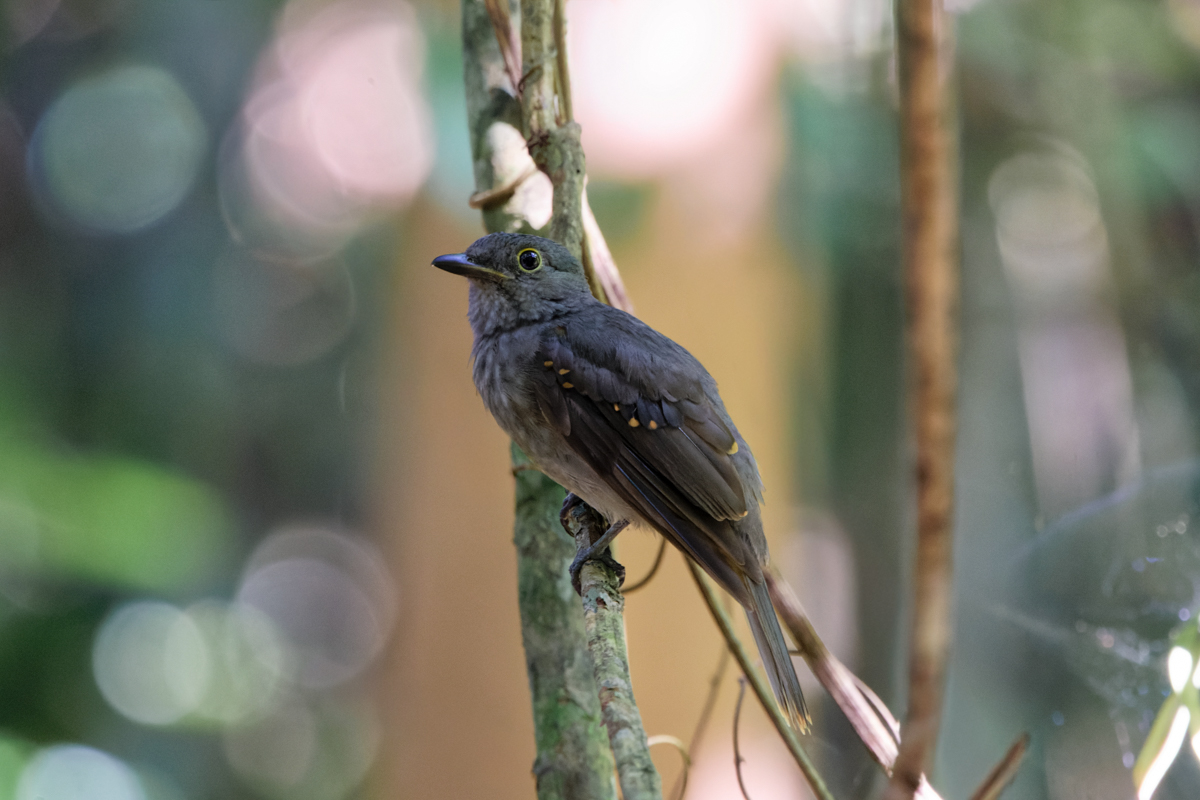
Cinereous Mourner (image by Leo Garrigues)
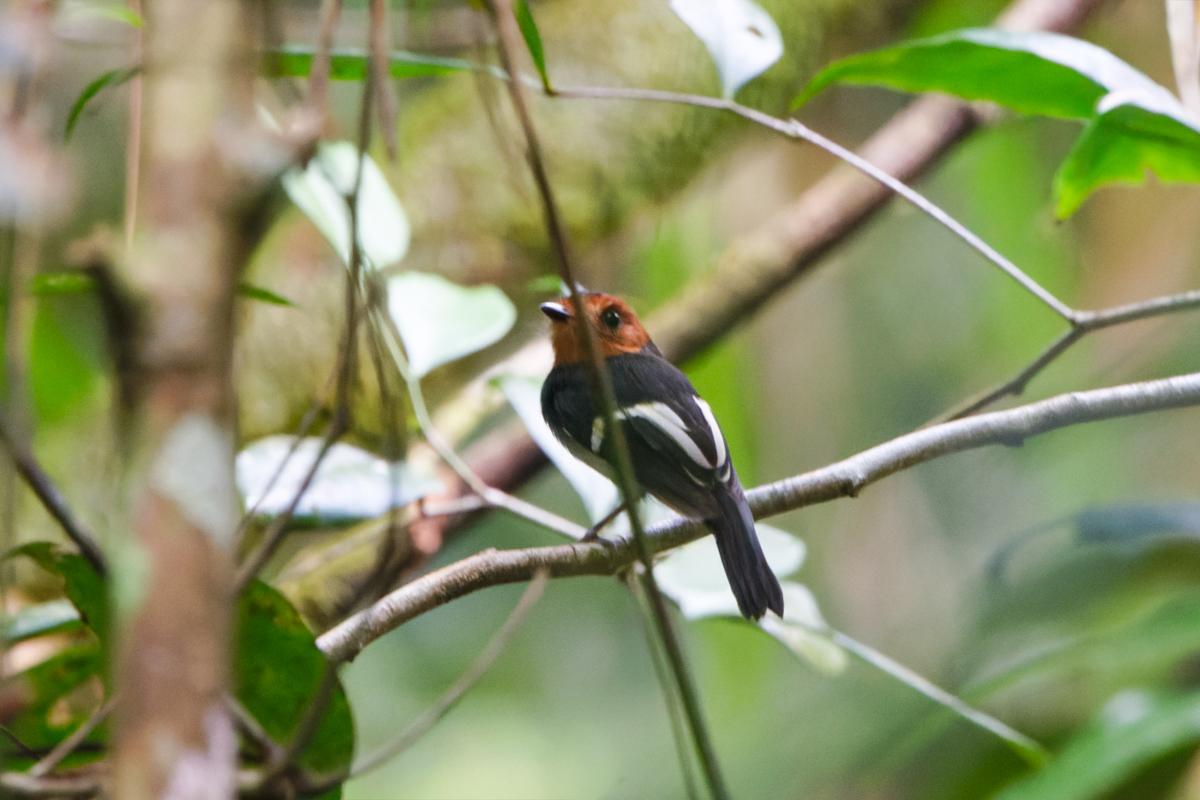
Black-chested Tyrant (image by Leo Garrigues)
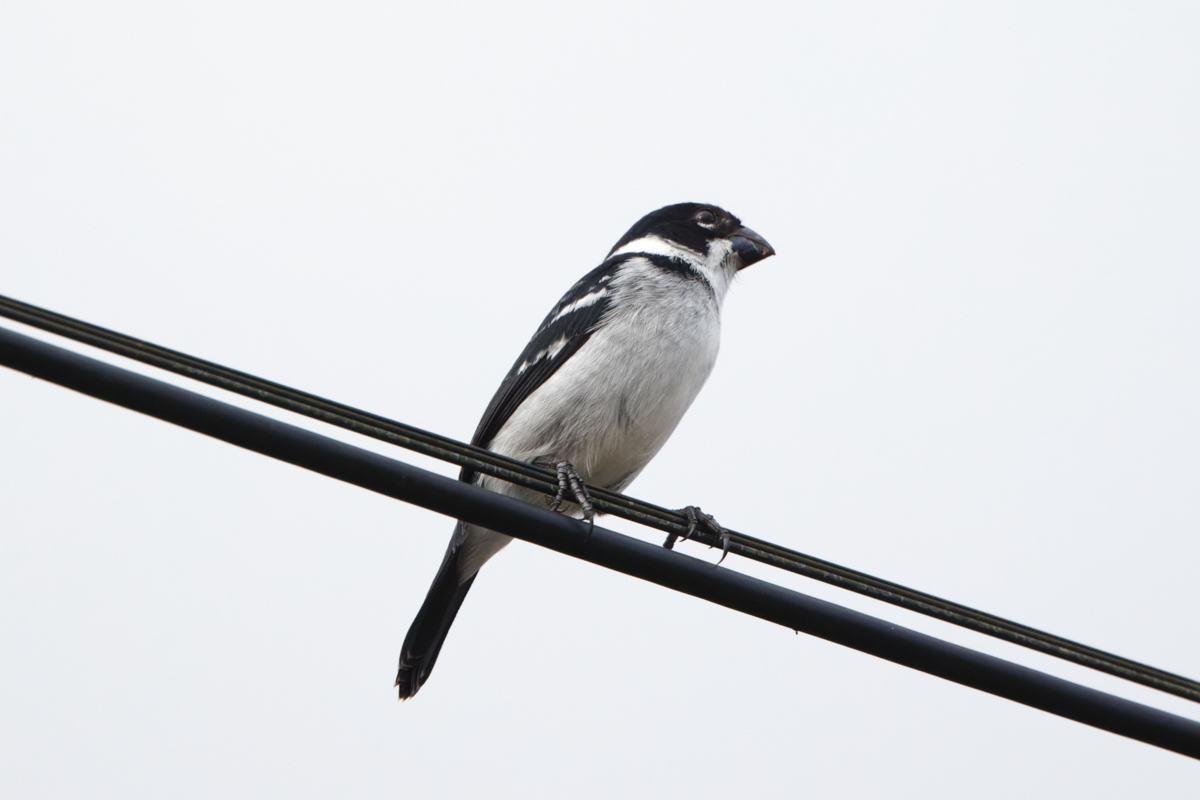
Wing-barred Seedeater (image by Leo Garrigues)
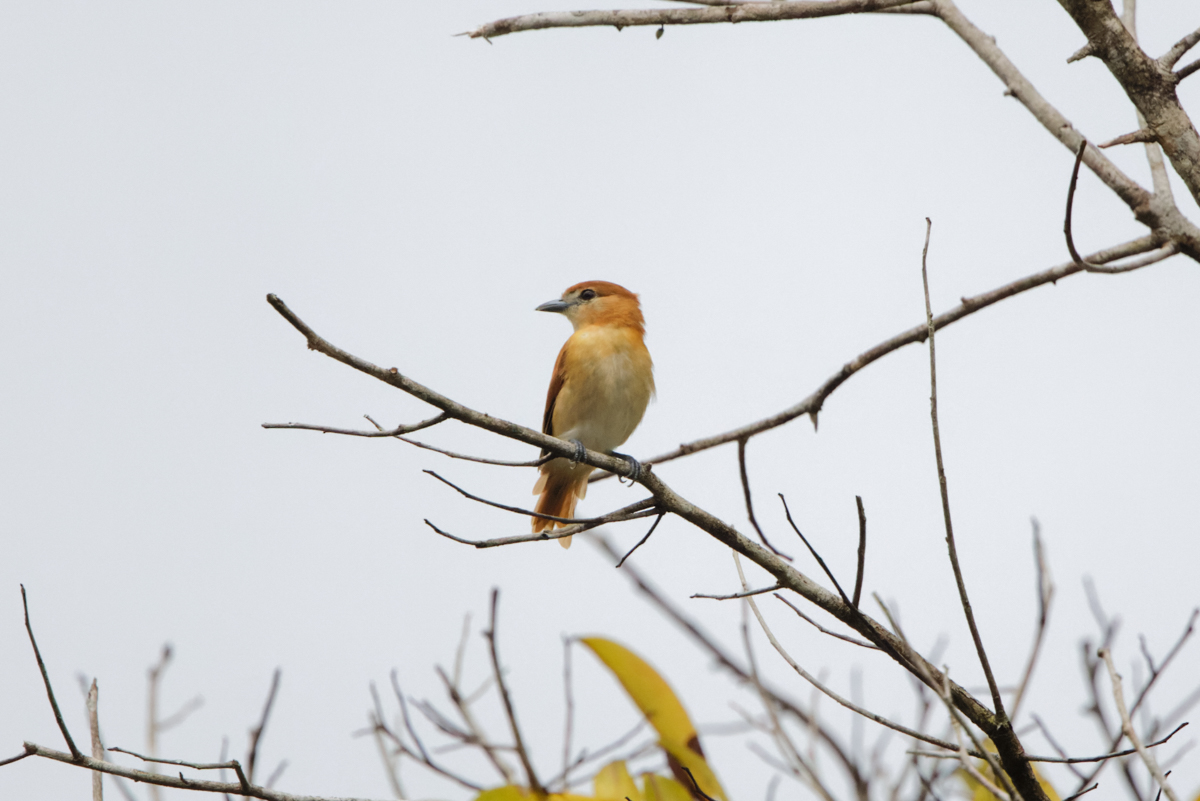
Cinereous Becard (image by Leo Garrigues)
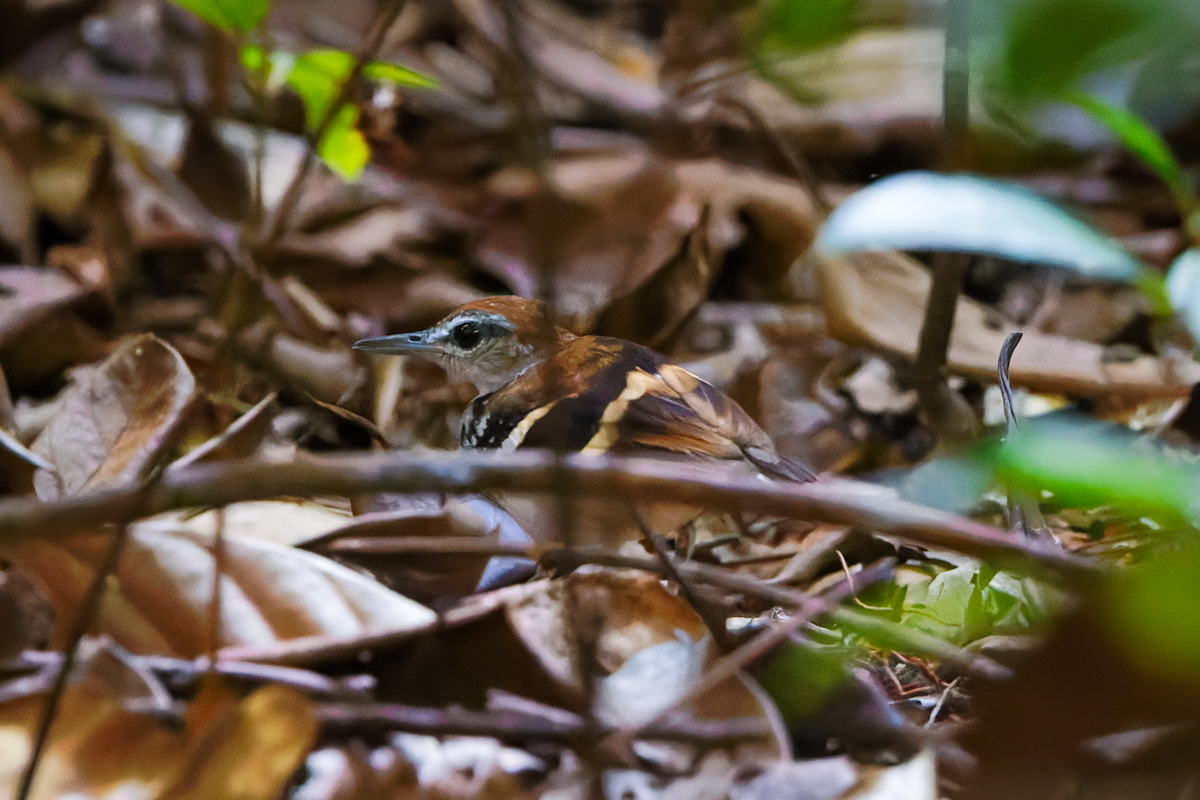
Banded Antbird (image by Leo Garrigues)
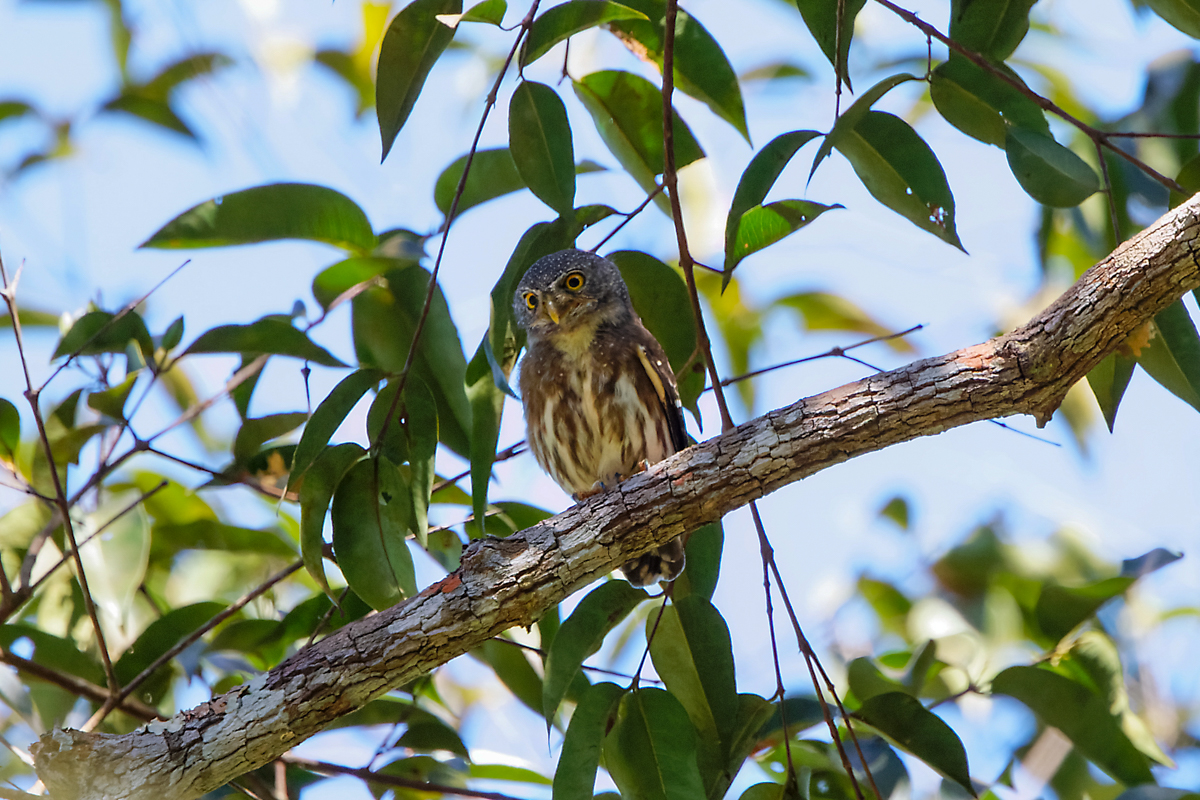
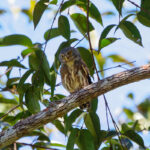
Amazonian Pygmy Owl (image by Leo Garrigues)
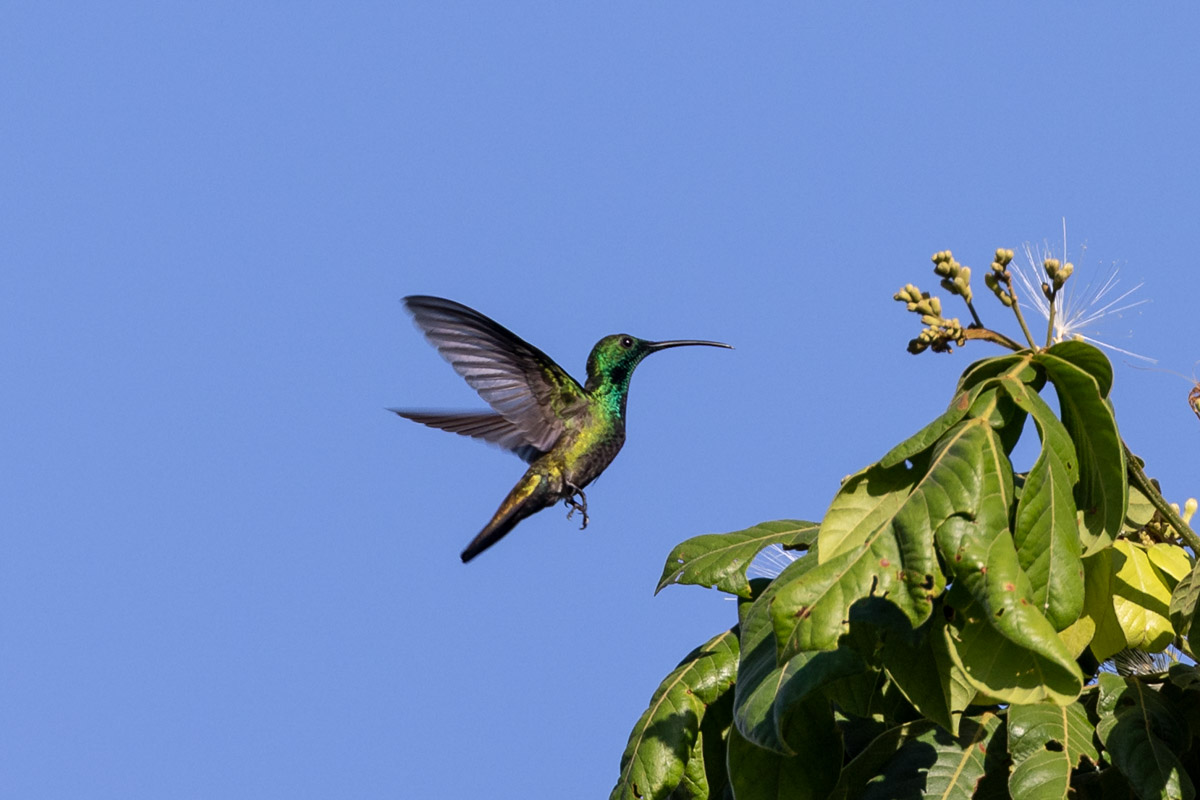
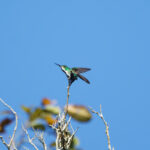
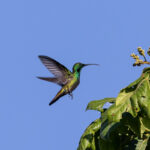
Green-throated Mango (image by Johannes Ferdinand)
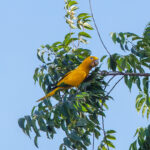
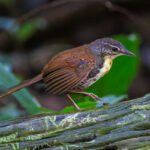
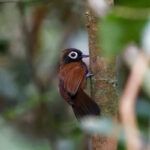
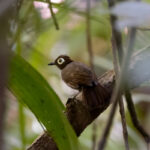
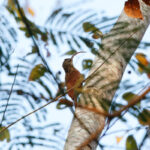
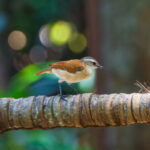
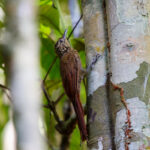
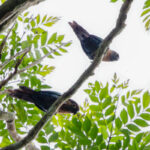
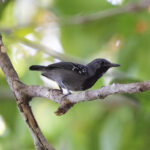
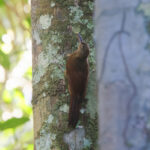
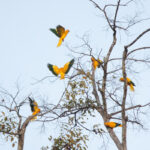
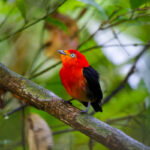
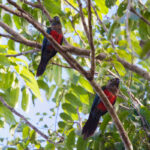
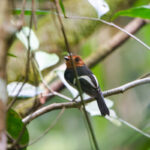
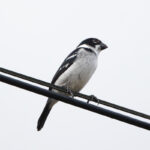
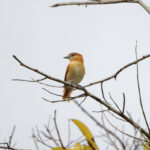
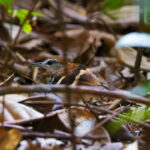


Golden Parakeets (image by Leo Garrigues)
Black-breasted Gnateater (image by Leo Garrigues)
Alta Floresta Antpitta (image by Leo Garrigues)
Spotted Puffbird (image by Leo Garrigues)
Ferruginous-backed Antbird (image by Leo Garrigues)
Golden Parakeet (image by Leo Garrigues)
Eastern Red-handed Howler (image by Leo Garrigues)
Pavonine Cuckoo (image by Johannes Ferdinand)
Blue-necked Jacamar (image by Leo Garrigues)
Rusty-belted Tapaculo (image by Leo Garrigues)
Bare-eyed Antbird (image by Leo Garrigues)
Harlequin Antbird (image by Johannes Ferdinand)
Xingu Scythebill (image by Leo Garrigues)
White-tailed Cotinga (image by Leo Garrigues)
White-shouldered Antshrike (image by Leo Garrigues)
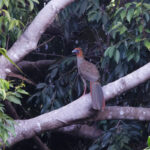
White-crested Guan (image by Leo Garrigues)
White Bellbird (image by Leo Garrigues)
Snethlage's Antpitta (image by Leo Garrigues)
Spectacled Thrush (image by Leo Garrigues)
Sulphur-breasted Parakeet (image by Leo Garrigues)
Bare-faced Curassows (image by Leo Garrigues)
Uniform Woodcreeper (Brigida's) (image by Leo Garrigues)
Black-faced Antbird (image by Leo Garrigues)
Uta Hick's Bearded Saki (image by Leo Garrigues)
Slaty-backed Forest Falcon (image by Leo Garrigues)
Silky-tailed Nightjar (image by Leo Garrigues)
Sand-colored Nighthawk (image by Leo Garrigues)
Ruddy Spinetail (image by Leo Garrigues)
Red-bellied Titi (image by Leo Garrigues)
Lesser Hornero (image by Leo Garrigues)
Little Chachalaca (image by Leo Garrigues)
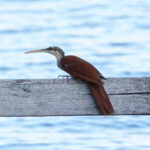
Long-billed Woodcreeper (image by Leo Garrigues)
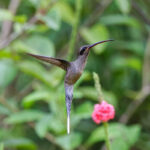
Long-tailed Hermit (image by Leo Garrigues)
Mournful Long-tailed Woodcreeper (image by Leo Garrigues)
Pearly Parakeets (image by Leo Garrigues)
Ihering's Antwren (image by Leo Garrigues)
Hoffman's Woodcreeper (image by Leo Garrigues)
Harlequin Antbird (image by Leo Garrigues)
Guianan Red-Cotinga (image by Leo Garrigues)
Golden Parakeets (image by Leo Garrigues)
Dwarf Tyrant Manakin (image by Leo Garrigues)
Eastern Striolated Puffbird (image by Leo Garrigues)
Fiery-tailed Awbill (image by Leo Garrigues)
Dot-eared Coquette (image by Leo Garrigues)
Dark-winged Trumpeters (Xingu) (image by Leo Garrigues)
Crimson-hooded Manakin (image by Leo Garrigues)
Crimson-bellied Parakeets (image by Leo Garrigues)
Cocoa Thrush (image by Leo Garrigues)
Cinereous Mourner (image by Leo Garrigues)
Black-chested Tyrant (image by Leo Garrigues)
Wing-barred Seedeater (image by Leo Garrigues)
Cinereous Becard (image by Leo Garrigues)
Banded Antbird (image by Leo Garrigues)
Amazonian Pygmy Owl (image by Leo Garrigues)
Green-throated Mango (image by Johannes Ferdinand)


BRAZIL’S EASTERN AMAZONIA TOUR REPORT 2025

14 - 30 July 2025
Leo Garrigues
Our Brazil Eastern Amazon tour was highly successful, recording a great species diversity and a high proportion of regional specialties. We visited multiple localities across the vast state of Pará, a rich yet highly threatened region of the Brazilian Amazon Basin, exploring a variety of habitats across different Amazonian centers of endemism within distinct interfluvial areas. The Amazon Basin comprises eight recognized centers of endemism, five of which were covered on this tour: Belém, Xingu, Tapajós, Rondônia, and Guiana. As a result, we recorded an impressive total of 482 bird species and 16 mammal species. Some of the best and iconic species that we can mention included the emblematic Golden Parakeet, the amazing White-Bellbird (the loudest bird in the world), the handsome Dot-eared Coquette, the bizarre looking Vulturine Parrot, the exquisite Harlequin Antbird, the very restricted Sulphur-breasted Parakeet, the superb White-tailed Cotinga or the unique Black-chested Tyrant just to mention some examples. But we had many other excellent highlights such as the Little, Chestnut-headed and Buff-browed Chachalacas, White-crested Guan, Silky-tailed Nightjar, Tapajos and Needle-billed Hermit, Fiery-tailed Awlbill, Ruby-Topaz Hummingbird, Green-breasted Mango, Pavonine Cuckoo, Dark-winged Trumpeteer, Spotted, Collared and Rufous-necked Puffbirds, Rusty-breasted and Rufous-capped Nunlets, Brown-chested Barbet, Red-necked Aracari, Gould’s Toucanet, White-throated Woodpecker, Barred, Cryptic and Slaty-backed Forest Falcons, Pearly, Crimson-bellied and Santarem Parakeets, Mournful Long-tailed, Hoffman’s, Uniform (Brigida’s) and Spix’s Woodcreepers, Xingu Scythebill, Chestnut-winged, Chestnut-crowned and Para Foliage-gleaners, Ruddy Spinetail, Wing-banded, Banded, Willi’s, Ferruginous-backed, Rufous-faced and Bare-eyed Antbirds, Sclater’s and Ihering’s Antwrens, Saturnine, Blackish-grey and Glossy Antshrikes, Tapajos and East Amazonian Fire-eyes, Snethlage’s, Alta Floresta and Amazonian Antpittas, Black-breasted, Black-bellied and Black-hooded Gnateaters, Rusty-belted Tapaculo, Amazonian Scrub Flycatcher, Amazonian Inezia, Snethlage’s and Zimmer’s Tody-Tyrants, Black-and-white Tody-Flycatcher, Eastern Olivaceous Flatbill, White-crested Spadebill, Cinereous Mourner, Ash-thorated Casiornis, Guianan Red Cotinga, Purple-breasted Cotinga, Crimson-hooded, Snow-capped, Opal-crowned and Flame-crested Manakins, Cinereous Becard, Sharpbill, Black-collared Swallow, Cocoa and Spectacled Thrushes, Golden-sided Euphonia, Red-billed Pied Tanager, Rose-breasted Chat, Yellow-green and Yellow-shouldered Grosbeak, Short-billed Honeycreeper, and Opal-rumped Tanager.
The tour began with an early-morning flight from Manaus to Itaituba. While waiting for our plane at Manaus Airport, we were already able to enjoy some birding, including a Southern Martin (the only sighting of the species during the entire tour), as well as Southern Lapwing, Collared Plover, Savanna Hawk, White-tailed Hawk, Fork-tailed Flycatcher, and White-winged Swallow. Upon arrival in Itaituba, our excellent local guide, Gilberto, warmly welcomed the group. We headed straight to our accommodation, arriving in time for lunch. After enjoying a pleasant meal on the banks of the Tapajós River, we set out for our first explorations in Amazônia National Park.
Our first proper birding session of the trip was highly productive, yielding several major specialties and uncommon sightings, including Brown-chested Barbet, Vulturine Parrot, Chestnut-winged Foliage-gleaner, and Ihering’s Antwren. Additional species that rounded out our afternoon included Speckled Chachalaca, Sand-colored Nighthawk, Band-rumped and Lesser Swallow-tailed Swifts, Amazonian Trogon, Green-tailed and Great Jacamars, Black-fronted and White-fronted Nunbirds, Channel-billed Toucan, Golden-winged Parakeet, Red-and-green Macaw, Amazonian Plain Xenops, Rufous-rumped Foliage-gleaner, Spot-winged, Saturnine, Cinereous, and Chestnut-backed Antshrikes, Dot-winged Antwren, White-eyed Stipplethroat, Spix’s Warbling Antbird, Eastern Olivaceous Flatbill, Pink-throated Becard, Black-collared Swallow, Coraya Wren, and Epaulet Oriole. Not a bad beginning for our first afternoon.
The first full day in Amazônia National Park began at dawn along the Acaical Trail, where most of the birding took place within terra firme forest. The first bird of the day was the endemic White-crested Guan, seen at first light. As daylight increased, we entered the forest trail in search of some of the region’s more secretive Amazonian species. The early part of the morning was somewhat slow, with many birds heard only. Nevertheless, the latter part of the morning proved rewarding, producing several high-quality species. Highlights included Collared Puffbird, Gould’s Toucanet, Hoffmann’s Woodcreeper, Cinereous Mourner, Red-billed Pied Tanager, and Rose-breasted Chat. Additional species that rounded out the morning included Green-backed Trogon, Olivaceous, Long-billed, and Amazonian Barred Woodcreepers, Ochre-throated Foliage-gleaner, Plain-throated Antwren, Black-spotted Bare-eye, Black-faced Antbird, and Flame-crested Tanager.
The afternoon session focused on one of the main targets of the tour, with a visit to an area where Golden Parakeets were known to be roosting at the time. A drive of approximately two hours was required to reach the site, with a few brief stops along the way. After some patient waiting, the effort was rewarded by a group of 11 Golden Parakeets perched atop a tall tree in the middle of a pasture, before flying to their tree-cavity roost. Without doubt, this species ranks among the most remarkable members of the Psittacidae family worldwide. Additional species recorded during the afternoon included Band-rumped Swift, Common Ground Dove, Swallow-tailed Kite, Crimson-crested Woodpecker, Bat Falcon, Vulturine Parrot, Mealy Amazon, Red-bellied and Blue-and-yellow Macaws, Yellow-crowned Tyrannulet, Ochre-lored Flatbill, Red-breasted Meadowlark, and Yellow-bellied Seedeater.
The second full day in the Amazônia National Park area was spent birding along the Trans-Amazonian Road, combining roadside birding with forest trails once temperatures began to rise. This strategy proved highly effective, resulting in an exceptionally productive morning session. One of the first highlights at dawn was a Barred Forest-Falcon, which called persistently and eventually allowed excellent scope views. Among the most remarkable species of the morning were Needle-billed Hermit, Fiery-tailed Awlbill, Rusty-breasted Nunlet, Ihering’s Antwren, Glossy Antshrike, Rufous-faced Antbird, Rusty-belted Tapaculo (seen exceptionally well in the open) and Snow-capped Manakin. In addition to these specialties, an impressive species list was compiled, including Grey-breasted Sabrewing, Fork-tailed Woodnymph, Amazonian Pygmy-Owl, Black-bellied Cuckoo, Amazonian Motmot, Paradise Jacamar, White-throated and Channel-billed Toucans, Lettered, Red-necked, and Black-necked Aracaris, Bar-breasted Piculet, Red-throated Caracara, Vulturine Parrot, Strong-billed and Rondônia Dusky-capped Woodcreepers, Long-winged and Plain-throated Antwrens, Dot-backed Antbird, Guianan Tyrannulet, Golden-crowned Spadebill, Dusky-chested Flycatcher, Cinnamon Attila, Screaming Piha, Bare-necked Fruitcrow, Red-headed Manakin, Grey-chested Greenlet, Green and Olive Oropendolas, and Opal-rumped Tanager. Unfortunately, along one of the trails only brief views of Dark-winged Trumpeters were obtained, as they quickly disappeared into the dense understory vegetation.
Afternoon birding was conducted along the Traçoa Trail in transitional várzea forest. The outing produced several excellent species, including Chestnut-capped Puffbird, Ruddy Spinetail, Amazonian Antshrike, Hauxwell’s Thrush, and outstanding views of a Tawny-bellied Screech-Owl at the end of the day. Additional species that rounded out the afternoon included Fork-tailed Palm-Swift, Wedge-billed Woodcreeper, Dot-winged and White-flanked Antwrens, Saturnine Antshrike, Short-tailed Pygmy-Tyrant, Black-capped Donacobius, and Moustached Wren. One of the main targets for the afternoon was Zigzag Heron; however, no evidence of this species was found.
Efforts on the third full day at Amazônia National Park were directed toward finding several key species still missing from the list, with most of the day spent birding a terra firme forest trail in search of Amazonian specialties. At dawn, another forest falcon was encountered—this time the rare and uncommon Slaty-backed Forest-Falcon. Undoubtedly the bird of the morning was Harlequin Antbird, as the entire group enjoyed excellent views of a responsive pair of this highly range-restricted Rhegmatorhina species. Given the absence of army ant swarms during the visit, encountering this species was particularly fortunate. Other morning highlights included Blue-necked Jacamar, Rufous-necked Puffbird, Xingu Scaled Antbird, Ferruginous-backed Antbird, Pará Greenlet (recently split from Tawny-crowned Greenlet), and McConnell’s Flycatcher. Additional species recorded during the morning included Reddish Hermit, Black-eared Fairy, Yellow-throated Woodpecker, Plain-brown and Elegant Woodcreepers, Ornate Stipplethroat, Long-winged and Grey Antwrens, Red-headed Manakin, Olive Oropendola, Purple Honeycreeper, and White-shouldered Tanager.
After returning to the hotel for another excellent lunch and a short siesta, we headed out in the afternoon to explore a different trail, with Alta Floresta Antpitta as our main target. Although initially expected to be straightforward, the species proved more challenging than anticipated; however, persistence paid off and one individual eventually showed very well. Another major highlight of the afternoon was obtaining excellent views of a Banded Antbird walking through the understory—always a special encounter with one of the region’s finest antbirds. Additional species that rounded out the session included Chestnut Woodpecker, Elegant and Dusky-capped Woodcreepers, Sclater’s Antwren, brief views of Black-spotted Bare-eye, Greenish Elaenia, Lesser Kiskadee, Dwarf Tyrant-Manakin, and Flame-crested Manakin. From viewpoints overlooking the Tapajós River, we observed Pied Plover, Black Skimmer, Yellow-billed and Large-billed Terns, Neotropic Cormorant, Snowy and Great Egrets, along with several swallow species, including Black-collared, White-winged, and White-banded Swallows.
The following day, we visited the east bank of the Tapajós River, birding in secondary forest and along the river margins. We also spent time boating on the river and visiting several Tapajós River islands, where we encountered a number of local specialties. By birding the eastern side of the Tapajós, we aimed to find species that do not occur on the western bank, and this strategy proved successful. Notable finds during the morning included Tapajós Hermit, Black-girdled Barbet, and the eucephala subspecies of Opal-crowned Manakin, all of which have a restricted distribution within the Tapajós–Xingu interfluve. Other species recorded on the east bank included Streak-throated and Long-tailed Hermits, Scaled Pigeon, Double-toothed Kite, Amazonian Pygmy-Owl, Black-necked Aracari, Yellow-crowned Amazon, Blackish and Band-tailed Antbirds, Helmeted Pygmy-Tyrant, Purple-throated Fruitcrow, Chestnut-crowned Becard, Thrush-like Wren, and Violaceous Euphonia. Birding along the Tapajós River islands produced additional specialties, including Blackish-grey Antshrike, Glossy Antshrike, and Amazonian Inezia. These were complemented by Sand-colored Nighthawk, Greater Ani, Pied Plover, Rufescent Tiger-Heron, Osprey, Orange-winged Amazon, Straight-billed Woodcreeper, Amazonian Streaked Antwren, Yellow Tyrannulet, Grey-chested Greenlet, Brown-chested Martin, Black-collared Swallow, Bluish-grey Saltator, and Red-capped Cardinal. We also had an encounter with a group of Golden-and-white Bare-ear Marmoset during our hike in the east bank of Tapajos River.
Our final afternoon in Amazônia National Park was spent birding along the Trans-Amazonian Road, searching for additional species not yet recorded. One of our main targets was Point-tailed Palmcreeper, which eventually cooperated, allowing excellent views of a pair. We also encountered a group of Golden Parakeets feeding in roadside trees, and a second encounter with this majestic species was especially appreciated. Other highlights of the afternoon included Spotted Puffbird, Crimson-bellied Parakeet, and Short-billed Honeycreeper, complemented by Broad-billed Motmot, Cinnamon-throated Woodcreeper, Guianan Tyrannulet, Variegated and Crowned Slaty-Flycatchers, and Flame-crested Tanager. Unfortunately, Cryptic Forest-Falcon was heard calling but never showed. We then returned to the lodge to enjoy our final dinner at the pousada.
Next day, we departed our pousada after an early breakfast, followed by a ferry crossing of the Tapajós River to Itaituba, and then continued on to the Tapajós National Forest, birding en route to Santarém. Our visit to the Tapajós National Forest was very productive, as we located our two main targets: Bare-eyed Antbird and Tapajós Fire-eye, both specialties of the Tapajós–Xingu interfluvial region. Although birding was slow at times, we eventually connected with several mixed-species flocks, resulting in a rewarding list that included Tapajós Hermit, Black-eared Fairy, King Vulture, White Hawk, Amazonian Trogon, White-fronted Nunbird, Red-necked Aracari, Red-stained Woodpecker, Red-throated Caracara, Spix’s, Buff-throated, Cinnamon-throated, and Dusky-capped (Layard’s) Woodcreepers, Greyish Mourner, Pink-throated Becard, and Slaty-capped Shrike-Vireo. We arrived at our hotel in Santarém in the late afternoon.
The following morning, we took a ferry to the northern bank of the Amazon River at Monte Alegre. The crossing lasted approximately two hours, during which we observed a wide variety of birds, including Horned Screamer, Black-bellied Whistling-Duck, Muscovy Duck, Brazilian Teal, Gull-billed Tern, Pale-vented Pigeon, Limpkin, Black-necked Stilt, Wattled Jacana, Anhinga, Buff-necked Ibis, Cocoi Heron, Lesser Yellow-headed Vulture, Snail Kite, Savanna Hawk, Great Black Hawk, Toco Toucan, White-winged Parakeet, Shiny Cowbird, Oriole Blackbird, Yellow-hooded Blackbird, and Saffron Finch.
Upon arrival in Monte Alegre, our local guide, Leno, was waiting for us, and we transferred to new vehicles for our time in the area. Birding in Monte Alegre remains relatively underexplored, and the primary purpose of our visit was to search for the highly range-restricted Sulphur-breasted Parakeet. Owing to its location within the Guianan Shield, Monte Alegre supports a unique assemblage of species not encountered elsewhere on the tour, as well as patches of Cerrado habitat embedded within Amazonian Forest and areas of white-sand soils that harbor additional localized species.
Fortunately, our search for Sulphur-breasted Parakeet proved remarkably straightforward. We located a family group almost immediately at our first site, enjoying excellent views of nine individuals feeding on guaba fruits. Finding the parakeets so quickly provided valuable flexibility to explore a variety of habitats and sites during our stay in Monte Alegre. Species recorded during our first day in the area included Little Chachalaca, White-faced Whistling-Duck, Green-tailed Goldenthroat, Ruby-topaz Hummingbird, Glittering-throated Emerald, Blue-chinned Sapphire, Roseate Spoonbill, Capped Heron, Green-tailed Jacamar, Spotted Puffbird, Black Caracara, Green-rumped Parrotlet, Red-bellied Macaw, Barred Antshrike, Lesser Hornero, Mouse-colored Tyrannulet, Ochre-lored Flatbill, Sulphury Flycatcher, White-throated Kingbird, White-winged Becard, Rufous-browed Peppershrike, Pale-breasted Thrush, and Yellow-hooded Blackbird.
Our second morning in Monte Alegre began with exploration of the Cerrado habitat, where we recorded Green-tailed Goldenthroat, Dark-billed Cuckoo, Plain-breasted Ground-Dove, White-tailed Hawk, Burrowing Owl, Ochre-backed Woodpecker (heard only), Rusty-backed Antwren, Brown-crested Flycatcher, Southern Scrub-Flycatcher, Ashy-headed Greenlet, Chalk-browed Mockingbird, and Grassland Sparrow. We then continued to Parque Estadual Monte Alegre, where bird activity was generally slow; nevertheless, we recorded several noteworthy species, including Great Black Hawk, White-winged Parakeet, Northern Slaty Antshrike, Dusky and White-bellied Antbirds, Yellow-margined Flatbill, Buff-breasted Wren, and Tropical Gnatcatcher. One of the morning’s highlights was an excellent encounter with Midas Tamarin, with three individuals observed within the park.
During the afternoon, we birded areas along the margins of the Amazon River, primarily to add species to the list and further explore the birding potential of Monte Alegre. Species recorded included Band-tailed Nighthawk, Short-tailed Swift, Blue-tailed Emerald, Limpkin, Green Ibis, Striated Heron, Black-collared Hawk, Toco Toucan, Amazon Kingfisher, Lineated Woodpecker, Long-billed Woodcreeper, Lesser Hornero, Glossy Antshrike, Spotted Tody-Flycatcher, Brown-chested Martin, Giant Cowbird, and Yellow-hooded Blackbird.
After a successful visit to Monte Alegre, it was time to return to Santarém by ferry, retracing our route across the Amazon River before continuing on an afternoon flight to Belém. While waiting for the ferry, we had the opportunity to compare male Green-throated Mango and Black-throated Mango as they visited a flowering Inga tree. We also enjoyed close views of a pair of Wing-banded Horneros, as well as Eared Dove, Streaked Flycatcher, and Guianan Squirrel Monkey. Most of the birds observed during the ferry crossing were similar to those seen previously; however, White-headed Marsh Tyrant was a welcome addition and proved to be the only record of the tour. Following our domestic flight from Santarém to Belém, we arrived at our hotel in Belém later in the afternoon.
We spent some time birding the hotel grounds, where the endemic Buff-browed Chachalaca is sometimes present, though it did not appear on this occasion. Species recorded around the hotel included Fork-tailed Swift, Ruddy Ground-Dove, Bare-faced Ibis, Rufescent Tiger-Heron, Grey-lined Hawk, Ringed Kingfisher, White-throated Toucan, Orange-winged Amazon, Plain-crowned Spinetail, Social and Sulphury Flycatchers, Pale-breasted Thrush, Olive Oropendola, Shiny Cowbird, and Palm Tanager.
During our full day in Belém, we visited the Gunma Ecological Reserve and surrounding areas near Refúgio dos Naturalistas, run by Fernanda and Danielson, our local guides during our stay in Belém. Birding was highly productive, and we recorded most of our target species. Among the highlights was Black-chested Tyrant, a localized Amazonian species with a patchy and poorly known distribution. Another major highlight was obtaining close views of two male Dot-eared Coquettes. Additional specialties recorded during the day included Buff-browed Chachalaca, White-bellied Parrot, Xingu Scaled-backed Antbird, Willis’s Antbird, Hooded Gnateater, and Golden-sided Euphonia. Many other species were also observed, including Reddish Hermit, Long-tailed Hermit, Grey-breasted Sabrewing, Grey-headed Kite, Black-tailed and Amazonian Black-throated Trogons, Paradise Jacamar, Variable, Cream-colored, and Red-necked Woodpeckers, Bat Falcon, White-shouldered Antshrike, Silvered Antbird, Helmeted Pygmy-Tyrant, Slate-headed Tody-Flycatcher, Screaming Piha, White-bearded and Red-headed Manakins, Black-tailed Tityra, Cinereous and Black-capped Becards, Trilling Gnatwren, Tropical Gnatcatcher, Violaceous Euphonia, Pectoral Sparrow, Green Oropendola, Red-rumped Cacique, Wing-barred Seedeater, and Turquoise Tanager.
Our final morning in Belém was dedicated to birding the Menino Jesus Community, south of the city. Species recorded included Pale-throated Barbthroat, brief views of Cinnamon-rumped Foliage-gleaner, Willis’s and Grey Antbirds, Grey-crowned Flatbill, excellent views of male Crimson-hooded Manakins, Riverbank Warbler, Yellow-green Grosbeak, and Guira Tanager.
After checking out of our hotel, we took a short flight to Parauapebas, our final destination of the tour. Upon arrival, we were welcomed by our excellent local guide, Filho, who helped us target remaining species and the key specialties of the Serra dos Carajás. With limited time for birding during our first afternoon, we focused on searching for the endemic Chestnut-headed Chachalaca around Carajás Village. Although the chachalaca was not located, we still enjoyed a productive session that included White-crested Guan, Bare-faced Curassow, a pair of White-throated Woodpeckers, Natterer’s Slaty Antshrike, Black-breasted Gnateater, and Pale-breasted Thrush. Several mammal species complemented our first afternoon, including South American Coati, Eastern Red-handed Howler Monkey, and Common Red-rumped Agouti.
Our first full day began with an early-morning visit to the Pojuca Track, which proved exceptionally productive for birding. Highlights included the rare Black-bellied Thorntail, the endemic Pearly Parakeet and Xingu Scythebill, Purple-breasted Cotinga, and Yellow-shouldered Grosbeak. Unfortunately, Pará Gnatcatcher was heard only within a large canopy mixed-species flock encountered along the track.
Other species recorded included White-chinned Sapphire, Hook-billed Kite, Golden-green Woodpecker, Blue-and-yellow and Red-and-green Macaws, Dusky-capped (Layard’s) Woodcreeper, Spot-winged and Cinereous Antshrikes, Ornate Stipplethroat, Rusty-winged Antwren, Wing-barred Piprites, Amazonian Elaenia, Yellow-browed Tody-Flycatcher, Grey-crowned Flatbill, Rufous Casiornis, Band-tailed Manakin, Brown-winged Schiffornis, Pink-throated and Crested Becards, Slaty-capped Shrike-Vireo, White-thighed Swallow, Cocoa Thrush, Red-billed Pied Tanager, Rose-breasted Chat, and Flame-crested Tanager.
On the return drive for lunch, we made a detour in search of one of the most sought-after targets of the tour, the White Bellbird. Filho knew of an active area where a male was calling regularly, allowing the group to enjoy excellent views and prolonged listening of this spectacular and extraordinarily loud species before continuing on to lunch at Carajás Village. Additional species recorded during the bellbird search included White-browed Purpletuft and Spotted Tanager.
The afternoon was spent birding around Carajás Village and along the Lagoa da Mata Trail, which produced further highlights such as Blue-necked Jacamar, Santarém Parakeet, Black-bellied Gnateater, and Amazonian Scrub-Flycatcher. Mammal sightings included three Western Black-handed Tamarins. Despite a second attempt, Chestnut-headed Chachalaca remained elusive, and we eventually returned to the hotel to rest after a long but very successful day.
Our second full day in Carajás was spent birding along the Maria Bonita Track, where conditions proved more challenging than the previous day, with birds generally less cooperative and more skittish. Despite this, we recorded several excellent species, including Cryptic Forest-Falcon, Cinnamon-throated and Spix’s Woodcreepers, the endemic Snethlage’s Antpitta, White-lored Tyrannulet, Dusky-capped Greenlet, White-necked Thrush, and Rose-breasted Chat. Pavonine Cuckoo was vocalizing nearby, but only brief flight views were obtained as it crossed the track.
During the afternoon, we focused on forest edges within the Floresta de Carajás, targeting White-tailed Cotinga and Chestnut-headed Chachalaca. Although the cotinga remained elusive, we eventually connected with three individuals of Chestnut-headed Chachalaca. Additional species recorded during the afternoon included Grey-rumped Swift, Striped Cuckoo, Scaled Dove, Amazonian Pygmy-Owl, Bar-breasted Piculet, Green-barred Woodpecker, Scarlet Macaw, Southern White-fringed Antwren, East Amazonian Fire-eye, Short-tailed Pygmy-Tyrant, Snethlage’s Tody-Tyrant, Cliff Flycatcher, Spectacled Thrush, Epaulet Oriole, and Swallow Tanager. After nightfall, we searched for Silky-tailed Nightjar and were rewarded with excellent views of this uncommon and localized species.
The following day, we began at dawn at Vila Tapete Verde, located just outside the Carajás National Forest. Our main objective at this site was to search for an undescribed Synallaxis spinetail, commonly referred to as the “Amazonian Spinetail.” Unfortunately, despite considerable effort, we found no sign of the bird. Our local guide, Filho, had also missed the species on his most recent visits, suggesting that the pair once present at the site may no longer occur there. Even so, it was still a location well worth checking.
Although the spinetail was not detected, the surrounding forest fragments produced a good variety of birds, along with a few noteworthy primate sightings. Morning highlights included Eastern Striolated Puffbird, Chestnut-crowned Foliage-gleaner, Xingu Scythebill, Amazonian Antpitta, and Black-and-white Tody-Flycatcher. These were complemented by Reddish Hermit, Blue-chinned Sapphire, King Vulture, Laughing Falcon, Chestnut-fronted Macaw, Straight-billed Woodcreeper, Ornate Stipplethroat, Plain-winged and Great Antshrikes, White-browed Antbird, Guianan Tyrannulet, Yellow-margined Flatbill, Dusky-chested Flycatcher, and Magpie Tanager. In addition to the birds, we were fortunate to observe two endemic primates: Uta Hick’s Bearded Saki and Red-bellied Titi.
During the afternoon, we visited a distinctive habitat known as the Canga Forest, or Canga ecosystem, a dry forest formed on iron-rich rocky substrates. These substrates create a mosaic of open grasslands, shrublands, and patches of low forest, collectively referred to as Canga Forest. When certain tree species are fruiting, this habitat often attracts cotingas, which was the primary reason for our visit. Once in the Canga Forest, we did not have to wait long for our first highlight, as an adult male White-tailed Cotinga flew overhead and landed in a fruiting tree, allowing close views. Shortly afterward, we observed a second White-tailed Cotinga, followed by a male Spangled Cotinga.
Other species recorded in the area included Small-billed Tinamou, Sooty-fronted Spinetail, Small-billed and Plain-crested Elaenias, Zimmer’s Tody-Tyrant, Ash-throated Casiornis, Pale-bellied Tyrant-Manakin, Black-faced Tanager, and Rufous-collared Sparrow, the only individuals recorded during the tour. We also made brief stops in taller forest along the roads of the Floresta do Carajás Reserve, where we encountered White Bellbird once again, along with other notable species such as Sharpbill, Red-throated Piping Guan, Black-banded Woodcreeper, and Screaming Piha.
On our last full day in Carajás, we visited the tall-forest valley of Águas Claras during the morning. Our main target was Guianan Red Cotinga, which gave us excellent views in the first hours of daylight. We were especially fortunate to encounter a group of seven Dark-winged Trumpeters (dextralis subspecies), which provided outstanding and prolonged views. Other notable species included another male Dot-eared Coquette and the endemic Pará Foliage-gleaner. The morning session was further complemented by Long-tailed Hermit, Glittering-throated Emerald, Amazonian Pygmy-Owl, Amazonian Black-throated Trogon, Pied Puffbird, Gould’s Toucanet, Red-throated Caracara, Pearly and Santarém Parakeets, Grey Antwren, Black-breasted Gnateater, Black-capped Becard, Dusky-capped Greenlet, White-vented and Rufous-bellied Euphonias, and Flame-crested, Spotted, and Masked Tanagers.
During the afternoon, we visited an old, mature forest trail in search of some of the remaining targets of the area, and our efforts were rewarded with several surprises, including excellent views of Wing-banded Antbird for the entire group. Additional highlights included Mournful Long-tailed and Uniform (ssp. brigidai) Woodcreepers, Rufous-rumped Foliage-gleaner, White-eyed Stipplethroat, East Amazonian Fire-eye, and White-crested Spadebill.
On the final morning of the tour, we made another attempt for Pavonine Cuckoo. Although the bird was initially uncooperative, it eventually showed well, allowing everyone to enjoy good views. Another notable sighting was a Great Tinamou resting on a branch approximately six meters above the ground. Additional species recorded included Blue-necked Jacamar, Cream-colored and Red-necked Woodpeckers, Golden-winged Parakeet, Spix’s Warbling Antbird, Golden-bellied Euphonia, and Turquoise Tanager.
The tour concluded around midday at Parauapebas Airport, where we connected with our onward flights. Many thanks to Gilberto, Leno, Fernanda, Danielson, and Filho for their invaluable local expertise, as well as to all our drivers throughout the tour. Thanks to everyone for making this a truly special Amazonian experience.
SYSTEMATIC LIST OF SPECIES RECORDED DURING THE TOUR
Species marked with the diamond symbol (◊) are either endemic to the country or local region or considered ‘special’ birds for some other reason (e.g., it is only seen on one or two Birdquest tours; it is difficult to see across all or most of its range; the local form is endemic or restricted-range and may in future be treated as a full species).The species names and taxonomy used in the bird list follows Gill, F., Donsker, D., & Rasmussen, P.(Eds). 2025. IOC World Bird List (v15.1).
Where the subspecies seen is/are known, these are often given in parentheses at the end of the species comment.
Grey Tinamou Tinamus tao (H)
Great Tinamou Tinamus major Great views on our last morning at Carajas.
Cinereous Tinamou Crypturellus cinereus (H)
Brazilian Tinamou ◊ Crypturellus strigulosus (H)
Variegated Tinamou Crypturellus variegatus (H)
Small-billed Tinamou Crypturellus parvirostris Seen at the Canga habitat at Carajas.
Horned Screamer Anhima cornuta Seen on both of the ferry journeys of Monte Alegre-Santarem.
White-faced Whistling Duck Dendrocygna viduata Great views at Monte Alegre.
Black-bellied Whistling Duck Dendrocygna autumnalis
Muscovy Duck Cairina moschata
Brazilian Teal Amazonetta brasiliensis
Speckled Chachalaca Ortalis guttata Seen at Amazonia NP.
Little Chachalaca ◊ (MA) Ortalis motmot Seen at Monte Alegre.
Chestnut-headed Chachalaca ◊ Ortalis ruficeps Endemic. Probably the most difficult species of Chachalaca of the trip, seen at Carajas Village area.
Buff-browed Chachalaca ◊ Ortalis superciliaris Endemic. Seen around Gunma Ecological Park at Belem.
White-crested Guan ◊ Penelope pileata Endemic. First seen at Amazonia National Park, but better views at Carajas.
Red-throated Piping Guan ◊ Pipile cujubi Seen at Amazonia NP.
Bare-faced Curassow ◊ Crax fasciolata Great views at Carajas.
Marbled Wood Quail Odontophorus gujanensis (LO) Seen by Gilberto at Amazonia NP.
Sand-colored Nighthawk Chordeiles rupestris Excellent views at Tapajos River.
Band-tailed Nighthawk Nyctiprogne leucopyga Several individuals seen at dusk at Monte Alegre.
Blackish Nightjar Nyctipolus nigrescens (LO) Seen by leader at Carajas.
Pauraque Nyctidromus albicollis
Silky-tailed Nightjar ◊ Antrostomus sericocaudatus Excellent views at Carajas.
Grey-rumped Swift Chaetura cinereiventris Seen at Carajas.
Band-rumped Swift Chaetura spinicaudus Regular at Amazonia NP and Belem.
Pale-rumped Swift Chaetura egregia Just some individuals at Carajas.
Short-tailed Swift Chaetura brachyura
Fork-tailed Palm Swift Tachornis squamata
Lesser Swallow-tailed Swift Panyptila cayennensis Seen at Amazonia NP.
White-necked Jacobin Florisuga mellivora Seen at Amazonia NP.
Pale-tailed Barbthroat Threnetes leucurus Seen at Belem, at Bom Jesus Community.
White-bearded Hermit Phaethornis malaris (H) Heard only at Villa Tapete Verde, Parauebas.
Needle-billed Hermit ◊ Phaethornis philippii One of the hardest species of Hermits, good views at Amazonia NP.
Long-tailed Hermit Phaethornis superciliosus Seen on several opportunities, best views at Belem.
Streak-throated Hermit Phaethornis rupurumii One individual seen at the eastern margin of Tapajos River.
Tapajos Hermit ◊ Phaethornis aethopygus Endemic. Seen on two opportunities, first at the eastern side of Tapajos River, also seen during our visit to Floresta Nacional do Tapajos.
Reddish Hermit Phaethornis ruber Seen at Amazonia NP, Belem and Carajas.
Black-eared Fairy Heliothryx auritus
Green-tailed Goldenthroat ◊ Polytmus theresiae Seen at Monte Alegre.
Fiery-tailed Awlbill ◊ Avocettula recurvirostris A stunning female and a young bird, possibly another female. Great views at Amazonia NP.
Ruby-topaz Hummingbird Chrysolampis mosquitus Seen at Monte Alegre.
Black-throated Mango Anthracothorax nigricollis Good views of a male at Monte Alegre, visiting the same flowering tree that was also visited by a Green-throated Mango males. We saw several females at Monte Alegre, but they are not possible to tell apart from each other.
Green-throated Mango ◊ Anthracothorax viridigula Excellent views of at least two males at Monte Alegre. Good comparison with Black-throated Mango male that was also visiting the same inga flowering tree.
Black-bellied Thorntail Discosura langsdorffi Good views of a female at Carajas, at Pojuca trail.
Dot-eared Coquette ◊ Lophornis gouldii Stunning views of 2 males at Refugio dos Naturalistas, Belem. Also an adult male seen at Carajas at Aguas Claras.
Long-billed Starthroat Heliomaster longirostris
Blue-tailed Emerad Chlrostilbon mellisugus Seen at Monte Alegre
Grey-breasted Sabrewing Campylopterus largipennis
Fork-tailed Woodnymph Thalurania furcata
Glittering-throated Emerald Chionomesa fimbriata Seen at Monte Alegre.
White-chinned Sapphire Chlorestes cyanus Seen at Carajas.
Blue-chinned Sapphire Chlorestes notata Seen at Monte Alegre and Villa Tapete Verde.
Guira Cuckoo Guira guira (LO) Seen by leader while we were driving through Belem.
Greater Ani Crotophaga major
Smooth-billed Ani Crotophaga ani
Striped Cuckoo Tapera naevia Seen at Carajas.
Pavonine Cuckoo Dromococcyx pavoninus Seen at Carajas.
Squirrel Cuckoo Piaya cayana
Black-bellied Cuckoo Piaya melanogaster Seen at Amazonia NP.
Dark-billed Cuckoo Coccyzus melacoryphus Seen at Monte Alegre.
Rock Dove (introduced) Columba livia
Picazuro Pigeon Patagioenas picazuro
Pale-vented Pigeon Patagioenas cayennensis
Scaled Pigeon Patagioenas cayannensis Seen at the eastern bank of Tapajos River and Villa Tapete Verde.
Plumbeous Pigeon Patagioenas plumbea (H)
Ruddy Pigeon Patagioenas subvinacea (H)
Scaled Dove Columbina squammata
Common Ground Dove Columbina passerine
Plain-breasted Ground Dove Columbina minuta Seen at Monte Alegre.
Ruddy Ground Dove Columbina talpacoti
Ruddy Quail-Dove Geotrygon montana (LO) Leader only at Amazonia NP.
White-tipped Dove Leptotila verreauxi
Grey-fronted Dove Leptotila rufaxilla
Eared Dove Zenaida auriculata Seen at Monte Alegre.
Russet-crowned Crake Rufirallus viridis Glimpsed at Villa Tapete Verde.
Dark-winged Trumpeter ◊ (Green-w T) Psophia [viridis] viridis Endemic. Glimps of it at Amazonia NP, only Gilberto saw it well, me and one client just glimpsed going away.
Dark-winged Trumpeter ◊ (Brown-w T) Psophia [viridis] dextralis Endemic. Excelent and prolonged views of 7 individuals at Carajas.
Limpkin Aramus guarauna
Black-necked Stilt Himantopus mexicanus
Pied Plover Hoploxypterus cayanus
Southern Lapwing Vanellus chilensis
Collared Plover Anarhynchus collaris Seen at Manaus Airport.
Wattled Jacana Jacana jacana
Black Skimmer Rynchops niger
Yellow-billed Tern Sternula superciliaris
Large-billed Tern Phaetusa simplex
Gull-billed Tern Gelachelidon niloctica See while we were doing the ferry crossing of the Amazon River (on both rides).
Wood Stork Mycteria americana
Anhinga Anhinga anhinga
Neotropic Cormorant Nannopterum brasilianum
Buff-necked Ibis (MA) Theristicus caudatus Seen during the ferry crossing sessions from Santarem-Monte Alegre.
Green Ibis Mesembrinibis cayennensis
Bare-faced Ibis Phimosus infuscatus A group of 4 individuals flew by our hotel in Belem.
Roseate Spoonbill Platalea ajaja
Rufescent Tiger Heron Tigrisoma lineatum
Capped Heron Pilherodius pileatus Seen at Monte Alegre.
Snowy Egret Egretta thula
Striated Heron Butorides striata
Great Egret Ardea alba
Western Cattle Egret Ardea ibis
Cocoi Heron Ardea cocoi
King Vulture Sarcoramphus papa
Black Vulture Coragyps atratus
Turkey Vulture Cathartes aura
Lesser Yellow-headed Vulture Cathartes burrovianus Monte Alegre-Santarem ferry crossing.
Greater Yellow-headed Vulture Cathartes melambrotus
Osprey Pandion haliaetus Seen at Tapajos River, and Santarem-Monte Alegre ferry crossing.
Hook-billed Kite Chondrohierax uncinatus Seen at Carajas.
Grey-headed Kite Leptodon cayanensis Seen at Gunma Reserve.
Swallow-tailed Kite Elanoides forficatus
Black Hawk-Eagle Spizaetus tyrannus (H)
Double-toothed Kite Harpagus bidentatus
Plumbeous Kite Ictinia plumbea
Black-collared Hawk Busarellus nigricollis Seen at Monte Alegre.
Snail Kite Rostrhamus sociabilis Seen at Monte Alegre.
Savanna Hawk Buteogallus meridionalis
Great Black Hawk Buteogallus urubitinga
Roadside Hawk Rupornis magnirostris
White Hawk Pseudastur albicollis
White-tailed Hawk Geranoaetus albicaudatus
Grey-lined Hawk Buteo nitidus
Burrowing Owl Athene cunicularia A pair seen at Cerrado habitat at Monte Alegre.
Amazonian Pygmy Owl ◊ Glaucidium hardyi Seen on different days during the whole tour.
Tropical Screech Owl Megascops choliba
Tawny-bellied Screech Owl ◊ Megascops [watsonii] usta Seen at Amazonia NP.
Black-tailed Trogon Trogon melanurus
Green-backed Trogon Trogon viridis
Amazonian Trogon Trogon ramonianus
Blue-crowned Trogon Trogon curucui
Amazonian Black-throated Trogon Trogon rufus Seen at Gunma Reserve and Aguas Verdes area (Carajas).
Collared Trogon Trogon collaris (H) Heard only at Amazonia NP.
Amazon Kingfisher Chloroceryle amazona
Green Kingfisher Chloroceryle americana
Ringed Kingfisher Megaceryle torquata
Amazonian Motmot Momotus momota Seen at Amazonia NP.
Rufous Motmot Baryphthengus martii (H) Heard only at Amazonia NP.
Broad-billed Motmot Electron platyrhynchum Great views at Amazonia NP.
Blue-necked Jacamar ◊ Galbula cyanicollis First seen at Amazonia NP, also very good views at Carajas.
Green-tailed Jacamar Galbula galbula Good views at Portal da Amazonia and Monte Alegre.
Paradise Jacamar Galbula dea Seen at Amazonia NP and Gunma Reserve.
Great Jacamar Jacamerops aureus Seen at Amazonia NP.
White-necked Puffbird Notharchus hyperrhynchus (H)
Pied Puffbird Notharchus tectus Seen at Aguas Claras, Carajas.
Chestnut-capped Puffbird Bucco macrodactylus Seen at Amazonia NP.
Spotted Puffbird Bucco tamatia Seen at Amazonia NP.
Collared Puffbird Bucco capensis Seen at Amazonia NP.
Eastern Striolated Puffbird ◊ Nystalus [striolatus] torridus Endemic. Seen at Vila Tapete Verde.
Rufous-necked Puffbird ◊ Malacoptila rufa Excellent views at Amazonia NP.
Rusty-breasted Nunlet Nonnula rubecula Seen at Amazonia NP.
Rufous-capped Nunlet ◊ Nonnula ruficapilla Seen at Villa Tapete Verde.
Swallow-winged Puffbird Chelidoptera tenebrosa
Black Nunbird Monasa atra Excellent views at Monte Alegre.
Black-fronted Nunbird Monasa nigrifrons
White-fronted Nunbird Monasa morphoeus
Black-girdled Barbet ◊ Capito dayi Seen at the eastern bank of Tapajos River.
Brown-chested Barbet ◊ Capito brunneipectus Endemic. Good views at Amazonia NP.
Toco Tourcan Ramphastos toca Seen at Monte Alegre, also during the Amazon River ferry crossing.
White-throated Toucan Ramphastos [tucanus] cuvieri
Channel-billed Toucan Ramphastos [vitellinus] ariel
Lettered Aracari Pteroglossus inscriptus
Red-necked Aracari ◊ Pteroglossus bitorquatus Seen at Amazonia NP and Tapajos NP.
Black-necked Aracari Pteroglossus aracari
Gould’s Toucanet ◊ Selenidera gouldii Good views at Amazonia NP.
Bar-breasted Piculet Picumnus aurifrons Seen at Amazonia NP and Carajas.
Yellow-tufted Woodpecker Melanerpes cruentatus
Red-stained Woodpecker Veniliornis affinis Good views at Tapajos NP.
White-throated Woodpecker Piculus leucolaemus Great views at Carajas.
Yellow-throated Woodpecker Piculus flavigula Seen at Amazonia NP.
Golden-green Woodpecker Piculus chrysochloros Seen at Carajas.
Green-barred Woodpecker Colaptes melanochloros Seen at Carajas.
Variable Woodpecker Celeus undatus Seen at Gunma Reserve.
Chestnut Woodpecker Celeus elegans Seen at Amazonia NP.
Ochre-backed Woodpecker ◊ Celeus ochraceus (H) Endemic. Heard only at the Cerrado habitat of Monte Alegre.
Cream-colored Woodpecker Celeus flavus Seen at Gunma Reserve and Carajas.
Lineated Woodpecker Dryocopus lineatus
Red-necked Woodpecker Campephilus rubricollis
Crimson-crested Woodpecker Campephilus melanoleucos
Crested Caracara Caracara plancus
Red-throated Caracara Ibycter americanus
Black Caracara Daptrius ater Seen at Tapajos River.
Yellow-headed Caracara Milvago chimachima
Laughing Falcon Herpetotheres cachinnans
Barred Forest Falcon Micrastur ruficollis Seen at Amazonia NP.
Cryptic Forest Falcon ◊ Micrastur mintoni Seen at Maria Bonita trail.
Slaty-backed Forest Falcon ◊ Micrastur mirandollei Seen at Amazonia NP.
Collared Forest Falcon Micrastur semitorquatus (H)
Bat Falcon Falco rufigularis
Scarlet-shouldered Parrotlet ◊ Touit huetii (H) Heard at the Canga habitat, Carajas.
Sapphire-rumped Parrotlet ◊ Touit purpuratus (H) Heard at Gunma Reserve.
White-winged Parakeet Brotogeris versicolurus Regular at Monte Alegre.
Golden-winged Parakeet Brotogeris chrysoptera
Vulturine Parrot ◊ Pyrilia vulturina Endemic. Very good views at Amazonia NP.
Short-tailed Parrot ◊ Graydidascalus crachyurus (NL) Only seen by Johannes, who got a photo of a pair near our accommodations at Portal da Amazonia.
Dusky Parrot Pionus fuscus (H) Heard at Gunma Reserve.
Blue-headed Parrot Pionus menstruus
Yellow-crowned Amazon Amazona ochrocephala
Mealy Amazon Amazona farinosa
Orange-winged Amazon Amazona amazonica
Green-rumped Parrotlet Forpus passerinus Seen at Monte Alegre.
White-bellied Parrot Pionites leucogaster Good views near Refugio dos Naturalistas, Belem.
Red-fan Parrot Deroptyus accipitrinus (H) Heard only at Vila Tapete Verde.
Pearly Parakeet ◊ Pyrrhura lepida Endemic. First seen at Pojuca Trail at Carajas area. Another encounter later near Aguas Claras area of Carajas.
Crimson-bellied Parakeet ◊ Pyrrhura perlata Good views of at pair at Amazonia NP.
Santarem Parakeet Pyrrhura amazonum Good views at Carajas.
Hyacinth Macaw ◊ Anodorhynchus hyacinthinus (H) Heard only at Pojuca trail, Carajas.
Sulphur-breasted Parakeet ◊ (MA) Aratinga maculata The major specialty of the area of Monte Alegre, we got excellent close views of a group of 9 individuals during our first afternoon at Monte Alegre. Another birds seen latter as well.
Red-bellied Macaw Orthopsittaca manilatus
Blue-and-yellow Macaw Ara ararauna
Chestnut-fronted Macaw Ara severus
Scarlet Macaw Ara macao Nice views at Carajas.
Red-and-green Macaw Ara chloropterus
Golden Parakeet ◊ Guaruba guarouba Endemic. Great views at Amazonia NP. First seen at the roosting site of the moment, and another group seen feeding along the Trans Amazonian Road. One of the best Psittacidae of the world.
White-eyed Parakeet Psittacara leucophthalmus
Olivaceous Woodcreeper Sittasomus griseicapillus
Mournful Long-tailed Woodcreeper Deconychura pallida Seen on the very last afternoon at Carajas.
Plain-brown Woodcreeper Dendrocincla fuliginosa Seen at Amazonia NP.
Wedge-billed Woodcreeper Glyphorynchus spirurus
Cinnamon-throated Woodcreeper Dendrexetastes rufigula
Long-billed Woodcreeper Nasica longirostris Best views at Monte Alegre.
Amazonian Barred Woodcreeper Dendrocolaptes [certhia] concolor Seen at Amazonia NP.
Black-banded Woodcreeper Dendrocolaptes picumnus Seen at Carajas.
Hoffmanns’s Woodcreeper ◊ Dendrocolaptes hoffmannsi Endemic. Great views at Amazonia NP.
Uniform Woodcreeper ◊ (Brigida’s W) Hylexetastes [uniformis] brigidai Endemic subspecies (potential split). Good views at Carajas.
Strong-billed Woodcreeper Xiphocolaptes promeropirhynchus Good views at Amazonia NP.
Elegant Woodcreeper ◊ Xiphorhynchus elegans We heard it several times, finally we got to see one bird at Amazonia NP.
Spix’s Woodcreeper ◊ Xiphorhynchus spixii Endemic. Good views at Tapajos NP, also at Carajas.
Buff-throated Woodcreeper Xiphorhynchus guttatus
Straight-billed Woodcreeper Dendroplex picus
Zimmer’s Woodcreeper ◊ (MA) Dendroplex kienerii
Xingu Scythebill ◊ Campylorhamphus multostriatus Endemic. Good views at Carajas.
Dusky-capped Woodcreeper ◊ Lepidocolaptes fuscicapillus Seen at Amazonia NP.
Dusky-capped Woodcreeper (Layard’s W) Lepidocolaptes [fuscicapillus] layardi First seen at the eastern bank of Tapajos River. Also seen at Carajas.
Amazonian Plain Xenops Xenops genibarbis Seen at Amazonia NP.
Rufous-tailed Xenops ◊ Xenops milleri (NL) Only Johannes who got a photo in one of the mix species flock at Amazonia NP.
Point-tailed Palmcreeper Berlepschia rikeri Great views at Amazonia NP.
Rufous-rumped Foliage-gleaner Neophilydor erythrocercum
Cinnamon-rumped Foliage-gleaner Philydor pyrrhodes (H) Heard only at Amazonia NP and Bom Jesus Community, Belem.
Rufous-tailed Foliage-gleaner Anabacerthia ruficaudata (H) Heard only at Pojuca trail, Carajas.
Chestnut-winged Foliage-gleaner Dendroma erythroptera Seen at Amazonia NP.
Chestnut-crowned Foliage-gleaner Automolus rufipileatus Seen at Vila Tapete Verde.
Ochre-throated Foliage-gleaner Automolus ochrolaemus Seen at Amazonia NP.
Para Foliage-gleaner ◊ Automolus paraensis Endemic. Two encounters at Carajas, one just heard it, and another seen well by the whole group. Usually this could be a very tricky species to see.
Band-tailed (Wing-banded) Hornero ◊ Furnarius figulus Endemic. A pair nesting at Monte Alegre.
Lesser Hornero ◊ Furnarius minor Seen on two opportunities at Monte Alegre.
Plain-crowned Spinetail Synallaxis gujanensis
Sooty-fronted Spinetail Synallaxis frontalis Seen at Canga habitat, Carajas.
Ruddy Spinetail Synallaxis rutilans Seen at Amazonia NP.
Wing-banded Antbird ◊ Myrmornis torquata The whole group saw it at Carajas.
Spot-winged Antshrike Pygiptila stellaris
Dot-winged Antwren Microrhopias quixensis
Ornate Stipplethroat Epinecrophylla ornata Best views at Pojuca trail, also seen at Amazonia NP.
White-eyed Stipplethroat Epinecrophylla leucophthalma Seen at Amazonia NP and Carajas.
Pygmy Antwren Myrmotherula brachyura
Amazonian Streaked Antwren Myrmotherula multostriata Seen at Tapajos River Islands.
Sclater’s Antwren ◊ Myrmotherula sclateri Good species of canopy Antwren, seen at Amazonia NP.
White-flanked Antwren Myrmotherula axillaris
Long-winged Antwren Myrmotherula longipennis Seen at Amazonia NP.
Ihering’s Antwren ◊ Myrmotherula iheringi Seen on two occasion at Amazonia NP. A special Antwren species.
Grey Antwren Myrmotherula menetriesii Seen at Amazonia NP, Belem and Carajas.
Southern White-fringed Antwren Formicivora grisea Seen at Carajas.
Rusty-backed Antwren Formicivora rufa Seen at Cerrado habitat at Monte Alegre.
Banded Antbird Dichrozona cincta Great views at Amazonia NP.
Plain-throated Antwren Isleria hauxwelli Common at Amazonia NP, also seen at Carajas.
Saturnine Antshrike ◊ Thamnomanes saturninus Seen at Amazonia NP.
Cinereous Antshrike Thamnomanes caesius Seen at Amazonia NP and Carajas.
Rusty-winged Antwren Herpsilochmus frater
Barred Antshrike Thamnophilus doliatus
Chestnut-backed Antshrike Thamnophilus palliatus
Blackish-grey Antshrike Thamnophilus nigrocinereus The nominate subspecies, good views at the Tapajos River islands.
White-shouldered Antshrike Thamnophilus aethiops Great views at Gunma Reserve.
Plain-winged Antshrike Thamnophilus schistaceus Finally seen at Carajas.
Northern Slaty Antshrike (MA) Thamnophilus punctatus Great views at Parque Estadual Monte Alegre.
Natterer’s Slaty Antshrike ◊ Thamnophilus stictocephalus Seen at Carajas village.
Amazonian Antshrike Thamnophilus amazonicus Seen at Amazonia NP.
Rufous-winged Antshrike ◊ Thamnophilus torquatus One individual at the Canga habitat, Carajas.
Glossy Antshrike ◊ Sakesphorus luctuosus Endemic. Great views at Amazonia NP, the Tapajos River Islands and Monte Alegre.
Fasciated Antshrike Cymbilaimus lineatus
Great Antshrike Taraba major
Bare-eyed Antbird ◊ Rhegmatorhina gymnops Endemic. Good views at Floresta Nacional do Tapajos.
Harlequin Antbird ◊ Rhegmatorhina berlepschi Endemic. Great views of a pair in our final full day at Amazonia NP.
Black-spotted Bare-eye Phlegopsis nigromaculata
Xingu Scale-backed Antbird ◊ Willisornis vidua Endemic. Seen at Amazonia NP and Gunma Reserve.
Spix’s Warbling Antbird ◊ Hypocnemis striata Endemic. Common at Amazonia NP.
Willis’s Antbird ◊ Cercomacroides laeta Good views at Belem.
Blackish Antbird Cercomacroides nigrescens Seen at Amazonia NP.
Dusky Antbird (MA) Cercomacroides tyrannina Great views at Parque Estadual Monte Alegre.
Grey Antbird Cercomacra cinerascens
Southern Chestnut-tailed Antbird Sciaphylax hemimelaena Seen at the eastern side of Tapajos River.
Ferruginous-backed Antbird Myrmoderus ferrugineus Seen at Amazonia NP.
Band-tailed Antbird Hypocnemoides maculicauda Good view at the eastern margin of Tapajos River.
Dot-backed Antbird Hylophylax punctulatus Good views at Amazonia NP.
Silvered Antbird Sclateria naevia Seen at Gunma Reserve.
Rufous-faced Antbird ◊ Myrmelastes rufifacies Endemic. Excellent views at Amazonia NP. Heard only at Maria Bonita Trail at Carajas.
White-bellied Antbird (MA) Myrmeciza longipes. Great views at Parque Estadual Monte Alegre.
Black-faced Antbird Myrmoborus myotherinus
White-browed Antbird Myrmoborus leucophrys Seen at Vila Tapete Verde.
Tapajos Fire-eye ◊ Pyriglena similis Endemic. One of the restricted specialties of theTapajos-Xingu interfluve.
East Amazonian Fire-eye ◊ Pyriglena leuconota Endemic. Good views at Gunma Reserve and Carajas.
Rufous-capped Antthrush Formicarius colma (H & LO) We had and encounter at Maria Bonita trail, but only seen by leader.
Black-faced Antthrush Formicarius analis (H)
Snethlage’s Antpitta ◊ Hylopezus paraensis Endemic. Finally, we managed to see it at Maria Bonita trail.
Alta Floresta Antpitta ◊ Hylopezus whittakeri Endemic. Good views at Amazonia NP.
Amazonian Antpitta Myrmothera berlepschi Seen at Vila Tapete Verde, Parauebas area.
Black-breasted Gnateater ◊ Conopophaga snethlageae Endemic. Seen on 3 different opportunities at Carajas.
Black-bellied Gnateater ◊ Conopophaga melanogaster Endemic. Seen at Carajas.
Hooded Gneteater ◊ Conopophaga roberti Endemic. Good views at Gunma Ecological Park, Belem.
Rusty-belted Tapaculo Liosceles thoracicus Amazing views in the open, at Amazonia National Park.
Wing-barred Piprites Piprites chloris Great views at Pojuca Trail, Carajas.
Golden-crowned Spadebill Platyrinchus coronatus Seen at Amazonia NP.
White-crested Spadebill Platyrinchus platyrhynchos Seen at Carajas.
McConnell’s Flycatcher ◊ Mionectes oleagineus Seen at Amazonia NP.
Yellow-crowned Tyrannulet Tyrannulus elatus
Forest Elaenia Myiopagis gaimardii
Amazonian Elaenia ◊ Myiopagis cinerea A pair seen at Pojuca Trail, Carajas.
Greenish Elaenia Myiopagis viridicata One bird seen near varzea habitat at Amazonia NP.
Yellow-bellied Elaenia Elaenia flavogaster
Small-billed Elaenia Elaenia parvirostris
Plain-crested Elaenia Elaenia cristata Seen at Canga habitat, Carajas.
White-lored Tyrannulet Ornithion inerme Seen at Carajas.
Southern Beardless Tyrannulet Camptostoma obsoletum
Mouse-colored Tyrannulet Nesotriccus murinus Seen at Monte Alegre.
Yellow Tyrannulet Capsiempis flaveola Seen at Tapajos River islands.
Guianan Tyrannulet Zimmerius acer Seen at Amazonia NP and Carajas.
Amazonian Scrub Flycatcher ◊ Sublegatus obscurior Seen at Carajas.
Southern Scrub Flycatcher Sublegatus modestus Seen at Cerrado habitat at Monte Alegre.
Amazonian Inezia Inezia subflava Seen at Tapajos River islands.
Snethlage’s Tody-Tyrant ◊ Hemitriccus minor Seen at Amazonia NP, best views at Carajas.
Zimmer’s Tody-Tyrant ◊ Hemitriccus minimus Seen at Canga habitat, Carajas.
Short-tailed Pygmy Tyrant Myiornis ecaudatus
Helmeted Pygmy Tyrant Lophotriccus galeatus Seen at the eastern margin of Tapajos River, also at Gunma Reserve.
Black-and-white Tody-Flycatcher ◊ Poecilotriccus capitalis Seen at Vila Tapete Verde.
Slaty-headed Tody-Flycatcher Poecilotriccus sylvia Seen at Gunma Reserve.
Black-chested Tyrant ◊ Taeniotriccus andrei Seen at Gunma Reserve, and Vila Tapete Verde.
Spotted Tody-Flycatcher Todirostrum maculatum
Common Tody-Flycatcher Todirostrum cinereum
Yellow-browed Tody-Flycatcher Todirostrum chrysocrotaphum
Eastern Olivaceous Flatbill Rhynchocyclus olivaceus Seen joining mix species flocks at Amazonia NP.
Yellow-margined Flatbill ◊ Tolmomyias [assimilis] paraensis Seen at Parque Estadual Monte Alegre and Carajas.
Grey-crowned Flatbill Tolmomyias poliocephalus
Ochre-lored Flatbill Tolmomyias flaviventris
Cliff Flycatcher Hirundinea ferruginea Seen at Carajas village.
Long-tailed Tyrant Colonia colonus
White-headed Marsh Tyrant Arudinicola leucocephala Seen when we were leaving Monte Alegre by ferry.
Piratic Flycatcher Legatus leucophaius
Rusty-margined Flycatcher Myiozetetes cayanensis
Social Flycatcher Myiozetetes similis
Dusky-chested Flycatcher Myiozetetes luteiventris Seen at Amazonia NP.
Great Kiskadee Pitangus sulphuratus
Lesser Kiskadee Philohydor lictor
Streaked Flycatcher Myiodynastes maculatus
Boat-billed Flycatcher Megarynchus pitangua
Sulphury Flycatcher Tyrannopsis sulphurea Seen at Monte Alegre.
Variegated Flycatcher Empidonomus varius
Crowned Slaty Flycatcher Griseotyrannus aurantioatrocristatus
White-throated Kingbird Tyrannus albogularis Seen at Monte Alegre.
Tropical Kingbird Tyrannus melancholicus
Fork-tailed Flycatcher Tyrannus savana
Greyish Mourner Rhytipterna simplex Seen at Tapajos NP.
Rufous Casiornis Casiornis rufus Seen at Pojuca trail, Carajas.
Ash-throated Casiornis ◊ Casiornis fuscus Endemic. Seen at Canga habitat at Carajas.
Dusky-capped Flycatcher Myiarchus tuberculifer
Short-crested Flycatcher Myiarchus ferox
Brown-crested Flycatcher Myiarchus tyrannulus Seen at Monte Alegre.
Cinnamon Attila Attila cinnamomeus Seen at Amazonia NP.
Bright-rumped Attila Attila spadiceus
Guianan Red Cotinga ◊ Phoenicircus carnifex Great views at Carajas.
Purple-throated Fruitcrow Querula purpurata
Screaming Piha Lipaugus vociferans
White Bellbird ◊ Procnias [albus] wallacei Amazing views at Carajas.
Spangled Cotinga Cotinga cayana
Purple-breasted Cotinga ◊ Cotinga cotinga Seen at Pojuca trail, Carajas.
Bare-necked Fruitcrow Gymnoderus foetidus
White-tailed Cotinga ◊ Xipholena lamellipennis Endemic. Great views of two males at the Canga habitat at Carajas.
Dwarf Tyrant-Manakin Tyranneutes stolzmanni
Pale-bellied Tyrant Manakin ◊ Neopelma pallescens Seen at Canga habitat at Carajas.
Snow-capped Manakin ◊ Lepidothrix nattereri
Opal-crowned Manakin ◊ Lepidothrix iris Endemic. We saw the subspecies eucephala at the east bank of Tapajos River. The nominate subspecies just heard only at Gunma Ecological Park, Belem.
Flame-crested Manakin ◊ Heterocercus linteatus
White-bearded Manakin Manacus manacus Seen at Tapajos NP.
Crimson-hooded Manakin Pipra aureola Seen at Bom Jesus Community, Belem.
Band-tailed Manakin Pipra fasciicauda Seen at Carajas.
Fiery-capped Manakin Machaeropterus pyrocephalus (H) Heard only at Amazonia NP.
Red-headed Manakin Ceratopipra rubrocapilla Seen at Amazonia NP, Gunma Reserve and Carajas.
Black-crowned Tityra Tityra inquisitor
Black-tailed Tityra Tityra cayana
Masked Tityra Tityra semifasciata
Brown-winged Schiffornis Schiffornis turdina Finally seen at Pojuca trail.
Cinereous Mourner Laniocera hypopyrra Great views at Amazonia NP.
White-browed Purpletuft Iodopleura isabellae Seen at Carajas.
Cinereous Becard Pachyramphus rufus Good views of a female near Refugio dos Naturalistas, Belem.
Chestnut-crowned Becard Pachyramphus castaneus
White-winged Becard Pachyramphus polychopterus
Black-capped Becard Pachyramphus marginatus Seen at Gunma Reserve.
Pink-throated Becard Pachyramphus minor Seen at Amazonia NP and Carajas.
Crested Becard Pachyramphus Validus Seen at Carajas.
Sharpbill Oxyruncus cristatus Seen at Carajas. The subspecies tocantinsi. A member of a monotypic family.
Rufous-browed Peppershrike Cyclarhis gujanensis
Slaty-capped Shrike-Vireo Vireolanius leucotis Seen at Tapajos NP and Carajas.
Ashy-headed Greenlet ◊ Hylophilus pectoralis Seen at Cerrado habitat at Monte Alegre.
Grey-chested Greenlet ◊ Hylophilus semicinereus Good views at Amazonia NP.
Para Greenlet ◊ Tunchiornis rubifrons Endemic. A recent split of the former Tawny-crowned Greenlet, first time seen it on a Birdquest Tour under this name. Seen joining a mix species flock at Amazonia NP.
Dusky-capped Greenlet Pachysylvia hypoxantha
Chivi Vireo Vireo chivi
White-winged Swallow Tachycineta albiventer
Brown-chested Martin Progne tapera Best views at Monte Alegre.
Southern Martin Progne elegans Seen at Manaus Airport.
Grey-breasted Martin Progne chalybea
Southern Rough-winged Swallow Stelgidopteryx ruficollis
White-banded Swallow Atticora fasciata
White-thighed Swallow Atticora tibialis One individual at Pojuca Trail, Carajas.
Black-collared Swallow Pygochelidon melanoleuca Seen at the Tapajos River, a localized species of Amazonian rivers with rapids.
Black-capped Donacobius Donacobius atricapilla Seen at Amazonia NP, a member of a monotypic family.
Thrush-like Wren Campylorhynchus turdinus
Moustached Wren Pheugopedius genibarbis
Coraya Wren Pheugopedius coraya
Buff-breasted Wren Cantorchilus leucotis
Southern House Wren Troglodytes musculus
Trilling Gnatwren Ramphocaenus melanurus
Chalk-browed Mockingbird Mimus saturninus Seen at Cerrado habitat at Monte Alegre.
Para Gnatcatcher ◊ Polioptila paraensis (H) Heard only at Pojuca Trail, Carajas.
Tropical Gnatcatcher Polioptila plumbea Seen at Monte Alegre and Gunma Reserve.
White-necked Thrush Turdus albicollis Seen at Carajas.
Pale-breasted Thrush Turdus leucomelas Seen at Monte Alegre and Carajas.
Cocoa Thrush Turdus fumigatus Good views at Pojuca Trail, Carajas.
Hauxwell’s Thrush Turdus hauxwelli Seen at Amazonia NP.
Spectacled Thrush Turdus nudigenis Seen at Carajas, not a common species to see in Brazil.
House Sparrow (introduced) Passer domesticus
Purple-throated Euphonia Euphonia chlorotica
White-lored Euphonia Euphonia chrysopasta
White-vented Euphonia Euphonia minuta Seen at Carajas.
Violaceous Euphonia Euphonia violacea Best views at Gunma Reserve.
Golden-sided Euphonia Euphonia cayennensis Seen at Gunma Reserve.
Rufous-bellied Euphonia Euphonia rufiventris Seen at Carajas.
Grassland Sparrow Ammodramus humeralis Seen at Cerrado habitat of Monte Alegre.
Yellow-browed Sparrow Ammodramus aurifrons
Pectoral Sparrow Arremon taciturnus Seen at Gunma Reserve.
Rufous-collared Sparrow Zonotrichia capensis Seen at Cerrado habitat of Monte Alegre.
Red-breasted Meadowlark Leistes militaris
Crested Oropendola Psarocolius decumanus
Green Oropendola Psarocolius viridis
Olive Oropendola Psarocolius bifasciatus
Yellow-rumped Cacique Cacicus cela
Red-rumped Cacique Cacicus haemorrhous Seen at Gunma Reserve.
Epaulet Oriole Icterus cayanensis Seen at Amazonia NP.
Giant Cowbird Molothrus oryzivorus
Shiny Cowbird Molothrus bonariensis
Oriole Blackbird Gymnomystax mexicanus Seen during the ferry crossing of the Amazon River.
Yellow-hooded Blackbird (MA) Chrysomus icterocephalus Best views at Monte Alegre, but also during the ferry crossing of the Amazon River.
Riverbank Warbler Myiothypis rivularis Seen at Bom Jesus Community, Belem.
Rose-breasted Chat ◊ Granatellus pelzelni Seen at Amazonia NP and Carajas.
Red-billed Pied Tanager ◊ Lamprospiza melanoleuca Seen at Amazonia NP and Carajas.
Yellow-green Grosbeak Caryothraustes canadensis Seen at Bom Jesus Community, Belem.
Amazonian Grosbeak Cyanoloxia rothschildii (H) Heard only at Carajas.
Yellow-shouldered Grosbeak Parkerthraustes humeralis Seen at Amazonia NP, and uncommon species in through the Amazon.
Guira Tanager Hemithraupis guira
Swallow Tanager Tersina viridis
Purple Honeycreeper Cyanerpes caeruleus
Short-billed Honeycreeper Cyanerpes nitidus Good views at Amazonia NP.
Blue Dacnis Dacnis cayana
Black-faced Dacnis Dacnis lineata
Saffron Finch Sicalis luteola Seen at Santarem and at Monte Alegre.
Bluish-grey Saltator Saltator coerulescens
Buff-throated Saltator Saltator maximus
Slate-colored Grosbeak Saltator grossus Seen at Carajas.
Bananaquit Coereba flaveola
Blue-black Grassquit Volatinia jacarina
Flame-crested Tanager Loriotus cristatus
White-shouldered Tanager Loriotus luctuosus
White-lined Tanager Tachyphonus rufus
Silver-beaked Tanager Ramphocelus carbo
Wing-barred Seedeater Sporophila americana Refugio dos Naturalistas, Belem.
Yellow-bellied Seedeater Sporophila nigricollis
Magpie Tanager Cissopis leverianus
Black-faced Tanager Schistochlamys melanopis Seen at Canga forest habitat at Carajas.
Red-capped Cardinal Paroaria gularis
Spotted Tanager Ixothraupis punctata Only seen at Carajas.
Blue-grey Tanager Thraupis episcopus
Palm Tanager Thraupis palmarum
Masked Tanager Stilpnia nigrocincta Only seen at Carajas.
Turquoise Tanager Tangara mexicana
Opal-rumped Tanager Tangara velia A pair seen at Amazonia NP.
Mammal List
Brown-throated Three-toed Sloth Bradypus variegatus One seen at Carajas.
South American Coati Nasua nasua Seen at Carajas.
Common Red Brocket (R B Deer) Mazama americana Seen at Carajas.
Amazon River Dolphin ◊ Inia geoffrensis Seen at Tapajos River.
Tucuxi ◊ Sotalia fluviatilis One of the two species of river dolphins seen at Tapajos River.
Guianan Squirrel Monkey Saimiri sciureus
Brown Capuchin (Brown C Monkey) Sapajus apella
Golden-and-white Bare-ear Marmoset Mico leucippe
Western Black-handed Tamarin Saguinus niger This was the species seen at Carajas.
Eastern Black-handed Tamarin Saguinus ursula This was the species seen at Gunma Reserve.
Uta Hick’s Bearded Saki Chiropotes utahickae Seen at Vila Tapete, Verde. Parauebas.
Red-bellied Titi (Dusky T) Plecturocebus moloch Seen at Vila Tapete, Verde. Parauebas. Also heard at Amazonia NP.
Eastern Red-handed Howler Alouatta belzebul Seen at Carajas.
Spix’s Red-handed Howler Alouatta discolor Seen at the eastern side of Tapajos River.
Guianan Red Howler Alouatta macconnelli Seen at Monte Alegre Estadual Park.
Common Red-rumped Agouti Dasyprocta leporina