
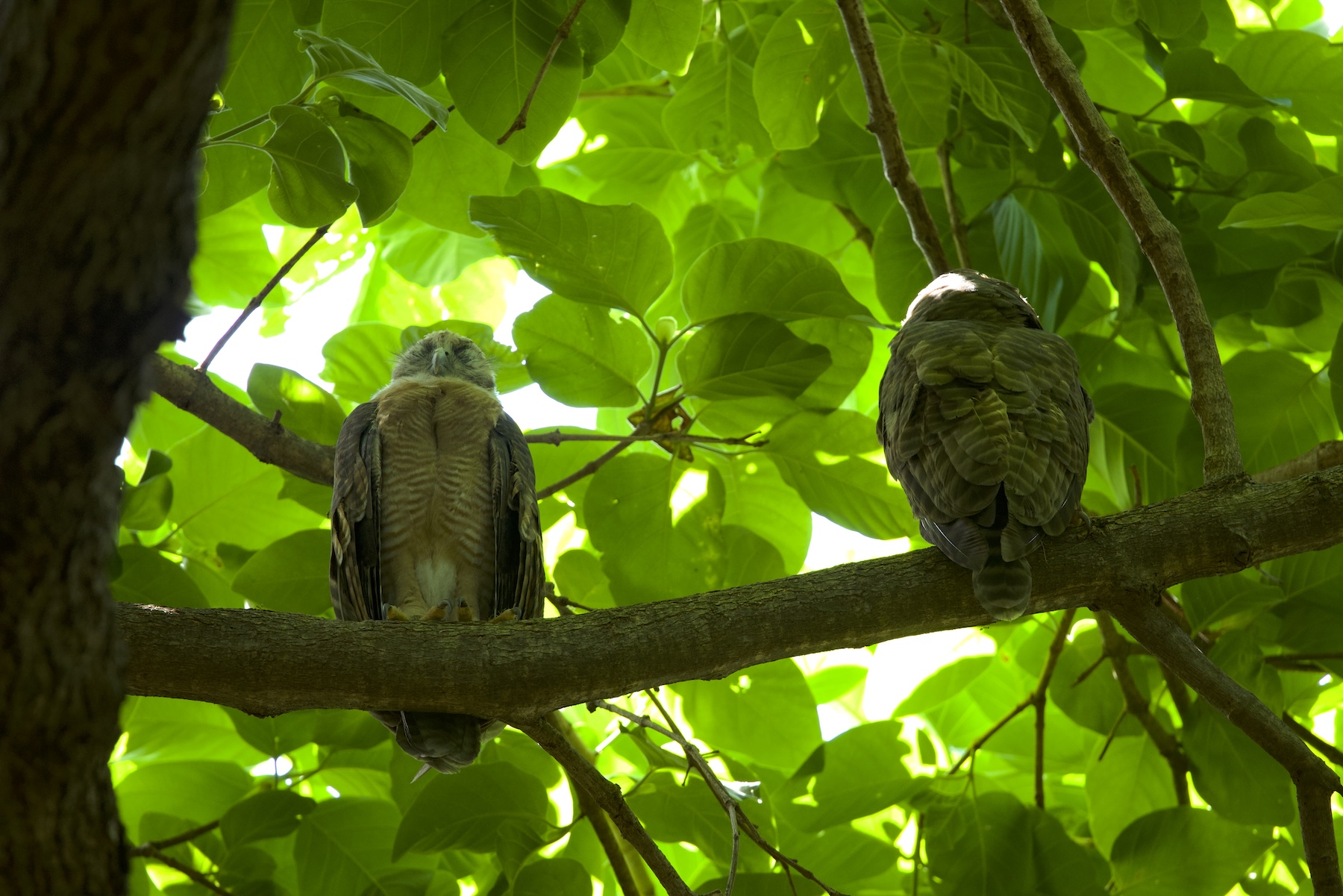
Rufous Owls (image by Michael Greenshields)
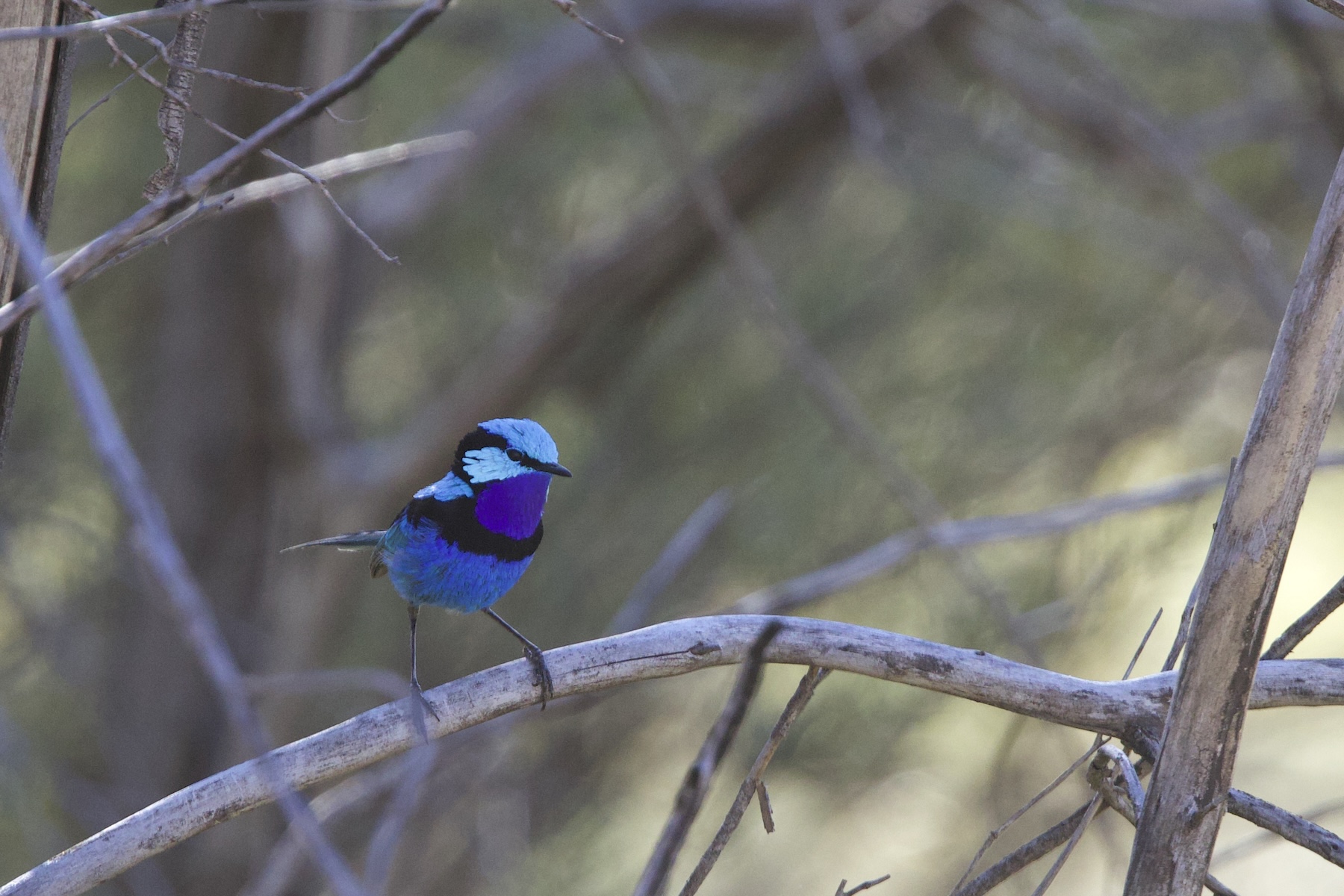
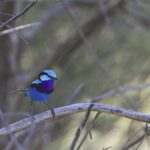
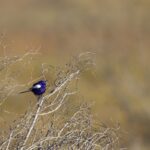
Splendid Fairywren (image by Michael Greenshields)
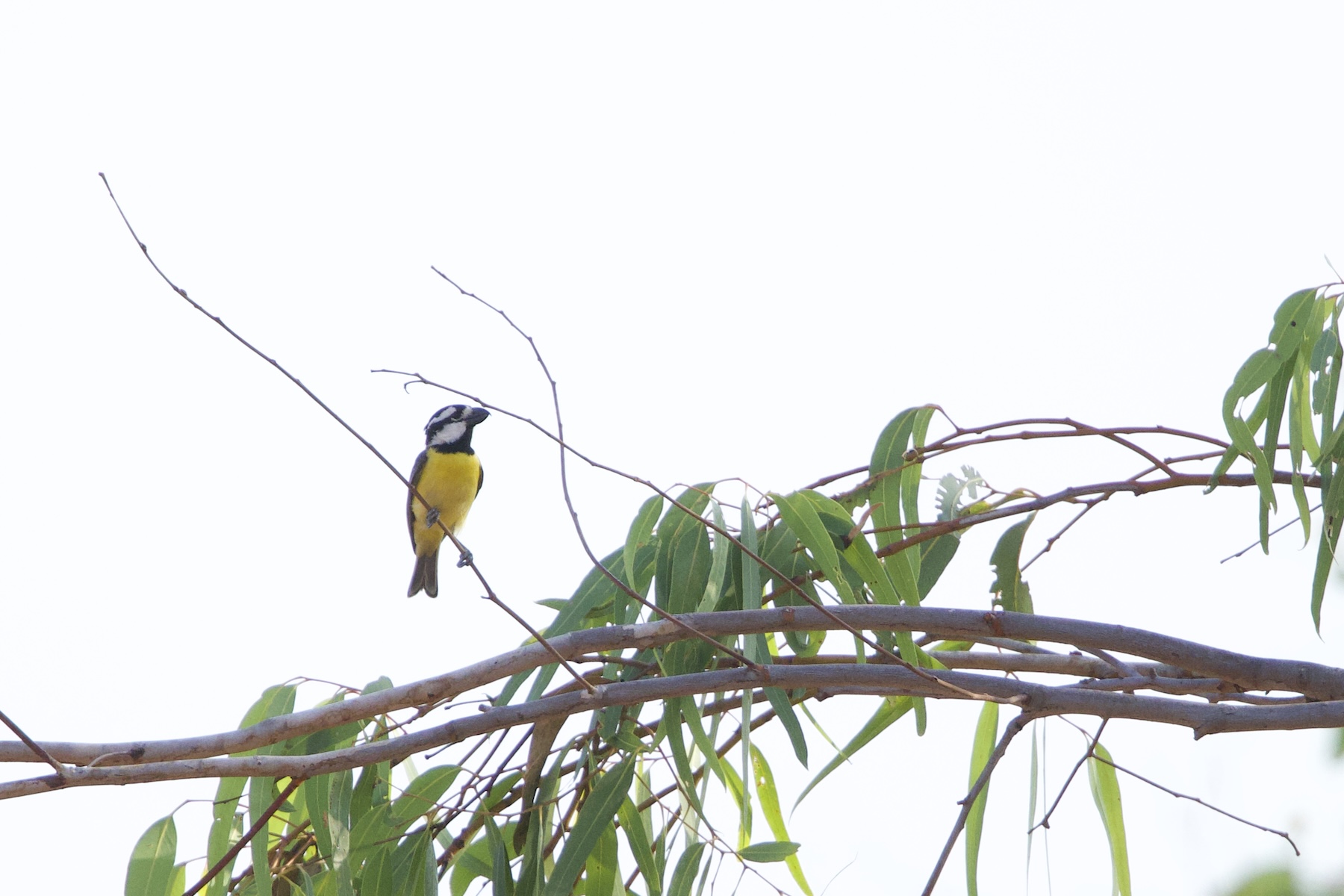
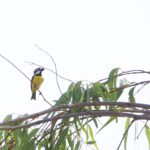
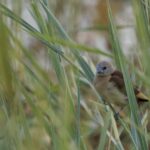
Northern Shriketit (image by Michael Greenshields)
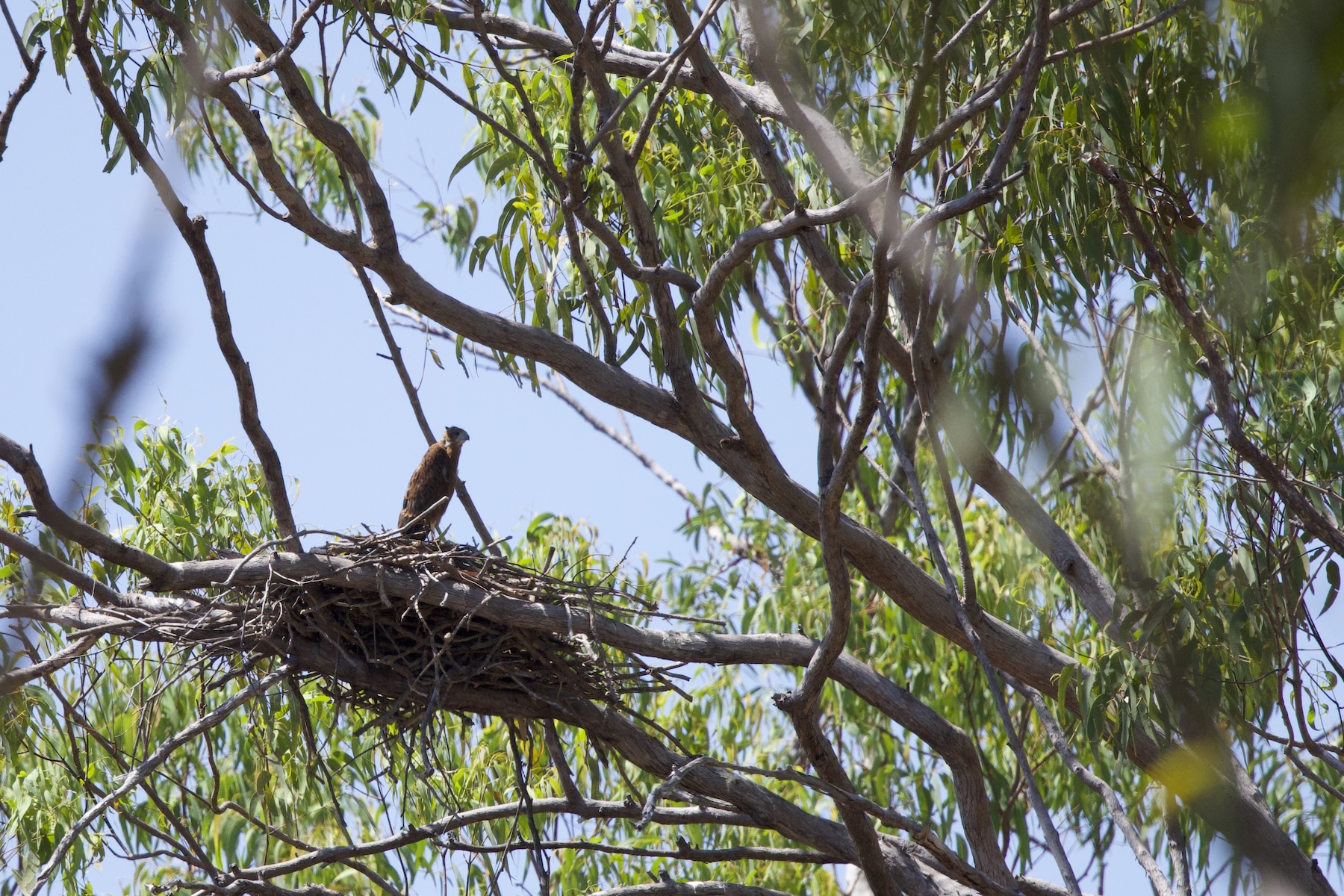
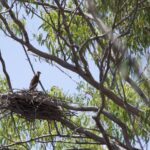
Red Goshawk (image by Michael Greenshields)
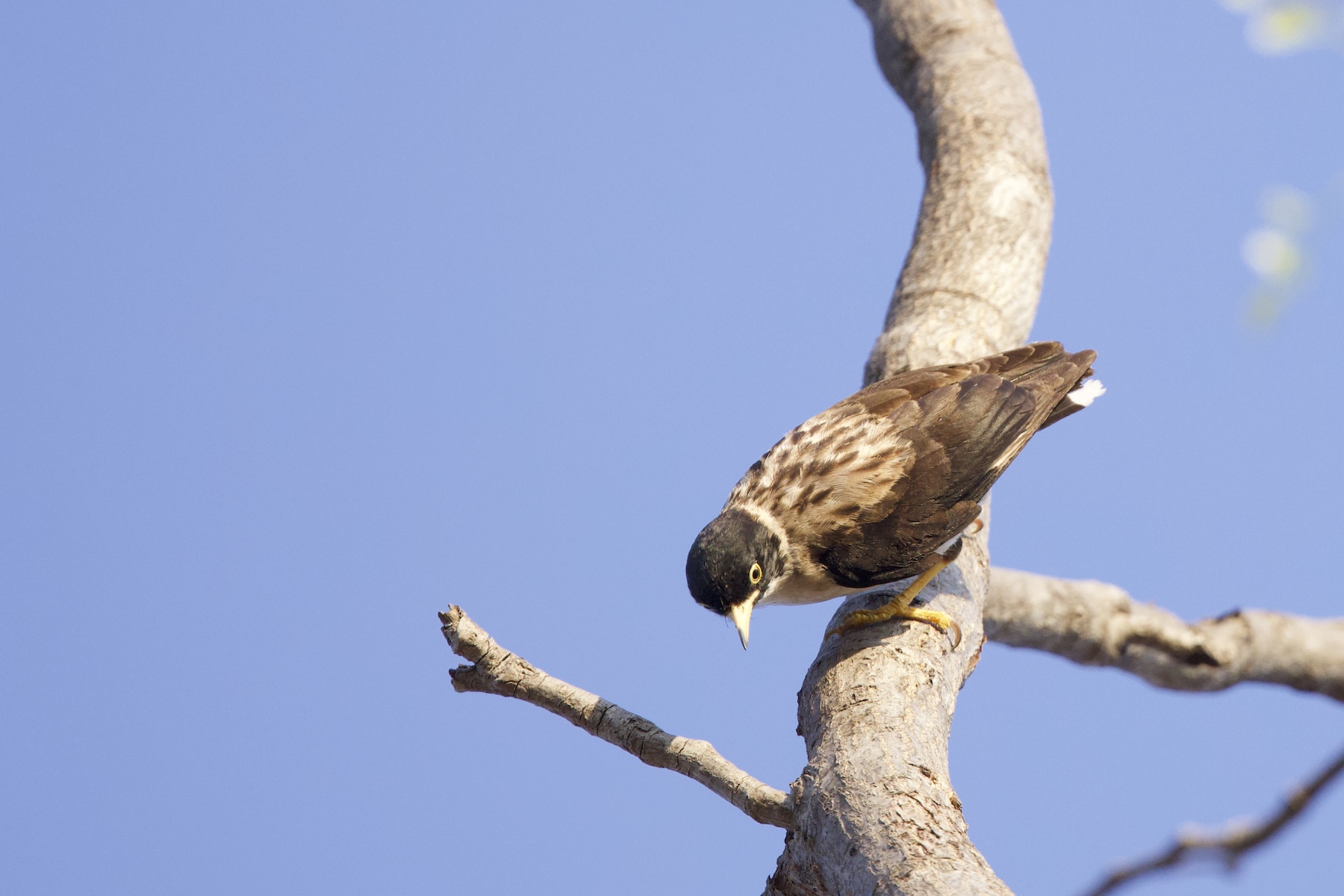
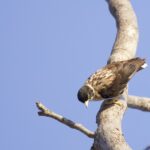
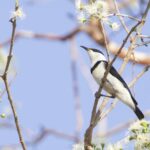
Varied Sittella (image by Michael Greenshields)
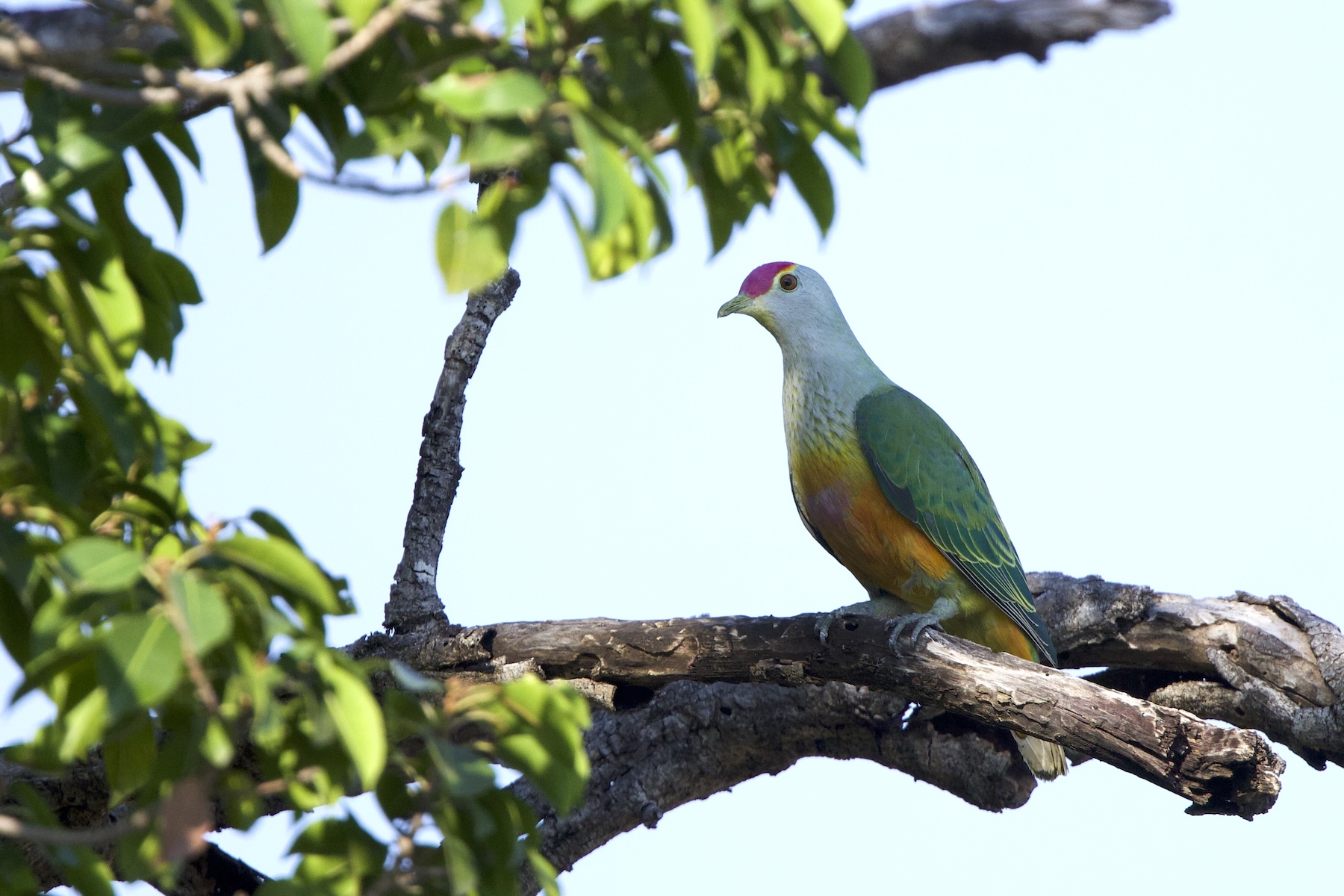
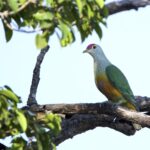
Rose-crowned Fruit Dove (image by Michael Greenshields)
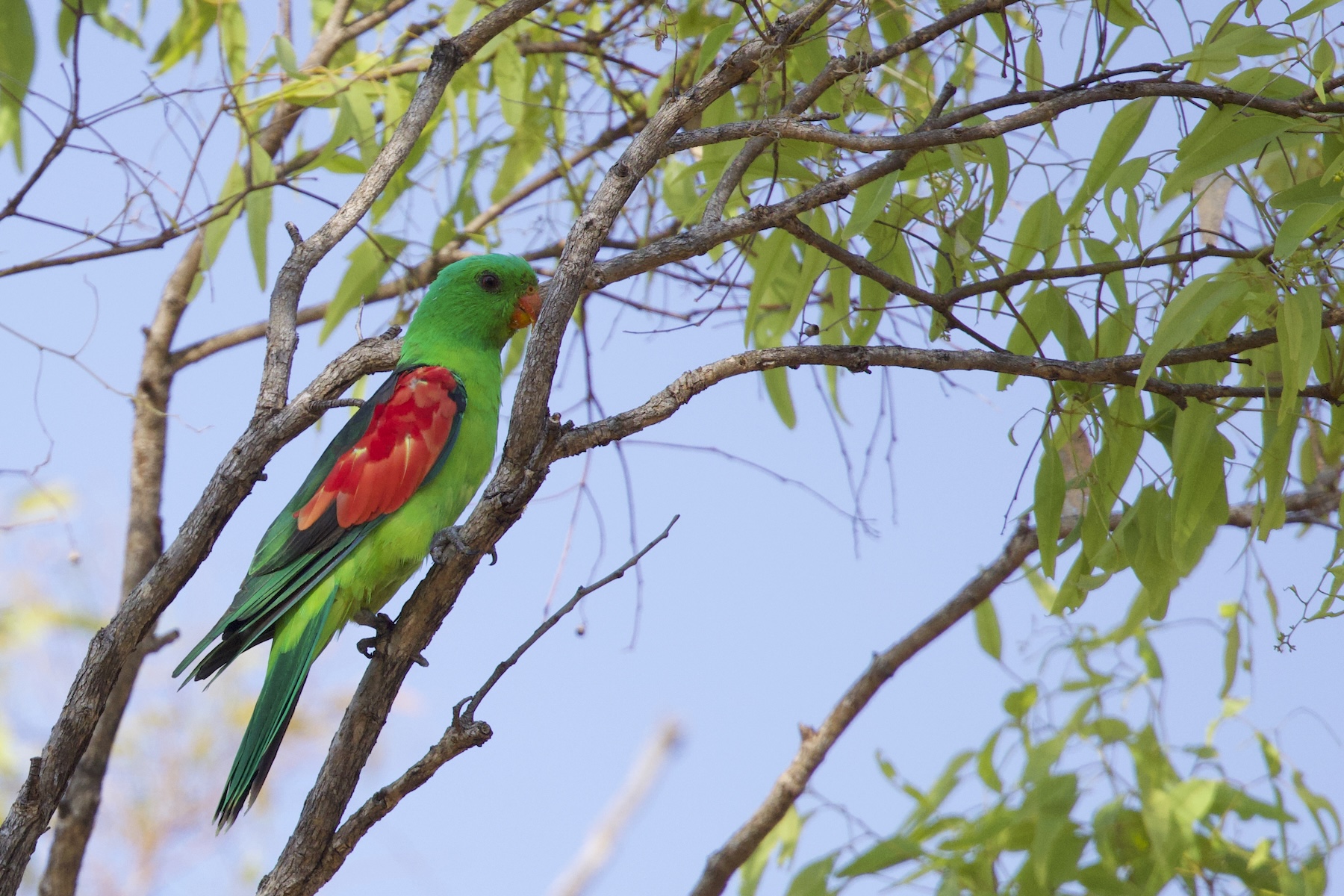
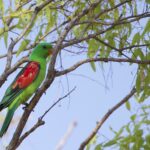
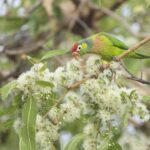
Red-winged Parrot (image by Michael Greenshields)
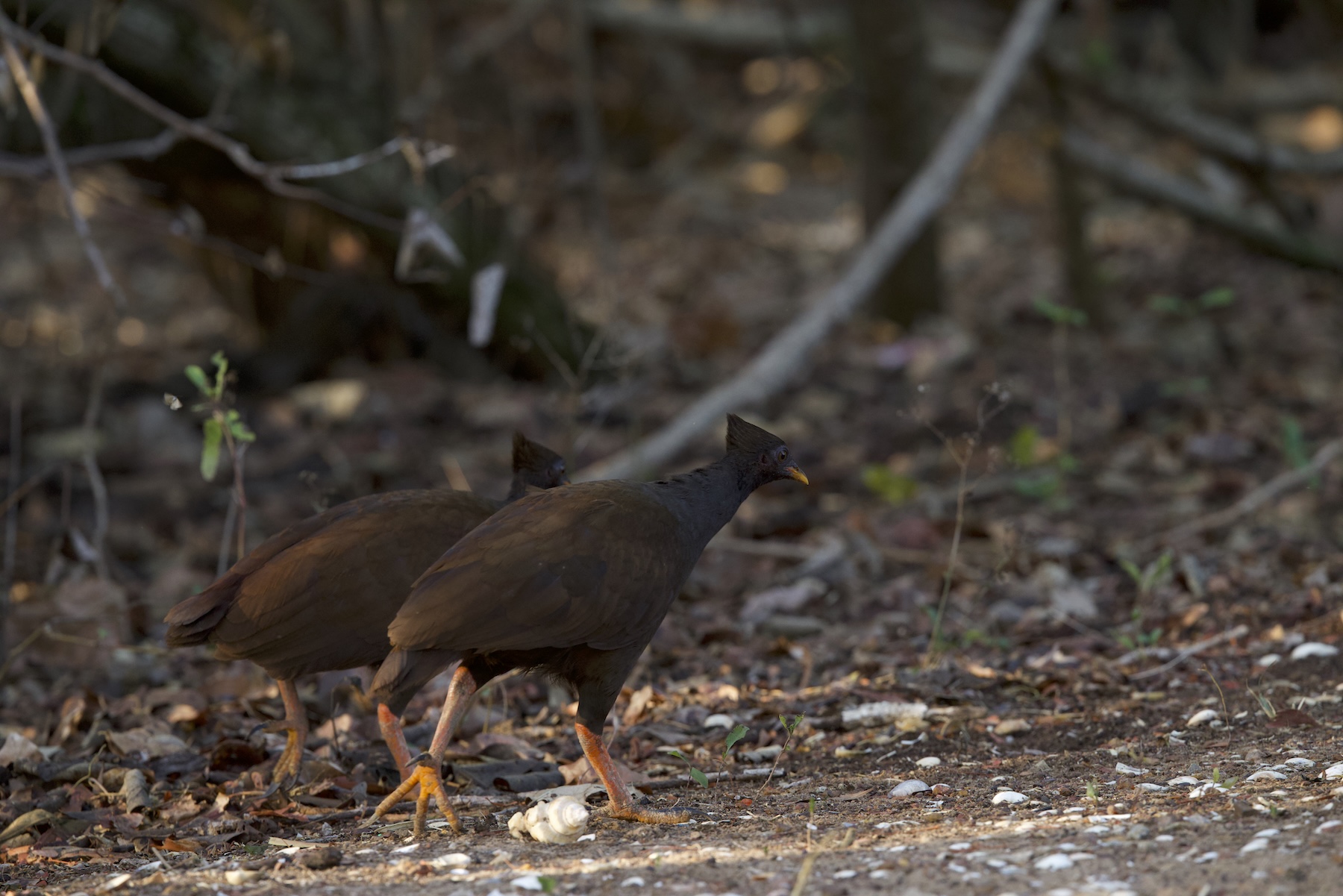
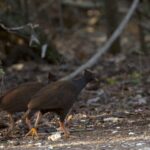
Orange-footed Scrubfowl (image by Michael Greenshields)
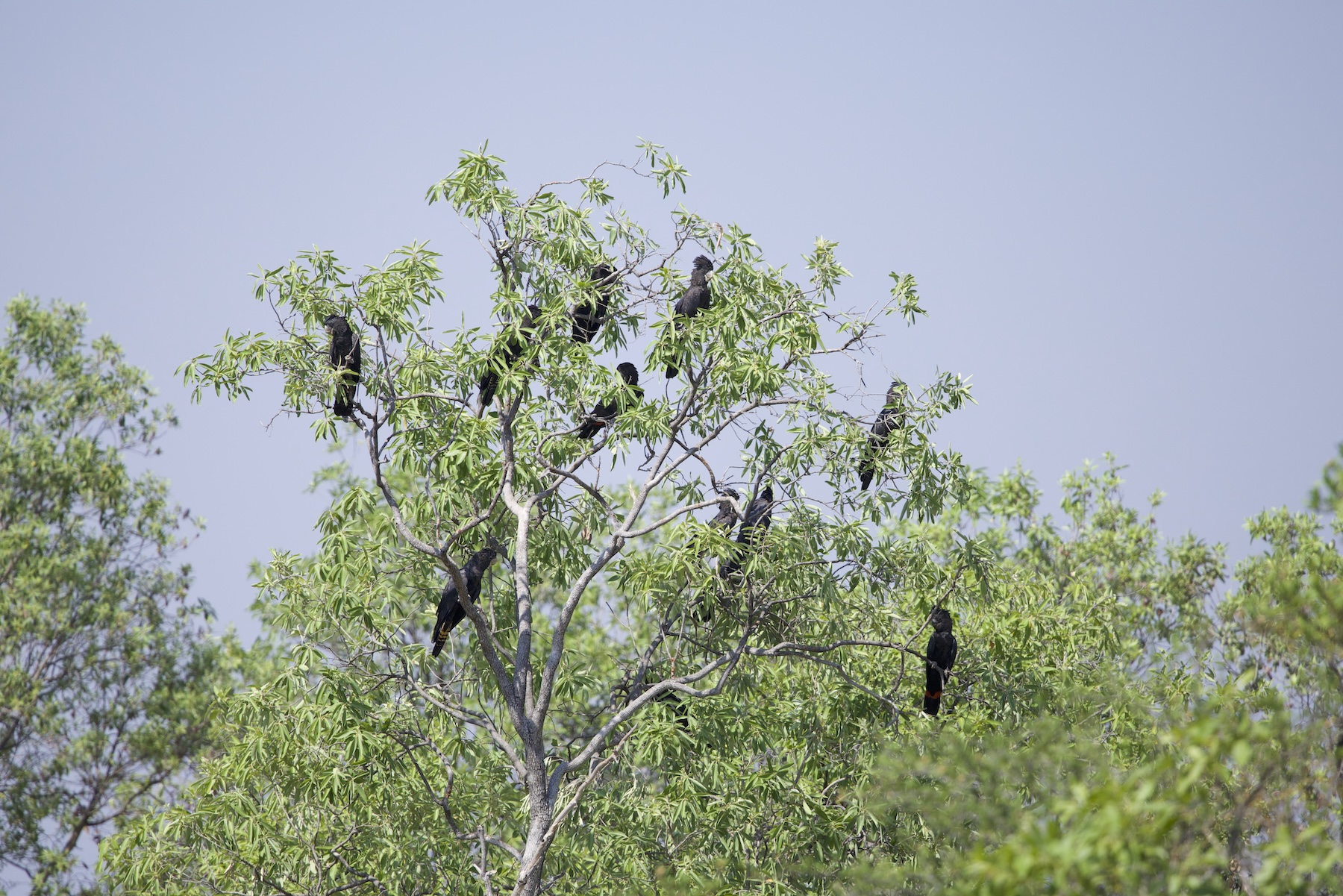
Red-tailed Black Cockatoos (image by Michael Greenshields)
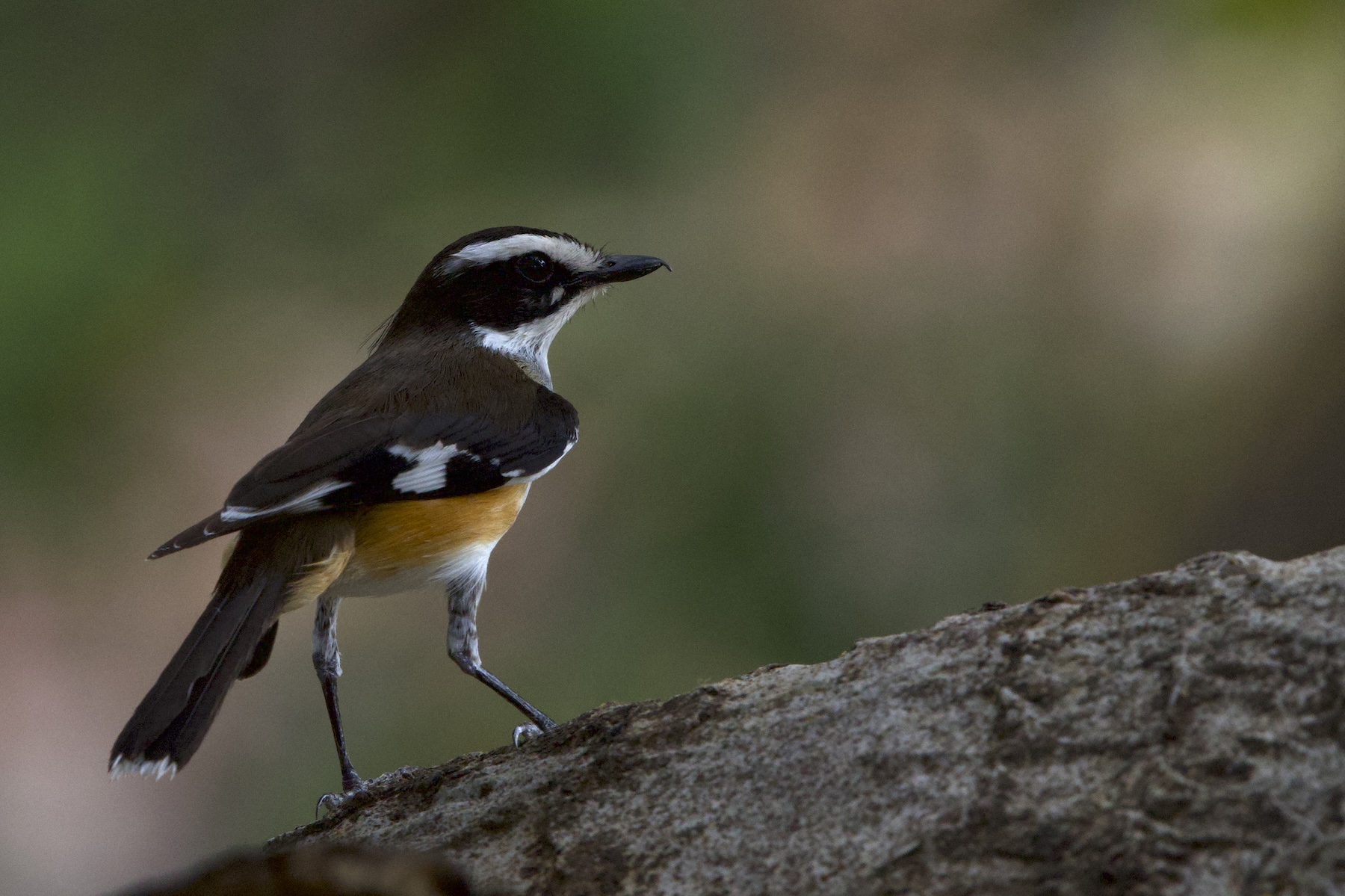
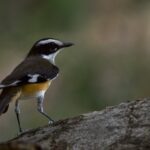
Buff-sided Robin (image by Michael Greenshields)
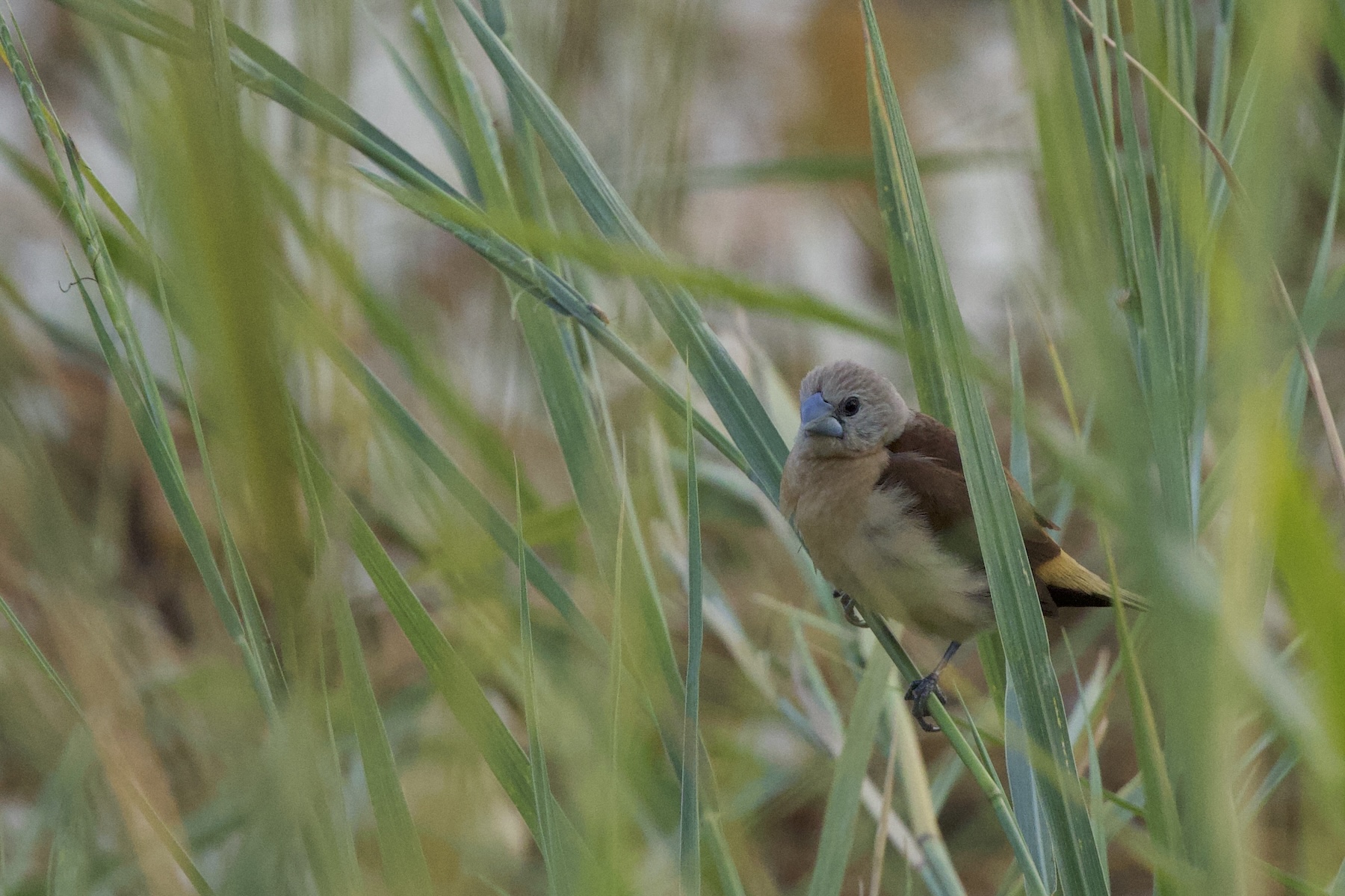
Yellow-rumped Mannikin (image by Michael Greenshields)
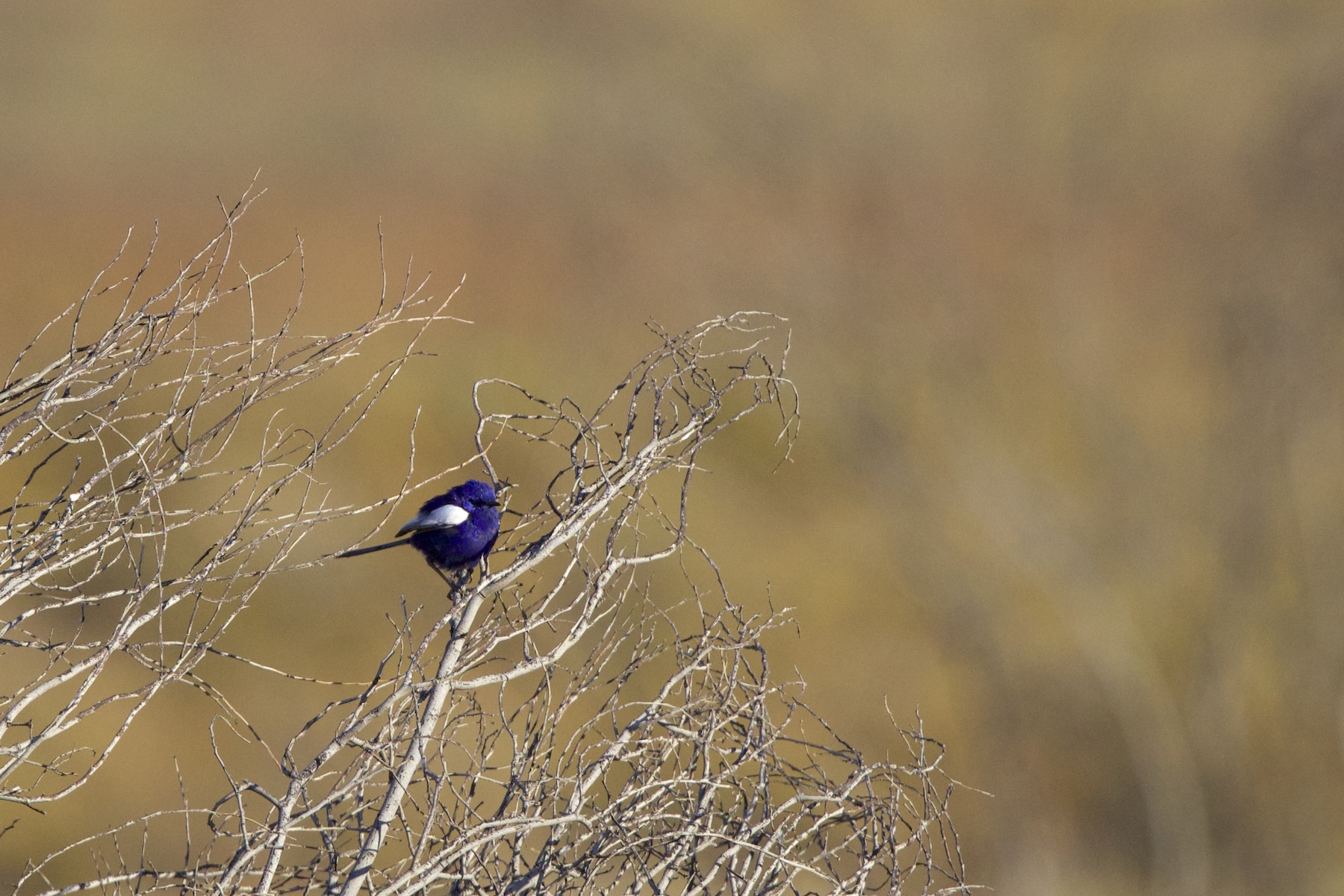
White-winged Fairywren (image by Michael Greenshields)
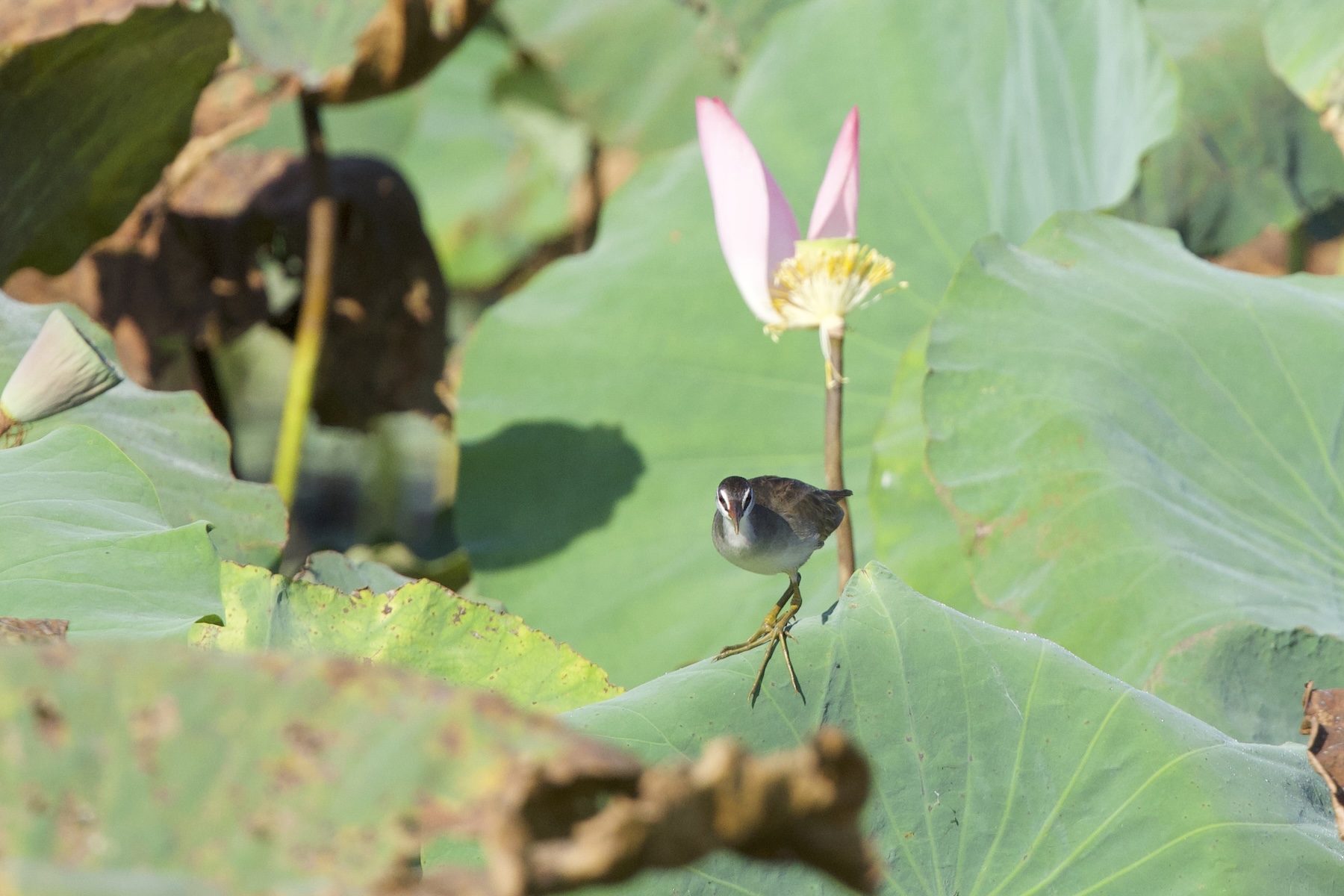
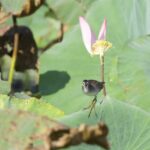
White-browed Crake (image by Michael Greenshields)
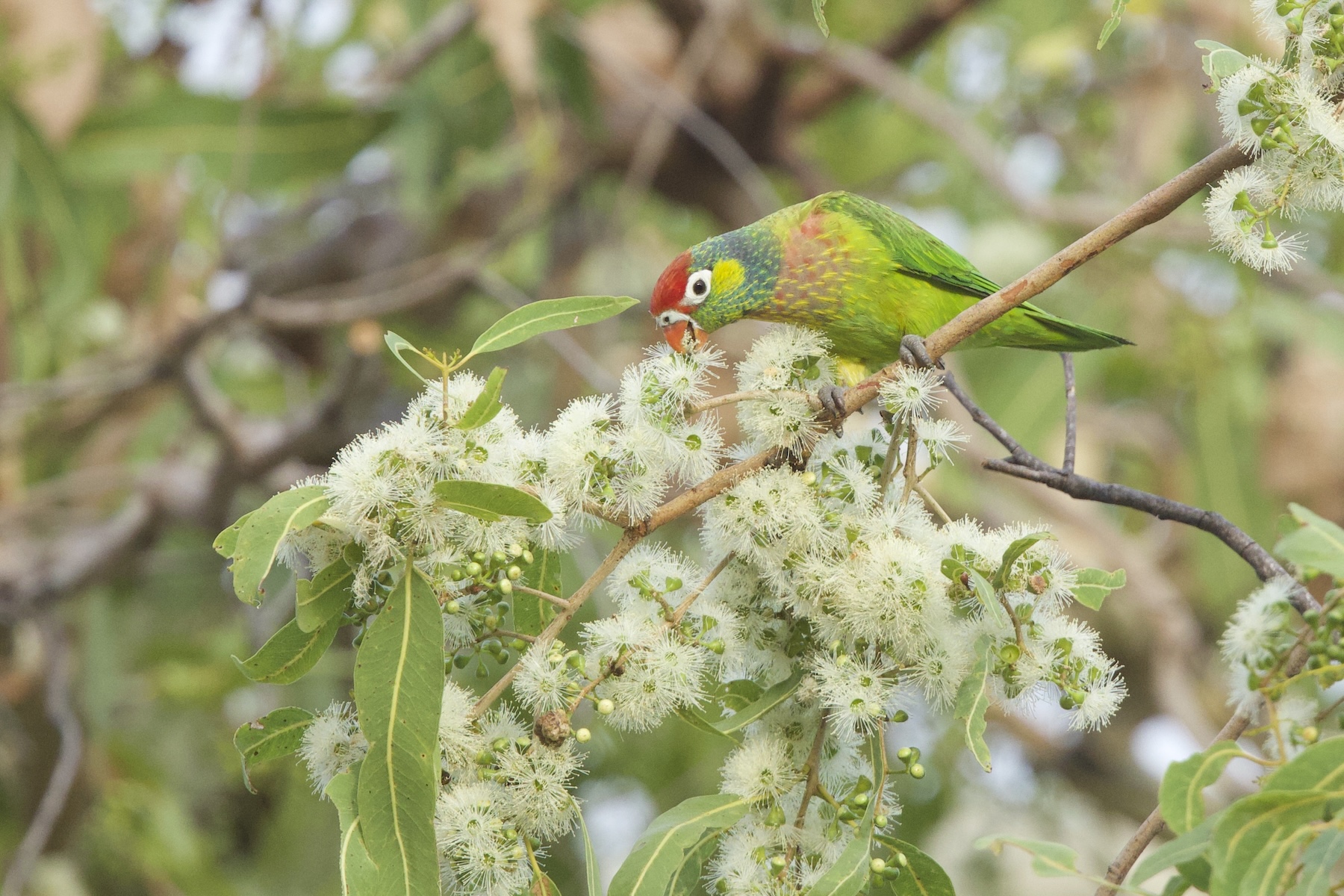
Varied Lorikeet (image by Michael Greenshields)
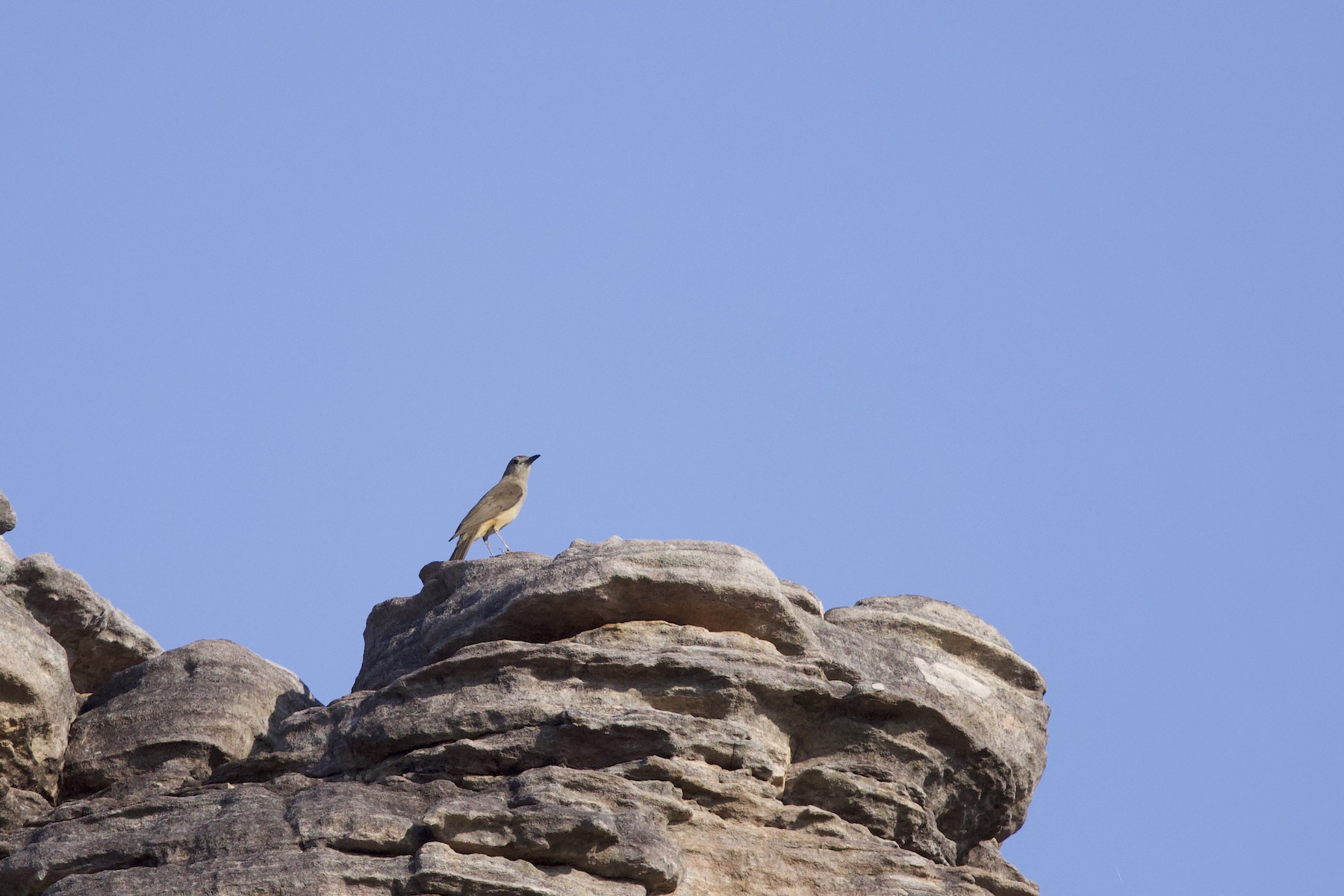
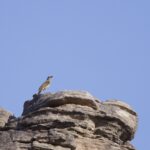
Sandstone Shrikethrush (image by Michael Greenshields)
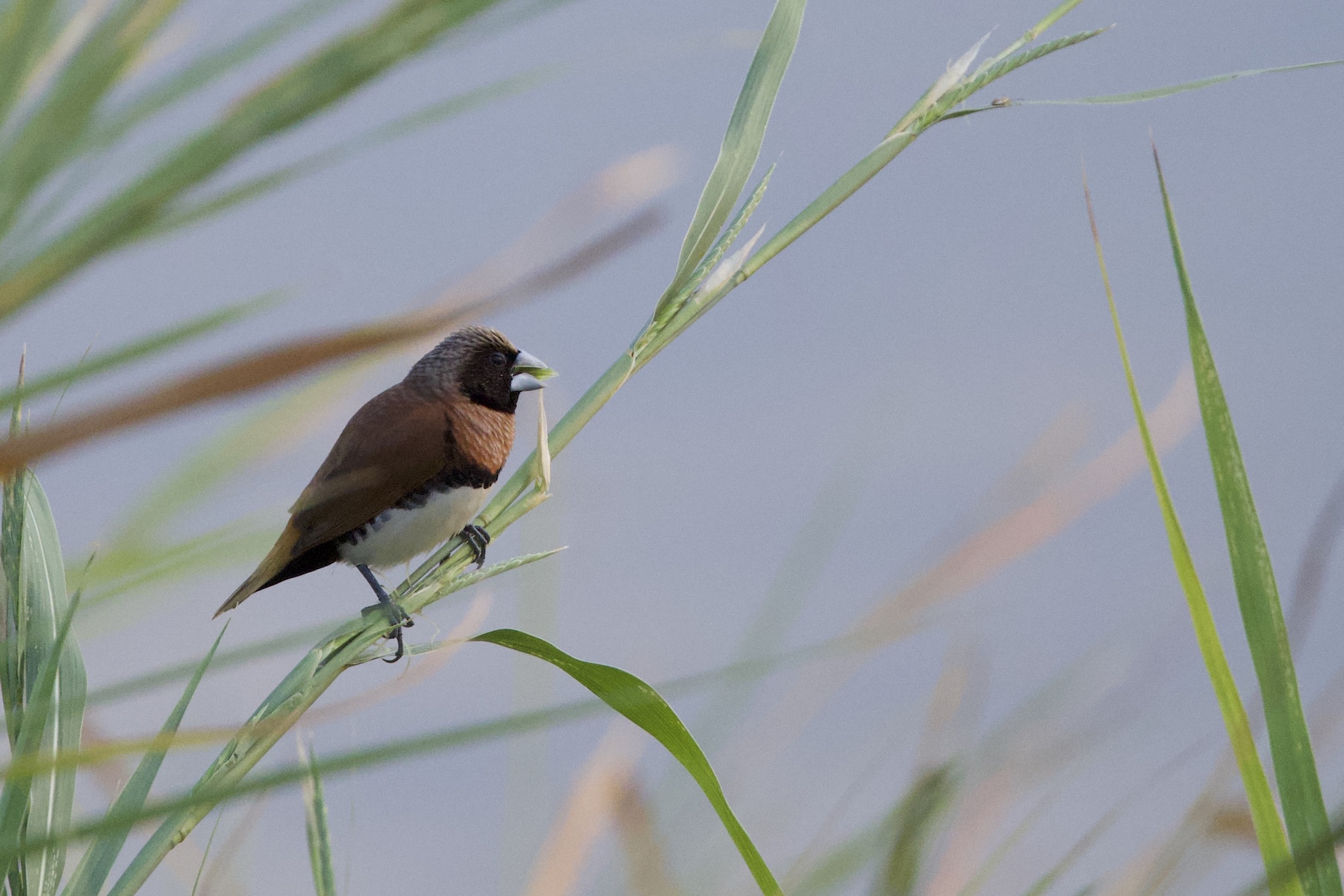
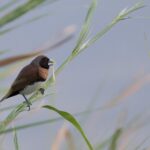
Chestnut-breasted Mannikin (image by Michael Greenshields)
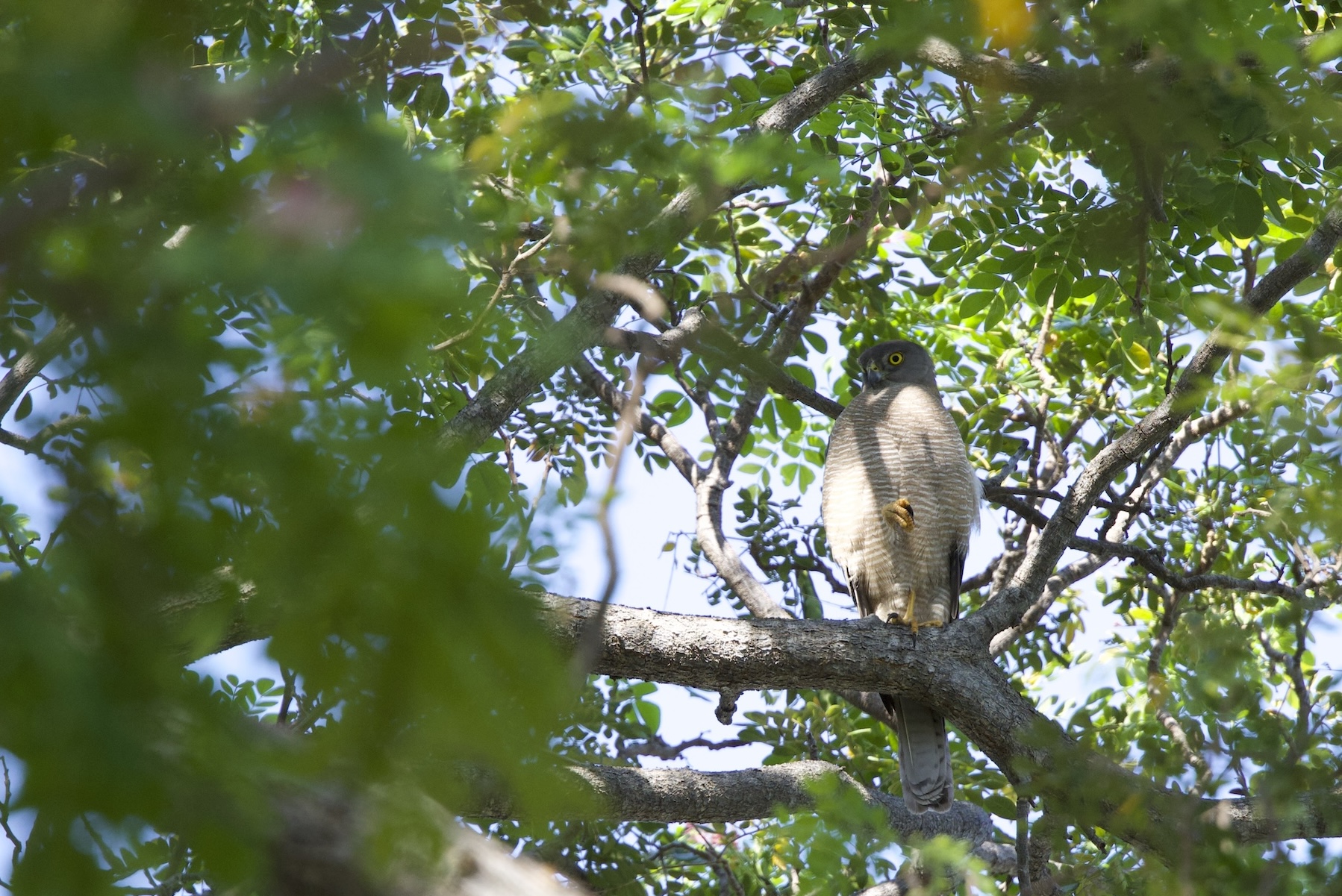
Brown Goshawk (image by Michael Greenshields)
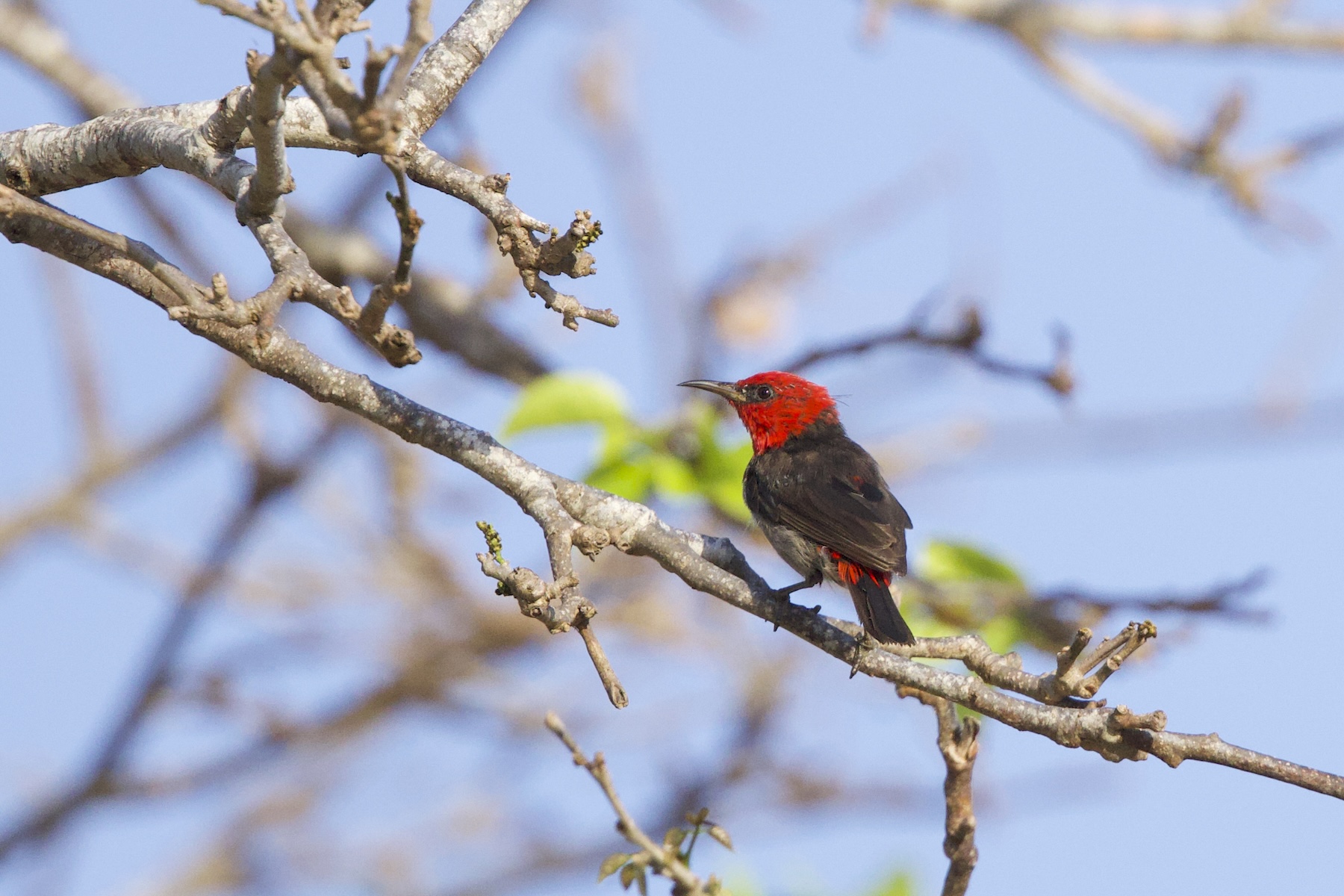
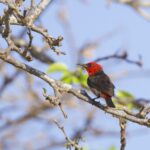
Red-headed Myzomela (image by Michael Greenshields)
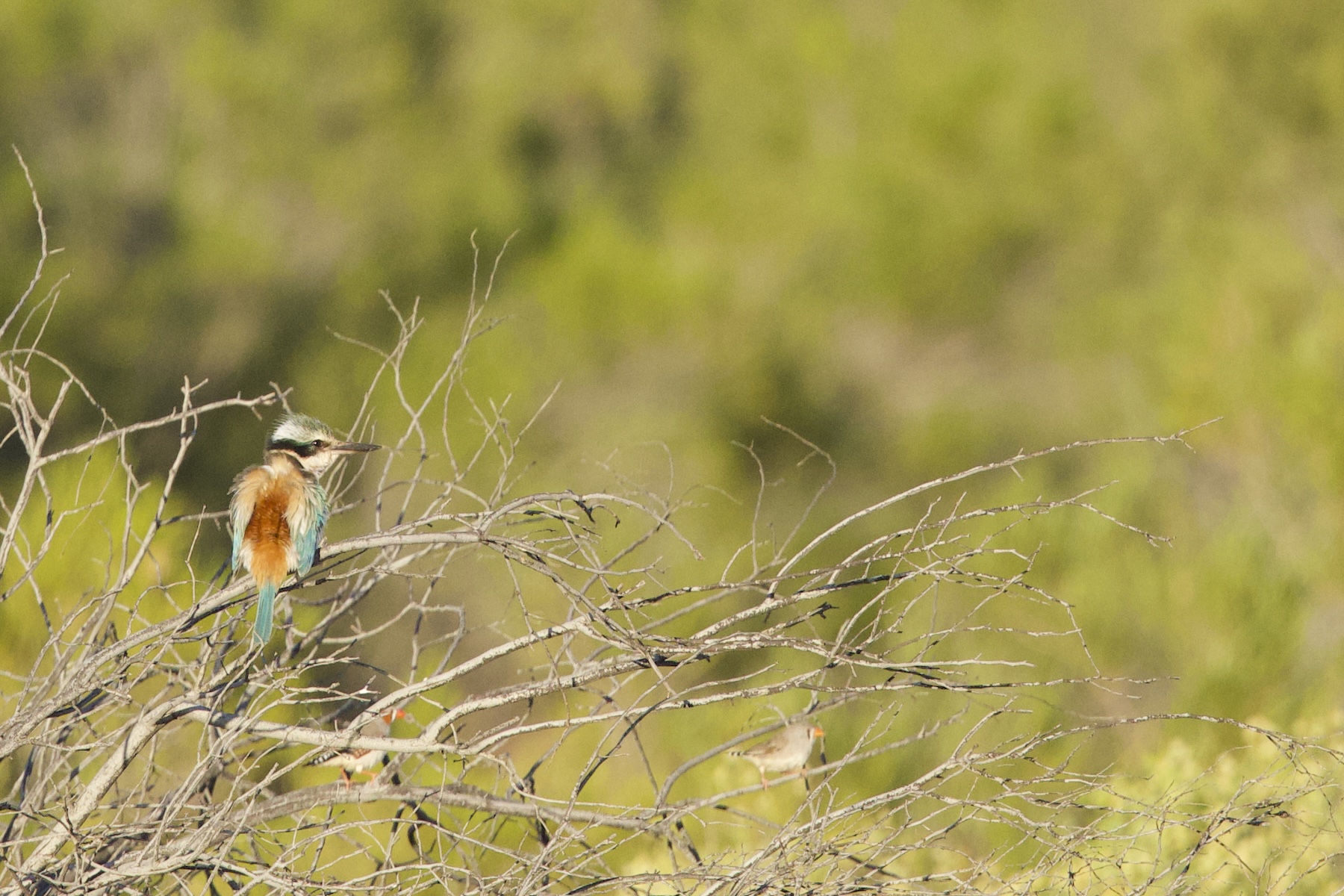
Red-backed Kingfisher (image by Michael Greenshields)
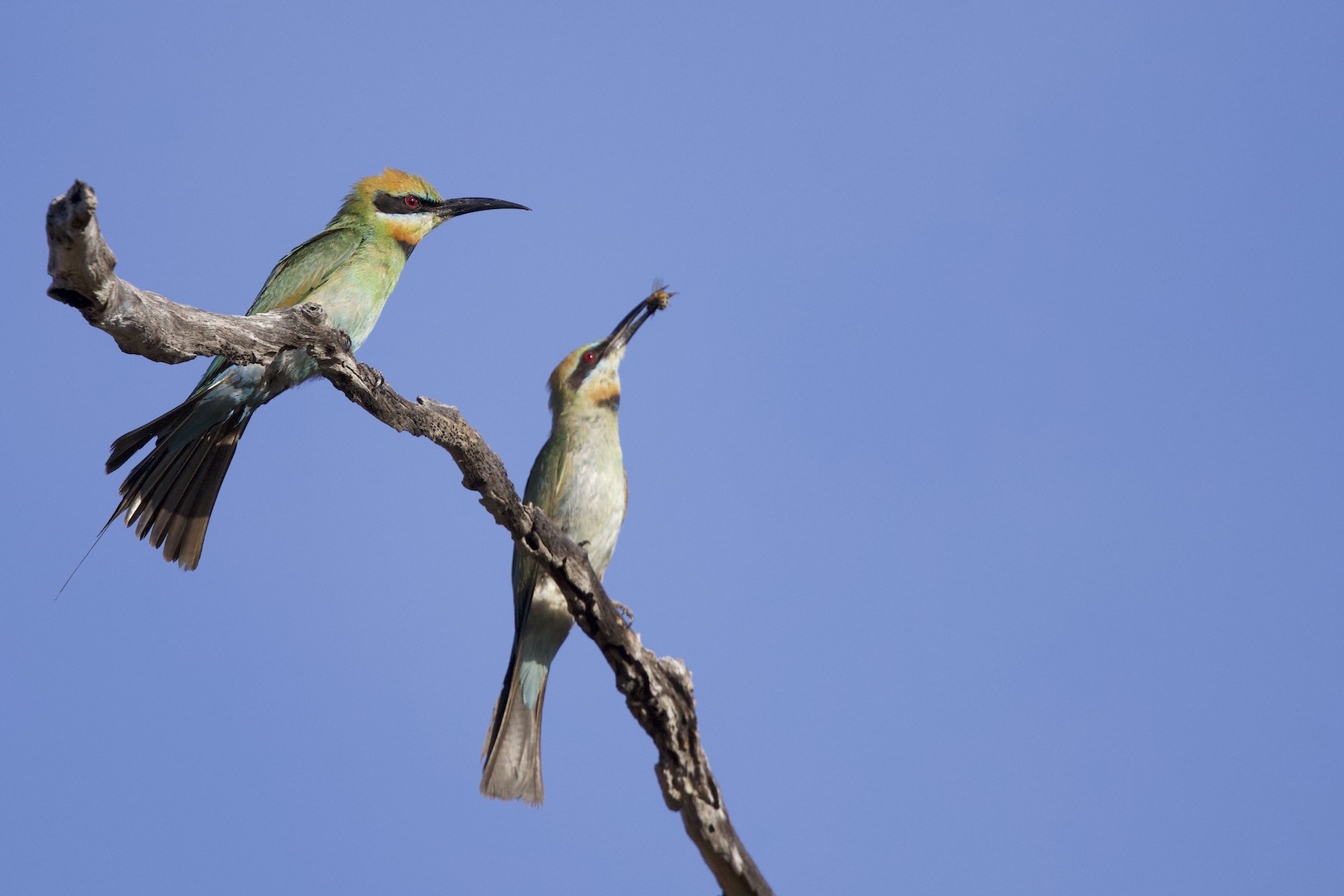
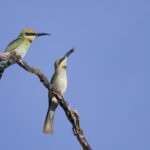
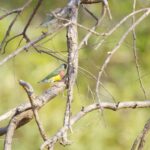
Rainbow Bee-eaters (image by Michael Greenshields)
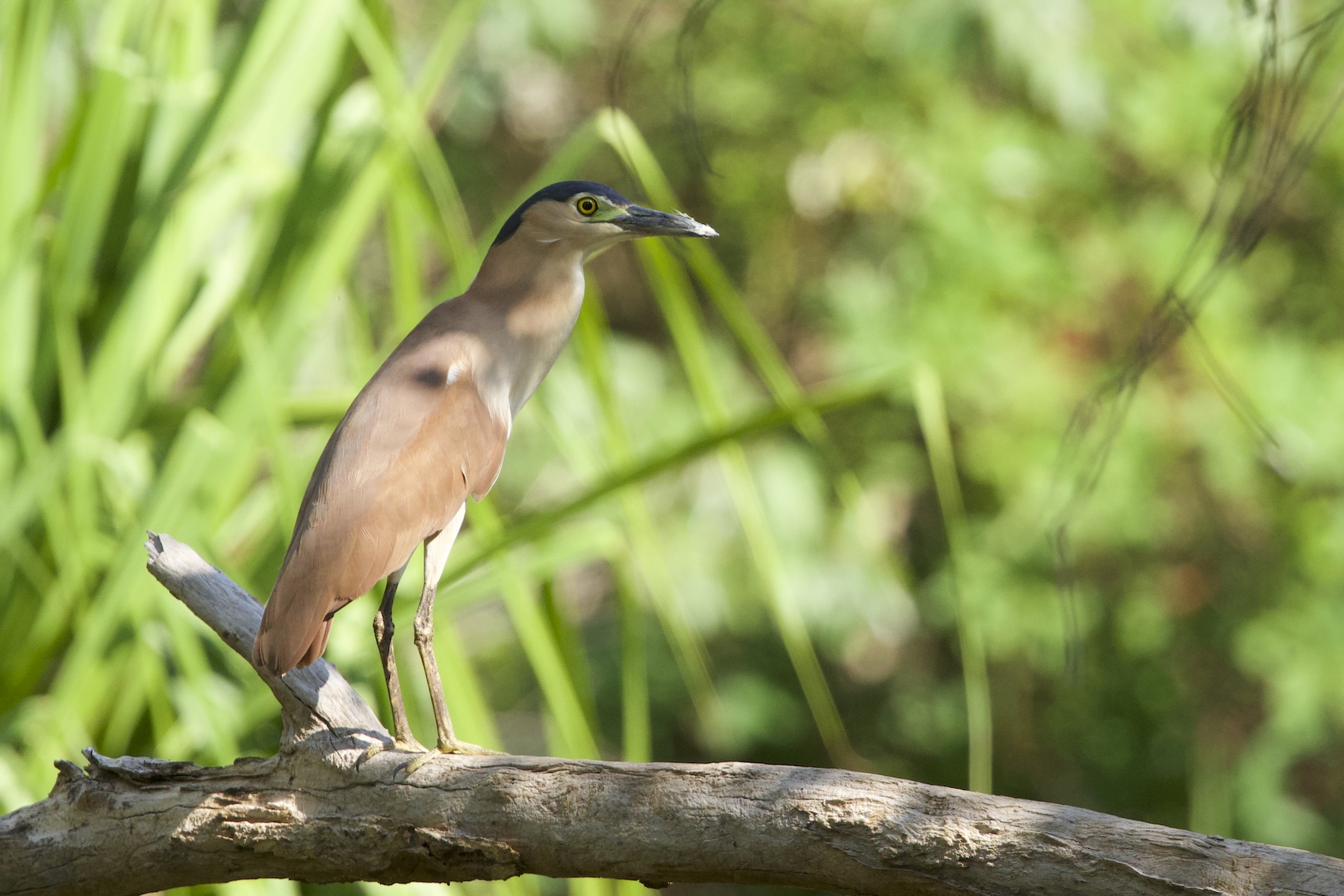
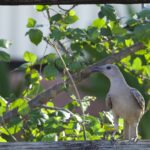
Nankeen Night Heron (image by Michael Greenshields)
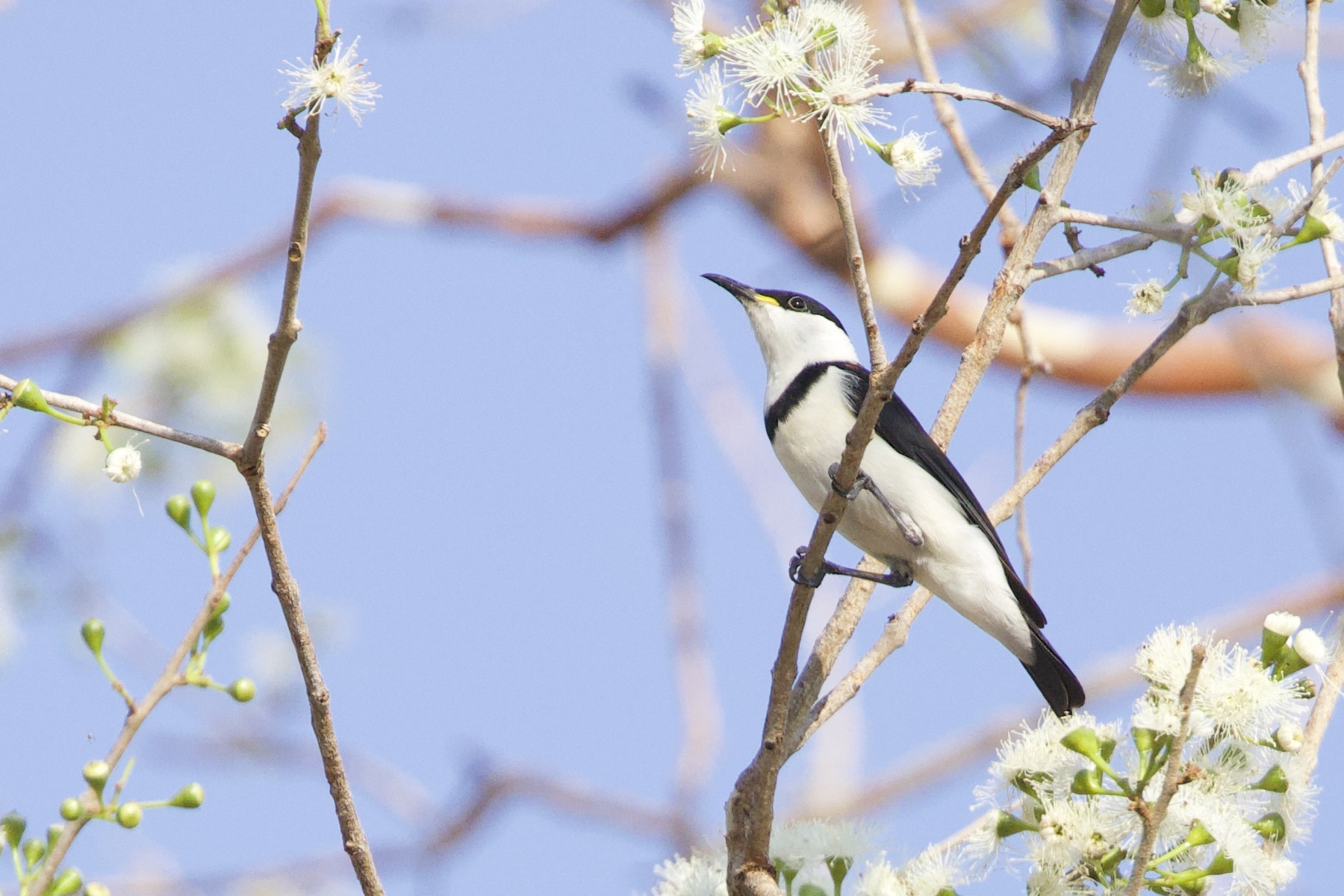
Banded Honeyeater (image by Michael Greenshields)
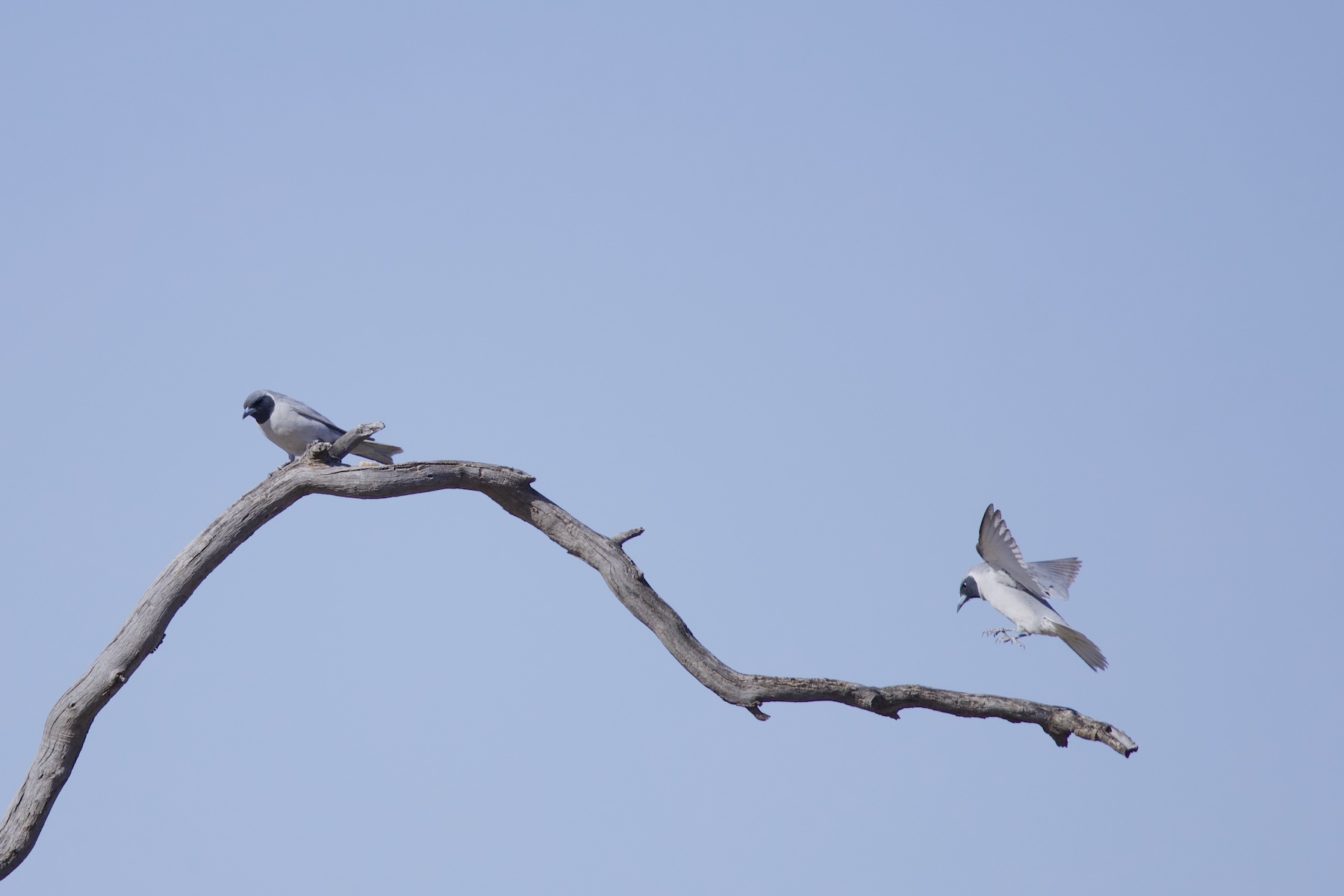
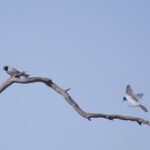
Masked Woodswallows (image by Michael Greenshields)
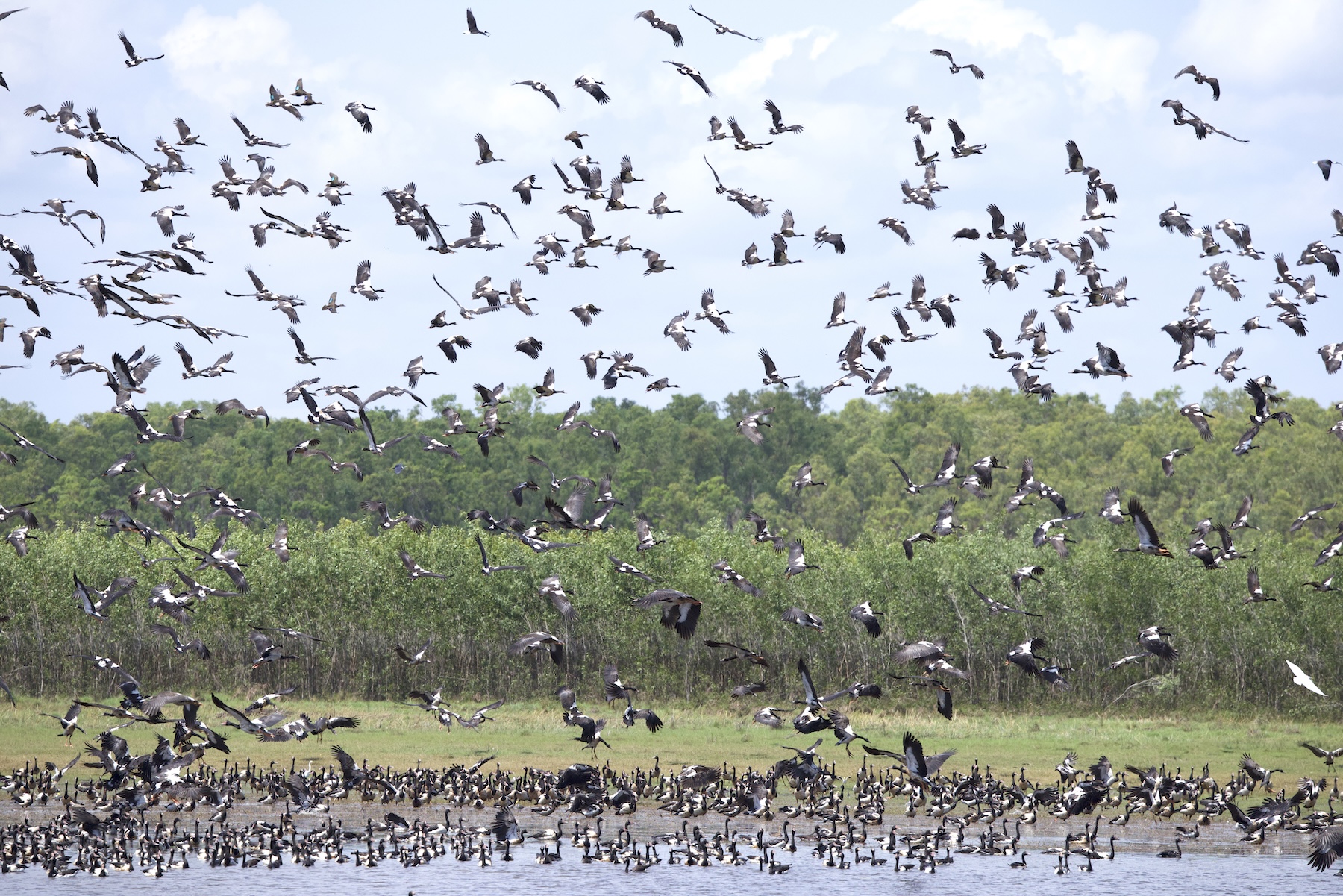
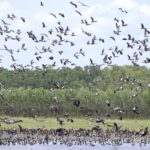
Magpie Geese (image by Michael Greenshields)
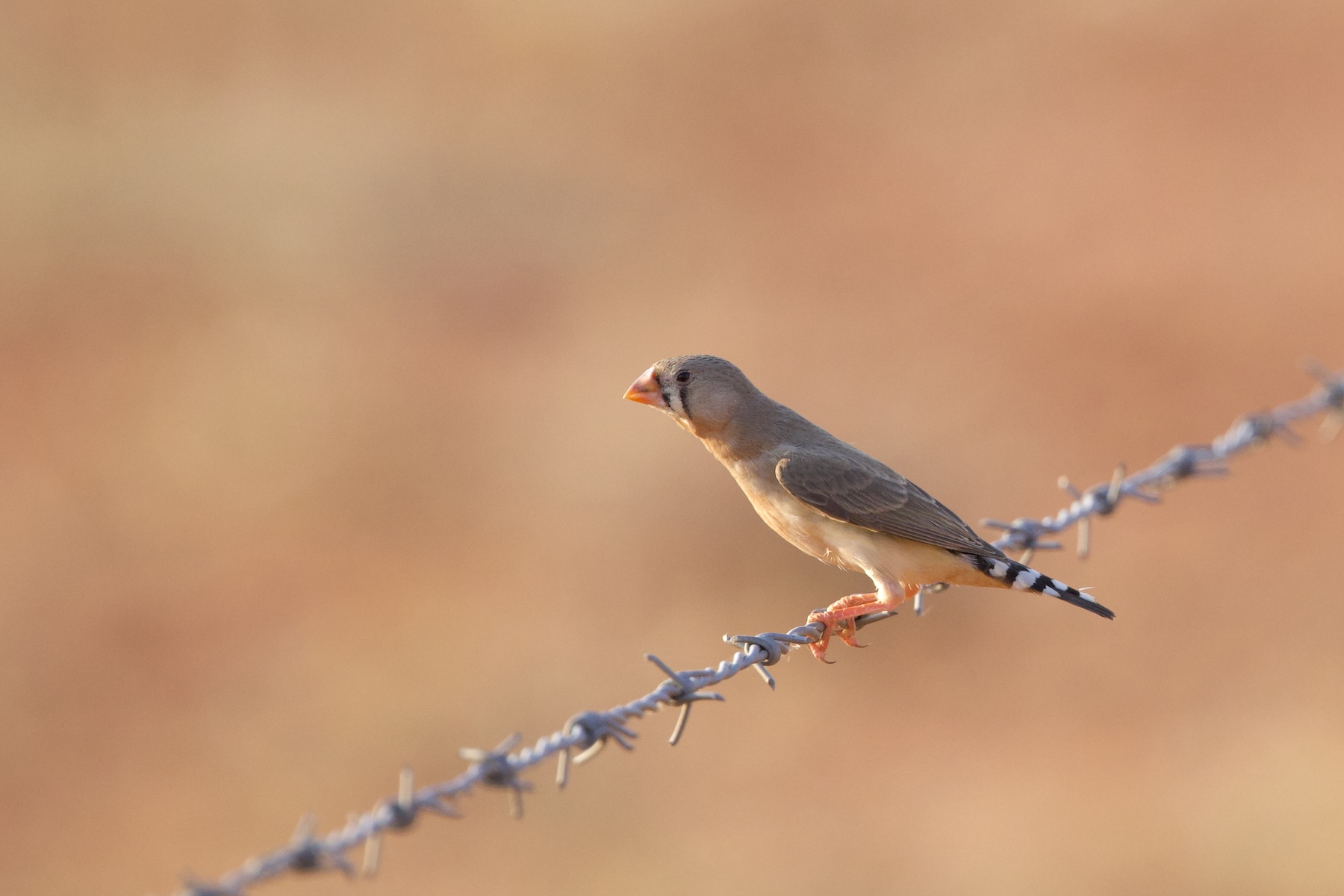
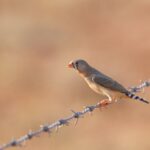
Zebra Finch (image by Michael Greenshields)
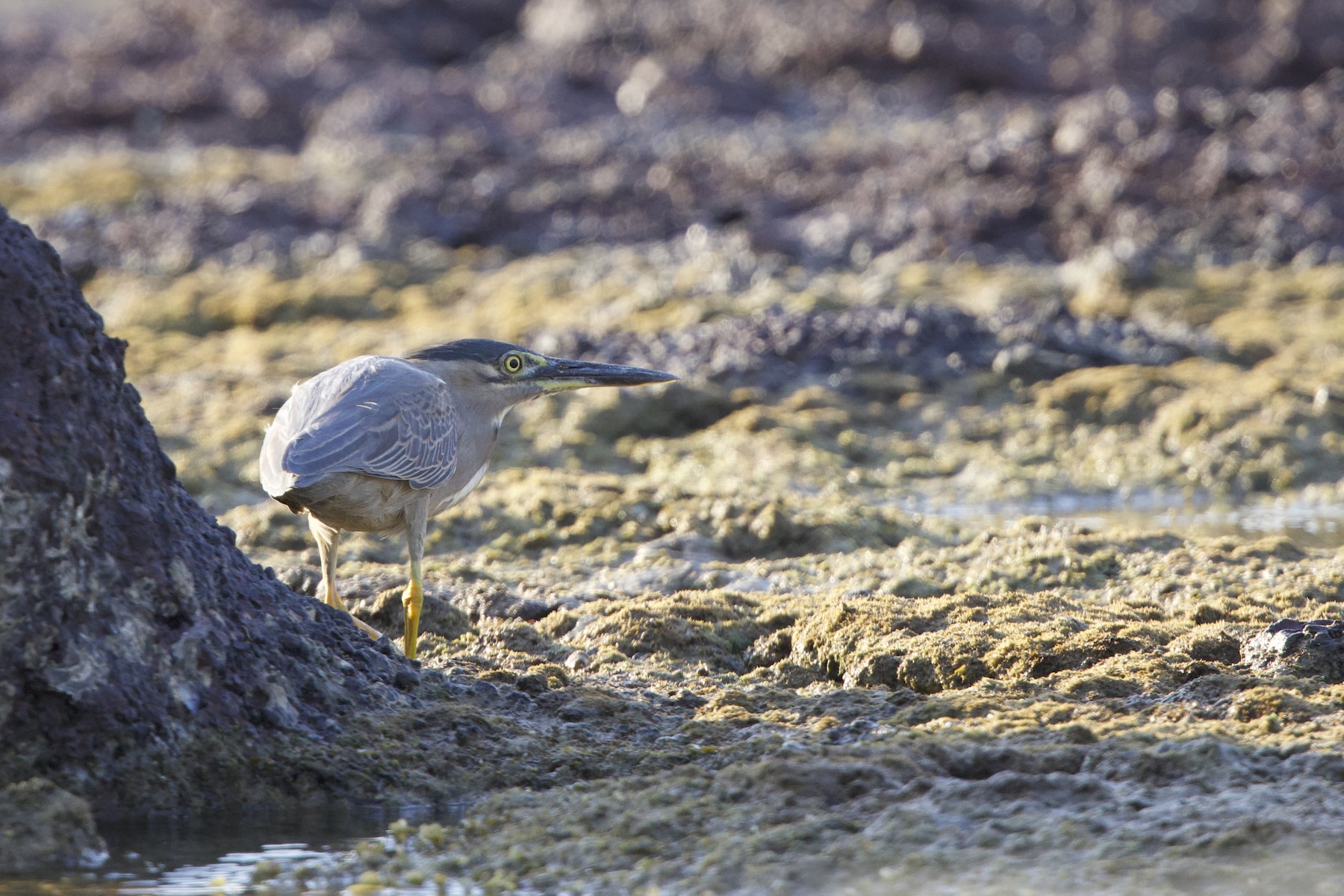
Little Heron (image by Michael Greenshields)
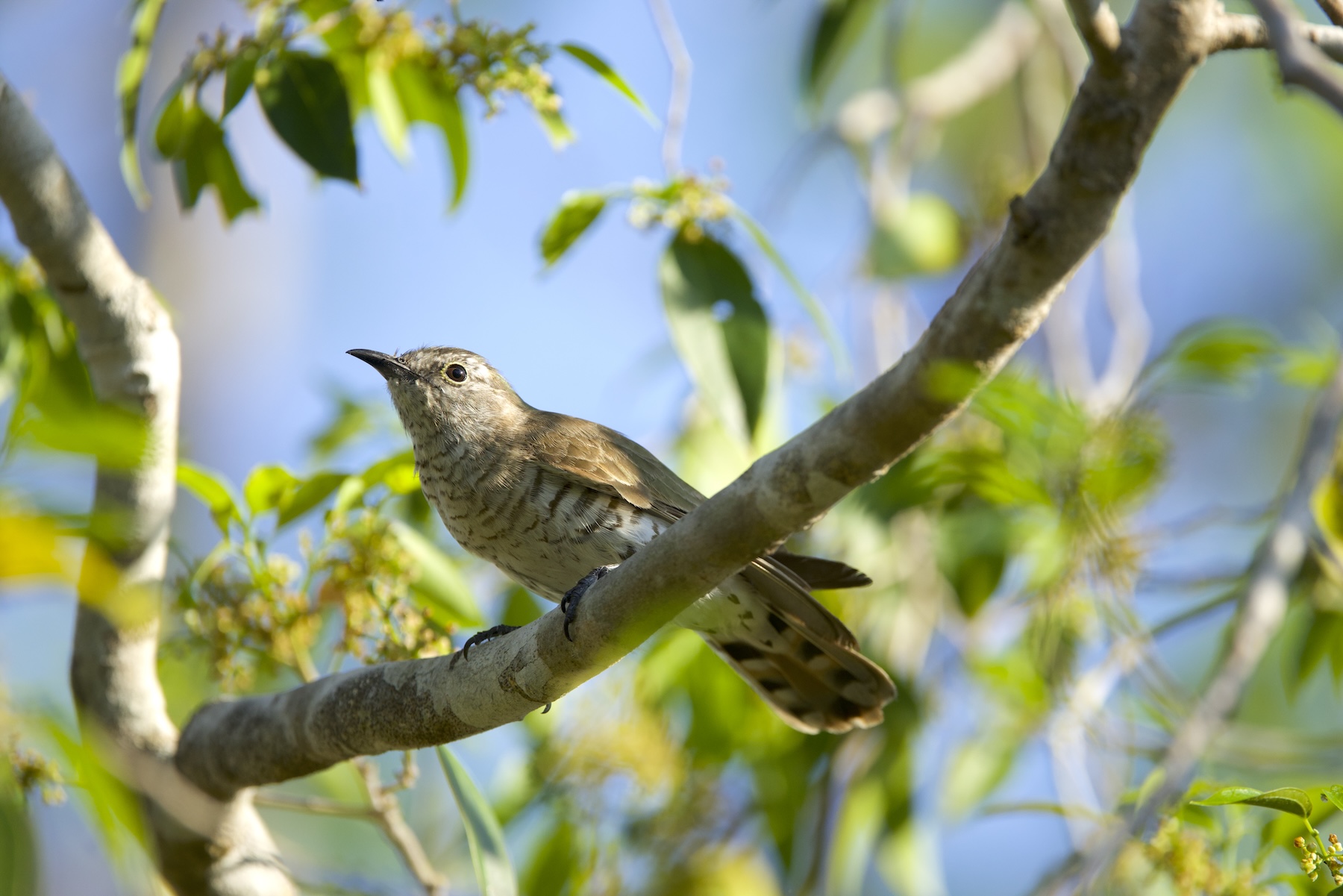
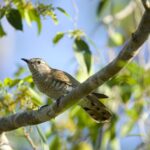
Little Bronze Cuckoo (image by Michael Greenshields)
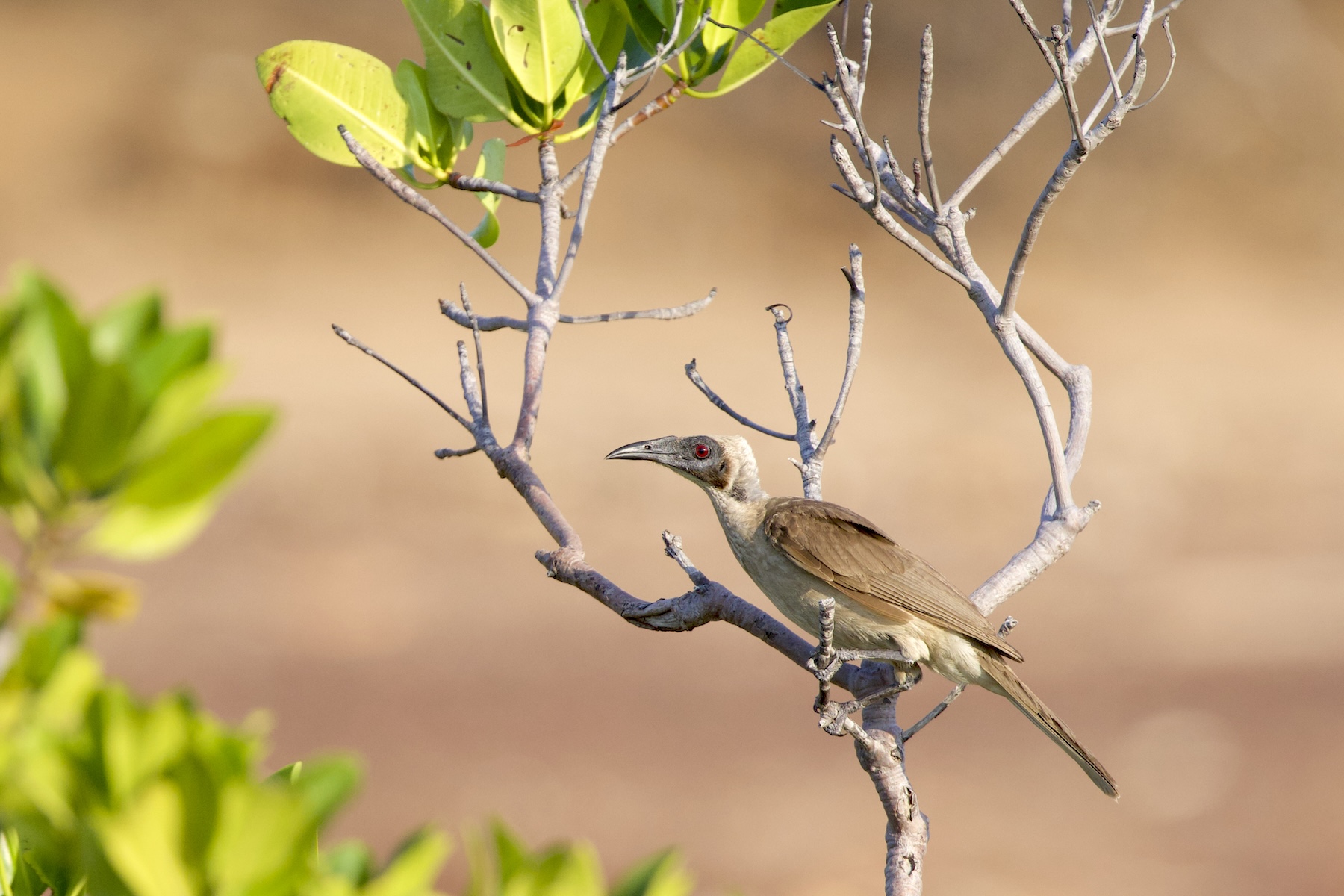
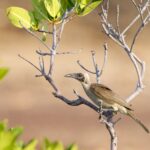
Hornbill Friarbird (image by Michael Greenshields)
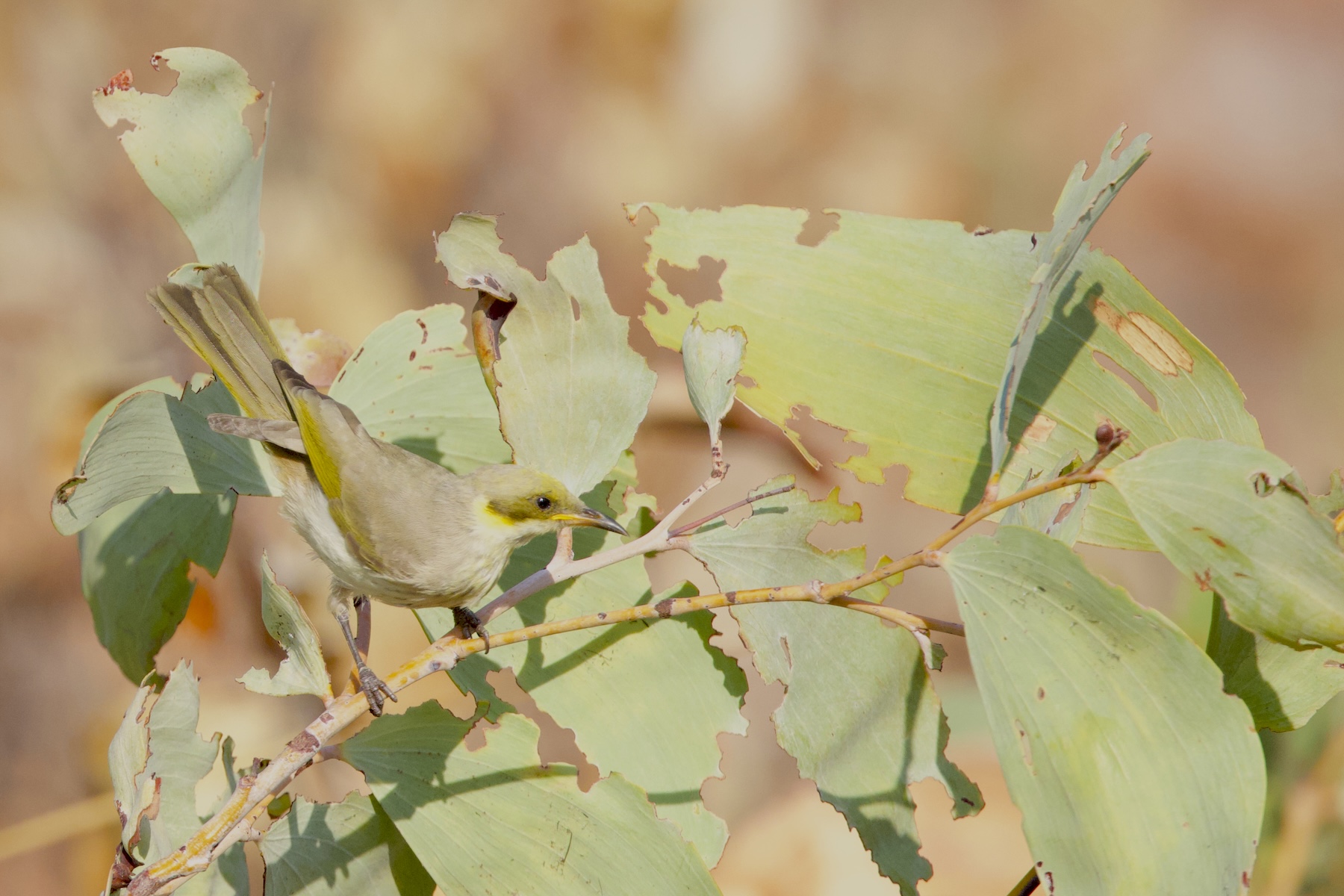
Grey-fronted Honeyeater (image by Michael Greenshields)
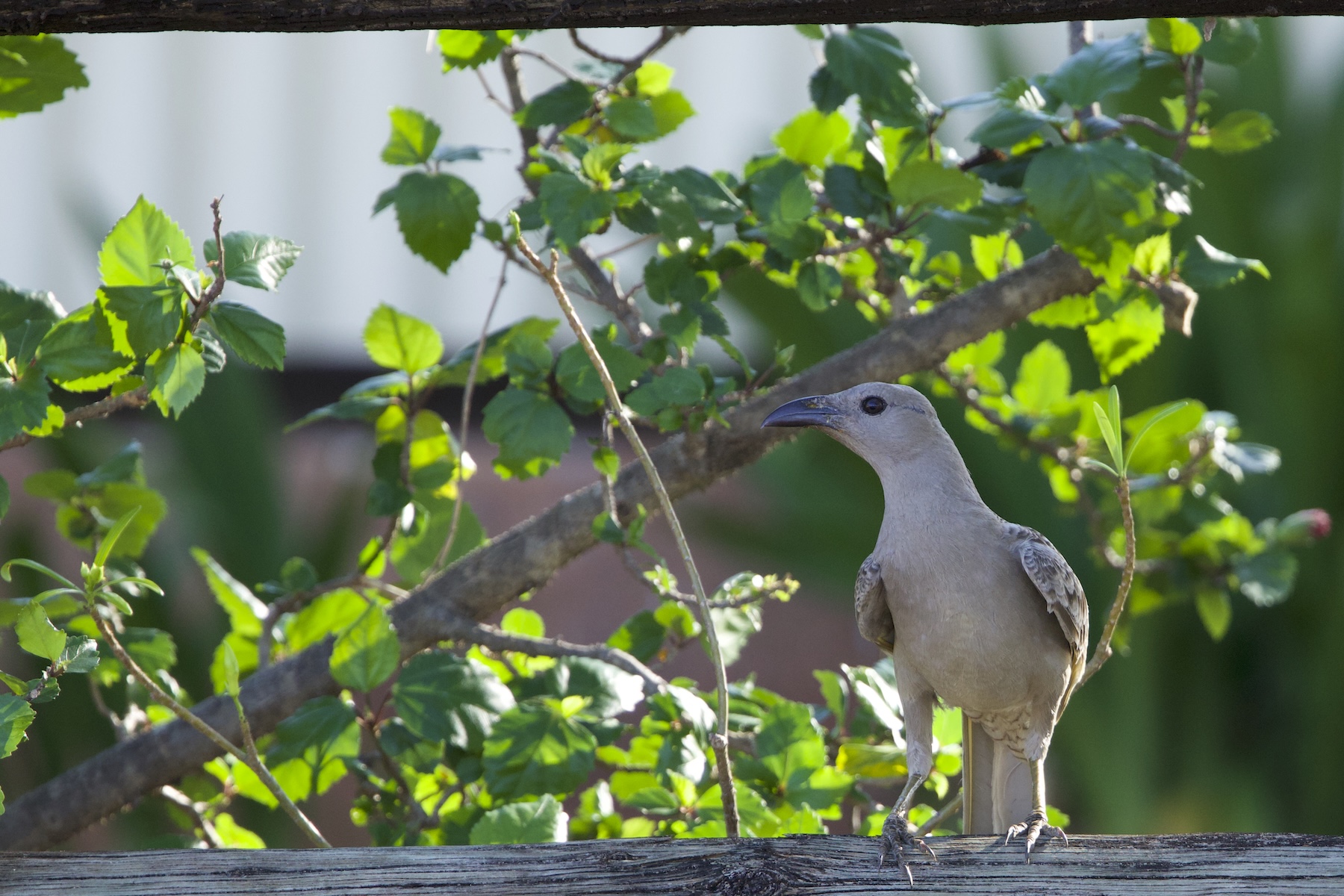
Great Bowerbird (image by Michael Greenshields)
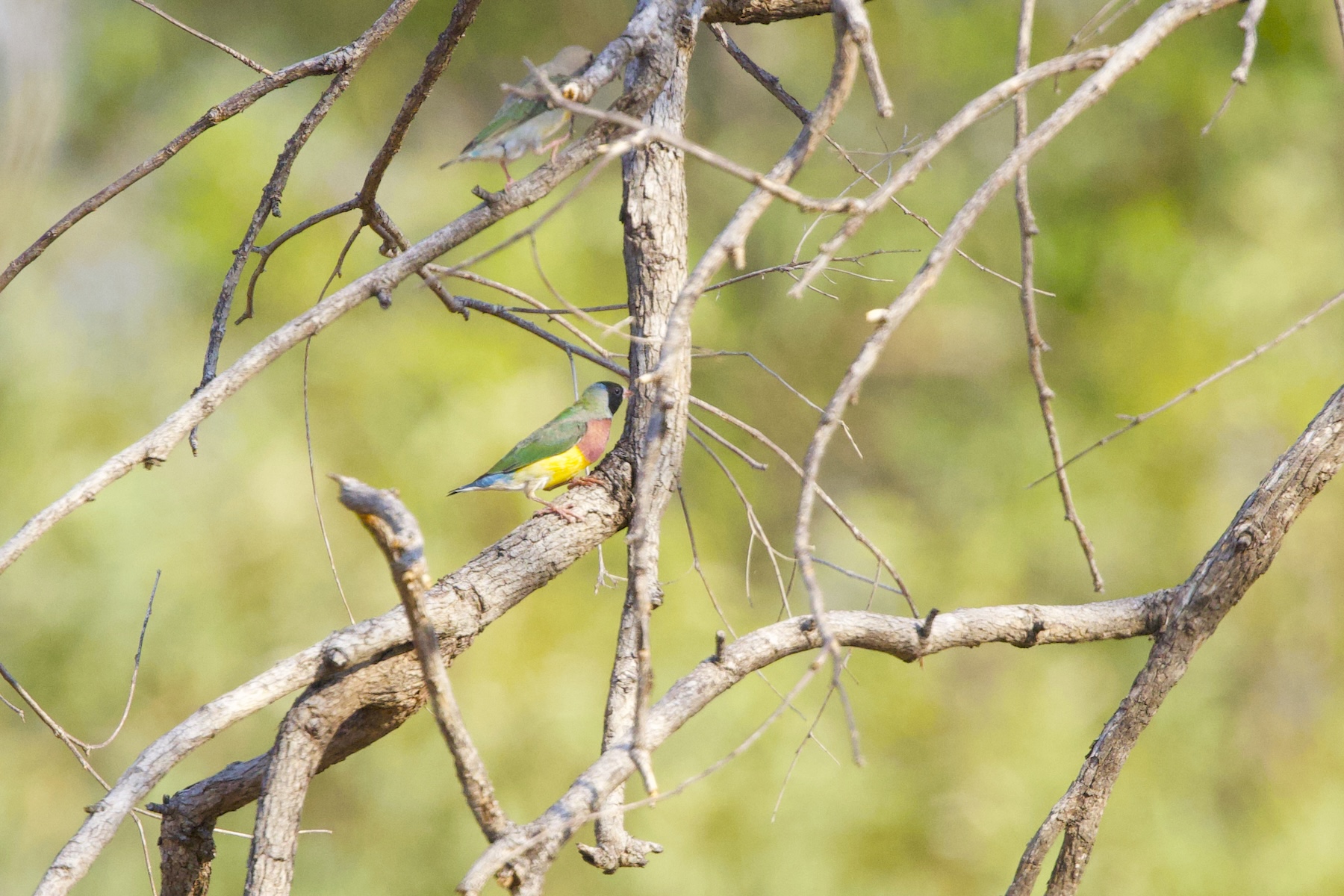
Gouldian Finch (image by Michael Greenshields)
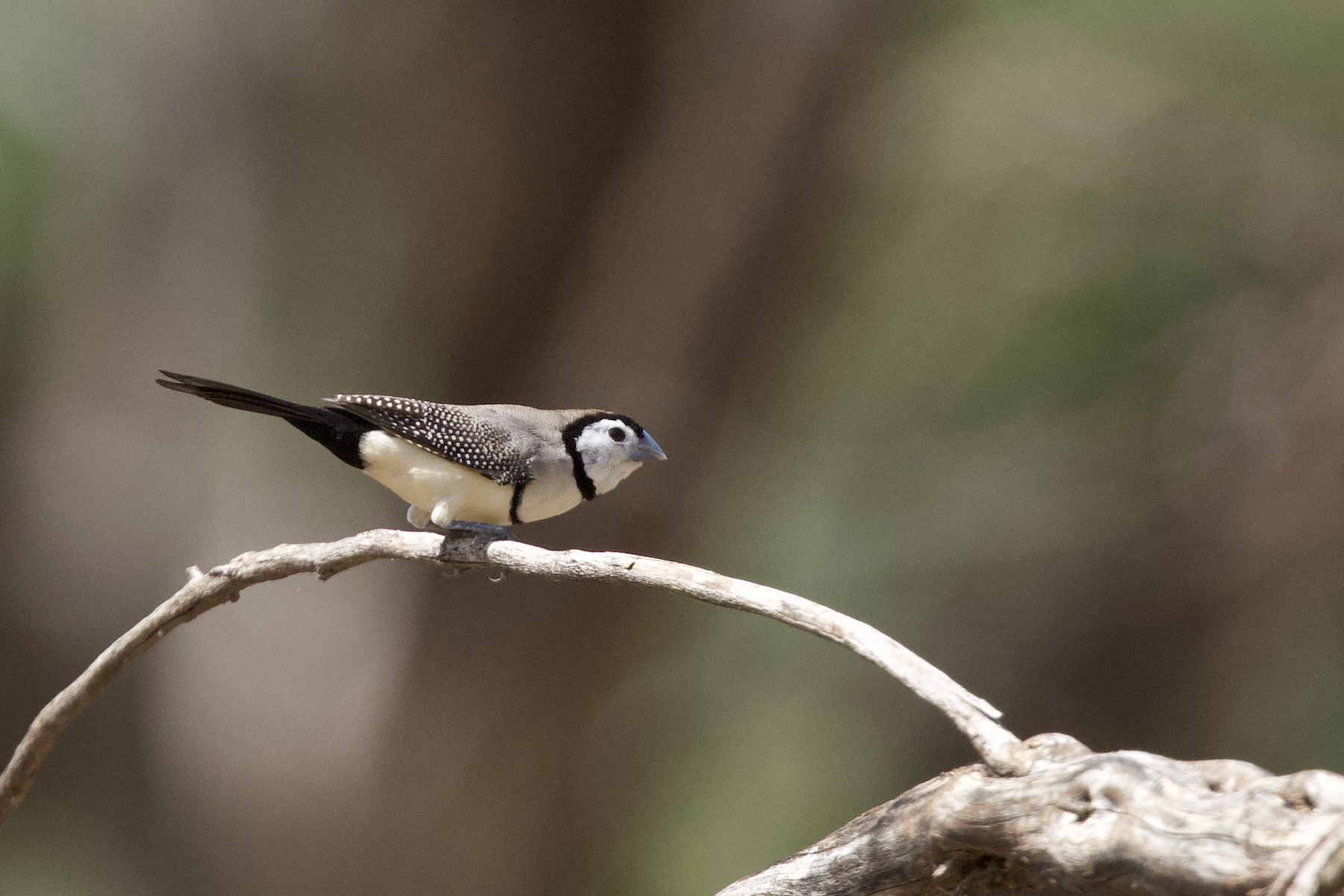
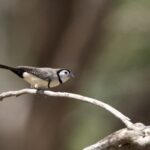
Double-barred Finch (image by Michael Greenshields)
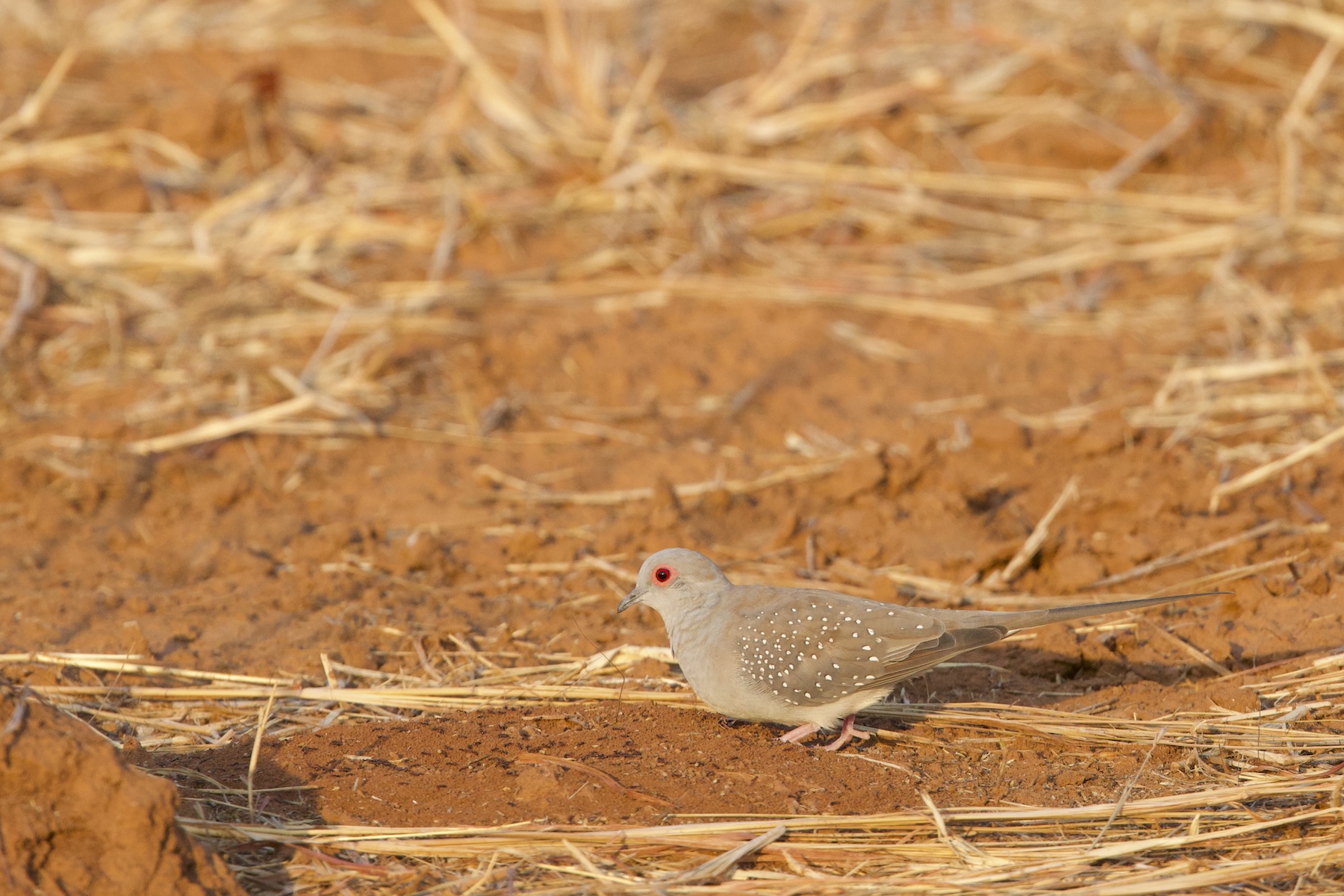
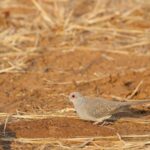
Diamond Dove (image by Michael Greenshields)
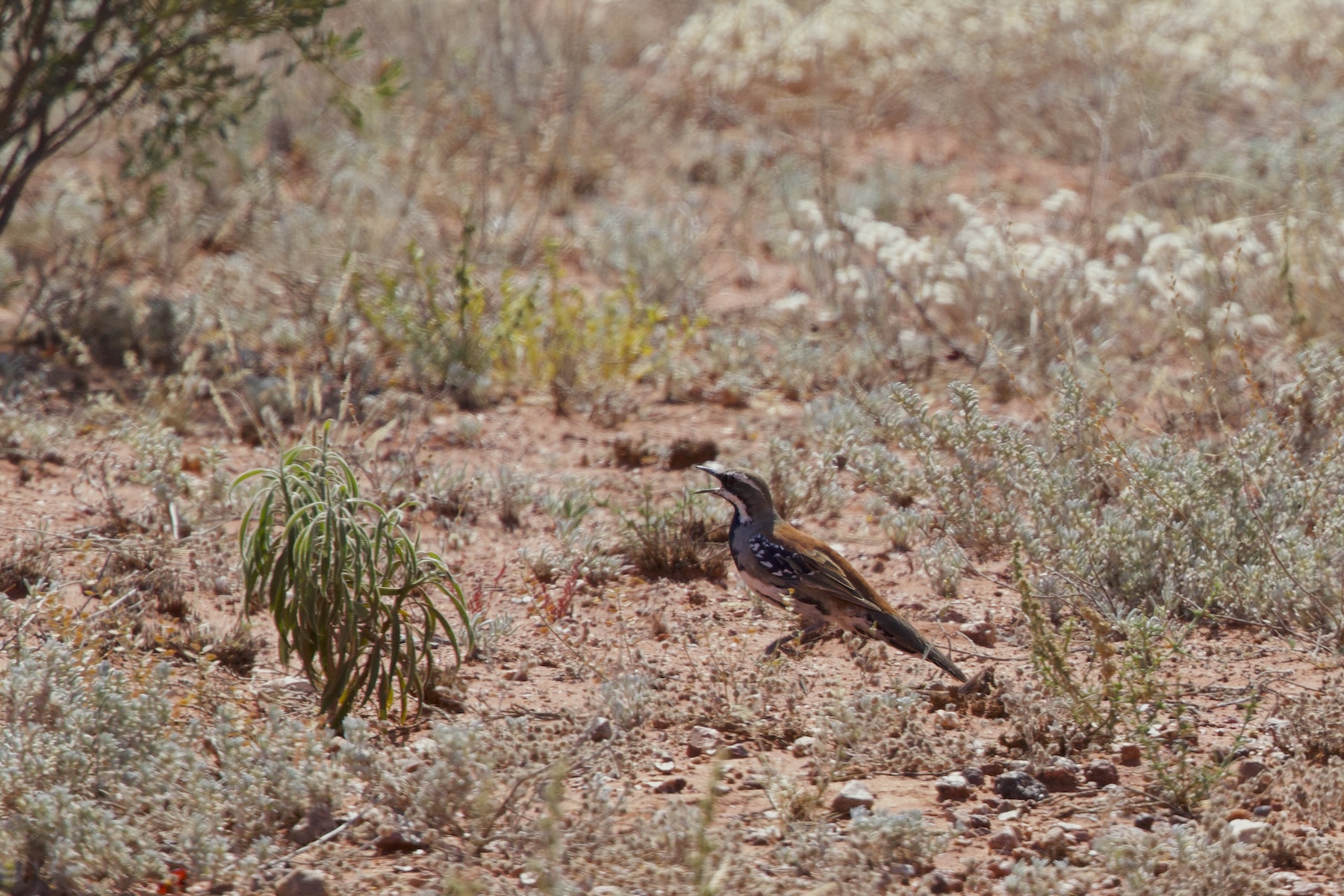
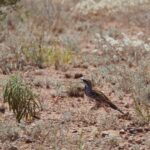
Copperback Quail-thrush (image by Michael Greenshields)
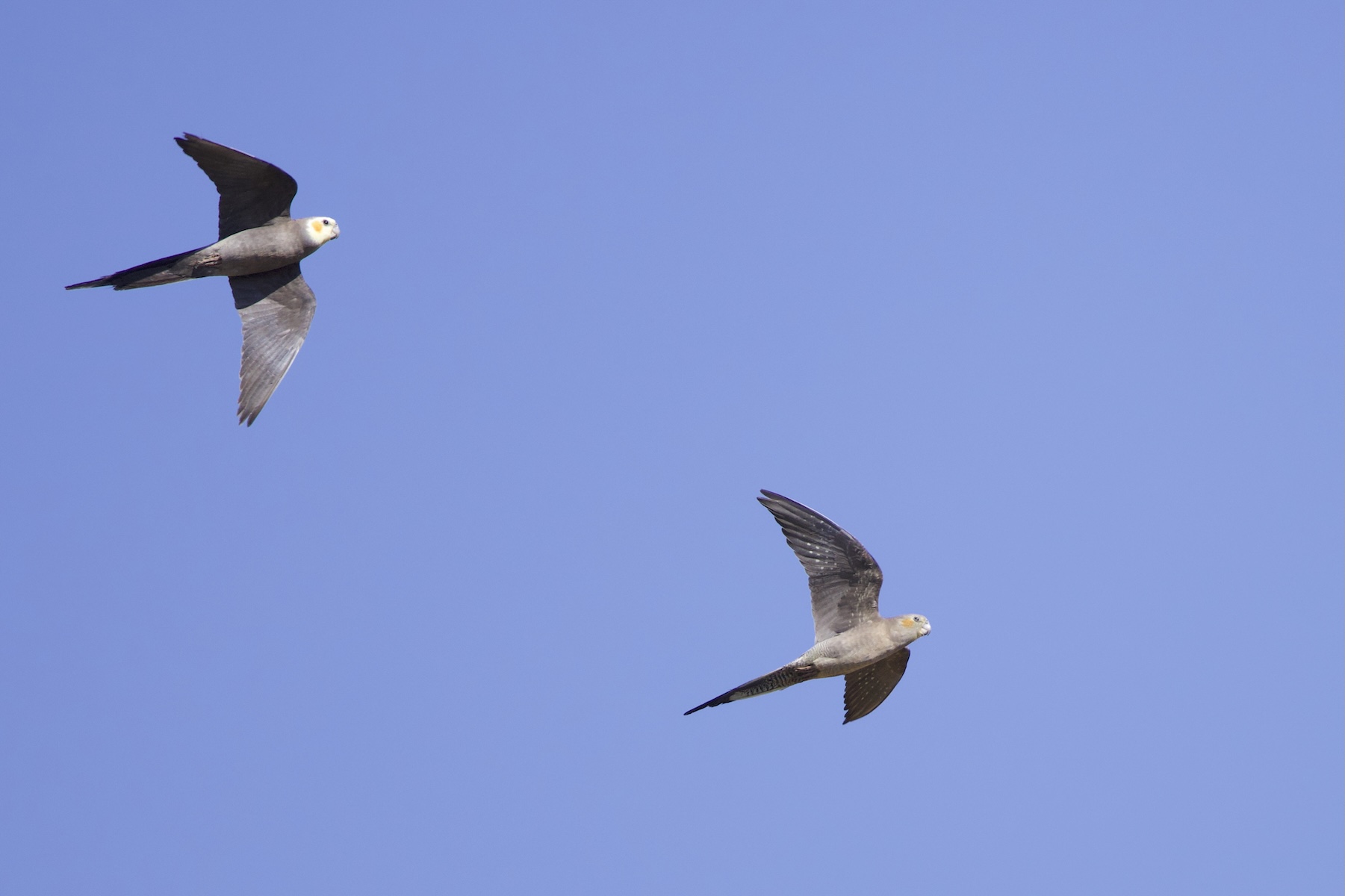
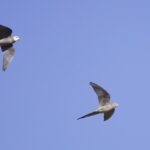
Cockatiels (image by Michael Greenshields)
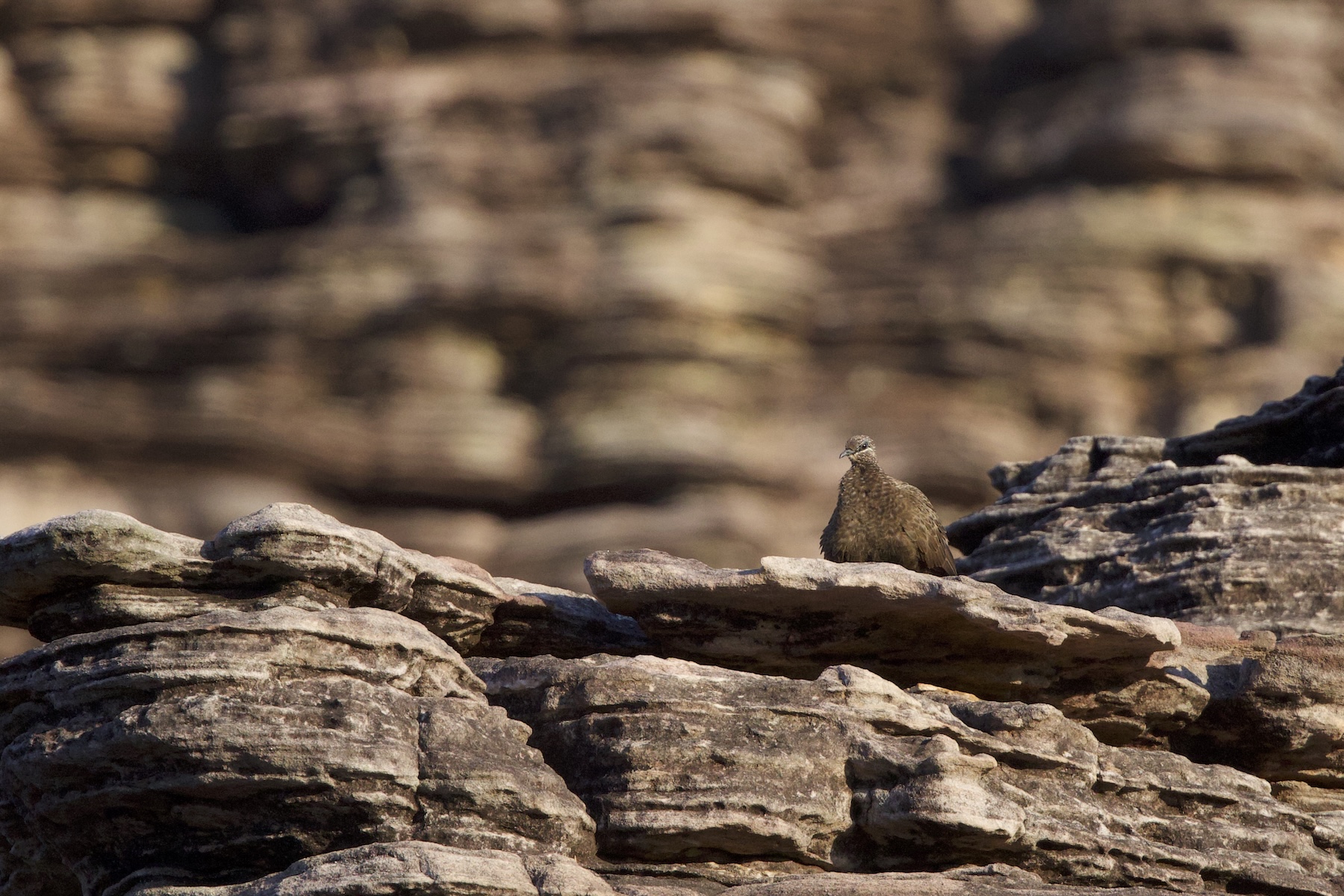
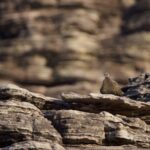
Chestnut-quilled Rock Pigeon (image by Michael Greenshields)
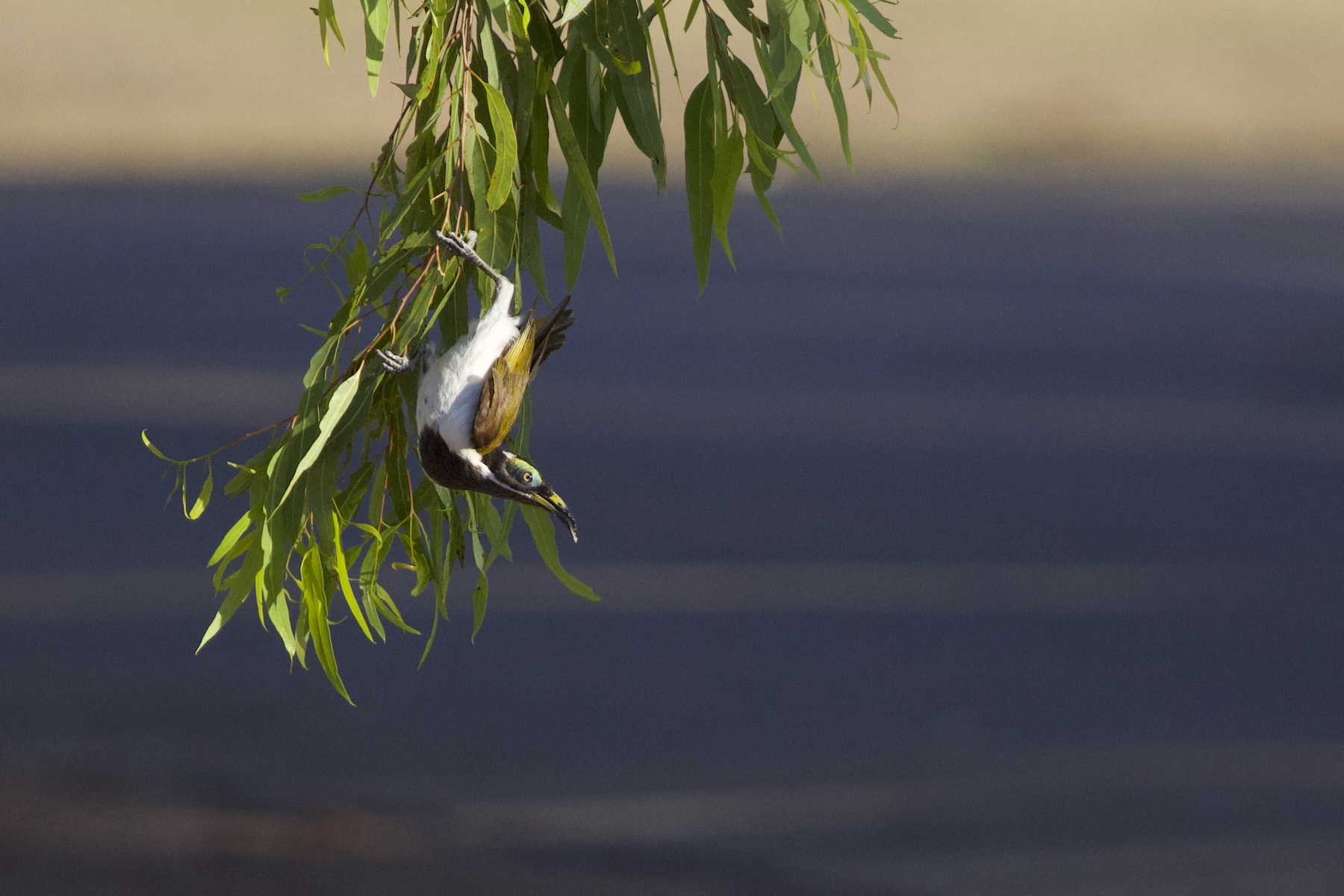
Blue-faced Honeyeater (image by Michael Greenshields)
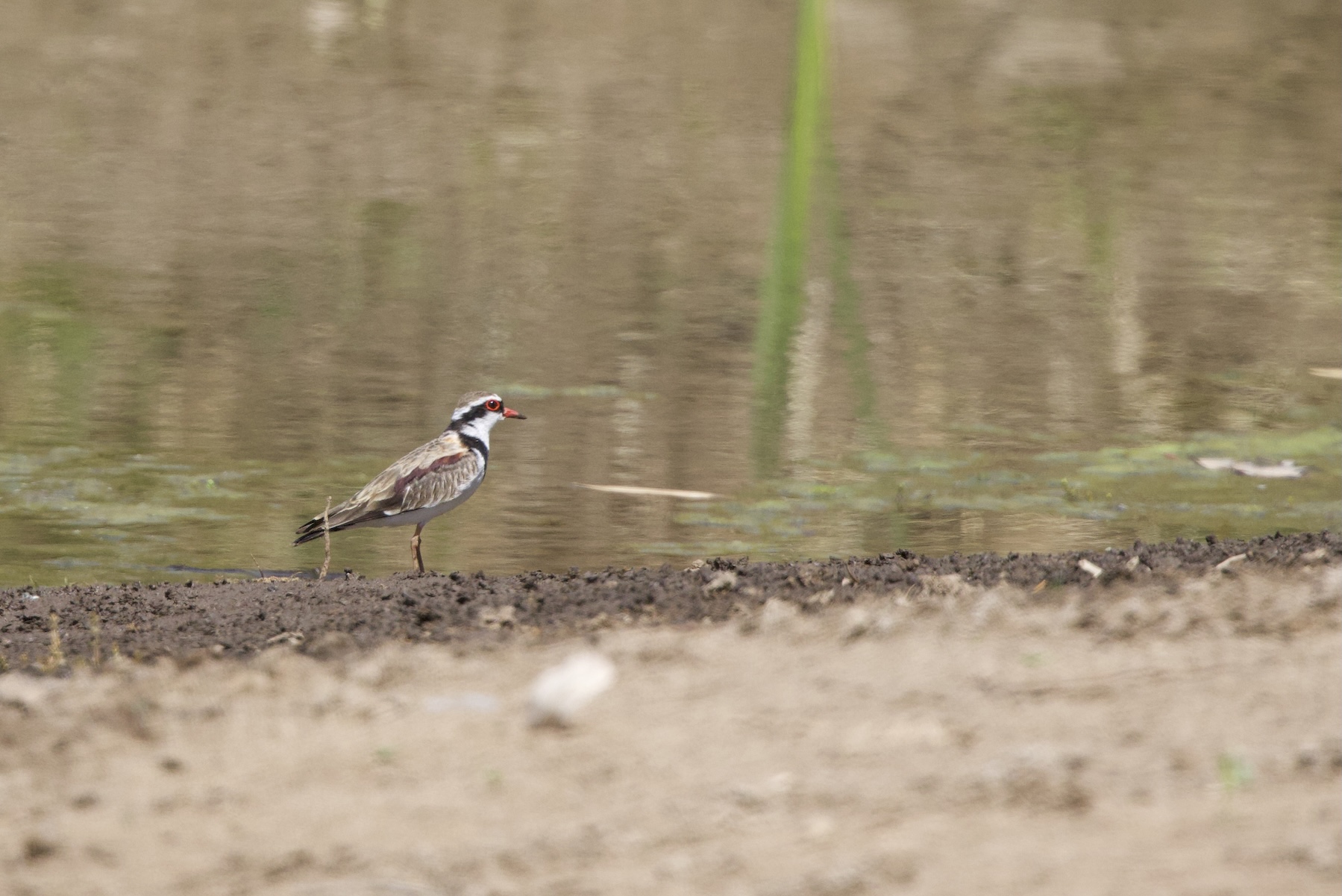
Black-fronted Dotterel (image by Michael Greenshields)
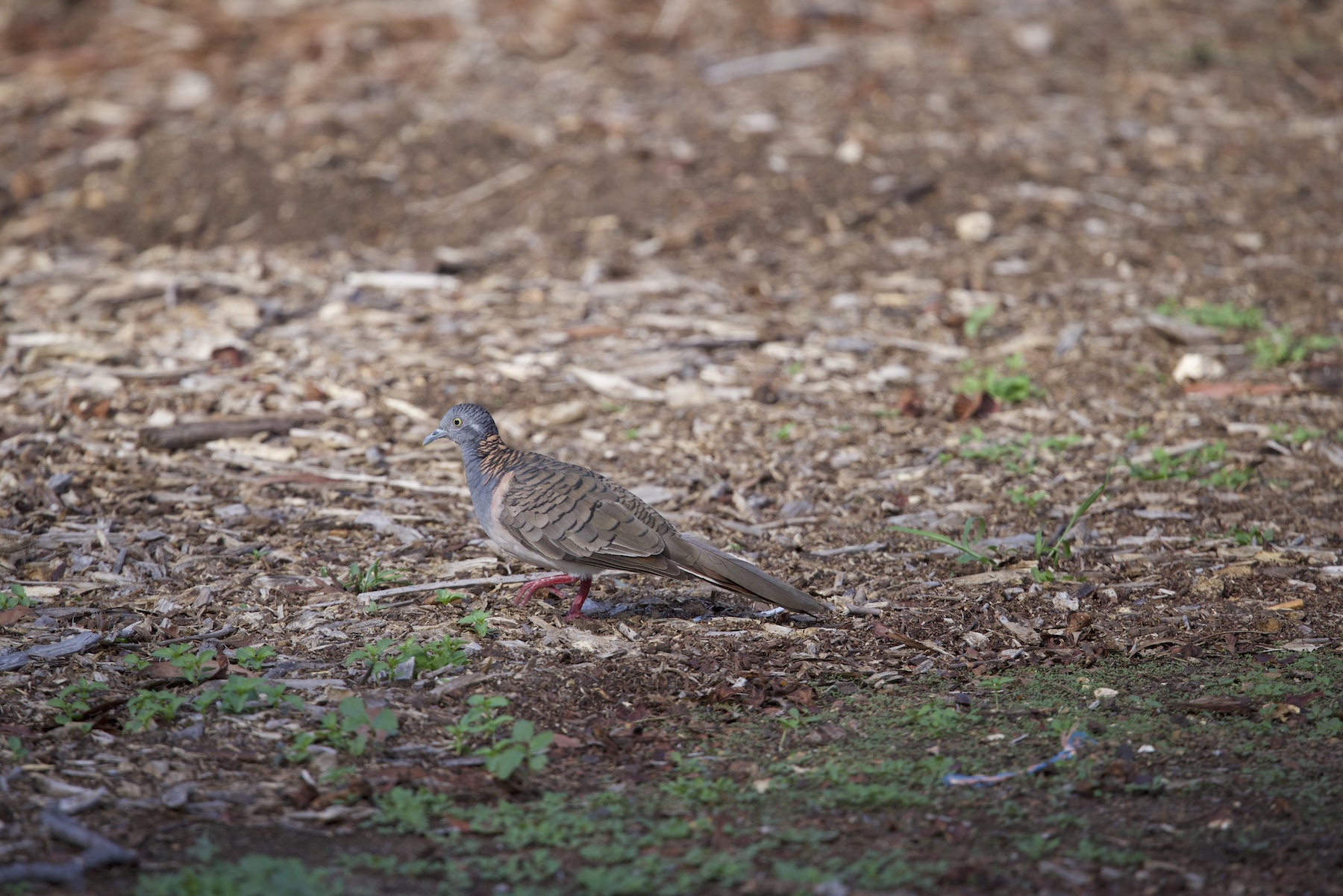
Bar-shouldered Dove (image by Michael Greenshields)
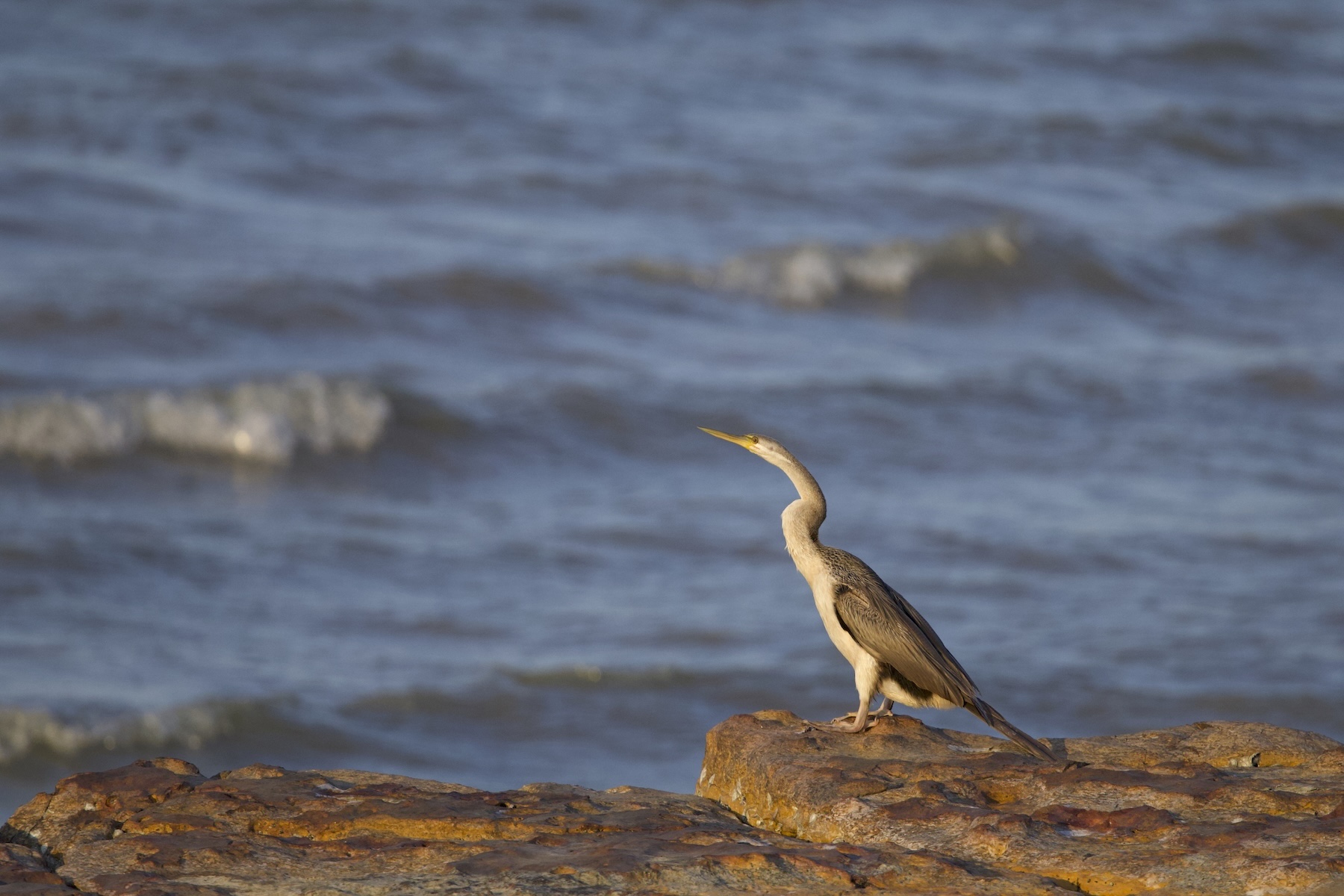
Australasian Darter (image by Michael Greenshields)
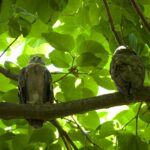
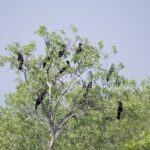
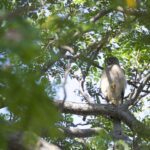
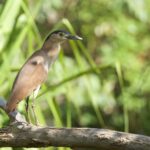
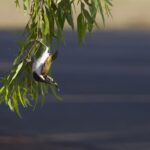
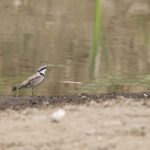
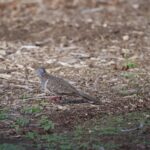
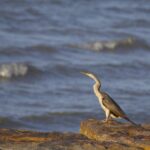


Rufous Owls (image by Michael Greenshields)
Splendid Fairywren (image by Michael Greenshields)
Northern Shriketit (image by Michael Greenshields)
Red Goshawk (image by Michael Greenshields)
Varied Sittella (image by Michael Greenshields)
Rose-crowned Fruit Dove (image by Michael Greenshields)
Red-winged Parrot (image by Michael Greenshields)
Orange-footed Scrubfowl (image by Michael Greenshields)
Red-tailed Black Cockatoos (image by Michael Greenshields)
Buff-sided Robin (image by Michael Greenshields)
Yellow-rumped Mannikin (image by Michael Greenshields)
White-winged Fairywren (image by Michael Greenshields)
White-browed Crake (image by Michael Greenshields)
Varied Lorikeet (image by Michael Greenshields)
Sandstone Shrikethrush (image by Michael Greenshields)
Chestnut-breasted Mannikin (image by Michael Greenshields)
Brown Goshawk (image by Michael Greenshields)
Red-headed Myzomela (image by Michael Greenshields)
Red-backed Kingfisher (image by Michael Greenshields)
Rainbow Bee-eaters (image by Michael Greenshields)
Nankeen Night Heron (image by Michael Greenshields)
Banded Honeyeater (image by Michael Greenshields)
Masked Woodswallows (image by Michael Greenshields)
Magpie Geese (image by Michael Greenshields)
Zebra Finch (image by Michael Greenshields)
Little Heron (image by Michael Greenshields)
Little Bronze Cuckoo (image by Michael Greenshields)
Hornbill Friarbird (image by Michael Greenshields)
Grey-fronted Honeyeater (image by Michael Greenshields)
Great Bowerbird (image by Michael Greenshields)
Gouldian Finch (image by Michael Greenshields)
Double-barred Finch (image by Michael Greenshields)
Diamond Dove (image by Michael Greenshields)
Copperback Quail-thrush (image by Michael Greenshields)
Cockatiels (image by Michael Greenshields)
Chestnut-quilled Rock Pigeon (image by Michael Greenshields)
Blue-faced Honeyeater (image by Michael Greenshields)
Black-fronted Dotterel (image by Michael Greenshields)
Bar-shouldered Dove (image by Michael Greenshields)
Australasian Darter (image by Michael Greenshields)


AUSTRALIA’S NORTHERN TERRITORY TOUR REPORT 2025

26 September - 11 October 2025
Michael Greenshields
Getting off the plane at the Alice Springs airport the weather was remarkably pleasant which was a great start to the tour. Two participants had arrived early and we met up at 6pm to head out nearby for dinner before getting back into our rooms just in time for the remaining two participants to arrive from the airport and the three of us headed out to the same bar for dinner with decidedly slower service than the first sitting. It’s always enjoyable to get to know each other a little before the tour officially begins and besides a very friendly Australian Ringneck (Port Lincoln subspecies) who sat on a nearby chair watching us eat, there wasn’t any birding to speak of on our first night together.
An easy start the next day with a 6am breakfast to kick off the tour before heading down the Santa Teresa Road to probably one of the most well-known birding locations in Central Australia, the ‘Tyre in the Pole’. Aptly named for the pole with the tyre in it.
Our first target was the diminutive but gorgeous Rufous-crowned Emu-wren and after less than 10 minutes we had a male displaying nicely for us for an extended period. A single Grey-headed Honeyeater spent some time feeding on a flowering bush by the side of the road before we headed further off track. A usually active Spinifexbird sat quietly at the base of a tree before flying to the top of a nearby spinifex clump where it remained giving the photographers plenty of time to find some space in between the seed heads that were doing a great job of blocking photo opportunities. Following a creek line back towards the car we came across a small flock of Masked Woodswallows which complemented the Black-faced Woodswallows we had been seeing up until this point. A Crested Bellbird showed nicely and a small flock of 25 Budgerigars kept us company feeding on the ground and flying from tree to tree in front of us. We had failed to find one of our main targets, Dusky Grasswren, at the usual locations so we drove a bit further down the road to another one of our known sites and within 10 minutes of leaving the car we had one hopping around us, showing really nicely on the rock ledges and in the nearby shrubs.
Back at Alice Springs for lunch at the Botanic Gardens and not only did we get a great feed but also had Western Bowerbird, White-plumed Honeyeater, Crested Pigeon, Willie Wagtail and Yellow-throated Miner all while sitting at our table.
The afternoon proved to have much less bird activity, which wasn’t unexpected given that the temperature was reaching 34 degrees. Grey Honeyeaters haven’t been seen in their usual locations for almost a year now, so we are having to search further afield for them. Unfortunately, we didn’t have any luck today, but we did run into a pair of Hooded Robins, plenty of Chestnut-rumped Thornbills and Yellow-rumped Thornbills, and more Splendid Fairywrens that you could ever need, with at least eight fully coloured males. A quick stop at the Telegraph station on the way back to our hotel gave us an unexpected run around with a calling Red-browed Pardalote, but this took a little while to figure out where the call was coming from, until he was noticed directly above our heads sitting on a power line.
First thing this morning we were off towards Kunoth Bore to look for some of the more difficult mulga species. Enroute we stopped by the side of the road twice, first for a kingfisher that we couldn’t quite turn into a Red-backed Kingfisher and went down on the checklist as a Sacred. Some great consolation birds here including Varied Sittella, White-winged Triller and our first Collared Sparrowhawk. A quick U-turn a couple of kilometres up the road to check out some Cuckoo-shrikes with an interesting flight pattern turned up 5 of the elusive Ground Cuckoo-shrike.
During the afternoon at a number of gorges along the West MacDonnell Range and some spectacular scenery we found a Little Pied Cormorant fishing in a small waterhole. At this same waterhole, while enjoying the shade we had a pair of Painted Finch show themselves well on the edge of the water which was a bit of a coup after no known sightings anywhere near Alice Springs within the last fortnight. Little Woodswallow, Grey-headed Honeyeater, Brown Honeyeater, Horsfield’s Bronze-Cuckoo were added to the list as well as an unexpected Sharp-snouted Delma (Legless Lizard).
On our way back to Alice Springs we stopped in at Simpsons Gap where, as expected, we didn’t add any new birds but managed to find our target species, the gorgeous Black-footed Rock Wallaby. We decided to spend the last hour of light today staking out a nearby waterhole to see if the pastel Bourke’s Parrot would turn up at their usual time, and alongside 30 Common Bronzewings, Australian Ringnecks, White-winged Fairywrens, six Bourke’s Parrots arrived a full five minutes before anticipated.
The following morning, we headed to a park near Alice Springs and spent the first couple of hours in the morning searching for what had so far proven to be an elusive target, the Grey Honeyeater. Not the prettiest of birds, but one of the hardest to locate. Walking through the open woodland dominated by Mulga trees we had the usual sighting of Grey-crowned Babbler, Splendid Fairywren, Zebra Finch and a flyover of the gorgeous Pink Cockatoo. After what felt like an exorbitantly long time we finally managed to get the diminutive Grey Honeyeater in a small Ghost Gum before it flew straight at us at head height and disappeared into the woodland behind us. Despite some solid searching we didn’t find it again.
Heading south towards Erldunda, which claims the self-proclaimed title of being the geographic centre of Australia, while it’s certainly as close as a normal person would come to the centre, it is actually 120km to the SE as the Australian Raven flies. We stopped at a roadhouse with a small manmade waterhole for drinks and a bathroom break, but there wasn’t much happening here besides some captive Emu. A five minute’s drive down the road we went searching for honeyeaters in a patch of Eremophila (a favourite plant of virtually all honeyeaters), but sadly they weren’t flowering so the species numbers were down. A small group of White-fronted Honeyeaters gave us good view while they sheltered in the shade from the blistering sun. Raptors along this stretch of road were good today with Black-breasted Buzzard, Black Kite, Whistling Kite, Nankeen Kestrel and Brown Falcon all putting in an appearance.
The next day, our mission was to find the elusive Sandhill Grasswren, one of the more difficult Grasswrens to find which is saying something. We arrived a little after sunrise after a three hour drive from Erldunda to discover four cars parked at the base of the dune and many birders walking our Grasswren location. Knowing how Grasswren behave there was zero chance that we were going to have success here with a load of other birders trampling through all the good habitat. So we drove a couple kilometres further up the road and started searching nearby sand dunes where they had been seen previously. After multiple hours and a few km’s of walking on soft sand we made it full circle back to where they are usually seen, however by this time all the other birders had left, although there were scores of footprints scattered all through the best locations so our hopes for finding this bird were dwindling by the minute.
Eventually we decide it was time to go and fetch the car so while everyone made themselves comfortable at the most likely spot on the sand dune, Michael walked the 2km back to the car and would bring it around to the base of the sand dune, 50 metres from where everyone was sitting. As luck would have it, 200m from the sand dune Michael heard a high-pitched contact call in a nearby bush and promptly had two Grasswrens sitting less than five metres away, after a quick sprint back to get everyone’s attention we were all assembled in front of a non-descript pile of dead sticks and spent the next 10 minutes watching a pair of Sandhill Grasswren displaying remarkably well. A successful morning despite the initial stress!
After lunch we began the drive back towards Alice Springs where our main target was a recent location for Copperback Quail-thrush (rarely seen in the Northern Territory… on eBird there are only 3 records of these in the Northern Territory and all of them are of this individual bird), plus it was only 25km from our planned route which meant that we had a real chance. A bonus was that it had been missed on a previous trip for two of our folks on this tour and would be a welcome mop-up species.
An added quick stop for what must be one of the easiest spots in Australia to find Slaty-backed Thornbill and added that to our list fairly quickly which was appreciated. There are a number of hybrid Quail-thrush here that Michael discovered a few years ago and although there isn’t any specific testing going on to determine what they are, the general consensus seems to be a hybrid of Copperback X Western or Copperback X Cinnamon. Fortunately the bird we found was a pure male Copperback Quail-thrush who put on a great show for everyone and we even got some good photos despite the heat haze.
The next day we had a flight departing Alice Springs after sunset tonight so plenty of time to go and chase some of the species we were still looking for today. Our first location was only 10km south of Erldunda where some good birds are often found so not long after sunrise we found ourselves standing alongside the highway listening to a Red-backed Kingfisher call incessantly, so off we went to investigate. Turns out they had a nest hole in a small mound of road building dirt. While admiring the Kingfisher we heard the call of a Cinnamon Quail-thrush, a bird that had avoided us despite our best efforts so we stood silently and waited for it to come into view before it finally came into view and spent the next few minutes doing laps around us and would briefly stand still for good views and photos in between its sprints between bushes.
Other birds here included more Horsfield’s Bronze-Cuckoo, Crimson Chat, White-fronted Honeyeater, Rainbow Bee-eater, good views of the male White-winged Fairywren, Fairy Martins and half a dozen of the stunning Mulga Parrot.
Spending the afternoon in areas around Alice Springs including a waterhole that had more water than Michael had ever previously seen had us finding Purple-backed Fairywren, Yellow-rumped Thornbill, Weebill, Singing Honeyeater, White-plumed Honeyeater, Spiny-cheeked Honeyeater, Yellow-throated Miner and a small family of Grey-crowned Babbler. And with that, it was off to Darwin where we were greeted at 10:30pm by stepping off the into some remarkably hot and sticky weather! Off to our hotel to get some sleep before a whole new suite of birds started in the morning.
Darwin. Hot and humid by 7am, but birds everywhere which is always a welcome contrast to the birdlife in the Australian desert. This tour was a little different to a standard one in that everyone on the tour had lots of experience with Australian birds so target lists were quite short, and so we spent a lot of time chasing specific targets rather than spending a lot of time looking for species that everyone had already seen. With that in mind, our first target for Darwin was Chestnut Rail, and fortunately one of the best places to see them also has a lot of other great birds. However, before we even arrived at our destination, we turned the corner of the road to discover a Rainbow Pitta hopping around in a clearing in full view and completely unphased by us allowing great views from the car.
Not long after that we found ourselves standing on the banks of a mangrove lined river (fortunately far enough away from the water’s edge to avoid Saltwater Crocodiles!). And here we stood for about 30 minutes slowly ticking off birds that came into view; Red-winged Parrot, Red-collared Lorikeet, Striated Heron, Azure Kingfisher, Torresian Imperial Pigeon, Australasian Darter, Great Egret, Brahminy Kite, Common Sandpiper, Common Greenshank, Marsh Sandpiper, and the surprise of the morning in the form of a Grey Goshawk that landed in the mangroves on the opposite side of the river.
Half an hour later the call went up from Yvon ‘I’ve got a Rail!’. Fortunately, it decided to show itself again as only Yvon and Mike got good looks when it first turned up. Over the next five minutes a pair of Chestnut Rails slowly made their way along the muddy bank, most of the time just far enough into the mangroves to not be visible but showing themselves often enough that everyone got good views. A great start to the Darwin section of the tour and a major target in the bag!
The next hour we spent exploring the same area and found some great birds including Green-backed Gerygone, Varied Triller, Red-headed Myzomela, Orange-footed Scrubfowl with their comically huge mound nests, Arafura Fantail, Canary White-eye; Grey Whistler were surprisingly common and we eventually all had solid looks at a Little Shrikethrush (previously Arafura Shrikethrush prior to Avilist, but some of these subspecies are definitely worth adding to a list for future splits). Although the tide wasn’t great, a number of waders were seen here including Grey Plover, Pacific Golden Plover, Siberian Sand Plover, Red-capped Plover, Ruddy Turnstone, Great Knot, Grey-tailed Tattler, Eurasian Whimbrel, Far Eastern Curlew and a single Black-tailed Godwit
A late breakfast in the Darwin Botanic Gardens was a welcome relief from the heat with a number of iced coffees begin ordered in haste. Our target here was the large Rufous Owl and with one of Michael’s contacts having seen one roosting only two days earlier we were confident of success. However, as we neared closer to the tree they were roosting in the sound of roadworks grew louder and louder until we were standing where they were supposed to be with an industrial size woodchipper chewing through entire trees 20 metres away which caused an almighty noise. Despite our hopes now completely deflated we began searching anyway and in less than a minute we had three Rufous Owls sleeping the day away. Ridiculous, but no complaints from any of us.
Later in the day we explored the area around East Point including a number of small ‘picnic spaces’ with cleared areas and lawn which often attract interesting species. Our first stop found us a pair of the beautiful Rose-crowned Fruit Dove.
A second full day around Darwin is always welcomed to look for the species that evaded us yesterday and today. A mangrove boardwalk first thing in the morning gave us good looks at Large-billed Gerygone, Mangrove Gerygone, Black Butcherbird, Northern Fantail and Michael had a Mangrove Robin that frustratingly disappeared before it was seen by others. Sahul Brush Cuckoo showed well as did a Little Bronze Cuckoo that let the photographers click away from less than two metres away, while it busied itself feeding and exploring a small branch.
At a separate mangrove area on the western side of Darwin we spent some time following a small, muddy track from suburbia out through some dense mangroves onto the mud flats. Mangrove Golden Whistler being the key target here which we found on our way back in, but we added Greater Sand Plover and a single Beach Stone Curlew on the flats. And then in a struck of good fortune as we returned, directly above our parked car was a Brown Goshawk nest with a chick.
Heading a little bit out of Darwin later in the morning we spent some time exploring a number of small, connected wetlands searching for our target of Little Curlew, a migrant that usually starts turning up in northern Australia around this time of year. It took us a while but on the second wetland we had a single bird feeding in and out of some tall grass on the edge of the water, which was doing a surprisingly effective job of keeping it hidden for lengths of time. Also here we had at least 4,000 Magpie Geese, 250 Plumed Whistling Ducks and a single Wandering Whistling Duck that stood out with its much darker colouring. Green Pygmy Geese, Royal Spoonbill, Pied Heron, Eastern Cattle Egret, White-necked Heron and a pair of Paperbark Flycatcher made it onto our trip list. A small flock of Long-tailed Finches were seen distantly on the far shore by Steve but fortunately they would be easy to see later in the trip so we didn’t spend much time trying to figure out how to chase them across private property.
We finished the sunlight hours out at the Leanyer Sewerage Works at Lee Point where we found Bar-breasted Honeyeater, Rufous-banded Honeyeater, Chestnut-breasted Mannikin, Varied Lorikeet, a single Common Tern and a small number of Australian Terns to join the hundreds of Whiskered Terns. A pair of nesting Australian Hobby on top of a telecommunications tower was a good addition of a bird often seen rapidly flying past.
There weren’t any nocturnal target species needed around Darwin for anyone on tour but after dinner we did a quick drive out to East Point to see if we could spotlight anything new for the list and found a Large-tailed Nightjar before heading back to our hotel.
We were up early to drive out to Fogg Dam Conservation Reserve to arrive not long after sunrise. The first little walk we did had a huge amount of Golden Orb-weavers which for those who aren’t familiar with them are rather large spiders that build even larger webs and then they situate themselves at a height uncomfortably similar to that of your face, a recipe for some sudden, rapid movements if you aren’t watching where you’re going. Fortunately for us, the birding was great and on this first walk we added the uncommonly seen Zitting Cisticola, Radjah Shelduck, Pheasant Coucal and more than enough Masked Lapwings. Returning to the car we had a Rose-crowned Fruit Dove and Lemon-bellied Flyrobin and a Sulphur-crested Cockatoo flyover, screeching away as always. Elsewhere in the park we had three White-browed Crakes, often a species that’s difficult to see close up, but these guys didn’t see too bothered by us and were going about their day, with one even perching on top of a water lily flower! Forest Kingfisher, White-bellied Sea Eagle, Plumed Egret in their hundreds and Glossy Ibis were plentiful here.
From Fogg Dam we headed east into Kakadu, with Red Goshawk being high on everyone’s list in northern Australia. We stopped off at a spot only known to a few people to watch a female Red Goshawk standing on top of her nest, probably shading her eggs or chicks from the intense heat of the day. An amazing bird. A quick stop for a fuel station lunch before heading further into the park to see which of the local endemics we could find during the afternoon to give us time to find the others tomorrow. There is a tiny, 200 square metre patch of damp rainforest in amongst the savannah where Banded Fruit Doves roost at night, and very occasionally some hang out during the day so we made our way here to see if one was hanging around. After a bit of a walk and almost no bird song to be heard other than the raucous calls of a Great Bowerbird who was tending to his bower, we arrived at our location and began to wait. There were plenty of Silver-crowned Friarbirds before we finally spotted a Banded Fruit Dove 20 metres away sitting silently in the treetop. Over the next 10 minutes or so we had a number of short views as it flew from branch to branch with everyone walking away at the end with good views.
The afternoon was spent exploring Yellow Waters Billabong on one of the amazing cruises put on each day. Plenty of birds to see on this cruise although none were new for us, we still had incredible views of a large number of Azure Kingfisher, Shining Flycatcher, Bar-shouldered Dove, Australasian Swamphen, Nankeen Night Heron, Crimson Finch, a pair of White-bellied Sea Eagles and lots of Saltwater Crocodiles.
An almost full day around Kakadu to chase down the endemics before ending up in Pine Creek at the end of the day had us starting out in the northern section of Kakadu where a scenic short walk saw us tick off a pair of the incredibly well camouflaged Chestnut-quilled Rock-pigeon. After a little bit of coaxing a trio of Sandstone Shrikethrush came down from the rocky outcrops to check us out. Red-tailed Black Cockatoos did a couple of flyovers and could be heard in the distance at one of the many small wetlands in this area; Oriental Dollarbird, Dusky Myzomela, White-throated Honeyeater, Mistletoebird and a single Blue-winged Kookaburra kept us company.
After meeting one of Michael’s guiding pals who was leading a separate tour in the carpark we decided to focus our attention on the often difficult to find White-lined Honeyeater at a lesser explored part of Kakadu in the hope that it would make them easier to get views of. Despite the heat we ended up finding a pair of these Honeyeaters as well as White-bellied Cuckooshrike, Pied Butcherbird, a small party of Brown Quail and the huge Wedge-tailed Eagle. The hot afternoon was spent driving down towards Pine Creek with all of our Kakadu targets in the bag. We spent a couple of hours exploring the Pine Creek main street with its well-manicured grass areas with many Hooded Parrots seen and photographed well, obviously acclimatised to humans.
First thing today we visited the Pine Creek Sewage Works and cemetery where we got onto a Pacific Koel, One of the interesting annual events of northern Australia, particularly in cattle country is that the tall grass that grows throughout the wet season is burnt on a large scale at the end of the dry season to reduce fuel loads for wildfires and to bring out fresh green growth which is more palatable for cattle. Unfortunately for us it seemed like every square inch that we wanted to bird in was now just swathes of scorched earth. Despite this we spent the day exploring the area between Pine Creek and Katherine. The Fergusson River almost always has some pools of water, and this year was no different and during an hour long walk along the creek bed and back toward the road we added a pair of Northern Rosella, Nankeen Night Heron, Double-barred Finch and plenty of Striated Pardalotes.
We spent a fair bit of time in the afternoon exploring areas south of Katherine but struggled to find any sections of ground larger enough to be home to any target species but it was nice to be out birding at the end of the day with the sun lower in the sky and the temperature much more enjoyable. Best bird of the afternoon was a couple of Black-tailed Treecreepers with Peaceful Dove, Australian Magpie, Willie Wagtail and Rufous Whistler making up the remainder.
Today was Northern Shriketit day! A difficult bird to see at the best of times, and potentially even harder with the fact that everything was either on fire or had been burnt very recently. Despite the adversity we set out with high hopes an hour before sunrise to get to our location not long after the sun came up. A quick obligatory coffee stop on our way out of Katherine and we were on the road. We covered our final 15km of dirt relatively slowly due to an almost constant supply of bull dust holes.
Arriving we were met with a quite encouraging chorus of birdsong. Our first Jacky Winter for the tour with a nest with chicks met us straight out of the car, followed quickly by Yellow-tinted Honeyeater, Sacred Kingfisher and the ever-present Brown Honeyeater. Our second lot of Varied Sittella and a surprise pair of Hooded Parrots at what must be close to the southern end of their regular range. Banded Honeyeaters were seen foraging in a flowering eucalypt. Pallid Cuckoo, Cockatiel, Red-backed Fairywren, Little Friarbird, Grey Shrikethrush and a pair of Long-tailed Finches were seen during our walk here and after about an hour the distinctive call of the Northern Shriketit was heard calling in the distance. Steve was the fortunate bloke to first set eyes on one and luckily after it took flight it landed on a dead branch out in the open for everyone to get great views, before heading to meet its mate and although we could keep tabs on them flying back and forth, they didn’t seem particularly bothered about giving us good views again, but being a difficult bird to find and getting some great views kept everyone satisfied.
We ended up in Victoria River at the end of the day read to find some new and exciting species first thing in the morning.
The normal routine for a morning at Victoria River would be to get up about an hour before sunrise and hike to the top of the escarpment for a good chance of the eastern subspecies of White-quilled Rock-pigeon, but as mentioned earlier this trip had far fewer target species than usual and so we opted to skip the Rock-pigeon in favour of having more time to look for other species. Unfortunately that choice was probably the greater of two evils as we sat by a small waterhole that had, within the last 2 weeks, seen many finches and parrot species arrive each morning and evening but today it was almost entirely void of birds, a couple of Brown Honeyeaters, a single White-gaped Honeyeater and some distant Little Corellas pretty much rounded it out. So with that out of the way we headed down toward the Boat Ramp, a famous spot for the stunning Purple-crowned Fairywrens. A small dam on the road in held some Diamond Doves and both Tree and Fairy Martins. Arriving at the river we explored the rocky shoreline before heading up into the sand dunes to look for Fairywrens and it wasn’t long before we had a trio including a nicely coloured male with two females, who admittedly must be in the top two when it comes to good looking female fairywrens (perhaps a tie with Lovely Fairywren?).
After lunch we headed toward Timber Creek where we had a greater chance of finches and buttonquail which were high on everyone’s list. Along the way we stopped twice as finches crossed the road and both times we were amazed at the amount of birds we found compared to our morning around Timber Creek. Our first spot we couldn’t leave the car as the finches just happened to be feeding within 20 metres of some wild buffalo who didn’t look particularly happy to see us, and as much as we all enjoyed watching Gouldian Finch, Masked Finch and Double-barred Finch from the car, none of us were keen to run the gauntlet of being gored by a buffalo to get a better look. So we enjoyed them from the safety of the car!
At the second spot we had more Double-barred and Masked Finch as well as a number of Long-tailed Finch. A small troop of Brown Quail marched off when they saw us and a Pacific Koel called in the distance. Red-tailed Black Cockatoo were regular along the road as we drove toward Timber Creek. In the evening we went up to a lookout to see if we could find a Spotted Nightjar but it was deathly silent, not even an insect was calling. It has been very dry around Timber Creek so perhaps that has something to do with it, but regardless it was unusually void of any sound except the distant rumbling of road trains on the road below.
A full morning and part of the afternoon in Timber Creek before heading back and we had some exploring to do! Our first point of call was a nearby campground where we had our first pair of Yellow-rumped Mannikin in a flock of Chestnut-breasted Mannikin with some Crimson Finch thrown in for good measure. A Brown Honeyeater flew face first into a sign and after spending a significant amount of time believing it had broken it’s neck and was well and truly deceased, it popped itself up and seemed to be good to go. Plenty of Great Bowerbirds, White-breasted Woodswallow, Blue-faced Honeyeater, Yellow-throated Miner and a pair of vocal Pheasant Coucal kept us company.
On the way out we spent a little bit longer than usual at the intersection to the highway deciding which route to take when we noticed a couple of finches eating on the verge so we pulled over and went to investigate, and it wasn’t long before a flock of 200 Star Finches all flew up into a bare branched tree offering great views for everyone. Back to the lookout as there was a small chance of Chestnut-backed Buttonquail which was being unusually difficult this year. A bird that you wouldn’t necessarily guarantee but you would be surprised to miss had eluded us so far, not least of which because all of its usual locations had been burnt to a cinder. So back to the lookout we went where the first bird we encountered was the Grey-fronted Honeyeater. A bird that would be seen very irregularly on this itinerary if it wasn’t for this hill where there are always plenty, we found at least 30 over the course of an hour and they were by far the most numerous bird here. Our main target, besides the Honeyeater, was Chestnut-backed Buttonquail and so we spread out and walked through the rocky, spinifex covered ground until finally Mark flushed one and over the next 20 minute we flushed it another 2 times before it flew, in those ancient words of wisdom, ‘over the hills and far away’.
Our final day on tour and heading back from Katherine to Darwin. We spent most of the day exploring the areas around Darwin where we re-visited a number of locations we had been to earlier in the tour.
We went back to the Mangrove Boardwalk but the tide was too high (we never did have any luck with tides!) and the boardwalk itself was under water, we passed a number of people who came back wet up the waist but nobody was particularly keen to get saturated and with no exposed mud and high water the chances of us finding anything new were slim. Back to Buffalo Creek to see if we could add any new waders to the list and we managed to pick up our only 2 Pied Oystercatchers of the tour and 200 Red Knots mixed in with the usual thousands of Great Knots. With the tide higher it was easier to pick out terns roosting on the sand and we added found Little Tern, Caspian Tern, Australian Tern, Greater Crested and Lesser Crested Tern as well as the mandatory Silver Gull. Australian Pelicans roosting off in the distance never give you trouble when it comes to positive identification.
BIRDS OF THE TOUR
1st: Sandhill Grasswren
2nd: Chestnut Rail
3rd: Red Goshawk
4th: Copperback Quail-thrush
5th: Ground Cuckoo-shrike
SYSTEMATIC LIST OF SPECIES RECORDED
Species marked with the diamond symbol (◊) are either endemic to the country or local region or considered ‘special’ birds for some other reason (e.g., it is only seen on one or two Birdquest tours; it is difficult to see across all or most of its range; the local form is endemic or restricted-range and may in future be treated as a full species).
The species names and taxonomy used in the bird list follows AviList v2025.
BIRDS
Magpie Goose ◊ Anseranas semipalmata Commonly encountered throughout the Top End.
Plumed Whistling Duck ◊ Dendrocygna eytoni Frequently seen around Darwin and Kakadu.
Wandering Whistling Duck ◊ Dendrocygna arcuate Seen in reasonable numbers of multiple days around Darwin.
Australian Wood Duck Chenonetta jubata Seen in small numbers around Alice Springs.
Radjah Shelduck ◊ Radjah radjah Commonly encountered throughout the Top End.
Green Pygmy Goose ◊ Nettapus pulchellus 25 seen at Knuckey Lagoons.
Pacific Black Duck Anas superciliosa Common around Darwin.
Grey Teal Anas gracilis Alice Springs Sewerage Ponds.
Orange-footed Scrubfowl ◊ Megapodius reinwardt Common around Darwin and any monsoon forest
Brown Quail ◊ Synoicus ypsilophorus Groups of 10+ seen 3 times between Pine Creek and Timber Creek
Australasian Grebe Tachybaptus novaehollandiae Small numbers seen throughout the whole tour.
Australian Bustard Ardeotis australis One seen on roadside near Victoria River.
Pheasant Coucal Centropus phasianinus Observed widely in Top End.
Pacific Koel (Australian K) Eudynamys orientalis Heard often, seen in Pine Creek and along the roadside east of Timber Creek.
Horsfield’s Bronze Cuckoo ◊ Chrysococcyx basalis 1 seen west of Alice Springs and another near Erldunda.
Little Bronze Cuckoo ◊ Chrysococcyx minutillus 1 bird seen on multiple day in mangroves, probably the same bird.
Pallid Cuckoo ◊ Cacomantis pallidus Heard in most places around Alice Springs, seen 3 times.
Sahul Brush Cuckoo Cacomantis variolosus 1 seen in mangroves around Darwin.
Spotted Dove (introduced) Spilopelia chinensis Common on powerlines in Alice Springs.
Pacific Emerald Dove Chalcophaps longirostris One seen at Howard Springs.
Common Bronzewing ◊ Phaps chalcoptera 30+ seen near Alice Springs and singles irregular in the Top End.
Diamond Dove ◊ Geopelia cuneata Frequently encountered both inland and the Top End.
Bar-shouldered Dove Geopelia humeralis Everywhere in the Top End.
Peaceful Dove Geopelia placida Common between Pine Creek and Timber Creek.
Chestnut-quilled Rock Pigeon ◊ Petrophassa rufipennis 2 seen near Ubirr.
Crested Pigeon ◊ Ocyphaps lophotes Seen most days around Alice Springs.
Torresian Imperial Pigeon ◊ Ducula spilorrhoa Abundant around Darwin and common in most Top End locations.
Black-banded Fruit Dove ◊ Ptilinopus alligator 1 seen in Kakadu.
Rose-crowned Fruit Dove ◊ Ptilinopus regina Seen twice in Darwin and Fogg Dam.
Brolga ◊ Antigone rubicunda Fogg Dam and Yellow Waters.
Chestnut Rail ◊ Gallirallus castaneoventris 2 seen in Darwin.
Eurasian Coot Fulica atra 1 seen in Alice Springs.
Australasian Swamphen Porphyrio melanotus Only encountered on Yellow Waters cruise.
White-browed Crake Poliolimnas cinereus 3 seen at Fogg Dam.
Beach Stone-curlew ◊ (B Thick-knee) Esacus magnirostris A single bird and a trio seen on separate occasions on the north side of Darwin.
Bush Stone-curlew ◊ (B Thick-knee) Burhinus grallarius Heard outside our hotel every night in Darwin and 4 seen on roadsides.
Red-necked Avocet ◊ Recurvirostra novaehollandiae 10 at Alice Springs Sewerage Ponds
Pied Stilt ◊ (White-headed S) Himantopus leucocephalus 5 at Alice Springs Sewerage Ponds and singles seen around the Top End.
Sooty Oystercatcher ◊ Haematopus fuliginosus A pair at East Point.
Pied Oystercatcher ◊ (Australian Pied O) Haematopus longirostris A pair at Buffalo Creek.
Grey Plover Pluvialis squatarola small numbers at Buffalo Creek.
Pacific Golden Plover Pluvialis fulva Similar numbers and locations as Grey Plover.
Black-fronted Dotterel ◊ Elseyornis melanops Pairs seen sporadically throughout the tour.
Masked Lapwing ◊ Vanellus miles Seen everywhere in the Top End. 10+ seen most days.
Siberian Sand Plover (Mongolian P) Charadrius [mongolus] mongolus Small numbers on Darwin coastline.
Greater Sand Plover Charadrius leschenaultia Unusually small numbers seen around Darwin, likely to be many more but low tide had them spread out.
Red-capped Plover ◊ Charadrius ruficapillus 5 seen on beach in Darwin.
Comb-crested Jacana ◊ Irediparra gallinacean Common at Fogg Dam and Yellow Waters.
Little Curlew ◊ Numenius minutus 1 individual at Knuckey’s Lagoon.
Eurasian Whimbrel Numenius phaeopus 1 or 2 seen most times we were on the coastline.
Far Eastern Curlew ◊ (Eastern C) Numenius madagascariensis 8 at Buffalo Creek.
Black-tailed Godwit (Eastern B-t G) Limosa [limosa] melanuroides 1 seen at Buffalo Creek.
Terek Sandpiper Xenus cinereus 3 seen on mudflats north side of Darwin.
Common Sandpiper Actitis hypoleucos 3 at Buffalo Creek and 20+ at Sewerage Treatment Ponds in Darwin.
Grey-tailed Tattler Tringa brevipes Seen at Lee Point, Buffalo Creek, East Point and Nightcliff mangroves.
Marsh Sandpiper Tringa stagnatilis 3 at Buffalo Creek while waiting for Chestnut Rail and small numbers around Darwin.
Wood Sandpiper Tringa glareola Buffalo Creek and Knuckey’s Lagoon.
Common Greenshank Tringa nebularia 1 seen on small wetland near Darwin.
Ruddy Turnstone Arenaria interpres In small numbers at Lee Point and East Point.
Red Knot Calidris canutus Small numbers with Great Knots at Lee Point Beach.
Great Knot Calidris tenuirostris 1000+ at Buffalo Creek.
Sharp-tailed Sandpiper Calidris acuminata Small numbers at Buffalo Creek and Lee Point.
Red-necked Stint Calidris ruficollis 5 at Lee Point.
Sanderling Calidris alba A dozen seen at Lee Point beach.
Little Buttonquail ◊ Turnix velox Individuals flushed in grassland around Alice Springs.
Chestnut-backed Buttonquail ◊ Turnix castanotus 1 flushed multiple times in Timber Creek.
Little Tern Sternula albifrons 3 at Buffalo Creek.
Caspian Tern Hydroprogne caspia 3 at Buffalo Creek.
Australian Tern ◊ (Australian G-b T) Gelochelidon macrotarsa 1 at Buffalo Creek and 5 at Sewerage Treatment Ponds in Darwin.
Whiskered Tern Chlidonias hybrida Encountered from time to time throughout the tour in groups ranging in size from 2 – 100+
Greater Crested Tern Thalasseus bergii 1 at Buffalo Creek.
Lesser Crested Tern Thalasseus bengalensis 10 at Buffalo Creek.
Common Tern (Eastern C T) Sterna [hirundo] longipennis 1 seen at Sewerage Treatment Plant in Darwin.
Silver Gull ◊ Chroicocephalus novaehollandiae Common along coastline in Darwin.
Black-necked Stork ◊ Ephippiorhynchus asiaticus Singles seen in multiple locations across Top End.
Australasian Darter ◊ Anhinga novaehollandiae Small numbers seen on most wetlands and rivers across Top End, occasionally 10+ in a location.
Little Pied Cormorant Microcarbo melanoleucos Only 1 seen around Alice Springs, small number of individuals across the Top End.
Little Black Cormorant Phalacrocorax sulcirostris Numbers ranging from singles up to 30+ around the Top End.
Australian Pied Cormorant Phalacrocorax varius 1 seen near the boat on Yellow Waters cruise.
Glossy Ibis Plegadis falcinellus A pair at Knuckey’s lagoon.
Royal Spoonbill ◊ Platalea regia 10 at Knuckey’s lagoon.
Australian White Ibis Threskiornis Molucca Commonly encountered in wetlands and grasslands around Darwin.
Straw-necked Ibis ◊ Threskiornis spinicollis Widespread and common in wetlands and grasslands across Top End.
Australian Pelican ◊ Pelecanus conspicillatuts 3 at Buffalo Creek.
Pied Heron ◊ Egretta picata 50+ at Fogg Dam, smaller numbers at Yellow Waters and elsewhere across the Top End.
White-faced Heron Egretta novaehollandiae 1 seen around Alice Springs and singles on most days from Pine Creek to Timber Creek.
Pacific Reef Heron (Eastern Reef E) Egretta sacra 2 at Buffalo Creek.
Little Egret Egretta garzetta 10 at Sewerage Treatment Ponds in Darwin.
Nankeen Night Heron (Rufous N H) Nycticorax caledonicus 25+ on Yellow Waters cruise and uncommonly encountered as singles on days following.
Striated Heron Butorides atricapilla Several at Buffalo Creek and East Point rocks.
White-necked Heron ◊ (Pacific H) Ardea pacifica Single bird on wetland near Darwin then individuals seen near roadside at creek crossings or small bodies of water.
Great Egret (Eastern G E) Ardea [alba] modesta 2 at Buffalo Creek, 5 in Kakadu.
Intermediate Egret (Plumed E) Ardea [intermedia] plumifera Abundant at Yellow Waters, smaller numbers elsewhere in Top End.
Eastern Cattle Egret Bubulcus coromandus Seen on most wetlands around Darwin and Kakadu.
Large-tailed Nightjar Caprimulgus macrurus Single bird seen at East Point in Darwin.
Rufous Owl ◊ Ninox rufa 2 adults and a juvenile seen roosting in Darwin Botanic Gardens.
Osprey ◊ (Eastern O) Pandion [haliaetus] cristatus A single bird at Buffalo Creek.
Black-shouldered Kite ◊ (Australian K) Elanus axillaris 3 seen around Alice Springs.
Black-breasted Buzzard ◊ (B-b B-Kite) Hamirostra melanosternon 3 birds seen between Erldunda and Uluru with another 3 seen between Timber Creek and Victoria River.
Wedge-tailed Eagle ◊ Aquila audax Seen regularly throughout the entire tour, often near roadkill.
Collared Sparrowhawk Accipiter cirrocephalus Encountered surprisingly often with birds seen on 5 separate days.
Grey Goshawk Accipiter novaehollandiae 1 individual perched in mangroves at Buffalo Creek.
Brown Goshawk Accipiter fasciatus Adult with chick in nest seen in Darwin suburbia.
Red Goshawk ◊ Erythrotriorchis radiatus One adult seen standing on nest in Kakadu National Park.
Spotted Harrier ◊ Circus assimilis 2 seen on roadside near Erldunda.
Whistling Kite Haliastur sphenurus Commonly observed, especially in Top End.
Brahminy Kite Haliastur indus Singles at Buffalo Creek.
Black Kite Milvus migrans Abundant throughout inland and Top end, easily the most common raptor species.
White-bellied Sea Eagle Icthyophaga leucogaster A pair on Yellow Waters cruise and a juvenile at Fogg Dam.
Oriental Dollarbird Eurystomus orientalis Common in small numbers across Top End.
Rainbow Bee-eater Merops ornatus Common both inland and the Top End, seen almost every day.
Azure Kingfisher Ceyx azureus Singles seen on a number of wetlands across the Top End and 6 on the Yellow Waters cruise.
Blue-winged Kookaburra ◊ Dacelo leachii Commonly encountered in woodland habitat across Top End.
Red-backed Kingfisher ◊ Todiramphus pyrrhopygius 1 seen south of Erldunda.
Forest Kingfisher Todiramphus macleayii Uncommon around Darwin and Kakadu.
Sacred Kingfisher Todiramphus sanctus Occasional observations in woodland in Top End with 1 along the Tanami Track north of Alice Springs.
Nankeen Kestrel (Australian K) Falco cenchroides Common roadside observations at inland locations.
Brown Falcon Falco berigora Common both inland and the Top End.
Australian Hobby Falco longipennis Nesting pair in Darwin.
Red-tailed Black Cockatoo ◊ Calyptorhynchus banksia Frequently encountered both inland and across the Top End. Often in flocks of 25+.
Cockatiel ◊ Nymphicus hollandicus Small groups seen at Erldunda and across the western section of the Top End.
Galah ◊ Eolophus roseicapilla Frequently encountered both inland and across the Top End.
Pink Cockatoo ◊ (Major Mitchell C) Cacatua leadbeateri 1 seen in Alice Springs.
Little Corella ◊ Cacatua sanguinea Uncommonly seen in small flocks of 20 – 100, both inland and Top End.
Sulphur-crested Cockatoo Cacatua galerita Common around Darwin and Kakadu.
Red-winged Parrot ◊ Aprosmictus erythropterus Flocks of between 5 and 50 frequently observed across Top End.
Bourke’s Parrot ◊ Neopsephotus bourkii 6 seen at waterhole north of Alice Springs.
Australian Ringneck ◊ (Port Lincoln R) Barnardius [zonarius] zonarius Commonly encountered in woodland around Alice Springs and Erldunda.
Northern Rosella ◊ Platycercus venustus a pair south of Pine Creek.
Mulga Parrot ◊ Psephotellus varius Ecountered twice between Alice Springs and Uluru.
Hooded Parrot ◊ Psephotellus dissimilis 30+ birds seen at Pine Creek and 2 south of Katherine.
Budgerigar ◊ Melopsittacus undulatus Small flocks seen most days around Alice Springs.
Varied Lorikeet ◊ Psitteuteles versicolor Several flocks observed flying over, seen feeding in flowering eucalypt at Lee Point.
Red-collared Lorikeet ◊ Trichoglossus rubritorquis Common throughout the Top End.
Rainbow Pitta ◊ Pitta iris A pair seen at Buffalo Creek.
Black-tailed Treecreeper ◊ Climacteris melanurus Seen or heard on several occasions in open woodland across Top End. Most common around Timber Creek.
Western Bowerbird ◊ Chlamydera guttata Singles seen around Alice Springs and West MacDonnell Ranges.
Great Bowerbird ◊ Chlamydera nuchalis Common between Pine Creek and Timber Creek.
Striated Grasswren (Sandhill G) ◊ Amytornis striatus A pair seen in dune fields near Yulara airport.
Dusky Grasswren ◊ Amytornis purnelli One seen in Spinifex on rocky hill side south of Alice Springs.
Rufous-crowned Emu-wren ◊ Stipiturus ruficeps One seen well and at least 2 more heard in Spinifex south of Alice Springs.
Purple-crowned Fairywren ◊ Malurus coronatus 3 birds seen at Victoria River.
Purple-backed Fairywren ◊ Malurus assimilis Seen on 2 occassions around Alice Springs.
Splendid Fairywren ◊ Malurus splendens Seen most days we ventures into Mulga Woodlands around Alice Springs, including 8 fully coloured males on one walk.
White-winged Fairywren ◊ Malurus leucopterus Commonly encountered around Alice Springs, coloured males uncommon.
Red-backed Fairywren ◊ Malurus melanocephalus Observed in woodland around Katherine and Timber Creek.
Red-browed Pardalote ◊ Pardalotus rubricatus One bird seen at Alice Springs township.
Striated Pardalote ◊ Pardalotus striatus Uncommonly seen in the Top End, highest numbers south of Pine Creek.
Green-backed Gerygone ◊ Gerygone chloronota 2 seen near Buffalo Creek.
Large-billed Gerygone ◊ Gerygone magnirostris Seen in mangroves at East Point.
Mangrove Gerygone ◊ Gerygone levigaster Seen in mangroves at East Point.
Western Gerygone ◊ Gerygone fusca Heard often around Alice Springs, seen twice.
Southern Whiteface ◊ Aphelocephala leucopsis Seen most days during inland part of the tour.
Banded Whiteface ◊ Aphelocephala nigricincta Seen on 2 occassions, once around Alice Springs and once near Erldunda.
Yellow-rumped Thornbill ◊ Acanthiza chrysorrhoa Uncommonly seen in Mulga woodland around Alice Springs.
Inland Thornbill ◊ Acanthiza apicalis Common during inland part of the tour.
Slaty-backed Thornbill ◊ Acanthiza robustirostris 2 seen at roadside stop between Erldunda and Yulara.
Chestnut-rumped Thornbill ◊ Acanthiza uropygialis Uncommonly seen in Mulga woodland around Alice Springs.
Weebill ◊ Smicrornis brevirostris Harder to come by this year, but seen on 3 separate days, twice around Alice Springs and once in Kakadu.
Crimson Chat ◊ Epthianura tricolor 3 pairs seen west of Erldunda.
Bar-breasted Honeyeater ◊ Ramsayornis fasciatus Seen at Sewerage Treatment Ponds near Darwin and in the Pine Creek region.
Rufous-banded Honeyeater ◊ Conopophila albogularis Commonly seen around Darwin and Kakadu.
Rufous-throated Honeyeater ◊ Conopophila rufogularis Uncommon across the Top End.
Grey Honeyeater ◊ Conopophila whitei 1 seen in Alice Springs.
Dusky Myzomela ◊ Myzomela obscura Surprisingly uncommon, but individuals and pair seen numerous times across Darwin and Kakadu.
Red-headed Myzomela ◊ Myzomela erythrocephala Frequently observed in mangroves in Darwin region.
Little Friarbird ◊ Philemon citreogularis Seen around Darwin and East Point.
Helmeted Friarbird ◊ Philemon buceroides Seen around Darwin and Knuckey’s Lagoon.
Silver-crowned Friarbird ◊ Philemon argenticeps Commonly present in woodlands across the Top End.
Banded Honeyeater ◊ Cissomela pectoralis Seen on 2 occasions, south of Katherine and between Victoria River and Timber Creek.
Brown Honeyeater ◊ Lichmera indistincta Only seen once during Alice Springs section, but common across Top End.
Blue-faced Honeyeater ◊ Entomyzon cyanotis Commonly seen around urban environments and townships in the Top End.
White-throated Honeyeater Melithreptus albogularis Present in small numbers between Kakadu and Timber Creek.
White-gaped Honeyeater ◊ Stomiopera unicolor Small numbers across the Top End.
White-lined Honeyeater ◊ Territornis albilineata A pair seen near Nourlangie in Kakadu
White-fronted Honeyeater ◊ Purnella albifrons Small numbers seen on 3 occassions between Alice Springs and Erldunda.
Singing Honeyeater ◊ Gavicalis virescens Frequently encountered in arid inland regions.
White-plumed Honeyeater ◊ Ptilotula penicillate Common around Alice Springs and Eucalypt woodlands in arid zone.
Yellow-tinted Honeyeater ◊ Ptilotula flavescens Uncommonly seen between Katherine and Victoria River.
Grey-headed Honeyeater ◊ Ptilotula keartlandi Seen twice around Alice Springs.
Grey-fronted Honeyeater ◊ Ptilotula plumula Only seen in 1 specific location on tour but was very common in that area, 30+ seen over an hour.
Spiny-cheeked Honeyeater ◊ Acanthagenys rufogularis Individuals and pairs requently observed at most inland locations.
Yellow-throated Miner ◊ Manorina flavigula Abundant in Eucalypts along creeks and urban environments in and around Alice Springs.
Grey-crowned Babbler ◊ Pomatostomus temporalis Commonly observed both inland and Top End.
White-browed Babbler ◊ Pomatostomus superciliosus Observed once in Mulga woodland just out of Alice Springs.
Cinnamon Quail-thrush ◊ Cinclosoma cinnamomeum 1 seen south of Erldunda.
Ground Cuckooshrike ◊ Coracina maxima 5 birds, including at least 1 juvenile seen just north of Alice Springs.
Black-faced Cuckooshrike ◊ Coracina novaehollandiae Encountered widely across both inland and Top End locations.
White-bellied Cuckooshrike ◊ Coracina papuensis Seen on most days in the Top End.
White-winged Triller ◊ Lalage tricolor Unusually common this year where we found small numbers in most areas of the tour.
Varied Triller ◊ Lalage leucomela Seen on 3 separate days across Darwin.
White-breasted Woodswallow ◊ Artamus leucorynchus Seen most days in Darwin.
Masked Woodswallow ◊ Artamus personatus 10 seen just south of Alice Springs and a flock of 200+ seen near Stuart’s Well Roadhouse.
Black-faced Woodswallow ◊ Artamus cinereus Frequently observed at all inland venues and in drier regions of the Top End.
Little Woodswallow ◊ Artamus minor 5 seen in West MacDonnell Ranges and 2 seen near Timber Creek.
Black Butcherbird ◊ Melloria quoyi Seen on 2 separate days around Darwin.
Australian Magpie ◊ Gymnorhina tibicen Commonly seen during the inland part of the tour, only seen one time in the Top End.
Silver-backed Butcherbird ◊ Cracticus argenteus A trio seen in southern edge of Darwin suburbs.
Pied Butcherbird ◊ Cracticus nigrogularis Observed throughout inland and Top End.
Varied Sittella ◊ Daphoenositta chrysoptera 3 seen north of Alice Springs and another 4 in woodland west of Katherine
Chiming Wedgebill ◊ Psophodes occidentalis Often heard but seen well south of Alice Springs.
Crested Bellbird ◊ Oreoica gutturalis Seen on 3 separate occasions during inland section of the tour.
Northern Shriketit ◊ Falcunculus whitei A pair west of Katherine.
Australasian Figbird ◊ (Green F) Sphecotheres vieilloti Common in urban and forest locations throughout the Top End.
Olive-backed Oriole ◊ Oriolus sagittatus Seen in Darwin mangroves.
Green Oriole ◊ Oriolus flavocinctus Common across the Top End.
Sandstone Shrikethrush ◊ Colluricincla woodwardia Good views of a pair near Ubirr in Kakadu.
Grey Shrikethrush ◊ Colluricincla harmonica Uncommon across the Top End. Best view near Timber Creek.
Little Shrikethrush ◊ Colluricincla megarhyncha Previously Arafura Shrikethrush (prior to AviList), a pair seen at Buffalo Creek.
Mangrove Golden Whistler ◊ Pachycephala melanura Male and female seen in mangroves on western side of Darwin.
Grey Whistler ◊ Pachycephala simplex A pair at Buffalo Creek.
Rufous Whistler ◊ Pachycephala rufiventris Heard very regularly and see often aross most inland locations. Uncommon in Top End.
Northern Fantail Rhipidura rufiventris Occasional observations in monsoon forest and mangroves in Top End.
Willie Wagtail Rhipidura leucophrys Common.
Arafura Fantail ◊ Rhipidura dryas Observed on 3 days across Darwin and Kakadu.
Spangled Drongo Dicrurus bracteatus Seen regularly across Darwin and Kakadu.
Magpie-lark ◊ (Australian M-l) Grallina cyanoleuca Seen almost every day and in most locations.
Leaden Flycatcher ◊ Myiagra rubecula Seen on two occassions, once in Darwin and once in Kakadu.
Paperbark Flycatcher ◊ Myiagra nana In small numbers but widely spread throughout the Top End.
Shining Flycatcher ◊ Myiagra alecto Heard calling often in monsoon forest, males and females both seen on multiple occassions.
Apostlebird ◊ Struthidea cinerea Groups seen in Katherine township and on town outskirts.
Torresian Crow ◊ Corvus orru Observed throughout the inland and Top End regions.
Red-capped Robin ◊ Petroica goodenovii Seen in small numbers in dry woodland around Alice Springs and Erldunda.
Lemon-bellied Flyrobin ◊ Microeca flavigaster Common in and around mangroves and wet forests of the Top End.
Jacky Winter ◊ Microeca fascinans An adult with chicks in a nest was seen west of Katherine.
Buff-sided Robin ◊ Poecilodryas cerviniventris A male seen in Timber Creek.
Hooded Robin ◊ Melanodryas cucullate Seen on multiple occassions in Mulga woodland near along Sant Teresa Road.
Golden-headed Cisticola (Bright-headed C) Cisticola exilis Seen near mangroves in East Point and then multiple times west of Katherine.
Zitting Cisticola Cisticola juncidis One bird seen and heard well in Fogg Dam.
Spinifexbird ◊ Poodytes carteri One surprisingly unwary bird seen south of Alice Springs in Spinifex.
Rufous Songlark ◊ Cincloramphus mathewsi Commonly heard and seen twice around Alice Springs.
White-backed Swallow ◊ Cheramoeca leucosterna Individuals and pairs seen on 4 separate occasions between Alice Springs and Uluru.
Tree Martin ◊ Petrochelidon ariel Positively identified near Victoria River.
Fairy Martin ◊ Petrochelidon ariel Often seen around Victoria River and Timber Creek.
Canary White-eye ◊ (Australian Yellow W) Zosterops luteus Regularly found in mangrove habitats around Darwin.
Mistletoebird ◊ Dicaeum hirundinaceum Frequently heard throughout the interior and the Top End and observed on several occasions.
Crimson Finch ◊ Neochmia phaeton Common in small numbers anywhere we found finches.
Painted Finch ◊ Emblema pictum 2 birds observed at a remote waterhole in the West MacDonnell ranges.
Star Finch ◊ Bathilda ruficauda A flock of 200 birds seen near Timber Creek.
Double-barred Finch ◊ Stizoptera bichenovii The most common finch encountered across the Top End
Australian Zebra Finch ◊ Taeniopygia castanotis Not as high numbers as usual, but 10-30 seen most days spent in the Alice Springs section of the tour.
Masked Finch ◊ Poephila personata Small flocks around pine Creek and everywhere west to Timber Creek.
Long-tailed Finch ◊ Poephila acuticauda Uncommon from Pine Creek to Timber Creek.
Yellow-rumped Mannikin ◊ Lonchura flaviprymna A pair seen well associating with Chestnut-breasted Mannikin at Timber Creek.
Chestnut-breasted Mannikin Lonchura castaneothorax Flocks at Sewerage Treatment Ponds in Darwin and small groups in Timber Creek.
Gouldian Finch ◊ Chloebia gouldiae Only seen once on roadside east of Timber Creek.
Australian Pipit Anthus australis Seen regularly across inland section of tour.
MAMMALS
Northern Brown Bandicoot Isoodon macrourus Two in grassland west of Katherine.
Agile Wallaby Notamacropus agilis Frequently encountered across the Top End.
Antilopine Wallaroo Osphranter antilopinus 4 seen west of Katherine.
Common Wallaroo (Euro) Osphranter robustus Several seen in hill country west of Alice Springs.
Black-footed Rock Wallaby ◊ (Black-flanked R W) Petrogale lateralis 6 including a joey seen at Simpsons Gap near Alice Springs
Domestic Horse (introduced) Equus caballus Wetlands in Kakadu.
Water Buffalo (introduced) Bubalus bubalis Wetlands at Fogg Dam and roadsides towards Victoria River.
Black Flying Fox (Central F-f) Pteropus Alecto Darwin and Kakadu, smaller numbers west of Katherine.
Little Red Flying Fox Pteropus scapulatus Timber Creek
Red-cheeked Dunnart Sminthopsis virginiae One seen in grassland while sitting near a waterhole outside of Timber Creek.