
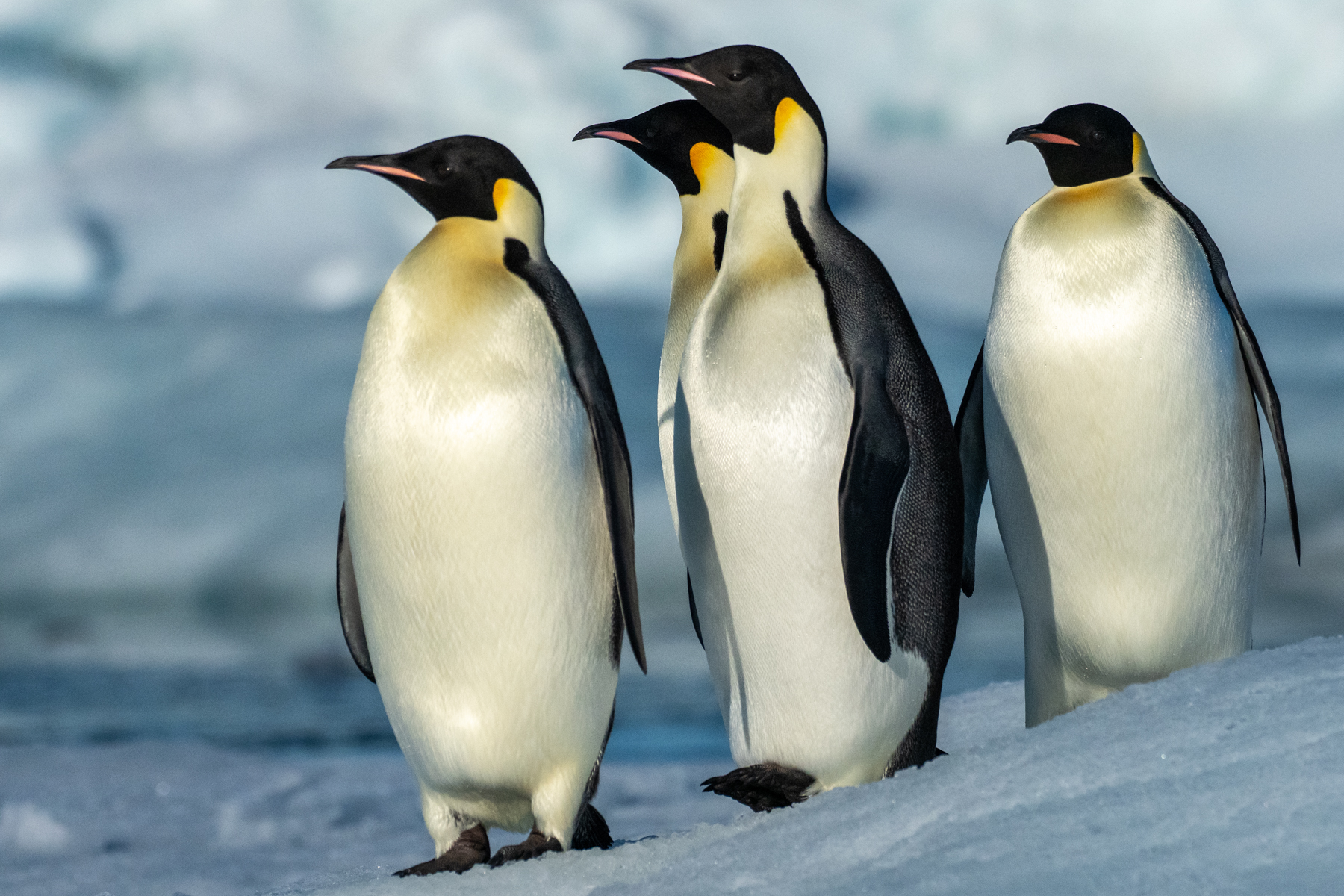
Emperor Penguins (image by Mark Van Beirs)
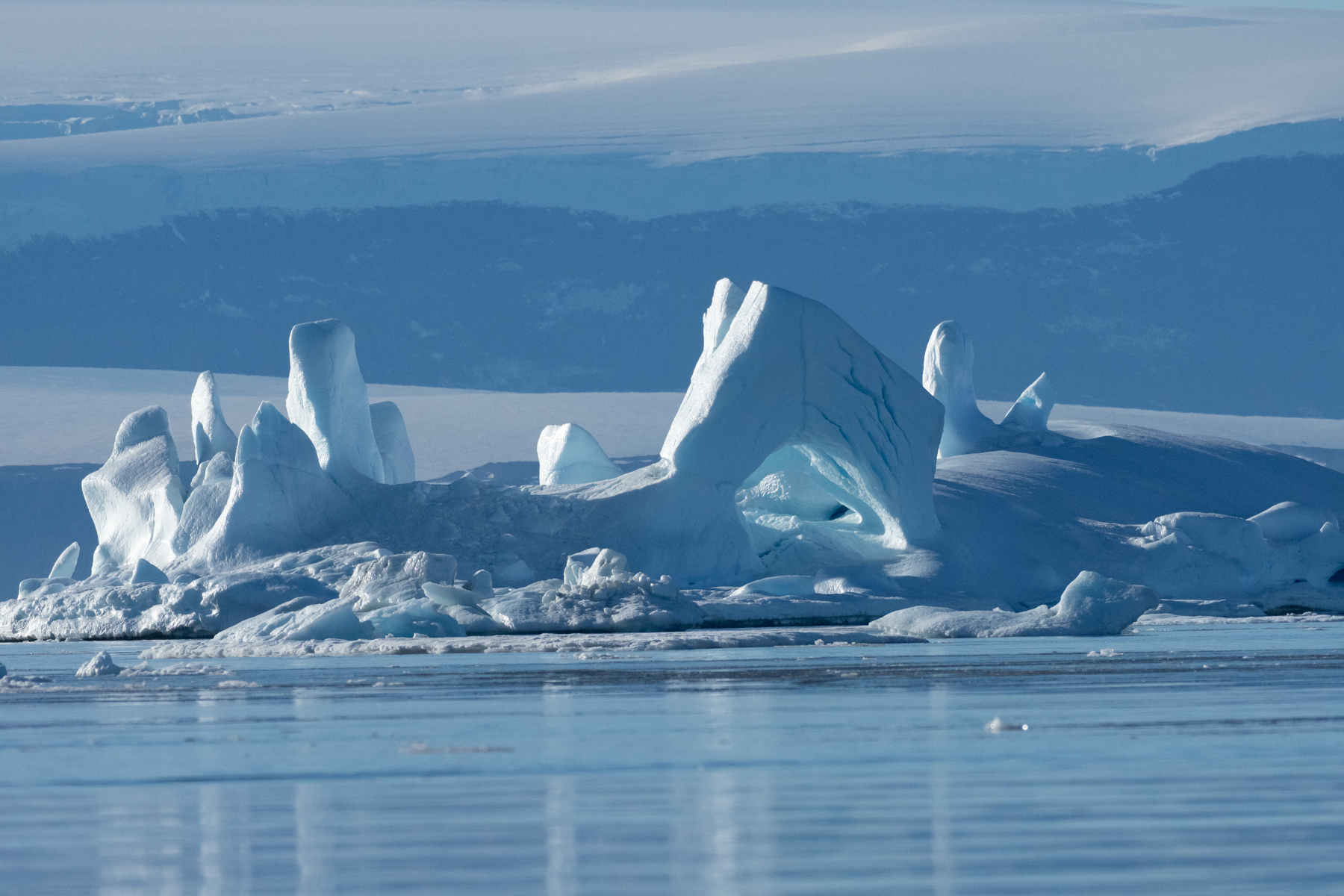
Iceberg (image by Mark Van Beirs)
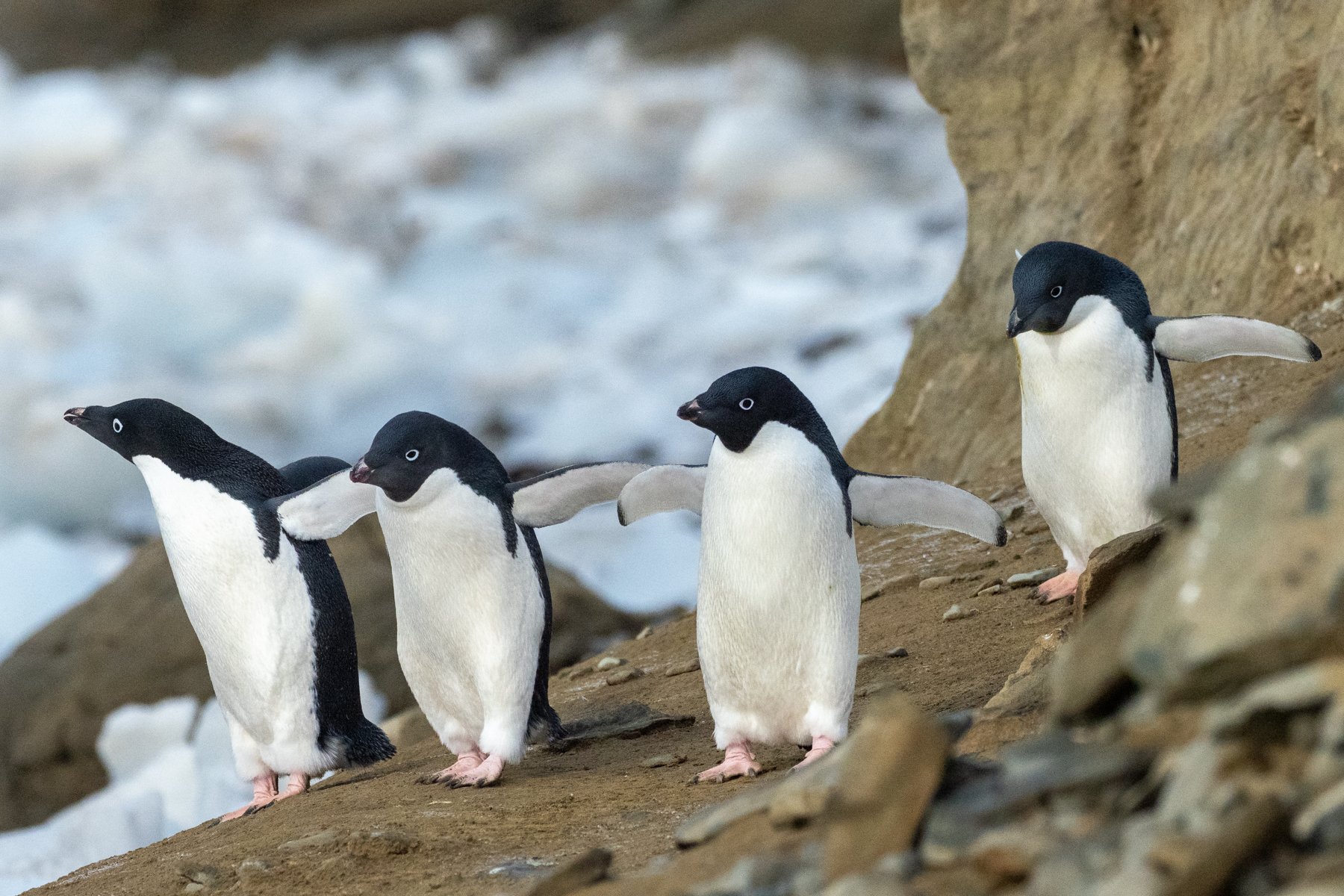
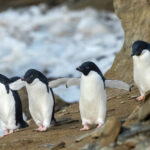
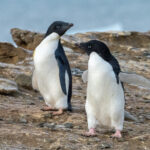
Adelie Penguins (image by Mark Van Beirs)
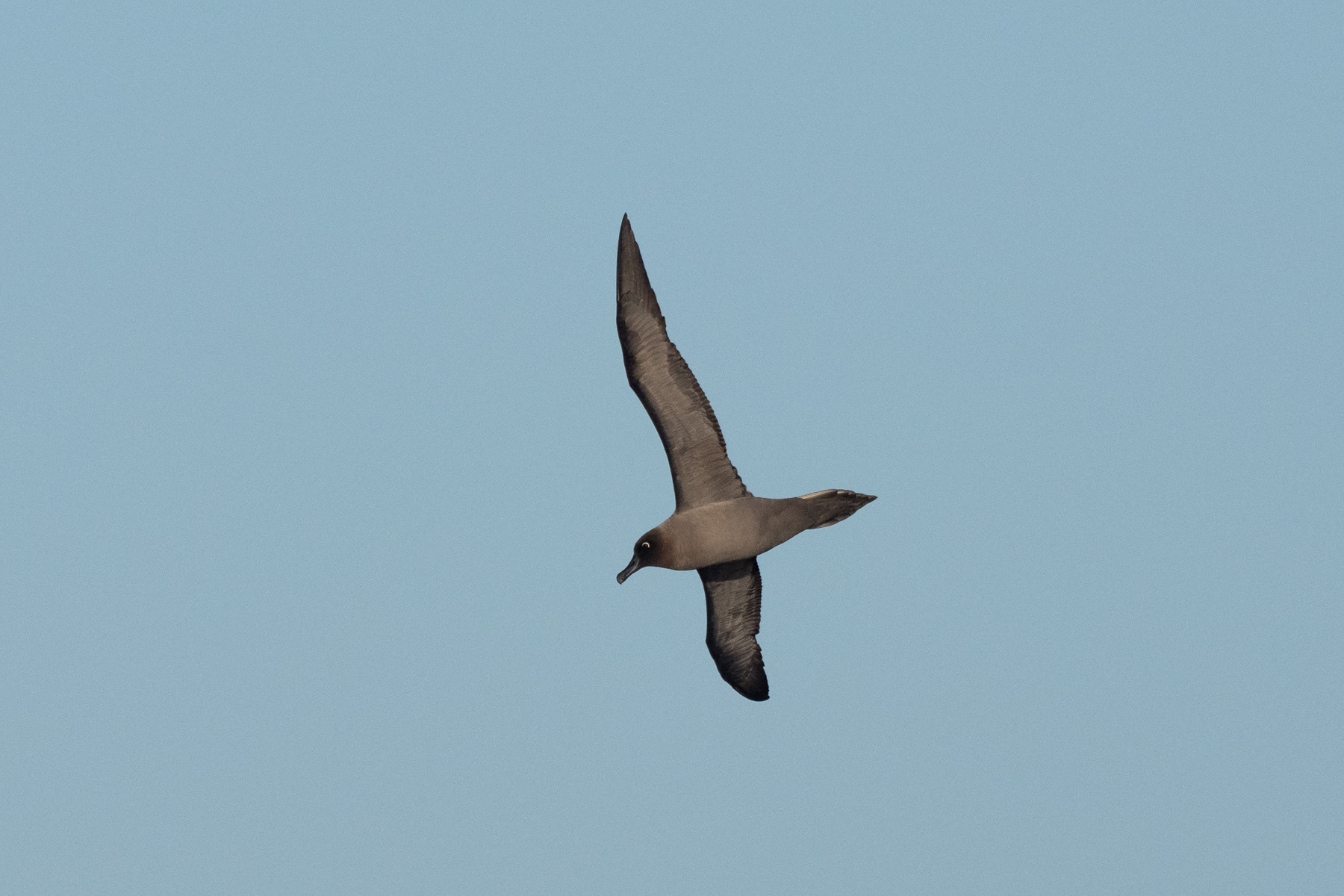
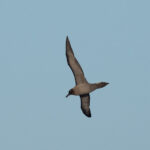
Light-mantled Sooty Albatross (image by Mark Van Beirs)
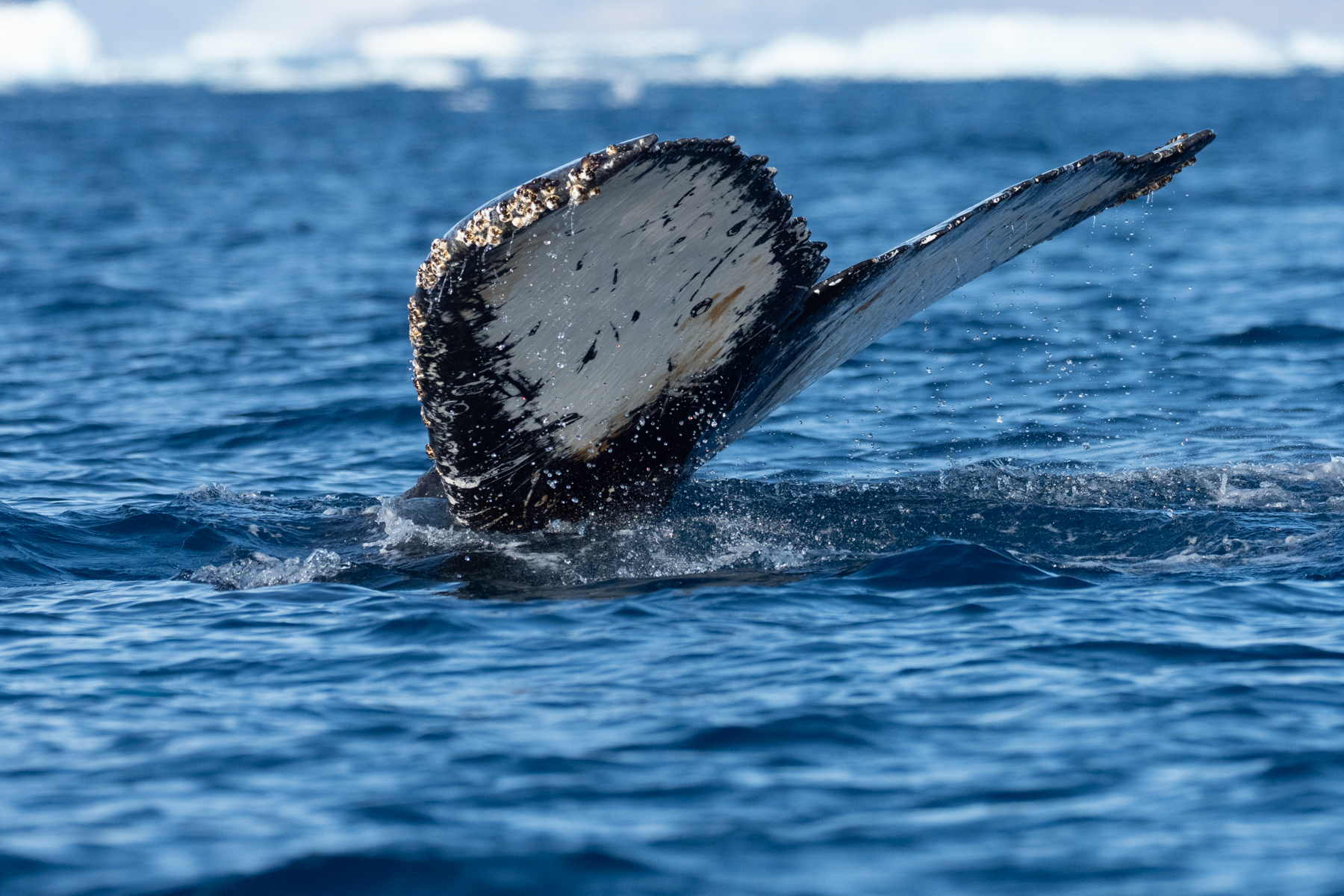
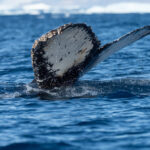
Humpback Whale (image by Mark Van Beirs)
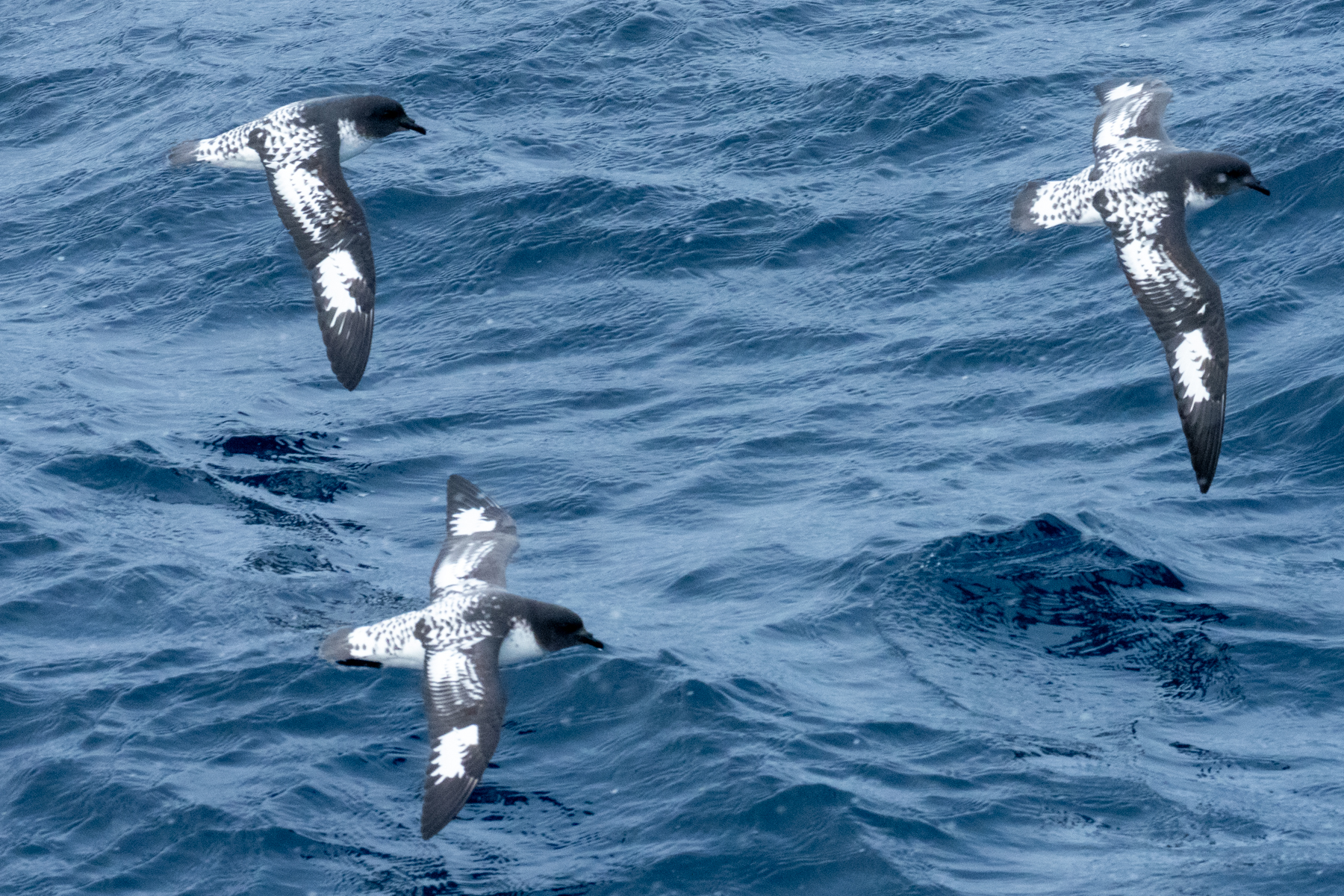
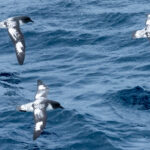
Pintado Petrels (image by Mark Van Beirs)
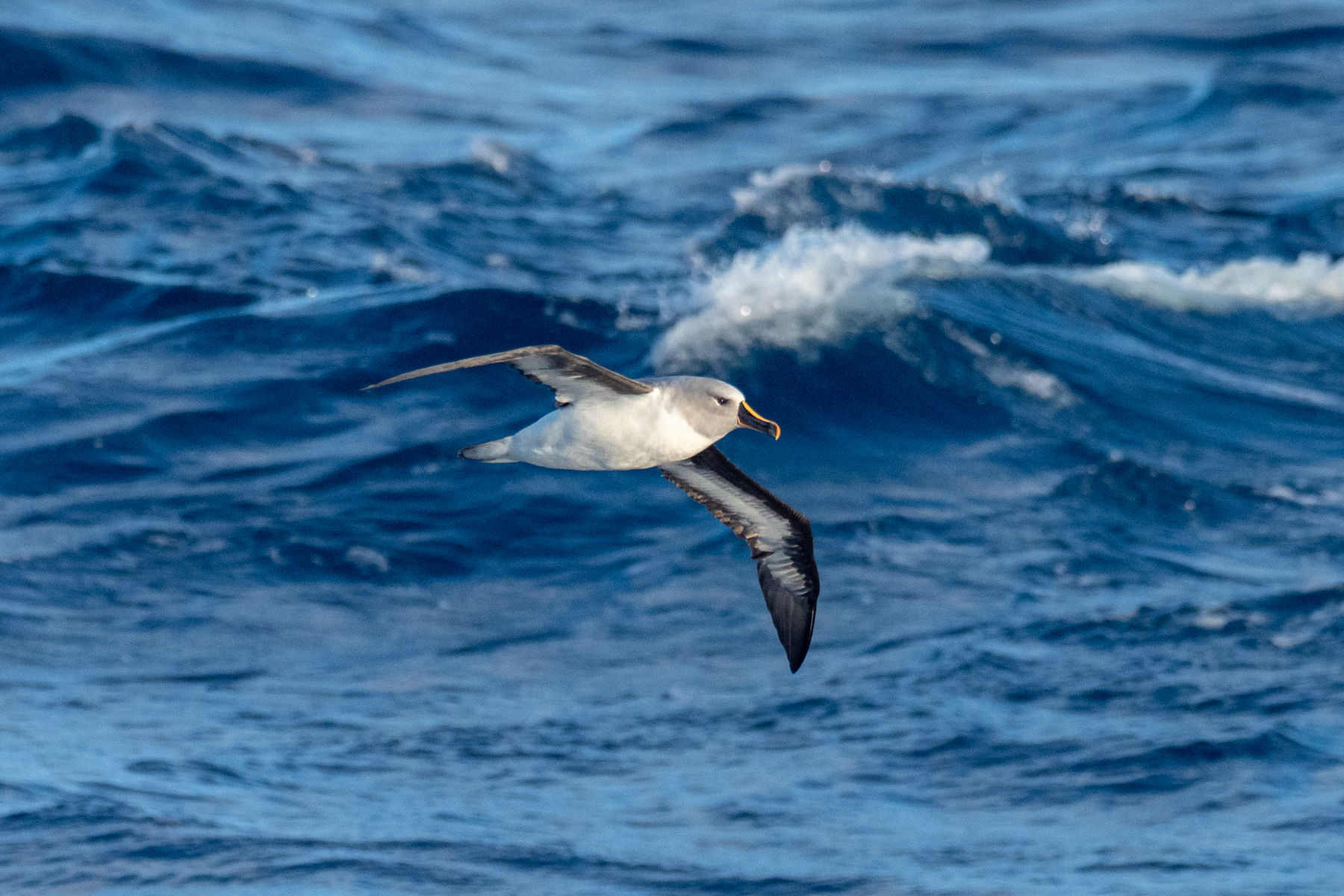
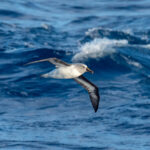
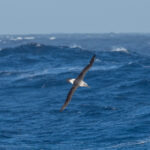
Grey-headed Albatross (image by Mark Van Beirs)
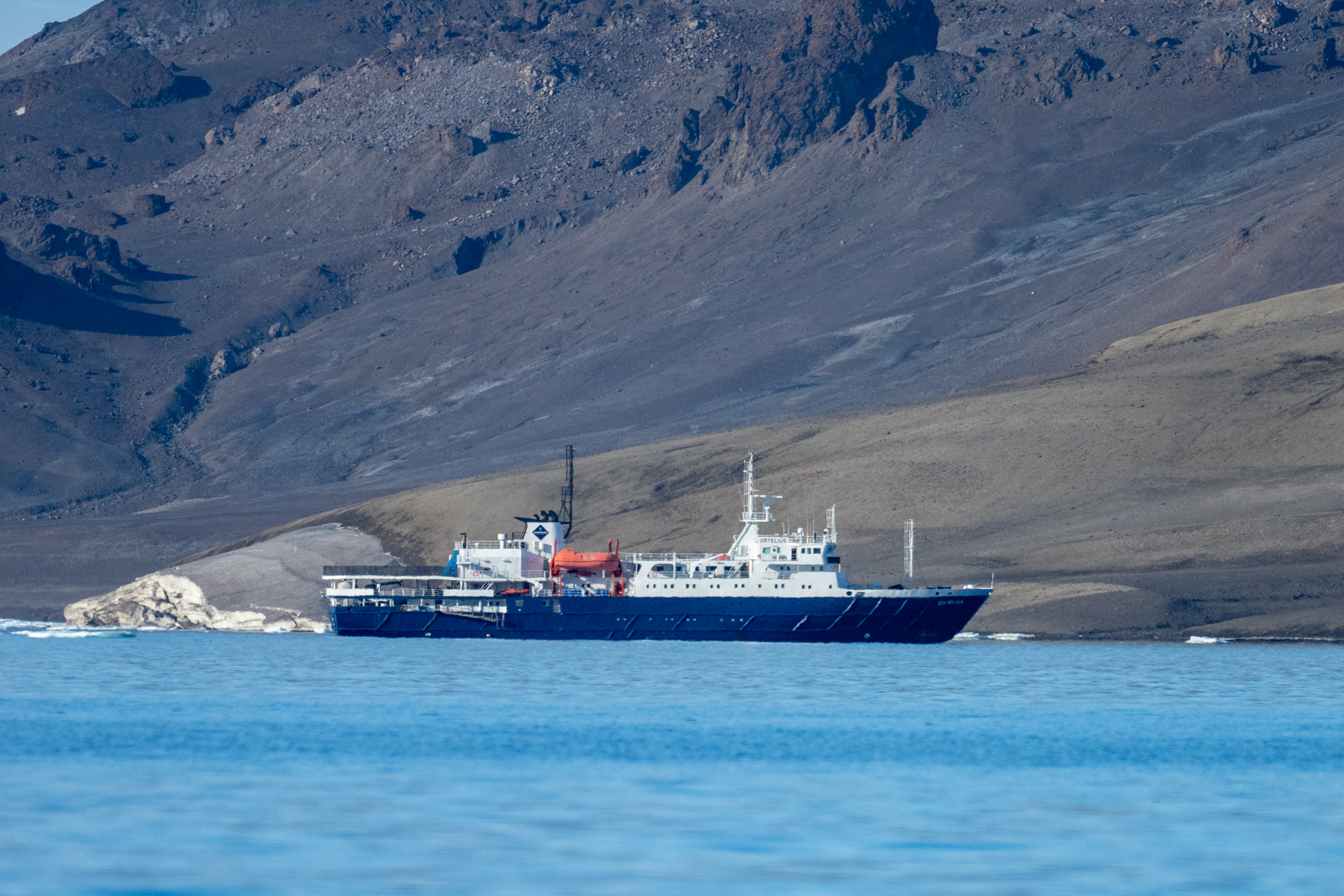
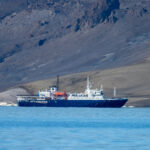
The Ortelius (image by Mark Van Beirs)
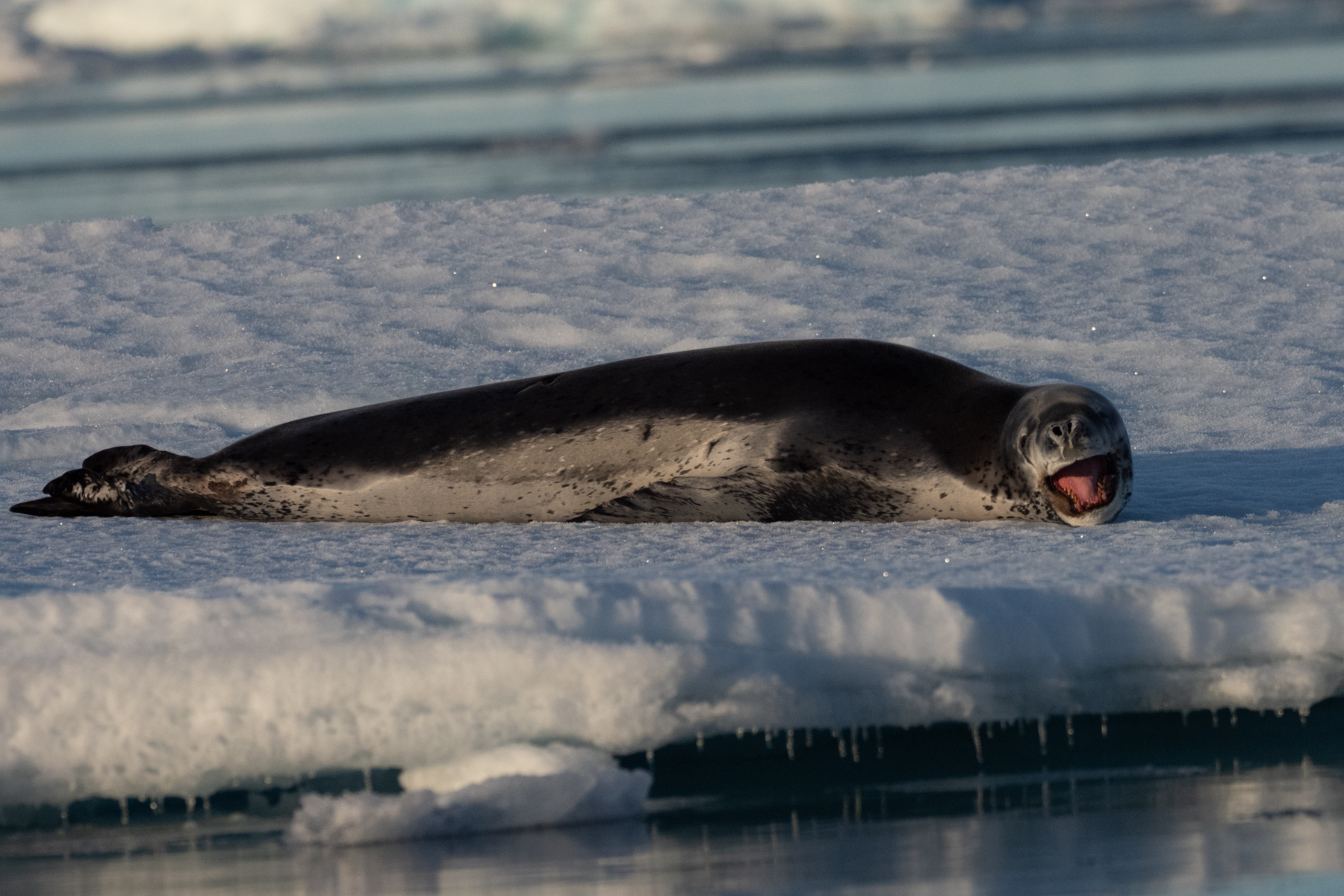
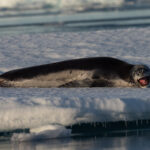
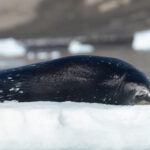
Leopard Seal (image by Mark Van Beirs)
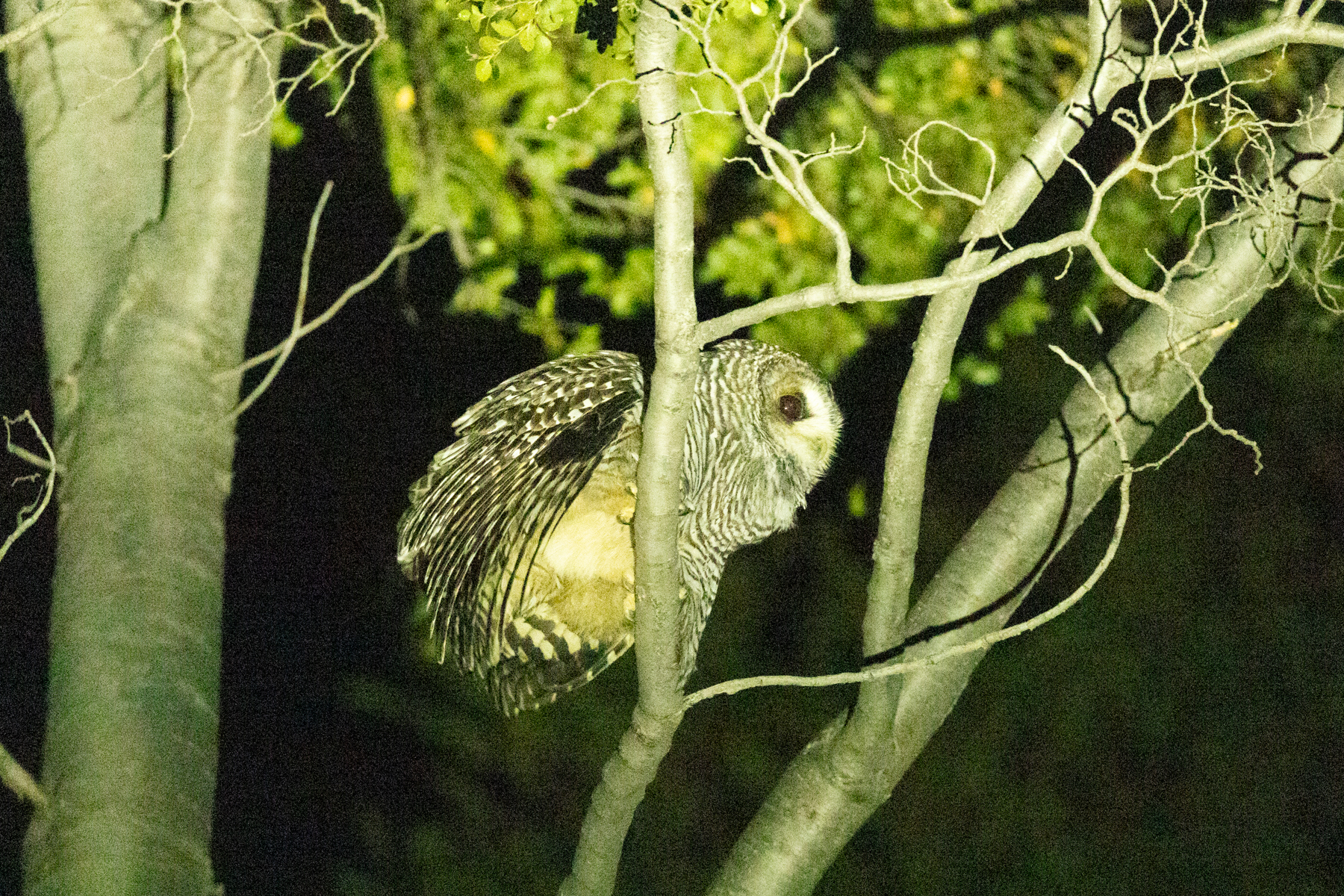
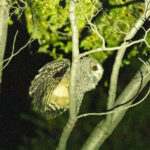
Rufous-legged Owl (image by Nick Lessof)
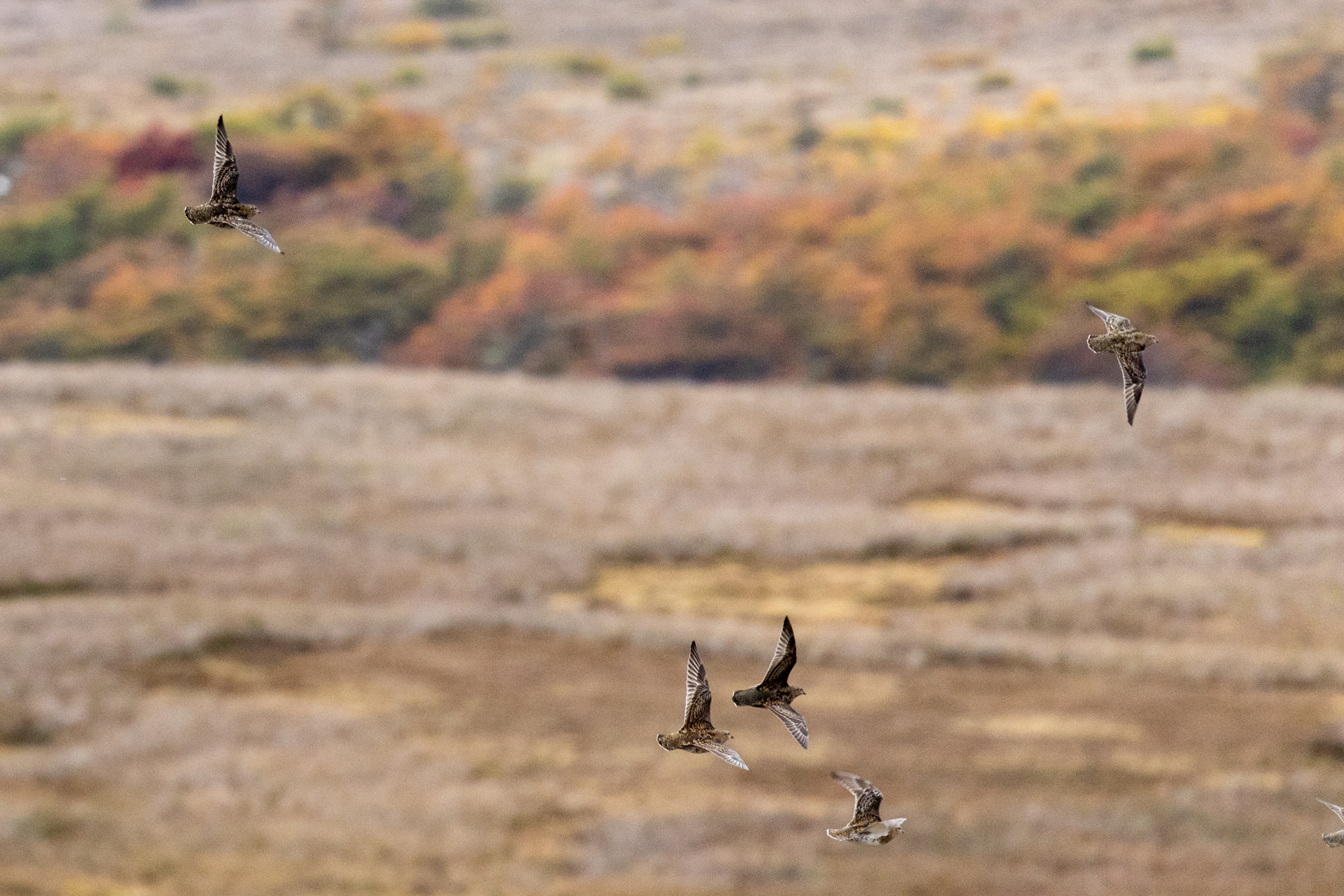
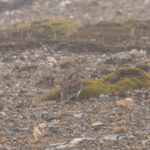
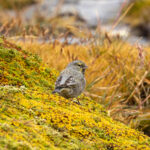
White-bellied Seedsnipes (image by Nick Lessof)
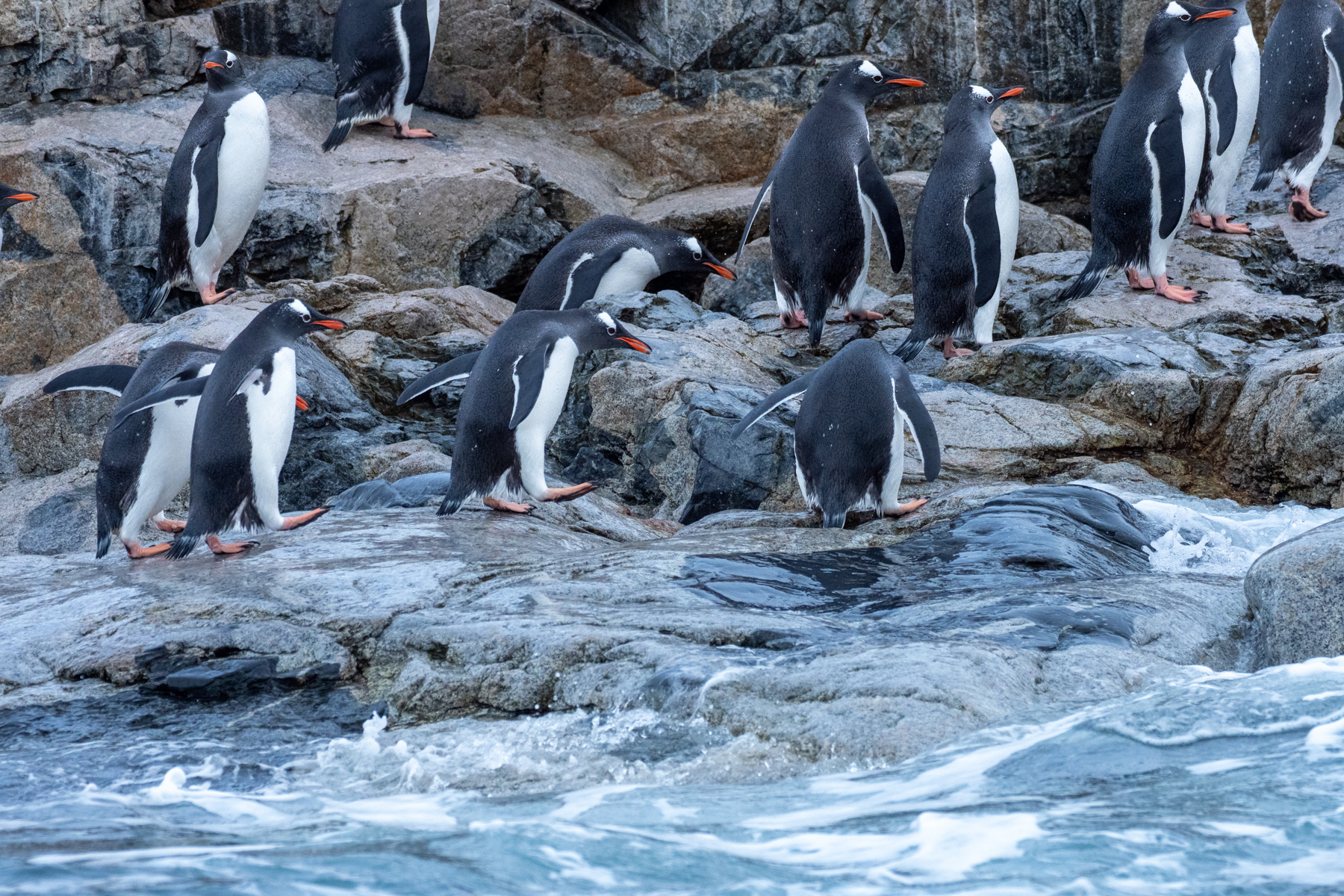
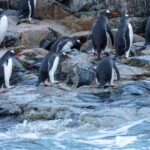
Gentoo Penguins (image by Mark Van Beirs)
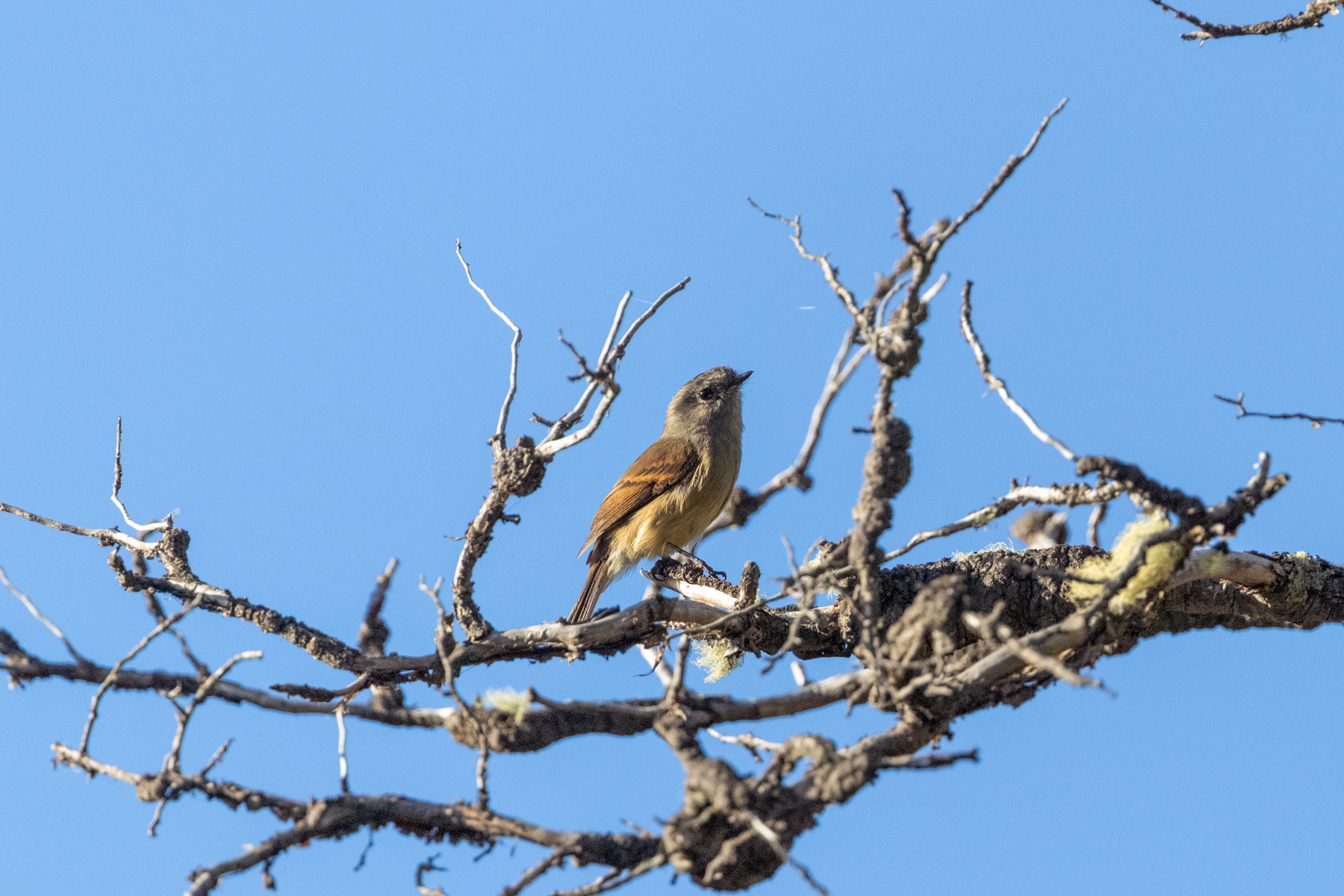
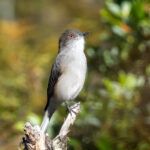
Patagonian Tyrant (image by Nick Lessof)
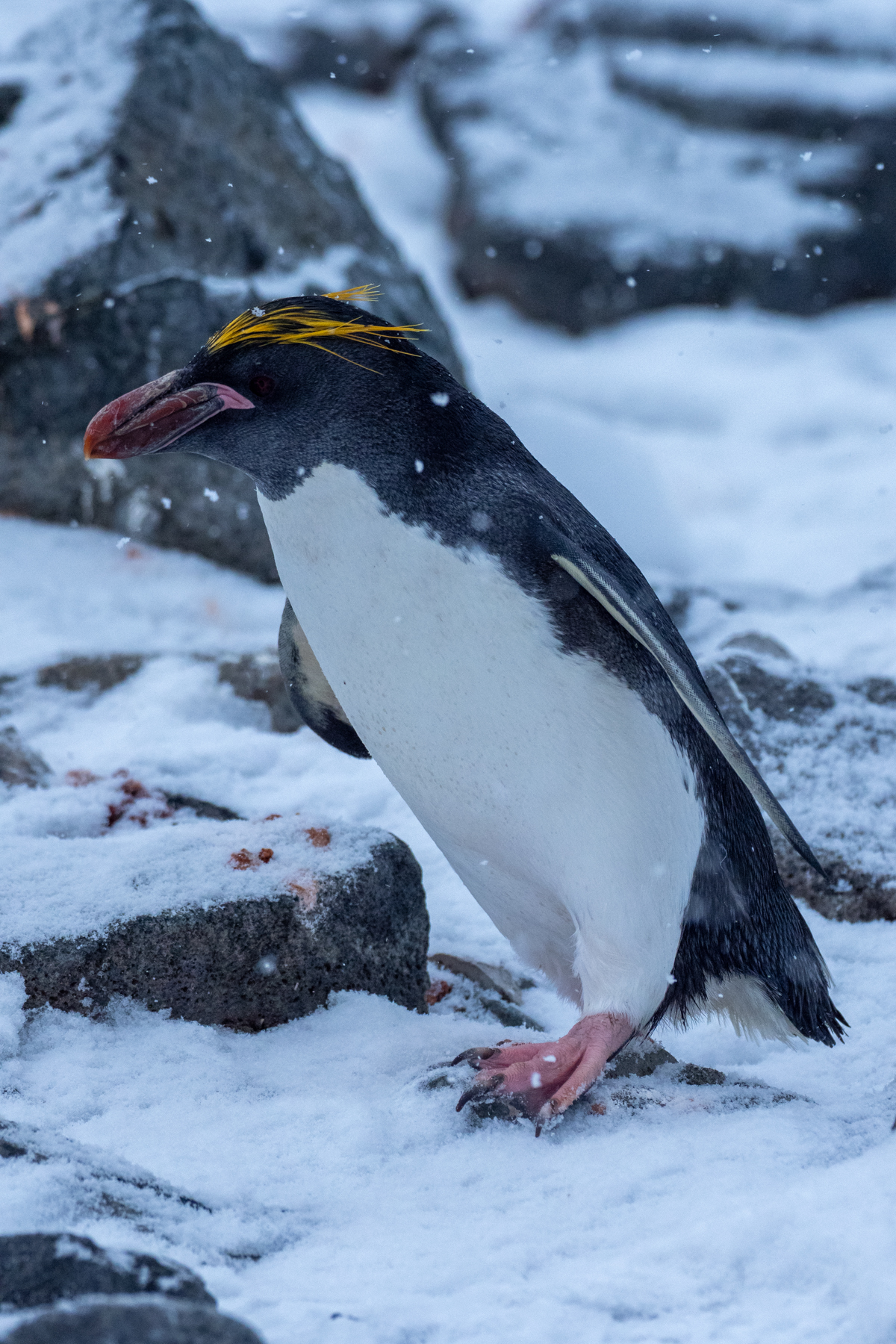
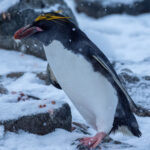
Macaroni Penguin (image by Mark Van Beirs)
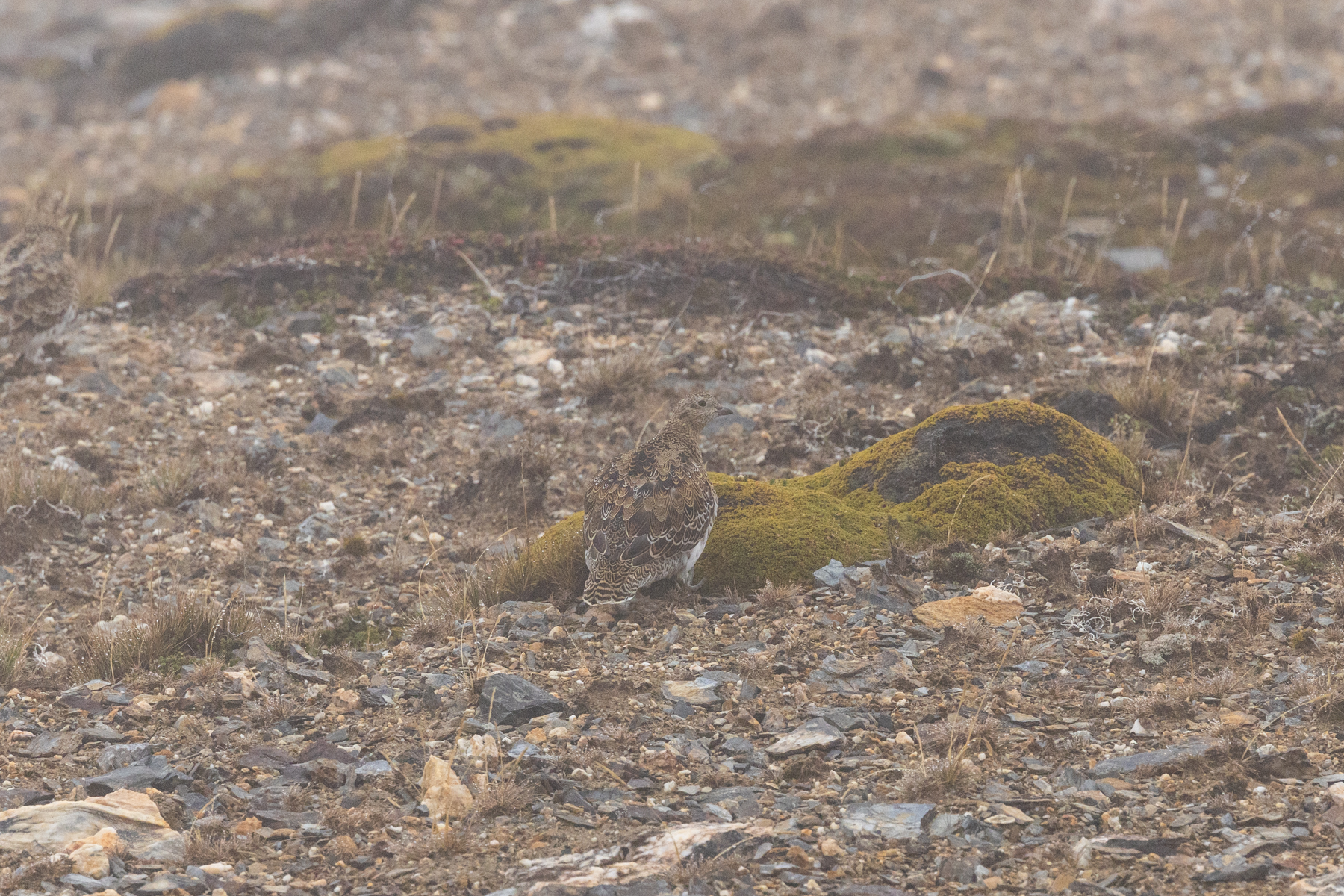
White-bellied Seedsnipe (image by Nick Lessof)
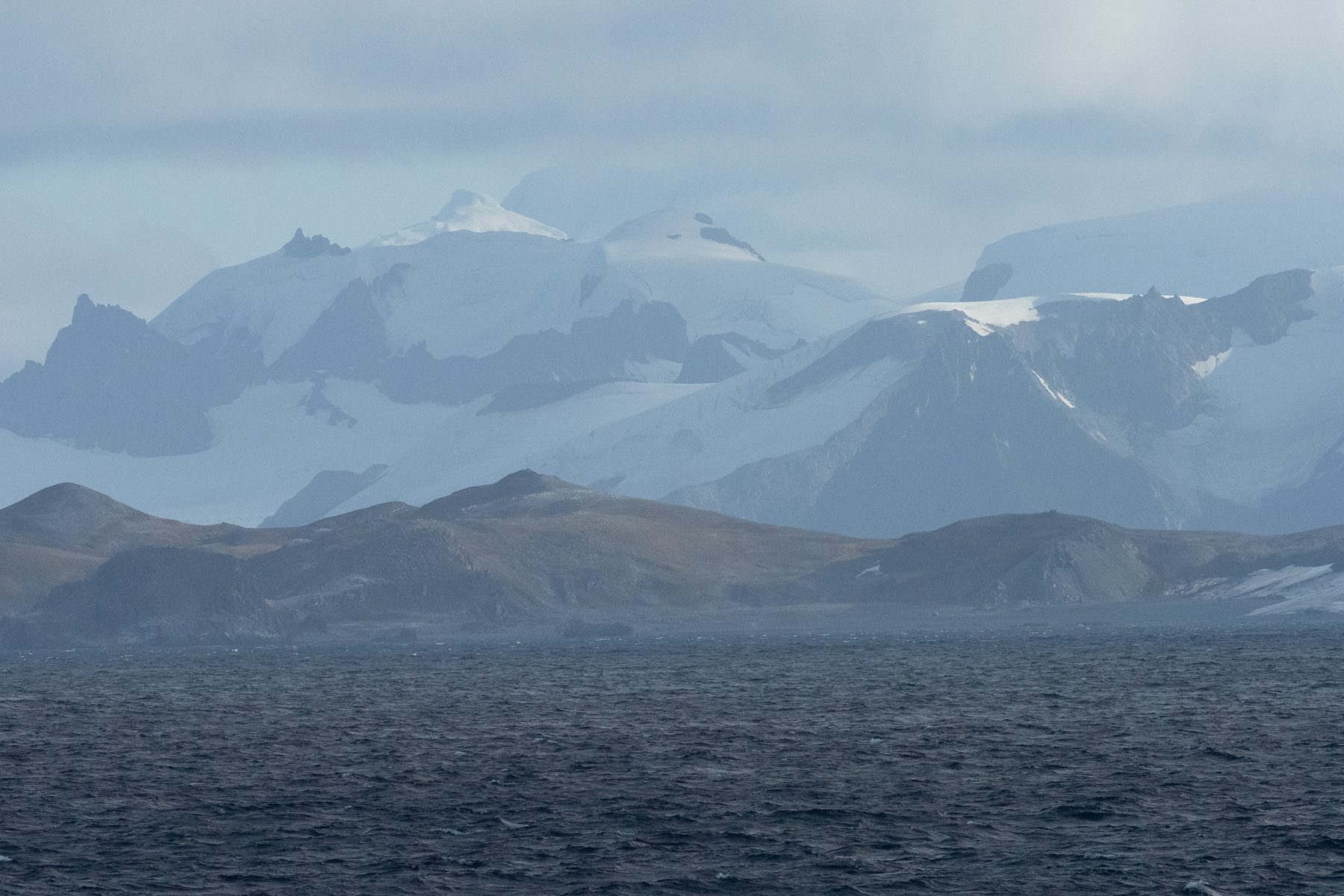
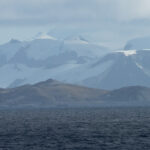
Antarctic Peninsula scenery (image by Mark Van Beirs)
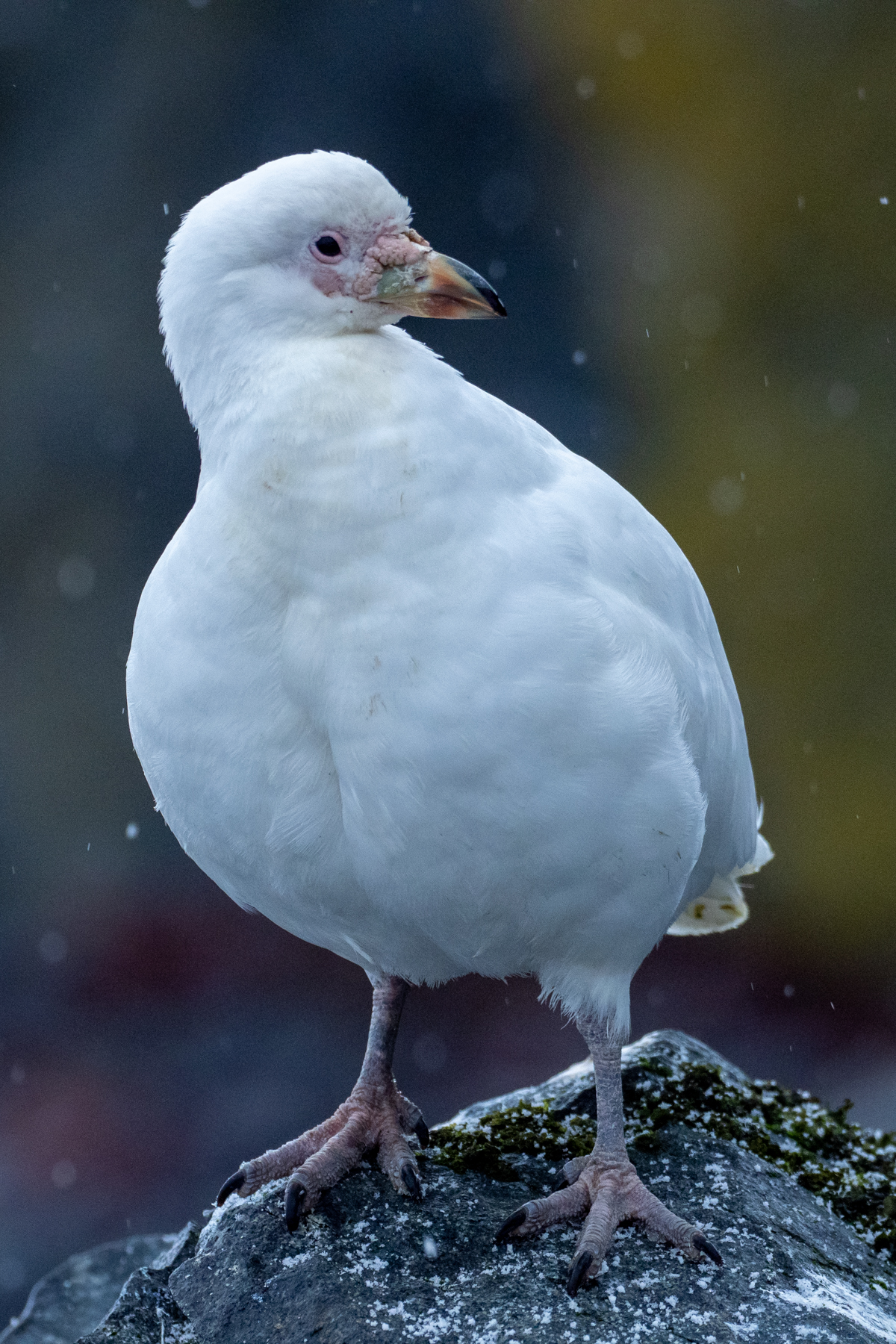
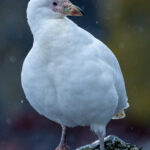
Snowy Sheathbill (image by Mark Van Beirs)
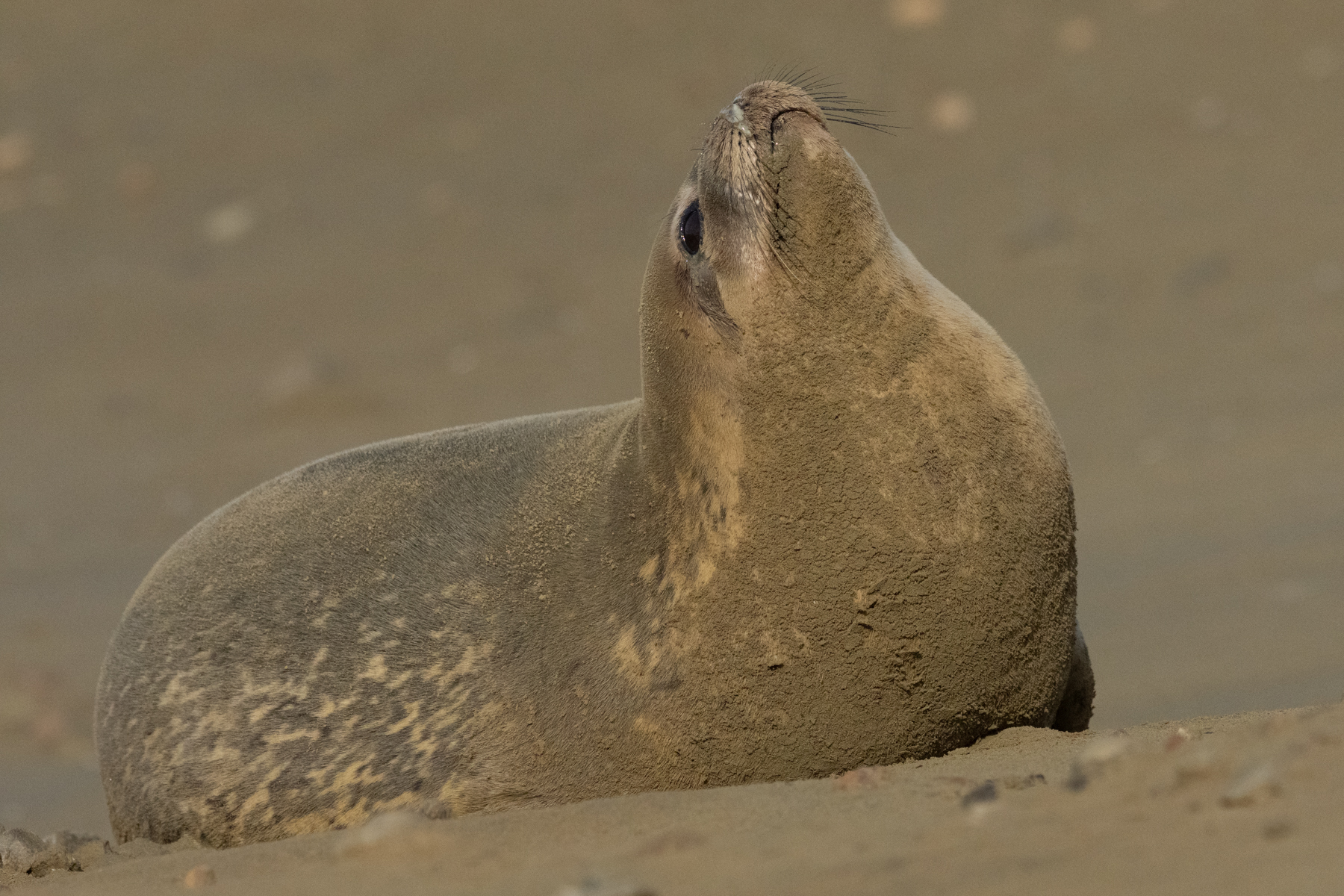
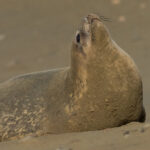
Weddell Seal (image by Mark Van Beirs)
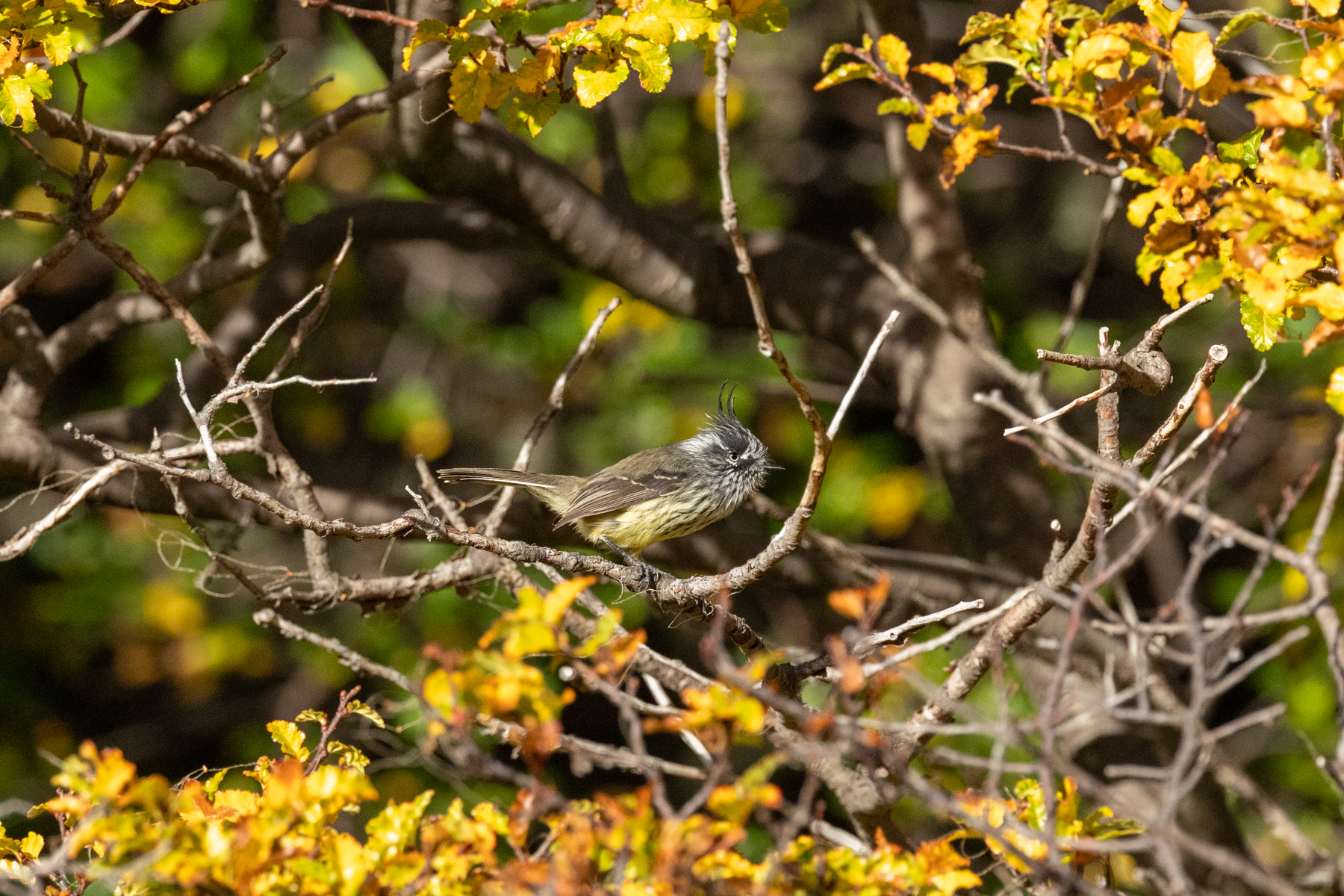
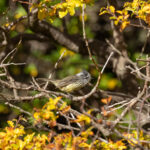
Tufted Tit-Tyrant (image by Nick Lessof)
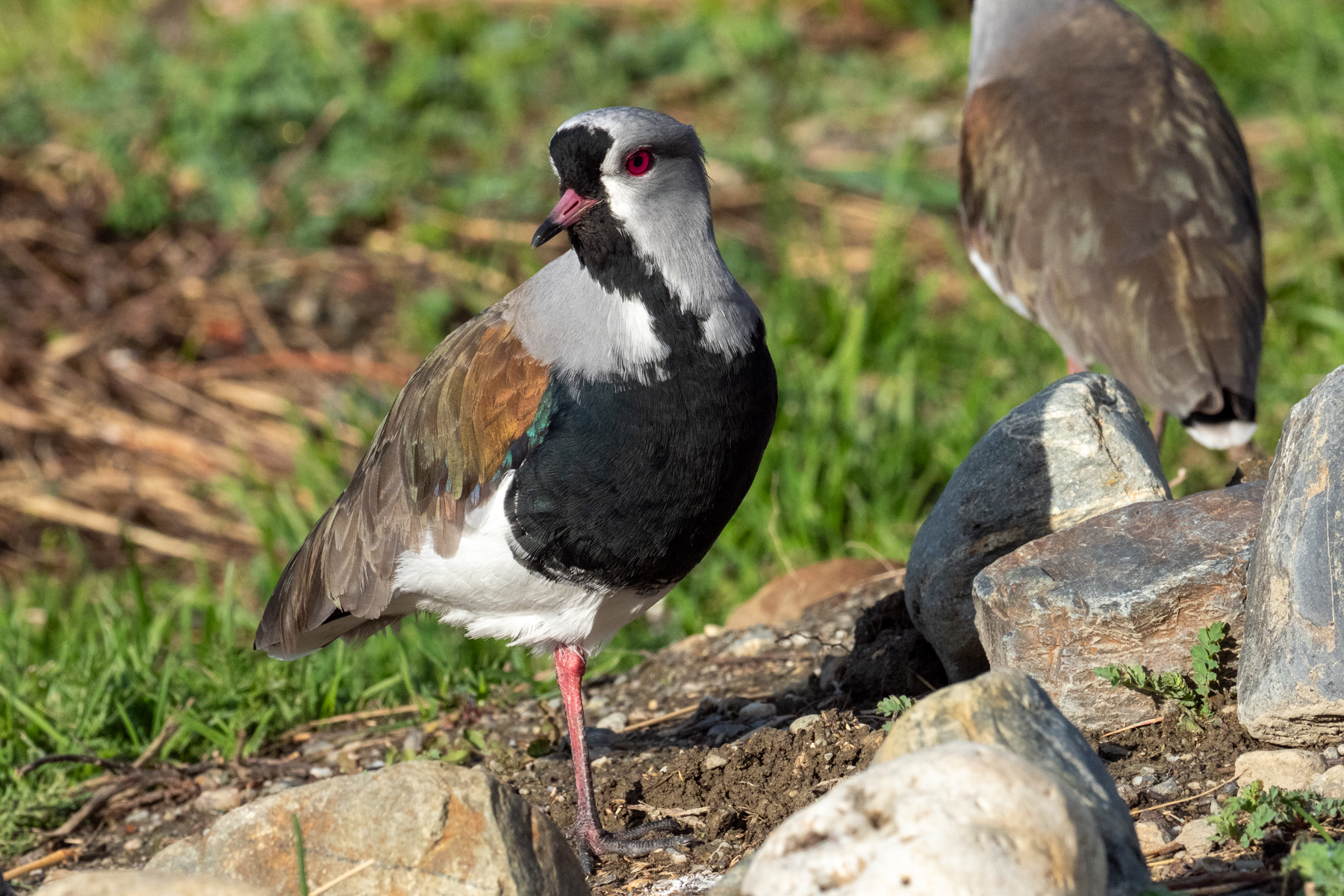
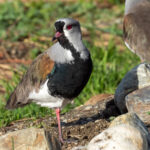
Southern Lapwings (image by Mark Van Beirs)
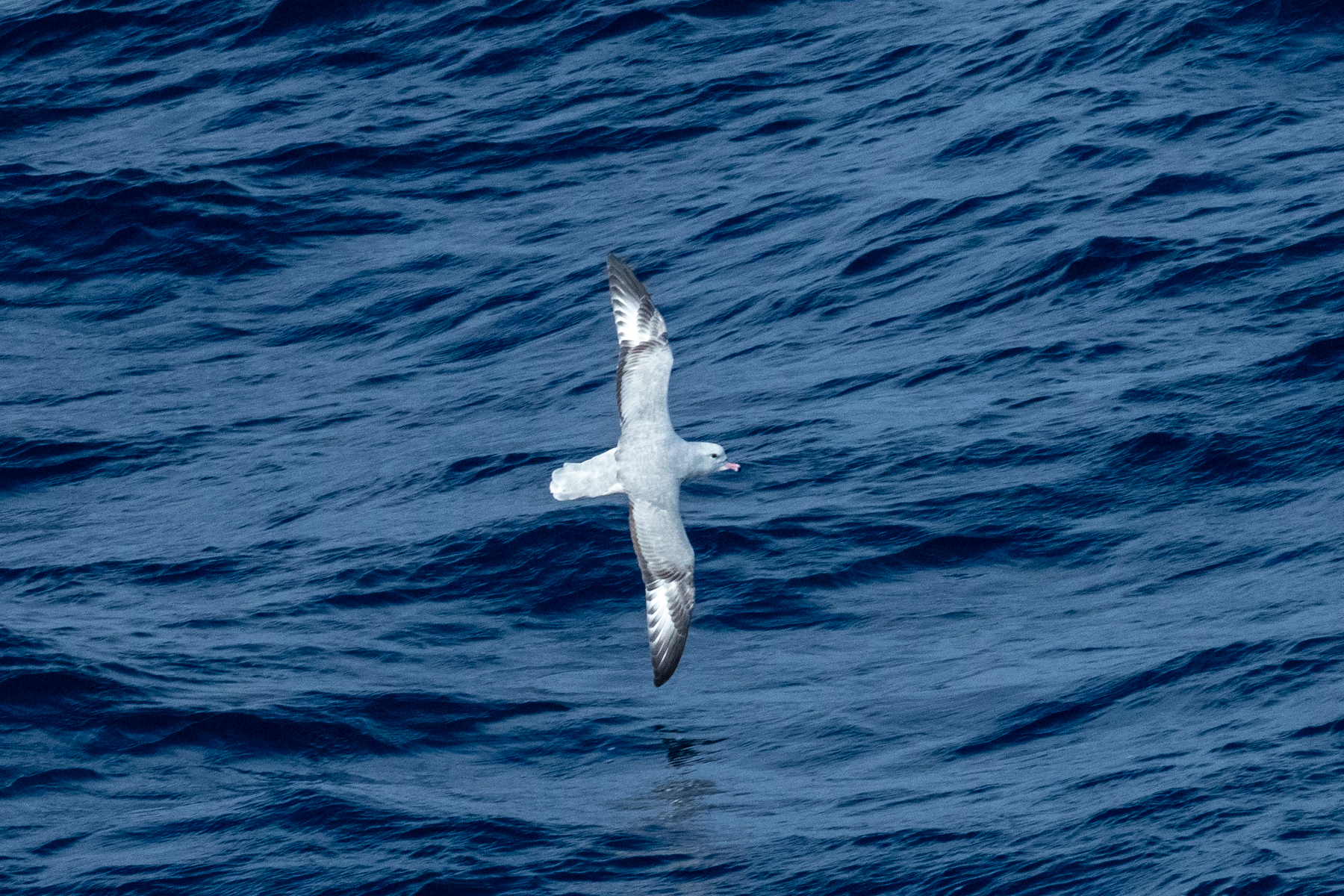
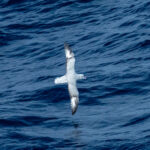
Southern Fulmar (image by Mark Van Beirs)
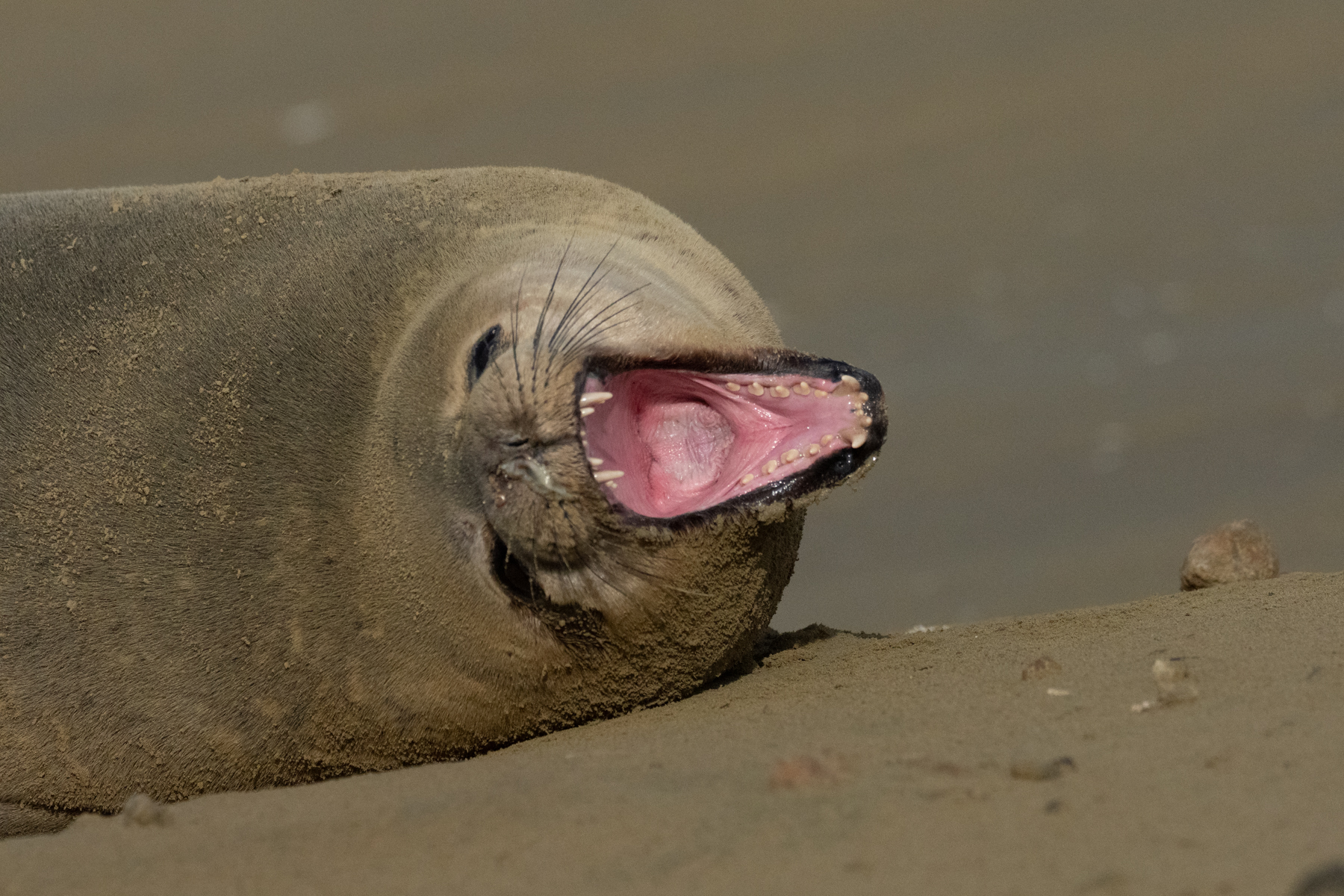
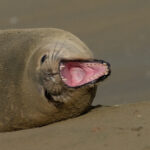
Southern Elephant Seal (image by Mark Van Beirs)
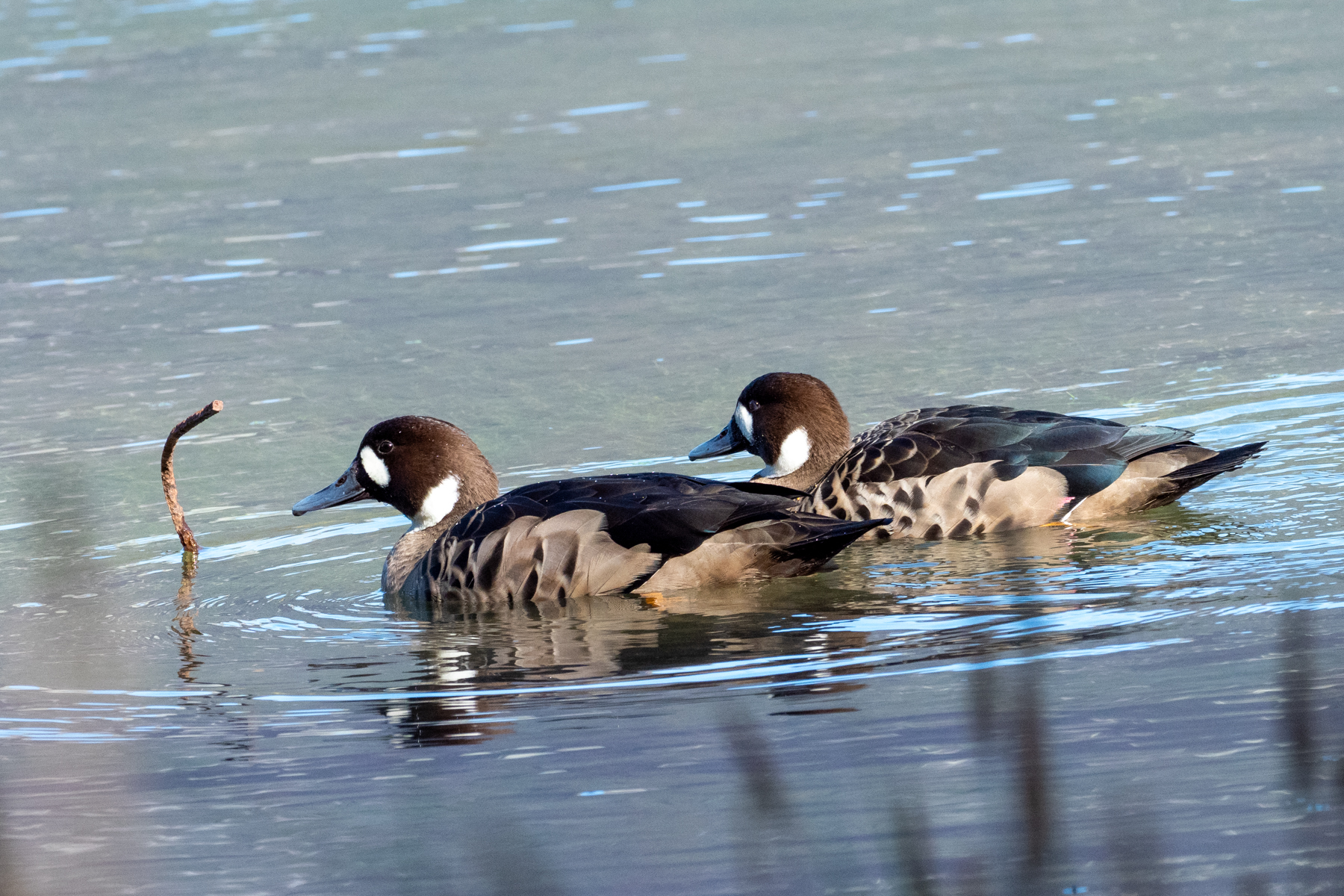
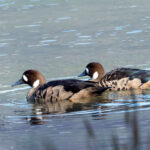
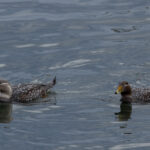
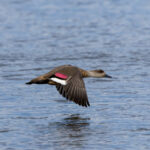
Bronze-winged Ducks (image by Mark Van Beirs)
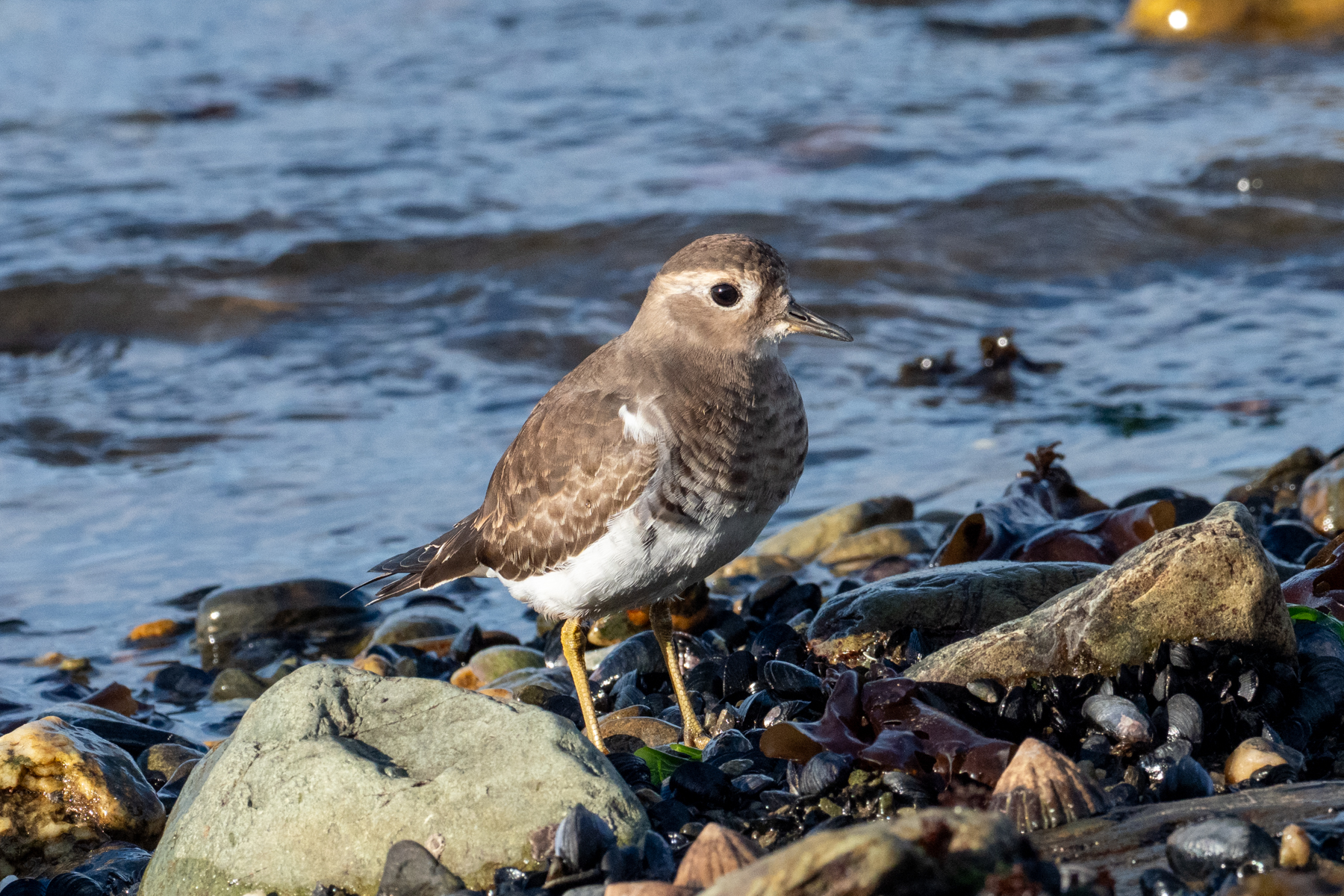
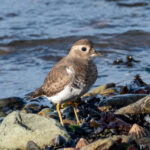
Rufous-chested Dotterel (image by Mark Van Beirs)
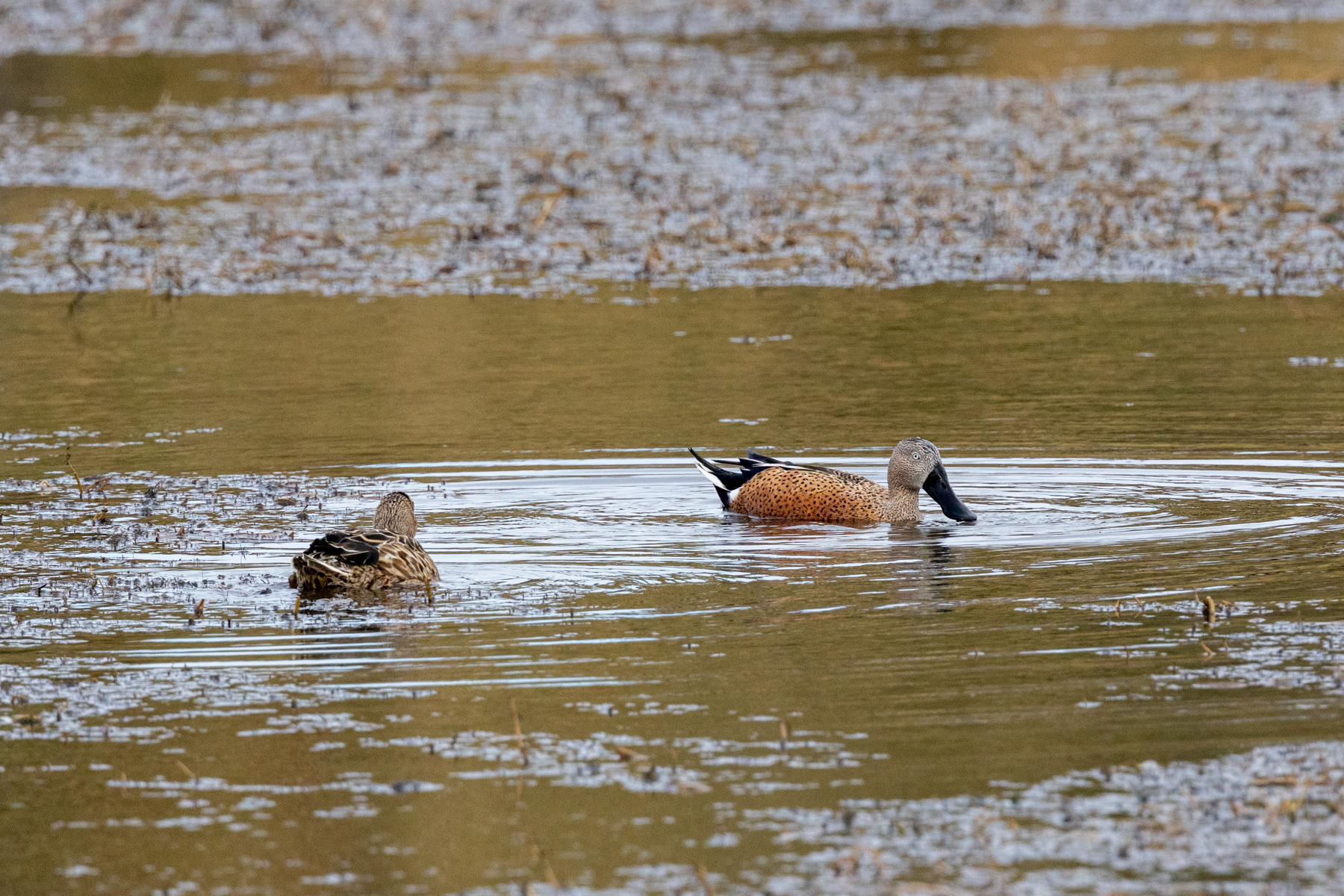
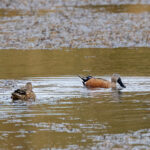
Red Shovelers (image by Nick Lessof)
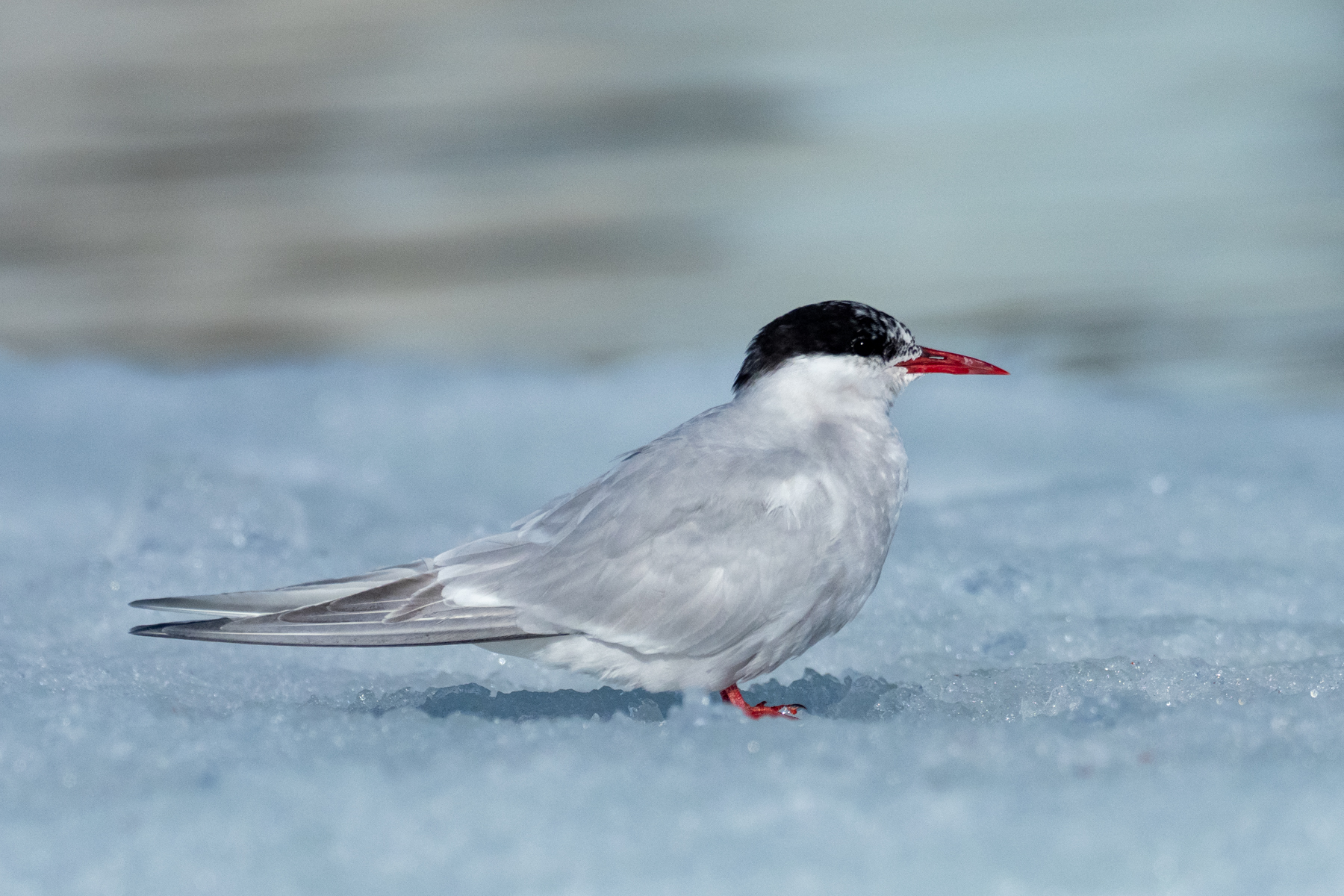
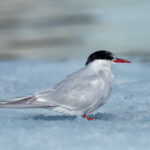
Antarctic Tern (image by Mark Van Beirs)
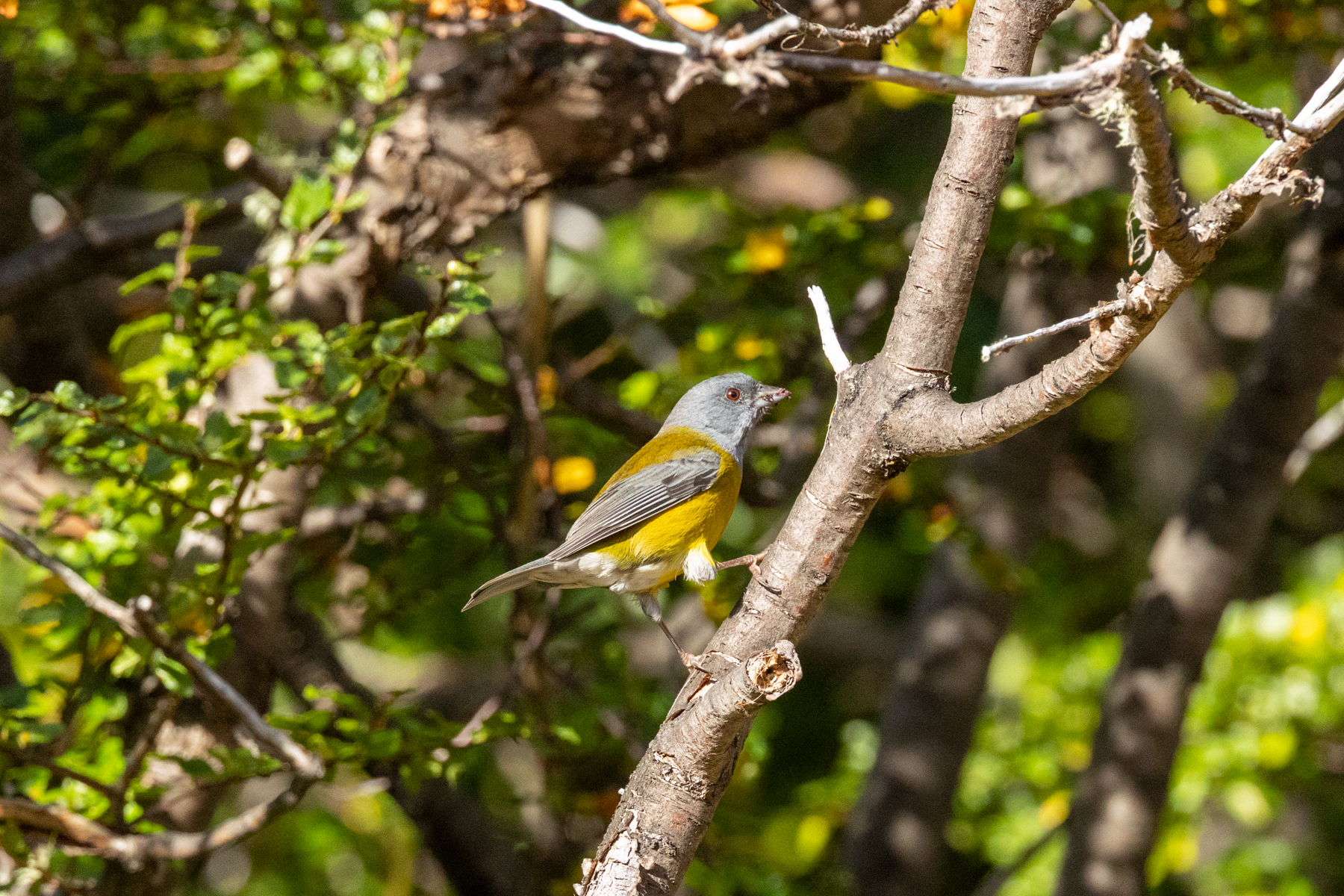
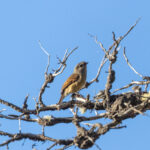
Patagonian Sierra Finch (image by Nick Lessof)
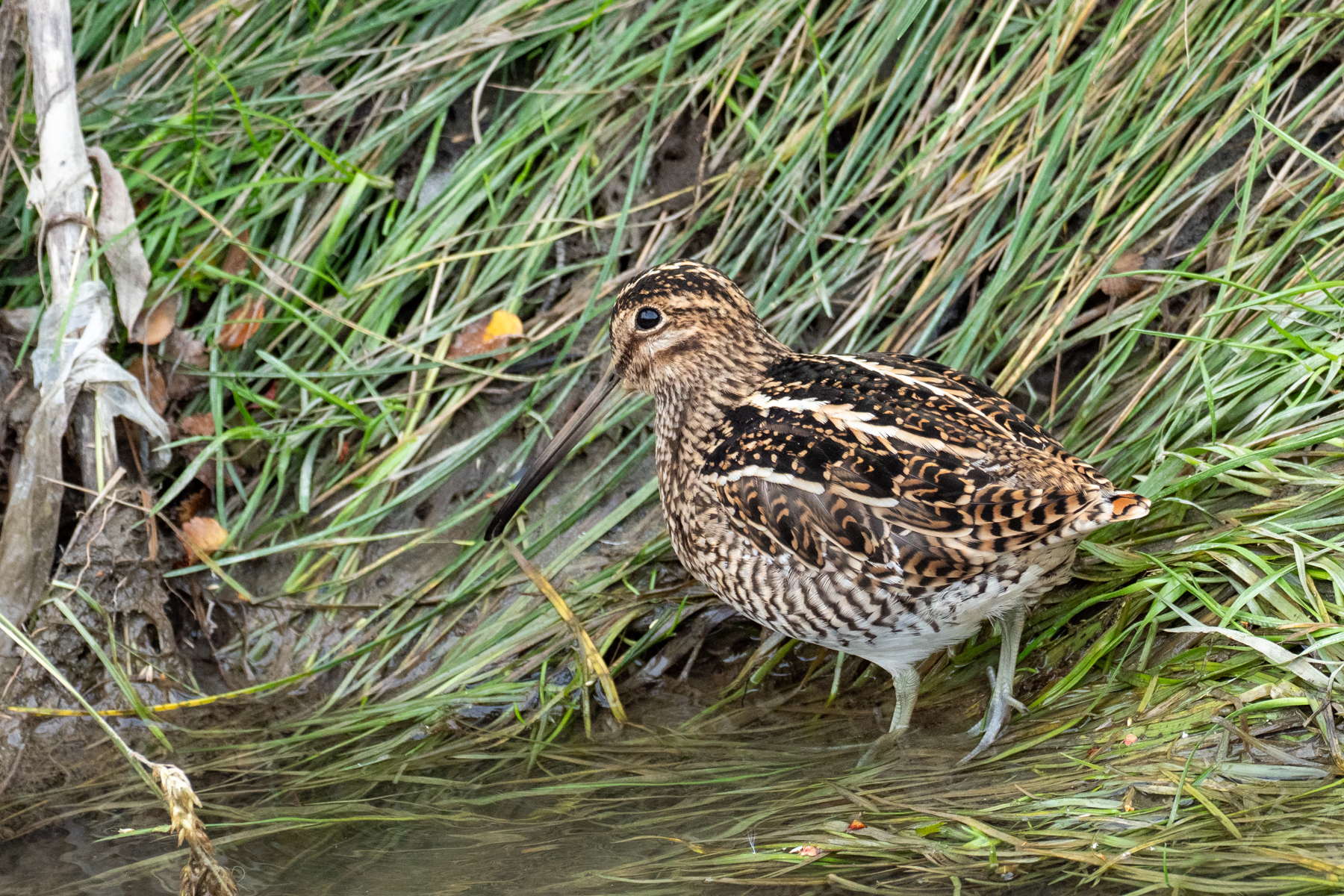
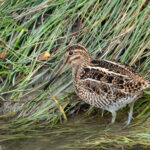
Magellanic Snipe (image by Mark Van Beirs)
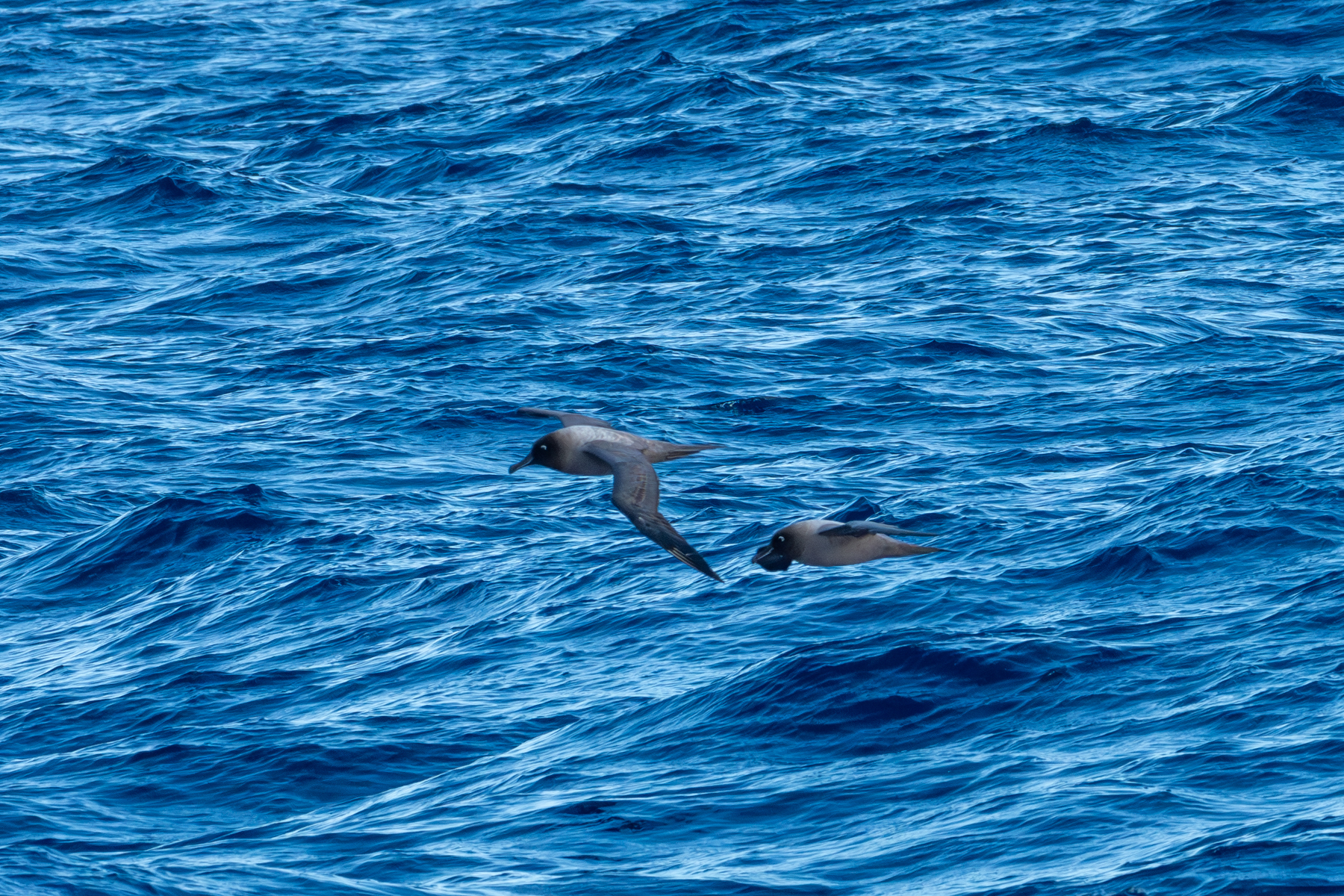
Light-mantled Sooty Albatrosses (image by Mark Van Beirs)
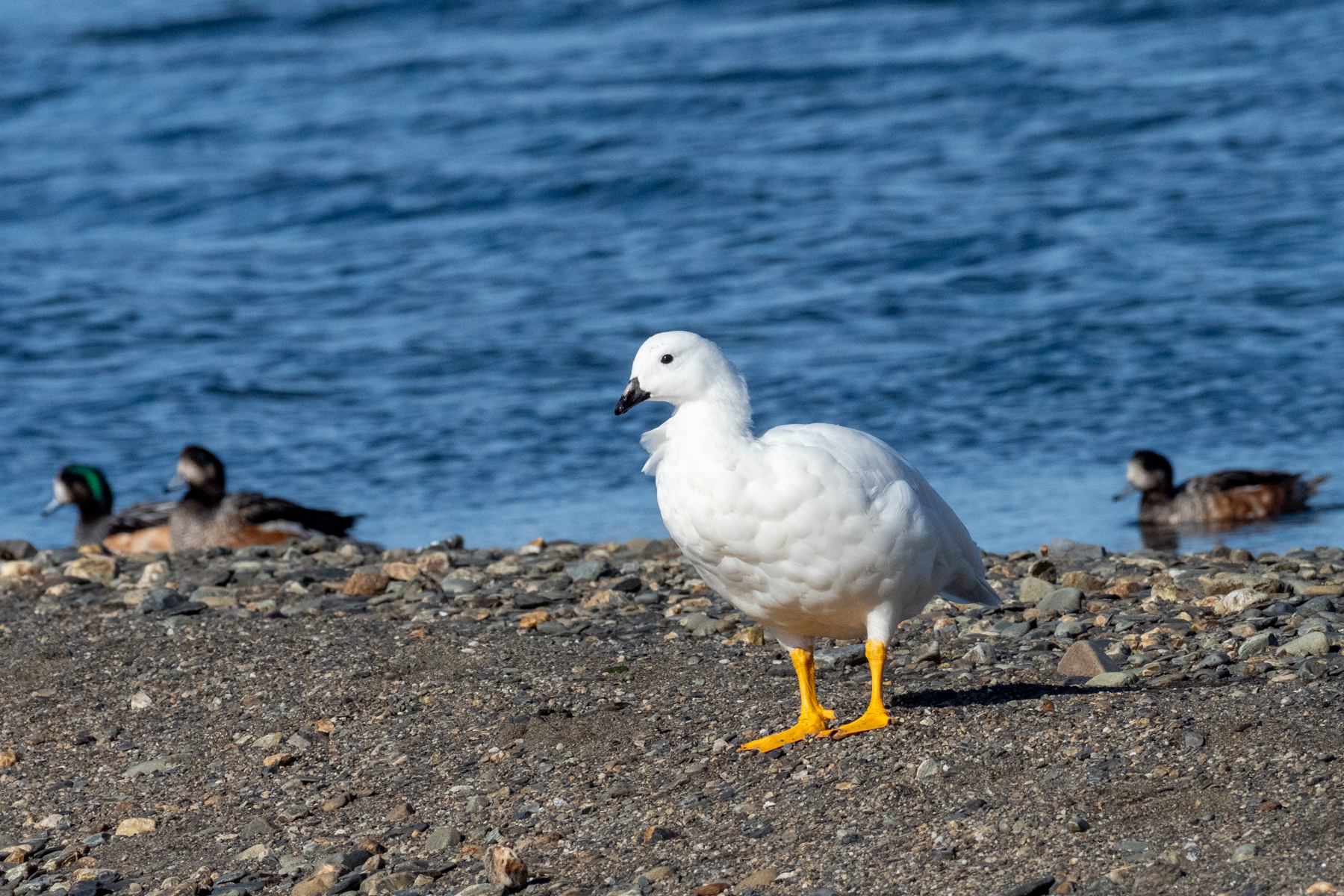
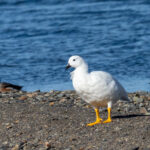
Kelp Goose and Chiloe Wigeons (image by Mark Van Beirs)
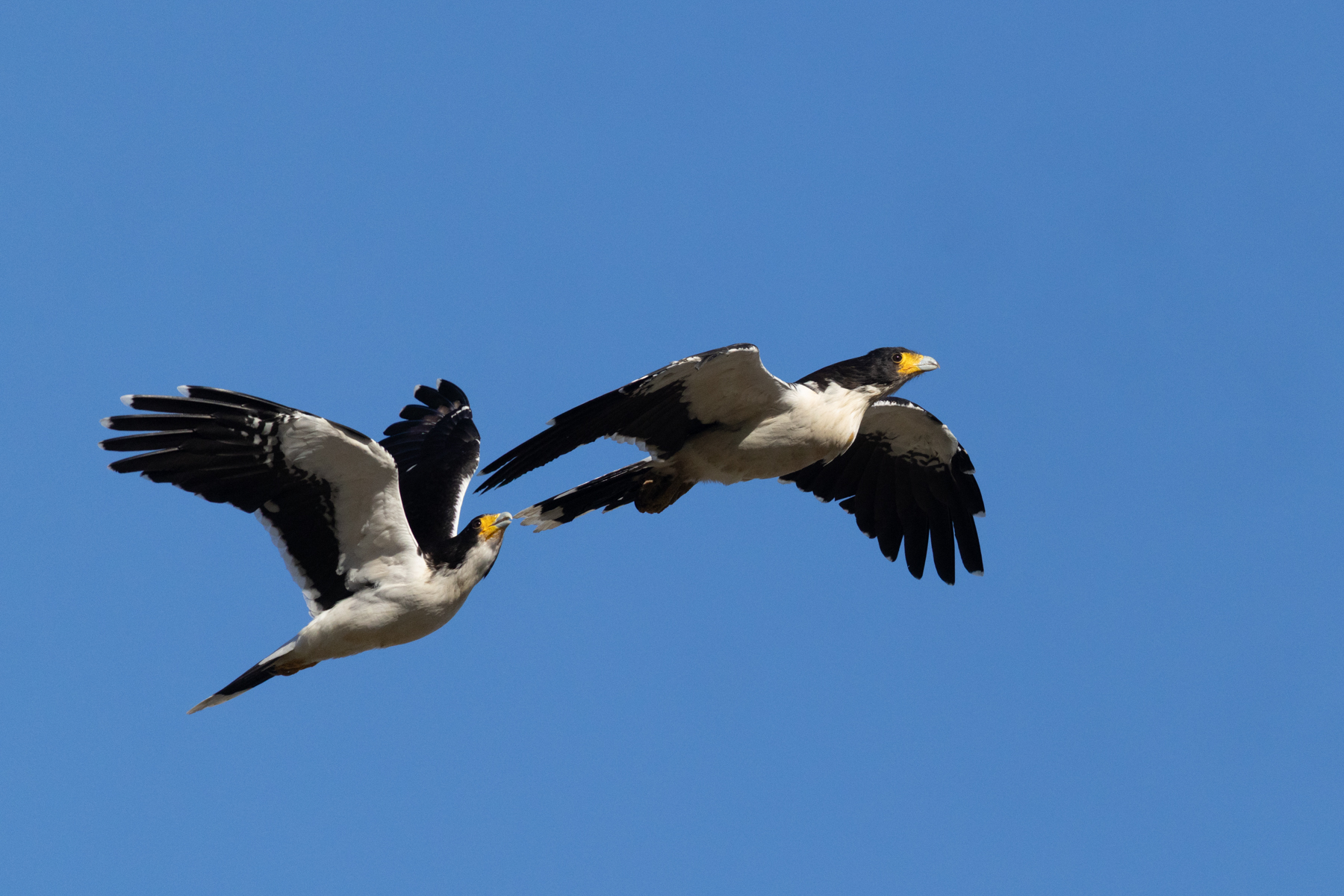
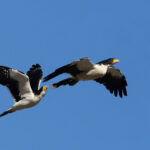
White-throated Caracaras (image by Nick Lessof)
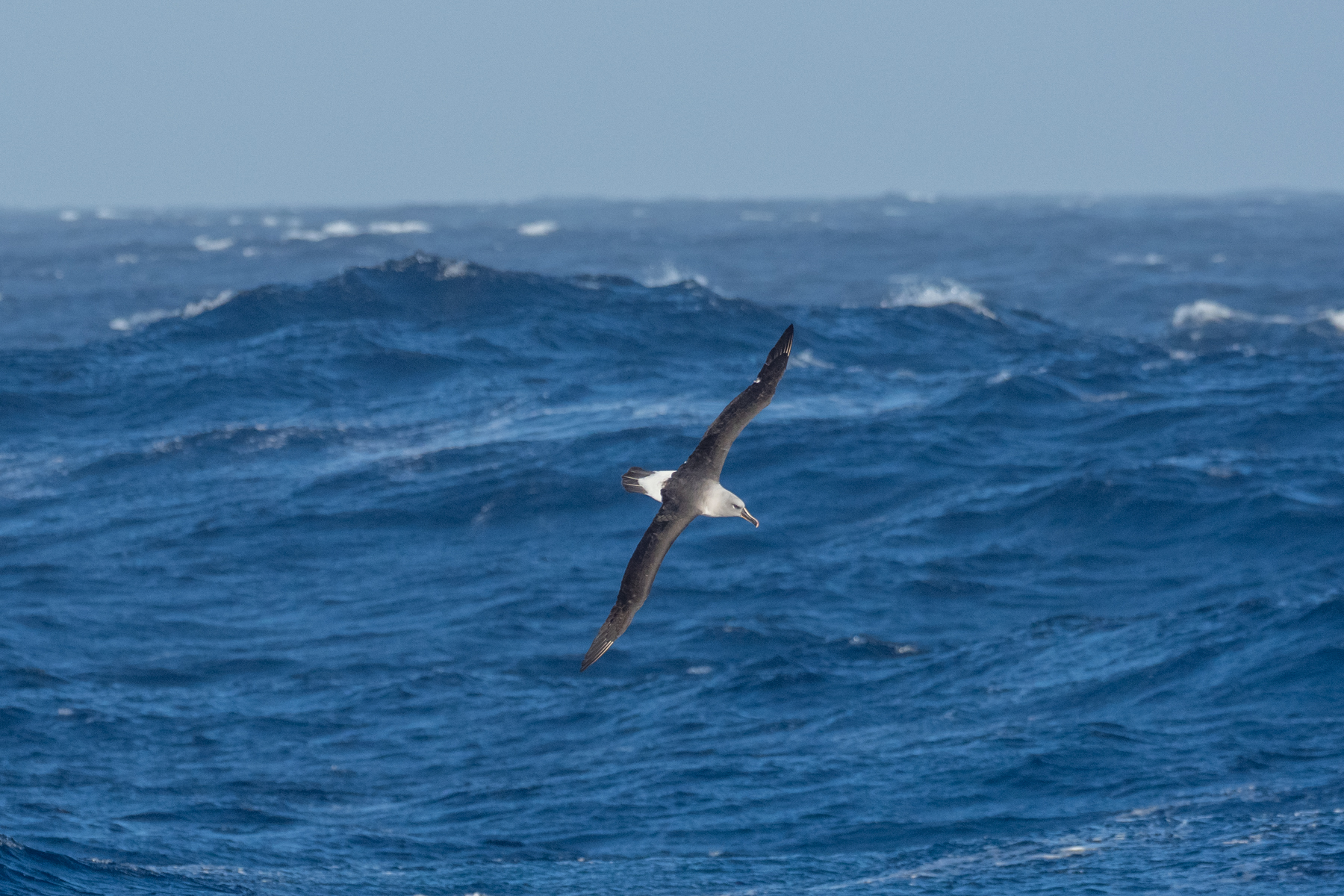
Grey-headed Albatross (image by Mark Van Beirs)
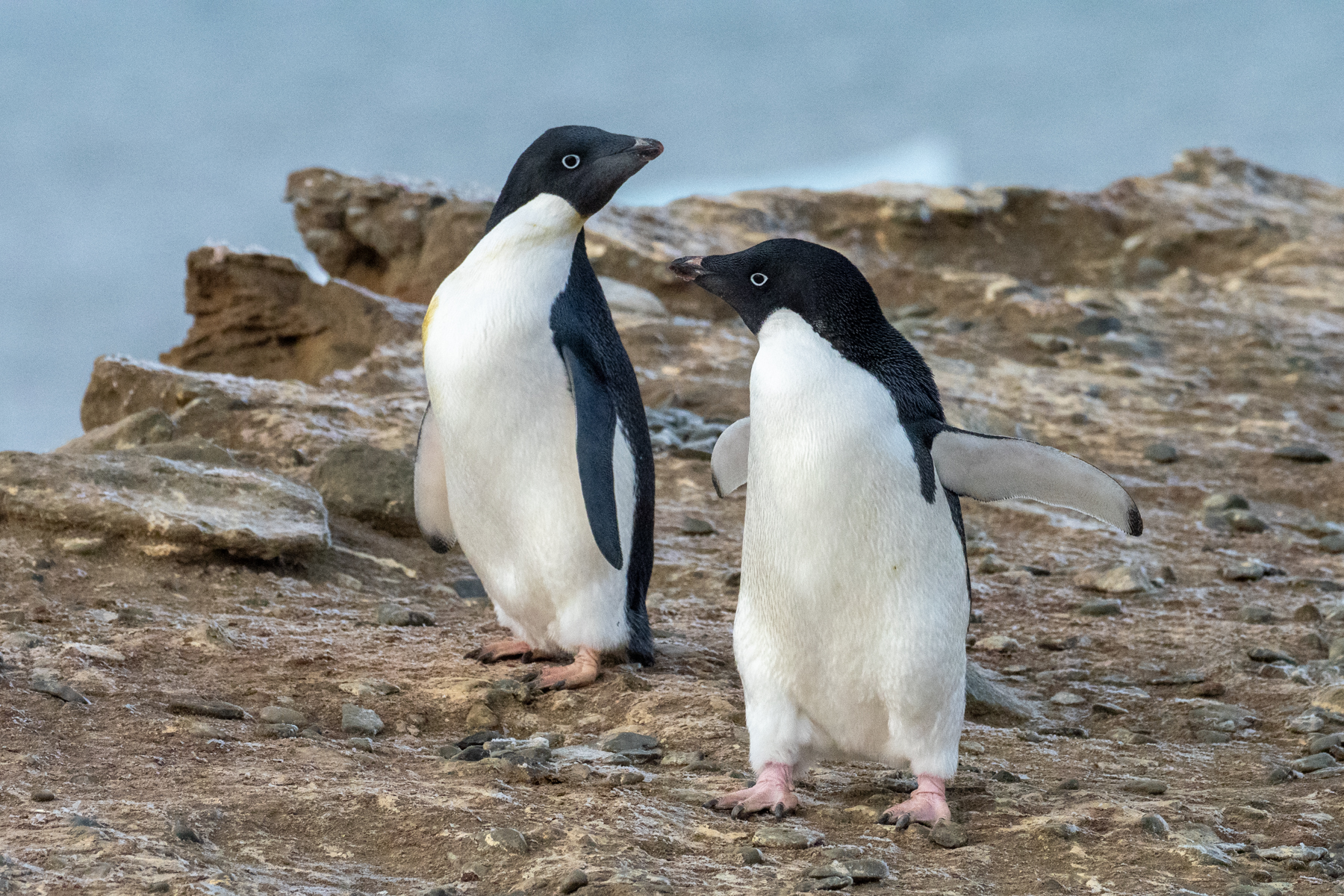
Adelie Penguins (image by Mark Van Beirs)
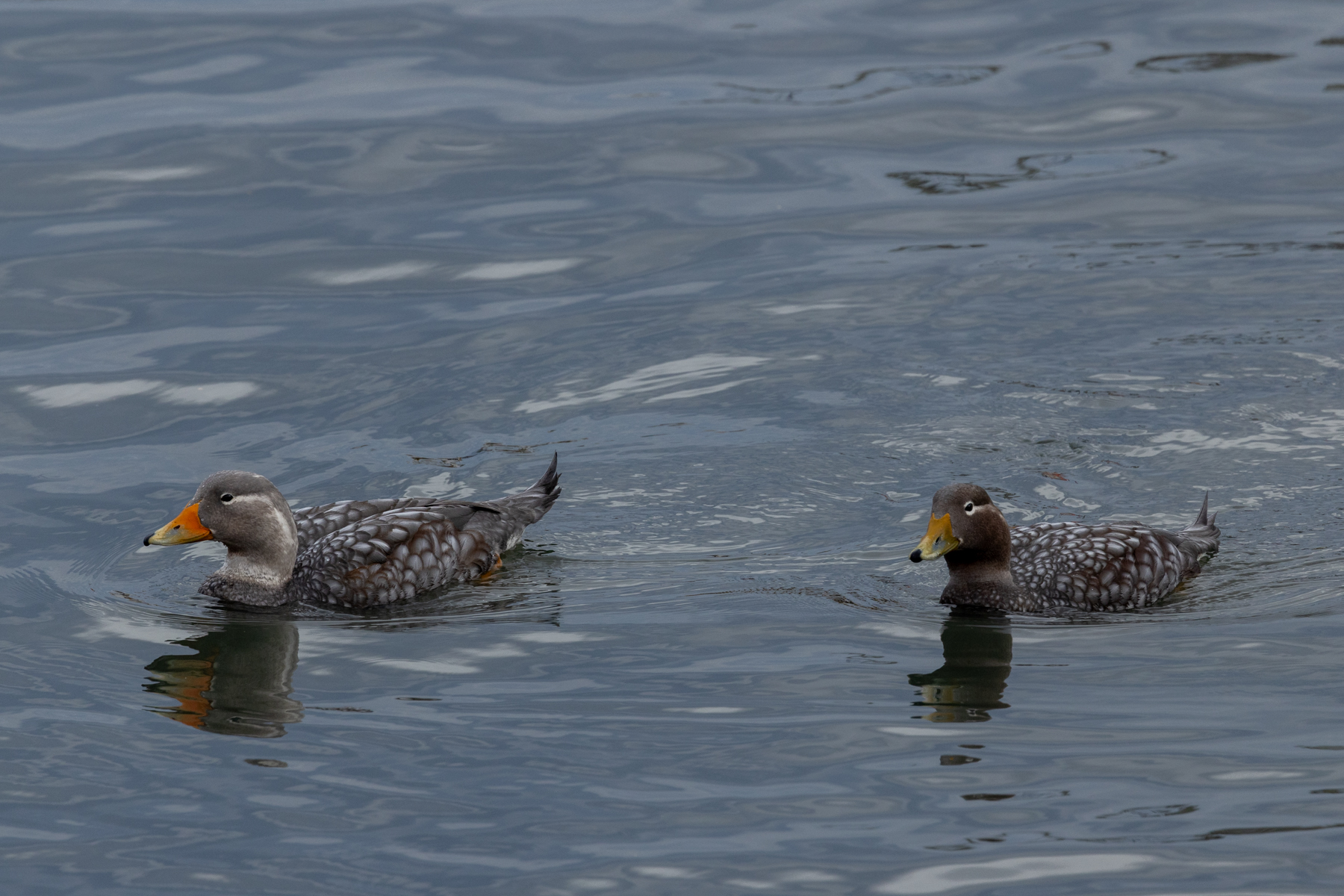
Fuegian Steamer Ducks (image by Nick Lessof)
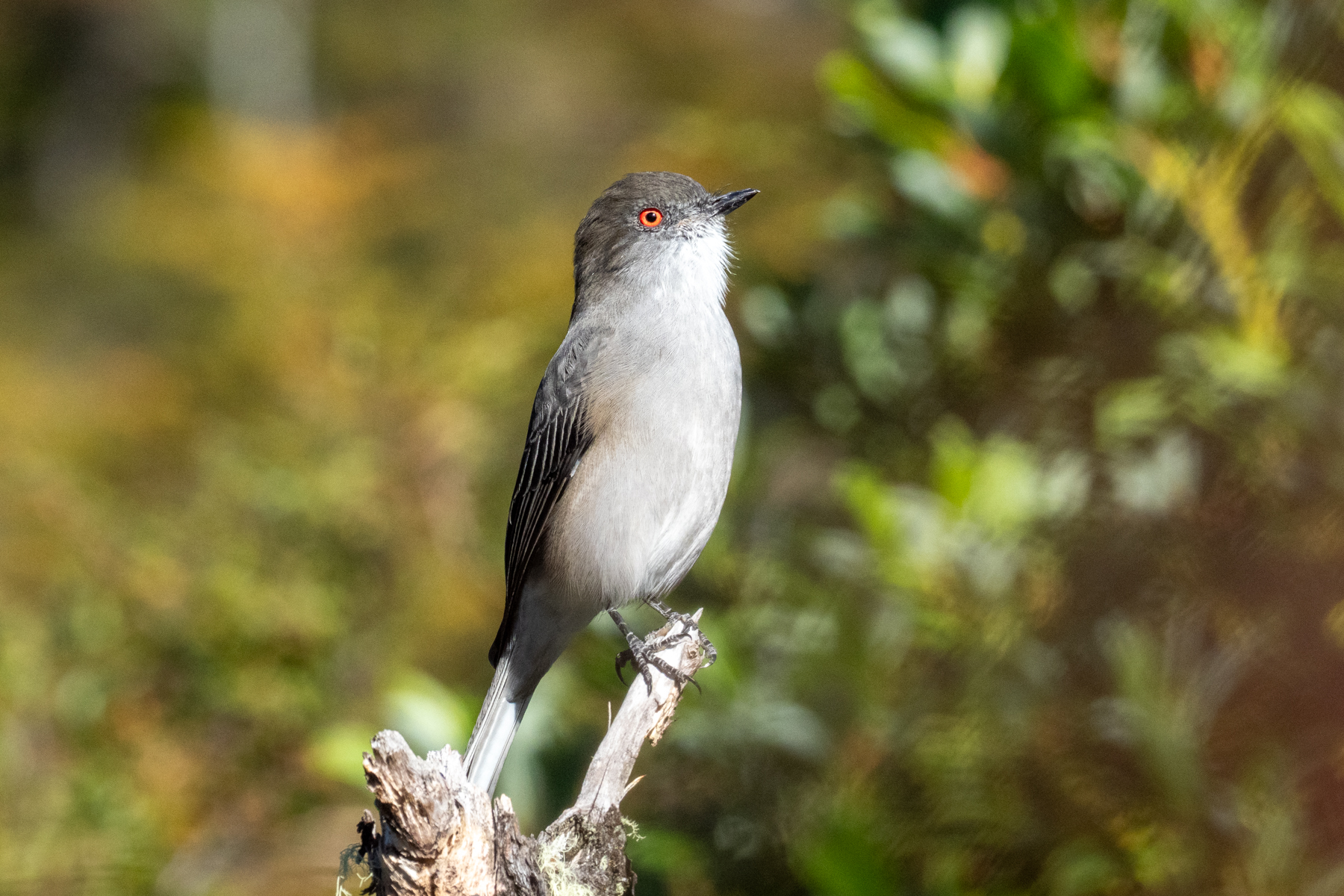
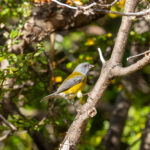
Fire-eyed Diucon (image by Mark Van Beirs)
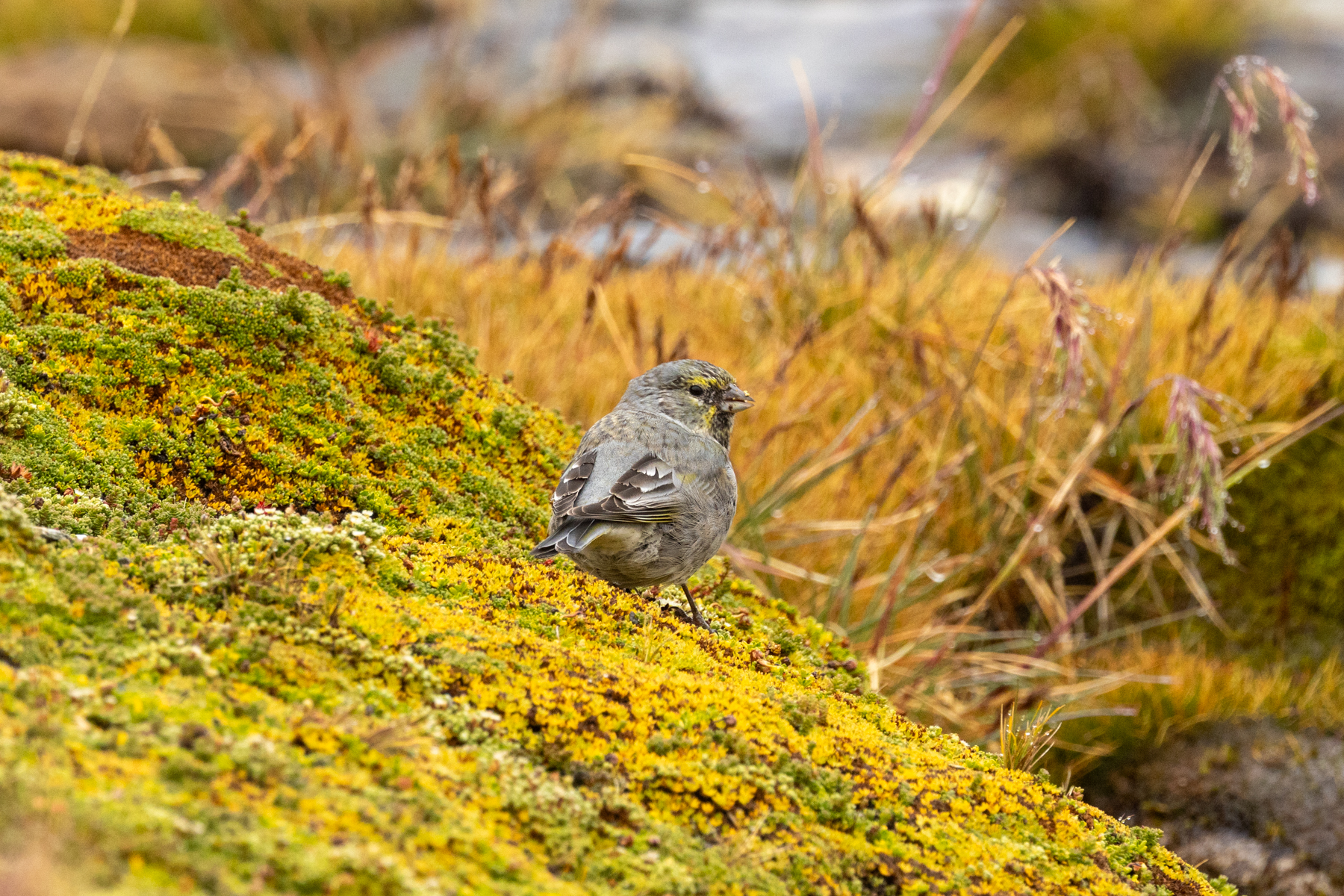
Yellow-bridled Finch (image by Nick Lessof)
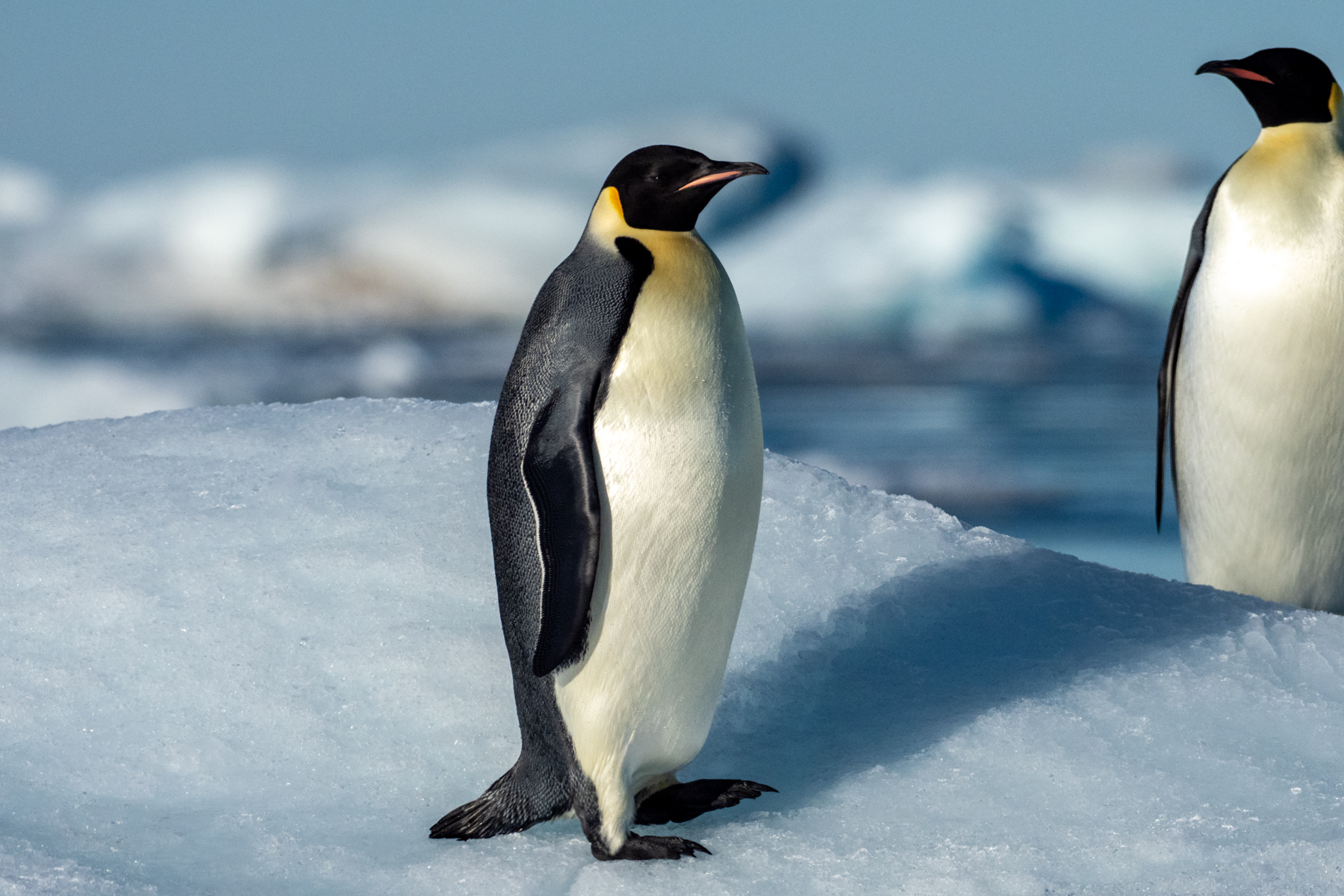
Emperor Penguins (image by Mark Van Beirs)
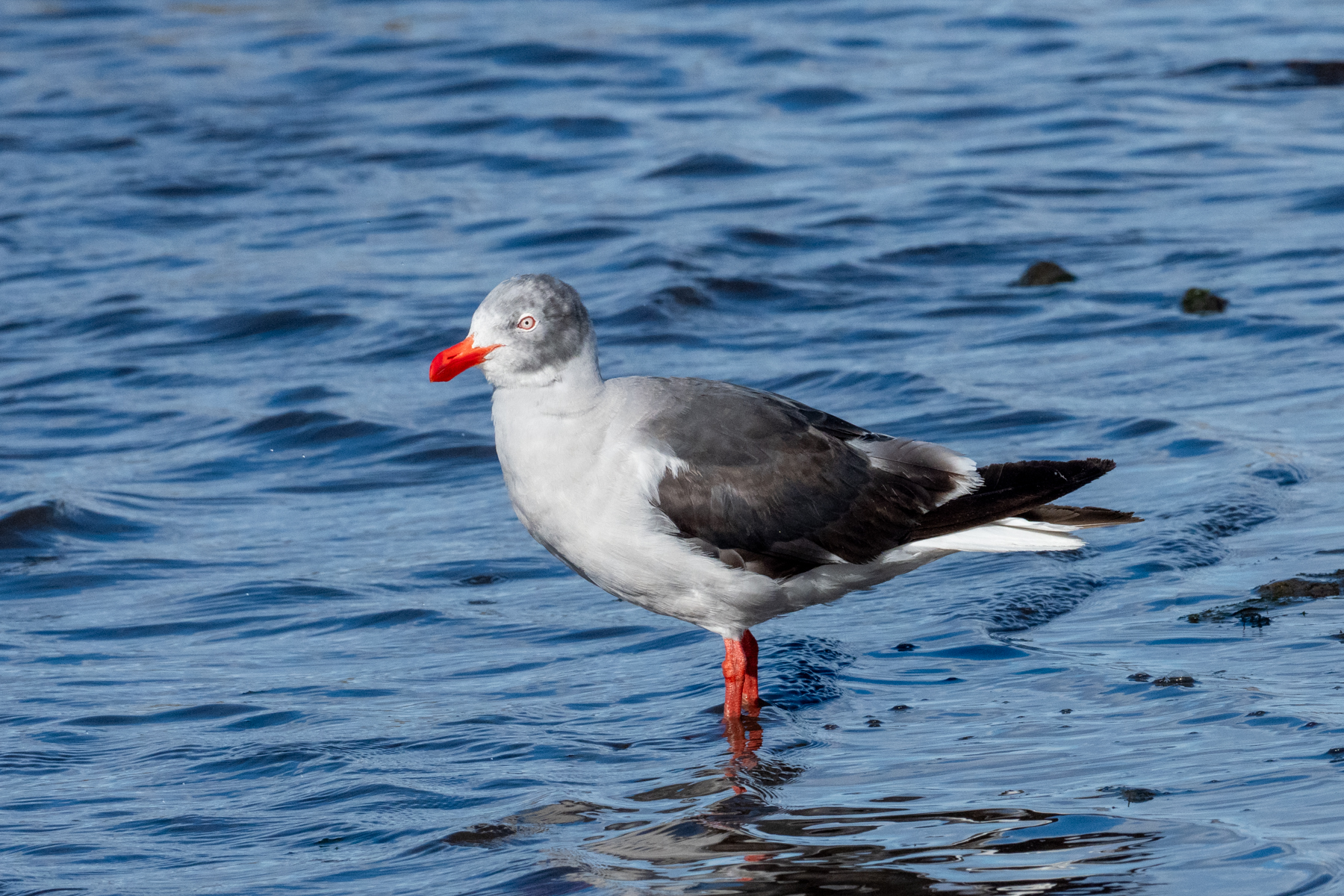
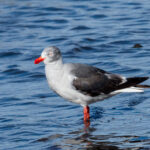
Dolphin Gull (image by Mark Van Beirs)
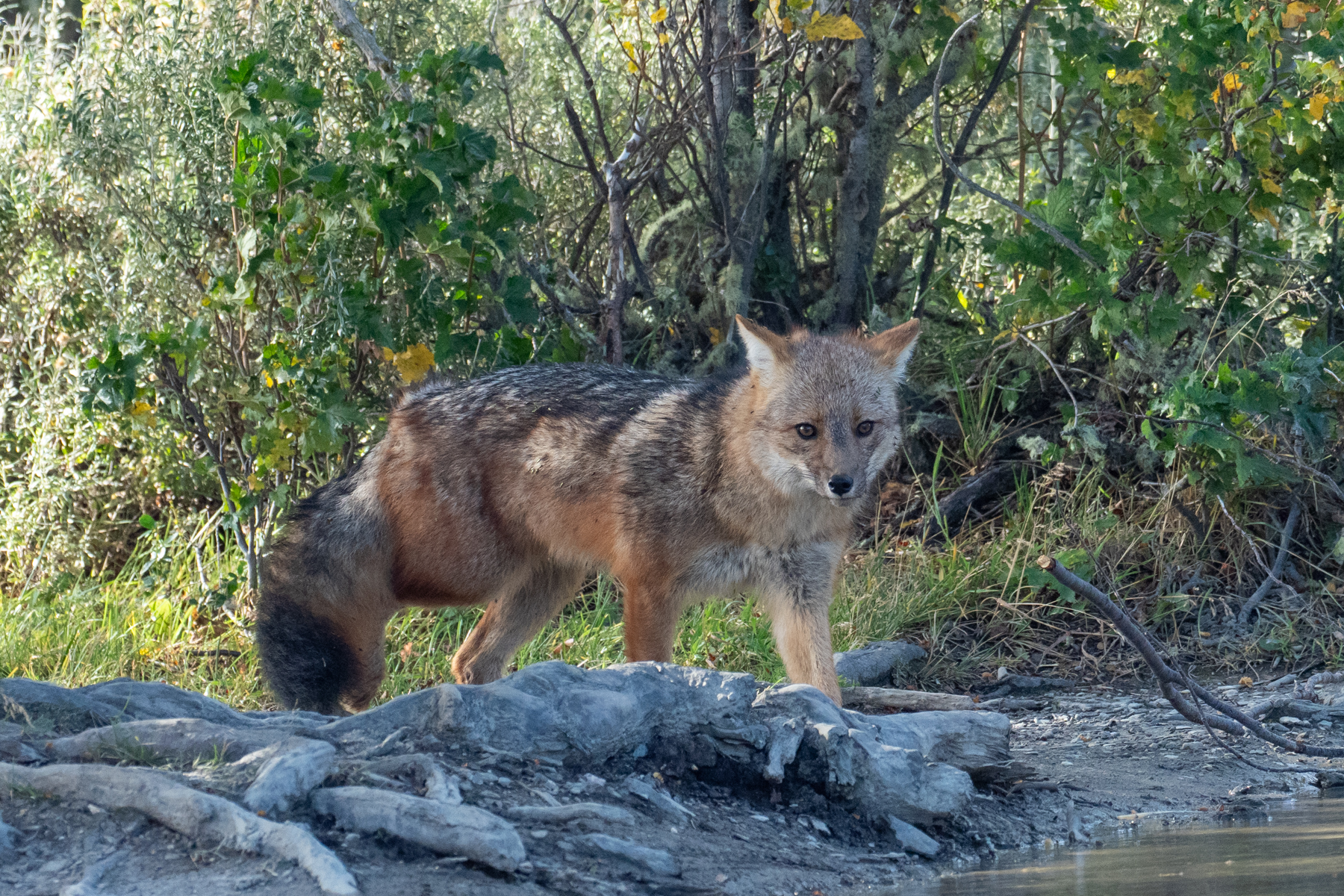
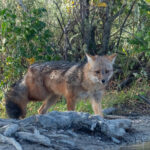
Culpeo Fox (image by Mark Van Beirs)
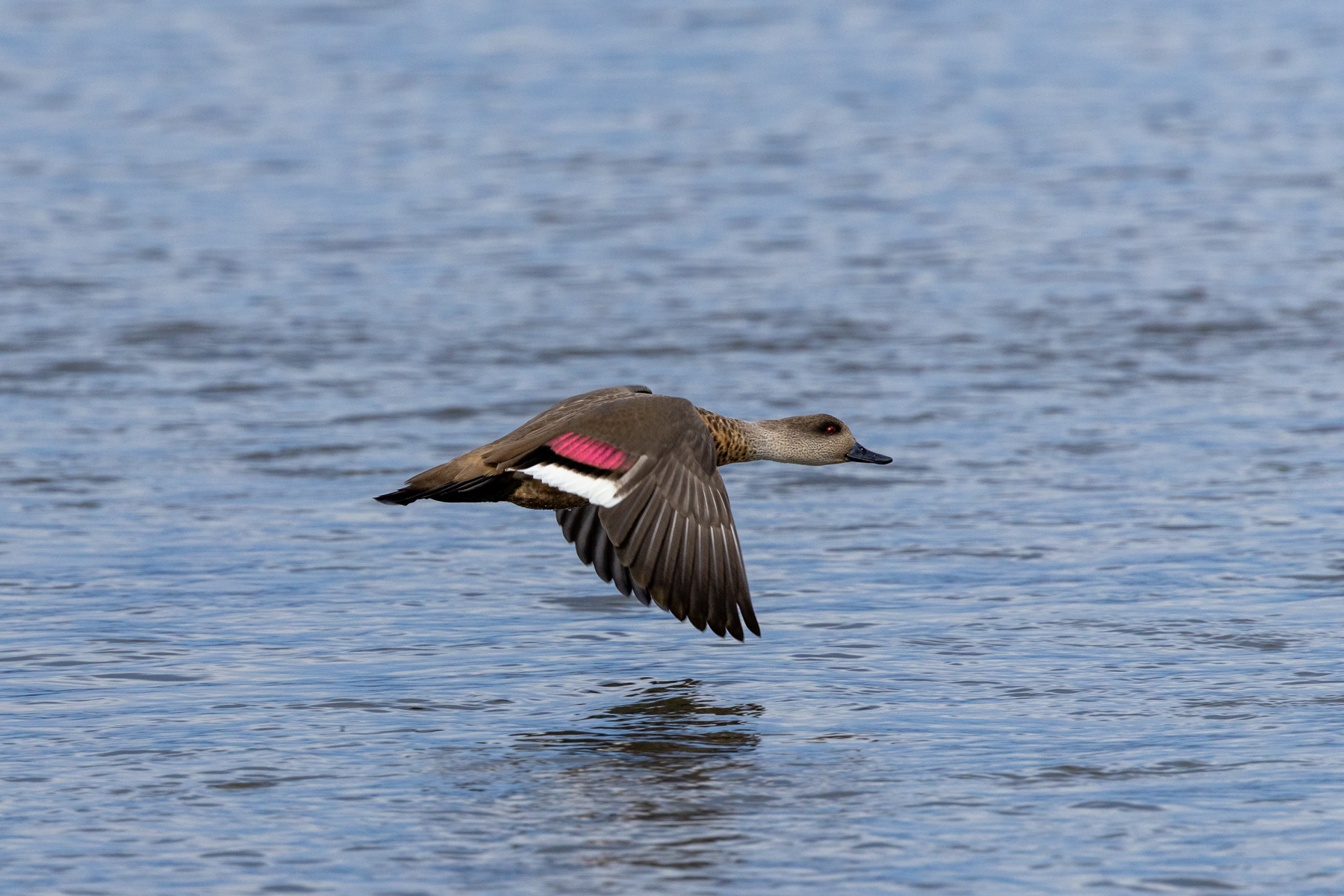
Crested Duck (image by Nick Lessof)
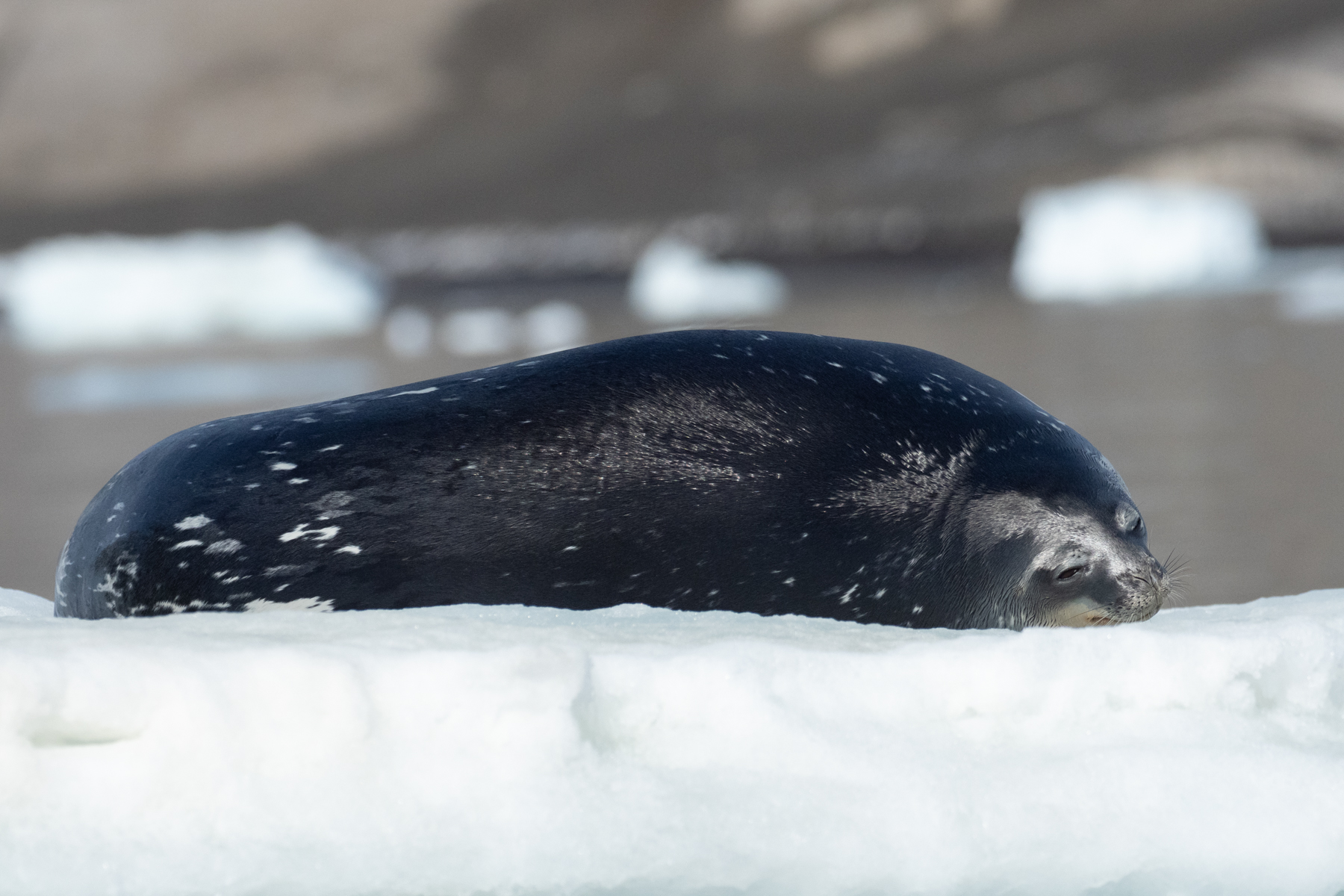
Crabeater Seal (image by Mark Van Beirs)
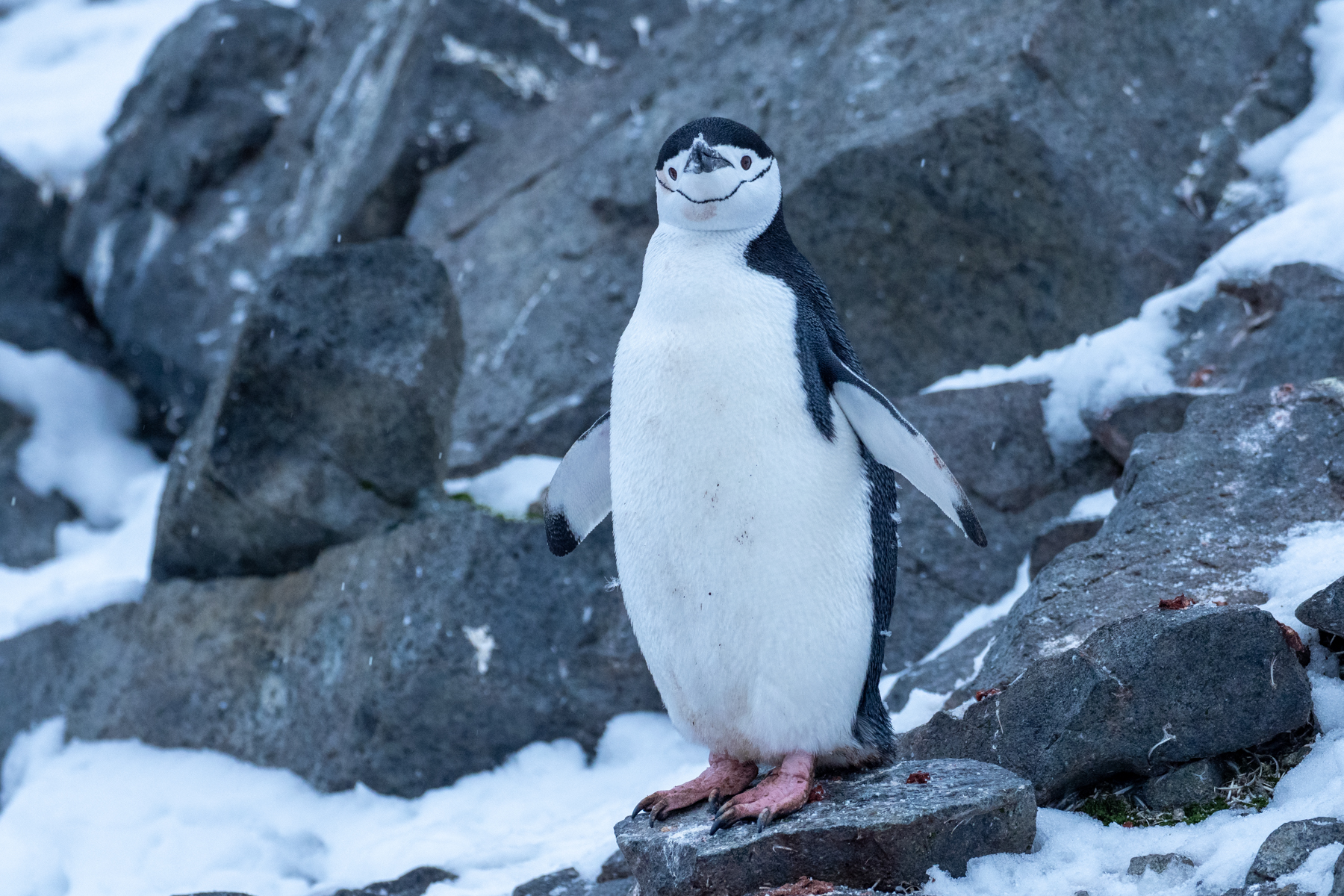
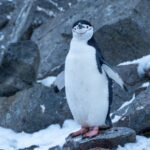
Chinstrap Penguin (image by Mark Van Beirs)
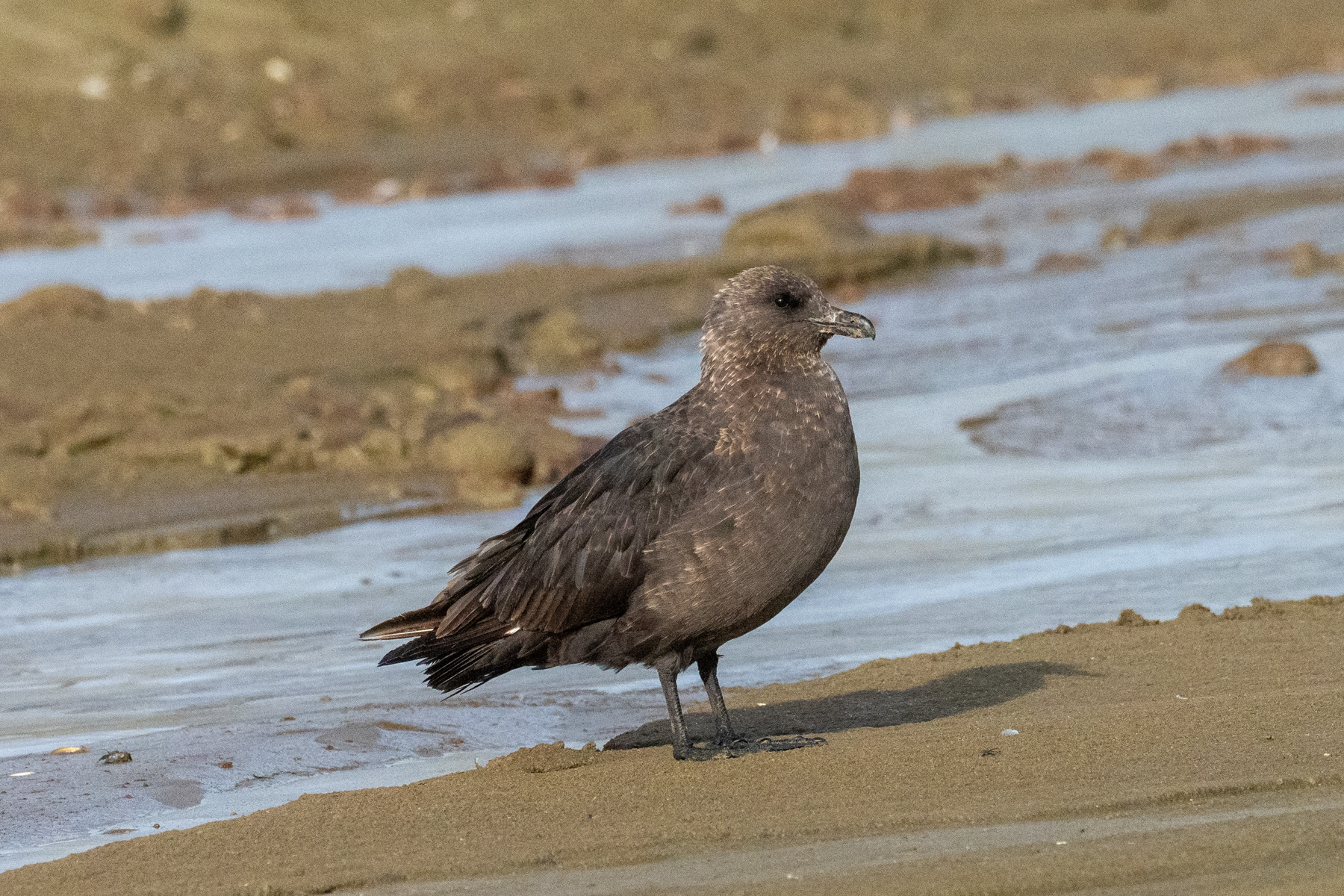
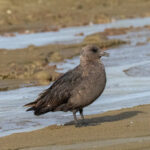
Brown Skua (image by Mark Van Beirs)
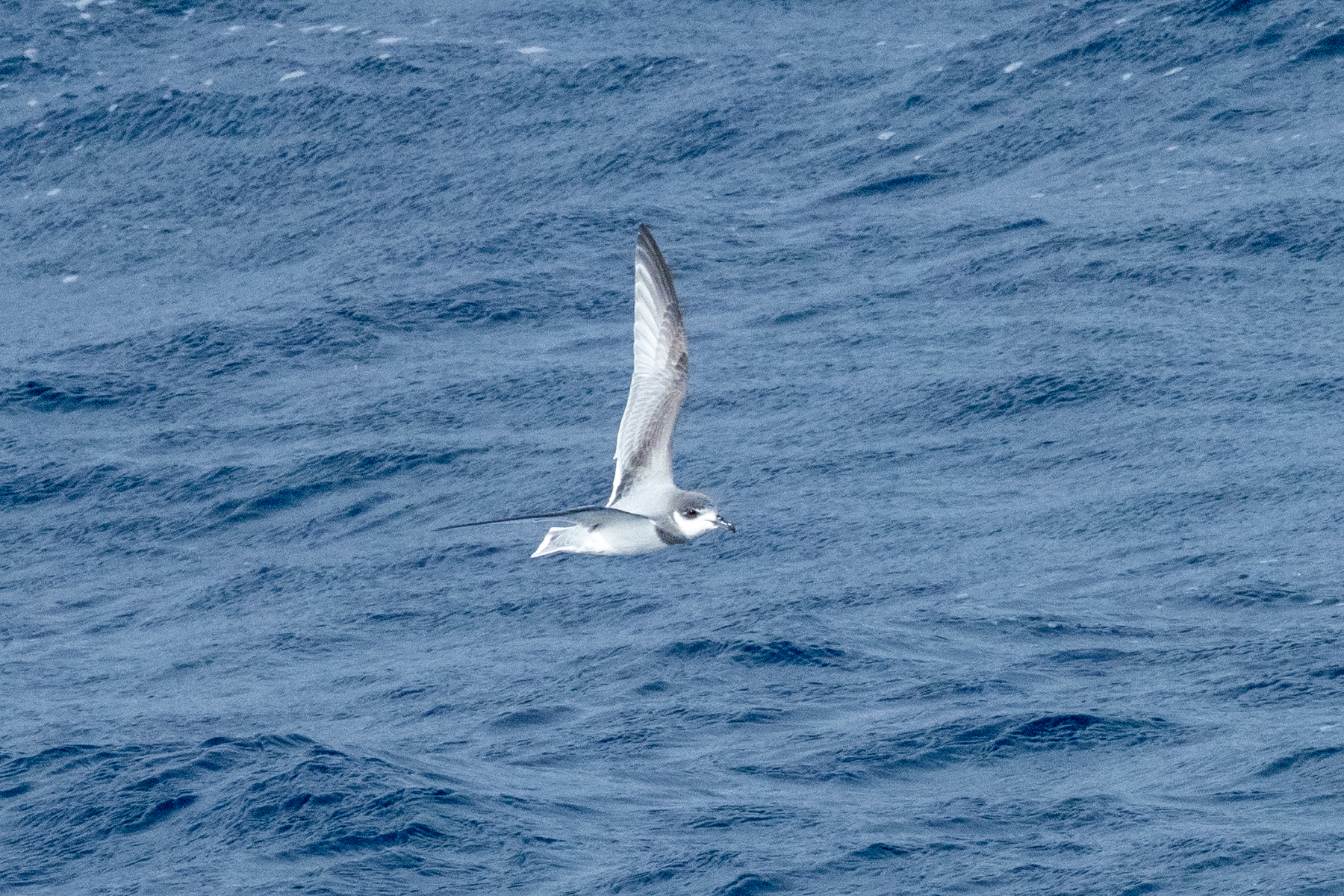
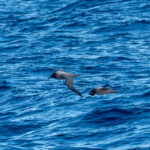
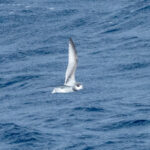
Blue Petrel (image by Mark Van Beirs)
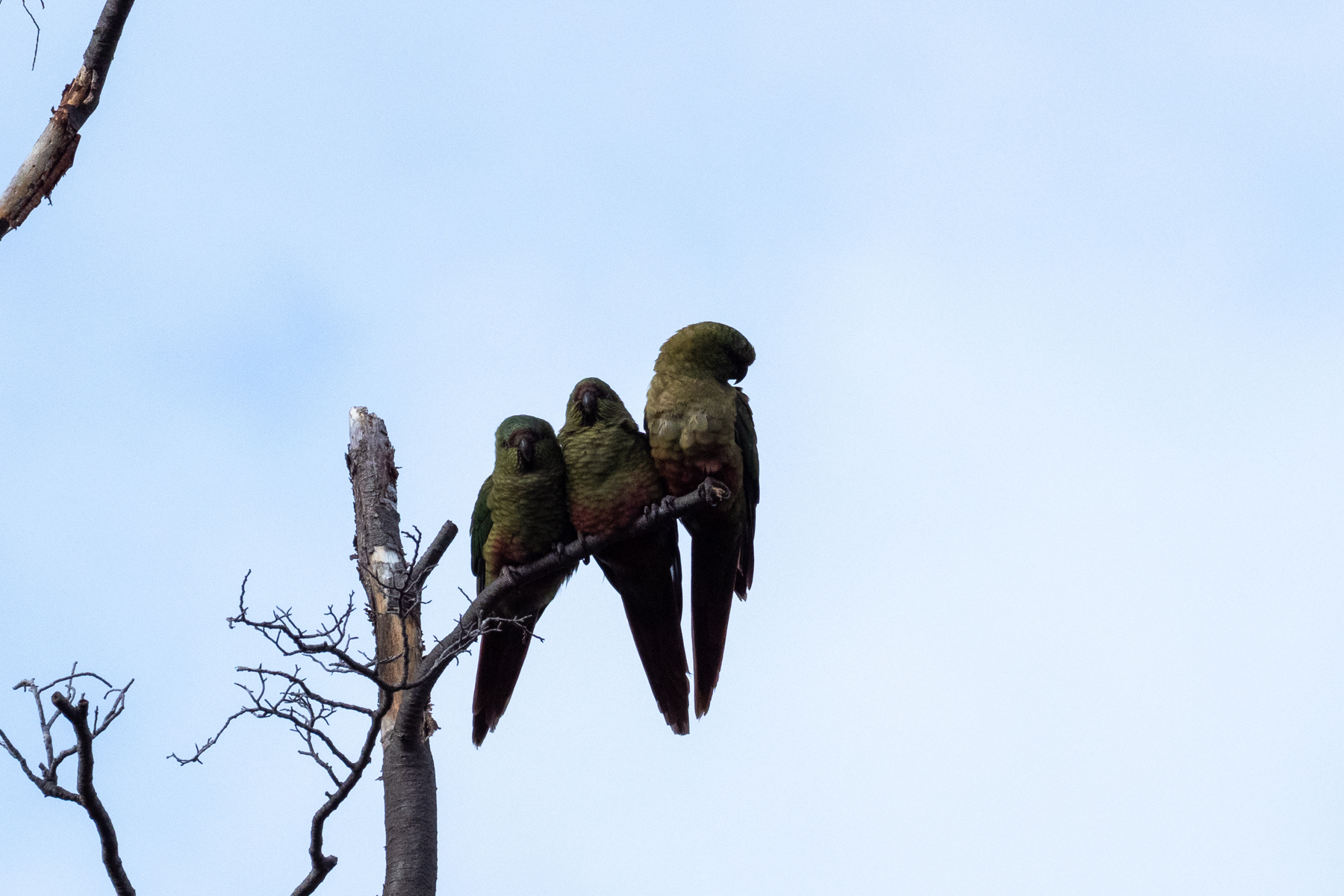
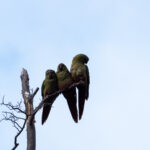
Austral Parakeets (image by Mark Van Beirs)
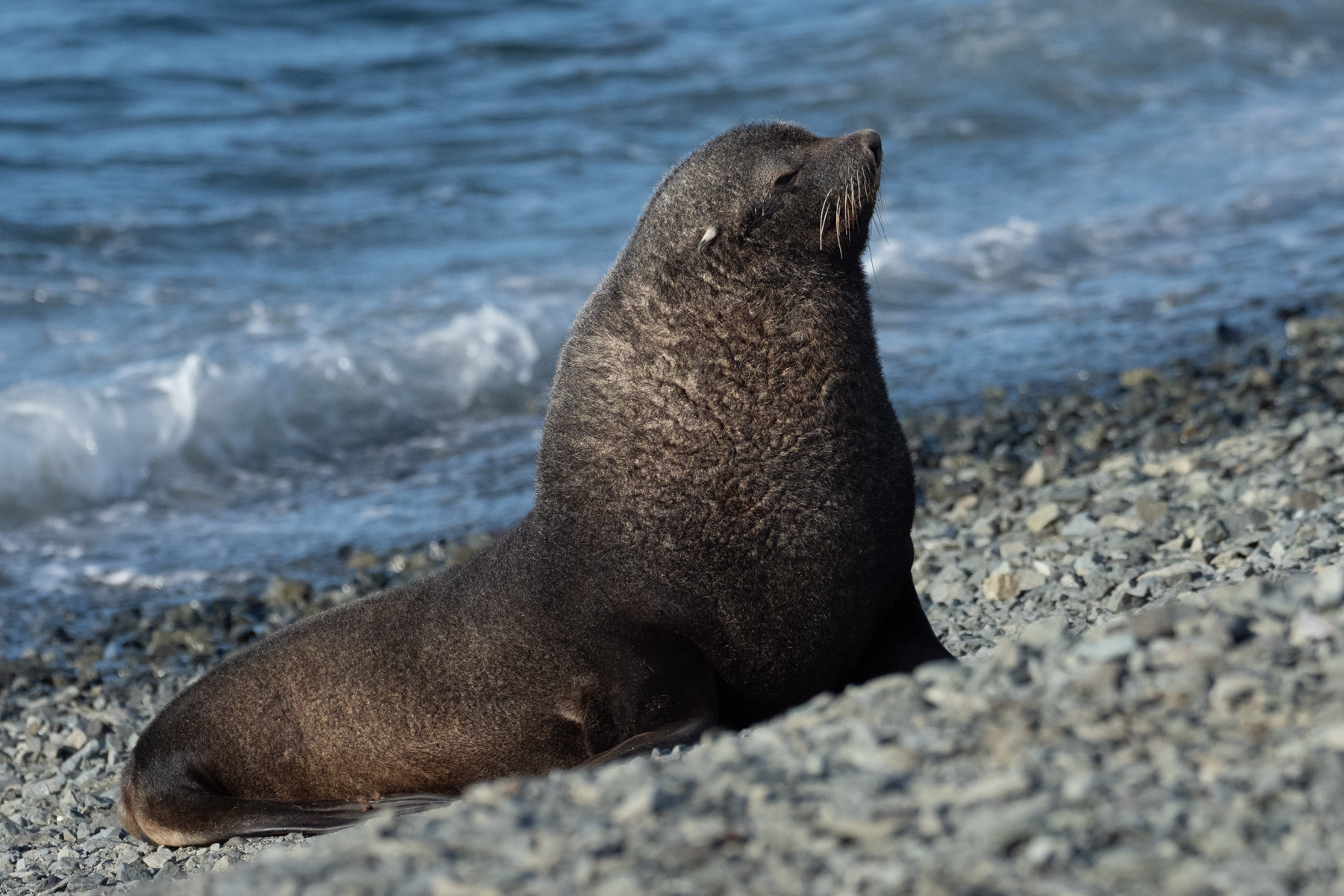
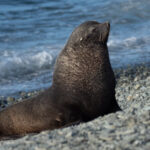
Antarctic Fur Seal (image by Mark Van Beirs)
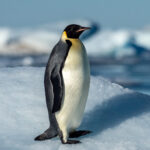


Emperor Penguins (image by Mark Van Beirs)
Iceberg (image by Mark Van Beirs)
Adelie Penguins (image by Mark Van Beirs)
Light-mantled Sooty Albatross (image by Mark Van Beirs)
Humpback Whale (image by Mark Van Beirs)
Pintado Petrels (image by Mark Van Beirs)
Grey-headed Albatross (image by Mark Van Beirs)
The Ortelius (image by Mark Van Beirs)
Leopard Seal (image by Mark Van Beirs)
Rufous-legged Owl (image by Nick Lessof)
White-bellied Seedsnipes (image by Nick Lessof)
Gentoo Penguins (image by Mark Van Beirs)
Patagonian Tyrant (image by Nick Lessof)
Macaroni Penguin (image by Mark Van Beirs)
White-bellied Seedsnipe (image by Nick Lessof)
Antarctic Peninsula scenery (image by Mark Van Beirs)
Snowy Sheathbill (image by Mark Van Beirs)
Weddell Seal (image by Mark Van Beirs)
Tufted Tit-Tyrant (image by Nick Lessof)
Southern Lapwings (image by Mark Van Beirs)
Southern Fulmar (image by Mark Van Beirs)
Southern Elephant Seal (image by Mark Van Beirs)
Bronze-winged Ducks (image by Mark Van Beirs)
Rufous-chested Dotterel (image by Mark Van Beirs)
Red Shovelers (image by Nick Lessof)
Antarctic Tern (image by Mark Van Beirs)
Patagonian Sierra Finch (image by Nick Lessof)
Magellanic Snipe (image by Mark Van Beirs)
Light-mantled Sooty Albatrosses (image by Mark Van Beirs)
Kelp Goose and Chiloe Wigeons (image by Mark Van Beirs)
White-throated Caracaras (image by Nick Lessof)
Grey-headed Albatross (image by Mark Van Beirs)
Adelie Penguins (image by Mark Van Beirs)
Fuegian Steamer Ducks (image by Nick Lessof)
Fire-eyed Diucon (image by Mark Van Beirs)
Yellow-bridled Finch (image by Nick Lessof)
Emperor Penguins (image by Mark Van Beirs)
Dolphin Gull (image by Mark Van Beirs)
Culpeo Fox (image by Mark Van Beirs)
Crested Duck (image by Nick Lessof)
Crabeater Seal (image by Mark Van Beirs)
Chinstrap Penguin (image by Mark Van Beirs)
Brown Skua (image by Mark Van Beirs)
Blue Petrel (image by Mark Van Beirs)
Austral Parakeets (image by Mark Van Beirs)
Antarctic Fur Seal (image by Mark Van Beirs)


ANTARCTICA: THE PENINSULA TOUR REPORT 2026

17 March – 1 April 2026
Mark Van Beirs
This tour started under a rather bad omen, as only a few days before the start we were told that the ship “Hondius” was out of order and that the only possibility was to join the ship “Ortelius” on a cruise to the Weddell Sea. We didn’t have much choice really and were a bit apprehensive when we learned about the kayakers, snorkelers and hikers on board, but the tour went very well and the persistent efforts of the captain, officers, crew and expedition staff to please the birdwatchers were very much appreciated. The highlight of the cruise was without a doubt the magical encounter with the four impeccable adult Emperor Penguins that performed so very, very well for us on an ice floe near Snow Hill Island. Another fantastic experience was admiring 16 gorgeous, well-camouflaged White-bellied Seedsnipe on a windy mountain slope in Tierra del Fuego. On the final evening of the tour we had a truly heart-warming encounter with a magnificent Rufous-legged Owl. Other great birds noted on this marvelous tour include Bronze-winged Duck, Flying and Fuegian Steamer Ducks, Rufous-chested Dotterel, Dolphin Gull, Adelie, Gentoo, Chinstrap and Macaroni Penguins, Snowy, Light-mantled Sooty and Grey-headed Albatrosses, Black-bellied Storm Petrel, Snow, Blue and Kerguelen Petrels, Green-backed Firecrown, Andean Condor, Chilean Hawk, White-throated Caracara, Austral Parakeet, Patagonian Tyrant, White-throated Treerunner, the lovely Thorn-tailed Rayadito and Yellow-bridled Finch. Mammals were quite prominent on this tour and included Leopard, Weddell and Crab-eater Seals, Antarctic Minke, Fin and Humpback Whales and Peale’s and Hourglass Dolphins. We often stood in awe at the incredible scenery of the Antarctic Peninsula, with its amazing variety of beautiful, intricately sculpted icebergs. The numerous zodiac rides along the windswept shores of the Antarctic Peninsula and its neighbouring islands were very much appreciated and allowed us to get close to whales and penguins.
The tour started in mid-afternoon at the Ushuaia port, where the participants convened on the ship “Ortelius”. After checking into our cabins and exploring our base for the next 12 days we listened to the mandatory security briefings. Soon the ship started to sail eastwards along the Beagle Channel. During the night we sailed out of calm waters and reached the infamous Drake Passage. We were quite lucky as for most of the voyage across the Drake, the seas were very well behaved. In the middle of the next day we encountered a patch where the waves reached four meters, but our group remained in good health and spirit. During our first morning at sea we found four species of albatross. These magnificent creatures showed quite well over the wake of our ship. Snowy (Wandering) performed beautifully, as did the very attractive Light-mantled Sooty. Both Grey-headed and Black-browed Albatrosses were also added to the list. Several White-chinned Petrels patrolled the stern as did Soft-plumaged Petrel, Antarctic Prion and Wilson’s Storm Petrel. In the afternoon we couldn’t bird from the open deck anymore, because of inclement weather, so we relaxed a bit and prepared ourselves for the following day.
We sailed south through the night and started scanning the horizon at dawn from the most strategic spot on the ship. During our morning vigil we observed a flock of 12 Snowy Sheathbills that flew past and intended to land on the Heli deck. We also noted fair numbers of beautiful Light-mantled Sooty Albatrosses, Black-bellied Storm Petrels, attractive-looking Pintado Petrels, Southern and Northern Giant Petrels, Southern Fulmar, Blue Petrel and eight or so very active Kerguelen Petrels. In mid-afternoon we arrived at the South Shetlands, where we connected with Brown Skua, Antarctic Tern, Imperial Shag (of the race bransfieldensis), eight or so Fin Whales and a single Antarctic Fur Seal.
The ship sailed part of the night and in the morning we were welcomed to a glorious sunrise, just off Seymour Island. After a really scrumptious breakfast we went ashore by zodiac and had a great time in the beach area, observing several impeccably clean Adelie Penguins that showed so very well at close range. Most of the birds had left the colony, but a few birds were still hanging about. Several Brown Skuas patrolled the area and we also found Weddell and Crabeater Seals here. After lunch we sailed to a different spot on Snowhill Island escorted by many, beautiful, often bizarrely shaped icebergs. We admired the hut where the three Swedes overwintered for three winters (1901-1903) under the leadership of Otto Nordenskjöld. Rafts of Imperial Shags could be seen, and a single much wanted Snow Petrel flew around the ship. We also observed Antarctic Terns and a formidable looking Leopard Seal.
Nearby James Ross Island was our next destination. The sea was full of magnificently shaped and sometimes deep blue icebergs and the captain slowly navigated through or around them. We stood on deck for the first hours of the day and found a couple of Snow Petrels on a huge cliff. A couple of zodiac rides under a blue sky gave us plenty more opportunity to admire awe-inspiring icebergs and we also got great looks at Antarctic Terns (adults and recently fledged young), a male Antarctic Fur Seal and several Weddell Seals.
Next day, just before dawn the captain started to steer the ship through the iceberg-studded channel between James Ross and Snow Hill Islands. It took a lot of manoeuvering to evade the bigger icebergs, but eventually, after hours of admiring all kinds of fantastically shaped ice sculptures we arrived fairly close to the recently broken off (2023) A 81 ice shield with its surface of 1,550 km². Whilst sailing in the morning we had already managed to observe two immature Emperor Penguins standing on an iceflow. We were already in heaven, and our luck continued on our afternoon zodiac ride, where we first watched another immature bird, soon to be followed by four magnificent adult Emperor Penguins in exquisite attire. We were able to admire these true jewels at short range. Everyone sure enjoyed these much-cherished moments. Several adorable Snow Petrels surrounded us inquisitively. Next to the regular Weddell Seals, we also found a Crabeater Seal and a beautifully performing dangerous-looking Leopard Seal. Several unafraid Humpback Whales really showed off. We were able to land the zodiacs on an ice flow, where several Wilson’s Storm Petrels patrolled. This amazing day ended with a truly scrumptious BBQ on the Heli deck of the ship.
During the night the Ortelius steadily sailed north along the west side of James Ross Island and in the morning we reached a secluded bay on the northwest side of this island. We explored the nearby coastline, but except for several mummified Crabeater and Leopard Seals our outing didn’t produce much. Over lunch we crossed the strait and found a scenic bay with gorgeous icebergs and some Humpback Whales. We followed these whales for a while getting excellent looks at several mothers with their offspring. We also landed on Antarctica itself and watched the action at an Antarctic Fur Seal colony with loafing animals on the beach and playful individuals in the water. A flock of twelve immature Kelp Gulls kept an eye on the surroundings. As we had more or less seen what we wanted on this side of the Antarctic Peninsula it was decided to try our luck on the west side, so we started sailing immediately after dinner. A 50+ knot wind caused a bit of worry, but luckily it hit us in the stern, so we all had a good night’s sleep.
In the morning we were already sailing through the famous Gerlache Strait and by lunch time we arrived in the marvelous Cierva Cove, where amazing glaciers and steep peaks created splendid scenery. From the ship we could regularly see the blows of multiple whales and we reckoned there must have been at least 20 Humpback Whales about. They approached the ship regularly for excellent views and an Antarctic Minke Whale showed beautifully next to the ship. The afternoon zodiac ride was pure magic. We were able to admire several large colonies of Gentoo and Chinstrap Penguins. Fair-sized rafts of these comical looking birds performed in the bay and we also observed them in numbers standing and preening on the shore. They were in pristine condition, having moulted straight after breeding. We encountered several Humpback Whales at very close range and also looked at the different hues of blue of the icebergs and glaciers.
Next morning we did a zodiac ride in scenic Wilhemina Bay. Glaciers were coming down the neighbouring mountains and impressive icebergs were dotted all over the bay. We had many marvelous encounters with Humpback whales, which were feeding at the surface and allowing intricate looks at their warty head and long, whitish flippers. There were a few Gentoo Penguins about, as well as the odd Brown Skua and Antarctic Tern. In late morning we sailed northwards and started to see a wider variety of seabirds. We regularly encountered smart-looking Grey-headed Albatrosses, dainty Southern Fulmars, attractive Pintado Petrels and tiny Wilson’s Storm Petrels. In mid-afternoon we arrived just north of Brabant Island, where some intrepid passengers did a zodiac ride in dismal weather conditions, but where the birders looked out from the bridge and had good looks at several Humpback Whales and lots of lovely Southern Fulmars.
The following morning we arrived at Half Moon Island, where we landed and had a fabulous time amongst the hundreds of Chinstrap Penguins that were clambering about. There were also small groups of Gentoo Penguins about and even a single very smart-looking Macaroni Penguin. We were lucky enough to be able to admire this jewel as it waddled in front of us and posed at length. Several curious Snowy Sheathbills were foraging amongst the penguins. We also observed many Antarctic Fur Seals, the young of which were playing about. After this much appreciated landing we moved to Greenwich Island, where another landing was planned, but high winds sabotaged this venture, so we soon started sailing north into the Drake Passage passing close to impressive stacks. Seabirds started to appear in numbers and we had a great time observing goodies like Light-mantled Sooty, Grey-headed and Black-browed Albatrosses, Wilson’s and Black-bellied Storm Petrels, White-chinned and Blue Petrels, Antarctic Prions and no fewer than 15 obliging Kerguelen Petrels. A Fin Whale also showed briefly.
We sailed the whole day going north in the Drake Passage. It was fairly choppy, with windspeeds up to 50 knots and waves reaching five meters. Albatrosses were regular as we met Wandering (Snowy), Light-mantled Sooty, Grey-headed and Black-browed. We again saw several Kerguelen and Blue Petrels. A single, tiny Common Diving Petrel took off from the sea and flew a considerable distance. Three attractively patterned Hourglass Dolphins showed quite well at the stern.
At dawn we had already travelled within sight of famous Cape Horn. We considered ourselves very lucky as the journey had only been slightly choppy… quite unusual to have the Drake Passage so peaceful. Next to the usual seabirds we also encountered good numbers of Sooty Shearwaters. When we reached the mouth of the Beagle Channel we found several parties of Magellanic Penguins. On two occasions we were treated to a small pod of enchanting Peale’s Dolphins bow-riding. A big rock in the middle of the Beagle Channel held lots of Imperial Shags, a dozen or so Snowy Sheathbills and good numbers of formidable-looking South American Sea Lions. Not much later a pilot came on board to help us on the final run to Ushuaia. We enjoyed a very quiet night as the ship was tied to the pier at the southernmost town in the world.
After an excellent breakfast, we said goodbye to the very hospitable Ortelius and its fantastic crew and made our way to our hotel at the edge of Ushuaia. As we couldn’t check in yet, we explored the nearby waterfront and found a whole series of goodies. Both Upland and gaudy Kelp Geese were present together with Chiloe Wigeon, Crested Duck, Yellow-billed Teal, Yellow-billed Pintail, Great Grebe and Magellanic and Blackish Oystercatchers. A Rufous-chested Dotterel posed ever so well for us. After checking in and a tasty lunch we visited the municipal rubbish dump where we obtained perfect views of the localized White-throated Caracara, together with lots of Chimango Caracaras, a few Crested Caracaras and at least eight Black-chested Buzzard-Eagles. A Fiery-eyed Diucon also showed here. A roost of gulls along the coast held a single Chilean Skua. The local nature reserve in town produced both Fuegian and Flying Steamer Ducks, together with pairs of smart Red Shovelers, a posing Magellanic Snipe, lots of Brown-hooded Gulls and a vagrant Black Skimmer.
Our full day in the Tierra del Fuego National Park was satisfactorily birdy. We were very lucky with the weather and found most of the birds we wanted to see. Sadly, we never connected with Magellanic Woodpecker, although we sure tried. Walking through the beautiful, old Southern Beech (Nothofagus) forest produced observations of Austral Parakeet, Green-backed Firecrown, White-crested Elaenia, Tufted Tit-Tyrant, Patagonian Tyrant (unusually common), Fire-eyed Diucon, White-throated Treerunner, Thorn-tailed Rayadito, Southern House Wren, Austral Thrush, Black-chinned Siskin, Rufous-collared Sparrow and Patagonian Sierra Finch. Along a wide river we obtained fantastic close ups of a pair of lovely Bronze-winged Duck and also had terrific scope views of Fuegian Steamer Duck and Great Grebe. High overhead we spotted several Andean Condors. An adult Chilean Hawk showed all too briefly in flight. We also added Neotropic Cormorant, Black-faced Ibis and Black-crowned Night Heron to the tally. A very tame Culpeo Fox was hoping for handouts and on a distant slope we scoped five Guanacos.
The final day of the tour was White-bellied Seedsnipe day!!! We drove to the base of a remote mountain in the central part of Tierra del Fuego and first hiked for a couple of hours through partly logged Southern Beech forest. The higher we got, the more stunted the forest became till we reached the treeline. We hiked further through bushy grassland till we reached the “tundra” zone, covered in pebbles and dotted with different kinds of heather, mosses and lichen. Our party wandered over this special habitat for a while till several well camouflaged Seedsnipe were spotted in the mist. We slowly approached and eventually the fog was blown away and we obtained great looks at 16 of these beautifully patterned birds… golden moments! In the same area we also encountered Yellow-bridled Finch and a couple of Rufous-chested Dotterels. A very happy group walked down the mountain and the rest of the day we explored a nearby forest reserve where a party of Austral Parakeets showed very well. Our Antarctic Peninsula adventure ended with an after-dinner owling trip in the suburbs of Ushuaia which produced excellent looks at a lovely Rufous-legged Owl. A marvelous finale of a great tour!
BIRD OF THE TOUR
- EMPEROR PENGUIN
- WHITE-BELLIED SEEDSNIPE
- RUFOUS-LEGGED OWL
- BLUE PETREL
- THORN-TAILED RAJADITO
SYSTEMATIC LIST OF SPECIES RECORDED
BIRDS
Species marked with the diamond symbol (◊) are either endemic to the country or local region or considered ‘special’ birds for some other reason (e.g.: it is only seen on one or two Birdquest tours; it is difficult to see across all or most of its range; the local form is endemic or restricted-range and may in future be treated as a full species).
The species names and taxonomy used in the bird list follows AviList v2025 (AviList Core Team. 2025. AviList: The Global Avian Checklist, v2025). AviList was first published in June 2025, and is a global checklist which brings together the taxonomies of the eBird (Clements taxonomy), IOC, and Birdlife International checklists, and will ultimately replace those checklists. The AviList Global Avian Checklist is available at www.avilist.org. Where the subspecies seen is/are known, these are often given in parentheses, usually at the end of the species comment.
Upland Goose ◊ Chloephaga picta Excellent regular observations on Tierra del Fuego.
Kelp Goose ◊ Chloephaga hybrida Many perfect sightings of this very smart-looking species on Tierra del Fuego.
Crested Duck Lophonetta specularioides The most common waterfowl on Tierra del Fuego. We witnessed some lovely display.
Bronze-winged Duck Speculanas specularis Spectacular views of a pair in the Tierra del Fuego National Park. A truly magnificent species.
Flying Steamer Duck ◊ Tachyeres patachonicus Regular observations on Tierra del Fuego.
Fuegian Steamer Duck ◊ Tachyeres pteneres Several excellent encounters with this impressive flightless duck.
Red Shoveler Spatula platalea Good looks at several of these beautiful ducks at the local nature reserve in Ushuaia.
Chiloe Wigeon ◊ Mareca sibilatrix Fairly common in the Ushuaia area.
Yellow-billed Pintail ◊ Anas [georgica] spinicauda Scope views of several pairs of this unobtrusive duck in front of our hotel on the outskirts of Ushuaia.
Yellow-billed Teal (Speckled T) Anas flavirostris Common on Tierra del Fuego.
Great Grebe Podiceps major Very nice looks at a bird in breeding condition near our hotel in the outskirts of Ushuaia.
Rock Dove (introduced) Columba livia A few in Ushuaia.
Snowy Sheathbill ◊ (Pale-faced S) Chionis albus Regular encounters. Very close views of several at the Chinstrap Penguin colony on Half Moon Bay. We also had a flock of 12 circle the ship in the northern part of the Drake Passage.
Magellanic Oystercatcher ◊ Haematopus leucopodus Small numbers in the Ushuaia area.
Blackish Oystercatcher Haematopus ater Just a few near Ushuaia.
Rufous-chested Dotterel Zonibyx modestus We had great looks at a bird on the shore in front of our hotel at Ushuaia and saw two birds high up on the White-bellied Seedsnipe mountain.
Southern Lapwing Vanellus chilensis Regular on Tierra del Fuego.
White-bellied Seedsnipe ◊ Attagis malouinus No fewer than 16 were seen well on our terrific hike in the mountains of Tierra del Fuego.
Magellanic Snipe ◊ Gallinago magellanica Perfect looks at a single bird in the local nature reserve at Ushuaia.
South Polar Skua ◊ Stercorarius maccormicki Just a couple of observations of this Antarctic breeding endemic. Most birds had obviously already left for warmer climes.
Chilean Skua ◊ Stercorarius chilensis Common on Tierra del Fuego.
Brown Skua ◊ (Antarctic S) Stercorarius antarcticus Many excellent looks on and near the Antarctic Peninsula.
Black Skimmer Rynchops niger A single bird was resting amongst gulls and terns in the local nature reserve at Ushuaia. A vagrant in this part of Argentina.
Arctic Tern Sterna paradisaea Two birds were noted in the northern part of the Drake Passage. One of the most migratory of birds.
South American Tern Sterna hirundinacea Regular around Tierra del Fuego.
Antarctic Tern ◊ Sterna vittata Fairly common at several sites on the Antarctic Peninsula.
Brown-hooded Gull ◊ Chroicocephalus maculipennis A large flock was found at the local nature reserve in Ushuaia. Most birds were in non-breeding plumage.
Dolphin Gull ◊ Leucophaeus scoresbii This attractively-patterned gull was a common sight in and around Ushuaia.
Kelp Gull Larus dominicanus Common all along our whole itinerary.
Emperor Penguin ◊ Aptenodytes forsteri Fantastic looks at several near Snow Hill island. First two immature birds were seen from the ship as we were making our way through ice near Snow Hill island. Not much later another youngster was seen while doing a zodiac cruise amongst the ice and the cherry on the cake came a bit later, when 4 adult birds in immaculate breeding plumage were found on floating ice, offering a magical experience.
Adelie Penguin ◊ Pygoscelis adeliae Small numbers were seen well on the Antarctic Peninsula.
Gentoo Penguin ◊ Pygoscelis papua Many fine views of these lovely creatures.
Chinstrap Penguin ◊ Pygoscelis antarcticus It took a while, but in the end we obtained excellent looks at these beauties on the west side of the Peninsula.
Magellanic Penguin ◊ Spheniscus magellanicus Small numbers were seen in the Beagle Channel upon our return to Ushuaia.
Macaroni Penguin ◊ Eudyptes chrysolophus Fantastic looks at a single bird parading only meters away in the Chinstrap Penguin colony on Half Moon Bay.
Snowy Albatross (Snowy A) Diomedea exulans Just a few of these impressive birds in the Drake Passage.
Light-mantled Albatross ◊ (L-m Sooty A) Phoebetria palpebrata Small numbers of this very handsome species in the Drake Passage.
Grey-headed Albatross ◊ Thalassarche chrysostoma Regular encounters with this beauty.
Black-browed Albatross Thalassarche melanophris The most commonly encountered albatross. We already could admire them in the Beagle Channel and also could see them from our hotel in Ushuaia.
Wilson’s Storm Petrel Oceanites oceanicus Regular encounters in the Drake Passage, at the Peninsula itself and in the Beagle Channel. The form at Tierra del Fuego is sometimes split as Fuegian Storm Petrel Oceanites chilensis.
Black-bellied Storm Petrel ◊ Fregetta tropica Small numbers were seen well in the Drake Passage.
Snow Petrel ◊ (Lesser S P) Pagodroma [nivea] nivea Just five observations of this much wanted species. Excellent close up views of this beauty.
Pintado Petrel (Pintado P) Daption capense Regular in the Drake Passage, where they were one of the steady followers in the wake. It used to be called Cape Petrel.
Southern Giant Petrel (Common G P) Macronectes giganteus Very common all along our route.
Northern Giant Petrel (Hall’s G P) Macronectes halli Just a handful of observations in the northern Drake Passage.
Southern Fulmar ◊ Fulmarus glacialoides Regular observations of this smart-looking species. Much more elegant than its northern counterpart.
White-chinned Petrel Procellaria aequinoctialis Regular sightings in the Drake Passage.
Sooty Shearwater Ardenna grisea Fairly common in the northern Drake Passage and in the Beagle Channel.
Common Diving Petrel Pelecanoides urinatrix Strangely enough, just a single bird was identified in the Drake Passage.
Blue Petrel ◊ Halobaena caerulea Small numbers of this beautiful seabird were seen in the Drake Passage.
Antarctic Prion ◊ (Dove P) Pachyptila desolata Regular encounters in the Drake Passage.
Kerguelen Petrel ◊ Aphrodroma brevirostris Fairly common in the Drake Passage. Easily identified by its distinctive, energetic flight.
Soft-plumaged Petrel ◊ Pterodroma mollis Seven observations of this subtly beautiful species.
Neotropic Cormorant Nannopterum brasilianum Two were found and scoped in the Tierra del Fuego National Park.
Rock Shag ◊ Leucocarbo magellanicus Small numbers were noted in the Ushuaia area.
Imperial Shag ◊ Leucocarbo atriceps Common and obvious on Tierra del Fuego.
Imperial Shag ◊ (Antarctic S) Leucocarbo [atriceps] bransfieldensis Common on the Antarctic Peninsula. Some birds were still showing their distinctive breeding attire.
Black-faced Ibis ◊ Theristicus melanopis We only saw this species in the garden of our hotel at Ushuaia.
Black-crowned Night Heron Nycticorax nycticorax Several sightings of this widespread species along the shoreline of Tierra del Fuego (obscurus).
Western Cattle Egret Ardea ibis Regular sightings in and around Ushuaia.
Green-backed Firecrown Sephanoides sephanoides Brief looks at this unobtrusive hummer in the Tierra del Fuego National Park.
Rufous-legged Owl ◊ Strix rufipes Perfect looks at this much wanted bird on the last evening of the tour in Ushuaia. It took quite a bit of patience, but eventually we all had excellent views of this beauty.
Andean Condor Vultur gryphus Two adult birds were seen high in the sky along the mountain ridges of the Tierra del Fuego National Park.
Turkey Vulture Cathartes aura A few birds were noted in the Ushuaia area.
Chilean Hawk Astur chilensis A single bird was seen in flight in the Tierra del Fuego National Park. A bit frustrating, as it disappeared so quickly.
Black-chested Buzzard-Eagle Geranoaetus melanoleucus Cracking views of adult and immature birds at the Ushuaia dump. Terrific stuff.
Crested Caracara Caracara plancus Regular on Tierra del Fuego.
Chimango Caracara Daptrius chimango Very common on Tierra del Fuego. Groups of 50+ birds were noted.
White-throated Caracara ◊ Daptrius albogularis Excellent looks at this very attractive, uncommon Caracara at the Ushuaia dump.
Austral Parakeet ◊ Enicognathus ferrugineus After several flight views we managed scope views of five birds as they were resting and preening in the top of a Southern Beech on Tierra del Fuego.
White-crested Elaenia (Chilean E) Elaenia [albiceps] chilensis Just a few encounters in the Tierra del Fuego National Park.
Tufted Tit-Tyrant Anairetes parulus Regular encounters with this lovely species in the Tierra del Fuego National Park.
Dark-faced Ground Tyrant Muscisaxicola maclovianus A couple of encounters with this unobtrusive species on Tierra del Fuego.
Fire-eyed Diucon Pyrope pyrope Several close up encounters on Tierra del Fuego. A beauty.
Patagonian Tyrant Colorhamphus parvirostris This lovely species turned out to be regular in the Southern Beech woods of the Tierra del Fuego National Park. On our November tours to this part of Argentina, we only rarely record this species here.
White-throated Treerunner ◊ Pygarrhichas albogularis This unusual furnarid showed well in the Tierra del Fuego National Park. A cracker!!
Buff-winged Cinclodes Cinclodes fuscus A single sighting in the Tierra del Fuego National Park.
Dark-bellied Cinclodes ◊ Cinclodes patagonicus Our best observations were along the waterfront in Ushuaia.
Thorn-tailed Rayadito ◊ Aphrastura spinicauda The most common passerine on Tierra del Fuego. A lovely species full of character.
Southern House Wren Troglodytes musculus A few encounters with this tiny critter in the Southern Beech forests.
Austral Thrush ◊ Turdus falcklandii Regular sightings on Tierra del Fuego.
House Sparrow (introduced) Passer domesticus Fairly common in Ushuaia.
Correndera Pipit Anthus correndera A couple of sightings on our White-bellied Seedsnipe walk.
Black-chinned Siskin ◊ Spinus barbatus Several small parties were noted on Tierra del Fuego.
Rufous-collared Sparrow Zonotrichia capensis Small numbers were found on Tierra del Fuego.
Austral Blackbird ◊ Curaeus curaeus Nice looks at a party in the forest at the base of the White-bellied Seedsnipe mountain.
Patagonian Sierra Finch ◊ Phrygilus patagonicus Common and showy in the Southern Beech forest of Tierra del Fuego.
Yellow-bridled Finch ◊ Melanodera xanthogramma Good looks at two birds at the White-bellied Seedsnipe spot.
MAMMALS
The species names and taxonomy used in the mammal list follow the mammal list on the iGoTerra website (www.igoterra.com). This list largely follows IUCN (International Union for Conservation of Nature) taxonomy with just a few modifications. It is listed in family order, alphabetically by genera within families. Some alternative names are given in parentheses.
Culpeo Lycalopex culpaeus This beautiful fox showed very well in the Tierra del Fuego National Park.
Antarctic Fur Seal Arctocephalus gazella Commonly encountered at several venues on the itinerary.
South American Sea Lion Otaria flavescens Nice observations of c60 on an island in the Beagle Channel.
Leopard Seal Hydrurga leptonyx Two good observations of this impressive predator. Both were in the Snow Hill island area.
Weddell Seal Leptonychotes weddellii Regular on the eastern side of the peninsula.
Crabeater Seal Lobodon carcinophaga Two sightings on the pack ice near Snow Hill Island. This krill eater is by far the most abundant species of seal in the world.
Guanaco Lama guanicoe Scope views of a handful of very distant ones on a mountain slope in the Tierra del Fuego National Park.
Antarctic Minke Whale Balaenoptera bonaerensis An excellent encounter in the Cierva Cove on the western side of the peninsula.
Fin Whale Balaenoptera physalus No fewer than twelve very nice observations of this truly large baleen whale.
Humpback Whale Megaptera novaeangliae No fewer than 46 individuals were seen on our travels. Many fantastic close up observations.
Peale’s Dolphin Sagmatias australis Seven sightings in the northern Drake Passage. Several showed very well as they were bow-riding.
Hourglass Dolphin Sagmatias cruciger Three of these smart-looking dolphins were seen in the southern part of the Drake Passage.