
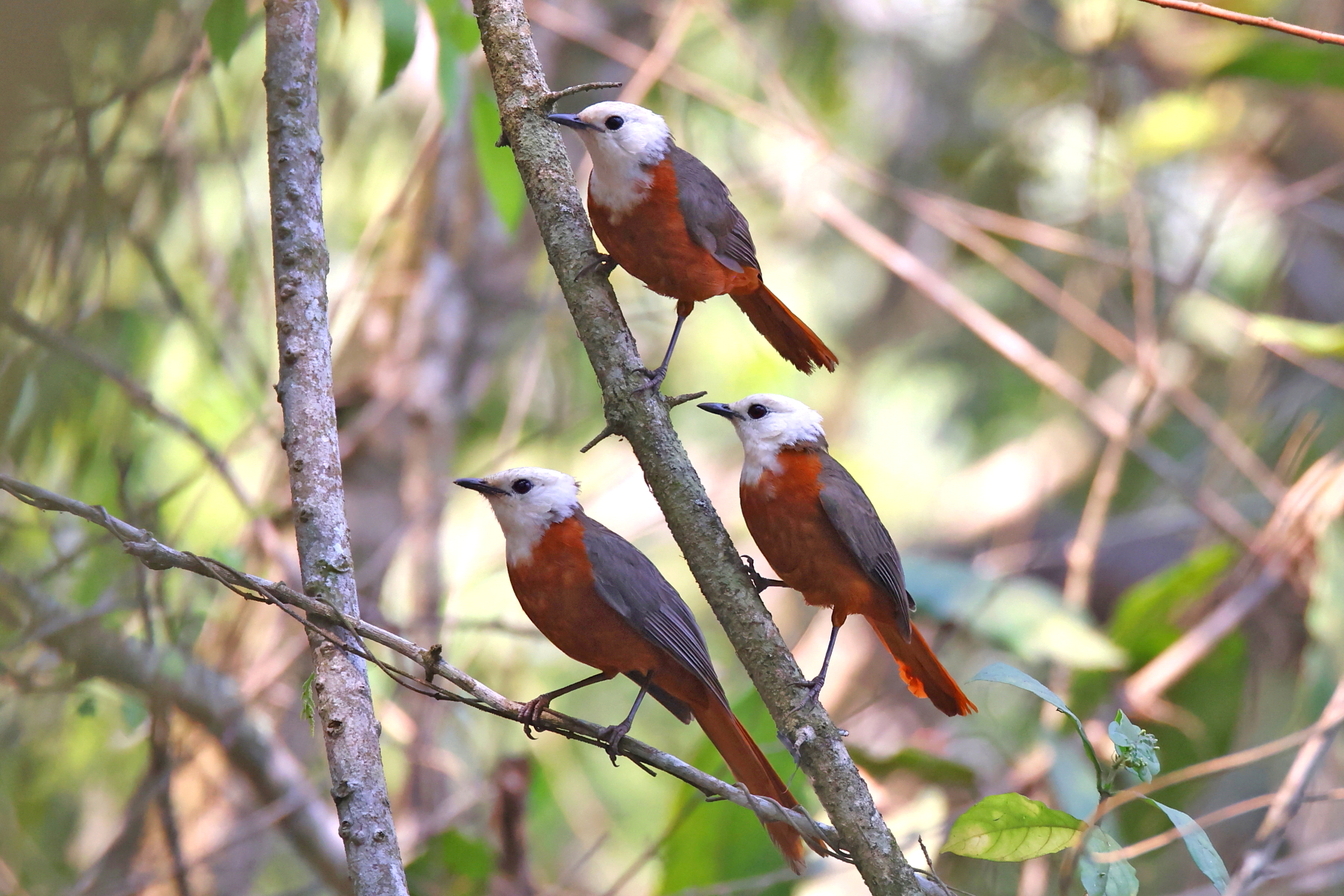
White-headed Robin Chats (image by Janos Olah)
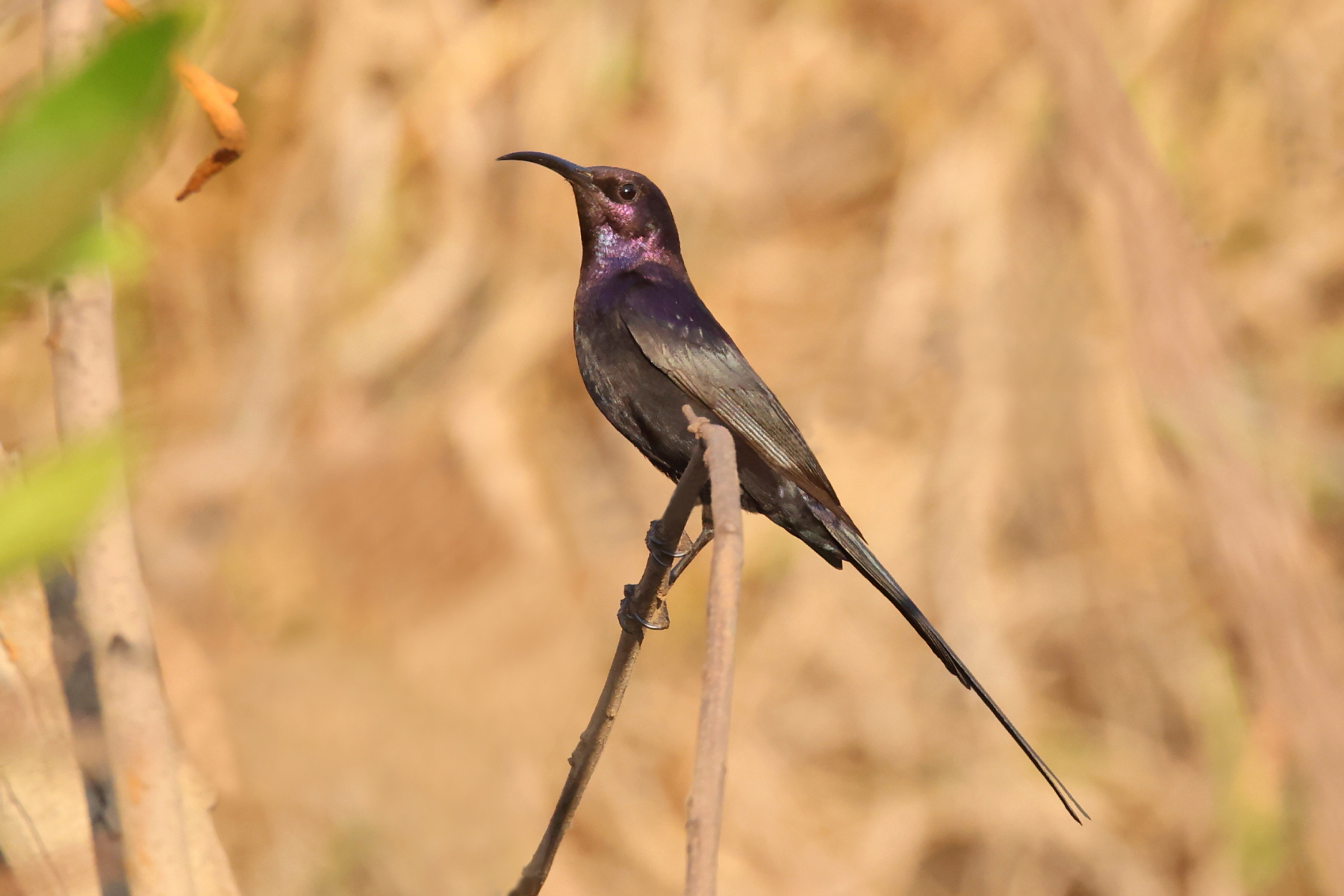
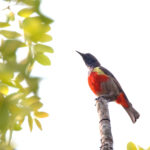
Bocage's Sunbird (image by Janos Olah)
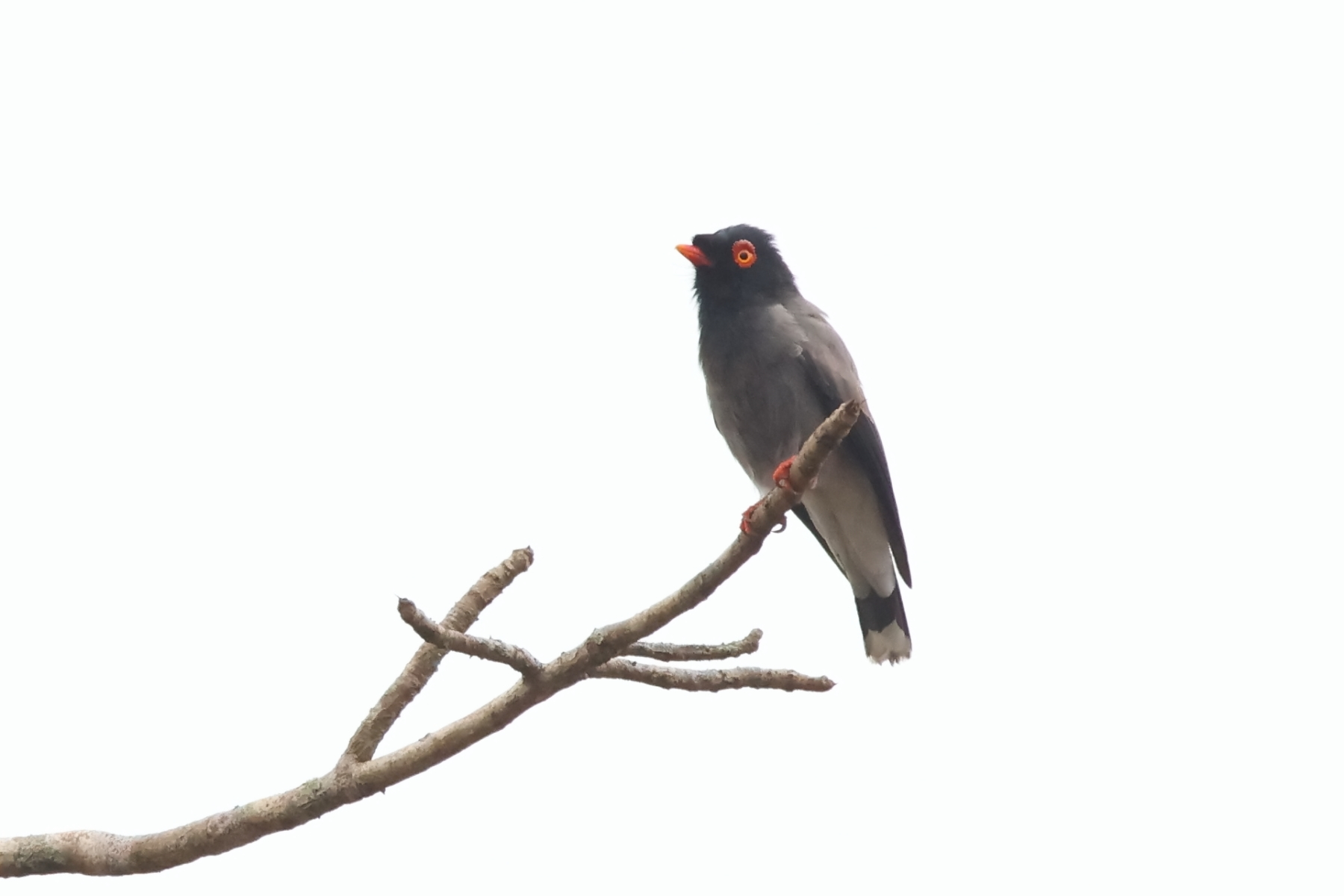
Gabela Helmet Shrike (image by Janos Olah)
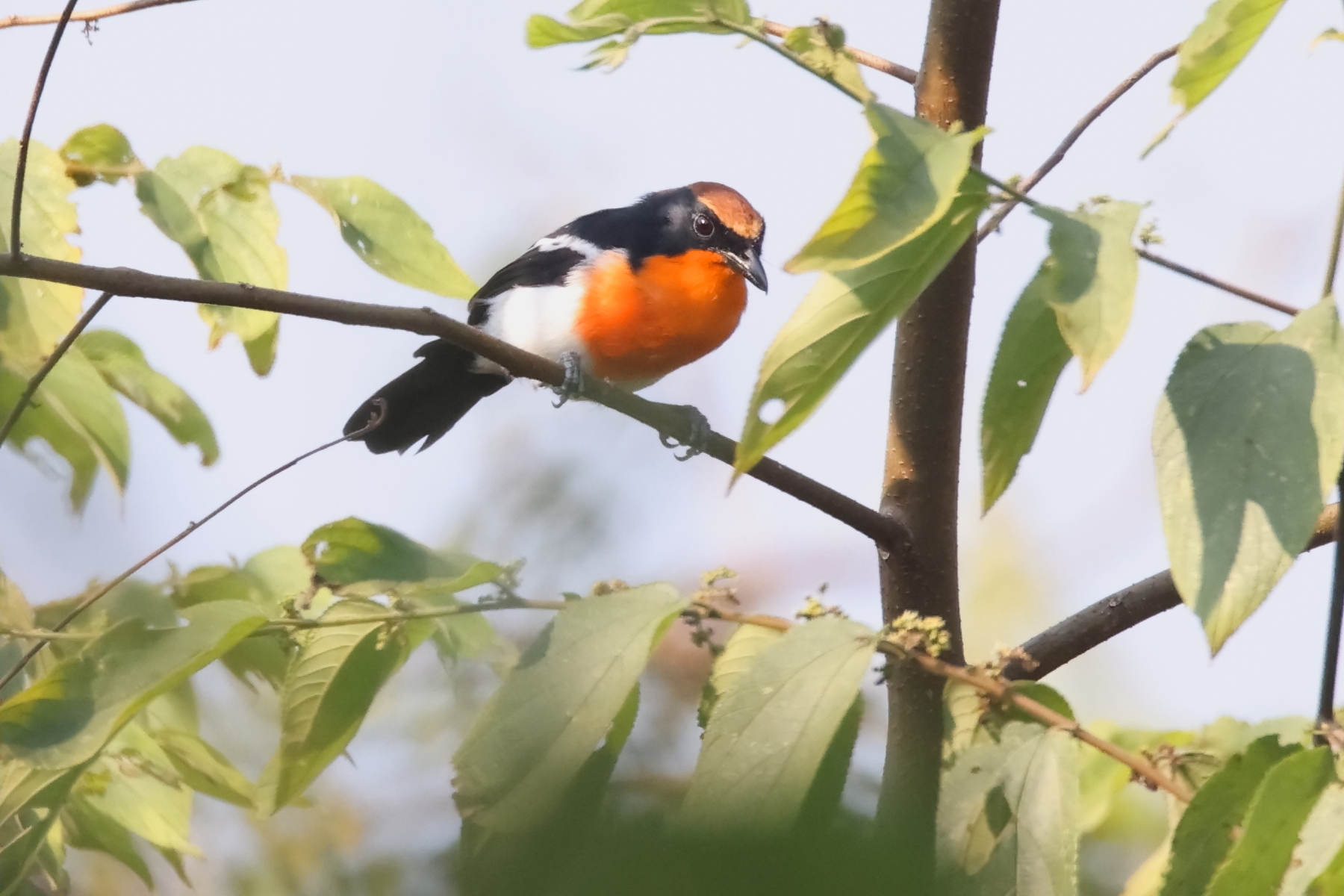
Braun's Bushshrike (image by Janos Olah)
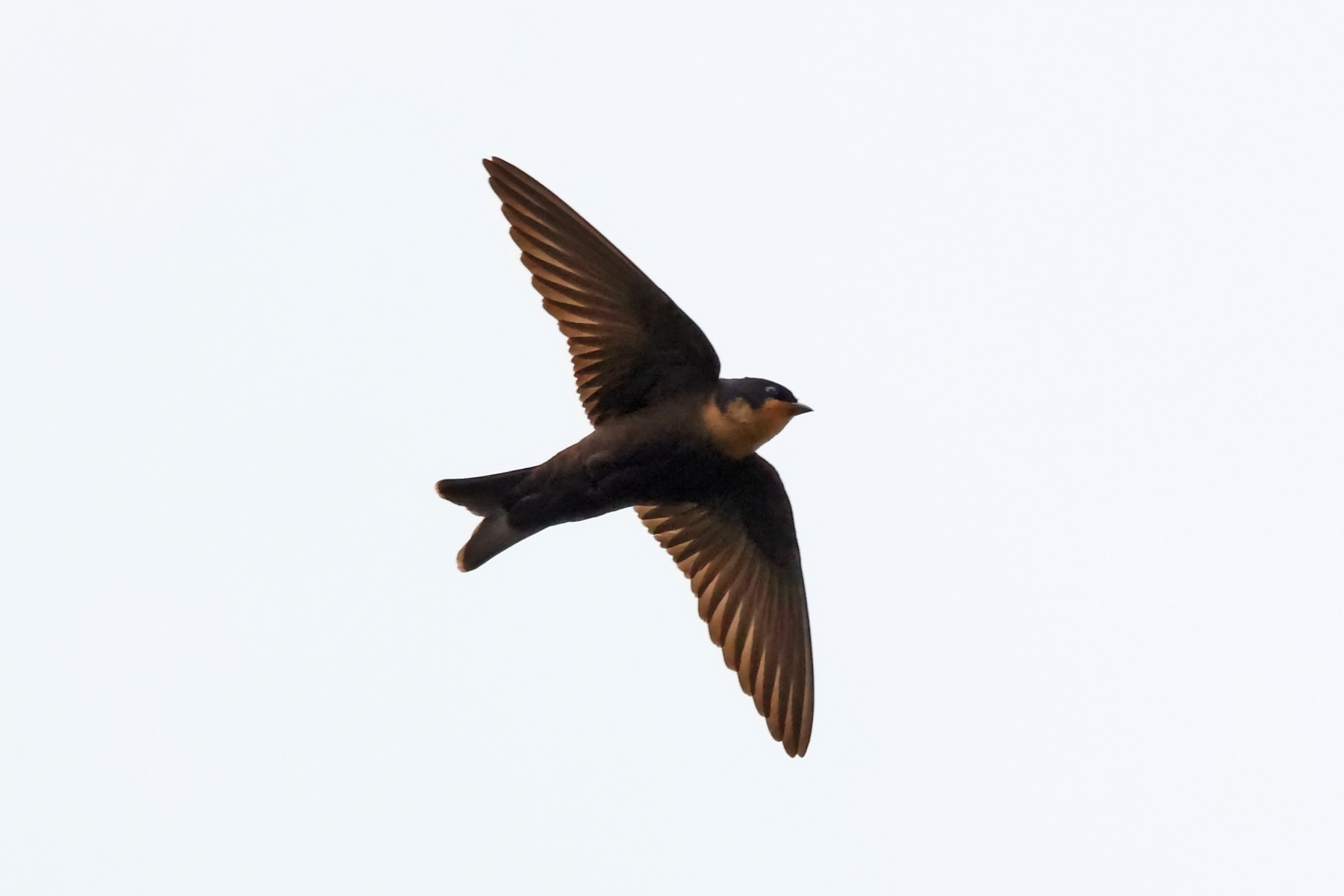
New wood swallow species (image by Janos Olah)
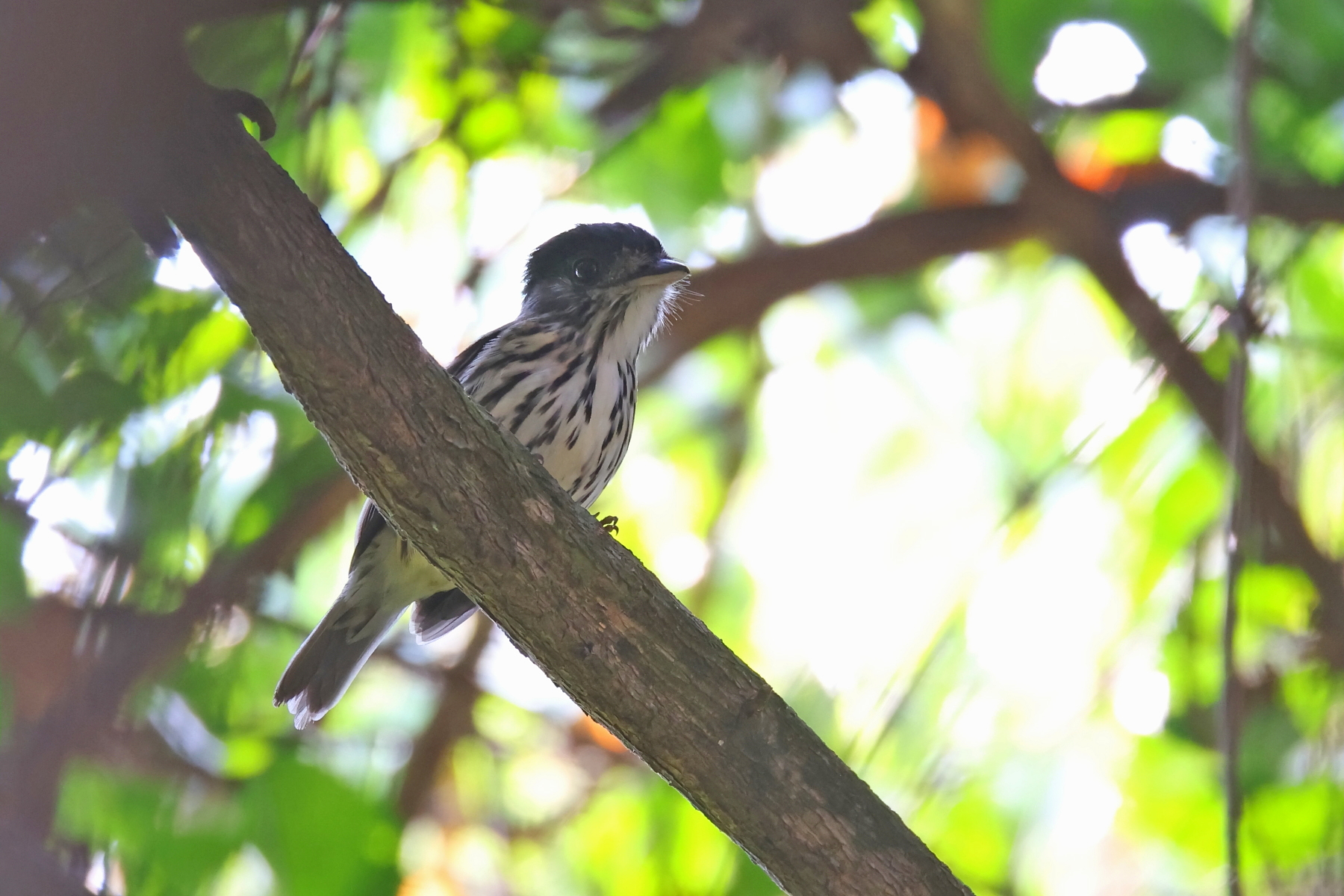
African Broadbill (image by Janos Olah)
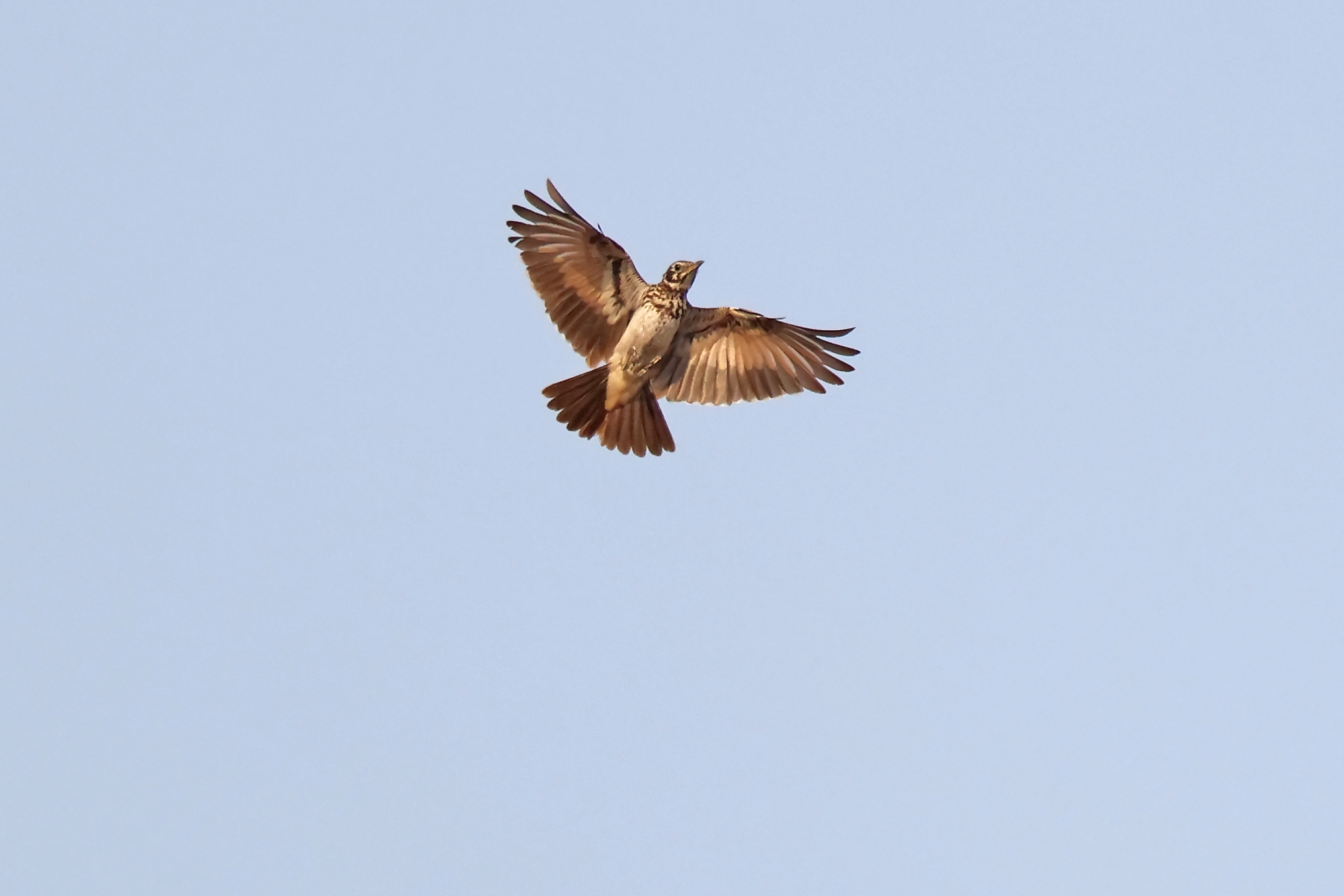
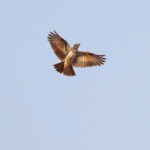
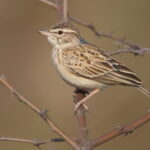
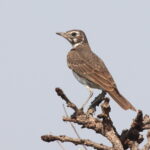
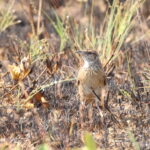
Dusky Lark (image by Janos Olah)
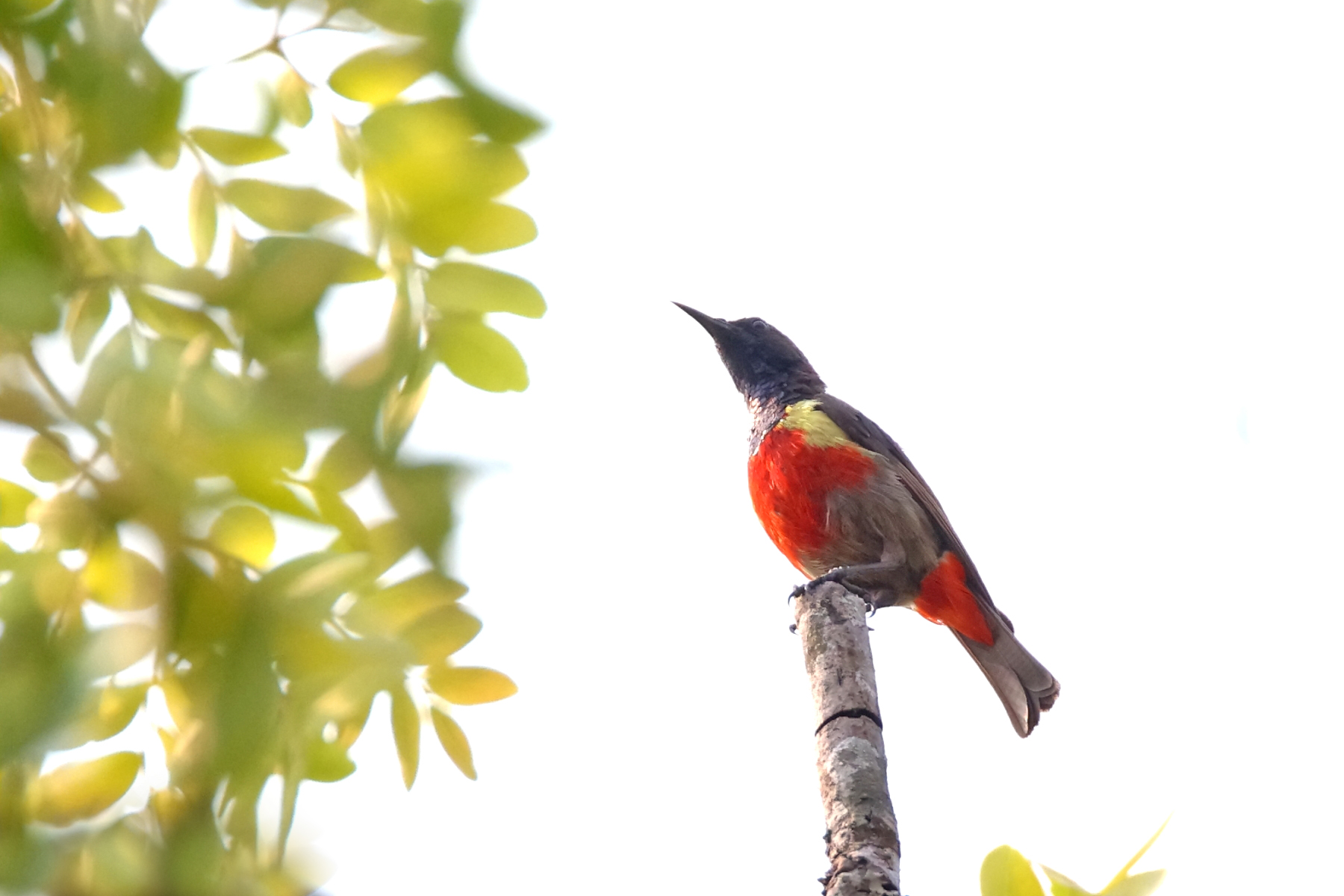
Anchieta's Sunbird (image by Janos Olah)
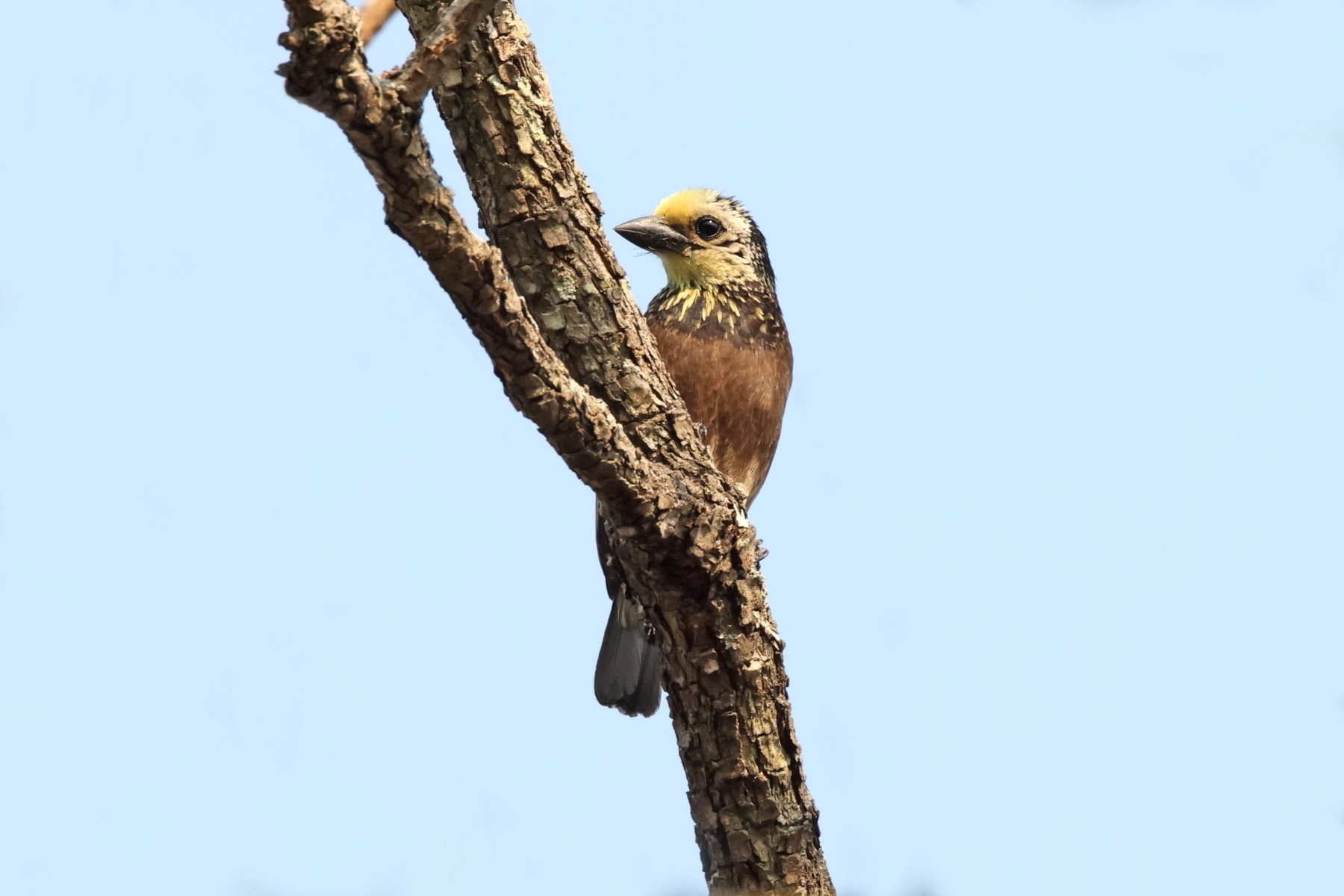
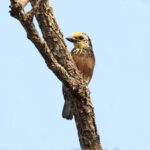
Anchieta's Barbet (image by Janos Olah)
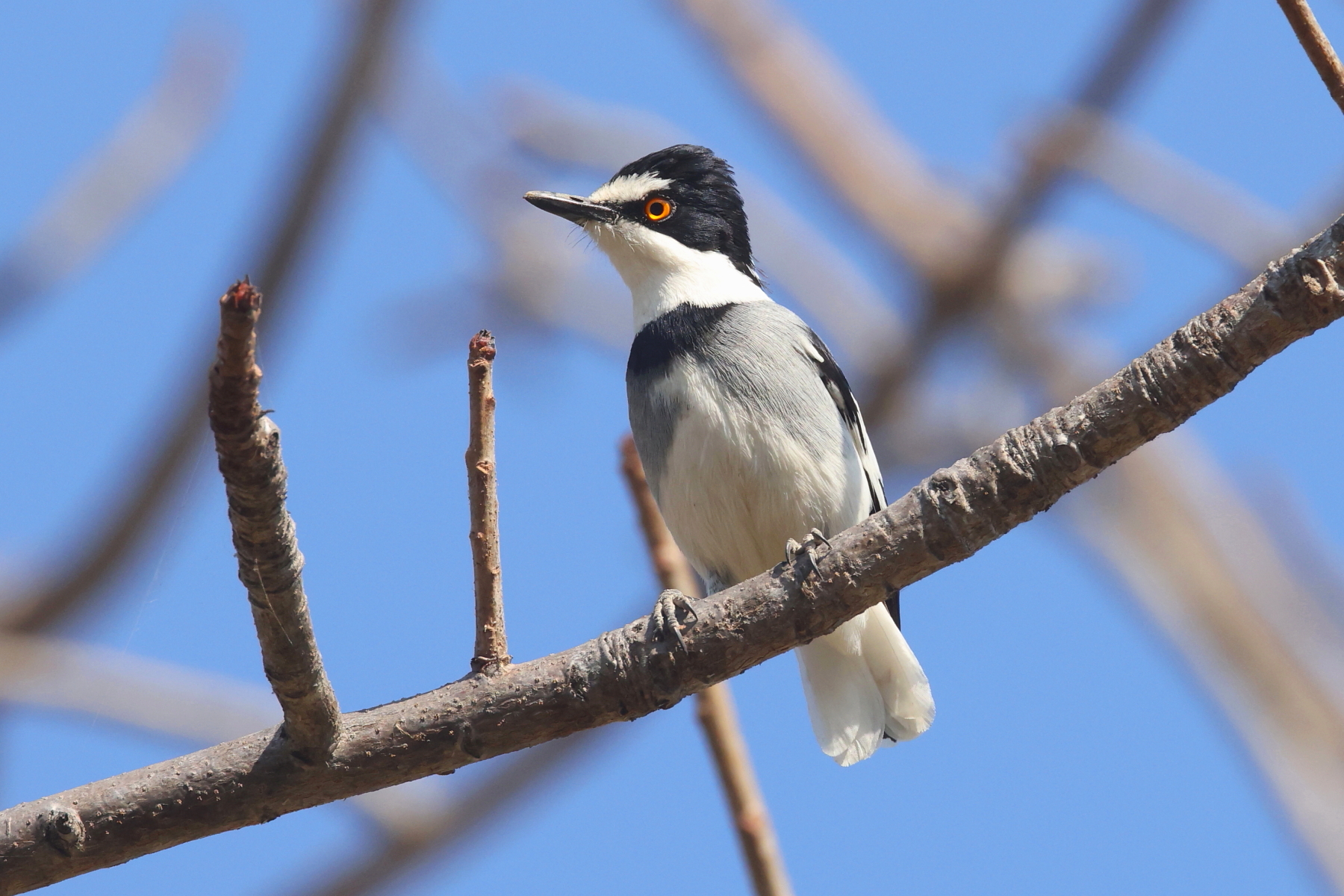
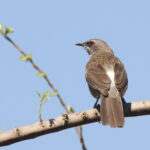
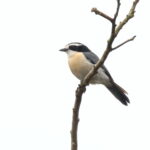
White-tailed Shrike (image by Janos Olah)
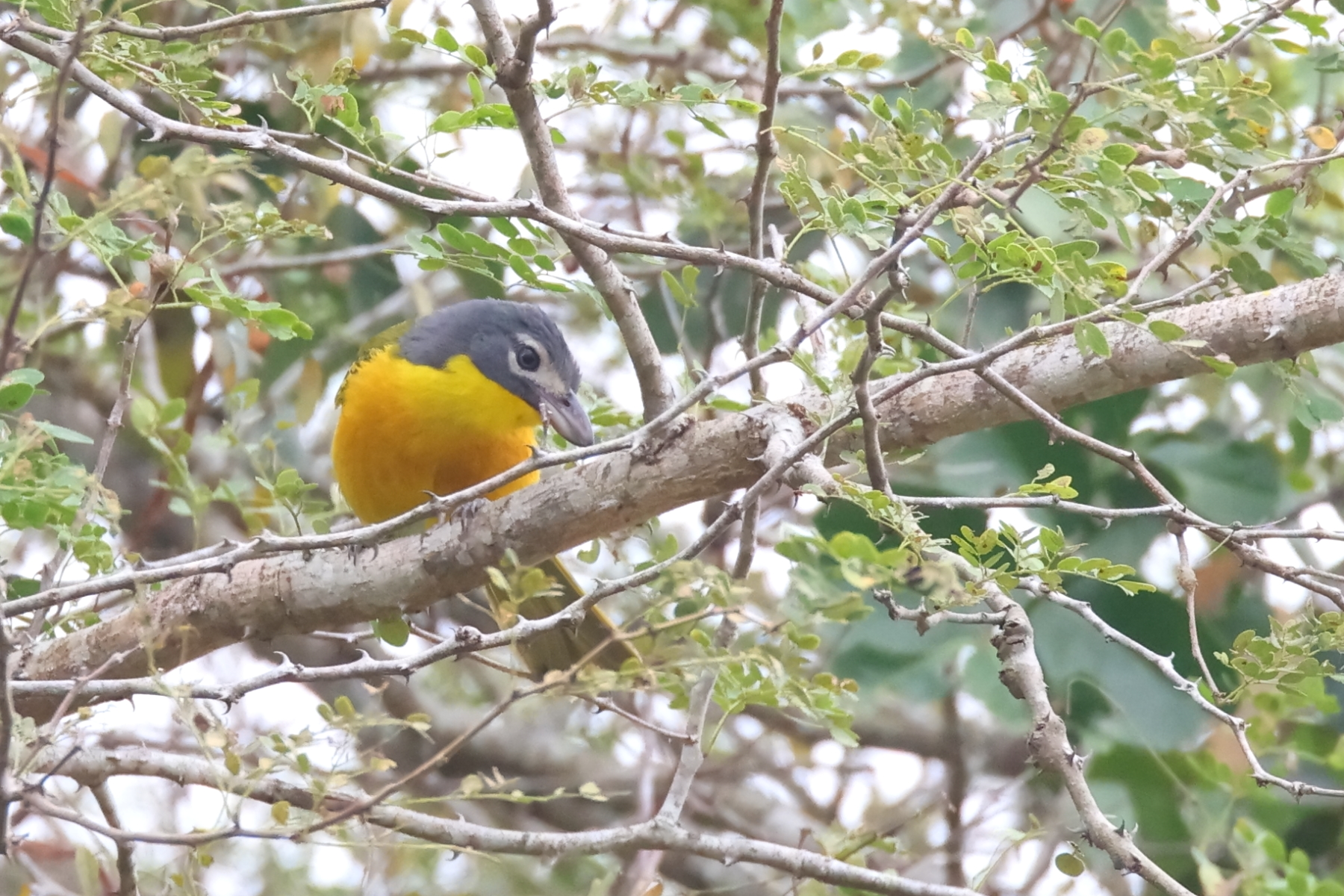
Monteiro's Bushshrike (image by Janos Olah)
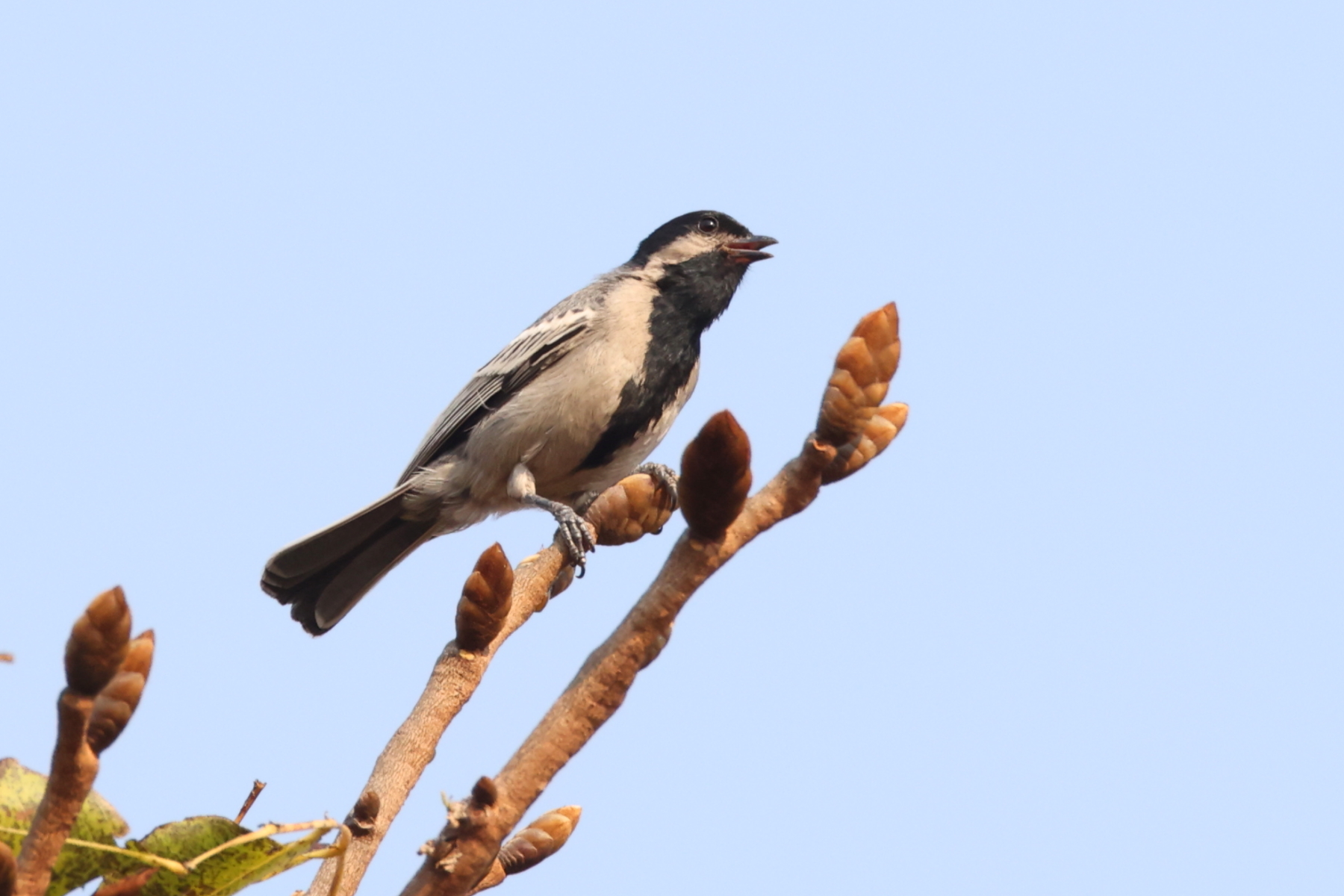
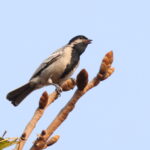
Miombo Tit (image by Janos Olah)
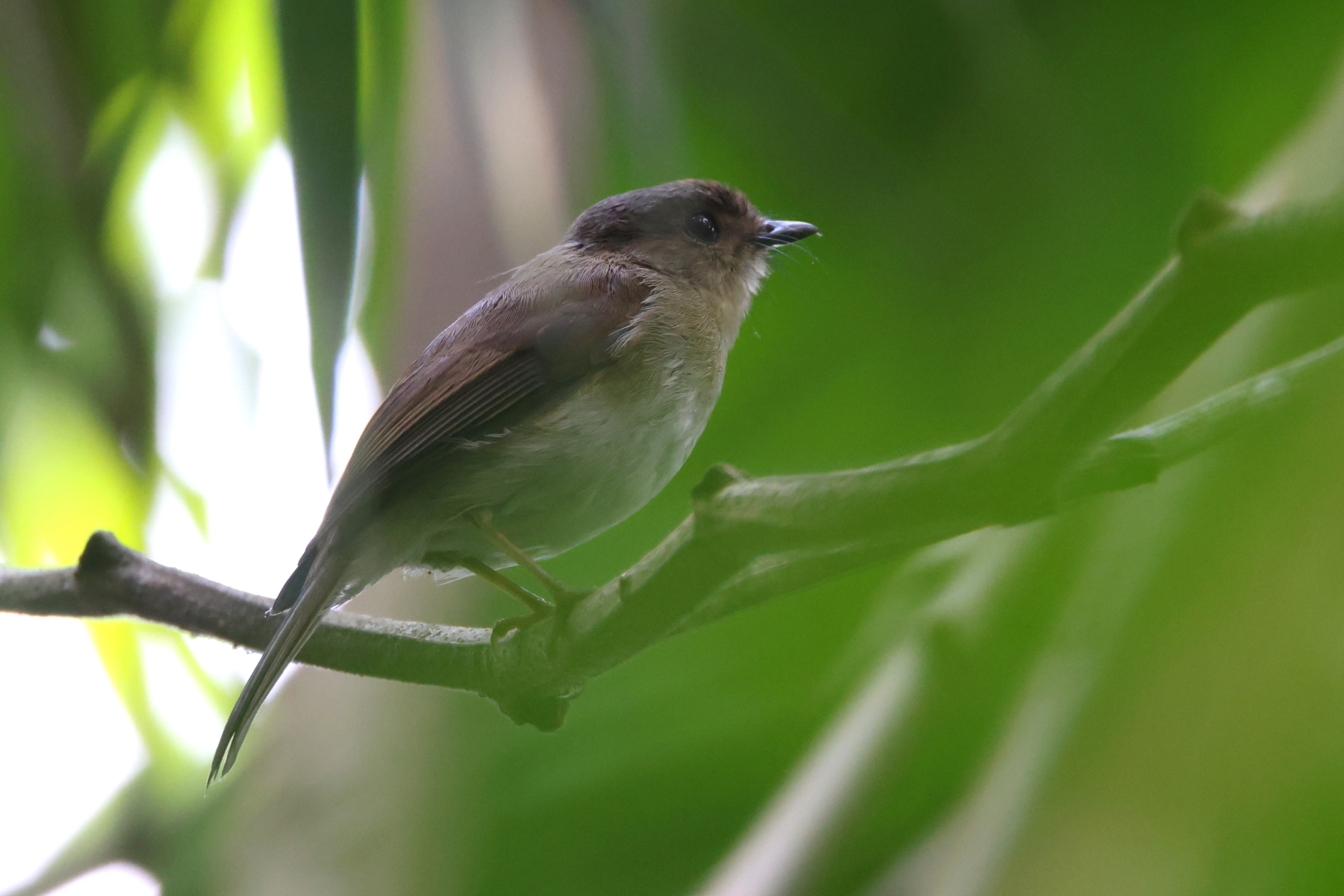
Gabela Akalat (image by Janos Olah)
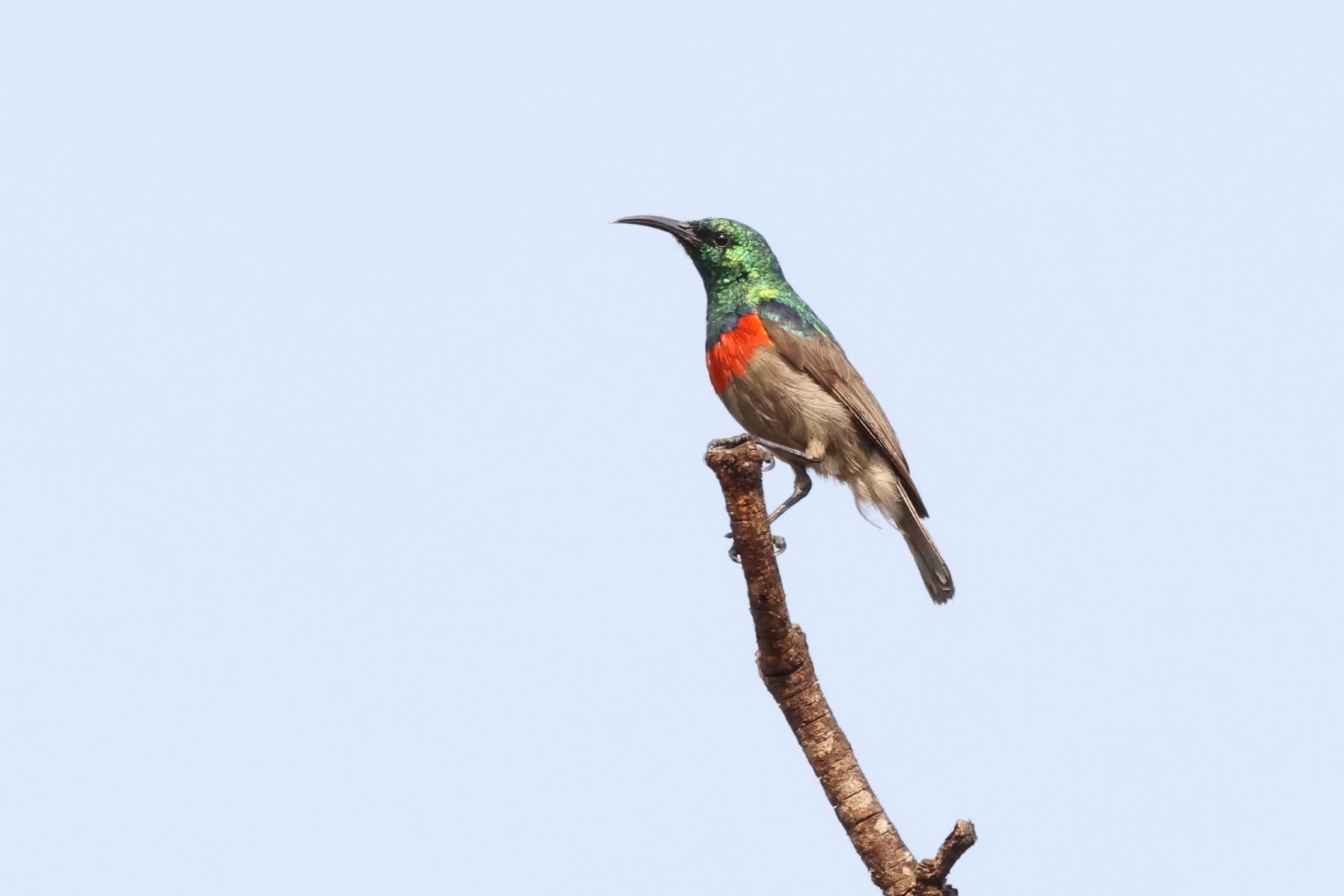
Western Miombo Sunbird (image by Janos Olah)
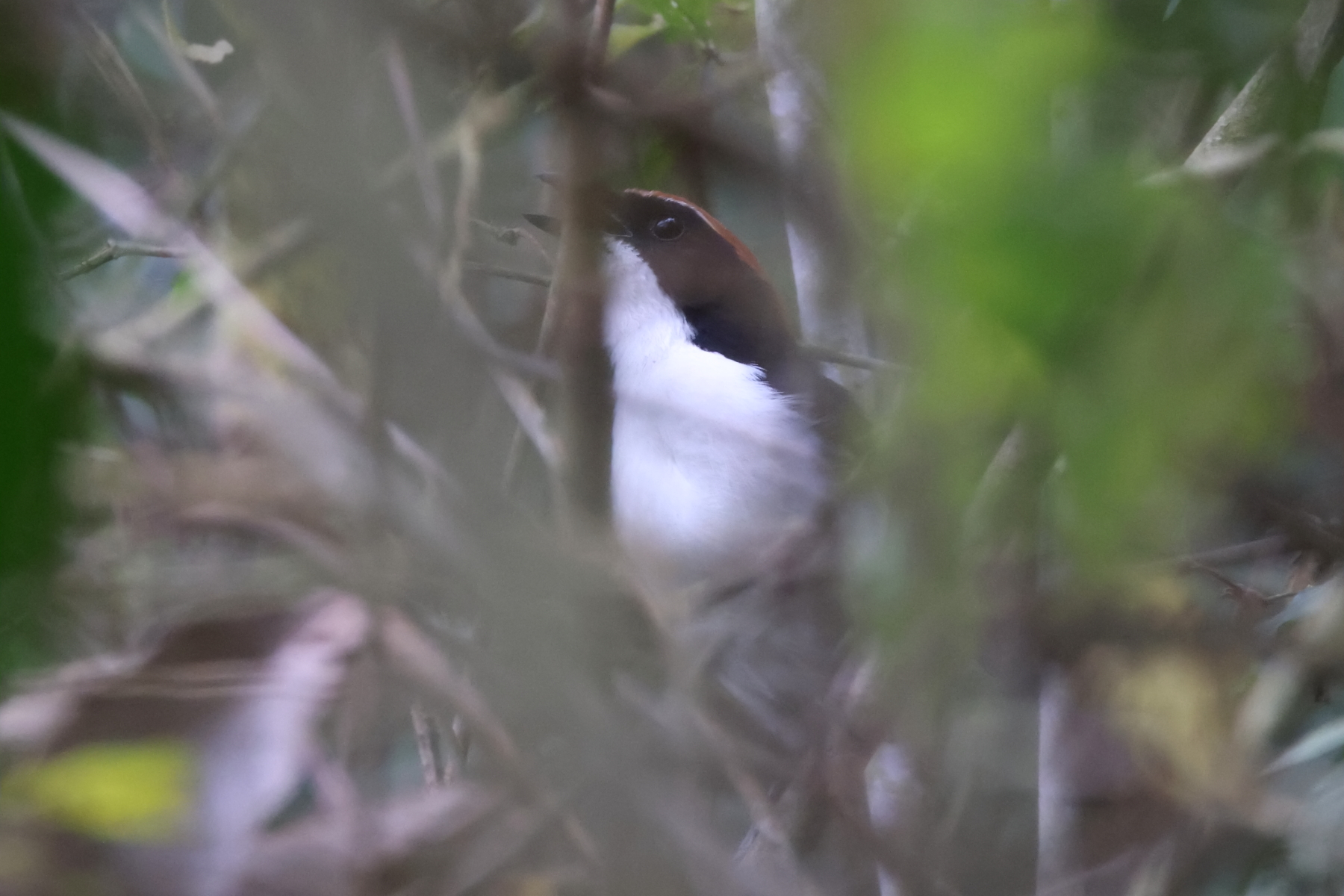
Gabela Bushshrike (image by Janos Olah)
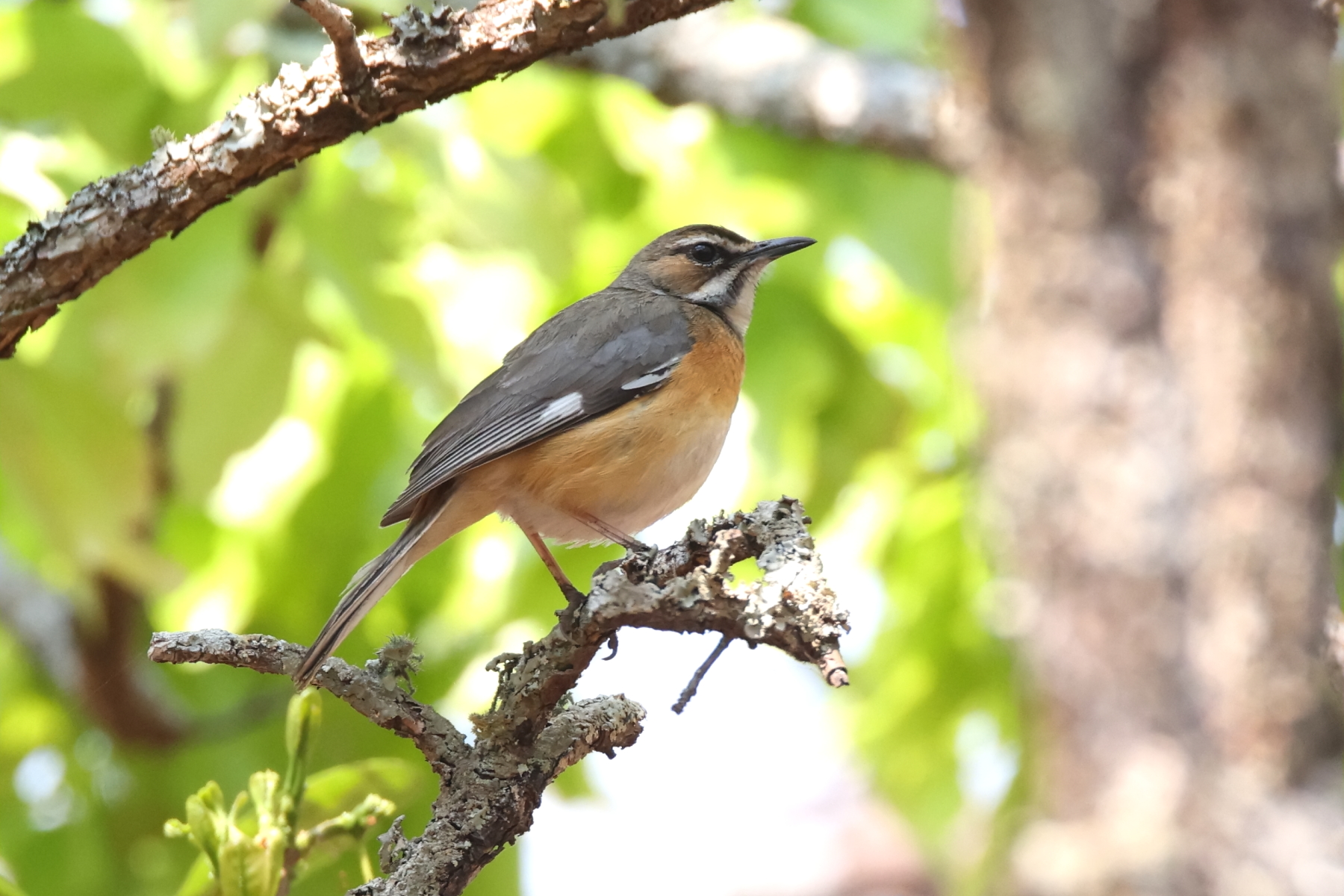
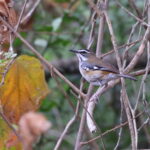
Miombo Scrub Robin (image by Janos Olah)
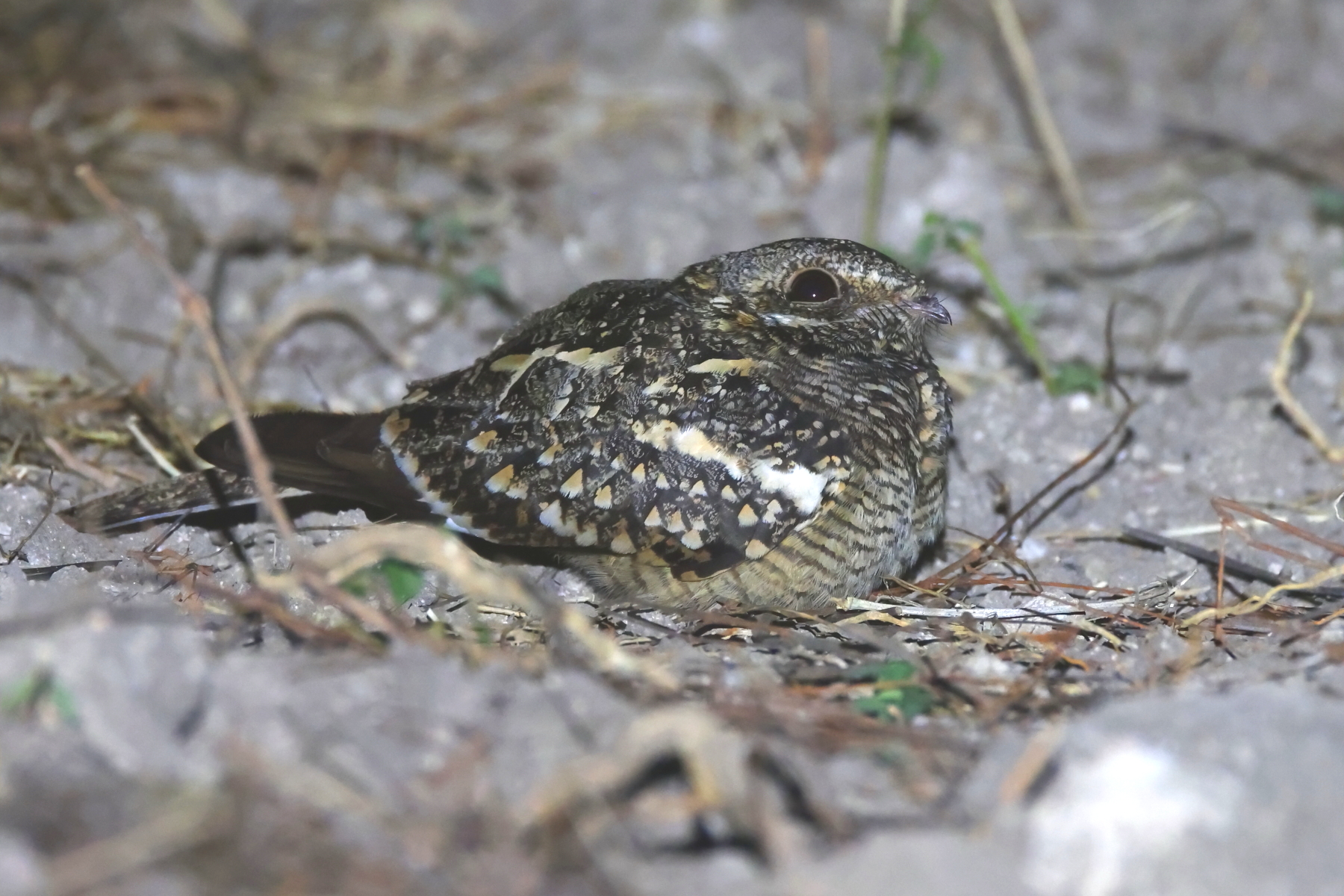
Square-tailed Nightjar (image by Janos Olah)
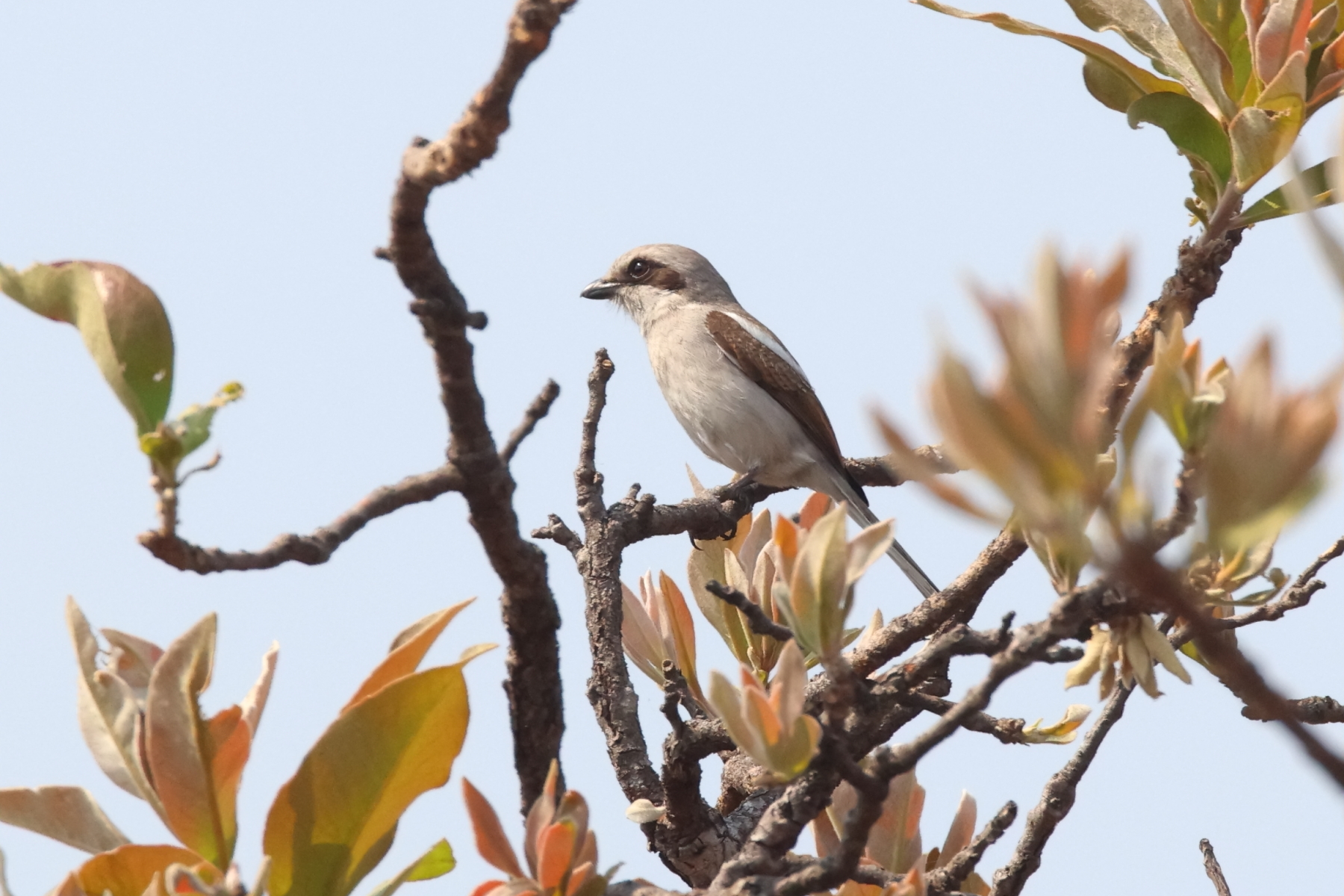
Souza's Shrike (image by Janos Olah)
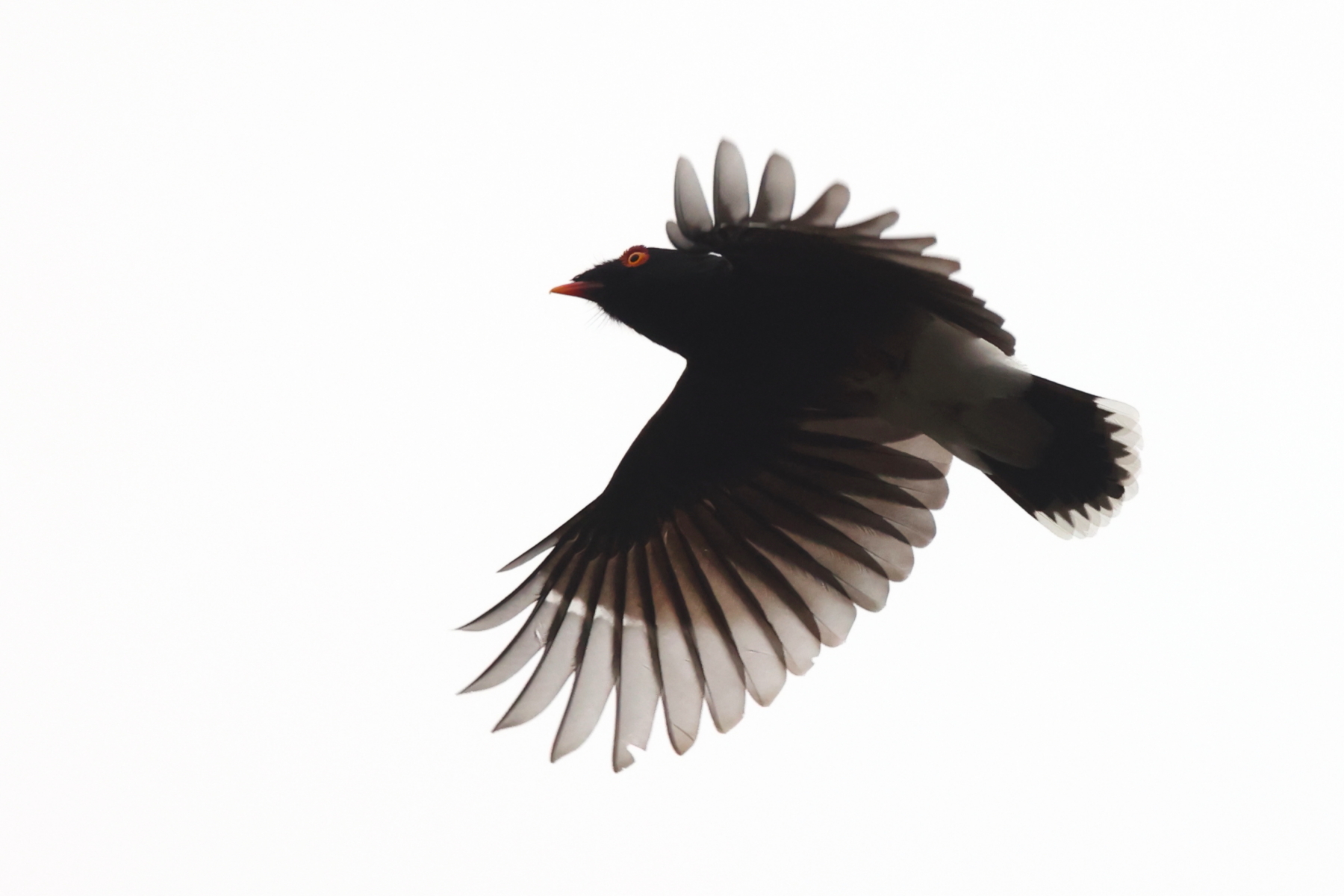
Gabela Helmetshrike (image by Janos Olah)
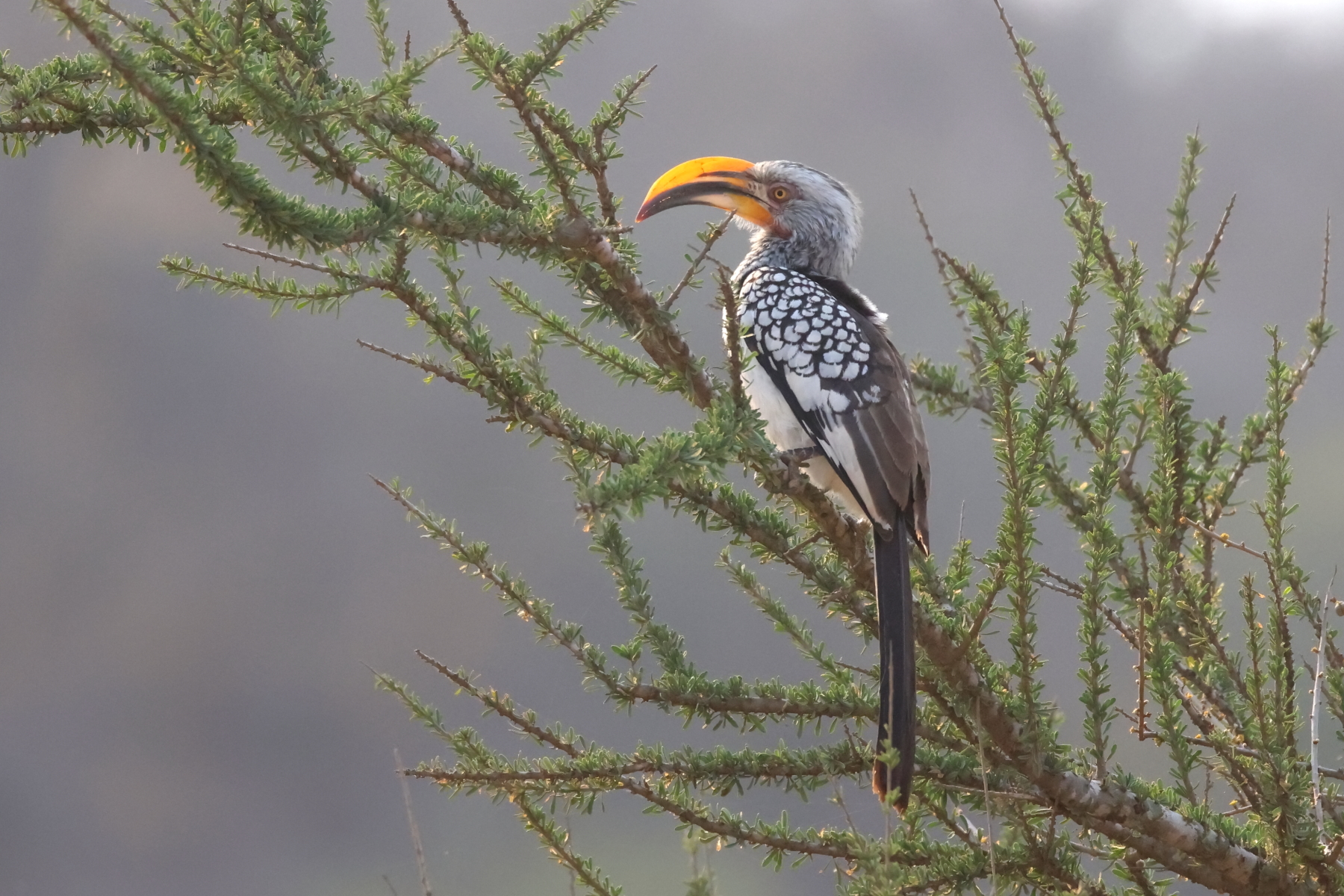
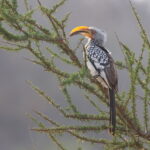
Southern Yellow-billed Hornbill (image by Janos Olah)
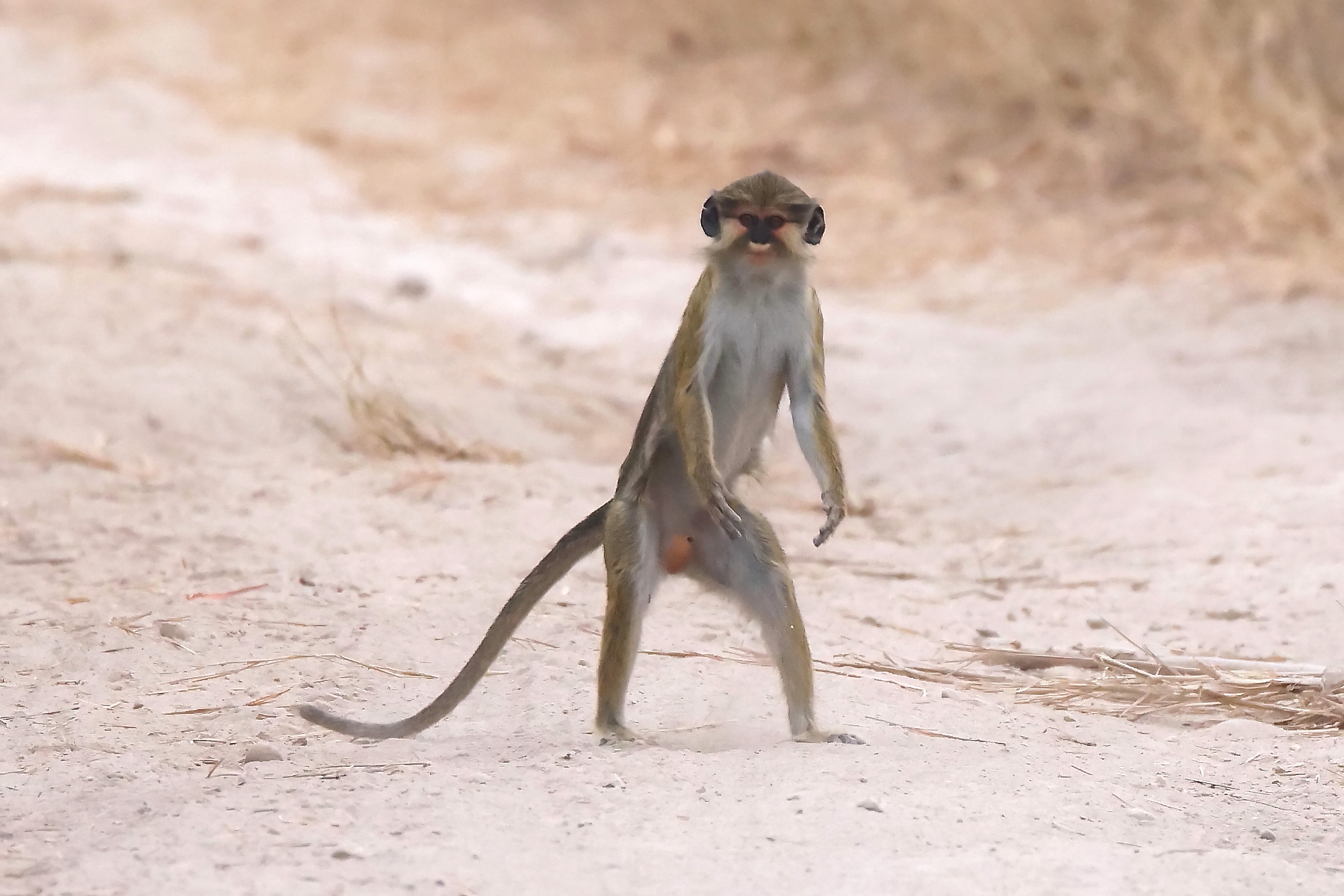
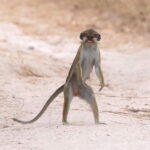
Southern Talapoin Monkey (image by Janos Olah)
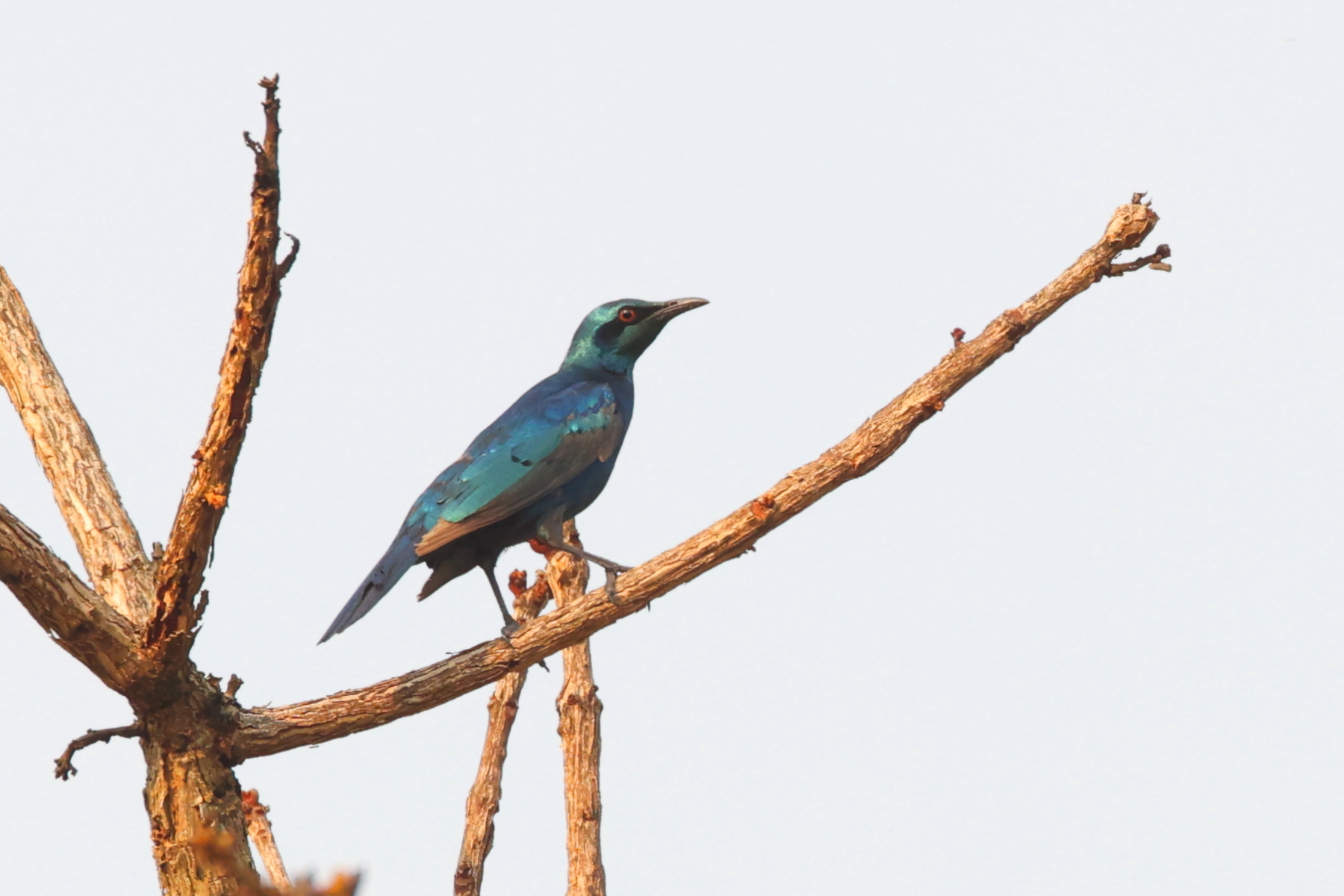
Sharp-tailed Starling (image by Janos Olah)
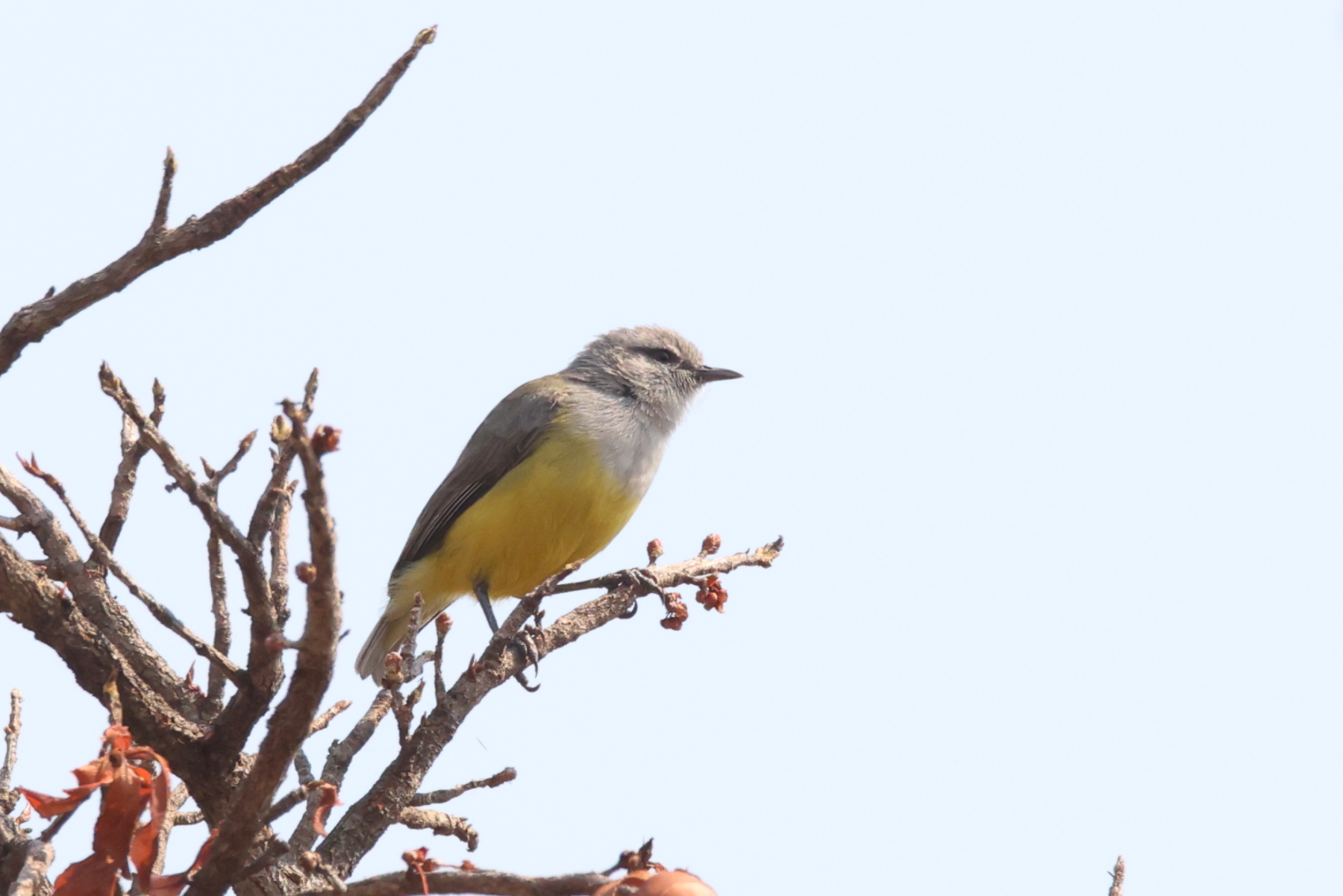
Salvadori's Yellow-bellied Eremomela (image by Janos Olah)
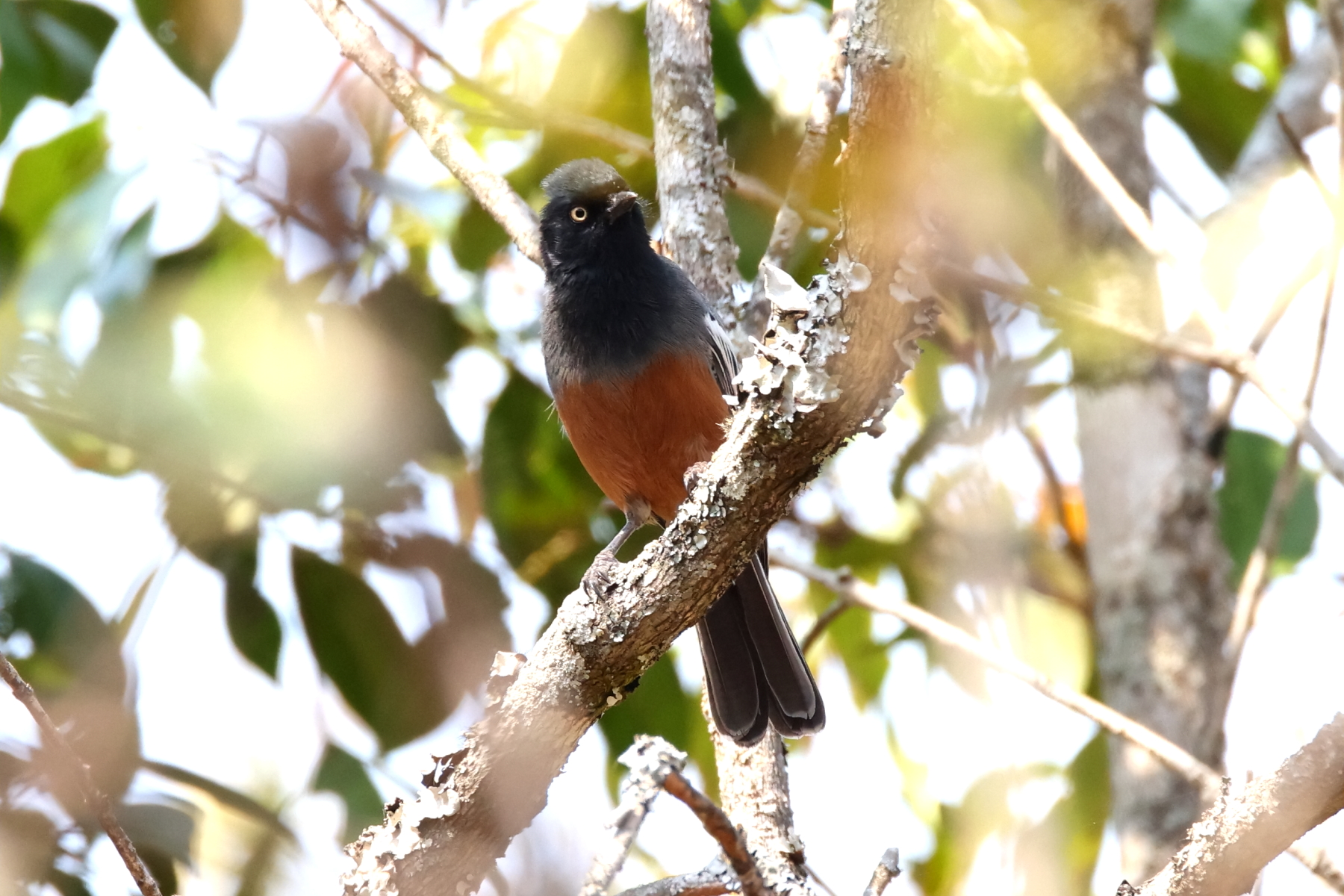
Rufous-bellied Tit (image by Janos Olah)
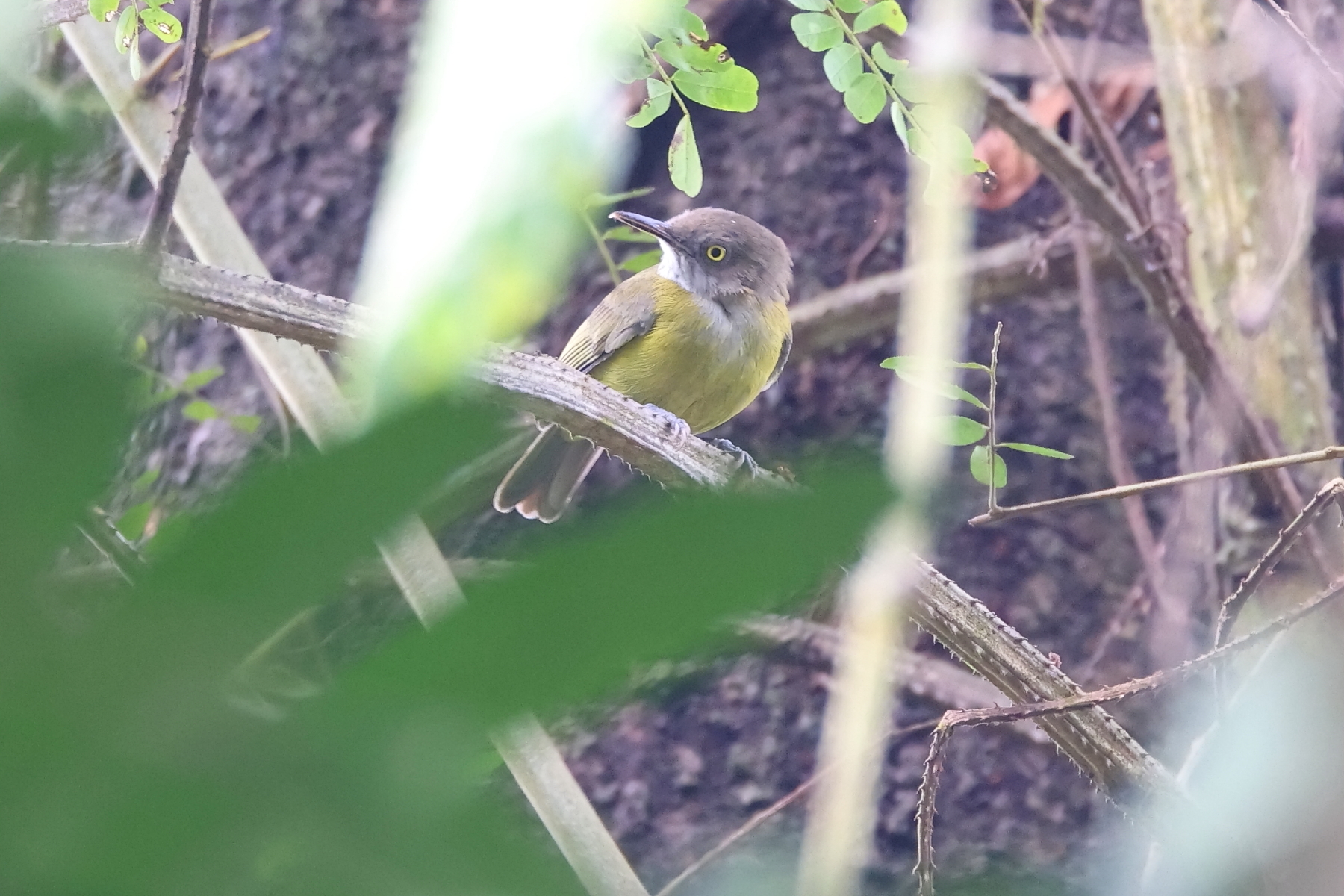
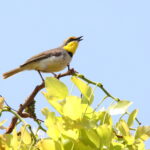
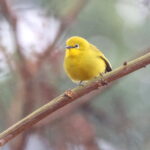
Yellow Longbill (image by Janos Olah)
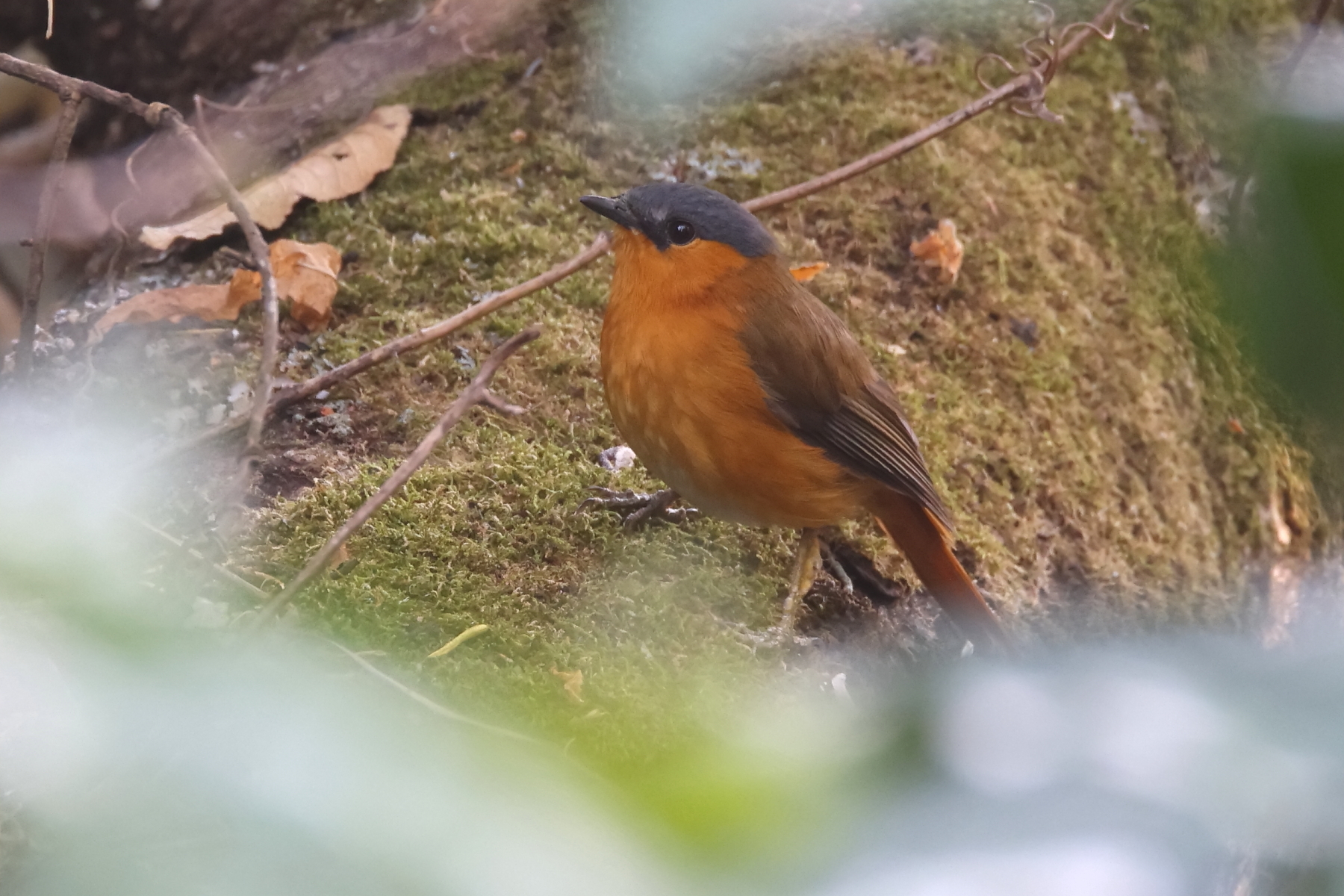
Bocage's Akalat (image by Janos Olah)
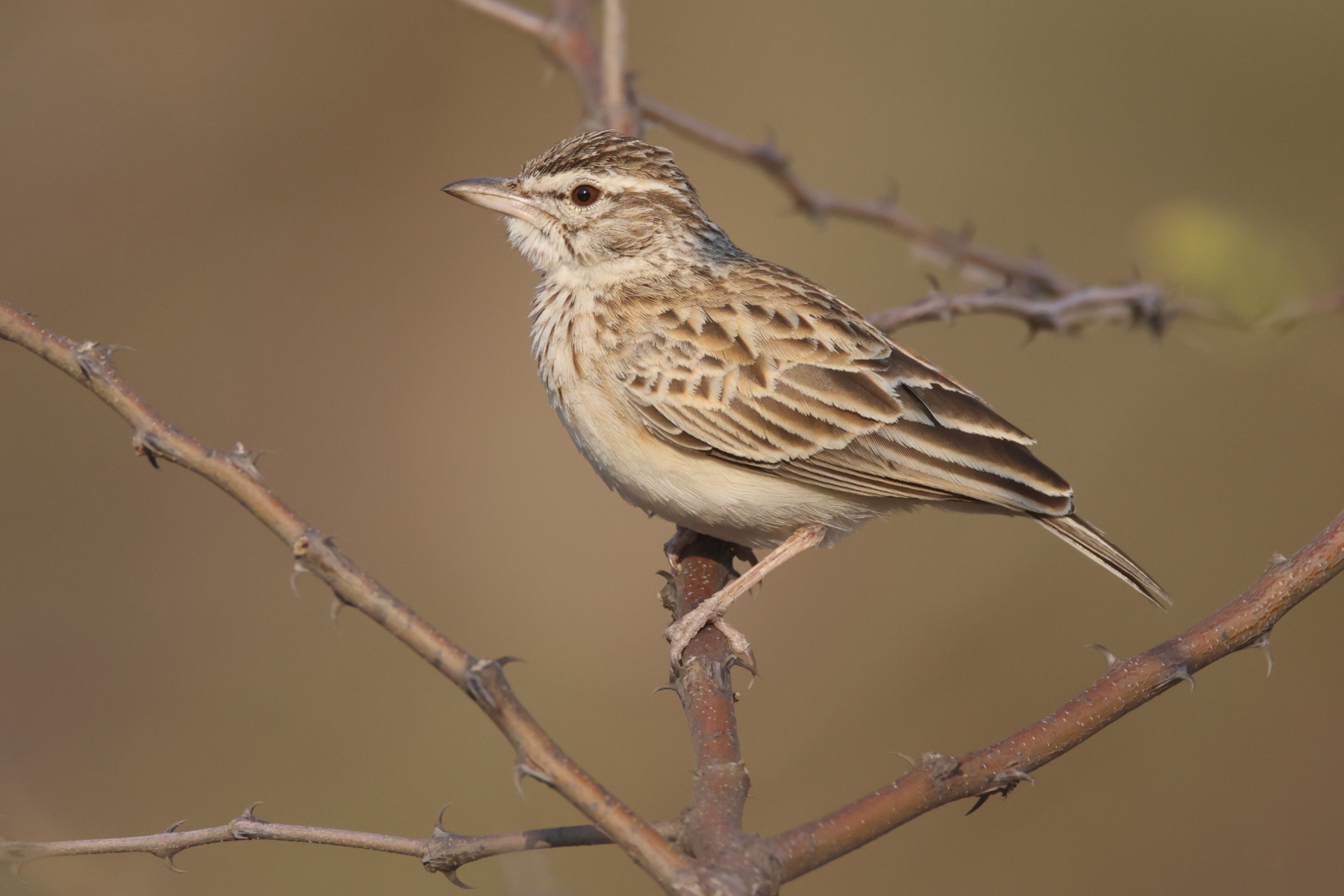
Sabota Lark (image by Janos Olah)
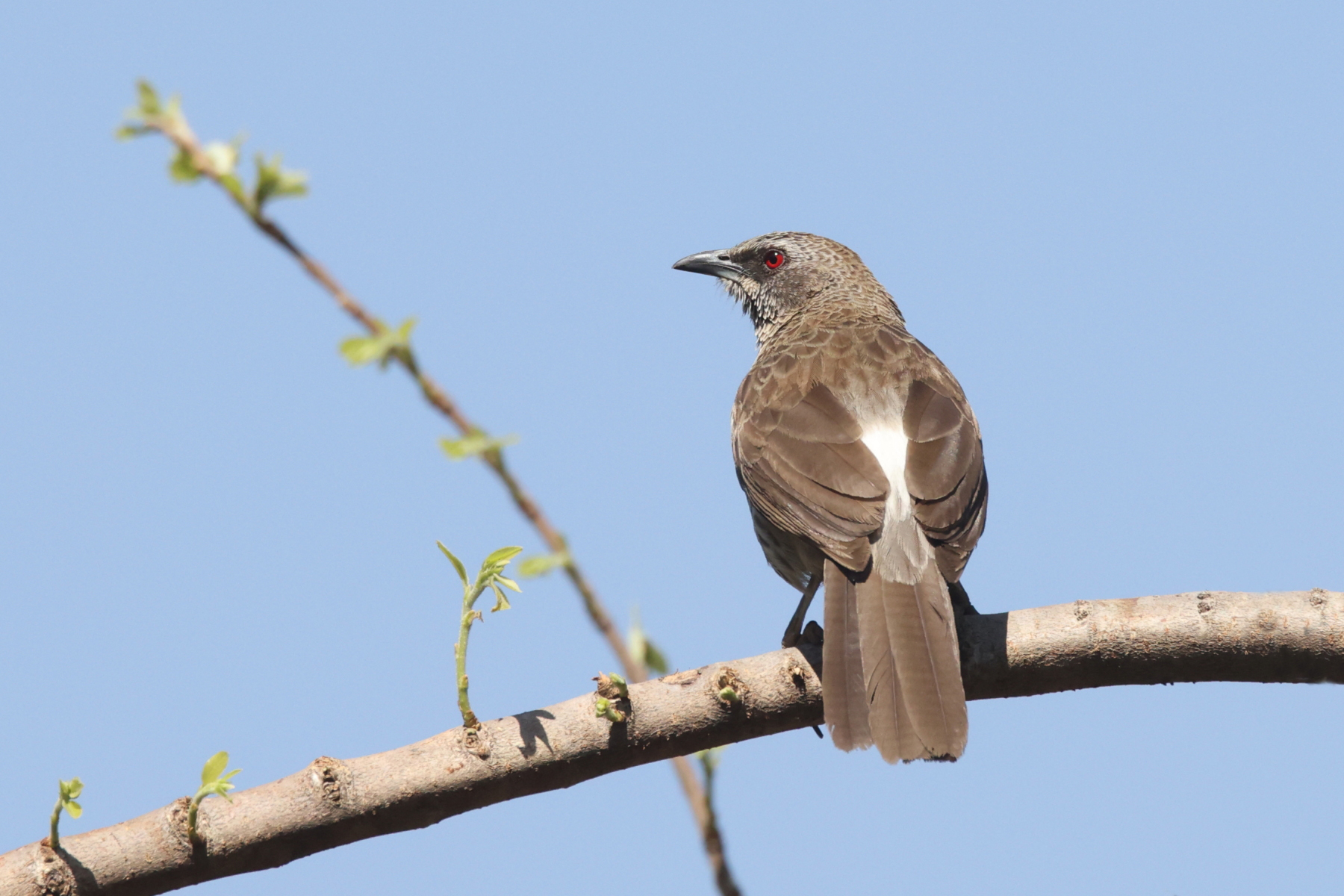
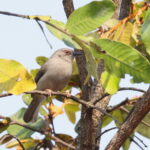
Hartlaub's Babbler (image by Janos Olah)
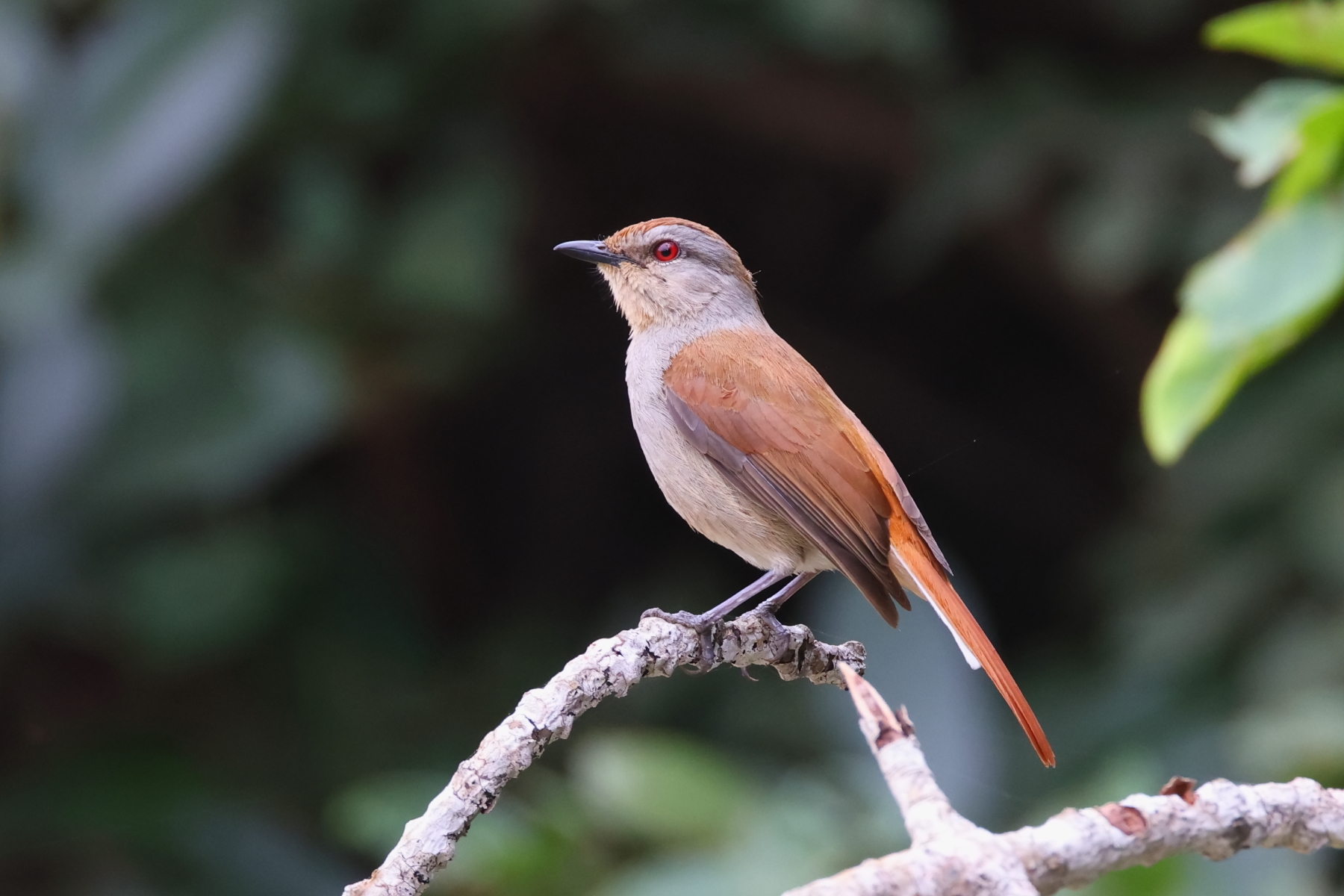
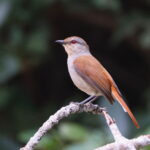
Rufous-tailed Palm Thrush (image by Janos Olah)
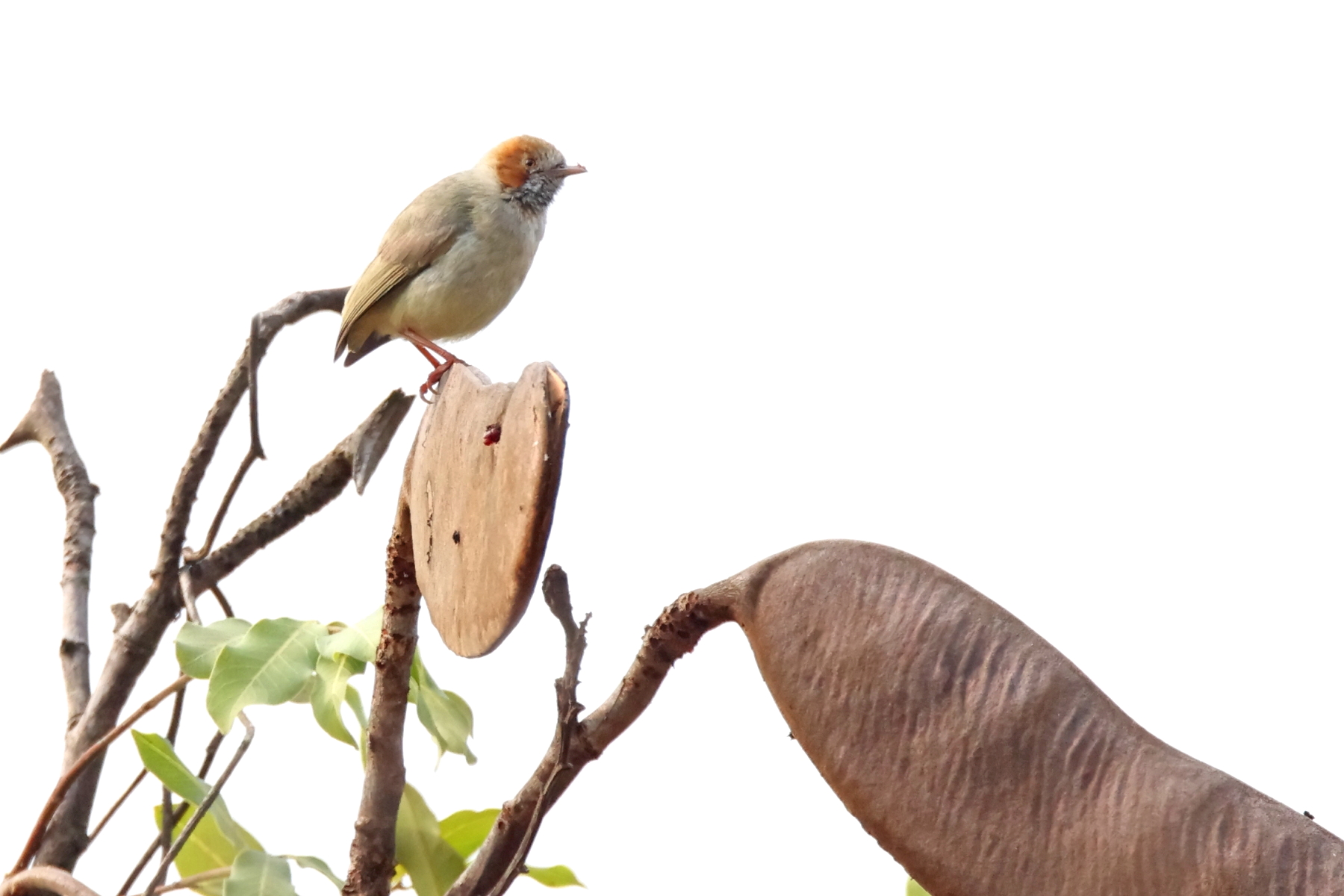
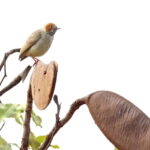
Red-capped Eremomela (image by Janos Olah)
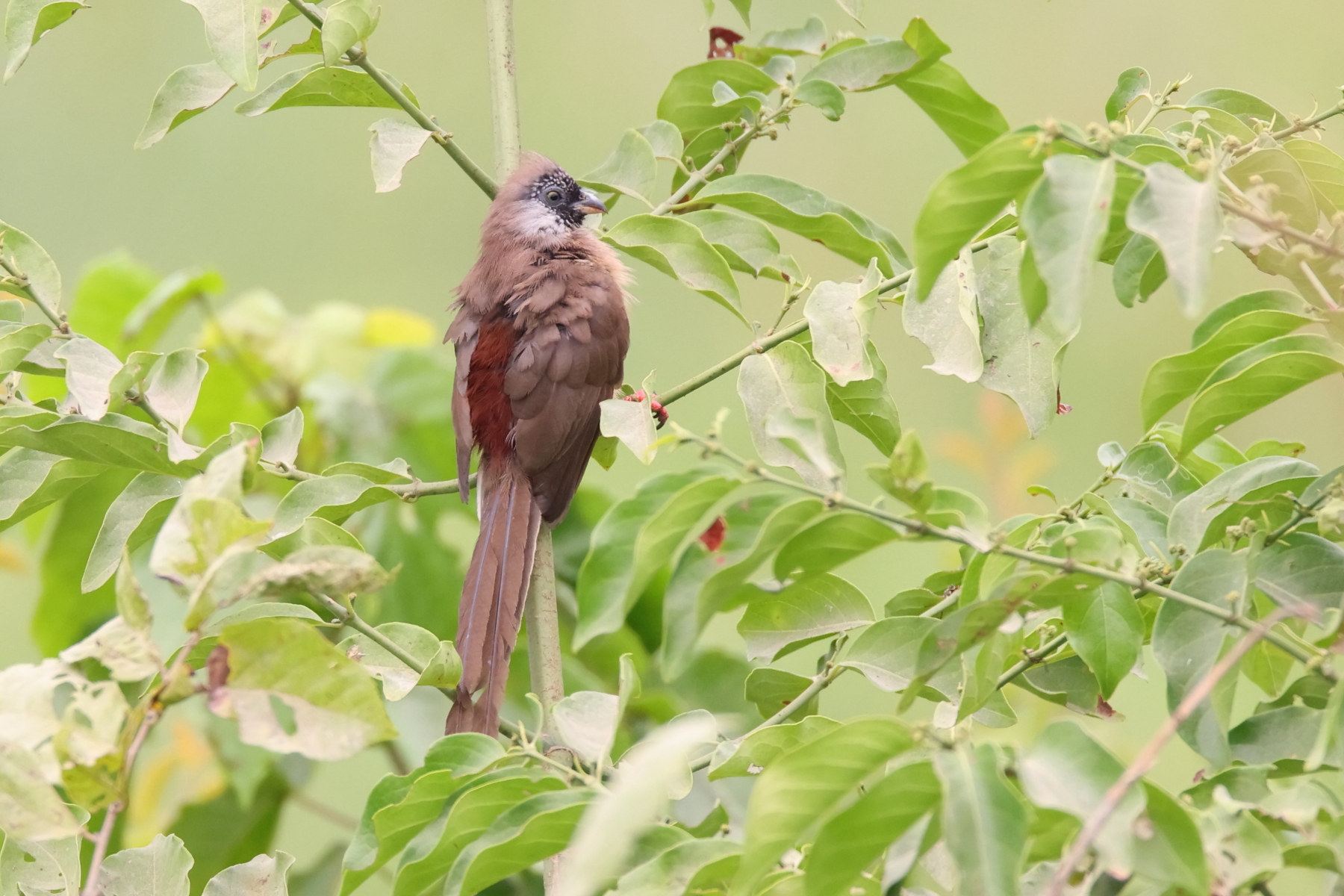
Red-backed Mousebird (image by Janos Olah)
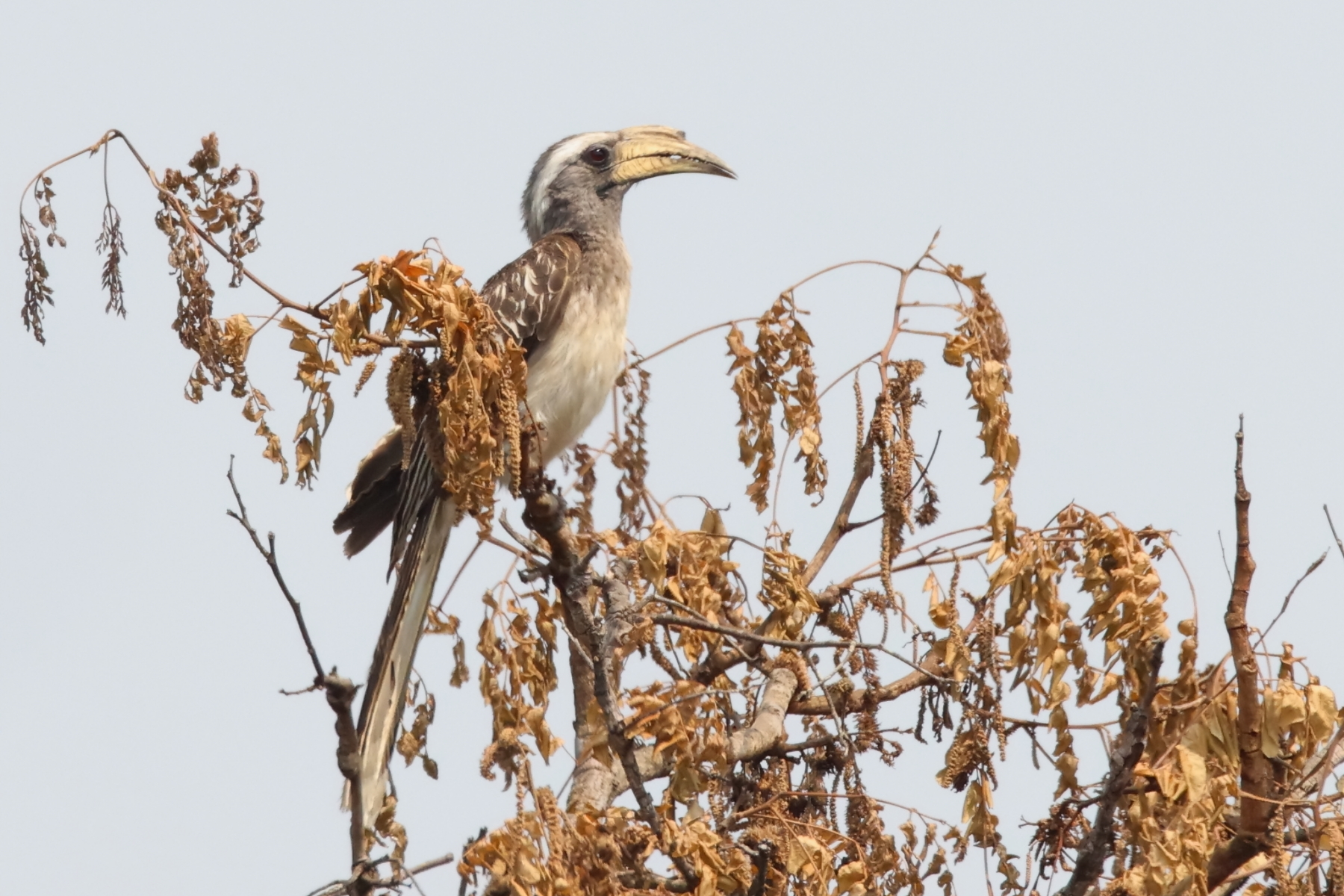
Pale-billed Hornbill (image by Janos Olah)
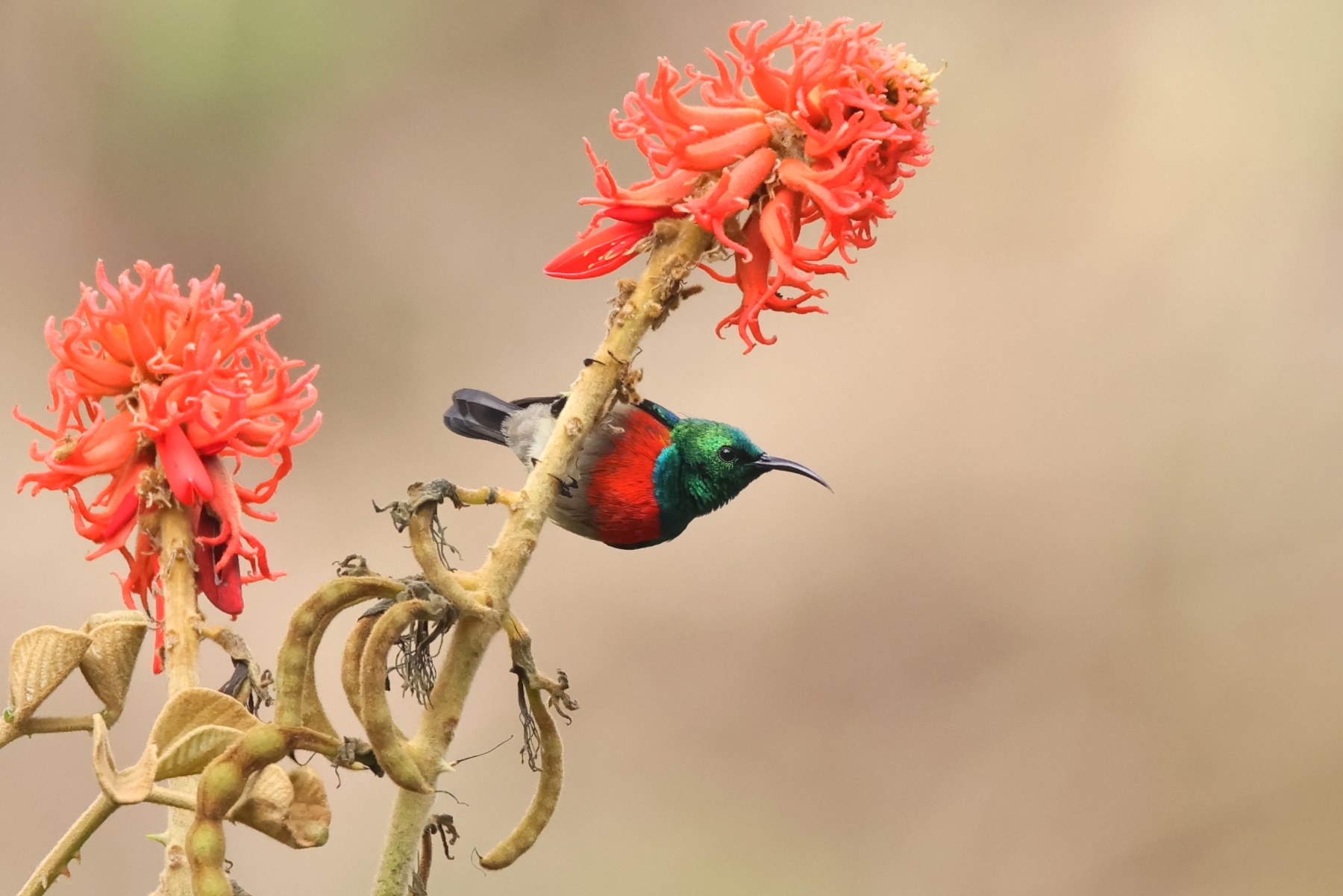
Olive-bellied Sunbird (image by Janos Olah)
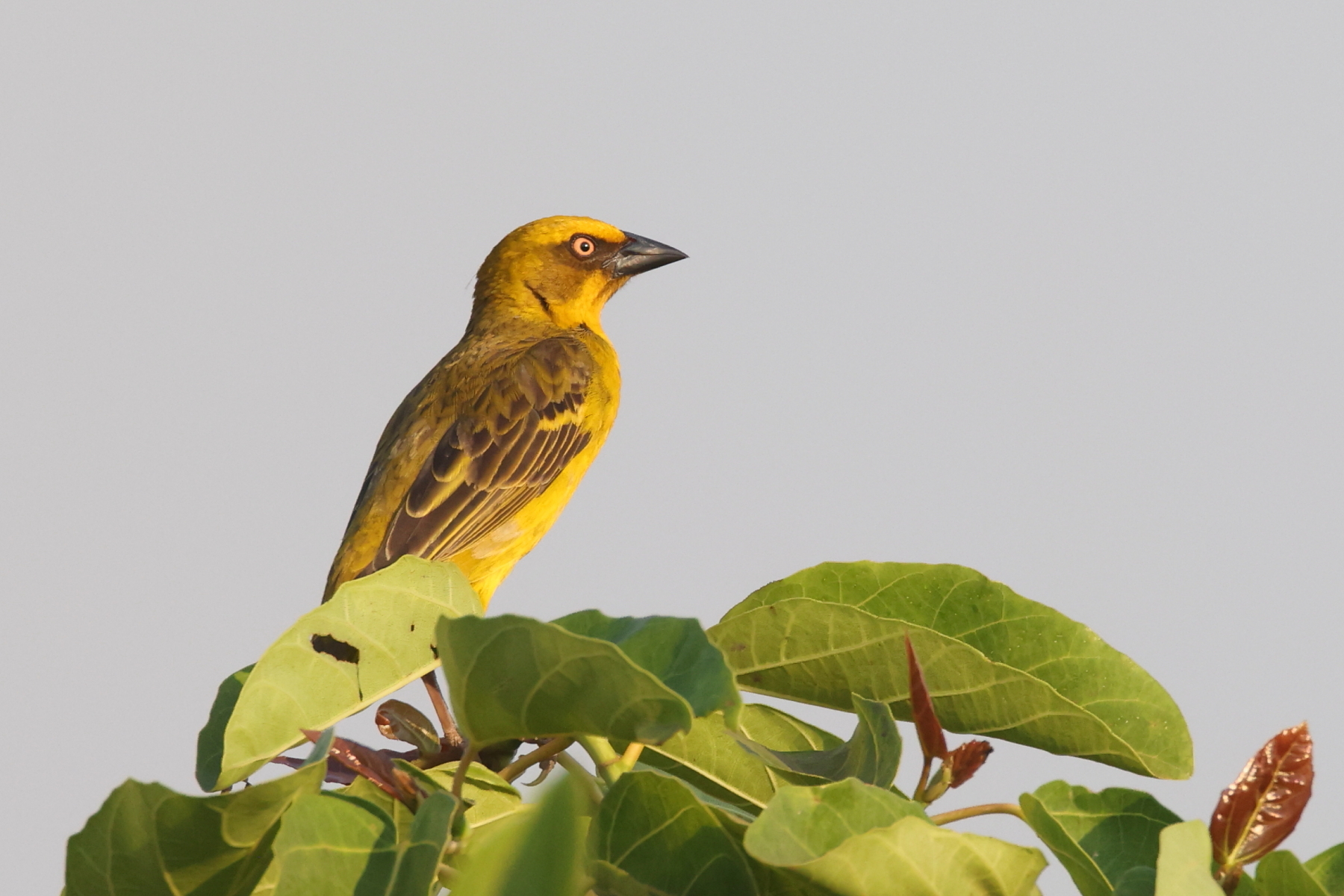
Bocage's Weaver (image by Janos Olah)
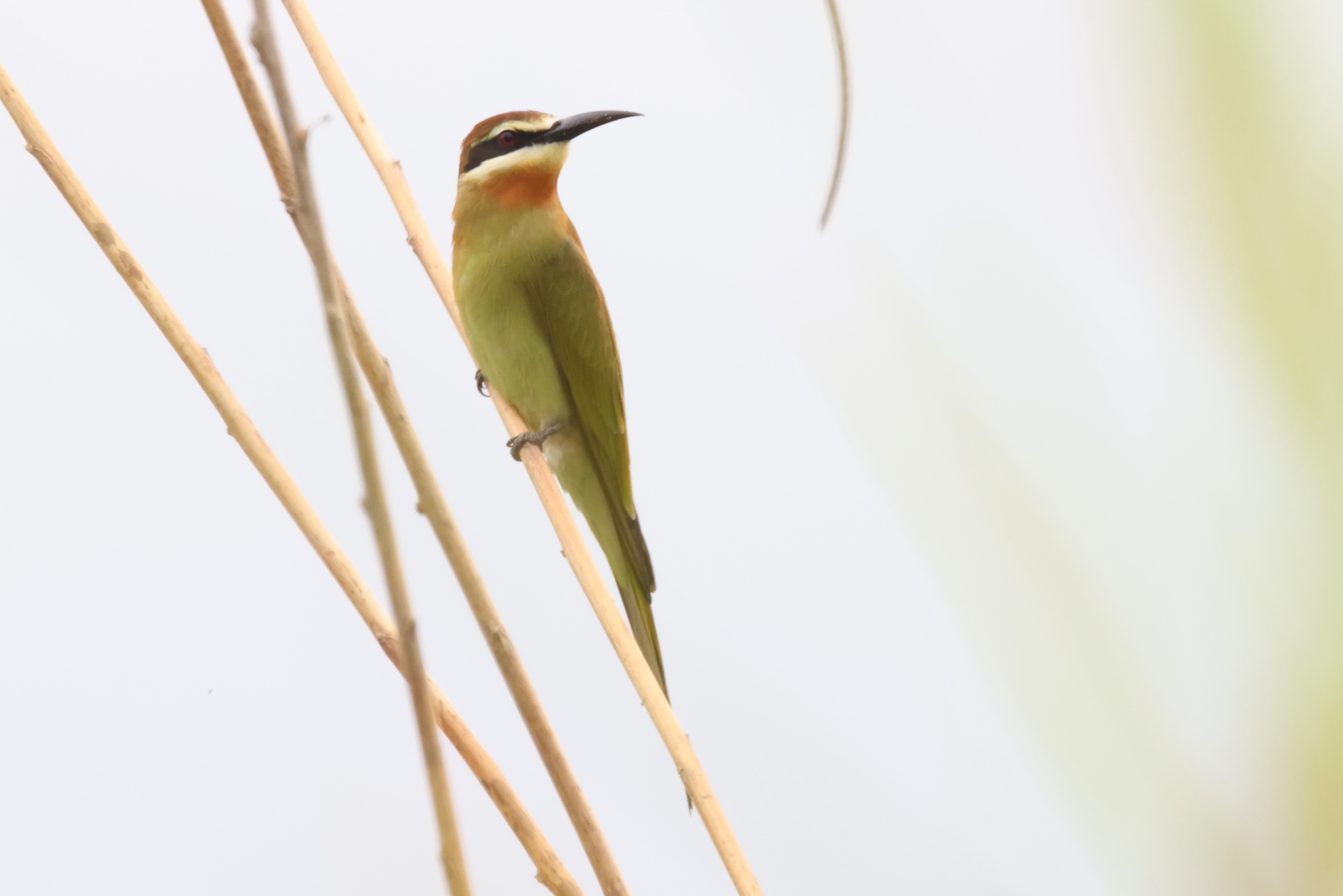
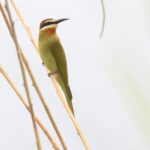
Olive Bee-eater (image by Janos Olah)
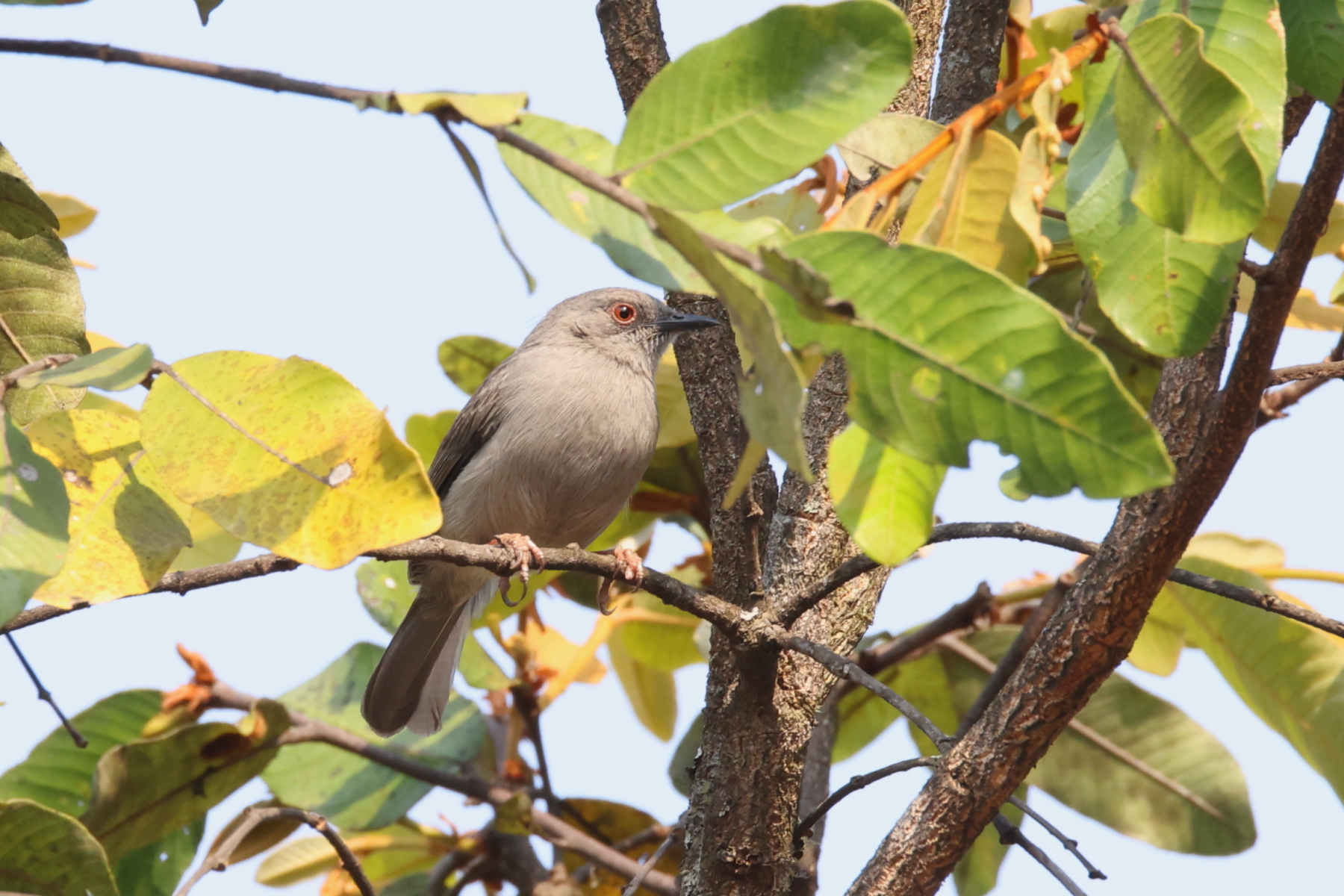
Miombo Wren Warbler (image by Janos Olah)
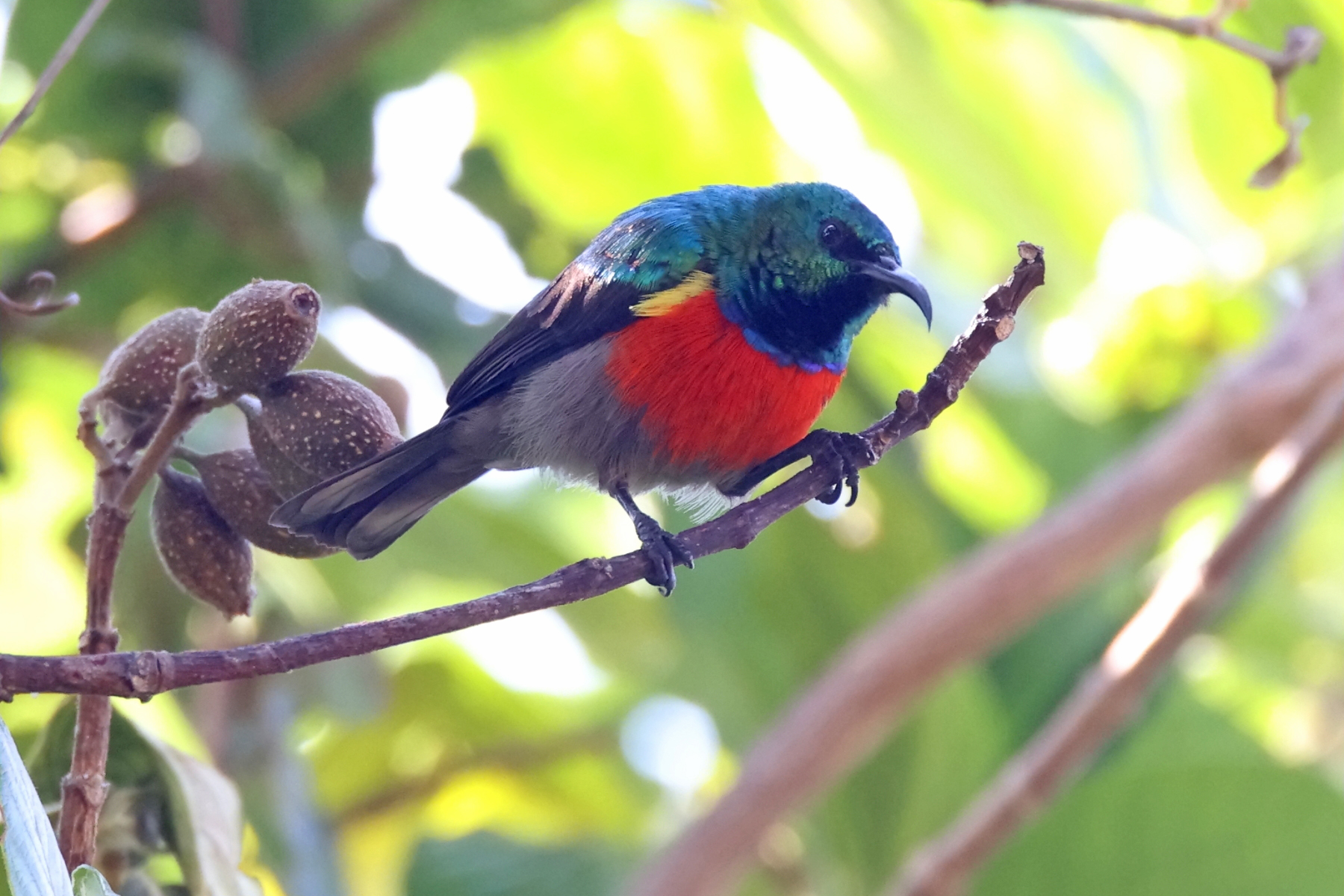
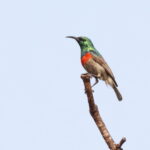
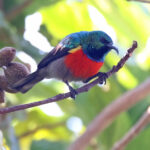
Ludwig's Double-collared Sunbird (image by Janos Olah)
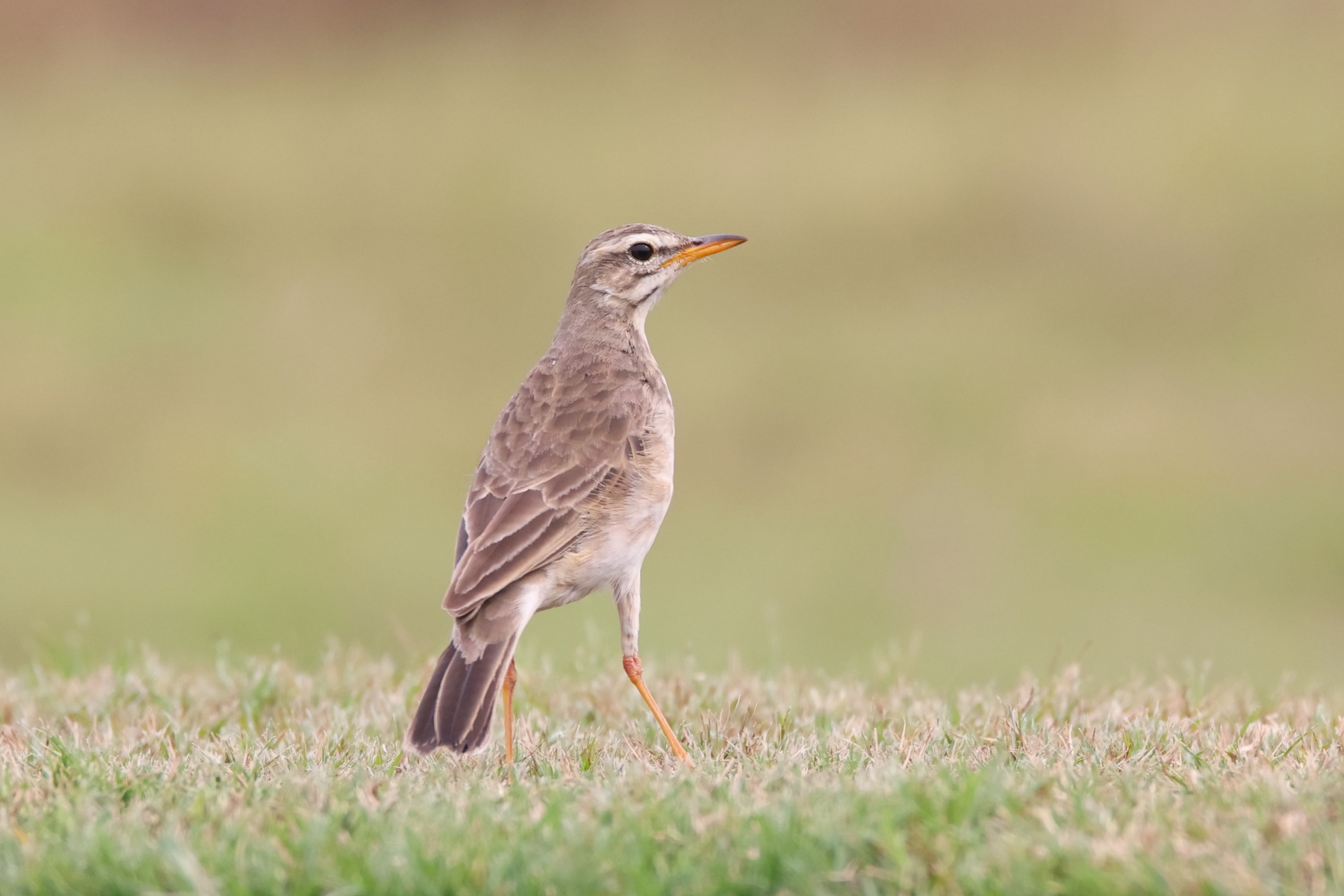
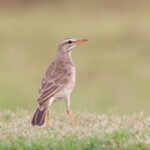
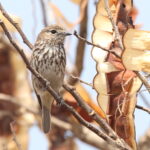
Long-legged Pipit (image by Janos Olah)
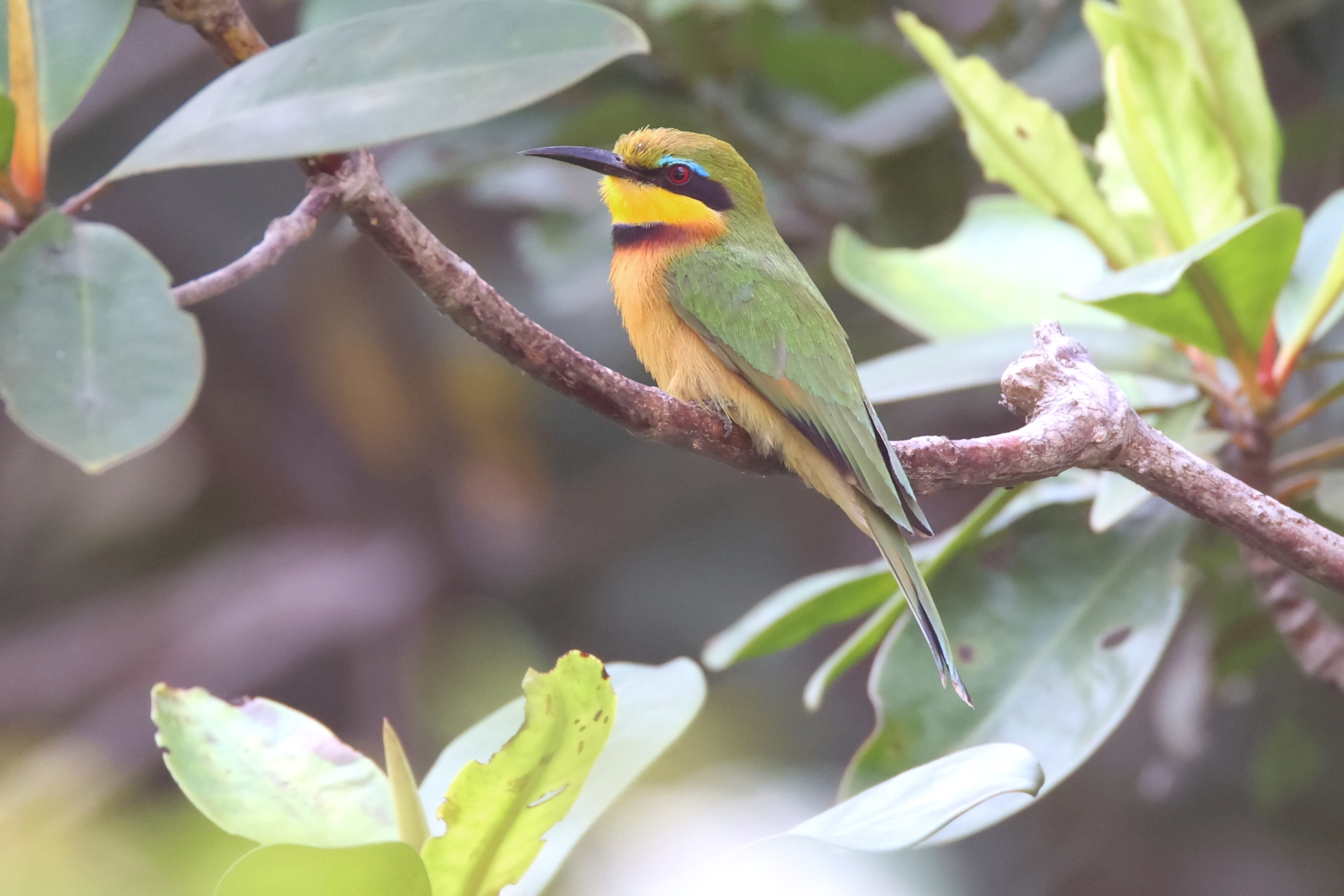
Little Bee-eater (image by Janos Olah)
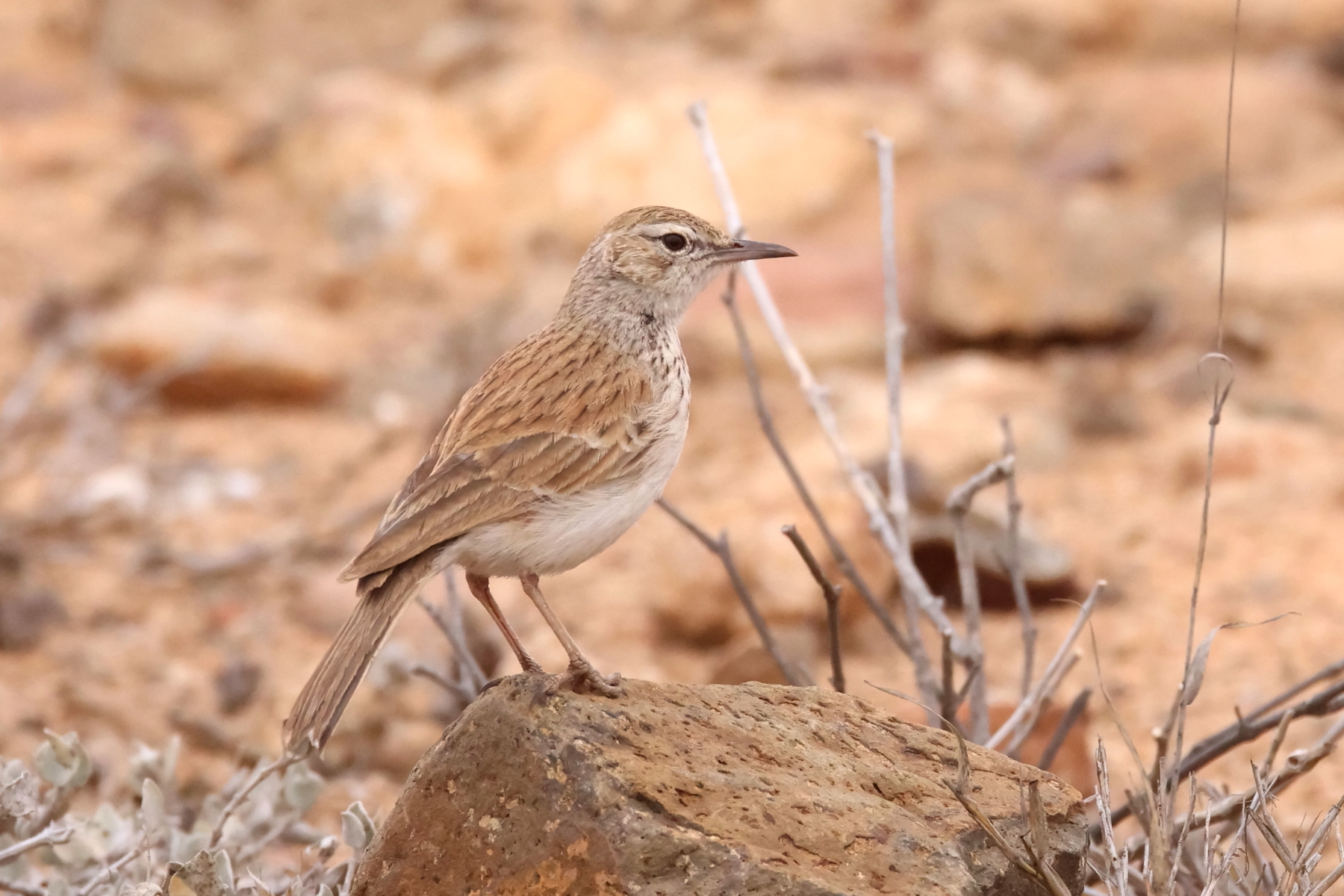
Karoo-Benguela Long-billed Lark (image by Janos Olah)
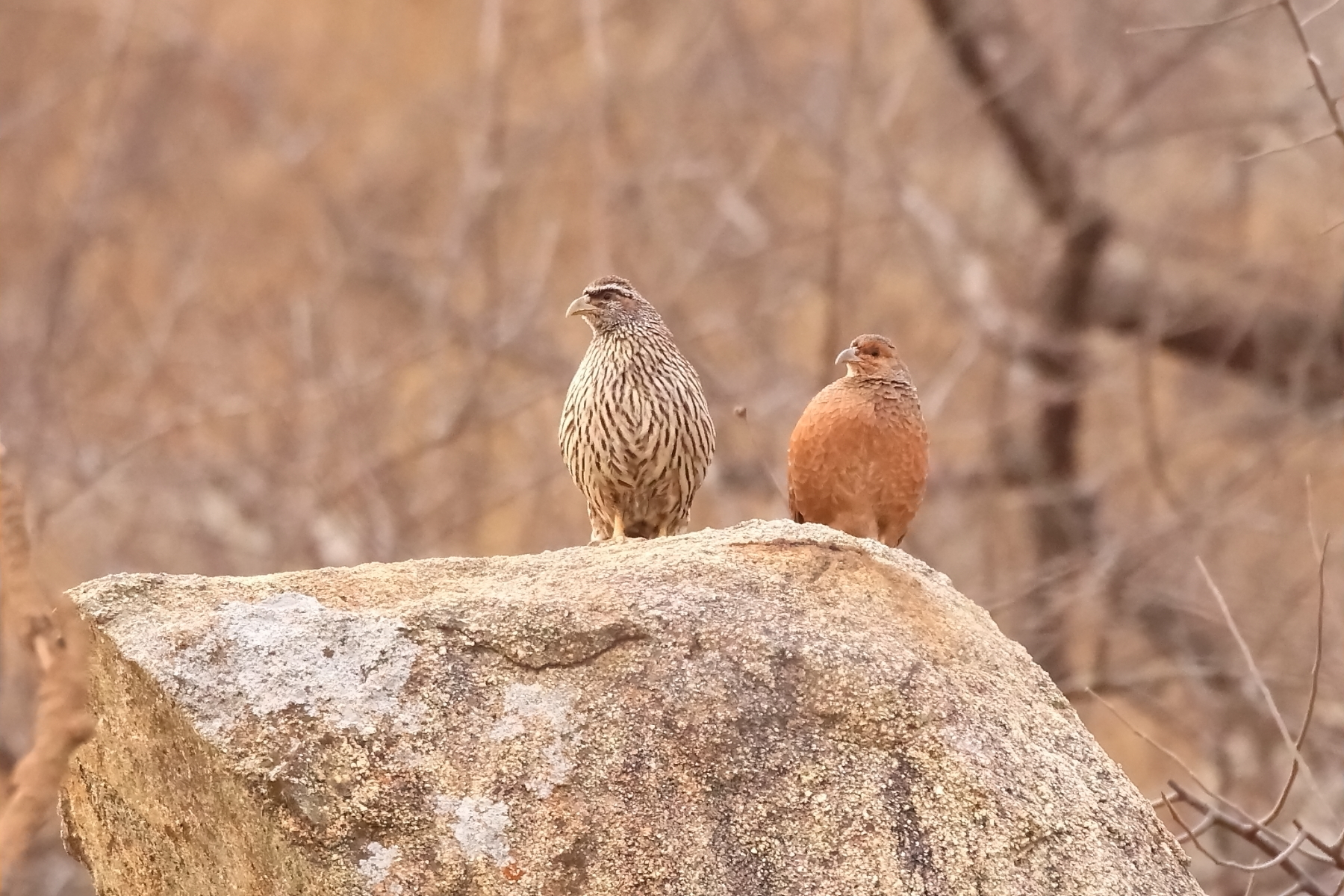
Hartalub's Francolins (image by Janos Olah)
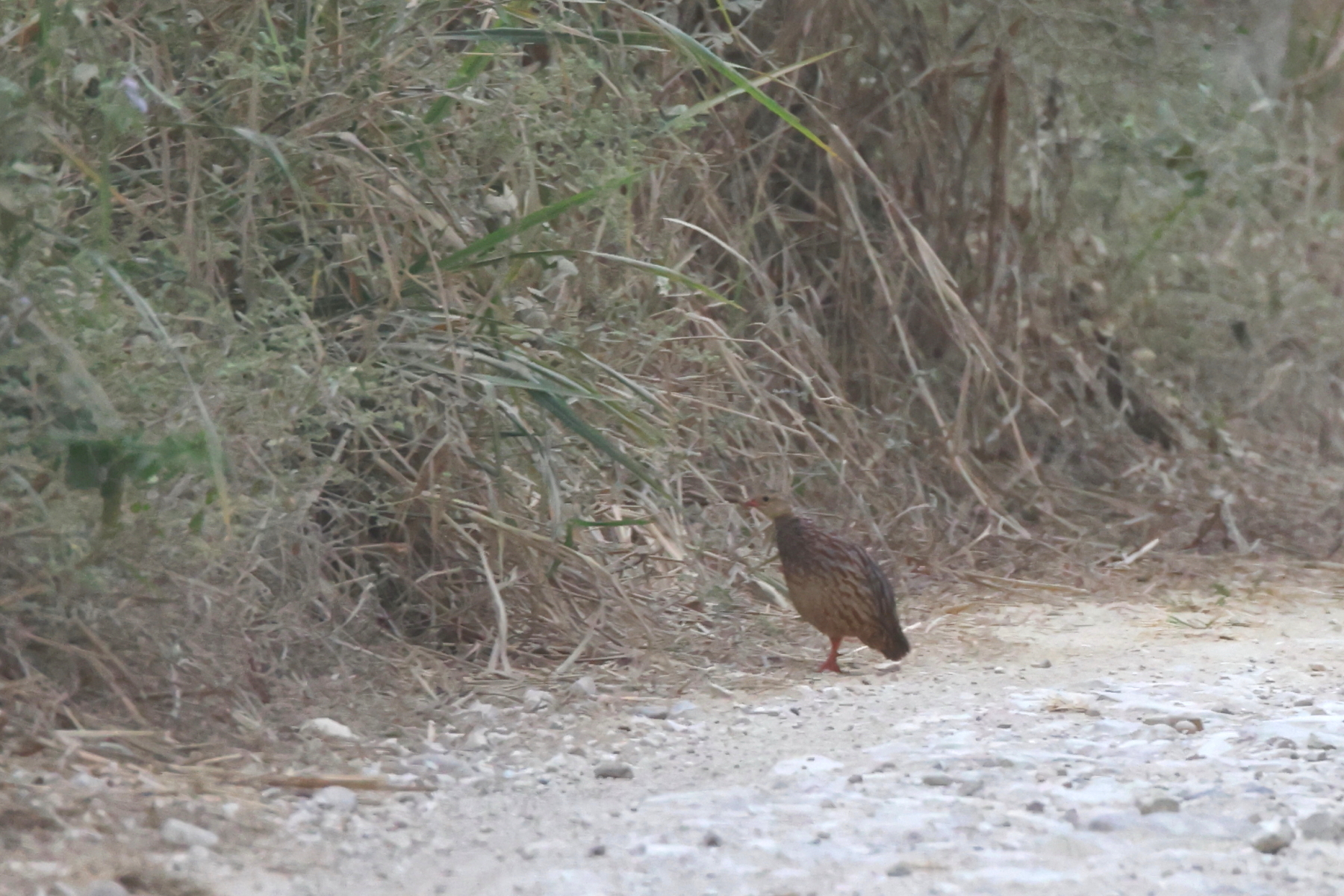
Grey-striped Francolin (image by Janos Olah)
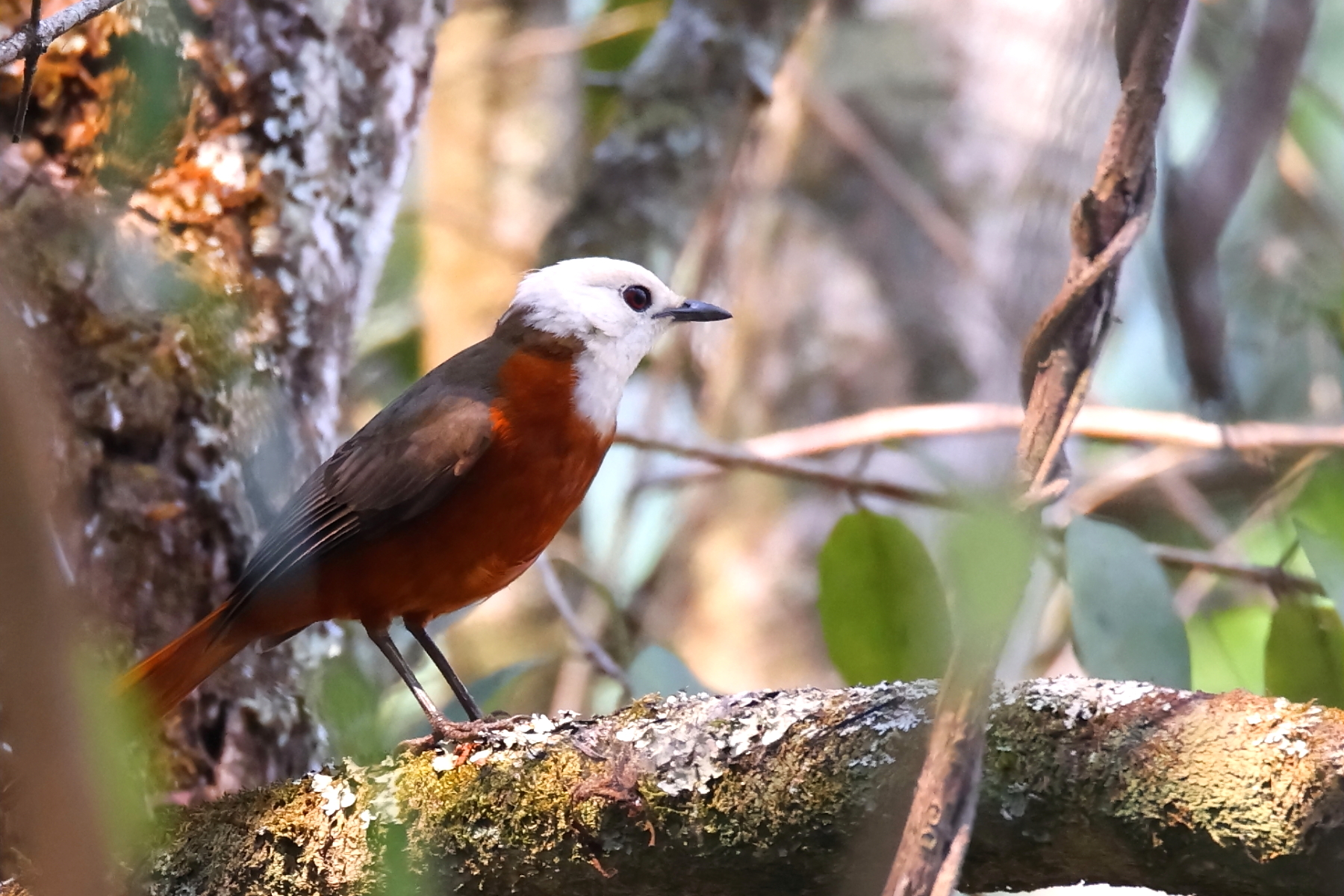
White-headed Robin Chat (image by Janos Olah)
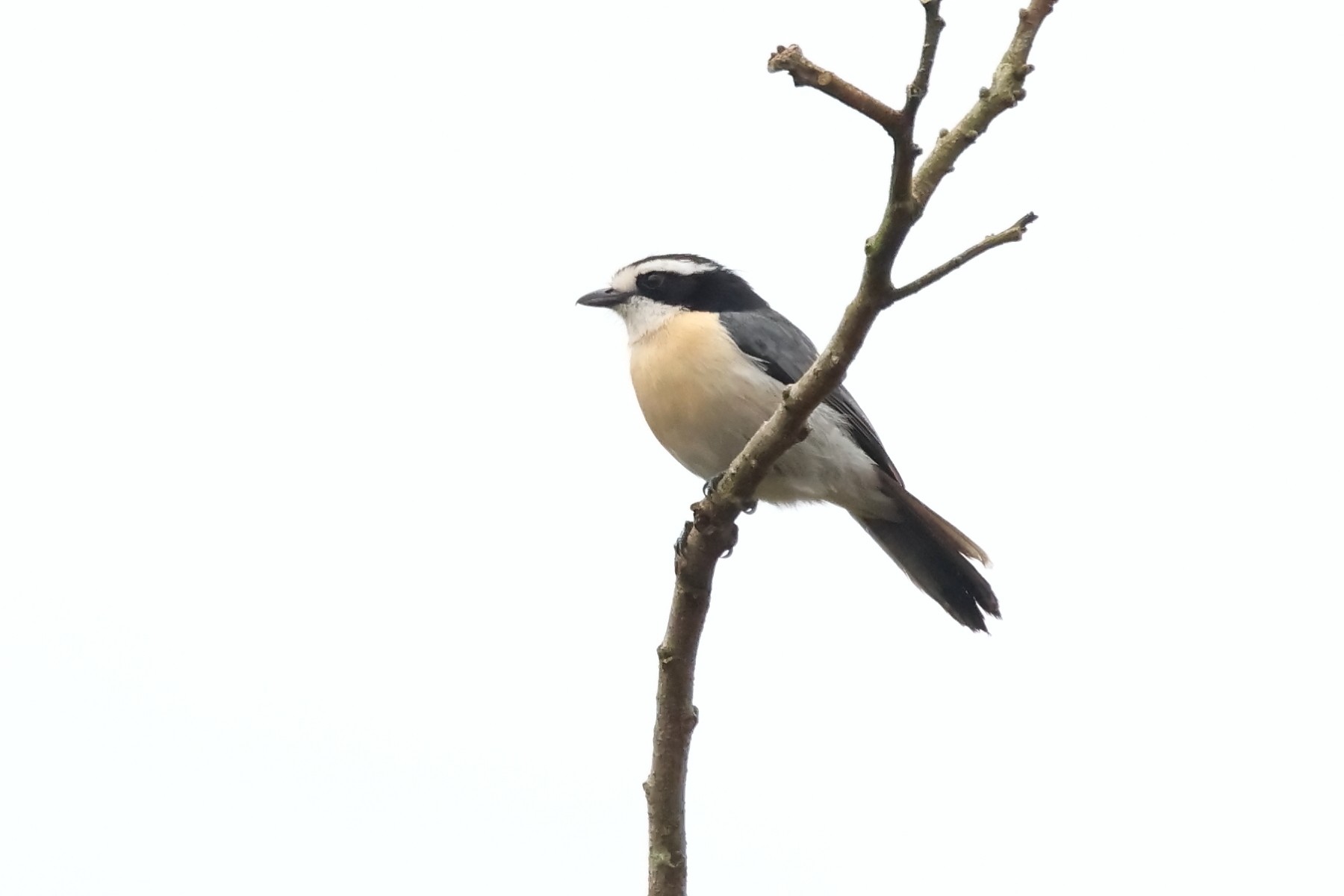
Grey-green Bushshrike (image by Janos Olah)
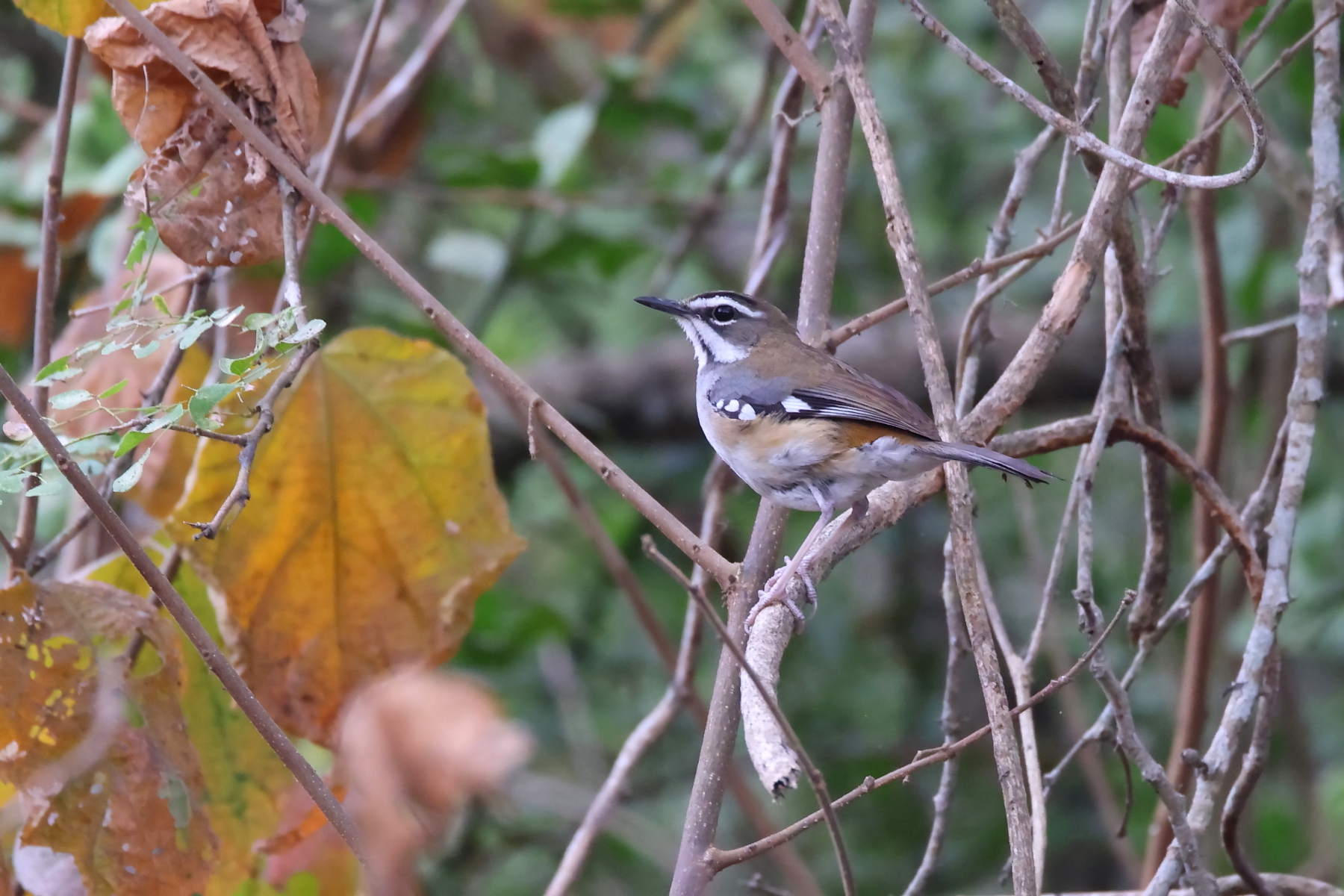
Forest Scrub Robin (image by Janos Olah)
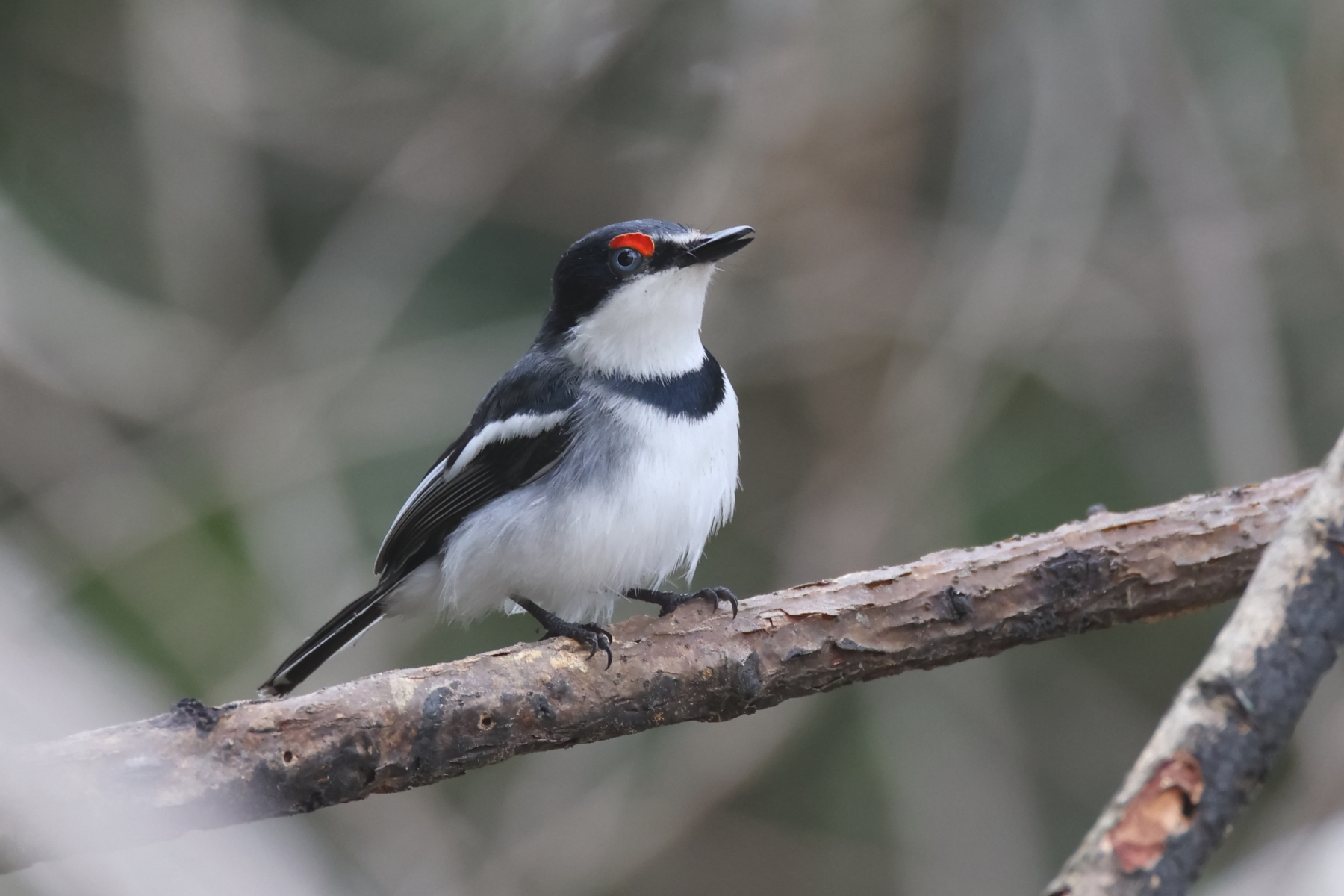
White-fronted Wattle-eye (image by Janos Olah)
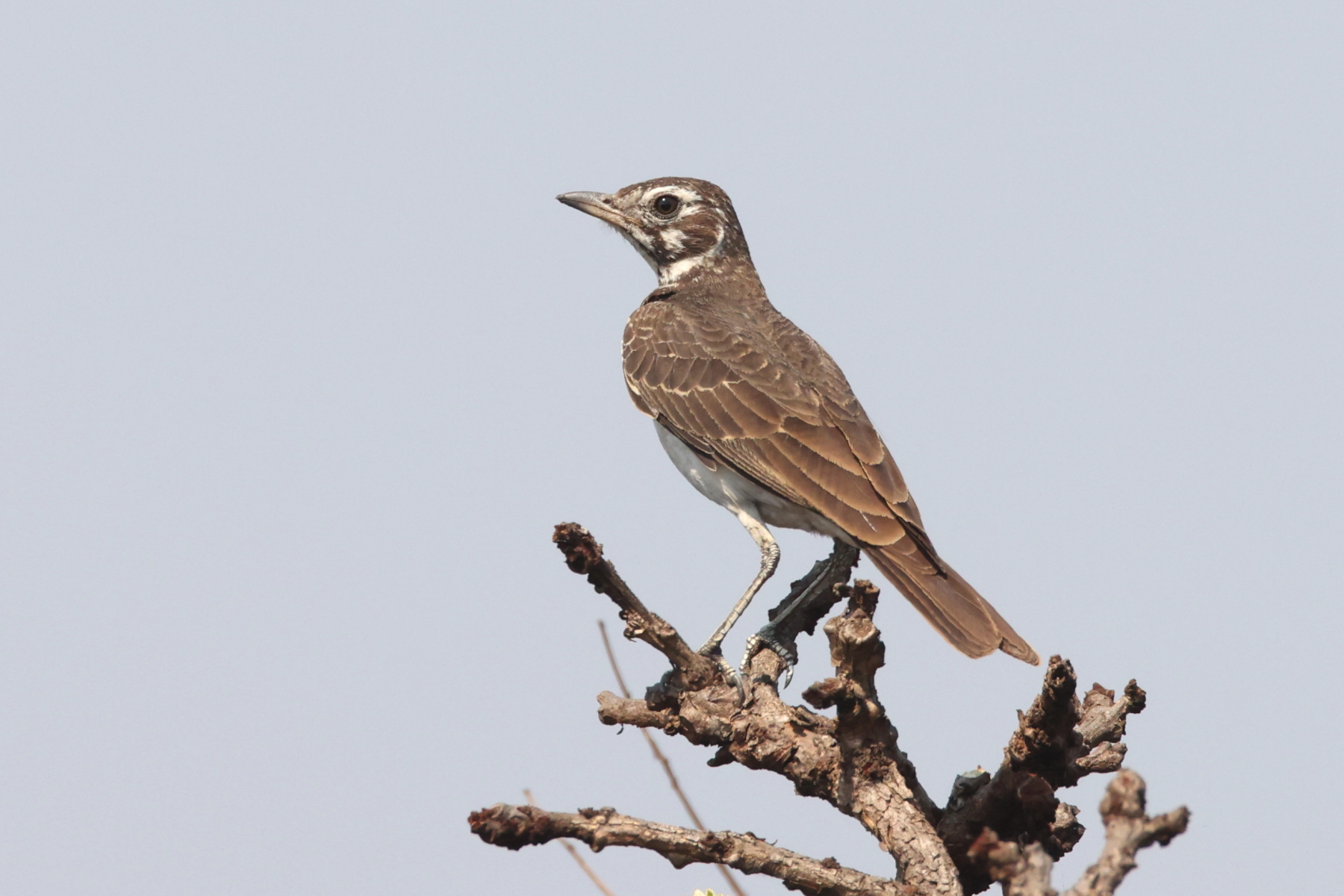
Dusky Lark (image by Janos OIah)
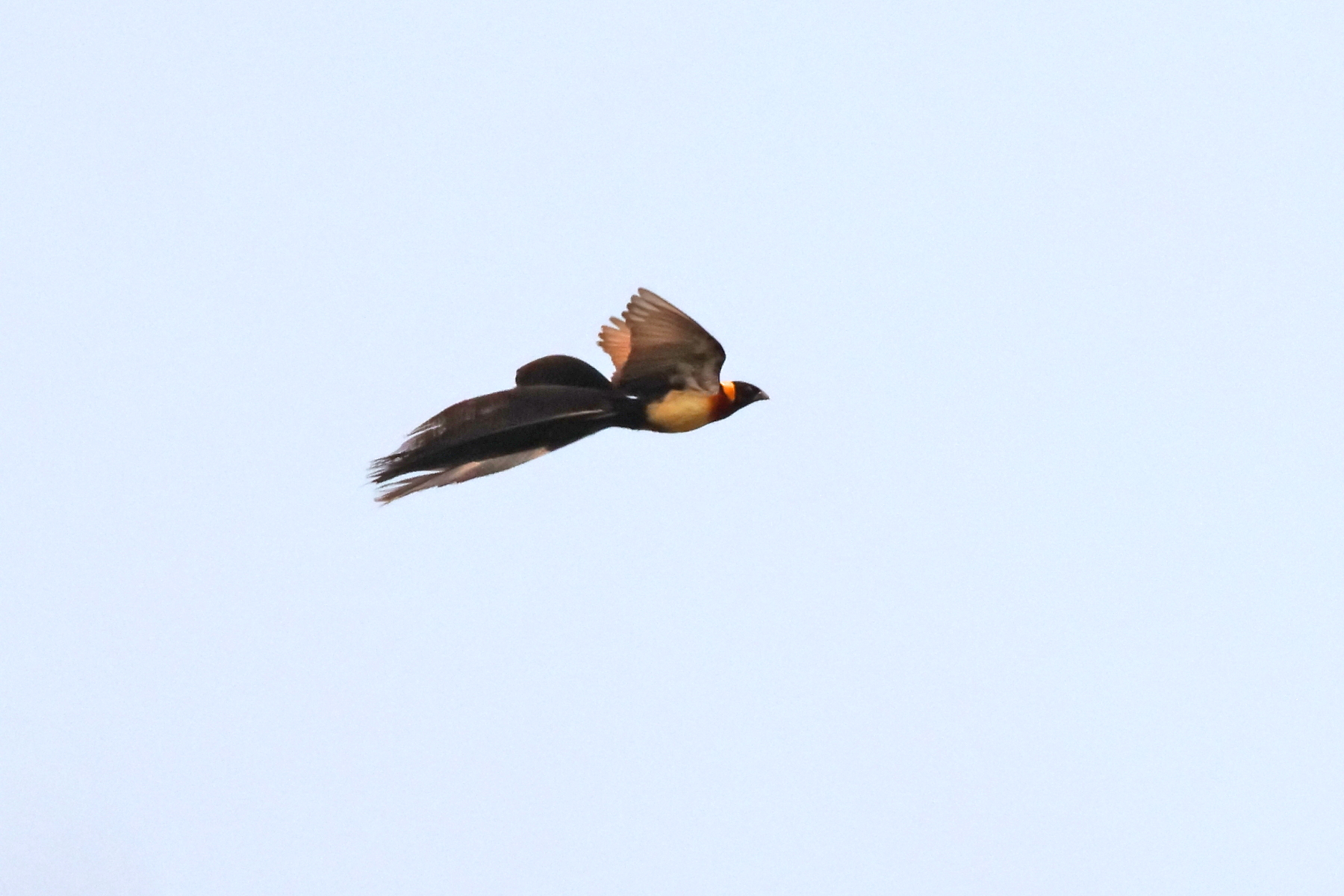
Broad-tailed Paradise Whydah (image by Janos Olah)
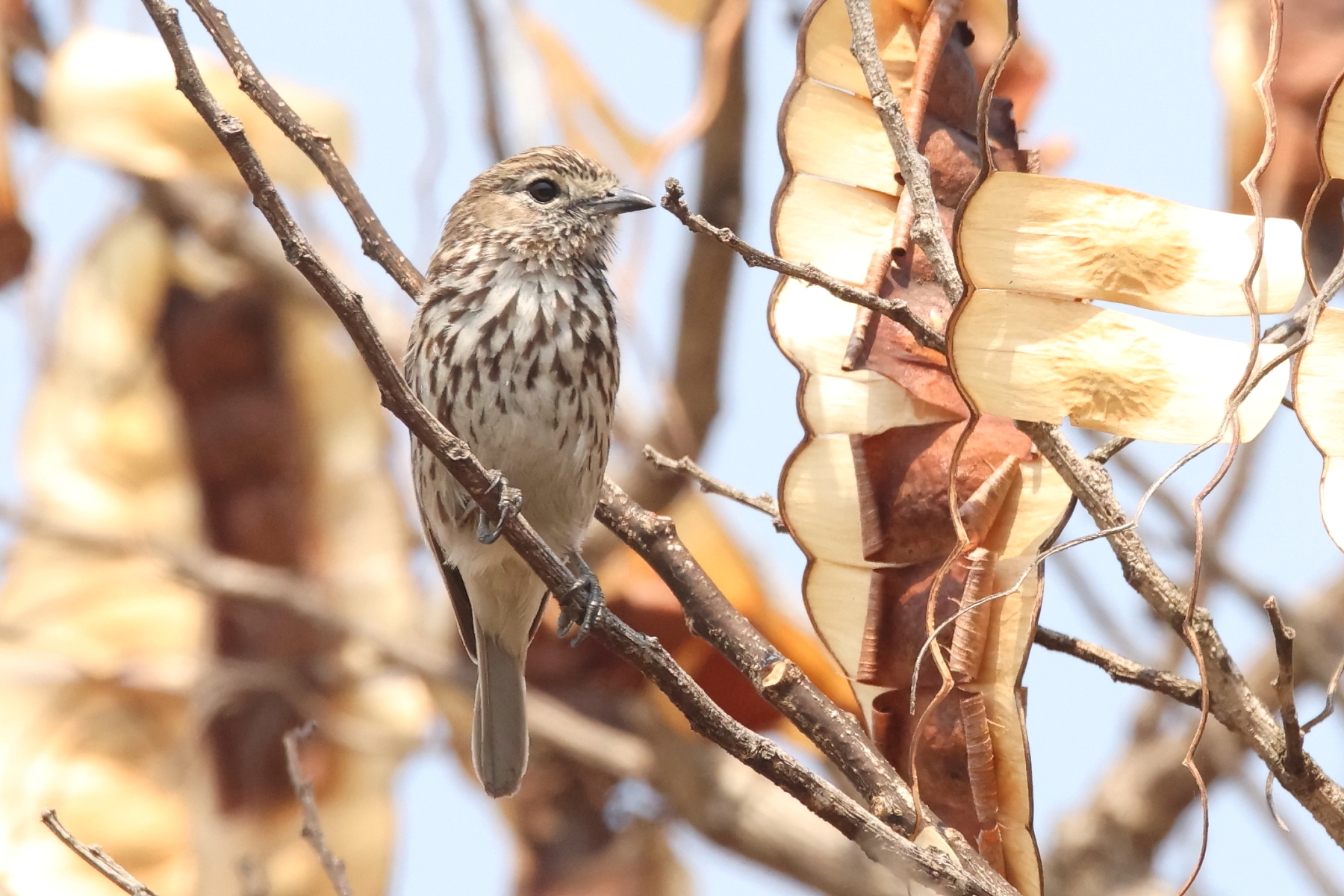
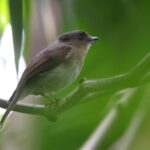
Böhm's Flycatcher (image by Janos Olah)
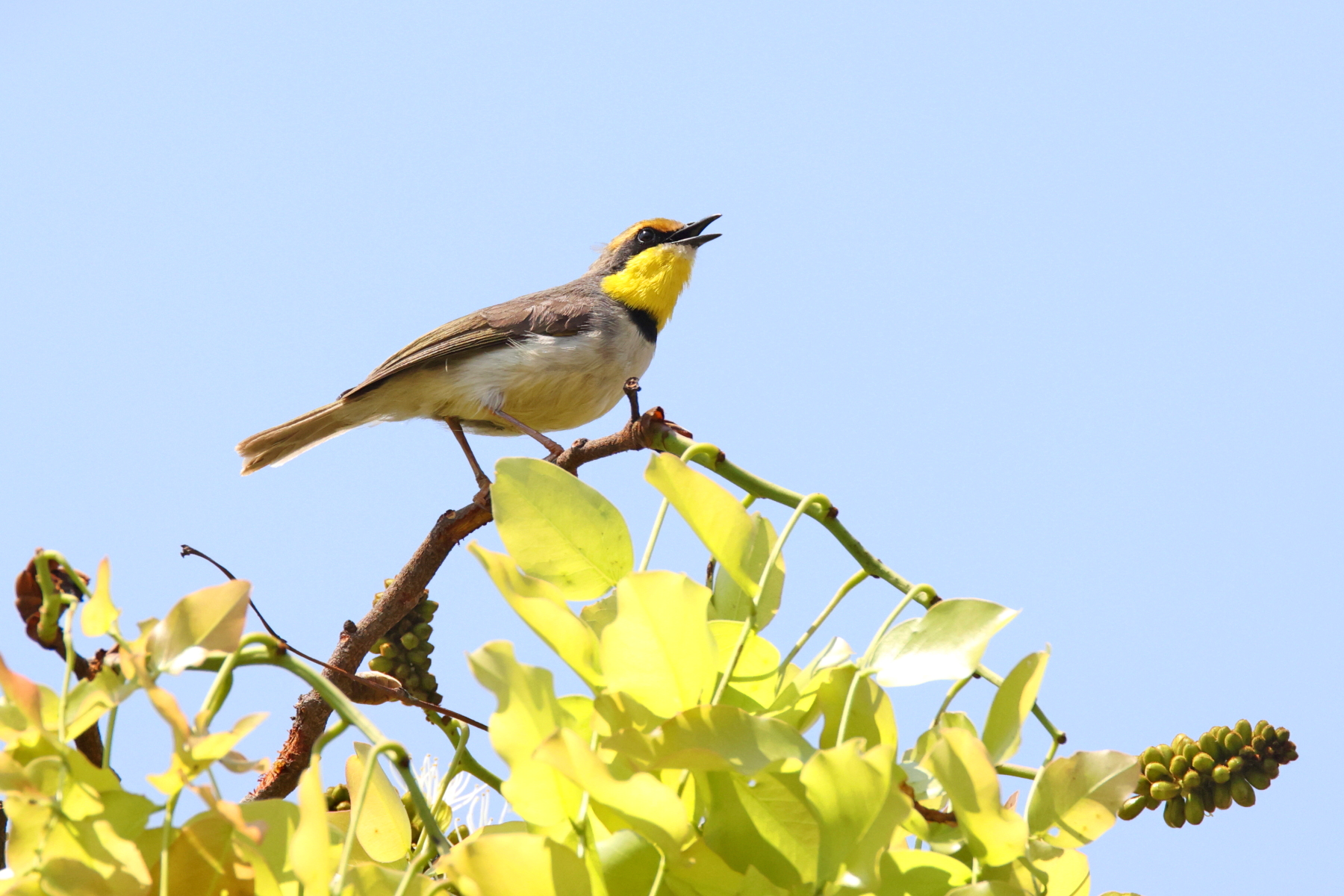
Black-necked Eremomela (image by Janos Olah)
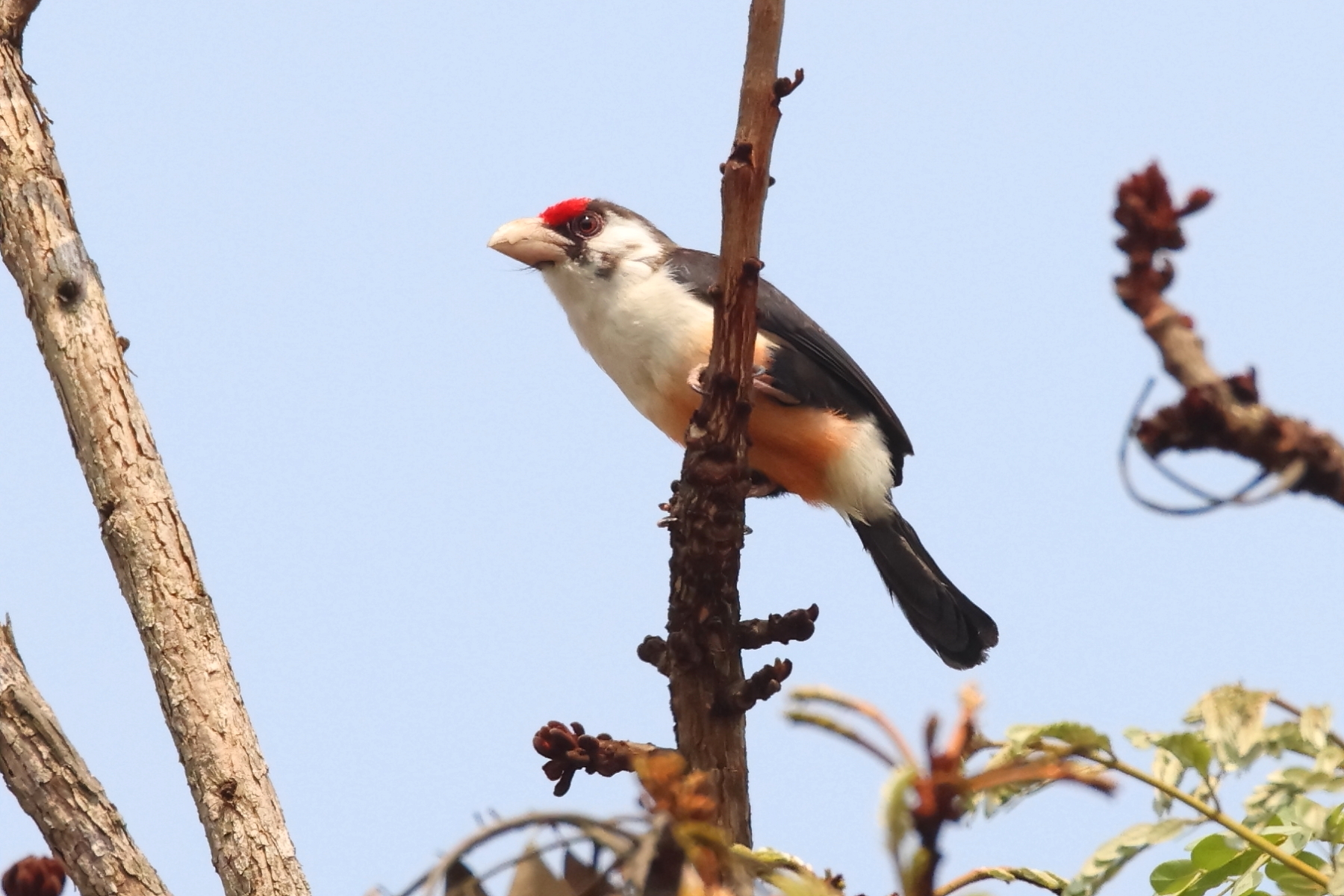
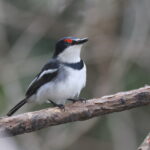
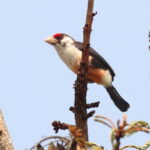
Black-backed Barbet (image by Janos Olah)
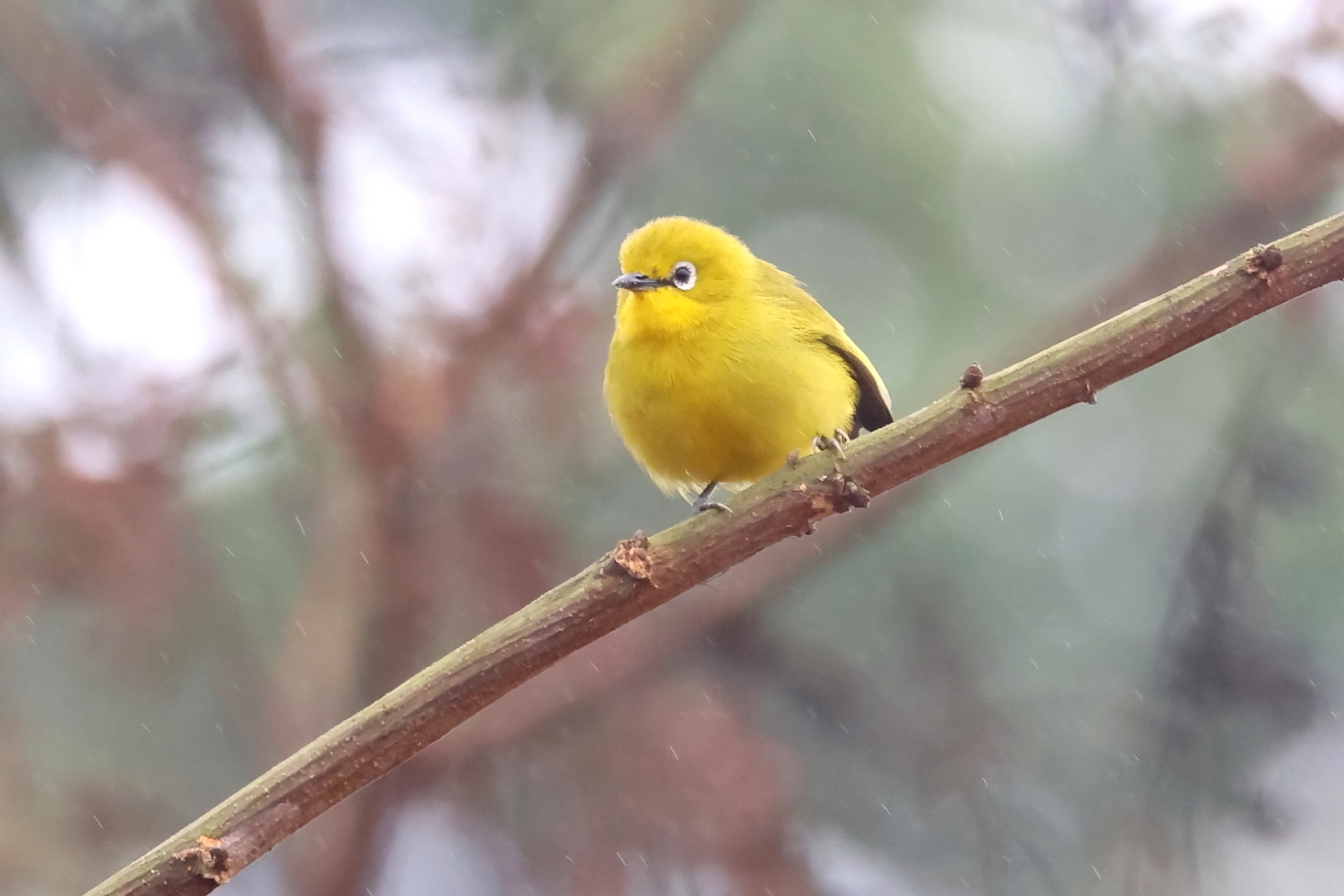
Angolan White-eye (image by Janos Olah)
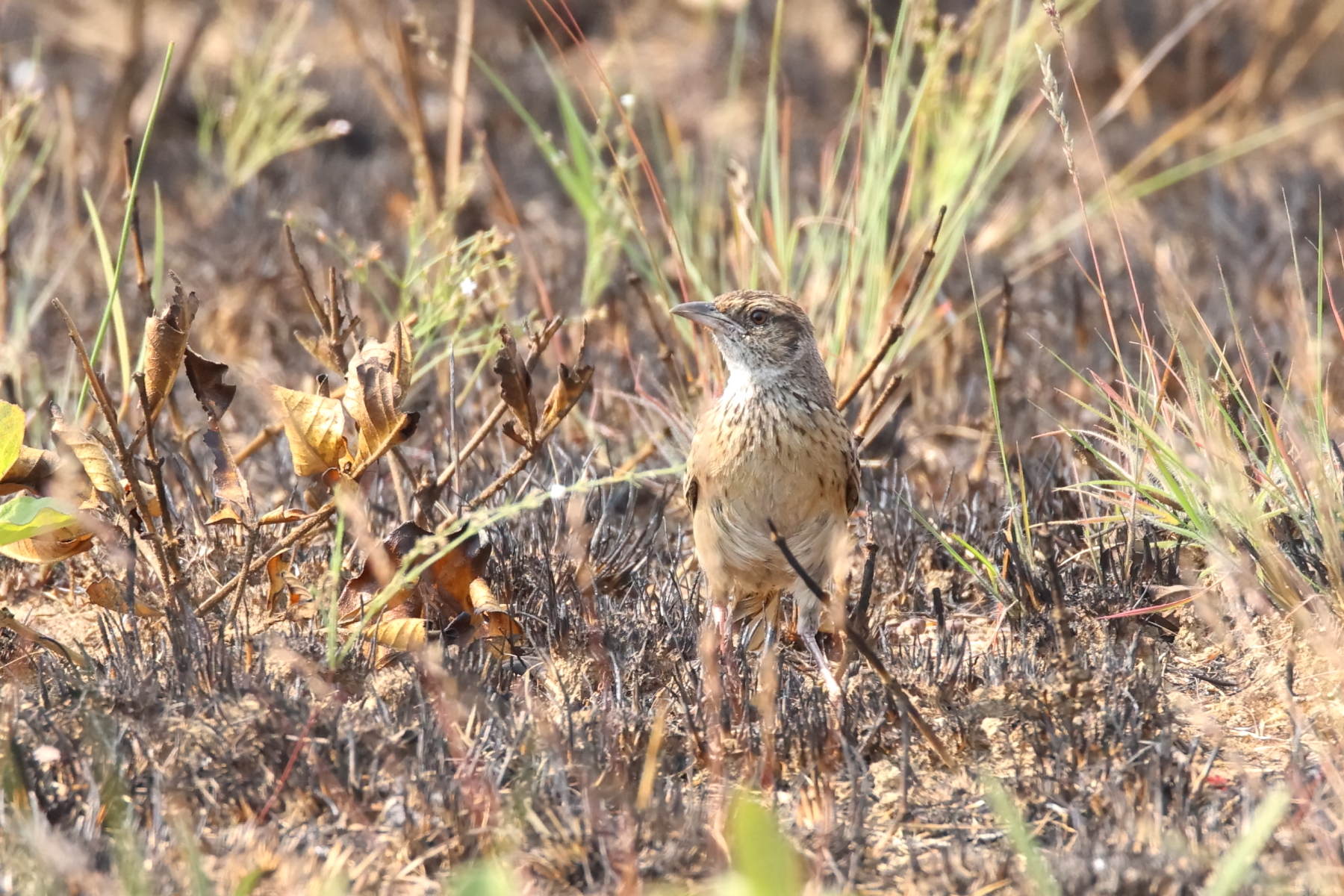
Angola Lark (image by Janos Olah)
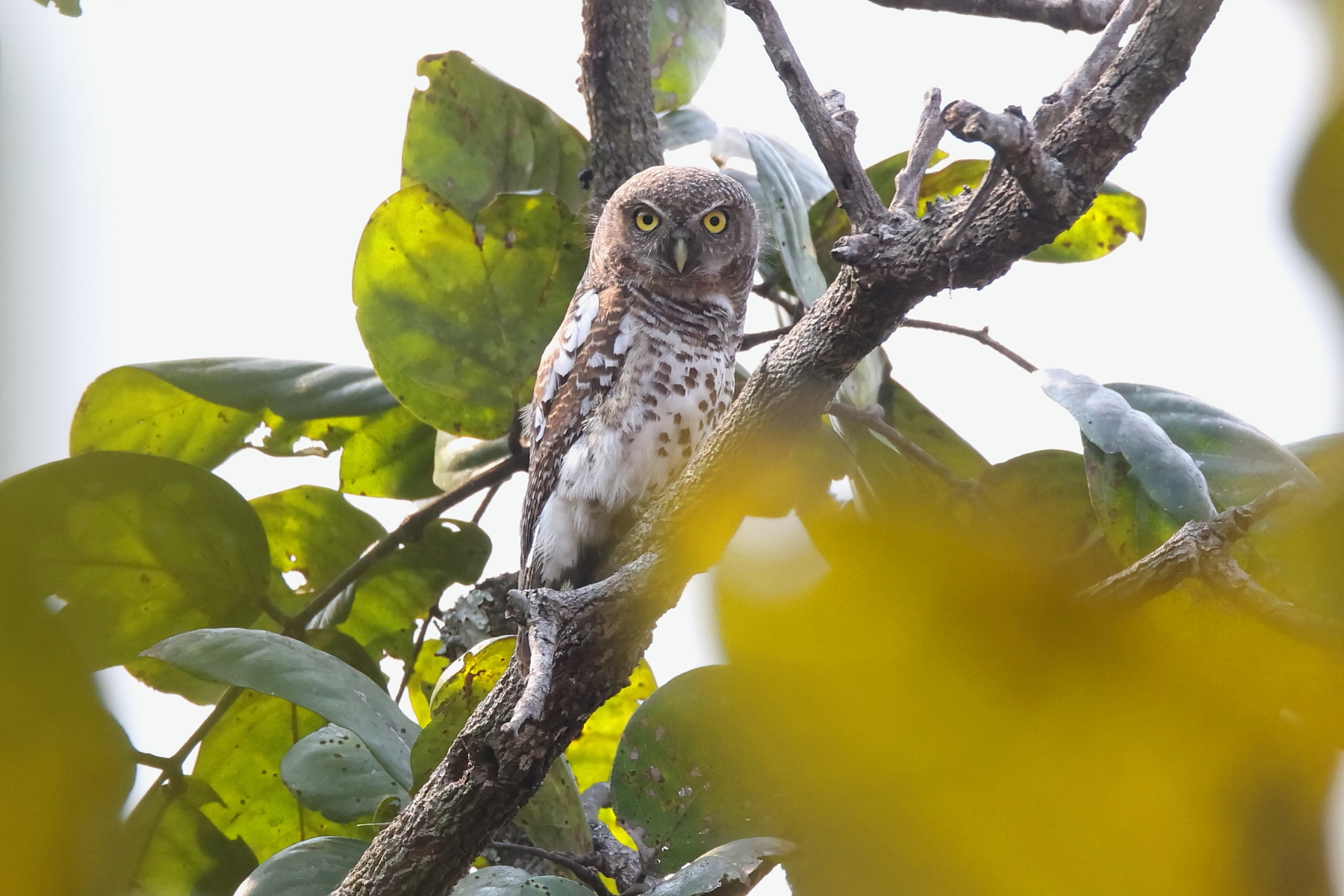
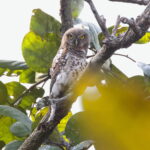
African Barred Owlet (image by Janos Olah)
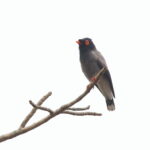
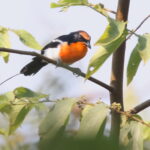
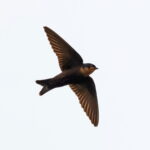
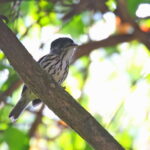
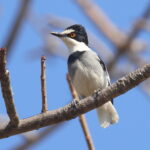
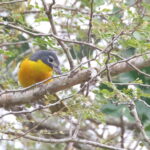
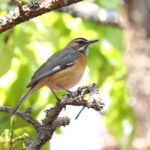
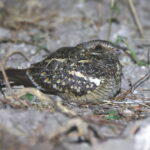
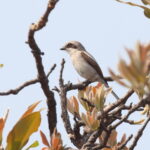
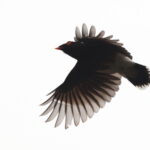
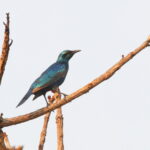
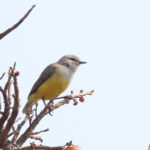
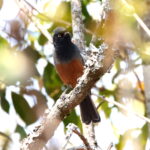
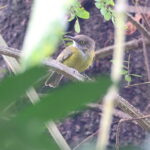
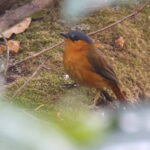
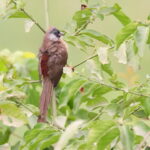
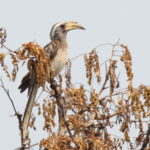
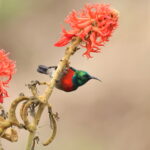
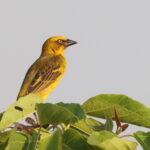
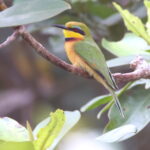
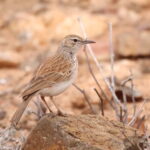
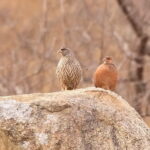
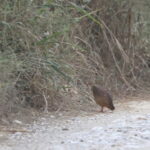
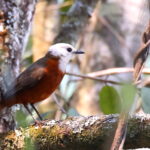


White-headed Robin Chats (image by Janos Olah)
Bocage's Sunbird (image by Janos Olah)
Gabela Helmet Shrike (image by Janos Olah)
Braun's Bushshrike (image by Janos Olah)
New wood swallow species (image by Janos Olah)
African Broadbill (image by Janos Olah)
Dusky Lark (image by Janos Olah)
Anchieta's Sunbird (image by Janos Olah)
Anchieta's Barbet (image by Janos Olah)
White-tailed Shrike (image by Janos Olah)
Monteiro's Bushshrike (image by Janos Olah)
Miombo Tit (image by Janos Olah)
Gabela Akalat (image by Janos Olah)
Western Miombo Sunbird (image by Janos Olah)
Gabela Bushshrike (image by Janos Olah)
Miombo Scrub Robin (image by Janos Olah)
Square-tailed Nightjar (image by Janos Olah)
Souza's Shrike (image by Janos Olah)
Gabela Helmetshrike (image by Janos Olah)
Southern Yellow-billed Hornbill (image by Janos Olah)
Southern Talapoin Monkey (image by Janos Olah)
Sharp-tailed Starling (image by Janos Olah)
Salvadori's Yellow-bellied Eremomela (image by Janos Olah)
Rufous-bellied Tit (image by Janos Olah)
Yellow Longbill (image by Janos Olah)
Bocage's Akalat (image by Janos Olah)
Sabota Lark (image by Janos Olah)
Hartlaub's Babbler (image by Janos Olah)
Rufous-tailed Palm Thrush (image by Janos Olah)
Red-capped Eremomela (image by Janos Olah)
Red-backed Mousebird (image by Janos Olah)
Pale-billed Hornbill (image by Janos Olah)
Olive-bellied Sunbird (image by Janos Olah)
Bocage's Weaver (image by Janos Olah)
Olive Bee-eater (image by Janos Olah)
Miombo Wren Warbler (image by Janos Olah)
Ludwig's Double-collared Sunbird (image by Janos Olah)
Long-legged Pipit (image by Janos Olah)
Little Bee-eater (image by Janos Olah)
Karoo-Benguela Long-billed Lark (image by Janos Olah)
Hartalub's Francolins (image by Janos Olah)
Grey-striped Francolin (image by Janos Olah)
White-headed Robin Chat (image by Janos Olah)
Grey-green Bushshrike (image by Janos Olah)
Forest Scrub Robin (image by Janos Olah)
White-fronted Wattle-eye (image by Janos Olah)
Dusky Lark (image by Janos OIah)
Broad-tailed Paradise Whydah (image by Janos Olah)
Böhm's Flycatcher (image by Janos Olah)
Black-necked Eremomela (image by Janos Olah)
Black-backed Barbet (image by Janos Olah)
Angolan White-eye (image by Janos Olah)
Angola Lark (image by Janos Olah)
African Barred Owlet (image by Janos Olah)


ANGOLA TOUR REPORT 2025

6 - 24 August 2025
János Oláh
Angola is an amazingly diverse but much neglected country by birders! Due to the long civil war (1975-2002) it had a no-go reputation, and this is changing only very slowly. However, Birdquest has been running tours as soon as it was possible to go and things have changed a lot! We used to do an all-camping tour but not since 2014. Nowadays, it is a remarkably comfortable tour with decent accommodation and fairly good infrastructure throughout. Angola has many special birds, at the moment 15 recognised endemics (AviList) and we managed to see 13 of these: Grey-striped Spurfowl, Red-crested Turaco, Red-backed Mousebird, Braun’s and Gabela Bushshrikes, Gabela Helmetshrike, Pulitzer’s Longbill, Harter’s Camaroptera, Huambo Cisticola, Angolan Slaty Flycatcher, Gabela Akalat, Ludwig’s Double-collared Sunbird and Angola Waxbill. Luck was not always on our side and sadly Swierstra’s Francolin and Angola Greenbul remained heard-only despite our hard-work! We also had many other special birds which are near-endemic or simply not easy to see anywhere else. These goodies included Hartlaub’s Francolin, the local form of Naked-faced (Pale-throated) and Anchieta’s Barbet, Rüppel’s Parrot, Thick-billed Cuckoo, Angola Batis, White-fronted Wattle-eye, Monteiro’s Bushshrike, Yellow-throated Nicator, Angola Lark, Dusky Lark, Falkenstein’s and Pale-olive Greenbuls, Black-collared Bulbul, Black-and-rufous Swallow, Red-throated Cliff Swallow, Bates’s Paradise Flycatcher, Souza’s Shrike, Böhm’s Flycatcher, Miombo and Rufous-bellied Tits, the local form of Red-faced (Lepe) and Bubbling Cisticolas, Black-necked Eremomela, the local form of Southern Hyliota (Forest), Sharp-tailed Starling, the local form of Meve’s Starling (Benguela Long-tailed), Bocage’s Akalat, White-headed Robin-Chat, Angola Cave Chat, Rufous-tailed Palm Thrush, Miombo and Forest Scrub Robins, Bocage’s and Oustalet’s Sunbirds, Bocage’s Weaver, Golden-backed Bishop, White-collared Oliveback, Brown Twinspot, Dusky Indigobird, Brown Firefinch, the local forms of African (Landana) and Jameson’s (Ansorgei) Firefinches, Broad-tailed Paradise Whydah as well as Long-legged Pipit. Add to these special birds there were many spectacular species like Pennant-winged Nightjar, Böhm’s Spinetail, Great Blue Turaco, Ludwig’s Bustard, Gabon Coucal, Western Bronze-naped Pigeon, Egyptian Plover, Western Banded Snake Eagle, Black-casqued Hornbill, Black Bee-eater, Black-backed Barbet, African Broadbill, Gorgeous Bushshrike, African Spotted Creeper, Miombo Rock Thrush and Anchieta’s Sunbird to name but a few. Reading this impressive list, it is no doubt why Angola is a superb country to go birding! Our 2025 tour visited the Northern Scarp forest around Uige, the lovely Kalandula Falls and the surrounding miombo and gallery forests, the amazing Baobab woodland of Kissama National Park, the endemic-rich Central Scarp forest at Kumbira, the highlands around Mount Moco, the impressive Tundavala Escarpment and the coastal areas around Namibe and Benguela. Sadly, Mount Namba was not accessible on this tour, so we had no chance for Margaret’s Batis and Laura’s Woodland Warbler.
The tour started in Luanda but early morning we were on our way north. Our first stop was in a classic dry habitat with Baobabs near Caxito. The biggest concentration of baobab trees is found in the Kissama National Park south of the capital but there is similar habitat to the north as well. It was a great introduction to this special habitat, and we had a great time finding a singing pair of Monteiro’s Bushshrike, Angola Batis, Brown-backed Scrub Robin, Rufous-tailed Palm Thrush, White-fronted Wattle-eye, Hartert’s Camaroptera, Bubbling Cisticola and a party of Gabela Helmetshrikes. It was definitely a good start, and we happily pressed on to the north. We did reach the Dande River bridge by lunch and while munching on our sandwiches we did find the Forest Swallow type hirundines regularly seen here and which is most probably an undescribed taxon. Pete was the first one to see them on our tours back in 2022. The birds are regularly seen at this location ever since, but we also saw them at Damengola Forest later in the afternoon. They have a distinct pale cinnamon throat and upper breast and very different from Forest Swallow. We made it to the Damengola Forest by late afternoon and virtually the first bird we saw was the endemic and stunning Braun’s Bushshrike. What a treat! Other highlights for our short introductory birding here included Blue Malkoha, Black-casqued Hornbill, Pink-footed Puffback, Banded Prinia, Bate’s Paradise Flycatcher, Honeyguide Greenbul, Fraser’s Rufous Thrush and Grey-chinned Sunbird just to name a few of the goodies.
Our next full day was spent in Damengola Forest and we had many great birds in the northern scarp forest. The forest edge area gave us Marsh Tchagra (Anchieta’s), Western Black-headed Batis, Fan-tailed Grassbird, the handsome Black-collared Bulbul, Angola White-eye, Orange-tufted Sunbird, Compact Weaver, Dusky Indigobird, White-collared Oliveback and Brown Twinspots. The forest interior birds proved more skulking and regardless how hard we tried the Angola Greenbuls refused to budge. We did see shapes in the tangle but could never get them out for a proper look, hence they remained heard-only. Frustrating! Other tangle birds were easier like Yellow-throated Nicator, Yellow Longbill, Chestnut Wattle-eye, Yellow-browed Camaroptera, Rufous-crowned Eremomela and Green Hylia. Larger birds like Great Blue and Guinea Turaco showed well, as did Afep Pigeon and the often-tricky Western Bronze-naped Pigeon too. Woodpeckers and barbets were well represented with Hairy-breasted, Naked-faced and Bristle-nosed Barbets and Brown-eared, Green-backed and Yellow-crested Woodpeckers seen. The shy Gabon Coucal played hide-and-seek and only one person managed to see it, but the game was not over with this species! We also had a few more widely distributed birds like a fantastic African Emerald Cuckoo, Black-and-white Shrike-Flycatcher, Buff-throated Apalis and Splendid Starling. A great day of forest birding with over 100 species seen. Next morning we made a visit to another forest patch nearer to Uige where we found Narrow-tailed Starling, African Blue Flycatcher and Rufous-vented Paradise Flycatcher and eventually we all got great looks of the ultra-shy Gabon Coucal. The rest of the day in our cars was spent heading towards Kalandula Falls. A short lunch break produced African Hobby, Chin-spot Batis, Orange-winged Pytilia and Golden-breasted Bunting. It was almost dusk when we arrived at our lodge overlooking the impressive Kalandula Falls, but we still managed a few photographs!
Everybody was excited as the next day was our first chance to see the White-headed Robin-Chat, one of those highly localised and very special birds Angola has on offer. We drove to Kinjila village where we met with local bird guides and started to explore the riverine habitat in search of the robin chats. First, we found a Grey-winged Robin-Chat and in the first territory we heard the white-headed in a distance. A second territory gave some brief views for some of us, but still not satisfactory. A showy Brown-headed Apalis, a canopy-dwelling Brown Illadopsis, a few Sharp-tailed Starlings and a pair of Black-backed Barbets showed nicely. The endemic Red-crested Turacos were also elusive, mostly seen in flight only. In the late morning, we decided to explore another area slightly further away in a different part of the gallery forest. The longish walk was very productive however and we connected with a fantastic breeding plumaged Broad-tailed Paradise Whydah, a party of Pale-billed Hornbills, Brown Snake Eagle, stunning Black-collared Bulbul and Retz’s Helmetshrikes. Best of all were great looks of White-headed Robin-Chats as they were foraging under bushes and then skulking in the viny tangles. Unlike most other robin-chats they seem to be moving in small parties, they are very social like babblers. What an amazing bird! All very happy, we made our way back through great miombo woodland, but it was excruciatingly quiet. A daytime African Barred Owlet, some gorgeous Narina’s Trogons and White-breasted Cuckooshrike were seen.
We were back to this fantastic area for another day and this time it was more birdy! We tracked dawn a displaying African Broadbill, while a fantastic Thick-billed Cuckoo flew over. We worked our way through lots of sunbirds on the flowering trees and saw many Amethyst, Variable and Olive Sunbirds as well as many Green-headed Sunbirds. No matter how hard we tried to ‘turn them’ into Bannerman’s Sunbirds they were just not looking good, and we concluded they are all the Angolan blue-headed type of Green-headed Sunbirds. We came across another party of White-headed Robin-Chats and this time we could watch them as long as we wanted! Although the White-spotted Flufftail was not showing a fine Western Banded Snake Eagle was a great bonus! The miombo woodland was also much more productive today and we secured great look of the scarce Anchieta’s Barbet and a stunning male Anchieta’s Sunbird. While the supporting cast included Gorgeous Bushshrike, Whistling Cisticola, Miombo Wren-Warbler, Western Violet-backed Sunbird and Black-backed Barbet.
The following day we had an action-packed morning around Kalandula Falls with great looks of Red-necked Spurfowls, Little Sparrowhawk, Grey-headed Bushshrike, African Golden Oriole, Red-capped Crombec, Green-capped Eremomela and Arrow-marked Babbler. After a fine breakfast we left for a long drive towards Kissama National Park. And indeed, it was long and slow with lots of roadworks. It was very late afternoon when we arrived to the Baobab Forest and we tried our luck in the dry scrub but the endemic Grey-striped Spurfowl was heard-only for today. We finished the day with great looks of Square-tailed Nightjars. We were out very early the next morning as we were hoping to find this endemic chicken on the dirt tracks. And we did! One was cautiously walking along the road, and we managed to see it well. Our breakfast spot provided us with Gabela Helmetshrikes and singing Forest Scrub Robin while our morning walk in the Baobab Forest of Kissama NP produced a lot of birds like African Cuckoo-Hawk, Böhm”s and Mottled Spinetails, Red-backed Mousebird, Lesser Honeyguide, Golden-tailed Woodpecker, Monteiro’s Bushshrike, White-fronted Wattle-eye, Pale-olive Greenbul and many non-breeding plumaged, but still distinctive, Golden-backed Bishops. The floodplain of the Kwanza River was less productive as there was no wildfowl around, but we did manage to see our prime target, a fantastic Egyptian Plover, as well as Giant Kingfisher, Blue-headed Coucal, Olive bee-eaters, Marsh Widowbirds, Black-and-white Mannikins and lots of queleas and weavers. We also had several Blue Monkeys – sadly we also had to save one from a snare trap – and a fine male Southern Talapoin Monkey.
Travelling through the Kissama National park the next morning we made a few more stops, but all the usual candidates were seen such as Gabela Helmetshrike, Angola Batis, Grey Waxbill, Holub’s Golden Weavers. Along the coastal road progress was slow and not many birding stops but Red-headed Finch, Lilac-breasted Roller, elegans race of the Southern Yellow-billed Hornbill and Southern White-crowned Shrike were seen. Our lunch stop was by the papyrus swamp near Porto Amboim where we had some waterbirds for our list like Black Crake, Collared Pratincole, African Openbill and Yellow-billed Stork. As we climbed higher along the Central Escarpment we made a short stop at the Keve River bridge but there were no pratincoles, but we had great looks of African Black Ducks. We made it to the edge of the Kumbira Forest for the last bit of daylight and managed to track down the endemic Pulitzer’s Longbill. Our accommodation at Fazenda Rio Uiri was a magical island in the deforested landscape with great food! Our next day we were back to Kumbira Forest. We had several important birds to find, especially two endemics, the Gabela Bushshrike and the Gabela Akalat. Upon arrival we soon heard the bushshrike singing and made our way towards the singing bird. A pair of Gabela Akalats were seen in the process. When we first selected the location to try for the bushshrike little we knew how difficult it was going to be! Needless to say, the Gabela Bushsrike was not playing the game, so we changed location again and again, climbed steep hillsides and made all the tricks we could. Eventually one bird was enticed to view but sadly it stayed around only for a short while and not for everybody to see it. While waiting for the bushshrike at various thickets we had great looks of Forest Scrub Robin, Pale-olive Greenbul and more Gabela Akalats. It was a frustrating experience with this endemic bushshrike but as we have been trying for hours we decided to go and look for other birds. Kumbira Forest has many other goodies, and we managed to find Piping Hornbill, the local vernayi race of the Naked-faced Barbet sometimes called Pale-throated Barbet, Buff-spotted Woodpecker, African Broadbill, Chestnut Wattle-eye, Rufous-vented Paradise Flycatcher, the local inornata race of the Southern Hyliota, Falkenstein’s Greenbul, Yellow-throated Nicator, Hartert’s Camaroptera and Carmelite Sunbird. Many good birds but we were still exhausted and disappointed not seeing the Gabela Bushshrike.
Next day was our earliest start of the tour as we were heading towards Mount Namba even though we were informed that access could be a problem as one of the main bridges was broken. We still decided to try and maybe walk several kilometers to reach the forest. Some of us saw Spotted Eagle Owl and a male Pennant-winged Nightjar on the road at night. By dawn we were within 20 kilometers of the site when we arrived at another bridge which was not passable safely, so our plan was blown. We cut our losses and spent the rest of the morning in dambo habitat along rivers and miombo woodland. Our target was the rare Brazza’s Martin so we checked many suitable places and many hirundines but the effort was to no avail. Only Pearl-breasted, White-throated, Grey-rumped and Lesser Striped Swallows were seen. In the process however we found a singing Dusky Lark, an amazing large lark species which is usually hard-to-come by. We were very happy to see this bird displaying in a recently burnt area with many flowers. Wow! African Marsh Harrier was cruising by, and we saw our first Coppery-tailed Coucals, Moustached Grass Warbler, White-winged Black Tit, and Grey Penduline Tit. After the early morning activity our attention turned towards the miombo woodland and in the next few hours we had one of the best miombo birding I have ever experienced! On our walk in this special habitat, we had superb views of Wahlberg’s Eagle, Anchieta’s Barbet, White-breasted Cuckooshrike, Rufous-bellied and Miombo Tits, Black-necked and Green-capped Eremomelas, Neddicky, African Spotted Creeper, Miombo Scrub Robin, Western Miombo Sunbird, Broad-tailed Paradise Whydah, Wood Pipit and Golden -breasted Bunting. It was a strange day when nothing was going according to plan, but we still enjoyed a great day of birding!
With not giving up on a special bird so easily and we decided to return to Kumbira Forest! We were there by crack of dawn and explored some new areas in the hope of locating the Gabela Bushshrike. We covered a lot of great looking habitat, but there was no sign of the bushshrike. As it is often the case with persistence, eventually we found a freshly cleared area and at the top-end of it a Gabela Bushshrike was singing! It was not easy to climb the hill and make position, but it was well worth the effort as the Gabela Bushshrike came to the exact spot twice we were expecting it, so we got great looks of this devilish skulker! Albeit we left some birds behind this year in Kumbira Forest due to spending most of our precious time inside the bush looking for the endemic birds eventually we left the area with great memories! Our drive towards Mount Moco was long and we made several stops again (every single bridge) to look for the Brazza’s Martin but we could not find any. Perhaps we were slightly early? Not breeding yet? We did however get lucky and find a party of Brown Firefinches and also had superb looks of both Bocage’s Weaver and a stunning male Bocage’s Sunbird! A magical hour in perfect afternoon light with special birds!
Mount Moco is a fascinating area for special birds, and we had a full day to explore the area. Unfortunately, one day is short especially when we could not visit Mount Namba which has a similar selection of species. As is often the case in Angola with special habitats, not much is left of it. The accessible parts (without serious hiking) of the Mount Moco Afromontane forests are just disturbed and very fragmented. A great deal of conservation work has been done in this area (mountmoco.org) and hopefully in 20 years time the valley above Kanjonde will have more forest! We arrived early morning and explored the area above the village for most of the day. Despite being there very early morning there were no francolins calling and we only heard Swierstra’s Francolin once and far. Our first special birds were Angolan Lark and Oustalet’s Sunbird but as we climbed higher, we also found Grey Apalis, Ludwig’s Double-collared Sunbird, Buffy Pipit and the local form of Black-throated Wattle-eye. In the few standing trees and undergrowth, we had White-tailed Blue Flycatchers, Western Tinkerbird, the endemic Huambo Cisticola, Bocage’s Akalat, Bronze Sunbird, Thick-billed Seedeater, the endemic Angola Waxbill and the macclounii race of Black-backed Barbet. We also had Horus Swifts, the huambo race of Croaking Cisticola, the very localised Black-and-rufous Swallow and Wing-snapping Cisticola. A great day of birding! In the last hour of the day we made our way to another river bridge in the hope of the martins but very few hirundines were found, mostly Angola and Black-and-rufous Swallows.
Our last morning in the highlands near Mount Moco was spent in another miombo woodland. It was a productive morning with excellent looks of Schalow’s Turaco, African Cuckoo, Black-chested Snake Eagle, the local lepe form of Red-faced Cisticola, the local affinis form of Brubru, the local salvadorii form of Yellow-bellied Eremomela, Sooty Chats, Kurrichane Thrush as well as some top targets like Souza’s Shrike and Böhm’s Flycatcher! We even got excited by fast flying martins over the river but after our initial excitement they turned out to be Brown-throated Martins and not Brazza’s Martin. In the afternoon we made our way to the coast. Near Benguela we were out early next morning exploring fantastic rocky hill country for a different set of special birds. This area is very similar to Namibia, and the specialties were also similar. The first commoner birds like Damara Red-billed Hornbill, Carp’s Tit and Rosy-faced Lovebird showed up while we were having our field breakfast with coffee. Other goodies took some time to find but first we got good looks of the nominate form of Red-necked Spurfowl but eventually also tracked down a pair of Hartlaub’s Spurfowl with chicks. A party of Bare-faced Babblers performed but a large flock of Rüppell’s Parrots and the amazing White-tailed Shrike was also top experiences! We did see Klipspringer at this location which was probably our largest land mammal species seen on the entire tour. After the morning birding we made our way to the famous Tundavala Escarpment and we arrived before dusk just in time to admire the jaw-dropping scenery. There were lots of Alpine and Bradfield’s Swifts swirling around us and a Wailing Cisticola was hopping on the rocks.
We were back before dawn and found Freckled Nightjars and a Western Rock Sengi. It was a windy morning which is often the case at this site especially this time of the year, and it was not easy to hear the birds. Our main target, the endemic Swierstra’s Spurfowl was rather silent, but we kept trying in sheltered gorges without even hearing one. A fantastic pair of Angola Cave Chats showed up on steep rockface, and we had excellent looks of this localised specialty. As the morning was progressing our chances for the spurfowls were diminishing and we decided to walk to a forest patch below the escarpment to look for the local form of White-headed Barbet. On the way to the location, we had great views of Miombo Rock Thrush and a superb Grey-headed Bushshrike. It was a longish walk with very few birds in the heat of the day like Short-toed Rock Thrush, Tinkling Cisticola, Violet-eared Waxbill and Buffy Pipit. We spent some time looking down on the forest patch where the barbets live but we could not see any and we could not locate any fruiting trees. In the afternoon we birded the camping area but mostly spent our time in the spurfowl habitat, trying various locations. All in all, we did not even hear the spurfowls on our full day at all. We had some great birds but it was a disappointing day. We met other birders at the hotel who did hear the spurfowls, but they could not locate them. We decided to return for one more morning and sacrificing our precious morning time lower down the escarpment, but we felt we must try harder for the Swierstra’s Francolins! So still before dawn we were at a different gorge and after some waiting we heard the spurfowls calling down below us. We spent the next hours looking, scanning, listening but we could not find the birds. It was time to go so we left, but made one last stop at the main parking area where we heard another Swierstra’s Francolin. It did sound close and we knew this must be our best and last chance to find it! But the bird had different idea, and we never had a glimpse. Such as birding even if it was hurting! Our last birds in the Tundavala area were a noisy pair of Hartlaub’s Babblers and a pair of Striped Pipits.
In the afternoon we made our way to Namibe with various birding stops. It was a great afternoon with lots of birds. At the base of the escarpment, we saw many familiar birds which included many gorgeous White-tailed Shrikes, Red-faced Mousebirds, White-bellied and Purple-banded Sunbirds. As we were getting into progressively dryer habitat we saw Monteiro’s Hornbill, Mountain Chat, Kalahari Scrub Robin, Pririt Batis, Chestnut-vented Warbler and Dusky Sunbird. When we got to the real desert birds become scarce, but we had Tractrac Chat and Cape Sparrows. Around Namibe we had a look around the bay in the morning where Greater Crested Tern, Cape Cormorant and White-fronted Plovers were found. After breakfast we left for Benguela along the coast and on this all-day journey we had many birding stops. Still in the desert we found Spike-heeled and the benguela race of Karoo Long-billed Larks, Double-banded Courser, Tractrac and Karoo Chats, Acacia Pied Barbe. Other goodies along the way included Chestnut-banded Plover, Verreaux’s Eagle, Ludwig’s Bustard, Bokmakierie, Long-billed Crombec. Bare-cheeked Babbler, the benguela race of Meve’s Starling, Pale-winged Starling, Scaly-feathered Weaver and Great Sparrow. It was evening by the time we rolled into our seaside hotel in Lobito. On our last day we still had a fair drive to Luanda airport and as usual we left early. The papyrus swamp and the salt pans near Porto Amboim gave us a few new birds, like Purple Swamphen, Long-toed Lapwing, Kittlitz’s Plover and a few early arriving palearctic waders. Nearer to the capital we had a short lunch break by some mangroves where we had Mangrove Sunbird and a few Long-legged Pipits were seen on the lawn. For the last hour of the tour near the airport we did a little bit of sea-watching where West African Crested Tern and Humpback Whale were the best finds. There were a few painful dips on the tour, but best to remember for the amazing variety of goodies we did see! We even had a few unexpected birds and good and keen group! We must thank you our tireless drivers and guides both Stirling and Jeff for their hard work and great company! It was certainly an action-packed tour with many great memories!
BIRD OF THE TOUR
1st: White-headed Robin-Chat 30/5
2nd: Braun’s Bushshrike 30/4
3rd: Red-crested Turaco 26/3
4th: Gabela Bushshrike 20/3
5th: Bocage’s Sunbird 18/4
5th: Hartlaub’s Spurfowl 18/2
SYSTEMATIC LIST OF SPECIES RECORDED DURING THE TOUR
Species marked with the diamond symbol (◊) are either endemic to the country or local region or considered ‘special’ birds for some other reason (e.g., it is only seen on one or two Birdquest tours; it is difficult to see across all or most of its range; the local form is endemic or restricted-range and may in future be treated as a full species).
The species names and taxonomy used in the bird list follow Gill, F., Donsker, D., & Rasmussen, P.(Eds). 2025. IOC World Bird List (v15.1).
BIRDS
African Black Duck Anas sparsa
Yellow-billed Duck Anas undulata
Hartlaub’s Spurfowl ◊ Pternistis hartlaubi Excellent looks of family with male, female and two chicks.
Swierstra’s Spurfowl ◊ Pternistis swierstrai Endemic. Heard-only. Despite much effort, unlucky this year!
Grey-striped Spurfowl ◊ Pternistis griseostriatus Endemic. Great looks in Kissama NP.
Red-necked Spurfowl Pternistis afer The cranchii race was seen near Calandula and the afer near Benguela.
Fiery-necked Nightjar Caprimulgus pectoralis
Freckled Nightjar Caprimulgus tristigma Two of the lentiginosus race was seen at Tundavala.
Square-tailed Nightjar Caprimulgus fossii Excellent looks of the welwitschia race in Kissama NP.
Pennant-winged Nightjar Caprimulgus vexillarius Briefs looks of a fine male for some on the road.
Mottled Spinetail Telacanthura ussheri Great looks of the benguellensis race in Kissama NP.
Böhm’s Spinetail Neafrapus boehmi
African Palm Swift Cypsiurus parvus
Alpine Swift Tachymarptis melba
Mottled Swift Tachymarptis aequatorialis
Common Swift Apus apus
Bradfield’s Swift ◊ Apus bradfieldi Common in the Tundavala area.
Little Swift Apus affinis
Horus Swift Apus horus
White-rumped Swift Apus caffer
Great Blue Turaco Corythaeola cristata Several great sightings in the Damengola Forest.
Grey Go-away-bird Crinifer concolor
Ross’s Turaco Tauraco rossae Non-leader in the Kinjila area.
Red-crested Turaco ◊ Tauraco erythrolophus Endemic. Seen at Kinjila, Kissama NP and Kumbira FR.
Guinea Turaco (Green T) Tauraco persa
Schalow’s Turaco Tauraco schalowi
Ludwig’s Bustard ◊ Neotis ludwigii Great looks between Namibe and Benguela.
Gabon Coucal ◊ Centropus anselli What a skulker! Great looks eventually near Uige.
Senegal Coucal Centropus senegalensis
Blue-headed Coucal Centropus monachus
Coppery-tailed Coucal Centropus cupreicaudus Common in the Mount Moco area.
White-browed Coucal Centropus superciliosus Several sightings of the loandae race.
Blue Malkoha Ceuthmochares aereus Good looks in Damengola Forest of the nominate race.
Thick-billed Cuckoo ◊ Pachycoccyx audeberti One was seen in the Kinjila area. The validus race here.
Klaas’s Cuckoo Chrysococcyx klaas
African Emerald Cuckoo Chrysococcyx cupreus
Red-chested Cuckoo Cuculus solitarius
African Cuckoo Cuculus gularis
Rock Dove (introduced) Columba [livia] var_domestica
Afep Pigeon ◊ Columba unicincta Excellent looks in the Damengola Forest.
African Olive Pigeon Columba arquatrix Heard-only.
Western Bronze-naped Pigeon ◊ Columba iriditorques It was great to find one in the Damengola Forest.
Mourning Collared Dove (African Mourning D) Streptopelia decipiens
Red-eyed Dove Streptopelia semitorquata
Ring-necked Dove Streptopelia capicola
Laughing Dove Spilopelia senegalensis
Emerald-spotted Wood Dove Turtur chalcospilos
Blue-spotted Wood Dove Turtur afer
Tambourine Dove Turtur tympanistria Heard-only.
Namaqua Dove Oena capensis
African Green Pigeon Treron calvus
White-spotted Flufftail Sarothrura pulchra Heard-only in the Kinjila area.
African Swamphen Porphyrio madagascariensis
Black Crake Zapornia flavirostra
Little Grebe Tachybaptus ruficollis
Greater Flamingo Phoenicopterus roseus
Water Thick-knee Burhinus vermiculatus
Black-winged Stilt Himantopus himantopus
Pied Avocet Recurvirostra avosetta
Long-toed Lapwing (L-t Plover) Vanellus crassirostris
Blacksmith Lapwing (B Plover) Vanellus armatus
Senegal Lapwing (S Plover) Vanellus lugubris
African Wattled Lapwing Vanellus senegallus
Kittlitz’s Plover Anarhynchus pecuarius
Chestnut-banded Plover Anarhynchus pallidus
White-fronted Plover Anarhynchus marginatus
Egyptian Plover ◊ Pluvianus aegyptius A singleton was seen in the Kissama NP. The river is being disturbed!
African Jacana Actophilornis africanus
Eurasian Whimbrel Numenius phaeopus
Eurasian Curlew Numenius arquata
Common Sandpiper Actitis hypoleucos
Marsh Sandpiper Tringa stagnatilis
Wood Sandpiper Tringa glareola
Common Greenshank Tringa nebularia
Ruddy Turnstone Arenaria interpres
Curlew Sandpiper Calidris ferruginea
Sanderling Calidris alba
Dunlin Calidris alpina
Little Stint Calidris minuta
Double-banded Courser Rhinoptilus africanus Great looks of the bisignatus race near Namibe.
Collared Pratincole Glareola pratincola
Caspian Tern Hydroprogne caspia
Common Tern Sterna hirundo
Sandwich Tern Thalasseus sandvicensis
Greater Crested Tern Thalasseus bergii One was seen at Namibe, it was a write in for the tour.
West African Crested Tern ◊ (African Royal T) Thalasseus albididorsalis
Kelp Gull (Cape G) Larus [dominicanus] vetula
African Openbill Anastomus lamelligerus
Yellow-billed Stork Mycteria ibis
African Darter Anhinga rufa
Reed Cormorant (Long-tailed C) Microcarbo africanus
Cape Cormorant ◊ Phalacrocorax capensis Just one was seen at Namibe.
Great Cormorant (White-breasted C) Phalacrocorax [carbo] lucidus
African Sacred Ibis Threskiornis aethiopicus
African Spoonbill Platalea alba
Little Bittern Botaurus minutus
Little Egret Egretta garzetta
Little Heron Butorides atricapilla
Squacco Heron Ardeola ralloides
Great Egret Ardea alba
Western Cattle Egret Ardea ibis
Grey Heron Ardea cinerea
Purple Heron Ardea purpurea
Black-headed Heron Ardea melanocephala
Hamerkop Scopus umbretta
Great White Pelican Pelecanus onocrotalus
Black-winged Kite Elanus caeruleus
African Harrier-Hawk (Gymnogene) Polyboroides typus
Palm-nut Vulture Gypohierax angolensis
African Cuckoo-Hawk Aviceda cuculoides Excellent look in the baobab forest of Kissama NP, the batesi race.
Bateleur Terathopius ecaudatus
Western Banded Snake Eagle Circaetus cinerascens One was seen in the Kinjila area.
Black-chested Snake Eagle Circaetus pectoralis
Brown Snake Eagle Circaetus cinereus
Long-crested Eagle Lophaetus occipitalis
Wahlberg’s Eagle Hieraaetus wahlbergi
Booted Eagle Hieraaetus pennatus
Verreaux’s Eagle Aquila verreauxii
Gabar Goshawk Micronisus gabar
Dark Chanting Goshawk Melierax metabates The mechowi race was seen in miombo habitat.
Lizard Buzzard Kaupifalco monogrammicus
Little Sparrowhawk Tachyspiza minulla
African Marsh Harrier Circus ranivorus
Yellow-billed Kite Milvus aegyptius
African Fish Eagle Icthyophaga vocifer
Red-necked Buzzard Buteo auguralis Several great looks.
Augur Buzzard Buteo augur
Western Barn Owl Tyto alba
Pearl-spotted Owlet Glaucidium perlatum
African Barred Owlet ◊ Glaucidium capense Daytime looks in the Kinjila area of the ngamiense race.
Spotted Eagle-Owl Bubo africanus
Speckled Mousebird Colius striatus
Red-backed Mousebird ◊ Colius castanotus Endemic. Many excellent looks of this specialty.
Red-faced Mousebird Urocolius indicus
Narina Trogon Apaloderma narina Excellent looks in the Kinjila area.
Eurasian Hoopoe (African H) Upupa [epops] africana
Green Wood Hoopoe Phoeniculus purpureus
Black Scimitarbill Rhinopomastus aterrimus A few sightings in the Kinjila area, the anchietae race.
Common Scimitarbill Rhinopomastus cyanomelas
Damara Red-billed Hornbill ◊ Tockus damarensis Common in the Benguela area.
Monteiro’s Hornbill ◊ Tockus monteiri Two were seen near Namibe.
Southern Yellow-billed Hornbill Tockus leucomelas A few sightings of the endemic elegans race.
Crowned Hornbill Lophoceros alboterminatus
Congo Pied Hornbill ◊ Lophoceros fasciatus Common in the northern scarp forest.
Pale-billed Hornbill ◊ Lophoceros pallidirostris A party of four were seen in the Kinjila area.
Piping Hornbill (Eastern Piping H) Bycanistes [fistulator] sharpii
Trumpeter Hornbill Bycanistes bucinator
Black-casqued Hornbill (B-c Wattled H) Ceratogymna atrata
Purple Roller (Rufous-crowned R) Coracias naevius
Lilac-breasted Roller Coracias caudatus
Broad-billed Roller Eurystomus glaucurus
Grey-headed Kingfisher Halcyon leucocephala
Brown-hooded Kingfisher Halcyon albiventris
Striped Kingfisher Halcyon chelicuti
Woodland Kingfisher Halcyon senegalensis
African Pygmy Kingfisher Ispidina picta
Malachite Kingfisher Corythornis cristatus
Giant Kingfisher Megaceryle maxima
Pied Kingfisher Ceryle rudis
Black Bee-eater Merops gularis The australis race was seen in the Damengola Forest.
Little Bee-eater Merops pusillus
Blue-breasted Bee-eater Merops variegatus Two were seen at the Calongue River.
White-fronted Bee-eater Merops bullockoides
Olive Bee-eater Merops superciliosus The alternans race was obvious in the Kissama NP.
European Bee-eater Merops apiaster
Bristle-nosed Barbet ◊ Gymnobucco peli Several sightings in the Damengola Forest.
Naked-faced Barbet Gymnobucco calvus
Naked-faced Barbet ◊ (Pale-throated B) Gymnobucco [calvus] vernayi Great looks in the Kumbira Forest.
Anchieta’s Barbet ◊ Stactolaema anchietae Excellent sightings in the Kinjila area and near Cassongue.
Speckled Tinkerbird Pogoniulus scolopaceus
Western Tinkerbird ◊ (W Green T) Pogoniulus coryphaea Highly disjunct angolensis seen at Mount Moco.
Yellow-rumped Tinkerbird Pogoniulus bilineatus
Yellow-fronted Tinkerbird Pogoniulus chrysoconus
Hairy-breasted Barbet (Brown-streaked B) Tricholaema [hirsuta] angolensis Seen in Damengola and Kumbira.
Acacia Pied Barbet Tricholaema leucomelas
Black-collared Barbet Lybius torquatus
Black-backed Barbet ◊ (Brown-faced B) Pogonornis minor The minor race was seen at Kinjila, macclounii at Mount Moco.
Lesser Honeyguide Indicator minor
Greater Honeyguide Indicator indicator
Buff-spotted Woodpecker Pardipicus nivosus
Brown-eared Woodpecker Pardipicus caroli
Bennett’s Woodpecker ◊ (Capricorn W) Campethera [bennettii] capricorni One was seen by some near Benguela.
Golden-tailed Woodpecker Campethera abingoni
Little Green Woodpecker (Green-backed W) Campethera [maculosa] permista
Yellow-crested Woodpecker Chloropicus xantholophus
Cardinal Woodpecker Dendropicos fuscescens
Rock Kestrel Falco rupicolus
African Hobby Falco cuvierii
Lanner Falcon Falco biarmicus
Red-fronted Parrot ◊ Poicephalus gulielmi It was seen at Damengola Forest.
Meyer’s Parrot (Brown P) Poicephalus meyeri
Rüppell’s Parrot ◊ Poicephalus rueppellii A flock of 20 were seen near Benguela.
Rosy-faced Lovebird ◊ Agapornis roseicollis Just two were seen near Benguela.
African Broadbill Smithornis capensis Excellent looks in the Kinjila area.
Chinspot Batis Batis molitor The pintoi race was seen a few times.
Pririt Batis ◊ Batis pririt Several sightings. It was a surprise to see one near Caxito.
Western Black-headed Batis Batis erlangeri Two sightings in the Damengola Forest, congoensis race.
Angola Batis ◊ Batis minulla Several great looks!
White-tailed Shrike ◊ Lanioturdus torquatus Many great sightings in the Benguela and Namibe area.
Chestnut Wattle-eye Platysteira castanea
Black-throated Wattle-eye Platysteira peltata
White-fronted Wattle-eye ◊ Platysteira albifrons First seen near Caxito and better looks in Kissama NP.
Monteiro’s Bushshrike ◊ Malaconotus monteiri Excellent looks near Caxito and in Kissama NP.
Grey-headed Bushshrike Malaconotus blanchoti
Bocage’s Bushshrike (Grey-green B) Chlorophoneus bocagei Super looks in the Damengola Forest.
Orange-breasted Bushshrike (Sulphur-b B) Chlorophoneus sulfureopectus
Gorgeous Bushshrike Telophorus viridis What a bird! Excellent sighting in the Kinjila area.
Bokmakierie ◊ Telophorus zeylonus One was seen on our drive from Namibe to Benguela.
Marsh Tchagra ◊ (Anchieta’s T) Bocagia [minuta] anchietae Excellent looks in the Damengola area.
Brown-crowned Tchagra Tchagra australis We saw the ansorgei and souzae races.
Black-crowned Tchagra Tchagra senegalus
Pink-footed Puffback Dryoscopus angolensis
Black-backed Puffback Dryoscopus cubla
Braun’s Bushshrike ◊ Laniarius brauna Endemic. Stunning looks of this stunning bird!
Gabela Bushshrike ◊ Laniarius amboimensis Endemic. Hard work in Kumbira but eventually great looks!
Tropical Boubou Laniarius major
Swamp Boubou ◊ Laniarius bicolor Common.
Crimson-breasted Shrike Laniarius atrococcineus
Brubru Nilaus afer
White-crested Helmetshrike (White H) Prionops plumatus
Retz’s Helmetshrike Prionops retzii A party of five were seen in the Kinjila area. This is the nigricans race.
Gabela Helmetshrike ◊ Prionops gabela Endemic. Three excellent sightings on the tour!
Black-and-white Shrike-flycatcher (Vanga F) Bias musicus One was seen in Damengola Forest.
White-breasted Cuckooshrike Ceblepyris pectoralis It was seen a few times in miombo habitat.
Black Cuckooshrike Campephaga flava
Black-headed Oriole (Eastern B-h O) Oriolus larvatus
Black-winged Oriole Oriolus nigripennis Several good looks in Damengola and Kumbira Forests.
African Golden Oriole Oriolus auratus Excellent views in the Capacata area.
Velvet-mantled Drongo Dicrurus modestus The coracinus race was seen in Damengola Forest.
Fork-tailed Drongo Dicrurus adsimilis
Square-tailed Drongo Dicrurus ludwigii
Rufous-vented Paradise Flycatcher ◊ Terpsiphone rufocinerea Several sightings in Damengola and Kumbira.
Bates’s Paradise Flycatcher ◊ Terpsiphone batesi The bannermanni race was seen in the Damengola Forest.
African Paradise Flycatcher Terpsiphone viridis
Southern White-crowned Shrike Eurocephalus anguitimens
Northern Fiscal Lanius humeralis
Souza’s Shrike ◊ Lanius souzae One was seen very well in the Capacata area.
Southern Fiscal Lanius collaris
Cape Crow (C Rook) Corvus capensis
Pied Crow Corvus albus
African Blue Flycatcher Elminia longicauda
White-tailed Blue Flycatcher ◊ Elminia albicauda Several seen well in the Mount Moco area.
White-winged Black Tit Melaniparus leucomelas
Carp’s Tit ◊ Melaniparus carpi Two sightings in the Benguella area.
Rufous-bellied Tit ◊ Melaniparus rufiventris The nominate race was seen very well in the Cassongue area.
Miombo Tit ◊ Melaniparus griseiventris A singleton was seen very well in the Cassongue area.
Grey Penduline Tit Anthoscopus caroli The ansorgei race was seen.
Yellow-throated Nicator ◊ Nicator vireo Excellent looks in Damengola and Kumbira Forests.
Dusky Lark ◊ Pinarocorys nigricans One of the tour highlights to see a displaying bird near Cassongue!
Spike-heeled Lark Chersomanes albofasciata
Karoo Long-billed Lark (Benguela Lb L) ◊ Certhilauda benguelensis Excellent looks near Namibe.
Sabota Lark ◊ Calendulauda sabota Seen well on our way back to Benguela, ansorgei race.
Angola Lark ◊ Amirafra angolensis Endemic. Excellent looks in the highlands near Mount Moco.
Rufous-naped Lark Corypha africana Two were seen at Tundavala, the occidentalis race.
Red-capped Lark Calandrella cinerea
Slender-billed Greenbul Stelgidillas gracilirostris
Black-collared Bulbul ◊ Neolestes torquatus Beautiful bird. Best views were in the Damengola Forest.
Pale-throated Greenbul Atimastillas flavigula
Falkenstein’s Greenbul ◊ (Yellow-necked G) Chlorocichla falkensteini Common in the Kumbira Forest.
Yellow-bellied Greenbul Chlorocichla flaviventris
Honeyguide Greenbul Baeopogon indicator
Little Greenbul Eurillas virens
Yellow-whiskered Greenbul Eurillas latirostris
Angola Greenbul ◊ Phyllastrephus viridiceps Despite much effort it remained heard-only. Fleeting glimpses.
Cabanis’s Greenbul Phyllastrephus cabanisi
Pale-olive Greenbul ◊ Phyllastrephus fulviventris Good looks in Kissama NP and Kumbira Forest.
African Red-eyed Bulbul Pycnonotus nigricans
Common Bulbul (Dark-capped B) Pycnonotus [barbatus] tricolor
Black Saw-wing Psalidoprocne pristoptera
Grey-rumped Swallow Pseudhirundo griseopyga
Banded Martin Neophedina cincta
Brown-throated Martin Riparia paludicola
Large Rock Martin Ptyonoprogne fuligula
Black-and-rufous Swallow ◊ Hirundo nigrorufa Good looks in the highlands near Mount Moco.
Pearl-breasted Swallow Hirundo dimidiata
Angola Swallow Hirundo angolensis
White-throated Swallow ◊ Hirundo albigularis Good looks near Kinjila and Cassongue.
Wire-tailed Swallow Hirundo smithii
Forest Swallow type ◊ (undescribed form) Atronanus sp. nov? Good views at the Dande River and Damengola.
Lesser Striped Swallow Cecropis abyssinica
Red-throated Cliff Swallow ◊ Petrochelidon rufigula Best looks were near Kinjila.
Moustached Grass Warbler (African M W) Melocichla mentalis
Rockrunner ◊ Achaetops pycnopygius Heard-only at Tundavala.
Yellow Longbill Macrosphenus flavicans Excellent looks in the Damengola Forest.
Pulitzer’s Longbill ◊ Macrosphenus pulitzeri Endemic. Good views in the Kumbira Forest.
Long-billed Crombec Sylvietta rufescens
Red-capped Crombec Sylvietta ruficapilla Two were seen near Calandula Falls.
Green Crombec Sylvietta virens
Green Hylia Hylia prasina
Tit Hylia Pholidornis rushiae Non-leader in Damengola Forest.
Fan-tailed Grassbird Catriscus brevirostris
Red-faced Cisticola ◊ (Lepe C) Cisticola [erythrops] lepe Two were seen near Mount Moco.
Whistling Cisticola Cisticola lateralis
Bubbling Cisticola ◊ Cisticola bulliens Regularly seen.
Huambo Cisticola ◊ Cisticola bailunduensis Endemic. One was seen very well at Mount Moco.
Rattling Cisticola Cisticola chiniana
Tinkling Cisticola ◊ (Grey C) Cisticola rufilatus Good views at Tundavala.
Grey-backed Cisticola ◊ Cisticola subruficapilla
Wailing Cisticola ◊ Cisticola lais The endemic namba race was seen well at Tundavala.
Chirping Cisticola ◊ Cisticola pipiens Several sightings of the nominate race in wetland habitat.
Croaking Cisticola Cisticola natalensis The endemic huambo race was seen well at Mount Moco.
Short-winged Cisticola (Siffling C) Cisticola brachypterus The loanda race was common on the tour.
Neddicky (Piping Cisticola) Cisticola fulvicapilla The dispar race was seen in miombo habitat.
Wing-snapping Cisticola Cisticola ayresii
Tawny-flanked Prinia Prinia subflava
Banded Prinia Prinia bairdii
Buff-throated Apalis Apalis rufogularis
Grey Apalis Apalis cinerea
Brown-headed Apalis ◊ Apalis alticola Superb looks in the riverine forest of Kinjila.
Grey-backed Camaroptera Camaroptera brevicaudata
Hartert’s Camaroptera ◊ (Green-tailed C) Camaroptera harterti Endemic. Many good looks
Yellow-browed Camaroptera Camaroptera superciliaris Smart looking little bird seen well in the Uige area.
Miombo Wren-Warbler ◊ (Pale W-W) Calamonastes undosus Repeated good views in miombo habitat.
Yellow-bellied Eremomela Eremomela icteropygialis
Yellow-bellied Eremomela ◊ (Salvadori’s E) Eremomela [icteropygialis] salvadorii Two seen near Capacata.
Green-capped Eremomela Eremomela scotops
Rufous-crowned Eremomela Eremomela badiceps
Black-necked Eremomela ◊ Eremomela atricollis Excellent looks of this miombo specialty.
Chestnut-vented Warbler ◊ Curruca subcoerulea Two sightings near Namibe.
Angola White-eye ◊ Zosterops kasaicus The heinrichi race was seen in Damengola and quanzae at Moco.
Southern Yellow White-eye Zosterops anderssoni
Brown Illadopsis Illadopsis fulvescens The endemic dilutior race was seen at Kinjila.
Arrow-marked Babbler Turdoides jardineii
Bare-cheeked Babbler ◊ Turdoides gymnogenys Nominate was seen well around Benguela.
Hartlaub’s Babbler ◊ Turdoides hartlaubii Nominate was seen well at Tundavala.
Yellow-bellied Hyliota Hyliota flavigaster
Southern Hyliota Hyliota australis The distinctive inornata race was seen well in Kumbira Forest.
African Spotted Creeper Salpornis salvadori One was seen in miombo habitat.
Wattled Starling Creatophora cinerea
Cape Starling (C Glossy S) Lamprotornis nitens
Splendid Starling (S Glossy S) Lamprotornis splendidus
Meves’s Starling ◊ Lamprotornis mevesii The benguelensis race was seen near Benguela.
Sharp-tailed Starling ◊ Lamprotornis acuticaudus Several great looks in the Kinjila area.
Violet-backed Starling Cinnyricinclus leucogaster
Chestnut-winged Starling Onychognathus fulgidus
Pale-winged Starling ◊ Onychognathus nabouroup Just two were seen on our way from Namibe to Benguela.
Narrow-tailed Starling Poeoptera lugubris Good looks in the Uige area.
Yellow-billed Oxpecker Buphagus africanus
Fraser’s Rufous Thrush (R Flycatcher T) Stizorhina fraseri Seen well in the Damengola Forest, rubicunda race.
African Thrush Turdus pelios
Kurrichane Thrush Turdus libonyana
Forest Scrub Robin ◊ Tychaedon leucosticte Two excellent sightings of the reichenowi race in Kissana NP and Kumbira Forest.
Miombo Scrub Robin ◊ Tychaedon barbata One was seen near Cassongue and one at Capacata.
Kalahari Scrub Robin ◊ Cercotrichas paena A few in the Namibe area, benguellensis race.
Brown-backed Scrub Robin Cercotrichas hartlaubi First seen at Caxito and also at Damengola Forest.
White-browed Scrub Robin Cercotrichas leucophrys The munda and ovamboensis races were seen.
Pale Flycatcher Agricola pallidus
Chat Flycatcher Agricola infuscatus The benguellensis race was seen a few times.
Grey Tit-Flycatcher (Lead-coloured F) Fraseria plumbea
Ashy Flycatcher Fraseria caerulescens
Angola Slaty Flycatcher ◊ Melaenornis brunneus Frustratingly only a few people saw it despite hard work!
Dusky-blue Flycatcher Bradornis comitatus
Böhm’s Flycatcher ◊ Myopornis boehmi A pair was seen very well near Capacata.
Cassin’s Flycatcher Muscicapa cassini
Brown-chested Alethe Chamaetylas poliocephala Heard-only.
White-browed Robin-Chat Cossypha heuglini
White-headed Robin-Chat ◊ Cossypha heinrichi Eventually absolutely amazing looks in the Kinjila area.
Rufous-tailed Palm Thrush ◊ Cichladusa ruficauda Several good looks of this specialty.
Angola Cave Chat ◊ Xenocopsychus ansorgei Three were seen in the Tundavala area.
Bocage’s Akalat ◊ Sheppardia bocagei Just one was seen at Mount Moco.
Gabela Akalat ◊ Sheppardia gabela Endemic. Four were seen in the Kumbira Forest.
Grey-winged Robin-Chat Sheppardia polioptera
Short-toed Rock Thrush ◊ Monticola brevipes Several sightings on the tour.
Miombo Rock Thrush ◊ Monticola angolensis A pair was seen at Tundavala.
African Stonechat Saxicola torquatus
Karoo Chat ◊ Emarginata schlegelii A few seen on the Namibe to Benguela drive.
Tractrac Chat ◊ Emarginata trictrac A few seen on the Namibe to Benguela drive.
Mountain Chat ◊ Myrmecocichla monticola A few around Namibe.
Sooty Chat Myrmecocichla nigra
Capped Wheatear Oenanthe pileata
Familiar Chat Oenanthe familiaris
Anchieta’s Sunbird ◊ Anthreptes anchietae A fantastic male was seen in the Kinjila area.
Mangrove Sunbird ◊ Anthreptes gabonicus One was seen at Mangais.
Western Violet-backed Sunbird Anthreptes longuemarei
Little Green Sunbird Anthreptes seimundi
Grey-chinned Sunbird (Green S) Anthreptes tephrolaemus
Collared Sunbird Hedydipna collaris
Green-headed Sunbird Cyanomitra verticalis
Blue-throated Brown Sunbird Cyanomitra cyanolaema
Olive Sunbird Cyanomitra olivacea
Carmelite Sunbird ◊ Chalcomitra fuliginosa
Amethyst Sunbird Chalcomitra amethystina
Scarlet-chested Sunbird Chalcomitra senegalensis
Bocage’s Sunbird ◊ Nectarinia bocagii A superb male was seen in the best light with full tail stremaers!
Bronze Sunbird (Bronze S) Nectarinia kilimensis
Olive-bellied Sunbird Cinnyris chloropygius
Western Miombo Sunbird ◊ Cinnyris gertrudis One was seen near Cassongue.
Ludwig’s Double-collared Sunbird ◊ Cinnyris ludovicensis Many good looks at Mount Moco and Tundavala.
Purple-banded Sunbird Cinnyris bifasciatus
Orange-tufted Sunbird ◊ Cinnyris bouvieri A single male at Damengola Forest.
Superb Sunbird Cinnyris superbus Best looks in the northern carp forests.
Oustalet’s Sunbird ◊ Cinnyris oustaleti A few seen well at Mount Moco.
White-bellied Sunbird Cinnyris talatala
Variable Sunbird Cinnyris venustus
Dusky Sunbird ◊ Cinnyris fuscus Several around Namibe.
Copper Sunbird Cinnyris cupreus
Yellow-throated Bush Sparrow Gymnoris superciliaris
Cape Sparrow ◊ Passer melanurus Many seen in the Namibe area.
Great Sparrow ◊ Passer motitensis A few were seen on our drive from Namibe to Benguela, benguellensis race.
Northern Grey-headed Sparrow Passer griseus
Southern Grey-headed Sparrow Passer diffusus
House Sparrow (introduced) Passer domesticus
Red-billed Buffalo Weaver Bubalornis niger
White-browed Sparrow-Weaver Plocepasser mahali
Scaly-feathered Weaver ◊ Sporopipes squamifrons Just a few seen on our way from Namibe to Benguela.
Thick-billed Weaver (Grosbeak W) Amblyospiza albifrons
Spectacled Weaver Ploceus ocularis
Black-necked Weaver Ploceus nigricollis
Bocage’s Weaver ◊ Ploceus temporalis Absolutely brilliant looks of a single individual.
Holub’s Golden Weaver Ploceus xanthops
Lesser Masked Weaver Ploceus intermedius
Southern Masked Weaver Ploceus velatus
Village Weaver Ploceus cucullatus
Vieillot’s Black Weaver Ploceus nigerrimus Common in the Damengola Forest.
Yellow-mantled Weaver Ploceus tricolor Several in the Damengola Forest.
Compact Weaver Ploceus superciliosus Seven were seen in the Damengola Forest.
Dark-backed Weaver (Forest W) Ploceus bicolor
Red-headed Malimbe Malimbus rubricollis
Red-headed Weaver Anaplectes rubriceps
Red-billed Quelea Quelea quelea
Golden-backed Bishop ◊ Euplectes aureus Non-breeding birds were seen at Kissama NP. Distinctive!
Yellow Bishop Euplectes capensis A few were seen, the endemic angolensis race.
Fan-tailed Widowbird Euplectes axillaris
Yellow-mantled Widowbird Euplectes macroura
Marsh Widowbird Euplectes hartlaubi
White-winged Widowbird Euplectes albonotatus
Bronze Mannikin Spermestes cucullata
Black-and-white Mannikin Spermestes bicolor
White-collared Oliveback ◊ Nesocharis ansorgei We had good prolonged looks of one at Damengola Forest.
Angola Waxbill ◊ Coccopygia bocagei Just four were seen at Mount Moco.
White-breasted Nigrita (W-b Negrofinch) Nigrita fusconotus
Grey-headed Nigrita (G-h Negrofinch) Nigrita canicapillus
Grey Waxbill ◊ (Black-tailed W) Glaucestrilda perreini Several excellent looks on the tour.
Orange-cheeked Waxbill Estrilda melpoda
Fawn-breasted Waxbill Estrilda paludicola
Common Waxbill Estrilda astrild
Red-headed Finch ◊ Amadina erythrocephala Four were seen along the coast.
Orange-breasted Waxbill (Zebra W) Amandava subflava
Violet-eared Waxbill Granatina granatina
Blue Waxbill Uraeginthus angolensis
Green-winged Pytilia (Melba Finch) Pytilia melba
Orange-winged Pytilia ◊ Pytilia afra Two sightings on the tour with excellent scope looks!
Brown Twinspot ◊ Clytospiza monteiri Two were seen in Damengola Forest.
Red-billed Firefinch Lagonosticta senegala
African Firefinch ◊ (Pale-billed F, Landana F) Lagonosticta [rubricata] landanae Regular sightings.
Jameson’s Firefinch Lagonosticta [rhodopareia] ansorgei It was seen at Tundavala.
Brown Firefinch Lagonosticta nitidula
Dusky Indigobird ◊ Vidua funerea A party of four were seen in Damengola Forest.
Pin-tailed Whydah Vidua macroura
Broad-tailed Paradise Whydah ◊ Vidua obtusa Breeding plumaged males ware seen at Kinjila and Cassangue. Special!
African Pied Wagtail Motacilla aguimp
African Pipit (Grassland P) Anthus cinnamomeus
Wood Pipit ◊ Anthus nyassae Our best sighting was at Capacata.
Buffy Pipit Anthus vaalensis The neumanni race was seen a few times.
Plain-backed Pipit Anthus leucophrys The bohndorffi race was seen in the highlands.
Long-legged Pipit ◊ Anthus pallidiventris A few were seen in the Luanda area on the coast.
Striped Pipit Anthus lineiventris A pair was seen at Tundavala.
Black-throated Canary Crithagra atrogularis
Yellow-fronted Canary Crithagra mozambica
Brimstone Canary Crithagra sulphurata
Yellow Canary Crithagra flaviventris Two were seen in the Tundavala area, damarensis race.
White-throated Canary Crithagra albogularis
Thick-billed Seedeater Crithagra burtoni
Streaky-headed Seedeater Crithagra gularis One was seen by some in the miombo, benguellensis race.
Golden-breasted Bunting Emberiza flaviventris
MAMMALS
Bush Hyrax Heterohyrax brucei
Rock Hyrax Procavia capensis
Bushveld Sengi Elephantulus intufi
Western Rock Sengi Elephantulus rupestris
Common Dwarf Mongoose Helogale parvula Three were seen at the Tundavala Escarpment.
Klipspringer Oreotragus oreotragus
Humpback Whale Megaptera novaeangliae One was seen in the Mussolo Bay near Luanda.
Lesser Epauletted Fruit Bat Epomophorus pusillus
Angolan Soft-furred Fruit Bat Lissonycteris angolensis
Blue Monkey Cercopithecus mitis
Malbrouck Monkey Chlorocebus cynosuros
Southern Talapoin Monkey Miopithecus talapoin
Kinda Baboon Papio kindae
African Savanna Hare Lepus victoriae
Greater Cane Rat (Marsh C R) Thryonomys swinderianus
Congo Rope Squirrel Funisciurus congicus
Gambian Sun Squirrel Heliosciurus gambianus