
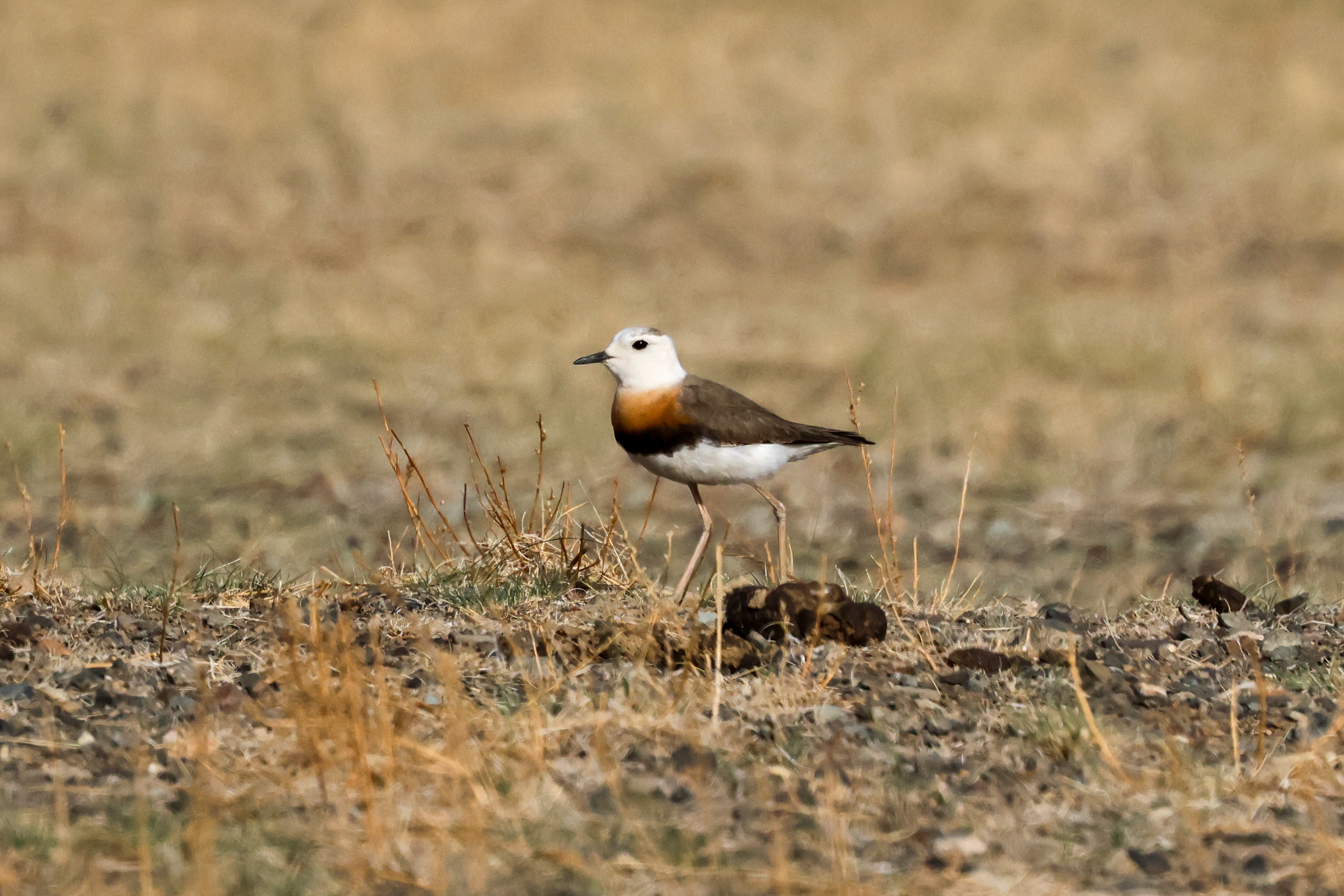
Oriental Plover (image by Hannu Jännes)
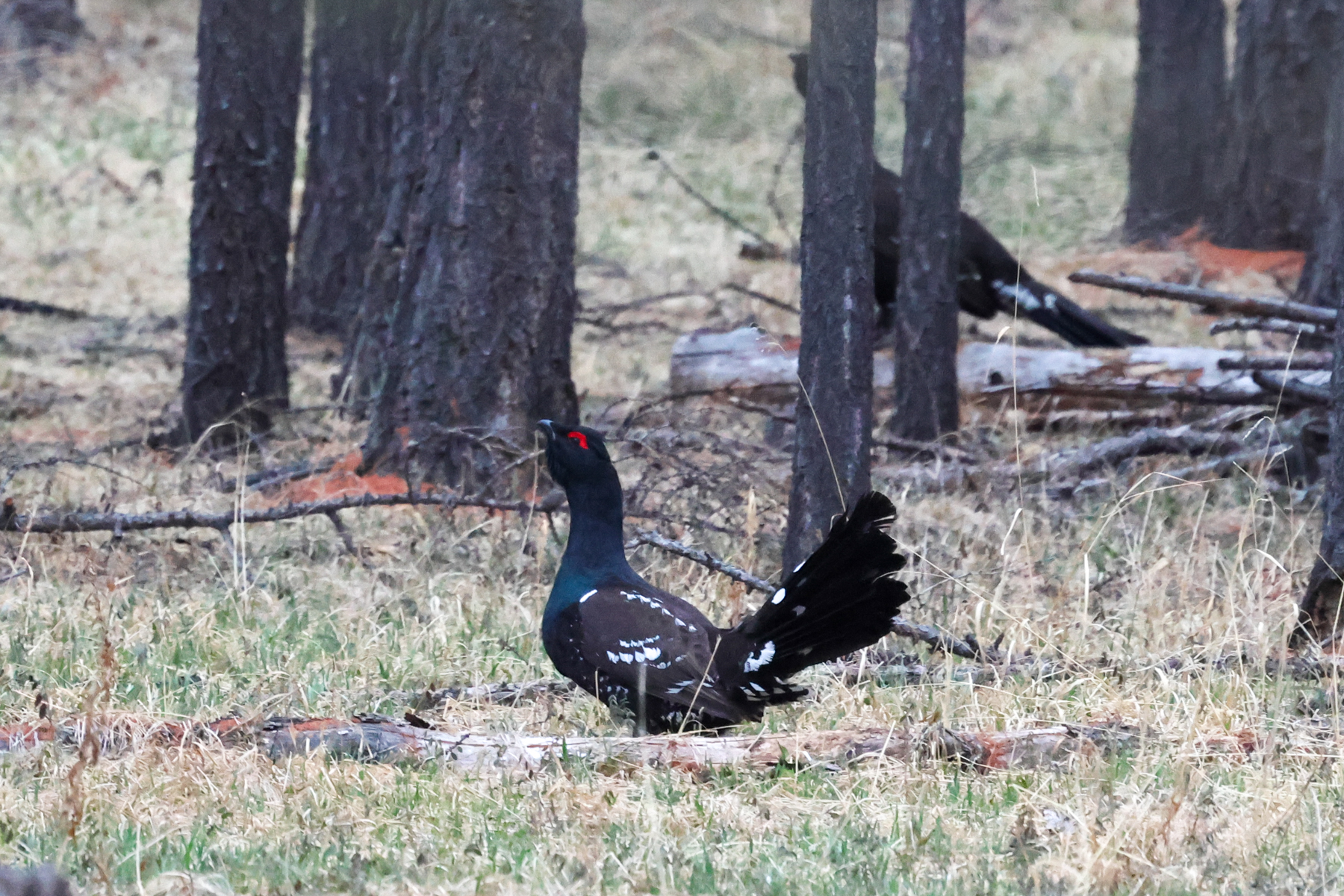
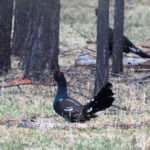
Black-billed Capercaillie (image by Hannu Jännes)
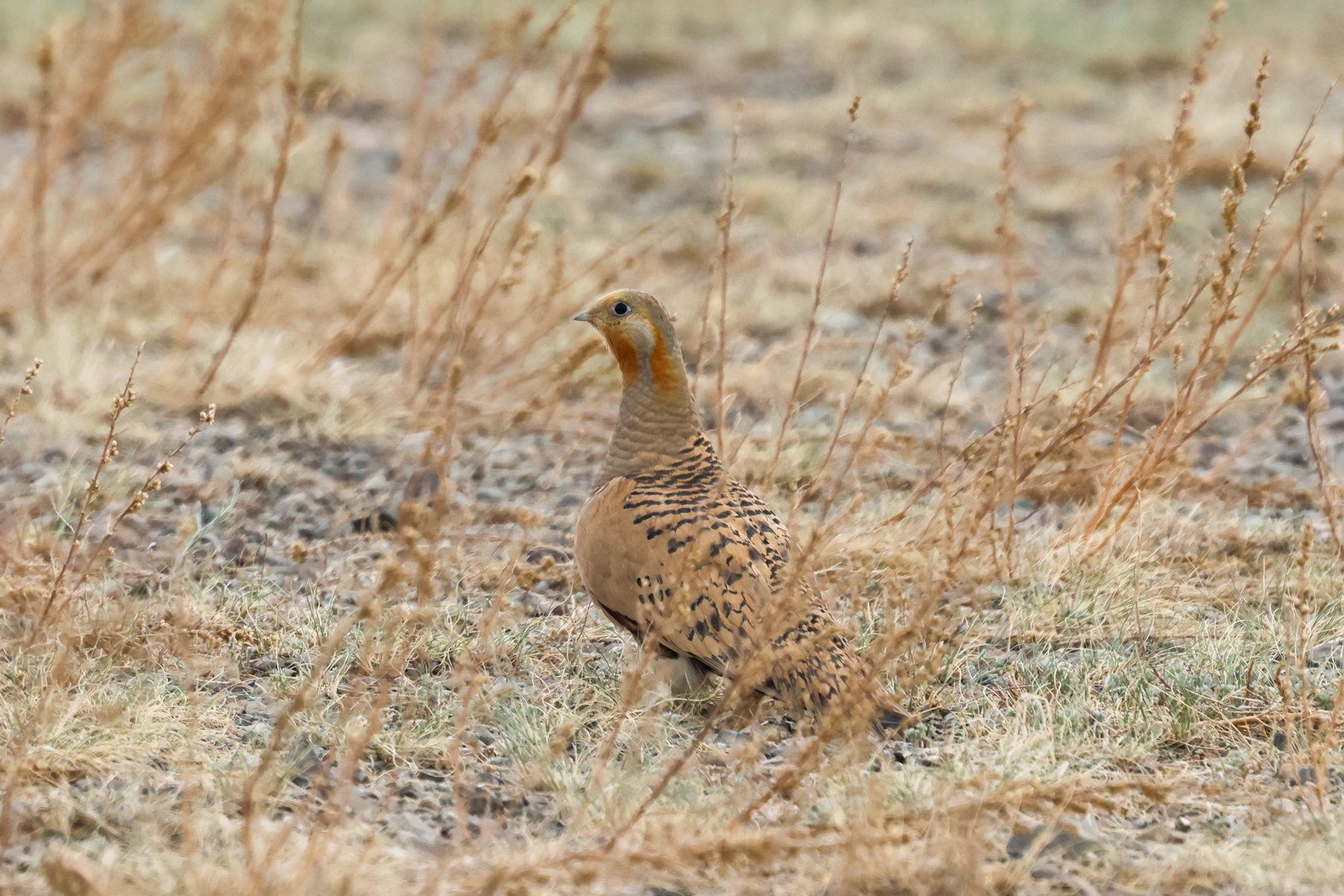
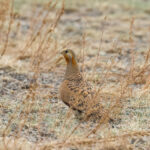
Pallas's Sandgrouse (image by Hannu Jännes)
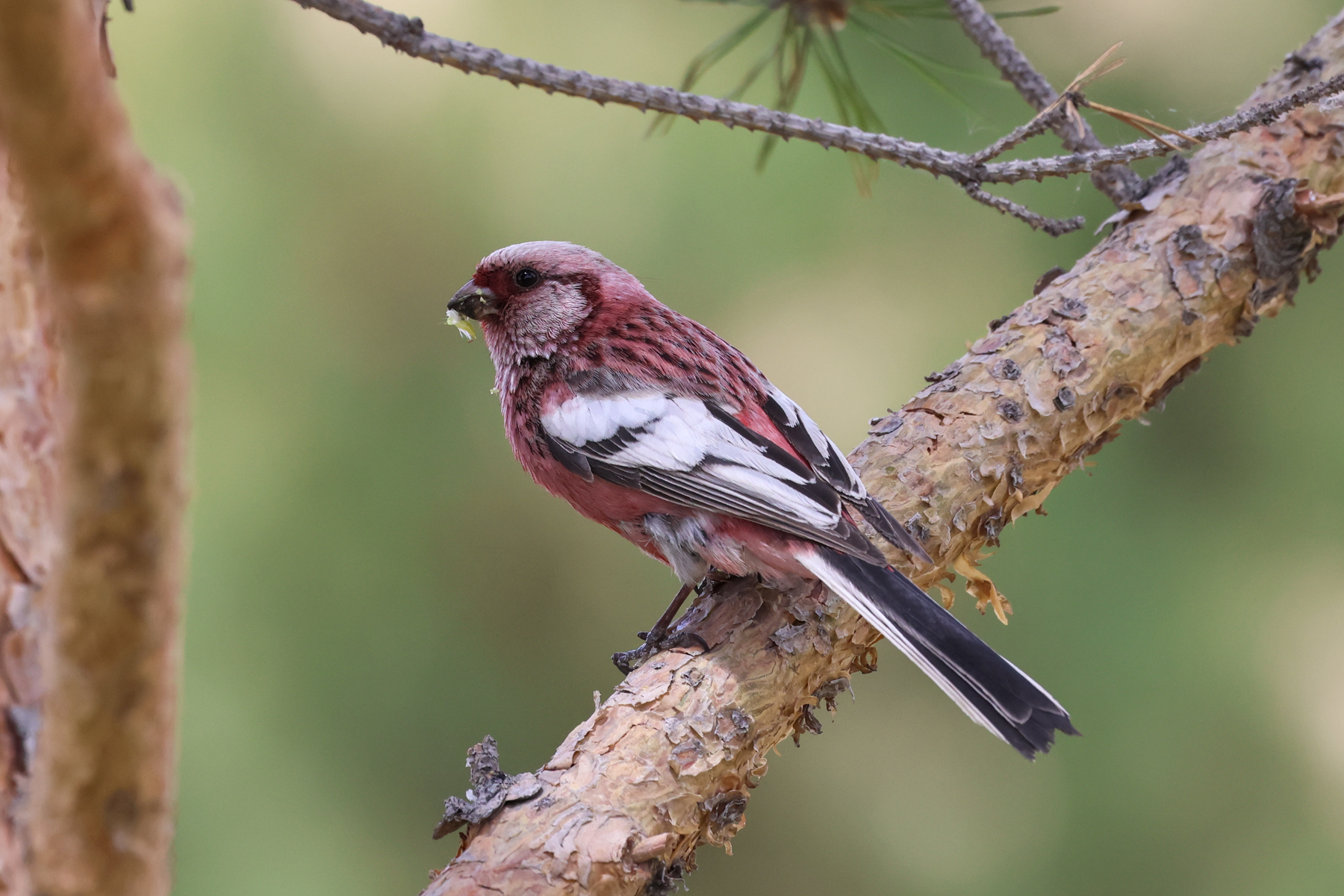
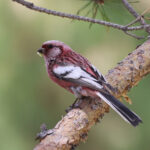
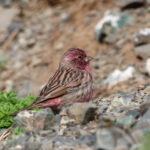
Long-tailed Rosefinch (image by Hannu Jännes)
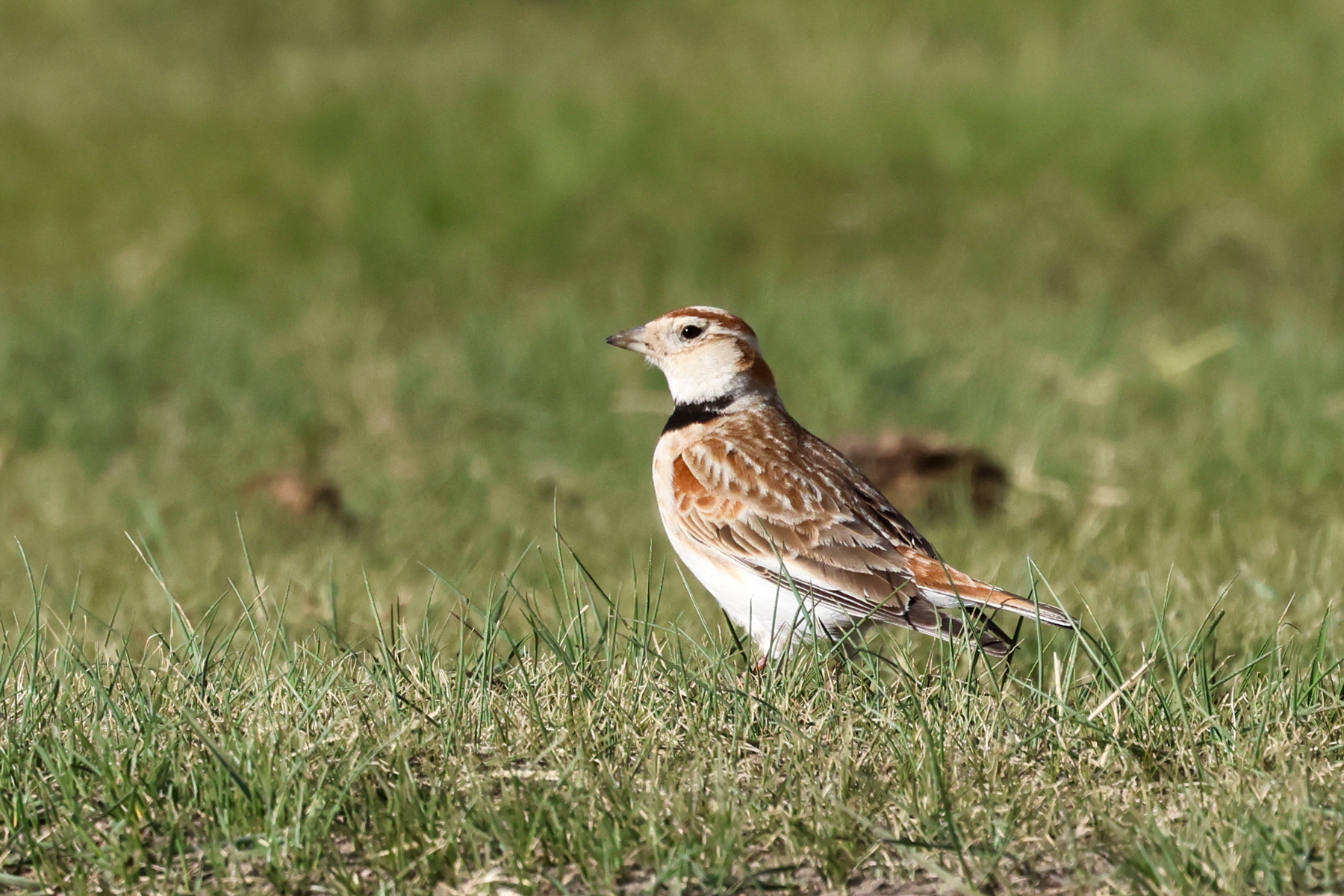
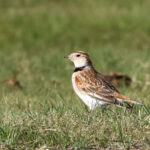
Mongolian Lark (image by Hannu Jännes)
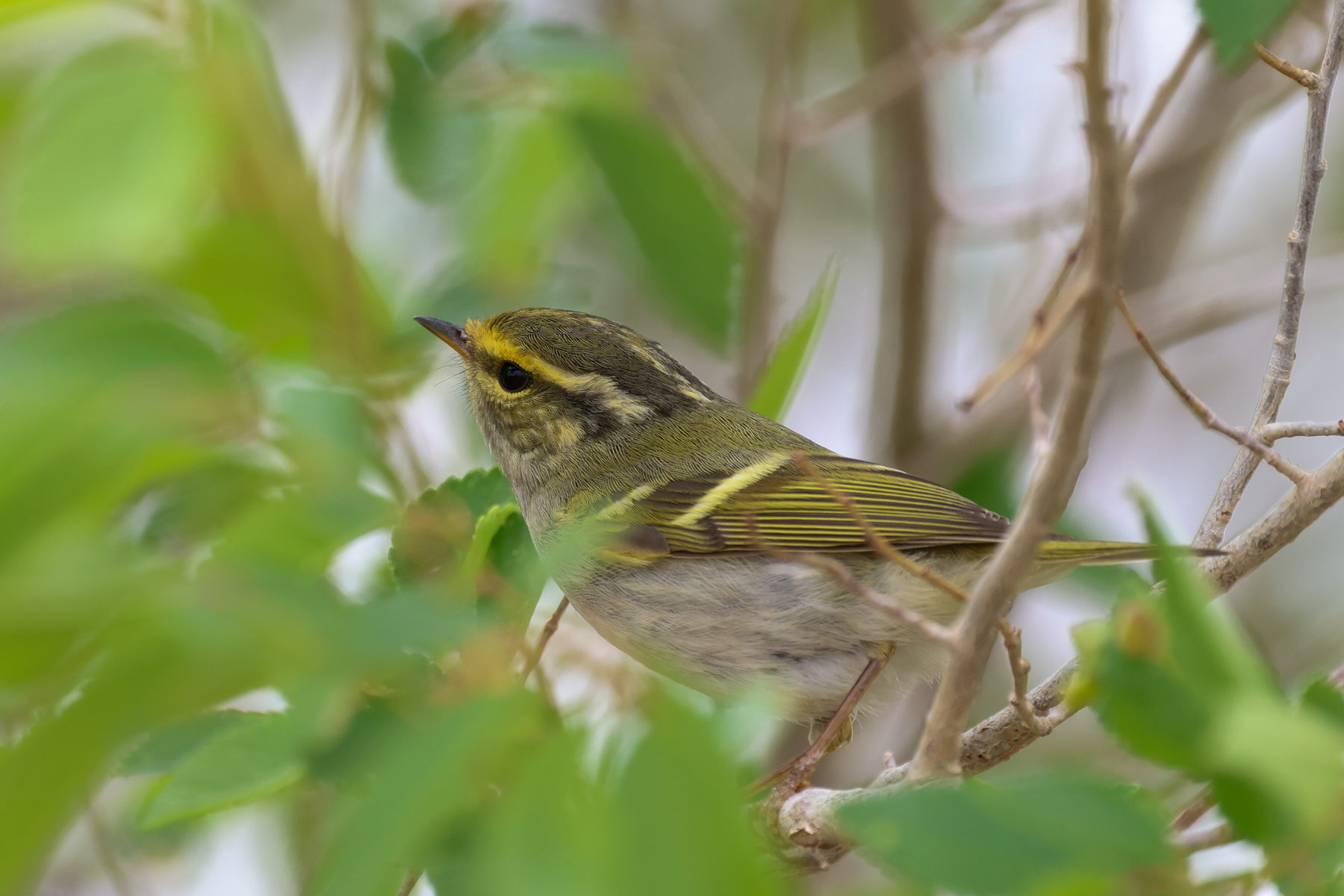
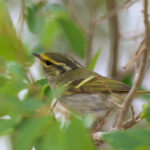
Pallas's Leaf Warbler (image by Hannu Jännes)
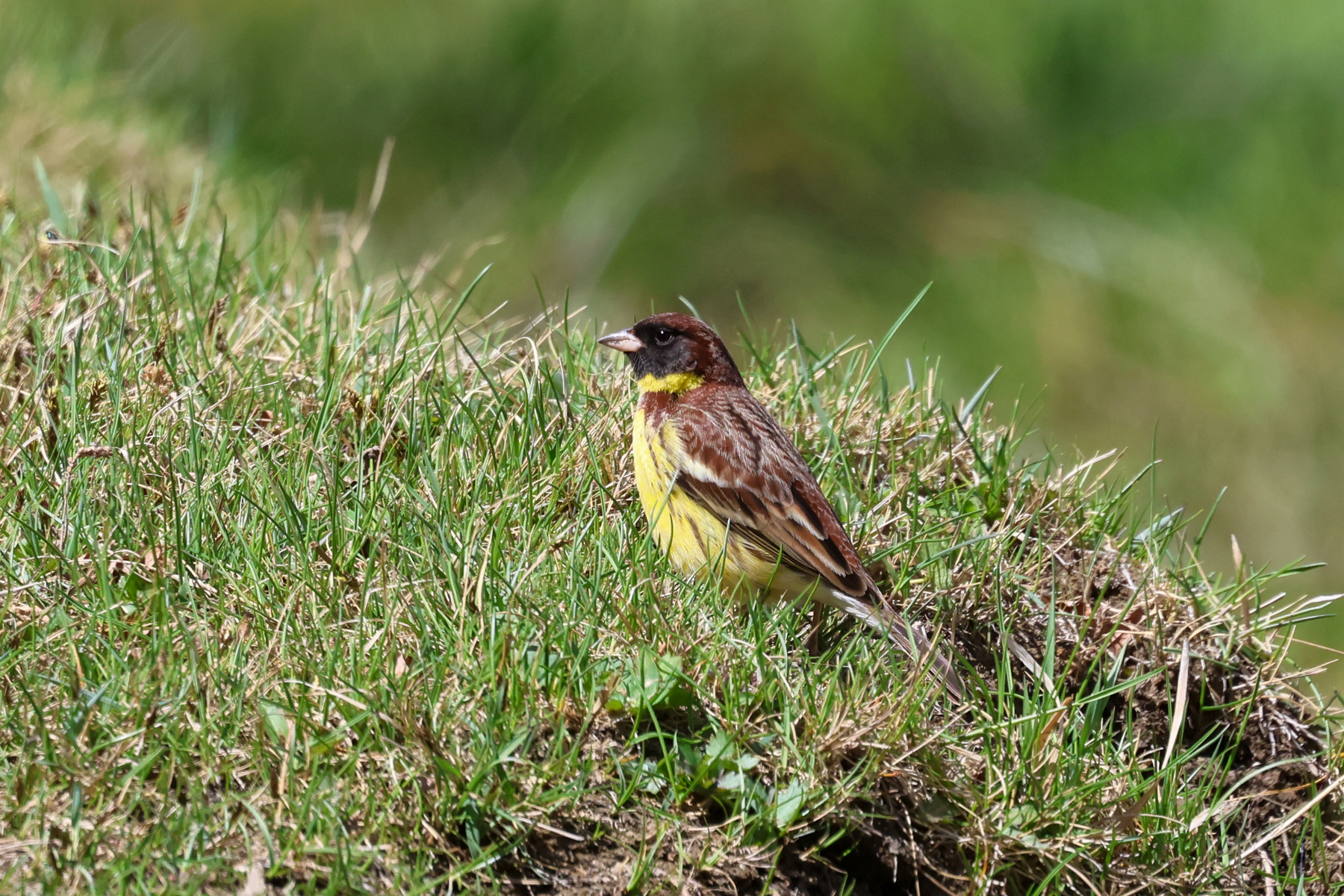
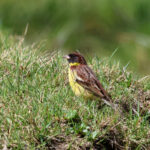
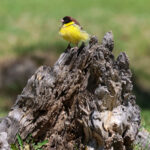
Yellow-breasted Bunting (image by Hannu Jännes)
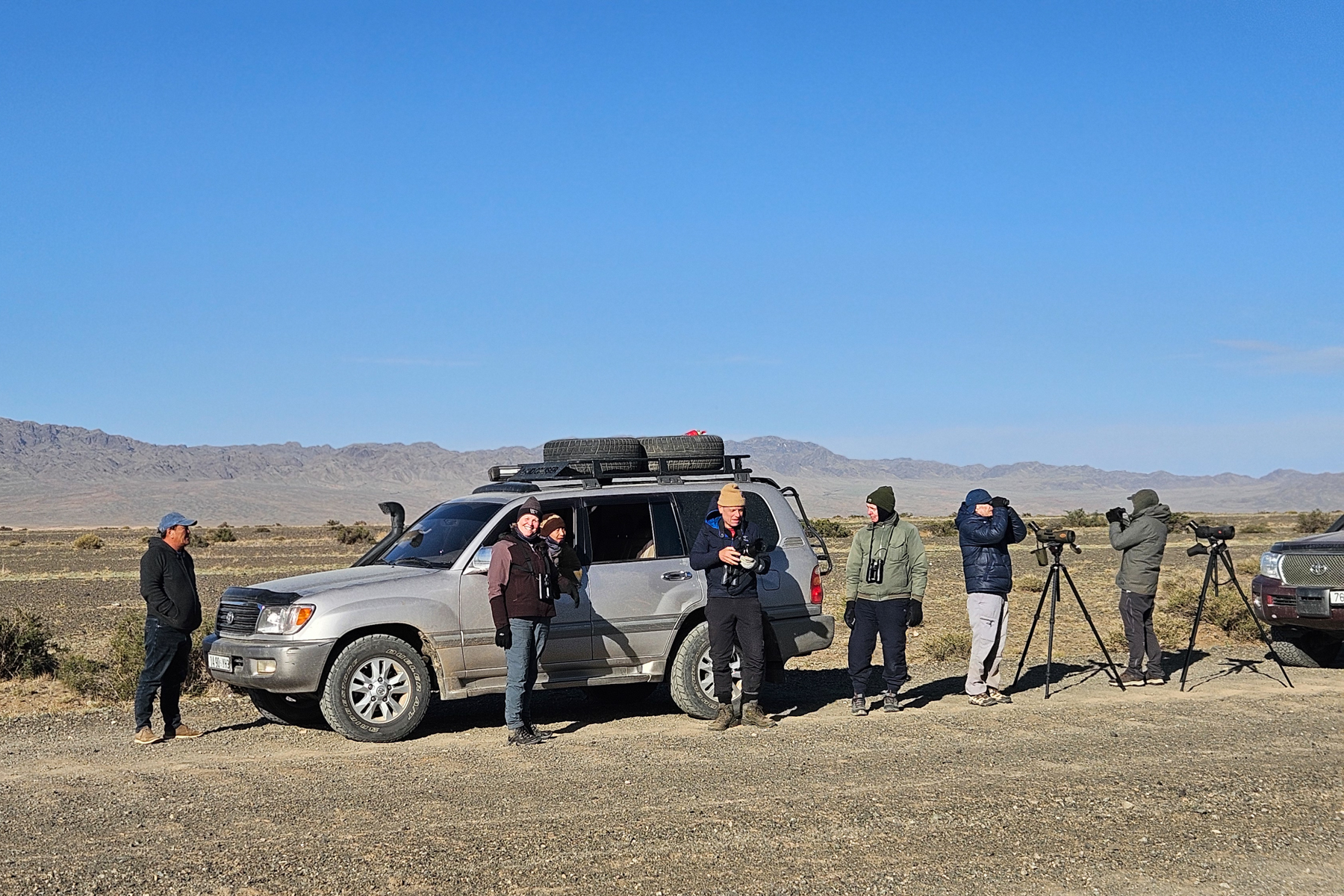
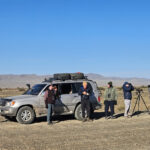
The Team (image by Hannu Jännes)
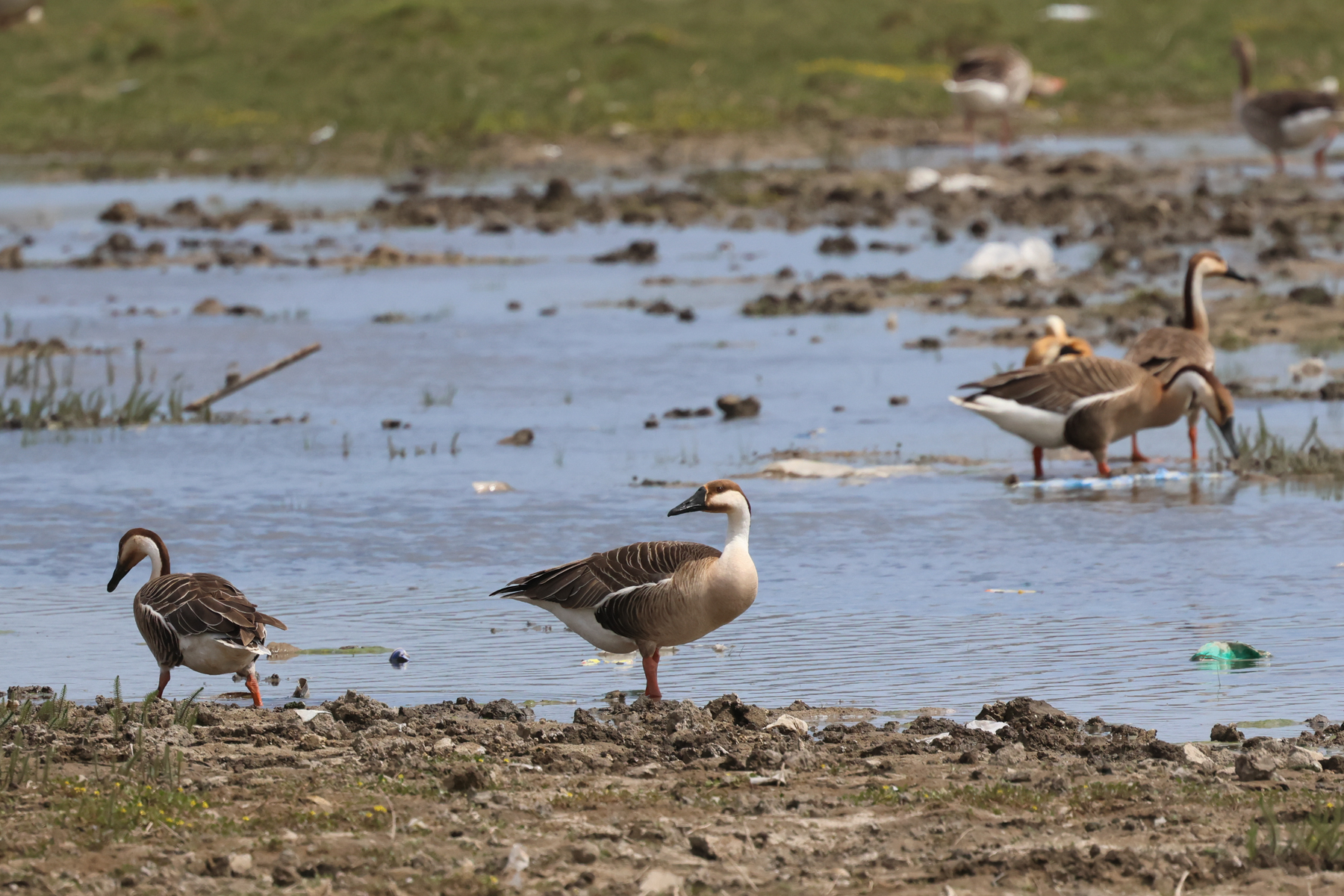
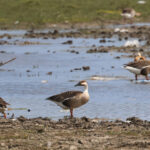
Swan Geese (image by Hannu Jännes)
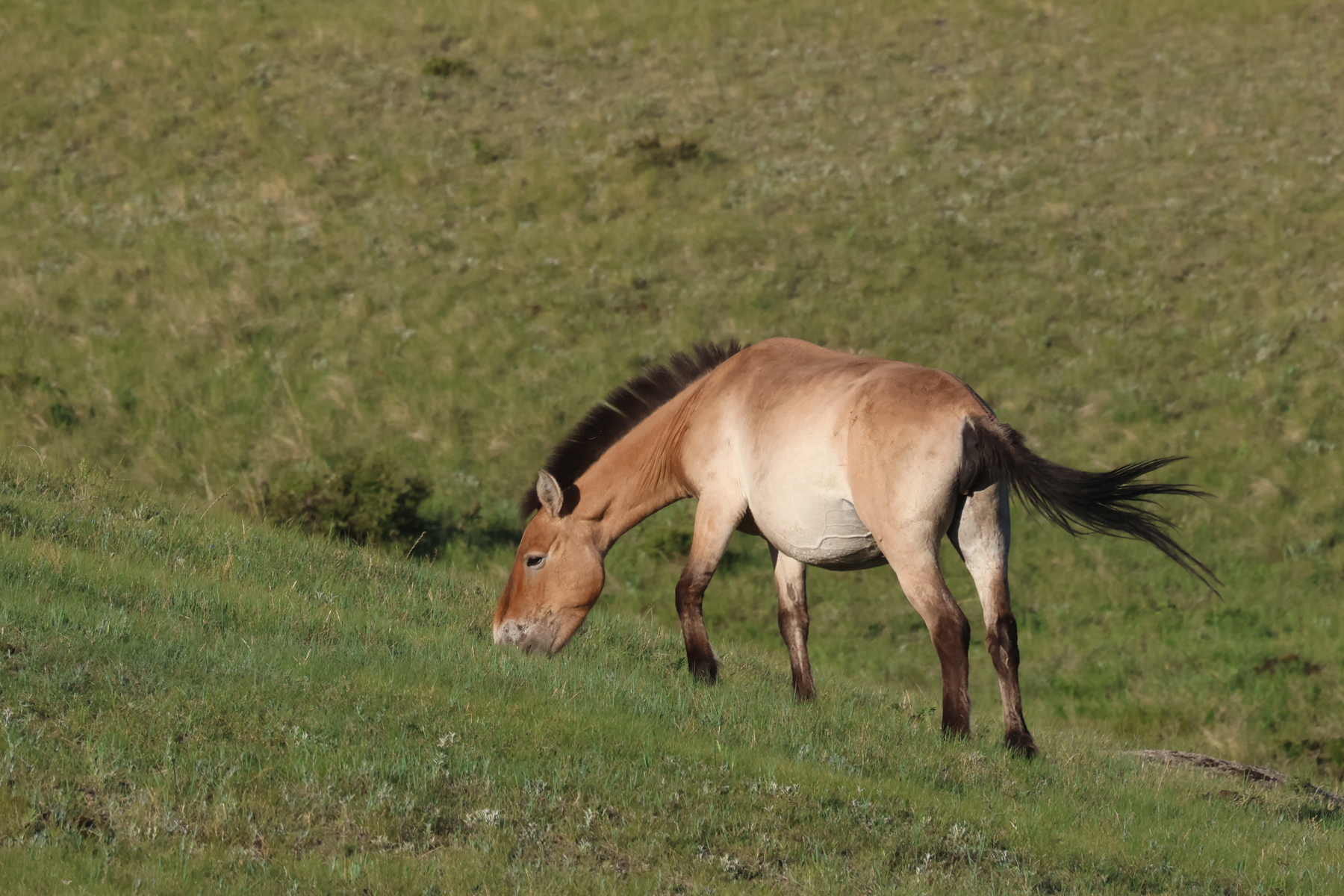
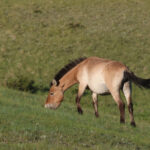
Wild Horse (image by Hannu Jännes)
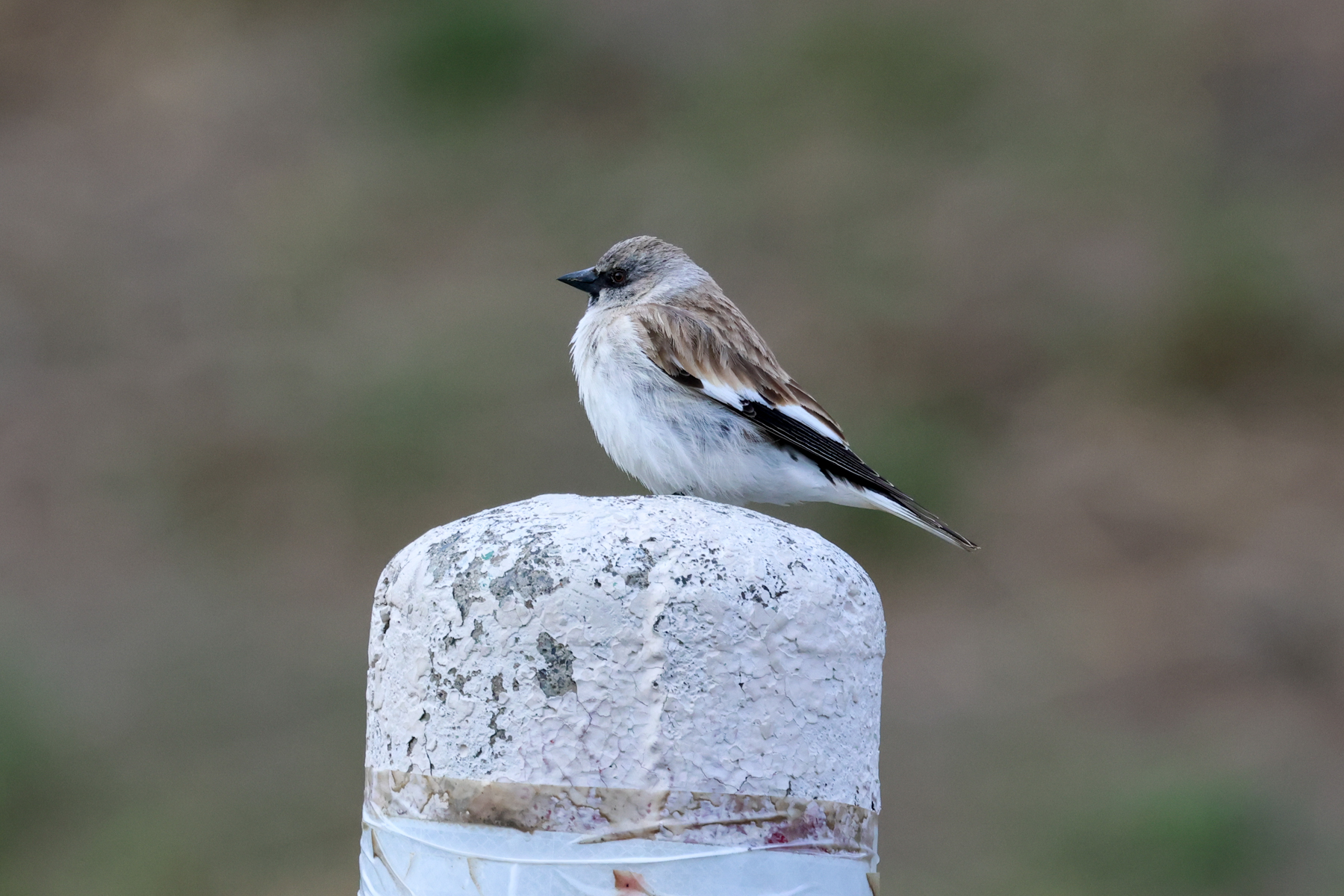
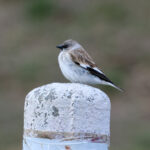
White-winged Snowfinch (image by Hannu Jännes)
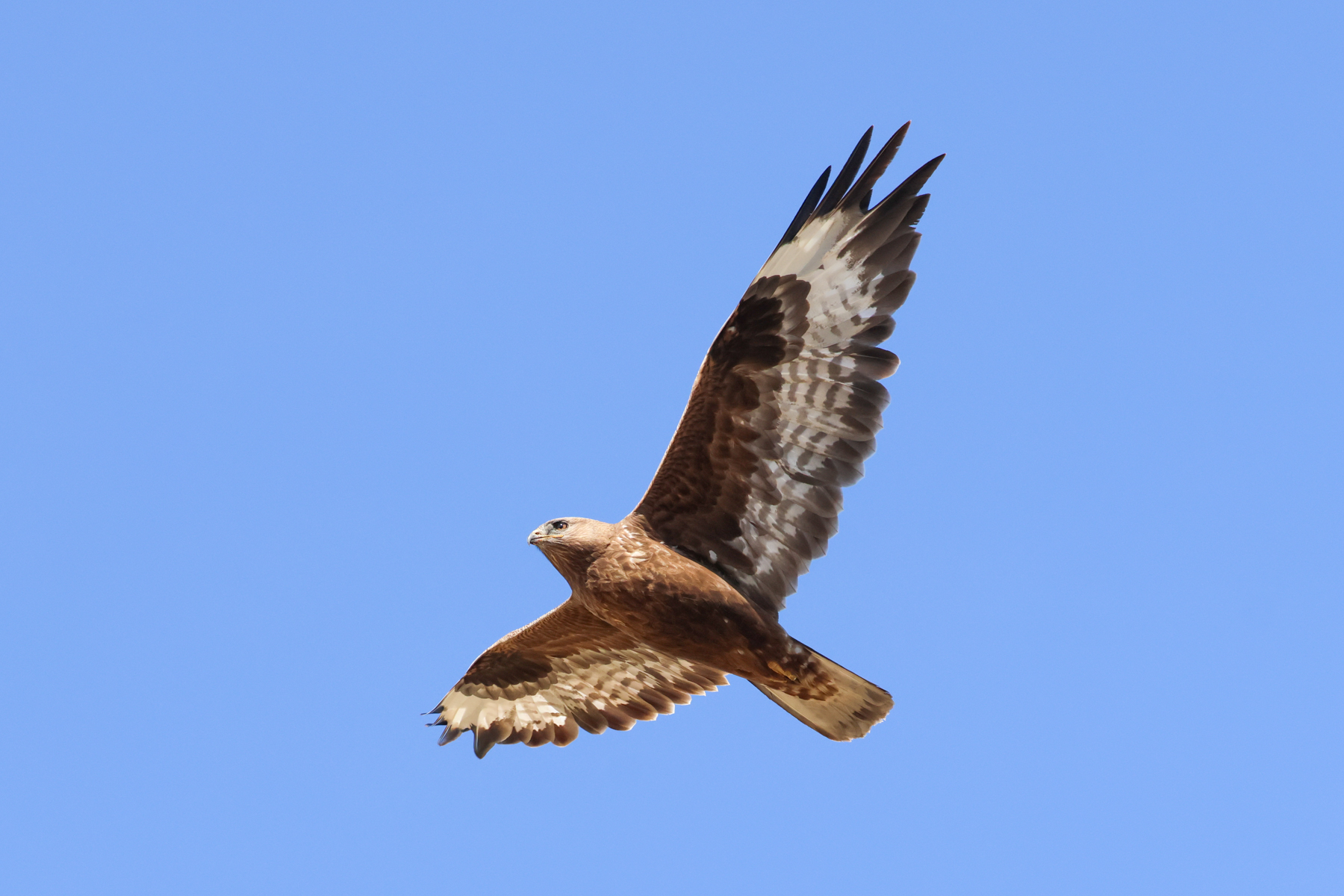
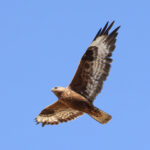
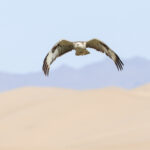
Upland Buzzard (image by Hannu Jännes)
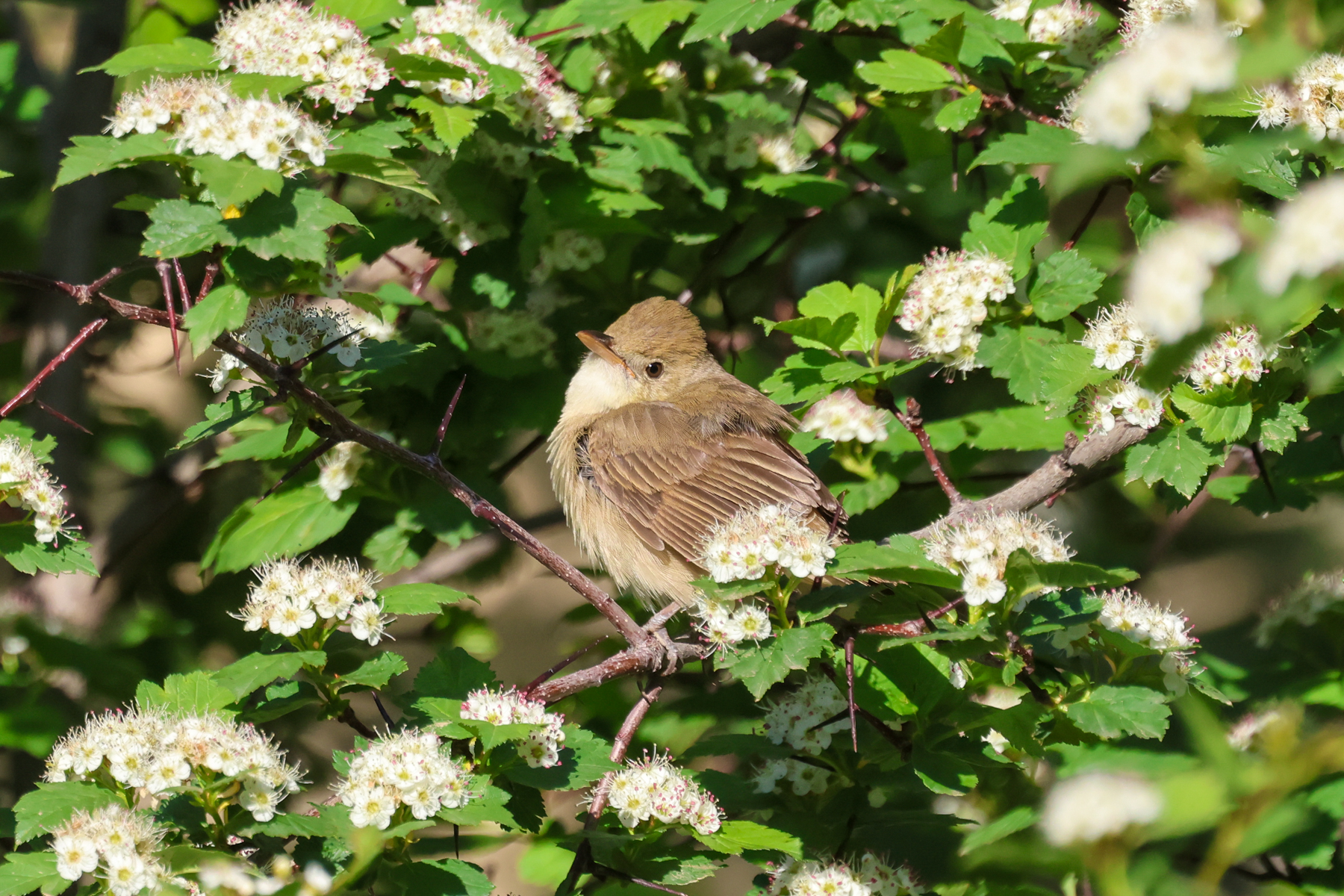
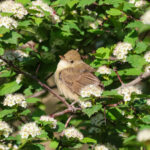
Thick-billed Warbler (image by Hannu Jännes)
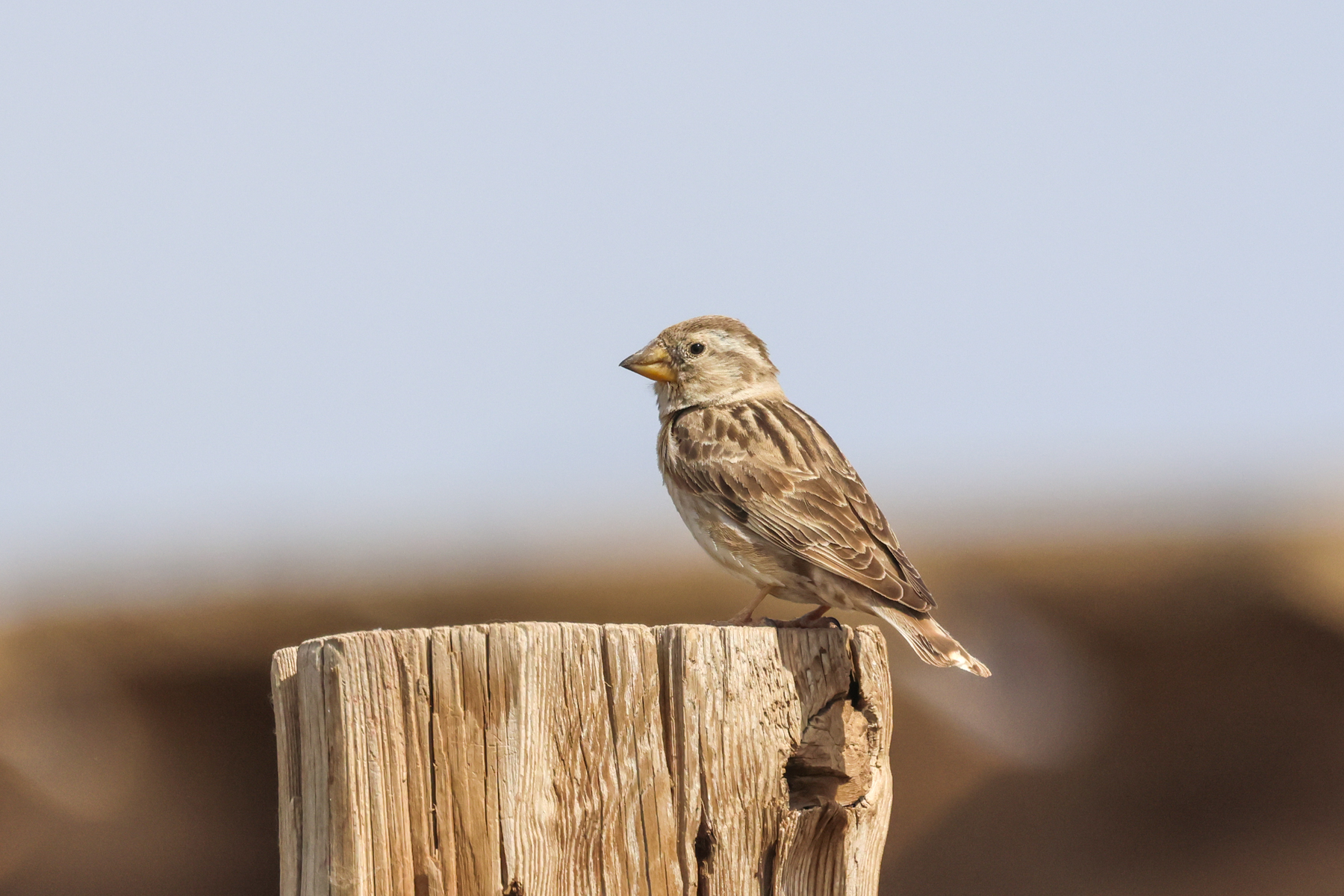
Rock Sparrow (image by Hannu Jännes)
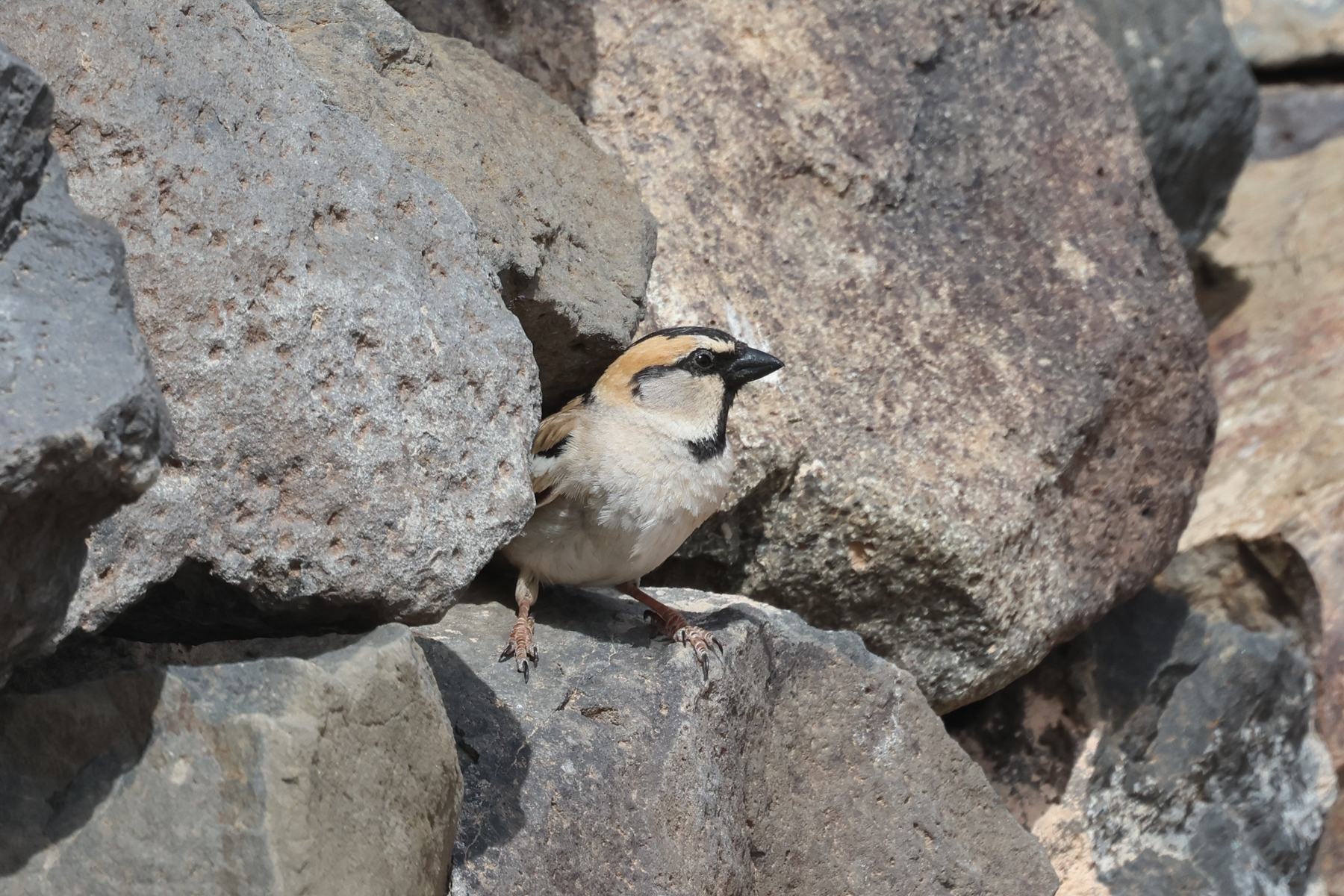
Saxaul Sparrow (image by Hannu Jännes)
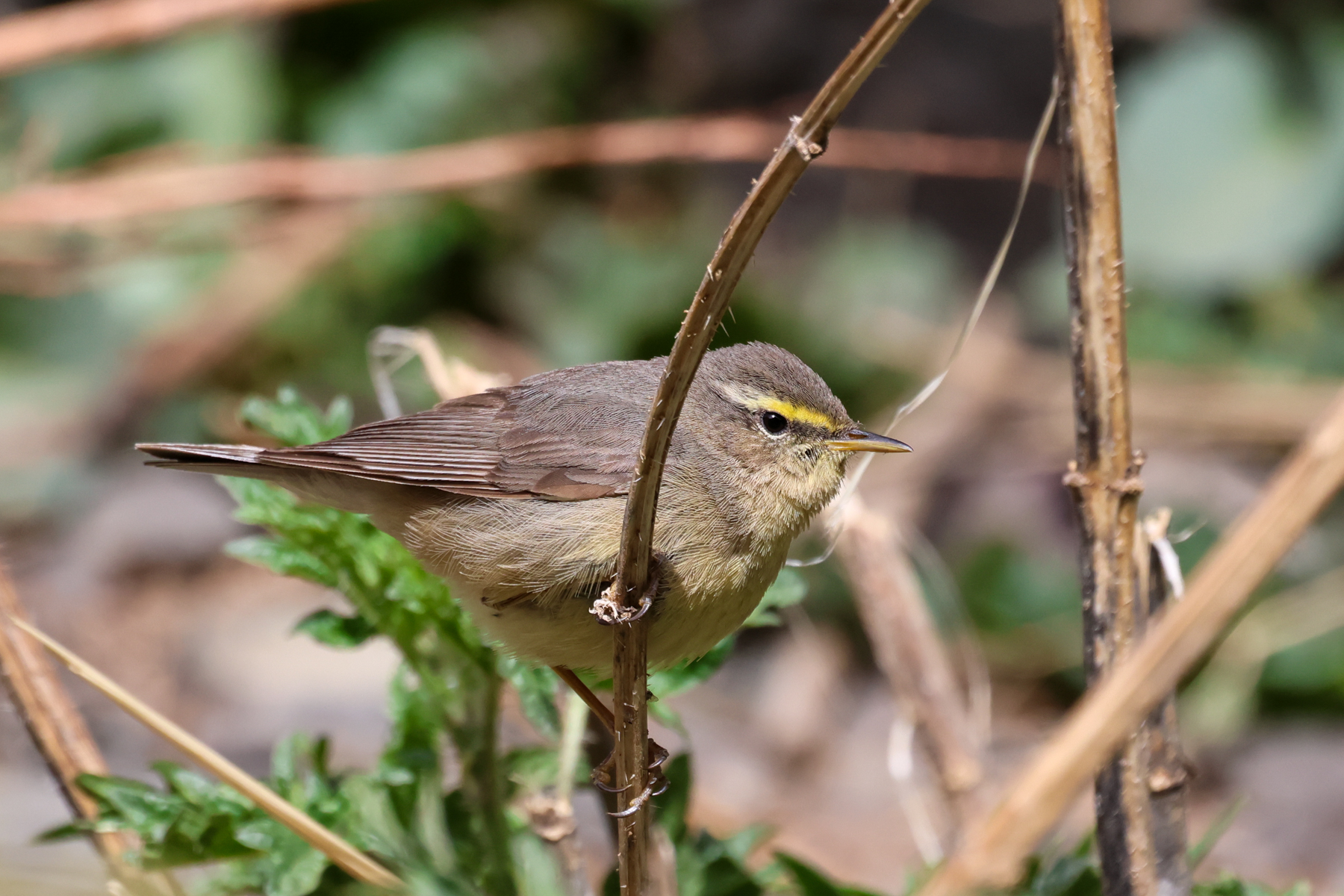
Sulphur-bellied Warbler (image by Hannu Jännes)
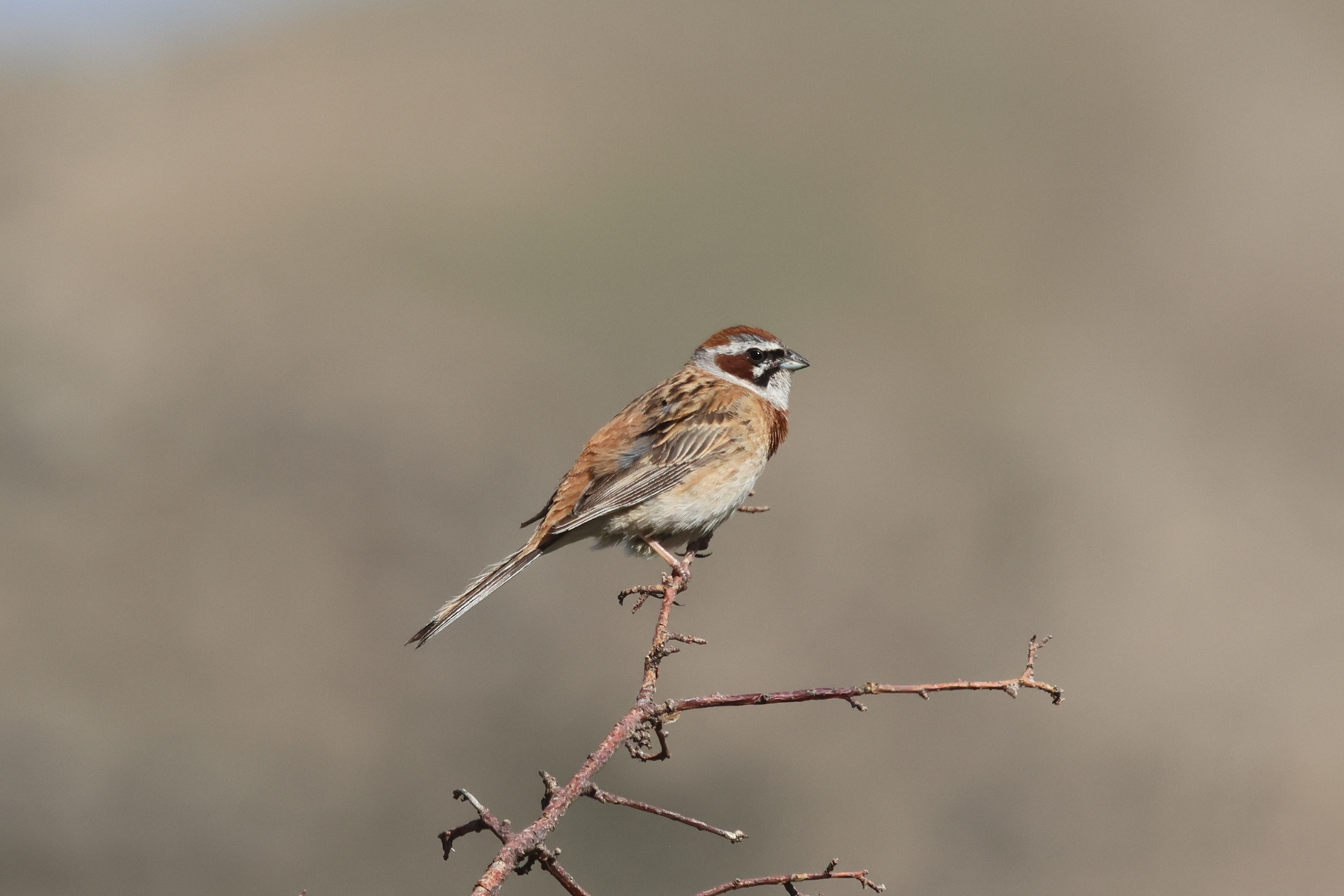
Meadow Bunting (image by Hannu Jännes)
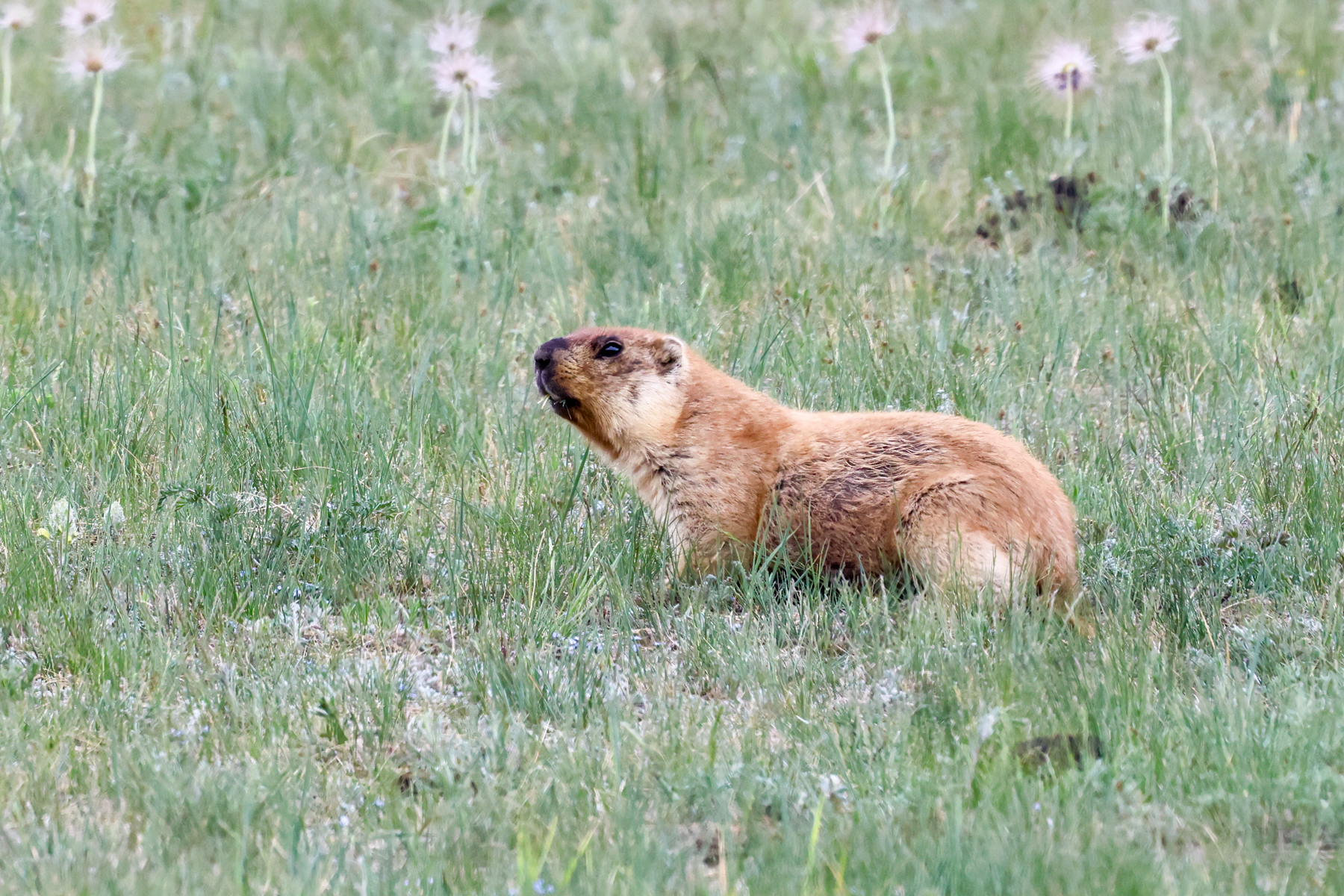
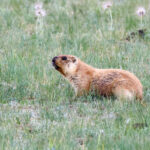
Tarbagan Marmot (image by Hannu Jännes)
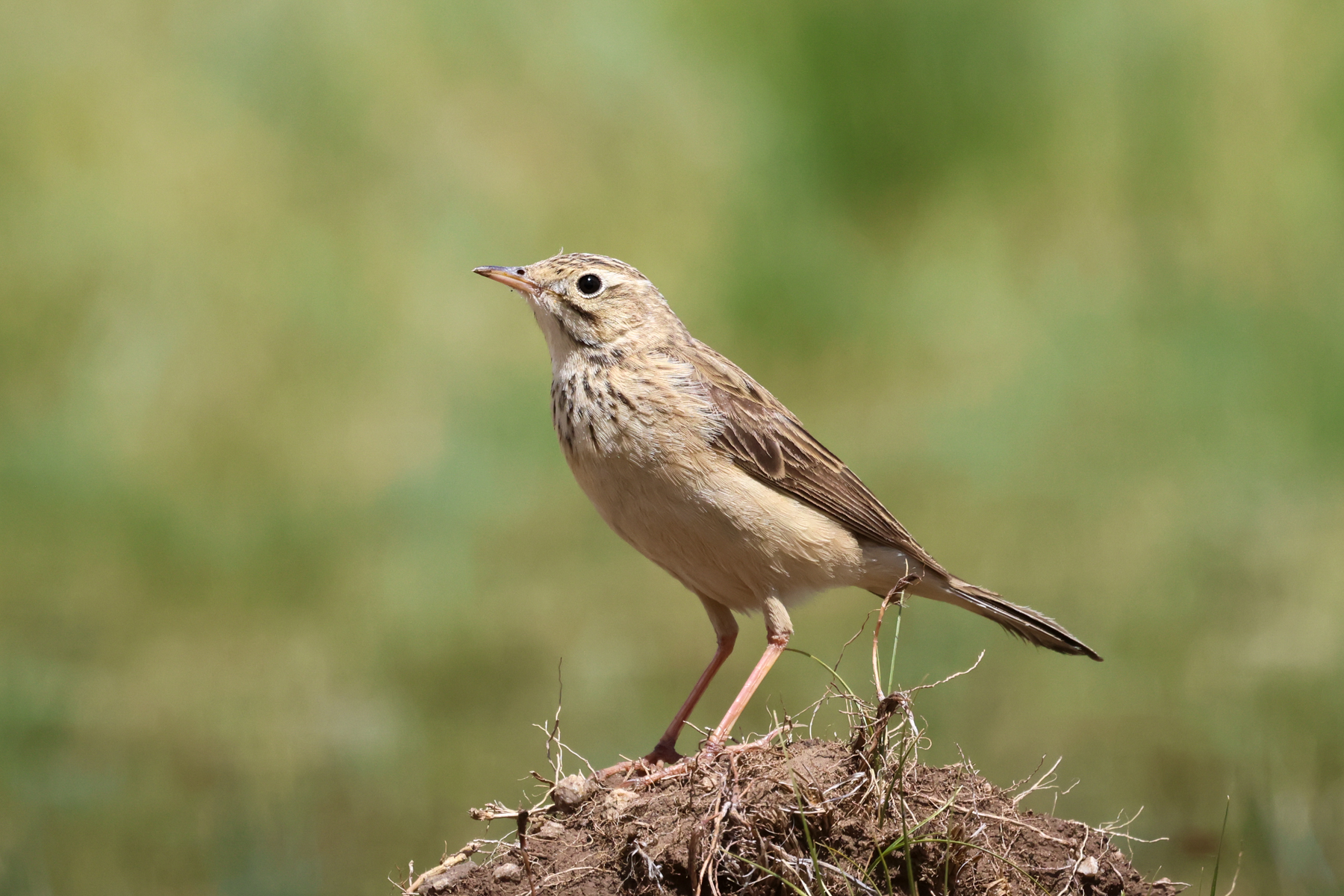
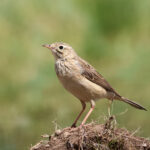
Blyth's Pipit (image by Hannu Jännes)
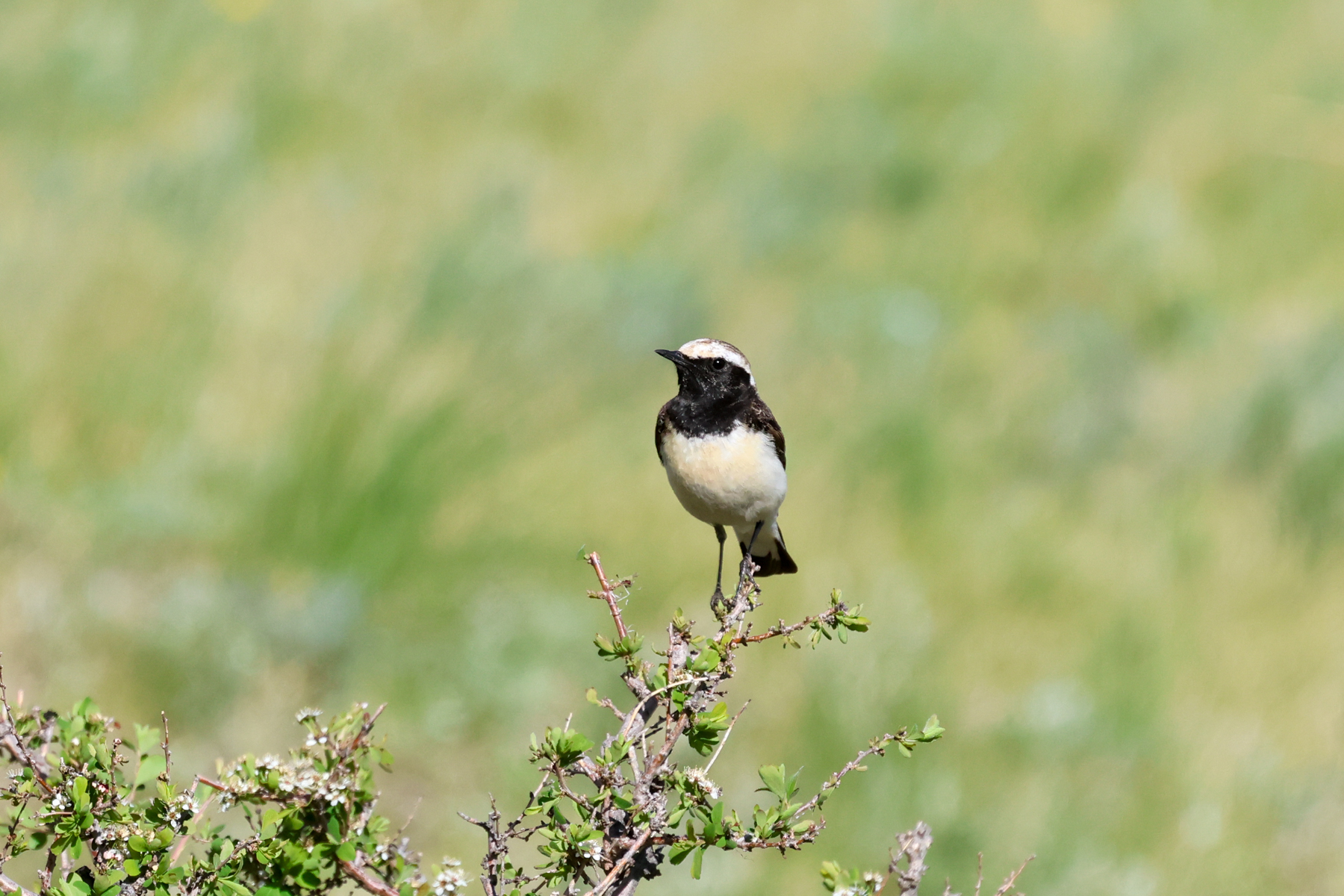
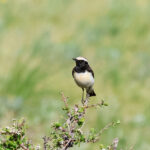
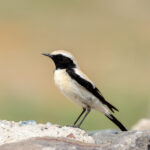
Pied Wheatear (image by Hannu Jännes)
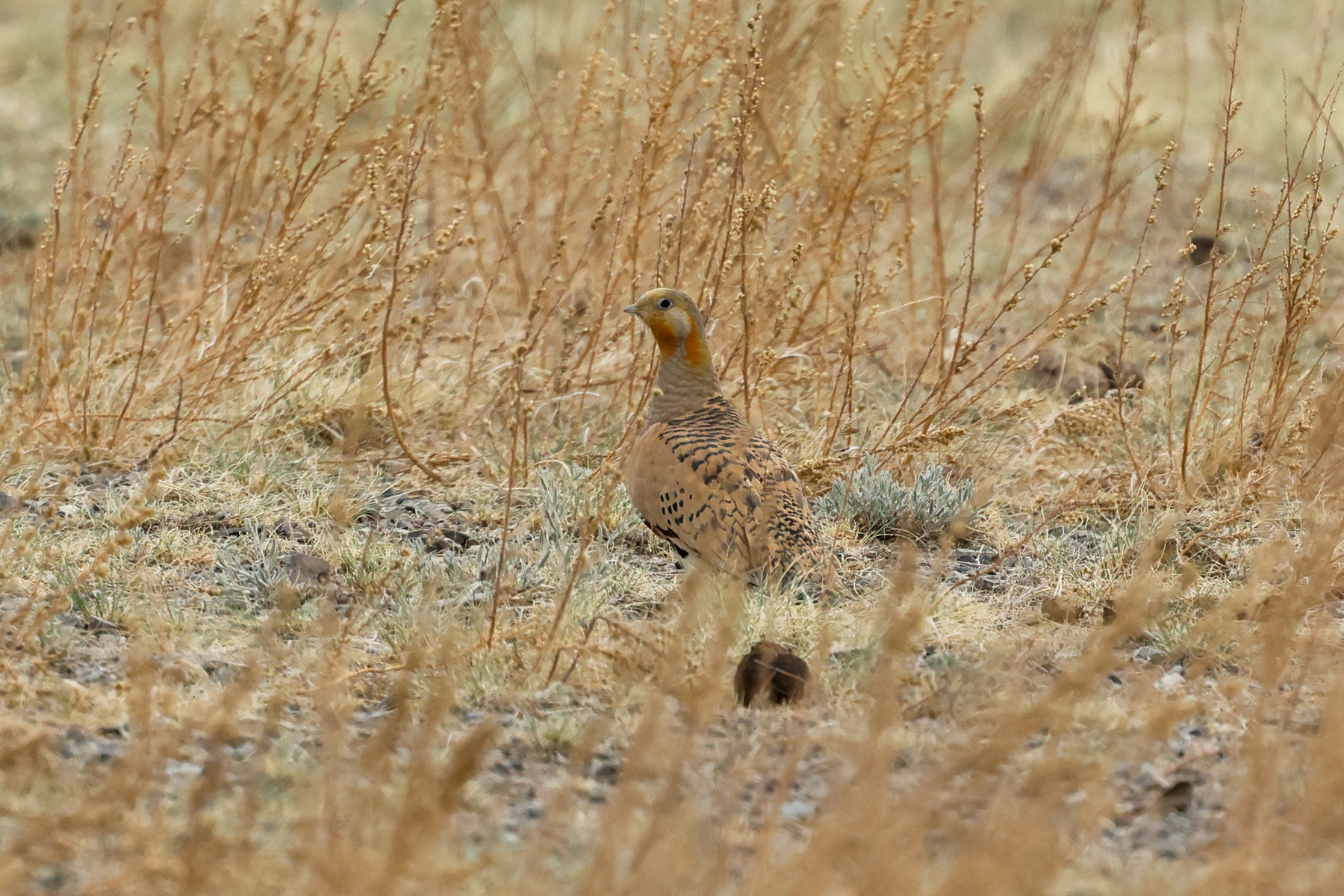
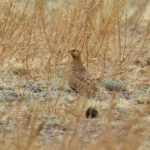
Pallas's Sandgrouse (image by Hannu Jännes)
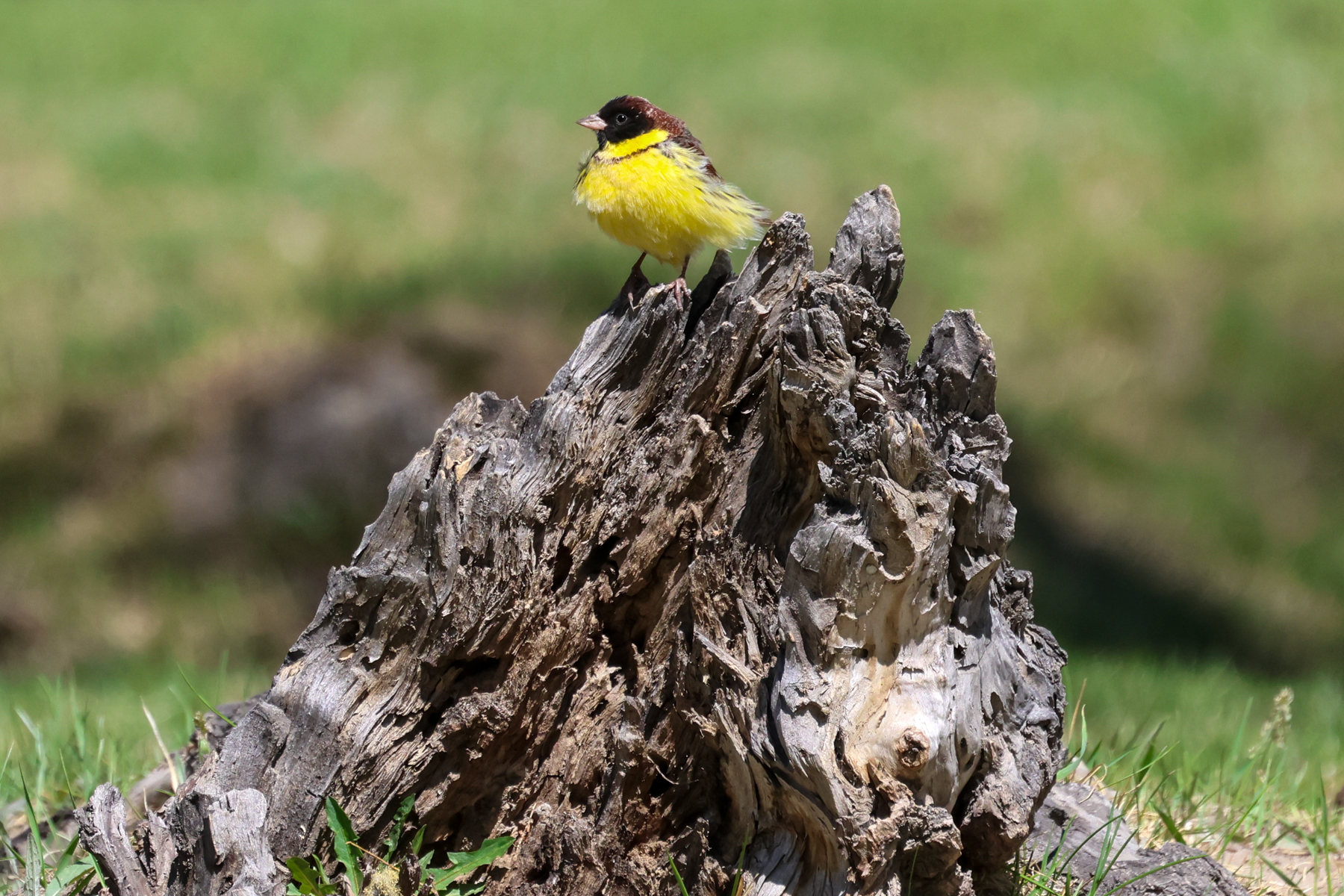
Yellow-breasted Bunting (image by Hannu Jännes)
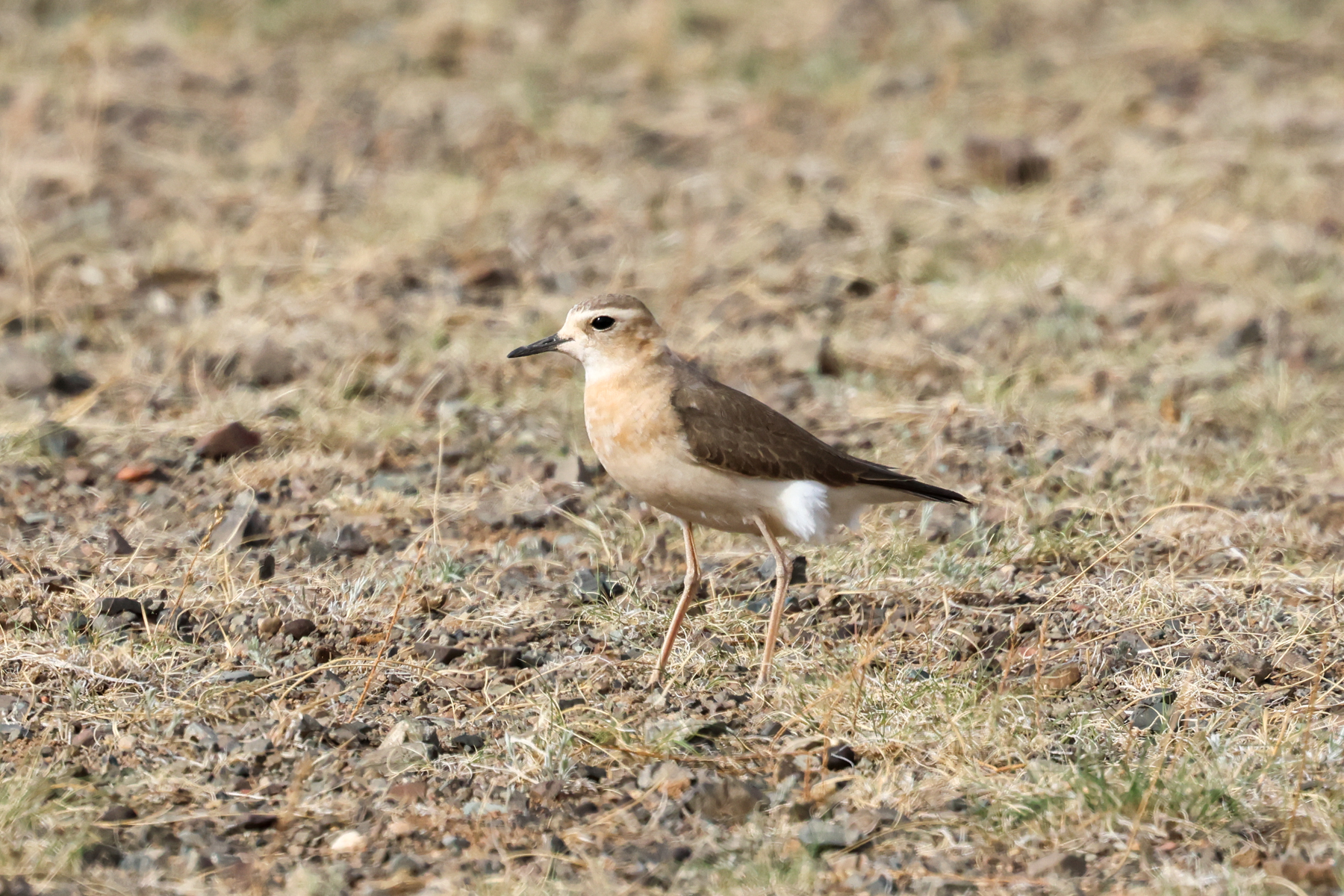
Oriental Plover (image by Hannu Jännes)
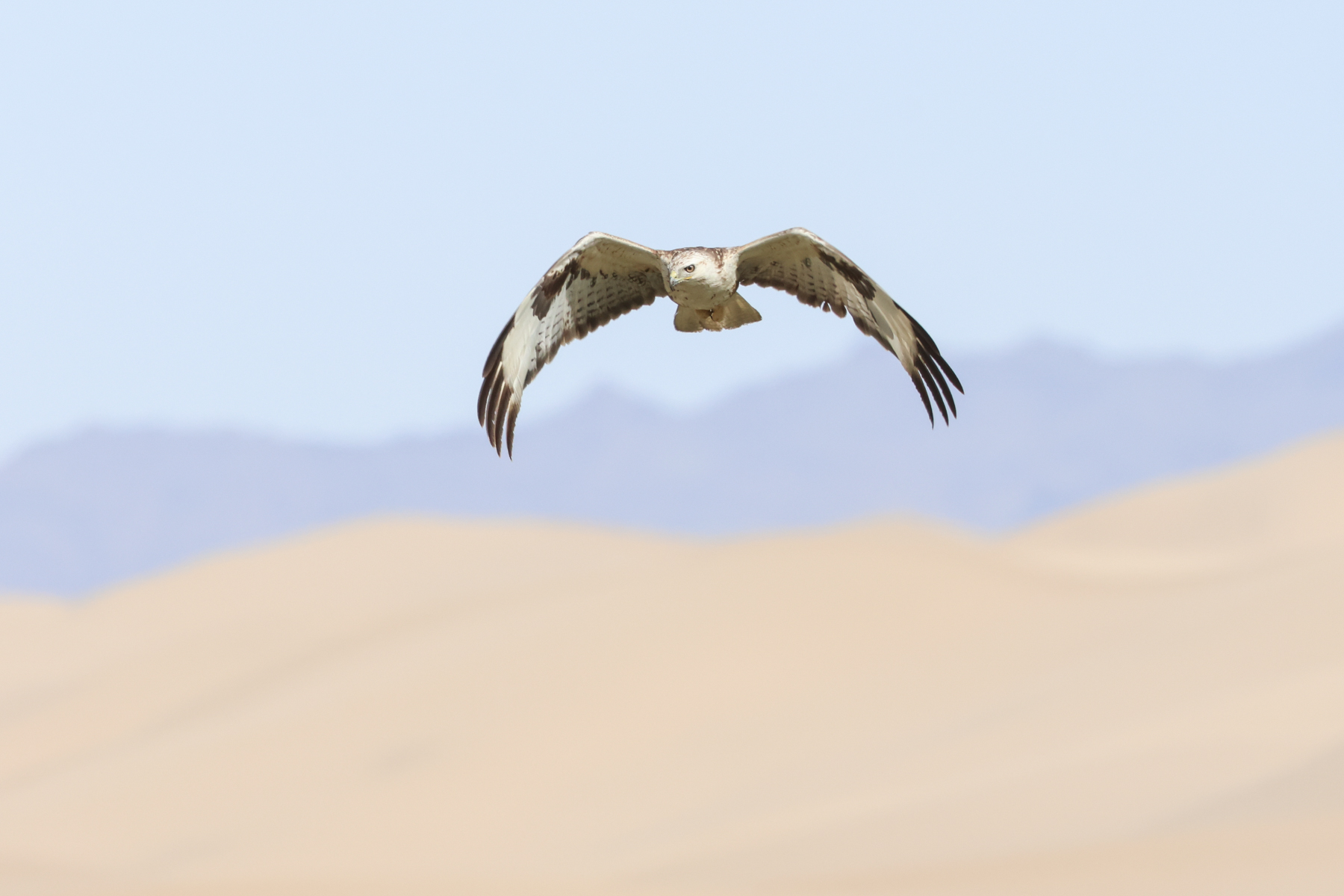
Long-legged Buzzard (image by Hannu Jännes)
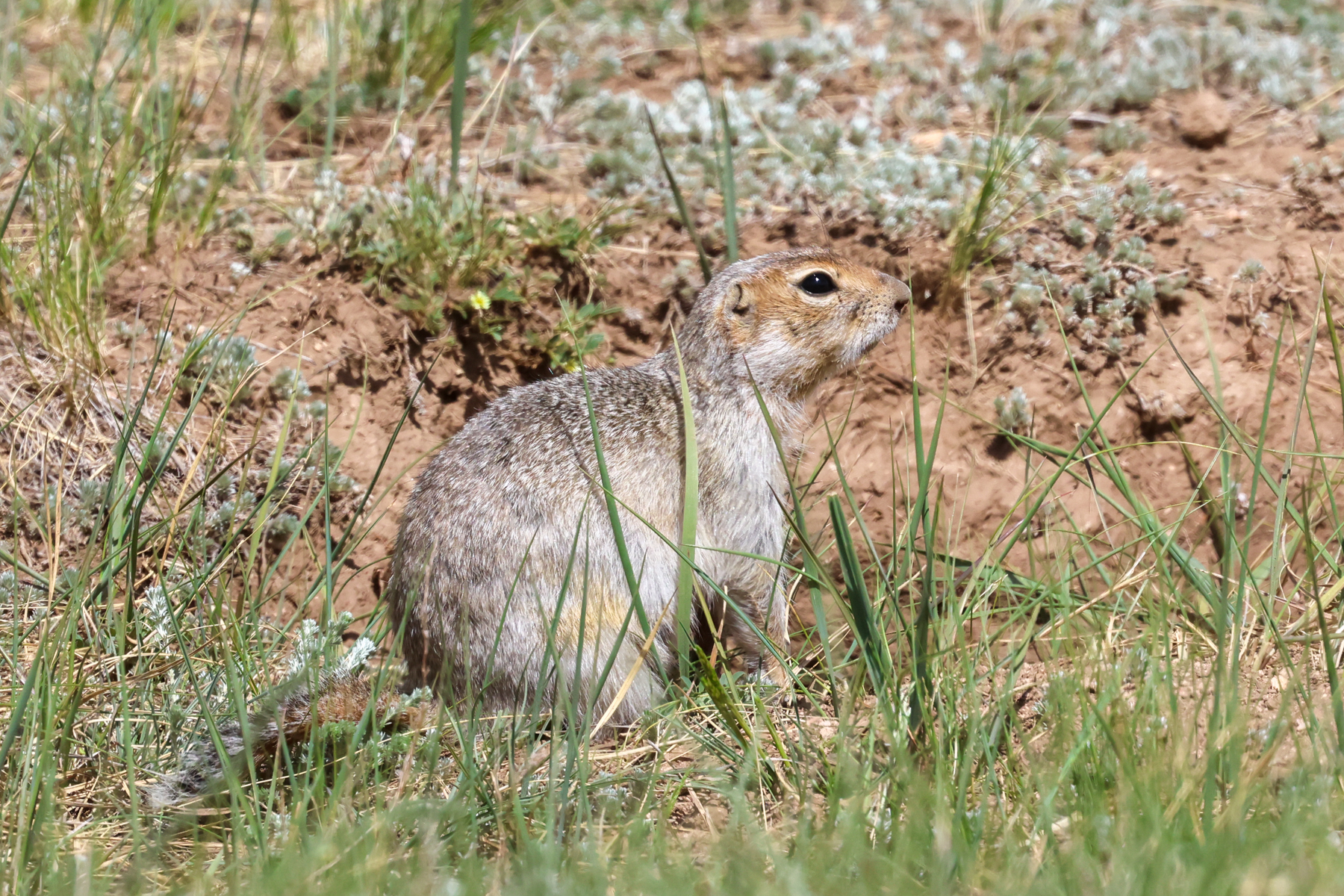
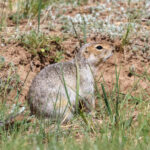
Long-tailed Ground Squirrel (image by Hannu Jännes)
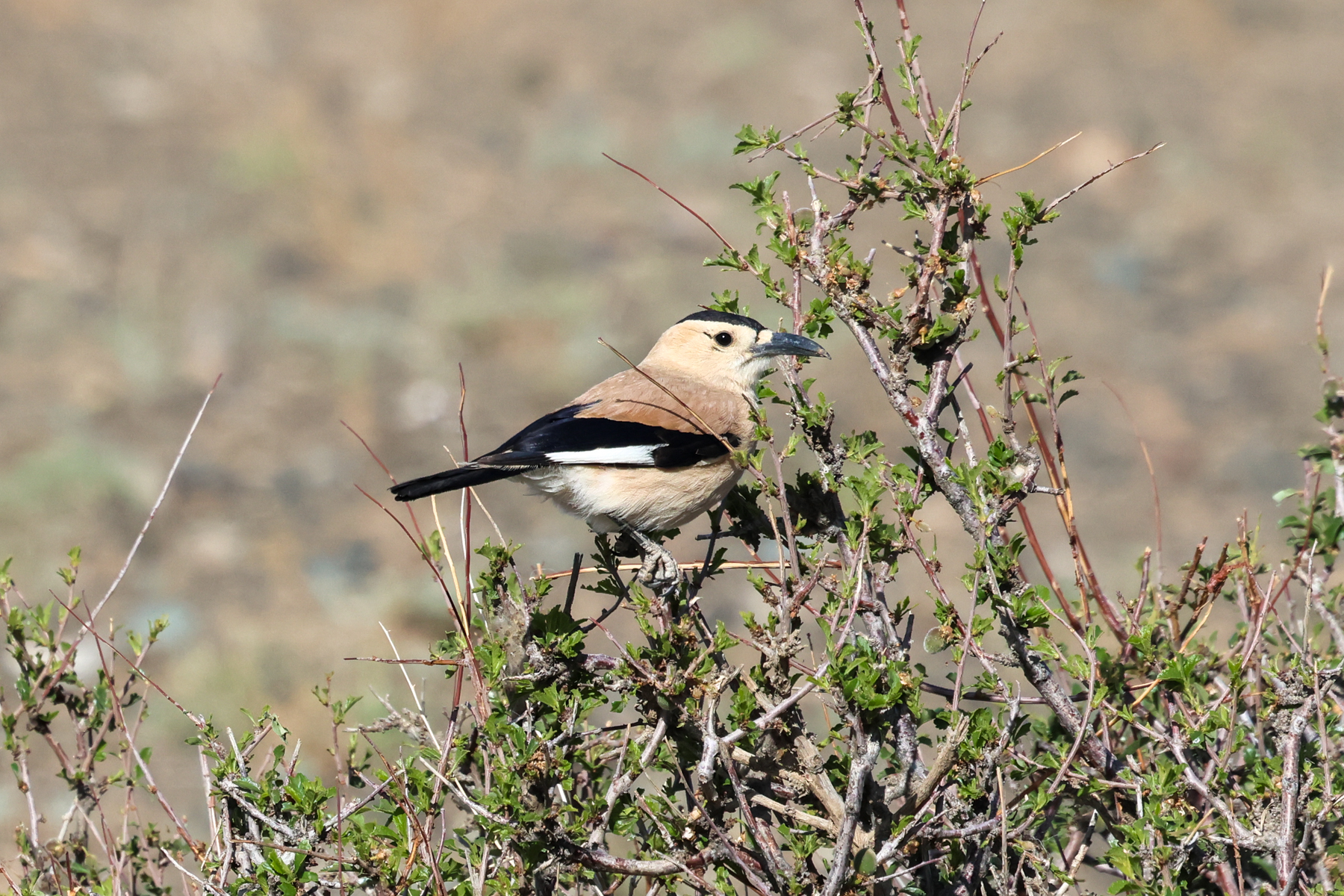
Mongolian Ground Jay (image by Hannu Jännes)
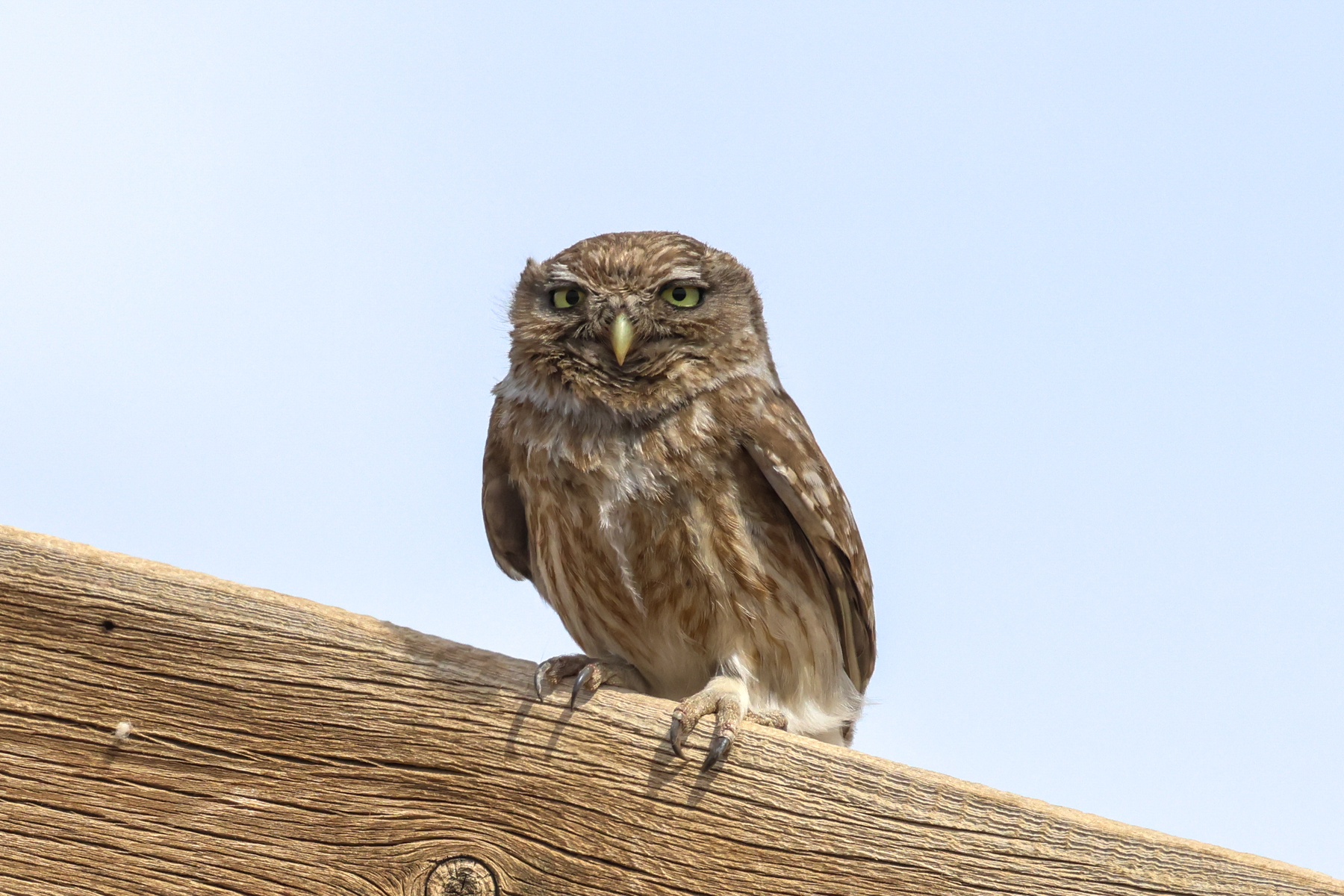
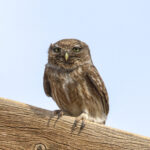
Little Owl (image by Hannu Jännes)
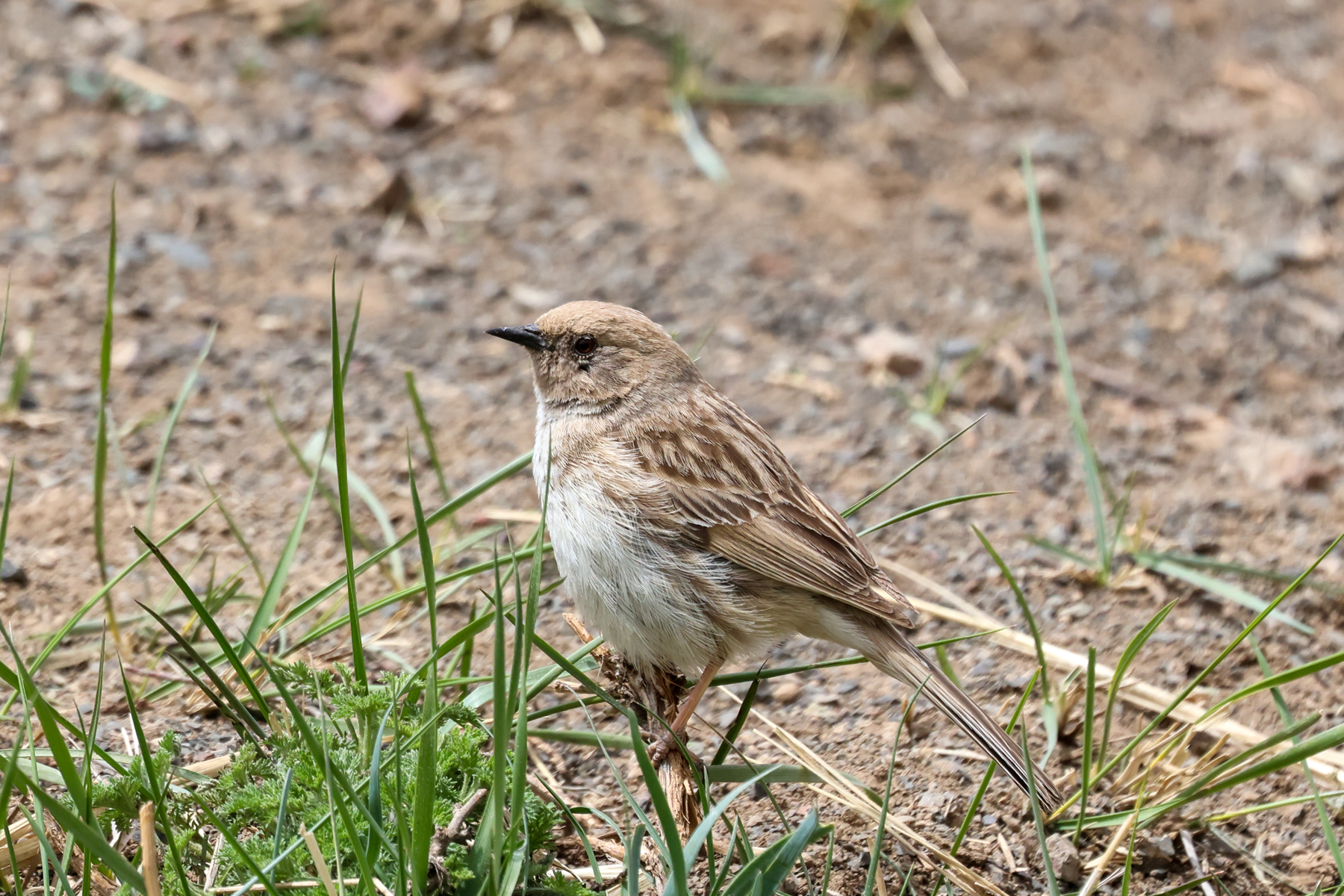
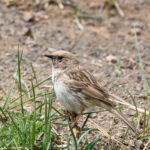
Koslov's Accentor (image by Hannu Jännes)
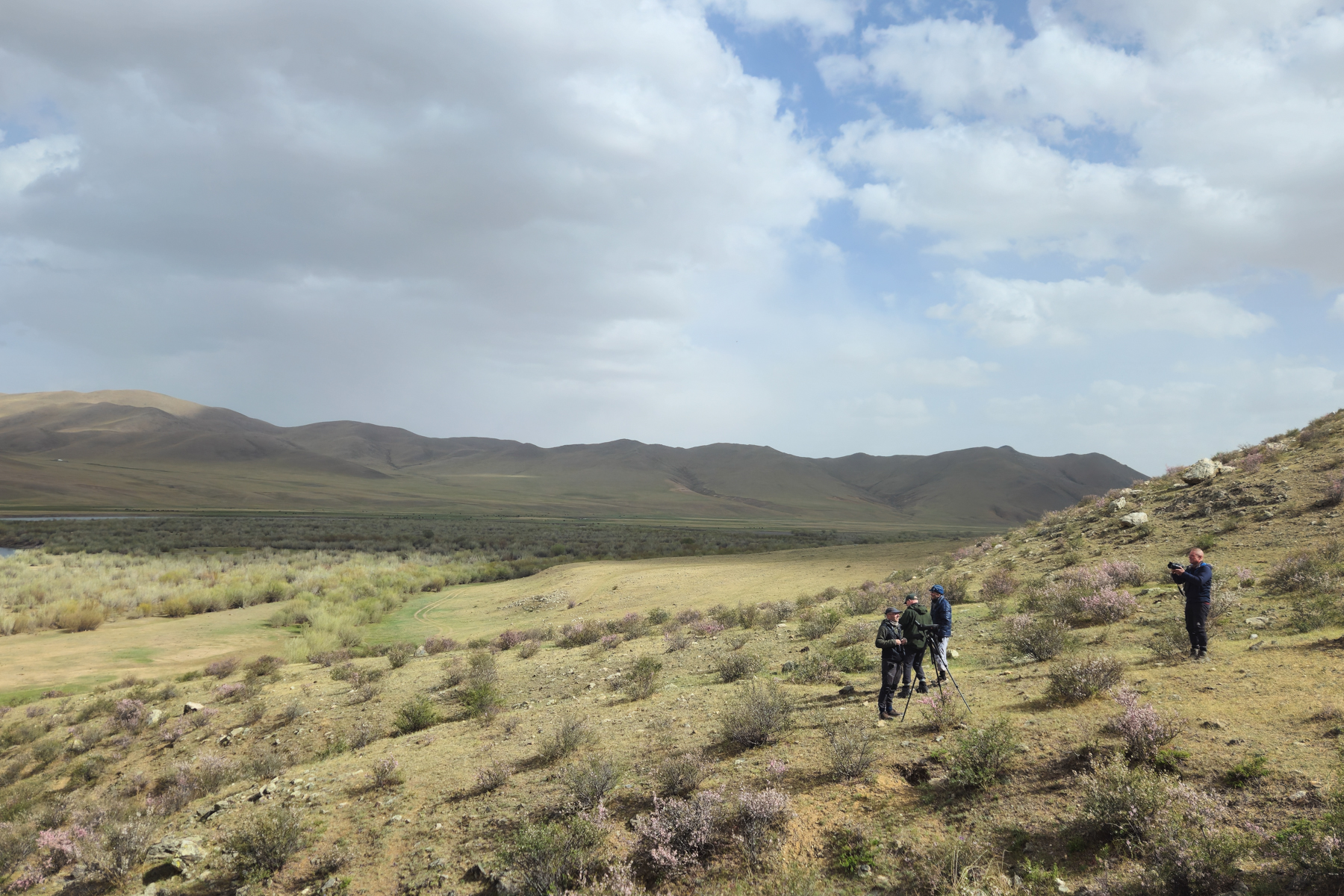
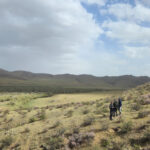
Kherlen River Valley (image by Hannu Jännes)
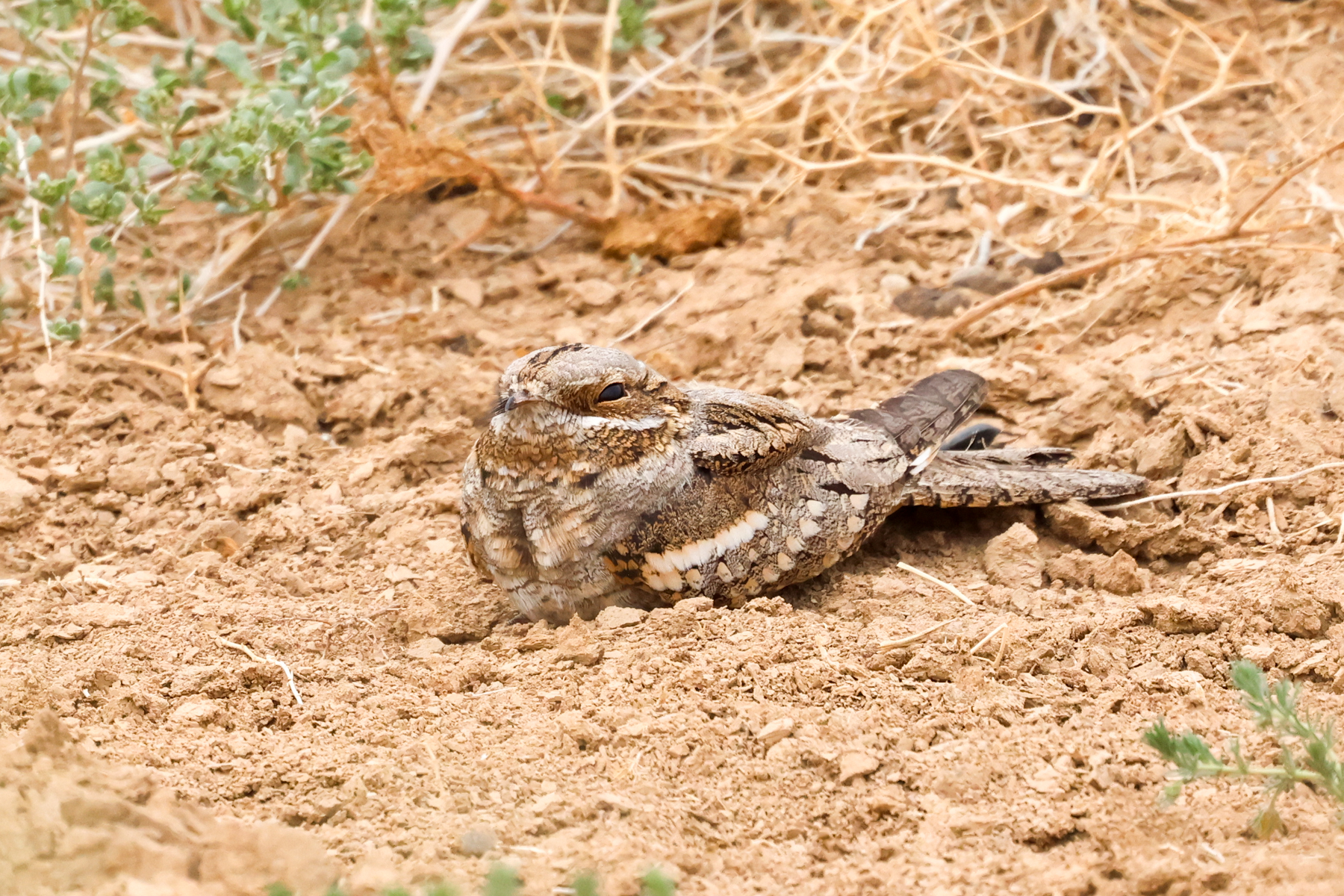
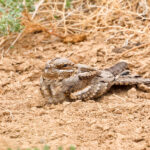
Eurasian Nightjar (image by Hannu Jännes)
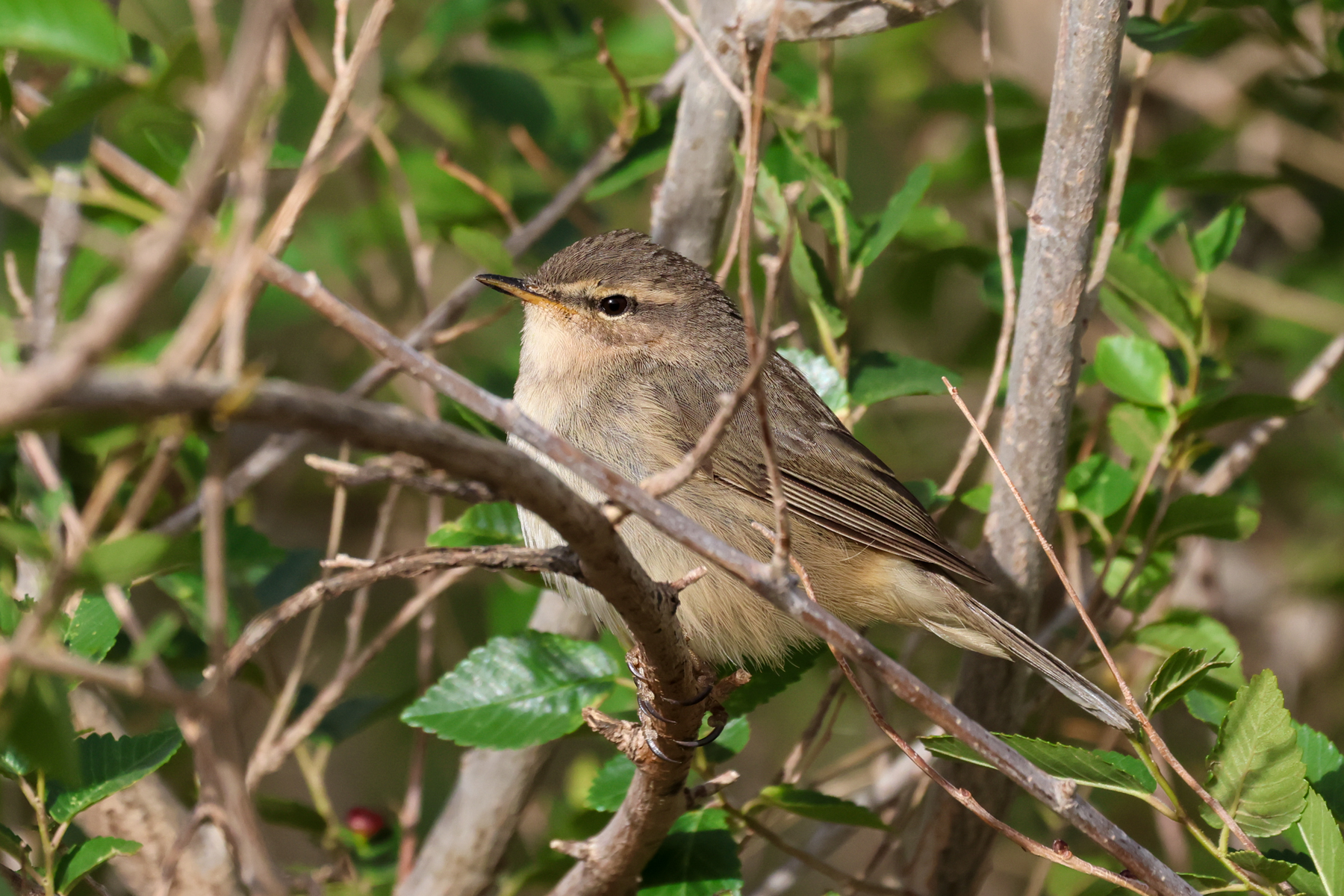
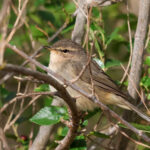
Dusky Warbler (image by Hannu Jännes)
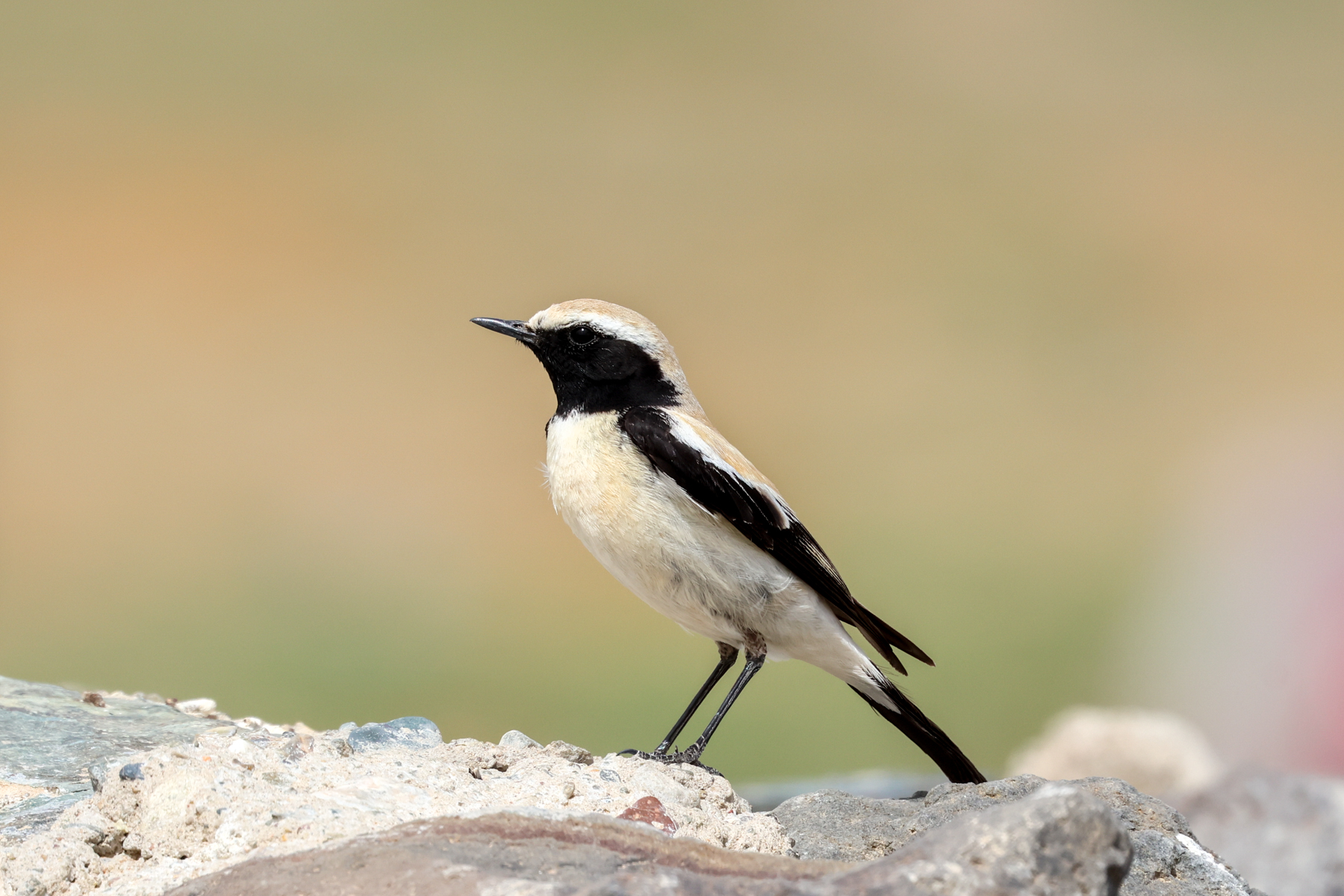
Desert Wheatear (image by Hannu Jännes)
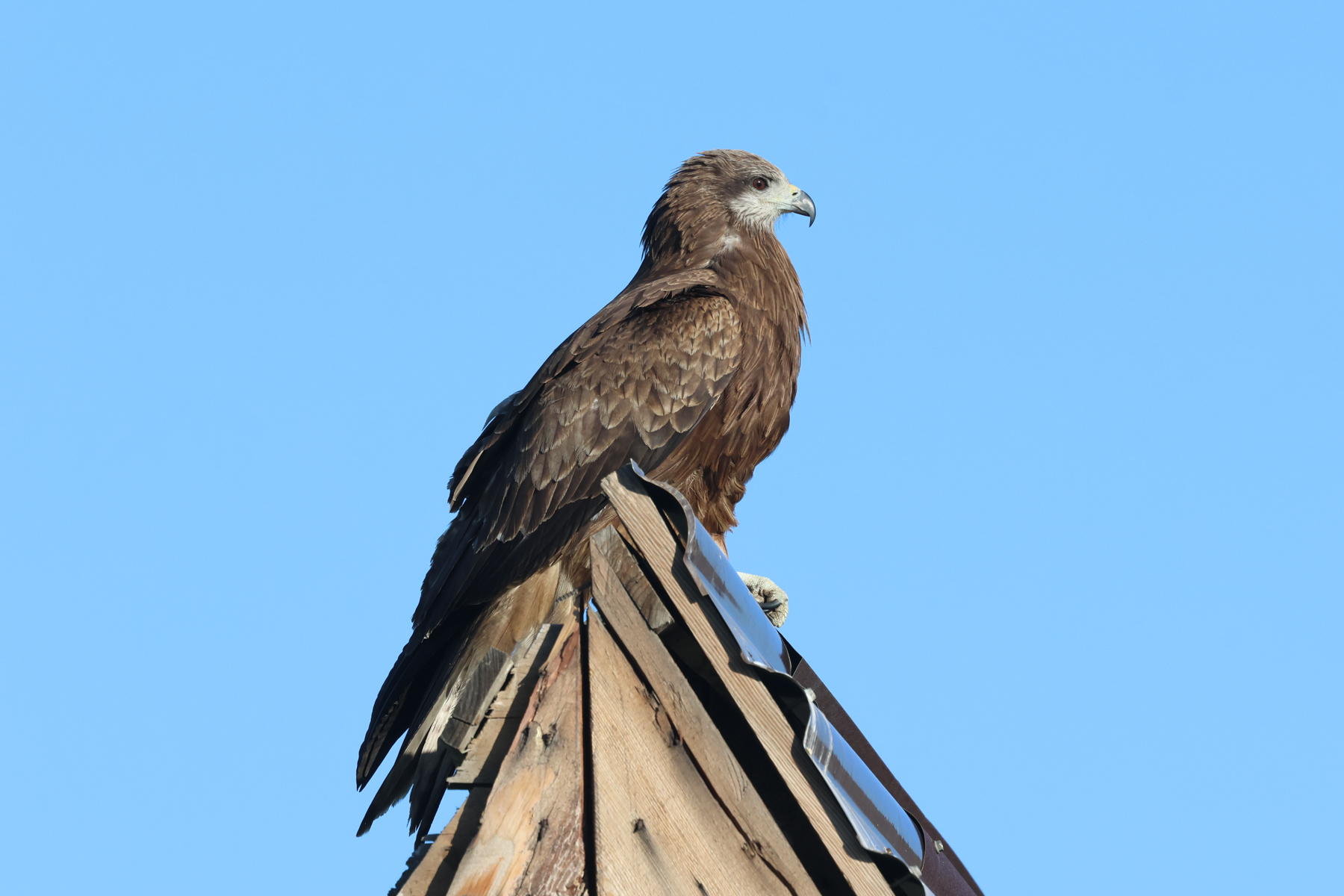
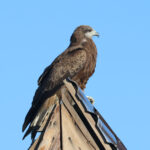
Black(-eared) Kite (image by Hannu Jännes)
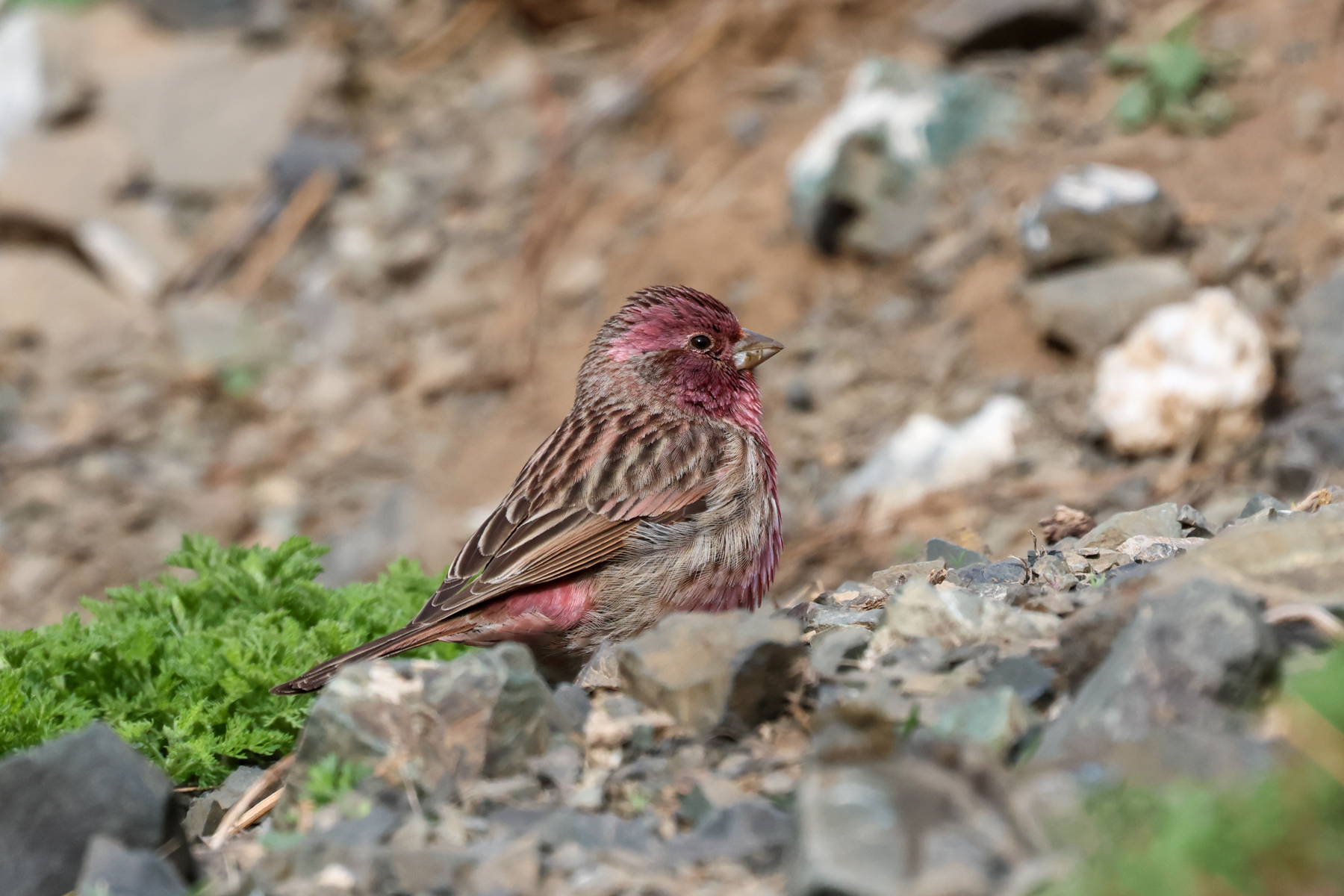
Chinese Beautiful Rosefinch (image by Hannu Jännes)
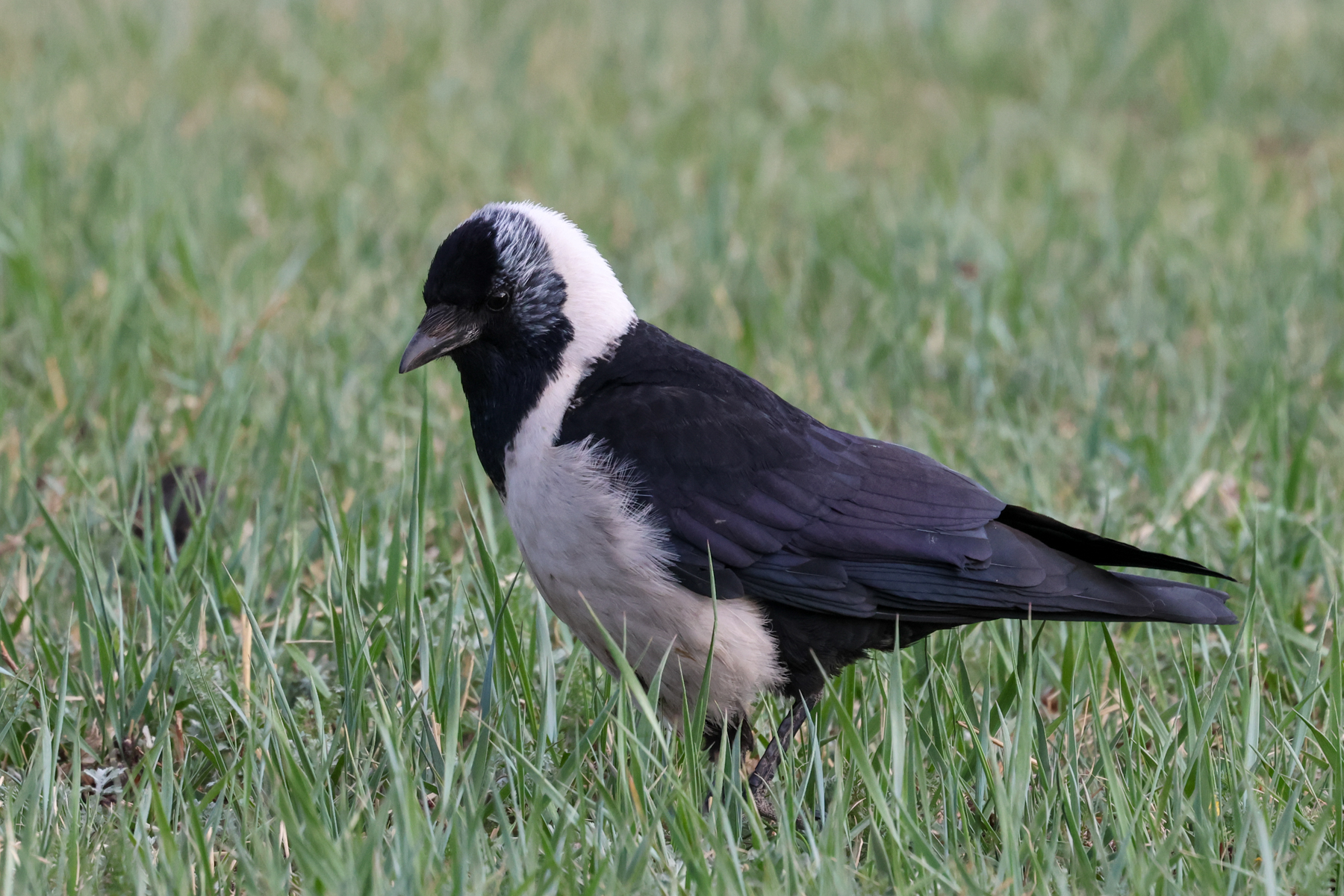
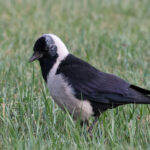
Daurian Jackdaw (image by Hannu Jännes)
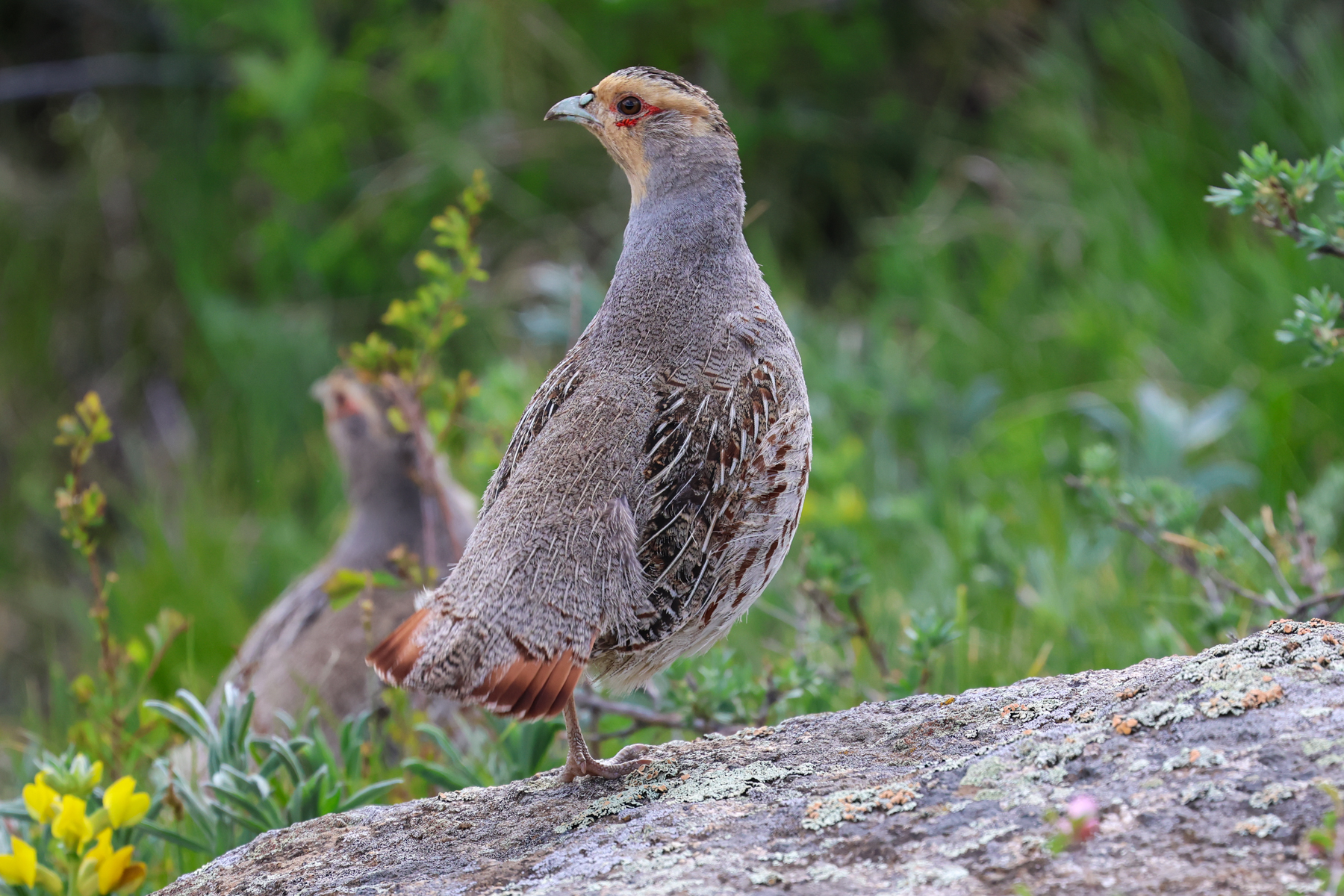
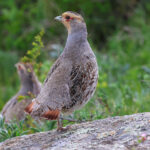
Daurian Partridge (image by Hannu Jännes)
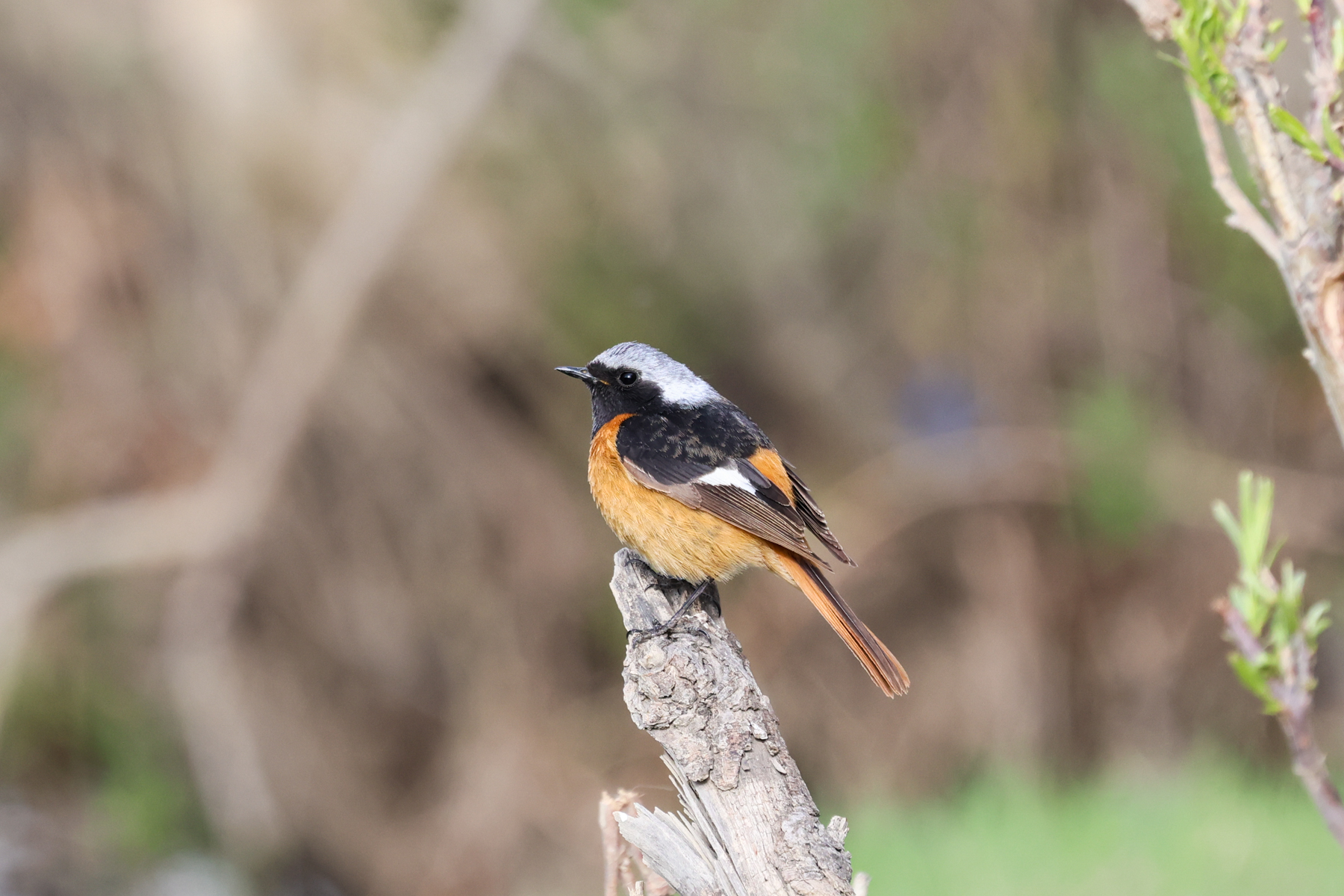
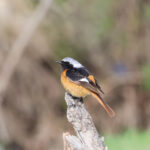
Daurian Redstart (image by Hannu Jännes)
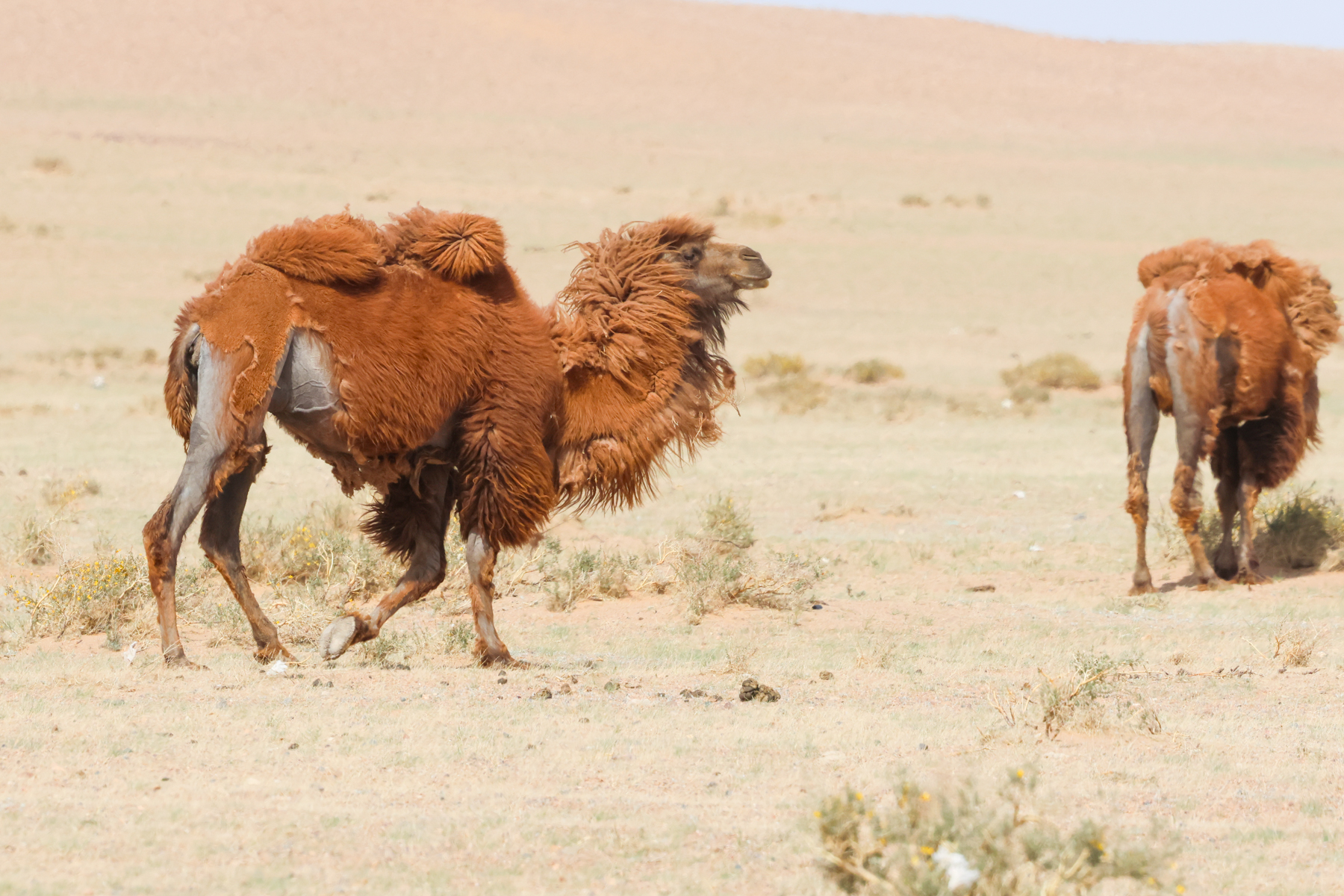
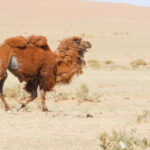
Bactrian Camels (image by Hannu Jännes)
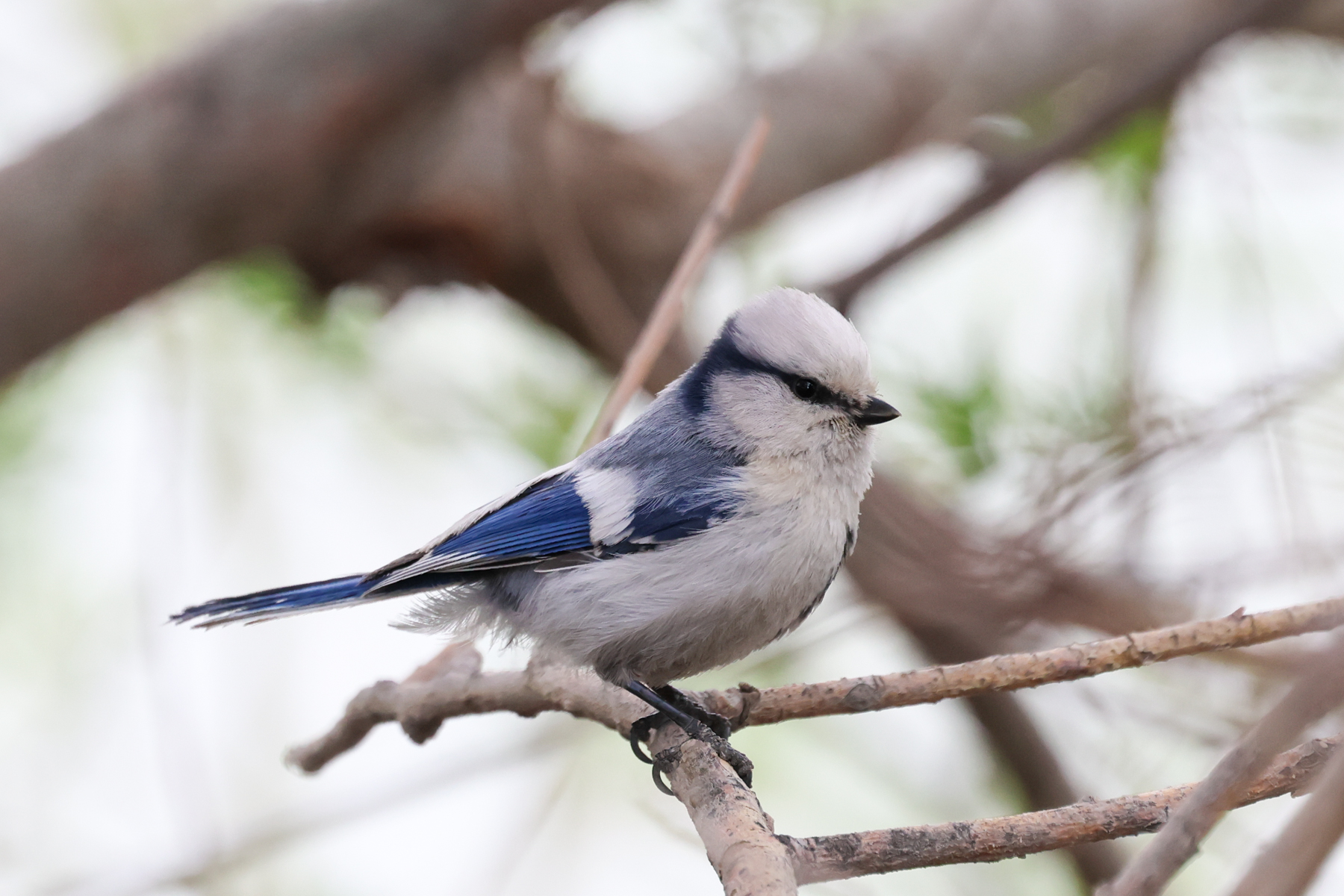
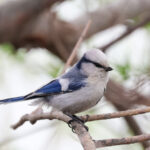
Azure Tit (image by Hannu Jännes)
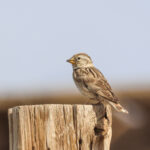
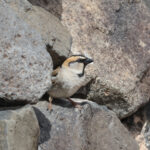
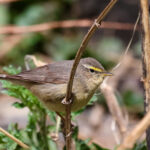
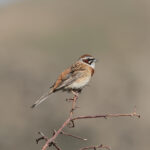
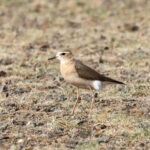
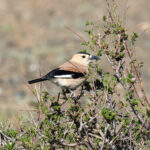


Oriental Plover (image by Hannu Jännes)
Black-billed Capercaillie (image by Hannu Jännes)
Pallas's Sandgrouse (image by Hannu Jännes)
Long-tailed Rosefinch (image by Hannu Jännes)
Mongolian Lark (image by Hannu Jännes)
Pallas's Leaf Warbler (image by Hannu Jännes)
Yellow-breasted Bunting (image by Hannu Jännes)
The Team (image by Hannu Jännes)
Swan Geese (image by Hannu Jännes)
Wild Horse (image by Hannu Jännes)
White-winged Snowfinch (image by Hannu Jännes)
Upland Buzzard (image by Hannu Jännes)
Thick-billed Warbler (image by Hannu Jännes)
Rock Sparrow (image by Hannu Jännes)
Saxaul Sparrow (image by Hannu Jännes)
Sulphur-bellied Warbler (image by Hannu Jännes)
Meadow Bunting (image by Hannu Jännes)
Tarbagan Marmot (image by Hannu Jännes)
Blyth's Pipit (image by Hannu Jännes)
Pied Wheatear (image by Hannu Jännes)
Pallas's Sandgrouse (image by Hannu Jännes)
Yellow-breasted Bunting (image by Hannu Jännes)
Oriental Plover (image by Hannu Jännes)
Long-legged Buzzard (image by Hannu Jännes)
Long-tailed Ground Squirrel (image by Hannu Jännes)
Mongolian Ground Jay (image by Hannu Jännes)
Little Owl (image by Hannu Jännes)
Koslov's Accentor (image by Hannu Jännes)
Kherlen River Valley (image by Hannu Jännes)
Eurasian Nightjar (image by Hannu Jännes)
Dusky Warbler (image by Hannu Jännes)
Desert Wheatear (image by Hannu Jännes)
Black(-eared) Kite (image by Hannu Jännes)
Chinese Beautiful Rosefinch (image by Hannu Jännes)
Daurian Jackdaw (image by Hannu Jännes)
Daurian Partridge (image by Hannu Jännes)
Daurian Redstart (image by Hannu Jännes)
Bactrian Camels (image by Hannu Jännes)
Azure Tit (image by Hannu Jännes)


‘EASY’ MONGOLIA TOUR REPORT 2026

19 - 30 May 2026
Hannu Jännes
Our inaugural ‘Easy’ Mongolia birding tour was a great success. In just eleven days, we saw the vast majority of Mongolia’s speciality birds while keeping the itinerary comfortable throughout: every night was spent either in a hotel or in a very comfortable ger (yurt) resort, with no need for basic camping. The wide range of habitats was reflected in an exciting avifauna that encompassed both Siberian and Central Asian forms, including a number unique to Mongolia and its immediate surroundings. Our adventure began in the north around the capital, Ulaanbaatar, where we soon found the three target birds: Siberian Long-tailed Rosefinch, White-crowned Penduline Tit and Azure Tit. We then moved on to the Khentiy Mountains, where the absolute highlight was a lek of half a dozen amazing Black-billed Capercaillies. The steppes and lakes in the north gave us Swan Goose, Falcated Duck, Stejneger’s Scoter, Upland Buzzard, Saker Falcon, Siberian, White-naped and Demoiselle Cranes, Mongolian Gull, some colourful waders including Asian Dowitcher, Mongolian Lark, Asian Short-toed Lark, Siberian House Martin, Blyth’s Pipit, Pere David’s Snowfinch and Pallas’s Reed Bunting. In the south, in the valleys of the Gobi Altai Mountains, we found Altai Snowcock (heard only), Kozlov’s (or Mongolian) and Brown Accentors, Sulphur-bellied Warbler, Chinese Beautiful Rosefinch, White-winged Snowfinch, Godlewski’s Bunting, Bearded Vulture, Wallcreeper and, as a big bonus, a cute Pallas’s Cat. The dry steppes just north of the Gobi Altai rewarded us with a breeding pair of Oriental Plovers and many Pallas’s Sandgrouse, while around Khongoryn Els, a spectacular area of huge sand dunes, we saw the attractive Saxaul Sparrow, Mongolian Finch and Mongolian Ground Jay. Finally, a short visit to Hustai National Park gave us an opportunity to see the reintroduced Przewalski’s Horse in good numbers and provided good views of Daurian Partridge. A prominent feature throughout the tour was the occurrence of many migrating passerines, which were attracted to even the smallest groups of trees or bushes for food and shelter. Dusky, Pallas’s Leaf and Arctic Warblers, Taiga and Asian Brown Flycatchers and Hawfinch were the most frequently sighted species, but we also enjoyed sightings of Eyebrowed, Dusky and Naumann’s Thrushes, Siberian Blue Robin, Siberian Rubythroat, Two-barred and Thick-billed Warblers and Dark-sided Flycatcher.
Mammals are a prominent feature of this tour and, in addition to Pallas’s Cat, we saw Red Fox, Long-eared Hedgehog, Wapiti, Siberian Ibex, Goitered and Mongolian Gazelles, Argali, Tolai Hare, Daurian and Pallas’s Pikas, Tarbagan Marmot, Alashan and Long-tailed Ground Squirrels, Northern Three-toed and Siberian Jerboas, Brandt’s Vole and Central Midday Jird.
Our ‘Easy’ Mongolia tour got off to an easy start, with most of the first day spent birding close to our pleasant hotel, situated along the nearby Tuul (or Tola) River on the outskirts of the capital, Ulaanbaatar. Here, the three specialities—the fluffy Azure Tit, the dainty White-crowned Penduline Tit (at the nest) and the lovely Siberian Long-tailed Rosefinch—were found without much difficulty. Additional species included Bar-headed and Swan Geese, Mandarin Duck, Ruddy Shelduck, Common Merganser, Eastern Spot-billed Duck, a single Black Stork, Great Cormorant, Common and Fork-tailed Swifts, Golden Eagle, large numbers of ‘Black-eared’ Black Kites (form lineatus), Common Hoopoe, a few Amur Falcons, Common Sandpiper, Grey Wagtail, the baicalensis form of White Wagtail, Great Tit, Daurian Jackdaw, Azure-winged Magpie, Red-billed Chough, ‘Oriental’ Carrion Crow, ‘Oriental’ Rook, Northern Raven, White-cheeked Starling, Daurian Redstart, a breeding pair of Pied Wheatears and a few Northern Wheatears, 70 Hawfinches (they were everywhere), Common Rosefinch and Eurasian Siskin. A selection of interesting migrants included Brown Shrike, Pallas’s Leaf, Dusky and Arctic Warblers, many Taiga and a few Asian Brown Flycatchers, Siberian Rubythroat, several Eyebrowed Thrushes and Little and Black-faced Buntings. Sightings of Dusky and Naumann’s Thrushes and Siberian Blue Robin were the only ones of the tour. In addition, we sighted Wapitis and Tarbagan Marmots here.
An afternoon visit to a nearby lake yielded breeding Whooper Swan, some Common Goldeneyes, Common Pochards, Tufted Ducks, Garganeys, five Falcated Ducks (the only ones of the tour), Gadwalls, a single Eurasian Wigeon, a pair of Northern Pintails, Green-winged Teals, Great Crested Grebes, Eurasian Coots, a few Black-winged Stilts, good numbers of Wood Sandpipers, a few Temminck’s Stints, a single Long-toed Stint for Edde, two Eurasian Spoonbills, the only Great Egret of the tour, our first Horned Larks, a gathering of 70 Citrine Wagtails, the tschutschensis and macronyx forms of Eastern Yellow Wagtail, Pallas’s Reed Buntings and the only Red-throated Pipit of the tour.
Next day birding near the hotel yielded a very showy Lesser Spotted Woodpecker and many of the same birds we had seen the previous day. Then it was time to pack the vehicles and head east to our next destination, the city of Baganuur, for a one-night stay. On the way, we did a little sightseeing, visiting the amazing Genghis Khan Equestrian Statue, a 40-metre-tall, stainless-steel, statue erected in 2008 to honour the 800th anniversary of the founding of the Mongol Empire. Quite a sight! A few roadside birding stops produced Demoiselle Cranes, a total of 32 Cinereous Vultures, our first Grey Herons (a rare sight on this tour) and Isabelline Wheatears. After check-in and lunch at our comfortable hotel in Baganuur, we headed for the Kherlen River to explore the riverside habitat, where new and interesting birds included Mongolian Gull, two White-tailed Eagles, Siberian House and Sand Martins, Rock Sparrow and singing Blyth’s Pipits. A late-afternoon visit to a nearby plantation turned up some Black-faced Buntings and Arctic Warblers.
The next morning it was a 02.30 start for our destination, a forest area in the Khentiy Mountains north of Mongonmorit, where we arrived after a three-hour drive through partially roadless steppes. After a short walk in the larch forest, we started to hear the magical popping sound of our main target, the magnificent Black-billed Capercaillie, and soon located a total of perhaps five males sitting in trees and displaying on the ground some 50–70 metres away. During the next half-hour we enjoyed great scope views of the lekking males, but unfortunately the weather was cloudy, and it soon started raining, meaning that the photo opportunities were not great. As the rain intensified, we retreated to our vehicles for shelter and breakfast. Later, when the weather cleared, we birded in the surrounding forest, finding a gorgeous male Red-throated Thrush, the remains of a male Hazel Grouse, Common Cuckoo, Eastern Buzzards, a heard-only Black Woodpecker for some, Great Spotted Woodpecker, Willow Tit, heard-only White’s Thrush, Red-flanked Bluetail, Common Redstart, Common Rock Thrush, one Tree and good numbers of Olive-backed Pipits, two Pine Buntings and two Mistle Thrushes. After lunch in Mongonmorit, we started our journey south towards our next destination near Gun Galuut, stopping en route at a saline lake, where new birds included Common Shelduck, Pied Avocet and Spotted Redshank. We reached our very comfortable ger resort, with a beautiful view over the Kherlen River valley, in the late afternoon.
The next morning started in grim weather, with low temperatures, strong winds and even some rain showers, as we birded the bird-rich steppe lakes of Gun Galuut and Aygiin Nur. Despite the conditions, there were plenty of birds around and we enjoyed a great morning’s birding. Highlights included three Siberian Cranes, four beautiful White-naped Cranes, many Demoiselle Cranes and a single Common Crane, half a dozen Stejneger’s Scoters, Little and Black-necked Grebes, White-winged and Whiskered Terns, Mongolian Gulls, Steppe and White-tailed Eagle, Upland Buzzard, Eastern Marsh Harrier and Isabelline and Brown Shrikes. Waders were on the move, and we saw Pacific Golden Plover, 14 Whimbrels, three Black-tailed Godwits, Asian Dowitcher, Marsh Sandpipers, Curlew Sandpipers and Temminck’s, Long-toed, Little and Red-necked Stints (the last for Edde only).
In the afternoon, we visited the scenic Kherlen River valley, where we enjoyed additional views of the handsome White-naped Cranes and saw a female Hen Harrier, several splendid Mongolian Larks and Asian Short-toed Larks. A walk along the edge of a vast stand of willows yielded a pair of White-crowned Penduline Tits, a Wryneck and one of the few Lesser Whitethroats seen on the tour. A short walk up a rocky valley rewarded us with three Argali, Red Fox, a brief Yellow-breasted Bunting and two singing Meadow Buntings.
The next morning, before a very long drive south to the Gobi, we rechecked the steppe lakes, where new birds included a first-summer Common Gull and a flock of Horned Grebes. Later, we visited a nest box occupied by a Saker Falcon, which provided decent scope views. Another short stop, about 30 kilometres south of Zuunmod, produced Pere David’s Snowfinches. Next came a long drive—nearly 700 kilometres in total for the day—southwest through the heart of the country towards the distant Gobi Altai range. This involved first crossing more of the wide steppe lands of central Mongolia before eventually penetrating the much drier lands at the northern edge of the Gobi Desert. We reached our pleasant ger resort somewhat late in the evening, seeing our first Long-legged Buzzards, a brief Pallas’s Sandgrouse, Crested Larks, Desert Wheatears and Mongolian Gazelles on the way.
The following morning, we started early to reach the rocky gorges of Yolyn Am, at 2,000m asl, by sunrise and spent the first half of the day in this scenic and birdy area. During our visit, we explored the valleys, slopes and ridges, as well as the entrance to the deep and spectacular Yolyn Am gorge (Yolyn Am means ‘Valley of the Bearded Vulture’). Birds encountered during the morning included a heard-only Altai Snowcock for some, Chukar Partridge, the only Bearded Vulture of the tour and five Himalayan Vultures, Eurasian Crag Martin, a pair of Sulphur-bellied Warblers, Barred Warbler, two Wallcreepers, Black Redstart, a few of the little-known Kozlov’s Accentor (Mongolia’s sole endemic breeding bird), several Brown Accentors, many White-winged Snowfinches, Chinese Beautiful Rosefinch, Twite and Godlewski’s Bunting. As an unexpected bonus, we had great scope views of Pallas’s Cat, an excellent spot by Nastaa. Other mammals seen in this excellent area included Pallas’s Pika, Alashan and Long-tailed Ground Squirrels, Argali and good numbers of Siberian Ibex.
In the afternoon, it was back out onto the endless open plains, where, after some dedicated searching, our main quarry, Oriental Plover, was located. Initially the bird, a male, was really far away, but after a careful approach we discovered that it was accompanied by a female, which at one point settled down on its nest. We did not want to disturb the female any further and left her there, but the male proved to be very confiding and offered great views and photo opportunities. It was also good to get wonderful views of Greater Sand Plovers in their beautiful breeding garb.
The next day we travelled to beautiful Khongoryn Els, where we arrived in time for lunch. Birding along the way produced our first Asian Desert Warblers, many Mongolian Finches and 50 Pallas’s Sandgrouse, with some really good views, including a female with chicks.
Then we birded the Khongoryn Els area, with its impressive sand dunes as a backdrop. Highlights included Saxaul Sparrow, Eurasian Nightjar (found by Simon), Pacific Golden Plover, Red-necked Phalarope, Temminck’s, Long-toed and Little Stints, Green Sandpiper, a few more Long-legged Buzzards, Great Grey Shrike (pallidirostris) and Yellow-breasted Bunting. A short spotlighting session around the resort after dark produced Common Long-eared Hedgehog and Northern Three-toed Jerboa.
We left Khongoryn Els behind early the next morning, as we had a bird to catch, and headed back towards Gobi Nomad Lodge, this time following the more southerly route. The huge sand dunes, patterned by shadows and sunlit ridges, created an amazing texture of wavy lines in the early morning sun, and we had to stop more than once to photograph the view. After a 50-kilometre drive, we reached the habitat of Mongolian Ground Jay, an important target species for most of us. After some scanning and a couple of distant glimpses, we found the right spot and soon obtained great views of this very special bird. In total, we estimated that we saw ten different individuals at this hotspot. Other birds seen during the journey included Little Owl at one of the many cattle farms along the way and 80 or so Pallas’s Sandgrouse.
In the afternoon, Nastaa, our guide, first took us to a Desert Finch nest in downtown Dalanzadgad, where we had the female sitting on the nest and the male also showing briefly. A walk in the city park produced the usual migrants: Pallas’s Leaf, Arctic and Dusky Warblers. A very windy visit to a reservoir on the outskirts of the city produced a Chinese Pond Heron, our first leucopsis White Wagtail and Stock Dove, all new for the list.
Next morning we headed back to the Yolyn Am valley for a second try for Altai Snowcock, but unfortunately the weather, with gale-force winds, rain and sleet and low cloud with minimal visibility, made it impossible to do any meaningful birding. After about two hours, we called it a day and moved on. A breakfast stop at a reservoir on the outskirts of Dalanzadgad yielded a flock of 60 White-winged Terns and two Whiskered Terns in beautiful morning light. The rest of the day was spent travelling back to Ulaanbaatar, where we arrived late in the evening, having stopped on route at Nastaa’s friend’s house for lunch.
The next morning saw us around our hotel along the Tuul River, where the main find was a Thick-billed Warbler, a first for this tour. Then a quick visit to a nearby lake, which now held far fewer birds than on our first visit, before we drove to our accommodation near Hustai National Park, arriving in time for lunch. In the afternoon, birding along the main valley of Hustai NP yielded some Steppe and Golden Eagles, two Crested Honey Buzzards (a new bird for us), Saker Falcon and the usual Isabelline Wheatears and Mongolian Larks that are so common in this habitat. A visit to a secluded side valley rewarded us with our main avian target, a confiding pair of Daurian Partridges, and Eurasian Hobby (another new bird for us). We also enjoyed good views and photo opportunities of Pied Wheatear and Meadow Bunting. Hustai NP is famous for its reintroduced Przewalski’s Horse (or Takhi, as it is known in Mongolian), and we had good views of this major tourist attraction during the afternoon.
Next morning in Hustai NP gave us great views of the Wild Horses that gather in the bottoms of the valleys for the night. Avian highlights in various parts of the area included our first Two-barred Warblers of the tour. After a late breakfast, it was time to leave Hustai to visit a large wetland area by the Tuul River, where, amongst many wildfowl we had already seen earlier, we saw Greylag Goose, Red-crested Pochard, and had good views of Common Snipe, Ruff, Paddyfield Warbler, Eastern Yellow Wagtail and Asian Dowitcher. In the evening, two Dark-sided Flycatchers by our hotel in Ulaanbaatar were the last new birds for the tour. After dinner and drinks at the hotel, it was time to say our goodbyes and thank everyone for their excellent company, which, together with all the wonderful birds and exciting places, combined to make this such a memorable trip.
‘BIRDS OF THE TRIP’ WINNERS:
1st: Black-billed Capercaillie
2nd: Oriental Plover
3rd: Mongolian Ground Jay
4th: Siberian Crane
5th: Wallcreeper
SYSTEMATIC LIST OF SPECIES RECORDED DURING THE TOUR
Species marked with the diamond symbol (◊) are either endemic to the country or local region or considered ‘special’ birds for some other reason (e.g., it is only seen on one or two Birdquest tours; it is difficult to see across all or most of its range; the local form is endemic or restricted-range and may in future be treated as a full species).
The species names and taxonomy used in the bird list follow AviList: The Global Avian Checklist, v2025b. https://doi.org/10.2173/avilist.v2025b
BIRDS
Whooper Swan Cygnus cygnus Widespread at wetlands throughout the tour.
Bar-headed Goose Anser indicus Widespread at wetlands throughout the tour.
Greylag Goose (Eastern G G) Anser [anser] rubrirostris 40 at the Tuul River on our last day.
Swan Goose ◊ Anser cygnoides Widespread at wetlands throughout the tour.
Mandarin Duck Aix galericulata A few at the Mongolica hotel in Ulanbaatar.
Common Shelduck Tadorna tadorna Good numbers at a lake near Mongonmorit, at Gun Galuut and the Tuva River marshes.
Ruddy Shelduck Tadorna ferruginea Omnipresent at wetlands and surrounding areas throughout.
Stejneger’s Scoter ◊ Melanitta stejnegeri Six near Gun Galuut.
Common Goldeneye Bucephala clangula Widespread in small numbers at wetlands throughout the tour.
Common Merganser (Goosander) Mergus merganser Small numbers at some rivers and wetlands.
Red-crested Pochard Netta rufina Six at the Tuul River on our last day.
Common Pochard Aythya ferina Widespread at wetlands throughout the tour.
Tufted Duck Aythya fuligula Small numbers at some wetlands.
Garganey Spatula querquedula Small numbers at some wetlands.
Northern Shoveler Spatula clypeata Widespread at wetlands throughout the tour.
Falcated Duck Mareca falcata Five at Swan Pool on our first day.
Gadwall Mareca strepera Widespread at wetlands.
Eurasian Wigeon Mareca penelope Small numbers at four different wetlands.
Eastern Spot-billed Duck (Chinese S-b D) Anas zonorhyncha Only a handful of birds were seen.
Mallard Anas platyrhynchos Widespread at wetlands throughout the tour.
Northern Pintail Anas acuta Only a few were noted.
Green-winged Teal (Common T) Anas crecca Widespread at wetlands throughout the tour.
Hazel Grouse ◊ Tetrastes bonasia Remnants of a male were found in Khentiy mountains.
Black-billed Capercaillie ◊ Tetrao urogalloides Great views of six lekking males in Khentiy mountains.
Daurian Partridge ◊ Perdix dauurica A pair at Hustai NP.
Altai Snowcock ◊ Tetraogallus altaicus Heard only by some at Yolun Am valley.
Chukar Partridge Alectoris chukar Great views of four at Yolun Am valley.
Little Grebe Tachybaptus ruficollis Two sightings of a single bird.
Horned Grebe (Slavonian G) Podiceps auritus Three at Gun Galuut on our last morning.
Great Crested Grebe Podiceps cristatus Widespread in small numbers at wetlands.
Black-necked Grebe (Eared G) Podiceps nigricollis A maximum count of 18 at Gun Galuut.
Common Cuckoo (Eurasian C) Cuculus canorus A handful of observations.
Pallas’s Sandgrouse ◊ Syrrhaptes paradoxus Up to 80 a day, including a female with chicks, in the Gobi area.
Eurasian Collared Dove Streptopelia decaocto Small numbers were noted on five days.
Hill Pigeon ◊ Columba rupestris One in Yolun Am valley.
Rock Dove (introduced) (Feral Pigeon) Columba [livia] var_domestica
Stock Dove Columba oenas Two in the outskirts of Dalanzadgad.
Siberian Crane ◊ Leucogeranus leucogeranus A total of three at Gun Galuut was an unexpected bonus.
White-naped Crane ◊ Antigone vipio A total of seven with some good views at Gun Galuut and Kherlen river valley. Probably the most stylish crane.
Demoiselle Crane ◊ Grus virgo Widespread,, noted on seven days with 45 at Gun Galuut being the maximum count.
Common Crane Grus grus One at Gun Galuut.
Eurasian Coot (Common C) Fulica atra Widespread at wetlands.
Pied Avocet Recurvirostra avosetta
Black-winged Stilt Himantopus himantopus
Pacific Golden Plover Pluvialis fulva One at Gun Galuut and three at Khongoryn Els.
Little Ringed Plover Thinornis dubius Common at wetlands and braided river valleys.
Northern Lapwing Vanellus vanellus Common at some wetlands.
Oriental Plover ◊ Anarhynchus veredus Great views of breeding pair in the steppes below Yolun Am.
Greater Sand Plover Anarhynchus leschenaultii Small numbers in the steppes in the south.
Eurasian Whimbrel Numenius phaeopus A flock of 14 at Gun Galuut.
Black-tailed Godwit ◊ (Eastern B-t G) Limosa [limosa] melanuroides Three at Gun Galuut and ten at Tuul River marshes.
Asian Dowitcher ◊ (Asiatic D) Limnodromus semipalmatus One at Gun Galuut and five at Tuul River marshes.
Pin-tailed Snipe (Pintail S) Gallinago stenura One for some at our accommodation in Kherlen valley.
Common Snipe Gallinago gallinago Three at Tuul River marshes.
Common Sandpiper Actitis hypoleucos Widespread in small numbers.
Red-necked Phalarope Phalaropus lobatus One at Khongoryn Els.
Green Sandpiper Tringa ochropus Two were noted.
Marsh Sandpiper Tringa stagnatilis Four at Gun Galuut and ten at Tuul River marshes.
Wood Sandpiper Tringa glareola Widespread at wetlands.
Common Redshank Tringa totanus Widespread at wetlands.
Spotted Redshank Tringa erythropus One at a lake near Mongonmorit.
Ruff Calidris pugnax Two at Tuul River marshes.
Curlew Sandpiper Calidris ferruginea Three at Gun Galuut and two at Tuul River marshes.
Red-necked Stint Calidris ruficollis One was photographed by Edde at Gun Galuut.
Temminck’s Stint Calidris temminckii Widespread in small numbers at wetlands.
Long-toed Stint Calidris subminuta Widespread in small numbers at wetlands.
Little Stint Calidris minuta Small numbers were seen on three days.
Whiskered Tern Chlidonias hybrida Two sightings, first one at Gun Galuut and then two in the outskirts of Dalanzadgad.
White-winged Tern (W-w Black T) Chlidonias leucopterus First a singleton at Gun Galuut and then good numbers in the south near Dalanzadgad and again in the north near Hustai and at the Tuul river marshes.
Common Tern Sterna hirundo Widespread.
Black-headed Gull Chroicocephalus ridibundus Small numbers were noted on many wetland areas.
Common Gull Larus canus A first-summer bird at Gun Galuut.
Mongolian Gull ◊ Larus mongolicus Noted on four days.
Black Stork Ciconia nigra Three sightings in the north at the beginning of the tour.
Great Cormorant Phalacrocorax carbo A few near our hotel in Ulanbaatar and at Gun Galuut.
Eurasian Spoonbill Platalea leucorodia Two at Swan Pool near Ulanbaatar and one at Gun Galuut.
Chinese Pond Heron Ardeola bacchus One near Dalanzadgad.
Great Egret Ardea alba One at Swan Pool near Ulanbaatar
Grey Heron Ardea cinerea Small numbers at some wetlands.
Eurasian Nightjar Caprimulgus europaeus Thanks to Simon’s perseverance we added this species at Khongoryn Els.
Fork-tailed Swift Apus pacificus Widespread.
Common Swift Apus apus Widespread.
Little Owl Athene noctua One was spotted by Fritz near Khongoryn Els.
Bearded Vulture (Lammergeier) Gypaetus barbatus One at Yolun Am.
Crested Honey Buzzard (Oriental H B) Pernis [ptilorhynchus] orientalis Two at Hustai NP.
Cinereous Vulture (Eurasian Black V) Aegypius monachus Widespread and common.
Himalayan Vulture (H Griffon V) Gyps himalayensis Six at Yolun Am and one near Khongoryn Els.
Steppe Eagle Aquila nipalensis Scattered few with a maximum of eight at Hustai NP.
Golden Eagle Aquila chrysaetos Small numbers were noted on five days.
Eurasian Sparrowhawk Accipiter nisus One at Bulgan reservoir in the south. In addition, two unidentified Accipiters were seen.
Hen Harrier Circus cyaneus One at the Kherlen river.
Eastern Marsh Harrier Circus spilonotus One at Gun Galuut and another at the Tuul River marshes.
Black Kite (Black-eared K) Milvus [migrans] lineatus Widespread and common.
White-tailed Eagle Haliaeetus albicilla Two by the Kherlen river near Baganuur and one at Gun Galuut.
Upland Buzzard ◊ Buteo hemilasius Small numbers noted on five days.
Long-legged Buzzard Buteo rufinus Small numbers noted in the south.
Eastern Buzzard ◊ (Japanese B) Buteo japonicus Two in the forests near Mongonmorit.
Common Hoopoe Upupa epops Widespread sightings through the tour.
Eurasian Wryneck Jynx torquilla One at Kherlen valley and two in Hustai NP.
Black Woodpecker Dryocopus martius Heard only in Khentiy mountains by Simon and Edde.
Great Spotted Woodpecker Dendrocopos major Five in Khentiy mountains.
Lesser Spotted Woodpecker Dryobates minor Great views of one near Ulanbaatar.
Common Kestrel Falco tinnunculus Only a few identified. In addition, 10 unidentified kestrels (tinnunculus/naumanni) were seen.
Amur Falcon ◊ Falco amurensis Small numbers in the north.
Eurasian Hobby Falco subbuteo Two in Hustai NP.
Saker Falcon ◊ Falco cherrug One inside a nest box near Gun Galuut and then two in Hustai and one very showy individual at the Tuul river area.
Great Grey Shrike ◊ (Steppe G S) Lanius [excubitor] pallidirostris Only one brief sighting in Khongoryn Els.
Isabelline Shrike Lanius isabellinus Common around Gun Galuut and then again in the south.
Brown Shrike Lanius cristatus Widespread.
Red-billed Chough Pyrrhocorax pyrrhocorax Common and widespread.
Azure-winged Magpie (Asian A-w M) Cyanopica cyanus A few around our hotel in Ulanbaatar.
Eurasian Magpie Pica pica Widespread.
Mongolian Ground Jay Podoces hendersoni Ten or so, with excellent views, in the south.
Daurian Jackdaw ◊ Coloeus dauuricus Common and widespread.
Rook ◊ (Oriental R) Corvus [frugilegus] pastinator Common and widespread.
Northern Raven (Common R) Corvus corax Widespread in small numbers.
Carrion Crow ◊ (Oriental C) Corvus [corone] orientalis Widespread in small numbers.
White-crowned Penduline Tit ◊ Remiz coronatus Small numbers, including a pair at nest, around our hotel in Ulanbaatar, and two in the willows at the Kherlen River.
Azure Tit ◊ Cyanistes cyanus Small numbers around our hotel in Ulanbaatar.
Great Tit Parus major Small numbers around our hotel in Ulanbaatar
Coal Tit Periparus ater Heard only in Khentiy mountains.
Willow Tit Poecile montanus Six in Khentiy mountains.
Eurasian Skylark Alauda arvensis Rather common around Gun Galuut and then again at the Tuul River marshes.
Crested Lark Galerida cristata Small numbers in the south.
Horned Lark ◊ (Mongolian H L) Eremophila [alpestris] brandti Widespread.
Mongolian Lark ◊ Melanocorypha mongolica Common in the steppe habitats in the north.
Asian Short-toed Lark ◊ Alaudala cheleensis Common in some steppe areas along the northern parts of our route.
Turkestan Short-toed Lark ◊ Alaudala heinei Not positively identified in the field, but birds occurring in southern Mongolia, in the Dalanzadgad-Khogoryn Els area, should be of this species.
Thick-billed Warbler ◊ Arundinax aedon One near the hotel in Ulanbaatar.
Paddyfield Warbler ◊ Acrocephalus agricola One at a small reed bed at the Tuul River marshes.
Sand Martin (Bank Swallow) Riparia riparia ijimae Several encounters along the larger rivers in the north.
Pale Martin ◊ Riparia diluta Non-leader bird was identified at Gun Galuut.
Eurasian Crag Martin Ptyonoprogne rupestris A few seen in the south.
Barn Swallow Hirundo rustica Widespread.
Siberian House Martin ◊ Delichon lagopodum Sighted on three days.
Yellow-browed Warbler Phylloscopus inornatus A handful of individuals, all in the north.
Pallas’s Leaf Warbler Phylloscopus proregulus One of the commonest migrants, noted almost daily.
Sulphur-bellied Warbler ◊ Phylloscopus griseolus Two, a pair, at Yolun Am.
Dusky Warbler Phylloscopus fuscatus Common migrant, noted almost daily.
Two-barred Warbler (T-b Greenish W) Phylloscopus plumbeitarsus Two with brilliant views, in Hustai NP.
Arctic Warbler Phylloscopus borealis Common migrant.
Barred Warbler Curruca nisoria Two sightings in the south.
Lesser Whitethroat Curruca curruca Only two sightings.
Asian Desert Warbler ◊ Curruca nana Noted on two days in Gobi.
Wallcreeper Tichodroma muraria Two, a pair, at Yolun Am.
White-cheeked Starling ◊ Spodiopsar cineraceus Widespread in small numbers.
White’s Thrush ◊ Zoothera aurea Heard only in the Khentiy mountains.
Mistle Thrush Turdus viscivorus Two in the Khentiy mountains.
Red-throated Thrush ◊ Turdus ruficollis A brilliant male in the Khentiy mountains.
Naumann’s Thrush ◊ Turdus naumanni A singleton at our hotel in Ulanbaatar.
Dusky Thrush ◊ Turdus eunomus A singleton at our hotel in Ulanbaatar.
Eyebrowed Thrush ◊ Turdus obscurus Ten or so in the north during the first three days of the tour.
Dark-sided Flycatcher Muscicapa sibirica Two at our hotel in Ulanbaatar in the last evening.
Asian Brown Flycatcher Muscicapa dauurica Small numbers were seen
Siberian Rubythroat Calliope calliope A total of five birds, all in the north, were seen
Siberian Blue Robin Larvivora cyane A singleton at our hotel in Ulanbaatar.
Taiga Flycatcher (Red-throated F) Ficedula albicilla A widespread migrant.
Red-flanked Bluetail Tarsiger cyanurus One female at Khentiy mountains.
Daurian Redstart Phoenicurus auroreus Noted on five days.
Black Redstart (Eastern B R) Phoenicurus ochruros Two at Yolun Am on both visits.
Common Redstart Phoenicurus phoenicurus Four in Khentiy mountains, where breeding, and one migrant at Gobi Nomad Lodge.
Common Rock Thrush (Rufous-tailed R T) Monticola saxatilis Two in Khentiy mountains.
Siberian Stonechat (Siberian S) Saxicola [maurus] maurus One at Gun Galuut was the only observation.
Desert Wheatear Oenanthe deserti Rather common in the south.
Pied Wheatear Oenanthe pleschanka Breeding pairs noted near Ulanbaatar, Kherlen River valley and Hustai NP.
Northern Wheatear Oenanthe oenanthe Rather widespread in small numbers.
Isabelline Wheatear Oenanthe isabellina Widespread and often common.
Kozlov’s Accentor ◊ (Mongolian A) Prunella koslowi Two, with great views, at Yolun Am. A breeding endemic.
Brown Accentor ◊ Prunella fulvescens Great views at Yolun Am, where fairly common.
Rock Sparrow (Rock Petronia) Petronia petronia Widespread.
White-winged Snowfinch Montifringilla nivalis Common at Yolun Am.
Pere David’s Snowfinch ◊ (Small S) Pyrgilauda davidiana Ten or so were seen
Eurasian Tree Sparrow Passer montanus Widespread.
Saxaul Sparrow ◊ Passer ammodendri Four, with great views, at Khongoryn Els.
House Sparrow Passer domesticus Scattered records of small numbers.
Grey Wagtail Motacilla cinerea A few scattered records.
Citrine Wagtail Motacilla citreola Widespread at wetland sites. Usually in small numbers but 70 at Swan Lake near Ulanbaatar.
Eastern Yellow Wagtail (Alaskan W) Motacilla [tschutschensis] tschutschensis Two at Swan Lake near Ulanbaatar.
Eastern Yellow Wagtail (E Grey-headed W) Motacilla [tschutschensis] macronyx Six at Swan Lake near Ulanbaatar and five at the Tuul River marsh.
White Wagtail ◊ (Baikal W) Motacilla [alba] baicalensis Fairly widespread.
White Wagtail ◊ (Amur W, Chinese W) Motacilla [alba] leucopsis Two in the outskirts of Dalanzadgad.
Blyth’s Pipit ◊ Anthus godlewskii Fairly common at several highland sites.
Richard’s Pipit Anthus richardi A handful of birds noted.
Tree Pipit Anthus trivialis One in Khentiy mountains.
Olive-backed Pipit Anthus hodgsoni Common in Khentiy mountains, scattered few elsewhere.
Red-throated Pipit Anthus cervinus One near the Swan Pool near Ulanbaatar.
Water Pipit ◊ Anthus spinoletta One at Yolun Am on our second visit.
Hawfinch Coccothraustes coccothraustes Widespread and occasionally numerous migrant.
Common Rosefinch (Scarlet R) Carpodacus erythrinus A scattering of sightings.
Chinese Beautiful Rosefinch ◊ Carpodacus davidianus Four at Yolun Am.
Long-tailed Rosefinch Carpodacus sibiricus Four, including a pair at nest, on three days at our hotel near Ulanbaatar.
Mongolian Finch ◊ Bucanetes mongolicus Locally common in the Khongoryn Els area.
Desert Finch Rhodospiza obsoleta A pair at nest in downtown Dalanzadgad.
Twite Linaria flavirostris Two at Yolun Am.
Eurasian Siskin Spinus spinus One at our hotel near Ulanbaatar and a flock of five near Bulgan reservoir in the south.
Pallas’s Reed Bunting ◊ Emberiza pallasi A scattering of sightings.
Yellow-breasted Bunting ◊ Emberiza aureola Three sightings of this declining species.
Little Bunting Emberiza pusilla One at the hotel near Ulanbaatar and another one in the Kherlen river valley.
Black-faced Bunting Emberiza spodocephala A scattering of records.
Meadow Bunting ◊ Emberiza cioides Two males at the Kherlen River Valley and a pair in Hustai NP.
Godlewski’s Bunting ◊ Emberiza godlewskii Four at Yolun Am.
Pine Bunting ◊ Emberiza leucocephalos Two in Khentyi mountains.
MAMMALS
Common Long-eared Hedgehog Hemiechinus auritus One was spotlighted at our resort in Khongoryn Els.
Pallas’s Cat (Manul) Otocolobus manul One at Yolun Am was a nice surprise.
Red Fox Vulpes vulpes One in Kherlen Valley.
Wild Horse (introduced) Equus [ferus] przewalskii Common in Hustai.
Wapiti (American Elk) Cervus canadensis Common in Hustai NP and four at our hotel in Ulanbaatar.
Siberian Ibex Capra sibirica 40 or so in Yolun Am and one at our hotel in Ulanbaatar.
Goitered Gazelle (Black-tailed G) Gazella subgutturosa Good sightings in the south.
Argali Ovis ammon Three in the Kherlen River valley and four in Hustai NP.
Mongolian Gazelle Procapra gutturosa Three en route to Gobi and total of 11 in the Khongoryn Els area.
Tolai Hare Lepus tolai Scattered records.
Daurian Pika Ochotona dauurica Seen at Yolun Am and on route to Khongoryn Els.
Pallas’s Pika (Mongolian P) Ochotona pallasi Seen at Yolun Am and enroute to Khongoryn Els.
Tarbagan Marmot Marmota sibirica Very common in Hustai NP but only a few elsewhere.
Alashan Ground Squirrel Spermophilus alashanicus A handful of individuals in the south.
Long-tailed Ground Squirrel Urocitellus undulatus Rather common in Hustai NP and a few elsewhere.
Northern Three-toed Jerboa (Hairy-footed J) Dipus sagitta Good showing at our camp in Khongoryn Els.
Siberian Jerboa Orientallactaga sibirica Seen on the drive between Mongonmorit and Gun Galuut.
Brandt’s Vole Lasiopodomys brandtii Noted in Hustai NP.
Central Midday Jird Meriones meridianus Rather common in the south.
REPTILES
Gobi Racerunner Eremias przewalskii
Tuvan Toed-headed Agama Phrynocephalus versicolor