
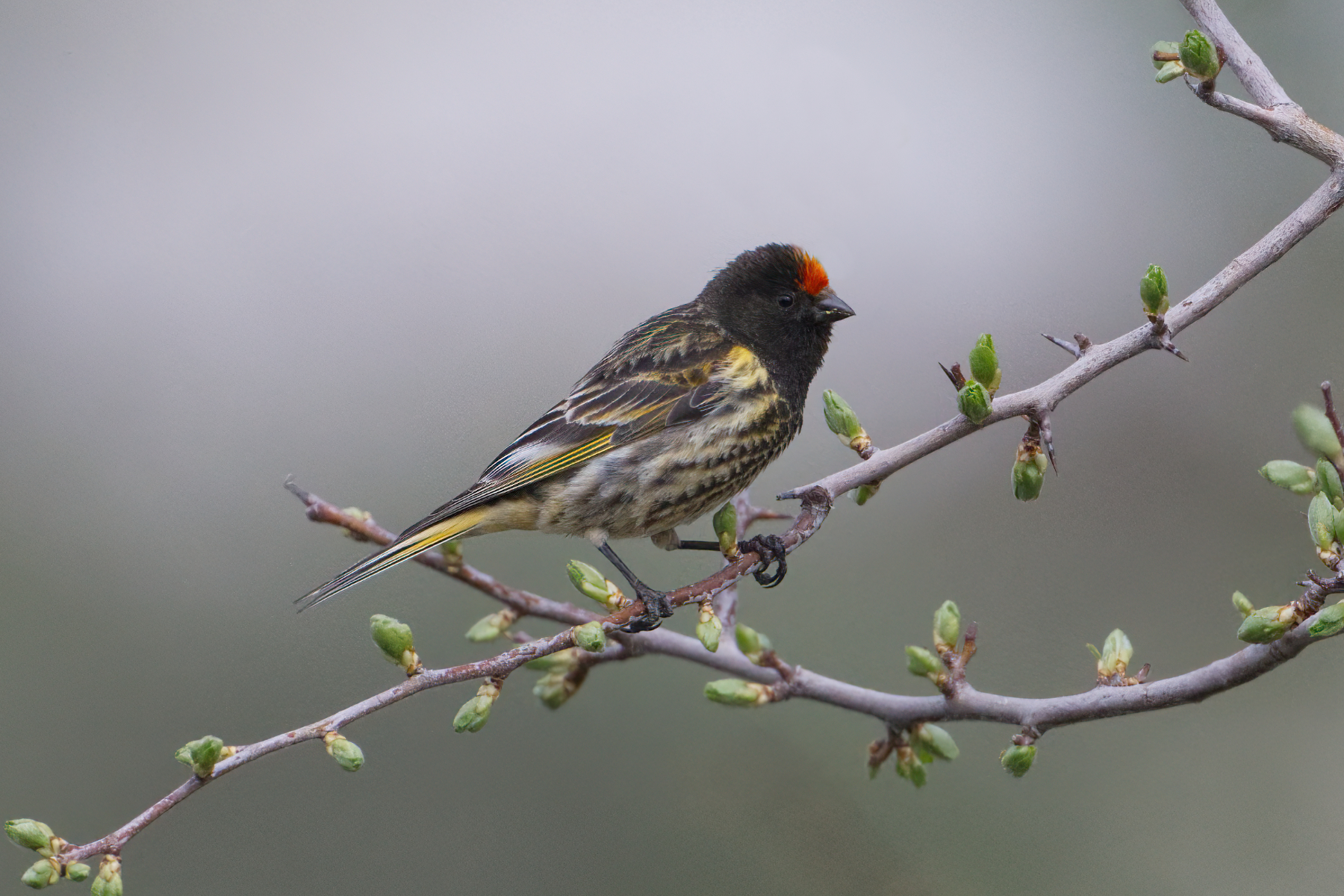
Red-fronted Serin (image by Martin Hale)
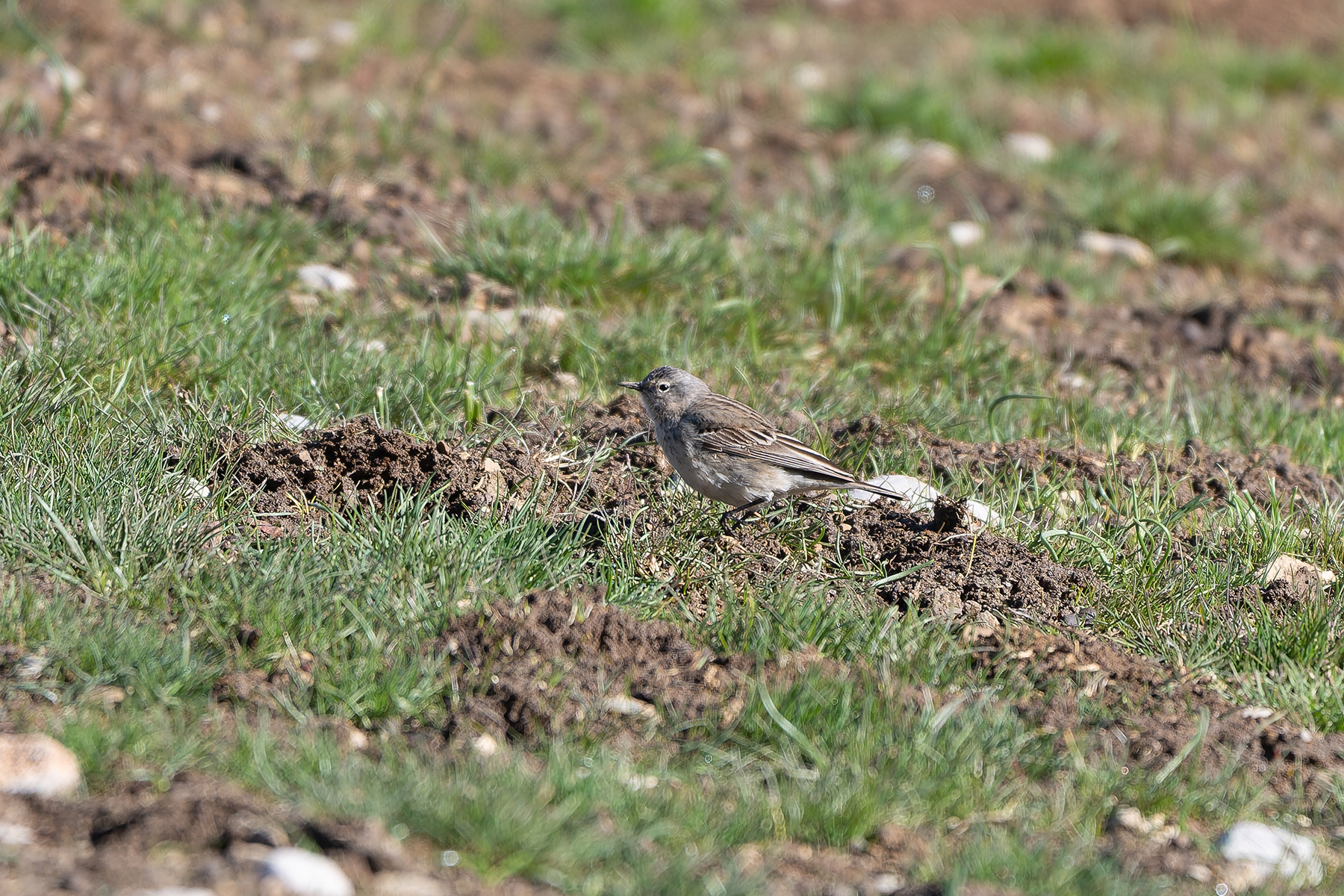
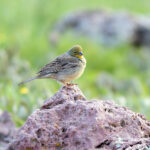
Water Pipit (image by Diedert Koppenol)
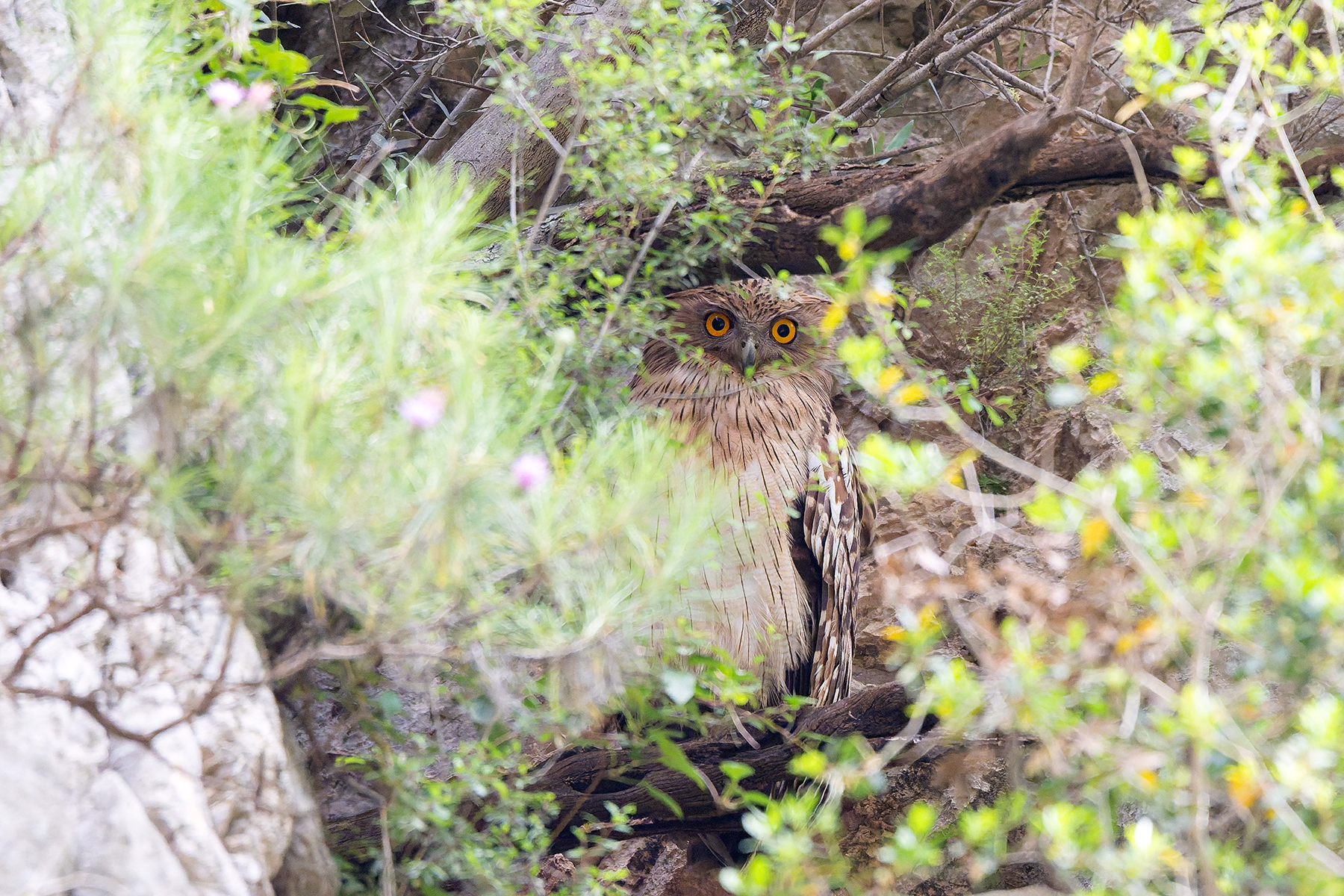
(Turkish) Brown Fish Owl (image by Diedert Koppenol)
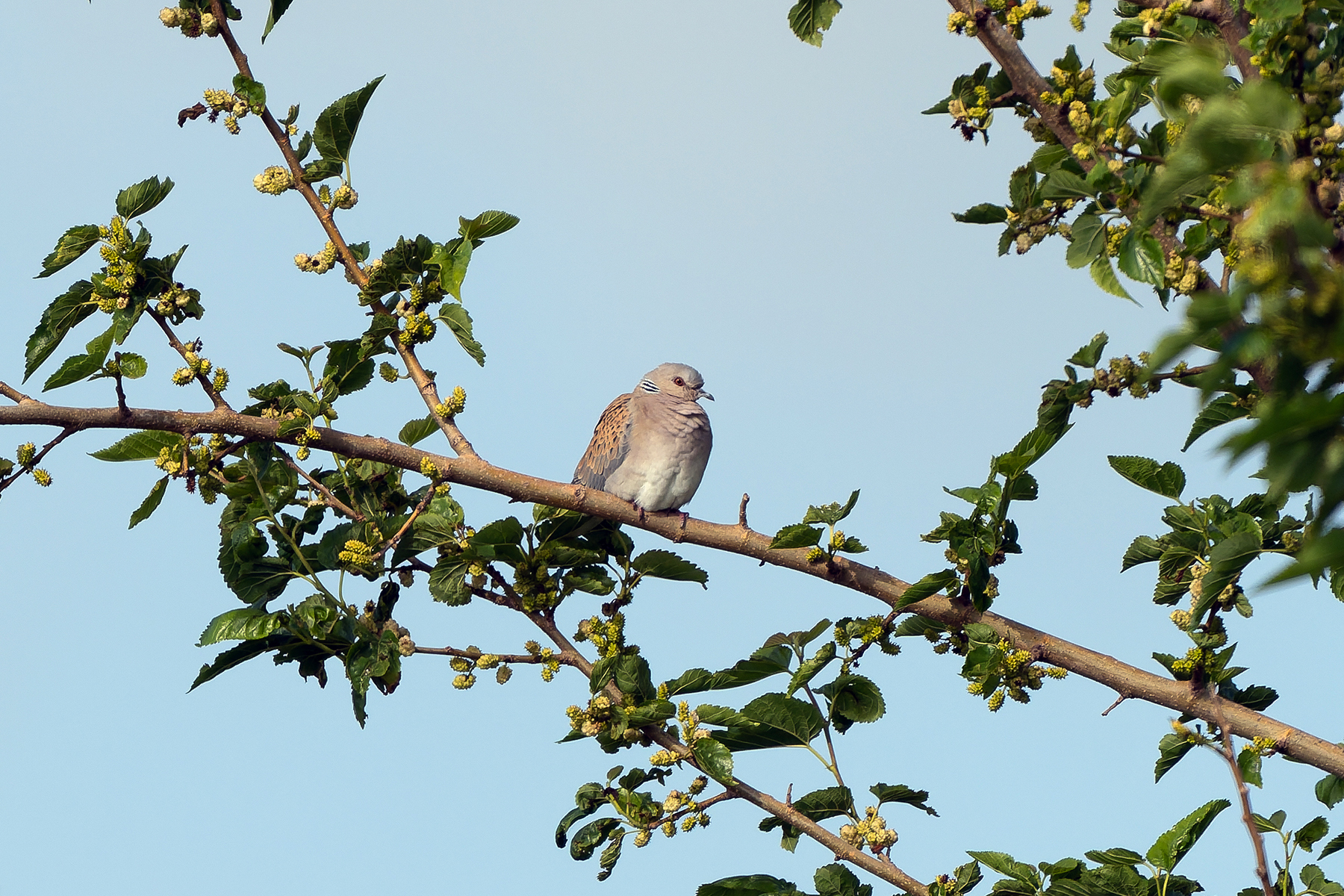
European Turtle Dove (image by Diedert Koppenol)
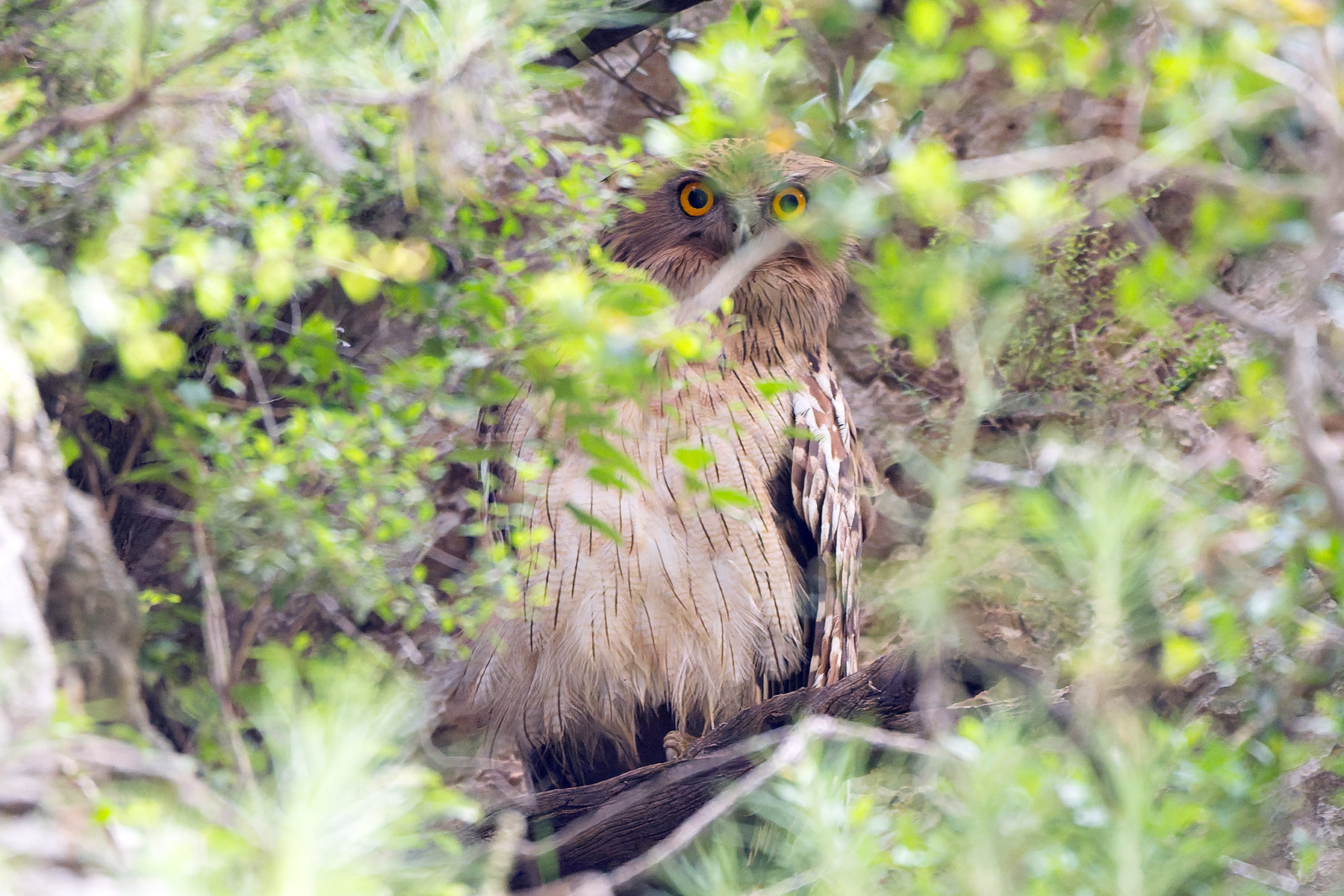
(Turkish) Brown Fish Owl (image by Diedert Koppenol)
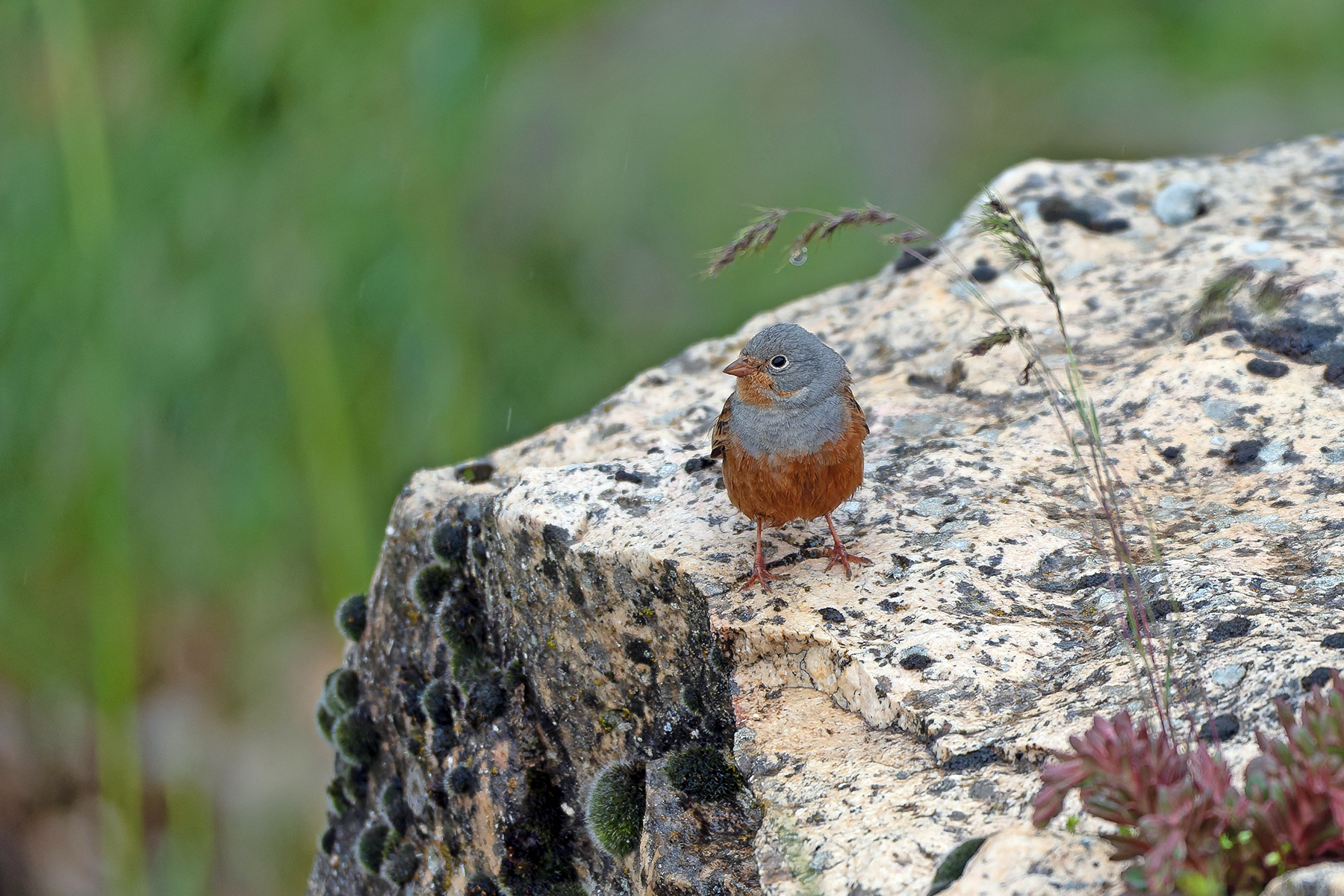
Cretzschmar's Bunting (image by Diedert Koppenol)
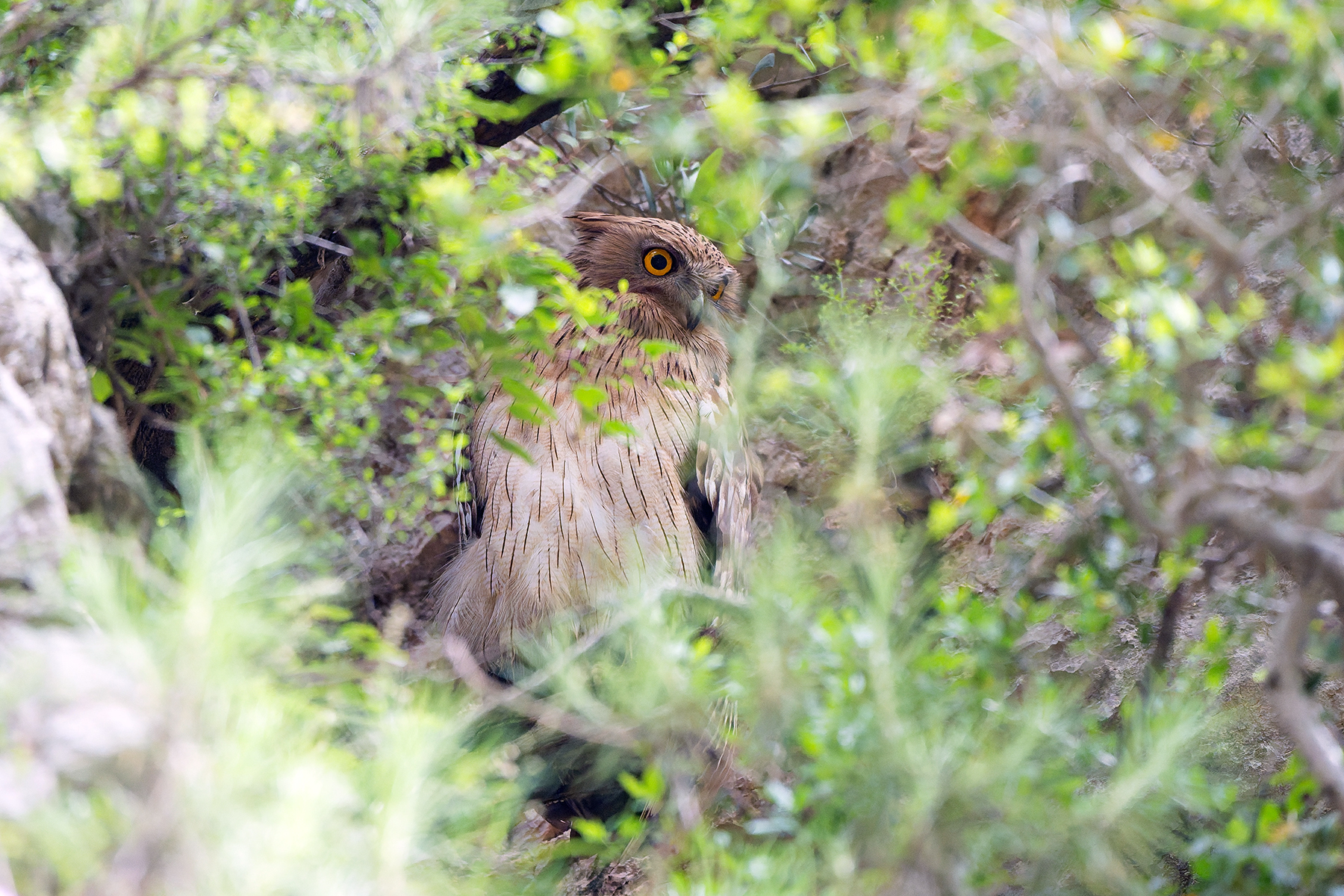
(Turkish) Brown Fish Owl (image by Diedert Koppenol)
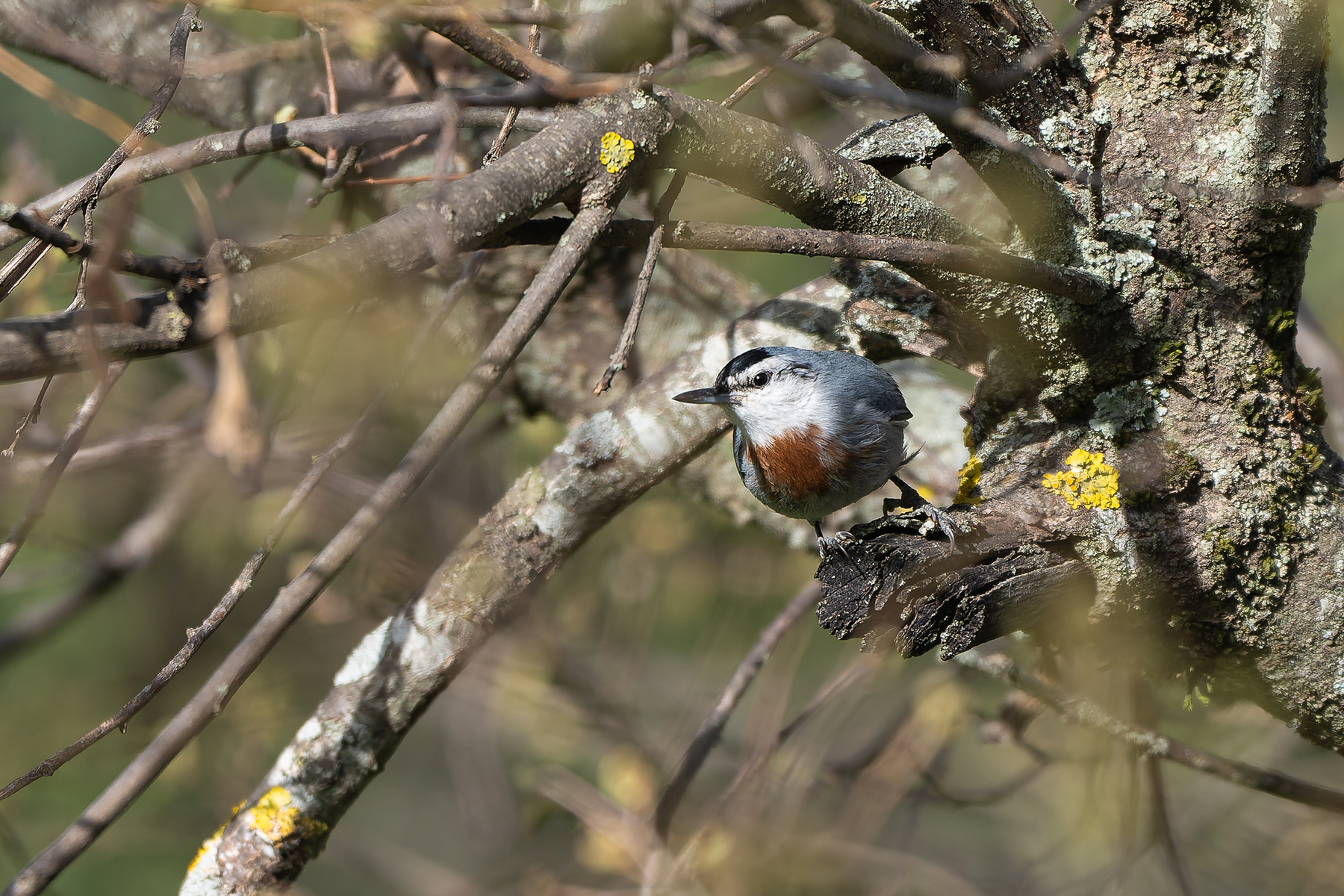
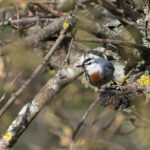
Krüper's Nuthatch (image by Diedert Koppenol)
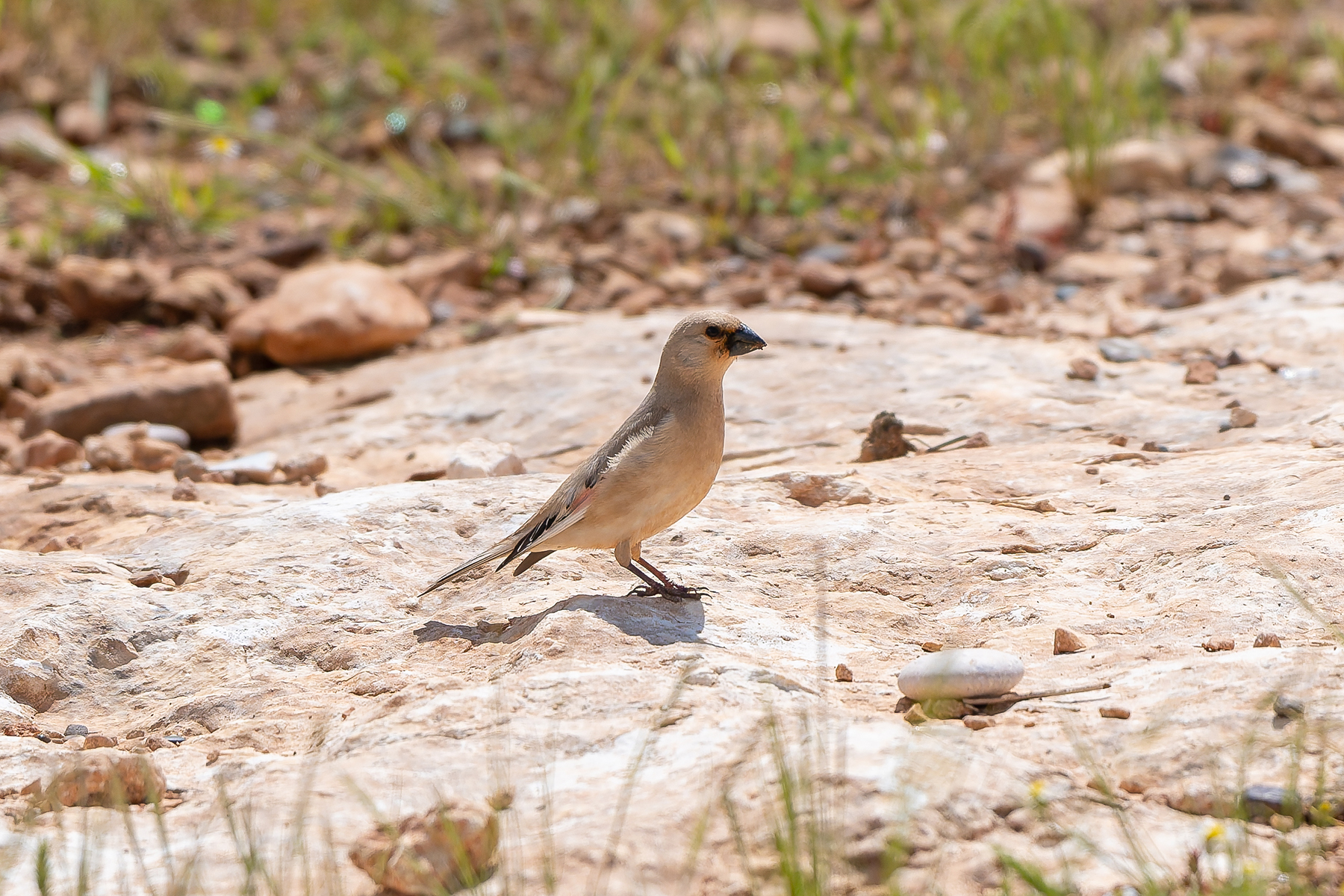
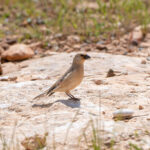
Desert Finch (image by Diedert Koppenol)
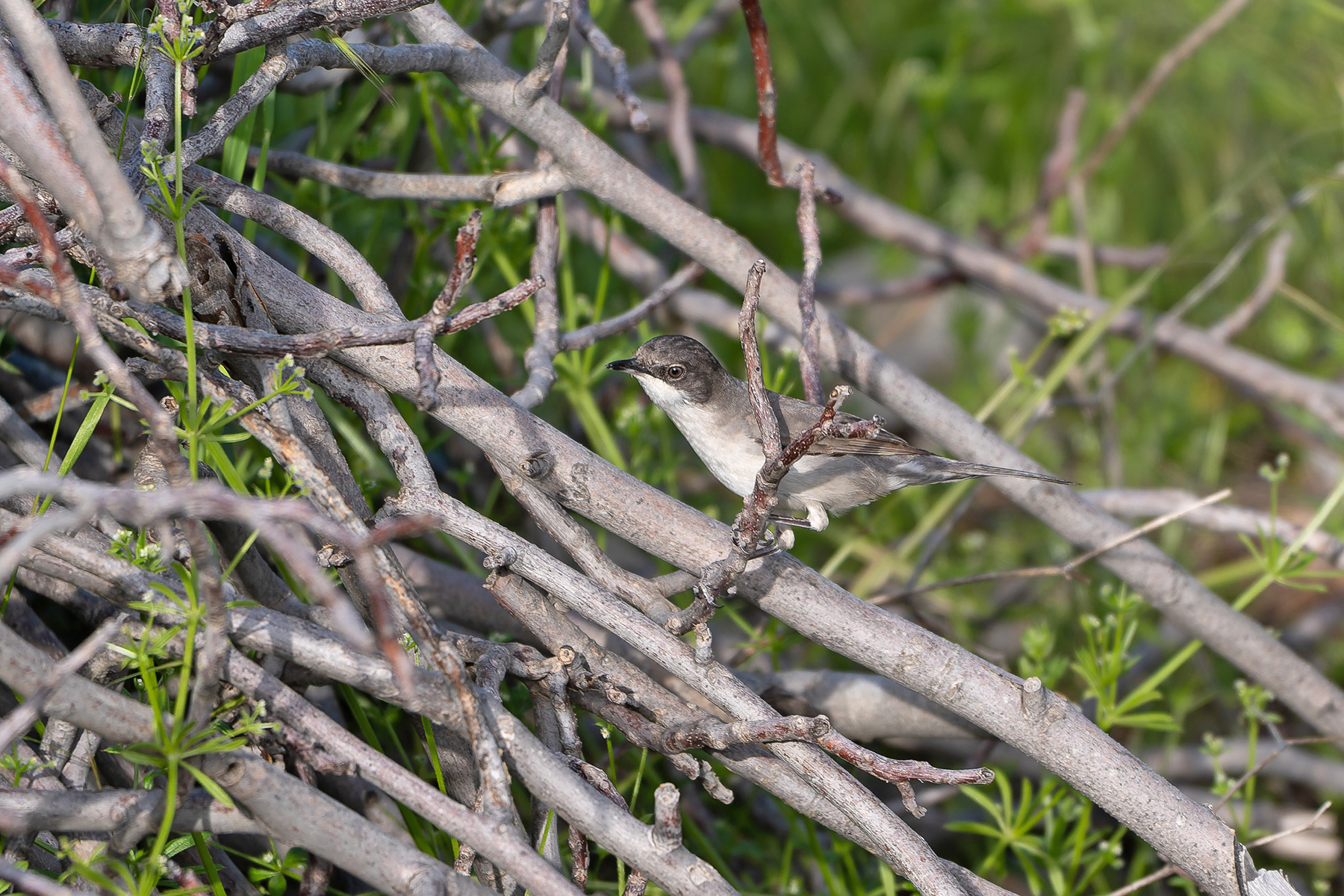
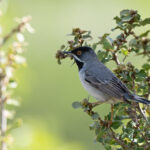
Eastern Orphean Warbler (image by Diedert Koppenol)
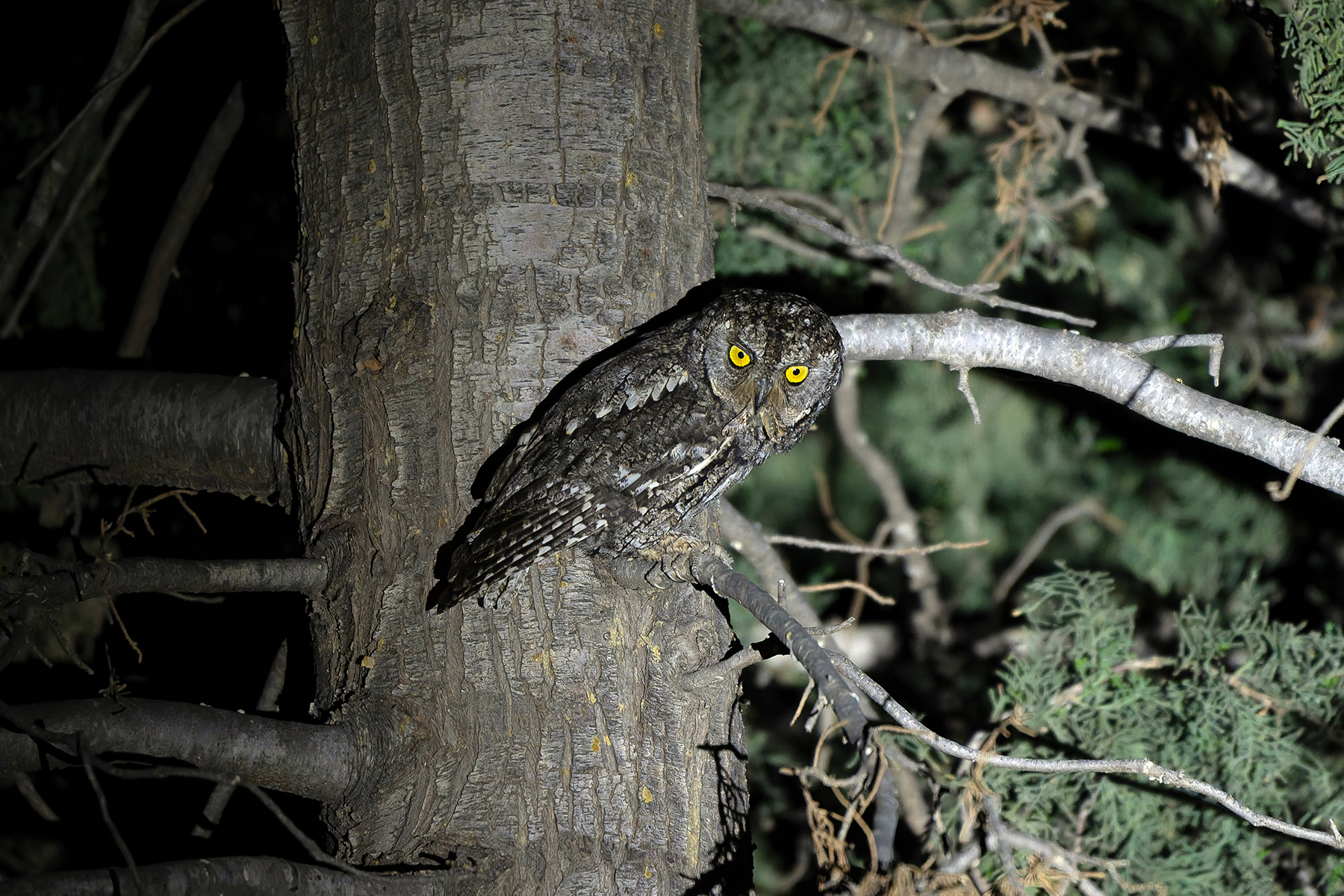
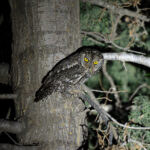
Cyprus Scops Owl (image by Diedert Koppenol)
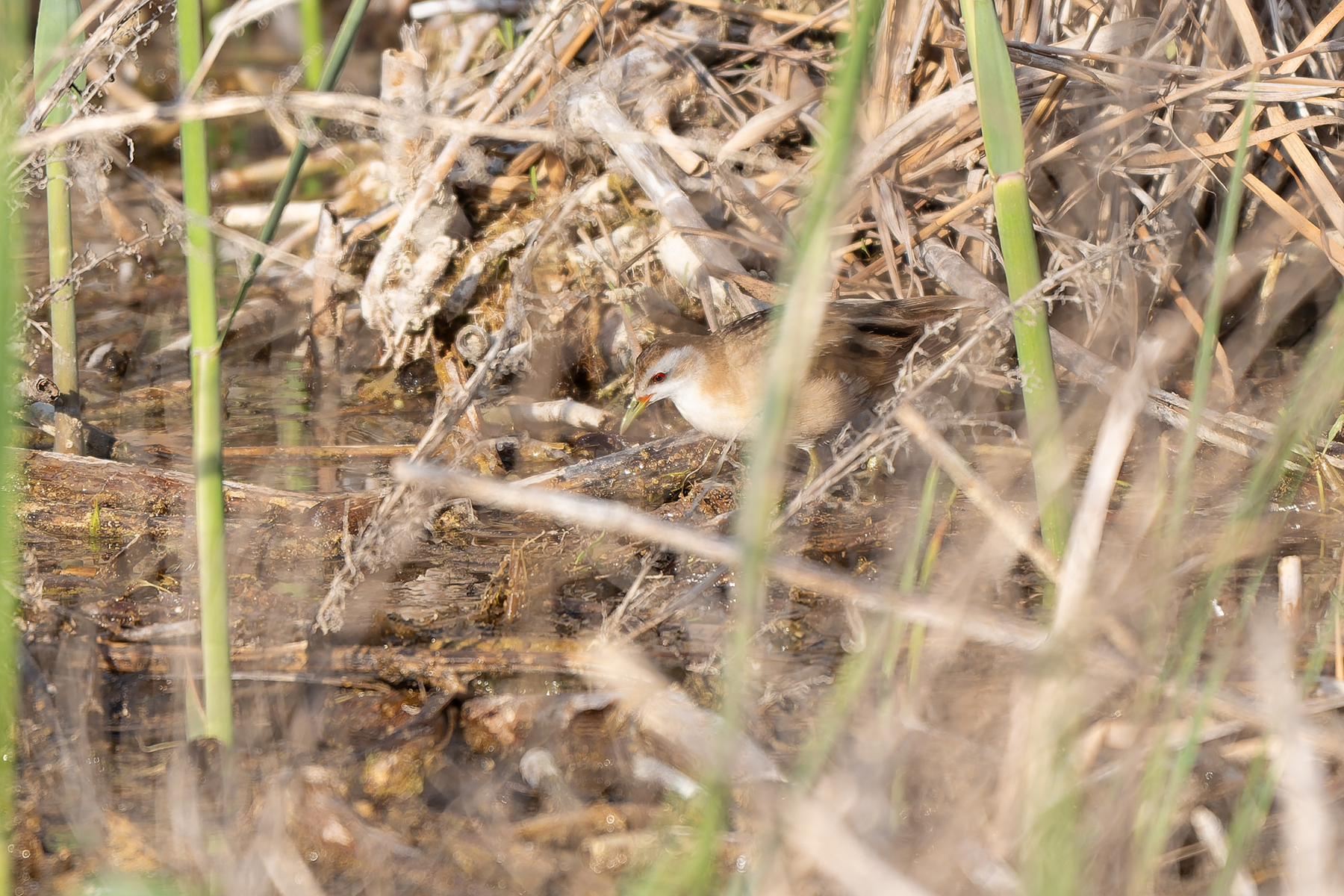
Little Crake (image by Diedert Koppenol)
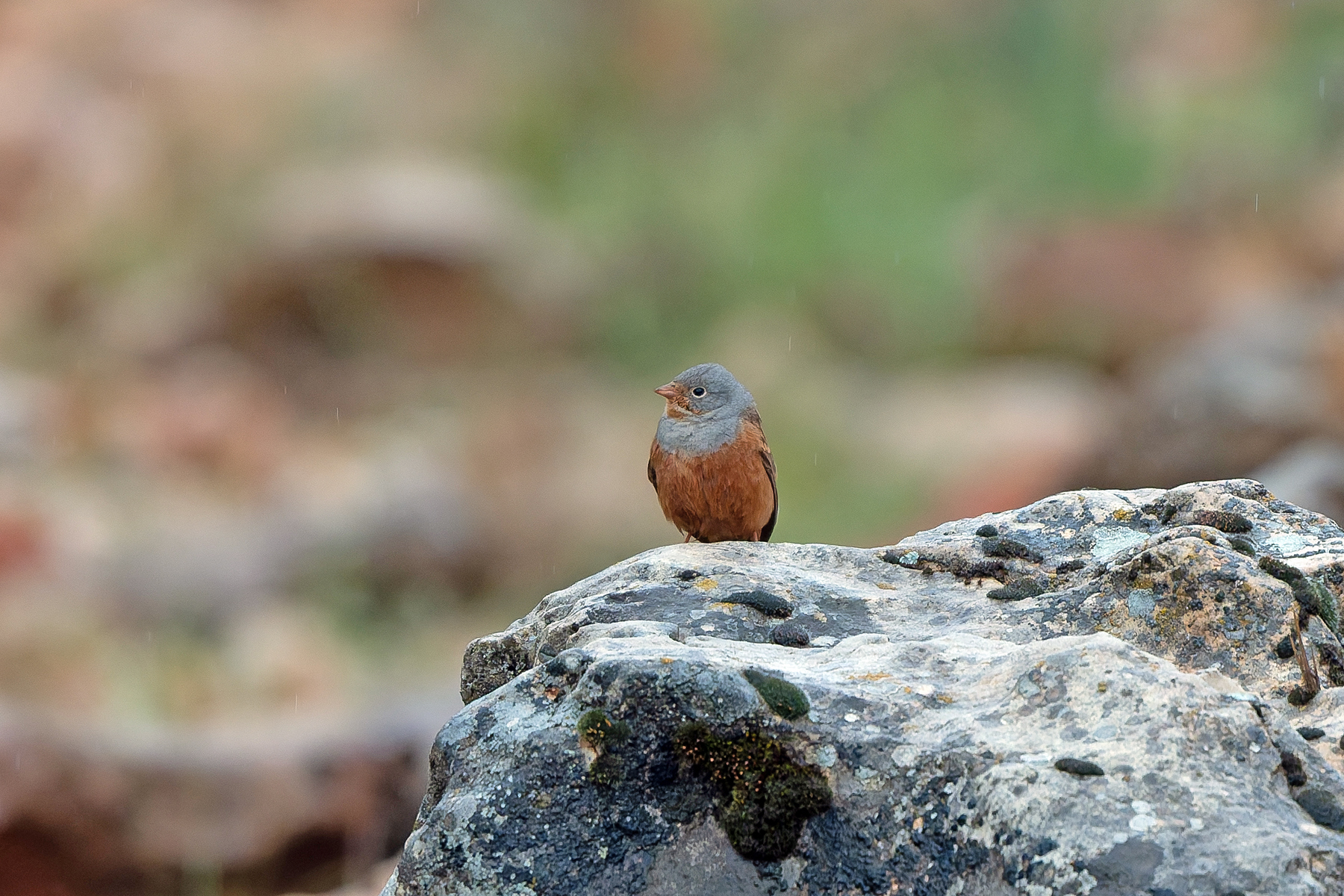
Cretzschmar's Bunting (image by Diedert Koppenol)
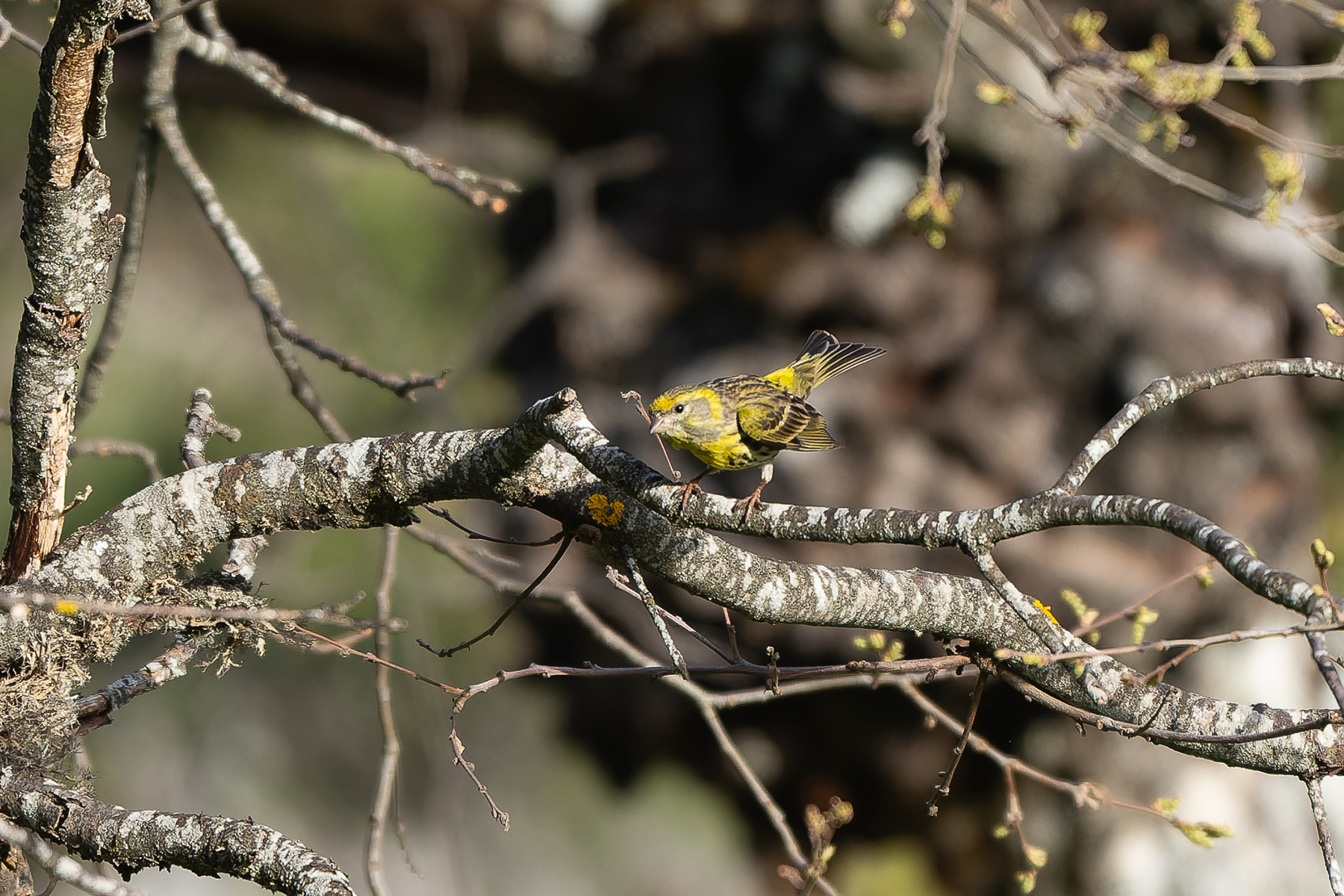
European Serin (image by Diedert Koppenol)
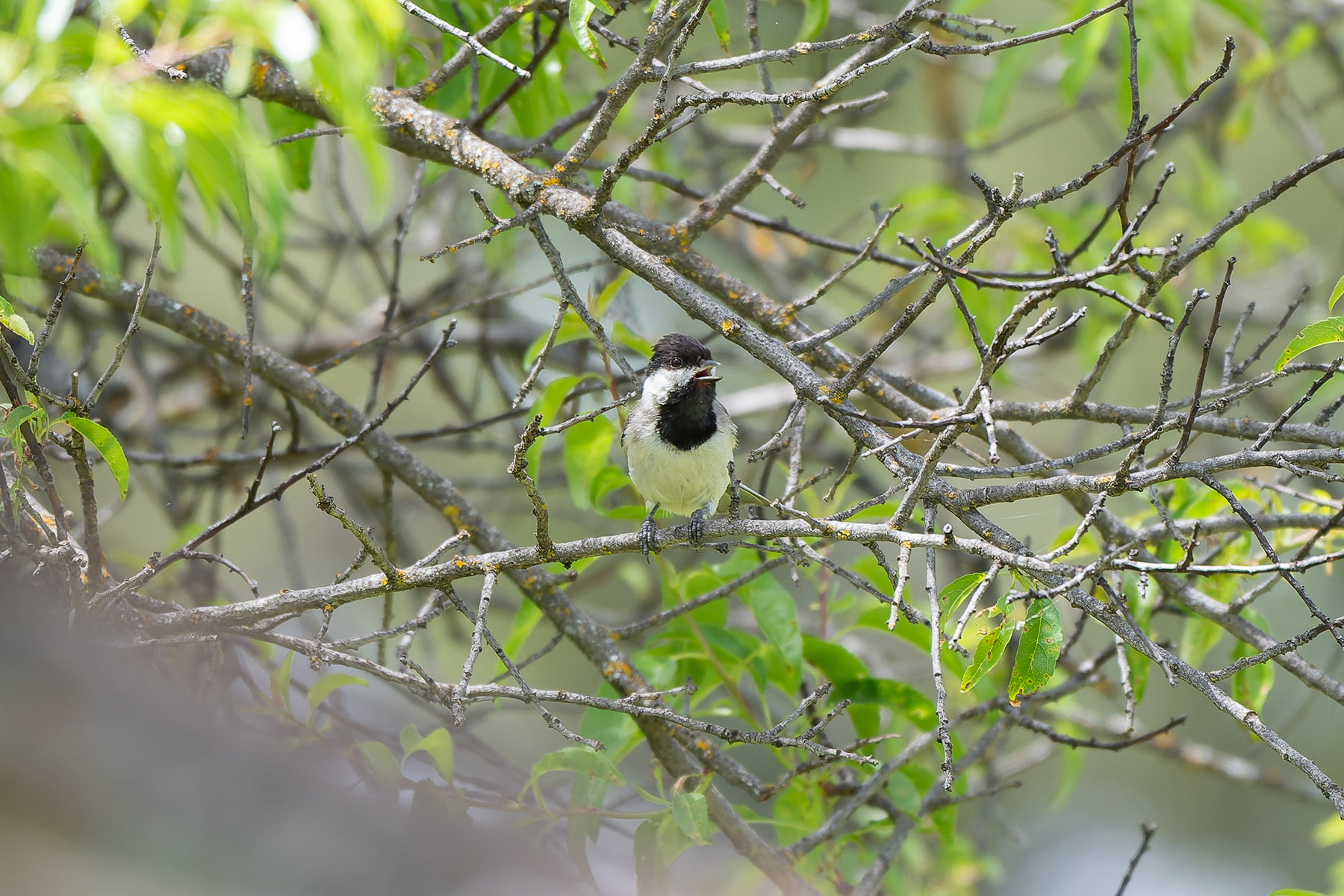
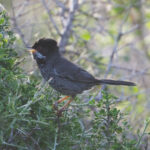
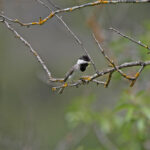
Sombre Tit (image by Diedert Koppenol)
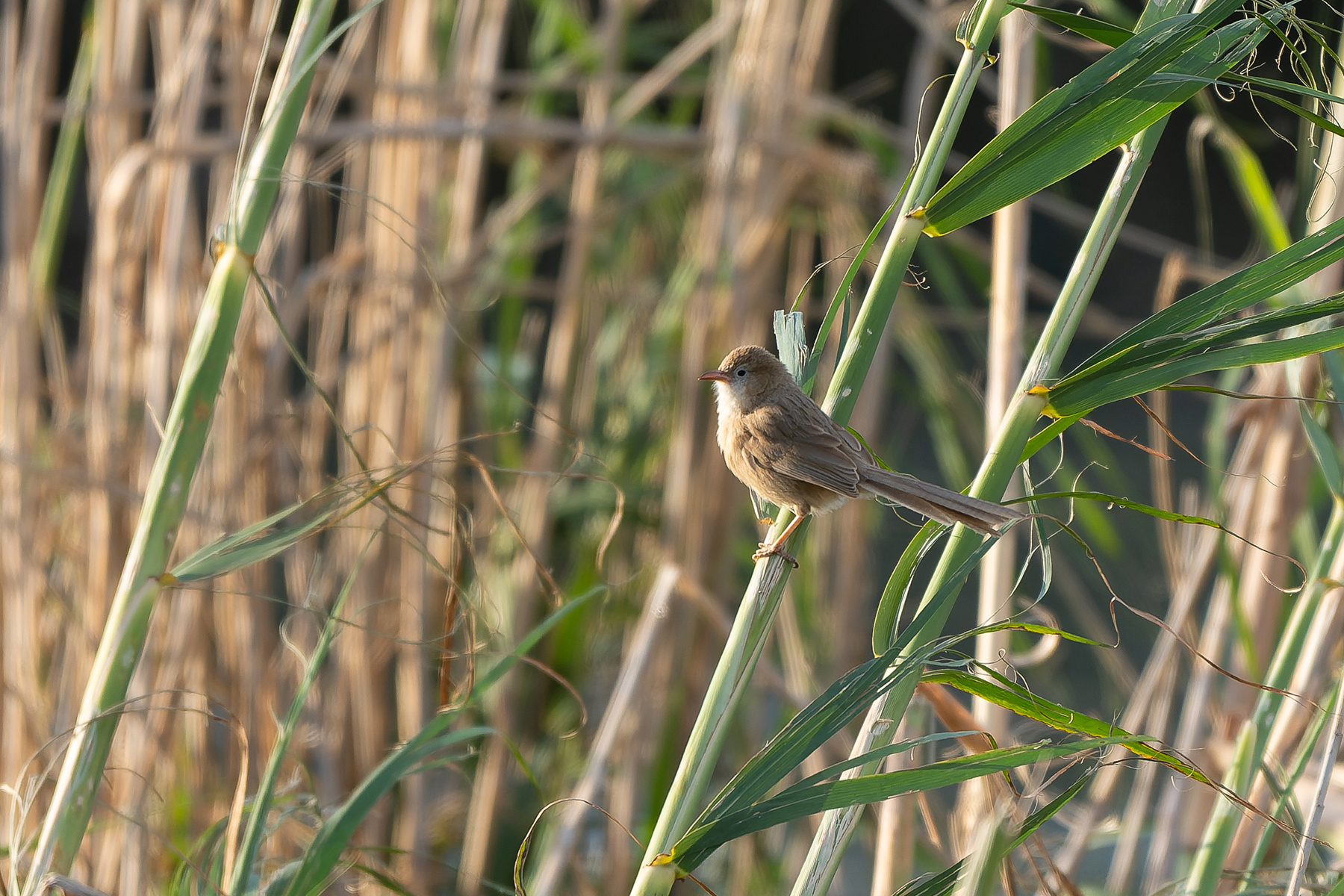
Iraq Babbler (image by Diedert Koppenol)
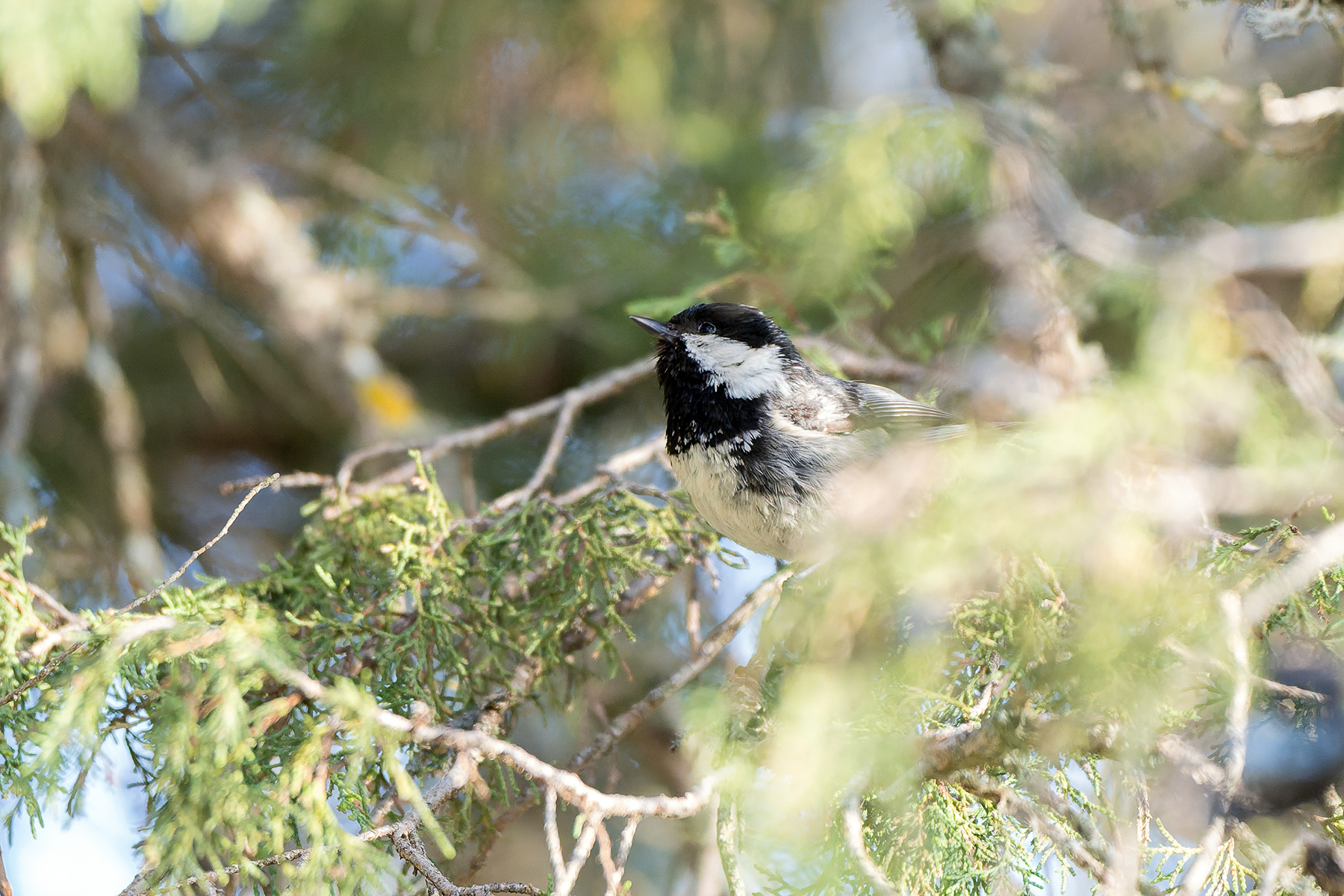
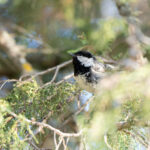
Coal Tit (image by Diedert Koppenol)
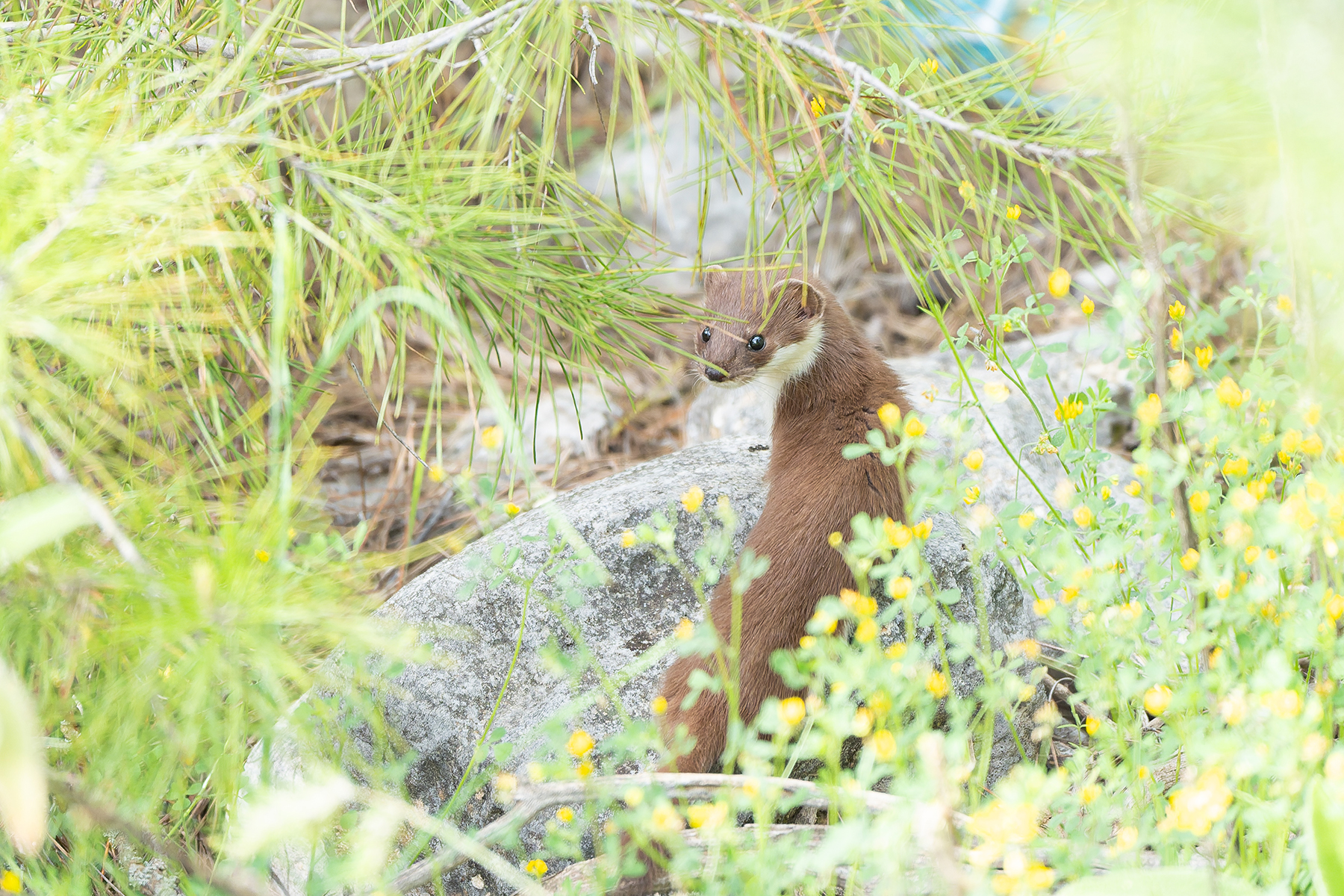
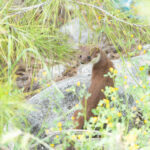
Weasel (image by Diedert Koppenol)
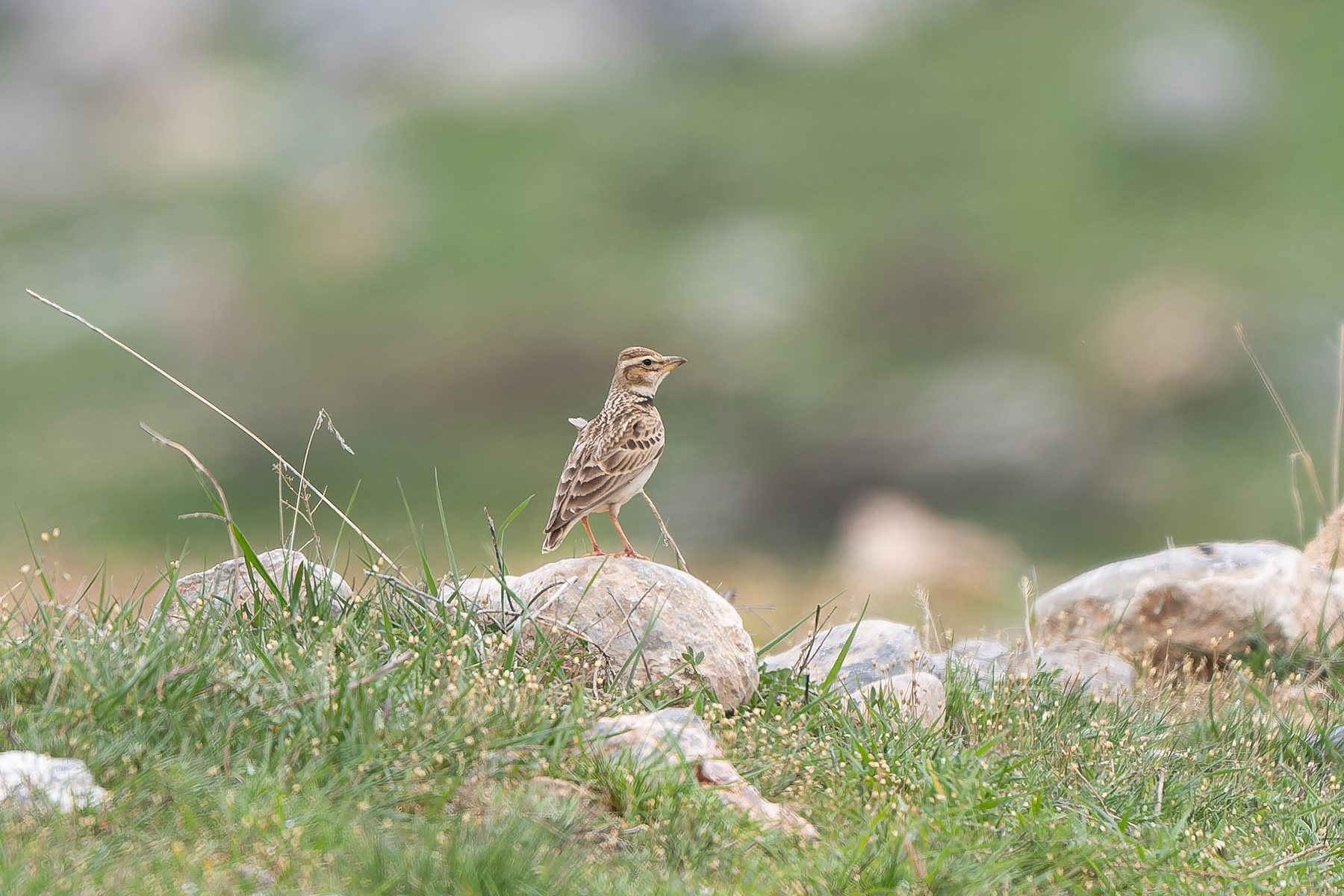
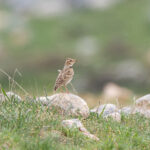
Bimaculated Lark (image by Diedert Koppenol)
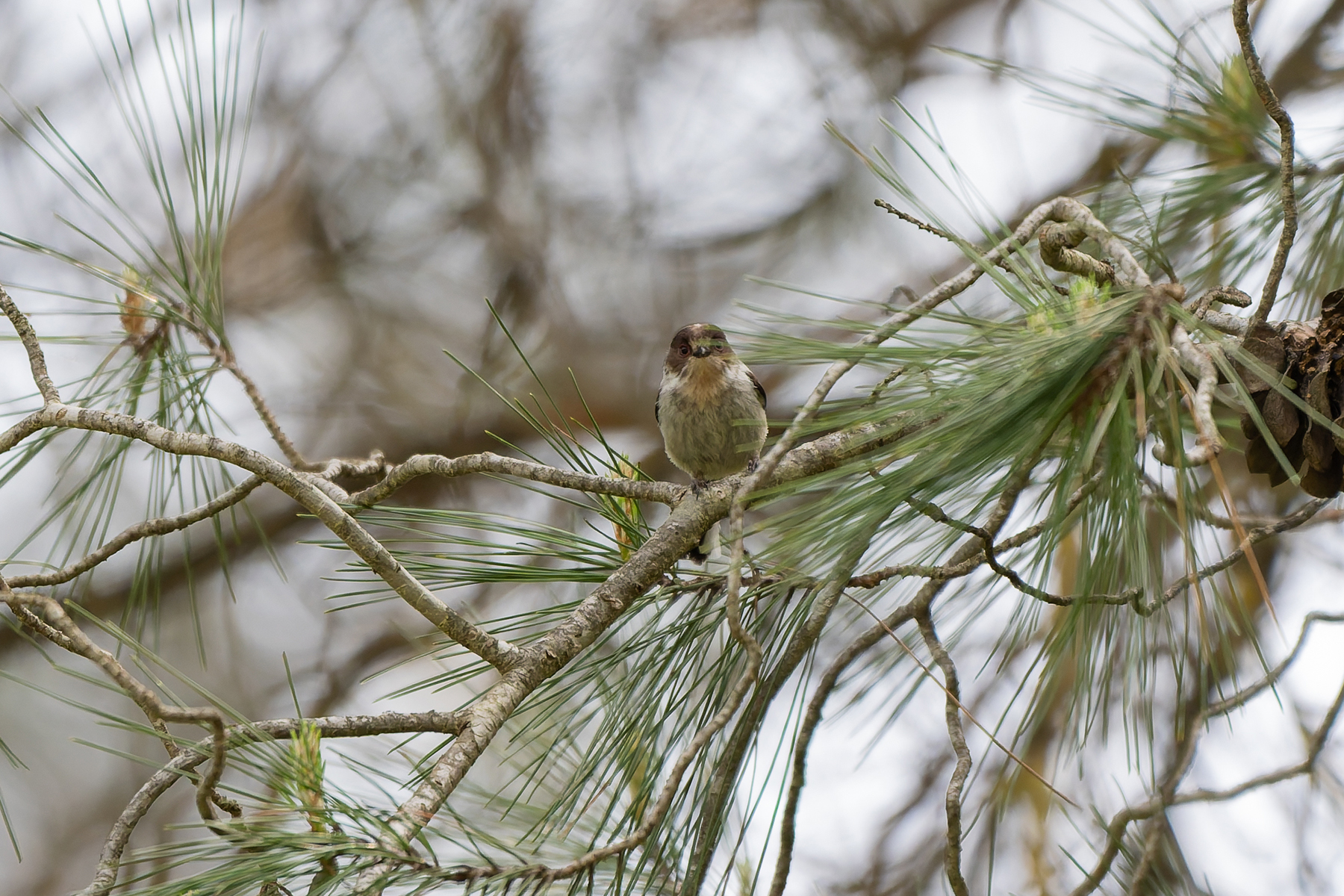
Long-tailed Tit (image by Diedert Koppenol)
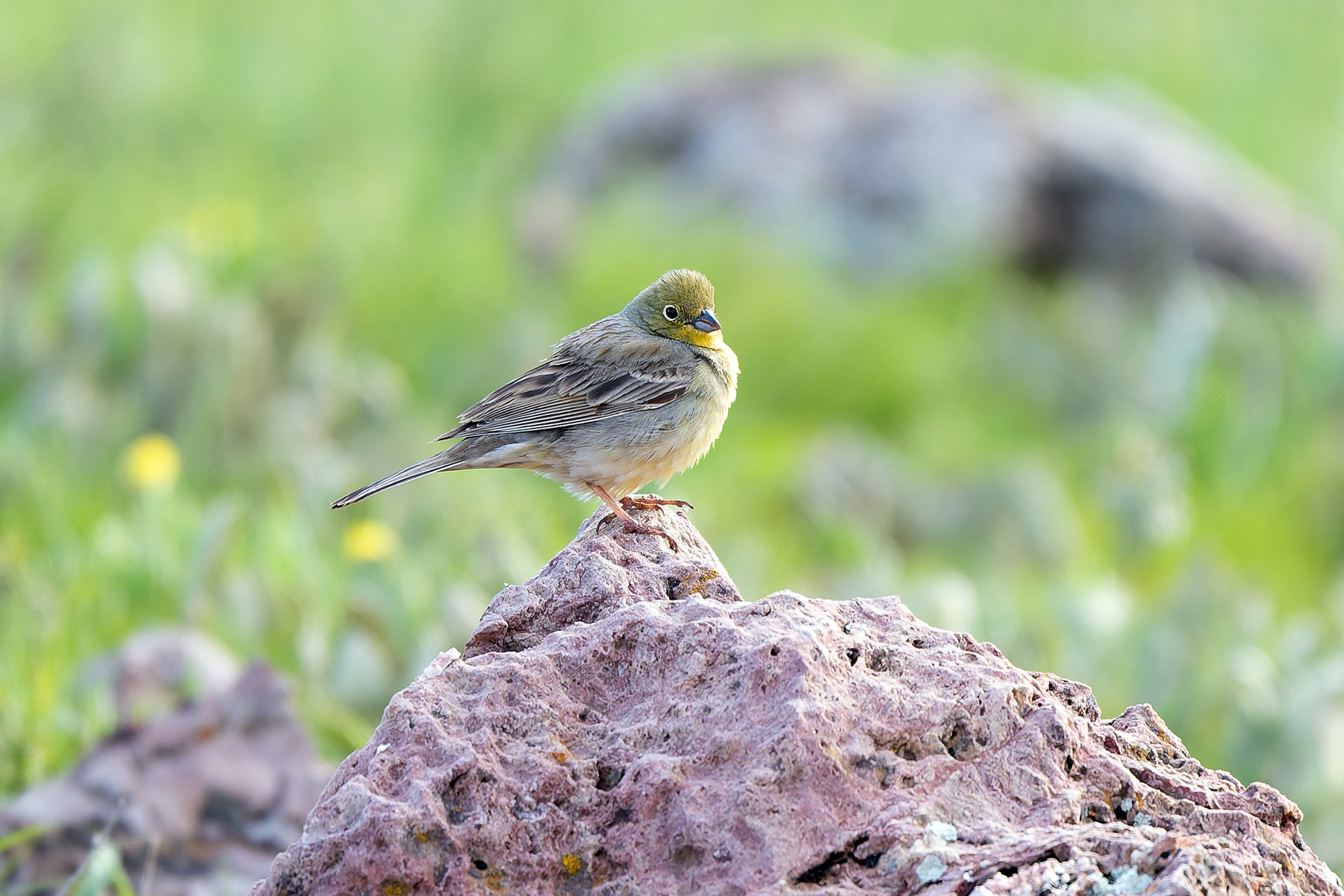
Cinereous Bunting (image by Diedert Koppenol)
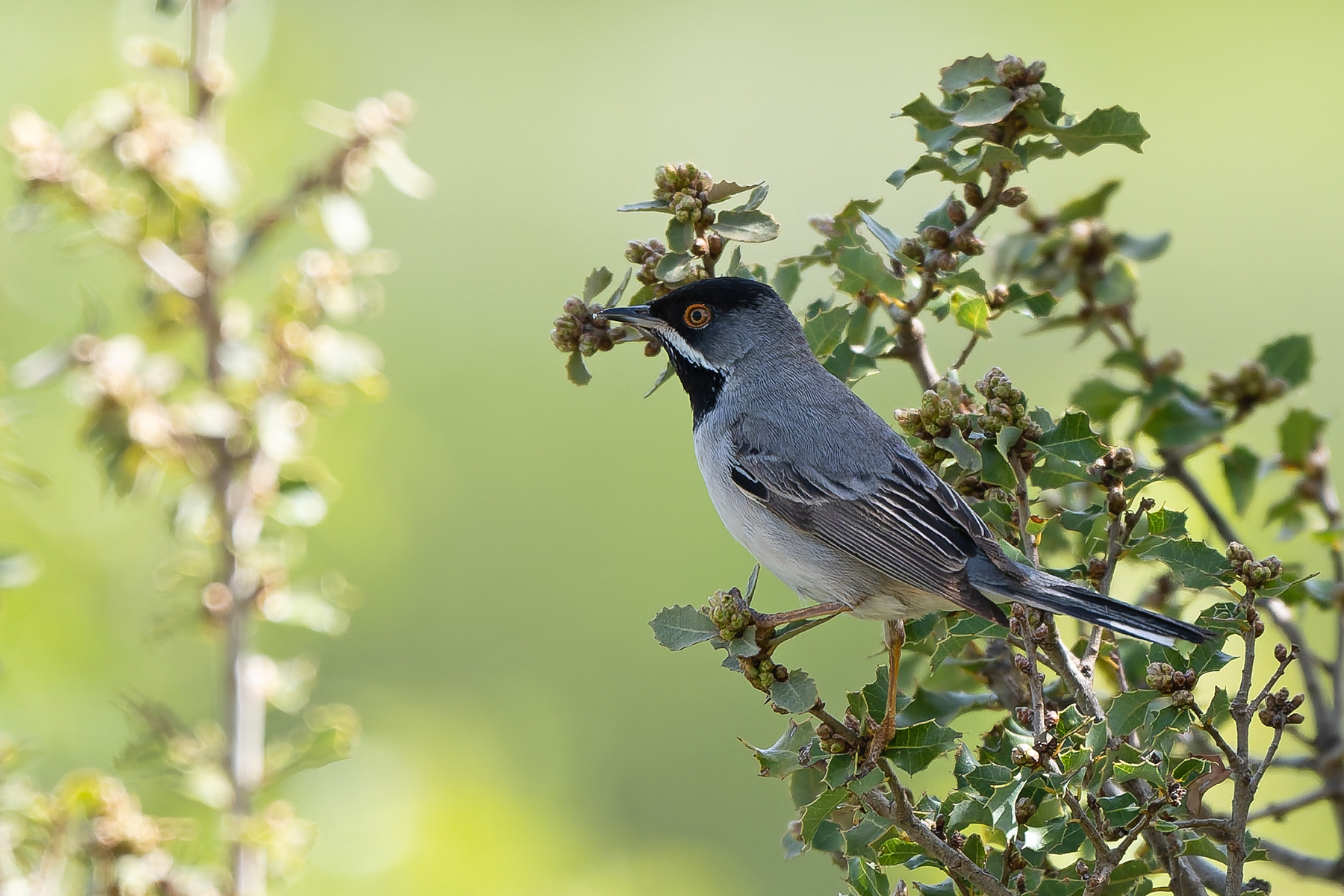
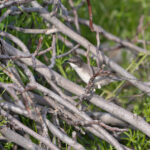
Rüppell's Warbler (image by Diedert Koppenol)
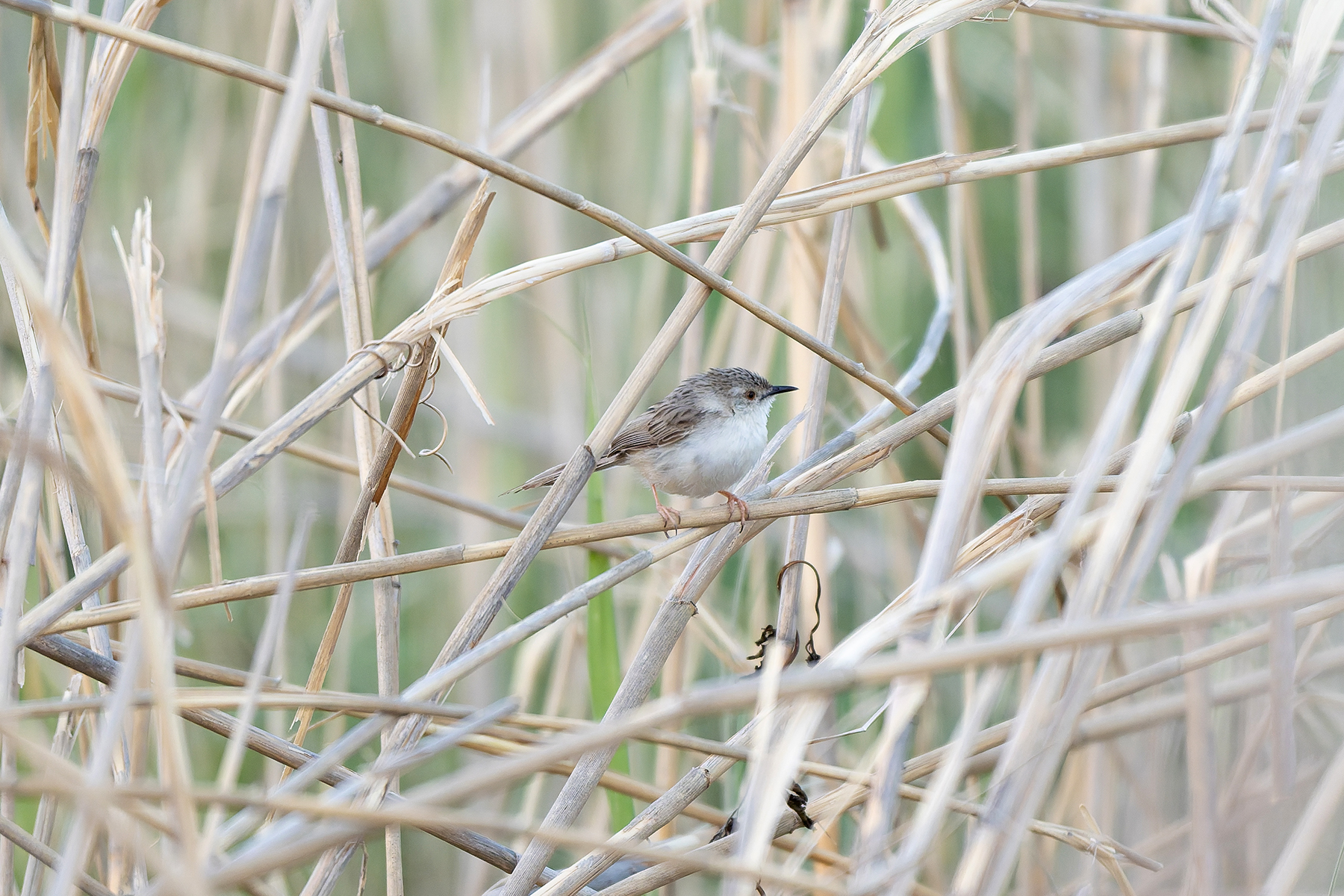
Delicate Prinia (image by Diedert Koppenol)
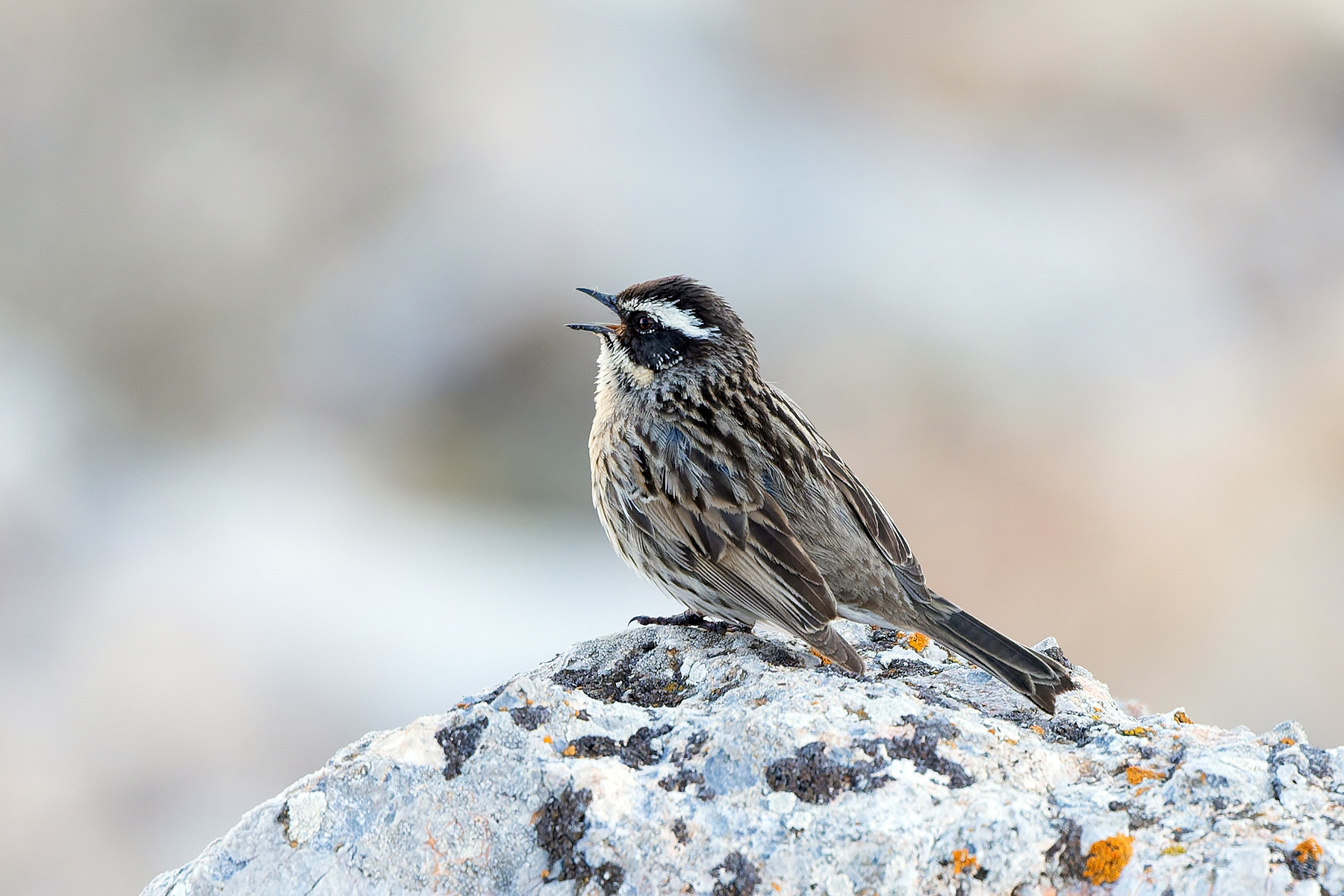
Radde's Accentor (image by Diedert Koppenol)
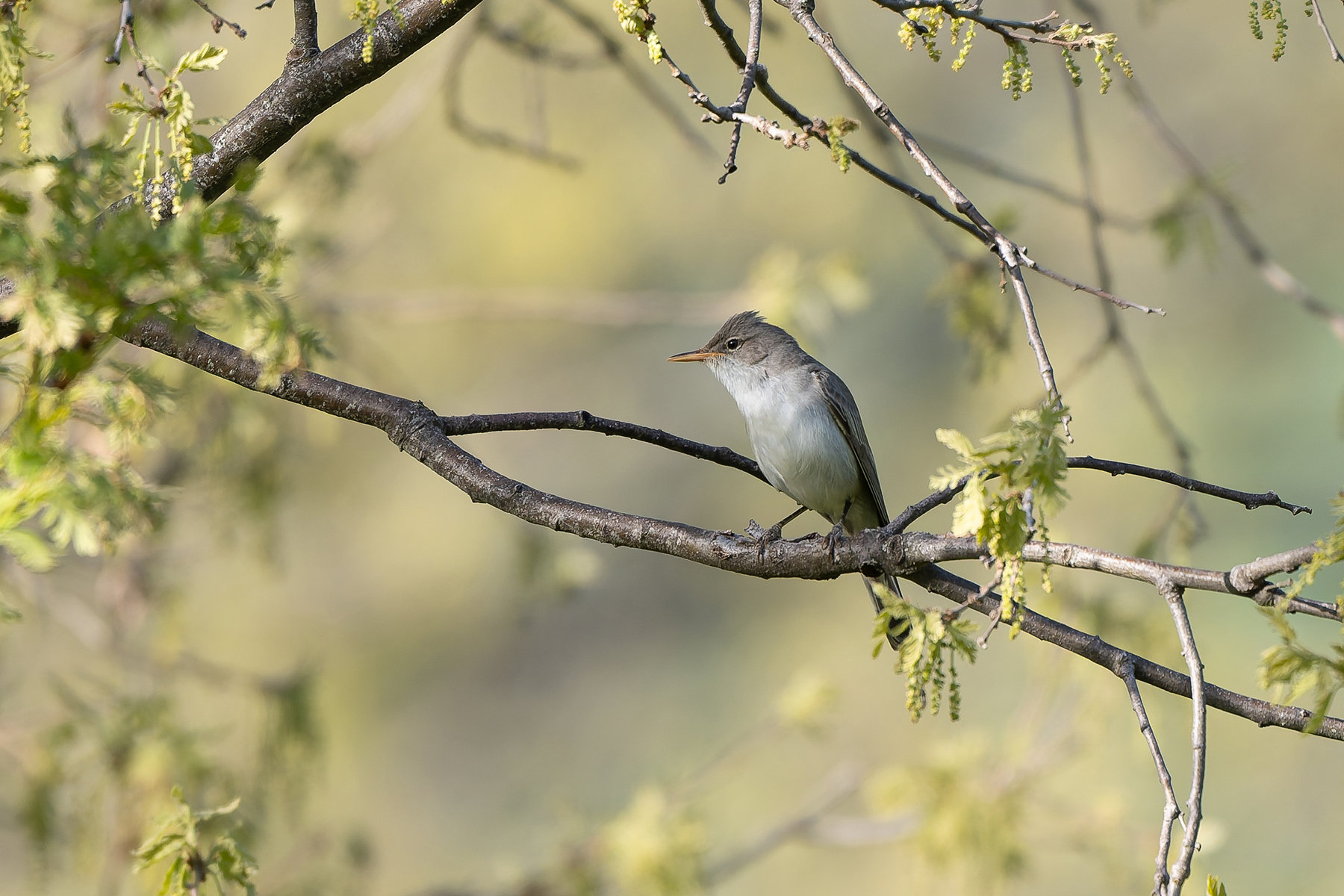
Olive-tree Warbler (image by Diedert Koppenol)
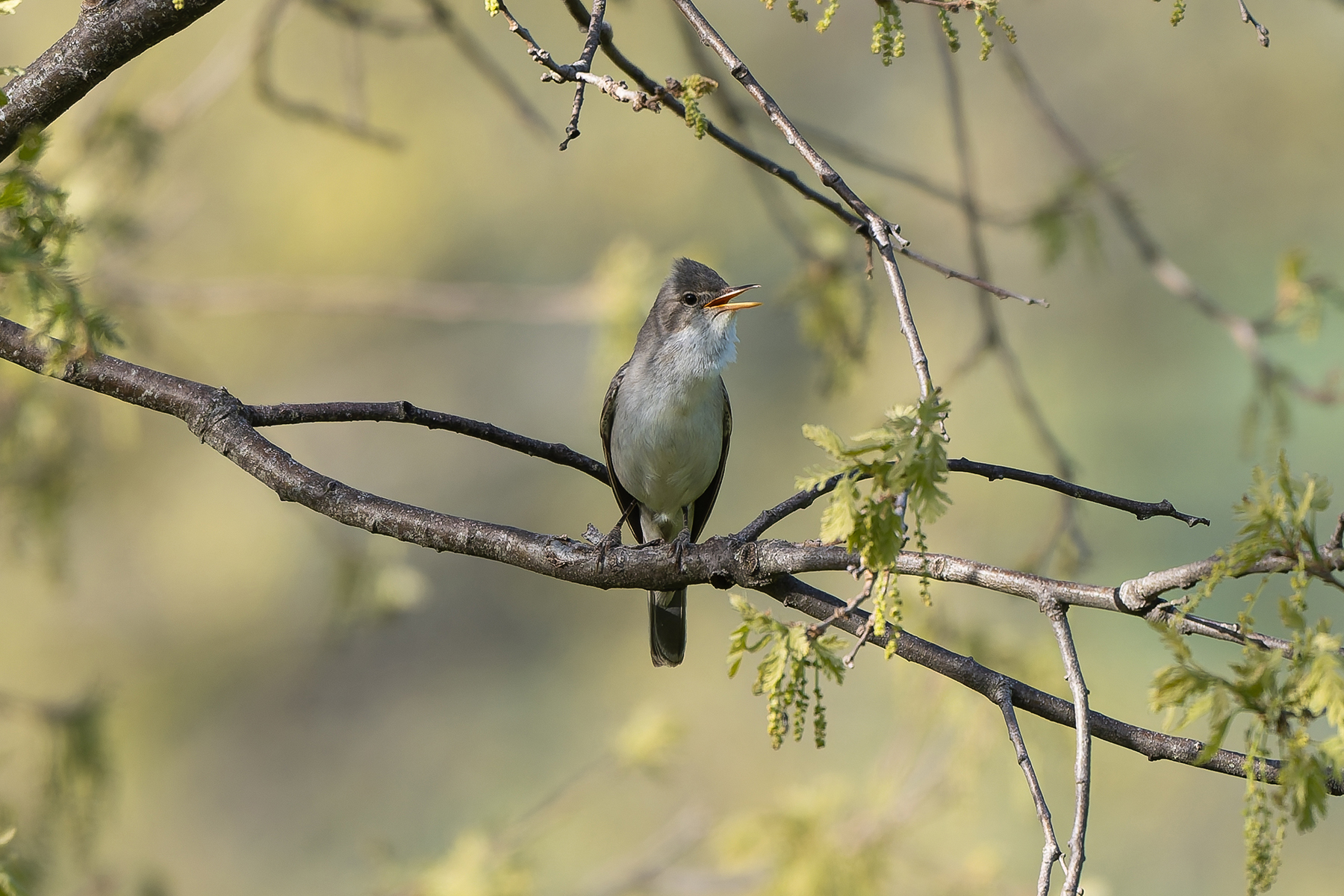
Olive-tree Warbler (image by Diedert Koppenol)
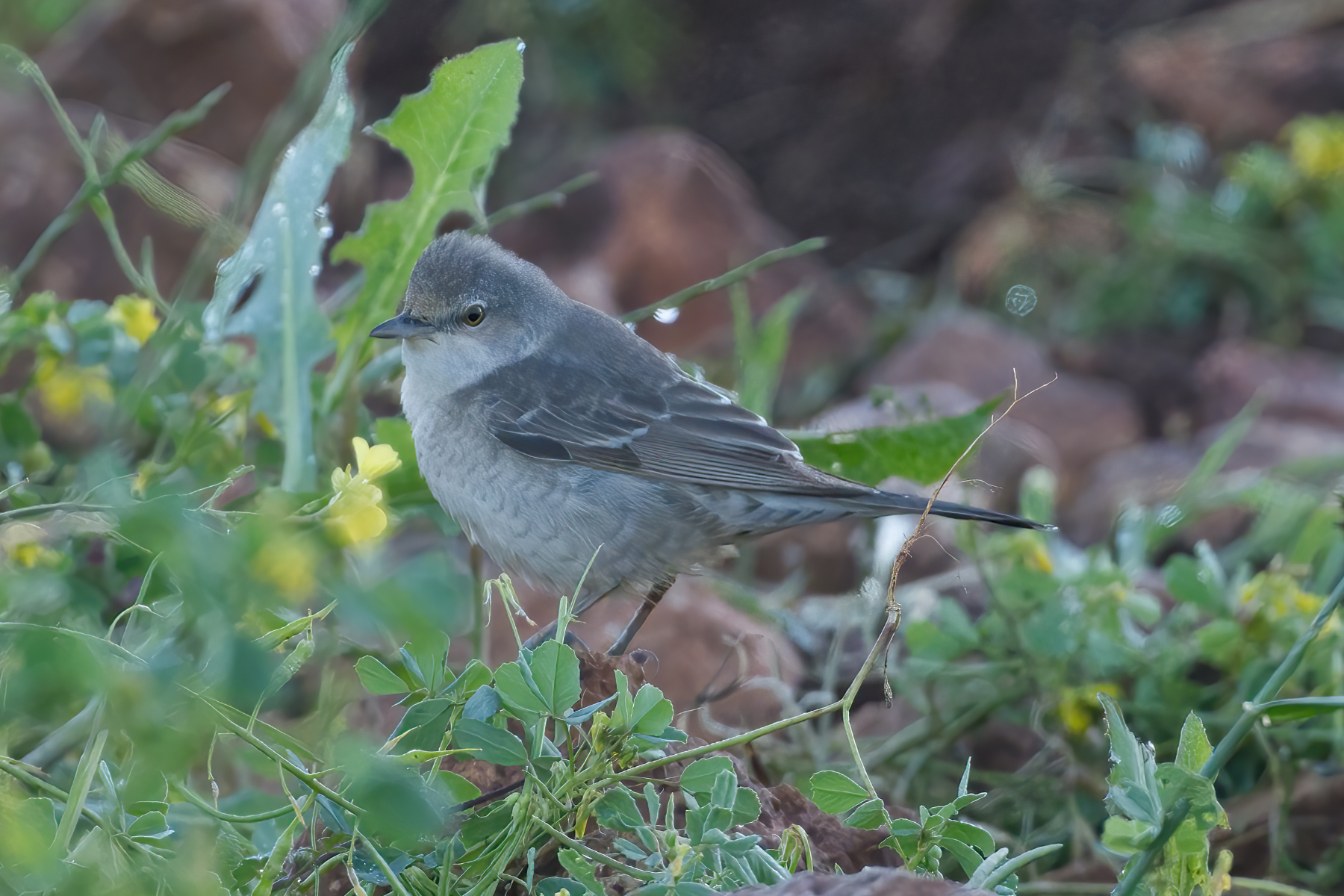
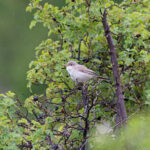
Barred Warbler (image by Martin Hale)
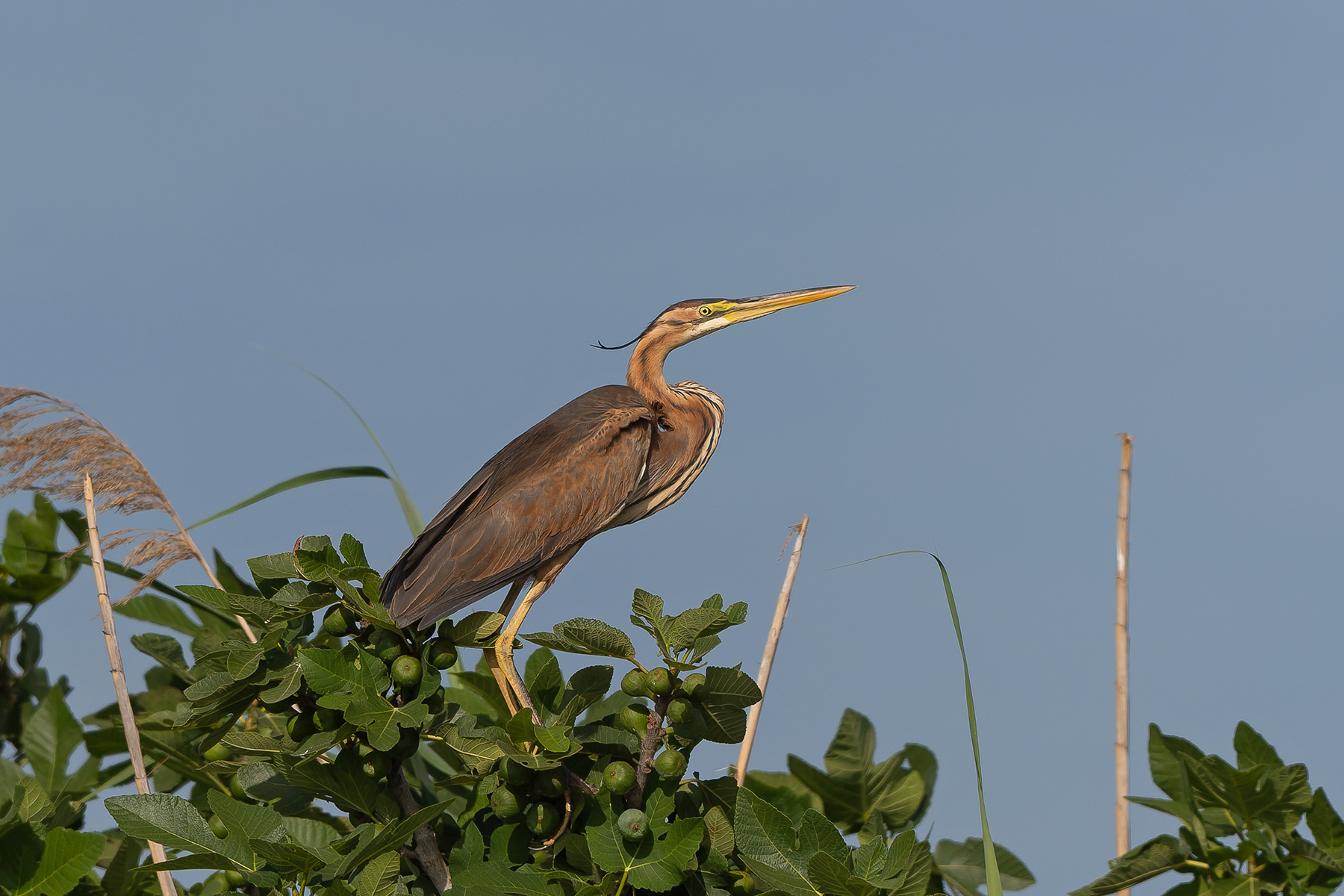
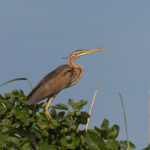
Purple Heron (image by Diedert Koppenol)
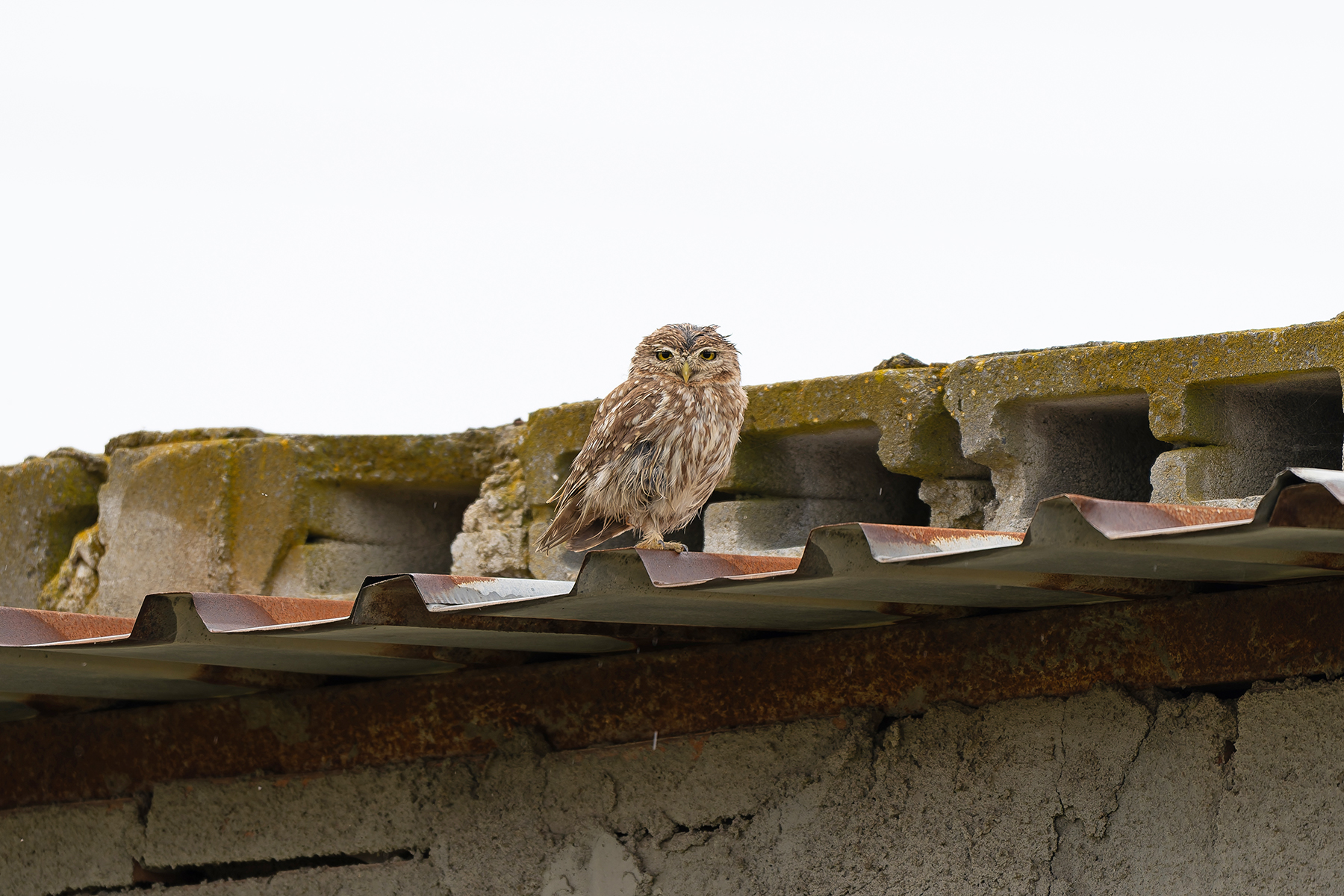
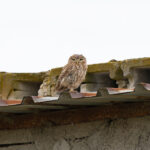
Little Owl (image by Diedert Koppenol)
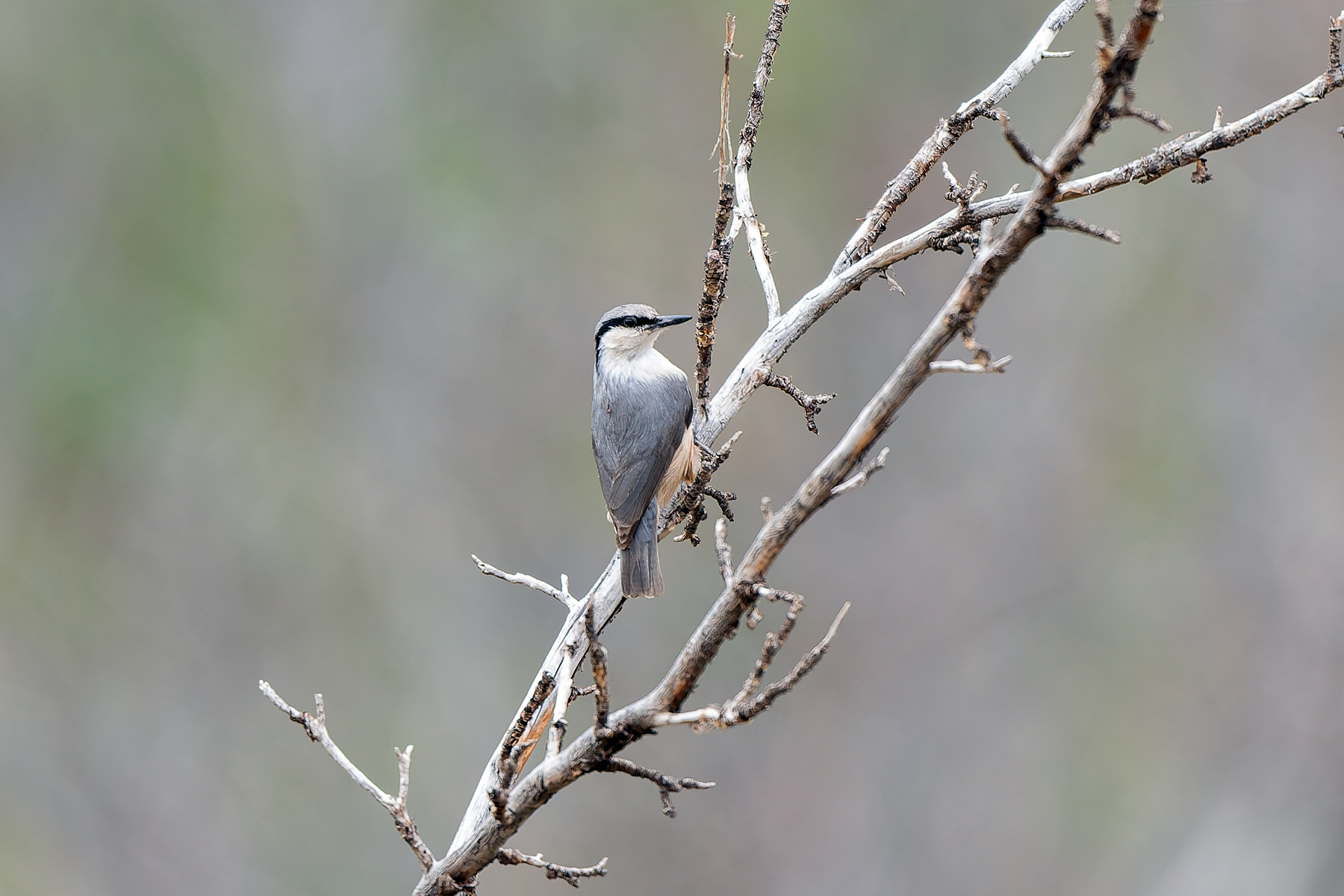
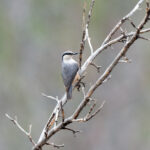
Western Rock Nuthatch (image by Diedert Koppenol)
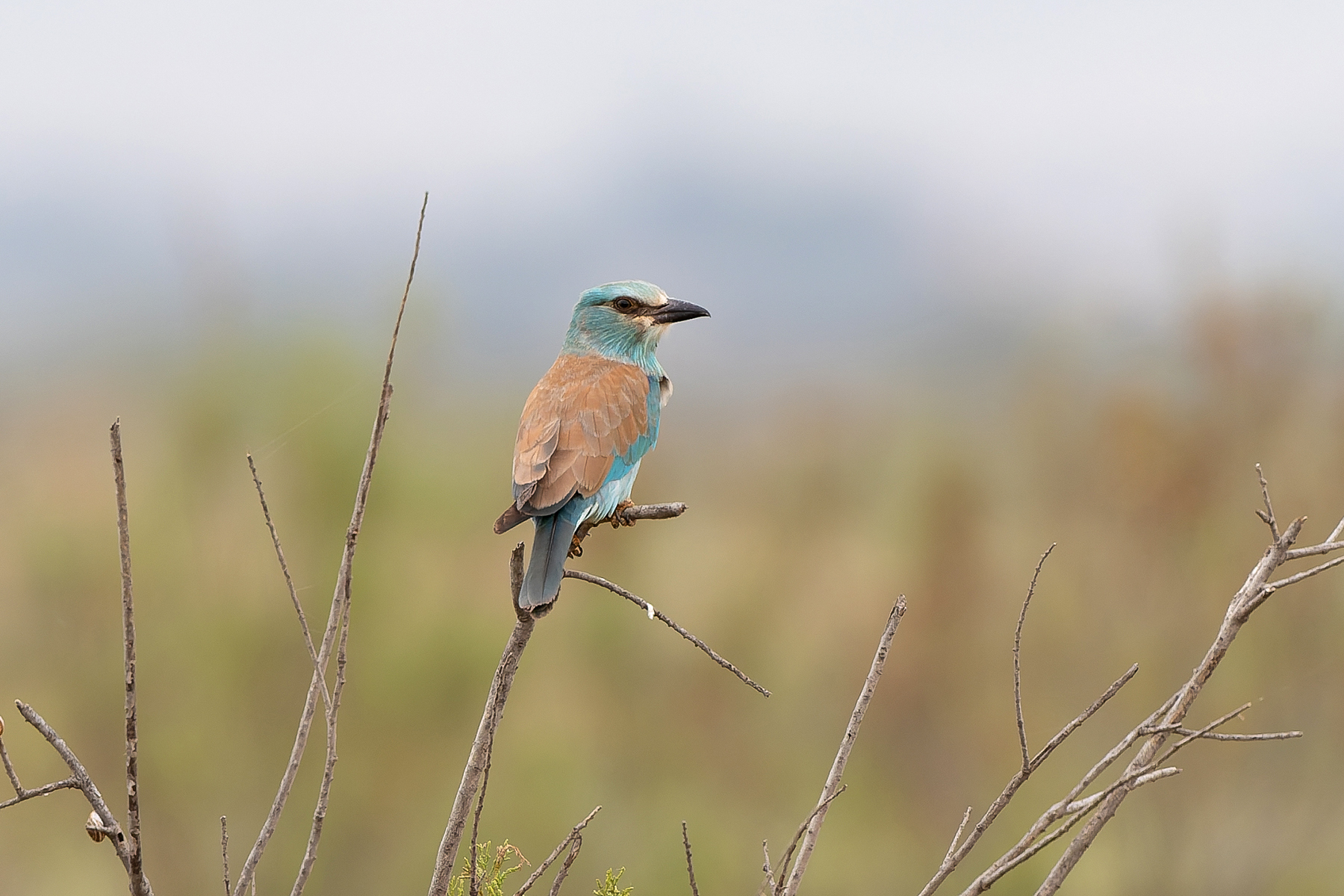
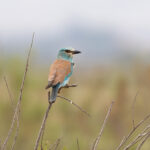
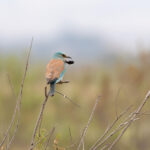
European Roller (image by Diedert Koppenol)
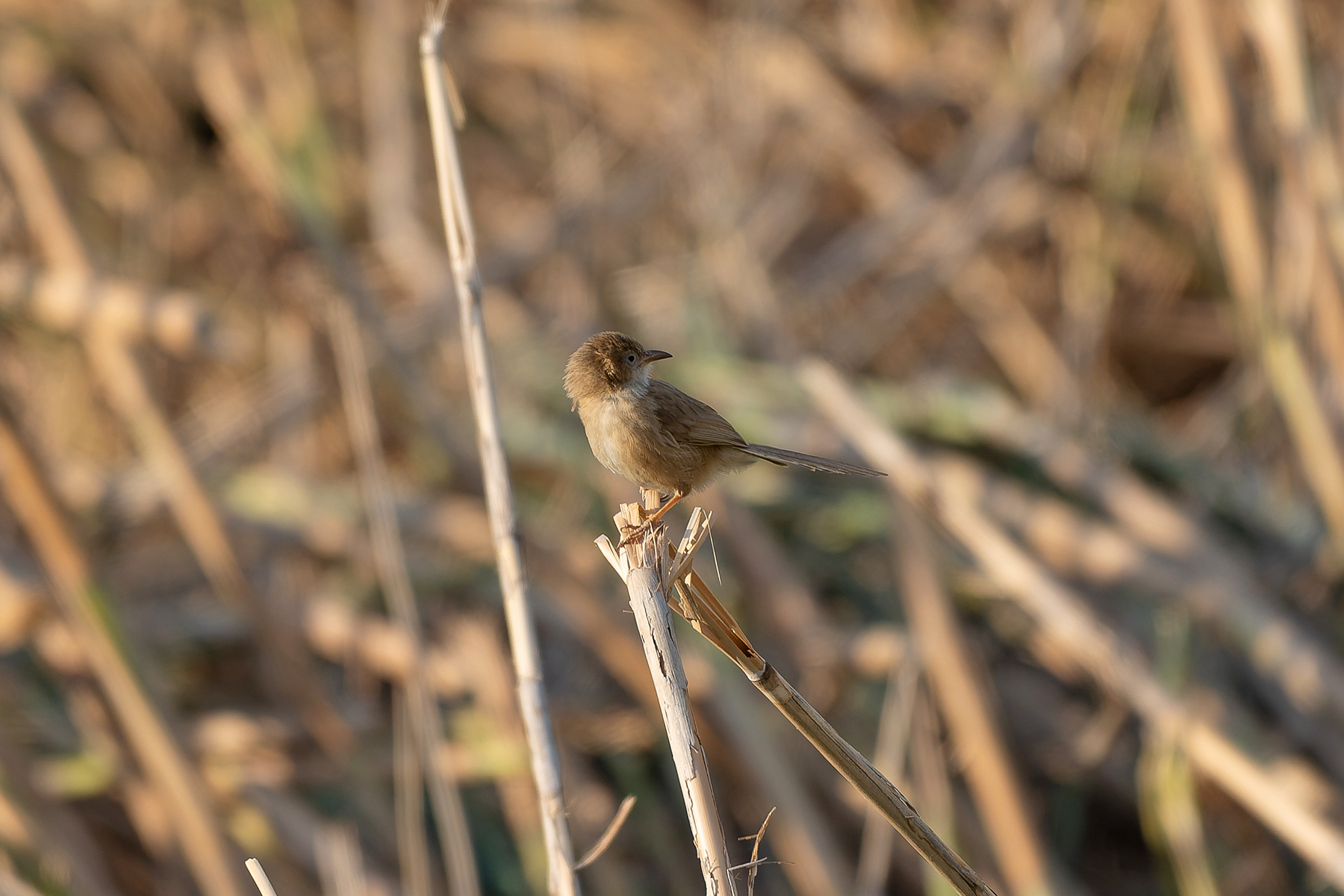
Iraq Babbler (image by Diedert Koppenol)
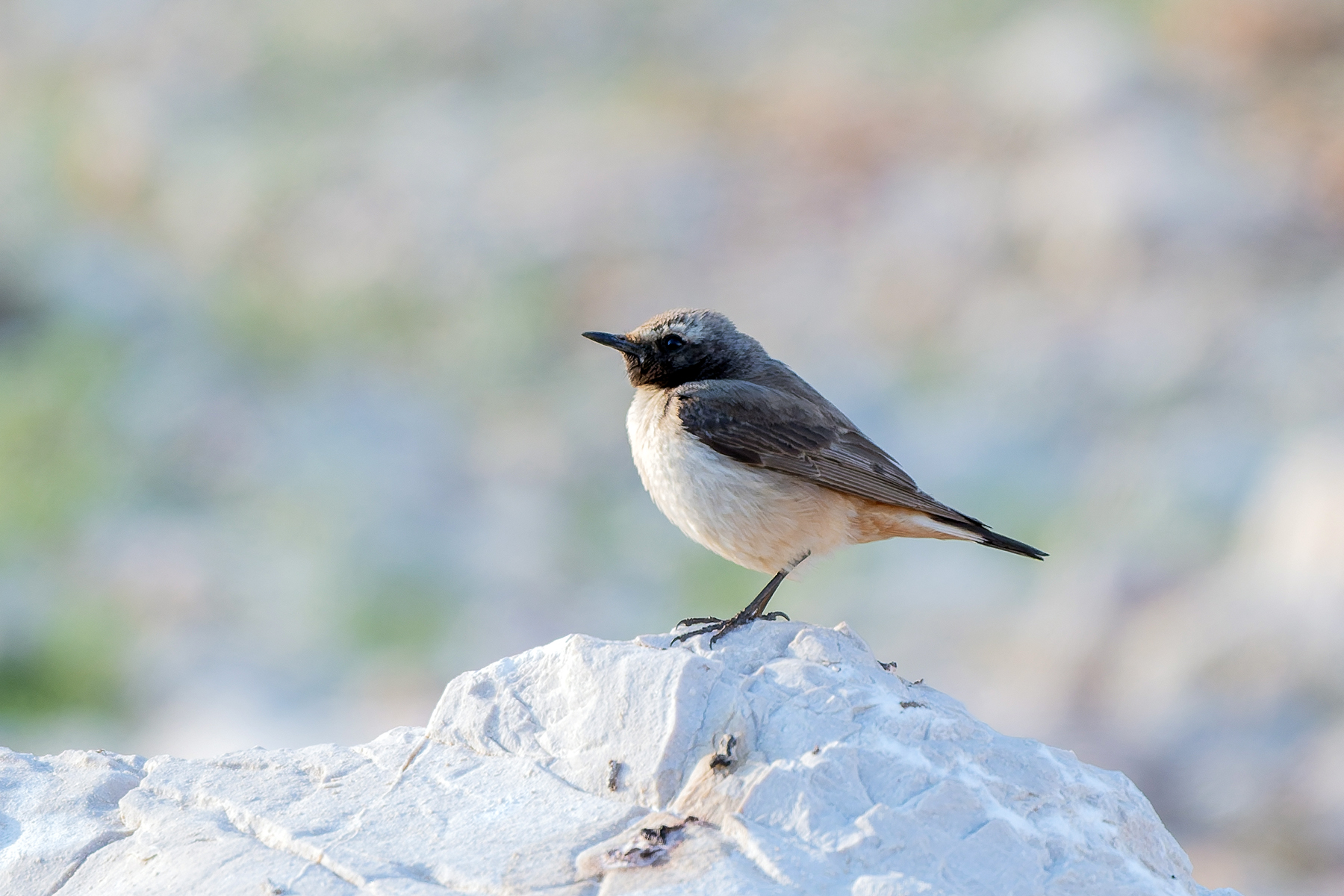
Kurdish Wheatear (image by Diedert Koppenol)
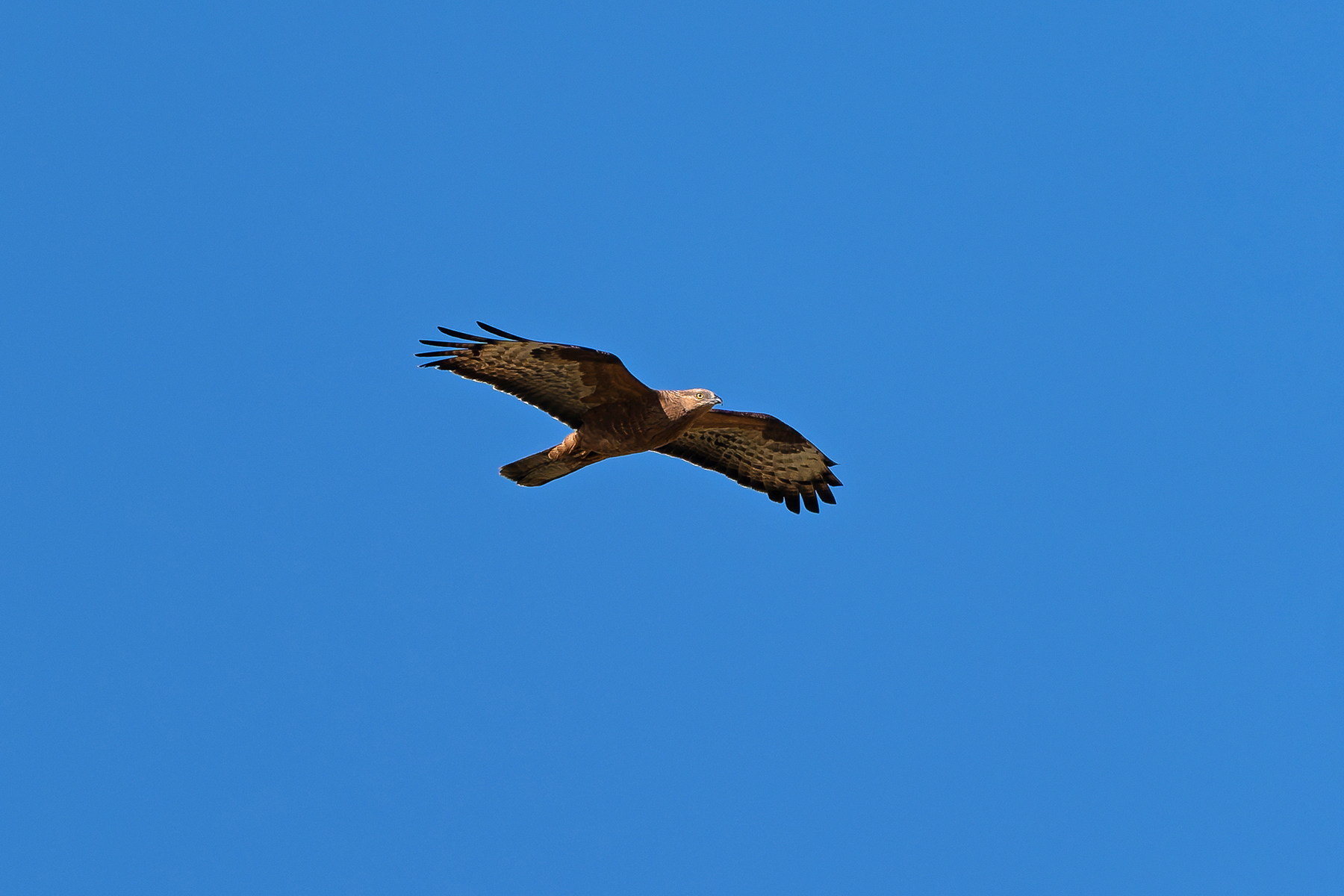
European Honey Buzzard (image by Diedert Koppenol)
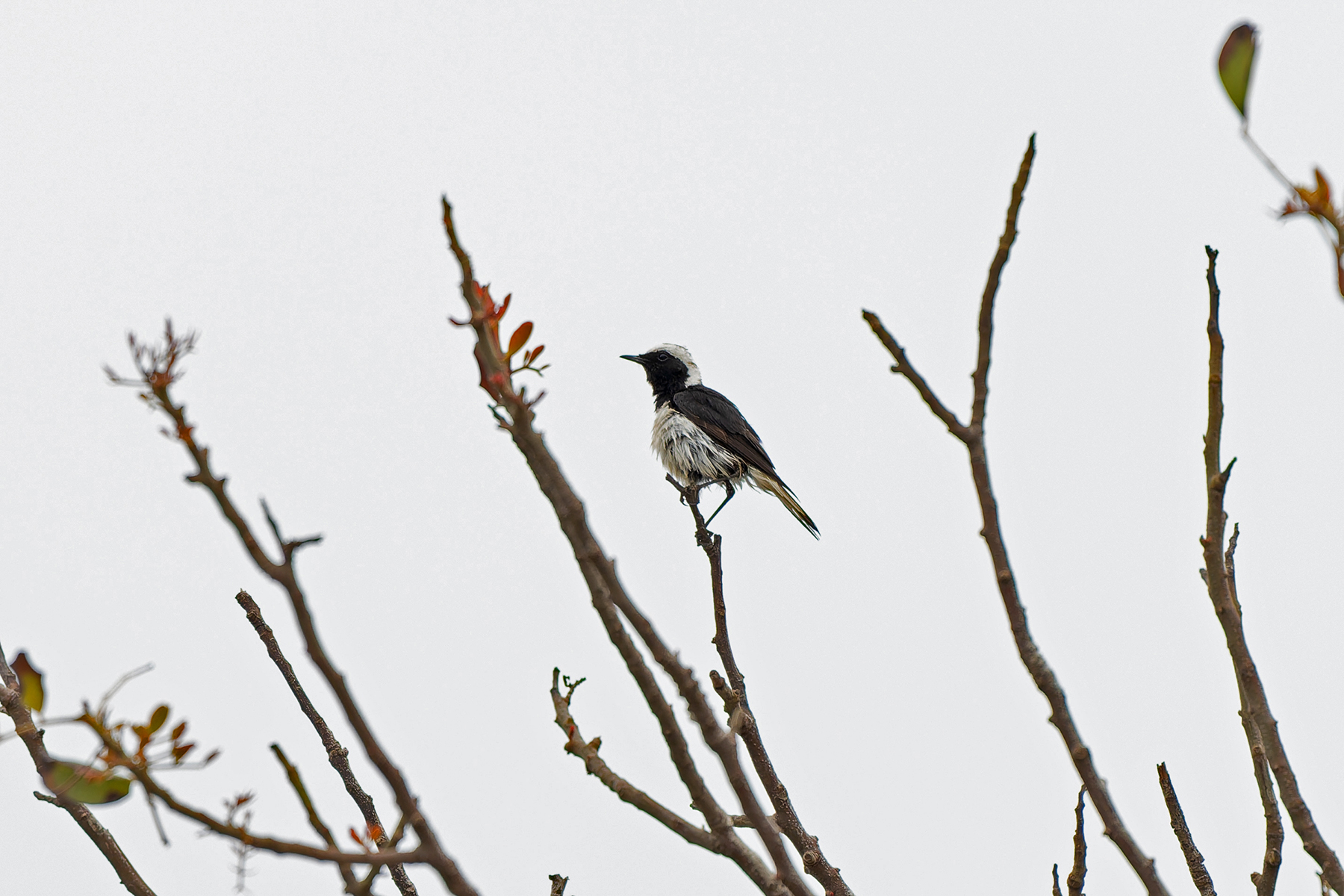
Cyprus Wheatear (image by Diedert Koppenol)
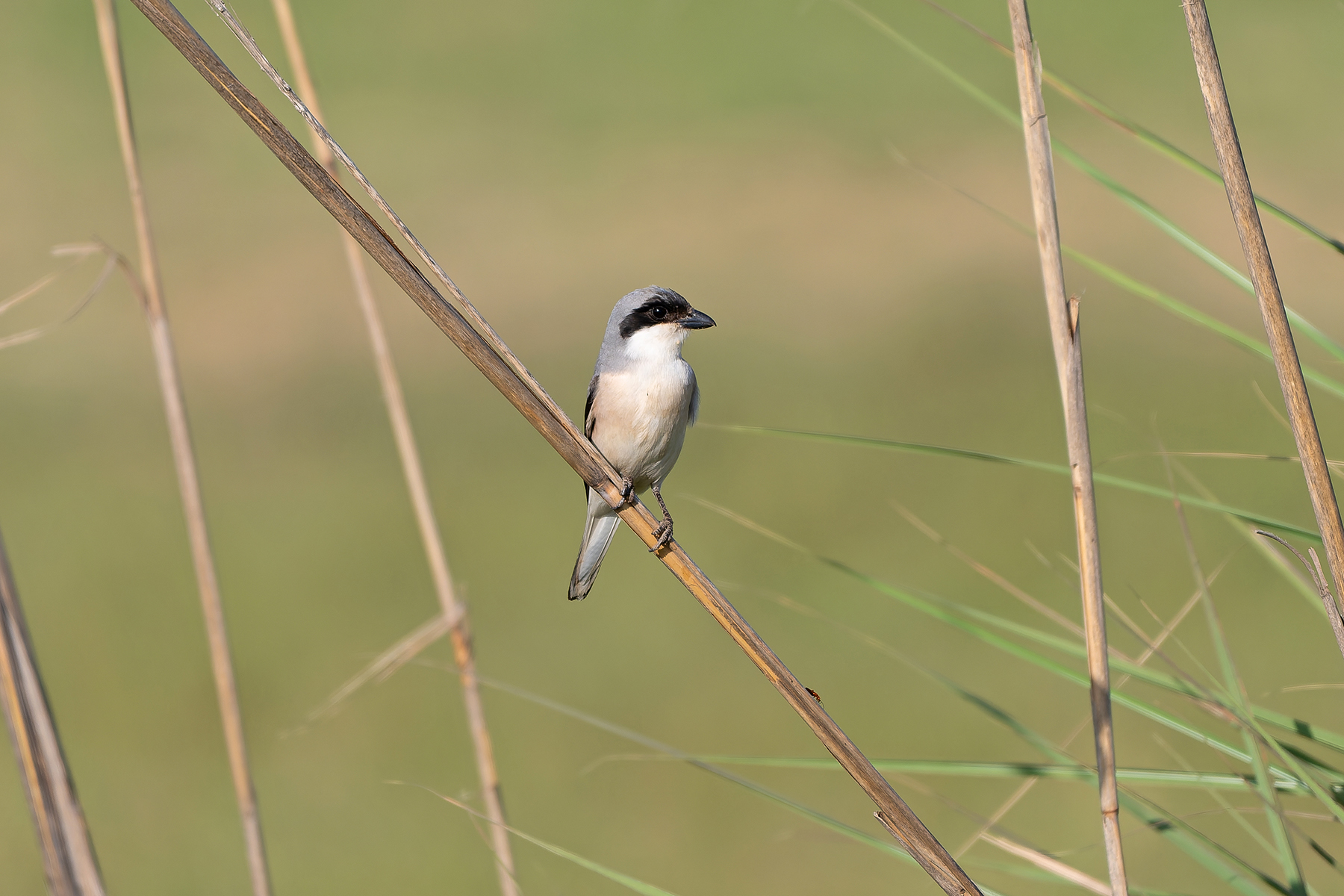
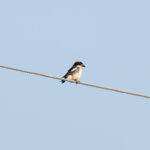
Lesser Grey Shrike (image by Diedert Koppenol)
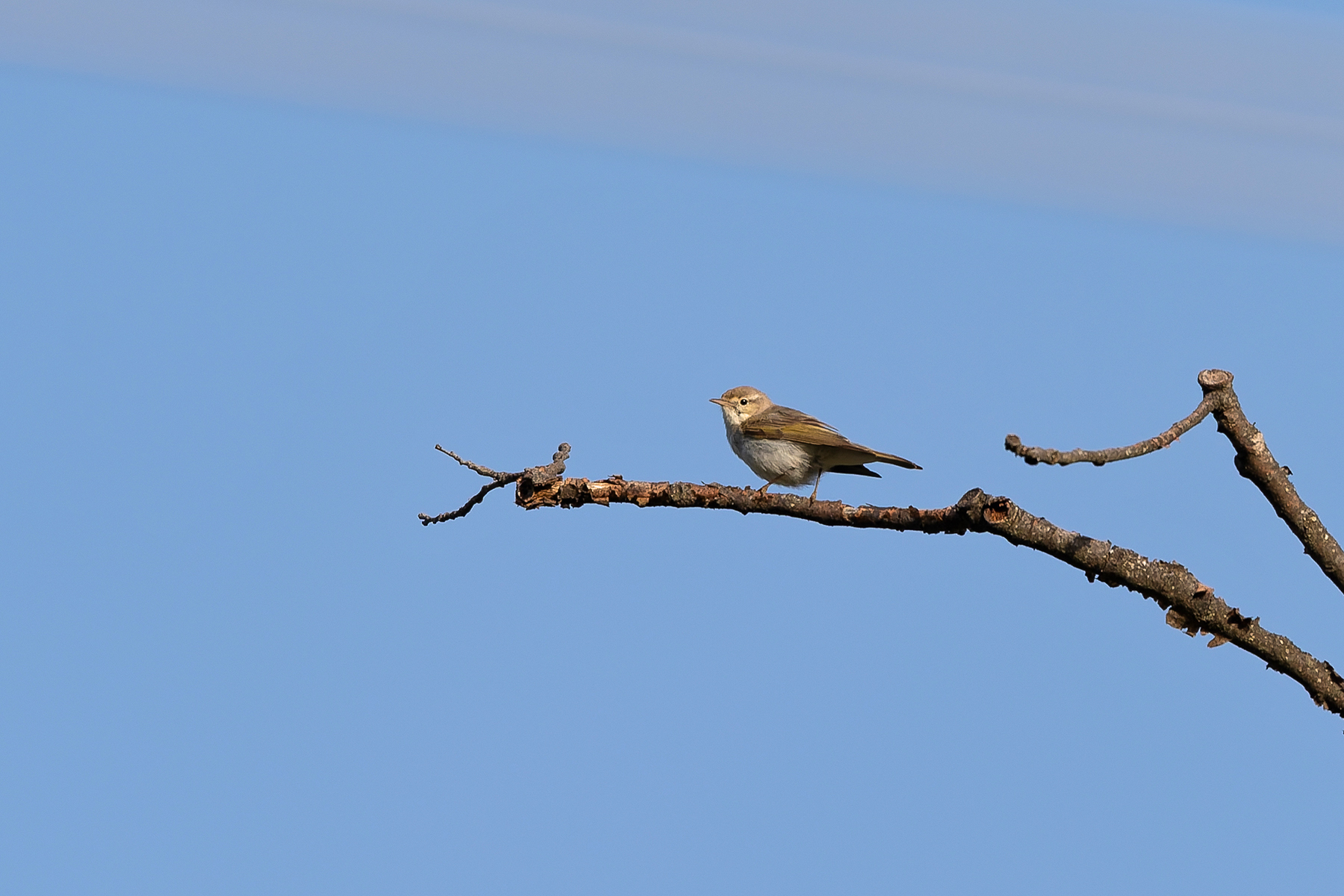
Eastern Bonelli's Warbler (image by Diedert Koppenol)
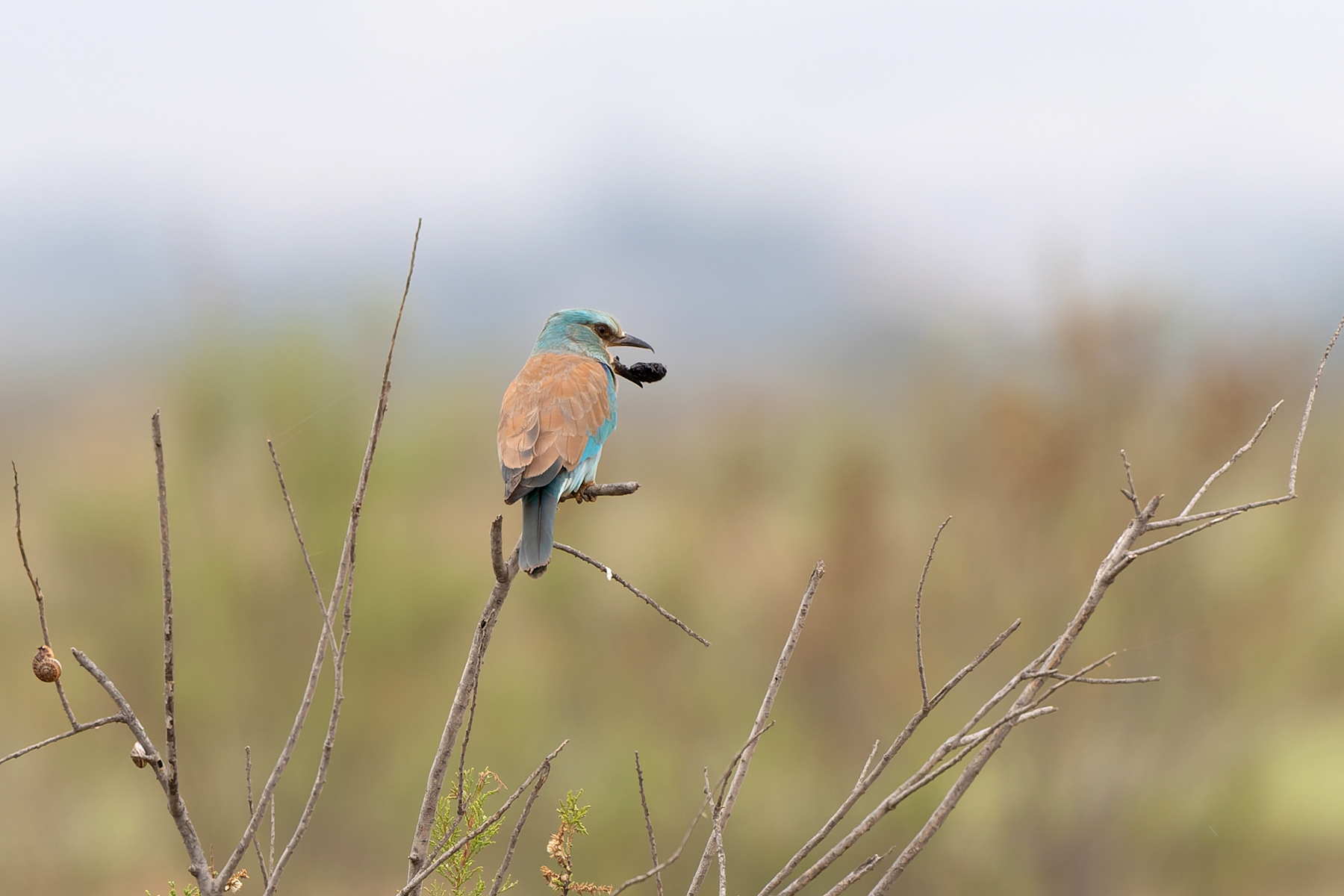
European Roller (image by Diedert Koppenol)
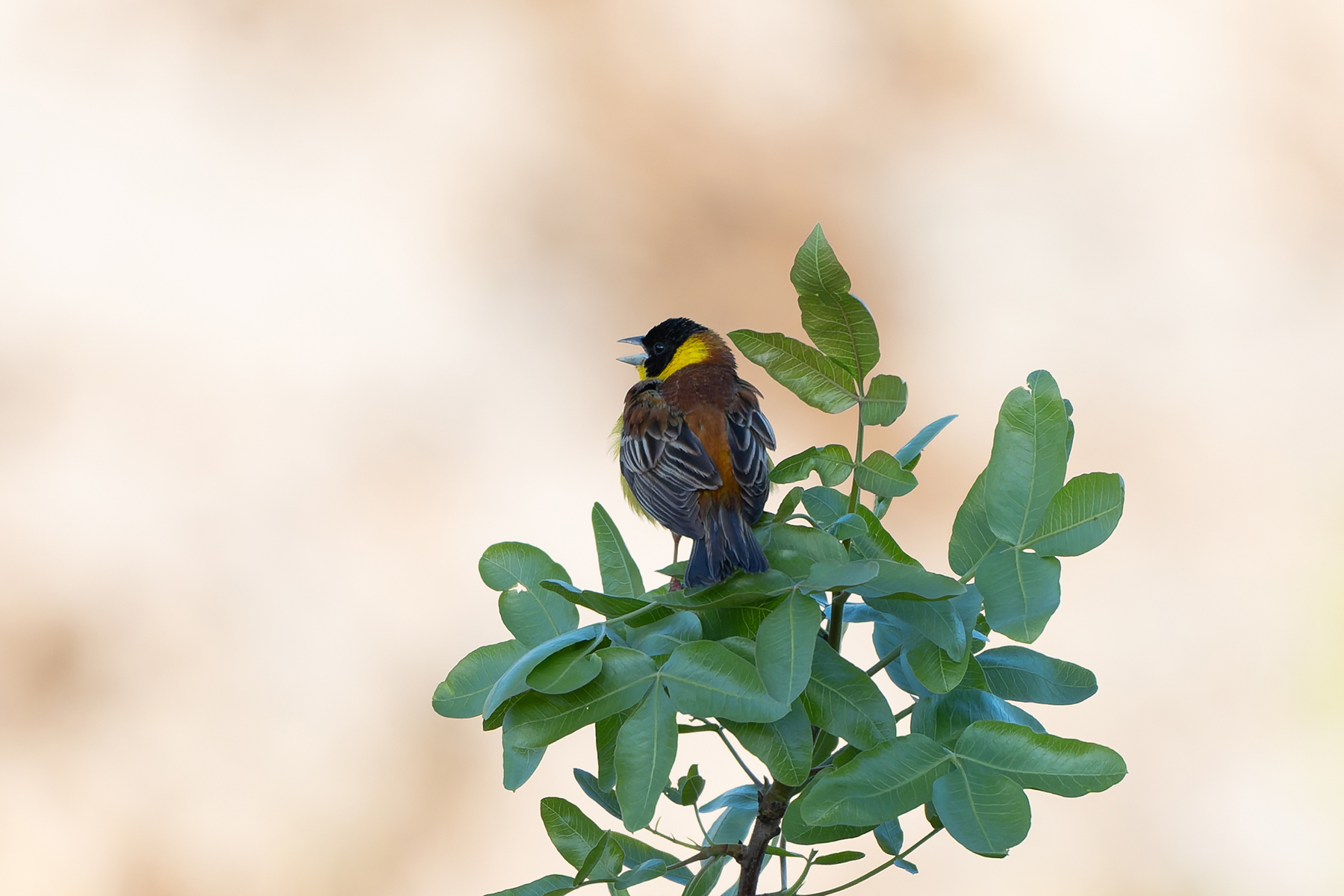
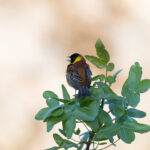
Black-headed Bunting (image by Diedert Koppenol)
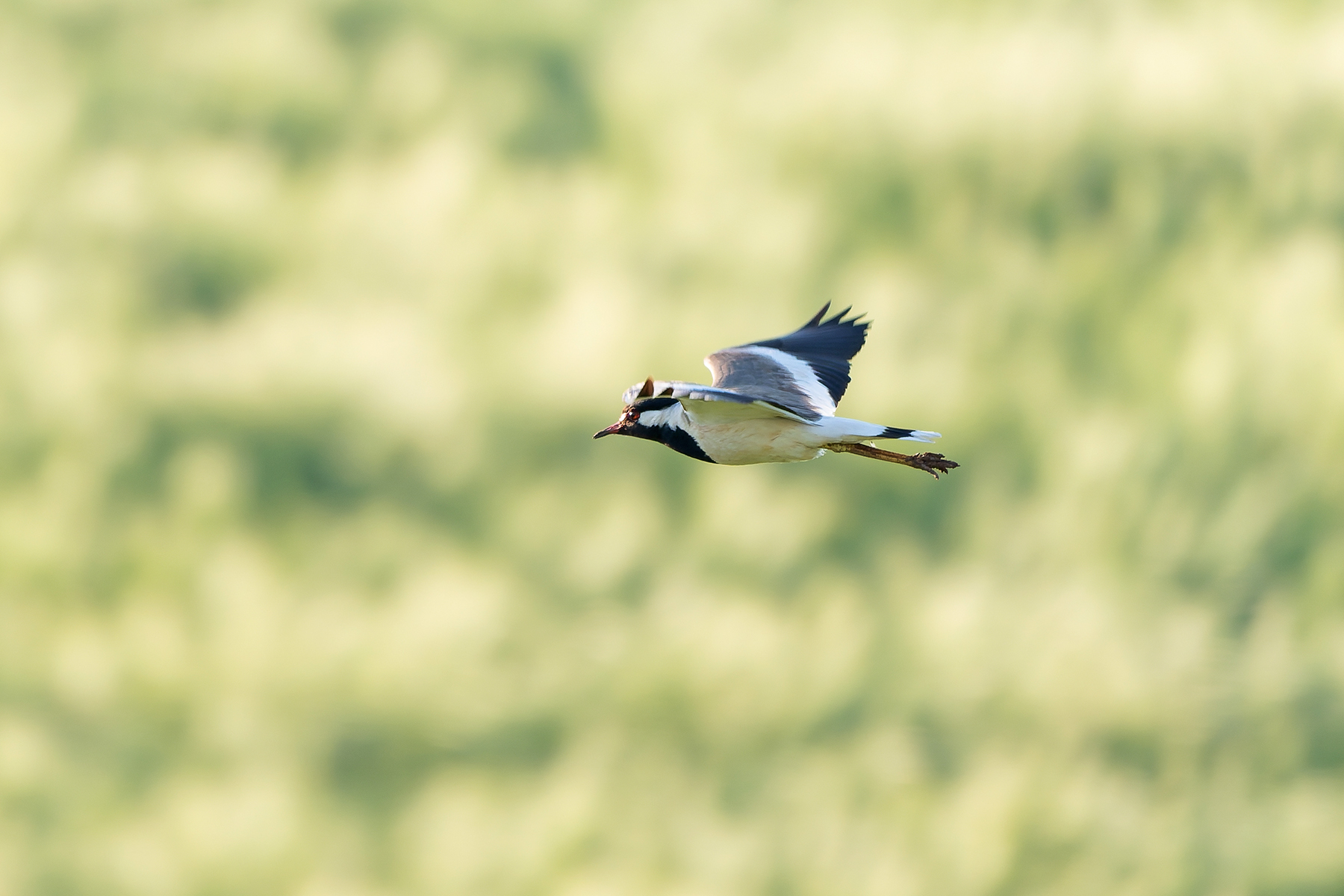
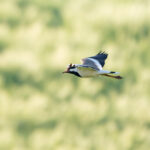
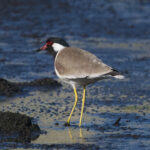
Red-wattled Lapwing (image by Diedert Koppenol)
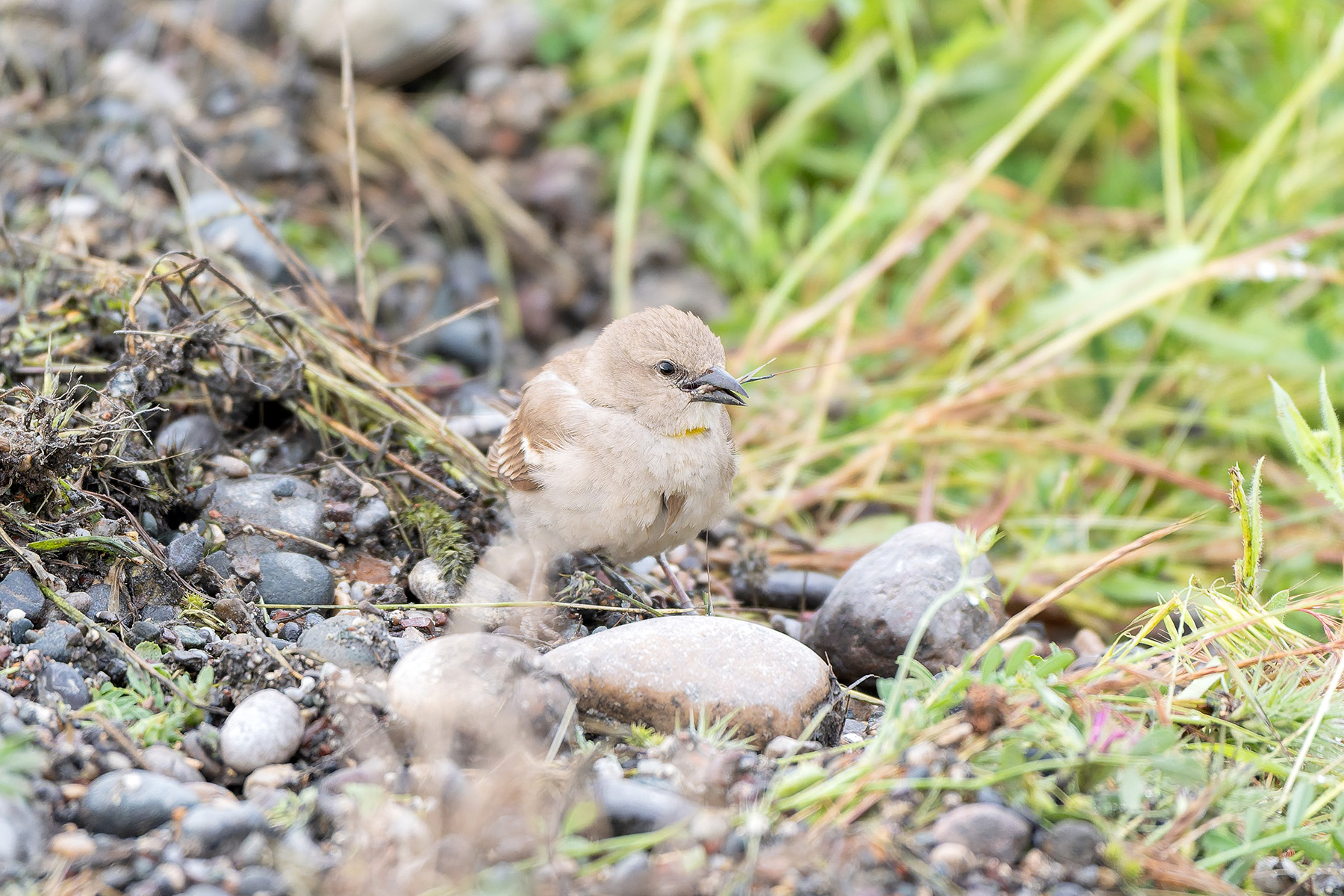
Yellow-throated Sparrow (image by Diedert Koppenol)
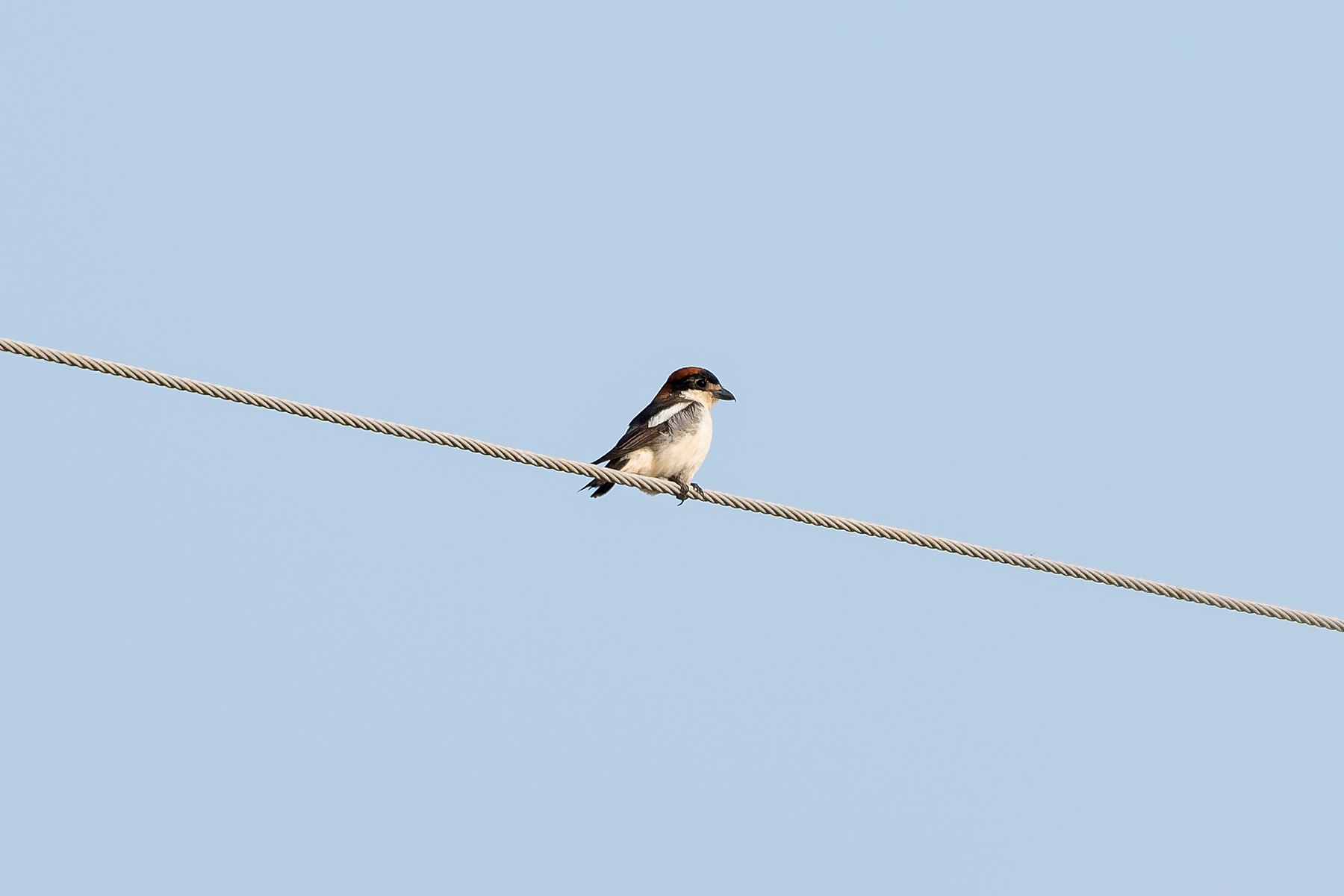
Woodchat Shrike (image by Diedert Koppenol)
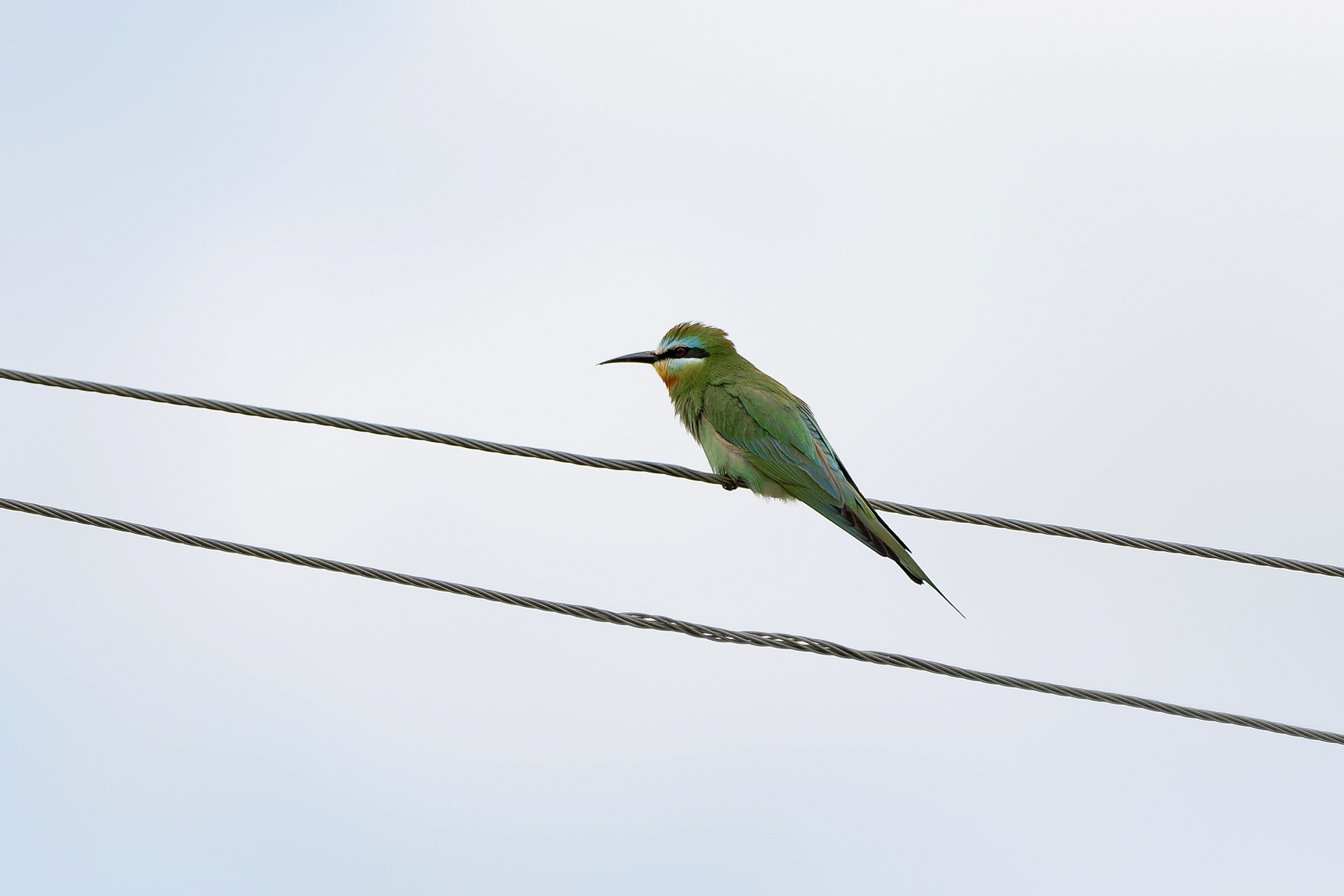
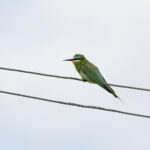
Blue-cheeked Bee-eater (image by Diedert Koppenol)
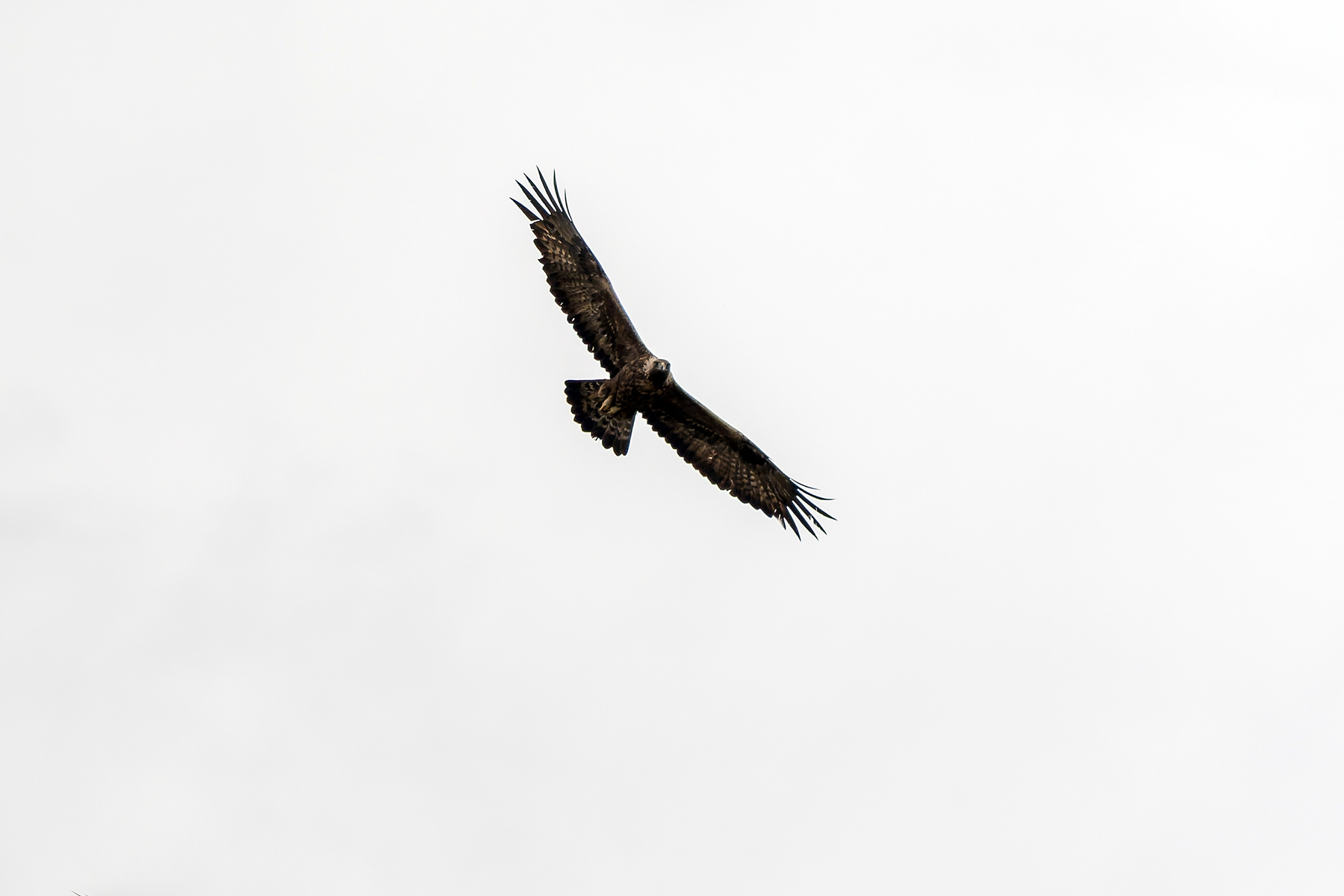
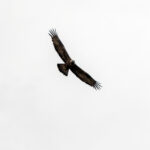
Golden Eagle (image by Diedert Koppenol)
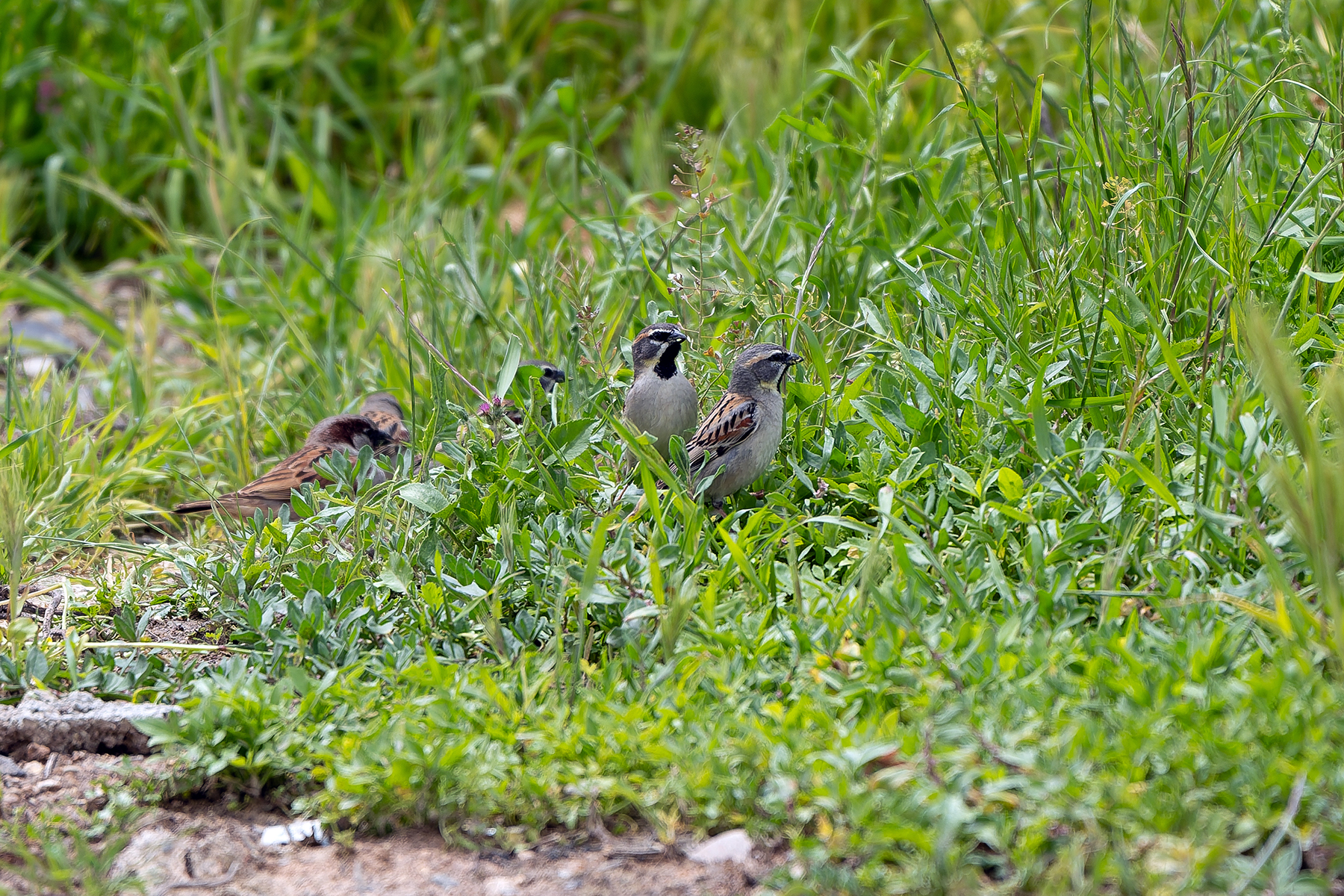
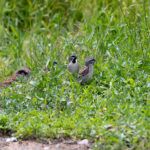
Dead Sea Sparrows (image by Diedert Koppenol)
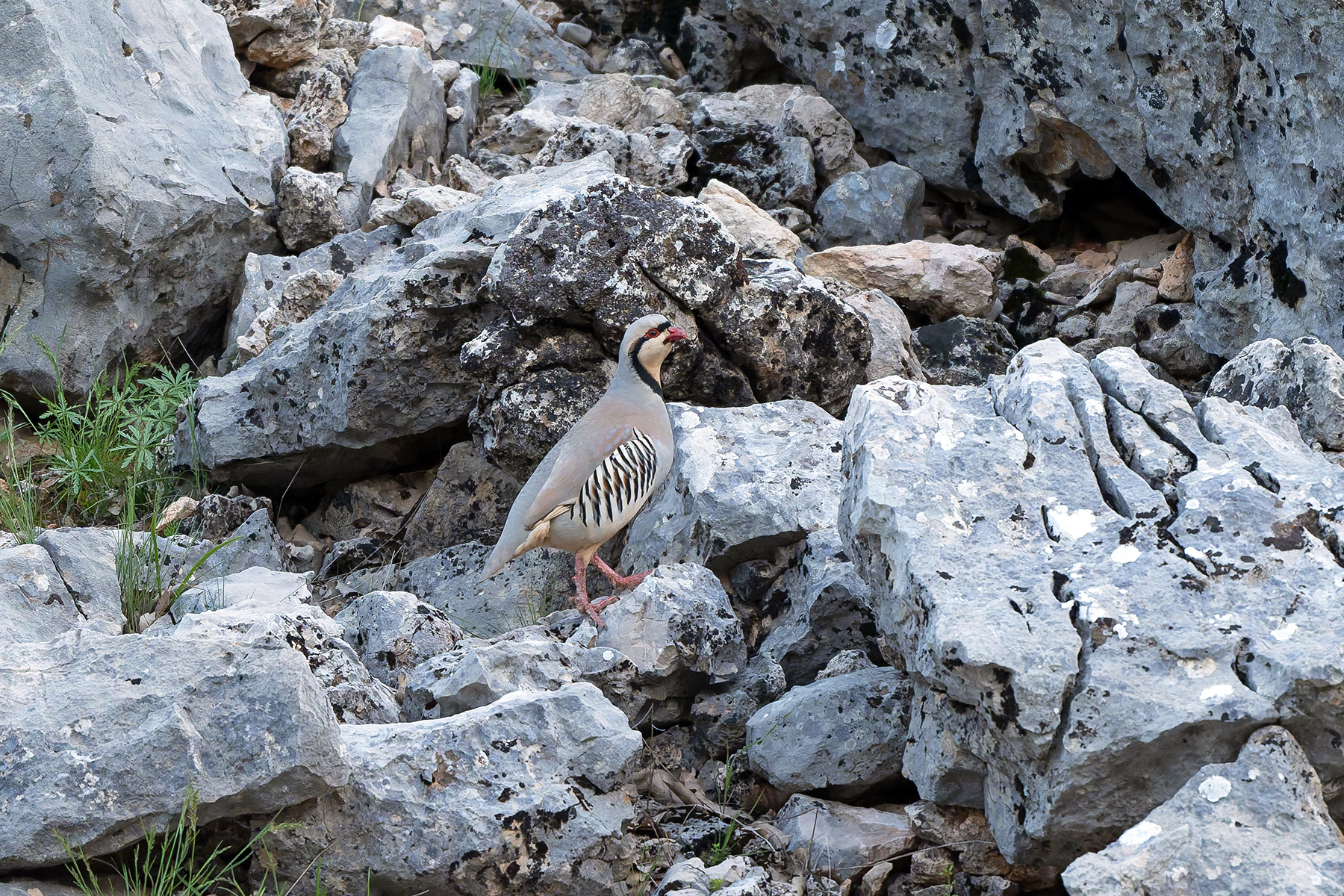
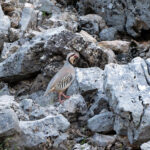
Chukar Partridge (image by Diedert Koppenol)
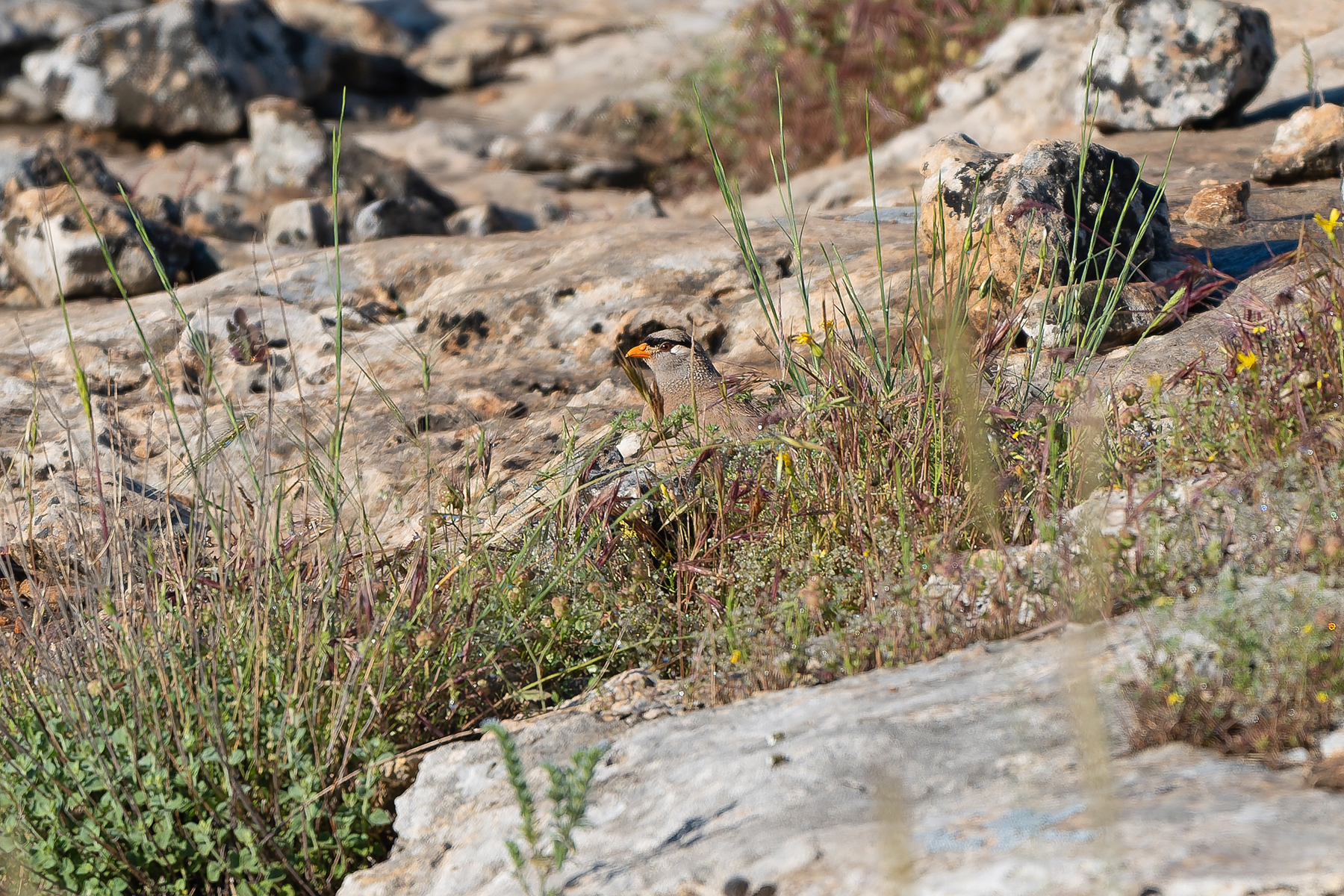
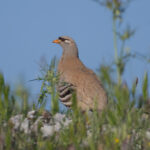
male See-see Partridge (image by Diedert Koppenol)
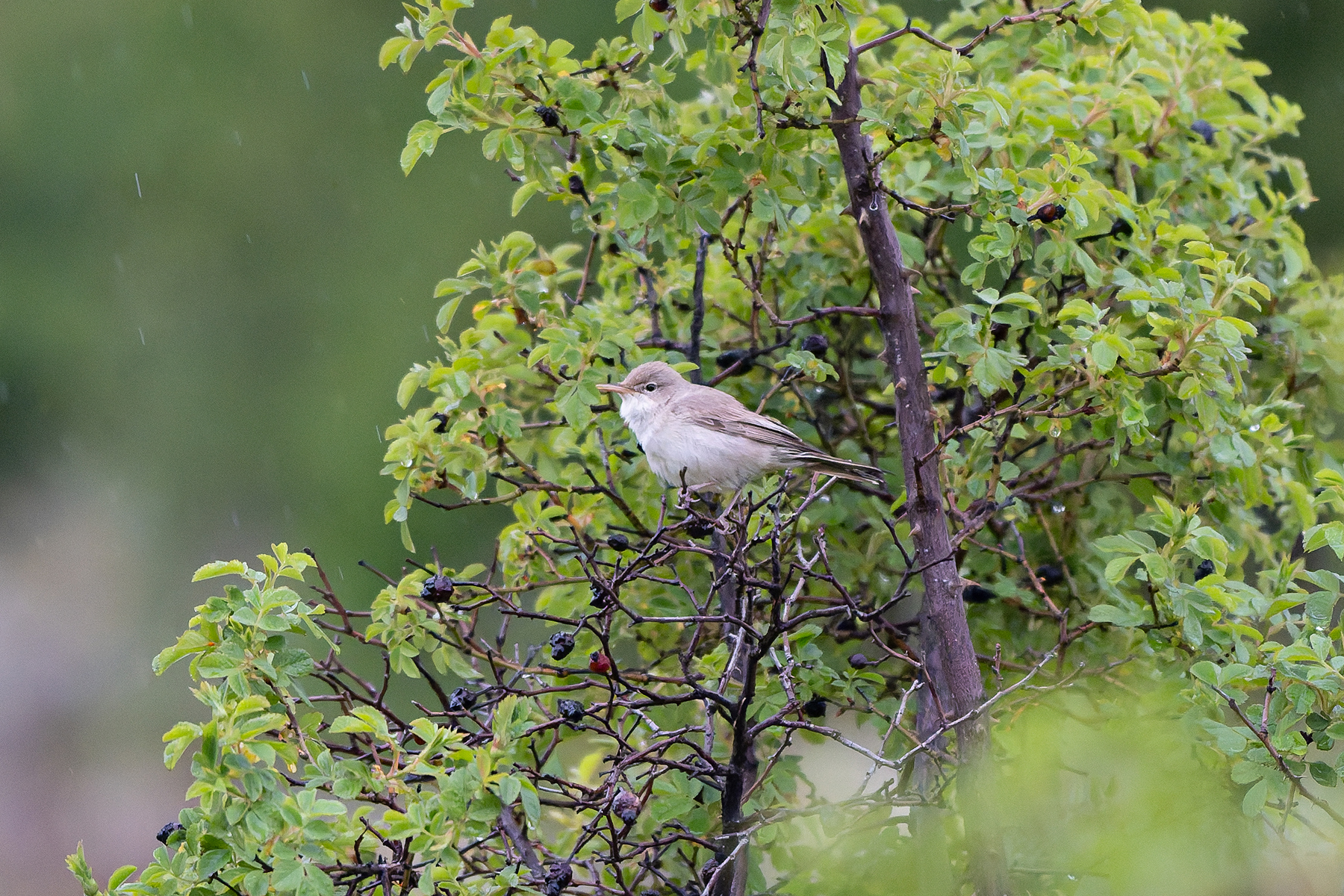
Upcher's Warbler (image by Diedert Koppenol)
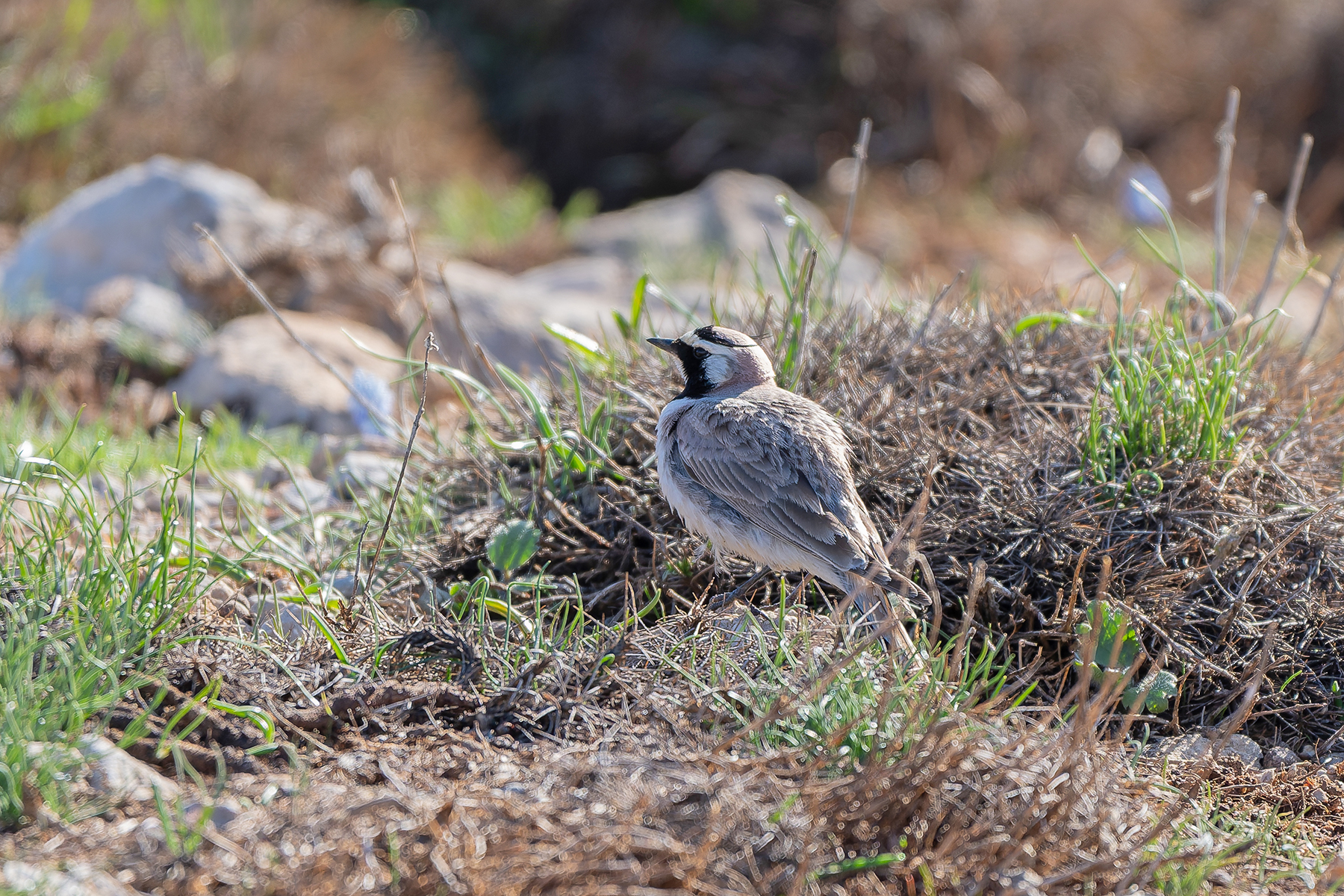
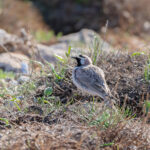
Horned Lark (image by Diedert Koppenol)
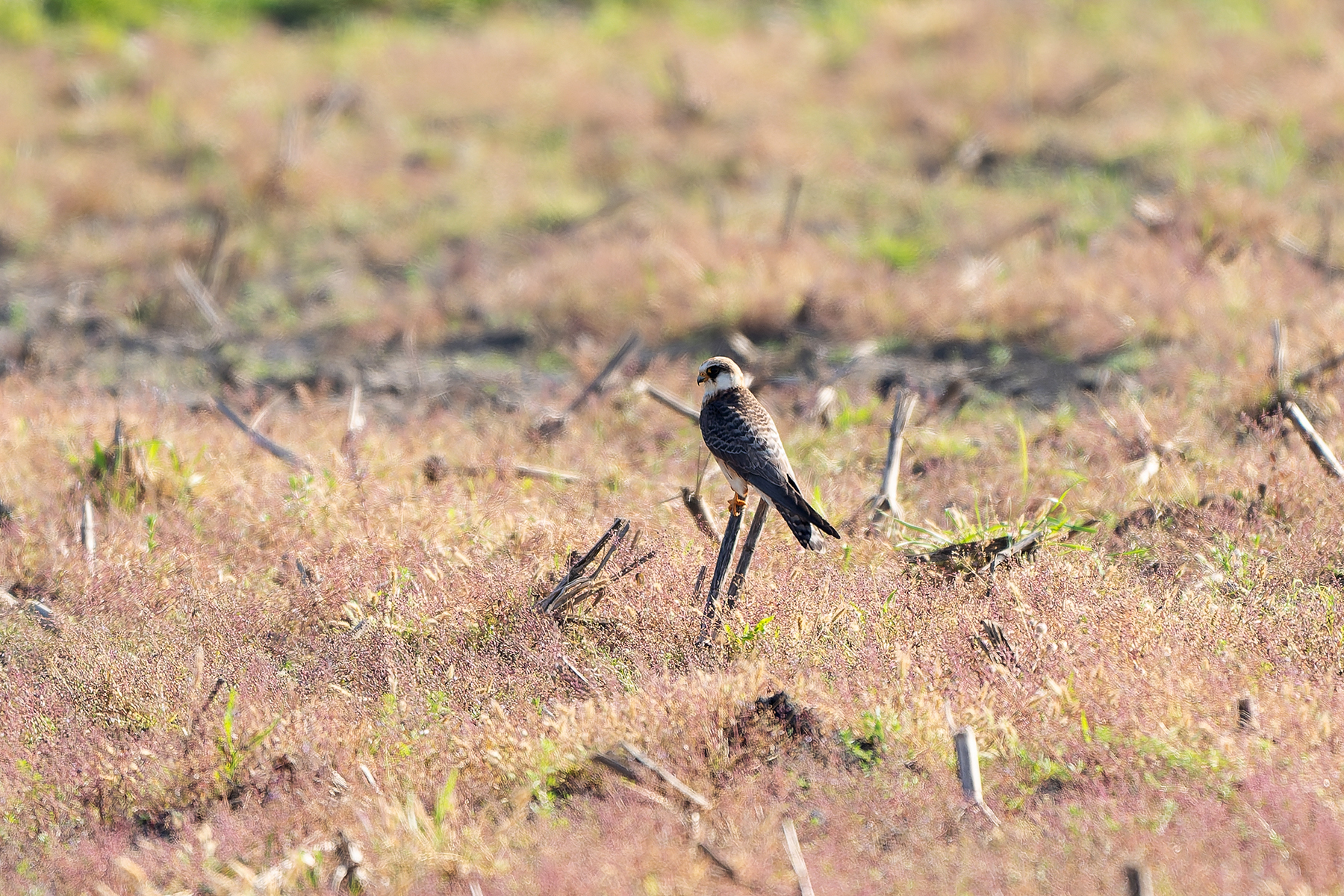
female Red-footed Falcon (image by Diedert Koppenol)
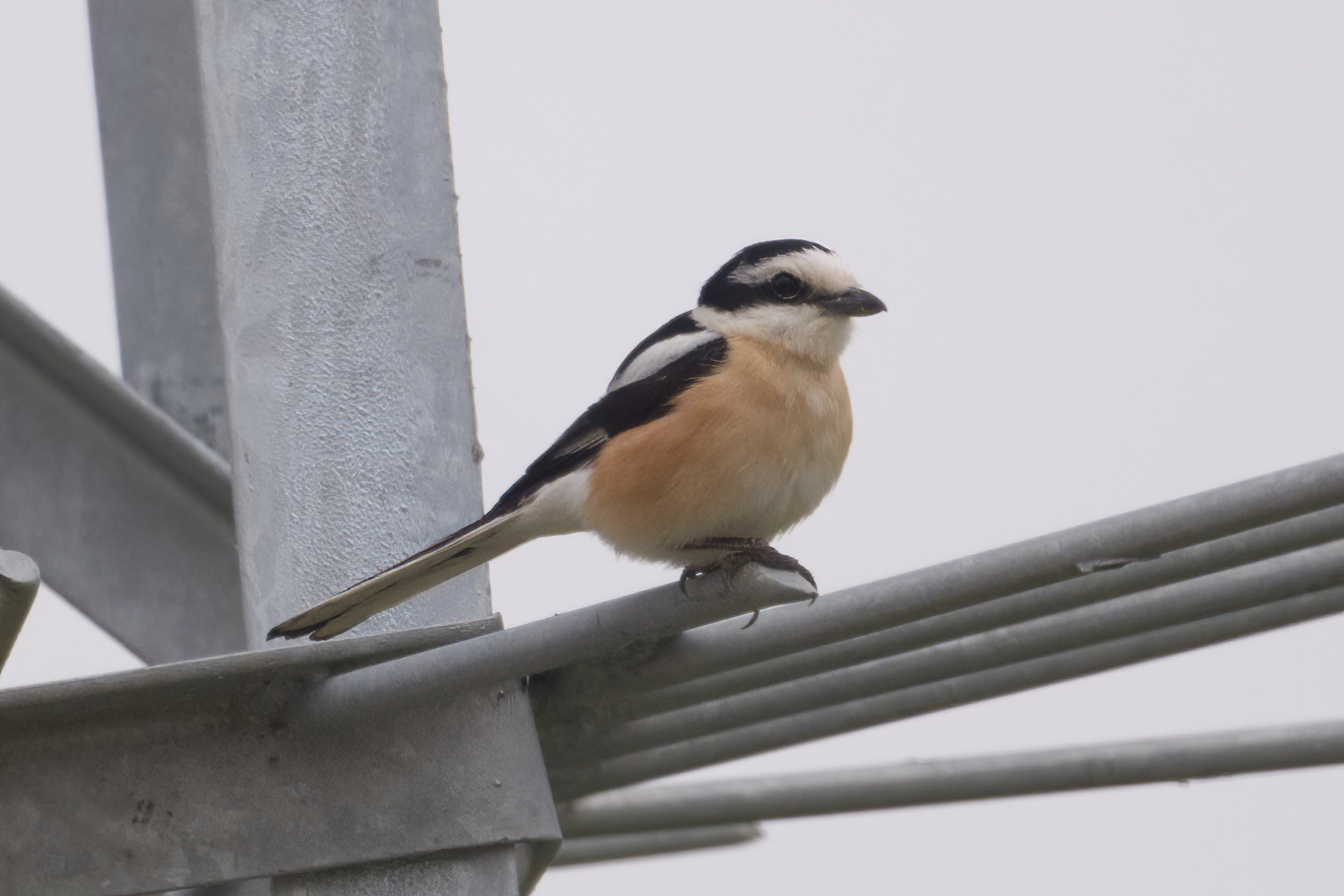
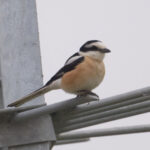
Masked Shrike (image by Martin Hale)

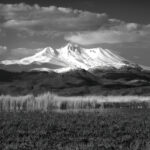
Mount Erciyes (image by Martin Hale)
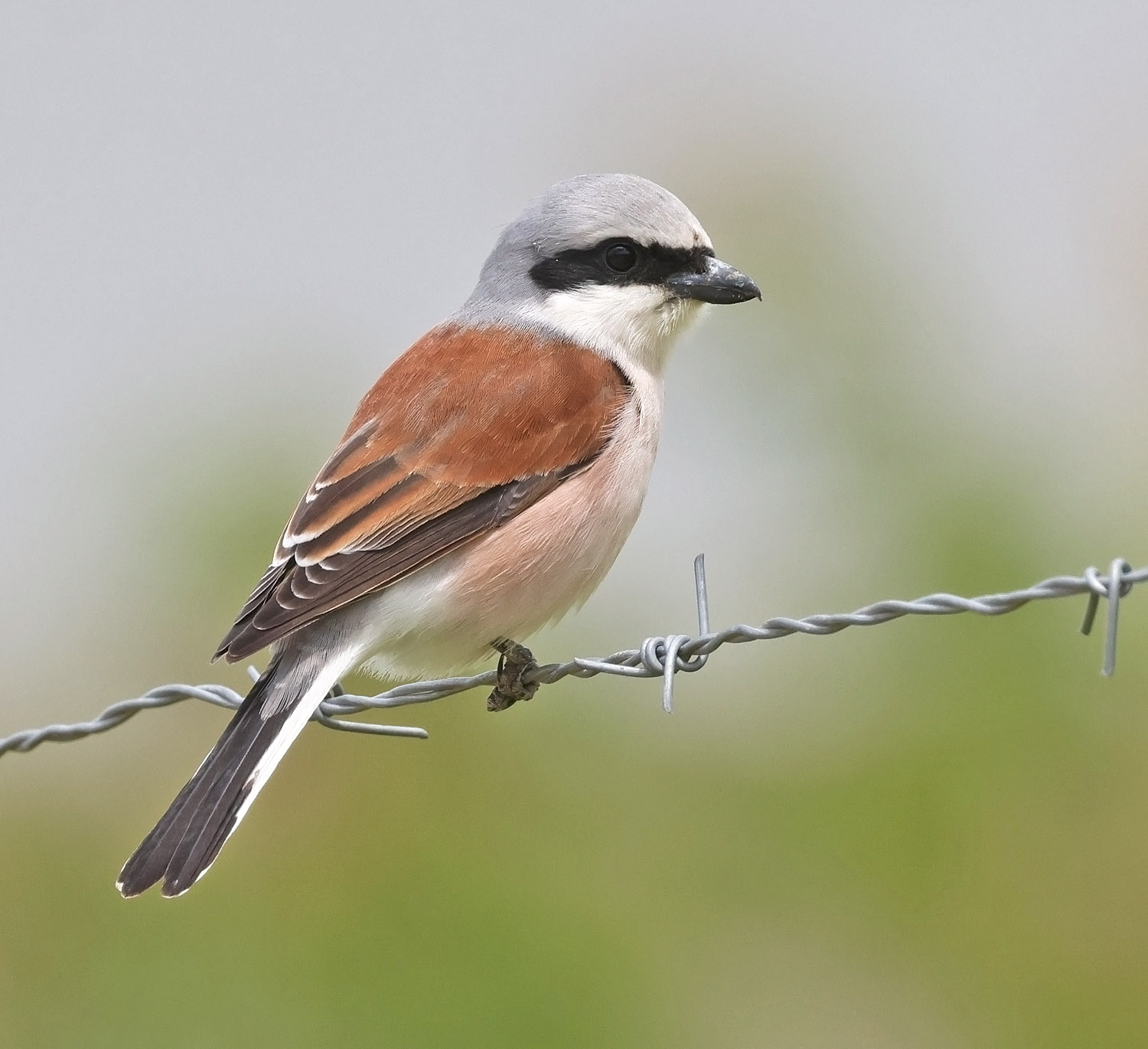
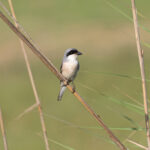
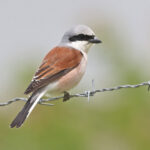
Red-backed Shrike (image by Trevor Ellery)
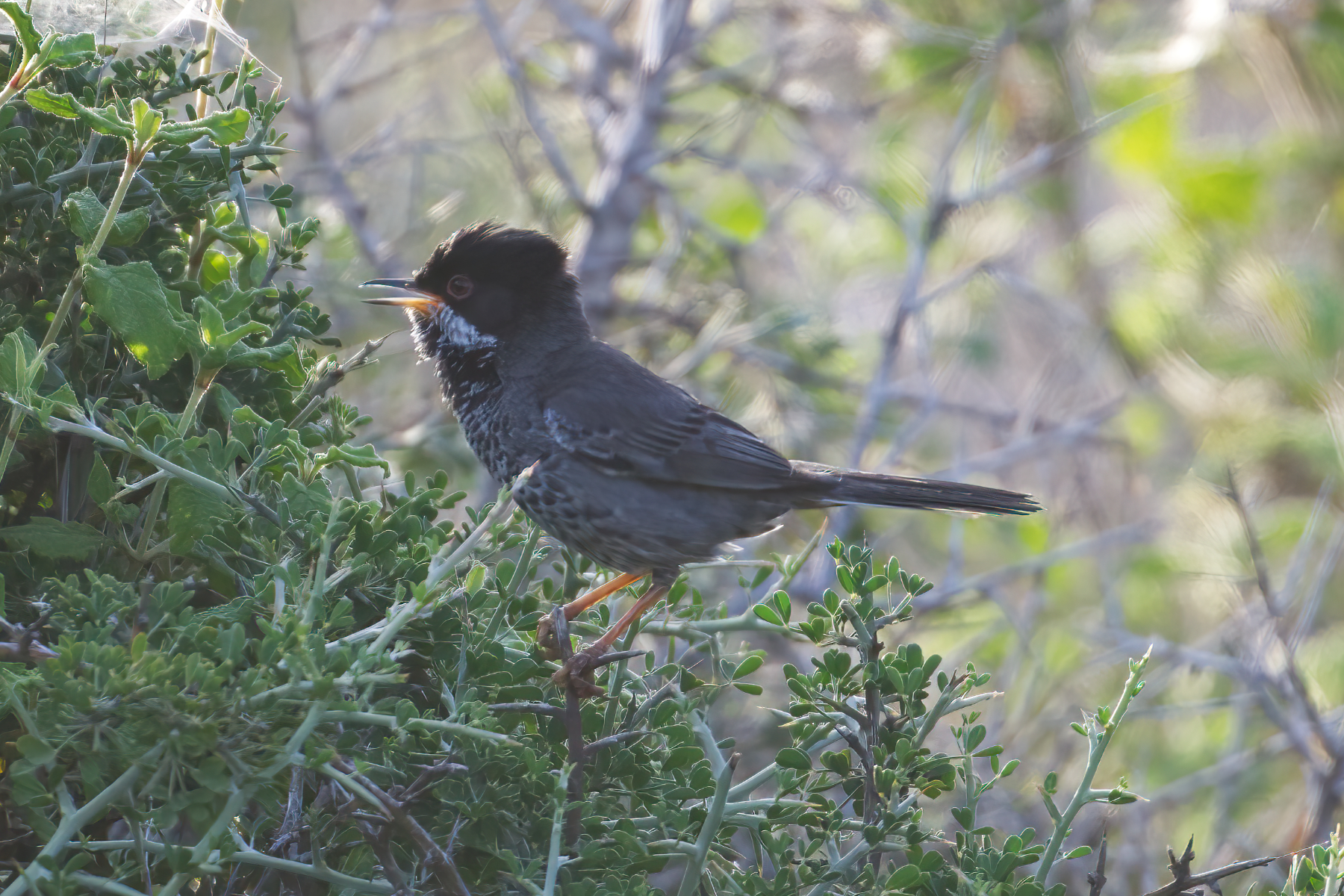
male Cyprus Warbler (image by Martin Hale)
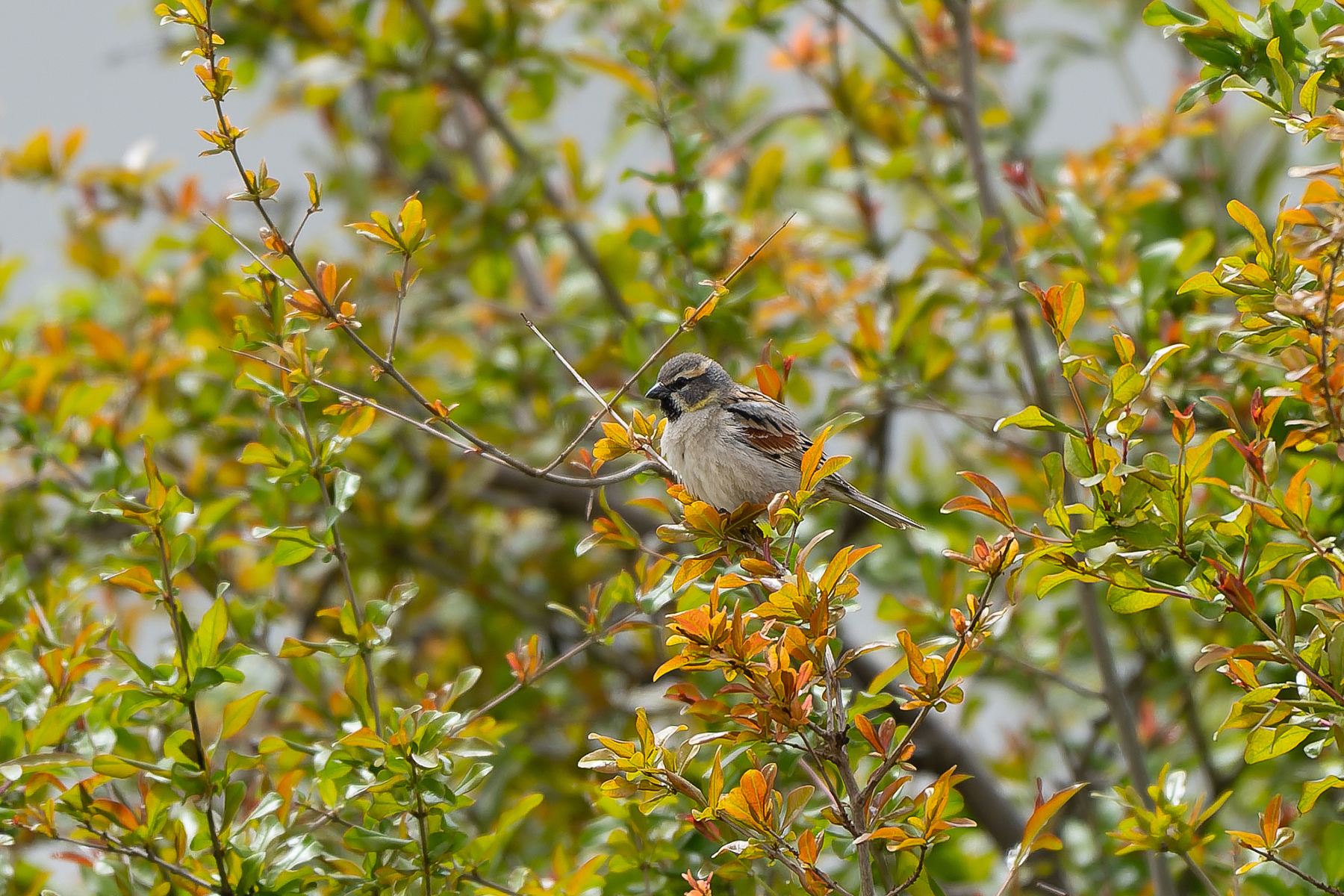
male Dead Sea Sparrow (image by Diedert Koppenol)
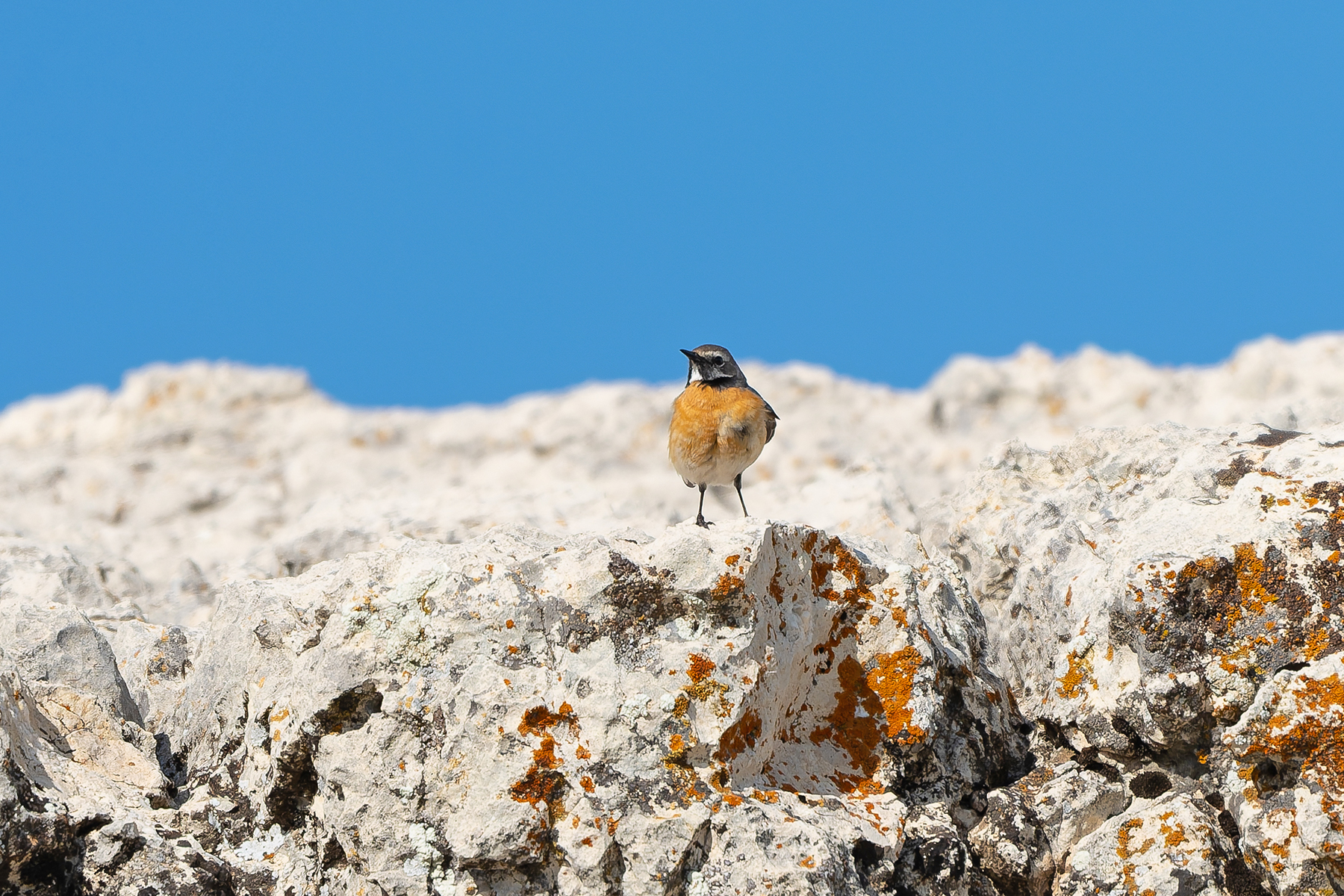
male White-throated Robin (image by Diedert Koppenol)
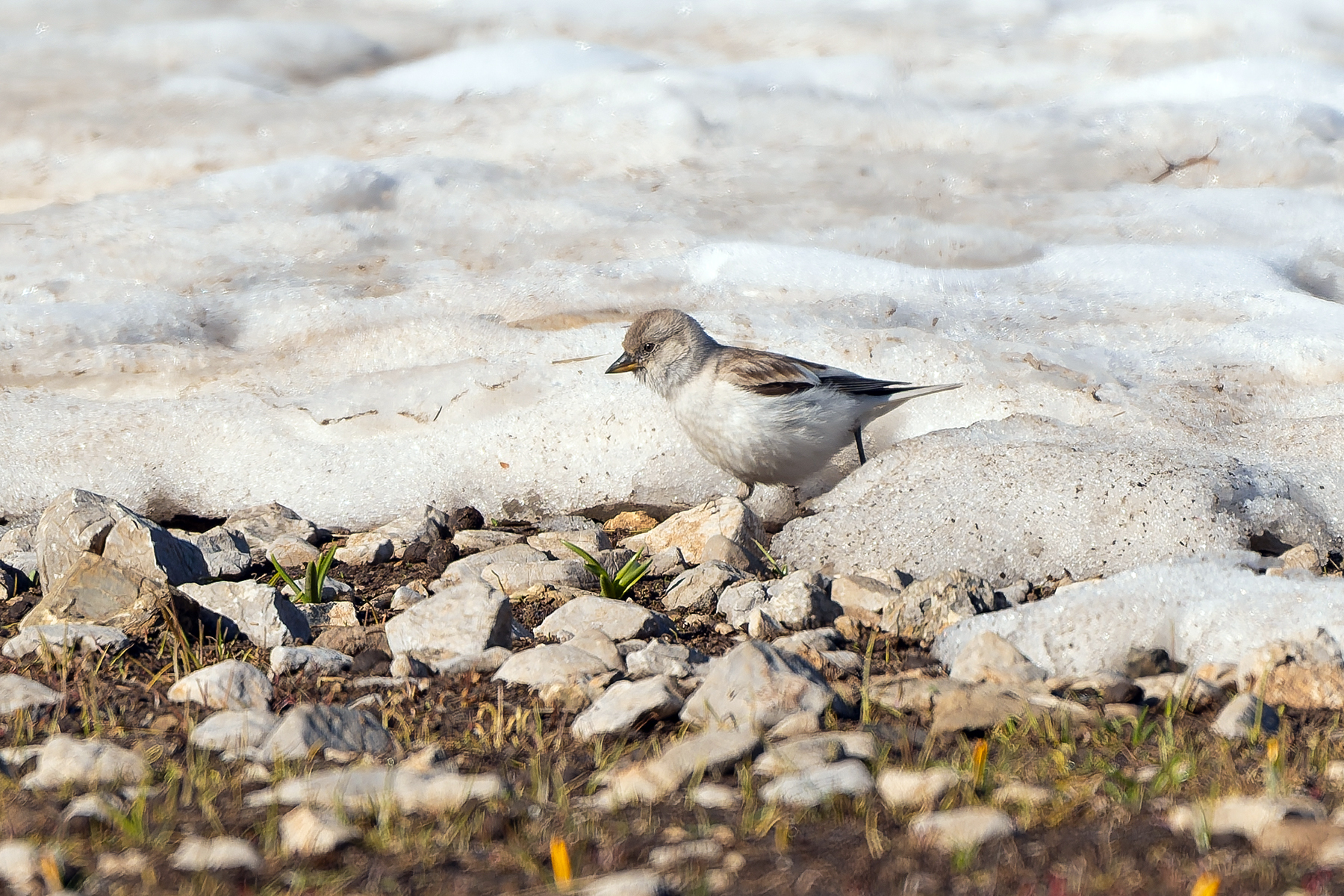
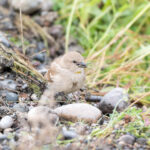
female White-winged Snowfinch (image by Diedert Koppenol)
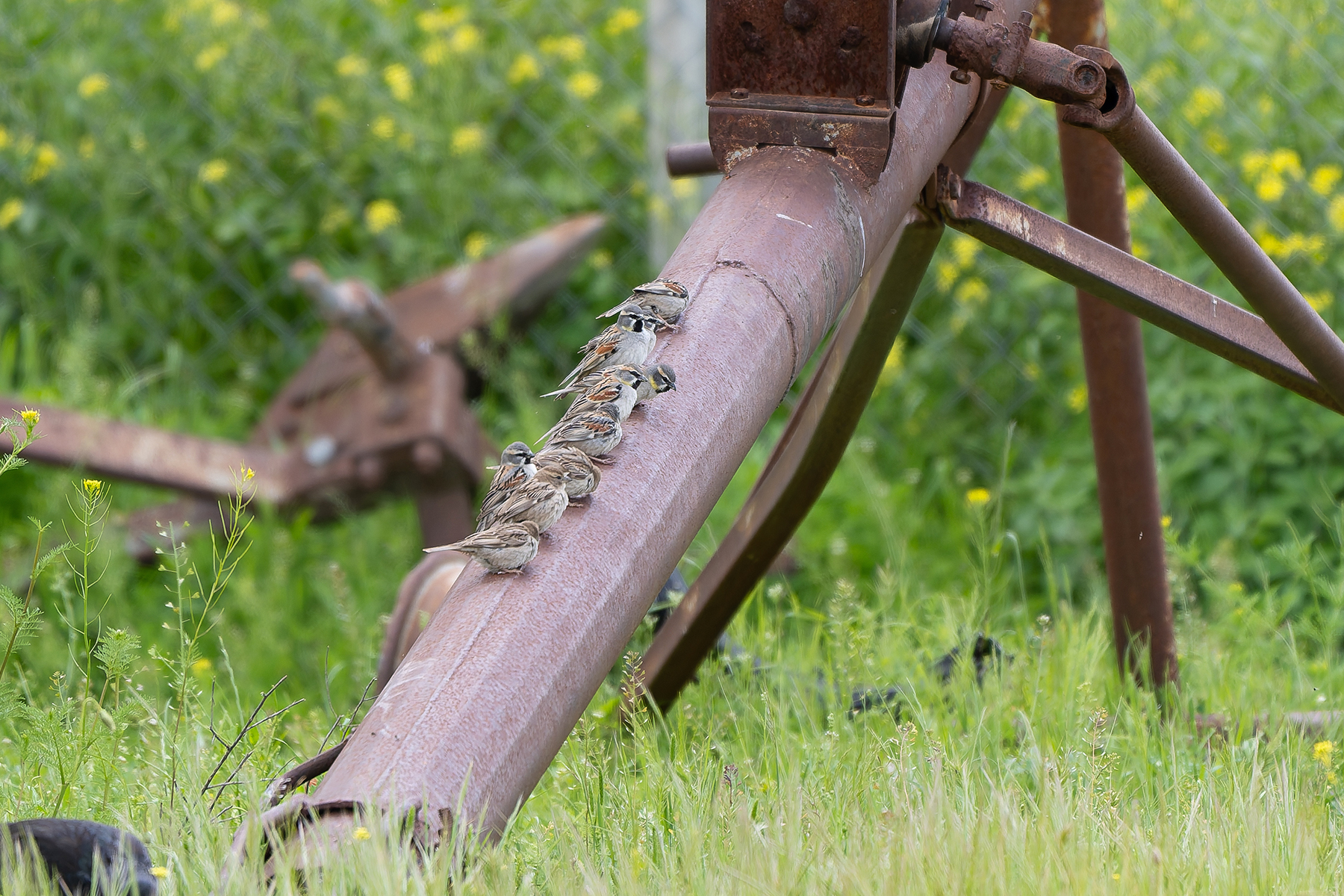
Dead Sea Sparrows (image by Diedert Koppenol)
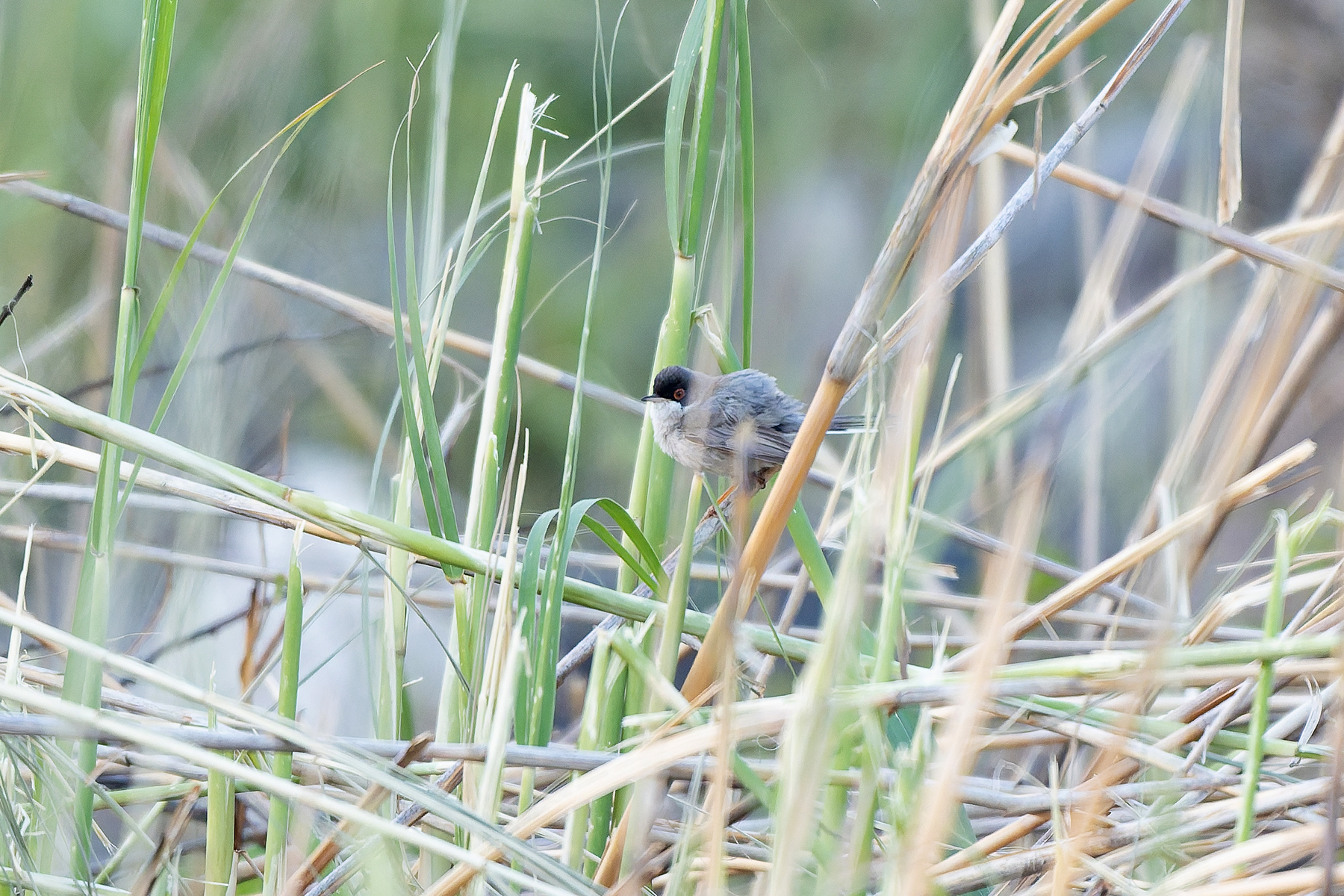
male Ménétries's Warbler (image by Diedert Koppenol)
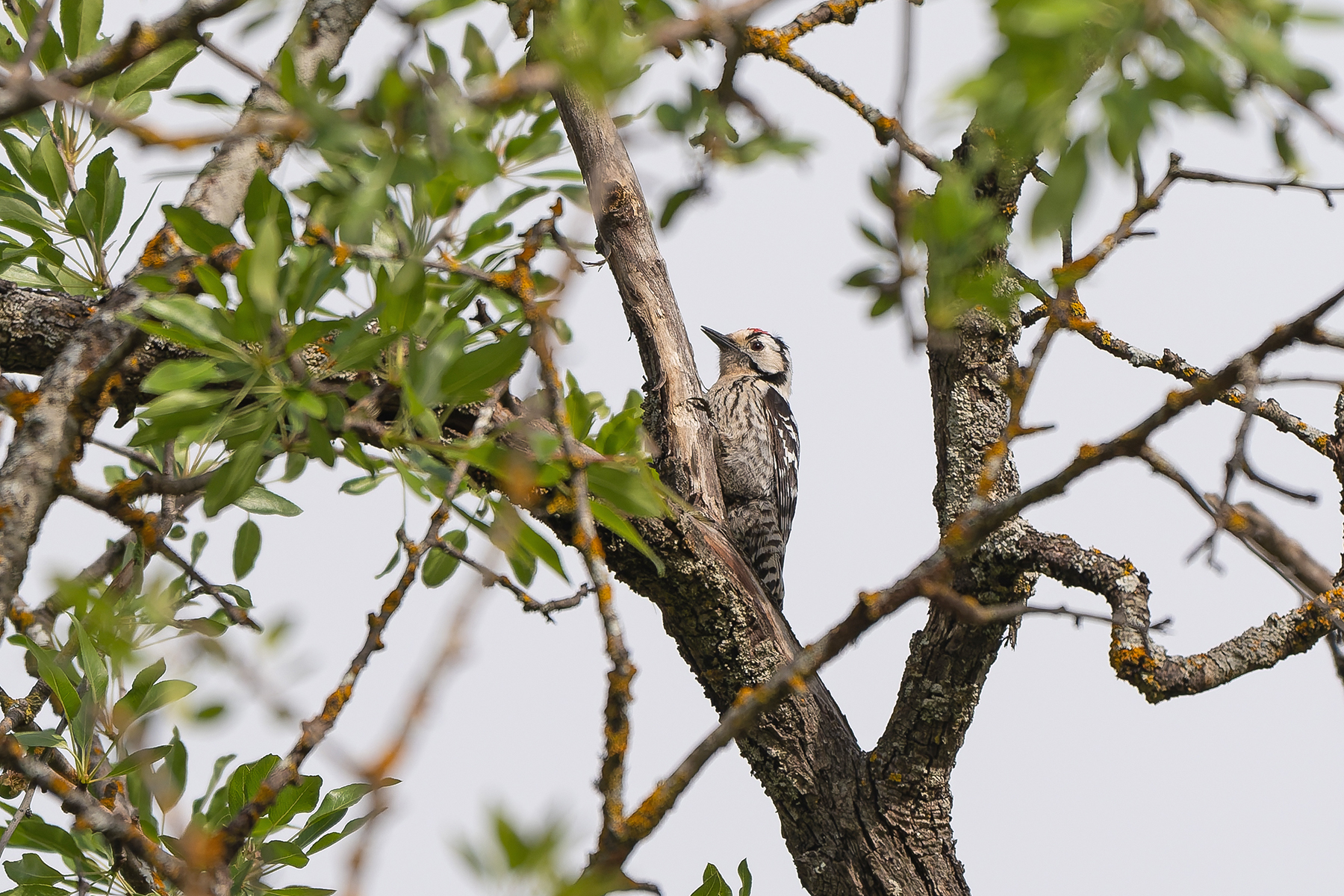
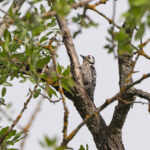
male Lesser Spotted Woodpecker (image by Diedert Koppenol)
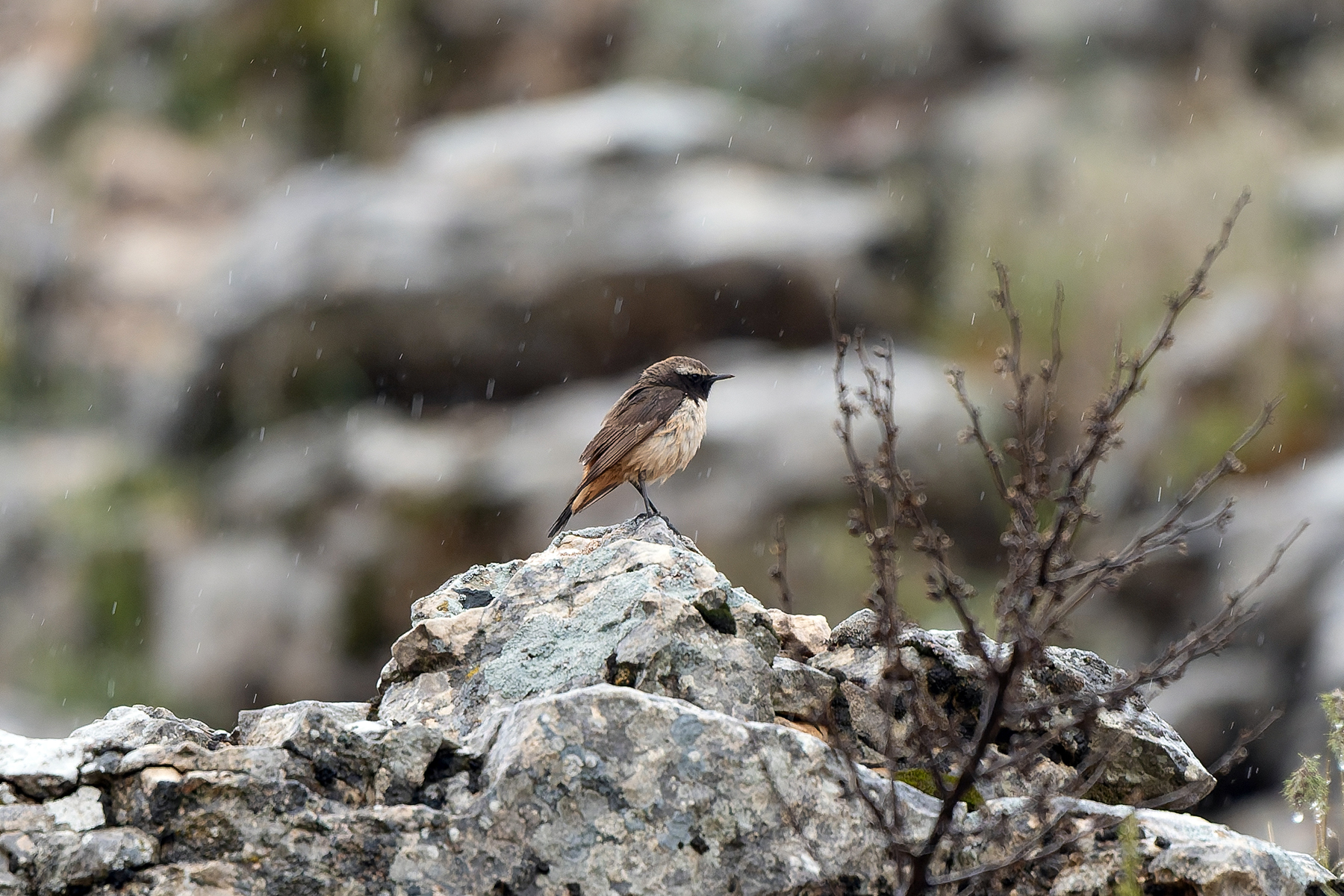
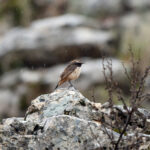
male Kurdish Wheatear (image by Diedert Koppenol)
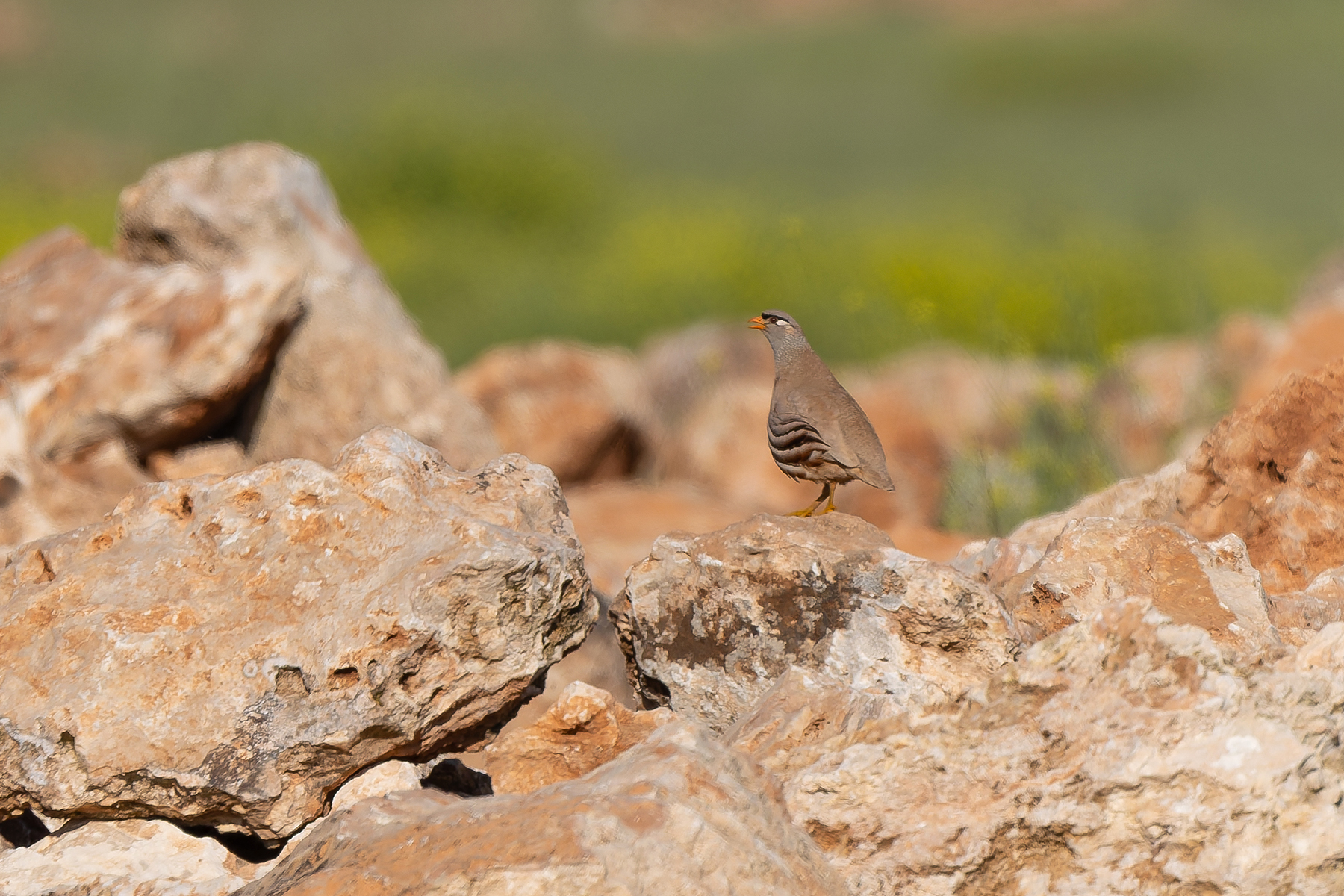
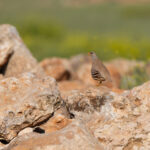
male See-see Partridge (image by Diedert Koppenol)
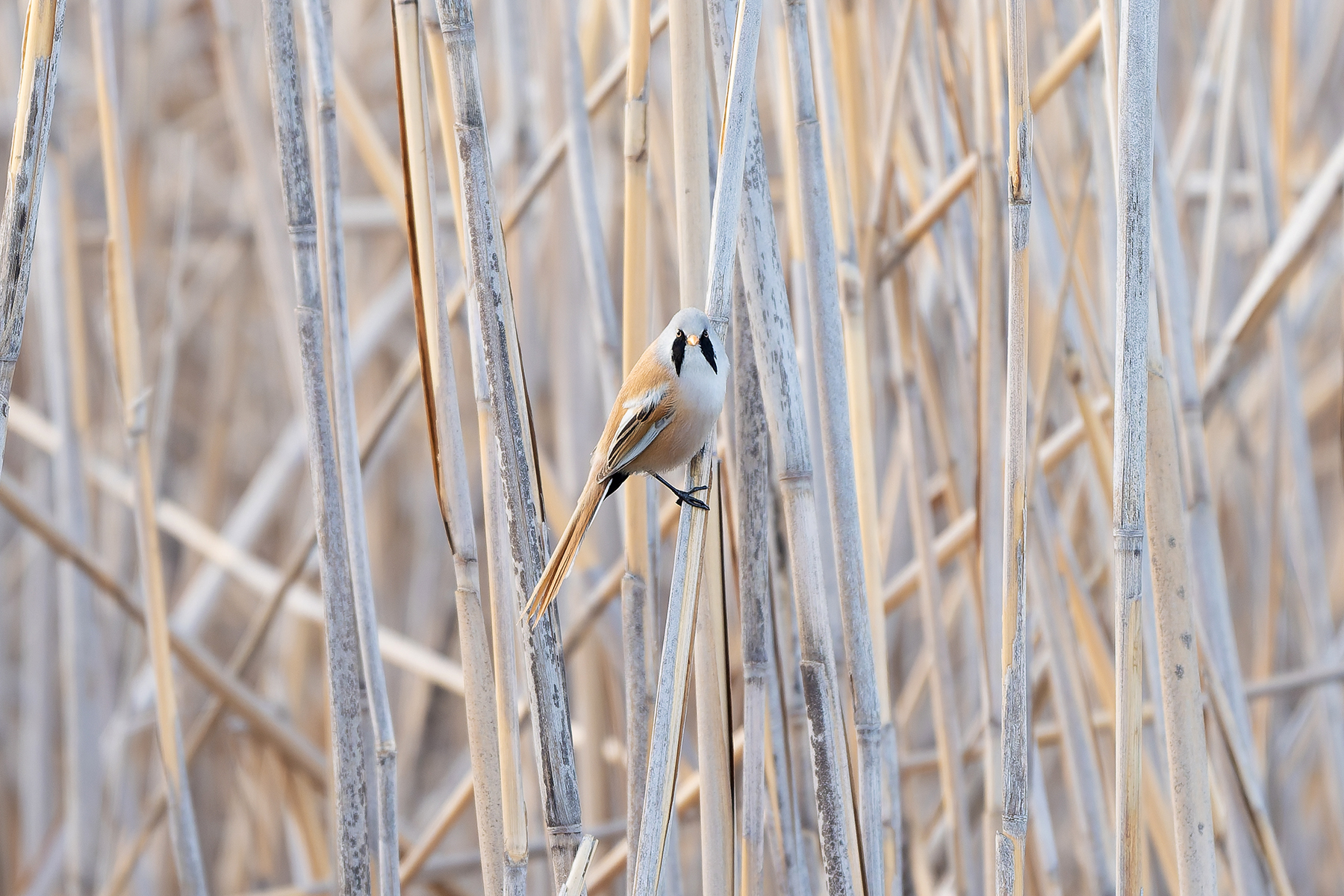
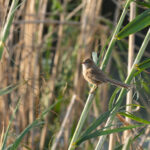
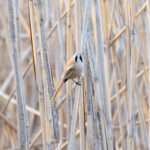
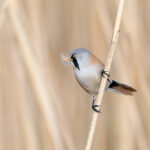
male Bearded Reedling (image by Diedert Koppenol)
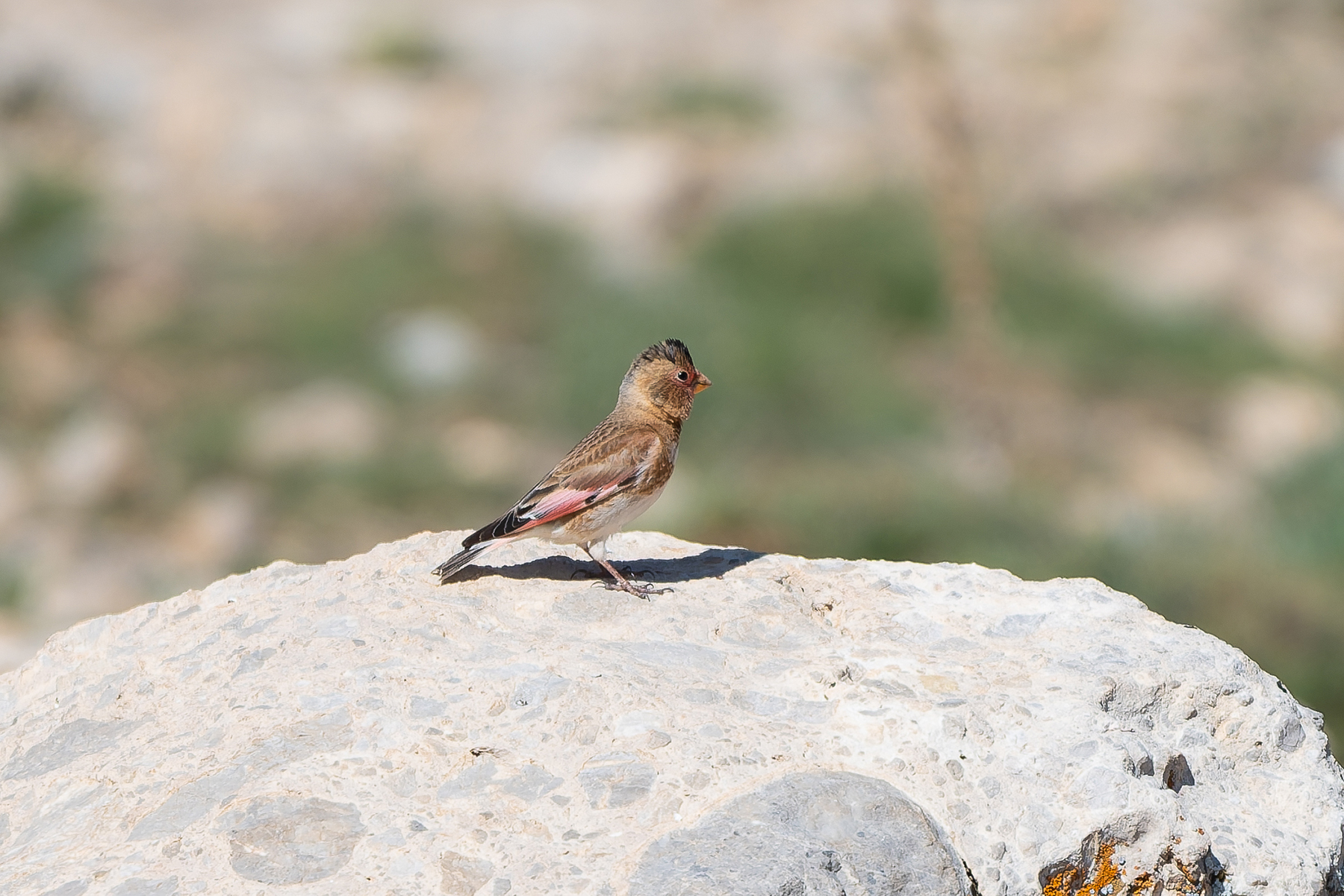
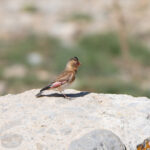
male Asian Crimson-winged Finch (image by Diedert Koppenol)
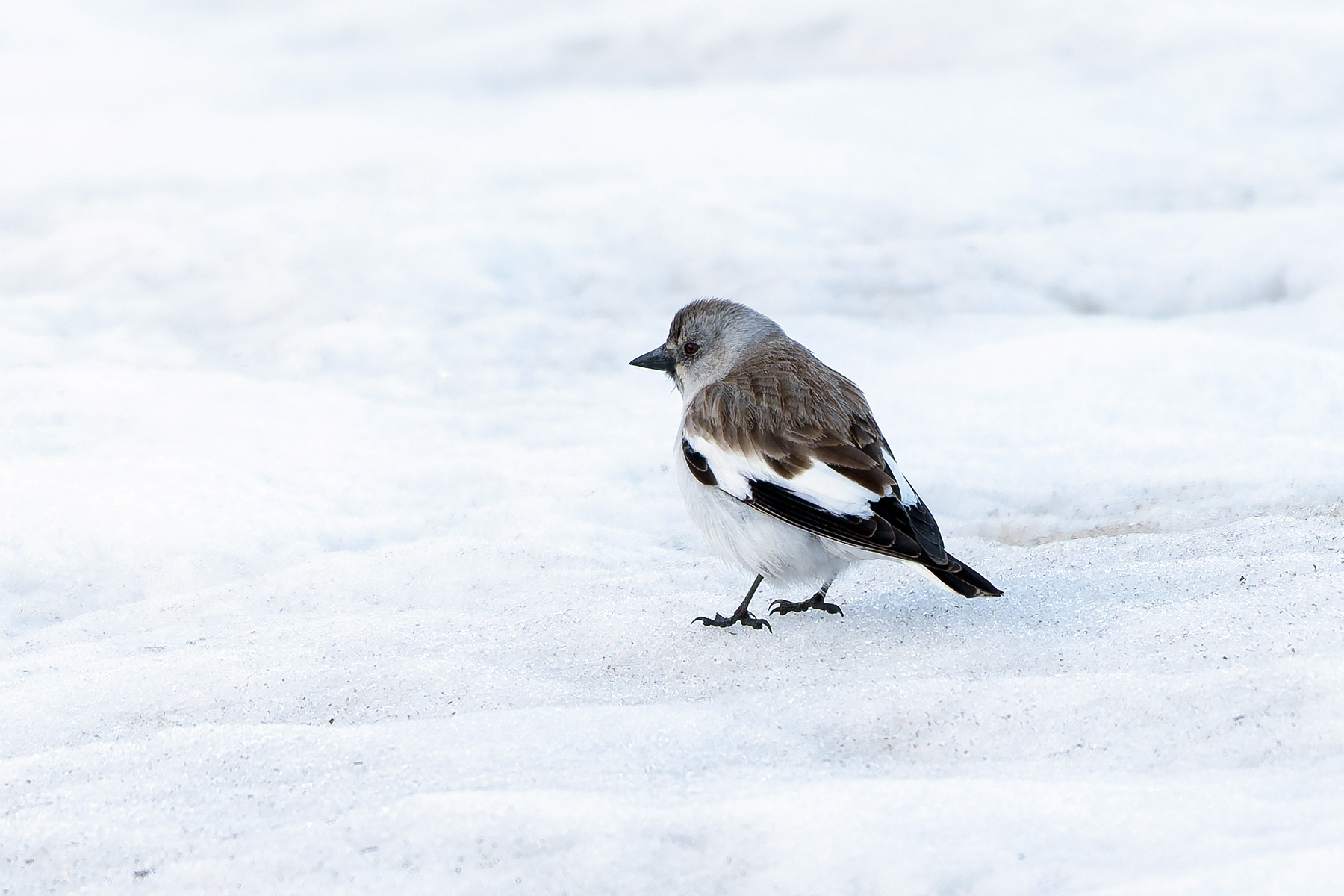
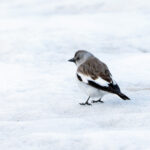
male White-winged Snowfinch (image by Diedert Koppenol)
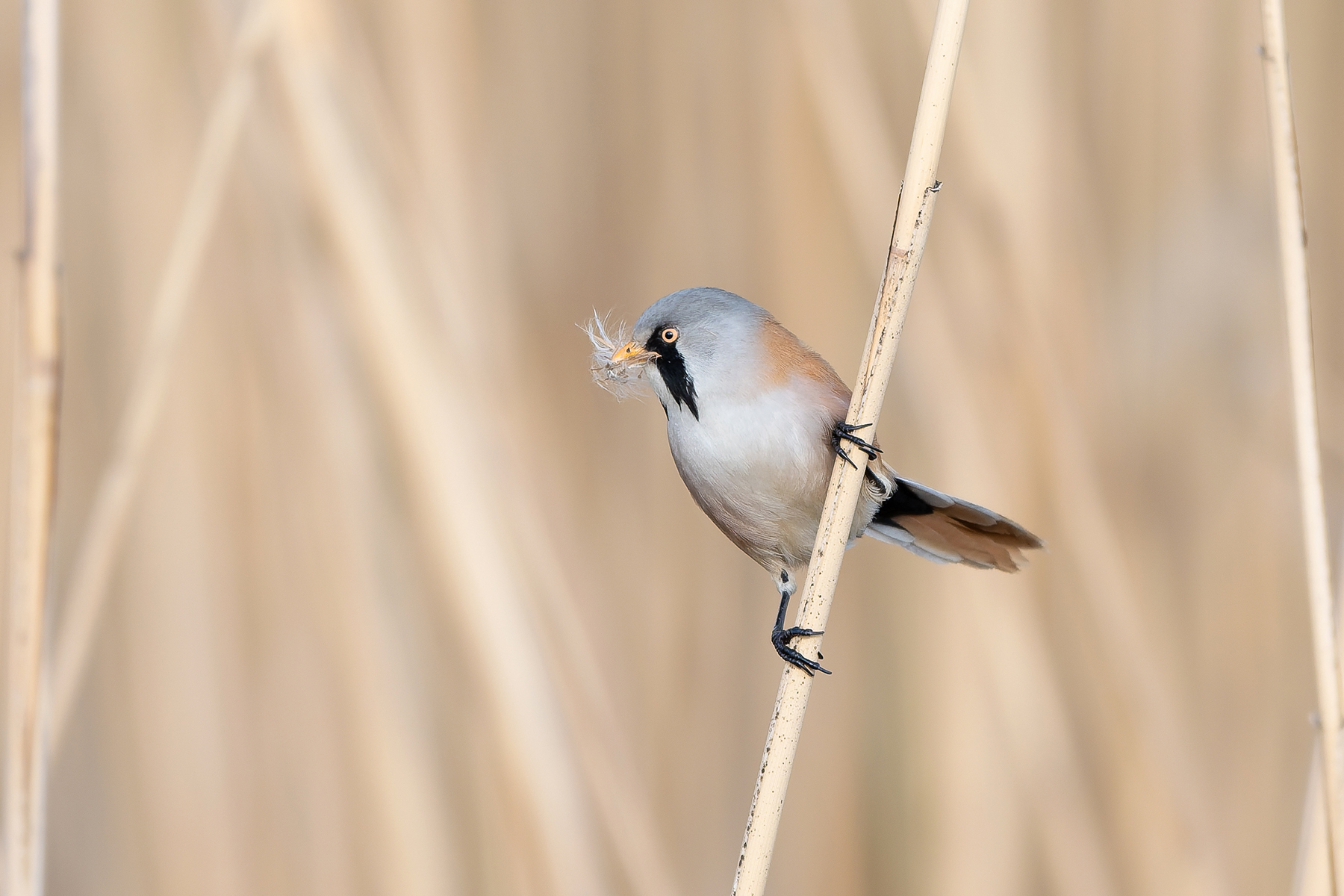
male Bearded Reedling (image by Diedert Koppenol)
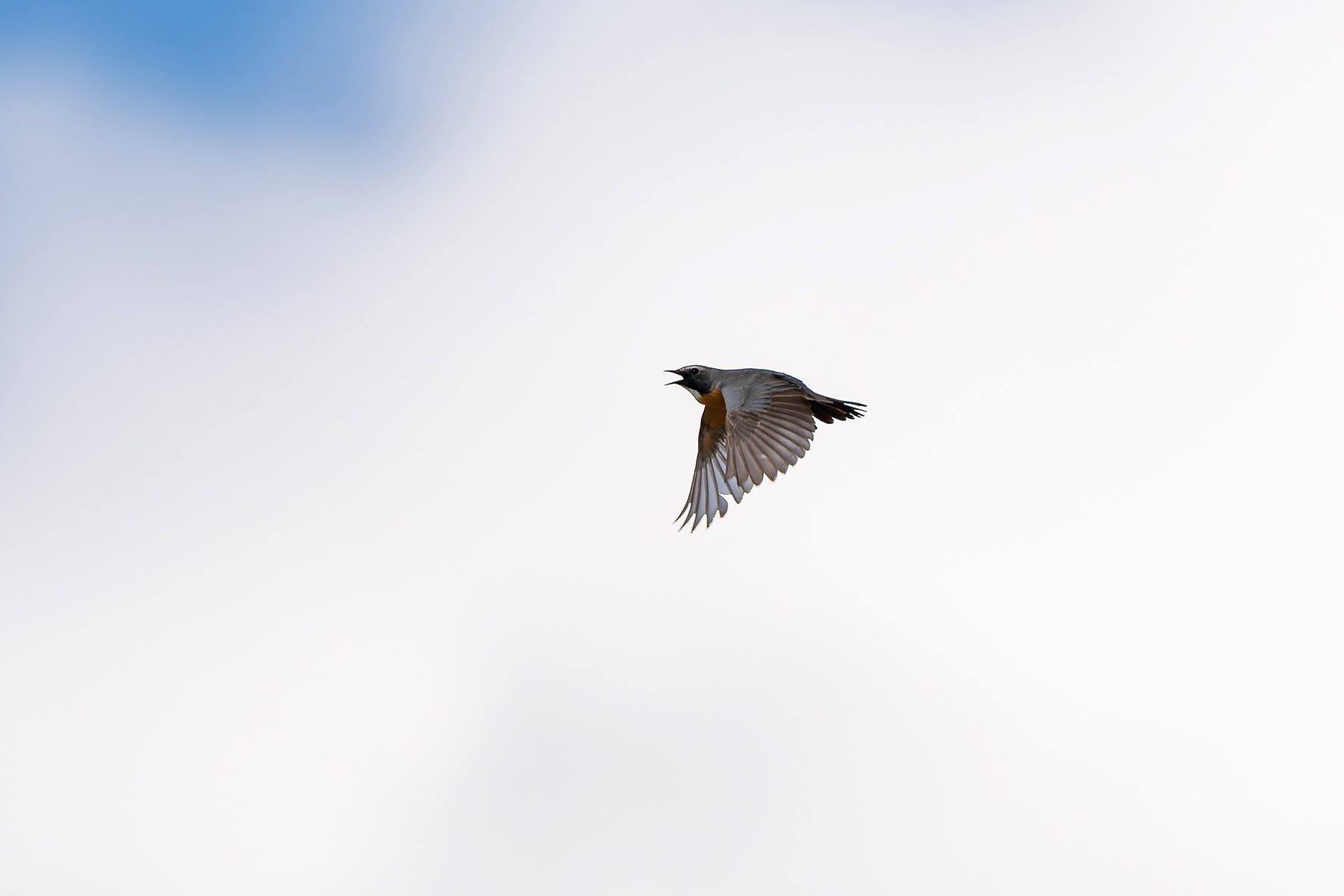
male White-throated Robin (image by Diedert Koppenol)
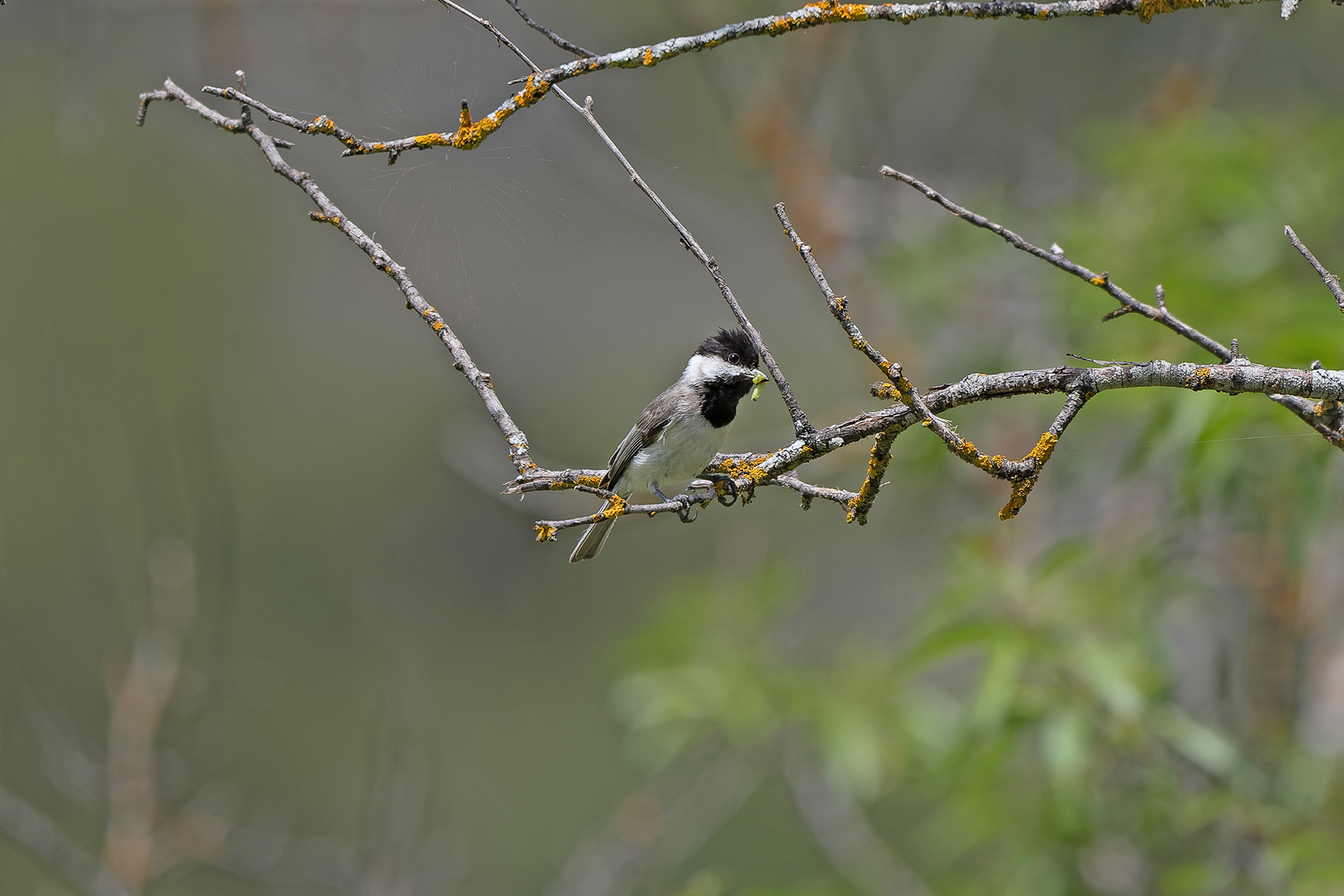
Sombre Tit (image by Diedert Koppenol)
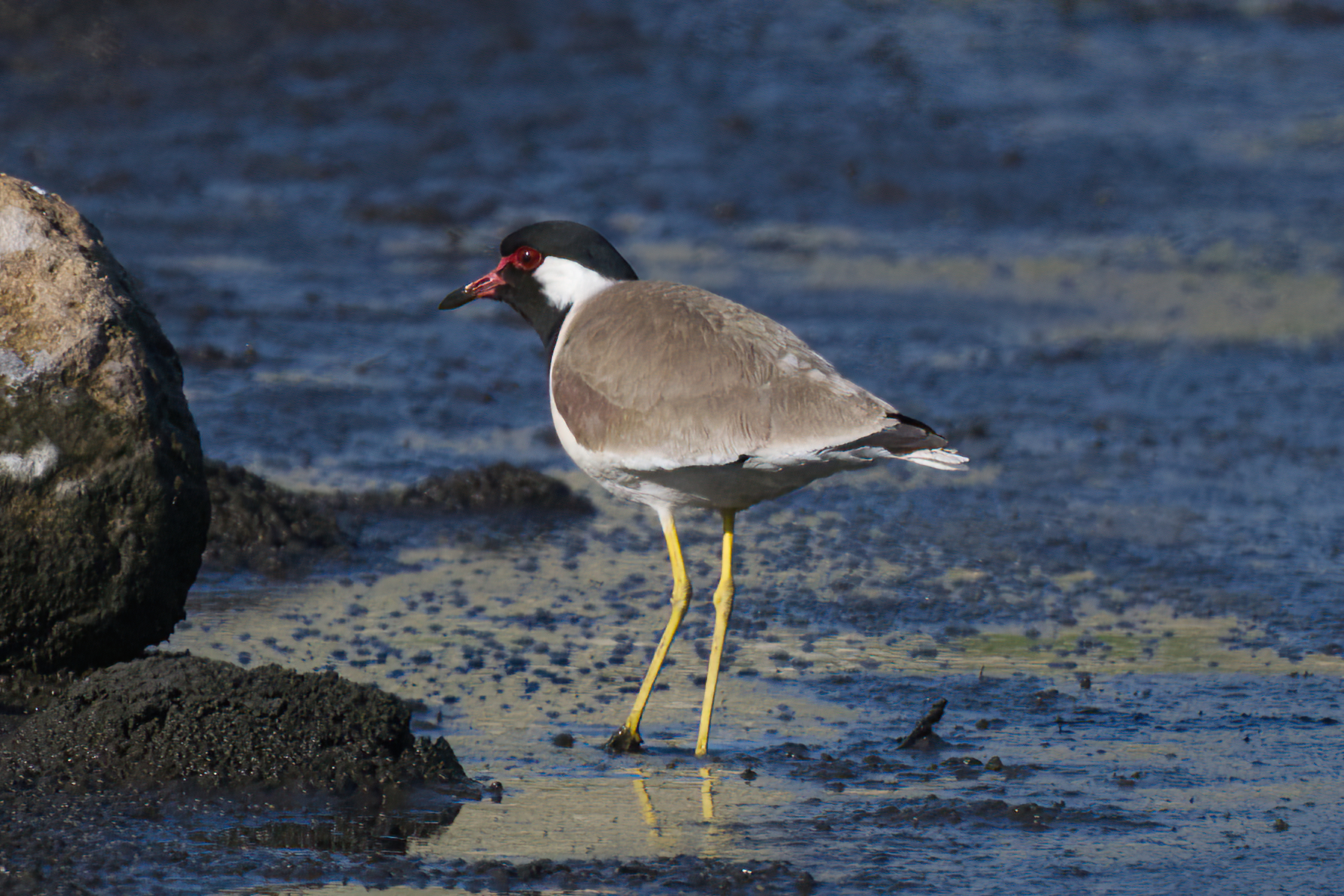
Red-wattled Lapwing (image by Martin Hale)
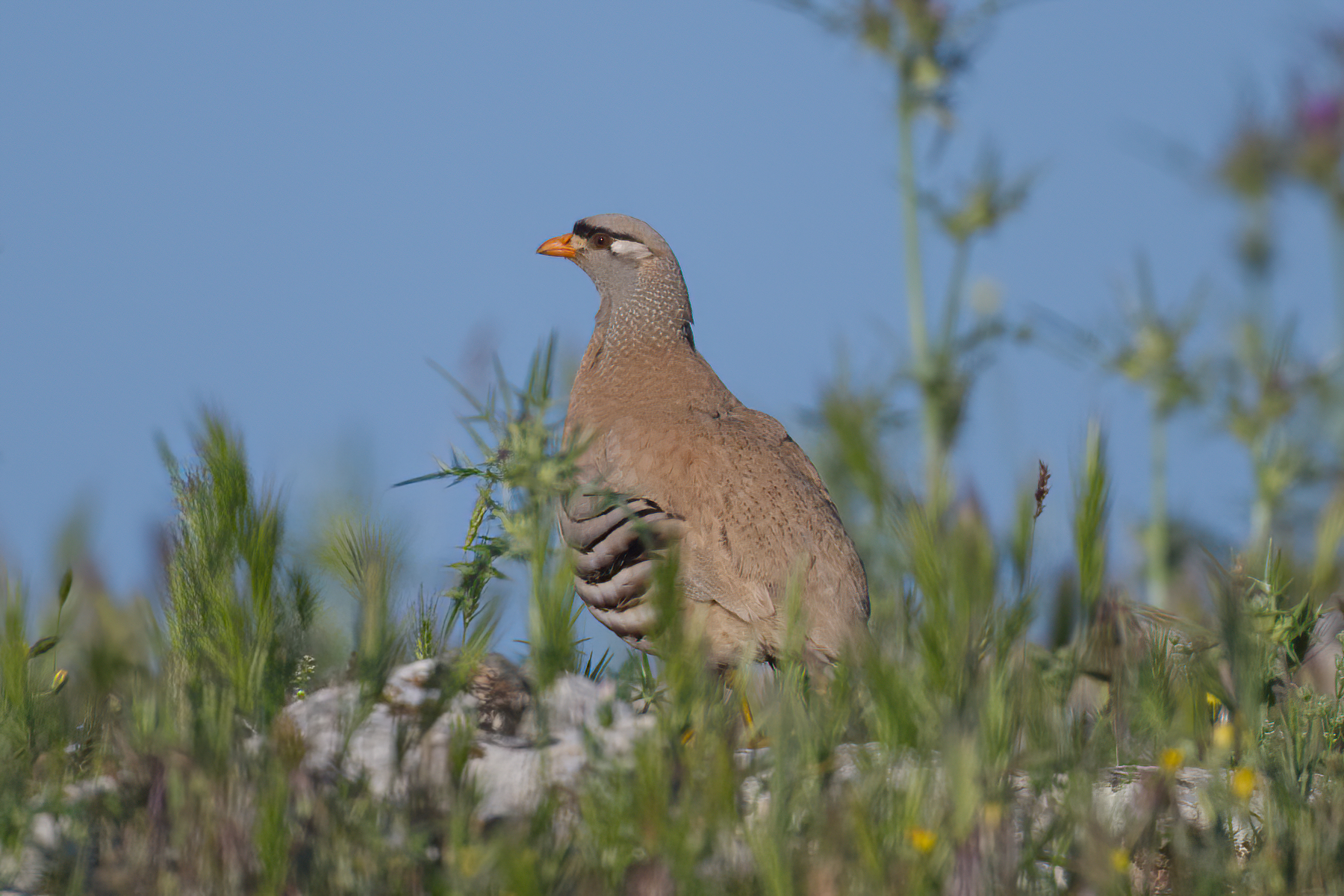
male See-see Partridge (image by Martin Hale)
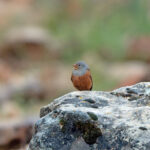
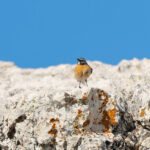
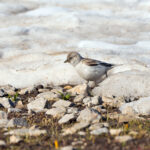
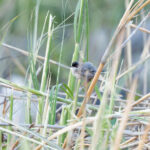


Red-fronted Serin (image by Martin Hale)
Water Pipit (image by Diedert Koppenol)
(Turkish) Brown Fish Owl (image by Diedert Koppenol)
European Turtle Dove (image by Diedert Koppenol)
(Turkish) Brown Fish Owl (image by Diedert Koppenol)
Cretzschmar's Bunting (image by Diedert Koppenol)
(Turkish) Brown Fish Owl (image by Diedert Koppenol)
Krüper's Nuthatch (image by Diedert Koppenol)
Desert Finch (image by Diedert Koppenol)
Eastern Orphean Warbler (image by Diedert Koppenol)
Cyprus Scops Owl (image by Diedert Koppenol)
Little Crake (image by Diedert Koppenol)
Cretzschmar's Bunting (image by Diedert Koppenol)
European Serin (image by Diedert Koppenol)
Sombre Tit (image by Diedert Koppenol)
Iraq Babbler (image by Diedert Koppenol)
Coal Tit (image by Diedert Koppenol)
Weasel (image by Diedert Koppenol)
Bimaculated Lark (image by Diedert Koppenol)
Long-tailed Tit (image by Diedert Koppenol)
Cinereous Bunting (image by Diedert Koppenol)
Rüppell's Warbler (image by Diedert Koppenol)
Delicate Prinia (image by Diedert Koppenol)
Radde's Accentor (image by Diedert Koppenol)
Olive-tree Warbler (image by Diedert Koppenol)
Olive-tree Warbler (image by Diedert Koppenol)
Barred Warbler (image by Martin Hale)
Purple Heron (image by Diedert Koppenol)
Little Owl (image by Diedert Koppenol)
Western Rock Nuthatch (image by Diedert Koppenol)
European Roller (image by Diedert Koppenol)
Iraq Babbler (image by Diedert Koppenol)
Kurdish Wheatear (image by Diedert Koppenol)
European Honey Buzzard (image by Diedert Koppenol)
Cyprus Wheatear (image by Diedert Koppenol)
Lesser Grey Shrike (image by Diedert Koppenol)
Eastern Bonelli's Warbler (image by Diedert Koppenol)
European Roller (image by Diedert Koppenol)
Black-headed Bunting (image by Diedert Koppenol)
Red-wattled Lapwing (image by Diedert Koppenol)
Yellow-throated Sparrow (image by Diedert Koppenol)
Woodchat Shrike (image by Diedert Koppenol)
Blue-cheeked Bee-eater (image by Diedert Koppenol)
Golden Eagle (image by Diedert Koppenol)
Dead Sea Sparrows (image by Diedert Koppenol)
Chukar Partridge (image by Diedert Koppenol)
male See-see Partridge (image by Diedert Koppenol)
Upcher's Warbler (image by Diedert Koppenol)
Horned Lark (image by Diedert Koppenol)
female Red-footed Falcon (image by Diedert Koppenol)
Masked Shrike (image by Martin Hale)
Mount Erciyes (image by Martin Hale)
Red-backed Shrike (image by Trevor Ellery)
male Cyprus Warbler (image by Martin Hale)
male Dead Sea Sparrow (image by Diedert Koppenol)
male White-throated Robin (image by Diedert Koppenol)
female White-winged Snowfinch (image by Diedert Koppenol)
Dead Sea Sparrows (image by Diedert Koppenol)
male Ménétries's Warbler (image by Diedert Koppenol)
male Lesser Spotted Woodpecker (image by Diedert Koppenol)
male Kurdish Wheatear (image by Diedert Koppenol)
male See-see Partridge (image by Diedert Koppenol)
male Bearded Reedling (image by Diedert Koppenol)
male Asian Crimson-winged Finch (image by Diedert Koppenol)
male White-winged Snowfinch (image by Diedert Koppenol)
male Bearded Reedling (image by Diedert Koppenol)
male White-throated Robin (image by Diedert Koppenol)
Sombre Tit (image by Diedert Koppenol)
Red-wattled Lapwing (image by Martin Hale)
male See-see Partridge (image by Martin Hale)


TURKEY & CYPRUS TOUR REPORT 2026

1 - 13 May 2026
Diedert Koppenol
This year’s visit to Cyprus & Turkey was a very interesting one, in many ways. Upon reading older tour reports, I saw that my esteemed colleague Pete Morris wrote that one would have ‘guaranteed great weather’, but this was certainly different from our tour. However, what definitely hasn’t changed since our tours in 2024, 2022 and 2019; the food is still great and the birding is more than superb! The roads are top notch mostly everywhere and within almost a fortnight, we managed to see virtually all our eastern Europe/Mediterranean target birds. A total of 224 species and an additional two heard-onlies were recorded during our time in Asia Minor. Highlights were many, but to name a few, we had amazing views of specialities such as Turkish Brown Fish Owl, Caspian Snowcock, Olive-tree Warbler, Kurdish Wheatear, Radde’s Accentor, See-see Partridge, Cyprus Wheatear, Cyprus Warbler and Cyprus Scops Owl, Upcher’s Warbler, Krüper’s Nuthatch, the beautiful Asian Crimson-winged Finch and the stunning Rüppell’s Warbler.
We began our tour on Cyprus, at Erçan Airport, just on the northern/Turkish part of the island. A relatively short transfer to our hotel followed, which is situated just in the hills north of Girne. There was plenty of time to get to know each other and enjoy a nice meal, before turning in, as we arrived too late for any birding. However, the night wasn’t long, as we would wake up early to have our first stab at the endemic Cyprus Scops Owl!
It was early, too early for some perhaps, but it didn’t take long before everyone was happy they woke up this early, as we enjoyed amazing views of an obliging, moth-hunting and singing Cyprus Scops Owl, quite close to our hotel. Good stuff! Next up, we visited a small migration hotspot nearby, which is a very good site for the breeding endemic Cyprus Warbler. A few Eurasian Blackcaps, a migrating flock of European Bee-eaters and plenty of Sardinian Warblers were a bit distracting, but soon we located a few singing males Cyprus Warblers. Another target in the bag! We birded the area for a while but didn’t see much of note, so we went back for a nice breakfast and then quickly back out again for more birding. We transferred to the Kukla Wetlands, which were quite wet this year! Birding here was very enjoyable, with large numbers of birds and species. Before turning off to the watchtower, we found a few obliging Eurasian Stone-curlews. Two perched Chukar Partridges were only seen by a few before they scurried off, but the wetlands themselves were teeming with showy birds. Red-crested Pochards and Ferruginous Ducks formed the bulk of the wildfowl, together with loads of Eurasian Coots. A few pair of Garganey were about and a small flock of Greater Flamingo was foraging on the local crustaceans. Our first Spur-winged Lapwings showed themselves beautifully, along with plenty of Black-winged Stilts. A flock of Ruff was nice to see, but a feeding group of Collared Pratincoles was even more special. Little, Whiskered & White-winged Terns enjoyed the aquatic foliage as a hunting ground, as did Glossy Ibisses. A Little Bittern was only seen by part of the group, but still a pleasant surprise find. Purple Herons were more common than their Grey cousin today. The drier side next to the wetlands was also good for a few target species as we had amazing views of several Spectacled Warblers, our first Calandra Larks, Lesser Kestrel and European Roller, all of which we would see plenty more, but a hunting female Pallid Harrier was even more impressive! We then continued towards the coast, to check for any roosting gulls. We found a small group of Slender-billed Gulls, with a single Black-headed Gull hiding amongst them, and a few Little Terns were foraging in the lagune. It was time for lunch, so after a drive to the Karpaz Peninsula, we enjoyed a nice seaside lunch. Our birding in the afternoon would be spend on the Karpaz Peninsula where we would add a bunch of good birds to our list! Little Owls were quite common here, especially at dusk, but before that we saw our first Eurasian Golden Oriole, Lesser Grey Shrike, Red-backed Shrike and Woodchat Shrike of which plenty more would be seen throughout the tour. It was nice to see the firsts, though. The wires are always good for resting birds here and this year we were treated to a nice perched male Red-footed Falcon, showing itself wonderfully. Another nice perched bird came in the form of a singing male Black Francolin, allowing great scope views. At the end of the peninsula, we added our final Cypriot breeding endemic. At least four Cyprus Wheatears were noted and seen well! A pair of migrating Whinchat was a nice bonus to finish our day and we returned for a late dinner and some well-deserved sleep.
Sadly, our early morning birding was postponed as it was pouring with rain. We went for breakfast instead and the rain decreased a bit so we decided to go out. This morning we visited the Haspolat Sewage Ponds, which were very good for some drizzling birding. We added more Mallards and Ferruginous Ducks to our tour tally, along with a few more Little Grebes, lots of Black-winged Stilts, Spur-winged Lapwings, quite a few Common Sandpipers, a couple of Green & Wood Sandpipers, a large flock of Ruff, a small flock of Little Stints, foraging Little & White-winged Terns, but the highlight was a nice Spotted Redshank in almost pristine breeding plumage. A Common Greenshank was another addition to our tour list. During the day we added more European Rollers and European Bee-eaters as they were everywhere. At least one Eurasian Hobby was hunting aroud the ponds, probably to try and catch one of the many Barn Swallows, Sand Martins, Red-rumped Swallows or House Martins. An Icterine Warbler showed itself briefly, but a Cetti’s Warbler showed itself quite a bit longer. We moved on to another site, where we were welcomed by very enthusiastically singing Spectacled Warblers that gave away great views. We battled for a while, but everyone managed to get some views of the shy Black Francolins here, and luckily, everyone managed to get their first sighting of Eastern Olivaceous Warbler here. After this success, we returned for lunch and then went out to Cape Kormakitis. We did some birding en-route, with more European Bee-eaters, a Common Cuckoo for some, and a handful of Cyprus Wheatears showing well. We walked from the old birding hut towards the abandoned house at the end of the Cape, as we were hoping for some good seabirds. Along the way, we were surprised by a fly-in Little Bittern, that just dropped out of the sky. We found our first Masked Shrike, that somewhat obliged, and large numbers of Red-backed Shrikes. A few Spotted Flycatchers were migrating along the coast as was a Tree Pipit, whilst a Peregrine Falcon tried to grab a local swallow and we found a few more Whinchats and our first Eurasian Chaffinches for the tour. Once we reached the abandoned house and put up the scopes, a few of us managed a glimpse of Scopoli’s Shearwaters, before we were hit by a massive cloudburst. Luckily, after the rain subsided, we obtained better scope views, but they were never close. After this success, we returned to the hotel for our last night on Cyprus.
We had an early flight to Adana this morning and with the usual small airport delays, we arrived quite on time. Unfortunately, the car rental system decided to throw a spanner in the works, but after a long wait, we departed with our new minivans. One saving grace was that Turkey was being hit by the worst weather in early May since a long time, with heavy rains throughout the day. Once we arrived at the hotel, we made the most out of it by turning in early, to recuperate some sleep!
It was dry when we started our day and thus we set out to Isikli, looking for our first Turkish specialities. Showers of rain started to pass by, but we persevered and made our way up the track to look for anything that would show itself. And show themselves they did! Our first bird was one of the target species and this Upcher’s Warbler showed really well, singing while sitting closeby. A few Eastern Olivaceous Warblers were a bit distracting, but as we climbed higher, it didn’t take long to see our first Eastern Black-eared Wheatears. As we waited for any nuthatches to come out and play, we got distracted by singing Cinerous and Cretzschmar’s Buntings and not much later, both species showed themselves really well! We obtained scope views of Eastern Rock Nuthatches and a Blue Rock Thrush was performing flight displays. As we were birding the slopes, suddenly an odd wheatear popped up in front of an Eastern Black-eared Wheatear male. With the rufous vent showing instantly, the ID as Kurdish Wheatear was confirmed quickly enough and we enjoyed great views of this rarity! We were very lucky to find this species here already, as it had become quite difficult here in recent years. With this success, we made our way back to the shelter of the vehicles, but not before we got distracted by our first White-throated Robin. A male was only seen by some, but a female showed itself a bit better. Luckily, we would see plenty more, so we headed back for breakfast. After breakfast and check-out, we drove off towards Yeniakpinar, where we hoped to see Bimaculated Larks. On the way, we encountered quite some nice birds already, including our first Tawny Pipit, more Calandra Larks and another beautiful Masked Shrike. At Yeniakpinar, we failed to locate any confirmed Bimacs, but a migrating Eurasian Golden Oriole showed itself beautifully, while a few Isabelinne Wheatears were denouncing their territories by singing loudly and displaying overhead. A pair of Eurasian Stone-curlew was found whilst scoping the hillsides and a few Lesser Kestrels were hunting the valley. It was time to take another late lunch and we drove to Birecik and had a great lunch at the banks of the Euphrates, the longest river in Western Asia, approximately 2800 km’s in length. Here, we learned that the city and surroundings were hit by a supercell storm, just a few days before our arrival. It had destroyed a lot of the trees and vegetation and as we drove towards the city centre, we saw it had caused a lot of havoc. The Northern Bald Ibises were still present and we enjoyed their semi-captive home for a bit, before we visited the famous park where normally one can find day-roosting Pallid Scops Owls. It was not to be for us, as the park was completed destroyed by the storm. Locals informed us that the chicks of the breeding pair here had died when their tree broke down… We did encounter a surprise pair of Levant Sparrowhawk, displaying and all, which was a nice distraction from the doom here. Another nice encounter was a drumming pair of Syrian Woodpeckers and seeing all the Common Starlings breeding in the newly-available trunks now. A few White-spectacled Bulbuls were seen as well, but we quickly moved out of the post-apocalyptic park to the southern edge of town where we birded along the Euphrates. On the water itself, there were many Red-crested Pochards, Eurasian Coots, Great Crested Grebes, Little Grebes and we found a Purple Swamphen, of the grey-headed variety, but it retreated into the reeds quite quickly. Pygmy Cormorants and Black-crowned Night Herons were flying up and down, mostly in small groups, and larger flocks of Glossy Ibis were flying about too. We located our first Desert Finches, but they didn’t really perch long. Dead Sea Sparrows were a bit flighty too, but one Yellow-throated Sparrow was completely oblivious to our presence and allowed for great photography. A showy Moustached Warbler, foraging on the reed’s edge, was a nice highlight, as it can be a tricky species to see well! Common Reed and Great Reed Warblers were singing and showed themselves perched atop the reeds and a few Willow Warblers were moving through. It took some time and dedication, but after a while, we obtained good views of a family Iraq Babblers. As a final act, we found a pair of Ménétries’s Warblers that we struggled to view for long, but we would try again tomorrow! We drove to Sanliurfa for our well-deserved night of rest.
The early morning before breakfast was spent near Sanliurfa in the farmlands on quieter roads. Our main goal would be to find some of the specialities that sneak into Turkey here, but have a more Middle-Eastern range. We were welcomed by many migrants and it felt like the recent bad weather had held back a lot of birds that now pushed northwards. The valleys were teeming with Lesser Grey, Woodchat and Red-backed Shrikes, many Common Whitethroats and Upcher’s Warblers, flocks of Spanish Sparrows, plenty of Corn Buntings and an abundance of Black-headed Buntings. At least two Barred Warblers were found and allowed for brief but nice views. A single Rock Sparrow was a ‘trip-tick’. A pair of Long-legged Buzzards performed some fly-by’s and we also noted one European Honey Buzzard circling overhead as the air warmed up. Our first two See-see Partridges, a nice pair, were located very close to the road and allowed for great observation and a nice displaying Finsch’s Wheatear was a good bonus whilst we were looking at the partridges. At the end of the birding session, we located our final quarry here, in the form of a loud Red-wattled Lapwing. The breakfast would taste all the better for it! After this nice foray, we were birding again and visited a bee-eater colony, which also holds a few breeding pair of Blue-cheeked Bee-eaters. A few minor distractions in the form of Common Hoopoes and European Bee-eaters, it didn’t take long before we were treated to great views of the beautiful Blue-cheeked Bee-eaters here. Situated near a small town, there was plenty of other stuff to keep us occupied as well, with many Rufous-tailed Scrub Robins, a White Stork flying overhead and superb views of a flock of Dead Sea Sparrows and a few Desert Finches. We continued our way to try once more for the ‘Bimac’. Although we didn’t find our target species, it was nice birding in the hills of Yeniakpinar. We were treated to nice views of a hunting female Montagu’s Harrier, many Common Hoopoes, European Bee-eaters, European Rollers, a large colony of Lesser Kestrels hunting above the hills, many Calandra Larks and a few Tawny Pipits. The Isabelline Wheatears were still there as well. Singing larks caused a bit of excitement and as they flew in, they turned out to be Greater Short-toed Larks, giving good views and allowing us to follow them for a while. With that, we had another belated lunch at Birecik, with Pied Kingfisher to boot, and birded along the Euphrates again for the afternoon. Amongst the Red-crested Pochards, we found a single Common Pochard, the Purple Swamphen showed itself for a bit longer today, we flushed a Little Bittern, enjoyed the same Moustached Warbler again, as we did the Common & Great Reed Warblers. We dedicated some more time to the Ménétries’s Warblers and obtained a bit better views as we did with the Iraq Babblers. A surprise encounter was a pair of Delicate Prinia here, that were obviously working on a nest. A few more Cetti’s Warblers and Desert Finches and a flock of Slender-billed & Black-headed Gulls were seen to finish off our daytime birding. After that, our band of entrepid birders went to the park in Birecik at dusk. We were welcomed by a few Eastern Olivaceous Warblers chattering around. Only a short wait and then we were extremely lucky to locate a hunting Pallid Scops Owl! We were very pleased to find out that the adults had survived the storm. As an added bonus, a Long-eared Owl came flapping in and started calling from a perch right above our heads! A nice ending to our day.
We enjoyed another early start, with more great birding in the same general area. Plenty of Black-headed Buntings, European Rollers, European Bee-eaters, Spanish Sparrows, Common Hoopoes and White-throated Robins were enjoyed, a few Desert Finches showed themselves well and a plethora of shrikes was still present. There were a few more Long-legged Buzzards seen and quite a number of Little Owls. We also saw many See-see Partridges and more Red-wattled Lapwings and the raptors were still on migration too; we added another European Honey Buzzard to our tally, Eurasian Sparrowhawk was seen in one of the small villages and we had a few Black Kites and Western Marsh Harriers, but they were most likely local birds. A few small flocks of Black-bellied Sandgrouse were flying overhead too, giving away their presence by their typical call, but we didn’t find them on the deck. After our nice morning, we transferred to the next port of call and found ourselves having lunch in Adiyaman. Soon after, we were on our way to Mt. Nemrut Dagi to do some higher altitude birding. It was a great afternoon, which even included snow! We first birded a nice plateau, where we had point-blank views of our first Ortolan Bunting and another showy Cinereous Bunting. There were quite some Northern Wheatears present here and a few Eastern Black-eared and Finsch’s Wheatears. Next, we drove towards the summit, where we came across another Kurdish Wheatear! Higher up, we found our first Horned Lark, foraging on a patch of snow and even boasting with some song. Quite a few Rock Sparrows were present here too. Some of us saw the first Eurasian Jay of the tour on the way down and enjoyed two Chukar Partridges fighting about something, in the middle of the road. As we had another very early departure the next morning, most of us enjoyed a small ‘dinner’ before heading to bed.
Today would mostly be a dedicated driving day, as we made our way to Anatolia and would overnight in Nidge. En route, we saw a few raptors including Common and Long-legged Buzzards, White Storks, European Rollers and Bee-eaters and Northern Raven. Before arriving into Nidge, we would do some birding at Sultansazligi NP. Sadly, we didn’t have much time, so we legged it down the boardwalk, whilst adding Northern Lapwing, Green Sandpiper, Common Redshank, Common Reed Warbler, Common Reed Bunting and a large number of Western Yellow Wagtails ssp feldegg to our tour list. Several pairs of Ruddy Shellduck were flying about and in amongst the reeds we saw Red-crested Pochards and Ferruginous Ducks swimming. Two nice males Bearded Reedling showed themselves beautifully and another highlight here was a Little Crake, foraging along the water edge, in front of the hut. Our goal to obtain views of Savi’s Warbler was reached, albeit a bit fleeting. With this short but sweet birding excursion, we ended our day and enjoyed a very short night at our hotel in Nidge.
As preluded, it was a very early morning as we drove to the Anti-Taurus Mountains, and specifically towards Demirkazik. We had to be this early as we were going up the mountain to look for chickens! Hasan Safak, our local guide, got us going with some coffee, tea and biscuits and then we were off! We mounted the famous tractor wagon and set off in the complete dark to reach the mountains at first light. We were making good time, but unfortunately, a patch of frozen snow blocked us at the end, so we did have to walk a bit. It was around an hour later that we heard our first Caspian Snowcocks calling, but it took us a bit longer to locate them. At around 8, Diedert found one perched and soon we were watching a pair of Caspian Snowcocks through the scope. Some scrambled a bit closer to try for better photos, but this was to small avail. We then birded the area itself and enjoyed Ring Ouzels, a flock of Alpine Swifts, Alpine Choughs and Horned Larks walking on the snow, many Black Redstarts, a nice male Common Rock Thrush, quite a few White-winged Snowfinches and a few Water Pipits. We were then called over by Hasan as he had found another pair of snowcocks, but lower down! This pair gave even better views, especially with the scope. A short while later, a Radde’s Accentor showed itself well, but a bit brief. It flew into the top of a bush, sang a few songs and then flew into the valley, where we saw it foraging amongst the snowfinches for a while, before it dissappeared. We walked back towards the tractor and enjoyed a few Eurasian Crag Martins foraging above the track. Probably the increasing warmth of the sun was warming the frozen soil and insects were waking up. Halfway down the mountain, we flushed two Chukar Partridges, and made a quick stop. Here, we had amazing views of a flock of Red-fronted Serins and Asian Crimson-winged Finches! Especially the latter can be quite difficult, so we were very pleased with this stop. Breakfast was enjoyed at Hasan’s pension before we went out birding again. Ortolan Buntings were singing everywhere in the valley and we found a few Eurasian Tree Sparrows in the fruit trees. As soon as we reached the rocky hillsides lower down, we were treated to a few displaying Bimaculated Larks! And suddenly, a large Golden Eagle came soaring overhead, not to be missed, because it had a large entourage with it as well! A large flock of 100+ Red-billed Choughs didn’t like the eagle too much and was mobbing it away. Driving a bit further along the mountains, we found a beautifully crafted Western Rock Nuthatch nest, and also enjoyed great views of its inhabitants. Lunch was had at Hasan’s and we did some more afternoon birding where the highlight was a nice male Eastern Orphean Warbler, before returning to Nidge and our hotel.
It was another early start as we had another travel day ahead of us, relocating to Side. First, we birded the plains south of Nidge and some artificial lakes created by a hydro dam. This resulted in some more additions to our tour list in the form of a small colony of Great Cormorants, a surprise encounter with a Western Rock Nuthatch on the metal fence near the dam, small numbers of Rock Sparrows, Red-crested Pochards and Eurasian Coots, a few more Ruddy Shellduck and a few Black-headed Gulls foraging on the lake. As we moved away from the hydro dam, we found another Masked Shrike and then we drove south, where we visited the plains. A section of it was flooded and this had attracted many birds, so we got the scopes out and enjoyed some great birding. There was a small flock of Greater Flamingo, we saw Common Ringed, Little Ringed, Kentish and Greater Sand Plovers, Ruff, quite a big flock of Little Stints, a single Collared Pratincole resting along the shore gave great views, a small group of roosting Gull-billed Terns was a nice encounter and more Northern and Spur-winged Lapwings. The Greater Sand Plovers were the main target here and we saw several breeding plumage adult males; stunning! Our second target here was to find Turkestan Short-toed Larks and they were very hard to miss, singing and running around everywhere. After our fill of point-blank views, we carried onwards to Side whilst adding Rook to our tour list, as they were breeding everywhere along the road. Just before Side, as we came down from the mountains, a short stop resulted in scope views of hovering Short-toed Snake Eagles, a Peregrine Falcon and several Northern Ravens. We then continued to the city centre, checked into our nice boutique hotel, enjoyed a great lunch and then went out birding along the coastal farmland. It was a nice afternoon session with a surprise find in the form of a singing Common Chiffchaff, whilst we had great views of a migrating flock of at least six Red-footed Falcons, many migrating European Turtle Doves and migrating flocks of Purple Herons. The ditches along the rural roads held many reed warblers, Squacco Herons, singing Delicate Prinias that perched nicely along with Zitting Cisticolas displaying everywhere. We also found a breeding pair of Mediterranean Short-toed Larks, completing the duo of short-toed larks for the tour! We ended our day with a good seaside dinner.
Today, we would bird the area north of Side, in the mountains and hillsides near Akseki. We started very early, as we had to drive a bit to reach the forest, but soon found ourselves enjoying beautiful bird song everywhere, starting with a showy Woodlark. Furthermore, we found a pair of Masked Shrikes, a few Great and Eurasian Blue Tits, several Eurasian Jays, quite a few Coal Tits and located a Sombre Tit, one of our target birds. We saw a few more, but they weren’t keen on staying around. European Serins were very common in this area and were singing everywhere, giving away great views. After a while, the Eastern Bonelli’s Warblers woke up and showed themselves very well. We finished our morning birding with amazing views of a pair of Krüper’s Nuthatches and then we returned back to base. After lunch, we drove towards the same area but stayed a bit lower, as we birded the lower hills. Looking for woodpeckers, we didn’t find any Middle Spotteds, but saw another Krüper’s Nuthatch, a fly-over Black Stork, a family group of Long-tailed Tits, a brief Common Redstart, a few Mistle Thrushes, and after a while, settled the ID of a pair of nightingales on being Common Nightingales. We relocated a bit and here we encountered a very tame or very blind Weasel that walked along the road as we walked with it. Most of us had never seen it this well! After this great encounter, we also found our first Rüppell’s Warbler and enjoyed great views of a male Lesser Spotted Woodpecker. As we were on a roll, we would try our luck to see if we could locate any Olive-tree Warblers, hoping they had already arrived! Sadly, this was not to be, but we were treated to a great show by displaying Rüppell’s Warblers and an Eastern Orphean Warbler. Our final drive resulted in another Ortolan Bunting and a small flock of Red-fronted Serins amongst the Common Linnets. Dinner came in the form of a nice local pizza in Akseki, after which we drove back to our hotel.
The big event of today would be a boat trip in the early morning, so we found ourselves waking up quite early again, so as to board our private vessel on time. As we boarded our double-decked ship at Green Canyon, we enjoyed the breeze and birds started waking up. A few Great Cormorants flew by and there were a lot of Eurasian Crag Martins foraging along the canyons. We first sailed for Small Canyon and it didn’t take that long before our local guide Özcan located our main target. With his thermal camera he eventually found a nice female Turkish Brown Fish Owl, hidden against the rockface! We enjoyed the bird for a while but as to not disturb it too much, we went to Grand Canyon, to see if we could find another owl. We passed by the Yellow-legged Gull colony, that had some youngsters in it, and found a few Lesser Black-backed Gulls amongst the many Yellow-leggs. Grand Canyon was the home of a nice male Turkish Brown Fish Owl that we found after a while. It showed better, but being an owl, they didn’t perch out in the open, of course. After spending some time with it and getting our fill of photos, we turned back to do some more land-based birding. First, we had a great typical Turkish breakfast, probably the best of the tour, and then drove off quickly, to find some more forest birds. An overhead Booted Eagle was new for the tour, with raptors being a bit thin on the ground, or in the air really, this tour, possibly due to the overall lower temperatures and atypical amounts of rain throughout the trip, but we soon found ourselves riverside with some nice trees. Eurasian Wrens were singing everywhere, we ran into another Krüper’s Nuthatch and obtained great views of Short-toed Treecreepers. We battled with some White-backed Woodpeckers and managed good views, but not prolonged. After trying to locate a singing Grey Wagtail and failing, we continued east and upwards. In the Akseki hillsides, we still didn’t hear or see any Olive-tree Warblers, but enjoyed close encounters with Short-toed Snake Eagles and briefly saw an Eurasian Goshawk fly over. Rüppell’s Warblers graced us with another show of display, but as mentioned, there was no other sound to be heard, so we made the quick call to drive a bit further west. Plenty of Masked Shrikes and Sombre Tits were seen here and there, but after about an hour drive we came upon a nice spot that had been good in the past,. Lo and behold, almost as soon as we parked the vehicles and opened our doors, we could hear an Olive-tree Warbler shouting at us. It didn’t take us long before we laid eyes on a large Hippolais with a distinct pale wing panel! With this final feat of birding and thus a fitting end to our final afternoon of birding, we headed back to our hotel and our final dinner together.
On this final day, some of us went for some optional early morning birding, which added Middle Spotted Woodpecker to the tour tally. Others had a lie-in and enjoyed breakfast with a view, before packing one final time. It was a final drive to the airport where we arrived around midday to end our travels together. Thanks to our local team members, Hasan & Özcan, for their invaluable help and hospitality and thanks to Trevor for being a great co-leader. One final thanks to all of the participants to make this tour a very enjoyable and special visit to Cyprus & Turkey!
BIRDS OF THE TOUR
1st: (Turkish) Brown Fish Owl
2nd: Caspian Snowcock
3rd: Krüper’s Nuthatch
4th: Olive-tree Warbler
5th: Cyprus Scops Owl & Pallid Scops Owl & Weasel
SYSTEMATIC LIST OF SPECIES RECORDED DURING THE TOUR
The species names and taxonomy used in the bird list follows AviList v2025 (AviList Core Team. 2025. AviList: The Global Avian Checklist, v2025).
Where the subspecies seen is/are known, these are often given in parentheses at the end of the species comment.
Species marked with the diamond symbol (◊) are either endemic to the country or local region or considered ‘special’ birds for some other reason (e.g. only seen on one or two Birdquest tours; difficult to see across all or most of its range; the local form is endemic or restricted-range and may in future be treated as a full species.
BIRDS
Ruddy Shelduck Tadorna ferruginea A few flying over in Sultansazligi NP.
Red-crested Pochard Netta rufina Common on the Euphrates and in Northern Cyprus.
Ferruginous Duck Aythya nyroca Plentiful in Northern Cyprus and also seen near Birecik.
Common Pochard Aythya ferina Seen at the Kukla Wetlands, Northern Cyprus.
Garganey Spatula querquedula A few pair were seen at Kukla Wetlands.
Northern Shoveler Spatula clypeata Quite a large number of foraging individuals at Kukla Wetlands.
Gadwall Mareca strepera A few pair were flying about at Kukla Wetlands.
Mallard Anas platyrhynchos Not very common, but decent numbers seen during our time in Northern Cyprus.
Green-winged Teal Anas crecca A singleton found in amongst the reed at Kukla Wetlands.
Black Francolin Francolinus francolinus Great views during our time in Northern Cyprus of this skulky galliform; very typical call heard throughout the tour.
Caspian Snowcock ◊ Tetraogallus caspius After our early morning ascend, we had to wait for a while, but soon we obtained incredible views of this brave species!
See-see Partridge ◊ Ammoperdix griseogularis In the Sanliurfa area, we managed to find quite a few. Not all close, but some showed themselves really well!
Chukar Partridge Alectoris chukar Seen at Mt. Nemrut Dagi and on Cyprus.
Greater Flamingo Phoenicopterus roseus Flocks of this stately species were seen on Cyprus and in Turkey.
Little Grebe Tachybaptus ruficollis Seen in Turkey and on Cyprus.
Great Crested Grebe Podiceps cristatus Common on Cyprus and a few seen in Turkey.
Black-necked Grebe (Eared G) Podiceps nigricollis A pair was found at Kukla Wetlands.
Common Cuckoo (Eurasian C) Cuculus canorus One on Cyprus. Either the bulk had already moved through, or they were yet to arrive.
Black-bellied Sandgrouse Pterocles orientalis A few flocks were seen flying over, in the Sanliurfa area.
Laughing Dove Spilopelia senegalensis Common throughout.
European Turtle Dove Streptopelia turtur A few singletons singing in the Side area, and also flocks migrating through on the day we arrived in Side.
Eurasian Collared Dove Streptopelia decaocto Common throughout.
Common Wood Pigeon Columba palumbus Commonest on Cyprus, but also noted throughout our time in Turkey.
Rock Dove (R Pigeon) Columba livia Despite the leaders disdain for this species’s status, a few flocks in the Demirkazik area looked as wild as they can get.
Feral Pigeon (‘introduced’) Columba [livia] var_domestica Seen everywhere.
Common Moorhen Gallinula chloropus Never common, but seen throughout the tour on the larger bodies of water we encountered.
Eurasian Coot (Common C) Fulica atra Very common at Kukla Wetlands and on the Euphrates, also noted everywhere else with larger bodies of water.
Purple Swamphen (Grey-headed S) Porphyrio [porphyrio] poliocephalus Secretive, one singleton showed itself briefly on our two days birding near the Euphrates at Birecik.
Little Crake Zapornia parva One showed itself well at the end of the boardwalk in Sultansazligi NP.
Eurasian Stone-curlew Burhinus oedicnemus Quite common on Cyprus and a few seen in Turkey.
Black-winged Stilt Himantopus himantopus Very common on Cyprus, also seen in Turkey.
Common Ringed Plover Charadrius hiaticula A flooded field south of Nidge had a few present.
Little Ringed Plover Thinornis dubius More common at a flooded field south of Nidge.
Northern Lapwing Vanellus vanellus A few at Sultansazligi NP and south of Nidge.
Spur-winged Lapwing Vanellus spinosus Very common on Cyprus, also seen during our birding session south of Nidge.
Red-wattled Lapwing Vanellus indicus Multiple, seen very well, in the Sanliurfa area.
Greater Sand Plover Anarhynchus leschenaultii At the flooded field south of Nidge, we found a large number, including a few beautiful adult males.
Kentish Plover Anarhynchus alexandrinus A handful were present in the edges of the flooded field, south of Nidge.
Common Sandpiper Actitis hypoleucos Seen here and there, on Cyprus.
Green Sandpiper Tringa ochropus Larger numbers seen in Turkey, around Side, but also a few noted on Cyprus.
Wood Sandpiper Tringa glareola Quite common on Cyprus.
Common Redshank Tringa totanus Seen in Sultansazligi NP.
Spotted Redshank Tringa erythropus A single near-perfect adult male was seen on Cyprus. Really stunning!
Common Greenshank Tringa nebularia Singleton was noted on Cyprus.
Ruff Calidris pugnax Large flocks on Cyprus and near Side.
Little Stint Calidris minuta Small flock on Cyprus, large numbers on a flooded field south of Nidge.
Collared Pratincole Glareola pratincola On Cyprus, we had nice views of foraging birds, flocking about Kukla Wetlands. Another singleton was found near Nidge.
Little Tern Sternula albifrons Quite common on Cyprus.
Gull-billed Tern Gelochelidon nilotica A roosting flock was found at the edge of a flooded field south of Nidge.
Whiskered Tern Chlidonias hybrida At Kukla Wetlands, we noted a single bird in a flock of White-winged Terns.
White-winged Tern (W-w Black T) Chlidonias leucopterus Small numbers were seen at Kukla Wetlands and a pair was seen near Yeniakpinar.
Slender-billed Gull Chroicocephalus genei Roosting birds were seen during our time on Cyprus and a few birds were seen near the Euphrates.
Black-headed Gull Chroicocephalus ridibundus We found a single roosting bird on Cyprus, and small groups were found in Turkey.
Audouin’s Gull ◊ Ichthyaetus audouinii Two birds were found during our time birding the Karpas Peninsula.
Yellow-legged Gull Larus michahellis Common on Cyprus and a large breeding colony at Green Canyon in Turkey had quite a few chicks!
Lesser Black-backed Gull (Baltic G) Larus [fuscus] fuscus Noted during our boat excursion at Green Canyon.
Scopoli’s Shearwater ◊ Calonectris diomedea Quite a few were seen from Cape Kormakitis, feeding out in front of the rain showers.
Black Stork Ciconia nigra One flying over near Akseki.
White Stork Ciconia ciconia Common in Turkey.
Pygmy Cormorant ◊ Microcarbo pygmaeus Common along the Euphrates.
European Shag Gulosus aristotelis Small numbers during our time on Cyprus.
Great Cormorant Phalacrocorax carbo A small colony near Nidge and a few at Green Canyon.
Glossy Ibis Plegadis falcinellus Common on Cyprus and near the Euphrates.
Northern Bald Ibis ◊ (semi-captive) Geronticus eremita Seen during our time in Birecik.
Little Bittern Botaurus minutus Singletons on Cyprus and near Birecik.
Little Egret Egretta garzetta Common on Cyprus and seen on several occassions in Turkey.
Black-crowned Night Heron Nycticorax nycticorax Large numbers seen along the Euphrates.
Squacco Heron Ardeola ralloides Seen throughout, on Cyprus, around the Euphrates and near Side.
Great Egret (G White E) Ardea [alba] alba One, seen near Birecik.
Western Cattle Egret Ardea ibis Not very common, but common enough on Cyprus and in Turkey.
Purple Heron Ardea purpurea Quite a few seen on Cyprus and during our time birding the Side area, there were a lot of V-formations migrating along.
Grey Heron Ardea cinerea Less common than Purple Heron, but a few were seen on Cyprus and a singleton was noted near Side.
Alpine Swift Tachymarptis melba A large flock was seen during our snowcock excursion at Aladağlar.
Common Swift Apus apus Very common throughout the tour.
Little Owl Athene noctua Quite a few on Cyprus and near Sanliurfa.
Cyprus Scops Owl ◊ Otus cyprius Amazingly great views of a single bird near our hotel on Cyprus in the early morning, hunting moths and singing loudly.
Pallid Scops Owl ◊ (Striated S O) Otus brucei Even though a very powerful supercell storm had ravaged Birecik and thus the park, we still obtained nice views at dusk!
Long-eared Owl Asio otus Surprise encounter with a hunting individual in Birecik!
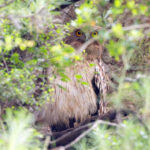
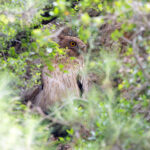
Brown Fish Owl ◊ (Turkish B F O) Ketupa [zeylonensis] semenowi Great views of two individuals, a male and a female, in ‘Small’ and ‘Grand’ canyons in Green Canyon, from our private double-decker ship!
European Honey Buzzard Pernis apivorus Migrating individuals seen during our time in the Sanliurfa area.
Short-toed Snake Eagle Circaetus gallicus Multiple individuals in the Akseki area, hovering and looking out for snakes warming up in the sun.
Booted Eagle Hieraaetus pennatus Only a single individual in the Akseki area.
Golden Eagle Aquila chrysaetos Great views of an individual flying over quite close, being mobbed by the local gang of Red-billed Choughs.
Levant Sparrowhawk Tachyspiza brevipes A pair in Birecik was a very nice suprise find!
Eurasian Sparrowhawk Accipiter nisus Singletons seen flying over here and there in the Akseki area.
Eurasian Goshawk Astur gentilis One seen flying over the abandoned olive tree orchards at Akseki.
Pallid Harrier Circus macrourus One female hunting near the Kukla Wetlands.
Montagu’s Harrier Circus pygargus A female seen near Yeniakpinar.
Western Marsh Harrier (Eurasian M H) Circus aeruginosus Seen throughout the tour.
Black Kite Milvus migrans In Southern Turkey, mainly near big cities.
Common Buzzard (Steppe B) Buteo [buteo] vulpinus Quite common in the (south-)eastern side of Turkey.
Long-legged Buzzard Buteo rufinus Individuals around Mt. Nemrut Dagi and Sanliurfa.
Common Hoopoe Upupa epops Common throughout Turkey, not seen on Cyprus.
European Roller Coracias garrulus Very common on Cyprus, common in Turkey.
European Bee-eater Merops apiaster Very common throughout the tour.
Blue-cheeked Bee-eater Merops persicus A visit to a breeding colony was one of the tour highlights!
Pied Kingfisher Ceryle rudis A single individual hunting along the Euphrates.
Middle Spotted Woodpecker Dendrocoptes medius One on the final morning, during the optional birding session.
White-backed Woodpecker ◊ (Lilford’s W) Dendrocopos [leucotos] lilfordi Two individuals gave brief perched views along the river near Akseki.
Syrian Woodpecker Dendrocopos syriacus Great views in Birecik of a pair.
Lesser Spotted Woodpecker Dryobates minor Seen near Akseki, with one individual giving away very good views, and others more briefly.
Lesser Kestrel Falco naumanni Encountered individuals throughout the tour and one large hunting group near Yeniakpinar.
Common Kestrel Falco tinnunculus Seen throughout the tour.
Red-footed Falcon Falco vespertinus One nice male on Cyprus and a migrating group near Side.
Eurasian Hobby Falco subbuteo Individuals seen on Cyprus.
Peregrine Falcon Falco peregrinus Several individuals seen throughout the tour.
Eurasian Golden Oriole Oriolus oriolus Migrating birds seen on Cyprus and in Turkey, near Yeniakpinar.
Masked Shrike ◊ Lanius nubicus First encountered on Cyprus but seen again in Turkey on a few occassions, mainly near Akseki.
Lesser Grey Shrike Lanius minor Seen throughout the tour, mainly in the Sanliurfa area.
Woodchat Shrike Lanius senator Very common throughout the tour, mainly near Sanliurfa.
Red-backed Shrike Lanius collurio Most common bird of the tour? Seen everywhere!
Alpine Chough (Yellow-billed C) Pyrrhocorax graculus During our time near Aladağlar we encountered large numbers at higher altitude.
Red-billed Chough Pyrrhocorax pyrrhocorax Very large numbers at Aladağlar, but mainly at lower elevation.
Eurasian Jay Garrulus glandarius Seen here and there, mainly in the forests north of Side.
Eurasian Magpie Pica pica Common on Cyprus and throughout Turkey.
Western Jackdaw (Eurasian J) Coloeus monedula Common on Cyprus and seen in Birecik.
Rook Corvus frugilegus Not very common on this tour, but plenty live near Nidge.
Northern Raven Corvus corax Seen during our long drives and during our time at Aladağlar.
Carrion Crow (Hooded Crow) Corvus [corone] cornix Most frequently encountered bird during this tour.
Eurasian Blue Tit Cyanistes caeruleus Seen around Akseki.
Great Tit Parus major A few seen on Cyprus, more seen around Akseki.
Coal Tit Periparus ater Great views in the forests north of Akseki.
Sombre Tit ◊ Poecile lugubris Several seen well in the forests north of Akseki and also around the olive tree orchards.
Bearded Reedling (B Tit) Panurus biarmicus Point-blank views of several males at Sultansazligi NP.
Woodlark Lullula arborea Singing birds showing very well in the open areas of the forests north of Akseki.
Crested Lark Galerida cristata Seen throughout the tour; everywhere.
Horned Lark (Shore L) Eremophila alpestris Great views on Mt. Nemrut Dagi and also during our time near Demirkazik.
Greater Short-toed Lark Calandrella brachydactyla Quite a few singing birds near Yeniakpinar, also near Sanliurfa.
Bimaculated Lark ◊ Melanocorypha bimaculata After missing this species at Yeniakpinar, we were very pleased with the great show given away by a few individuals in Aladağlar NP.
Calandra Lark Melanocorypha calandra Quite common on Cyprus and in Turkey, at the right habitat.
Mediterranean Short-toed Lark ◊ Alaudala rufescens Happy faces all round when we found a pair with nest in the Side area.
Turkestan Short-toed Lark ◊ Alaudala heinei Very common in the right habitat; plentiful south of Nidge.
Delicate Prinia ◊ Prinia lepida First seen at the Euphrates near Birecik, more common in the Side area.
Zitting Cisticola Cisticola juncidis Seen well on Cyprus, also noted along the Turkish coast.
Icterine Warbler Hippolais icterina One seen briefly but well on Cyprus.
Upcher’s Warbler ◊ Hippolais languida Seen well at Işıklı and around Sanliurfa.
Olive-tree Warbler ◊ Hippolais olivetorum Great success with a singing, freshly-arrived individual at the end of our final afternoon of birding. In the nick of time!
Eastern Olivaceous Warbler Iduna pallida First encountered on Cyprus, with great views near Haspolat. Also seen and heard everywhere in Turkey.
Moustached Warbler Acrocephalus melanopogon One individual showing itself very well while foraging along the reed beds at the Euphrates .
Common Reed Warbler ◊ (Caspian R W) Acrocephalus [scirpaceus] fuscus Seen anywhere near reeds in Turkey.
Great Reed Warbler Acrocephalus arundinaceus Good views of a few birds perched, while singing, along the Euphrates.
Savi’s Warbler Locustella luscinioides Quite a few singing birds at Sultansazligi NP, with brief views of some close birds.
Sand Martin (Bank Swallow) Riparia riparia Seen almost everywhere during this tour.
Eurasian Crag Martin Ptyonoprogne rupestris Large numbers at Green Canyon and also a few noted during our snowcock excursion near Demirkazik.
Barn Swallow Hirundo rustica Seen everywhere and common throughout the tour.
Western House Martin (Northern H M) Delichon urbicum Not as common as Sand Martin or Barn Swallow, but still fairly common throughout the tour.
European Red-rumped Swallow Cecropis rufula Quite common throughout the tour.
Long-tailed Tit Aegithalos caudatus Several flocks encountered during our time in the Antalya area.
Cetti’s Warbler Cettia cetti Quite common throughout and seen well on Cyprus.
Eastern Bonelli’s Warbler ◊ Phylloscopus orientalis Great views of several birds in the Antalya area.
Willow Warbler Phylloscopus trochilus Several migrating birds in the Sanliurfa area.
Common Chiffchaff Phylloscopus collybita A singing bird was seen near Side.
White-spectacled Bulbul ◊ (Yellow-vented B) Pycnonotus xanthopygos Not as common this year, but seen throughout our time in Turkey.
Garden Warbler Sylvia borin A few birds found migrating through the area of Sanliurfa.
Eurasian Blackcap Sylvia atricapilla Birds seen here and there throughout the tour.
Barred Warbler Curruca nisoria Several found migrating through the Sanliurfa area, including one near-adult male!
Lesser Whitethroat Curruca curruca Only a few birds seen, on Cyprus and near Işıklı.
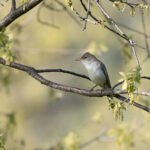
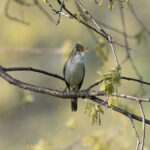
Eastern Orphean Warbler ◊ Curruca crassirostris A nice adult male was seen well in Aladağlar NP and another subadult male showed itself very well near Akseki. Birds were singing everywhere as well.
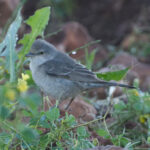
Menetries’s Warbler ◊ Curruca mystacea A pair near the Euphrates showed well.
Common Whitethroat Curruca communis Quite common in the Sanliurfa area.
Spectacled Warbler Curruca conspicillata Seen very well on Cyprus.
Rüppell’s Warbler ◊ Curruca ruppeli Great views of several males in the Akseki area.
Cyprus Warbler ◊ Curruca melanothorax Seen very well during our first morning birding on Cyprus.
Sardinian Warbler Curruca melanocephala Common on Cyprus.
Iraq Babbler ◊ Argya altirostris Great views of several birds along the Euphrates.
Goldcrest Regulus regulus Heard-only.
Krüper’s Nuthatch ◊ Sitta krueperi Amazing views of this cute species in the Akseki area.
Western Rock Nuthatch ◊ Sitta neumayer Seen quite a few in the western section of our tour, including a nice nest.
Eastern Rock Nuthatch ◊ (Great R N) Sitta tephronota Fairly distant views and scopeviews of several individuals at Işıklı.
Short-toed Treecreeper Certhia brachydactyla Seen very well in the Akseki area.
Eurasian Wren Troglodytes troglodytes Great views of this species in the Akseki area.
Common Starling Sturnus vulgaris Common in the southeastern section of our itineray.
Mistle Thrush Turdus viscivorus Singing birds seen well in the forests north of Akseki.
Common Blackbird (Eurasian B) Turdus merula Common throughout Turkey.
Ring Ouzel Turdus torquatus Seen very well during our excursion up the mountains in Aladağlar NP.
Rufous-tailed Scrub Robin (R Bush R) Cercotrichas galactotes Very common in the Sanliurfa area and also seen near Side.
Spotted Flycatcher Muscicapa striata A handful of migrating birds seen throughout the tour.
White-throated Robin ◊ Irania gutturalis Seen at Isikli and in the Sanliurfa area.
Common Nightingale Luscinia megarhynchos A breeding pair was found in the Akseki area.
Black Redstart Phoenicurus ochruros Common in Aladağlar NP.
Common Redstart ◊ (Ehrenberg’s R) Phoenicurus [phoenicurus] samamisicus Seen near Gaziantep and near Akseki.
Common Rock Thrush Monticola saxatilis Great views near Demirkazik, during our excursion.
Blue Rock Thrush Monticola solitarius Seen near Demirkazik and Işıklı.
Whinchat Saxicola rubetra Pairs seen, probably on migration, during our birding time on Cyprus.
European Stonechat Saxicola rubicola Noted during our snowcock excursion, but suprisingly uncommon this year.
Eastern Black-eared Wheatear ◊ Oenanthe melanoleuca Seen throughout Turkey; fairly common in the right habitat.
Cyprus Wheatear ◊ (C Pied W) Oenanthe cypriaca Great views during our time on Cyprus.
Northern Wheatear Oenanthe oenanthe Very common in the western section of our itinerary.
Isabelline Wheatear Oenanthe isabellina Frequently encountered in the southeastern section of our itinerary, very common south of Nidge.
Finsch’s Wheatear ◊ Oenanthe finschii Seen very well, mainly in the Sanliurfa area.
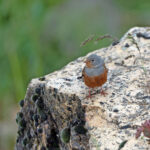
Kurdish Wheatear ◊ Oenanthe xanthoprymna Very happy with point-blank views of a pair at Işıklı and also on Mt. Nemrut.
Radde’s Accentor ◊ Prunella ocularis Great, albeit a bit short, views at Demirkazik.
Rock Sparrow Petronia petronia Not very common, but we obtained great views in the Sanliurfa area and at Mt. Nemrut.
White-winged Snowfinch (Eurasian S) Montifringilla nivalis Lovely to see flocks of chattering and bickering snowfinches at Demirkazik up close, allowing us to approach very close.
Yellow-throated Sparrow (Chestnut-shouldered S) Gymnoris xanthocollis Good to connect with this subtle species at Birecik, with several showing extremely well.
Eurasian Tree Sparrow Passer montanus Not very common, but quite a few seen in the Side area.
Dead Sea Sparrow ◊ Passer moabiticus Multiple flocks seen near the Euphrates and north of Sanliurfa.
Spanish Sparrow Passer hispaniolensis Large numbers migrating through the Sanliurfa area and also seen on Cyprus.
House Sparrow Passer domesticus Still pleasantly common throughout Cyprus and Turkey.
Grey Wagtail Motacilla cinerea Heard-only, on the river near Akseki.
Western Yellow Wagtail (Blue-headed W) Motacilla [flava] flava A few migrants noted on Cyprus.
Western Yellow Wagtail (Black-headed W) Motacilla [flava] feldegg Large numbers in Sultansazligi NP.
White Wagtail (White W) Motacilla [alba] alba Singles noted throughout the tour.
Tawny Pipit Anthus campestris Noted near Yeniakpinar and in the Sanliurfa area.
Tree Pipit Anthus trivialis One found on Cape Kormakitis.
Water Pipit ◊ (Caucasian W P) Anthus [spinoletta] coutellii Several birds flying about at Demirkazik.
Eurasian Chaffinch Fringilla coelebs A few migrants on Cape Kormakitis and quite common in the Akseki area.
Crimson-winged Finch ◊ Rhodopechys sanguineus Extremely good views of this stellar species, which is normally quite elusive and difficult.
Desert Finch Rhodospiza obsoleta Quite common near the Euphrates and in the Sanliurfa area.
European Greenfinch Chloris chloris Seen on Cyprus and in the Akseki area.
Common Linnet Linaria cannabina Very common in the western parts of our tour, especially the Akseki area.
European Goldfinch Carduelis carduelis Fairly common throughout the tour.
European Serin Serinus serinus Very common in the Akseki area.
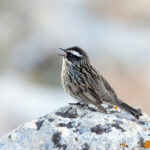
Red-fronted Serin ◊ Serinus pusillus Great views near Demirkazik and at Akseki.
Common Reed Bunting Emberiza schoeniclus Singleton noted in Sultansazligi NP.
Black-headed Bunting ◊ Emberiza melanocephala Very common once we reached Turkey, especially in the Sanliurfa area.
Corn Bunting Emberiza calandra Common throughout our tour, with a few noted on Cyprus, but plentiful in Turkey.
Rock Bunting Emberiza cia Seen well at Demirkazik.
Cinereous Bunting ◊ (Eastern C B) Emberiza [cineracea] semenowi Great views obtained at Işıklı and Mt. Nemrut.
Ortolan Bunting Emberiza hortulana Point-blank views at Mt. Nemrut and quite a few seen well in Aladağlar NP. Also at Akseki.
Cretzschmar’s Bunting ◊ Emberiza caesia Amazing views at Işıklı.
MAMMALS
Common Long-eared Hedgehog Hemiechinus auritus Present in the hotel garden on Cyprus.
Red Fox Vulpes vulpes A few young ones were playing on the road on the Karpas Peninsula and one seen during the drive through Anatolia.
Least Weasel Mustela nivalis It was certainly a highlight to enjoy great views of a very obliging individual near Akzeki.
Wild Goat (Ibex) Capra aegagrus Large herd and several youngsters were seen during our time around Demirkazik.
European Hare (Brown H) Lepus europaeus Seen on Cyprus and in Turkey.
Asia Minor Ground Squirrel Spermophilus xanthoprymnus Not as common as in previous years, but a few were seen around Demirkazik.
Cyprus Spiny Mouse Acomys nesiotes Seen on Cyprus, climbing an electricity wire.
REPTILES
Hermann’s Tortoise Testudo hermanni Saved from collision as it was crossing the highway very slowly, so we moved it across.