Email birders@birdquest-tours.com
Telephone 07777 186845
(International +44 7777 186845)
Email birders@birdquest-tours.com
Telephone 07777 186845
(International +44 7777 186845)
Africa and its islands
African Finfoot (image by Nik Borrow)
Marsh Widowbird (image by János Oláh)
African Wood Owl (image by Nik Borrow)
The River Zambezi (image by Nik Borrow)
Red-throated Twinspot (image by Nik Borrow)
Black-cheeked Lovebird (image by János Oláh)
Chaplin's Barbet (image by Nik Borrow)
Swainson's Spurfowl (image by János Oláh)
Half-collared Kingfisher (image by Nik Borrow)
African Broadbill (image by János Oláh)
Pale-billed Hornbill (image by János Oláh)
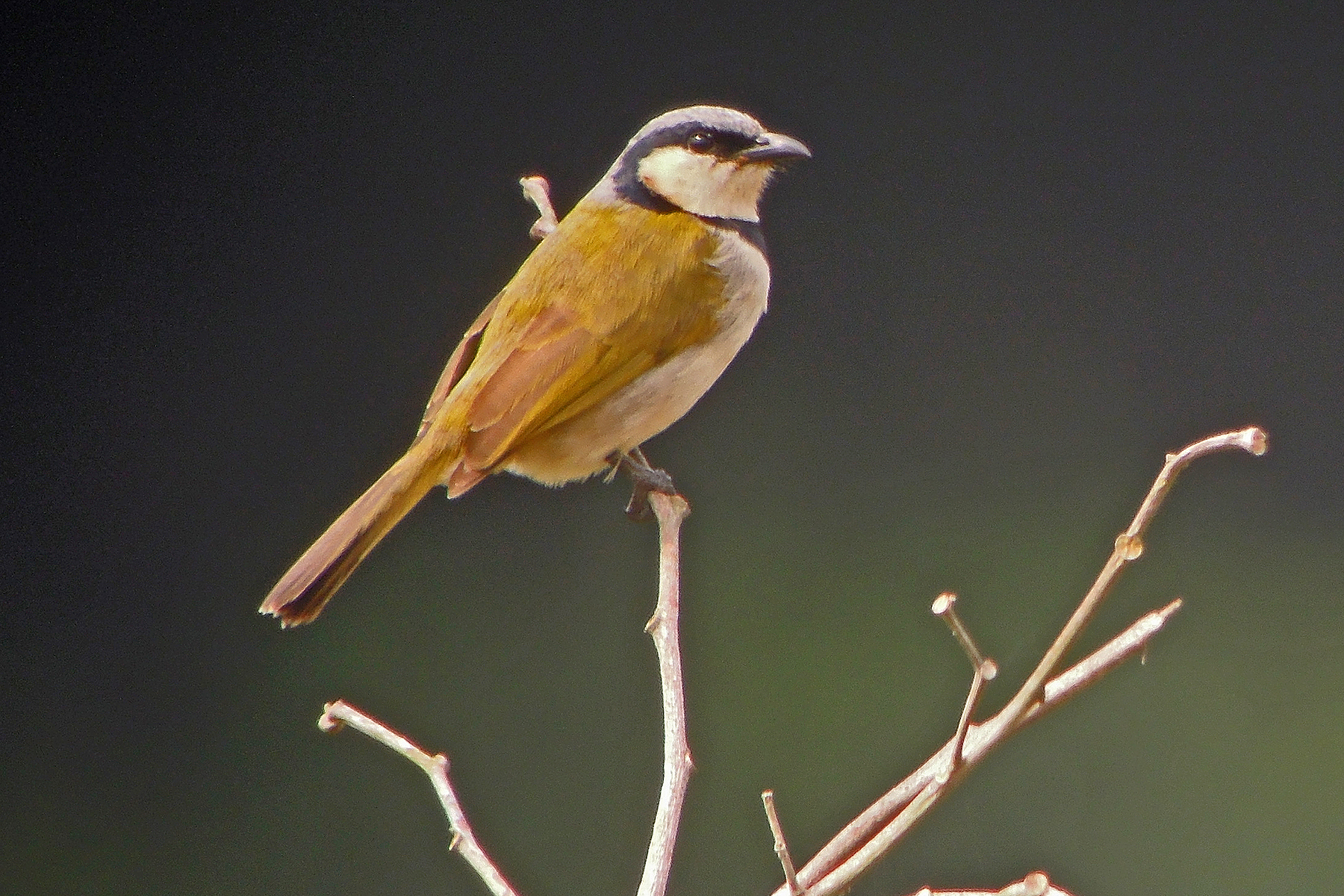
Bearded Scrub Robin (image by Nik Borrow)
Rock Pratincole (image by Nik Borrow)
Zambezi River from Shackleton's Lodge (image by János Oláh)
Spur-winged Geese (image by János Oláh)
African Pitta (image by Nik Borrow)
African Pitta (image by Nik Borrow)
Racket-tailed Roller (image by Nik Borrow)
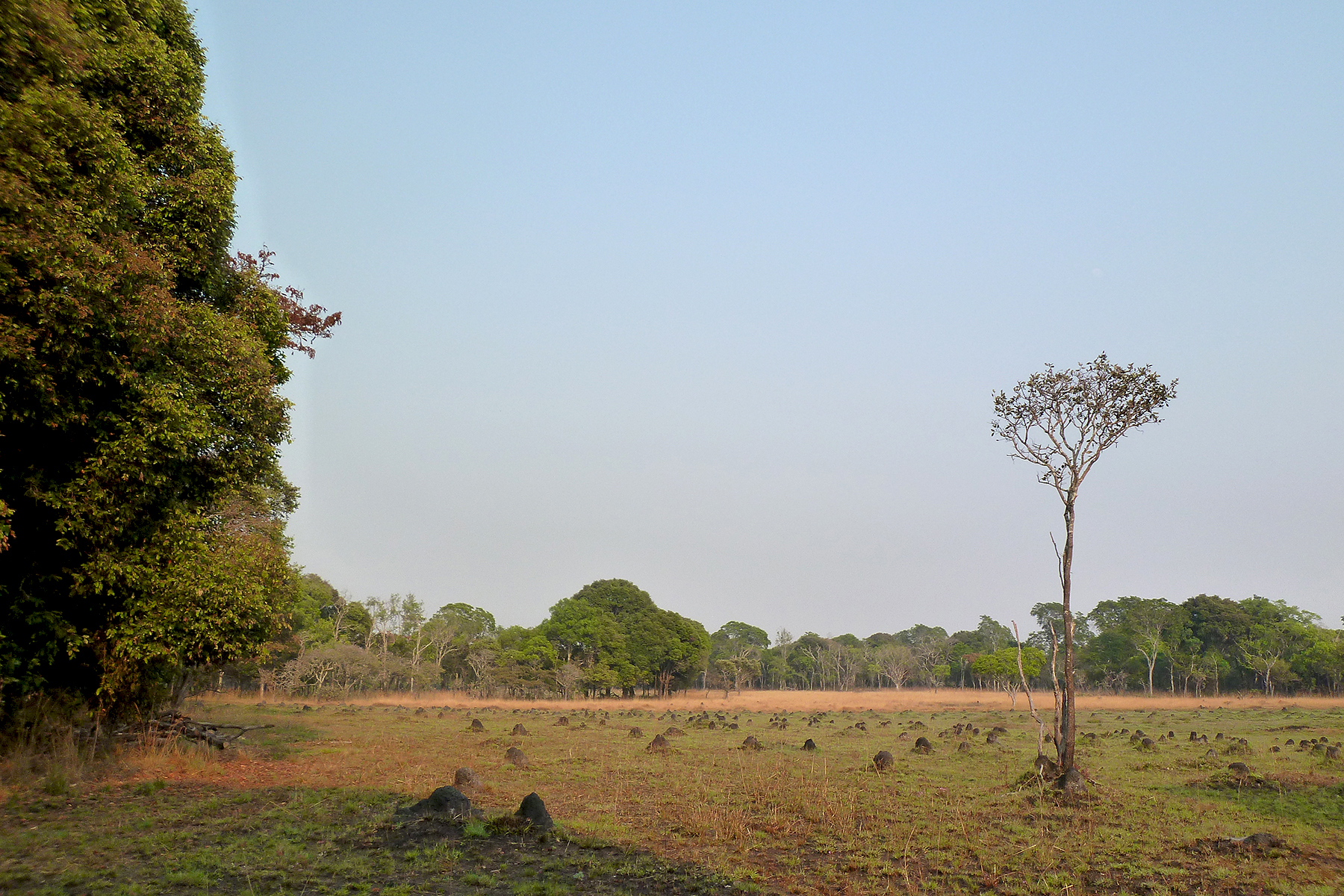
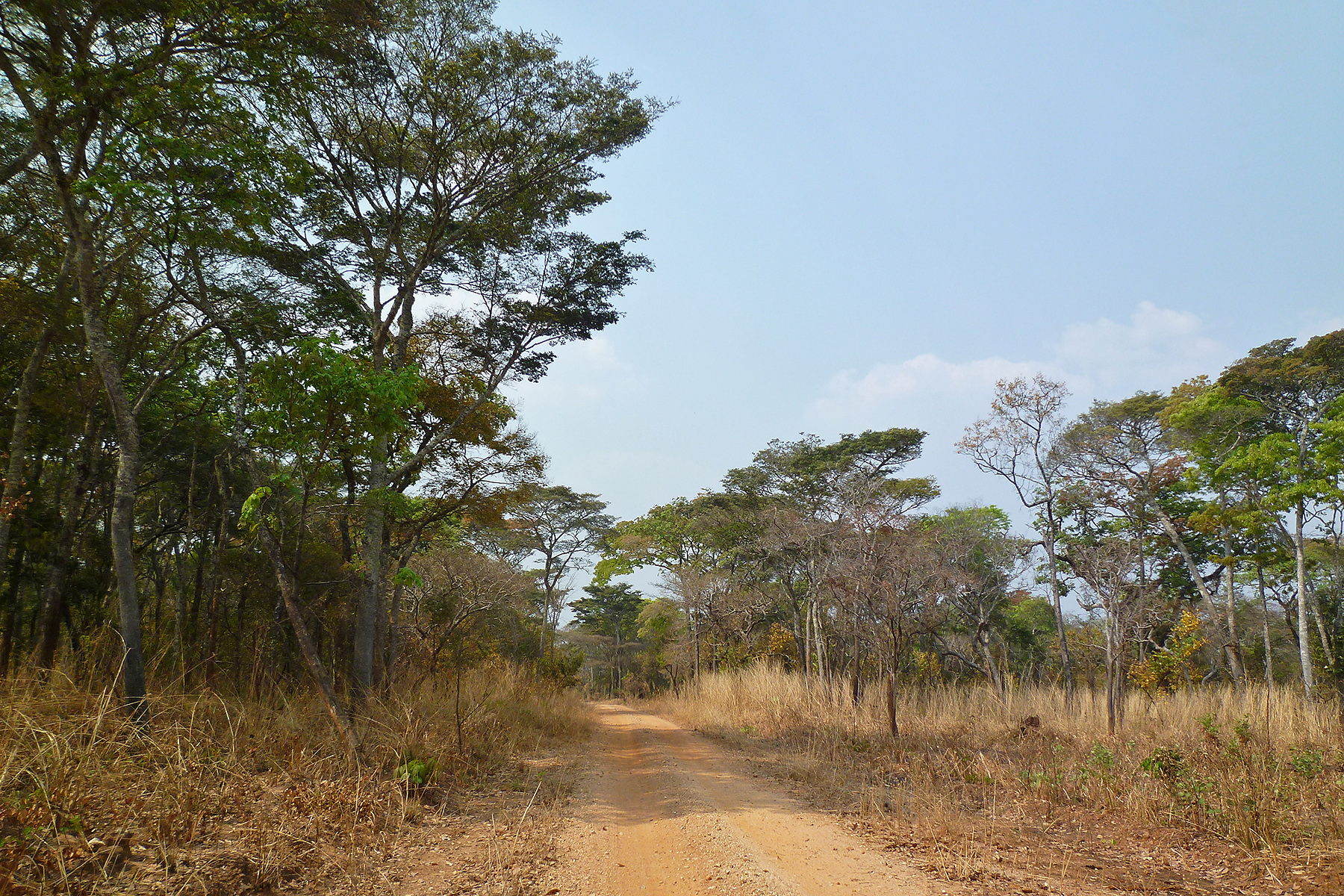
Mwinilunga scene (image by Nik Borrow)
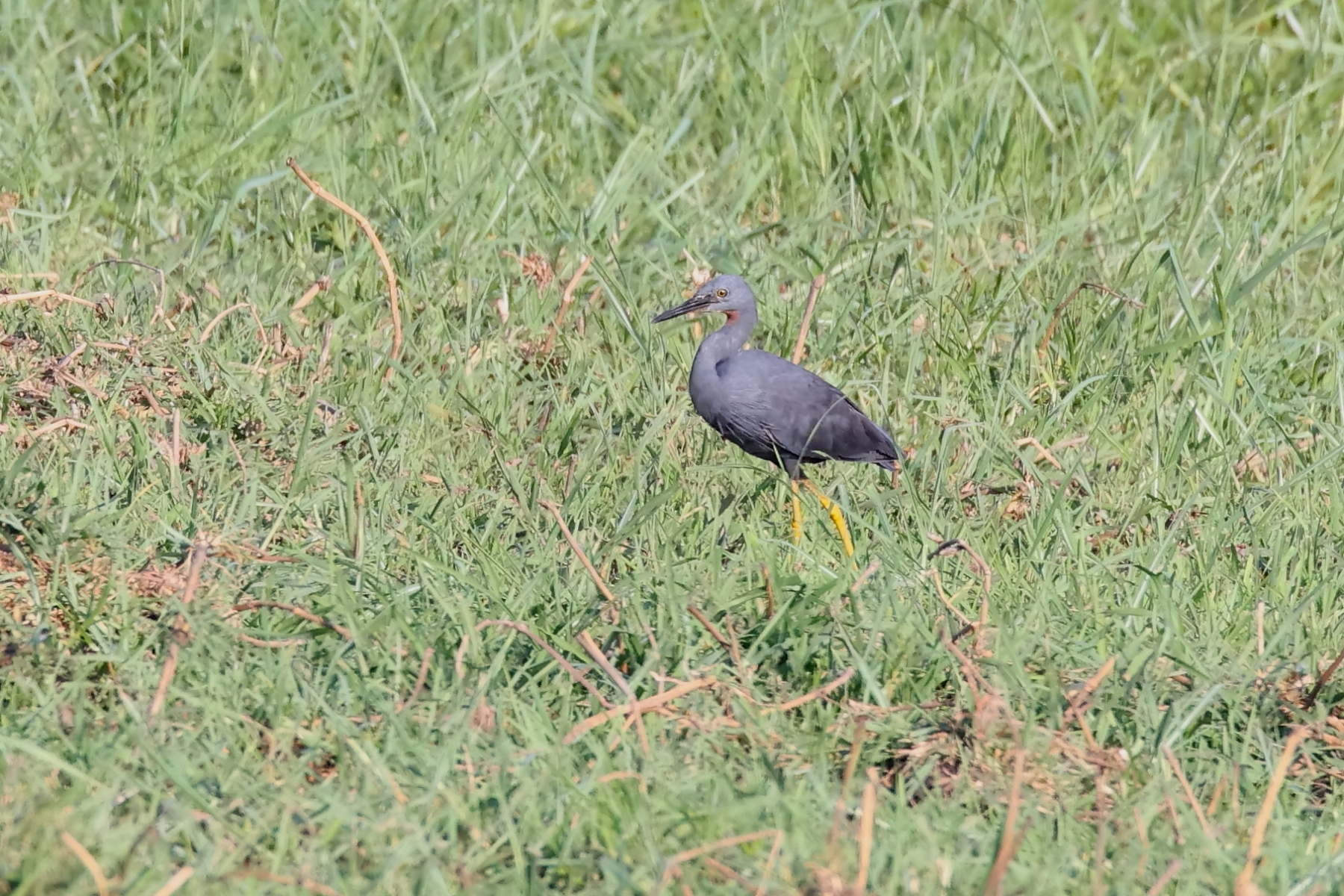
Slaty Egret (image by János Oláh)
Hippopotamus on the Zambezi River (image by János Oláh)
Livingstone's Flycatcher (image by Nik Borrow)
Southern Reedbuck (image by János Oláh)
Chaplin's Barbet (image by Nik Borrow)
Rusty-spotted Genet (image by János Oláh)
As impressive as ever; yawning Hippopotamus (image by János Oláh)
Pel's Fishing Owl (image by János Oláh)
Dambo Cisticola (image by Nik Borrow)
Fülleborn's Longclaw (image by János Oláh)
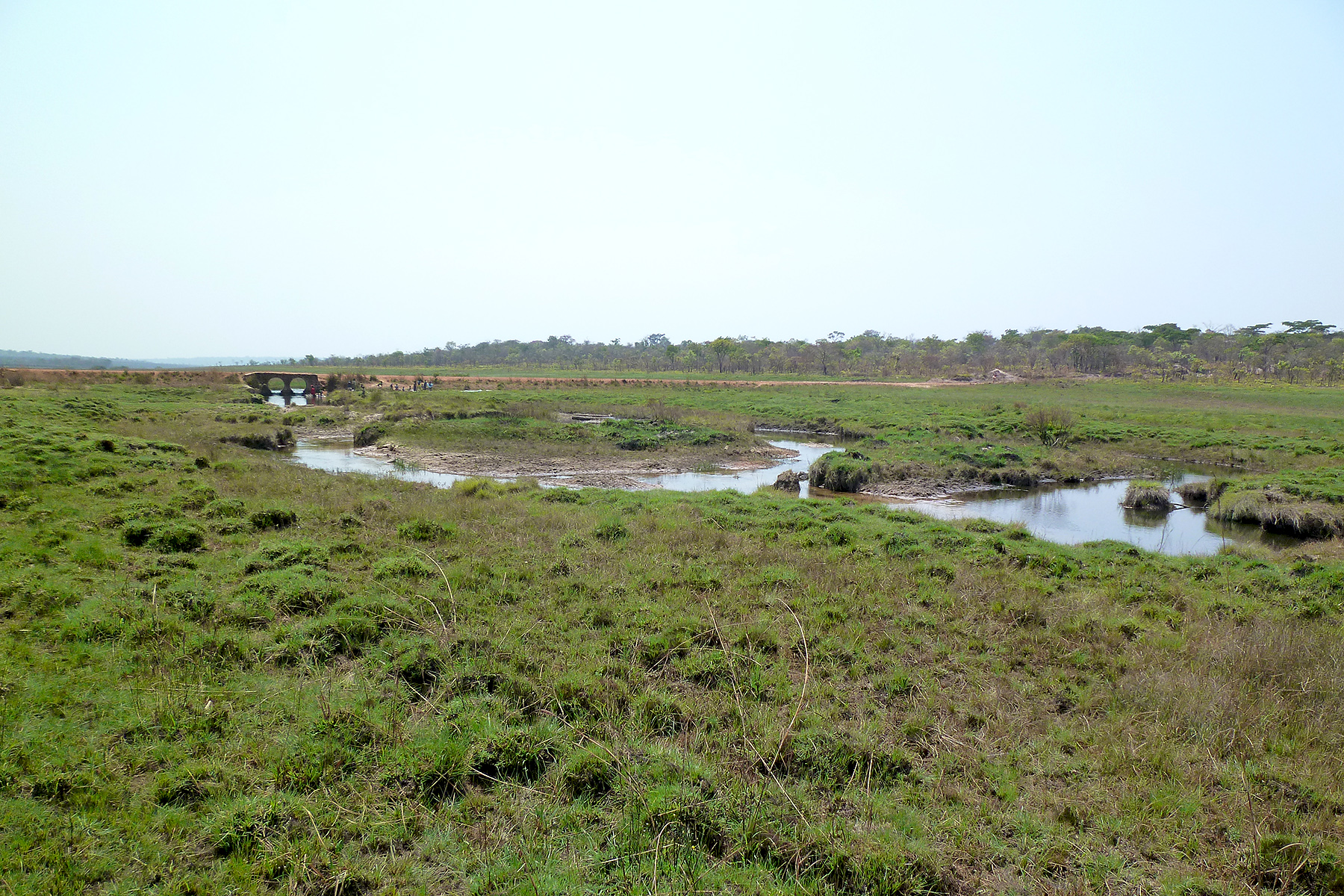
Dambo habitat in Mwinilunga (image by Nik Borrow)
White-crowned Lapwing on the Zambezi River (image by János Oláh)
Black-collared Bulbul (image by Nik Borrow)
Reichard's Seedeater (image by János Oláh)
Puku (image by János Oláh)
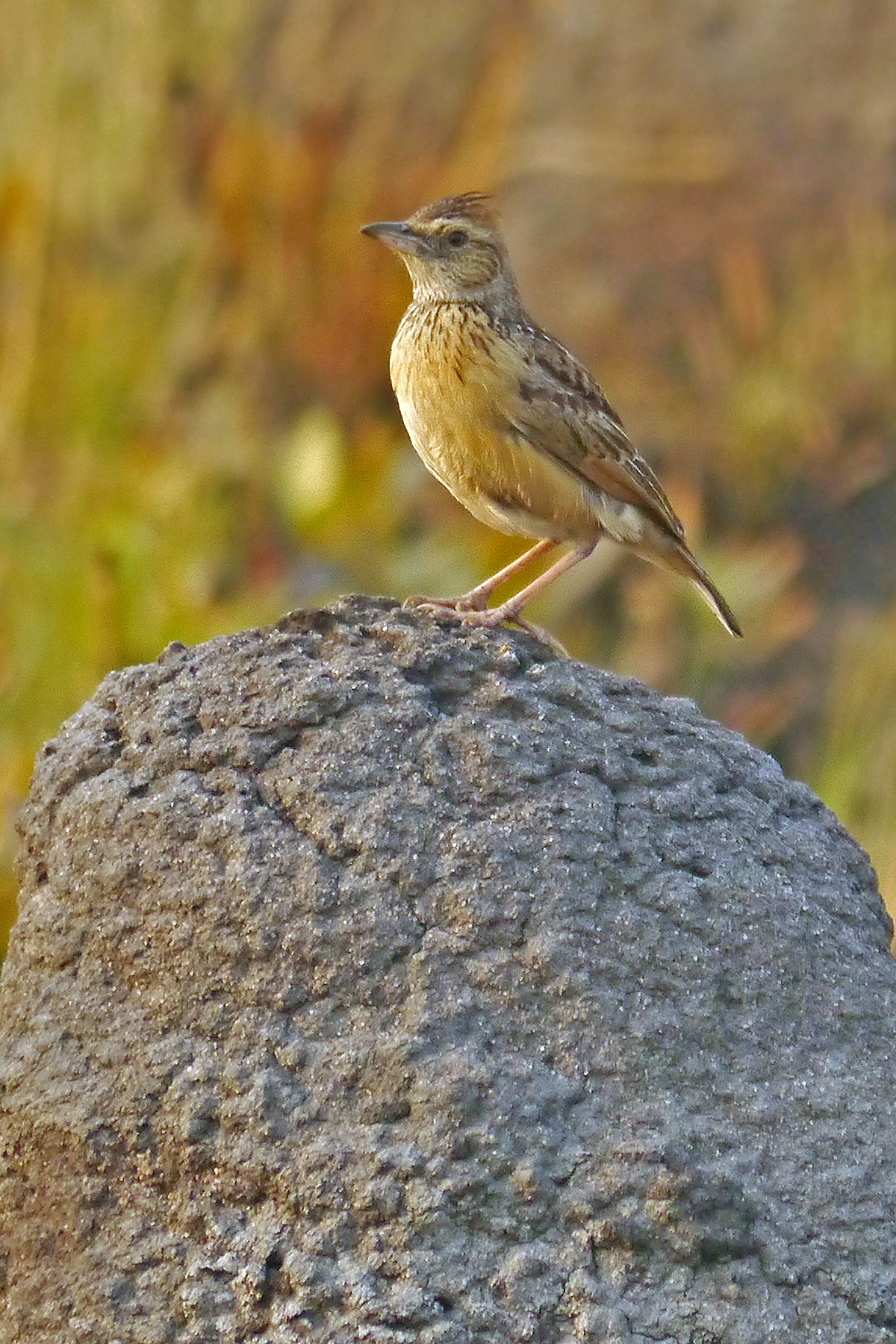
Angola Lark (image by Nik Borrow)
Southern Lesser Galago (image by János Oláh)
Dickinson's Kestrel (image by Nik Borrow)
Black-necked Eremomela (image by Nik Borrow)
Diederik Cuckoo (image by János Oláh)
Machile River Pools (image by Nik Borrow)
Black-eared Seedeater (image by János Oláh)
African Wood Owl (image by János Oláh)
Reed Frog sp (image by János Oláh)
Nile Crocodile (image by János Oláh)
Bennett's Woodpecker (image by Nik Borrow)
Racket-tailed Roller (image by Nik Borrow)
Arnot's Chat (image by Nik Borrow)
Eastern Scarlet Axiocerses tjoane (image by János Oláh)
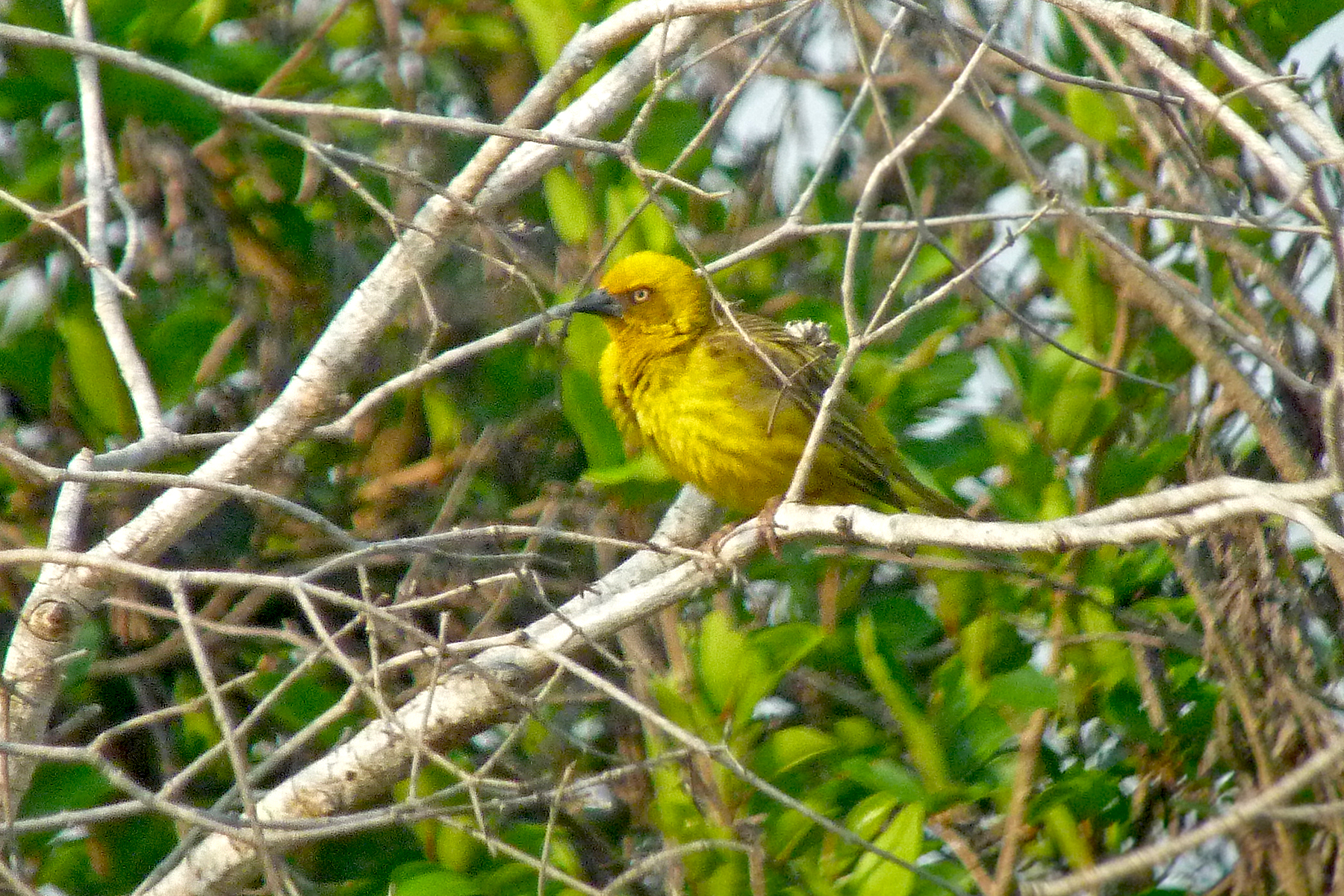
Bocage's Weaver (image by Nik Borrow)
Pennant-winged Nightjar (image by Nik Borrow)
African Pitta (image by János Oláh)
Yellow-bellied Greenbul (image by Nik Borrow)
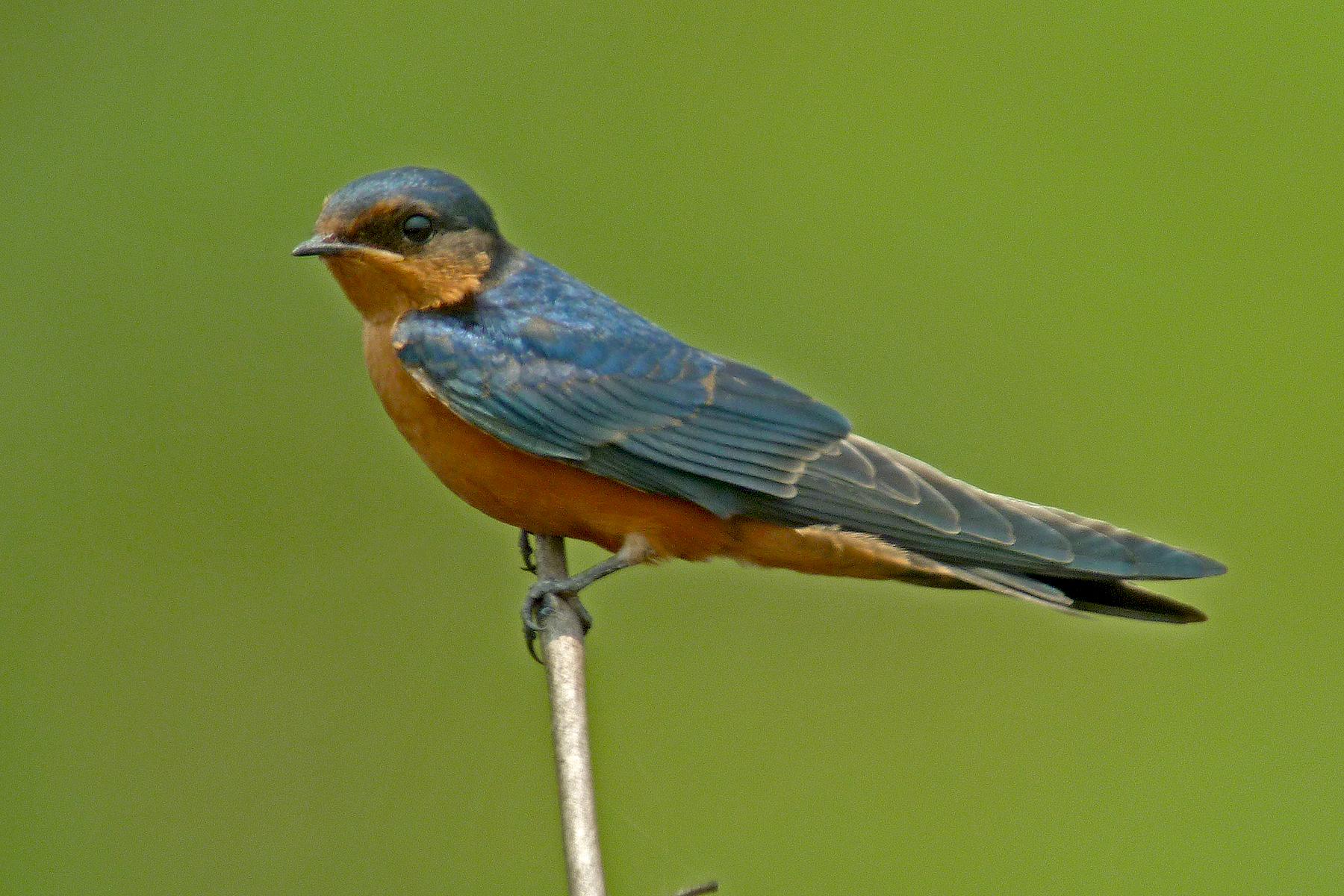
Black-and-rufous Swallow (image by Nik Borrow)
Slaty Egret (image by János Oláh)
Miombo Pied Barbet (image by János Oláh)
Spotted Eagle-Owl (image by János Oláh)
Fülleborn's Longclaw (image by Nik Borrow)
Double-banded Sandgrouse (image by Nik Borrow)
African Pitta (image by Nik Borrow)
Square-tailed Nightjar (image by Nik Borrow)
Southern White-faced Owl (image by János Oláh)
Black-cheeked Lovebird (image by Nik Borrow)
Brown-headed Apalis on our Zambia birding tour (image by Nik Borrow)
Victoria Falls (image by János Oláh)
Mass exodus of Straw-coloured Fruit Bats, the largest mammal migration in the world! (image by János Oláh)
Cryptosepalum Forest In Mwinilunga (image by Nik Borrow)
Chaplin's Barbet is endemic to Zambia (image by János Oláh)
Racket-tailed Roller (image by János Oláh)
African Pitta habitat (image by Nik Borrow)
African Pitta (image by Nik Borrow)
Blacksmith Plover (image by János Oláh)
African Darter (image by János Oláh)
Grey-olive Greenbul (image by János Oláh)
Bocage's Akalat (image by János Oláh)
Lesser Jacana (image by Nik Borrow)
The rare Slaty Egret, a mega-speciality of northern Botswana, adjacent Namibia and sometimes Zambia (image by Mark Beaman)
Black-cheeked Lovebird (image by János Oláh)
Broad-billed Roller (image by János Oláh)
Stierling's Wren-Warbler (image by Nik Borrow)
female Pennant-winged Nightjar (image by János Oláh)
Black Lechwe in Banweulu Lake (image by János Oláh)
Arnot's Chat (image by Nik Borrow)
Black-cheeked Lovebird (image by Nik Borrow)
Angolan Genet (image by János Oláh)
Terrestrial Brownbul (image by Nik Borrow)
Fawn-breasted Waxbill (image by János Oláh)
European Honey Buzzard eating wasps (image by János Oláh)
Sycamore Fig At Nkanga Conservation Area (image by Nik Borrow)
Fülleborn's Longclaw (image by Nik Borrow)
Straw-coloured Fruit Bat (image by János Oláh)
Southern Carmine Bee-eater (image by Nik Borrow)
Red Veld Rat (image by János Oláh)


African Finfoot (image by Nik Borrow)
Marsh Widowbird (image by János Oláh)
African Wood Owl (image by Nik Borrow)
The River Zambezi (image by Nik Borrow)
Red-throated Twinspot (image by Nik Borrow)
Black-cheeked Lovebird (image by János Oláh)
Chaplin's Barbet (image by Nik Borrow)
Swainson's Spurfowl (image by János Oláh)
Half-collared Kingfisher (image by Nik Borrow)
African Broadbill (image by János Oláh)
Pale-billed Hornbill (image by János Oláh)
Bearded Scrub Robin (image by Nik Borrow)
Rock Pratincole (image by Nik Borrow)
Zambezi River from Shackleton's Lodge (image by János Oláh)
Spur-winged Geese (image by János Oláh)
African Pitta (image by Nik Borrow)
African Pitta (image by Nik Borrow)
Racket-tailed Roller (image by Nik Borrow)
Mwinilunga scene (image by Nik Borrow)
Slaty Egret (image by János Oláh)
Hippopotamus on the Zambezi River (image by János Oláh)
Livingstone's Flycatcher (image by Nik Borrow)
Southern Reedbuck (image by János Oláh)
Chaplin's Barbet (image by Nik Borrow)
Rusty-spotted Genet (image by János Oláh)
As impressive as ever; yawning Hippopotamus (image by János Oláh)
Pel's Fishing Owl (image by János Oláh)
Dambo Cisticola (image by Nik Borrow)
Fülleborn's Longclaw (image by János Oláh)
Dambo habitat in Mwinilunga (image by Nik Borrow)
White-crowned Lapwing on the Zambezi River (image by János Oláh)
Black-collared Bulbul (image by Nik Borrow)
Reichard's Seedeater (image by János Oláh)
Puku (image by János Oláh)
Angola Lark (image by Nik Borrow)
Southern Lesser Galago (image by János Oláh)
Dickinson's Kestrel (image by Nik Borrow)
Black-necked Eremomela (image by Nik Borrow)
Diederik Cuckoo (image by János Oláh)
Machile River Pools (image by Nik Borrow)
Black-eared Seedeater (image by János Oláh)
African Wood Owl (image by János Oláh)
Reed Frog sp (image by János Oláh)
Nile Crocodile (image by János Oláh)
Bennett's Woodpecker (image by Nik Borrow)
Racket-tailed Roller (image by Nik Borrow)
Arnot's Chat (image by Nik Borrow)
Eastern Scarlet Axiocerses tjoane (image by János Oláh)
Bocage's Weaver (image by Nik Borrow)
Pennant-winged Nightjar (image by Nik Borrow)
African Pitta (image by János Oláh)
Yellow-bellied Greenbul (image by Nik Borrow)
Black-and-rufous Swallow (image by Nik Borrow)
Slaty Egret (image by János Oláh)
Miombo Pied Barbet (image by János Oláh)
Spotted Eagle-Owl (image by János Oláh)
Fülleborn's Longclaw (image by Nik Borrow)
Double-banded Sandgrouse (image by Nik Borrow)
African Pitta (image by Nik Borrow)
Square-tailed Nightjar (image by Nik Borrow)
Southern White-faced Owl (image by János Oláh)
Black-cheeked Lovebird (image by Nik Borrow)
Brown-headed Apalis on our Zambia birding tour (image by Nik Borrow)
Victoria Falls (image by János Oláh)
Mass exodus of Straw-coloured Fruit Bats, the largest mammal migration in the world! (image by János Oláh)
Cryptosepalum Forest In Mwinilunga (image by Nik Borrow)
Chaplin's Barbet is endemic to Zambia (image by János Oláh)
Racket-tailed Roller (image by János Oláh)
African Pitta habitat (image by Nik Borrow)
African Pitta (image by Nik Borrow)
Blacksmith Plover (image by János Oláh)
African Darter (image by János Oláh)
Grey-olive Greenbul (image by János Oláh)
Bocage's Akalat (image by János Oláh)
Lesser Jacana (image by Nik Borrow)
The rare Slaty Egret, a mega-speciality of northern Botswana, adjacent Namibia and sometimes Zambia (image by Mark Beaman)
Black-cheeked Lovebird (image by János Oláh)
Broad-billed Roller (image by János Oláh)
Stierling's Wren-Warbler (image by Nik Borrow)
female Pennant-winged Nightjar (image by János Oláh)
Black Lechwe in Banweulu Lake (image by János Oláh)
Arnot's Chat (image by Nik Borrow)
Black-cheeked Lovebird (image by Nik Borrow)
Angolan Genet (image by János Oláh)
Terrestrial Brownbul (image by Nik Borrow)
Fawn-breasted Waxbill (image by János Oláh)
European Honey Buzzard eating wasps (image by János Oláh)
Sycamore Fig At Nkanga Conservation Area (image by Nik Borrow)
Fülleborn's Longclaw (image by Nik Borrow)
Straw-coloured Fruit Bat (image by János Oláh)
Southern Carmine Bee-eater (image by Nik Borrow)
Red Veld Rat (image by János Oláh)


|
Wednesday 25th November – Thursday 10th December 2026 Leaders: Mark Van Beirs and local guides in some places |
16 Days | Group Size Limit 7 (tour guaranteed) |
|
Wednesday 22nd November – Thursday 7th December 2028 Leaders: Andrew Stainthorpe and a local bird guide |
16 Days | Group Size Limit 7 |
Birdquest’s Zambia birding tours are unusual in that, as well as many regional endemics and near-endemics, they include the much-sought-after African Pitta. This is a very special bird, for which there is a short window of opportunity when it arrives back in its south-central African breeding grounds just at the onset of the rainy season and starts to call (usually in early December). Seeing this secretive bird at any other time of year is usually hard or impossible.
Our Zambia birding tour, which features an African country that is still off-the-beaten-track for the birding fraternity, includes Zambia’s two strict endemics, Black-cheeked Lovebird and Chaplin’s Barbet, as well as the lovely African Pitta and such additional specialities as Spot-breasted Ibis, Dickinson’s Kestrel, Black-rumped Buttonquail, Coppery-tailed Coucal, Vermiculated Fishing Owl, Pennant-winged Nightjar, Racket-tailed Roller, Böhm’s Bee-eater, Pale-billed Hornbill, Anchieta’s and Miombo Pied Barbets, Bennett’s Woodpecker, Angola Lark, Red-throated Cliff Swallow, Short-tailed Pipit, Fülleborn’s Longclaw, Black-collared Bulbul, Miombo and Rufous-bellied Tits, Bamboo Warbler, Laura’s Woodland Warbler, Dambo, Chirping and Luapula Cisticolas, Red-capped Crombec, Burnt-necked Eremomela, Miombo and Stierling’s Wren-Warblers, Livingstone’s Flycatcher, Arnot’s Chat, Grey-winged Robin-Chat, Miombo Scrub Robin, Hartlaub’s Babbler, Sharp-tailed and Meves’s Starlings, African Spotted Creeper, Bannerman’s, Bates’s and Western Miombo Sunbirds, Chestnut-backed Sparrow-Weaver, Bocage’s Weaver, Red-throated Twinspot, Locust Finch, Black-faced Canary and Black-eared Seedeater. Outside chances for Slaty Egret, Spot-breasted Ibis, Lilian’s Lovebird, Souza’s Shrike, Bar-winged Weaver and Reichard’s Seedeater. A major non-birding attraction is a visit to the awesome Victoria Falls.
Of all the wonderful birds of Africa, its two pittas stand out among the most sought-after species on the continent. Quite a lot of birders have seen the Green-breasted Pitta in Kibale Forest in Uganda, but far fewer have ever set eyes on the fabled African Pitta, a species that only becomes ’available’ for a short period around the onset of the southern tropical rainy season and for the rest of the year is effectively off the birding menu! The Zambezi Valley in Zambia is currently the best place for seeing this avian gem, and this special Zambia birding tour is timed optimally for seeing this very special bird.
Deep in the interior of southern Africa lies Zambia, a huge, stable and friendly country that straddles the ‘Spine of Africa’, the barely perceptible watershed separating the vast basins of the Zambezi and the Congo. As well as hosting a lot of breeding African Pittas, Zambia has a bird species list of over 750 that includes many exciting birds, including some endemics and other localised specialities that are impossible or extremely difficult to see elsewhere on the continent. Zambia is a key country to visit in order to see some of Africa’s most restricted-range specialities.
Within the borders of this amazing country sprawls a sparsely inhabited landscape. This exciting trip will take us to several different regions of the country, taking in open mopane woodlands and dense, dark ‘mushitus’ (evergreen forests), spectacular miombo wilderness, wide lacustrine floodplains and ‘dambos’ (marshes), the mighty Zambezi and the incredible Victoria Falls.
From Lusaka, Zambia’s capital, we fly northwards to Kalumbila in northwest Zambia.
In the Mwinilunga region, a remote area tucked well out of the way in the extreme north-west corner of the country, lies an area of forest more typical of the huge rainforests of the Congo Basin.
Here, near the source of the Zambezi, the waterlogged dambos and rich, riparian forests (known locally as mushitus) hold such special birds as Vermiculated Fishing Owl, Angola Lark, Red-throated Cliff Swallow, Grimwood’s Longclaw, Short-tailed Pipit, Black-collared Bulbul, Grey-winged Robin-Chat, Laura’s Woodland Warbler, Red-capped Crombec, Dambo and Chirping Cisticolas, Bannerman’s and Bates’s Sunbirds, Bocage’s Weaver and Locust Finch. The miombo woodland harbours further specialities, including Anchieta’s Barbet and Sharp-tailed Starling. There is only a slim chance of encountering the unusual and range-restricted Bar-winged Weaver.
We will break our return journey at Mutanda, where we should find the range-restricted Black-backed Barbet, Bocage’s Akalat, and Black-faced Canary. Not far from Mutanda is a great area for the secretive Bamboo Warbler.
In the Chingola region, our targets will include the lovely Böhm’s Bee-eater, Pale-billed Hornbill and Chestnut-backed Sparrow-Weaver.
The next part of our Zambia birding adventure sees us travel south to the city of Livingstone, where we will visit the stupendous Victoria Falls. Along the Zambezi, we will look for the spectacular Pennant-winged Nightjar, Coppery-tailed Coucal and many other birds. If we are very lucky, we will encounter the rare and range-restricted Slaty Egret.
The southwestern region of Zambia is the haunt of the endangered endemic Black-cheeked Lovebird, which we target during our visit to this part of the country. Needless to say, this area is rich in many other bird species, which include Burchell’s and Meves’s Starlings, Burnt-necked Eremomela and Luapula Cisticola.
Moving eastwards, we shall stay at one of the cattle ranches of the Kafue basin with its large, spreading fig trees that support the striking Chaplin’s Barbet, one of two species endemic to Zambia. Other good birds here include the spectacular Racket-tailed Roller, Stierling’s Wren-Warbler, Arnot’s Chat and, with luck, African Spotted Creeper.
Finally, we return to the Zambezi Valley in the Chirundu area, situated not far from the shores of Lake Kariba, where we shall, of course, be concentrating on the stunning African Pitta. The breeding season should just be beginning with the onset of the rains, and the early rains stimulate the African Pittas to call and display. Additional highlights include the perky little Livingstone’s Flycatcher, Red-throated Twinspot and, time and luck permitting, Lilian’s Lovebird.
Birdquest has operated Zambia birding tours since 2004.
This tour can sometimes be taken together with: MALAWI
Accommodation, Road Transport and Road Distances
The hotels, lodges and tented, safari-style camps range from good to fairly simple. We will be travelling in 4×4 vehicles on a mixture of tarred roads and dirt roads. Zambia is a very big country, and even covering the west alone means that there are a number of long drives.
Walking
The walking effort during our Zambia birding tours is easy, almost throughout, only occasionally moderate.
Climate
The weather is normally hot, with a mixture of sunny and overcast conditions during this season. Some rain is likely, and when it occurs, it can be heavy.
Bird Photograph
Opportunities during our Zambia birding tour are quite good in some areas.
To see a larger map, click on the square-like ‘enlarge’ icon in the upper right of the map box.
To see (or hide) the ‘map legend’, click on the icon with an arrow in the upper left of the map box.
To change to a satellite view, which is great for seeing the physical terrain (and for seeing really fine details by repetitive use of the + button), click on the square ‘map view’ icon in the lower left corner of the ‘map legend’.
Birdquest Inclusions: Our tour prices include surface transportation, accommodations, meals and entrance fees.
We also include all tipping for local guides, drivers and accommodation/restaurant staff.
Deposit: 20% of the total tour price. Our office will let you know what deposit amount is due, in order to confirm your booking, following receipt of your online booking form.
TO BOOK THIS TOUR: Click here (you will need the tour dates)
The single supplement will not apply if you indicate on booking that you prefer to share a room and there is a room-mate of the same sex available.
This tour is priced in US Dollars. Amounts shown in other currencies are indicative.
Zambia: Day 1
Our Zambia birding tour starts this morning at our Lusaka hotel.
From Lusaka, we take a flight to Kalumbila in northwestern Zambia and then continue our journey by road to the Mwinilunga region for a five-night stay (divided between two locations).
The Mwinilunga region is in the remote far northwest of Zambia, situated between Angola and the Democratic Republic of Congo. The road is reasonably good, and we will soon find ourselves driving through large expanses of glorious woodland.
The road crosses a few rivers along the way, and at these, we will be looking amongst the many Little Swifts for the Red-throated Cliff Swallows that can often be found in this part of Zambia during this season. We will make stops at rivers where the mega-skulking Bamboo Warbler is regularly found. Indeed, this is one of the best areas in its range for seeing this secretive species.
We should arrive in the Mwinilunga region in time for some initial exploration.
Zambia: Days 2-5
The forests of the Mwinilunga region comprise tall trees dripping with lichens and moss and holding desirable species such as the range-restricted Sharp-tailed Starling and, with a lot of luck, the scarce Bar-winged Weaver.
We shall also be on the lookout for special birds such as Miombo Wren-Warbler, Red-capped Crombec and Western Miombo Sunbird, as well as Little Sparrowhawk, Afep Pigeon, Grey-headed and Meyer’s Parrots, Thick-billed Cuckoo, the ngamiense form of African Barred Owlet, the reichenowi form of Black Saw-wing, Whistling Cisticola and Western Violet-backed Sunbird.
At the forest edge, the trees become more stunted and eventually open out to expansive plains and marshy dambos that are home to some of the most interesting species of the tour. At the splendid dambo (as the wet grassy areas in this region of Africa are known), we shall don rubber boots to walk through the boggy terrain in search of the rare Grimwood’s Longclaw, a species largely restricted to remote eastern Angola and northwest Zambia that favours the wettest areas. During our time in this habitat, we should also find the brightly-coloured, restricted-range Fülleborn’s Longclaw and the more widespread Rosy-breasted Longclaws that prefer slightly less waterlogged habitat, and also the sturdy, range-restricted Angolan Lark that sings amongst the shorter grass punctuated by strange squat termite mounds. This is also a known locality for the restricted-range Black-and-rufous Swallow, which occurs only in Zambia and Angola, but as most individuals of this species often depart from northwestern Zambia in October, we only have a slim chance of an encounter.
Specialities and other good birds in these damp grasslands include Dickinson’s Kestrel, Black-rumped Buttonquail, Thick-billed Cuckoo (uncommon), Brown-necked and Meyer’s Parrots, Short-tailed Pipit, the reichenowi form of the Black Saw-wing, Dambo Cisticola, Sooty Chat, Hartlaub’s Babbler, Compact Weaver, Grey Waxbill, Locust Finch and the smart Hartlaub’s Marsh Widowbird. There is sometimes an active colony of Bocage’s Weavers to be found in the area, so we have a fair chance of finding this little-known species (which completely disappears outside the breeding season!). At this time of year, we could even encounter a migrant Great Snipe.
Of the other major specialities, the attractive Black-collared Bulbul is relatively easy to see, and we shall also be looking for Margaret’s Batis, Grey-winged Robin-Chat, Miombo Scrub Robin, the charming Laura’s Woodland Warbler, the pretty Black-necked Eremomela, Spotted Thrush-Babbler, African Spotted Creeper, Bates’s Sunbird and the localised Bannerman’s Sunbird.
Along the rivers, we have a good chance of seeing a Vermiculated Fishing Owl, as our local guide should have one staked out, while other good birds in this habitat include Shining-blue and White-bellied Kingfishers, and Chirping Cisticola. There is a slim chance of encountering Spot-breasted Ibis.
The grasslands, clumps of trees and marshes also hold such species as Little Grebe, African Marsh Harrier, Black-bellied Bustard, African Wattled Lapwing, Ross’s Turaco, Marsh Owl, Swamp Nightjar, Blue-breasted Bee-eater, Rufous-breasted Wryneck, Flappet Lark, Grey-rumped, Mosque and Red-breasted Swallows, Buffy Pipit, Black Cuckooshrike, Grey-headed Bushshrike, Fan-tailed Grassbird, Moustached Grass Warbler, Trilling, Ayres’s, Tinkling and Stout Cisticolas, Green-capped Eremomela, African Stonechat, White-browed Scrub Robin, Anchieta’s Tchagra, White-winged Black Tit, Western Violet-backed and Copper Sunbirds, Orange-winged Pytilia, Red-headed Quelea and Golden-breasted Bunting.
In the thicker forest patches, we may also find Black Sparrowhawk, Western Bronze-naped Pigeon, Olive Long-tailed Cuckoo, Blue Malkoha, Narina’s Trogon, Blue-breasted Kingfisher, Yellow-rumped Tinkerbird, the ‘little spotted’ form of the Green-backed Woodpecker, Least and Pallid Honeyguides, Purple-throated Cuckooshrike, Little, Cabanis’s and Honeyguide Greenbuls, the viridis form of the Gorgeous Bushshrike (sometimes split as Perrin’s Bushshrike), Retz’s Helmetshrike, Red-capped Robin-Chat, Fraser’s Rufous Thrush, Buff-throated Apalis, Yellow-bellied Eremomela, Grey-capped Camaroptera, Yellow-bellied Hyliota, Blue-mantled Crested Flycatcher, Red-bellied Paradise Flycatcher, Green-throated Sunbird, Splendid Glossy Starling and Black-bellied Seedcracker. Little Bee-eaters favour more open habitats.
Zambia: Day 6
After some final birding in the Mwinilunga region, we will head southeast to Mutanda for an overnight stay, making some short stops for birding along the way
Zambia: Day 7
At Mutanda, we shall be looking in particular for the handsome range-restricted Black-backed Barbet, Grey-olive Greenbul and especially Bocage’s Akalat, as well as Brown-headed Apalis, the range-restricted stormsi form of the African Thrush, Black-eared Seedeater and Black-faced Canary. We also have a backup site here for Bamboo Warbler, should we need it, and our first opportunities for Miombo Pied Barbet, Miombo Tit, Southern Hyliota and the uncommon African Spotted Creeper.
Other birds at this location may include African Black Duck, Wahlberg’s Eagle, Shikra, Black Sparrowhawk, Blue-spotted Wood Dove, White-rumped Swift, Broad-billed Roller, Olive Woodpecker, Northern Fiscal, Pale-throated Greenbul, White-chinned Prinia, Olive Sunbird, Red-backed Mannikin and Brimstone Canary.
Afterwards, we will continue eastwards to Chingola for an overnight stay.
Along the way, we will stop for some birding in the Chimfunshi area, where we will be hoping to see Miombo Pied Barbet, Wood Pipit, both Miombo and Rufous-bellied Tits, Southern Hyliota, Böhm’s Flycatcher and Black-eared Seedeater. There are also chances for the uncommon African Spotted Creeper and Chestnut-backed Sparrow-Weaver, and an outside chance for Anchieta’s Barbet.
Zambia: Day 8
This morning, we will make some stops in the Chingola and Kitwe areas for the attractive Böhms Bee-earter and, with a bit of luck, Pale-billed Hornbill. There is just a slim chance for the scarce Bushveld Pipit.
Afterwards, we will continue to Ndola airport from where we will take a flight to Lusaka and an onward connection to Livingstone, situated on the Zambezi River in southwestern Zambia.
By doing so, we save a truly huge amount of driving! (It takes 15 hours, not allowing for any stops, to cover the 800 kilometres between the two places!)
We will spend the night in the Livingstone area.
Zambia: Day 9
While based in the Livingstone region, we will visit the world-famous Victoria Falls. This spectacular and breathtaking place still has a stunning impact even after one has seen innumerable films or photographs. The falls themselves are magnificent and, as David Livingstone himself once declared, “On sights as beautiful as this, angels in their flight must have gazed”. Here, the mighty Zambezi widens to nearly two kilometres broad before plunging vertically downwards. As we approach the falls, clouds of water vapour hang over the area, and the sound of millions of tons of water dropping into chasms over 100m deep is awe-inspiring.
(It is important to understand that at this time of year, the amount of water going over the falls is usually much reduced, especially on the Zambian side, so they are not at their most impressive at Livingstone. Nonetheless, they are still spectacular.)
Large Rock Martins and Red-winged Starlings fly through rainbows that arch across the fine spray before vanishing into the gloom of the gorges. The area protected by the national park is not as extensive as on the Zimbabwean side, and bird song is difficult to hear above the deafening rumble and pounding of cascading water. The falls were once known as a regular haunt of the rare Taita Falcon, but these days, with increased disturbance, the species has greatly declined and no longer occur at the falls.
Around our lodge, we should find Collared Palm Thrush and perhaps Green-backed Honeybird, as well as Red-eyed Dove, Schalow’s Turaco, African Wood Owl, Brown-hooded Kingfisher, Little, European and White-fronted Bee-eaters, Eurasian Hobby, Orange-breasted Bushshrike, Black-backed Puffback, Yellow-bellied Greenbul, Terrestrial Brownbul, Dark-capped Bulbul, Red-faced Cisticola, Grey-backed Camaroptera, Tawny-flanked Prinia, Yellow-breasted Apalis, Ashy Flycatcher, African Paradise Flycatcher, White-browed Robin-Chat, Southern Yellow White-eye, Collared and Scarlet-chested Sunbirds, Thick-billed, Holub’s Golden and Village Weavers, and Red-billed Firefinch.
Birds found along the Zambezi and its tributaries include Reed Cormorant, African Darter, Little, Squacco and Purple Herons, Little, Yellow-billed and Great Egrets, African Openbill, Glossy, Hadada and African Sacred Ibises, Hamerkop, Egyptian and Spur-winged Geese, Knob-billed Duck, Osprey, African Fish Eagle, Western Banded Snake Eagle, Black Crake, African Jacana, Water Thick-knee, White-crowned Lapwing, Common Sandpiper, Grey-headed Gull, White-winged Tern, Pied and Giant Kingfishers, Sand Martin (or Bank Swallow), Wire-tailed and Barn Swallows, Lesser Swamp Warbler and African Pied Wagtail.
In this interesting area, we should also find the range-restricted Coppery-tailed Coucal. There is even a modest chance for the rare, range-restricted Slaty Egret.
Other uncommon possibilities include Black Heron, Yellow-billed Stork and Lesser Moorhen.
This afternoon, we will head westwards to the Mwandi area for an overnight stay.
Zambia: Day 10
Today, we shall explore areas of mopane woodland and savanna that are home to the Black-cheeked Lovebird. This delightful little parrot is now treated as a Zambian endemic, as any valid records outside the country are now thought to refer either to vagrants or else to feral birds. The species particularly favours mopane woodland, and it has a patchy distribution in southwestern Zambia, being restricted to an area lying between the Zambezi and Kafue Rivers, with a total population numbering no more than 10,000 individuals.
The habitat here encompasses part of the Kafue floodplain and shallow pools, thorny thickets and stands of mopane are characteristic of the area, so there will be much to distract us along the way. Range-restricted species to look out for during our travels include Burchell’s and Meves’s Starlings, Burnt-necked Eremomela, Luapula Cisticola and the uncommon Black-eared Seedeater.
More widespread species include Helmeted Guineafowl, Great White Pelican, Marabou Stork, Western Cattle Egret, Grey and Black-headed Herons, Black Kite, White-backed Vulture, Black-chested and Brown Snake Eagles, Bateleur, Lizard Buzzard, Gabar and Dark Chanting Goshawks, Martial, Wahlberg’s and Tawny Eagles, Crested Francolin, Swainson’s Spurfiowl, Crowned Lapwing, Double-banded Sandgrouse, Mourning Collared, Ring-necked and Namaqua Doves, African Green Pigeon, Emerald-spotted Wood Dove, Grey Go-away-bird, Jacobin, Black, Klaas’s and Diederik Cuckoos, White-browed Coucal, the huge Verreaux’s Eagle-Owl, Pearl-spotted Owlet, African Palm Swift, Böhm’s Spinetail, Red-faced Mousebird, Woodland and Striped Kingfishers, Swallow-tailed and Southern Carmine Bee-eaters, Purple (or Rufous-crowned) and Lilac-breasted Rollers, African Hoopoe, Green Wood-hoopoe, Common Scimitarbill, Southern Ground, Southern Red-billed and African Grey Hornbills, and Crested and Black-collared Barbets.
Passerines include Mosque Swallow, Brown-crowned Tchagra, Tropical Boubou, Brubru, White-crested Helmetshrike, Black-headed and African Golden Orioles, Fork-tailed Drongo, Pied Crow, Rattling Cisticola, White-browed Scrub Robin, Arrow-marked Babbler, Southern Black Tit, Magpie and Red-backed Shrikes, Yellow-billed and Red-billed Oxpeckers, Southern Grey-headed Sparrow, Red-billed Buffalo Weaver, White-browed Sparrow-Weaver, Lesser Masked Weaver, Red-billed Quelea, White-winged Widowbird, Blue and Violet-eared Waxbills, Green-winged Pytilia, Jameson’s Firefinch, Long-tailed Paradise and Shaft-tailed Whydahs, Village Indigobird and Black-throated Canary.
On our way back to Livingstone, where we will spend the night, we will visit a good area for the spectacular Pennant-winged Nightjar. We could also come across Western Barn Owl and Square-tailed Nightjar.
Zambia: Day 11
Today, we head eastwards to the Choma region of southern Zambia for a two-night stay in the Nkanga Conservation Area. We will make a few birding stops along the way.
Zambia: Day 12
The Nkanga Conservation Area contains several cattle ranches and farms that have been actively protecting the local wildlife and are involved in mammal reintroduction schemes.
A prime target here, unless we saw it earlier in the tour, is the striking endemic Chaplin’s Barbet. This threatened barbet occurs only in a restricted area of Zambia. Although its range extends to several thousand square kilometres, it is generally erratic at the periphery, and the regularly inhabited areas may only amount to some hundreds of square kilometres. The bird needs plenty of Ficus sycomorus fig trees for its source of food, and it is threatened when these are cleared for cultivation. We shall be scanning the fig trees scattered across the open grasslands in search of bright white dots that could ultimately prove to be the bird itself.
The attractive small dams surrounded by dense thickets and beautiful open miombo woodland are an excellent place to find the sparsely distributed but marvellous Racket-tailed Roller as well as Miombo Pied Barbet. Further special birds of Nkanga include Bennett’s Woodpecker and Stierling’s Wren-Warbler. There is also another chance here for the sparsely distributed African Spotted Creeper and a very slim hope for the scarce and localised Shelley’s Sunbird
Other species that may well be found here include Little Grebe, Little Bittern, Rufous-bellied Heron, African Spoonbill, White-faced Whistling Duck, White-backed Duck, Red-billed and Blue-billed (or Hottentot) Teals, Black-winged Kite, African Cuckoo-Hawk, Long-crested Eagle, Hooded Vulture, Coqui and Shelley’s Francolins, Natal and Red-necked Spurfowls, Common Moorhen, Three-banded Plover, Blacksmith Lapwing, Red-chested, African and perhaps Common Cuckoos, Black and Senegal Coucals, Malachite Kingfisher, Crowned and Trumpeter Hornbills, Yellow-fronted Tinkerbird, Brown-backed Honeybird, Greater and Lesser Honeyguides, and Golden-tailed, Bearded and Cardinal Woodpeckers. At this season, migrant Amur Falcons are fairly regular visitors, while at dusk we have chances for Fiery-necked Nightjar and the amazing Pennant-winged Nightjar.
Passerines include Rufous-naped Lark, Red-breasted Swallow, Plain-backed Pipit, White-breasted Cuckooshrike, Black-crowned Tchagra, Kurrichane Thrush, Croaking, Short-winged and Zitting Cisticolas, Neddicky, Red-capped Crombec, Long-billed Crombec, Southern Black and Pale Flycatchers, Grey Tit-flycatcher, Chinspot Batis, Miombo Tit, Grey Penduline Tit, Greater Blue-eared, Miombo Blue-eared and Violet-backed Starlings, Amethyst and White-bellied Sunbirds, Yellow-throated Petronia, Spectacled and Red-headed Weavers, Southern Red and Yellow Bishops, Yellow-mantled Widowbird, Common and Orange-breasted Waxbills, Bronze Mannikin, Cuckoo-finch (previously known as Parasitic Weaver), Yellow-fronted Canary and Cabanis’s Bunting.
Zambia: Day 13
After some final birding at Nkanga, we will travel eastwards to the Chirundu area, not far from the shores of Lake Kariba (a dammed section of the Zambezi that straddles the borders of Zambia and Zimbabwe, forming the world’s largest man-made lake), for a three-night stay.
Zambia: Days 14-15
During the first hours of daylight, we will seek one of the most attractive and most sought-after of all African birds, the glorious African Pitta. We will have to leave our lodge while it is still dark in order to arrive at the favoured area of dense thickets that hide this jewel of a bird so easily from sight. Our ears will be strained to catch the sound of the African Pitta’s frog-like display call, and with persistence, we have a very high chance of being able to track this fabulous bird down and watch as it leaps up from its display perch with each and every note it utters. This part of Zambia is one of the most accessible places to see African Pitta, but even so, we may have to keep trying for some time!
During our visit to the Lake Kariba region, we will also be looking for some of the other interesting birds of the area and, in particular, the strange, seemingly tail-less Böhm’s Spinetail, Bearded Scrub Robin, Red-throated Twinspot and the delightful Livingstone’s Flycatcher. The colourful Purple-crested Turaco can also be found.
Other species that occur in the area include Woolly-necked Stork, the shy Crested Guineafowl, Levaillant’s, African Emerald and Barred Long-tailed Cuckoos, Horus Swift, African Broadbill, Lesser Striped Swallow, Sombre Greenbul, Eastern Nicator, Marsh, Olive-tree and Garden Warblers, Common Whitethroat, Thrush Nightingale, Red-capped Robin-Chat, Purple-banded Sunbird, Eurasian Golden Oriole, Southern Grey-headed Sparrow, Southern Masked Weaver, Red-billed Quelea, andAfrican Firefinch. With luck, we will encounter the attractive Three-banded Courser.
If we do well with the pitta and other birds early on, we may have time to travel eastwards into the huge Lower Zambezi National Park to look for the range-restricted Lilian’s Lovebird. The rare, migratory Dusky Lark has been recorded occasionally in the park, but the chances of a sighting during a short visit are very low.
Zambia: Day 16
We have another opportunity to look for the pitta and other birds this morning. After packing our bags and enjoying a final lunch together, we will head for Lusaka Airport, where our Zambia birding tour ends early this evening.

Africa and its islands
Africa and its islands
Africa and its islands