Email birders@birdquest-tours.com
Telephone 07777 186845
(International +44 7777 186845)
Email birders@birdquest-tours.com
Telephone 07777 186845
(International +44 7777 186845)
Africa and its islands
Cape Longclaw (image by Pete Morris)
Atlantic Yellow-nosed Albatross (image by Pete Morris)
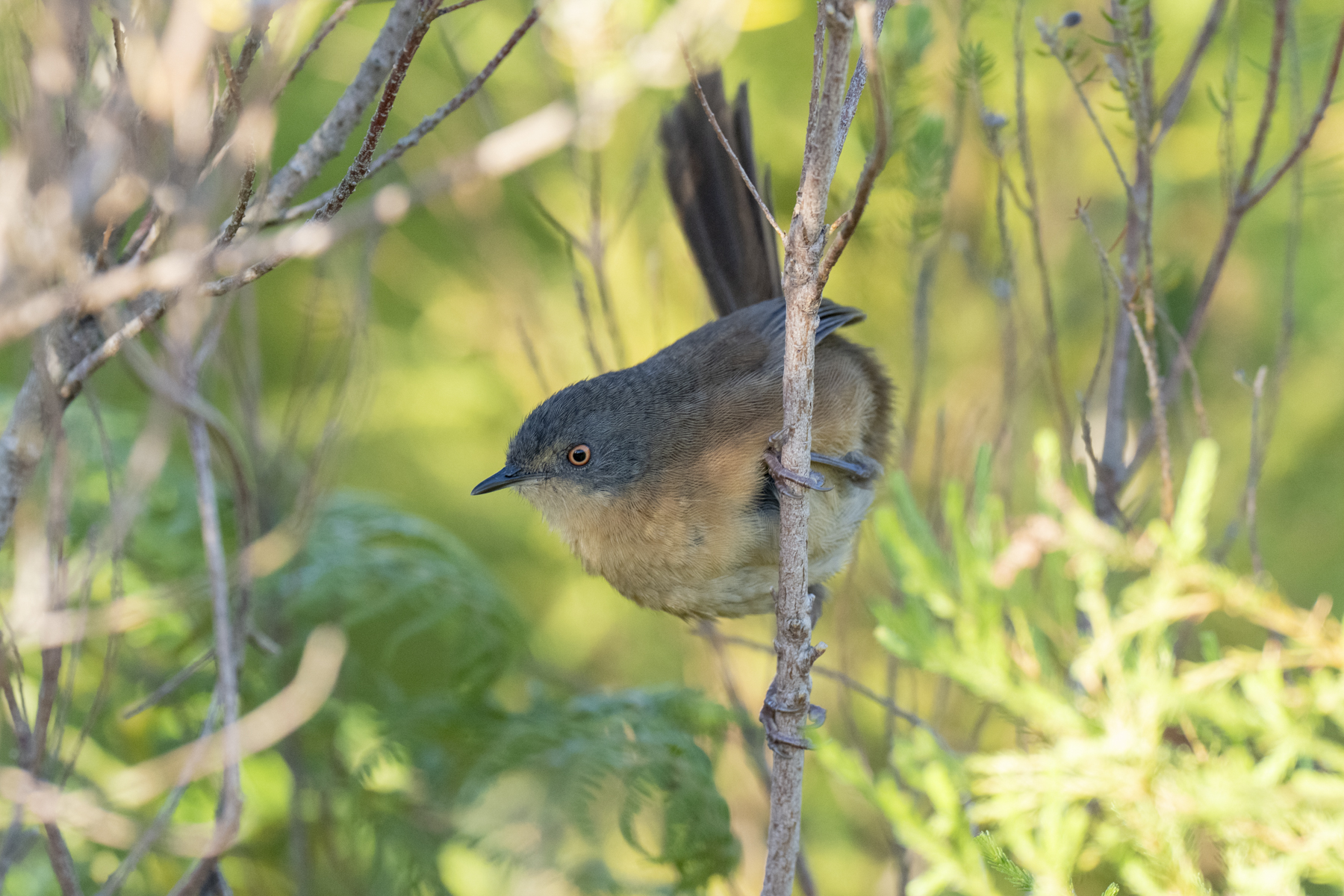
Bush Blackcap (image by Pete Morris)
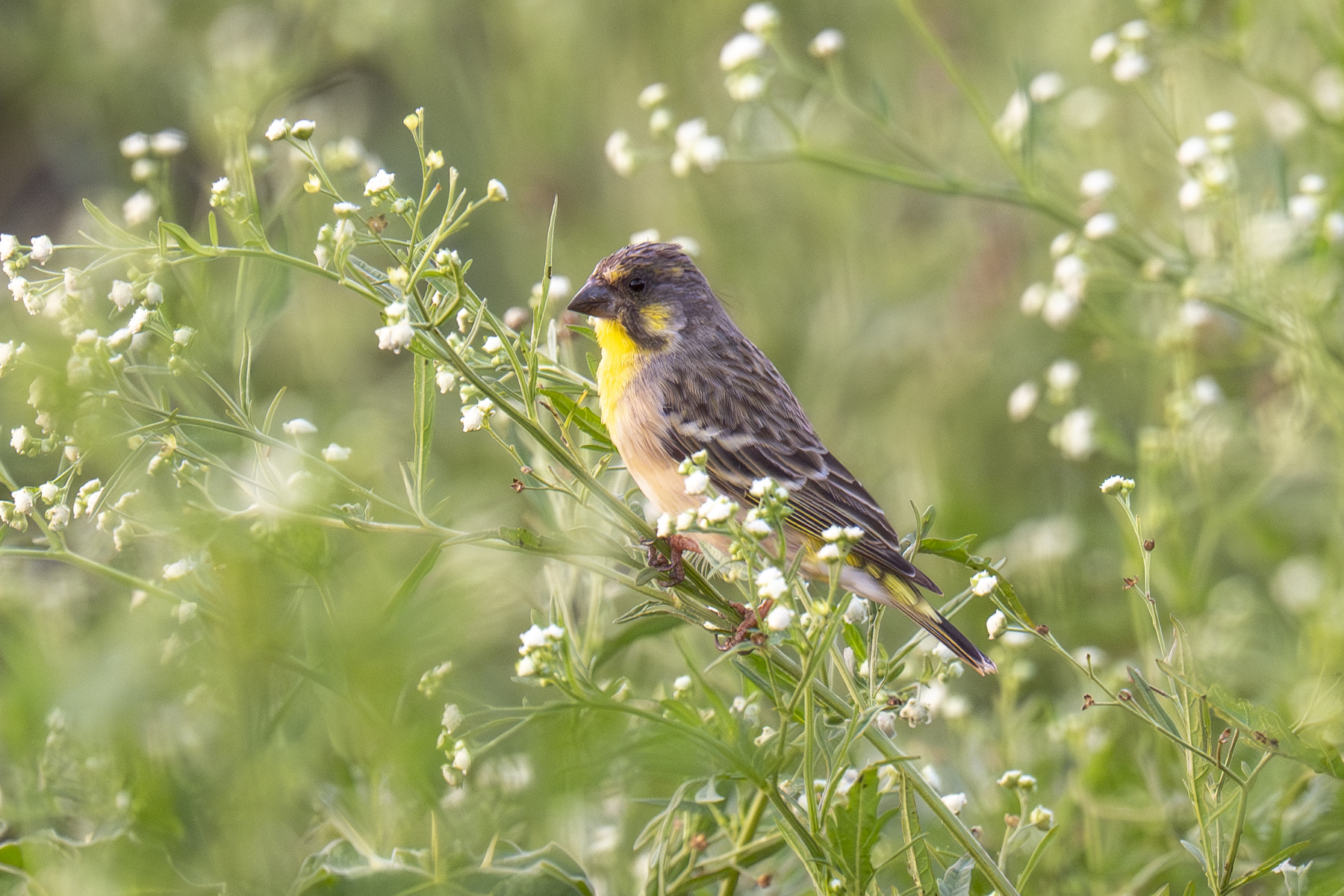
Lemon-breasted Canary (image by Mark Beaman)
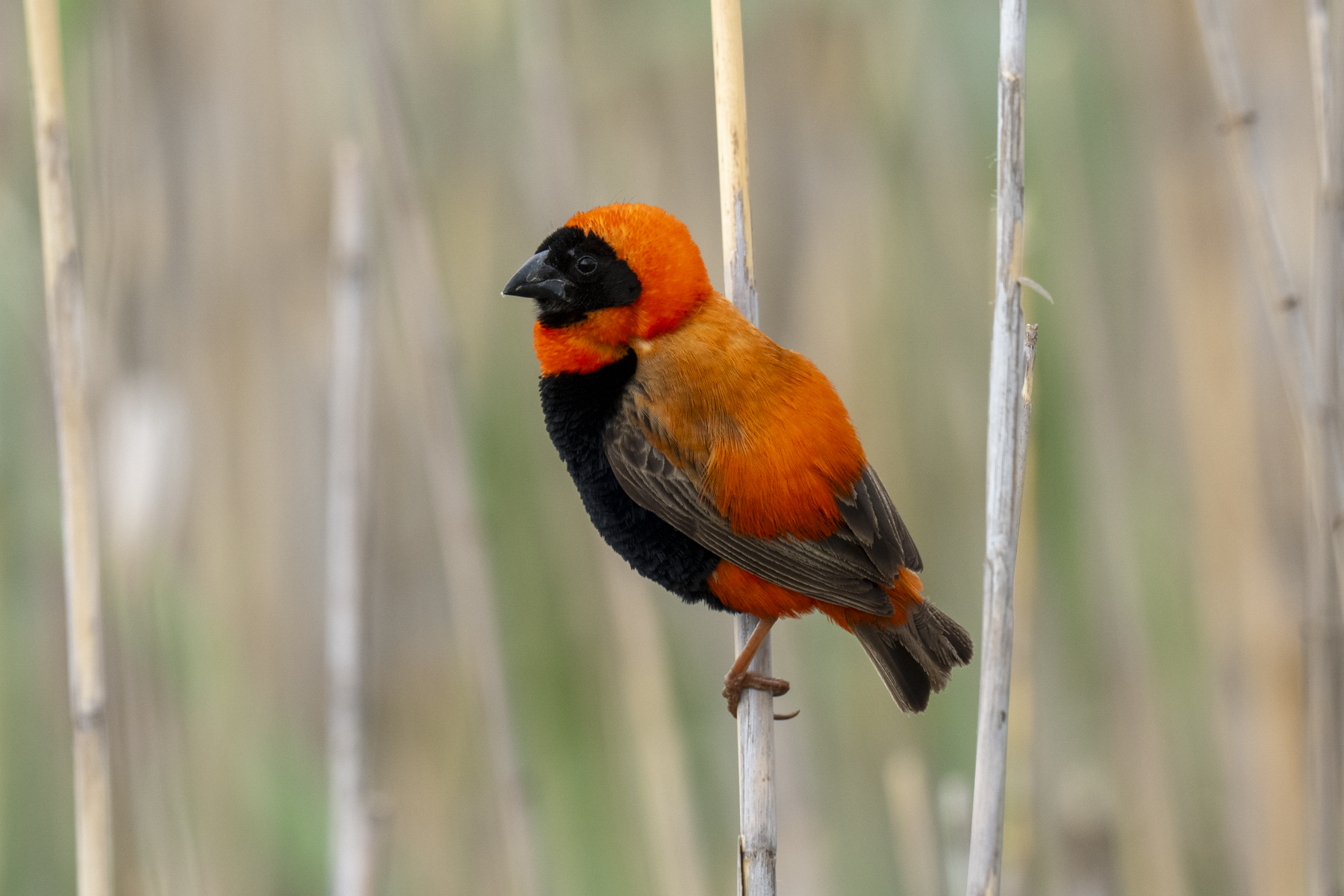
Southern Red Bishop (image by Mark Beaman)
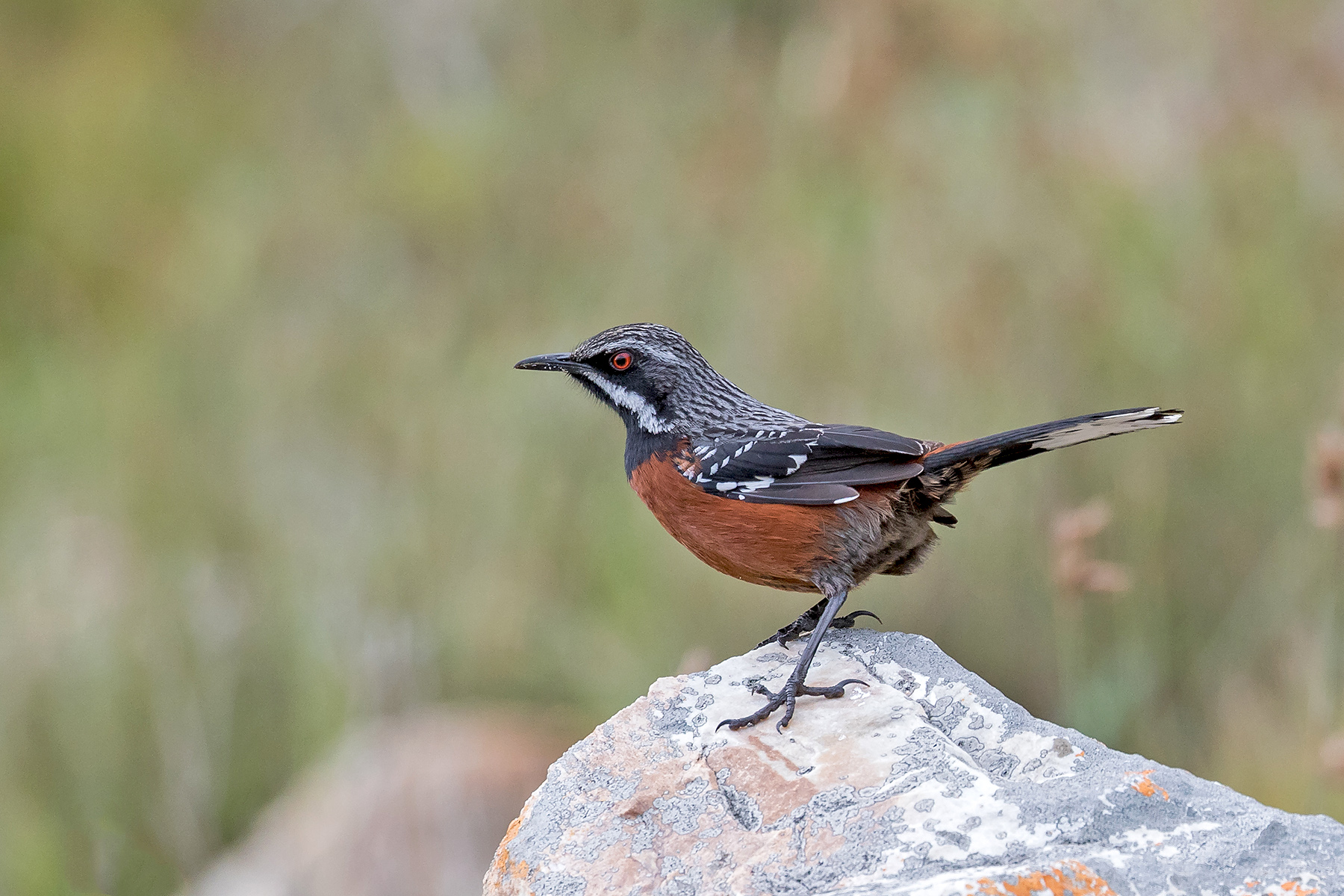
Sentinel Rock Thrush (image by Pete Morris)
Cuckoo-finch (image by Simon Mitchell)
Nyala (image by Pete Morris)
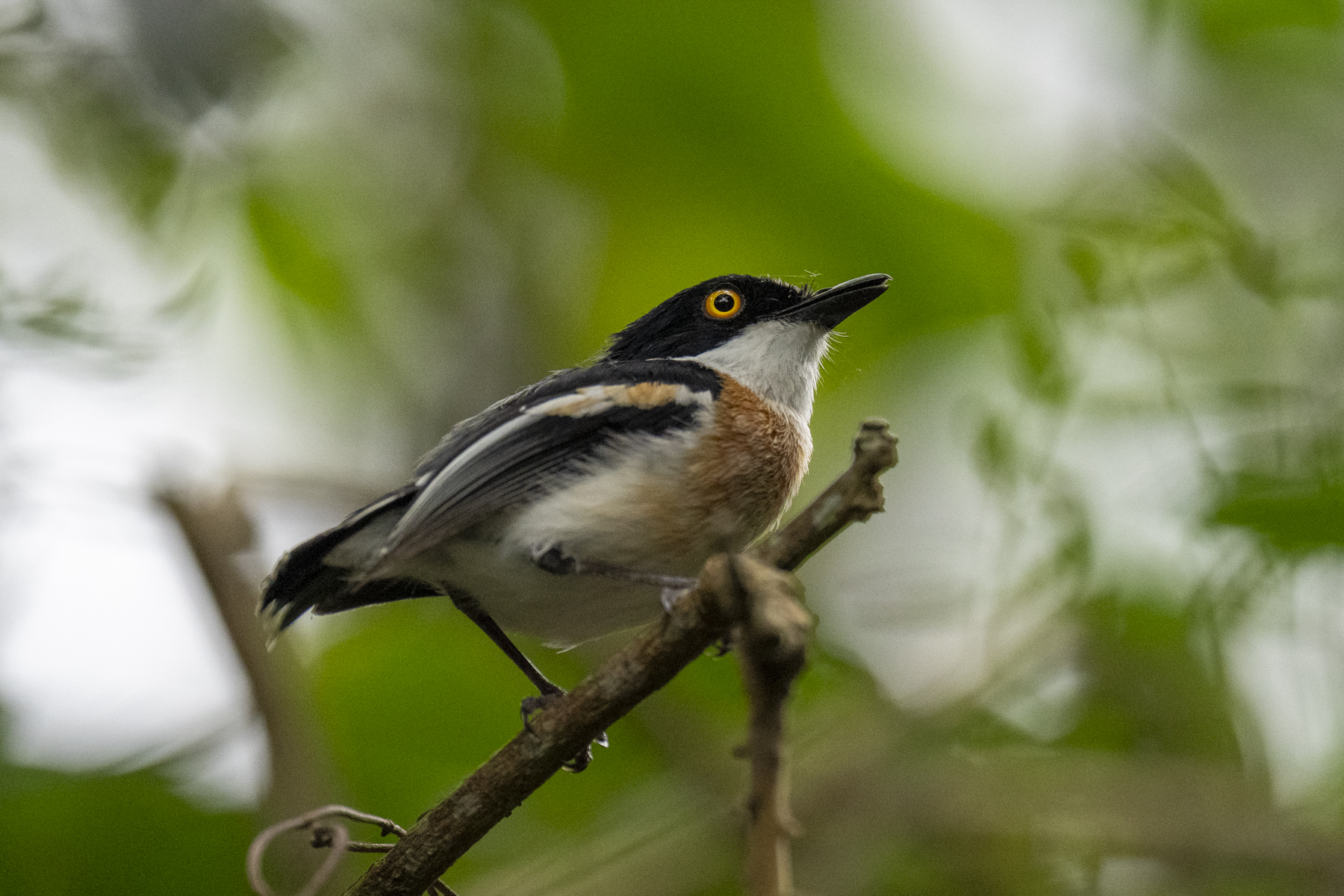
Cape Batis (image by Pete Morris)
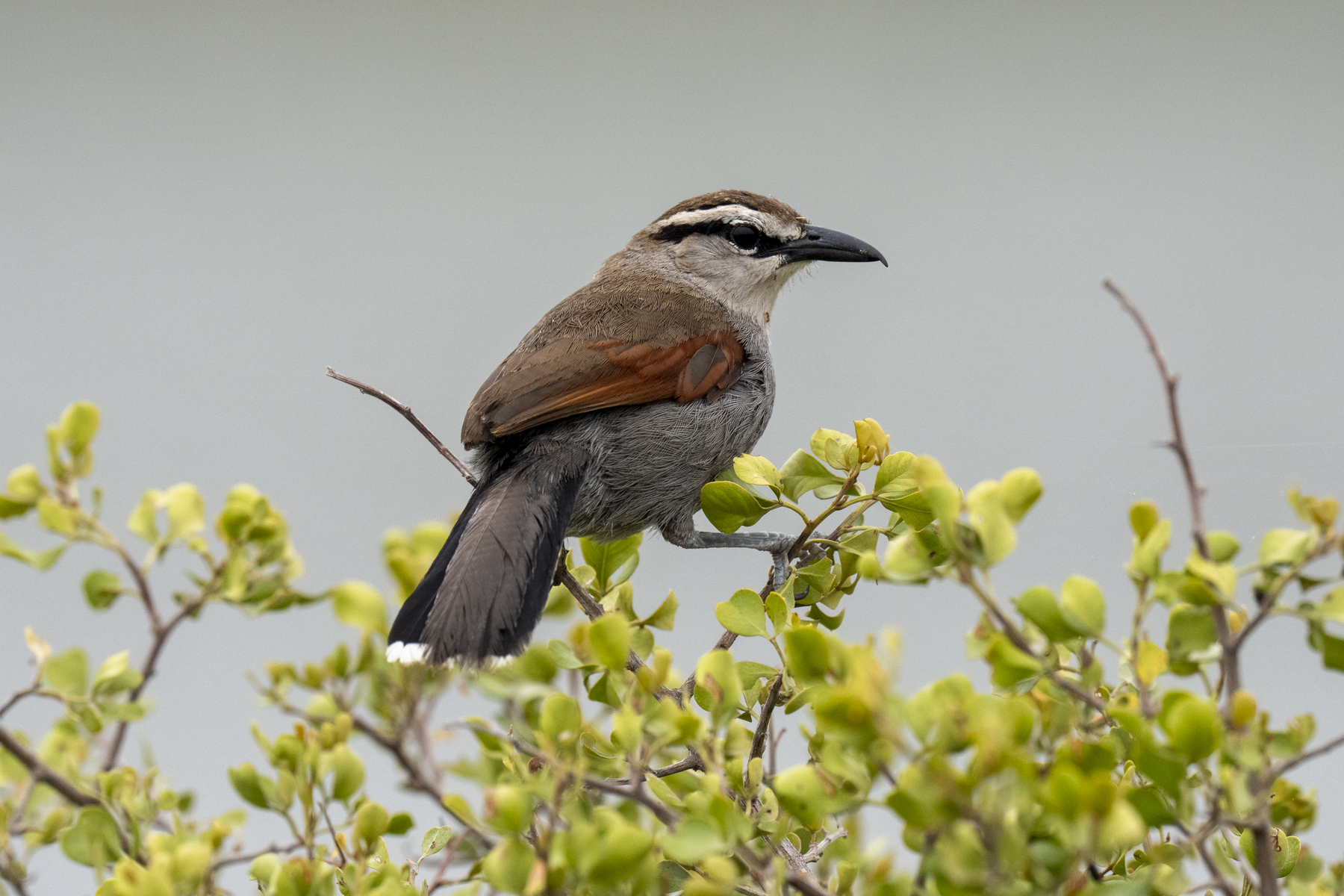
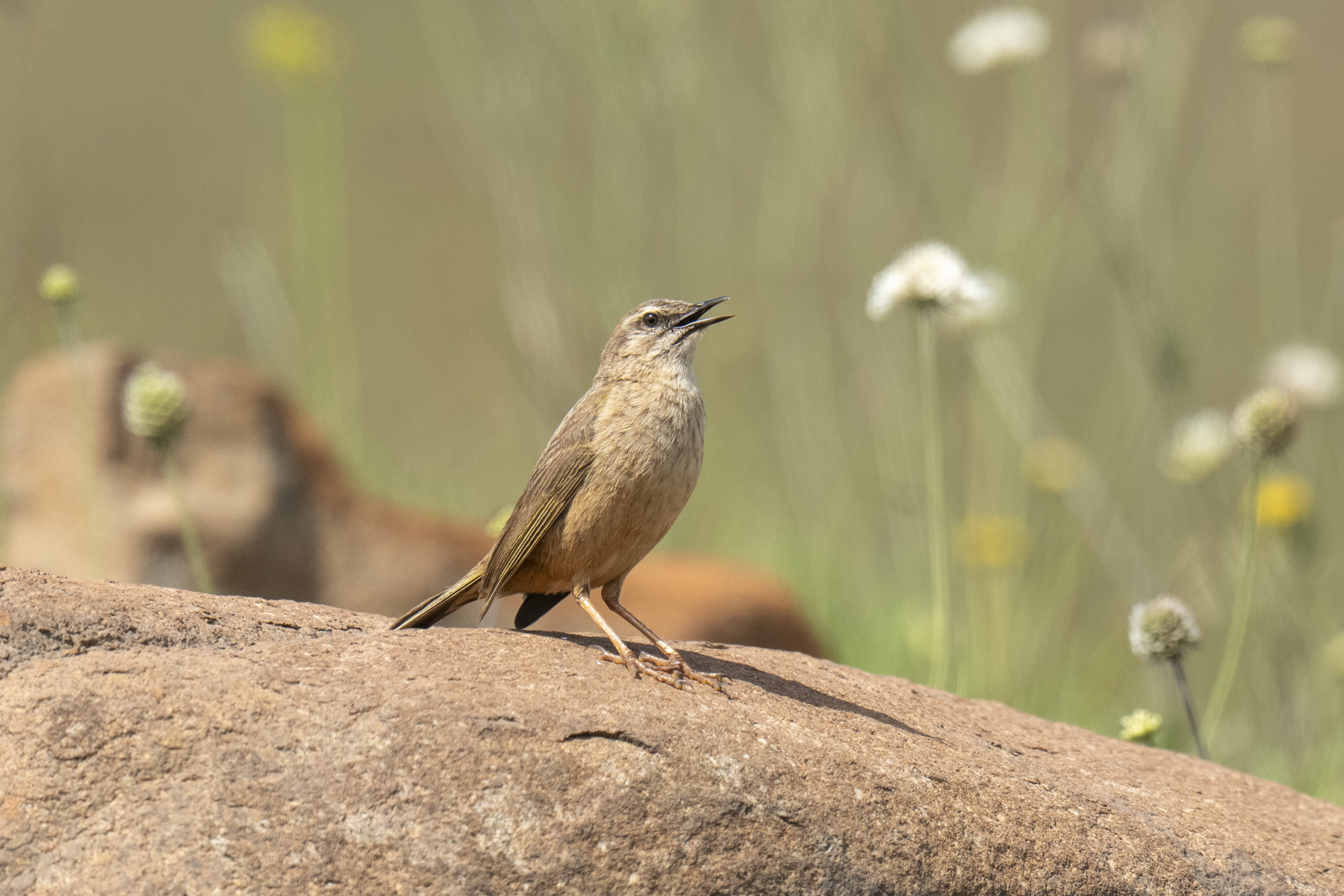
Brown Scrub Robin (image by Pete Morris)
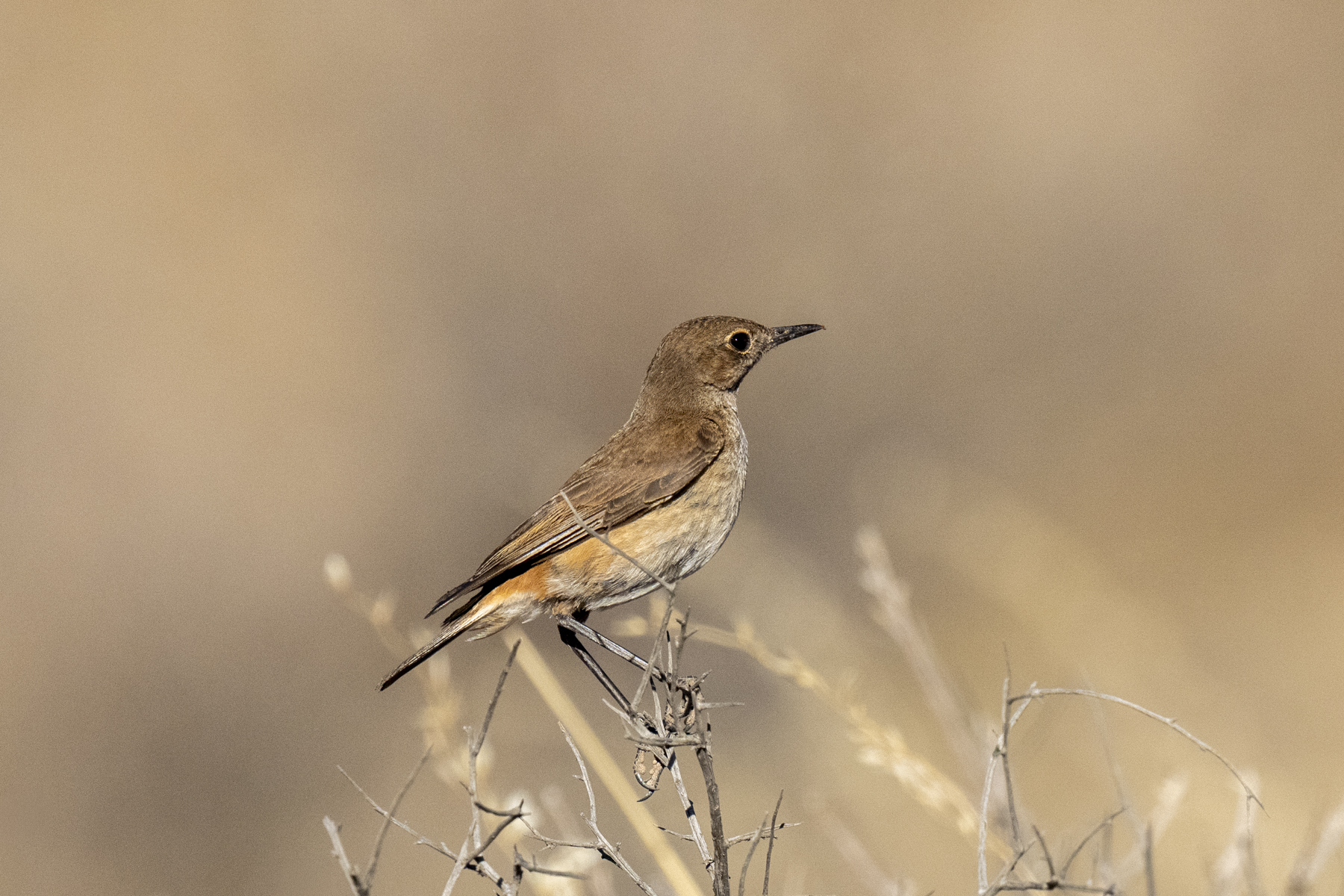
Sickle-winged Chat (image by Mark Beaman)
Great Shearwater (image by Pete Morris)
Swee Waxbill (image by Simon Mitchell)
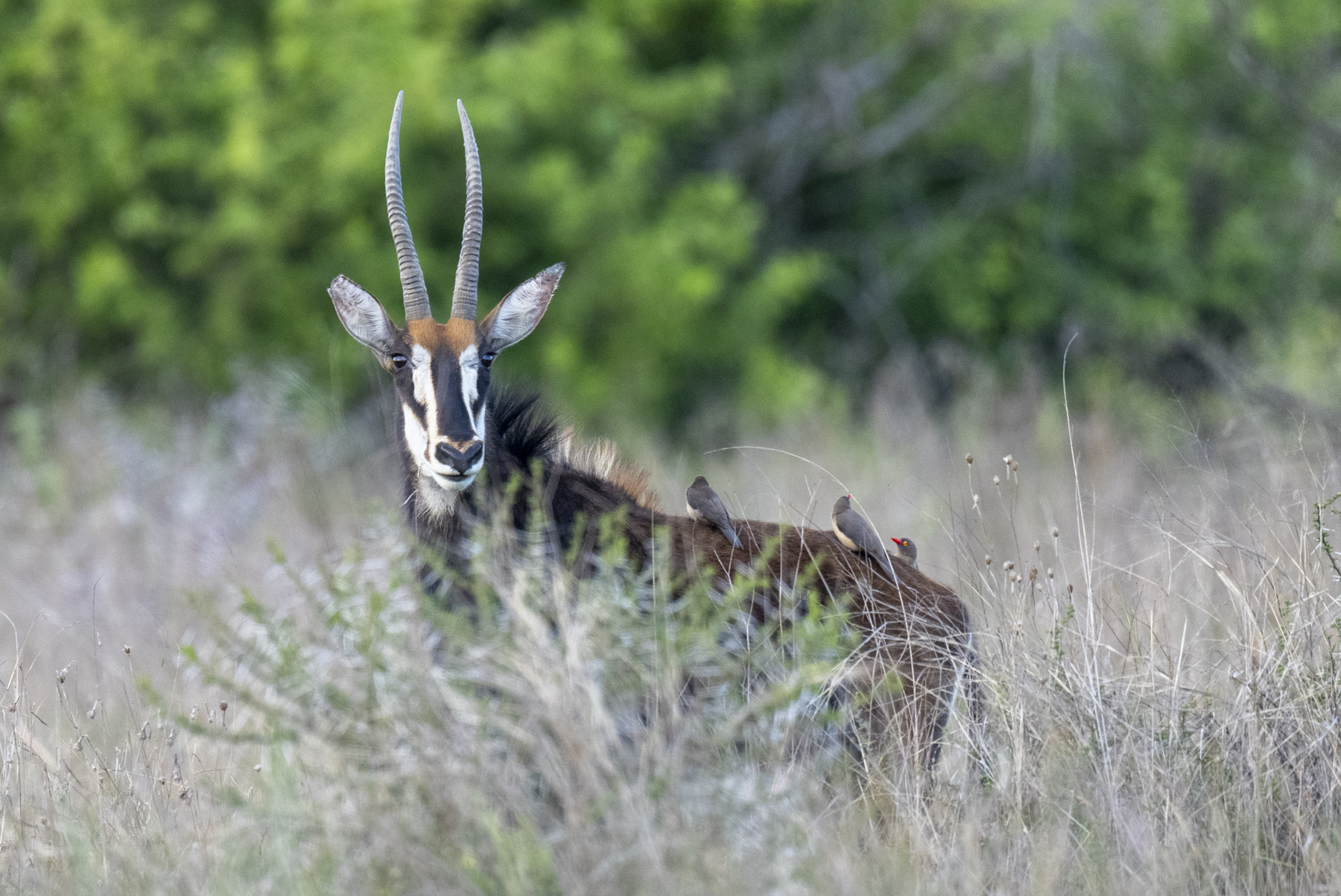
Roan Antelope and Red-billed Oxpeckers (image by Mark Beaman)
Long-tailed Widowbird (image by Pete Morris)
Black-browed Albatross (image by Pete Morris)
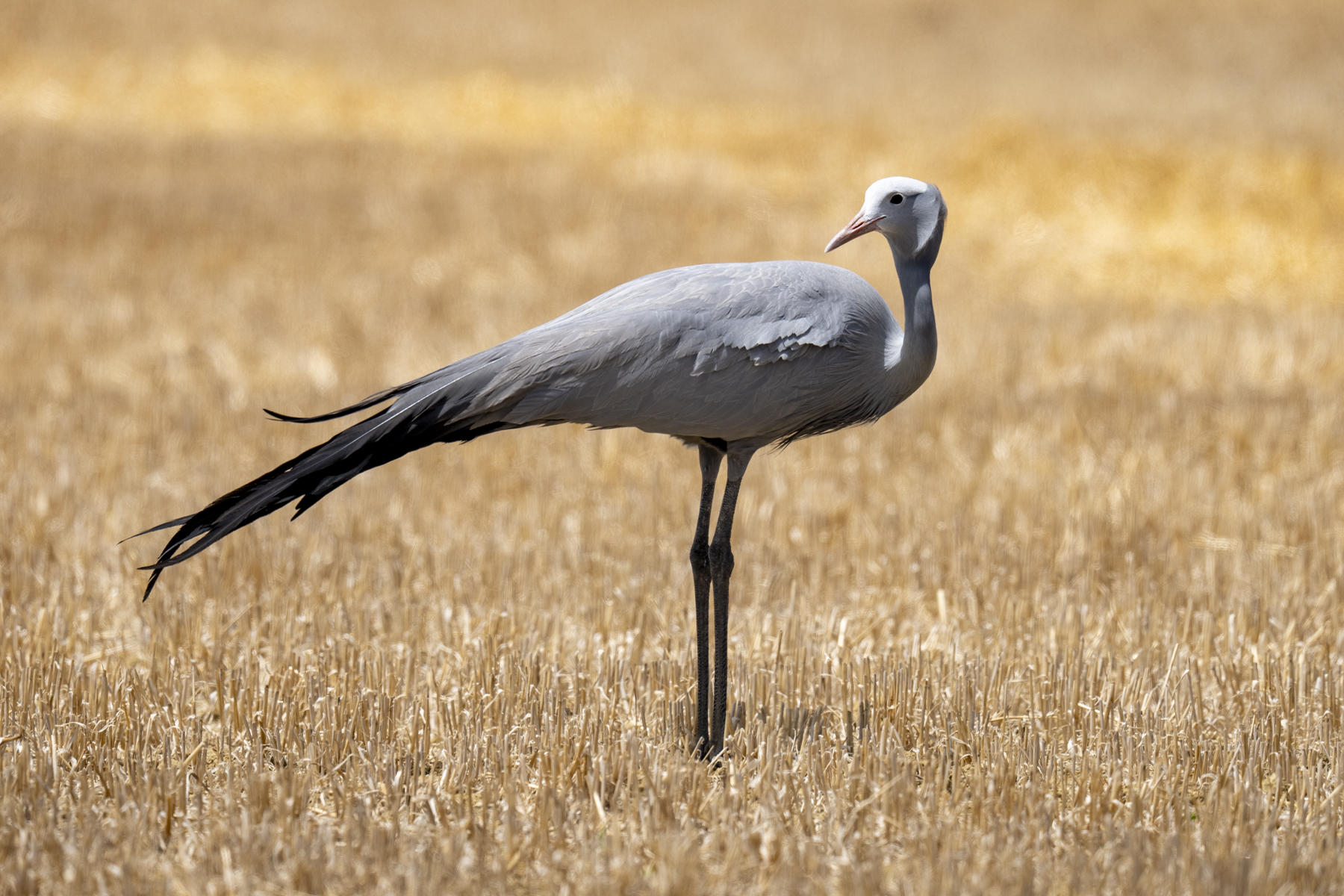
Blue Cranes (image by Simon Mitchell)
Grey Tit (image by Pete Morris)
Pink-throated Twinspot
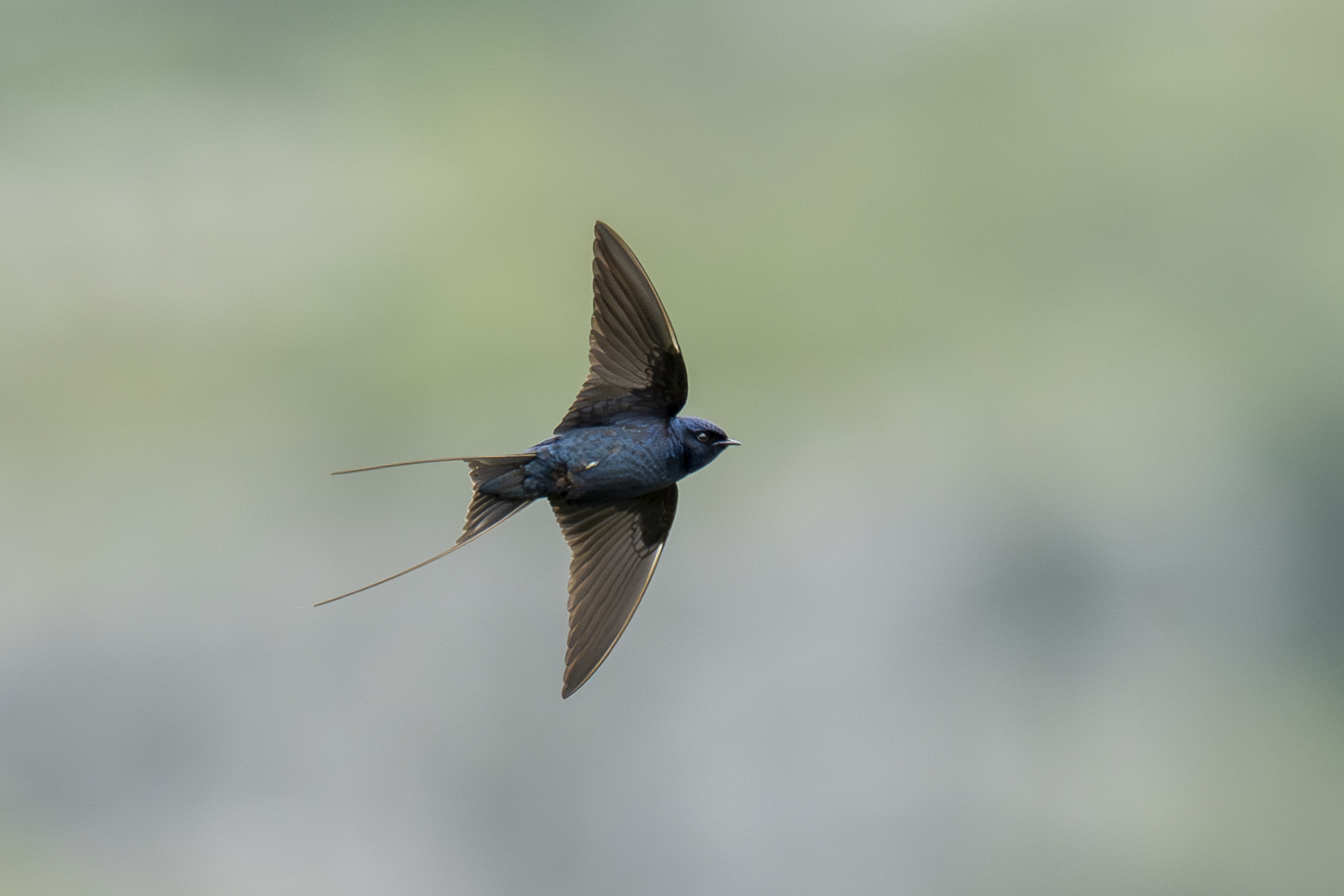
Greater Striped Swallow (image by Simon Mitchell)
Blue Cranes (image by Pete Morris)
Cape Parrot (image by Pete Morris)
Southern Crested Guineafowl (image by Simon Mitchell)
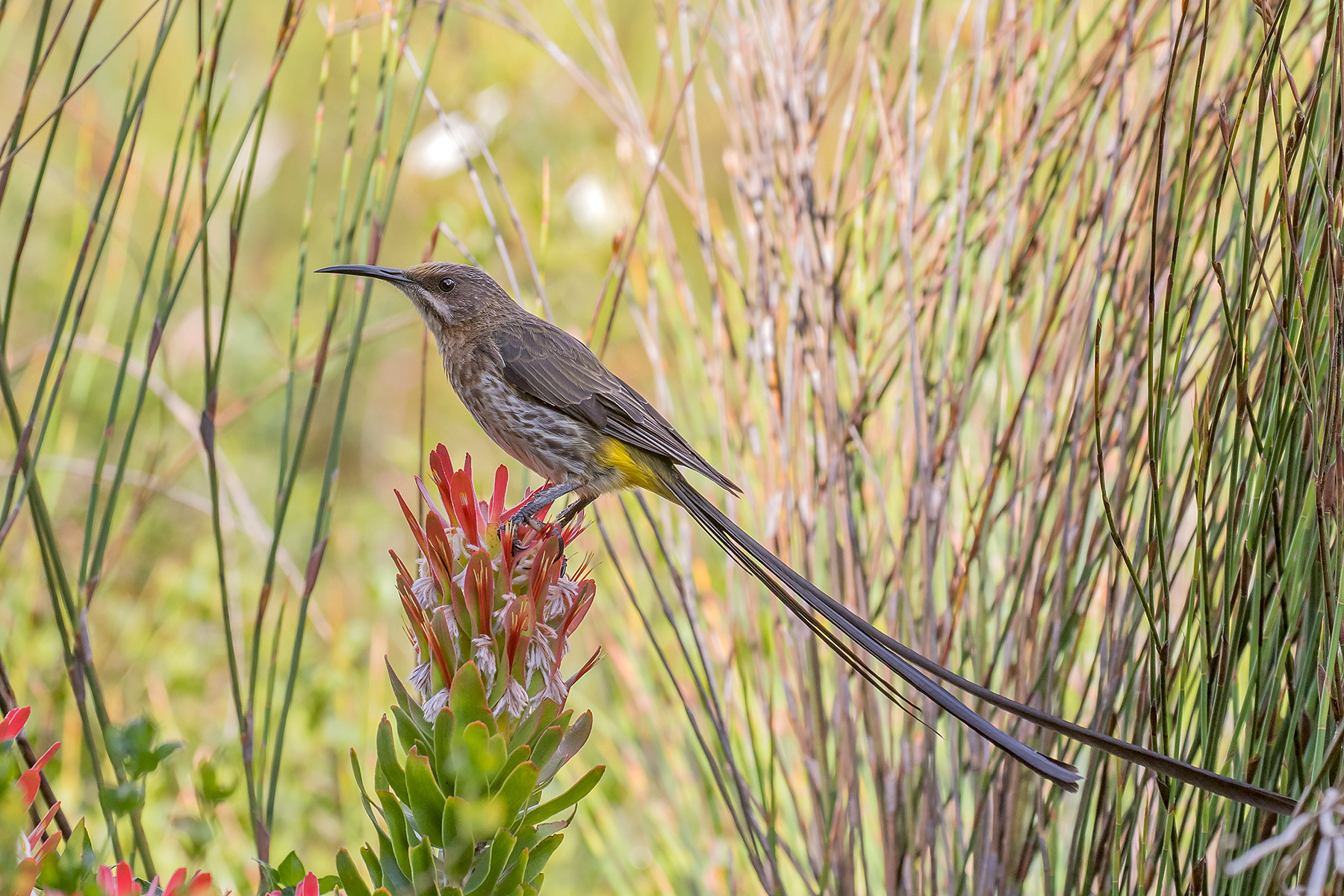
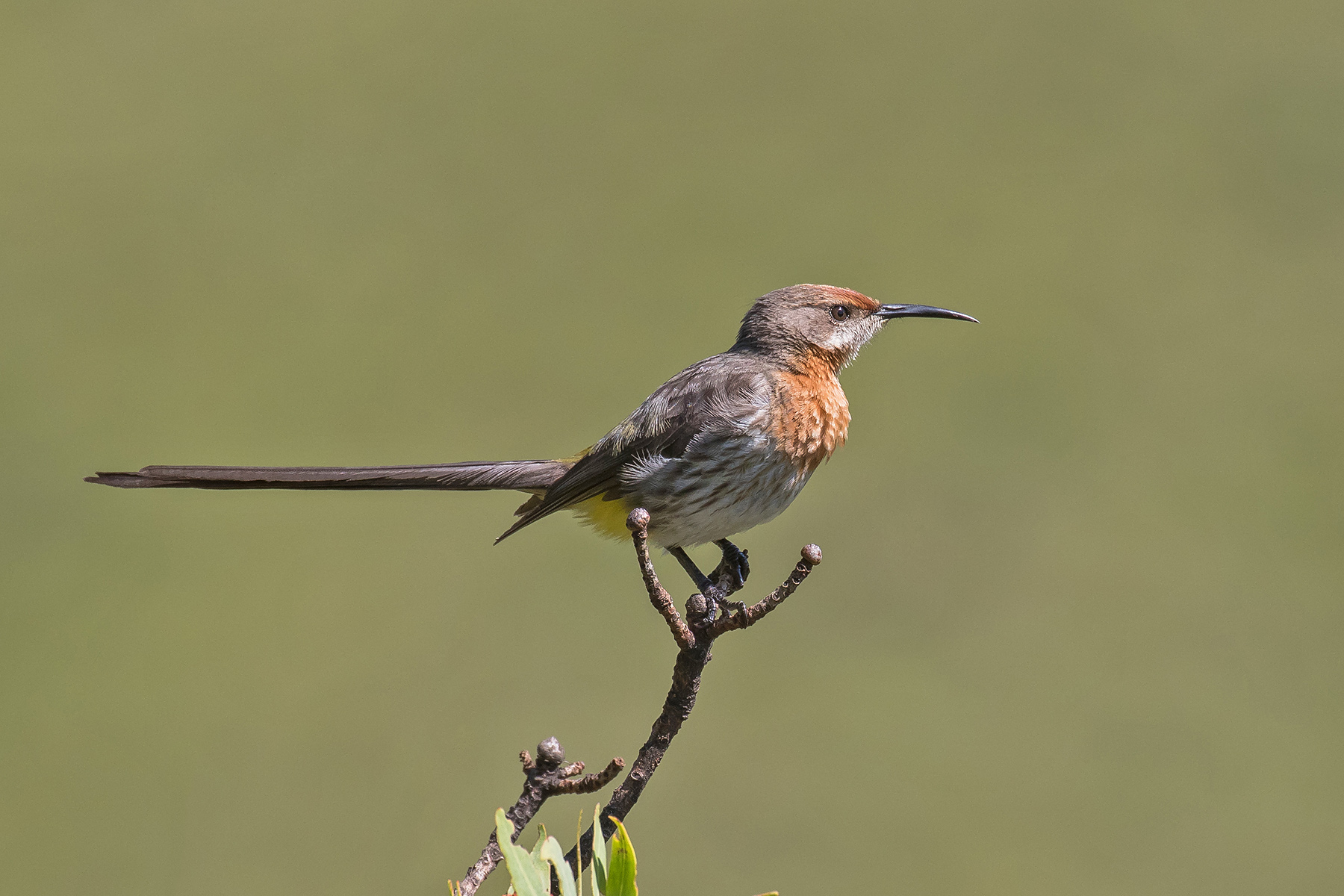
Cape Sugarbird (image by Pete Morris)
Neddicky (image by Mark Beaman)
Pale-winged Starling (image by Pete Morris)
Yellow Canary (image by Pete Morris)
Southern White Rhino (image by Mike Watson)
Ground Woodpecker (image by Mark Beaman)
Black Harrier (image by Pete Morris)
Crowned Cormorant (image by Pete Morris)
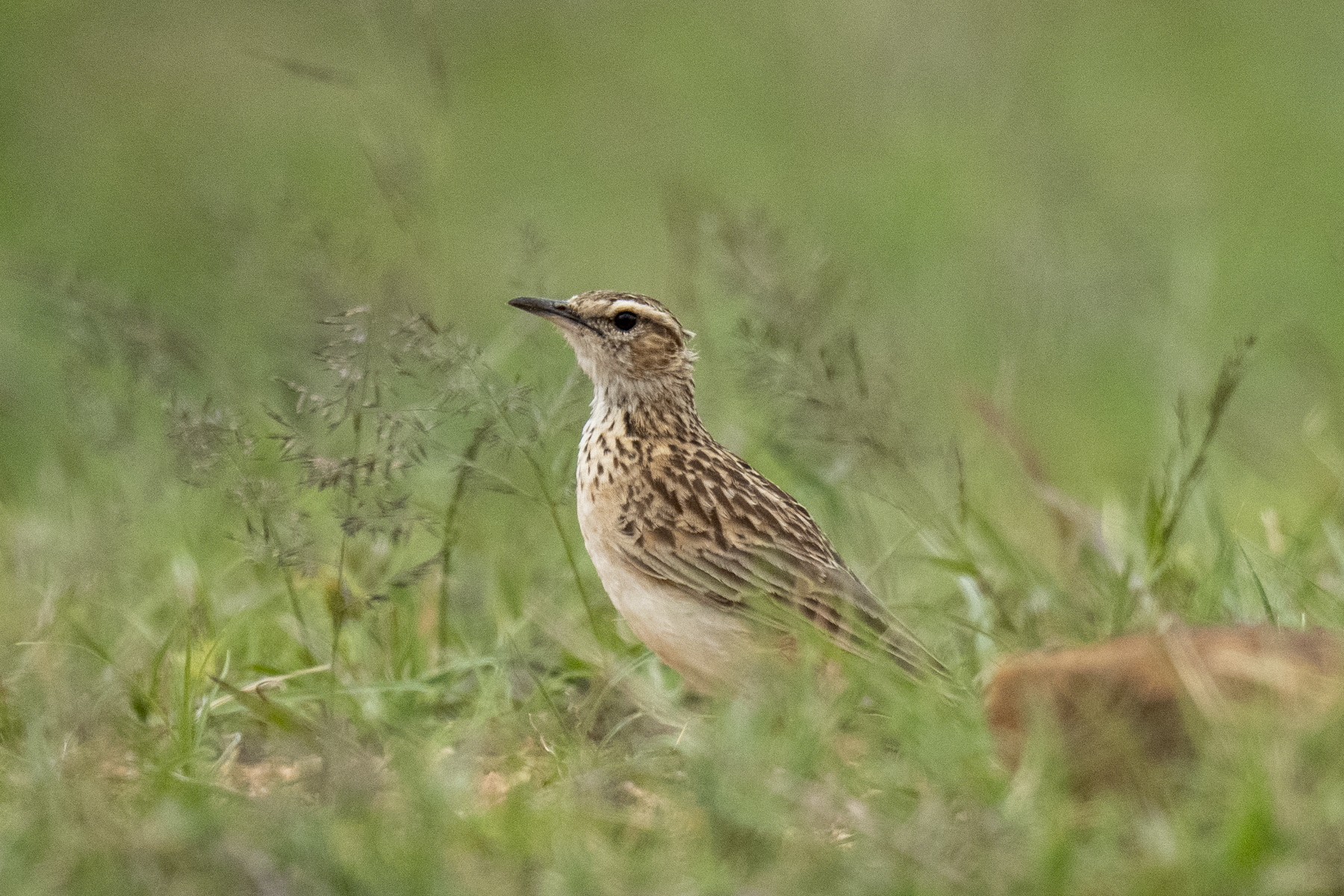
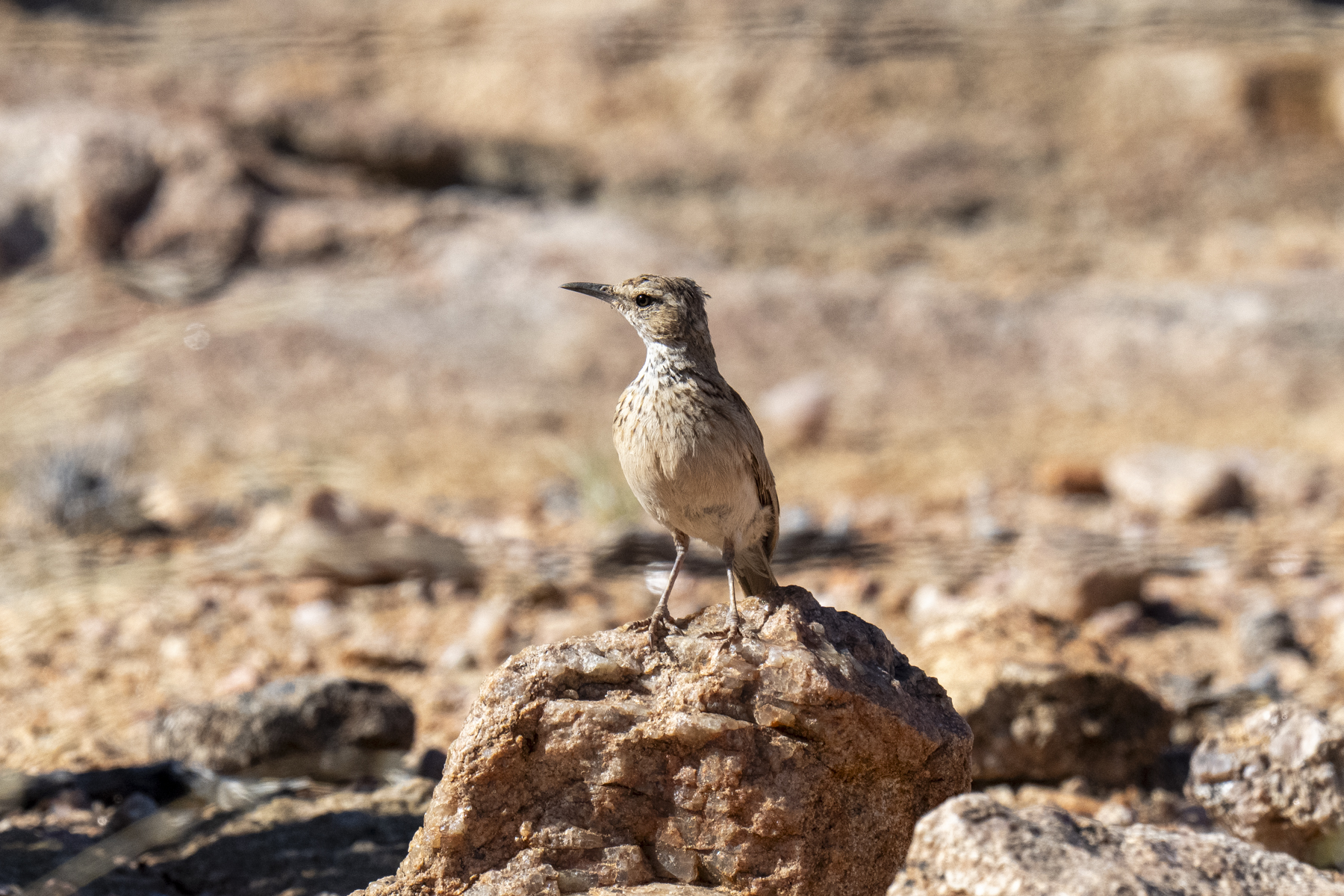
Sclater's Lark (image by Mike Watson)
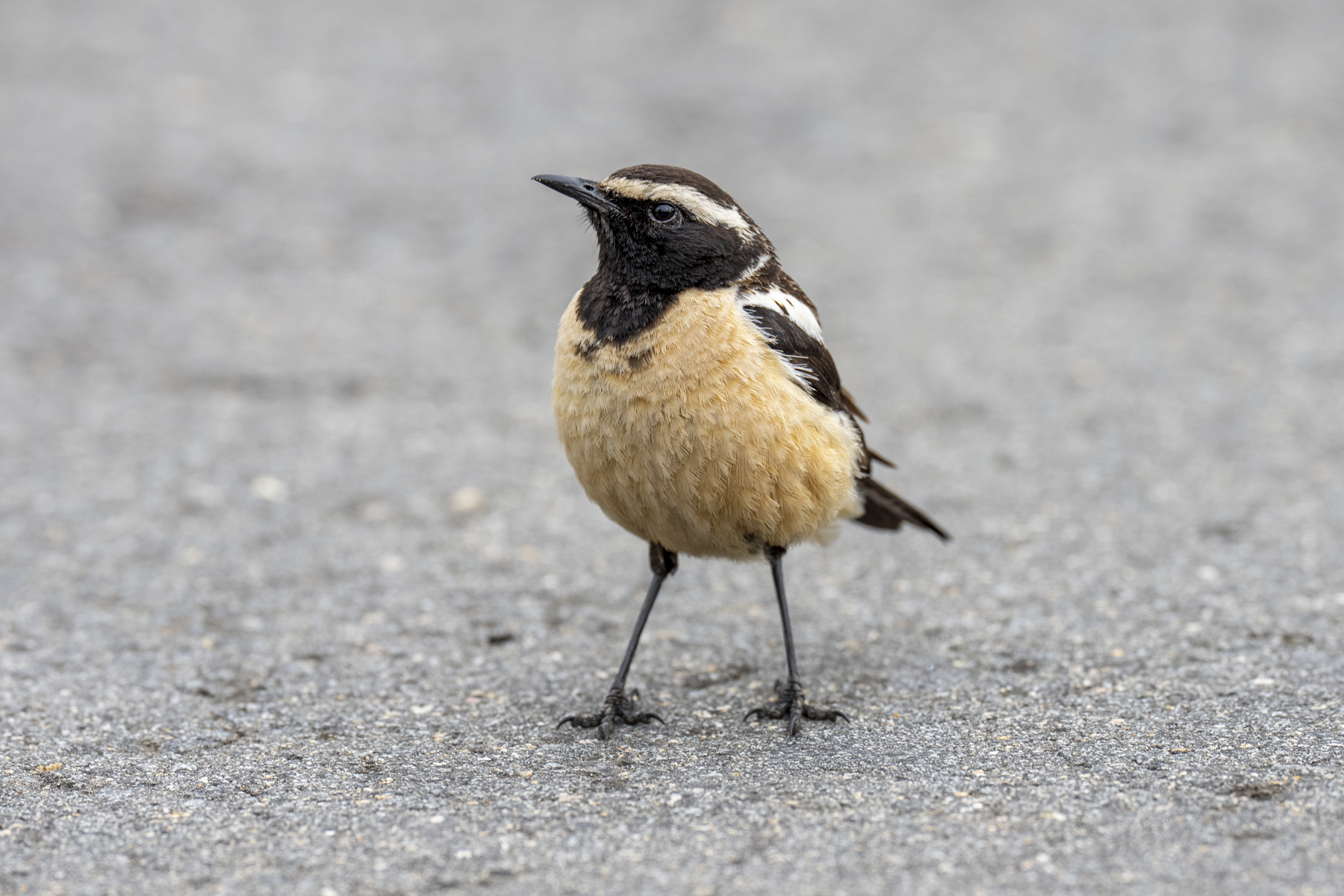
Buff-streaked Chat male (image by Mark Beaman)
Ludwig's Bustard (image by Pete Morris)
Sclater's Lark (image by Pete Morris)
Rudd's Lark (image by Pete Morris)
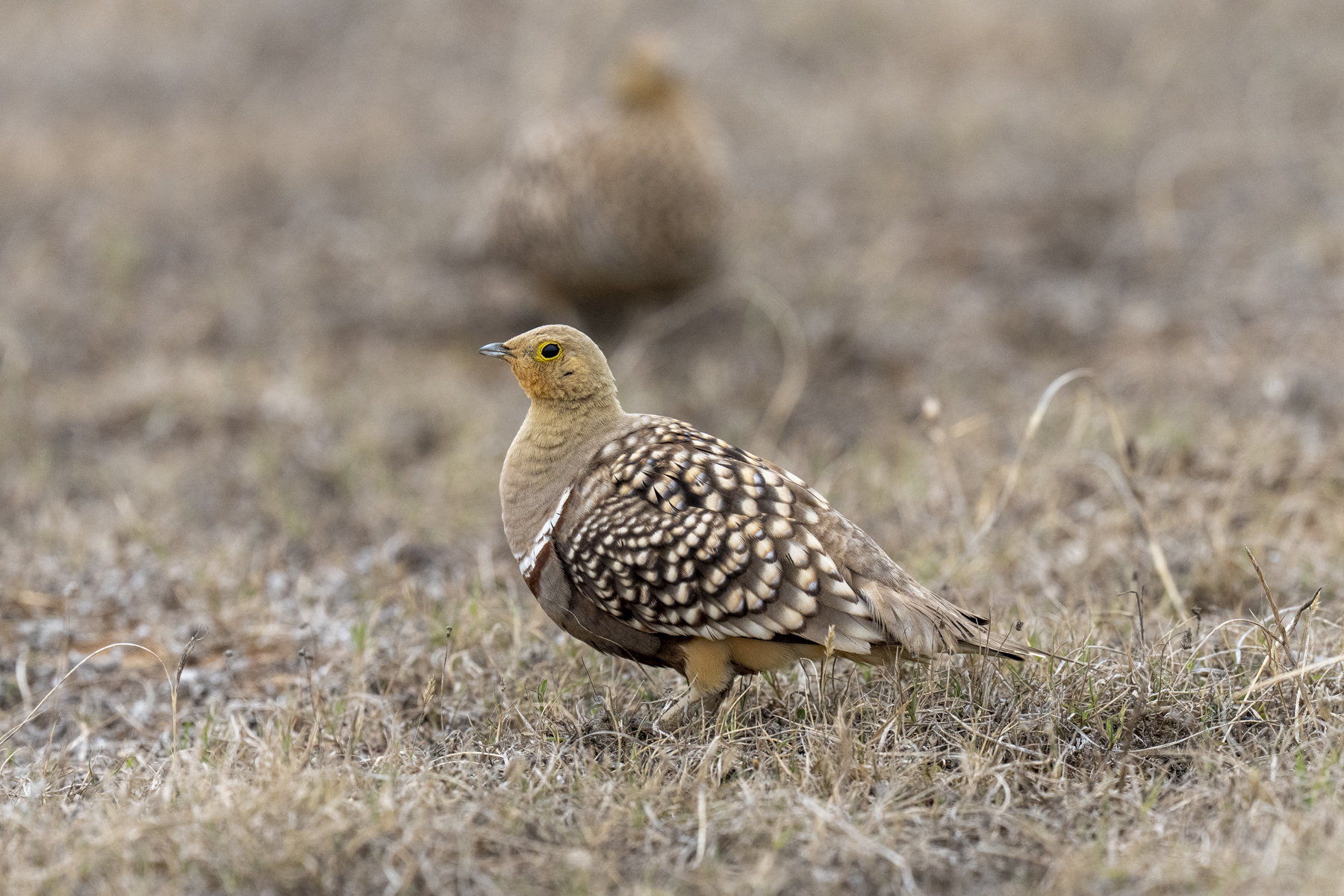
Namaqua Sandgrouse (image by Mark Beaman)
Cape Sugarbird (image by Pete Morris)
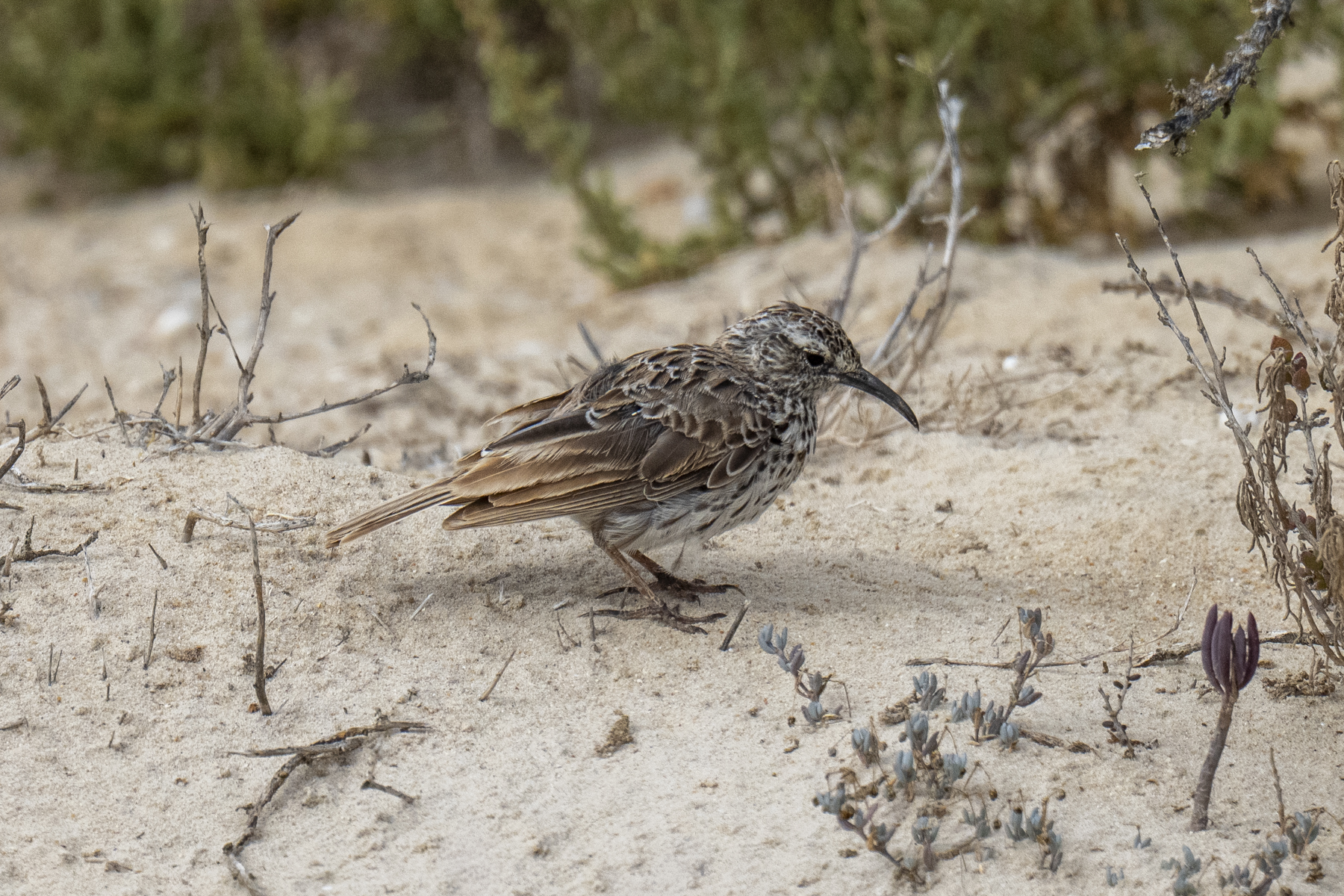
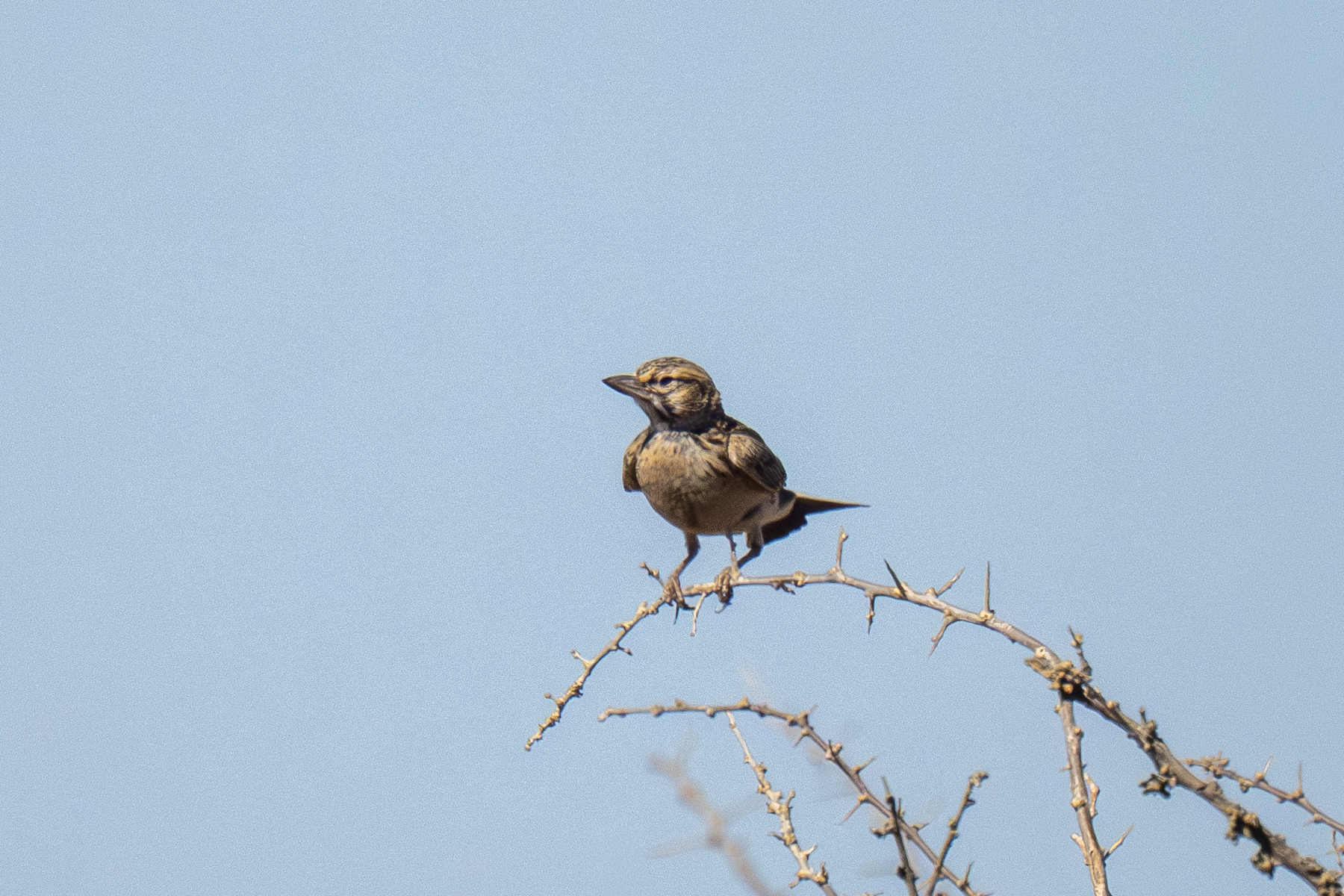
Cape Long-billed Lark (image by Mark Beaman)
Southern Tchagra (image by Pete Morris)
Mountain Pipit (image by Simon Mitchell)
Yellow-breasted Pipit (image by Simon Mitchell)
Chorister Robin-Chat (image by Mark Beaman)
Drakensberg Rockjumper (image by Pete Morris)
Cape Eagle-Owl (image by Alec Gillespie)
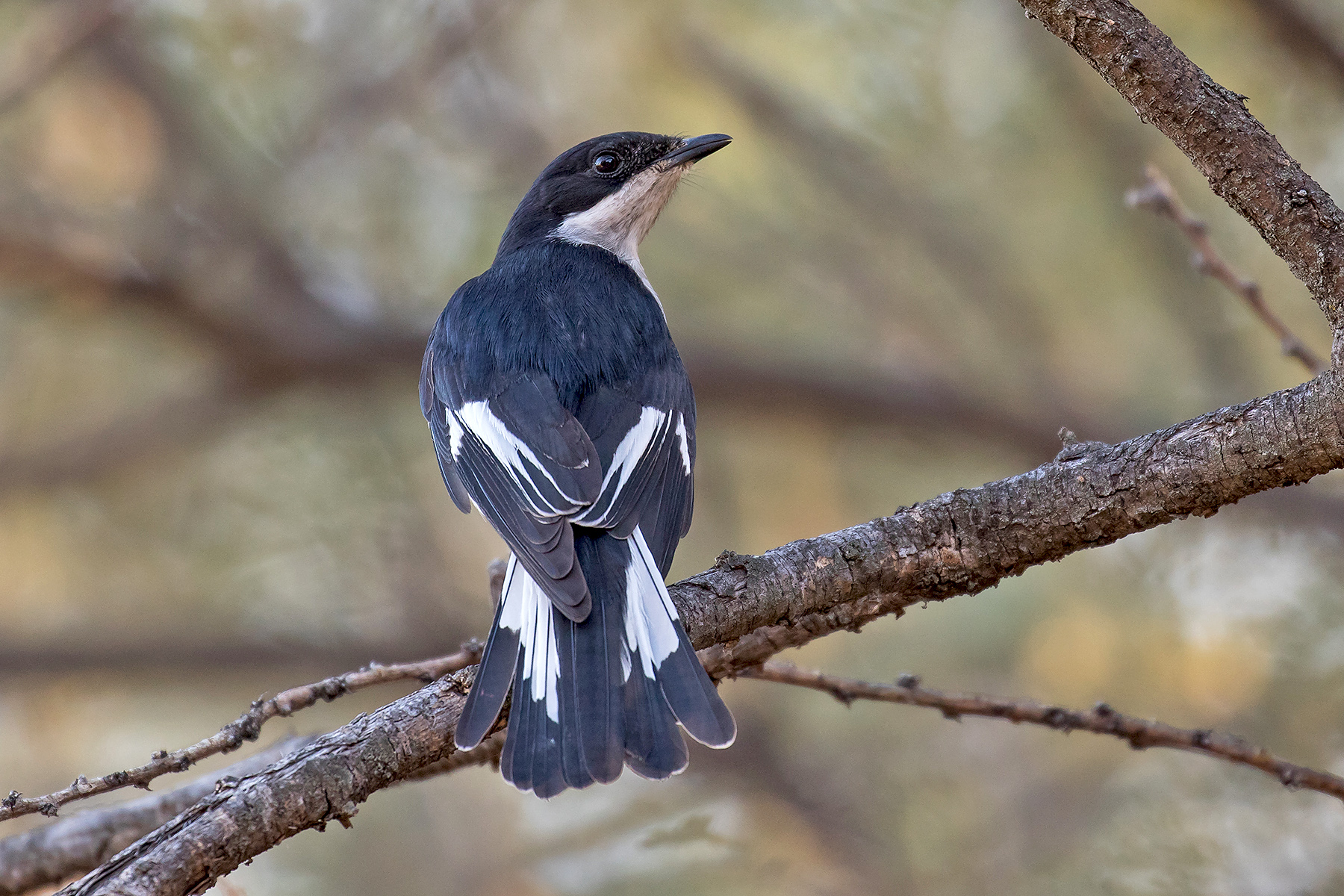
Fiscal Flycatcher (image by Pete Morris)
Southern Tchagra (image by Mark Beaman)
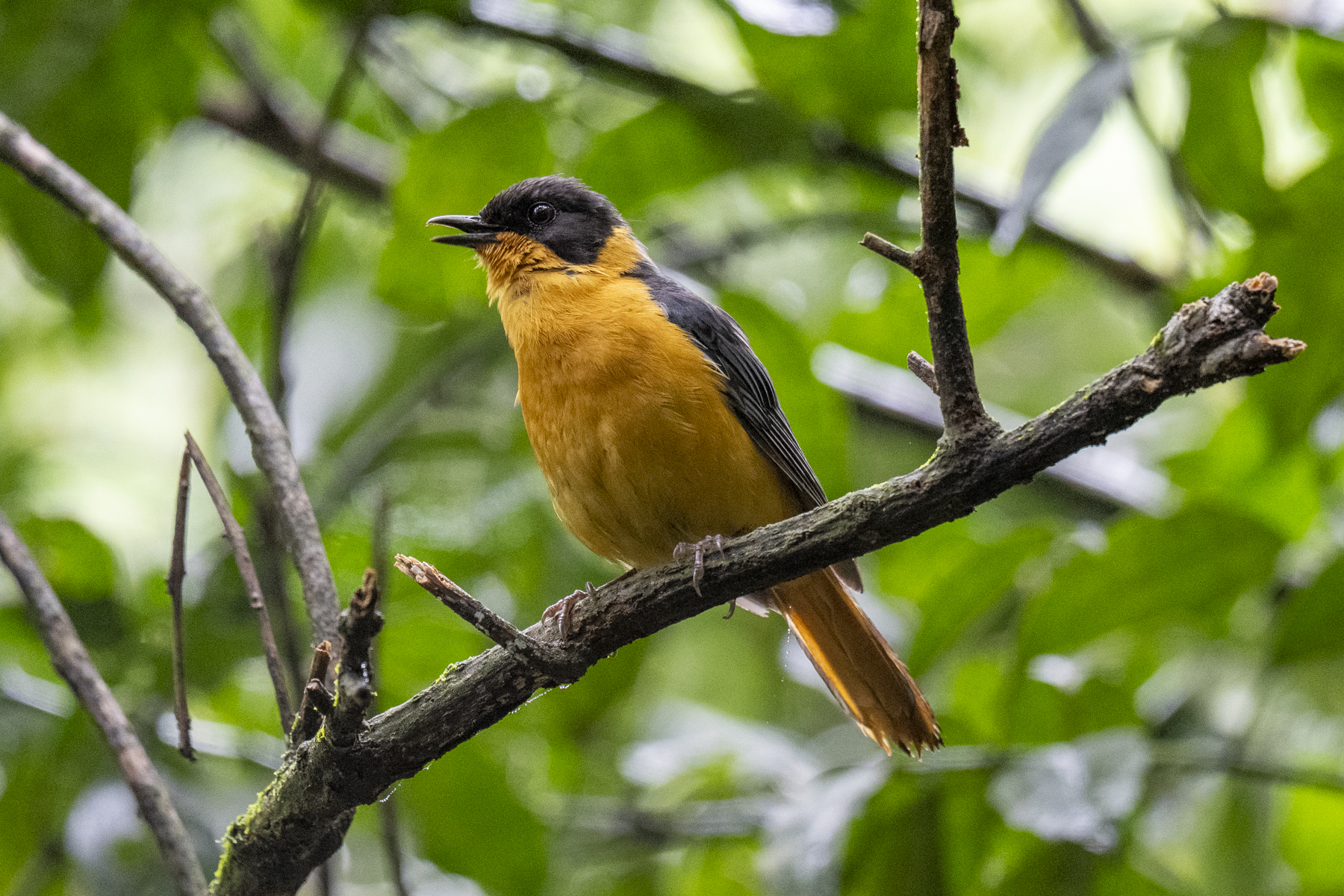
White-throated Robin-Chat (image by Pete Morris)
Blue Crane (image by Mark Beaman)
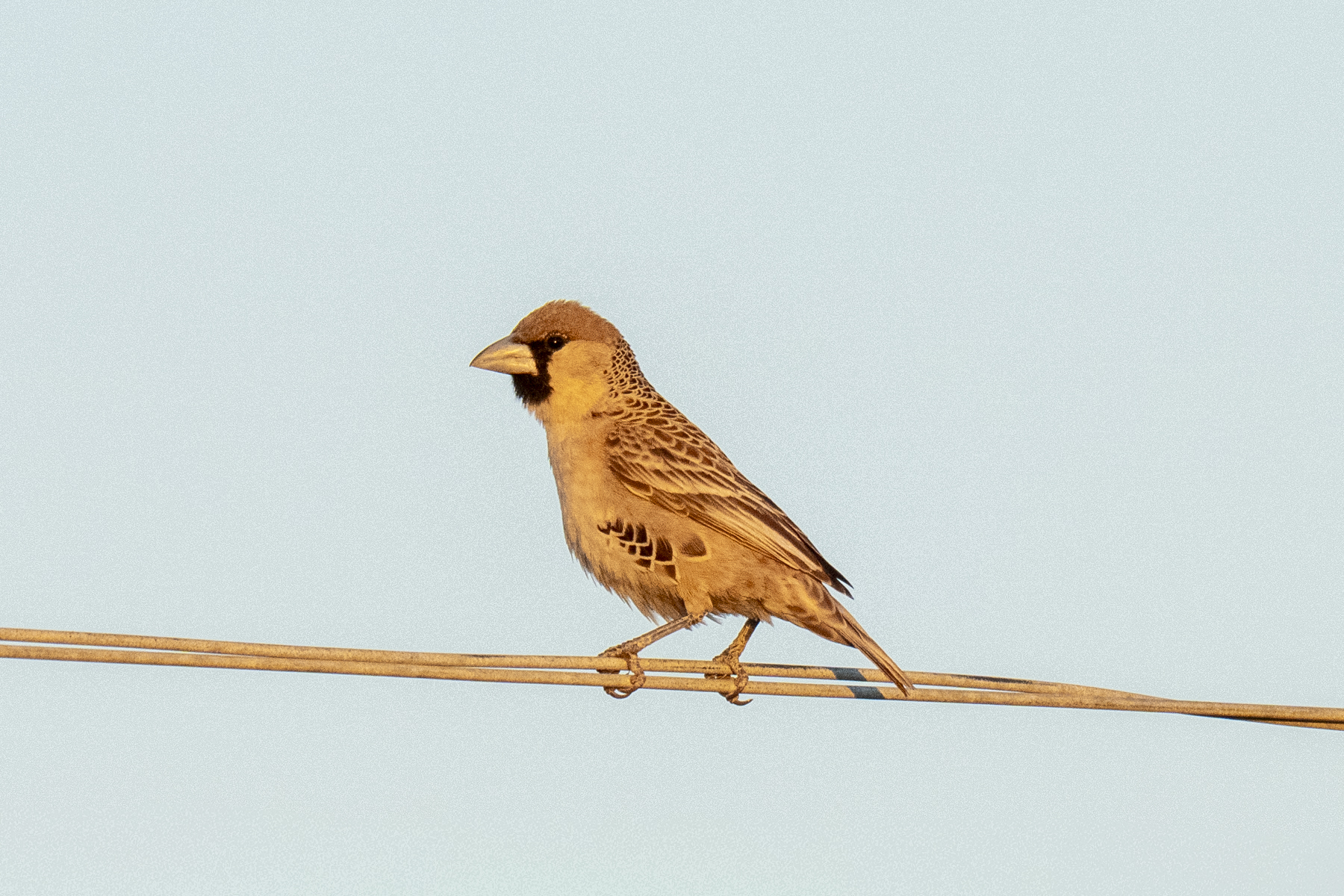
Sociable Weaver nest (image by Mike Watson)
Sclater's Lark (image by Alec Gillespie)
Grey-winged Francolin (image by Pete Morris)
Cape Rockjumper (image by Pete Morris)
Purple-crested Turaco (image by Pete Morris)
Pink-throated Twinspot (image by Pete Morris)
Bontebok (image by Mike Watson)
Cape Siskin (image by Pete Morris)
Protea Canary (image by Mark Beaman)
Rudd's Apalis (image by Pete Morris)
Cape Bunting (image by Pete Morris)
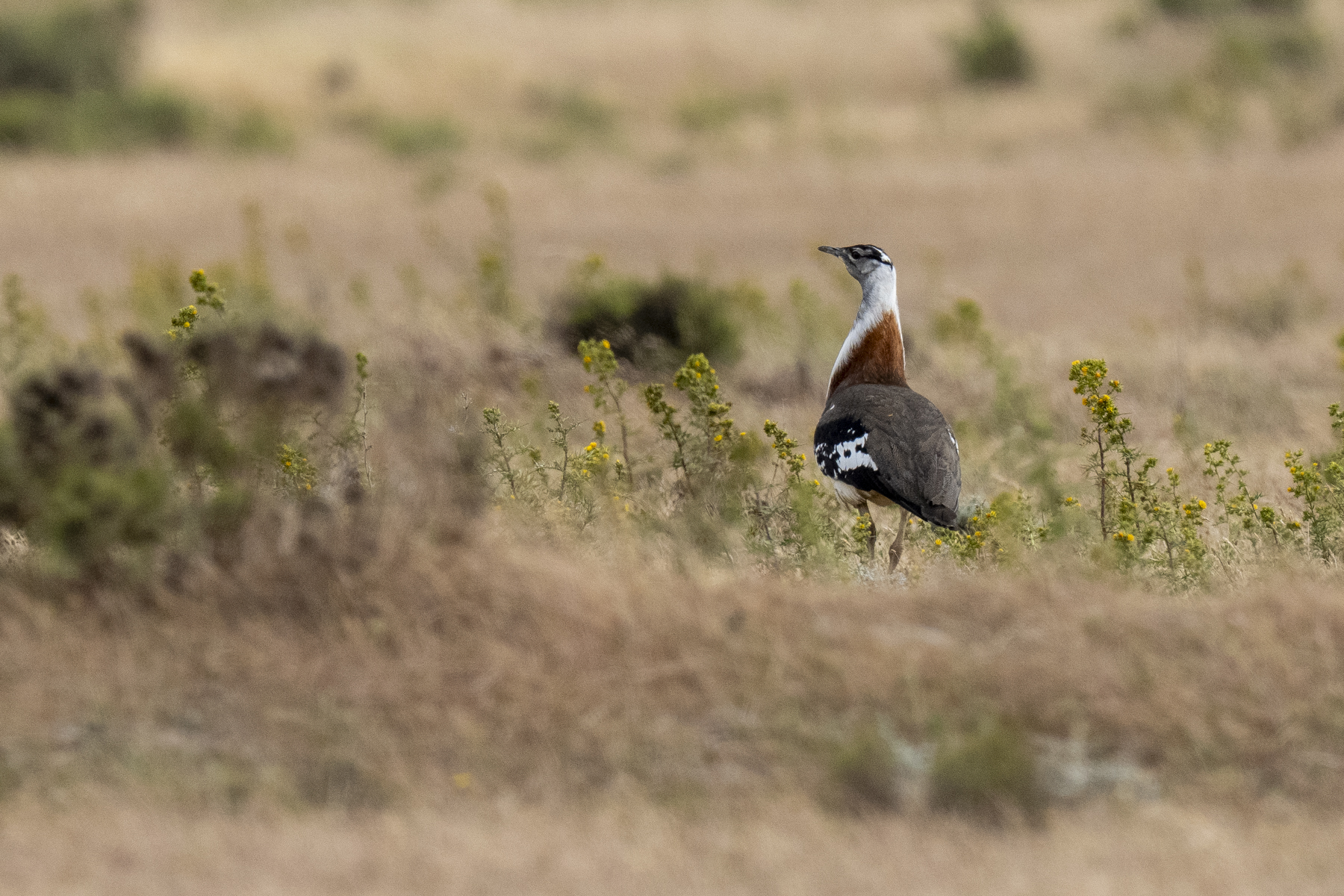
Denham's Bustard (image by Mark Beaman)
Karoo Scrub Robin (image by Pete Morris)
African Rock Pipit (image by Mark Beaman)
Cape Cormorant (image by Pete Morris)
Agulhas Long-billed Lark (image by Pete Morris)
Yellow-tufted Pipit (image by Simon Mitchell)
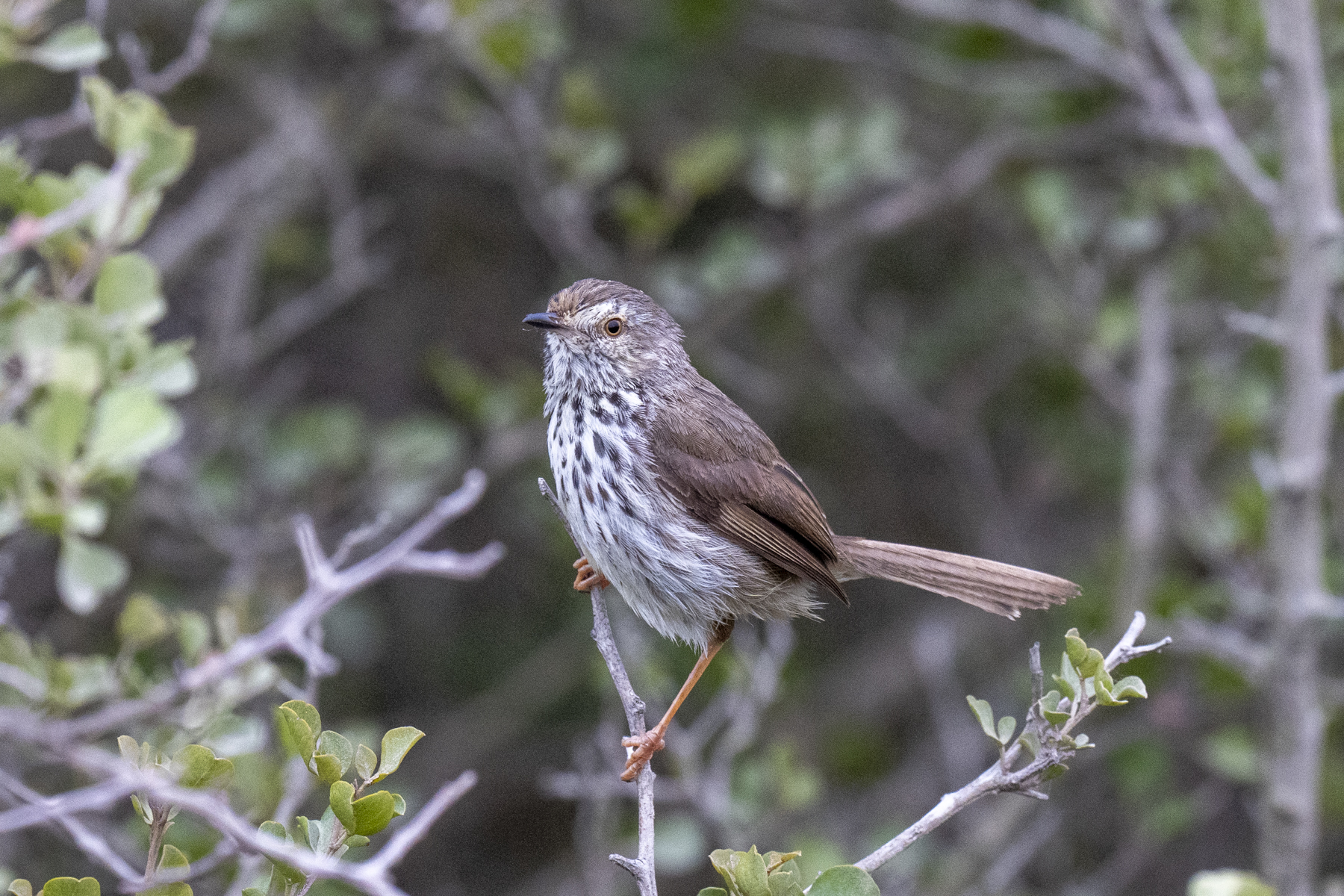
Karoo Prinia (image by Mark Beaman)
Taita Falcon (image by Pete Morris)
African Wild Dog (image by Simon Mitchell)
Spotted Ground Thrush (image by Pete Morris)
African Wattled Lapwing (image by Simon Mitchell)
Cape Grassbird (image by Simon Mitchell)
Cape Sugarbird (image by Simon Mitchell)
Southern Double-collared Sunbird (image by Pete Morris)
Victorin's Warbler (image by Simon Mitchell)
Cape Gannet (image by Mike Watson)
African Elephant (image by Simon Mitchell)
Black-footed Cat (image by Pete Morris)
Malachite Sunbird (image by Pete Morris)
Spike-heeled Lark (image by Pete Morris)
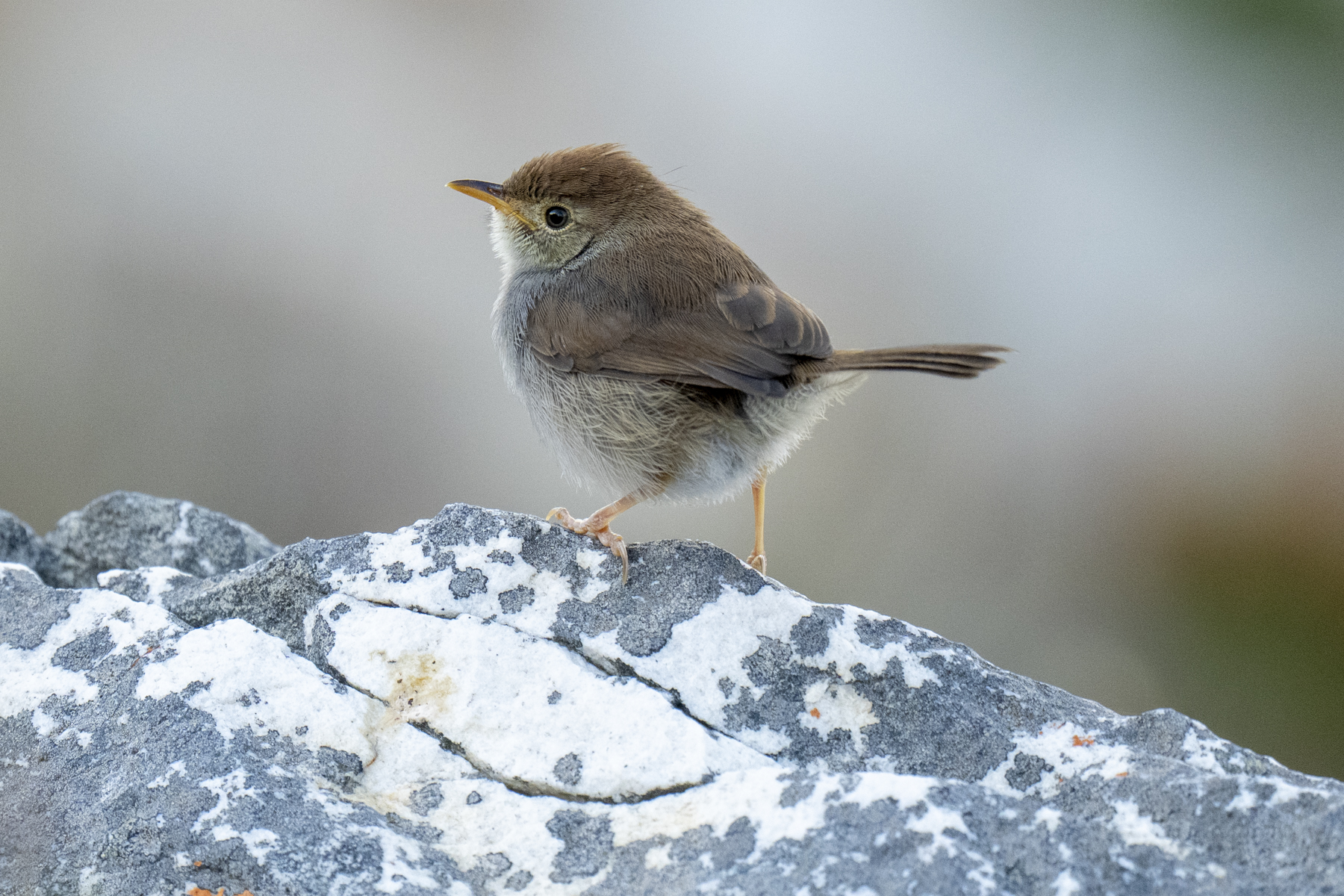
Cinnamon-breasted Warbler (image by Pete Morris)
Gurney's Sugarbird (image by Pete Morris)
Sociable Weaver (image by Mark Beaman)
Spotted Eagle-Owl (image by Mike Watson)
Mountain Zebra (image by Simon Mitchell)
Kalahari Scrub Robin (image by Mike Watson)
Short-clawed Lark (image by Mark Beaman)
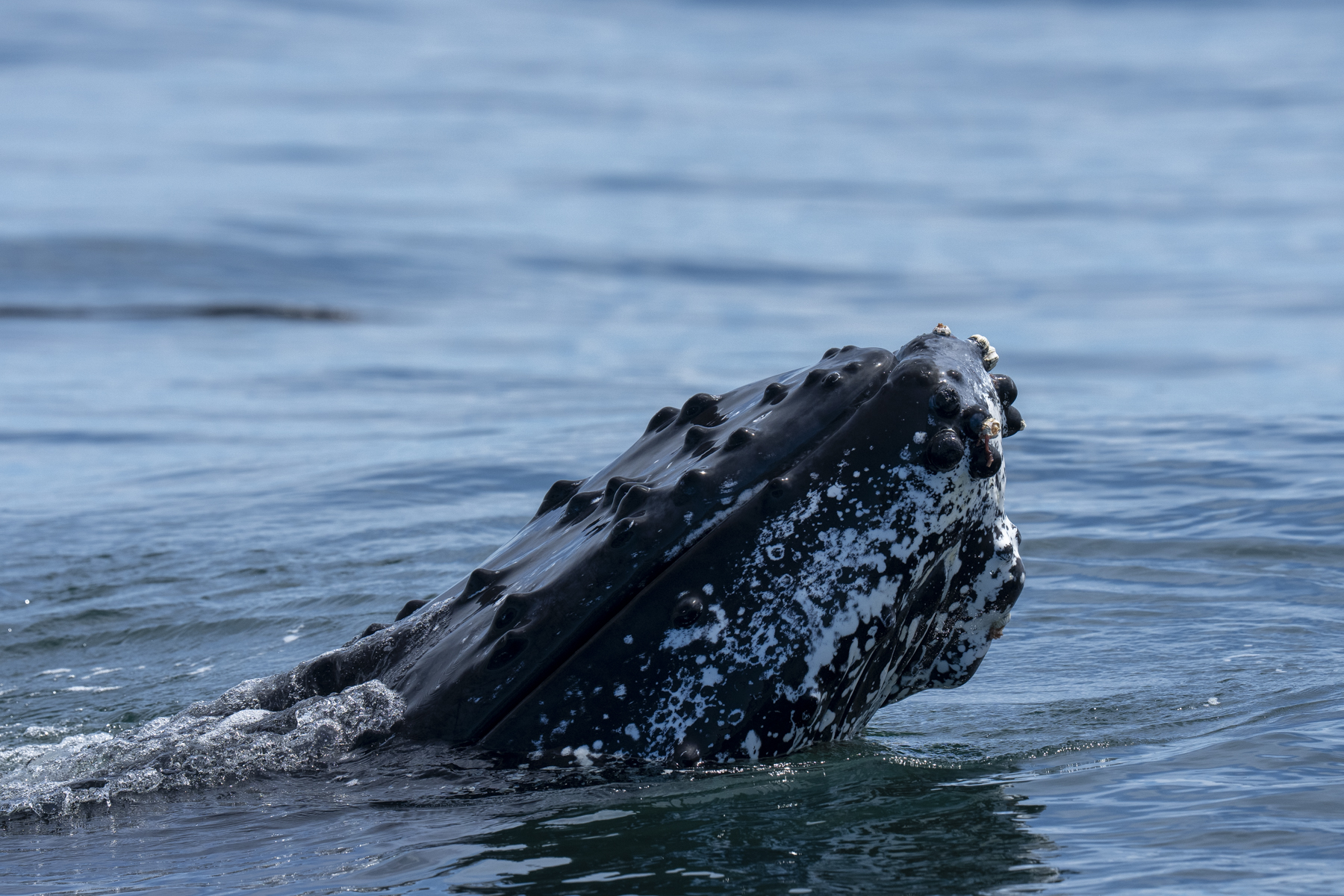
Humpback Whale (image by Mark Beaman)
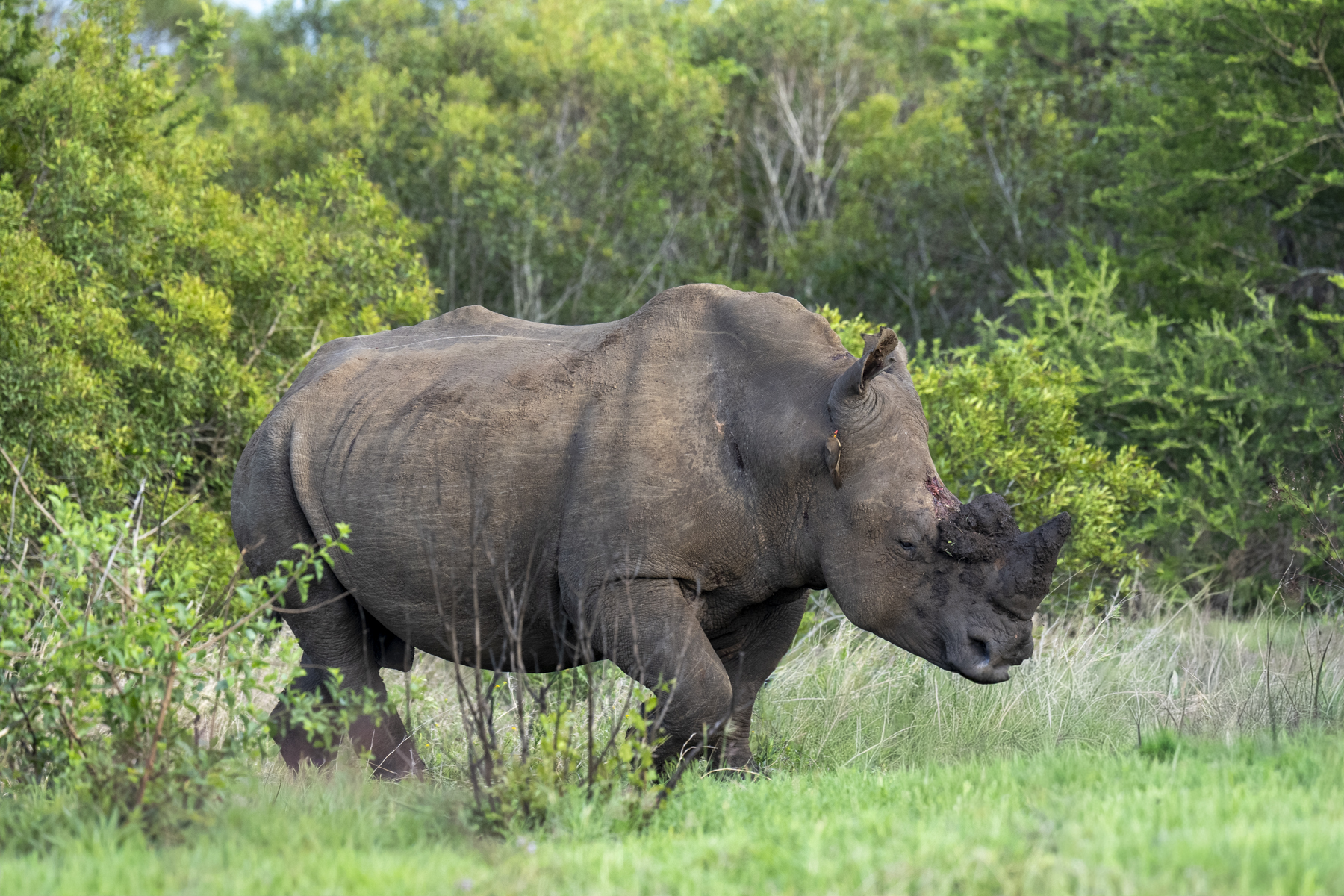
White Rhinoceros (image by Mark Beaman)
Sickle-winged Chat (image by Pete Morris)
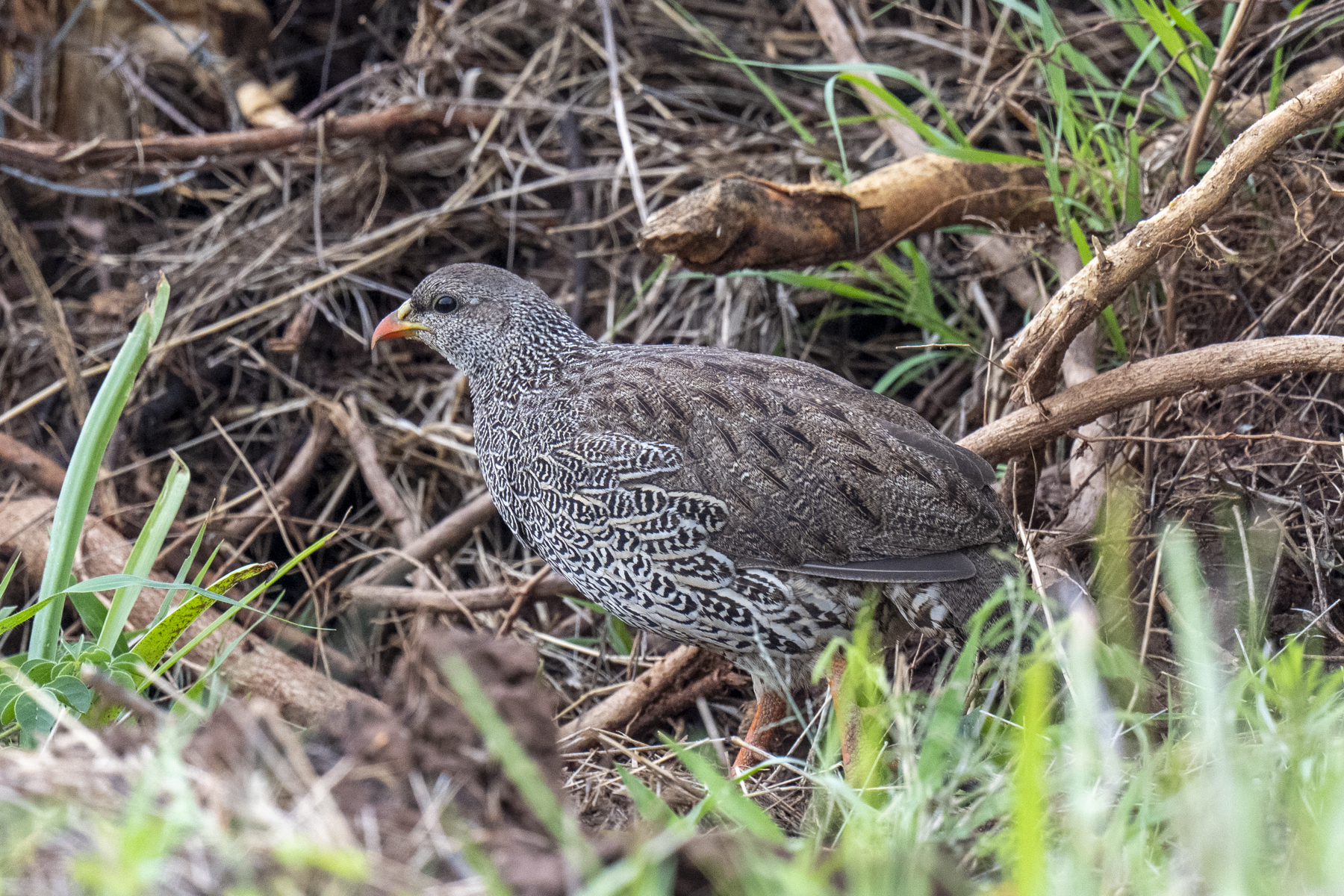
Natal Spurfowl (image by Mark Beaman)
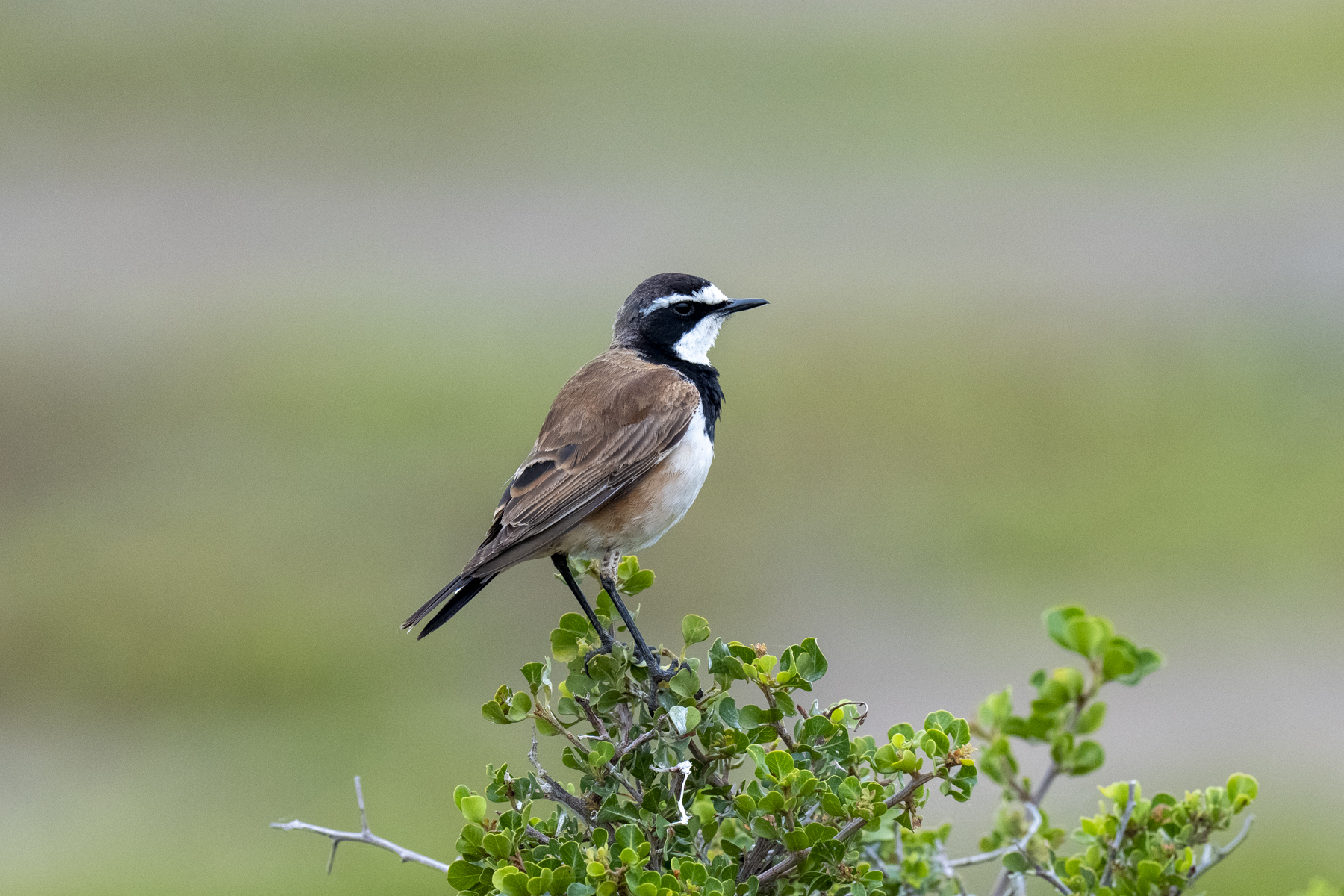
Capped Wheatear (image by Mark Beaman)
Orange River White-eye (image by Pete Morris)
Southern Boubou (image by Pete Morris)
Northern Black Korhaan (image by Simon Mitchell)
Cape Mountain Zebra and Common Ostrich (image by Pete Morris)
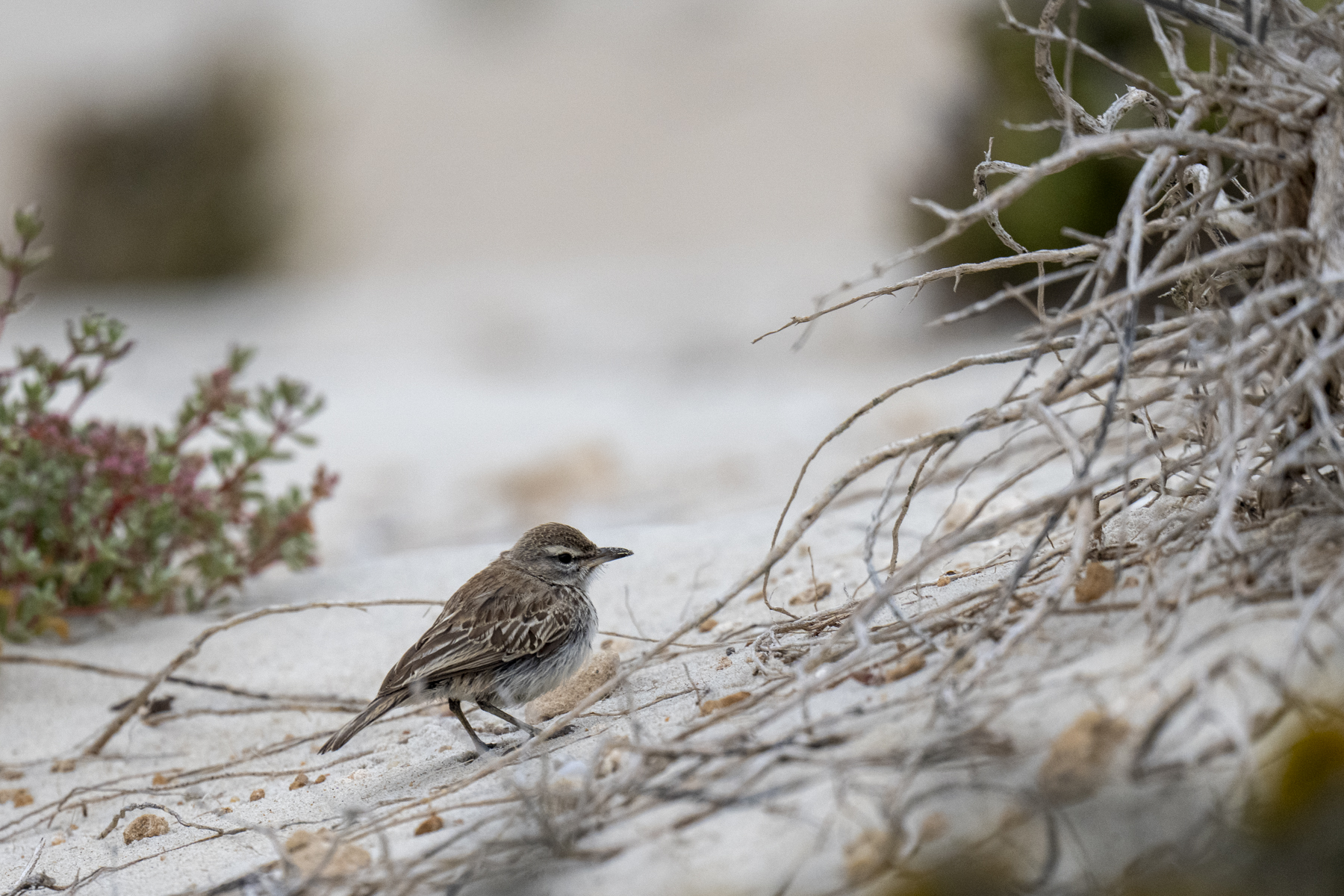
Dune Lark (form barlowi) (image by Mark Beaman)
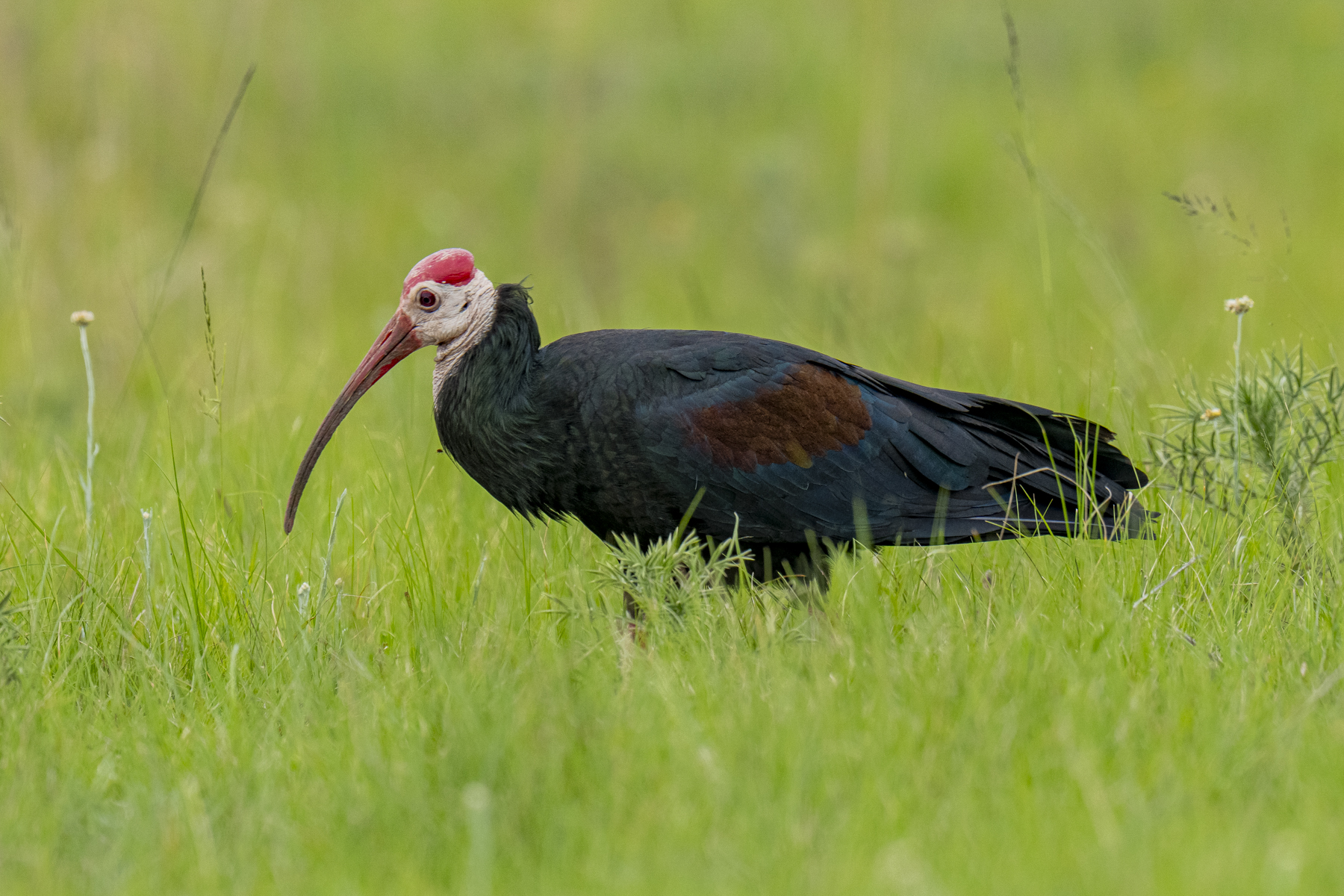
Southern Bald Ibis (image by Mark Beaman)
Barlow's Lark (image by Pete Morris)
Black-bellied Bustard (image by Mike Watson)
Knysna Turaco (image by Pete Morris)
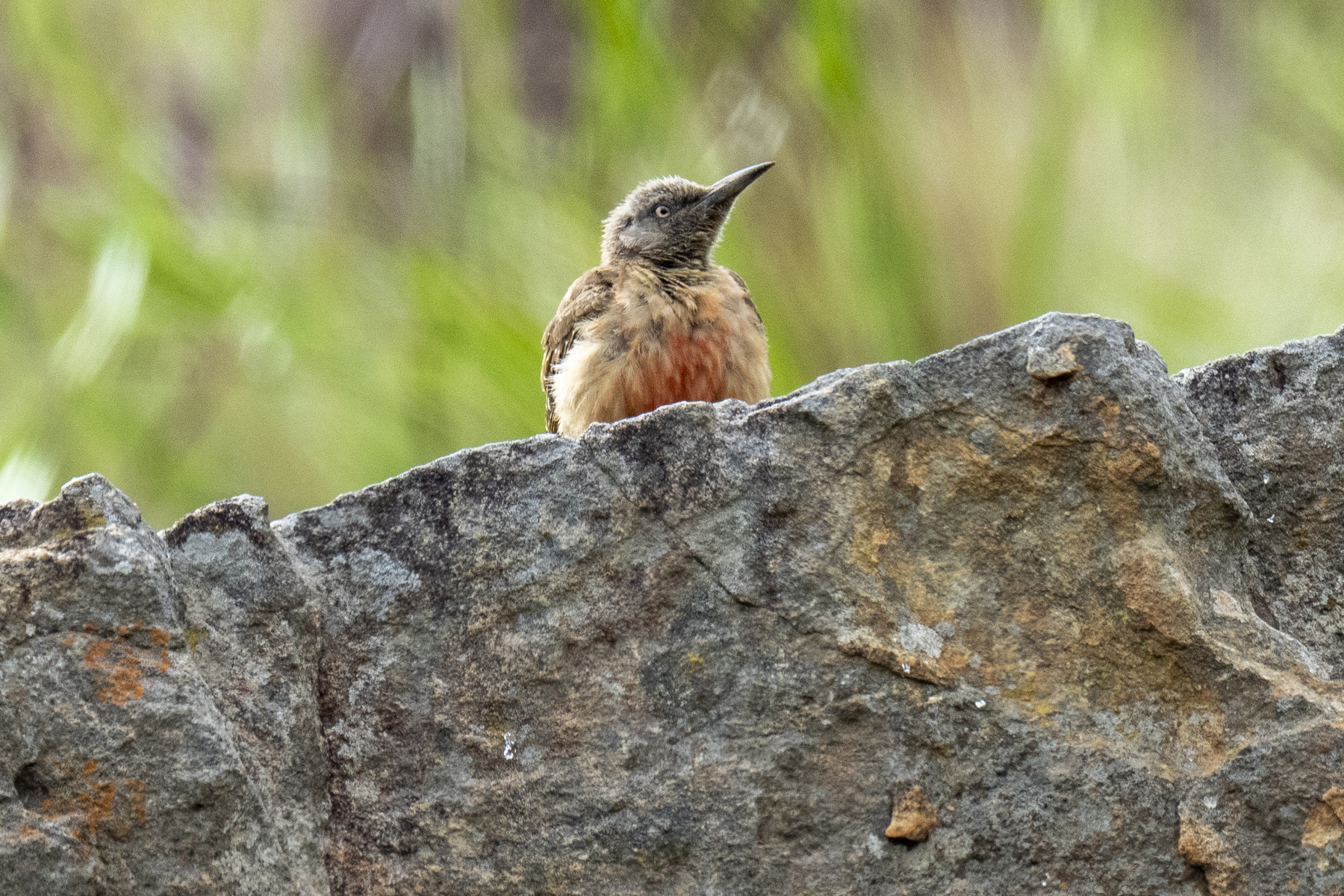
Orange Ground Thrush (image by Pete Morris)
Red Lark (image by Pete Morris)
Aardwolf (image by Pete Morris)
Victorin's Warbler (image by Mark Beaman)
Southern Black Koorhan (image by Pete Morris)
Hartlaub's Gull (image by Pete Morris)
Black-eared Sparrow-Lark (image by Pete Morris)
Blue-cheeked Bee-eater (image by Simon Mitchell)
Rudd's Apalis (image by Simon Mitchell)
Drakensberg Siskin (image by Mike Watson)
Fairy Flycatcher (image by Pete Morris)
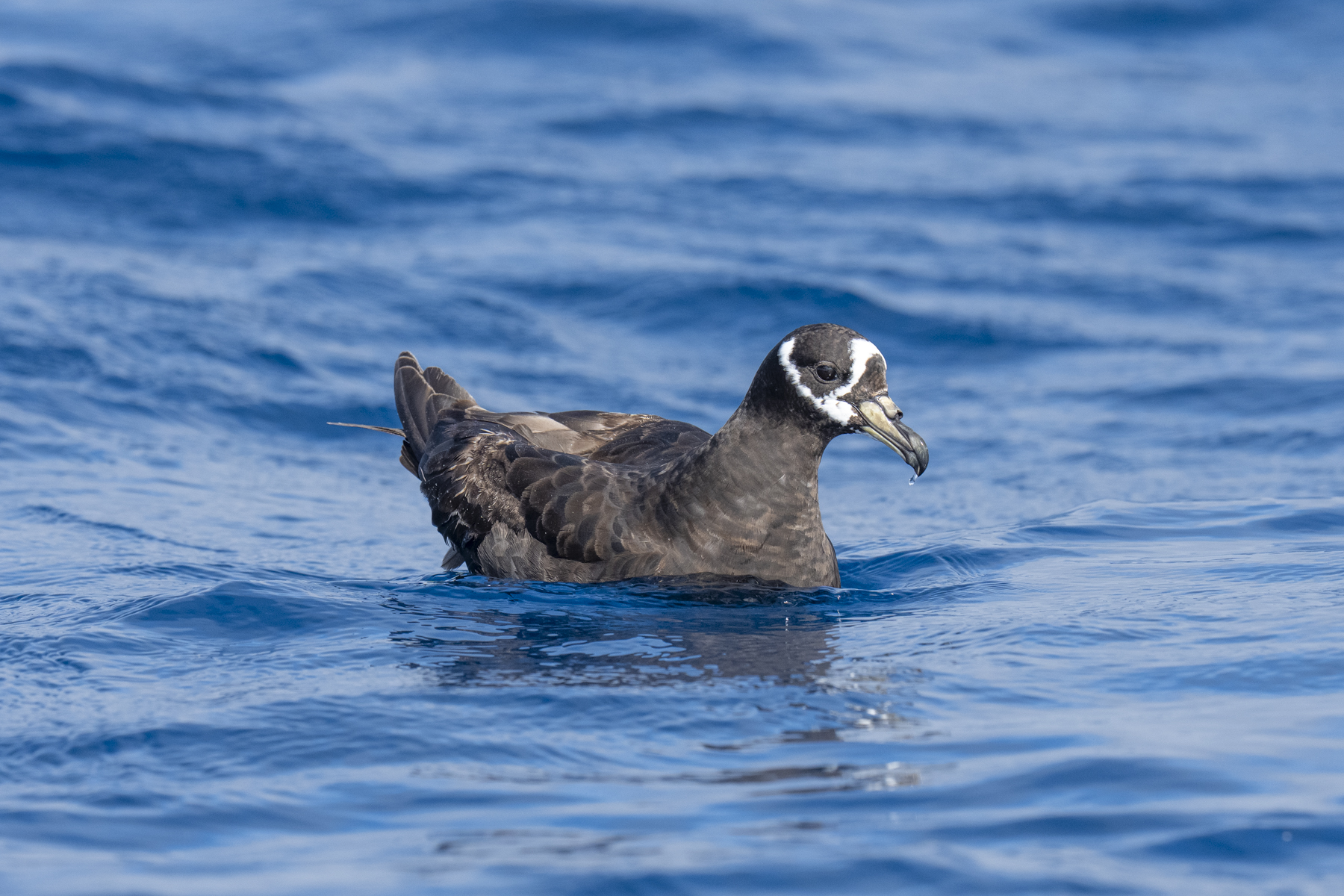
Spectacled Petrel (image by Mark Beaman)
Karoo Korhaan (image by Pete Morris)
Cinnamon-breasted Warbler (image by Simon Mitchell)
Jacobin Cuckoo (image by Simon Mitchell)
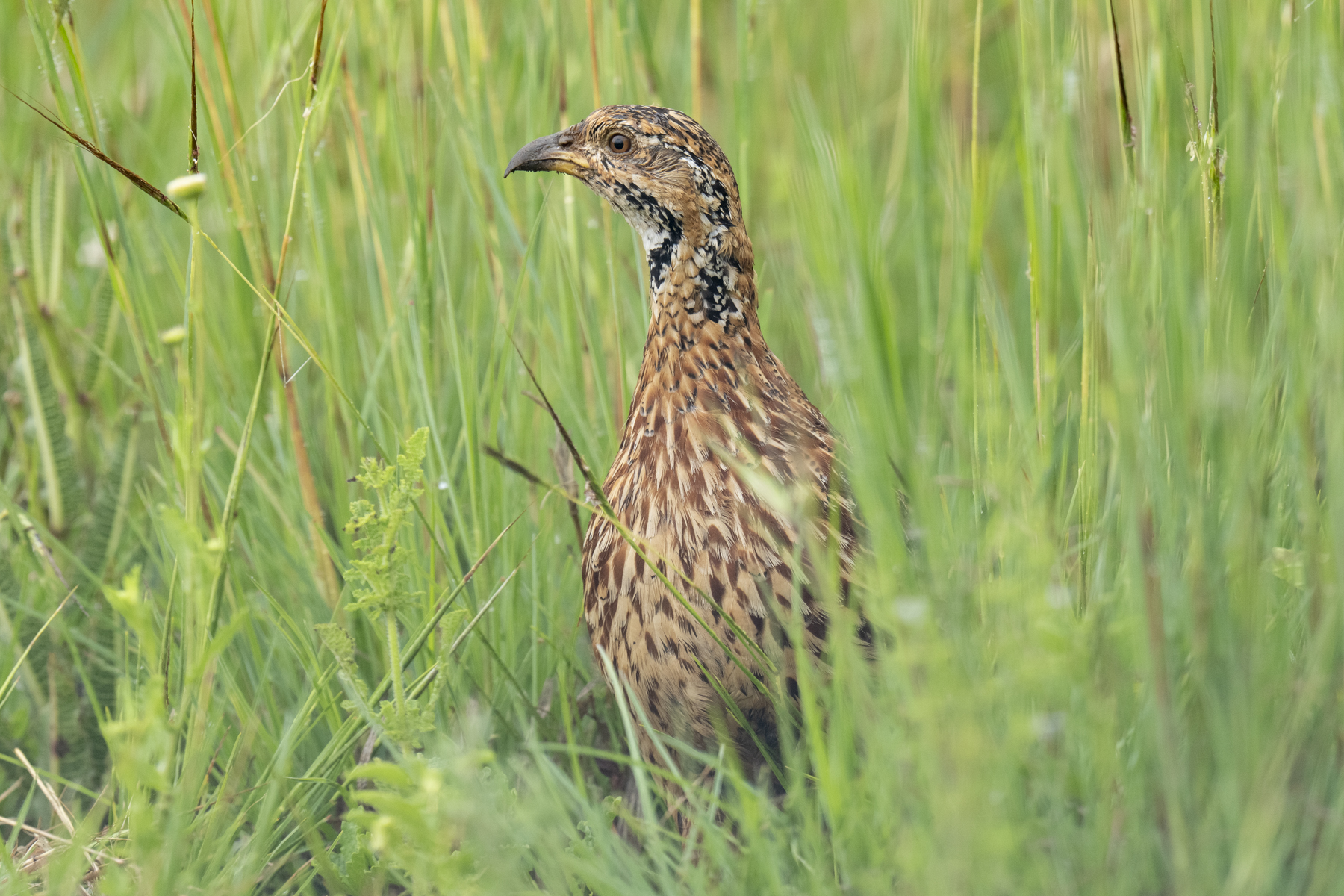
Orange River Francolin (image by Mark Beaman)
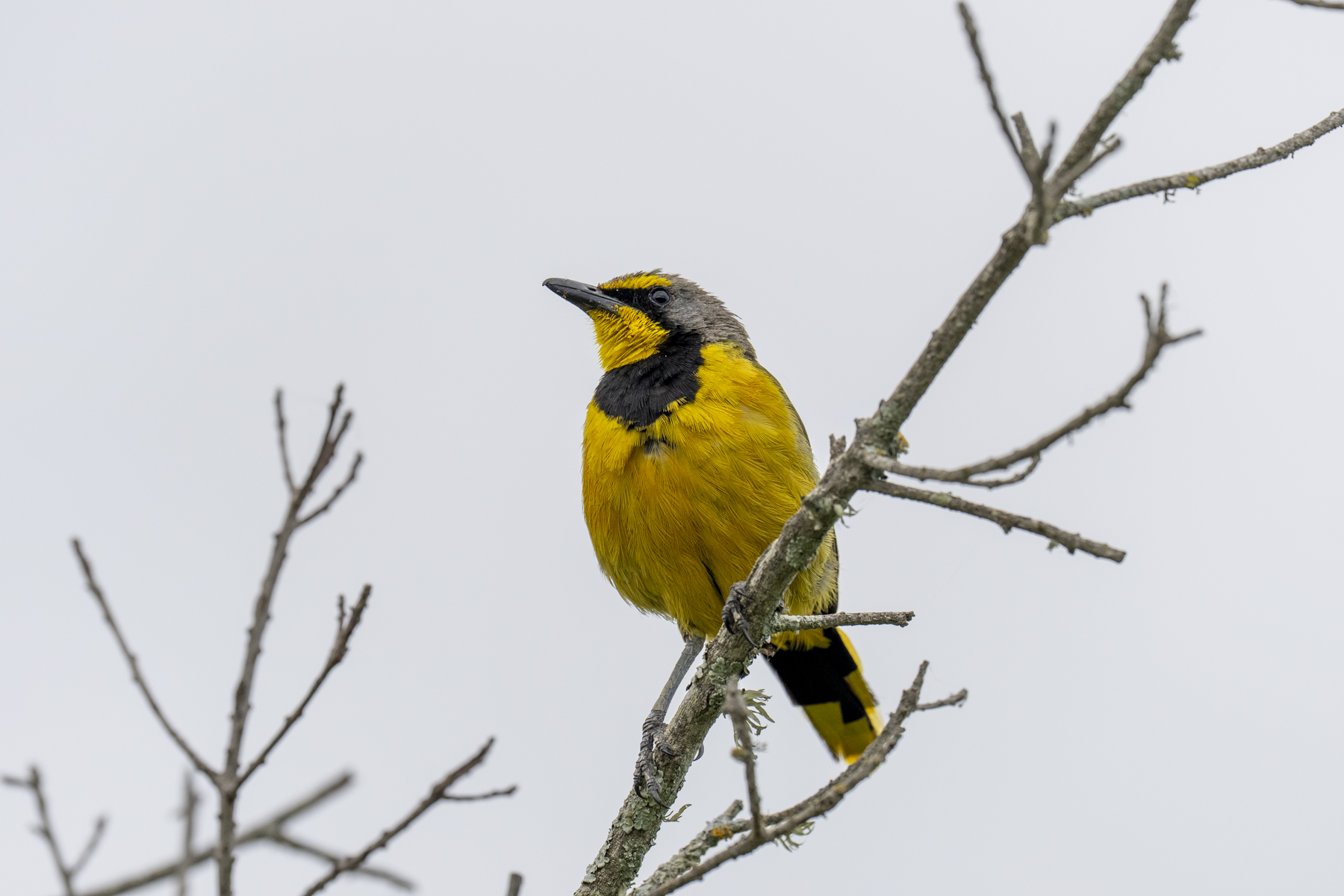
Bokmakierie (image by Mark Beaman)
Southern Banded Snake Eagle (image by Mark Beaman)
Forest Canary (image by Pete Morris)
Diederik Cuckoo (image by Simon Mitchell)
Stark's Lark (image by Mike Watson)
African Pygmy Goose (image by Simon Mitchell)
Knysna Woodpecker (image by Pete Morris)
African Yellow Warbler (image by Simon Mitchell)
Botha's Lark (image by Pete Morris)
Ground Woodpecker (image by Pete Morris)
African Penguin (image by Pete Morris)
Cape Francolin (image by Pete Morris)
Karoo Eremomela (image by Pete Morris)
Yellow-breasted Pipit (image by Pete Morris)
Large-billed Lark (image by Pete Morris)
Neergaard's Sunbird (image by Pete Morris)
Bearded Scrub Robin (image by Pete Morris)
Short-clawed Lark (image by Pete Morris)
Orange-breasted Sunbird (image by Pete Morris)
Woodward's Batis (image by Mark Beaman)
Buff-spotted Flufftail (image by Pete Morris)
Eastern Long-billed Lark (image by Pete Morris)
Cape Clapper Lark (image by Pete Morris)
Red-winged Francolin (image by Pete Morris)
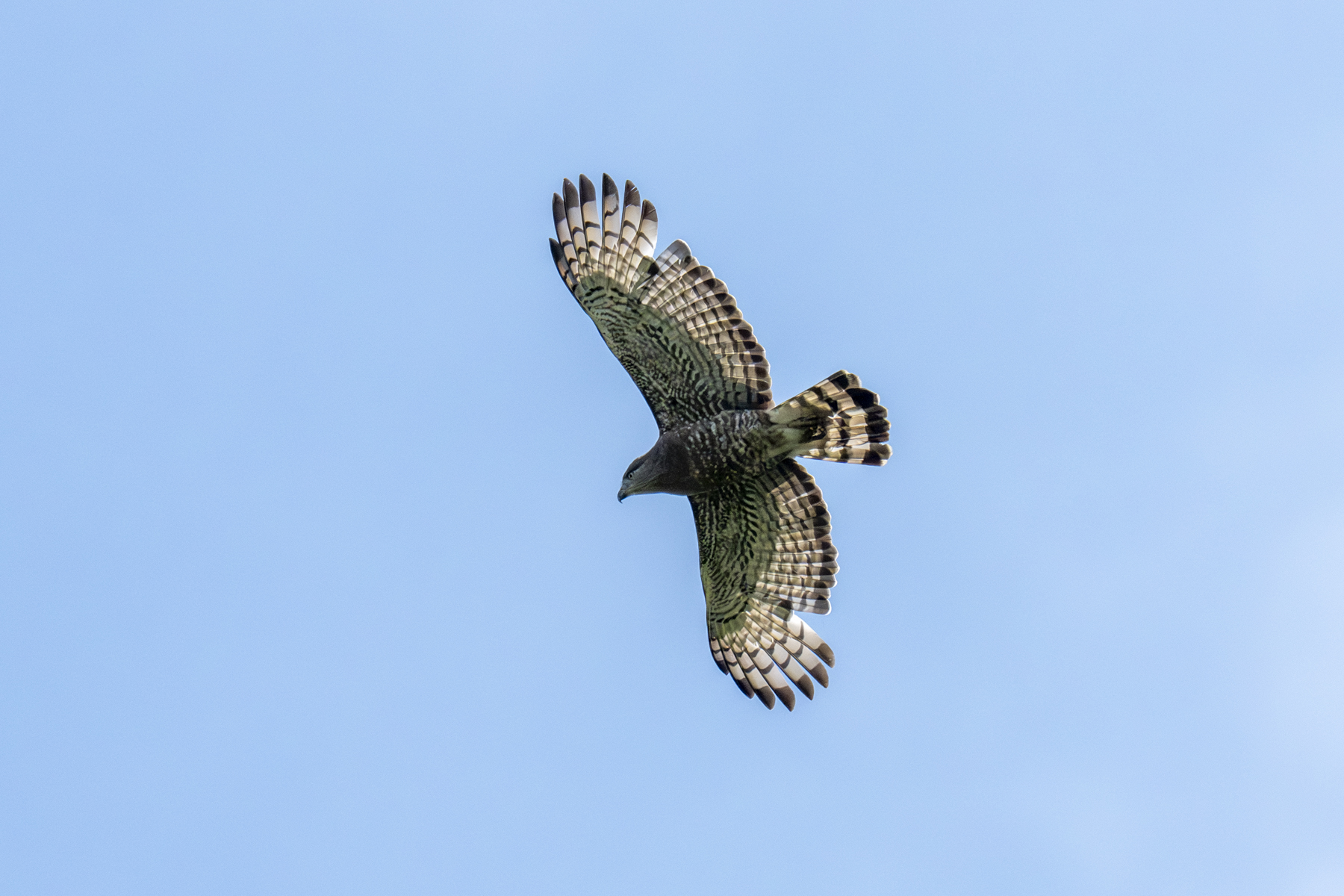
Jackal Buzzard (image by Pete Morris)
White-breasted Cormorant (image by Mike Watson)
Sclater's Lark (image by Mark Beaman)
Red-capped Robin-Chat (image by Simon Mitchell)
The endangered Blue Swallow (image by Mark Beaman)
Damara Tern (image by Pete Morris)
Bearded Woodpecker (image by Simon Mitchell)
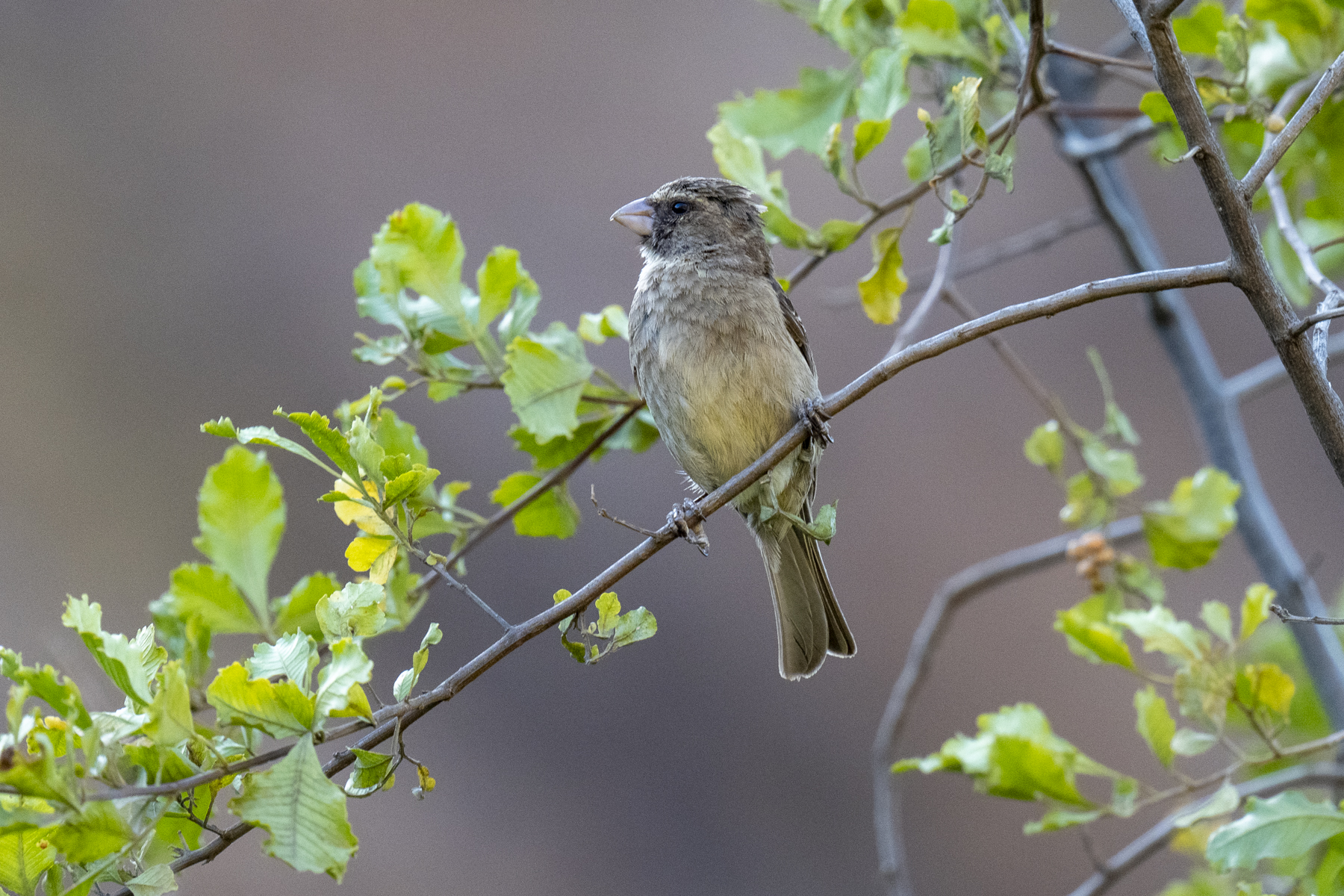
Southern Brown-throated Weaver (image by Pete Morris)
Burchell's Zebras (image by Mike Watson)
Drakensburg Rockjumper
Karoo Long-billed Lark (image by Mark Beaman)


Cape Longclaw (image by Pete Morris)
Atlantic Yellow-nosed Albatross (image by Pete Morris)
Bush Blackcap (image by Pete Morris)
Lemon-breasted Canary (image by Mark Beaman)
Southern Red Bishop (image by Mark Beaman)
Sentinel Rock Thrush (image by Pete Morris)
Cuckoo-finch (image by Simon Mitchell)
Nyala (image by Pete Morris)
Cape Batis (image by Pete Morris)
Brown Scrub Robin (image by Pete Morris)
Sickle-winged Chat (image by Mark Beaman)
Great Shearwater (image by Pete Morris)
Swee Waxbill (image by Simon Mitchell)
Roan Antelope and Red-billed Oxpeckers (image by Mark Beaman)
Long-tailed Widowbird (image by Pete Morris)
Black-browed Albatross (image by Pete Morris)
Blue Cranes (image by Simon Mitchell)
Grey Tit (image by Pete Morris)
Pink-throated Twinspot
Greater Striped Swallow (image by Simon Mitchell)
Blue Cranes (image by Pete Morris)
Cape Parrot (image by Pete Morris)
Southern Crested Guineafowl (image by Simon Mitchell)
Cape Sugarbird (image by Pete Morris)
Neddicky (image by Mark Beaman)
Pale-winged Starling (image by Pete Morris)
Yellow Canary (image by Pete Morris)
Southern White Rhino (image by Mike Watson)
Ground Woodpecker (image by Mark Beaman)
Black Harrier (image by Pete Morris)
Crowned Cormorant (image by Pete Morris)
Sclater's Lark (image by Mike Watson)
Buff-streaked Chat male (image by Mark Beaman)
Ludwig's Bustard (image by Pete Morris)
Sclater's Lark (image by Pete Morris)
Rudd's Lark (image by Pete Morris)
Namaqua Sandgrouse (image by Mark Beaman)
Cape Sugarbird (image by Pete Morris)
Cape Long-billed Lark (image by Mark Beaman)
Southern Tchagra (image by Pete Morris)
Mountain Pipit (image by Simon Mitchell)
Yellow-breasted Pipit (image by Simon Mitchell)
Chorister Robin-Chat (image by Mark Beaman)
Drakensberg Rockjumper (image by Pete Morris)
Cape Eagle-Owl (image by Alec Gillespie)
Fiscal Flycatcher (image by Pete Morris)
Southern Tchagra (image by Mark Beaman)
White-throated Robin-Chat (image by Pete Morris)
Blue Crane (image by Mark Beaman)
Sociable Weaver nest (image by Mike Watson)
Sclater's Lark (image by Alec Gillespie)
Grey-winged Francolin (image by Pete Morris)
Cape Rockjumper (image by Pete Morris)
Purple-crested Turaco (image by Pete Morris)
Pink-throated Twinspot (image by Pete Morris)
Bontebok (image by Mike Watson)
Cape Siskin (image by Pete Morris)
Protea Canary (image by Mark Beaman)
Rudd's Apalis (image by Pete Morris)
Cape Bunting (image by Pete Morris)
Denham's Bustard (image by Mark Beaman)
Karoo Scrub Robin (image by Pete Morris)
African Rock Pipit (image by Mark Beaman)
Cape Cormorant (image by Pete Morris)
Agulhas Long-billed Lark (image by Pete Morris)
Yellow-tufted Pipit (image by Simon Mitchell)
Karoo Prinia (image by Mark Beaman)
Taita Falcon (image by Pete Morris)
African Wild Dog (image by Simon Mitchell)
Spotted Ground Thrush (image by Pete Morris)
African Wattled Lapwing (image by Simon Mitchell)
Cape Grassbird (image by Simon Mitchell)
Cape Sugarbird (image by Simon Mitchell)
Southern Double-collared Sunbird (image by Pete Morris)
Victorin's Warbler (image by Simon Mitchell)
Cape Gannet (image by Mike Watson)
African Elephant (image by Simon Mitchell)
Black-footed Cat (image by Pete Morris)
Malachite Sunbird (image by Pete Morris)
Spike-heeled Lark (image by Pete Morris)
Cinnamon-breasted Warbler (image by Pete Morris)
Gurney's Sugarbird (image by Pete Morris)
Sociable Weaver (image by Mark Beaman)
Spotted Eagle-Owl (image by Mike Watson)
Mountain Zebra (image by Simon Mitchell)
Kalahari Scrub Robin (image by Mike Watson)
Short-clawed Lark (image by Mark Beaman)
Humpback Whale (image by Mark Beaman)
White Rhinoceros (image by Mark Beaman)
Sickle-winged Chat (image by Pete Morris)
Natal Spurfowl (image by Mark Beaman)
Capped Wheatear (image by Mark Beaman)
Orange River White-eye (image by Pete Morris)
Southern Boubou (image by Pete Morris)
Northern Black Korhaan (image by Simon Mitchell)
Cape Mountain Zebra and Common Ostrich (image by Pete Morris)
Dune Lark (form barlowi) (image by Mark Beaman)
Southern Bald Ibis (image by Mark Beaman)
Barlow's Lark (image by Pete Morris)
Black-bellied Bustard (image by Mike Watson)
Knysna Turaco (image by Pete Morris)
Orange Ground Thrush (image by Pete Morris)
Red Lark (image by Pete Morris)
Aardwolf (image by Pete Morris)
Victorin's Warbler (image by Mark Beaman)
Southern Black Koorhan (image by Pete Morris)
Hartlaub's Gull (image by Pete Morris)
Black-eared Sparrow-Lark (image by Pete Morris)
Blue-cheeked Bee-eater (image by Simon Mitchell)
Rudd's Apalis (image by Simon Mitchell)
Drakensberg Siskin (image by Mike Watson)
Fairy Flycatcher (image by Pete Morris)
Spectacled Petrel (image by Mark Beaman)
Karoo Korhaan (image by Pete Morris)
Cinnamon-breasted Warbler (image by Simon Mitchell)
Jacobin Cuckoo (image by Simon Mitchell)
Orange River Francolin (image by Mark Beaman)
Bokmakierie (image by Mark Beaman)
Southern Banded Snake Eagle (image by Mark Beaman)
Forest Canary (image by Pete Morris)
Diederik Cuckoo (image by Simon Mitchell)
Stark's Lark (image by Mike Watson)
African Pygmy Goose (image by Simon Mitchell)
Knysna Woodpecker (image by Pete Morris)
African Yellow Warbler (image by Simon Mitchell)
Botha's Lark (image by Pete Morris)
Ground Woodpecker (image by Pete Morris)
African Penguin (image by Pete Morris)
Cape Francolin (image by Pete Morris)
Karoo Eremomela (image by Pete Morris)
Yellow-breasted Pipit (image by Pete Morris)
Large-billed Lark (image by Pete Morris)
Neergaard's Sunbird (image by Pete Morris)
Bearded Scrub Robin (image by Pete Morris)
Short-clawed Lark (image by Pete Morris)
Orange-breasted Sunbird (image by Pete Morris)
Woodward's Batis (image by Mark Beaman)
Buff-spotted Flufftail (image by Pete Morris)
Eastern Long-billed Lark (image by Pete Morris)
Cape Clapper Lark (image by Pete Morris)
Red-winged Francolin (image by Pete Morris)
Jackal Buzzard (image by Pete Morris)
White-breasted Cormorant (image by Mike Watson)
Sclater's Lark (image by Mark Beaman)
Red-capped Robin-Chat (image by Simon Mitchell)
The endangered Blue Swallow (image by Mark Beaman)
Damara Tern (image by Pete Morris)
Bearded Woodpecker (image by Simon Mitchell)
Southern Brown-throated Weaver (image by Pete Morris)
Burchell's Zebras (image by Mike Watson)
Drakensburg Rockjumper
Karoo Long-billed Lark (image by Mark Beaman)


|
Wednesday 18th November – Friday 11th December 2026 Leaders: Simon Mitchell and Andrew Stainthorpe |
24 Days | Group Size Limit 8 (tour full) |
|
Thursday 28th October – Saturday 20th November 2027 Leaders: Andrew Stainthorpe and an assistant |
24 Days | Group Size Limit 8 (tour guaranteed) |
|
Thursday 12th October – Saturday 4th November 2028 Leaders: Andrew Stainthorpe and an assistant |
24 Days | Group Size Limit 8 |
|
Thursday 11th October – Saturday 3rd November 2029 Leaders: Andrew Stainthorpe and an assistant |
24 Days | Group Size Limit 8 |
Birdquest’s South Africa Specialities birding tours surely deserve the epithet ‘ultimate’. Many birdwatching holidays feature this marvellous country, which hosts an extraordinary concentration of endemic birds, not to mention some great mammals, but for the most comprehensive coverage of the South African endemic and near-endemic birds, our South Africa birding tour is the tour to take. Modern roads combined with good accommodations, food and wines, and of course fabulous birds: what more could anyone want?
Over 180 species are endemic or virtually endemic to Southern Africa, the region south of the Zambezi River, representing by far the highest concentration of endemics on the African continent. The great majority of these are to be found inside South Africa itself, which hosts around a hundred strictly endemic species. Many Southern African endemics are confined to the arid and semi-arid western regions of Southern Africa or to the unique ‘fynbos’ and ‘karoo’ habitats of the Southwestern Cape. Others have evolved in isolation in remote mountain and upland regions, whilst a few are relict species found only in tiny restricted areas in out-of-the-way places, virtually unknown until recently. Not only is South Africa extremely rich in endemic and near-endemic birds, but there is a host of more widespread species and also a surprisingly diverse selection of large mammals.
Not surprisingly, South Africa is nowadays one of the world’s top birding destinations. Many tours to the country are rather general birdwatching trips, but this special tour focuses on the many endemic and near-endemic birds of the country. It does not focus on widespread African species or indeed try to cover long distances to find species that are more easily seen in Namibia and other parts of Southern Africa. With good roads, accommodations, food and wine, and a quiet, rural atmosphere over much of the country, South Africa offers some of the most exciting and most comfortable birding experiences in Africa, yet at a very reasonable cost compared to most African countries.
Our South Africa birding tour begins in Cape Town, justly famous for its dramatic mountainous scenery, including the famous Table Mountain that dominates the city.
Countless thousands of seabirds occur in the waters off the Cape, and a pelagic cruise to the fishing grounds off Cape Town is one of the birding spectacles of Southern Africa. Here we can marvel at several species of albatrosses (including Shy, Atlantic Yellow-nosed and Indian Yellow-nosed), attractive Great Shearwaters and Sabine’s Gulls, and many other seabirds. There is even a chance for the uncommon Spectacled Petrel.
We will also spend time in the strange fynbos, the macchia-like, Mediterranean-style vegetation characteristic of the Southwestern Cape. West Coast National Park and other areas hold many endemic or near-endemic birds, including the superb Black Harrier, Jackal Buzzard, Cape Francolin, Soiuthern Black Korhaan, Cape Clapper, Cape Long-billed and Karoo Larks, Capev Longclaw, Cape Bulbul, Cape Grassbird, Karoo Prinia, Cape Batis, Southern Boubou, Bokmakierie, Karoo Scrub Robin, Grey-backed Cisticola, Grey Tit, Cape Penduline Tit Cape White-eye, the spectacular Cape Sugarbird, Southern Double-collared and Orange-breasted Sunbirds, Cape Sparrow, Cape Weaver and Cape Canary.
Wetlands and coastal areas harbour South African Shelduck, Cape Shoveler, African Oystercatcher, Chestnut-banded Sand Plover and Hartlaub’s Gull.
From Cape Town, we head southeast through stunning mountain and coastal scenery. Here we will seek out the superb Cape Rockjumpers and secretive Victorin’s Warbler, as well as the uncommon Cape Siskin, and also visit a colony of African Penguins and Cape, Bank and Crowned Cormorants.
Next, we travel through more fynbos and dry farm lands with its elegant Blue Cranes, stately Denham’s Bustards, Cape Clapper and Agulhas Long-billed Larks, and even a good chance for the rare Fynbos Buttonquail, before we explore the coastal reserves of De Mond and De Hoop. Here, the localised Knysna Woodpecker and Southern Tchagra will be high on our want list, while we shall also want to see the Endangered Damara Tern, Acacia Pied Barbet and Fiscal Flycatcher. This beautiful coastal reserve also holds an interesting selection of large mammals. At Grootvadersbosch, the skulking Knysna Warbler will be our main target.
From Grootvadersbosch, we head northwest to Clanwilliam, probably the best place in the country for the localised and uncommon endemic Protea Canary. Mountain Wheatear, Cinnamon-breasted Warbler, Layard’s and Chestnut-vented Warblers, and Fairy Flycatcher are other birds of this splendid mountainous region.
Amidst the starkly beautiful scenery of the Karoo, in the region surrounding the remote town of Brandvlei, we can expect a host of arid country specialities, including Karoo Korhaan, Namaqua Sandgrouse, White-backed Mousebird, Sickle-winged, Tractrac and Karoo Chats, Namaqua and Black-chested Prinias, the handsome Rufous-eared Warbler, Chat Flycatcher, Pririt Batis, Pied and Pale-winged Starlings, Dusky Sunbird, Black-headed and Yellow Canaries, and Cape and Lark-like Buntings. We will also be hoping to find Ludwig’s Bustard and the elusive Karoo Eremomela.
The Karoo also has a splendid aggregation of larks, including Red, Sabota, Spike-heeled, Large-billed, Karoo Long-billed and Sclater’s Larks, and Grey-backed and Black-eared Sparrowlarks.
From the Karoo, we head northeast to the harsh, Skeleton Coast-like coastline of the Northern Cape, home to the endemic Dune Lark.
In the semi-desert region around the little town of Pofadder, we will be looking in particular for Starck’s Lark, the dune form of the Red Lark, African Red-eyed Bulbul, Karoo Thrush, Orange River White-eye and Red-headed Finch, as well as the magnificent Southern Oryx (or Gemsbok).
Heading eastwards, we come to the Kimberley region, where we will stay at a private game reserve. Not only does a stop here provide a welcome break on the long drive to northeastern South Africa, but night drives here offers a very good chance of seeing the charismatic and otherwise hard-to-see Aardvark, as well as Aardwolf and other nocturnal mammals. Rufous-cheeked Nightjar and other nightbirds add to the attractions and not far away we will look for Burchell’s Courser, Bradfield’s Swift, Short-toed Rock Thrush.
Next, our South Africa birding tour heads northeast to Heidelberg in the Johannesburg region, where the scarce Orange River Francolin is our major target.
Beyond the Johannesburg region, we will be looking for the poorly-known Melodious Lark at a favoured spot or two before heading onwards to Polokwane in the north of the country. Here, the dry grasslands hold the endemic Short-clawed Lark, as well as other good birds such as Swainson’s Spurfowl, Ashy Tit, Marico Flycatcher and the stunning Crimson-breasted Shrike, while one of the most productive forest areas in the country gives us our best chance for the rare endemic Cape Parrot. Black-fronted Bushshrike will also be high on our agenda in this beautiful area, and we will have a first chance for some of the specialities that also occur in the Drakensberg, such as Barratt’s Warbler, Chorister Robin-Chat, Olive Bushshrike, Greater Double-collared Sunbird and Swee Waxbill.
Our next destination will be the rolling grasslands of the southern Transvaal (now known as Mpumalanga province) around Wakkerstroom. One of the most threatened habitats in Southern Africa, the endemic bird species that live there, including Blue and Barrow’s Korhaans (the latter split from White-bellied Bustard), Eastern Long-billed, Rudd’s and Botha’s Larks, and Yellow-breasted Pipit, are now in a precarious situation. This beautiful area of rocky ridges, pristine grasslands, small lakes, marshy meadows (with delightful Long-tailed Widowbirds bounding over them) and forest-choked gullies is rich in birdlife and offers a taste of what the whole region must have looked like a century ago.
Next, we cross the border into KwaZulu-Natal and the bird-rich bushveld, lakes and papyrus swamps of Mkuze (or Mkhuze) Game Reserve. Although we will already have seen a number of impressive mammals during the tour, Mkhuze is a mammalogist’s paradise, with White Rhinoceros, the beautiful Nyala (a relative of the Kudu) and Hippopotamus being among the more spectacular creatures. Yet more avian delights await us at Mkhuze too, including two specialities, Neergaard’s Sunbird and the delightful Pink-throated Twinspot, as well as many other additions to the tour list.
Eventually, we reach the Indian Ocean coast at Saint Lucia. Here, the lagoons and almost impenetrable, liana-choked forests of the Lake St Lucia area hold such specialities as Brown Scrub Robin, Rudd’s Apalis and Woodward’s Batis. As we leave the coastal lowlands behind, on our way to the fabulous Drakensberg, we will pause at Eshowe to take in the endangered Spotted Ground Thrush.
Our visit to the mighty Drakensberg range will surely be a fitting finale to a fantastic tour. We will climb high into these magnificent mountains to the Sani Pass and enter the Kingdom of Lesotho. This small, mountainous country, most of which lies over 2000m (or roughly 6600ft), possesses truly spectacular scenery. Situated amongst the peaks of the lofty Drakensberg range, southern Lesotho is reached by only a few roads that climb over breathtaking mountain passes, and the winding road that we will take reaches an altitude of nearly 3250m (10,663ft). In the higher reaches of the Drakensberg, we can expect a suite of montane specialities, including the strange Southern Bald Ibis, the endangered Cape Vulture, the enigmatic Bush Blackcap, Cape and Sentinel Rock Thrushes, the beautiful Buff-streaked Chat, the superb Drakensberg Rockjumper, Mountain and Yellow-tufted Pipits, Gurney’s Sugarbird and Drakensberg Siskin.
At lower altitudes, we shall visit the ‘mist forests’ and rolling grasslands of the Natal Midlands, where the special birds include the spectacular Wattled Crane, the colourful Knysna Turaco, Blue Swallow, the gorgeous but elusive Orange Ground Thrush, Drakensberg Prinia and Forest Canary.
By the time we come to the end of our South African odyssey, we will have explored the whole range of this extraordinary country’s diverse habitats and seen a remarkable variety of birds, including many of the most sought-after in Africa.
Birdquest has operated South Africa birding tours since 1989.
Accommodation & Road Transport
The hotels/lodges are of a good standard throughout. Road transport is by minibus/passenger van, and the roads in South Africa are good. There are some long drives on this tour.
Walking
The walking effort during our South Africa Specialities birding tours is mostly easy, occasionally moderate.
Climate
Rather variable. In the Cape, conditions range from cool to warm (or hot in the Karoo and northern Cape), and a mix of sunny and overcast conditions is typical, perhaps with some rain (most likely at the coast). In the east, conditions range from warm to hot at lower altitudes, cool to warm at higher altitudes or even cold in the high Drakensberg. Again, a mix of sunny and overcast weather is typical, and some rain is likely.
Bird Photography
Opportunities during our South Africa Specialities birding tours are good in most areas.
To see a larger map, click on the square-like ‘enlarge’ icon in the upper right of the map box.
To see (or hide) the ‘map legend’, click on the icon with an arrow in the upper left of the map box.
To change to a satellite view, which is great for seeing the physical terrain (and for seeing really fine details by repetitive use of the + button), click on the square ‘map view’ icon in the lower left corner of the ‘map legend’.
Birdquest Inclusions: Our tour prices include transportation, accommodations, meals and entrance fees.
We also include all tipping for accommodation/restaurant staff.
Deposit: 20% of the total tour price. Our office will let you know what deposit amount is due, in order to confirm your booking, following receipt of your online booking form.
TO BOOK THIS TOUR: Click here (you will need the tour dates)
The single supplement will not apply if you indicate on booking that you prefer to share a room and there is a room-mate of the same sex available.
This tour is priced in US Dollars. Amounts shown in other currencies are indicative.
(Note: use of the term ‘endemic’ in the tour description refers to bird species endemic to Southern Africa as well as strictly South African endemics.)
South Africa: Day 1
Our Specialities of South Africa birding tour begins this evening in Cape Town, where we will stay for three nights.
South Africa: Days 2-3
Cape Town is famous for its fine natural setting close to the magnificent scenery of Table Mountain and the Cape of Good Hope. The wider Southwestern Cape region, a wind-swept area at the meeting point of the Atlantic and Indian Oceans, has an interesting avifauna with a high proportion of endemic species. The area is also famous for its botanical richness (indeed, the Cape Floristic Kingdom comprises a unique floral region with a diversity far in excess of temperate regions in the Northern Hemisphere).
Cape Town is also famous for the concentrations of seabirds that can be found offshore. Weather permitting, our boat will take us out to the trawling grounds, which lie about 30-40 nautical miles offshore in the colder waters of the Benguela Current.
[Note: The Cape is a windy place, and even with a two-day window, our chances of getting out to sea are around 70%. For safety reasons, pelagics can be cut short if the wind looks set to increase unexpectedly. If we are unable to get out to sea, we will, of course, spend the time birding on land in the Cape Town region. There will be an appropriate refund if this happens.]
The harbour at scenic Hout Bay will surely host endemic Hartlaub Gulls, and, after leaving port, the first seabirds will most likely be White-chinned Petrel, Sooty Shearwater and Cape Gannet. Further from shore, an occasional albatross will inspect our wake, and as we reach deeper waters, they may be almost continually in view.
We may spot a trawler before we even sight the boat itself, simply from the cloud of birds following it, and once one has been sighted, we will head towards its wake. The commonest birds associated with the trawlers are Black-browed, Shy, Atlantic Yellow-nosed and Indian Yellow-nosed Albatrosses, Northern Giant Petrels, White-chinned Petrels, Great and Sooty Shearwaters, Cape Gannets, Kelp Gulls, dainty Sabine’s Gulls and Common Terns.
We should also encounter Southern Giant Petrel, Wilson’s Storm Petrel, Pintado (or Cape) Petrel, Cory’s Shearwater, Parasitic Jaeger (or Arctic Skua) and Brown Skua.
There are literally thousands of birds around some of the boats, and seeing seabirds in these numbers, with huge albatrosses repeatedly sweeping past our vessel at very close range, is an unforgettable experience.
Rare possibilities at this time of year include Wandering Albatross, Black-bellied and European Storm Petrels, Soft-plumaged and Great-winged Petrels, Manx Shearwater, Long-tailed Jaeger (or Long-tailed Skua) and Arctic Tern. A major speciality that is possible off Cape Town is the range-restricted Spectacled Petrel, but the chance of seeing this charismatic species on a single trip is slim.
During a full-day excursion out of Cape Town to West Coast National Park and other areas lying to the north of the city, we will explore the coastal ‘fynbos’ (heathland), open areas and wetlands.
In this attractive area, we will be looking in particular for such endemics as the superb Black Harrier, Grey-winged Francoiln, the stunning Southern Black Korhaan, Cape Clapper and Cape Long-billed Larks, Grey Tit and Cape Penduline Tit (the region’s smallest endemic).
Additional endemics or near-endemics we will likely encounter here for the first time include Cape Spurfowl, African Oystercatcher, the attractive Jackal Buzzard, White-backed Mousebird, Bokmakierie, Large-billed Lark, Cape (or Orange-throated) Longclaw, Cape Bulbul, Cape Grassbird, Karoo Prinia, Grey-backed Cisticola, Pied Starling, Karoo Scrub Robin, Southern (or Lesser) Double-collared Sunbird, Cape Sparrow, Cape Weaver and Yellow Canary.
Another target today is the patchily distributed and exquisite Chestnut-banded Plover.
Likely species of wider distribution include Common Ostrich, Egyptian Goose, Cape Teal, Helmeted Guineafowl, Greater and Lesser Flamingos, Little and Black-necked Grebes, Speckled Pigeon, Ring-necked, Red-eyed, Laughing and Namaqua Doves, Red-knobbed Coot, Spotted Thick-knee, Pied Avocet, Black-winged Stilt, Common Ringed, Kittlitz’s, Three-banded, White-fronted and Grey (or Black-bellied) Plovers, Blacksmith Lapwing, Eurasian Whimbrel, Common Greenshank, Ruff, Curlew Sandpiper, Sanderling, Little Stint, Little, Caspian, Sandwich and Greater Crested Terns, Grey-headed Gull, Hadada, Glossy and African Sacred Ibises, Little Egret, Black-headed and Grey Herons, Black and Black-winged Kites, Common Buzzard, Little Swift, Southern Fiscal, Pied Crow, Bar-throated Apalis, Little Rush Warbler, Brown-throated Martin, White-throated, Barn and Greater Striped Swallows, and Malachite Sunbird. Common Starling and Common Myna are expanding introduced species.
Mammals are not conspicuous, but we may well come across the handsome Bontebok and also Karoo Vlei Rats amidst the low scrub.
South Africa: Day 4
This morning, we will leave Cape Town behind and head southeast to the Betty’s Bay area, where we will spend the night.
Our first stop will be at the small and attractive seaside town of Rooi-Els, flanked by a dramatic stretch of coastline where the rugged limestone mountains receive the brunt of the southeasterly gales that are so frequent in the Cape during the Austral winter months. Here we will be looking in particular for the superb endemic Cape Rockjumper, one of the most charismatic birds of this bird-rich tour! It depends on the day, but sometimes they seem unafraid and make a close approach.
A family of plants characteristic of this region is the proteas, and, wherever there are concentrations of their beautiful and spectacular flowers (often the case here), we can expect to find Cape Sugarbirds, one of two members of a Southern African endemic family which resemble gigantic sunbirds, and gorgeous endemic Orange-breasted Sunbirds.
Other endemic specialities include Cape Rock Thrush and the patchily distributed Cape Siskin, and we can also expect the more widespread Large Rock Martin, , White-necked Raven, Neddicky (or Piping Cisticola), Familiar Chat and Red-winged Starling.
Not far from Betty’s Bay, we will visit a reserve where we have a first chance for the colourful but shy endemic Victorin’s Warbler. Other endemics here include Cape White-eye and Cape Canary.
A highlight of our time in the Betty’s Bay area will be a visit to a colony of African (or Jackass) Penguins, and as these dapper endemics wander unconcerned quite close to us, we will come to appreciate the appropriateness of their vernacular name as they give their braying calls. Nearby is a colony of endemic Cape and Crowned Cormorants, together with smaller numbers of Bank Cormorants, a Southern African endemic that has declined in numbers by over 60% in recent years. Rock Hyraxes scamper around the area, making for a strange juxtaposition of seabiurds with a small relative of the elephants!
If there is a pair in residence, we will go out around dusk to look for Cape Eagle-Owls in the mountains, although even if they are present they can prove elusive.
South Africa: Day 5
From here, we continue eastwards to the De Hoop Nature Reserve for an overnight stay.
Our first stop will be in an area where we have a fair chance of seeing the rare Fynbos (or Hottentot) Buttobnquail. It is much more likely to be seen in flight than on the ground, but we could get lucky!
As we head east, we will be delighted by the large numbers of elegant endemic Blue Cranes, South Africa’s national bird, in the roadside fields, and we will visit some areas of grassland and cultivation to search for the localized endemic Agulhas Long-billed and Agulhas Clapper Larks, and the streaky Cape form of the minuscule Cloud Cisticola, a bird that seems to vanish into the heavens during its song flight! Open pastures and fields often harbour the stately Denham’s Bustard (sometimes seen in display at this season), while the area also offers back-up chances for Black Harrier. Ponds attract Spur-winged Geese and other waterbirds.
We will also visit the coast at De Mond to look for the diminutive and Endangered Damara Tern. During our visit, we should also encounter the endemic Southern Boubou and shrike-like Fiscal Flycatcher, as well as Greater Sand Plover.
Mammals we could well encounter today include Springbok, Rhebok, Steenbok and Bush Duiker.
We will reach De Hoop Nature Reserve in time for some initial exploration.
South Africa: Day 6
The scenic and productive De Hoop Nature Reserve is home to the skulking endemic Southern Tchagra and the unobtrusive Knysna Woodpecker. We are likely to spend some time trying to locate the secretive endemic woodpecker, one of the hardest South African endemics to find.
Other new birds for the trip, either inside the resereve or in the agriculktural areas to the north, are likely to include the attractive endemic Cape Batis and the near-endemic Acacia Pied Barbet, as well as Great Crested Grebe, Reed Cormorant, African Darter, Great White Pelican, Crowned Lapwing, Spotted Eagle-Owl, Fiery-necked Nightjar, White-rumped Swift, Speckled Mousebird, Giant Kingfisher, Red-capped Lark, Black Saw-wing, Pearl-breasted Swallow, Cape Crow, Sombre Greenbul, Cape Robin-Chat, Capped Wheatear, Cape Wagtail, African (or Grassveld) Pipit, gorgeous Southern Red and Yellow Bishops, and Brimstone Canary.
We will also spend time admiring the mammals of the reserve, which include the attractive Bontebok, Mountain Zebra, Yellow Mongoose, Cape Grey Mongoose, Chacma Baboon and if we are fortunate, the shy Cape Grysbok.
The northern edge of the reserve is a reliable area for the Endangered Cape Vulture.
Afterwards, we will head northwards to Grootvadersbosch for an overnight stay.
South Africa: Day 7
This morning, we will explore the beautiful Grootvadersbosch reserve, which is a very good place for the extremely secretive endemic Knysna Warbler and a locality which also offers our first chance for the endemic but uncommon Forest Buzzard.
The reserve also offers another good chance for Victorin’s Warbler and a backup chance for Knysna Woodpecker, while African Olive Pigeon, Alpine Swift and Olive Thrush are all likely additions.
Afterwards, we shall head northwest to Clanwilliam for an overnight stay.
Late this afternoon, we will look for the uncommon endemic Protea Canary, which, as its name suggests, favours areas with well-developed stands of proteas, an increasingly localised habitat owing to frequent bush fires and deliberate clearances.
South Africa: Day 8
We may need to search again for Protea Canary this morning, but afterwards we will head northwards into the semi-desert landscapes of the Karoo, our destination the small town of Brandvlei, where we will spend the night.
Along the way, we shall be making stops for such endemic or near-endemic additions as South African Shelduck, Mountain Wheatear, Layard’s and Chestnut-vented Warblers, and Fairy Flycatcher. We will also have our first opportunity to find Cinnamon-breasted Warbler, which runs like a mouse amongst the scree slopes and boulder piles.
Part of the day will be spent exploring the Karoo plains, and we are sure to have seen quite a number of dry country specialities by the time we reach Calvinia.
This afternoon, we will focus our attention on the starkly beautiful Brandvlei area, where arid, stony plains, bisected by shallow sandy wadis dotted with thorn trees, give rise to shimmering mirages during the heat of the day. We will be concentrating on the area surrounding the tiny settlement of Brandvlei, even deeper into the desert than Calvinia.
These harsh landscapes hold some very interesting endemics and near-endemics. Here we should find Karoo Korhaan, Namaqua Sandgrouse, the handsome Rufous-eared Warbler, Chat Flycatcher, Pririt Batis, Pale-winged Starling, Dusky Sunbird, Black-headed and Yellow Canaries, Cape Bunting, the undistinguished Lark-like Bunting.
Larks and chats are well represented here, and we will be looking for the endemic Red Lark, Sabota Lark (here of the form sometimes split as Bradfield’s Lark), Spike-heeled, Large-billed, Karoo Long-billed and Sclater’s Larks, Grey-backed and often Black-eared Sparrowlarks, Sickle-winged, Tractrac and Karoo Chats, Ant-eating Chat and the stocky, near-endemic White-throated Canary. Less predictable are two nomadic near-endemics, the splendid Ludwig’s Bustard and the diminutive Stark’s Lark.
Other species we may well find in the Brandvlei region include Booted Eagle, Southern Chanting Goshawk, European Bee-eater, Greater Kestrel, Yellow-bellied Eremomela and Southern Masked Weaver. Double-banded Courser is also possible.
South Africa: Day 9
Early this morning, we will visit a reedy and bushy area that holds the shy and furtive endemic Namaqua Warbler, the endemic Black-chested Prinia and the endemic Orange River White-eye.
Afterwards, we will continue our search for Karoo specialities and then head for the small town of Springbok. Beyond Springbok, we will once more reach the Atlantic coastline, but this time not far to the south of the Orange River mouth that divides South Africa from Namibia. We will spend the night at Port Nolloth.
South Africa: Day 10
Port Nolloth, where we will spend the night, is situated in the diamond mining area of the Northern Cape, a desolate area reminiscent of Namibia’s Skeleton Coast and home to the localised endemic Dune Lark. The local form, barlowi, was formerly treated as a distinct species under the name Barlow’s Lark. Interestingly, the Karoo Lark (a species endemic to South Africa) just comes into contact with Dune Lark in this area, and there is some hybridisation, so we will want to make sure we have seen a pure Dune Lark or two.
The dunes around Port Nolloth also offer a good backup chance for the sometimes tricky Cape Penduline Tit.
After an early morning at the coast, we will head back to the Springbok area. This area provides us with good chances for such endemics as Cinnamon-breasted Warbler, Karoo Eremomela and Black-headed Canary. Other additions are likely to include the near-endemic African Red-eyed Bulbul and the endemic Karoo Thrush.
From Springbok, we head eastwards to the small town of Pofadder (yes, named after the viper!) for an overnight stay.
As we approach Pofadder, the huge communal nests of the endemic Sociable Weaver, built around and smothering trees and telephone poles alike, are a characteristic feature of the area, and we may come across the bane of these weavers, the delightful little Pygmy Falcon.
South Africa: Day 11
The backdrop to this wild region of semi-desert flats is weathered, flat-topped hills with scree, boulders and giant desert aloes. The flat, open gravel plains are covered in stunted desert shrubs and succulent euphorbias, and the wadis have a slightly thicker growth of acacia shrubs and trees. In some areas, red sand dunes are to be found, often covered in short scrub.
This morning, we will look in particular for the near-endemic but uncommon Stark’s Lark. We also have catch-up opportunities for Ludwig’s Bustard, Red Lark and Black-headed Canary, should we need them.
From Pofadder, we continue eastward to the Kimberley area for a two-night stay. We will stop in the Upington region to look for the near-endemic and pretty Rosy-faced Lovebird.
South Africa: Day 12
Our two-night stay at Marrick Private Game Reserve near Kimberley not only provides for some special mammal watching and great birding, but also provides a very welcome break during the long journey from the Northern Cape to the Johannesburg region.
The comfortable accommodation here feels more like a private ranch than a typical game lodge and is right on the spot for exploring the reserve and taking its special night drives.
The biggest attraction on the night drives is surely the charismatic and much sought-after Aardvark, which is quite common in the reserve. This is one of the few places in its range where you can expect to see one! With two night drives, we would be very unlucky to dip out!
Other good mammals that are regularly seen include Aardwolf, Bat-eared and Cape Foxes, African Wildcat, Cape (or South African) Porcupin, Small-spotted Genet and Springhare, while there is even a very slim chance for Brown Hyaena. Black-footed Cat used to be seen regularly at Marrick, but sadly, sightings have become rare.
Nightbirds that are regular on the drives include Rufous-cheeked Nightjar, Spotted Eagle-Owl and Western Barn Owl. Cape Eagle-Owl is only a slim possibility.
Plenty of other mammals are present in the reserve, and these include the magnificent Sable and Roan Antelopes as well as Black Wildebeest.
During our visit, we will also visit another reserve in search of the near-endemic Burchell’s Courser and Short-toed Rock Thrush, and the pretty Swallow-tailed Bee-eater. Orange River Francolin is a possibility as well, but we have better chances in the Johannesburg region.
South Africa: Day 13
Following on from our second night drive last evening, we will have a late breakfast today so that our guides will be well rested before the drive to the Johannesburg region, where we will spend the night at the town of Heidelberg.
Unless we have come across some of the swifts already, we will visit the ‘Big Hole’ in Kimberley, the huge diamond mine that made the place famous. This is a reliable spot for the near-endemic Bradfield’s Swift.
South Africa: Day 14
We will stop early this morning at a grassy area that offers a good chance for the localised endemic Orange River Francolin. Other birds of interest are the stunning near-endemic Northern Black (or White-quilled) Korhaan and the endemic eastern Clapper Lark.
Afterwards, we will explore another grassy area where we will be hoping to see Melodious Lark (the birds tend to be hidden in the grass unless they are singing, which in turn depends on recent rainfall). While this species is not endemic to South Africa, we hardly ever see it outside South Africa!
By early afternoon, we should be at Polokwane, where we stay for two nights.
Our main reason for visiting this area of northern Transvaal is to look for the little-known and localised endemic Short-clawed Lark, which is present here alongside the more common Rufous-naped Lark. As we scour the dry scrubby grasslands, we will be listening for the drawn-out whistle, which will alert us to our quarry as it performs one of its acrobatic display flights.
Whilst searching for the lark, or while inside the Polokwane Game Reserve, we will come across a number of species associated with more arid areas, such as the near-endemic Swainson’s Spurfowl and Cape Starling, as well as Grey Go-away-bird, African Palm Swift, Red-faced Mousebird, African Hoopoe, the near-endemic Sabota Lark, Fork-tailed Drongo, the near-endemic Ashy Tit, Rattling Cisticola, the near-endemic Marico Flycatcher, Magpie Shrike, the stunning, near-endemic Crimson-breasted Shrike, Burchell’s Starling, White-browed Sparrow-Weaver, Southern Grey-headed and Great Sparrows, Red-billed Quelea, Green-winged Pytilia, Violet-eared and Black-cheeked Waxbills, the near-endemic Red-headed Finch, Scaly-feathered Finch and perhaps Cut-throat Finch.
South Africa: Day 15
The lush and misty Afromontane forests around Magoebaskloof, which we will explore today, mark the northern edge of the range for several Southern African endemics. They are arguably the most bird-rich forests in South Africa and hold almost a full suite of eastern forest birds.
In particular, it is an excellent area for the rare and endangered endemic Cape Parrot, and we have a good chance of encountering a party flying over the forest, attracting attention with their raucous calls. (A lot depends on the weather, so we have a backup site in the Drakensberg if it is misty!)
This area is also home to a good population of the gorgeous Orange Ground Thrush. In addition, Yellow-streaked Greenbul and the colourful Black-fronted Bushshrike, two species that we will not come across in the Drakensberg, are also found here.
Other species likely in this area include Red-chested Cuckoo, the stunning African Emerald Cuckoo, Olive Woodpecker, Dark-capped Bulbul, the skulking endemic Barratt’s Warbler, Yellow-throated Woodland Warbler, the endemic Chorister Robin-Chat (a species which can produce near-perfect imitations of almost any other, causing some confusion at times), Blue-mantled Crested Flycatcher, Black-backed Puffback, the endemic Olive Bushshrike and the endemic Greater Double-collared Sunbird.Bat Falcon and Swamp Nightjar are also possible.
During the afternoon, we may return to the forests or explore the Polokwane area.
South Africa: Day 16
This morning we head southwards to Wakkerstroom for a two-night stay.
En route, we will make a stop in a mountainous area where dramatic cliffs tower over the road. Previously, the spectacular Taita Falcon was regularly recorded here, but in recent years, it has been very irregular or absent. Although widespread (ranging from Kenya to South Africa) this rare species is very seldom seen anywhere in its range and this is its sole known South African locality. Although small, Taita Falcons have the stocky build of a large falcon and an incredibly fast and acrobatic flight, allowing them to catch prey as fast as Alpine Swifts on the wing.
We should find the localised Striped Pipit, as well as Yellow-fronted Tinkerbird, Mocking Cliff Chat and Cinnamon-breasted Bunting.
Further south, we may have our first chance to see the rare and Endangered Blue Swallow.
South Africa: Day 17
Of all the diverse habitats we will have travelled through, the upland grasslands of the central plateau of South Africa are the most threatened, and as a direct consequence, its endemic birds are now endangered. The area we will be birding in is one of the few extensive stretches of this ‘highveld’ habitat left and is typified by small wetlands (‘vleis’) surrounded by lush, marshy meadows, rugged, rocky peaks and open stretches of grassland. This interesting area has some exciting endemic species, in particular, the attractive Blue Korhaan, Eastern Long-billed Lark and Yellow-breasted Pipit.
Tragically, the endemic Rudd’s and Botha’s Larks have suffered from a catastrophic (over 90%!) population decline in the last decade owing to land use changes and, quite possibly, climate change. As a result, we only have a slim chance of seeing Rudd’s Lark and virtually no chance of seeing the now exceedingly rare Botha’s Lark. Both species are now considered Critically Endangered.
Other birds we should see in the Wakkerstroom region include Red-billed and Blue-billed (or Hottentot) Teals, Yellow-billed Duck, Cape Shoveler, Southern Pochard, White-backed Duck, Secretarybird, African Marsh Harrier, Lanner, Red-winged Francolin, Common Quail, Common Moorhen, African Swamphen, WEhite-bellied Bustard (of the form barrowii), Grey Crowned Crane, African Wattled Lapwing, African Snipe, Spotted Thick-knee, Whiskered Tern, Banded Martin, Pink-billed and Spike-heeled Larks, South African Cliff Swallow, Wing-snapping, Levaillant’s (or Tinkling) and Zitting Cisticolas, Common Reed and Lesser Swamp Warblers, Fan-tailed Widowbird, Pin-tailed Whydah, African Quailfinch, Common Waxbill and perhaps also Maccoa Duck, African Rail or Orange-breasted Waxbill.
At dusk, we will spend some time overlooking grassy areas where we may see hunting Marsh Owls or even African Grass Owls.
South Africa: Day 18
After some early morning birding in the Wakkerstroom area, we will head for KwaZulu-Natal for an overnight stay at Mkuze (or Mkhuze) Game Reserve.
Mkuze (or Mkhuze) Game Reserve has a very rich avifauna. On entering the reserve, the reason for this faunistic diversity becomes obvious, for one can then appreciate the wide range of habitats that exist within a comparatively short distance of each other. Rocky ridges covered in flowering aloes give way to grassland dotted with trees and then to thick acacia woodland and specialised ‘sand forest’, as well as several lakes.
During our visit, we will, however, focus on several specialities found in the reserve rather than on the many widespread African species.
In particular, the special ‘sand forest’ habitat is home to the two most prized birds in the park, namely the highly localised Neergaard’s Sunbird(found only in this region of South Africa and southern Mozambique) and the delightful Pink-throated Twinspot (with a similar distribution but also reaching southernmost Zimbabwe).
Additional birds of note are the near-endemic Southern Yellow-billed Hornbill, Southern Red-fronted Tinkerbird and beautiful White-throated Robin-Chat, plus the range-restricted Bearded Scrub Robin.
Amongst the large number of widespread species that we may well encounter at Mkuze are White-backed Vulture, Black-chested Snake Eagle, Tawny and Wahlberg’s Eagles, Black-bellied Korhaan, the comically bizarre Southern Crested Guineafowl, Emerald-spotted Wood Dove, Purple-crested Turaco, Diederik and Black Cuckoos, Burchell’s Coucal, Striped Kingfisher, Little Bee-eater, Lilac-breasted Roller, Green Woodhoopoe, Common Scimitarbill, Black-collared Barbet, Cardinal and Golden-tailed Woodpeckers, and Lesser Honeyguide.
Passerines include Lesser Striped Swallow, Black Cuckooshrike, Southern Black Tit, the incredibly loud Eastern Nicator, White-browed Robin-Chat, White-browed Scrub Robin, Kurrichane Thrush, Long-billed Crombec, Yellow-breasted Apalis, Bleating Camaroptera, Tawny-flanked Prinia, Grey Tit-Flycatcher, Ashy and Pale Flycatchers, African Paradise Flycatcher, Chinspot Batis, Brown-crowned Tchagra, White-crowned Helmet-Shrike, Gorgeous Bushshrike (which certainly lives up to its name), Grey-headed and Orange-breasted Bushshrikes (almost as good looking), Arrow-marked Babbler, Violet-backed Starling, Purple-banded, White-bellied and Scarlet-chested Sunbirds, Yellow-throated Petronia, Spectacled and Lesser Masked Weavers, White-winged Widowbird, Blue Waxbill, Yellow-fronted Canary and Golden-breasted Bunting.
We should also encounter one or two of the reserve’s scarcer or more difficult-to-see species, which include African Cuckoo Hawk, Lappet-faced Vulture, Bateleur, Lizard Buzzard, African Broadbill, Grey Penduline Tit, Stierling’s Wren-Warbler, Bushveld Pipit and Grey Waxbill.
Large mammals are common in the reserve, and we are likely to encounter Nyala, Impala, Blue Wildebeest, Plains Zebra, Warthog, Southern Giraffe and Cape Buffalo. We should also see the magnificent White Rhinoceros. Predators are not conspicuous.
South Africa: Day 19
After spending much of the day in the Mkuze Game Reserve, we will head southwards to Saint Lucia for a two-night stay.
We will make a short stop along the way in a wetland area, which often holds White-faced Whistling Duck, Yellow-billed Egret and Yellow-billed Stork.
Time permitting, we will visit an area where we hope to find the localised, pretty and near-endemic Lemon-breasted Canary. (Otherwise, we will visit while based at Saint Lucia.)
South Africa: Day 20
The estuary mouth at Saint Lucia is full of hippos and Nile Crocodiles, and at night the former frequently wander into the town itself! Near where Lake Saint Lucia enters the Indian Ocean, there are some areas of dense coastal forest. We will explore these forest patches, looking for roving bird parties and the more skulking inhabitants of the area.
The prime specialities of Saint Lucia are the skulking endemic Brown Scrub Robin and the near-endemic Rudd’s Apalis and Woodward’s Batis.
The scrub robin and the batis can both be tough birds to see, which is why we have two nights at Saint Lucia rather than one. Furthermore, the extra time here also allows us to visit good locations for Neergaard’s Sunbird and Lemon-breasted Canary, should either of them have been problematic earlier.
Amongst the other species that we may well find here are African Green Pigeon, the skulking Green Malkoha, the beautiful Narina Trogon, Trumpeter and Crowned Hornbills, Brown-hooded Kingfisher, White-eared Barbet, Yellow-rumped Tinkerbird, Square-tailed Drongo, Terrestrial Brownbul, Yellow-bellied Greenbul, Red-capped Robin-Chat, Black-bellied Starling, Eastern Olive Sunbird, Dark-backed and Thick-billed (or Grosbeak) Weavers, and Red-backed Mannikin.
The estuary, lakes and damp grassy areas hold Great White and Pink-backed Pelicans, Hamerkop, Purple and Goliath Herons, Great Egret, African Spoonbill, Woolly-necked Stork, African Fish Eagle, Brown Snake Eagle, Black Crake, African Jacana, Water Thick-knee, Grey-headed Gull, Caspian Tern, Pied and Malachite Kingfishers, Brown-throated Martin, Red-breasted Swallow, African Pied Wagtail, Rufous-winged and Croaking Cisticolas, Yellow-throated Longclaw, and Eastern Golden and Southern Brown-throated Weavers.
With a bit of luck, we will see Southern Banded Snake Eagle and the secretive Green Twinspot.
South Africa: Day 21
After some final birding at Saint Lucia, we will drive to Eshowe for an overnight stay, stopping en route at a small nature reserve which is excellent for a variety of drier country species, including Natal Francolin and Crested Barbet.
Right next to Eshowe is the small Dhlinza Forest Reserve, which is an excellent site for the globally Endangered, range-restricted and often shy Spotted Ground Thrush, which we have a good chance of finding this evening. We may also see African Goshawk, Tambourine Dove and Scaly-throated Honeyguide here or in another forest area.
South Africa: Day 22
We have a second opportunity for the thrush if we missed it yesterday, as well as a good chance for Eastern Bronze-nape Pigeon, after which we will visit Ngoye forest to look for the highly localised, range-restricted Green Barbet.
After completing our birding in the Eshowe region, we will head for the Sani Pass area in South Africa’s spectacular Drakensberg range for an overnight stay.
South Africa: Day 23
During our time in the Drakensberg at and around the Sani Pass, we shall explore grasslands, small lakes and marshes, alpine scrub, and high-altitude woodland. The high peaks of the magnificent eastern Drakensberg (rising to over 3,500m or 11,500ft), with their massive craggy spikes and rock buttresses, form an impressive backdrop as we look for such special birds as the strange endemic Southern Bald Ibis, the huge endemic Cape Vulture and the rare and endangered Wattled Crane.
We will have to transfer to four-wheel-drive vehicles in order to ascend a precipitous and scenic mountain pass amongst the loftiest peaks of the high Drakensberg and then continue into Lesotho. Known as the Sani Pass, at nearly 3,250m (10,700ft), it is the highest road in the eastern Drakensberg.
On the lower slopes, we will look for the rare and localized endemic Gurney’s Sugarbird around flowering proteas, and other species we may see in this zone include Red-throated Wryneck, the endemic Bush Blackcap (a species which is variously considered a babbler or a bulbul), African Stonechat, the stunning endemic Buff-streaked Chat (surely one of the best wheatears of all), the endemic Cape Rock Thrush and Streaky-headed Seed-eater.
Our local guides may be able to work their magic and lure out a Buff-spotted Flufftail, in which case we shall count ourselves fortunate to see this ultra-skulking little crake, but we may have to be satisfied with hearing its moaning calls.
As we climb further, stands of proteas and grasslands, which are thronged with displaying Long-tailed Widowbirds at this season, give way to crags and cliffs with open alpine meadows bisected by fast-flowing streams where endemic Drakensberg (or Orange-breasted) Rockjumpers should be seen bounding from rock to rock along the roadside.
Eventually, we will cross the border into Lesotho. It is not unusual to see snow still on the higher peaks, even at this time of year, and the local inhabitants scale these mountain passes astride small ponies and wrapped in colourful blankets. Endemic specialities are everywhere. Sentinel Rock Thrushes and Sickle-winged Chats are common, and we should also find the highly localised Mountain Pipit and the often secretive Yellow-tufted (or African Rock) Pipit, while Drakensberg Siskin is another local speciality. A few pairs of Lammergeiers (or Bearded Vultures) nest on the towering basalt ramparts of the high plateau, and we may even see this magnificent raptor at the nest, while with luck we will encounter Black Stork, another cliff-nesting species with a breeding outpost in Southern Africa.
Large mammals are scarce in Lesotho (most have been eaten!). We should, however, see one high-altitude speciality, the endearing Sloggett’s (or Ice) Rat.
During our time in the uplands of KwaZulu-Natal, we will also visit some remnant ‘mist forest’ with its tall yellow-wood and stinkwood trees heavily festooned with ‘old man’s beard’ lichens. These cool, damp forests are good for Klaas’s Cuckoo, the glorious endemic Knysna Turaco, White-starred Robin, Lazy Cisticola, the endemic Forest Canary, African Firefinch and sometimes the endemic Swee Waxbill. We also have another chance for Cape Parrot and Orange Ground Thrush here.
We will also explore some relict patches of natural mist-belt grassland where we have a fair chance of finding the migratory Blue Swallow, a supremely elegant, steel-blue hirundine that nests in Aardvark burrows in pristine grasslands and is South Africa’s most threatened bird.
Other species that we should find in this region include African Harrier-Hawk, Long-crested Eagle, Black-headed Oriole, Dark-capped Yellow Warbler, the endemic Drakensberg Prinia, Wailing Cisticola, African Dusky and Southern Black Flycatchers, Amethyst and Collared Sunbirds, Red-collared Widowbird and Bronze Mannikin.
We could also encounter two or three of the scarcer species, which include Black, Little and Rufous-chested Sparrowhawks, the endemic Forest Buzzard (widely distributed, but a bird that can be hard to observe), Red-necked Spurfowl, the near-endemic Natal Francolin, Black-winged Lapwing and Half-collared Kingfisher.
Large mammals are not conspicuous but include Common Reedbuck, Mountain Reedbuck and Blesbok.
After we complete our truly memorable excursion over the Sani Pass, we will head eastwards to the town of Howick for an overnight stay.
South Africa: Day 24
After some final birding in the Drakensberg ‘midlands’, we will head for Durban airport, where our South Africa Specialities birding tour ends this afternoon.

Africa and its islands
Africa and its islands