
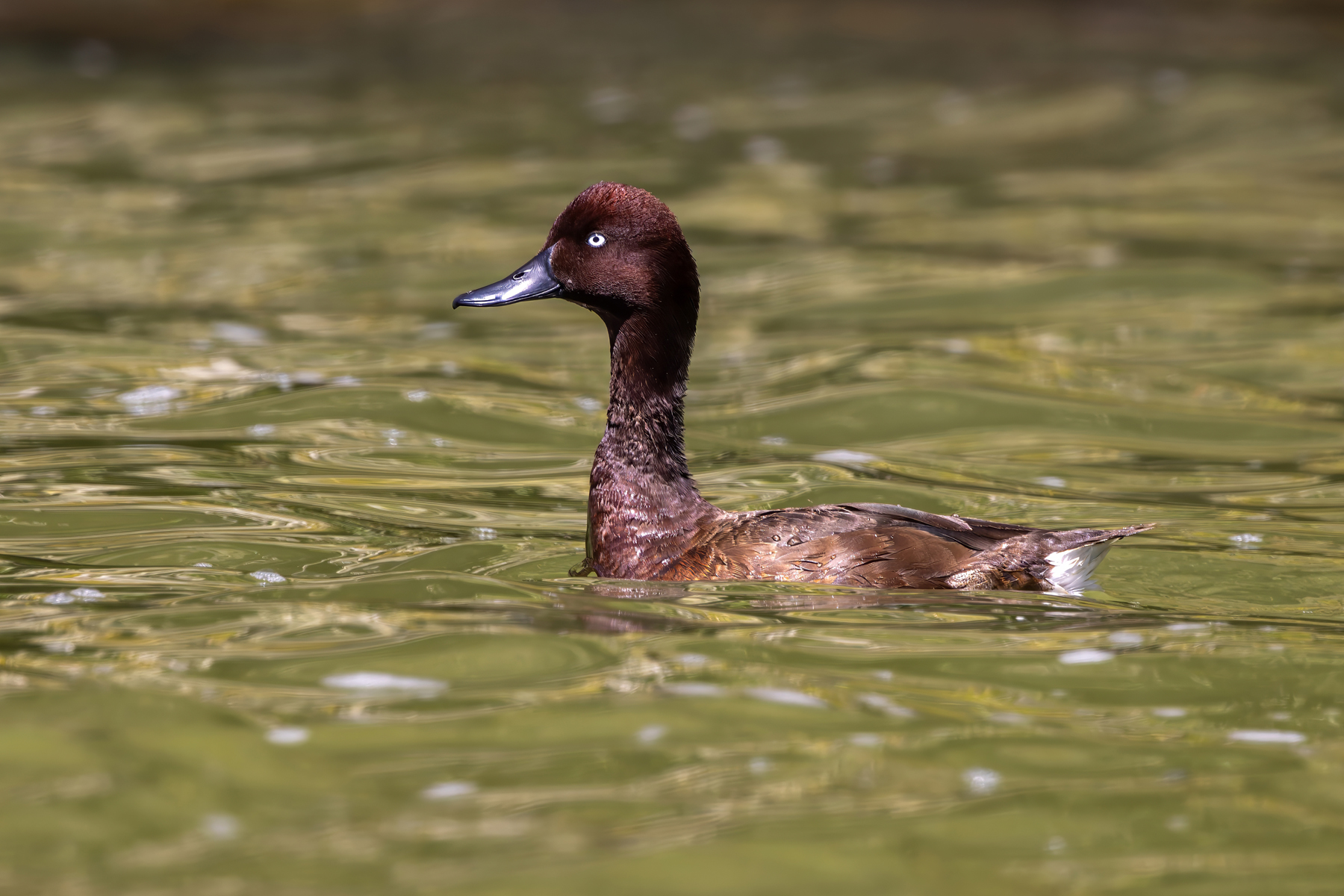
Madagascar Pochard (image by Nik Borrow)
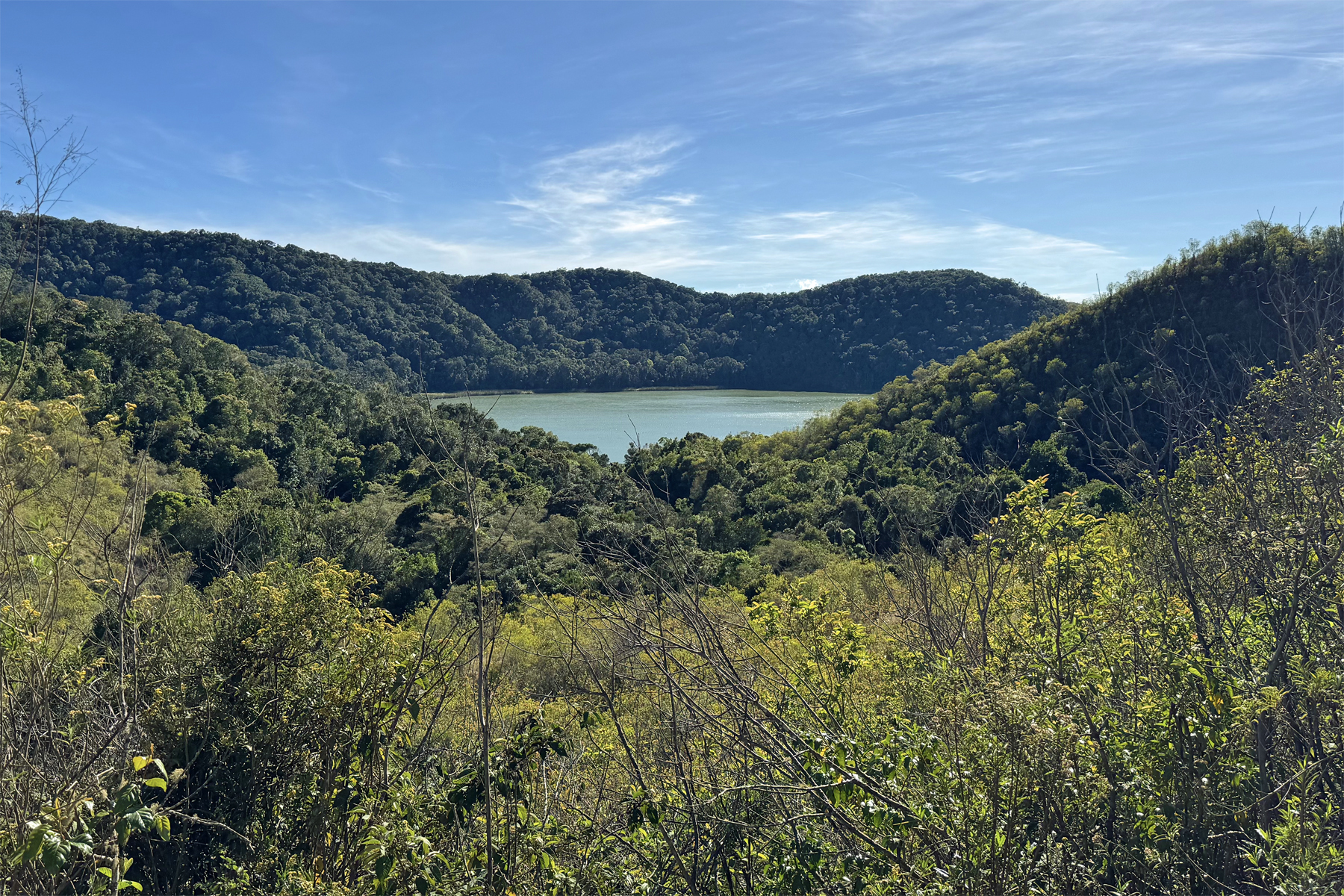
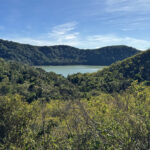
Madagascar Pochard Lake at Bemanevika (image by Nik Borrow)
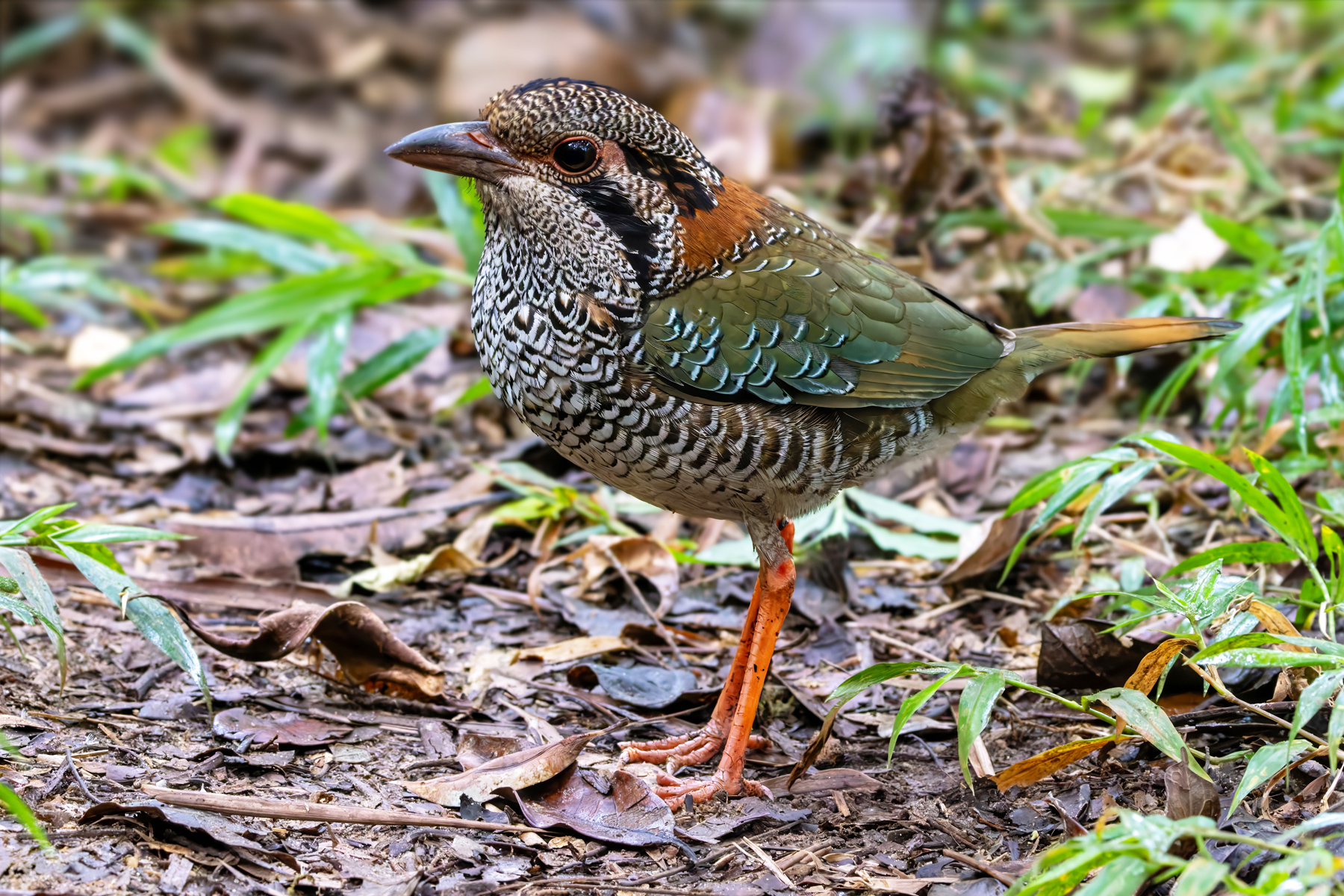
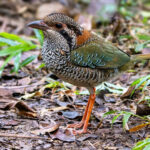
Scaly Ground Roller (image by Nik Borrow)
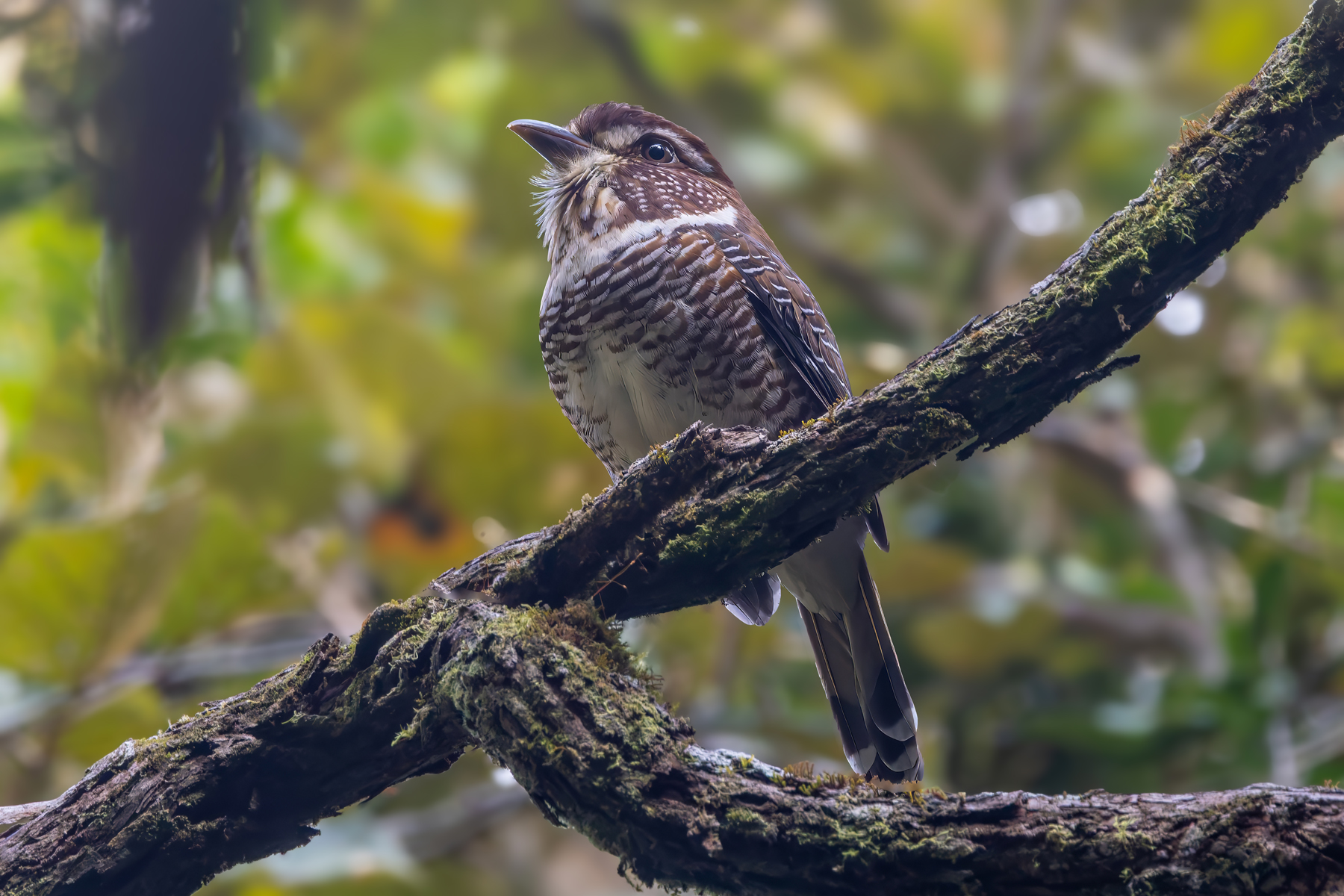
Short-legged Ground Roller (image by Nik Borrow)
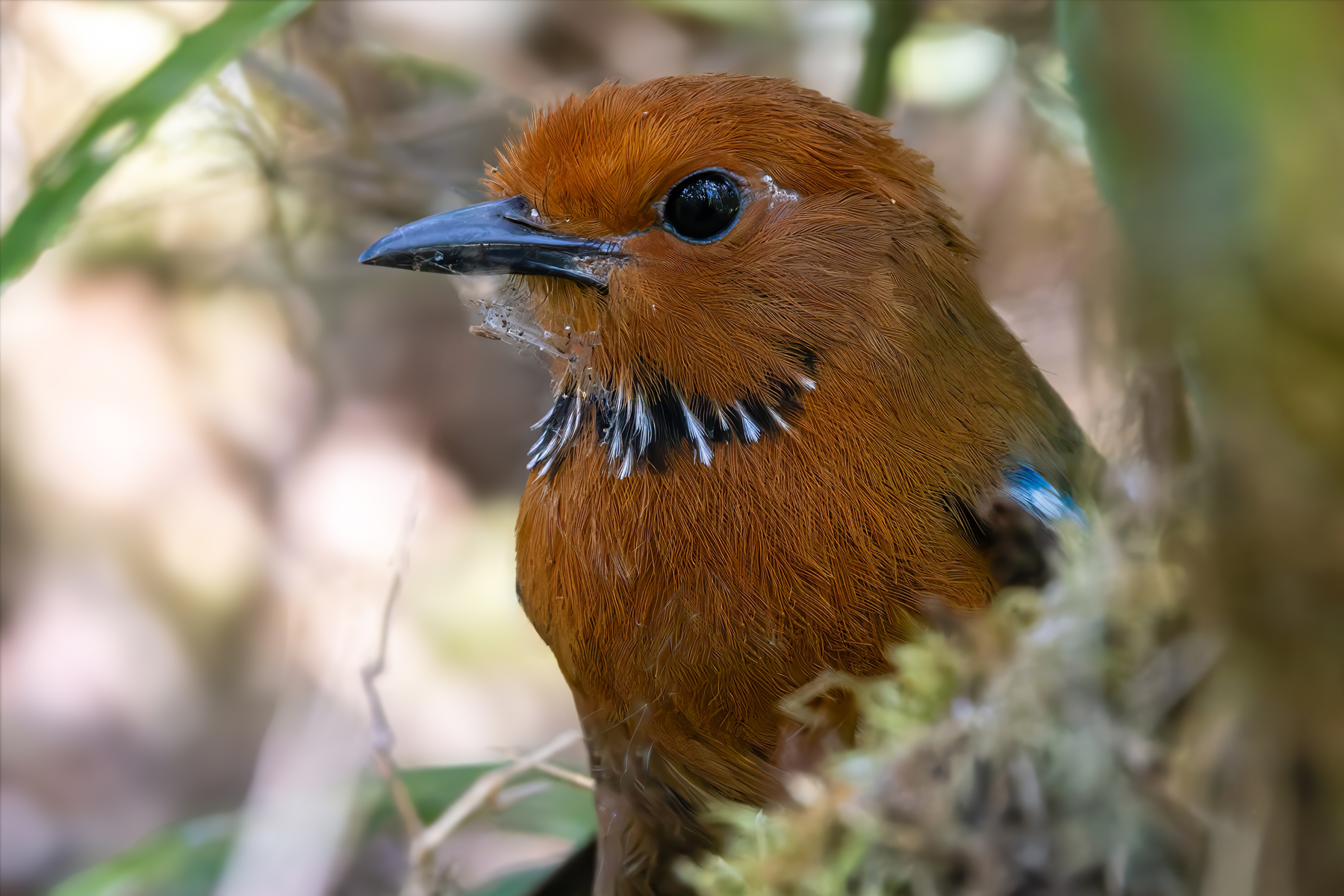
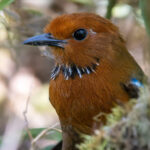
Rufous-headed Ground Roller (image by Nik Borrow)
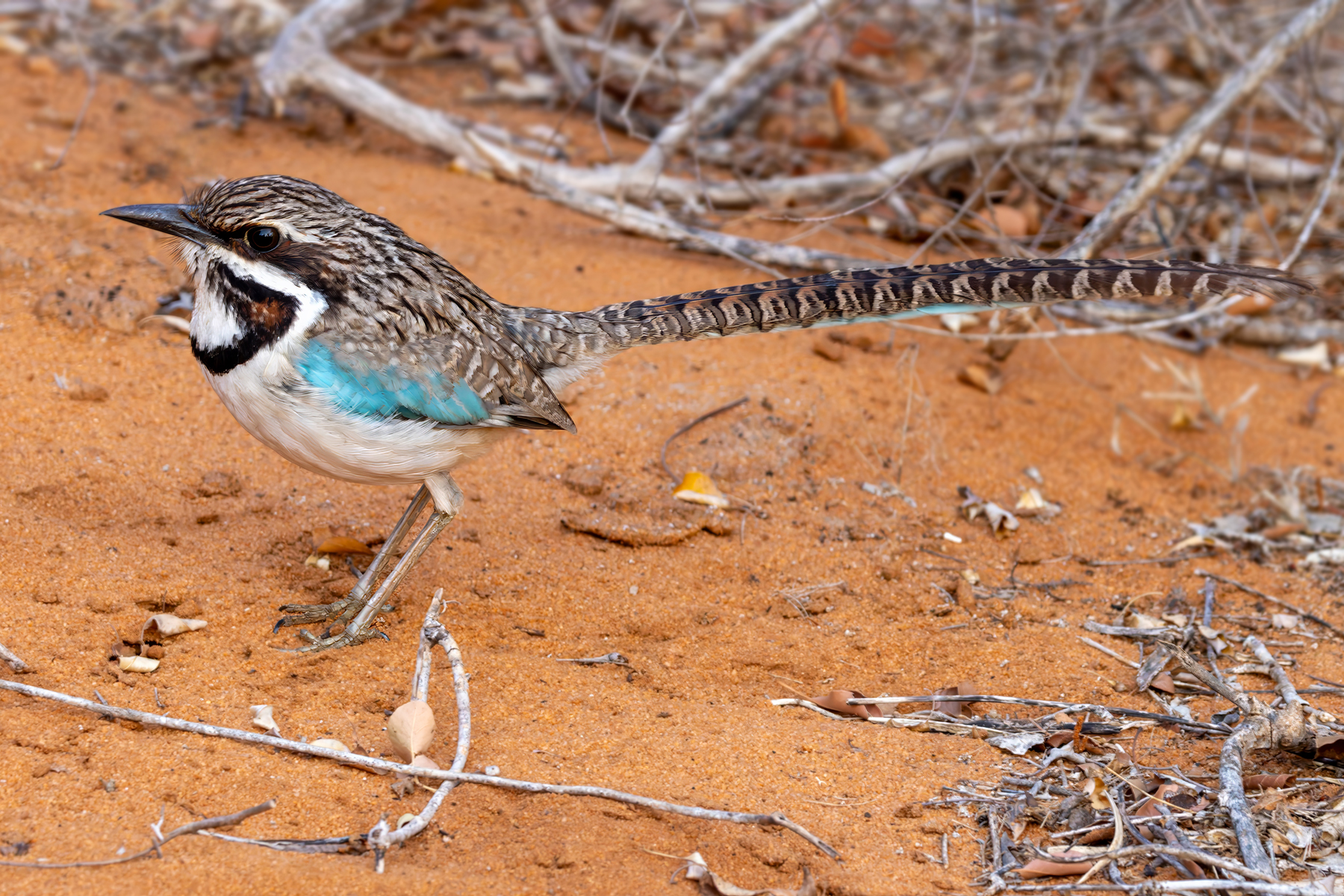
Long-tailed Ground Roller (image by Nik Borrow)
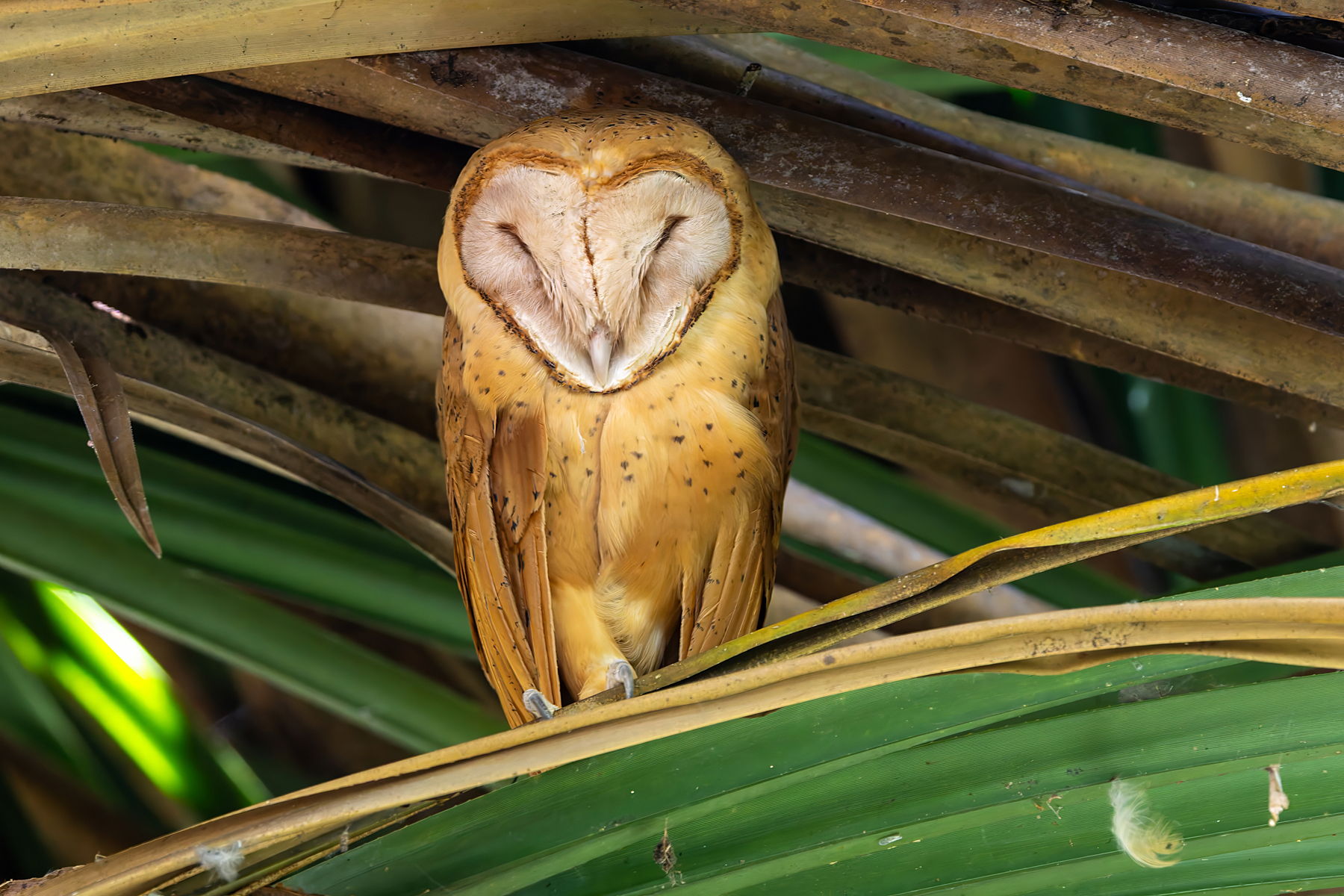
Red Owl (image by Nik Borrow)
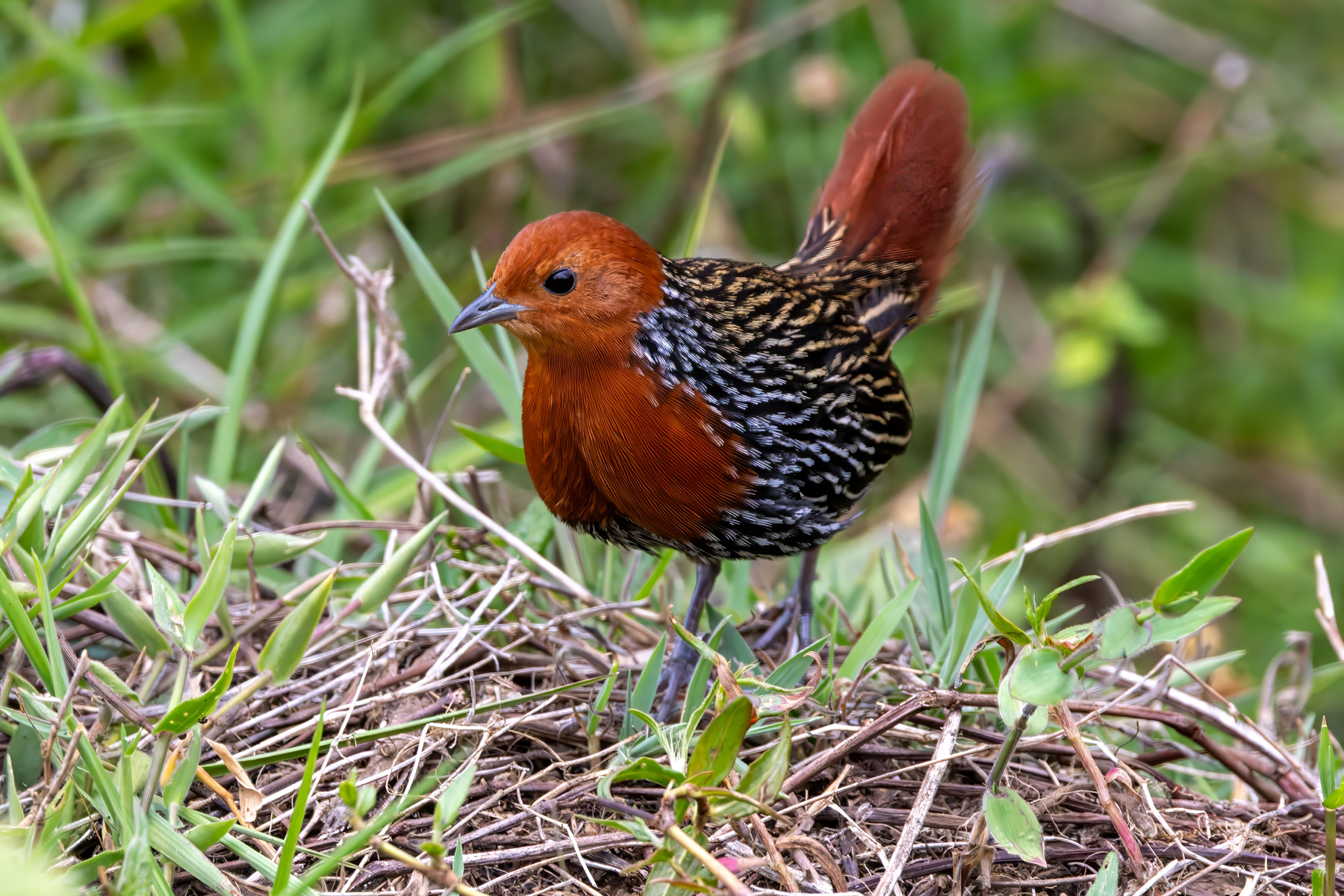
Madagascar Flufftail (image by Nik Borrow)
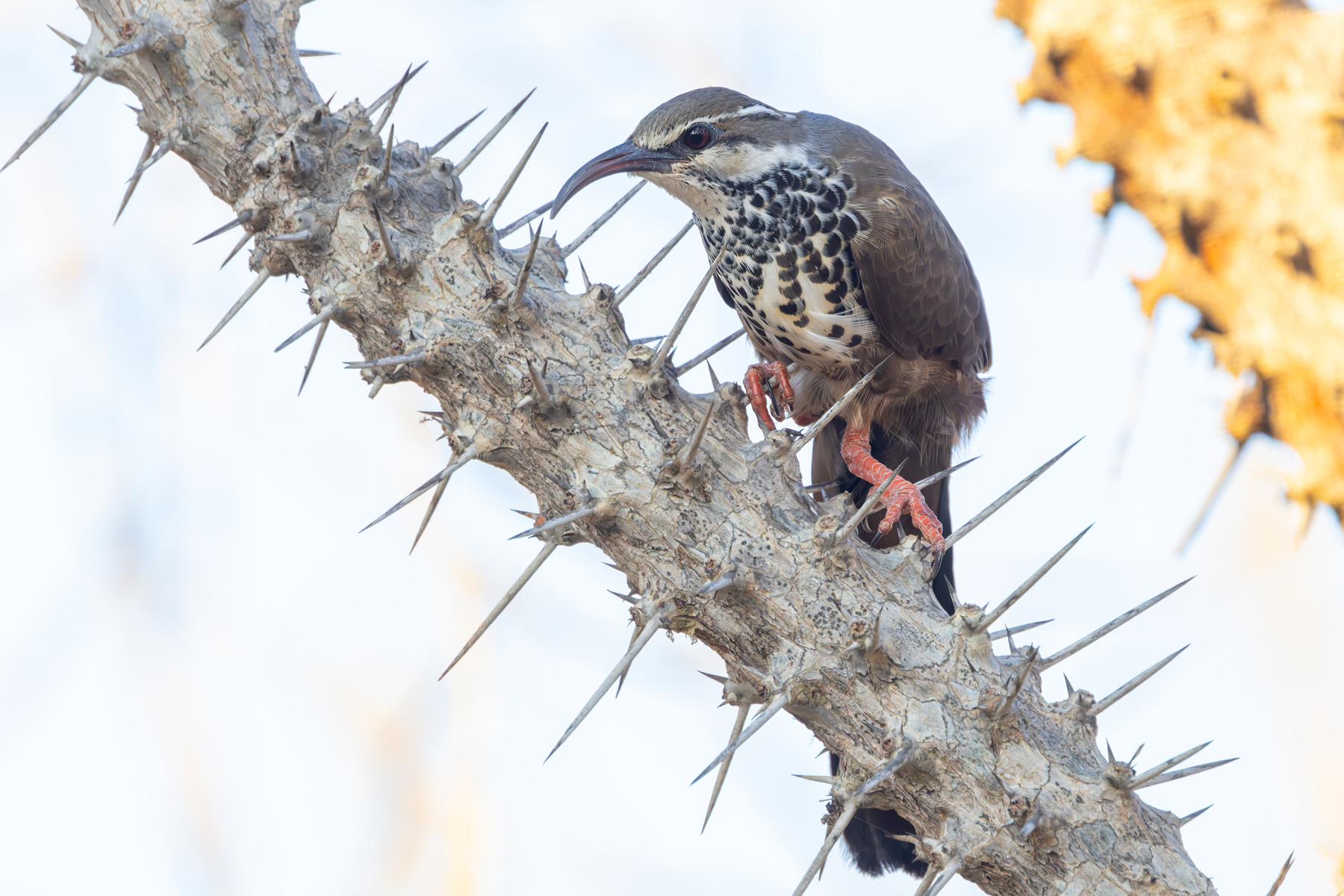
Subdesert Mesite (image by Nik Borrow)
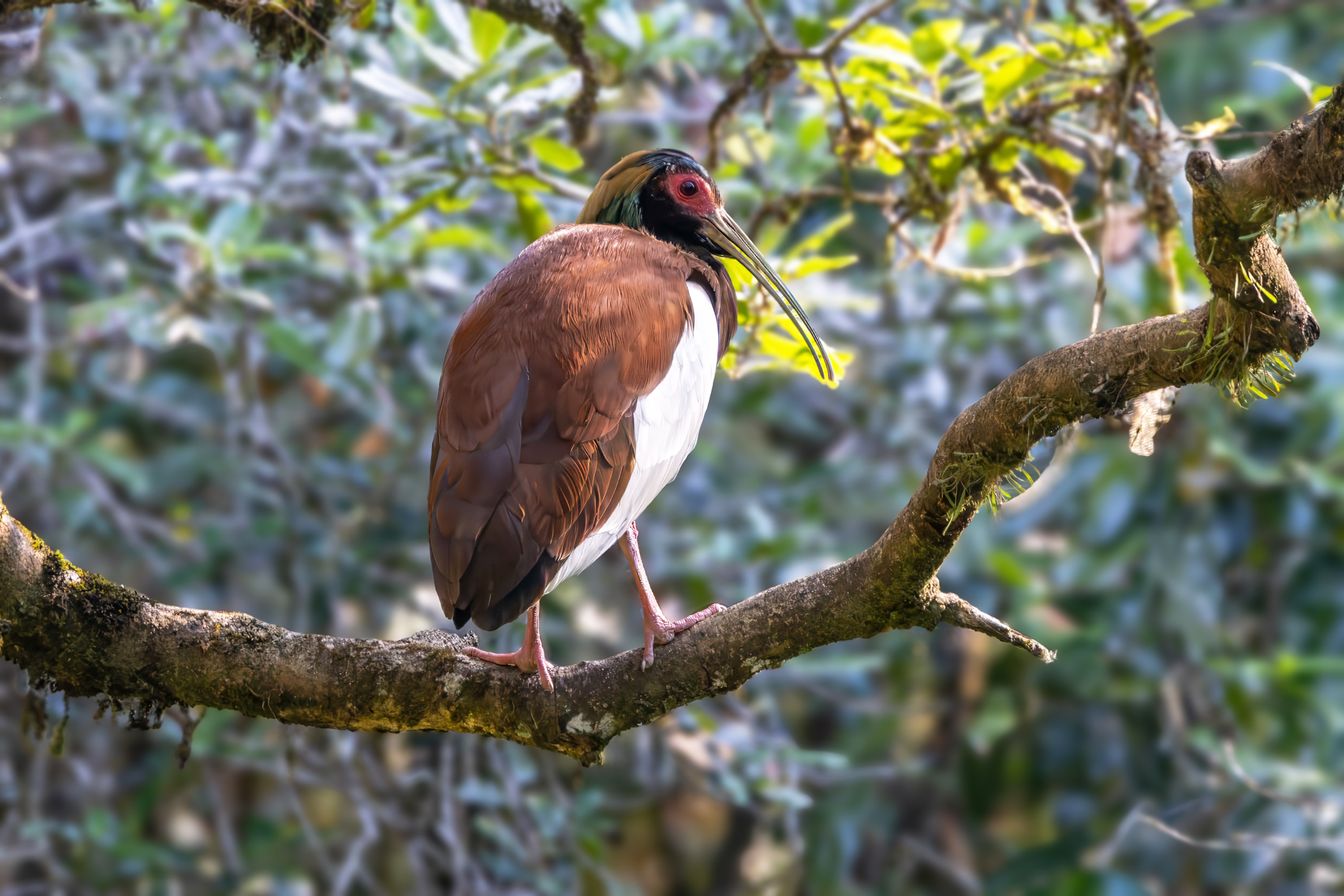
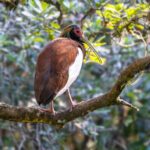
Madagascar Ibis (image by Nik Borrow)
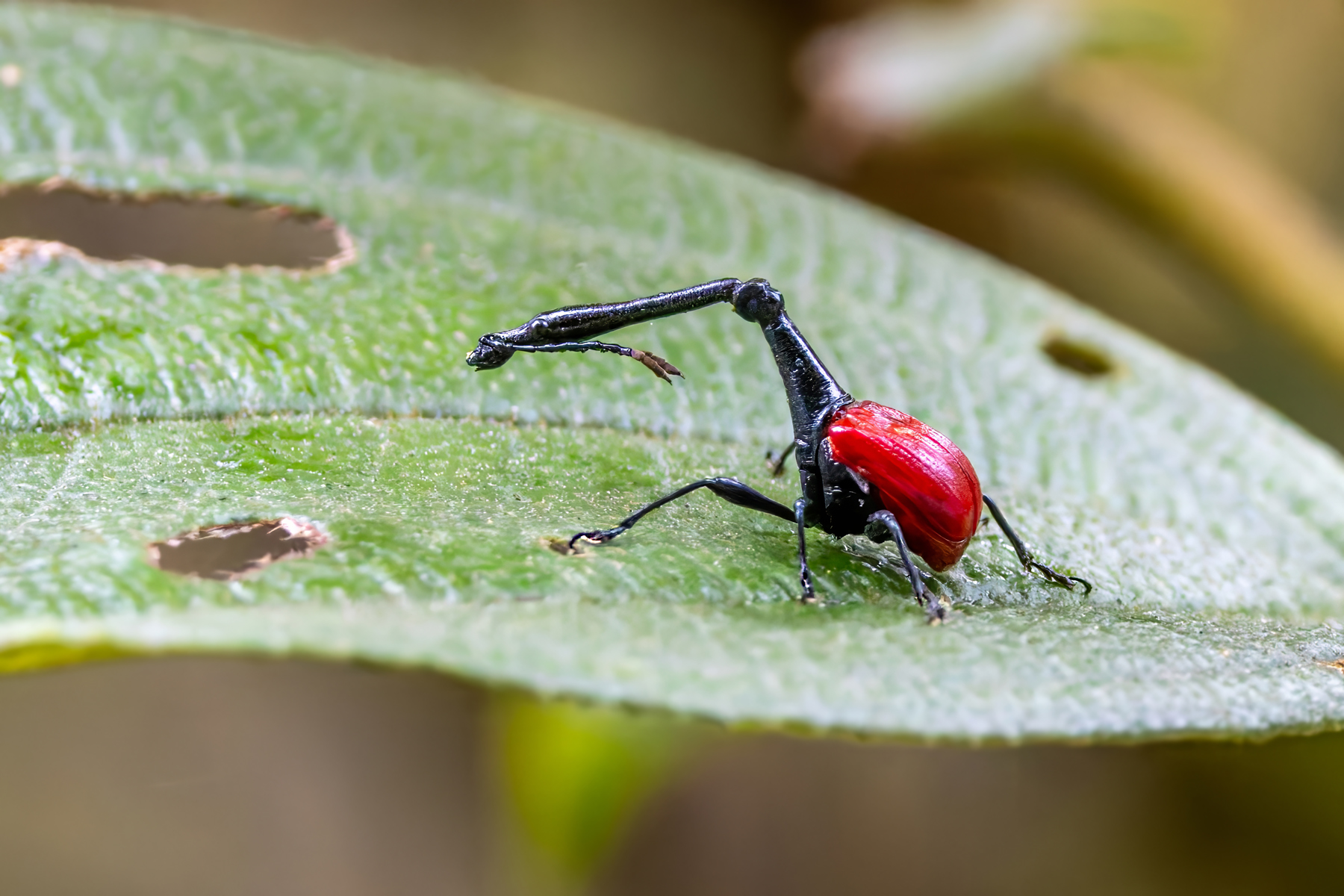
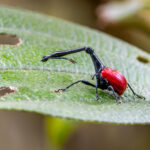
Giraffe-necked Weevil (image by Nik Borrow)
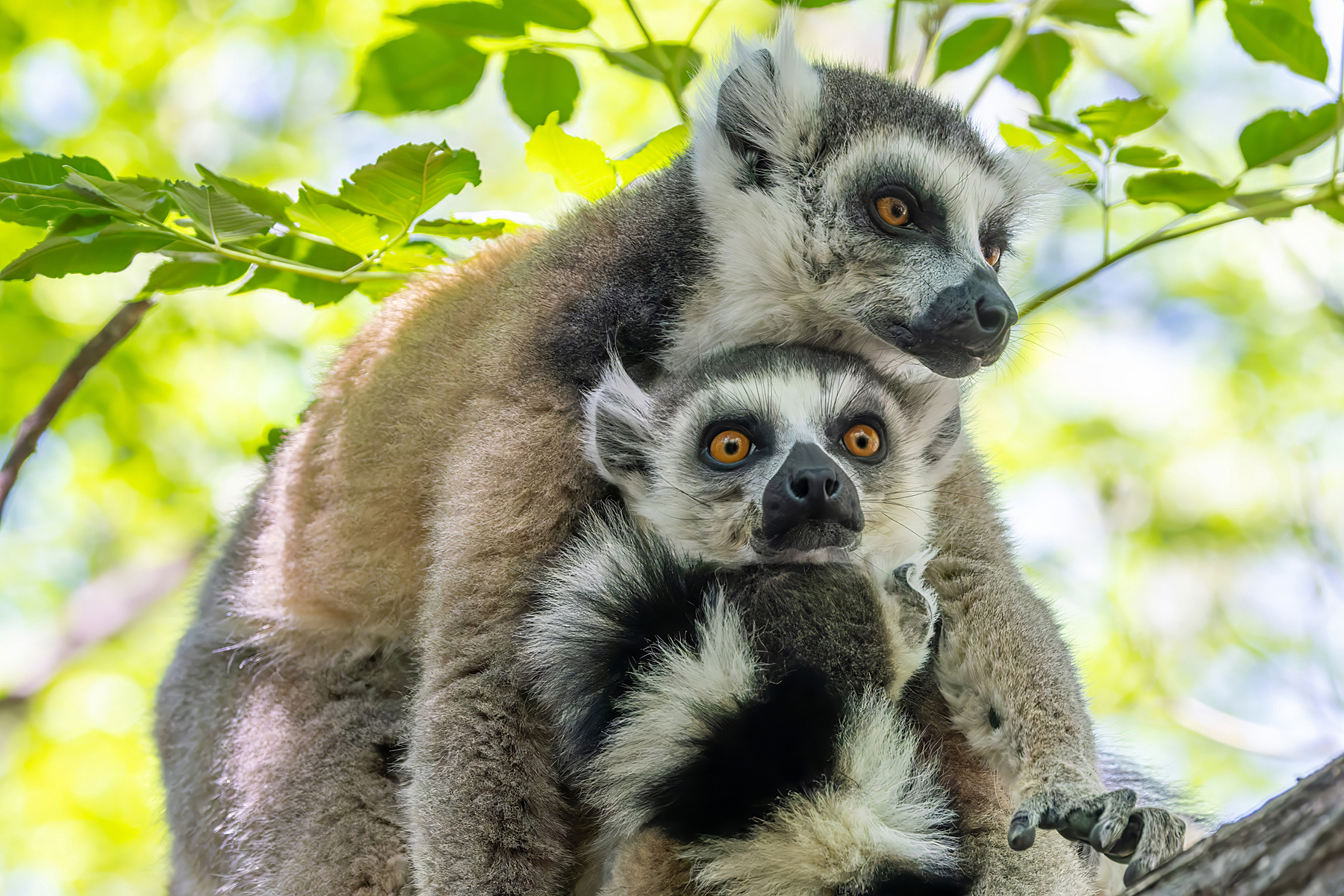
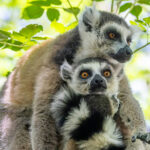
Ring-tailed Lemurs (image by Nik Borrow)
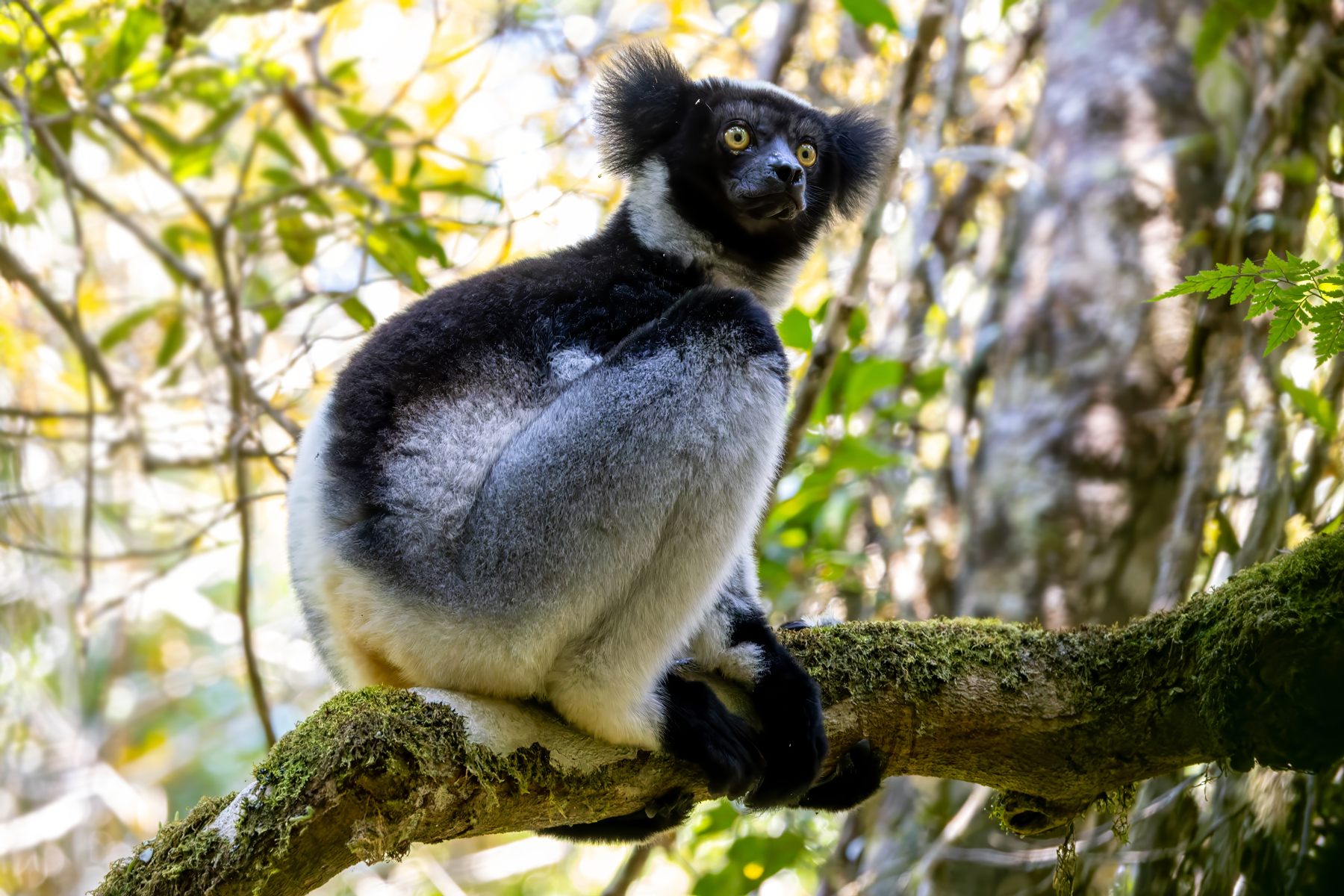
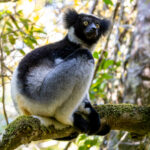
Indri (image by Nik Borrow)
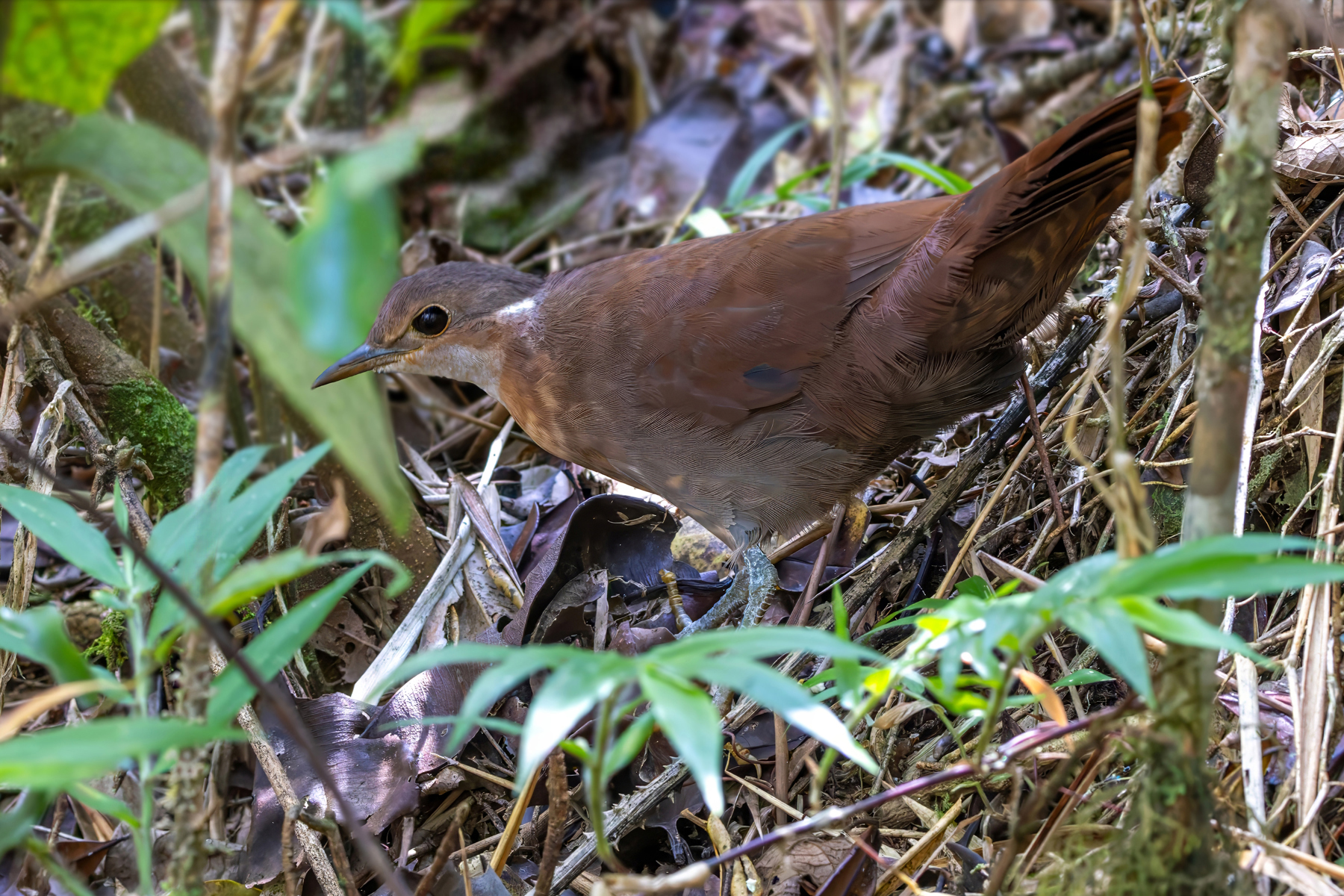
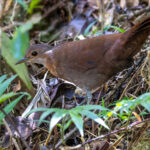
Brown Mesite (image by Nik Borrow)
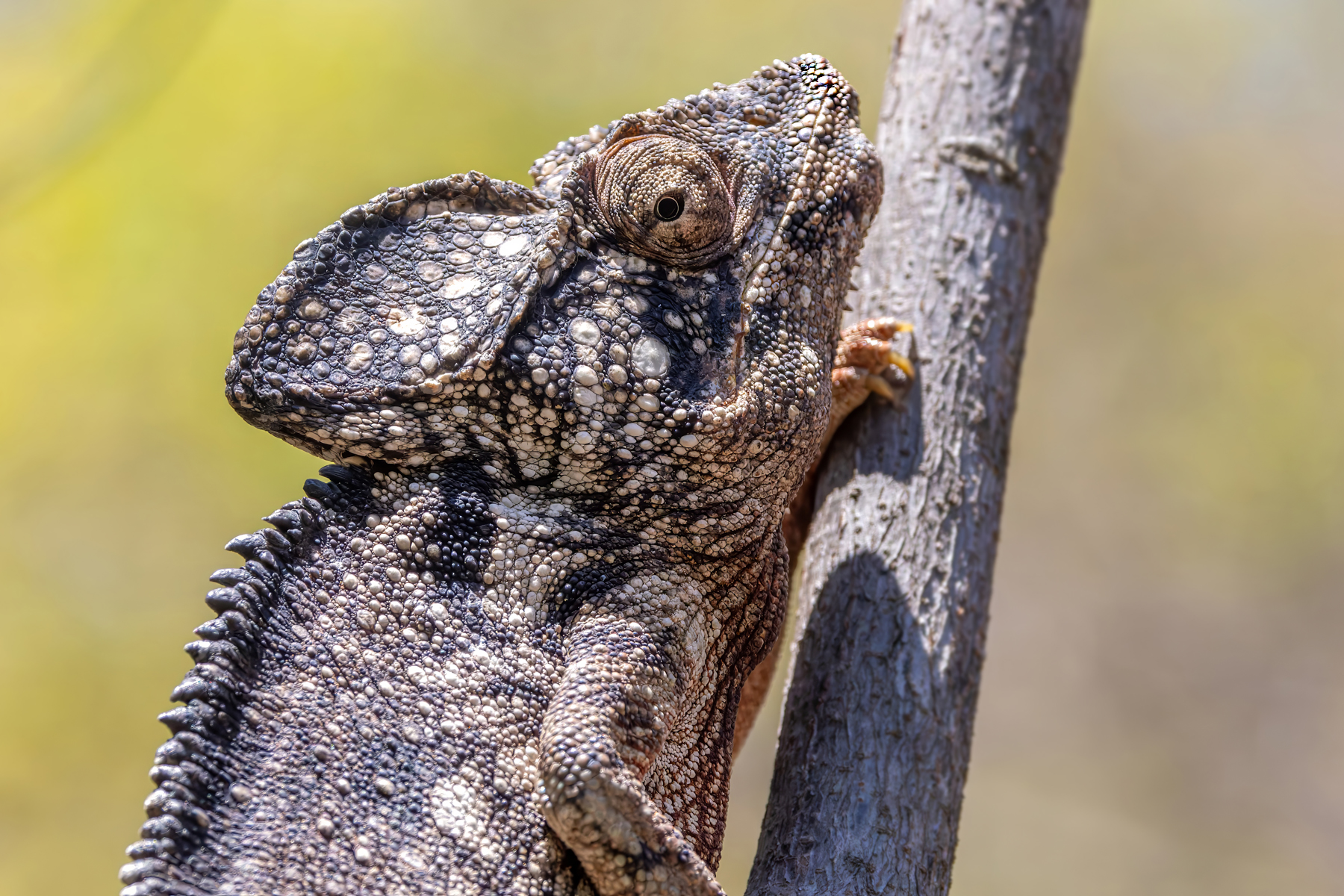
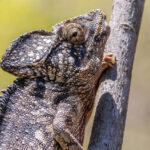
Oustalet's Chameleon (image by Nik Borrow)
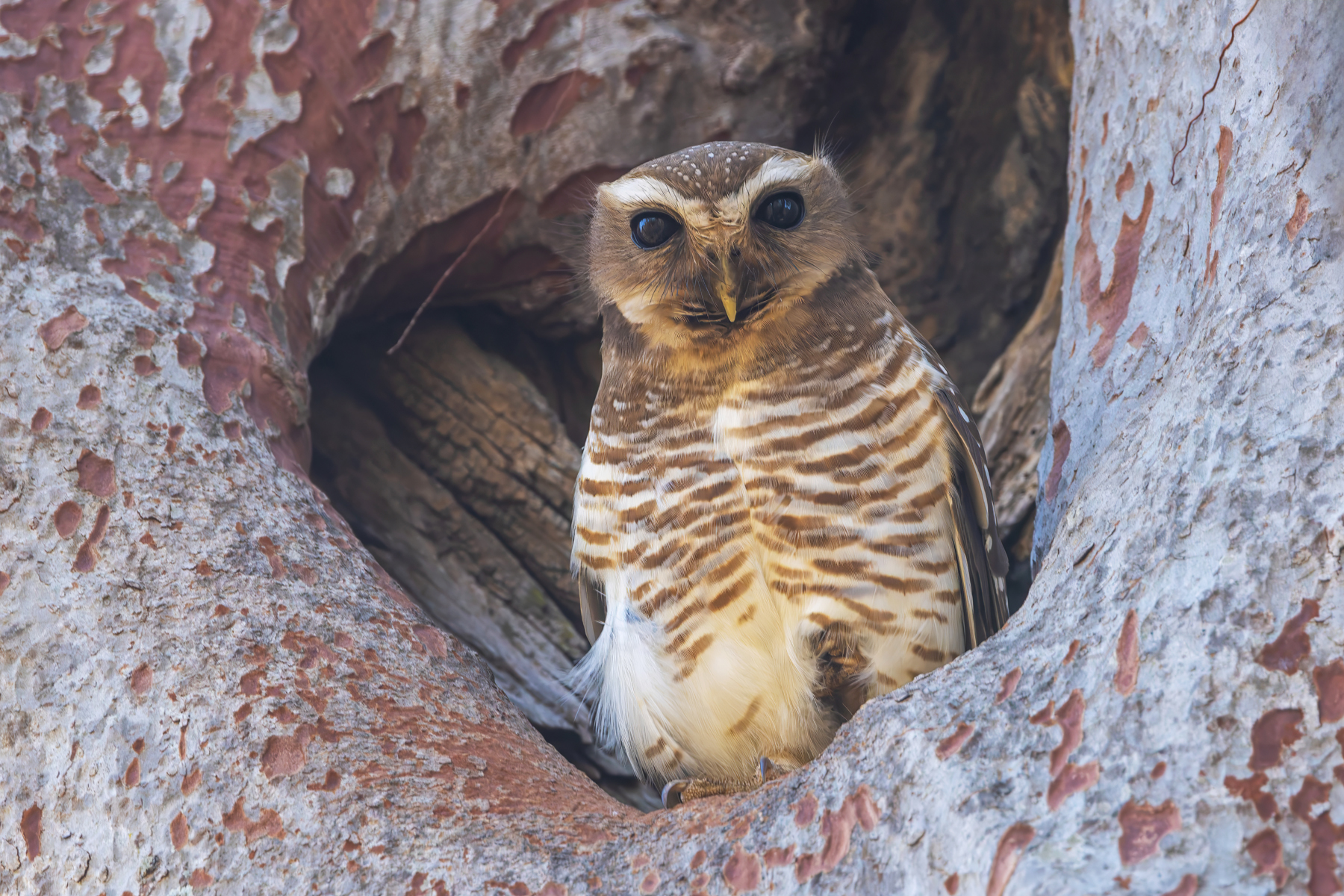
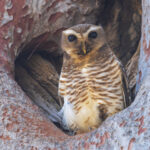
White-browed Owl (image by Nik Borrow)
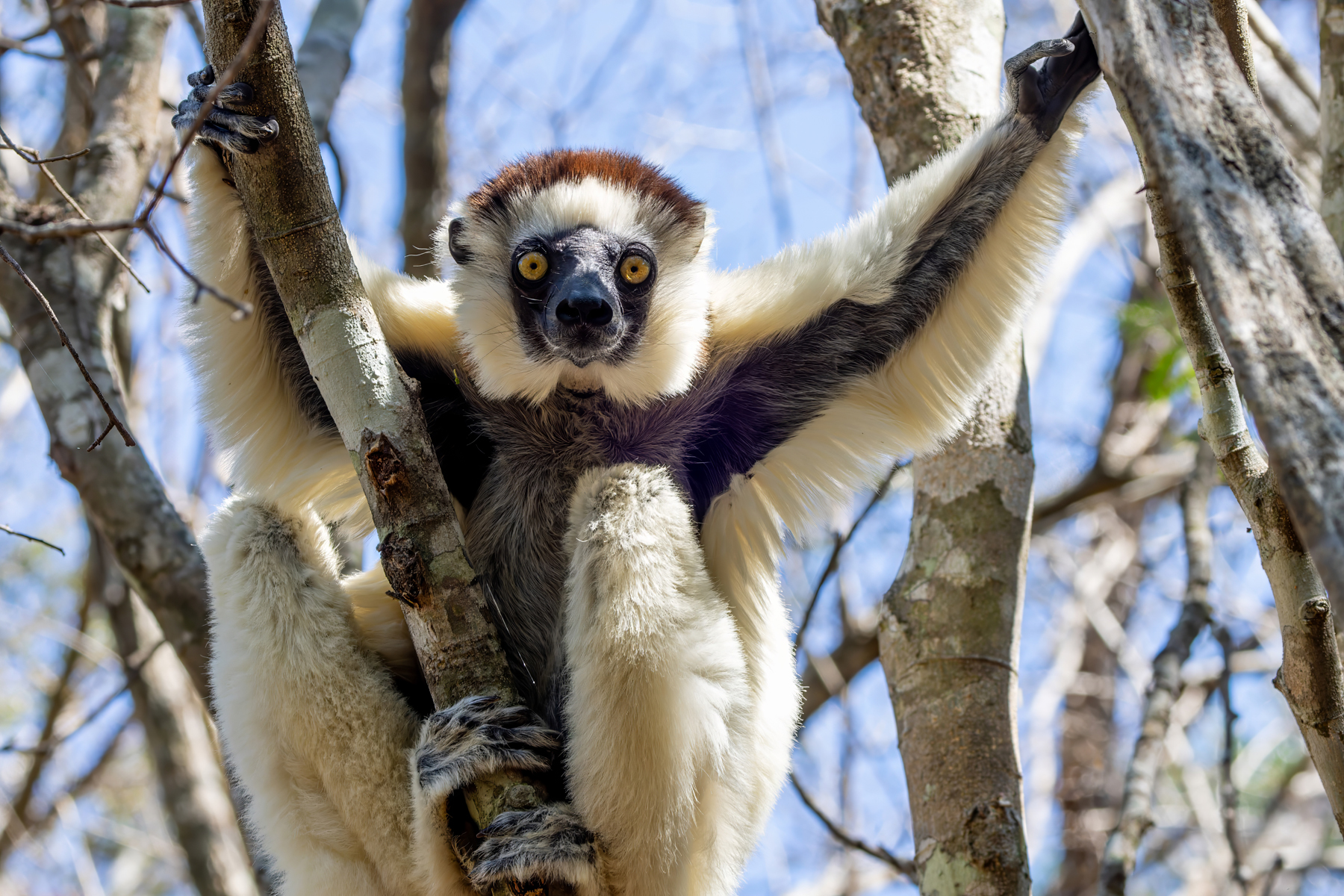
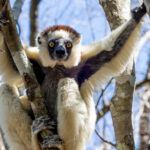
Verreaux's Sifaka (image by Nik Borrow)
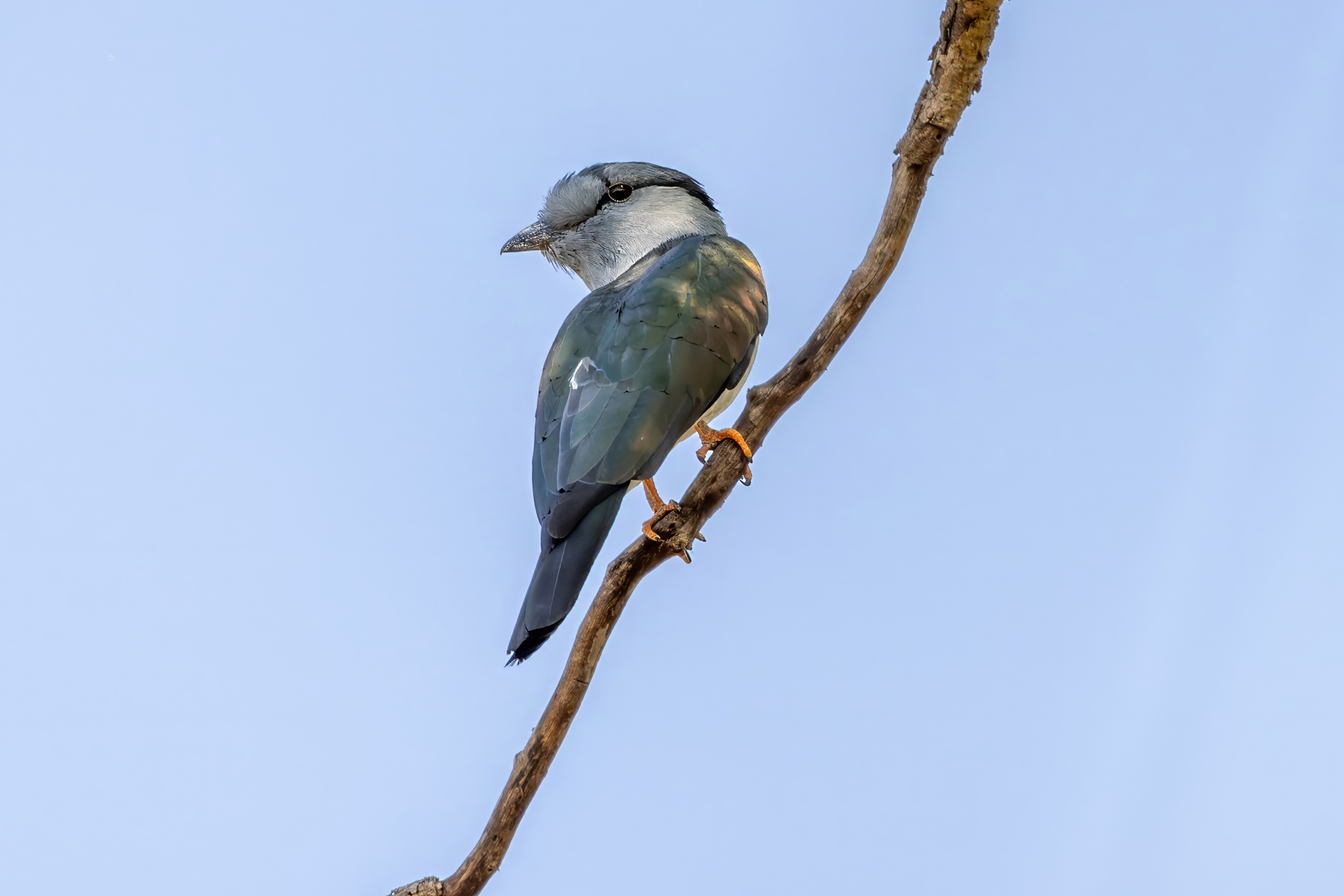
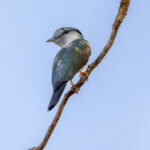
Cuckoo-roller (image by Nik Borrow)
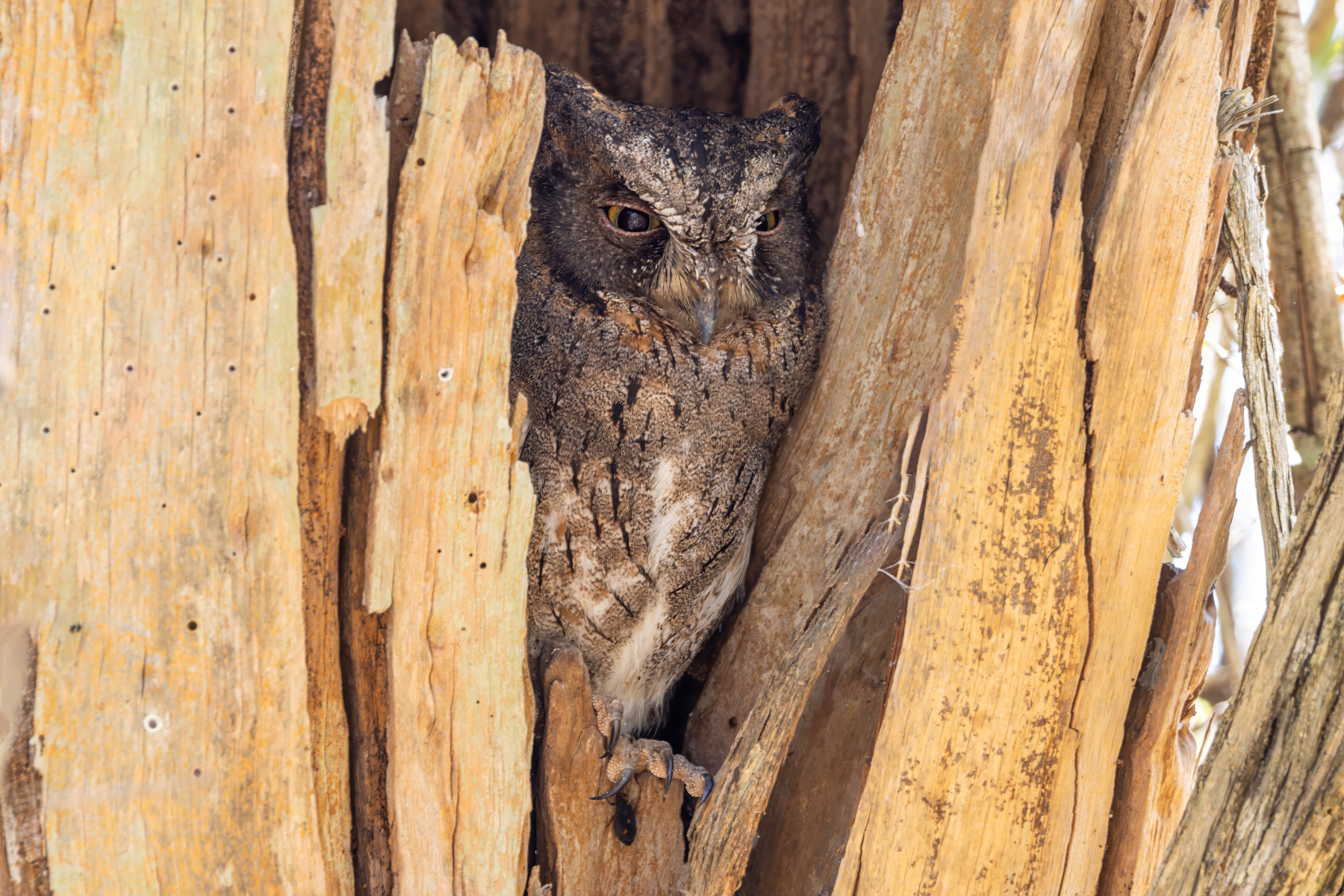
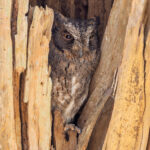
Torotoroka Madagascar Scops Owl (image by Nik Borrow)
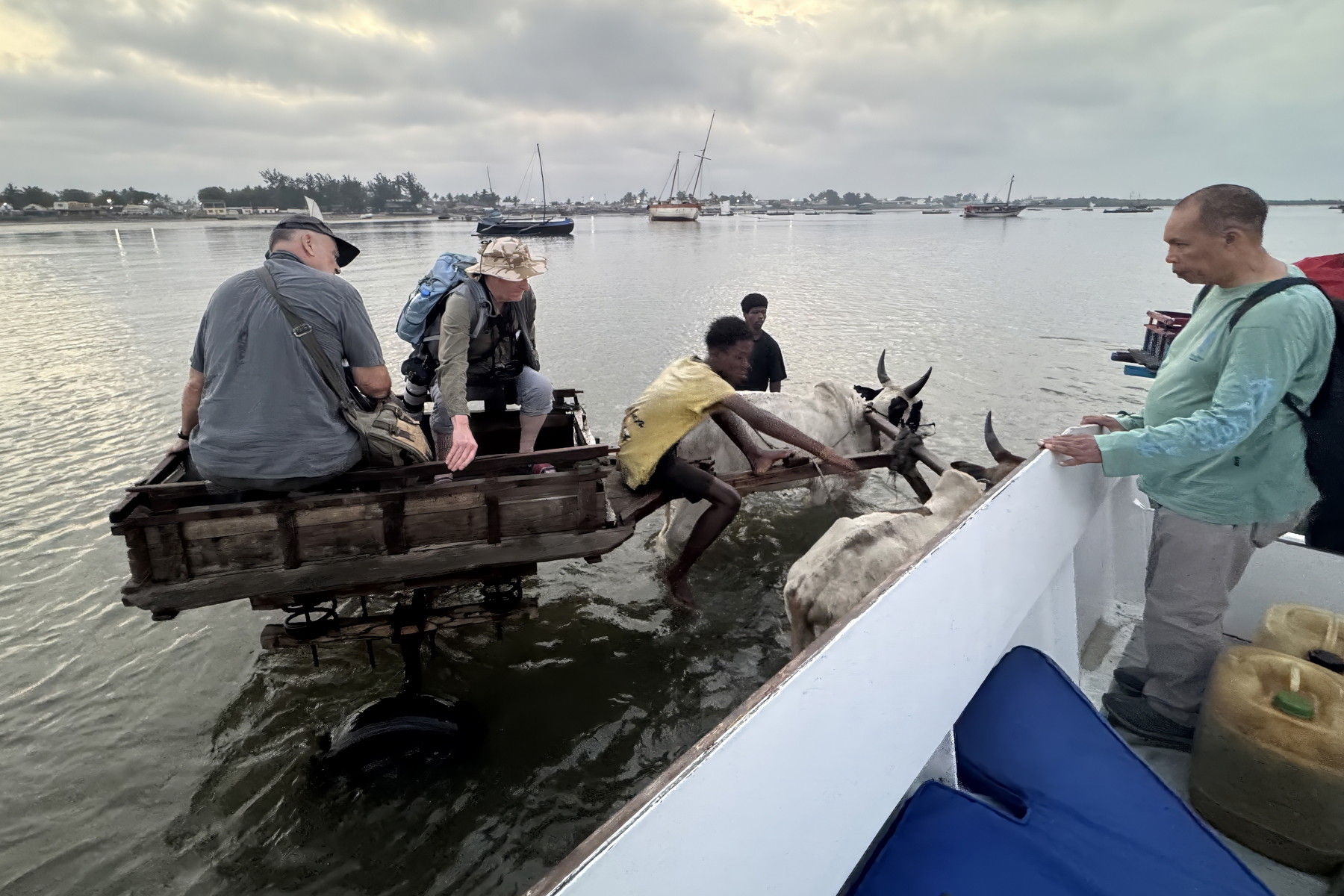
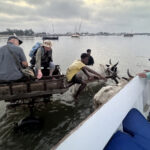
Nosy Ve Boat Trip (image by Nik Borrow)
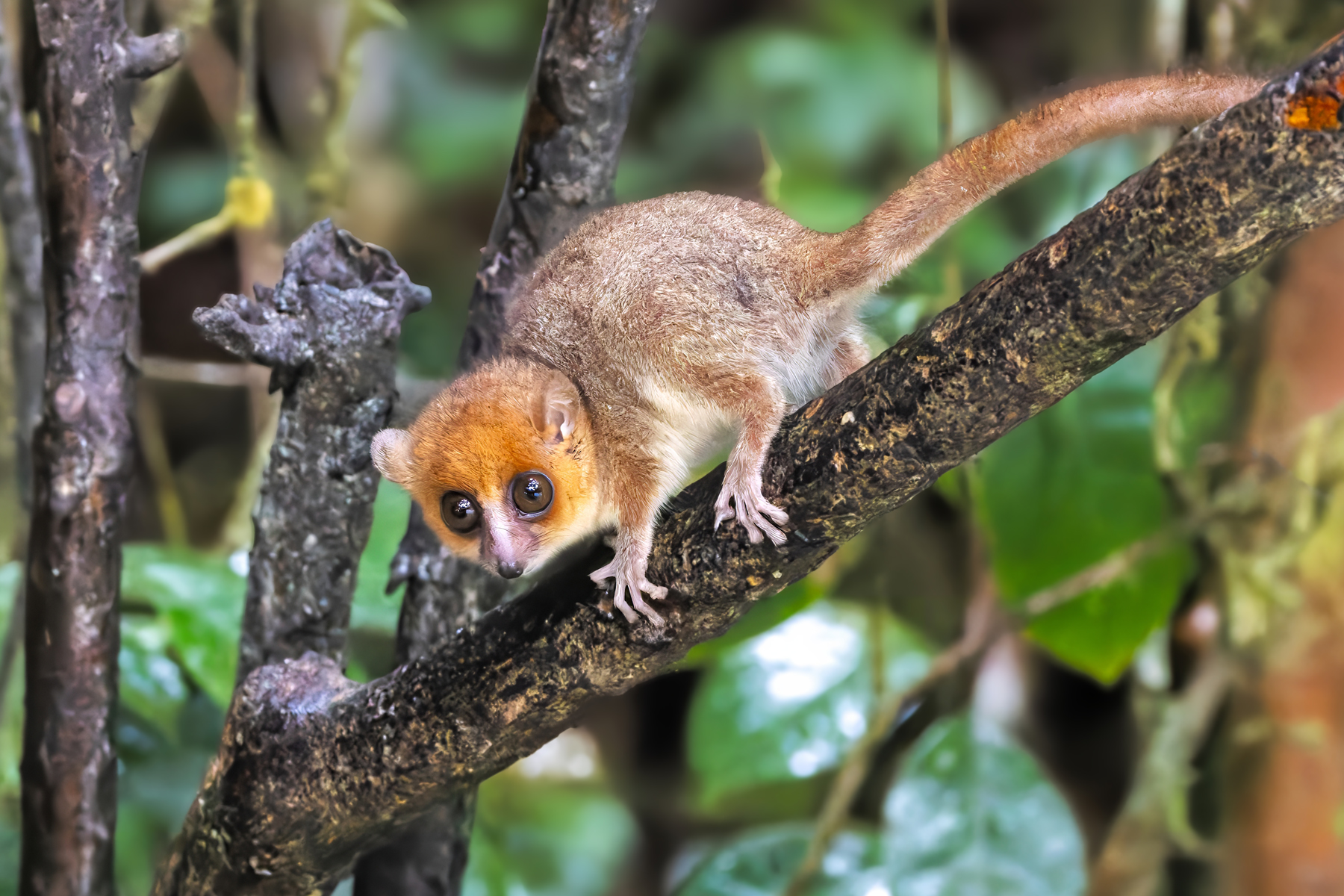
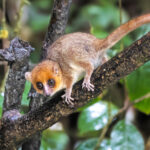
Rufous Mouse Lemur (image by Nik Borrow)
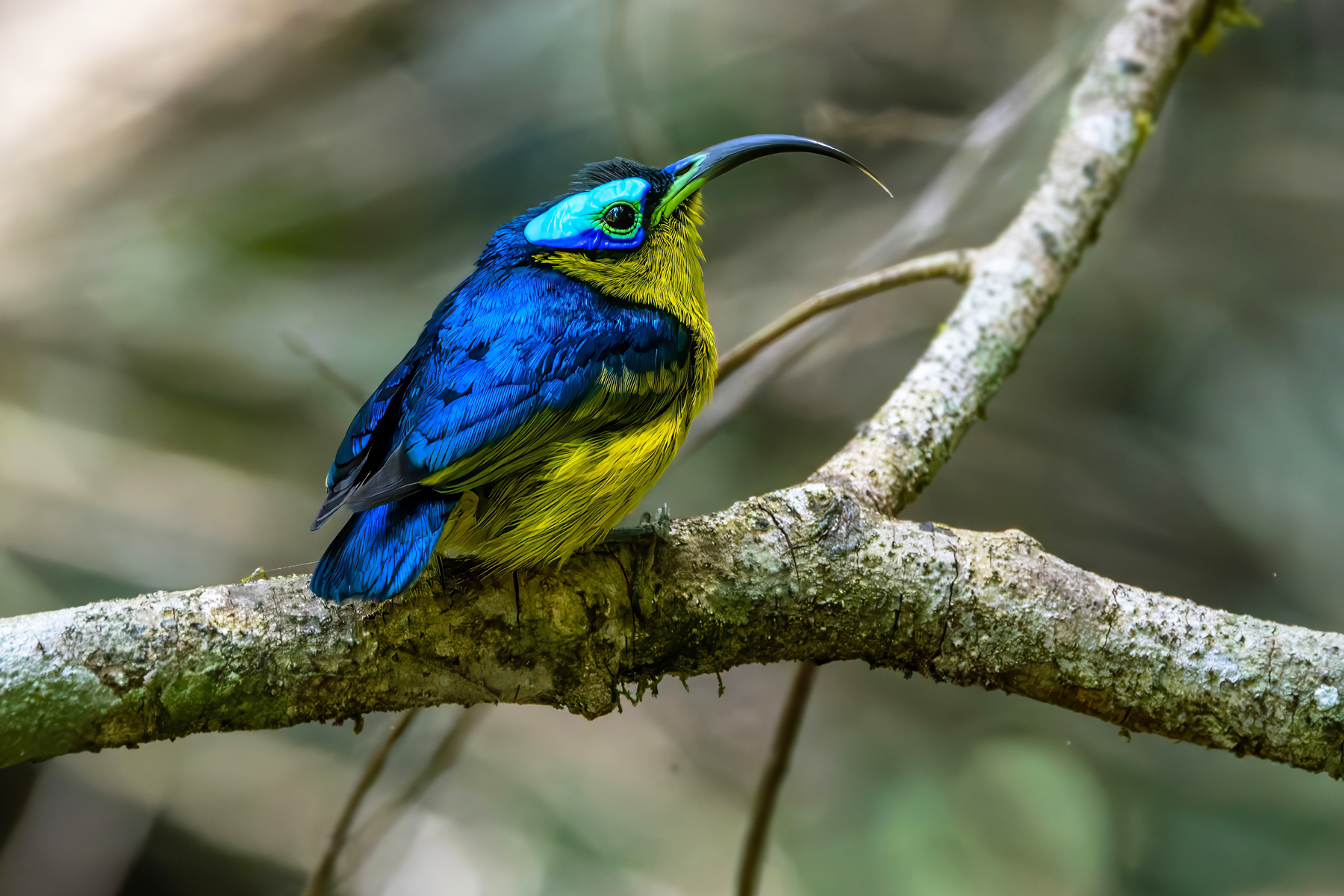
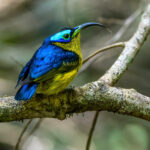
Common Sunbird-Asity (image by Nik Borrow)
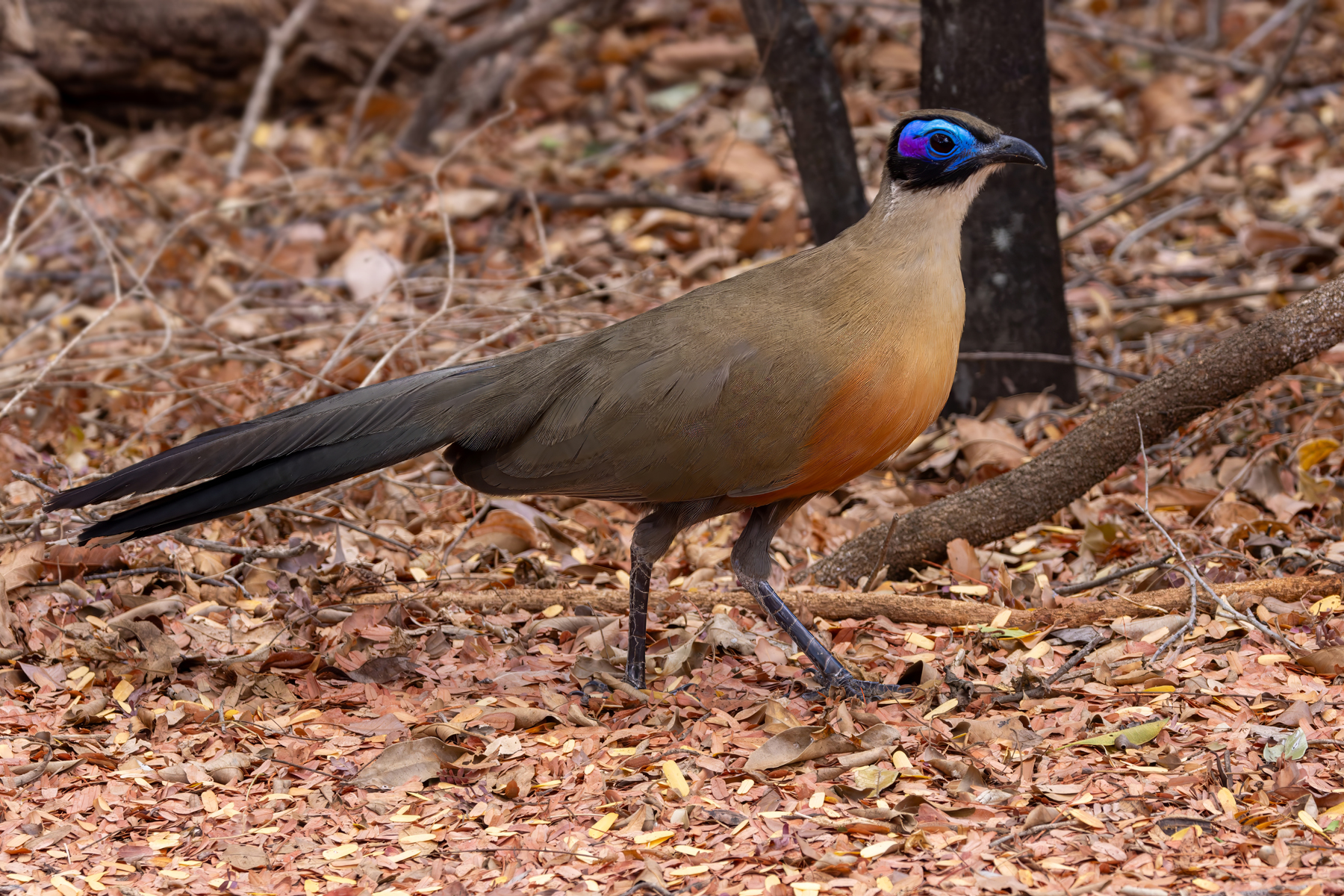
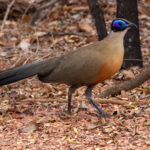
Giant Coua (image by Nik Borrow)
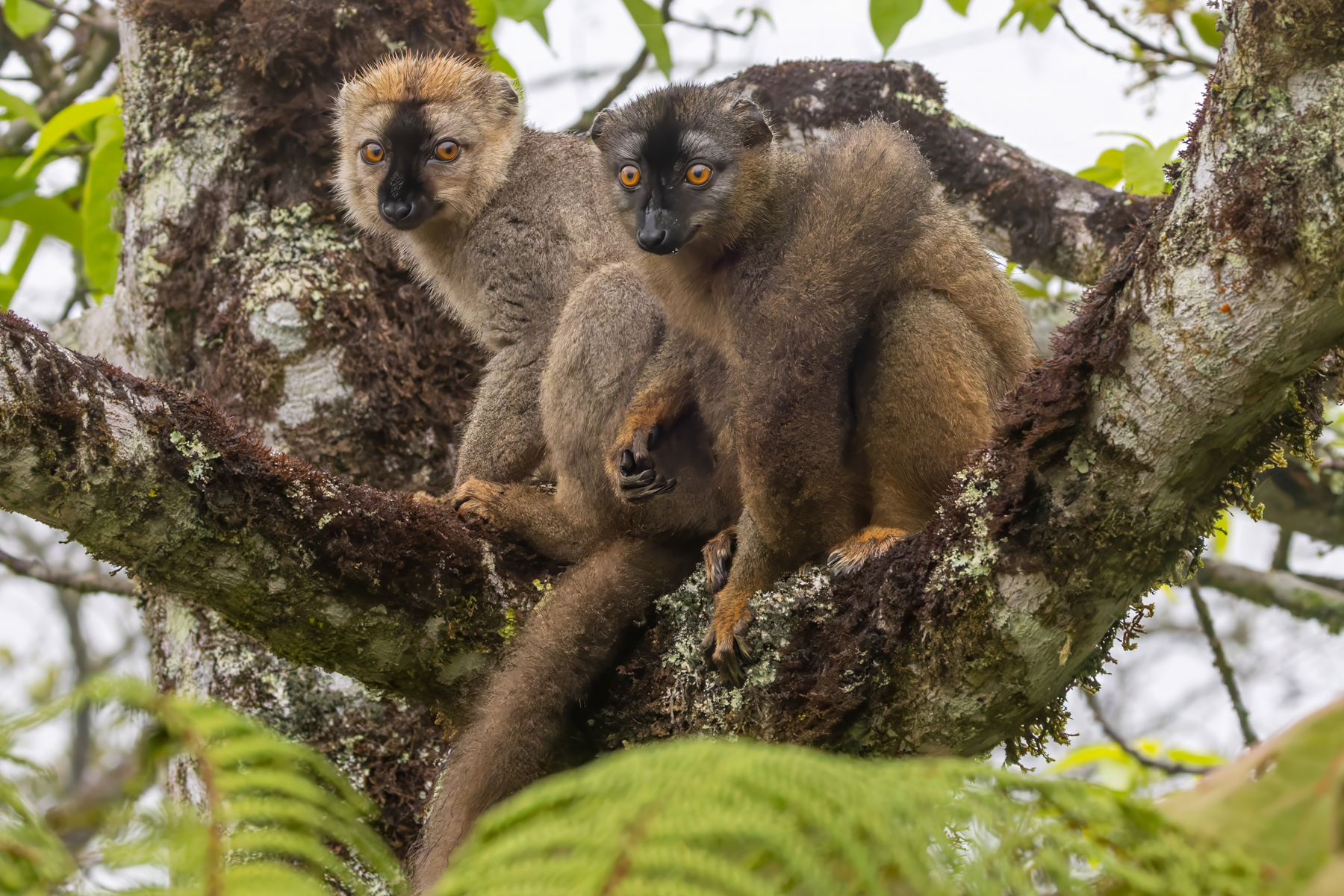
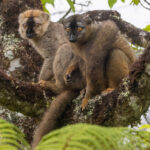
Rufous Brown Lemurs (image by Nik Borrow)
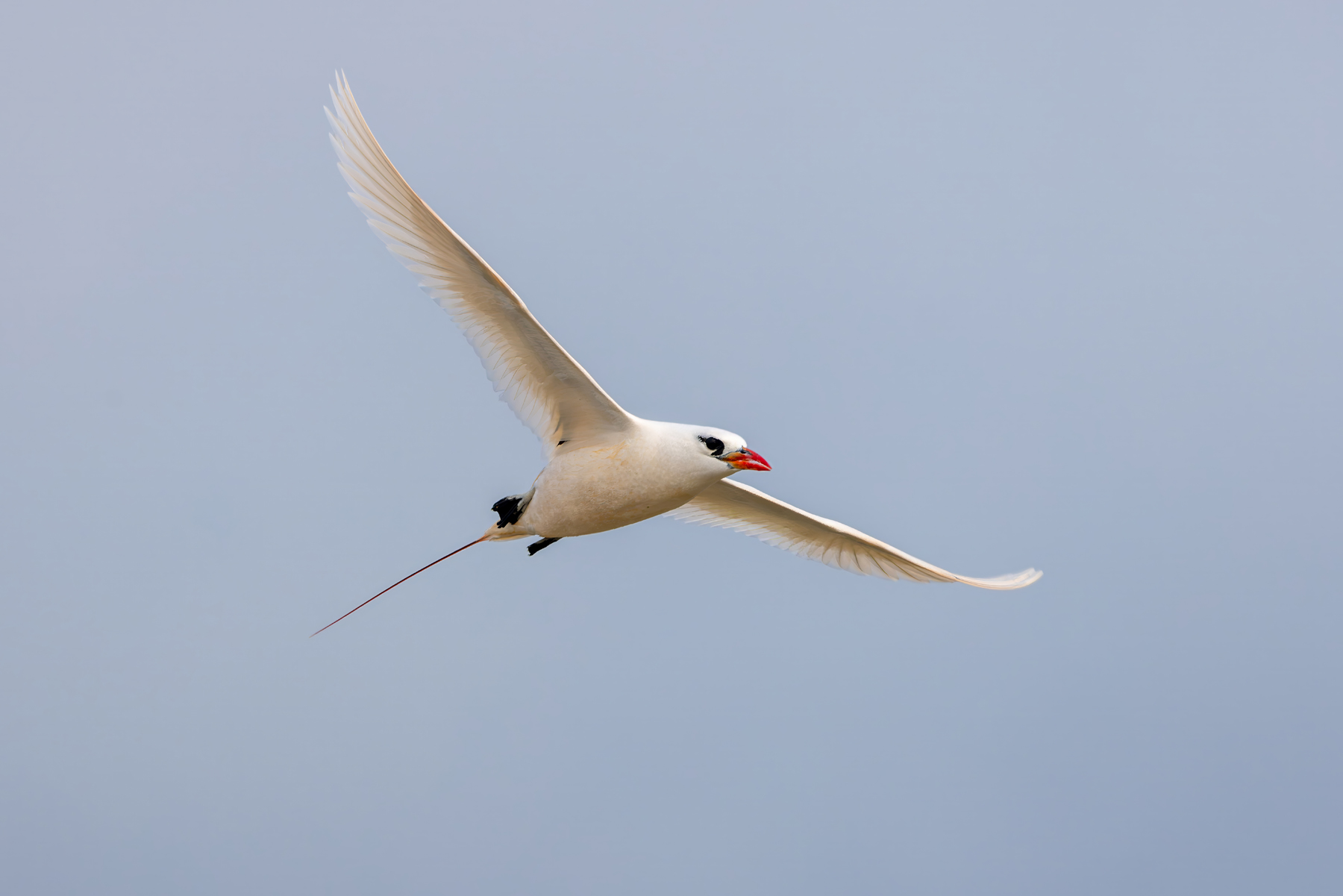
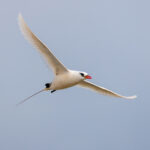
Red-tailed Tropicbird (image by Nik Borrow)
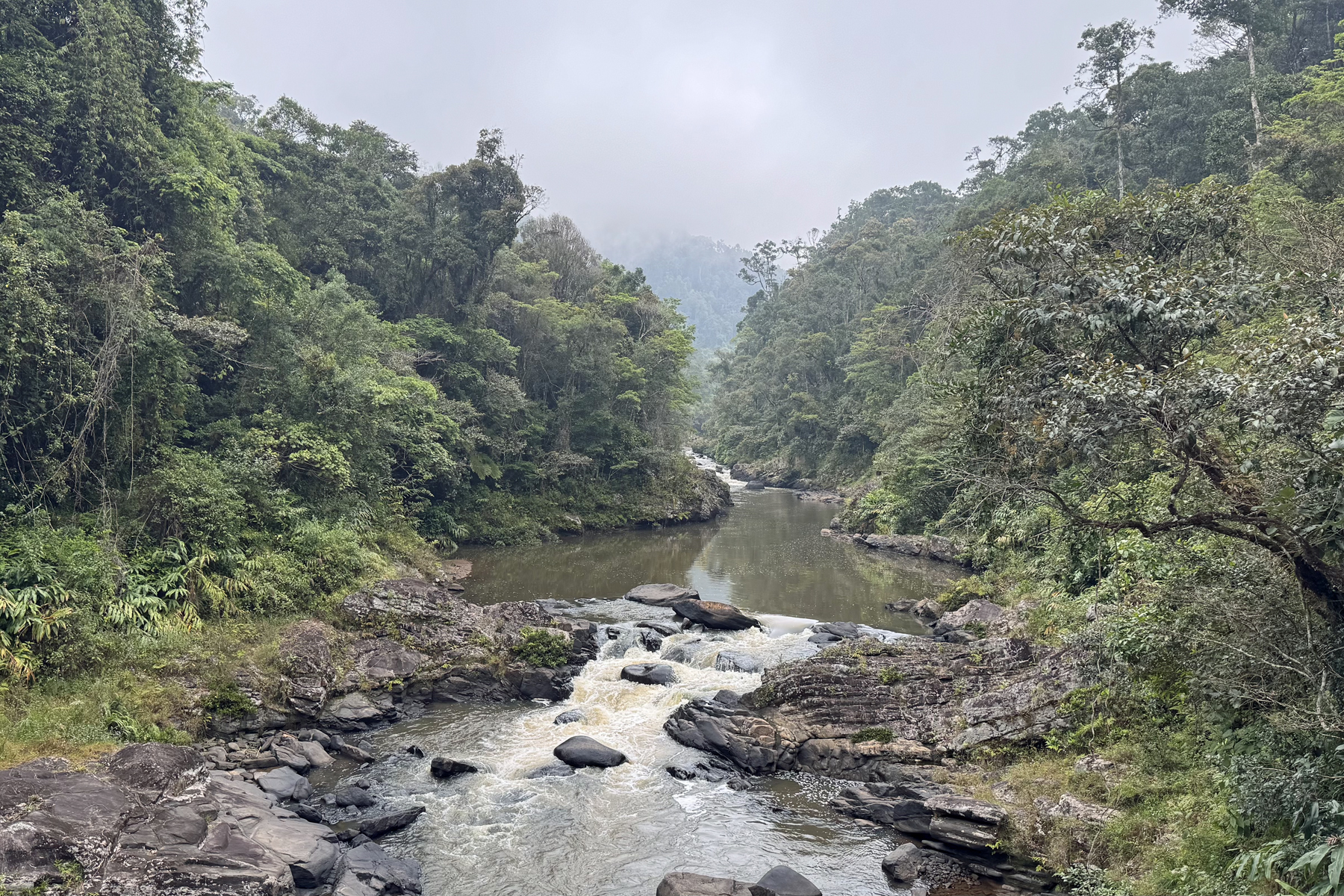
Ranomafana (image by Nik Borrow)
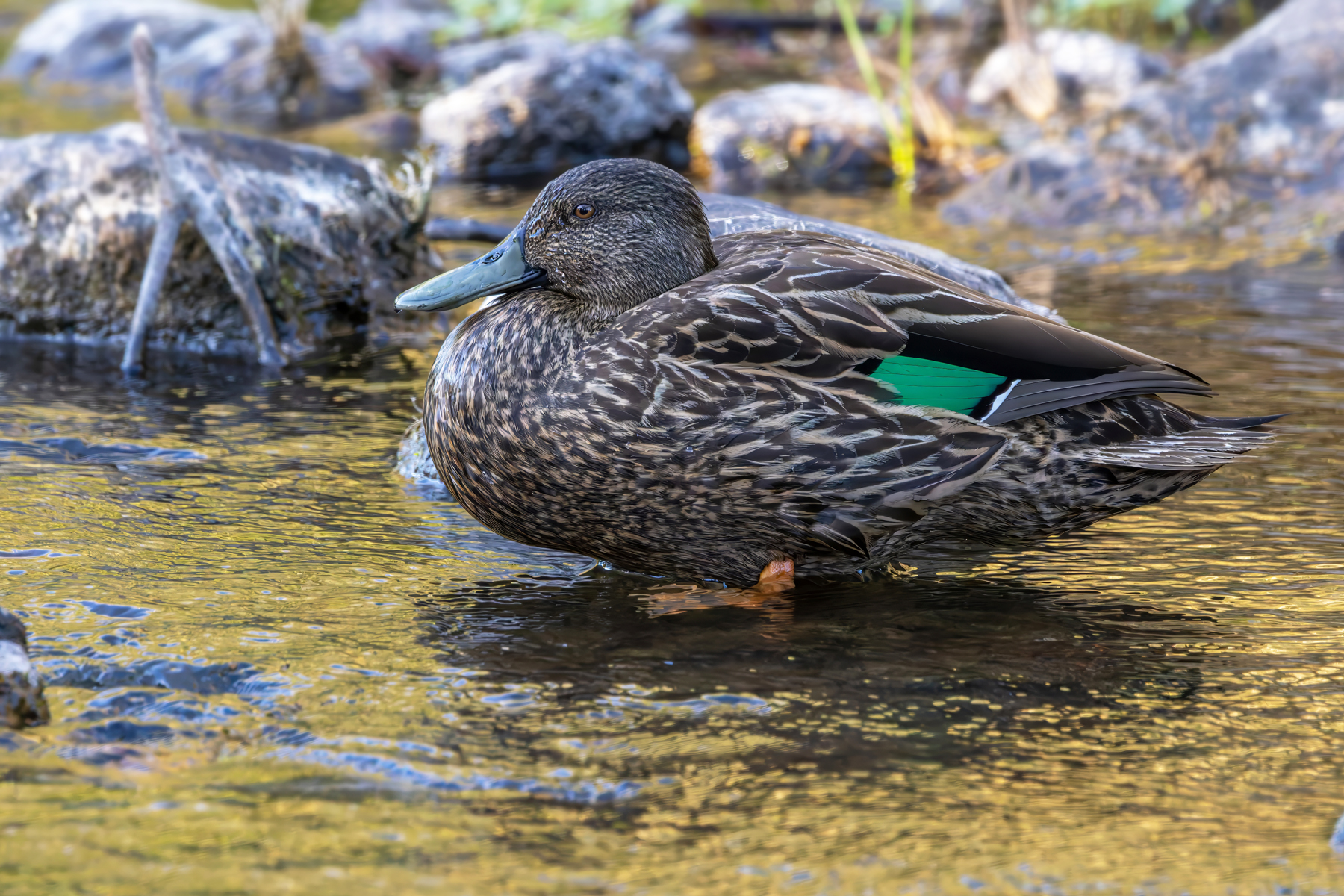
Meller's Duck (image by Nik Borrow)
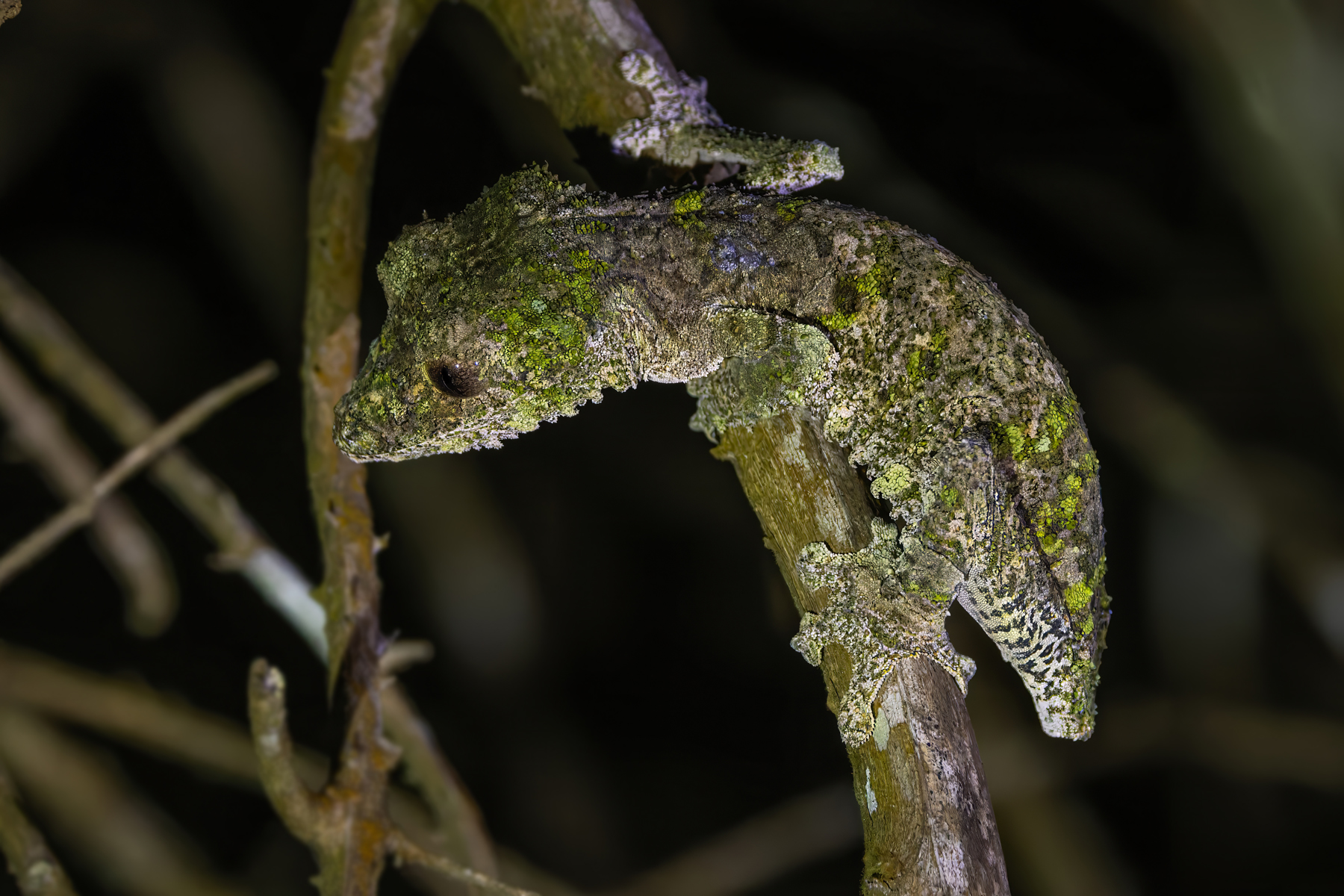
Mossy Leaf-tailed Gecko (image by Nik Borrow)
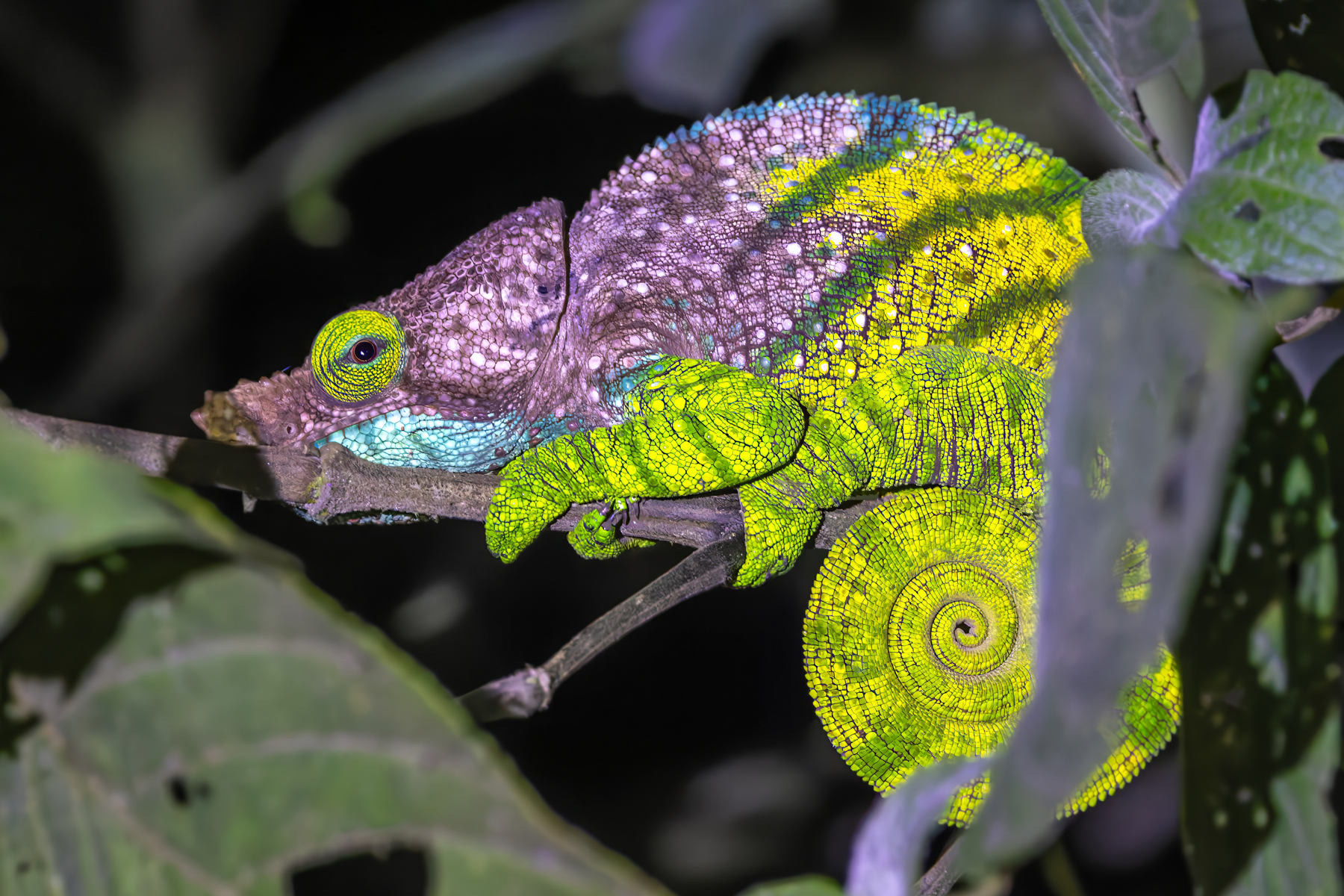
O'Shaughnessy's Chameleon (image by Nik Borrow)
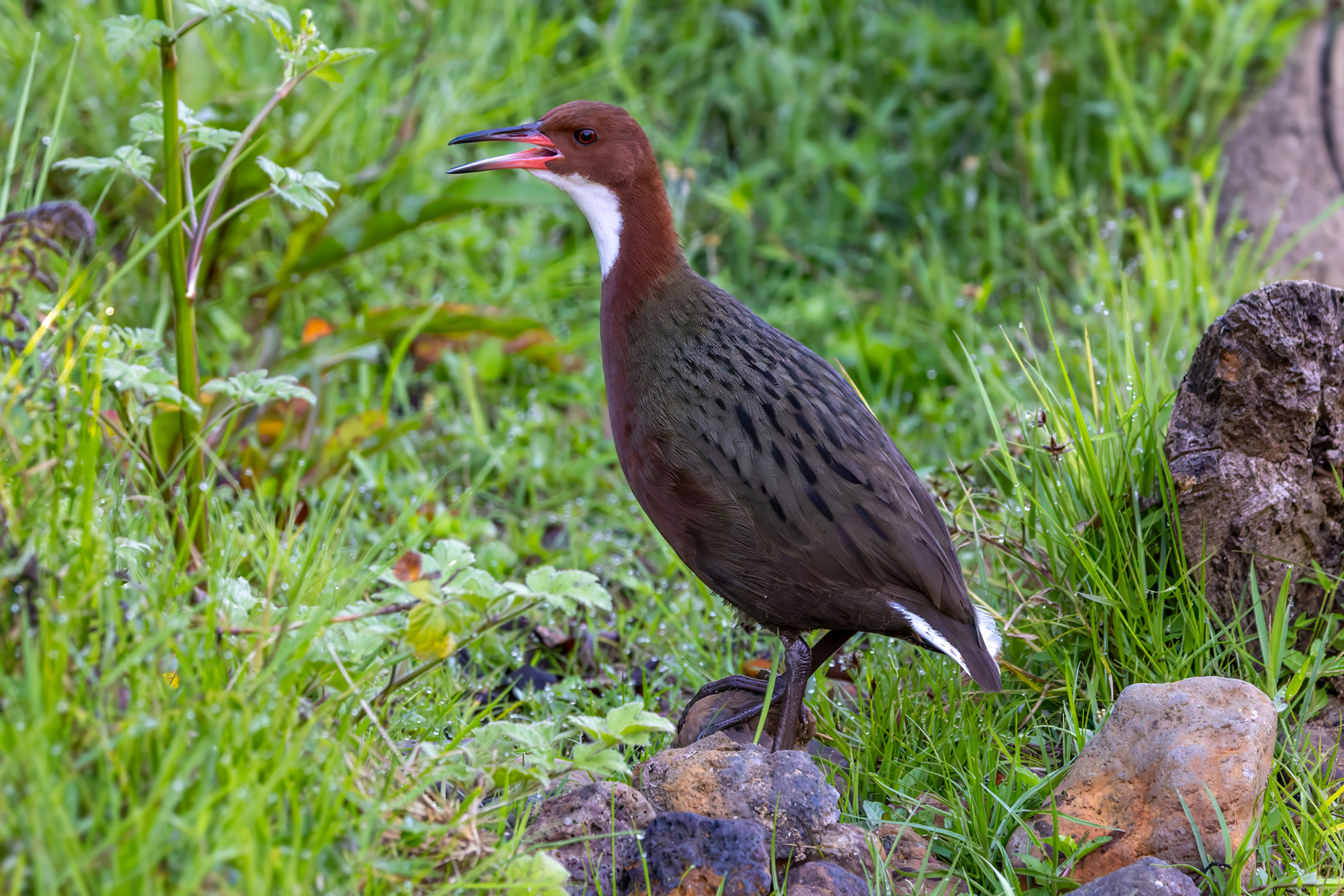
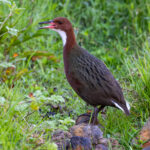
White-throated Rail (image by Nik Borrow)
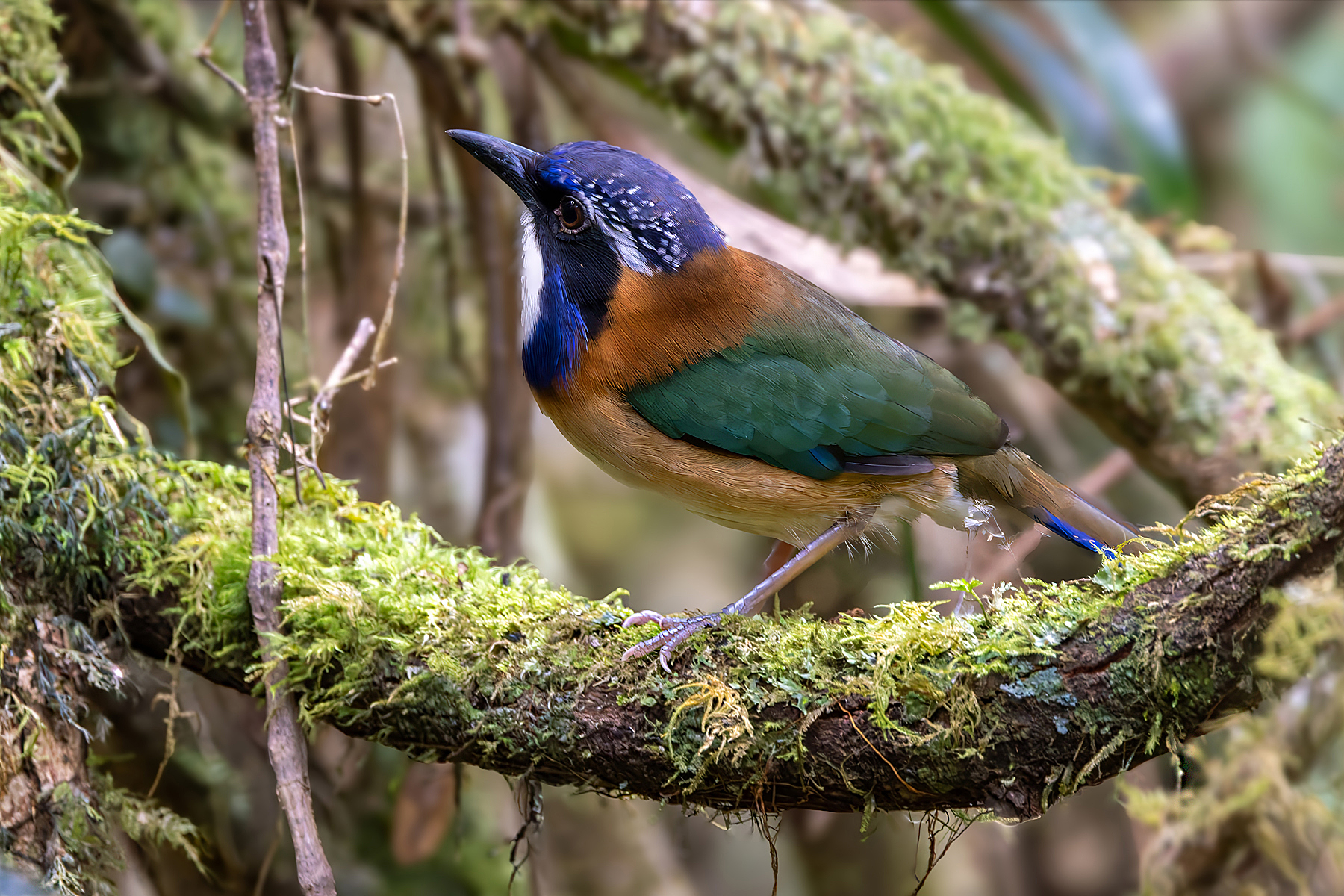
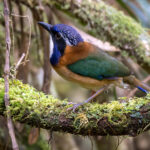
Pitta-like Ground Roller (image by Nik Borrow)
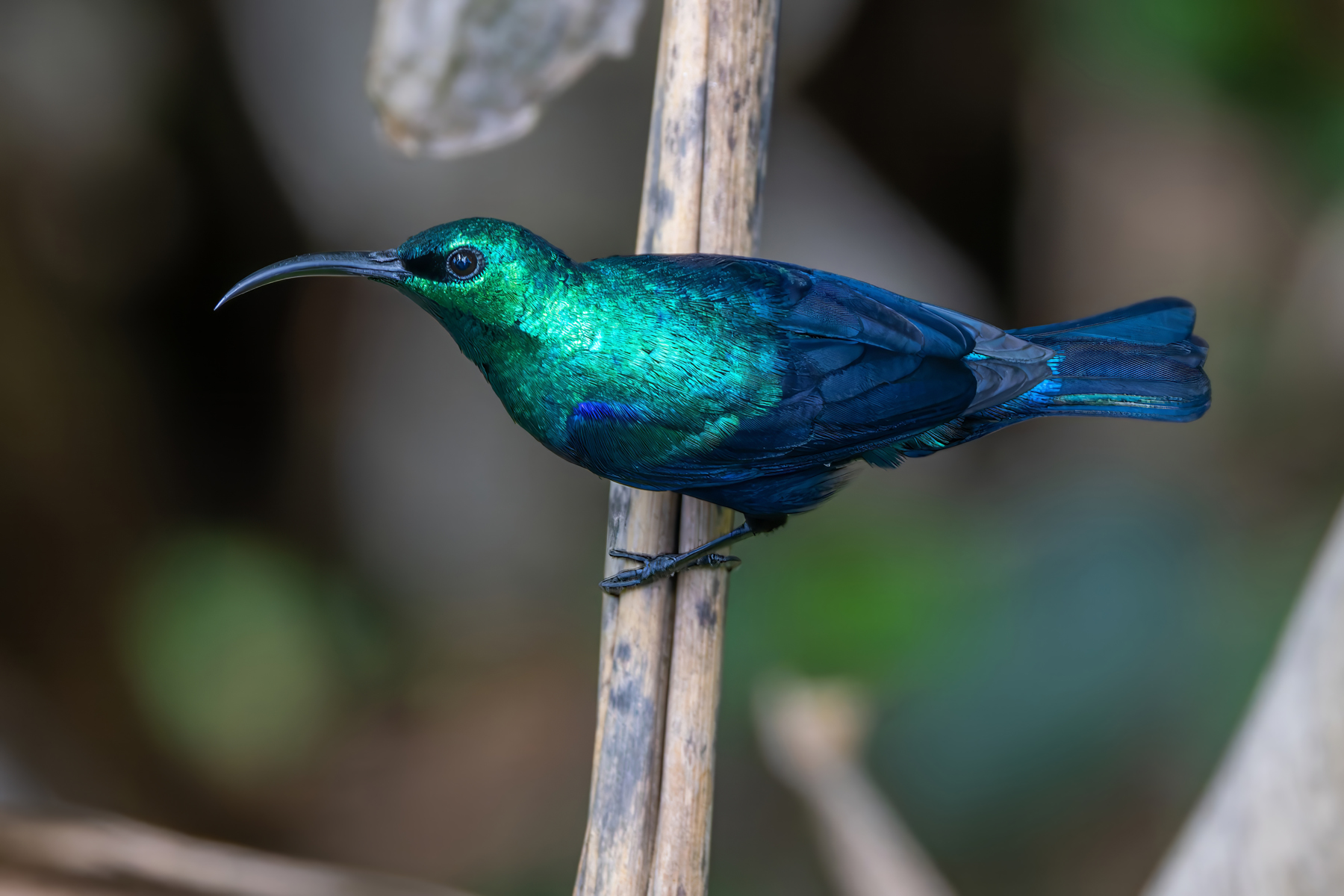
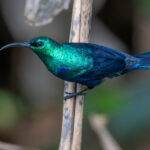
Malagasy Green Sunbird (image by Nik Borrow)
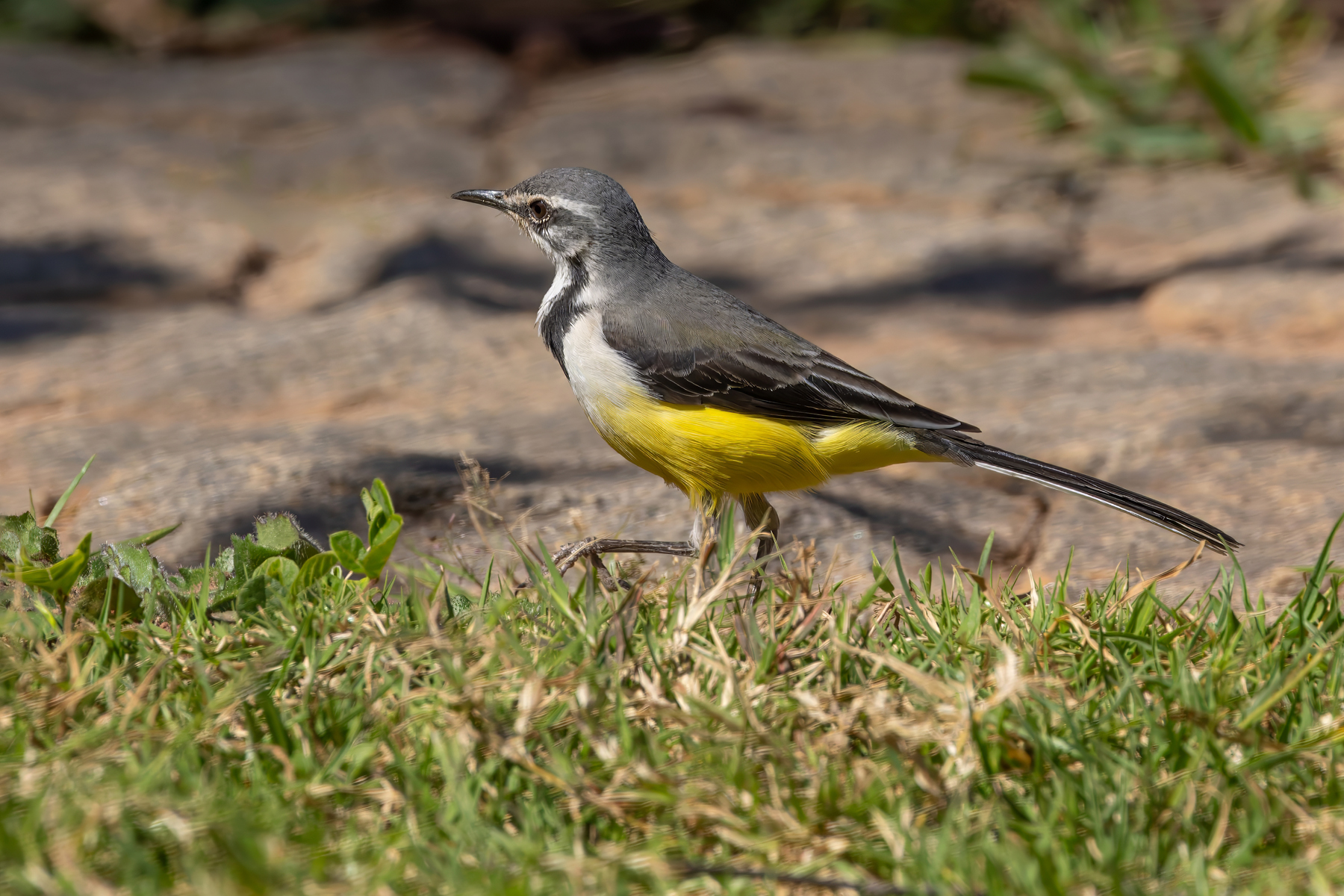
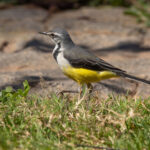
Madagascar Wagtail (image by Nik Borrow)
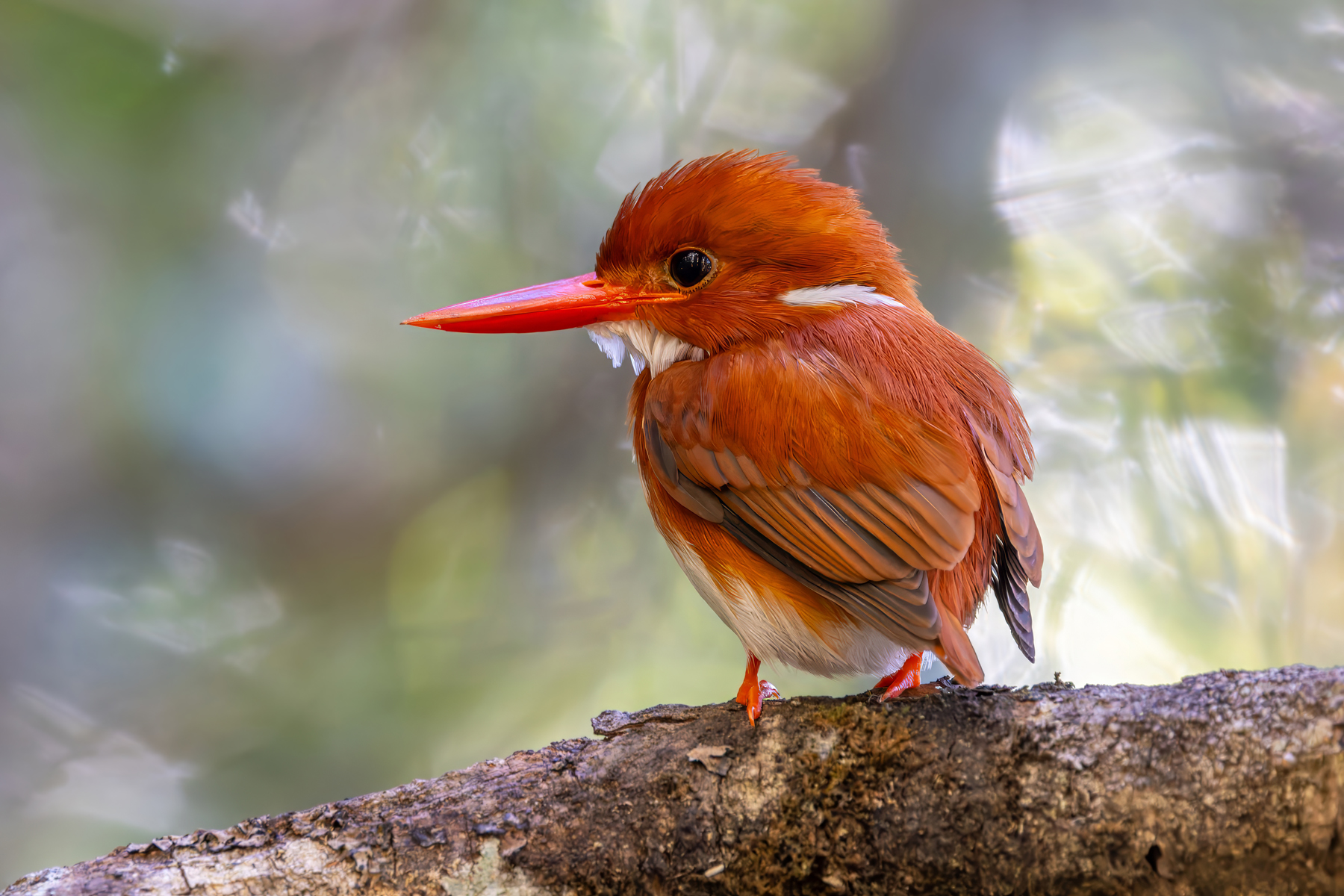
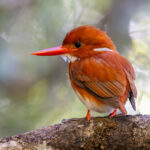
Madagascar Pygmy Kingfisher (image by Nik Borrow)
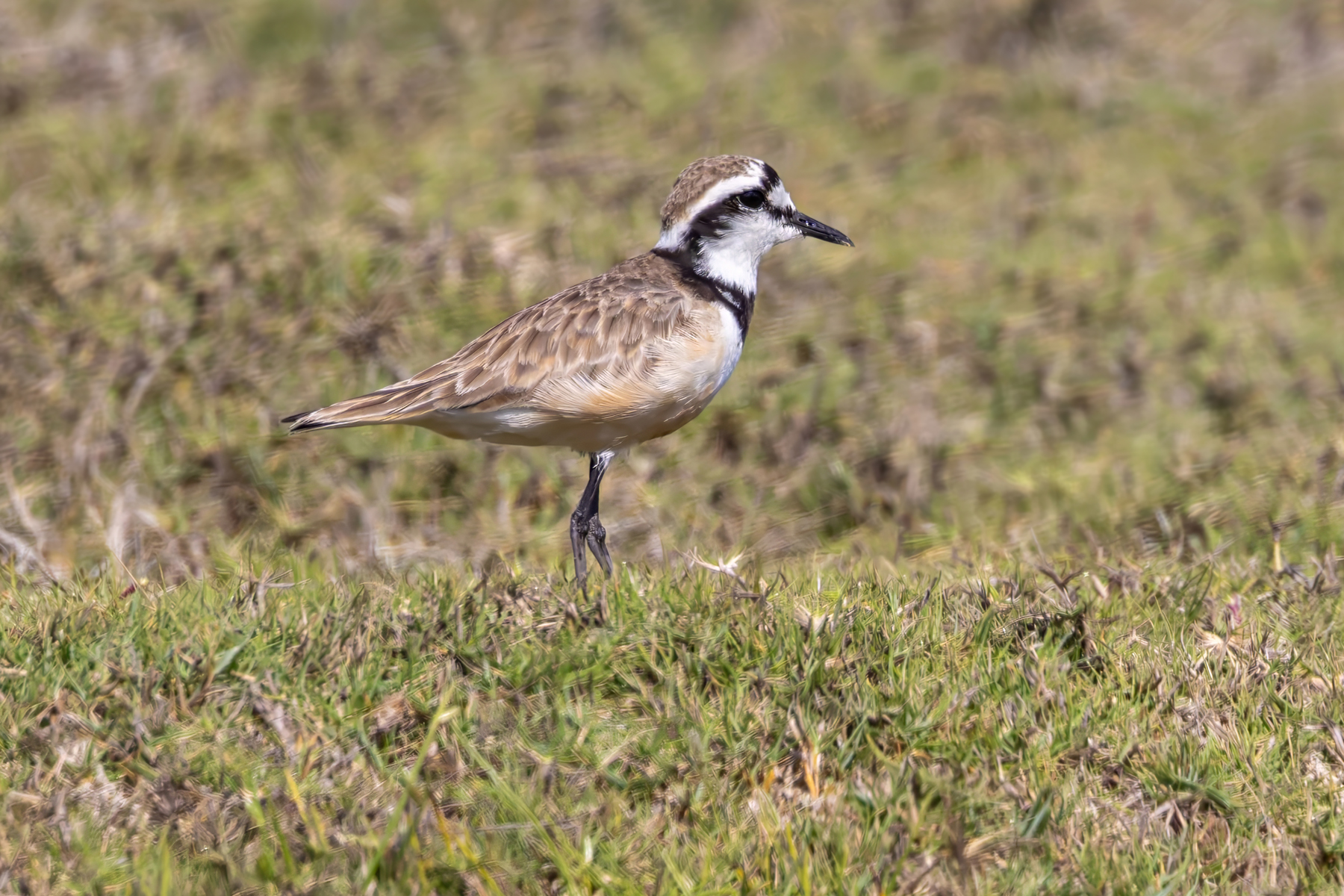
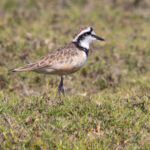
Madagascar Plover (image by Nik Borrow)
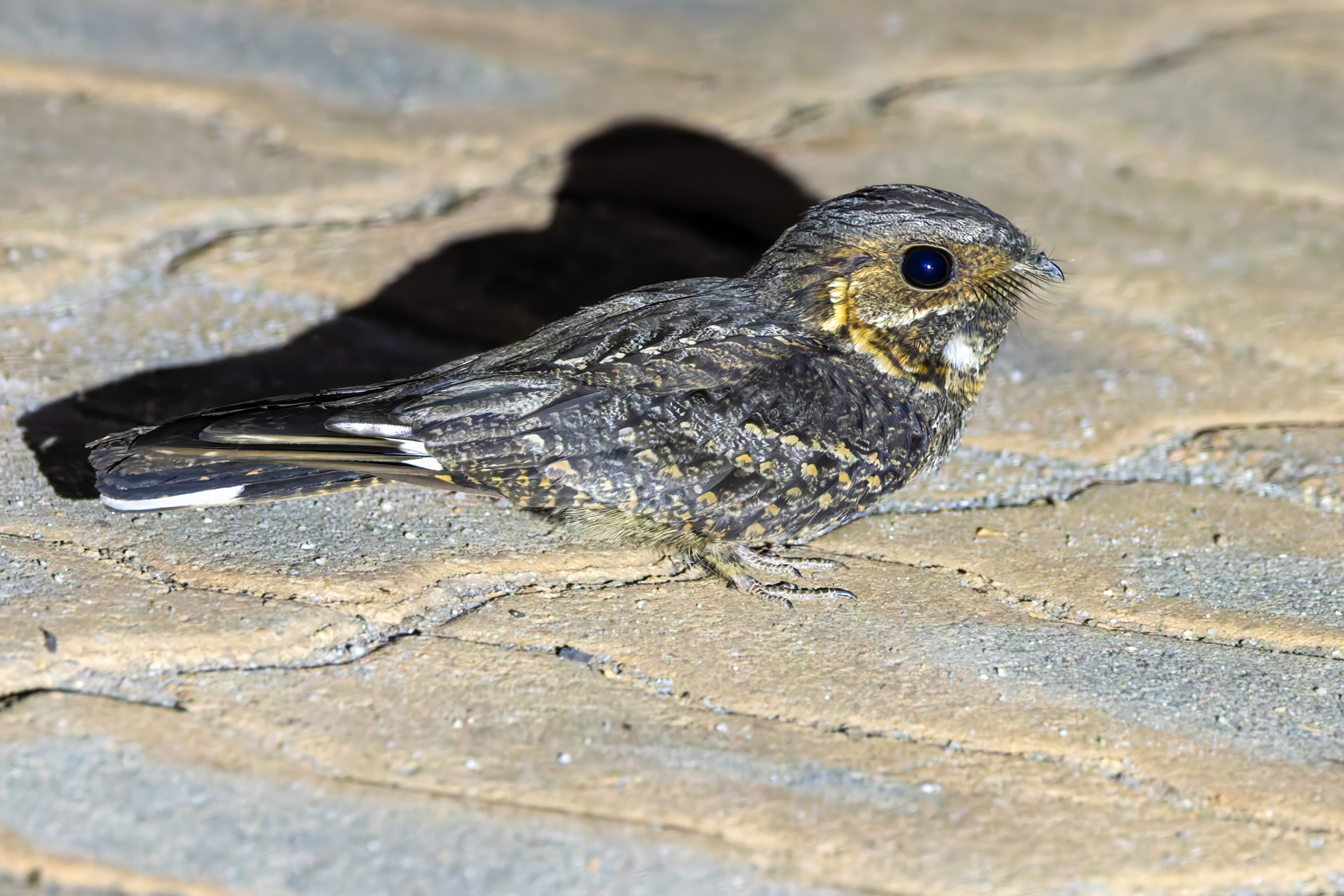
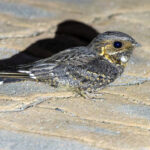
Madagascar Nightjar (image by Nik Borrow)
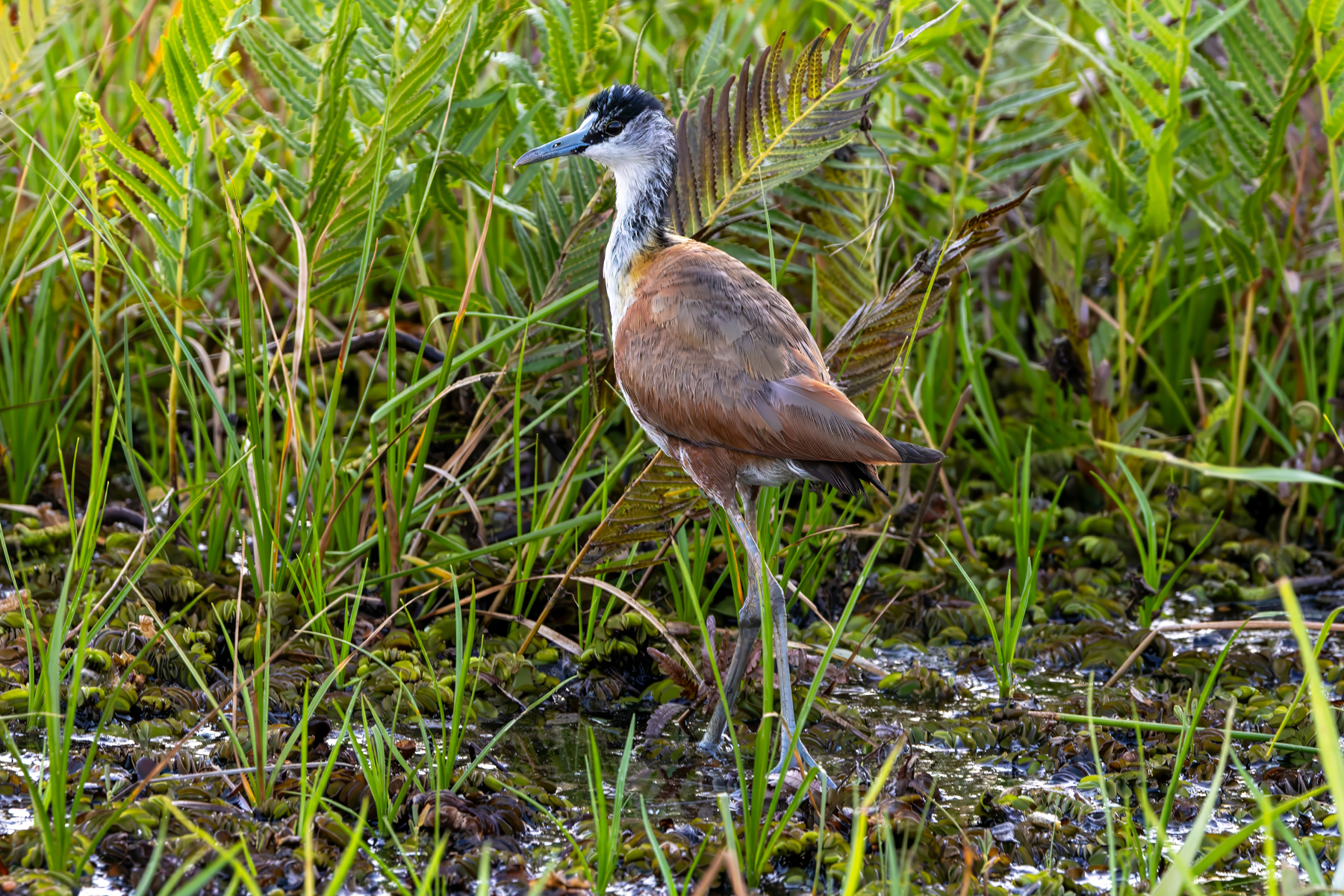
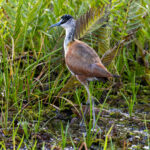
Madagascar Jacana (image by Nik Borrow)
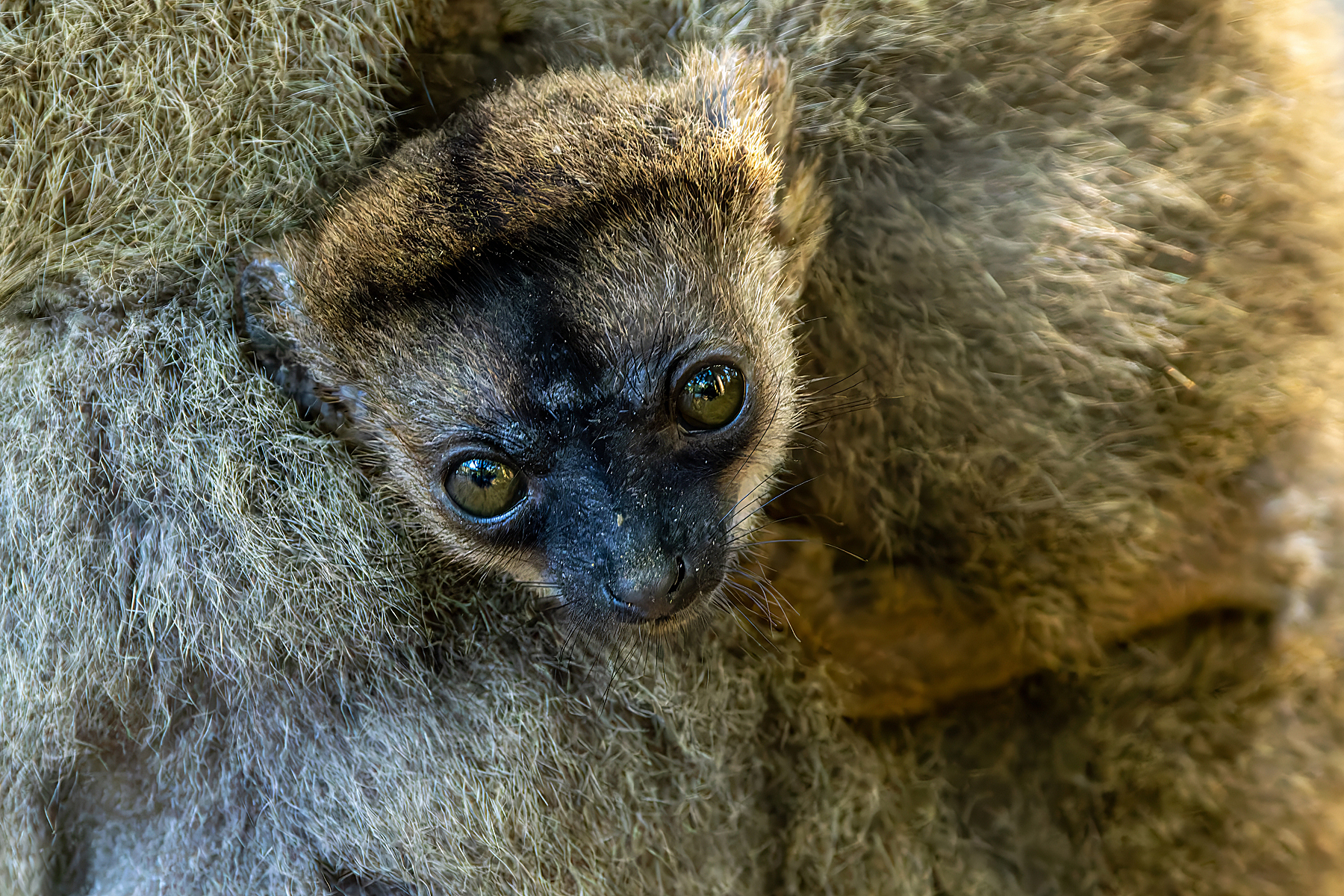
Brown Lemur (image by Nik Borrow)
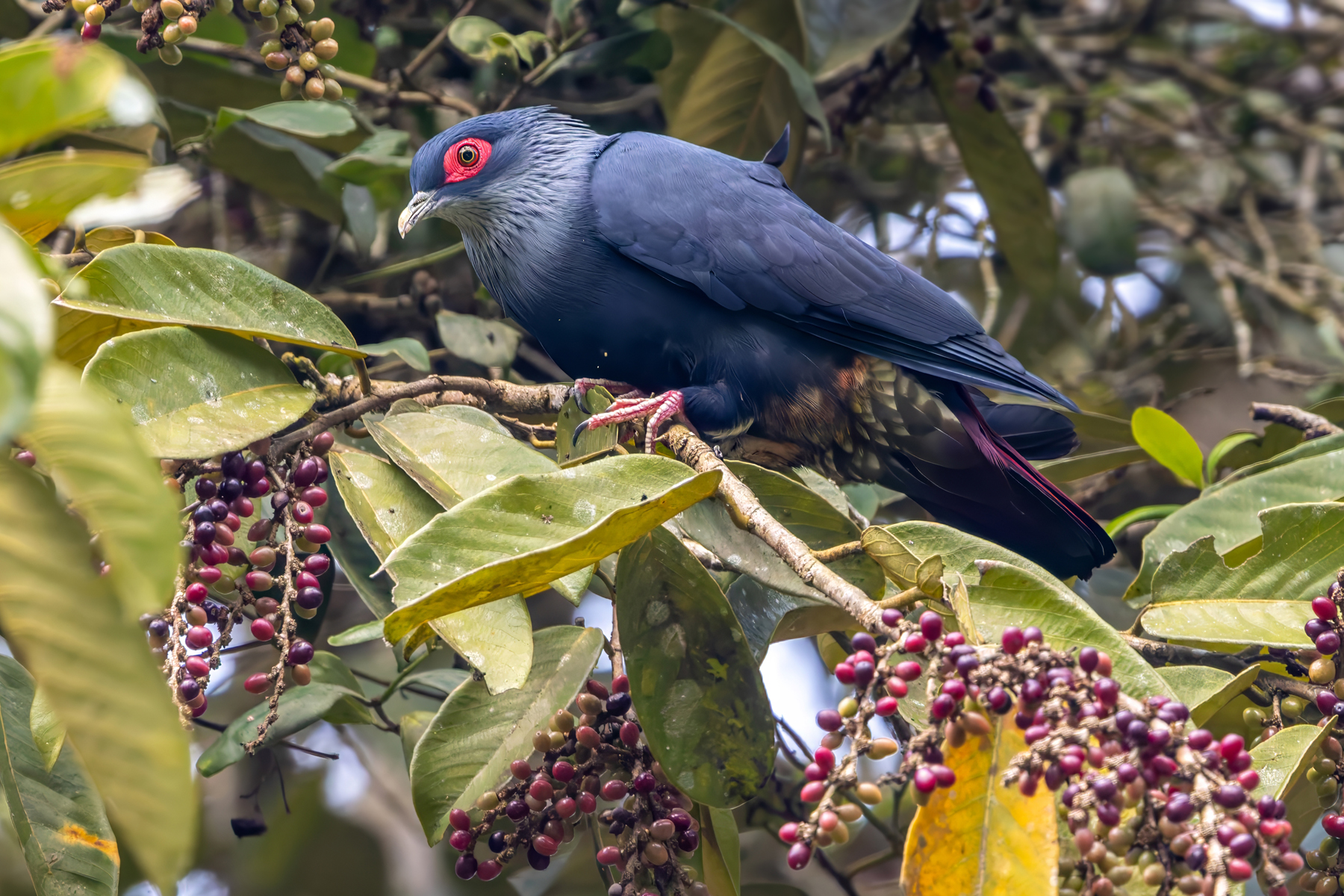
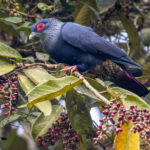
Madagascar Blue Pigeon (image by Nik Borrow)
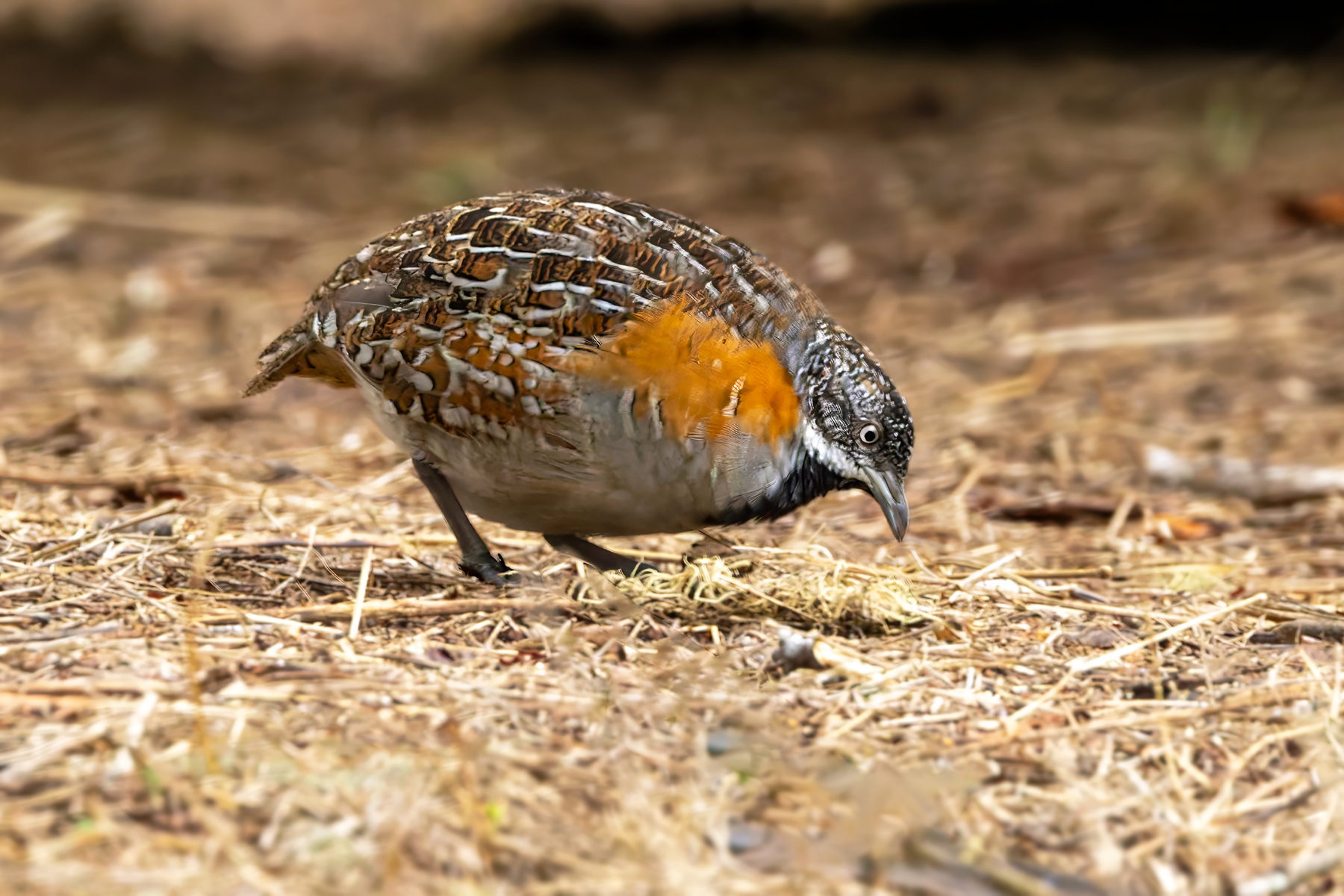
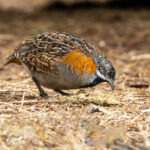
Madagascar Buttonquail (image by Nik Borrow)
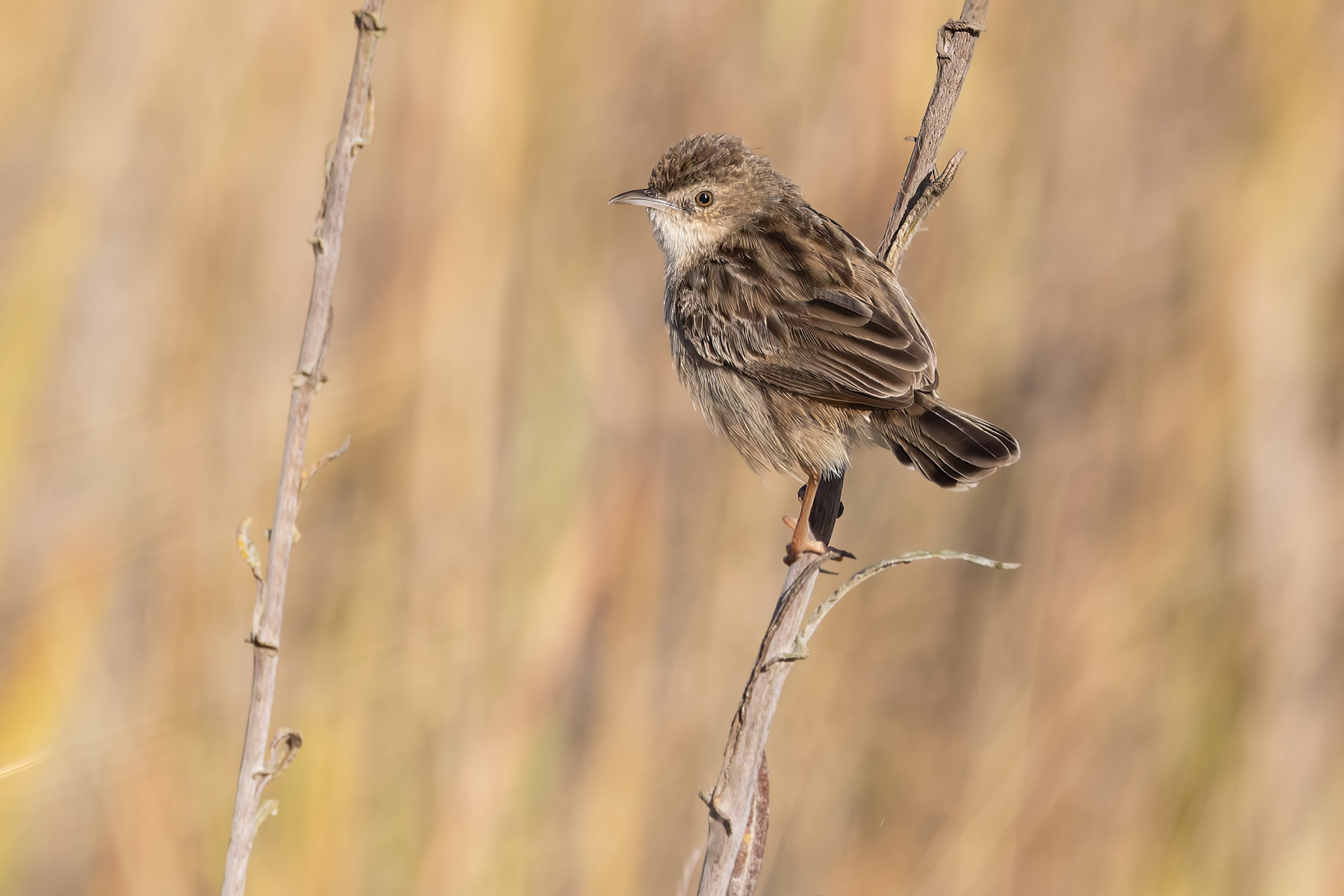
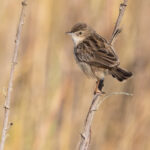
Madagascar Cisticola (image by Nik Borrow)
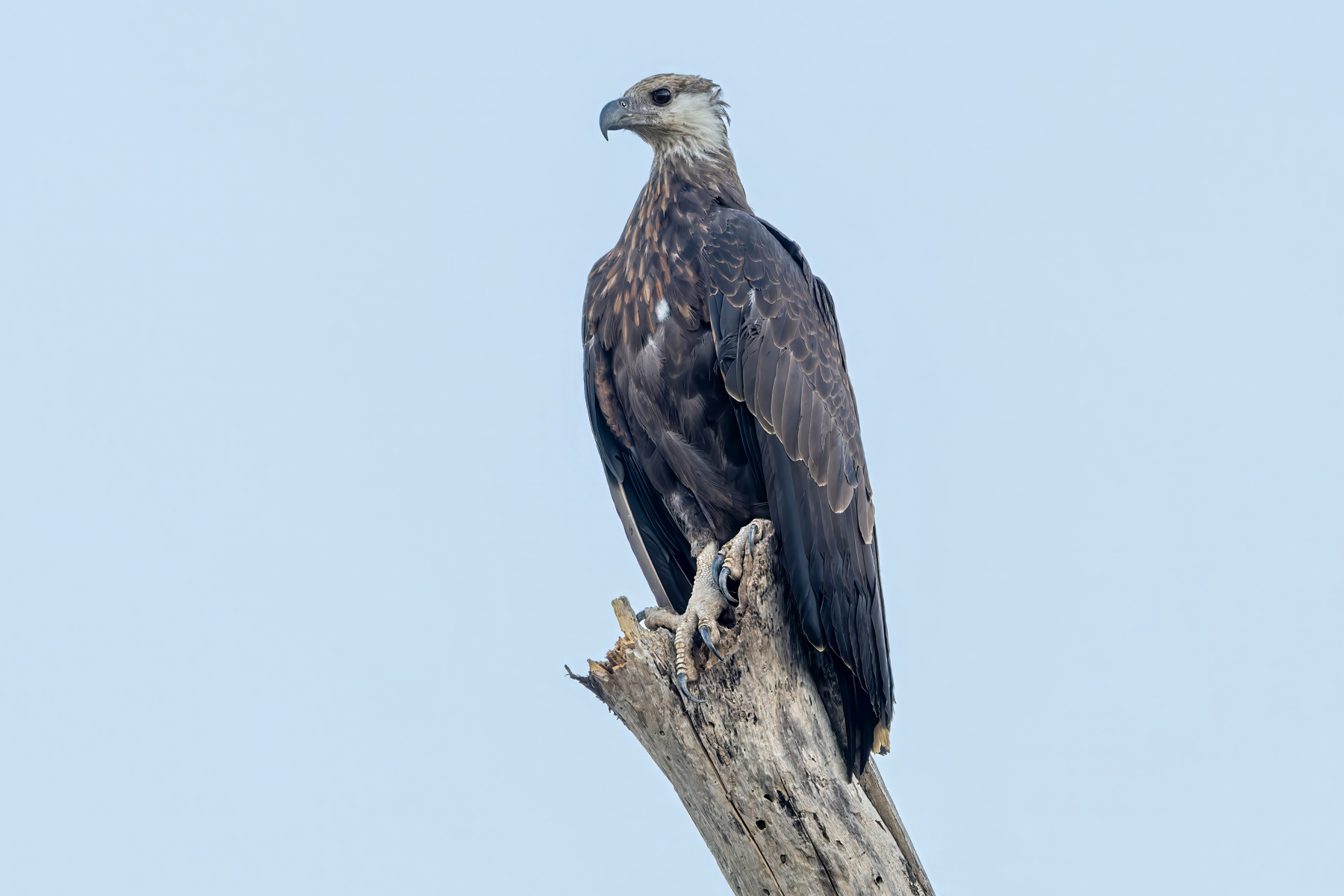
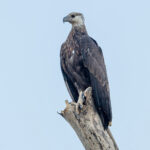
Madagascar Fish Eagle (image by Nik Borrow)
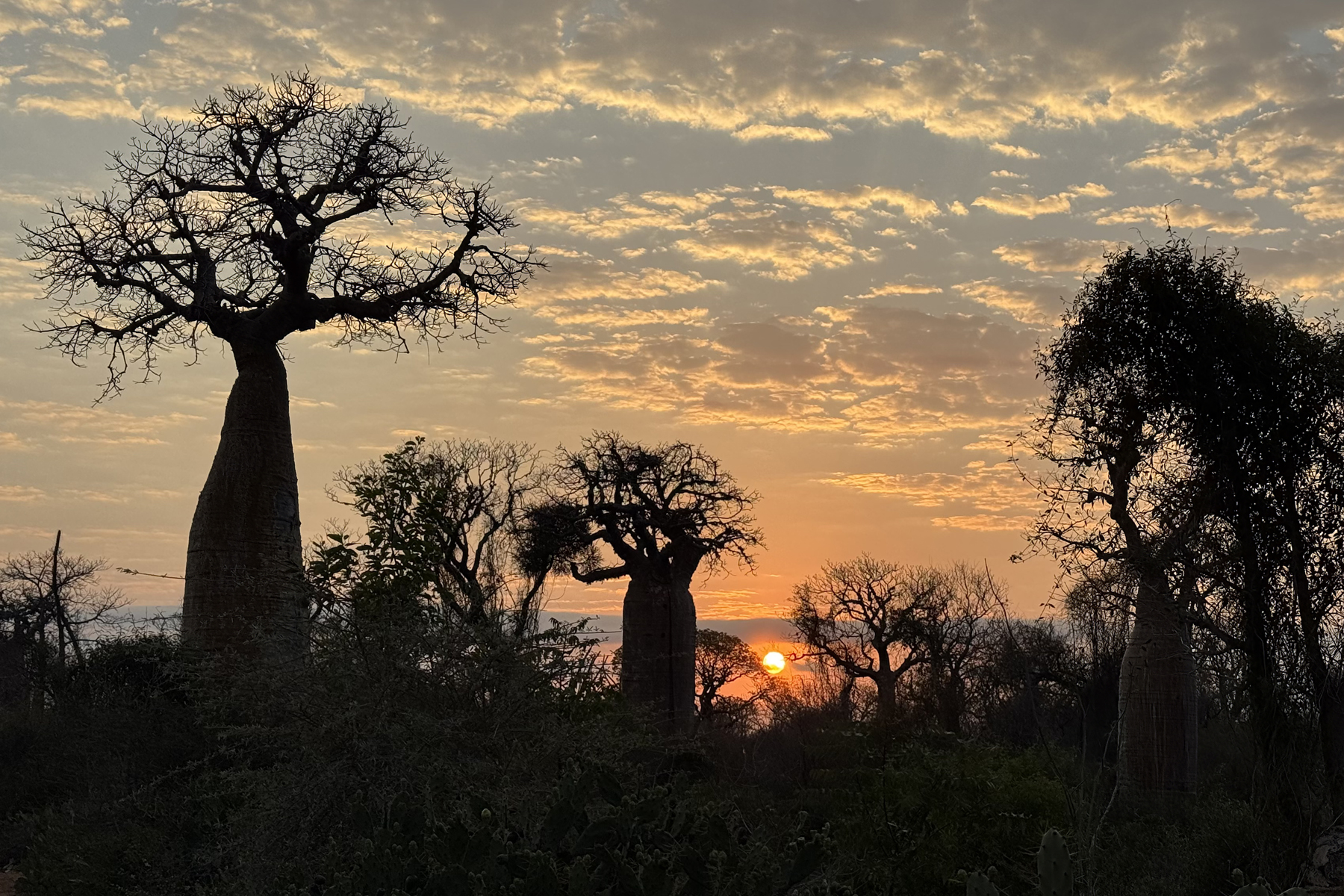
Ifaty Spiny Forest (image by Nik Borrow)
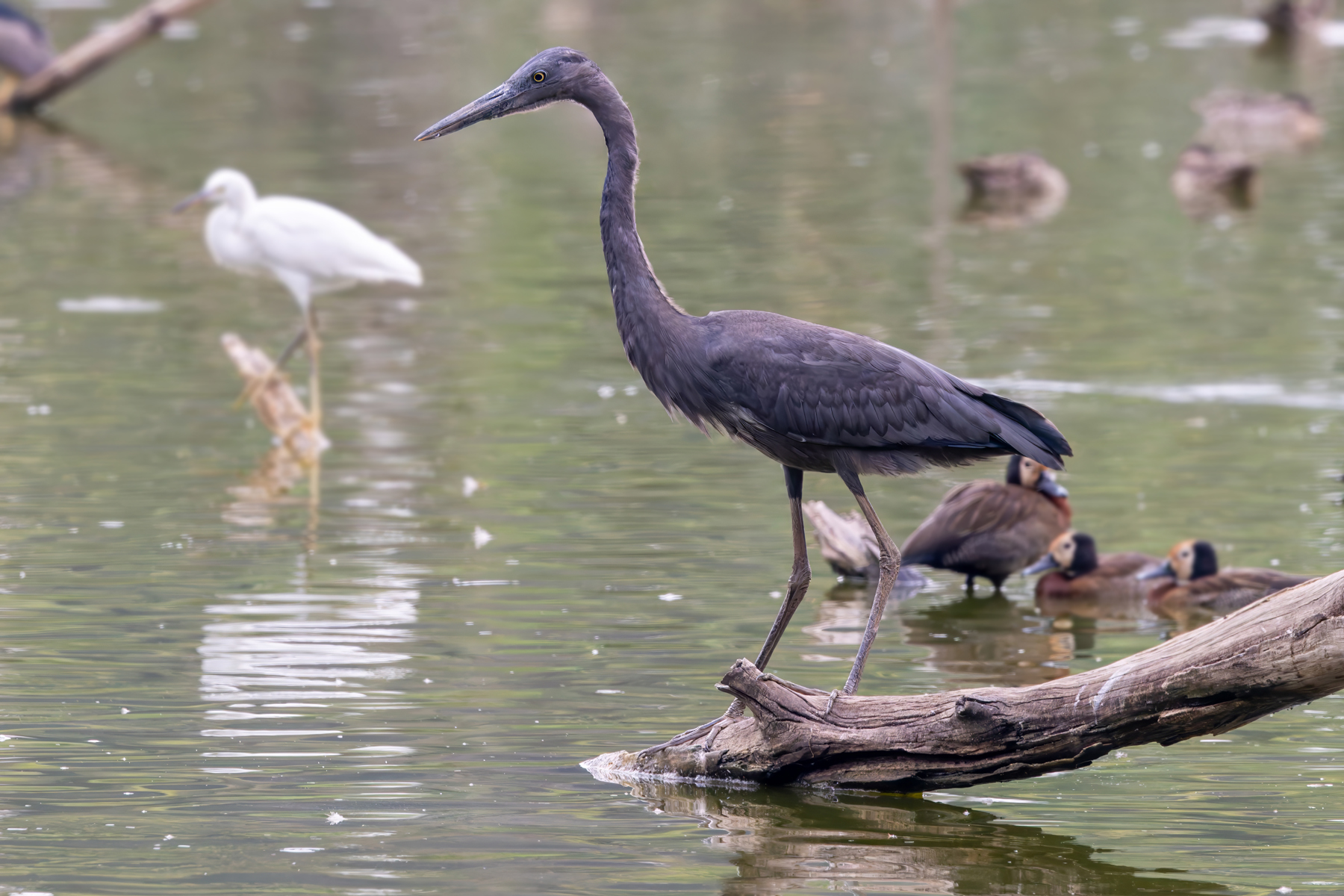
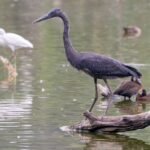
Humblot's Heron (image by Nik Borrow)
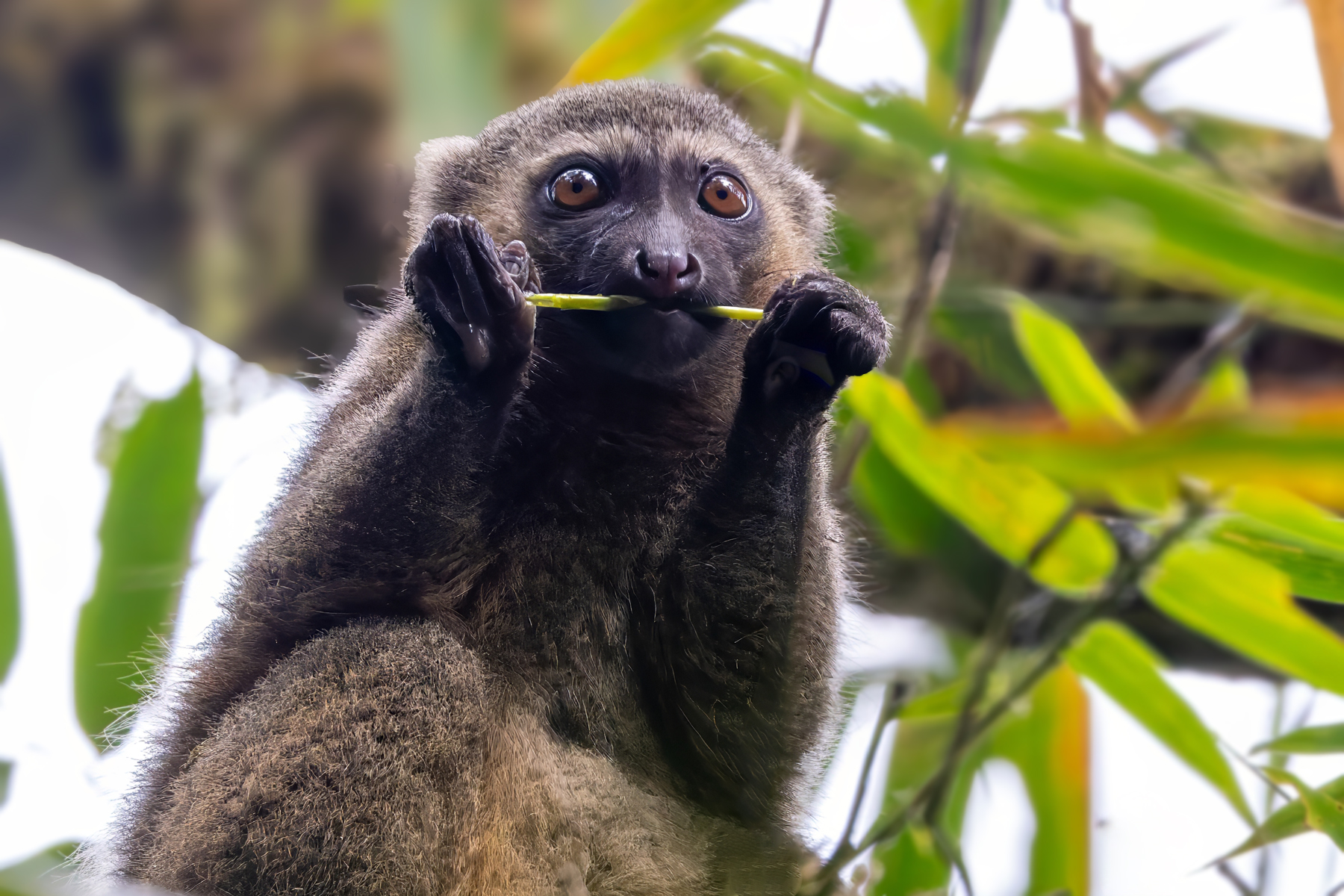
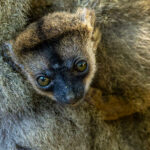
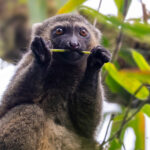
Golden Bamboo Lemur (image by Nik Borrow)
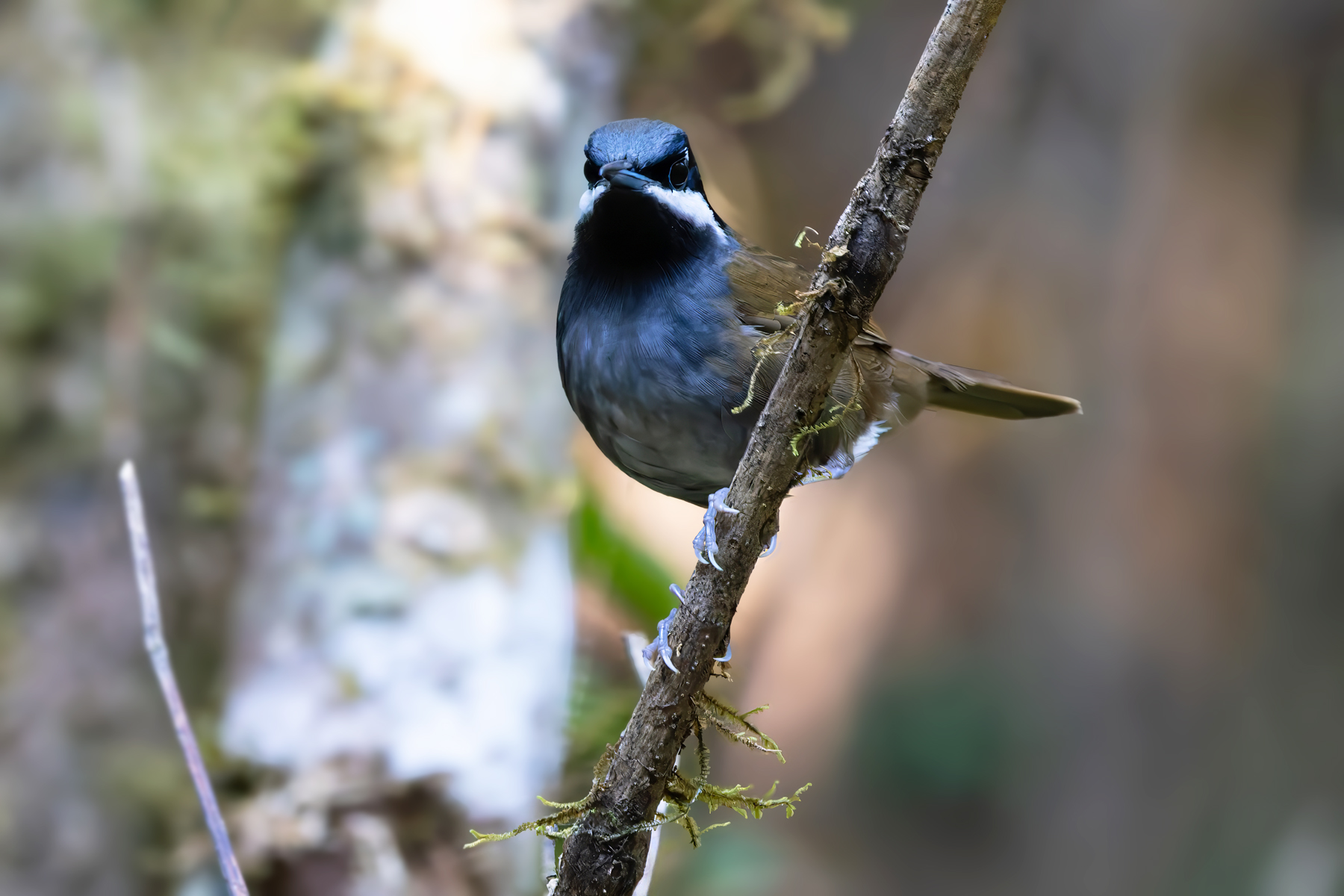
Crossley's Vanga (image by Nik Borrow)
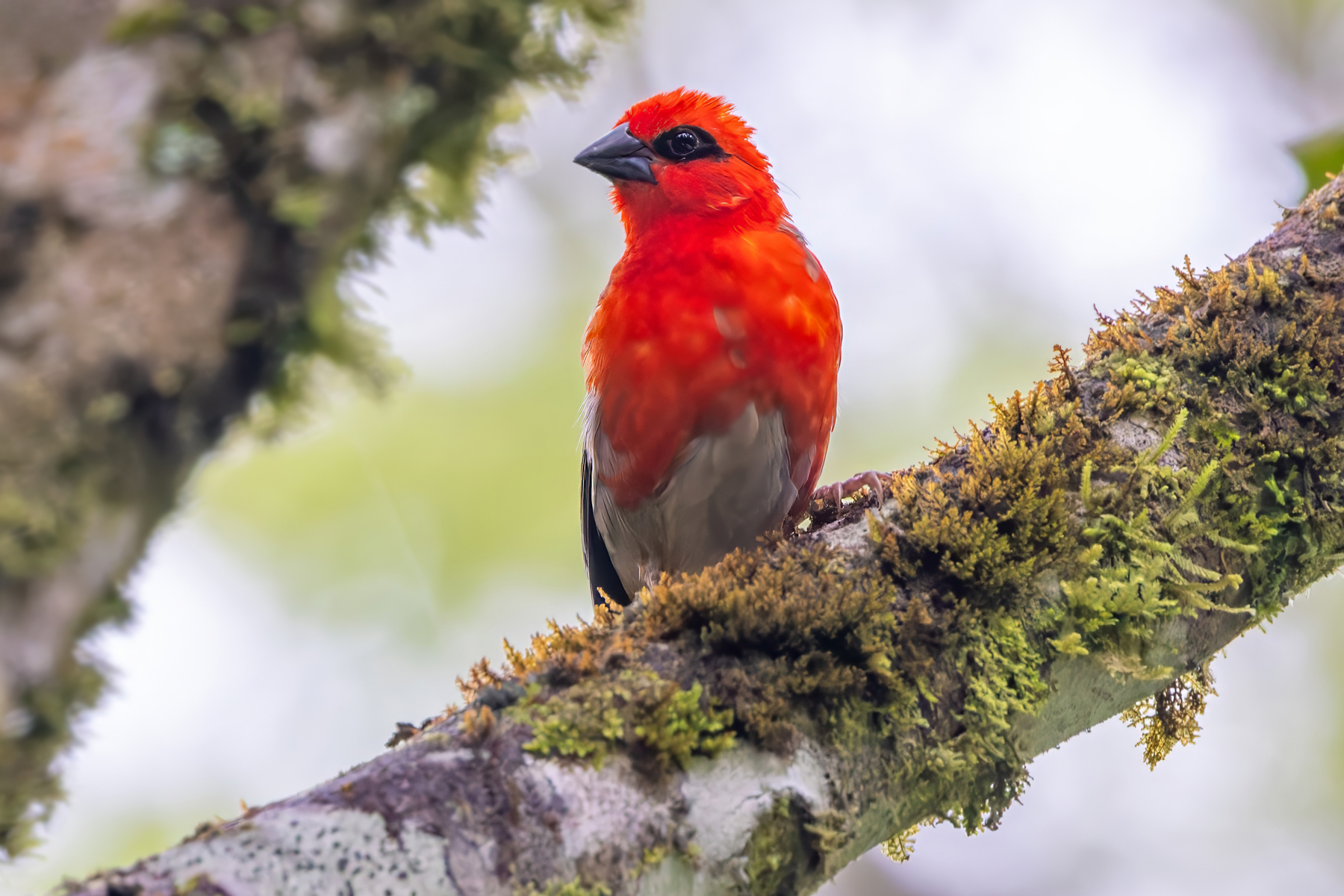
Forest Fody (image by Nik Borrow)
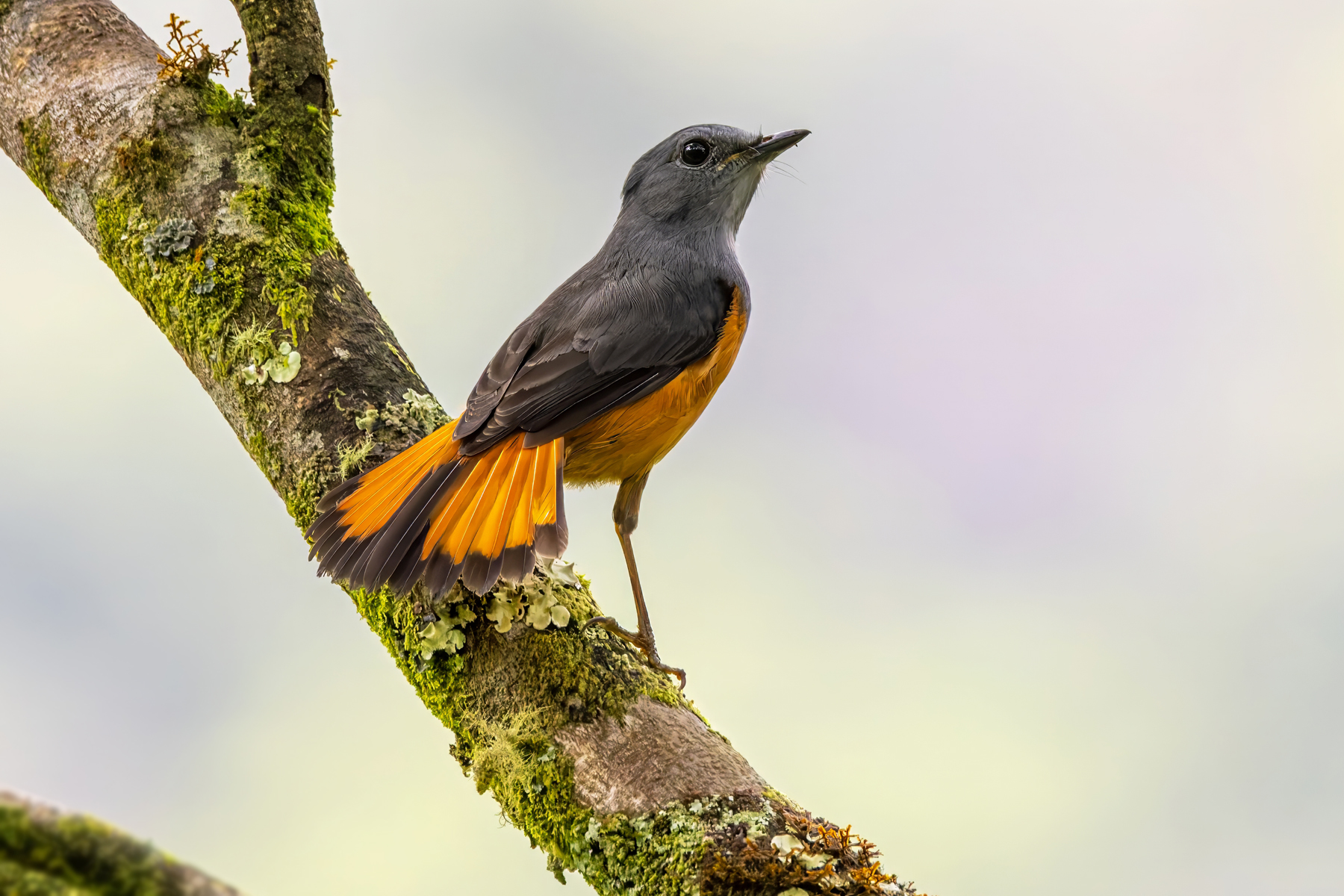
Forest Rock Thrush (image by Nik Borrow)
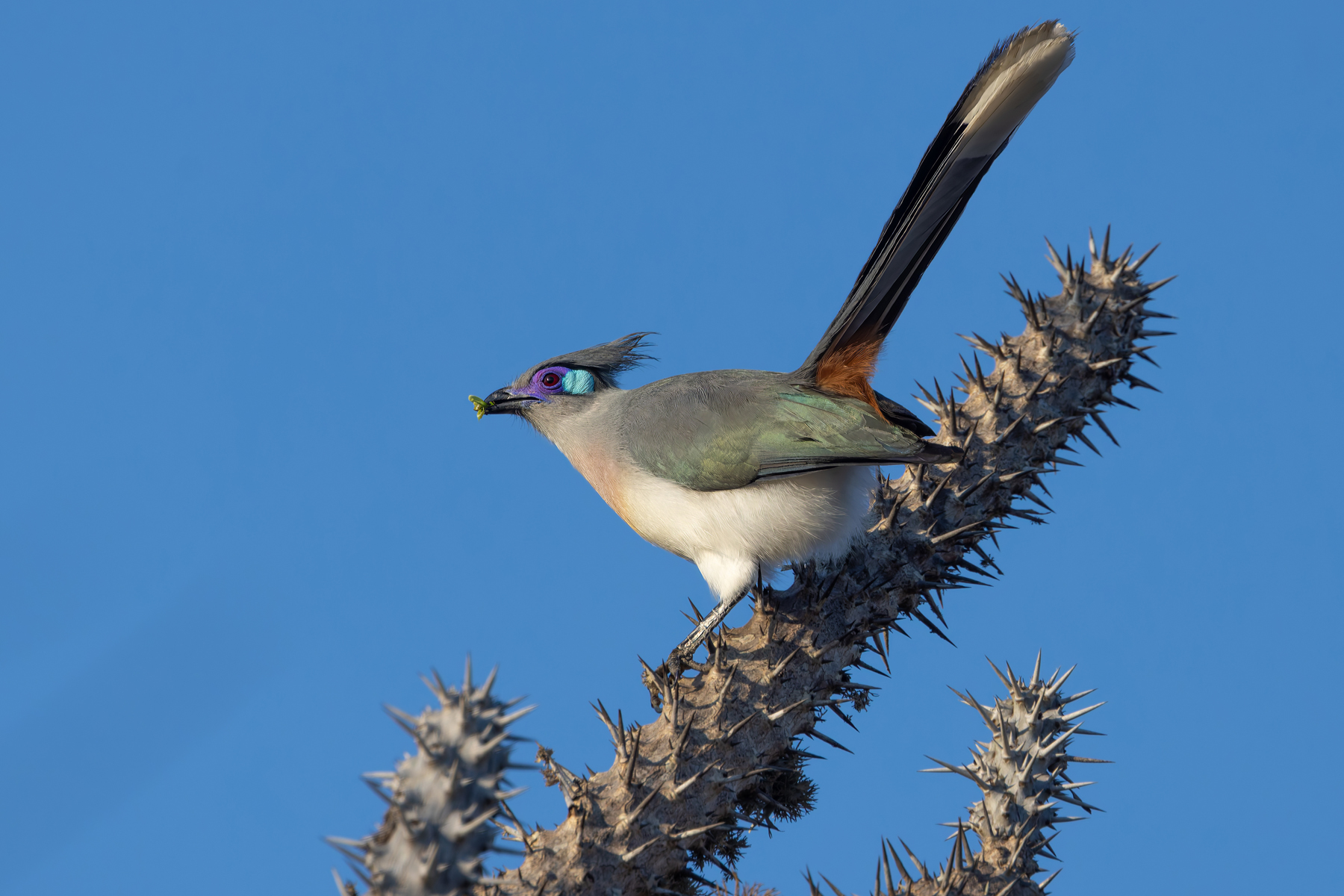
Crested Coua (image by Nik Borrow)
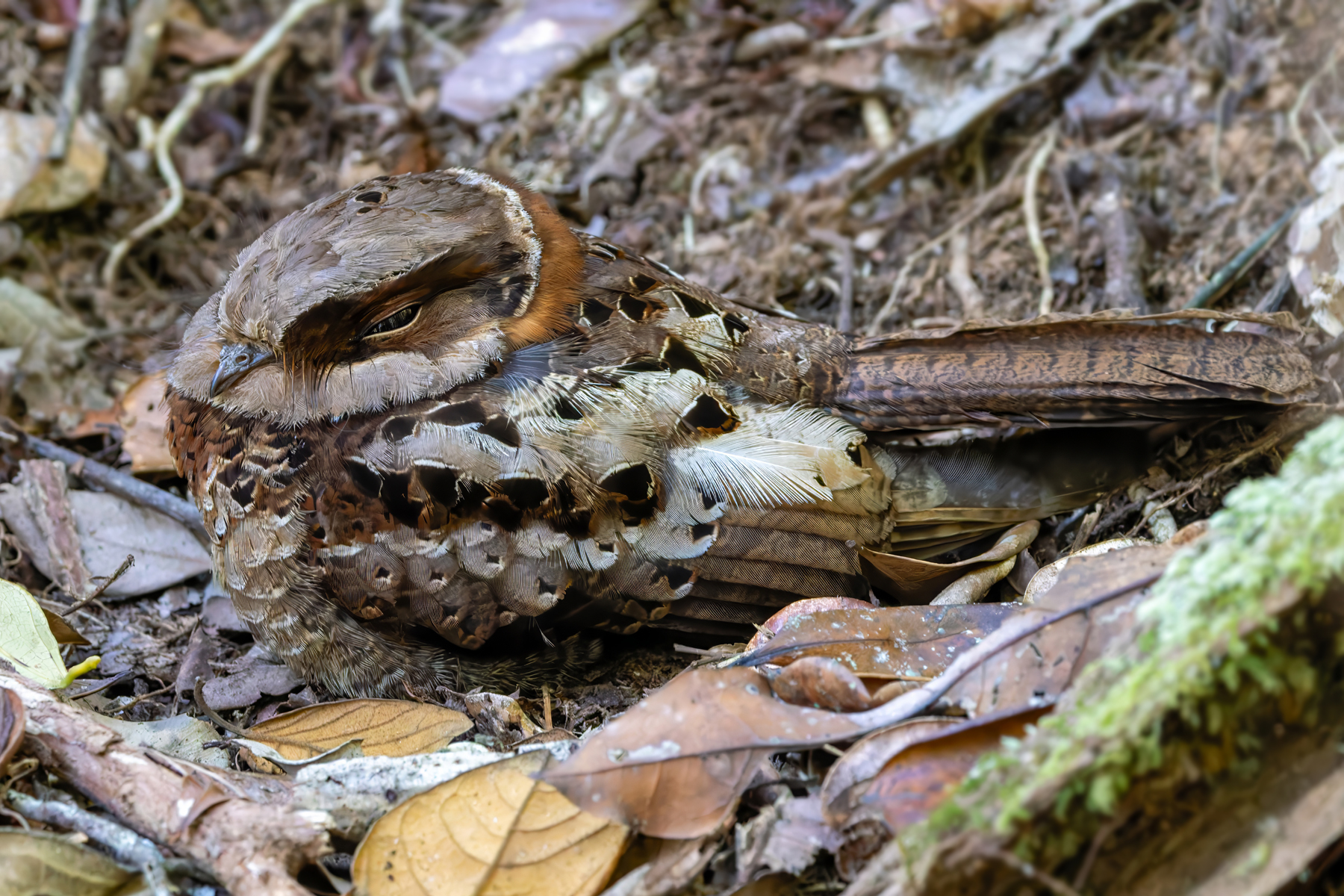
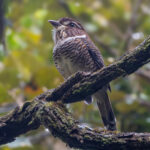
Collared Nightjar (image by Nik Borrow)
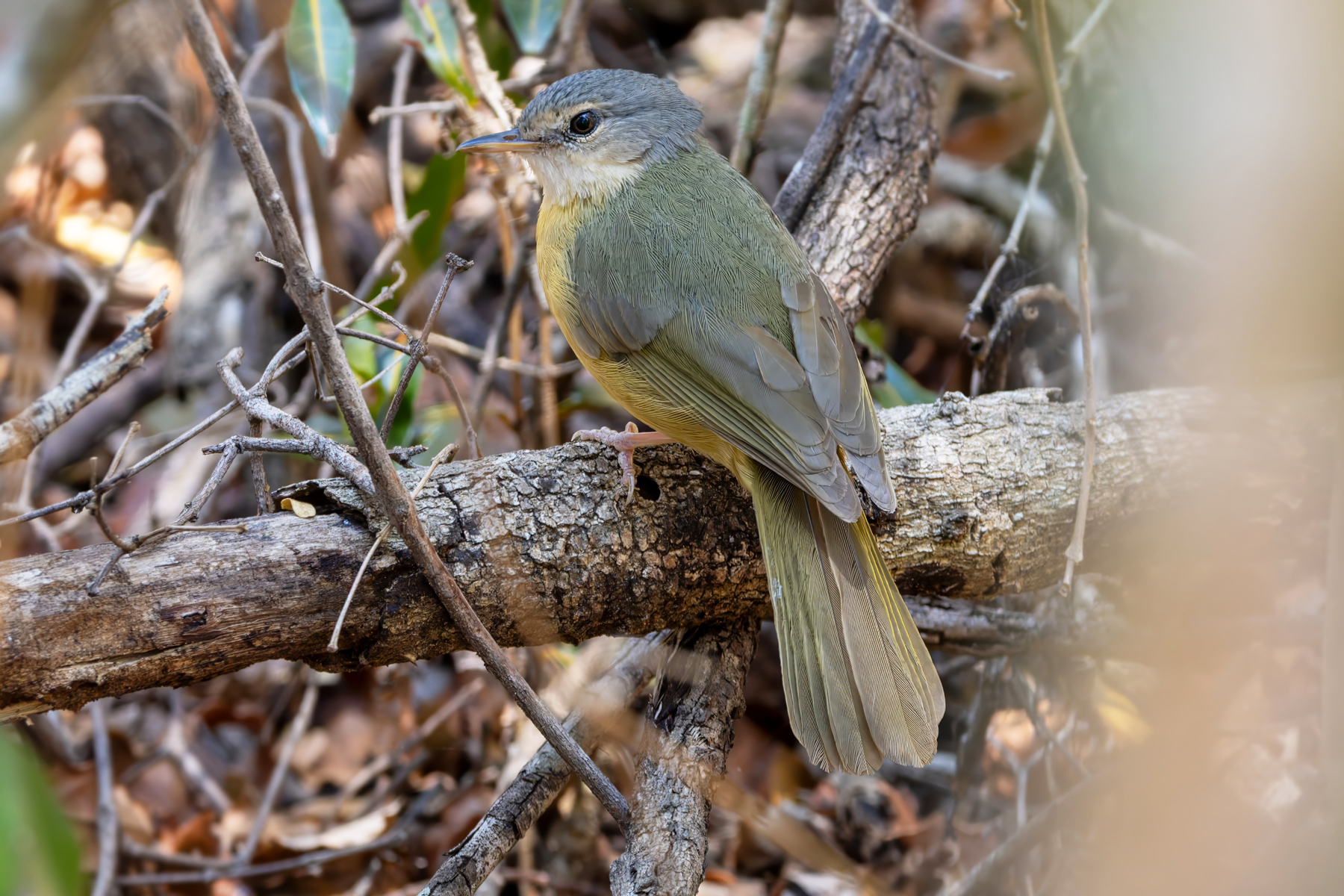
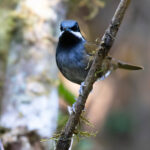
Appert's Tetraka (image by Nik Borrow)

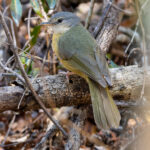


Madagascar Pochard (image by Nik Borrow)
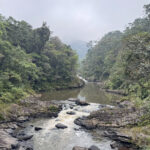
Madagascar Pochard Lake at Bemanevika (image by Nik Borrow)
Scaly Ground Roller (image by Nik Borrow)
Short-legged Ground Roller (image by Nik Borrow)
Rufous-headed Ground Roller (image by Nik Borrow)
Long-tailed Ground Roller (image by Nik Borrow)
Red Owl (image by Nik Borrow)
Madagascar Flufftail (image by Nik Borrow)
Subdesert Mesite (image by Nik Borrow)
Madagascar Ibis (image by Nik Borrow)
Giraffe-necked Weevil (image by Nik Borrow)
Ring-tailed Lemurs (image by Nik Borrow)
Indri (image by Nik Borrow)
Brown Mesite (image by Nik Borrow)
Oustalet's Chameleon (image by Nik Borrow)
White-browed Owl (image by Nik Borrow)
Verreaux's Sifaka (image by Nik Borrow)
Cuckoo-roller (image by Nik Borrow)
Torotoroka Madagascar Scops Owl (image by Nik Borrow)
Nosy Ve Boat Trip (image by Nik Borrow)
Rufous Mouse Lemur (image by Nik Borrow)
Common Sunbird-Asity (image by Nik Borrow)
Giant Coua (image by Nik Borrow)
Rufous Brown Lemurs (image by Nik Borrow)
Red-tailed Tropicbird (image by Nik Borrow)
Ranomafana (image by Nik Borrow)
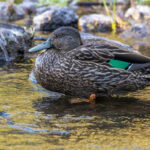
Meller's Duck (image by Nik Borrow)
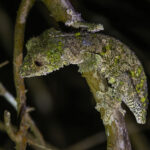
Mossy Leaf-tailed Gecko (image by Nik Borrow)
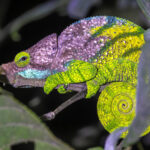
O'Shaughnessy's Chameleon (image by Nik Borrow)
White-throated Rail (image by Nik Borrow)
Pitta-like Ground Roller (image by Nik Borrow)
Malagasy Green Sunbird (image by Nik Borrow)
Madagascar Wagtail (image by Nik Borrow)
Madagascar Pygmy Kingfisher (image by Nik Borrow)
Madagascar Plover (image by Nik Borrow)
Madagascar Nightjar (image by Nik Borrow)
Madagascar Jacana (image by Nik Borrow)
Brown Lemur (image by Nik Borrow)
Madagascar Blue Pigeon (image by Nik Borrow)
Madagascar Buttonquail (image by Nik Borrow)
Madagascar Cisticola (image by Nik Borrow)
Madagascar Fish Eagle (image by Nik Borrow)
Ifaty Spiny Forest (image by Nik Borrow)
Humblot's Heron (image by Nik Borrow)
Golden Bamboo Lemur (image by Nik Borrow)
Crossley's Vanga (image by Nik Borrow)
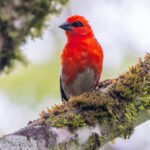
Forest Fody (image by Nik Borrow)
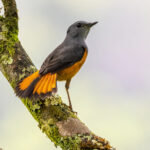
Forest Rock Thrush (image by Nik Borrow)
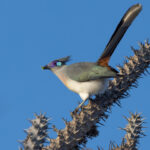
Crested Coua (image by Nik Borrow)
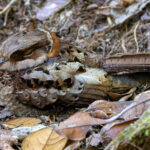
Collared Nightjar (image by Nik Borrow)
Appert's Tetraka (image by Nik Borrow)


ULTIMATE MADAGASCAR TOUR REPORT 2025

9 - 31 October 2025
Nik Borrow
Our Ultimate Madagascar tour began at a troubled time for the country. Demonstrations in the streets of Antananarivo over concerns about water and electricity supplies caused the airport to close. Ultimately the incumbent president fled and peace returned; it seemed to be basically all over in a matter of days. Although initially worrying we saw absolutely no signs of any trouble during our 23 days tour, internal flights ran bang on time, and our visit was not impacted in any way.
Madagascar is the world’s fourth largest island and is sometimes known as the “eighth continent” because of its extraordinary flora and fauna and diverse landscapes. Our comprehensive tour took us from the eastern rainforests over barren grassland central plateaus to the dry forests and subdesert scrub in the southwest where the incredible spiny forests with their strange baobabs and tentacled Octopus Trees reaching for the skies were other-worldly. We were in search of a host of endemics with wonderful names; couas, ground rollers, mesites, asities, tetrakas and a rich variety of vangas. In the north we visited the lakes and dry forests of Ankarafantsika and made a special pilgrimage to remote Bemanevika where we hunted out the world’s rarest extant duck, the Madagascar Pochard, saw the lovely Red Owl at a daytime roost and battled for views of secretive Slender-billed Flufftails, the story of which must come later as we began our journey in the capital Antananarivo.
The hotel garden gave us our first endemics in the form of the pretty Madagascar Wagtail and tiny Madagascar Mannikin. Sombre Malagasy Brush Warblers chattered from the bushes, both Malagasy Black Swift and Malagasy Kestrel were seen in the skies whilst Malagasy White-eyes and Red Fodys were noisy in the garden trees. At night we enjoyed point blank views of Madagascar Nightjar.
With our small group fully assembled we set off early on a long drive and headed south towards the rainforests of Ranomafana. The journey was typically long and mostly birdless apart from Olive Bee-eaters, Black (Yellow-billed) Kites and numerous Little, Great and Cattle Egrets as it took us through endless rice paddies and cultivation, bustling, colourful towns and eroded barren grasslands. A stop at what was supposed to be a wetland was disappointingly dry but we did see the endemic Madagascar Swamp Warbler. We reached our destination shortly after dark and after a good sleep woke refreshed to face the barrage of birds that our first day in the field brought us.
We met up with our guides and took an early morning walk along the main road that bisects the park. There was a rush of early activity as Malagasy Coucals hooted out their ‘water-bottle’ cry and the persistent notes of Madagascar Cuckoo echoed across the hillsides. At the entrance to the reserve White-headed Vanga was one of our first birds and Rufous Brown Lemurs our first lemur so it was difficult to know what to look at first! Common and Dark Newtonias and Common, Green and Stripe-throated Jerys were more easily identified by their songs than field features in the low light. Bird parties included Crested Drongo, Malagasy Paradise Flycatcher, Chabert, Madagascar Blue and Ward’s Vangas, Spectacled Tetraka, Rand’s Warbler, Long-billed Bernieria and Souimanga and Malagasy Green Sunbirds, Malagasy Bulbuls were common and we also saw Madagascar Magpie-Robin and brief looks at Madagascar Starling. A male Forest Fody was of the brightest red, hefty Nelicourvi Weavers were strikingly colourful and a responsive Forest Rock Thrush posed nicely for us fanning its ‘redstart-like’ tail. Impressive Madagascar Blue Pigeons perched up feeding on luscious fruits and in the skies were Malagasy Palm Swift and Mascarene and Madagascar Martins. After all this excitement we felt a bit shell-shocked but things quietened down as soon as we entered the forest on one of the small trails that took us down over a rushing river and then up the opposite hillside.
In the forest were several other gaggles of people but these were all mainly general tourists or lemur watchers and there was a general sense of excitement as a rare Golden Bamboo Lemur had been found and we found ourselves joining others on the quest to see it, struggling uphill through thick vegetation until we found ourselves below the critically endangered beast itself which was snacking on bamboo just above our heads. Discovered at Ranomafana as recently as 1985 this strange lemur has the incredible ability to process the cyanide that is found in the bamboo it feeds upon!
We climbed higher on the narrow trails and watched a stealthy Red-fronted Coua slither away from us before coming across a totally incredible Scaly Ground Roller literally right at our feet and best viewed sitting down! This strange, intricately marked bird balanced on long orange legs looks more like something created by AI than nature and we were not prepared for how tame they were. Stood stock still for some time before scratching and digging in the earth, then head down and scurrying off to another patch of ground. This was in contrast to the technicoloured Pitta-like Ground Roller that we tried to see next which was a sneakier creature to get good clear looks at but with persistence we managed, taking in a White-throated Oxylabes in the process. At the lookout point during lunchtime we added Madagascar Cuckooshrike to our lists but otherwise the forest had fallen silent.
The afternoon session was in contrast a much more sedate affair. After the strenuous ups and downs of the morning we were told we were going for a more level walk which inevitably led us up another hill and then down to a rather dry swamp where we found the hoped for Grey Emutail singing loudly from the tussocks of vegetation. Blue Coua, Madagascar Buzzard and Madagascar Cisticola were also found here whilst on the walk back we all managed good views of a most confiding Madagascar Flufftail.
For our second day at Ranomafana we followed a different trail system and although the walk was long, we weren’t suffering the extreme ups and downs of the previous day. The focus was on species that we were still missing and so the rush of species obviously wasn’t going to happen. We managed looks at the rather nondescript Cryptic Warbler and watched a male Velvet Asity with garish lime green wattle gorging on berries whilst the diminutive Common Sunbird-Asity flitted amongst flowers high above our heads. Tylas and Hook-billed Vangas showed well but the views of Pollen’s Vanga were frustratingly brief. A gorgeous Madagascar Pygmy Kingfisher glowed in the dull forest light and a Wedge-tailed Jery was fortuitously found on its nest. The sought after Rufous-headed Ground Roller was heard but sadly only distantly. In contrast, Madagascar Yellowbrow was heard extremely close, but no-one saw anything move in the dense herbage. Of the Brown Emutail we saw or heard nothing at all, but the forest was really dry and there was the feeling that today was really not going our way. Several false tries for Brown Mesite also came to nothing but finally we heard their calls not too far away and our guides excitedly disappeared into the forest instructing us to stay on the path and wait, for they were going to find the birds and herd them towards us (a common Madagascan ploy which took a little getting used to). The bamboo thickets seemed impenetrable and from our point of view it appeared a hopeless task but after some time we realised from the kerfuffle that something good was coming our way and before we knew it, we were watching a Brown Mesite just a few feet away caught between us and our grinning guides. The views were needless to say awesome, and it really seemed our fortunes had turned around but apart from a Henst’s Goshawk flying over at lunchtime, the rest of the afternoon was painfully quiet. Impressive Milne-Edward’s Sifakas were seen well and at dusk we watched the cute little Rufous Mouse Lemurs come out to feed on banana smeared onto the branches and a night walk produced brightly coloured O’Shaughnessy’s and Blue-legged Chameleons.
On our last morning we made another somewhat rushed try for yellowbrow and emutail but drew a blank and the only new bird that was added in the short time that we had available to us was a Grey-crowned Tetraka. We then had a three hour’s drive over increasingly arid and rocky landscapes before we came to the small community run dry forest reserve at Anja. Here we found numerous (600 reputedly live on the tiny reserve) and extremely tame Ring-tailed Lemurs – perhaps the most iconic of all Madagascar’s mammals, added Madagascar Hoopoe and Grey-headed Lovebird to the bird list and marvelled at the hulking Oustalet’s Chameleon in the short time available.
Travelling on over barren and fire ravaged grasslands we noted Madagascar Larks and screeched to a halt for our first Malagasy Harrier – a spectacular male that was watched in flight and also on the ground. We arrived at Isalo late but while it was still light enough to see a pair of “Benson’s” Forest Rock Thrush.
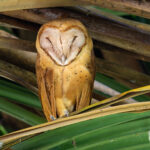
Our stay at the luxurious Isalo lodge was short and sweet for we were up early in order to flush a male Madagascar Partridge from nearby grasslands where we also found our first Madagascar Buttonquail. We couldn’t stay long because we needed to get to Zombitse Forest before it got too hot and some 90 minutes later, we were there having travelled on a pretty good road by Madagascan standards! We were immediately greeted by a pair of impressive Cuckoo-roller displaying low over the canopy. Our guides quickly sprang into action and we were led into the forest and taken straight to a White-browed Owl at its daytime roost. It stared back at us with big black eyes but seemed otherwise unconcerned. Several Coquerel’s Couas were seen along with a pair of Rufous Vanga and a pair of Madagascar Ibis were flushed. Inquisitive, long-limbed Verreaux’s Sifakas stared down at us before leaping away managing to miss the tangled vegetation that ensnared us only too easily! We were trying hard to find the localised Appert’s Tetraka but the day was already hot and our efforts were gaining no reward so we switched to another part of the forest which held another roosting White-browed Owl and a cute little “Torotoroka” Madagascar Scops Owl, tucked into its daytime hidey hole. The calls of the tetraka are very soft but finally we got a response to the quiet little trills but the birds definitely weren’t coming to us so we had to squeeze our way through the thick spiny bush in search of them. Ultimately, we found a pair and watched them foraging at our feet quite unconcerned by our efforts and the noise taken to reach them! By this time, it was hotter than hot so we headed back to the entrance where two tame Giant Couas were found just as one of our group members sadly succumbed to the heat. The lesson to never wander in the bush without adequate water was unfortunately learned the hard way!
Resuming our drive, we stopped at a place where Mosa, our coastal guide was waiting with some Namaqua Doves and staked out Madagascar Sandgrouse for us. Unfortunately, they were flushed by locals just as we reached them, but the repeated flight views were good and time was short as we had to reach one more birding location before dark. We reached “La Table” just before sunset and quickly located a pair of Verreaux’s Coua. Job done we headed on to Tulear for an overnight stay.
A new day greeted us and a new means of transport! Firstly, we loaded into Zebu drawn carts to be taken out across the mud flats into the sea where our boat was waiting to take us to the small sandy island of Nosy Ve. An even smaller satellite held small numbers of Palearctic migrant waders that included Grey Plover, Eurasian Whimbrel, Ruddy Turnstone and Sanderling. We were in luck as there were still three much-wanted Crab-plovers present, yet to return to their breeding grounds. A Greater Crested Tern was attending its young and elegant Red-tailed Tropicbirds patrolled the islands with a few well-grown youngsters still on the nests.
A short skip over to Anakao gave us Subdesert Brush Warbler and the hoped-for Littoral Rock Thrush finally surrendered after a short search. We refreshed ourselves with much needed drinks before heading back to Tulear where the Zebu carts once again transferred us from boat back to the mainland. In the afternoon we explored an area of dry scrub at Saint Augustin where we were pleased to find a pair of Red-shouldered Vangas as well as tame Olive-capped Couas and flocks of Sakalava Weavers. At the end of the day, we continued for a two night’s stay at Ifaty.
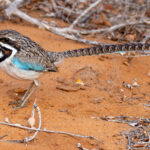
Our time at Ifaty has to be one of the major highlights of the tour as the landscape is simply out of this world. The peculiar Fony Baobabs with their swollen trunks and tendril like leafless branches reach for the skies and are interspersed by Octopus Trees with their fearsome spiny tentacle arms stretching up seemingly in an attempt to reach them. It would be enough just to stare at this incredible landscape if we didn’t have birds to find. Our guide, Mosa led us onto his private reserve and almost immediately we were confronted with a Long-tailed Ground Roller with ice blue shoulders and trailing namesake tail looking like some kind of pheasant that AI had got horribly wrong! Subdesert Mesite proved extremely easy to see as they were sat frozen to the spot (their chosen defence mechanism of preference), pretending that we supposedly couldn’t see them. As they are never attacked or persecuted by admiring birders, I guess that this technique works well for them and it is just a pity more species don’t react in the same way! ‘Chestnut-vented’ Crested Coua and hot-footed Running Coua, Malagasy Turtle Dove and Archbold’s Newtonia were added to the list. Madagascar Harrier-Hawk was seen hunkered down on its nest and the very striking Sickle-billed Vanga showed well. A surprise was a Lesser Hedgehog Tenrec sunning itself in the early morning warmth before presumably hiding away for the rest of the day.
The spiny forest quickly grew quiet so we moved on to some nearby wetlands to scan through waders that included Black-winged Stilt, Common Ringed, Three-banded, Kittlitz’s and White-fronted Plovers, Common Greenshank, and Curlew Sandpiper. Eventually we found our target Madagascar Plover of which great views were obtained. A Greater Painted-snipe was flushed while searching for Baillon’s Crake which was seen briefly before being subjected to Mosa’s flushing technique which was totally out of control and involved him wading thigh deep through the swamp, hurling projectiles of mud and vegetation into where the bird had disappeared. It would have been laughable if it hadn’t been so unnecessary! Other waterbirds included Blue-billed Teal, Greater and Lesser Flamingos, Caspian Tern, Little Bittern, Black-crowned Night Heron, Little Heron and Squacco Heron.
Only one species had let us down and that was the Thamnornis which normally sits up high in full song. We were told that the species had become exceedingly tough and was not currently vocal. Mosa also added that he had only one left on his reserve and it had become very secretive and that he’d also found dead individuals and was puzzled why but put it down to rising temperatures and climate change. Unfortunately, despite a whole morning devoted to finding one our time ran out and it was time to fly back to Antananarivo. Our flight left spot on time and we readied ourselves for the next part of our adventure.
Andasibe-Mantadia National Park (once known as Perinet) lies some four hours’ drive from Tana on reasonable roads and we found ourselves there by lunchtime. Our comfortable accommodation was perfectly situated overlooking the forest where Broad-billed Roller could be seen and after lunch we went for a walk in the nearby forest. I was pleased to meet up with our guide Patrice who I hadn’t seen for 32 years! He wasted no time in showing us a roosting Madagascar Owl, swiftly followed by a roosting pair of “Rainforest” Madagascar Scops Owls. Madagascar Green Pigeons were feeding on fruits by the entrance and inside the forest Madagascar Forest Rail foraged in the leaf litter and were far easier to see here than the brief glimpse some of us got at Ranomafana. Turning a corner, we were confronted with a superb Madagascar Ibis perched nearby and later we saw another on the nest. We spent a long time walking round and round this small patch of forest looking for Red-breasted Coua which proved particularly difficult to see but early one morning we succeeded with views of one inside a dark thicket.
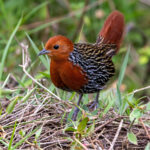
4WD vehicles were needed to get us to neighbouring Mantadia NP where we had little trouble connecting with a pair of wonderful Short-legged Ground Roller. Another Scaly Ground Roller was seen here and Pitta-like Ground Roller offered better views here than it had done at Ranomafana. However, it was our fifth and final ground roller that took some finding but a long trek up and over ridges on steep and narrow trails finally produced a long-awaited Rufous-headed Ground Roller, which appeared right next to us and was almost too close to focus on with our binoculars! Skulking Crossley’s Vanga showed extremely well on two occasions and the peculiar Nuthatch Vanga also performed well and both Greater Vasa and Lesser Vasa Parrots were seen. In a swamp outside of the forest we enjoyed good views of Madagascar Rail. The icing on the cake was the discovery of a roosting Collared Nightjar which kept us hanging on until the last morning. Patrice had checked so many potential roost areas but had consistently drawn blanks, until finally in Analamazaotra we got lucky for he returned with his characteristic “follow me” catch phrase and after having scrambled up a steep hillside there was the cute little nightjar sat at our feet! All of our birding at Perinet was backed by the soundtrack of calling Indri, the largest of Madagascar’s extant lemurs and we enjoyed good repeated looks at this marvellous creature. Black-and-white Ruffed Lemur was almost equally impressive and we also got good looks at beautiful Diademed Sifakas and Brown, Red-bellied and Grey Bamboo Lemurs. At night we spotted the tiny Goodman’s Mouse Lemur and Eastern Woolly Lemur and added to our chameleon collection with Parson’s and Stub-tailed Chameleon and a wonderful Mossy Leaf-tailed Gecko albeit lacking a tail!
Returning to Tana we got stuck in a terrible traffic jam caused by a road accident which added two hours on to our journey. We spent the afternoon at Lac Tsaratsoatra in the centre of the capital which was stuffed with waterbirds. To our surprise here there were two Humblot’s Herons, a species that had evaded us in the southwest and also another Malagasy Harrier albeit an immature this time. A few Madagascar Pond Herons were breeding amongst the numerous Squacco Herons and other egrets and our first White-throated Rails were seen.
Twelve plus hours on the road the next day took with just a brief stop at the Betsiboka River bridge to look at the Madagascar Pratincoles brought us to Ankarafantsika for an overnight stop. As soon as we arrived, we went out for a night walk in the nearby forest where more Madagascar Nightjars were seen and we also found Grey and Golden-brown Mouse Lemurs, Milne-Edwards’s Sportive Lemur and Mongoose Lemur as well as an impressive Tree Boa and a tiny Dwarf Gecko.
A walk in the forest during the first few hours of the following morning produced the hoped-for male Schlegel’s Asity and we enjoyed scope views of it high in a fruiting tree above our heads. A pair of White-breasted Mesites (our final mesite) entertained as they ran round us. Also seen were Crested Couas of the white-vented race, a pair of Red-capped Coua showed exceptionally well and we enjoyed stonking views of a female Frances’s Sparrowhawk. Then it was back in the cars for a 10-hour drive for an overnight stop at Antsohihy.
Journeys in Madagascar are always long and generally bird-free but the next day we endured another 12 hours driving on appalling roads and then tracks which could scarcely have earned the esteemed title of road! We were accompanied for the latter part of the journey by our guide and motorbike side rider, Lookman who encouraged the drivers over rocks, through pot holes and rivers and along tracks where tractors lodged resolutely immovable until teams of excitable locals caused them to escape the ruts that engulfed them. We also got stuck at one time. Tow ropes snapped, pushing was useless but eventually we managed to dig ourselves out and carried on our way and this was all so that we could reach the destination of Bemanevika the area that held the core population of the rarest duck in the world, the Madagascar Pochard. We arrived well after dark at the camp site but the team there managed to quickly erect the tents while our lovely cook rustled up a quick and tasty meal before we retired for the night exhausted in a fitful sleep.
Bemanevika area is as beautiful as it is remote. Tranquil primary forest cloaks the gullies and craters giving way to open savannas. In 2006 the species (once thought lost) was rediscovered on one of the volcanic lakes by researchers working for the Peregrine Trust and since then sterling work by that organization as well as WWT and others has brought the bird back from extinction. We made our way down into the crater and walked through the peaceful forest. At one point the guide stopped and turned and casually raised his hand and pointed and there behind us was a gorgeous and rare Red Owl at its daytime roost in an enormous Pandanus. A little further we came to the edge of the lake where there were many Madagascar Grebes and as was to be expected, saw the pochards easily. We were indeed fortunate to witness such a rare bird. Back in the forest a Red-tailed Newtonia was heard but of it we had no sign instead we revelled in views of a male Common Sunbird-Asity almost at ground level. Meller’s Ducks, White-throated Rails and Malagasy Kingfishers were all easily seen in the river by our camp and a pair of Madagascar Buttonquail foraged around our tents. In the afternoon we witnessed a successful Madagascar Snipe flush on the way to a large swamp which holds more Malagasy Harriers and a healthy population of Slender-billed Flufftails. Playback for the flufftails was pretty unsuccessful so the next tactic was resorted to which was the common Madagascan ploy of herding the birds towards the viewers. A team of local people had been assembled for this purpose and they moved with swift and surprising synchronicity to enable us to see three birds. A male was seen well in flight but a female was watched running in the waterlogged vegetation at our feet or rather our shins as we sank into the murky waters. Mission accomplished and what a memorable day it had been.
As we had seen all of our targets, the second day was rather quiet. We tried again for the newtonia but with no success and the afternoon was dull and rainy although two of us had wonderful looks at some more Madagascar Flufftails.
Escaping from Bemanevika was somewhat easier and we made good time out but it was still two days drive to get back to Ankarafantsika. We saw a pair of Madagascar Jacana on Lac Ambondromamy and got to Lac Ravelobe in time to take a boat out on the waters to see a pair of Madagascar Fish Eagle and their well grown chick as well as a Madagascar Pond Heron and another jacana.
That night at two in the morning two of us left for Majunga to take a boat out into the Betsiboka estuary where after 90 minutes chugging out over open water in order to get to the mangroves we found four Malagasy Sacred Ibis and a pair of Bernier’s Teal after some search. Then it was a return to Ankarafantsika to see Van Dam’s Vanga and an attempt to see Banded Kestrel which was heard but sadly not seen.
Thus ended the tour with a flight (again bang on time) back to Antananarivo to celebrate what had been an extremely successful trip. Madagascar is not for anyone who cannot tolerate the long drives through almost barren country but the rewards are great when one reaches the various parks which are like oases in the fragile ecosystem with so many weird and wonderful creatures to enjoy. This is certainly a trip for family collectors and general wildlife enthusiasts alike! A big thankyou to our local guide Mamy whose organizational skills enabled the tour to run smoothly and a team of tireless and constantly cheerful drivers who negotiated those very difficult roads and driving conditions.
SYSTEMATIC LIST OF SPECIES RECORDED DURING THE TOUR
Species marked with the diamond symbol (◊) are either endemic to the country or local region or considered ‘special’ birds for some other reason (e.g., it is only seen on one or two Birdquest tours; it is difficult to see across all or most of its range; the local form is endemic or restricted-range and may in future be treated as a full species). The species names and taxonomy used in the bird list follows Avilist v2025 (Avilist Core Team. 2025. Avilist: The Global Avian Checklist, v2025).
White-faced Whistling Duck Dendrocygna viduata
Fulvous Whistling Duck Dendrocygna bicolor
African Pygmy Goose Nettapus auritus
Knob-billed Duck Sarkidiornis melanotos
Madagascar Pochard ◊ Aythya innotata Endemic
Blue-billed Teal Spatula hottentota
Meller’s Duck ◊ Anas melleri Endemic
Red-billed Teal Anas erythrorhyncha
Bernier’s Teal ◊ (Madagascar T) Anas bernieri Endemic
Madagascar Partridge ◊ Margaroperdix madagarensis Endemic
Lesser Flamingo Phoeniconaias minor
Greater Flamingo Phoenicopterus roseus
Madagascar Grebe ◊ Tachybaptus pelzelni Endemic
Crested Coua ◊ Coua cristata Endemic
Crested Coua ◊ (Chestnut-vented C) Coua [cristata] pyropyga Endemic
Verreaux’s Coua ◊ Coua verreauxi Endemic
Blue Coua ◊ Coua caerulea Endemic
Red-capped Coua ◊ Coua ruficeps Endemic
Olive-capped Coua ◊ Coua olivaceiceps Endemic
Red-fronted Coua ◊ Coua reynaudii Endemic
Coquerel’s Coua ◊ Coua coquereli Endemic
Running Coua ◊ Coua cursor Endemic
Giant Coua ◊ Coua gigas Endemic
Red-breasted Coua ◊ Coua serriana Endemic
Malagasy Coucal ◊ Centropus toulou
Madagascar Cuckoo ◊ Cuculus rochii
Subdesert Mesite ◊ Monias benschi Endemic
White-breasted Mesite ◊ Mesitornis variegatus Endemic
Brown Mesite ◊ Mesitornis unicolor Endemic
Madagascar Sandgrouse ◊ Pterocles personatus Endemic
Malagasy Turtle Dove ◊ Nesoenas picturatus
Rock Dove (introduced) (Feral Pigeon) Columba [livia] var_domestica
Namaqua Dove Oena capensis
Madagascar Green Pigeon ◊ Treron australis Endemic
Madagascar Blue Pigeon ◊ Alectroenas madagascariensis Endemic
Madagascar Forest Rail ◊ (M Wood R) Mentocrex kioloides Endemic
Madagascar Flufftail ◊ Sarothrura insularis Endemic
Slender-billed Flufftail ◊ Sarothrura watersi Endemic
Madagascar Rail ◊ Rallus madagascariensis Endemic
White-throated Rail ◊ Dryolimnas cuvieri
Common Moorhen Gallinula chloropus
Baillon’s Crake Zapornia pusilla
Black-winged Stilt Himantopus himantopus
Grey Plover (Black-bellied P) Pluvialis squatarola
Common Ringed Plover Charadrius hiaticula
Three-banded Plover ◊ (Madagascar T-b P) Thinornis [tricollaris] bifrontatus
Madagascar Plover ◊ Anarhynchus thoracicus Endemic
Kittlitz’s Plover Anarhynchus pecuarius
White-fronted Plover Anarhynchus marginatus
Greater Painted-snipe Rostratula benghalensis
Madagascar Jacana ◊ Actophilornis albinucha Endemic
Eurasian Whimbrel Numenius phaeopus
Madagascar Snipe ◊ Gallinago macrodactyla Endemic
Common Sandpiper Actitis hypoleucos
Common Greenshank Tringa nebularia
Ruddy Turnstone Arenaria interpres
Curlew Sandpiper Calidris ferruginea
Sanderling Calidris alba
Madagascar Buttonquail ◊ Turnix nigricollis
Crab-plover Dromas ardeola
Madagascar Pratincole ◊ Glareola ocularis Endemic breeding bird. Winters in East Africa.
Little Tern Sternula albifrons/Saunders’s Tern ◊ Sternula saundersi None specifically identified.
Caspian Tern Hydroprogne caspia
Greater Crested Tern Thalasseus bergii
Red-tailed Tropicbird ◊ Phaethon rubricauda
African Darter Anhinga rufa
Madagascar Ibis ◊ (M Crested I) Lophotibis cristata Endemic
Malagasy Sacred Ibis ◊ Threskiornis bernieri
Hamerkop Scopus umbretta
Little Bittern Botaurus minutus
Black Heron Egretta ardesiaca
Little Egret ◊ (Dimorphic E) Egretta [garzetta] dimorpha
Black-crowned Night Heron Nycticorax nycticorax
Little Heron Butorides atricapilla
Squacco Heron Ardeola ralloides
Malagasy Pond Heron ◊ (Madagascar P H) Ardeola idae
Great Egret Ardea alba
Western Cattle Egret Ardea ibis
Humblot’s Heron ◊ (Madagascar H) Ardea humbloti
Purple Heron Ardea purpurea
Grey Heron Ardea cinerea
Collared Nightjar ◊ Gactornis enarratus Endemic
Madagascar Nightjar ◊ Caprimulgus madagascariensis
Madagascar Spinetail ◊ Zoonavena grandidieri
Malagasy Palm Swift ◊ Cypsiurus gracilis
Malagasy Black Swift ◊ Apus balstoni
Red Owl ◊ Tyto soumagnei Endemic
White-browed Owl ◊ Athene superciliaris Endemic
Madagascar Scops Owl ◊ (Torotoroka Scops Owl) Otus [rutilus] madagascariensis Endemic
Madagascar Scops Owl ◊ (Rainforest Scops Owl) Otus [rutilus] rutilus Endemic
Madagascar Owl ◊ (M Long-eared O) Asio madagascariensis Endemic
Madagascar Harrier-Hawk ◊ Polyboroides radiatus Endemic
Frances’s Sparrowhawk ◊ Tachyspiza francesiae
Henst’s Goshawk ◊ Astur henstii Endemic
Malagasy Harrier ◊ Circus macrosceles
Black Kite (Yellow-billed K) Milvus [migrans] aegyptius
Madagascar Fish Eagle ◊ Icthyophaga vociferoides Endemic
Madagascar Buzzard ◊ Buteo brachypterus Endemic
Cuckoo-roller ◊ Leptosomus discolor
Madagascar Hoopoe ◊ Upupa marginata Endemic
Scaly Ground Roller ◊ Geobiastes squamiger Endemic
Short-legged Ground Roller ◊ Brachypteracias leptosomus Endemic
Long-tailed Ground Roller ◊ Uratelornis chimaera Endemic
Pitta-like Ground Roller ◊ Atelornis pittoides Endemic
Rufous-headed Ground Roller ◊ Atelornis crossleyi Endemic
Broad-billed Roller Eurystomus glaucurus
Olive Bee-eater (Madagascar B) Merops superciliosus
Madagascar Pygmy Kingfisher ◊ Corythornis madagascariensis Endemic
Malagasy Kingfisher ◊ (Madagascar Malachite K) Corythornis vintsioides
Banded Kestrel ◊ Falco zoniventris Heard only
Malagasy Kestrel ◊ Falco newtoni
Greater Vasa Parrot ◊ Coracopsis vasa
Lesser Vasa Parrot ◊ Coracopsis nigra
Grey-headed Lovebird ◊ Agapornis canus
Velvet Asity ◊ Philepitta castanea Endemic
Schlegel’s Asity ◊ Philepitta schlegelii Endemic
Common Sunbird-Asity ◊ Neodrepanis coruscans Endemic
Madagascar Cuckooshrike ◊ Ceblepyris cinereus
Tylas Vanga ◊ Tylas eduardi Endemic
Red-tailed Vanga ◊ Calicalicus madagascariensis Endemic
Red-shouldered Vanga ◊ Calicalicus rufocarpalis. Endemic
Archbold’s Newtonia ◊ Newtonia archboldi Endemic
Common Newtonia ◊ Newtonia brunneicauda Endemic
Dark Newtonia ◊ Newtonia amphichroa Endemic
Red-tailed Newtonia ◊ Newtonia fanovanae. Heard only
Nuthatch Vanga ◊ Hypositta corallirostris Endemic
Chabert Vanga ◊ Leptopterus chabert Endemic
Crossley’s Vanga ◊ Mystacornis crossleyi Endemic
Madagascar Blue Vanga ◊ Cyanolanius madagascarinus Endemic
Hook-billed Vanga ◊ Vanga curvirostris Endemic
Ward’s Vanga ◊ Pseudobias wardi Endemic
Rufous Vanga ◊ Schetba rufa Endemic
Pollen’s Vanga ◊ Xenopirostris polleni Endemic
Lafresnaye’s Vanga ◊ Xenopirostris xenopirostris Endemic
Van Dam’s Vanga ◊ Xenopirostris damii Endemic
Sickle-billed Vanga ◊ Falculea palliata Endemic
White-headed Vanga ◊ Artamella viridis Endemic
Crested Drongo Dicrurus forficatus
Malagasy Paradise Flycatcher ◊ Terpsiphone mutata
Pied Crow Corvus albus
Madagascar Lark ◊ Eremopterix hova Endemic
Common Jery ◊ Neomixis tenella Endemic
Green Jery ◊ Neomixis viridis Endemic
Stripe-throated Jery ◊ Neomixis striatigula Endemic
Madagascar Cisticola ◊ Cisticola cherina
Malagasy Brush Warbler ◊ Nesillas typica
Subdesert Brush Warbler ◊ Nesillas lantzii
Madagascar Swamp Warbler ◊ Acrocephalus newtoni Endemic
Madagascar Yellowbrow ◊ Crossleyia xanthophrys Endemic Heard only
Spectacled Tetraka ◊ (S Greenbul, Short-billed T) Xanthomixis zosterops Endemic
Appert’s Tetraka ◊ (A Greenbul) Xanthomixis apperti Endemic
Grey-crowned Tetraka (G-c Greenbul) Xanthomixis cinereiceps Endemic
Wedge-tailed Jery ◊ Hartertula flavoviridis Endemic
Rand’s Warbler ◊ Randia pseudozosterops Endemic
Cryptic Warbler ◊ Cryptosylvicola randrianasoloi Endemic
White-throated Oxylabes ◊ Oxylabes madagascariensis Endemic
Long-billed Bernieria ◊ (L-b Greenbul, Common Tetraka) Bernieria madagascariensis Endemic
Grey Emutail ◊ Bradypterus seebohmi Endemic
Mascarene Martin ◊ Phedina borbonica
Madagascar Martin ◊ Riparia cowani Endemic
Barn Swallow Hirundo rustica Non-leader
Malagasy Bulbul ◊ Hypsipetes madagascariensis
Malagasy White-eye ◊ Zosterops maderaspatanus
Common Myna (introduced) Acridotheres tristis
Madagascar Starling ◊ Hartlaubius auratus Endemic
Madagascar Magpie-Robin ◊ Copsychus albispecularis Endemic
Littoral Rock Thrush ◊ Monticola imerina Endemic
Forest Rock Thrush ◊ Monticola sharpei Endemic
Forest Rock Thrush ◊ (Benson’s R T) Monticola [sharpei] bensoni Endemic
African Stonechat (Madagascar S) Saxicola [torquatus] sibilla
Souimanga Sunbird ◊ Cinnyris sovimanga
Malagasy Green Sunbird ◊ (Long-billed G S) Cinnyris notatus
Nelicourvi Weaver ◊ Ploceus nelicourvi Endemic
Sakalava Weaver ◊ Ploceus sakalava Endemic
Red Fody ◊ Foudia madagascariensis
Forest Fody ◊ Foudia omissa Endemic
Madagascar Mannikin ◊ (M Bibfinch) Lepidopygia nana Endemic
House Sparrow (introduced) Passer domesticus
Madagascar Wagtail ◊ Motacilla flaviventris. Endemic