
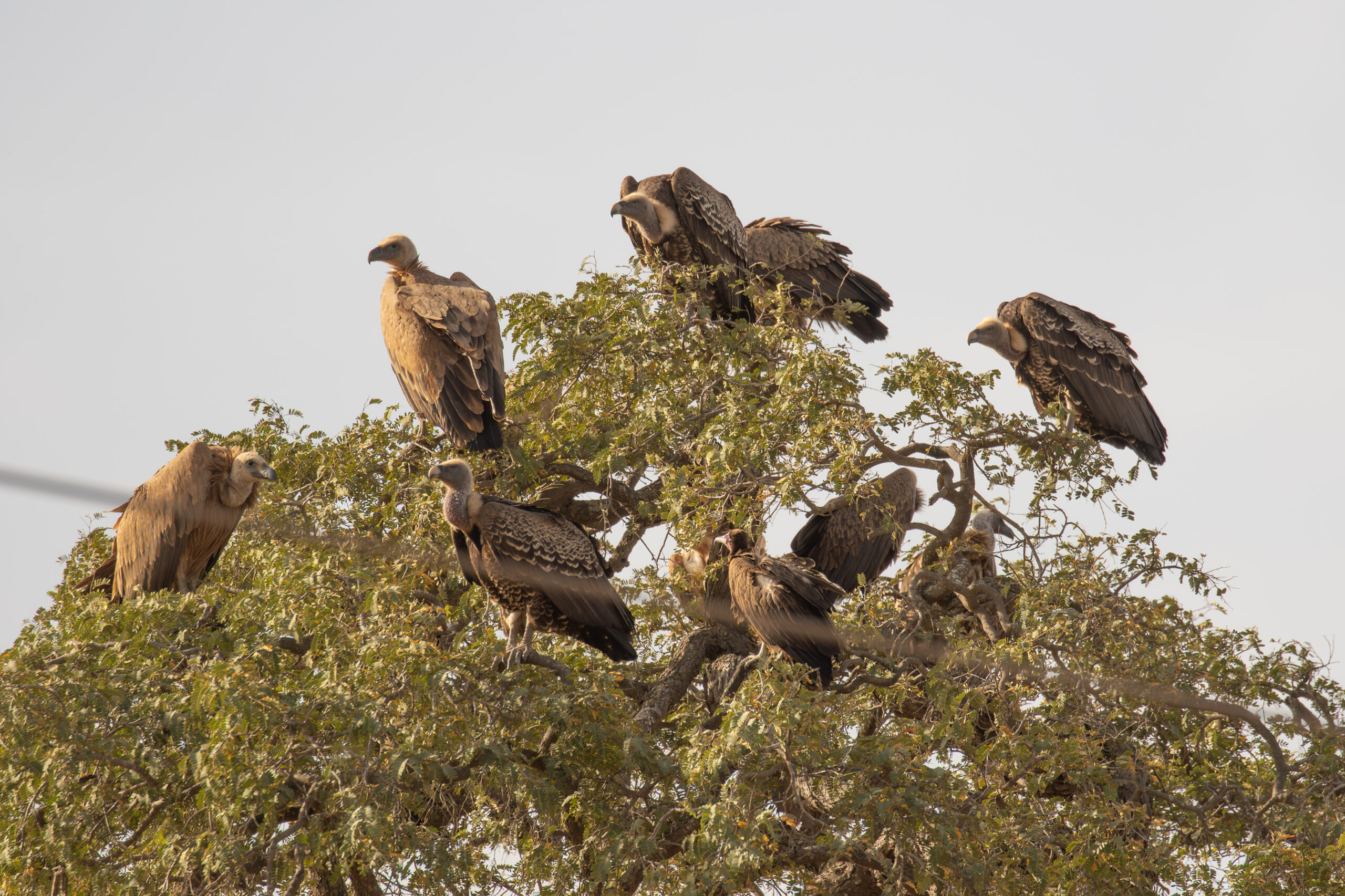
White-backed, Rüppell's, Hooded en Eurasian Griffon Vultures (image by Diedert Koppenol)
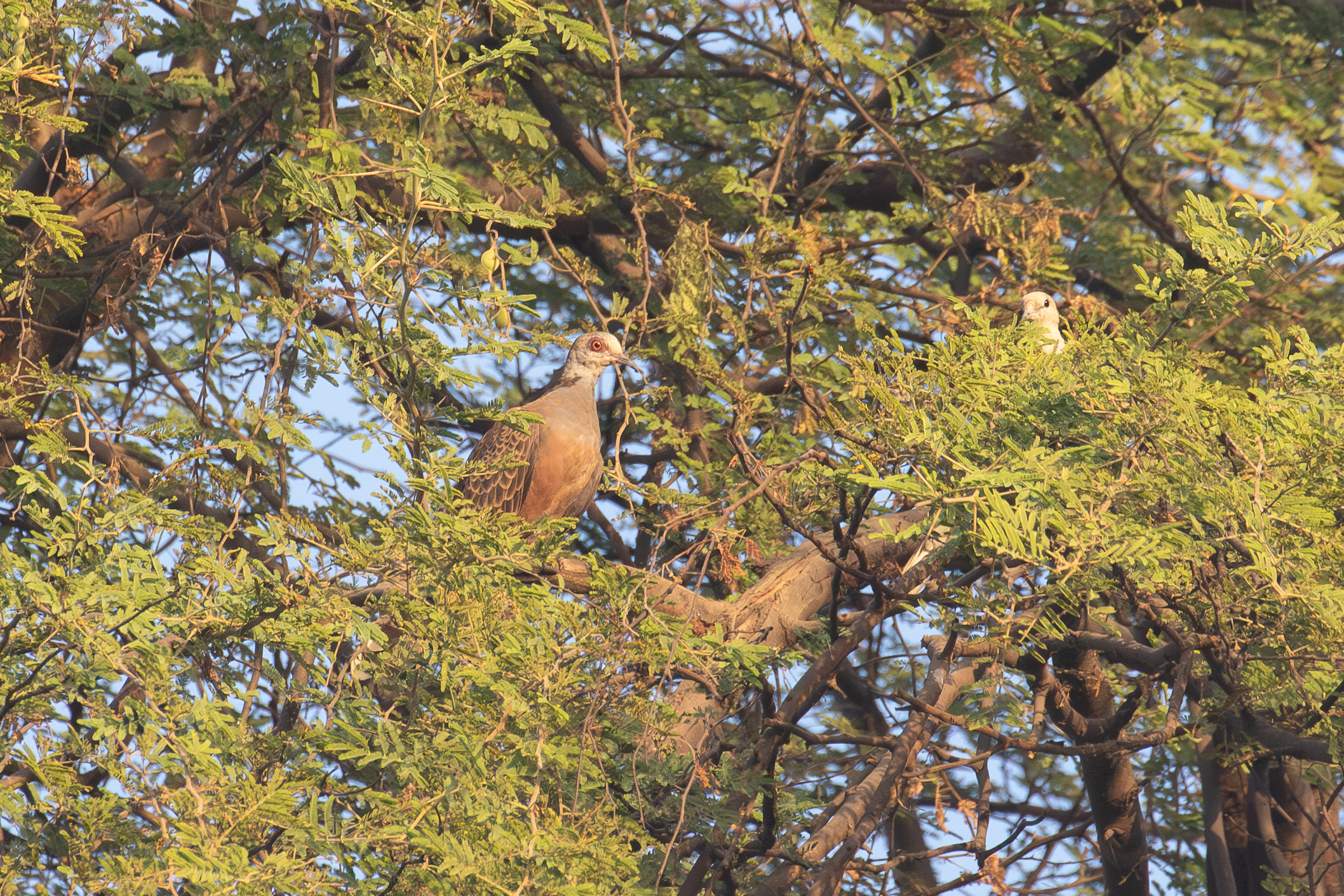
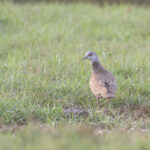
Adamawa Turtle Dove (image by Diedert Koppenol)
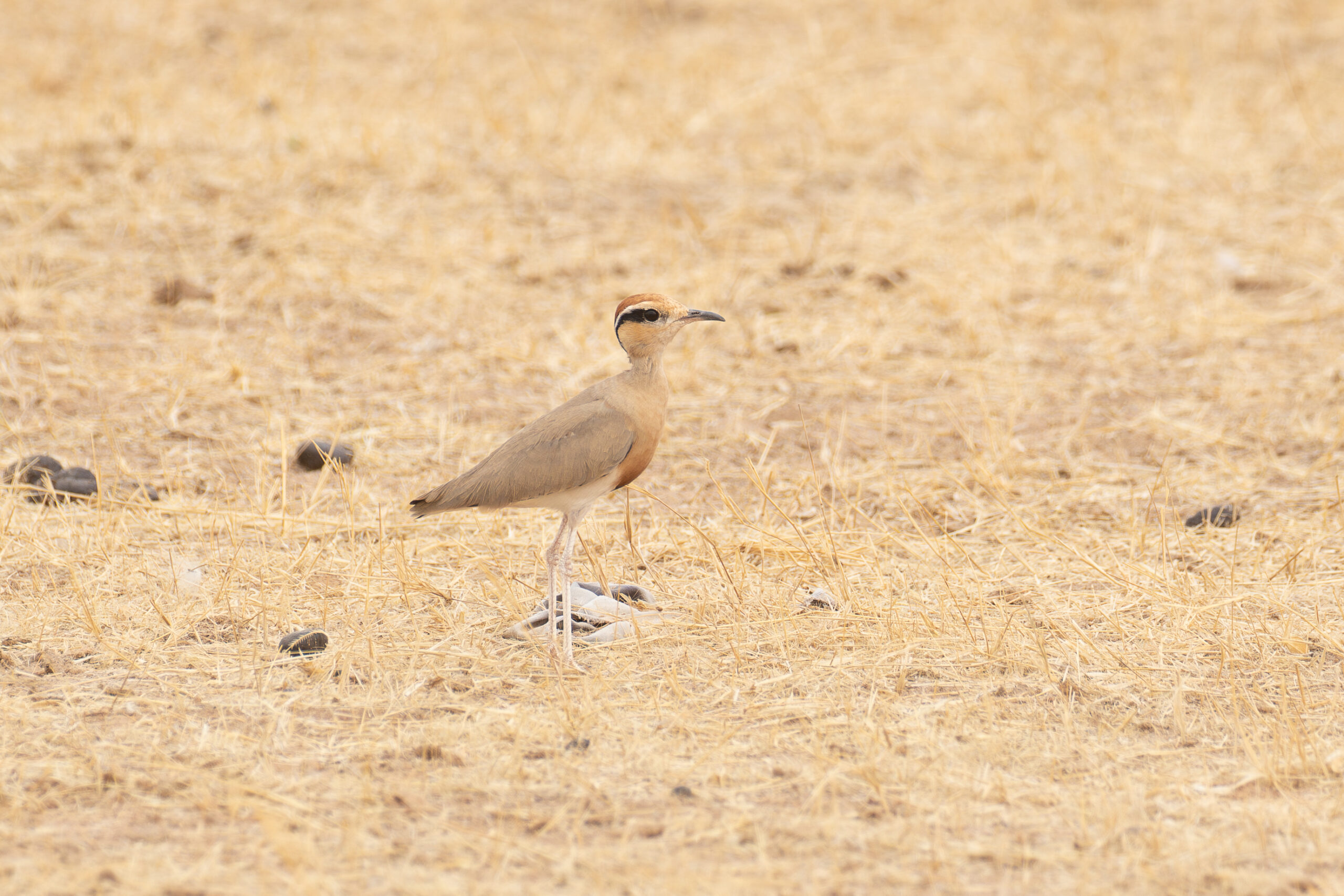
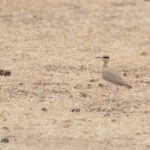
Temminck's Courser (image by Diedert Koppenol)
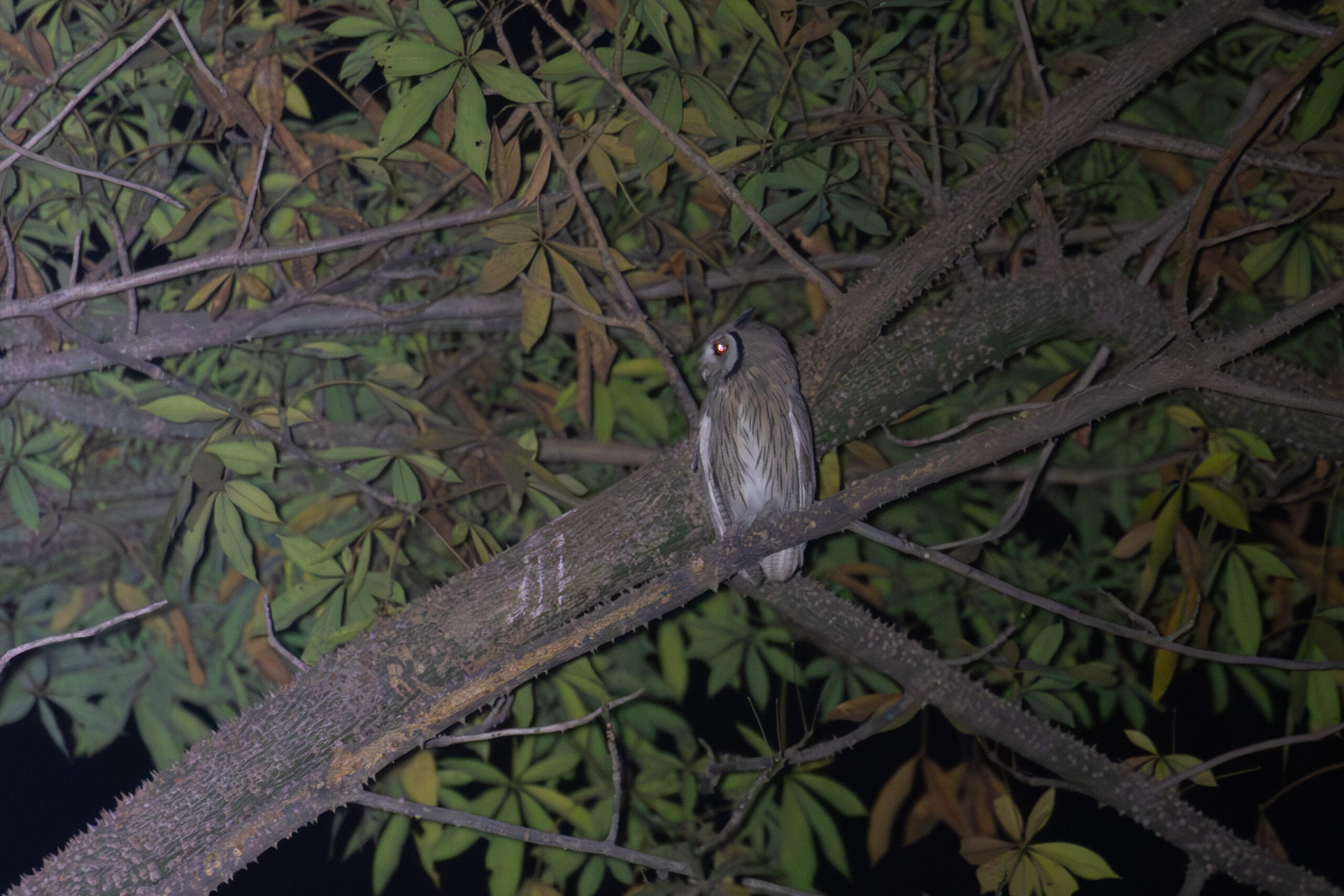
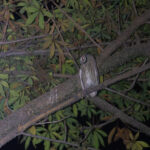
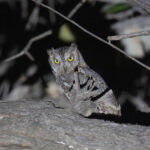
Northern White-faced Owl (image by Diedert Koppenol)
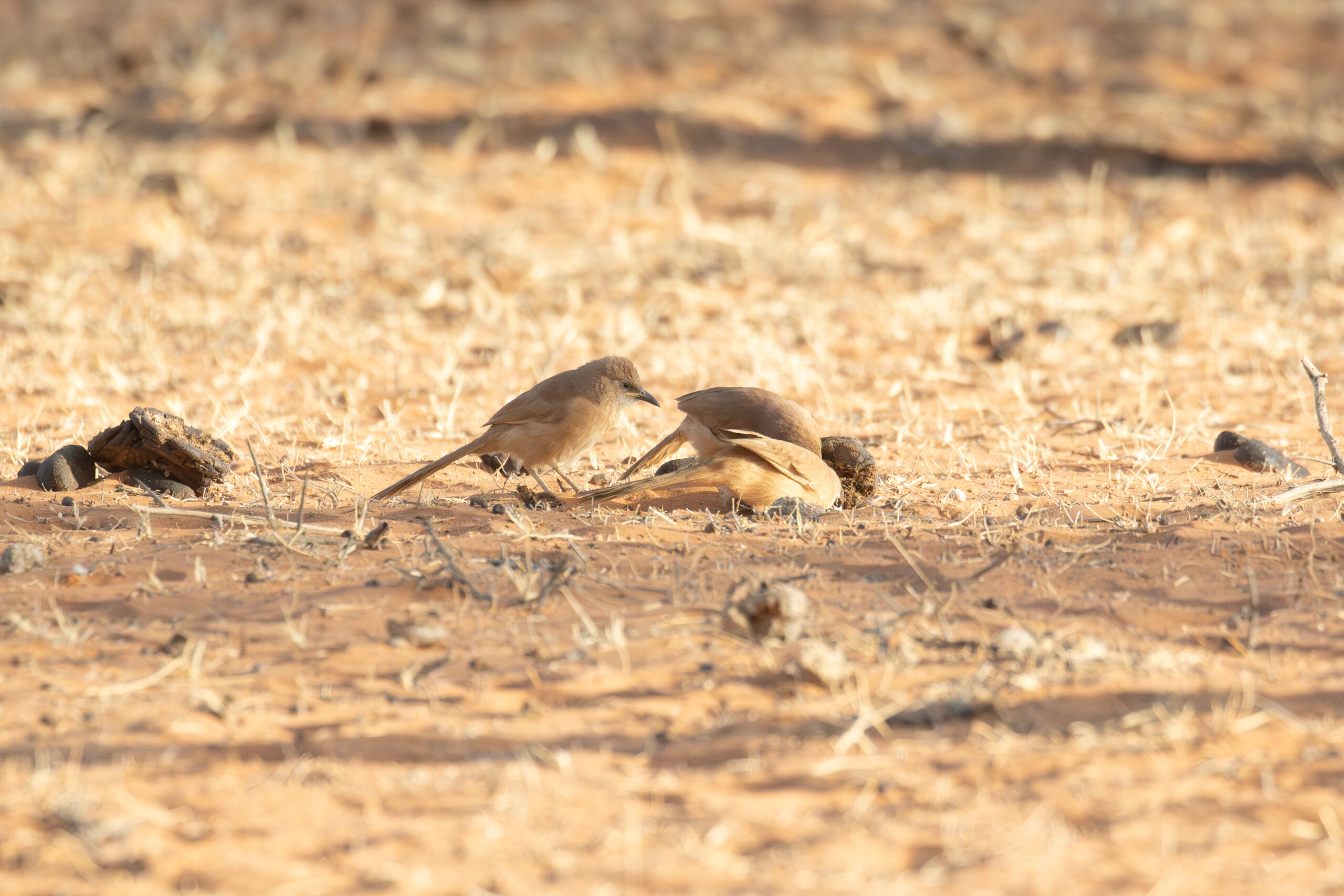
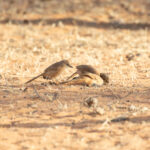
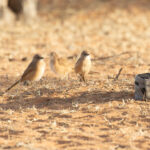
Fulvous Babblers (image by Diedert Koppenol)
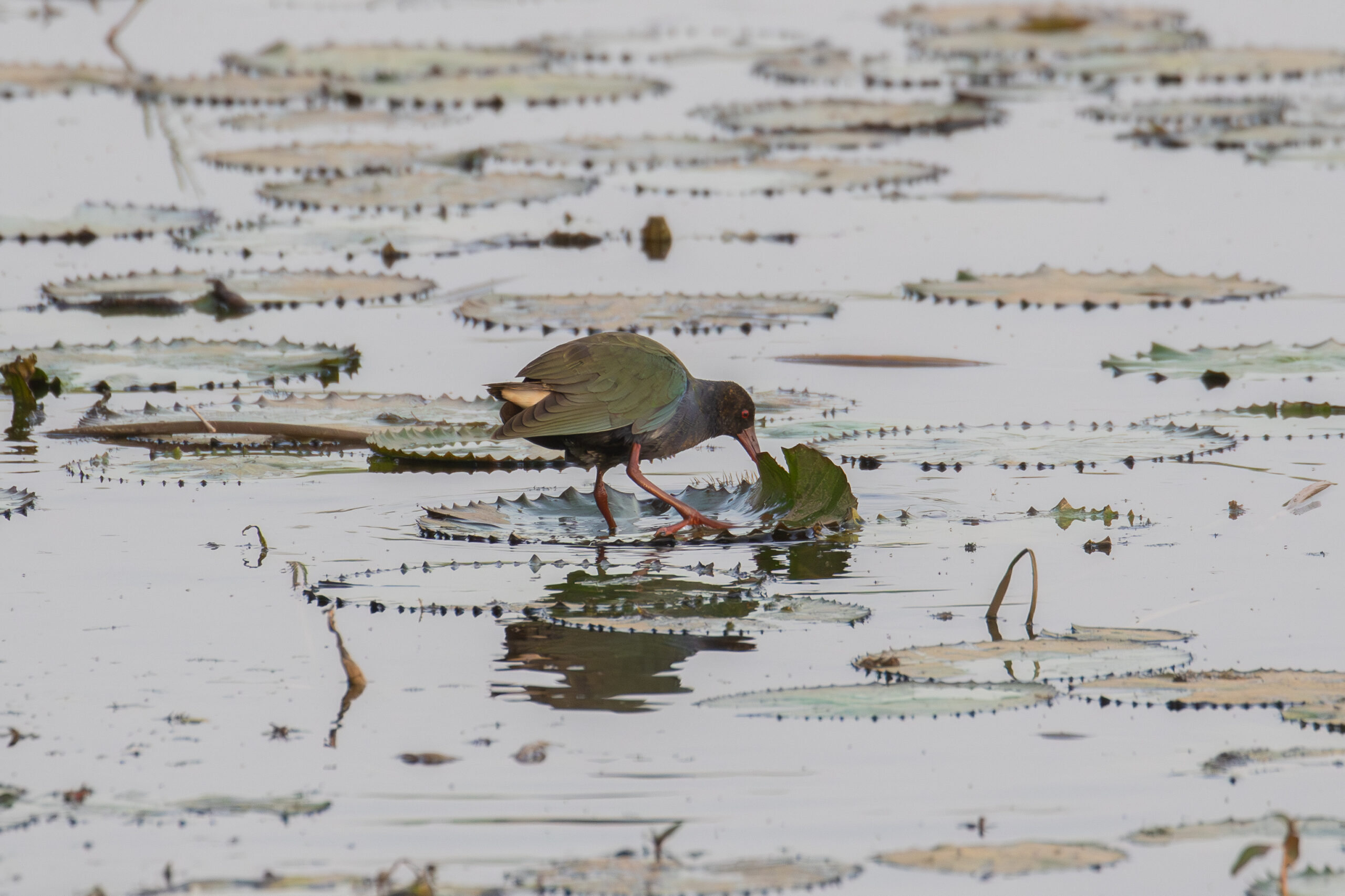
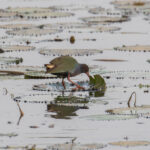
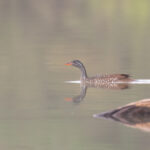
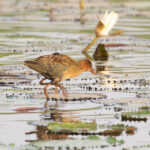
Allen's Gallinule (image by Diedert Koppenol)
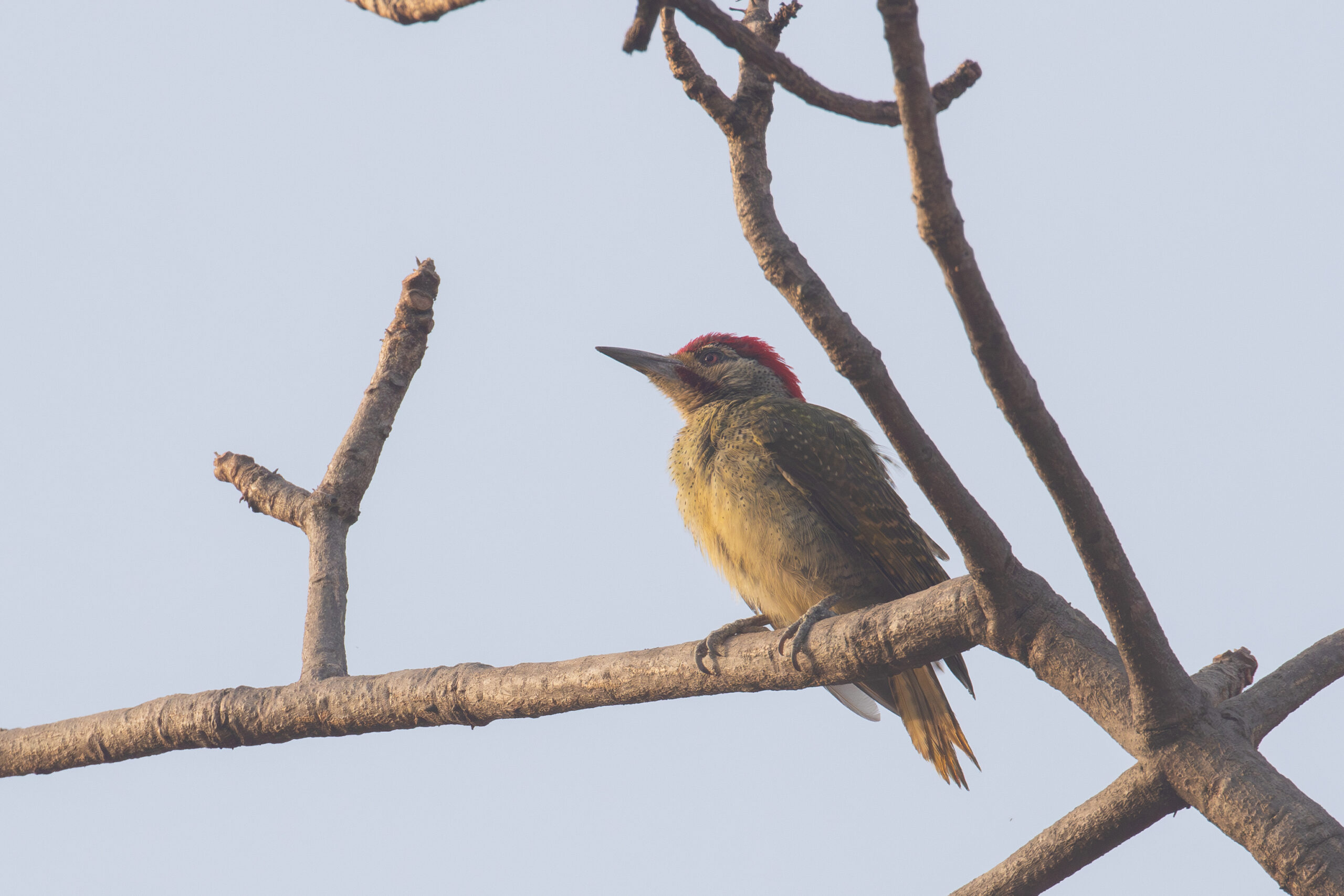
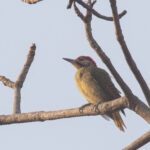
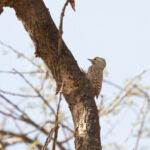
Fine-spotted Woodpecker (image by Diedert Koppenol)
Neumann's Starling (image by Diedert Koppenol)
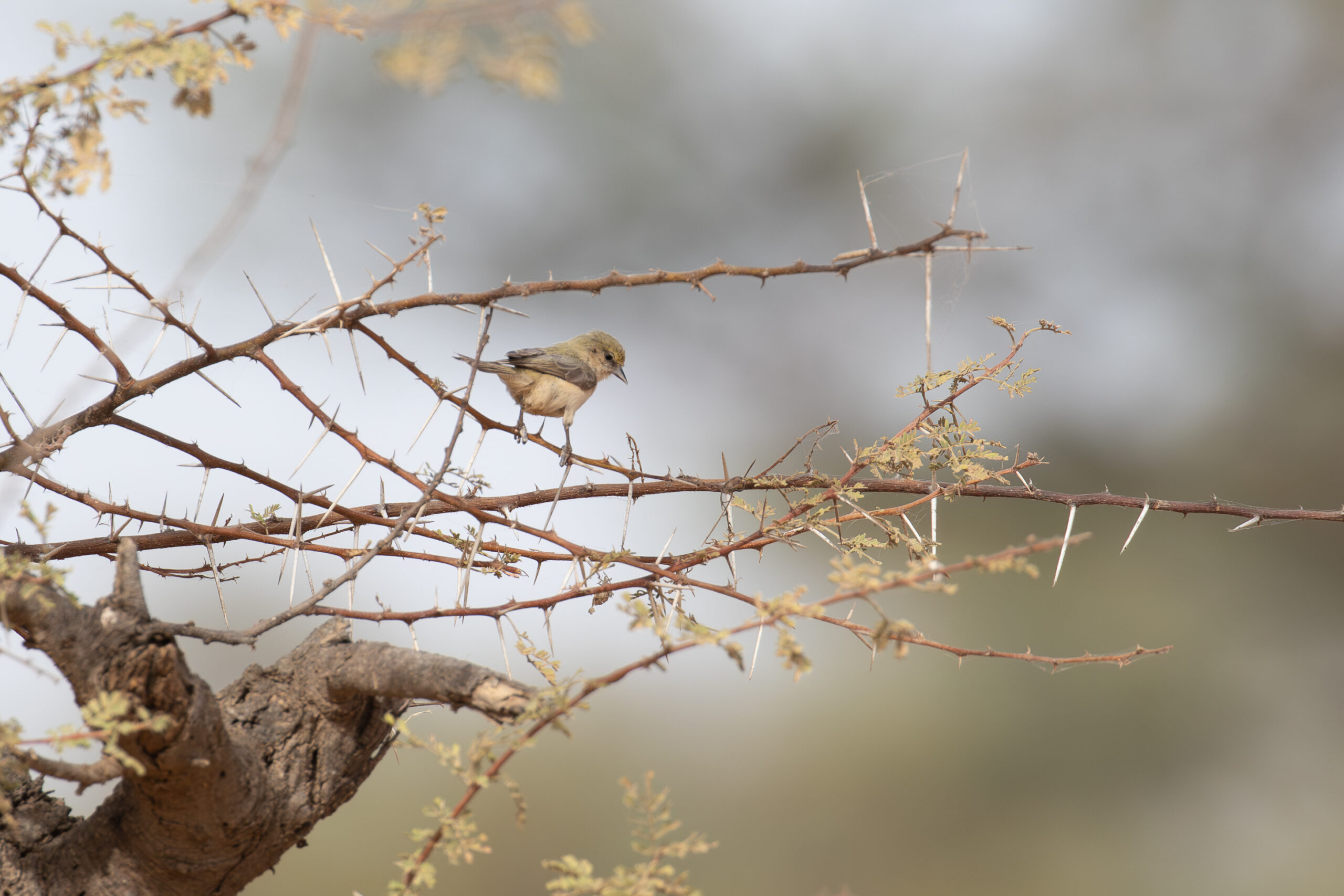
Sennar Penduline Tit (image by Diedert Koppenol)
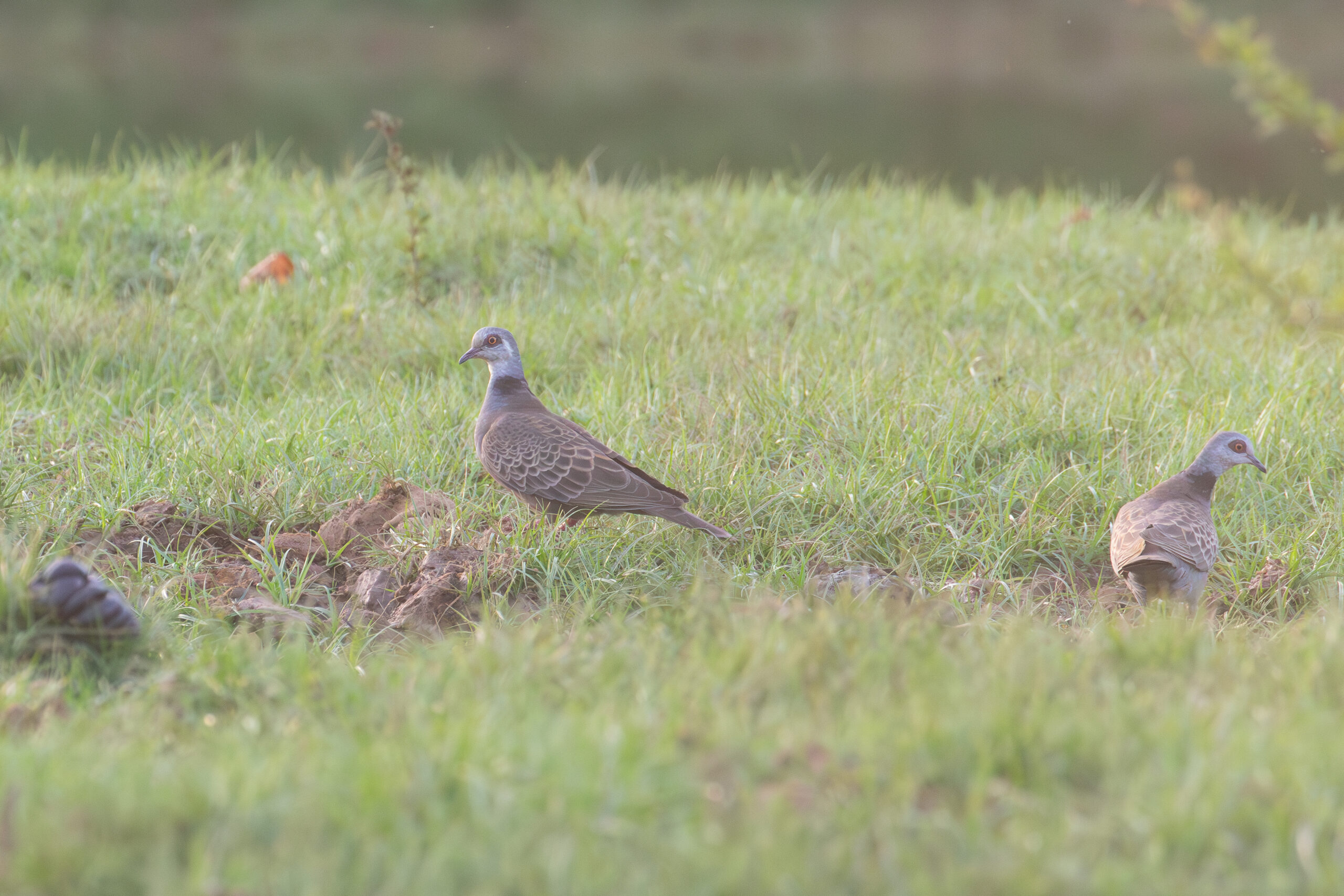
Adamawa Turtle Doves (image by Diedert Koppenol)
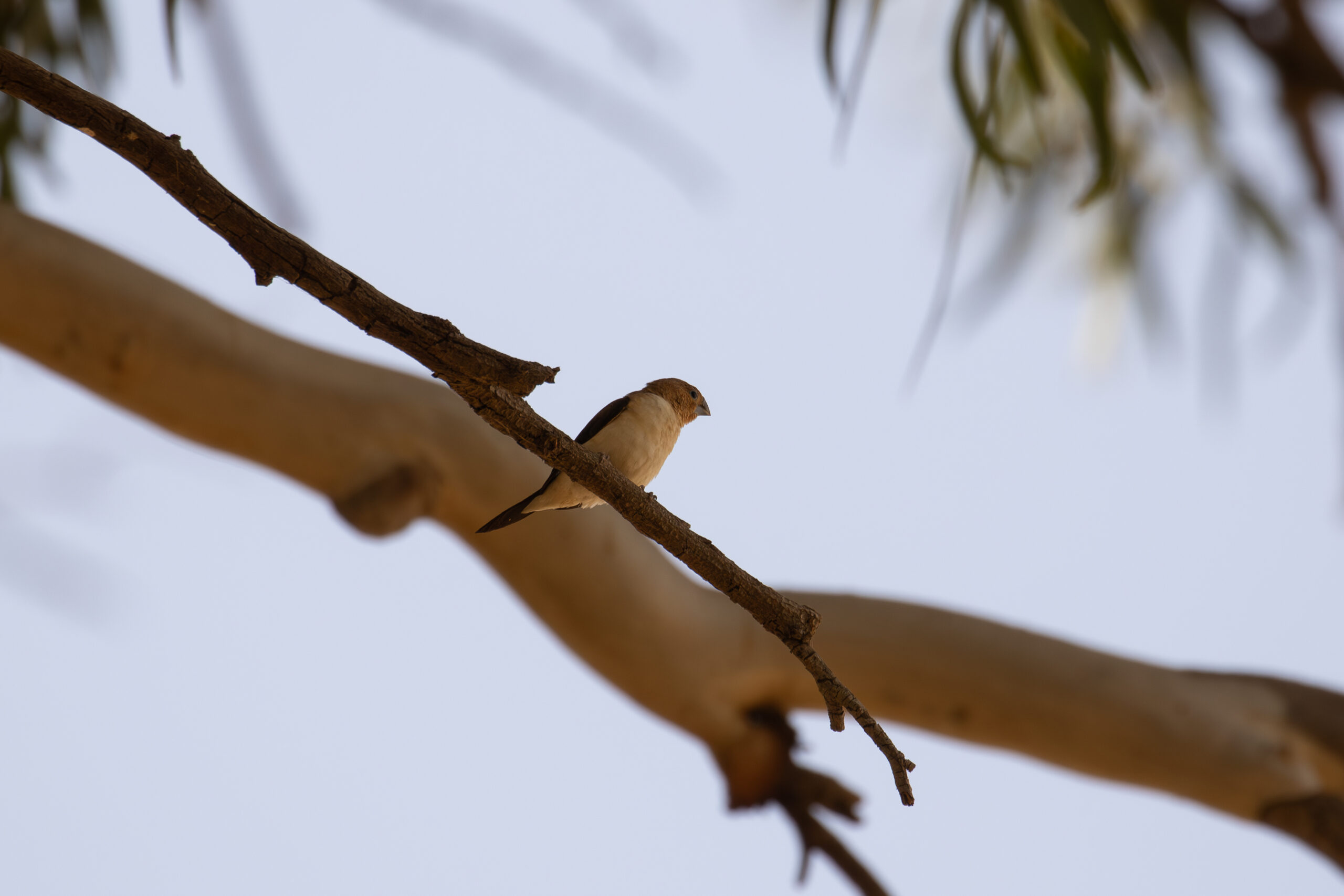
African Silverbill (image by Diedert Koppenol)
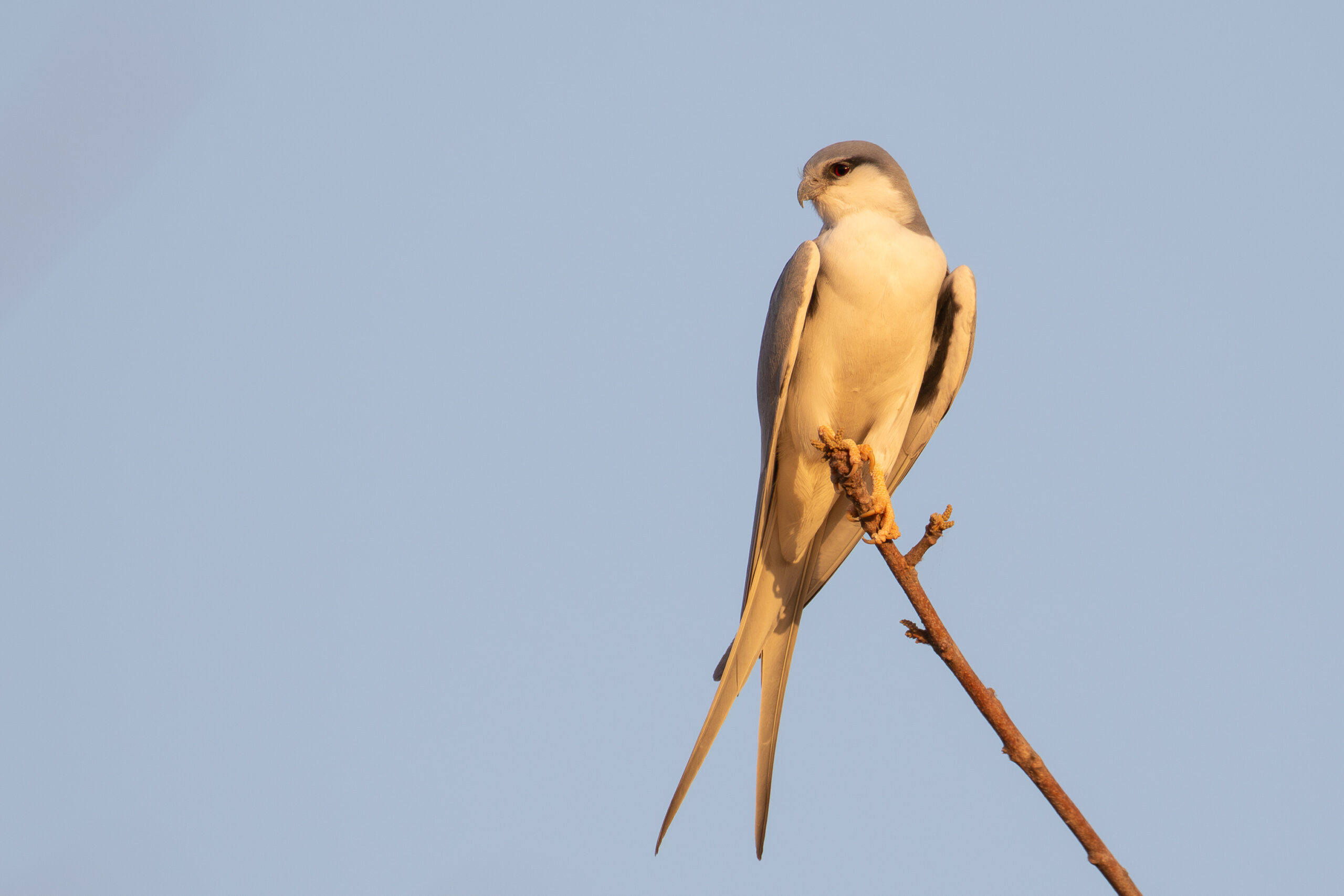
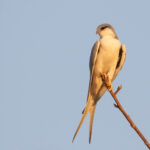
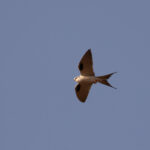
African Scissor-tailed Kite (image by Diedert Koppenol)
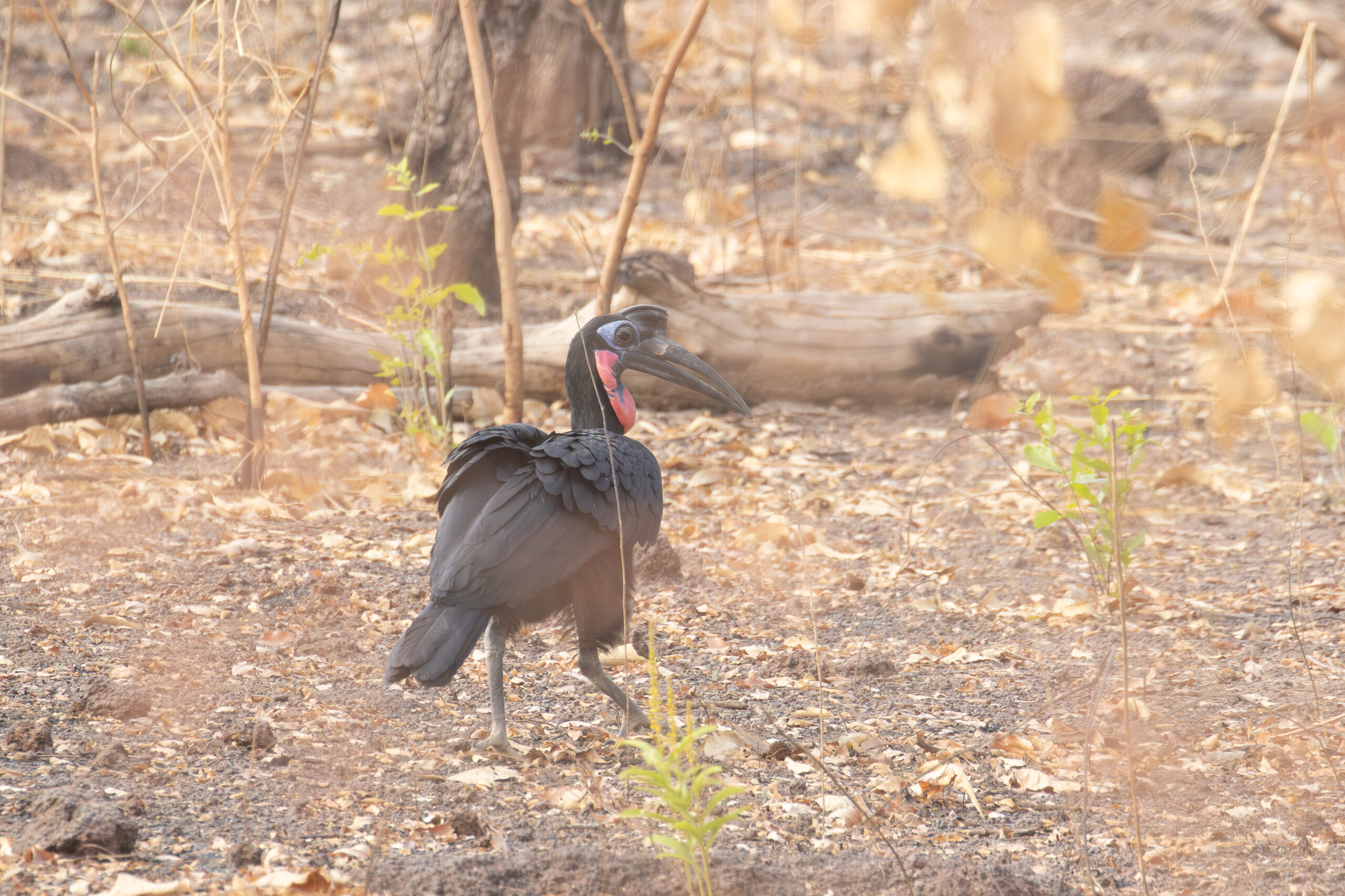
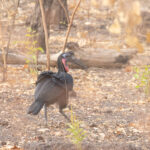
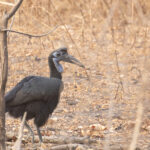
male Abyssinian Ground Hornbill (image by Diedert Koppenol)
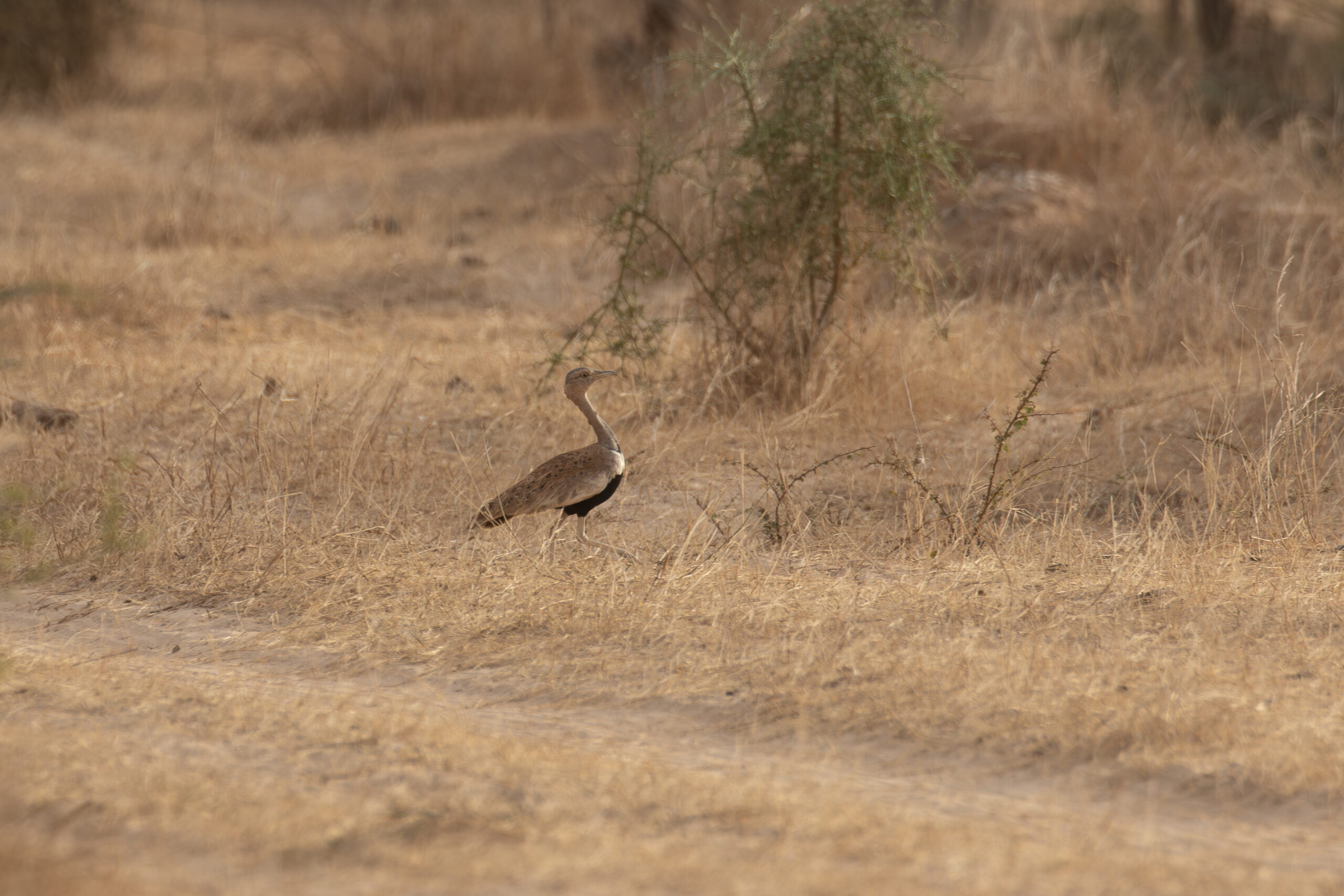
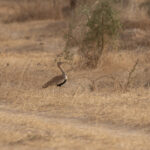
Savile's Bustard (image by Diedert Koppenol)
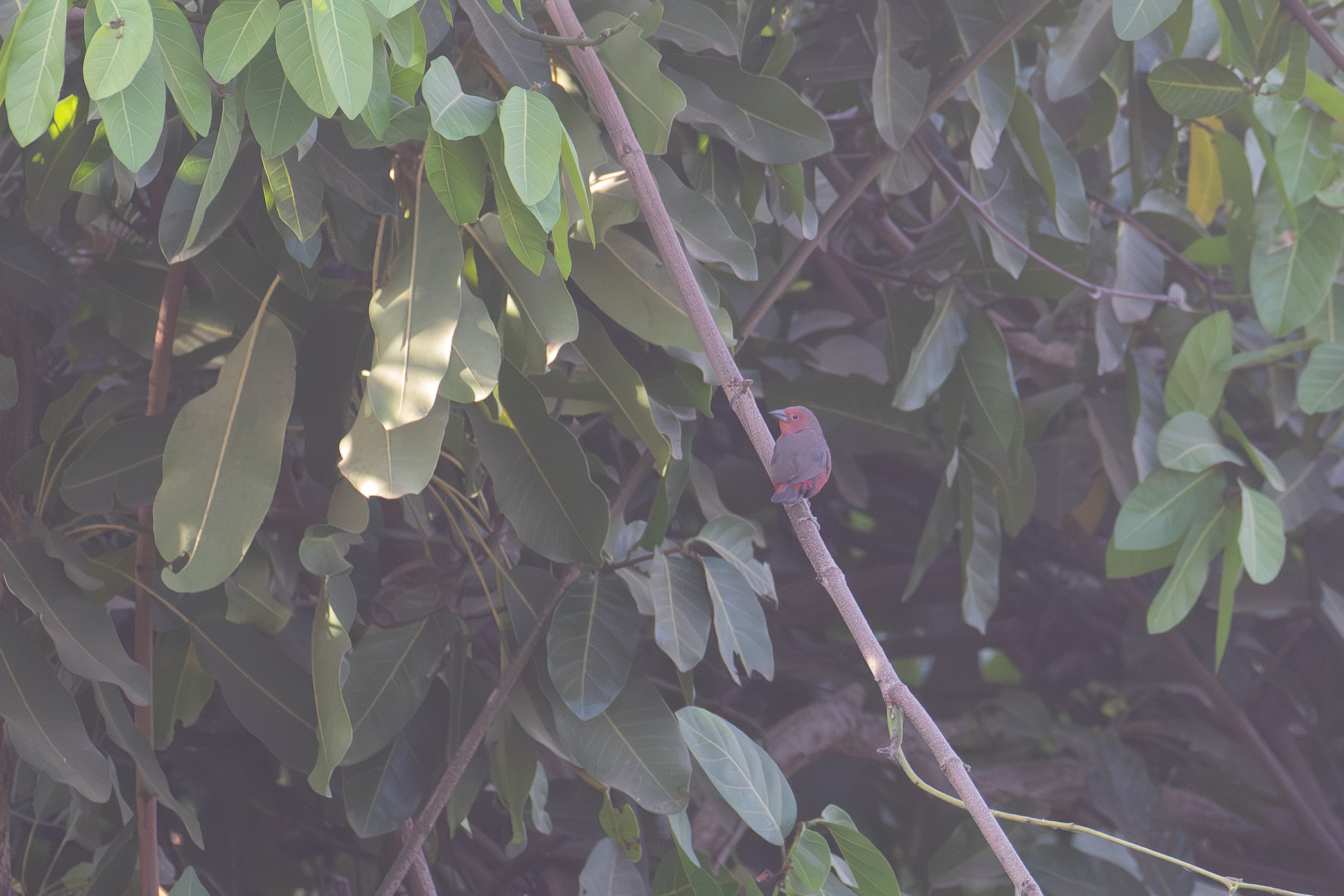
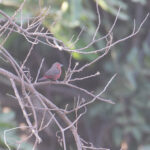
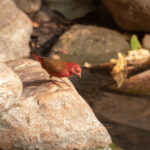
Mali Firefinch (image by Diedert Koppenol)
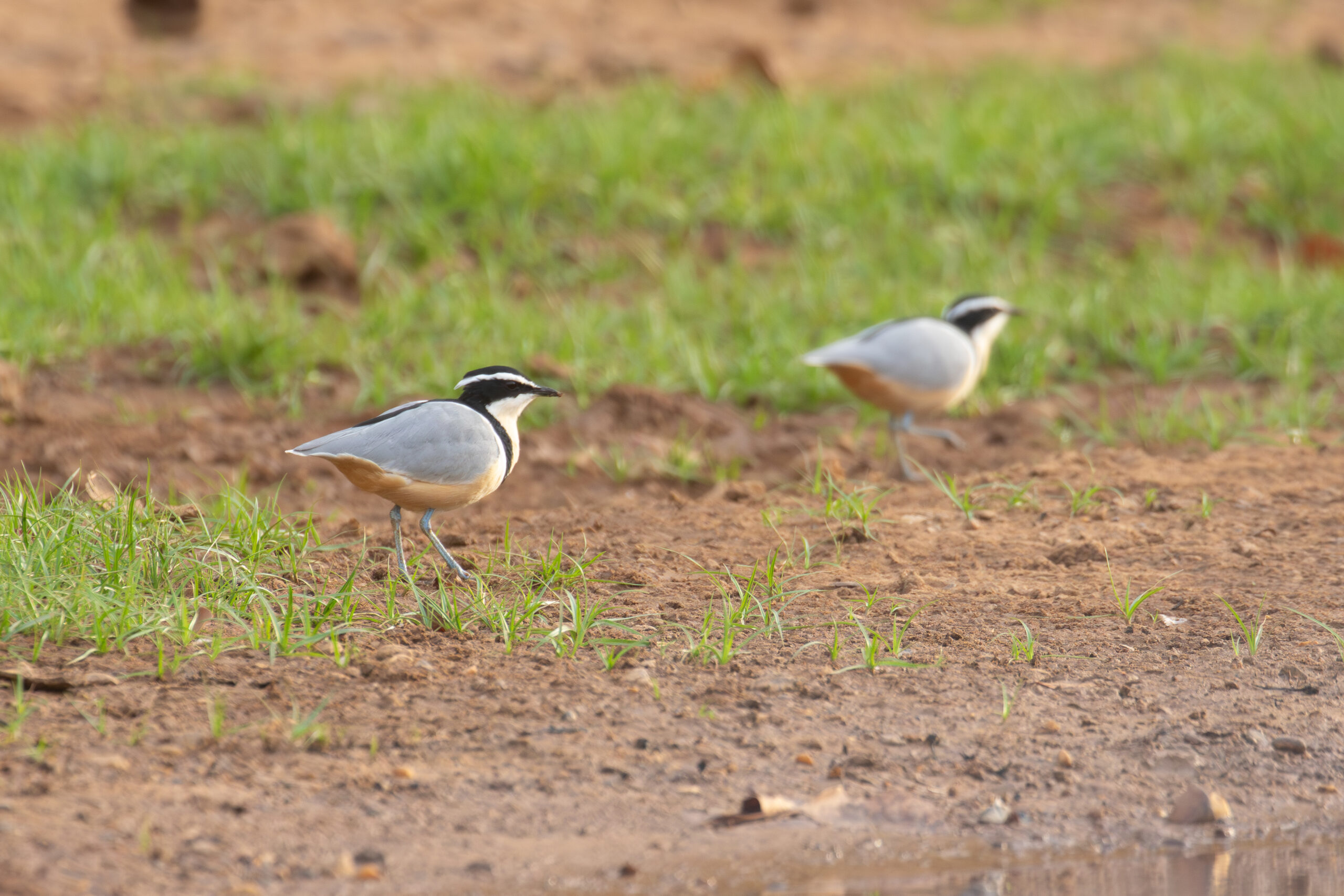
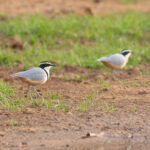
Egyptian Plovers (image by Diedert Koppenol)
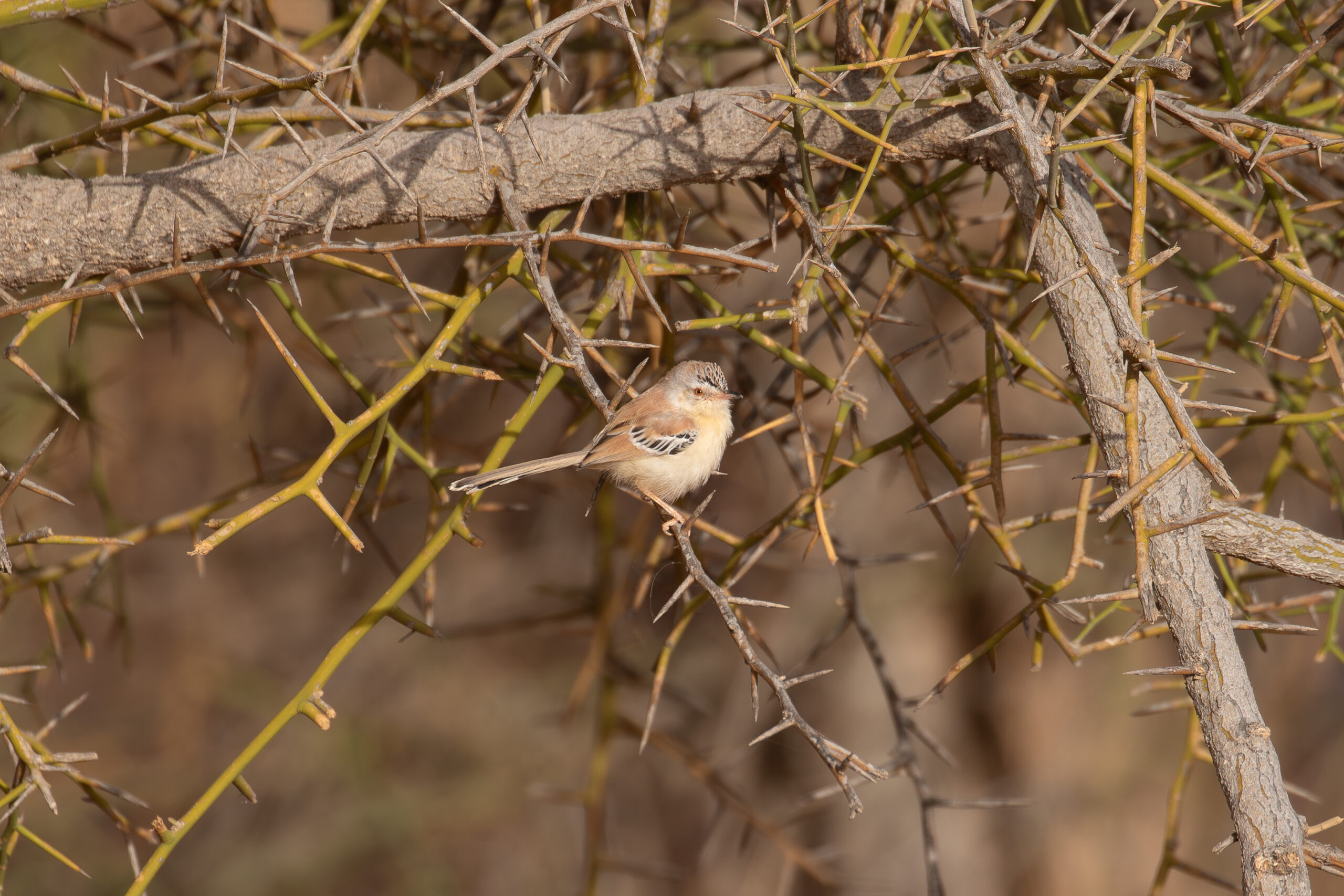
Cricket Warbler (image by Diedert Koppenol)
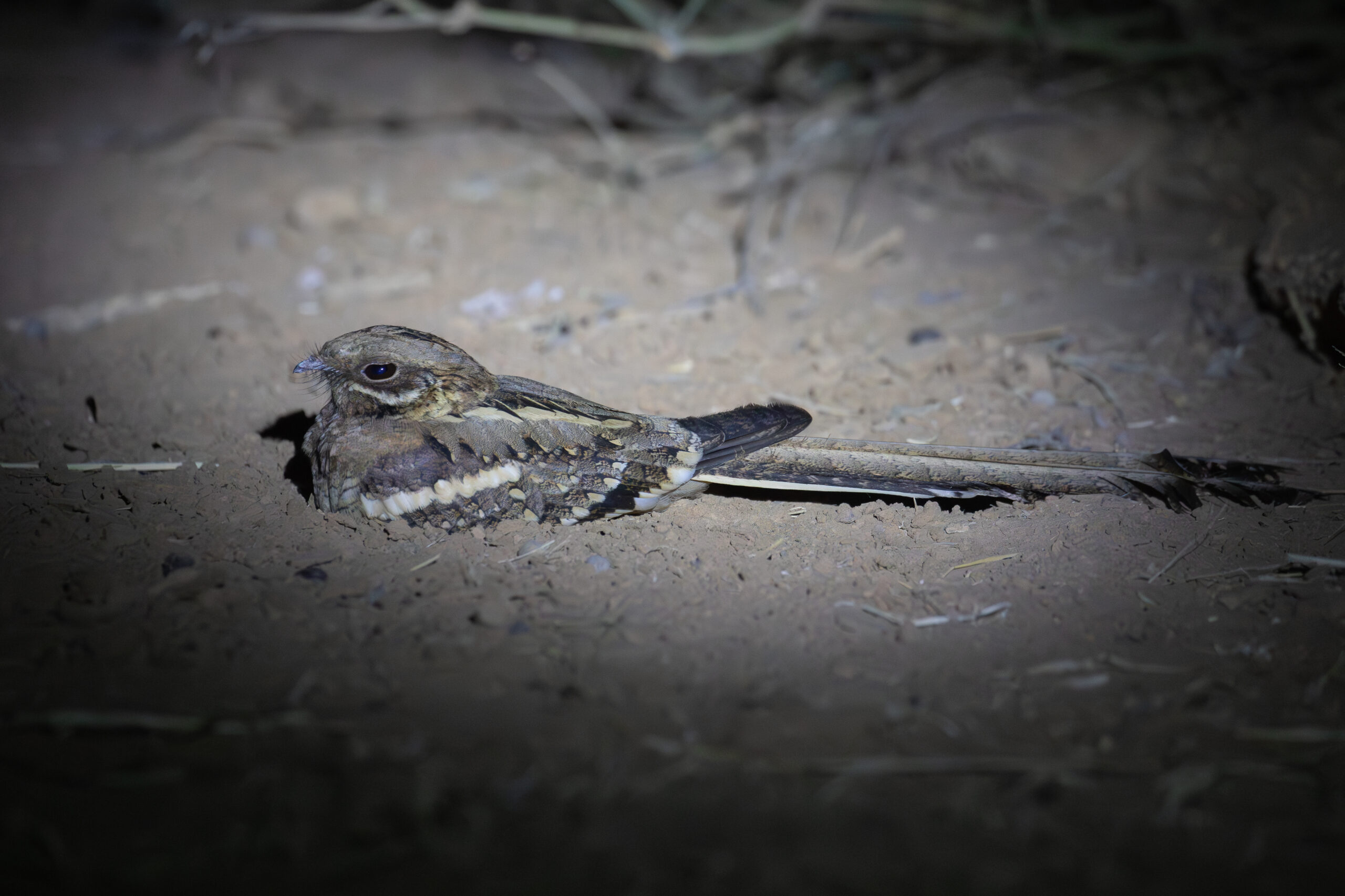
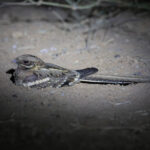
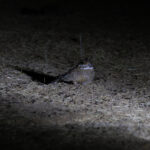
Long-tailed Nightjar (image by Diedert Koppenol)
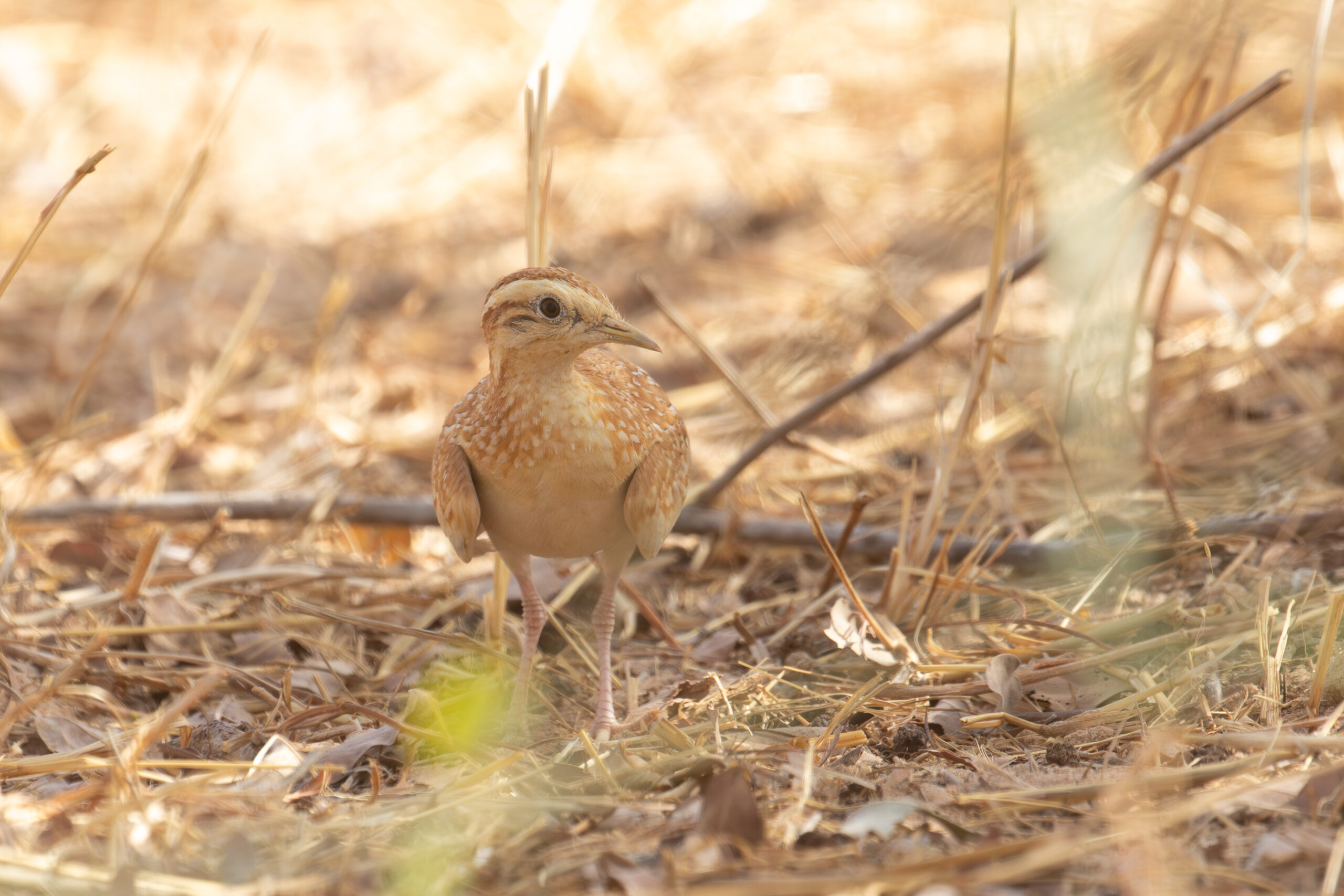
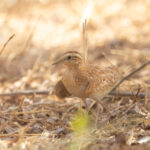
Quail-plover (image by Diedert Koppenol)
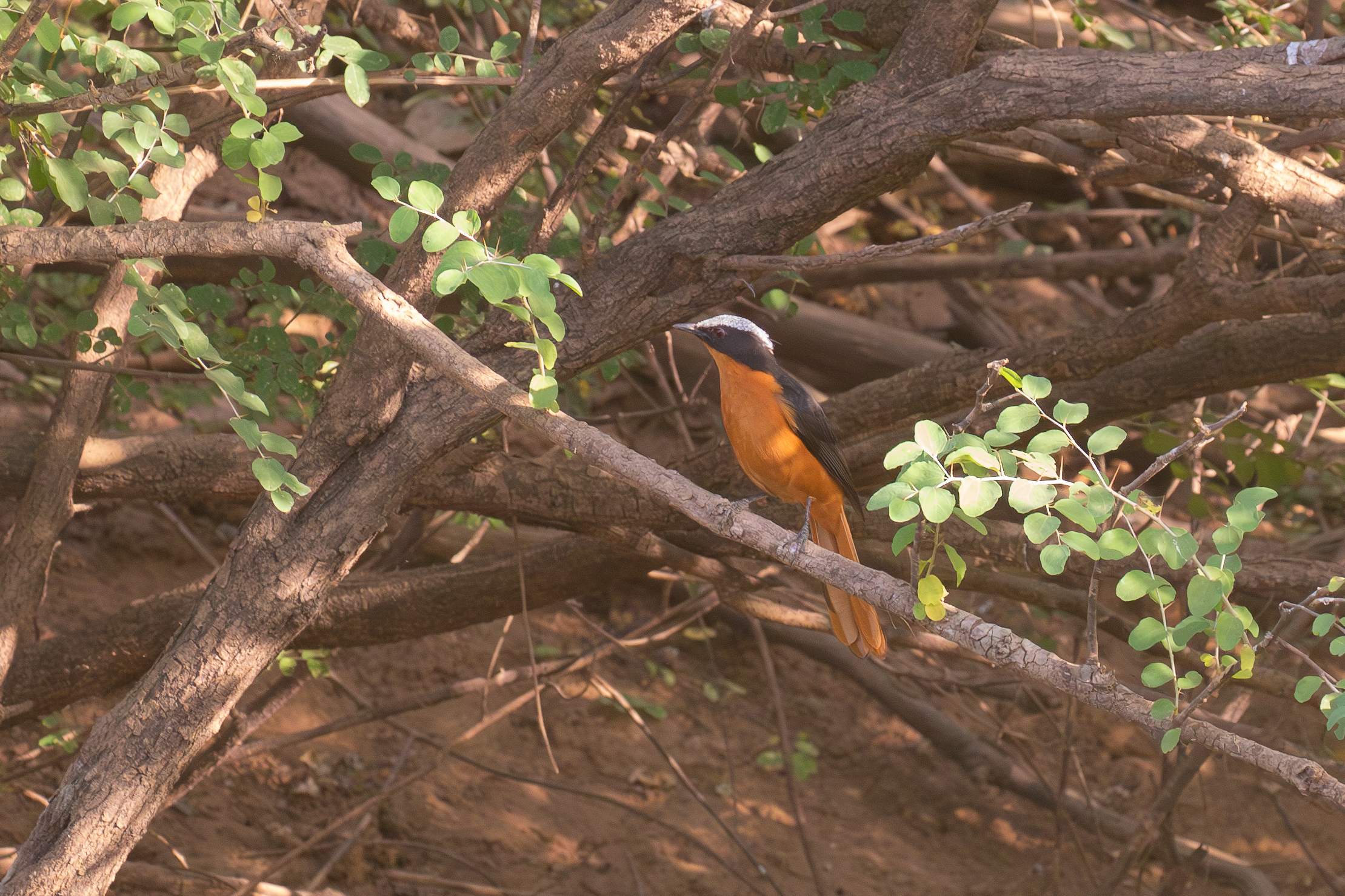
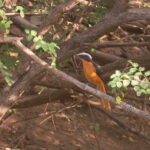
White-crowned Robin-Chat (image by Diedert Koppenol)
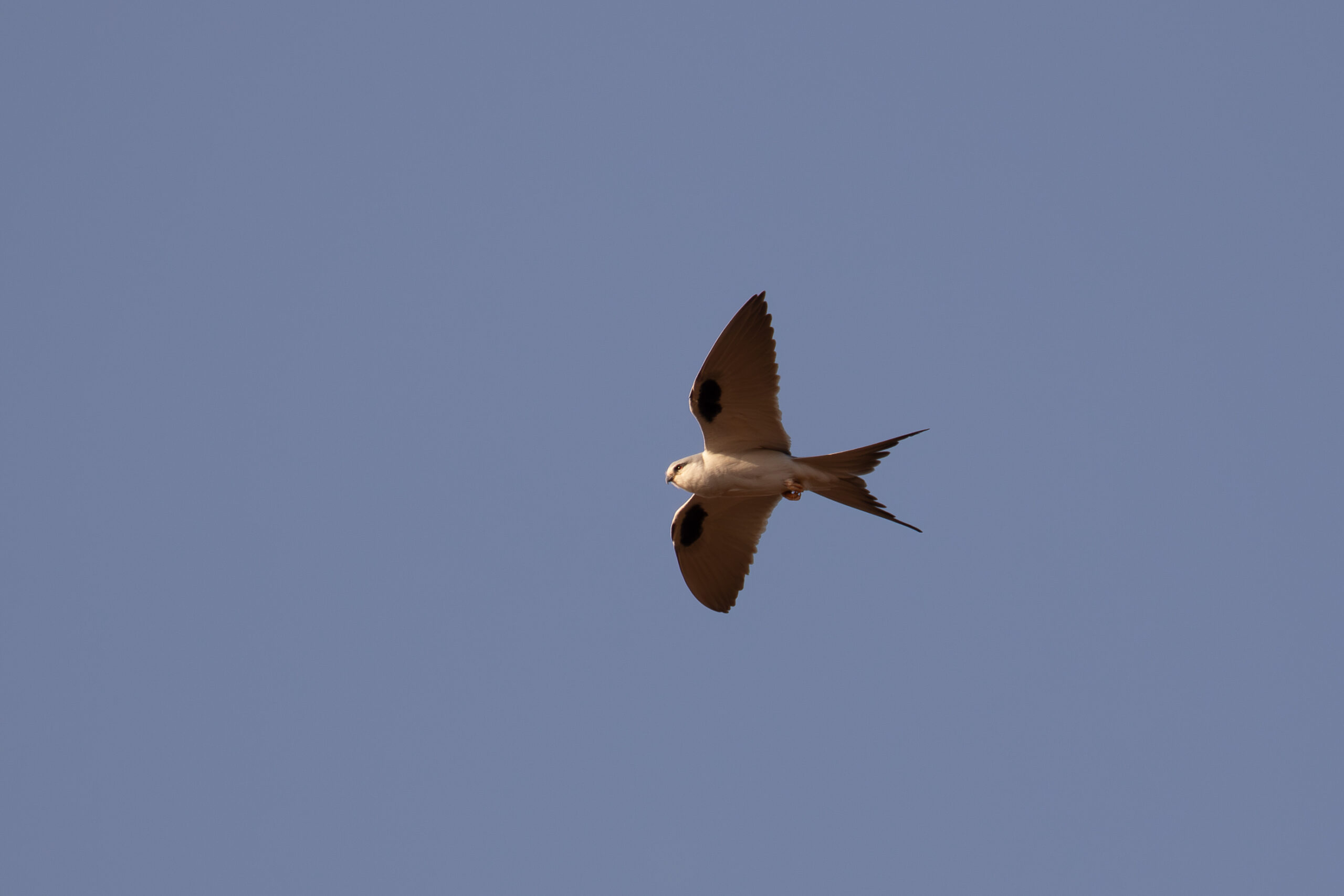
African Scissor-tailed Kite (image by Diedert Koppenol)
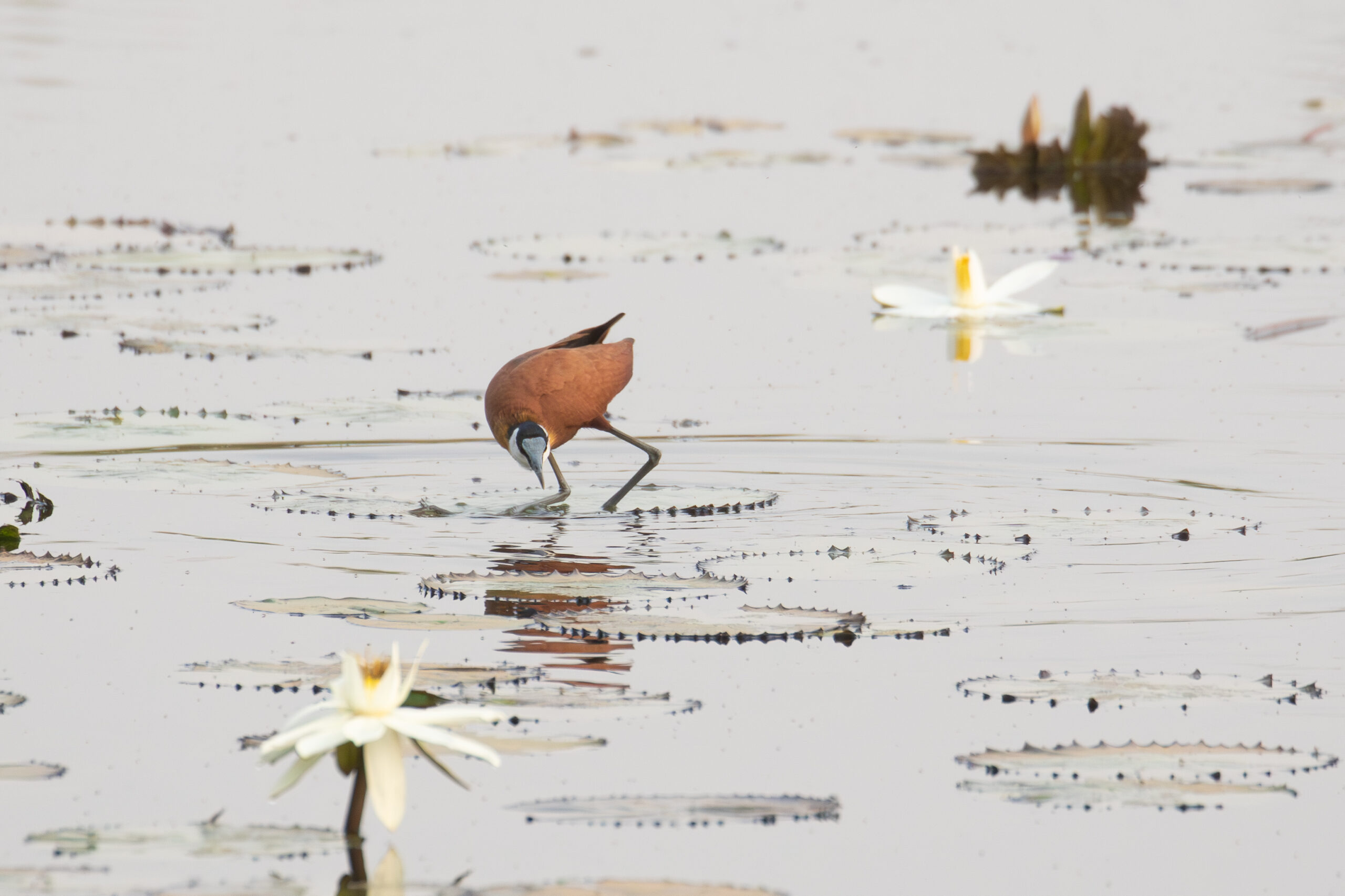
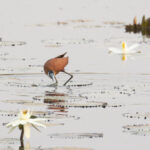
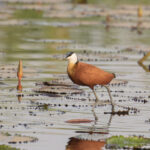
African Jacana (image by Diedert Koppenol)
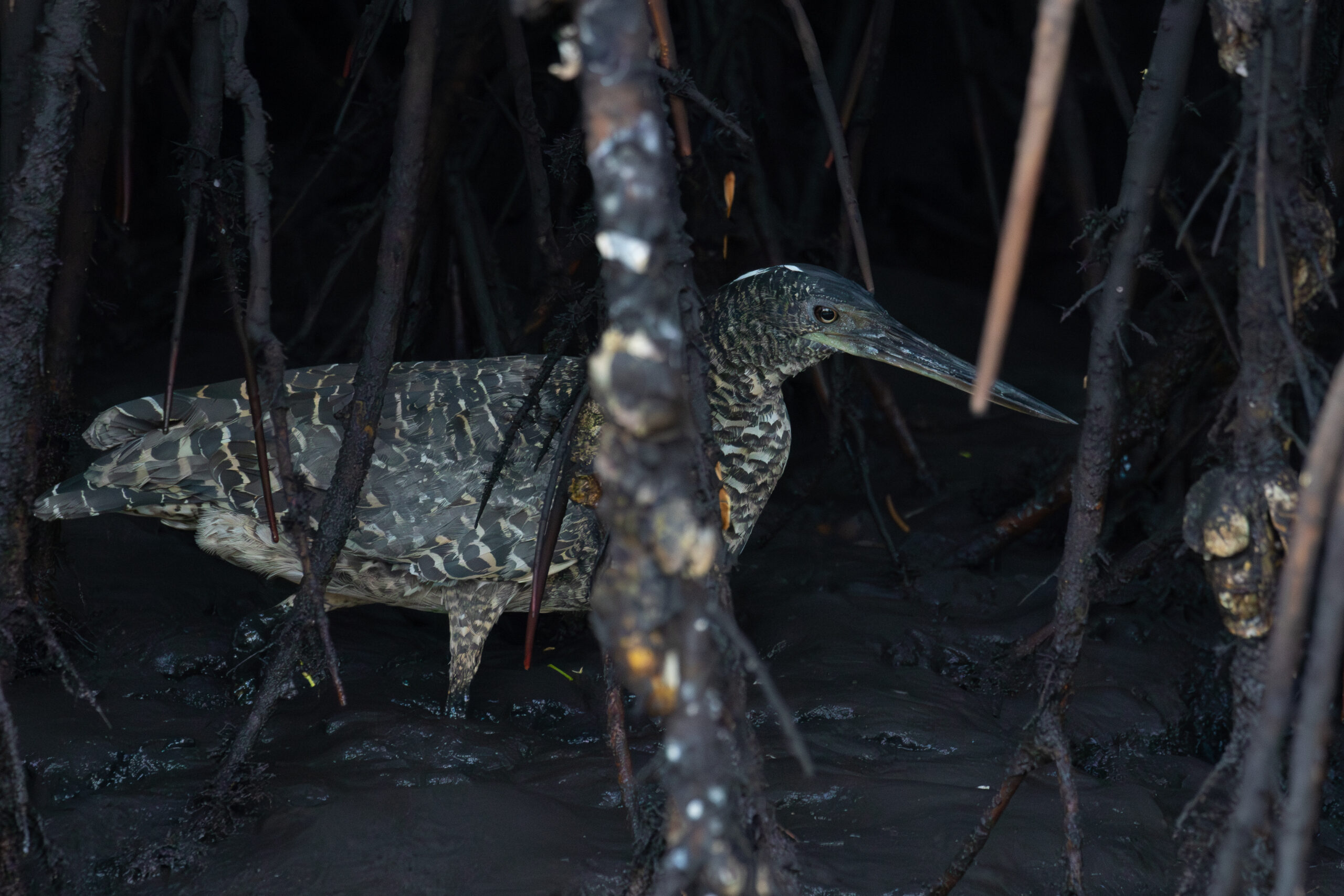
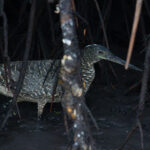
White-crested Tiger Heron (image by Diedert Koppenol)
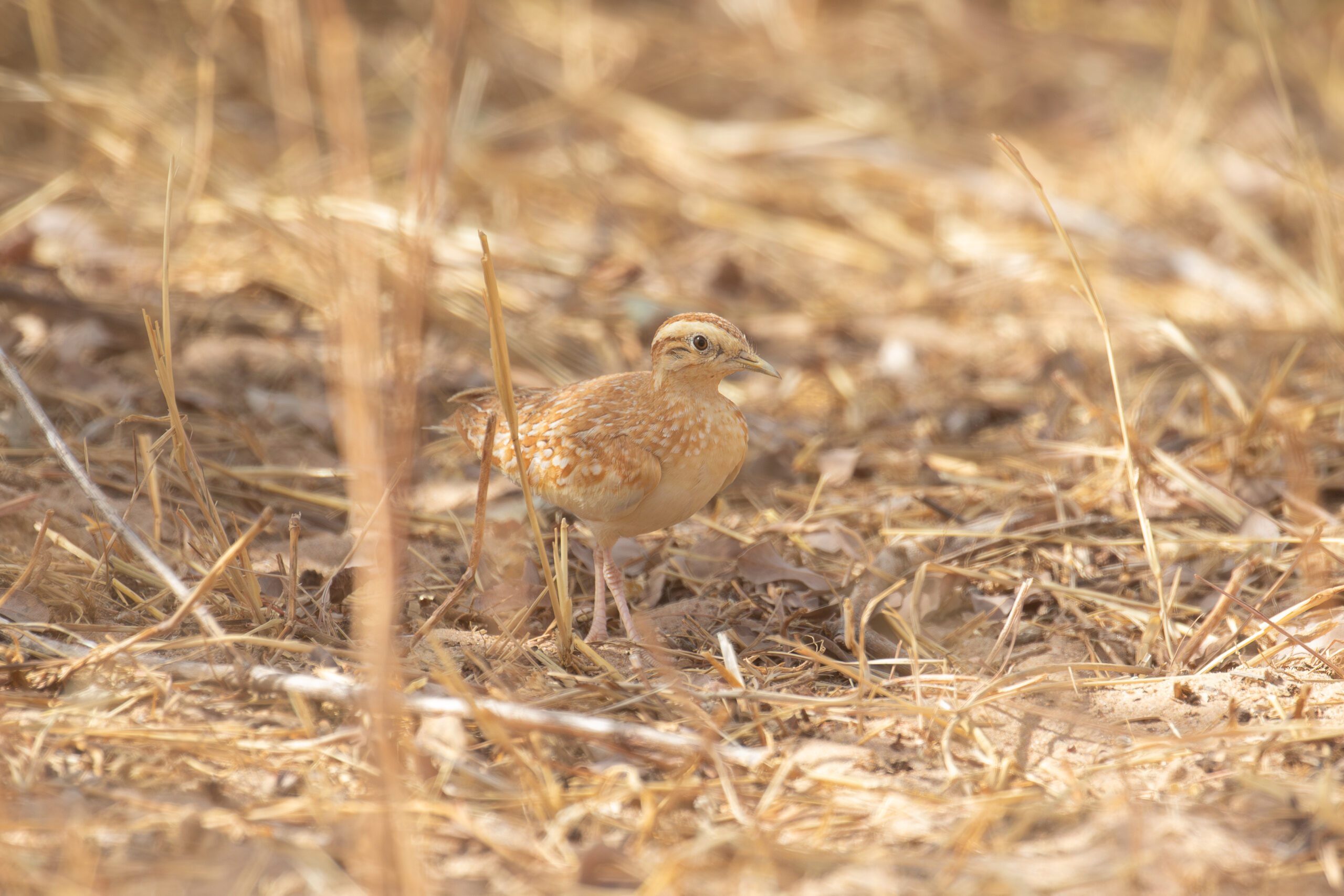
Quail-plover (image by Diedert Koppenol)
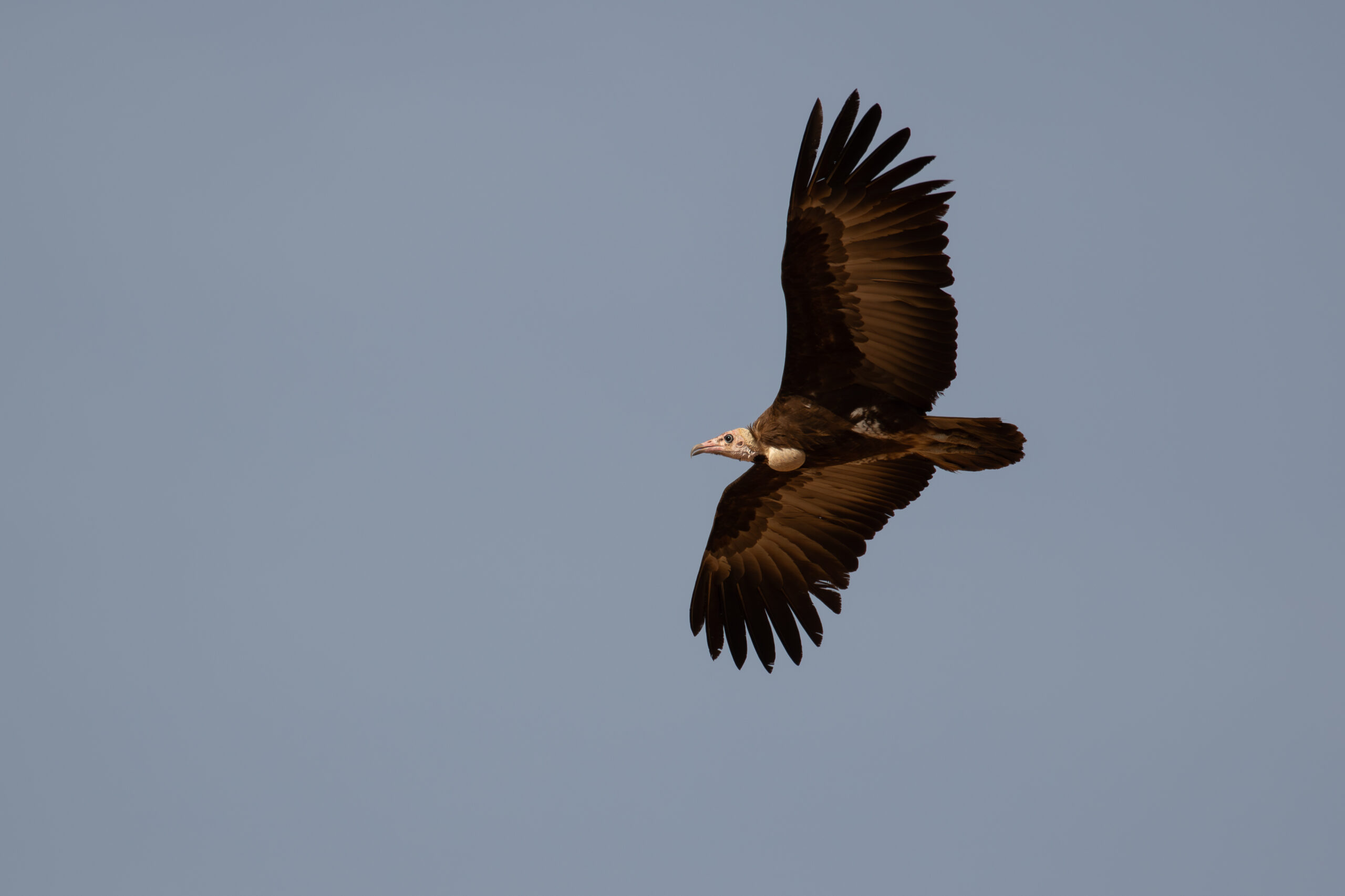
Hooded Vulture (image by Diedert Koppenol)
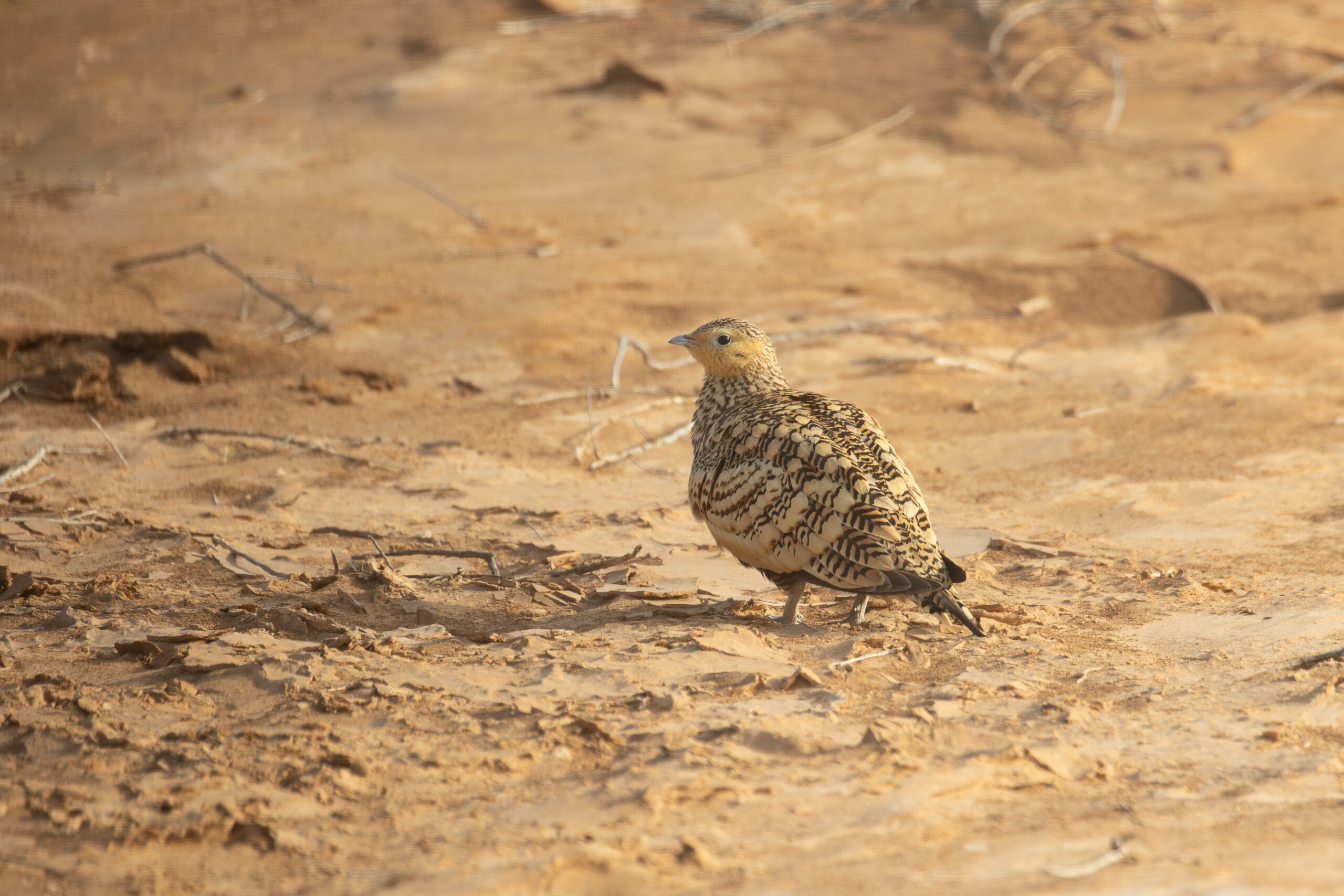
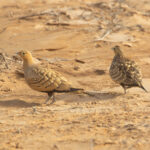
female Chestnut-bellied Sandgrouse (image by Diedert Koppenol)
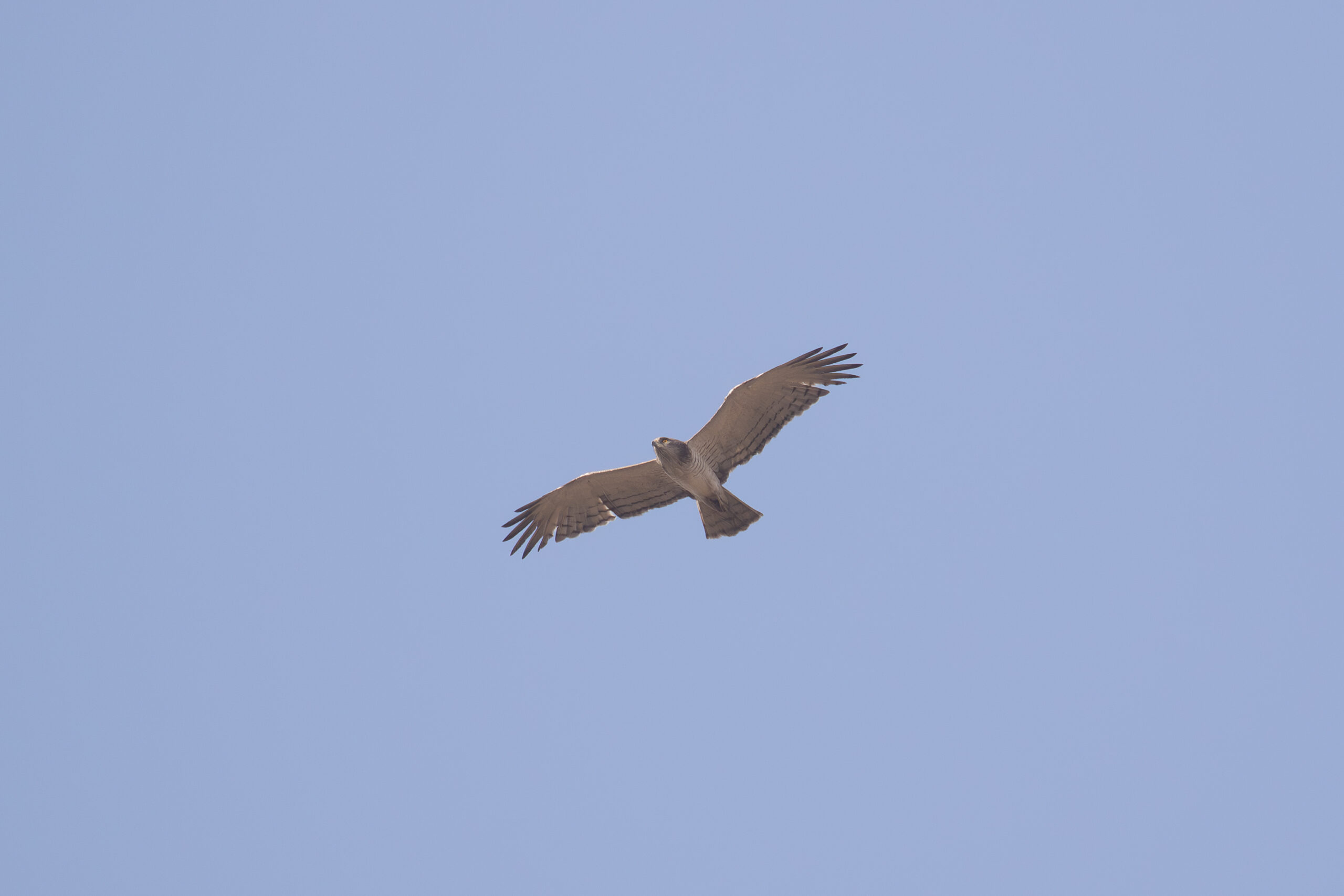
Beaudouin's Snake Eagle (image by Diedert Koppenol)
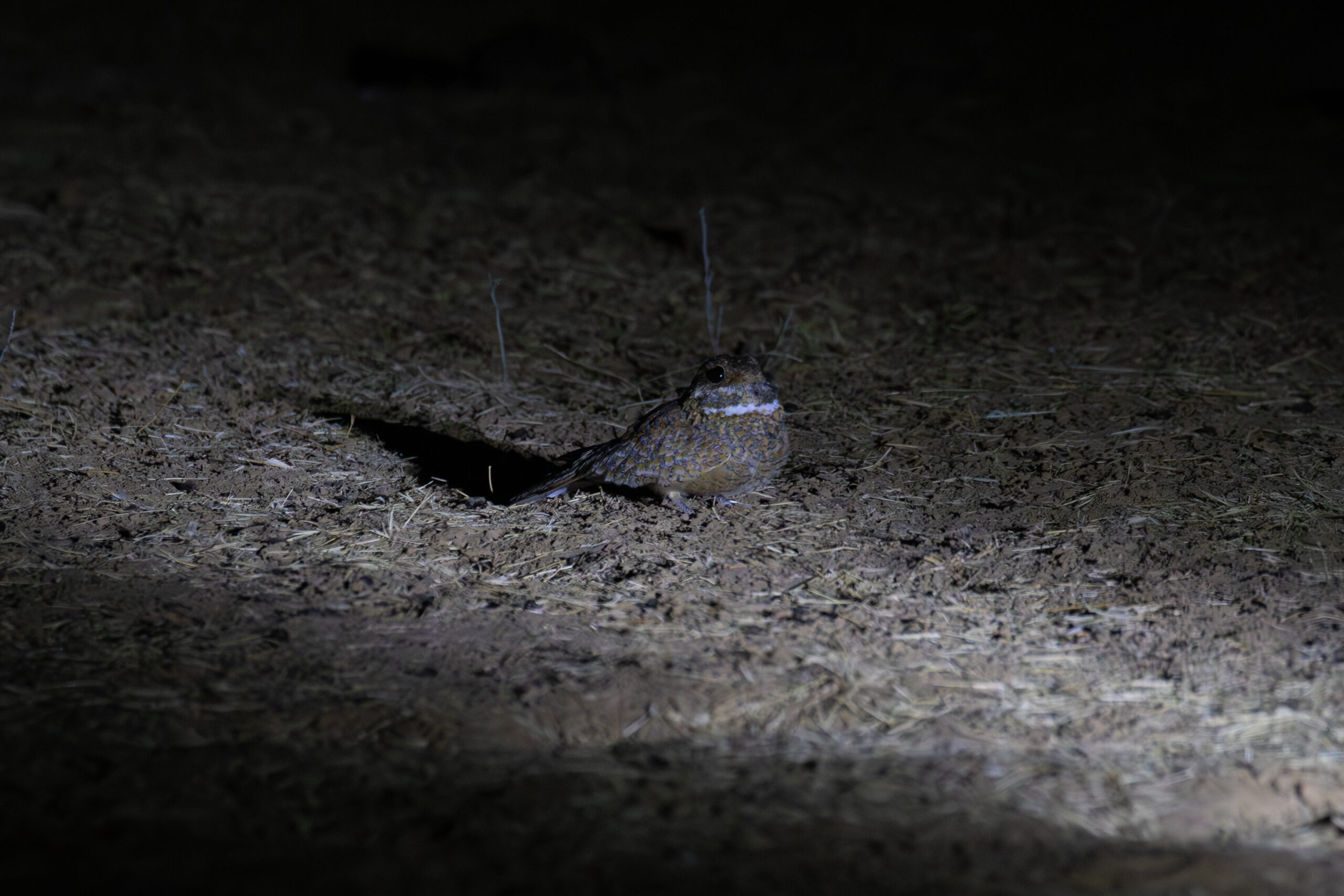
Golden Nightjar (image by Diedert Koppenol)
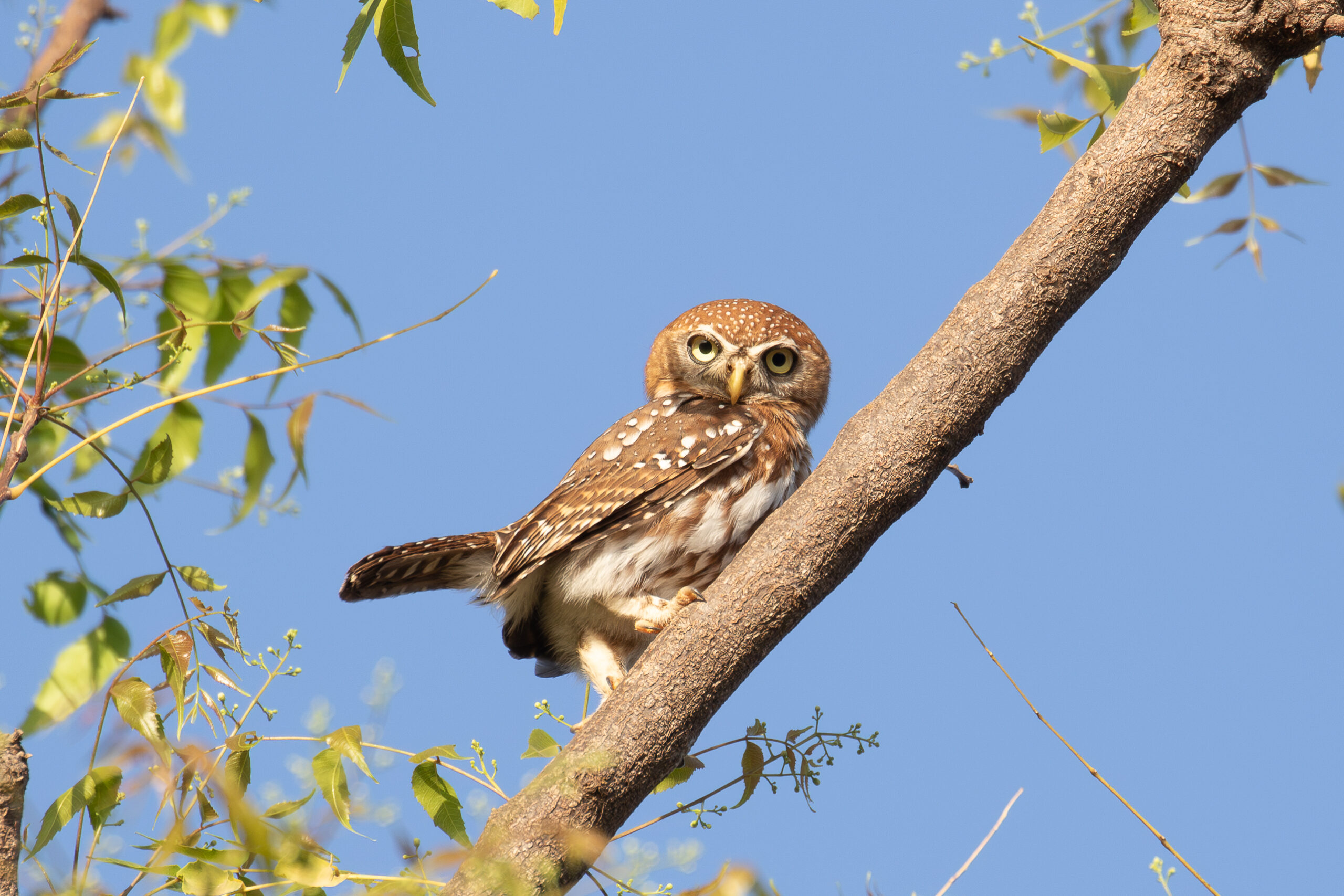
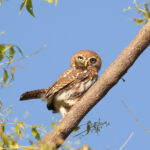
Pearl-spotted Owlet (image by Diedert Koppenol)
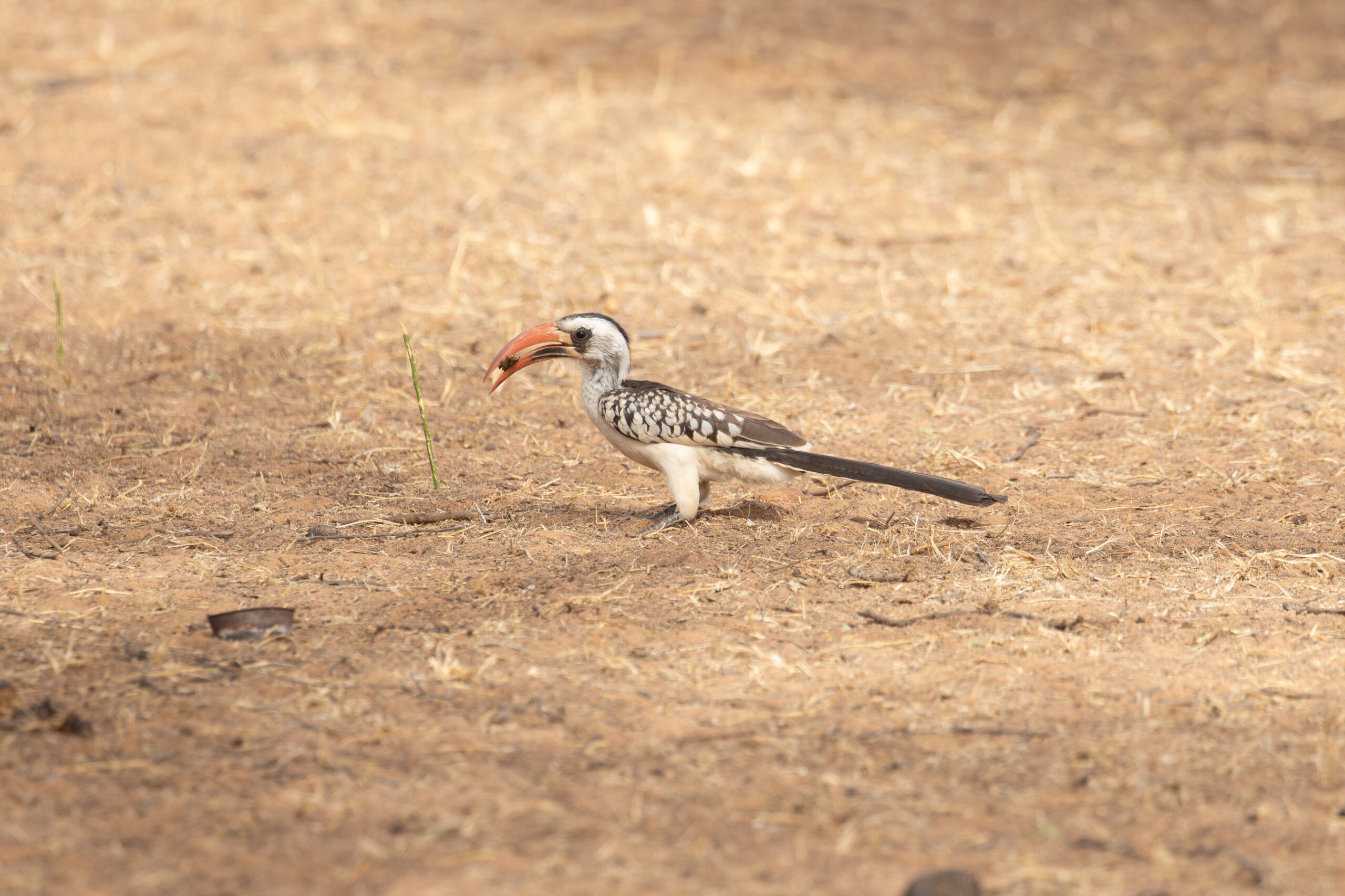
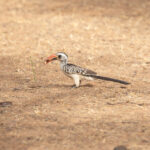
Western Red-billed Hornbill (image by Diedert Koppenol)
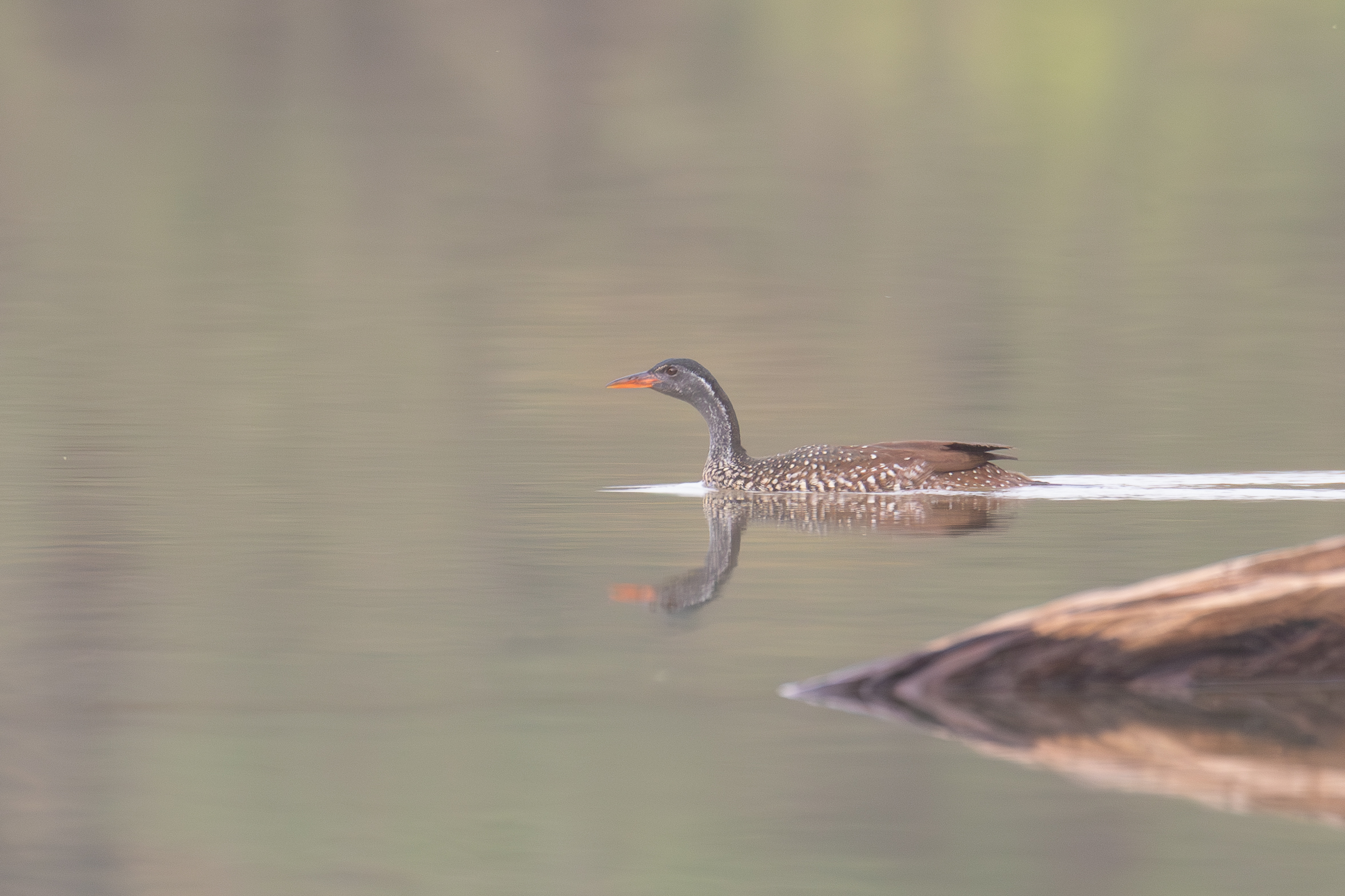
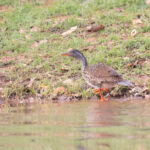
male African Finfoot (image by Diedert Koppenol)
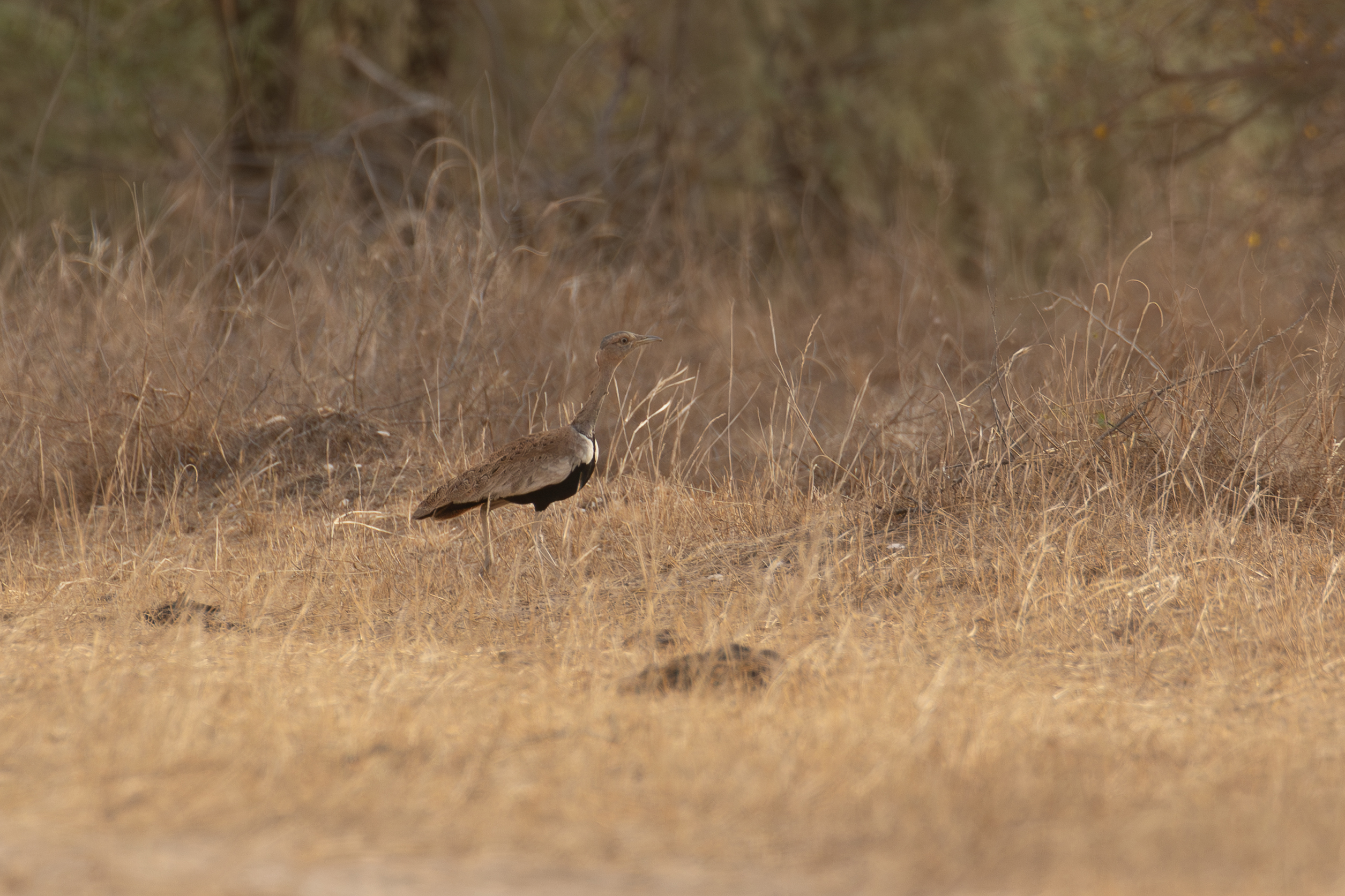
Savile's Bustard (image by Diedert Koppenol)
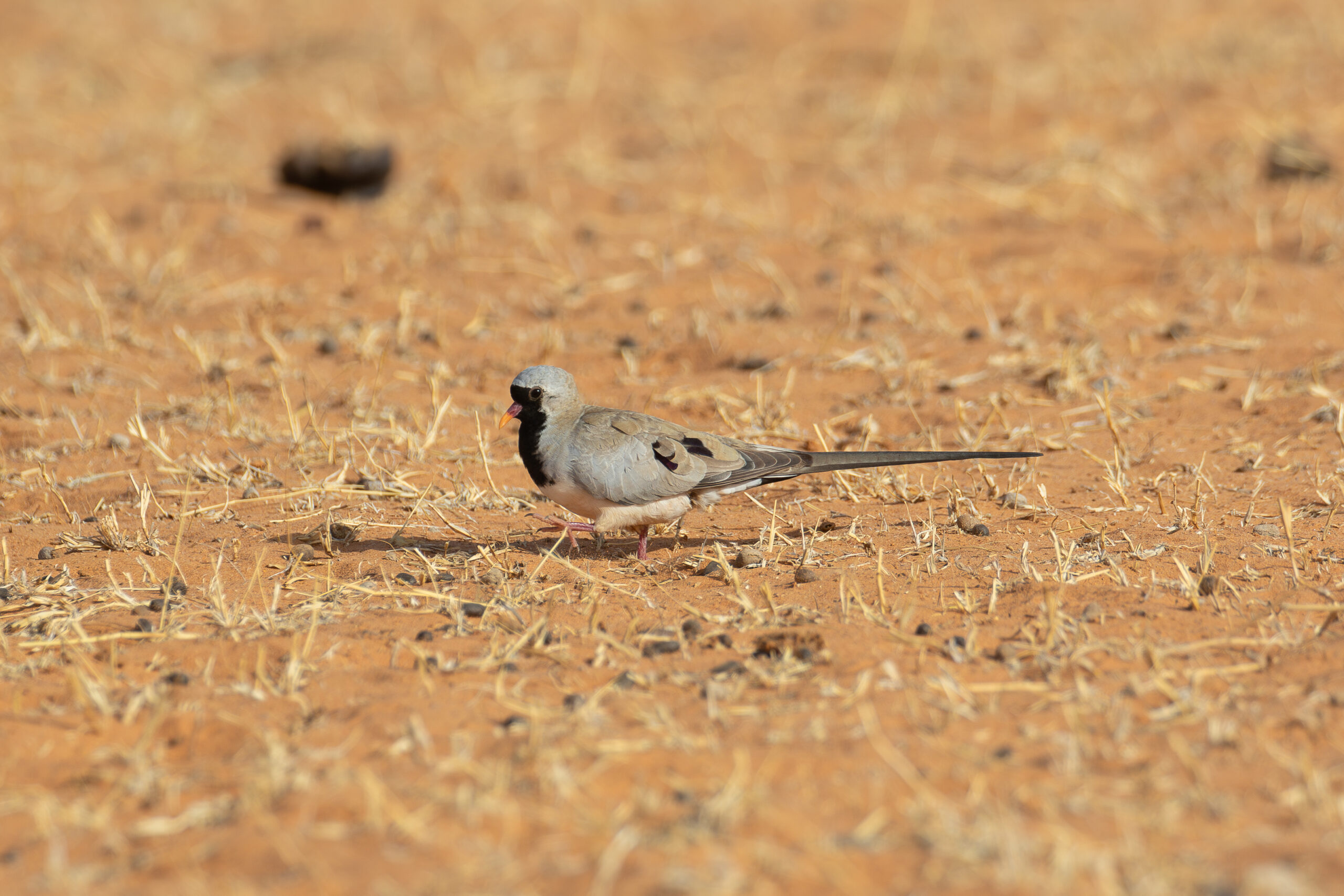
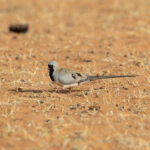
Namaqua Dove (image by Diedert Koppenol)
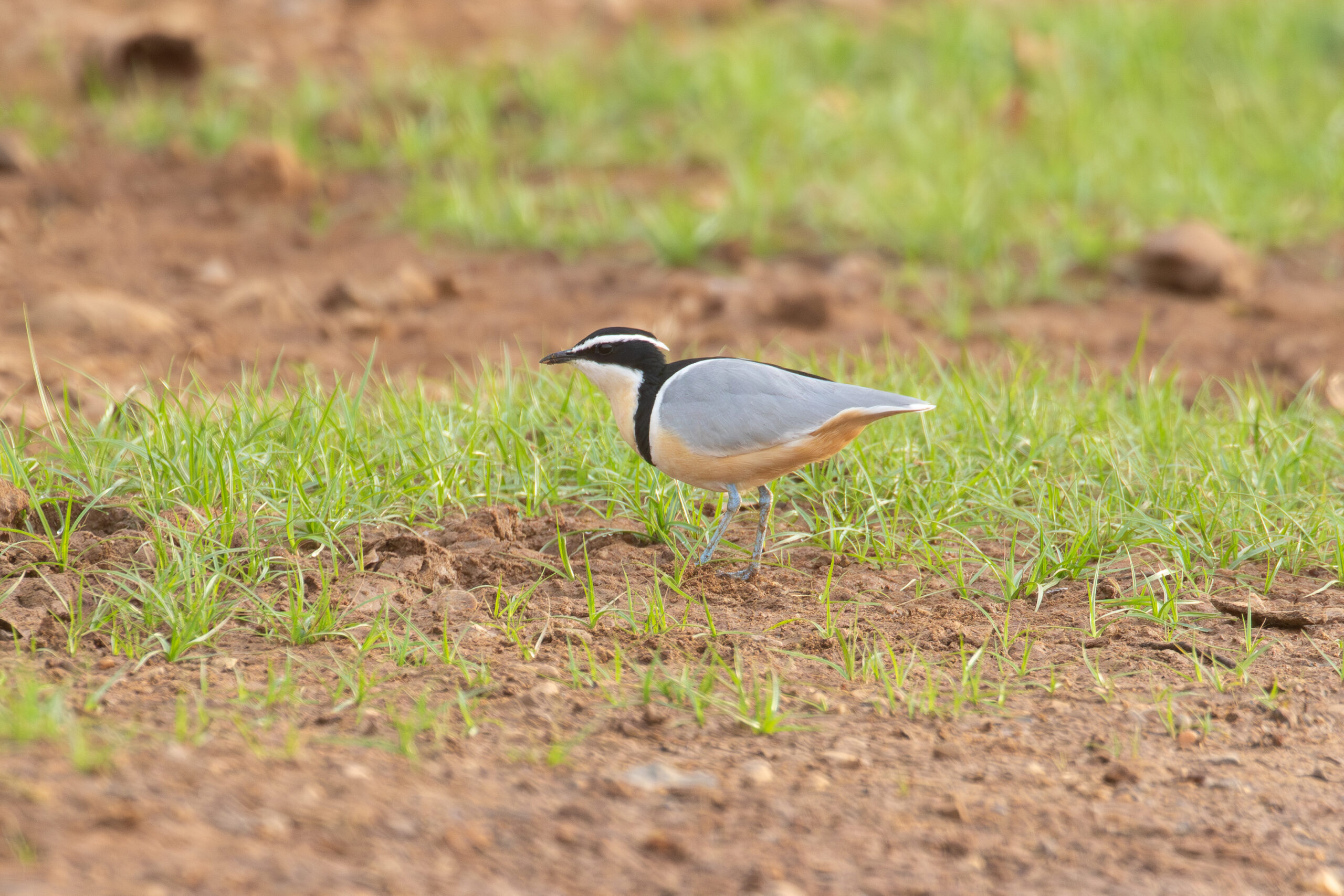
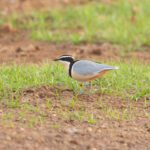
Egyptian Plover (image by Diedert Koppenol)
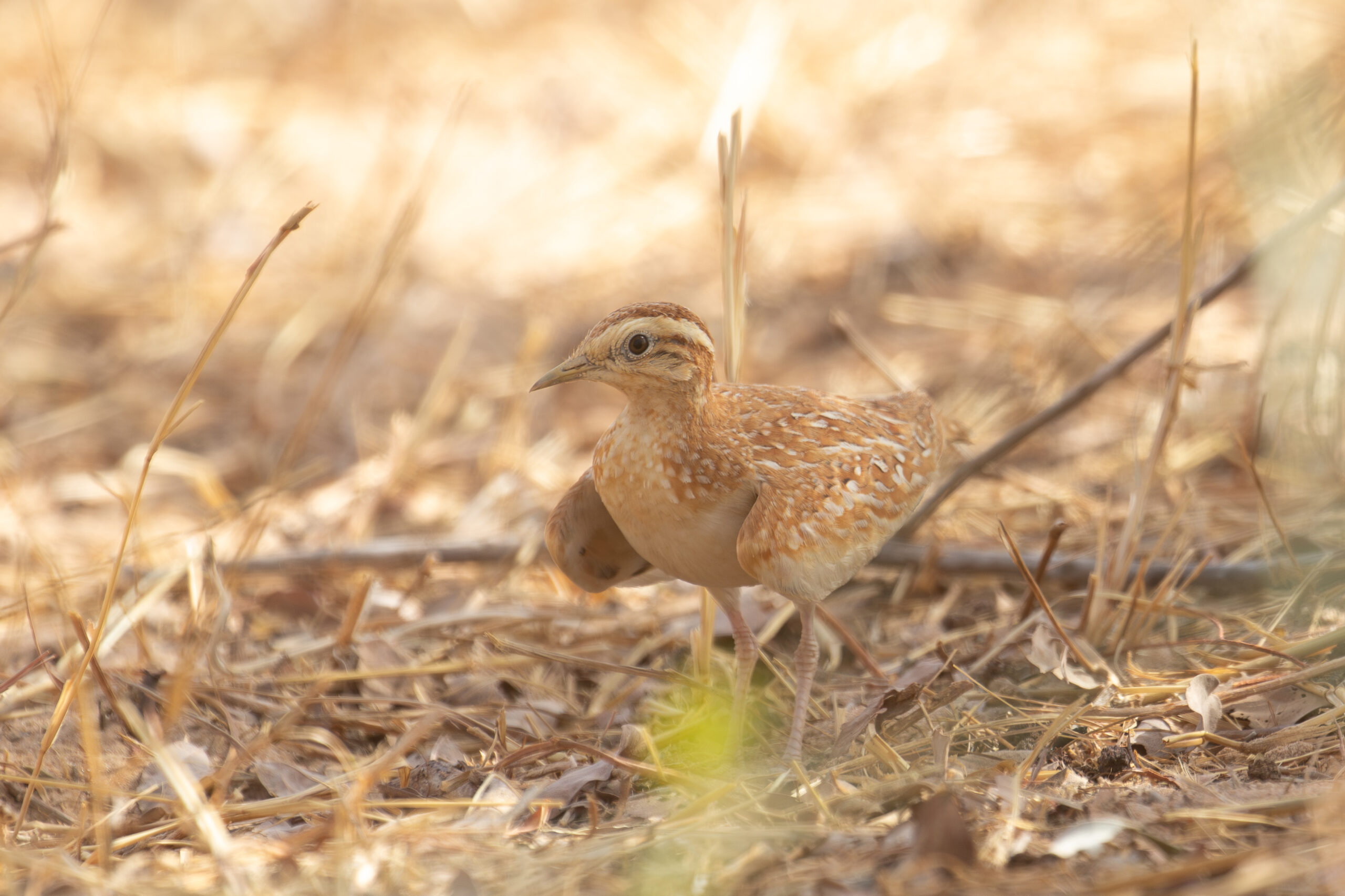
Quail-plover (image by Diedert Koppenol)
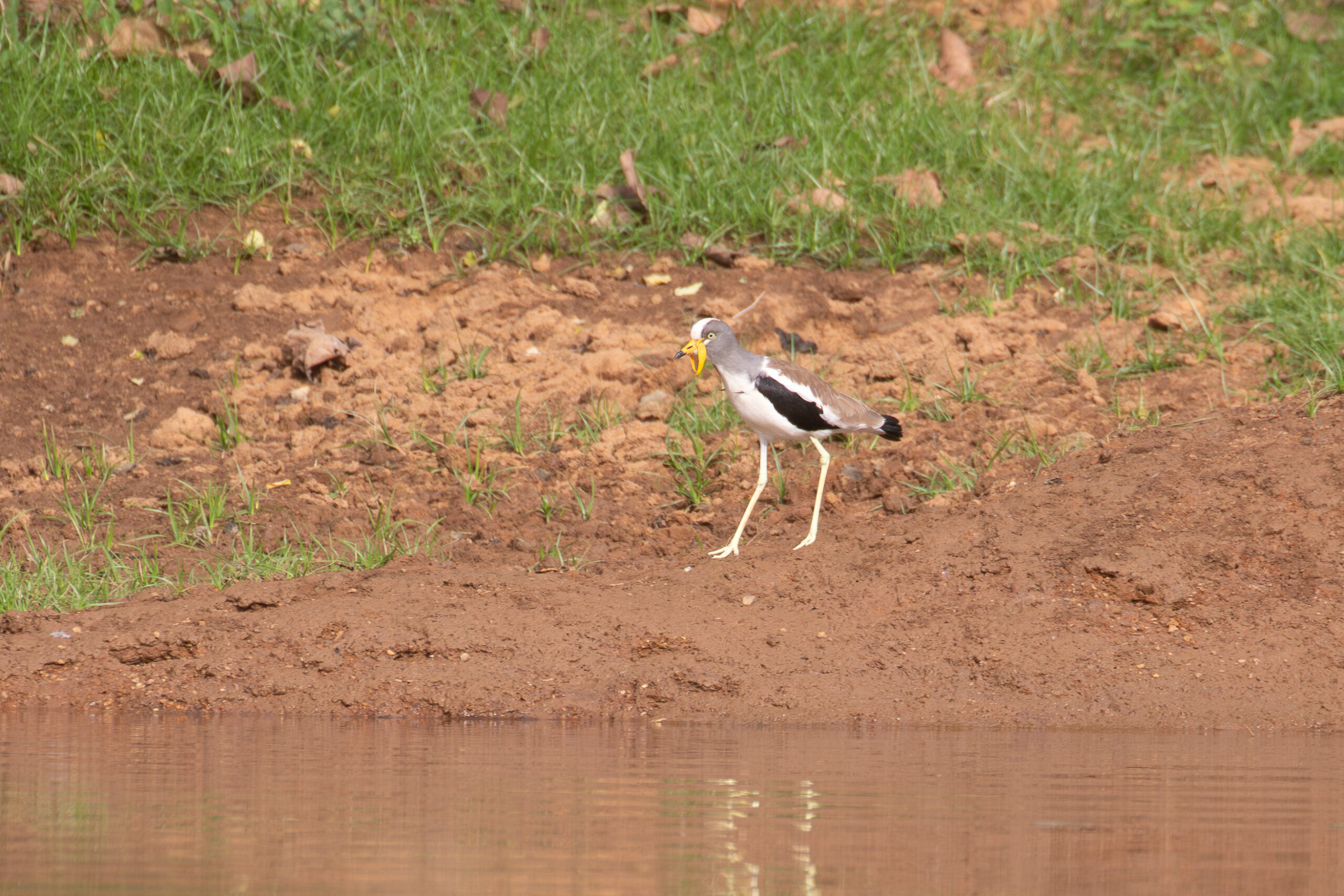
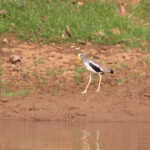
White-crowned Lapwing (image by Diedert Koppenol)
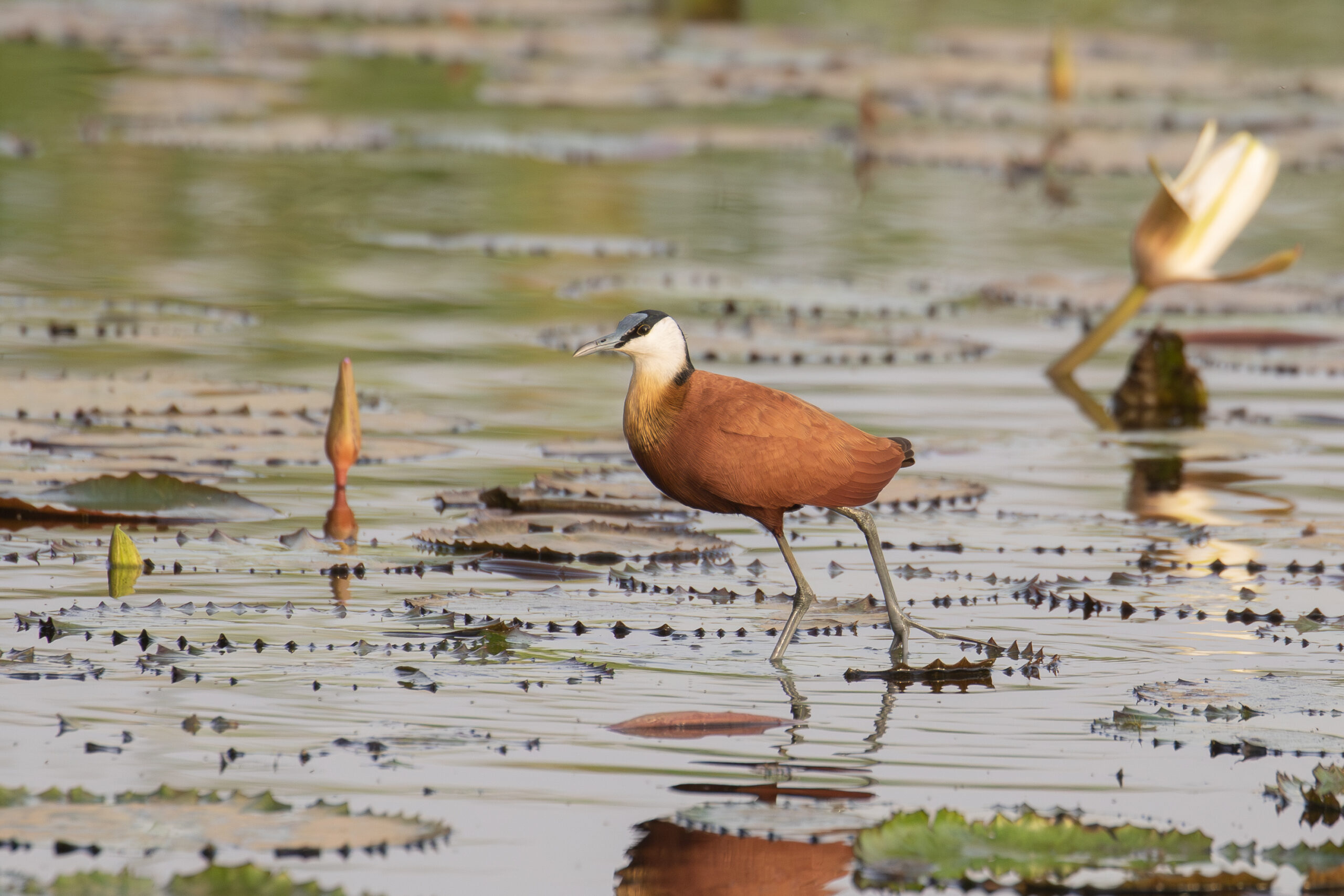
African Jacana (image by Diedert Koppenol)
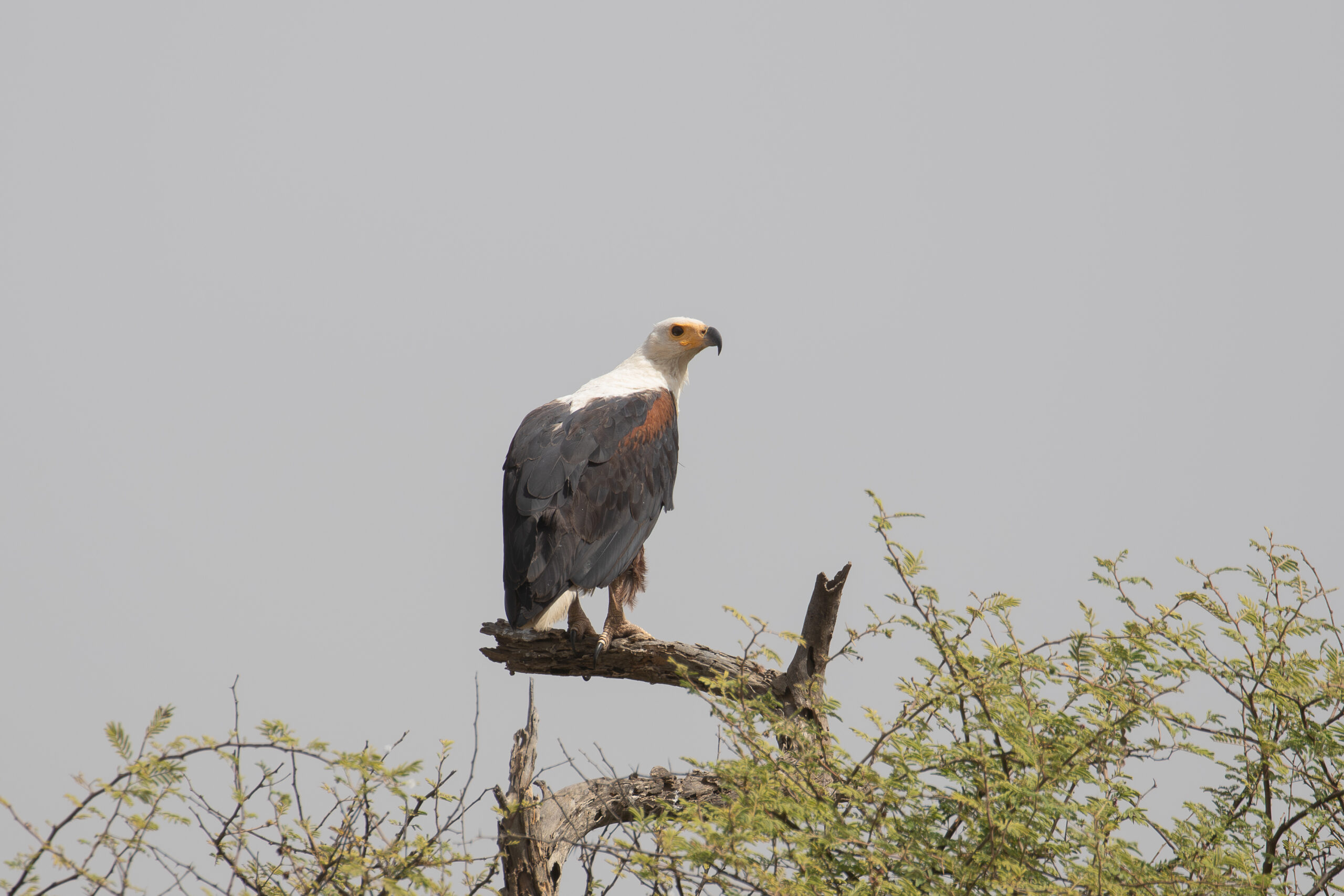
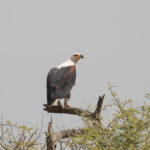
African Fish Eagle (image by Diedert Koppenol)
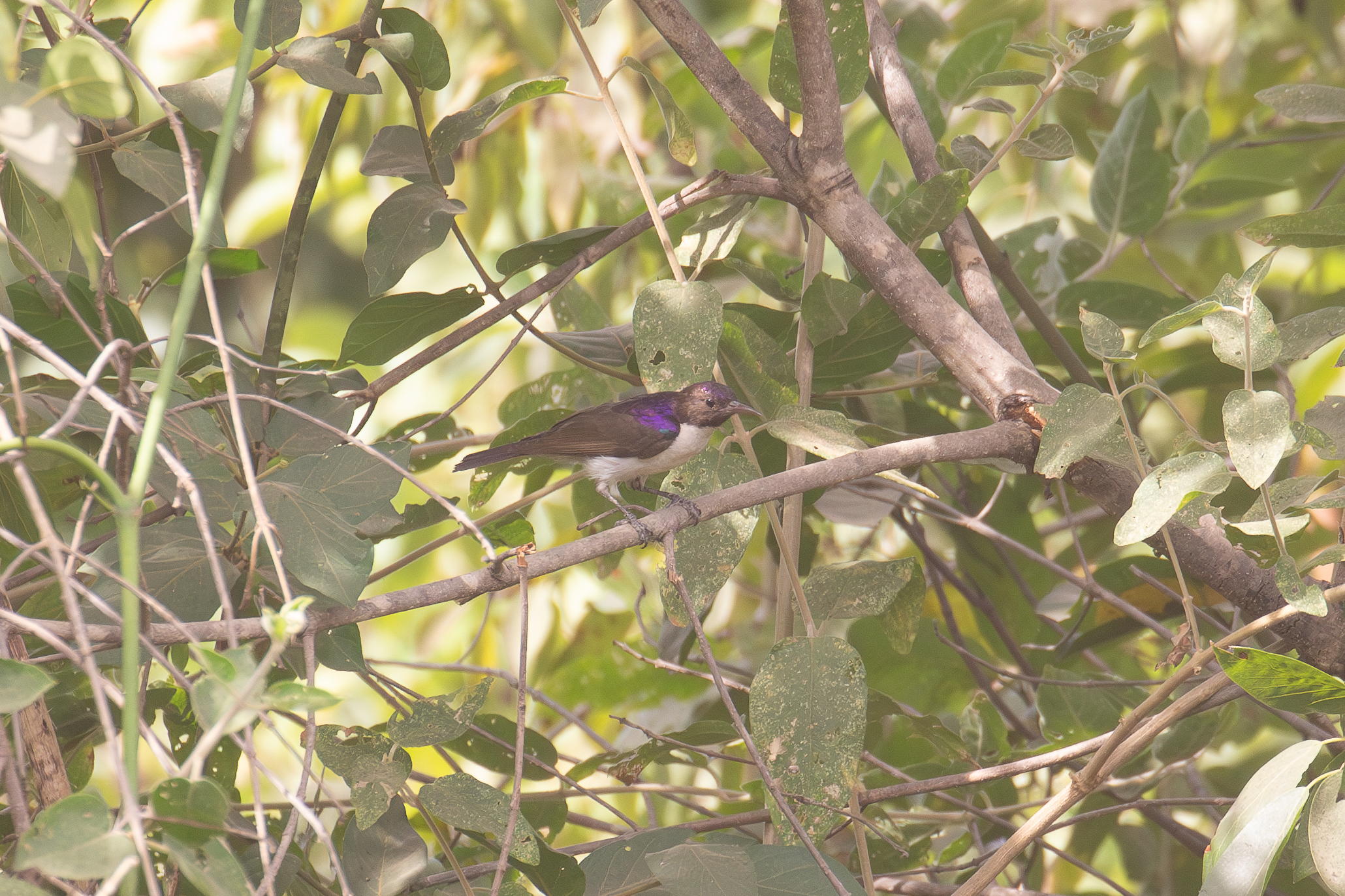
Western Violet-backed Sunbird (image by Diedert Koppenol)
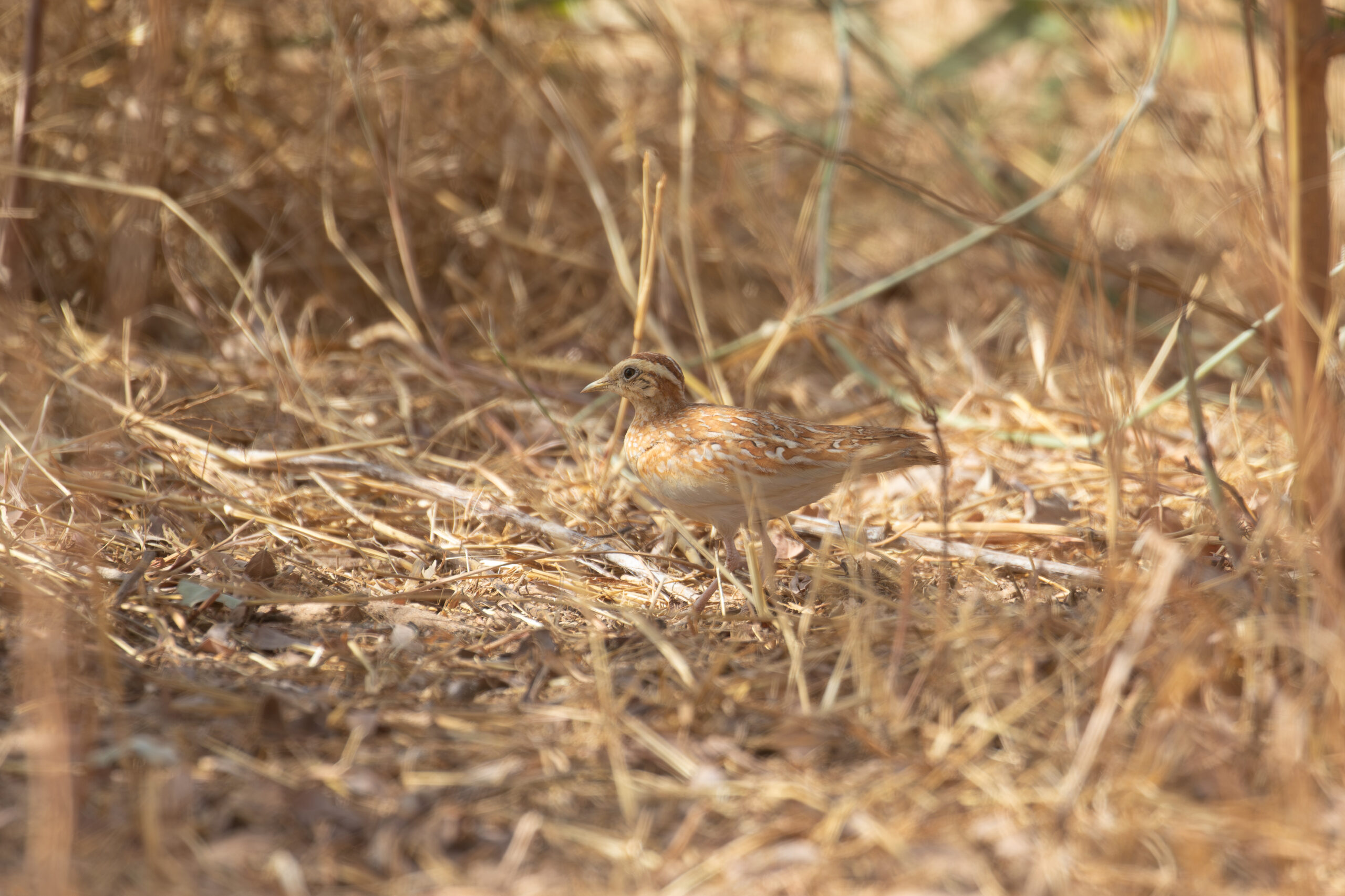
Quail-plover (image by Diedert Koppenol)
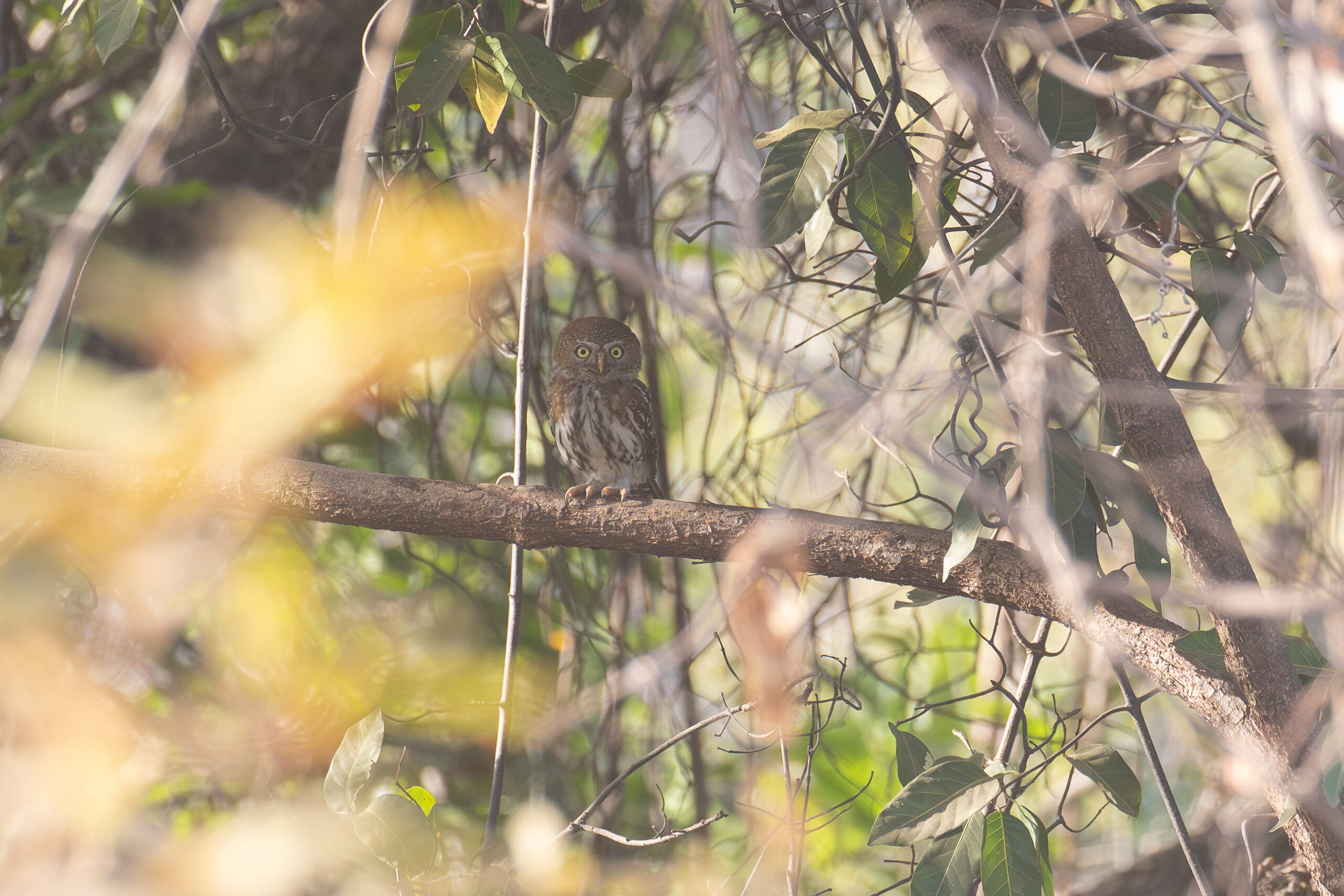
Pearl-spotted Owlet (image by Diedert Koppenol)
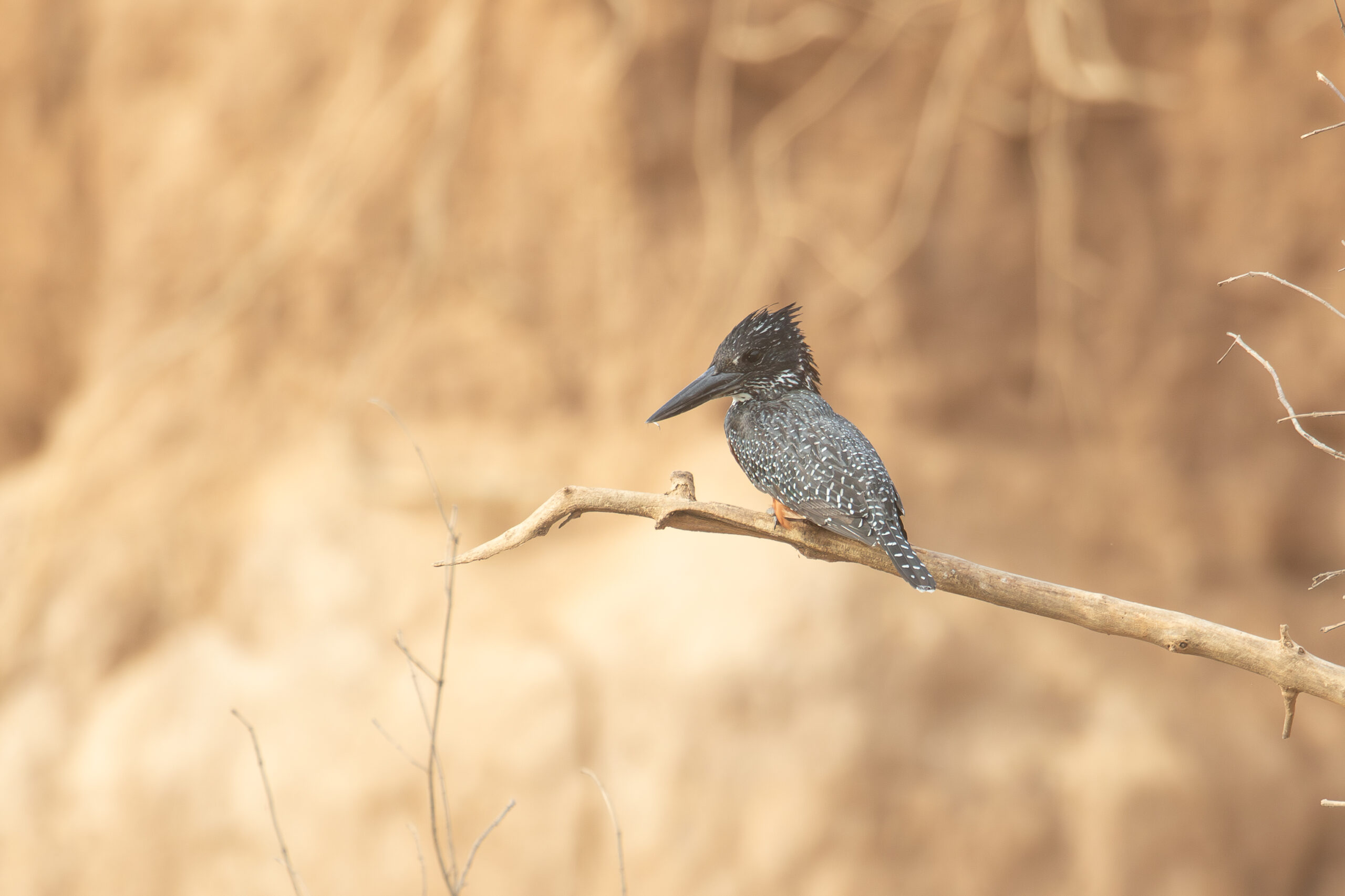
Giant Kingfisher (image by Diedert Koppenol)
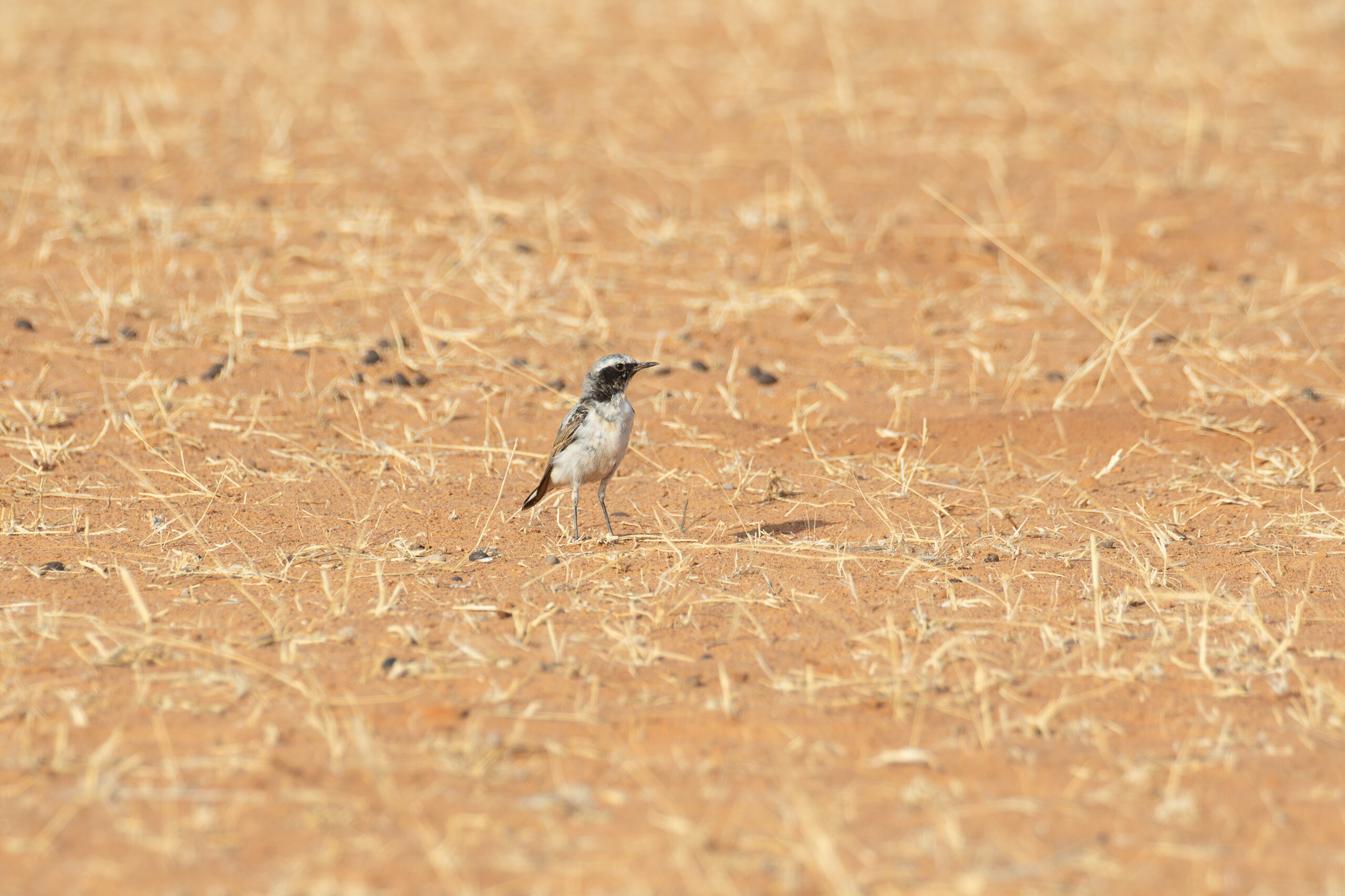
Atlas Wheatear (image by Diedert Koppenol)
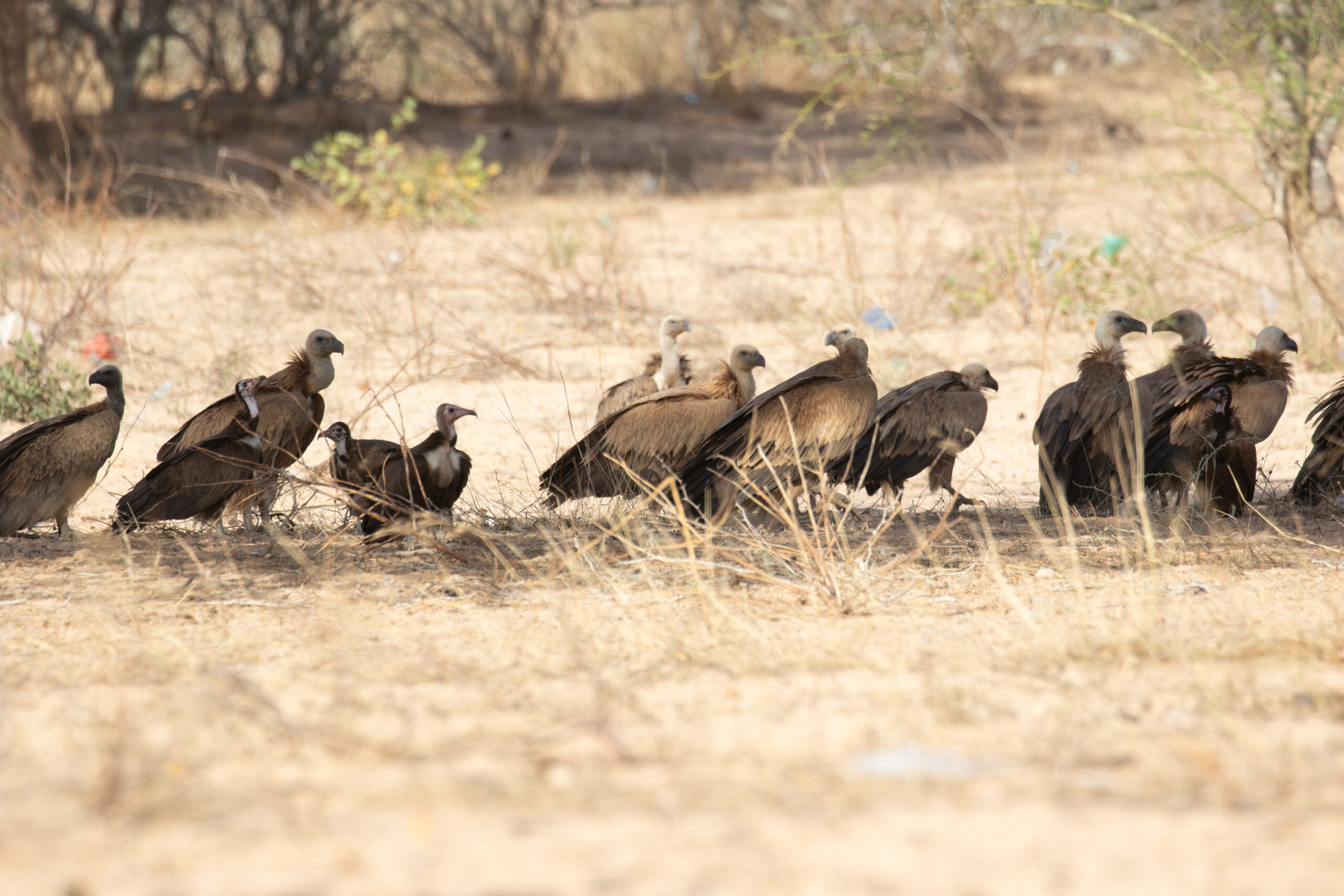
White-backed, Rüppell's, Hooded en Eurasian Griffon Vultures (image by Diedert Koppenol)
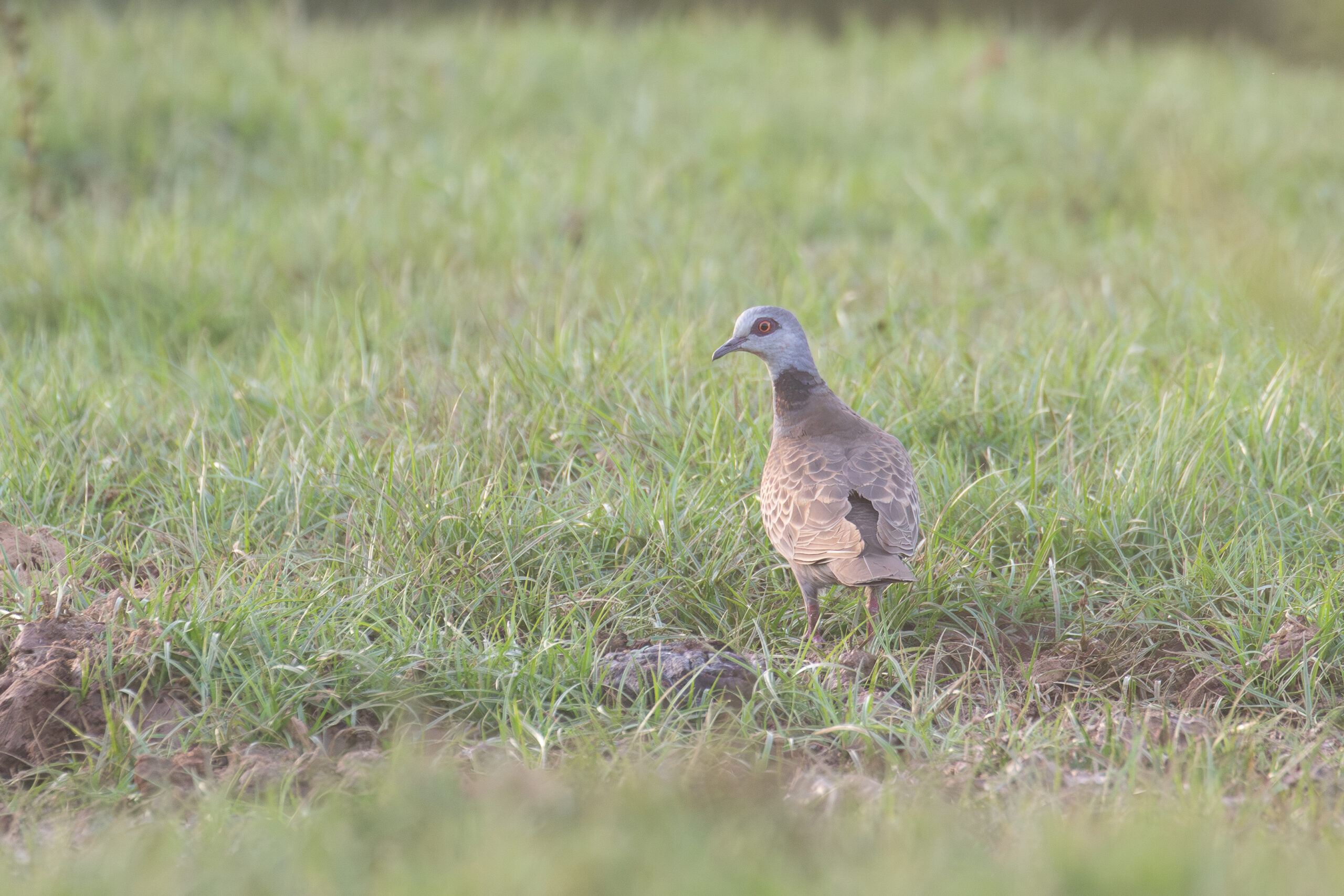
Adamawa Turtle Dove (image by Diedert Koppenol)
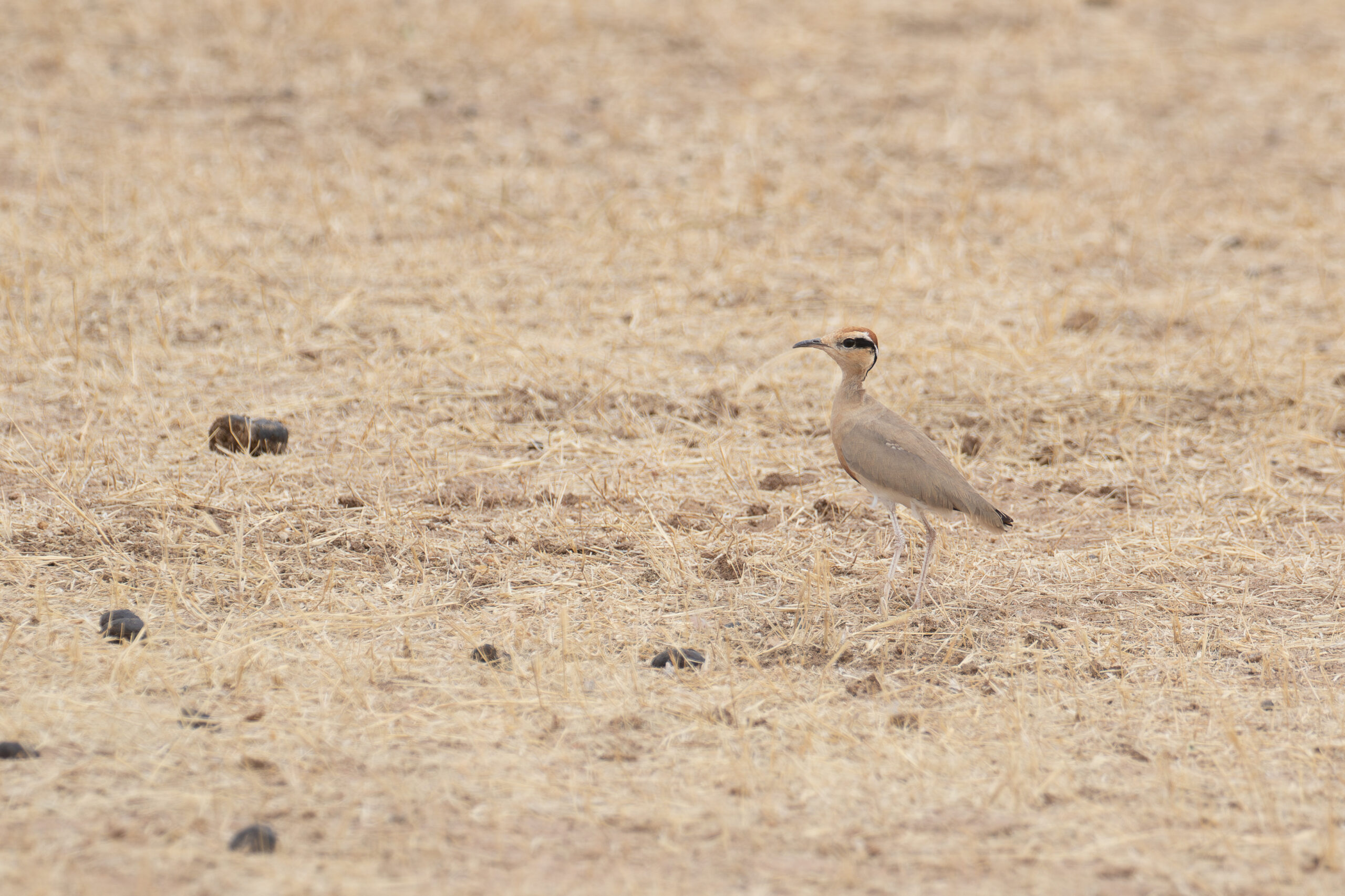
Temminck's Courser (image by Diedert Koppenol)
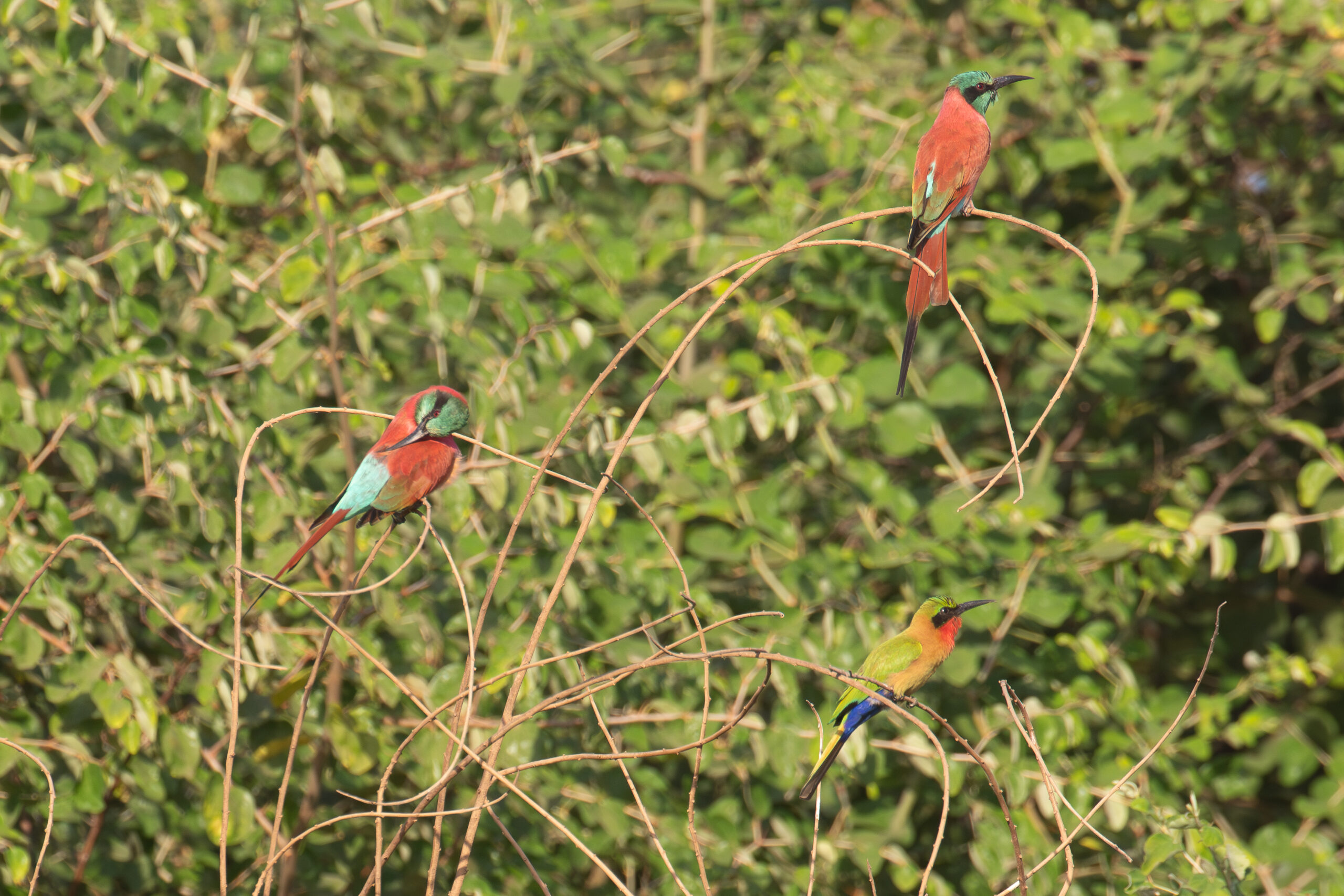
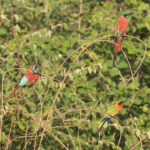
Northern Carmine Bee-eaters, with Red-throated Bee-eater (image by Diedert Koppenol)
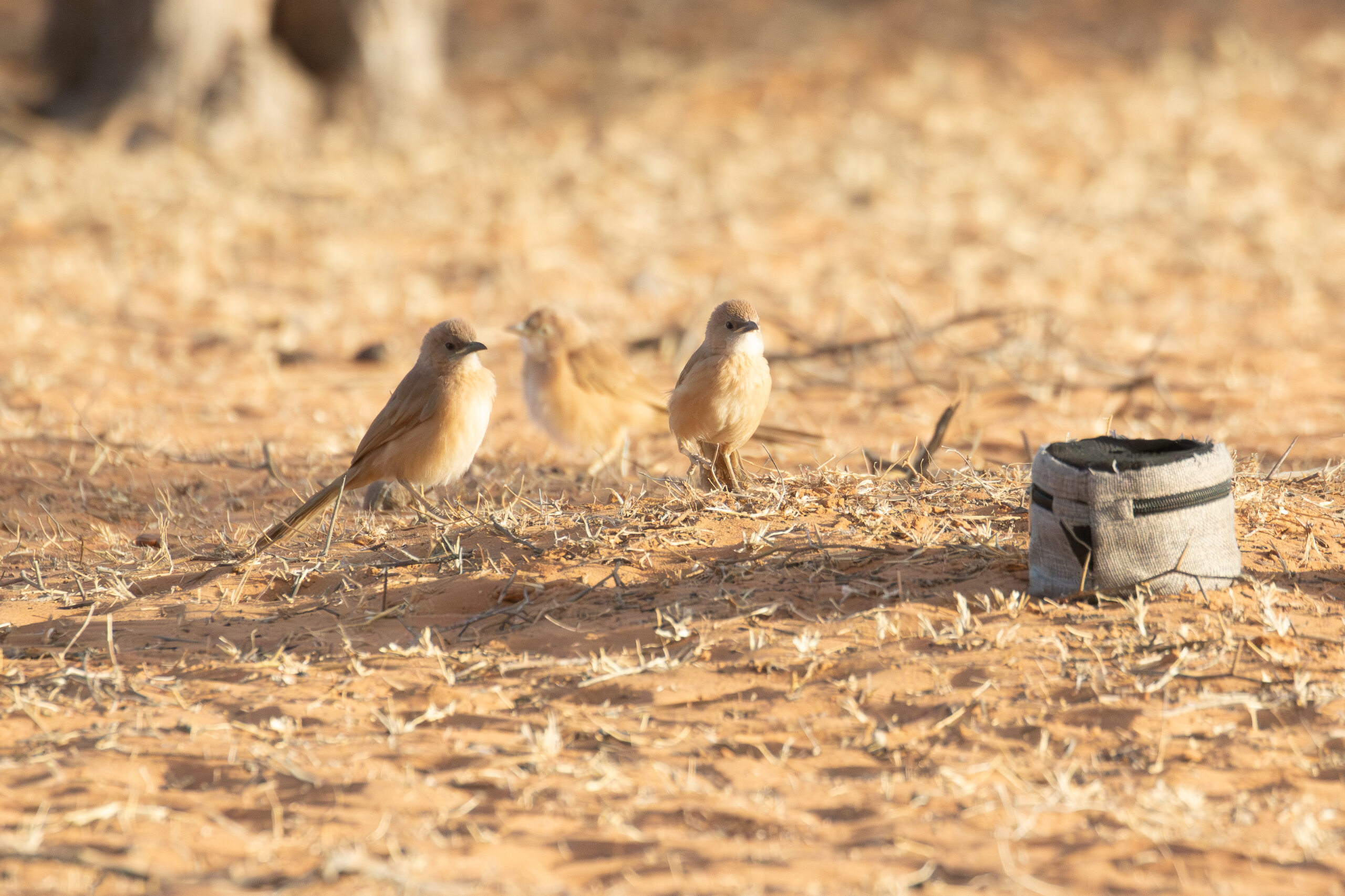
Fulvous Babblers (image by Diedert Koppenol)
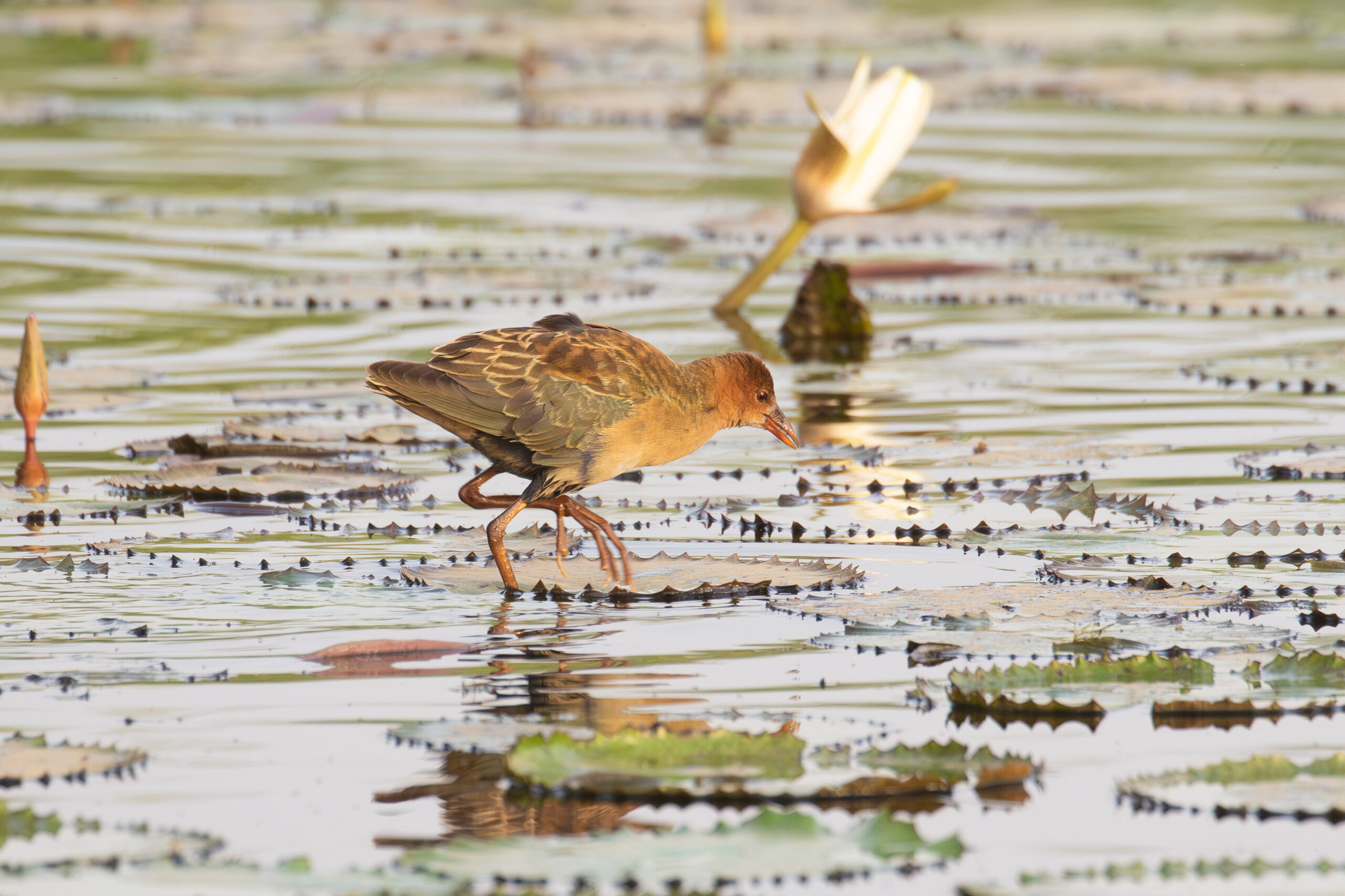
juvenile Allen's Gallinule (image by Diedert Koppenol)
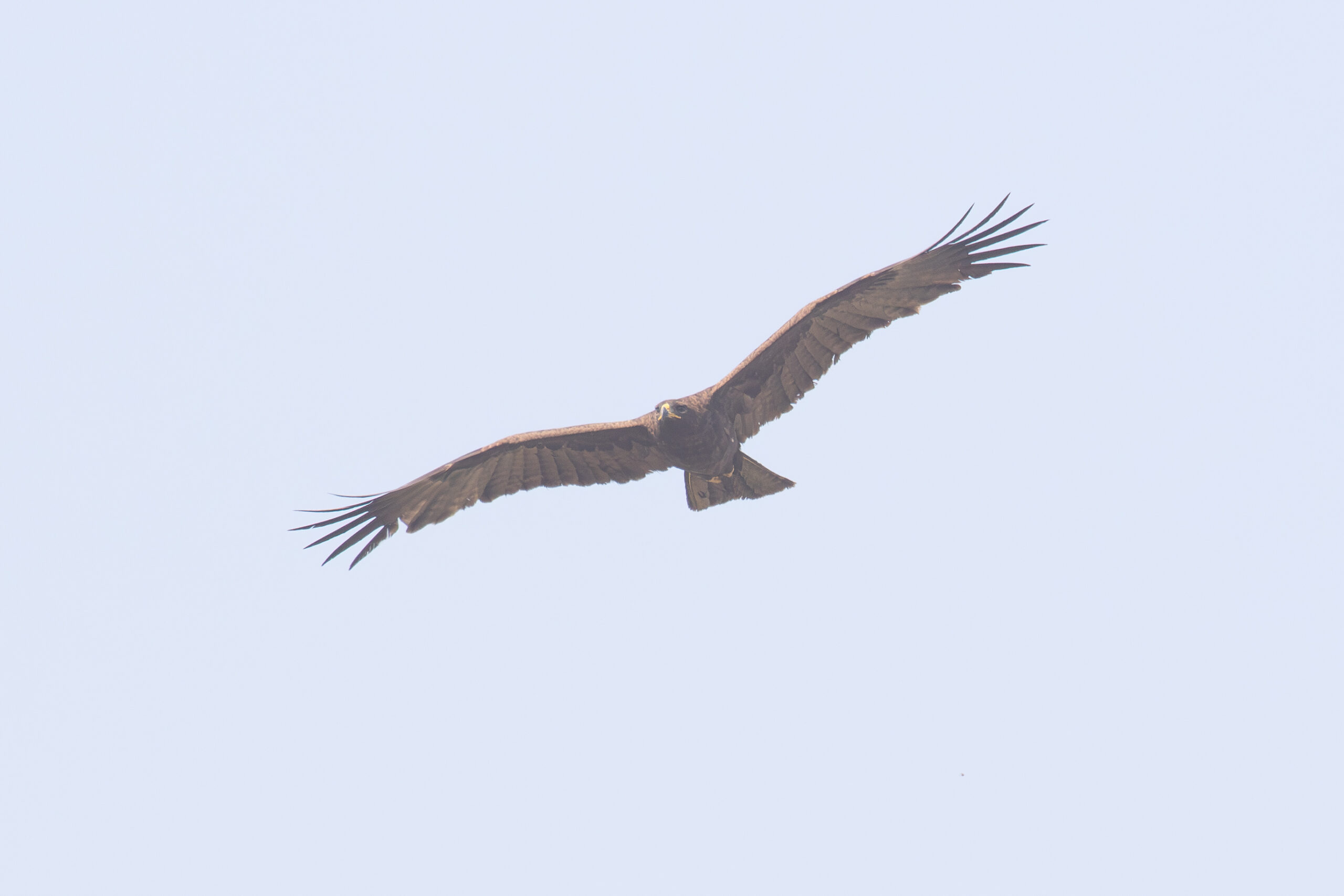
Wahlberg's Eagle (image by Diedert Koppenol)
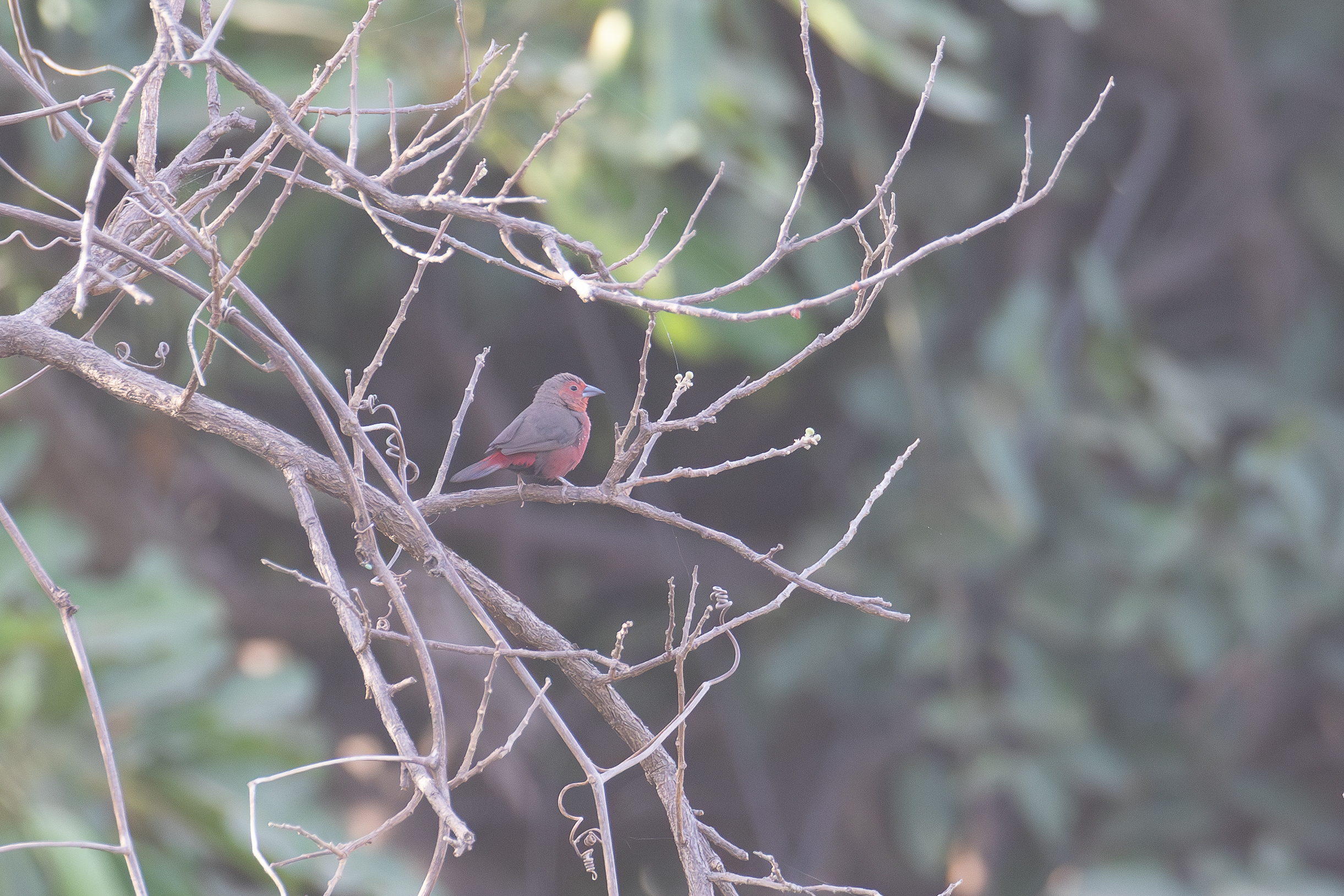
Mali Firefinch (image by Diedert Koppenol)
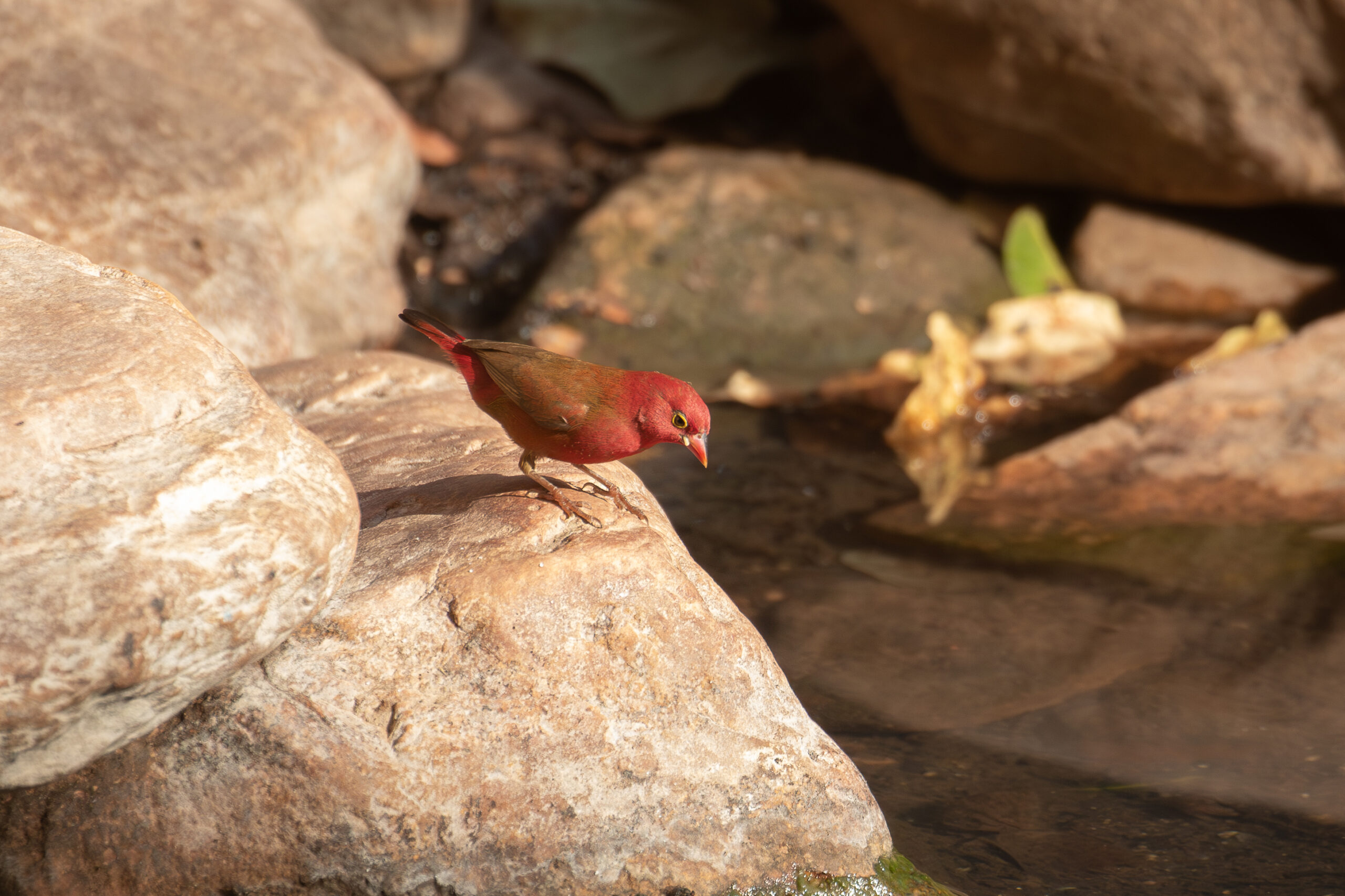
Red-billed Firefinch (image by Diedert Koppenol)
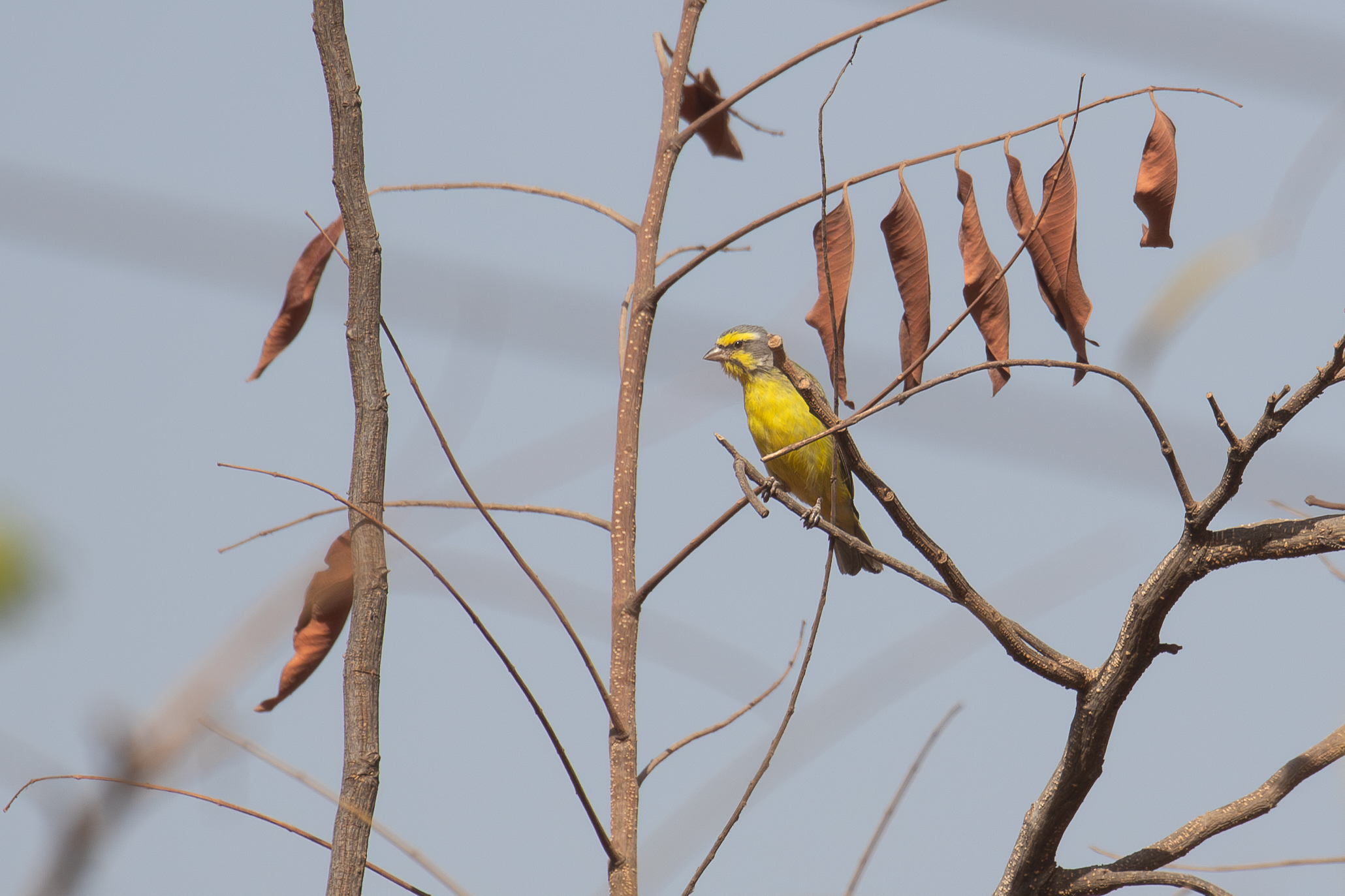
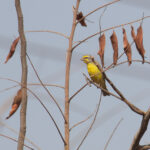
Yellow-fronted Canary (image by Diedert Koppenol)
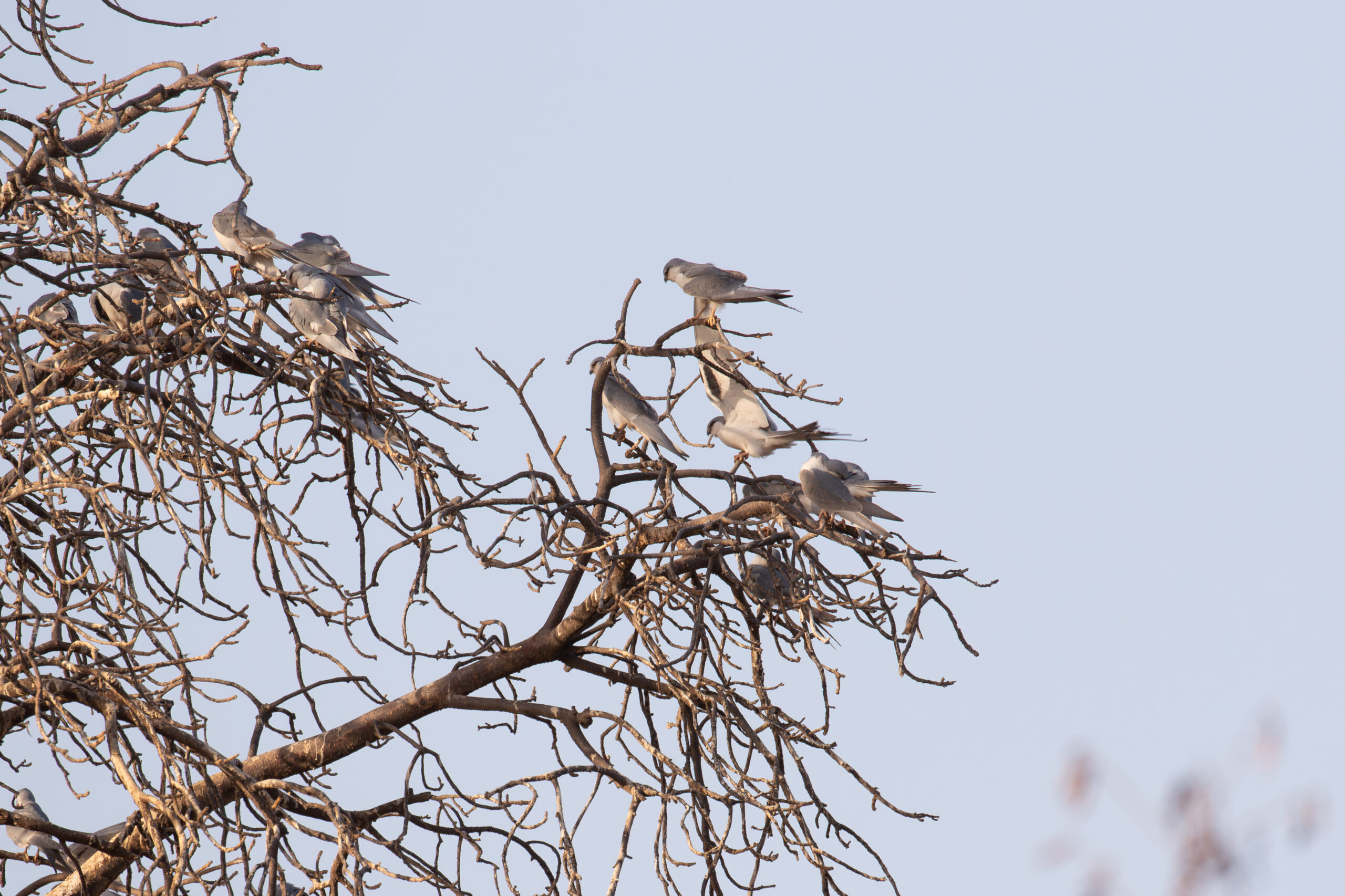
African Scissor-tailed Kites (image by Diedert Koppenol)
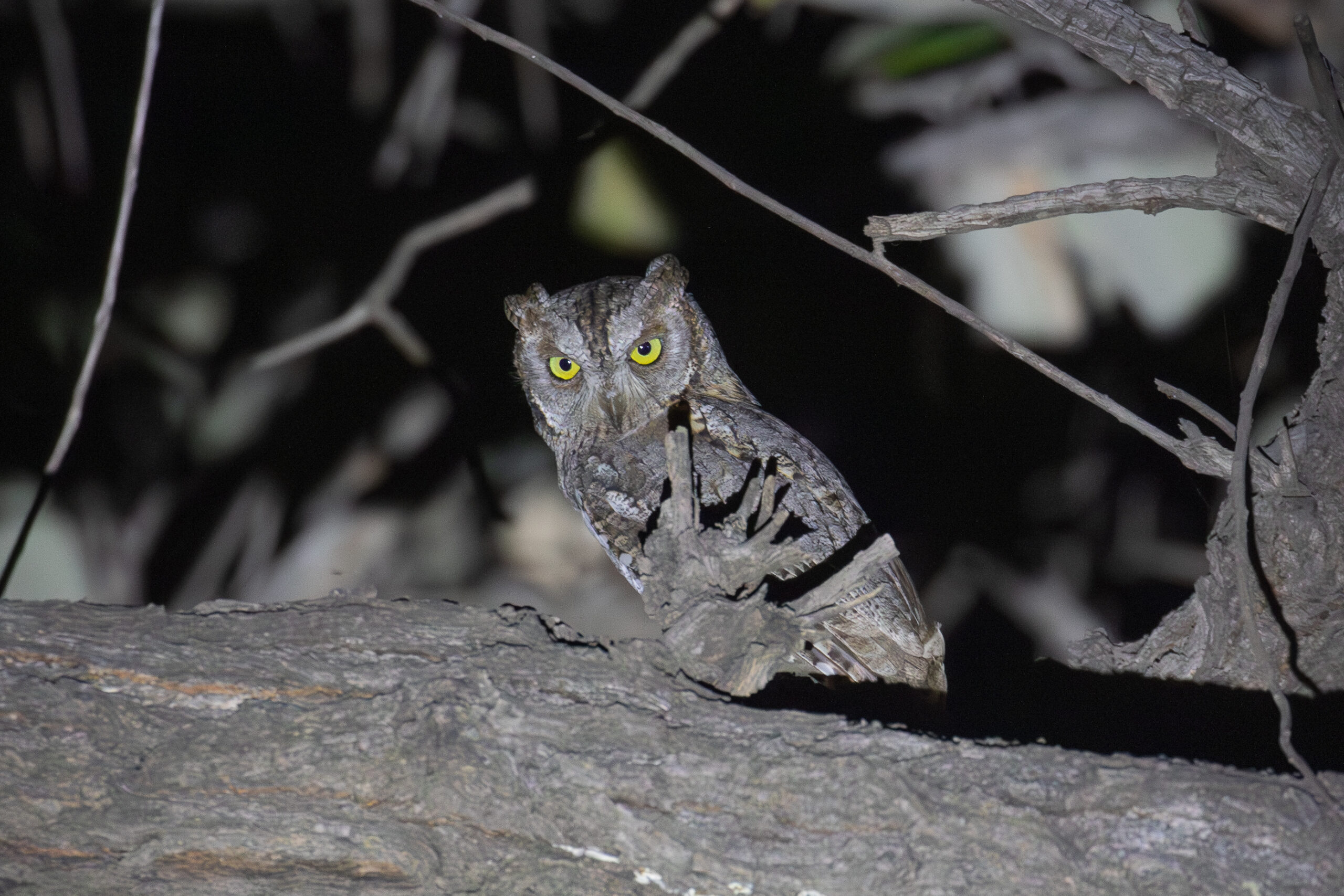
African Scops Owl (image by Diedert Koppenol)
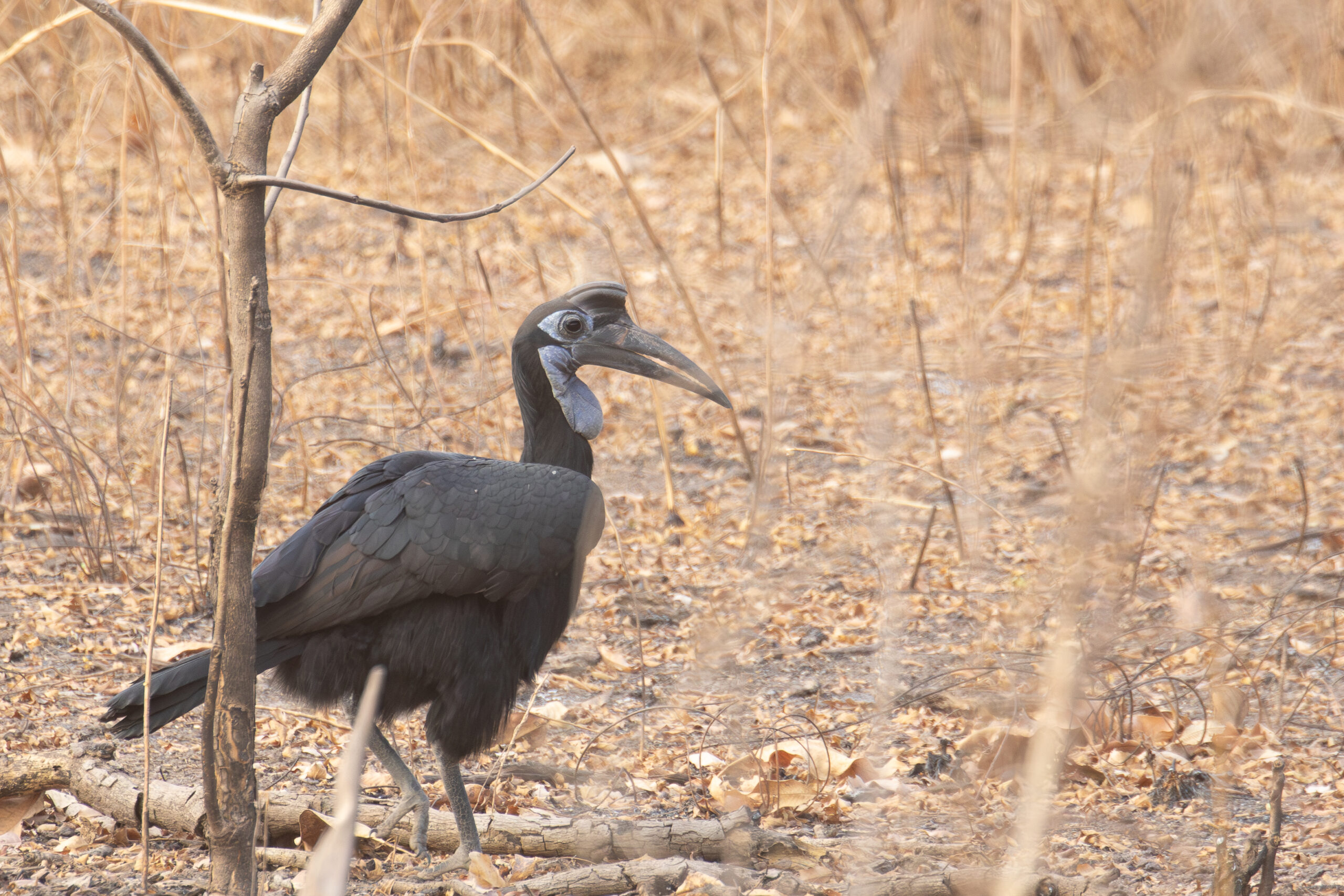
female Abyssinian Ground Hornbill (image by Diedert Koppenol)
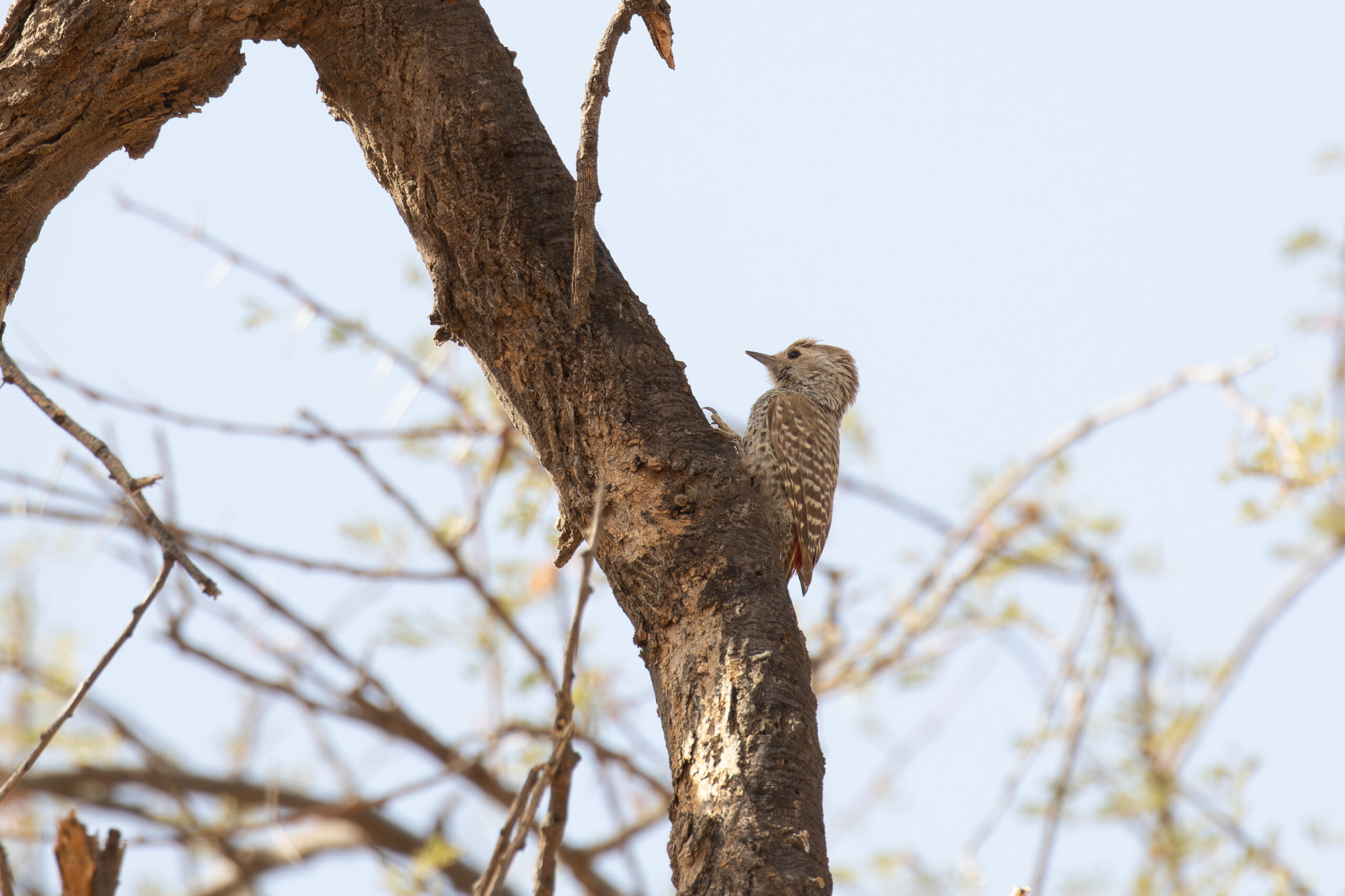
Little Grey Woodpecker (image by Diedert Koppenol)
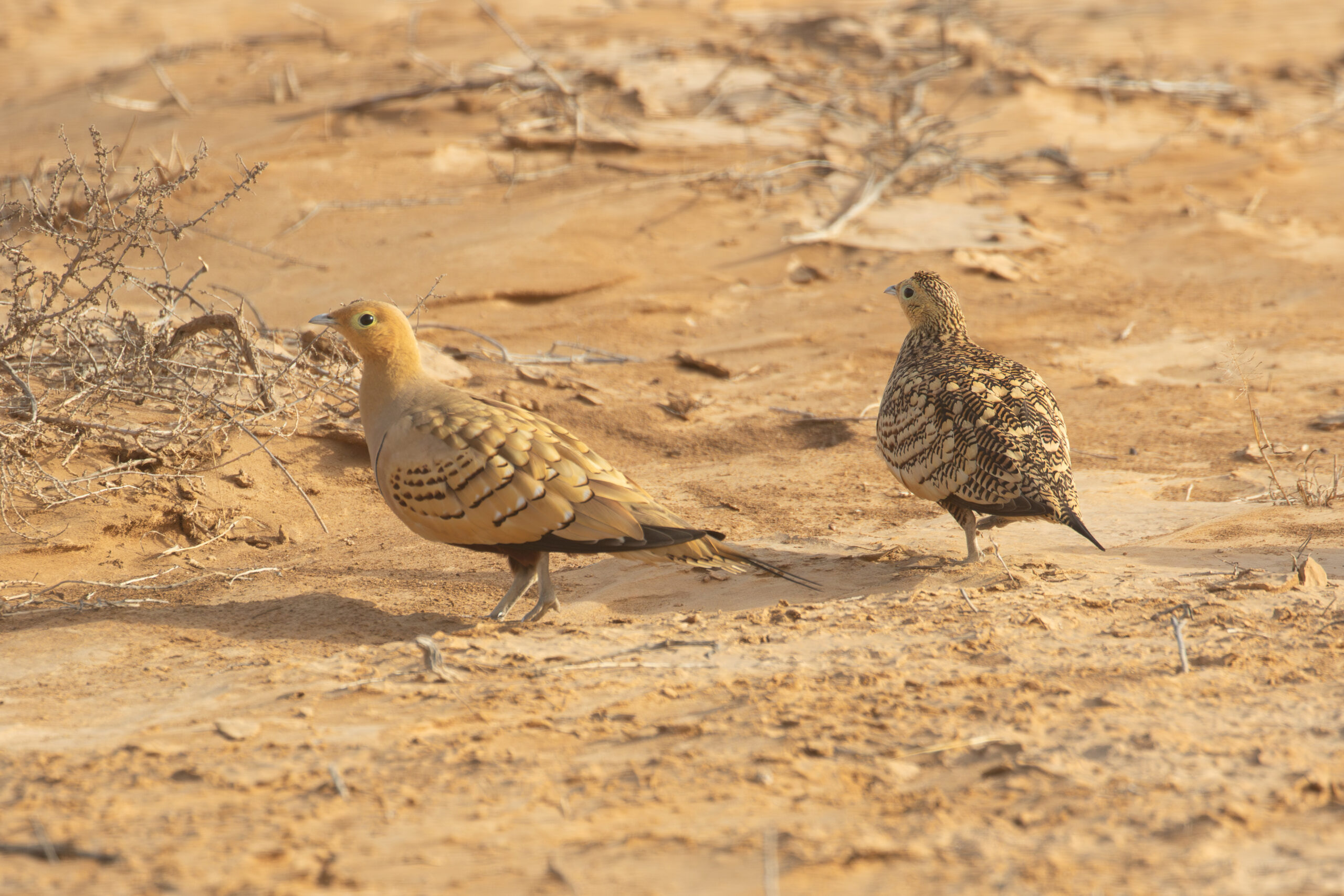
Chestnut-bellied Sandgrouse (image by Diedert Koppenol)
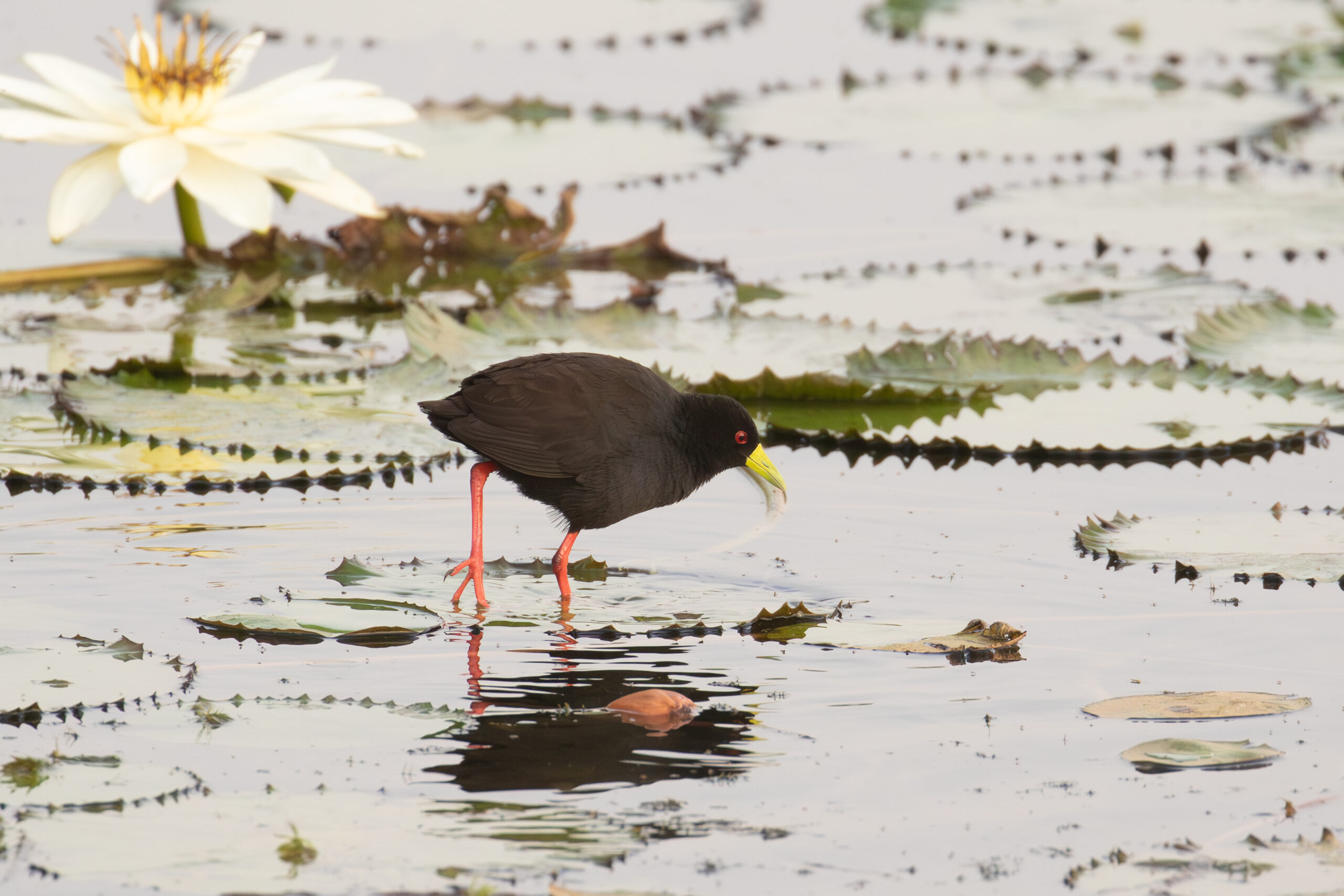
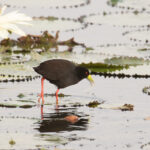
Black Crake (image by Diedert Koppenol)
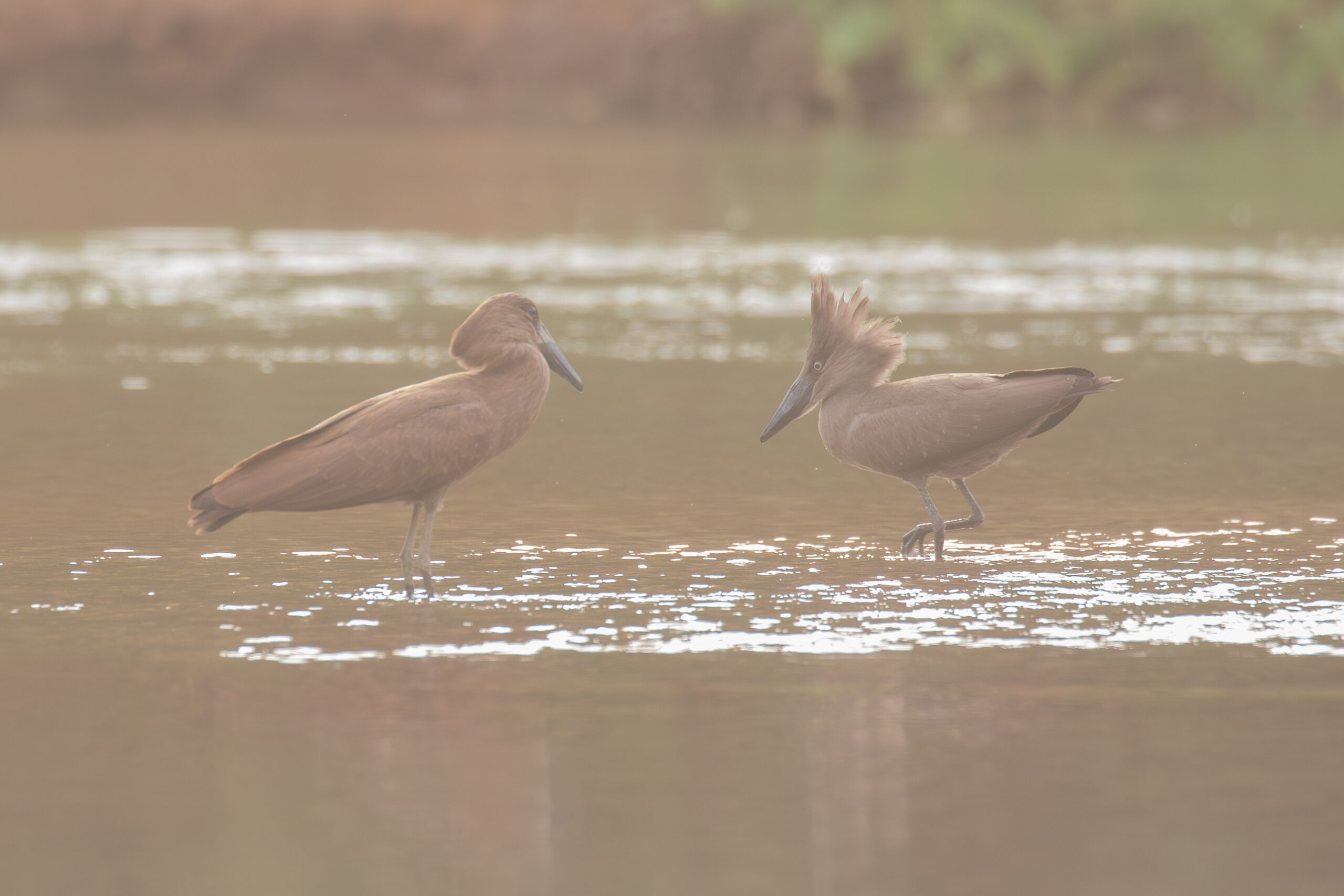
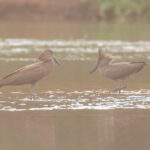
Hamerkops (image by Diedert Koppenol)
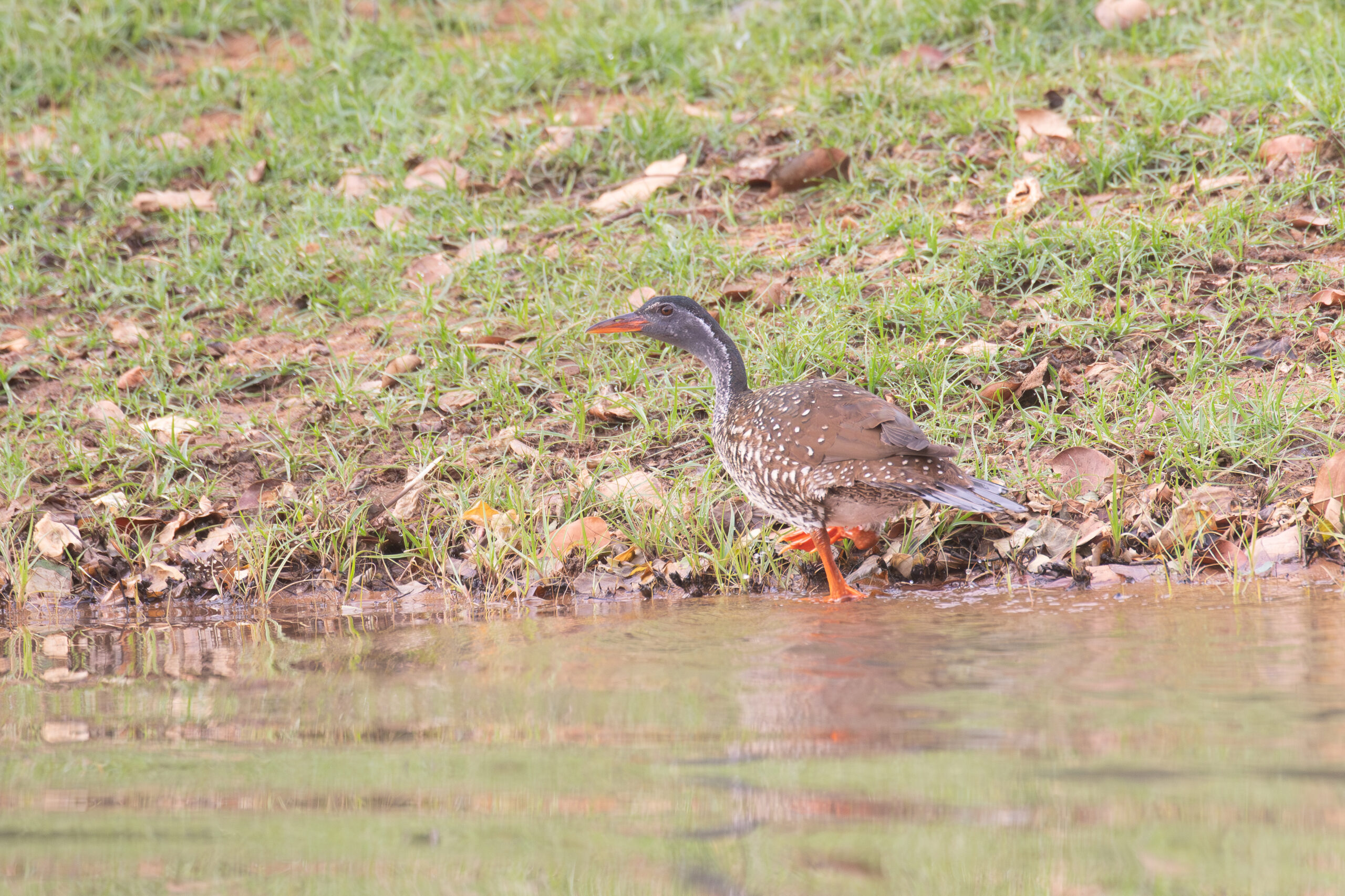
male African Finfoot (image by Diedert Koppenol)
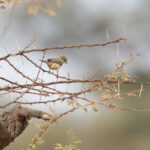
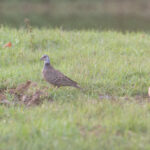
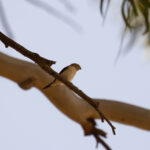
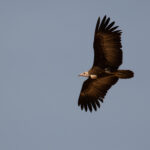
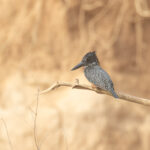
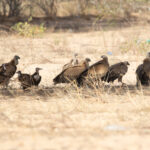
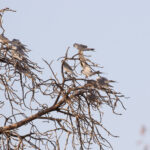


White-backed, Rüppell's, Hooded en Eurasian Griffon Vultures (image by Diedert Koppenol)
Adamawa Turtle Dove (image by Diedert Koppenol)
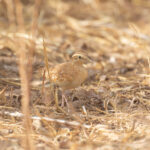
Temminck's Courser (image by Diedert Koppenol)
Northern White-faced Owl (image by Diedert Koppenol)
Fulvous Babblers (image by Diedert Koppenol)
Allen's Gallinule (image by Diedert Koppenol)
Fine-spotted Woodpecker (image by Diedert Koppenol)
Neumann's Starling (image by Diedert Koppenol)
Sennar Penduline Tit (image by Diedert Koppenol)
Adamawa Turtle Doves (image by Diedert Koppenol)
African Silverbill (image by Diedert Koppenol)
African Scissor-tailed Kite (image by Diedert Koppenol)
male Abyssinian Ground Hornbill (image by Diedert Koppenol)
Savile's Bustard (image by Diedert Koppenol)
Mali Firefinch (image by Diedert Koppenol)
Egyptian Plovers (image by Diedert Koppenol)
Cricket Warbler (image by Diedert Koppenol)
Long-tailed Nightjar (image by Diedert Koppenol)
Quail-plover (image by Diedert Koppenol)
White-crowned Robin-Chat (image by Diedert Koppenol)
African Scissor-tailed Kite (image by Diedert Koppenol)
African Jacana (image by Diedert Koppenol)
White-crested Tiger Heron (image by Diedert Koppenol)
Quail-plover (image by Diedert Koppenol)
Hooded Vulture (image by Diedert Koppenol)
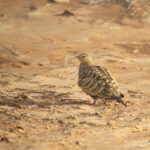
female Chestnut-bellied Sandgrouse (image by Diedert Koppenol)
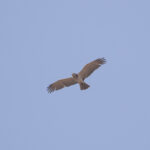
Beaudouin's Snake Eagle (image by Diedert Koppenol)
Golden Nightjar (image by Diedert Koppenol)
Pearl-spotted Owlet (image by Diedert Koppenol)
Western Red-billed Hornbill (image by Diedert Koppenol)
male African Finfoot (image by Diedert Koppenol)
Savile's Bustard (image by Diedert Koppenol)
Namaqua Dove (image by Diedert Koppenol)
Egyptian Plover (image by Diedert Koppenol)
Quail-plover (image by Diedert Koppenol)
White-crowned Lapwing (image by Diedert Koppenol)
African Jacana (image by Diedert Koppenol)
African Fish Eagle (image by Diedert Koppenol)
Western Violet-backed Sunbird (image by Diedert Koppenol)
Quail-plover (image by Diedert Koppenol)
Pearl-spotted Owlet (image by Diedert Koppenol)
Giant Kingfisher (image by Diedert Koppenol)
Atlas Wheatear (image by Diedert Koppenol)
White-backed, Rüppell's, Hooded en Eurasian Griffon Vultures (image by Diedert Koppenol)
Adamawa Turtle Dove (image by Diedert Koppenol)
Temminck's Courser (image by Diedert Koppenol)
Northern Carmine Bee-eaters, with Red-throated Bee-eater (image by Diedert Koppenol)
Fulvous Babblers (image by Diedert Koppenol)
juvenile Allen's Gallinule (image by Diedert Koppenol)
Wahlberg's Eagle (image by Diedert Koppenol)
Mali Firefinch (image by Diedert Koppenol)
Red-billed Firefinch (image by Diedert Koppenol)
Yellow-fronted Canary (image by Diedert Koppenol)
African Scissor-tailed Kites (image by Diedert Koppenol)
African Scops Owl (image by Diedert Koppenol)
female Abyssinian Ground Hornbill (image by Diedert Koppenol)
Little Grey Woodpecker (image by Diedert Koppenol)
Chestnut-bellied Sandgrouse (image by Diedert Koppenol)
Black Crake (image by Diedert Koppenol)
Hamerkops (image by Diedert Koppenol)
male African Finfoot (image by Diedert Koppenol)


SENEGAL TOUR REPORT 2025

29 January - 14 February 2025
Diedert Koppenol
Our ninth Senegal ‘only’ tour (earlier tours combining with either The Gambia or Cape Verde) continued the run of success we have previously enjoyed and even further establishes the country as perhaps thé premier West African birding destination for those wishing to see some very special Sahelian endemics. Senegal is less than six hours away from Brussels or Paris by plane and a popular destination with Europeans trying to escape the miserable winter weather in search of sun, sea and sand. For the birdwatcher Senegal holds an impressive number of specialties, most of which are relatively easy to see in this comfortable and trouble-free country. The two most-wanted birds for our group were probably the truly enigmatic Quail-plover and the beautiful Golden Nightjar both of which surrendered to our quest and allowed amazing closeup views. For the Golden Nightjar we headed up to the northern border of the country with Mauritania where we found up to two birds at dusk illuminated by the torch beam. The tiny Quail-plover rose up from under our feet after about an hour searching and we were able to relocate it multiple times, allowing prolonged, walk-away views. Also, in the far north we hunted out Little Grey Woodpecker and Sennar Penduline Tit as well as the exquisite little Cricket Warbler. Horus Swifts (a recently discovered new bird for the country) were seen at a small colony and a visit to the Djoudj National Park with its numerous waterfowl and flamingos astounded us and had a great time with the Black Crowned Cranes. The unassuming River Prinia, colourful Allen’s Gallinule and secretive Savile’s Bustard were also found whilst in the area as well as the rare Lesser Jacana, of which we found four in total (two had already been present, apparently)! In the south-east of the country, we easily found small numbers of Mali Firefinch and Neumann’s Starlings, with another highlight being the Wilcock’s Honeyguide, back in its favourite tree this year. A fine supporting cast in the area included Fox Kestrel and Sun Lark. A stay at Wassadou along the Gambie River on the edge of Niokolo Koba National Park allowed fine views of the sublime Egyptian Plover as well as Adamawa Turtle Dove, the bizarre Oriole Warbler and African Finfoot whilst a pair of nesting Verreaux’s Eagle-Owl was very entertaining. Red-winged Pytilia’s were also surprisingly easy this year and a great addition to our list was finding a White-backed Night Heron roosting. Finally, we visited the incredible Scissor-tailed Kite roost on Kousmar Island near Kaolack followed by a stay in the Saloum Delta where we had a breeze finding several superb White-crested Tiger Herons, along with several West African Crested Terns right behind the boat. Other notable or restricted range species seen during our amazing tour included; Marbled Duck, Stone Partridge, Double-spurred Spurfowl, Standard-winged Nightjar, Violet Turaco, Four-banded Sandgrouse, Bruce’s Green Pigeon, Beaudouin’s Snake Eagle, Grasshopper Buzzard, Western Red-billed Hornbill, Blue-bellied Roller, African Green Bee-eater, Vieillot’s and Bearded Barbets, Fine-spotted Woodpecker, Yellow-crowned Gonolek, African Red-rumped Swallow, Oriole Warbler, Fulvous Babbler, Chestnut-bellied Starling, White-crowned Robin-Chat, Atlas Wheatear, Pygmy Sunbird, Sudan Golden Sparrow, Iberian Chiffchaff, Lavender Waxbill, Sahel Paradise Whydah, White-rumped Seedeater and Gosling’s Bunting.
Our tour began in Dakar arriving at the trouble-free airport in the evening and were transported swiftly along a new highway to a small hotel in Thiès some thirty minutes away for a short night’s sleep. Despite a false start the following morning, which caused some delay, we were soon off to Podor, where we would stay the next three nights. It would be a long drive, but we made the most out of it. The other-worldly, flat Sahelian landscape cannot really be described as ‘pretty’ or ‘beautiful’ and a steadily increasing layer of plastic detritus seems to be coating the land. However, the street life and culture are certainly fascinating to watch and there is always something to look at although the innumerable shreds of black plastic bags caught on vegetation are what most often catches the eye whilst in search of roadside birds! The crazy stick nests of White-billed Buffalo Weavers loaded onto the bare skeletal Baobab limbs were a natural feature of the scenery and our first Western Red-billed Hornbills were seen alongside spectacular Long-tailed and Chestnut-bellied Starlings whilst other commonplace species regularly spotted along the way included beautiful Abyssinian Rollers, huge numbers of doves and pigeons and of course, ubiquitous Yellow-billed Kites and Pied Crows. It didn’t take long before we found our first large gather of vultures, feeding on the frequent roadside casualties. We stopped when we saw a huge Lappet-faced Vulture gliding in and we watched a real wake of vultures that also included Hooded, White-backed, Rüppell’s and Griffon Vultures, still their hunger.
As we passed the historic town of Saint-Louis located on the Senegal River, we noted large numbers of waterbirds but these would have to wait until our return as our final destination today was further east. However, we did stop for a delicious fish lunch at a hotel by the banks of the Senegal River in the historic town of Richard Toll and gazed over the river to get a few species onto our Mauritanian list! The word ‘Toll’ means ‘garden’ in the Wolof language and is named after experimental agricultural gardens laid out by Claude Richard for the Chateau de Baron Roger in the 1820’s. Immediately after lunch we birded an area on the outskirts of town where the diminutive Sennar Penduline Tit was quickly discovered, which was a nice Sahel target of the list. Large flocks of small birds in this region often proved to be Sudan Golden Sparrows which held many decently plumaged male birds. Senegal is a wintering ground for a number of Palearctic migrants and in particular featured Western Bonelli’s, Western Olivaceous, Western Orphean and Western Subalpine Warblers all of which were seen whilst birding the far north. From here we completed the drive to Podor and arrived at the nightjar site in the afternoon where we saw our only European Turtle Dove of the tour. That gives one reason to fear something is terribly wrong, but perhaps the migration route had changed a bit this year… We began a walk into the scrub to see if we could find a Golden Nightjar before dark but were not successful. As soon as it became dark, we did get great views of a single male, illuminated by the torch beam.
It was another sunny day as we headed out the following morning to an area near Podor where we set out across the sparsely vegetated sandy wastes. No sooner had we arrived at our destination than a family group of Fulvous Babblers put in an appearance as they ran or flew towards us, low to the ground on stiff, whirring wings and happily flaunted themselves in front of us. Neither did it take us long to find our next target, the delightful Cricket Warbler and we had close views of several birds as they foraged in the sparse vegetation wiggling their long tails. The characterful Black Scrub Robin flaunted itself but rarely allowed very close approach. A nice pair of Little Grey Woodpeckers (a Sahelian specialty) was a great find, whilst several Great Grey Shrikes of the race elegans and senator Woodchat Shrikes were dotted around. Our first African Collared Doves were seen and other goodies included large numbers of Black-crowned Sparrow-Larks, our first Dark Chanting Goshawk perched atop the acacias and a nice male Atlas Wheatear. Nearby, we visited a site where Horus Swifts (a recently discovered ‘new’ species for Senegal) have been found breeding. We were pleased to find them still at home alongside Little Swifts in the cliffs overhanging the river where attractive African Green and Blue-cheeked Bee-eaters also put up a good show. A Vieillot’s Barbet welcomed us back for lunch and in the afternoon we returned to the same areas where a Black Scimitarbil amongst the Green Wood Hoopoes, our first Brubru, several more African Grey and Little Grey Woodpeckers were found, and of course we went for seconds with the Golden Nightjar. This time, we had a nice pair showing well in the torch light.
After our stay at Podor we headed back westwards and our morning birding in the Richard Toll area produced a daytime roost of up to 19 Long-tailed Nightjars alongside a male Standard-winged Nightjar, several Spotted and Senegal Thick-knees, whilst African Green Bee-eaters kept flicking in and out of the bushes.Out on the sandy wastes we found small numbers of Chestnut-bellied Sandgrouse and obliging pairs of Temminck’s Courser put on a great show. A Rufous-tailed Scrub Robin, of the local resident subspecies minor was found, while we also added Northern Anteater Chat to our list. After a great morning we celebrated with another superb fish lunch at Richard Toll before continuing westwards. In the afternoon we made our first visit to the Trois Marigots on the outskirts of St Louis. Our aim was to find Savile’s Bustard which appears to be common in the area but habitat loss is threatening the ease with which they can be found. We tracked down a nice pair and although the birds were very shy and wary, we all had great views of this Sahel specialty. Marigots are side streams or tributary rivulets whose water levels are often seasonal and here they are surrounded by tamarisk and tall stands of phragmites. The open waters and inundated flats are home to a wealth of birds and we soon picked out our first River Prinias; a Sahelian specialty that had hidden in plain sight until as recently as 1974 when it was described by Claude Chappuis who noticed the substantially different song of these water-loving prinias. Winding Cisticola didn’t take long to find, but soon we were distracted by the other avifauna. Greater Swamp Warblers making their guttural cries, skulked in the reeds but allowed views whilst Black Crakes scattered everywhere, ‘Iberian’ Yellow Wagtails and African Swamphens were common. A very nice surprise discovery were the four Lesser Jacanas that were actively foraging. They gave amazing views and were a serious distraction from the few Allen’s Gallinules that were giving away great views feeding in the reed edge. We came across a large flock of resting Collared Pratincoles, with several Senegal Thick-knees hiding behind them, as Spur-winged and Black-headed Lapwings were wandering amongst them. A single Whiskered Tern was flapping above the marshland, with Little Bee-eaters grabbing insects from perches throughout the marigots area. Senegal Coucals were coucalling everywhere from within the reed. A single Temminck’s Stint was a nice surprise discovery to end the day. As soon as the sun set, we were on our way to our nice accommodation near the Djoudj.
The Djoudj is an important wetland staging post and wintering area for migratory birds that lies in the Senegal delta. As we drove along the dirt roads Crested Larks scattered everywhere from the open wastes and dry fields that were dissected by waterways and flooded land. Arriving at the park entrance we found that this fantastic wetland area was absolutely heaving with birds. Whirling flocks of ducks and Great White Pelicans filled the distant skies along with Greater and Lesser Flamingos, herons, storks, ibises and wildfowl that included vast numbers of White-faced Whistling Duck mixed with smaller numbers of Fulvous Whistling Ducks alongside rafts of Palearctic migrant Garganey, Northern Shoveler and Northern Pintail. Along the main road through the park, we made sure that we had good looks at the interesting moptanus race of African Stonechat that frequents the tamarisk bushes along the margins of the lagoons and Iberian Chiffchaffs were tentatively identified. Mammals featured well here too, with a Warthog mother scurrying around with its piglet, and an African Golden Wolf showing itself amazingly well, right next to the road! We drove across the barren flats, looking for Arabian Bustard. Sadly, we found no trace of this species, but had a great time at the lake’s edge, enjoying the enormous flocks of wildfowl, with two Yellow-billed Storks flying overhead and a total of six Marbled Teals flying past being the species-specific highlights. The park is well-known for its huge breeding colony of Great White Pelicans and a boat trip into the heart of the area was an absolutely unforgettable experience. The young were quite well grown by this time of year and the frenzied flapping and exercising of the wings of birds, eager to fly whipped up the guano and dust into the air so that the stench of fish and ammonia was quite overpowering but the sights and sounds were indeed something to see. Flotillas of fishing adults diving in unison were wondrous to behold and the whole experience was simply awesome! To add to this of course there was a fine selection of other birds to be seen along the reedy margins of the waterway where majestic African Fish Eagles perched up and close looks were obtained of African Darter and Reed and White-breasted Cormorants whilst Whiskered and Caspian Terns followed our boat. We added several other key birds here, including a single African Spoonbill nice and close next to the boat, a pair of Knob-billed Ducks and a single Spur-winged Goose. In the afternoon, we drove across the flats again, but didn’t add much new in the form of new species.
We spent the following morning combining birds and ‘culture’ by visiting the historical town of Saint-Louis which was once not only the capital of Senegal but also of the whole of French West Africa and is built on a sandy spit battered by the Atlantic Ocean. It is a bustling fishing town connected to the mainland by the distinctive arches of the historical Faidherbe Bridge and like most towns in Senegal is coated with a layer of plastic detritus! The mudflats and lagoons helped us add to our wader list whilst we checked every bird to find perhaps something rare. We drove across the famous bridge and onto the island where the decaying colonial buildings hinted at a bygone era of wealth and elegance. Crossing another bridge took us through the fascinating fish market where the colourful boats were hauled up delivering their catch. Our vehicles crawled through the crowds and market places teeming with people coming and going amongst the old colonial buildings and enabled an engrossing fly on the wall look at the bustling life there. Once free of the town where Red-chested Swallows were breeding, we scanned the gulls and terns for something more interesting. Slender-billed and Grey-headed Gulls were plentiful as they breed in the nearby Langue de Barbarie National Park but we also spotted a Yellow-legged Gull of the race atlantis. From the beach itself, we added a handful of Northern Gannets to our list before we headed for lunch. In the afternoon, we went back to Trois Marigots, adding another female Savile’s Bustard to our tally, but nothing new was seen. However, it remains a great area for some afternoon birding, enjoying the large numbers of birds and variety of species here.
The time had come to relocate to a different part of the country but today’s travel day was a highly anticipated event for it was going to be our only real chance to find the truly enigmatic Quail-plover. During the course of the morning, we traversed many miles through prime territory for vultures and came across a few small gatherings. We added our first Double-spurred Francolins to the list en route, and made a stop at a waterhole, where we did some nice birding in the heat of the day. We watched thirsty birds coming to drink and enjoyed good views of a flock of swallows coming in for a drink, with at least one Mosque Swallow amongst the group. A migrant Short-toed Snake Eagle was perhaps looking for a nice meal and a Black-crowned Tchagra was a nice find. We added two Sennar Penduline Tits to our tally too and checking every small flock of passerines paid off with two Cut-throat Finches showing very well. It wasn’t until after lunch that we reached prime habitat for the aforementioned Quail-plover and we set off in a regimented line under the blistering afternoon sun across seemingly never-ending habitat in what felt like a search for the proverbial needle in the haystack. This diminutive bird measures no more than 13 centimetres in length and is cryptically coloured and patterned to the point that it is rarely picked up on the ground before it is flushed. We must have walked for at least about an hour, as our haunt from previous tours had been destroyed by stupid birders driving across the area with cars as they didn’t want to walk… However, we thankfully found at least two birds in the end. They flew up from underneath our feet, something like a cross between a butterfly, grasshopper, a lark and a quail, settling nearby. It took us a bit of maneuvering to get it in view, but soon everyone enjoyed point-blank views of this peculiar little bird. We birded a bit more on our way back to the vehicles, adding Singing Bush Lark, Desert Cisticola and Tawny-flanked Prinia ot our list. We still had quite some ground to cover and only one more stop was allowed when we spotted a few cows crossing the road. The cows weren’t thát interesting, it was the passengers we were interested in. A small flock of Yellow-billed Oxpeckers was making the most of it, enjoying some fresh blood in the afternoon sun. Then it was onwards to Kaolack for an overnight stop where the lagoon by the hotel held huge numbers of Slender-billed Gulls performing their evening ablutions and a very fine spot for a well-deserved sundowner!
The next day the drive was even longer as we headed to Kedougou in the far south-east of the country. We stopped just outside of town to hopefully watch the stream of Lesser Kestrels that winter here, leaving their roost. Sadly, they didn’t use the exact same route this time, so while we did see quite a few Lesser Kestrels, it wasn’t as large a number as hoped for. This wasn’t a dealbreaker though, as we were treated to great views of at least five male Sahel Paradise Whydah in breeding plumage, so including large tail (!), further on during our journey. At the same site, we also connected with our first male Pygmy Sunbird, two Yellow-crowned Gonolek, a few Purple Rollers and en route we found our first group of Piapiacs. We stopped for lunch in Tambacounda and the afternoon was spent driving through the enormous Niokolo Koba National Park to reach Kedougou. It is not allowed to stop and birdwatch in the park without a permit but on the way, we still managed good looks at a pair of Abyssinian Ground Hornbills, a perched Long-crested Eagle and a large group of Helmeted Guineafowl. It was also a good drive for raptors and during the course of the day we had added Brown Snake Eagle, Bateleur, Wahlberg’s Eagle, African Harrier-Hawkl and Red-necked Falcon to the list.
The aim of the following morning our target was to find Mali Firefinch and we headed for an area with an escarpment that is not only a good place for the finch, but is usually quite birdy. Double-spurred Spurfowls were seen en route, along with a plethora of raptors, including Lizard Buzzard, Shikra, African Hawk-Eagle, Gabar Goshawk, Lanner Falcon and the much-desired Fox Kestrel. En route towards the higher hills that hold Mali Firefinch, we came across a nice band of White-crested Helmetshrikes. Stunning birds and always in a nice flock. This time, the flock had another member in the form of a great male Red-headed Bunting as well! The firefinches weren’t as easy as last year and we had to work quite hard for them, but just as we were about to give up, one showed itself very well! We also added two Black-rumped Waxbills to our tour list while working our way back to the cars. Slowing driving back for lunch, we had our first of many Violet Turacos, whilst the Pearl-spotted Owlet attracted a few angry Yellow-fronted Tinkerbirds, our first Gosling’s Buntings and many Yellow-fronted Canaries. Recent burning of the grasslands had made some habitat for a few African Wattled Lapwings and the Blue-bellied Rollers were still around, doing their famous display. The afternoon was spent in some other areas nearer to Kedougou where we found our target Sun Lark whilst a visit to a rocky outcrop gave us a small flock of the desirable Neumann’s Starling. A Fox Kestrel flew past overhead, two more Mali Firefinches were present in the shrubbery here and we saw many Brown and Black-capped Babblers.
The next day we headed along rough roads down towards the border with Guinea and the area around Dindefelo situated in the foothills of the Fouta Djallon mountains. From the open Sahel of the north, we had now arrived in the wooded Sudanian-Guinea savannas and as a result there was quite a difference in the avifauna. We started in the darkness and as the dawn broke, the dry bush came alive. We stopped to enjoy some ‘rolling’ Blue-bellied Rollers and found two perched Grasshopper Buzzards, a nice bonus, before continuing to the end of the road where we prepared for the 1.5 km walk to the cascades that tumble down the high, craggy cliffs. The walk was mainly completed undercover and it was refreshingly cooler in the shade of the lush vegetation. The area was kept moist by a rushing stream that often attracts the washerwomen from the village so that many of the available branches were bedecked with drying laundry but today they were mostly absent. In this place Blackcap and Brown Babblers squabbled from the tangles, with a Moustached Grass Warbler foraging on the floor, and thirsty birds came to drink finding relief from the hot sun. The change of habitat brought a rush of new birds for the trip and included Guinea Turaco, , Red-shouldered Cuckooshrike, African Paradise Flycatcher, African Blue Flycatcher, Red-winged Prinia, Yellow-breasted Apalis, Northern Yellow White-eye, African Thrush, Snowy-crowned Robin-Chat, Familiar Chat, Yellow-rumped Tinkerbird, Chestnut-crowned Sparrow-Weaver, Lavender Waxbill, Western Violet-backed and Green-headed Sunbird and Olive-naped Weavers. The Willcock’s Honeyguide was back at its favourite tree again this year, interestingly enough, as it was absent last year. At the end of the track we enjoyed the beautiful waterfall and some managed to obtain views of a few Red-throated Rock Martins flying above the fall. Sadly, Blue-spotted Wood Dove remained a heard-only, but we did manage to track down an obliging Narina Trogon this year, and added three more Mali Firefinches to our total. We stayed until after lunch at a small campement and afterwards we made our way slowly back to the accommodation.
Our time in the Kedougou area was drawing to a close but one last early morning visit to some productive bush added a Fine-spotted Woodpecker, a few Blue-breasted Kingfishers and a family of Sun Larks. It was then time to retrace our steps for our next stay at Campement de Wassadou on the edge of Niokolo Koba National Park, a lodge picturesquely placed overlooking the River Gambie. En route, we added quite a few more raptors, including two Western Banded Snake Eagles, a few more Bateleurs and two more Grasshopper Buzzards. We also had another opportunity to observe the prehistoric Abyssinian Ground Hornbills. On the way the first vehicle managed to see our first Stone Partridges as we drove into the park entrance and we arrived in time for sundowners and settled in to watch over the river as the day drew to a close. We saw our first Hadada Ibises, White-crowned Robin-Chats, a somewhat distant Palm-nut Vulture and we picked up a great White-backed Night Heron as it flew across the river to its roost.
We had two full days to explore the area around the camp and our activities involved scanning from the watchpoint, walking in the surrounding bush and exploring the river. The small boat only took a few people at a time so we took it in turns to cruise up and down the river during the course of our stay. The birds along the river seemed oblivious to the engine noise which meant that we were able to get up close to the sublime Egyptian Plover and we gained some intimate views of a number of pairs of these beautifully marked birds. Several African Finfoot were seen both during our mini cruises and from terra firma as were small numbers of the localised Adamawa Turtle Dove. As was to be expected kingfishers were a feature of the waterways and as well as the commonplace Malachite and Pied Kingfishers we noted Grey-headed, Blue-breasted and Giant Kingfishers. Numerous Red-throated Bee-eaters were busy at their nests in the sandy banks of the river and other waterside birds included White-crowned, Spur-winged and African Wattled Lapwings, Hadada Ibis, Striated Heron, Swamp Flycatcher, Red-winged Pytilia, Orange-cheeked Waxbill, Oriole Warbler and African Pied Wagtail. Bush walks produced Fine-spotted Woodpecker, Orange-cheeked Waxbill, Grey Tit-Flycatcher, Brown-throated Wattle-eye, Bruce’s Green Pigeon and a pair of Verreaux’s Eagle-Owls had decided to nest just across from the camp, allowing great scope views. Northern Carmine Bee-eaters were seen from the boats in the afternoons and performed ‘murmuration’ flights over the roost areas at dusk whilst at night we saw a fantastic Northern White-faced Owl and the little African Scops Owl.
It was a long, fairly uneventful drive back to Kaolack but we did stop en route to add Lesser Blue-eared Starling to our list. A little further on we arrived at a small village where we met up with a boatman who was willing to ferry us across to Kousmar Island in the delta which has become famous as the site that has hosted up to 28,000 wintering Lesser Kestrels and 36,000 Scissor-tailed Kites. We drove out over the dry mud flats as far as we could until we met the river channel that separated us from the island. The transport across was to be by a wooden pirogue and with a bit of effort we soon found ourselves on the island and squelched the remaining distance to the roosting trees. We had arrived in good time but it was a little longer before the first Scissor-tailed Kites were spotted as tiny, white specks high in the skies above us. Gradually more and more were seen wheeling in now joined by some Lesser Kestrels and as the temperature dropped so did the birds. They began to make their descent, with wings folded back, hurtling down to land in the trees around us. Now that the first had taken this bold step more and more joined until the trees were bedecked by kites. Needless to say, the spectacle was awe-inspiring and really could only be appreciated from the island itself so it seemed totally worthy to have made the crossing. As the light faded, we hiked back to the river where the boat was waiting and made our way back to the minibuses as the sun sank below the horizon. We were rather late reaching our hotel that night but the experience had been totally worthwhile.
Our last two full days in Senegal were spent in the Saloum Delta exploring the waterways and surrounding country on foot and by boat and minibus. We started our day with a nice Greyish Eagle-Owl; our sixth owl for the trip! The rest of the morning was spent at Sangako Forest, where we got better views of Stone Partridge for everyone, our first two Beaudouin’s Snake Eagles, one of the few raptors we were still missing, a fleeting Greater Honeyguide that showed well in the end and our first two African Red-rumped Swallows.
Our first boat trip was timed for the afternoon when a falling tide would be in our favour for finding the elusive White-crested Tiger Heron; a species that spends most of its time inside the dense mangrove swamps that line the convoluted waterways of the Saloum Delta. The huge Goliath Heron was found easily, as was the White-crested Tiger Heron this year. It didn’t take us very long and it was a very obliging individual. Much more difficult was the small, mouse-sized Mangrove (or Brown) Sunbird but eventually we all managed to obtain good views. We continued the boat trip further upriver and also had a much easier time with West African Crested Terns this time around, with about ten individuals flying and foraging about.
The following morning, we did another boat trip, during which we visited Sipo Island, but other than two more Beaudouin’s Snake Eagles and quite a few Swallow-tailed Bee-eaters, this didn’t produce any new or noteworthy species. The rest of our time in the region was spent exploring the surrounding bush country. During this time we managed good views of African Golden Oriole, Klaas’s Cuckoo, Variable and Western Violet-backed Sunbirds, Yellow-crowned Gonoleks, more Mosque and West African Swallows and added European Bee-eater and Lesser Honeyguide to the list, but sadly the Yellow Penduline Tit had to remain a leader-only as two birds disappeared as soon as they were located.
Our final morning allowed us to catch up with a few species that had up to now been a bit elusive and at last we managed to get everyone got onto the superb Oriole Warbler and Yellow-throated Leaflove and an African Pygmy Kingfisher was a very welcome bonus, with a single Tree Pipit being a nice addition to our list. Then it was time to pack and head back to the airport near Dakar.
Our West African adventure had finally come to an end and what an experience it had been! This long road trip had taken us through the Sahel, down into the Sudanian-Guinea savannahs and finished on the wide open Saloum estuary and everywhere, from the fishing market in St Louis to the crowds around the Grand Mosque at Touba we had been fascinated by the colourful street life. We had tasted some great Senegalese cuisine, particularly some fine fish and of course the Chicken Yassa! A variety of boat trips had brought us close-up and personal with a number of amazing species such as the delightful Egyptian Plover and charismatic White-crested Tiger Heron and we had seen some of the most iconic of the Sahelian birds including the highly desirable Golden Nightjar, Quail-plover and Cricket Warbler. We had witnessed some spectacular bird behaviour with the enormous coordinated wheeling flocks of wildfowl, queleas and bishops to the grace of the Scissor-tailed Kite roost in the Saloum. Senegal is a West African gem and surely set to become a classic destination. On behalf of the entire group I would like to extend a very special thanks to our great local guide Carlos, and to Modou and Issa, the best drivers Senegal has to offer!
BIRDS OF THE TOUR
1st: Golden Nightjar
2nd: African Scissor-tailed Kite
3rd: White-crested Tiger Heron
4th: Egyptian Plover
5th: Quail-plover & Lesser Jacana
SYSTEMATIC LIST OF SPECIES RECORDED DURING THE TOUR
Species marked with the diamond symbol (◊) are either endemic to the country or local region or considered ‘special’ birds for some other reason (e.g., it is only seen on one or two Birdquest tours; it is difficult to see across all or most of its range; the local form is endemic or restricted-range and may in future be treated as a full species).
The species names and taxonomy used in the bird list follows Gill, F., Donsker, D., & Rasmussen, P.(Eds). 2024. IOC World Bird List (v14.2).
Where the subspecies seen is/are known, these are often given in parentheses at the end of the species comment.
BIRDS
White-faced Whistling Duck Dendrocygna viduata
Fulvous Whistling Duck Dendrocygna bicolor
Spur-winged Goose Plectropterus gambensis
Knob-billed Duck Sarkidiornis melanotos
Egyptian Goose Alopochen aegyptiaca
African Pygmy Goose Nettapus auritus
Northern Shoveler Spatula clypeata
Northern Pintail Anas acuta
Marbled Duck ◊ Marmaronetta angustirostris
Helmeted Guineafowl Numida meleagris
Stone Partridge ◊ Ptilopachus petrosus
Double-spurred Spurfowl ◊ (D-s Francolin) Pternistis bicalcaratus
Golden Nightjar ◊ Caprimulgus eximius
Long-tailed Nightjar Caprimulgus climacurus
Standard-winged Nightjar ◊ Caprimulgus longipennis
Mottled Spinetail Telacanthura ussheri
African Palm Swift Cypsiurus parvus
Little Swift Apus affinis
Horus Swift Apus horus
Western Plantain-eater (W Grey P-e) Crinifer piscator
Violet Turaco ◊ Tauraco violaceus
Guinea Turaco (Green T) Tauraco persa
Savile’s Bustard ◊ Lophotis savilei
Senegal Coucal Centropus senegalensis
Klaas’s Cuckoo Chrysococcyx klaas
Chestnut-bellied Sandgrouse Pterocles exustus
Rock Dove Columba livia
Speckled Pigeon Columba guinea
European Turtle Dove Streptopelia turtur
Adamawa Turtle Dove ◊ Streptopelia hypopyrrha
African Collared Dove Streptopelia roseogrisea
Mourning Collared Dove (African M D) Streptopelia decipiens
Red-eyed Dove Streptopelia semitorquata
Vinaceous Dove Streptopelia vinacea
Laughing Dove Spilopelia senegalensis
Black-billed Wood Dove Turtur abyssinicus
Blue-spotted Wood Dove Turtur afer Heard-only.
Namaqua Dove Oena capensis
Bruce’s Green Pigeon ◊ Treron waalia
African Finfoot Podica senegalensis
Common Moorhen Gallinula chloropus
Allen’s Gallinule Porphyrio alleni
African Swamphen Porphyrio madagascariensis
Black Crake Zapornia flavirostra
Black Crowned Crane Balearica pavonina
Little Grebe Tachybaptus ruficollis
Greater Flamingo Phoenicopterus roseus
Lesser Flamingo Phoeniconaias minor
Quail-plover ◊ Ortyxelos meiffrenii
Spotted Thick-knee Burhinus capensis
Senegal Thick-knee Burhinus senegalensis
Eurasian Oystercatcher Haematopus ostralegus
Black-winged Stilt Himantopus himantopus
Pied Avocet Recurvirostra avosetta
Grey Plover (Black-bellied P) Pluvialis squatarola
Common Ringed Plover Charadrius hiaticula
Little Ringed Plover Charadrius dubius
Spur-winged Lapwing Vanellus spinosus
Black-headed Lapwing Vanellus tectus
White-crowned Lapwing (W-headed L) Vanellus albiceps
African Wattled Lapwing Vanellus senegallus
Kittlitz’s Plover Anarhynchus pecuarius
Kentish Plover Anarhynchus alexandrinus
Egyptian Plover ◊ Pluvianus aegyptius
Lesser Jacana Microparra capensis
African Jacana Actophilornis africanus
Eurasian Whimbrel Numenius phaeopus
Eurasian Curlew Numenius arquata
Bar-tailed Godwit Limosa lapponica
Black-tailed Godwit Limosa limosa
Common Sandpiper Actitis hypoleucos
Green Sandpiper Tringa ochropus
Marsh Sandpiper Tringa stagnatilis
Wood Sandpiper Tringa glareola
Common Redshank Tringa totanus
Spotted Redshank Tringa erythropus
Common Greenshank Tringa nebularia
Ruddy Turnstone Arenaria interpres
Ruff Calidris pugnax
Curlew Sandpiper Calidris ferruginea
Temminck’s Stint Calidris temminckii
Sanderling Calidris alba
Dunlin Calidris alpina
Little Stint Calidris minuta
Temminck’s Courser Cursorius temminckii
Cream-colored Courser Cursorius cursor
Collared Pratincole Glareola pratincola
Little Tern Sternula albifrons
Gull-billed Tern Gelochelidon nilotica
Caspian Tern Hydroprogne caspia
Whiskered Tern Chlidonias hybrida
Sandwich Tern Thalasseus sandvicensis
West African Crested Tern ◊ (A Royal Tern) Thalasseus albididorsalis
Slender-billed Gull Chroicocephalus genei
Black-headed Gull Chroicocephalus ridibundus
Grey-headed Gull Chroicocephalus cirrocephalus
Lesser Black-backed Gull Larus fuscus
Yellow-billed Stork Mycteria ibis
Black Stork Ciconia nigra
Northern Gannet Morus bassanus
African Darter Anhinga rufa
Reed Cormorant (Long-tailed C) Microcarbo africanus
White-breasted Cormorant Phalacrocorax lucidus
African Sacred Ibis Threskiornis aethiopicus
Hadada Ibis Bostrychia hagedash
Glossy Ibis Plegadis falcinellus
Eurasian Spoonbill Platalea leucorodia
African Spoonbill Platalea alba
White-crested Tiger Heron ◊ Tigriornis leucolopha
Little Bittern Botaurus minutus
Black-crowned Night Heron Nycticorax nycticorax
Black Heron Egretta ardesiaca
Little Egret Egretta garzetta
Western Reef Heron (W R Egret) Egretta gularis
White-backed Night Heron ◊ Calherodius leuconotus
Striated Heron (Green-backed H) Butorides striata
Squacco Heron Ardeola ralloides
Great Egret Ardea alba
Yellow-billed Egret Ardea brachyrhyncha
Western Cattle Egret Ardea ibis
Grey Heron Ardea cinerea
Purple Heron Ardea purpurea
Black-headed Heron Ardea melanocephala
Goliath Heron Ardea goliath
Hamerkop Scopus umbretta
Great White Pelican Pelecanus onocrotalus
Pink-backed Pelican Pelecanus rufescens
Osprey Pandion haliaetus
Black-winged Kite Elanus caeruleus
Scissor-tailed Kite ◊ (African Swallow-t K) Chelictinia riocourii
African Harrier-Hawk Polyboroides typus
Palm-nut Vulture Gypohierax angolensis
Hooded Vulture Necrosyrtes monachus
White-backed Vulture (African W-b V) Gyps africanus
Rüppell’s Vulture Gyps rueppelli
Griffon Vulture (Eurasian G V) Gyps fulvus
Lappet-faced Vulture Torgos tracheliotos
Short-toed Snake Eagle Circaetus gallicus
Beaudouin’s Snake Eagle ◊ Circaetus beaudouini
Brown Snake Eagle Circaetus cinereus
Western Banded Snake Eagle Circaetus cinerascens
Bateleur Terathopius ecaudatus
Long-crested Eagle Lophaetus occipitalis
Wahlberg’s Eagle Hieraaetus wahlbergi
African Hawk-Eagle Aquila spilogaster
Lizard Buzzard Kaupifalco monogrammicus
Gabar Goshawk Micronisus gabar
Dark Chanting Goshawk Melierax metabates
Shikra Tachyspiza badia
Western Marsh Harrier Circus aeruginosus
Black Kite Milvus migrans
Yellow-billed Kite Milvus aegyptius
African Fish Eagle Icthyophaga vocifer
Grasshopper Buzzard ◊ Butastur rufipennis
Pearl-spotted Owlet Glaucidium perlatum
African Scops Owl Otus senegalensis
Northern White-faced Owl Ptilopsis leucotis
Greyish Eagle-Owl Bubo cinerascens
Verreaux’s Eagle-Owl Ketupa lactea
Blue-naped Mousebird Urocolius macrourus
Narina Trogon Apaloderma narina
Eurasian Hoopoe Upupa epops
Green Wood Hoopoe Phoeniculus purpureus
Black Scimitarbill Rhinopomastus aterrimus
Abyssinian Ground Hornbill Bucorvus abyssinicus
Western Red-billed Hornbill ◊ Tockus kempi
African Grey Hornbill Lophoceros nasutus
Purple Roller (Rufous-crowned R) Coracias naevius
Abyssinian Roller Coracias abyssinicus
Blue-bellied Roller ◊ Coracias cyanogaster
Broad-billed Roller Eurystomus glaucurus
Grey-headed Kingfisher Halcyon leucocephala
Striped Kingfisher Halcyon chelicuti
Blue-breasted Kingfisher Halcyon malimbica
African Pygmy Kingfisher Ispidina picta
Malachite Kingfisher Corythornis cristatus
Giant Kingfisher Megaceryle maxima
Pied Kingfisher Ceryle rudis
Swallow-tailed Bee-eater Merops hirundineus
Little Bee-eater Merops pusillus
Red-throated Bee-eater Merops bulocki
African Green Bee-eater ◊ (Little G b-e) Merops viridissimus
Blue-cheeked Bee-eater Merops persicus
Northern Carmine Bee-eater Merops nubicus
Yellow-rumped Tinkerbird Pogoniulus bilineatus
Yellow-fronted Tinkerbird Pogoniulus chrysoconus
Vieillot’s Barbet ◊ Lybius vieilloti
Bearded Barbet ◊ Pogonornis dubius
Willcocks’s Honeyguide ◊ Indicator willcocksi
Greater Honeyguide Indicator indicator
Lesser Honeyguide Indicator minor
Fine-spotted Woodpecker ◊ Campethera punctuligera
Little Grey Woodpecker ◊ (Sahelian W) Dendropicos elachus
Cardinal Woodpecker Dendropicos fuscescens
African Grey Woodpecker (Grey W) Dendropicos goertae
Lesser Kestrel Falco naumanni
Common Kestrel Falco tinnunculus
Fox Kestrel ◊ Falco alopex
Grey Kestrel Falco ardosiaceus
Red-necked Falcon Falco chicquera
Lanner Falcon Falco biarmicus
Senegal Parrot Poicephalus senegalus
Rose-ringed Parakeet (Ring-necked P) Psittacula krameri
Senegal Batis Batis senegalensis
Brown-throated Wattle-eye (Common W-e) Platysteira cyanea
Black-crowned Tchagra Tchagra senegalus
Northern Puffback Dryoscopus gambensis
Yellow-crowned Gonolek ◊ Laniarius barbarus
Brubru Nilaus afer
White-crested Helmetshrike (White H) Prionops plumatus
Red-shouldered Cuckooshrike Campephaga phoenicea
African Golden Oriole Oriolus auratus
Fork-tailed Drongo (Glossy-backed D) Dicrurus [adsimilis] divaricatus
African Paradise Flycatcher Terpsiphone viridis
Yellow-billed Shrike Lanius corvinus
Great Grey Shrike Lanius excubitor
Woodchat Shrike Lanius senator
Piapiac Ptilostomus afer
Pied Crow Corvus albus
African Blue Flycatcher Elminia longicauda
Sennar Penduline Tit ◊ Anthoscopus punctifrons
Yellow Penduline Tit ◊ Anthoscopus parvulus Leader-only.
Black-crowned Sparrow-Lark Eremopterix nigriceps
Chestnut-backed Sparrow-Lark Eremopterix leucotis
Singing Bush Lark Mirafra javanica
Sun Lark ◊ Galerida modesta
Crested Lark Galerida cristata
Yellow-gorgeted Greenbul Atimastillas flavicollis
Common Bulbul Pycnonotus barbatus
Sand Martin (Bank Swallow) Riparia riparia
Red-throated Rock Martin Ptyonoprogne rufigula
Barn Swallow Hirundo rustica
Red-chested Swallow Hirundo lucida
Wire-tailed Swallow Hirundo smithii
Western House Martin Delichon urbicum
African Red-rumped Swallow ◊ Cecropis melanocrissus
Mosque Swallow Cecropis senegalensis
Moustached Grass Warbler Melocichla mentalis
Northern Crombec Sylvietta brachyura
Western Bonelli’s Warbler Phylloscopus bonelli
Common Chiffchaff Phylloscopus collybita
Iberian Chiffchaff ◊ Phylloscopus ibericus
Greater Swamp Warbler Acrocephalus rufescens
Sedge Warbler Acrocephalus schoenobaenus
Common Reed Warbler Acrocephalus [scirpaceus] scirpaceus
Western Olivaceous Warbler Iduna opaca
Melodious Warbler Hippolais polyglotta
Winding Cisticola Cisticola marginatus
Zitting Cisticola Cisticola juncidis
Desert Cisticola Cisticola aridulus
Tawny-flanked Prinia Prinia subflava
River Prinia ◊ Prinia fluviatilis
Red-winged Prinia (R-w Warbler) Prinia erythroptera
Cricket Warbler ◊ Spiloptila clamans
Yellow-breasted Apalis Apalis flavida
Oriole Warbler ◊ Hypergerus atriceps
Grey-backed Camaroptera Camaroptera brevicaudata
Yellow-bellied Eremomela Eremomela icteropygialis
Senegal Eremomela Eremomela pusilla
Eurasian Blackcap Sylvia atricapilla
Western Orphean Warbler Curruca hortensis
Western Subalpine Warbler Curruca iberiae
Common Whitethroat Curruca communis
Northern Yellow White-eye (African Y W) Zosterops senegalensis
Fulvous Babbler ◊ Argya fulva
Brown Babbler Turdoides plebejus
Blackcap Babbler Turdoides reinwardtii
Greater Blue-eared Starling Lamprotornis chalybaeus
Lesser Blue-eared Starling Lamprotornis chloropterus
Bronze-tailed Starling (B-t Glossy S) Lamprotornis chalcurus
Purple Starling (P Glossy S) Lamprotornis purpureus
Long-tailed Glossy Starling Lamprotornis caudatus
Chestnut-bellied Starling ◊ Lamprotornis pulcher
Neumann’s Starling ◊ Onychognathus neumanni
Yellow-billed Oxpecker Buphagus africanus
African Thrush Turdus pelios
Black Scrub Robin Cercotrichas podobe
Rufous-tailed Scrub Robin (African S R) Cercotrichas [galactotes] minor
Grey Tit-Flycatcher (Lead-coloured F) Fraseria plumbea
Northern Black Flycatcher Melaenornis edolioides
Swamp Flycatcher Muscicapa aquatica
White-crowned Robin-Chat ◊ Cossypha albicapillus
Snowy-crowned Robin-Chat Cossypha niveicapilla
European Pied Flycatcher Ficedula hypoleuca
Common Redstart Phoenicurus phoenicurus
African Stonechat Saxicola torquatus
Anteater Chat (Northern A C) Myrmecocichla aethiops
Northern Wheatear Oenanthe oenanthe
Atlas Wheatear ◊ (Seebohm’s W) Oenanthe seebohmi
Western Black-eared Wheatear Oenanthe hispanica
Familiar Chat Oenanthe familiaris
Mangrove Sunbird (Brown S) Anthreptes gabonicus
Western Violet-backed Sunbird Anthreptes longuemarei
Pygmy Sunbird ◊ Hedydipna platura
Green-headed Sunbird Cyanomitra verticalis
Scarlet-chested Sunbird Chalcomitra senegalensis
Beautiful Sunbird Cinnyris pulchellus
Variable Sunbird Cinnyris venustus
Sahel Bush Sparrow (Bush Petronia) Gymnoris dentata
Northern Grey-headed Sparrow Passer griseus
House Sparrow (introduced) Passer domesticus
Sudan Golden Sparrow ◊ Passer luteus
White-billed Buffalo Weaver Bubalornis albirostris
Chestnut-crowned Sparrow-Weaver Plocepasser superciliosus
Speckle-fronted Weaver Sporopipes frontalis
Little Weaver Ploceus luteolus
Olive-naped Weaver Ploceus brachypterus
Heuglin’s Masked Weaver ◊ Ploceus heuglini
Vitelline Masked Weaver Ploceus vitellinus
Village Weaver Ploceus cucullatus
Black-headed Weaver Ploceus melanocephalus
Red-headed Weaver Anaplectes rubriceps
Red-billed Quelea Quelea quelea
Northern Red Bishop Euplectes franciscanus
African Silverbill (Warbling S) Euodice cantans
Lavender Waxbill ◊ Glaucestrilda caerulescens
Orange-cheeked Waxbill Estrilda melpoda
Black-rumped Waxbill Estrilda troglodytes
Cut-throat Finch Amadina fasciata
Orange-breasted Waxbill (Zebra W) Amandava subflava
Red-cheeked Cordon-bleu Uraeginthus bengalus
Red-winged Pytilia ◊ Pytilia phoenicoptera
Red-billed Firefinch Lagonosticta senegala
Mali Firefinch ◊ (Kulikoro F) Lagonosticta virata
Village Indigobird Vidua chalybeata
Sahel Paradise Whydah ◊ Vidua orientalis
Western Yellow Wagtail (Yellow W) Motacilla [flava] flavissima
Western Yellow Wagtail (Spanish W) Motacilla [flava] iberiae
Western Yellow Wagtail (Grey-headed W) Motacilla [flava] thunbergi
Western Yellow Wagtail (Blue-headed W) Motacilla [flava] flava
White Wagtail Motacilla [alba] alba
African Pied Wagtail Motacilla aguimp
Tree Pipit Anthus trivialis
White-rumped Seedeater ◊ Crithagra leucopygia
Yellow-fronted Canary Crithagra mozambica
Gosling’s Bunting ◊ Emberiza goslingi
MAMMALS
Common Genet (Small-spotted G) Genetta genetta
Marsh Mongoose Atilax paludinosus
Banded Mongoose Mungos mungo
African Golden Wolf Canis lupaster
Common Warthog Phacochoerus africanus
Common Bushbuck Tragelaphus scriptus
Common Hippopotamus Hippopotamus amphibius
Green Monkey (Callithrix M) Chlorocebus sabaeus
Common Patas Monkey Erythrocebus patas
Guinea Baboon Papio papio
Upper Guinea Red Colobus Piliocolobus badius
African Savanna Hare Lepus victoriae
Gambian Sun Squirrel Heliosciurus gambianus
Striped Ground Squirrel (Geoffrey’s G S) Xerus erythropus