
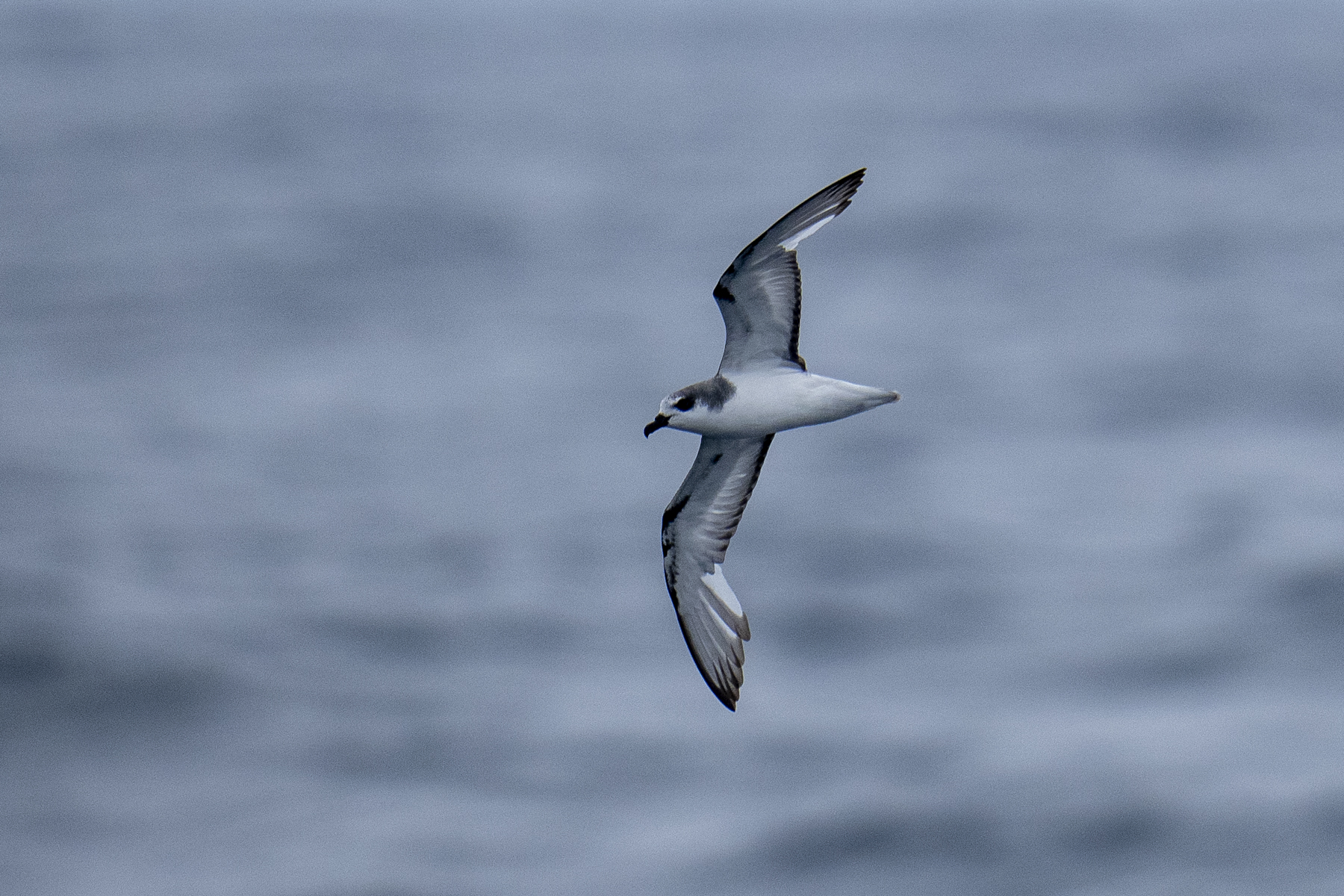
Masatierra or De Filippi's Petrel (image by Mark Beaman)
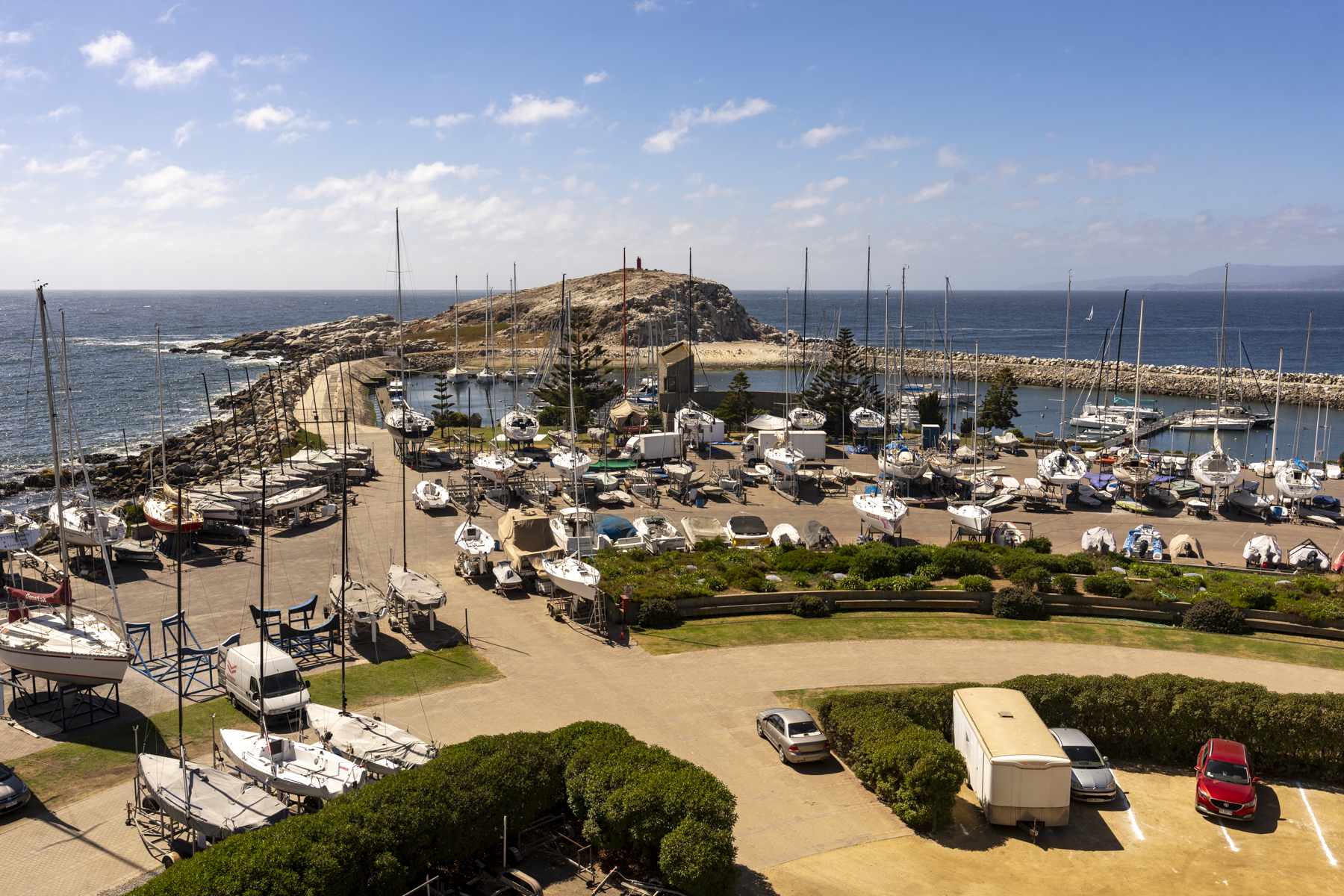
Algarrobo harbour (image by Mark Beaman)
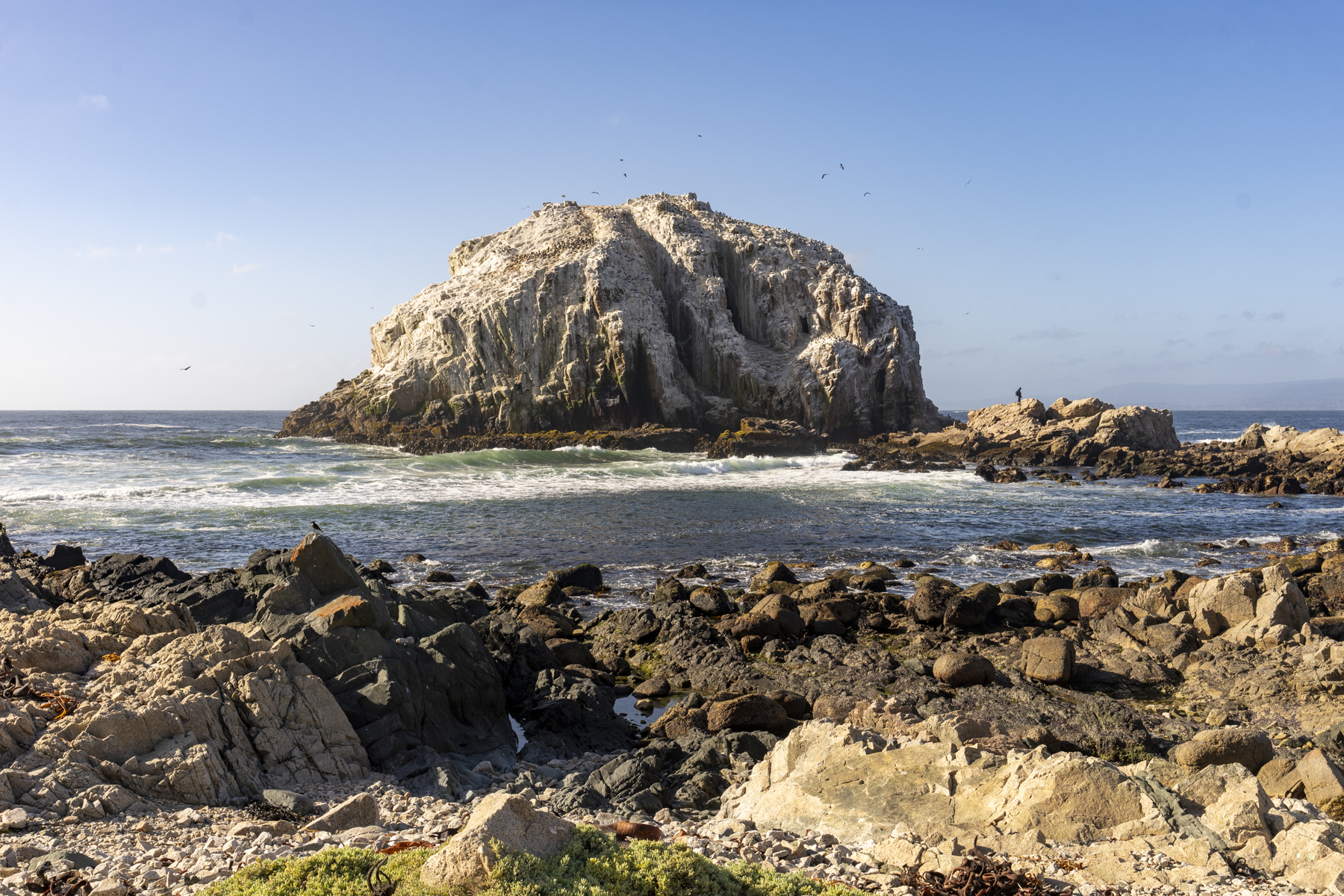
Algarrobo coastline (image by Mark Beaman)
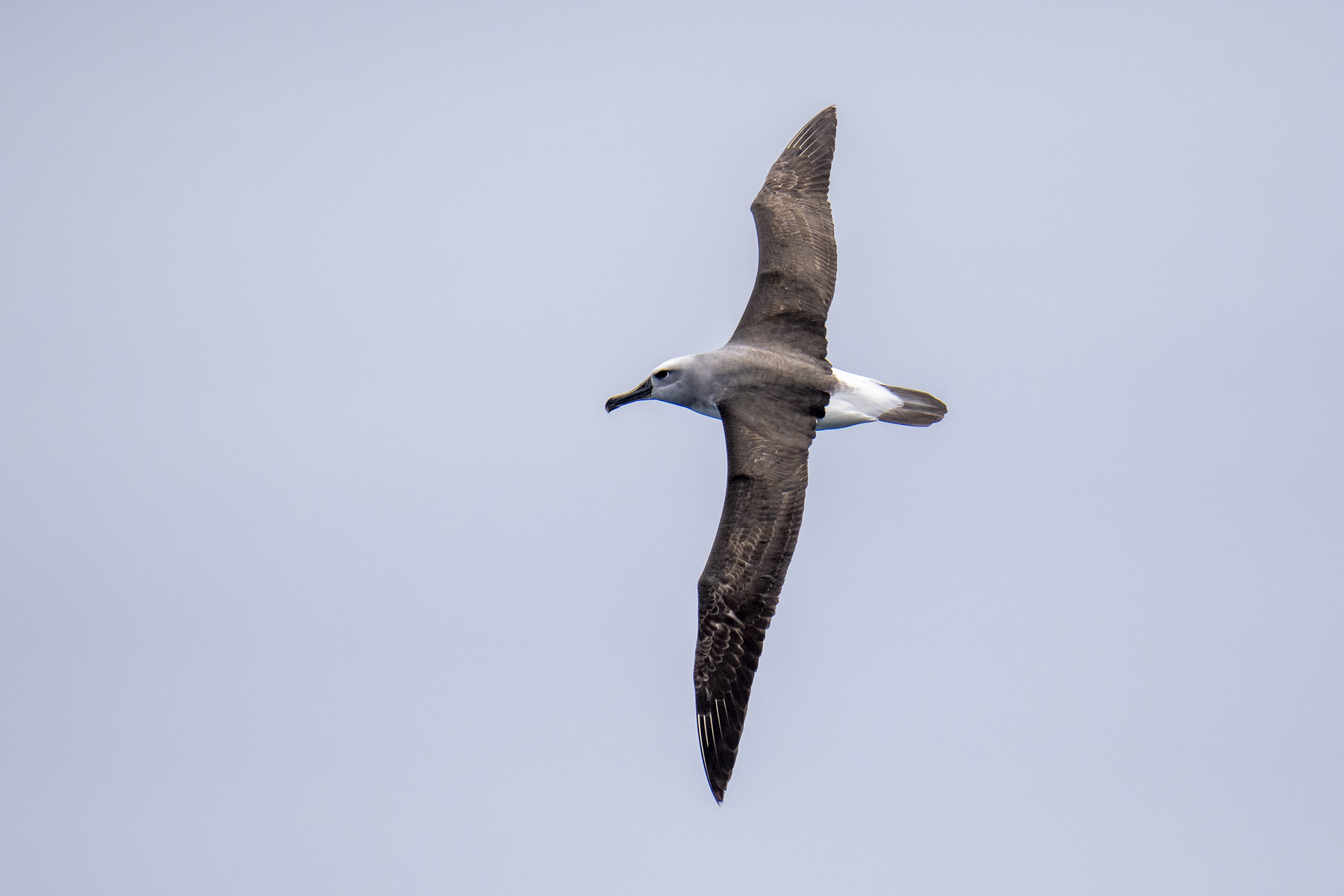
Buller's Albatross (image by Mark Beaman)
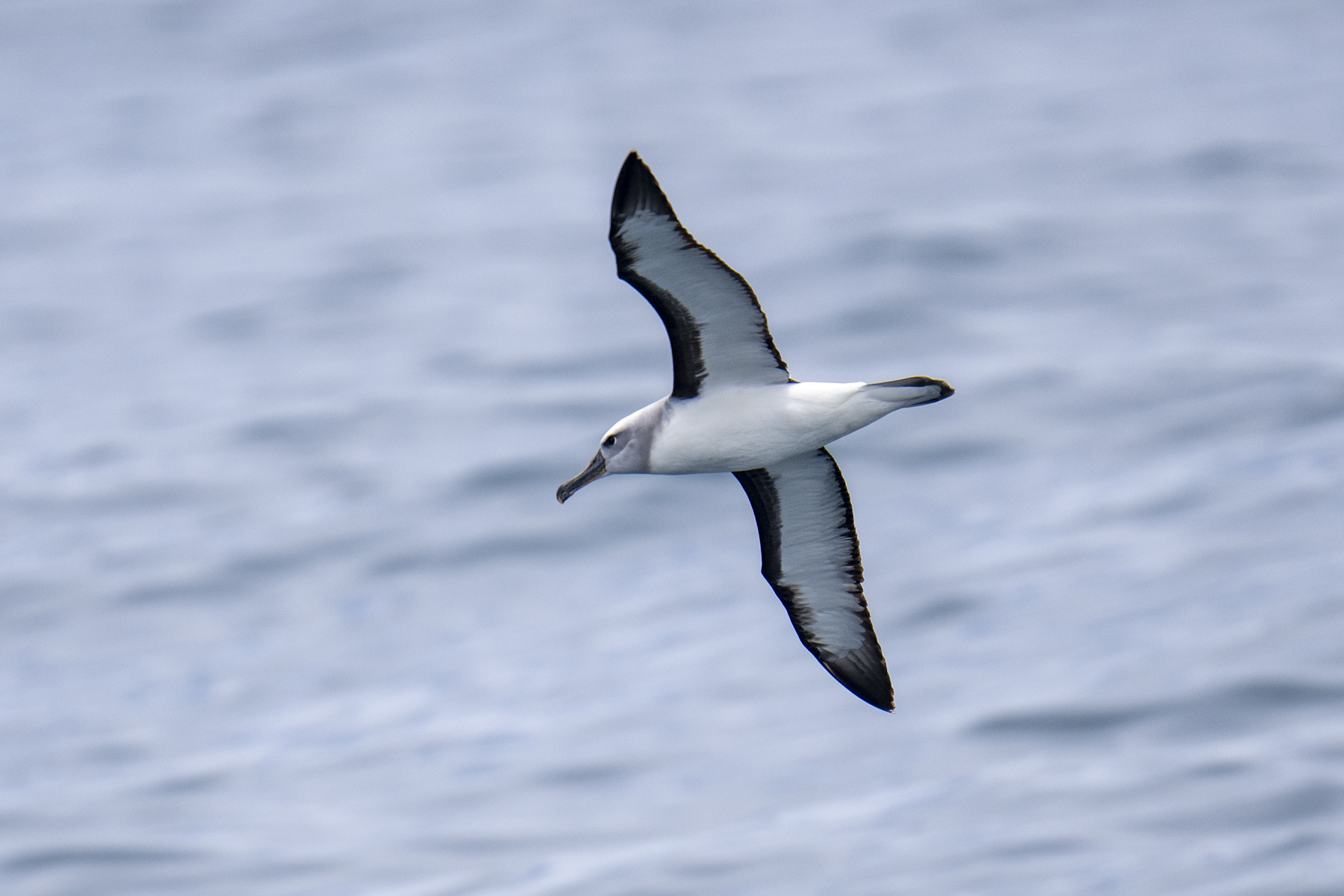
Buller's Albatross (image by Mark Beaman)
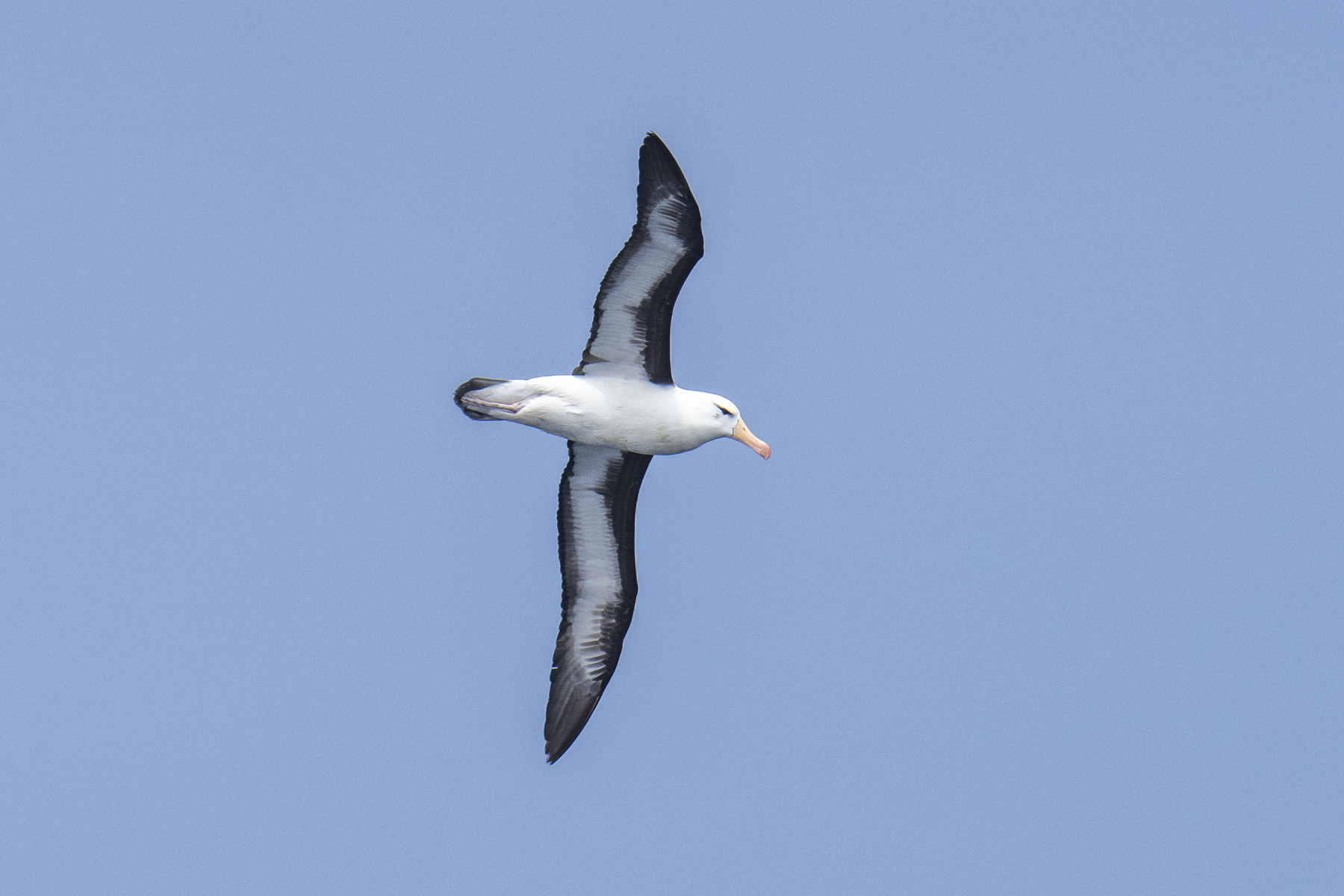
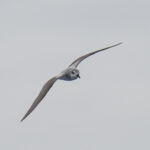
Black-browed Albatross (image by Mark Beaman)
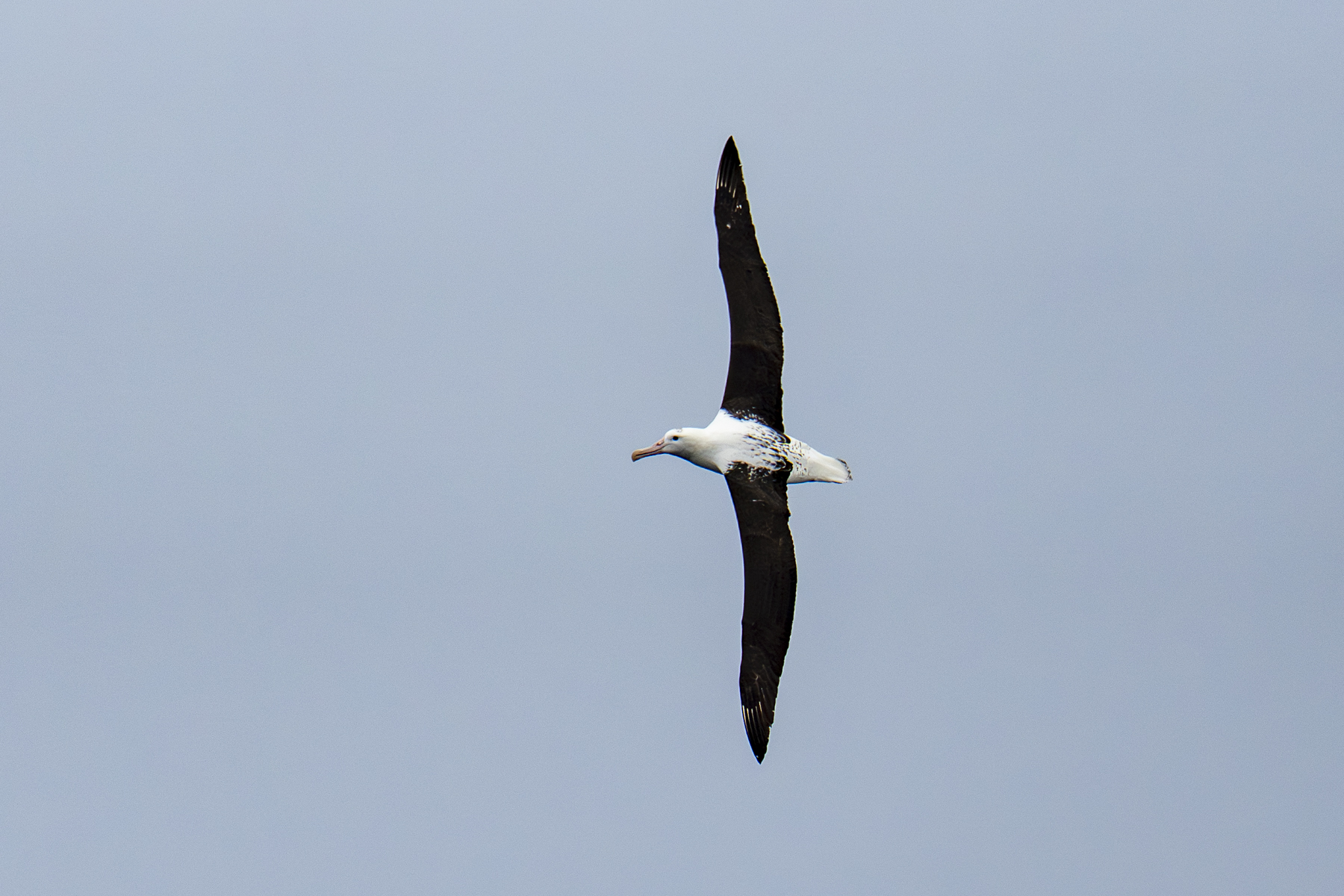
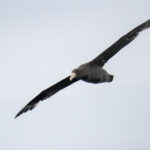
Northern Royal Albatross (image by Mark Beaman)
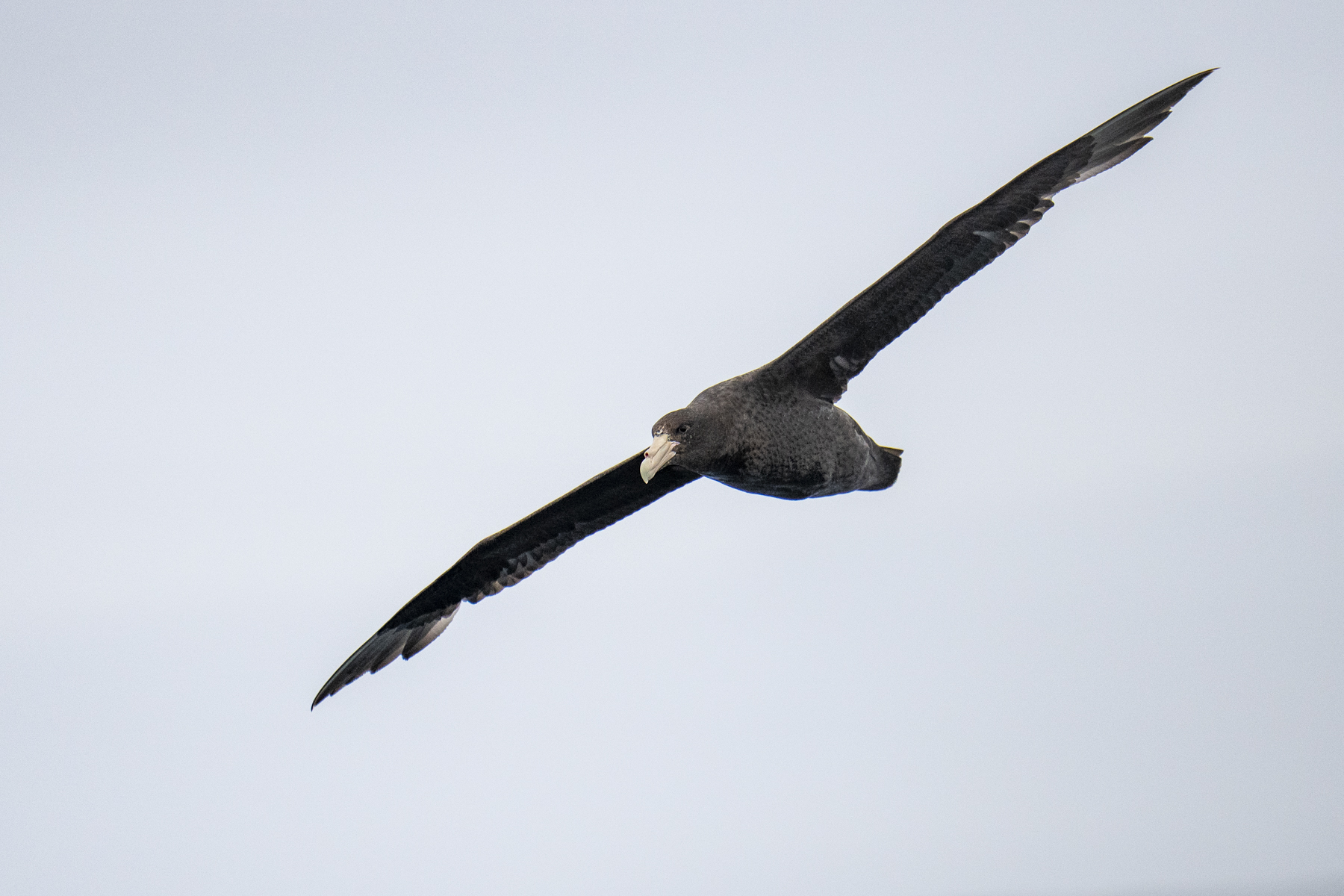
Southern Giant Petrel (image by Mark Beaman)
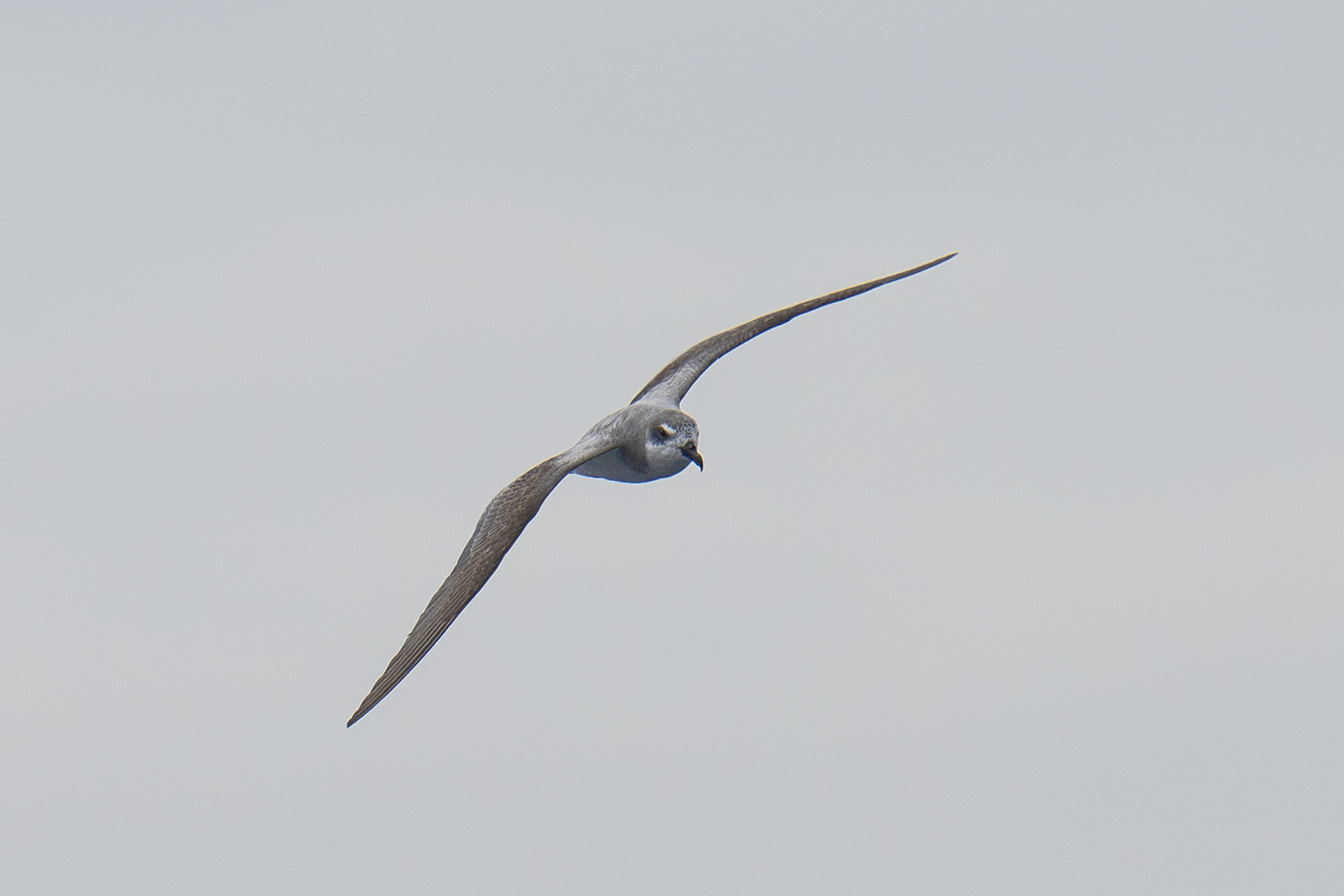
Masatierra or De Filippi's Petrel (image by Mark Beaman)
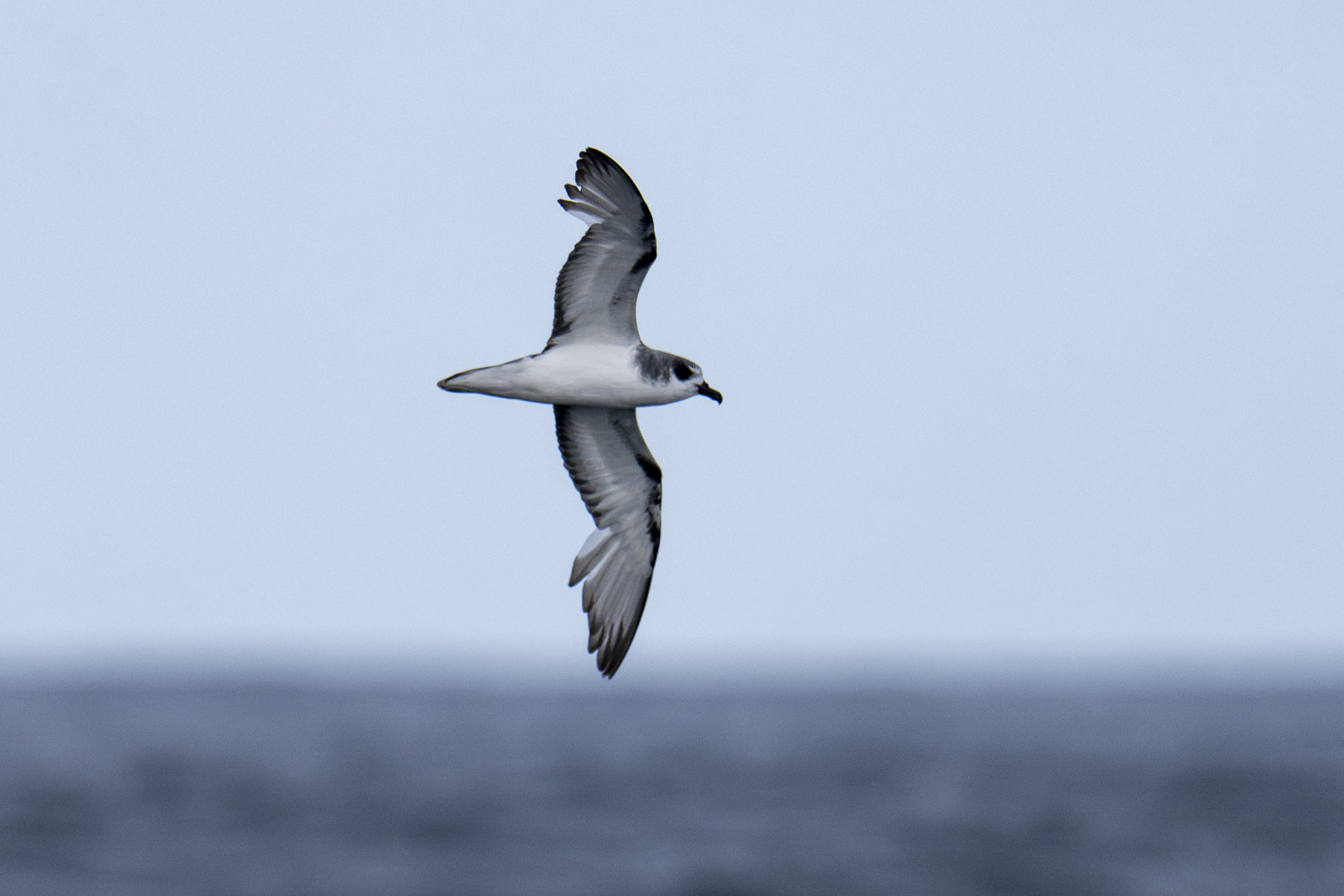
Masatierra or De Filippi's Petrel (image by Mark Beaman)
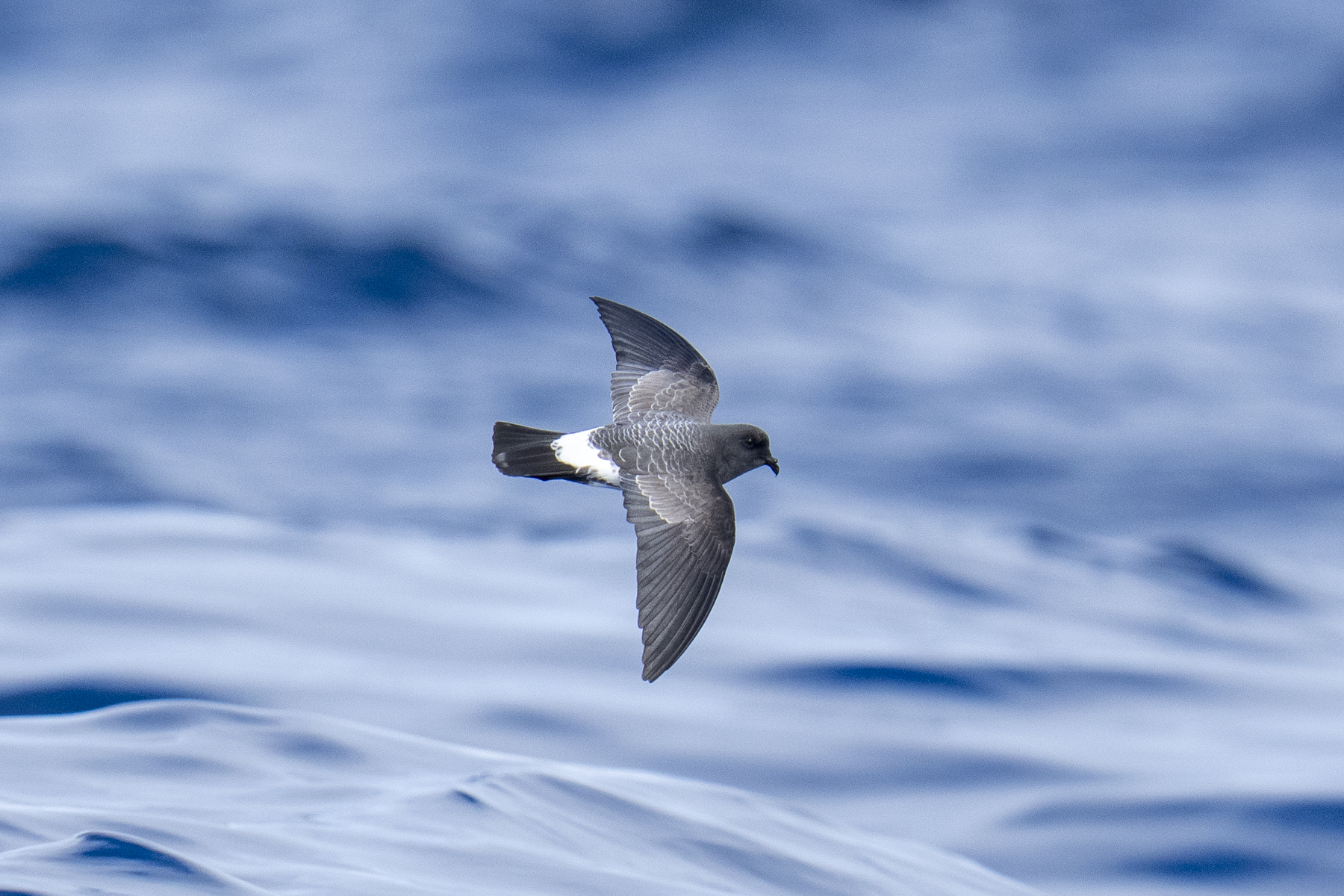
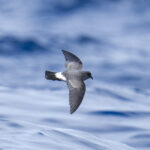
White-bellied Storm Petrel (image by Mark Beaman)
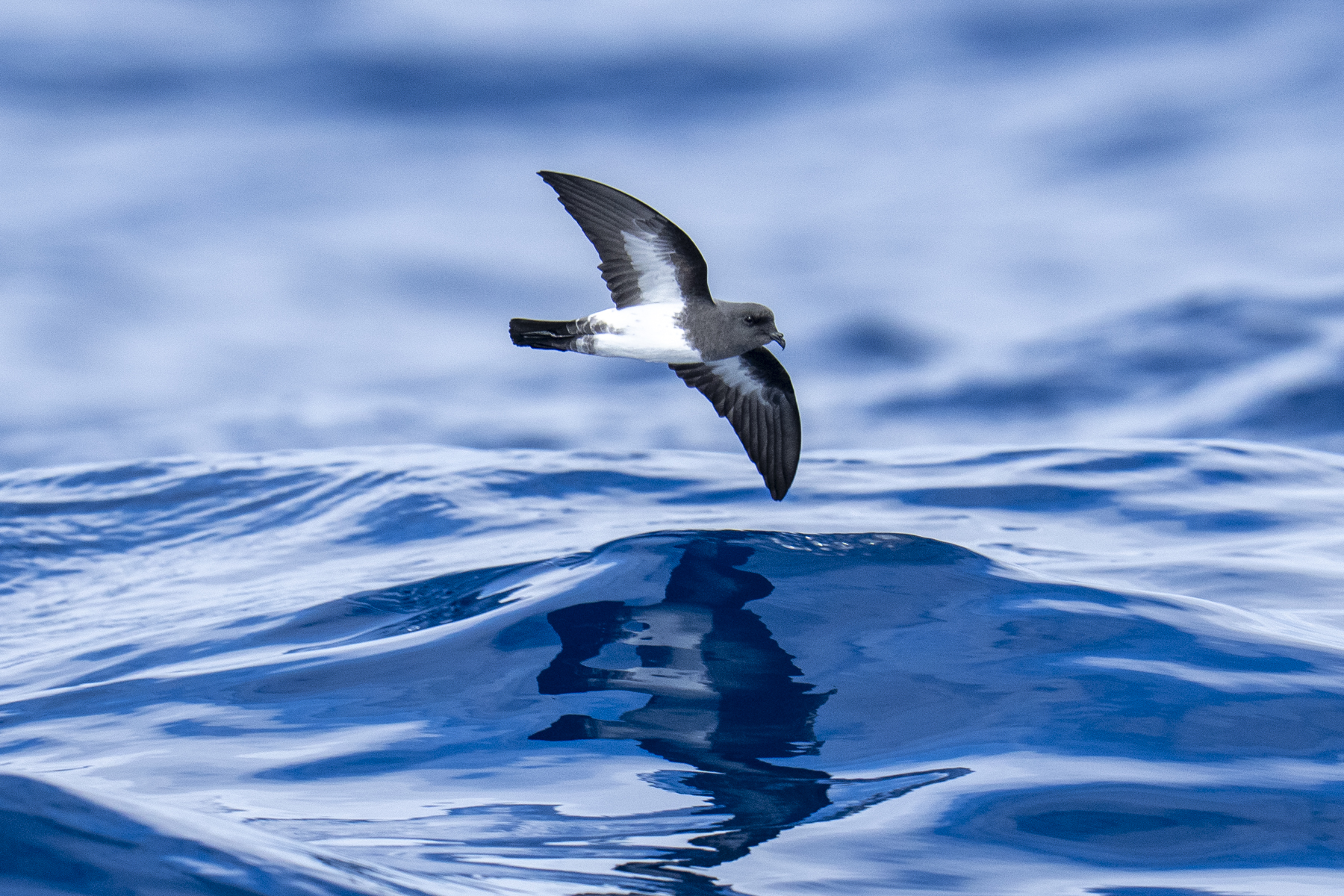
White-bellied Storm Petrel (image by Mark Beaman)
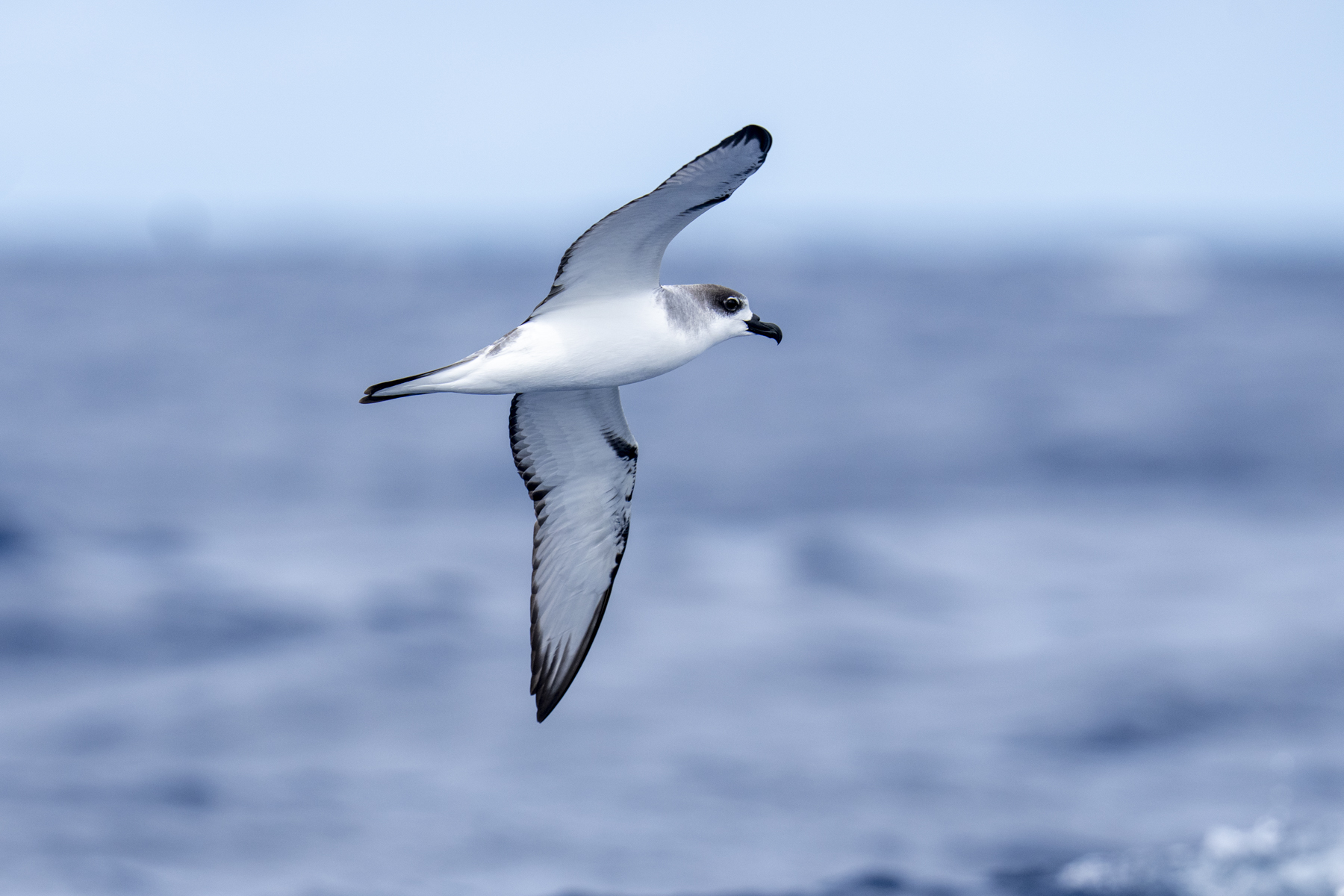
Juan Fernandez Petrel (image by Mark Beaman)
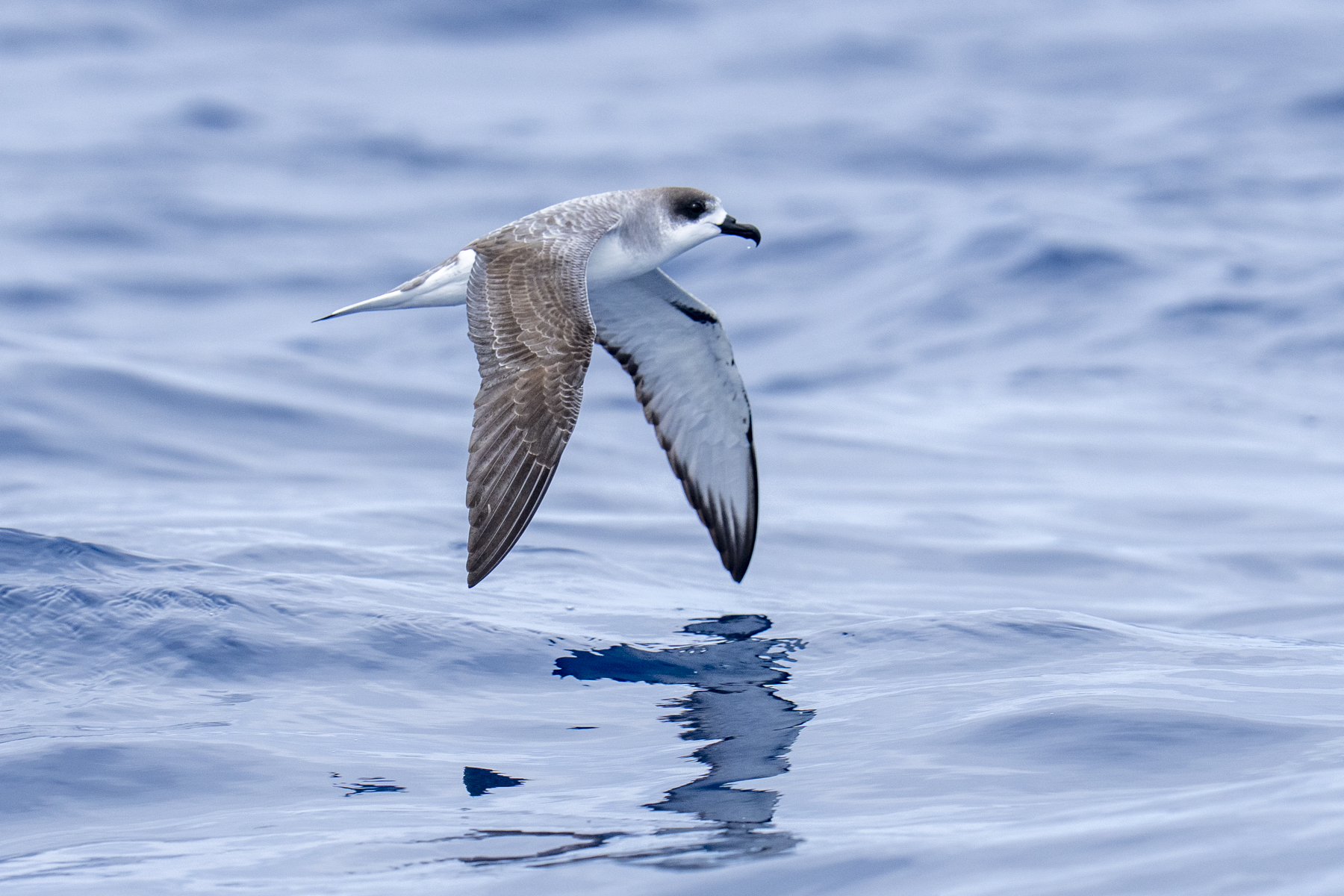
Juan Fernandez Petrel (image by Mark Beaman)
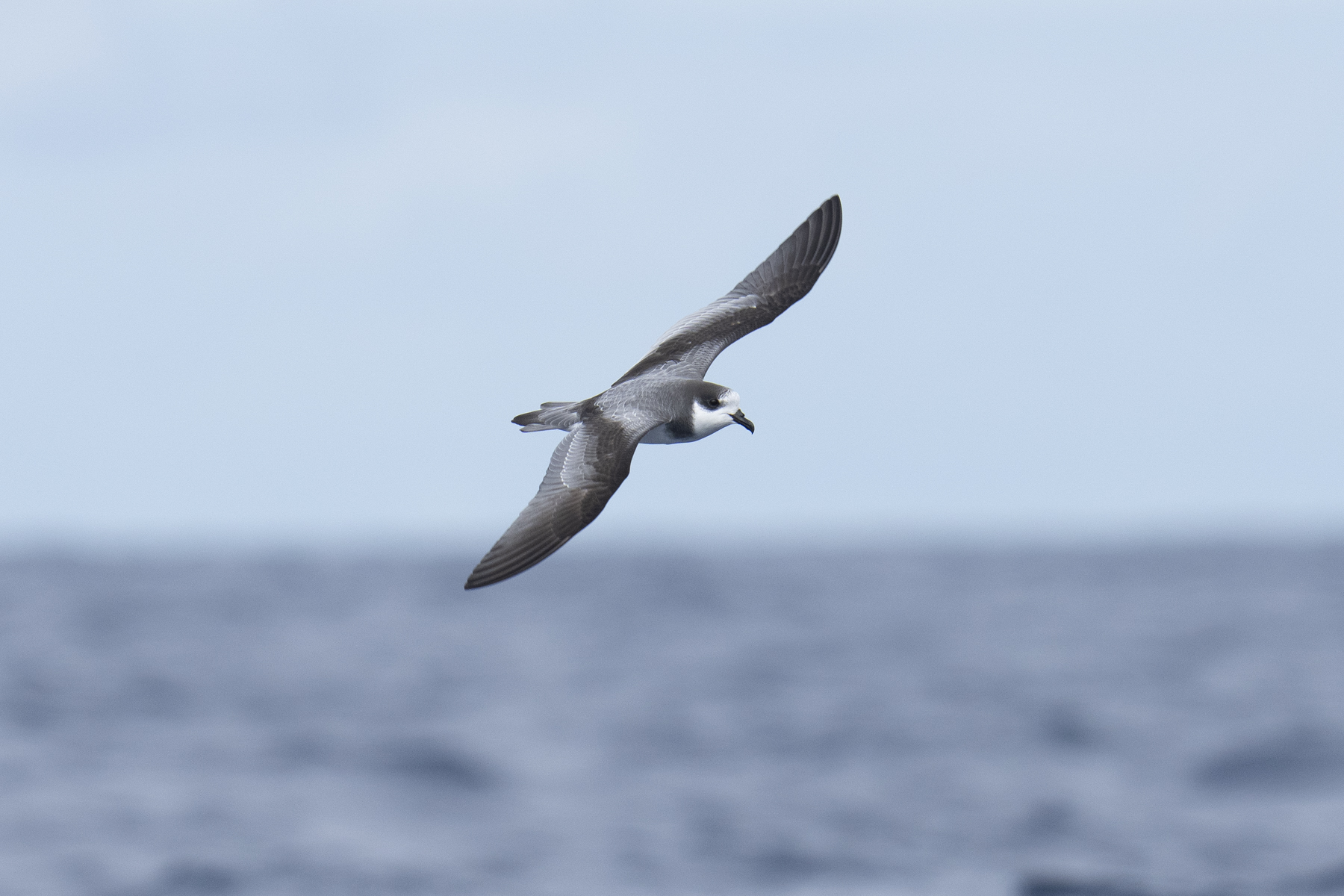
Stejneger's Petrel (image by Mark Beaman)
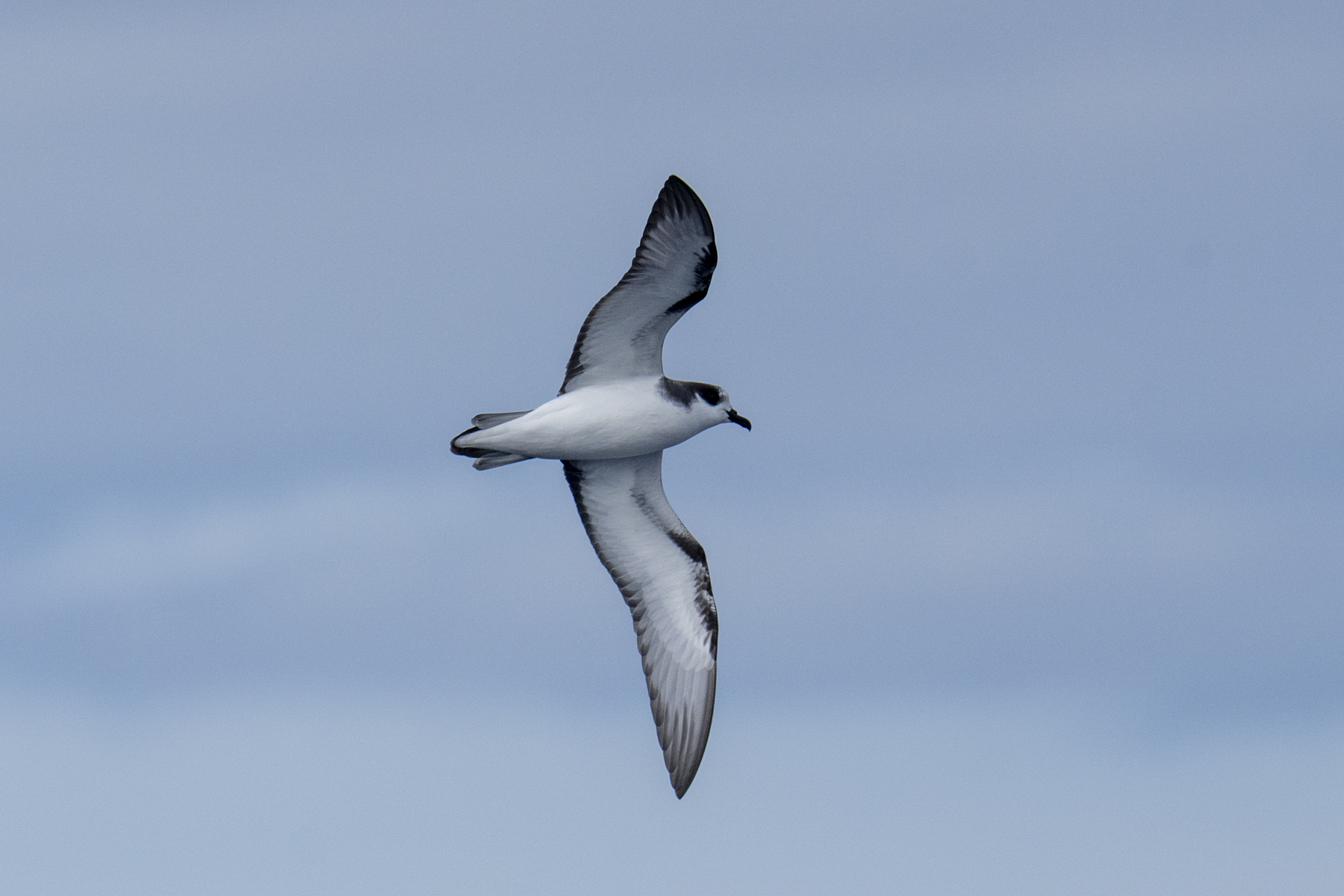
Stejneger's Petrel (image by Mark Beaman)
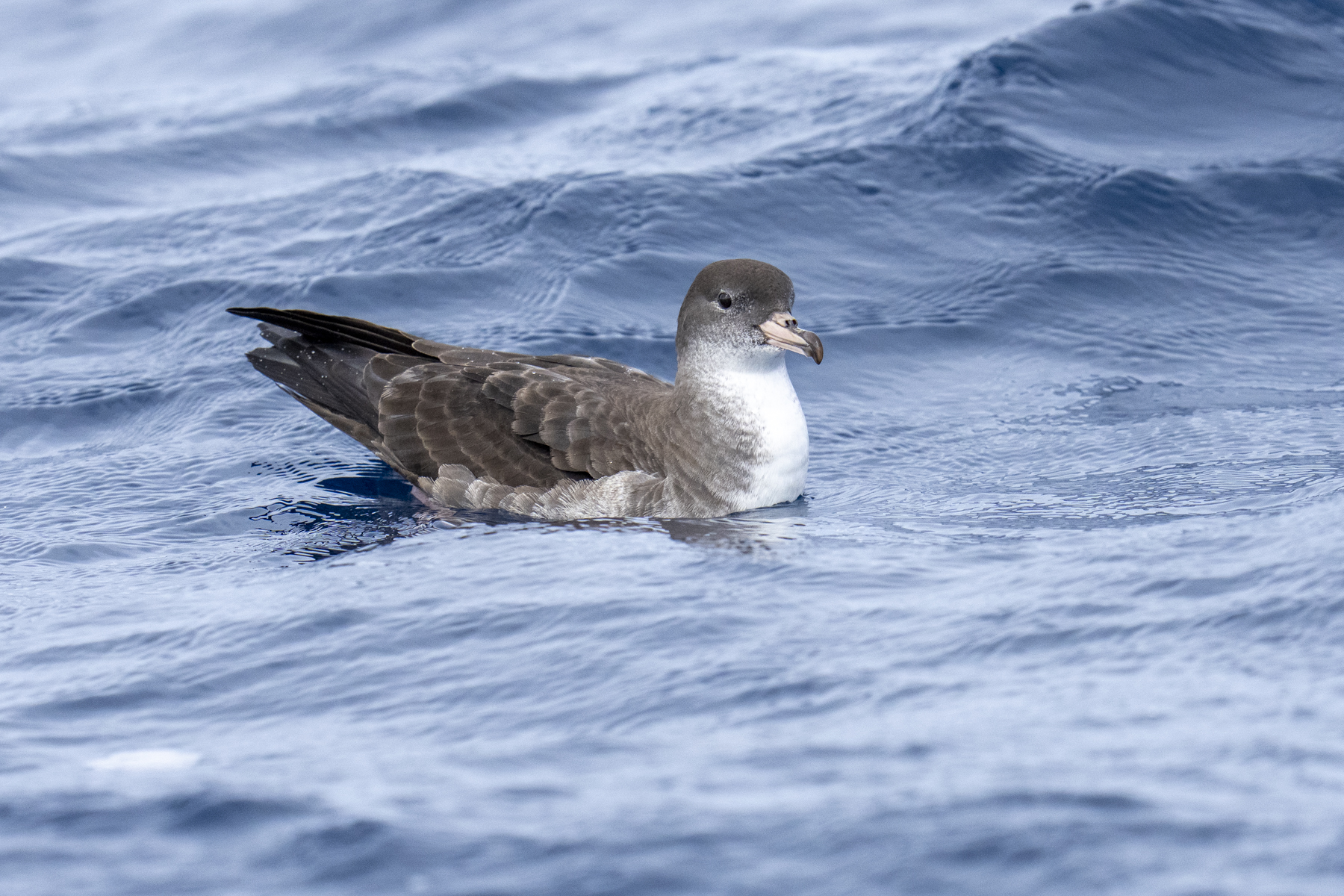
Pink-footed Shearwater (image by Mark Beaman)
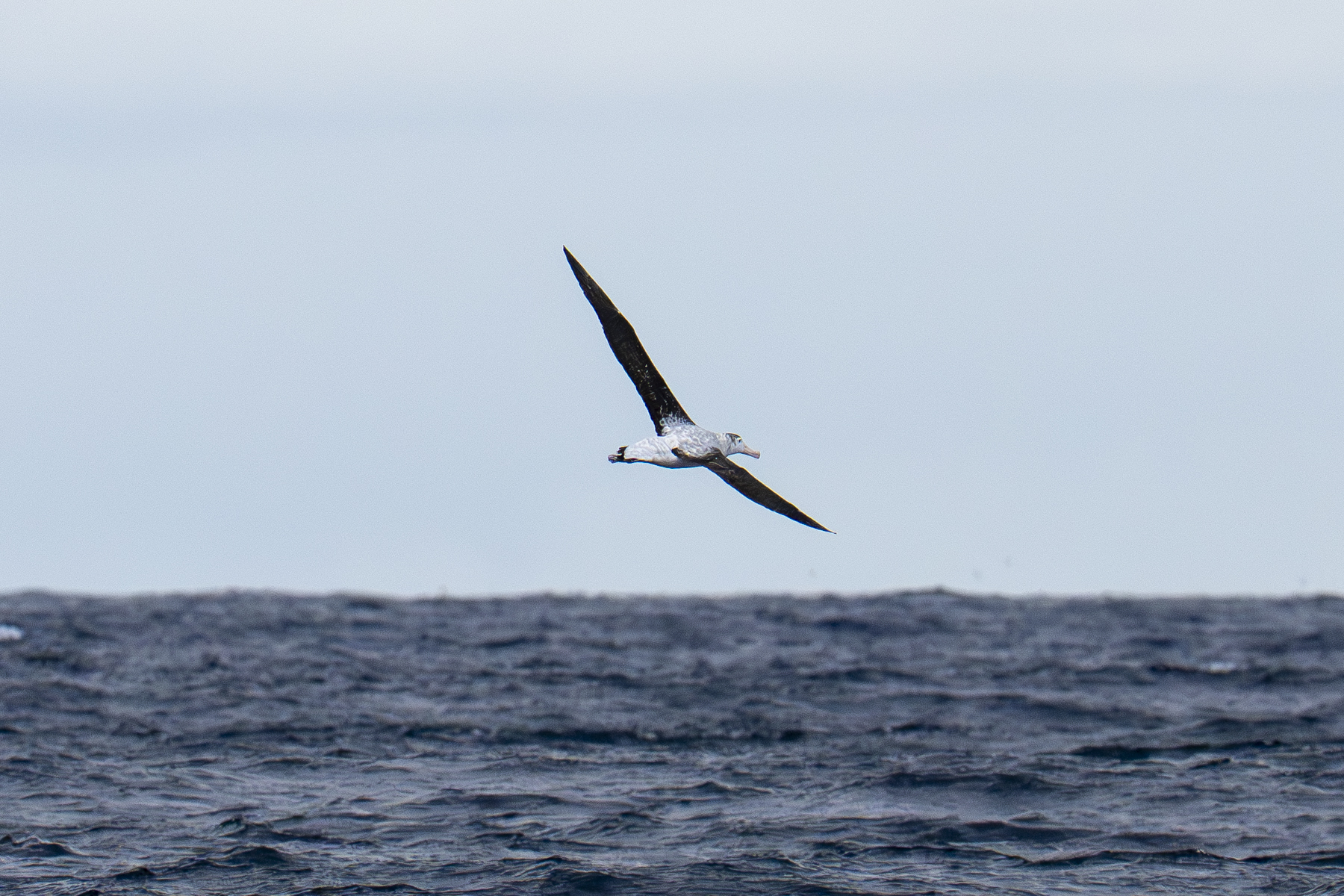
Antipodean Albatross off Robinson Crusoe (image by Mark Beaman)
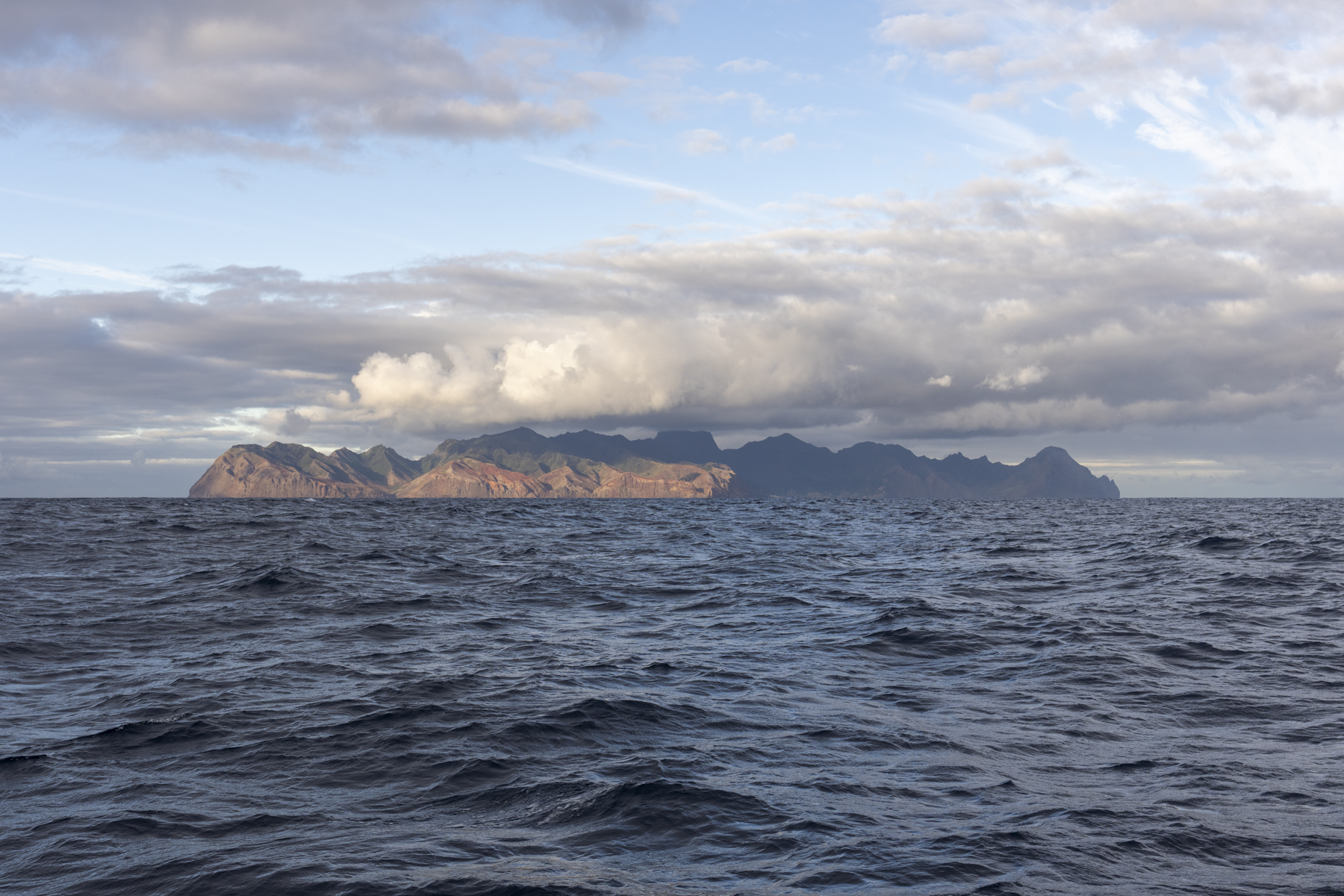
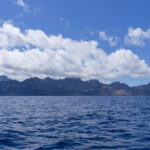
Masatierra landfall (image by Mark Beaman)
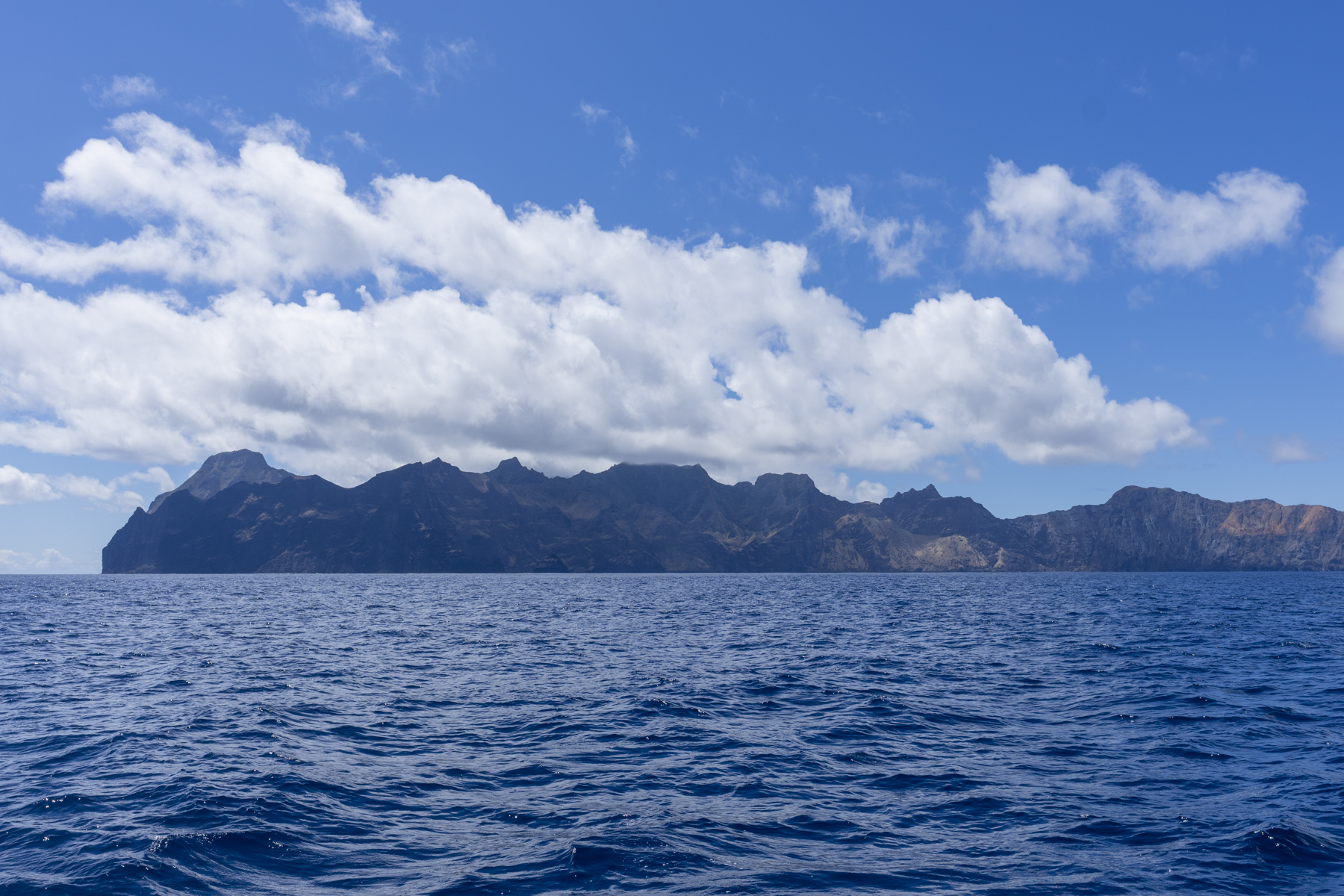
Robinson Crusoe or Masatierra (image by Mark Beaman)
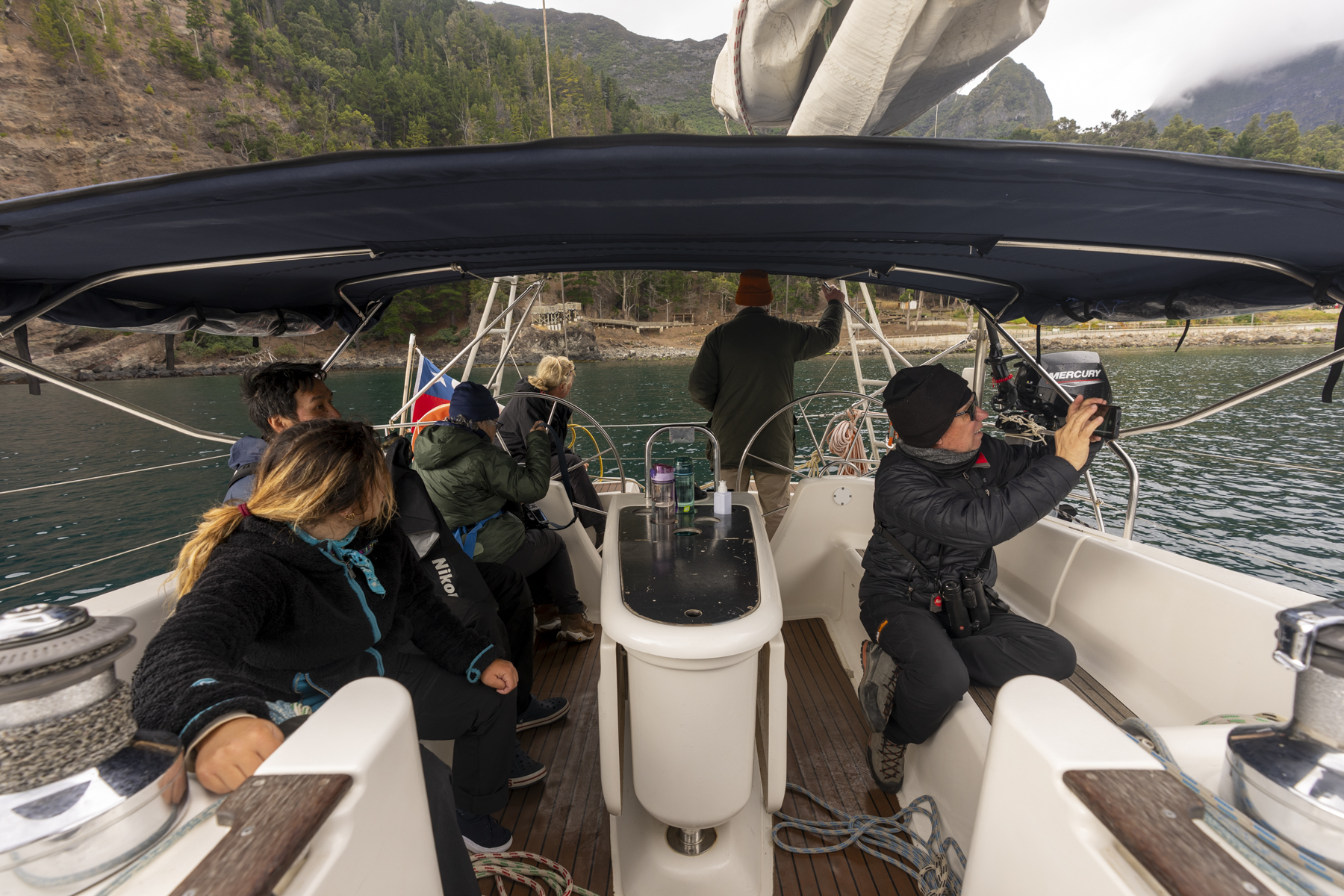
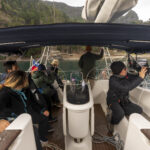
Life on board (image by Mark Beaman)
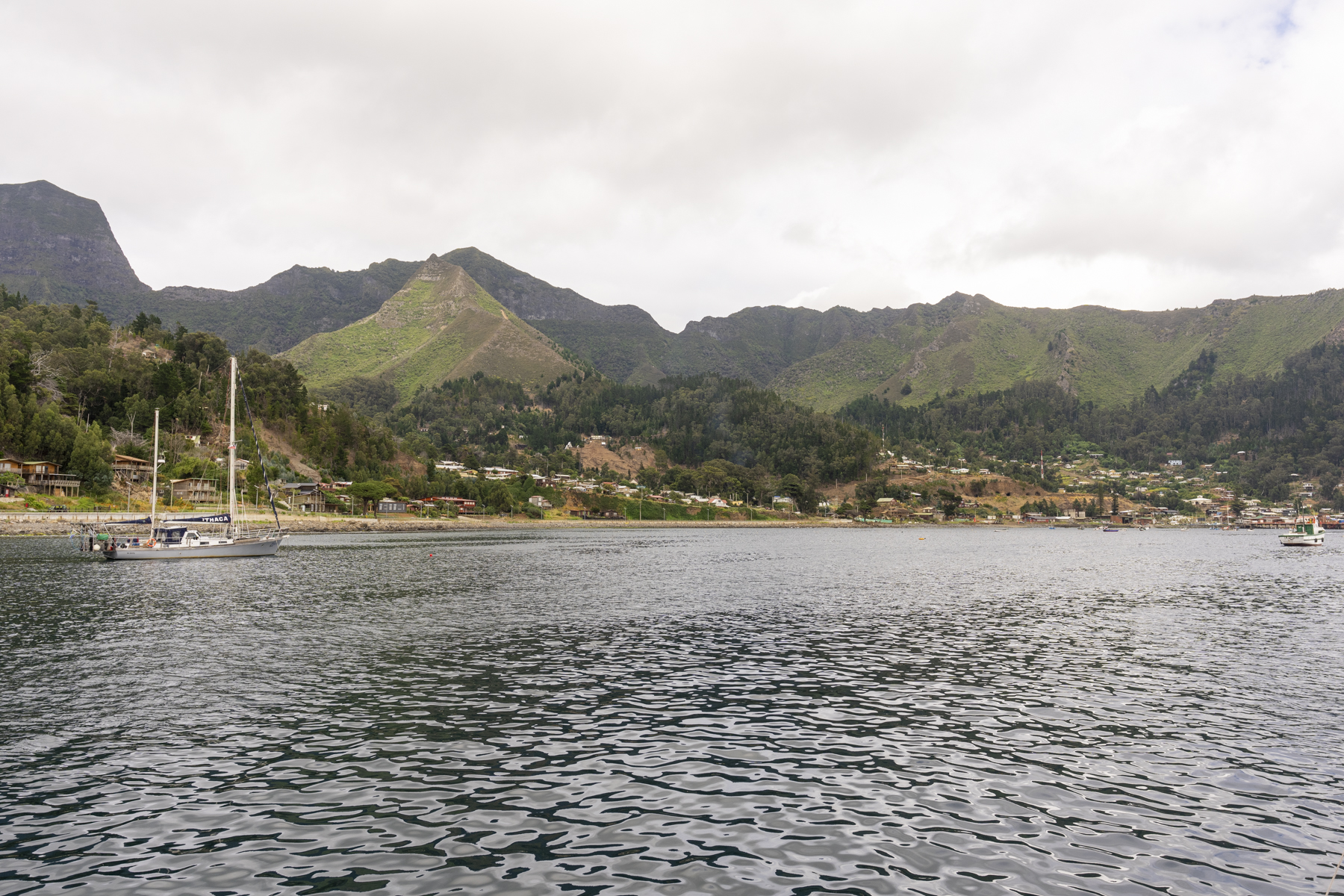
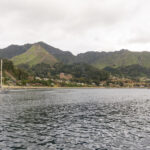
San Juan Bautista, Robinson Crusoe (image by Mark Beaman)
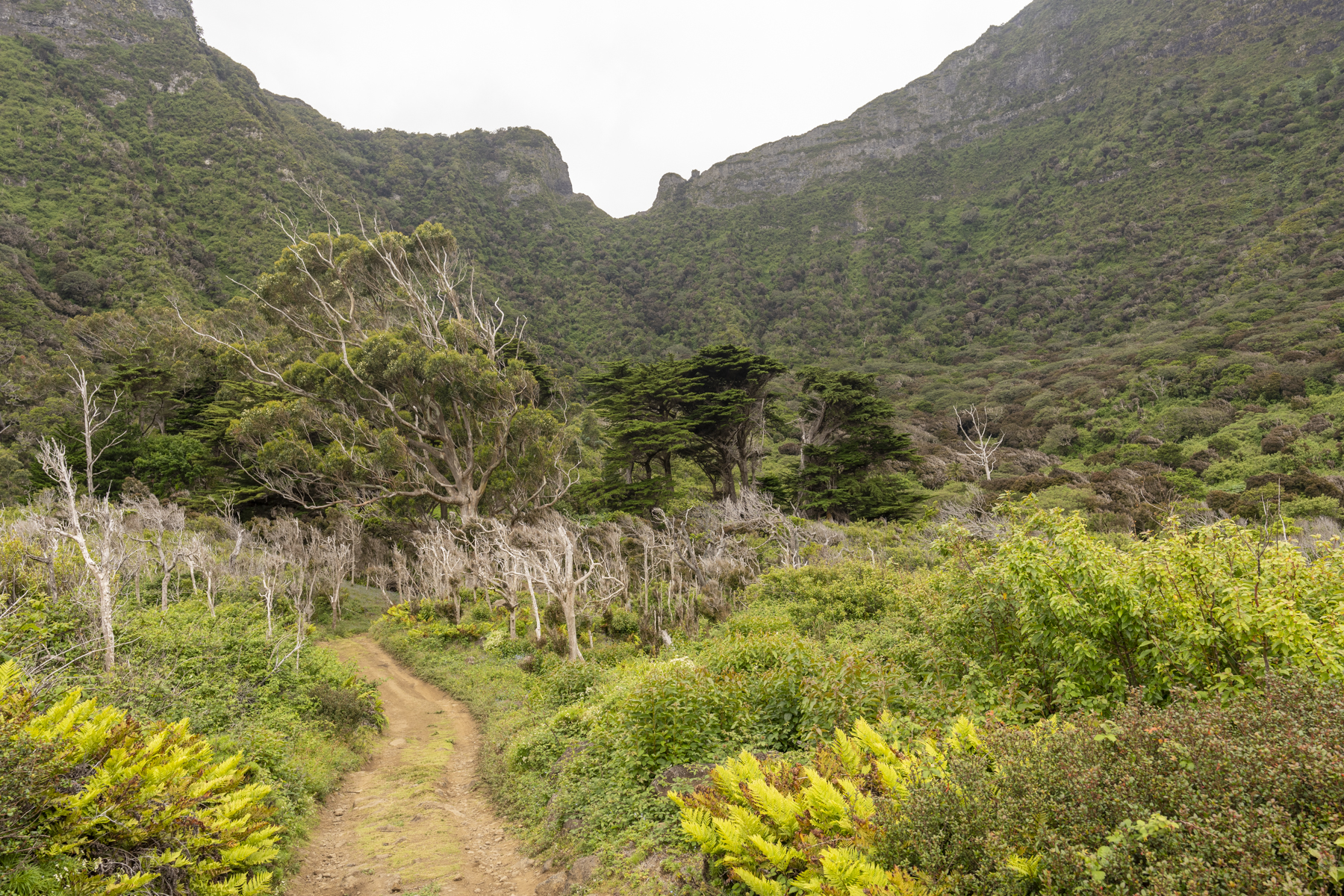
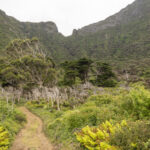
The interior of Masatierra/Robinson Crusoe (image by Mark Beaman)
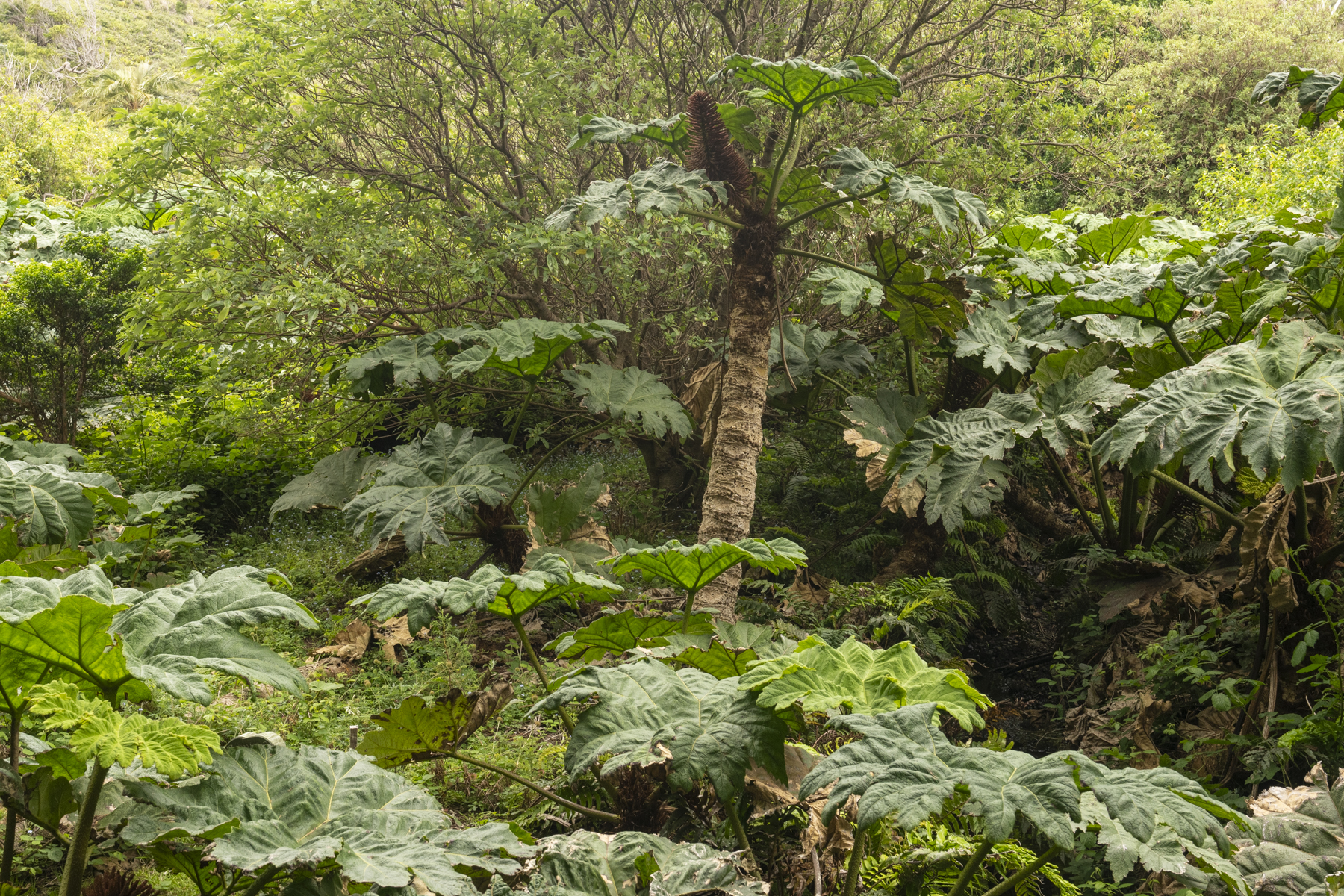
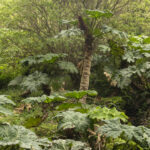
Endemic Gunnera, Robinson Crusoe (image by Mark Beaman)
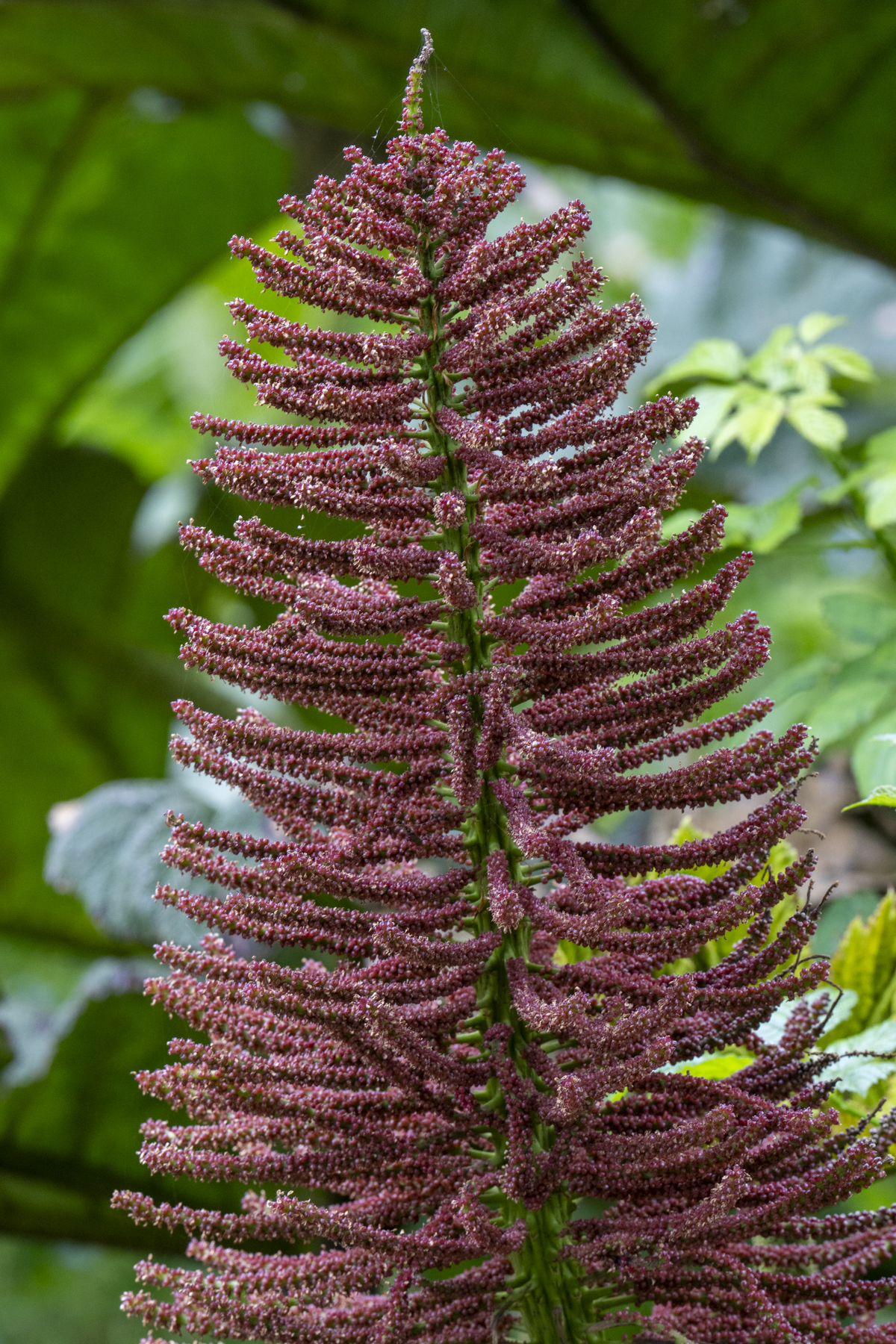
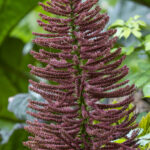
Gunnera flower, Robinson Crusoe (image by Mark Beaman)
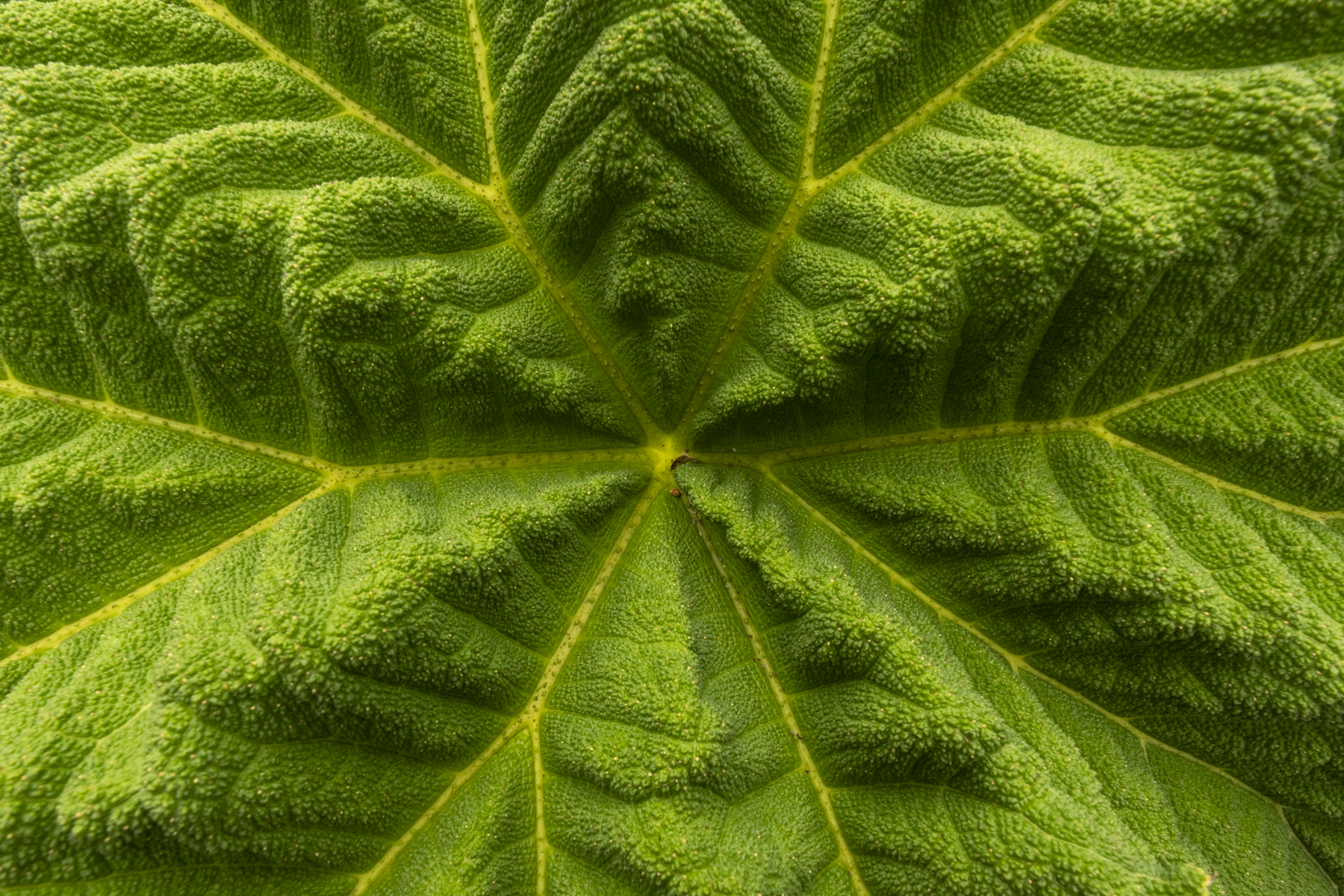
Gunnera detail (image by Mark Beaman)
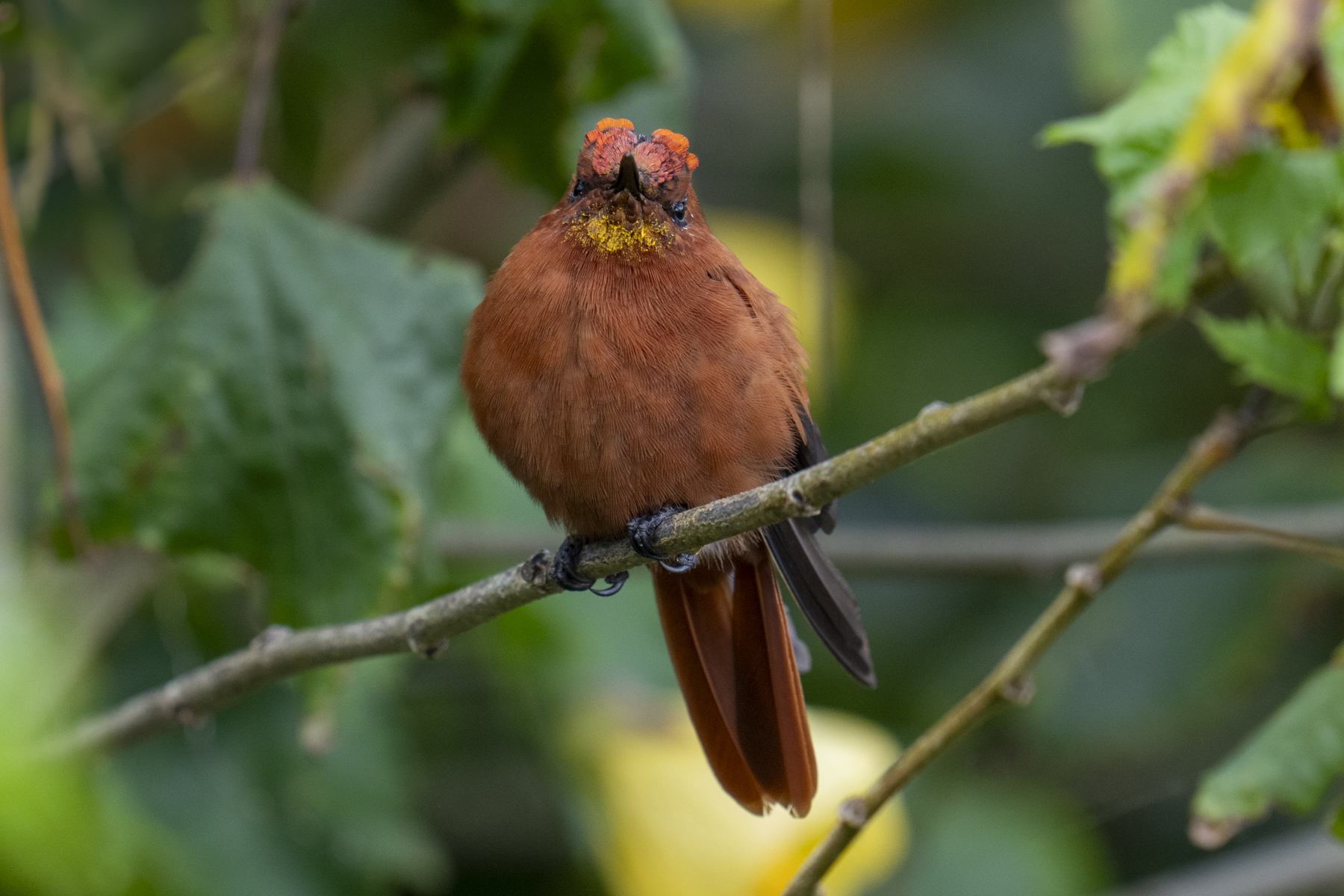
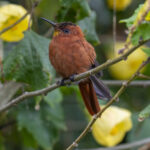
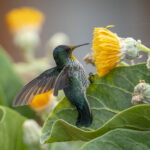
Juan Fernandez Firecrown (image by Mark Beaman)
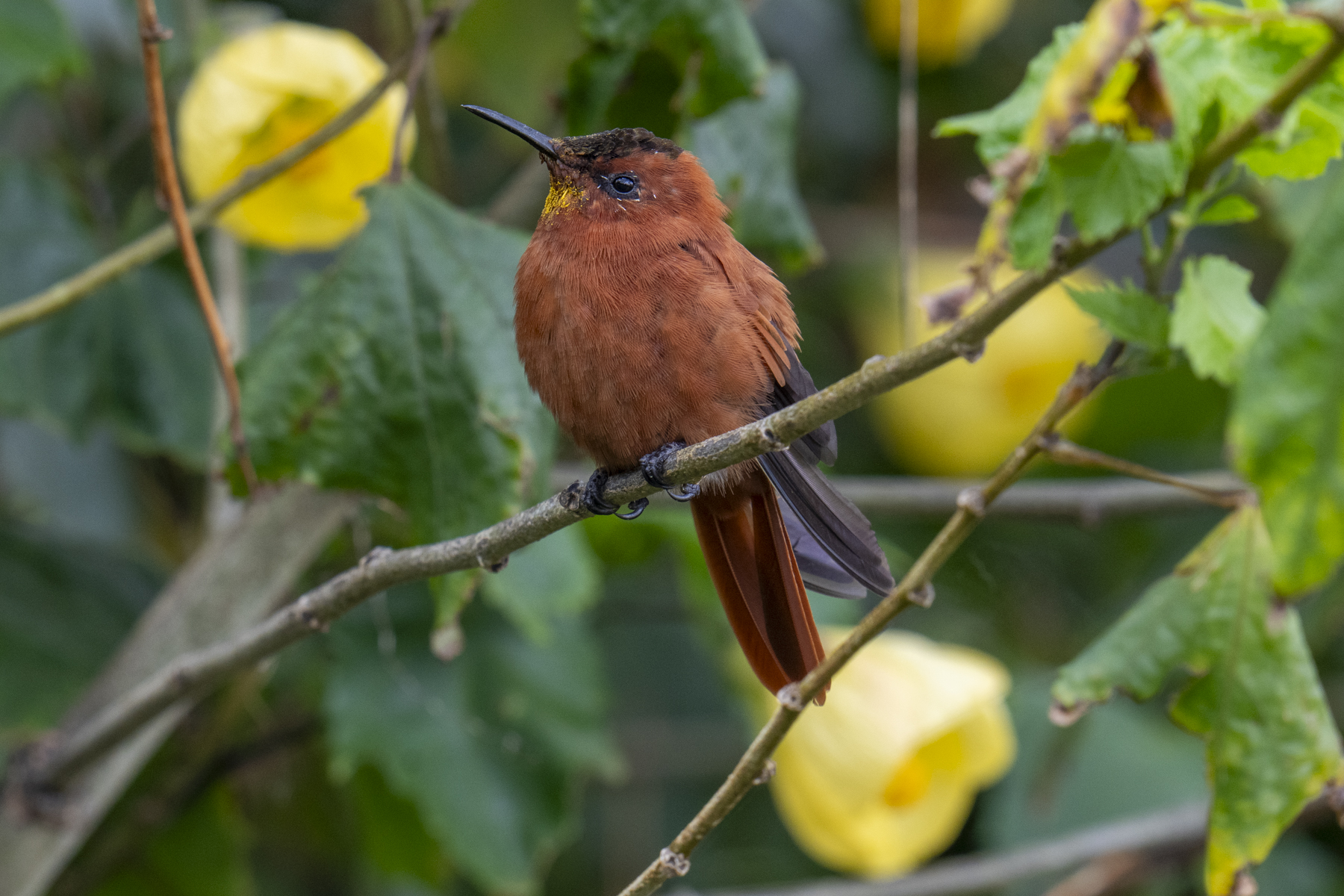
Juan Fernandez Firecrown (image by Mark Beaman)
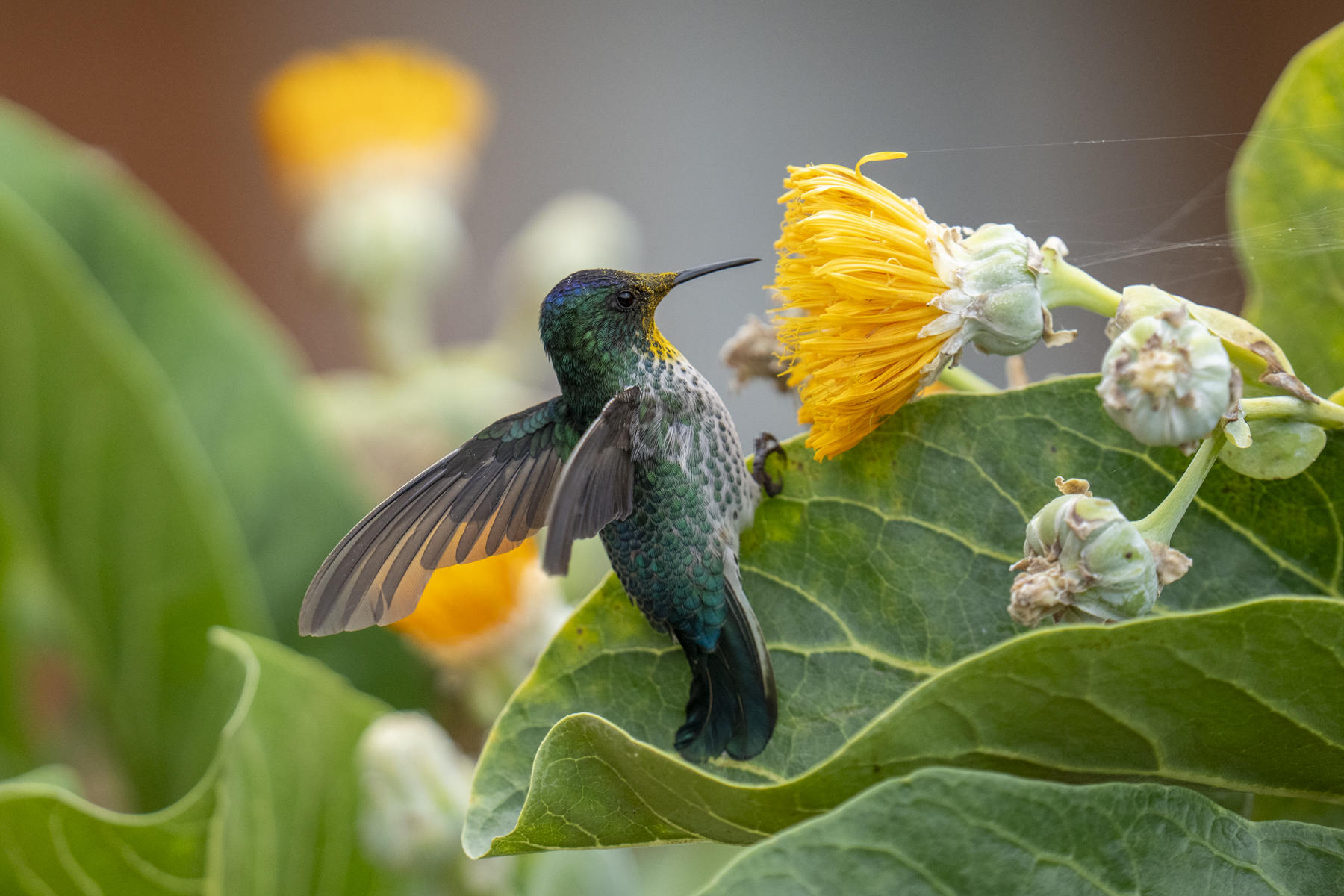
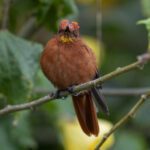
Juan Fernandez Firecrown female (image by Mark Beaman)
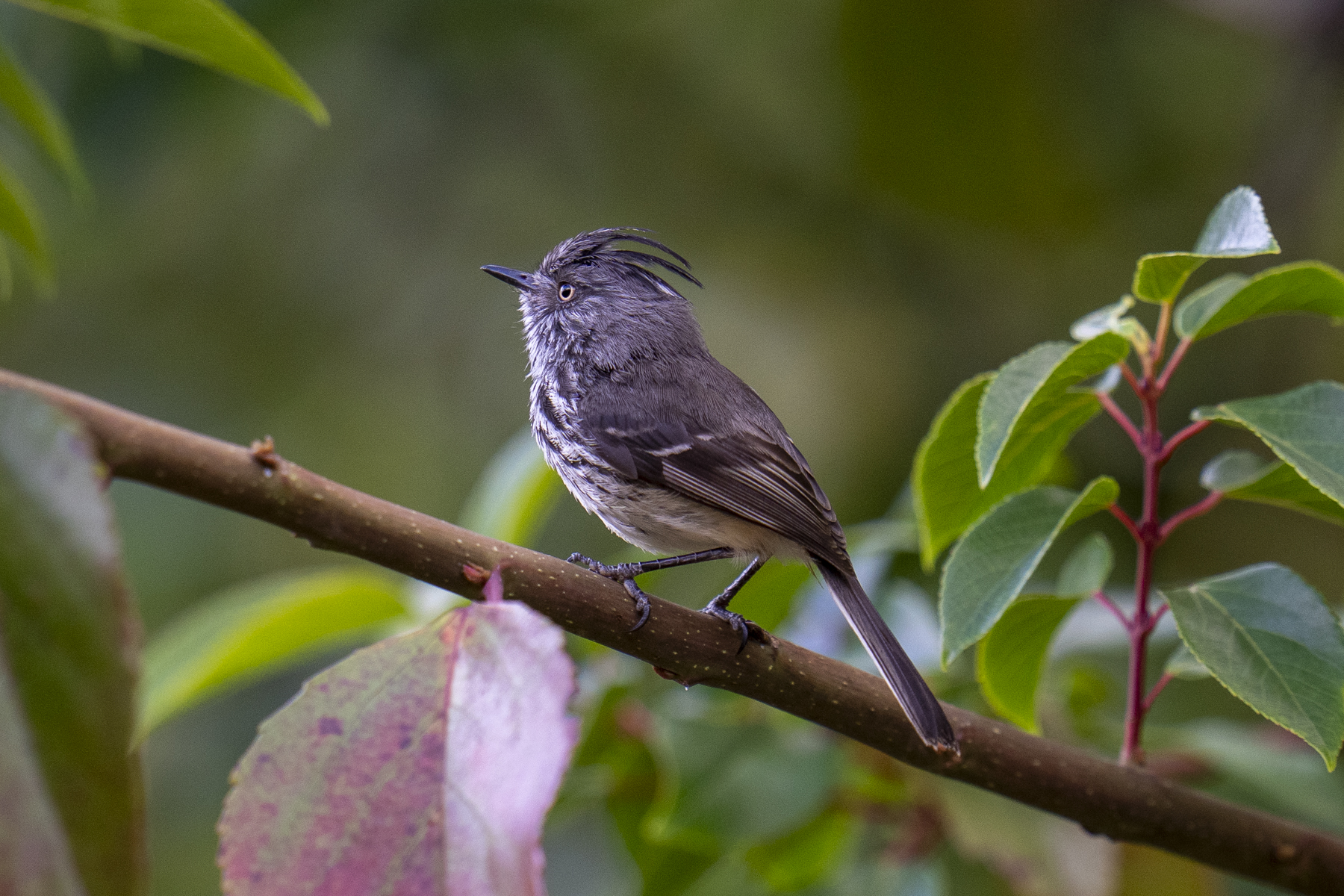
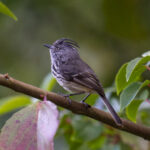
Juan Fernandez Tit-Tyrant (image by Mark Beaman)
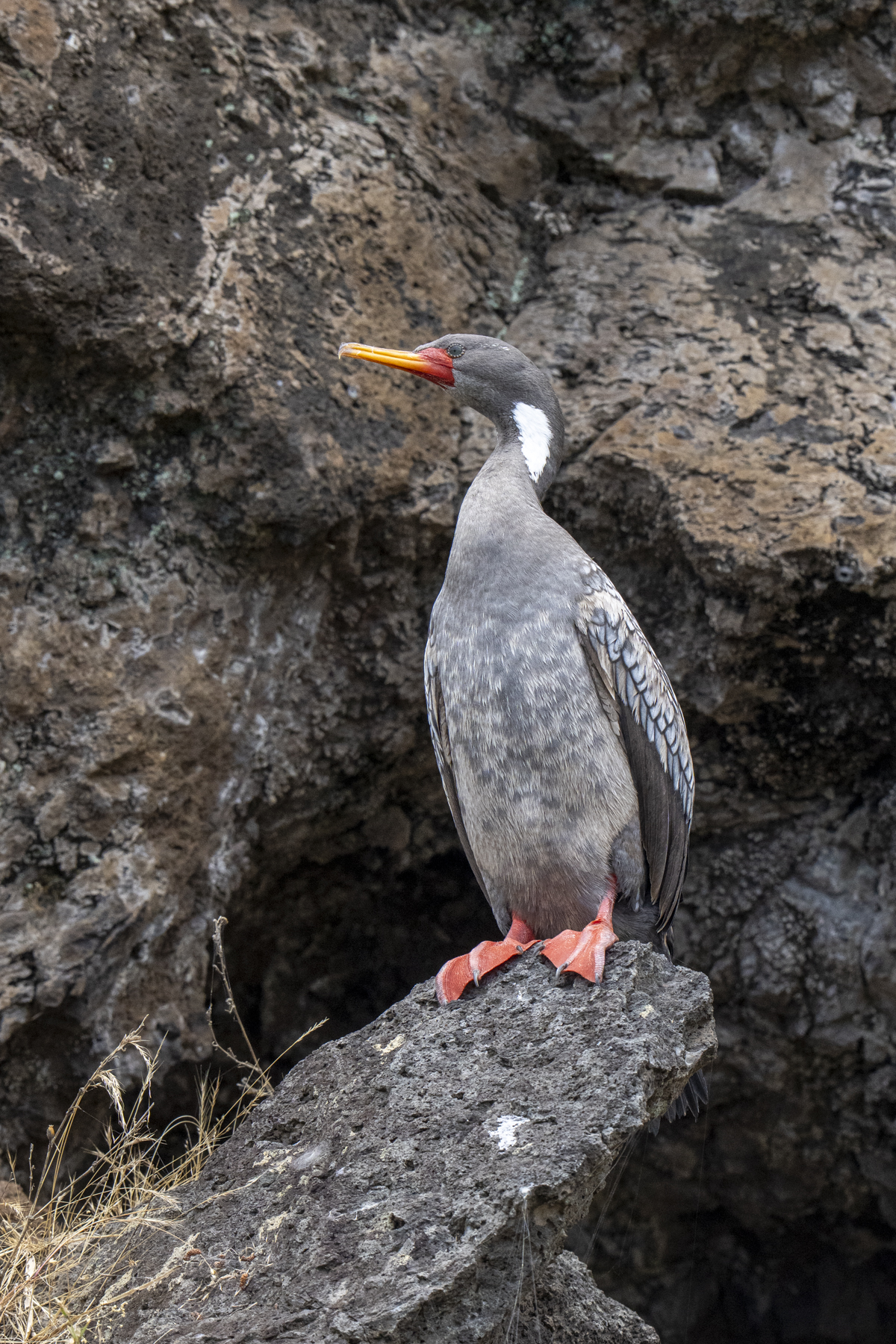
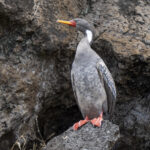
Red-legged Cormorant (image by Mark Beaman)
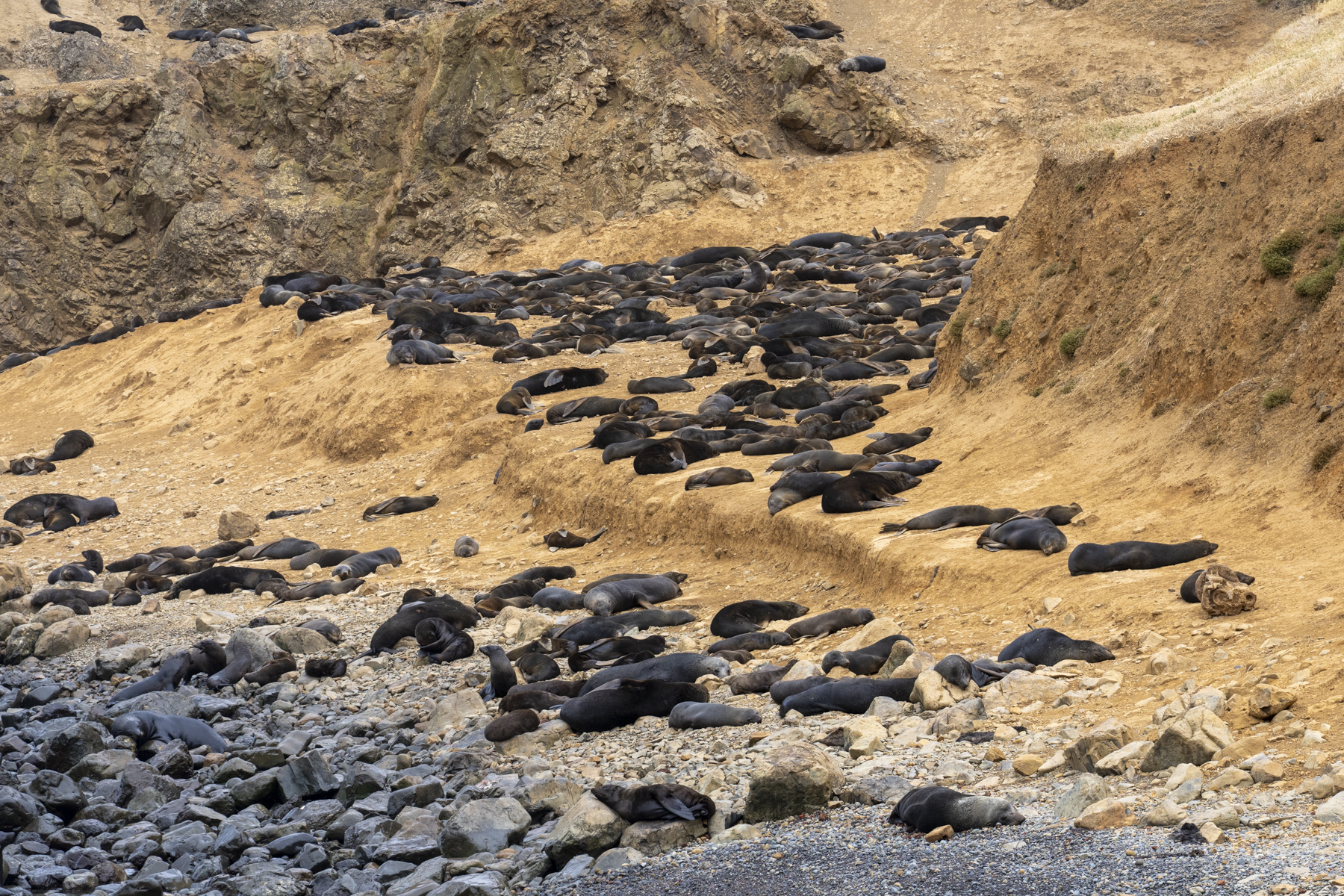
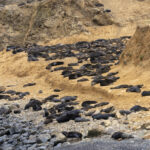
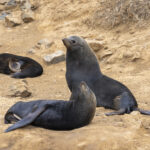
Juan Fernandez Fur Seals (image by Mark Beaman)
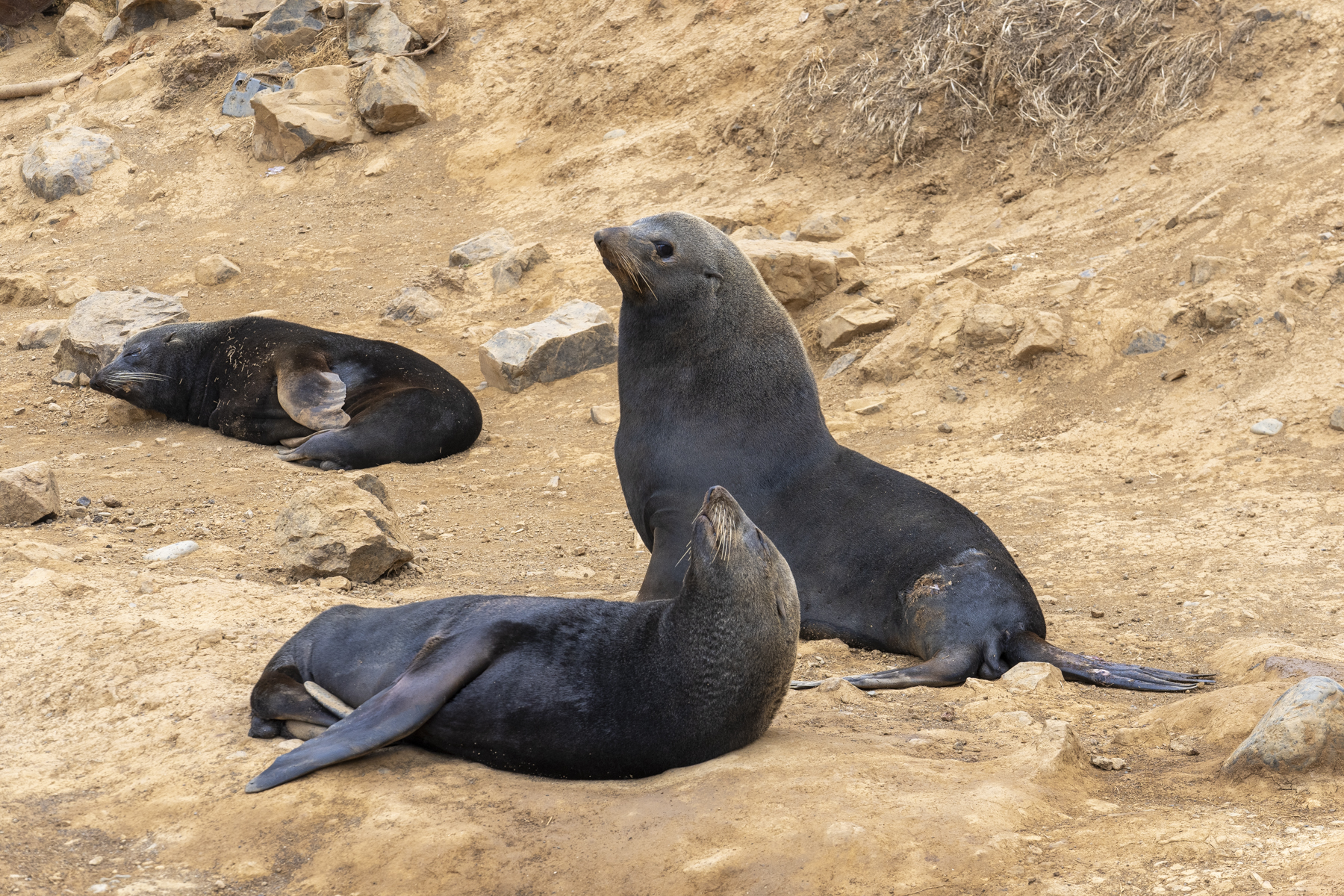
Juan Fernandez Fur Seals (image by Mark Beaman)
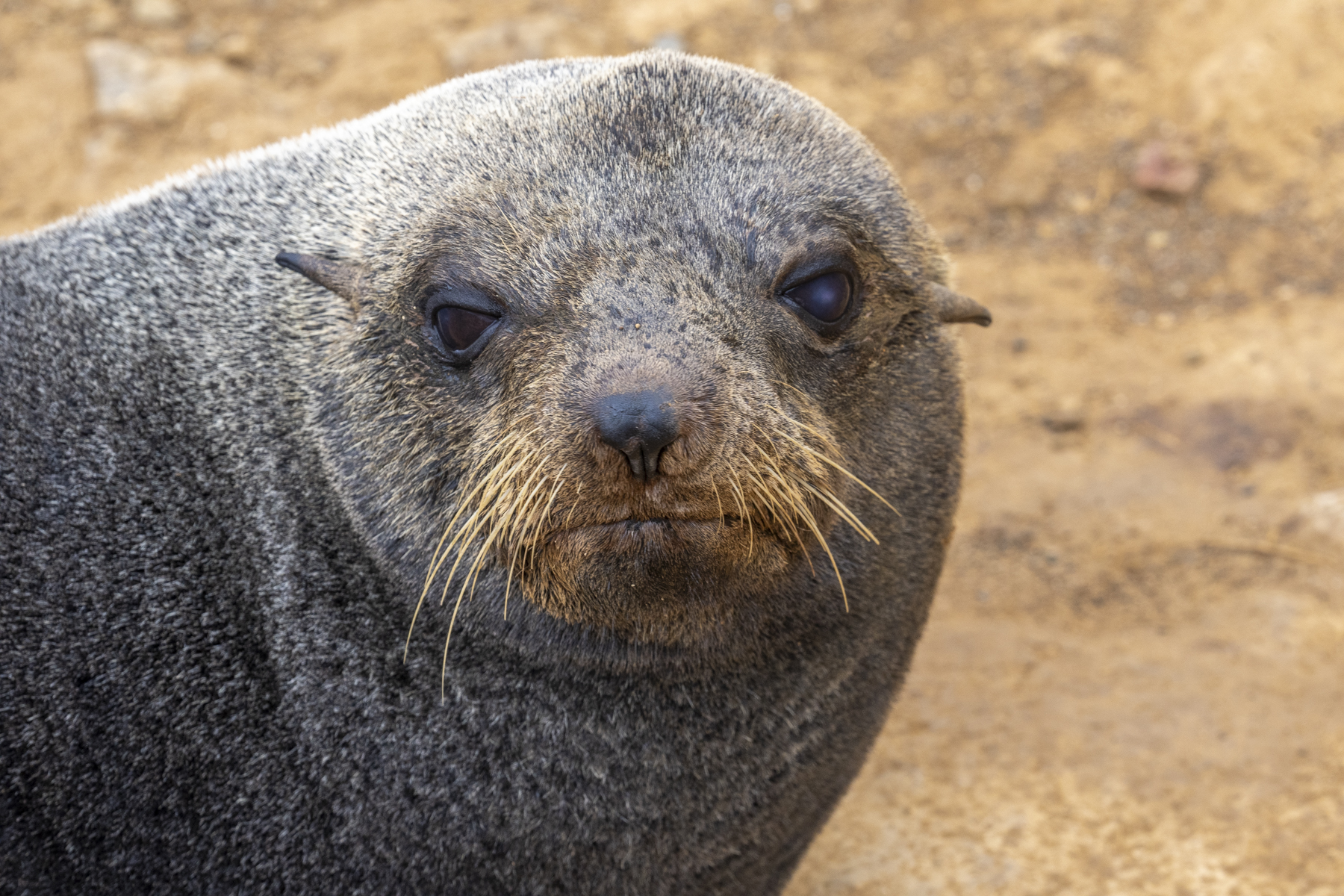
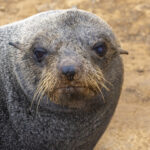
Juan Fernandez Fur Seal (image by Mark Beaman)
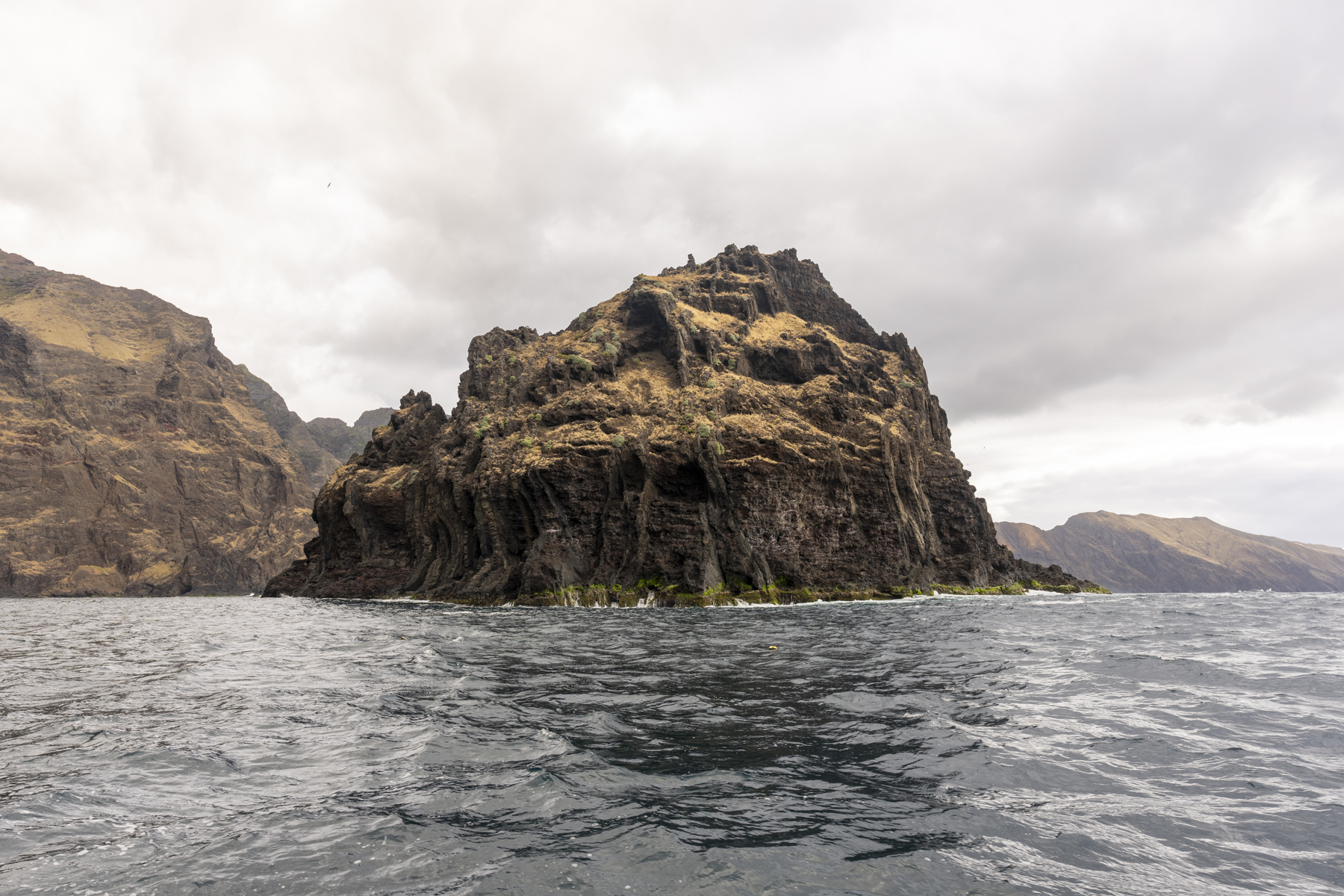
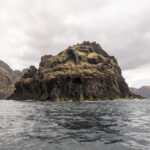
Islet off Robinson Crusoe (image by Mark Beaman)
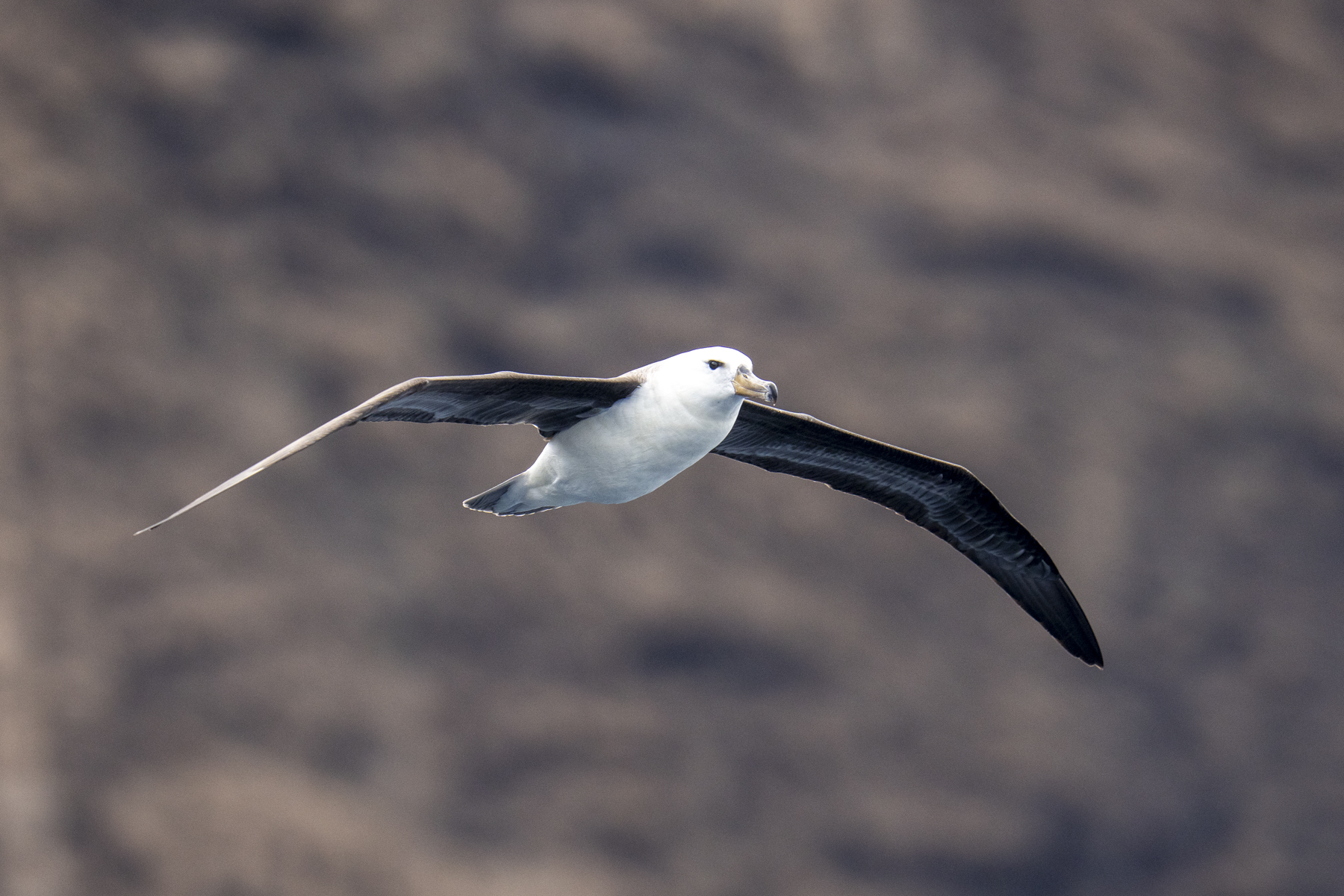
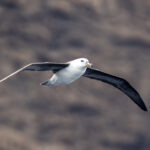
Black-browed Albatross immature (image by Mark Beaman)
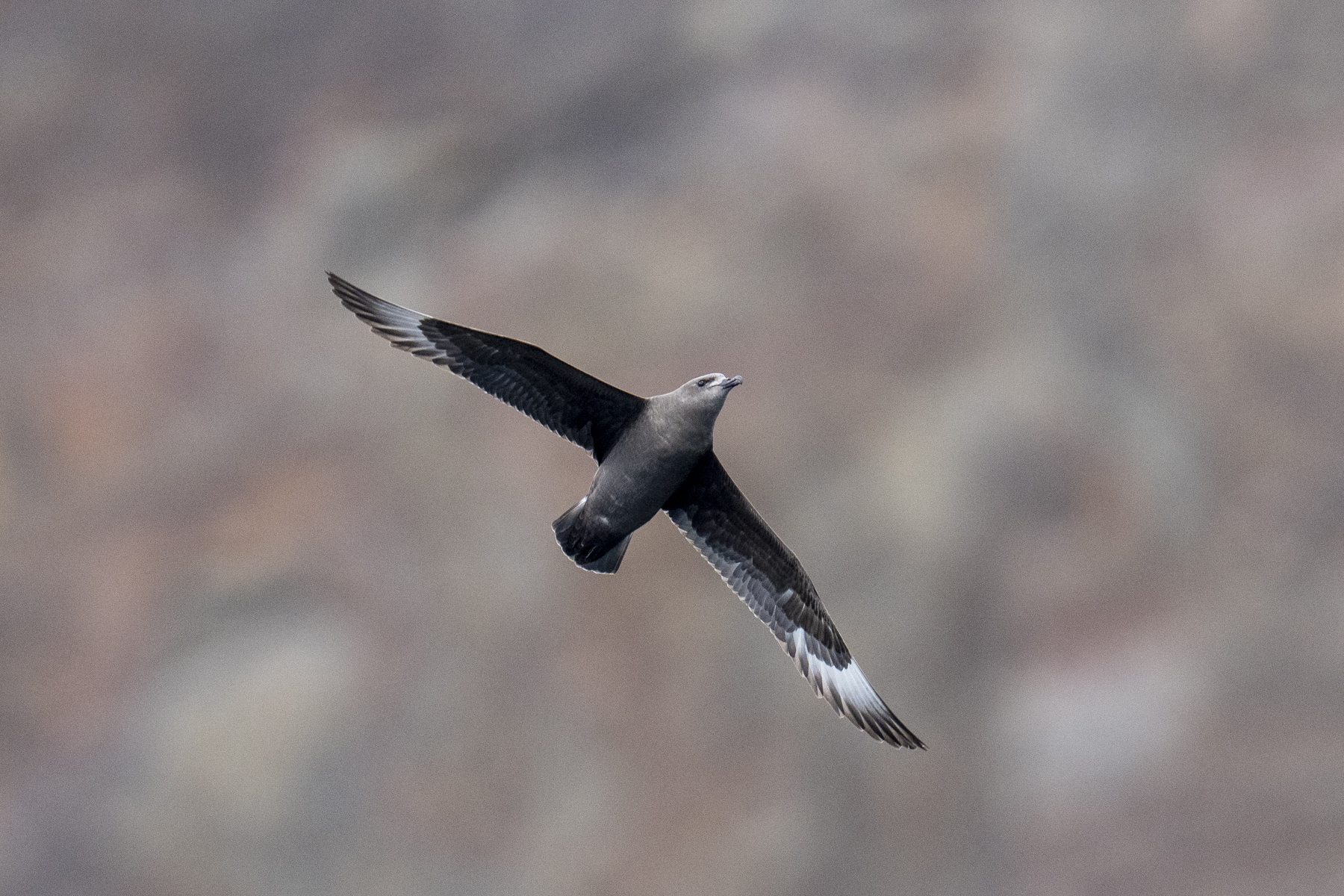
Kermadec Petrel (image by Mark Beaman)
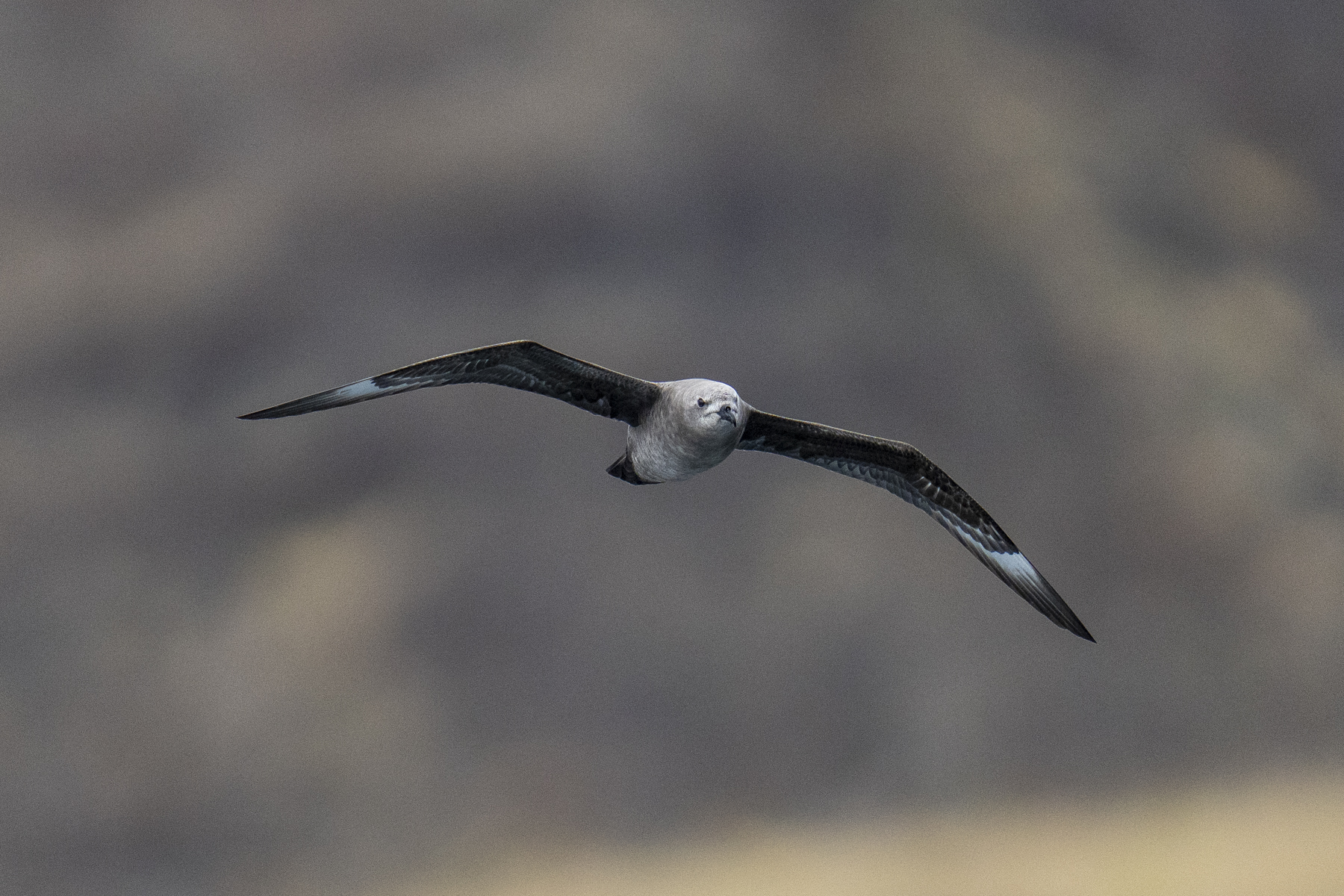
Kermadec Petrel (image by Mark Beaman)
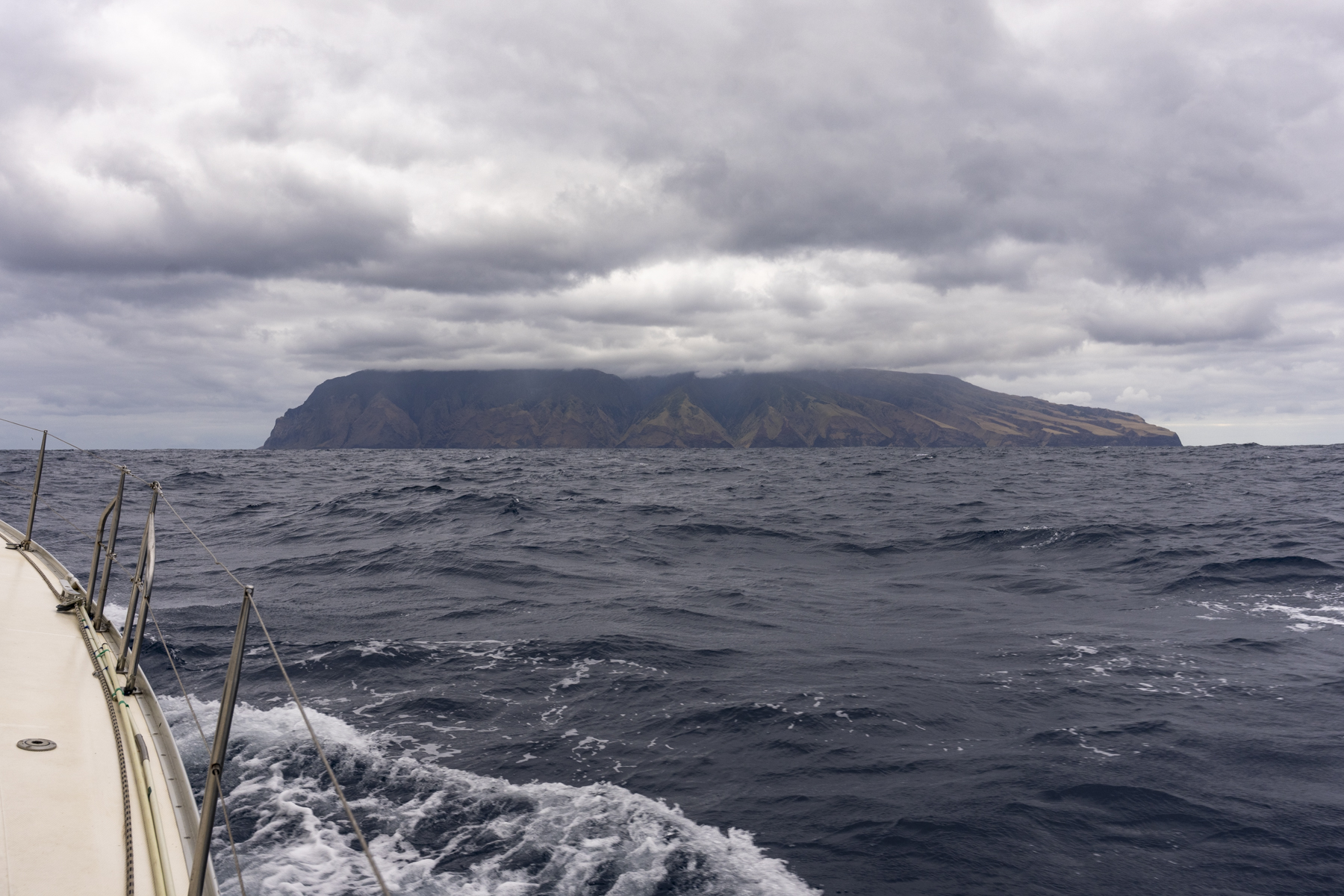
Masafuera/Alejandro Selkirk ahead (image by Mark Beaman)
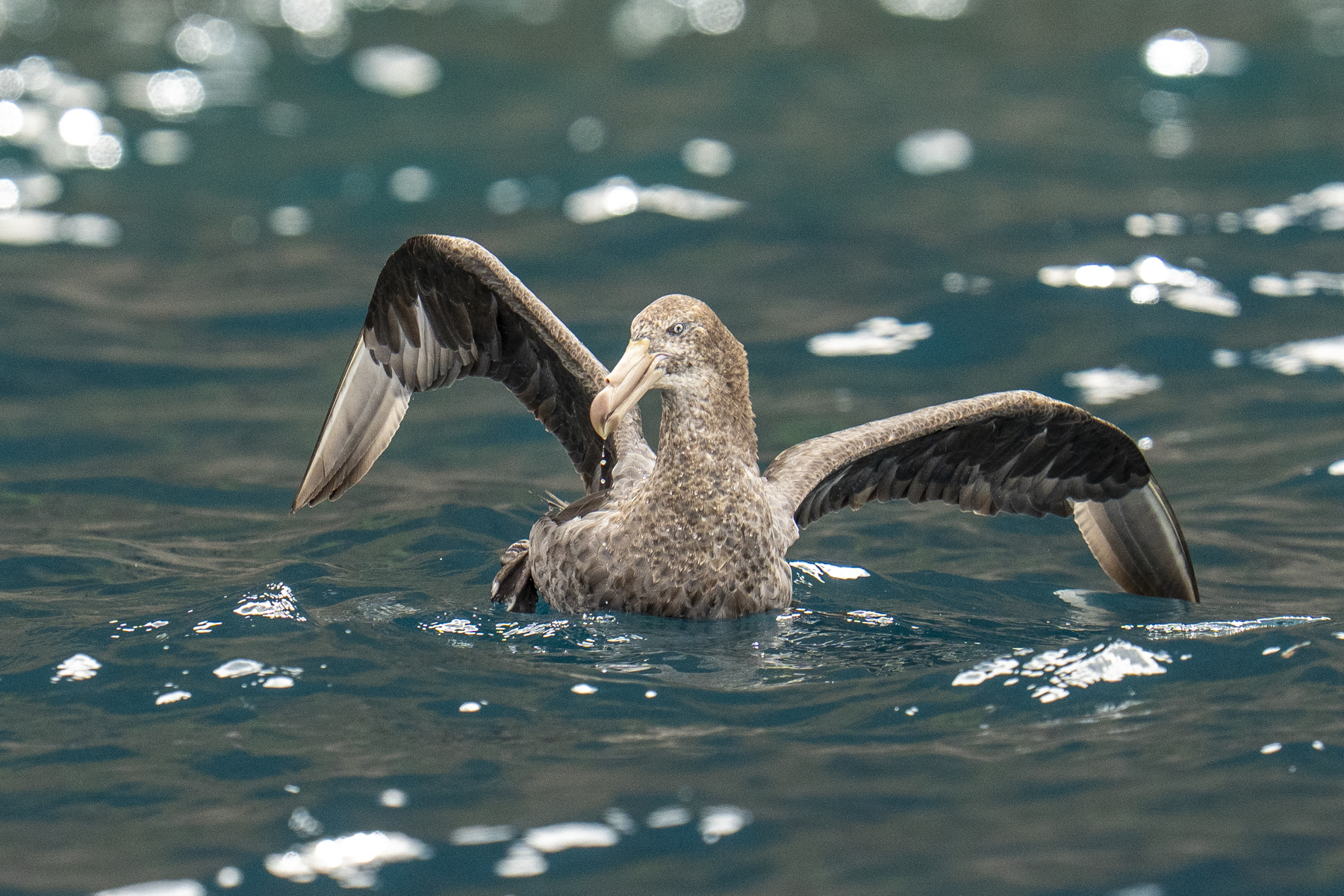
Northern Giant Petrel (image by Mark Beaman)
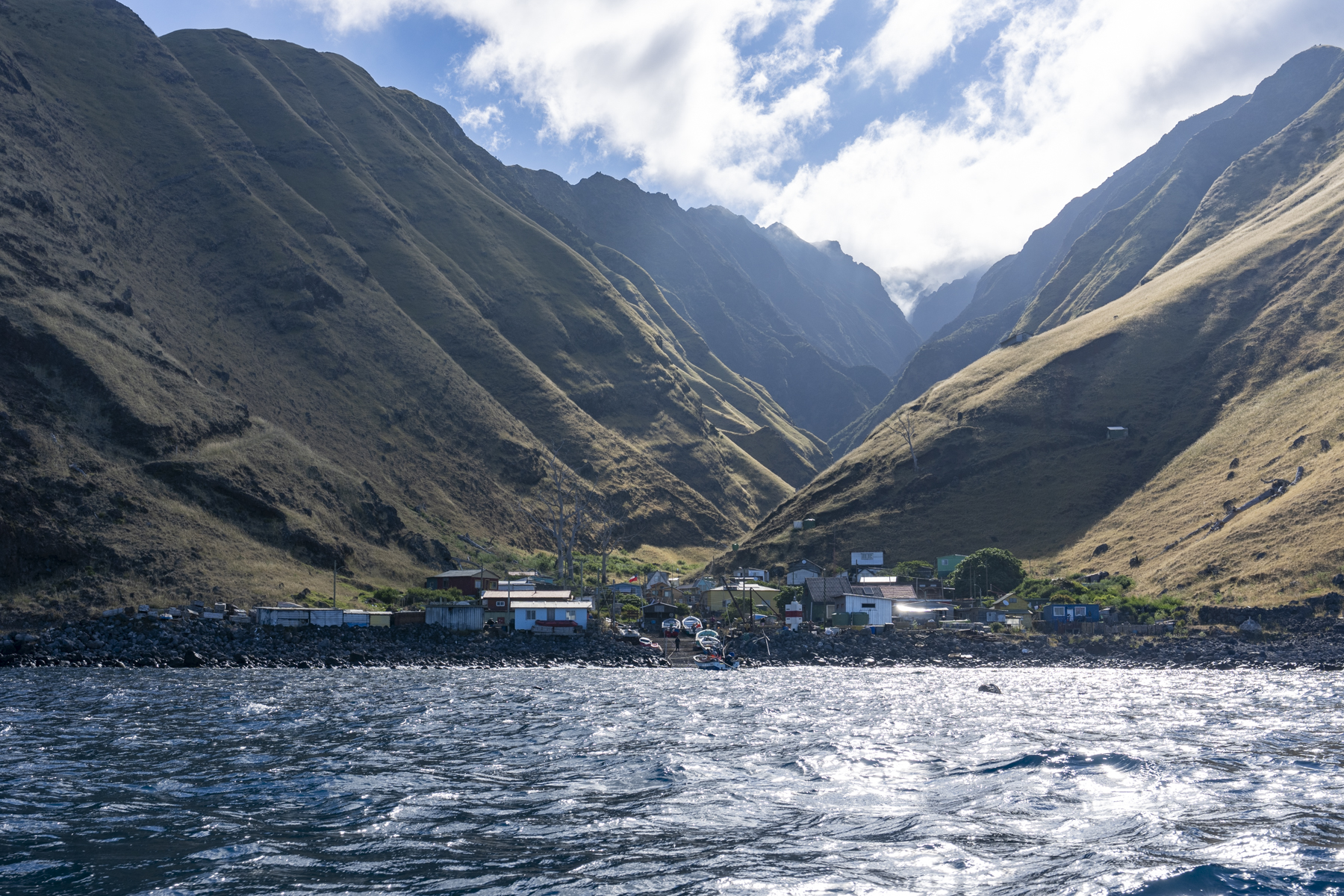
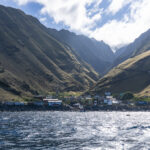
The 'lobster village' on Alejandro Selkirk or Masafuera (image by Mark Beaman)
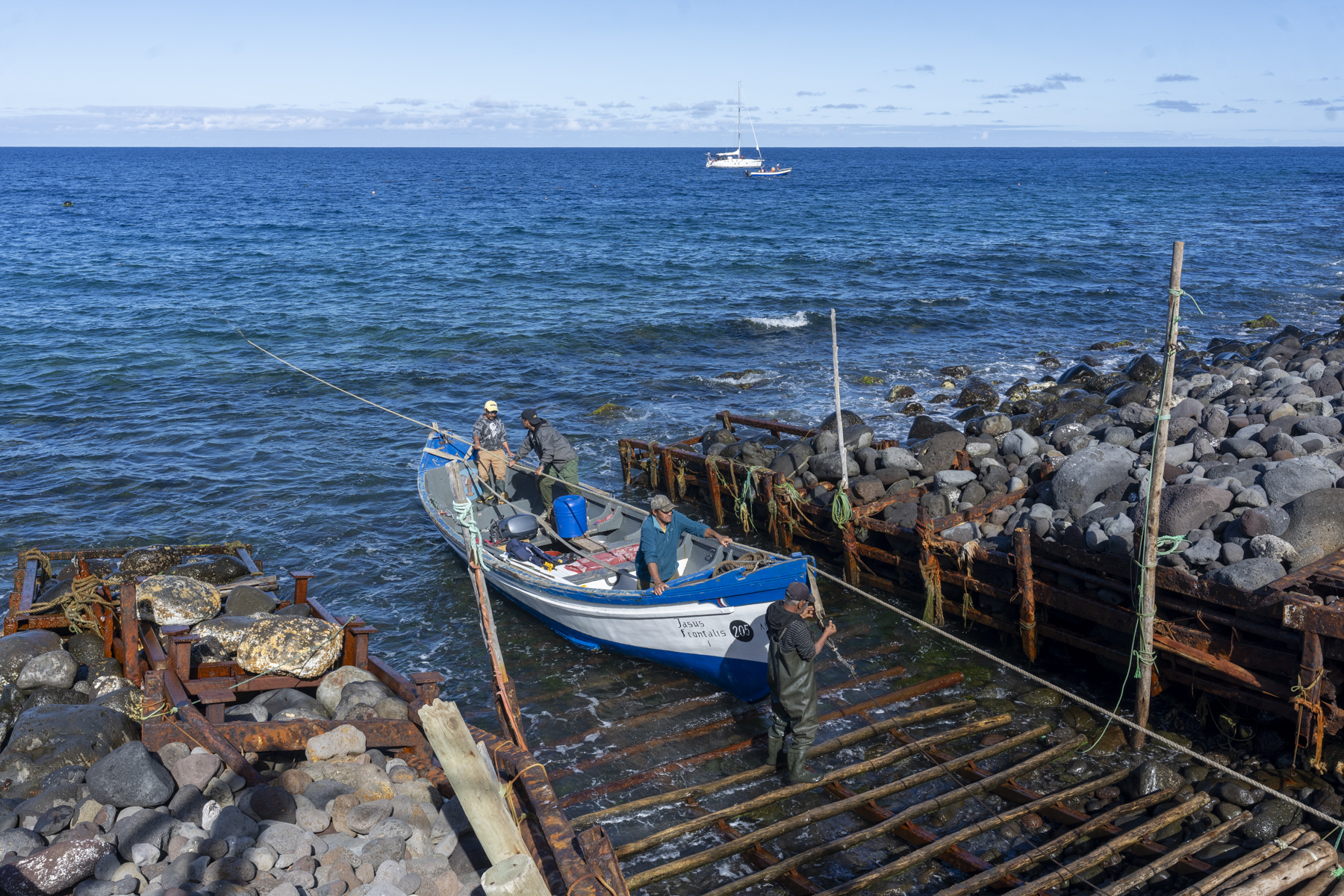
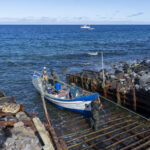
Alejandro Selkirk/Masafuera boat ramp (image by Mark Beaman)
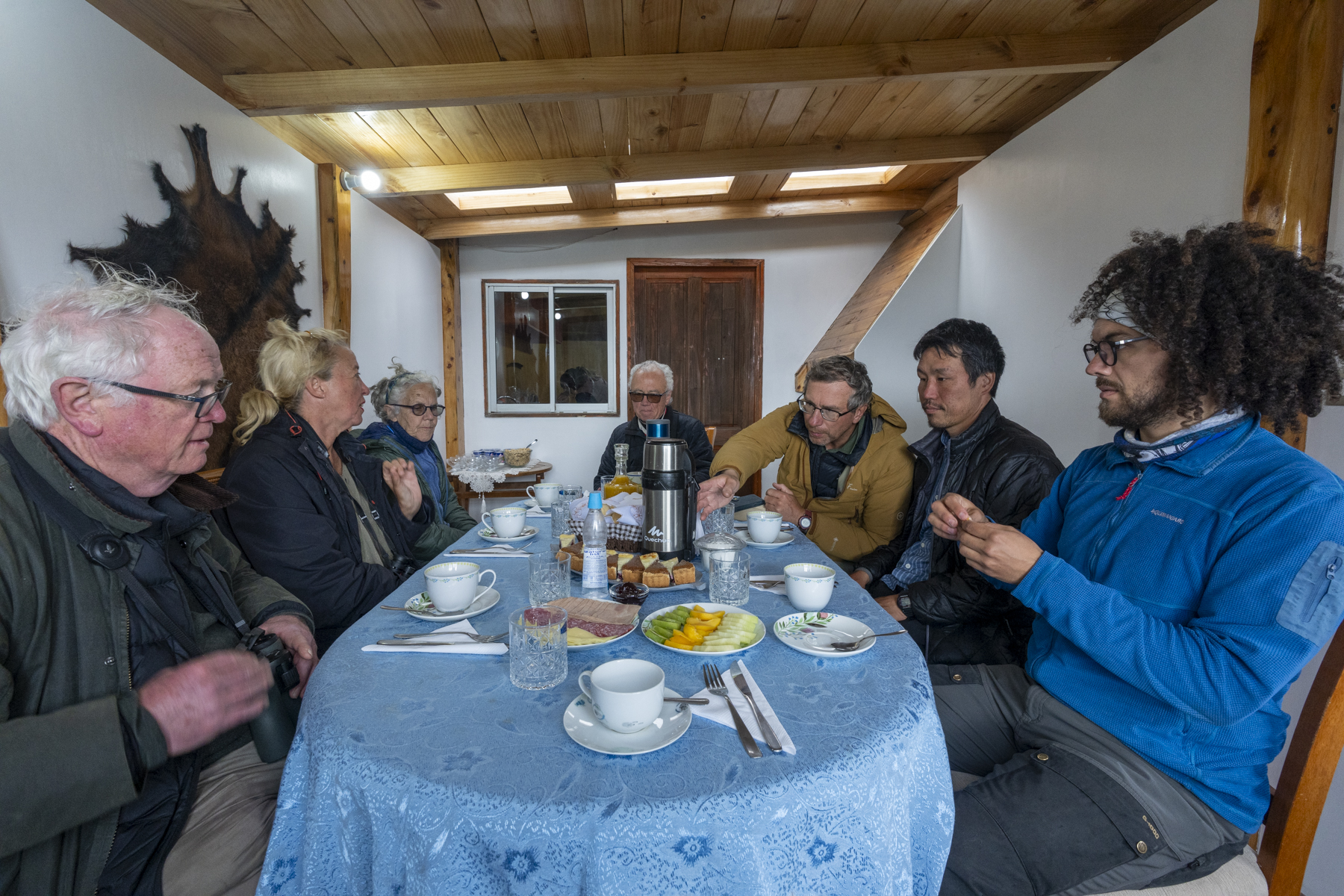
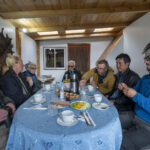
Masafuera lunch (image by Mark Beaman)
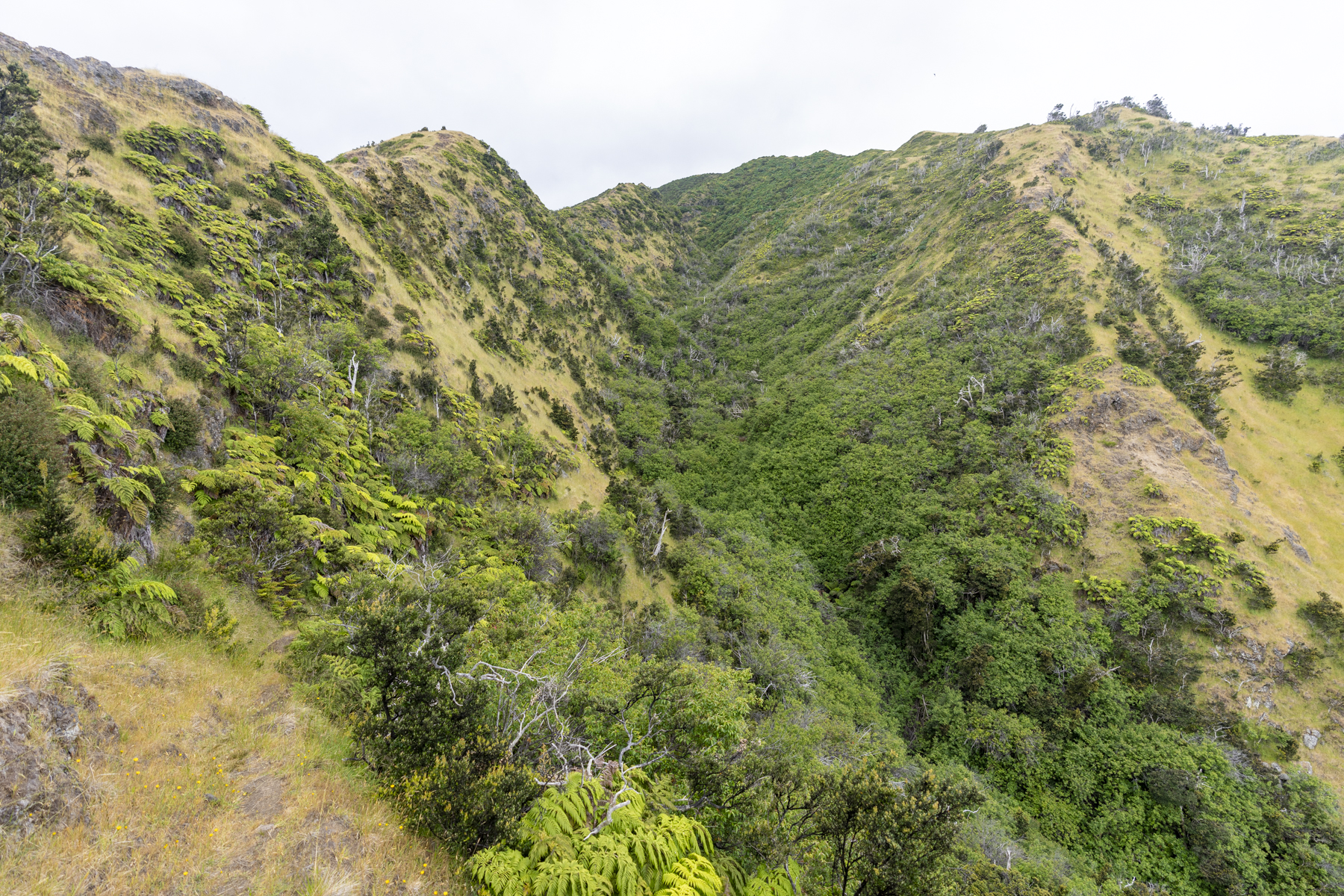
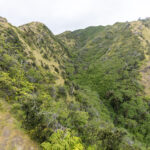
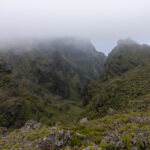
Masafuera landscape (image by Mark Beaman)
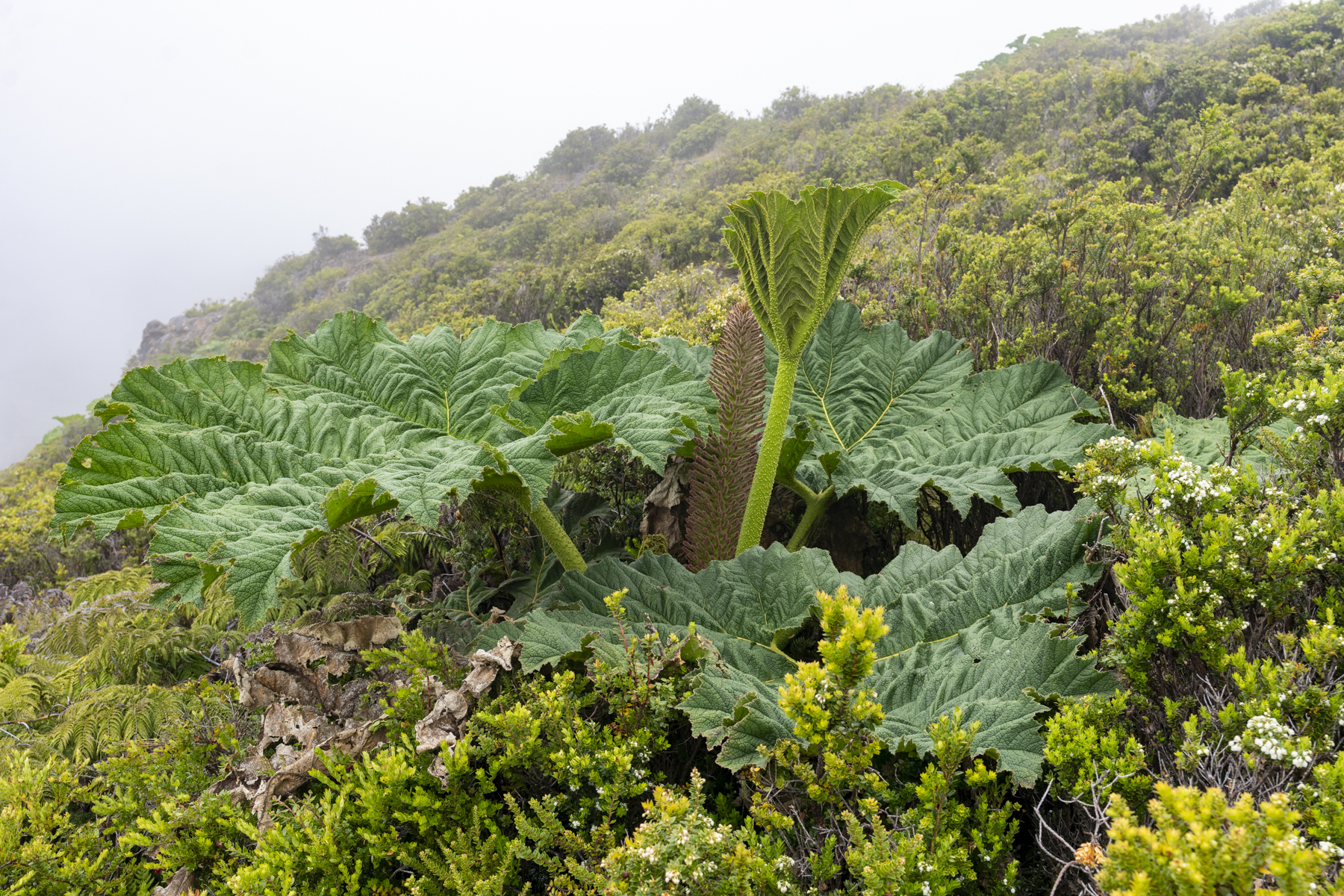
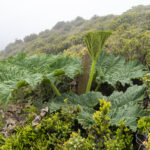
Endemic Gunnera, Masafuera (image by Mark Beaman)
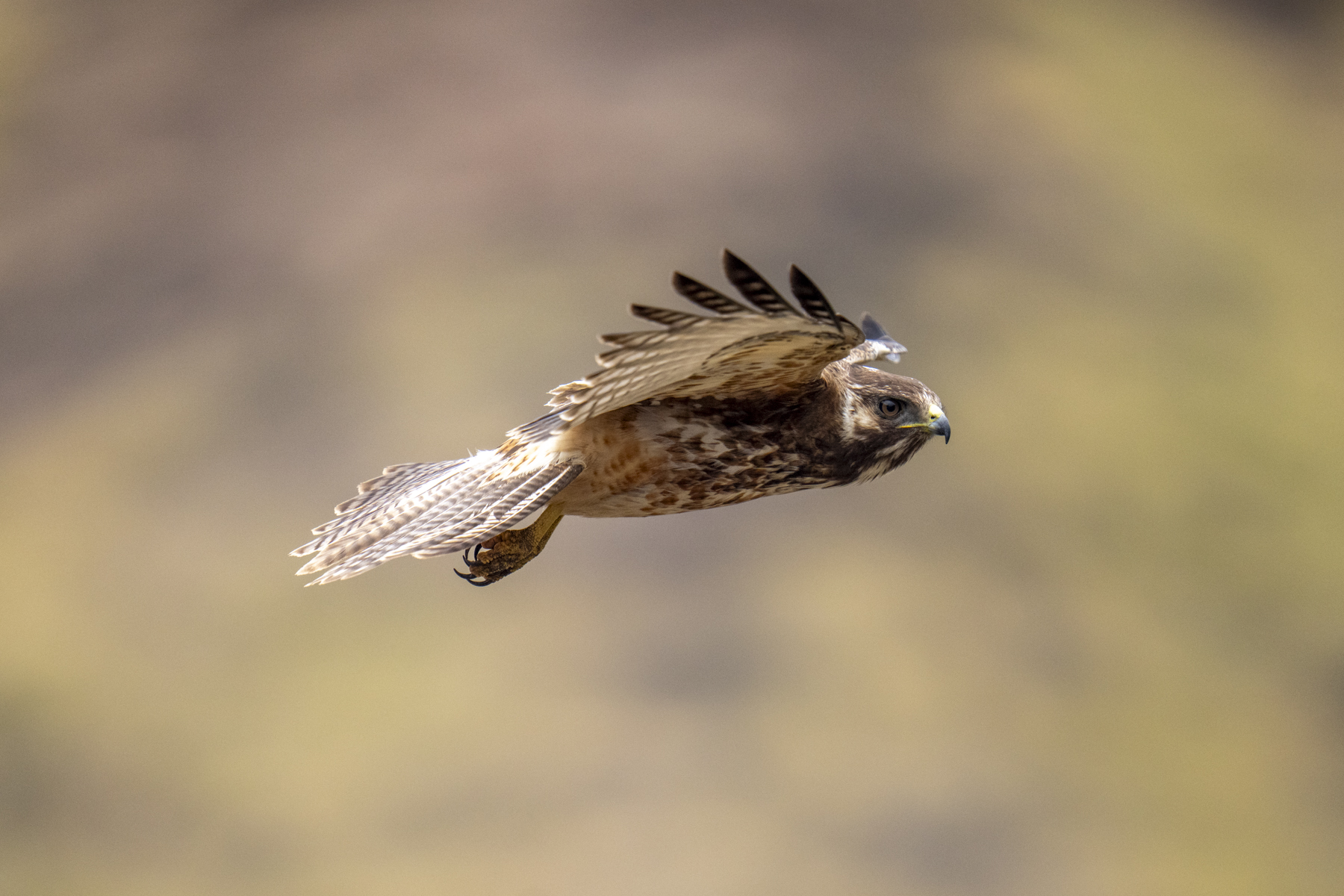
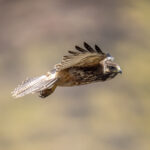
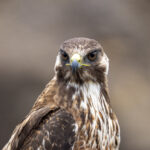
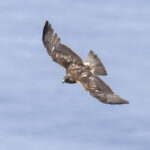
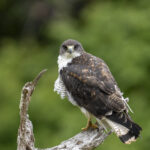
Masafuera Hawk (image by Mark Beaman)
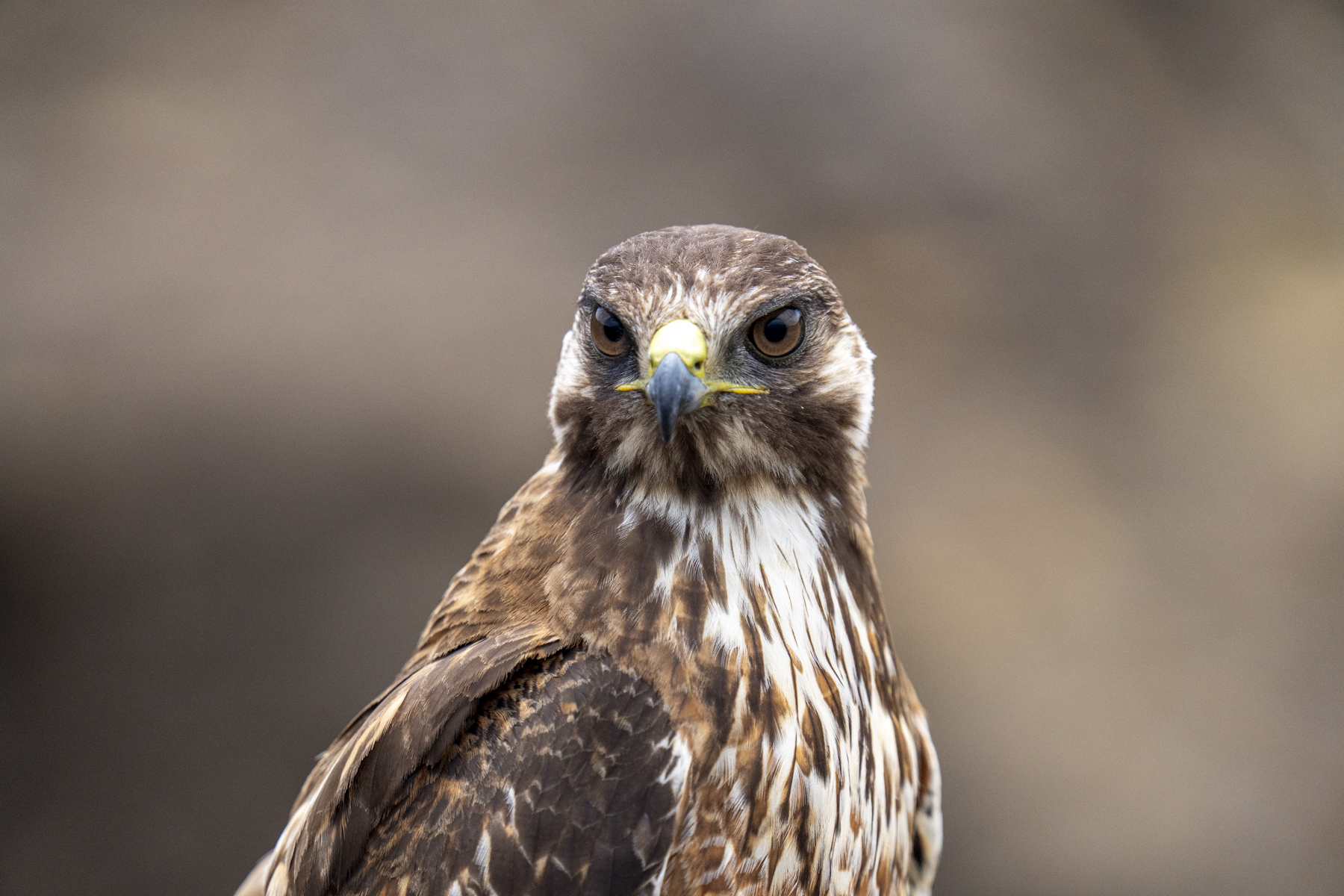
Masafuera Hawk (image by Mark Beaman)
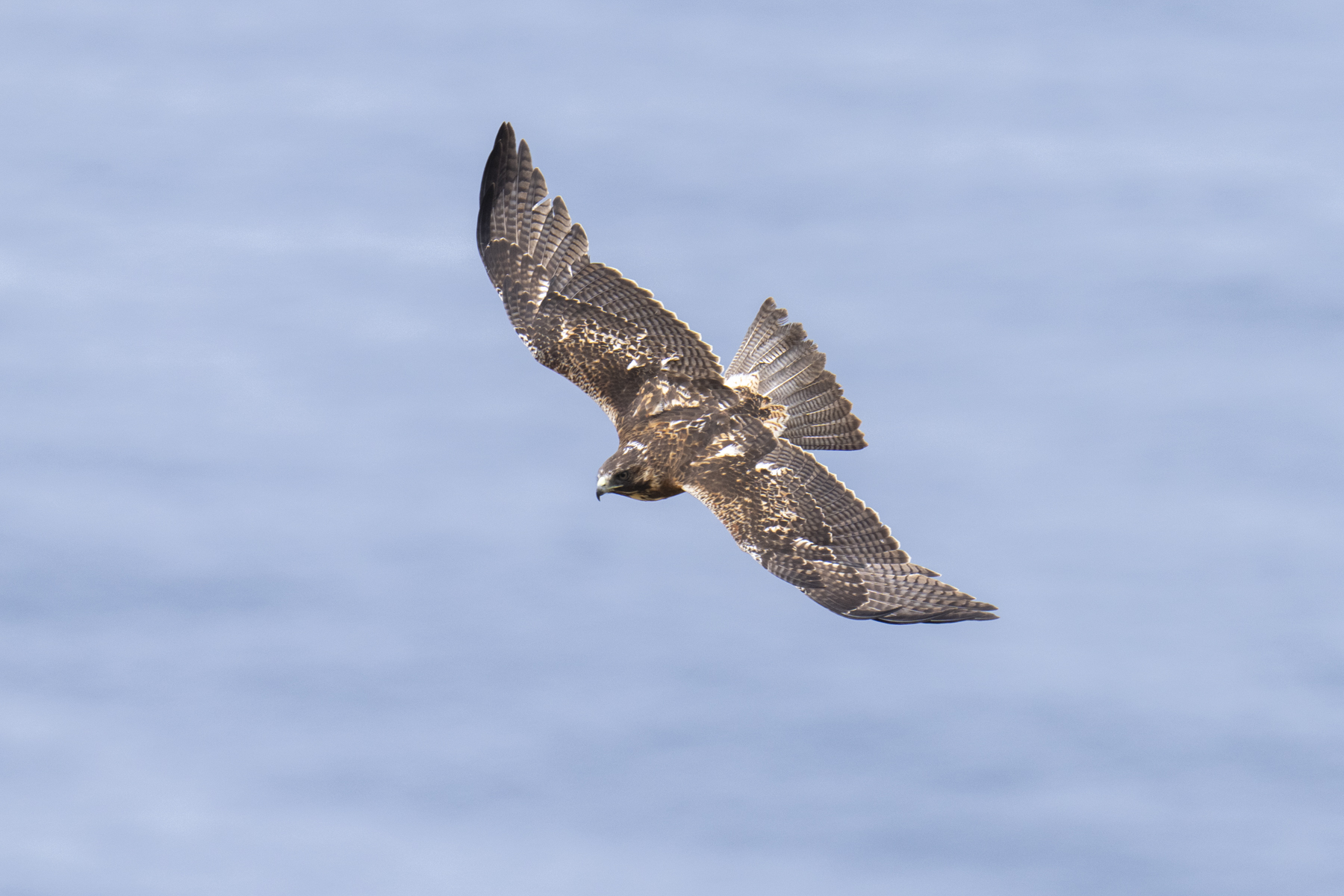
Masafuera Hawk (image by Mark Beaman)
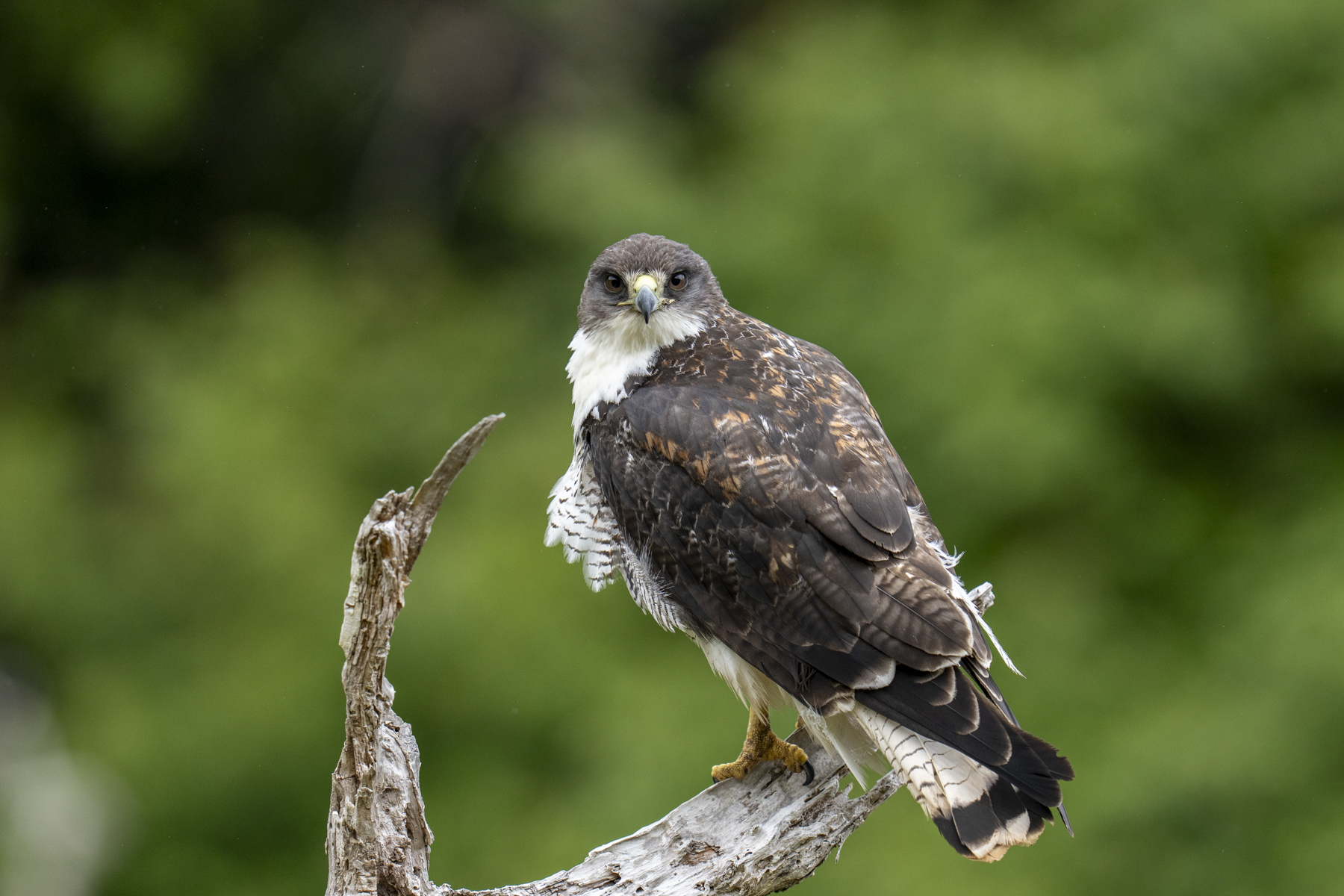
Masafuera Hawk (image by Mark Beaman)
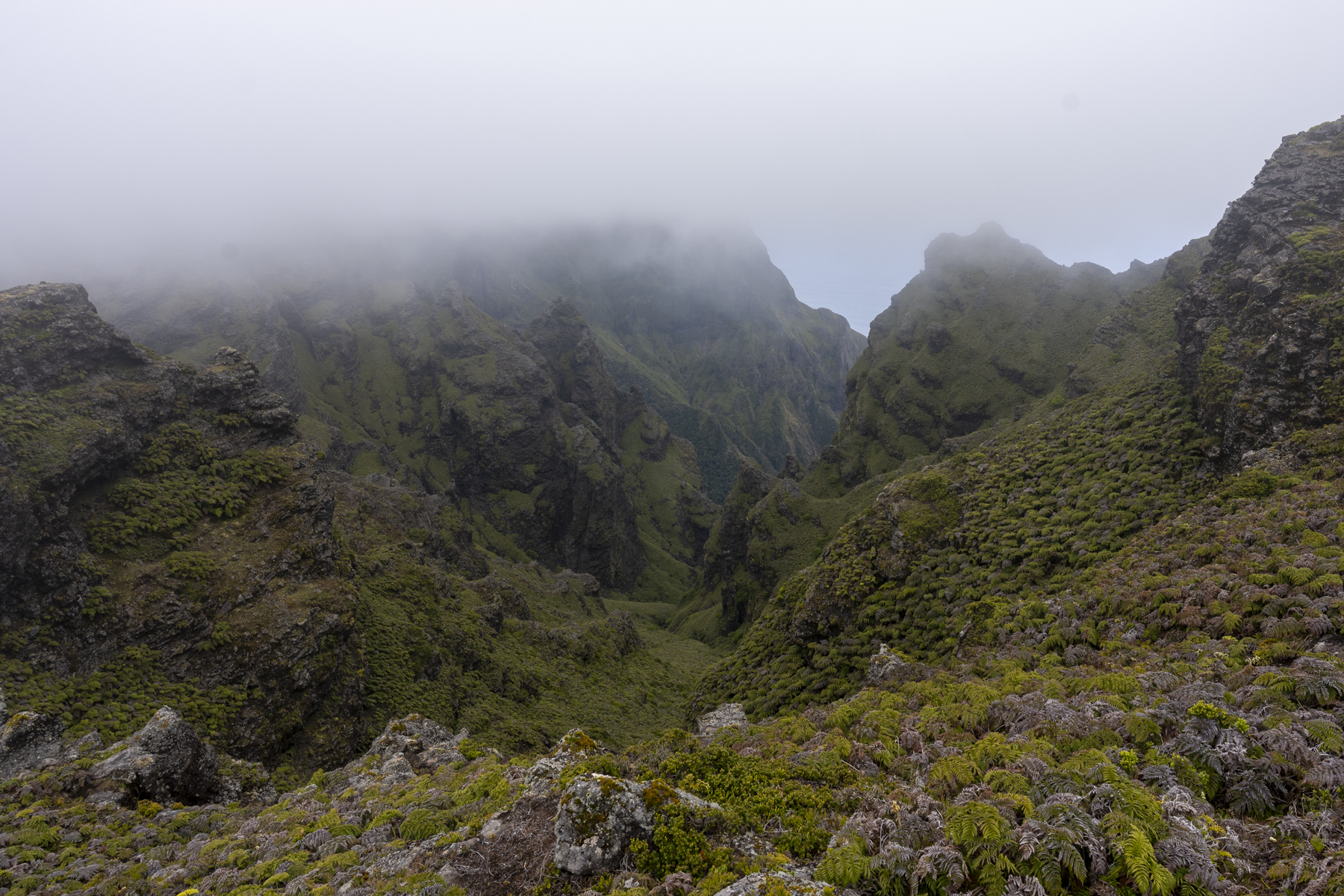
The highlands of Alejandro Selkirk or Masafuera (image by Mark Beaman)
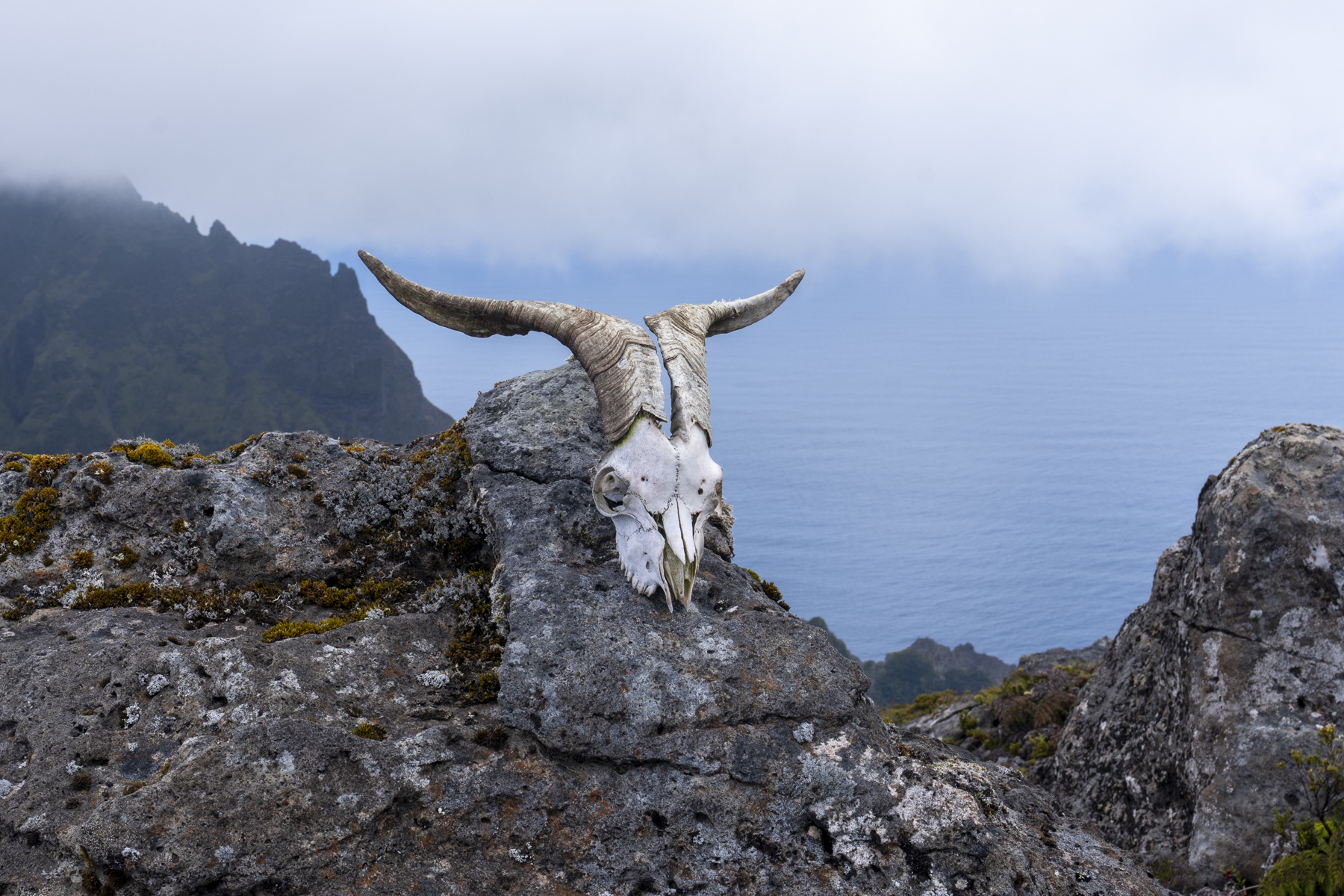
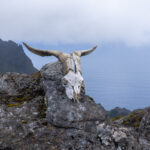
A pity there are still so many live ones on Masafuera! (image by Mark Beaman)
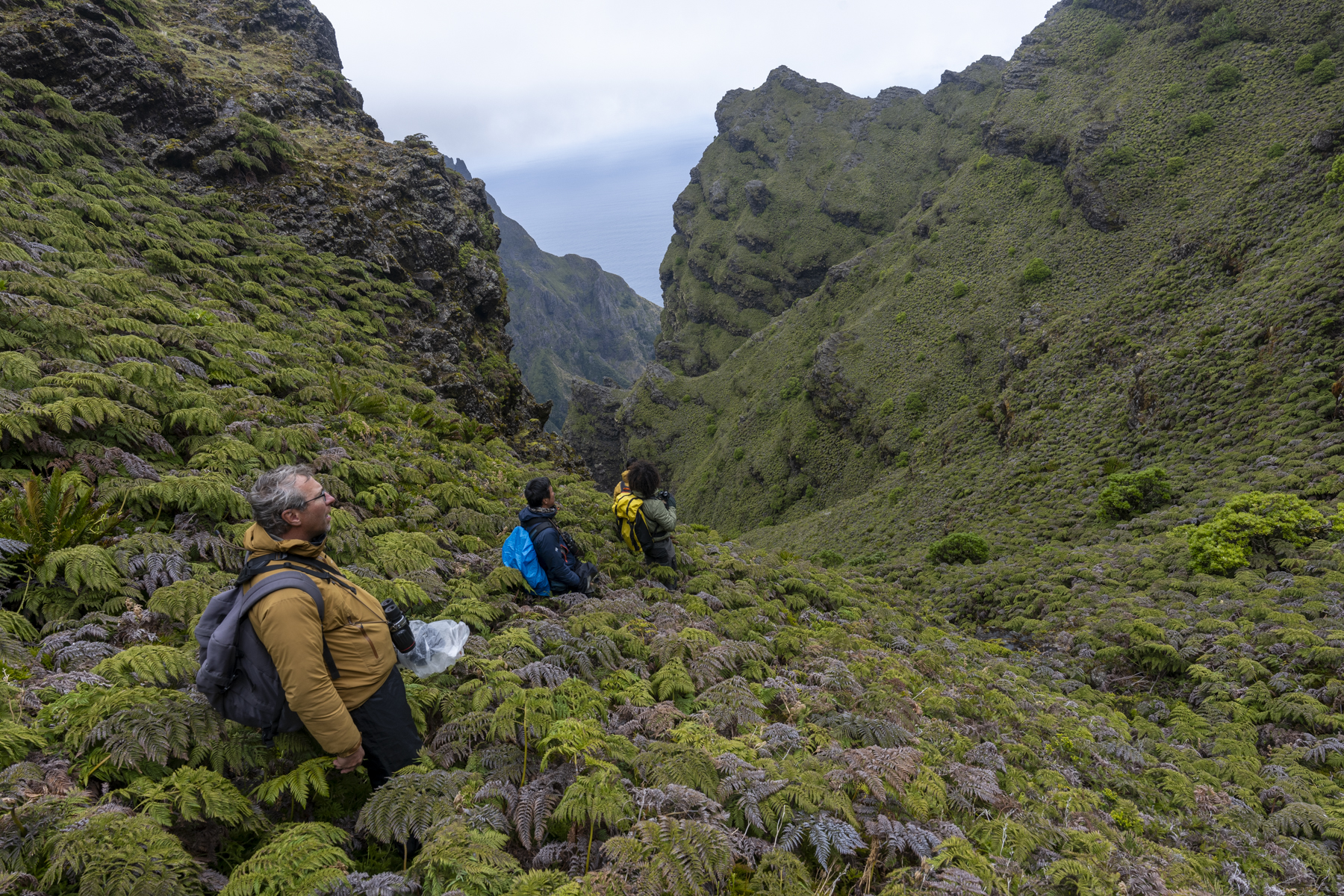
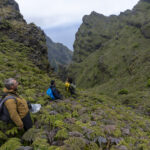
Searching for the Masafuera Rayadito (image by Mark Beaman)
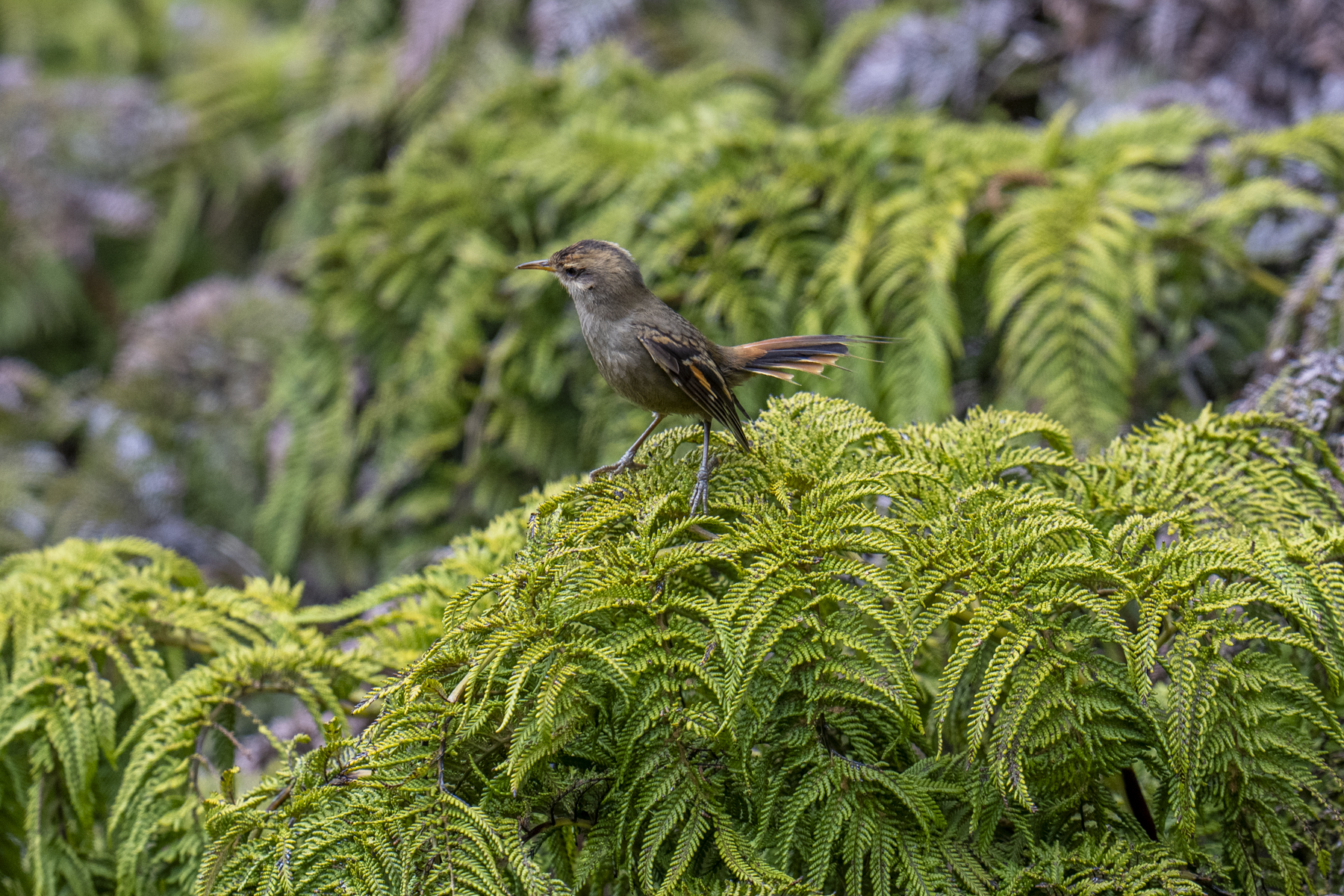
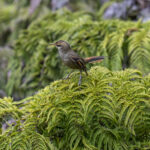
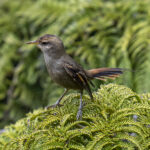
Masafuera Rayadito (image by Mark Beaman)
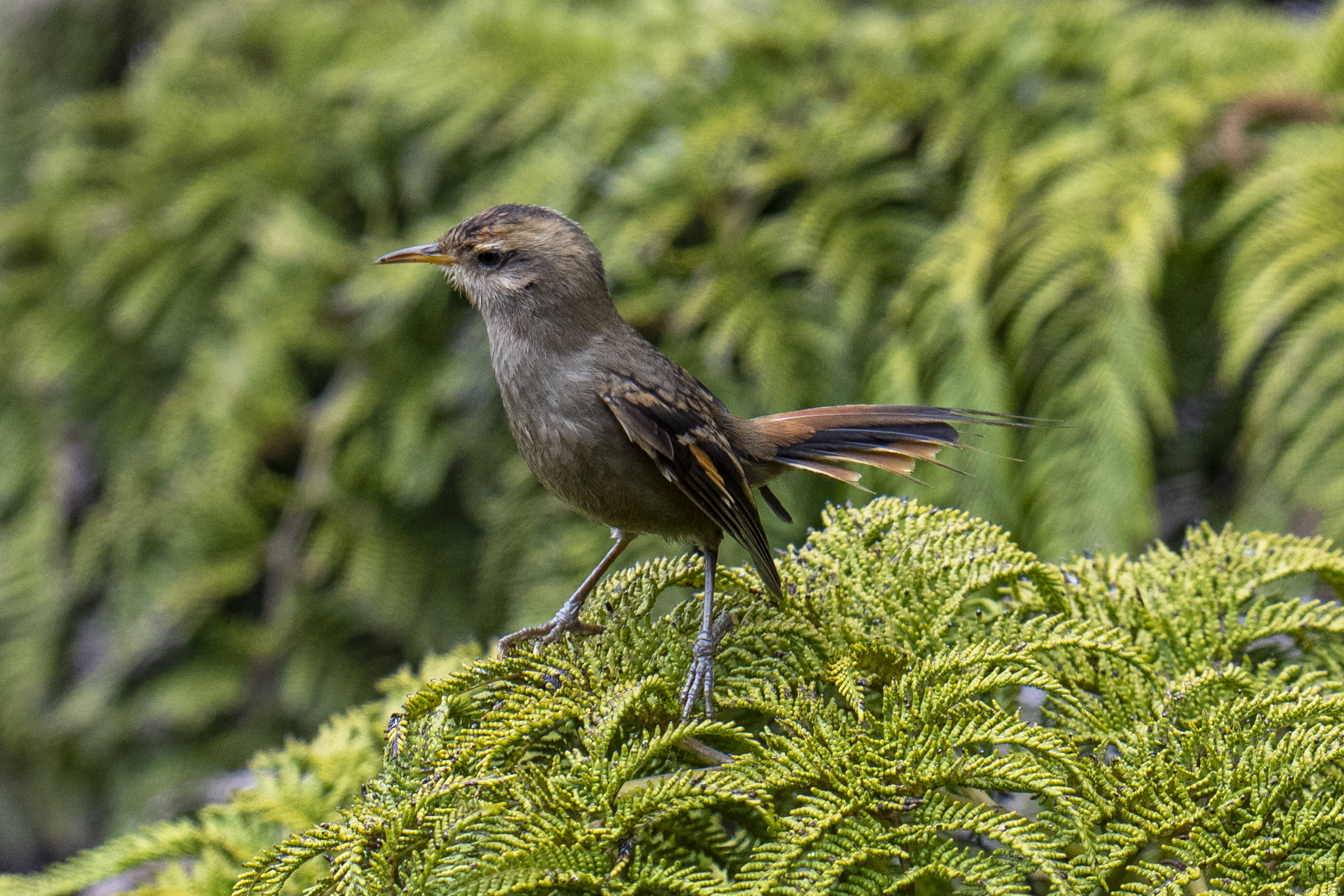
Masafuera Rayadito (image by Mark Beaman)
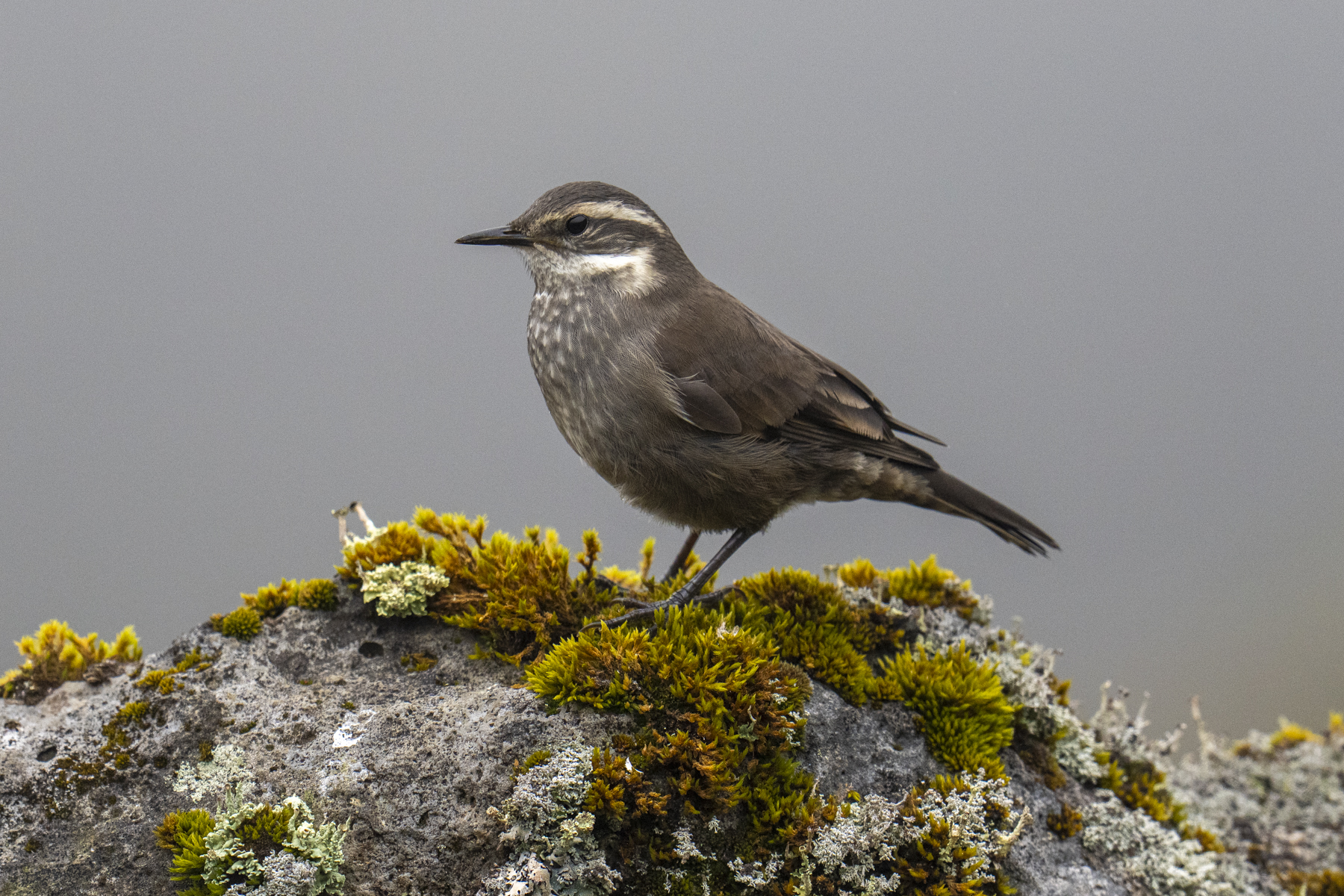
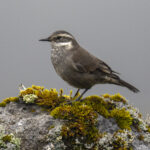
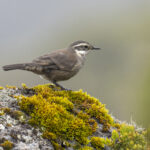
Masafuera Cinclodes (image by Mark Beaman)
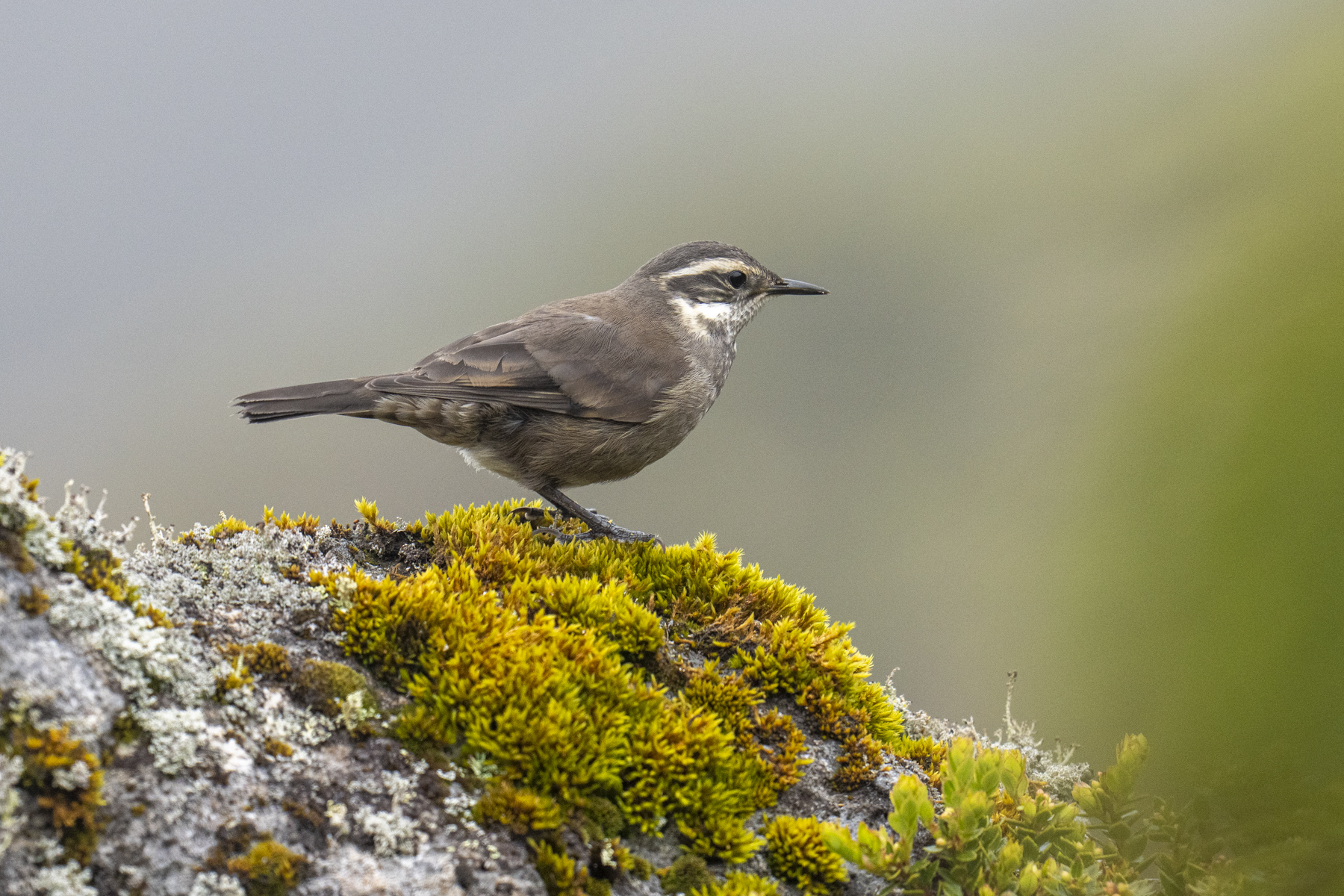
Masafuera Cinclodes (image by Mark Beaman)
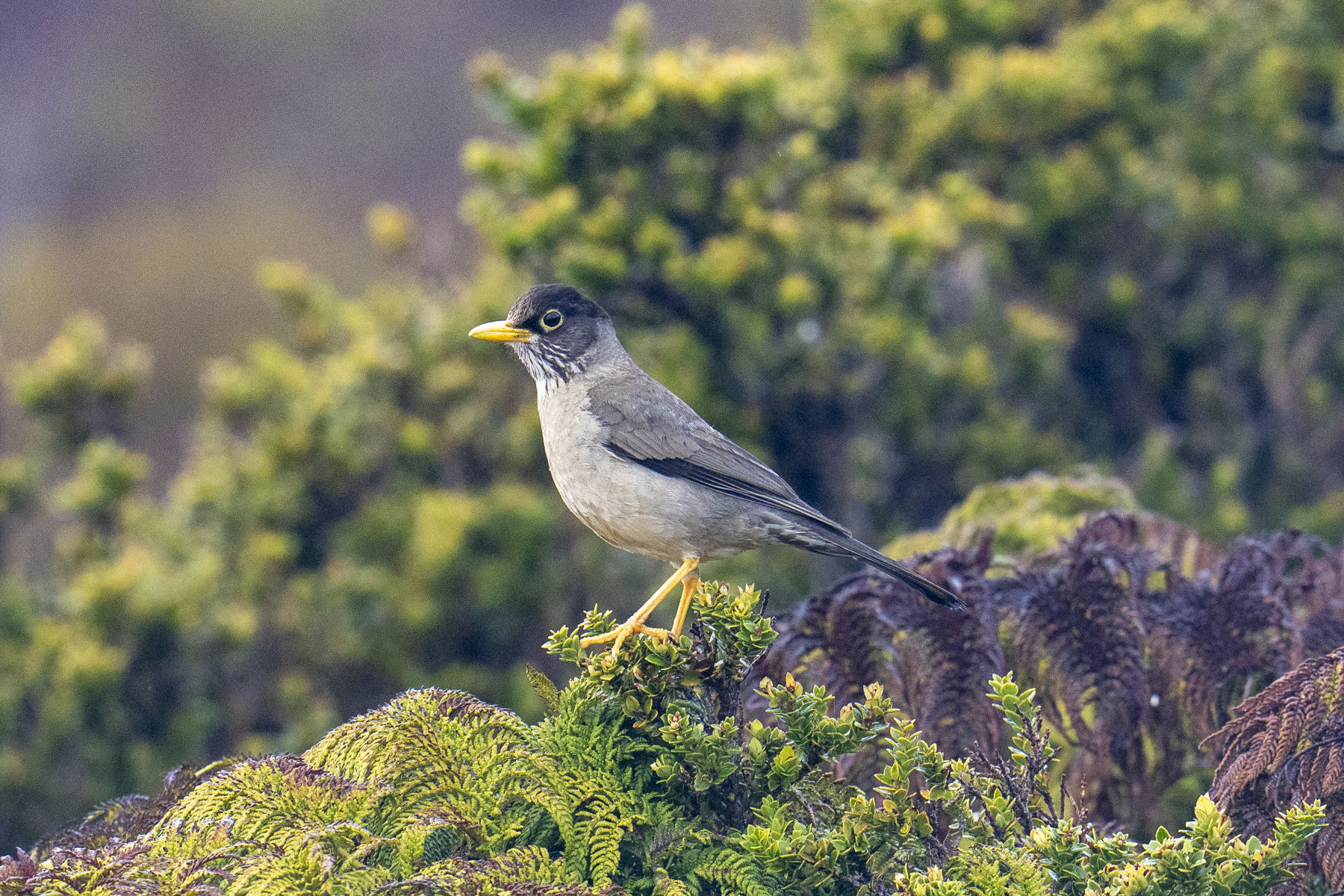
Austral Thrush on Masafuera (image by Mark Beaman)
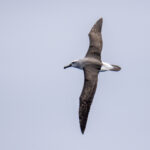
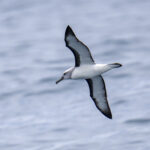
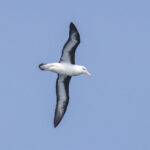
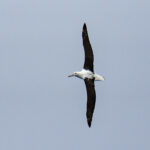
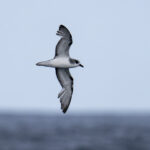
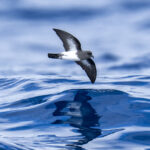
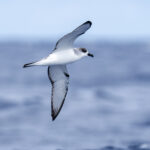
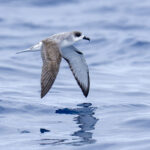
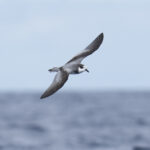
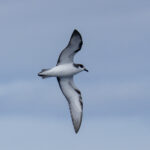
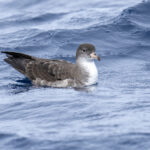
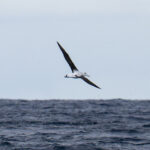
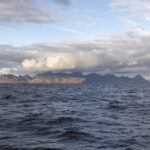

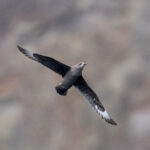
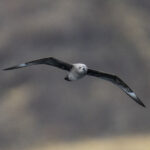
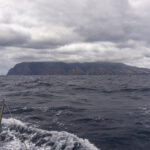
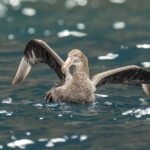


Masatierra or De Filippi's Petrel (image by Mark Beaman)
Algarrobo harbour (image by Mark Beaman)
Algarrobo coastline (image by Mark Beaman)
Buller's Albatross (image by Mark Beaman)
Buller's Albatross (image by Mark Beaman)
Black-browed Albatross (image by Mark Beaman)
Northern Royal Albatross (image by Mark Beaman)
Southern Giant Petrel (image by Mark Beaman)
Masatierra or De Filippi's Petrel (image by Mark Beaman)
Masatierra or De Filippi's Petrel (image by Mark Beaman)
White-bellied Storm Petrel (image by Mark Beaman)
White-bellied Storm Petrel (image by Mark Beaman)
Juan Fernandez Petrel (image by Mark Beaman)
Juan Fernandez Petrel (image by Mark Beaman)
Stejneger's Petrel (image by Mark Beaman)
Stejneger's Petrel (image by Mark Beaman)
Pink-footed Shearwater (image by Mark Beaman)
Antipodean Albatross off Robinson Crusoe (image by Mark Beaman)
Masatierra landfall (image by Mark Beaman)
Robinson Crusoe or Masatierra (image by Mark Beaman)
Life on board (image by Mark Beaman)
San Juan Bautista, Robinson Crusoe (image by Mark Beaman)
The interior of Masatierra/Robinson Crusoe (image by Mark Beaman)
Endemic Gunnera, Robinson Crusoe (image by Mark Beaman)
Gunnera flower, Robinson Crusoe (image by Mark Beaman)
Gunnera detail (image by Mark Beaman)
Juan Fernandez Firecrown (image by Mark Beaman)
Juan Fernandez Firecrown (image by Mark Beaman)
Juan Fernandez Firecrown female (image by Mark Beaman)
Juan Fernandez Tit-Tyrant (image by Mark Beaman)
Red-legged Cormorant (image by Mark Beaman)
Juan Fernandez Fur Seals (image by Mark Beaman)
Juan Fernandez Fur Seals (image by Mark Beaman)
Juan Fernandez Fur Seal (image by Mark Beaman)
Islet off Robinson Crusoe (image by Mark Beaman)
Black-browed Albatross immature (image by Mark Beaman)
Kermadec Petrel (image by Mark Beaman)
Kermadec Petrel (image by Mark Beaman)
Masafuera/Alejandro Selkirk ahead (image by Mark Beaman)
Northern Giant Petrel (image by Mark Beaman)
The 'lobster village' on Alejandro Selkirk or Masafuera (image by Mark Beaman)
Alejandro Selkirk/Masafuera boat ramp (image by Mark Beaman)
Masafuera lunch (image by Mark Beaman)
Masafuera landscape (image by Mark Beaman)
Endemic Gunnera, Masafuera (image by Mark Beaman)
Masafuera Hawk (image by Mark Beaman)
Masafuera Hawk (image by Mark Beaman)
Masafuera Hawk (image by Mark Beaman)
Masafuera Hawk (image by Mark Beaman)
The highlands of Alejandro Selkirk or Masafuera (image by Mark Beaman)
A pity there are still so many live ones on Masafuera! (image by Mark Beaman)
Searching for the Masafuera Rayadito (image by Mark Beaman)
Masafuera Rayadito (image by Mark Beaman)
Masafuera Rayadito (image by Mark Beaman)
Masafuera Cinclodes (image by Mark Beaman)
Masafuera Cinclodes (image by Mark Beaman)
Austral Thrush on Masafuera (image by Mark Beaman)


JUAN FERNÁNDEZ EXPEDITION REPORT 2024

1 - 13 December 2024
Mark Beaman
Almost all birders have remote islands at the ‘End of the World’ that they dream of visiting, and I am no exception. I have been lucky enough to travel all over Chile, including travelling to offshore islands as remote as Carlos III in the southern fjords, Cape Horn and even the far-flung Diego Ramirez group, but the Holy Grail of Chilean remoteness for me was Masafuera (now renamed Alejandro Selkirk, who, confusingly, was actually marooned on Masatierra, now renamed Robinson Crusoe Island!). It took a lot of work, with my good friend Enrique Couve squaring the expedition with the Chilean navy and the national park authorities, but eventually I, Enrique and his son David, and a hardy set of Birdquesters (Inger, James, Ryosuke, Sarah and Yann) were ready to set sail from Algarrobo on the coast of Central Chile. Yes, there is no way to get to Masafuera/Alejandro Selkirk except by boat from the mainland, as the local boats out of Robinson Crusoe are not fit for such a long and potentially risky crossing!
What could possibly go wrong? Well, of course it was the weather! The Juan Fernández Islands are supposedly subtropical, but the reality is far from it. They are definitely in the temperate zone! And between Juan Fernández and the mainland is a huge expanse of the Pacific, and in particular the cold Humboldt Current that flows from southern Chile all the way up to the Galapagos Islands off Ecuador. This great mixing of the waters, combined with depressions coming out of the southwest, makes for unpredictable weather in the area. No wonder the flights into and out of Robinson Crusoe are notorious for weather-related delays and cancellations.
We were tipped off that bad weather was on its way, even while we gathered near Santiago Airport, but ever optimistic, as most birders are, we headed for the coast and enjoyed really great views of the often tricky Stripe-backed Bittern, as well as the handsome Coscoroba Swan, Chiloe Wigeon, Yellow-billed Pintail, Lake Duck, Red-gartered Coot, Brown-hooded and Franklin’s Gulls, Giant Hummingbird, Rufous-tailed Plantcutter, Thorn-tailed Rayadito, Austral Thrush, Long-tailed Meadowlark and Austral Blackbird.
Down at the dock, it soon became obvious, on consulting with the captain of our ocean-going yacht, that a big weather system was moving in and that we were not likely to be able to sail for at least 36 hours! It was just as well that we had allowed extra time for just such an eventuality.
So, there was nothing for it but to explore the pretty Algarrobo area and find what we could during our unavoidable delay.
A visit to the beautiful canyon at Quebrada Córdova turned up such Chilean or regional specialities as Chilean Pigeon, Green-backed Firecrown, Striped Woodpecker, Chilean Elaenia, Fire-eyed Diucon, the endemic Dusky Tapaculo, Plain-mantled Tit-Spinetail, the endemic Dusky-tailed Canastero and Black-chinned Siskin. A couple of introduced California Quail looked very much at home in the chaparral vegetation.
Along the rocky coastline, the influence of the Humboldt Current was obvious, with numerous seabirds present, including Peruvian Boobies, huge Peruvian Pelicans, Red-legged, Guanay and Neotropic Cormorants, Kelp Gulls and Inca and South American Terns, as well as South American Sealions. A protected rocky headland held a fair-sized colony of cute Humboldt Penguins.
Some interesting shorebirds included Blackish Oystercatcher and Surfbird, while other notable species included the endemic Chilean Seaside Cinclodes and some much more confiding Dusky Tapaculos.
At last, the wind dropped and the sea calmed, and some 40 hours behind schedule, we left Algarobbo behind and headed out into the Humboldt on our pelagic adventure. We were going to miss those seaside dinners!
Coastal birds soon petered out, but not far offshore, we started to see diminutive Peruvian Diving Petrels and the first of many Pink-footed and Sooty Shearwaters. As we traversed deeper water, albatrosses started to appear, not just Black-browed but also Buller’s, Salvin’s and both Northern Royals and a couple of Southern Royals. Five species in just a few hours.
Other seabird additions included Northern and Southern Giant Petrels, Wilson’s Storm Petrel, a lone Pintado (or Cape) Petrel, a lingering Southern Fulmar that ought to have been down in the Subantarctic by December, White-chinned Petrels, four Westland Petrels, Chilean Skuas and some 30 Red Phalaropes.
Best of all, once we got well offshore, the much sought-after Masatierra (or De Filippi’s) Petrel started to appear in considerable numbers. Many were in wing moult as the breeding season had recently finished (they nest on islands around Robinson Crusoe and on another island group further north).
Fortunately for us, the calmer weather helped, and we could all get used to life on a sailing yacht, including working out how to manoeuvre around the small cabins full of birders’ paraphernalia. And there were weird things like the toilets on the higher side of the yacht would not work when she was heeled well over, and their water supply was cut off! The food was a world away from a large expedition ship, and I don’t miss the endless crackers, cheese and salami, etc. Sitting in the large, canopied cockpit was comfortable, but watching passing seabirds involved getting used to the wire stays, guard rails and other obstructions.
As we sailed further and further offshore, the species composition changed noticeably. For example, albatrosses completely vanished after the first day at sea, as did giant petrels, while our first White-bellied Storm Petrels appeared alongside large numbers of smart Juan Fernandandez Petrels and our first Stejneger’s Petrel. Three single Long-tailed Jaegers were hundreds of kilometres offshore. A lone Sooty Tern was almost lost in the vastness of the sky and the ocean. We were so far from land, it was as if we were sailing across an endless, alien watery world.
On the fourth day at sea, we awoke, and it was ‘land ahoy’ time – for there, dead ahead, was the jagged outline of volcanic Robinson Crusoe Island! We had reached the Juan Fernández Archipelago. Only another 200 kilometres or so to Alejandro Selkirk!
We could, in theory, have sailed directly to Alejandro Selkirk, but for one thing. We had to pick up a national park ranger who would come with us to the island. So we headed towards San Juan Bautista, the island’s only human settlement.
The run-in to Robinson Crusoe was great for seabirding, with a good number of smart White-bellied Storm Petrels, an unexpected Antipodean Albatross and our first Kermadec Petrel.
We went ashore for the first time and, after walking through the settlement, arrived at an area where Green-crowned Firecrowns were positively common. Among them were a series of beautiful and much larger male and female endemic Juan Fernandez Firecrowns. We spent a long time watching them sit quietly and then have a burst of activity as they pursued a Green-crowned or hovered in front of nectar-rich flowers. The bright rufous males were stunning, but the yellow pollen adorning the green, blue and white females gave them an equal charm. Two endemic Juan Fernandez Tit-Tyrants put in an all-too-brief appearance.,
In the afternoon, we took to the sea once more, but in a local boat rather than our yacht. A very enjoyable ‘mini-pelagic’ (by our standards) ensued, with great views of lots of Juan Fernandez Petrels and a couple of close Stejneger’s. It was much easier to photograph the dainty White-bellied Storm Petrels from the open boat, and we had two Sooty Terns much closer than the earlier sighting.
The Juan Fernandez Fur Seal was hunted almost to extinction in the age of the whalers and sealers, but with protection, the numbers have exploded, and huge gatherings can now be found at suitable rocky beaches. The small rocky islands not far off the coastline provide a home for Kermadec Petrels, and we came across around 30 at one such island.
The next day, we hiked up into the highlands on an easy trail, and it was not very long before we came across the first of many Juan Fernandez Tit-Tyrants, some of which were very confiding and gave wonderful views. They seem to have suffered much less than the Juan Fernandez Firecrown from introduced predators and habitat change. Austral Thrushes were also common. It remains a mystery as to whether the Juan Fernández population is a natural colonisation or a human introduction. Juan Fernandez Kestrels were clearly scarce, with only one being seen on a long hike.
Back at San Juan Bautista, a vagrant Red-legged Cormorant was perched on the cliffs by one of the old guns from the German cruiser Emden (scuttled by its crew after being damaged and cornered by the British in the First World War).
Now it was time to sail for distant Alejandro Selkirk. Masafuera, here we come!
The crossing took us nearly 24 hours, but it was a bird-filled voyage with vast numbers of Juan Fernandez Petrels, totalling over 1100, and over 70 Strejneger’s Petrels! Eventually, Masafuera loomed on the horizon, and the excitement mounted. We had made it!
Although the island is technically uninhabited, during the summer months it is home to a number of lobster fishermen and their families, who live in a tiny ‘village’ in a deep canyon on the more sheltered (note the ‘more’!) side of the island. They all come from Robinson Cruises, but because the long crossing is too dangerous, they, their supplies and their boats are transported there by government freighter. Why? Because the lobster fishery is so valuable, with the lobsters being taken by air from the mainland to Japan, that the Chilean government regards its continuation as essential.
Even on the sheltered side of the island, the boats cannot be left in the sea overnight for fear of being swept away or smashed to pieces, for there is no harbour, so all arriving boats are winched up a ramp onto the island! The jolly locals took us ashore in this way and soon we were on Masafuera and admiring the tiny but smart little ‘village’. What came as even more of a surprise was being led to one of the ‘houses’ and finding it was really warm and comfortable inside with hot and cold running water. Even more amazing was that we were soon seated around a groaning table replete with lobsters, fish, vegetables, fruits, bread, cakes, and chilled Chilean white wine! What a treat! What a country!
Of course, as birders, we had to forgo all this luxury and opt for the relative misery of tiny tents high in the interior of the island, as there would be no Masafuera Rayaditos coming down to the village! So, for hours and hours, we trekked ever higher, up canyon sides and over fern- and Gunnera-choked ridges. Thank goodness for that meal! We needed the calories! As we climbed, the wonderfully tame endemic Masafuera (or Juan Fernandez) Hawks sailed past us or watched us from a perch, eying us curiously.
Well, our camp wasn’t that rough in all honesty. The mountain ridge at around 1100m (3600ft) was cold and often misty, but we could cram into a tiny hut to eat and, lo and behold, our hosts had even remembered the wine…!
Getting up to the summit ridge at around 1300m (4270ft) the next day was not too taxing. But my goodness, the descent into one of the few remaining gullies with natural vegetation (the rest had been eaten by feral goats) certainly was! Not only was the gulley steep (although with stunning scenery coming into view whenever the mist cleared), but it was choked with tall ferns and other vegetation that obscured every boulder and sudden drop off, so getting down far enough was a challenge.
Eventually, we succeeded in reaching the right habitat without serious mishap, and not long afterwards, we had our first sighting of what turned into a nesting pair of Masafuera Rayaditos! We were all elated to join the tiny band of birders and ornithologists who have seen this wildly isolated and Critically Endangered species that hangs on in a few patches of remaining habitat at ‘The Ends of the Earth’!
Over the next couple of days, we made a return visit to see ‘our’ rayaditos (with multiple opportunities to watch their feeding antics around their nesting area) and enjoyed watching the few other birds of the island, including the Masafuera Cinclodes, a potential split from the Grey-flanked Cinclodes of the South American mainland.
Some of us elected to camp overnight at the edge of a Juan Fernandez Petrel colony, enjoying the strange cries and watching them sailing overhead. The entire world population of the species nests on Alejandro Selkirk.
Eventually, it was time to descend to the settlement and enjoy another mega-lunch before re-embarking on our yacht and sailing for Robinson Crusoe, feeling very satisfied indeed.
Except for getting the unwelcome news that a forecast of bad weather affecting the Humboldt was turning out to be correct, and our passage to the mainland might get delayed by a couple of days! Oh dear, Christmas was coming up and airline seats would be few and far between…
If anything, the return crossing to Robinson Crusoe was even more memorable, with nearly a hundred White-bellied Storm Petrels, 180 Stejneger’s Petrels and around 4000 Juan Fernandez Storm Petrels! An extraordinary experience all round.
As we approached the island, the big depression off the Chilean coast grew in wind strength, and the non-Chileans in the party decided to try to get a charter flight back to the mainland, rather than risk not getting home for the holiday. And so that is what we did, following a last look at the firecrowns and a fine dinner in a waterfront restaurant.
Mercifully, the plane arrived on time, and after an hour or so we could see the distant snow-capped peaks of the Andes through the cockpit window. Our great adventure was coming to an end. What a great bunch of Birdquesters we had on this adventure too. Thanks to you all for being such good company in sometimes trying conditions. And many thanks to Enrique for getting it all to work and also thanks to Enrique and David for letting us take all the seats on the charter plane while they had to wait behind and then sail back to Algarrobo! Yes, this truly was an expedition!
Top Five ‘Birds of the Trip’.
1st: Masafuera Rayadito
2nd: Juan Fernandez Firecrown
3rd: Juan Fernandez Petrel
4th: Stejneger’s Petrel
5th: Masatierra (or De Filippi’s) Petrel
SYSTEMATIC LIST OF SPECIES RECORDED DURING THE TOUR
Species marked with the diamond symbol (◊) are either endemic to the country or local region or considered ‘special’ birds for some other reason (e.g. it is only seen on one or two Birdquest tours; it is difficult to see across all or most of its range; the local form is endemic or restricted-range and may in future be treated as a full species).
The species names and taxonomy used in the bird list follow Gill, F., Donsker, D., & Rasmussen, P. (Eds). 2025 IOC World Bird List (v15.1).
BIRDS
Lake Duck (or Argentine Ruddy Duck) Oxyura vittata Four at Algarrobo.
Coscoroba Swan ◊ Coscoroba coscoroba Four at Algarrobo.
Chiloe Wigeon Mareca sibilatrix Two males at Algarrobo.
Yellow-billed Pintail Anas georgica One at Algarrobo.
Yellow-billed Teal Anas flavirostris One at Algarrrobo.
California Quail (introduced) Callipepla californica Two at Quebrada Córdova.
Pied-billed Grebe Podilymbus podiceps Five, including a chick, at Algarrobo.
Eared Dove Zenaida auriculata Fairly common at Algarrobo.
Chilean Pigeon ◊ Patagioenas araucana Two at Quebrada Córdova.
Rock Dove (introduced) Columba livia Up to ten at Algarrobo and up to twelve on Robinson Crusoe.
Plumbeous Rail Pardirallus sanguinolentus One at Algarrobo.
Red-gartered Coot ◊ Fulica armillata Twelve at Algarrobo.
Blackish Oystercatcher ◊ Haematopus ater Seven at Algarrobo.
American Oystercatcher Haematopus palliatus Small numbers at Algarrobo.
Southern Lapwing Vanellus chilensis Fairly common at Algarrobo.
Hudsonian Whimbrel Numenius hudsonicus Up to twelve at Algarrobo.
Red (or Grey) Phalarope ◊ Phalaropus fulicarius 30 in the Humboldt Current.
Lesser Yellowlegs Tringa flavipes One at Algarrobo.
Ruddy Turnstone Arenaria interpres One at Algarrobo.
Surfbird ◊ Calidris virgata Two at Algarrobo.
Sanderling Calidris alba 40 at Algarrobo.
Sooty Tern ◊ Onychoprion fuscata One during the crossing from the mainland to Robinson Crusoe (Masatierra) and two off Robinson Crusoe.
Inca Tern ◊ Larosterna inca One at Algarrobo and one just offshore.
South American Tern Sterna hirundinacea Up to 20 at Algarrobo or just offshore.
Elegant Tern Thalasseus elegans One at Algarrobo.
Brown-hooded Gull ◊ Chroicocephalus maculipennis One at Algarrobo.
Franklin’s Gull Leucophaeus pipixcan Up to five at Algarrobo or just offshore.
Kelp Gull Larus dominicanus Numerous at Algarrobo and offshore, with up to 300 in a day.
Long-tailed Jaeger (or Long-tailed Skua) Stercorarius longicaudus A total of three far offshore on the crossing from Algarrobo to Robinson Crusoe (Masatierra). Two unidentified jaegers recorded.
Chilean Skua ◊ Stercorarius chilensis Three in the Humboldt Current.
Humboldt Penguin ◊ Spheniscus humboldti Up to 62 in a day at Algarrobo, where they are well protected.
Wilson’s Storm Petrel Oceanites oceanicus One in the Humboldt.
White-bellied Storm Petrel ◊ Fregetta grallaria Two singles far offshore on the crossing between Algarrobo and Robinson Crusoe (Masatierra). Larger numbers around Robinson Crusoe and between Robinson Crusoe and Alejandro Selkirk (Masafuera), with a peak count of 80 in a day.
Northern Royal Albatross ◊ Diomedea sanfordi A total of twelve in the Humboldt Current.
Southern Royal Albatross Diomedea epomophora Two in the Humboldt Current.
Antipodean Albatross ◊ Diomedea antipodensis One off Robinson Crusoe (Masatierra) was an unexpected bonus.
Buller’s Albatross ◊ Thalassarche bulleri 15 in the Humboldt Current and two off Robinson Crusoe (Masatierra).
Salvin’s Albatross ◊ Thalassarche salvini Eight in the Humboldt Current.
Black-browed Albatross Thalassarche melanophris Twelve in the Humboldt Current, up to 15 around Robinson Crusoe (Masatierra) and three off Alejandro Selkirk (Masafuera).
Southern Giant Petrel Macronectes giganteus Two in the Humboldt Current and one off Alejandro Selkirk (Masafuera).
Northern Giant Petrel Macronectes halli Six in the Humboldt Current, three off Robinson Crusoe (Masatierra) and one off Alejandro Selkirk (Masafuera).
Southern Fulmar ◊ Fulmarus glacialoides One in the Humboldt Current, a lingering visitor so far north at this time of year.
Pintado (or Cape) Petrel Daption capense One in the Humboldt Current.
Juan Fernandez Petrel ◊ Pterodroma externa Common well offshore during the crossing to Robinson Crusoe (Masatierra) and extremely numerous between Robinson Crusoe and Alejandro Selkirk (Masafuera), with up to 3000 in a day!
Kermadec Petrel ◊ Pterodroma neglecta Up to 31 in a day off Robinson Crusoe (Masatierra), where it nests on offshore islets.
Masatierra (or De Filippi’s) Petrel ◊ Pterodroma defilippiana Up to 30 each day as we crossed from Algarrobo to Robinson Crusoe (Masatierra), but none thereafter.
Stejneger’s Petrel ◊ Pterodroma longirostris Just one far offshore on the crossing from Algarrobo to Robinson Crusoe (Masatierra), but much more common thereafter, with up to 130 in a day.
White-chinned Petrel Procellaria aequinoctialis A total of 34 in the Humboldt Current.
Westland (or Westland Black) Petrel ◊ Procellaria westlandica Four in the Humboldt Current.
[Buller’s Shearwater ◊ Ardenna bulleri Yann saw a bird off Robinson Crusoe that may have been this species but it was too distant to be sure.]
Sooty Shearwater Ardenna grisea Common in the Humboldt Current, with up to 40 in a day and then small numbers all the way to Alejandro Selkirk (Masafuera).
Pink-footed Shearwater ◊ Ardenna creatopus Common or even numerous from the Humboldt Current to Robinson Crusoe (Masatierra), with up to 450 in a day, but only small numbers around Alejandro Selkirk (Masafuera).
Subantarctic Shearwater ◊ Puffinus elegans One in the Humboldt Current, a lingerer so far north at this time of year.
Peruvian Diving Petrel ◊ Pelecanoides garnotii Ten in the Humboldt Current.
Peruvian Booby ◊ Sula variegata Up to 250 at Algarrobo and just offshore.
Red-legged Cormorant ◊ Poikilocarbo gaimardi A total of 16 at Algarrobo and an unexpected single vagrant at Robinson Crusoe (Masatierra)!
Neotropic Cormorant Nannopterum brasilianum Up to 30 at Algarrobo.
Guanay Cormorant ◊ Leucocarbo bougainvilliorum Up to 100 at Algarrobo.
Peruvian Pelican ◊ Pelecanus thagus Up to 30 at Algarrobo and just offshore.
Stripe-backed Bittern ◊ Botaurus involucris Four at Algarrobo. Brilliant views!
Snowy Egret Egretta thula Up to three at Algarrobo.
Black-crowned Night Heron Nycticorax nycticorax Two at Algarrobo.
Green-backed Firecrown ◊ Sephanoides sephanoides Common on Robinson Crusoe (Masatierra), with up to 25 in a day. In addition, one at Quebrada Córdova.
Juan Fernandez Firecrown ◊ Sephanoides fernandensis This beautiful endemic is still fairly common on Robinson Crusoe (Masatierra), where we enjoyed watching up to twelve in a day.
Giant Hummingbird Patagona gigas One at Algarobbo and another at Quebrada Córdova.
Black Vulture Coragyps atratus Small numbers in the Algarrobo region.
Turkey Vulture Cathartes aura Common in the Algarrobo region.
Variable Hawk Geranoaetus polyosoma One at Quebrada Córdova.
Masafuera (or Juan Fernandez) Hawk ◊ Geranoaetus [polyosoma] exsul A very common and confiding endemic at Alejandro Selkirk (Masafuera) where we recorded up to 25 in a day. This extremely isolated population, some 850 kilometres (around 530 miles) from the South American mainland, is a potential split.
Striped Woodpecker ◊ Veniliornis lignarius Two at Quebrada Córdova.
Chimango Caracara Daptrius chimango A few in the Algarrobo region.
American Kestrel Falco sparverius One at Quebrada Córdova.
Juan Fernandez Kestrel ◊ Falco [sparverius] fernandensis Three singles on Robinson Crusoe (Masatierra). It is hard to predict if genetic studies will promote this one to distinct species status.
Rufous-tailed Plantcutter ◊ Phytotoma rara A few at Algarrobo.
Many-colored Rush Tyrant Tachuris rubrigastra One at Algarrobo.
Chilean Elaenia ◊ Elaenia [albiceps] chilensis Singles at Algarrobo and Quebrada Córdova.
Tufted Tit-Tyrant Anairetes parulus Small numbers at Algarrobo.
Juan Fernandez Tit-Tyrant ◊ Anairetes fernandezianus This perky little endemic was common on Robinson Crusoe (Masatierra), with up to 20 seen in a day.
Fire-eyed Diucon ◊ Pyrope [pyrope] chilensis One at Algarrobo and two at Quebrada Córdova.
Moustached Turca ◊ Pteroptochos megapodius One heard at Quebrada Córdova.
Dusky Tapaculo ◊ Scytalopus fuscus One at Quebrada Córdova and three at Algarrobo.
Masafuera Cinclodes ◊ Cinclodes [oustaleti] baeckstroemii Fairly common at high altitudes on Alejandro Selkirk (Masafuera), where we recorded up to six daily. This isolated resident form, some 850 kilometres (530 miles) from the mainland, differs both morphologically and vocally from the mainland form and is a likely upcoming split.
Chilean Seaside Cinclodes ◊ Cinclodes nigrofumosus Seven at Algarrobo.
Thorn-tailed Rayadito ◊ Aphrastura spinicauda One at Algarrobo.
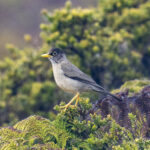
Masafuera Rayadito ◊ Aphrastura masafuerae A nesting pair in a highland ravine on Alejandro Selkirk (Masafuera) gave wonderful views. Another individual was heard. A very rare bird nowadays owing to feral goat-driven habitat loss.
Plain-mantled Tit-Spinetail Leptasthenura aegithaloides Two at Quebrada Córdova.
Dusky-tailed Canastero ◊ Pseudasthenes humicola Two at Quebrada Córdova.
Chilean Swallow ◊ Tachycineta leucopyga A few at Algarrobo.
Blue-and-white Swallow Pygochelidon cyanoleuca Common around Algarrobo.
Southern House Wren Troglodytes musculus Two singles at Algarrobo and one at Quebrada Córdova.
Chilean Mockingbird ◊ Mimus thenca Small numbers at Algarrobo.
Austral Thrush ◊ (introduced?) Turdus falcklandii The birds on Robinson Crusoe (Masatierra) do not differ from mainland Chile populations, and it is thought the species may have been introduced, although natural colonisation is a possibility. Up to 12 seen daily. Also fairly common at Algarrobo.
House Sparrow Passer domesticus Two at Algarrobo. The introduced population on Robinson Crusoe may now be extinct.
Black-chinned Siskin Spinus barbatus 20 at Quebrada Córdova and one at Algarrobo.
Rufous-collared Sparrow Zonotrichia capensis Fairly common at Algarrobo and Quebrada Córdova.
Long-tailed Meadowlark ◊ Leistes loyca Two at Algarrobo.
Shiny Cowbird Molothrus bonariensis Up to ten at Algarrobo.
Austral Blackbird ◊ Curaeus curaeus Fairly common at Algarrobo and Quebrada Córdova.
Yellow-winged Blackbird Agelasticus thilius Ten at Algarrobo.
Grey-hooded Sierra Finch Phrygilus gayi Six at Algarrobo and 15 at Quebrada Córdova.
Diuca Finch Diuca diuca Small numbers at Algarrobo.
MAMMALS
Marine Otter Lontra felina Up to four at Algarrobo.
Juan Fernandez Fur Seal Arctocephalus philippii Small numbers during the crossings and at Alejandro Selkirk, (Masafuera), but huge numbers at Robinson Crusoe (Masatierra), with up to 1100 in a day. This species was nearing extinction before enforced protection resulted in a significant recovery.
South American Sea Lion Otaria flavescens Up to 40 in a day around Algarrobo.
Sperm Whale Physeter macrocephalus One off Robinson Crusoe (Masatierra).
Short-beaked Common Dolphin Delphinus delphis Six on the crossing between Robinson Crusoe (Masatierra) and Alejandro Selkirk (Masafuera) and ten on the way back.
Common Bottlenose Dolphin Tursiops truncatus Two off Robinson Crusoe (Masatierra).
Feral Goat Capra hircus Far too common on Alejandro Selkirk (Masafuera), where attempts to control the numbers have largely failed. Up to 230 in a day!
European Rabbit (introduced) Oryctolagus cuniculus Two singles at Algarrobo.
[Black (or House or Ship) Rat (introduced) Rattus rattus A dead one found in the settlement on Robinson Crusoe. A huge threat to the native birds.]