Email birders@birdquest-tours.com
Telephone 07777 186845
(International +44 7777 186845)
Email birders@birdquest-tours.com
Telephone 07777 186845
(International +44 7777 186845)
Africa and its islands
Common Genet (image by Pete Morris)
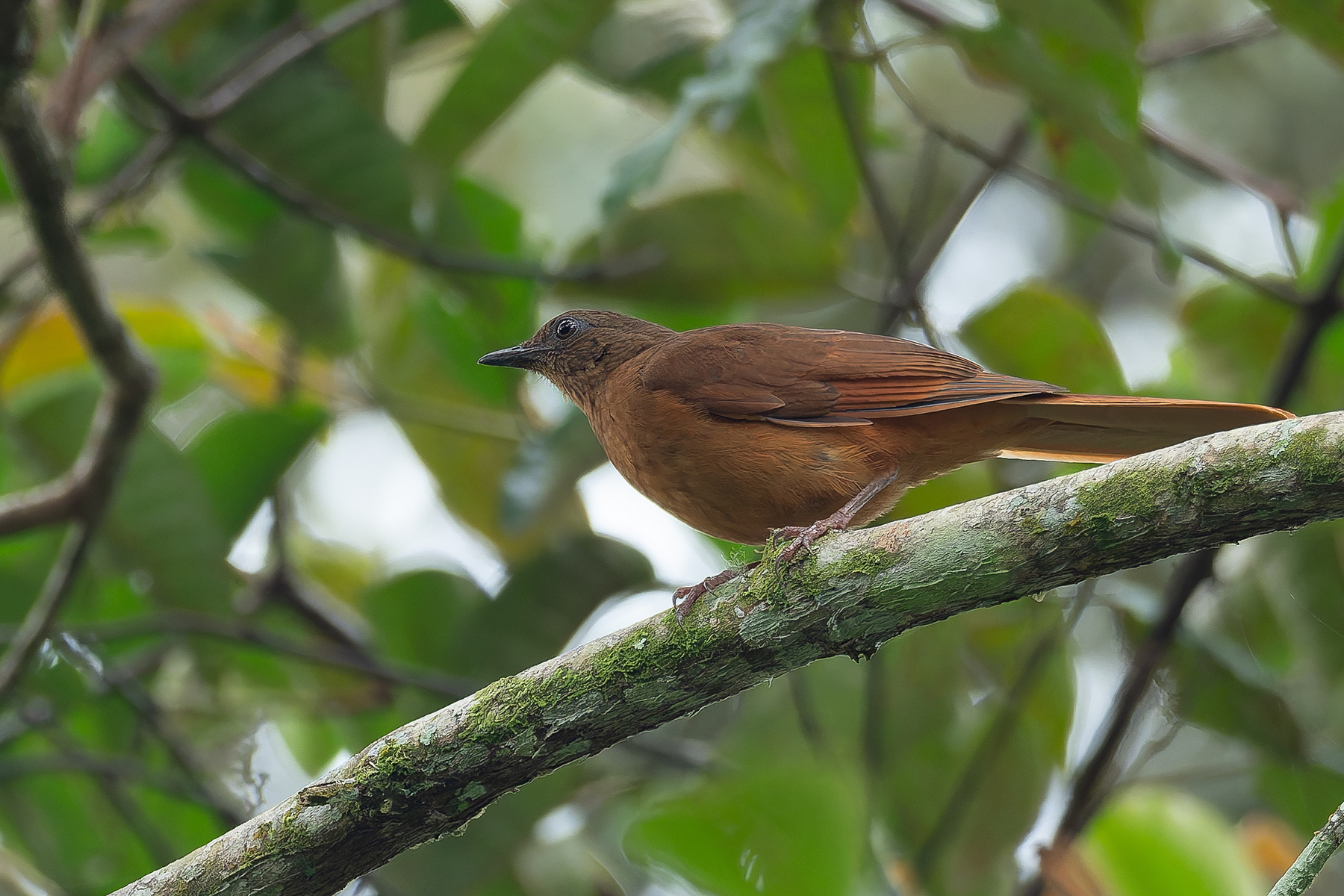
Usambara Thrush (image by Pete Morris)
Double-banded Courser (image by Pete Morris)
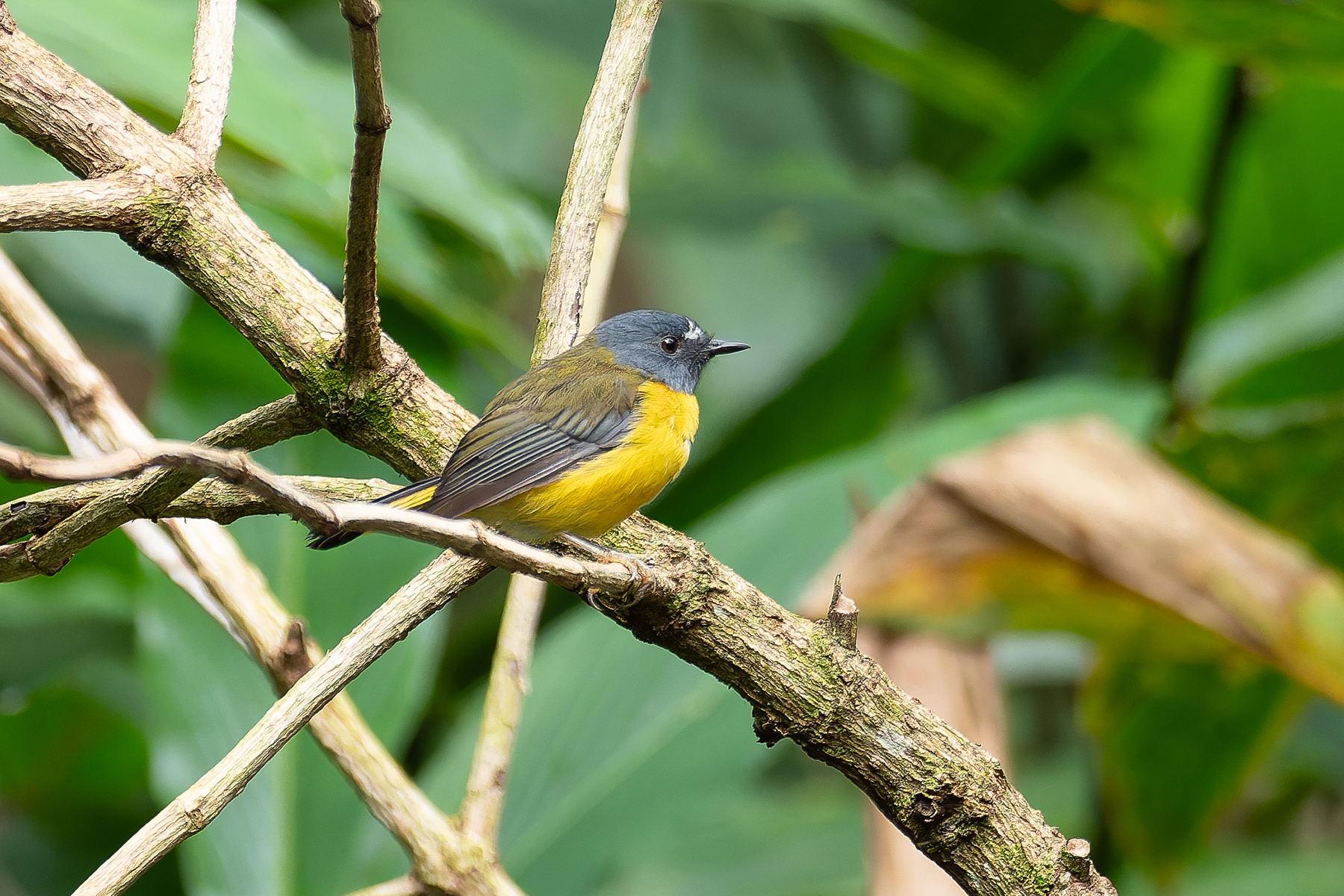
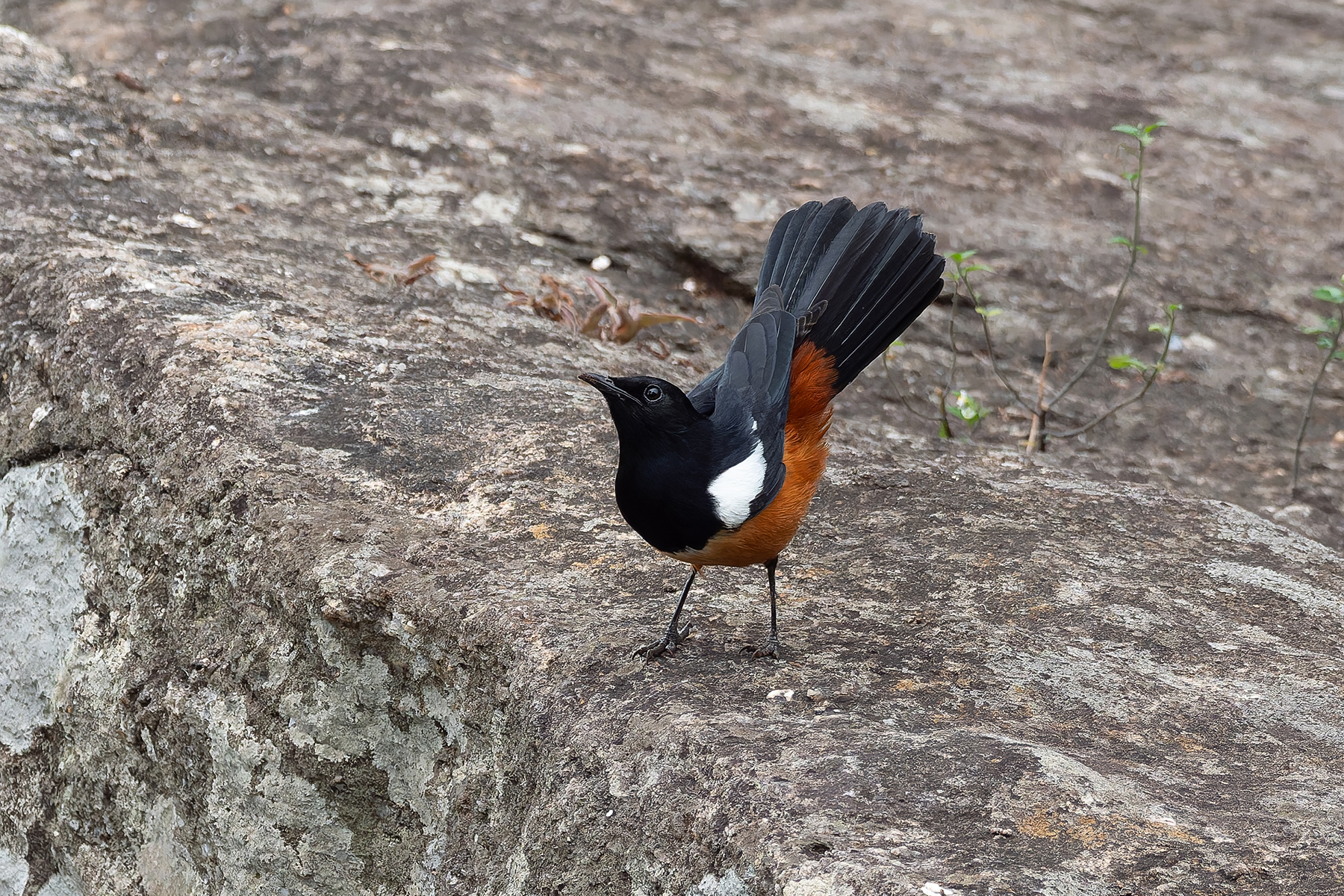
White-starred Robin (image by Mark Van Beirs)
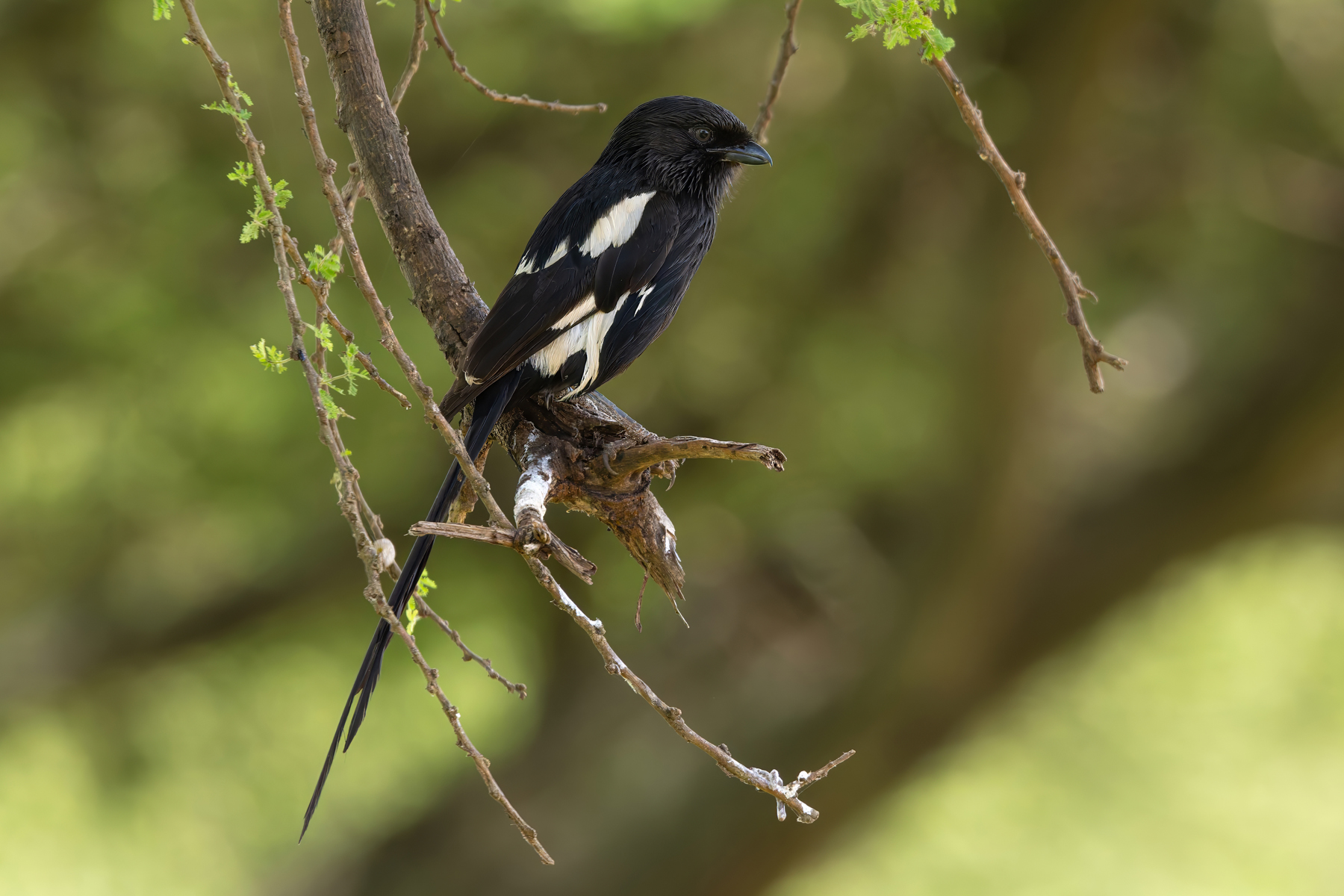
Magpie Shrike (image by Nik Borrow)
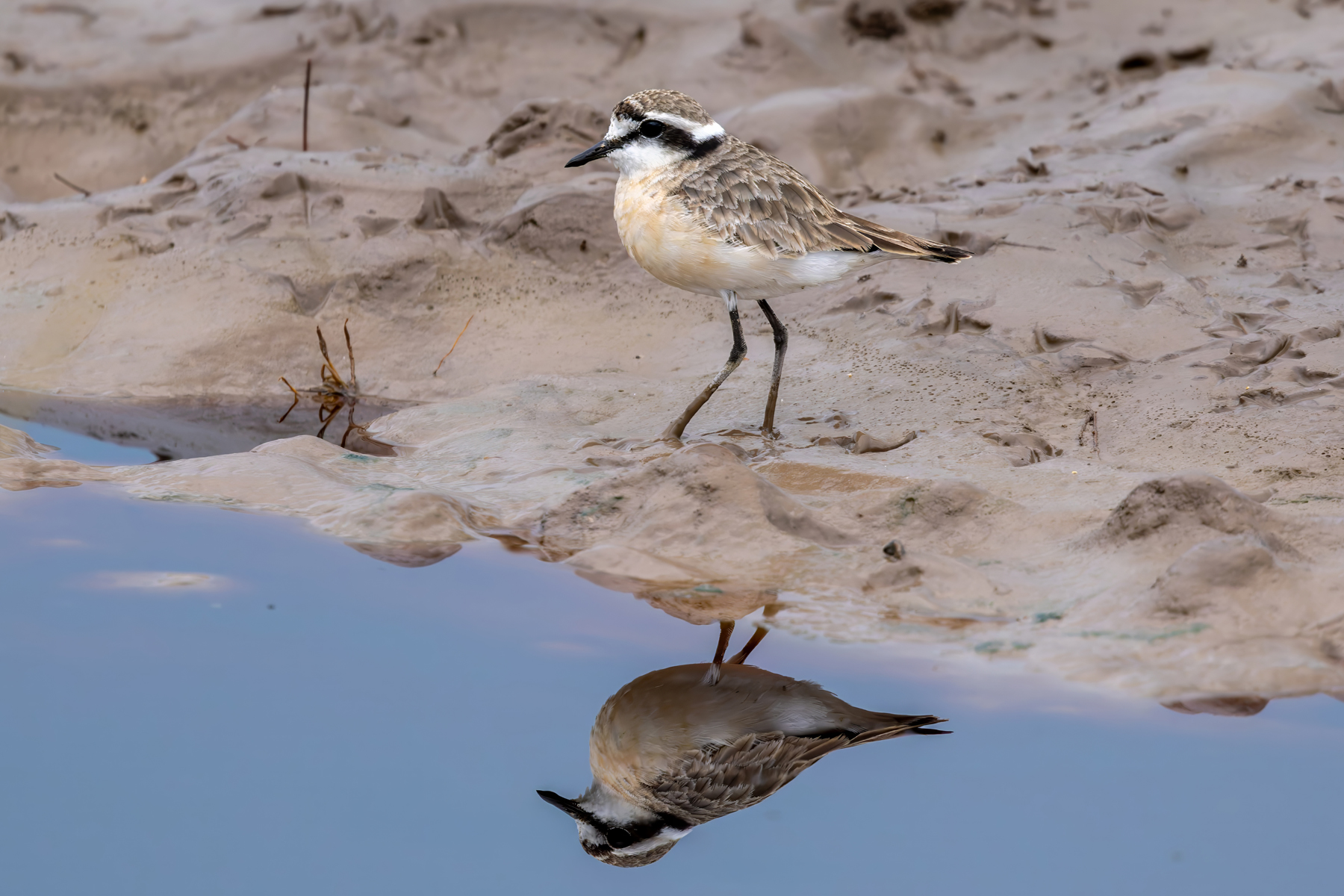
Kittlitz's Plover (image by Nik Borrow)
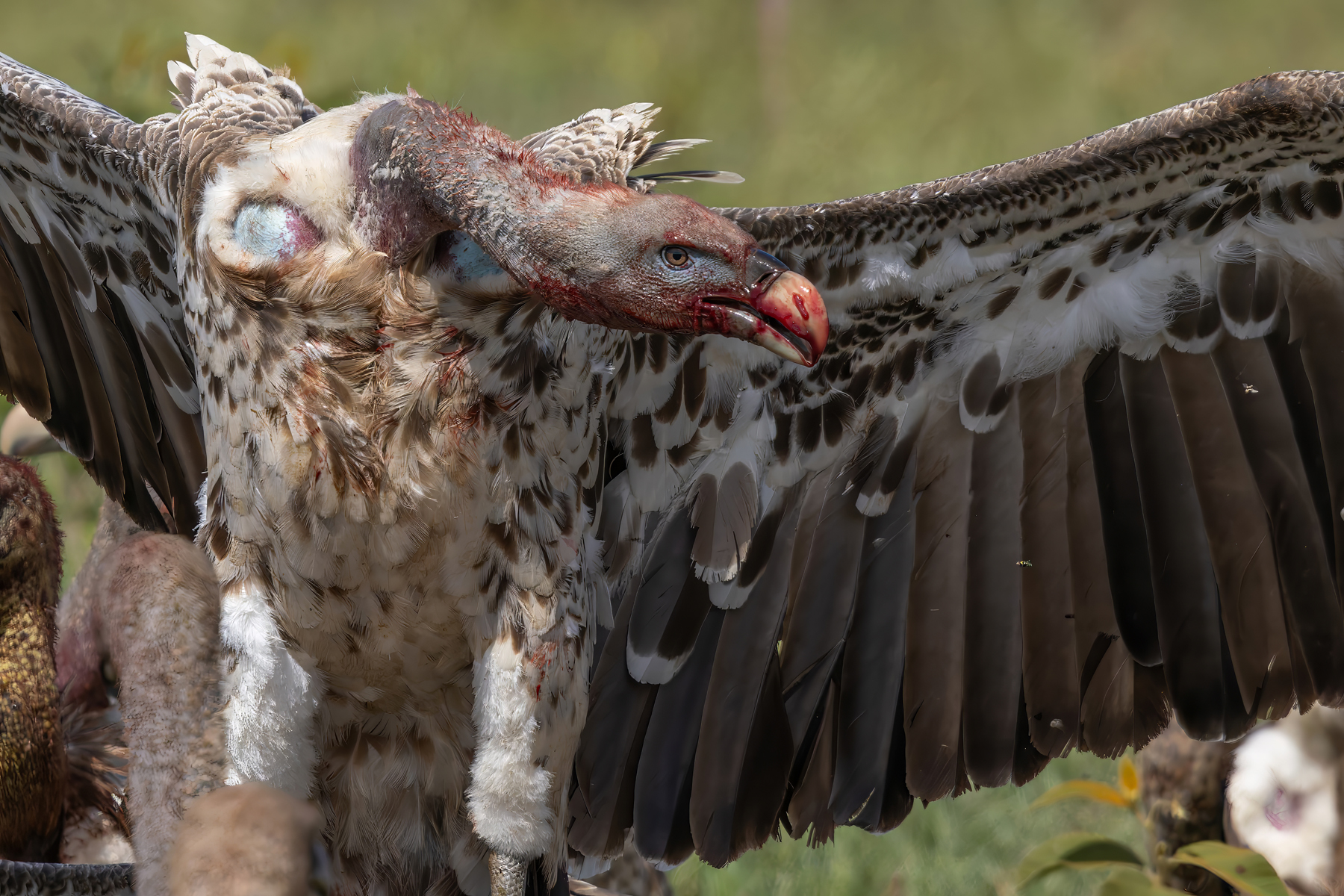
Ruppell's Vulture (image by Nik Borrow)
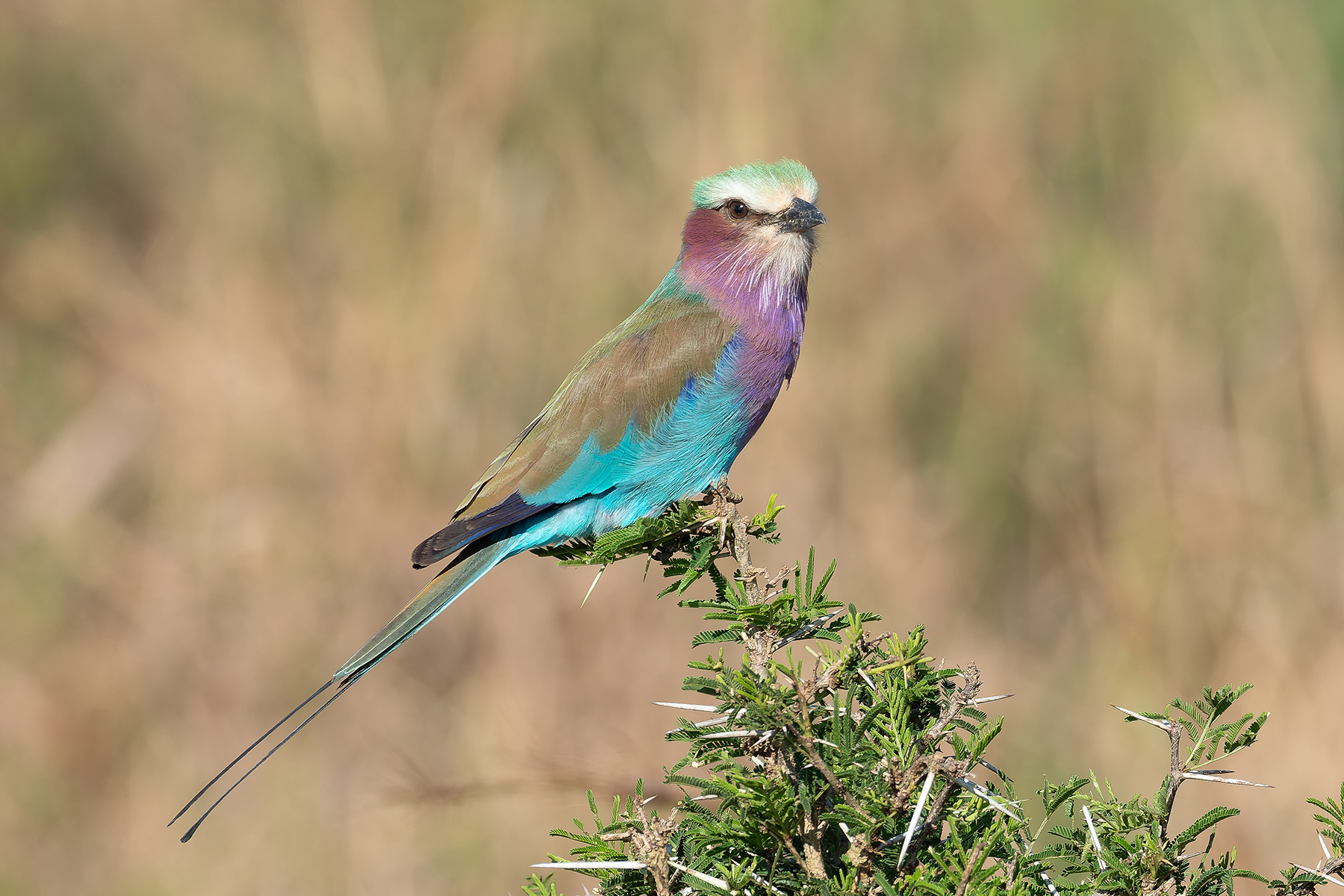
Lilac-breasted Roller (image by Mark Van Beirs)
Dark Batis (image by Pete Morris)
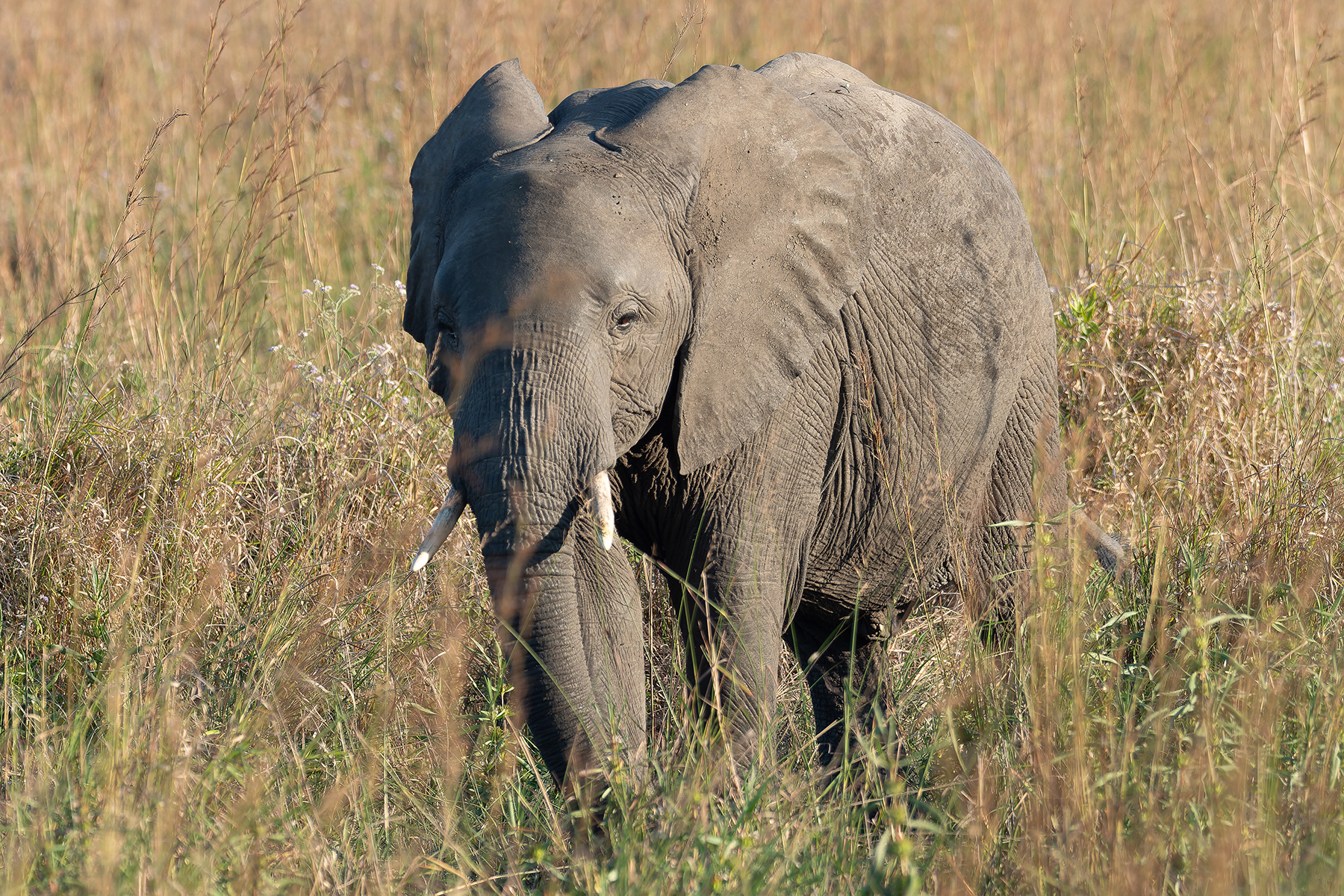
African Savanna Elephant (image by Mark Van Beirs)
Fischer's Turaco (image by Pete Morris)
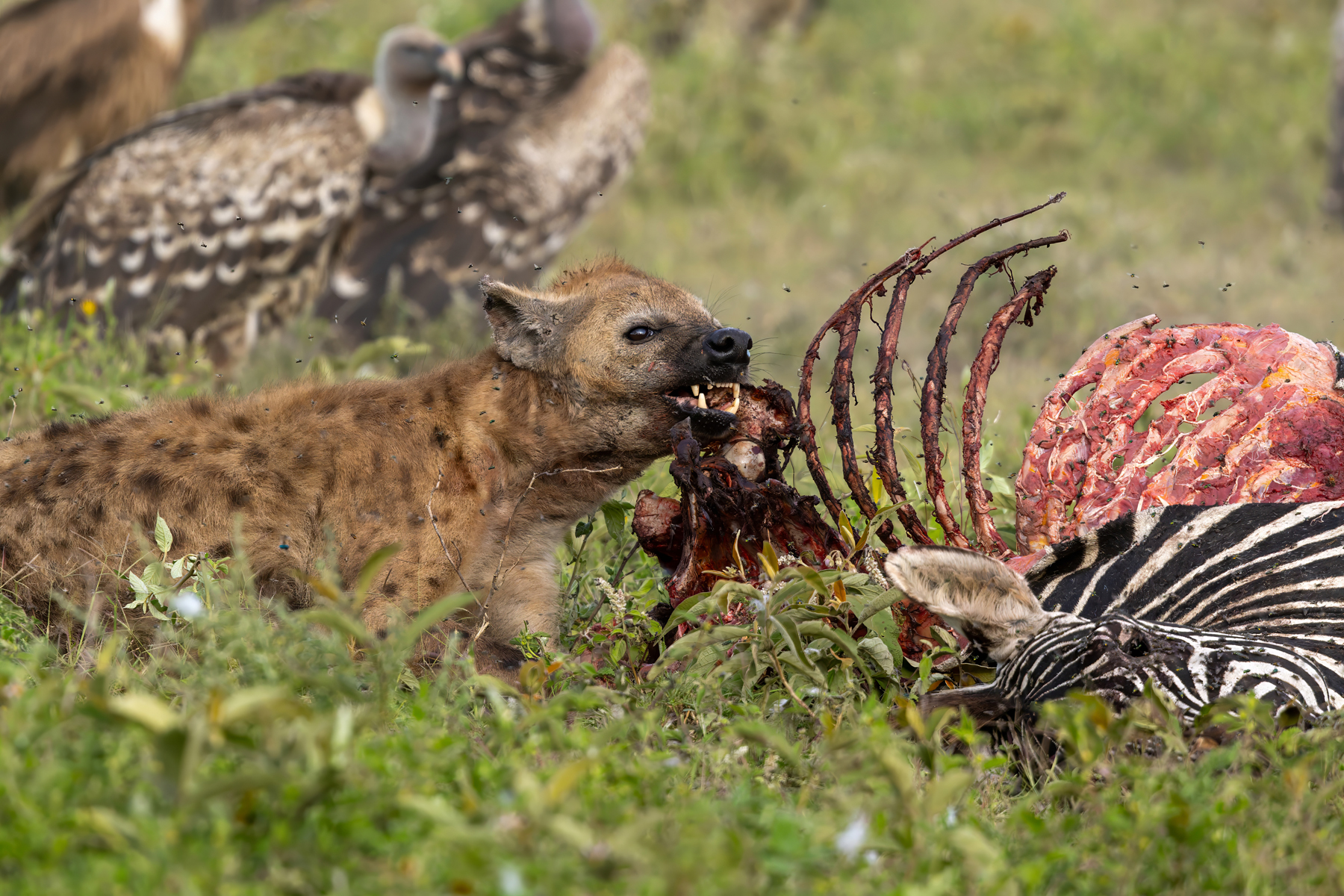
Spotted Hyaena (image by Nik Borrow)
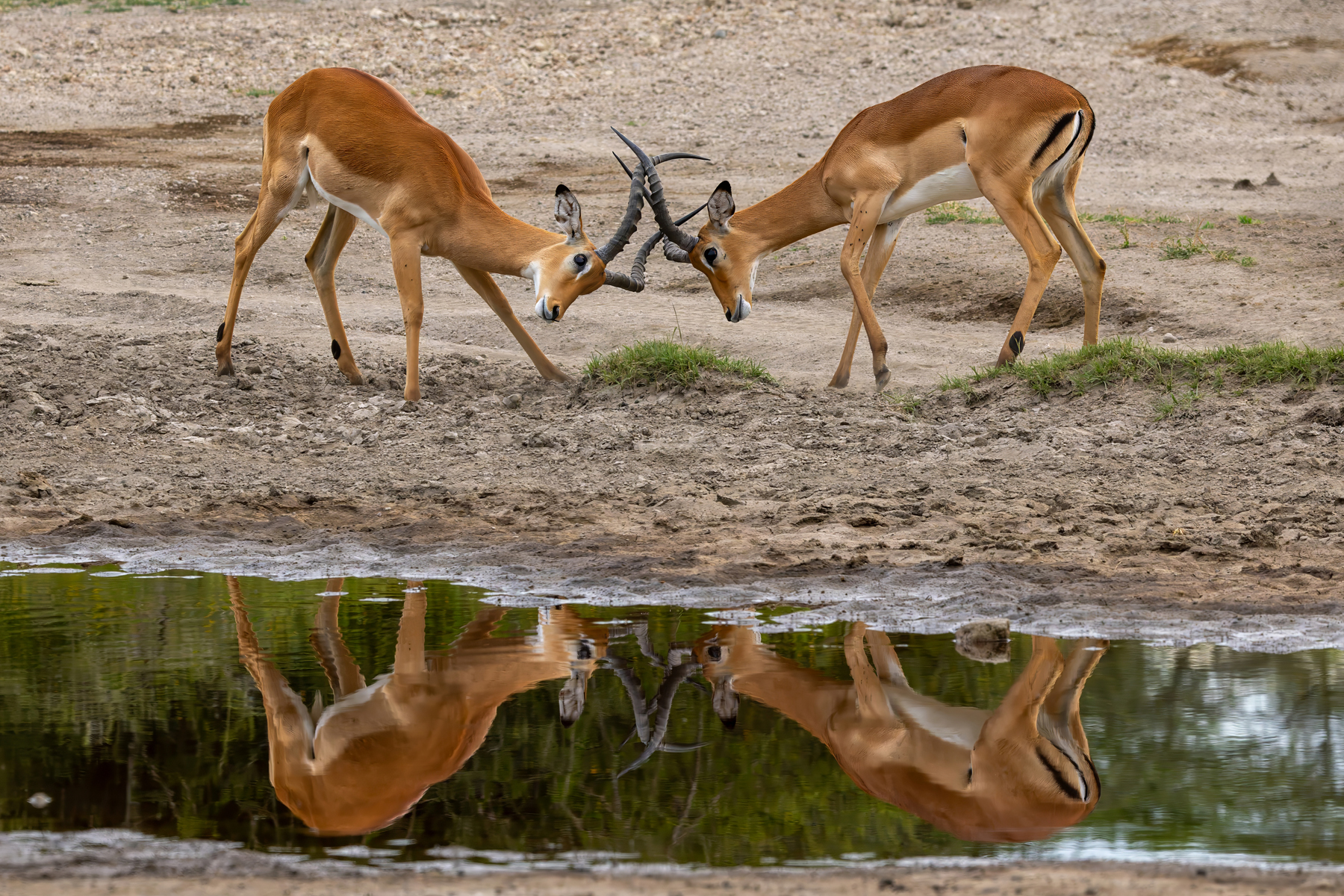
Impalas (image by Nik Borrow)
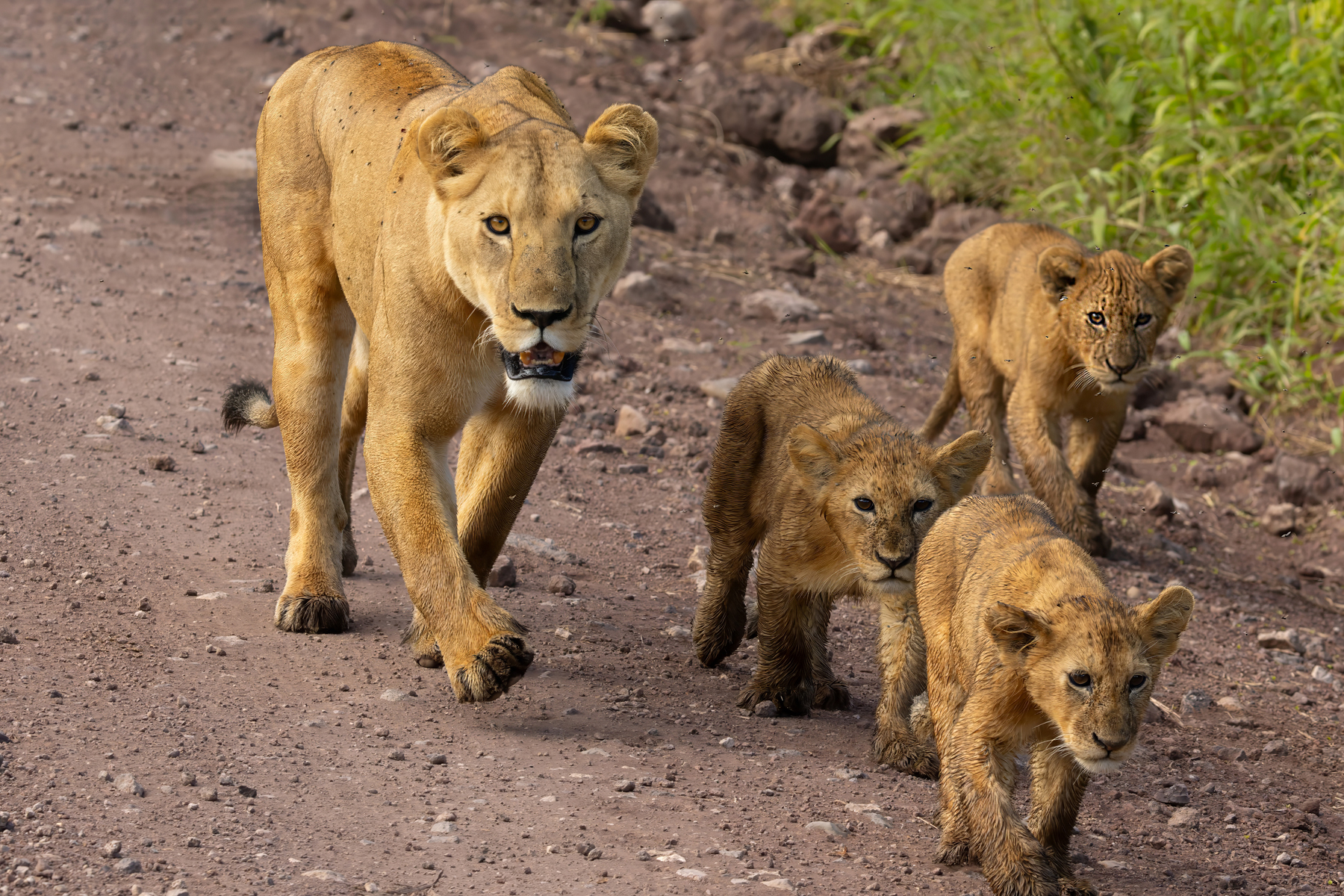
Lion (image by Pete Morris)
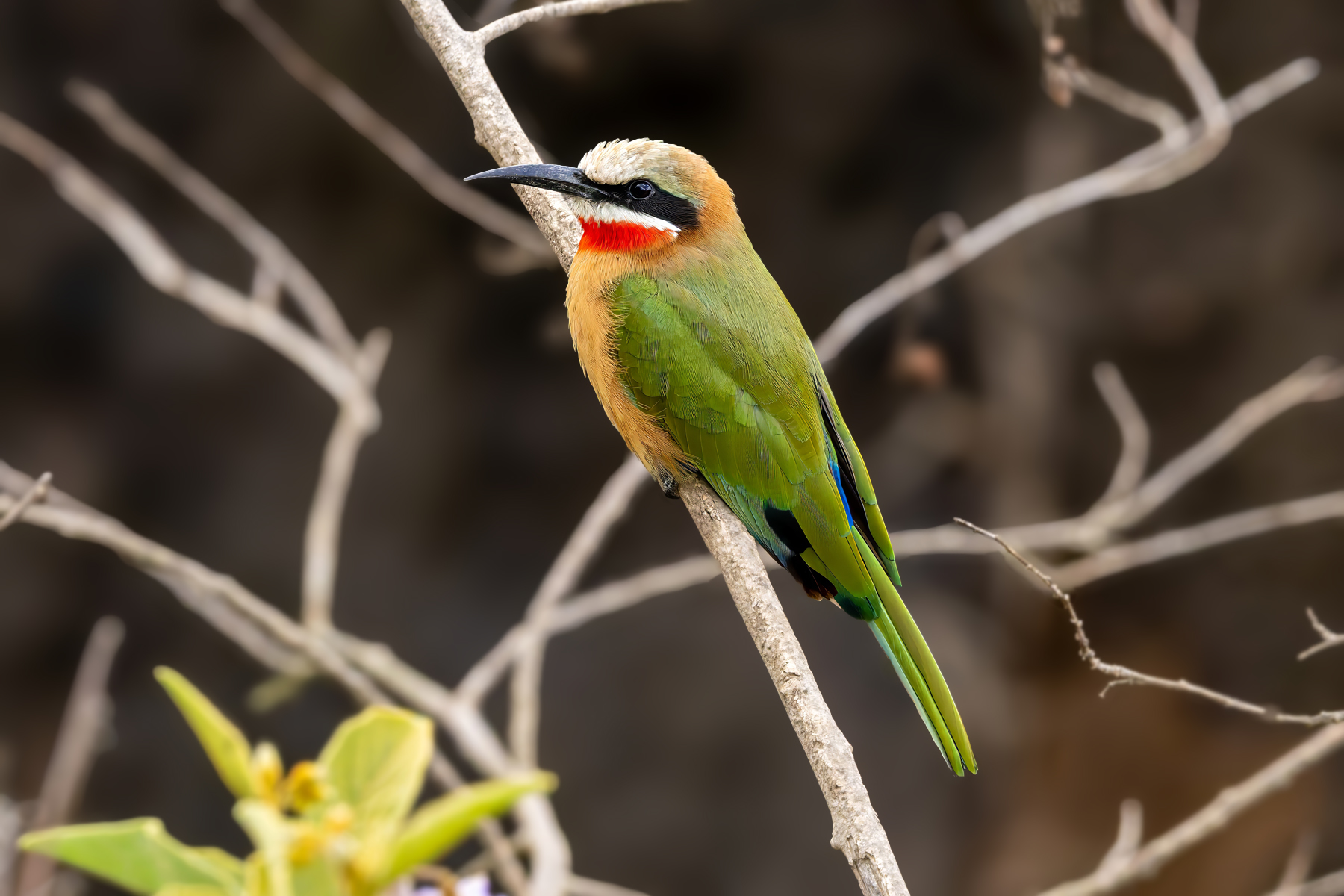
White-fronted Bee-eater (image by Nik Borrow)
Pemba Scops Owl (image by János Oláh)
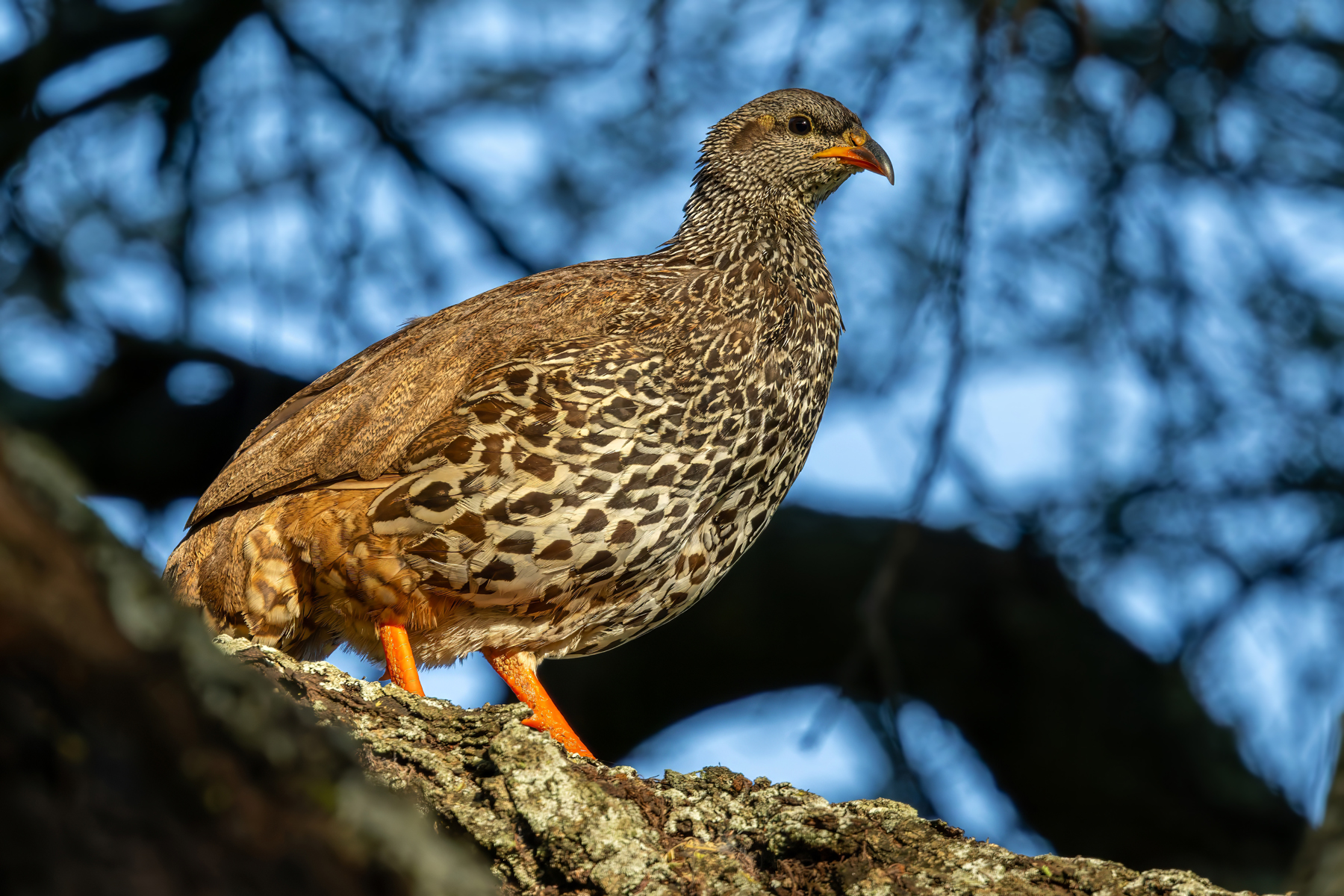
Scaly Spurfowl (image by Mark Van Beirs)
Somali Short-toed Lark (image by Pete Morris)
Black-faced Sandgrouse (image by Nik Borrow)
Hildebrandt's Starling (image by Pete Morris)
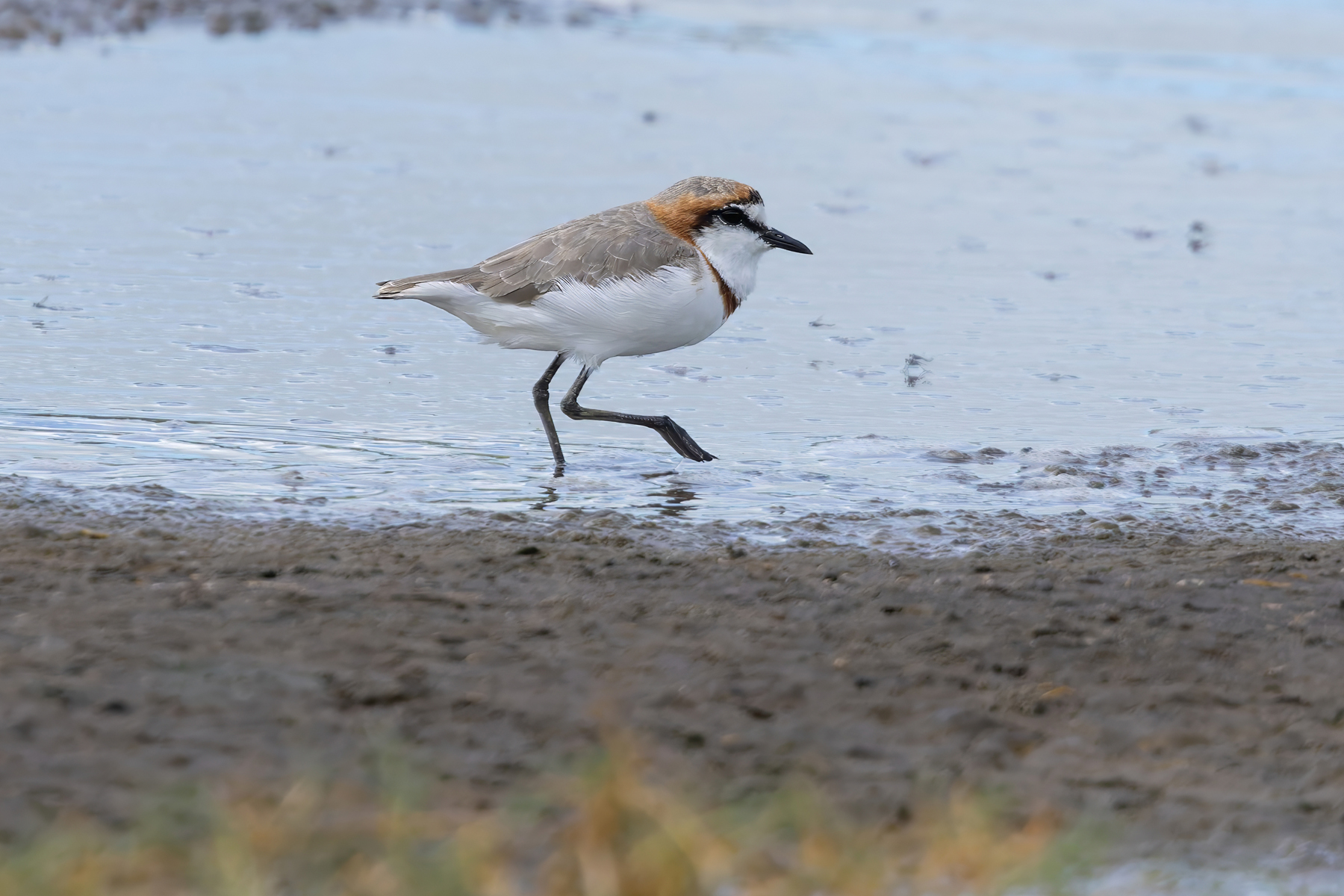
Chestnut-banded Plover (image by Nik Borrow)
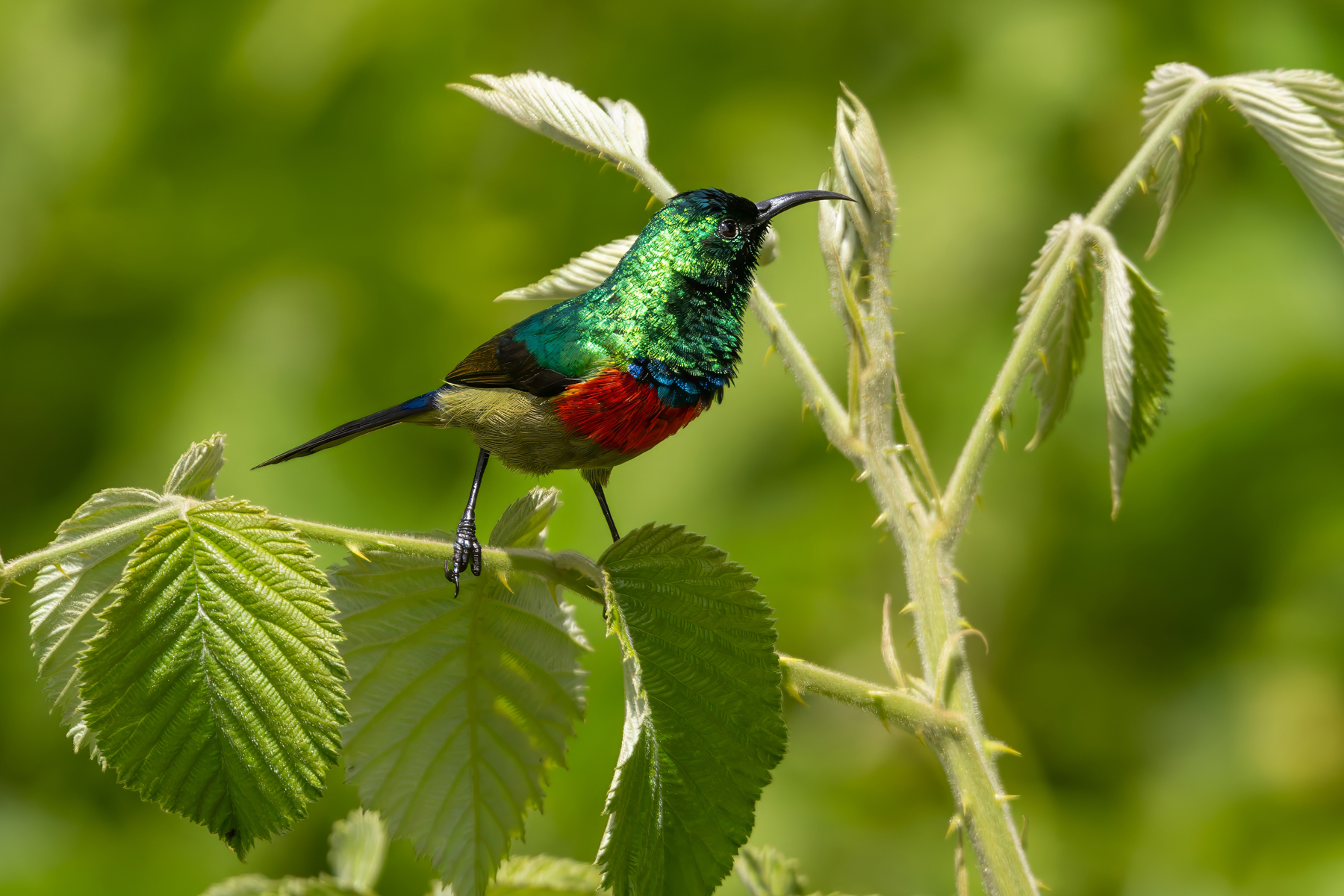
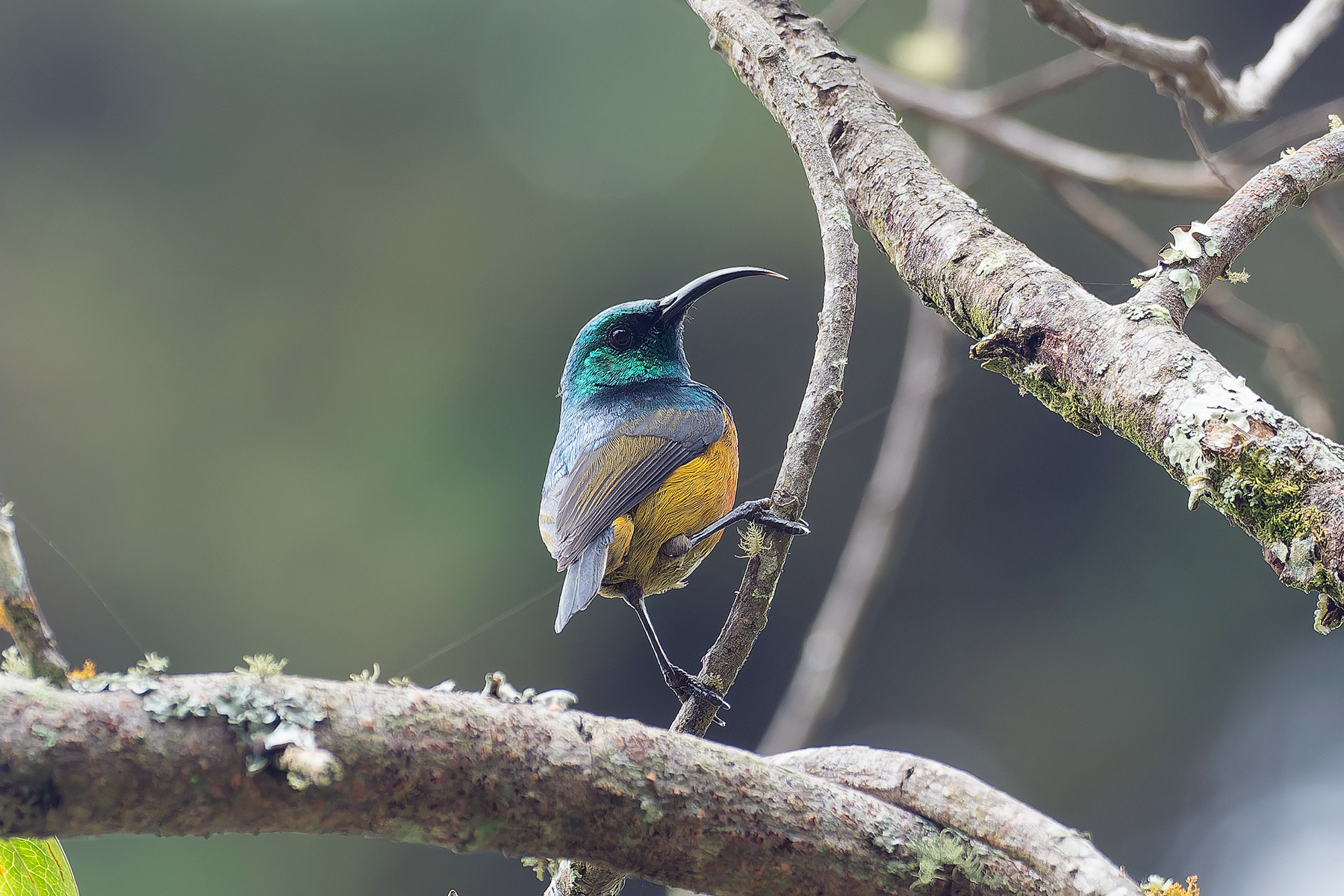
Usambara Double-collared Sunbird (image by Pete Morris)
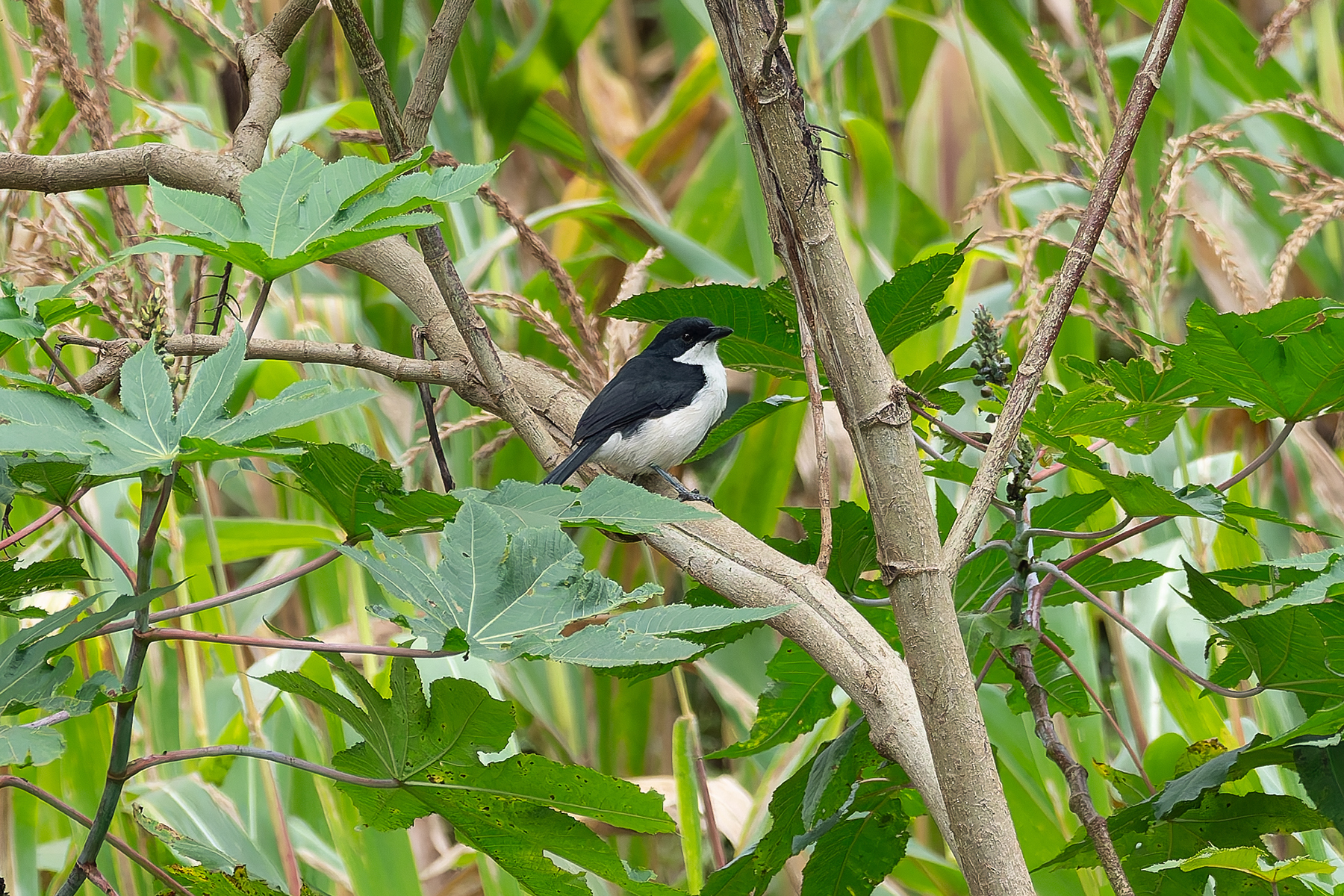
Black-fronted Bushshrike (image by Pete Morris)
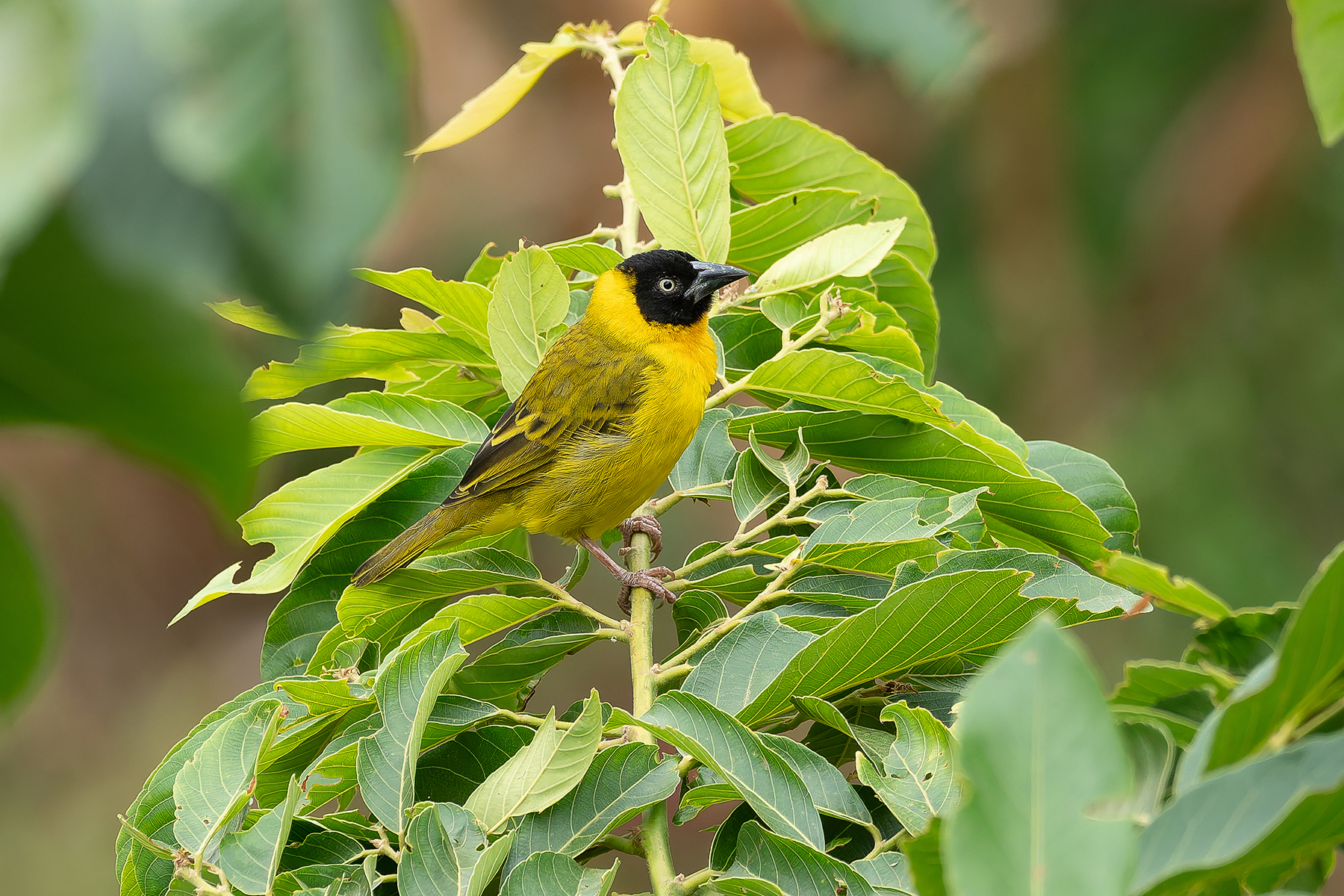
Taveta Golden Weaver (image by Pete Morris)
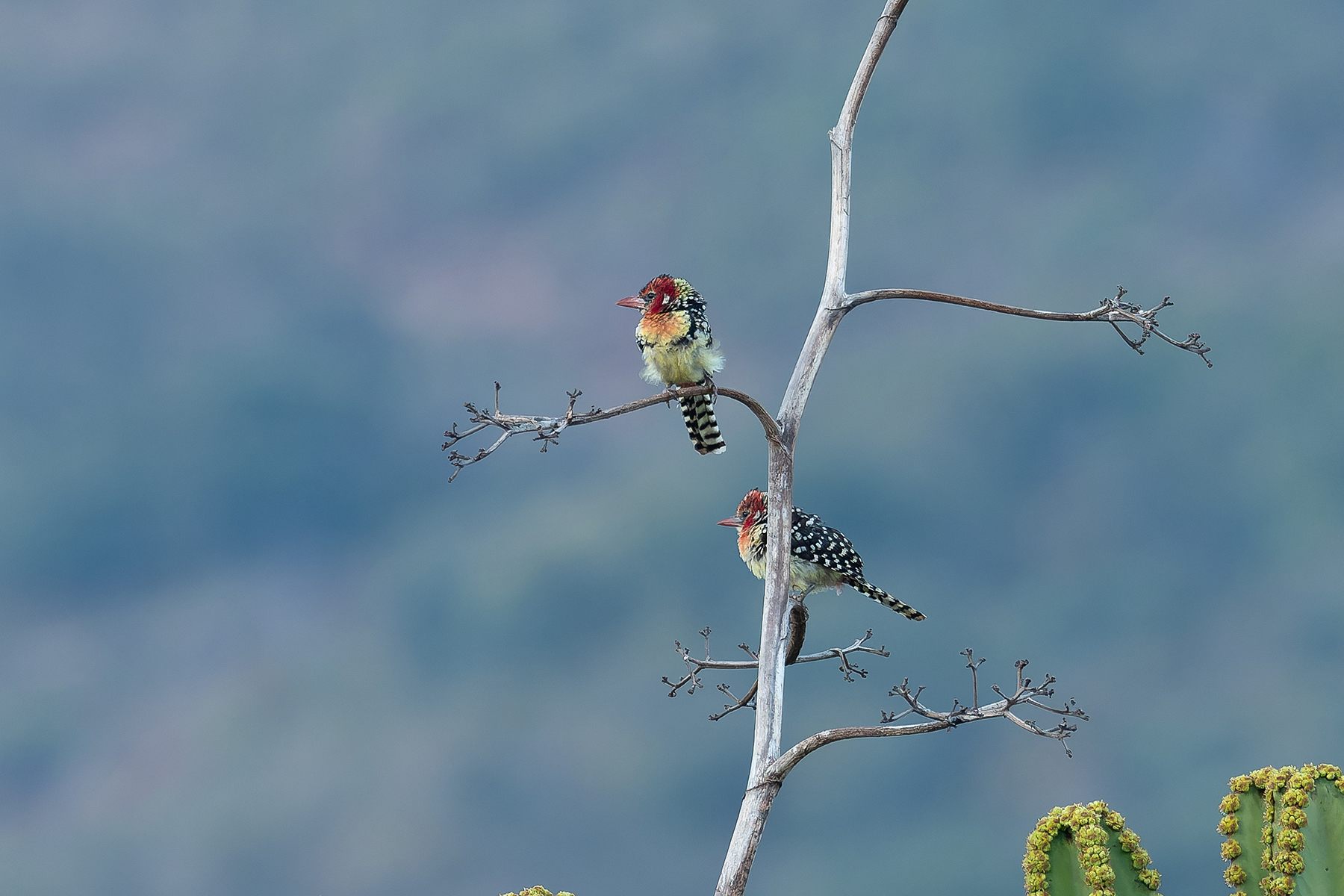
Red-and-yellow Barbets (image by Mark Van Beirs)
Pale-billed Hornbill (image by János Oláh)
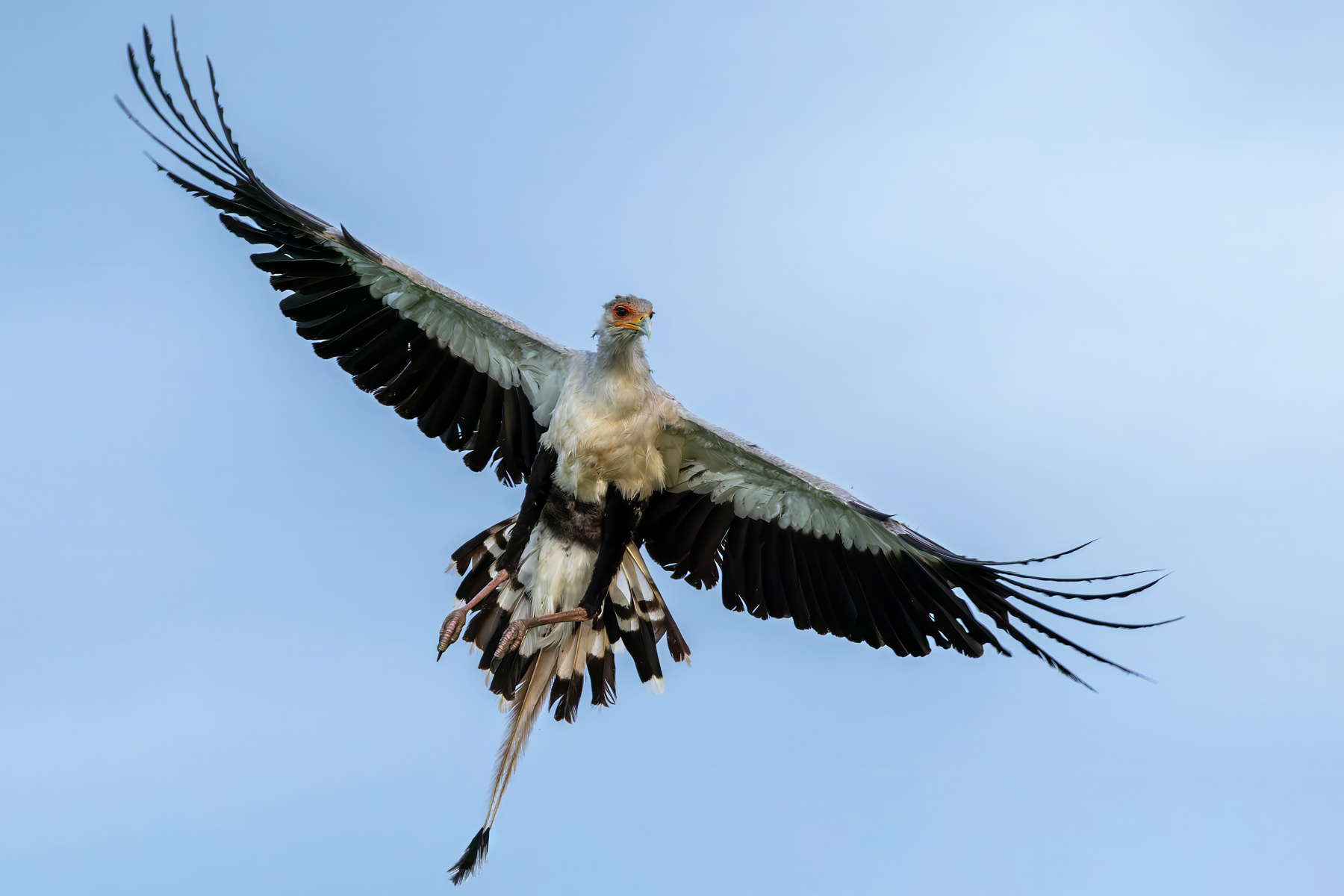
Secretarybird (image by Nik Borrow)
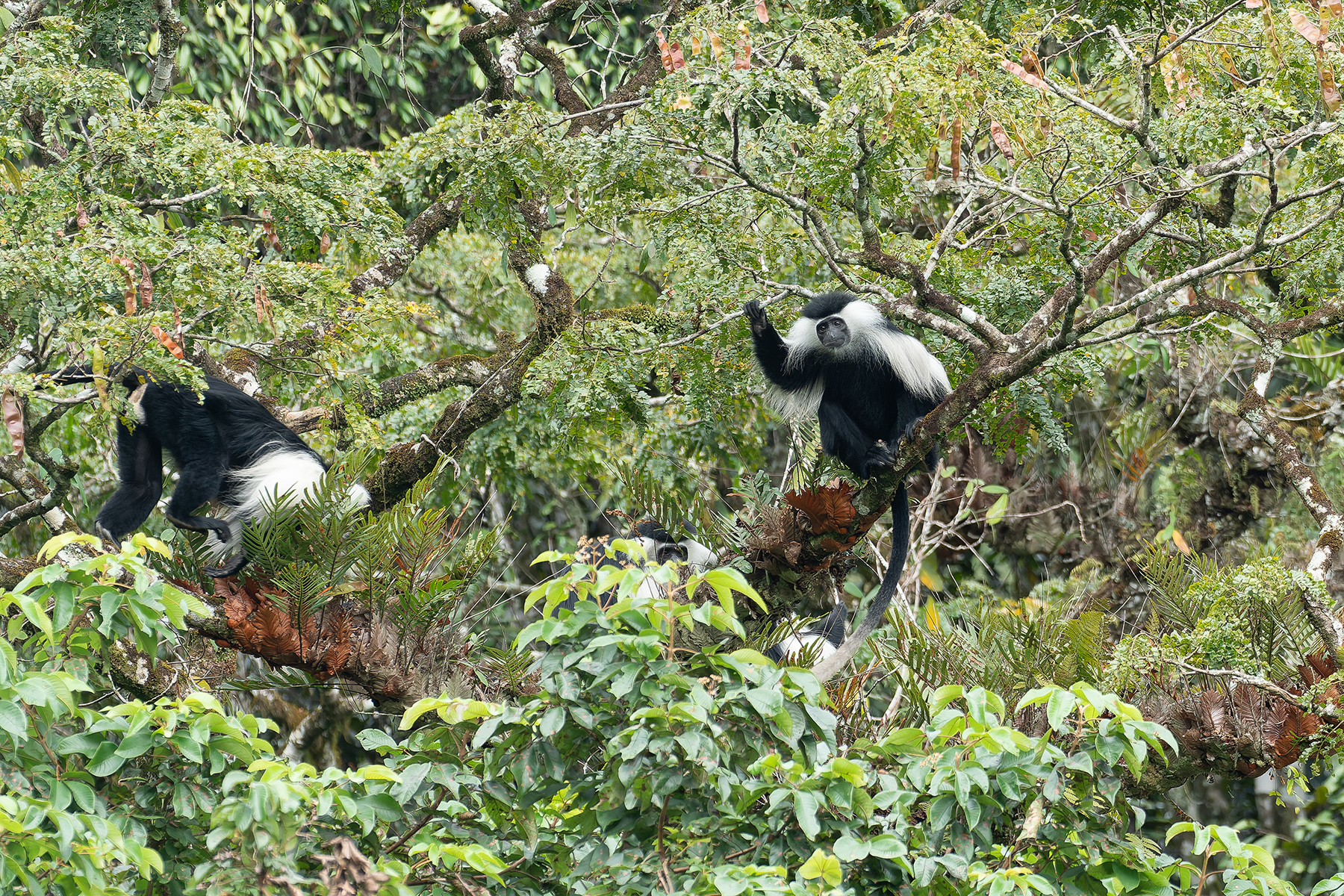
Angola Colobus (image by Mark Van Beirs)
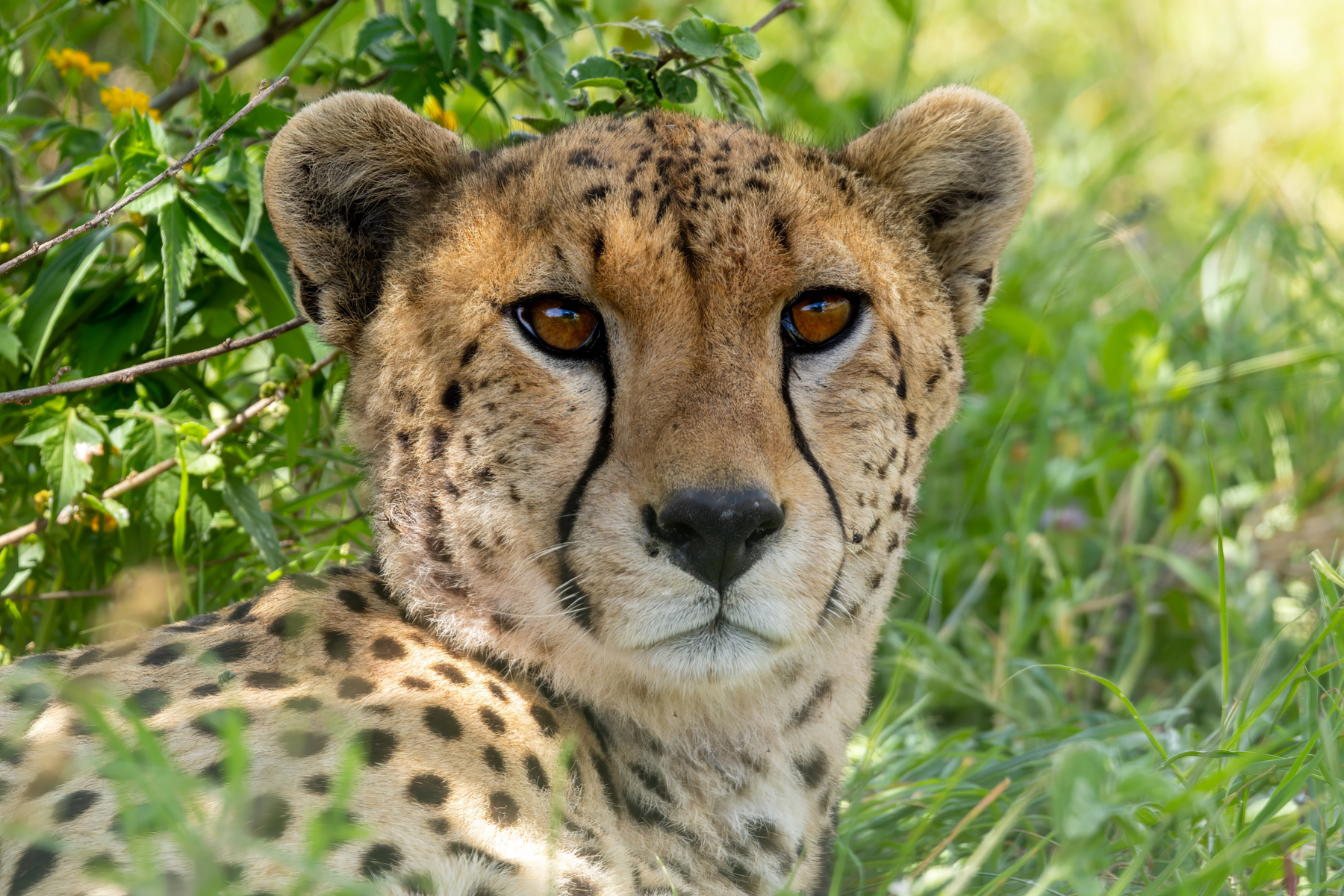
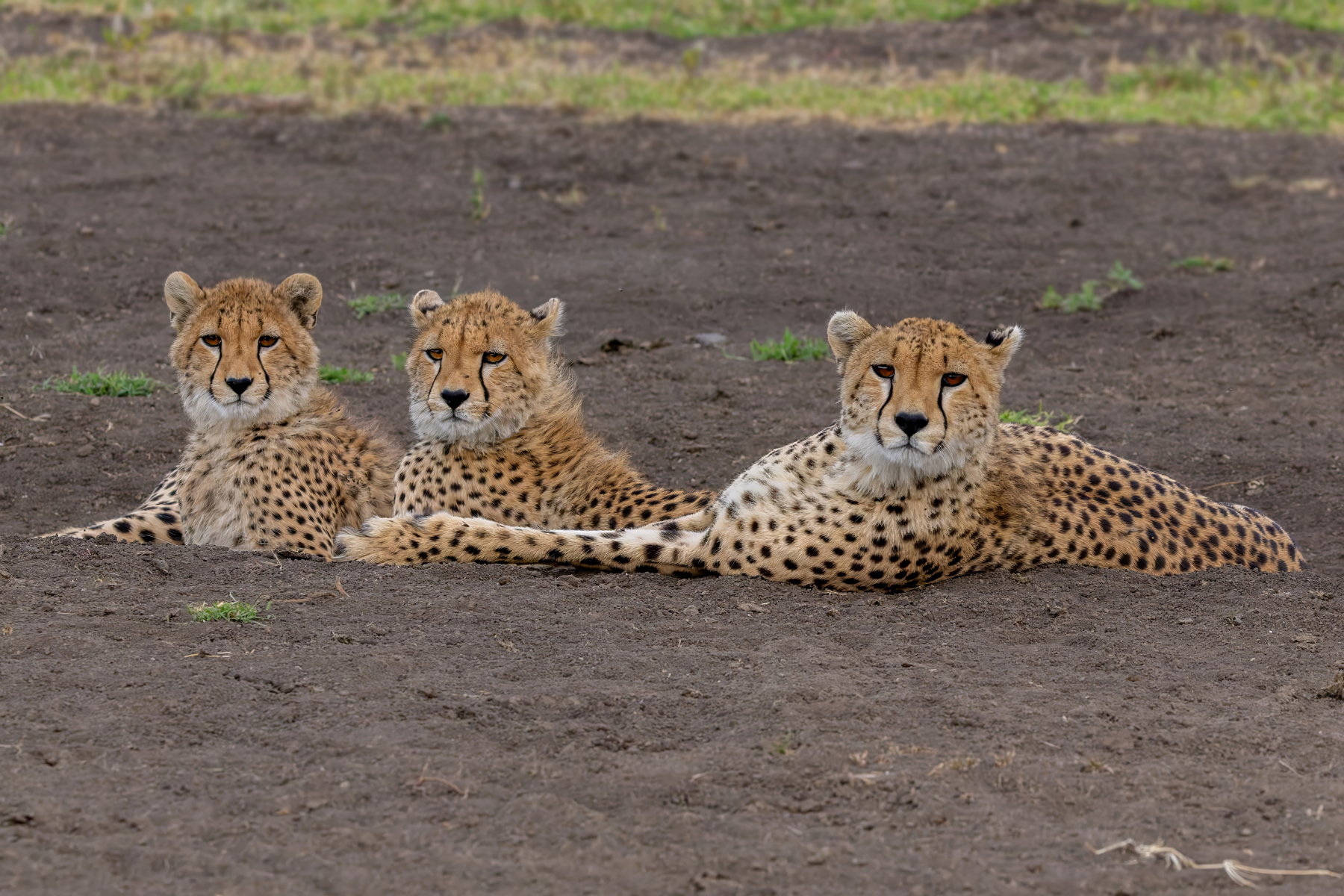
Cheetah (image by Nik Borrow)
Beesley's Lark (image by Nik Borrow)
Pearl-spotted Owlet (image by Pete Morris)
Böhm's Bee-eater (image by János Oláh)
African Grass Owl (image by Pete Morris)
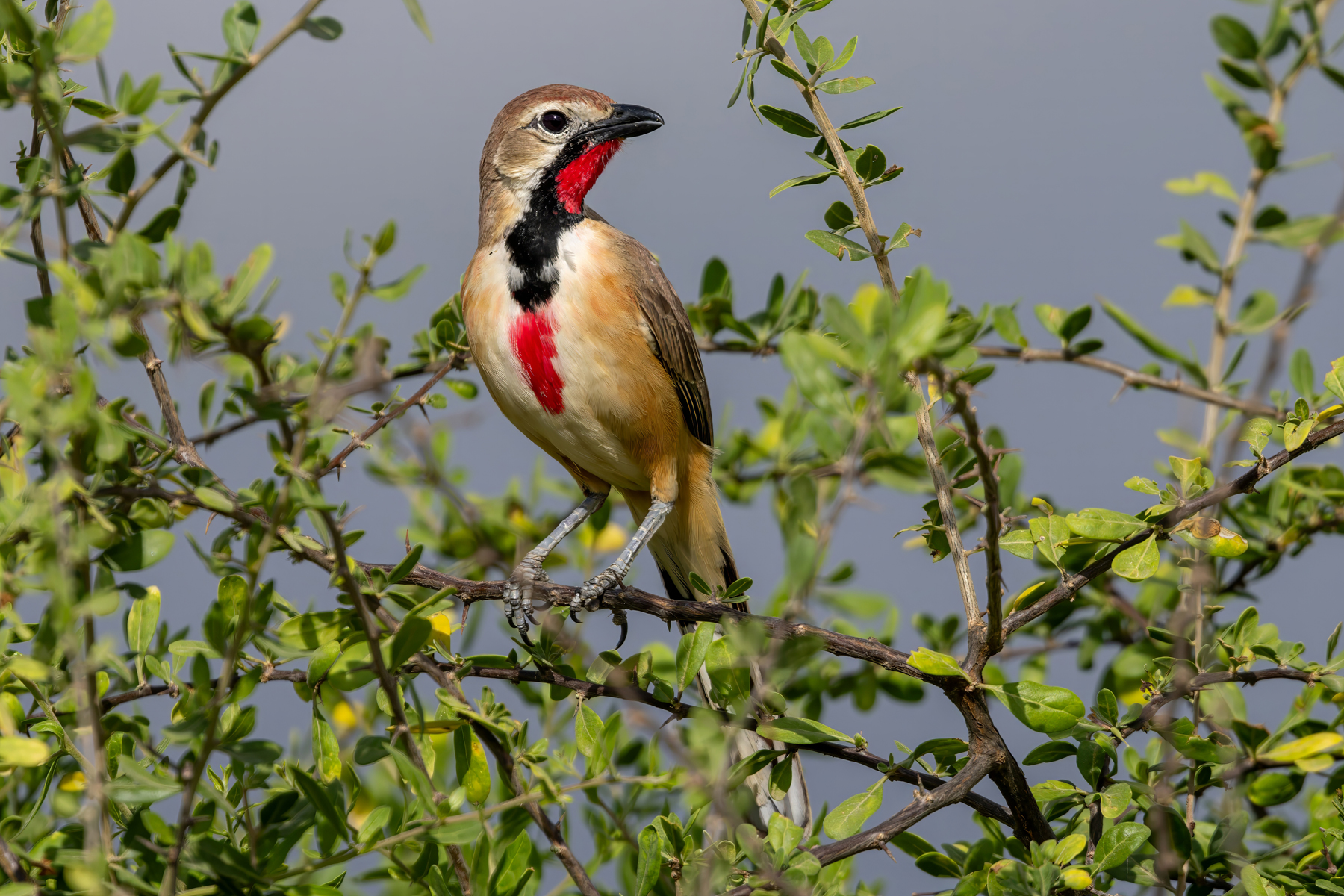
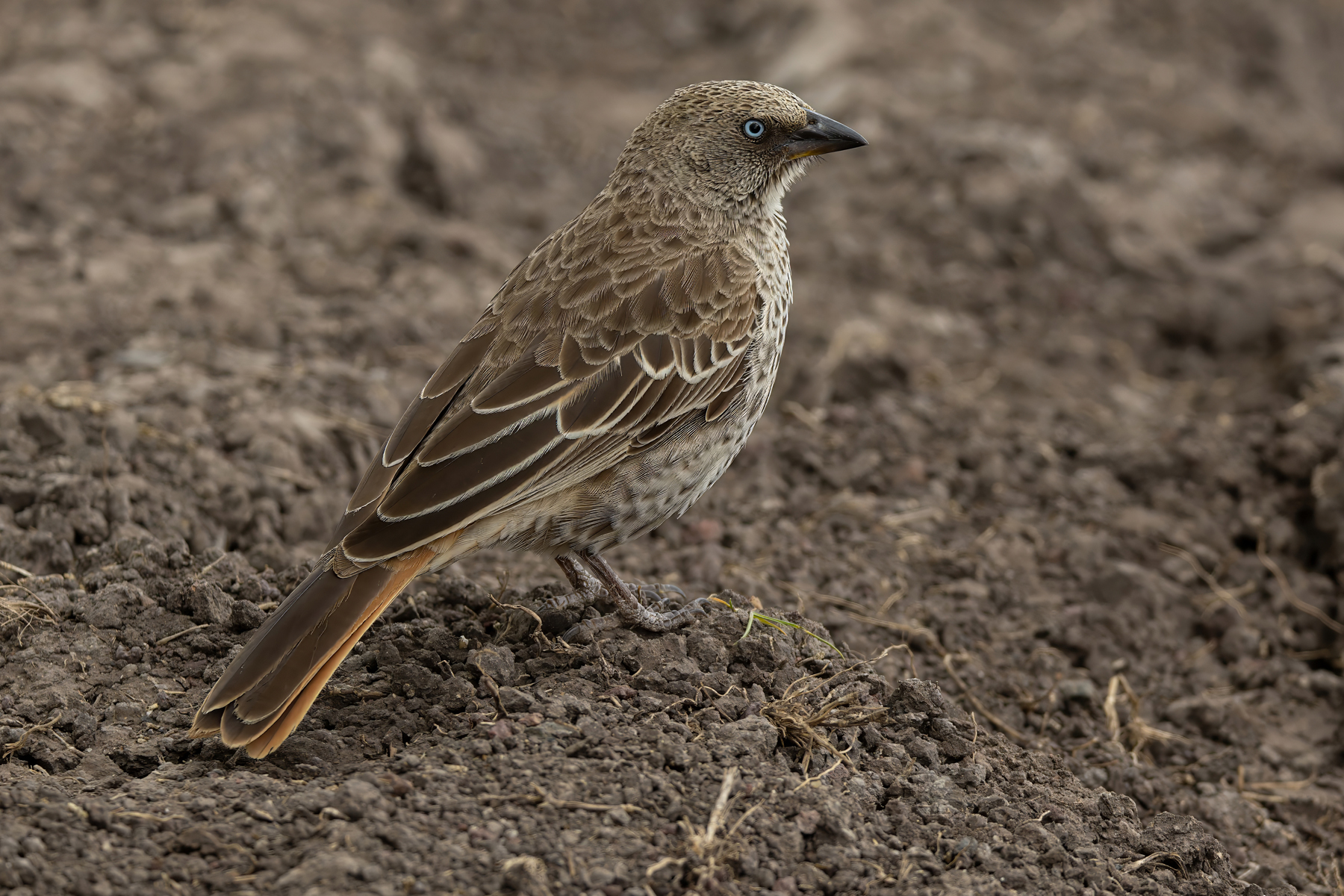
Rosy-patched Bushshrike (image by Nik Borrow)
Red-capped Forest Warbler (image by Pete Morris)
Spot-throat (image by János Oláh)
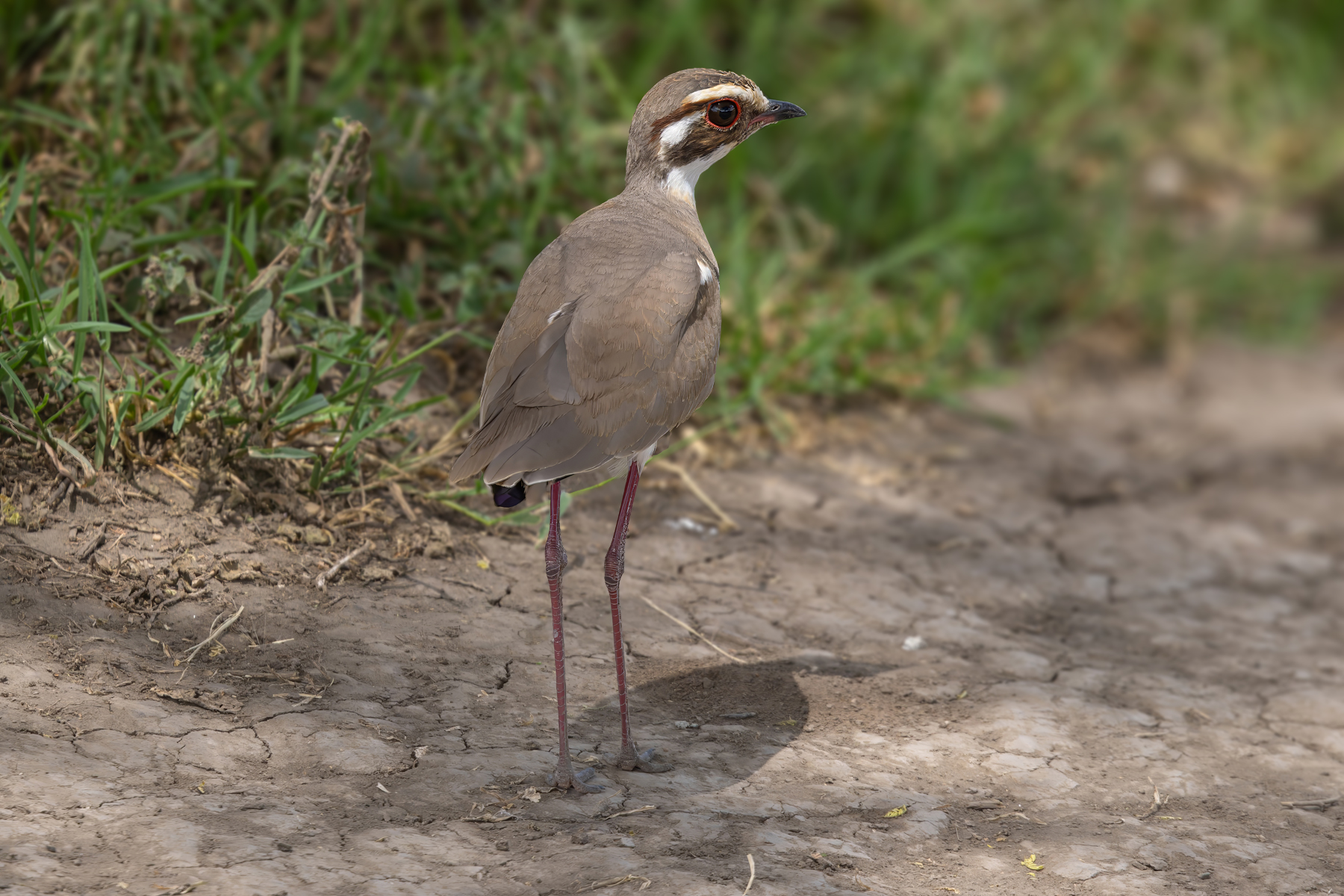
Bronze-winged Courser (image by Nik Borrow)
Mountain Wagtail (image by Pete Morris)
Kilombero Weaver (image by Pete Morris)
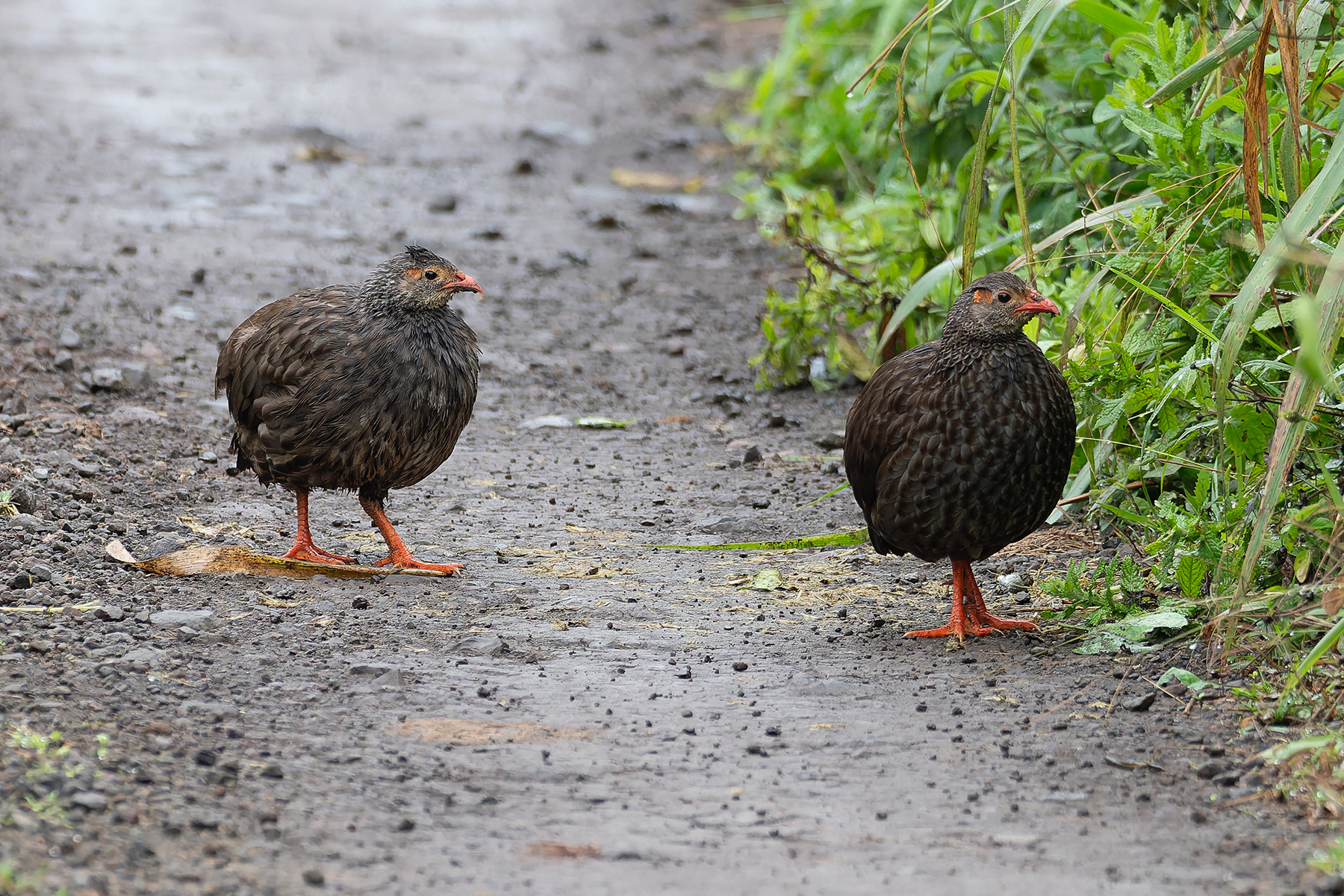
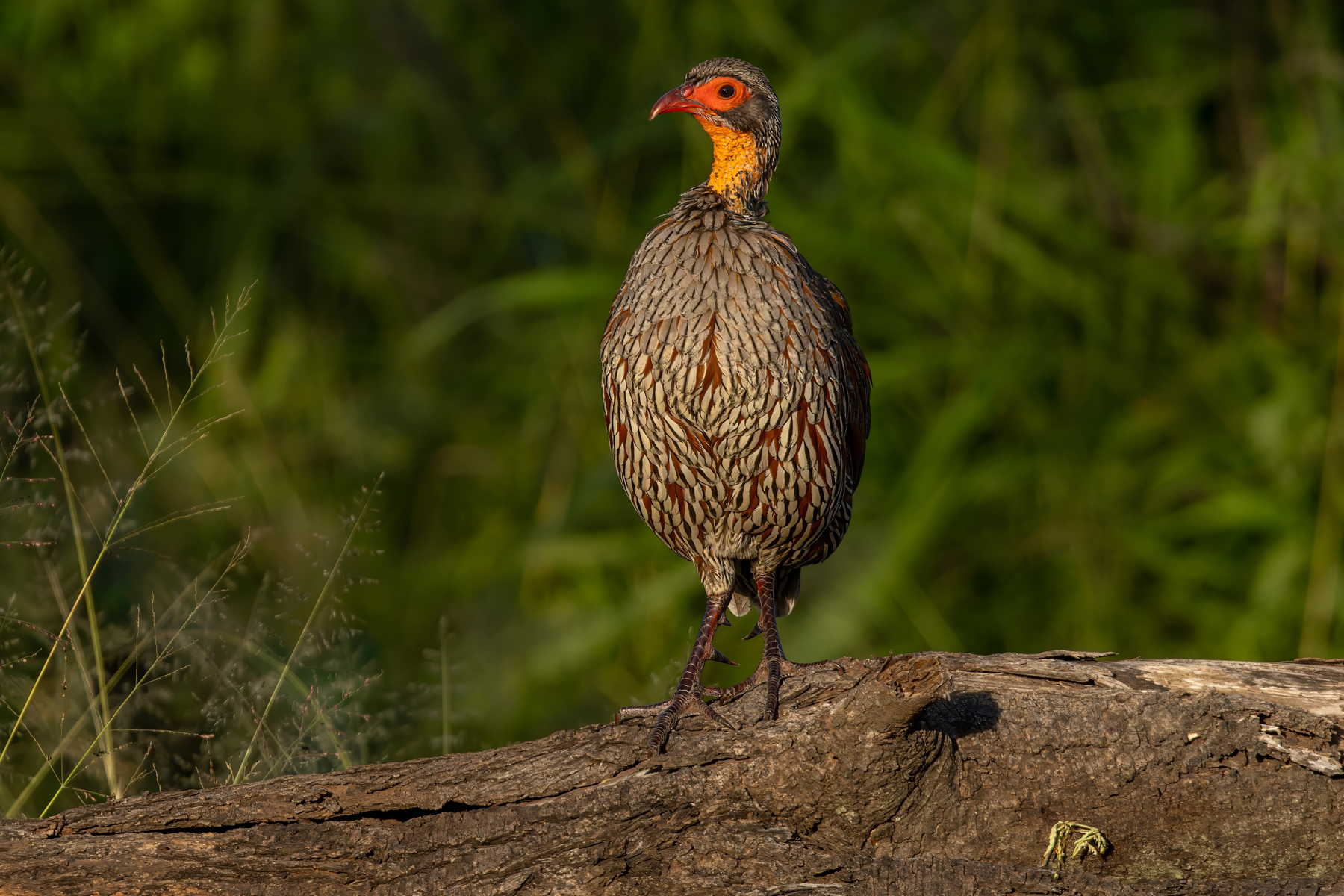
Grey-breasted Spurfowl (image by Nik Borrow)
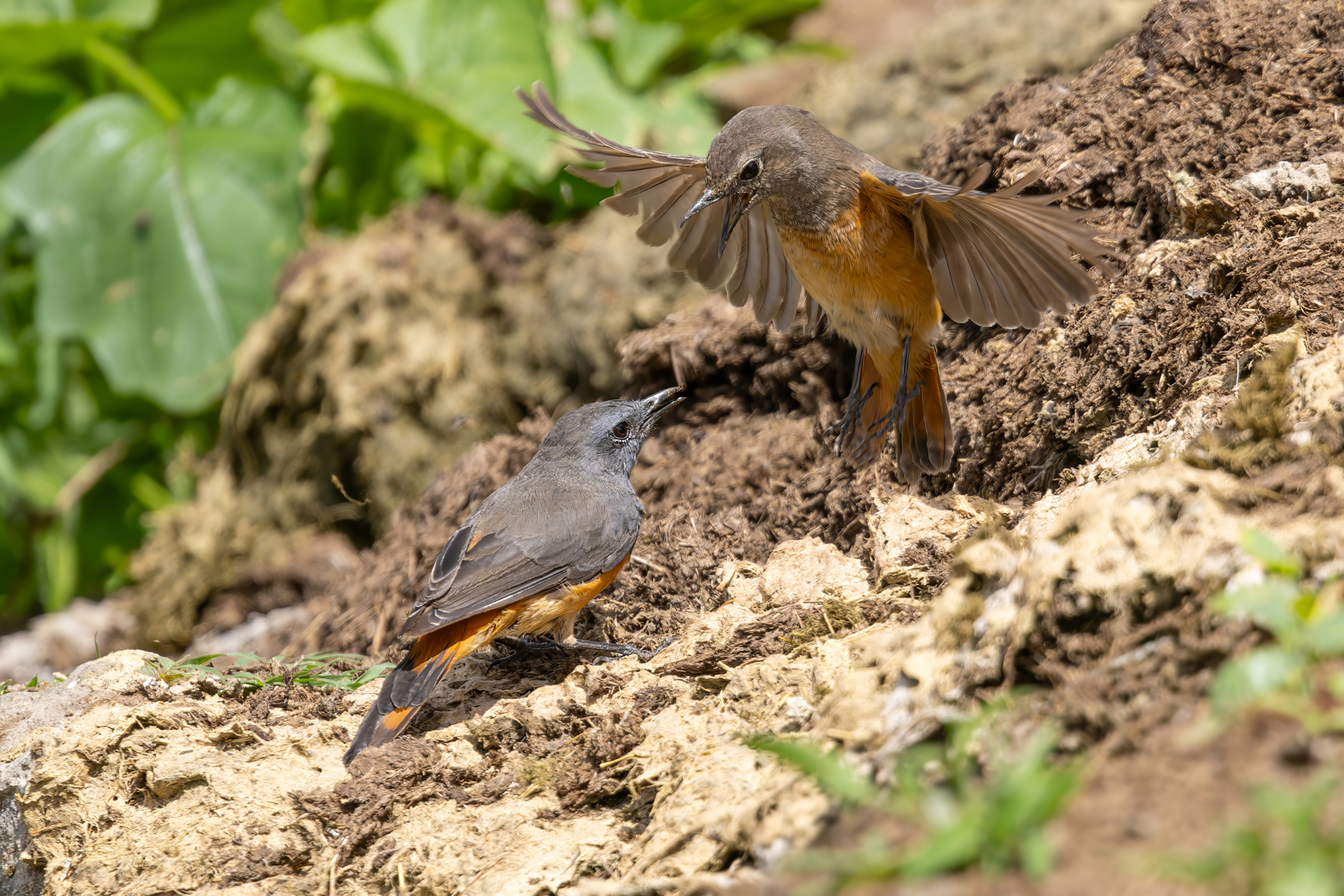
Little Rock Thrush (image by Nik Borrow)
Fiery-necked Nightjar (image by Pete Morris)
Red-tailed Ant Thrush (image by Mark Van Beirs)
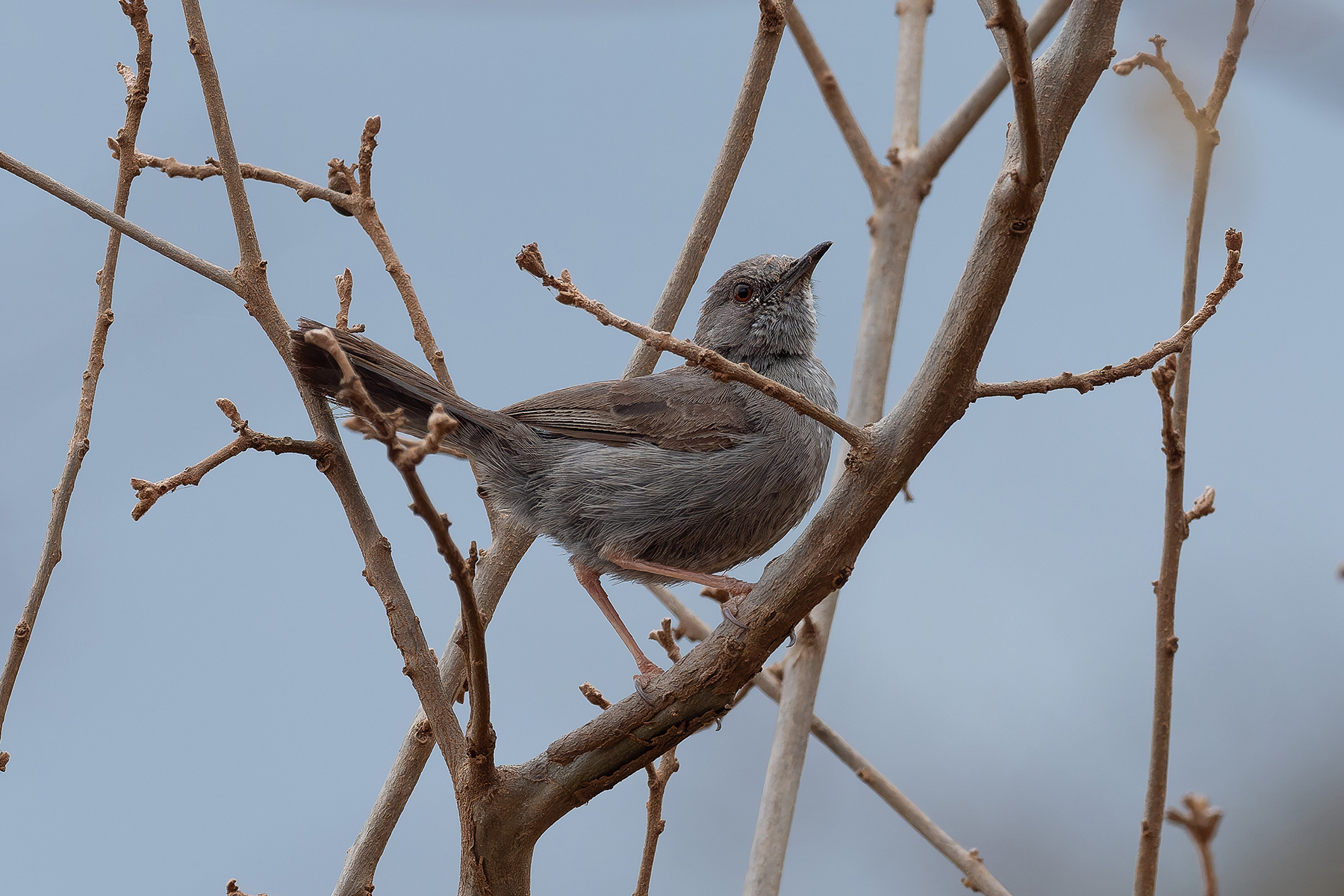
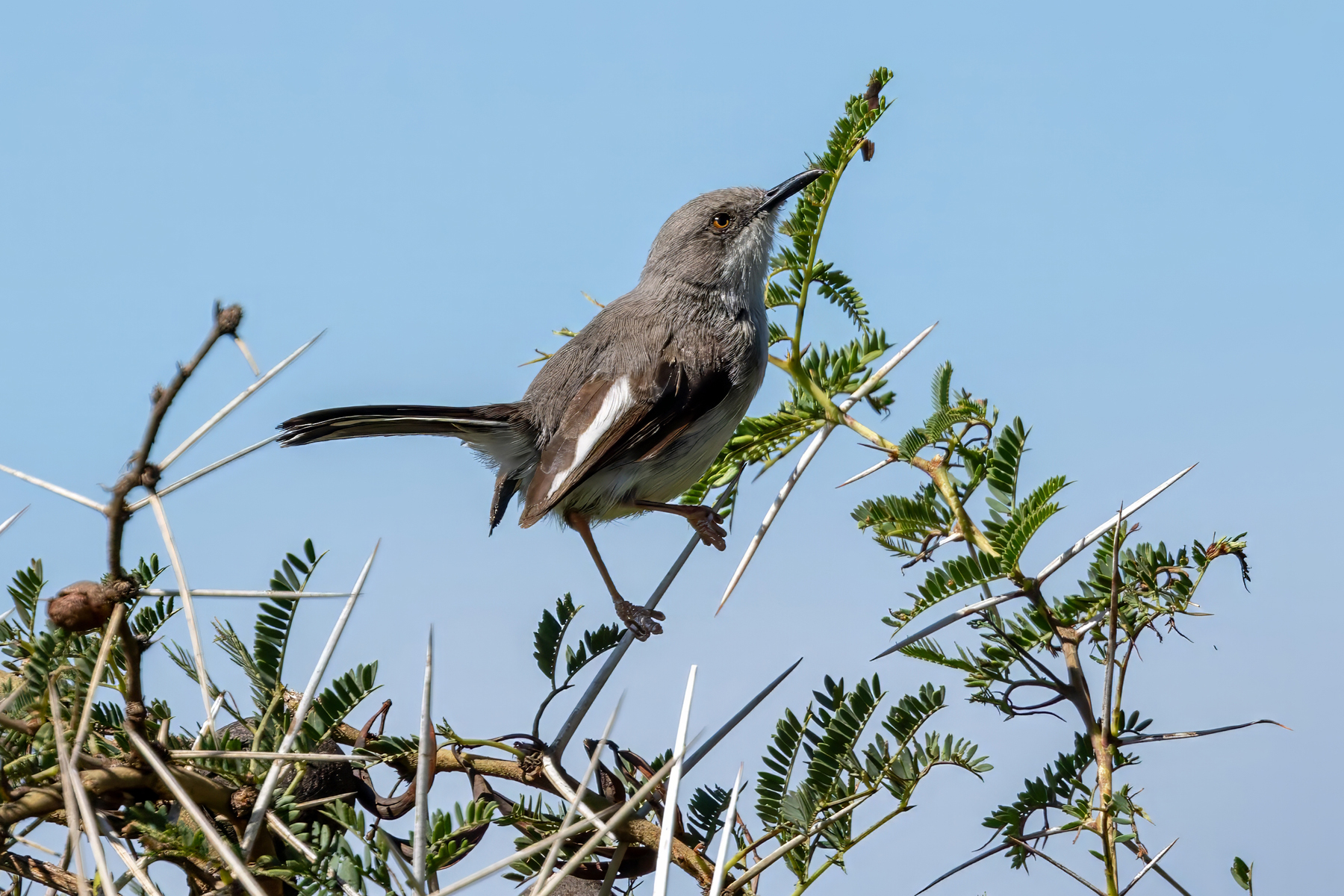
Grey Wren-Warbler (image by Mark Van Beirs)
D'Arnaud's Barbet (image by János Oláh)
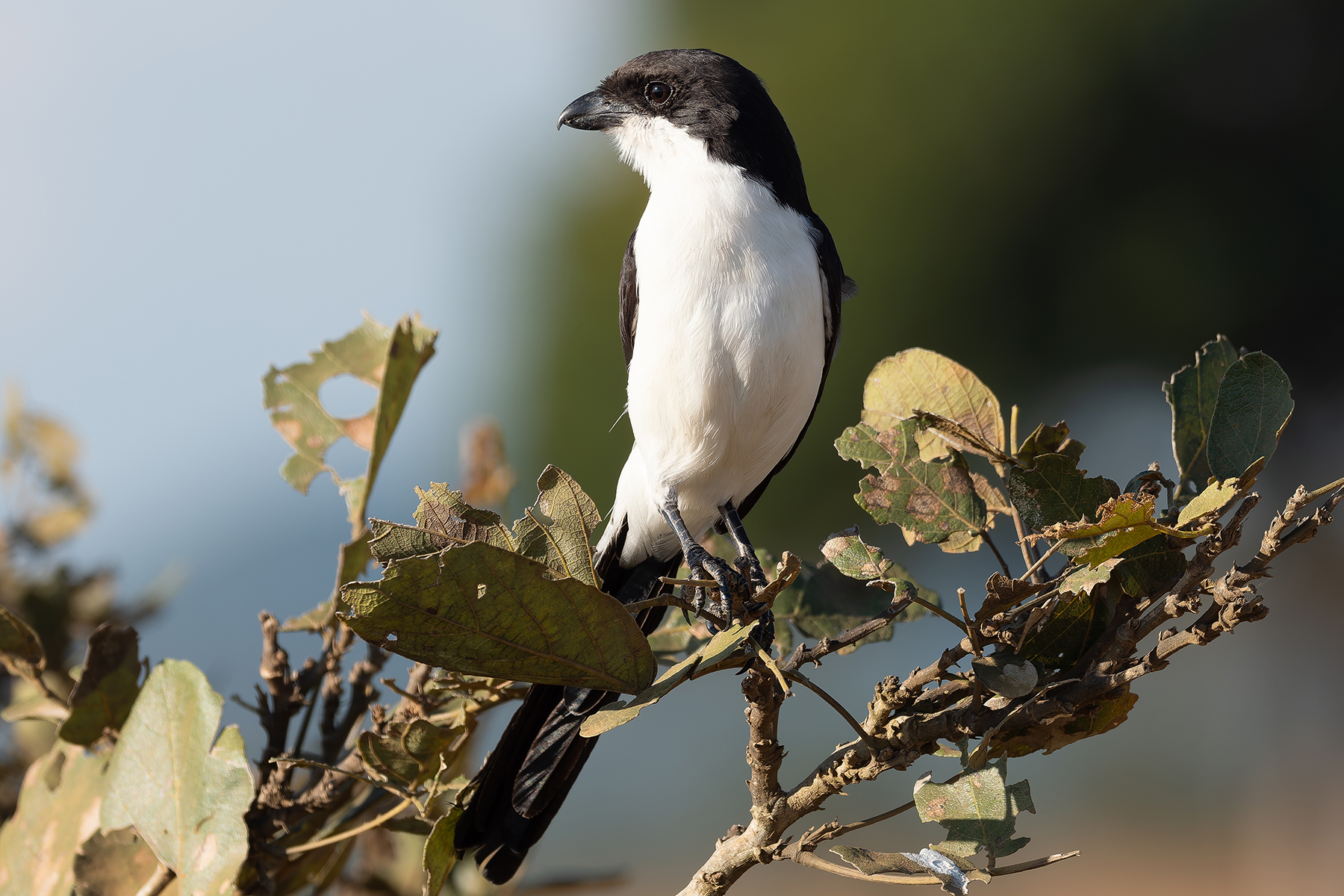
Long-tailed Fiscal (image by János Oláh)
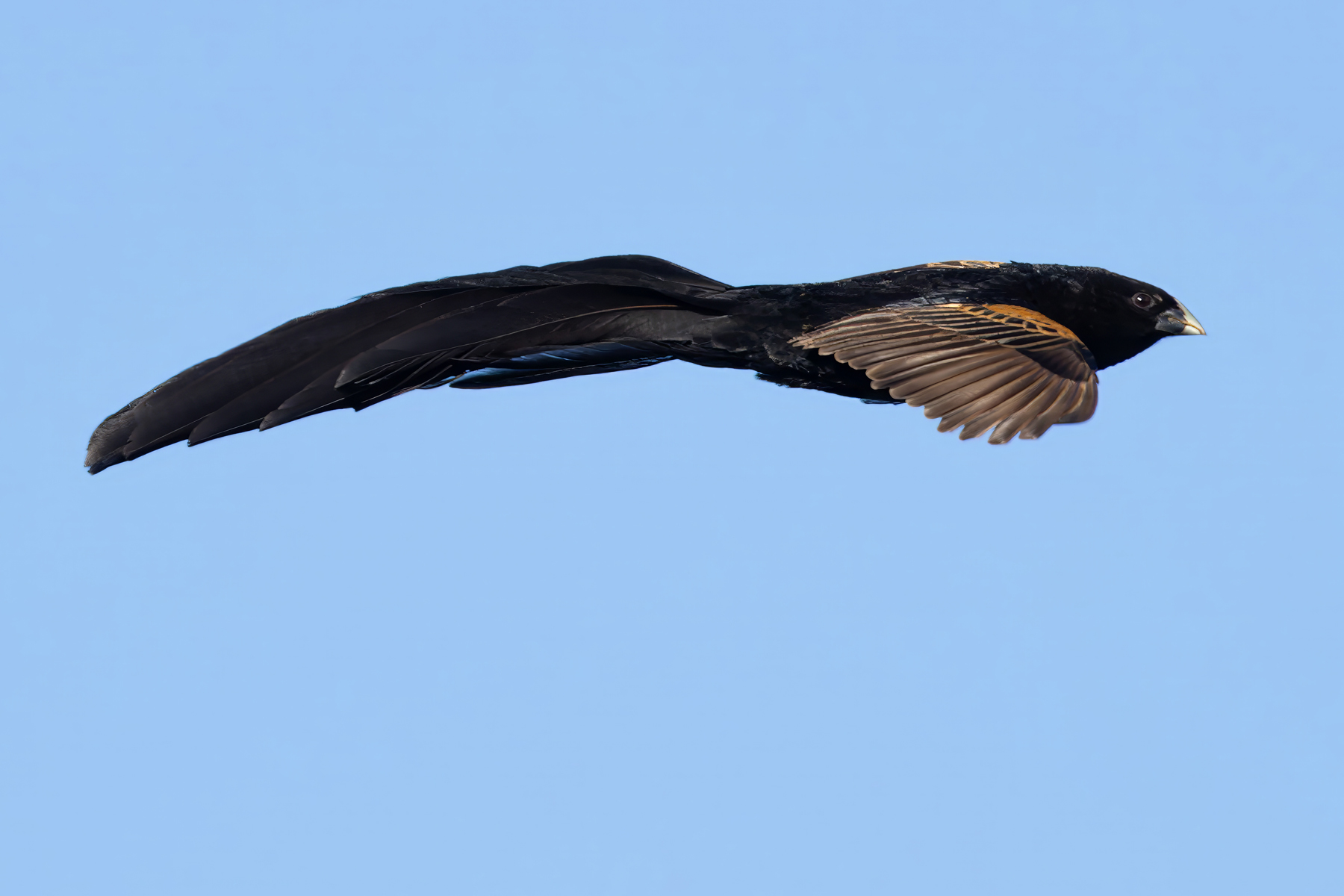
Jackson's Widowbird (image by Nik Borrow)
Mocking Cliff Chat (image by Mark Van Beirs)
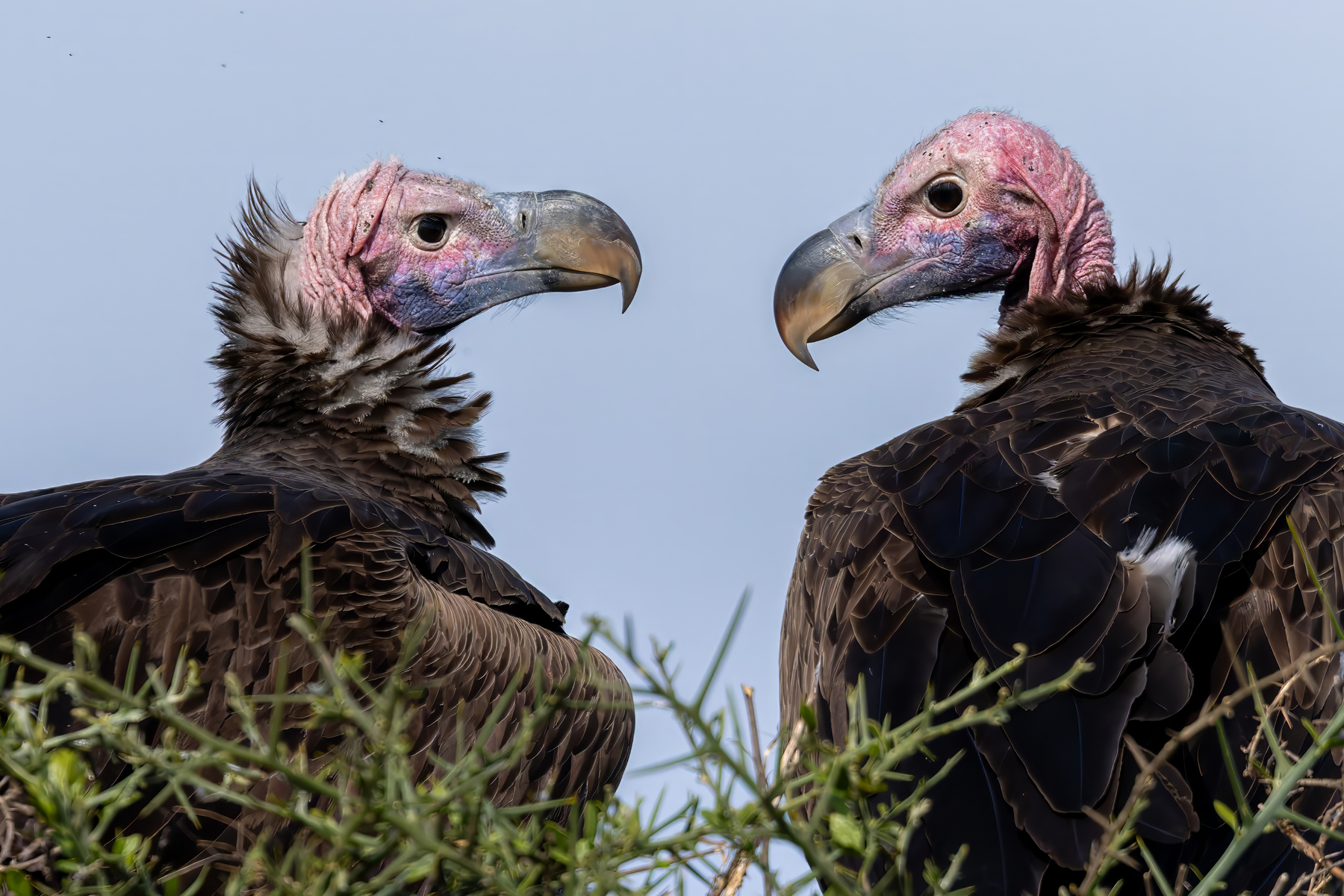
Lappet-faced Vultures (image by Nik Borrow)
Usambara Eagle-Owl (image by Pete Morris)
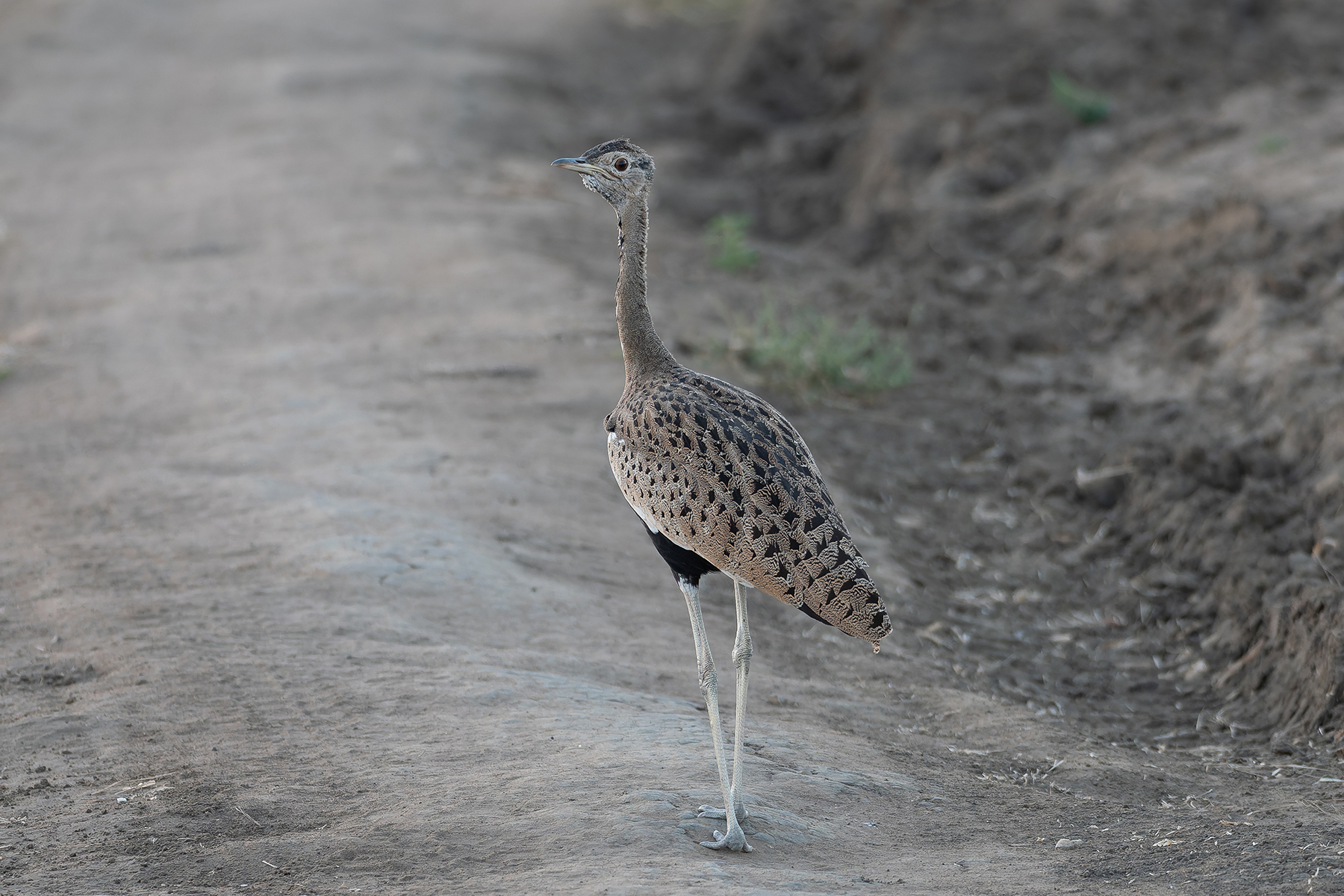
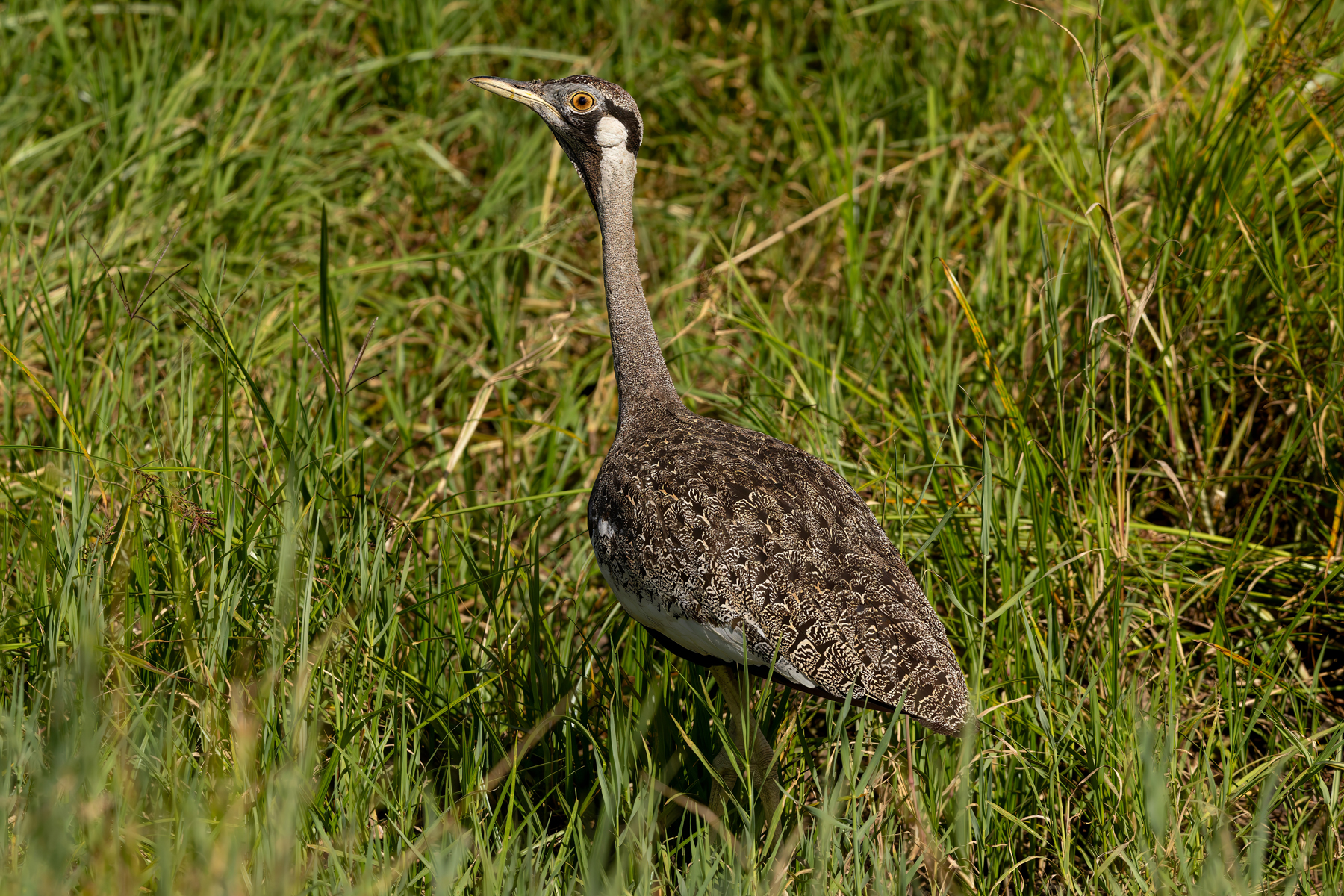
Black-bellied Bustard (image by Mark Van Beirs)
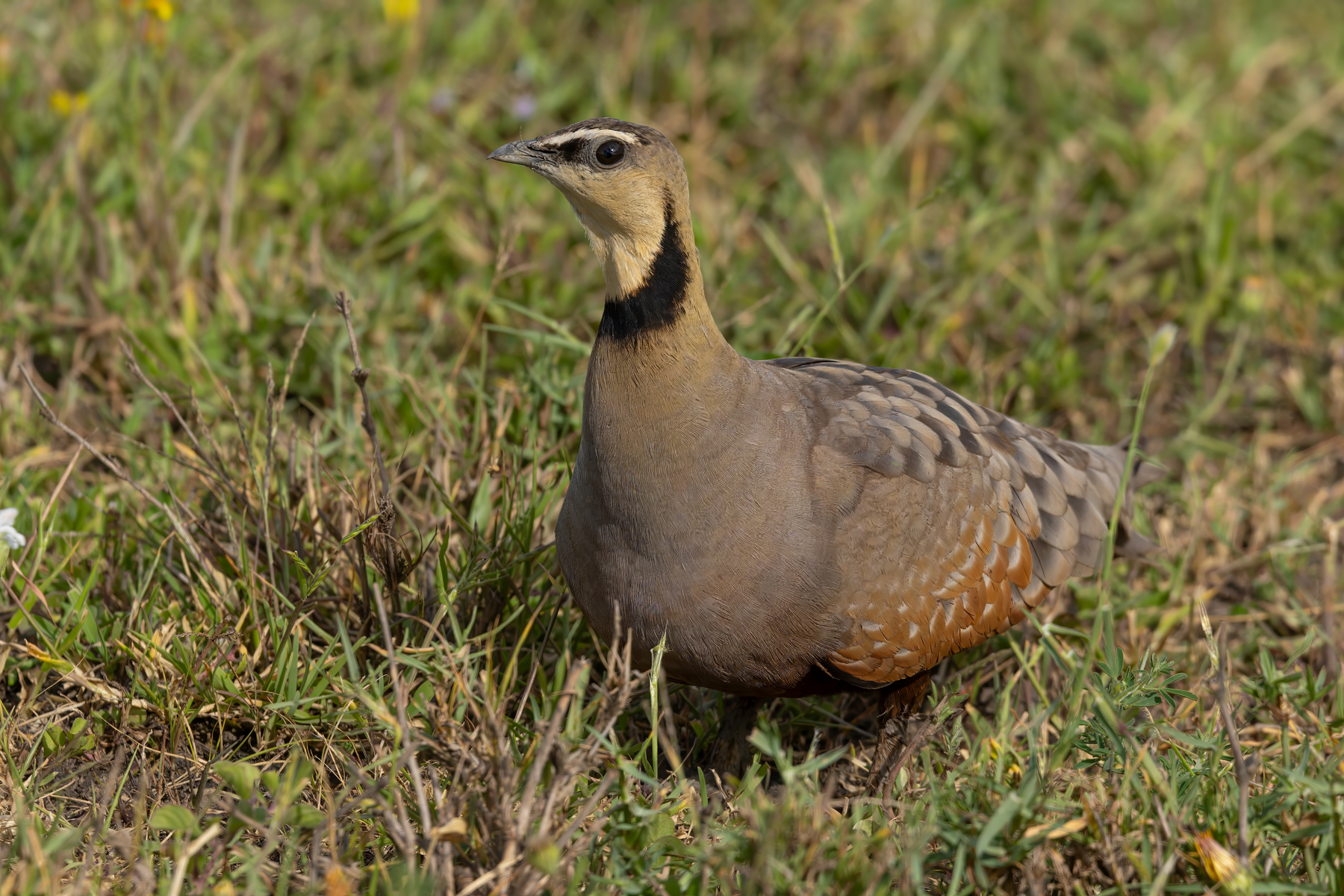
Yellow-throated Sandgrouse (image by Nik Borrow)
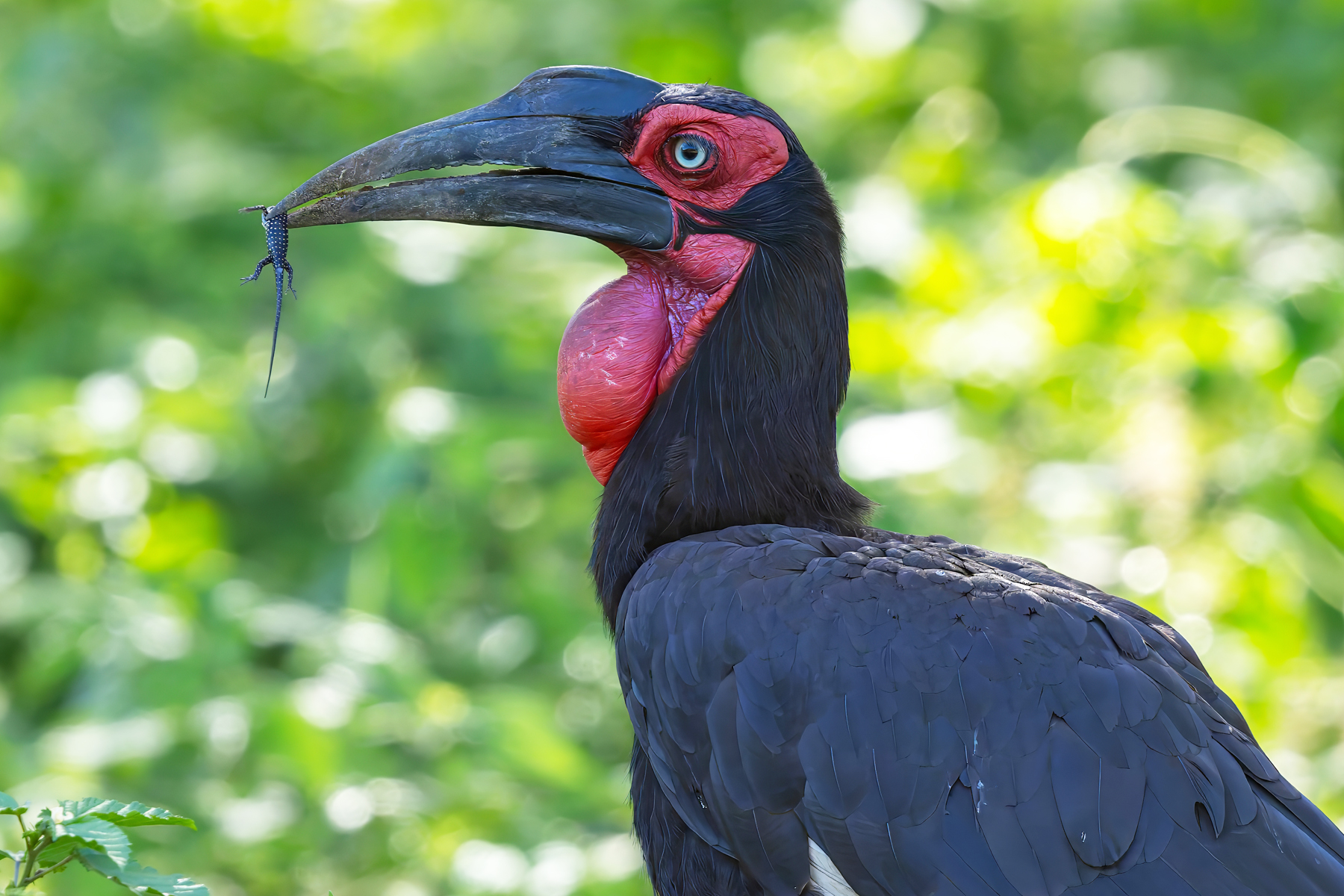
Southern Ground Hornbill (image by Nik Borrow)
Collared Palm Thrush (image by János Oláh)
Udzungwa Forest Partridge (image by János Oláh)
Rufous-winged Sunbird (image by János Oláh)
Cheetahs (image by Nik Borrow)
Hildebrandt's Spurfowl (image by Nik Borrow)
Hofmann's Sunbird (image by Pete Morris)
Bar-throated Apalis (image by János Oláh)
Long-billed Apalis (image by Pete Morris)
Harlequin Quail (image by János Oláh)
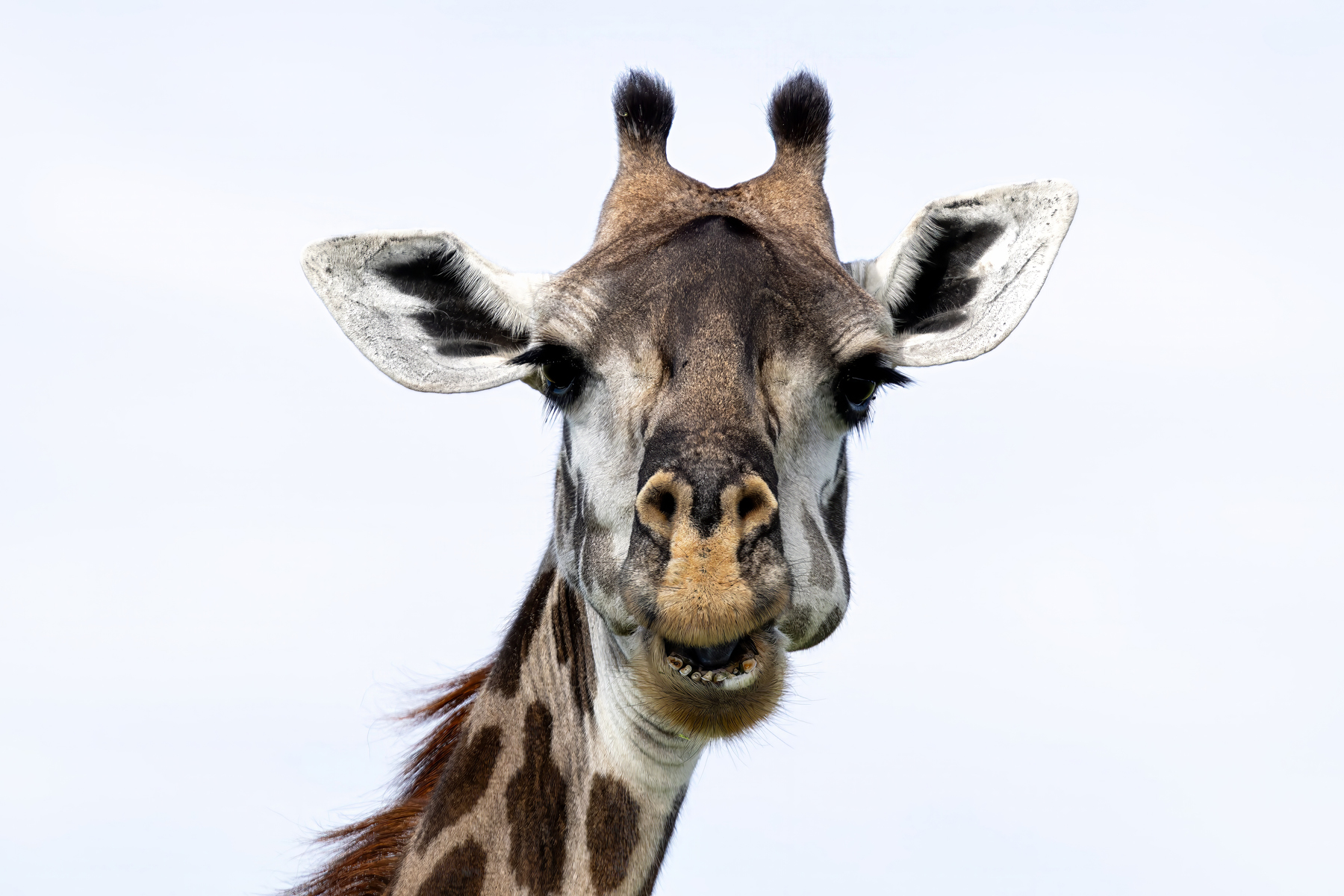
Maasai Giraffe (image by Nik Borrow)
Bertram's Weaver (image by Mark Van Beirs)
Blue-capped Cordon-bleu (image by Pete Morris)
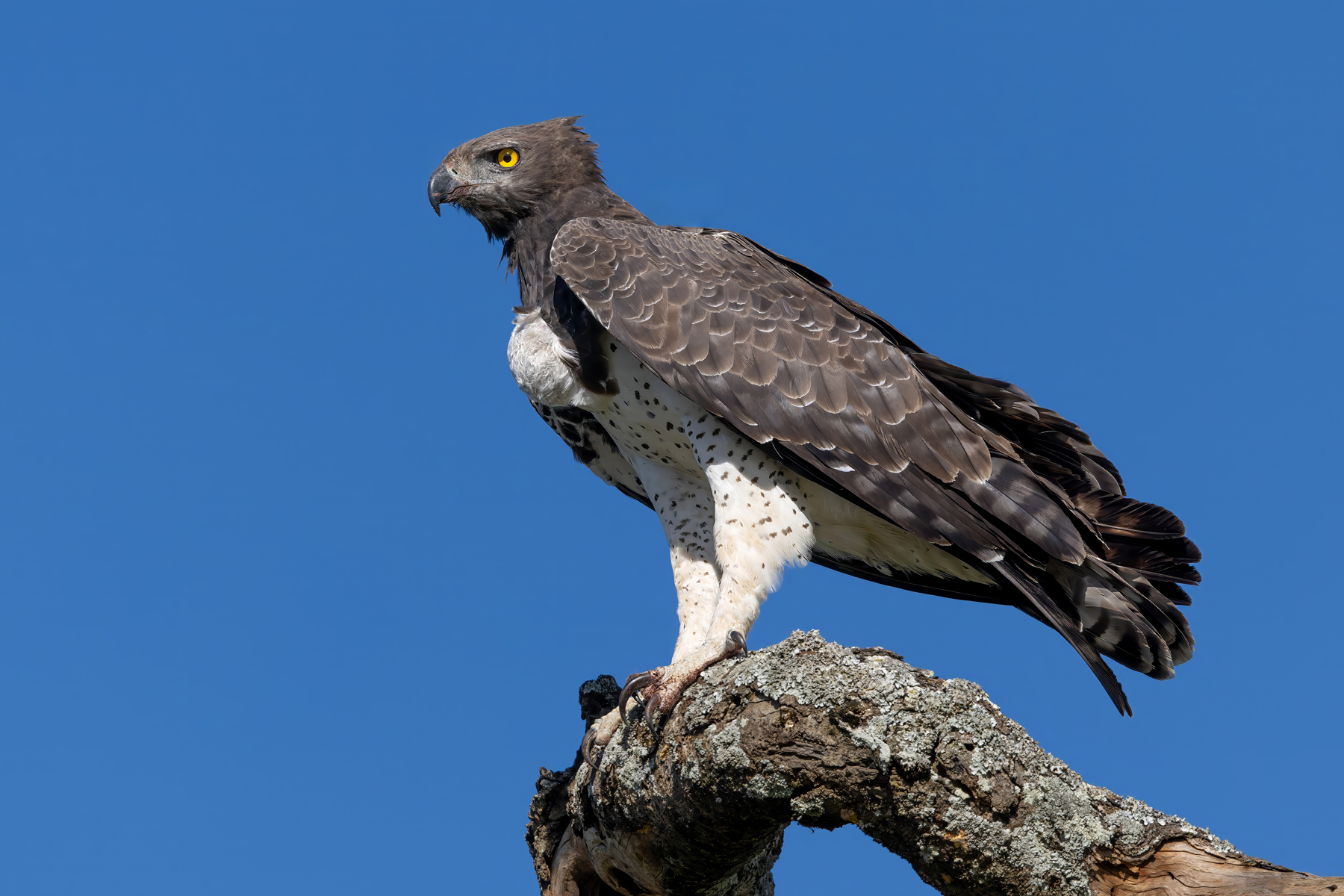
Martial Eagle (image by Nik Borrow)
Long-tailed Fiscal (image by Mark Van Beirs)
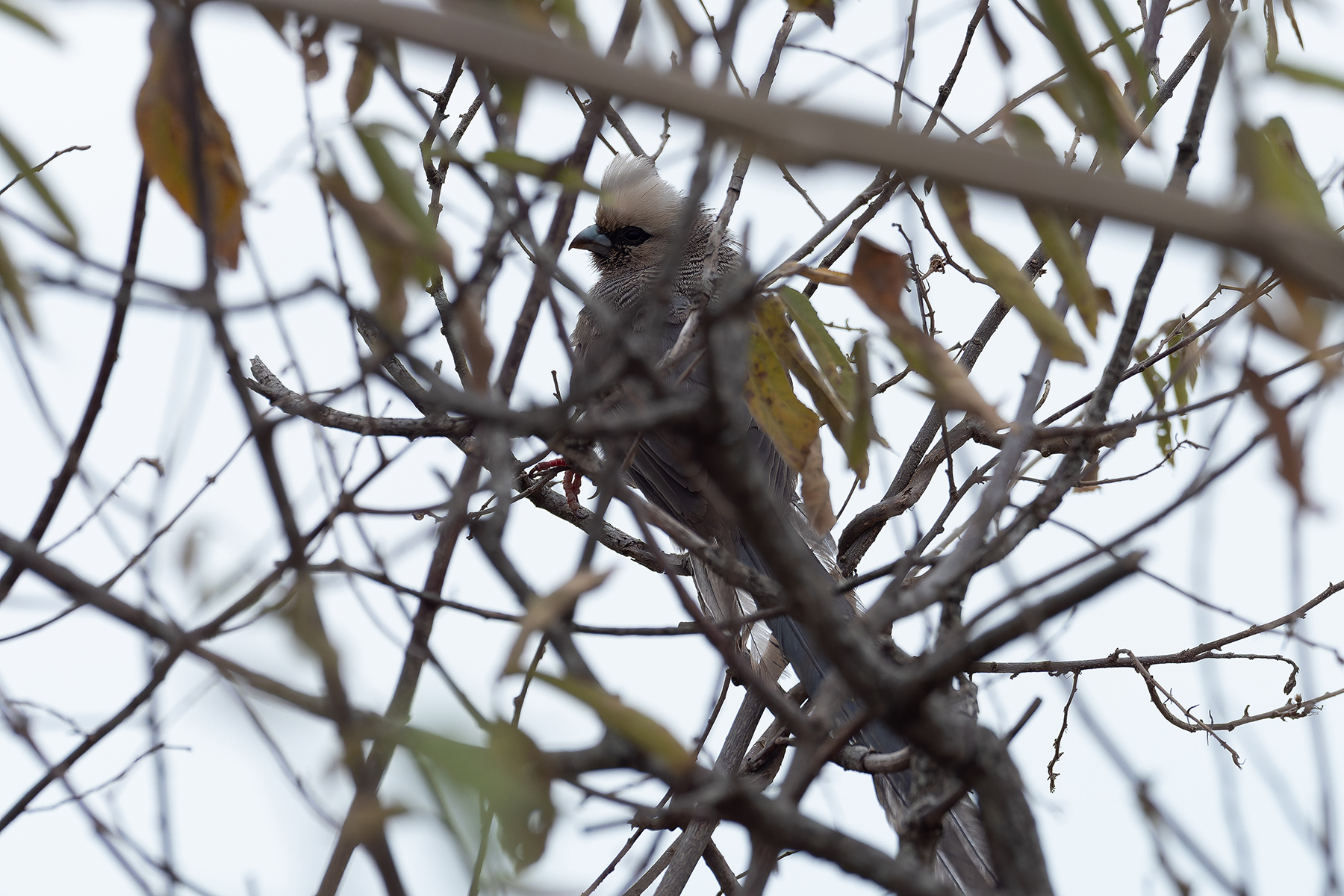
White-headed Mousebird (image by Mark Van Beirs)
Black-lored Cisticolas (image by János Oláh)
Kori Bustard (image by Pete Morris)
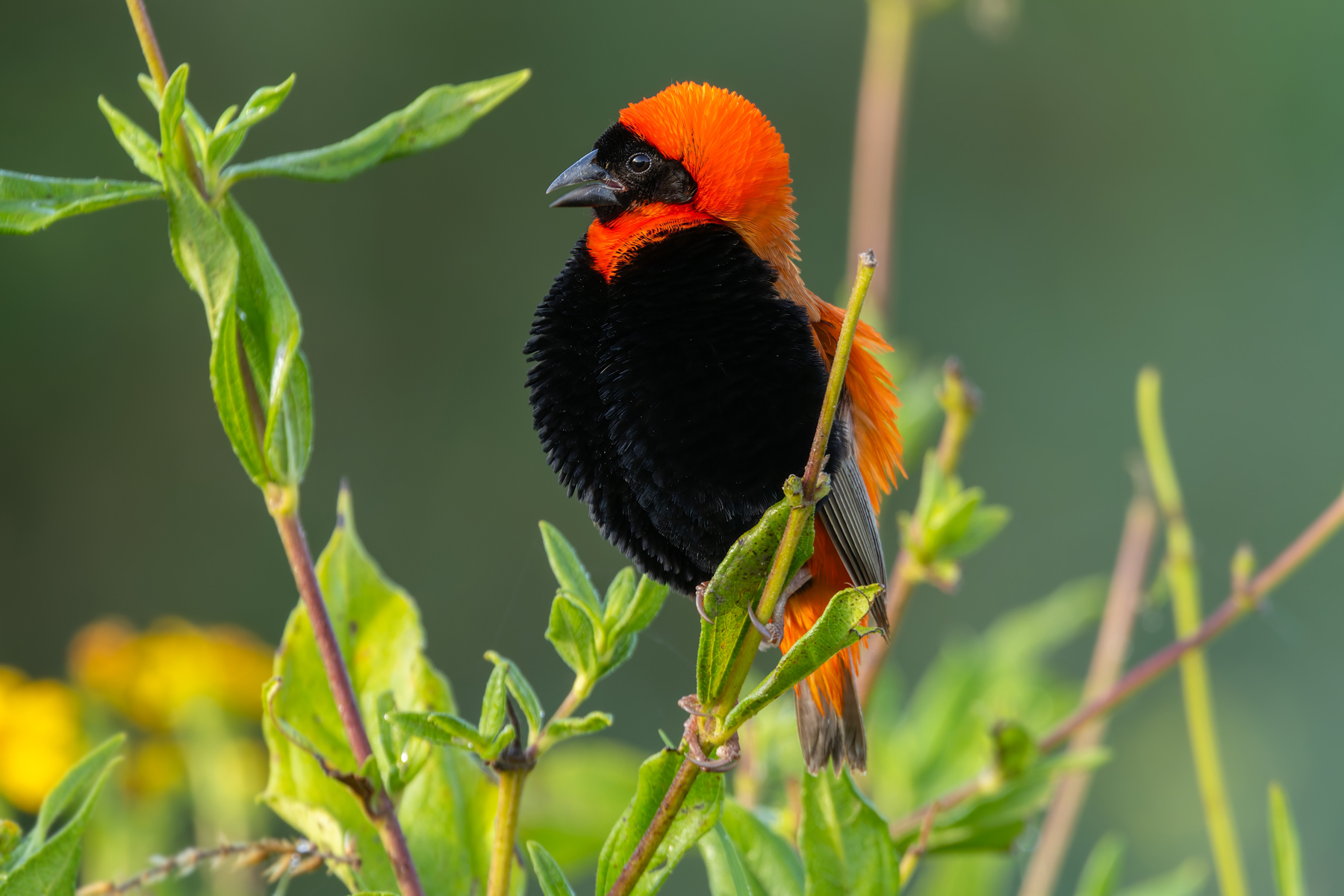
Southern Red Bishop (image by Nik Borrow)
Usambara Akalat (image by Pete Morris)
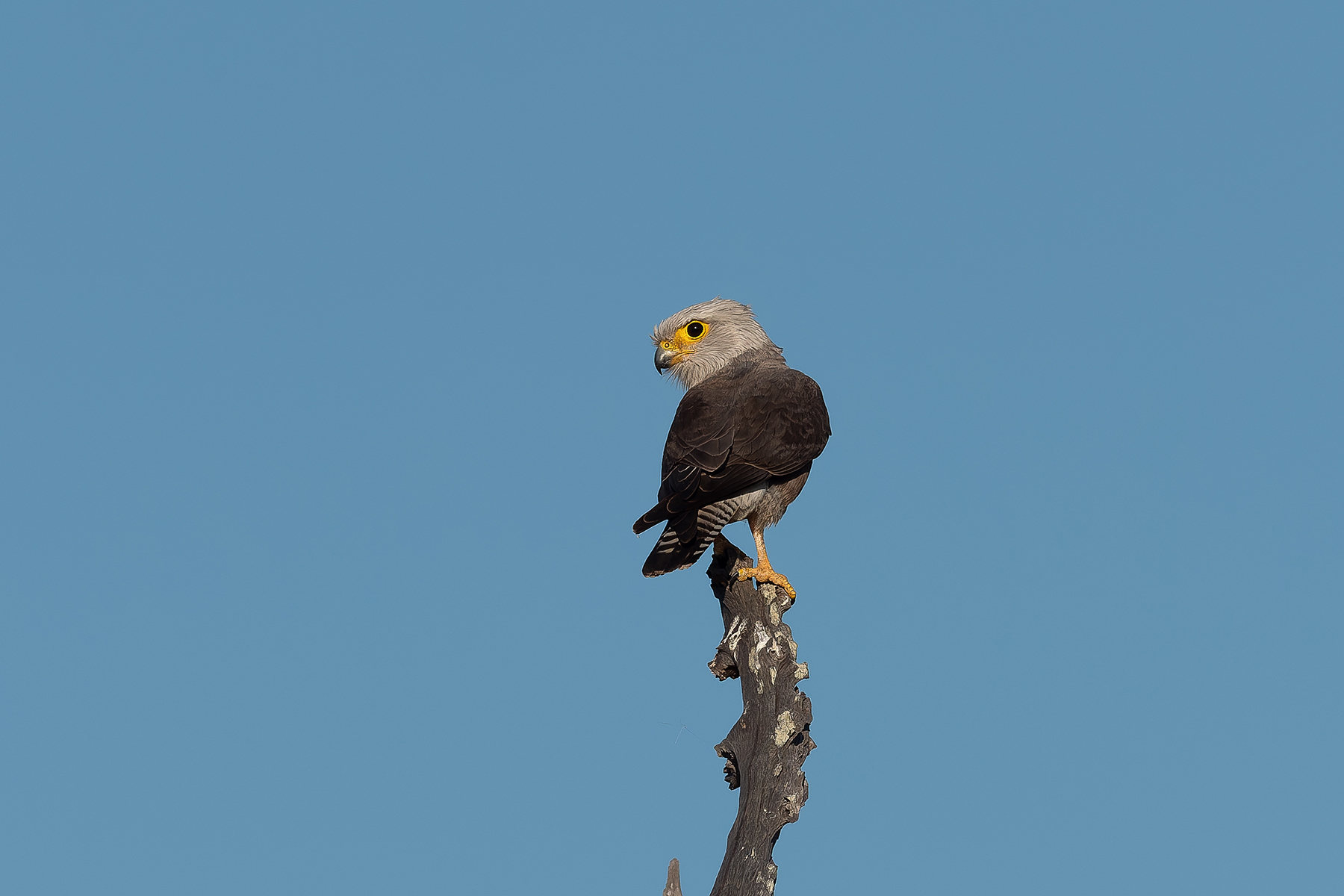
Dickinson's Kestrel (image by Mark Van Beirs)
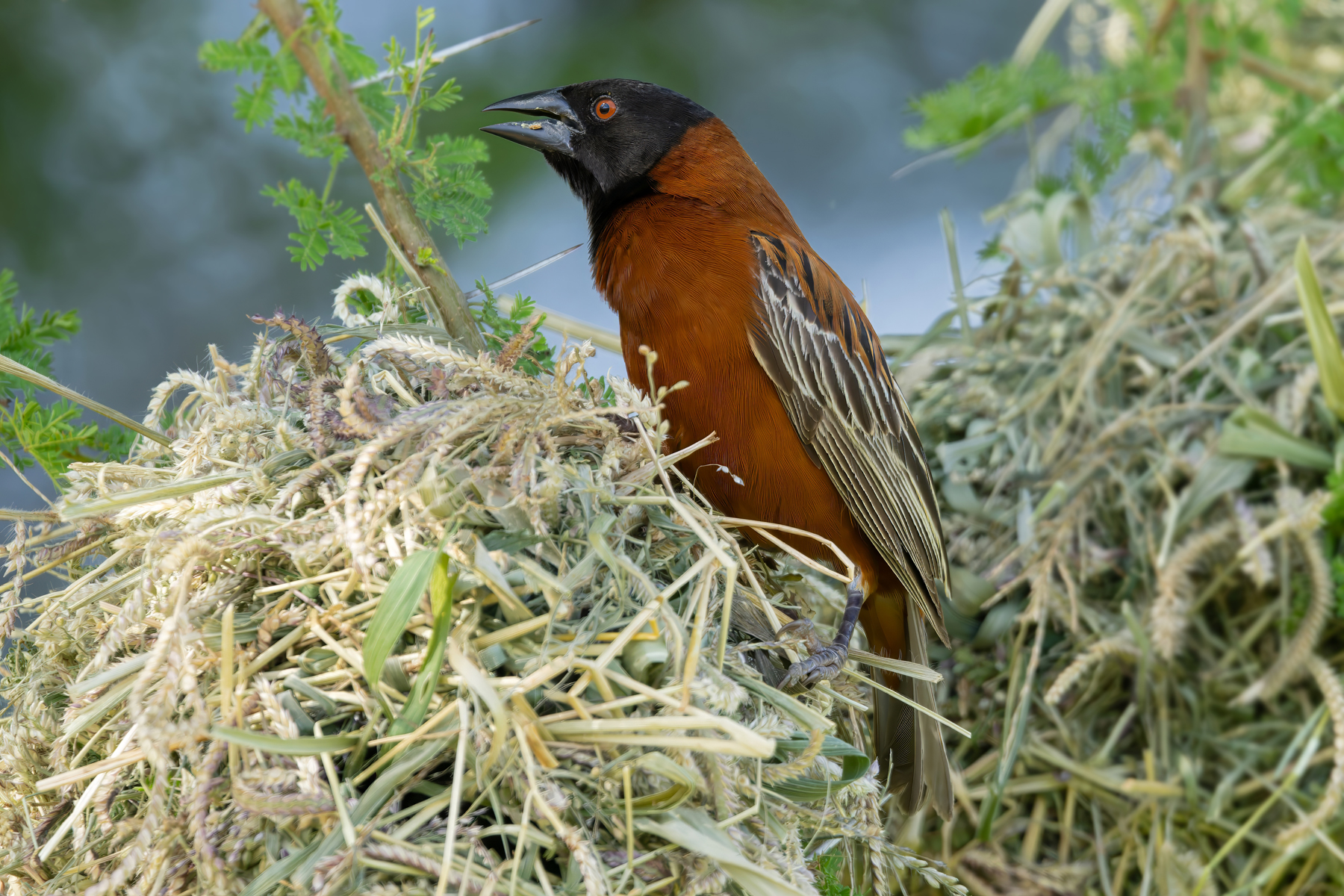
Chestnut Weaver (image by Nik Borrow)
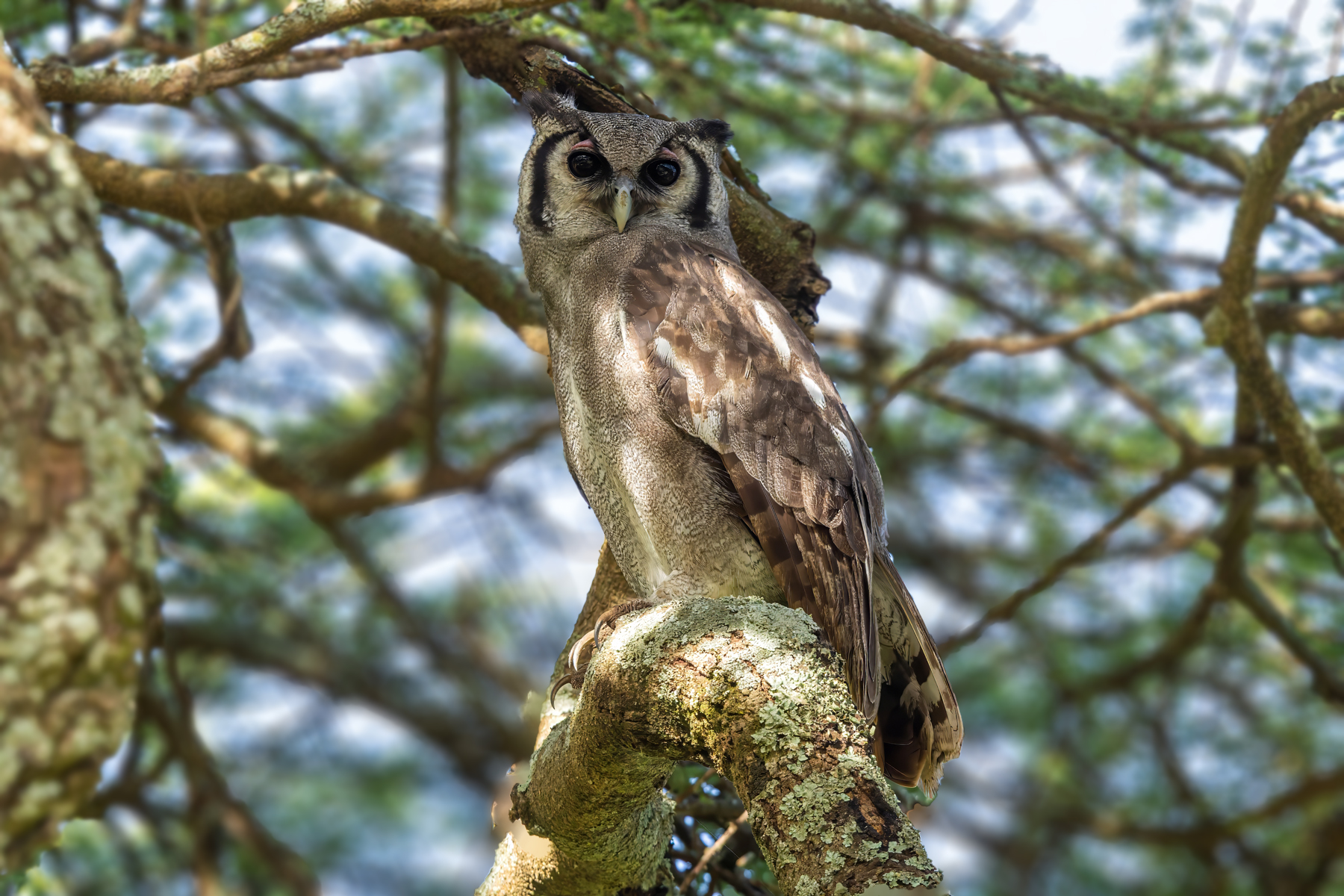
Verreaux's Eagle-Owl (image by Nik Borrow)
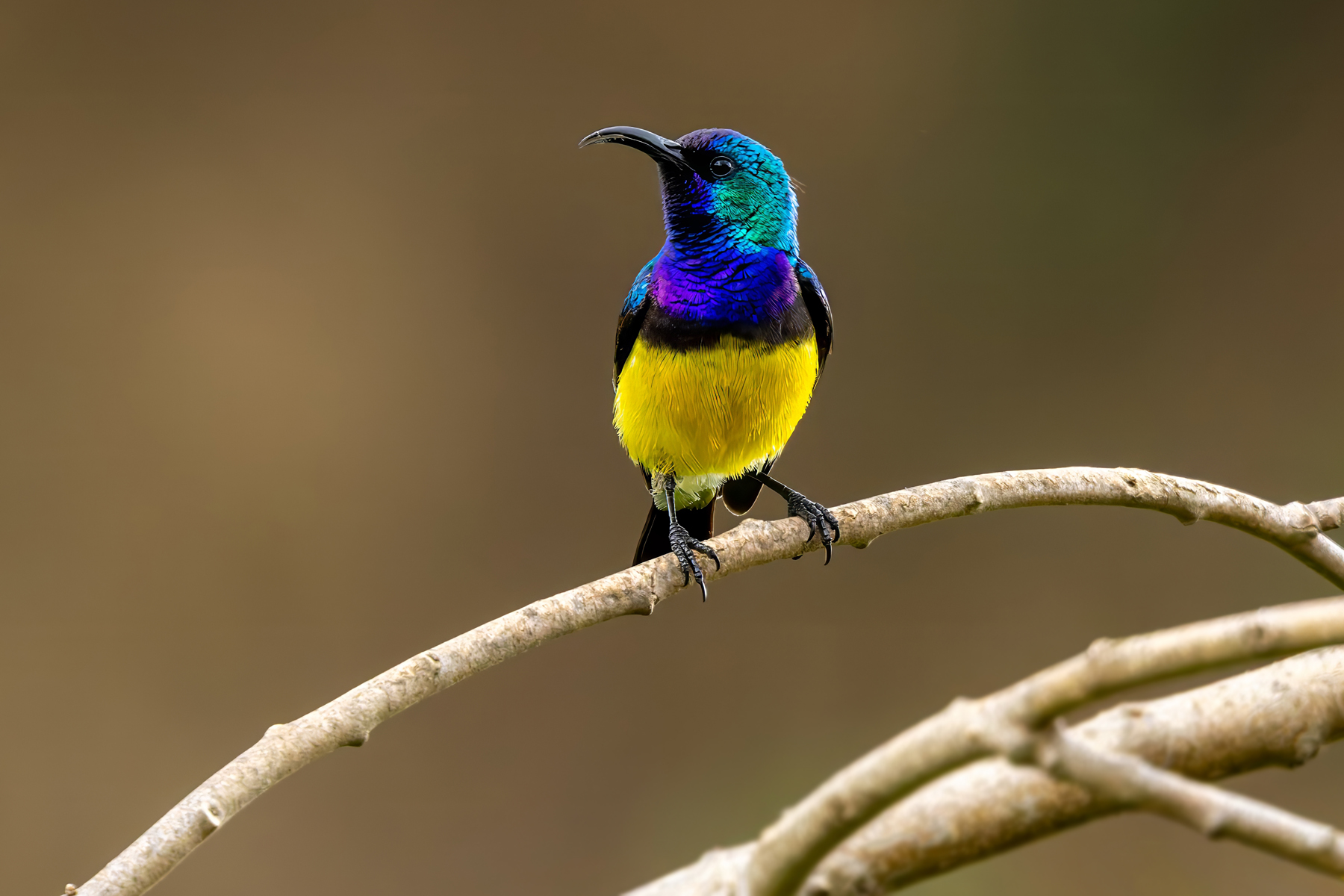
Variable Sunbird (image by Nik Borrow)
White-headed Barbet ssp lynesi (image by János Oláh)
Lizard Buzzard (image by János Oláh)
Sterling's Wren-Warbler (image by János Oláh)
White-tailed Cisticola (image by Pete Morris)
Greater Painted-snipe (image by Pete Morris)
Bertram's Weaver (image by János Oláh)
Green-headed Oriole (image by Pete Morris)
Uluguru Bushshrike (image by Pete Morris)
Bat-eared Foxes (image by Pete Morris)
Swynnerton's Robin (image by János Oláh)
African Barred Owlet (image by Pete Morris)
Cinnamon-breasted Tit (image by Pete Morris)
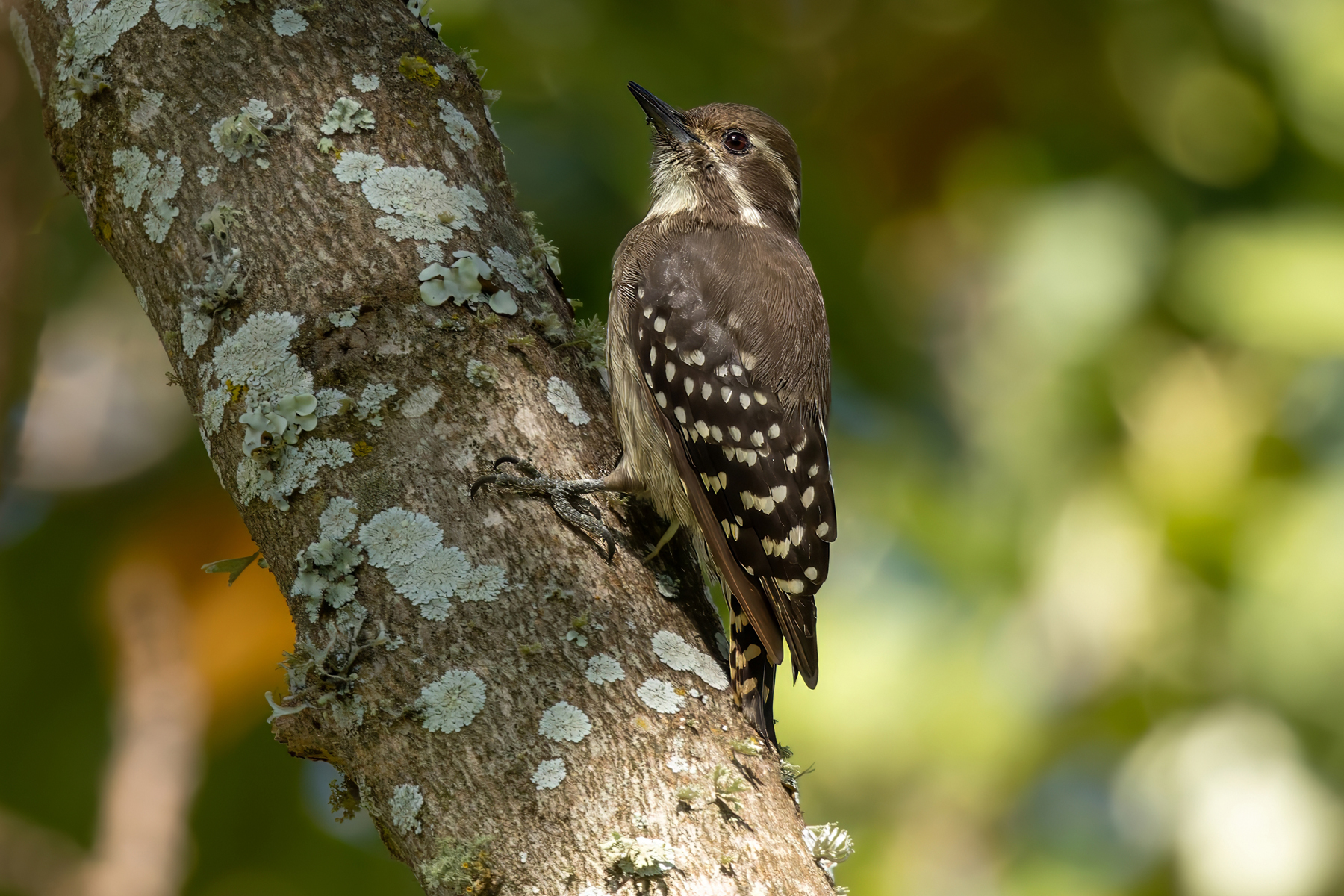
Brown-backed Woodpecker (image by Nik Borrow)
Kilombero Waever (image by János Oláh)
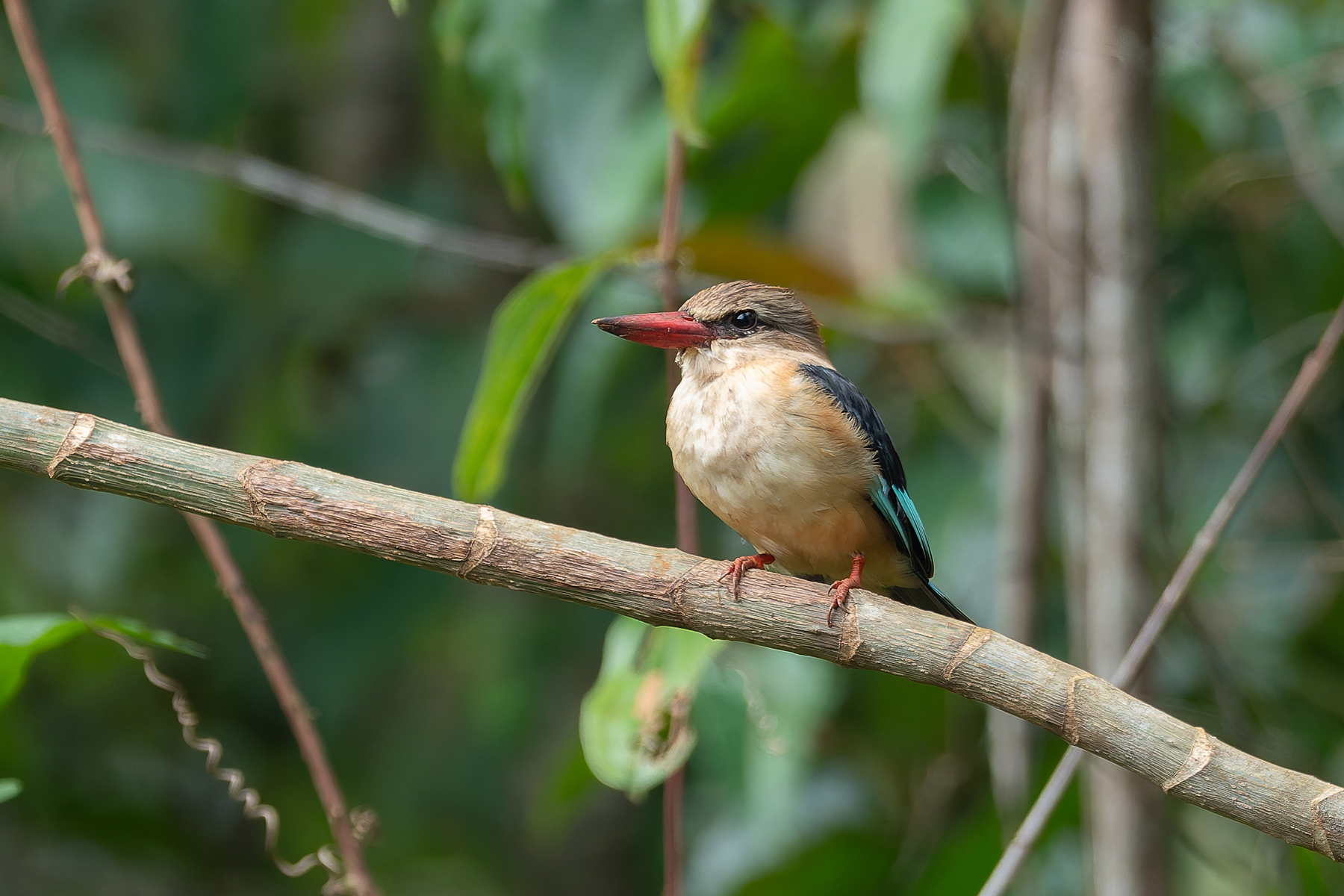
Brown-headed Kingfisher (image by Mark Van Beirs)
Spotted Palm Thrush (image by Mark Van Beirs)
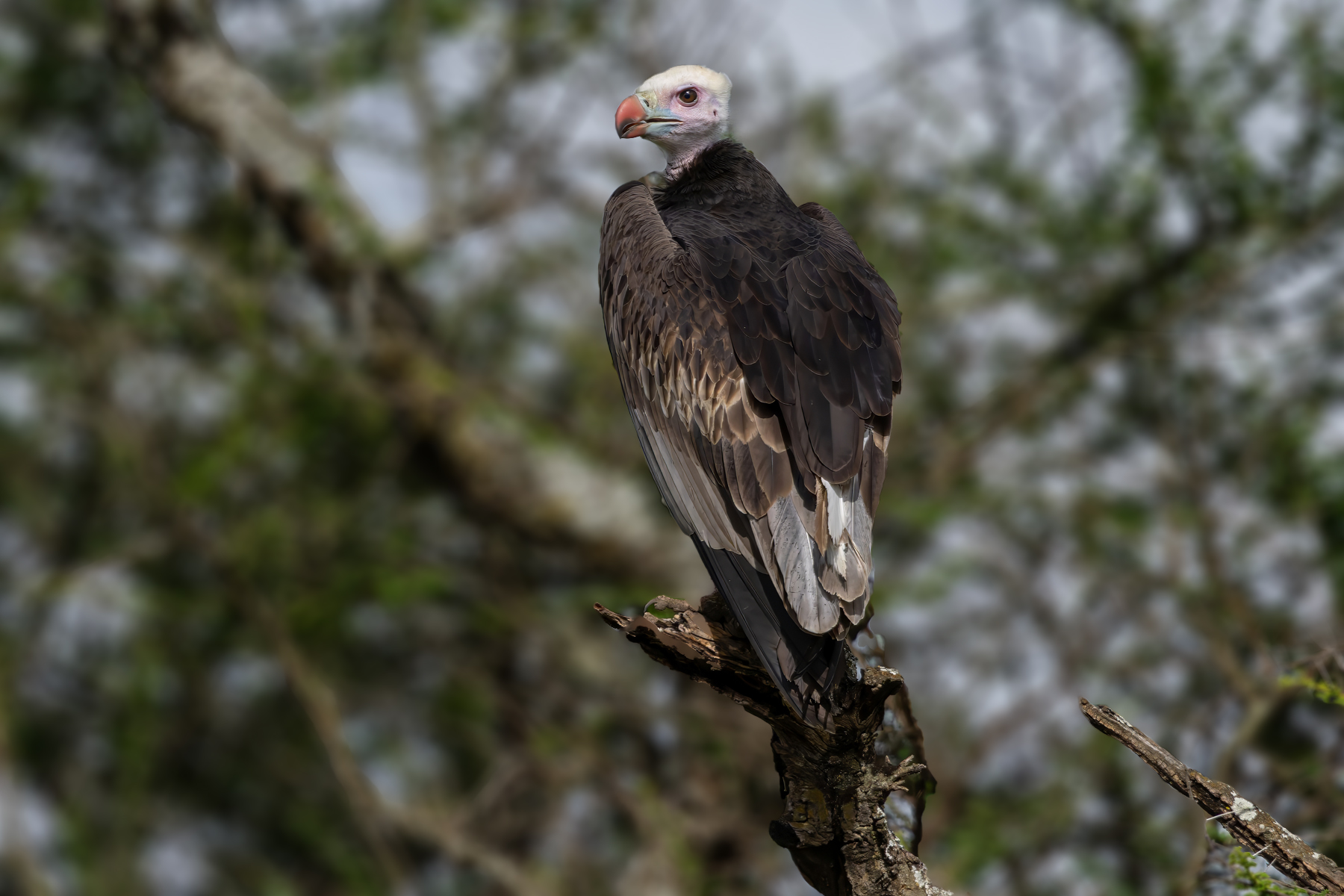
White-headed Vulture (image by Nik Borrow)
Rubeho Warbler (image by Pete Morris)
Senegal Lapwing (image by János Oláh)
Fischer's Lovebird (image by Pete Morris)
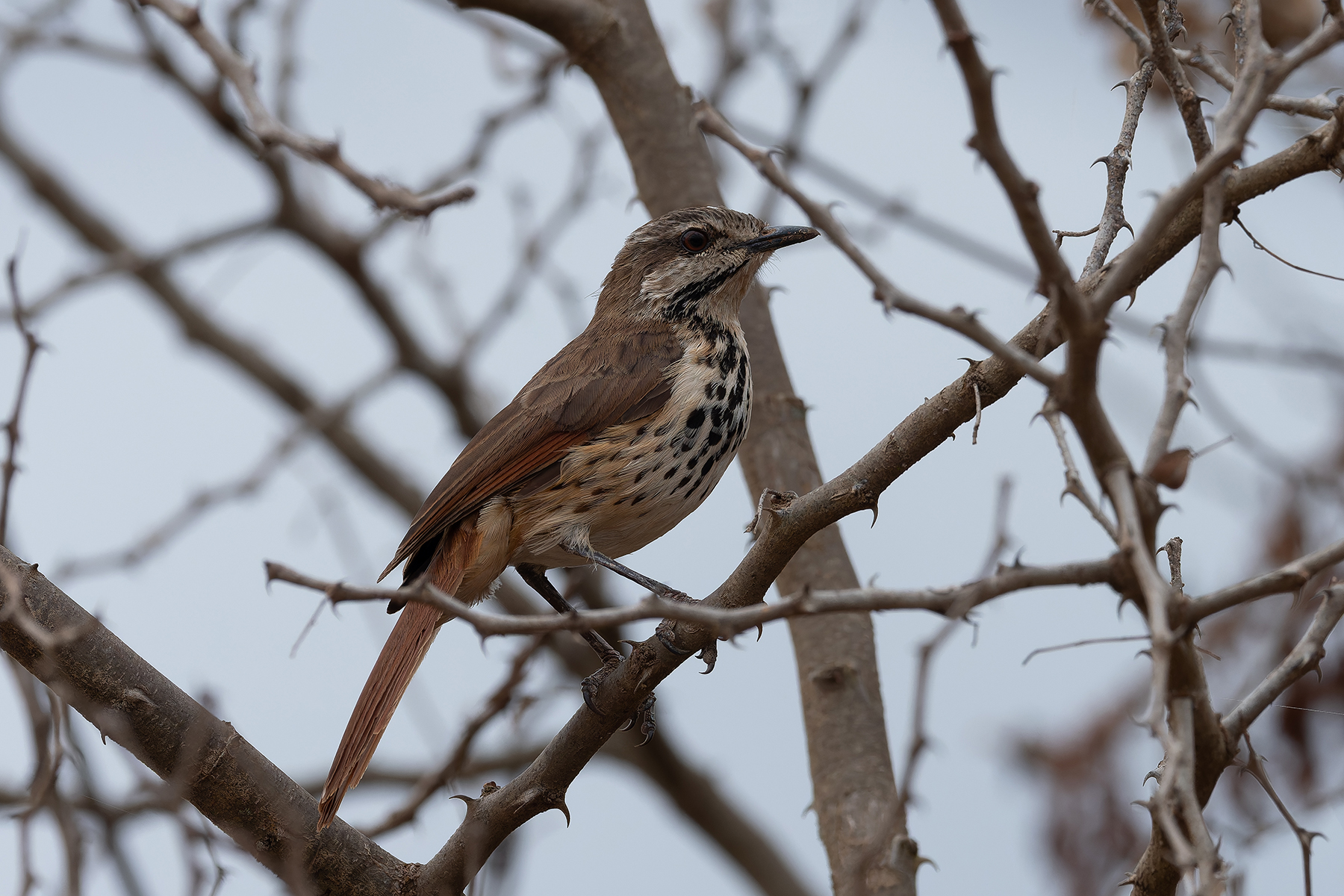
Scaly Chatterer (image by Pete Morris)
Half-collared Kingfisher (image by Pete Morris)
Kilombero Cisticola (image by János Oláh)
East Coast Boubou (image by Mark Van Beirs)
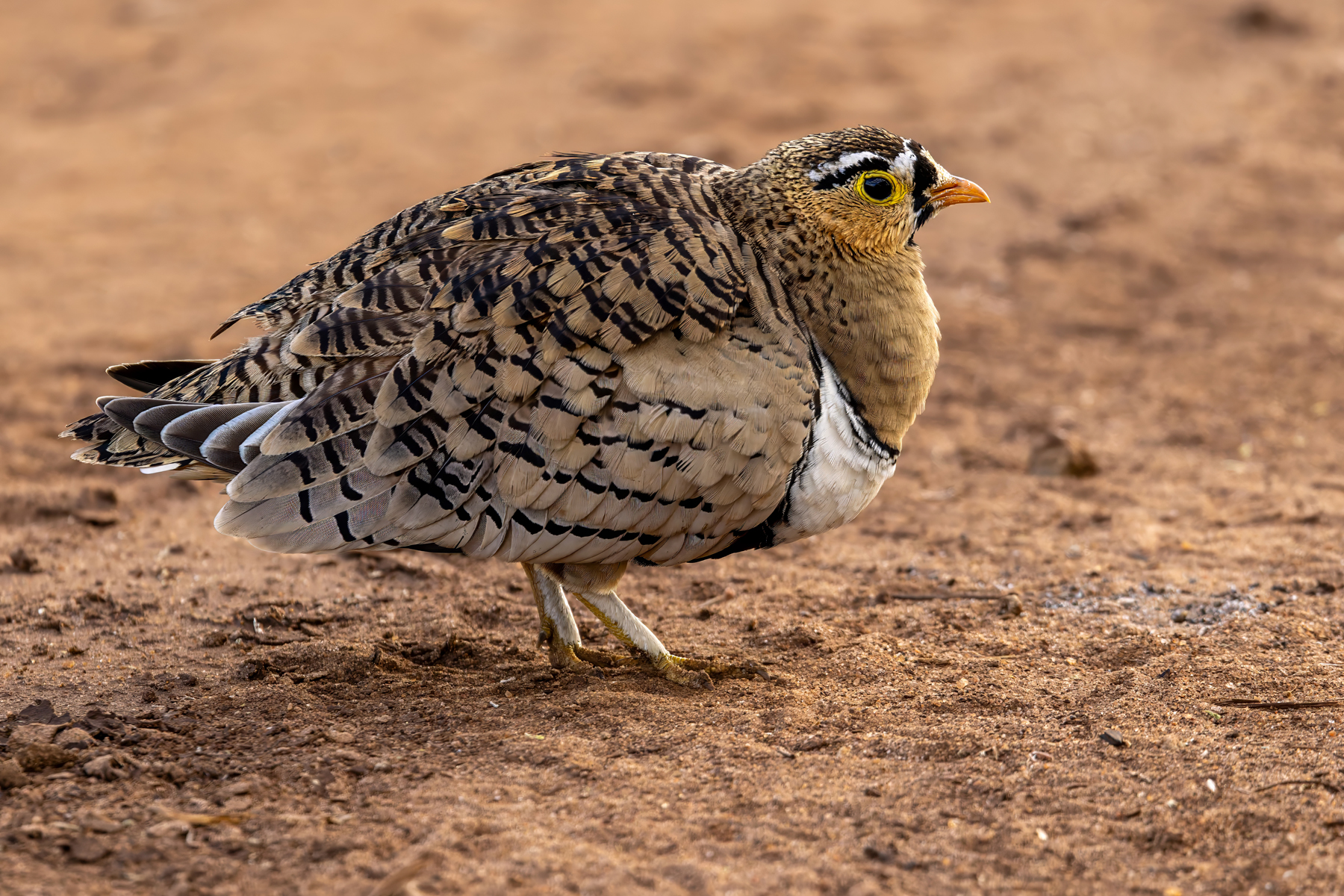
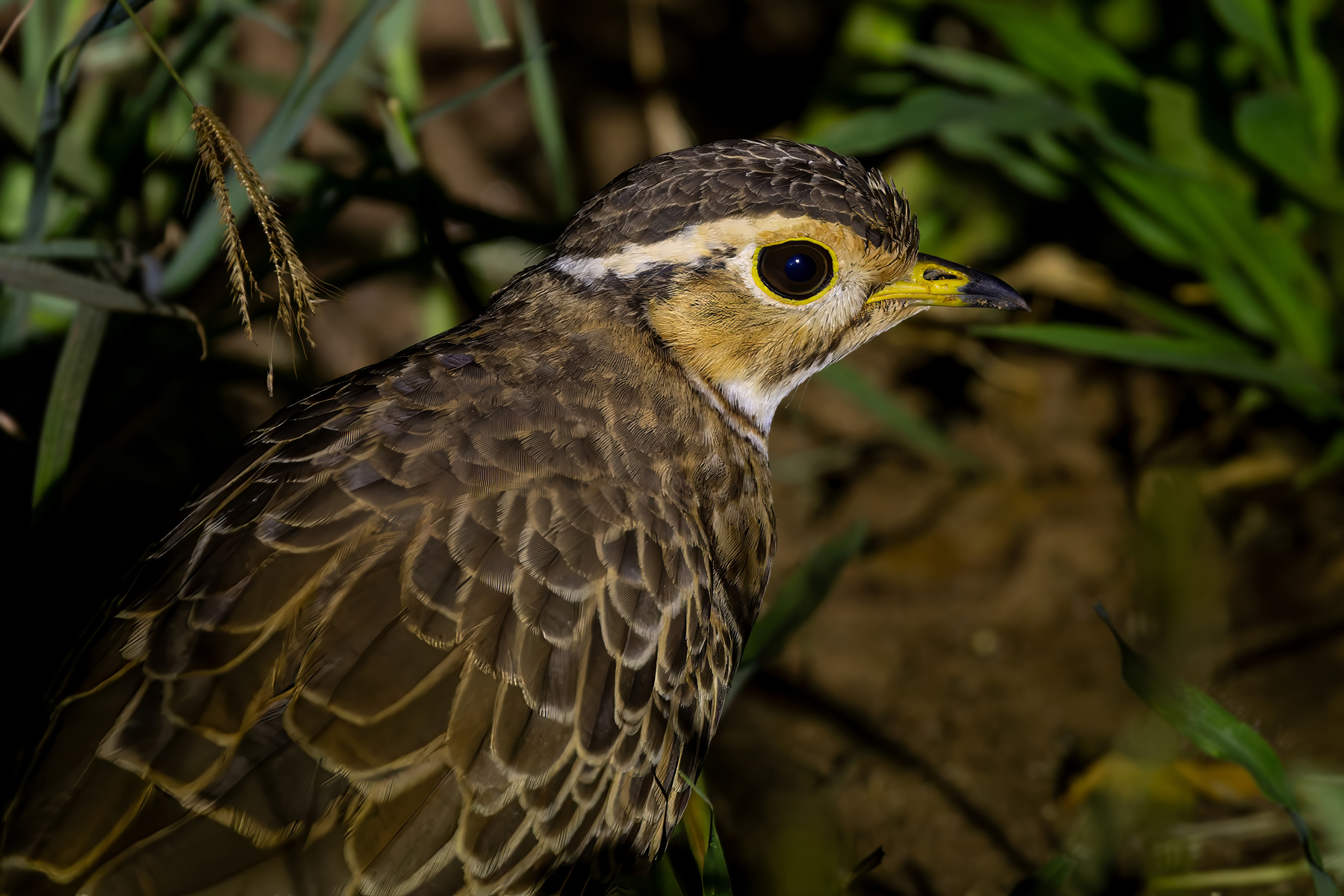
Three-banded Courser (image by Nik Borrow)
Lesser Flamingoes (image by Pete Morris)
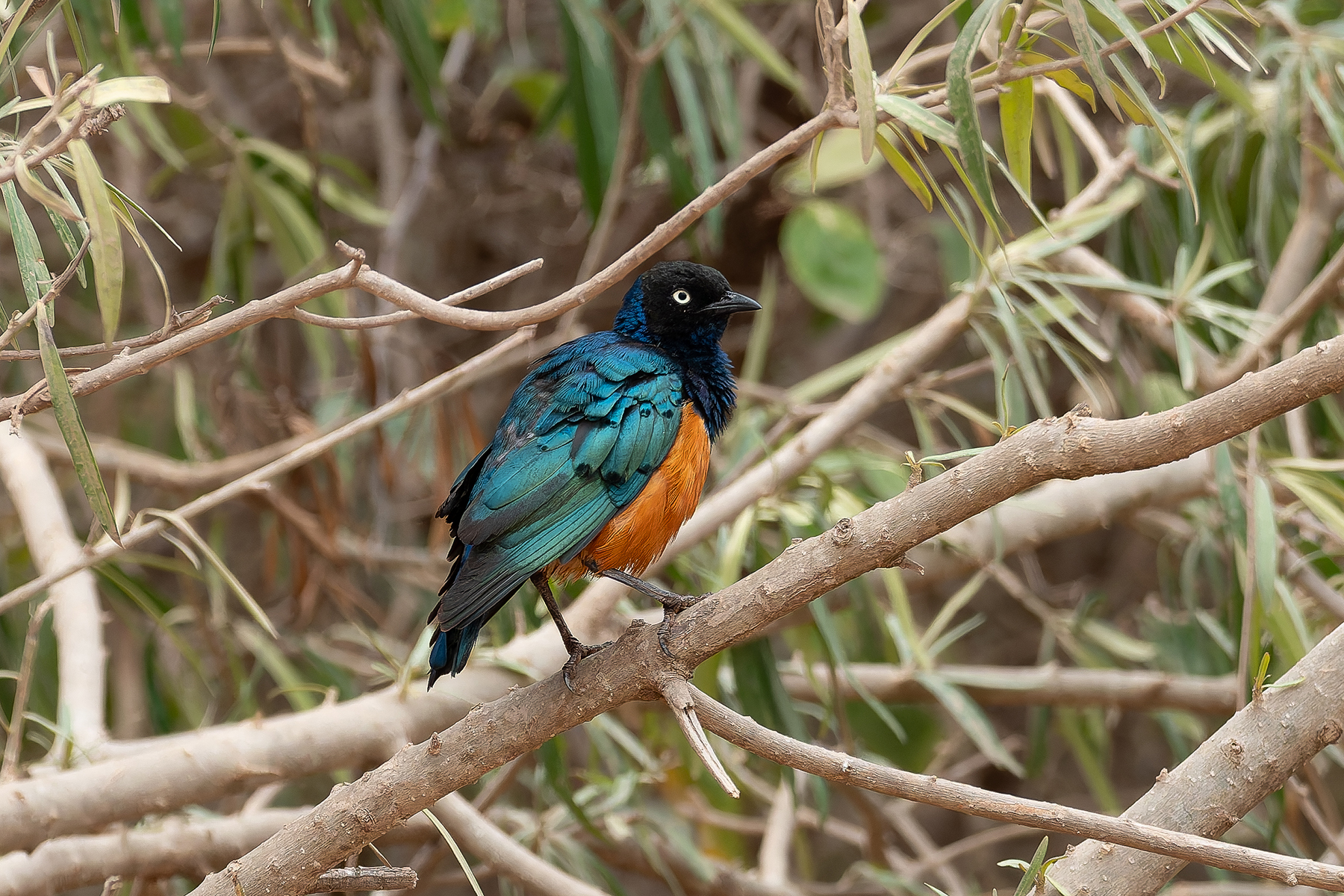
Superb Starling (image by Mark Van Beirs)
Pemba Flying Fox (image by János Oláh)
Plains Zebra (image by Pete Morris)
Eastern Double-collared Sunbird (image by Nik Borrow)
Lions (image by Nik Borrow)
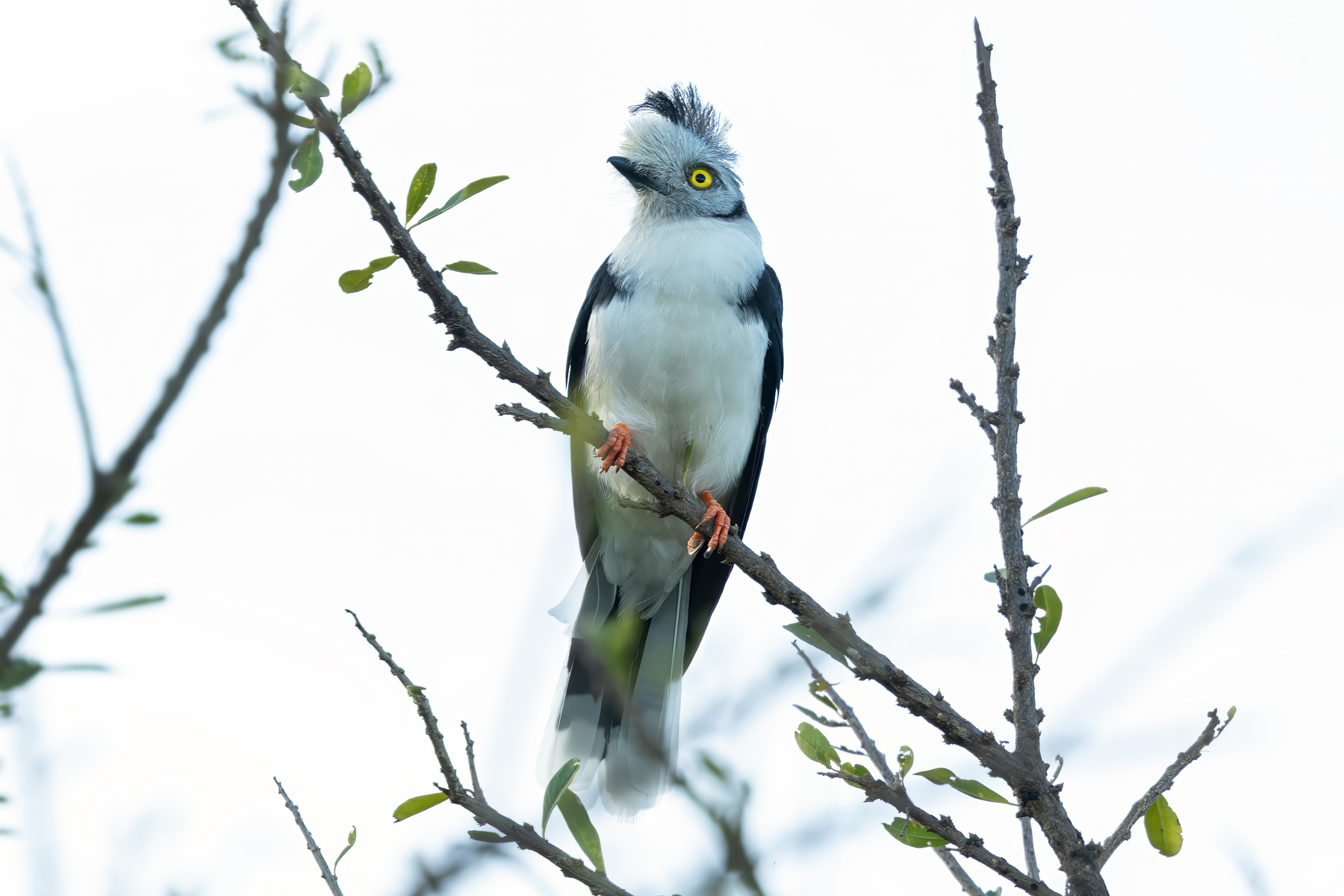
Grey-crested Helmetshrike (image by Nik Borrow)
Slate-coloured Boubou (image by Mark Van Beirs)
Lynes's Cisticola (image by Nik Borrow)
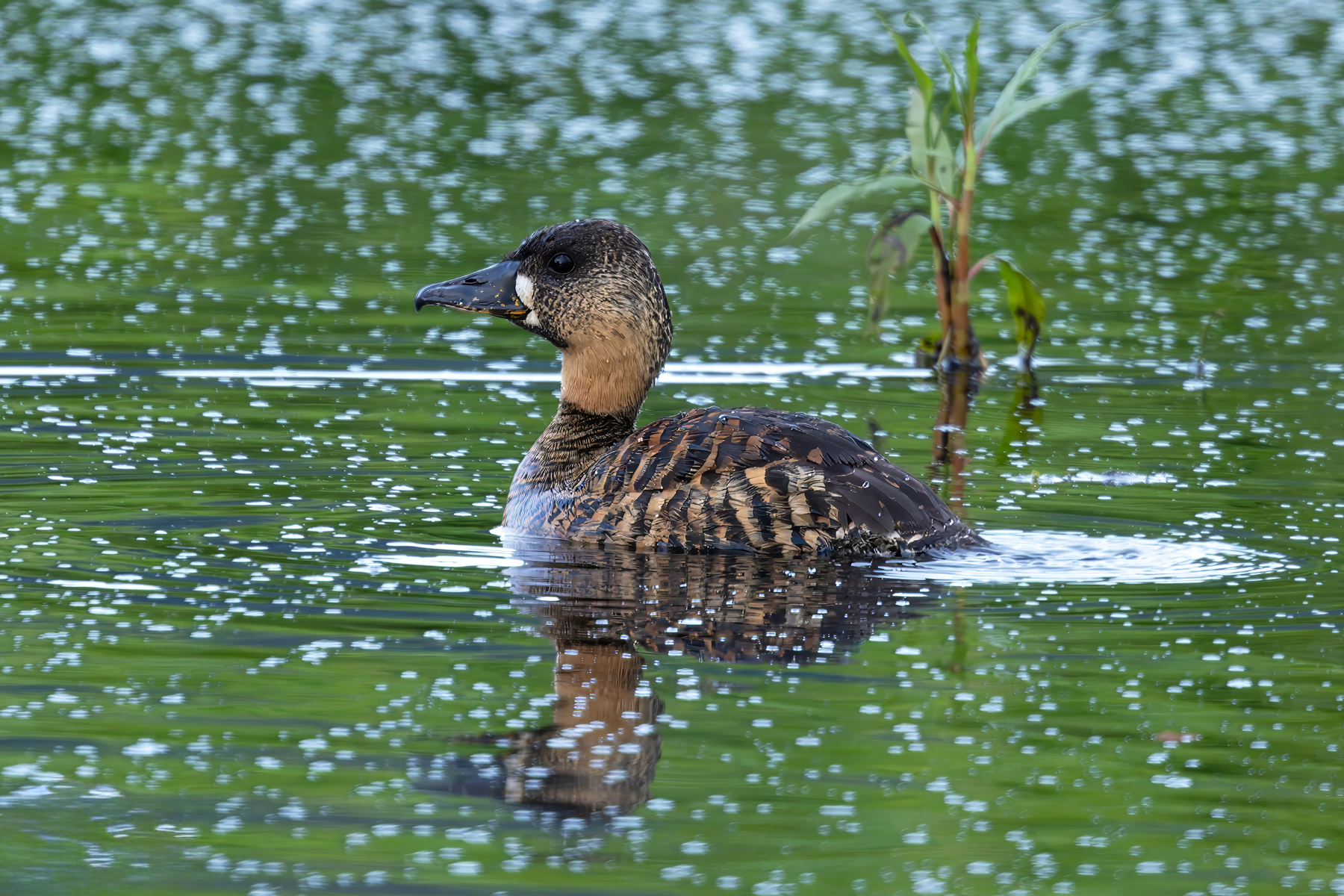
White-backed Duck (image by Nik Borrow)
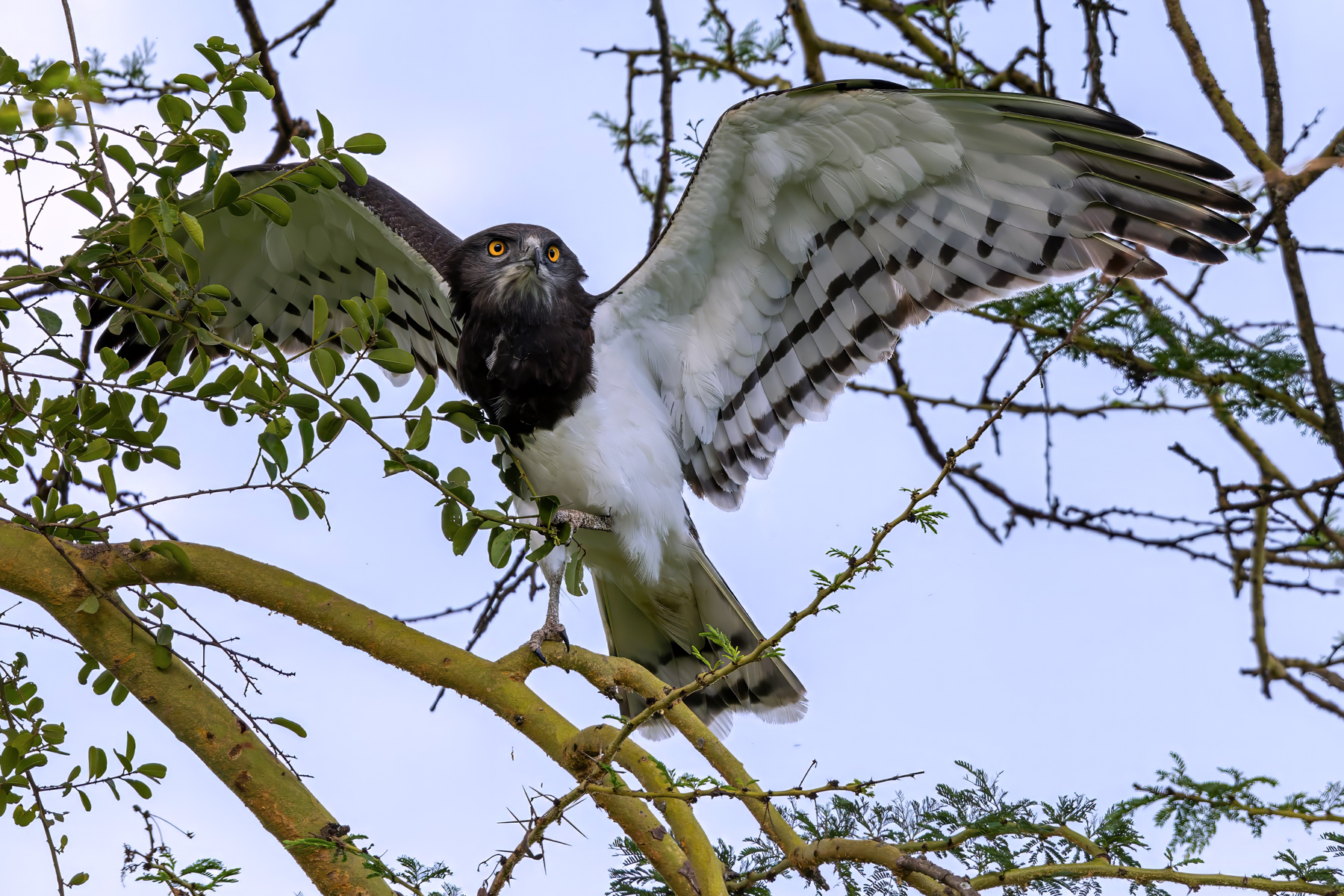
Black-chested Snake Eagle (image by Nik Borrow)
Dark Batis (image by János Oláh)
Yellow-collared Lovebirds (image by Pete Morris)
Chapin's Apalis (image by Pete Morris)
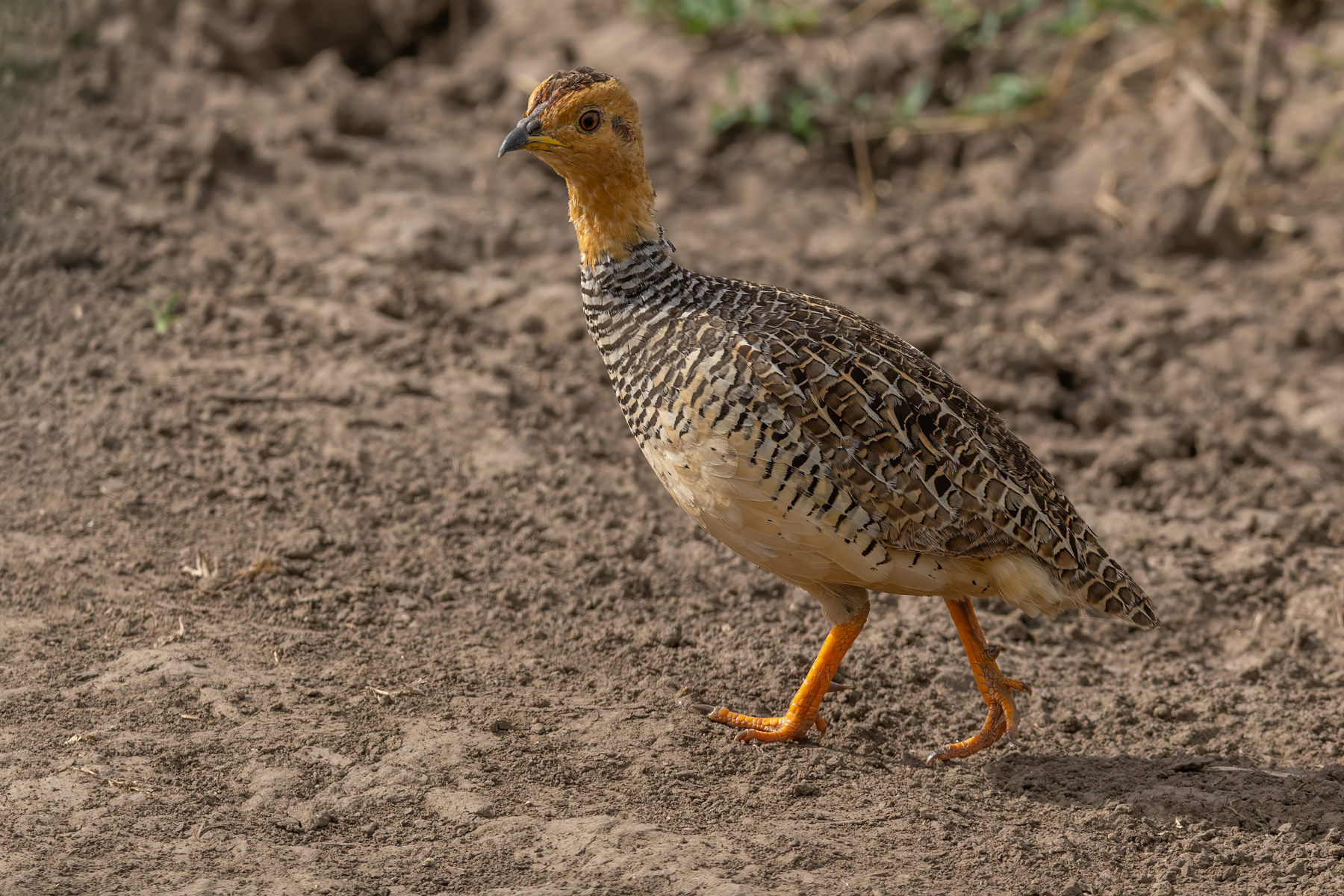
Coqui Francolin (image by Nik Borrow)
Rufous-tailed Weaver (image by Pete Morris)
Maasai Apalis (image by Nik Borrow)
Udzungwa Dwarf Chameleon (image by János Oláh)
Rufous-tailed Weaver (image by Nik Borrow)
Yellow-billed Oxpecker (image by János Oláh)
Udzungwa Red Colobus (image by János Oláh)
Arnot's Chat (image by Pete Morris)
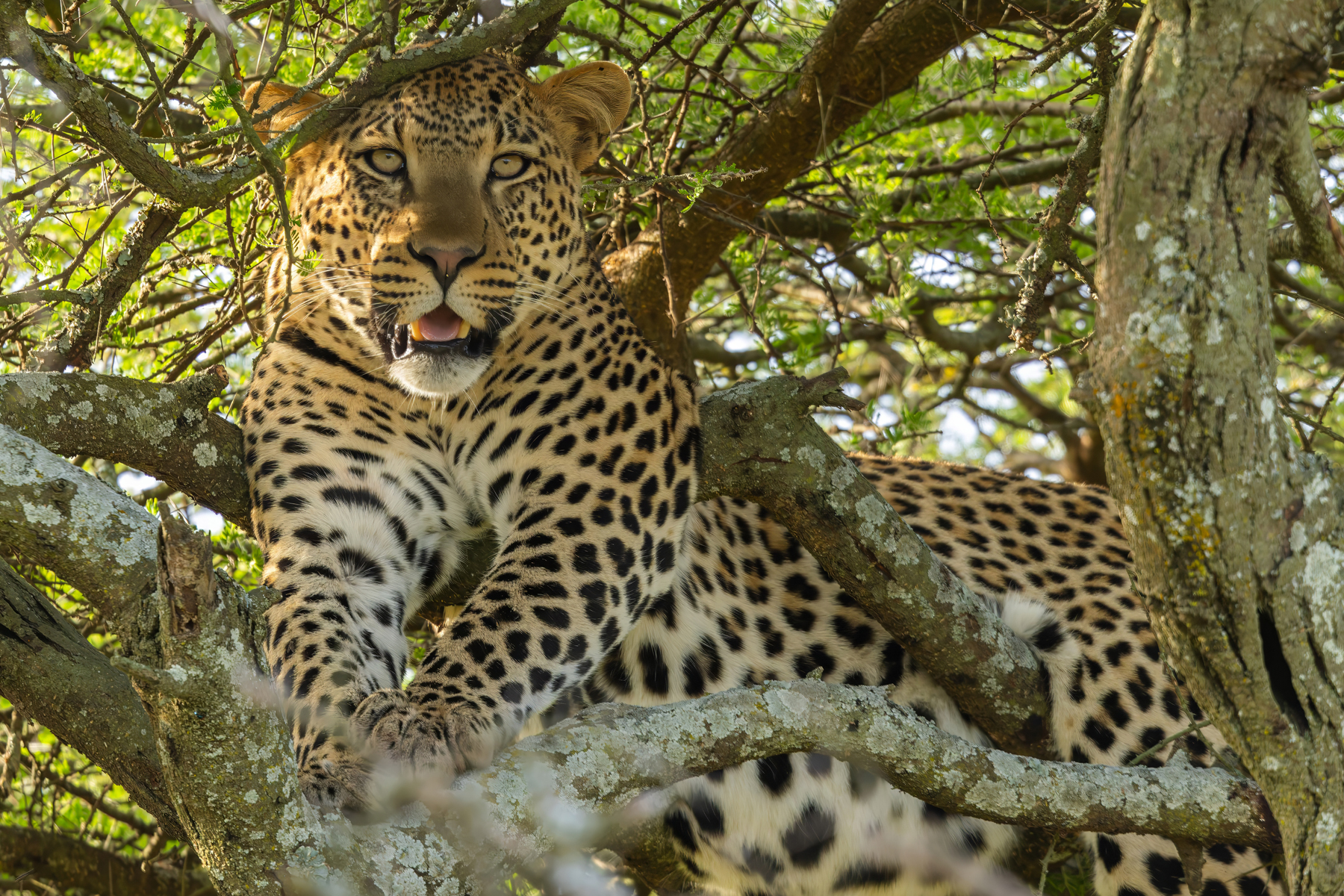
Leopard (image by Nik Borrow)
Livingstone's Flycatcher (image by Pete Morris)
Pemba Green Pigeon (image by János Oláh)
Ashy Starling (image by Pete Morris)
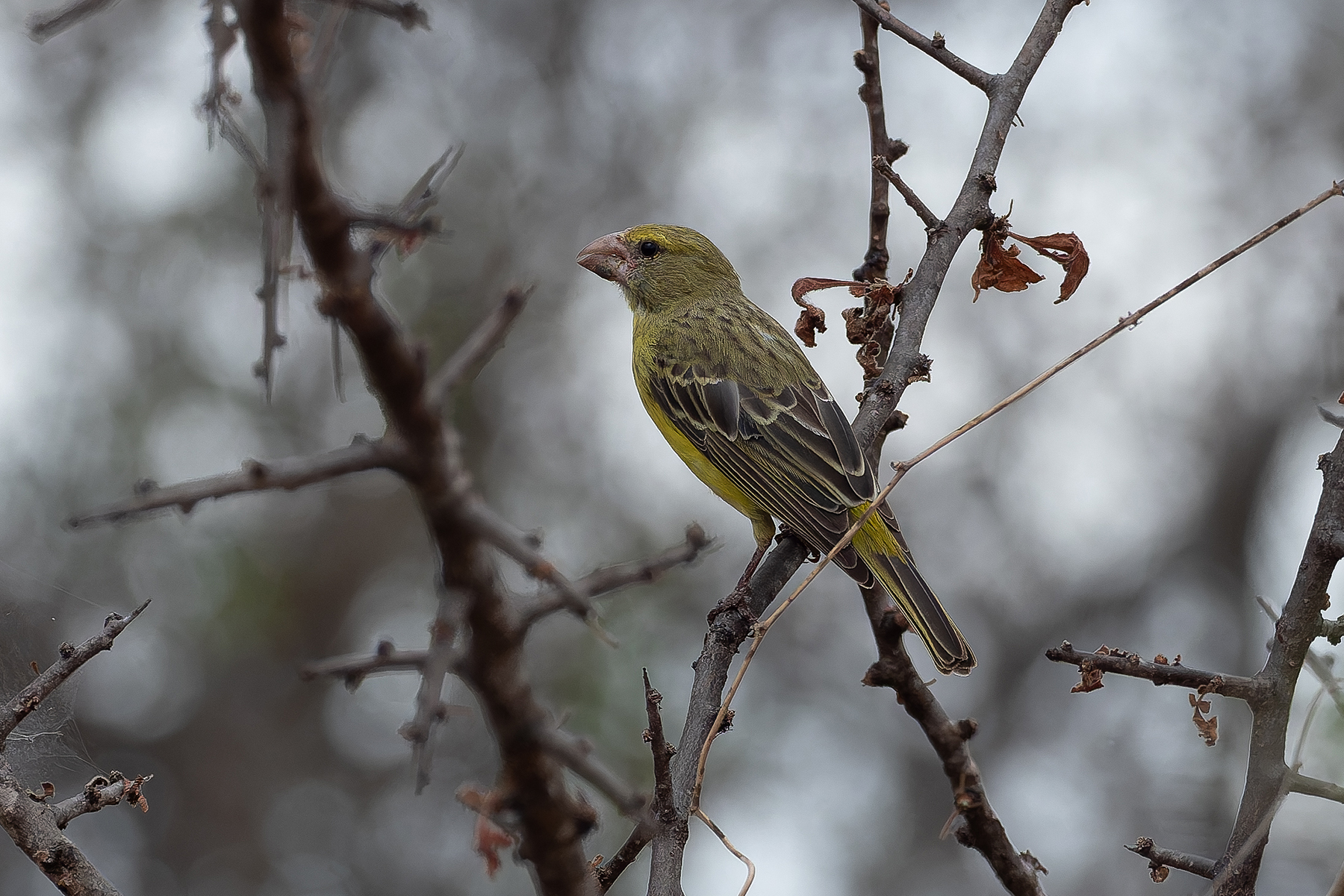
Southern Grosbeak-Canary (image by Mark Van Beirs)
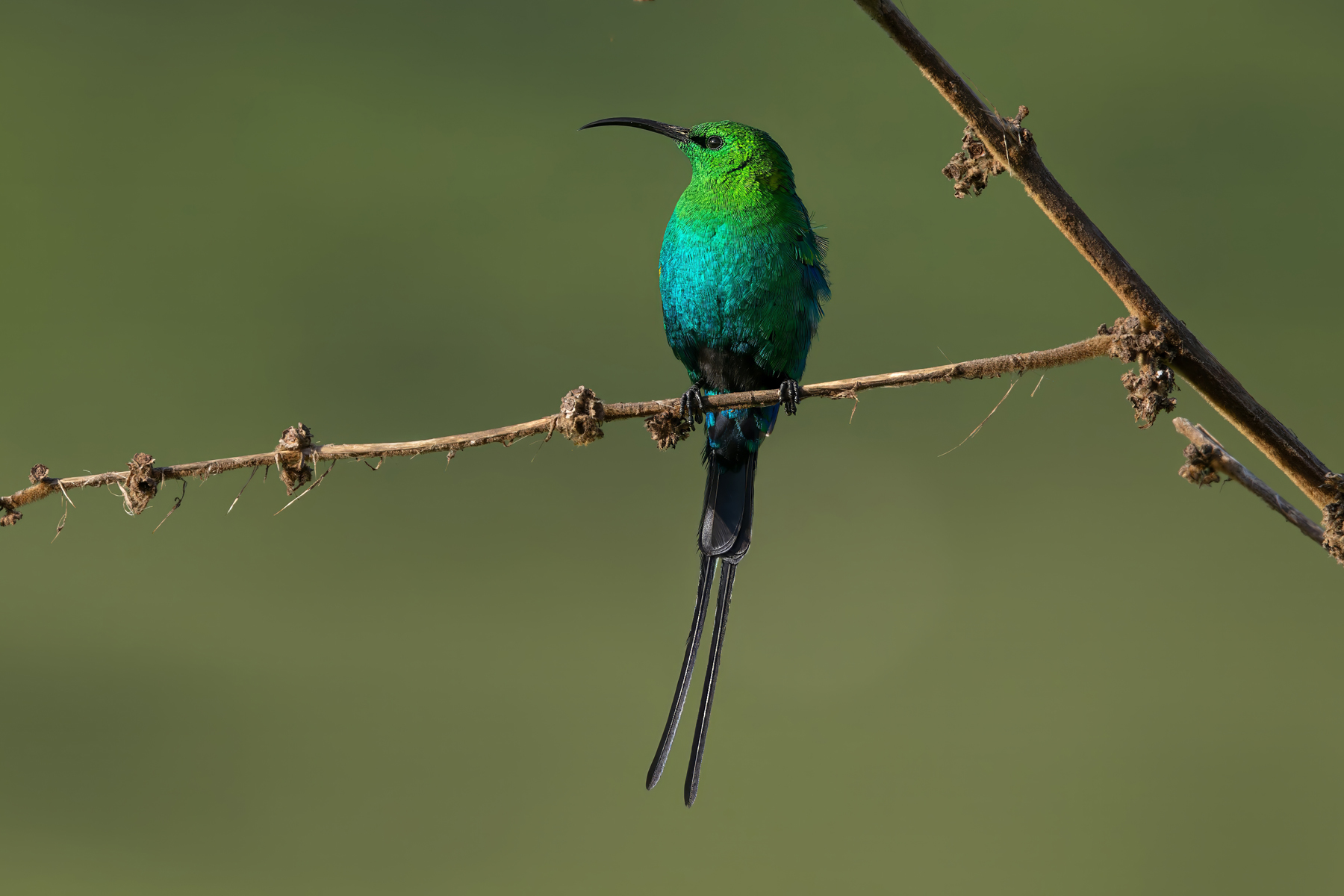
Malachite Sunbird (image by Nik Borrow)
African Civet (image by Pete Morris)
Temminck's Courser (image by Pete Morris)
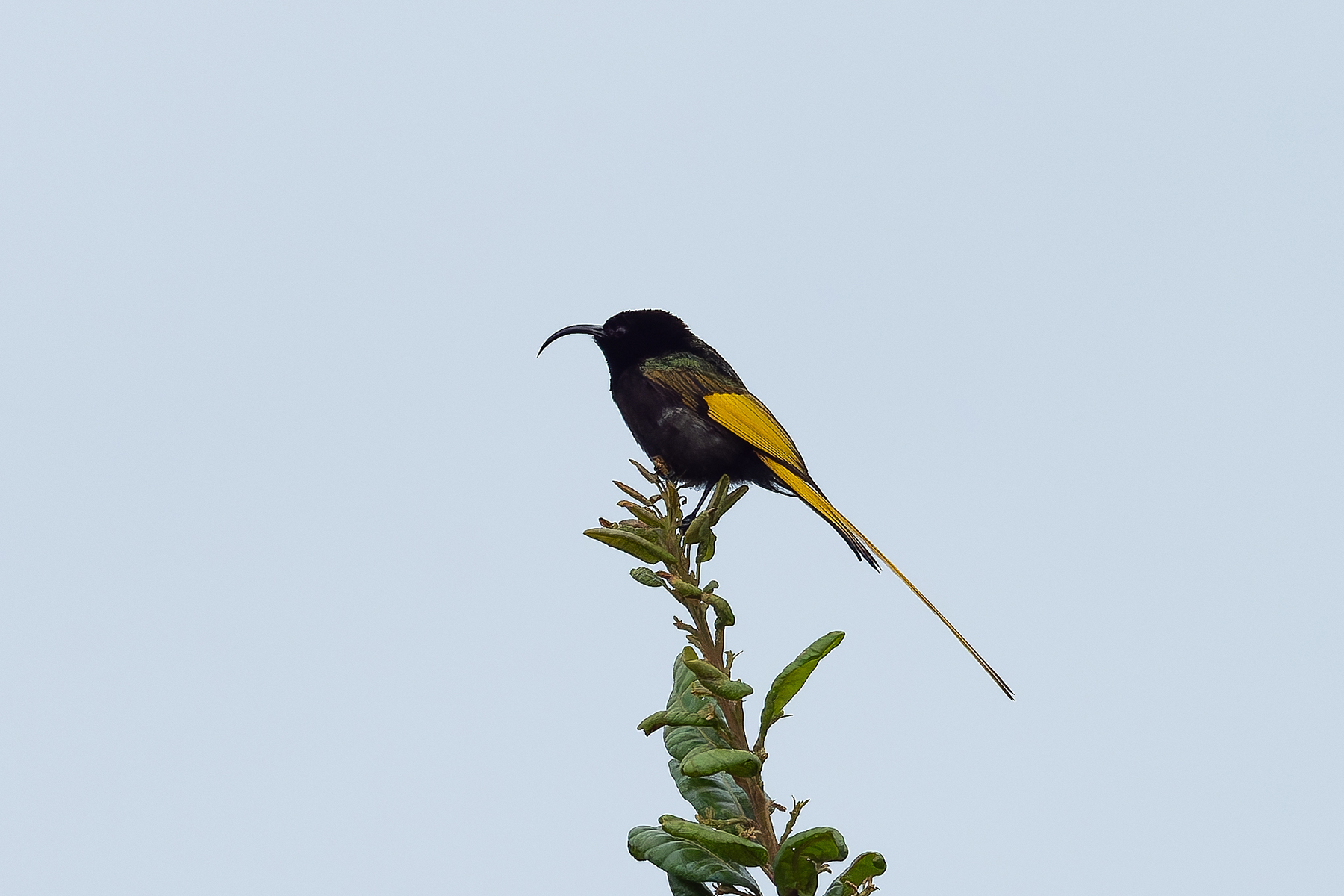
Golden-winged Sunbird (image by Mark Van Beirs)
Yellow-browed Seedeater (image by János Oláh)
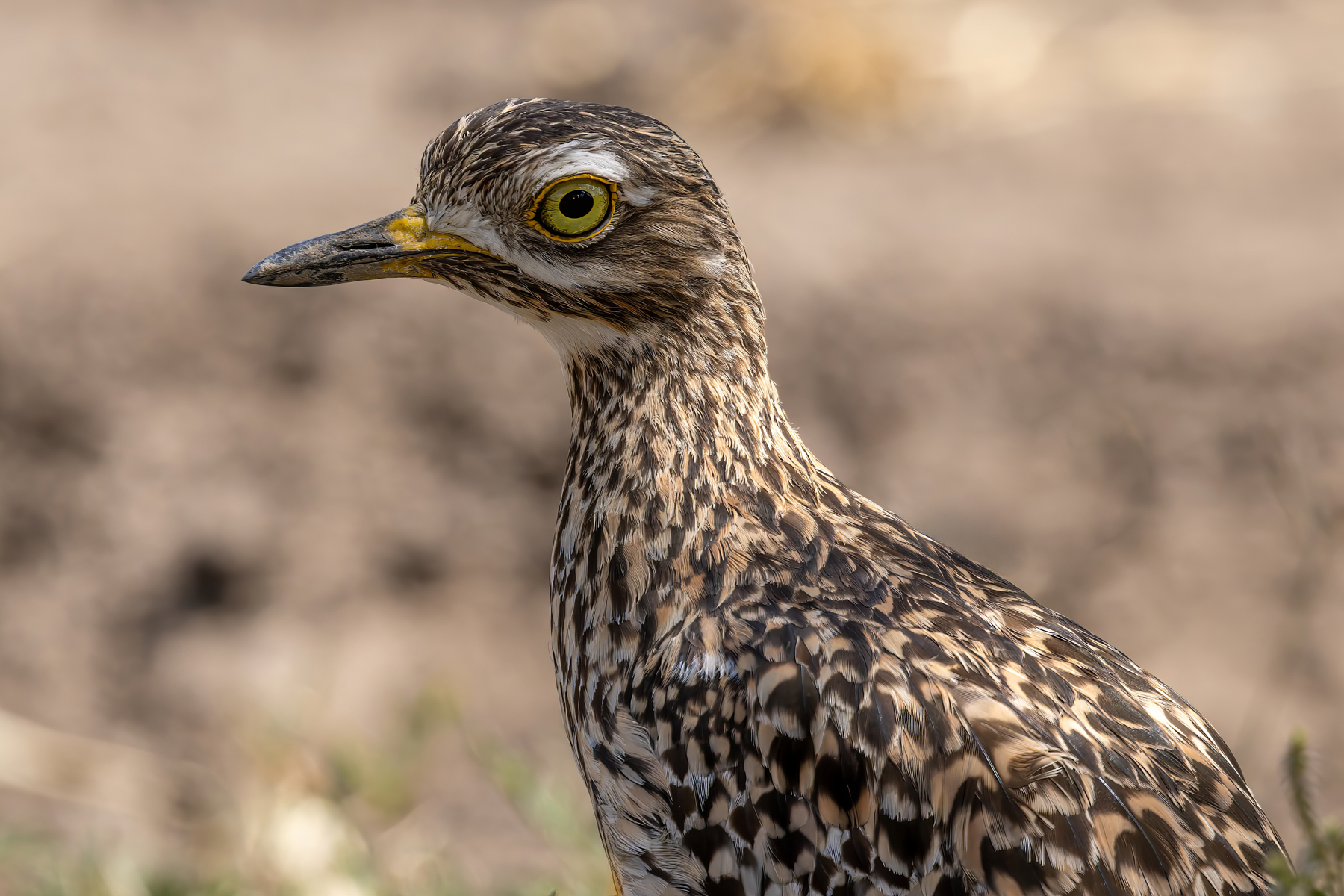
Spotted Thick-knee (image by Nik Borrow)
Narina Trogon (image by János Oláh)
African Wood Owl (image by János Oláh)
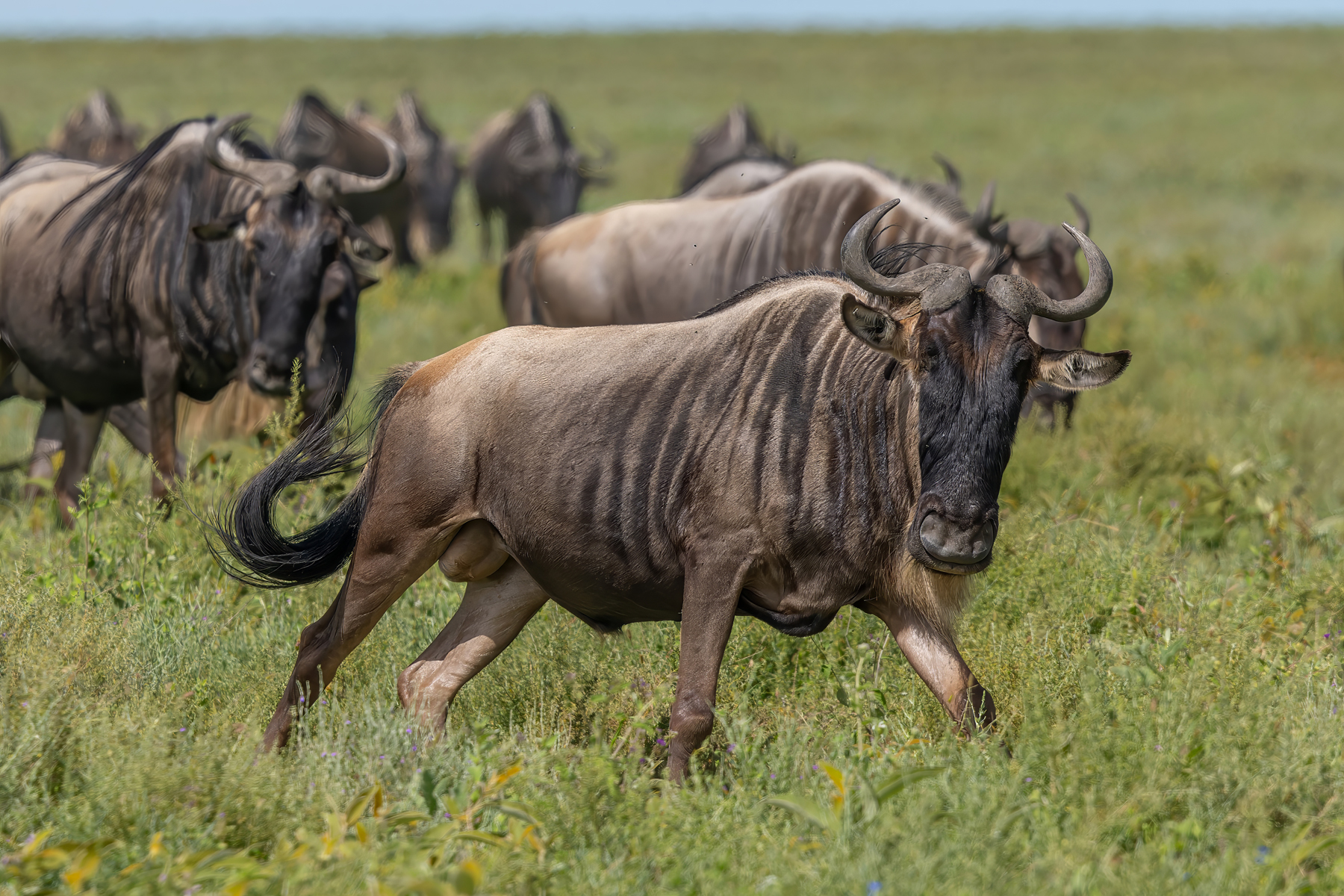
Serengeti White-bearded Wildebeests (image by Nik Borrow)
Hartlaub's Bustard (image by Nik Borrow)
Mountain Buzzard (image by Pete Morris)
Lesser Seedcracker (image by Pete Morris)
Brown-hooded Kingfisher (image by Pete Morris)
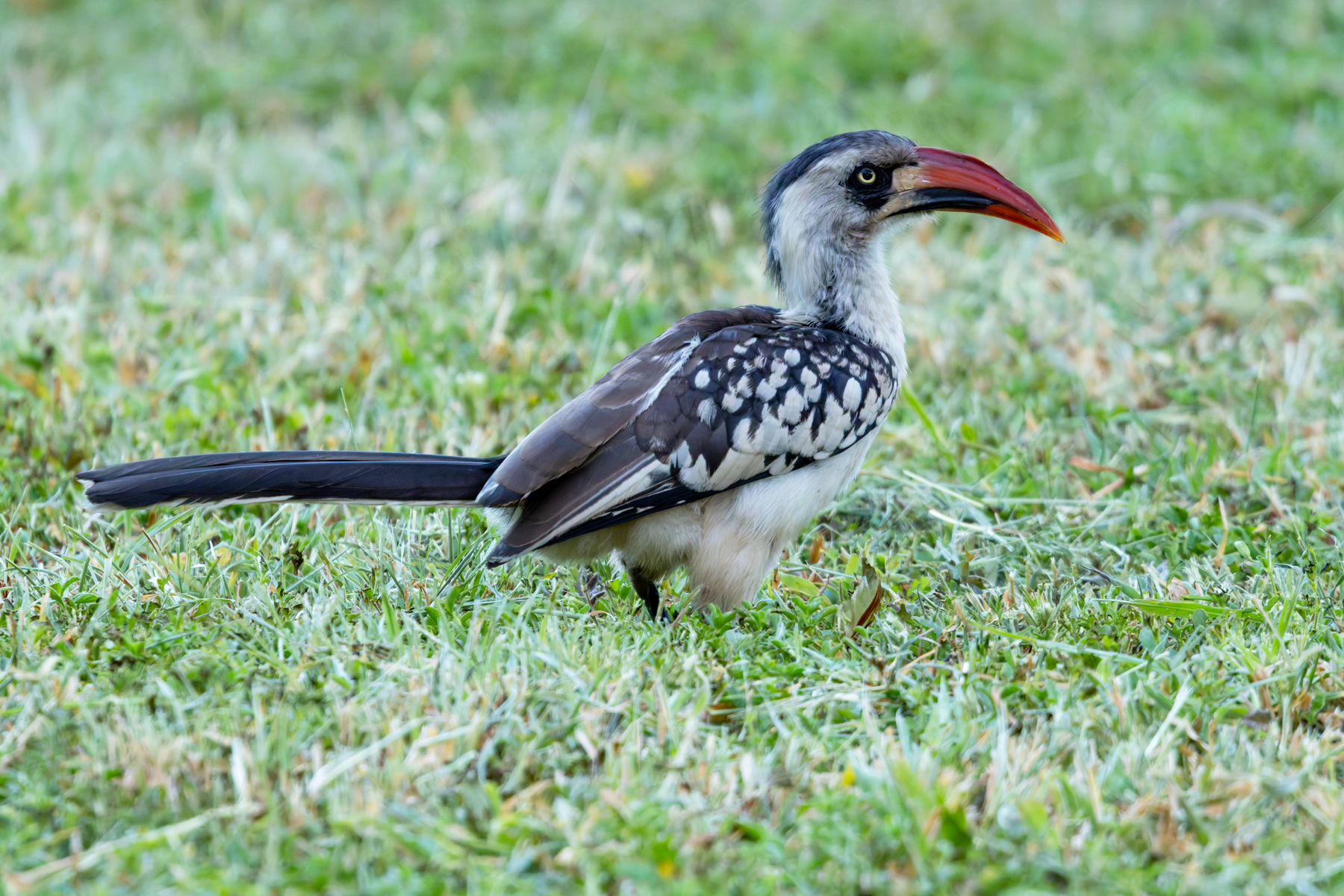
Tanzanian Red-billed Hornbill (image by Nik Borrow)
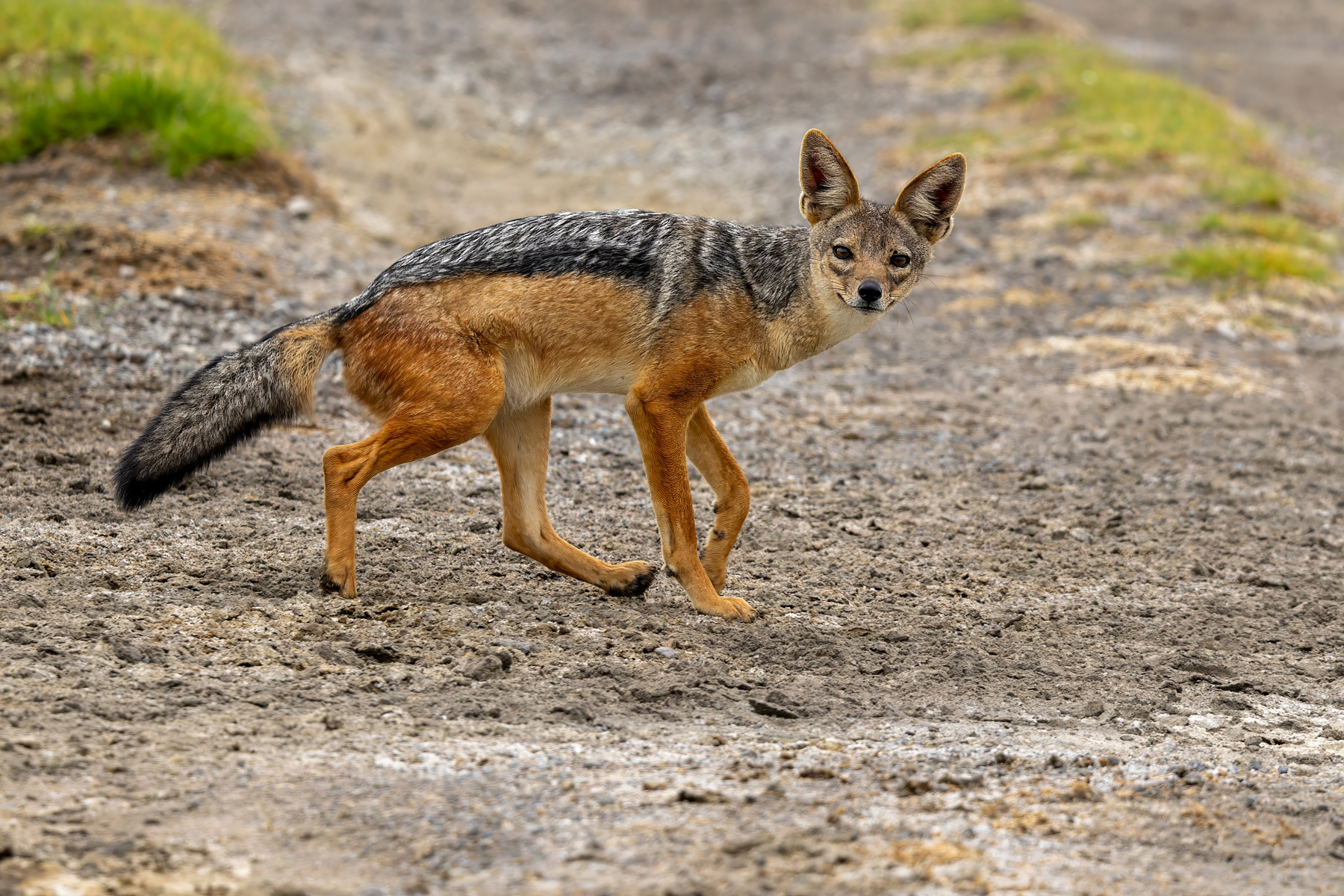
Black-backed Jackal (image by Nik Borrow)
Pemba Scops Owl (image by Pete Morris)
Loveridge's Sunbird (image by Mark Van Beirs)
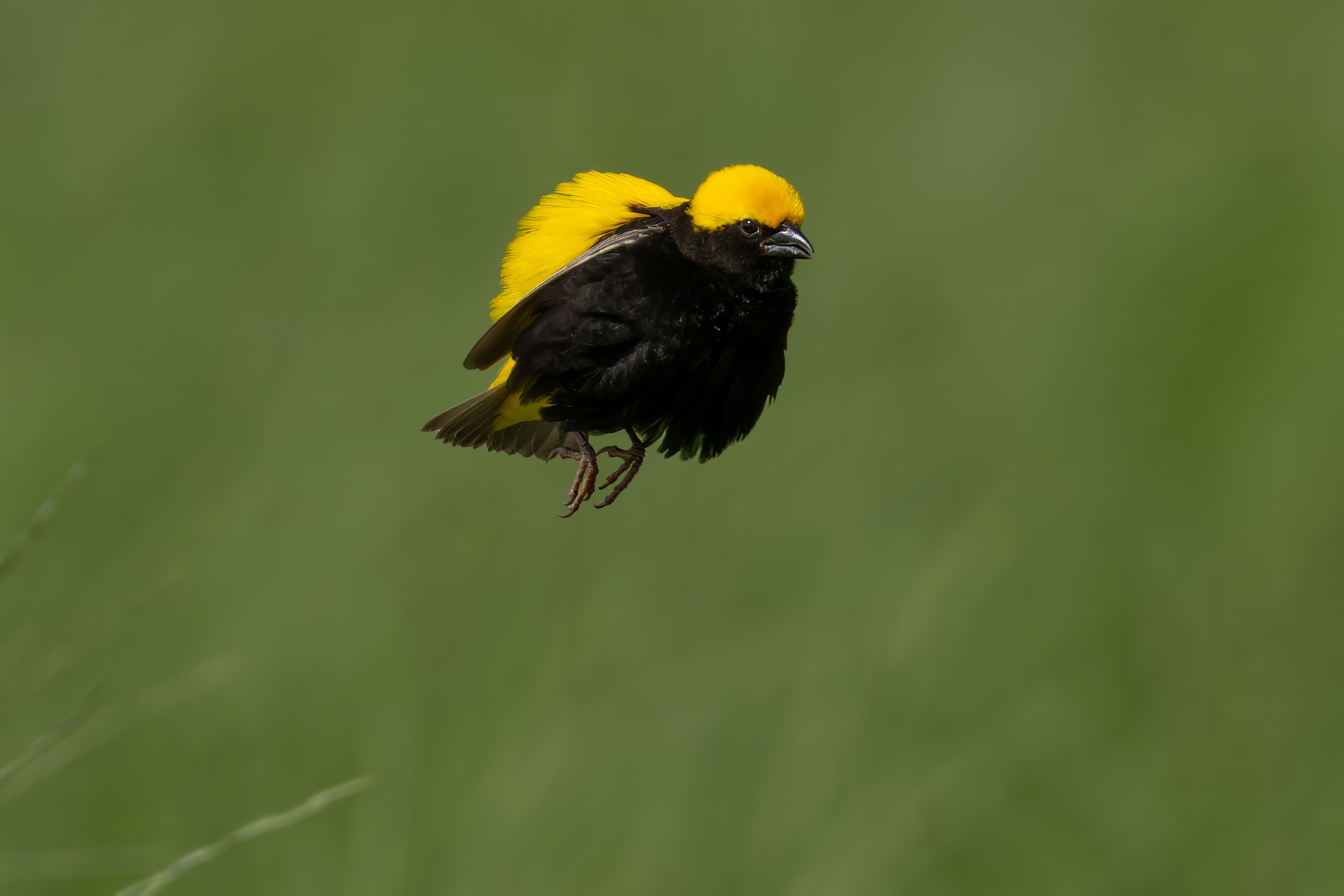
Yellow-crowned Bishop (image by Nik Borrow)
Sentinel Lark (image by Nik Borrow)
Wire-tailed Swallow (image by János Oláh)
Spot-flanked Barbet (image by János Oláh)
Grey-breasted Spurfowl (image by Pete Morris)
Red-faced Crimsonwing (image by Pete Morris)
Churring Cisticola (image by János Oláh)
Bar-tailed Trogon (image by Pete Morris)
Striped Pipit (image by Pete Morris)
Black Rhinoceros (image by Nik Borrow)
White-browed Sparrow-Weaver (image by János Oláh)
Black-bellied Bustard (image by János Oláh)
Short-tailed Lark (image by Pete Morris)
White-browed Sparrow-Weaver (image by Mark Van Beirs)
Kenrick's Starling (image by János Oláh)
Serengeti Wildebeests and Plains Zebras (image by Nik Borrow)
Mangrove Kingfisher (image by Pete Morris)
Purple-banded Sunbird (image by Pete Morris)
Rüppell's and White-backed Vultures (image by Pete Morris)
Mbulu White-eye (image by Nik Borrow)
Pemba White-eye (image by János Oláh)
Plains Zebra (image by János Oláh)
Long-billed Forest Warbler (image by János Oláh)
Kipengere Seedeater (image by János Oláh)
Pemba Sunbird (image by Pete Morris)
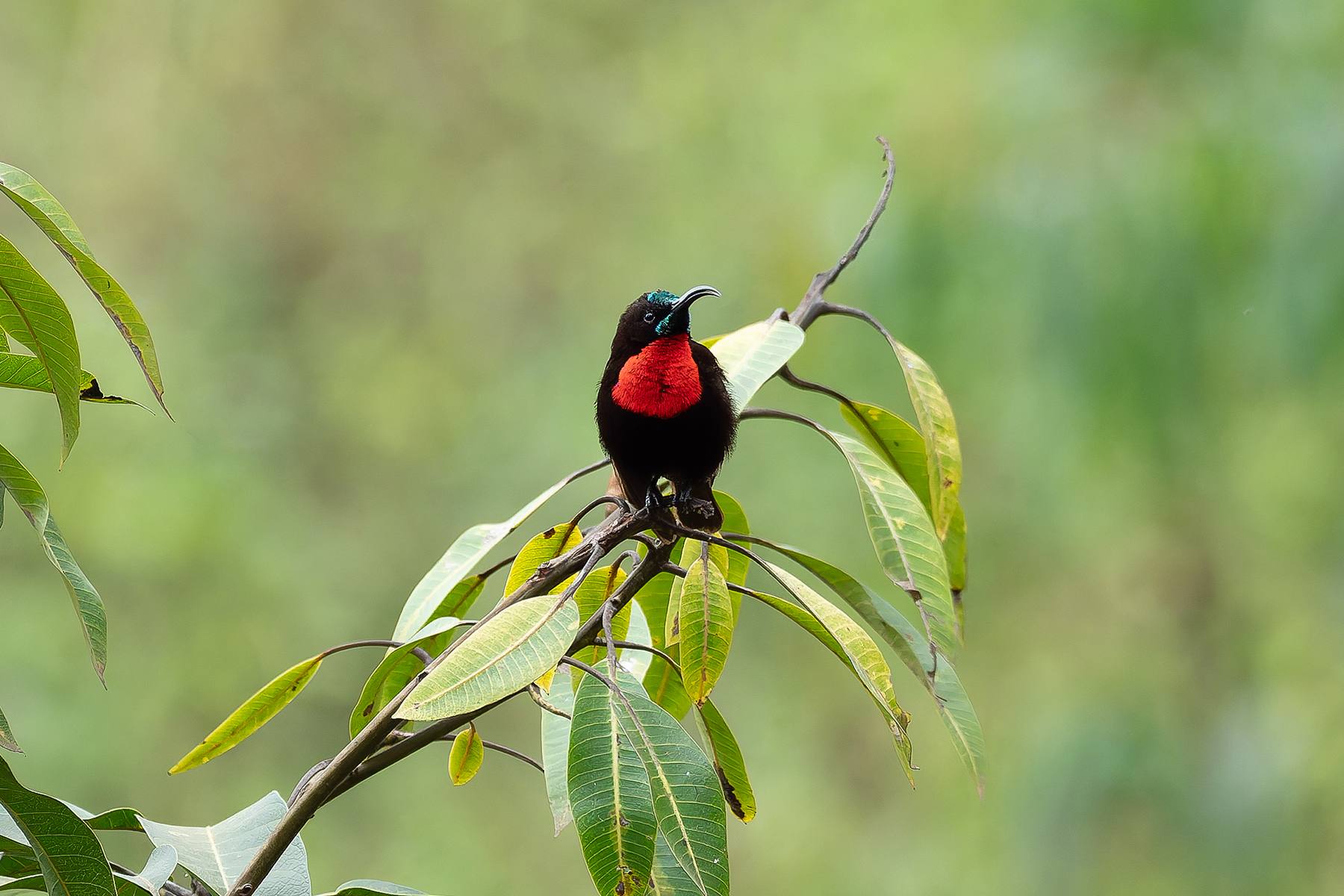
Scarlet-chested Sunbird (image by Mark Van Beirs)
White-winged Apalis (image by János Oláh)
African Lion (image by János Oláh)
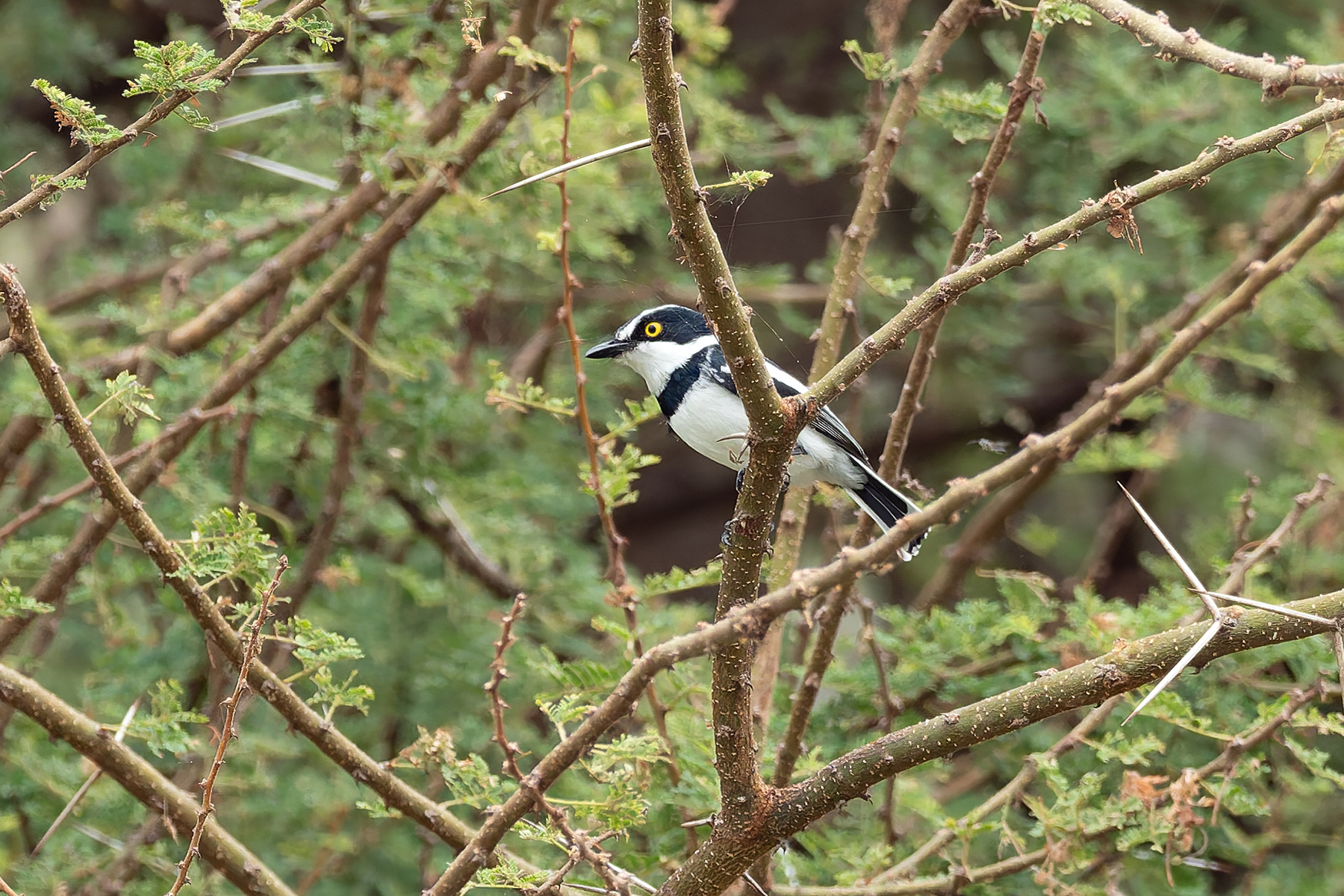
Eastern Black-headed Batis (image by Mark Van Beirs)
Chestnut-banded Plover (image by Pete Morris)
Sharpe's Akalat (image by János Oláh)


Common Genet (image by Pete Morris)
Usambara Thrush (image by Pete Morris)
Double-banded Courser (image by Pete Morris)
White-starred Robin (image by Mark Van Beirs)
Magpie Shrike (image by Nik Borrow)
Kittlitz's Plover (image by Nik Borrow)
Ruppell's Vulture (image by Nik Borrow)
Lilac-breasted Roller (image by Mark Van Beirs)
Dark Batis (image by Pete Morris)
African Savanna Elephant (image by Mark Van Beirs)
Fischer's Turaco (image by Pete Morris)
Spotted Hyaena (image by Nik Borrow)
Impalas (image by Nik Borrow)
Lion (image by Pete Morris)
White-fronted Bee-eater (image by Nik Borrow)
Pemba Scops Owl (image by János Oláh)
Scaly Spurfowl (image by Mark Van Beirs)
Somali Short-toed Lark (image by Pete Morris)
Black-faced Sandgrouse (image by Nik Borrow)
Hildebrandt's Starling (image by Pete Morris)
Chestnut-banded Plover (image by Nik Borrow)
Usambara Double-collared Sunbird (image by Pete Morris)
Black-fronted Bushshrike (image by Pete Morris)
Taveta Golden Weaver (image by Pete Morris)
Red-and-yellow Barbets (image by Mark Van Beirs)
Pale-billed Hornbill (image by János Oláh)
Secretarybird (image by Nik Borrow)
Angola Colobus (image by Mark Van Beirs)
Cheetah (image by Nik Borrow)
Beesley's Lark (image by Nik Borrow)
Pearl-spotted Owlet (image by Pete Morris)
Böhm's Bee-eater (image by János Oláh)
African Grass Owl (image by Pete Morris)
Rosy-patched Bushshrike (image by Nik Borrow)
Red-capped Forest Warbler (image by Pete Morris)
Spot-throat (image by János Oláh)
Bronze-winged Courser (image by Nik Borrow)
Mountain Wagtail (image by Pete Morris)
Kilombero Weaver (image by Pete Morris)
Grey-breasted Spurfowl (image by Nik Borrow)
Little Rock Thrush (image by Nik Borrow)
Fiery-necked Nightjar (image by Pete Morris)
Red-tailed Ant Thrush (image by Mark Van Beirs)
Grey Wren-Warbler (image by Mark Van Beirs)
D'Arnaud's Barbet (image by János Oláh)
Long-tailed Fiscal (image by János Oláh)
Jackson's Widowbird (image by Nik Borrow)
Mocking Cliff Chat (image by Mark Van Beirs)
Lappet-faced Vultures (image by Nik Borrow)
Usambara Eagle-Owl (image by Pete Morris)
Black-bellied Bustard (image by Mark Van Beirs)
Yellow-throated Sandgrouse (image by Nik Borrow)
Southern Ground Hornbill (image by Nik Borrow)
Collared Palm Thrush (image by János Oláh)
Udzungwa Forest Partridge (image by János Oláh)
Rufous-winged Sunbird (image by János Oláh)
Cheetahs (image by Nik Borrow)
Hildebrandt's Spurfowl (image by Nik Borrow)
Hofmann's Sunbird (image by Pete Morris)
Bar-throated Apalis (image by János Oláh)
Long-billed Apalis (image by Pete Morris)
Harlequin Quail (image by János Oláh)
Maasai Giraffe (image by Nik Borrow)
Bertram's Weaver (image by Mark Van Beirs)
Blue-capped Cordon-bleu (image by Pete Morris)
Martial Eagle (image by Nik Borrow)
Long-tailed Fiscal (image by Mark Van Beirs)
White-headed Mousebird (image by Mark Van Beirs)
Black-lored Cisticolas (image by János Oláh)
Kori Bustard (image by Pete Morris)
Southern Red Bishop (image by Nik Borrow)
Usambara Akalat (image by Pete Morris)
Dickinson's Kestrel (image by Mark Van Beirs)
Chestnut Weaver (image by Nik Borrow)
Verreaux's Eagle-Owl (image by Nik Borrow)
Variable Sunbird (image by Nik Borrow)
White-headed Barbet ssp lynesi (image by János Oláh)
Lizard Buzzard (image by János Oláh)
Sterling's Wren-Warbler (image by János Oláh)
White-tailed Cisticola (image by Pete Morris)
Greater Painted-snipe (image by Pete Morris)
Bertram's Weaver (image by János Oláh)
Green-headed Oriole (image by Pete Morris)
Uluguru Bushshrike (image by Pete Morris)
Bat-eared Foxes (image by Pete Morris)
Swynnerton's Robin (image by János Oláh)
African Barred Owlet (image by Pete Morris)
Cinnamon-breasted Tit (image by Pete Morris)
Brown-backed Woodpecker (image by Nik Borrow)
Kilombero Waever (image by János Oláh)
Brown-headed Kingfisher (image by Mark Van Beirs)
Spotted Palm Thrush (image by Mark Van Beirs)
White-headed Vulture (image by Nik Borrow)
Rubeho Warbler (image by Pete Morris)
Senegal Lapwing (image by János Oláh)
Fischer's Lovebird (image by Pete Morris)
Scaly Chatterer (image by Pete Morris)
Half-collared Kingfisher (image by Pete Morris)
Kilombero Cisticola (image by János Oláh)
East Coast Boubou (image by Mark Van Beirs)
Three-banded Courser (image by Nik Borrow)
Lesser Flamingoes (image by Pete Morris)
Superb Starling (image by Mark Van Beirs)
Pemba Flying Fox (image by János Oláh)
Plains Zebra (image by Pete Morris)
Eastern Double-collared Sunbird (image by Nik Borrow)
Lions (image by Nik Borrow)
Grey-crested Helmetshrike (image by Nik Borrow)
Slate-coloured Boubou (image by Mark Van Beirs)
Lynes's Cisticola (image by Nik Borrow)
White-backed Duck (image by Nik Borrow)
Black-chested Snake Eagle (image by Nik Borrow)
Dark Batis (image by János Oláh)
Yellow-collared Lovebirds (image by Pete Morris)
Chapin's Apalis (image by Pete Morris)
Coqui Francolin (image by Nik Borrow)
Rufous-tailed Weaver (image by Pete Morris)
Maasai Apalis (image by Nik Borrow)
Udzungwa Dwarf Chameleon (image by János Oláh)
Rufous-tailed Weaver (image by Nik Borrow)
Yellow-billed Oxpecker (image by János Oláh)
Udzungwa Red Colobus (image by János Oláh)
Arnot's Chat (image by Pete Morris)
Leopard (image by Nik Borrow)
Livingstone's Flycatcher (image by Pete Morris)
Pemba Green Pigeon (image by János Oláh)
Ashy Starling (image by Pete Morris)
Southern Grosbeak-Canary (image by Mark Van Beirs)
Malachite Sunbird (image by Nik Borrow)
African Civet (image by Pete Morris)
Temminck's Courser (image by Pete Morris)
Golden-winged Sunbird (image by Mark Van Beirs)
Yellow-browed Seedeater (image by János Oláh)
Spotted Thick-knee (image by Nik Borrow)
Narina Trogon (image by János Oláh)
African Wood Owl (image by János Oláh)
Serengeti White-bearded Wildebeests (image by Nik Borrow)
Hartlaub's Bustard (image by Nik Borrow)
Mountain Buzzard (image by Pete Morris)
Lesser Seedcracker (image by Pete Morris)
Brown-hooded Kingfisher (image by Pete Morris)
Tanzanian Red-billed Hornbill (image by Nik Borrow)
Black-backed Jackal (image by Nik Borrow)
Pemba Scops Owl (image by Pete Morris)
Loveridge's Sunbird (image by Mark Van Beirs)
Yellow-crowned Bishop (image by Nik Borrow)
Sentinel Lark (image by Nik Borrow)
Wire-tailed Swallow (image by János Oláh)
Spot-flanked Barbet (image by János Oláh)
Grey-breasted Spurfowl (image by Pete Morris)
Red-faced Crimsonwing (image by Pete Morris)
Churring Cisticola (image by János Oláh)
Bar-tailed Trogon (image by Pete Morris)
Striped Pipit (image by Pete Morris)
Black Rhinoceros (image by Nik Borrow)
White-browed Sparrow-Weaver (image by János Oláh)
Black-bellied Bustard (image by János Oláh)
Short-tailed Lark (image by Pete Morris)
White-browed Sparrow-Weaver (image by Mark Van Beirs)
Kenrick's Starling (image by János Oláh)
Serengeti Wildebeests and Plains Zebras (image by Nik Borrow)
Mangrove Kingfisher (image by Pete Morris)
Purple-banded Sunbird (image by Pete Morris)
Rüppell's and White-backed Vultures (image by Pete Morris)
Mbulu White-eye (image by Nik Borrow)
Pemba White-eye (image by János Oláh)
Plains Zebra (image by János Oláh)
Long-billed Forest Warbler (image by János Oláh)
Kipengere Seedeater (image by János Oláh)
Pemba Sunbird (image by Pete Morris)
Scarlet-chested Sunbird (image by Mark Van Beirs)
White-winged Apalis (image by János Oláh)
African Lion (image by János Oláh)
Eastern Black-headed Batis (image by Mark Van Beirs)
Chestnut-banded Plover (image by Pete Morris)
Sharpe's Akalat (image by János Oláh)


|
Friday 23rd July – Saturday 14th August 2027 Leaders: Simon Mitchell and a top local bird guide |
23 Days | Group Size Limit 5 (tour guaranteed) |
| Arusha to Serengeti Extension Saturday 14th August – Friday 20th August 2027 |
7 Days | Group Size Limit 5 (extension guaranteed) |
|
Saturday 21st July – Sunday 12th August 2029 Leaders: János Oláh and a top local bird guide |
23 Days | Group Size Limit 5 |
| Arusha to Serengeti Extension Sunday 12th August – Saturday 18th August 2029 |
7 Days | Group Size Limit 5 |
Birdquest’s Ultimate Tanzania birding tour is the most comprehensive, speciality-focused tour available to this large country with its numerous endemics, near-endemics and other great birds. Not only does it explore the Eastern Arc Mountains of Tanzania from the Udzungwa Mountains in the south to the Pare Mountains in the north, but it also covers Pemba Island and the beautiful and famous landscapes of the Arusha area, Ngorongoro and the famous Serengeti in the northwest. What a birding adventure this is!
Tanzania, with its wealth of large mammals and remarkably rich avifauna, has long been regarded as a classic destination for both the birder and the wildlife enthusiast. In fact, almost 25% of the country is either a national park or a game or forest reserve. However, there is another side to Tanzania that is often overlooked by those whose images of the country have been formed by the stream of marvellous wildlife films featuring the wonders of the northern parks, for this exciting country is home to over 40 endemic and near-endemic bird species, many of which are rare or endangered. New discoveries continue to be made, with no less than eight endemic species having been found here since 1981.
The aim of this special ‘ultimate’ tour is to find the vast majority of Tanzania’s avian specialities. During this adventure, we will visit some superb areas, some of which are off-the-beaten-track, such as the ‘Eastern Arc Mountains’, the Kilombero floodplain and the small island of Pemba. Others, like the wonderful Serengeti plains, are far better known and more often visited. On this special itinerary, we will certainly be treading where few other birders have ventured before, and our efforts will undoubtedly be rewarded with views of some of Tanzania’s best-kept secrets.
Our Ultimate Tanzania tour begins at Dar es Salaam International Airport in eastern Tanzania, from where we will take a flight to Iringa in central Tanzania.
From the Iringa area, we will drive to the trailheads and then hike further into the scenic Udzungwa Mountains to two different campsites. This is definitely ‘The Other Tanzania’, far from the well-known areas. During this birding adventure, we explore a truly remote region, home to some very special endemic and near-endemic birds (two of which are only recently described to science!). Camping is necessary, but is surprisingly comfortable in our fully outfitted camps arranged by a local safari operator
At one of these locations, much to the scientific world’s surprise, a new species of partridge, Udzungwa Forest Partridge, was discovered as recently as 1991. These mountains are also home to such range-restricted specialities as Yellow-throated Mountain Greenbul, Swynnerton’s Robin, the superb White-winged Apalis, the endemic Iringa Akalat, Moreau’s Sunbird, Forest Double-collared Sunbird, the endemic Kipengere Seedeater, Yellow-browed Seedeater and yet another recent discovery, the gorgeous endemic Rufous-winged Sunbird, not to mention the secretive Dapple-throat, now placed in its own bird family alongside just two close relatives.
Afterwards, we travel from Iringa to Mikumi, with Tanzanian Red-billed Hornbill and Ashy Starling along the way.
Mammals will be on show in Mikumi with its southern ‘miombo’ habitat, but our main focus will be on birds such as Dickinson’s Kestrel, Racket-tailed Roller, Pale-billed Hornbill, Cinnamon-breasted Tit and Shelley’s Sunbird.
From Mikumi, we head southwards to Ifakara. In complete contrast to the cool mountains with their lush vegetation are the flat and humid Kilombero floodplains, where we will search for three recent discoveries: White-tailed and Kilombero Cisticolas, and Kilombero Weaver.
After returning to bird-rich Mikumi for a time, we head further north to the town of Morogoro, our base for exploring the Ukuguru and Ukaguru Mountains.
In the Uluguru Mountains, we will be concentrating on finding such specialities of this ‘mountain island’ as Uluguru Greenbul, the rare Uluguru Bushshrike, the beautiful Loveridge’s Sunbird and the skulking but extremely shrill-voiced Winifred’s (or Mrs Moreau’s) Warbler.
In the Ukaguru Mountains, further to the west, we should find Rubeho Akalat and ‘Rubeho’ Warbler.
As we head for Dar es Salaam on the Indian Ocean coast of Tanzania, we will stop along the way to look for Böhm’s Bee-eater, Coastal Cisticola and the endemic Ruvu Weaver.
Next, we travel to the tiny island of Pemba, famous for its cloves and spices and home to four endemics: Pemba Green Pigeon, Pemba Scops Owl, Pemba White-eye and Pemba Sunbird, as well as such interesting birds as Crab-plover (a monotypic bird family) and Sooty Gull.
Only a four-kilometre-wide valley separates the West Usambaras from the slightly lower East Usambaras, home to the famous Amani Nature Reserve. In the remnant forest patches situated amongst the extensive tea estates that cloak the mountain tops, we shall be hunting out some very special birds. These include Kretschmer’s Longbill, Uluguru Violet-backed Sunbird, the rare and extremely localised Long-billed Apalis, Usambara Hyliota and Banded Green Sunbird. A wonderful supporting cast of birds includes rarities such as Southern Banded Snake Eagle, Fischer’s Turaco and Sharpe’s Akalat.
Our next stop will be the West Usambara Mountains with their old German colonial influences. Here we shall search out Red-capped Forest Warbler (or African Tailorbird), Usambara Akalat, Usambara Double-collared Sunbird and hopefully the rare Usambara Weaver.
Finally, we will head for the Pare Mountains and our appointment with the endemic South Pare White-eye. We will also have the chance to see many dry country species we will not see elsewhere, including such range-restricted specialities as Scaly Chatterer, Pringle’s Puffback, White-headed Mousebird and Tsavo Purple-banded Sunbird.
The main tour concludes at Kilimanjaro International Airport, situated between Moshi and Arusha.
For those who have not experienced the wonder of Birdquest’s Northern Tanzania tour, and who would welcome the chance to see the Northern Tanzanian endemics and near-endemics in a much shorter time frame, we have an optional extension that explores the area between the Arusha region, Ngorongoro and the vast plains of the Serengeti ecosystem.
Endemic and near-endemic attractions during the extension include Grey-breasted Spurfowl, Fischer’s Lovebird, Usambiro Barbet, Beesley’s Lark, Grey-crested Helmetshrike, Maasai Apalis, Mbulu and Broad-ringed White-eyes, and Rufous-tailed and Taveta Weavers. The endemic Yellow-collared Lovebird is nigh on certain during the extension but hit-or-miss during the main tour.
Naturally, there will be many other new birds during the extension, as we will be covering some very different habitats.
Although mammals are not a major focus of this avian specialities extension, we are going to encounter an absolute plethora of species in this wonderful part of Africa!
Birdquest has operated Tanzania birding tours since 1983.
Accommodation & Road Transport
The hotels/lodges are almost all of a good or very good standard. At Amani, the accommodation is fairly simple but clean and comfortable. In the Udzungwa Mountains, we shall be camping for four nights in total in two areas. The camps, which are arranged by our expert local safari outfitters, will be simple but comfortable. Road transport is by Toyota Land Cruiser 4x4s with opening roof hatches. Road conditions are variable.
Walking
The walking effort during our Ultimate Tanzania birding tours is easy for the most part, occasionally moderate to more demanding in the Udzungwas and Ulugurus.
Climate
Most days will be warm or hot, dry and sunny, but overcast conditions are fairly frequent, and there is likely to be some rain. At high altitudes, temperatures range from cool to warm.
Bird Photography
Opportunities during our Ultimate Tanzania birding tours are quite good in some places during the main tour and good during much of the Arusha to Serengeti extension.
To see a larger map, click on the square-like ‘enlarge’ icon in the upper right of the map box.
To see (or hide) the ‘map legend’, click on the icon with an arrow in the upper left of the map box.
To change to a satellite view, which is great for seeing the physical terrain (and for seeing really fine details by repetitive use of the + button), click on the square ‘map view’ icon in the lower left corner of the ‘map legend’.
Birdquest Inclusions: Our tour prices include transportation, accommodations, meals and entrance fees.
We also include all tipping for local guides, drivers and accommodation/restaurant staff.
Deposit: 20% of the total tour price. Our office will let you know what deposit amount is due, in order to confirm your booking, following receipt of your online booking form.
TO BOOK THIS TOUR: Click here (you will need the tour dates)
The single supplement will not apply if you indicate on booking that you prefer to share a room and there is a room-mate of the same sex available.
This tour is priced in US Dollars. Amounts shown in other currencies are indicative.
Ultimate Tanzania: Day 1
The extension begins this morning at Dar es Salaam airport, from where we will take a flight to Iringa for an overnight stay.
A marshy area near our lodge holds the localised Locustfinch, and we will also encounter some more typical birds of Central Tanzania that we will see again later.
Ultimate Tanzania: Days 2-7
During these six days, we will explore the Udzungwa Mountains of eastern Tanzania, camping for two nights in two different locations, with a night at a comfortable lodge in the Iringa area in between the two camping sessions and then the final night also at Iringa.
The Udzungwa Mountains National Park covers an area of 1900 square kilometres (734 square miles), reaches an altitude of 2579m (8462ft) and supports a biologically diverse flora and fauna. No roads enter the park, and the thick and tangled forests do not give their secrets up easily. In order to have a realistic chance of seeing some very special birds, we shall need to trek twice into the heart of the park, where we shall set up camp.
The beautiful forested slopes of the Udzungwas hold a number of rare and little-known birds. In 1983, the very attractive endemic Rufous-winged Sunbird was first described from the park. The sunbird is reliant on certain trees being in flower and is usually found in a different habitat than the partridge. To this day, the species has been seen by relatively few people owing to its restricted distribution, hard-to-reach location and little-understood movements, but we have a very good chance of seeing it during our visit.
Notoriously, on 4th June 1991, a new species of partridge was discovered in a cooking pot by some visiting ornithologists at the end of an exciting day in the field! They realised quite quickly that they could not identify what they were about to eat, and the hunt was then on to find a live version of the ‘kwale ndogo’ (or ‘small partridge’) that the cooks had earlier caught by the camp and then prepared for the evening meal! It turned out that a local ornithologist was also aware of the existence of this new bird for science. Eventually, live birds were found, and it has transpired that this endemic gamebird, now formally described and named Udzungwa Forest Partridge, is most closely related to the Southeast Asian hill partridges. We shall, of course, be making considerable efforts to see this remarkable bird.
The near-endemic Dapple-throat (formerly Dappled Mountain Robin) is a retiring and skulking denizen of the undergrowth, which will very likely demand much patience and determined searching. Nowadays, it has a special interest as it has been placed in its own bird family alongside its relatives, Spot-throat and Grey-chested Babbler (formerly known as Grey-chested Illadopsis). It is one of those birds that can be very close while singing, yet very hard to spot, perhaps only dashing out from its hiding place with a whirr of wings before disappearing again.
Other special, range-restricted birds of this part of Tanzania include the endemic Yellow-throated Mountain Greenbul, the pretty Swynnerton’s Robin, Black-lored and Churring Cisticolas, the superb White-winged Apalis, Chapin’s Apalis of the race strausae, the rather sombre-coloured, endemic Iringa Akalat, the near-endemic Tanzanian Illadopsis, the endemic Moreau’s Sunbird, Forest Double-collared Sunbird, Yellow-browed Seedeater, the uncommon endemic Usambara Weaver and Kipengere Seedeater, and the uncommon Lesser Seedcracker.
More widespread species we may encounter in the mountains or on their drier fringes include Cassin’s Hawk-Eagle, Mountain Buzzard, African Grass Owl, Square-tailed Nightjar, Narina’s Trogon and Green-backed Honeybird, although all of these are uncommon. More reliable are Livingstone’s Turaco, African Broadbill, Shelley’s and Stripe-cheeked Greenbuls, Evergreen Forest Warbler, Singing Cisticola, Waller’s and Slender-billed Starlings, Abyssinian Thrush, Oriole Finch and Yellow-crowned Canary. Areas of heathland are home to Brown Parisoma and Brown-headed Apalis.
The scarce Iringa Red Colobus, now thought to number no more than 450 individuals, occurs in these forests alongside Angola Pied Colobus, and we stand a reasonable chance of encountering both of these striking primates during our visit.
Ultimate Tanzania: Day 8
This morning, we will drive to Mikumi for an overnight stay.
Along the way to Mikumi, we will visit some beautiful habitat in a valley draped in acacias and punctuated by bizarre-looking baobabs. Here we should find two localised Tanzanian endemics, Ashy Starling and Tanzanian (or Ruaha) Red-billed Hornbill. We may also get lucky and find a third endemic, the pretty Yellow-collared Lovebird.
We will also be on the lookout for Grey Kestrel, Meyer’s (or Brown) Parrot, Spot-flanked Barbet, Yellow-bellied Greenbul and Western Violet-backed Sunbird.
During the afternoon, we will begin our exploration of Mikumi National Park.
Ultimate Tanzania: Day 9
Mikumi National Park, Tanzania’s fourth-largest park, is about 3230 square kilometres in extent and is made up of wooded hills, grassy plains along the Mkata River and areas of miombo woodland (characteristic of a vast swathe of Africa from central Tanzania to Zambia). We shall enjoy the comforts of a wonderfully situated safari lodge overlooking an area of miombo.
Here, the birding is in a much more open habitat and decidedly easier compared with the montane forests. As we explore Mikumi, we will begin to discover a totally different avifauna from the one that has gone before.
In particular, we will be looking for miombo specialists such as the endemic Hofmann’s Sunbird, the superb Racket-tailed Roller, the localised Pale-billed Hornbill, Speckle-throated Woodpecker, Brown-necked Parrot, Northern Pied Babbler, Arnot’s Chat, Collared Palm Thrush, Stierling’s Wren-Warbler, Cinnamon-breasted Tit, Jameson’s Firefinch and Orange-winged Pytilia.
The more open areas of the park feature grassy plains with the occasional small waterhole that invariably attracts a variety of birds and mammals. Sometimes it will be a Hippopotamus wallowing, sometimes an Impala coming to drink or perhaps a huge Southern Ground Hornbill that strides by, and there are always the tame Long-tailed Fiscals and the gaudy Superb Starlings. The grasslands hold a wealth of cisticolas, including Croaking and Desert, as well as the aptly-named but bizarre-looking Secretary Bird, Red-necked Spurfowl, Helmeted Guineafowl, Black-bellied Bustard, Black Coucal (uncommon), Yellow-throated Longclaw, Moustached Grass Warbler, Red-headed Quelea and White-winged Widowbird.
Where the bush and scrub are more developed, we will look out for Coqui and Crested Francolins, Northern Carmine Bee-eater, Crested Barbet, Grey Penduline Tit, Eastern Black-headed Batis, Black-crowned Tchagra, Greater Blue-eared and Violet-backed Starlings, Blue Waxbill (or Southern Cordon-bleu), Yellow-fronted Canary and Golden-breasted Bunting.
Raptors are also much in evidence in this habitat, and we may well come across Black-chested Snake Eagle, Dark Chanting Goshawk, Grasshopper Buzzard and Wahlberg’s and Martial Eagles.
Although we are confined to vehicles inside the park, we will visit some fine woodland outside its borders, where we are free to walk at will. In these more wooded habitats, we could well find Purple-crested Turaco, Pearl-spotted Owlet, Scheffler’s Owlet (usually lumped in African Barred Owlet), Common Scimitarbill, Yellow-fronted Tinkerbird, Black-collared Barbet, Greater Honeyguide, Bearded Woodpecker, Neddicky, Pale Batis, Retz’s Helmetshrike, Brubru, White-breasted Cuckooshrike, Black-headed Oriole, Miombo Blue-eared Starling, Yellow-throated Petronia and Red-headed Weaver.
Other birds we may well see during our stay at Mikumi include Saddle-billed Stork, Knob-billed Duck, Spotted Thick-knee, Crowned Lapwing, Levaillant’s, Black, and African Cuckoos, African Hoopoe, African Grey Hornbill, Flappet Lark, Mosque Swallow, Arrow-marked Babbler, Spotted Morning Thrush, Southern Black and Pale Flycatchers, Yellow-bellied and Green-capped Eremomelas, Red-faced Crombec, Yellow-bellied Hyliota, White-crested Helmetshrike, Tropical Boubou, Grey-headed Bushshrike, Black Cuckooshrike, Red-billed and Yellow-billed Oxpeckers, and Amethyst, Scarlet-chested and Beautiful Sunbirds. During the season for Palearctic migrants, White Stork, Montagu’s Harrier, Steppe Eagle, Eurasian Hobby, Common House Martin and Red-backed Shrike are often present.
At dusk or dawn, we may come across Gabon and Fiery-necked Nightjars.
Mammals are very much in evidence here, and we should encounter Yellow Baboon, Spotted Hyaena, African Elephant, Burchell’s Zebra, Common Warthog, Giraffe, African Buffalo, Eland, Bohor Reedbuck and Brindled Gnu (or Blue Wildebeest). Wild Dog occurs in the park, but we will need much luck if we are to see this rare animal during our stay. At night, we could see Greater Galago, Ratel (Honey Badger), Common Genet and African Civet around our lodge.
Afterwards, we will travel southwards to Ifakara, situated not far from the eastern edge of the Udzungwas, for an overnight stay.
Ultimate Tanzania: Day 10
During our stay at Ifakara, we will explore the floodplain of the Kilombero River. Here, in 1986, ornithologists surveying for a bird atlas followed up a report from a local doctor that there were some unusual weavers breeding in the inundated grasslands of the flood plain. The team were able to catch several of these birds, which have now been officially described as a new species, Kilombero Weaver.
The weaver was not the only discovery, as two different types of cisticola were also trapped, neither of which could be identified at the time. As it turned out, both of these proved to be new to science as well! They have both now been scientifically described with the vernacular names White-tailed Cisticola and Kilombero Cisticola.
With three species new to science found in recent times, the Kilombero area obviously has great potential! We shall concentrate on seeing these three special birds during our visit, but we shall also search for some of the other swamp and open country birds of the area. Along the Kilombero River, we should find Coppery-tailed Coucals, here at the northernmost edge of their range, calling noisily from exposed perches. If we are lucky, we will see the delicate Red-necked Falcon (which makes lightning dashes, skimming the reed tops to surprise the abundant seed-eating birds on the open plains). Sand spits along the river provide convenient resting places for the stunning White-crowned Lapwing, and we may also see African Wattled Lapwing, Three-banded Plover and the tiny Black Crake (the latter creeping in and out of the reedy edges). Colourful White-fronted and Little Bee-eaters hawk from exposed perches while overhead Hooded, White-headed and White-backed Vultures soar.
Depending on the water levels, other birds we could find here or in the surrounding area include Great White Pelican, African Darter, Purple and Black-headed Herons, Black-crowned Night Heron, Yellow-billed Egret, Hamerkop, African Open-billed Stork, Black-winged Kite, Brown Snake Eagle, Bateleur, Collared Pratincole, Common Ringed Plover, Marsh and Green Sandpipers, Little Stint, African Skimmer, Black-and-white and Diederik (or Didric) Cuckoos, Striped, Malachite and Giant Kingfishers, Lilac-breasted Roller, Grey-rumped Swallow, Plain Martin, Arrow-marked Babbler, Lesser Swamp and African Reed Warblers, Siffling Cisticola, Red-winged Warbler, Anchieta’s Tchagra, Thick-billed (or Grosbeak) Weaver, Black-winged Red and Zanzibar Red Bishops, Fan-tailed Widowbird, Parasitic Weaver, Zebra Waxbill and Pin-tailed Whydah. During the season for Palearctic migrants, Eurasian Marsh Harrier and Sedge Warbler are often present.
Afterwards, we will return to Mikumi for an overnight stay.
Ultimate Tanzania: Day 11
After some final birding at Mikumi, we will head northeast to Morogoro for a four-night stay.
Ultimate Tanzania: Days 12-14
The Uluguru Mountains are a spectacular range rising steeply from the flat plains to about 2600m. On one of our two full days in these mountains, a twisty dirt road takes us through open farmland where the localised Bertram’s Weaver can be found, as well as Mottled Swift, Angola Swallow, Trilling Cisticola and Yellow Bishop.
Our four-wheel-drive vehicles will only be able to get us so far, and then we will be faced with a hike through farmland before we reach the forest. Although the lower slopes of the Ulugurus are largely deforested, there are still a few unspoilt patches on the tops, which contain some very special birds. The original forest here is a sadly threatened remnant of what was once a more extensive forest dating back some 25 million years.
In particular, this marvellous place is home to the endangered Uluguru Bushshrike, a species not only endemic to the Ulugurus but with a population thought to number less than 1,000 individuals. The cool, moist forest offers shade as we begin our search for the bushshrike, as well as such specialities as the beautiful endemic Loveridge’s Sunbird. More readily found are the attractive, restricted-range Olive-flanked Ground Robin, the gorgeous Orange Ground Thrush and the restricted-range Chapin’s Apalis.
More widespread species should include African Hawk-Eagle, Lanner Falcon, Livingstone’s Turaco, African Black Swift, Mountain Wagtail, Mountain Thrush, Cape Robin-Chat, Dark Batis and White-eyed Slaty Flycatcher. We may also encounter Spotted Eagle-Owl. During the northern winter, Willow Warbler is also present.
We will also visit another area of forest that is good for the distinctive endemic Uluguru Greenbul and the noisy endemic Winifred’s (or Mrs Moreau’s) Warbler.
On our third full day, while based at Morogoro, we will visit the Ukaguru Mountains, situated further to the west, where we will want to see two more endemic specialities of the Eastern Arc, Rubeho Akalat and ‘Rubeho’ Warbler (now lumped in Winifred’s Warbler). The Ukagurus also offer chances for additional specialities such as Moreau’s Sunbird and Yellow-throated Mountain Greenbul. The local Southern Fiscals here are of the form marwitzi, sometimes split as Uhehe Fiscal.
More widespread species we may well find here or in one of the other Eastern Arc ranges include Mountain and Augur Buzzards, Ayres’s Hawk Eagle, African Crowned Eagle, Eastern Bronze-naped and African Olive Pigeons, Blue-spotted Wood Dove, Tambourine and Lemon Doves, Dusky Turtle Dove, Red-chested, Barred Long-tailed and Klaas’s Cuckoos, Speckled Mousebird, Scarce Swift, Bar-tailed Trogon, Cinnamon-chested Bee-eater, Silvery-cheeked Hornbill, Moustached Tinkerbird, Olive Woodpecker, Red-rumped Swallow, Black Saw-wing, Grey Wagtail, Shelley’s and Placid Greenbuls, White-starred Robin, African Stonechat, African Dusky and Ashy Flycatchers, Yellow-throated Woodland Warbler, Evergreen Forest Warbler, Cinnamon Bracken Warbler, Bar-throated and Black-headed Apalises, White-bellied Tit, Southern Yellow White-eye, White-tailed Crested Flycatcher, Forest Batis, Southern Fiscal, the beautiful Black-fronted Bushshrike (a bird with a truly extraordinarily ‘song’), Fülleborn’s Boubou, Black-backed Puffback, African Hill Babbler, Grey Cuckooshrike, Fork-tailed Drongo, Kenrick’s, Waller’s, Red-winged and Sharpe’s Starlings, Olive Sunbird, the dazzling Malachite Sunbird, Baglafecht, Village (or Black-headed) and Dark-backed Weavers, Red-faced Crimsonwing, Yellow-bellied Waxbill, Southern Citril, Streaky Seedeater and Oriole-Finch. During the season for Palearctic migrants, Common Swifts are also present.
Ultimate Tanzania: Day 15
From Morogoro, we will head eastwards to Dar es Salaam.
We will stop along the way to look for the much-wanted Böhm’s Bee-eater, the range-restricted Coastal Cisticola, the endemic Ruvu Weaver and anything else of special interest.
From Dar es Salaam (where colonising House Crows are everywhere), we will catch a flight to the island of Pemba for a two-night stay at a comfortable resort.
Ultimate Tanzania: Day 16
Pemba Island, with its extensive clove plantations, lies about 50 kilometres off the northern Tanzanian coast and is particularly well known for its superb coral reef diving.
For the birder, the main interest of this Indian Ocean island lies in its four endemics – Pemba Green Pigeon, Pemba Scops Owl, Pemba White-eye and Pemba Sunbird. The white-eye and sunbird are both garden birds at our hotel, but the green pigeon may require a little more searching for at a beautifully cool patch of remnant forest, which is also home to the restricted-range Mangrove Kingfisher. This is also where we will be looking for the scops owl, which is quite common here but can be tricky at times (either through lack of responsiveness or because of evening rain), so having two nights on Pemba is a distinct benefit.
During our stay on Pemba, we shall also be on the lookout for the strange Crab-plover, the sole member of its family, feeding on the sand flats in the company of a variety of shorebirds, while other specialities include the attractive Dickinson’s Kestrel, the restricted-range Sooty Gull and Saunders’s Tern. There is also a good chance here for the restricted-range White-cheeked Tern if visiting between October and March.
More widespread species we should also encounter include Little Grebe, Dimorphic Egret, Hadada Ibis, White-backed Duck (uncommon), African Pygmy Goose, Yellow-billed Kite, African Harrier-Hawk, Great Sparrowhawk, Palm-nut Vulture, Common Moorhen, Water Thick-knee, Grey (or Black-bellied) Plover, Greater and Tibetan Sand Plovers, Curlew and Terek Sandpipers, Ruddy Turnstone, Little Stint, Eurasian Whimbrel, Greater Crested and Lesser Crested Terns, Brown-headed Parrot, African Pygmy Kingfisher, Broad-billed Roller, Crowned Hornbill, Zitting Cisticola, African Paradise Flycatcher, Black-bellied Starling, Southern Grey-headed Sparrow and Bronze and Red-backed Mannikins. During the season for Palearctic migrants, Eurasian Golden Orioles are also present.
Ultimate Tanzania: Day 17
This morning, we will take a flight to Dar es Salaam and then head northwards to Amani in the East Usambara Mountains for a three-night stay.
Ultimate Tanzania: Days 18-19
In the East Usambaras, some extensive forest patches still survive within and around a large tea estate, and during these two days, we will explore this exciting part of Tanzania. The old government buildings around Amani, a reminder of colonial days gone by, are slowly crumbling away, along with the memory of the ‘great days’ of the British Empire.
The ‘town’ does, however, happen to be surrounded by beautiful forest and in the flowering and fruiting trees nearby, we should see the endemic Banded Green Sunbird, the near-endemic Uluguru Violet-backed Sunbird and, if we are lucky, Amani and Plain-backed Sunbirds. Despite its name, the former is a rather irregular visitor in the Usambaras. The endemic Usambara Hyliota also occurs here, but this active little bird can be remarkably elusive in the canopy, so we shall need to be very attentive to passing bird parties in order to find it.
The panoramic view over the nearby hills gives us an opportunity to look for raptors such as African Cuckoo-Hawk, African Goshawk and the uncommon Southern Banded Snake Eagle. We shall be birding from the tea-estate roads and also along a number of small trails cut specially for walkers and eco-tourists that will allow us to gain access to the otherwise impenetrable forest understorey.
Many special birds occur in this forest, and we shall be making a concentrated effort to locate one of the rarest, the near-endemic Long-billed Apalis, at one of its few known localities. In the same area, we shall be listening out for the distinctive bulbul-like calls of the skulking Kretschmer’s Longbill. This bird loves vine tangles, and coaxing one into view is never easy. Although the forest can often be quiet, the silence is sometimes broken by the raucous cries of the Fischer’s Turaco, and we will enjoy seeing this stunning bird with its brilliant crimson wings and red crest, while the range-restricted Green-headed Oriole is another highlight. In the dense forest undergrowth, we may well encounter the pretty, near-endemic Sharpe’s Akalat as well as the near-endemic Tanzanian Illadopsis.
The notoriously shy Spot-throat, although numerous, prefers to stay inside the forest, under the cover of tangled vegetation, and thus requires much patience in order to see it well. A bird of ‘uncertain affinities’ as the taxonomists say, it has alternatively been classed as a thrush or a babbler, but is currently placed in its own family together with two close relatives!
At night, we shall try to locate the endemic Usambara Eagle-Owl (currently lumped in Fraser’s), although there is far more chance of finding African Wood Owl.
More widespread birds we are likely to encounter in the Amani area include Long-crested Eagle, African Green Pigeon, the gorgeous African Emerald Cuckoo, Green Yellowbill (or Green Malkoha), Mottled and Böhm’s Spinetails, Brown-hooded and Half-collared Kingfishers, Trumpeter Hornbill, Green Barbet, Mombasa Woodpecker, Green and Yellow-rumped Tinkerbirds, White-eared Barbet (the local form is sometimes split as White-lined Barbet), Scaly-throated and Lesser Honeyguides, Eastern Honeybird, Green-backed and Cardinal Woodpeckers, Lesser Striped Swallow, Little, Yellow-streaked and Tiny Greenbuls, Eastern Nicator, Red-capped Robin-Chat, Red-tailed Ant Thrush, Kurrichane Thrush, Lead-coloured Flycatcher, African Yellow and Little Rush Warblers, Green-backed Camaroptera, Little Yellow and Black-and-white Flycatchers, Blue-mantled Crested Flycatcher, Chestnut-fronted Helmetshrike, East Coast Boubou, Square-tailed Drongo, White-naped Raven, Collared and Purple-banded Sunbirds, Green-backed and Peters’s Twinspots, Common Waxbill, Pin-tailed Whydah and Cabanis’s Bunting.
The only mammals we are likely to see are Gentle Monkey (the local form sometimes being split as White-throated Guenon) and Zanj Sun Squirrel.
Ultimate Tanzania: Day 20
Today, we will leave the East Usambaras, retracing our steps down to the main road, which skirts the East Usambaras, separated from their slightly higher neighbours, the West Usambaras, by the wide Lwengera River valley.
We will stop once or twice along the way, and we may find such species as White-rumped Swift, Striped Pipit, Rock Martin, the range-restricted Grey-olive Greenbul, White-browed Robin-Chat, Mocking Cliff Chat, Red-faced Cisticola, Grey-backed Camaroptera, Brown-crowned Tchagra, Variable Sunbird, Spectacled Weaver, African Golden Weaver and African Firefinch.
After heading up the Umba River valley, we come to the extensive cultivation and plantations surrounding the town of Lushoto, an old German settlement where we will spend two nights. As is only too often the case with African mountains, the natural forest has been reduced to just a few remnants on the tops.
We will begin our exploration of the West Usambara Mountains this afternoon.
Ultimate Tanzania: Day 21
During our stay, we will visit some very productive montane forest above Lushoto. Here, at around 1750m, we will find that the temperature is pleasantly mild compared with the hot plains.
We shall be concentrating on some very special birds that live here. These forests are home to a plain, but nonetheless charismatic, West Usambara endemic, the Usambara Akalat (or Usambara Ground Robin, a bit of a skulker, but one that has a rather sweet song), the endemic Usambara Thrush and the lovely endemic Usambara Double-collared Sunbird. We shall also be looking through the treetops and scouring the mixed bird parties in the hope of encountering the rare endemic Usambara Weaver, a species that only occurs at low densities and sadly appears to be heading for extinction. The secretive, range-restricted White-chested Alethe lives here too, but again will demand much patience if we are to see it well. At least one special bird is definitely easier to see here, and this is the Red-capped Forest Warbler – now considered to be an African species of tailorbird! Additional good birds are the range-restricted Hartlaub’s Turaco and the near-endemic Black-headed Mountain Greenbul and Olive-headed (or Stripe-faced) Greenbul.
An endangered endemic mammal, Lushoto Mountain Squirrel, may also be seen.
At night, we may find Usambara Nightjar (sometimes split from Montane Nightjar) around the lodge.
Ultimate Tanzania: Day 22
This morning, we will descend from the mountains and then head north to Same for an overnight stay.
During the afternoon, we will explore the bird-rich Same area.
South Pare Mountain towers above the dry plains around Same, and we will ascend the mountain until we find the extremely localised endemic South Pare White-eye.
We will also explore the dry, hot bush country of the Pare plains. Here, the avifauna is akin to that of Tsavo West National Park in Kenya, although happily, as we face no restrictions here on having to stay in our vehicles, looking for some species is distinctly easier!
In particular, we shall be hoping to find the furtive Scaly Chatterer and Pringle’s Puffback, as well as the amazing-looking but localised White-headed Mousebird and Tsavo Sunbird.
The thick acacia scrub should be alive with birds this morning. Comical-looking White-bellied Go-away Birds and Northern Red-billed and Von Der Decken’s Hornbills perch up prominently. Glittering Eastern Violet-backed, Hunter’s, Variable and Beautiful Sunbirds should be easy to find as they flit from one flowering bush to another. Pink-breasted Larks, Zanzibar Sombre Greenbuls, White-browed Scrub Robins and Northern White-crowned Shrikes may also be found perched in the larger bushes and small trees, while the branches of the larger acacias are regularly inspected by roving Abyssinian Scimitarbills. Spotted Morning Thrushes sing joyfully, and the loud calls of Slate-coloured Boubous sound from the depths of the thickets while Red-fronted Tinkerbirds ‘poop’ away through the heat of the day. Beautiful Blue-capped Cordon-bleus and Purple Grenadiers search for food beneath these same bushes.
If we are reasonably fortunate, we will also find such desirable species as the striking African Bare-eyed Thrush, Pygmy Batis, the distinctive cathemagmena form of the Rosy-patched Shrike, the incredible Golden-breasted Starling, Southern Grosbeak-Canary and Somali Golden-breasted Bunting.
If conditions are right, then we could also see Straw-tailed and Steel-blue Whydahs, and we will keep an eye open for Fire-fronted Bishop, an irruptive and irregularly seen species that is occasionally found here.
The presence of a large reservoir nearby adds diversity to the birdlife and additional species that we could well find during our visit to the Same region include Pink-backed Pelican, Reed (or Long-tailed) and White-breasted Cormorants, Western Cattle, Little and Great Egrets, Black, Squacco, Striated and Grey Herons, Marabou, Yellow-billed and Woolly-necked Storks, African Sacred and Glossy Ibises, African Spoonbill, White-faced and Fulvous Whistling Ducks, Egyptian Goose, Red-billed Teal, Osprey, Eastern Chanting Goshawk, Augur Buzzard, African Fish Eagle, Tawny and Long-crested Eagles, African Jacana, Water Thick-knee, Black-winged Stilt, Blacksmith and Spur-winged Lapwings, Kittlitz’s Plover, Common Greenshank, Ruff, Wood and Common Sandpipers, Grey-headed Gull, Gull-billed, White-winged and Whiskered Terns, Speckled Pigeon, Emerald-spotted Wood Dove, Namaqua, Red-eyed, Ring-necked and Laughing Doves, Red-bellied Parrot, White-browed Coucal, African Palm and Little Swifts, Blue-naped Mousebird, Grey-headed and Pied Kingfishers, Rufous-crowned Roller, Green Wood Hoopoe, Black-throated, D’Arnaud’s and Red-and-yellow Barbets, and Nubian Woodpecker.
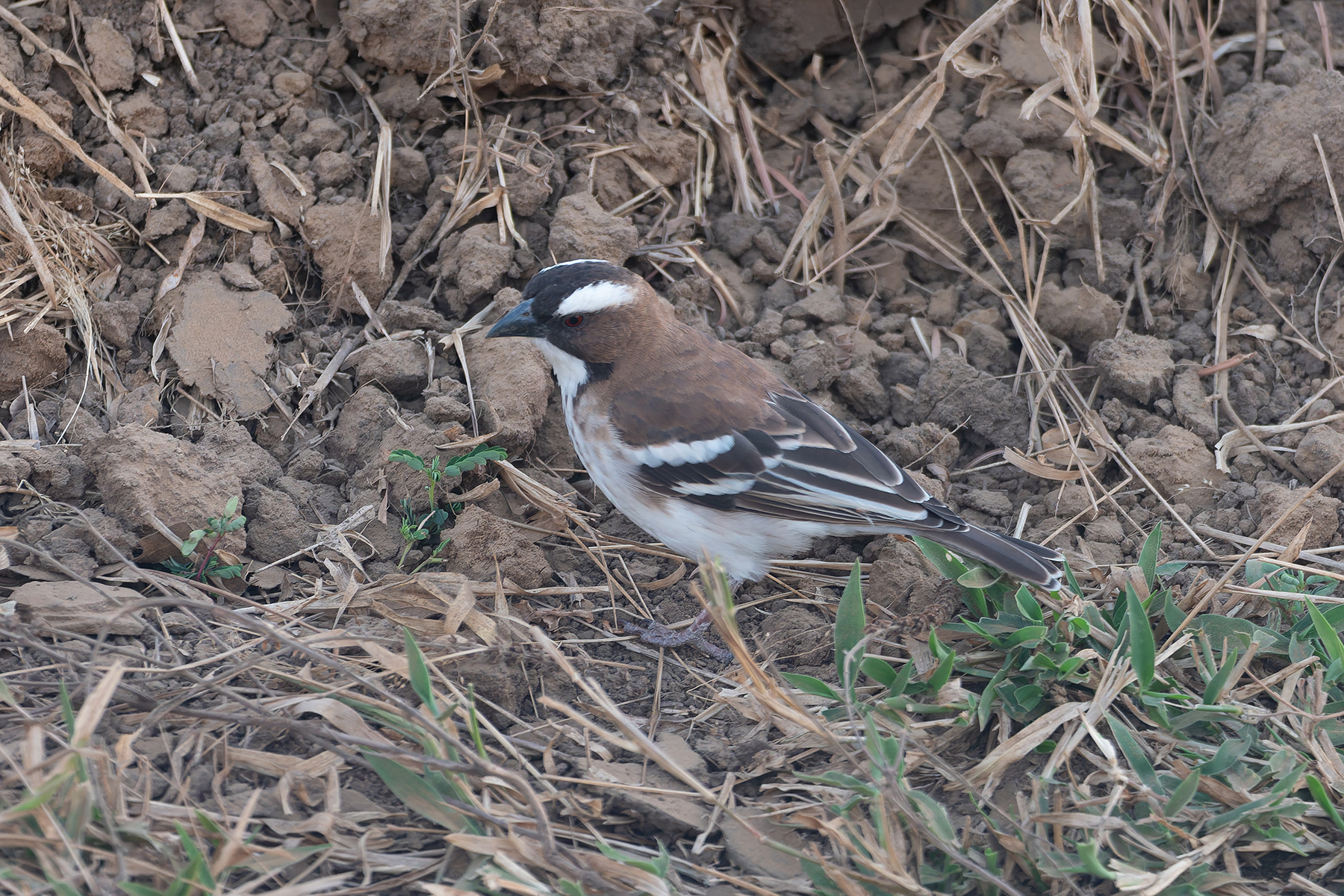
Passerines include African Pied Wagtail, African Pipit, ‘Dark-capped’ Bulbul, Northern Brownbul, African Grey Flycatcher, Winding, Rattling and Ashy Cisticolas, Tawny-flanked Prinia, Grey Wren-Warbler, Yellow-breasted Apalis, Red-fronted Warbler, Northern and Red-faced Crombecs, Abyssinian White-eye, Mouse-coloured Penduline Tit, Long-tailed Fiscal, Sulphur-breasted Bush-Shrike, Common Drongo, Pied Crow, Superb and Wattled Starlings, the range-restricted Swahili Sparrow, Yellow-spotted Petronia, White-headed Buffalo Weaver, White-browed Sparrow-Weaver, Vitelline, Chestnut, Lesser Masked and Black-necked Weavers, Red-billed Quelea, Red-billed Firefinch, Red-cheeked Cordon-bleu, Black-faced Waxbill, Green-winged Pytilia, African Silverbill, Village Indigobird, Pin-tailed Whydah, Reichenow’s (or Yellow-rumped) Seedeater and White-bellied Canary.
During the northern winter, Common Buzzard, European and Blue-cheeked Bee-eaters, European Roller, Western Yellow Wagtail, Barn Swallow, Northern and Isabelline Wheatears, Rufous-tailed Rock Thrush, Spotted Flycatcher, Eastern Olivaceous and Upcher’s Warblers and Isabelline Shrike are also present.
Ultimate Tanzania: Day 23
If it is clear this morning, we might be able to see the snow-capped summit of Kilimanjaro rising above the plains in the distance.
After spending the morning in the Same area, we will head for Kilimanjaro International Airport, situated between the towns of Moshi and Arusha, where our tour ends late this afternoon.
Ultimate Tanzania (Arusha to Serengeti): Day 1
After dropping off anyone leaving after the main tour at Kilimanjaro International Airport, we will drive the short distance westwards to the Arusha area for an overnight stay at a comfortable lodge.
Ultimate Tanzania (Arusha to Serengeti): Day 2
Before dawn, we may locate the delightful Small-eared Galago (one of the bush babies) close to our lodge.
Providing the weather is clear, we will see the dramatic peak of Mount Meru towering above the forests and coffee plantations that surround the mountain. On occasion, even the majestic peak of Mount Kilimanjaro can be seen in the distance.
This morning, we head off to some open grassy plains not far from Arusha in search of the highly localised endemic Beesley’s (or Pygmy Spike-heeled) Lark. This Tanzanian form is so geographically isolated from the range of the Spike-heeled Lark in Southern Africa that it is no surprise that genetic studies have shown it deserves specific status.
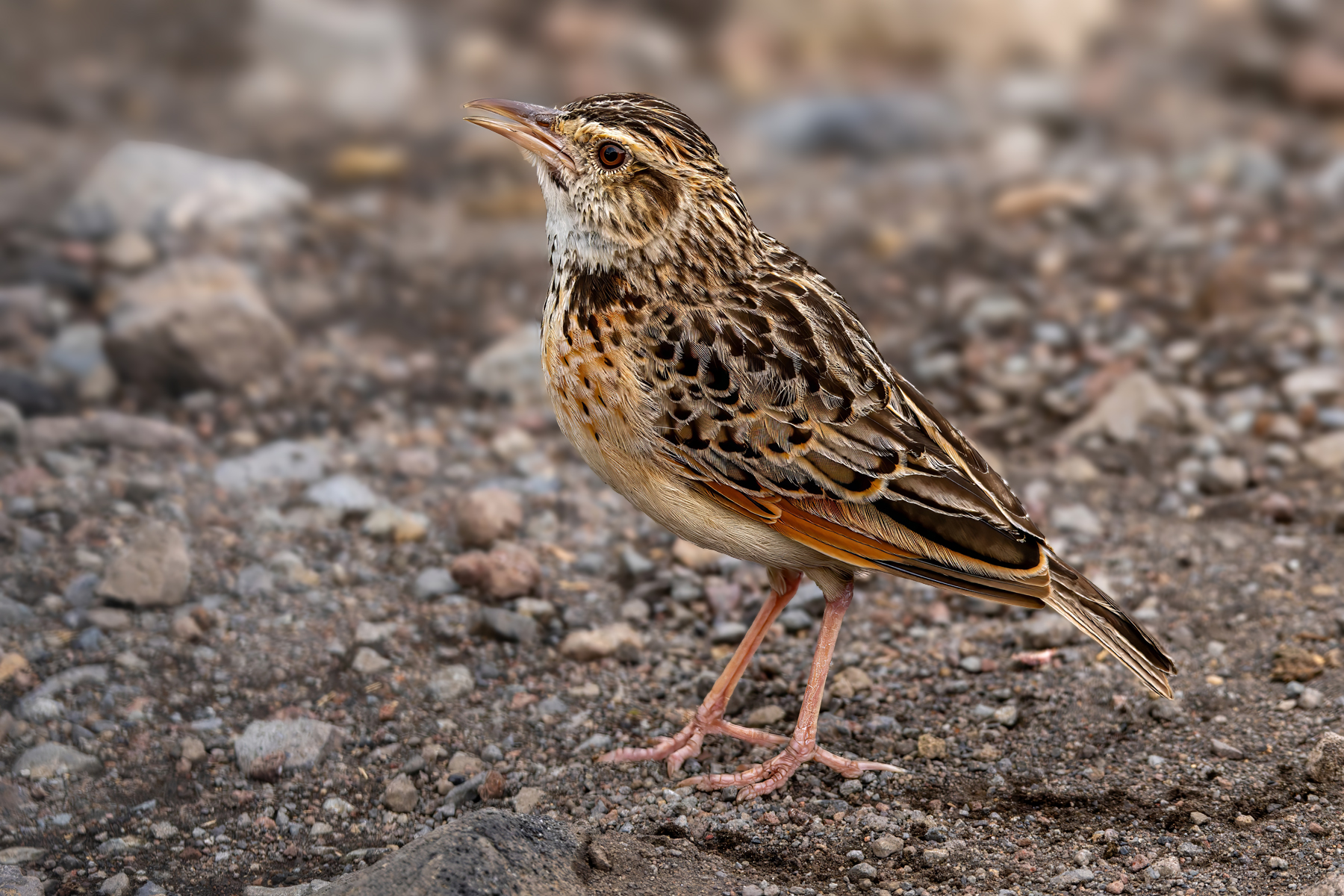
This is a wonderful lark habitat, and we should also encounter the range-restricted Somali Short-toed and Short-tailed Larks, Fawn-coloured Lark and Fischer’s Sparrow-Lark, as well as the widespread Red-capped Lark. The Rufous-naped Larks in this area are a proposed split as Sentinel Lark.
Also frequenting the area are the interesting goodsoni form of the Plain-backed Pipit (which is sometimes included in Buffy Pipit, but which may represent a distinct species) and the smart Capped Wheatear. Careful searching should turn up Temminck’s Courser.
Nearby are extensive areas of thornbush where we could well find some species restricted to the drier parts of eastern Africa, such as Banded Parisoma, Taita Fiscal, Gorgeous Sunbird, the range-restricted Kenya Rufous Sparrow and the smart Grey-capped Social Weaver, as well as the more widespread Yellow-bellied Eremomela
Mammals are few in this area, but we should see a number of Eastern White-bearded Wildebeest and Eastern Thomson’s Gazelles.
Afterwards, we will drive westwards, first through rolling, partly cultivated landscapes and then through steadily drier bush country. We will make a detour to some suitable habitat for two endemic specialities, Yellow-collared Lovebird and Ashy Starling, both of which are usually easy to find. (Populations of the lovebird in Kenya derive from escaped cagebirds.)
After we cross the Great Rift Valley, we climb up a spectacular escarpment, with wonderful views out across the vast shimmering expanse of Lake Manyara and its fringing groundwater forest, before travelling through the rich agricultural lands of the Crater Highlands to Karatu, where we will spend the night.
Ultimate Tanzania (Arusha to Serengeti): Day 3
Beyond Karatu, we enter the Ngorongoro Conservation Area, and all of a sudden, montane forest is all around us.
Most of the birds found here also feature on the main tour, with one important exception: the near-endemic Mbulu White-eye. This is our main target early this morning.
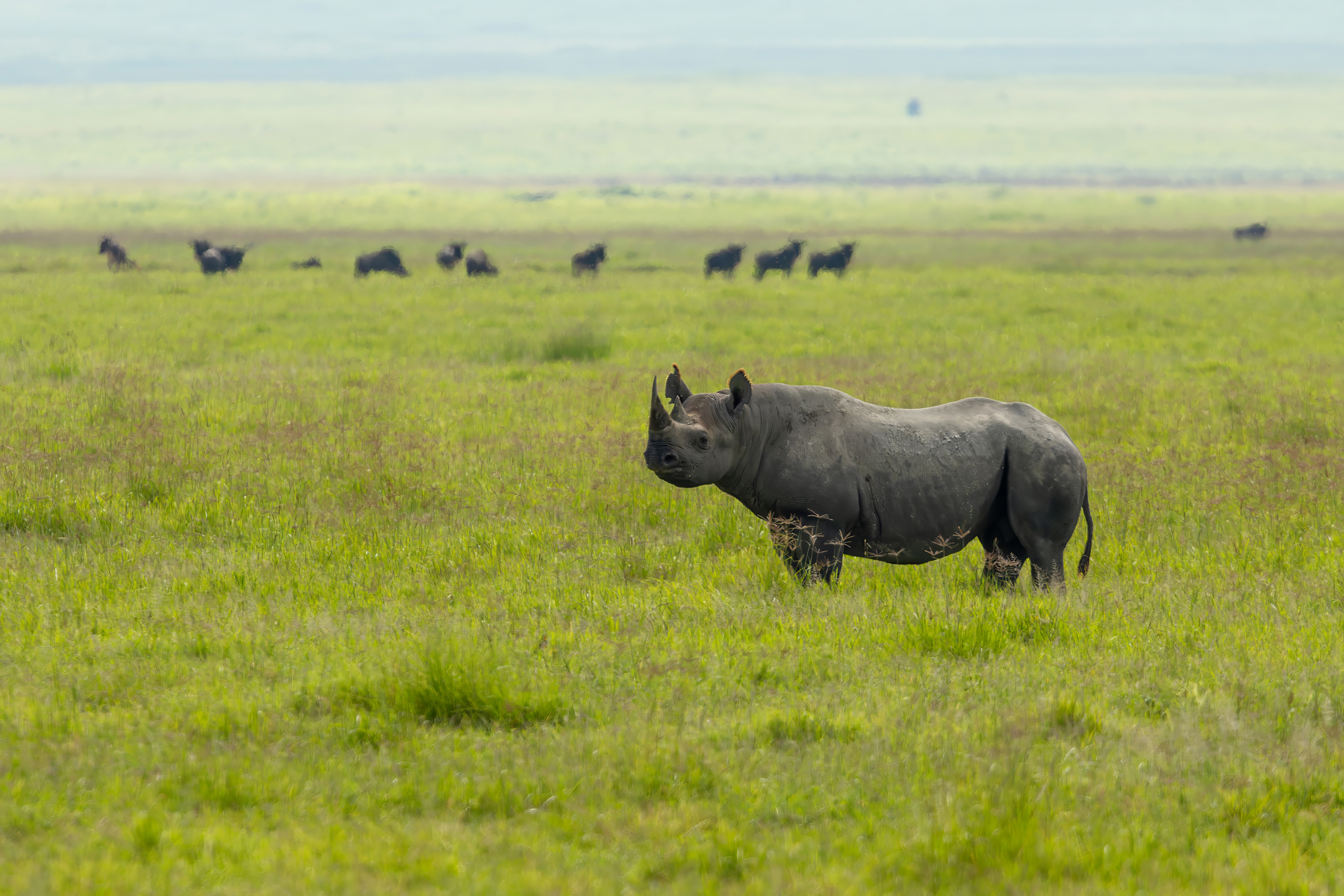
We will pass along the rim of the Ngorongoro Crater, stopping to admire the awesome view. Gazing down from the observation area, where Hunter’s Cisticolas and Eastern Double-collared Sunbirds can usually be observed, one can see the entire crater laid out below one like a map, and even make out distant African Elephants, Black Rhinos and herds of antelopes and African Buffaloes!
Soon we will start to descend into the shortgrass plains that cover a huge area of the southeastern part of the vast Serengeti ecosystem, keeping a lookout for such new birds as Abyssinian Wheatear (the local form schalowi may represent a distinct species; Schalow’s Wheatear). This is Masai country, and from time to time, we will encounter these proud cattle herders with their traditional red cloaks and spears.
Eventually, we will reach the famous Serengeti National Park, where we will spend three nights.
Ultimate Tanzania (Arusha to Serengeti): Days 4-5
The Serengeti is so famous that it needs no introduction. This vast national park and surrounding conservation areas protect the greatest surviving mammalian concentration on Earth, as well as an entire ecosystem of grasslands and woodlands.
Amongst the woodland, open grassy areas and scrub, we should easily find our primary targets: the endemic Grey-breasted Spurfowl and the pretty little Fischer’s Lovebird (the latter species is also endemic to Tanzania, populations in Kenya comprising escaped cagebirds), the endemic Rufous-tailed Weaver and the near-endemic Usambiro Barbet.
Other likely new birds include Gabar Goshawk, Yellow-necked Spurfowl, Great Spotted Cuckoo, the impressive Verreaux’s Eagle-Owl (if we are fortunate), Slender-tailed Nightjar, Von der Decken’s Hornbill, Red-fronted Barbet, Black-lored Babbler, White-browed Scrub Robin, Buff-bellied Warbler, Silverbird, Chin-spot Batis, Magpie Shrike, Red-throated Tit, the range-restricted Hildebrandt’s Starling, Greater Blue-eared Starling, Marico Sunbird, the range-restricted Swahili Sparrow, Chestnut Sparrow, Speckle-fronted Weaver and Crimson-rumped Waxbill. If we are really fortunate, we will come across Steel-blue Whydah.
Out on the grassy plains, the avifauna is quite different, and here we may come across Common Ostrich, Ruppell’s and Lappet-faced Vultures, Greater Kestrel, Kori and White-bellied Bustards, Black-winged Lapwing, Double-banded Courser, Chestnut-bellied Sandgrouse, the attractive Yellow-throated Sandgrouse, Rufous-naped Lark, Banded Martin, Pectoral-patch Cisticola and Wattled Starling. With luck, we could find Temminck’s Courser. During visits in October-November, Abdim’s Storks are also present.
Saline lakes hold Greater and Lesser Flamingos and many other waterbirds, including Cape Teal, Pied Avocet and Chestnut-banded Plover.
Needless to say, we shall be exploring one of the finest parts of the Serengeti plains, and we can expect to see a good variety of plains mammals, even during a short visit devoted largely to birding.
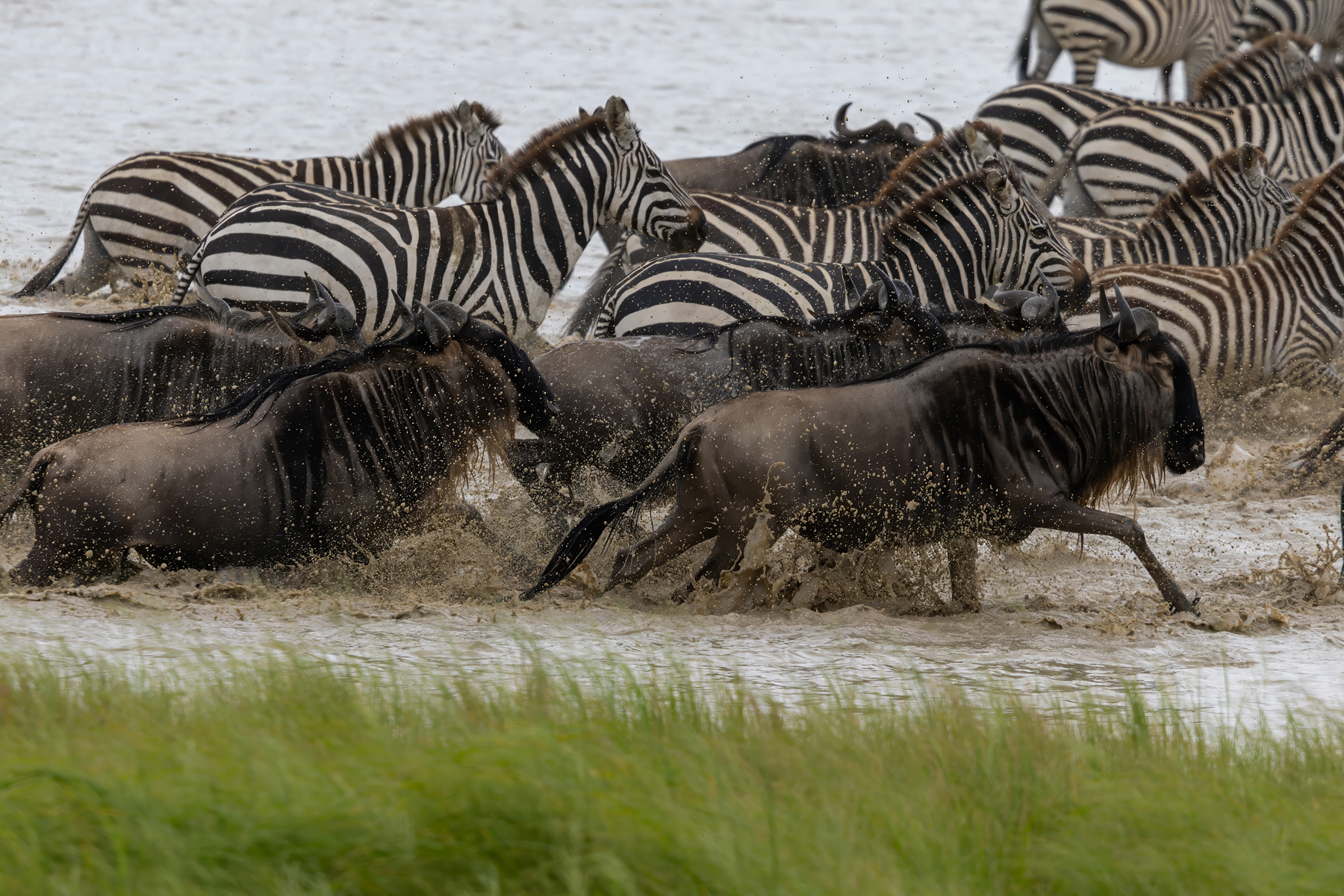
Likely sightings include Plains Zebra, Brindled Gnu (or Blue Wildebeest), Thomson’s and Grant’s Gazelles, Common Warthog, Savanna Elephant, Masai Giraffe, Olive Baboon, Vervet Monkey, Lion, Black-backed Jackal, African Golden Wolf and Spotted Hyaena. Less frequently encountered species, during a short visit, include Eland, Coke’s Hartebeest, Steenbok, Bat-eared Fox and Cheetah.
In the woodland, Kirk’s Dik-Diks (surely the most endearing little antelope in Africa), Impala and Scrub Hares are quite common. There is an outside chance of a Leopard.
Ultimate Tanzania (Arusha to Serengeti): Day 6
Today, after some more birding, we will leave the Serengeti behind and return to the Arusha area for an overnight stay.
Ultimate Tanzania (Arusha to Serengeti): Day 7
Today, we will visit nearby Arusha National Park, a relatively small but extremely beautiful sanctuary that includes the summit of Mount Meru as well as extensive montane forests.
Our prime target will be the near-endemic Broad-ringed (or Kilimanjaro) White-eye, a species virtually restricted to Mount Kilimanjaro and the Mount Meru massif, occurring in a tiny sliver of Kenyan territory high on the flanks of Kilimanjaro. Other good birds here are the spectacular, range-restricted Hartlaub’s Turaco, the patchily distributed Waller’s Starling and, in particular, the range-restricted Taveta Weaver.
Among the more widespread birds that we may encounter in the park are Southern Pochard, Wire-tailed Swallow, the lovely Ruppell’s Robin-Chat, Northern Fiscal and Bronzy Sunbird. Scaly Spurfowl is also possible, as is Whinchat during the northern winter.
Large mammals are not as conspicuous here as in the more open national parks and reserves further west, but even so, we should see good numbers. Some large marshy clearings and areas of open grassland hold Cape (or African) Buffalo, Cape Bushbuck and Ellipsen Waterbuck, among others. In the forest, we are sure to come across fabulously shaggy Guereza Colobus monkeys with their long and wonderful tails and the attractive Blue Monkey. We may also come across the little Harvey’s Duiker.
Later in the day, we will head for Kilimanjaro International Airport, where the extension ends this evening.