
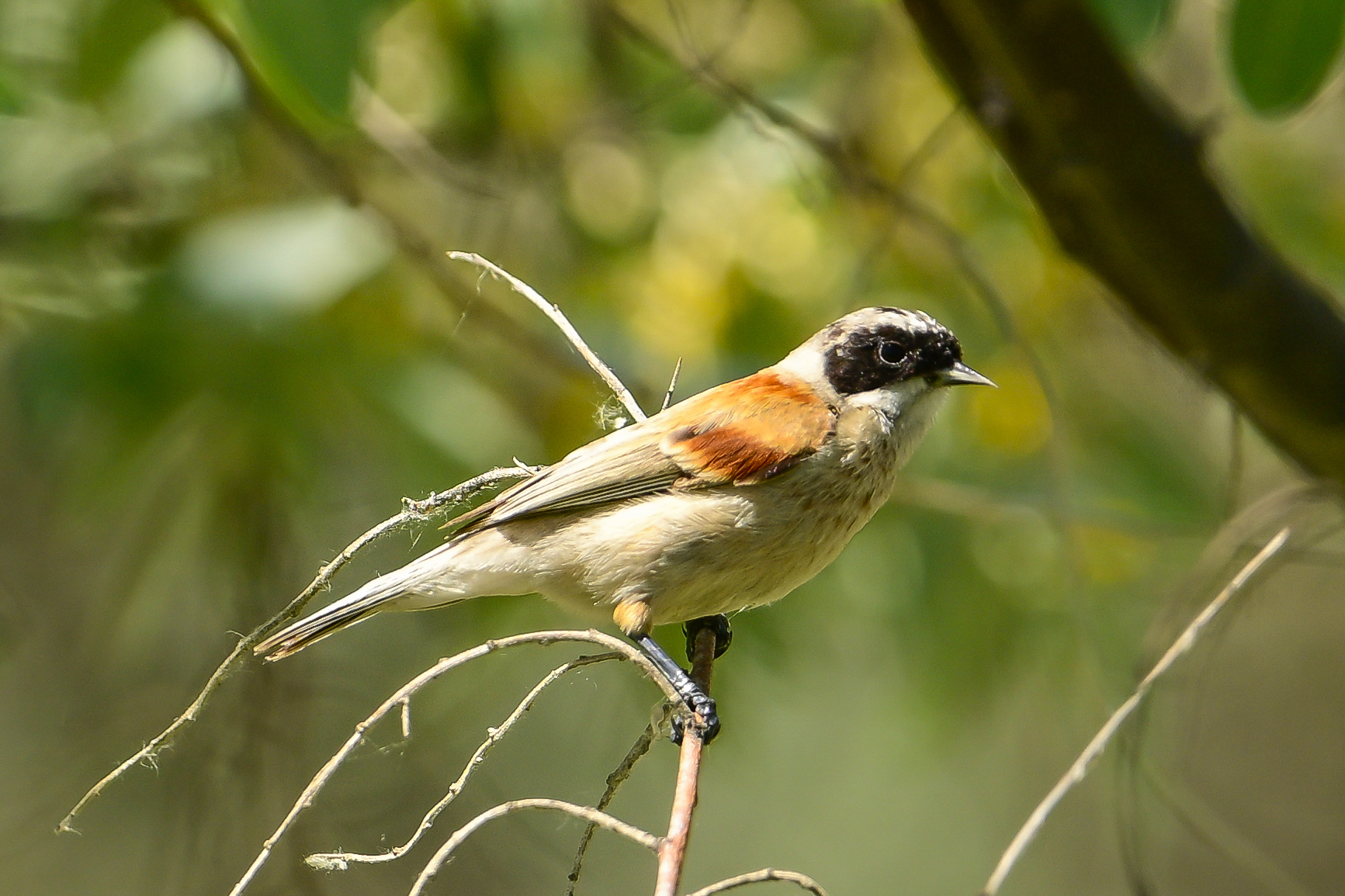
White-crowned Penduline Tit (image by Xueping & Stephan Popp)

Yellow Ground Squirrel (image by Mark Van Beirs)
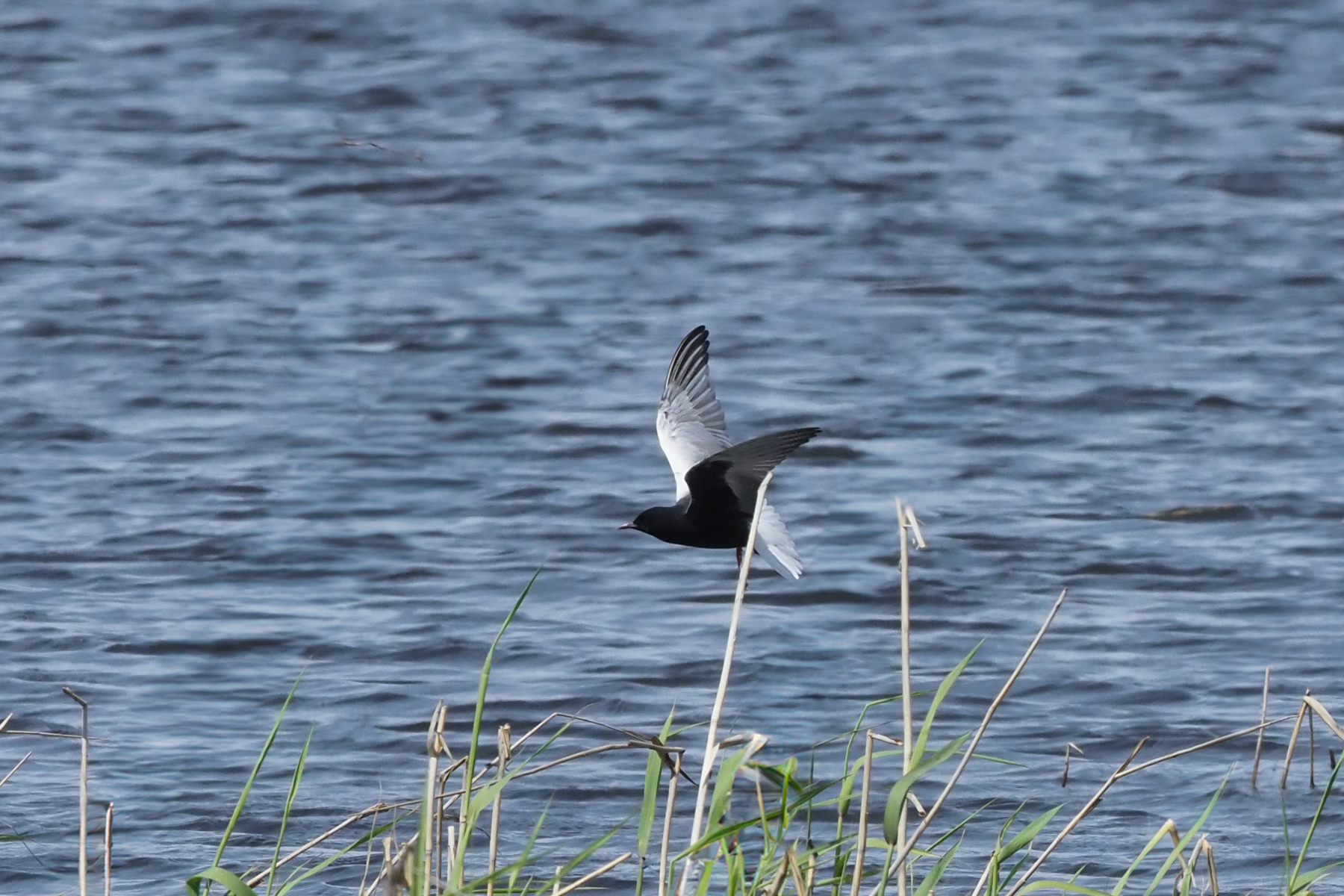
White-winged Tern (image by Mark Van Beirs)
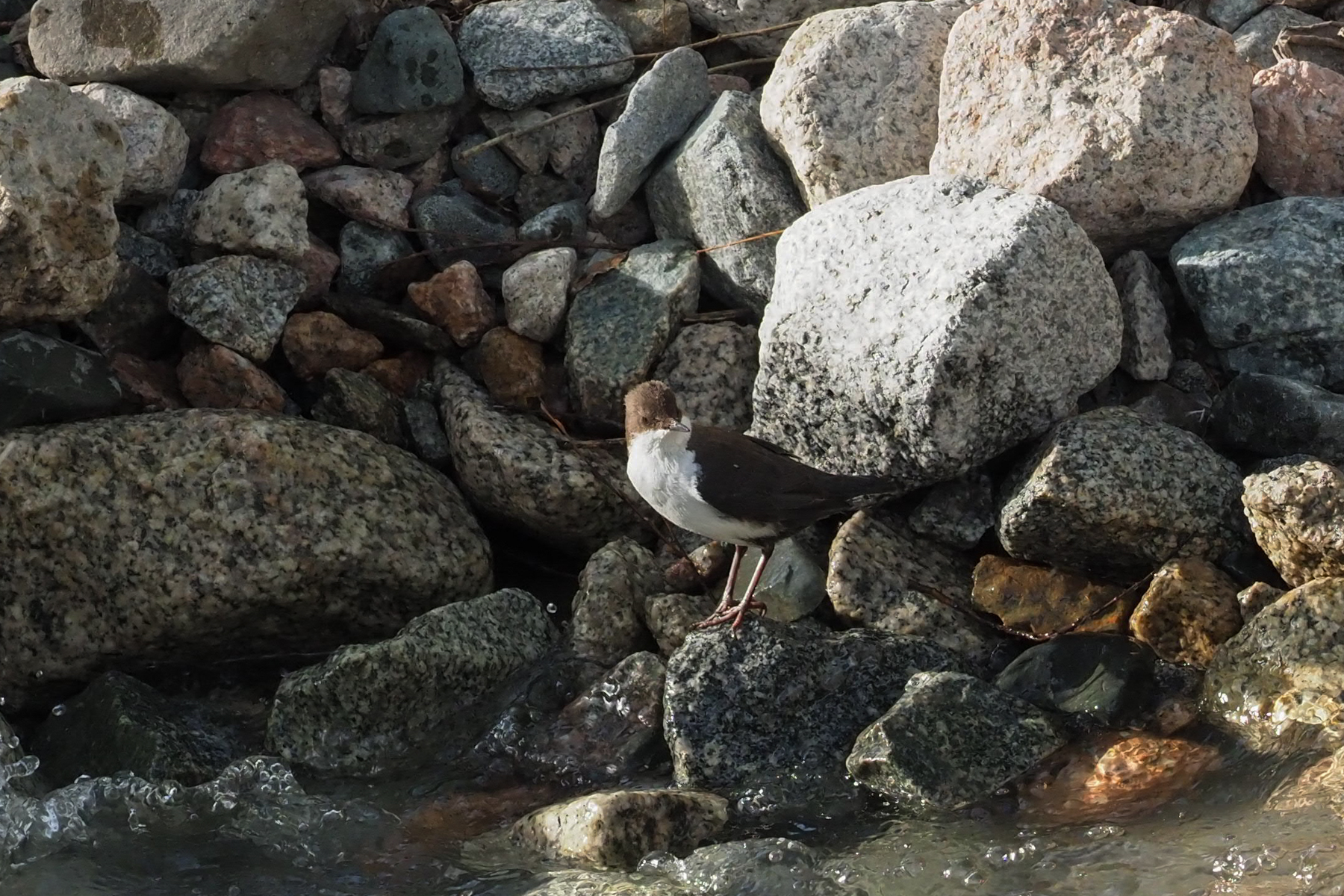
White-throated Dipper subsp leucogaster (image by Mark Van Beirs)
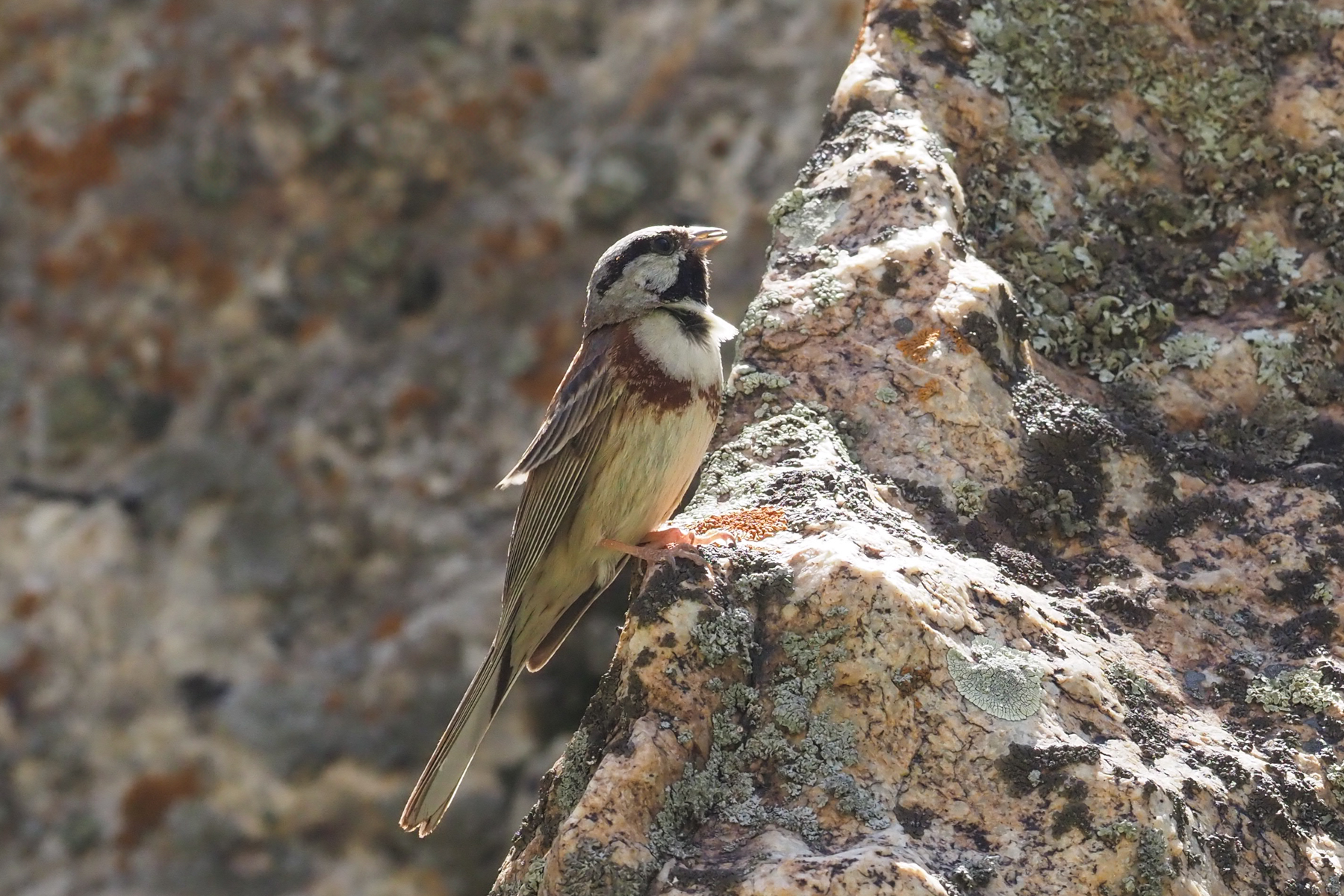
White-capped Bunting (image by Mark Van Beirs)
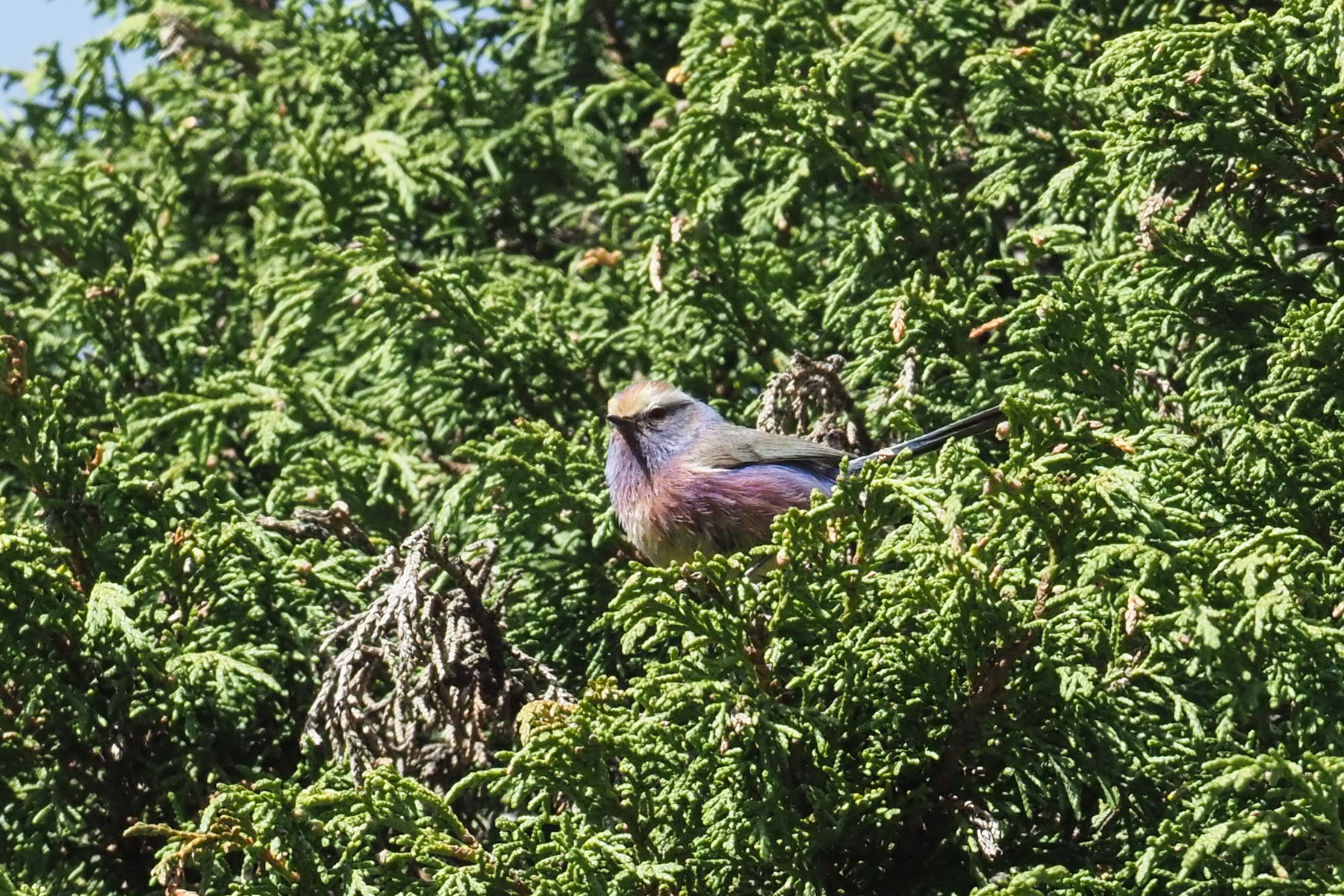
White-browed Tit-warbler (image by Mark Van Beirs)
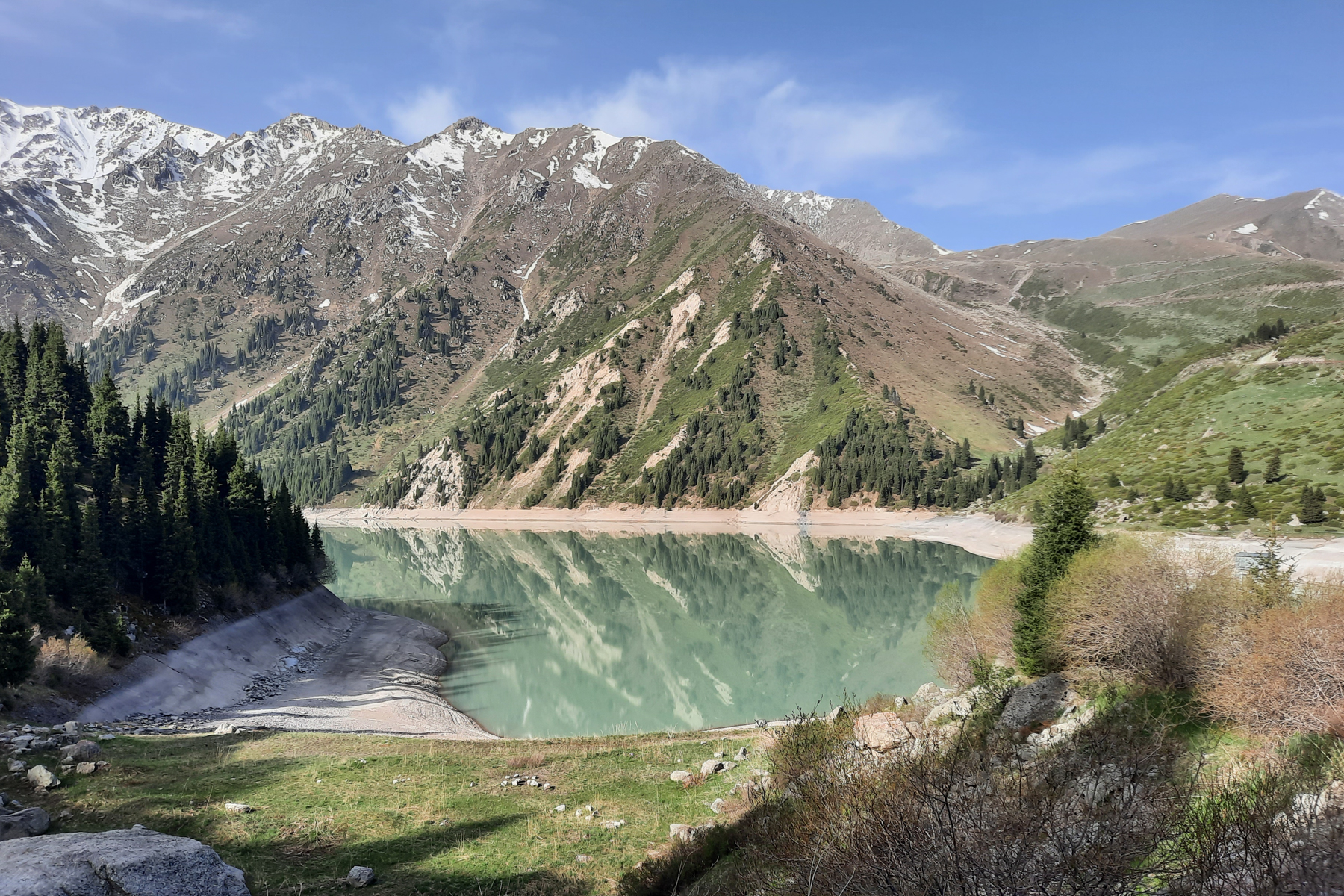
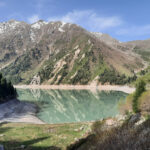
The Tien Shan (image by Mark Van Beirs)
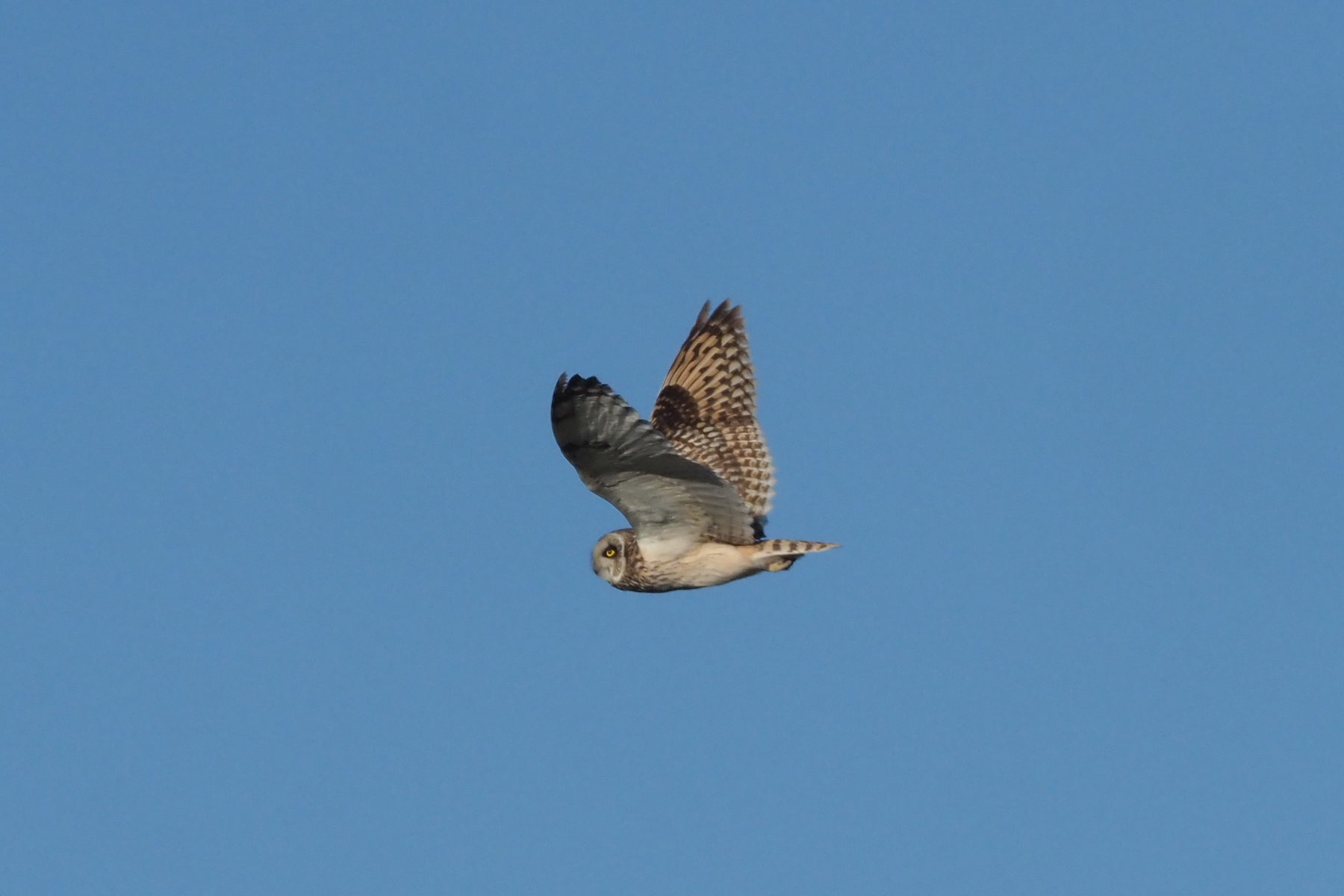
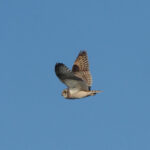
Short-eared Owl (image by Mark Van Beirs)
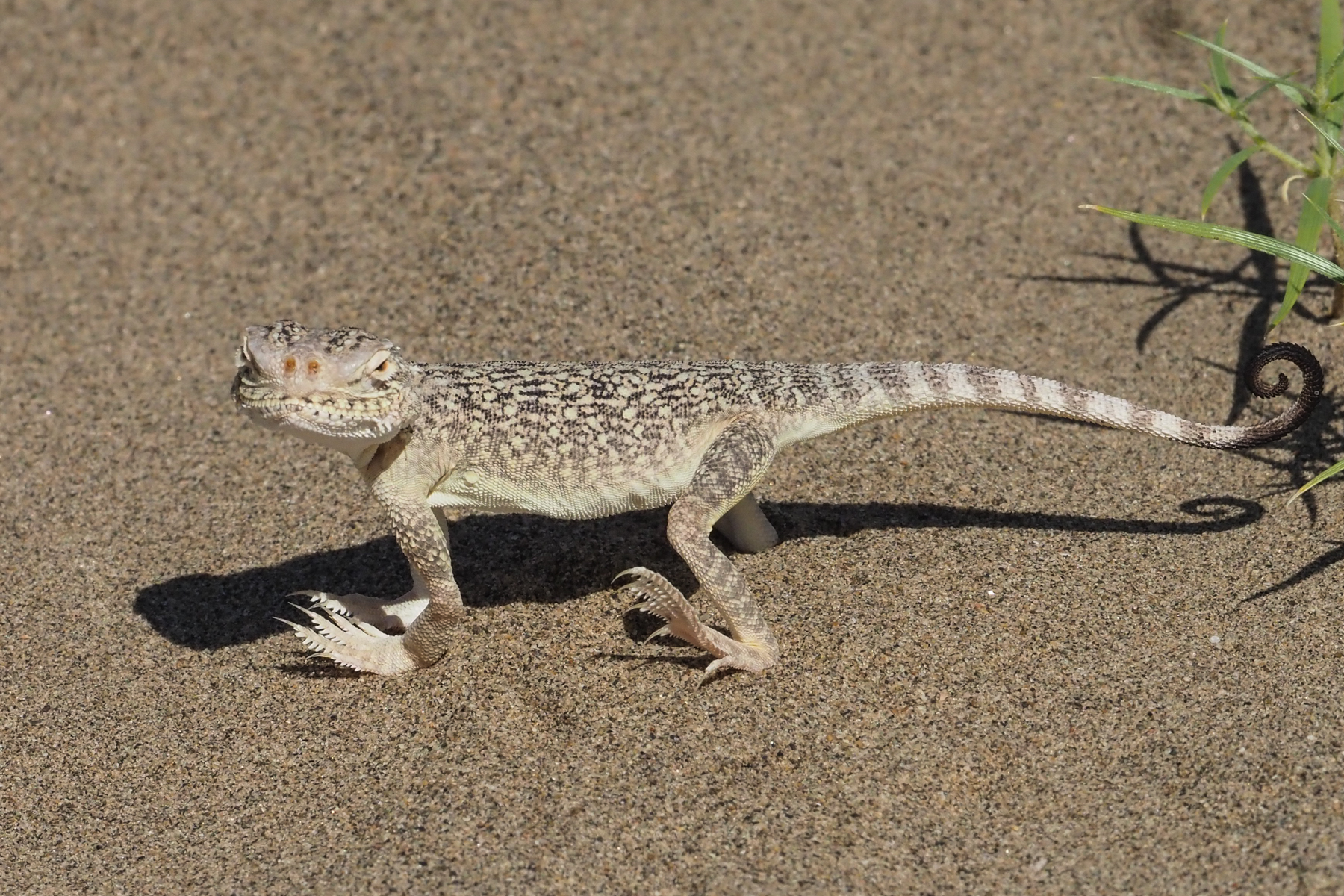
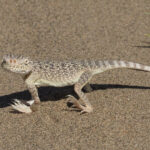
Secret Toad-headed Agama (image by Mark Van Beirs)

Rufous-tailed Scrub Robin (image by Mark Van Beirs)
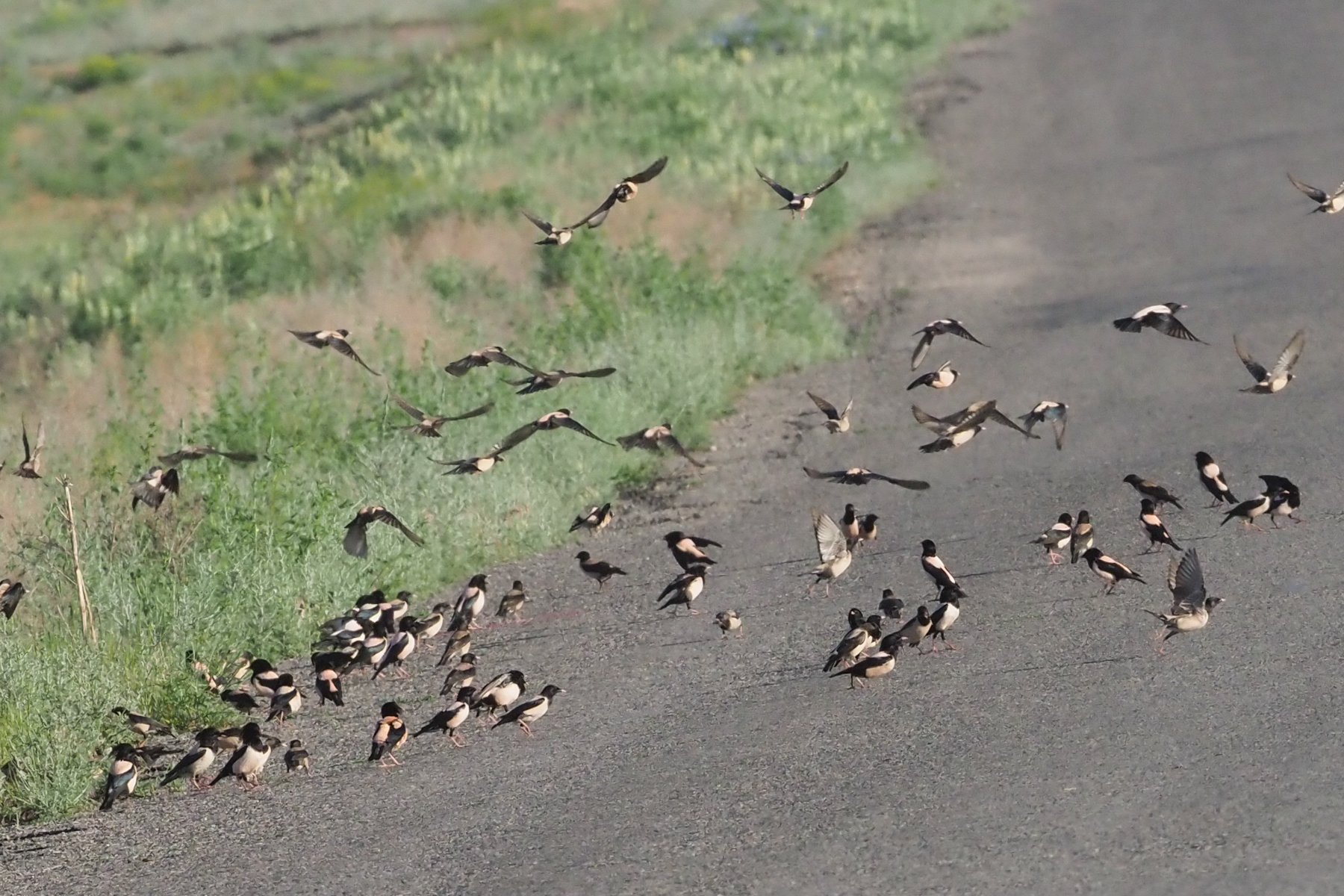
Rosy Starling (image by Mark Van Beirs)
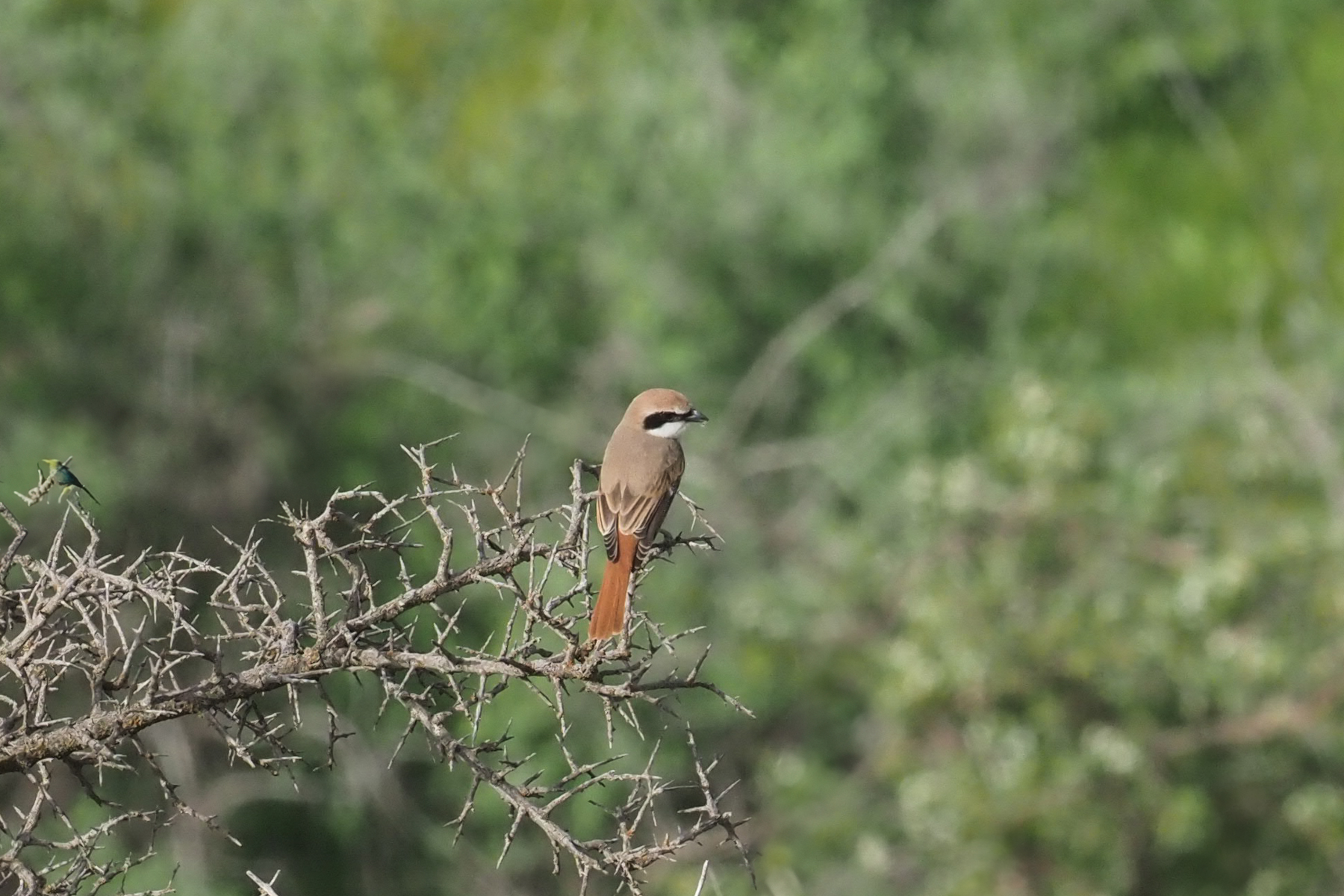
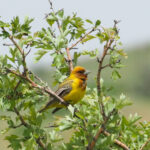
Red-tailed Shrike (image by Mark Van Beirs)
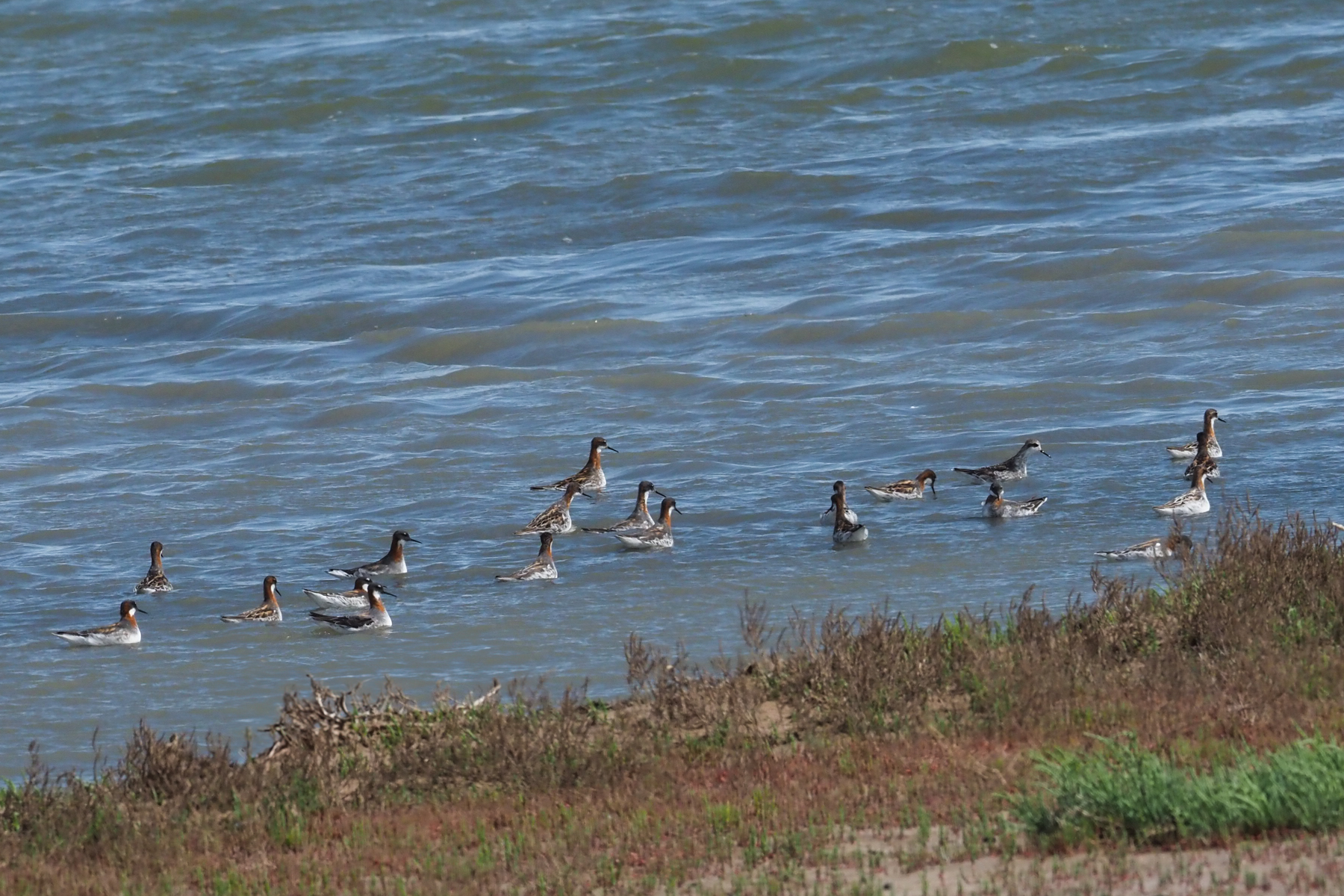
Red-necked Phalarope (image by Mark Van Beirs)
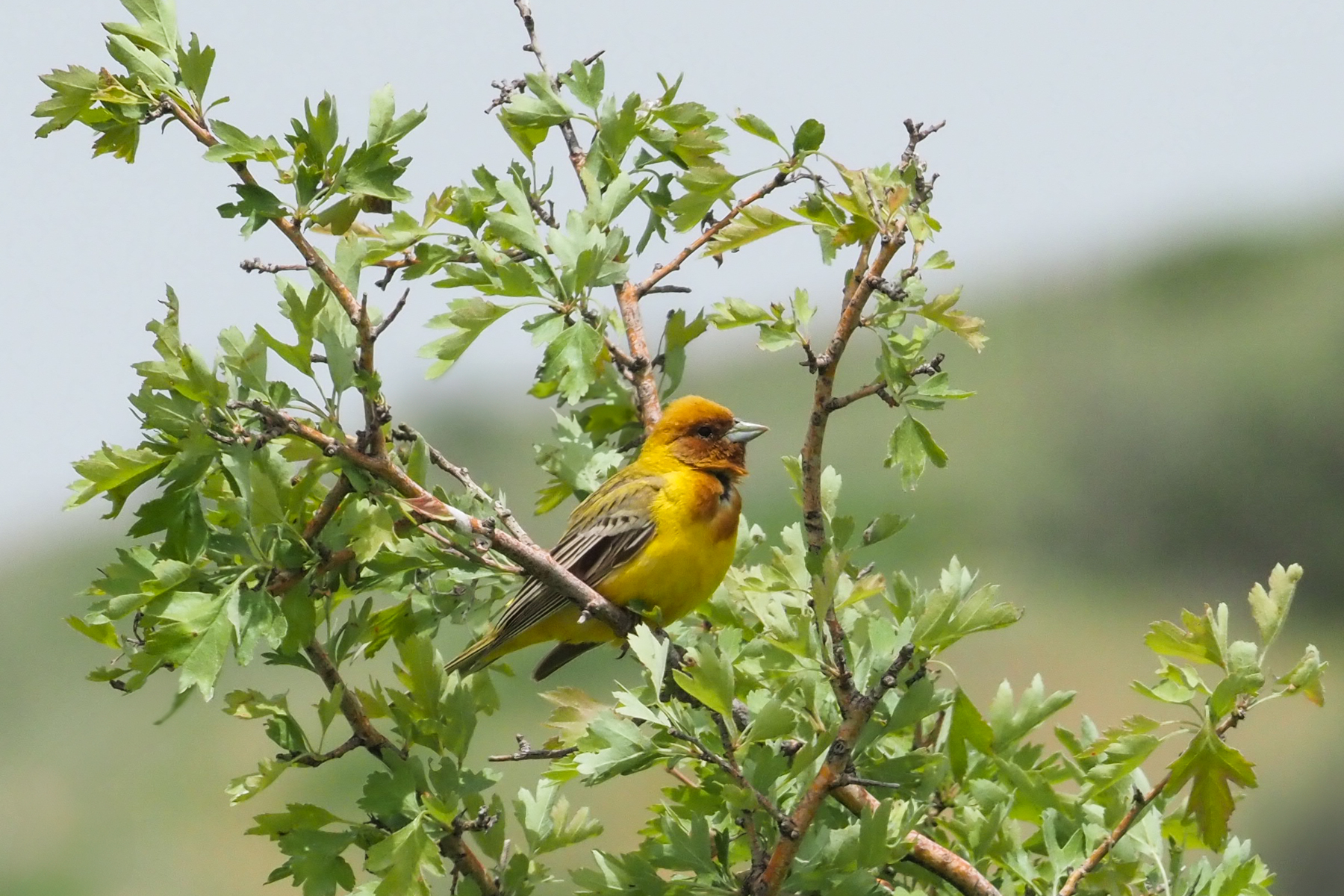
Red-headed Bunting (image by Mark Van Beirs)
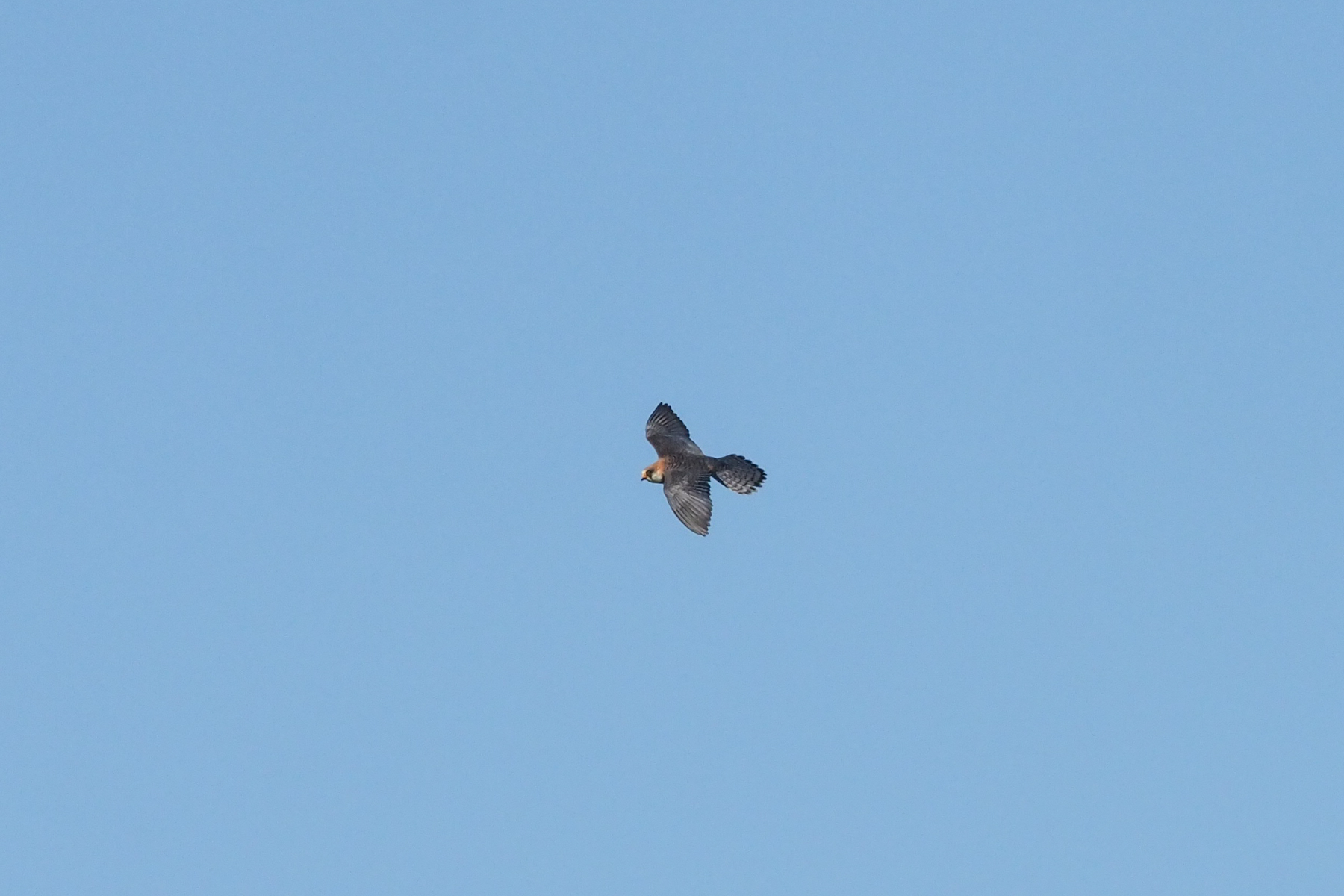
Red-footed Falcon (image by Mark Van Beirs)
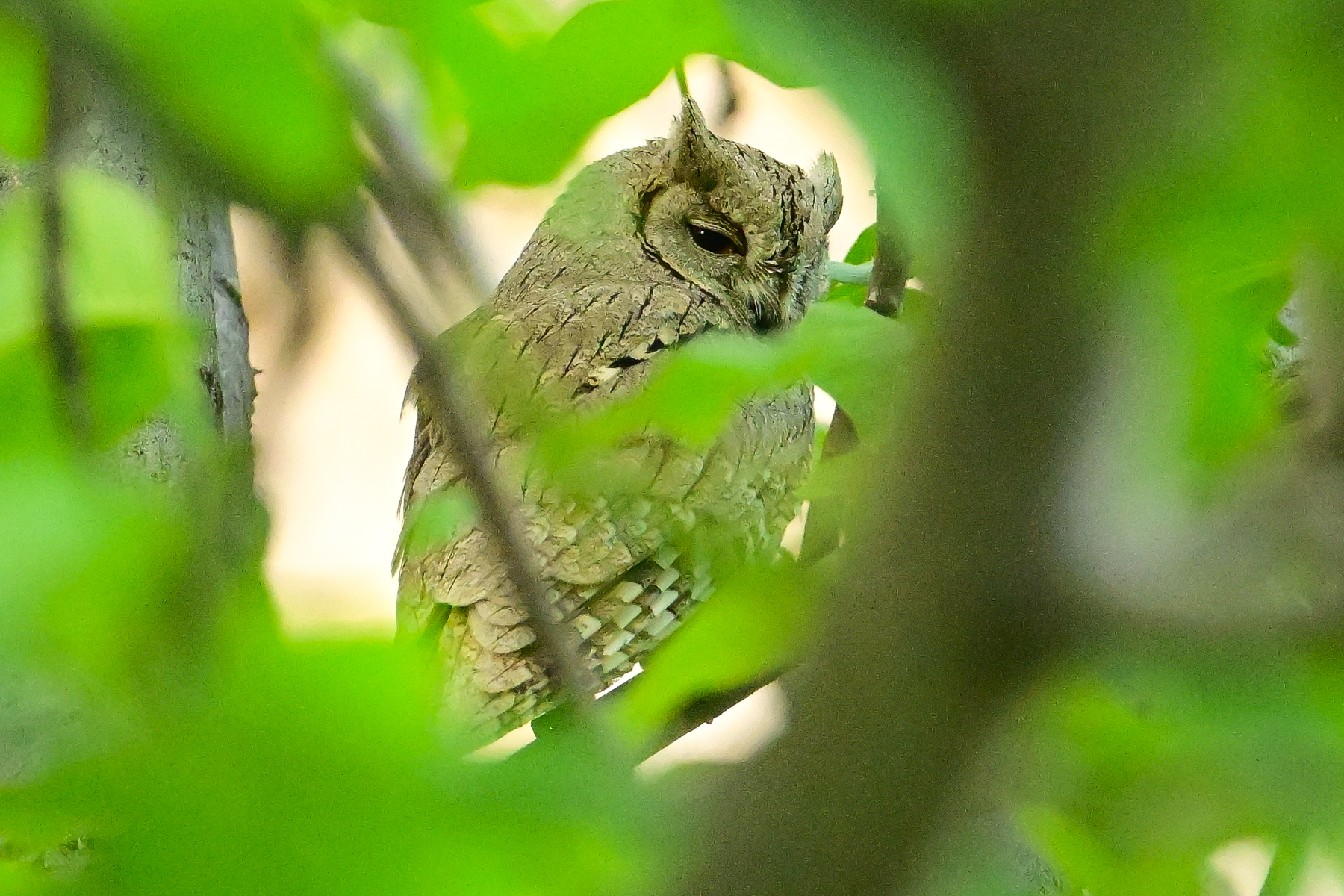
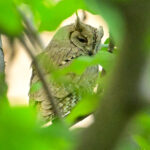
Pallid Scops Owl (image by Xueping & Stephan Popp)
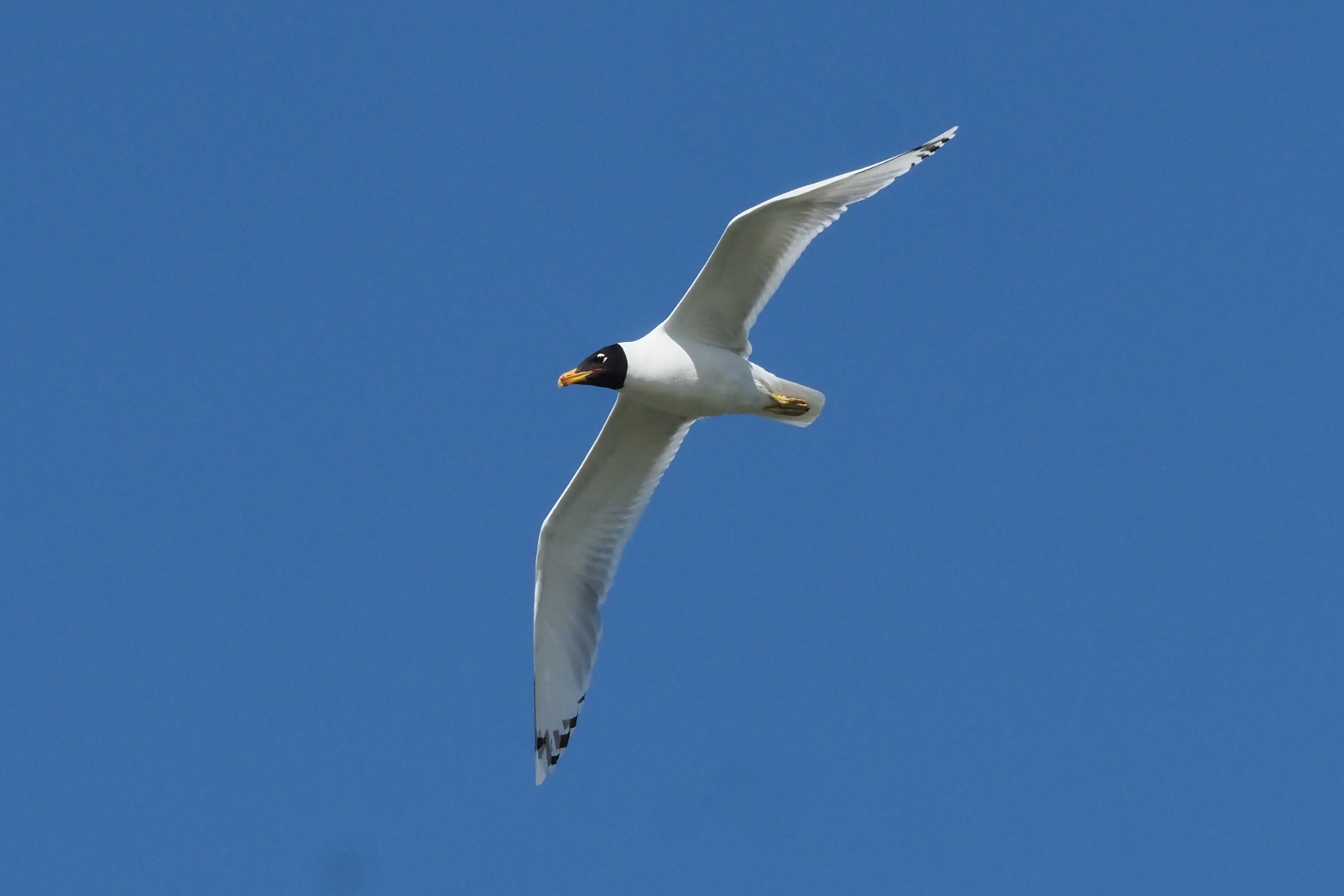
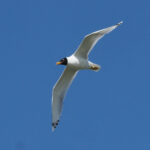
Pallas's Gull (image by Mark Van Beirs)
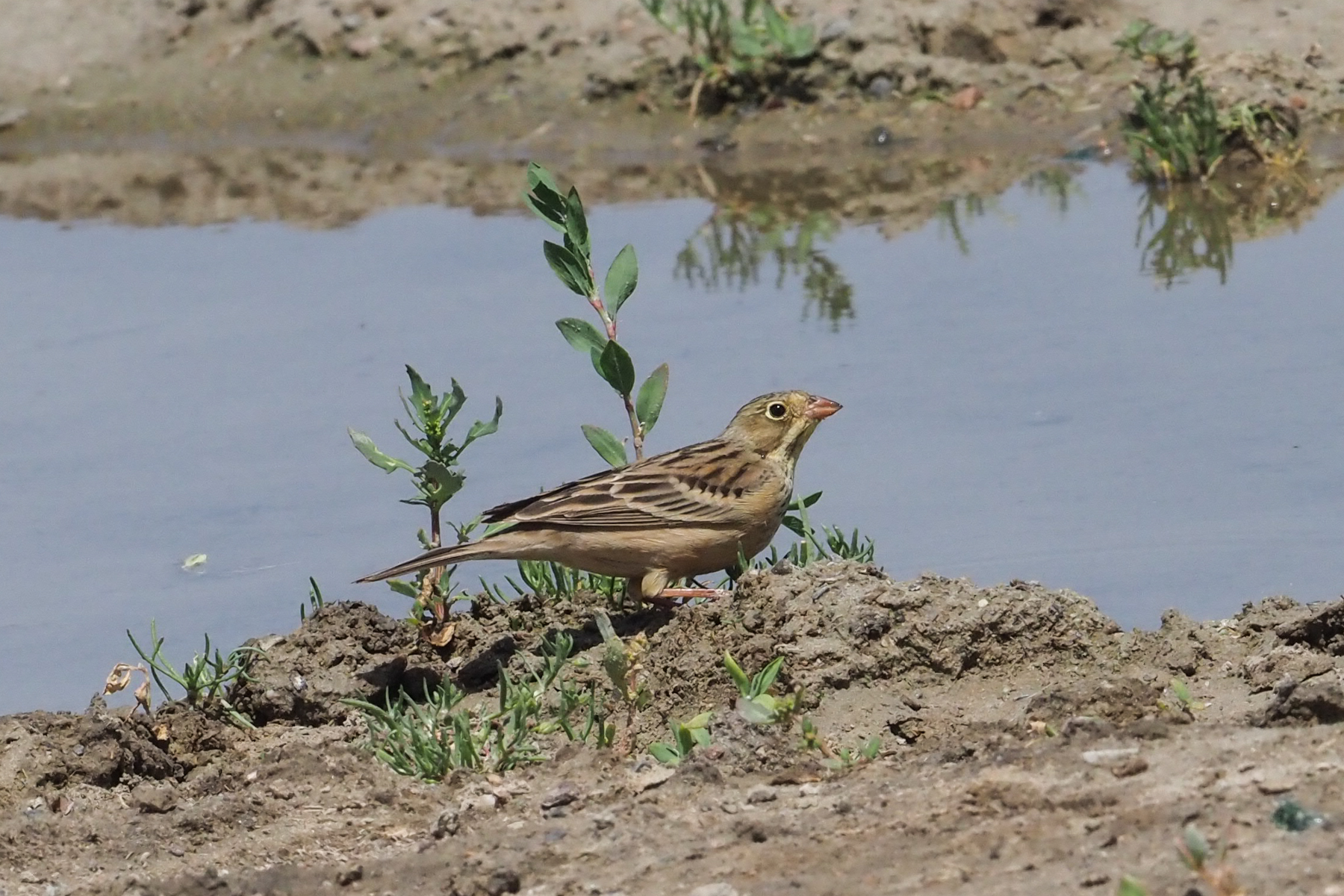
Ortolan Bunting (image by Mark Van Beirs)

Lybian Jird (image by Mark Van Beirs)
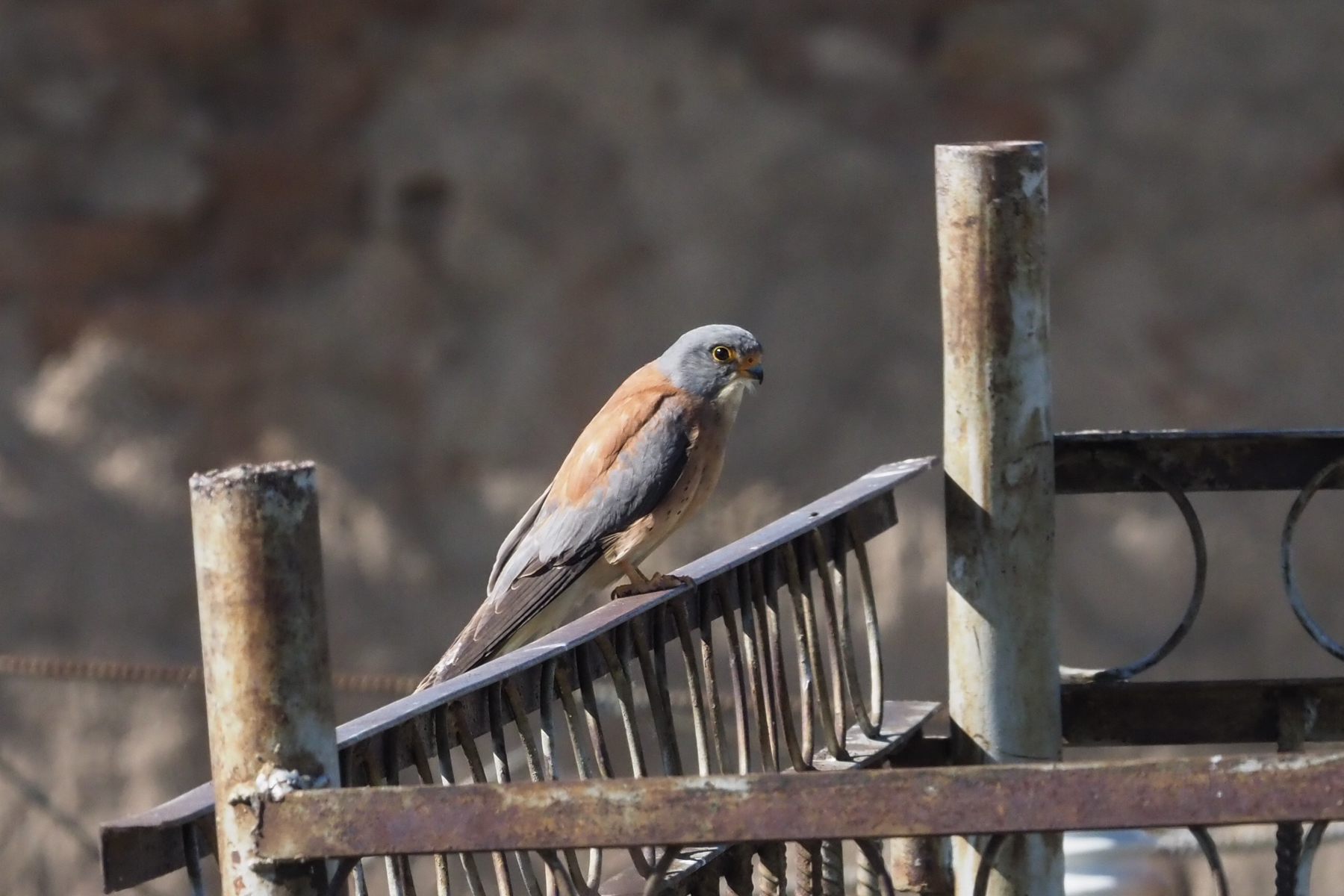
Lesser Kestrel (image by Mark Van Beirs)
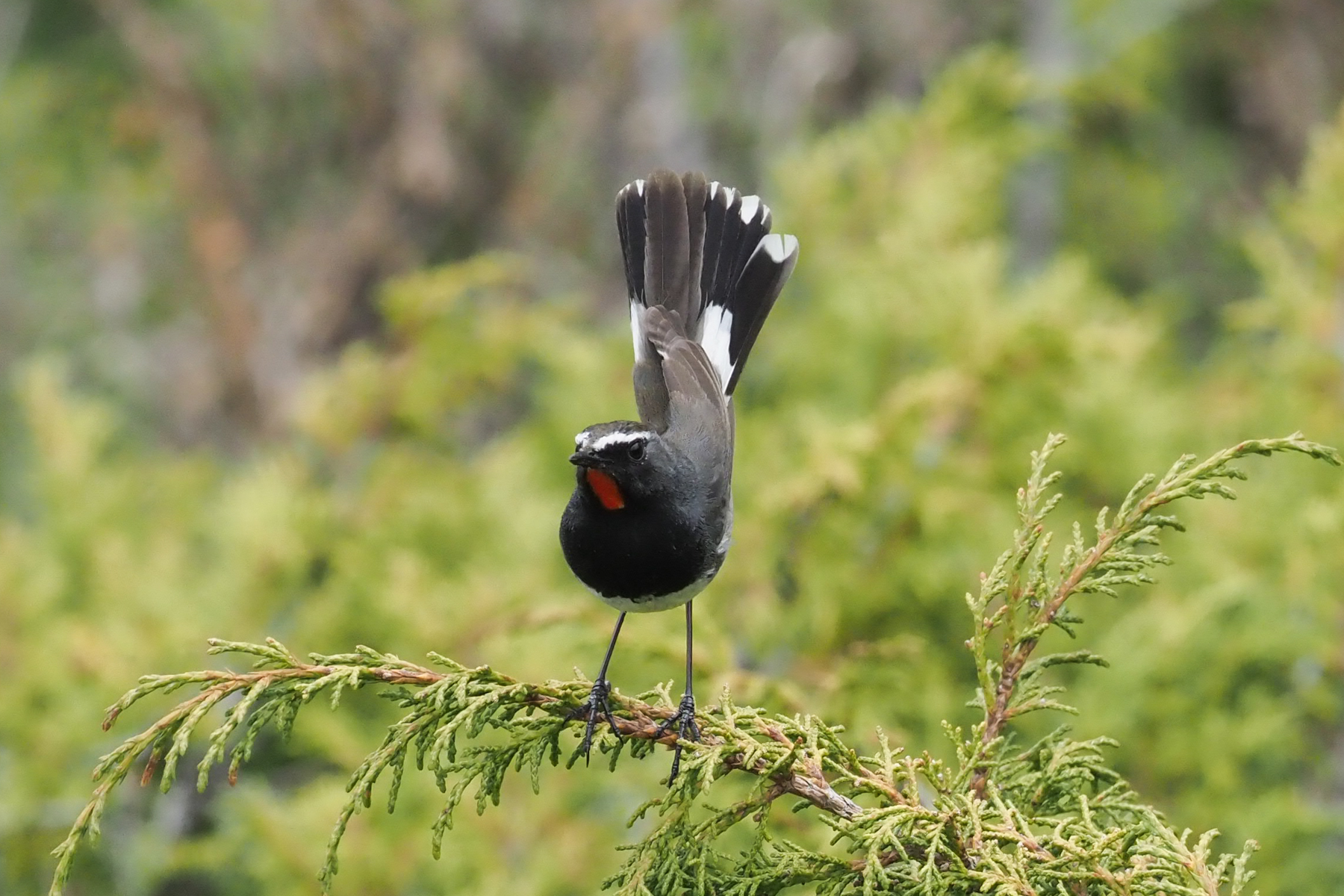
Himalayan Rubythroat (image by Mark Van Beirs)
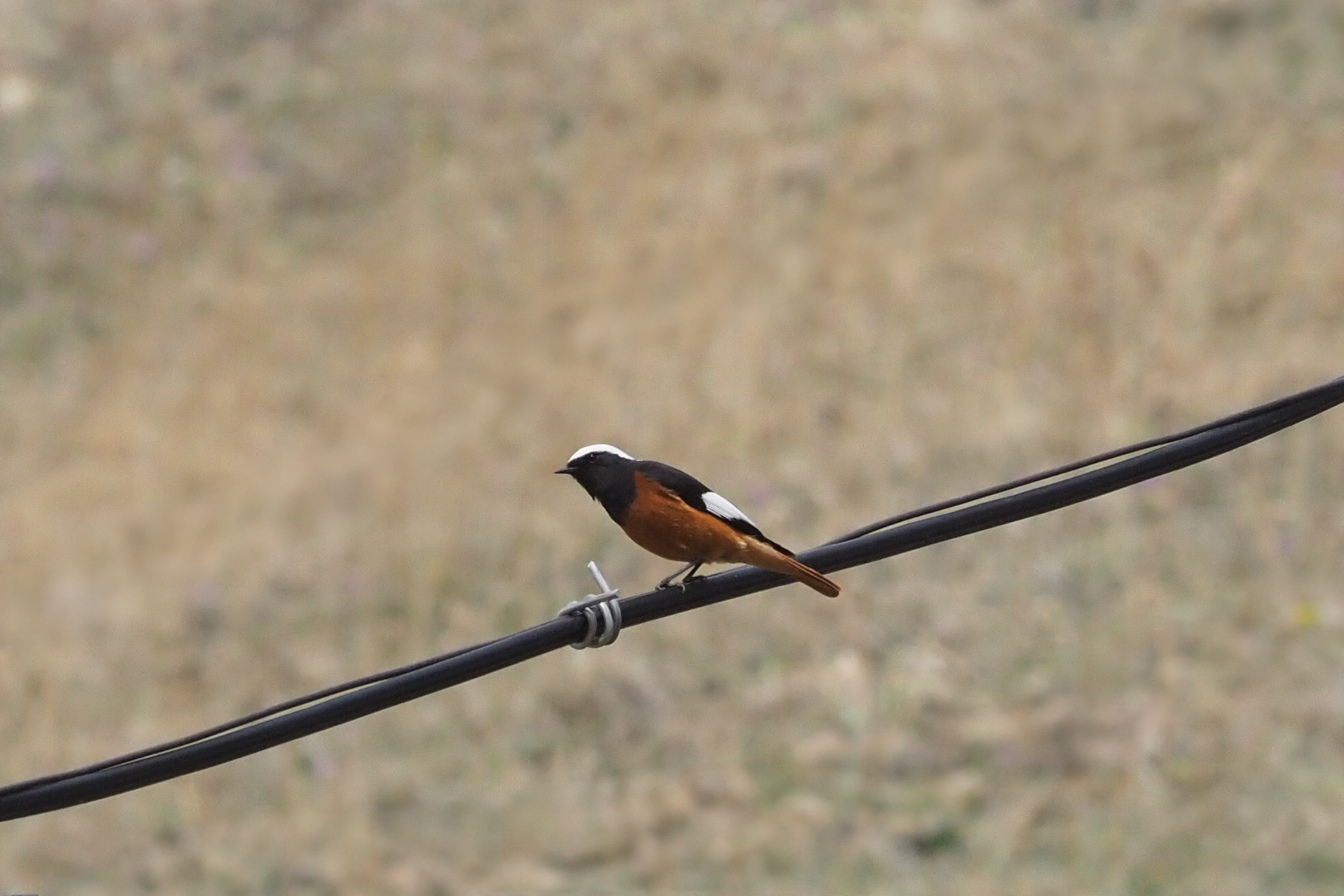
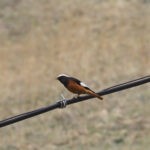
Güldenstädt's Redstart (image by Mark Van Beirs)
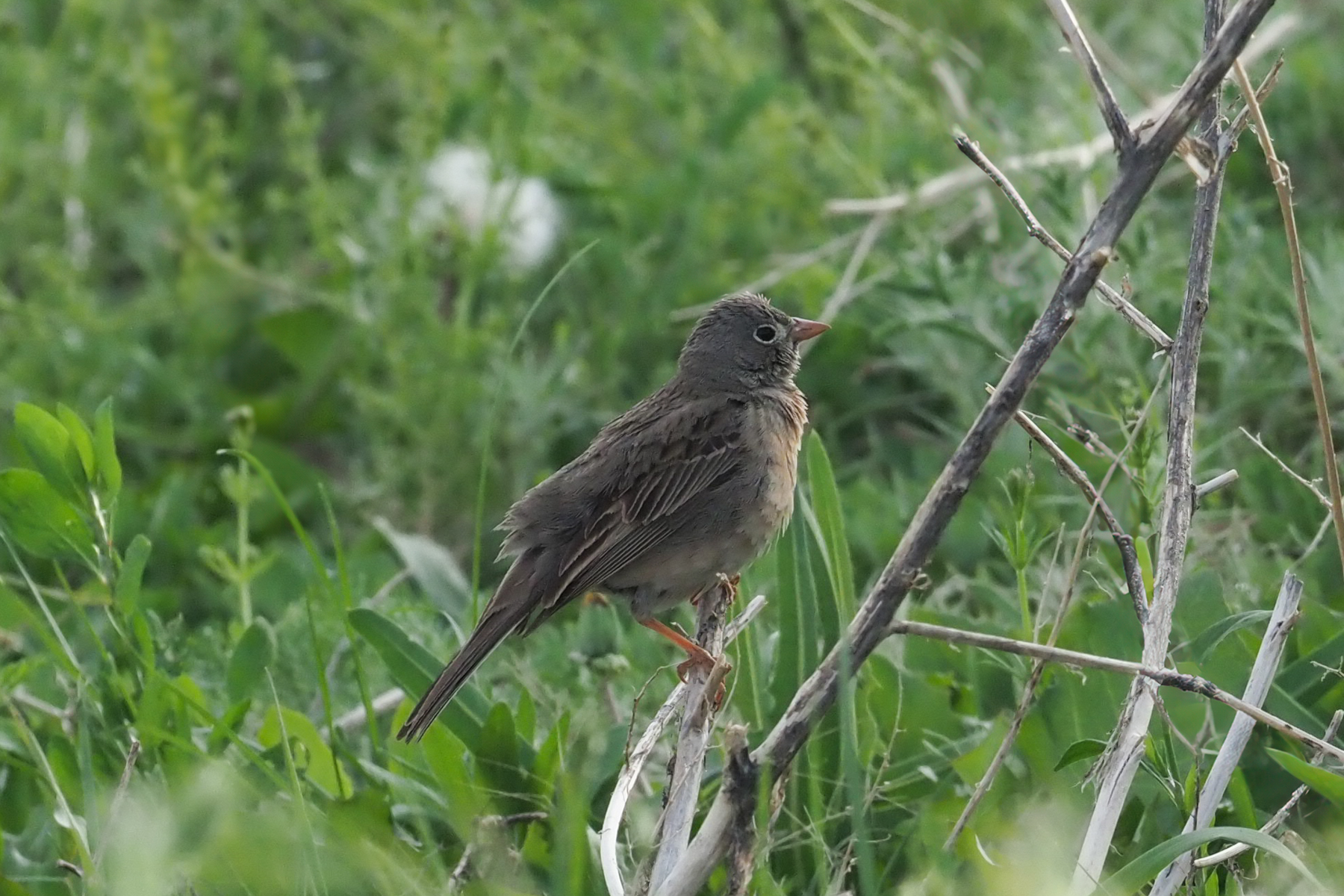
Grey-necked Bunting (image by Mark Van Beirs)
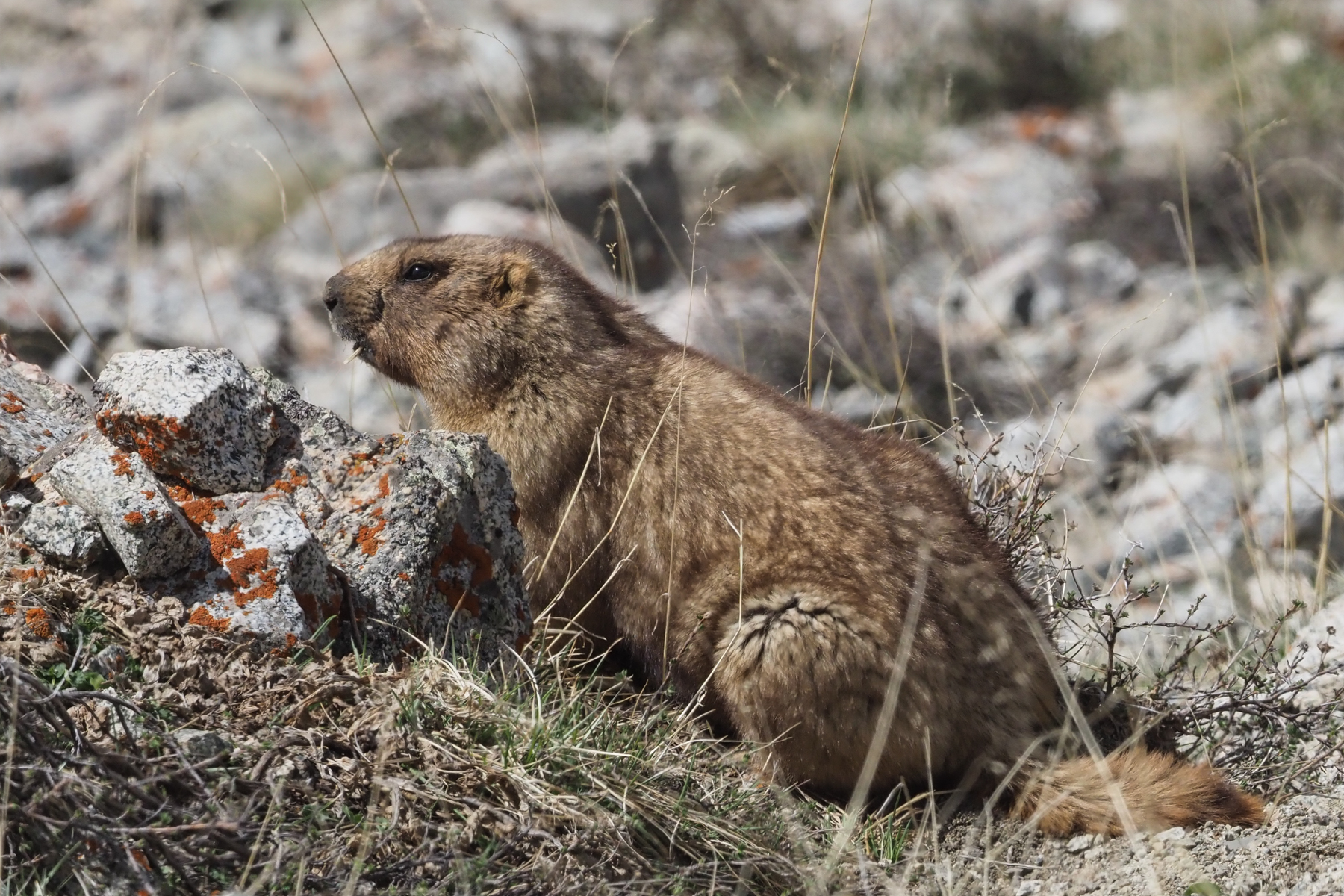
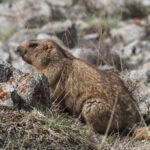
Grey Marmot (image by Mark Van Beirs)
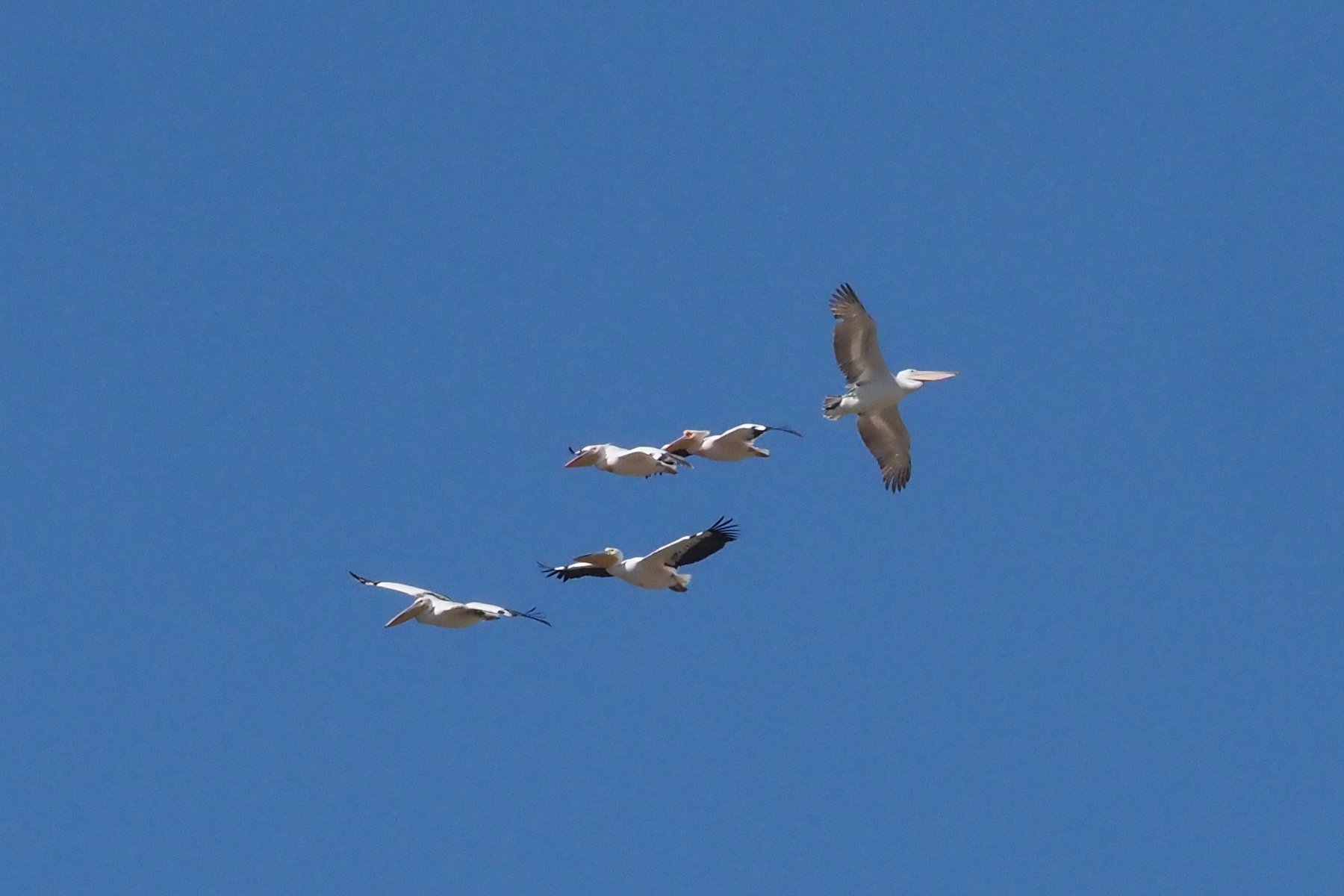
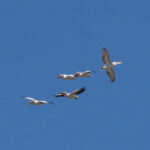
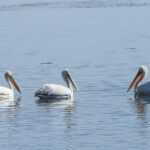
Great White and Dalmatian Pelicans (image by Mark Van Beirs)
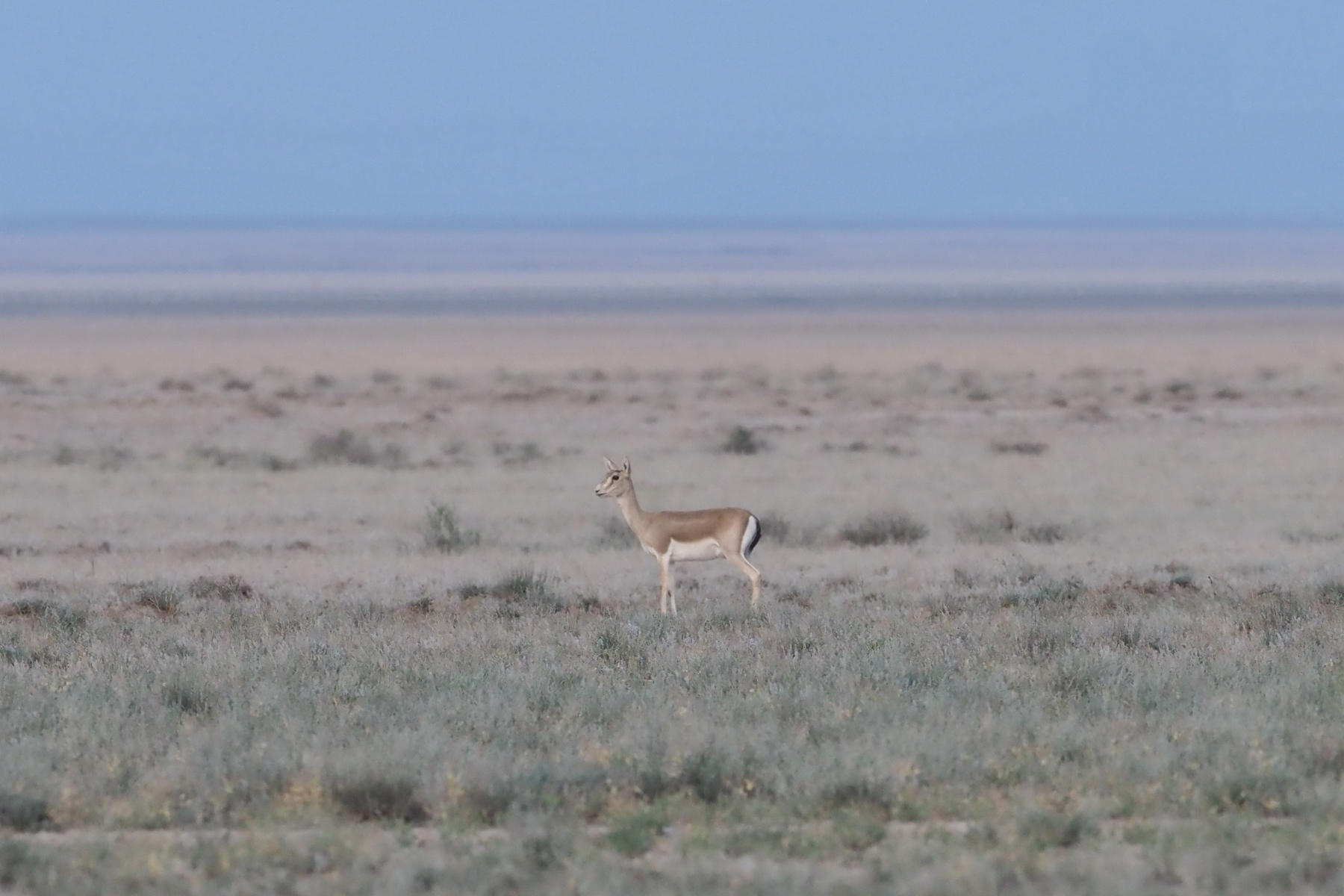
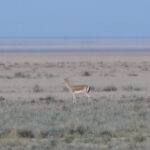
Goitered Gazelle (image by Mark Van Beirs)
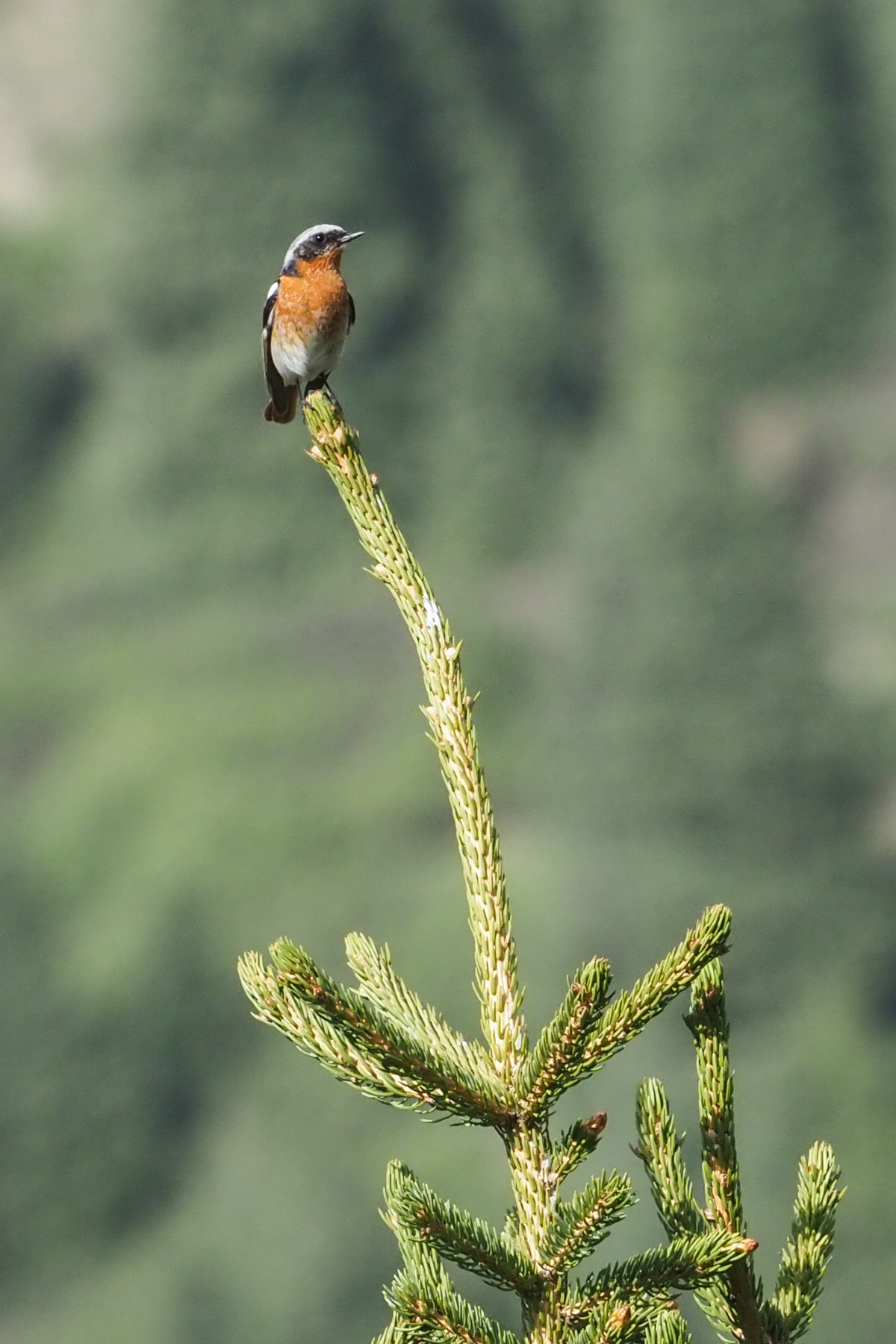
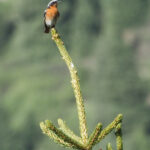
Eversmann's Redstart (image by Mark Van Beirs)
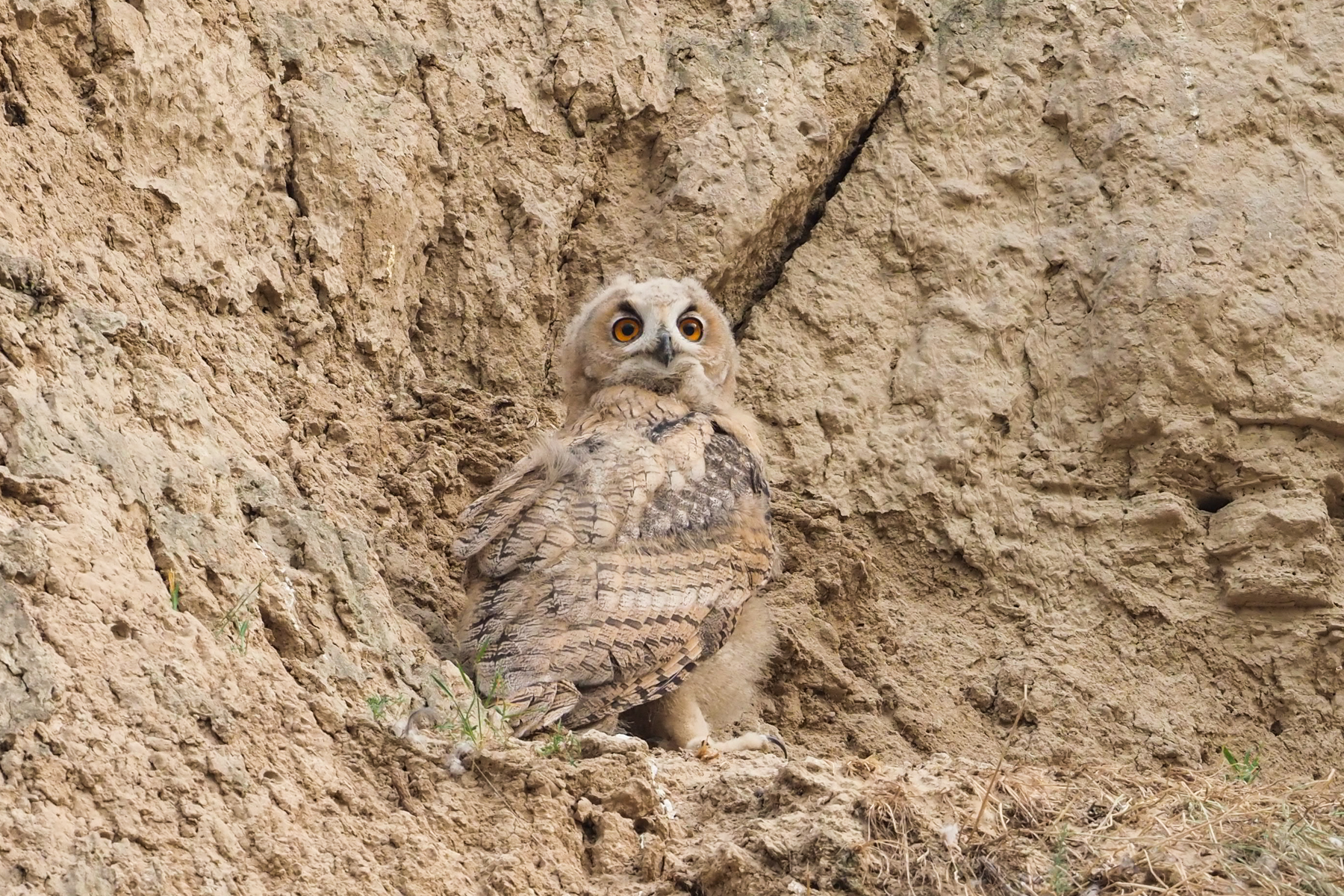
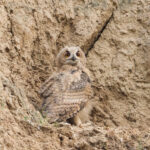
Eurasian Eagle Owl (image by Mark Van Beirs)
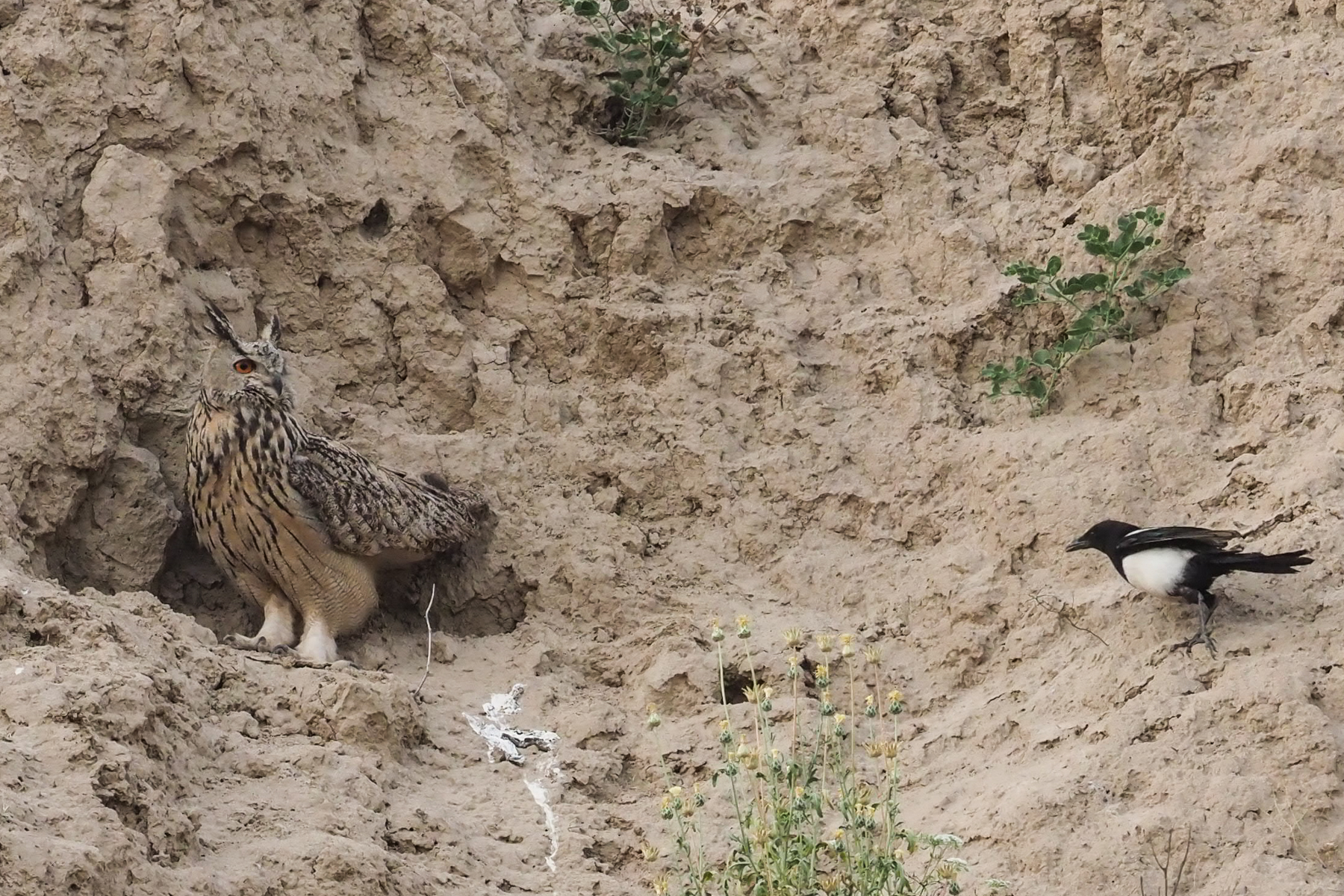
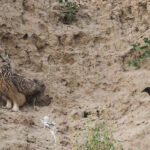
Eurasian Eagle Owl (image by Mark Van Beirs)
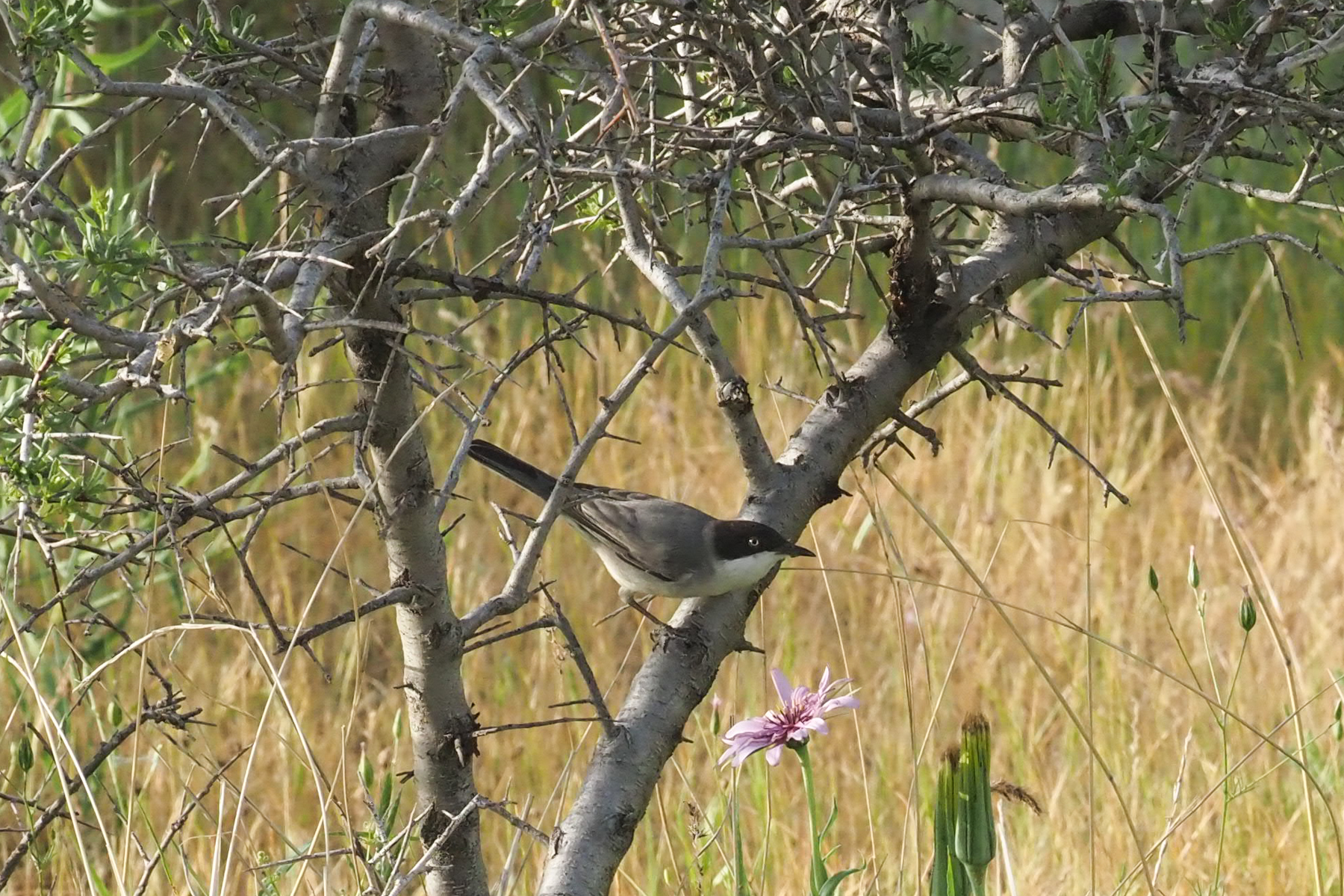
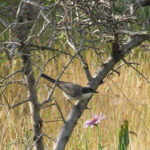
Eastern Orphean Warbler (image by Mark Van Beirs)
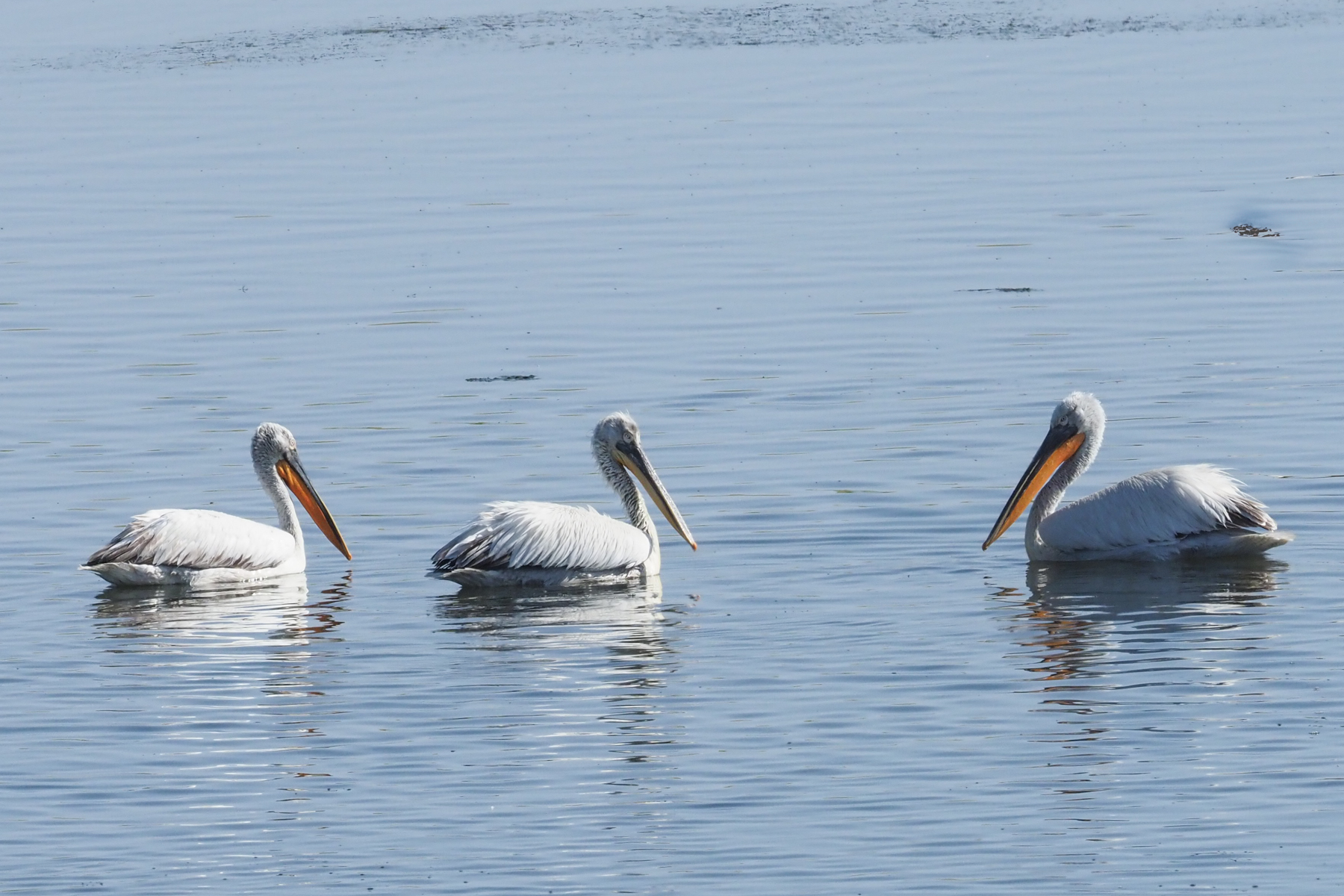
Dalmatian Pelican (image by Mark Van Beirs)
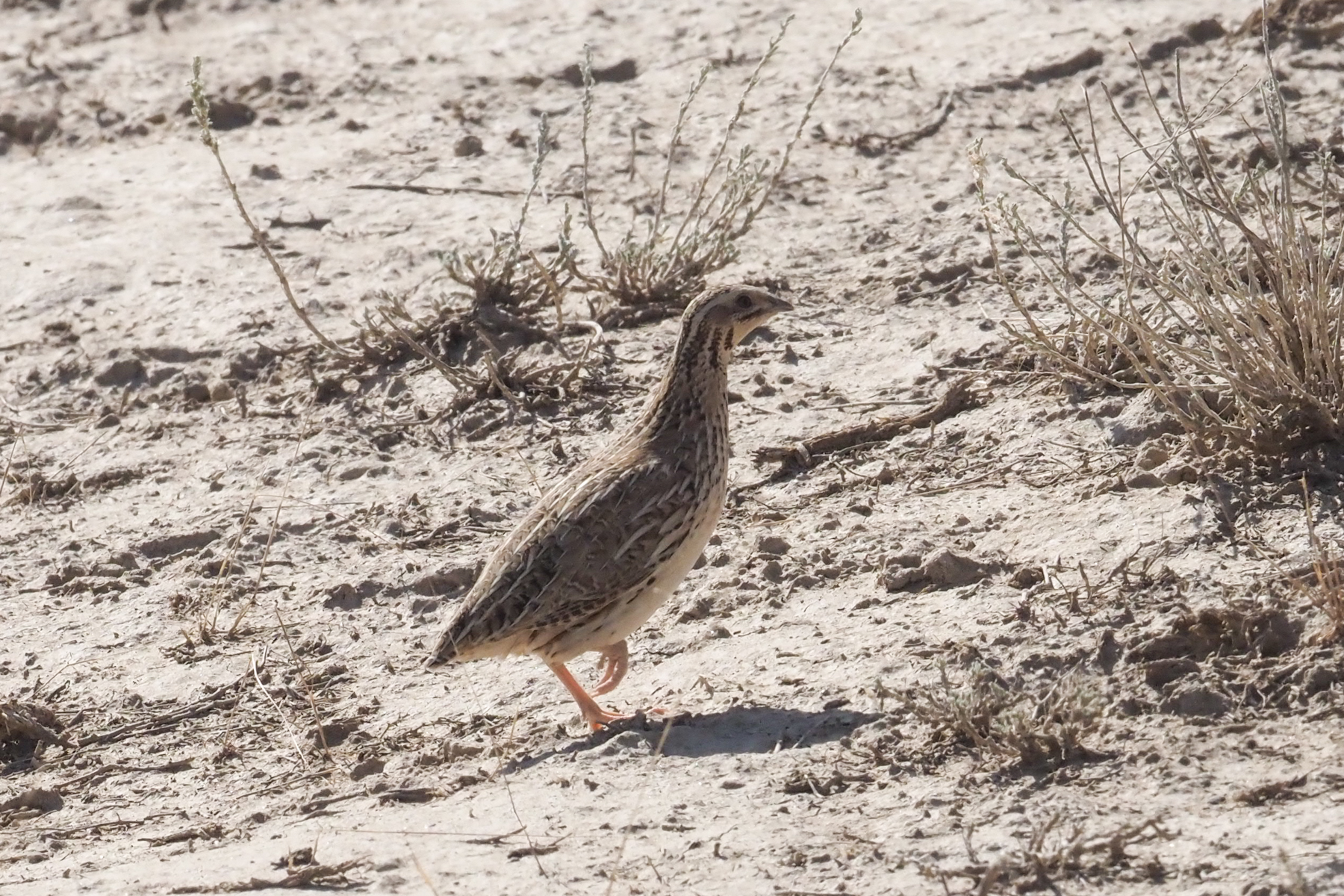
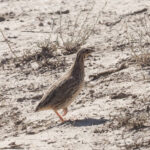
Common Quail (image by Mark Van Beirs)
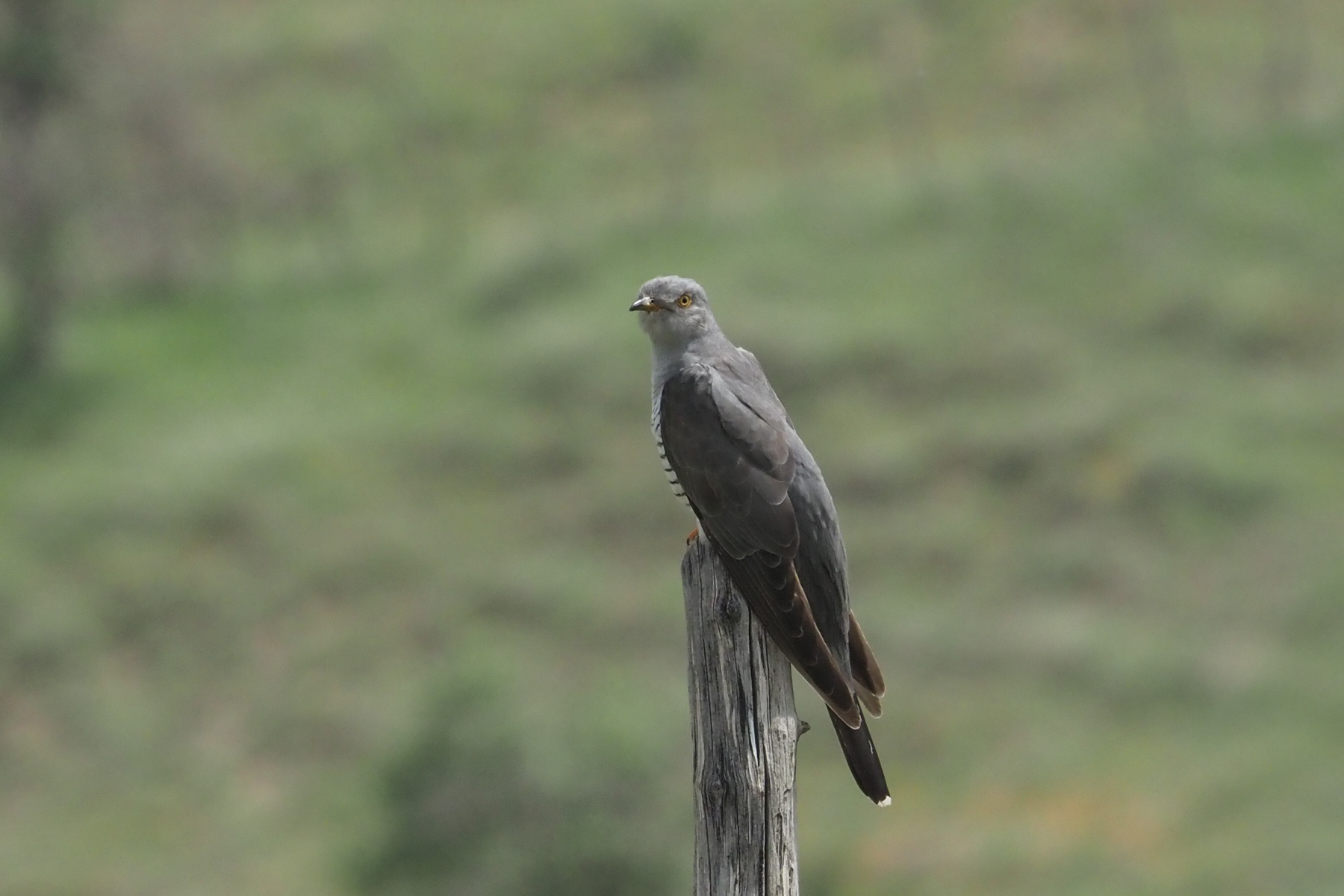
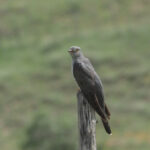
Common Cuckoo (image by Mark Van Beirs)
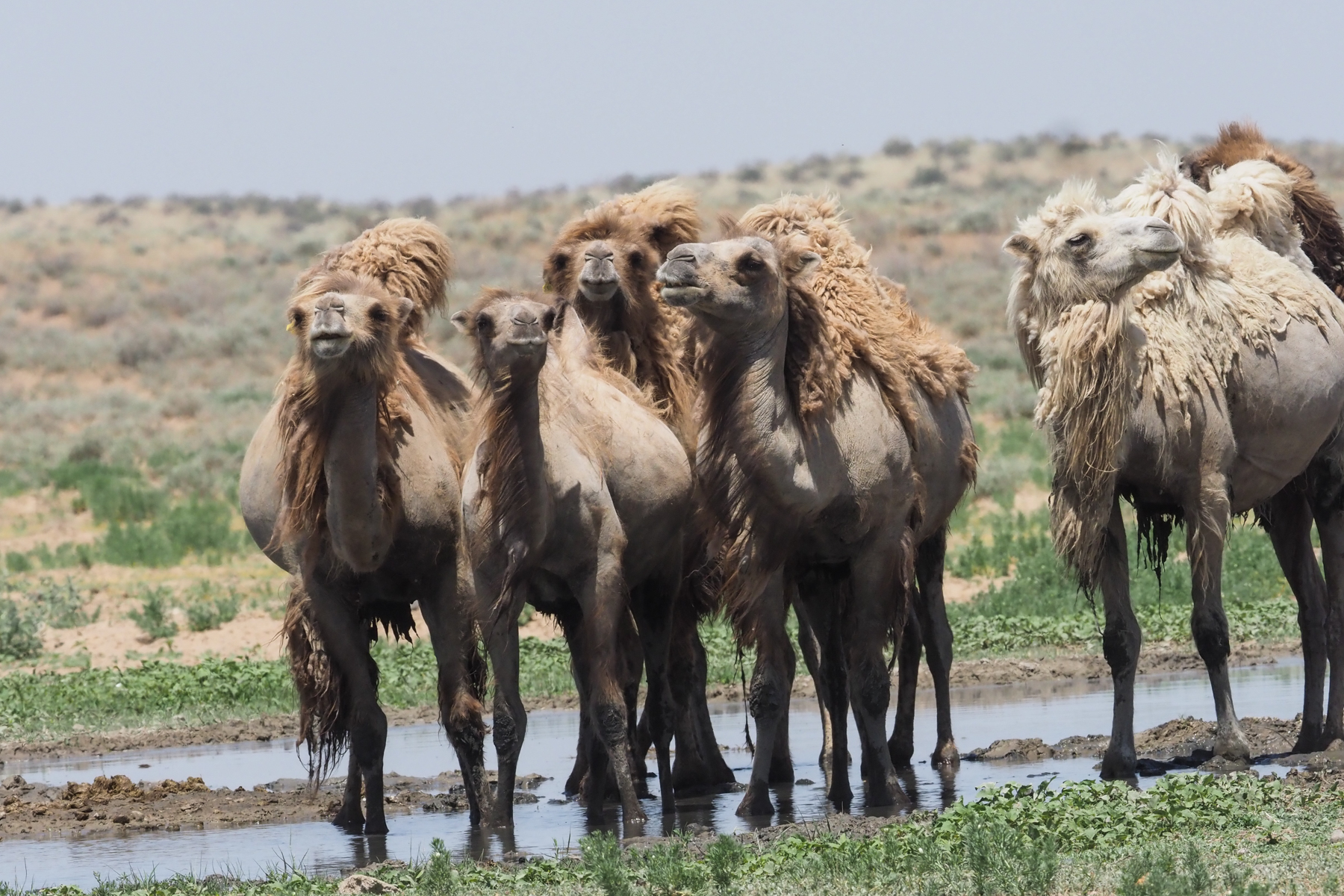
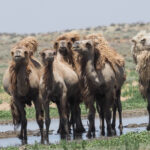
Camels (image by Mark Van Beirs)
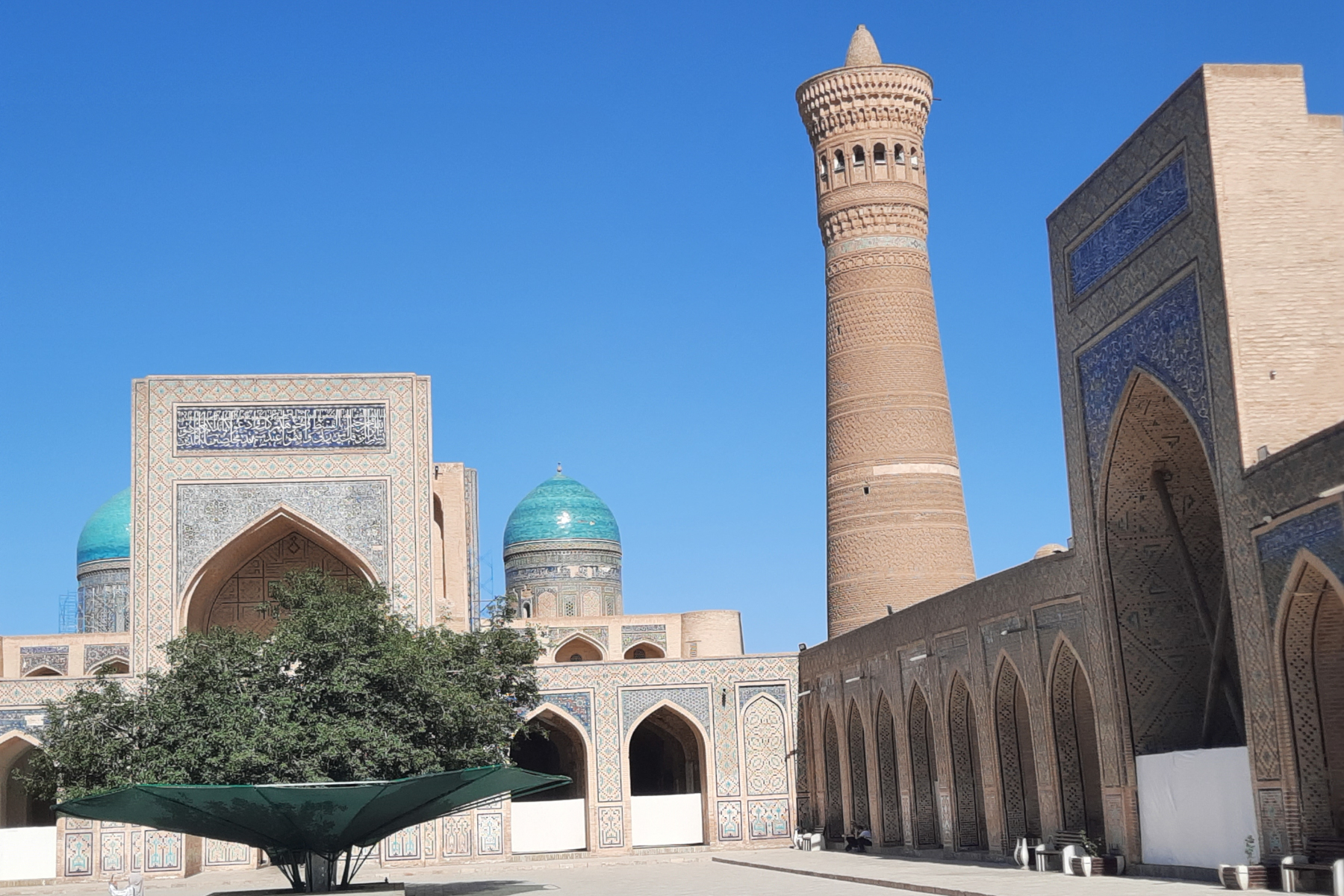
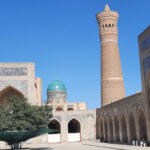
Buchara (image by Mark Van Beirs)
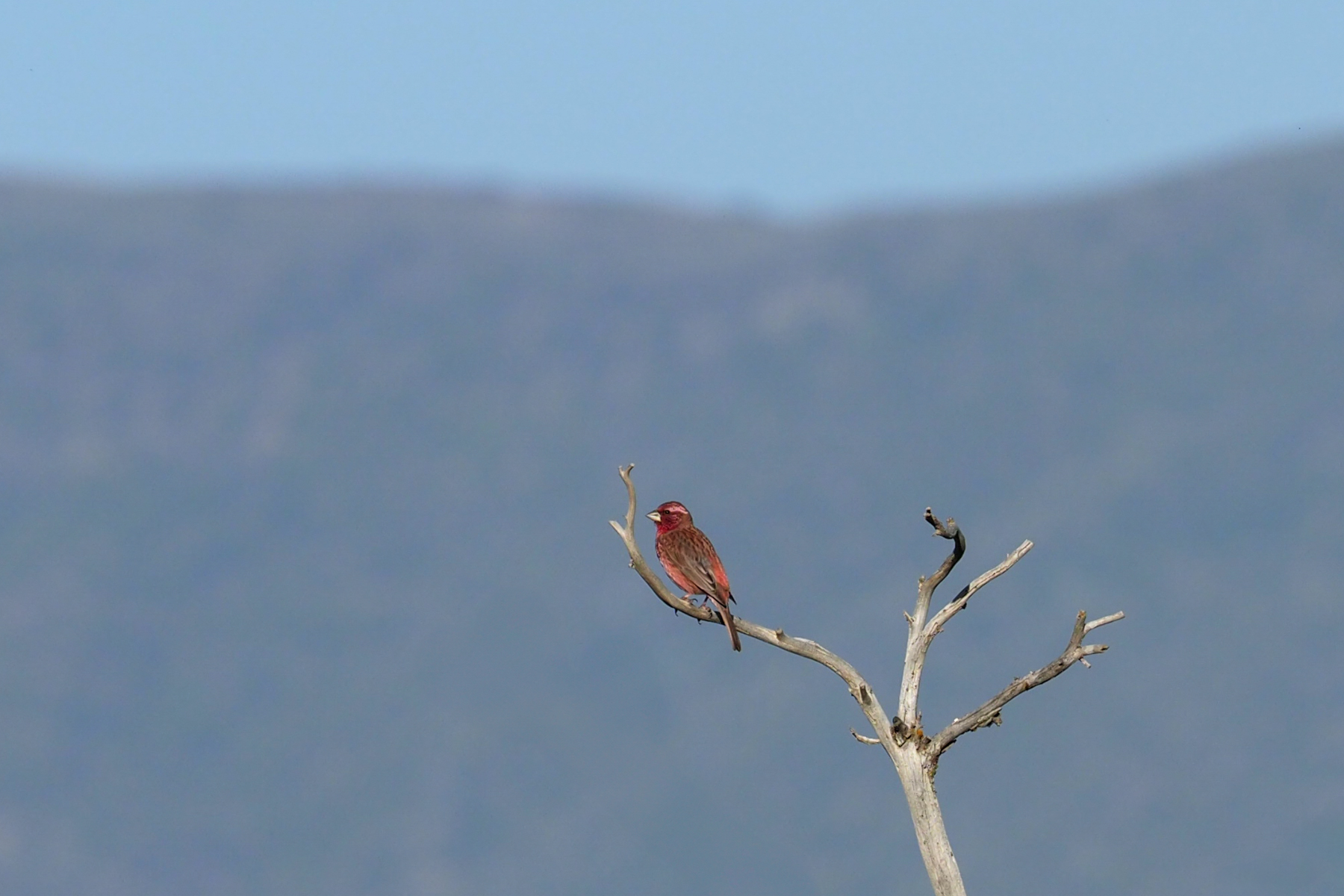
Blyth's Rosefinch (image by Mark Van Beirs)
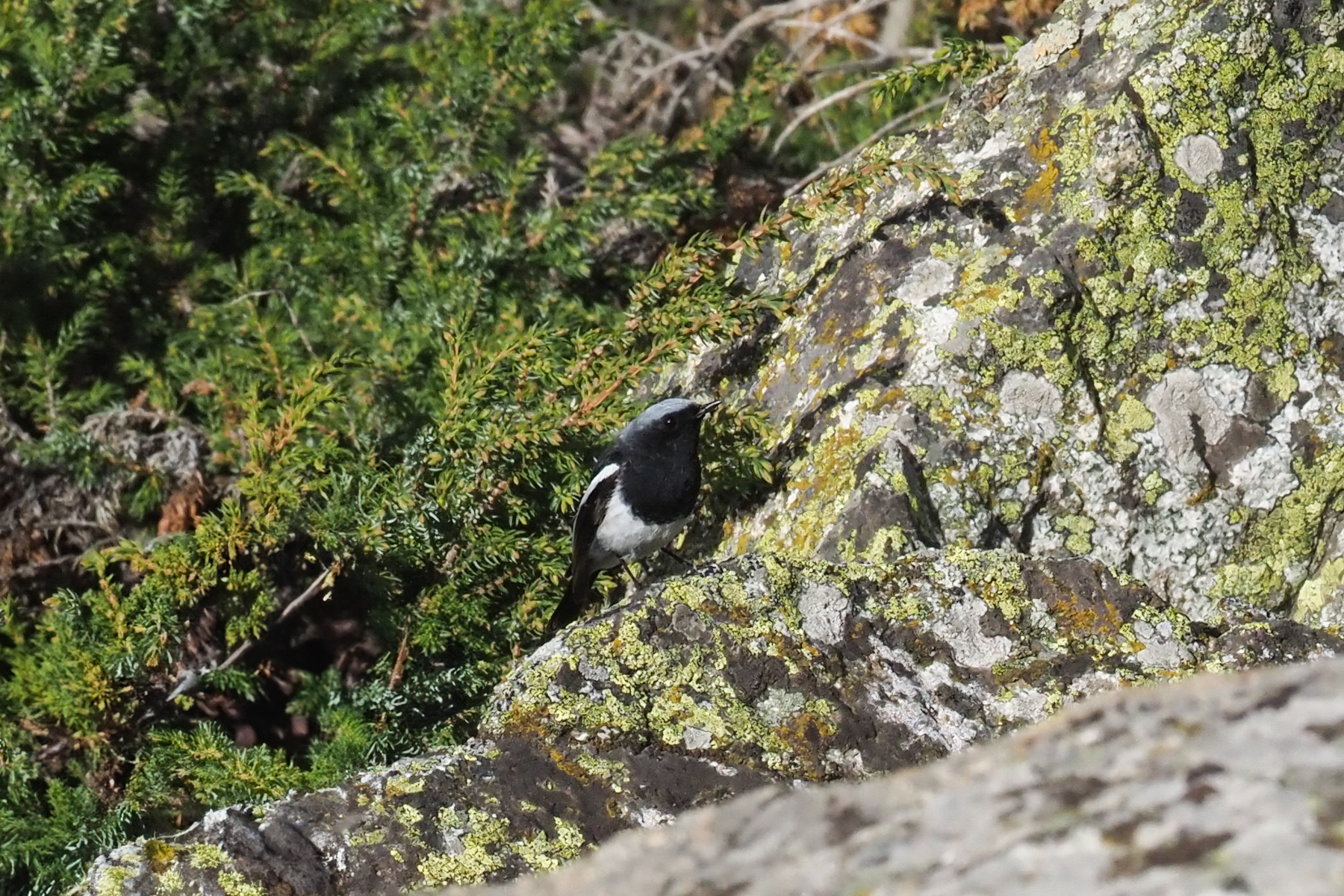
Blue-capped Redstart (image by Mark Van Beirs)
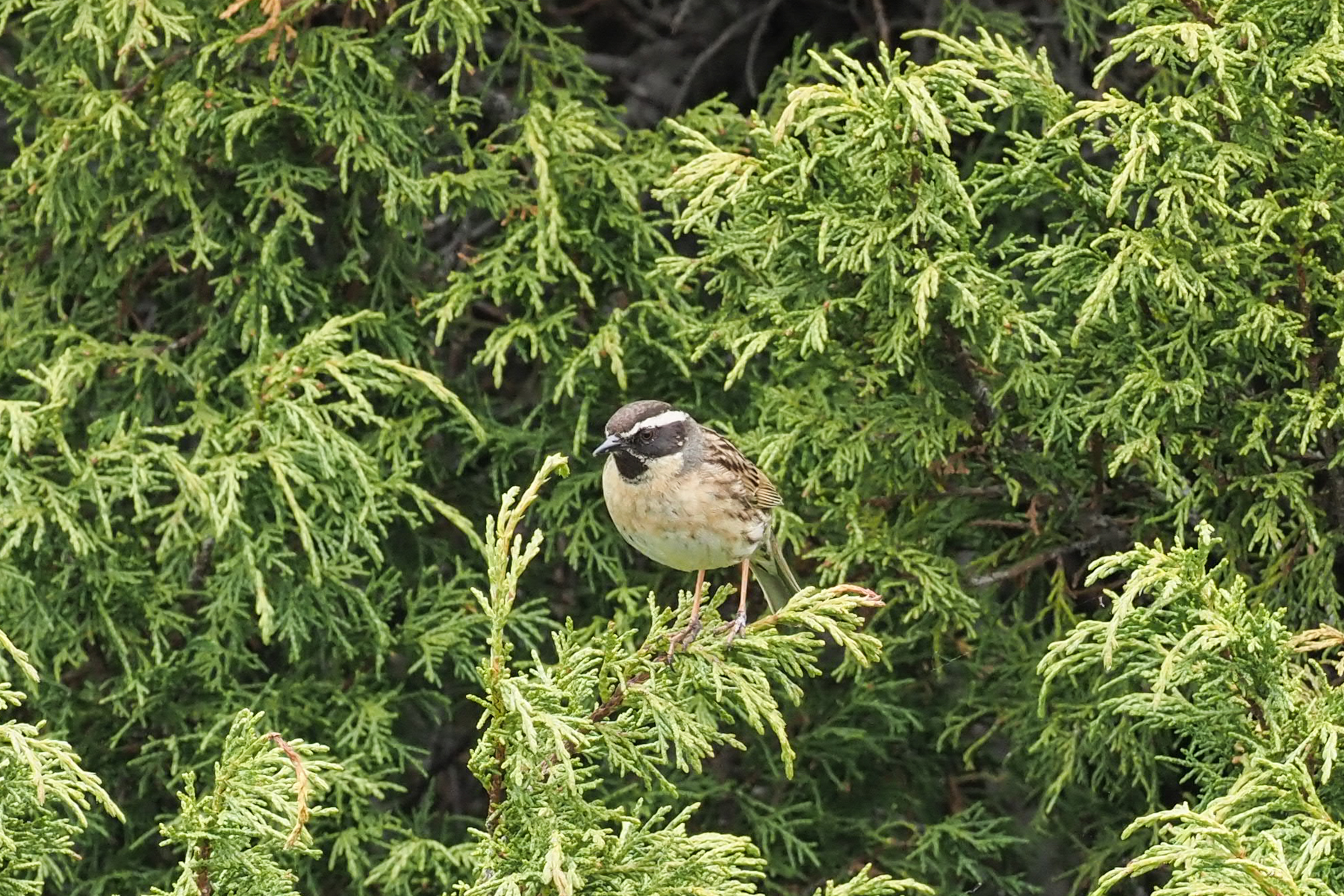
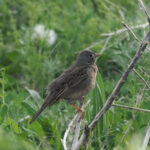
Black-throated Accentor (image by Mark Van Beirs)
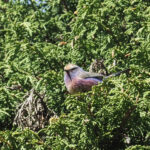
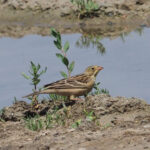
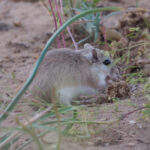
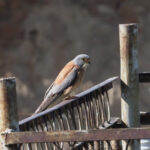
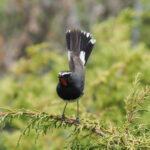
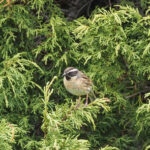


White-crowned Penduline Tit (image by Xueping & Stephan Popp)
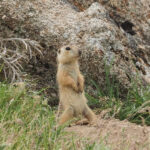
Yellow Ground Squirrel (image by Mark Van Beirs)
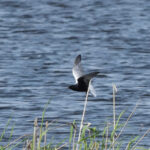
White-winged Tern (image by Mark Van Beirs)
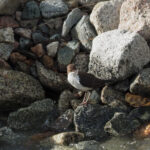
White-throated Dipper subsp leucogaster (image by Mark Van Beirs)
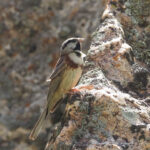
White-capped Bunting (image by Mark Van Beirs)
White-browed Tit-warbler (image by Mark Van Beirs)
The Tien Shan (image by Mark Van Beirs)
Short-eared Owl (image by Mark Van Beirs)
Secret Toad-headed Agama (image by Mark Van Beirs)
Rufous-tailed Scrub Robin (image by Mark Van Beirs)
Rosy Starling (image by Mark Van Beirs)
Red-tailed Shrike (image by Mark Van Beirs)
Red-necked Phalarope (image by Mark Van Beirs)
Red-headed Bunting (image by Mark Van Beirs)
Red-footed Falcon (image by Mark Van Beirs)
Pallid Scops Owl (image by Xueping & Stephan Popp)
Pallas's Gull (image by Mark Van Beirs)
Ortolan Bunting (image by Mark Van Beirs)
Lybian Jird (image by Mark Van Beirs)
Lesser Kestrel (image by Mark Van Beirs)
Himalayan Rubythroat (image by Mark Van Beirs)
Güldenstädt's Redstart (image by Mark Van Beirs)
Grey-necked Bunting (image by Mark Van Beirs)
Grey Marmot (image by Mark Van Beirs)
Great White and Dalmatian Pelicans (image by Mark Van Beirs)
Goitered Gazelle (image by Mark Van Beirs)
Eversmann's Redstart (image by Mark Van Beirs)
Eurasian Eagle Owl (image by Mark Van Beirs)
Eurasian Eagle Owl (image by Mark Van Beirs)
Eastern Orphean Warbler (image by Mark Van Beirs)
Dalmatian Pelican (image by Mark Van Beirs)
Common Quail (image by Mark Van Beirs)
Common Cuckoo (image by Mark Van Beirs)
Camels (image by Mark Van Beirs)
Buchara (image by Mark Van Beirs)
Blyth's Rosefinch (image by Mark Van Beirs)
Blue-capped Redstart (image by Mark Van Beirs)
Black-throated Accentor (image by Mark Van Beirs)


CENTRAL ASIA TOUR REPORT 2025

6 - 22 May 2025
Mark Van Beirs
Spring in the Palearctic is a joyous time for birding and that is exactly what our tour to Uzbekistan, Turkmenistan and Kazakhstan was all about. Most of the birds we encountered were in spring mood (song) or in luxuriant breeding plumage. We visited a variety of habitats, including deserts, semi deserts, steppe, marshes and lakes, shrubby hills and towering, snow-capped mountains. The highlights of our visit were the cracking Turkestan (or Pander’s) Ground Jay, which we were able to observe doing its thing on the barchan dunes of the Repetek Reserve in Turkmenistan, the fabulous Himalayan Rubythroat, that sat singing only meters away on a juniper bush high in the Tienshan showing off its bright scarlet throat, and the lovely Caspian Plover of which we found a family with chicks after a fair amount of searching in the Taukum desert of Kazakhstan. Other mega birds were Marbled Duck, Red-crested Pochard, Ferruginous Duck, White-headed Duck, Himalayan Snowcock, Common Quail, Asian Houbara, Pallas’s and Black-bellied Sandgrouse, Yellow-eyed Pigeon, Demoiselle Crane, Slavonian and Red-necked Grebes, Ibisbill, Sociable and White-tailed Lapwings, Red-necked Phalarope, displaying Ruff in breeding attire, Black-winged Pratincole, White-winged Tern, Pallas’s Gull, Great White and Dalmatian Pelicans, Bearded Vulture, Pallid and Montagu’s Harriers, Eurasian Eagle Owl, Pallid Scops Owl, White-winged Woodpecker, Red-footed Ralcon, Rufous-naped Tit, Yellow-breasted (Azure) Tit, White-winged and Black Larks, Streaked Scrub Warbler, White-browed Tit-warbler, Booted and Sykes’s Warblers, Upcher’s and Asian Desert Warblers, Rosy Starling, Eversmann’s, Blue-capped and Güldenstädt’s Redstarts, Finsch’s Wheatear, Saxaul Sparrow, Black-throated, Altai and Brown Accentors, White-winged Grosbeak, Blyth’s Rosefinch and Pine, White-capped, Grey-necked, Ortolan, Meadow and Red-headed Buntings. Mammals were not very obvious on this tour, but the ten frolicking cubs of Red Fox, Goitered Gazelle, Grey and Bobak Marmots and a cute Lybian Jird were good fun.
The modern capital of Uzbekistan, Tashkent, was the starting point of our tour of Central Asia. We met our local guide, driver and agent and soon we were on our way south towards the border with Tadjikistan. The drive first took us through agricultural fields where only Common Mynas survived. When we got closer to the famous Syrdarya River (the Jaxartes of the ancients), we started to see the monumental nests of White Storks. Some electricity pylons held up to five nests and most of them held fairly large chicks already. The nests were also occupied by dozens of House Sparrows (of the distinctive, very clean-looking, migratory Indian form). Common Sandpiper, Common Tern and Black-crowned Night Heron were also about. We soon started to see more fallow areas, where we picked up beauties like European Bee-eater, Eurasian Hoopoe, European Roller, Crested Lark and Yellow Ground Squirrel. We made a couple of stops in the foothills, where Bearded Vulture, Golden Eagle, Shikra, Eurasian Hobby, Indian Paradise Flycatcher, Great Tit (of the bokharensis form) and Red-headed Bunting showed. We entered the famous, very scenic Zaamin National Park and first checked into our nice hotel. In the afternoon we explored the juniper-covered, grassy slopes with snow-covered mountains as a spectacular background. Goodies here included Indian Golden Oriole, the localized Rufous-naped Tit, the lovely Yellow-breasted race of Azure Tit, Hume’s Lesser Whitethroat, Blue-capped Redstart and White-winged Grosbeak, while more widespread species included Booted Eagle (both morphs), Mistle Thrush, White Wagtail (of the Masked form) and Rock Bunting.
A pre breakfast walk in the surroundings of the hotel was fairly quiet, but the open juniper woodland did provide us with several interesting species. Best of all was a party of Blyth’s Rosefinches that showed very well in the scope. Both males and females of this restricted-range species performed beautifully. We also encountered Hume’s Leaf Warbler and a Tolai Hare. After breakfast we visited a nearby river valley where Chukar Partridge, Blue Whistling Thrush, Siberian Stonechat, Brown Dipper and Grey-crowned Goldfinch showed well. A couple of Egyptian Vultures circled in the distance. The drive to Samarkand was quite unremarkable, except for the many European Rollers perched along the roadside and a single Oriental Turtle Dove. Upon arrival in Samarkand we first checked into our hotel and in the late afternoon visited the extraordinary Registan Square, one of the most beautiful UNESCO World Heritage Sites about. Dozens of screaming Alpine Swifts added to the unique atmosphere. While walking to a nearby madrassah we found an occupied nest of Shikra.
Our full day in the lush hills of the Zeravshan range was pure joy. The pre breakfast walk in hills covered in patches of boulders interspersed with copses of hawthorn and other spiny bushes yielded a marvelous variety of goodies. Every other bush held a Red-tailed Shrike or a Red-headed Bunting, while inside the bushes we found Eastern Olivaceous, Upcher’s and Eastern Orphean Warblers. Eastern Rock Nuthatches sat up on the boulders and we also observed European Red-rumped Swallow, Common (Siberian) Chiffchaff, Greenish Warbler and Spotted Flycatcher. The more open areas near the pass gave us good looks at five species of vulture (Bearded, Egyptian, Himalayan, Griffon and Cinereous), a very obliging Common Cuckoo, Black Stork, Hume’s Short-toed Lark, Blue Rock Thrush, Rock Sparrow, Tawny Pipit and Ortolan Bunting. On the boulders we discovered Turkestan Thin-toed Geckos and a Turkestan Rock Agama. A patch of woodland in a secluded valley added Common Nightingale, White-winged Woodpecker, a male Brambling in breeding attire and European Greenfinch to the tally. Lower down, in an arid area dotted with large boulders several Finsch’s Wheatears obliged, next to a smart Long-legged Buzzard. In late afternoon our local guide took us to a cliff face at the edge of Samarkand where we soon managed to scope an adult and three well grown fledgling Eurasian Eagle Owls. These impressive creatures sure showed off. A bit later a cute Pallid Scops Owl was shown to us by a helpful other birding company. Our third species of owl here was a lovely Little Owl that inhabited a hole in the rock face. Later, while walking to the restaurant in the middle of Samarkand a European Nightjar floated past… a terrific day it had been!!
We managed to sleep in a bit the next morning, as the semi-fast train to Buchara only left in mid-morning. After a scrumptious lunch we walked around the historic center of this famous city and admired the madrassahs, the mosques, the bazaars and the beautiful minaret. In the late afternoon we visited a reed-lined canal near town, where we added quite a few birds to the list. Lanky White-tailed Lapwings were really obvious and we even noted a nest of this fine wader. Several Marbled Duck played a bit hard to get and a Sykes’s Warbler was singing, but didn’t really want to show. A great selection of waders included Black-winged Stilt, Kentish Plover, Common, Green and Wood Sandpipers and Temminck’s and Little Stints. We also found Ruddy Shelduck, Red-crested Pochard, Collared Pratincole, Little and Whiskered Terns, Pygmy Cormorant, Purple Heron, Eurasian Hoopoe, Common Kingfisher, a singing Oriental Skylark, an all too brief Streaked Scrub Warbler, Clamorous Reed Warbler, Rufous-tailed Scrub Robin, a female Bluethroat and several Black-headed Yellow Wagtails. Later, we enjoyed the marvelous evening atmosphere of downtown Buchara while walking to and fro our restaurant.
The morning in the tamarisk and reed scrub around the Jeiran Ecocenter near Buchara finally produced excellent looks at Menetries’s and Sykes’s Warblers. A cracking Rufous-tailed Scrub Robin also performed splendidly. Several Common Pheasants also showed well as did Marbled Duck, White-tailed Lapwing, Slender-billed Gull, Pygmy Cormorant and Common Reed Warbler. There were quite a few Goitered Gazelles and Tolai Hares about. We then proceeded to the Turkmenistan border accompanied by Glossy Ibises and Pied Bush Chats. The crossing was a rather tedious affair with suspicious border guards, a bit of shouting and pushing, and lots of waiting. After two hours we finally made it to our comfortable bus which took us to a fine hotel in the town of Turkmenabat. Here we explored the magnificent desert on the outskirts of the famous Repetek Reserve and were rewarded with cracking views at magnificent Turkestan Ground Jays. Several exquisite adults and recently fledged birds showed very well at close range. We waited till dusk for things to happen, but no nightbirds were moving. We did add two reptiles to the list, Common Wander Gecko and Reticulated Racerunner.
We visited the Repetek Reserve again the next morning and picked up more characterful Turkestan Ground Jays as they were running along the slopes of the impressive barchan dunes. Our main target was the extremely rare and very little known Zarudny’s Sparrow, which we searched for in an area of the park where we had obtained brilliant sightings in the past. We explored the surroundings and waited at an artificial waterhole, but to no avail. A Steppe Grey Shrike and Streaked Scrub Warbler were seen and we did get excellent looks at several Saxaul Sparrows that came in to drink. Several new reptiles were added to the tally: Liechtenstein’s and Sacred Toad-headed Agamas and a Caspian Monitor Lizard. We left the scenic reserve of Repetek and returned to Uzbekistan. The border crossing went smoothly this time and we enjoyed an excellent dinner with a nocturnal view over the famous minaret of Buchara.
The ”fast” train to Tashkent left in the middle of the night, but luckily we managed to catch a bit of sleep. Upon arrival we enjoyed a good breakfast at a local hotel, after which most of us went birding at a lake south of the city of Tashkent. We explored several venues along the marshy shoreline and saw a nice selection of interesting species. Caspian Gulls were scoped and amongst them we found a single Pallas’s Gull. Other new birds for the tour included Gadwall, Mallard, Common Pochard, Eurasian Coot, Great Crested Grebe, Black Tern (always a joy to observe), Little Egret, White-crowned Penduline Tit and Western House Martin. We also obtained good looks at Purple Heron, Shikra, European Red-rumped Swallow and Blyth’s Reed Warbler (these migrants were singing everywhere). In the afternoon we returned to Tashkent, had a fine dinner and in the evening we took a flight to Almaty, the largest city of Kazakhstan.
The Kazakhstan part of the tour started with a full day exploring the rocky gorges, the endless steppe and the grassy foothills of the Tienshan mountains to the east of Almaty. We made many short stops and saw a splendid variety of goodies. An Upland Buzzard was a bit of a surprise, but our local guide assured us there have been several observations in this area, here at the extreme western end of their area of distribution. We had a very enjoyable time observing the antics at a Lesser Kestrel colony situated at a local cemetery; the eye-ball to eye-ball views were exquisite. A pair of White-crowned Penduline Tits showed off in willow habitat along a ditch, Northern, Isabelline, Desert and Pied Wheatears were encountered and we also observed very cooperative White-capped and Grey-necked Buntings. More widespread new birds for the trip were Black Kite, Horned Lark, Common Whitethroat, Common Rock Thrush, Common Linnet and Corn Bunting. In the early evening we retraced our steps to Almaty.
Our first day in the higher reaches of the Tienshan mountains was a very enjoyable affair. We managed to drive up to 3,300m and birded the alpine meadows, the rocky crags and the snow-covered upper slopes. There was very little snow cover this spring, which made it more difficult to find the real altitude species. We connected with jewels like Merlin (of the distinctive montane race lymani), Red-billed and Alpine Choughs, a pair of smashing Güldenstädt’s Redstarts, Brown Accentor, Tree and Water Pipits, Plain Mountain Finches and fair numbers of cute Grey Marmots. Sadly, the Himalayan Snowcocks remained only voices, although we really scanned. Lower down, in the juniper scrub we admired an adorable female White-browed Tit-Warbler, a cracking Himalayan Rubythroat, gorgeous Eversmann’s Redstarts, Black-throated Accentor and White-winged Grosbeaks.
Another day in the fabulous Tienshan mountains gave us quite a few extras. We visited a different valley along the shore of a lake, where we very quickly located three marvelous Ibisbills. They were a bit distant, but the views were not bad at all, as they were feeding in the open along the muddy shoreline. This special wader is a much-wanted bird, as it is the only member of its family and looks unique indeed. While walking along the edge of the spruce forest and amongst the patches of juniper scrub we picked up jewels like White-browed Tit-warbler, Sulphur-bellied Warbler, Blue-capped Redstart, Red-mantled Rosefinch and Red-fronted Serin. We also heard an Eurasian Three-toed Woodpecker. Himalayan Snowcocks were calling not too high above us, and we soon managed to scope this much wanted species. After a bit of strategic moving, we got excellent views of a couple of birds as they were foraging along the ridge. Suddenly one of the birds walked into cover in a crouching way and a few seconds later a Golden Eagle flushed our bird, which then flew a considerable distance along the mountain. The eagle tried, but the snowcock was too fast. Quite a spectacle!! After this great start we returned to the highest driveable area, as we were still missing Altai Accentor. We wandered about the suitable habitat and eventually managed to scope this unobtrusive inhabitant of alpine meadows. After our picnic lunch we birded the spruce forest at lower levels. It was quiet in the heat of the day, but we still observed Coal Tit, lots and lots of Hume’s Leaf Warblers, Goldcrest and a lovely White-throated Dipper (of the distinctive race leucogaster).
The following morning we made our way towards Lake Sorbulak, stopping at lakes, stretches of beautiful steppe and wetlands en route. Here we picked up a nice selection of waterfowl, which included Mute Swan (real wild ones), lots of Ruddy Shelduck, Garganey, Northern Shoveler, Eurasian Wigeon, many Red-crested Pochards, Tufted Duck, lovely Ferruginous Ducks, a single Goldeneye and several smart drake White-headed Ducks. A nice variety of waders included Eurasian Oystercatcher, Little Ringed Plover, Northern Lapwing, Greater Sand Plover and Eurasian Whimbrel. Both Great White and Dalmatian Pelicans showed very well as they swam about or soared in the thermals and lots of Rosy Starlings could be admired at length too. We also found Black-necked Grebe, Gull-billed Tern, Little Bittern, Montagu’s Harrier and enormous numbers of Rook. We had lunch on the shore of Lake Sorbulak scoping an immature White-tailed Eagle and lots of waterbirds. Later we continued driving northwest, stopping at waterholes where we encountered a marvelous selection of larks, which could often be compared directly: Crested, Greater Short-toed, Bimaculated, Calandra and Turkestan Short-toed all performed very well. We also noted Black-bellied Sandgrouse, Red-backed Shrike, Spanish Sparrow, Ortolan Bunting and a Red-throated Pipit. In late afternoon we were welcomed at our tented camp in the Taukum desert. A short nightwalk gave us several Common Thin-toed Wander Geckos.
In the early morning hours we concentrated on trying to find the much-wanted Caspian Plover, but only Greater Sand Plovers were seen. A nice male Asian Houbara lifted our spirits, as did a very obliging male Common Quail. Brown-necked Raven, Desert Lesser Whitethroat, Corsac and Red Foxes and a cute Lybian Jird were also about. The mid-morning heat became quite oppressive, so we patrolled a number of waterholes where we had a great time observing European and Oriental Turtle Doves, a Grey Plover, lots of Temminck’s Stints, Lesser Grey Shrike, Bluethroat, Grey-headed, Black-headed and Sykes’s Yellow Wagtails and lots of Red-headed Buntings. Once the heat had abated a bit we resumed our search for our quarry and eventually found several very smart Caspian Plovers in a stretch of greener steppe-like vegetation. Two males, a female and four quite well grown chicks could be admired at length. Great stuff!! In the middle of the night a rather sudden storm blew a couple of our tents down, so several participants spent a rather uncomfortable, but safe night in the bus.
Next morning, the wind was still blowing strongly. A short stay at a nearby waterhole finally gave us a pair of Pallas’s Sandgrouse (fly by) and we also observed Desert Finch and both races of Citrine Wagtail. We then packed up and drove through a nice stretch of semi-desert, where an Asian Desert Warbler obliged. Reed-lined canals and patched of gnarled elms didn’t add any small birds as the wind kept them in hiding, but we did see Short-toed Snake Eagle, White-winged Woodpecker, Saxaul Sparrow and Horsfield’s Tortoise. The open Turanga woodland gave us several Yellow-eyed Pigeons, but only in flight as the crowns of the trees were in continuous motion, so the birds were unable to sit up. In the afternoon we returned to Almaty for a serious clean up.
A morning flight took us north to the capital Astana (ex Tselinograd) and upon arrival we took straight to the field. We explored an area of lakes, marshes and steppe not too far to the southwest of the city. Waterfowl were very well represented and Greylag Goose, Whooper Swan, Northern Pintail and Eurasian Teal were all additions to the list. We encountered several pairs of elegant Demoiselle Cranes and several smart Horned Grebes could be admired on a reed-lined lake. We were able to study waders along the shallow shoreline of several bodies of water. Highlights included a party of 124 Grey Plovers in magnificent breeding attire, good numbers of exquisitely plumaged Spotted Redshanks and several parties of displaying Ruff in a variety of colours. Avocet, Common Ringed Plover, Bar-tailed and Black-tailed Godwits, Terek and Marsh Sandpipers, Common Redshank, Curlew Sandpiper and Dunlin were also observed, whilst several Black-winged Pratincoles showed all too briefly. Steppe Gulls (Lesser Black-backed Gulls of the form barabensis) were decidedly common and several extremely beautiful Pallid Harriers were seen quartering close by and a gorgeous White-winged Lark posed nicely for us. Other new birds for the trip included Hooded Crow, Eurasian Skylark, Paddyfield Warbler, Savi’s Warbler and Common Reed Bunting and Bobak Marmots were guarding their burrows in the steppe. In the late afternoon we returned to Astana and its modern, rather extravagant architecture.
The following day we explored the steppe and lakes far to the west of Astana and got rewarded with excellent observations of several rare or localized birds. Top of the bill were the five Sociable Lapwings that we managed to see fairly close by using our sturdy bus as a moving hide where we obtained excellent scope views of this much wanted wader. This attractive species has become decidedly rare, mainly due to problems on their wintering grounds. Several pairs of gorgeous Demoiselle Cranes performed well and a few hundred Red-necked Phalaropes showed at close range. Lots of dainty White-winged Terns were dancing over several of the steppe lakes and one of the lakes held a marvelous colony of Pallas’s Gulls and although distant, one could make out the large young amongst the truly impressive adults. About a dozen Short-eared Owls accompanied us on our journey today and they were regularly seen in their peculiar exaggerated display flight… pure magic. Good numbers of lovely Red-footed Falcons showed well around the windbreaks along the road, but in the real steppe were White-winged Larks and large numbers of impressive Black Larks. Other new birds for the tour included Red-necked Grebe, Greater Flamingo, Caspian Tern, Common Gull, Common Buzzard and Cetti’s Warbler. The mammal highlight of the day were the ten Fox cubs that we saw frolicking about on a mound in the middle of the steppe in the early morning sun.
On the final day of the tour we tried to fill in some gaps in the list. A visit to a river valley east of the city gave us excellent looks at several glorious Pine Buntings, an exquisite, very well behaved male Bluethroat (of the red starred race), several Booted Warblers, Fieldfares, and European Hare and Weasel. A cherry orchard provided us with fantastic sightings of several marvelous Red-footed Falcons, a brief Merlin (of the pale pallidus race) and for some, a Long-eared Owl. A return to a reed-lined lake southwest of Astana gave us Paddyfield Warbler and Bearded Reedling. We had our picnic in a bushy river valley, where we found another Long-eared Owl that posed beautifully on an old crow’s nest… and so ended our Central Asian adventure.
BIRDS OF THE TOUR
1st: Turkestan Ground Jay
2nd: Himalayan Rubythroat
3rd: Caspian Plover
4th: Pallas’s Gull, Red-footed Falcon & Red-necked Phalarope
SYSTEMATIC LIST OF SPECIES RECORDED DURING THE TOUR
Species marked with the diamond symbol (◊) are either endemic to the country or local region or considered ‘special’ birds for some other reason (e.g., it is only seen on one or two Birdquest tours; it is difficult to see across all or most of its range; the local form is endemic or restricted-range and may in future be treated as a full species).
The species names and taxonomy used in the bird list follow Gill, F., Donsker, D., & Rasmussen, P.(Eds). 2025. IOC World Bird List (v15.1).
BIRDS
Greylag Goose Anser anser
Mute Swan Cygnus olor Good numbers of “real” ones in the steppes of northern Kazakhstan.
Whooper Swan Cygnus cygnus
Common Shelduck Tadorna tadorna
Ruddy Shelduck Tadorna ferruginea Common all over our route. We also saw the lovely ducklings.
Garganey Spatula querquedula
Northern Shoveler Spatula clypeata
Gadwall Mareca strepera
Eurasian Wigeon Mareca penelope
Mallard Anas platyrhynchos
Northern Pintail Anas acuta
Eurasian Teal Anas crecca
Marbled Duck ◊ (M Teal) Marmaronetta angustirostris Good looks in the Buchara area.
Red-crested Pochard Netta rufina Especially common on the lakes west of Almaty.
Common Pochard Aythya ferina
Ferruginous Duck Aythya nyroca Nice views near Almaty.
Tufted Duck Aythya fuligula
Common Goldeneye Bucephala clangula
White-headed Duck ◊ Oxyura leucocephala Scope views of five drake west of Almaty.
Common Pheasant Phasianus colchicus
Himalayan Snowcock ◊ Tetraogallus himalayensis It took a while, but then we were rewarded with excellent views in the Tienshan above Almaty.
Common Quail Coturnix coturnix Amazing looks at a migrant in the Taukum desert.
Chukar Partridge Alectoris chukar
European Nightjar Caprimulgus europaeus
Alpine Swift Tachymarptis melba
Common Swift Apus apus
Asian Houbara ◊ Chlamydotis macqueenii Good views of a male in the Taukum desert.
Common Cuckoo Cuculus canorus
Pallas’s Sandgrouse ◊ Syrrhaptes paradoxus Two showed all too briefly in flight in the Taukum desert.
Black-bellied Sandgrouse Pterocles orientalis Many excellent encounters in the Taukum desert.
Rock Dove Columba livia
Yellow-eyed Pigeon ◊ (Y-e Stock Dove, Pale-backed Pigeon) Columba eversmanni Because of very high winds we only saw this speciality in flight at the edge of the Taukum desert.
Common Wood Pigeon Columba palumbus
European Turtle Dove Streptopelia turtur A single bird showed very well at a waterhole in the Taukum desert.
Oriental Turtle Dove (Rufous T D) Streptopelia orientalis
Eurasian Collared Dove Streptopelia decaocto
Laughing Dove (Palm D) Spilopelia senegalensis
Common Moorhen Gallinula chloropus
Eurasian Coot (Common C) Fulica atra
Demoiselle Crane ◊ Grus virgo Regular observations in the steppe of northern Kazakhstan.
Red-necked Grebe Podiceps grisegena Scope views of a breeding plumaged bird near Astana.
Great Crested Grebe Podiceps cristatus
Horned Grebe (Slavonian G) Podiceps auritus Several in breeding attire near Astana.
Black-necked Grebe (Eared G) Podiceps nigricollis
Greater Flamingo Phoenicopterus roseus Hundreds at salt lakes in the steppes of northern Kazakhstan.
Eurasian Oystercatcher Haematopus ostralegus
Ibisbill ◊ Ibidorhyncha struthersii Three showed unusually easily in the Tienshan above Almaty.
Black-winged Stilt Himantopus himantopus
Pied Avocet Recurvirostra avosetta
Grey Plover (Black-bellied P) Pluvialis squatarola A fantastic group of 135 birds in immaculate breeding plumage near Astana.
Common Ringed Plover Charadrius hiaticula
Little Ringed Plover Charadrius dubius
Northern Lapwing Vanellus vanellus
Sociable Lapwing ◊ (S Plover) Vanellus gregarius Five birds allowed good looks on their breeding grounds in the steppe of northern Kazakhstan. It is now considered to be Critically Endangered.
White-tailed Lapwing ◊ (W-t Plover) Vanellus leucurus Several showed very well near Buchara.
Caspian Plover ◊ Anarhynchus asiaticus It took some searching, but eventually we found several in the Taukum desert, where two males, a female and four fairly large chicks obliged.
Greater Sand Plover Anarhynchus leschenaultii
Kentish Plover Anarhynchus alexandrinus
Eurasian Whimbrel Numenius phaeopus
Bar-tailed Godwit Limosa lapponica
Black-tailed Godwit Limosa limosa
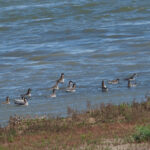
Red-necked Phalarope Phalaropus lobatus Just a few hundred were noted at lakes in northern Kazakhstan. We later heard that the thousands arrived just two days after our visit. Anyway, we obtained excellent views at close range.
Terek Sandpiper Xenus cinereus
Common Sandpiper Actitis hypoleucos
Green Sandpiper Tringa ochropus
Marsh Sandpiper Tringa stagnatilis
Wood Sandpiper Tringa glareola
Common Redshank Tringa totanus
Spotted Redshank Tringa erythropus 50+ in resplendent breeding plumage near Astana.
Common Greenshank Tringa nebularia
Ruff Calidris pugnax Marvelous to be able to admire displaying parties with a variety of different coloured males at lake edges in northern Kazakhstan.
Curlew Sandpiper Calidris ferruginea
Temminck’s Stint Calidris temminckii A common migrant at many bodies of water.
Dunlin Calidris alpina
Little Stint Calidris minuta
Black-winged Pratincole ◊ Glareola nordmanni Several nice encounters in northern Kazakhstan.
Collared Pratincole Glareola pratincola
Little Tern Sternula albifrons
Gull-billed Tern Gelochelidon nilotica
Caspian Tern Hydroprogne caspia
Whiskered Tern Chlidonias hybrida
Black Tern Chlidonias niger
White-winged Tern (W-w Black T) Chlidonias leucopterus Common at several lakes in northern Kazakhstan. So graceful.
Common Tern Sterna hirundo
Slender-billed Gull Chroicocephalus genei
Black-headed Gull Chroicocephalus ridibundus
Pallas’s Gull ◊ (Great Black-headed G) Ichthyaetus ichthyaetus A colony of several hundred pairs in northern Kazakhstan was quite a sight.
Common Gull Larus canus
Caspian Gull ◊ Larus cachinnans
Lesser Black-backed Gull ◊ (Steppe G) Larus [fuscus] barabensis
Black Stork Ciconia nigra
White Stork Ciconia ciconia
Pygmy Cormorant ◊ Microcarbo pygmaeus
Great Cormorant Phalacrocorax carbo
Glossy Ibis Plegadis falcinellus
Little Bittern Botaurus minutus
Black-crowned Night Heron Nycticorax nycticorax
Little Egret Egretta garzetta
Great Egret (Western G E) Ardea [alba] alba
Grey Heron Ardea cinerea
Purple Heron Ardea purpurea
Great White Pelican Pelecanus onocrotalus Regular at the lakes west of Almaty, often together with the next species.
Dalmatian Pelican ◊ Pelecanus crispus We saw this species both near Almaty and in northern Kazakhstan.
Bearded Vulture (Lammergeier) Gypaetus barbatus Regular sightings of this impressive species.
Egyptian Vulture Neophron percnopterus
Himalayan Vulture (H Griffon V) Gyps himalayensis
Griffon Vulture Gyps fulvus
Cinereous Vulture (Eurasian Black V) Aegypius monachus A single bird was identified east of Almaty.
Short-toed Snake Eagle (S-t Eagle) Circaetus gallicus
Booted Eagle Hieraaetus pennatus
Golden Eagle Aquila chrysaetos Several nice observations. The spectacle offered by one hunting a Himalayan Snowcock was unforgettable.
Shikra Tachyspiza badia Regular. We found several eyries.
Western Marsh Harrier Circus aeruginosus
Pallid Harrier Circus macrourus Common and so very elegant in the northern Kazakhstan steppes.
Montagu’s Harrier Circus pygargus A single female showed well at a waterhole in the Taukum desert.
Black Kite (Black-eared K) Milvus [migrans] lineatus
White-tailed Eagle Haliaeetus albicilla An immature bird interrupted our picnic lunch at the Sorbulak lake west of Almaty.
Long-legged Buzzard Buteo rufinus
Upland Buzzard Buteo hemilasius An unexpected observation in the Tienshan foothills east of Almaty.
Common Buzzard Buteo buteo
Little Owl Athene noctua
Pallid Scops Owl Otus brucei Fair looks of one in the outskirts of Samarkand, thanks to friendly rivals.
Eurasian Scops Owl Otus scops Heard-only
Long-eared Owl Asio otus Great looks near Astana.
Short-eared Owl Asio flammeus At least 12 birds were noted on our visit to the steppe west of Astana. Many of them were seen in their amazing display flight. So very, very nice!
Eurasian Eagle-Owl Bubo bubo Great looks at an adult and three large young in Samarkand. Terrific.
Eurasian Hoopoe (Common H) Upupa epops
European Roller Coracias garrulus Common and so very attractive.
Common Kingfisher Alcedo atthis
Blue-cheeked Bee-eater Merops persicus A few near Buchara.
European Bee-eater Merops apiaster
Eurasian Three-toed Woodpecker Picoides tridactylus Heard-only.
White-winged Woodpecker ◊ Dendrocopos leucopterus A few observations of this Central Asian speciality.
Great Spotted Woodpecker Dendrocopos major
Lesser Kestrel Falco naumanni Fantastic views of a colony at an old cemetery east of Almaty.
Common Kestrel Falco tinnunculus
Red-footed Falcon Falco vespertinus Magical views of small numbers in the Astana area. Another cracker.
Merlin Falco columbarius Brief looks at both the lymani race in the Tienshan and at the pallidus race in the steppe of Northern Kazakhstan.
Eurasian Hobby Falco Subbuteo Regular observations of this attractive species.
Indian Golden Oriole Oriolus kundoo Several very nice sightings in Uzbekistan.
Eurasian Golden Oriole Oriolus oriolus
Indian Paradise Flycatcher Terpsiphone paradisi A few encounters near Samarkand.
Great Grey Shrike ◊ (Steppe G S) Lanius [excubitor] pallidirostris Best views were in the Repetek reserve in Turkmenistan.
Lesser Grey Shrike Lanius minor
Red-backed Shrike Lanius collurio
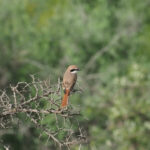
Red-tailed Shrike (Rufous-t S, Turkestan S) Lanius phoenicuroides Regular sightings.
Eurasian Magpie Pica pica
Turkestan Ground Jay ◊ Podoces panderi THE BIRD OF THE TRIP. Terrific observations of this cutie in the Repetek reserve in Turkmenistan.
Red-billed Chough Pyrrhocorax pyrrhocorax
Alpine Chough (Yellow-billed C) Pyrrhocorax graculus
Western Jackdaw Coloeus monedula
Rook Corvus frugilegus Very common.
Carrion Crow (Oriental C) Corvus [corone] orientalis
Hooded Crow Corvus cornix
Brown-necked Raven Corvus ruficollis A few in the Taukum desert.
Northern Raven Corvus corax
Rufous-naped Tit ◊ Periparus rufonuchalis Regular in the Zaamin National Park in eastern Uzbekistan.
Coal Tit Periparus ater
Willow Tit ◊ (Songar T) Poecile [montanus] songarus Non-Leader
Azure Tit ◊ (Yellow-breasted T) Cyanistes [cyanus] flavipectus Regular encounters near Tashkent. Attractive.
Great Tit Parus major
Great Tit ◊ (Turkestan T) Parus [major] bokharensis Regular in Uzbekistan and southern Kazakhstan.
White-crowned Penduline Tit ◊ Remiz coronatus Nice views on several occasions, both in Uzbekistan and in Kazakhstan.
Bearded Reedling (B Tit) Panurus biarmicus A male showed quite well in a reedbed near Astana. The only member of its family.
White-winged Lark ◊ Alauda leucoptera Delightfully regular in the northern Kazakhstan steppes.
Oriental Skylark Alauda gulgula
Eurasian Skylark Alauda arvensis
Crested Lark Galerida cristata
Horned Lark Eremophila alpestris
Hume’s Short-toed Lark ◊ Calandrella acutirostris Good views in the hills near Samarkand.
Greater Short-toed Lark Calandrella brachydactyla
Bimaculated Lark Melanocorypha bimaculate Small numbers were noted in the Taukum desert.
Calandra Lark Melanocorypha calandra
Black Lark ◊ Melanocorypha yeltoniensis Marvelously common in the steppe of northern Kazakhstan. A wonderful species.
Turkestan Short-toed Lark ◊ Alaudala heinei
Sand Martin (Bank Swallow) Riparia riparia
Pale Martin ◊ Riparia diluta
Barn Swallow Hirundo rustica
Western House Martin (Northern H M) Delichon urbicum
European Red-rumped Swallow Cecropis rufula
Cetti’s Warbler Cettia cetti
Streaked Scrub Warbler Scotocerca inquieta Several sightings near Buchara and in the Repetek reserve in Turkmenistan. The only member of its family.
White-browed Tit-warbler ◊ Leptopoecile sophiae Fantastic encounters in the juniper scrub in the higher reaches of the Tienshan above Almaty. A truly wonderful critter.
Hume’s Leaf Warbler Phylloscopus humei Very common in the coniferous montane forests.
Sulphur-bellied Warbler ◊ Phylloscopus griseolus Nice looks in the Tienshan mountains.
Common Chiffchaff (Siberian C) Phylloscopus [collybita] tristis
Greenish Warbler Phylloscopus trochiloides
Clamorous Reed Warbler (Indian R W) Acrocephalus [stentoreus] brunnescens Common in the wetlands near Buchara.
Paddyfield Warbler ◊ Acrocephalus agricola Several in the reedbeds of northern Kazakhstan.
Blyth’s Reed Warbler Acrocephalus dumetorum Common all along our route.
Common Reed Warbler ◊ (Caspian R W) Acrocephalus [scirpaceus] fuscus
Booted Warbler ◊ Iduna caligata A few in northern Kazakhstan.
Sykes’s Warbler ◊ Iduna rama Good looks at several near Buchara.
Eastern Olivaceous Warbler Iduna pallida
Upcher’s Warbler ◊ Hippolais languida Nice views in the hills near Samarkand.
Savi’s Warbler Locustella luscinioides
Common Grasshopper Warbler Locustella naevia Heard-only.
Lesser Whitethroat Curruca curruca
Lesser Whitethroat ◊ (Hume’s W) Curruca [curruca] althaea Regular in the hills near Tashkent.
Lesser Whitethroat ◊ (Desert L W) Curruca [curruca] minula Common in the Taukum desert.
Eastern Orphean Warbler ◊ Curruca crassirostris Nice looks at several in the hills near Samarkand.
Asian Desert Warbler ◊ Curruca nana A single bird showed well in the Taukum desert.
Menetries’s Warbler ◊ Curruca mystacea Good looks at several in the Buchara area.
Common Whitethroat Curruca communis
Goldcrest Regulus regulus
Eastern Rock Nuthatch (Great R N) Sitta tephronota Several obliged in the Samarkand hills.
Eurasian Treecreeper (Common T) Certhia familiaris Heard-only.
Common Myna Acridotheres tristis..Too common.
Rosy Starling ◊ (Rose-coloured S) Pastor roseus Marvelously common in the Almaty area.
Common Starling Sturnus vulgaris
Mistle Thrush Turdus viscivorus
Common Blackbird Turdus merula
Fieldfare Turdus pilaris A few in the parks of Astana.
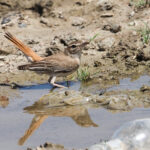
Rufous-tailed Scrub Robin (R Bushchat) Cercotrichas galactotes Excellent encounters with well-behaved birds near Buchara.
Spotted Flycatcher Muscicapa striata
Common Nightingale Luscinia megarhynchos Regular. What a song!!
Bluethroat Luscinia svecica Several excellent encounters. The cracking male with its red throat patch on our final day was a real jewel.
Himalayan Rubythroat ◊ (White-tailed R) Calliope pectoralis This magnificent species showed ever so well in the juniper scrub of the high Tienshan.
Blue Whistling Thrush Myophonus caeruleus
Eversmann’s Redstart ◊ (Rufous-backed R) Phoenicurus erythronotus Regular in the Tienshan mountains. Yet another cracker.
Blue-capped Redstart ◊ (Blue-headed R) Phoenicurus coeruleocephala We saw this gem in the mountains of Uzbekistan and Uzbekistan. Many great looks.
Güldenstädt’s Redstart ◊ (White-winged R) Phoenicurus erythrogastrus Great looks at male and female in the highest reaches of the Tienshan mountains.
Common Rock Thrush (Rufous-tailed R T) Monticola saxatilis
Blue Rock Thrush Monticola solitarius
Pied Bush Chat (P Stonechat, P Chat) Saxicola caprata A few near the Uzbekistan/Turkmenistan border. A very widespread species.
Siberian Stonechat Saxicola maurus
Northern Wheatear Oenanthe oenanthe
Isabelline Wheatear Oenanthe isabellina Common in the steppes and semi deserts.
Desert Wheatear Oenanthe deserti
Pied Wheatear Oenanthe pleschanka Small numbers in the steppes.
Finsch’s Wheatear ◊ Oenanthe finschii Good looks at a pair in boulder habitat near Samarkand.
White-throated Dipper Cinclus cinclus Good looks at a bird of the distinctive white bellied race leucogaster near Almaty.
Brown Dipper Cinclus pallasii Nice views of this species in the mountains of Uzbekistan.
Rock Sparrow (R Petronia) Petronia petronia
Eurasian Tree Sparrow Passer montanus
Saxaul Sparrow ◊ Passer ammodendri Good views at this speciality both in the Repetek reserve (Turkmenistan) and in the Taukum desert (Kazakhstan).
Spanish Sparrow Passer hispaniolensis
House Sparrow Passer domesticus
Altai Accentor ◊ (Himalayan A) Prunella himalayana A single bird showed well in the higher reaches of the Tienshan.
Brown Accentor ◊ Prunella fulvescens Regular in the alpine meadows of the higher Tienshan.
Black-throated Accentor ◊ Prunella atrogularis Fairly common in the juniper scrub of the Tienshan.
Western Yellow Wagtail (form unknown) Motacilla flava
Western Yellow Wagtail (Grey-headed W) Motacilla [flava] thunbergi
Western Yellow Wagtail (Black-headed W) Motacilla [flava] feldegg A few near Buchara and in the Taukum desert.
Western Yellow Wagtail ◊ (Sykes’s W) Motacilla [flava] beema Common in the northern Kazakhstan steppes.
Citrine Wagtail Motacilla citreola Both subspecies (nominate and calcarata) were seen.
Grey Wagtail Motacilla cinerea
White Wagtail Motacilla [alba] alba
White Wagtail ◊ (Masked W) Motacilla [alba] personata Quite common in the south.
Tawny Pipit Anthus campestris
Tree Pipit Anthus trivialis
Red-throated Pipit Anthus cervinus A single bird was noted at a waterhole in the Taukum desert.
Water Pipit Anthus spinoletta
Brambling Fringilla montifringilla A male in breeding plumage was found near Samarkand.
White-winged Grosbeak Mycerobas carnipes Regular in the higher mountains.
Plain Mountain Finch Leucosticte nemoricola Common in the higher reaches of the Tienshan.
Common Rosefinch (Scarlet R) Carpodacus erythrinus
Blyth’s Rosefinch Carpodacus grandis Excellent views of several males and females in the Zaamin National Park in Uzbekistan.
Red-mantled Rosefinch ◊ Carpodacus rhodochlamys Very nice looks at several in the Tienshan mountains.
European Greenfinch Chloris chloris
Desert Finch ◊ Rhodospiza obsoleta
Common Linnet Linaria cannabina
Grey-crowned Goldfinch ◊ (G-capped G, Eastern G) Carduelis caniceps Regular in the south.
Red-fronted Serin ◊ (Fire-f S) Serinus pusillus Exquisite looks in the Tienshan mountains.
Corn Bunting Emberiza calandra
Pine Bunting ◊ Emberiza leucocephalos Very well behaved birds were seen near Astana.
Rock Bunting Emberiza cia
Meadow Bunting Emberiza cioides A single male showed briefly in the Charyn gorge area east of Almaty.
White-capped Bunting ◊ Emberiza stewarti Very nice looks at a singing male east of Almaty.
Grey-necked Bunting ◊ (G-hooded B) Emberiza buchanani A pair performed beautifully in the Charyn gorge area.
Ortolan Bunting Emberiza hortulana Several good encounters with migrant birds at waterholes.
Red-headed Bunting ◊ Emberiza bruniceps Common and so very attractive.
Common Reed Bunting Emberiza schoeniclus
MAMMALS
Corsac Fox Vulpes corsac A few in the Taukum desert.
Red Fox Vulpes vulpes Several encounters Best of all were the ten cubs that were seen playing about in the steppe near Astana.
Weasel Mustela nivalis One crossed the main road near Astana.
Goitered Gazelle Gazella subgutturosa Regular observations in the south. Best sightings were in the Taukum desert, where several lived near our camp.
European Hare Lepus europaeus
Tolai Hare Lepus tolai A few showed well near Buchara.
Turkestan Red Pika Ochotona rutila Non-Leader.
Grey Marmot Marmota baibacina Common in the higher reaches of the Tienshan mountains.
Bobak Marmot Marmota bobak Regular in the steppe of northern Kazakhstan.
Yellow Ground Squirrel (Y Souslik) Spermophilus fulvus Several nice sightings in the southern steppe and semi desert.
Steppe Vole Lagurus lagurus
Common Muskrat (introduced) Ondatra zibethicus
Libyan Jird Meriones libycus This cutie was identified at our camp in the Taukum desert.
Great Gerbil Rhombomys opimus
AMPHIBIANS
Central Asian Frog Rana asiatica Regular in the steppe of northern Kazakhstan.
REPTILES
Horsfield’s Tortoise Testudo horsfieldii A few in the Taukum desert.
Steppe Agama Trapelus sanguinolentus Common around our camp in the Taukum desert.
Turkestan Rock Agama Paralaudakia lehmanni Several were noted near Samarkand.
Lichtenstein’s Toad-headed Agama Phrynocephalus interscapularis
Secret Toad-headed Agama Phrynocephalus mystaceus
Reticulated Racerunner Eremias grammica
Common Wander Gecko Teratoscincus scincus Regular in the desert at night.
Turkestan Thin-toed Gecko Tenuidactylus fedtschenkoi Two showed well near Samarkand.
Caspian Monitor Varanus caspius Good looks at two in the Taukum desert.