Email birders@birdquest-tours.com
Telephone 07777 186845
(International +44 7777 186845)
Email birders@birdquest-tours.com
Telephone 07777 186845
(International +44 7777 186845)
South America and its islands
Sandy Gallito (image by Mark Pearman)
Rufous-fronted Thornbird (image by Mark Beaman)
Scimitar-billed Woodcreeper (image by Mark Beaman)
Foothill forest at Calilegua NP (image by Mark Pearman)
Yungas Screech Owl (image by Mark Beaman)
Purple Gallinule (image by Mark Beaman)
Snail Kite (image by Mark Beaman)
Red Tegu Lizard (image by Mark Beaman)
Burrowing Owl (image by Mark Beaman)
Burrowing Parrot (image by Mark Beaman)
Yellow Cardinal (image by Mark Pearman)
Lark-like Brushrunner (image by Mark Beaman)
Tucuman Mountain Finch (image by Mark Pearman)
Burrowing Parrots (image by Mark Beaman)
Greater Rhea (image by Mark Beaman)
Red-legged Seriema (image by Mark Beaman)
Slaty Elaenia (image by Mark Pearman)
Strange-tailed Tyrant (image by Mark Beaman)
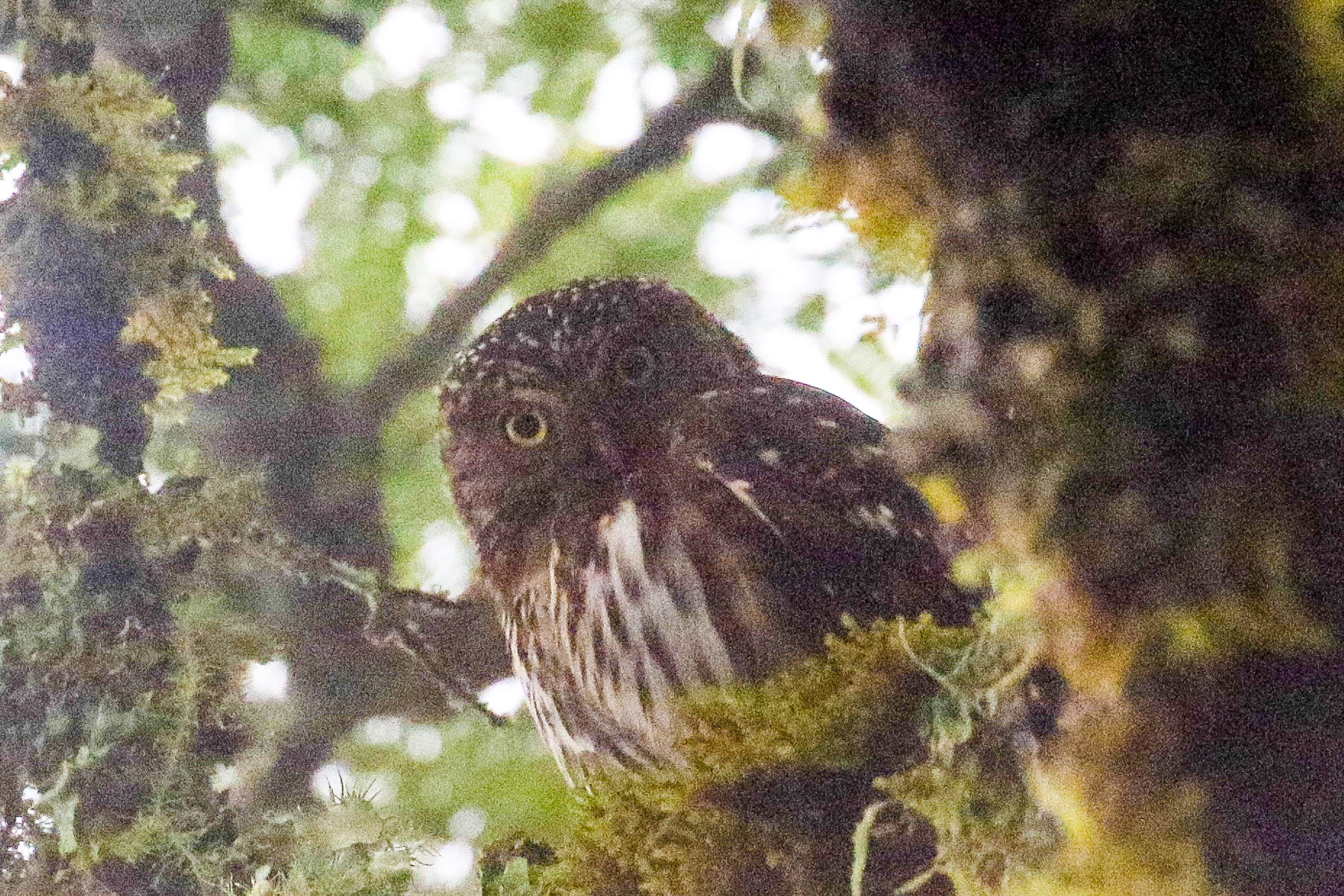
Yungas Pygmy Owl (image by Mark Beaman)
Giant Antshrike (image by Mark Pearman)
Many-coloured Chaco Finch (image by Mark Beaman)
Dramatic folded mountains in northwest Argentina (image by Mark Beaman)
Turquoise-fronted Amazon (image by Mark Beaman)
Wattled Jacana (image by Mark Beaman)
Black-and-white Monjita (image by Mark Pearman)
Sandy Gallito (image by Mark Beaman)
Brown-capped Tit-Spinetail (image by Mark Pearman)
Andean puna grasslands (image by Mark Beaman)
Limpkin (image by Mark Beaman)
Capybara (image by Mark Beaman)
Great Rufous Woodcreeper (image by Mark Beaman)
Fulvous-headed Brush Finch (image by Mark Beaman)
Eroded rockscape, northwest Argentina (image by Mark Beaman)
Rusty-collared Seedeater (image by Mark Beaman)
Darwin's Nothura (image by Mark Beaman)
Ornate Tinamou (image by Mark Beaman)
Plumbeous Tyrant (image by Mark Beaman)
Chaco Owls (image by Mark Pearman)
Southern Screamer (image by Mark Beaman)
Puna Canastero (image by Mark Beaman)
Marsh Seedeater (image by Mark Beaman)
Black-backed Grosbeak (image by Mark Beaman)
Ringed Teals (image by Mark Beaman)
A rock monolith in northwest Argentina (image by Mark Beaman)
Rufous-sided Warbling Finch (image by Mark Beaman)
Red-legged Seriema (image by Mark Beaman)
White-tipped Plantcutter (image by Mark Beaman)
Andean scenery is endlessly enthralling (image by Mark Beaman)
Cardon cacti near Payogasta, northern Argentina (image by Mark Beaman)
Andean shadows, northwest Argentina (image by Mark Beaman)
Rufous-throated Dipper (image by Mark Pearman)
Giant Wood Rail (image by Mark Beaman)
Chestnut Seedeater (image by Mark Pearman)
Flooded palms in the Ibera marshes (image by Mark Beaman)
Plains Viscacha (image by Mark Beaman)
Andean Flicker (image by Mark Beaman)
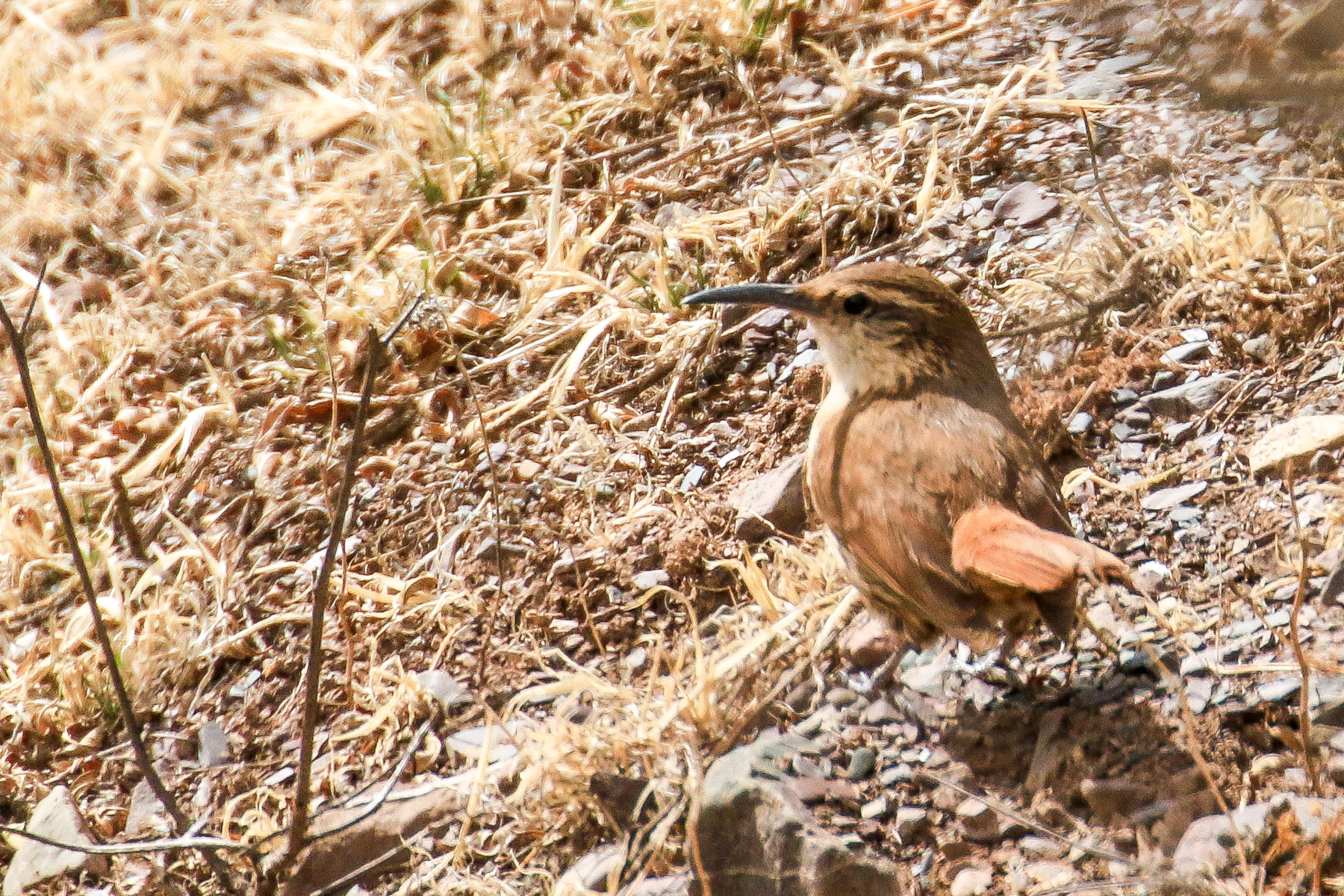
Rock Earthcreeper (image by Mark Beaman)
Ornate Tinamou (image by Mark Beaman)
Spectacled Tyrant (image by Mark Beaman)
Scarlet-headed Blackbird (image by Mark Beaman)
Aplomado Falcon (image by Mark Beaman)
Brazilian Duck (image by Mark Beaman)
Cliff Flycatchers (image by Mark Beaman)
Chaco Sparrow (image by Mark Beaman)
Giant Wood Rail (image by Mark Beaman)
Muscovy Duck (image by Mark Beaman)
Toco Toucan (image by Mark Beaman)
White-throated Cacholote (image by Mark Beaman)
Rufous-sided Crake (image by Mark Beaman)
White-throated Quail-Dove (image by Mark Pearman)
Moreno's Ground Dove (image by Mark Beaman)
Aplomado Falcon (image by Mark Beaman)
Red-tailed Comet (image by Mark Beaman)
White-barred Piuculet (image by Mark Beaman)
Band-tailed Sierra Finch (image by Mark Pearman)
Gaucho (image by Mark Beaman)
Plumbeous Ibises (image by Mark Beaman)
Culpeo Fox in Argentina (image by Mark Beaman)
Maquis Canastero (image by Mark Beaman)
Red-faced Guan (image by Mark Beaman)
Maguari Stork (image by Mark Beaman)
Green-barred Woodpecker (image by Mark Beaman)
Scribble-tailed Canastero (image by Mark Beaman)
Pampa Finch (image by Mark Beaman)
Yellow-striped Brush Finch (image by Mark Beaman)
Marsh Dear at Ibera marshes, Argentina (image by Mark Beaman)
Chaco Earthcreeper (image by Mark Beaman)
Snail Kite (image by Mark Beaman)
Burrowing Owl (image by Mark Beaman)
White-throated Cachalote (image by Mark Beaman)
Moreno's Ground Doves (image by Mark Beaman)
Giant Antshrike (image by Mark Beaman)
Dot-fronted Woodpecker (image by Mark Pearman)
Monte Yellow Finch (image by Mark Pearman)
Payogasta, Argentina (image by Mark Beaman)
Andean Lapwing (image by Mark Beaman)


Sandy Gallito (image by Mark Pearman)
Rufous-fronted Thornbird (image by Mark Beaman)
Scimitar-billed Woodcreeper (image by Mark Beaman)
Foothill forest at Calilegua NP (image by Mark Pearman)
Yungas Screech Owl (image by Mark Beaman)
Purple Gallinule (image by Mark Beaman)
Snail Kite (image by Mark Beaman)
Red Tegu Lizard (image by Mark Beaman)
Burrowing Owl (image by Mark Beaman)
Burrowing Parrot (image by Mark Beaman)
Yellow Cardinal (image by Mark Pearman)
Lark-like Brushrunner (image by Mark Beaman)
Tucuman Mountain Finch (image by Mark Pearman)
Burrowing Parrots (image by Mark Beaman)
Greater Rhea (image by Mark Beaman)
Red-legged Seriema (image by Mark Beaman)
Slaty Elaenia (image by Mark Pearman)
Strange-tailed Tyrant (image by Mark Beaman)
Yungas Pygmy Owl (image by Mark Beaman)
Giant Antshrike (image by Mark Pearman)
Many-coloured Chaco Finch (image by Mark Beaman)
Dramatic folded mountains in northwest Argentina (image by Mark Beaman)
Turquoise-fronted Amazon (image by Mark Beaman)
Wattled Jacana (image by Mark Beaman)
Black-and-white Monjita (image by Mark Pearman)
Sandy Gallito (image by Mark Beaman)
Brown-capped Tit-Spinetail (image by Mark Pearman)
Andean puna grasslands (image by Mark Beaman)
Limpkin (image by Mark Beaman)
Capybara (image by Mark Beaman)
Great Rufous Woodcreeper (image by Mark Beaman)
Fulvous-headed Brush Finch (image by Mark Beaman)
Eroded rockscape, northwest Argentina (image by Mark Beaman)
Rusty-collared Seedeater (image by Mark Beaman)
Darwin's Nothura (image by Mark Beaman)
Ornate Tinamou (image by Mark Beaman)
Plumbeous Tyrant (image by Mark Beaman)
Chaco Owls (image by Mark Pearman)
Southern Screamer (image by Mark Beaman)
Puna Canastero (image by Mark Beaman)
Marsh Seedeater (image by Mark Beaman)
Black-backed Grosbeak (image by Mark Beaman)
Ringed Teals (image by Mark Beaman)
A rock monolith in northwest Argentina (image by Mark Beaman)
Rufous-sided Warbling Finch (image by Mark Beaman)
Red-legged Seriema (image by Mark Beaman)
White-tipped Plantcutter (image by Mark Beaman)
Andean scenery is endlessly enthralling (image by Mark Beaman)
Cardon cacti near Payogasta, northern Argentina (image by Mark Beaman)
Andean shadows, northwest Argentina (image by Mark Beaman)
Rufous-throated Dipper (image by Mark Pearman)
Giant Wood Rail (image by Mark Beaman)
Chestnut Seedeater (image by Mark Pearman)
Flooded palms in the Ibera marshes (image by Mark Beaman)
Plains Viscacha (image by Mark Beaman)
Andean Flicker (image by Mark Beaman)
Rock Earthcreeper (image by Mark Beaman)
Ornate Tinamou (image by Mark Beaman)
Spectacled Tyrant (image by Mark Beaman)
Scarlet-headed Blackbird (image by Mark Beaman)
Aplomado Falcon (image by Mark Beaman)
Brazilian Duck (image by Mark Beaman)
Cliff Flycatchers (image by Mark Beaman)
Chaco Sparrow (image by Mark Beaman)
Giant Wood Rail (image by Mark Beaman)
Muscovy Duck (image by Mark Beaman)
Toco Toucan (image by Mark Beaman)
White-throated Cacholote (image by Mark Beaman)
Rufous-sided Crake (image by Mark Beaman)
White-throated Quail-Dove (image by Mark Pearman)
Moreno's Ground Dove (image by Mark Beaman)
Aplomado Falcon (image by Mark Beaman)
Red-tailed Comet (image by Mark Beaman)
White-barred Piuculet (image by Mark Beaman)
Band-tailed Sierra Finch (image by Mark Pearman)
Gaucho (image by Mark Beaman)
Plumbeous Ibises (image by Mark Beaman)
Culpeo Fox in Argentina (image by Mark Beaman)
Maquis Canastero (image by Mark Beaman)
Red-faced Guan (image by Mark Beaman)
Maguari Stork (image by Mark Beaman)
Green-barred Woodpecker (image by Mark Beaman)
Scribble-tailed Canastero (image by Mark Beaman)
Pampa Finch (image by Mark Beaman)
Yellow-striped Brush Finch (image by Mark Beaman)
Marsh Dear at Ibera marshes, Argentina (image by Mark Beaman)
Chaco Earthcreeper (image by Mark Beaman)
Snail Kite (image by Mark Beaman)
Burrowing Owl (image by Mark Beaman)
White-throated Cachalote (image by Mark Beaman)
Moreno's Ground Doves (image by Mark Beaman)
Giant Antshrike (image by Mark Beaman)
Dot-fronted Woodpecker (image by Mark Pearman)
Monte Yellow Finch (image by Mark Pearman)
Payogasta, Argentina (image by Mark Beaman)
Andean Lapwing (image by Mark Beaman)


|
Friday 20th November – Saturday 5th December 2026 Leader: Mark Pearman |
16 Days | Group Size Limit 8 (tour full) |
| Iberá Extension Saturday 5th December – Wednesday 9th December 2026 |
5 Days | Group Size Limit 8 (extension guaranteed) |
|
Monday 20th November – Tuesday 5th December 2028 Leader: Mark Pearman |
16 Days | Group Size Limit 8 |
| Iberá Extension Tuesday 5th December – Saturday 9th December 2028 |
5 Days | Group Size Limit 8 |
Birdquest’s Northern Argentina birding tours primarily explore the less-visited but more species-rich northwestern region of this great birding destination. Our Northern Argentina tour concentrates on the area’s endemics and near-endemics, as well as some regional specialities that are much easier to see there, as we visit a series of localities in the Argentine Andes and the Chaco. During this special itinerary, we prioritise species that are never, or only rarely seen, on our birding tours to Bolivia and Chile.
Among the many specialities targeted on this splendid tour are Black-legged Seriema, Quebracho Crested Tinamou, Brushland and Huayco Tinamous, Red-faced Guan, Moreno’s Ground Dove, Yungas Dove, Burrowing Parrot, Tucuman Amazon, Yungas Pygmy Owl, Yungas Screech Owl, Chaco Owl, Rothschild’s Swift, Spot-backed Puffbird, Black-bodied Woodpeckeer, Spot-winged Falconet, Scimitar-billed Woodcreeper, Rufous-banded Miner, Chaco, Rock and Buff-breasted Earthcreepers, Cordoba, Scribble-tailed, Steinbach’s and Maquis Canasteros, Olrog’s and Cordoba Cinclodes, Crested Hornero, Spot-breasted and Little Thornbirds, Stripe-crowned Spinetail, Lark-like Brushrunner, White-throated and Brown Cacholotes, Stripe-backed Antbird, Giant Antshrike, White-throated Antpitta, Dinelli’s Doradito, Plumbeous ands Cinereous Tyrants, Salinas Monjita, Olive-crowned Crescentchest, White-browed and Zimmer’s Tapaculos, Sandy and Crested Gallitos, Yungas Manakin, Rufous-throated Dipper, Yungas, Moss-backed and Chaco Sparrows, Rufous-bellied Mountain Tanager, Tucuman Mountain Finch, Monte Yellow Finch, Many-coloured Chaco Finch, Black-crested Finch, Black-capped and Black-and-chestnut Warbling Finches and Yellow-striped and Fulvous-headed Brushfinches. A truly extraordinary list.
Justly famed for its enormous range of impressive scenery, Northwest Argentina also offers one of South America’s most speciality-rich and scenic birding experiences. Here, the mighty, snow-capped Andean peaks tower over thorn deserts clad in columnar cacti and flower-strewn valleys. The luxuriant Yungas cloudforests of the Andean slopes give way to the arid thorny plains of the ‘Chaco’ and to vast flat grasslands, the traditional home of the gaucho.
This ever-changing scenery, comprising six major habitat types, leads to an extraordinarily rich and diverse avifauna, including some of South America’s least known species, many with a very restricted distribution. Whilst watching Tucuman Mountain Finches in shrubby Andean gullies, Sandy Gallitos running through desert valleys, Rufous-throated Dippers bobbing about amidst the waters of rushing mountain rivers, and jay-sized Giant Antshrikes in beautiful cloudforests, we shall enjoy these rare and spectacular birds amongst some of the most attractive and unspoilt landscapes on the continent.
In addition to the many specialities, a wide variety of tinamous, seriemas, raptors, guans, parrots, cuckoos, hummingbirds, woodpeckers, woodcreepers, antbirds, tapaculos, tyrant-flycatchers, finches, tanagers and icterids, and an unrivalled selection of ovenbirds (furnarids) with evocative names (miners, earthcreepers, cinclodes, horneros, cacholotes, spinetails, canasteros and thornbirds), ensure a bird list of a quantity and quality hard to equal.
This is a truly superb birding tour, providing the opportunity to see a great variety of species, including numerous little-known endemics and other specialities. Magnificent scenery, good food and wines, comfortable accommodations, and mostly excellent road conditions make travelling through Northwest Argentina a wonderful and unforgettable experience.
Our Northern Argentina birding tour starts at the city of Córdoba, the largest conurbation in the region, but we will soon move on to much quieter and more birdy locations.
First, we will visit Laguna Mar Chiquita for the breeding-endemic Dinelli’s Doradito, as well as Dot-winged Crake and both Andean and James’s Flamingos, before checking out some woodland at Capilla del Monte for the rare, near-endemic Black-bodied Woodpecker.
Next, while based at Mina Clavero, we will explore the isolated and little-known Pampoa de Achala in the Sierra de los Comechingones, where we should find three highly localised endemic ovenbirds: Olrog’s and Cordoba Cinclodes, and ‘Cordoba’ Canastero.
Our final birding in the province of Córdoba will be at the saline flats of Salinas Grandes, home of the endemic Salinas Monjita.
Many additional near-endemic or restricted range specialities are to be found in this exciting part of Argentina, including Brushland Tinamou, Andean and James’s Flamingos, Black-legged Seriema, Spot-winged Falconet, Rufous-banded Miner, Chaco Earthcreeper, the amazing Scimitar-billed Woodcreeper, Crested Hornero, Stripe-crowned Spinetail, Lark-like Brushrunner, Brown Cacholote, Cinereous Tyrant, Olive-crowned Crescentchest, Chaco Sparrow, Many-colored Chaco Finch, Black-crested Finch and Black-capped Warbling Finch.
San Miguel de Tucumán is our gateway to the magnificent Andes of the provinces of Tucumán, Salta and Jujuy. Here we shall explore high puna tussock grasslands and cactus deserts, as well as other Andean habitats. These have on offer some little-known endemic or near-endemic specialities, many of which are rare and little-known, including Moreno’s Ground Dove, the macaw-like Burrowing Parrot, Spot-backed Puffbird, Rock and Buff-breasted Earthcreepers, Scribble-tailed, Steinbach’s and Maquis Canasteros, the chunky White-throated Cacholote, the striking endemic White-browed Tapaculo, Zimmer’s Tapaculo, Sandy Gallito, Rufous-throated Dipper, Rufous-bellied Mountain Tanager (formerly Rufous-bellied Saltator), Tucuman Mountain Finch, Monte Yellow Finch and the striking and very localised Yellow-striped Brushfinch. There will be many other great birds as well, ranging from the magnificent Andean Condor to Torrent Duck.
Around the city of Salta, we will visit good sites for such specialities as Huayco Tinamou and Black-and-chestnut Warbling Finch.
Further to the north, the forests of the Yala reserve harbour the rare Red-faced Guan, the localised Rothschild’s Swift, Spot-breasted Thornbird, Plumbeous Tyreant and Fulvous-headed Brushfinch.
Our last but by no means least Andean birding will take place in the exuberant Yungas cloudforests of Calilegua National Park, where a suite of special birds includes Yungas Dove, Tucuman Amazon, Yungas Pygmy Owl, Yungas Screech Owl, White-throated Antpitta, Yungas Manakin and the spectacular Giant Antshrike (the largest of all the antbirds).
Finally, we will also explore the dry Chaco woodlands of lowland Salta, a unique and bird-rich habitat, with numerous range-restricted specialities, including Black-legged Seriema, Quebracho Crested Tinamou, Chaco Owl, Olive-crowned Crescentchest, Scimitar-billed Woodcreeper, Crested Hornero, Little Thornbird, Stripe-backed Antbird, Crested Gallito, Cinereous Tyrant, the endemic Chaco and Yungas Sparrows, Many-coloured Chaco Finch, Black-crested Finch and Black-capped Warbling Finch.
During the optional extension, we explore the wonderful but little-known Iberá Marshes in Corrientes province, paralleled on the continent only by the Brazilian Pantanal or the Venezuelan Llanos. Here, both the density and the diversity of waterbirds and raptors have to be seen to be believed and the rich local avifauna includes some rare and threatened tyrant-flycatchers, seedeaters and icterids, such as Strange-tailed Tyrant, Black-and-white Monjita, Tawny-bellied, Dark-throated, Marsh, Rufous-rumped and Chestnut Seedeaters, and the endangered Yellow Cardinal.
Birdquest has operated Northern Argentina birding tours since 1989.
Accommodation & Road Transport
The hotels/lodges are comfortable and of a good or medium standard throughout. Road transport is by minibus/passenger van. Roads are mostly good but unsurfaced in some areas.
Walking
The walking effort during our Northern Argentina birding tours is easy for the most part, but there are a couple of moderate-grade walks.
Climate
Temperatures will range from warm or hot at lower altitudes to cool at higher altitudes. Sunshine is likely to alternate with overcast conditions, and we are likely to experience some rain.
Bird Photography
Opportunities during our Northern Argentina birding tours are quite good.
To see a larger map, click on the square-like ‘enlarge’ icon in the upper right of the map box.
To see (or hide) the ‘map legend’, click on the icon with an arrow in the upper left of the map box.
To change to a satellite view, which is great for seeing the physical terrain (and for seeing really fine details by repetitive use of the + button), click on the square ‘map view’ icon in the lower left corner of the ‘map legend’.
Birdquest Inclusions: Our tour prices include transportation, accommodations, meals and entrance fees.
We also include all tipping for local guides, drivers and accommodation/restaurant staff.
Deposit: 20% of the total tour price. Our office will let you know what deposit amount is due, in order to confirm your booking, following receipt of your online booking form.
TO BOOK THIS TOUR: Click here (you will need the tour dates)
The single supplement will not apply if you indicate on booking that you prefer to share a room and there is a room-mate of the same sex available.
This tour is priced in US Dollars. Amounts shown in other currencies are indicative.
Northern Argentina: Day 1
Our tour begins this morning at Córdoba airport in Argentina’s third-largest city. From the airport, we will head for Laguna Mar Chiquita for an overnight stay at Miramar.
(If you would like us to provide a flight ticket from Buenos Aires to Córdova, we will be pleased to do so on request, even if you are arranging your own international flight tickets.)
The huge lake known as Laguna Mar Chiquita is a reliable locality for the poorly-known Dinelli’s Doradito, a species that breeds only in north-central Argentina and which disperses north in the Austral winter as far as southernmost Bolivia and Paraguay.
Other new birds in the lake surroundings should include White-fronted Woodpecker and Red-crested Cardinal.
Mar Chiquita is a vast and important wetland area, extending to approximately 9500 square kilometres! The lake is a hugely important breeding area for Chilean Flamingoes, with a population estimated at 100,000 individuals. Better still, there are usually numbers of both Andean and James’s (or Puna) Flamingoes present. The latter are more numerous during the Austral winter, but there should still be a fair number at the time of our visit. The lake is also an important wintering and transit area for migrant shorebirds, hosting large numbers of American Golden Plovers, Lesser Yellowlegs, White-rumped Sandpipers and Wilson’s Phalaropes in particular. We also have chances to find the interesting South American Painted-snipe and the shy Dot-winged Crake.
Northern Argentina: Day 2
After some final birding at Mar Chiquita, we will head westwards to Capilla del Monte for an overnight stay.
Here, we will visit an area of woodland where we have a fair chance of finding the rare, near-endemic Black-bodied Woodpecker.
Northern Argentina: Day 3
Following some more birding at Capilla del Monte (that woodpecker can be difficult to find), we shall drive to Minba Clavero for an overnight stay.
Not far away from Mina Clavero is the Pampa de Achala in the Sierra de los Comechingones, a mountain range that is much older than the Andes. These rugged sierras stretch across the horizon, one rocky ridge after another. Here, rushing streams tumble through Polylepis-filled gullies down to the pampa grasslands below. These hills are not only very imposing but also offer marvellous views of the vast plains stretching away into the distance.
The main attractions here are three ovenbirds with among the most restricted distributions of all South American birds, centred on these isolated mountains in central Argentina. We should be able to locate all three. Olrog’s Cinclodes is frequently to be found hugging the banks of the rushing streams in dipper-like fashion, while Córdoba Cinclodes can be found leaping about on the rocky outcrops with fluttering wings. Grassy slopes are the haunt of the Córdoba Canastero (sometimes split from Puna Canastero).
In addition to these exciting endemics, we should also see a number of restricted-range specialities in the Mina Clavero/Pampa de Achala region, including Brushland Tinamou, Rufous-banded Miner, Chaco Earthcreeper, Stripe-crowned Spinetail, Lark-like Brushrunner, the noisy Brown Cacholote (often on its huge stick nest) and the near-endemic Chaco Sparrow.
With a little luck, we will also encounter the impressive Black-legged Seriema, for this is a good area for this shy speciality.
The beautiful, range-restricted Olive-crowned Crescentchest (nowadays placed in its own family rather than with the tapaculos, and here of the vocally distinct chaco form, pallida) is not uncommon in these parts, and its trilling song should give away its presence.
More widespread birds include Black Vulture, White-winged Cinclodes, Sooty-fronted Spinetail, Chiguanco Thrush, Tawny-headed Swallow and Plumbeous Sierra Finch. Rufous-naped Ground Tyrant is an uncommon possibility.
Northern Argentina: Day 4
After some more birding at the Pampa de Achala or in drier, more wooded habitats at lower altitudes in the Mina Clavero region, we will head northeast to the Salinas Grandes area for an overnight stay at Déan Funes.
Salinas Grandes is a large area of inland salt marsh. This is the type locality for the comparatively recently described Salinas Monjita, and we have a very good chance of finding this rare endemic flycatcher at a site where it is regularly recorded.
Other birds we are likely to see today in dry, chaco-type habitat include a series of restricted-range or even near-endemic specialities, including Spot-winged Falconet, the very impressive Scimitar-billed Woodcreeper, Crested Hornero, Cinereous Tyrant, Many-coloured Chaco Finch, Black-crested Finch and Black-capped Warbling Finch. We have seen Black-legged Seriema here on occasion, so we have another chance in this area.
More widespread species include the exquisite Blue-tufted Starthroat, Narrow-billed Woodcreeper, Crowned Slaty Flycatcher and Red Pileated (or Red-crested) Finch.
Northern Argentina: Day 5
Today, after some final birding at Salinas Grandes, we will head northwest until we come to the city of San Miguel de Tucumán at the base of the Andes, from where we will drive a short distance into the Andes to Tafí del Valle for a two-night stay.
As we leave the plains behind, we shall climb along the course of the Rio Los Sosa into an area of stunningly beautiful Yungas forest. We will have time for our first exploration of this area today.
Northern Argentina: Day 6
Above Tafí Del Valle, the sun-bleached tussock grasslands, sandwiched between the impressive peaks of the Aconquija massif, provide inspiring scenery for our morning’s birding. At the Infiernillo pass, we may see majestic Andean Condors floating across the blue skies, passing between the jagged peaks surrounding us. We shall be birding near the road at heights of up to 10,500ft (3200m), enjoying the crisp morning air and the spectacular view of the cloud tops in the valley below while watching a multitude of Andean birds.
Foremost amongst these is the rare and extremely localised endemic Tucuman Mountain Finch, a chunky slate and metallic chestnut creature known from only a handful of sites. With patience, we should locate this handsome and secretive bird this morning.
We will also be concentrating on the endemic Moreno’s Ground Dove, the striking endemic White-browed Tapaculo and the rare, range-restricted Scribble-tailed Canastero. This is a good area for the mind-blowing Red-tailed Comet.
Amongst the pre-puna grasslands and rugged hillsides, or at a wetland area, we may well also find Ornate and Andean Tinamous, Pied-billed Grebe, Neotropic Cormorant, Western Cattle Egret, Great and Snowy Egrets, Andean Goose, Yellow-billed Teal, Yellow-billed Pintail, Black-chested Buzzard-Eagle, Variable Hawk, White-winged and Andean Coots, Southern and Andean Lapwings, White-backed Stilt, Andean Gull, Black-winged Ground Dove, Burrowing Owl, Andean Flicker, Slender-billed Miner, Buff-breasted Earthcreeper, Cream-winged Cinclodes, Cordilleran and Streak-backed Canasteros, Streak-fronted Thornbird, Tufted Tit-Tyrant (uncommon), White-browed Chat-Tyrant, Black-billed Shrike-Tyrant, Spot-billed, Puna and Cinereous Ground Tyrants, Hellmayr’s Pipit, Black Siskin, Rufous-collared Sparrow, Ash-breasted and Band-tailed Sierra Finches, and Plain-coloured Seedeater.
We will also explore the Yungas forest below Tafí del Valle. A distinctive type of cloudforest extending in a narrow belt from northern Argentina to southern Bolivia, this habitat holds a number of restricted-range species (the Yungas endemics). The Yungas forest possesses an ethereal beauty typical of Andean forests. The tall trees are festooned with orchids, bromeliads, mosses, lichens and other epiphytes through which ever-active mixed-species flocks roam, whilst a dense undergrowth of ferns and bamboo hides more retiring birds.
These luxuriant forests are home to the striking and very localised endemic Yellow-striped Brushfinch, and we shall make a concerted effort to find this attractive bird. Flowering trees and shrubs attract White-bellied Hummingbird, Sparkling Violetear and Rusty-browed Warbling Finch, a Yungas endemic.
The Rio Los Sosa plunges out of the Andes through this forest, and we shall search its length for Rufous-throated Dipper (the rarest and most localised of the five species of dipper) and the spectacular Torrent Duck (likely to be found riding the rapids).
Other species we may well see below Tafí del Valle include Band-tailed Pigeon, Eared Dove, White-collared Swift, Mitred Parakeet, Buff-browed Foliage-gleaner, Azara’s Spinetail (here of the buff-browed race superciliosa), White-throated Tyrannulet, the poorly known Buff-banded Tyrannulet, Black Phoebe, Great Kiskadee, Tropical Kingbird, Fork-tailed Flycatcher, Chivi Vireo, Plush-crested Jay, Andean Slaty and Rufous-bellied Thrushes, Southern House and Mountain Wrens, Blue-and-white Swallow, Hooded Siskin, Brown-capped Whitestart, Sayaca, Fawn-breasted and Red Tanagers, Common Chlorospingus and Shiny Cowbird. Rufous-thighed Hawk, Streak-throated Bush Tyrant and Rust-and-yellow Tanager are uncommon possibilities.
Northern Argentina: Day 7
After some more birding in the pre-puna tussock grasslands above Tafí del Valle, we will descend the west slope of Aconquija, entering dramatic columnar cactus steppe where we will look for birds such as White-sided Hillstar, Scale-throated Earthcreeper, Plain-mantled Tit-Spinetail, D’Orbigny’s Chat-Tyrant, Patagonian Mockingbird, Mourning and Grey-hooded Sierra Finches, and the endemic Monte Yellow Finch.
We have now entered a different ecosystem, the Monte Desert. This inter-montane strip of desert extends up from the northern limits of Patagonia and comprises a wooded and cactus-clad desert, which is not only an ecosystem unique to Argentina but also home to several endemic bird species. One of our first goals will be the large and chunky endemic White-throated Cacholote, whose massive nests in the columnar cacti have to be seen to be believed. Here, and as we venture further into the desert, numerous scrub-loving birds provide a sudden contrast to the recent forest and pre-puna birding. The spectacular, macaw-like Burrowing Parrot will become a common sight, and we should also encounter Turkey Vulture, Crested and Chimango Caracaras, Aplomado Falcon, American Kestrel, Grey-hooded Parakeet, Picui Ground Dove, Guira Cuckoo, Andean Swift, Checkered Woodpecker, Rusty-vented Canastero, Greater Wagtail-Tyrant, White-winged Black Tyrant, Southern Martin, Golden-billed Saltator, Blue-and-yellow Tanager, Ringed and Rufous-sided Warbling Finches, Greenish Yellow Finch and Variable Oriole.
A prime target in this area is the poorly known Sandy Gallito, a plump, cryptically plumaged desert tapaculo which is endemic to Argentina. It behaves like a small roadrunner, dashing from the shade of one bush to another at amazing speed.
Eventually, we will reach the pleasant colonial town of Cafayate, in the heart of Argentina’s northwestern wine-growing region, where we will overnight.
This evening, we will endeavour to find the increasingly rare Chaco Owl if the weather is suitable.
Northern Argentina: Day 8
Leaving the vineyards behind, we continue through ever-changing Andean vistas and soon enter an area of humid meadows providing good opportunities for birds such as Sharp-billed Canastero, the wonderful Spectacled Tyrant, Grass Wren and Long-tailed Meadowlark of the form catamarcanus, sometimes referred to as ‘Sierran’ Meadowlark.
A stop at a reservoir should turn up a variety of waterbirds, potentially including White-tufted and Great Grebes, Coscoroba Swan, Cinnamon Teal, Red Shoveler, Andean Duck, Red-gartered Coot and Greater Yellowlegs. The area often harbours one or two high Andean birds that have descended for unknown reasons.
Our journey takes us through moonscape valleys and spectacular sandstone badlands that are largely uninhabited. This seemingly sterile habitat harbours many surprises and, together with several cultivated floodplains, provides us with excellent opportunities to find such birds as the impressive Elegant Crested Tinamou, Collared Plover (uncommon), Baird’s Sandpiper, Spot-winged Pigeon, Glittering-bellied Emerald, the spectacular Giant Hummingbird, Spot-winged Puffbird, Rufous Hornero, Tufted Tit-Spinetail (uncommon), the enigmatic and most peculiar White-tipped Plantcutter, White-crested Tyrannulet, the showy Cliff Flycatcher, Southern Scrub Flycatcher, Masked Gnatcatcher, Common Diuca Finch, Great Pampa Finch, White-banded Mockingbird (uncommon) and Bay-winged Cowbird.
In particular, we will make a special endeavour to find the least known of Argentina’s endemics, Steinbach’s Canastero.
Eventually, we will reach the Cachi area, where we will stay overnight.
Northern Argentina: Day 9
After leaving the verdant Cachi oasis behind, we have a relatively short journey to the edge of the east Andean slope. First, we will ascend out of the desert strip until we reach an Andean plateau, where we will look for Mountain Caracara, the very handsome Tawny-throated Dotterel, Least Seedsnipe and Golden-spotted Ground Dove. We are also likely to encounter some Guanacos and perhaps Culpeo Fox.
Beyond here, a spectacular winding and descending road, juxtaposed between 2300ft (700m) vertical cliffs and clouds floating in the valley below, provides yet more overwhelming Andean scenery as we explore a labyrinth of vegetated gullies which harbour several rare and exciting birds. The restricted-range Rock Earthcreeper should be one of the first of the Furnariidae encountered today as we make a variety of stops in search of the rare, restricted-range and extremely localised Maquis Canastero, the near-endemic Zimmer’s Tapaculo (which is unknown in life from Bolivia) and the uncommon and localised Rufous-bellied Mountain Tanager (formerly Rufous-bellied Saltator). We should also come across Brown-capped Tit-Spinetail, Yellow-billed Tit-Tyrant, Andean Swallow and perhaps Peregrine Falcon.
After reaching the attractive provincial capital of Salta, where we stay overnight, we will make an afternoon trip in search of some localised grassland and scrubland species: Darwin’s Nothura, the poorly known Huayco Tinamou, Black-and-chestnut Warbling Finch and the near-endemic Yungas Sparrow.
Northern Argentina: Day 10
We will set off early today, on our way to San Salvador de Jujuy for an overnight stay.
Along the way, we will visit some Yungas to resume our cloudforest birding. Among the superb selection of birds on offer here are the Yungas-endemic Dot-fronted Woodpecker as well as Scaly-headed Parrot, Green-cheeked Parakeet, White-barred Piculet, Golden-olive Woodpecker, the Andean form of the Rufous-capped Antshrike (sometimes split as Marcapata Antshrike), Slaty Elaenia, Sclater’s, Mottle-cheeked and Rough-legged Tyrannulets, Yellow-olive Flatbill, Dusky-capped Flycatcher, Mountain Wren, Two-banded Warbler, Ultramarine and Black-backed Grosbeaks, White-browed Brushfinch and Golden-winged Cacique.
We will continue northwards into drier rainshadow forest in search of the outrageous, jay-sized Giant Antshrike, the local form of the Rufous-fronted Thornbird (best located by its huge pendant stick nest) and with some luck, the stunning Cream-backed Woodpecker.
When birding activity finally begins to die down, we will head for San Salvador de Jujuy.
Northern Argentina: Day 11
The Yala reserve near San Salvador de Jujuy protects Argentina’s largest alder forest, and the reserve reaches an altitude of around 2000m.
Here, we will try to seek out some localised specialities, including the rare and very poorly-known, near-endemic Red-faced Guan, near-endemic Spot-breasted Thornbird and Fulvous-headed Brushfinch, and the range-restricted Rothschild’s Swift and Plumbeous Tyrant.
This is also a good spot for the spectacular Lyre-tailed Nightjar. Rather less spectacular is the widespread Rusty Flowerpierecer.
At the end of the day, we will head for Libertador General San Martín, where we shall be based for the next three nights.
Northern Argentina: Days 12-13
Calilegua National Park encompasses some 170,000 acres (70,000 hectares) of the highest forested mountain chain in Argentina. The park extends from the plains through subtropical evergreen Yungas forest to temperate mossy forest with alder and Podocarpus woodland.
Some of the special birds of the area, which will be high on our list of priorities, include the rare, near-endemic Tucuman (or Alder) Amazon, the near-endemic Yungas Guan, Yungas Dove and Moss-backed Sparrow, and the range-restricted White-throated Antpitta and Yungas Manakin.
With a bit of luck, we will also see (as well as hear) the range-restricted White-throated Quail-Dove and Yungas Pygmy Owl. After dusk, we have a good chance of finding the range-restricted Yungas (or Hoy’s) Screech Owl, as well as the widespread Rufous Nightjar and one or two more common owls.
Other species we should encounter in or around Calilegua include Swallow-tailed and Plumbeous Kites, Grey-necked Wood Rail, Pale-vented Pigeon, the handsome Golden-collared Macaw, Squirrel Cuckoo, the diminutive Slender-tailed Woodstar (Argentina’s smallest bird), Sick’s Swift, Blue-crowned Trogon, Toco Toucan, Ochre-cheeked Spinetail, Olivaceous and Black-banded Woodcreepers, Black-capped Antwren, Highland and Slaty Elaenias, Ochre-faced Tody-Flycatcher, Cinnamon, Euler’s, Streaked, Piratic and Brown-crested Flycatchers, Smoke-coloured Pewee, White-winged and Crested Becards, Spotted Nightingale-Thrush, Rufous-browed Peppershrike, Crested Oropendola, Purple-throated Euphonia, Tropical Parula, Two-banded and Pale-legged Warblers, Rusty Flowerpiercer and Orange-headed Tanager.
More uncommon possibilities include Planalto Hermit, Speckled Hummingbird, Blue-capped Puffleg, Amazonian Motmot, Smoky-brown Woodpecker, Streaked Xenops, the poorly-known Andean form of the Sharp-tailed Streamcreeper, Smoke-coloured and Tropical Pewees, Green-backed Becard and Glossy-black Thrush.
There is also a good chance of seeing one or two of the rarer or more secretive raptors, which include Montane Solitary Eagle, Ornate Hawk-Eagle, Black-and-white Hawk-Eagle, Black-and-chestnut Eagle, White-rumped Hawk and Barred Forest Falcon.
Northern Argentina: Day 14
Today, as we head towards the dry Chaco region and gradually leave the mountains behind, we will explore an area of upland xerophytic Chaco woodlands, which will give us our first taste of Chaco birding. Here we will be concentrating on finding Red-legged Seriema and its rarer and shyer cousin, the Black-legged Seriema, but we shall also encounter some of the many other species typical of this new habitat. The enigmatic Black-legged Seriema is not uncommon here, but it is a very secretive bird, foraging through the densest bush. We may well hear its haunting raucous cries, but we will need a bit of good fortune if we are to spot one. We may also encounter Great Black Hawk or King Vulture, but both are uncommon in this area.
Eventually, we will pass to the east of Salta and then head towards the town of Taco Pozo, where we will spend two nights.
Northern Argentina: Day 15
Incoming Atlantic rain clouds are convected straight into the Andean Yungas forest, leaving the entire northwestern plain of Argentina as one of the driest areas of southern South America. This is the unique ‘dry Chaco’, a vast low-lying expanse of dense thorny woodlands with a huge diversity of cacti that extends from southern Bolivia and western Paraguay to central Argentina and which has a very distinctive avifauna. As the sun rises, the bushes become alive with finches and tyrant flycatchers, whilst the more furtive ovenbirds disclose their presence with staccato trills or ringing whistles.
High on our list of priorities will be some range-restricted specialities, including the noisy Chaco Chachalaca, Little Thornbird, Stripe-backed Antbird (uncommon) and the remarkable Crested Gallito (a giant tapaculo). There will also be a second opportunity to find the handsome Olive-crowned Crescentchest.
We will also endeavour to find the large and uncommon Quebracho Crested Tinamou, and we will have another opportunity to track down the shy Black-legged Seriema. In this area, we also have another chance for Black-bodied Woodpecker, one of the rarest woodpeckers in South America.
Amongst the multitude of other species we could well encounter in this part of the Chaco are Tataupa Tinamou, Buff-necked Ibis, White-tailed Kite, Roadside, Savanna and Harris’s Hawks, Picazuro Pigeon, White-tipped Dove, Blue-crowned and Monk Parakeets, Turquoise-fronted Amazon, the unobtrusive Ash-coloured Cuckoo, Dark-billed and Striped Cuckoos, Smooth-billed Ani, Ferruginous Pygmy Owl, Tropical Screech Owl, Nacunda Nighthawk, White, Cream-backed and Green-barred Woodpeckers, Great Rufous Woodcreeper (one of South America’s most impressive woodcreepers), Pale-breasted Spinetail, Rufous-fronted Thornbird, Great and Variable Antshrikes, Southern Beardless Tyrannulet, Small-billed Elaenia, Tawny-crowned Pygmy Tyrant, Pearly-vented Tody-Tyrant, Southern Scrub, Suiriri, Bran-coloured and Swainson’s Flycatchers, Plain Inezia, the showy White Monjita, Cattle Tyrant, Rufous Casiornis, Creamy-bellied Thrush, Brown-chested Martin, Southern Yellowthroat, Red Pileated (or Red-crested) and Saffron Finches, Blue-black Grassquit, Ultramarine Grosbeak, Screaming Cowbird and White-browed Blackbird. Crane Hawk, Short-billed Canastero and the extraordinary Red-billed Scythebill are also possible but uncommon.
If water levels are suitable, we could find Masked Duck in one of the few wetland areas, as well as Least Grebe and Common Gallinule.
At dusk, another spectacle takes over this thriving bird community as Little Nightjars and spectacular Scissor-tailed Nightjars take to the wing for their first hunting session of the night. At the same time, a Common Potoo may wail from the woodland edge, and we could see a Western Barn Owl.
Mammals are not conspicuous in this part of the Chaco but could well include Argentine Grey and Crab-eating Foxes, and we could always come across a surprise or two.
Northern Argentina: Day 16
After some final birding in the Chaco, we will head for Salta airport, where the main part of our Northeren Argentina birding tour ends this afternoon.
(If you would like us to provide a flight ticket from Salta to Buenos Aires, we will be pleased to do so on request, even if you are arranging your own international flight tickets.)
Iberá: Day 1
Those taking the extension will fly from Salta to Buenos Aires and overnight there.
Iberá: Day 2
After taking a flight to the city of Resistencia on the mighty Parana River, we head for Carlos Pellegrini for a three-night stay at a comfortable lodge.
We will pause along the way and hope to seek out South America’s rarest species of Anthus, the poorly known Ochre-breasted Pipit.
Soon we will be travelling through lush, pleasant countryside which becomes progressively wetter as we head southwards. Raptors are very much a feature of this open country, and amongst the species which we may well see are Lesser Yellow-headed Vulture, Long-winged, and Cinereous Harriers. Roadside pools are lined with herons, ibises and storks (including Striated Heron, Bare-faced and White-faced Ibises, Wood and Maguari Storks, and sometimes the stately Jabiru) as well as the aptly named Southern Screamer. Amongst the many other species which we are likely to encounter today are Brazilian Duck, Wattled Jacana, Large-billed Tern, the huge Ringed Kingfisher and Amazon Kingfisher.
We will have our first opportunity to enjoy the Iberá marshes and look for its specialities this afternoon.
Iberá: Days 3-4
The province of Corrientes, wedged between the Paraná river, Paraguay and Brazil, is host to the largest wetland in Argentina and the third largest in South America. The Iberá marshes (Iberá meaning ‘brilliant waters’ in the indigenous Guarani tongue) are an extensive mosaic of lazy rivers, large but shallow inter-connected lake systems with floating beds of water hyacinth, reed beds, rush beds, palm groves, xerophytic scrub, savanna and gallery woodland. The whole area has limited access, its best protection, but our base lies right in the centre of this complex ecosystem, which covers an area the size of Wales. Traditional cattle ranching on higher ground is the mainstay of the gauchos who live here, comparatively undisturbed by modern 21st-century life.
Iberá is the last stronghold of the exquisite Strange-tailed Tyrant, a rare flycatcher of humid savanna and one of the relatively few sites for the localised and elegant Black-and-white Monjita. The icterid family is very well represented here, and its members are among the most obvious inhabitants of the wetlands. Pride of place must go to the striking Scarlet-headed Blackbird, while Unicoloured, Yellow-winged and Chestnut-capped Blackbirds and Brown-and-yellow and Yellow-rumped Marshbirds complete the cast of new species. Another highly successful group of Iberá’s inhabitants are the Sporophila seedeaters, amongst which we can hope for Rusty-collared, Double-collared, Tawny-bellied, Dark-throated, and the rarer Marsh, Rufous-rumped and Chestnut.
Some parts of the marsh are alive with Limpkins and Snail Kites due to the abundance of apple snails, whilst Giant Wood-Rails strut across the roads and often feed in the open, unlike their secretive relatives. Firewood-gatherers, Chotoy Spinetails and Greater Thornbirds construct their unlikely nests in isolated clumps of trees, whilst in grazed areas, we will check for Correndera and Yellowish Pipits. We will also make a concerted effort to find the rare and endangered Yellow Cardinal.
Other new birds which we should find here include the stately Greater Rhea, Red-winged Tinamou, Spotted Nothura, Rufescent Tiger Heron, the impressive Plumbeous Ibis, Black-bellied Whistling Duck, South American Snipe, Ruddy Ground Dove, Campo Flicker, Little Woodpecker (uncommon), Yellow-chinned Spinetail, Large Elaenia, Warbling and Crested Doraditos, Vermilion Flycatcher, Black-backed Water Tyrant, White-headed Marsh Tyrant, Yellow-browed Tyrant, Chalk-browed Mockingbird, Grey-breasted Martin, Black-capped Donacobius, White-rimmed Warbler, Greyish and Green-winged Saltators, Yellow-billed Cardinal, Grassland Sparrow, Long-tailed Reed Finch, Grassland Yellow Finch, and Wedge-tailed and Lesser Grass Finches.
Iberá: Day 5
This morning, we will return to Resistencia Airport, where the extension ends around midday.
(If you would like us to provide a flight ticket from Resistencia to Buenos Aires, we will be pleased to do so on request.)

South America and its islands